All posts in “Sports and Outdoors”

Forget Your Bike Locks, This Bike Locker Will Solve All Your Storage Woes

Every night I lock up my bike and go to bed wondering if it’ll be there in the morning — and this has gone on for roughly two months. Even with two locks, I’m never really confident someone won’t try to steal it. New York can be a savage spot if you have a bike worth taking — or really any working bike — thieves don’t discriminate. Beyond carrying it up two flights of stairs, the next easy fix would be an Alpen Bike Capsule, something I never thought I needed until right now.

The roto-molded polyethylene storage unit is here to keep all your bikes safe; whether that’s from rain, wind, bears, thieves or your roommate. Similar in shape to a Babybel Cheese if you were to cut it right down the center, but much larger, the circular design somehow blends in and stands out on the beautiful wooden deck pictured on the website. UV resistant and 100-percent rust proof, this capsule bolts to whatever ground you think is best, and easily locks with a key, so you don’t have to worry about anyone guessing your code. The smooth ball bearing door with an anodized aluminum door hub means this storage unit might last longer than your bike.

Currently, on pre-sale for $899, the locker is set to be delivered early this summer. It’s over six feet long, four feet tall and two feet wide. By itself, it weighs in at 130 pounds and fits a 75-inch bike with a seat height of 46-inches. Bike, meet your new home.

Today in Gear

The best way to catch up on the day’s most important product releases and stories. Read the Story

These Energy Drinks Are Cleaner and More Powerful Than Gatorade

When it was developed in 1965, Gatorade was revolutionary; now it’s old hat. The new class of energy drink is simpler, cleaner and more powerful. In place of processed sugar and Yellow 5 are biopolymer hydrogels and plant-based ingredients. These drinks replenish electrolytes, carbohydrates and sodium without unnecessary by-products, and they don’t taste half bad either.

The New Drink Mixes

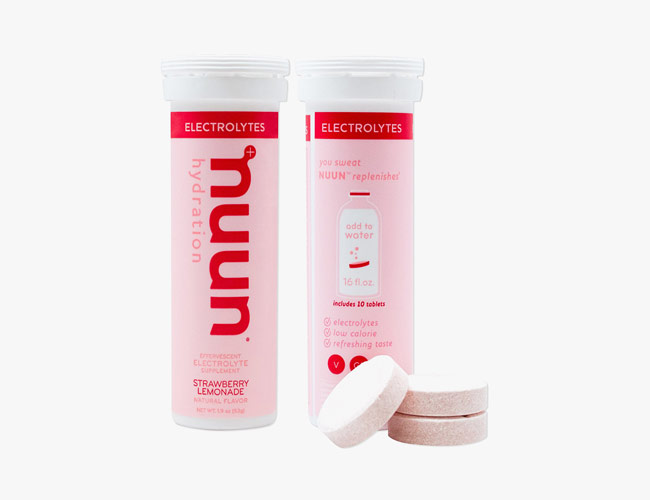
Nuun Electrolytes

Nuun approaches athletic energy with the notion that if it’s clean, it’s good for the body. Its electrolyte tablets are made with non-GMO plant-based ingredients and contain less than one gram of sugar per serving (Gatorade has 34). They still supply a jolt that helps maintain a balance of fluids and keep muscles functioning optimally too, through a dose of sodium, potassium, magnesium and calcium.

Ingredients: citric acid, dextrose, natural flavors, calcium carbonate, monk fruit extract, stevia leaf extract, beet juice powder (for color), avocado oil, riboflavin (for color). Ingredients vary slightly by flavor.

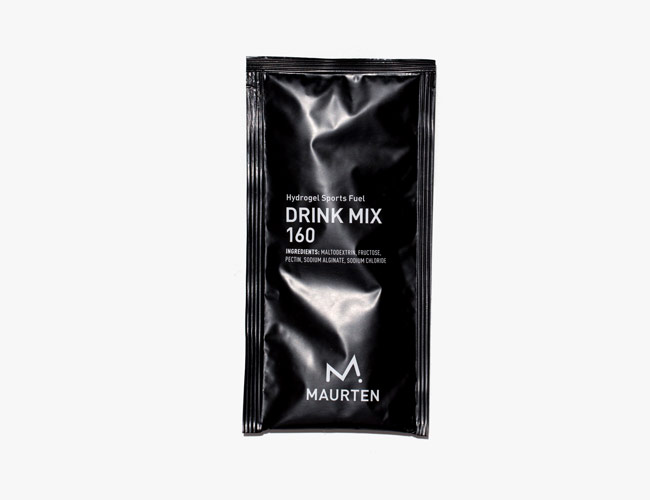
Maurten Drink Mix 160

Ingesting carbohydrate-loaded solutions during activity can take a toll on the stomach. To combat that, Maurten harnessed science, or more specifically, hydrogel technology. Maurten builds its water-based hydrogels from naturally-occurring alginate and pectin and infuses them with energy-providing maltodextrin and fructose. It’s more carbs, and it’s easier on the gut.

Ingredients: maltodextrin, fructose, pectin, sodium alginate, sodium chloride

UnTapped Ginger Mapleaid

The secret behind UnTapped’s all-natural energy source? Vermont maple, in the form of pure unrefined sugar here. It’s packed with minerals, amino acids and antioxidants for fuel, and UnTapped adds ginger to ease stomach issues and sea salt to provide electrolytes.

Ingredients: pure maple sugar, ginger, sea salt

Make Your Own

For an even cleaner sports drink, go homemade. You only need three ingredients: water, sea salt and your choice of carbohydrate. But feel free to add citrus for additional flavor.

Ingredients
16 oz watermelon, cubed and seeded
16 oz coconut water
¼ tsp Himalayan sea salt

Directions
Blend all ingredients and run through a strainer to filter out pulp.

Note: Purchasing products through our links may earn us a portion of the sale, which supports our editorial team’s mission. Learn more here.

Adult Summer Camps Are a Thing. Here’s Everything You Need to Take One On.

The Pursuit Series, which is essentially a summer camp for adventure-loving adults, was designed by four outdoor-loving adventurists who have spent their lives outdoors: Julia Stamps Mallon, Bart Davis, Brian Heifferon and Tyler Drake. The foursome pulls from past experiences at Outessa, an outdoor weekend adventure camp to encourage more women to get outdoors, as well as The Outbound Collective, an online community designed to help adventurers locate the best spots for all explorers. A typical Pursuit weekend includes over 26 different categories of events over the course of three days to help you learn more about an outdoor activity you love, or introduce you to a new one. It’s a series worth checking out, and one that requires some outdoor gear to make it through. Here’s what the founders recommend.

Tyler Drake

One of the founders of the Outbound Collective, Drake’s favorite things revolve around staying comfortable.

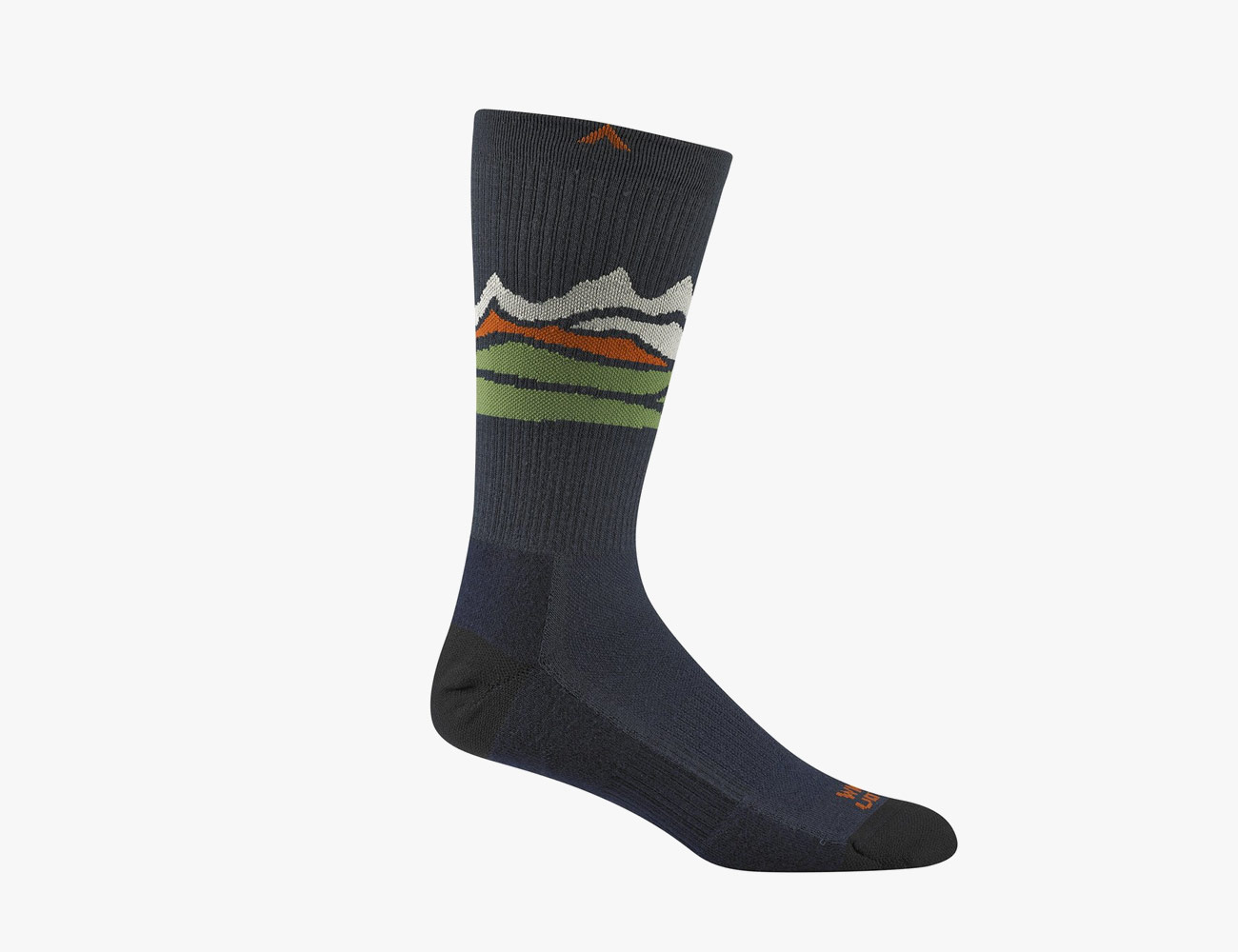
Wigwam Beacon Heights Socks

Durable and dry socks are a must-have. “I love the Wigwam Beacon Heights Socks. With moisture control and cushioning, these socks help keep my feet dry and comfortable all day long.”

Sleeping Pad

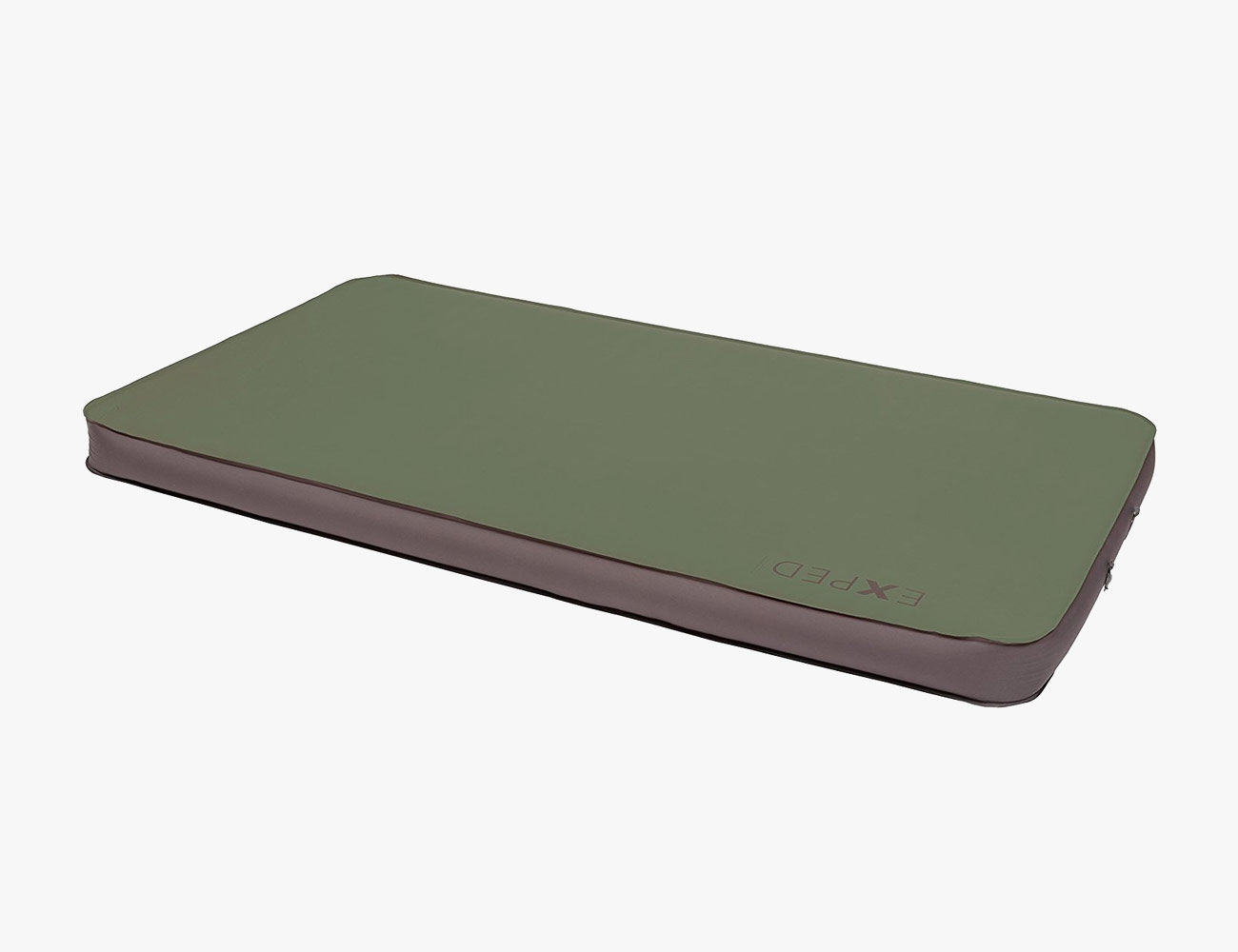
You need a comfortable and reliable sleeping pad. “We camp the full week we’re setting up, working and taking down the event, so it really helps to have a good night’s sleep. It’s a little bit of a luxury, but I splurged for the Exped Megamat Duo.

Water Bottle

“With summer heat and long days, it’s key to have a good bottle to help me stay hydrated. I’m a fan of Igloo’s Tahoe Chugger water bottles.”

Sunscreen

“It’s always important to protect against the elements. I like Sun Bum to keep me covered.”

Sunglasses

“From being on the water and trails to hanging out at camp, it never hurts to have a good pair of glasses.”

Brian Heifferon

The other co-founder of the Outbound Collective has a few more necessities, but stands by Drake that sunscreen is non-negotiable. “I spend a lot of time in the ocean, so I have a bias toward sunscreens that don’t contain oxybenzone, which damages reefs and sea life when it inevitably washes off of your skin. I’ve found Bare Republic sunscreens to be affordable, high quality and good for hours of uninterrupted fun. My go-to is its Mineral SPF 50 Sport Sunscreen Stick.” Here’s everything else Heifferon brings with him.

Sleeping Pad

Similar to Drake, the quality sleep Heifferon gets is important. “We’re on-site at Pursuit for about a week setting up and breaking down, so getting a good night’s sleep is really important. My go-to basecamp pad is the Exped MegaMat. It’s pretty expensive, and definitely not for backpacking, but it’s as close to sleeping on a mattress as you’ll get.”

Headlamp

“An indispensable product. I hide them everywhere: in my car, house, daypack, emergency kits, etc. My go-to is the Black Diamond Storm. Although it’s a little on the heavy side, it’s affordable, has a ton of settings and is water-resistant. It’s a total workhorse.”

Merino Wool Shirt

“I pack light and unfortunately sweat a lot, and merino wool is my savior. It’s cool, breathable, easy to take care of and doesn’t stink. No really – it doesn’t hold odor. Icebreaker’s City Lite crew works like a charm. If you haven’t already, given merino wool a try. You can thank me later.”

Trucker Hat

“I like to have a well-ventilated hat that I can really beat up, and our Outbound Trucker fits the bill perfectly. It’s not overly tall, and the pliable foam front panel makes it a breeze to rinse off and put right back on.”

Mini Lantern

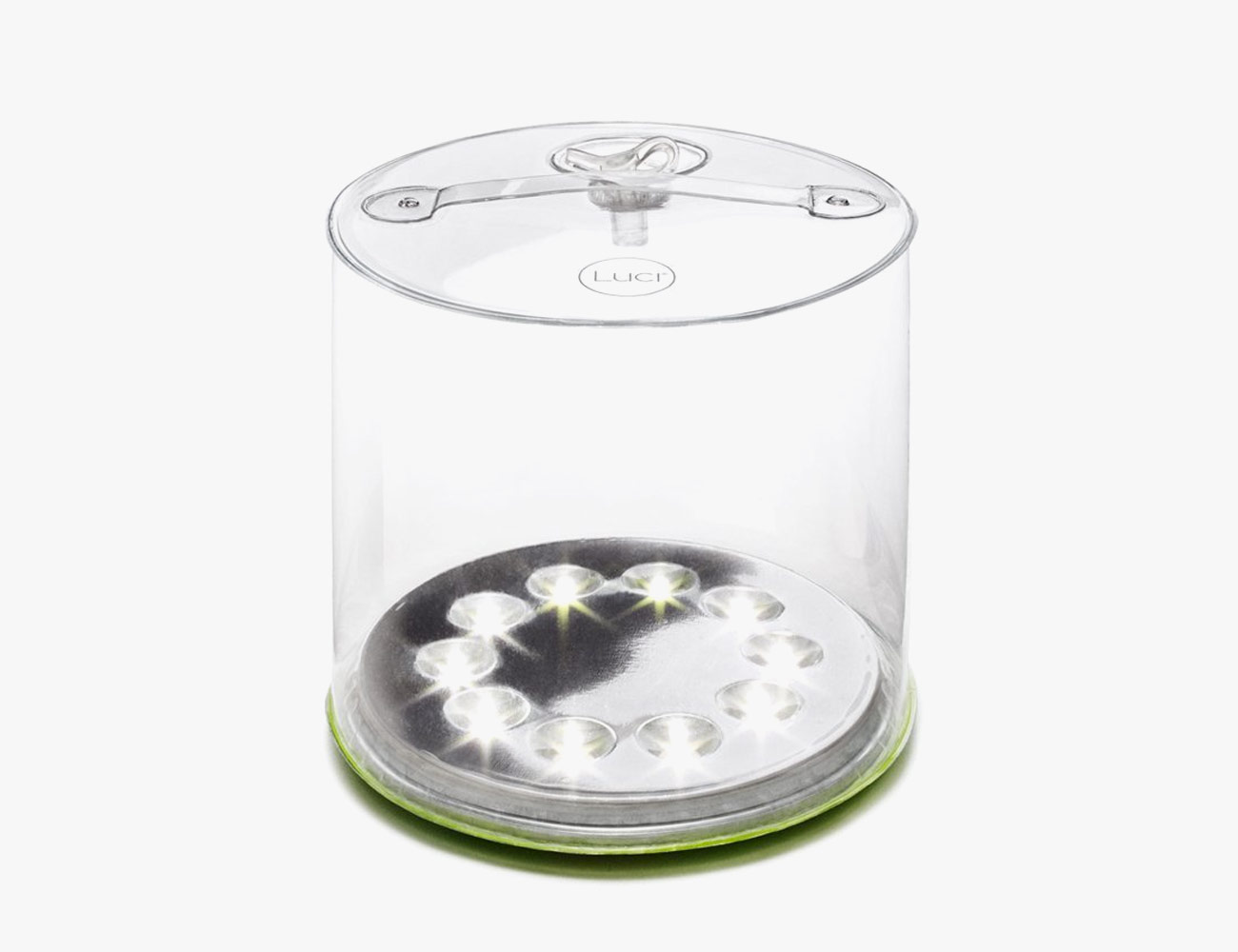
“Headlamps are awesome, but you don’t always want to be wearing one inside your tent. A nice mini-lantern hanging inside your tent is convenient and makes the space feel more like home. My go-to is the MPOWERD Luci Outdoor 2.0. It’s crazy light, solar powered and more than bright enough to light up the inside of your tent.”

Bart Davis

Davis and Stamps Mallon have worked together for years, so it makes sense that working with them is a bit like working with an oiled machine. Weekends like these are old hat for Davis, so his picks are certainly fun.

Puffy Jacket

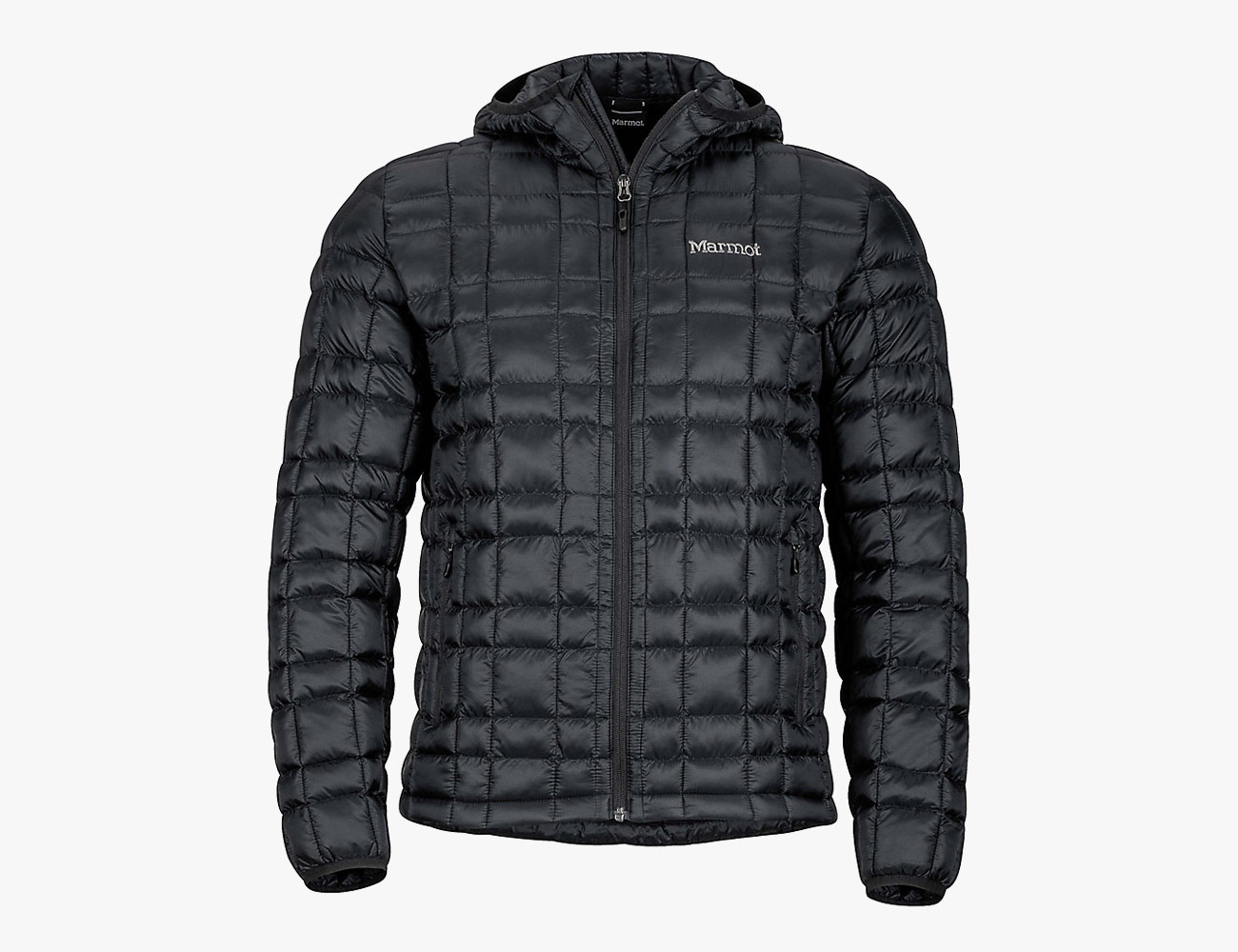
“Even in the summer, I don’t head to the mountains without a puffy coat. I love the Marmot Featherless Hoody because of its great warmth to weight ratio, and being a synthetic insulation, it stays warm even if it gets wet.”

SAXX Underwear

“It may seem funny to be as passionate about my SAXX underwear as I am, but they simply are the best, whether I’m being active or not.  The fit is perfect, meaning they don’t ride up or bind, and I love the designs.”

Snacks

“Being prone to ‘Hangriness’, I always am carrying snacks with me. The GU Energy Stroopwafel is super tasty and provides the right mix of ingredients to keep me on track, whether running on a trail or needing a snack while working. Check out the Gingerade flavor, my personal favorite!” 

Portable Charging Light

“The Luci Pro Outdoor 2.0 + Mobile Charging is a must have item!  Super lightweight, serves as a great area lantern, charged by the solar panel on top or a USB and can provide a charge to my phone when needed. So many sweet features in a small and lightweight package. This goes on every trip with me.” 

Julia Stamp Mallon

The O.G. founder of these adventure-filled weekends, Stamps Mallon is no stranger to the backcountry.

Marmot Tent

“I like the Marmot Limelight 2 Person Tent, which you can get in the Pursuit Series camping kit, as it feels really spacious and is my go-to accommodation.”

Sleeping Bag

“The Marmot Trestles 30 Sleeping Bag is super comfy and perfect for 3-season camping.”

Igloo Tumbler

“I love my Igloo Tumbler so I can enjoy Tito’s cocktails and Kenwood Wines in the evening as I sit back enjoy Chauo Chocolatier s’mores around the campfire.”

Wet Wipes

“Even if we’re camping where there are amenities (like Pursuit Series), it’s always ideal to have wet wipes on hand for swift and easy cleanups.”

The Best Camp Chairs

Lightweight seating for every type of camping out there. Read the Story

World’s Simplest Treadmill Could Be All You Need to Make a Treadmill Desk

Creating a treadmill desk can be expensive and bulky, not to mention challenging to install. A company based in Brooklyn, Treadly, just created the world’s most straightforward treadmill. There’s no assembly — just unbox and start walking. At just five inches high, it stores easily under a bed, desk or just about anywhere you can dream. With speeds of just 3.7 MPH (pull up the hydraulic handrail to up the rate to 5.0 MPH), you can walk a leisurely pace of a 16:12-minute mile, all while writing emails or talking on the phone. It’s an easy way to test out a treadmill desk, especially when the special pricing is just $699 now.

Despite the lack of buttons to increase speed (you have to step quicker at the front of the treadmill and stand at the back to stop the belt) it does seem like a viable miniature treadmill for small space dwellers — and also people with shorter legs. Keep in mind the entire treadmill runs the width of 55-inches, and when you subtract the couple inches for the LCD screen, the belt isn’t that long. For anyone over 5’6″, this would likely be tricky to walk on, primarily because of the length of your legs and footsteps.

Shipping starts early July, and during the pre-sale, you can order the current model for $699 (similar in price to a Sunny Health & Fitness treadmill and a ProForm 505 CST). Once the pre-order phase is over, Treadly jumps back up in price to $1197, which is closer in price to something like a Sole Fitness F63.

Today in Gear

The best way to catch up on the day’s most important product releases and stories. Read the Story

The Gear We Stole from Our Dads

We all view our own dads as being the original — the original outdoorsman, the original watch collector, the original hip photographer, the original enthusiast. Proof of his passion exists in browning 35mm photographs cataloged in binders under a bed or at the back of a closet. Also in these spaces is some of the gear that he wore on those adventures, that is, the items that haven’t already been pilfered.

We’ve all done it. Dad knew his stuff, and we recognized it, and then we took his stuff. Sometimes these things were given freely, on loan for finite or undefined periods. In other moments we sacrificed a shake of morality, succumbed to an impulse and took gear without asking. We’re sorry, Dad. But you have great taste, and it rubbed off on us. Here are the things we stole from you, and the reasons why.

Leatherman PST II

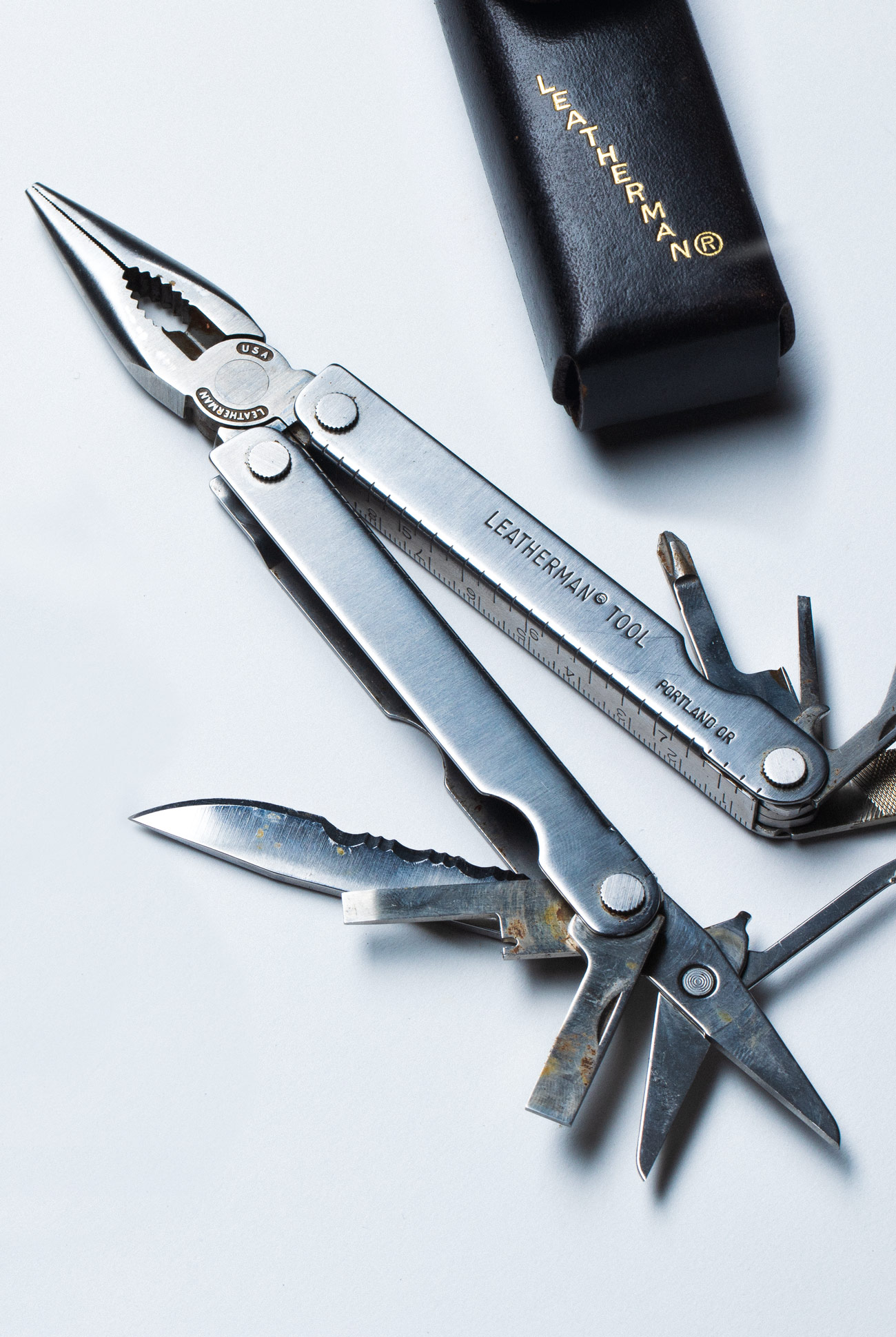
The more I think about it, I stole an astounding amount of gear from my dad. An original iPod, books, a record or two, a pair of speakers, a clock radio. It’s not my fault he had good taste. Somehow though, the memorable one is an old Leatherman PST II that was in his toolbox — leather case included. It’s been stuffed in one drawer of mine or another for the better part of a decade. It’s gladly performed any strange task I can think of, and I’ve been able to put off purchasing a toolkit, a knife, a pair of scissors or a file. Also — thanks to the way early Leatherman tools didn’t lock into place — it’s donated a fair share of scars to my hands. I guess you take the bad with the good. — Henry Phillips, Deputy Photography Editor

Nikon EM 35mm Camera

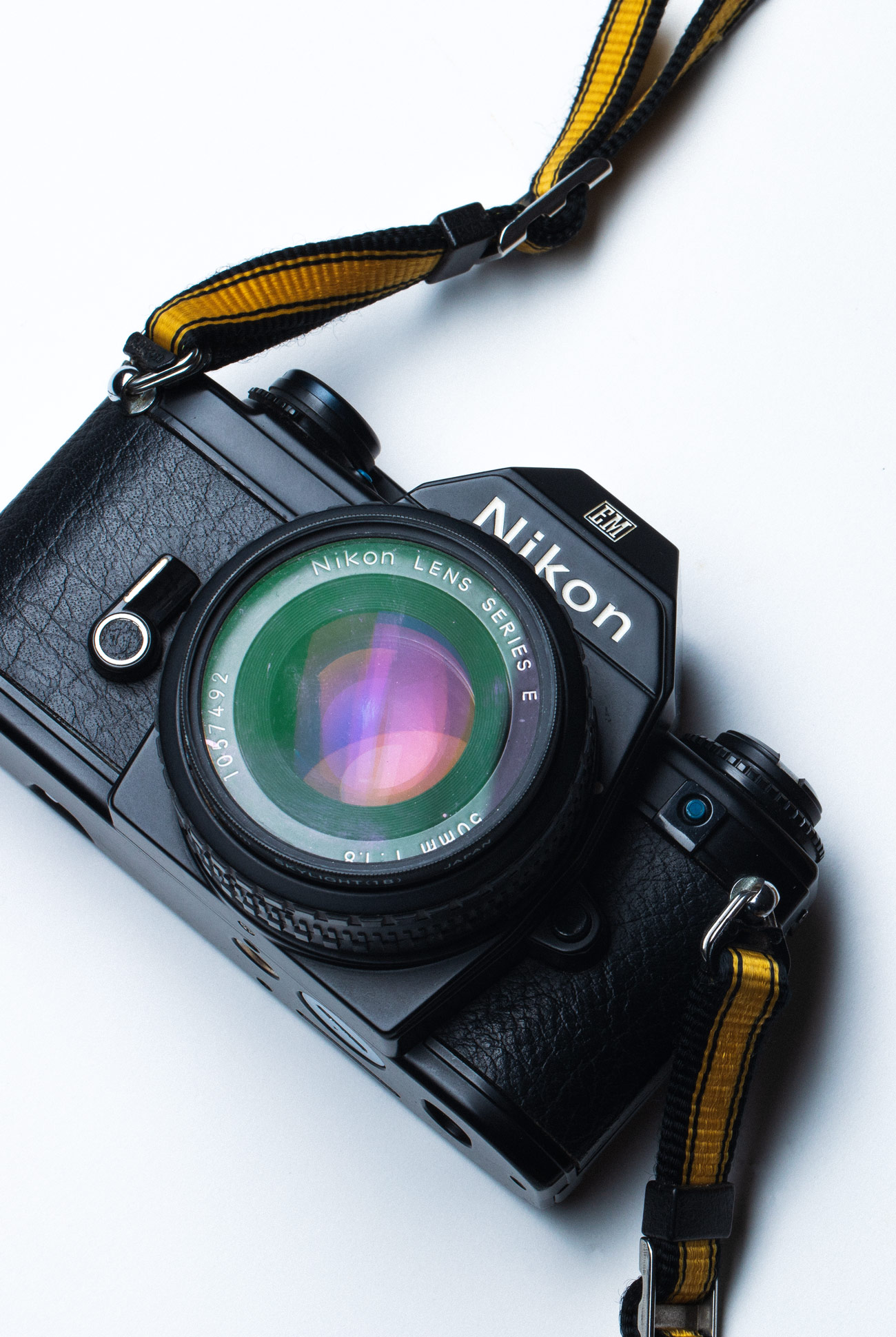
My dad bought a Nikon EM for photojournalism classes he took in college. It’s a very basic Nikon model (EM stands for “economy model”), and was marketed as a lighter, more affordable camera than the higher-end Nikons of the time. When I started taking photography classes in middle school, my dad let me borrow it and it’s been mine ever since. It’s not anything special from a technical standpoint, but it’s my go-to when I am shooting and want an expected result. Built in 1979, the camera has some wear-and-tear on it and produces some pretty regular light leaks. But having shot with the camera for almost 20 years, I more often than not use the leaks to my advantage with certain light. It’s definitely one of my treasured possessions from my dad. — Ryan Brower, Content Producer, Gear Patrol Studios

An Unidentifiable North Face Tent

I have childhood memories of a purple, geodesic tent. They were there in high school when my dad let me borrow it to go camping with friends. They were eclipsed by new ones then, which consist mostly of struggling against its many poles in the dark and ultimately deciding to sleep in the car. In college I borrowed it again while my dad was out of town, hoping that he wouldn’t miss it (eventually, he did). I had more experience camping at this point and more success in setting it up, too. It became my home off and on during a planless summer after graduation (after I learned that primitive camping is free in state forests). I bought my own tent later that summer, but I think of this one as my first, and honestly, I can’t remember if I ever gave it back. — Tanner Bowden, Associate Staff Writer

Jansport Brass Bed 3

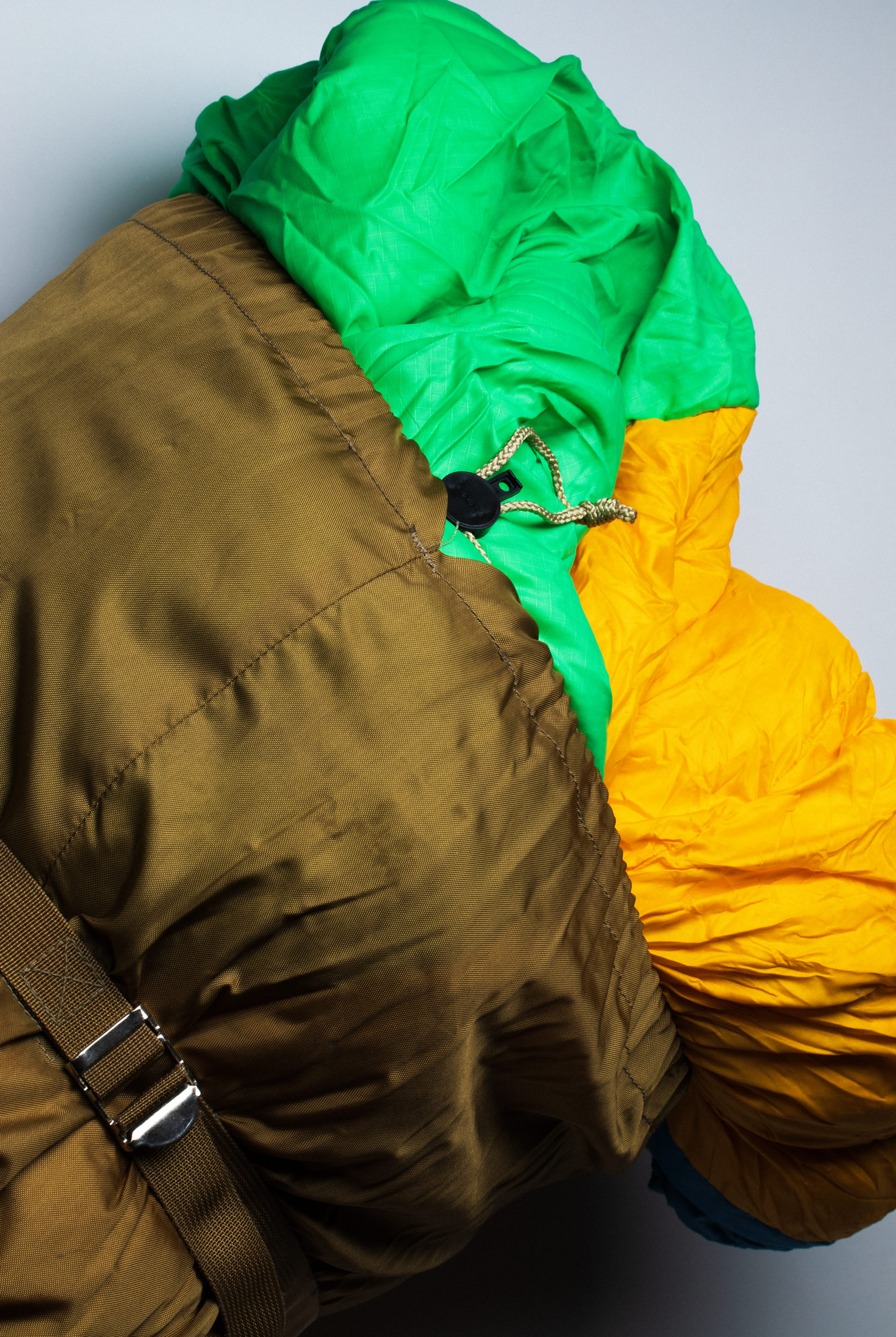
There was a crusty old sleeping bag that sat in the basement. It remained there, unused for many years, until my sister and I were born and the requisite backyard campouts began. That was all I knew of the green and yellow Jansport sleeping bag. It wasn’t until later in life that I learned its history: winter treks in the Sierra Nevada mountains and trips to the Yosemite Valley. I never knew of my dad’s former life as an outdoor adventurer. I learned about it through the Jansport. Throughout my own early explorations of the outdoors, I brought it with me — in a way reliving the adventures that my dad had experienced 25 years before. It smelled weird, and wasn’t terribly warm, but it had history, and it was far better than the 15lb L.L. Bean sleepover-ready sleeping bag that was option number two. I still have the Jansport, and though it’s been replaced by more modern examples from Montbell, it remains in my kit. — AJ Powell, Assistant Editor

Dale of Norway-esque Hat with Brant Lake Embroidery

Skiing is the one sport in which my little family of four can all participate. Starting when I was two, my parents had me on skis. Turns out, as long as a child can stand, you can pretty much hold them on skis with a leash. While a kid can sometimes crush your style, my Dad was never going to let that affect him.

To give you an idea of my dad’s style, he wears a lot of polo shirts and still pops his collar. It’s endearing. It turns out, the equivalent of popping your collar on the ski slopes is wearing a bright red hat, always. His vibrant knit beanie is embroidered with a Dale of Norway-vibe white print, has a red and white pompom on top, and ‘Brant Lake’ is embroidered into the bottom edge. It’s easy to spot.

Brant Lake is a small-ish town upstate (north of Albany, so yes, upstate) where his side of the family has been going for over 100 years; the hat may be just as old. Jokes aside, growing up I thought this hat was the coolest ski accessory, but considering that my dad wears it every single time we ski together, there has never been a chance for me to rock it. This particular hat is hard to find, so inevitably every time we go skiing up near Brant Lake, someone approaches my dad and asks where he got it. Since it’s older than dirt, he’s never able to help anyone out, but that only added to the allure for me.

Then the day came when I was finally old enough to take a group of friends to the lake house, and we needed extra layers (one friend was flying in from Florida). What better layer to add than a dad hat? I proudly rocked the bright red hat all weekend long, relishing in the fact that it was my one weekend to wear it. While the 72 hours (it was a long one) flew by, I have plenty of photo evidence to document the hat in all its glory. Maybe one day I’ll have it for myself, but until then, Dad’s still rocking it. — Meg Lappe, Staff Writer

Carhartt Journeymen Belt

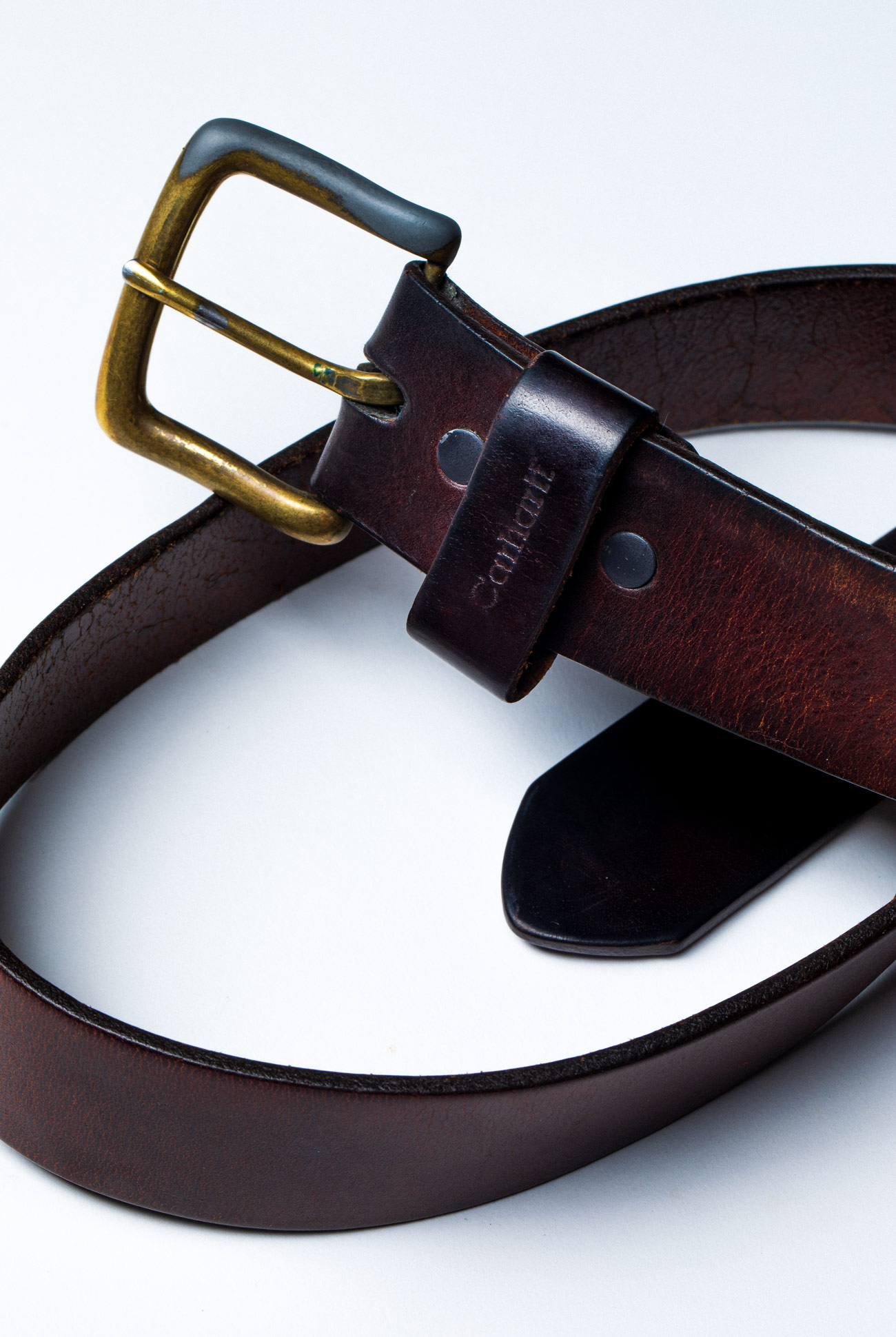
I spent the better part of four summers working for my dad’s construction company. My first summer, I didn’t get a paycheck. “You’ve been living rent-free for sixteen years,” was always said with a smirk. Less out of spite and more out of necessity, I commandeered the majority of my workwear from my dad’s closet. This belt (on its last notch), helped hold up my shorts that were two sizes too big. I pay too much for rent now, but at least my belt is free. — Chase Pellerin, Staff Photographer

Fuzzy ’90s Field & Stream Pullover

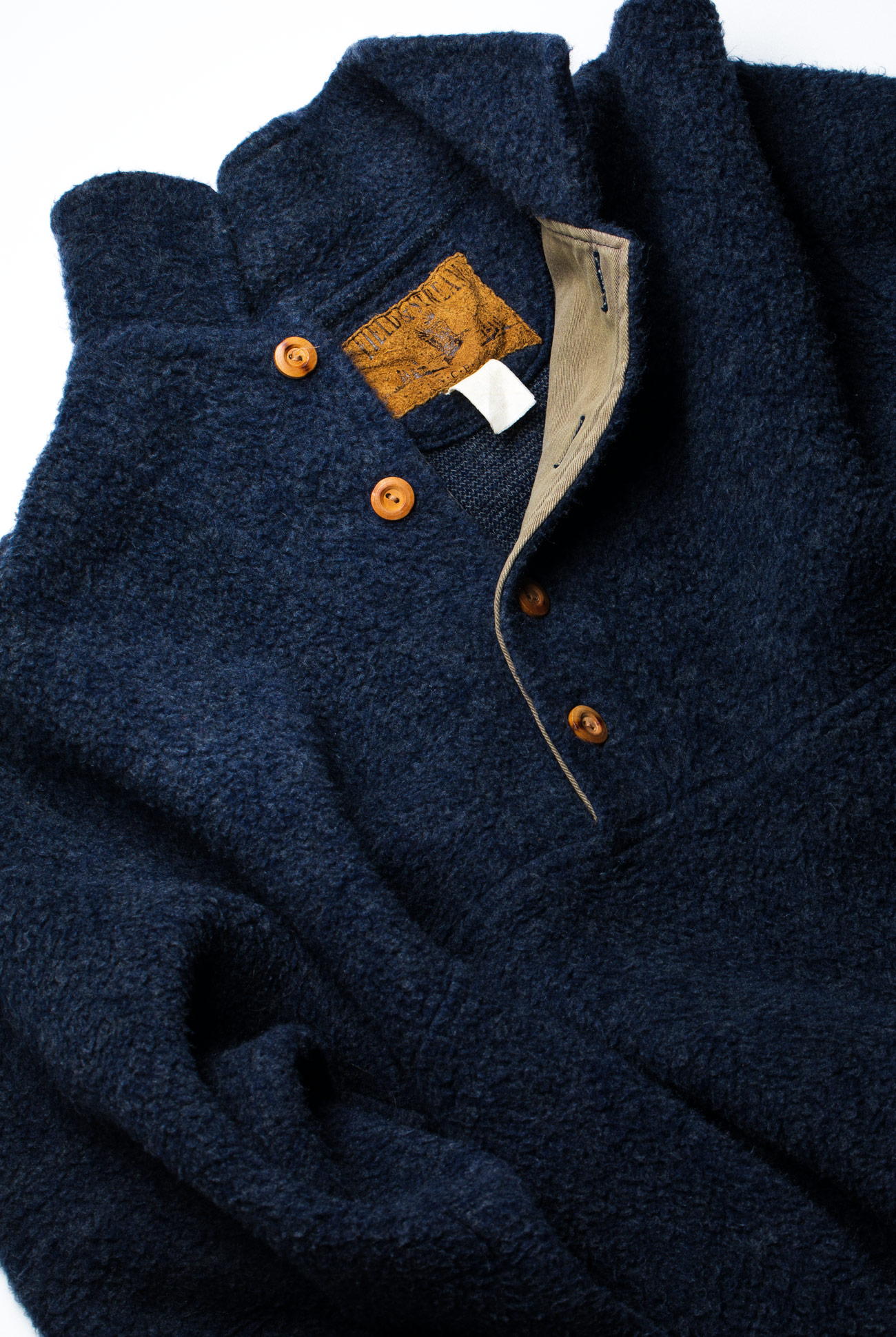
I grew up in northern Michigan, where winter lasts seven-plus months, summer lasts for maybe three and the transitional seasons lean toward… being pretty darn cold. In a climate like that, my dad wore this thick synthetic pullover practically everywhere, making for excellent dad hugs and a great makeshift pillow during long car rides.

It’s a textured weave on the inside, and extremely soft and fuzzy on the outside — very warm, very cozy and just what I needed when I went away to college. I borrowed the pullover from my dad back in 2010 (thank you, Dad, thank you) and it’s been a well-worn staple ever since. — Andy Frakes, Editorial Assistant

Eddie Bauer Goose Down Vest (1977)

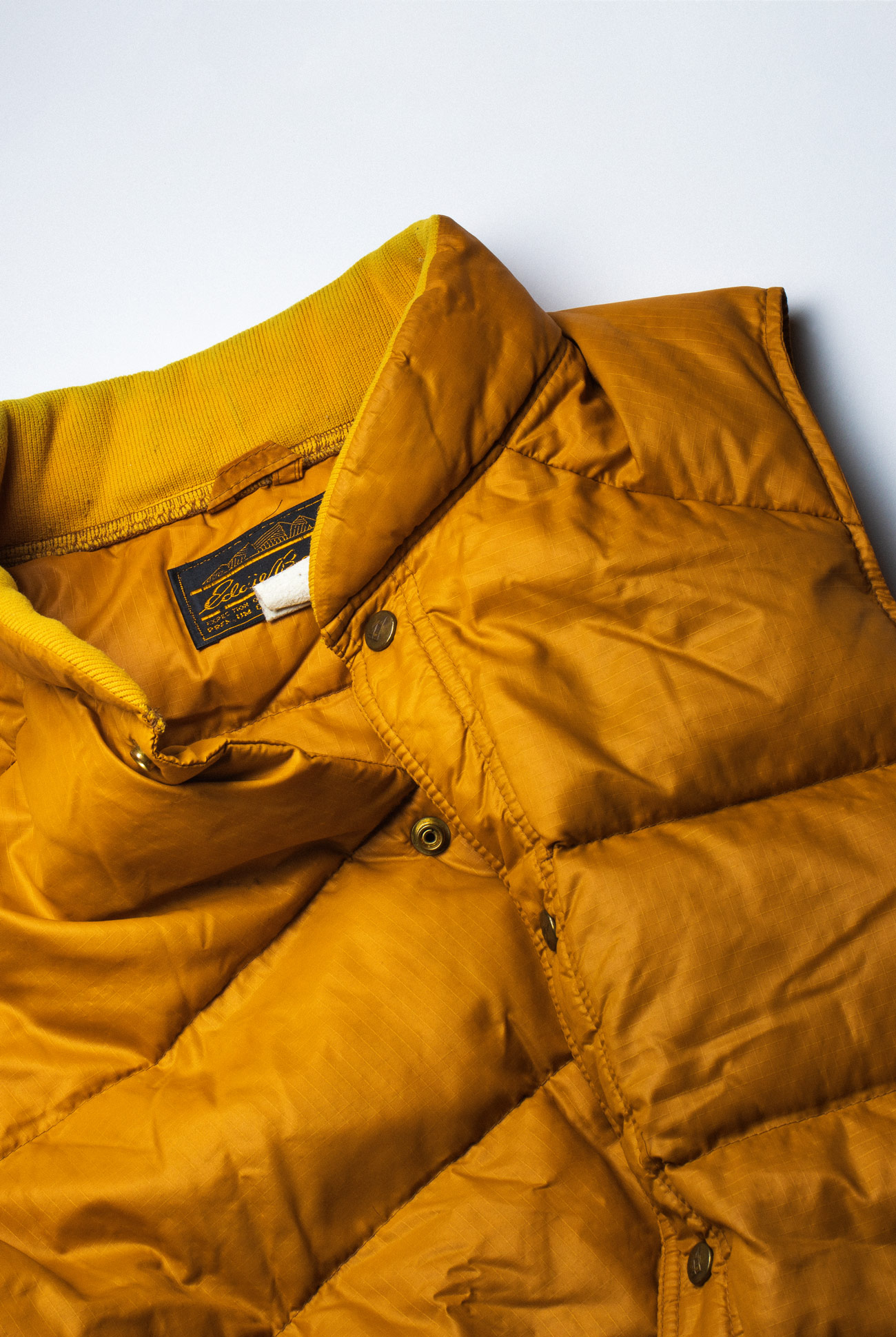
I found this buried in my dad’s closet on my first trip home from college. Truth be told, I have no memories of him wearing it — we lived in Florida — but that’s probably for the best. It is, bar none, the ugliest thing I own; I mean, just look at that color. I rarely wear it but I might break it out a couple times a year. I have never once received a compliment. — Jack Seemer, Senior Associate Editor

Note: Purchasing products through our links may earn us a portion of the sale, which supports our editorial team’s mission. Learn more here.

One of Our Favorite Knife Makers Has a New Collection

Pocket knives are inherently simple tools. They consist of a blade and a handle; they’re either fixed, or foldable. Blade shapes and edge types can vary and some pocket knives, like the Swiss Army Knife, are packaged with corkscrews, scissors and other tools. But no matter what form the pocket knife takes, it’s still a simple tool designed with purpose.

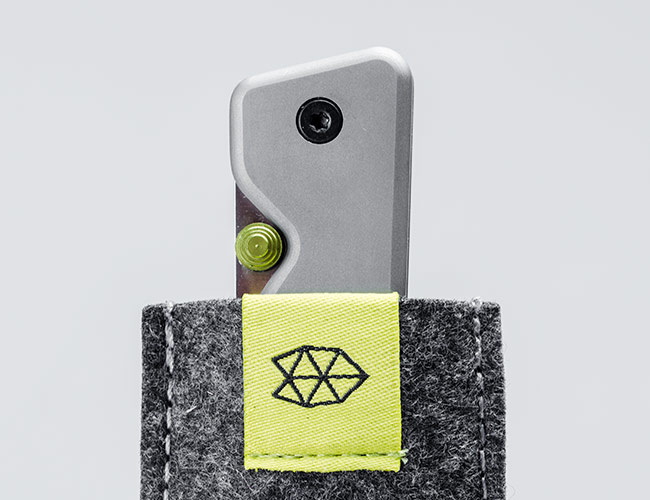
One way to riff on even the least complicated designs to introduce new materials into the recipe, and that’s precisely what the James Brand has done with its new Titanium Collection. Titanium has long been a favored material by bladesmiths because it’s both stronger and lighter than steel and has properties that help it resist corrosion. The James Brand has used it before too, most notably in its flagship Chapter knife, but now it’s expanding the layup and creating its first materials-based collection.

In addition to the Chapter, the tiny, keychain-worthy Elko and the heritage-inspired County have been updated with titanium handles. Together, the three knives demonstrate the elevated potential for beauty through simplicity, and how subtlety can be used to underline the elegance of forms and, inevitably, materials. Existing at the collection’s core is function and practicality, which in the case of pocket knives, is how it should be.

Meet the Man Designing the Most Beautiful Pocket Knives We’ve Ever Seen

Ryan Coulter of the James Brand talks about his first pocket knife, where a new knife design begins and what’s always in his pocket. Read the Story

This Year’s Best Commuter Bikes for Any Budget

This guide to the best commuter bikes of 2018 provides 10 awesome bikes to get you to and from work and also offers tips and advice to know before you buy.

Editor’s Pick: Mosaic CT-1
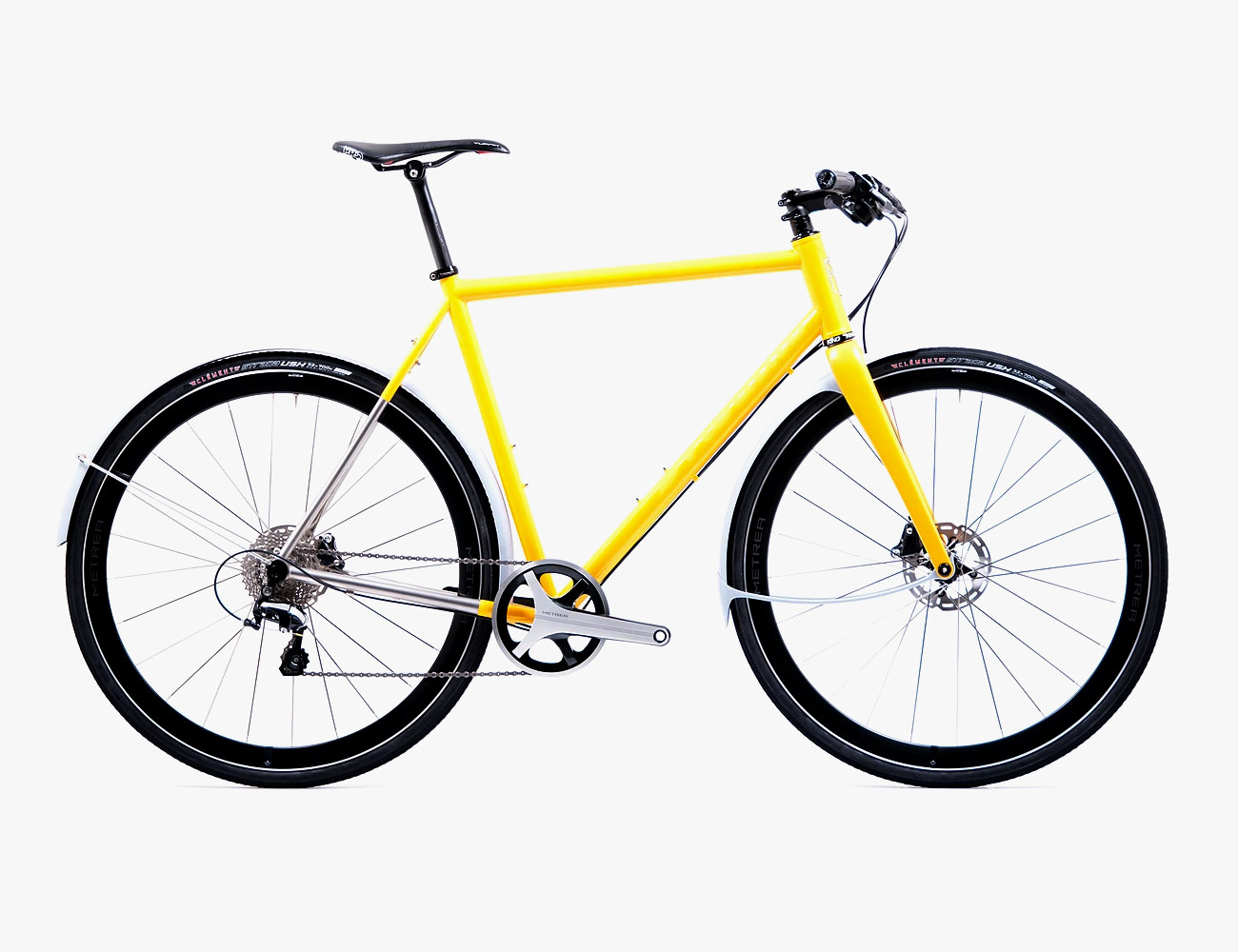


The best way to describe Mosaic’s CT-1 commuter bike is simply superlative. It’s the best commuter bike that money can buy. It does, of course, come with a lofty price tag. The bike is made from titanium tubing and is hand-built by Aaron Barcheck in Colorado. It features a Shimano Metrea groupset that leaves little to be desired in the way of looks or performance.

Barcheck began shaping with titanium at Colorado’s Dean Bicycles, where he worked for seven years. He immediately gravitated to the metal, which doesn’t need to be coddled, is rust-proof and easily refinished, and almost never suffers catastrophic failure (unlike carbon). Not to mention the ride quality, for which the material is famously comfortable. “Titanium is this really awesome, versatile material,” Barcheck said. “It’s not always going to be the lightest, not always going to be the stiffest, but it’s going to get a nine out of ten in every category. And when it’s machined the right way, mitered the right way, welded the right way and finished the right way, it should be a bike you’re going to have for a really, really long time.”

Barcheck is currently making the best American-made titanium bikes. Detail, finish, paint, ride quality — it’s all there. The Mosaic CT-1 is no exception, and best of all, because every bike is custom, you can build it to the exact specifications that you want.

Introduction

Long gone are the days when the commuter bike was an old-school mountain bike with a potpourri of parts and a rear wheel that was only roughly true. A rise in people looking to build fitness, lower their carbon footprint or simply have fun while getting around has created a big market for commuter bikes — from super stylish retro single speeds to those that borrow from road bikes for speed and mountain bikes for durability. Mash all of this up with internal gearing, belt drives and integrated lighting systems, and the commuter bike suddenly forms. Here are some of our favorites for 2018.

Additional contribution by Henry Phillips, Tanner Bowden and Matthew Ankeny.

How To Get The Right Fit

Fix Your Posture: While there is no substitute for a professional fit, many feelings of discomfort and soreness simply result from improper riding structure. To get a feel for how you should be sitting on your saddle, stand with your feet about as wide apart as they would be when pedaling. Bend your knees slightly and lean forward, keeping your back as straight as possible. You should feel the muscles in your lower back activate, along with those in your core. Sticking to this body position while on the bike will help to take the stress off your vertebrae, which is induced by leaning over and bending your spine. It also helps to keep your chest open, allowing for more efficient oxygen intake.

Start with the Saddle: If possible, try out a number of different saddles. Everyone’s body is shaped differently; what’s most comfortable for Chris Froome probably isn’t what’s most comfortable for you. Comfort is subjective, so the more saddles that you can try, the better. Tanner personally recommends Pro’s Stealth saddle, but it may not work for everyone. Saddles with center cutouts tend to be more comfortable when you’re sitting in the correct position with the correct posture on the bike.

Adjust Your Handlebars: As with saddles, it’s best to try out a number of different stem lengths if possible. While sitting with the correct posture, you should be comfortable reaching for the bars without putting too much weight on your hands. If you feel like you’re using too much muscle in your shoulders, or there’s too much weight on your hands, try adjusting your stem up or down using spacers and swapping to a shorter stem.

Buying Guide

Mosaic CT-1


Editor’s Pick: The best way to describe Mosaic’s CT-1 commuter bike is simply superlative. It’s the best commuter bike that money can buy. It does, of course, come with a lofty price tag. The bike is made from titanium tubing and is hand-built by Aaron Barcheck in Colorado. It features a Shimano Metrea groupset that leaves little to be desired in the way of looks or performance.

Barcheck began shaping with titanium at Colorado’s Dean Bicycles, where he worked for seven years. He immediately gravitated to the metal, which doesn’t need to be coddled, is rust-proof and easily refinished, and almost never suffers catastrophic failure (unlike carbon). Not to mention the ride quality, for which the material is famously comfortable. “Titanium is this really awesome, versatile material,” Barcheck said. “It’s not always going to be the lightest, not always going to be the stiffest, but it’s going to get a nine out of ten in every category. And when it’s machined the right way, mitered the right way, welded the right way and finished the right way, it should be a bike you’re going to have for a really, really long time.”

Barcheck is currently making the best American-made titanium bikes. Detail, finish, paint, ride quality — it’s all there. The Mosaic CT-1 is no exception, and best of all, because every bike is custom, you can build it to the exact specifications that you want.

Best Budget Commuter: Priority Bicycles Classic Plus Gotham Edition
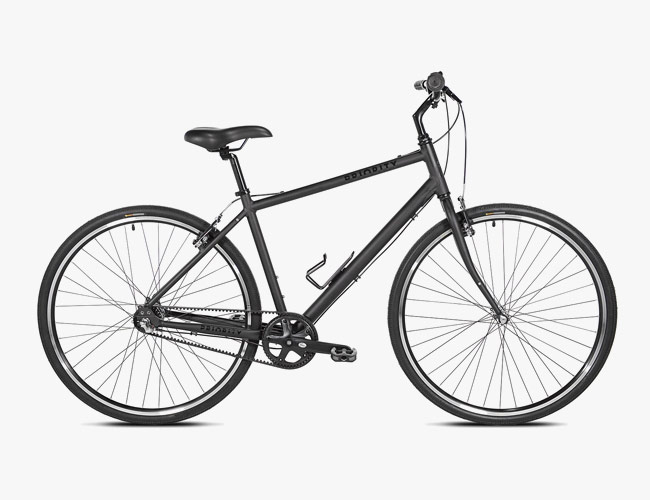
Priority Bicycle’s Classic Plus Gotham Edition is built for a user who doesn’t want to have to worry about leaving a bike out in the rain, sleet, snow or anything else the weather throws at it. The all-black design features grease and rust-free Gates Carbon Belt drive alongside a 3-speed Shimano internal hub shifter. The tires are puncture resistant meaning you don’t have to cringe every time you hit a speed bump, broken glass or pass by a construction site. Pair with a rear rack or a front basket from Priority and it’s easy to get to work, the grocery store or dinner.

State Bicycle Co. Elliston Deluxe
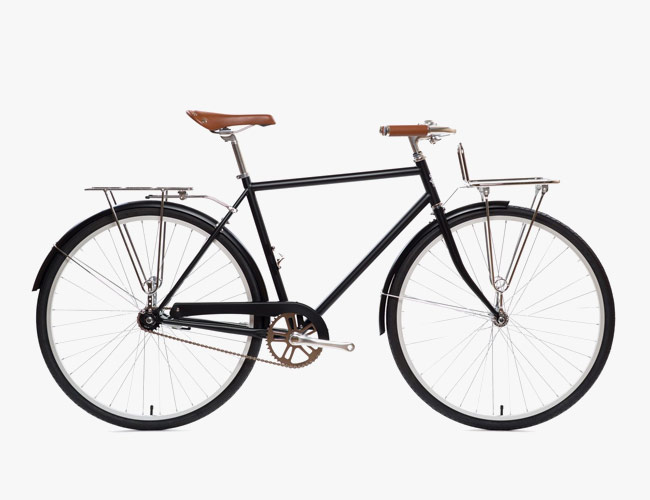


Best Full-Featured Commuter: State Bicycle Co. designed the Elliston Deluxe to ride well and look great doing it. The single-speed steel commuter is available in three sizes (the medium is available with three speeds for an additional fee), each of which are equipped with mustache handlebars, coaster brakes and 35c tires. Beyond those crucial functional elements, the Elliston comes with front and rear racks, a bell and of course, a bottle opener.

Raleigh Carlton 8
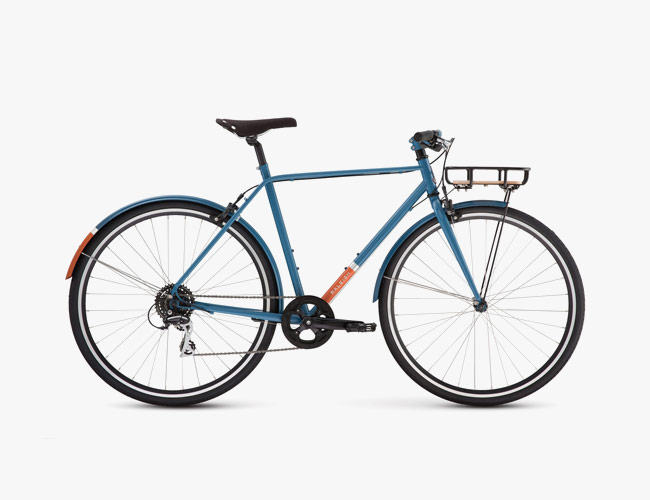


Most Stylish Commuter: Raleigh’s eight-speed Carlton is a solid affordable option that doesn’t need customization. The Carlton uses a steel, diamond-shaped frame with dual top tubes as a base for a range of good components including a Shimano drivetrain, front and rear fenders and a low-profile basket that contains an unfinished wooden platform. Additional details include a bell and reflective tape on the frame (for those who arrive early and leave late).

Brompton
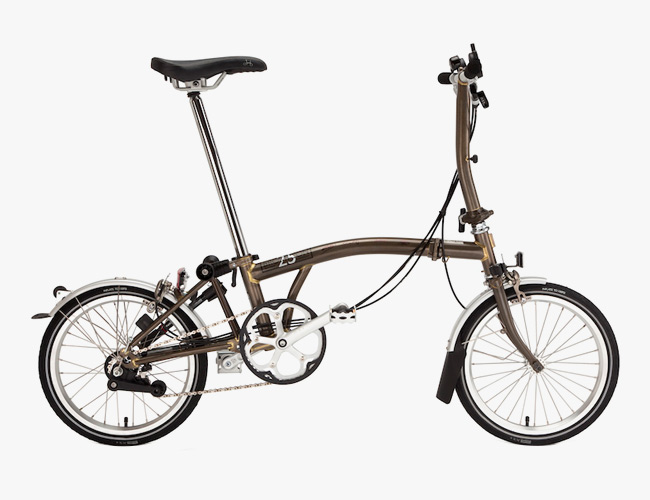
commuter-bikes-gear-patrol-brompton

Best Commuter for Storing in an Apartment: Folding bikes are perfect for those who commute via bus or train, but have longer trips to and from the stations. UK-based Brompton makes some of the finest folding bikes with an easy mechanism to fold it up and tuck it away. It also comes with built in fenders to save you from getting soaked when riding through a puddle.

Open New U.P.



Best Rough Road Commuter: The U.P., which stands for unbeaten path, takes the geometry of aggressive road riding frames and optimizes it for gravel crushing, slackening the head-tube angle degree and keeping the rear chainstays short, while still allowing for mountain bike tires up to 2.1 inches wide on a 650b rim, a 40mm cross tire or a 28mm road tire on a 700c rim. The bottom bracket is also slightly higher off the ground to allow for extra clearance over obstacles. Taking hints from mountain bike technology, all of its cables are internally routed to keep your brake and shift lines clean and clear of gunk as well as sheltered from any potential damage.

If you are hopping on the gravel-grinder train, but want a bike that can do a bit of everyting (including commute), the Open U.P. is the best available. While it might not beat out a road bike on a road ride or a mountain bike on a mountain bike ride, it can float easily to either end of the spectrum without skipping a beat and will crush most any other bike where the U.P. feels most at home: gravel roads.

Linus Rambler 7
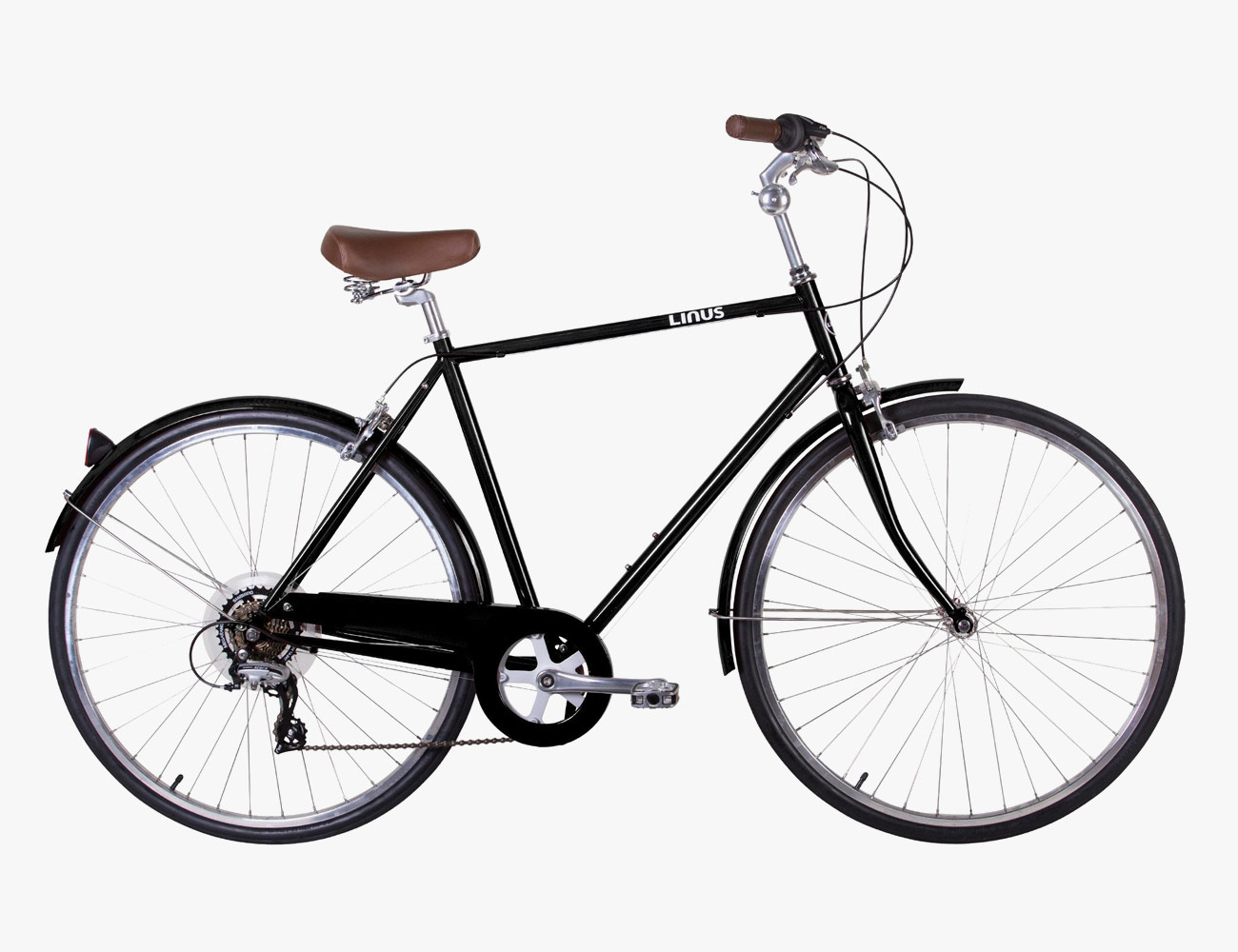


Best Classic Commuter: Linus’s Rambler 7 is a simple commuter, while still offering all of the necessities like a seven-speed drivetrain, chain guard, front and rear brakes, a bell and fenders. The styling is also as classic as it gets: swoopy handlebars, an upright riding position and a spring-loaded brown leatherette saddle. At this price point and with this styling, the Rambler 7 is hard to beat.

Cannondale Bad Boy 1
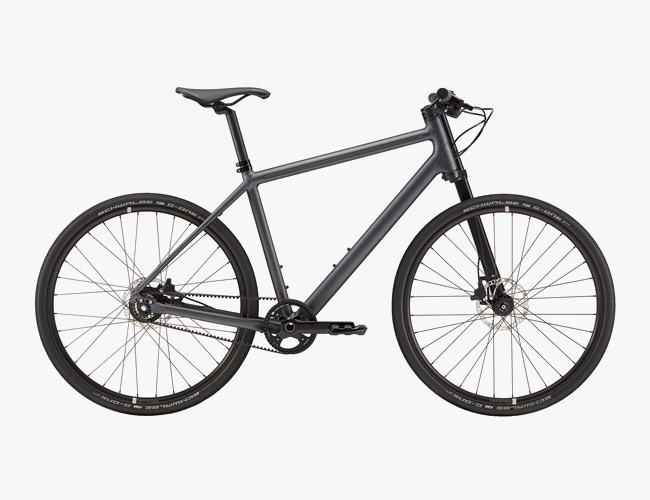


Best Commuter for Roadies: We labeled the Bad Boy 1 as “perfect” when we reviewed it and we stand by our assessment. It features everything you want in a commuter bike — built-in lights, 50mm of suspension, disc brakes and a Shimano Alfine 8-speed hub (instead of a rear derailleur) which will keep your bike shifting smoother, longer.

Budnitz No. 3
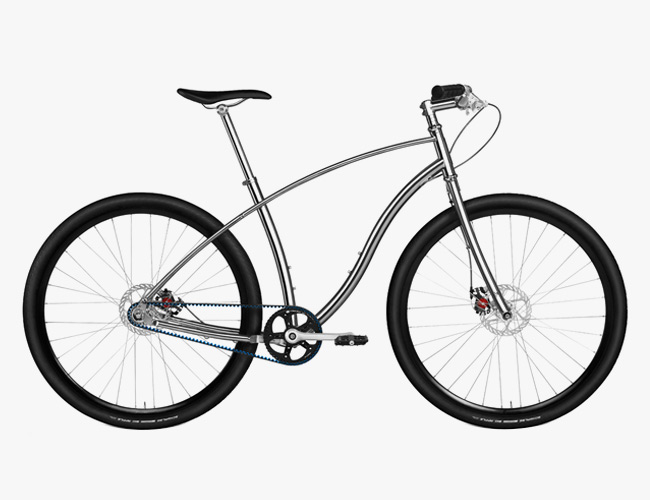
commuter-bikes-gear-patrol-budnitz

Most Unique Frame Design: The Budnitz No. 3 is a commuter bike that has a mean streak and likes to be ridden fast. The steel (or titanium) frame has a semi-racy geometry and accommodates 29-inch wheels which allow you to run tires up to 2.35-inches wide. It is also available with a low maintenance 14-Speed Rohloff Speedhub and comes standard with a Gates Carbon Drive belt.

Specialized Turbo Vado 6
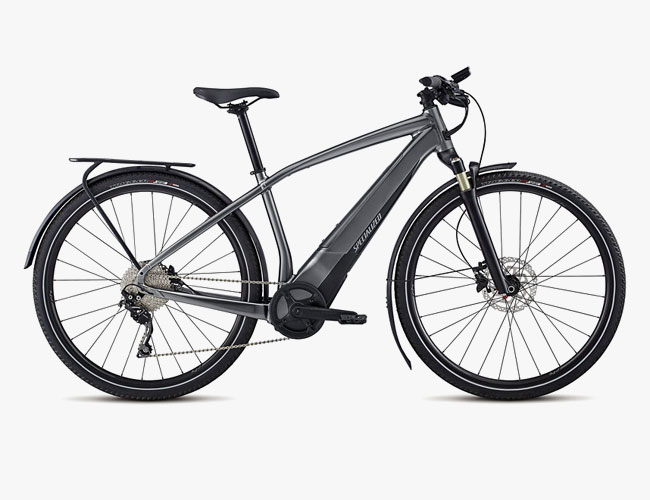


Best Commuter E-Bike: Specialized designed the Turbo Vado to be a bike first. That means the mechanical system is fully integrated, with internally routed cables and a concealed motor. It’s sleek and uncluttered, and for the most part looks like a normal bicycle. The 40-cell battery and belt-driven motor, which together power the Turbo Vado to speeds up to 28 mph, is fully incorporated into the downtube of the E5 aluminum frame. Components include an 11-speed Shimano cassette and front and rear Tektro Zurich custom hydraulic disc brakes. There are also built-in extras, made possible by the electronic system, like a removable handlebar-mounted display and a brake-responsive tail light integrated into the rear rack.

How To Take Care of Your New Bike

Lube Your Chain

One incredibly simple way to keep your bike running smoothly is lubricating your chain. What’s even better is that it requires exactly zero tools. Here’s what to do:

Clean: Just wipe the chain down with a rag and a bit of soapy water followed by a dry rag to clean as much existing grit off the chain as possible.

Apply Lube: Drip a quality chain lube like WD-40’s Bike line over the entire length of chain. Don’t go too crazy — just aim for the rollers (the spots where the chain articulates).

Wipe: This is the bit that most people ignore, resulting in a grimy chain and stained legs. Wipe off the chain to get rid of all excess lube. We’re only concerned with the stuff that gets inside the chain.

Fix A Flat

This is essential knowledge if you plan to ride solo or care what your fellow riders think of you. All you need in advance is your spare tube, a tire lever and some means of inflating the tube — CO2 or a hand pump if you’re on the road, floor pump if you’re at home.

Remove the Deflated Tube and Tire: Slide your tire lever in between the bead of the tire and the rim opposite the tube’s valve. Unseat the tire and then work your way around until half of the tire is completely off the rim. Push the rest of the tire and tube off the wheel; it should be loose enough to remove by hand.

Check the Tire: Carefully run your fingers along the inside of the tire, checking for sharp objects that may have popped your tube. While you have the tire removed, check the wheel for anything sharp that may have caused the flat.

Partially Inflate New Tube: Give the fresh tube just a couple pumps of air to give it some shape.

Re-Seat the Tire: Pop half of the tire back on the wheel then insert the tube’s valve into the wheel. Work around the wheel, pushing the tube between the two sides of the tire.

The Final Push: Work the remaining side of the tire back onto the wheel with both hands starting at the valve hole and moving each hand in opposite directions. The point where both hands meet is usually where the tire will be the toughest to get on, but be persistent and try to fight the urge to use your tire levers.

Check and Check Again: Once you hear that glorious snap of the final part of the tire seating itself on the wheel, do a quick inspection around the tire to make sure the tube isn’t caught between the tire bead and the rim. If it looks good, inflate your tire to about a quarter of its final pressure and then do another check to make sure the tire is seated evenly around the rim with no low or high spots.

Fully Inflate: Finally, re-inflate the tire to full pressure and put the wheel back on the bike.

Adjust Your Shifting

This is a pretty specific quick fix, but there’s nothing more frustrating than sluggish or unresponsive shifting when you’re on a ride. Luckily, fixing it usually only takes a simple turn of a knob.

Shifting is all about how tight the cable is that runs between either the front shifter or rear shifter and its respective derailleur. If your bike won’t shift to a bigger cog or chaining, you likely need more tension in the system, and if it won’t shift to a smaller cog or chainring, you likely need less tension. The key is to find the perfect balance between the two where everything operates smoothly.

Adjusting the Rear Derailleur: To adjust cable tension on the rear derailleur, turn the small knob on the very back of the mechanism by hand. Counter clockwise will add tension (and aid upshifting), clockwise will remove it (and aid downshifting). To find the right balance spin the pedals and shift the bike until it moves quickly and smoothly both up and down at your command.

Adjusting the Front Derailleur: Adjusting the front is almost exactly the same process except the barrel adjuster will likely be either on the left side of your frame where it first meets the fork or somewhere along the cable between the shifter and the frame. Luckily, after that it’s the same process: counter-clockwise to add tension and help the derailleur move outwards and clockwise to decrease tension and get it to move inwards.

Troubleshooting: Shifting can be fickle. If you can’t quite get it right with these steps, bring your bike into a shop and mechanics will be able to check if it needs more thorough adjustment or even a replacement part.

Note: Purchasing products through our links may earn us a portion of the sale, which supports our editorial team’s mission. Learn more here.
5 Bike Commuting Kits That Won’t Make You Look Like a Dork

Technical fabrics, elevated style. Read the Story

This New Knife Is Subtle, Futuristic and Practical

Keep One in Your Spaceship

This New Knife Is Subtle, Futuristic and Practical


While many knife manufacturers continue to stick to tried-and-trusted aesthetics, Zero Tolerance continues to lean its designs against hard angles and quality materials that make them tactically futuristic. The 0470, built in collaboration with knife designer Dmitry Sinkevich, continues that tradition.

The 0470 is a drop-point folding pocket knife with a subtle flipper tab for easy opening. Its blade is a useful 3.4 inches long and is made of CPM 20CV high-chromium stainless steel, which provides a high level of longevity against normal wear and exceptional corrosion resistance too. The handle is made of titanium with a unique carbon fiber inlay made with a process in which the carbon fibers are dropped randomly onto a plate and covered in resin. This gives the insert a wavy, rippled appearance instead of the geometric woven pattern found in most carbon fiber handles.

The 0470 employs a titanium frame lock and includes a reversible pocket clip. The knife weighs 3.3 ounces, which is light given its size and a testament to the quality of materials used in the build. Sinkevich is known for his artful and experimental knife designs, and the 0470 displays his thoughtful showiness in a subtle way that keeps it approachable for everyday users.

Experts Say These Are the Best Pocket Knives of the Year

The Knife of the Year Awards recognize the best knives of the year, as voted on by more than 200 industry professionals. Here are four of the most notable winners. Read the Story

You’re in Control of the Battery Life of This New GPS Watch

If there’s one gripe we have with GPS-enabled fitness watches, it’s with their short battery lives. One of the great things about watches, generally speaking, is that they’re reliably low-maintenance. Sure, once you add satellite communication, heart rate sensitivity, smartphone connectivity and a touchscreen to a timepiece, it’s expected that something will have to take a hit, but it’s unfortunate (though understandable) that it has to be battery longevity.

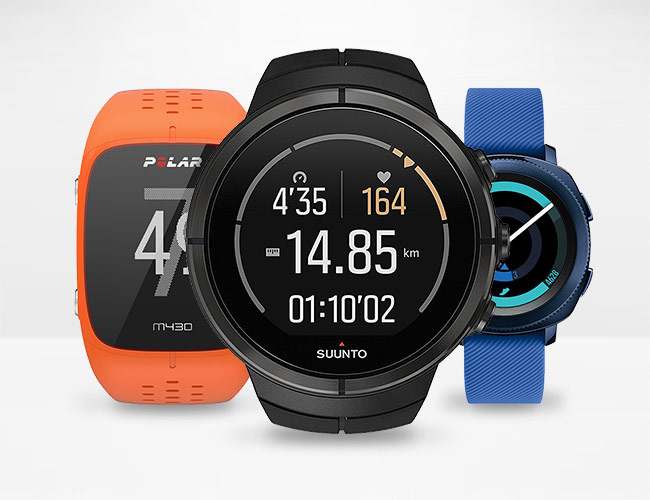
Suunto, the maker of some of the most popular GPS watches available, is taking the issue head-on with its new Suunto 9. The 9 features many of the core features of an adventure/fitness watch, including waterproofing, a compass, barometer, multi-sport activity and sleep tracking as well as the features mentioned above, but its core function is battery maintenance.

The Suunto 9 allows users to choose from three different modes that provide varied balances between GPS connectivity and battery drain. Those modes are called Performance, Endurance and Ultra. Performance offers a claimed 25 hours of battery life and operates with the most communication to GPS while at the other end of the spectrum, Endurance will make the watch last for 120 hours but with less-frequent pings to satellites (Endurance mode lasts for 50 hours). The watch also has a function where it will warn you if you’re approaching low battery while tracking an activity and nudge you to switch to a different mode.

This type of battery usage customization is optimized for athletes who want to keep track of data during extra-long excursions, but it’s also a boon to those of us who are a little bit lazy and don’t like to have to plug in another device before bed every night.

The 7 Best GPS Running Watches Money Can Buy

To get the most out of your run, and your training, a GPS running watch is a crucial purchase. These seven are the options you should consider. Read the Story

There’s a New Way to Get Cheap Gear from The North Face

There’s a paradox that every outdoor gear company must face: how to come to terms with the fact that the places in which these products are used are the most at-risk by the production process required to make them. Companies address this identity crisis in various ways — many source materials as sustainably and ethically as possible, some donate a portion of profits to charitable foundations, others use lobbying power to affect change in public policy.

A newer development is to upend the traditional retail approach by offering a very progressive return and repair policy and selling refurbished gear for low prices. Patagonia has set the standard for this model with its Worn Wear website, which it launched last fall. REI has long maintained a 90-day return policy and sold used items at member-exclusive in-store Garage Sale events but recently followed suit and launched a dedicated website that offers the used-gear discount to all. Now, The North Face is joining the movement.

Earlier this week the California gear company launched its The North Face Renewed website, which is dedicated to selling used gear at cheaper prices. Its tagline, “Refurbished Clothing Remade to Explore,” summarizes the pilot program’s process. Items that are returned for any reason or are damaged or defective are thoroughly inspected, cleaned and repaired for sale at a discounted price.

“As we address the impacts of our products over their entire lifecycle, recommerce is an important next step in opening new markets and minimizing our impact on the planet,” says James Rogers, Director of Sustainability at The North Face. “We are furthering our sustainability goals without sacrificing durability or technical standards. Ultimately, as we work to scale Renewed, we will be proving a larger, circular model for the industry.”

The North Face Renewed is already stocked with plenty of items at extreme discounts. Here are three of our current favorites.

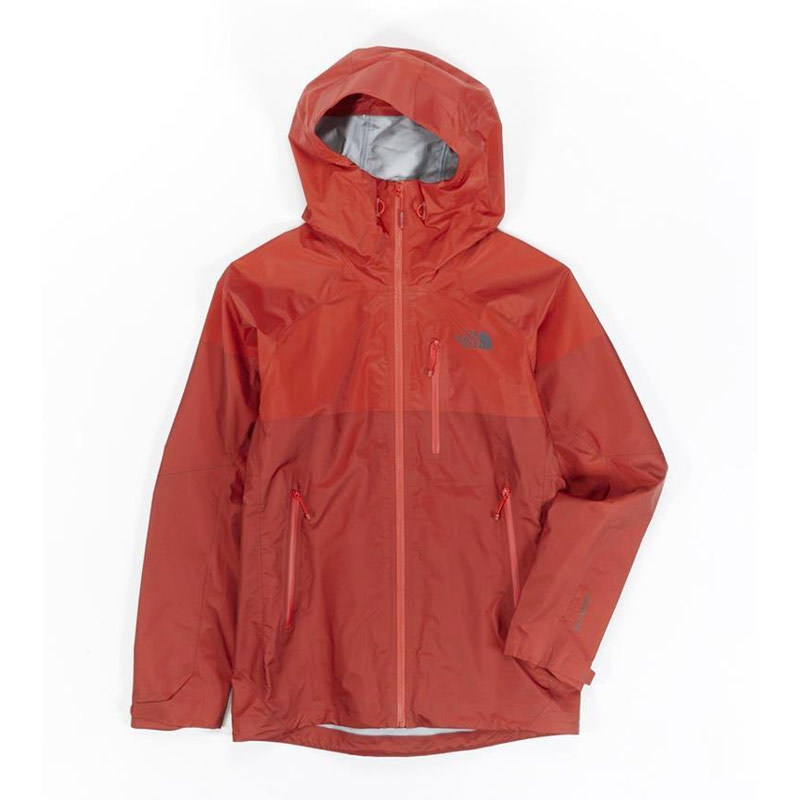
Fuseform Progressor Shell $420

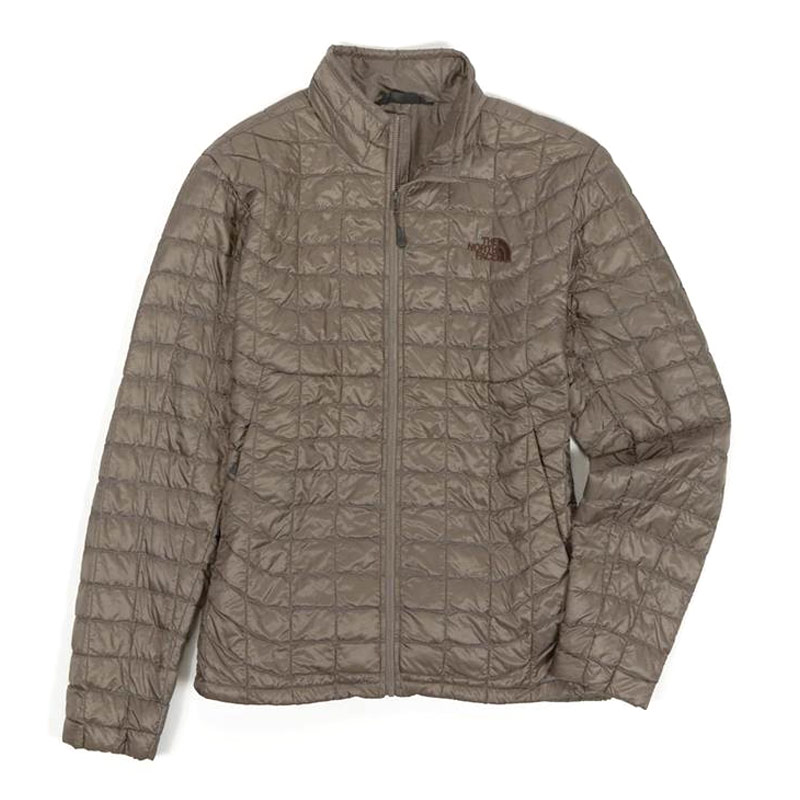
Thermoball Jacket $117

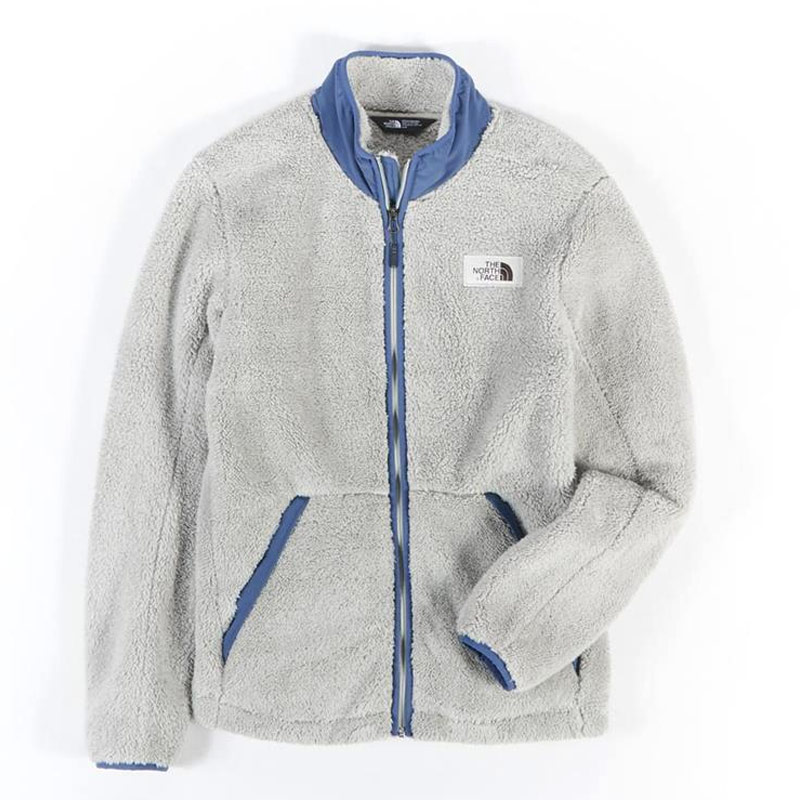
Campshire Fleece $98
Today in Gear

The best way to catch up on the day’s most important product releases and stories. Read the Story

A Famous Knife Maker Just Made its Most Beautiful Pocket Knife Yet

Covet-Worthy Cutlery

A Famous Knife Maker Just Made its Most Beautiful Pocket Knife Yet


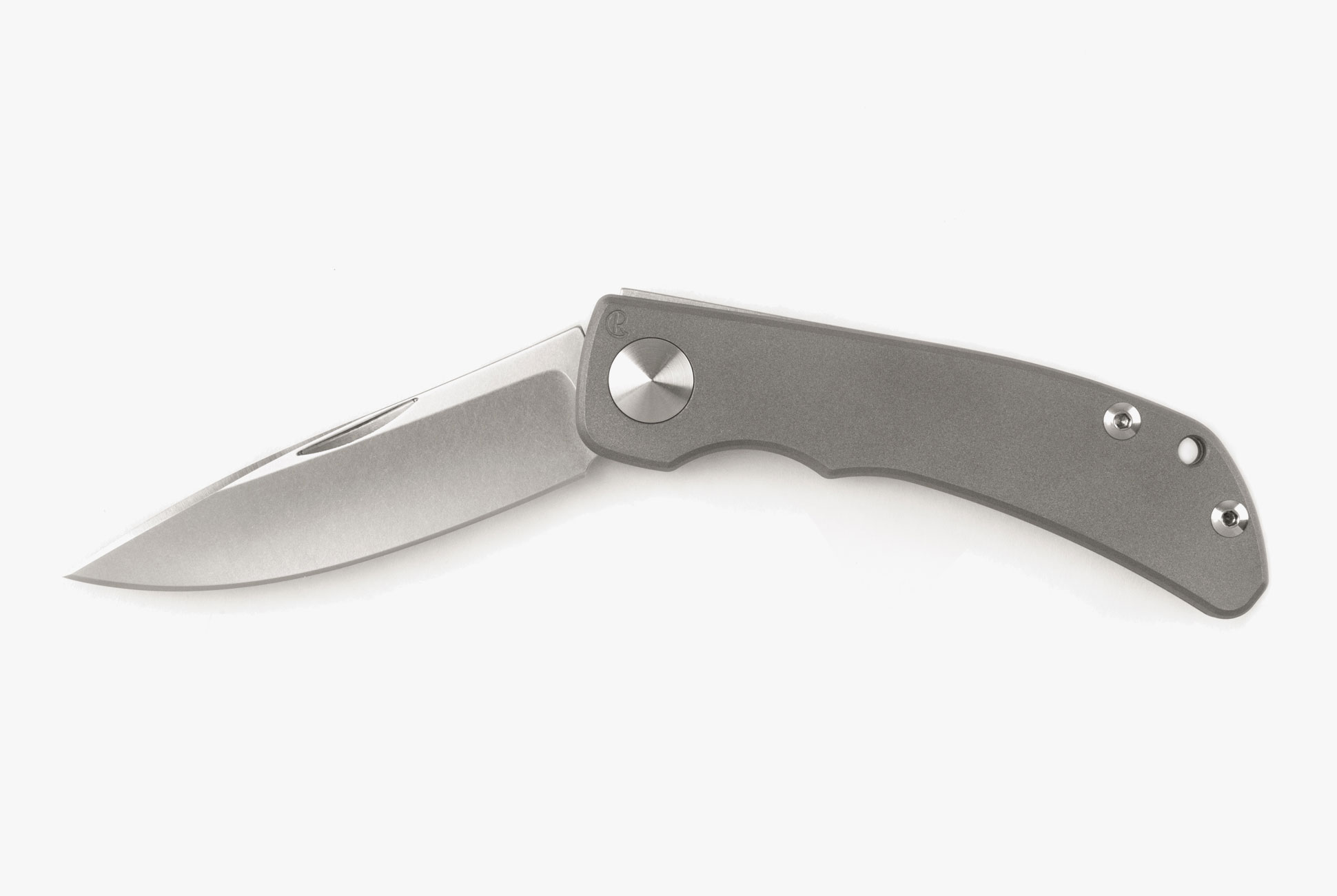
In the knifemaking world, Chris Reeve Knives is renowned. The manufacturer’s most famous model may be the Sebenza, a folding pocket knife that has become a benchmark against which many other knives are judged. This year, the company revealed its first new knife in two years: the Impinda.

The Impinda builds on the success of previous Chris Reeve blades but also represents an evolution — it’s the brand’s first slip joint pocket knife. That means it doesn’t lock, which is significant because Chris Reeve Knives is well-known for its Integral frame lock. To maintain safety within a non-locking design, designer William W. Harsey leveraged differential spring pressure to ensure that opening and closing are smooth actions.

The Impinda is constructed with high-quality Crucible S35VN stainless steel and a titanium handle. Its drop-point, plain-edge blade opens with a nail nick and comes to 3.12 inches in length. It weighs 3.38 ounces.

The Impinda is available for order now for $450 and comes with a leather pouch and knife care kit in the box. The new blade already won the distinction for American-Made Knife of the Year at the recent BLADE Show Knife of the Year Awards, so it’s sure to be a strong seller, and those who order should expect an extended wait.

Experts Say These Are the Best Pocket Knives of the Year

The Knife of the Year Awards recognize the best knives of the year, as voted on by more than 200 industry professionals. Here are four of the most notable winners. Read the Story

Experts Say These Are the Best Pocket Knives of the Year

Over the past weekend, more than 1,000 exhibitors from more than 20 countries around the world congregated in Atlanta, Georgia for the annual BLADE Show. The event culminated on Saturday evening with the Knife of the Year Awards, which recognizes the best knives of the year, as voted on by more than 200 industry professionals. Here are four of the most notable winners.

Overall Knife of the Year: Fox Knives SURU


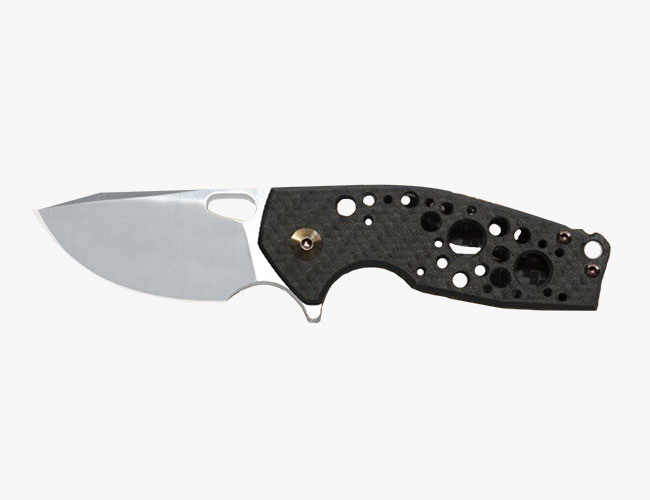
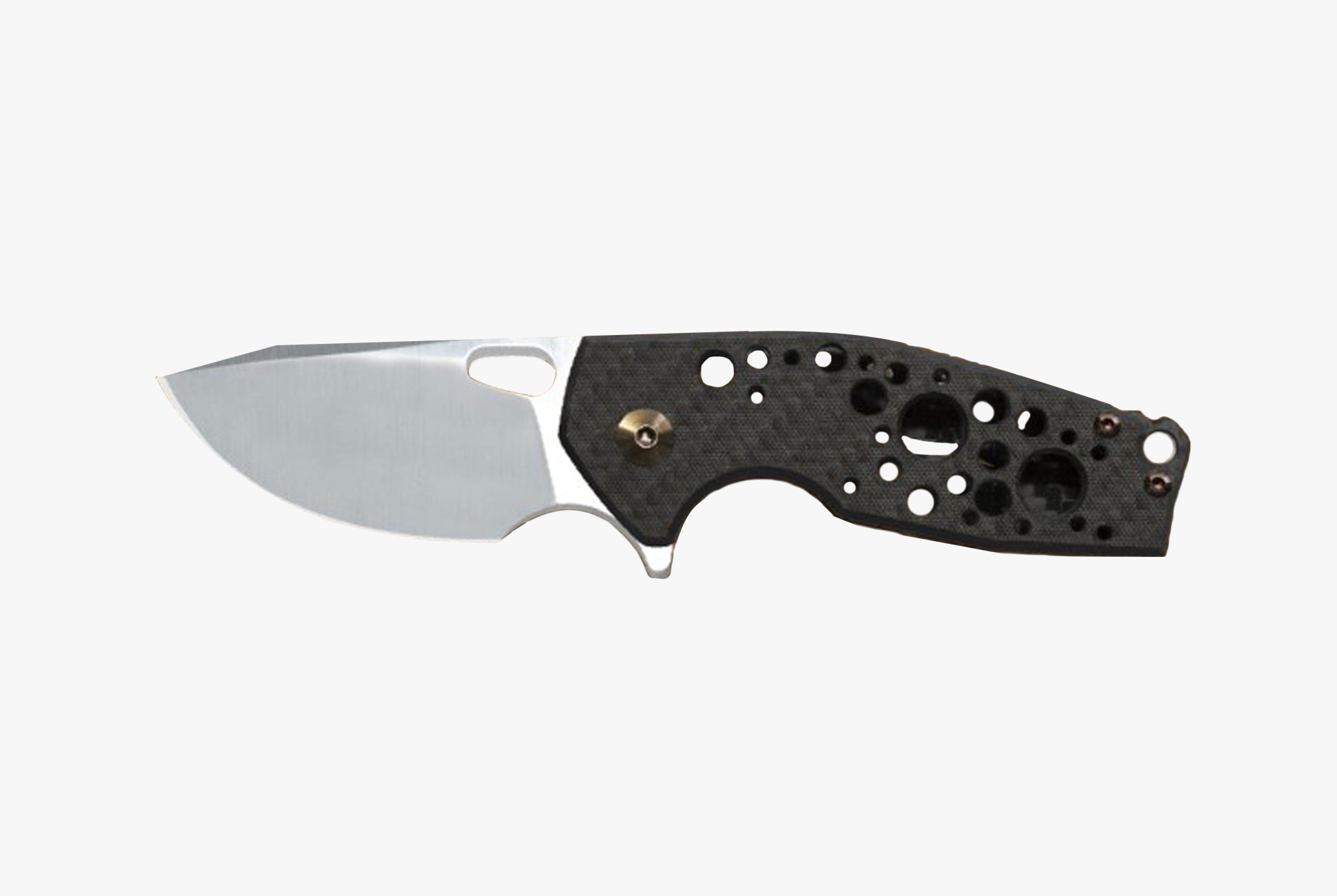
The knife that took home the grand prize is a collaboration between Fox Knives and designer Jesper Voxnaes. According to the duo, the SURU is the first pocket knife to employ a carbon fiber frame-lock, which assists it in reaching an incredibly light 2.04 ounces. The SURU’s steel blade is 2.32 inches long, and all of the hardware is titanium.

American-Made Knife of the Year: Chris Reeve Knives Impinda


Chris Reeve is well-known in the knifemaking world, and its fixed-blade Sebenza has become a benchmark against which many knives are judged. The Impinda is the manufacturer’s first slip-joint pocket knife. To maintain safety within a non-locking design, Chris Reeve and designer William W. Harsey leverage differential spring pressure so that opening and closing are smooth and safe actions. The Impinda has a 3.12-inch blade, weighs 3.38 ounces and is made of CPM S35VN stainless steel with titanium handles.

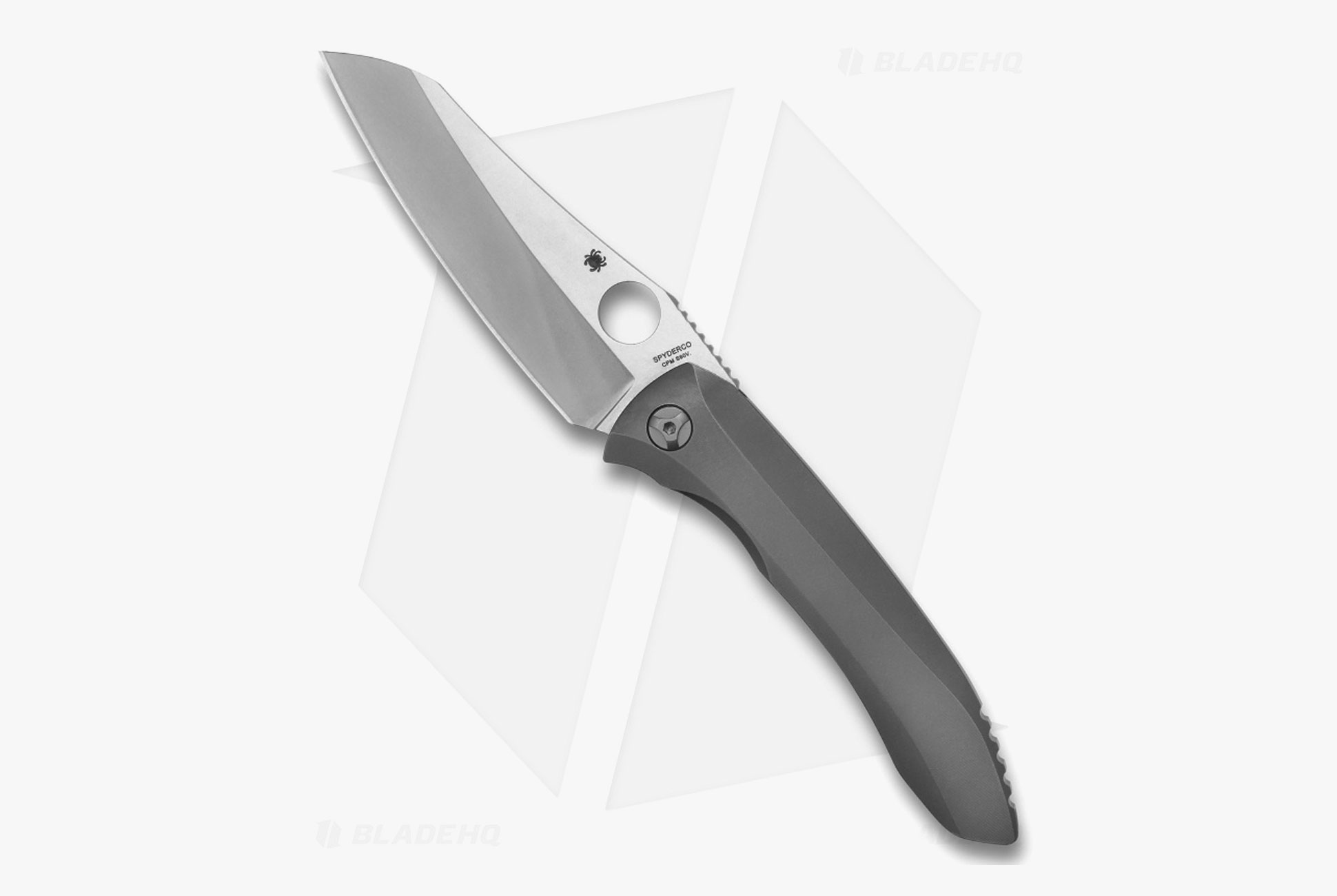
Imported Knife of the Year: Spyderco Paysan


Spyderco’s highly-anticipated Paysan is the evolution of the discontinued Peter Rassenti-designed Nirvana. The knife uses an integrated frame lock design and Spyderco’s iconic circular thumb hole, which allows for one-handed opening. The S90V Wharncliffe blade is 3.88 inches long, and the handle is titanium. The Paysan weighs 4.4 ounces.

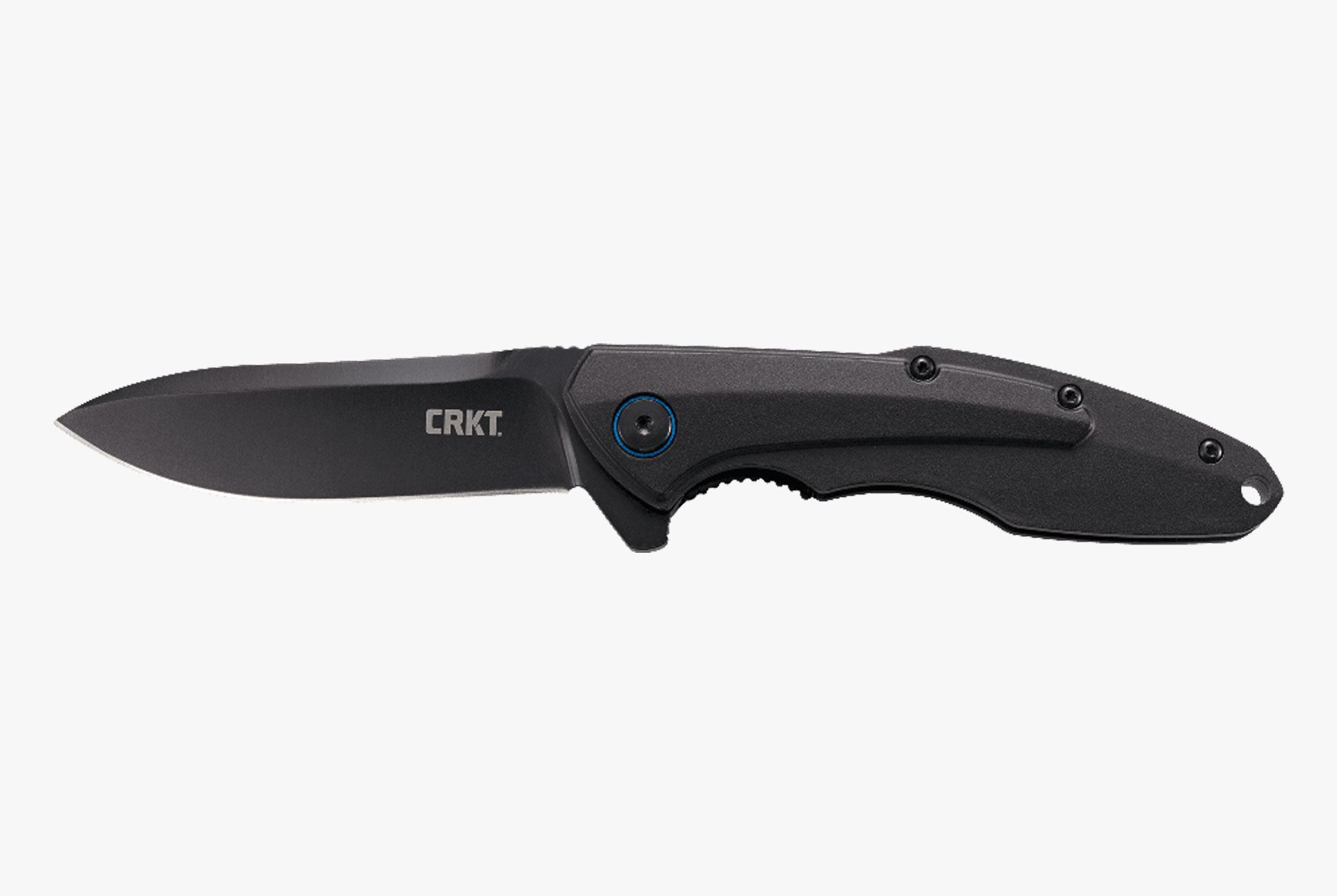
Best Buy of the Year: CRKT Caligo


CRKT’s Caligo employs a flipper tab and a ball bearing pivot system to create a super-fast opening action. The knife’s plain edge, black oxide finish, and blue accent give it subtle and stealthy good looks to match that speed. The Caligo has a 3.19-inch blade and weighs 3.4 ounces. It represents as much quality as one can hope to find in a $50 pocket knife.

See the full list of Knife of the Year Awards here.

Meet the Man Designing the Most Beautiful Pocket Knives We’ve Ever Seen

Ryan Coulter of the James Brand talks about his first pocket knife, where a new knife design begins and what’s always in his pocket. Read the Story

These Military-Inspired Leather Boots Will Last Forever

Triple Aught Design’s newest collaboration product, the MP Service Boot, has a long history. Low service boots, made with heavy-duty leather and lugged rubber soles, were standard issue for the soldiers and airmen fighting in World War II. TAD’s collaborator, White’s Boots, goes back even further than that to its founding in West Virginia in 1853.

The new MP Service Boot may be more lifestyle than battle-ready, but it’s still handmade from custom specifications with the finest materials available. The bootmakers at White’s combine Horween leather with a Vibram rubber sole using a goodyear welt so that if the sole does get worn out, it can be replaced. White’s can also outfit a well-worn pair of boots with new insoles, midsoles, heels, toe leather and freshly-shaped arches. Essentially, you’ll have these boots forever.

TAD has updated White’s MP Service design with a new triple-stitched toe cap, gunmetal eyelets and an embossed logo on the boot’s upper ankle. It’s available in either black or brown leather and is the type of boot that you can dress up on the weekend and take to work come Monday (whether that means going to an office or laboring in the dirt.

The 50 Best Boots for Men

This guide to the best boots for men covers nine different categories, including work boots, Chelseas, chukkas and more. Read the Story

The 17 Best Outdoor Photography Accessories, According to the Pros

It Takes More Than a Camera

The 17 Best Outdoor Photography Accessories, According to the Pros


No matter how glamorous Instagram makes it seem, the job of adventure photographer is a hard one. Picture yourself packing for a week-long camping trip; you’d bring everything that’s required to live in the wilderness including a shelter, bedding, a packable kitchen setup and plenty of clothing, as well as a handful of accessories, which presents another packing list altogether. If you’re an outdoor photographer, add another 20 pounds of camera equipment on top of all that, and you’ll be ready for the trip.

The camera is the apparent tool required to make photographs, but in actuality, a lot more gear goes into taking pictures in the wild. Often it’s the seemingly less important things that make a good photo possible — as well as a substantial amount of prior planning. To find out what those things are, we asked the pros.

Savannah Cummins

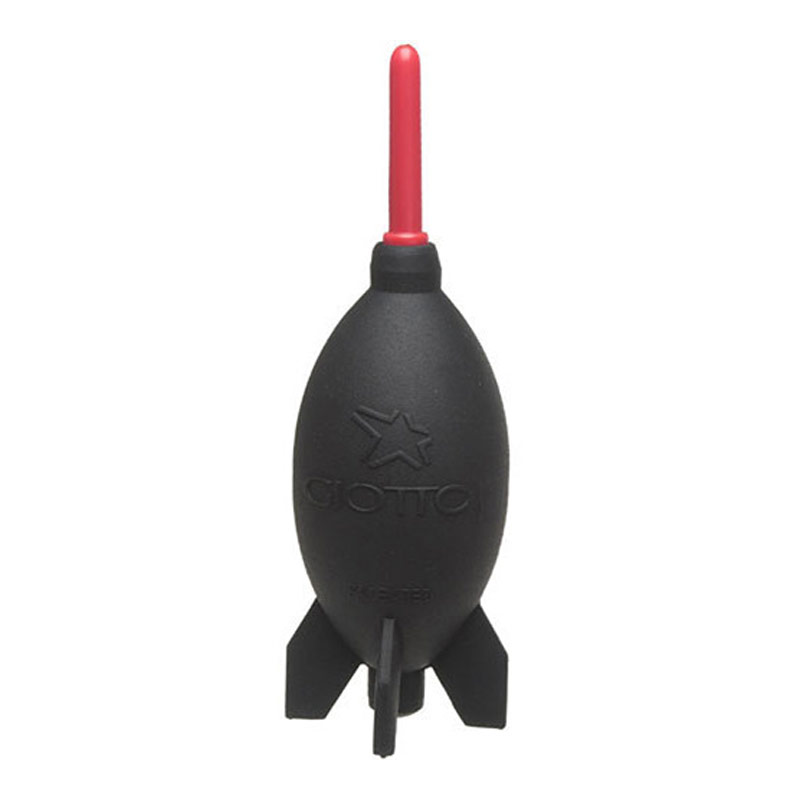
Rocket Blaster Dust Remover by Giottos $9
This is always in my camera kit! Being outside while changing lenses gives dust, dirt and sand lots of opportunities to land in my camera sensor. This is usually my first step in cleaning my sensor in the field when it’s necessary.

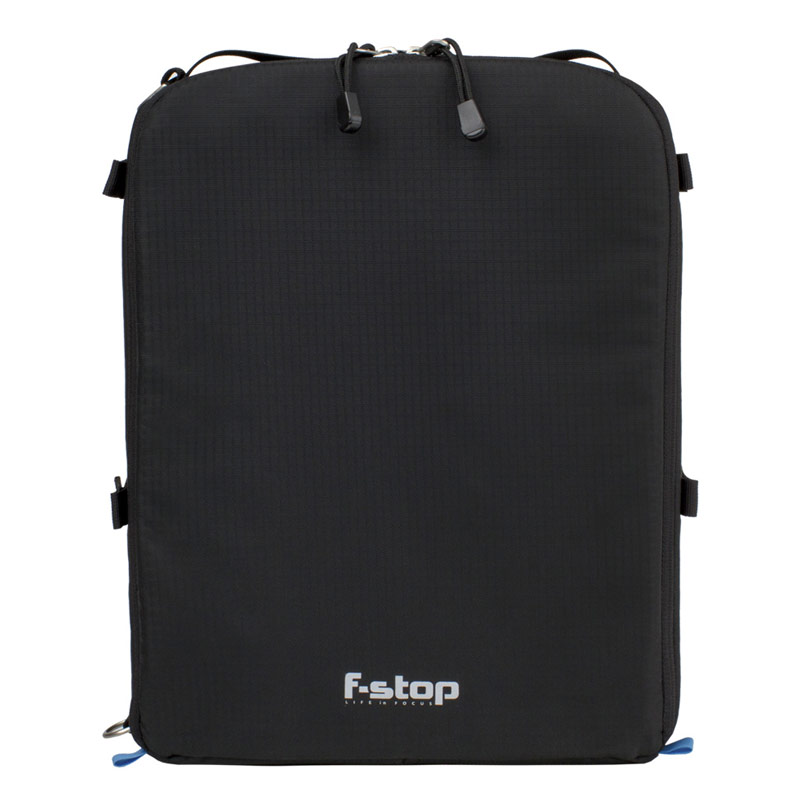
Internal Camera Unit by F-stop $39+
I haven’t quite found a camera bag that is lightweight, fits me well, and fits all my camera gear and climbing equipment for both shooting and climbing. So if I’m going to be climbing, hiking, exploring and also plan to shoot photos, I typically carry an F-stop ICU in a Phantom 50L and I’m able to fit everything, and be comfortable!

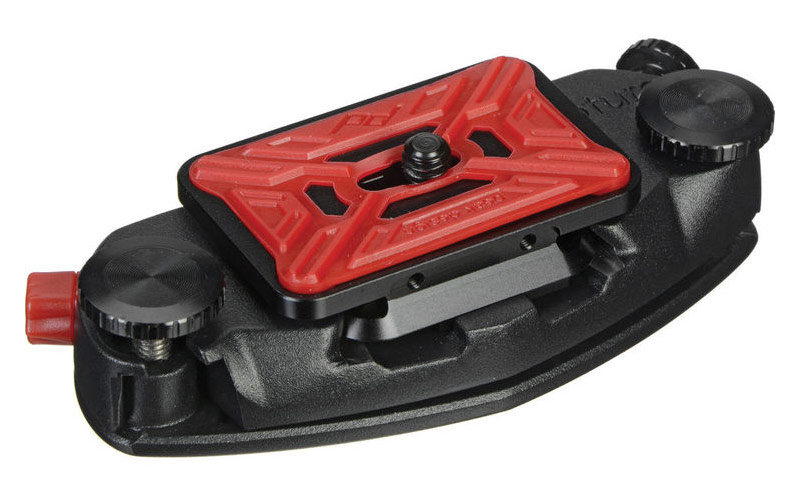
Capture Pro by Peak Design $60
A lot of times when I’m out with friends climbing, hiking and exploring I want to shoot photos, but don’t want to slow anyone down in the process. Approaches are often times a big part the overall experience and capturing that helps tell a story. If my camera is stored away in my pack I’m not very likely to stop, put the pack down and get out the camera try to shoot a few photos and do it all in reverse. That typically takes too much effort and slows me (and everyone else) down. I like to keep the Peak Design Capture Pro on my backpack strap so my camera is easily accessible at all times. I never have to stop to take off the pack — it’s easy to take on and off and doesn’t slow me down from getting an epic shot!

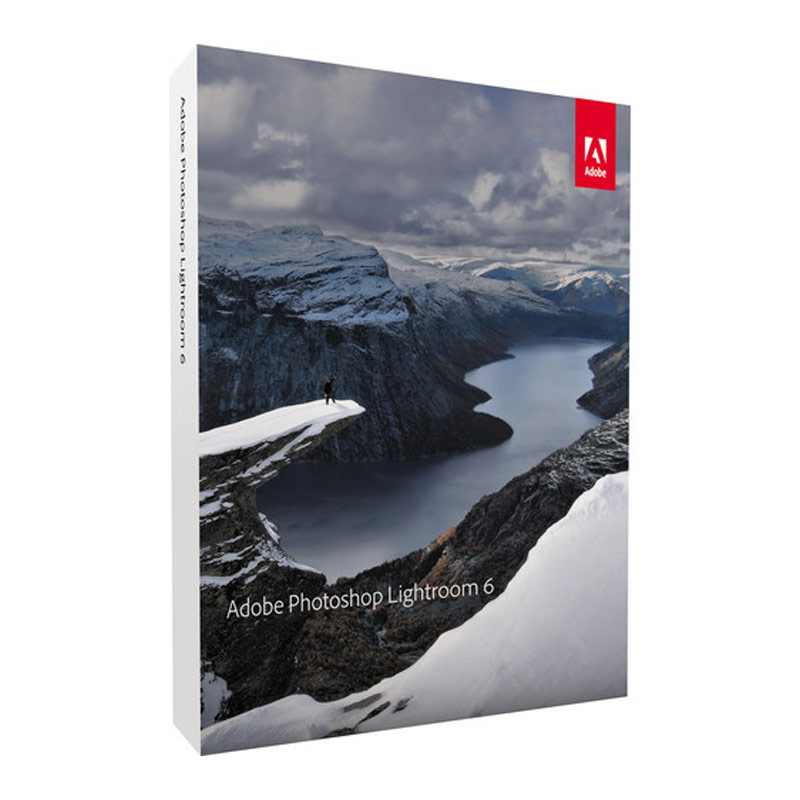
Lightroom by Adobe $10/month
Lightroom is a huge part of how my photos come to life. I use Lightroom to edit all of my photos!

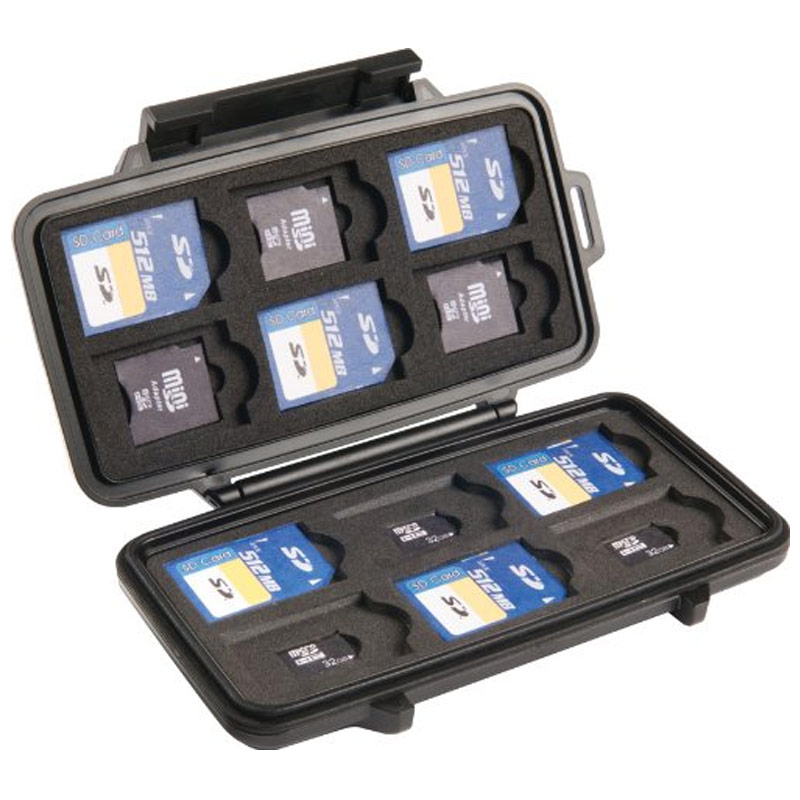
SD Memory Card Case by Pelican $22
Always bring extra SD cards and a case to keep them safe! This is always in my camera kit with extra SD cards. I never want to run out of space while I’m shooting photos and have to go through and delete photos. I always save deleting bad images until I have my photos backed up on at least two hard drives. It’s important to keep these things in a safe place — I’ve damaged and lost plenty of SD cards and I think having a special place for them prevents this from happening.

Jeff Johnson

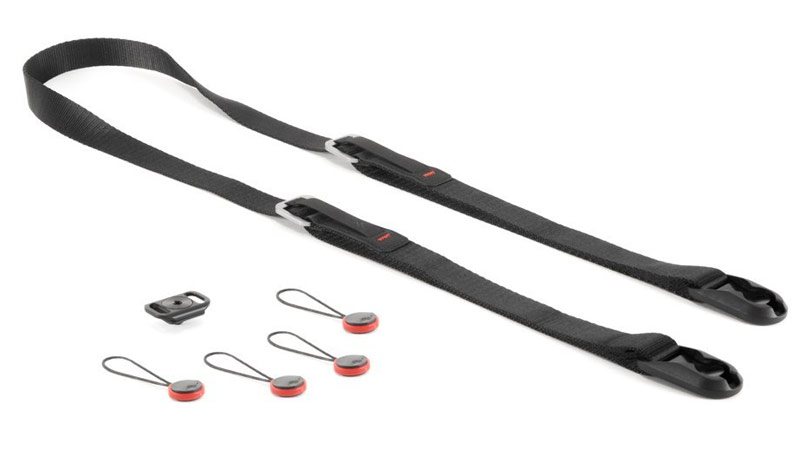
Leash Camera Strap by Peak Design $40
It’s a strong, light, simple and unobtrusive camera strap by Peak Design. It doesn’t get in the way.

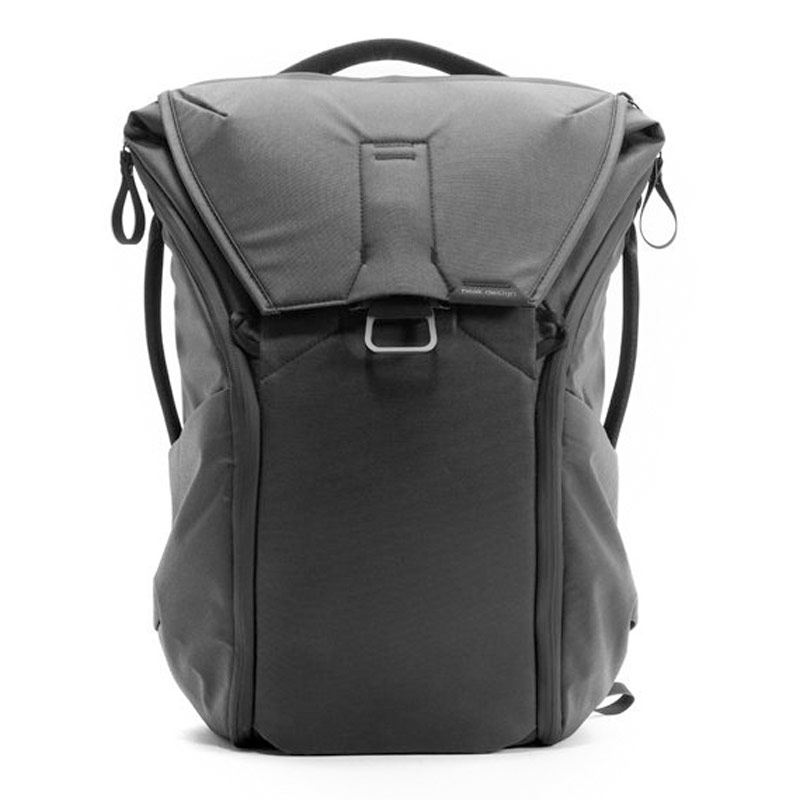
Everyday Backpack by Peak Design $260+
Sleek, streamlined, simple everyday backpack by Peak Design. It’s light and durable.

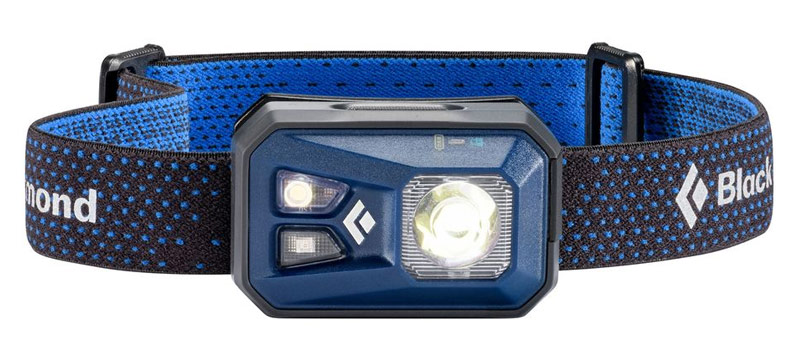
ReVolt Headlamp by Black Diamond $45
Small yet powerful headlamp with a simple design. You never know if you’ll be caught in the dark.

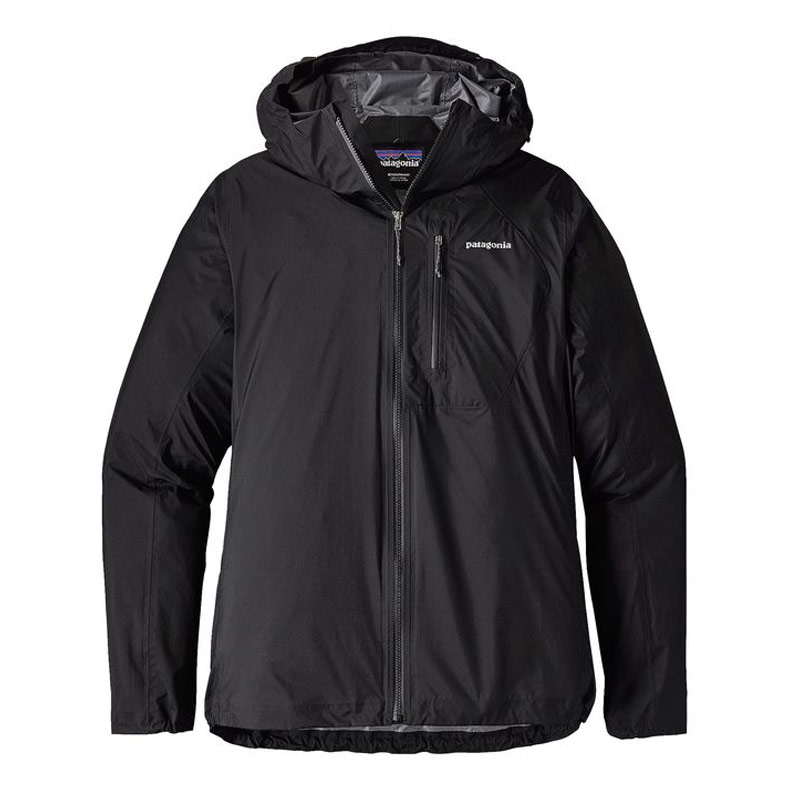
Storm Racer Jacket by Patagonia $249
A small, packable, lightweight shell for rain and wind. Fits easily into your camera bag.

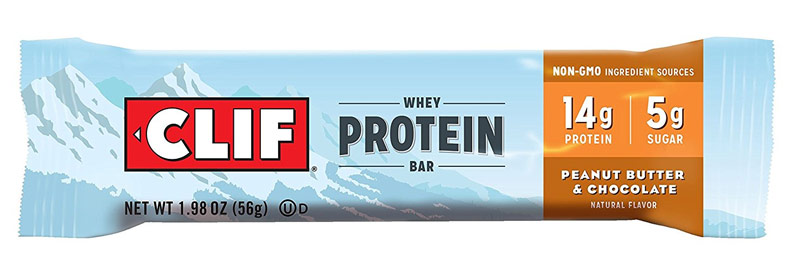
Whey Protein Bars by Clif $12 (8 bars)
An energy bar with protein. You need a lot of protein for long days outside.

Chris Burkard

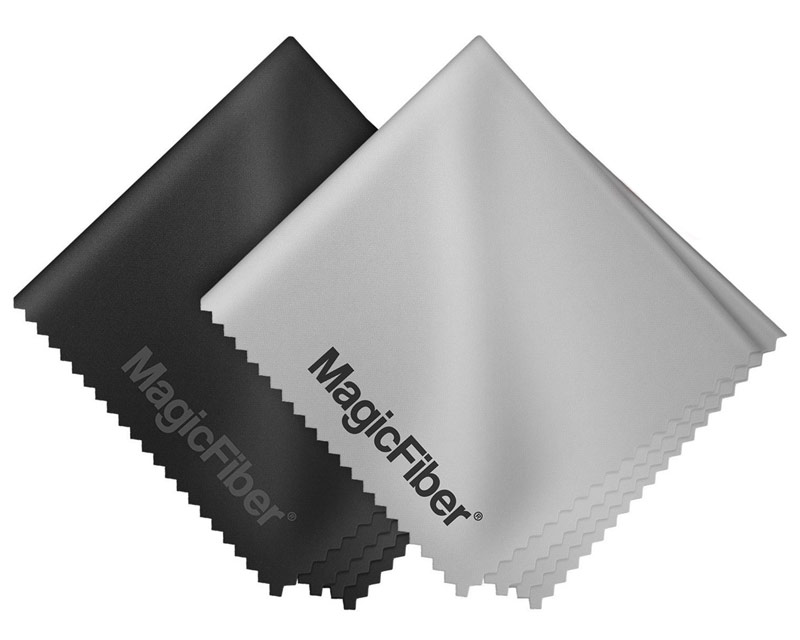
Extra Large Micro Fiber Cloths by MagicFiber $10 (3 extra large cloths plus one small)
To keep your camera lens clean. The bigger the better; you can use them to keep your camera dry in the rain, and this way you have enough surface area to cover your whole camera with.

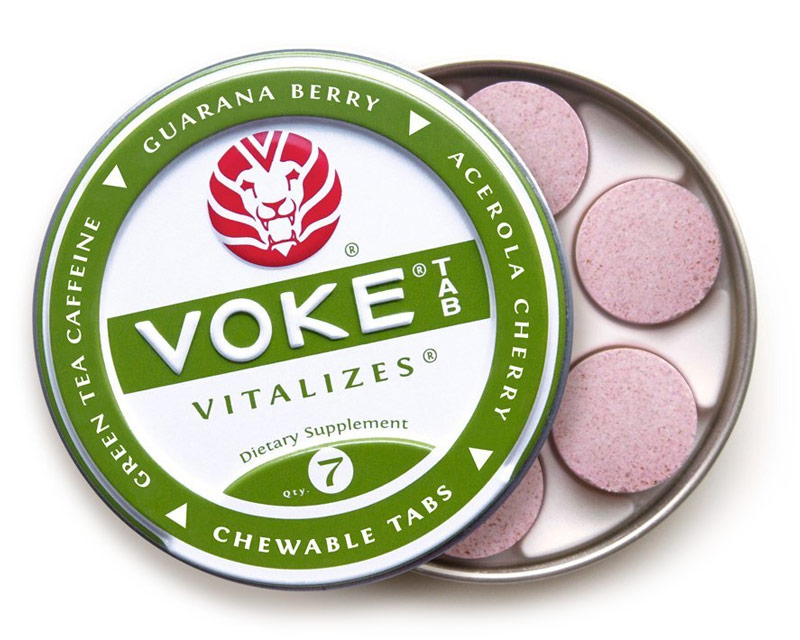
Voke Tabs by Voke Tab $14
All-natural caffeine from green tea extract. For when the going gets tough and you need a little help getting going. I save these for emergencies.

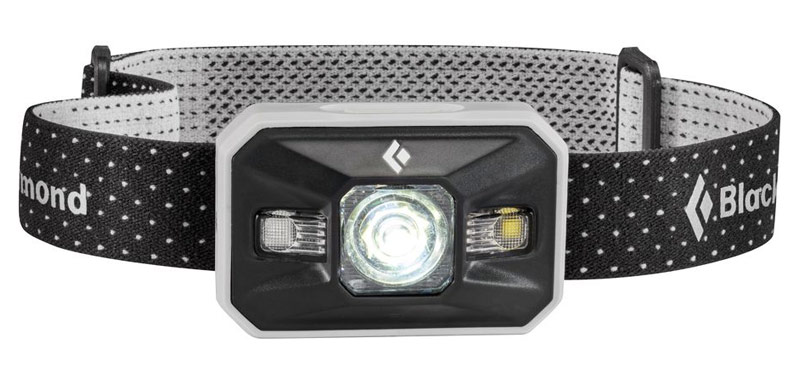
Storm Headlamp by Black Diamond $38
Rechargeable, high and low output options, with a red light feature that’s perfect for when you’re trying to preserve your night vision between long exposures.

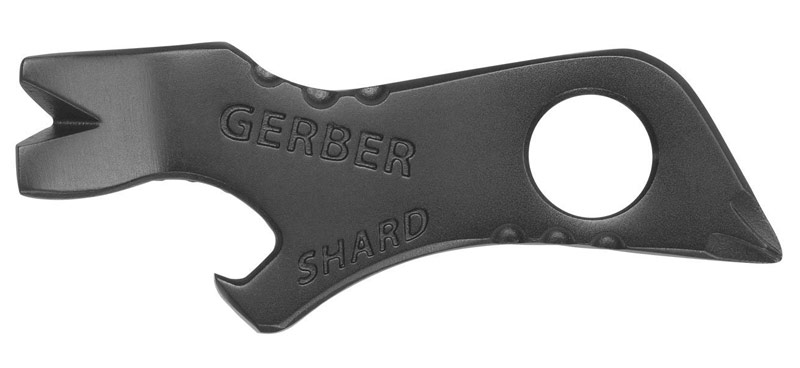
Shard Solid State Tool by Gerber $4+
I keep one in every camera bag — never know when you need to adjust a tripod mount or perform an emergency in-the-field camera fix!

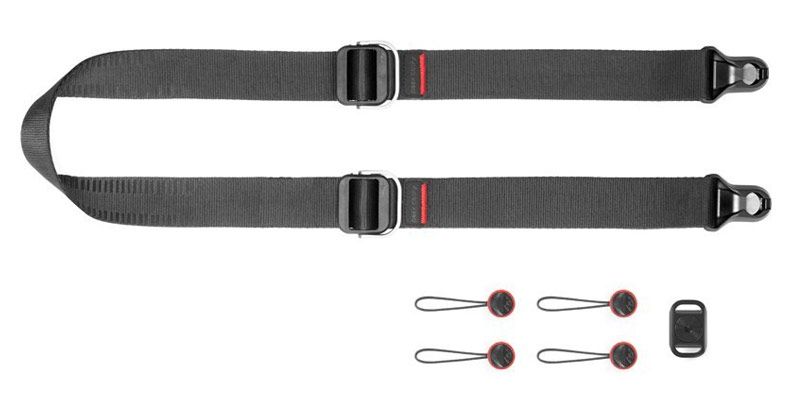
Slide Lite by Peak Design $50
Just what you need and nothing more, easy to take on and off if you’re taking your cameras in and out of housings a lot

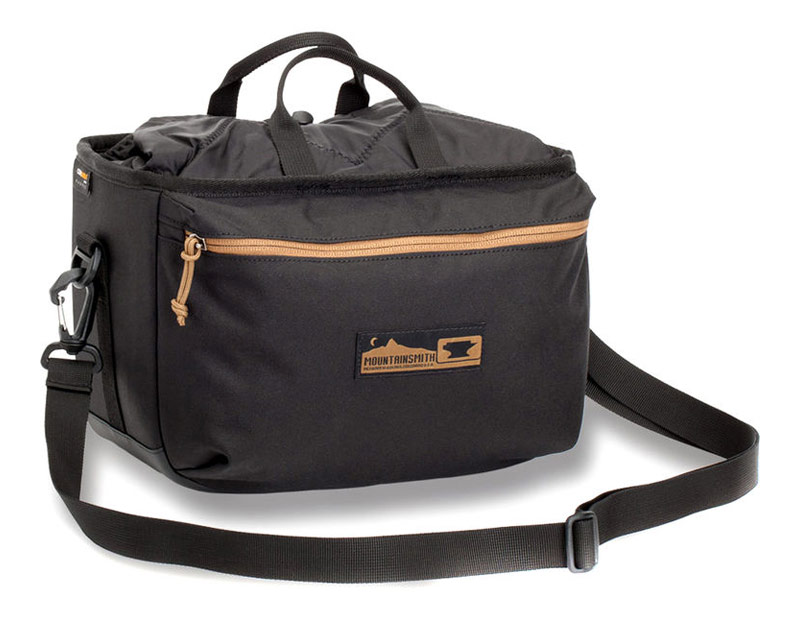
TAN Kit Cube Medium by Mountainsmith $60
The only thing my cameras live in. I can shoot out of it and transport cameras in them safely. It’s been a multi-year project, but I can’t imagine shooting out of anything else.

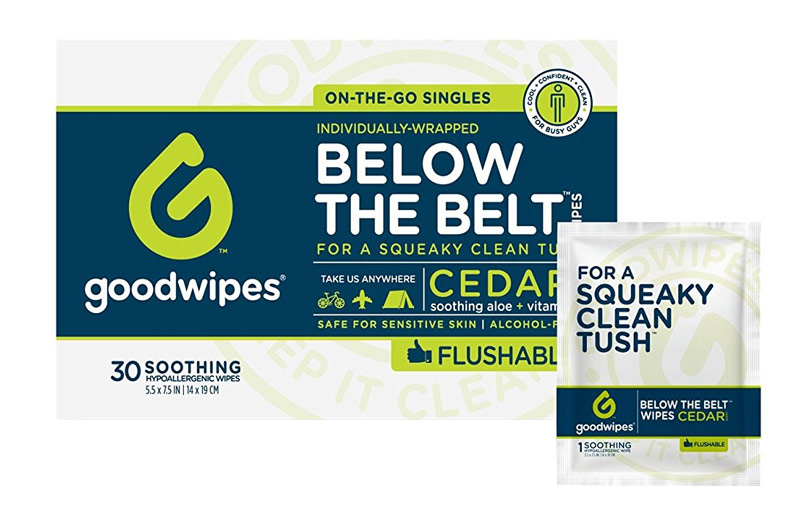
Body Wipes by Goodwipes $8
Google it and you’ll know… because you never know…
Note: Purchasing products through our links may earn us a portion of the sale, which supports our editorial team’s mission. Learn more here.

The Outdoor Gear Our Staff Is Obsessing Over Now

Welcome to another installment of Staff Picks from our Outdoors and Fitness team. Every other week, we select our favorite pieces out of the gear we’re testing, mainstays in our kits, as well as items on our wish lists. It’s like a sneak peek at the gear we’re testing and what we’re stoked on. Have something you think we should check out? Or just want to say hi? Drop us a line at outdoor@gearpatrol.com.

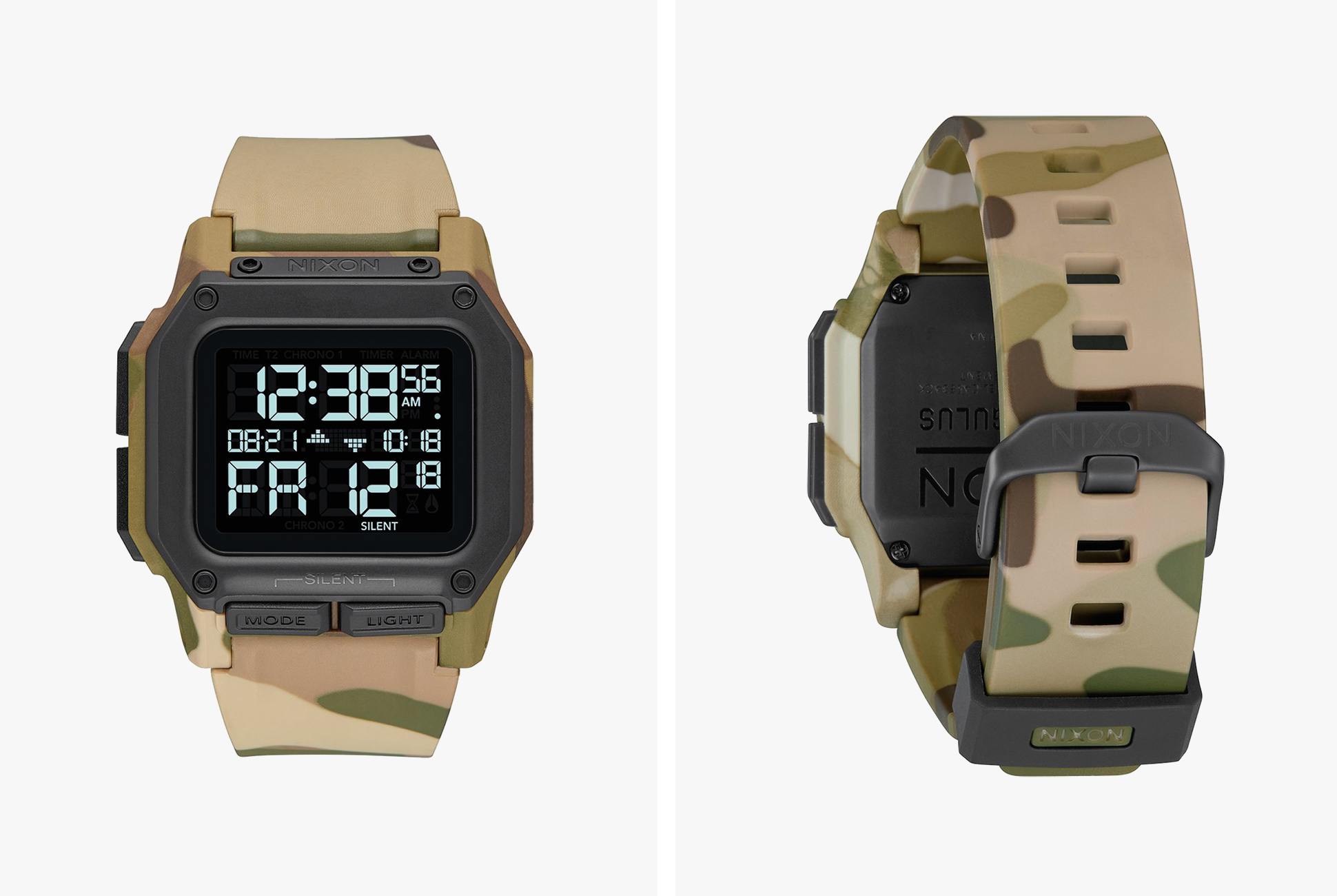
Nixon Regulus Watch

To construct a chronograph watch that could stand up to the elements of any environment, Nixon consulted special ops personnel. The result shows it too; the Regulus is ruggedly bomb-proof, with an injection-molded, fiber-reinforced TR90 case and a hardened crystal face. The watch is water-resistant to 100 meters, and its digital unit is bolstered with built-in shock-absorbing materials. Special ops had their say too — the Regulus includes two chronograph timers, a dimmable display and a silent mode, all of which contribute to the watches discreet character and can come in handy when out in the wilds. — Gear Patrol

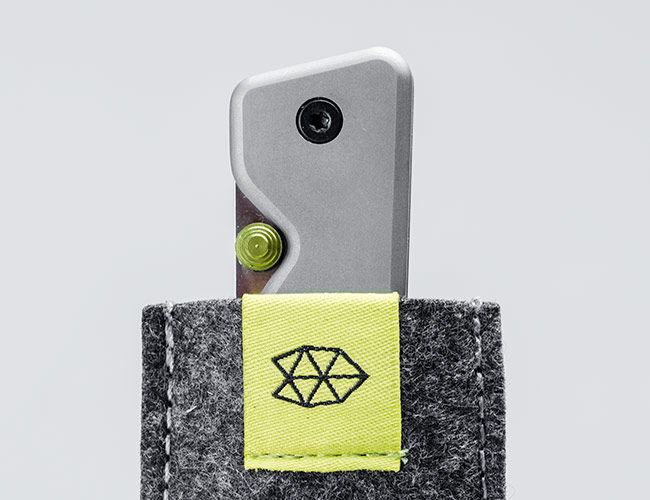
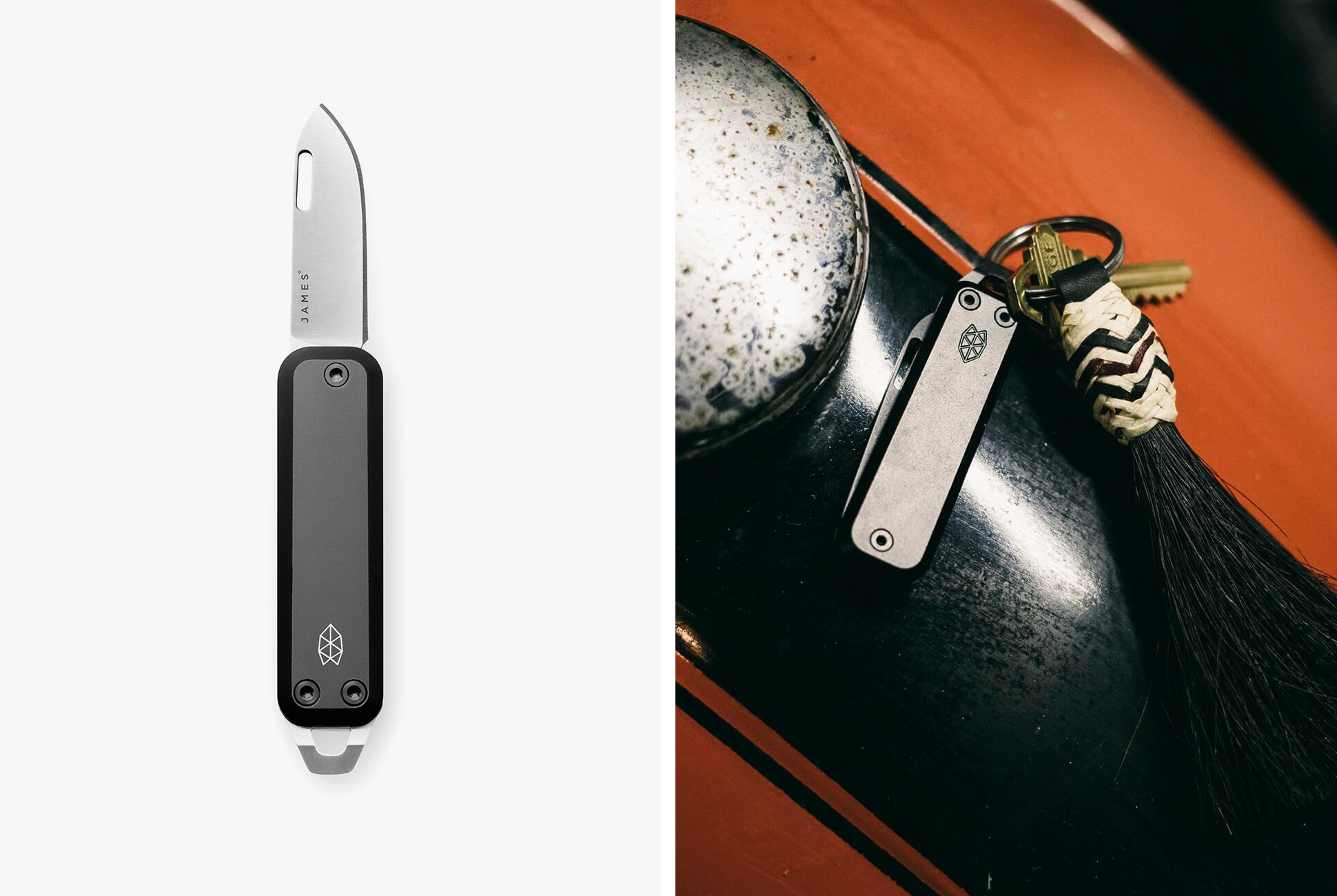
The James Brand Elko Knife

When I stumbled across the James Brand’s Elko, memories of my Victorinox Sportsman immediately brought forth preconceived ideas about the inadequacy of small pocket knives. Closed, the Elko is the size of a USB stick. Open, it’s just over 4.3 inches, shorter than a standard pen. But the best thing about the Elko is its size. No other knife, including the Sportsman, has ever gone as unnoticed in my pocket with my wallet and keys. It’s the type of item I forget about completely until the moment when I need it — a validation of good design in any product.

When I do move to a place with less antiquated knife laws, I’m not sure my old Gerber will find its way out of storage; it’ll sit in a drawer, next to the Sportsman, while the Elko stays attached to the keyring in my pocket. — Tanner Bowden, Associate Staff Writer

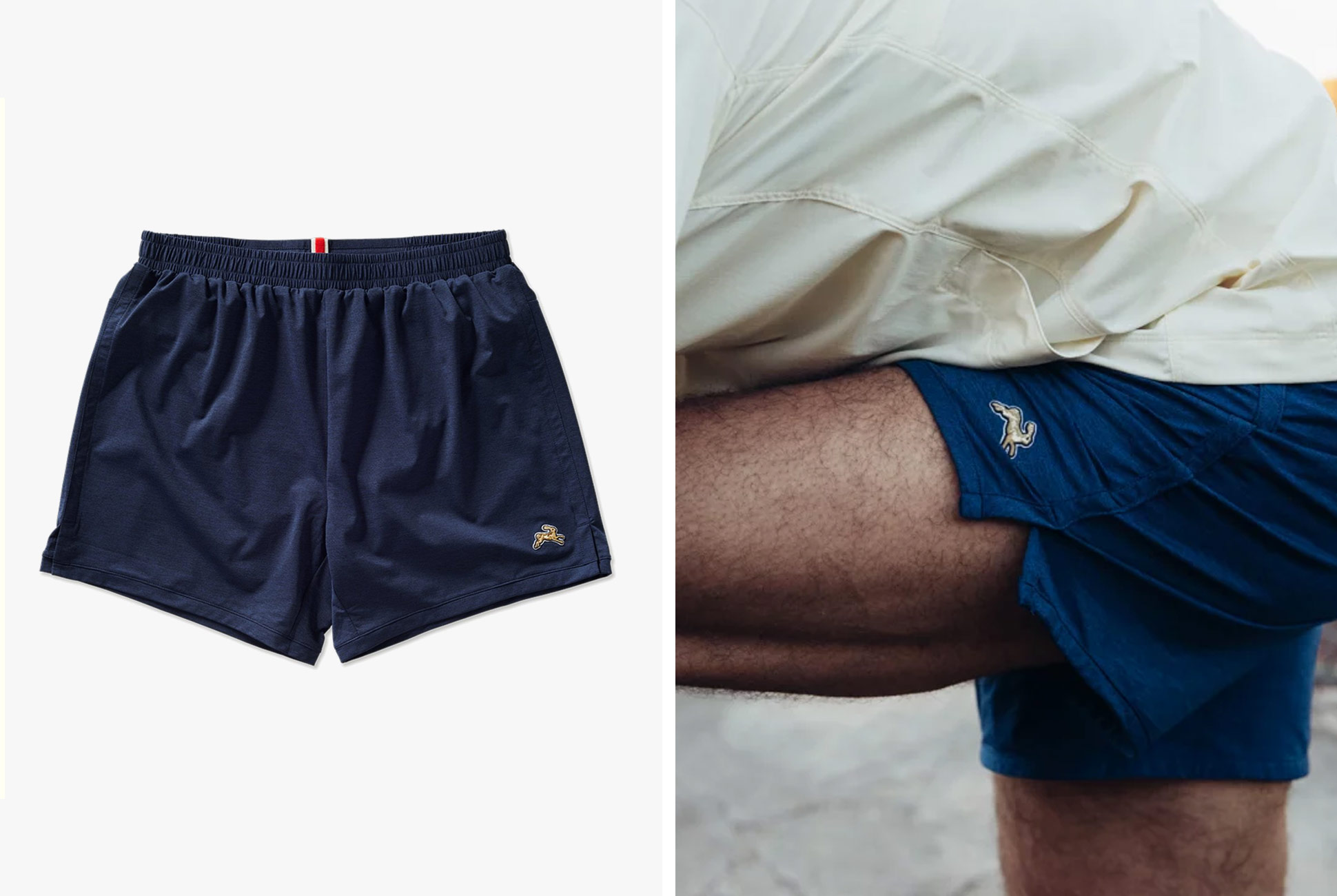
Tracksmith Session Shorts

I wore the Session Short for practically every long run I did when marathon training – roughly 132.75 miles – and they’re still in great shape.

The shorts are made from a Veloce blend – which is an Italian knit fabric. They’re silky smooth to the touch, can handle sweat and then transition to the coffee shop without an inch of discomfort. The stretch is just right too — they don’t sag and the elastic stays put through countless washes. The single pocket is just the right size for my keys, chapstick and perhaps a MetroCard if I get desperate and don’t want to run home.

These shorts are the closest I’m going to get to running like an elite runner. They aren’t quite the split shorts or the spandex shorts of the pros, but something comes over me when I put them on and hit the road. Running is a decidedly mental game, so the stronger I feel about my gear, the faster my next race will be — at least that’s the hope. — Meg Lappe, Staff Writer

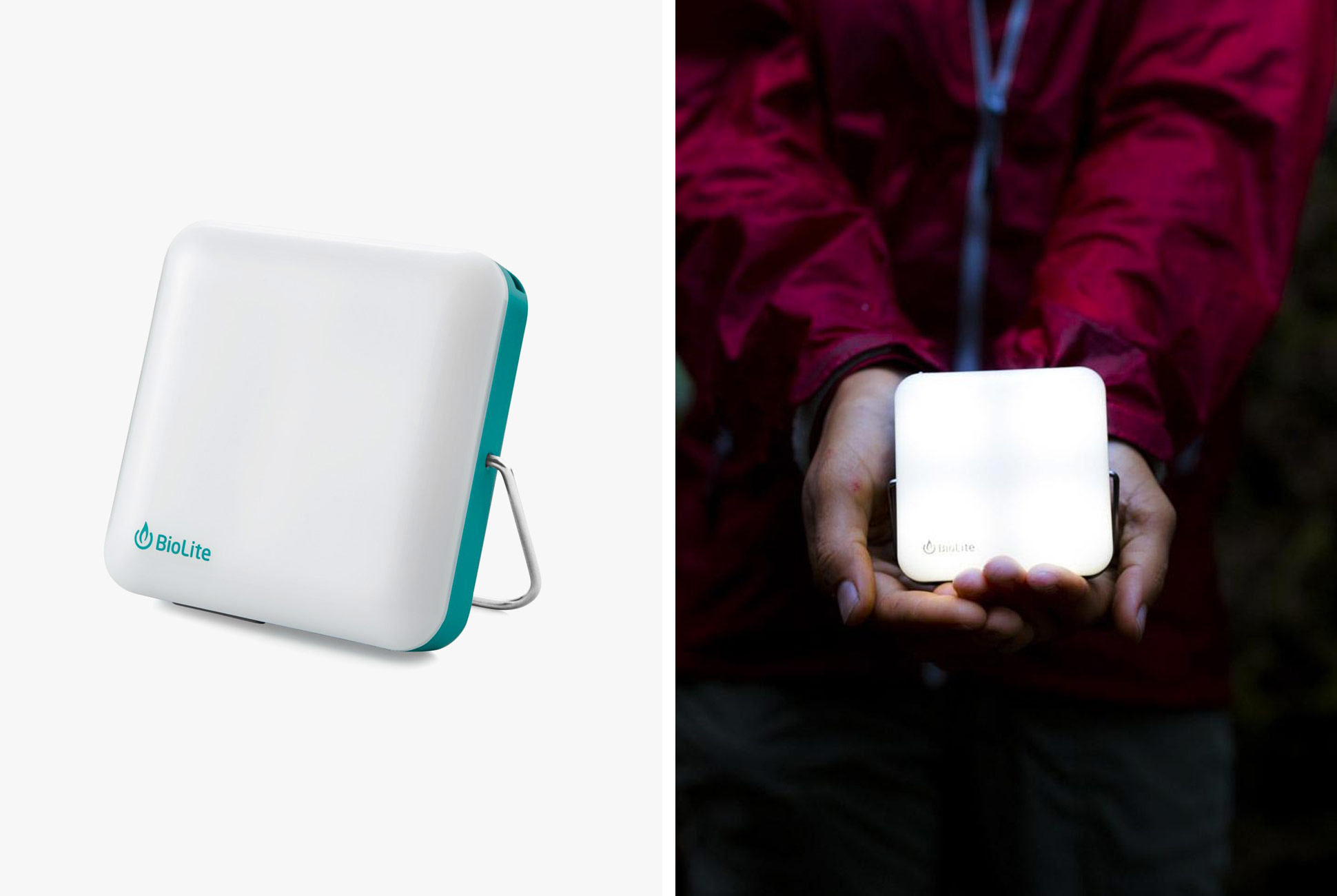
Biolite SunLight

Perhaps the coolest feature on the SunLight is a built-in solar panel that can charge the light to full in seven hours — which is quick enough to get the job done during the day when lights aren’t needed (there’s a micro-USB input too). BioLite has always positioned itself as an energy company, and it does make great solar gear, so it’s nice to see that technology integrated across product lines.

No, the SunLight won’t replace my headlamp as a backpacking essential, but hiking and camping aren’t just about essentials (I’ll probably continue to trek my BaseLantern XL into the woods too). It’s nice to have a lantern transitioning from purple to blue to green to yellow while you’re playing cards in a tent, or hanging in a cabin. Camping should be fun, and the SunLight, while it does serve an important function through an innovative design, is also exactly that: fun. — Tanner Bowden, Associate Staff Writer

Note: Purchasing products through our links may earn us a portion of the sale, which supports our editorial team’s mission. Learn more here.

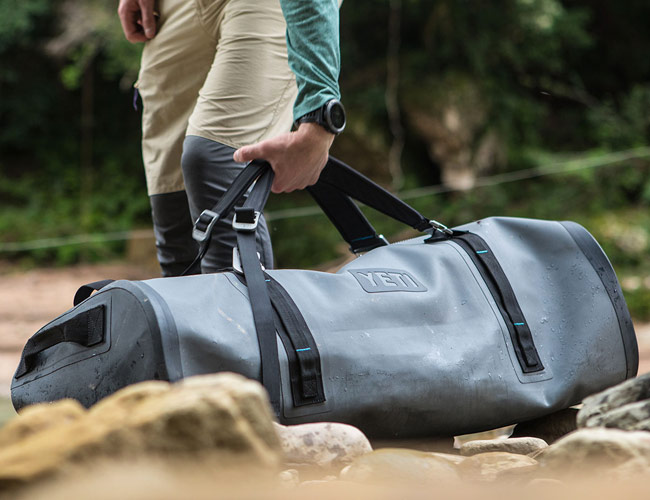
Yeti’s New Panga Backpack Is The Durable Luggage We’ve Been Waiting For

Yeti’s newest product pushes the boundaries on what a backpack can be. The Panga Submersible Backpack 28 is an airtight citadel with the characteristics of the durable Panga duffle, but wraps into a unique backpack design. When you have to keep things dry, like on a boating or rafting trip, or even when you’re headed out to go SUP camping or fly fishing, opt for this new backpack. It’s built to be around water and is 100 percent waterproof. You could even take it surfing if that was socially acceptable (it isn’t).

Like everything Yeti does, the brand dedicated countless hours in its Austin-based innovation lab figuring out the best shape and design. Of particular note is the molded back panel, which is comfortable for a variety of different body shapes and sizes. While it isn’t super breathable, it’s just as durable as the new wheels on the Yeti Tundra Haul. The pack also features clasps at the waist and chest to keep the bag stable when weighted down with a day’s worth of gear for the river.

It’s built with the same Hydrolok zipper as Yeti’s other soft products (like the Hopper series and Panga duffle) that keeps water out and everything inside extremely dry. It’s also airtight, and in a pinch could function as a flotation device if all goes south. The interior of the bag is clad in a bright blue, which makes it easier to see what’s inside and prevents you from losing your keys or spools of tippet in the bottom.

Yeti gave thorough consideration to the organizational pockets on the Panga backpack as well. The brand included a mesh pocket right on the front flap that’s easy-to-access, as well as a stash pocket along the back of the interior. There’s also a velcro back pad which allows you to attach optional accessories, or if you still need more space, the exterior features webbing loops for attaching the Sidekick or Sidekick Dry to keep things separate. We also anticipate Yeti launching additional velcro-based accessories designed specifically for the Panga backpack.

Best Rugged Travel Duffels

No matter where you’re traveling to, you’ll need a bag, and there’s nothing more functional than a cavernous, weatherproof, backpack strap-equipped duffel. Read the Story

This May Be the Most Customizable Pocket Knife in the World

Choose Wisely

This May Be the Most Customizable Pocket Knife in the World


Olamic Cutlery released its Wayfarer 247 pocket knife back in 2016 as an uncompromising EDC folder. It’s made with a 3.5-inch Bohler M390 steel blade and titanium hardware. Beyond that though, the rest of the knife’s details are up to you, because while the 247 is a production model knife, it’s highly customizable.

This year, Olamic Cutlery has expanded the number of available possibilities by adding the option to outfit the 247 with either a tanto or sheepscliffe point (the previous choice was between a harpoon and drop point). In addition to blade shape, buyers have the option to modify everything including the wash, handle design and color scheme. The sheer number of combinations make the Wayfarer 247 one of the most customizable production knives available.

Today in Gear

The best way to catch up on the day’s most important product releases and stories. Read the Story

How 3 Professional Chefs Fuel For a 300-Mile Bike Ride

In the world of professional chefs, there exists an overlap between chefs and cycling. This overlap is perhaps no more prominent than with events like Chef’s Cycle. The event takes place over three days, where chefs ride 100-miles per day. There are around 200 participants — most of them chefs — that cycle all day and eat plentifully at night. The event raises money for No Kid Hungry, a nonprofit working to provide kids with healthy food.

So what do top chefs eat and use to tackle three Grand Fondos in a row? We spoke with Neal Fraser, chef at Redbird, Chris Cosentino, chef at Cockscomb, and Michael Kramer, chef at Jianna, to hear what they bring on the bike with them, and what their gear of choice is.

The Food

All three chefs we spoke with packed their own food. None of them wanted to deal with any GI issues during the three-day event, and the safest way to do that is to eat what you know works.

“I created my own energy bar line with a max of seven ingredients. They’re all-natural, organic, gluten-free and easily digestible. There are four flavors and will launch soon. The base of everything is dates, which prevent GI issues, so they’re calming for the stomach,” Cosentino says.

“My word of mouth is 250 calories an hour, and I try to spread them out across the whole hour. I became a chef because I like the taste of food, but eating Gu is like telling me I have to eat oatmeal for the rest of my life. However, I do eat gels and bars — Shot Bloks from CLIF. Then I make one water bottle with Skratch Labs,” Fraser says.

Kramer goes the other direction. “I usually do Gus. I like salted caramel, espresso and the berry flavor,” he says. “I like Lara Bars too — the blueberry and cookies and cream. I always bring my own stuff because it’s what I’m comfortable with and I can easily digest. I also eat those applesauce packets, the Motts ones. They’re just 60 calories and super easy to digest.”

The Gear

All three chefs are big cyclists — they all used to race, and some still do. Kramer started road racing in 1988, Fraser has been riding since he was 15 and Cosentino raced professionally as an ultra-endurance racer doing 24-hour solos on a single speed.

Neal Fraser’s Gear

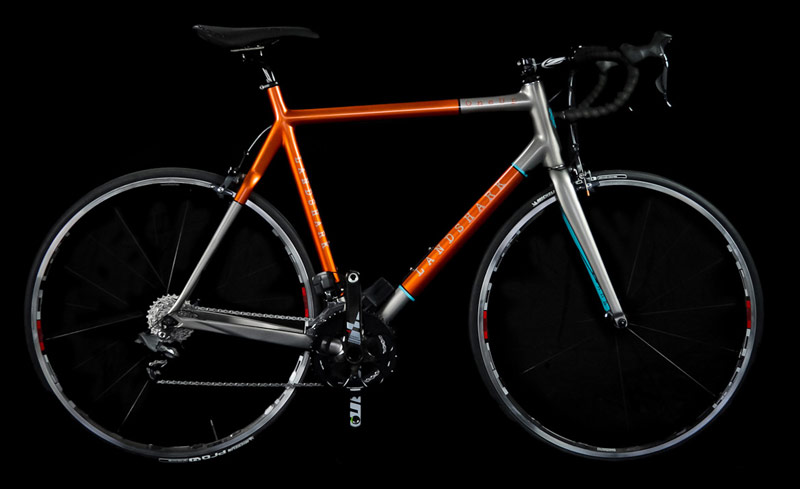
Custom Carbon Fiber Bike by Land Shark $5995+

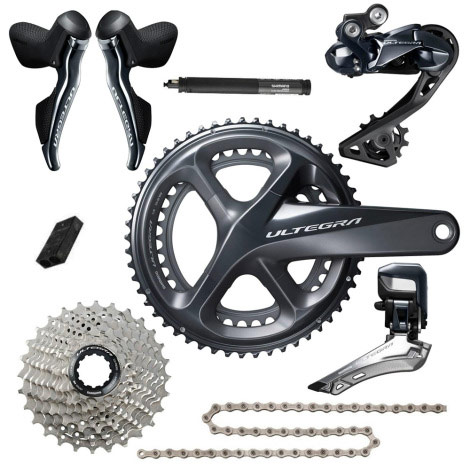
Ultegra R8050 DI2 11 Speed Groupset by Shimano $1212

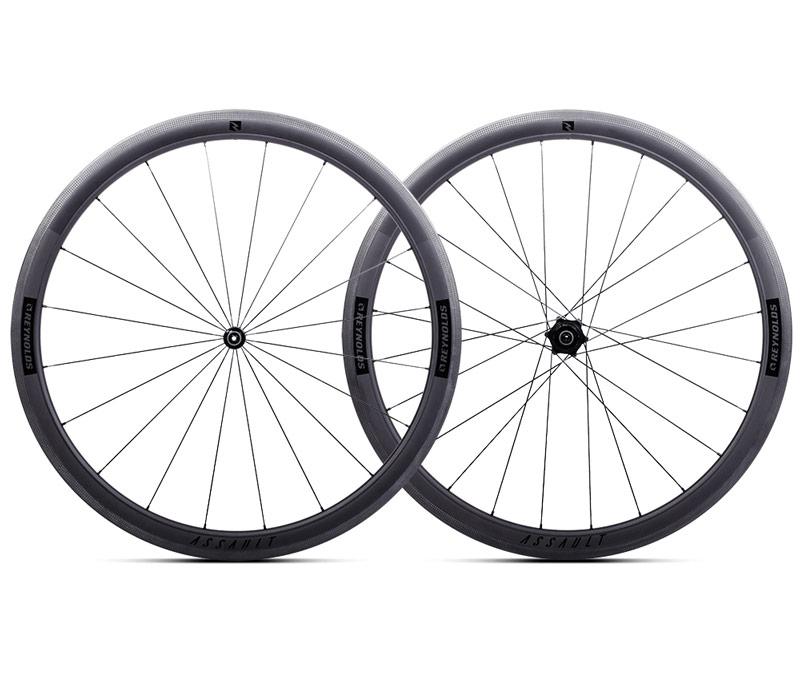
Carbon Wheels by Reynolds $1500+

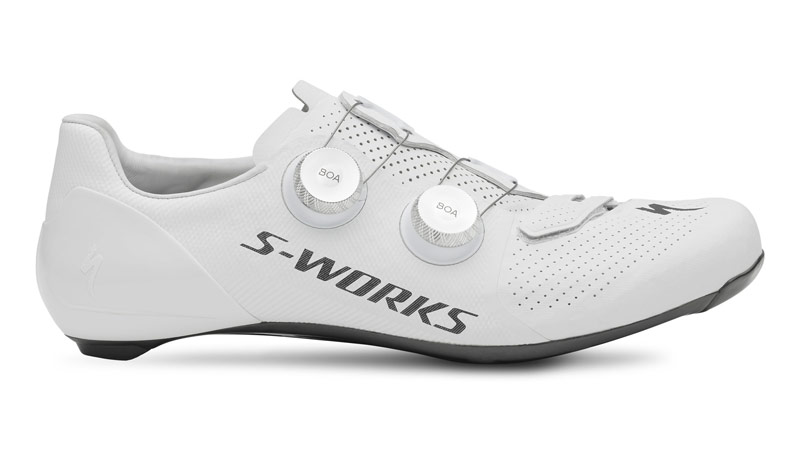
S-Works 7 by Specialized $400

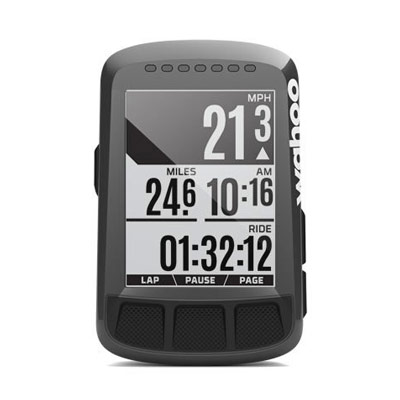
Elemnt Bolt GPS Bike Computer by Wahoo $250

Chris Cosentino’s Gear

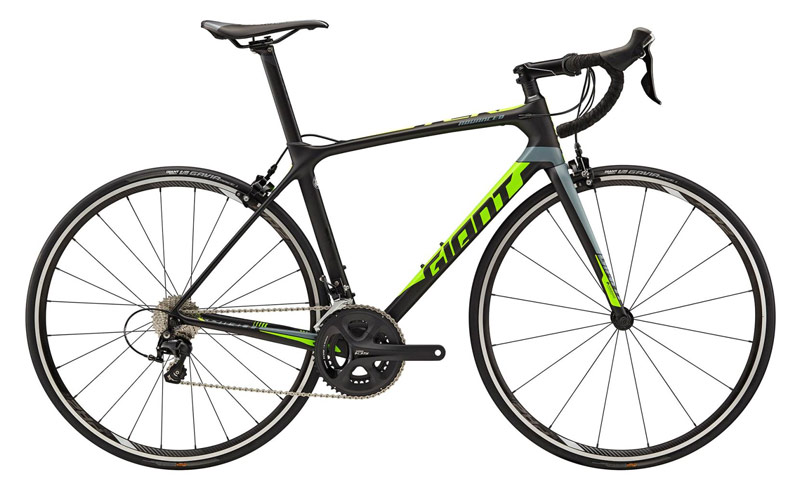
TCR Advanced 2 by Giant $1735

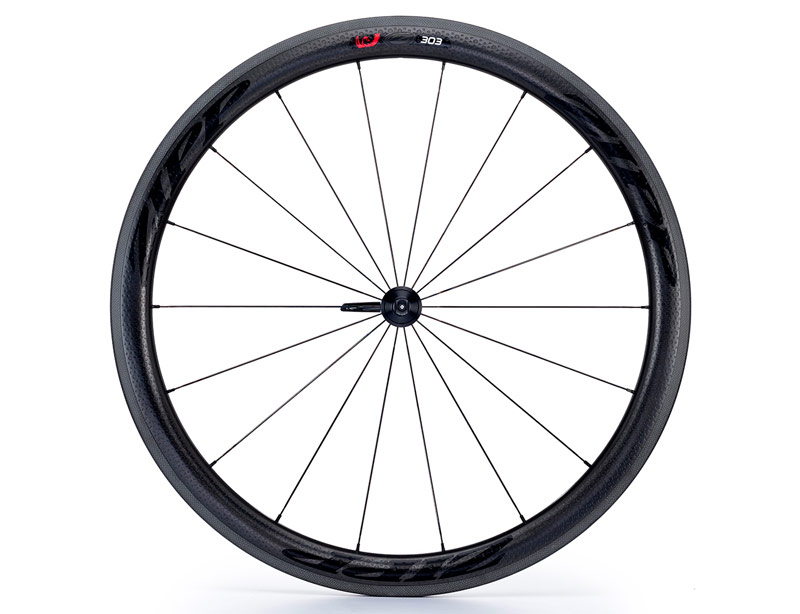
303 Firecrest Carbon Clincher by Zipp $950+

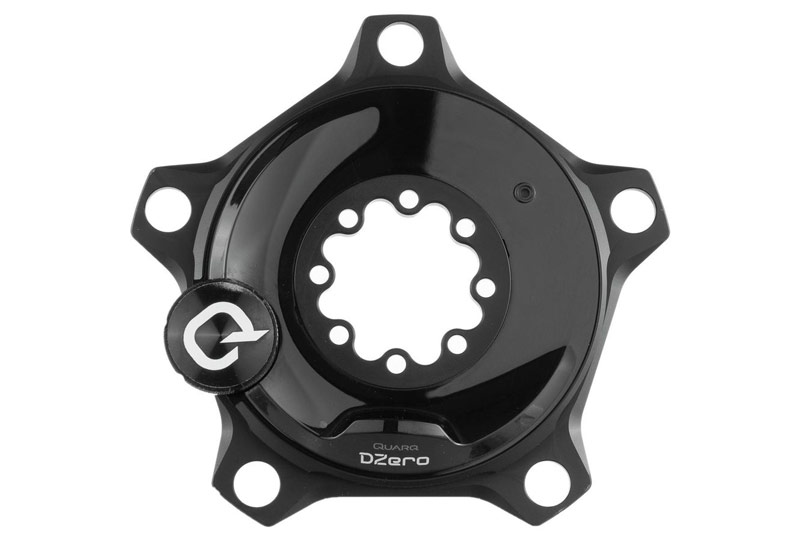
DZero Power Meter Spider by Quarq $679

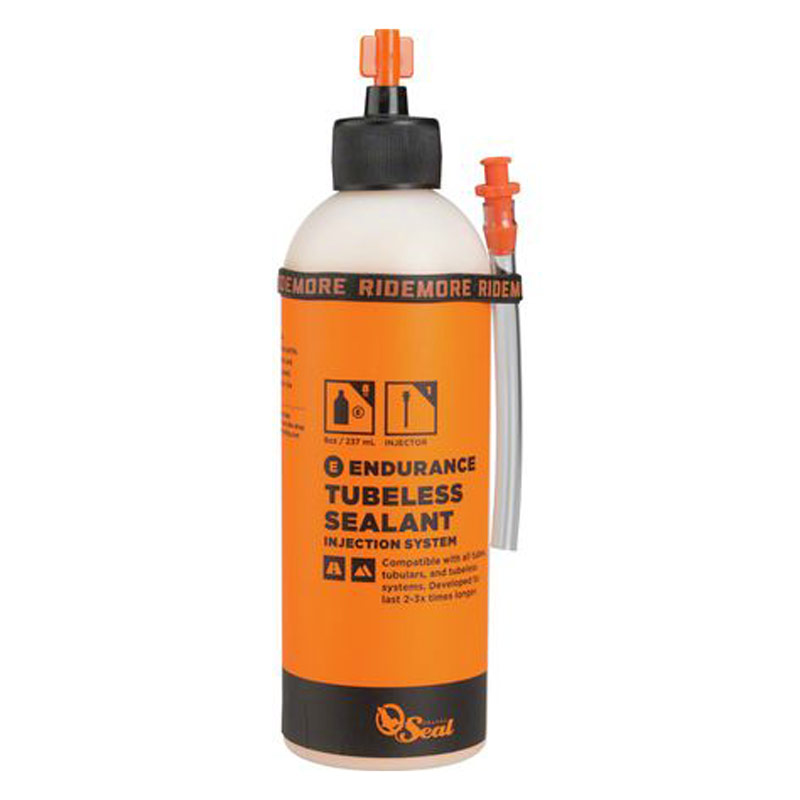
Endurance Tubeless Sealant by Orange Seal $17

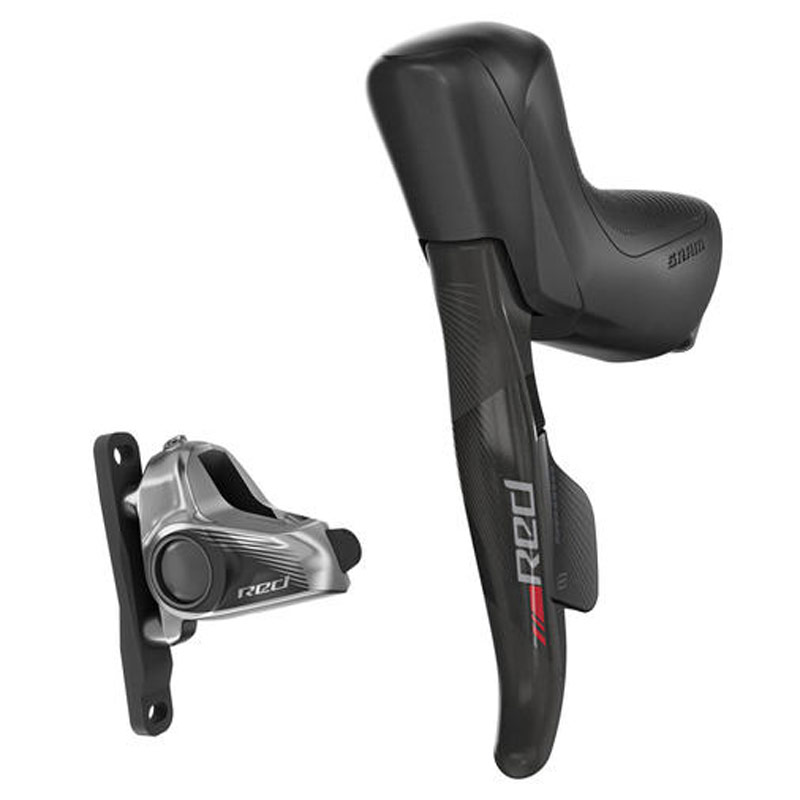
RED eTap HRD Group by SRAM $2335

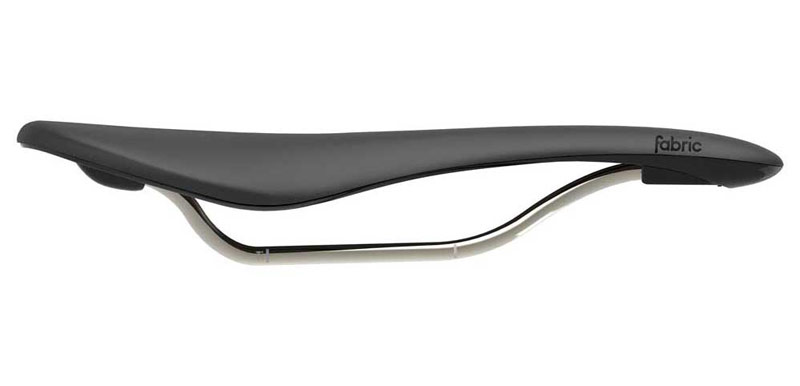
Scoop Race Flat by Fabric ~$83+

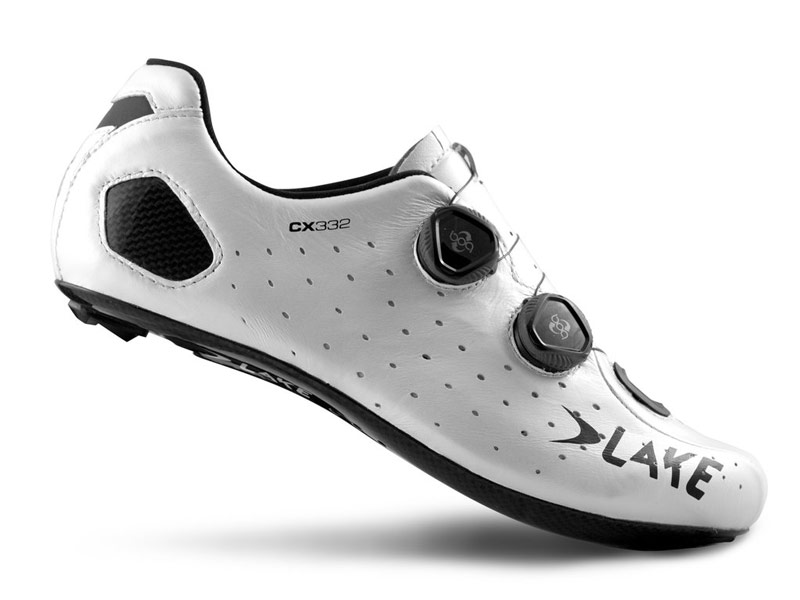
Carbon Shoes by Lake $479+

Michael Kramer’s Gear

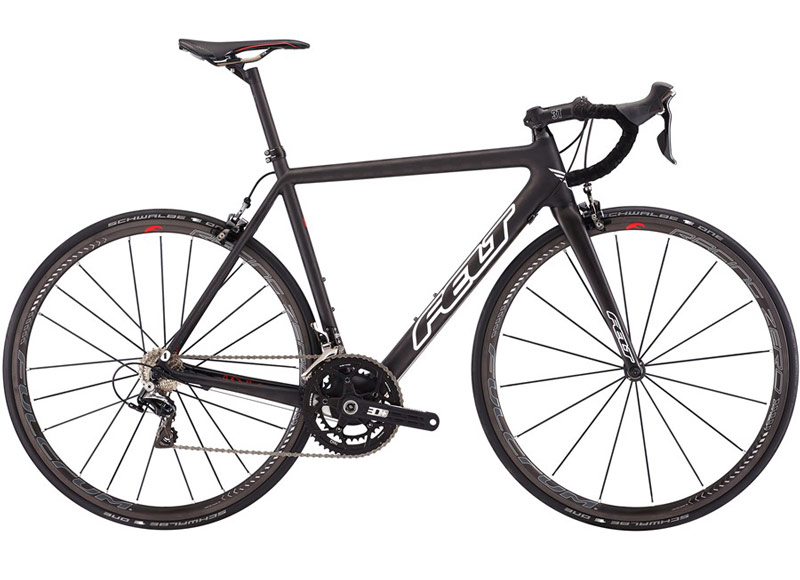
F1 by Felt $6999

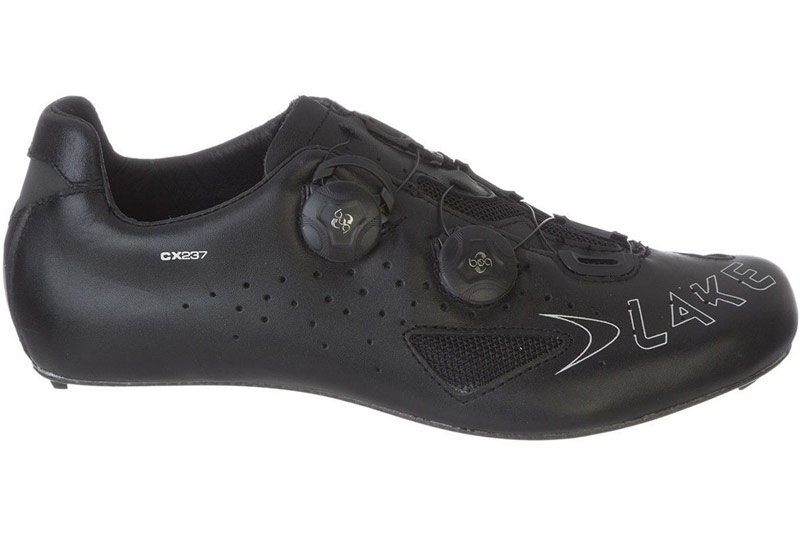
CX 237 Wide Road Shoe by Lake $300

Carbon Shoes by Lake $479+

303 Firecrest Carbon Clincher by Zipp $950+

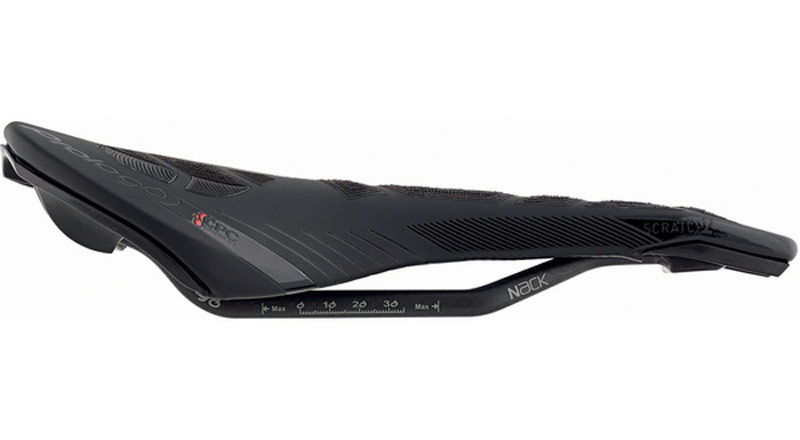
CPC Scratch 2 Saddle with Carbon Rails by Prologo $201

Edge 520 by Garmin $200
Meet Margo Hayes

Margo Hayes is single-handedly changing the climbing game, and she’s only 20. Read the Story

RXBAR Nut Butter Is Weird, and Insanely Good

I know what you’re thinking — eating peanut or almond butter out of a squeeze pack is weird — but hear me out. Individually-packaged nut butter has been around since Skippy pedaled tubes of viscous peanuts to third graders in the nineties. Skippy was ahead of its time; it no longer packages its peanut butter in nine-ounce Squeeze Stix, but portable packets have picked up a following since, chiefly from athletes and protein fiends. It was good in grade school, but it’s better now.

RXBAR is the latest brand to take on nut butter. The company redefined protein bars — and the graphic design on protein bar packaging — with its “no B.S.” bars that contain only three or four pronounceable ingredients, all of which are listed in bold on the front of the wrapper. It’s taken the same tact with its nut butter.

RXBAR’s 32-gram packets come in three flavors: Vanilla Almond Butter (one egg white, 18 almonds, one half of a date), Honey Cinnamon Peanut Butter (one egg white, 27 peanuts, one half of a date) and plain old peanut butter (also one egg white, 27 peanuts and one half of a date). The three vary in flavor due to a handful of minor ingredients that aren’t listed on the package, like cinnamon, coconut oil, vanilla, honey and sea salt.

Like its bars, RXBAR nut butters are quite tasty, but require a little bit of open-mindedness, mostly due to texture. Try an RXBAR next to a Clif Bar, and you’ll get the picture. The nut butters are smooth but slightly gooier compared to the peanut butter you keep in a jar at home. In this case, different is good though. Eat these with yogurt and granola in the morning, as a condiment for an apple during a day hike, or plain when your stomach starts to growl audibly in the office at 11 am.

Today in Gear

The best way to catch up on the day’s most important product releases and stories. Read the Story
RX Nut Butter Is Weird, and Insanely Good

I know what you’re thinking — eating peanut or almond butter out of a squeeze pack is weird — but hear me out. Individually-packaged nut butter has been around since Skippy pedaled tubes of viscous peanuts to third graders in the nineties. Skippy was ahead of its time; it no longer packages its peanut butter in nine-ounce Squeeze Stix, but portable packets have picked up a following since, chiefly from athletes and protein fiends. It was good in grade school, but it’s better now.

RXBAR is the latest brand to take on nut butter. The company redefined protein bars — and the graphic design on protein bar packaging — with its “no B.S.” bars that contain only three or four pronounceable ingredients, all of which are listed in bold on the front of the wrapper. It’s taken the same tact with its nut butter.

RXBAR’s 32-gram packets come in three flavors: Vanilla Almond Butter (one egg white, 18 almonds, one half of a date), Honey Cinnamon Peanut Butter (one egg white, 27 peanuts, one half of a date) and plain old peanut butter (also one egg white, 27 peanuts and one half of a date). The three vary in flavor due to a handful of minor ingredients that aren’t listed on the package, like cinnamon, coconut oil, vanilla, honey and sea salt.

Like its bars, RX Nut Butter is quite tasty, but requires a little bit of open-mindedness, mostly due to texture. Try an RXBAR next to a Clif Bar, and you’ll get the picture. The nut butters are smooth but slightly gooier compared to the peanut butter you keep in a jar at home. In this case, different is good though. Eat these with yogurt and granola in the morning, as a condiment for an apple during a day hike, or plain when your stomach starts to growl audibly in the office at 11 am.
Today in Gear

The best way to catch up on the day’s most important product releases and stories. Read the Story