All posts in “Sports and Outdoors”

8 Things You Need to Sail Around the World

Family trips have a way of following us around in life. We keep them alive in photographs kept on fridges and shelves, and we reproduce them (or at least try to) when we’re older. Some, like Captain Liz Clark, go a notch farther. When she was nine years old, her parents brought her family on a six-month sailing trip from San Diego to Mexico, and the notion of a life at sea took hold. Years later, after graduating college, Capt. Clark left Santa Barbara on a 1966 Cal 40, a sailboat designed initially by Bill Lapworth for racing, and has been sailing the world ever since.

Earlier this year, Capt. Clark detailed 20,000 nautical miles’ worth of exploits in a memoir called Swell, which is also the name of her sailboat. “Exploits” is perhaps a stereotypical way to describe Capt. Clark’s journeys — the word conjures up images of pirates and buried treasure — but it’s also apt; her story includes Colombian drug runners, rogue waves and a scene in which, after a successful day of fishing with the locals, she ceremoniously consumes the still-warm heart of a tuna.

Viewed from above, Capt. Clark’s life is idyllic. She departed California in search of a life of freedom (and the best surfing waves in the world), and she found it. The collections of photographs that form the various intermissions in Swell depict open horizons and empty waves, but also rough, gray seas and proof of her vessel’s neverending upkeep. Her story is just as much about self-discovery as it is about adventure — and loneliness in nature (a theme that hearkens back to Robinson Crusoe) is constantly at play (“If I screw up, my own life is the only one at stake,” Capt. Clark writes).

Capt. Clark’s sole companion for most of the trip is Swell. The sailboat is at once the cornerstone of her seafaring lifestyle, her home, and a constant source of difficulty that requires continuous maintenance and upkeep. Sailing the world isn’t what it’s made out to be on Instagram and Capt. Clark is forthcoming about it.

In addition to Swell, there are countless smaller items that Capt. Clark relies on — things like pumps and chains and shaft tubes — that all have large roles to play. But while everything that Capt. Clark deems worthy of space aboard Swell has a specific purpose, there are some items that she gets to be more choosy about. Below, she tells us about her favorites.

Captain Liz Clark’s Favorite Gear

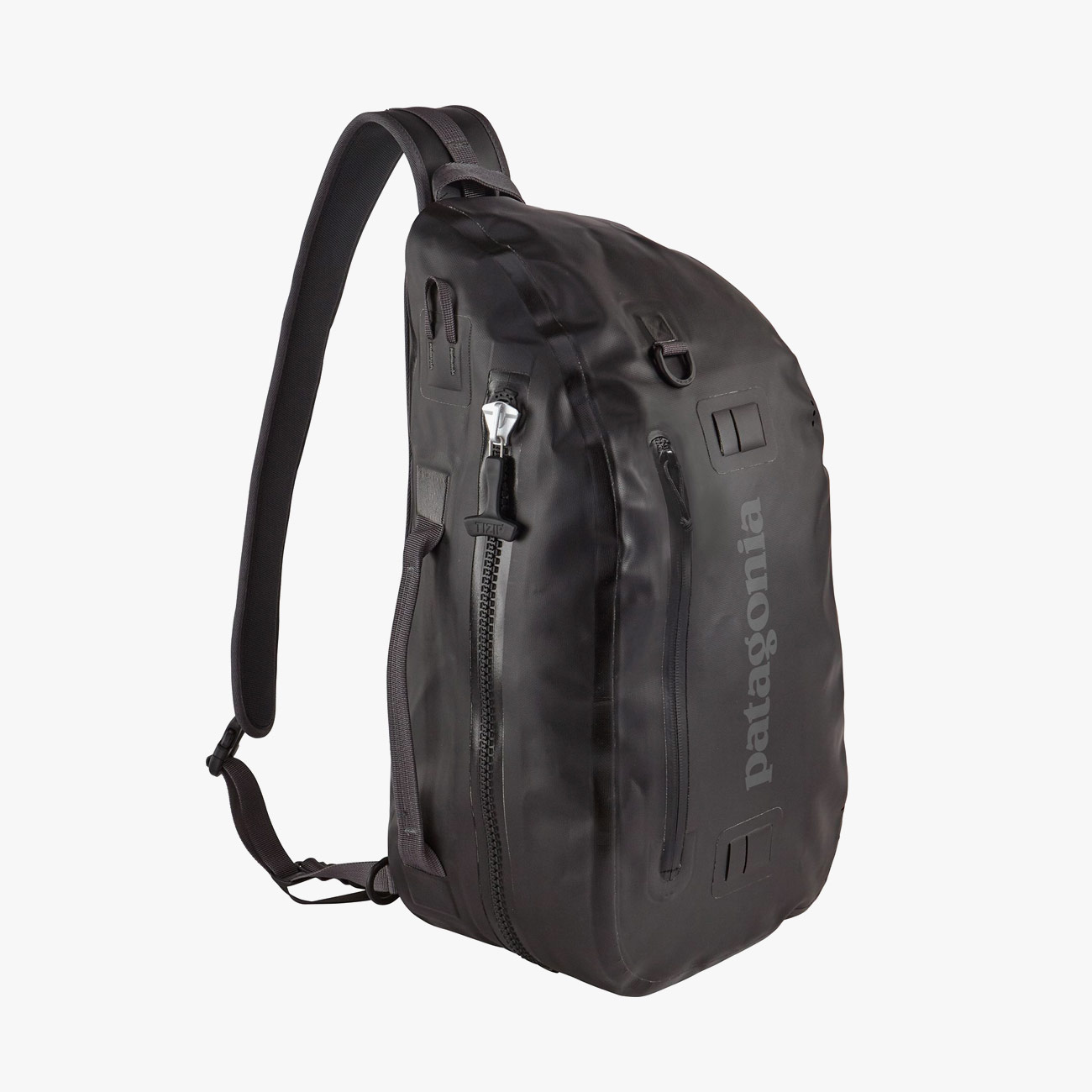
Patagonia Stormfront 20L Sling Pack
“This is my go-to bag for boat and surf life. It’s ultra-waterproof and tough, so it doesn’t matter if it sits in the bottom of my leaky dinghy or if it rains on the way to go ashore. I’ve seriously gone over the falls swimming into the beach with my camera gear inside and it was dry when I arrived. It’s just the right size for a daypack, and I can leave my pareo and phone inside of it in the dinghy while I’m surfing at the reefs and not worry about them getting wet.”

LedLenser SEO 7R Headlamp
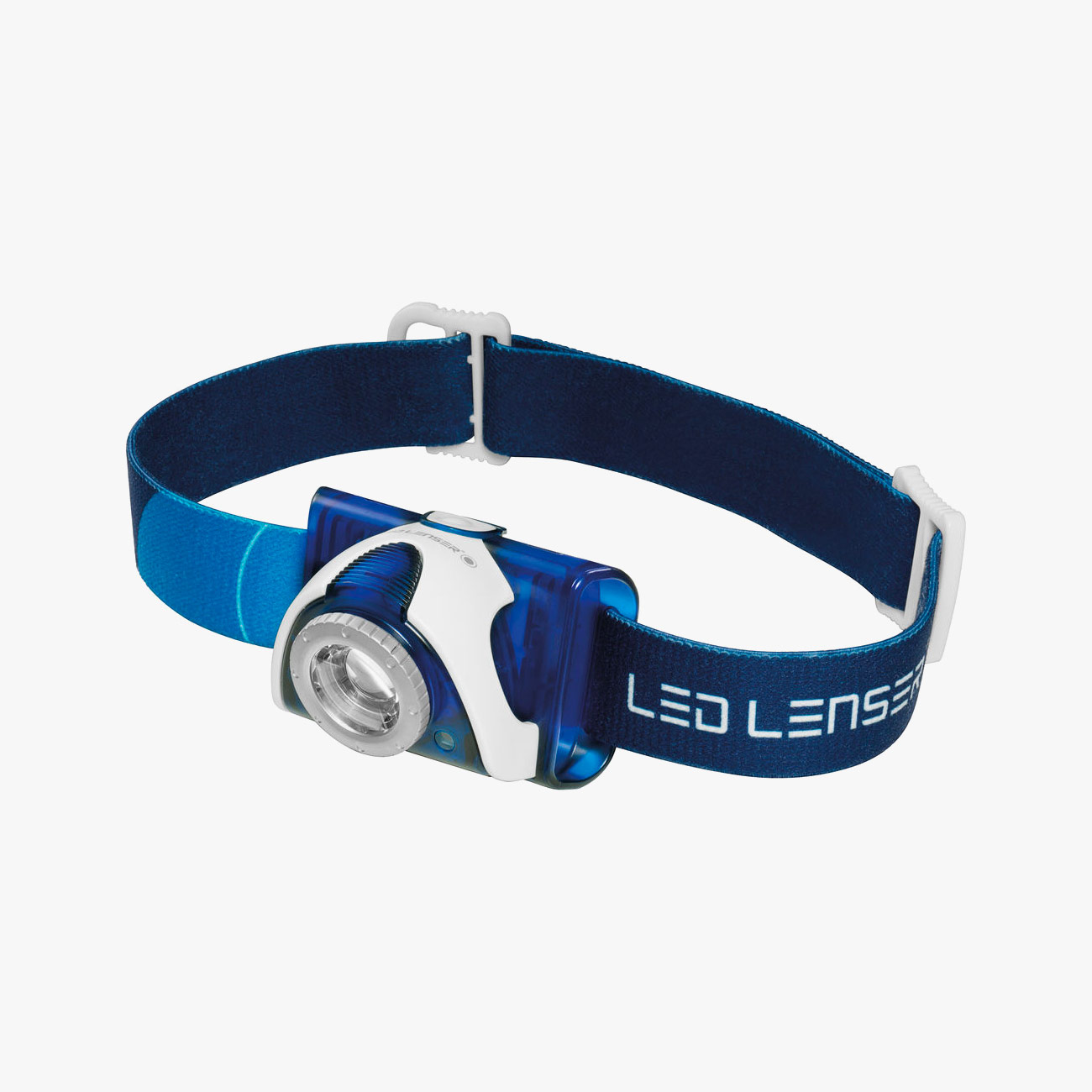
I’m a headlamp connoisseur. This is such an important piece of gear in my lifestyle, for being able to see while I fix things with my hands, or steering the dinghy through shallow coral heads at night, or having the red light option for night vision on overnight passages at sea. Or just checking if my vegan cookies are done in the oven. I’ve tried them all, and this headlamp is the only one that cuts the cake for me. It’s small, light and comfortable; it’s got a rechargeable battery, but also fits AAA batteries if needed. The red/white option is essential for preserving your night vision on dark passages. The strongest setting is 220 lumens (super bright!) and has an adjustable beam width for near or far viewing. Plus there’s a five-year warranty! And they have been very good about replacing mine if there was a problem.”

Marlow Control Line (Excel Pro Mini-Spool 3mm)
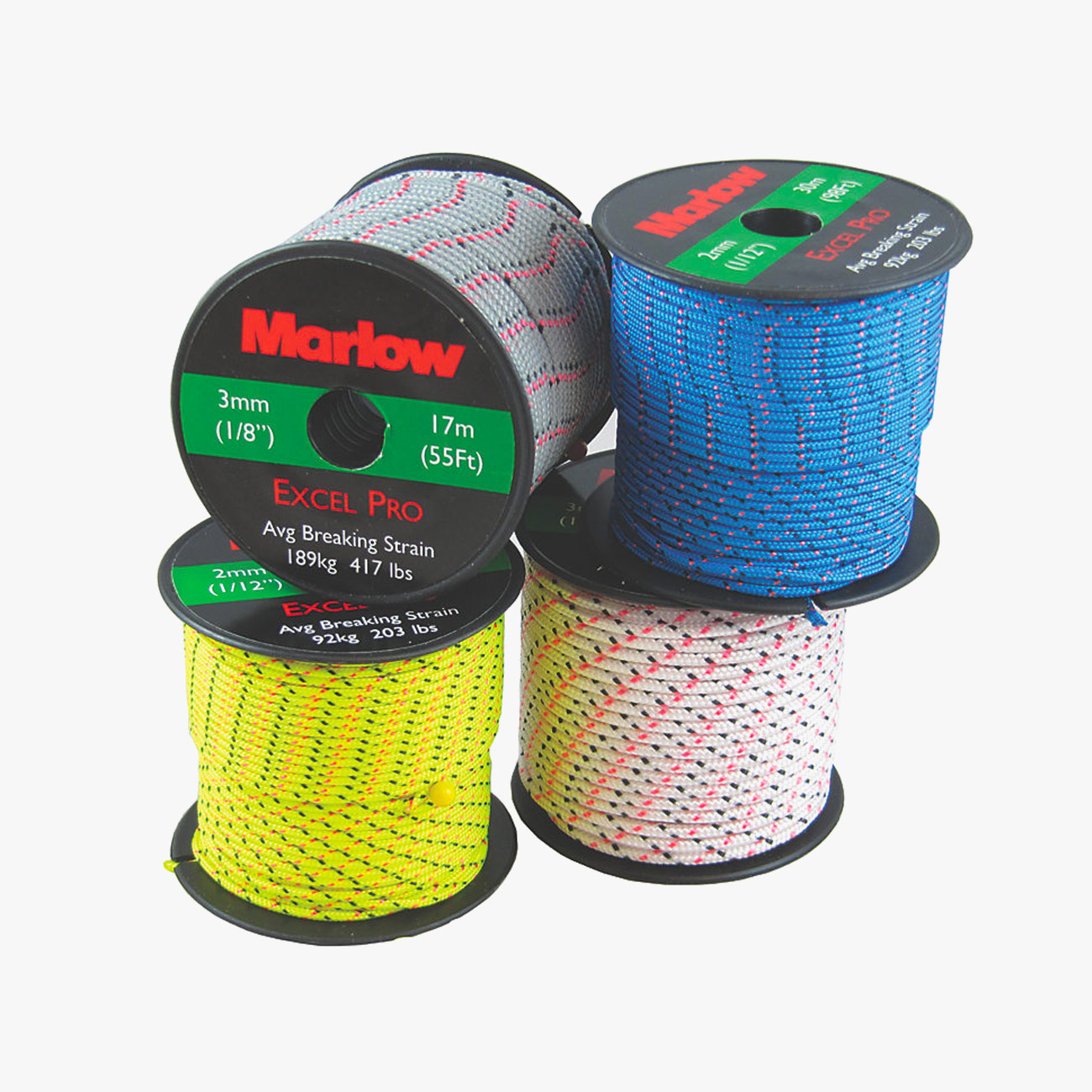
“This thin cord can be used for just about anything if you know a couple of good knots. I can temporarily replace broken hardware on the boat, secure ends of fraying lines, make custom attachments, use it for a laundry line — this stuff is ultra useful, crazy strong, inexpensive and doesn’t take up much space.”

Avasol Surfer’s Barrier Sunscreen Stick SPF 50+ Dark
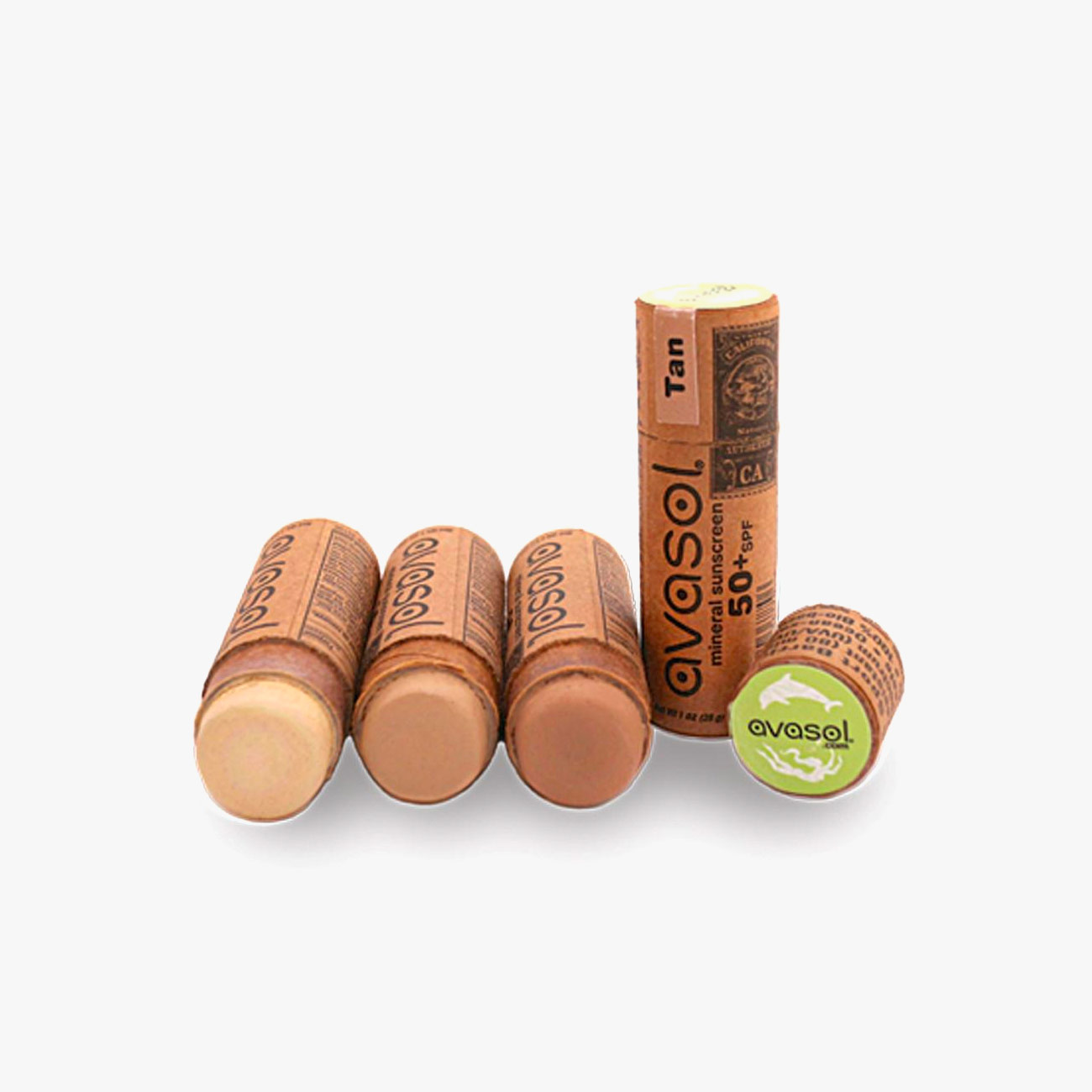
“This is my go-to for sun protection in the surf and also for everyday use. The high-quality organic/wildcrafted ingredients actually feel good on my skin and are safe for my body and the oceans — no chemical UV blockers and no nanoparticles. It’s packaged in a biodegradable cardboard tube so I don’t feel guilty creating more plastic waste when it runs out. I love the tinted color because I can see when I need to re-apply, and I also use it as cover-up/makeup to smooth out my skin for a worthy occasion.”

Victorinox Skipper Pro Pocket Knife
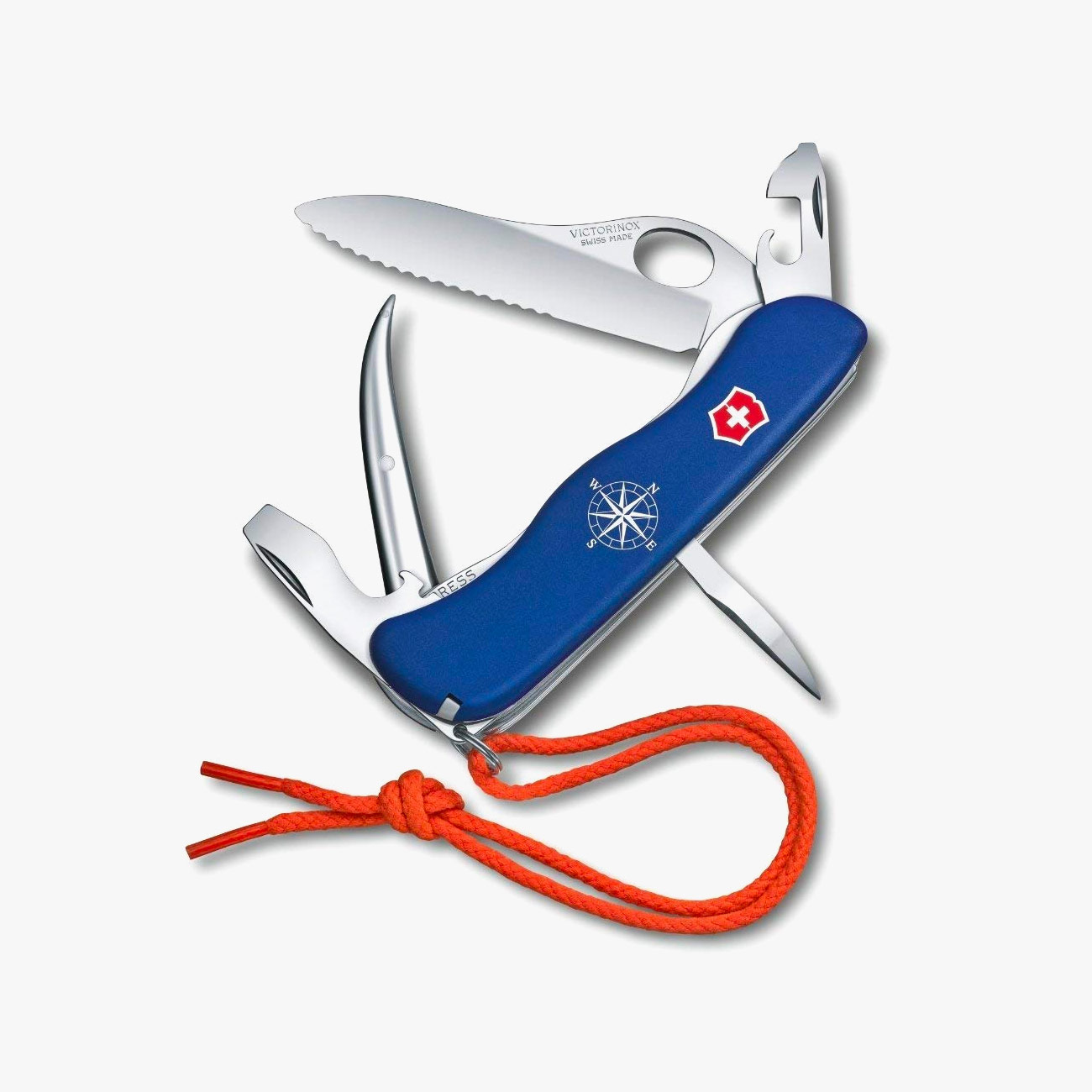
“This is my favorite pocket knife. I keep it on me at all times on passages in case I need to quickly cut away a rope with the super sharp serrated blade or undo a fouled line with the lockable marlin spike. I like it because the blade is big enough to be functional for lots of needs. Basic needs are covered too — there’s a can opener (which I have used for 10 years!), screwdrivers and a sharp punch for making holes. It’s small and light, but high-quality. Mine has lasted for ages with lots of use.

North Sails 3Di Sails

Photo: Jody MacDonald

“About a year ago, I switched to using North Sails 3Di cruising sails. They have been a game-changer for me. They are ultra-tough but light and molded like racing sails so that Swell gets the most out of the conditions. I don’t have to worry about them tearing and Swell performs like a dream!”

Mizu 360 Adventure Filter
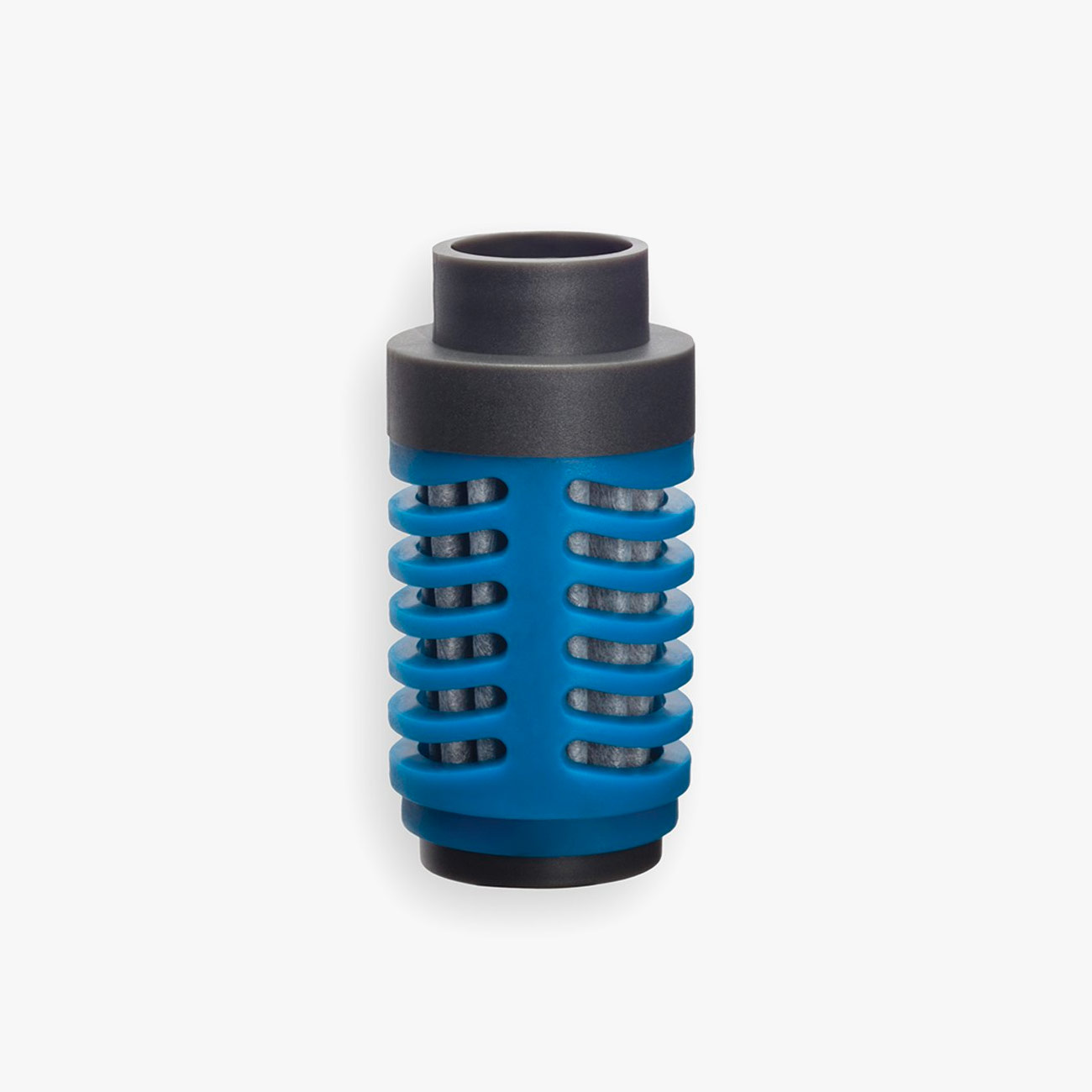
“Mizu makes this incredible filtration system for your water bottle, which makes it possible to fill up your bottle virtually anywhere, sip through the filtered spout and have clean drinking water. There are two options — the ‘Everyday’ filter is for use with tap water and the ‘Adventure’ filter means I can literally dip my water bottle into a stream on a hike or fill up in countries without potable water on tap. This filter has helped me avoid having to purchase single-use plastic bottled water and makes going hiking/camping so much lighter!”

Monoi Oil

Photo: Verodemortillet (Wikipedia)

“This hand-pressed coconut oil is traditionally made in Tahiti and used for moisturizing skin and hair. It’s insanely good when you have a sunburn, but I use it every day after bathing, and on my hair before I go surfing. It’s scented with whole flowers in the coconut drying process and it’s also anti-fungal and anti-bacterial. It’s not so oily-feeling on my skin that I look like I’m entering a body-building contest, but I could use it in a pinch on a rusty bike chain and it would totally do the job.”
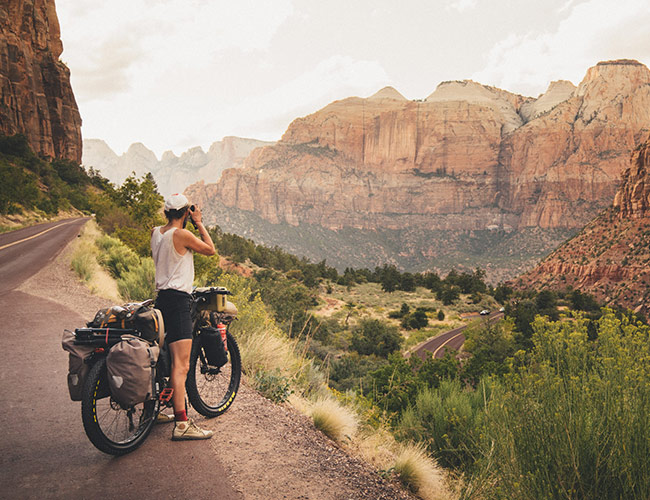
5 Things You Need to Bike Across the World

After spending a full year riding from Amsterdam to Singapore, Martijn Doolaard is on his bike again. This time, he’s riding from Vancouver to Patagonia. Read the Story
Note: Purchasing products through our links may earn us a portion of the sale, which supports our editorial team’s mission. Learn more here.

This Tiny Device Attaches to Your Clothing and Tracks Your Stress Levels

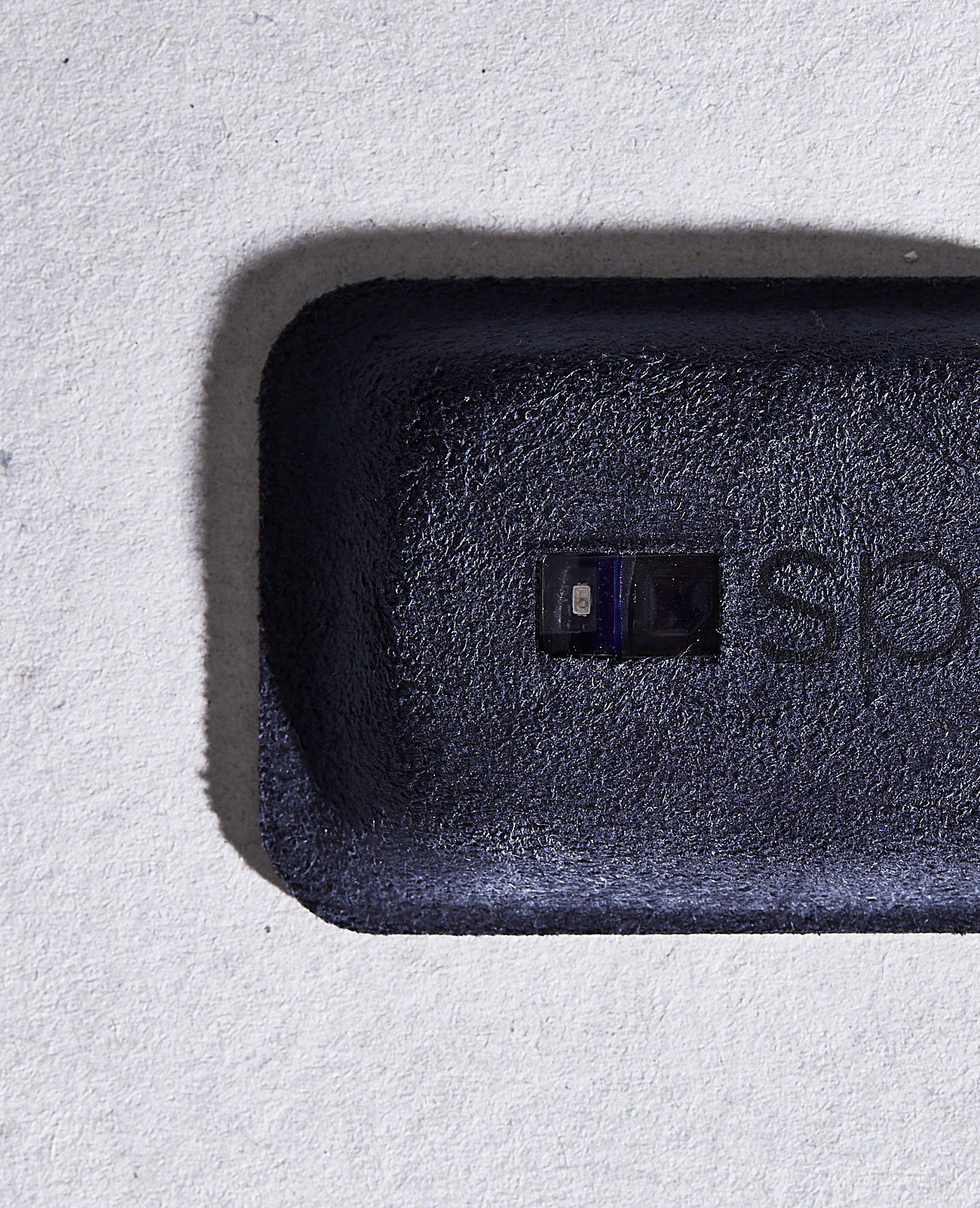
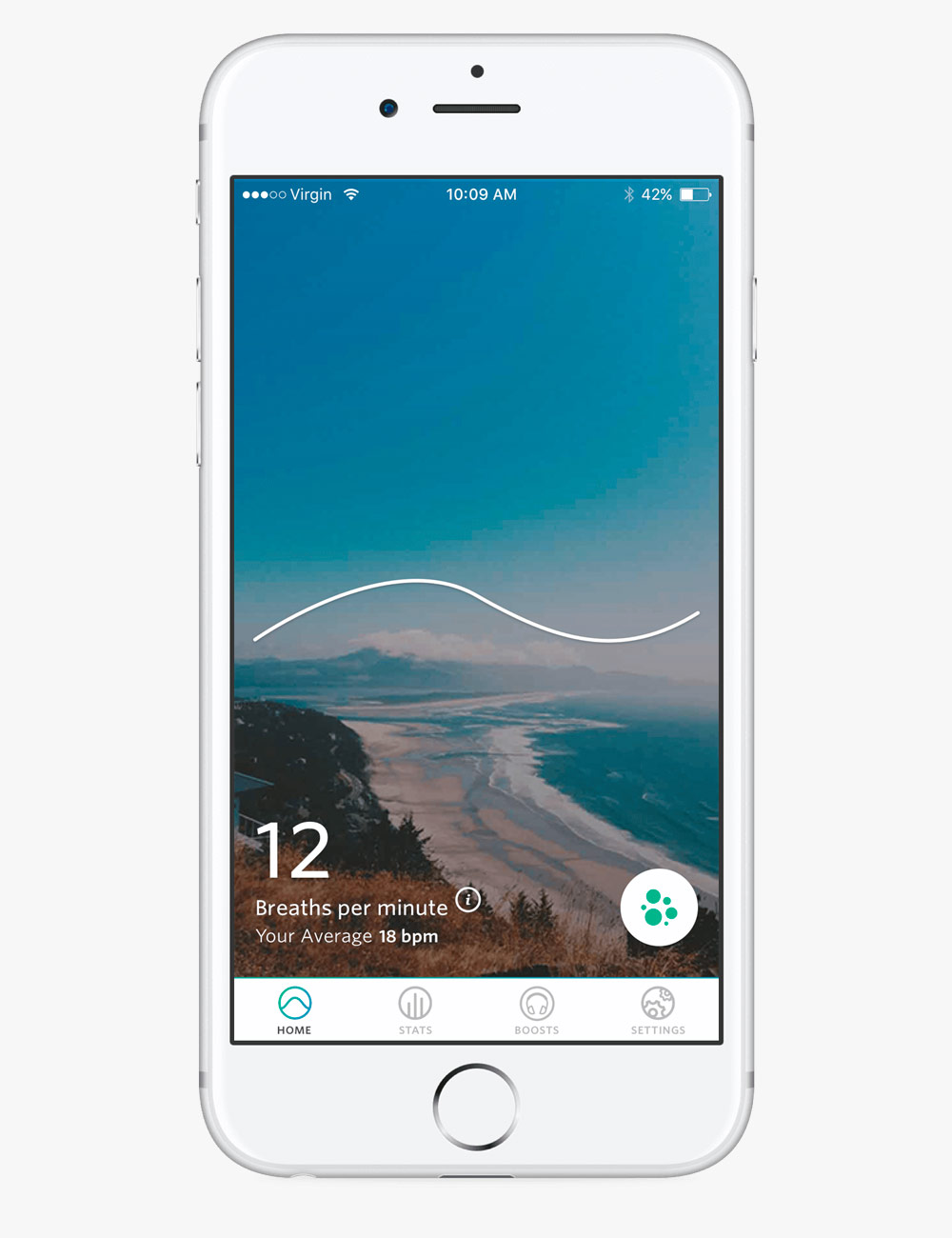
Your breath is a powerful tool. Studies have shown that your breath can help control your response to stress, thus helping with your physical and mental health. While breathing can help calm your body physically, learning your body’s stress cues enables you to respond more accurately and calmly to stress. That’s the premise behind Spire’s Health Tags — a breath tracker that monitors the rhythms of your breathing. It can show when you’re stressed, tense, calm and focused, and all in a dog-tag-sized sticker that attaches to your clothing.

The Good: Spire’s Health Tags are small, a breeze to apply and simple to use. It takes seconds to sync your data, and the app gives you as many or as few notifications as you would like. Just peel off the sticker from the back of each tag and press and hold on your boxers or pants waistband. You can wash and dry the tag for up to two years. It’s invisible once on and doesn’t bother those with sensitive skin (in my experience).

Who They’re For: Built for those who are obsessed with their health, this two-inch by one-inch tag also appeals to those who are interested in fitness data but can’t be bothered to wear something on their wrists. If you’re not a Garmin, Apple or Suunto watch lover, we understand. Seiko and Rolex guys will appreciate the wrist space this tracker provides. If you’re getting into monitoring your health data, the Spire Health Tags provide you with active minutes and sleep, two of the most basic (and most needed) fitness stats.

On the other end of the spectrum, health nuts who are obsessed with data and having the latest and greatest piece of technology will appreciate the minute details that went into creating Health Tags. Using your breath, Spire will monitor your calm, focus and tense minutes, sending you reminders throughout the day to work on your breathing if your nervous system puts out a fight or flight emergency. If you’re a superuser of any watch or tracker, these Tags can give you even more information than what you’re getting from your phone right now.

Watch Out For: Health Tags come in a single pack ($50), a three-pack ($129) or an eight-pack ($299). Spire sent me an eight-pack, and throughout the past month, I have yet to stick them all onto clothing. While $299 is comparable to many fitness trackers and less than many GPS trackers, it can be a steep purchase if you’re looking for a way to dip your toes into fitness and health tracking.

I experienced some issues with my sleep tracking during the first week, which then cleared itself up. I was notified that my sleep wasn’t tracking from the night before, but then my sleep data would later register, confusing me and my stats. When I spoke with Jonathan Palley, CEO of Spire, he mentioned this is fixed — as well as a handful of other user-reported bugs. I had to deal with the app not being able to find my Health Tags, but besides one time (while I was writing this), I didn’t have any other Bluetooth connectivity issues.

Once you attach these Tags to your clothes, they are pretty tricky to remove. I was nervous about flying with them because I wasn’t sure how it would show up in security. When I tried to pull it off before my flight, I couldn’t get the Tags to move an inch.

Alternatives: There aren’t that many apps or trackers that base everything off of your breathing alone. For sleep tracking, you can try the Nokia Health or iFit, but both rely on movement and heart rate. Apple, Garmin and Suunto watches all rely on wrist-based heart rate, which pales in comparison to the amount of data gleaned from your lungs and breath rate.

Review: When I first heard about Spire’s Health Tags, I was incredibly skeptical. I test a lot of wearables, each boasting new stats and updated technology that’s guaranteed to help me become faster, stronger and more aware of every single movement I make. The Spire Health Tag is the first tracker I’ve tested that focuses solely on my breath. For years, I’ve heard whisperings of the data my breath can tell me. Breathing is tied pretty closely to mindfulness, and sleep, but developers and tech companies haven’t quite bridged the gap between fitness, health and breathing — until Spire.

About a month ago, Spire sent me the eight-pack of trackers, and I hopped on the phone with them to get the low down. I learned how studies have shown that sensing respiration patterns can reduce symptoms of distress and that negative affect generally decreases while using something like this. I opened up my package of eight and attached them to my clothing. Pop the Tag out of the packaging — set in there like a pack of gum — peel off the back sticker and press firmly into the waistband of your pants, underwear or pajamas, then forget about it. The tracker needs to be in contact with your core to track breathing and movement. The entire process, including downloading the app, and connecting all eighty of the Tags took all of five minutes.

As for how it works? “What we measure is called thoracic expansion, which is what happens when you take a breath,” Palley says. “The muscles that facilitate breathing are below your rib cage, and those expand and contract, so our sensors sense that force.” From that force, the Tag can differentiate between your calm, tense, focus and sleep stages. “When you’re tense, you breathe faster, and more erratically. Your brain is preparing for stress and sucking in oxygen, so you get a very erratic breathing pattern.” When you’re focused, you’re actually in a state of stress, but it’s good stress. “When you’re in the zone and feeling good [about whatever you’re doing] our bodies are activated, we’re not in a calm state, but because we’re focused and confident with what we’re doing, our breathing is faster but very stable. The variability is low.” And then when you’re calm, your breathing is slow with a low variability rate.

After a month of using Spire, I was able to draw a correlation between my meditation moments and my minutes of calm. I could also feel the buzz of the Tag against my core when I started getting tense — which happened during meetings, conversations and other moments that I wasn’t always aware of, until I felt the vibration. Each time I was reminded to start breathing deeper and slower. While I still haven’t figured out the key to lowering stress, I do like that the Tags help me track when I am stressed, even if I don’t realize immediately.

Beyond your mental state, the Tags can also tell when you’re exercising (activity) and when you’re sleeping. The Spire Health Tags use respiratory rate variability and breath rate as well to alert you to a change. During sleep, ‘your breathing becomes more regular, and the variability of breathing goes down as you fall asleep,” Palley says. “For many reasons, we’re more accurate than wrist trackers because we look at the shape of your breath.” It’s how you breathe in and out in a certain way. “That shape becomes regular, and once you cross a certain threshold, you’re asleep,” Palley added. REM and deep sleep are slightly different. “When you go into REM sleep, your breathing rate changes dramatically, the shape of your breath stays similar, but the rate is affected by your dreams. Your breathing reacts to your dream,” Palley notes. Think about those times you fall asleep and then feel like you’re falling and quickly jolt awake. Your breathing is stilted at that point. In a deep sleep, your breathing is perfectly regular. “You’re the perfect metronome,” Palley explains. At the end of every sleep (shown in the app as the day before) you can compare your awake, light sleep, REM sleep and deep sleep minutes to your average, as well as look at how many times you wake up during the night.

While the app doesn’t provide me with any takeaways per say, I sign up for all the LiveInsights that I can. Between three categories (stress, sleep and activity), I register to get notifications every time my breathing gets tense, tips about maintaining healthy sleep habits as well as a notice if I’m sitting for too long. The overall picture of my health is one that doesn’t compare me to anyone else, rather, the app provides me with my averages, so I can evaluate and think about what I want to do to change my stress-inducing habits. In the app right now, there’s no way to look at a stressful moment and record it as something like ‘review’ or ‘conversation with the boss,’ but when I asked Palley about future integration, he sounded hopeful. “Right now, if you go into the detailed view, we have these meaningful moments, but we are working on integrating it into calendars.” Right now, you have to compare it with your calendar, but an update is in the works to add that automatically.

Verdict: If you want a tracker to set and forget, this is the one for you. While I’m a long time fan of my Apple Watch, I never wear it at night, so having the sleep data with the Tags opens up a new dataset rife for comparison. The Breathe feature on my Apple Watch is one of my favorite parts, so having an entire app dedicated just to my breath was fascinating and helpful. Tags can help you establish patterns and evaluate what triggers stress, so you can get to the root of the problem. The Tags buzzed during obvious stressful times — interviews and reviews, but also during conversations I wouldn’t have customarily categorized as stressful. It helped me learn and ‘tag’ those times, plus was a reminder to start breathing more normally again to slow my fight or flight response.

If you’re someone who continually craves more data about your health, the Spire Health Tags are a solid place to start. The stats the Tags provide are way more thorough and unique as compared to many other fitness trackers. I’m especially excited to watch as the app continues to update and change to see what new features the Spire Health Tag will offer.

Spire provided this product for testing purposes.

Read More Gear Patrol Reviews

Hot takes and in-depth reviews on noteworthy, relevant and interesting products. Read the Story
Note: Purchasing products through our links may earn us a portion of the sale, which supports our editorial team’s mission. Learn more here.

One of Our Favorite Small Cycling Brands Just Launched a New Collection

The Magazine

Let us take you on a journey of the world. Each issue of the Gear Patrol Magazine comes packed with adventures, guides and stories exclusive to the magazine. Stunningly designed, printed on high quality stock and ready for your coffee table. Biannual. $39.

The Newsletter

Get GEAR PATROL in your inbox with the DISPATCH, including Today in Gear and all our new stories. Daily, 5pm. Free.

8 Items That Prove Outdoor Equipment Is the Best Tailgating Gear

Tailgate parties aren’t often associated with outdoor recreation. Sure, they take place out-of-doors, but typically in parking lots (vast, paved-over swaths of land) near gargantuan stadiums, not mountains. But take away the tent and sleeping bags, and car camping becomes tailgating (with a much different view). In that sense, all the other items you might pack for a weekend in the woods — from portable furniture to insulated food storage to rugged electronics — are also strategically suited to gameday gatherings.

Yeti Hondo Base Camp Chair


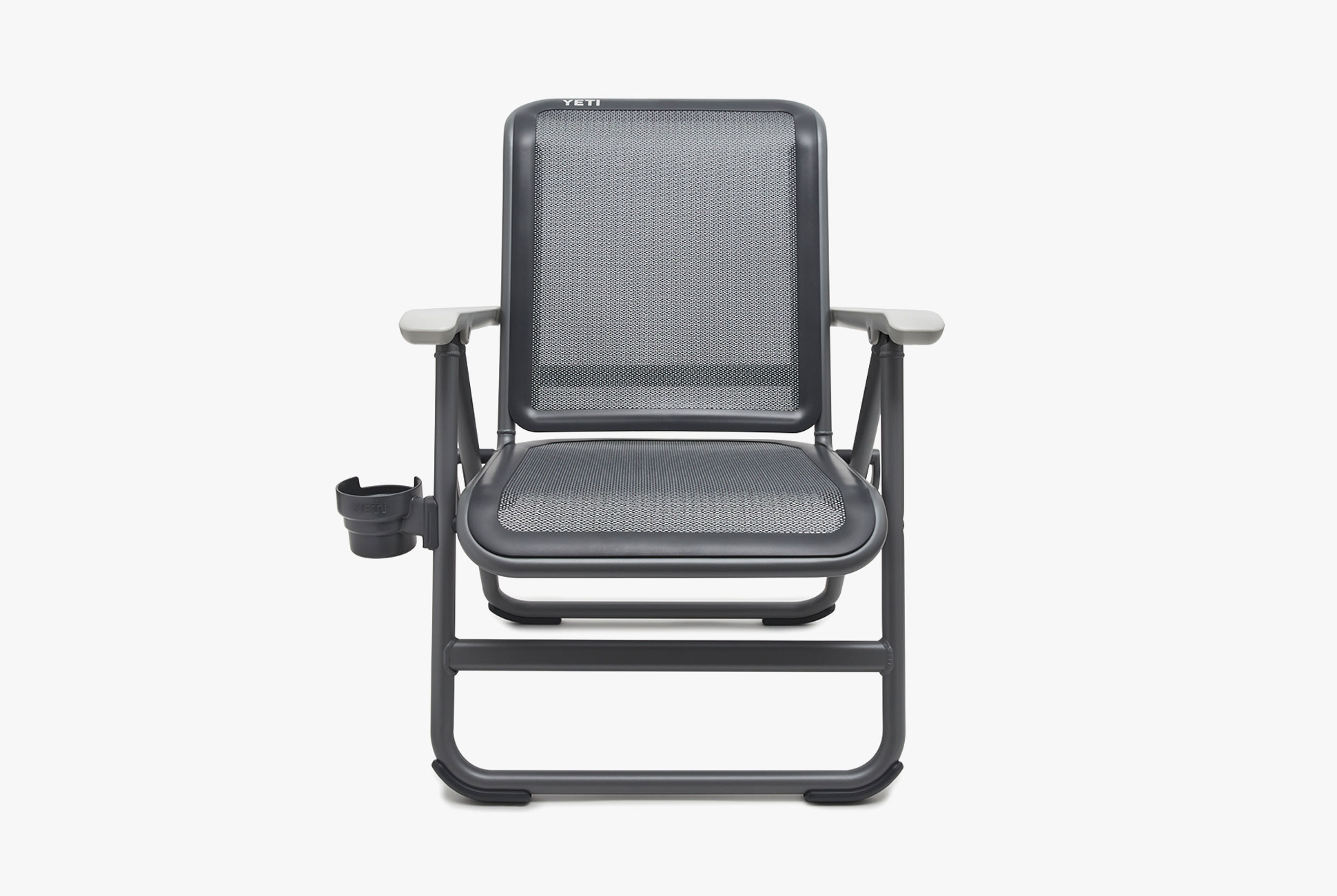
Lighter options are available, but you’re not backpacking, so why not opt for the burliest camp chair available? Yeti’s Hondo Base Camp Chair employs diehard cast joints, which are similar to those used for truck door hinges, and a comfortable fabric seat that can hold up to 500 pounds without losing its shape.

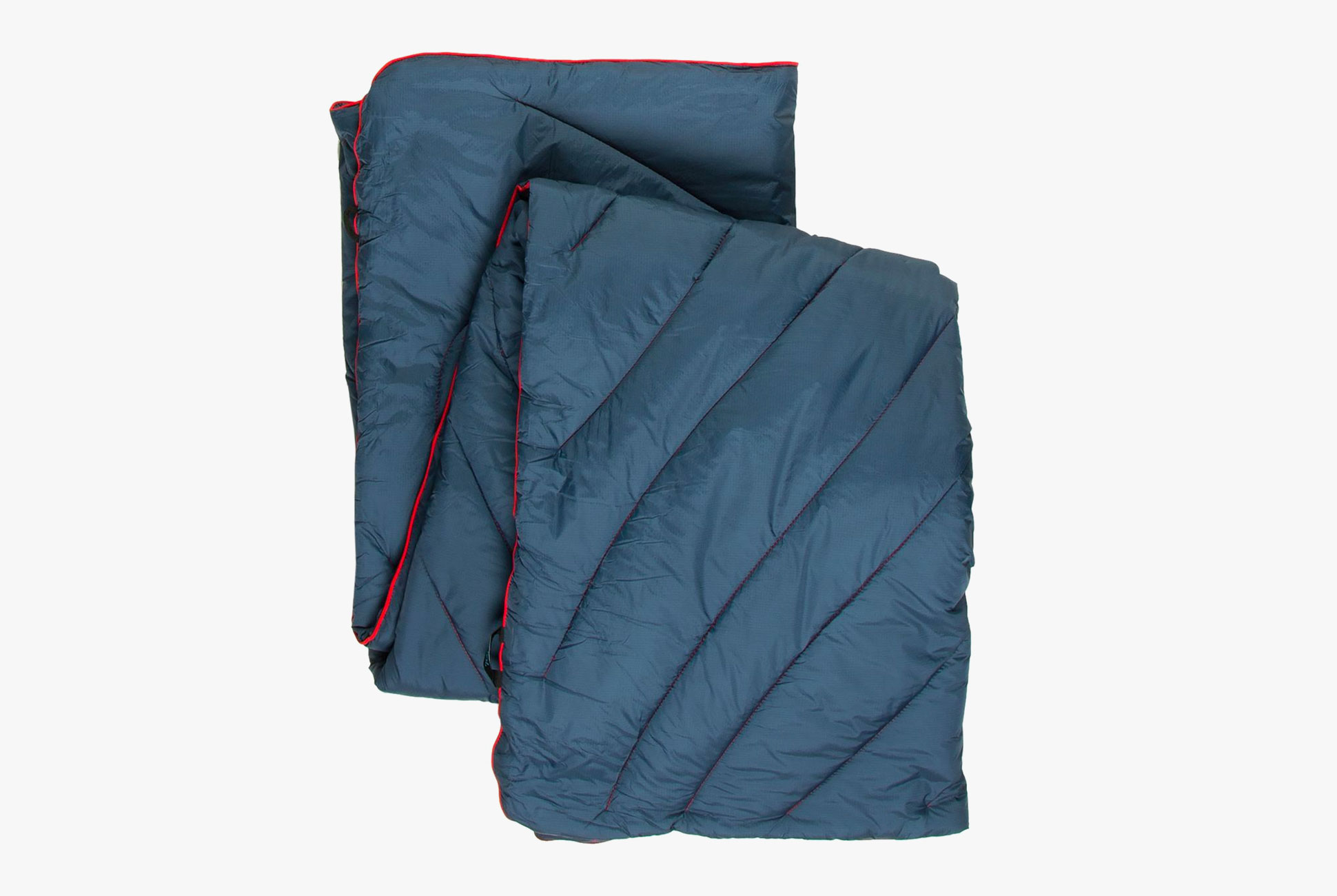
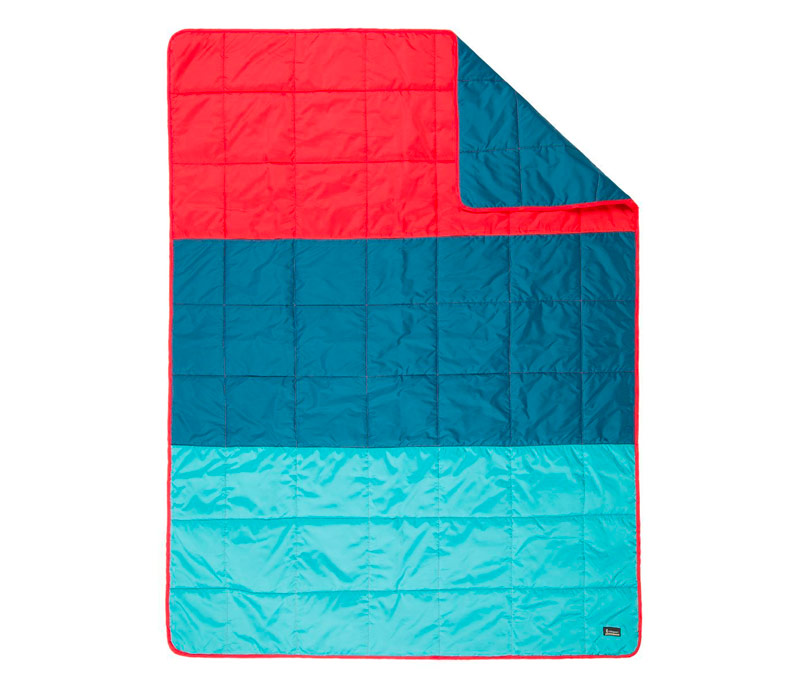
Rumpl Original Puffy Blanket


Camp blankets are the new breed of picnic blanket, and they’re better in every way; thanks to technical materials, they’re lighter, more durable and warmer too. And for these reasons, they’re an ideal extra to bring to cold weather outdoor outings.

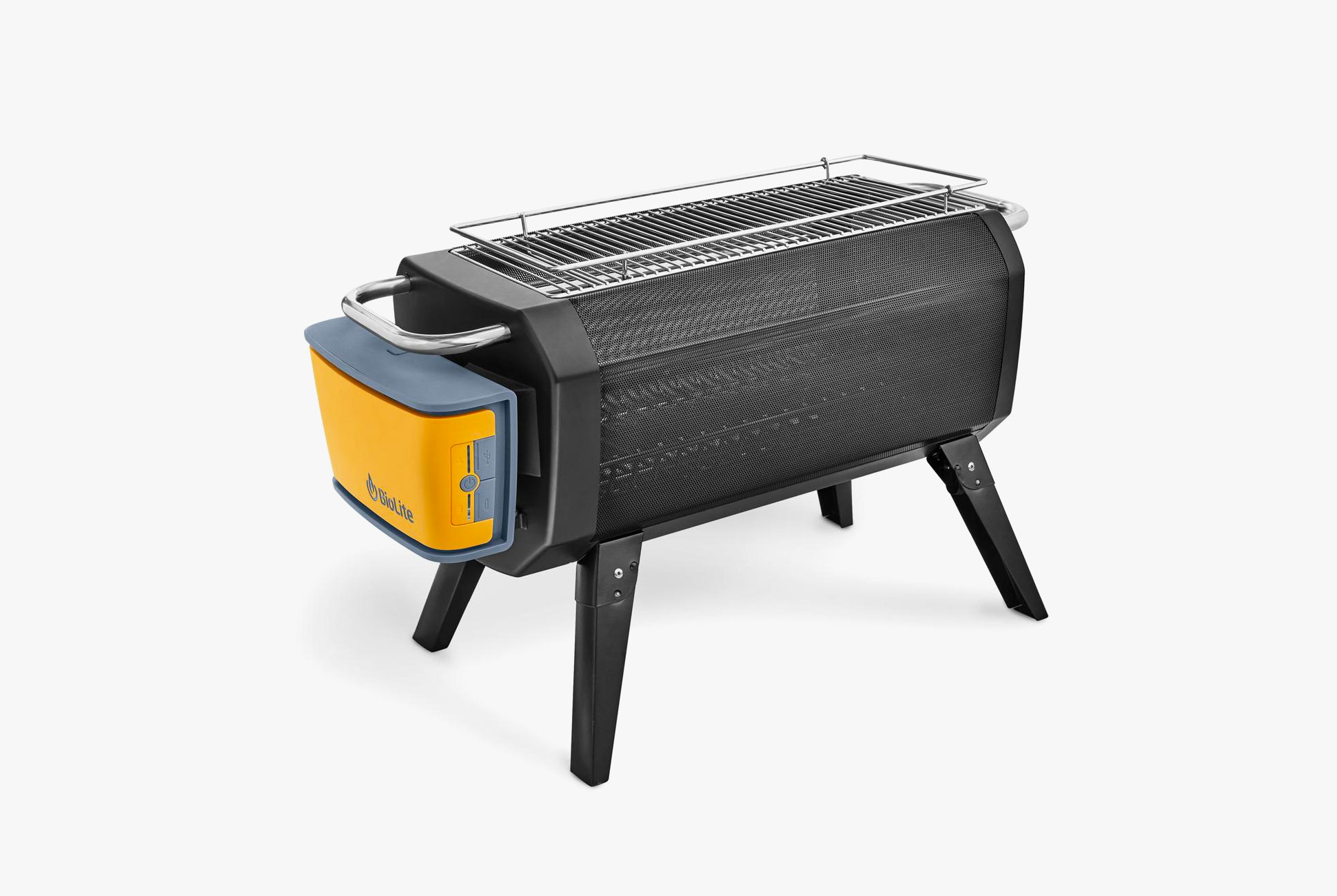
BioLite FirePit


There are cheap, disposable grills that can be found at the grocery store, and there are even miniature charcoal grills that are portable enough, and then there’s BioLite’s FirePit. It’s as close to a campfire as you’ll get without a ring of stones, and in addition to having a rack for cooking, it’s equipped with an attached battery pack that can charge multiple devices.

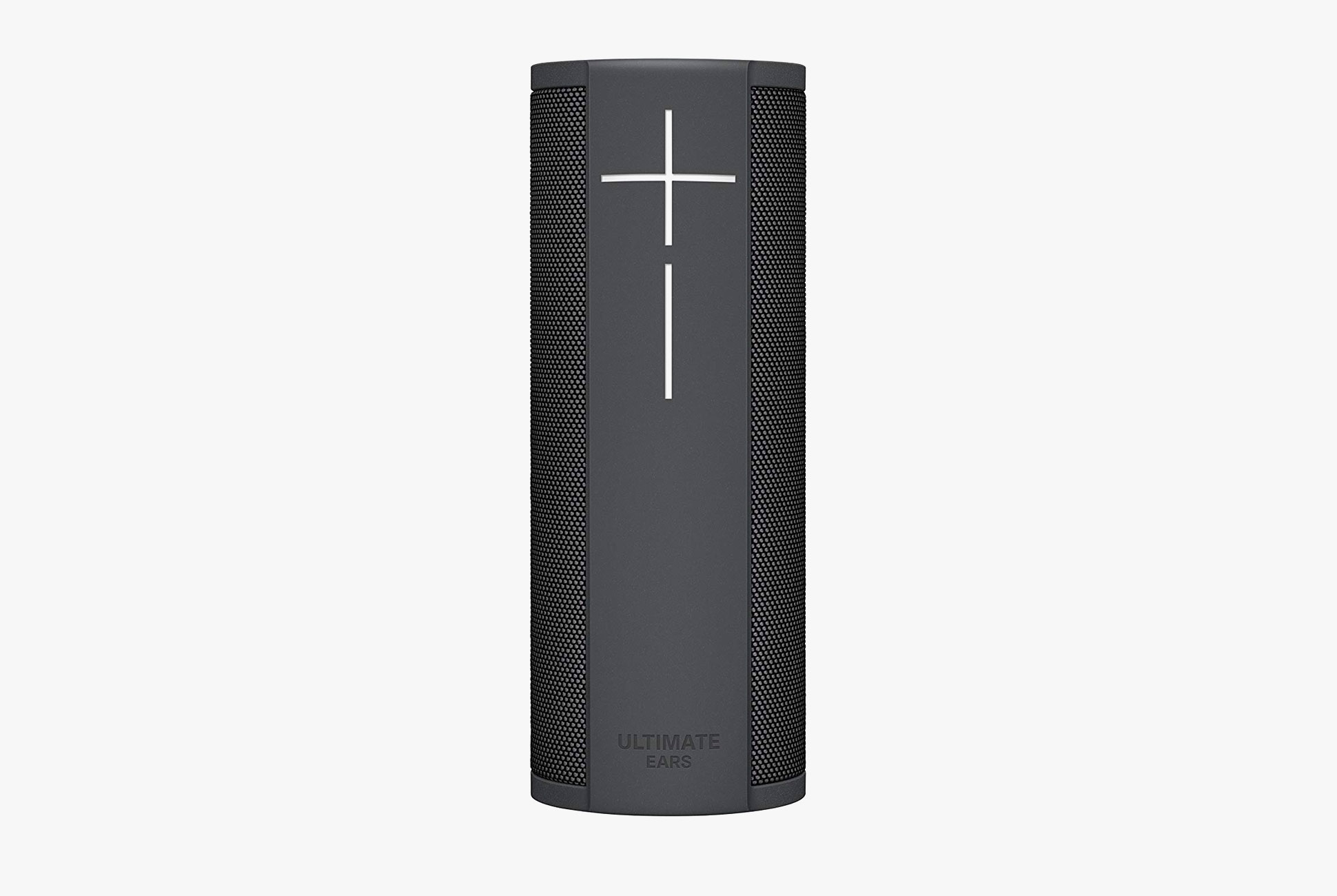
UE Megablast Bluetooth Speaker


Rugged and portable Bluetooth speakers are abundant today but UE still leads the category, and its Megablast is the biggest and loudest of the bunch. It’s waterproof, drop-proof, Alexa-enabled and also quite affordable.

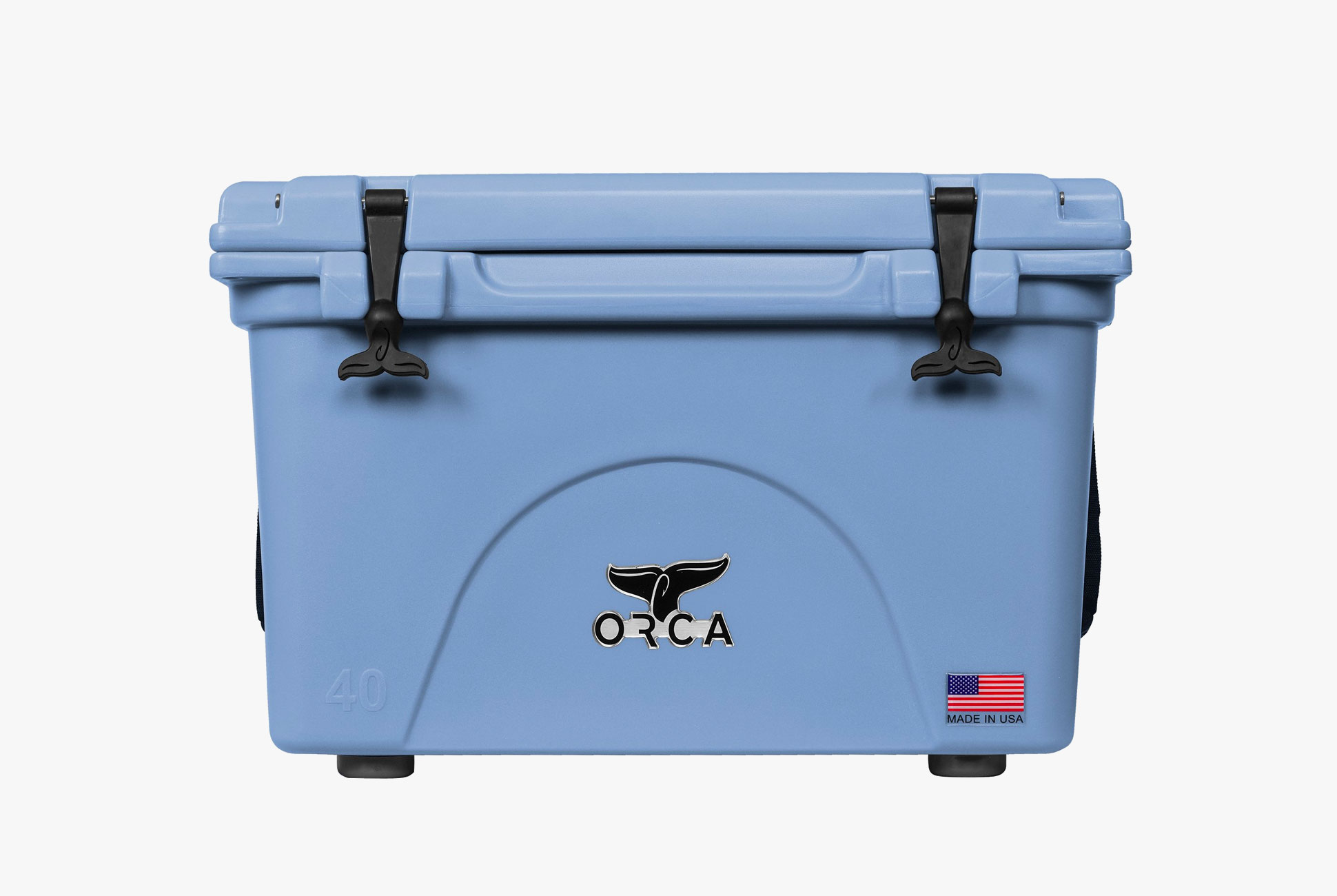
Orca Classic Cooler


Orca’s rotomolded coolers are well-made down to every last detail — including the whale tail-shaped rubber tabs that secure their lids closed. They’re as tough as coolers come, and won’t mind getting tossed around in the trunk at all.

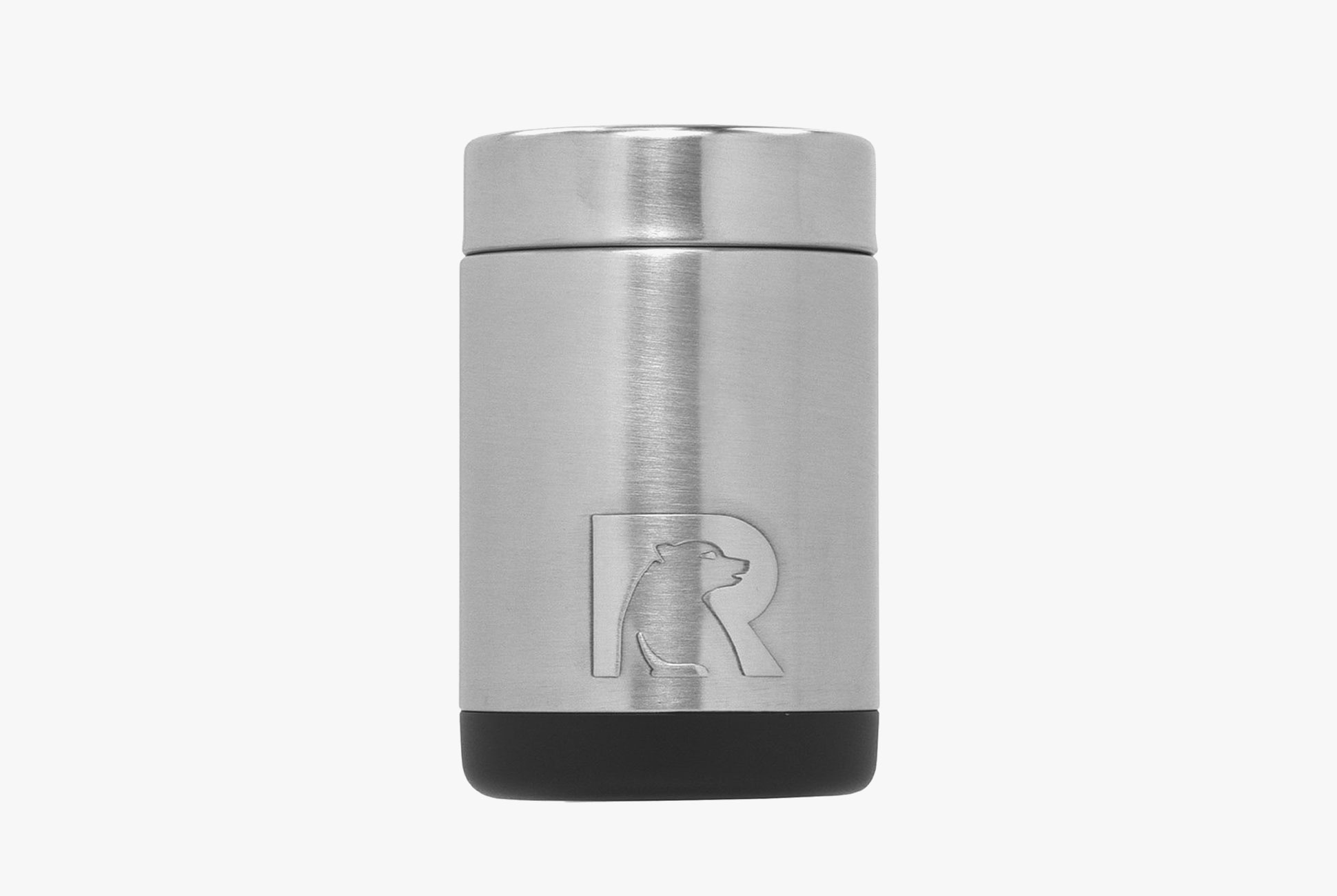
RTIC Can


Neoprene koozies run free at every type of event, but they don’t extend the chill of a beverage beyond a few extra minutes. RTIC’s double-walled, vacuum-insulated version actually works (and it’ll help keep your hands from freezing too).

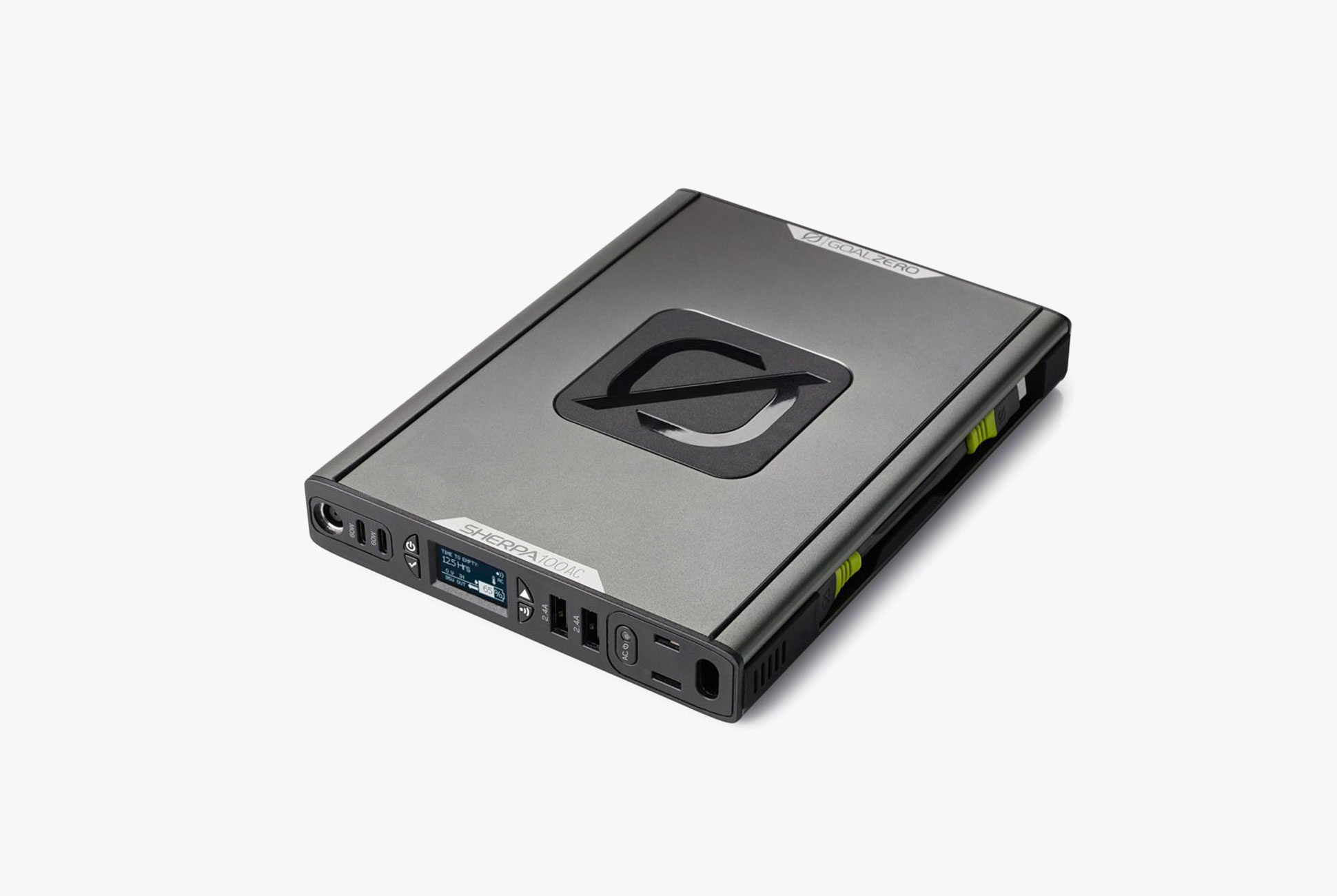
Goal Zero Sherpa 100AC Power Bank


The truly-prepared will bring a backup source of power, and Goal Zero’s Sherpa 100 is a beast of a battery that can power phones, cameras, laptops, speakers and more. Wireless charging is supported, and it’s airline friendly in the case of an away game.

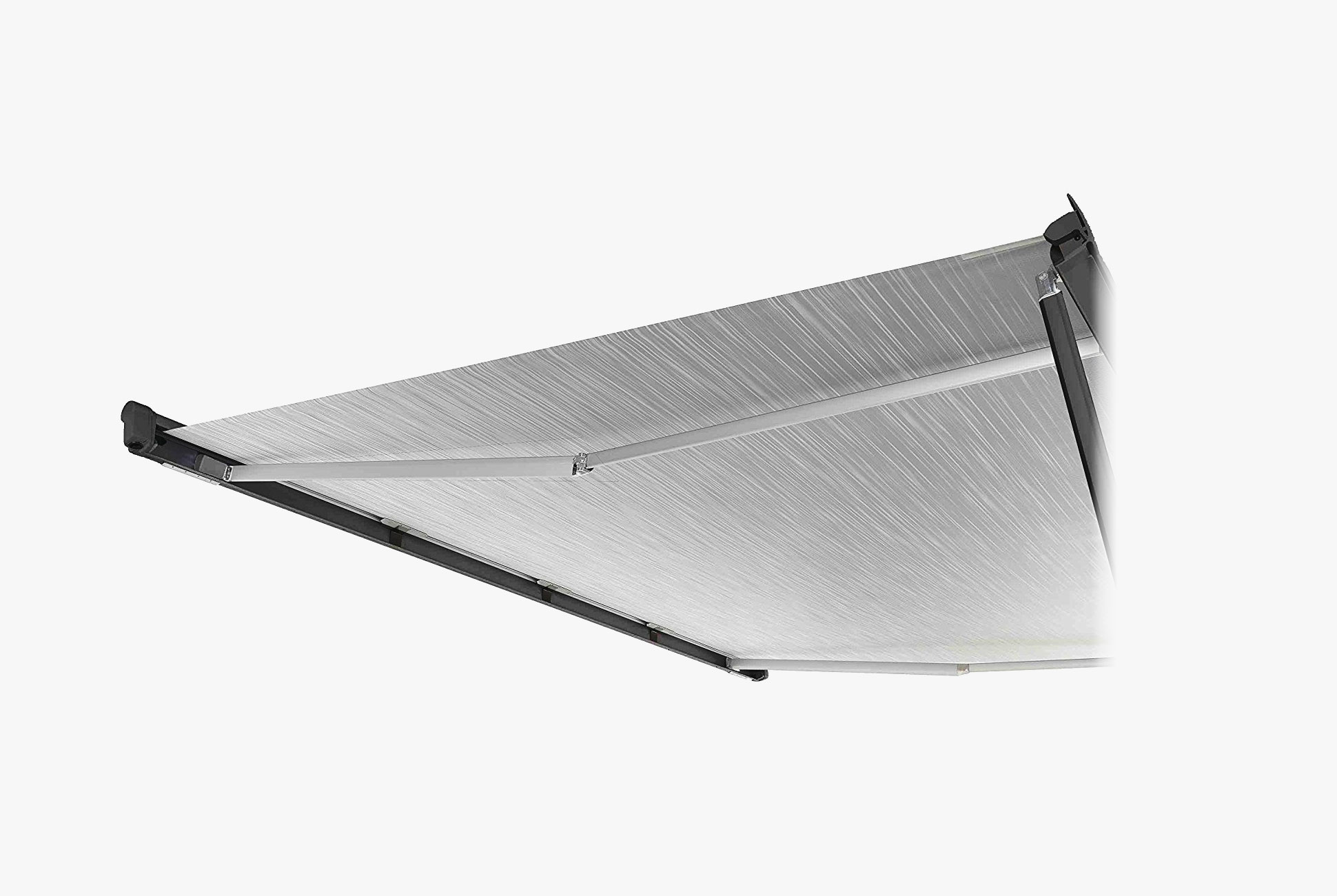
Thule HideAway Awning


For diehard tailgaters: attach the HideAway to your roof rack, and you have a deploy-anywhere awning that turns any vehicle into a gameday base camp.

Note: Purchasing products through our links may earn us a portion of the sale, which supports our editorial team’s mission. Learn more here.

You Can Now Customize the Best Cycling Helmet Available

The cycling market is ruled by two things: style and technology. Both are weighted equally, but cyclists are often forced to sacrifice one for the other. Not so with Giro’s Aether MIPS helmet. MIPS, which is short for Multi-directional Impact Protection System, is a technology that protects helmet-wearers from the complex directional physics at play during a crash, and it represents a relatively new standard in helmet safety. Giro’s parent company BRG Sports has maintained a formal partnership with MIPS since early 2014, and the Aether MIPS represents how that relationship has paid off.

The Aether MIPS debuted a new form of MIPS called Spherical, which integrates the rotational protection directly into the helmet with a two-shell construction. The result is a helmet that’s comfortable, safe and avoids any bulk that would presumably be added by additional safety measures.

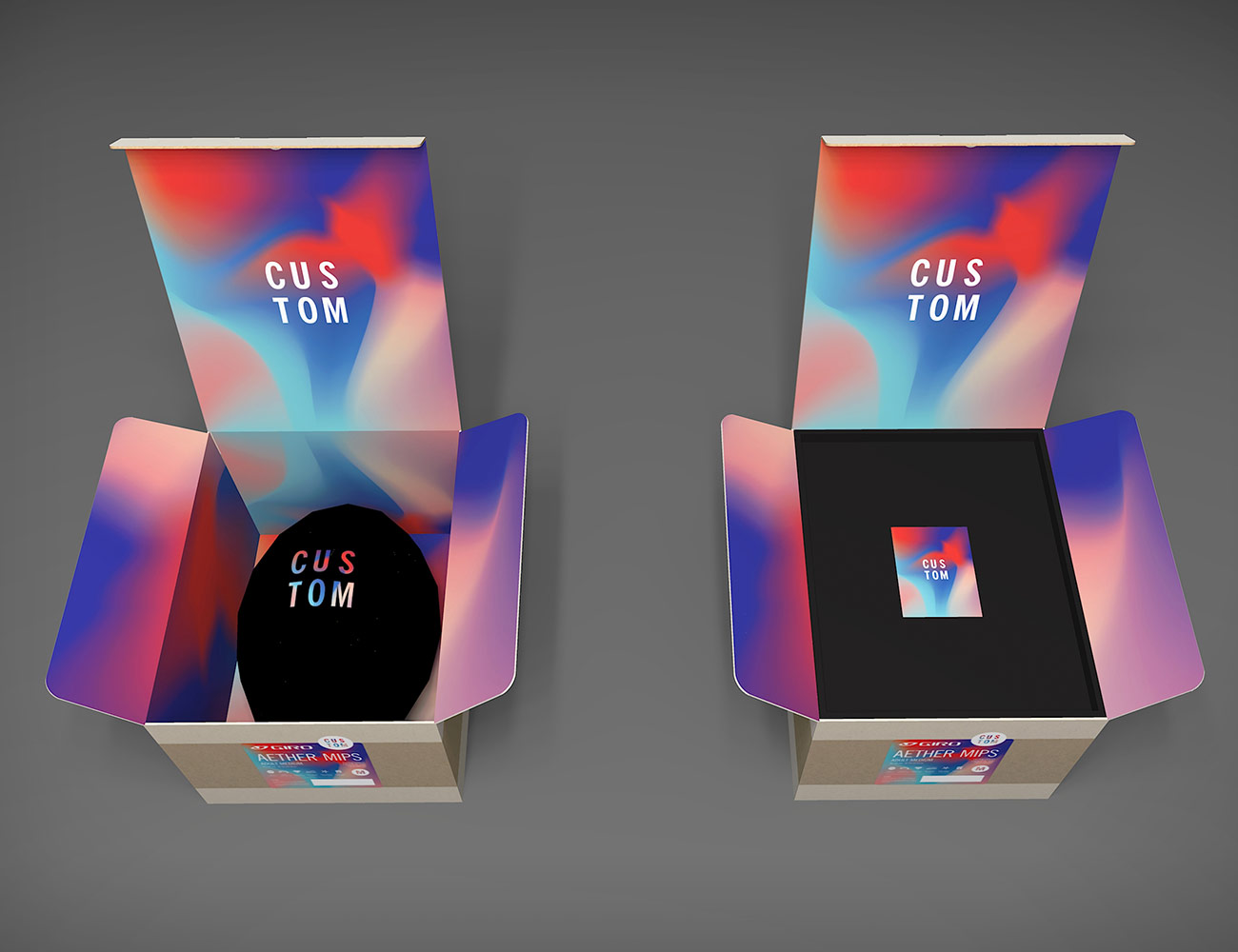
Today, Giro upped the style quotient of the Aether MIPS even further by introducing the Aether Custom, which allows users to tweak virtually every color on the helmet from the shells to the straps. The level of customization offered by Giro’s online tool was previously reserved only for bib shorts and jerseys in the cycling world. The new program takes the concept of a fully custom kit one step further. Have a wild, hot-pink custom-painted bike with purple fade on the fork? You can now buy a helmet to match. Want a helmet with gray polka dots and pink/teal cheetah print? Done. The combinations are virtually endless.

We got early access to the tool, and the process is dead simple. There are eight different pieces of the helmet to customize with roughly 32 color options for each step. In all, it took around 10 minutes to go through the process of creating a helmet.

The new program allows you to express your wild side, or if you’re so inclined, go a bit more unstated. After all, do you really want to show up to the requisite mid-ride coffee shop wearing the same helmet as everyone else?

7 Fitness Magazines Worthy of Your Coffee Table

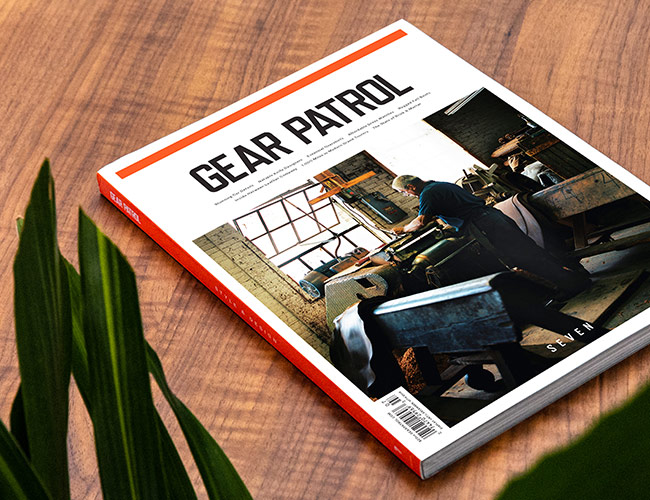
From Issue Seven of Gear Patrol Magazine.

Gone are the days of throwaway rags. Today’s best sports and fitness magazines — identified by bold and clean designs, progressive typefaces and hefty paper stocks — are gunning for a full-time spot on your coffee table.

Runaway

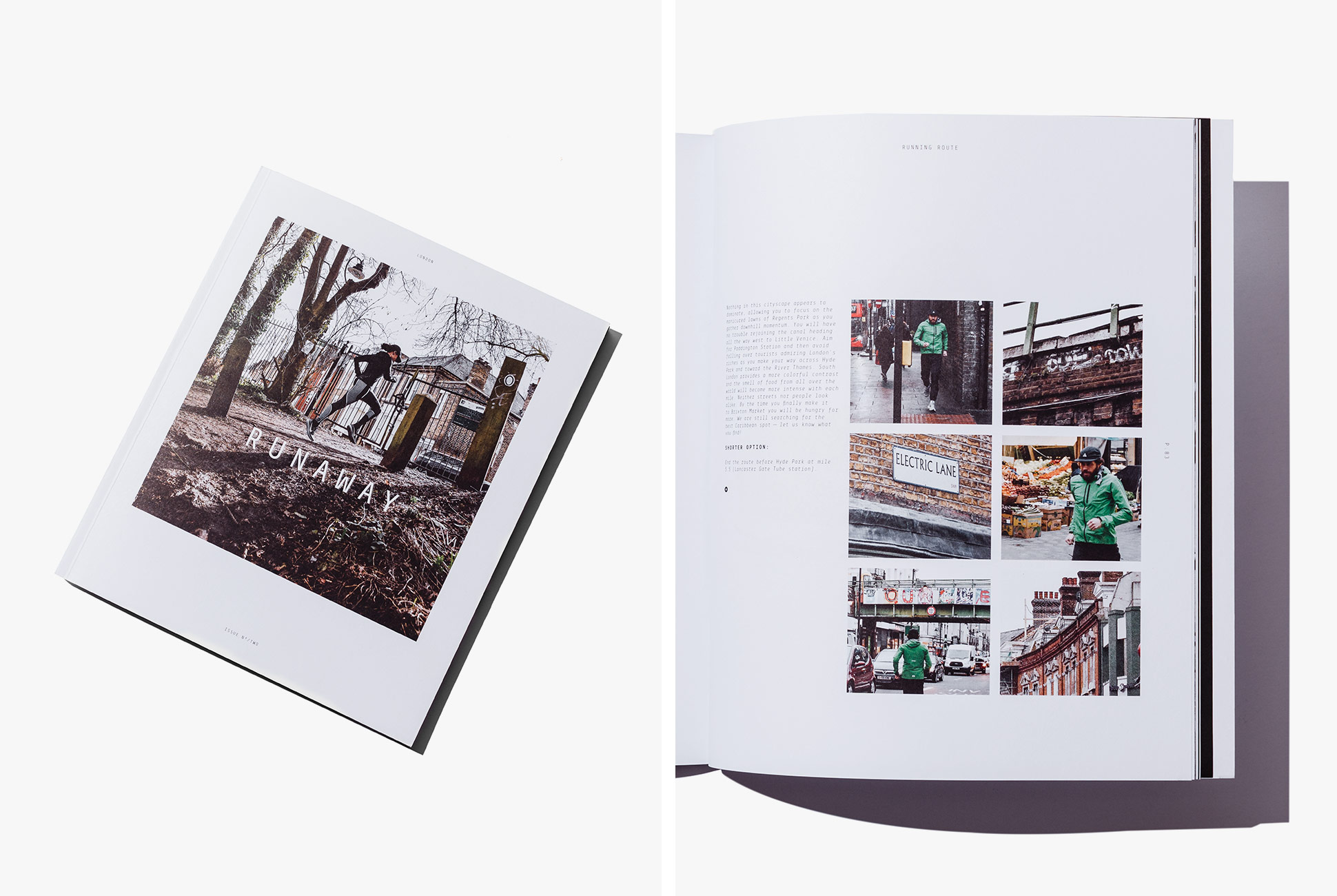
With every issue, Runaway highlights the running culture of a different city. Past editions have focused on locales such as London and New York and covered important personalities, popular races and the best running routes. They even shed light on the run crews that rule a particular city.

Racquet

Racquet, a quarterly bolstered by great design and classic imagery, tells the great stories of tennis that have taken place since the modern rules of the game were established over a century ago. The magazine features photo essays, long-form reads, even fiction. Even if you simply dabble in tennis, Racquet will teach you all you need to know about the heroes and iconic moments in the sport.

Good Sport

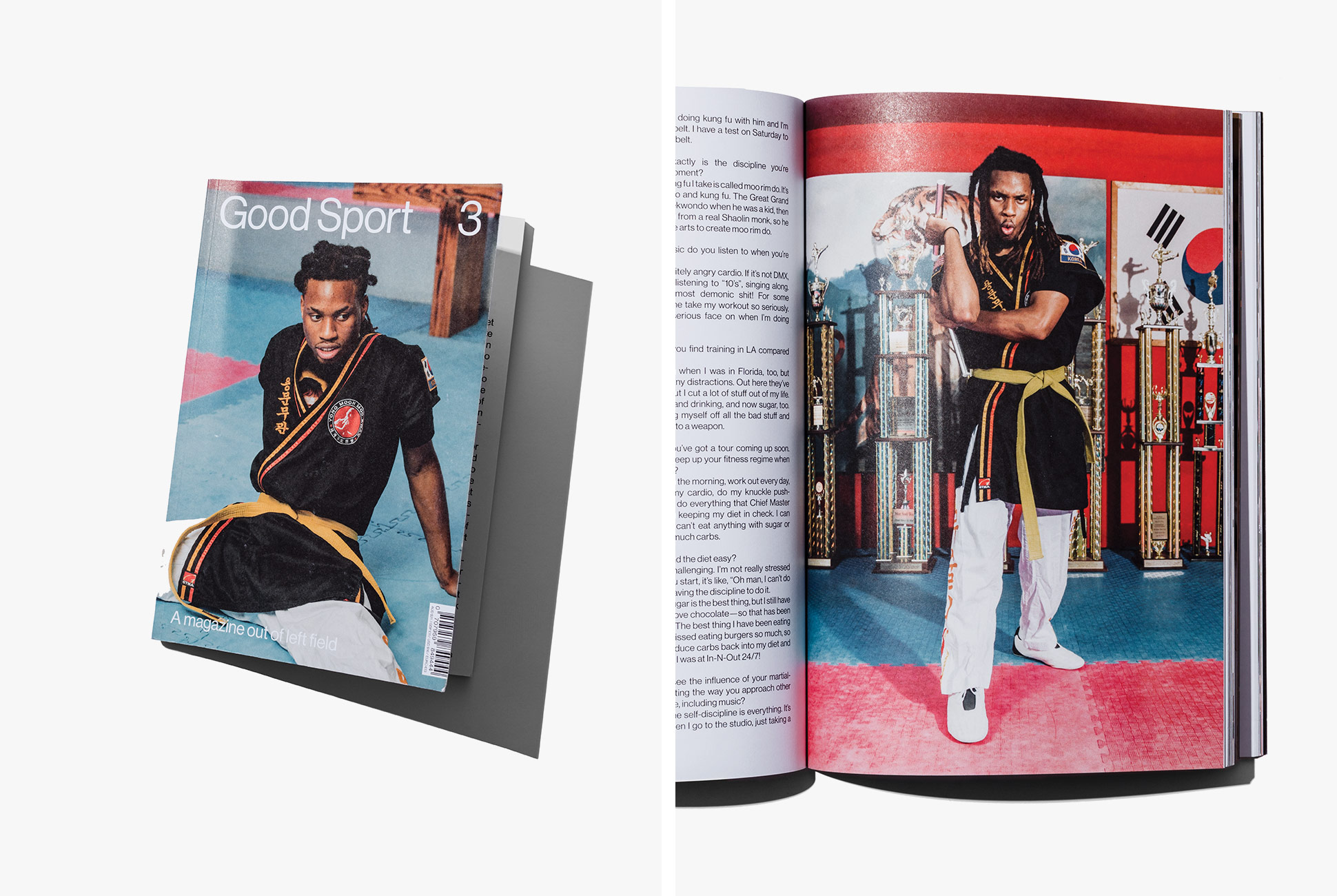
The self-described “magazine out of left field,” now in its third issue, explores what it means to be an athlete from a variety of vantage points. From big-wave surfing to playing cricket in Mumbai, the publication doesn’t discriminate in its coverage of sports and fitness; it hits all the high notes of talented individuals simply striving to be the best at their craft.

Polvere

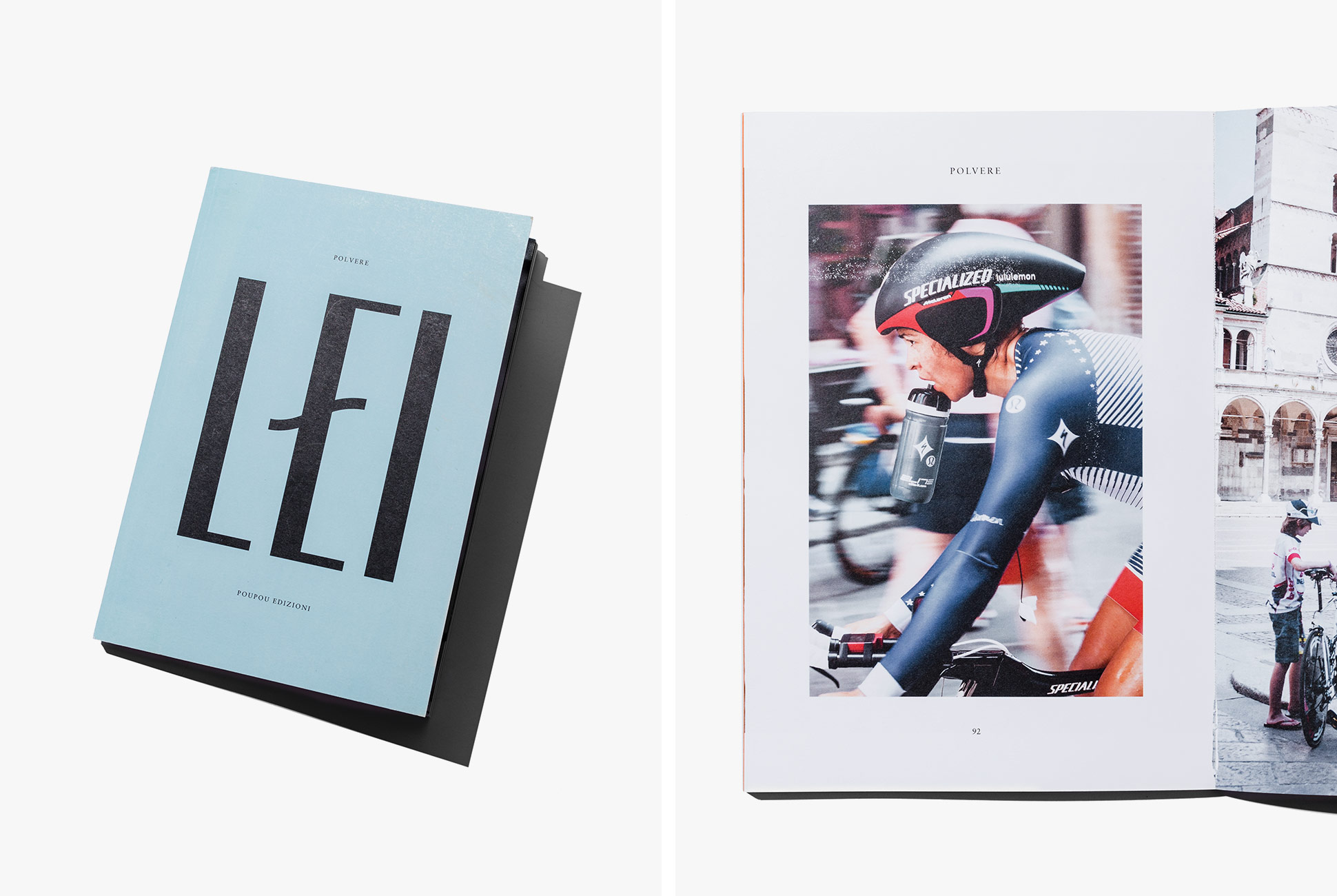
Polvere features a rich artistic design, with flashes of pink pages and hand-drawn maps of historic cycling towns. It’s printed in Italian, but you don’t need to understand it to enjoy the ride.

Athleta Magazine

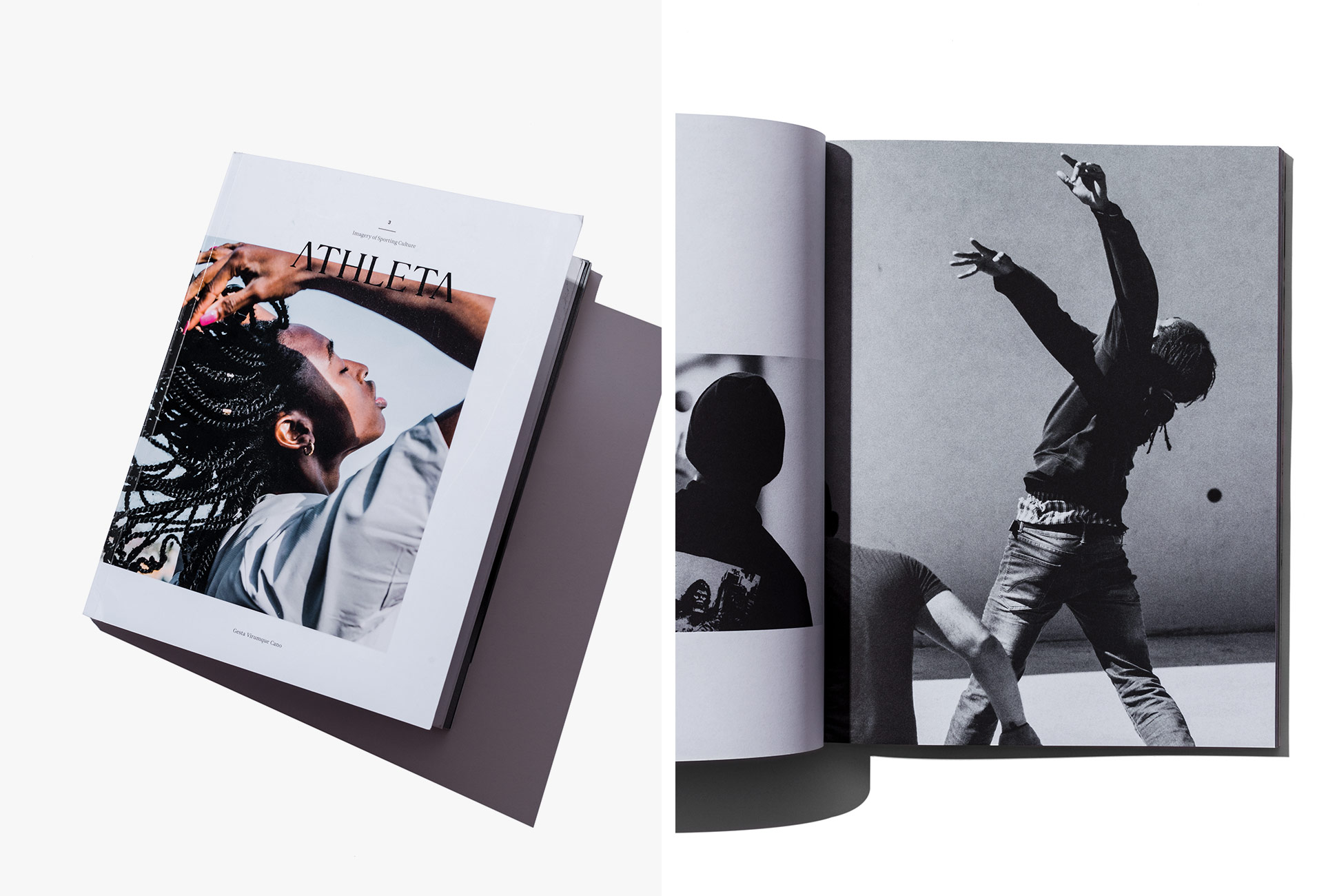
Athleta tells the stories of sports through photos that both amateur and competitive athletes can appreciate. It’s about triumphs and failures and knowing that giving it your all may not be enough.

Undo Ordinary

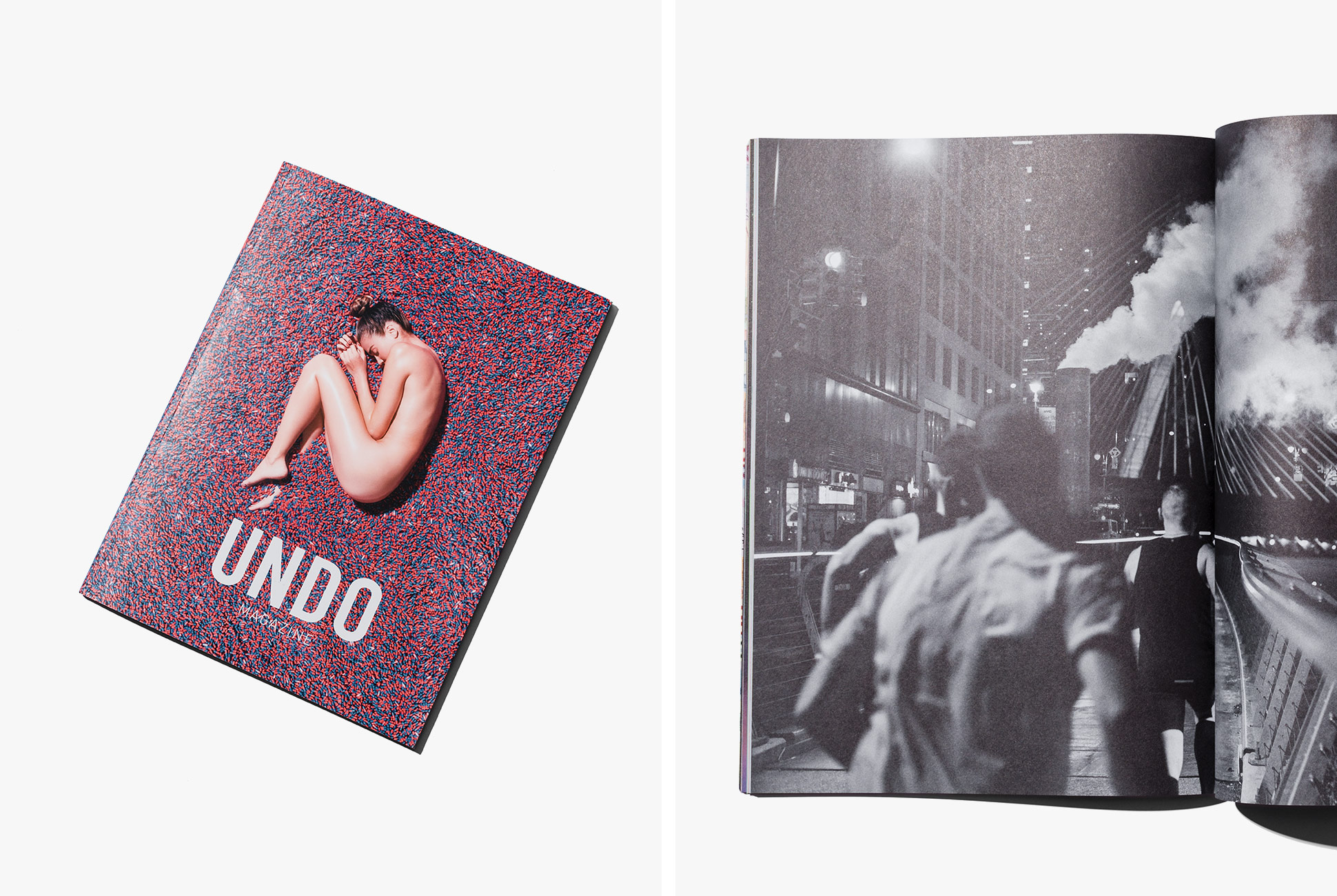
Fitness and wellness go hand in hand, and Undo Ordinary capitalizes on the intersection of the two. In the past, the magazine has presented coverage of training journals for triathletes, the stories behind fitness creators and all things fitness-adjacent: coffee, CBD, tonics and more.

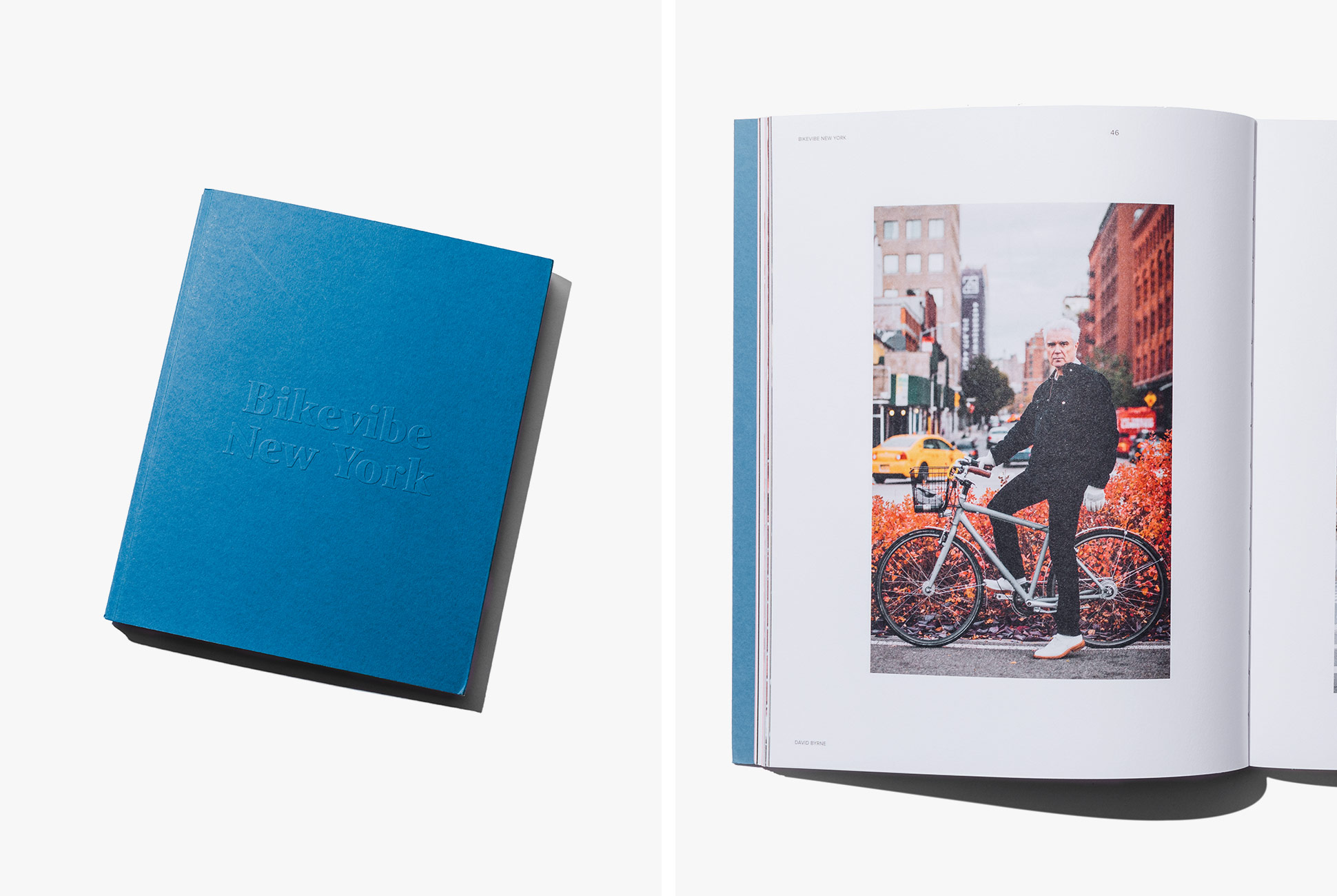
Bikevibe

This semiannual cycling journal celebrates cities and the riders who call them home. It has covered Milan, New York, London, Tokyo, Oslo and, most recently, Paris. Read about the roots of cycling and the diverse cultures in each of these urban meccas.

Read More in Gear Patrol Magazine

Note: Purchasing products through our links may earn us a portion of the sale, which supports our editorial team’s mission. Learn more here.

Mammut’s New Helmet Is the First of its Kind

The Magazine

Let us take you on a journey of the world. Each issue of the Gear Patrol Magazine comes packed with adventures, guides and stories exclusive to the magazine. Stunningly designed, printed on high quality stock and ready for your coffee table. Biannual. $39.

The Newsletter

Get GEAR PATROL in your inbox with the DISPATCH, including Today in Gear and all our new stories. Daily, 5pm. Free.

A New Lock Makes This Everyday Knife Even Better

The Magazine

Let us take you on a journey of the world. Each issue of the Gear Patrol Magazine comes packed with adventures, guides and stories exclusive to the magazine. Stunningly designed, printed on high quality stock and ready for your coffee table. Biannual. $39.

The Newsletter

Get GEAR PATROL in your inbox with the DISPATCH, including Today in Gear and all our new stories. Daily, 5pm. Free.

Icebreaker’s Latest Collaboration with Goldwin Is the Perfect Travel Attire

The Magazine

Let us take you on a journey of the world. Each issue of the Gear Patrol Magazine comes packed with adventures, guides and stories exclusive to the magazine. Stunningly designed, printed on high quality stock and ready for your coffee table. Biannual. $39.

The Newsletter

Get GEAR PATROL in your inbox with the DISPATCH, including Today in Gear and all our new stories. Daily, 5pm. Free.

How Best Made Co. Became More Than an Axe Company

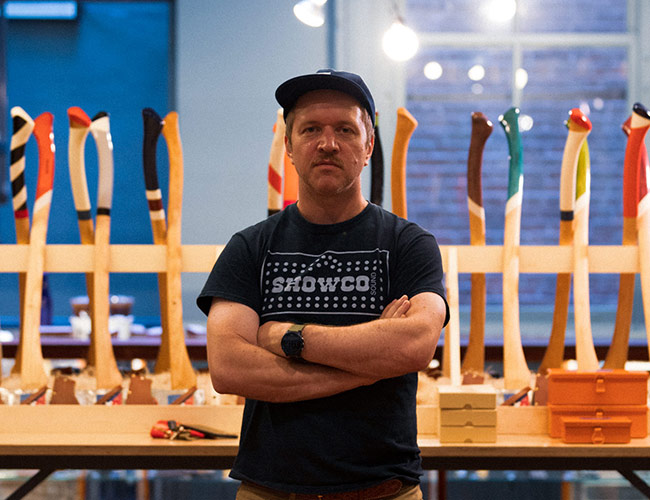
If you’re familiar with Best Made Co., it’s likely that you know its axes. They’re the big, two-handed ones made (proudly) in America of steel and hickory; the ones with the painted handles. They were the company’s first product back before Best Made was a company at all. Back then it was just a guy named Peter Buchanan-Smith who, despite a very successful career as a designer in New York City — a list of clients and bosses includes Isaac Mizrahi, David Byrne, Brian Eno and the band Wilco — felt stymied in 2009 by a freshly-tanked economy. Instead of spinning his wheels drumming up more work, he walked into his workshop and started to tinker.

Buchanan-Smith cobbled together a handful of objects, but the one that came out with the most flourish was the axe. “It’s something that’s powerful in every sense, literally and emotionally. It’s the oldest tool known to humankind; it’s this link to the millennia; it’s a tool that’s embedded in our DNA,” he says. It’d be easy to criticize this talk as overly romantic, and many have accused his axes of being pricey fodder for hipsters who might never swing them through a log, but there’s nothing in his voice or countenance that betrays any overindulgence in the thing he’s made. It’s still an axe.

Best Made has sold a lot of axes, but Buchanan-Smith never had any intention of creating an axe company. “It was to be the next great American outfitter-slash-lifestyle brand,” he says, an L.L.Bean for a contemporary lifestyle. From axes, he moved on to items like a first aid kit, a wool beanie and a Japanese-style hatchet. He describes the branching-out as filling in a blank periodic table of elements, where the axe is positioned in the upper left corner as atomic number one, the base for everything else to come.

The chart’s beginning to fill in. Today, Best Made Co. sells pocket knives, trousers, canvas totes, enamel cookware, thermometers and more — its website feels like the digital version of a dry goods supply. Then there are the limited-edition products that Best Made has created in collaboration with its new parent company, Bolt Threads, which is working to make synthetic spider silk a viable material for manufacturing. Spider silk is a Holy Grail of sorts that’s highly sought-after because of its strength to weight ratio; Bolt Threads has managed to make its faux arachnid thread, but the process is still complicated to bring to scale. For that reason, it’s only been used in very limited batches of Best Made products, starting with a spider silk version of its Cap of Courage beanie.

Best Made Co. achieves a high level of cohesion in such an array of items by being deliberate, and the word describes Buchanan-Smith. He genuinely wants to make the best things. Even the things that he carries in his pockets — a wallet, a pocket knife, a pen — are carefully considered and offer their own stories and insights. Story is important. It’s the basis for everything. It’s how he discovered the axe, and it guides a newly-reconsidered line of apparel; it’s the unbroken thread in Buchanan-Smith’s career as a designer and creator.

Photo: Best Made Co.

Q: How does story play a role in discovering new products? Is there always a focus on story?
A: Storytelling is not just a matter of romance, it’s really stories that speak to the function and the utility and our love of these products. The axe is such an incredible hero product in that sense, the history and the lore of it has so much to it, but it’s also what the customer does with the tool and the stories that they in turn create. I always felt like we’d sell an axe and we give it a name and that’s like the title of the book — from there it’s up to the customer to write the story and put that tool to good use.

Q: Say someone buys the axe just because it’s beautiful, to hang it above their mantle, and the tool becomes a decoration. Is that still a story?
A: Look, to me the perfect scenario is someone buys an axe, they go use it, then they take it home and put it on their mantle. But to be honest, we don’t all have time or the ability to be out there chopping wood all day. For me, the axe is also this really beautiful window into a place that we want to be, and that’s important. It’s always going to be there to be used and you never know when you’ll have to use it, and that in itself is reassuring. You can’t do that with a painting or a photograph.

Q: When you were expanding was there a reputation of the axe that you had to meet or grow beyond?
A: We became the axe guys very early on and there’s nothing I’m more proud of. Once we started releasing other products it quickly started to gel. That was so much of the impetus, to not be just a destination for axes but also for amazing content and stories. We weren’t living in the shadow of the axe; it was the perfect perch for us, this amazing first statement. “Best Made is here, here’s what we stand for.”

Q: Have you ever felt any stigma against the axe or the brand?
A: I think if you ask that of any brand there are people who like it and people who don’t. The axe is an evocative tool, there are people who actually think it’s scary. It’s a serious thing — this is a tool that you can hurt yourself with, it’s not for everyone. I think that’s an acceptable thing. The fact that we painted the axes attracted a fair share of critics but again, once we were able to build out that line and show the world that we had more to say that kind of put an end to it.

Q: Did that have an impact on you?
A: You want everyone, especially when you’re young and vulnerable as a company, to love your product. You realize that that’s an impossible proposition. It goes back to “be optimistic,” and one of the reasons I latched onto that spirit is that I’ve only got so much time and energy to put into this so I’m going to focus on the people that really appreciate it. That was an early lesson that’s remained very valuable.

Photo: Jarry Troung

Q: How have things changed with Best Made since expanding from one product into an entire store’s worth of goods?
A: I still think that the core tenants of the brand have not changed and that is a fundamental sign of success. I think that the business itself has changed dramatically, we’ve grown so much. To think that in less than ten years we have built a team of almost 40 strong, that we have stores in LA and in New York. We’re looking forward to this fall especially. We have our first truly cohesive line of apparel that’s firing on all cylinders. I’m talking about apparel that is as effective as the first tools that we released. Jackets that keep you dry and warm; we’re incorporating technology that can go head-to-head with the best of them, like Arc’teryx, Patagonia, The North Face.

Q: What about the changes in your role? You were literally building things in your workshop, what’s your role like now?
A: Before I started Best Made, I spent a lot of time working with people like Wilco or David Byrne or Maira Kalman or Isaac Mizrahi, helping them develop their brands. Stopping that and channeling all my energy into a tiny little workshop that started with 12 axes was, on the one hand, so refreshing and such a necessary step but on the other hand it was temporary and I always knew that. The goal was not to have a tiny axe workshop, it was to build an influential lifestyle brand. It’s not always easy to shed your hat, especially the ones that are most comfortable and that you’re used to wearing. For me the tradeoff is that I get to see more and more people around the world who are more and more devoted to and inspired by this thing that I’ve built.

Q: Quality is at the core of Best Made and its products. How do you define that word?
A: Quality is quite often in the details of whatever it is that you’re assessing. As with an axe that or a waterproof down parka, it’s when you pick that thing up and use it when quality speaks for itself. The voice of the brand, of the salesmen, that all flies out the window and quality becomes real.

Q: If utility is wrapped up in quality, how do you create it in items that aren’t tools, like apparel?
A: If an axe is not sharp you can’t cut wood, if a jacket isn’t waterproof you’re going to get wet. There’s fundamental utility that spans all of our products. The interesting thing about apparel is that there’s this, I don’t know what you call it, a comfort level; that feeling when you wake up in the morning and get dressed to go to work. Utility isn’t necessarily the thing that’s at the front of your mind, and instead, it’s what’s going to make you feel confident and comfortable. There are a lot of questions you may subconsciously be asking yourself as you prepare to go about your day. Even if it’s just a Best Made chambray shirt, I like to think we’re really equipping our customer with that sense of confidence. It goes back to quality — if you believe in the product that you buy, in the shirt that you’re wearing or the axe that you use, and you believe in these things because they are true quality, that’s inspiring, that’s a nice way to live your life.

Q: Is there a piece of apparel in the new line that’s analogous to the axe in its quality?
A: The Down Parka. That is as powerful a tool in a piece of apparel that we’ve ever created. I was recently down in Patagonia in the dead of winter — there was at least a foot of snow if not more, high winds — I couldn’t take that jacket off. It’s so incredibly warm but also what I appreciated about wearing it, often with garments that are really warm they demand something in return from you — they’re either really heavy or they’re itchy or they’re hard to get on and off. For a big parka this jacket is exceptionally light and it’s also waterproof.

Q: How do you think of the innovation happening at your parent company, Bolt Threads, next to something like the axe, which was mankind’s first tool?
A: Bolt is exceptionally innovative but they’re still working off of timeless things. Think of spider silk or mycelium — as a starting point it doesn’t get more timeless than that. It illustrates so much of a direction that we’re heading in: we’re not trying to reinvent the wheel; we’re working off of designs and functionalities that are truly timeless but we are improving them wherever we can with designs, materials, whatever. That’s where I see the future for us, a balance between something that is timeless and something that is foreign looking and innovative.

The One Thing Your Fitness Routine Is Missing? Sleep.

When Geraint Thomas packed his bags for the Tour de France this year, he didn’t just take a boatload of spandex. He also packed his pillow. How quaint.

It’s not news that the best athletes in the world spend just about every waking moment thinking about performance. Everything from what they eat to how they train and where they live can make the minute difference between sporting immortality and mediocrity. What we often don’t consider, is how the time they’re asleep might also make a difference. When every second counts, making the most of the 8-12 hours you’re in bed every night makes sense. That’s why Thomas packed his pillow (along with sheets and a mattress) on his way to winning the Tour de France.

Sleeping is, literally, the last thing many of us think about, and that is especially true when it comes to performance. But, as Suraj Achar, professor of Family Medicine at UC San Diego and practicing doctor of Sports Medicine told me, “Sleep is directly correlated with performance.” Whilst mere mortals might get by on six hours a night, Lebron James and Lionel Messi reportedly count on twice that. Not all of us can spend 50 percent of our lives napping, but we would probably perform better if we did.

A few hours of extra sleep might not have the entire Camp Nou singing your name, but it can make a huge difference in athletic performance. Research conducted at Stanford University shows that, when students on the Stanford University men’s varsity basketball team had a minimum goal of ten hours in bed each night, free throw and field goal percentages both increased by nine percent. They also decreased their 282-foot sprint time from 16.2 seconds to 15.5 seconds. Achar told us that a lack of sleep can result in increased reaction time, decreased sprint performance, decreased glycogen storage and a higher risk of injury. In studies on doctors working long shifts, staying up for 18 hours has shown similar detrimental impacts to being legally drunk. Multiple studies also show that a lack of sleep leads to poor diet choices and weight gain. In short, being tired is for losers.

Sleep benefits are not just short-term either. Achar described a “sleep debt” that can be built up over one or two weeks, resulting in a gradually decreasing performance. Over time, this sleep debt can result in higher rates of injury and decreased performance. Knowing this allowed the US Olympic team in Rio to book swimmers into two entire floors of a hotel where they could sleep until the late afternoon in order to recover from late races and post-race ceremonies that often had them in bed as late as 3 AM. This meant that over several days of competition their relative performance improved against their sleep-deprived competition.

Unhealthy sleep habits can also shorten careers. One survey showed that MLB players who got the least sleep were nearly half as likely as those who got the most to remain in the league over a five-year period. Combine this with the weight gain and likelihood of repetitive strain injuries associated with sleep deprivation, and you have a recipe for early retirement.

So, how can we manipulate sleep for performance gains?

It’s not just how much you sleep that makes a difference, but also when. We seem to peak in the late afternoon. When we wake, our bodies produce a surge of the stress hormone Cortisol (Achar told us this is why more cardiac incidents occur in the morning). After this, we become gradually more alert during the day before beginning to tire in the early evening and winding down for bed. Knowing this allows athletes to manipulate their sleep cycles to improve performance, it’s why west coast teams in the NBA, NFL and MLB all perform better than statistics would predict when playing evening games on the east coast. Players from western states are playing at what is, for their bodies, mid-afternoon whereas east coast natives lining up at eight at night are already past their peak for the day. MLB teams now use nap rooms to optimize the time from waking to walking out onto the pitch for a game.

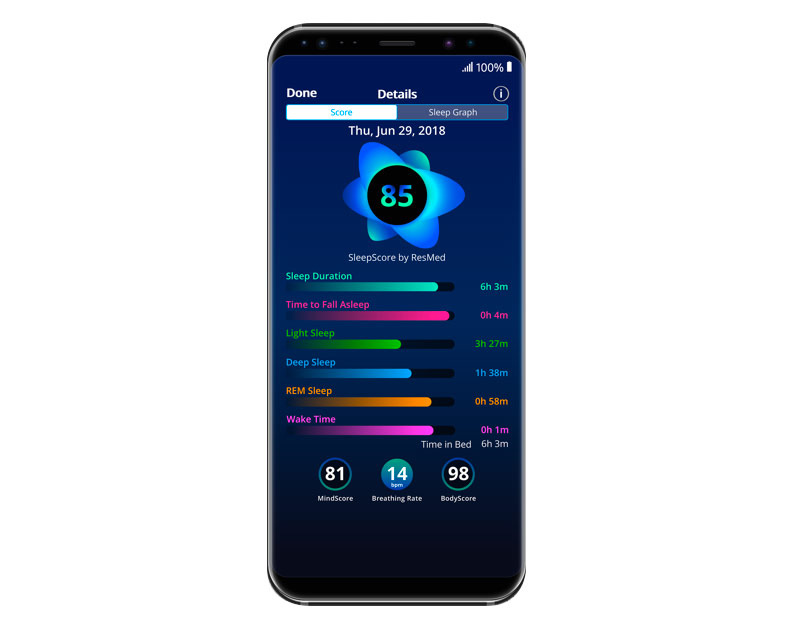
If sleep can make you faster, more skilled, less injury prone and smarter, it stands to reason that you’d want to get the best sleep possible. For many of us, habits are hard to break and we struggle to remember what a really good rest feels like. The problem, Dr. Roy Raymann, Resident Sleep Expert and Vice President of Sleep Science & Scientific Affairs at SleepScore Labs told me, is that that “you might think that you are on top of your game when you are actually being sleep deprived. In retrospect, it is like thinking you are able to drive a car after a couple of drinks. We counteract the signs of sleepiness by using lots of coffee and energy drinks.” It’s easy to deny that your sleep is problematic, indeed I never thought mine was, but in the never-ending search for improved mediocrity, I decided to make some changes of my own.

The most obvious sleep problem for many of us is setting aside enough time for sleep. Raymann suggests developing and sticking to a routine for this. I found that using smart plugs (but you could also do this with an old-fashioned timer) to schedule my television, wi-fi router and living room lights to shut off at 9 pm helped. This meant I had to make a real effort to “just watch another episode” of whatever I was binging on Netflix or, yet again, try to persuade someone’s uncle on Facebook that Pizzagate wasn’t real when I should have been in bed. I found that, even when I thought I wasn’t ready for bed, 30 minutes reading a (paper) book in my bedroom left me feeling relaxed and ready to sleep.

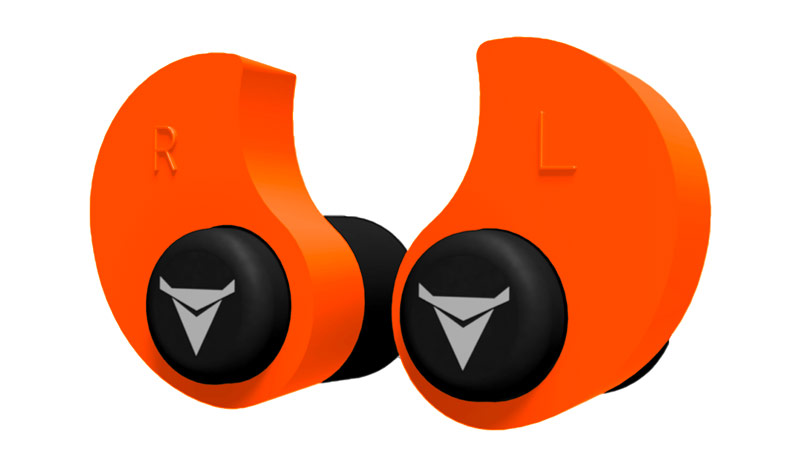
Not only should you try and be in bed by a certain time, but you should also limit your exposure to screens, alcohol and caffeine in the hours leading up to bedtime to ensure that the time you spend in bed results in the best quality rest. Achar explained that there are several stages of sleep, and that we do our best recovery in the deepest stages. The light and stimulation we get from the alerts and screens on our mobile devices can prevent us from sleeping deeply, especially if we charge them on our bedside tables. Unfortunately, consumption of alcohol or caffeine before bed, or really after noon, can also prevent the body from going into deep sleep cycles and inhibit recovery. Achar, therefore, suggests leaving your phone out of the bedroom, no caffeine after lunch, and some medically-sanctioned day drinking, for peak performance obviously.

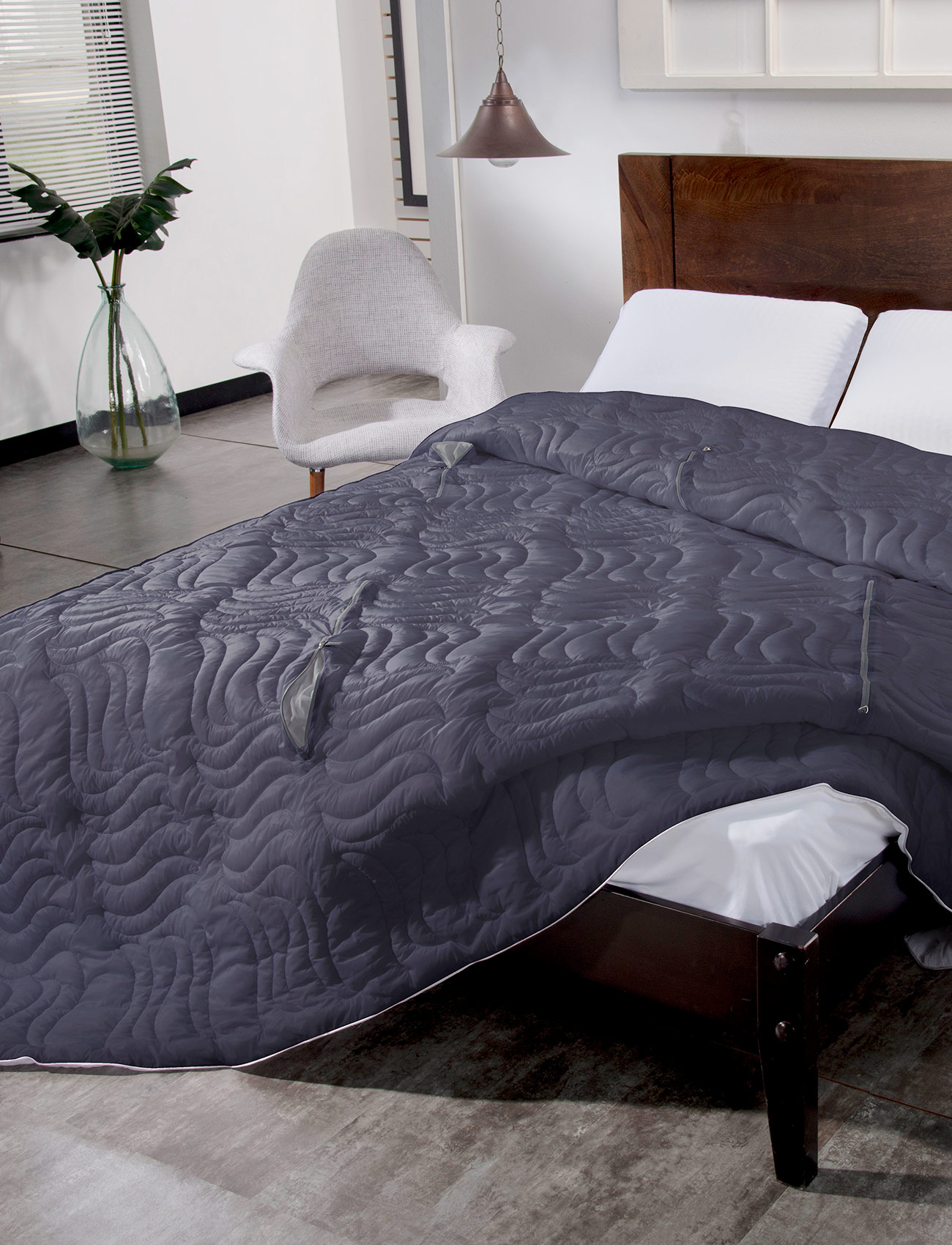
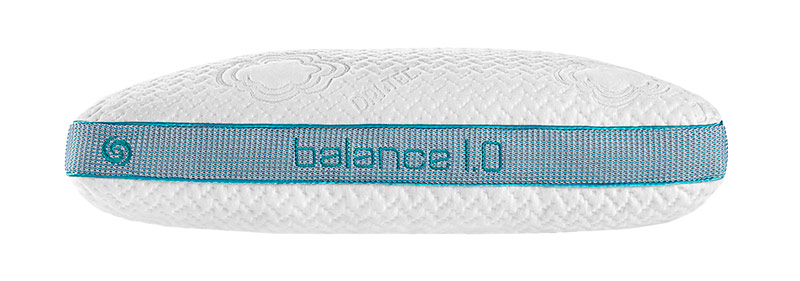
Finally, the sleep environment is important. If you are uncomfortable, overheating or poorly supported by your bedding, you will probably wake up in the night and not benefit from deeper sleep. Sleep scientist and Chief Innovation Office of Bedgear, Dr. Lorenzo Turicchia, says many athletes could benefit from improving their bedding. “If you have proper support and are not overheating, you are less likely to toss and turn, which allows your body to focus on recovering instead of trying to get comfortable.” He suggests a mattress and pillow designed to work together as well as sleeping in breathable fabrics that prevent overheating disrupting your rest. What you sleep on (think sheets) can make a difference as well. As a guideline, if you find you sleep better at hotels, it might be time to look at replacing your mattress or pillows.

Given the performance and health benefits of good sleep, it’s no surprise that dozens of sleep tracking devices have popped up to allow interested consumers to quantify their sleep as they do everything from food intake to steps taken. These broadly fall into three categories, cell phone apps, wearables and non-wearable devices. Non-wearables range from the equipment used in laboratories to simple under-mattress pads. They might work well if you only ever sleep at home, but I can’t see myself packing a magnetic undersheet on my next work trip when I’m already the sort of guy who has two toothbrushes so one never leaves his dopp kit.

Cell phone apps are certainly the cheapest option for sleep tracking, but none of the apps I tested yielded useful data. One was convinced I got out of bed 12 times at night. After a period of panic in which my partner and I both doubted our recollections of a perfectly normal night’s sleep, we managed to establish that this was my cat passing the sensor and not some kind of chronic somnambulance. One also has to make sure to turn on the app, which involves interacting with your phone right before bed, which is almost universally seen as a bad idea by experts.

I took Achar’s advice and left my phone charging outside of my bedroom and turned instead to a wearable device. If you’re looking to track sleep, it’s important to remember that any device you have to remove to charge isn’t going to be that useful. You’ll likely charge it at night, miss out on some data and end up giving up on the whole process.

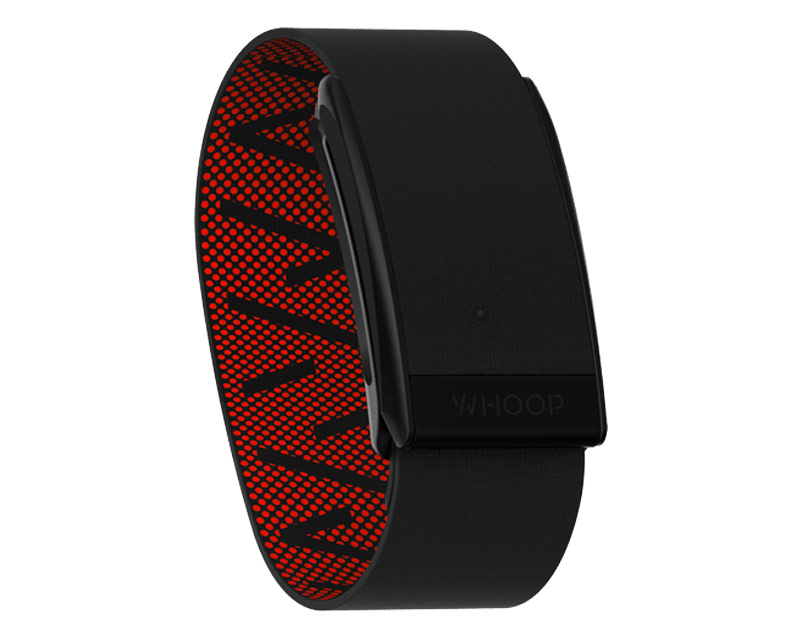
I turned to Whoop, a wearable device that doesn’t have a screen to disturb my rest, charges while you wear it and uses metrics like heart rate, heart rate variability and body temperature to establish the duration and quality of sleep. It also works as an exercise tracker, giving an estimate of a day’s stress on the body and recommending an appropriate amount of sleep. I found that I could correlate the results of my Whoop sleep score with my performance and, as I began to implement better sleep practices, both my “recovery score” on the app and my workouts did notably improve. Achar estimated that Whoop’s product is likely 80 percent as accurate as the equipment in his laboratory, but it can certainly point users in the right direction.

In my N-of-1 trial, I found it fascinating to look at how a couple of beers, or a dinner consumed too close to bedtime, disrupted my sleep, increased my heart rate and ultimately harmed my recovery. It’s not that I didn’t already know some of these things would happen, so much as that having a reminder the next day of why I was struggling in my workout reinforced the negative impact of poor sleep habits. I found that, when combined with a decent journal and the in-app questionnaire about sleep and diet, Whoop’s sleep analysis helped me do away with what had always been “mystery” bad days. It’s not that I didn’t have bad days, but at least I knew what caused them.

After a few weeks of my improved sleep protocol, I certainly feel that my recovery has improved, and I am just fine without my mid-afternoon espresso. I’ve even noticed myself making fewer sneaky trips to the fridge after dinner. Using the Whoop system to make myself more accountable for sleep and recovery seems to have allowed me to workout harder — although any potential attractiveness benefit that conveys may well be offset by my insistence on sleeping in a rather fetching patterned sleep mask.

Sleep isn’t really something we enjoy, but the results of sleeping well certainly are. The great thing about sleep is that it’s free and everyone can do it. In a market crowded with expensive supplements, extreme workouts and overpriced sneakers, the best thing you can do for your performance might be your pillow. So next time you’re looking to bag that local KOM, turn off your phone, stop checking your Strava and just go to sleep.

Kusa 160 by Cotopaxi $150

Custom-Molded Ear Plugs by Decibullz $26

Sleep Tracker by Whoop $30/month

SleepScore by SleepScore Labs Free

Pillow ID by BedGear $199

5 Things You Need to Bike Across the World

We plan our trips. Sometimes to a T, one that’s often lower-case and situated firmly at the end of the word detriment. One of the greatest joys of travel is the unknown, and it’s through the impromptu — a chance meeting, a wrong turn — that a trip becomes an adventure. Martin Doolaard agrees. He applies the philosophy to travels that extend beyond casual weekend trips too: between 2015 and 2016 Doolaard spent 365 days riding his bike from Amsterdam to Singapore, and he’s currently well over a year into another ride from Vancouver to Patagonia.

One would think that this type of expedition would have a pre-scheduled route, but Doolaard likes to keep things open-ended. “I have a vague idea of a route,” he says. “There is so much coming your way on such a journey that it is hard to plan. I like to make decisions last minute.” Doolaard learned the practice during his first trip from Europe to Asia, which he planned to end in China but as he arrived at the Kyrgyzstan-China border decided to extend through India, and Southeast Asia down to Singapore.

Doolaard’s second big ride has already seen some equally-considerable itinerary changes. His original plan was actually to start in the Florida Keys and bike clockwise around the United States. “Quite last minute I made the call to fly to Vancouver. I was finishing some freelance jobs in Amsterdam and some other jobs I could do from Vancouver, so that’s how the idea grew to cycle from there,” says Doolaard. Extending the ride into the Southern Hemisphere seems just as spontaneous. “I had never visited Central or South America. Vancouver to Patagonia seemed like a logical straight line to do another big transcontinental journey.”

Equally crucial to Doolaard’s approach is going by bike. The primary reason for this? Bikes are slow. “While others would say that traveling faster would bring you to more destinations, I believed that in between two destinations are 20 more to explore,” he writes in One Year on a Bike, the photo-heavy chronicle of his first journey. Riding a bike does come with more hardships than planes and buses (“Cycling uphill with a 50-kilogram bike will always be a big struggle,” he says) but Doolaard also notes inverse moments of zen: “There’s nothing better than starting a downhill with a heated body and letting the wind cool the sweat on your back. It’s a glorious feeling which you will never have in a car.”

Naturally, riding a bike thousands of miles through regions that are often remote means that Doolaard has to be self-sufficient for days on end, and that means carrying a lot of gear. The list includes clothing, toiletries, a tent, sleeping bag, sleeping pad, cooking equipment, a full kit of photography equipment and accessories as well as the small necessities like a spork, a notebook and a knife. Some items become more vital than others, and Doolaard let us know — from somewhere on the road between Costa Rica and Colombia — which things those are.

Learn more about Doolaard’s journey and follow along at his website and on Instagram.

Martijn Doolaard’s Favorite Gear

iPhone 8

I can’t imagine traveling without a smartphone. I use it to communicate and view maps every hour of the day. I use an iPhone 8, but any other smartphone will do the job. It’s more the specific apps that are important. I use Google Maps for maps, but also to check out reviews of hotels, restaurants, activities and sights. For navigation I use Maps.me. It uses pre-downloaded maps, so it’s good for offline use. Most of the time I have internet via local sim cards, but cellular connectivity drains the battery of the phone so I like to shut the internet off as much as possible. MapOut is another that I use to check altitude in great detail. Then there are of course a number of social apps to stay connected with the world.

Panasonic Lumix GH5

Photography is an important part of my journey. It’s how I tell my story. I use a Panasonic Lumix GH5. It’s a professional lightweight camera with interchangeable lenses. I carry four lenses of different focal lengths. I like this camera because it’s great with video as well as stills, and the timelapse function comes in very handy to make selfies — I can put my camera on a tripod on a mountaintop and photograph myself cycling through a valley.

Macbook Pro 15″ (Retina, 2012)

My trusty Macbook has been shaken and stirred for about 30,000 kilometers of cycling around the globe and it still performs well. I use it to edit my photos, write stories, read about new places, prepare routes and alongside my iPhone, it’s my main tool to stay connected.

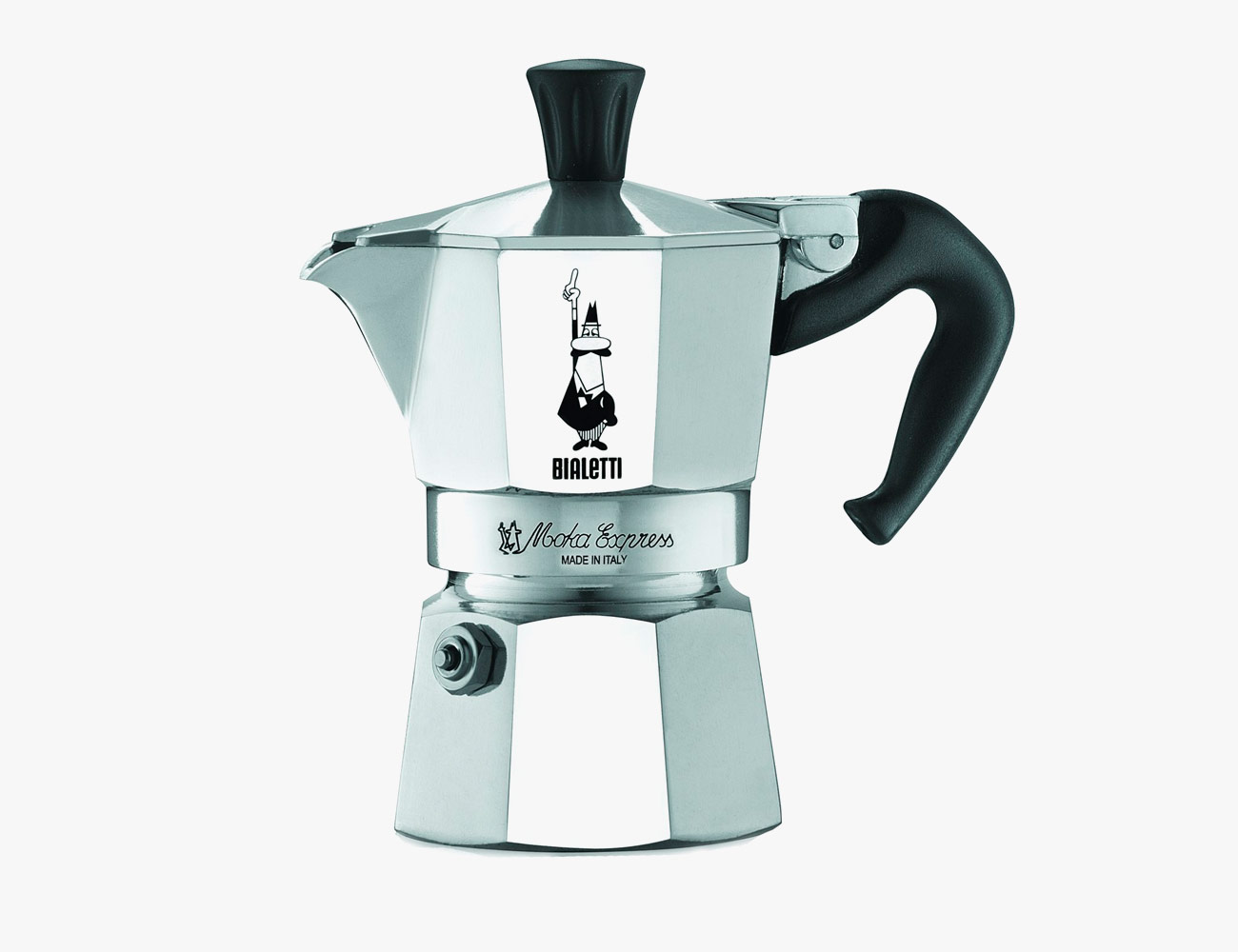
Bialetti Moka Express 1-Cup Espresso Maker

Consistently good coffee at any moment of the day — it keeps me going, whether I’m in a motel or camping somewhere.

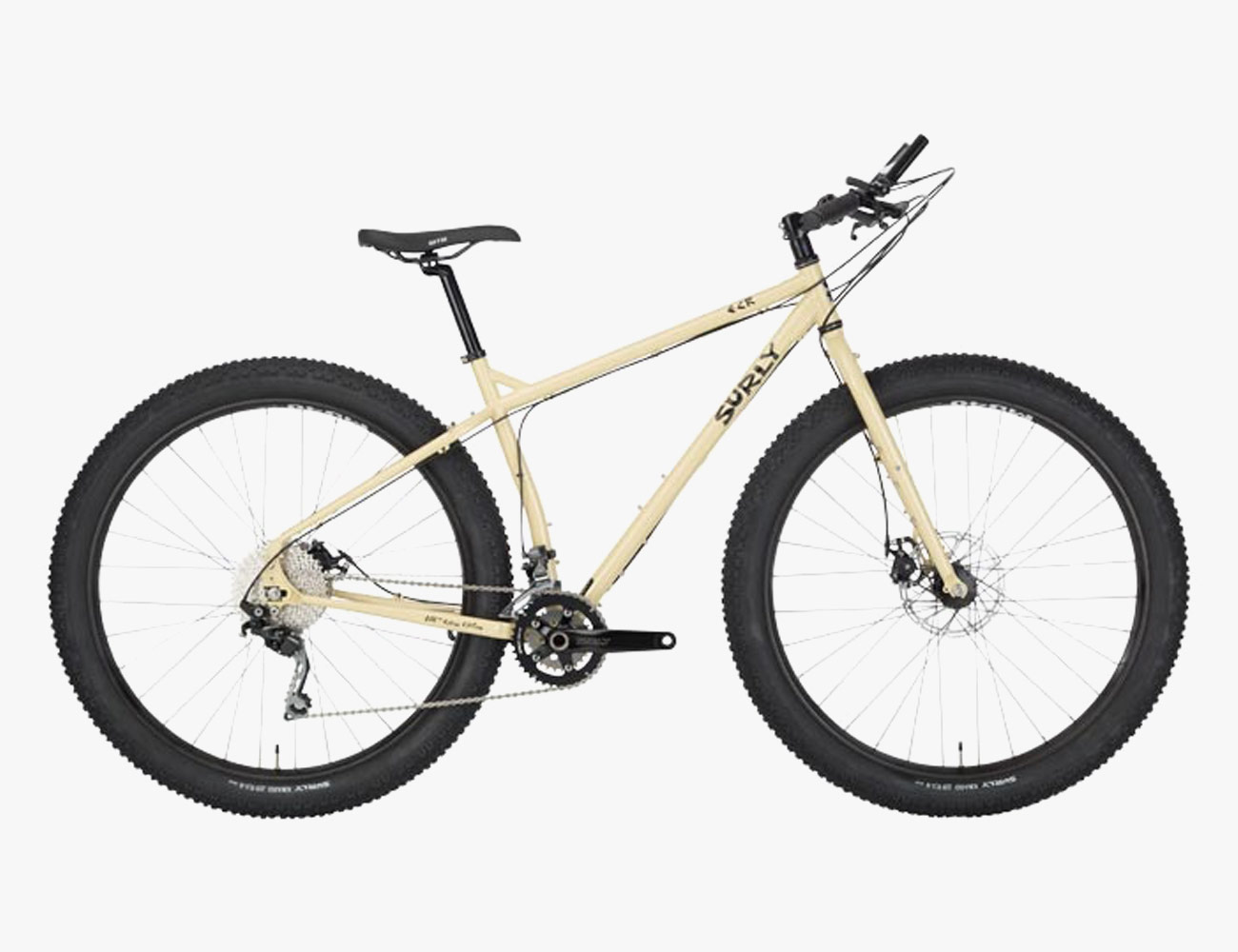
Surly ECR

Obviously, the bicycle is the central piece that carries everything and it’s very important to have a bike that fits you properly. The Surly ECR is a steel frame, heavy-duty off-road bike. It’s built to resist and carefully tailored to fit all my gear. My camera is stored in the handlebar bag in front of me. I can take it out and shoot a picture, while cycling.

The World’s Greatest Mountaineers Share Their Most Cherished Pieces of Gear

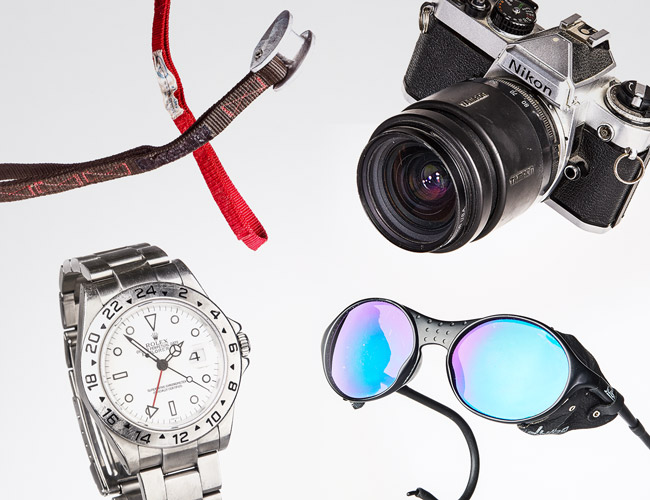
Jimmy Chin’s first-ever film camera, Melissa Arnot’s bag of blessed rice, Ed Viestur’s Rolex watch and more. Read the Story
Note: Purchasing products through our links may earn us a portion of the sale, which supports our editorial team’s mission. Learn more here.

The Best Hiking Pants of 2018

If you’re still wearing jeans to hike, it’s time to upgrade your hiking attire. They may work for some short day hikes, but if you’re ready to tackle a 14-er or one of the 46 peaks in the Adirondacks, you’re going to need something that can handle the constant motion and rigors of hiking. It’s not that hard to imagine — you wake up at the crack of dawn to brew coffee and heat up a bagel with some butter before filling up all your water bottles and hopping in the car to drive to your point of takeoff. It’s cold enough that you need a little bit of heat to warm up the car, but not so cold where you’re melting the frost off your windshield. The leaves are all vibrant in color — rusty reds, golden yellows and Hi-C-like orange. You park the car, throw a backpack over your shoulders and start walking up. About a mile in, you’re starting to warm up and feeling like your denim bottoms weren’t the smartest choice. While they hide sweat, they’re certainly not breathable. We’ll stop there (we could continue to criticize the use of denim while hiking) and show you four of the best hiking pants out there so you are always prepared. Each is lightweight, extremely durable and packs up small so you can toss them in any overnight bag.

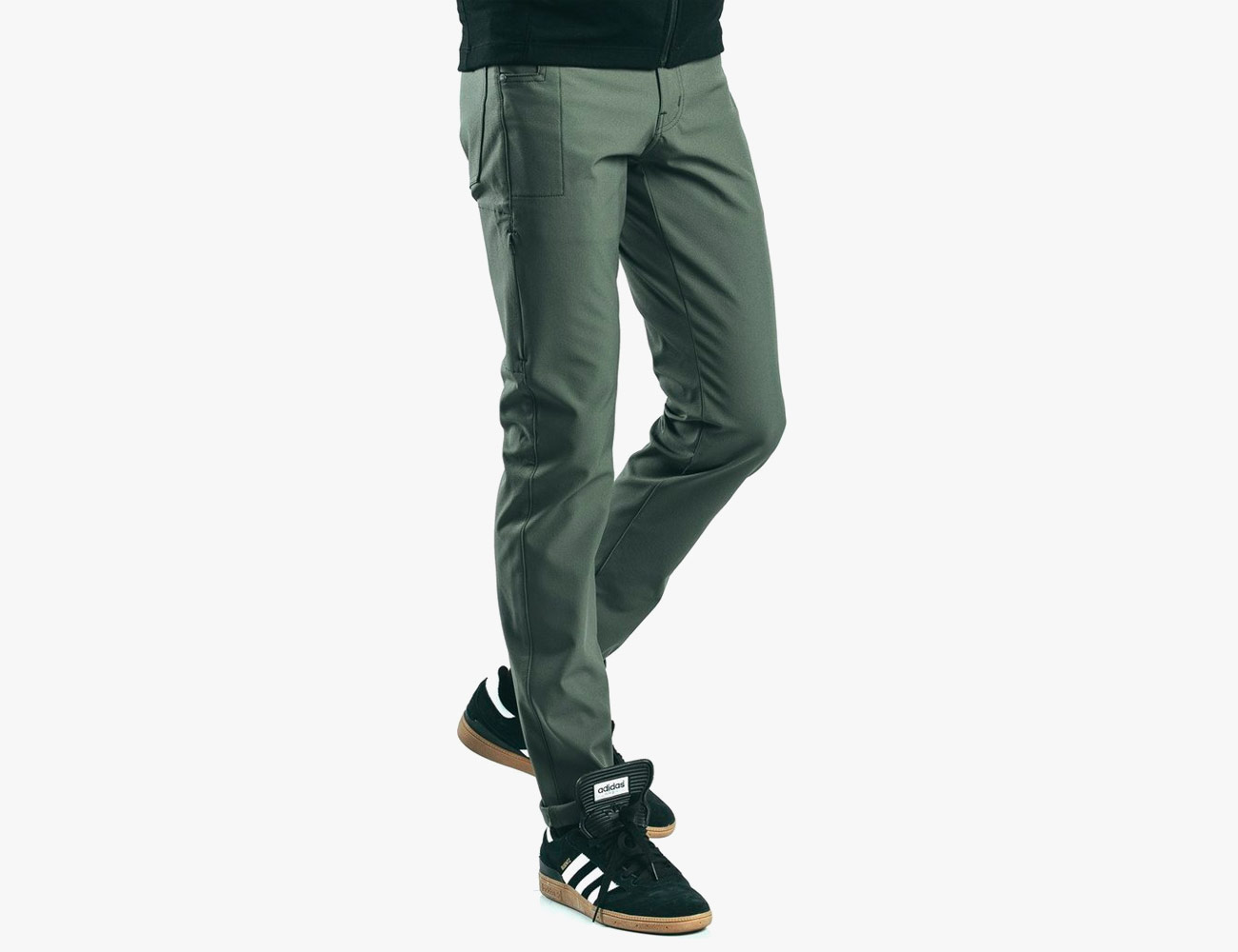
Mission Workshop The Signal Pant

Yes, for $225 you could buy a new pair of nice leather boots, or a gym membership for two months, but hear us out. The Signal pant is one of our editor’s favorite travel pants because of its ability to perform in both frigid and hot temperatures, fit well and look great, which is ideal for hiking. The military-spec nylon is stretchy and durable, so you don’t have to worry about getting caught on rocks or carabiners or sticks. The YKK zippers and water-repellent finish keep your EDC and trail map safe. Did we mention the pants are guaranteed forever? That’s a pretty solid bargain. $225 and you might never have to buy a pair of pants again.

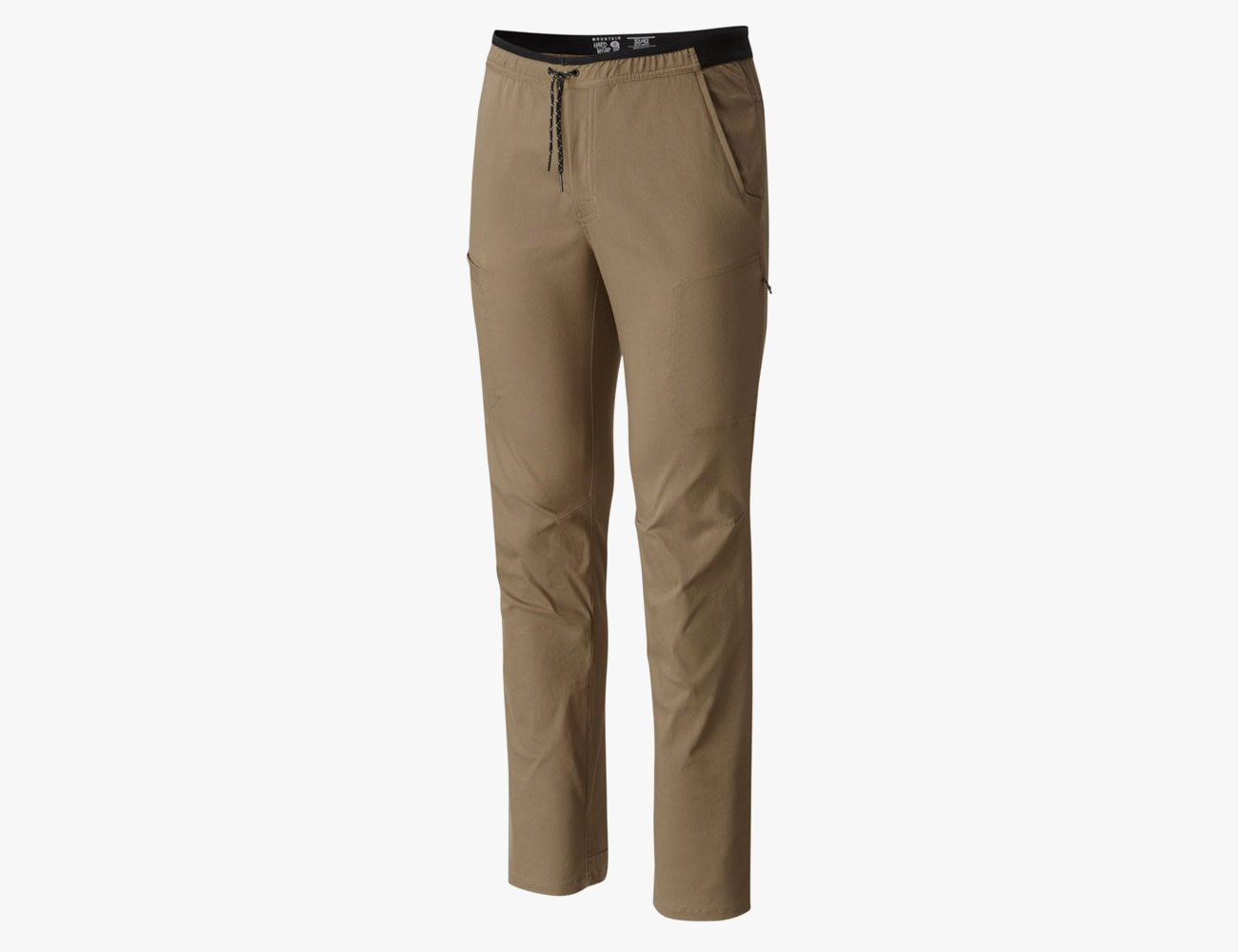
Mountain Hardwear AP Scrambler Pant

At just 7.2 ounces, these pants weigh less than some pairs of stability sneakers, and are likely lighter than your hiking boots. The pants are made from stretch cotton nylon sanded canvas and have a 32-inch inseam. Store keys and valuables in your back pockets with snap closures, or maybe just the chapstick you don’t want to lose. People love the waistband, which doesn’t require a belt, thanks to the elastic band and drawstring front closure. Performance stretch means you can tackle any trail or climb up to 5.15 — if you’re really feeling it. If you shop today, you can save up to $45 off the original $85 price tag.

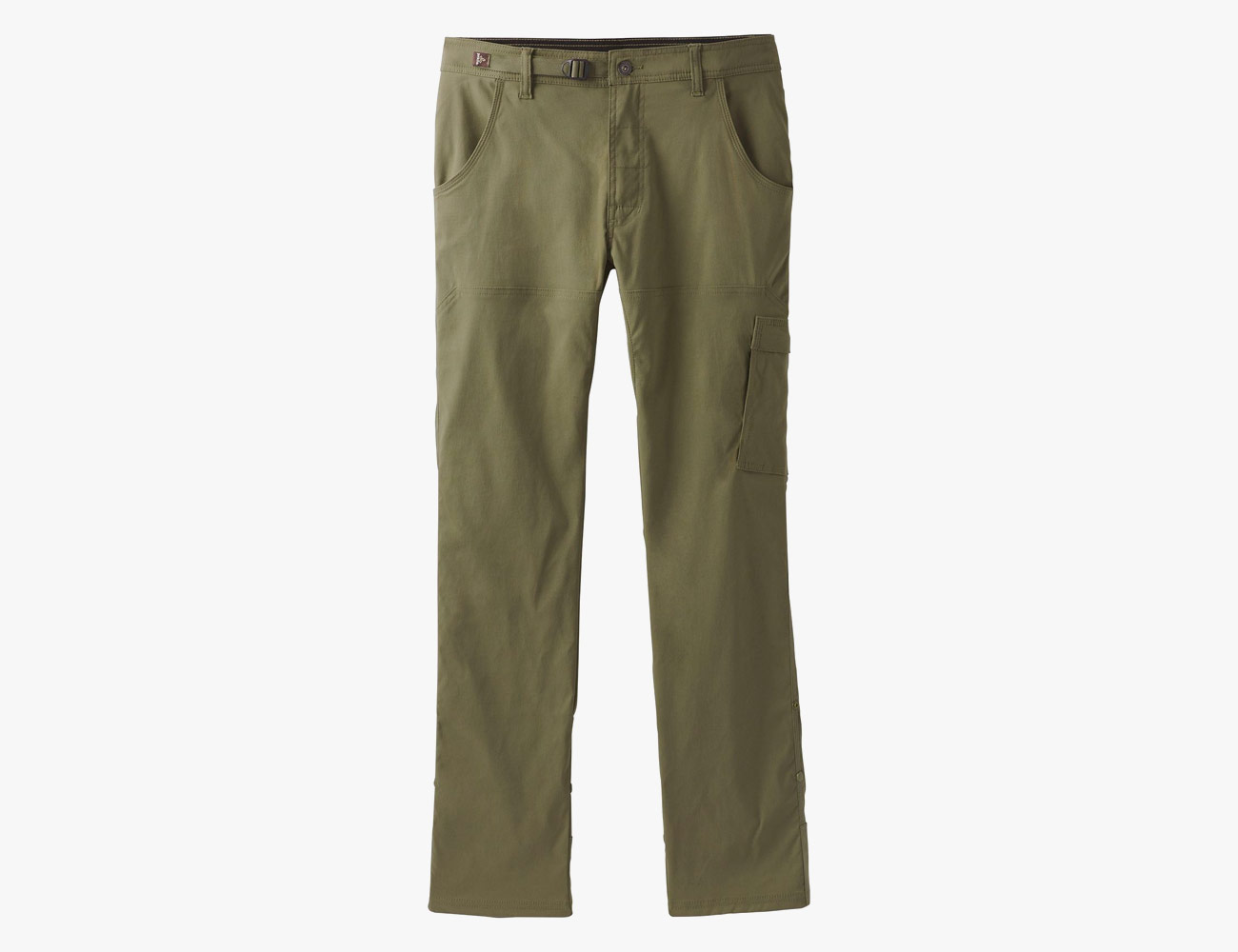
Prana Stretch Zion Straight

With three inseam options– 30, 32 and 34– the Stretch Zion Straight is one of the most personalized pants on this list. With abrasion-resistance and a DWR finish, you can take these through rainstorms and back. It’s also UPF 50+, so the higher the altitude and the closer you are to the sun, the more the protection comes in handy. The mesh pockets, straight fit and adjustable waistband make these slim-fitting pants rather flattering. Choose from four colors: cargo green, a deep yellow, charcoal and a khaki.

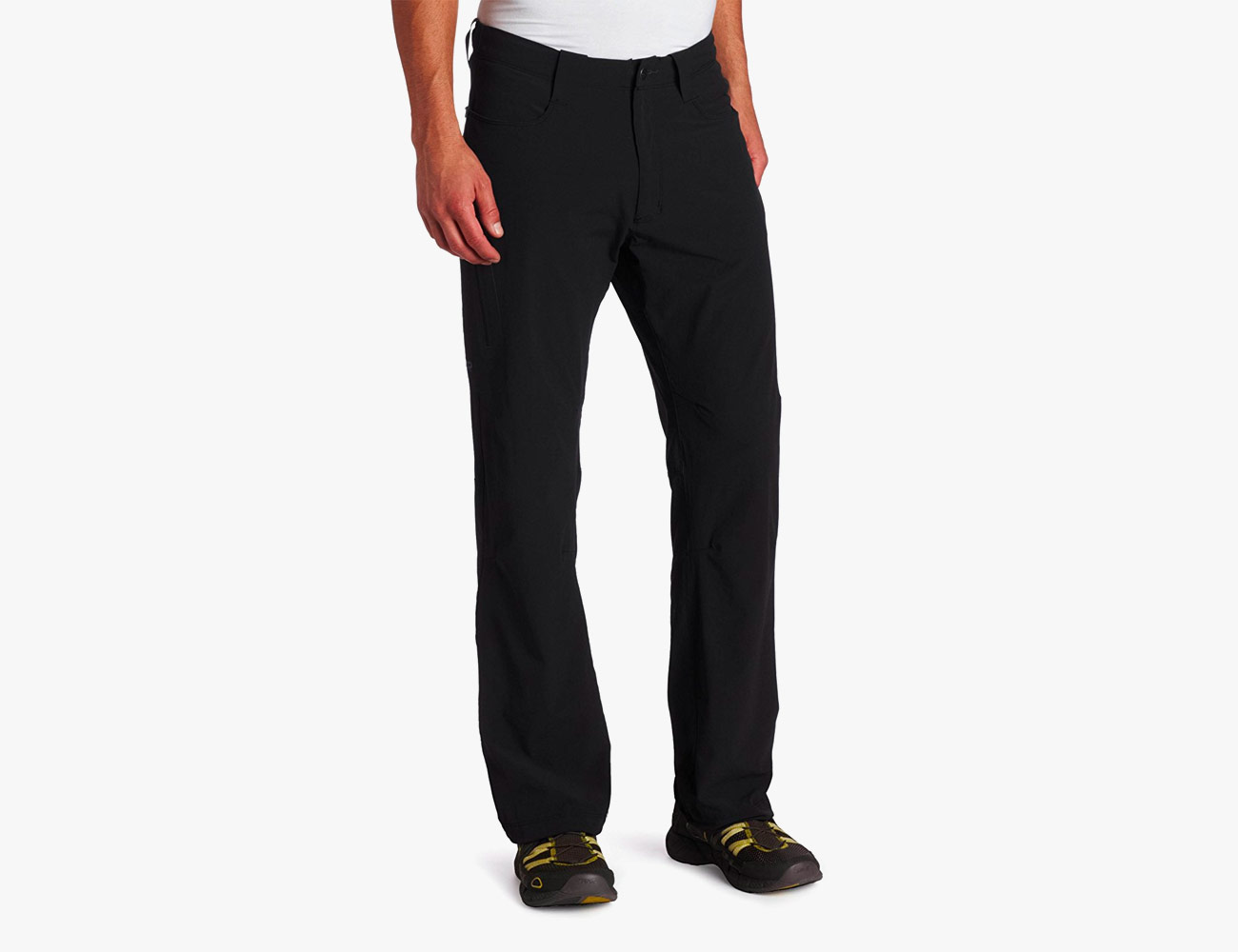
Outdoor Research Ferrosi

Ron Gregg was an intense adventurer who knew he could improve outdoor gear, making it easier for everyone to attempt incredible excursions. As the founder of Outdoor Research, he passed that passion down to his employees who continue his legacy. The Ferrosi pant is one of those simple apparel items that OR tweaked and changed for the better. Water and wind-resistant, quick-drying and breathable, these pants are everything you want in a bottom layer that’s built to tackle your endeavors with you. The low-profile waistline is designed to sit underneath your harness so that it doesn’t get in the way. There are also drawcord ankle adjustments if you want to fit these around your hiking boots, or need to lift them up to keep your legs dry as you wade through puddles and mud.

The Rise of Virtual Fitness

Picture, if you can, standing in front of a body-length mirror in your living room, suited up in workout clothes, with a sweat towel and water bottle close at hand. At a pre-determined time, you switch on the mirror, and see a trainer standing there in front of you, as if she’s in your living room, too. She greets you, introduces herself, outlines the yoga class ahead and then launches into some warm-up poses. With its full-size LCD display and surround-sound speakers, the high-tech Mirror seems to have brought the group fitness experience home. But it’s only when she critiques your downward-facing dog form — a camera and microphone allow her to see and hear you, too — that it feels super authentic.

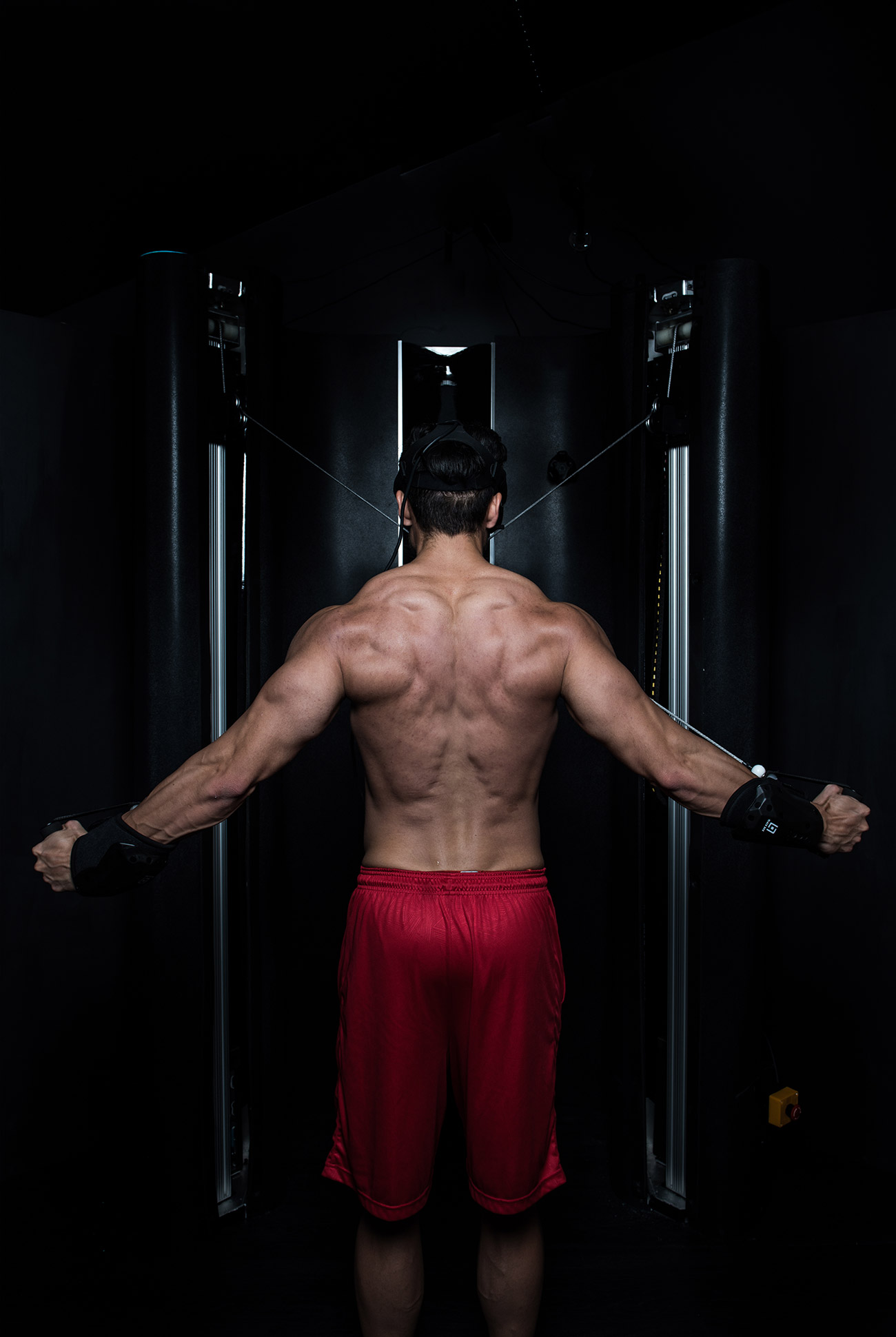
Welcome to the brave new world of virtual fitness, where you can tap into the energy and expertise of top-notch trainers without setting foot inside a gym and where, believe it or not, exercise is actually fun. One of the fastest growing segments of the booming fitness industry, it includes everything from slick smartphone apps with on-demand HIIT classes to boutique gyms where VR-equipped cable resistance warriors descend Matrix-style into a virtual world to fling fireballs at oncoming monsters. And, with thousands of gyms getting onboard and venture capital pouring into the companies producing it, it’s being hyped as the biggest fitness trend of 2018. Soon it will be so ubiquitous, they say, that no matter where you fall on the spectrum — from group class groupie to committed couch potato — you’re likely to be engaging in it within a couple of years.

Just as there are two ends of the fitness spectrum, there are two main approaches to virtual fitness that are likely to appeal to opposite ends of that spectrum. On the more traditional side — for those already committed to a fit lifestyle — gyms and equipment manufacturers are racing to make group fitness classes and personal trainers available to their clients anytime, anywhere via on-demand apps and remote classes filmed live inside the gym. On the sci-fi sounding side — for people who just can’t abide the self-torture of exercise — new companies are harnessing VR technology to, more or less, turn it into a game. Both approaches take advantage of the fact that 1) Americans are currently obsessed with fitness, 2) we’re not very good at it and, finally, 3) technology, our favorite salve, has advanced far enough that, we hope, we might just be able to cure our fatness for good.

Outside of the Box

There’s nothing new about taking group fitness home; in fact, it’s an idea that traces its roots back to those early 1980s fitness tapes featuring the likes of Jane Fonda and Kathy Smith. It makes sense, too, since there are plenty of reasons — busy schedules, tight budgets and social anxiety, among them — that people have trouble sticking to a strictly gym-based regimen. In recent years, most of the new developments in this space have been on YouTube or smartphone-based apps that compete with traditional gyms.

What’s changing now, though, is that the clubs themselves are getting in on the act, and in a big way. More than 12,000 fitness clubs globally offer their clients a virtual option — either an app with pre-recorded classes on-demand, live-streamed classes or a cinematic digital fitness studio where members can exercise together to pre-recorded classes — a number that represents 300 percent growth in the past few years and is expected to double again by 2020. And, contrary to what you’d think, these offerings actually bolster live class participation, according to new research by Les Mills. The New Zealand-based digital fitness juggernaut says that 75 percent of virtual fitness users also attend live classes, and clubs that run virtual workouts see a 12 percent average increase in live class attendance. Further research from Wexer found that 52 percent of virtual users visit the gym at least three times a week, and they tend to stay longer than other members.

The upshot is that the likes of Gold’s and Crunch (and countless others) are now offering their own digital training apps, each of which comes with a $10/month additional subscription fee. “It provides a seamless experience,” Fitness Industry Technology Council President Brian O’Rourke told IHRSA. “Members can do exactly the same classes they enjoy at the club. They have access to classes they wouldn’t be able to find online. With the live-streamed classes, there also can be specific interaction with, and shout-outs to, members working out at home.” The next frontier, he adds — and the next new revenue stream — for health clubs is digital memberships, where far-flung members pay a monthly fee to “attend” high-quality group exercise classes.

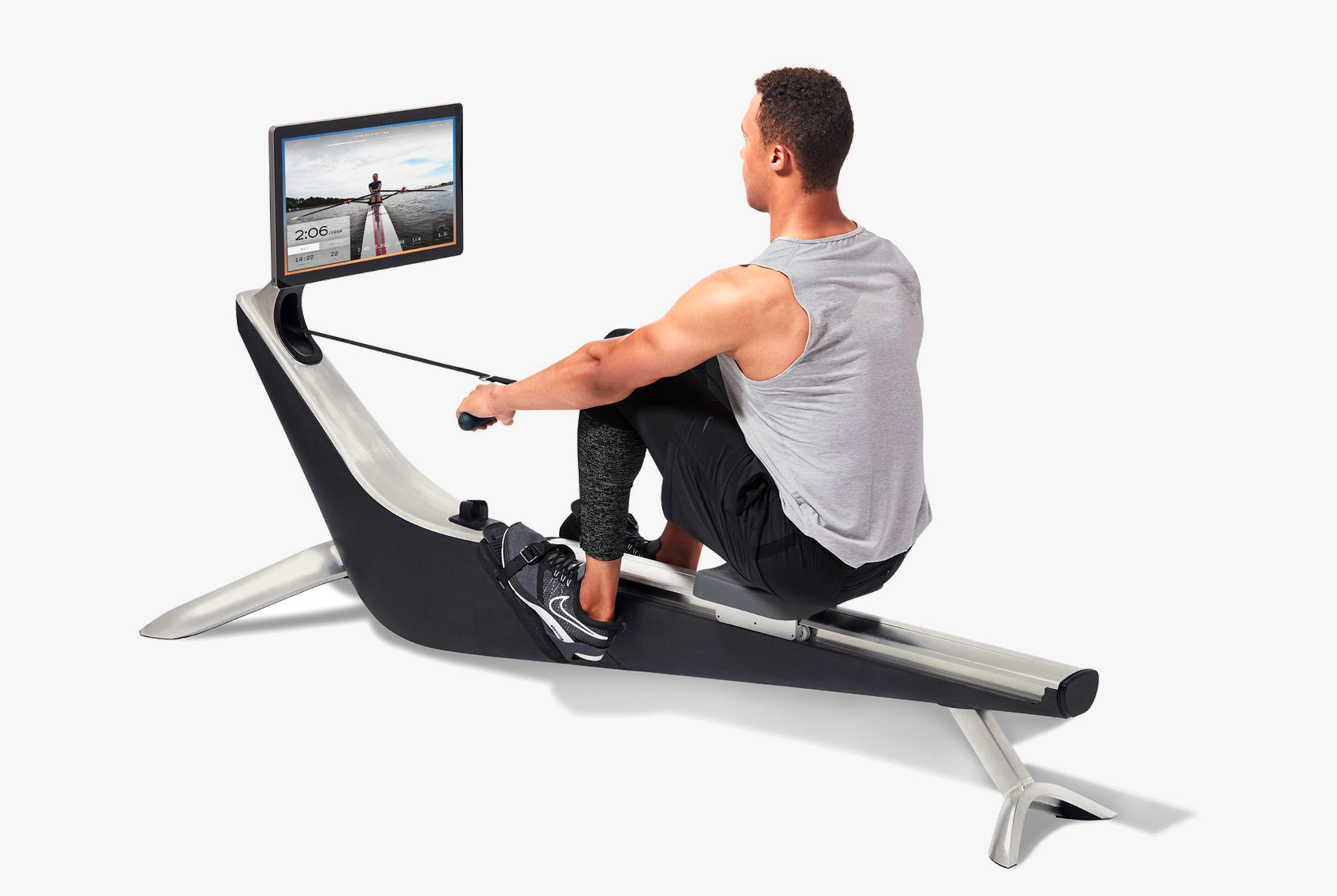
Bridging the gap between club-based virtual fitness classes and VR fitness games are the growing number of companies like Peloton — Flywheel and True Rowing are two relatively new arrivals to the space — that sell pricey stationary bikes ($2,000), treadmills ($4,000) and rowing machines ($2,000) that can mimic the outdoor experience in your living room, or stream meticulously produced live and on-demand classes to their built-in displays.

Gym Class Hero

At this year’s CES, a company called Black Box VR made waves, landing a coveted CES Innovation Award, with the world’s first fully automated cable resistance machine that integrates virtual reality. The idea behind the machine, which will soon be making its debut in a boutique Black Box gym in San Francisco, is to disguise exercise as an immersive game inside a virtual world, where you’re the hero, flinging fireballs at monsters. The point, in other words, is to make fitness fun. In an interview with JWT Intelligence, Black Box co-founder Ryan DeLuca summed it up succinctly: “Video games make you sacrifice your health, but you want to keep playing,” he said. “Fitness is good for your health, but it’s so boring that even the best fitness athletes in the world would stop.”

And Black Box, for its part, isn’t alone. In fact, there are so many VR fitness games coming online these days that an independent monitoring group, the Virtual Reality Institute of Health & Exercise, has sprung up to measure each game’s calorie impact on the human body and release objective ratings based on their findings. Their ratings to date range from 2.26 calories/minute (a “Walking Equivalent”) on a thriller of a game called “Job Simulator” to 15.32 calories/minute (a “Sprinting Equivalent”) for “Thrill of the Fight,” an intense boxing game.

Another company, called VirZOOM, produces VR software that integrates with exercise bikes and allows you to play games where you race in the Tour de France, lasso bank robbers in the Old West, feed ducks from a kayak, ride a flying Pegasus and engage in tank battles. How hard and fast you pedal the bike controls key elements of each game, whether it’s speed, how far you can throw the lasso or whether your Pegasus has flight energy.

While all of these VR games put you at the center of the action in imaginary worlds, the storylines, where they exist, aren’t nearly as immersive as more traditional games, and the action appears far too repetitive to keep you engaged workout after workout (a problem, perhaps, with having to find a way to force you to move).

As the biggest trend in an industry that’s largely trend-driven, the question now isn’t whether virtual fitness will be a part of your life, but when it will be. And when it does, will it prove effective, or will the effects be more…well, virtual.

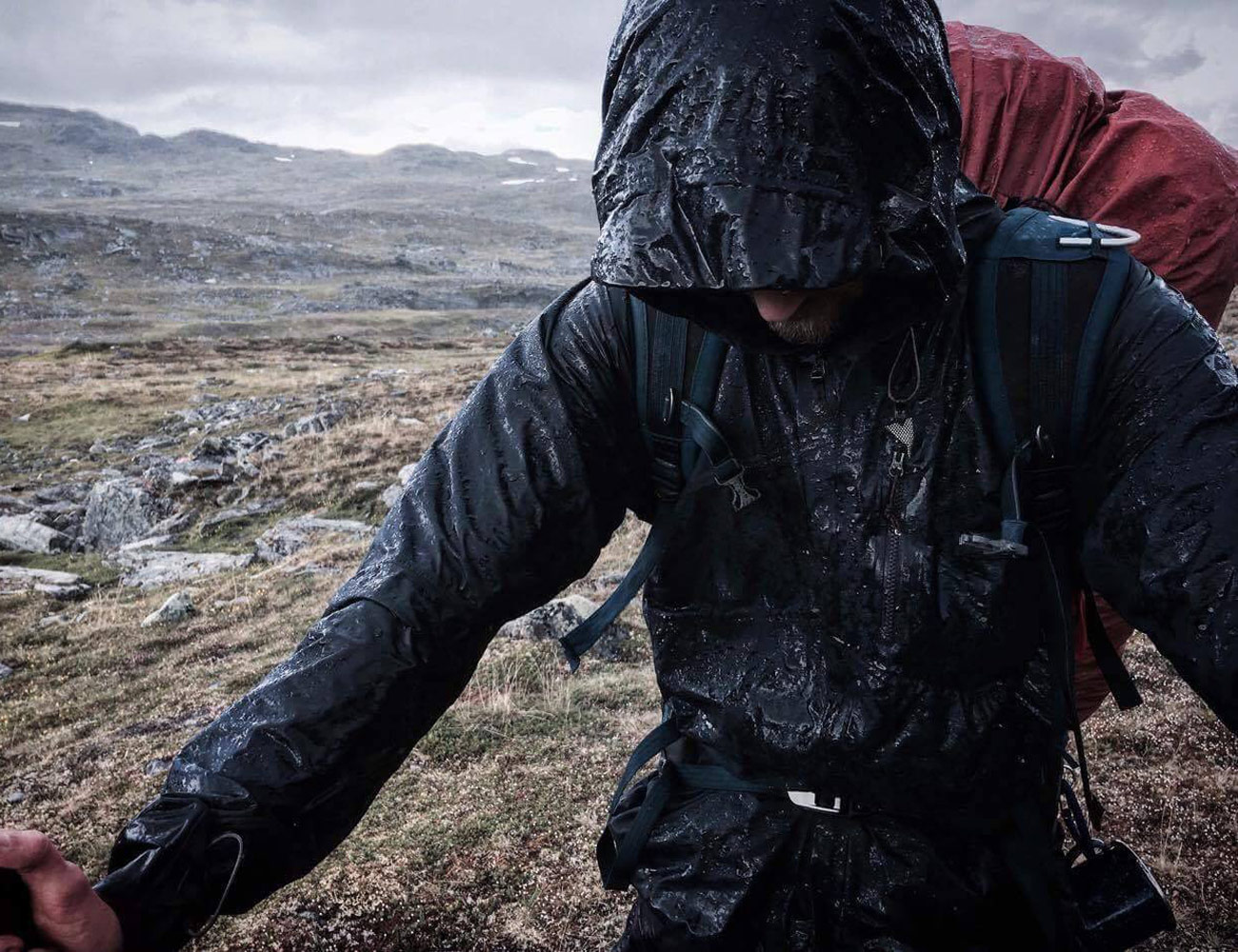
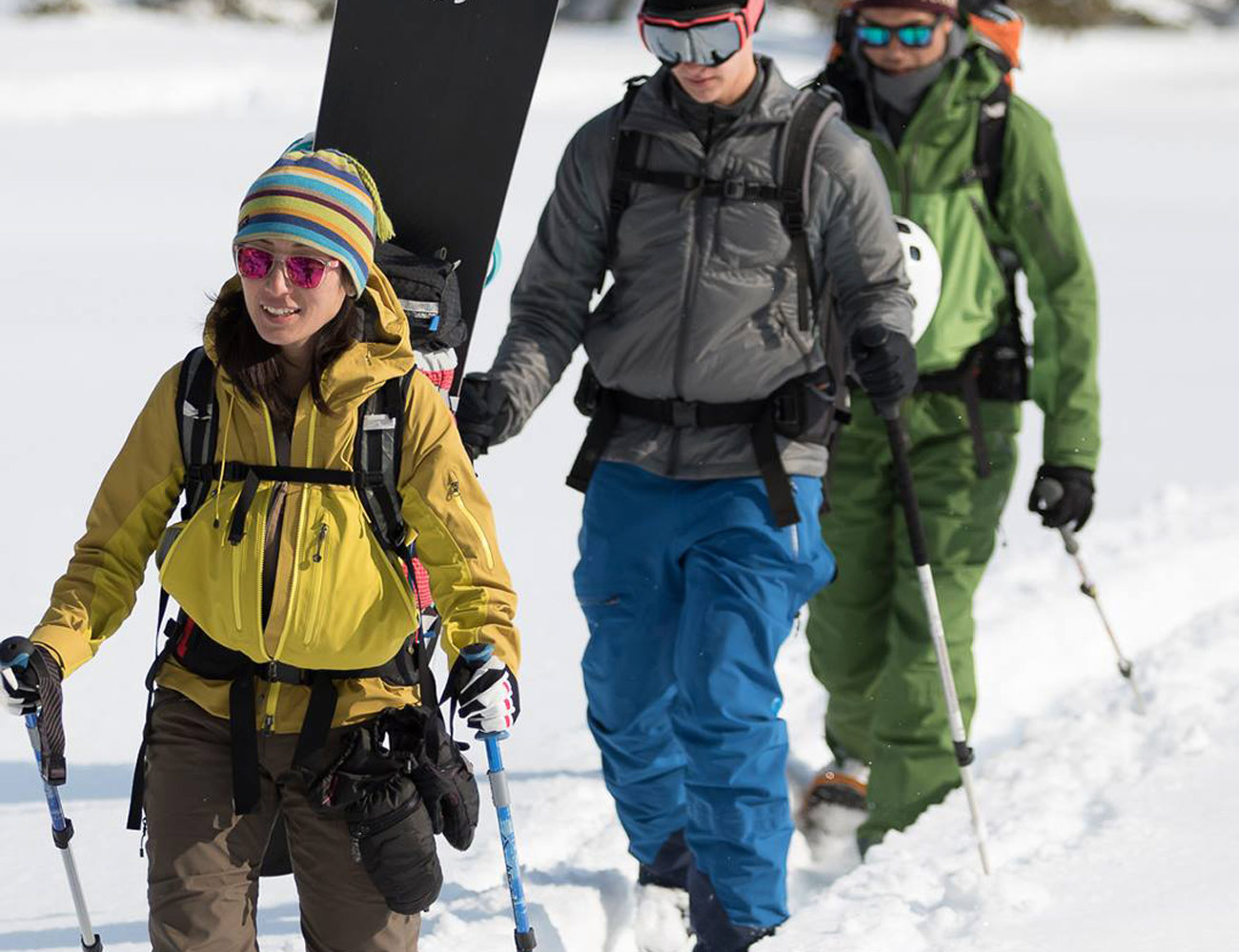
The 11 Best Small Outdoor Brands from Across the Globe

We’re all victims of tunnel vision. When Patagonia, The North Face, Arc’teryx or any of the other big guys release a new jacket, backpack or lightweight tent, we go running for the nearest REI. We’re creatures of habit, and we like what we know. We’re also loyal to our favorite websites and local gear shops — you know, that place you spend far too much time in without spending any money?

But what if there was a company you’d never heard of making adventure equipment in a foreign land that matched — nay, exceeded — the quality of the gear you already know and love? You’d want to know about that company. That company exists — in fact, many such small-scale brands based all around the world, from the Czech Republic to South Korea, are currently pushing gear to places the big brands can’t. They are themselves products of their unique environments, and they’re worth getting to know (even if you can’t afford the international shipping).

Millican

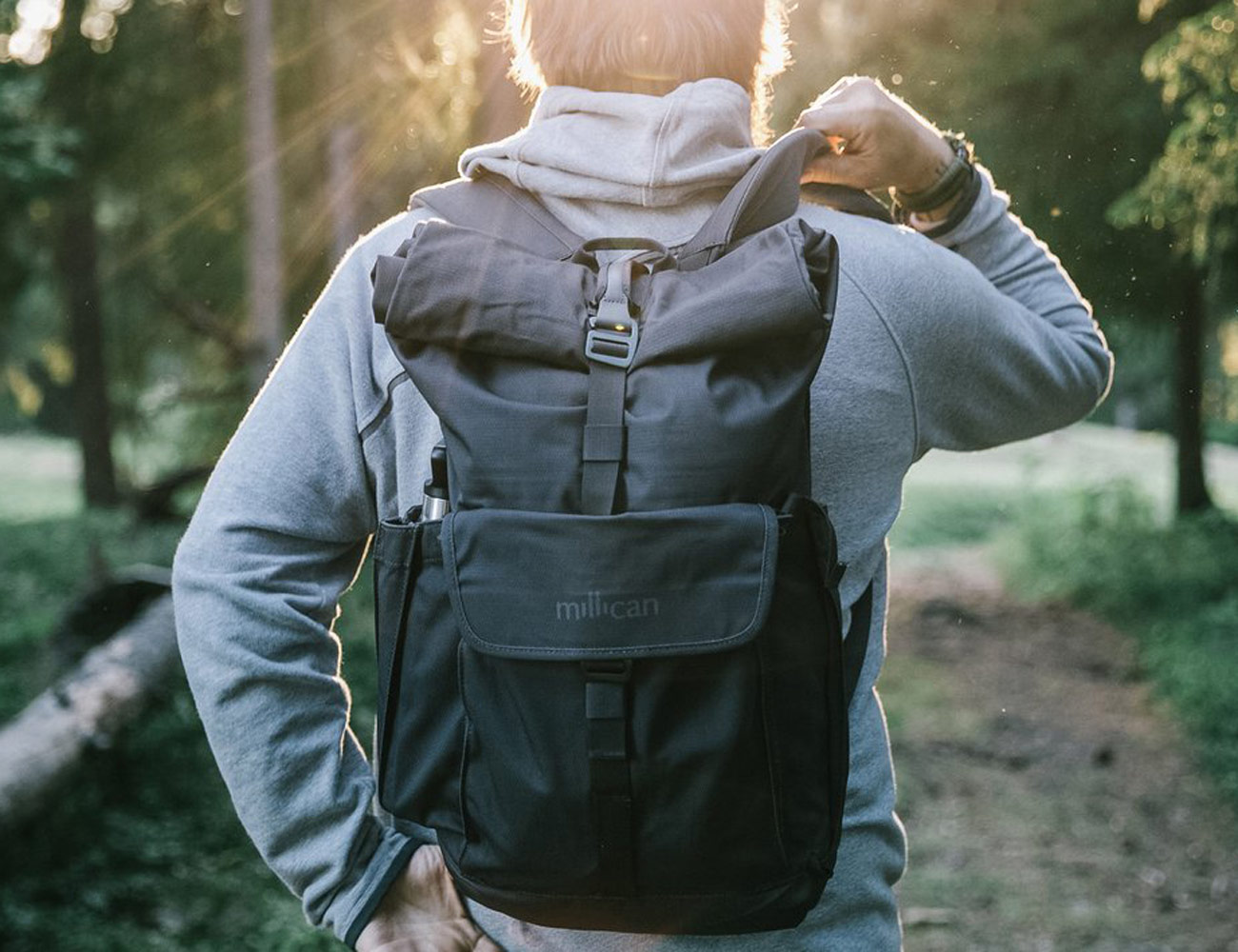
Millican is based in Keswick, which is part of England’s Lake District. It’s named after the self-proclaimed “Professor of Adventure,” Millican Dalton, and has a number of collections, but our favorite is the Mavericks collection. The bags are simple, constructed of durable and weatherproof Bionic Canvas and aluminum, rather than the industry standard plastic hardware. Without getting too nerdy: Bionic Canvas is a blend of 56 percent recycled polyester, 40 percent Cotton and 4 percent high-tenacity polyester. They are the perfect companion for a commute to the office or a spirited day hike. Our favorite silhouette is Smith the Roll Pack 25L, but Millican makes a bag to fit whatever you’re into — even camera gear.

Jöttnar

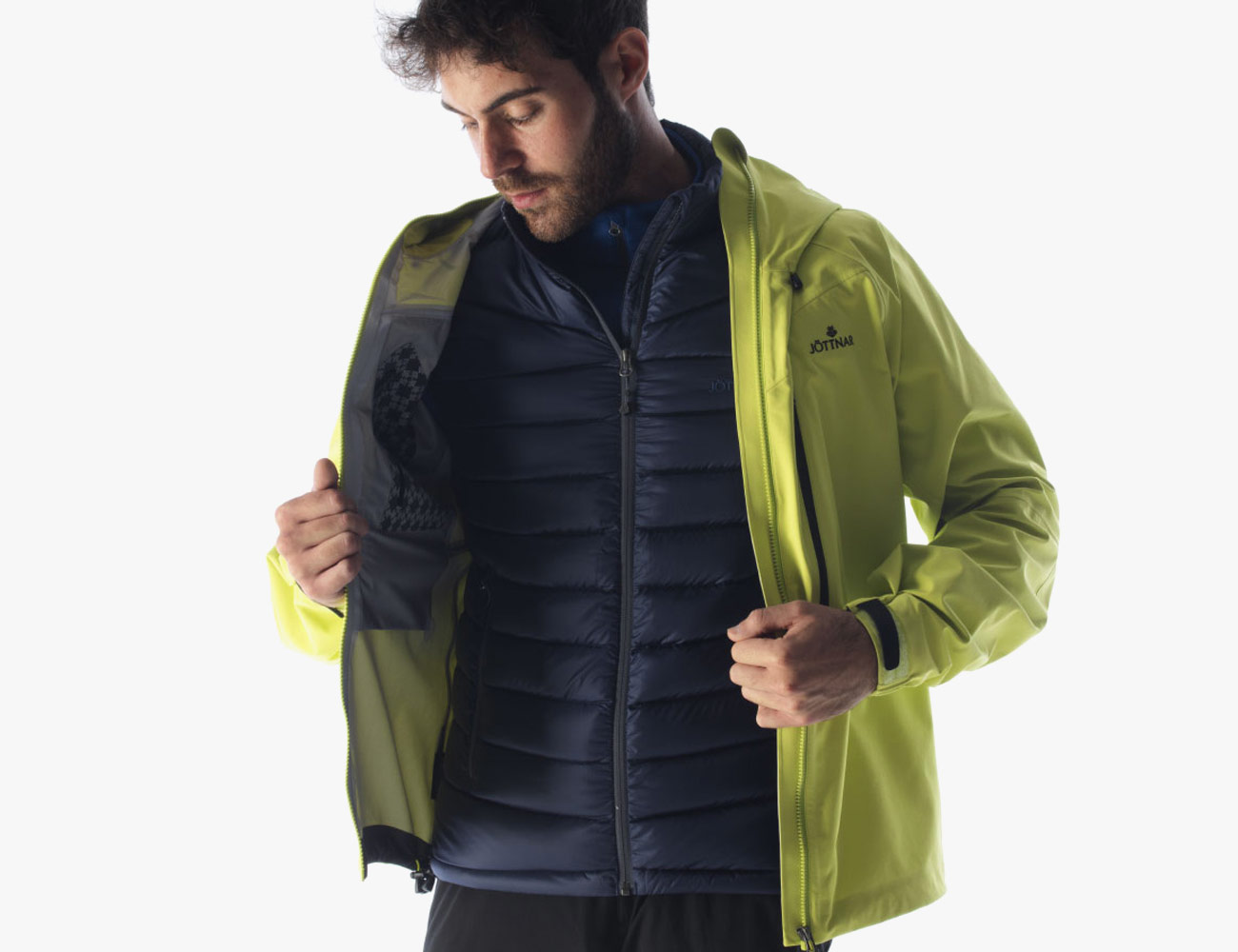
Before founding Jöttnar’s in 2013, Tommy Kelly and Steve Howarth served in the revered 45 Commando of the United Kingdom’s Royal Marines. A particularly intense night in the Norwegian Arctic brought the two together, and their combined experience surviving and recreating in the world’s harshest regions fueled an aspiration to create gear of their own, so they started Jöttnar. Back then, they didn’t have ambitions to occupy REI shelves or make ordinary outerwear for the masses. And they still don’t. Jöttnar was, and remains, intended only for those with the most extreme high-alpine demands.

Peak Performance

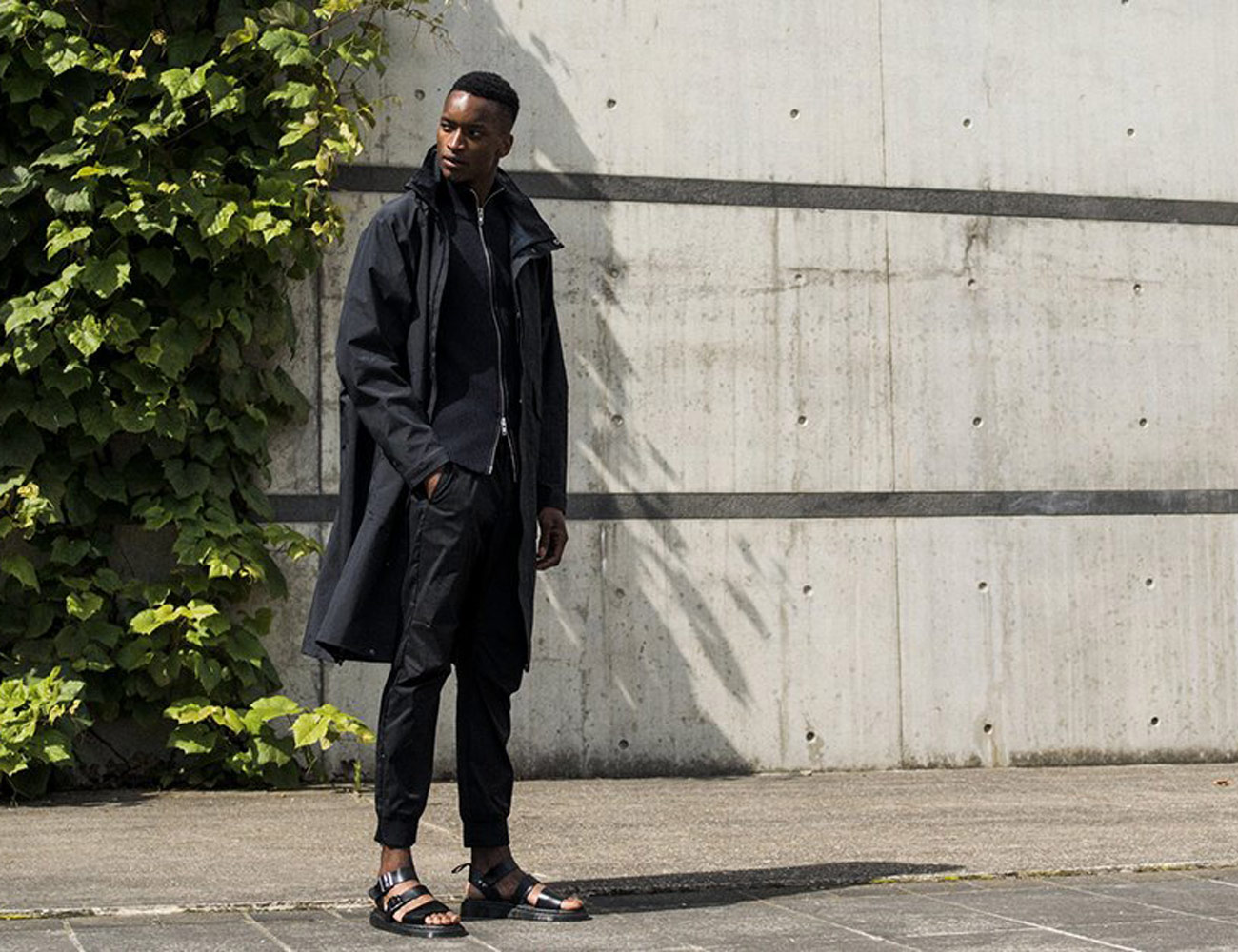
Peak Performance’s fascinating story begins in 1986. It’s a long one. For the sake of time, a summary: four world-class Swedish skiers returned from an epic ski trip in Sun Valley, Idaho. Their frustration with flashy, fluorescent, flamboyant ’80s slope style had reached a boiling point. Why was no one making simple, refined ski apparel? Couldn’t outerwear be high-performance without screaming about it into a proverbial megaphone? Thus Peak Performance was born: a masterful maker of understated, stylish, supremely technical ski apparel.

Thirty years after Peak Performance’s birth, hardly anything has changed. Their garments remain inspired by the great slopes of the world, yet consistently exhibit an unmistakable Scandinavian aesthetic: subdued, sleek, quietly confident. No bright colors, no flashy logos. Peak Performance is a lover of powdery slopes, yet a friend of city streets. I was impressed by Peak Performance, and you should be, too.

Klättermusen

Based in Åre, Sweden, and founded in 1984, Klättermusen is dedicated to making functional, hard-wearing outdoor gear with a focus on sustainability. Not the retroactive greenwashing type of sustainability that you see in marketing campaigns, but meaningful steps toward creating products that are better for the environment. One of the brand’s more recent sustainable initiatives is its use of recycled fishing nets in all of its nylon backpacks. By 2017, Klättermusen will be 100 percent fluorocarbon free.

Both the clothing and packs from Klättermusen are notable. The clothing, particularly the jackets, is marked by innovative features like asymmetrical zippers, easily accessible trail map pockets and a built-in whistle and compass. The packs are just as innovative, featuring a hip belt clasp that can be detached easily in an emergency and shoulder pads that are ergonomically shaped to sit better on your shoulders than anything else on the market.

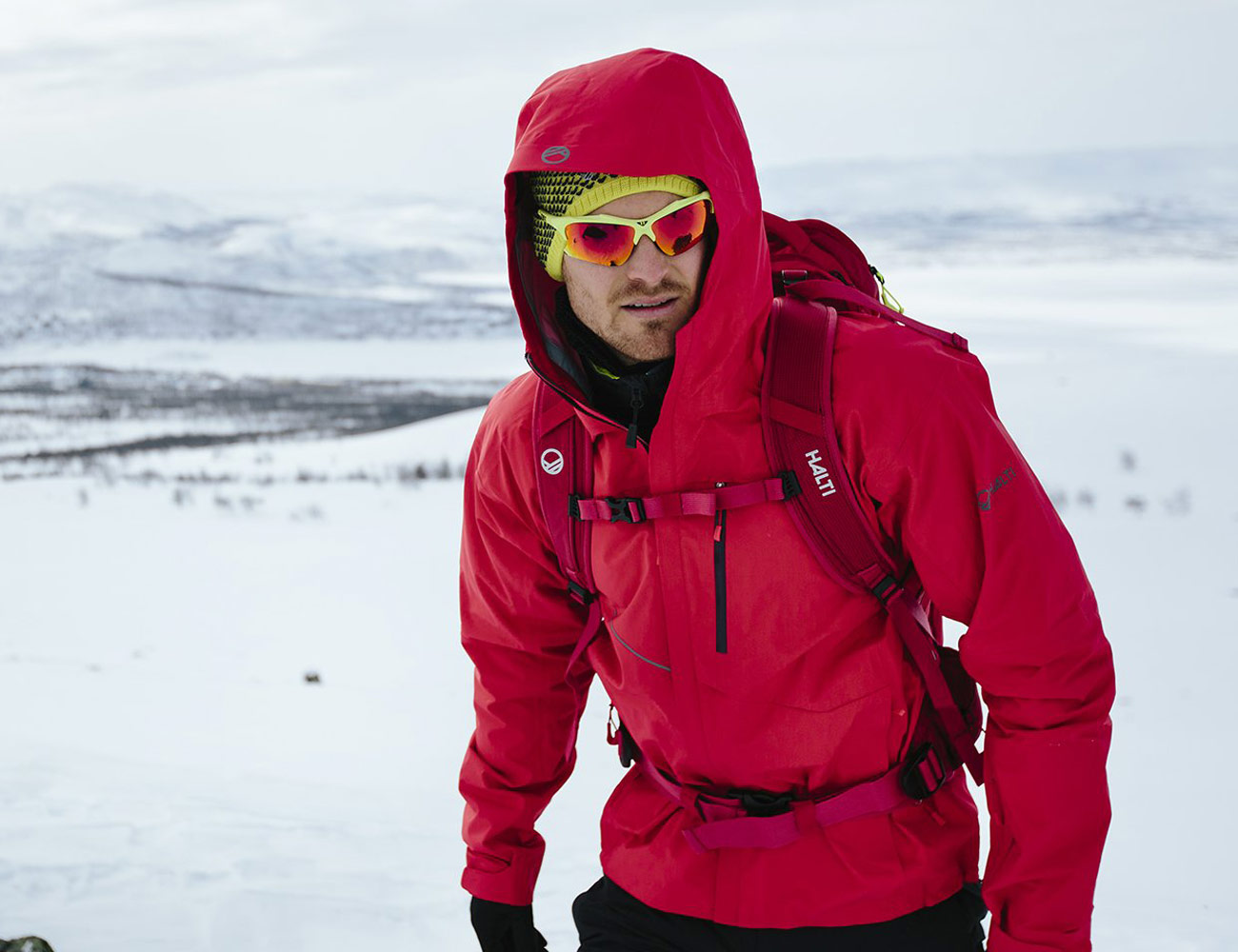
Halti

Halti was founded by Juhani Hyökyvaara in Helsinki and was conceptualized in much the same way that Fjällräven and The North Face were. Hyökyvaara was working in a camping store in Helsinki when he realized that there was a need for lighter, better-performing gear. That mission led him to create alpine gear tested in the harshest conditions imaginable — particularly the North Pole.

Today, Halti makes everything from jackets and boots to sleeping bags and tents — all with a minimalist aesthetic and crafted from some of the most durable materials available. Especially notable is the brand’s Lippo jacket, an insulating mid layer with Primaloft Gold 60 synthetic fill and a Pertex Quantum shell.

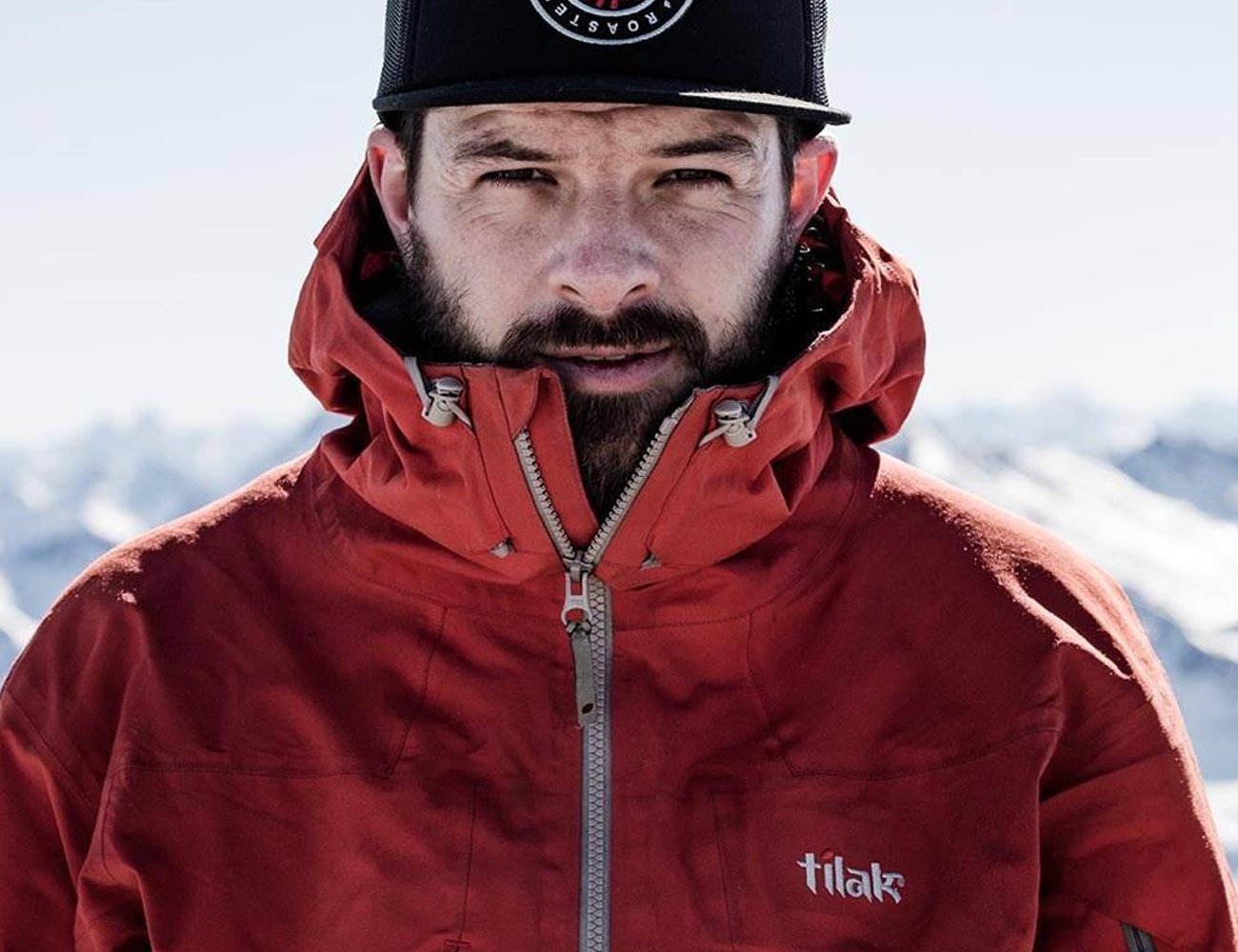
Tilak

Based in the northern mountains of the Czech Republic, Tilak is an under-the-radar outdoor brand creating some of Europe’s finest outerwear, and has been doing so since the ’80s. While most spotlight-hogging European outdoor brands hail from the U.K. or Italy, Tilak stands strong and proud as the Czech Republic’s most prominent outdoor brand. Its products are produced in strict accordance with deeply rooted Czech tradition, and is the only Czech outerwear producer permitted to work with Gore-Tex. The products — alpine shells, mid-layers, pants, boots, shoes and more — are crafted with impressive attention to detail. For now, Tilak’s goods appear to be unavailable in the U.S., but if you’re in Europe, and are able to navigate a mostly Czech website, you can purchase their goods online.

Teton Bros.

Contrary to what its name would lead you to believe, Teton Bros. is not based in the Tetons. Founded in 2007 by accomplished Japanese mountaineer Nori Suzuki, Teton Bros. fuses form and function to create pieces that are high functioning in high alpine environments. One of the brand’s most impressive pieces is the TB 2.0 jacket. The earliest iteration was developed in 2008 with input from ski patrollers across Japan. The newest example of the jacket features a version of Polartec’s Neoshell fabric that Teton Bros. had been developing for the past two years. Whether you’re heading out on a rain-soaked summer adventure or gearing up for your next winter pursuit, put Teton Bros. on your radar.

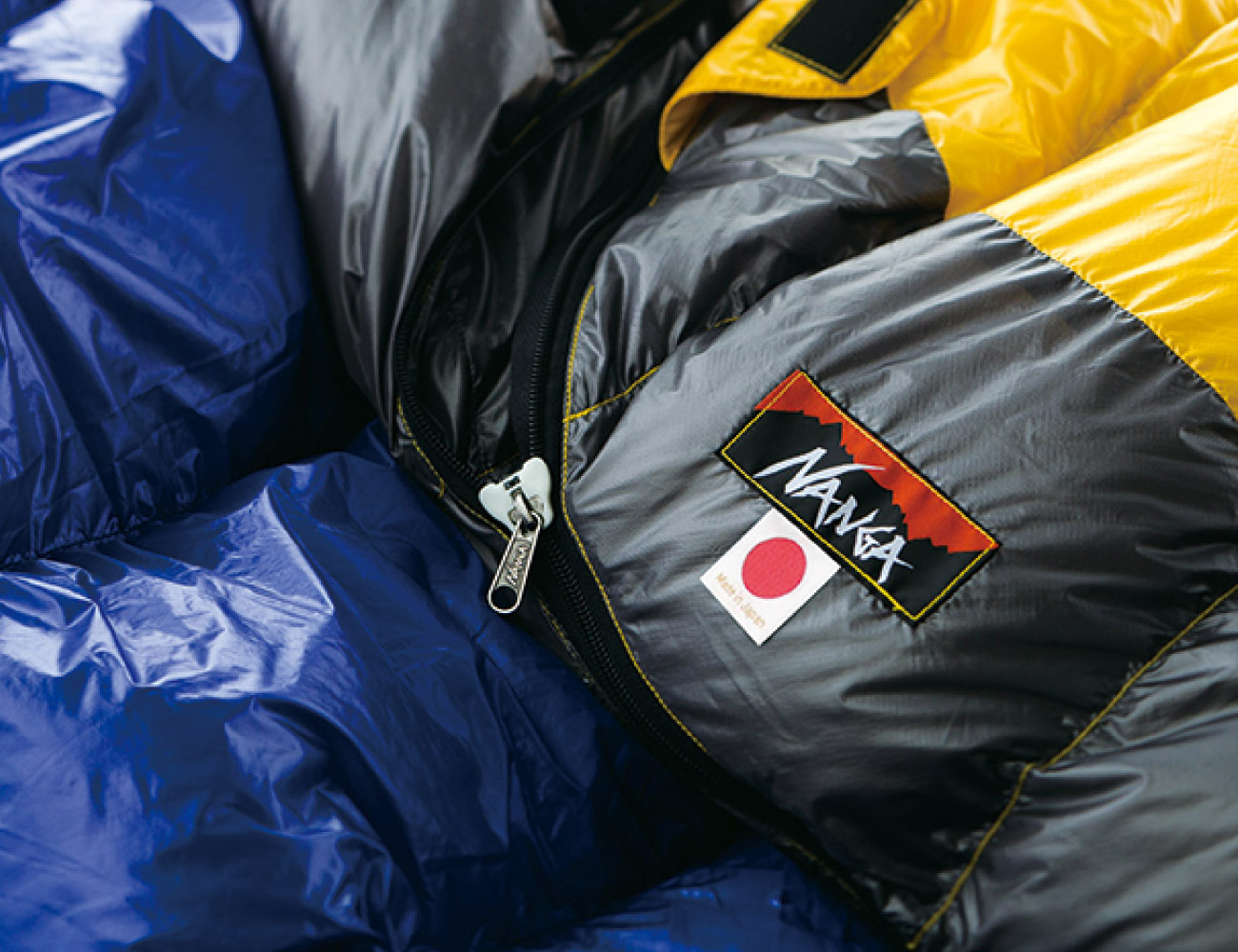
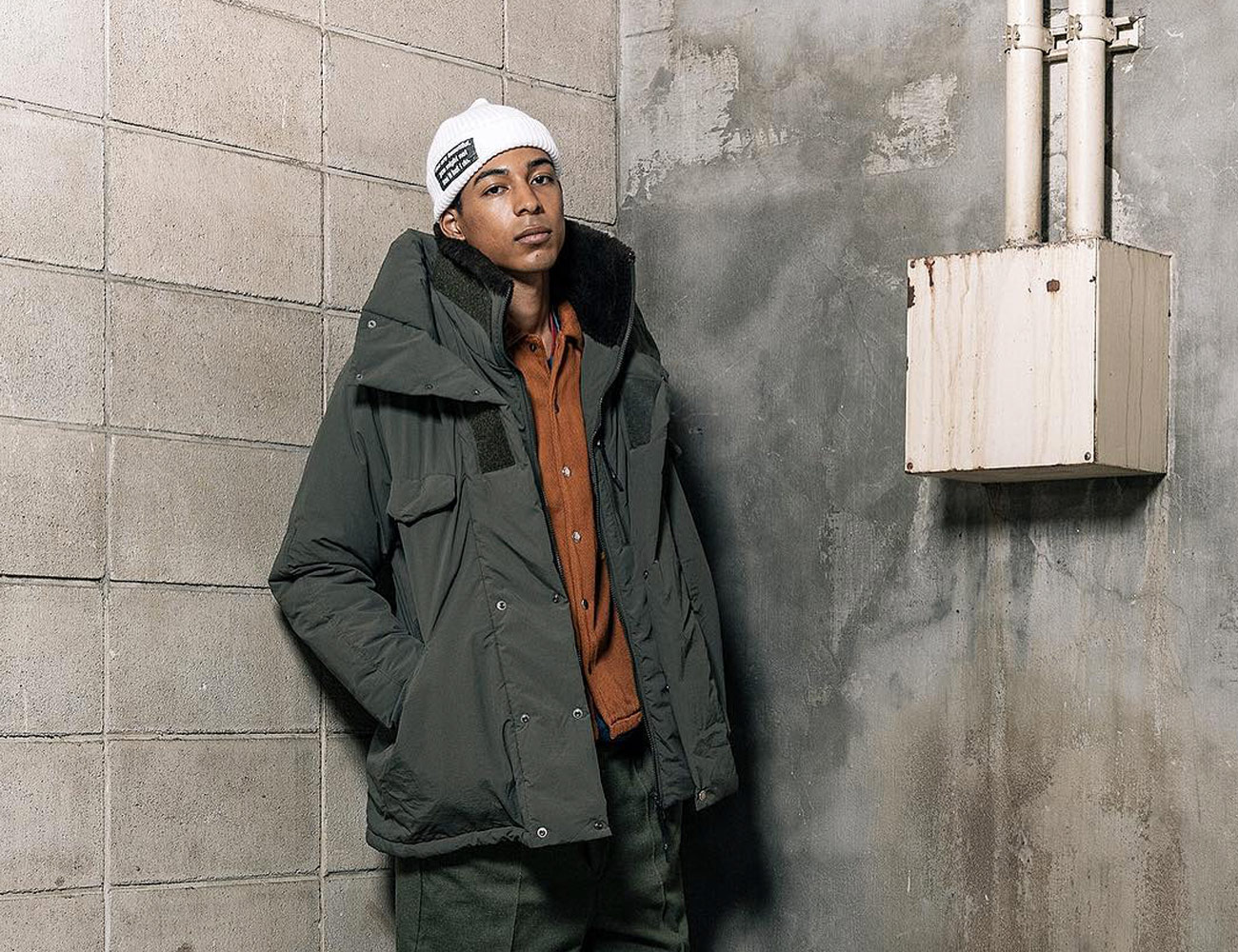
Nanga

Nanga’s name comes from the Himalayan peak Nanga Parbat, the ninth tallest mountain in the world, and its history goes back 75 years. The small company specializes in down insulation, which it leverages to create high-quality sleeping bags as well as a small collection of apparel. Nanga doesn’t just make down jackets though — down-stuffed vests, cardigans and t-shirts present a more creative approach to insulation, and they’re all created with distinctive attention to detail. Despite its long history, the Japanese brand is only now expanding to new markets, with a US release occurring this year.

Natal Designs

You’d have to book a ticket to Japan to get your hands on some of Natal Design’s retro-inspired outdoor equipment and apparel, but it’d be worth it. The company produces a full range of lifestyle apparel that reinforces the contention that Japan is setting the standard for what outdoor style looks like. It also sells accessories like camp chairs and totes and has worked with heritage brands including US-based Rivendell Mountain Works to produce unique collaborations.

Alchemy Equipment

It’s one place where “city to mountain” is more than a nifty marketing term, and apparel brand Alchemy Equipment knows it; Alchemy is based in Christchurch, the largest city on the South Island and a day’s drive from, well, anywhere else in the country. It’s a place where a worsted wool rain jacket or a versatile carry-on pack makes sense for everyday use. Alchemy’s restrained aesthetic and philosophy let the clothes avoid easy categorization without becoming basic; as a result, every piece is high quality in both style and performance.

Foehn

Like many new outdoor brands, Quebec-based Foehn began by creating apparel that can function on a rock wall but looks good enough to wear around town. Unlike many other brands though, Foehn’s clothing excels at both. The designs that make up its small collection — there are two pairs of pants, a flannel, and a down jacket — are made to prioritize the function and freedom of movement that rock climbing demands and they don’t just look good; they’re entirely unique (and stylish enough to wear whether you’re a climber or not).

Note: Purchasing products through our links may earn us a portion of the sale, which supports our editorial team’s mission. Learn more here.

The Best New Outdoor and Fitness Gear Coming This Fall

Welcome to another installment of Staff Picks from our Outdoors and Fitness team. Every other week, we select our favorite pieces out of the gear we’re testing, mainstays in our kits, as well as items on our wish lists. It’s like a sneak peek at the gear we’re testing and what we’re stoked on. This week, we’re bringing you an extended look at some of the new fall gear that’s already available now. These are the things that make the end of summer a friendlier prospect, and have us pining for cooler temps.

Have something you think we should check out? Or just want to say hi? Drop us a line at outdoor@gearpatrol.com.

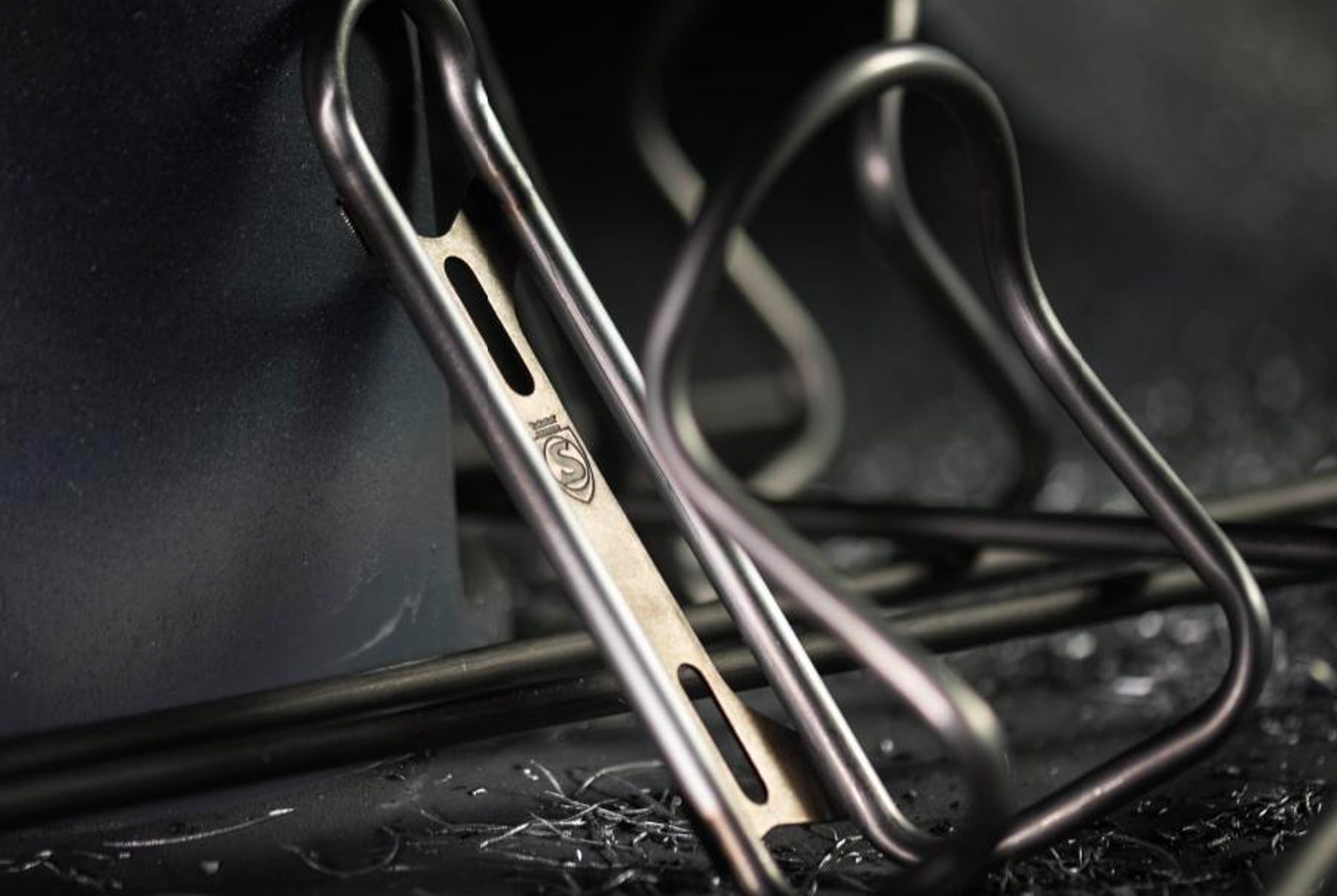
Silca Sicuro Bottle Cages

Silca’s version of the titanium water bottle cage is launching in October, and I can’t wait to compare it to Ron Andrews’ King Cage bottle cages. They look very similar in construction, and won’t scratch up your water bottles in the way that carbon ones will. — AJ Powell, Assistant Editor

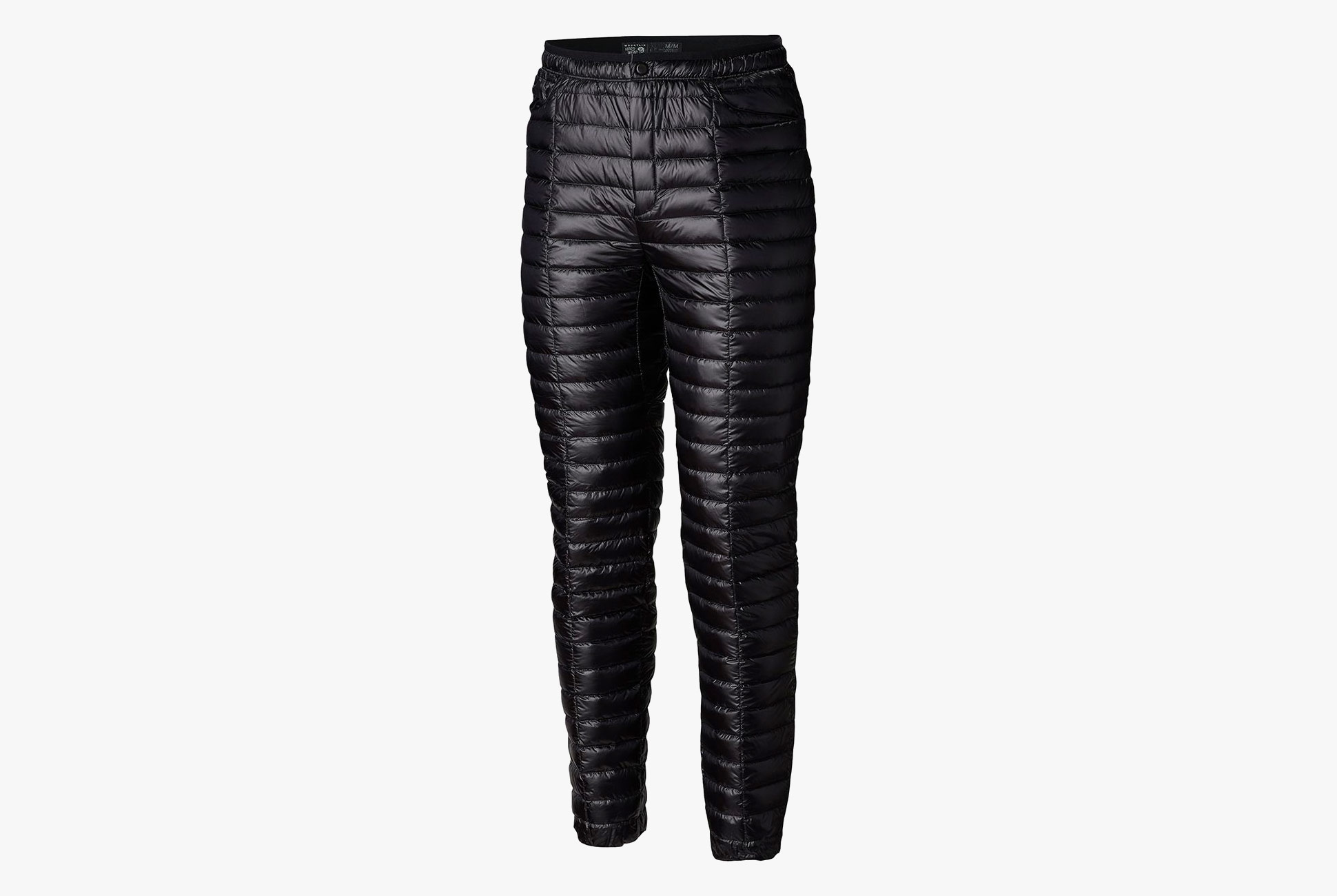
Mountain Hardwear Ghost Whisperer Pant

After owning a Mountain Hardwear Ghost Whisperer down jacket a number of years ago, I always thought that the material choices and ultralight mentality of the jacket would translate incredibly well to a down pant. Turns out, Mountain Hardwear thought the same. The Ghost Whisperer pant looks like the perfect lower-body insulator for ultra-cold ski days and end-of-the-day hours spent in a tent when winter camping, or even just lounging in the ski cabin. — AJ Powell, Assistant Editor

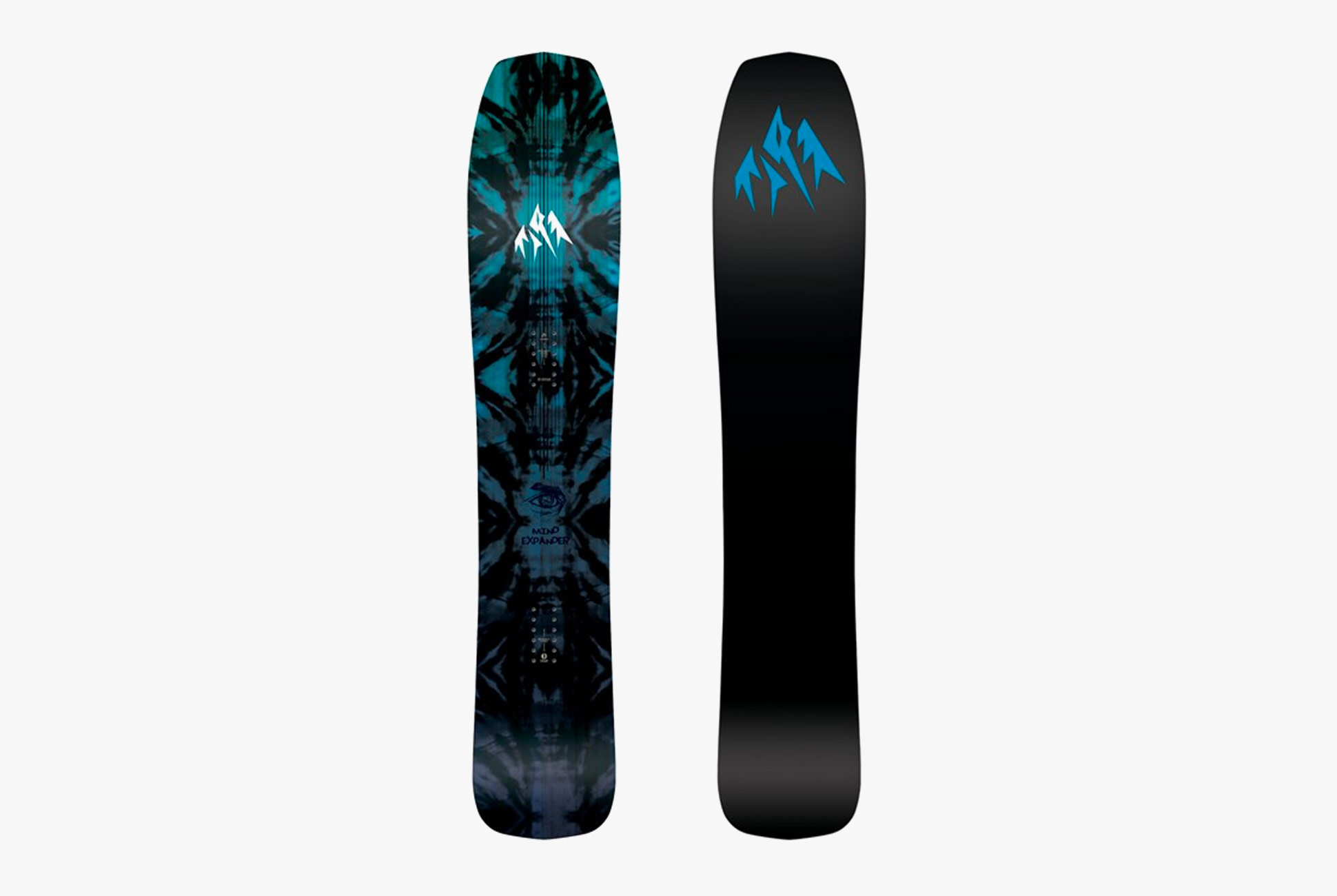
Jones Mind Expander

After riding the Ultra Mountain Twin back in 2016, I fell in love with Jones Snowboards. Everything from what the brand stands for to the type of terrain the boards are built for resonated with me. So when I saw the Mind Expander at Winter Outdoor Retailer in January, I was immediately smitten. It has a killer topsheet and a unique shape, which those familiar with my snowboard preferences will tell you is the easy way to win me over. — AJ Powell, Assistant Editor

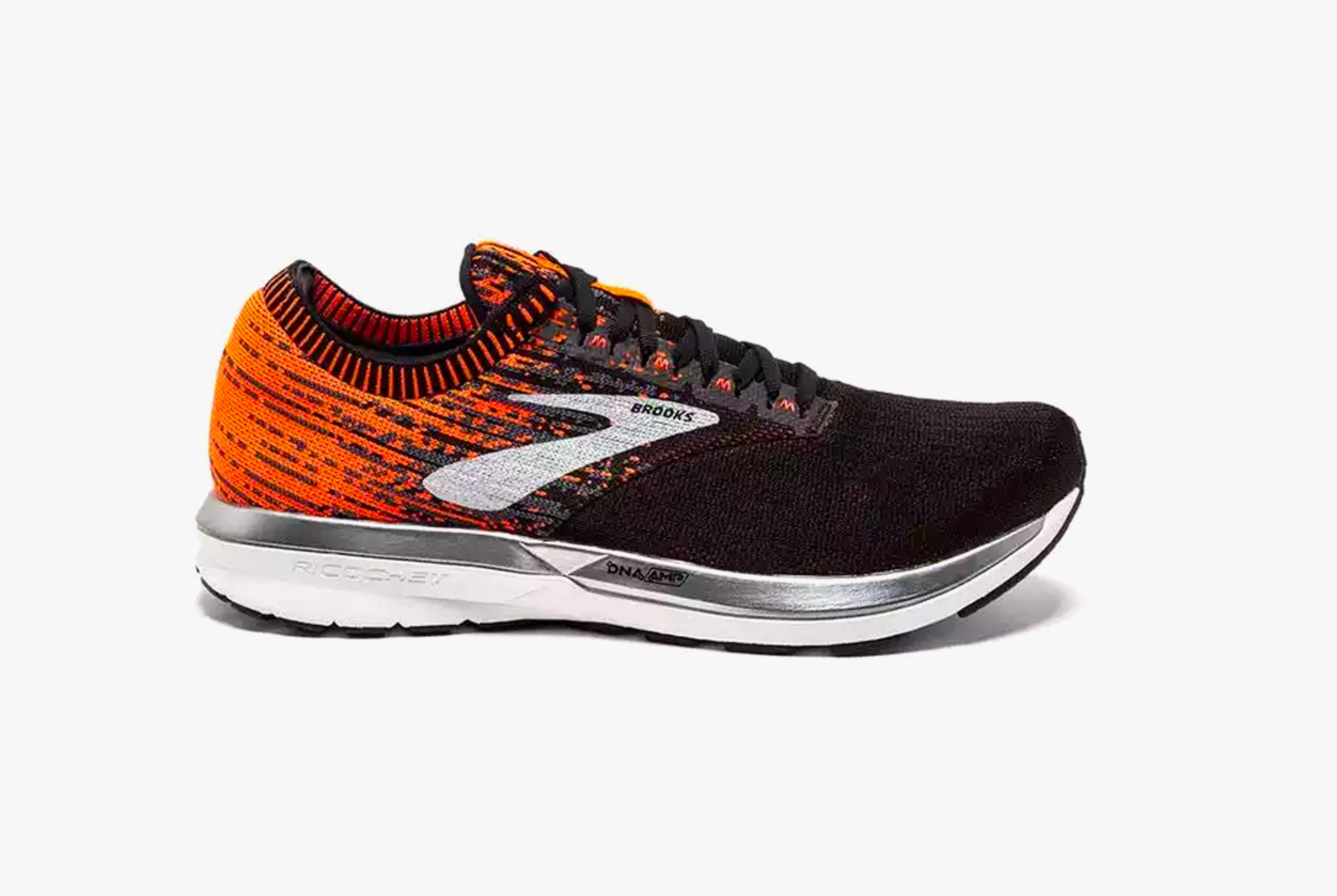
Brooks Ricochet

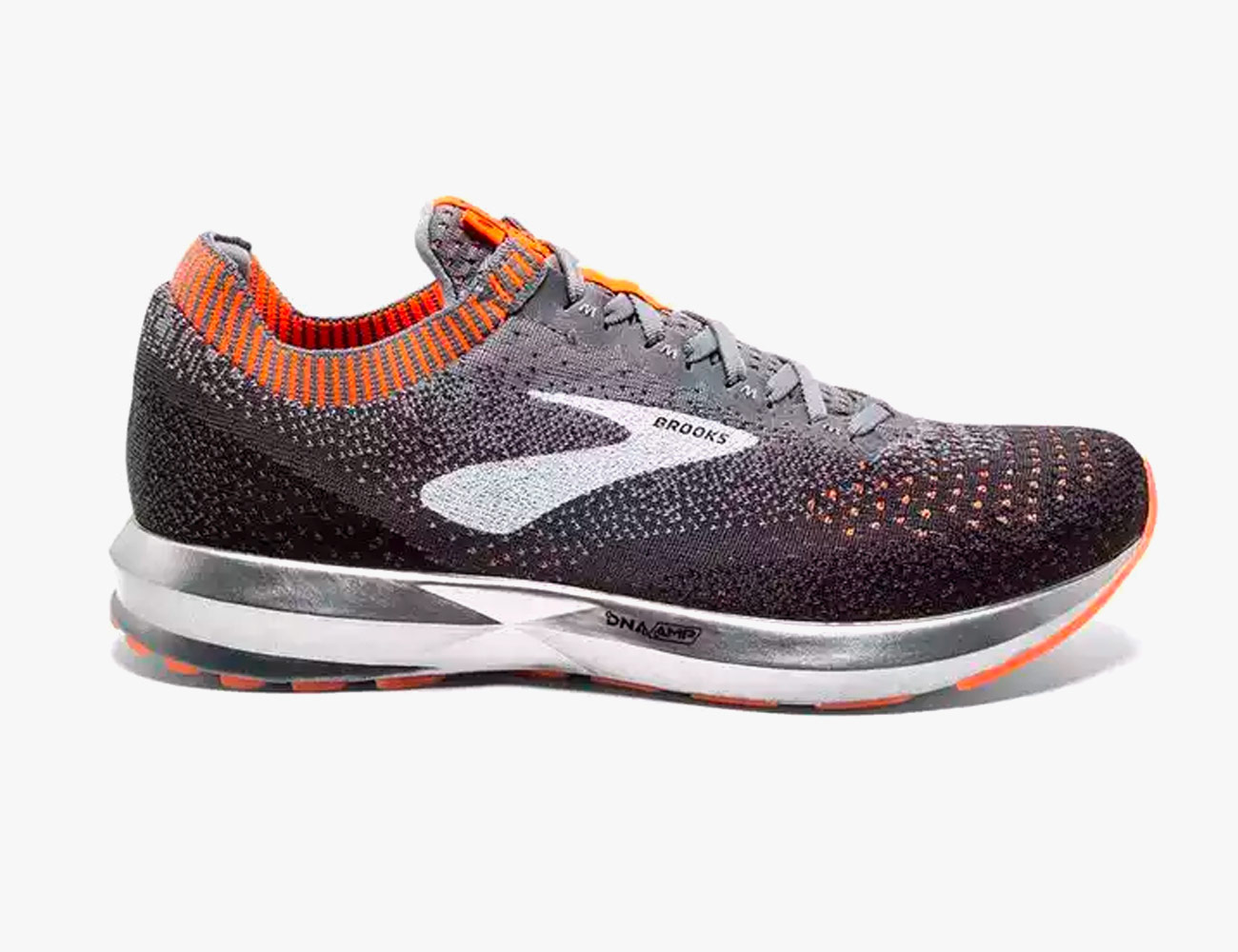
DNA AMP and DNA Loft are Brooks’ newest blends of proprietary EVA compounds that create a super bouncy energy experience for a soft yet responsive run. The newest sneakers from Brooks, which are available October 1, combine the two types of foam with a knit upper. These seem like the perfect half marathon shoe that I can’t wait to run in. — Meg Lappe, Staff Writer

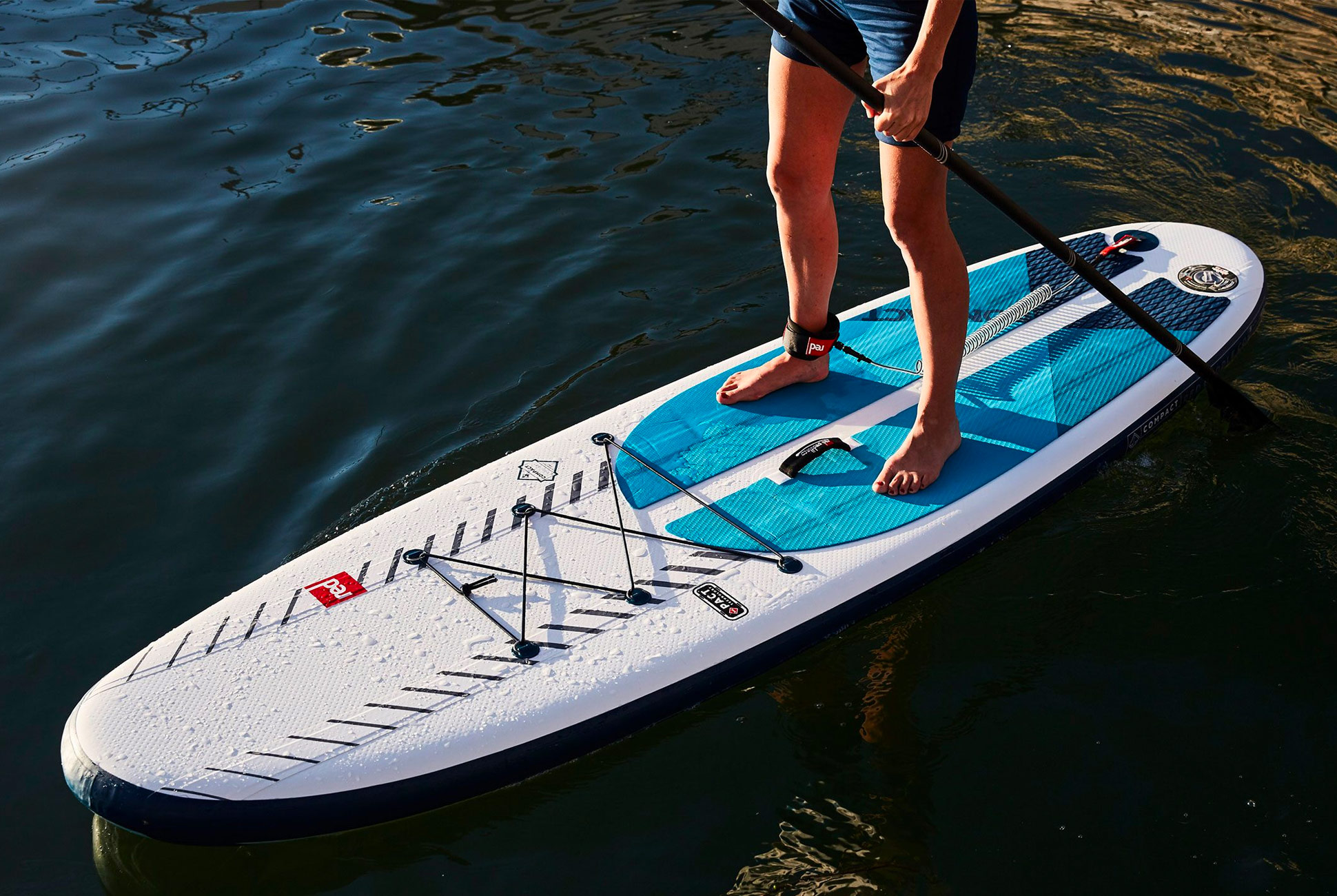
Red Paddle Co. Compact

There’s not much that compares to the feeling of being on the water — especially in the summer, it’s a treat to spend time paddling, swimming and boating. But once we wave goodbye to 9 PM sunsets, fall descends and the time I get out on the water diminishes. I’d like to change that, and I have a feeling that the newest item from Red Paddle Co. can help me out. Stand up paddle boarding is an easy way to get out on the water and not get wet. The catch? Even inflatable paddle boards are astronomically too big to fit in my apartment. With the Compact, I can actually get it in my closet, and carry it around without feeling like I’m lugging something the size of a small boat. The 9’6″ inflatable paddle board might even fit on the subway — or my bike (I have yet to test this out, so stay tuned). And after trying the larger size up in Vermont this past summer, I know I’ll feel secure and stable on the water. — Meg Lappe, Staff Writer

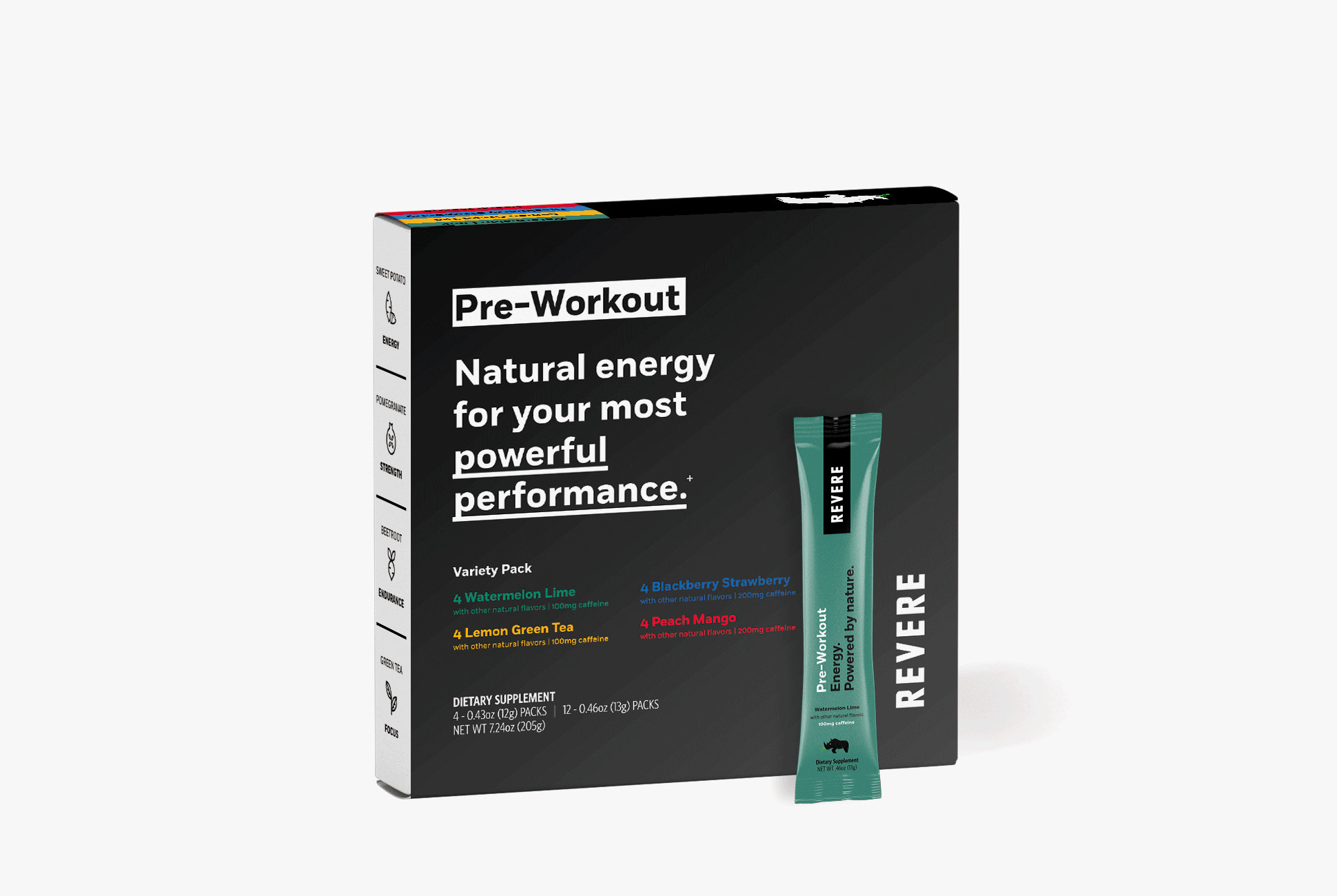
Revere Pre-Workout Energy

Due to circumstances I cannot control (i.e. work hours), I have become someone who works out in the morning as opposed to at night. While the latter is my preference (I’m much more of a night owl than an early bird), I’m slowly encouraging my body to get used to this. The one thing I still haven’t dialed yet? My nutrition before working out. As a personal trainer, and someone who used to write about nutrition a lot, I know that it’s ideal to have a little something to eat before an intense AM workout. It’s definitely based on personal preference, and it’s something I’m still working on. Revere has been one thing I’ve found that I can actually stomach before a workout. It’s not a bar I have to chew to consume, it’s a pre-workout mix that I dump in a bottle of water, shake and drink. The brand recently released four new flavors: blackberry strawberry, peach mango, watermelon lime and lemon green tea — each is only 45 calories and filled with enough caffeine for me to forgo my first cup of coffee in the morning. Best of all, I don’t have to get up 15 minutes earlier to digest it. — Meg Lappe, Staff Writer

Burton Tribute Pullover

Fall is fleece season in the Northeast. I don’t know if there’s a more comfortable layer; it’s soft and warm (even when wet). Especially pile fleece — the lofty variety that makes its wearer look a bit like a sheep. I favor the thinner stuff for trips into the mountains, but for more casual adventures I’m into pile, and Burton’s pullover Tribute looks to be about as comfortable as they come. — Tanner Bowden, Associate Staff Writer

Rab Microlight Summit Down Jacket

Rab has never been anywhere but at the top of its game when it comes to insulation. The latest addition to its line of down jackets is the Microlight Summit, an improved version of its already-proven Microlight Alpine jacket. Like its predecessor, the Summit features a slim fit and 800-fill down insulation, but this time it’s constructed with a unique process that creates baffles without any stitching. That means more of everything that makes down jackets great: warmth and packability. — Tanner Bowden, Associate Staff Writer

Peak Design Travel Backpack

Peak Design revealed its newest bag at Outdoor Retailer this summer, and it’s one of the few items I saw at the show that’s available now. Well, available for preorder on Kickstarter at least, with an estimated delivery of this December. I was able to get my hands on an early sample of the Travel Backpack and have been using it for the past few weeks now and can confirm that it delivers on all of the promises that it makes. — Tanner Bowden, Associate Staff Writer

Note: Purchasing products through our links may earn us a portion of the sale, which supports our editorial team’s mission. Learn more here.

These Are The Shoes You Need to Run Your Fastest Mile

The mile is the great equalizer. Not everyone can run a marathon, but you can likely challenge your friend to a mile race and you’d both be able to finish it with your head held high. It’s funny how something so simple — four laps around a track — can become such a determining factor in life. For many, it was the sole requirement to pass high school gym. If you want to go into the military, you have to be able to run two miles (at the bare minimum) and for the everyday runner, it’s an easy way to figure out what groups you should run with and a basic question that will likely come up when you start running with someone new.

While it might have been a while since you raced a mile, the 1600 is back and stronger than ever. There’s the Fifth Avenue Mile, which goes down — you guessed it — Fifth Avenue in New York City. There’s the Hoka One One Long Island Mile, the Trackhouse Mile in Boston and Inagurual Pine Street Mile in Burlington, Vermont. While you might not have thought about it since you turned 18, signing up for a mile race is an easy way to get back into running or set a competitive goal for yourself. Best of all, you can run and then still get home to have breakfast with the family. Bring Back the Mile is on a mission to spread more miles across the country. It’s an easy way to gather people around the sport, and it’s as fun to watch as it is to participate.

If you’re thinking about signing up for one of these races, you’re going to need a pair of fast shoes to be competitive. When all you have to run is four laps, the lightest-weight sneaker you can fathom is your best bet. Check out our top picks below for taking on the mile, then head out and sign up for a race.

Altra Vanish-R

Considering that the shoe weighs 3.9 ounces, it offers an impressive amount of energy return thanks to a propel plate. The durable EVA midsole is comfy for short and long distances, especially considering the foot-shaped toe box. No cramped toes here.

Reebok FloatRide Fast

While not the lightest-weight sneaker in the Reebok line up (check out the FloatRide Run Fast Pro for that) the FloatRide Run Fast is still under seven ounces with soft and lightweight cushioning underfoot. These will last you through marathon races as well as mile time trials.

Nike Zoom Vaporfly 4%

These are pretty elusive and for good reason. There’s research to show that you can improve your performance by four percent just by wearing them, which isn’t a huge amount in a mile, but in a long distance race, it’s worth it. If you can’t find these online, it’s worth checking out the Nike Zoom Fly. They’re very similar and likely available, whereas the 4% is nearly impossible to find online.

Saucony Fastwitch 8

One of the less expensive models on this list, the Fastwitch features an engineered mesh upper and an EVA midsole. The PWRTRAC rubber on the outsole shines on the track, and the road and doesn’t weigh the shoe down. At just 6.4 ounces, it’s worth taking these for a quick sprint.

New Balance 1400 V6

These road flats are just over seven ounces and are built for races. The REVlite outsole is lightweight, yet provides enough support for you to race distances up to a marathon. Paired with a breathable mesh upper and a sleek tongue, you’re sure to feel the speed as you sprint through the last 100.

Brooks Hyperion

These lightweight racers weigh in at just 6.4 ounces and are filled with BioMoGo DNA foam to provide you with soft cushioning, and quick transitions, which will come in handy as you continuously turn left around the track.

The Best Running Shoes of 2018 So Far

This definitive guide to the best new running shoes of 2018 explores everything you need to know before buying new running shoes this year, including shoes from Brooks, Altra, Adidas, Asics, Mizuno, Reebok and more. These twelve shoes are worth tracking down this year. Read the Story
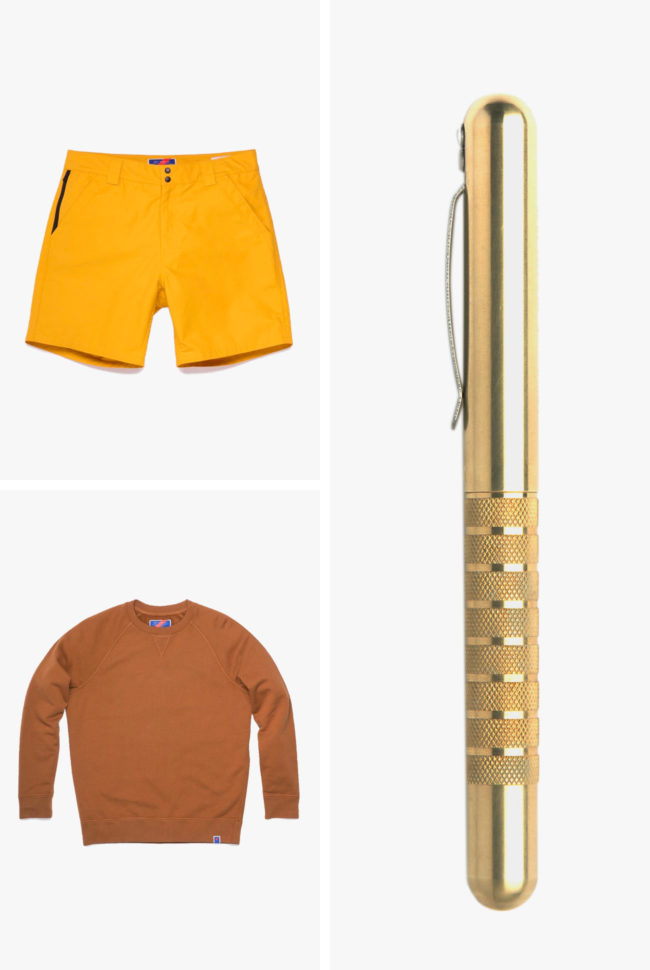
6 Questions with Award-Winning Knifemaker Ken Onion

I

t was an issue of Knives Illustrated, found in a Hawaii drug store that inspired Ken Onion to enter the world of knife making. The former US Marine was taken under the tutelage of revered custom knifemaker Stan Fujisaka in 1989 and began producing his own blades two years later. Since then, Onion has produced knives for companies including Kershaw and CRKT and holds a binder’s fill of patents on various knife mechanisms and components.

Some of Onion’s inventions have become so widespread that they’re taken for granted. The most well-known of these is SpeedSafe, an assisted-opening mechanism that helps a folding knife blade spring out of its handle quickly but isn’t classified as a switchblade. One of Onion’s more recent innovations is Field Strip, a technology he created for CRKT with, with the flip of a lever and the spin of a wheel, brings a folding knife to pieces for easy cleaning. It’s creations like these that earned Onion a spot in the Blade Magazine Cutlery Hall of Fame in 2008; below, he shares the inspiration that’s fueled these creations.

Q:

What got you started down the path of a knifemaker?

A:

I had a thing for knives from a very young age. Growing up on a farm in West Virginia, we worked hard, and knives were an essential tool in our daily lives. That said, they were always more than a simple tool for me and I have fond memories of collecting pocket knives as a kid; cleaning them up, refinishing them and wondering what stories their various nicks, dents and scratches could tell.

I was stationed with the Marines in Hawaii, and when I got out of the service, I never left. I’d heard of a local knifemaker in the town where I lived and through friends was able to introduce myself. That was around 1989, and that local knife maker was the legendary Stan Fujisaka. He was incredibly generous with his time and knowledge and helped to teach me what he knew. I started crafting my own knives in 1991 and the rest, as they say, is history.

Q:

How do you think about knife design? What’s your philosophy?

A:

In a nutshell, I’d say that I try to make the craft of utilizing a knife, mankind’s second oldest tool, as simple and easy as possible. Materials, form, balance and ergonomics are all part of the equation, but essentially it’s ease of use and utility that we’re after.

Q:

Would you say that you have a signature style?

A:

Above all, I try to look for new and different ways to interpret knives. There’s no shortage of knife makers and brands out there, so you’ve got to take a different approach to stand out. I try to study the next generation — its sense of style in art, fashion, sports, architecture and so on — all of which helps influence my work across the spectrum.

Q:

Are there particular elements or materials that you tend to favor?

A:

I spend a lot of time in my shop on my own, and I think that leads to a lot of experimentation. I’m not really married to any certain style, materials or any way someone thinks I should make knives, and I think that open slate serves my creative process and ultimately my designs very well.

Q:

Has your design approach changed over the years since you started?

A:

Rather than think in specifics I try to think about themes and storylines. For example, instead of going into a project thinking I’m going to design a four-inch utility knife — where past designs could influence my work — I think of creating a knife from a more macro-level. I might go into a project thinking okay, 20th Century Fox needs a knife for their new NASA adventure film. That sort of approach frees my mind and helps remove any constraints from the creative process and invariably leads to much more interesting and impactful designs.

Q:

What’s your favorite aspect of the knifemaking process?

A:

I think one of the most exciting parts of knife design is the public reveal. You have a feeling but you just never know if you’re going to hear — “Wow, what a great knife,” or “What was he thinking?” It’s a rush, and I guess I’d just like folks to know that I take none of this for granted. It’s been a privilege to be a part of this industry, and I’ve been fortunate enough to not only make a living doing what I love, but to have had friends and mentors help me along the way. Before I hang up my hat, I’ll continue to pay that forward by helping mentor and guide the next generation of knifemakers. The passion and energy out there is amazing, and frankly, I’m excited to see where the next generation takes it.

Is Denim a Good Material for Outdoor Gear?

Why Are Outdoor Companies Getting into Denim?; Outdoor Companies Are Getting into Denim. Here’s Why; Is Denim a Good Outdoor Material?

For the longest time, blue jeans were the working man’s pant. Even in its earliest form, denim, which dates back to 18th century Nîmes, France — textile makers there attempted to replicate Italian serge fabric and created serge de Nîmes, shortened to denim — was worn by sailors and tradesmen. Denim and similarly-rugged fabrics like dungaree were always built for manual labor, but it wasn’t until a US drygoods store owner, a Bavarian immigrant named Levi Strauss, joined up with a tailor named Jacob Davis to reinforce a pair of denim work pants with copper rivets that blue jeans as we know them today existed.

That was in 1873, and since then much as changed. Strauss and Davis’ jeans, then called overalls, were built for miners and cowboys. Rivets were critical to their construction because they reinforced the fabric at common points of wear, like the corners of pockets. As jeans grew in popularity in the 1960s and 70s, they entered the mainstream, where durability became less of a necessity. Manufacturers make the fabric thinner, softer and stretchier; they produced different cuts and styles; they ripped them to shreds before selling them. These alterations were for the sake of fashion, not work.

Denim never lost it’s rough edge though. Levi’s, Lee, Wrangler and more have always maintained their stock of blue jeans built for work. In recent years though, the material has caught the eye of a new group: outdoor gear companies. Sometimes these brands angle denim into their lifestyle collections. Others bill it as “performance,” which typically means that they’ve added stretch to the fabric construction with articulating gussets or by blending materials like Spandex or polyester into the cotton. “We wanted to bring a jean to market that spoke to the lifestyle of our customers,” says Mark Little, Patagonia’s Product Line Director of Men’s Sportswear. “This is where the Performance Jean concept came to life. Blending organic cotton with a Coolmax T400 fiber created an amazing textile for the active jean wearer. You get the comfort and durability of cotton denim with the added performance of Coolmax, which provides added breathability and wicking.”

More recently, there’s been a marked increase in the number of new outdoor brands emerging with denim as a foundational, introductory product. Boulder Denim is one such company; it looked at performance outdoor clothing to identify essential qualities and then created its own “top-secret” blend of denim that provides stretch in all direction, maintains its shape afterward and sheds liquid. Meridian Line, an apparel company owned by climber and artist Jeremy Collins, launched its own outdoor-focused stretchy blue jeans on Kickstarter earlier this summer, earning over $300,000.

Backcountry Denim is another company that used Kickstarter as primary propulsion. It only narrowly achieved its $40,000 goal in summer 2017, but its angle on blue jeans is arguably more interesting: its denim, which is produced by Cone Mills in North Carolina, is woven with Dyneema, an ultra-high-molecular-weight polyethylene fiber that’s light enough to float but stronger, by weight, than steel. Backcountry Denim doesn’t specify precisely how much of the stuff runs in its jeans, but it does claim that it makes them 250 percent more resistant to abrasion and tear.
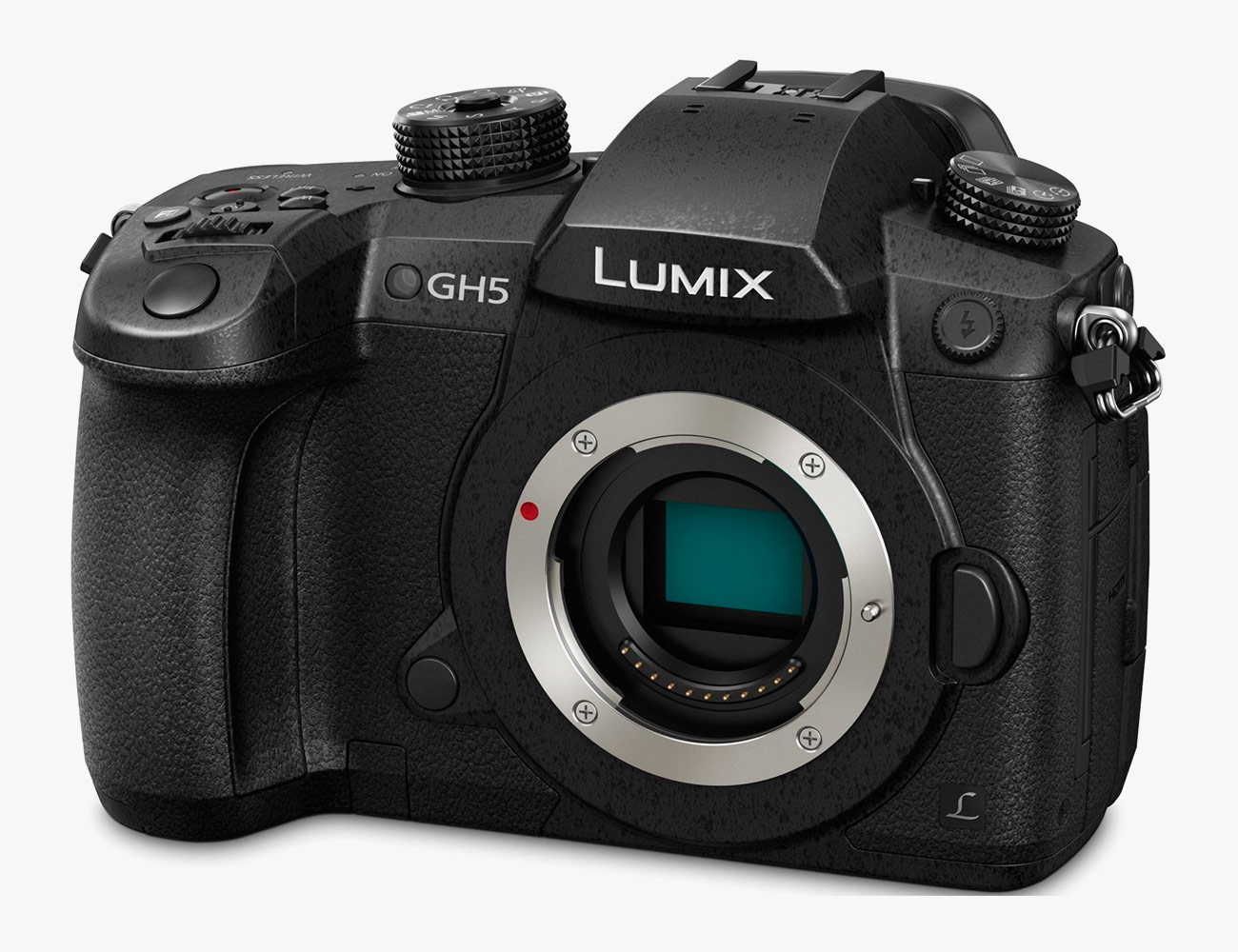

The big guys have taken note. Mountain Hardwear now offers the Crux Denim Jean, a light and stretchy pair of pants explicitly designed with rock climbing in mind and enhanced with Dyneema. And this year, with the sophomore collection of its workwear line, Patagonia debuted Steel Forge Denim — a fabric produced by Cone Mills that’s made of 92 percent organic cotton and 8 percent Dyneema. (Patagonia also addressed the harmful impact of dyeing denim with synthetic indigo by using Tennessee-grown plant-based dye instead.) This new iteration of super-strong denim is designed for work, not mountain climbing, but its introduction brings the fabric full circle and grounds it again in its rugged roots of manual labor.

Durability was important in 1873 when Strauss and Davis designed their denim overalls for the men working in the grasslands and under the mountains, and it’s important now. It’s no surprise that outdoor companies big and small would integrate it into their apparel lines. “It was worn as a second skin to protect from the rigors of a hard day’s work. In outdoor apparel, we are looking for the same things,” says Little. So, is denim an outdoor material? It is; it always was.

7 Running Shoes Released This Month

Finding the right running sneaker is hard to do, especially when there are so many out there. We pulled together a list of sneakers that are available right now — specifically ones that dropped this month. With all the new colorways, slight tweaks and updated styles, there are loads to choose from. Here are a few of our favorites.

Asics Roadhawk FF 2

The Roadhawk FF2 is one of the newest updates from Asics and is great for neutral to slight over-pronators. With a FlyteFoam Propel midsole, the sneakers are lightweight, yet still offer some much-needed kickback when you land — whether you’re on a treadmill or on the road.

Asics DynaFlyte 3

Compared to the Roadhawk, this sneaker is built for a similar type of pronator and has a similar midsole, but with lots of support thanks to the guidance line along the sole. We took this for a spin on the treadmill and were impressed with how it kept up during sprints.

Nike Zoom Pegasus Turbo

We were lucky enough to take these for a spin before they hit the market. They’re the ideal shoe for tempo runs, long-distance runs and sprints. There’s really nothing they can’t do — except stay clean.

Mizuno Wave Rider 22

A neutral running shoe, the Wave Rider 22 combines its plush cushioning with a re-engineered midsole. A dual-layered mesh upper means it’s lighter than previous iterations and keeps your feet cool during long hot summer days.

Hoka One One Bondi 6

This is the sixth version of the Bondi, a neutral road shoe with plush cushioning. You’re guaranteed a smooth ride thanks to the full EVA midsole and meta-rocker — and it now comes with a more breathable upper and slightly more minimalist colors (for Hoka, at least).

Brooks Levitate 2

Designed to help you experience infinite energy, the Levitate 2 sneaker takes the original to another level. The sock-like upper features a stretchy knit collar to keep the shoes in place — we recommend having socks that fall higher on your ankle than the shoes do. Built with Brooks DNA Amp foam, you’re sure to feel lots of feedback from the road in these.

Brook Ghost 11

The Ghost is a favorite model for many stability runners, and Brooks fans in general. Now its 11th iteration takes the field with what the brand is claiming to be a “softer, smoother and lighter” feel. The only update from previous models is the DNA LOFT heel crash pad, so if you are a heel striker, you’re sure to notice a softer landing with each step.

The Best Running Shoes of 2018 So Far

This definitive guide to the best new running shoes of 2018 explores everything you need to know before buying new running shoes this year, including shoes from Brooks, Altra, Adidas, Asics, Mizuno, Reebok and more. These twelve shoes are worth tracking down this year. Read the Story