

If You Love Running, Follow These Instagram Accounts
Whether you’re a hardcore runner or you’re just getting started, there’s no easier way to find inspiration than by scrolling through Instagram. There are loads of underground run crews and organized groups that list runs, motivational quotes and showcase races. We picked through a few of our favorite running accounts — from individual elites to big-time track clubs to photographers — to help you find your mojo. There’s sure to be something in here that’ll get you out to the track or on the road. It’s basically like crowdsourcing your workout.
@TheSpeedProject

This race used to be a total secret — all 340 miles of it. Dubbed The Speed Project or TSP, there are no rules. Your team has to get from the Santa Monica Pier to Las Vegas on foot. The rest is up to you. The race takes place at the end of March, but follow along year-round for motivational images of runners pushing themselves to the absolute limit.
@ShalaneFlanagan

The winner of last year’s New York City Marathon (one of the best if we’re being honest), shares her journey with running. Get updates on her cookbook, what she’s eating, feel-good moments from past races and her role as a team member of the Bowerman Track Club (and Bowerman Babes).
@RunDemCrew

This London-based running crew shares its weekly runs and running puns, along with race day results for the team. Our favorite posts part of a partnership between Jaybird and RunDemCrew founder, Charlie Dark, which features pumping music and a history lesson on London running.
@BridgeRunners

Bridge Runners is an NYC-based crew that’s looking to “bridge the gap” in running. Follow along for special events, weekly runs and a dash of party time — get ready to see lots of bridges. Bridge Runners has been around since 2004 and meets weekly on Wednesdays, running over — you guessed it — all the bridges.
@BowermanTC

Pretend Jerry Schumacher is your coach and Olympic medalists are your teammates when you follow the Bowerman Track Club. We’d recommend monitoring this account closely as marathon season continues to unfurl to be the first to know who’s racing when. Plus, with the 2020 Olympics in sight, we’re sure there will be a load of athletes coming out of this Oregon-based track club.
@aRunnersEye

This digital content production studio monitors all types of athletes, but mainly track and field. Most posts include a plethora of racing photos, each accompanied by a run-centric quote.
@TempoJournal

Tempo Journal is an online magazine focused on the tempo of running internationally. From the launch of the Pegasus Turbo, to a weekend of running with Australia’s next generation of track stars, the publication hits a wide range of topics with high-brow athletes.
@CitiusMag

Founded and written by runners, Citius Mag’s Instagram and corresponding website bring a bit of humor to the running world. Citius means faster in Latin, which is certainly fitting for a magazine focused on running.
@NotAfraid2Fail

Jason Suarez, a photographer who covers all things sports related, shares his picks on Instagram, which is heavily running-focused. He has shot everything from the 2018 USATF Outdoor Championships, to the Orchard Street Runners 10K, to Mo Farah and Abdi Abdirahman’s practice. There’s a lot to take in here.
The Toys We’d Buy for a Summer Home on the Lake
Welcome to another installment of Staff Picks from our Outdoors and Fitness team. Every other week, we select our favorite pieces out of the gear we’re testing, mainstays in our kits, as well as items on our wish lists. It’s like a sneak peek at the gear we’re testing and what we’re stoked on. Have something you think we should check out? Or just want to say hi? Drop us a line at outdoor@gearpatrol.com.
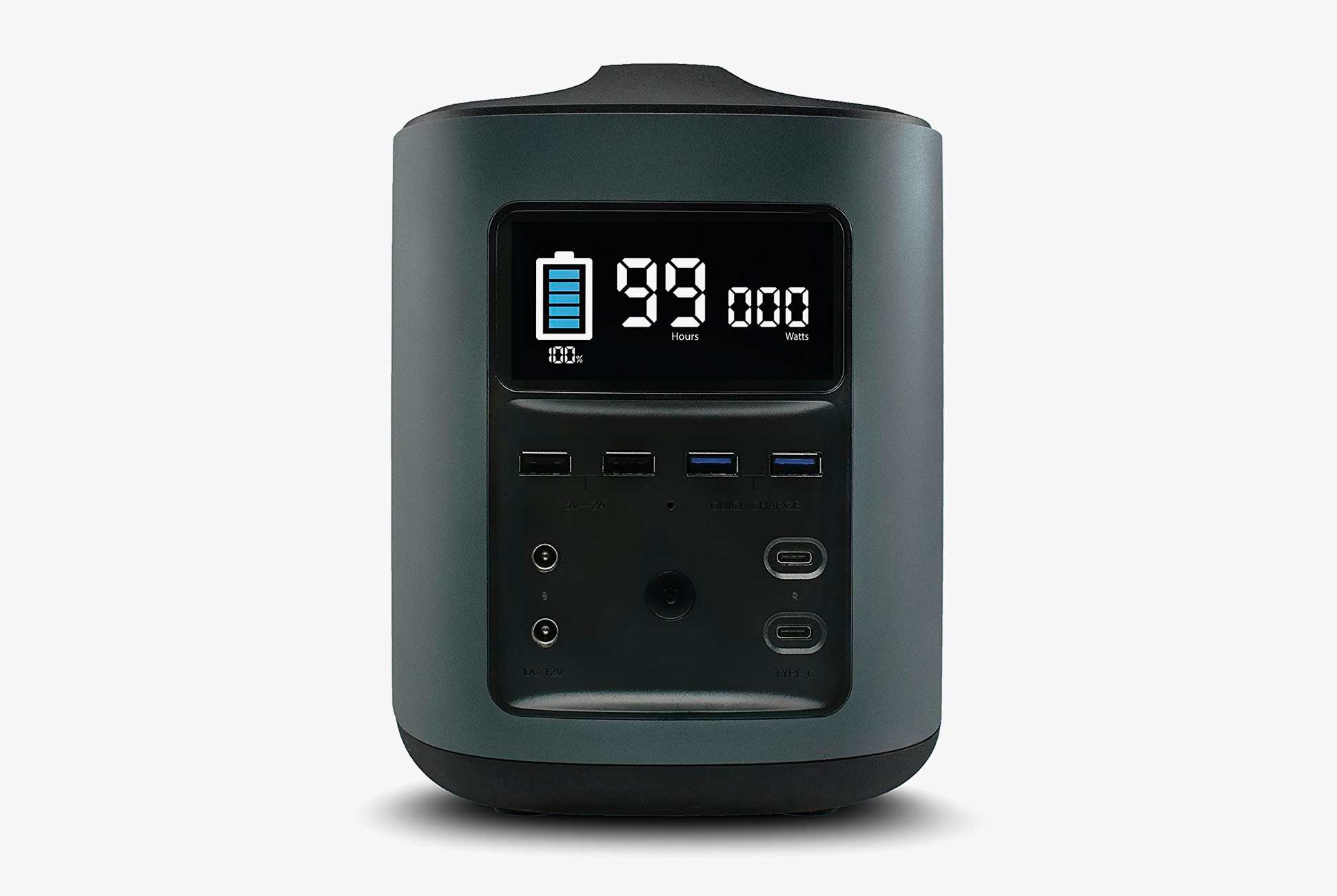
Ecoflow River
Summer homes are prone to power outages. Whether it’s a bone-shaking thunderstorm or a rogue bear that knocks out the power, it’s best to be prepared for when you’re without power. Enter Ecoflow’s portable battery charger. It features a plethora of different outlets and offers a 114,000mAh capacity. — AJ Powell, Assistant Editor
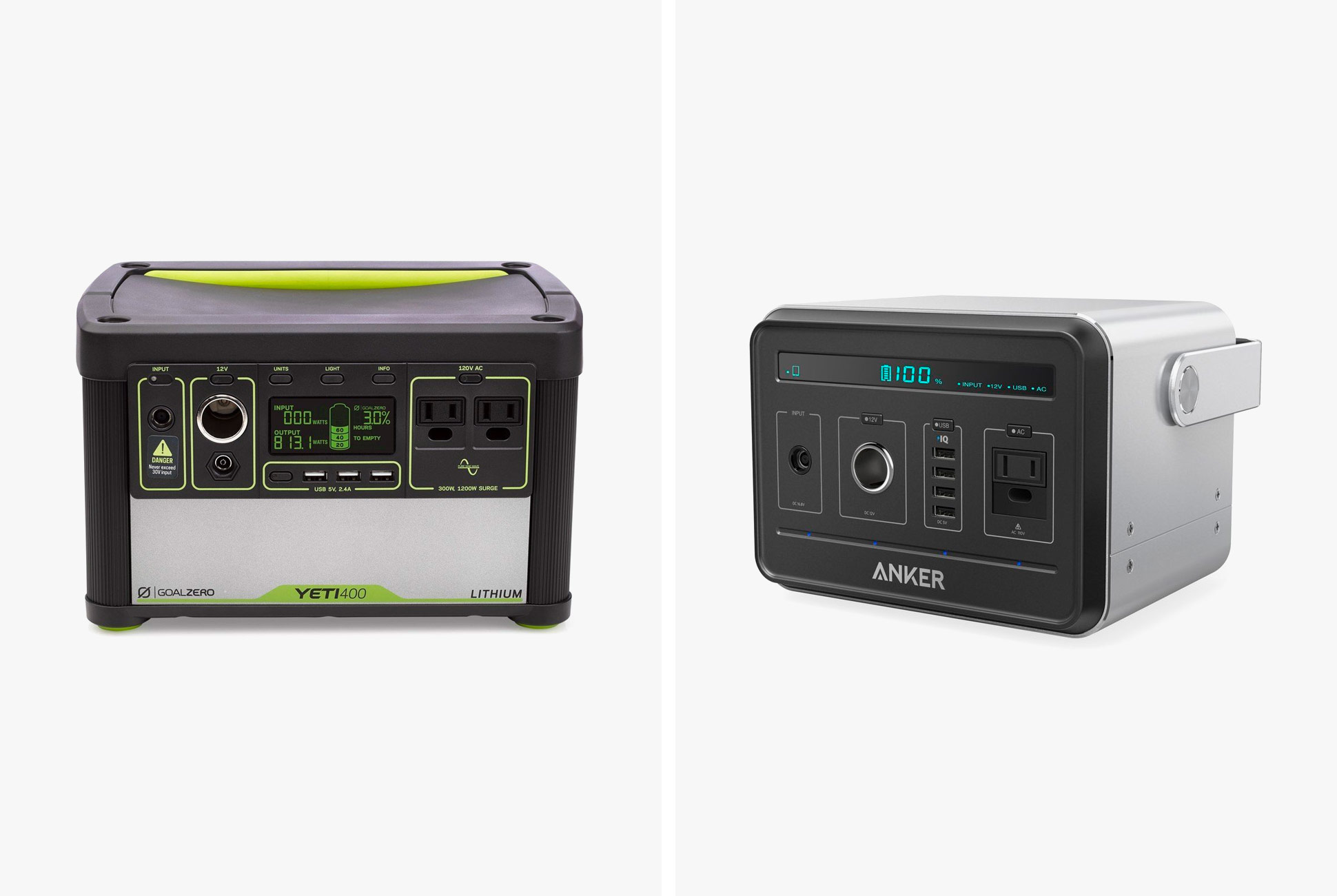
If you’re looking for something similar, but the pick above isn’t quite right, try these alternatives: Goal Zero Yeti 400 Lithium ($480) | Anker Power House ($500)
Jarvis Boards San Jacinto
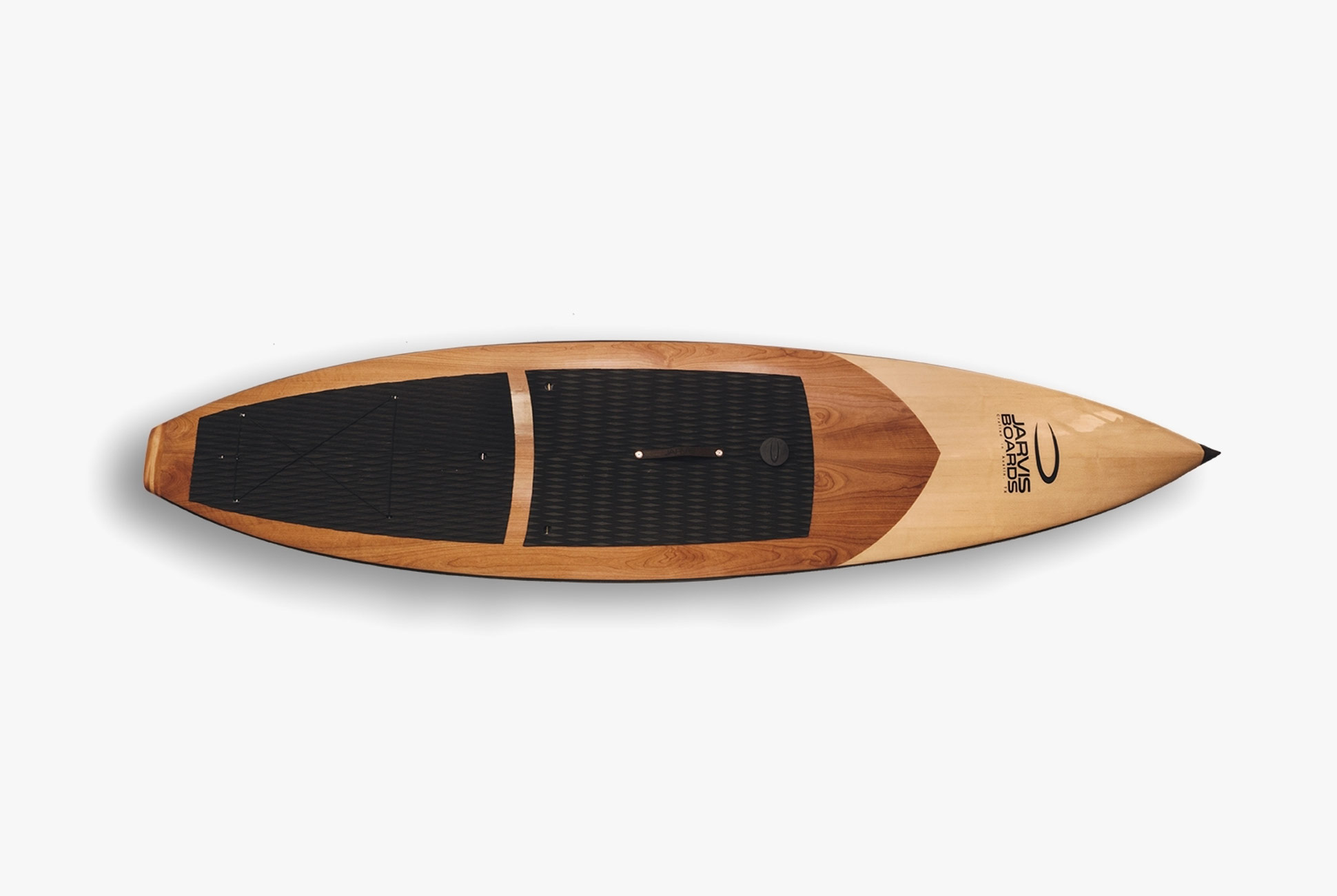
The entire purpose of having a lake house is to spend as many hours as possible on the lake. Swimming, tubing, boating, kayaking and sailing are some of the best ways to fill those hours. Another fantastic way to spend leisure hours? Stand-up paddleboarding. Hop on one of these boards and immediately feel your abs and glutes go to work. Your knees have to stay slightly bent to keep your balance, so your quads are at attention while your upper body paddles. It’s an easy way to get in a workout, while also checking out any new neighbors on the lake. And if you lose your balance, you’ll likely get wet, but after paddling for a while it’ll be a welcome dip. This all-wood touring board is beautiful and would look just as nice on my wall as it would in the water. These boards are handmade in Austin, Texas and feature a cooler tie-down and drink storage, so you can spend your entire day out on this guy. Lazy river, here we come. — Meg Lappe, Staff Writer
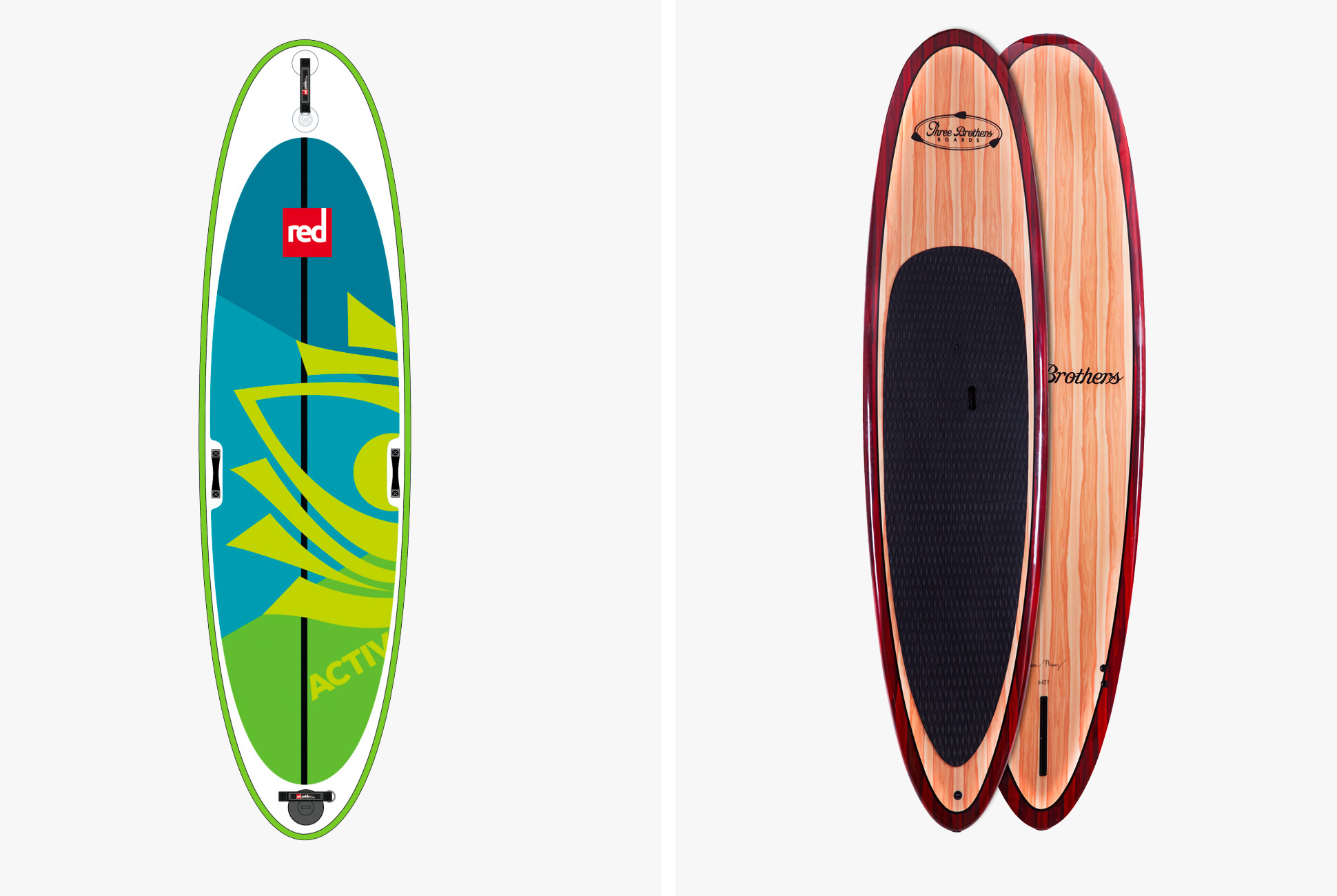
If you’re looking for something similar, but the pick above isn’t quite right, try these alternatives: Red Paddle Co. Activ MSL ($1,399) | Three Brothers Boards ($1,049+)
L.L.Bean West Branch Canoe
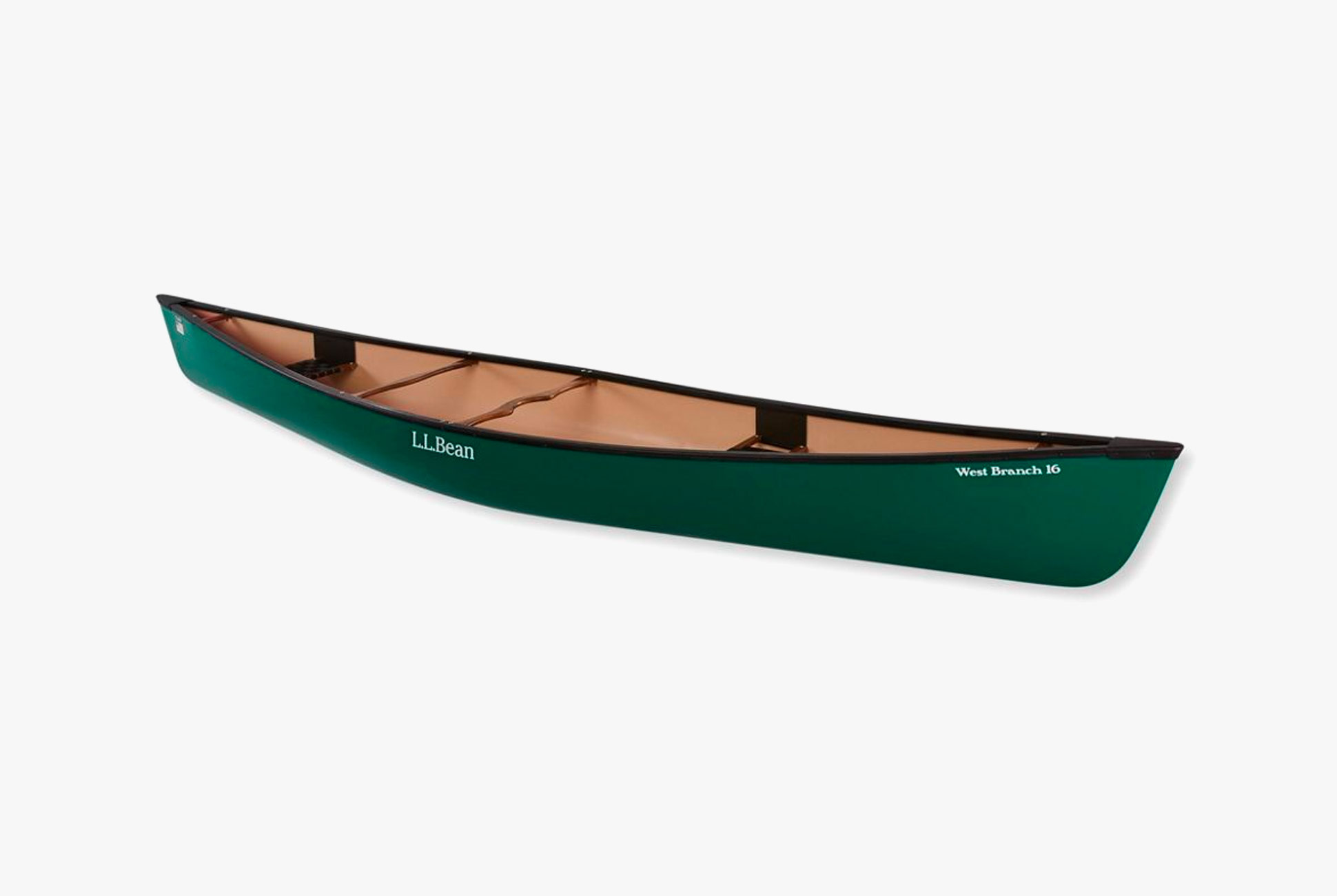
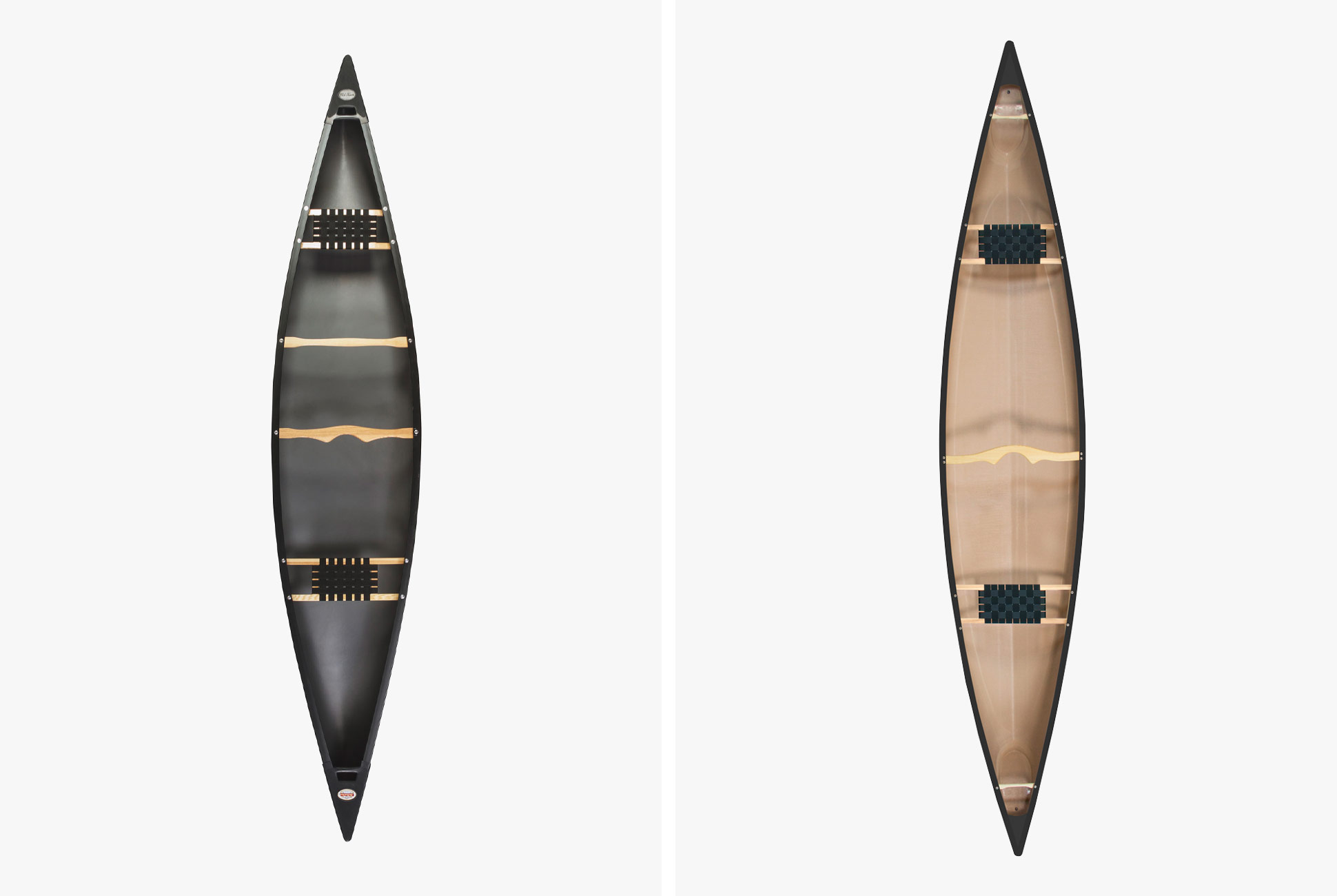
Motorboats are fun and all, but for those glassy mornings, I prefer a slower approach to boating. My family has owned a canoe for as long as I can remember, and my first memories of overnight trips involve paddling over and portaging between the lakes of New York’s Adirondack region. A canoe forces its guide into a closer relationship with the water and its currents, as well as his paddling partner — all three must be in sync to allow for efficient travel. Sadly, my family canoe has fallen into disrepair; one of its wicker seats has a hole punched through it by a misplaced knee, and its wooden gunnels are soft with rot from years of exposure to New England weather. For me, a lake house will likely always be a hypothetical, but a canoe won’t be. — Tanner Bowden, Associate Staff Writer
If you’re looking for something similar, but the pick above isn’t quite right, try these alternatives: Old Town Discovery 158 ($1,000) | Mad River Canoe Explorer 16 FGX ($2,459)
Note: Purchasing products through our links may earn us a portion of the sale, which supports our editorial team’s mission. Learn more here.
This Material You’ve Never Heard of Is Taking Over Activewear
W
hen we tested tees for our story on the best-sweat wicking running shirts this year, one material continued to pop up: Celliant, a technology that’s pretty new to the scene and claims to improve blood flow. You may have seen it on the labels of sheets at Target, but it’s beginning to move beyond the home furnishing space and into fitness apparel and outdoor climbing gear. It’s also FDA-Approved as a medical device, which is pretty unusual.
Hologenix, LLC, is the creator of Celliant, and they’ve heavily tested it — enough for the U.S. Food and Drug Administration to classify products containing Celliant as “wellness products.” It’s rare for a material to achieve this status, especially given that it’s not something you ingest, but rather something you wear. It was approved back in July of 2017, and at that point was in Salewa jackets, Tecnica ski boots, Xcel full wetsuits and Lumen sheets; a pretty wide variety of products.
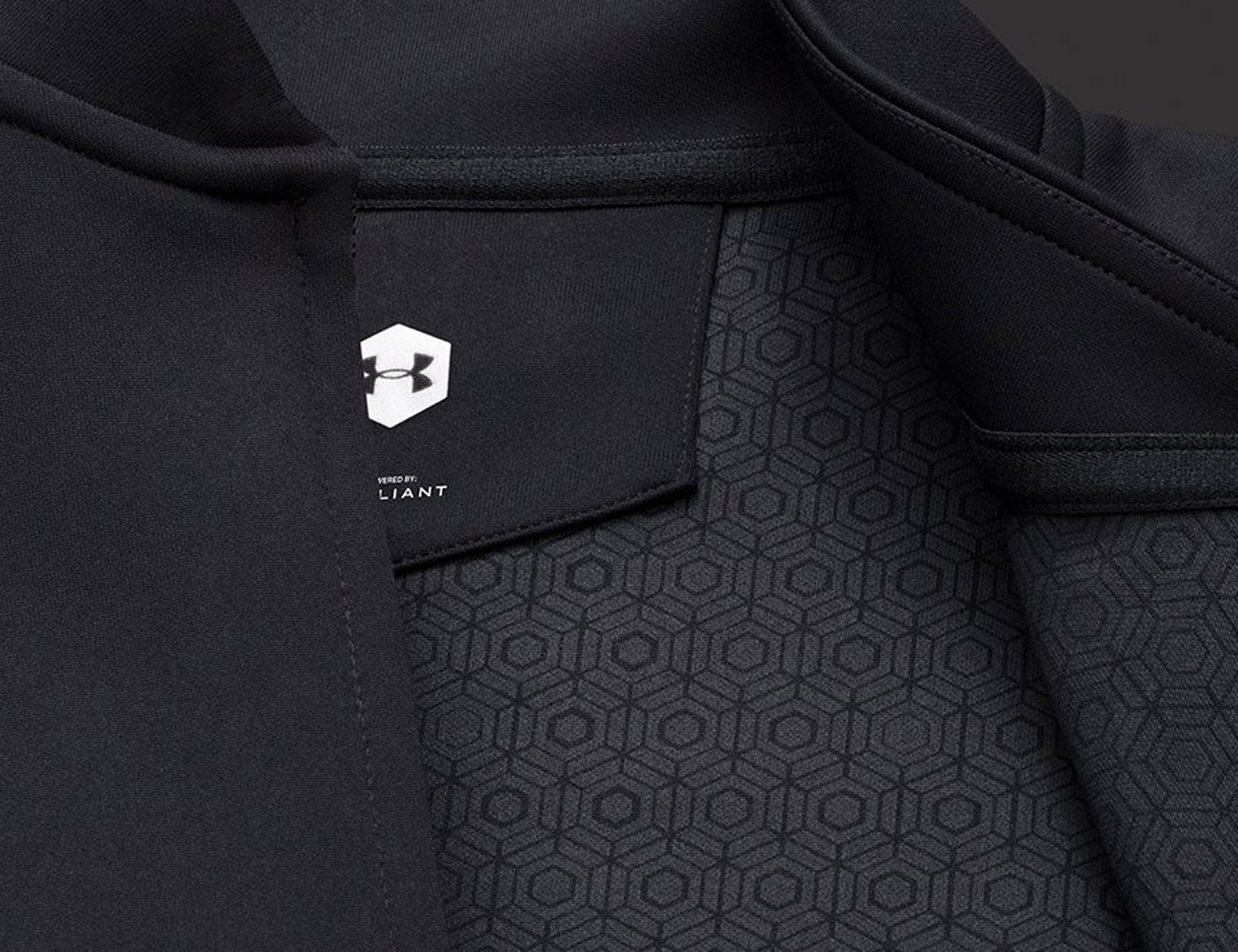
Celliant is an insulation performance booster. “It’s a revolutionary patented technology that harnesses and recycles the body’s natural energy through the medium of fibers,” Topher Gaylord, senior vice president and general manager of the run, train and outdoor divisions of Under Armour says. The Celliant site explains it as “a proprietary mineral matrix that can be embedded into the core of a yarn or applied to a wide variety of fabrics.” Your body produces a certain amount of heat, eight to 15 microns of infrared light. And that can be harnessed (as it is in 37.5 fabric) to work for your body instead of just floating out into the air as unused energy. When your body heat is recycled, it can be reflected back to you as infrared light, which is then absorbed by the body.
An Under Armour top with Celliant.
Before Celliant becomes a material, it’s a thermo-reactive material that’s melted into a resin and then loaded into the core of recycled fibers (which in turn helps to increase microcirculation and peripheral blood flow, according to Salewa). “Because the Celliant minerals are melted into the polyester, they can never wear off, wash out, or decay,” Mark McCarthy, senior project manager at Salewa, says.
In addition to Salewa and Under Armour, Olivers Apparel and Rhone both use Celliant in technical and recovery clothing. In Salewa alone, it’s in 21 different pieces in the alpine mountaineering, trekking and lifestyle apparel. Olivers Apparel has worked with Celliant for the past six months, David Wolfe, founder of Olivers says. “We loved the benefits of the technology and loved the way our mill in Peru was able to utilize it in conjunction with their Pima cotton.”
We’ve yet to put Celliant through a thorough long-term test, but it’s clear that big names are buying-in, and that it’s certainly more than snake oil.
Gear with Celliant
Tecnica Alpine Mach Sport 120 EHV Ski Boots 2019
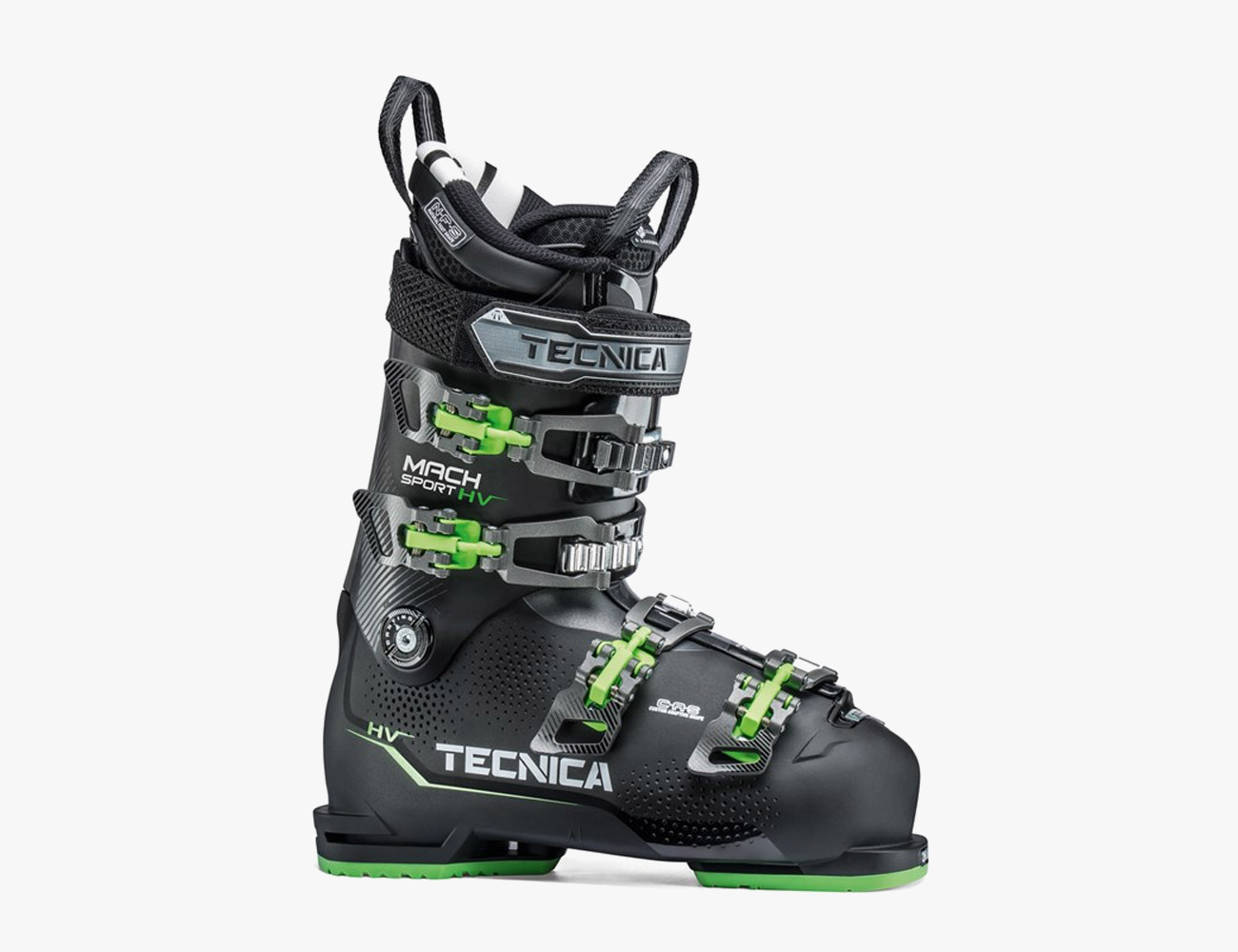
Tecnica has long been heralded in the ski boot market for its impressive and structured footings. The Tecnica Alpine Mach features an extra high volume footbed and Celliant in the walls of the boot to ensure warmth.
Olivers Apparel Club Tee
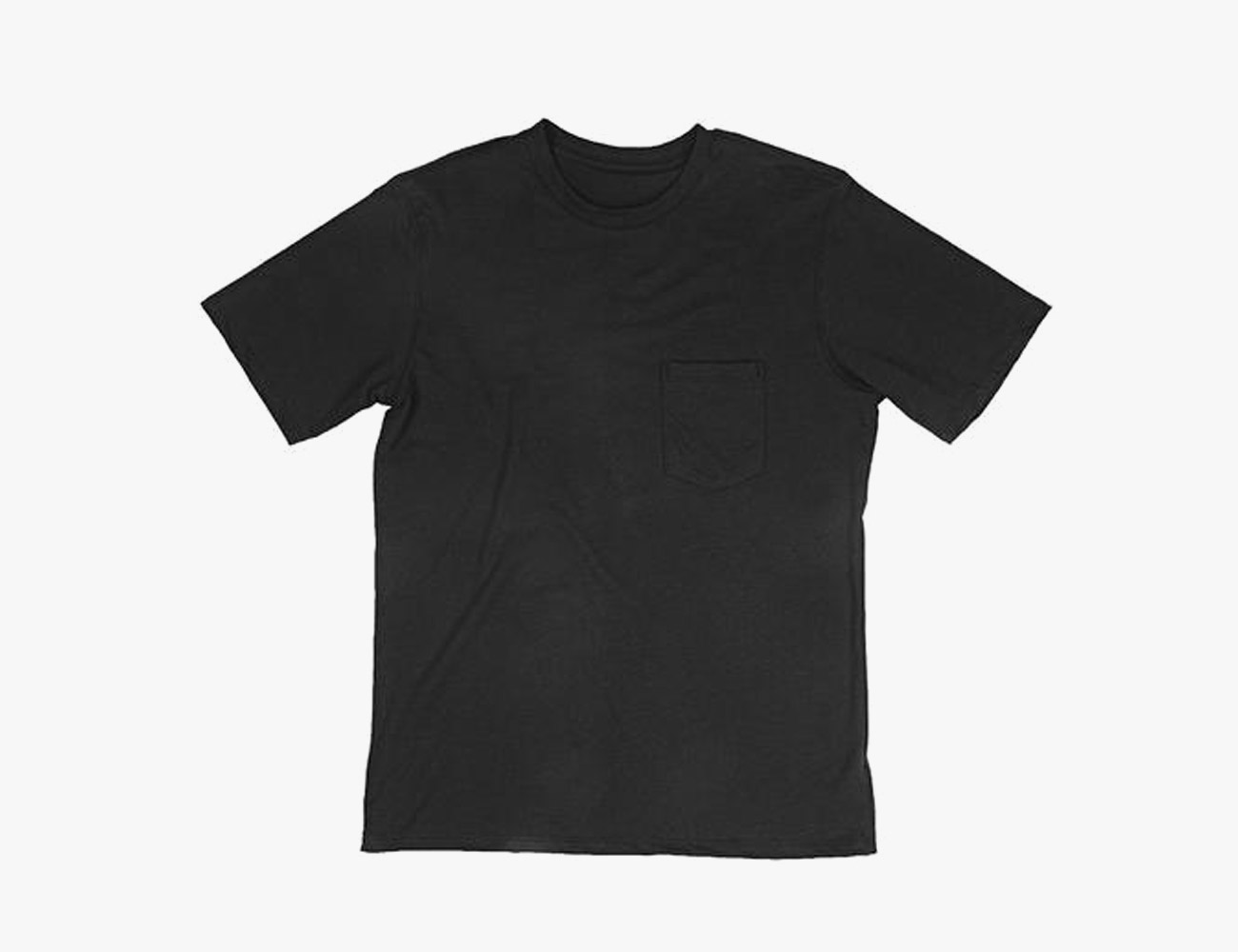
The Celliant cotton jersey will quickly become a staple in your off-duty wardrobe. It claims to recycle your body energy, increase circulation and thermoregulate your body temperature. Pick one up in navy, black or white.
Under Armour Athlete Recovery Sleepwear
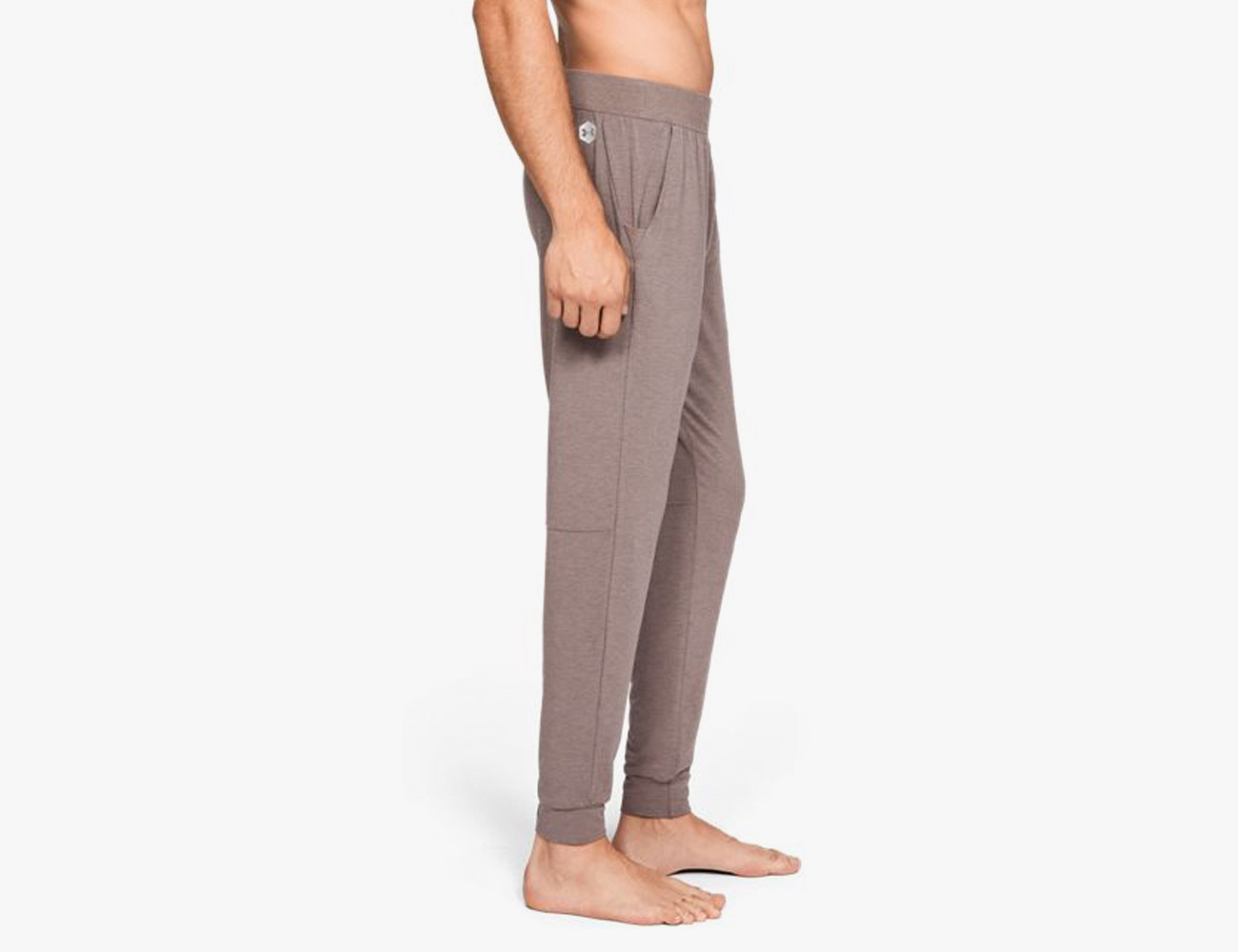
These joggers are just one piece of the recovery system Under Armour built. The sweats are cool to the touch, stretchy and work just as well sleeping in a tent as they do in your own bed.
Salewa Pedroc Hybrid Alpha 2/1 Jacket
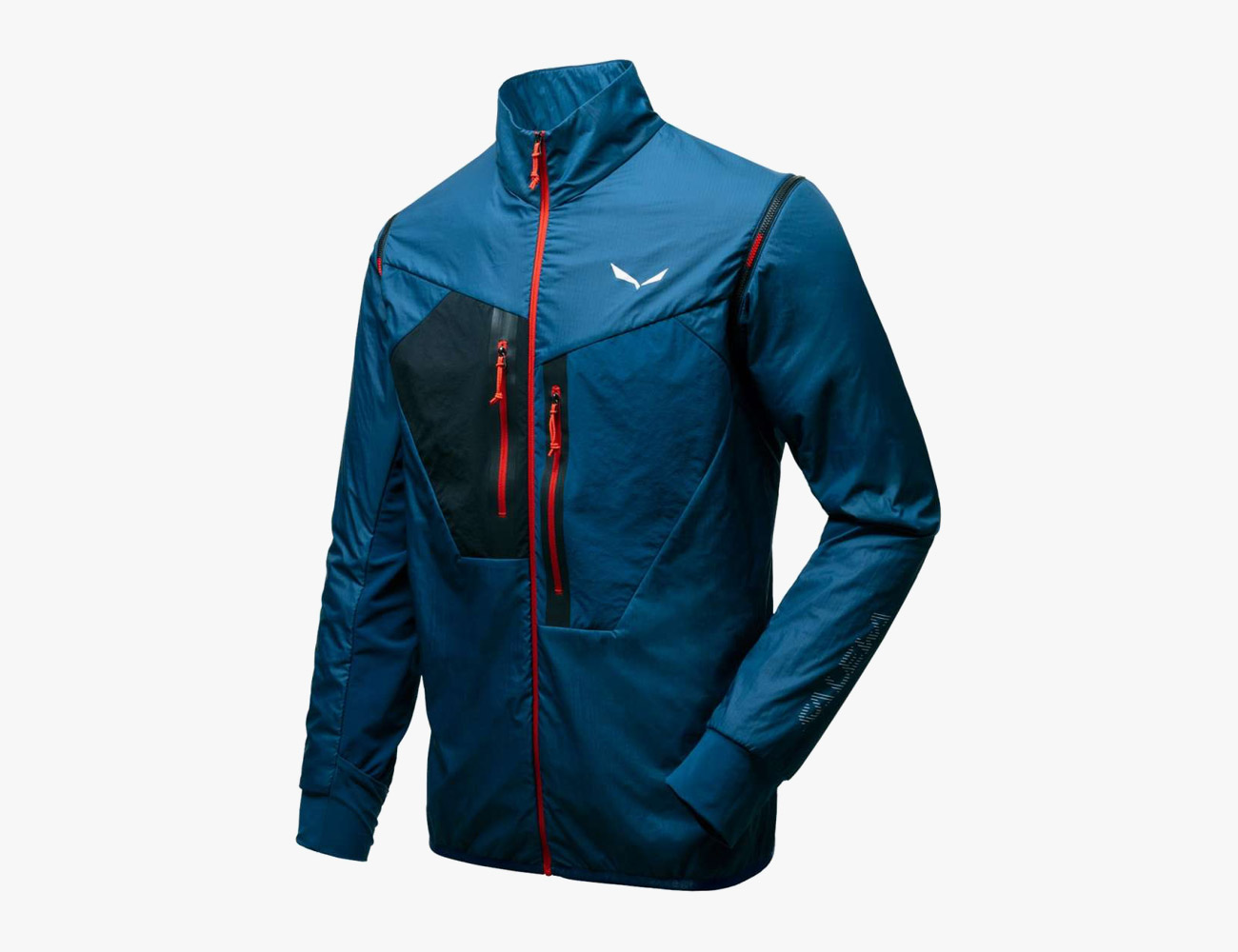
This nylon windbreaker is breathable, strong, lightweight and packable.
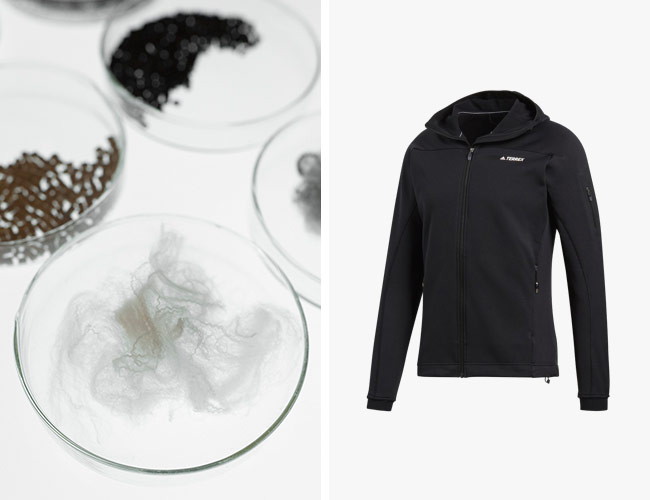
Looking to get faster and stronger? It’s time to upgrade your workout gear with this performance-enhancing material. Read the Story
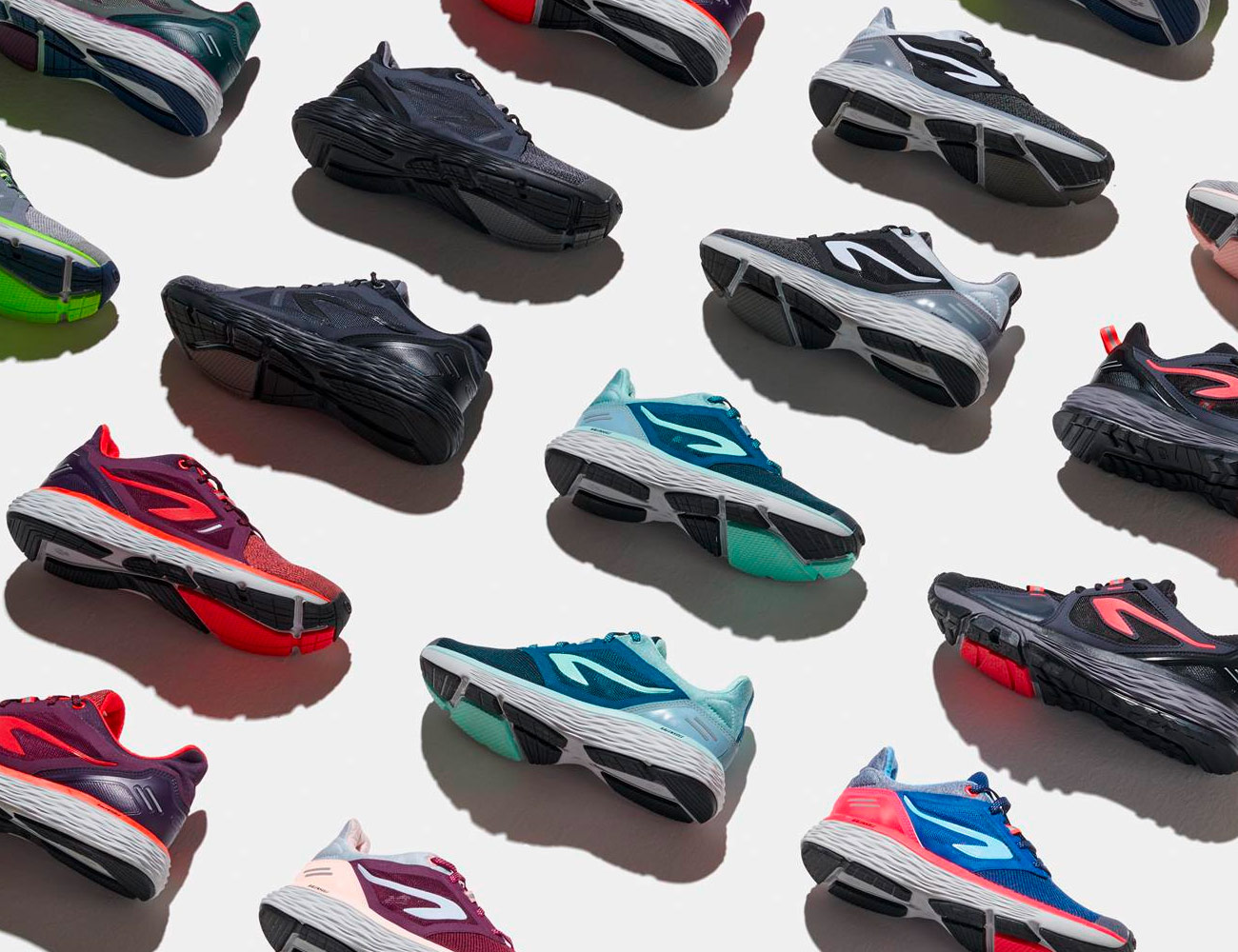
Want Cheap Gear? Check Out This Sporting Goods Company, Now in the US for the First Time
Knowing outdoor gear has been a point of pride of mine (and a source of income, it got me this job) for years. I was slightly surprised when, upon my first backpacking trip to Europe, I noticed a squiggly triangle logo marking almost every other traveler’s gear. I didn’t think much of it. Years later surprise turned to amazement when, on a journey through South America, the logo was just as prevalent. The maker of these popular backpacks is Quechua, a brand owned by the French company Decathlon — the biggest sporting goods retailer, by revenue, in the world.
I hadn’t seen the Quechua backpacks until visiting Europe and South America because, until this year, they weren’t available to buyers in the United States. The company opened up its first brick-and-mortar store on San Francisco’s Market Street in April of this year and launched a massive online retail site with nationwide shipping on August 1.
The reason I saw those backpacks on the backs of nearly every other traveler I crossed paths with? They’re cheap. Like stupid cheap. Decathlon has made inclusivity in sport its core tenet, and the path to get there is through affordability. The company does this in various ways — minimizing advertising and packaging, for example. It also owns all of the brands that it sells in its stores and on its website, Quechua included, which gives it a unique footing in the sporting goods industry. You won’t find Salomon or Nike inside these walls — think of Decathlon like the Trader Joe’s of the sporting world.
This business model has made Decathlon a giant worldwide, with more than 1,300 stores in over 40 countries, and 85,000 employees. In 2017, Decathlon’s pre-tax revenue was €11 billion. That result isn’t a guarantee of success in the US though — the company attempted to breach North American between 1999 and 2006. Its second attempt is more calculated though, and the downtown San Francisco location will be its only, for now. Decathlon is using it as a test subject to gauge the enthusiasm of US consumers and how they’ll take to the affordable goods. More Bay Area locations are in the works, but the rest of the US will have to wait.
That doesn’t mean that products from Decathlon’s stable of more than 20 brands are off-limits though, thanks to its recently-launched website that offers nationwide shipping. That opens up affordable gear for 70 sports including cycling, running and hiking as well as more specific pursuits like mountaineering, SCUBA diving and archery. (Equipment for slightly more Euro activities like handball and futsal are also offered.)
It’s hard to say if affordability alone will be enough to gain a firm grip on the US market. Then again, it’s also hard to argue with a 20-liter hiking backpack for $19.
My Favorite Everyday Knife Just Got a Subtle Upgrade
Knife Needs
My Favorite Everyday Knife Just Got a Subtle Upgrade
If you’ve been skeptical about the small knife trend, don’t be. I get it; I didn’t see how a folder smaller than a pack of Wrigley’s gum could replace the three-inch blade I usually carried, but then I got one, and it all made sense. That new knife was the James Brand’s Elko — it’s been affixed to my keyring for months now — which just came out with a new micarta handle for the first time.
The micarta build gives the Elko a fresh look and some additional grip, which is crucial in a small knife that can’t be leveraged with a full hand. Everything else is the same: it has a 1.7-inch blade made of Sandvik 12C27 steel, which is hard, corrosion-resistant and features a one-of-a-kind drop-point shape that’s as effective as a tiny blade can be, and the keyring loop on the butt works for prying, scraping, twisting screws and opening bottles.
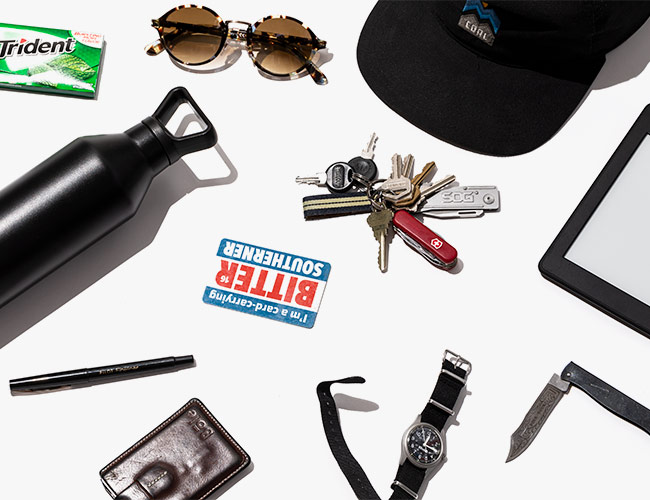
Some favor flair, others prefer practical. The collection of things that gets us through the day-to-day is a mini representation of who we are and how we move through life. Here are the everyday carry items we can’t live without. Read the Story
Want Custom Bikepacking Gear? This Is the Brand to Know
Two-Wheeled Adventuring
Want Custom Bikepacking Gear? This Is the Brand to Know
As activities gain in popularity and move from hardcore-only to the mainstream, the industry responds. You notice the shift when big brands embrace highly-specific products, as Osprey did this year with its “superultralight” Levity backpack. Trends afford companies like Osprey the economic viability to produce those niche products, but they also open up more space for smaller, enthusiast-oriented brands to thrive. Right now, bikepacking is having a moment.
Rockgeist is one of the small brands that’s harnessing the current interest in bikepacking to create a space for itself in the highly-populated bike industry. The company was started in 2014 as a custom maker of multi-day endurance racing equipment. It hasn’t lost the custom angle in the intervening years, but it has begun to cater to less diehard riders.
Rockgeist’s bags are top-notch too. It’ll work with you to build the best bag for your bike and preferred riding style, using the finest materials available. Its high-end Fiber Flight line, which uses X-Pac, Dyneema and cuben fiber hybrid fabrics, serves as a notable example of product that comes as a result of the brand’s small size working in its favor (and ours).
6 Pairs of Hiking Boots We’d Wear All the Time
You go to pack a bag for a weekend trip, where you plan to explore a new ‘hood, get in a few runs, and summit the local mountain — if you happen to have time. Your suitcase is organized with your packing cubes and everything fits seamlessly. You do one final sweep of the house before heading to the airport and realize you didn’t pack your hiking boots. If you hem and haw over whether you need them or if the sneakers you packed will suffice, there’s an easy solution to this. While hiking boots can be quite bulky (how often do they take up approximately 1/3 of your carry-on?) if you find a pair that you can wear on the hill and to your friend’s birthday dinner, you won’t have to re-pack. You’ll need a pair of boots that are high-performing enough for the trail, yet look sleek enough for you to wear all the time. Here are a few of our top picks.
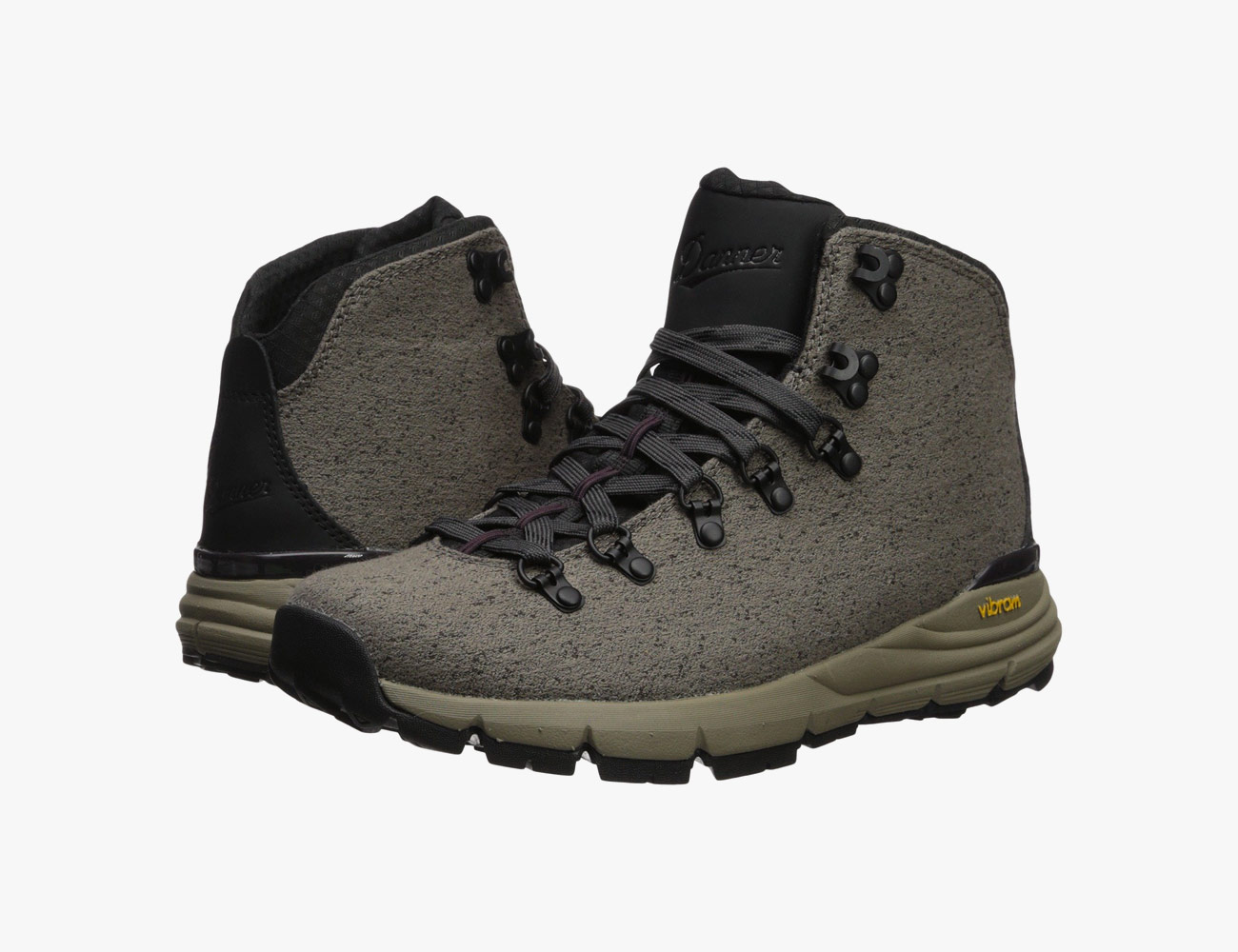
Danner Mountain 600 EnduroWeave
A winner of our best hiking boots this year, these Danner boots are a classic example of powerful grip and a smooth style that works for all types of trips. The carbon wash provides extra breathability and strength to survive for years to come.
Vasque Skywalk GTX Boot
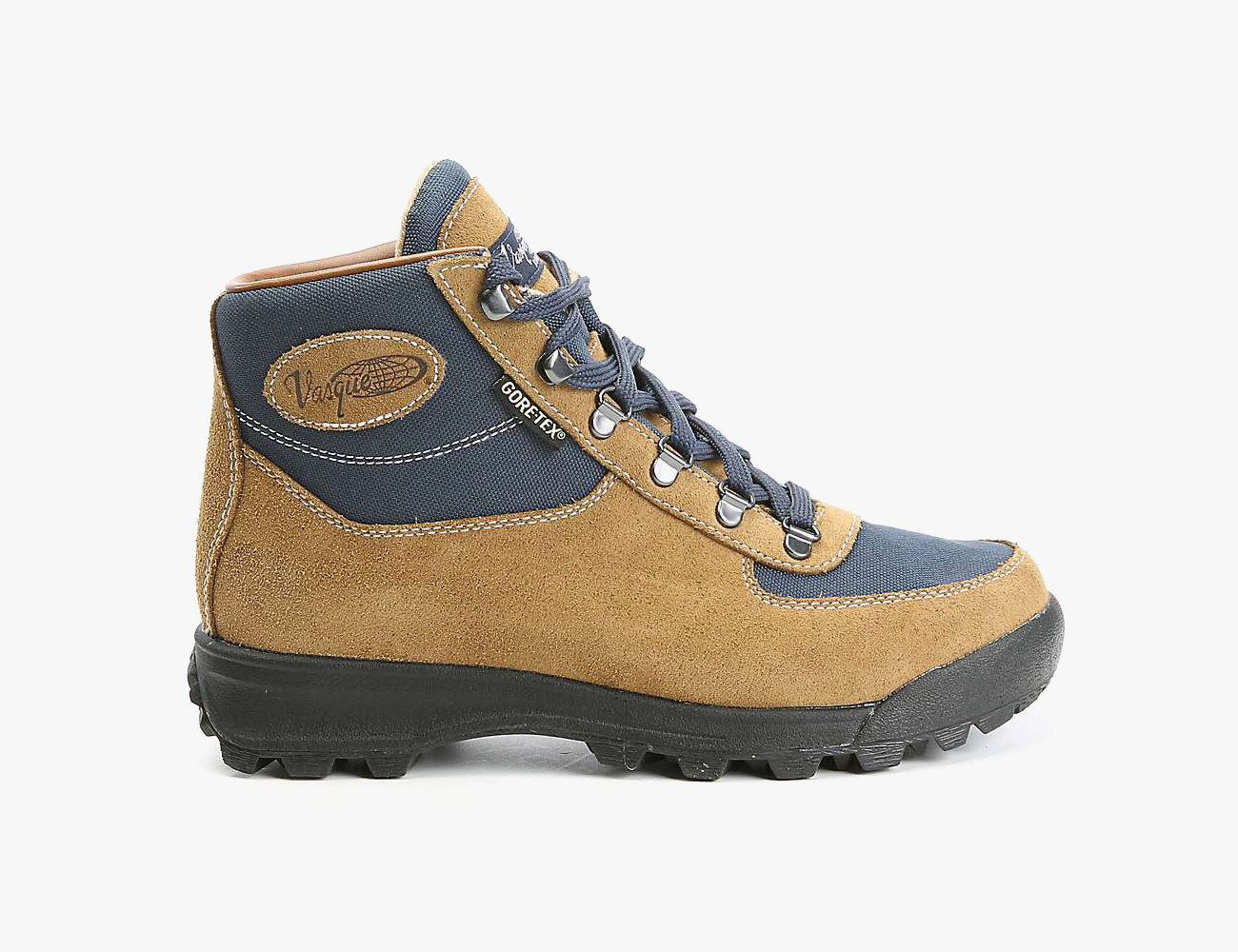
Vasque has been one of the top hiking boot producers since 1964. Originally designed to trek and climb in the Alps, the boots have come a long way from their humble, yet incredibly performance-driven origins. These heavy-duty boots feature Gore-Tex fabric so you can trust they are water- and windproof, yet still breathable. Normally those coatings clog up the small holes that would allow for breathability, but the Gore-Tex material solves those issues. If the navy and tan doesn’t appeal to you, check out the dark brown and green options.
Lems Shoes Boulder Boot
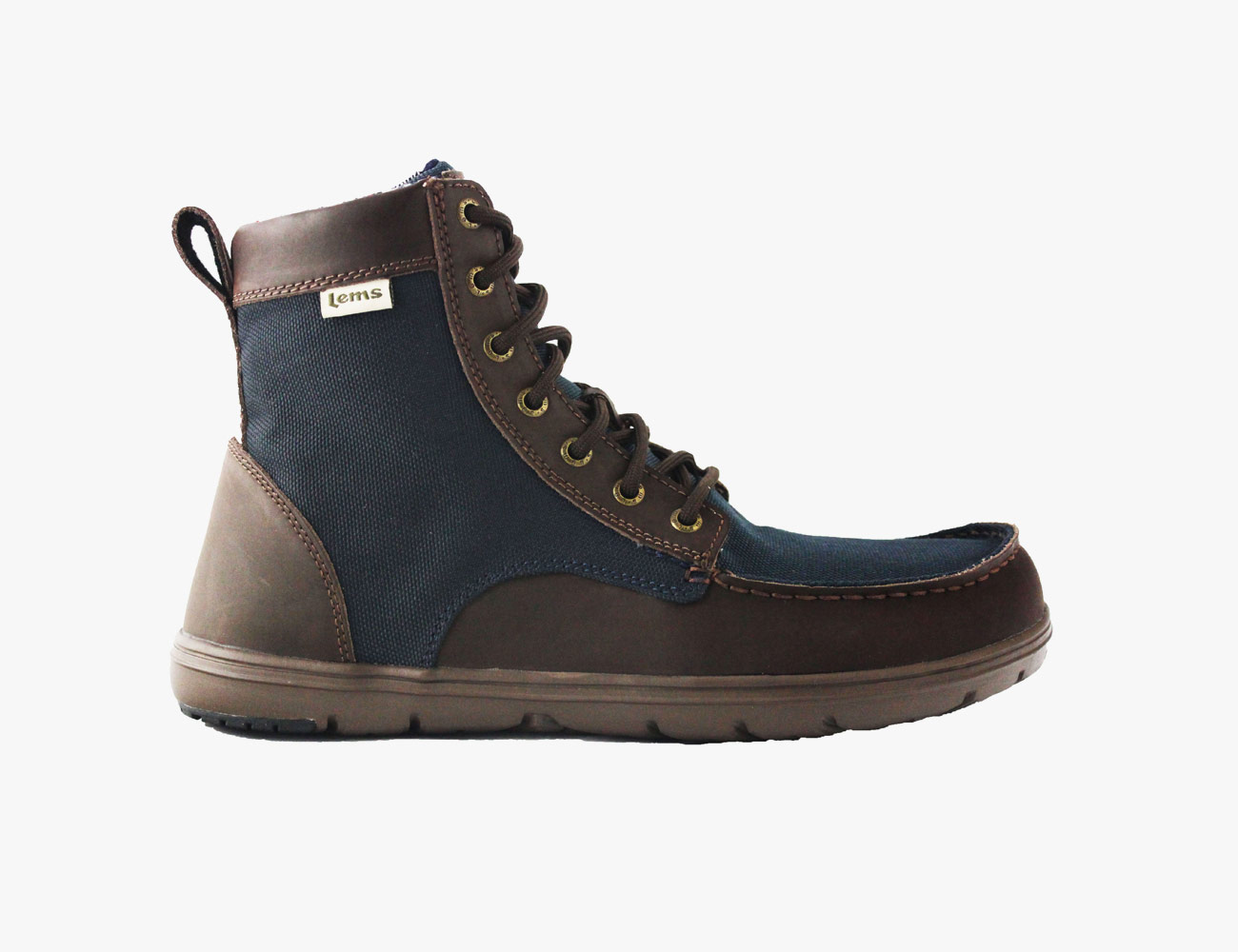
These travel-friendly boots are possibly the only ones on this list that you don’t have to wear on the plane en route to your trip. The shoes weigh 9.9-ounces, less than a paperback book, and can fold together so the heel and toe touch, taking up less space than your dopp kit. Don’t let that deter you from taking these out on the trail though — the stain- and moisture-resistant material withstands puddles and streams, and the grippy outsole is more flexible than traditional rubber so it moves more with your feet than typical hiking boots.
Ridgemont Outfitters Heritage Boot
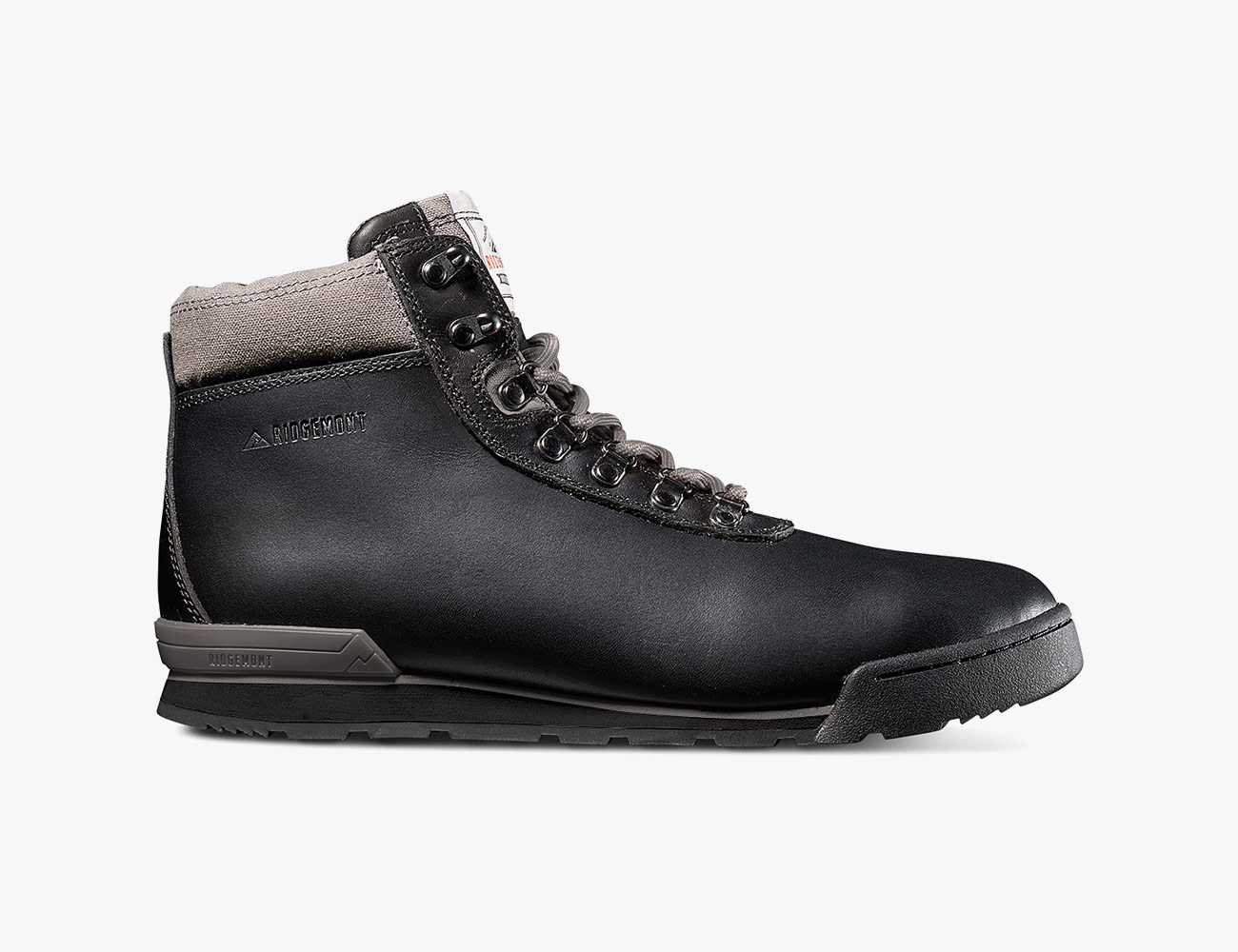
This urban-inspired boot features a lightweight leather upper and an EVA foam footbed so you can wear it all day long. The lugged tread means the waterproof boots perform on trails or during walks around the block in the rain.
Viberg Hiker
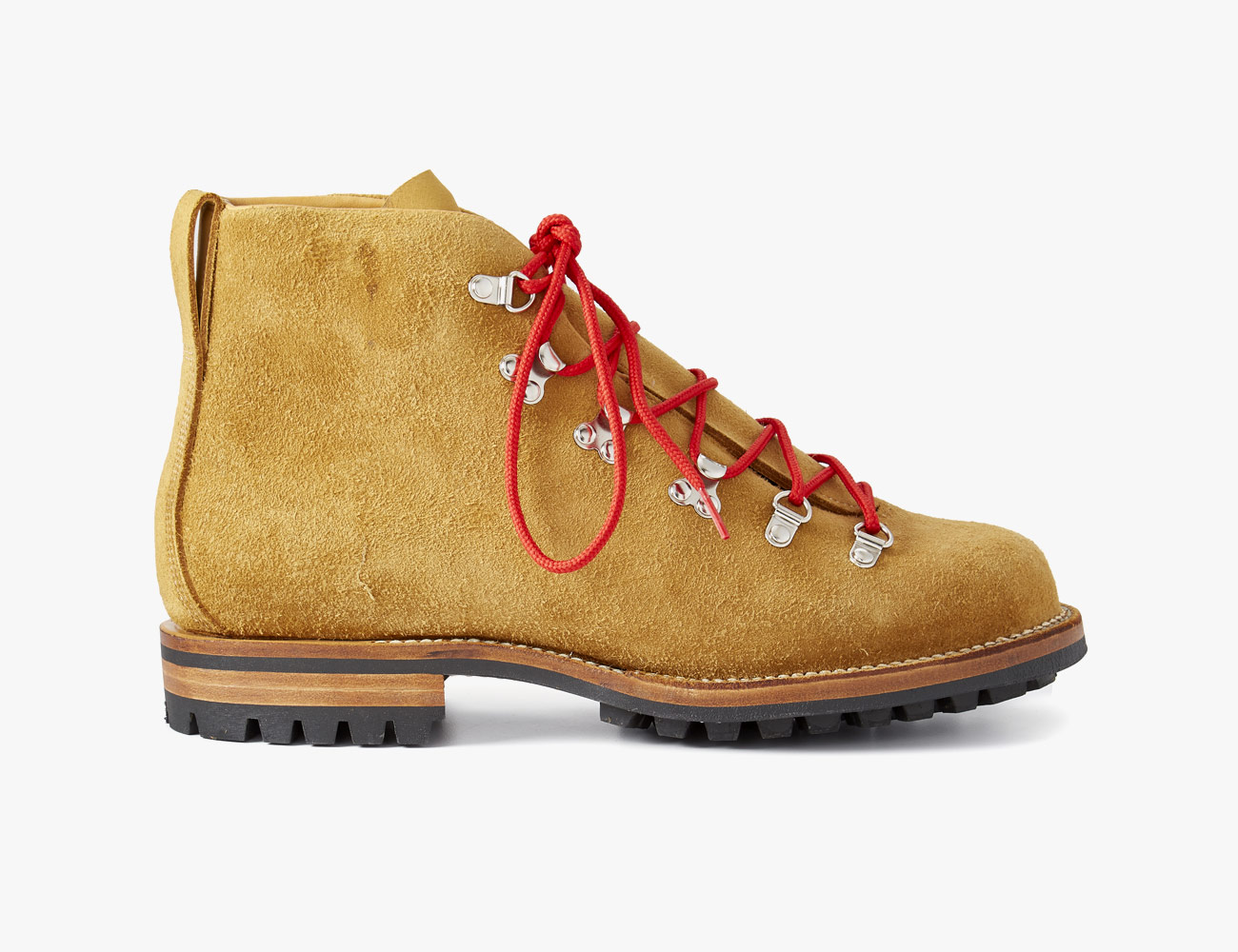
While the Viberg hiker is the most expensive on this list, the 80-year history is rich and expansive in the Pacific Northwest. Viberg originally created boots for loggers and farmers, meaning they know how to make durable and tough boots. The Vibram traction grips in all conditions and the Thinsulate insulation will keep your feet warm as the weather changes. The materials that make up the boot are really the shining stars: insoles from Spain, Swiss hobnails, leathers from the U.S. and Italy and brass tacks from England.
Merrell Sugarbush Waterproof
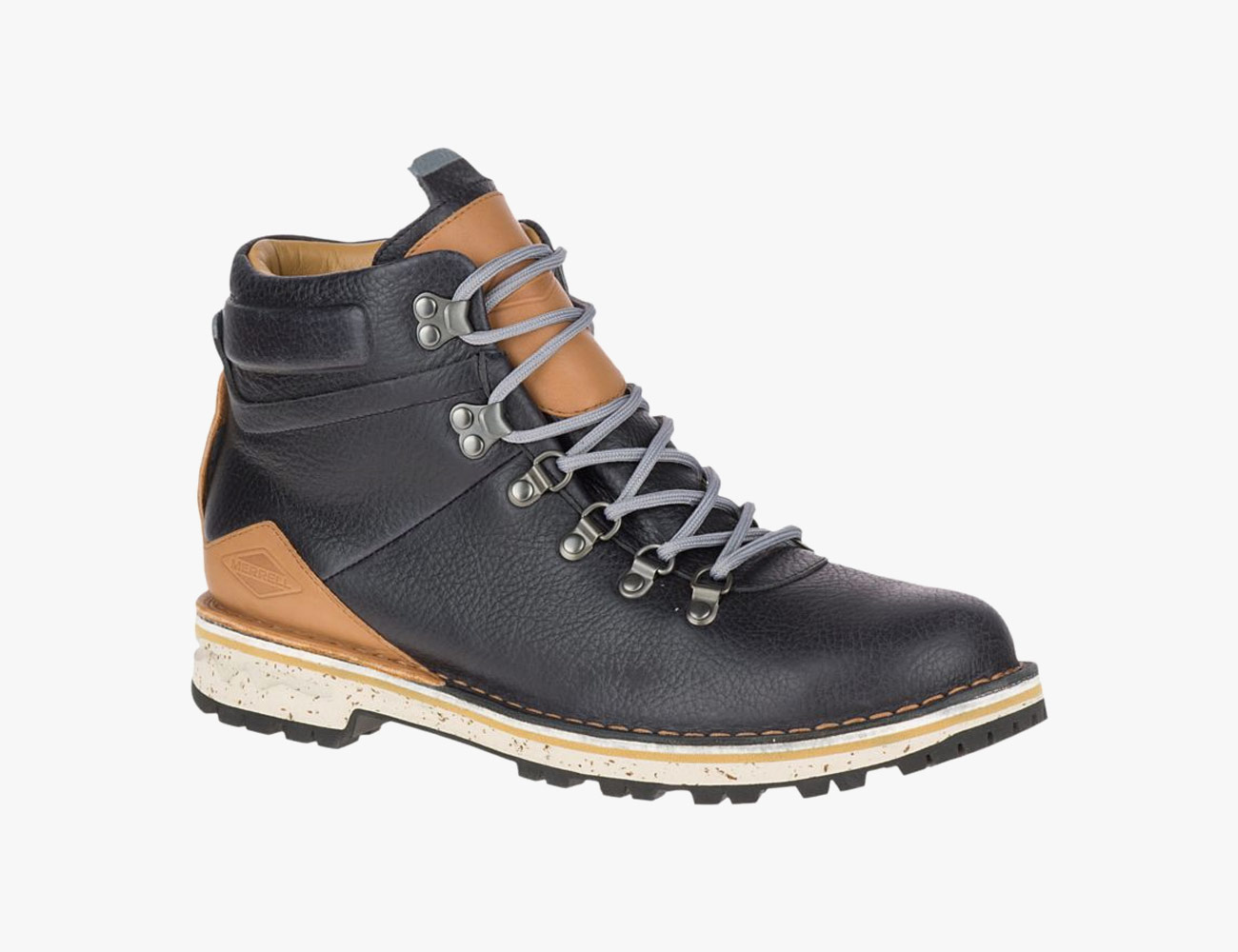
While not explicitly hiking boots, these boots survived a hike in the White Mountains and another just north of Portland. Full grain waterproof leather looks great on the mountain, in the coffee shop and on your commute. A Vibram outsole is top notch and the EVA midsole provides all-day comfort.
Note: Purchasing products through our links may earn us a portion of the sale, which supports our editorial team’s mission. Learn more here.
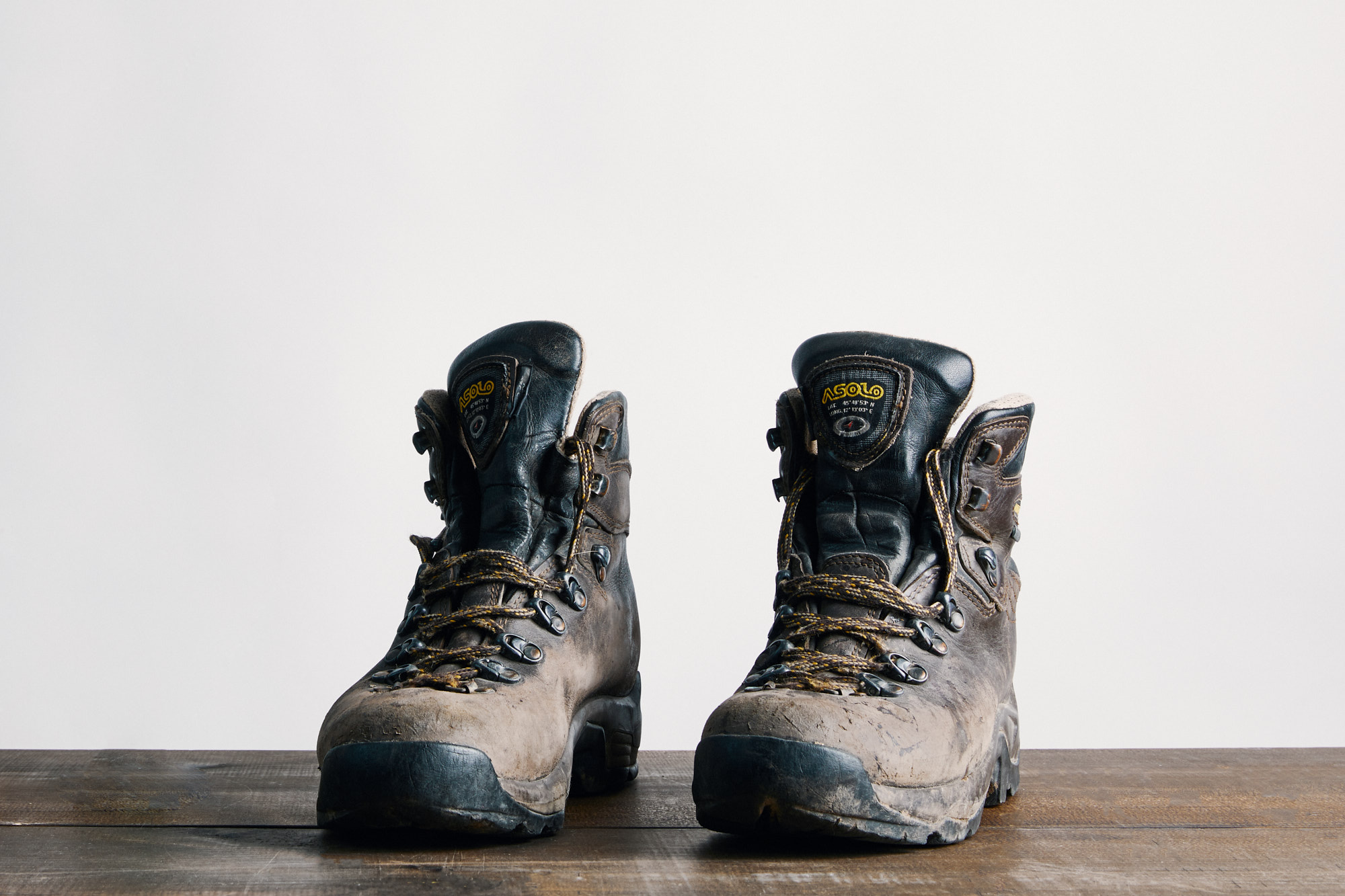
How to Clean and Maintain Your Leather Hiking Boots
After graduating from high school, instead of forging ahead along the traditional path of higher education, I decided to enroll in the National Outdoor Leadership School for a semester spent entirely in the bush of New Zealand. For this, I needed a pair of sturdy hiking boots.
In an attempt to save some cash, my father proposed an alternative to our local gear shop: his old hiking boots that had been stashed in various bins and closets for 20 or so years. As he’d be the one ponying up for a new pair, I didn’t have a choice other than to concede and agree to at least look over the boots and slip my feet into them.
When he finally did succeed in obtaining the boots from the maw of our basement, it quickly became clear that they would not serve me on my trip. For one, they didn’t fit. But more importantly, the leather had cracked and dried like over-dehydrated beef jerky; the stiff mass of rubber and leather less yielding than our dog’s rawhide bones — he took one sniff and retreated, and we made our way to the gear shop.
My dad’s boots — I no longer remember the brand — were the type that could feasibly have lasted a lifetime, had they been adequately cared for. Even after years of his use, the lugs maintained their ridges and the welt held fast. It was the leather upper, left to years of neglect, which made the boots un-walkable.
Cleaning and maintaining leather hiking boots is a simple chore that, if carried out regularly, will make a sturdy pair of boots last years. We recommend using Nikwax products to do this because they don’t require heat activation and are easy on the materials, so we reached out to the company for tips on how to best handle the job. Below, Heidi Allen, VP of Marketing, demystifies the process, and the same boots that I bought before traveling to New Zealand get a much-needed cleanse, nearly 10 years later.
When to Clean Your Hiking Boots
“Clean your boots whenever they get really dirty. Leaving dirt caked on your boots will pull moisture from the leather, which can cause premature cracking. If you’re not getting your boots super muddy, the best way to tell when they need care is when they no longer repel water. If they absorb water, it’s time to clean and re-waterproof! If the leather cracks and splits, especially right where your foot flexes, it’s no good.”
How to Clean and Maintain Your Leather Hiking Boots
1
Clean your hiking boots. “I like to stick a towel in the boot to absorb any air and water so the inside stays as dry as possible. This also shortens the dry time so you’re not left with sopping wet boots after the cleaning. Leave your hand in the boot holding it with a towel, scrubbing the exterior with the cleaning gel under a little bit of running water. Once it’s all nice and clean and rinsed, then you’re ready to waterproof.”
2
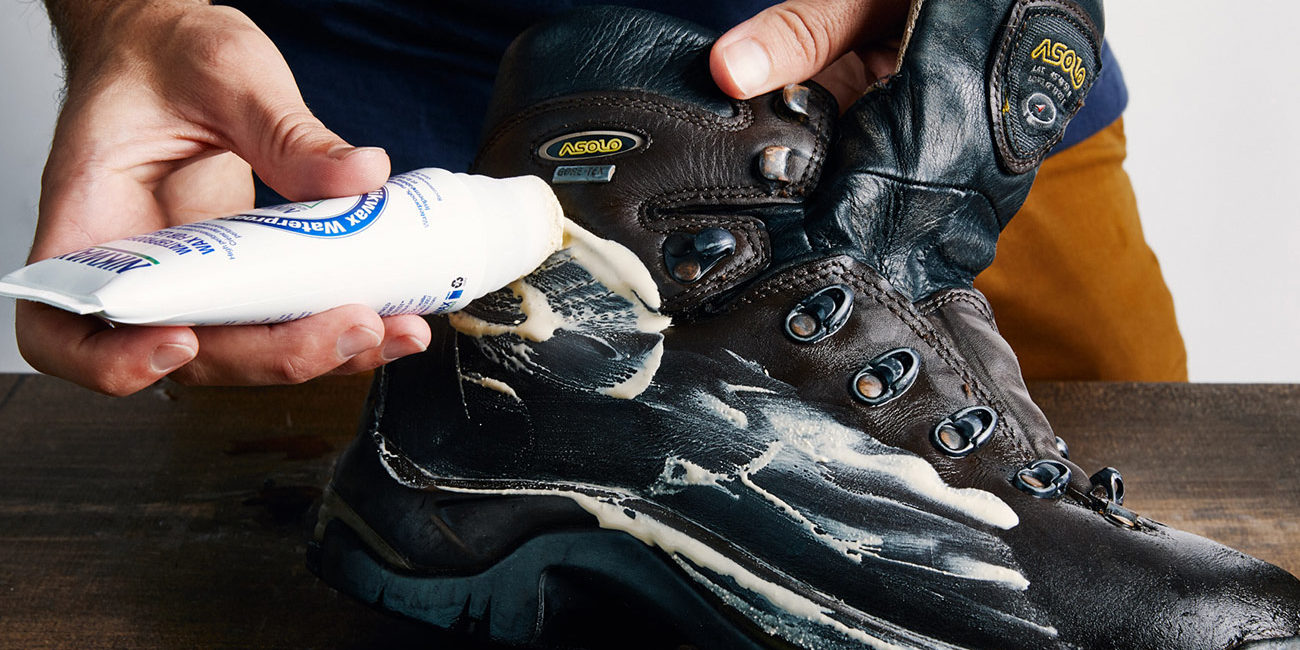
Re-waterproof your boots. “For full-grain leather, we make waterproofing wax for leather. We have it in a cream and liquid format — I almost always recommend the cream. It’s immediately effective and it doesn’t need to dry or cure. Squeeze it on and rub it in — you can use a cloth, the built-in sponge or you can use your hands. Pay attention to the seams — make sure you get full coverage.
Then, wipe off any excess. You don’t want big globs left over; you want it to pretty much disappear into the leather. A lot of other leather products will actually soften the leather, which is problematic if you want any structure to your boot because over time they’ll get floppy. This product doesn’t over-soften, but it still preserves the tanning agents and maintains the moisture of the leather so that it doesn’t dry out or crack.”
What to Do if Your Boots Are Dry and Cracked
“Let’s say you do have a pair of boots and they’re starting to get a little dry and cracky. We make conditioner for leather as well, and you can use it instead of the waterproofing wax and it’ll actually soften the leather. It’s great for rejuvenating cracked leather and it’s also awesome for breaking in a pair of super stiff boots.”
What You Need
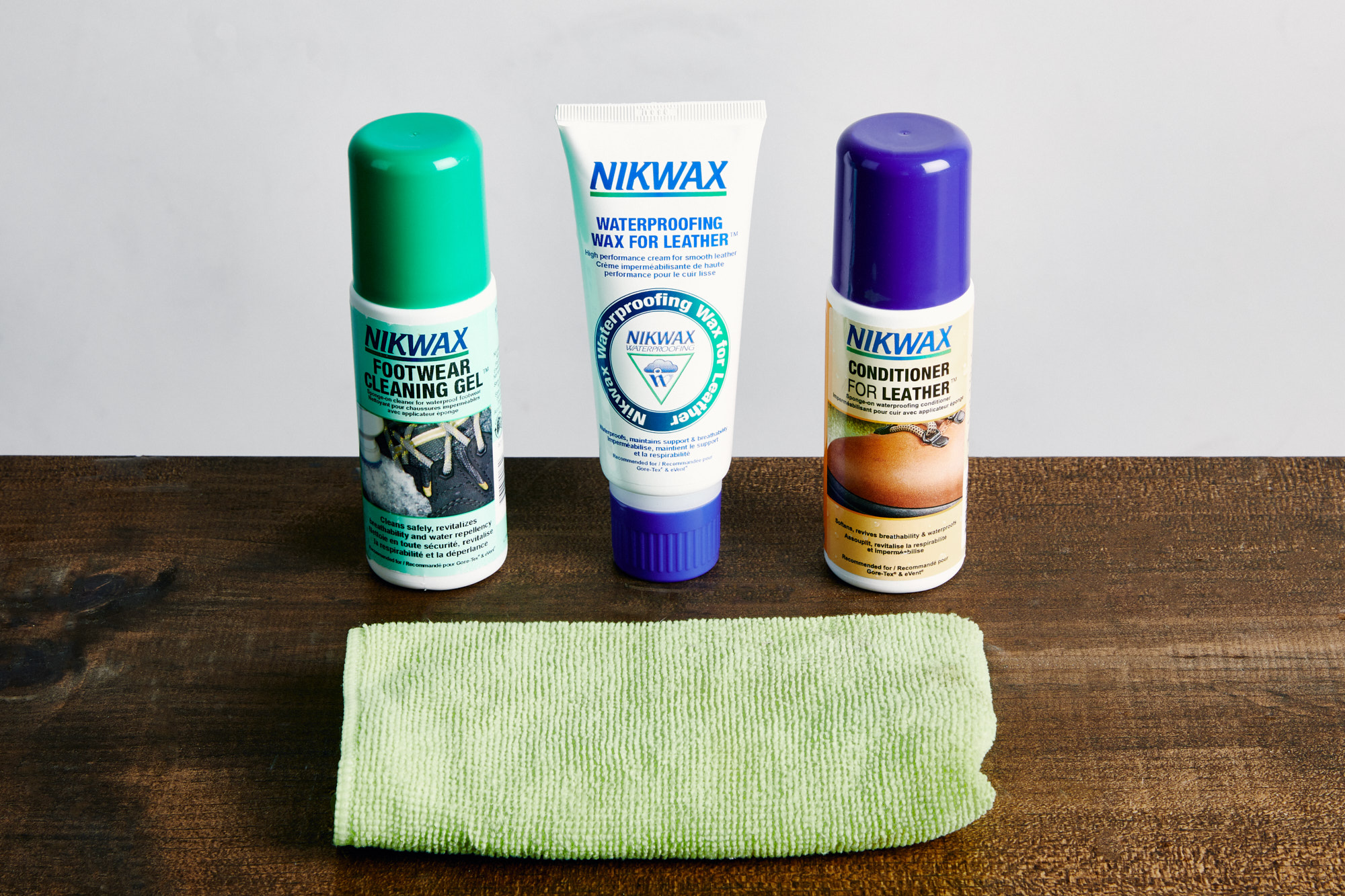
Footwear Cleaning Gel by Nikwax $11
Waterproofing Wax for Leather by Nikwax $8
Liquid Leather Conditioner by Nikwax $9
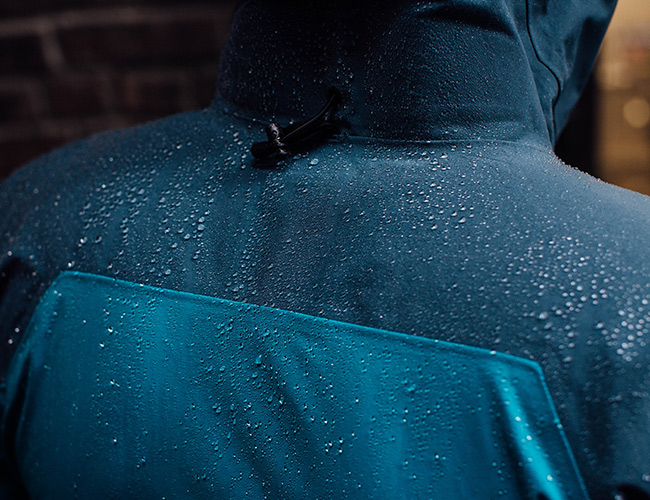
Waterproof garments can lose their resilience over time, but that doesn’t mean your rain jacket belongs in the trash. Save yourself a few dollars by learning how to revitalize it with the right tools and a few simple steps. Read the Story
Note: Purchasing products through our links may earn us a portion of the sale, which supports our editorial team’s mission. Learn more here.
The 6 Best Outdoor Lanterns for the Urban Outdoorsman
Last year, when I attended The Pursuit weekend in California, I was so excited to spend the weekend hiking, trail running and camping. It was late by the time I landed in San Francisco, and the drive out to camp was roughly 45 minutes. We quickly lost service as we headed into the redwood forests of Santa Clara County and arrived after 10 P.M. That meant cell phones were pretty much only relevant as a flashlight. We checked in with the team under what seemed like beaming overhead lights, and then took a golf cart part of the way up the hill to get to our Barebones pop-up tents. I was gifted a headlamp, but with that alone, I couldn’t even begin to fathom how large the tent was. (For context, it was bigger than my NYC bedroom.) Luckily, as I explored the dark space, I stumbled upon a Beacon, a twist-on, twist-off lamp that attaches anywhere thanks to a carabiner top. Game-changer.
The bathrooms were a bit of a hike down the road, which was unlit, so naturally, I would wear my headlamp. But once I attempted to return to my tent in the dark, each one looked the same. Thankfully I could keep my lamp on, so I could peek into the space and double check it was mine before climbing into a stranger’s sleeping bag; thus was born my love of easy-to-use lanterns.
Their uses have no boundaries. They’re great for backyard exploring, backpacking and hiking trips, and for nights where you want to turn off all the lights, but read something without a headlamp digging into your forehead. These 6 lanterns are perfect for the weekend warrior and the urban outdoorsman — each blends style and function to become something we want in our homes as well in our backpacks.
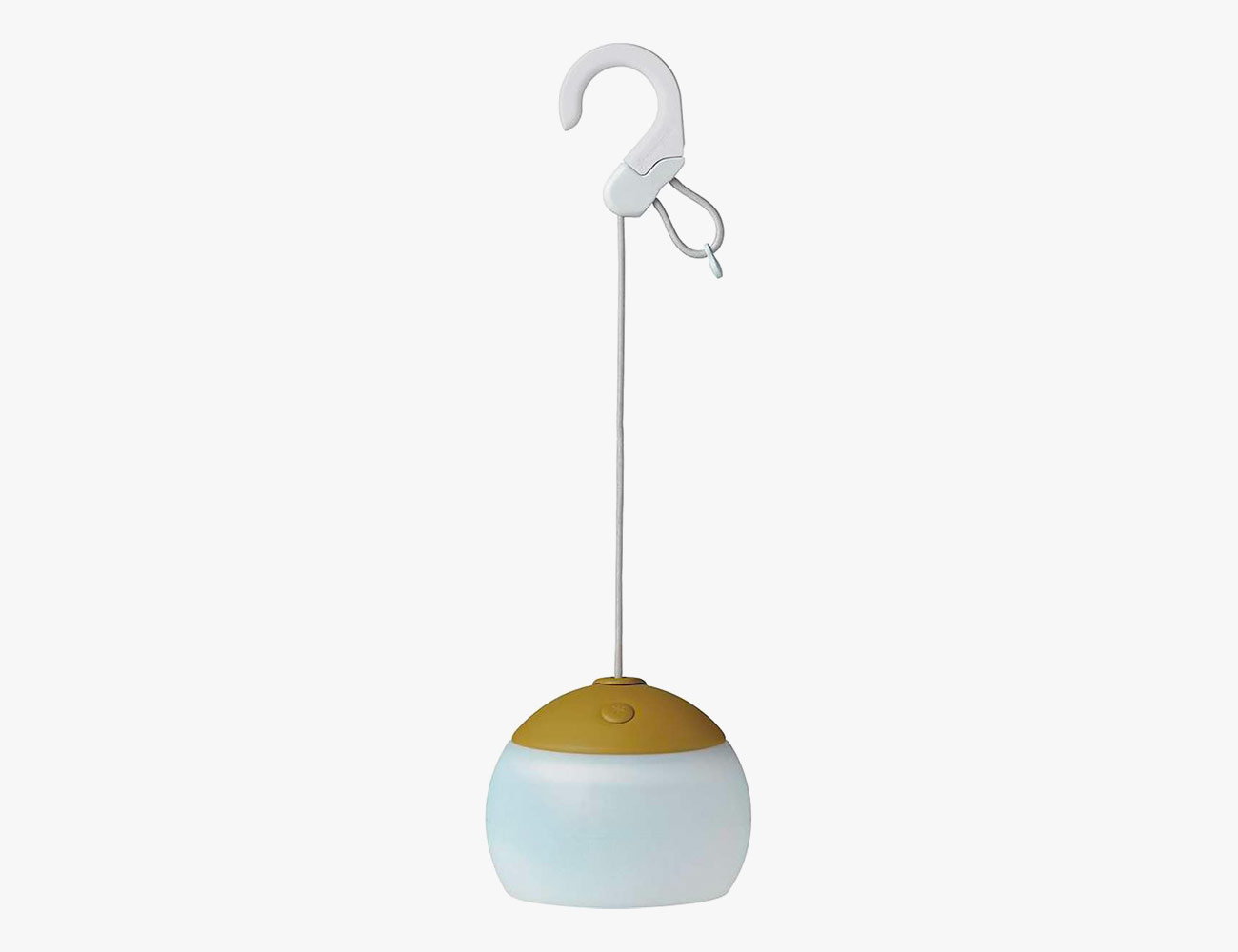
Snow Peak Hozuki LED Lantern
Snow Peak excels in crafting highly creative and beautiful, yet functional gear. This water-resistant and rechargeable lantern will glow like a candle for up to 80 hours. Pick from three modes: high, low and medium.
Goal Zero Lighthouse 250 Hub Lantern
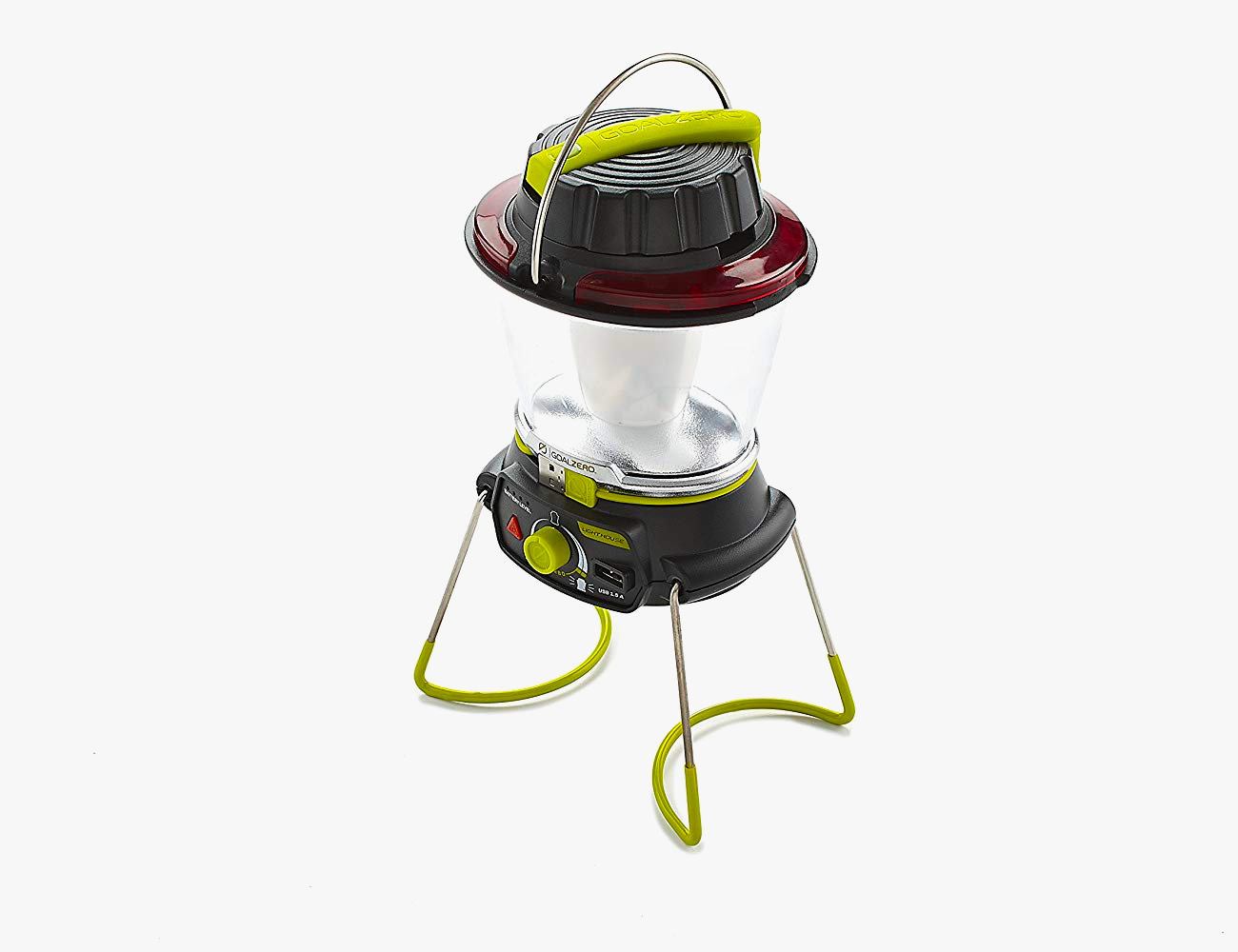
The lime green accents stick out in a sea of forest green and red lanterns. Let this one glows for up to 48 hours on low power, with the additional charge enough for a tablet or smartphone when you’re seeing red. Pick up a solar panel to avoid using the wall outlet.
Lander Cairn XL Lantern
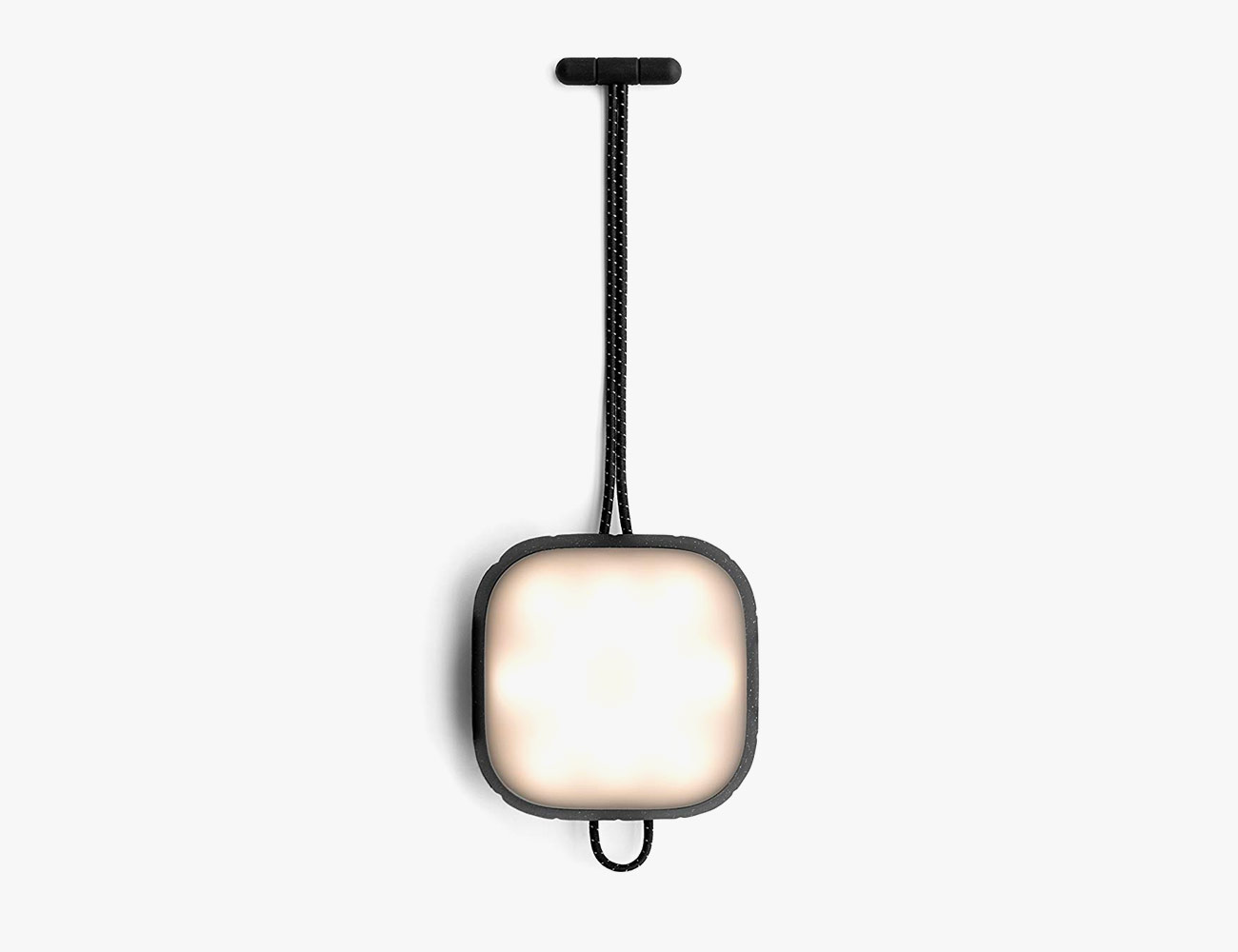
A lamp that operates from your phone might not be the smartest thing to bring into the backcountry, but to store on your back deck or front lawn? Now that’s something we can agree with. Whether your kids need a hanging light in their tree house, or you could use a little extra sun after hours, the Cairn XL lantern offers 350-lumens of power. Did we mention it’s waterproof and dustproof?
Black Diamond Moji Lantern
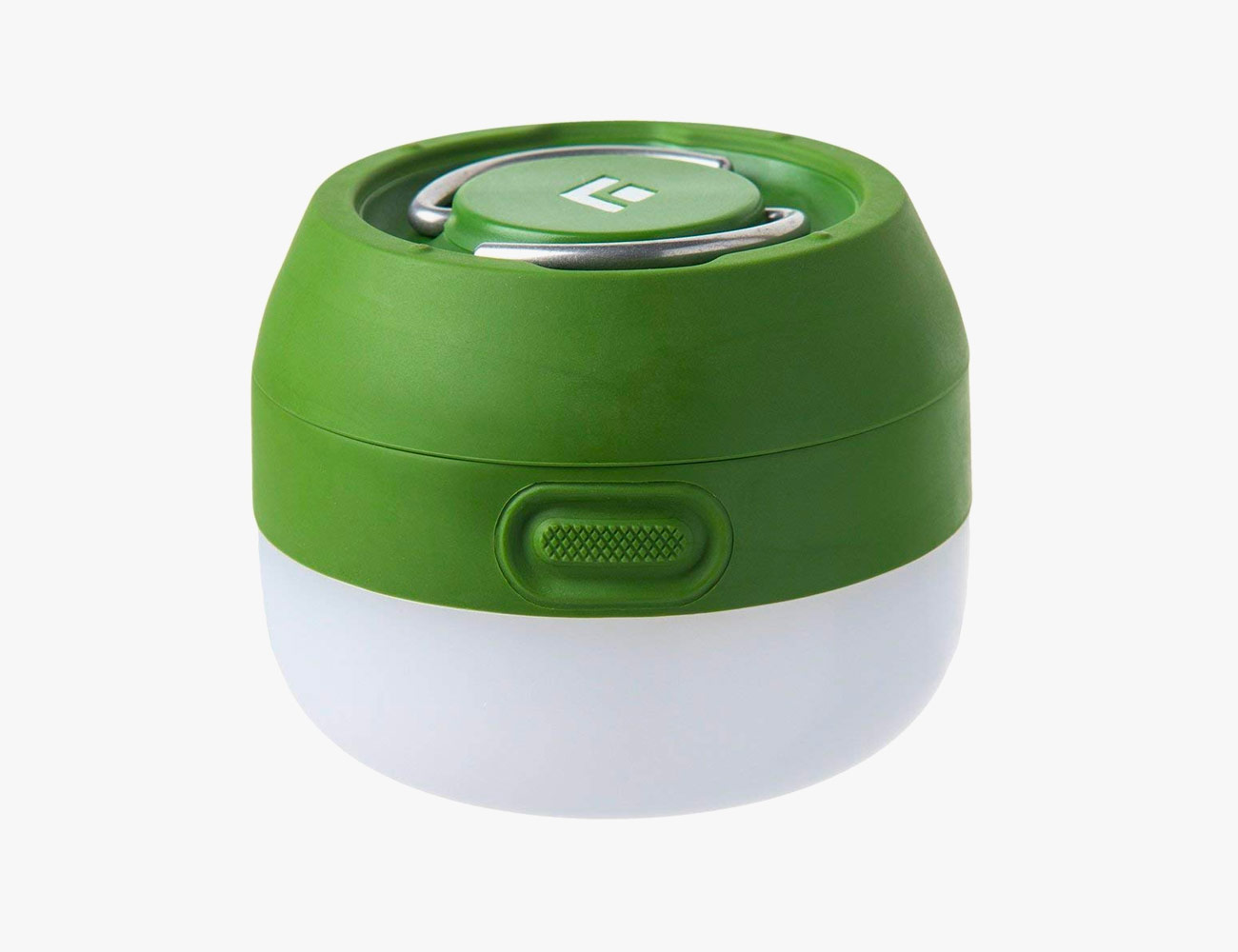
Pick from eight bright colors that shine at the capacity of 100 lumens. A frosty globe on the bottom half of the mushroom-shaped lantern glows for up to 70 hours, or however long your three AAA batteries last.
MPowered Luci Outdoor 2.0
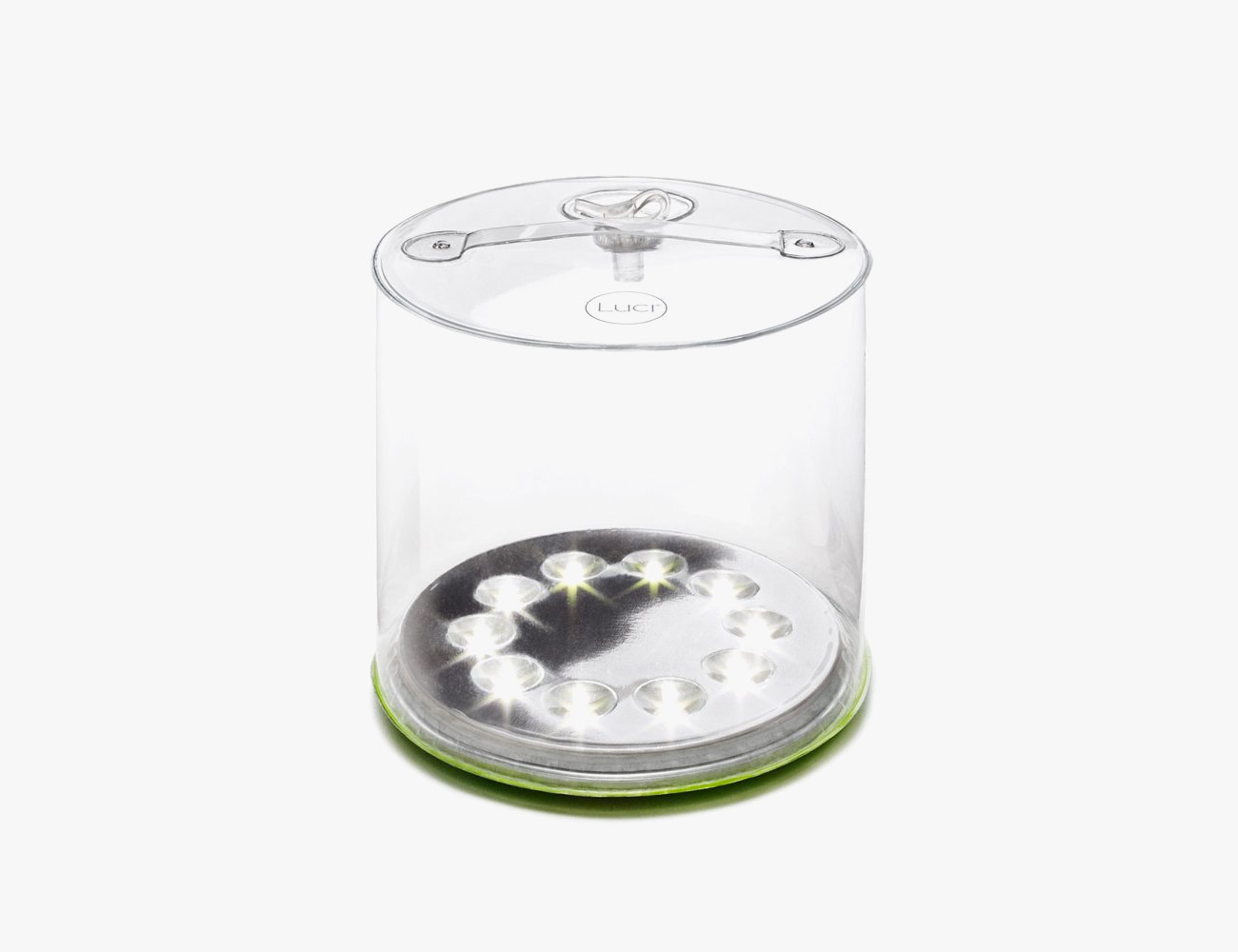
I highly recommend packing these on all of your trips — whether they involve the great outdoors or not. Blow up the clear globe and enjoy light everywhere: it’s inflatable, collapsible, lightweight, waterproof and submersible. If you paddle after dark, they’re great to toss in a kayak or strap them to the outside.
Biolite SunLight Portable Solar Light
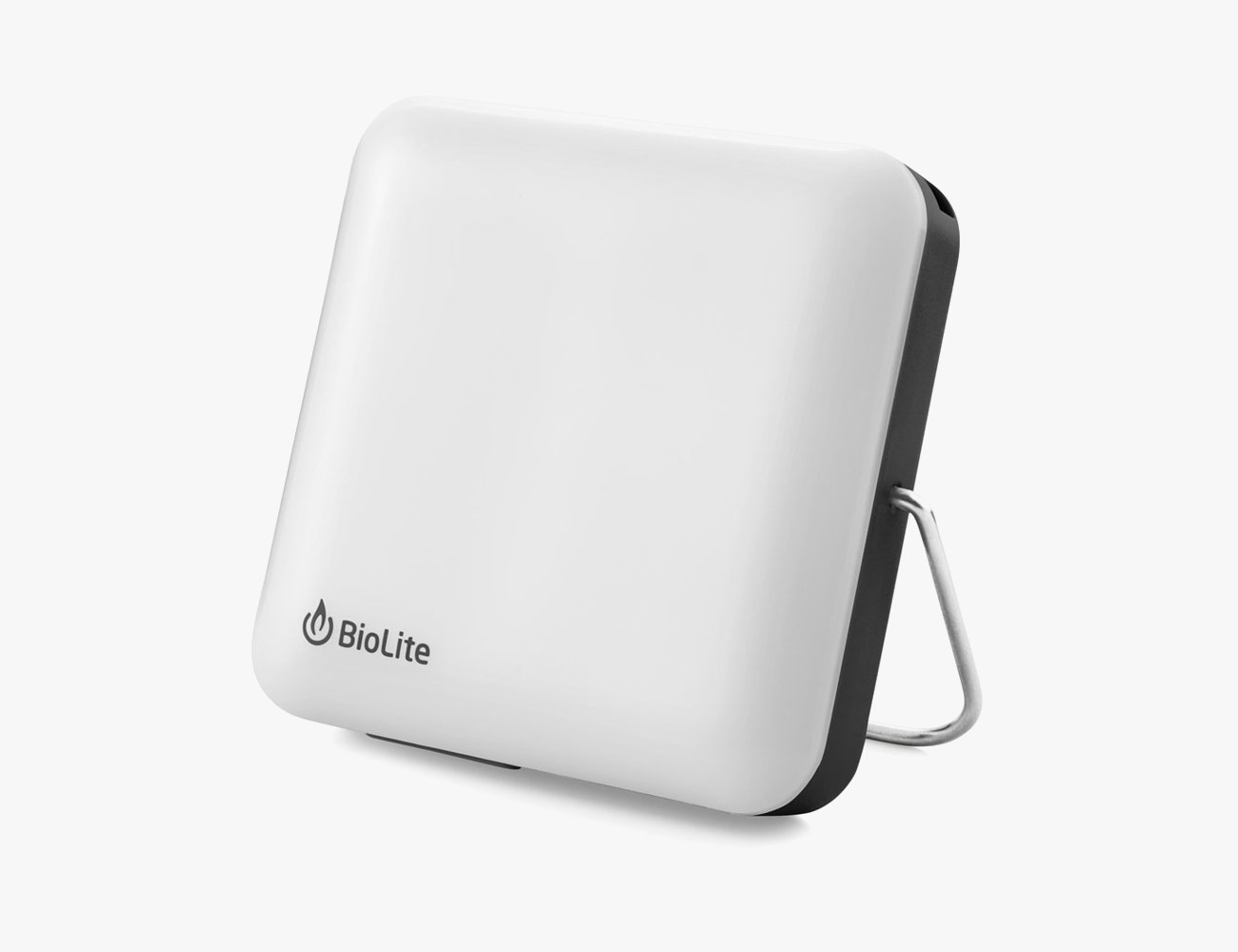
We’re kind of obsessed with this tiny square lantern. Between the kickstand and the sports clip, and how easy it is to pack in a full suitcase, we’re sold.
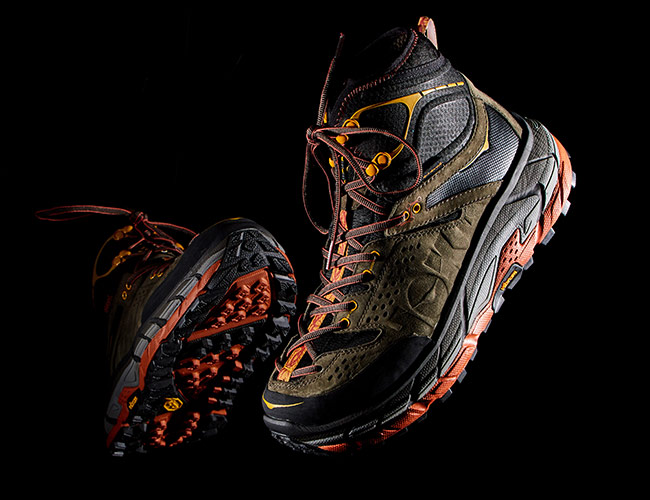
Unlike concrete sidewalks and gravel paths, the trail calls for hardened and supportive footwear to combat dirt, mud, jagged rocks and streams. The answer is hiking boots and hiking shoes, and these are the best available. Read the Story
Note: Purchasing products through our links may earn us a portion of the sale, which supports our editorial team’s mission. Learn more here.
Everything You Need to Know about Lifestyle Vs. Performance Sneakers
Wearing sneakers while traveling to a foreign place used to be a faux pas that you avoided at all costs. When vacationing you never wanted to stick out, the goal was always to blend in with the locals. As an American, I always felt like my clothes were a dead giveaway that I wasn’t born and raised in Europe, so donning chunky sneakers in the 90s, was just not going to fly. Now, sneakers are the generally accepted norm, not only in America, but globally. This has changed the way I travel, simply because it streamlines the number of shoes I have to pack. The trick of it is figuring out which sneakers are meant for me to run and walk in, rather than just trot around town in.
As one of our resident sneaker testers at Gear Patrol, I’m often asked about a new pair of sneakers and if it’s possible to wear them to the gym. With fresh kicks becoming de rigor on the streets of the world’s most stylish cities, companies have started to beef up walking shoes with performance sneaker technologies. It can sometimes be tricky to know if the latest sneaker drop is appropriate for 10 miles, 50 miles or none. “Many Adidas sports performance shoes have been adopted by sneaker culture and worn for casual, everyday use,” Tor Southard, Adidas category director of running footwear, says. “The Ultraboost is just one of many examples of this trend. You can lace them up and run a marathon in them, or you can leave them un-laced and wear them every day.” We also spoke to running sneaker experts from Paragon Sports and JackRabbit about easy ways to tell the difference between lifestyle and performance running shoes.
The Best Way to Tell the Difference
If you’re looking for a pair of shoes to walk around in, proceed without issue. If you’re looking for a cool-looking set of kicks that also perform on all of your long runs, not just any “running” shoe will do the trick. Avoid anything from the Classics or Originals line and aim to look for sneakers that are in the ‘running’ category or ‘performance’ section of the store or online shop. Each brand will have an individual tell: “Our style products, which typically carry the ‘trefoil’ logo (or leaf logo) unite our sport heritage with a modernist approach to design,” Southard says. “For example, technologies like Boost and Primeknit, which are intended to provide optimum comfort during sport performance are also seen in style silhouettes like the NMD.”
There are many factors that make up a performance shoe. “The technical aspects of a running shoe, from the sole to the mid-layer to the construction and material for the upper down to the lacing system and how it locks on your foot,” Melanie Mitchell, triathlete and running geek at JackRabbit, says. “How the shoe allows a runner to land and push off for the next step is something running companies have engineers working on as new technologies and techniques are developed.” There is a lot of money, research and development that goes into creating these sneakers to provide you with loads of energy return and plush cushioning.
Price-wise, for the level of technical performance that you want, you are going to have to pay more. “The more performance related to a shoe, the more research and development have gone into designing and manufacturing of the shoe,” Mitchell says. “With new responsive cushioning and breathable mesh uppers and soles to respond to the terrain, the price point reflects what you get. A solid performance shoe is going to start at around $130.”
Lifestyle Sneakers That Moved to the Gym
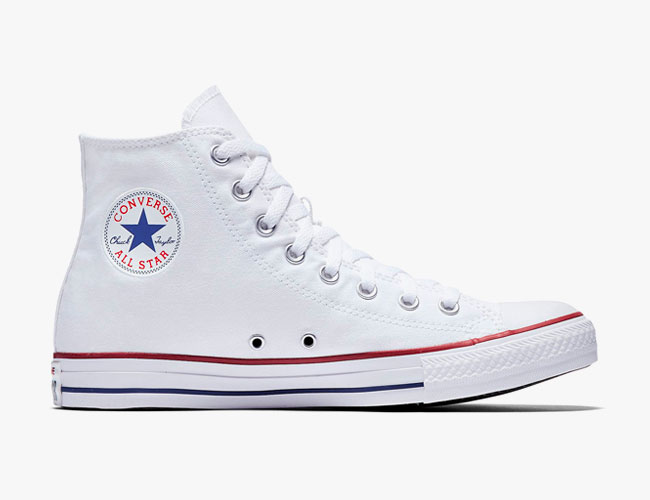
Chuck Taylor All Star
“The Chuck Taylor All Star was widely adopted by the CrossFit group for a while due to its flat [and] stable base,” Jason Mandell, a buyer at Paragon Sports, shared. “Many of today’s lifestyle shoes started out as performance sneakers. Like your Grandpa’s 1983 Buick, they will work, but something newer will get you where you want to go more quickly and comfortably.”
Nike Monarch
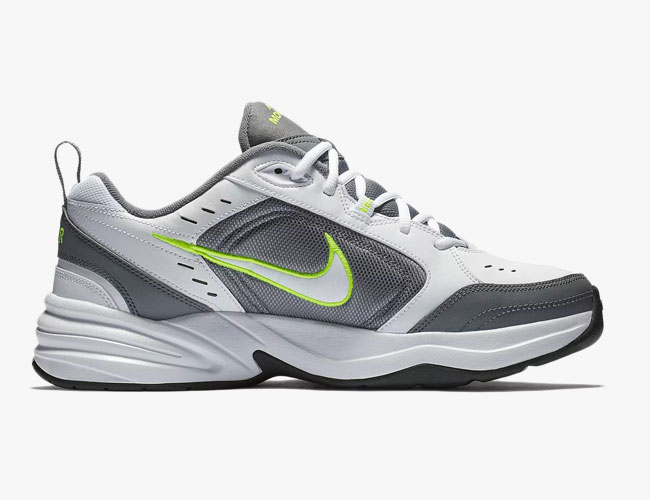
“Basketball shoes have long been used as lifestyle. As trends shift, court, running and even outdoor silhouettes get adopted as lifestyle shoes. The Nike Monarch long referred to as a BBQ shoe or a Dad shoe has shown up on runways and in magazines recently,” Mandell says.
Performance Sneakers That Shifted to Be More Streetstyle
Adidas Ultraboost
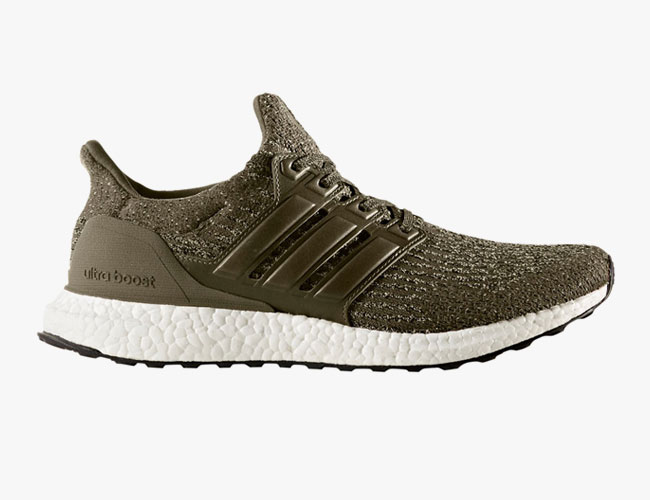
“A great example of a shoe that has come to be known for its lifestyle followers is the Ultraboost from Adidas,” Mitchell says.
On Running
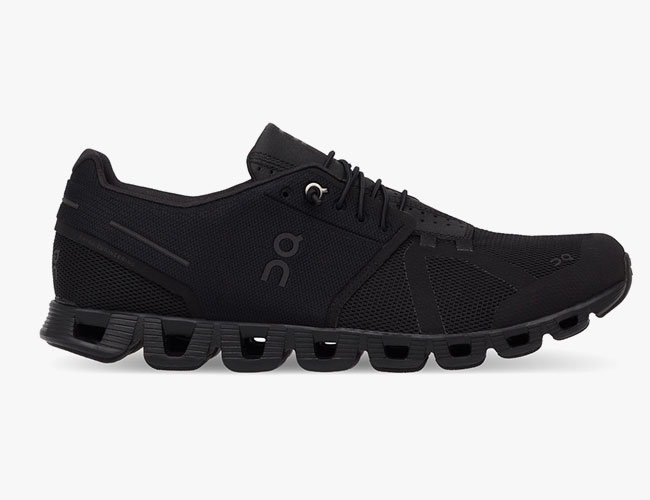
“On Running has a great lifestyle following harkening to its European roots,” Mitchell says. “The On Cloud has found its way onto many a foot and is a high performance running shoe worn by runners and triathletes worldwide. The brand is known for its cutting-edge design that transitions a shoe from the track to the street with ease.”
The Best Sneakers You Can Buy This Month
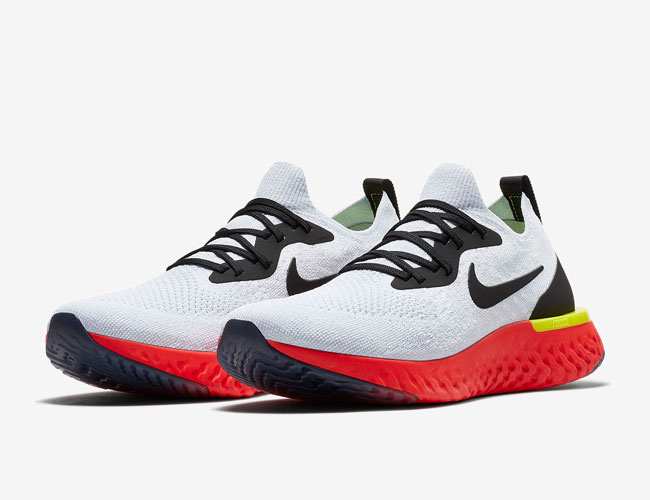
Too many sneakers come out every month to keep up with, and most are so limited you don’t have much of a shot at getting them. This is our guide to the ones that came out you can get your hands on. Read the Story
Note: Purchasing products through our links may earn us a portion of the sale, which supports our editorial team’s mission. Learn more here.
According to Design Experts, These Are the Best Outdoor Products of the Year
True Beauty never fades
According to Design Experts, These Are the Best Outdoor Products of the Year
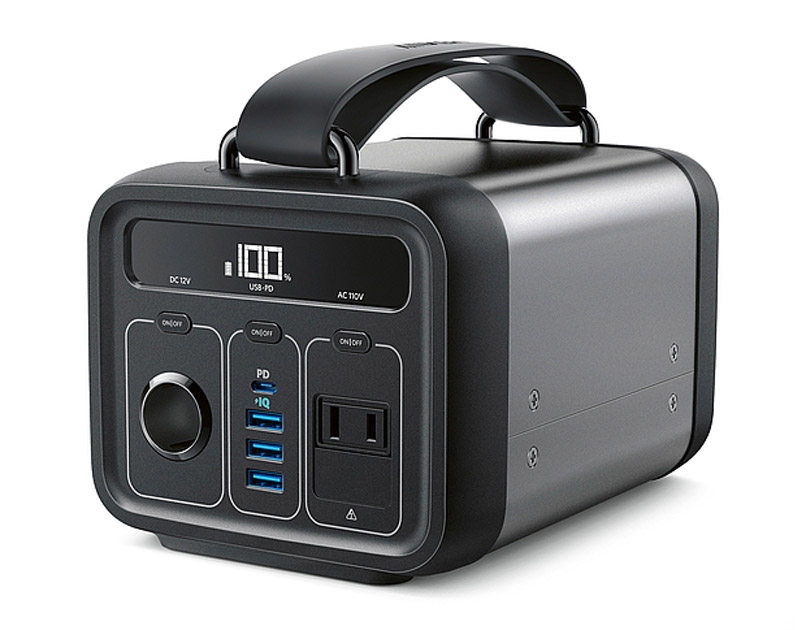
The winners of the Red Dot Best Product Design Award for 2018 are finally here. In case you aren’t familiar, the Red Dot Awards are an international product and communication design prize awarded by the Design Zentrum Nordrhein Westfalen in Essen, Germany with various categories for product design, design agencies and design concepts. Since 1955, the Red Dot awards have honored the most well-designed products in the world across 48 different categories, ranging from lamps to furniture to garden tools to sports equipment to bikes and watches. The individuals in charge of disseminating the awards include 40 international professors, doctors and more.
PowerHouse 200Wh by Anker Learn More: Here
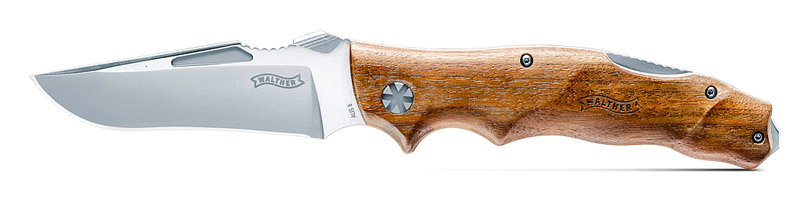
Adventure Folder Wood by Umarex Learn More: Here
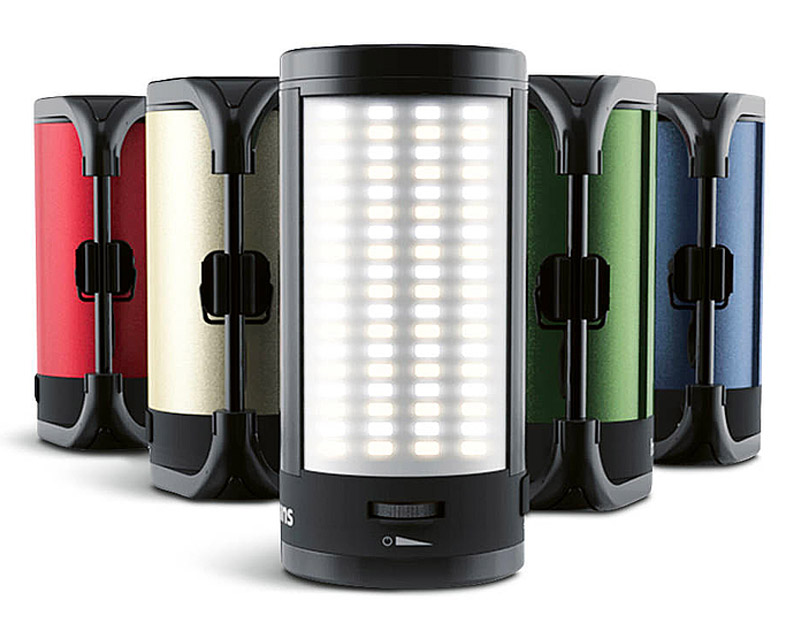
Staralpha by Hurkins Inc. Learn More: Here
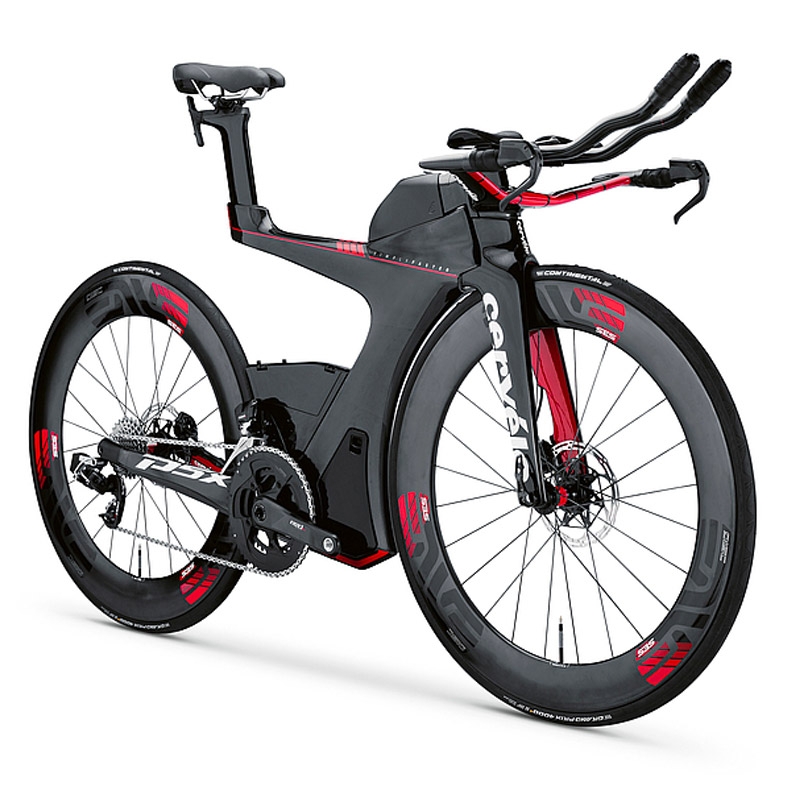
P5X by Cervélo Learn More: Here
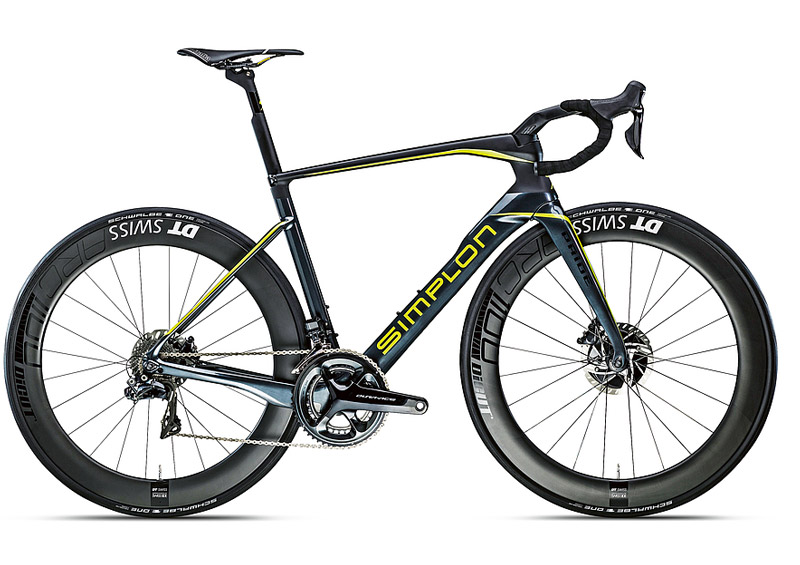
Pride by Simplon Learn More: Here
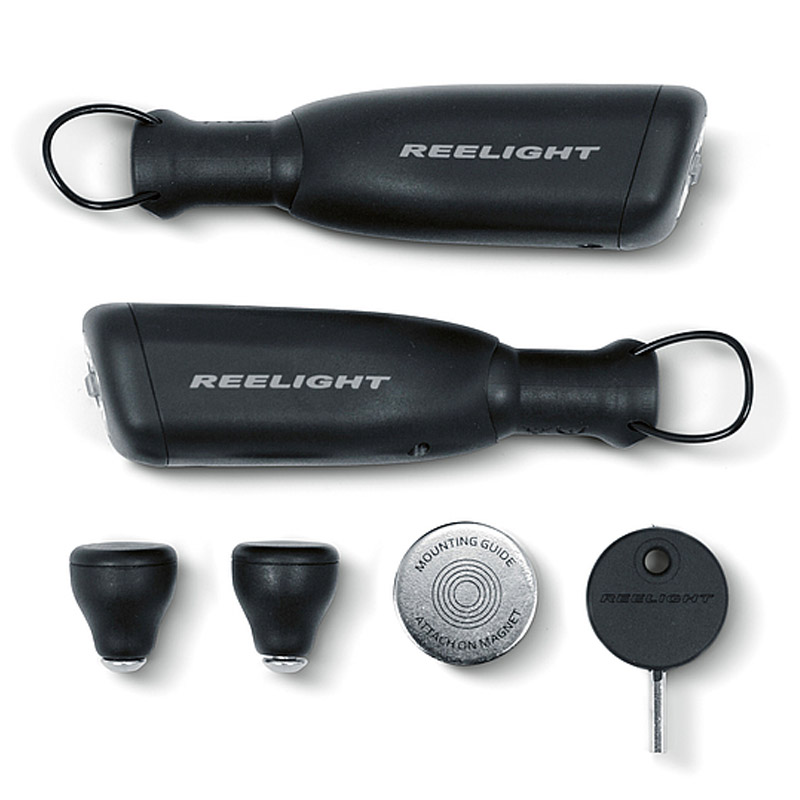
Cio by Reelight Learn More: Here
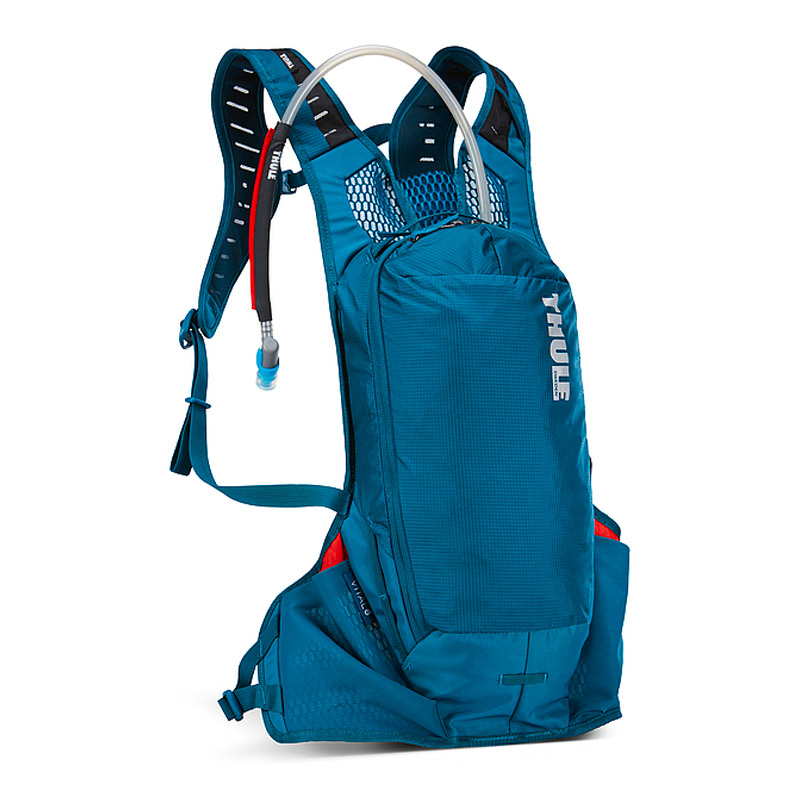
Vital by Thule Learn More: Here
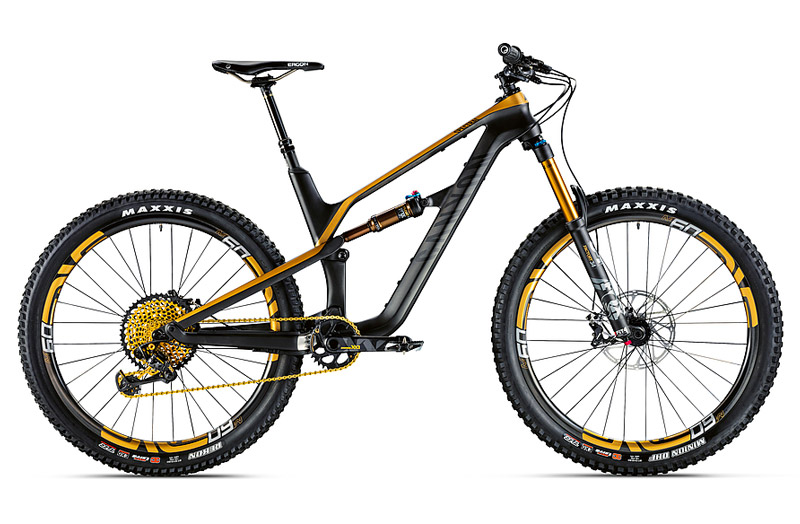
Spectral CF by Canyon Learn More: Here
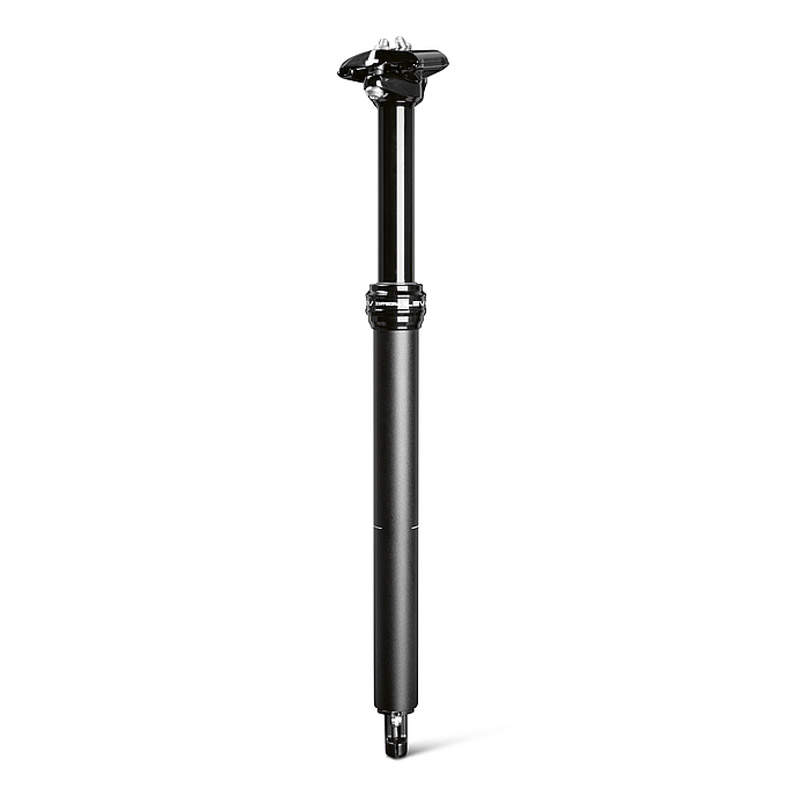
Lev Integra 272 by Kind Shock Hi-Tech Learn More: Here
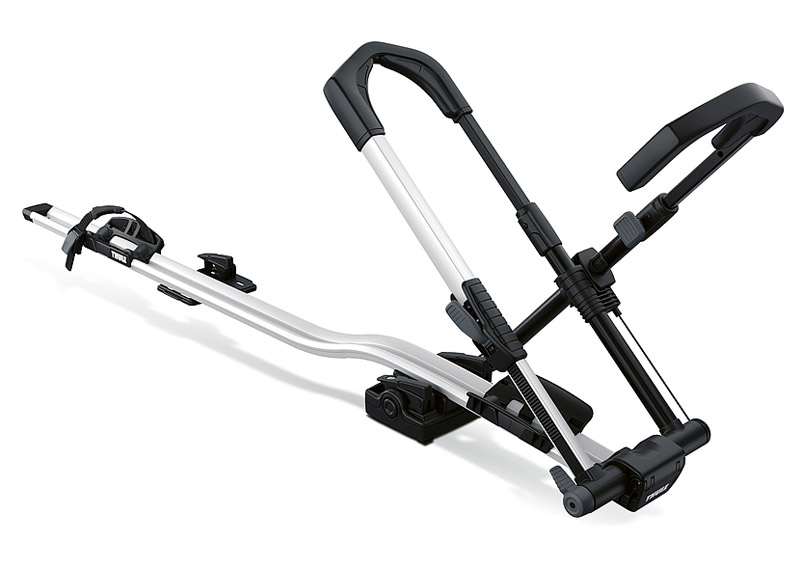
UpRide by Thule Learn More: Here
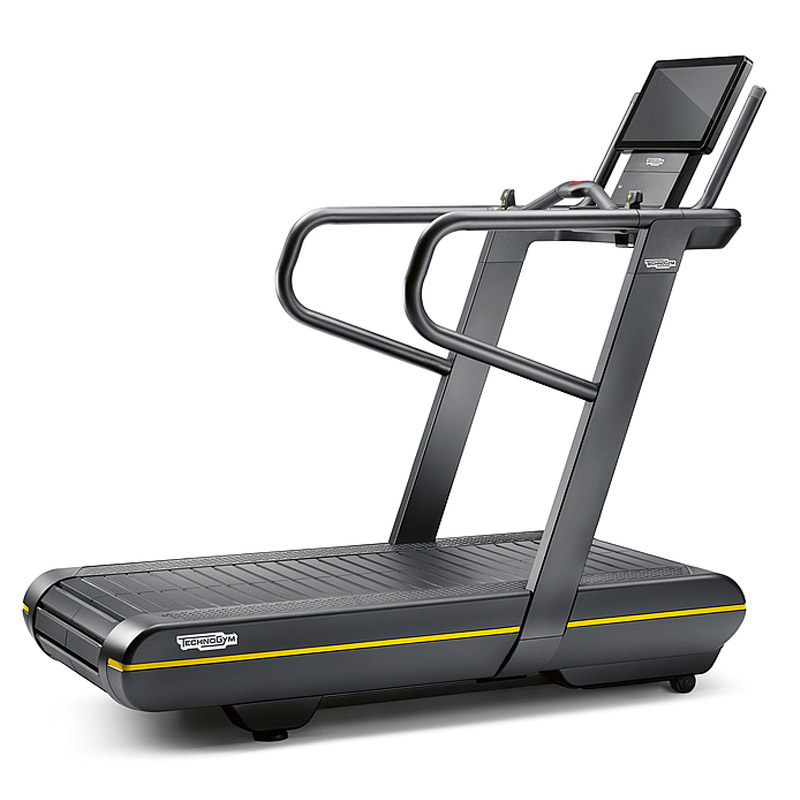
Skillrun by Technogym Learn More: Here
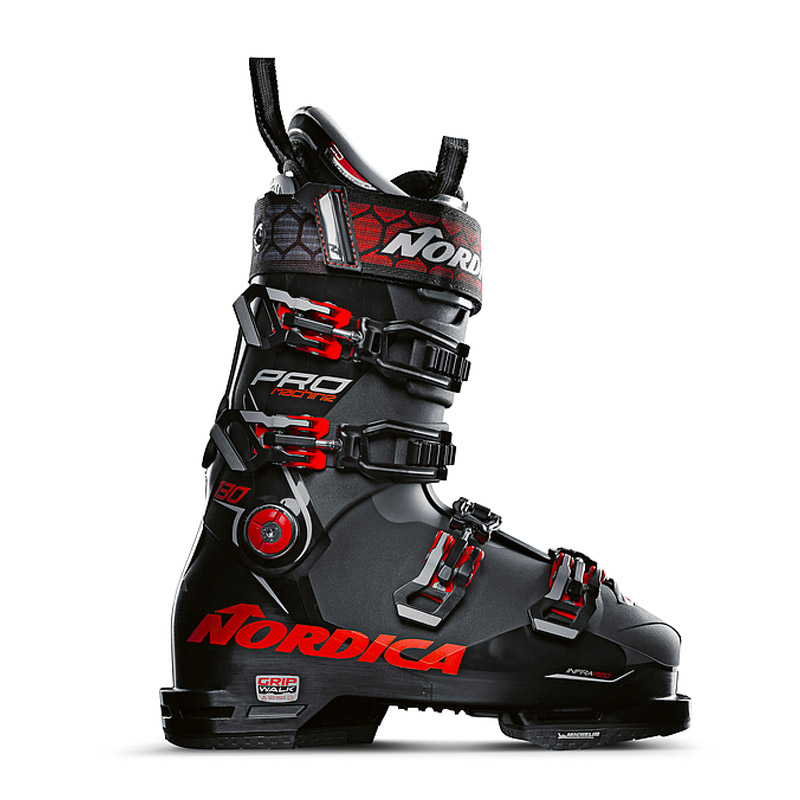
Promachine 130 GW by Nordica Learn More: Here
The 5 Best Coffee Makers for Camping
A proper outdoor trip is also a temporary abstinence from everyday habits — watching television, counting Instagram likes on your phone, checking email and so on. But abstaining from drinking coffee? Not happening. That feeling — a warmth that creeps over you as you stoke the campfire on a golden morning, sipping and listening — is simply too great to give up. And with these five coffee makers, you won’t have to.
Additional contributions by Michael Finn and Tanner Bowden.
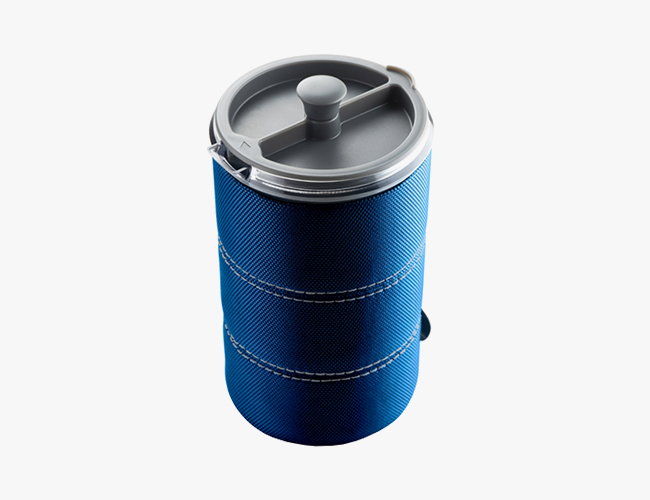
GSI Outdoors Java Press 30 Ounce
Best Overall: Quick, light and tough as a Nalgene bottle, GSI’s Java Press is a French press made for any outdoor adventure, from car camping to thousand-foot-high portaledge hanging. Wrapped around the five-cup carafe is a ballistic nylon sleeve, which keeps the coffee hot and the press impact-resistant. And when the pot’s empty, cleaning it is a cinch.
Stanley Adventure Percolator Coffee Pot
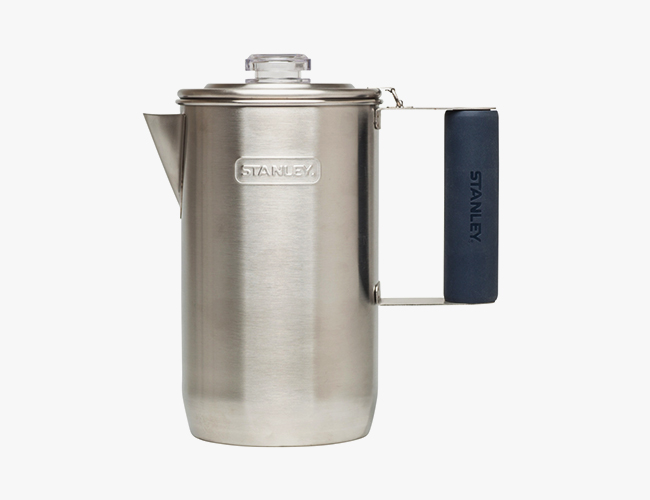
Best for Brewing Over a Fire: Brew coffee just like the cowboys of old, without getting nasty grounds in your mouth. Simply toss in a few scoops, add water, hang it over an open flame (for the full cowboy get-up, use a stick), and then, when the coffee starts whistling, pop on the silicone grip and serve. Holds six cups.
Snow Peak Coffee Drip
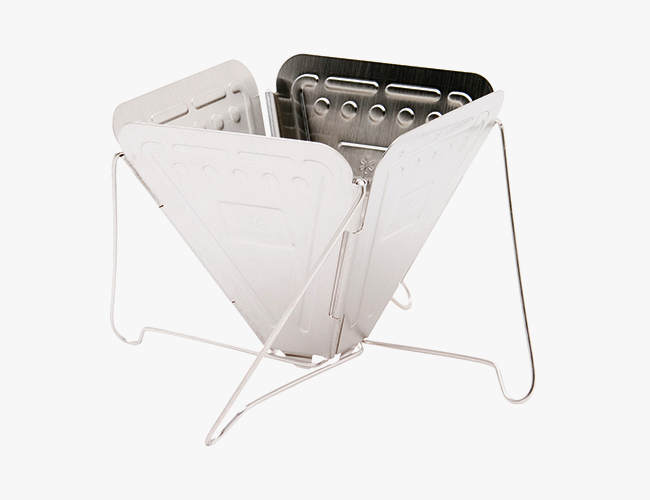
Best for the Minimalist: Trekking solo? A simple coffee drip is all you need — just make sure you know how to brew a pour-over. Snow Peak’s coffee drip is incredibly lightweight (4.9 ounces, lighter than the GPS watch on your wrist), and folds flat (like a bookmark for the adventure novel you brought with you).
Aeropress Coffee and Espresso Maker
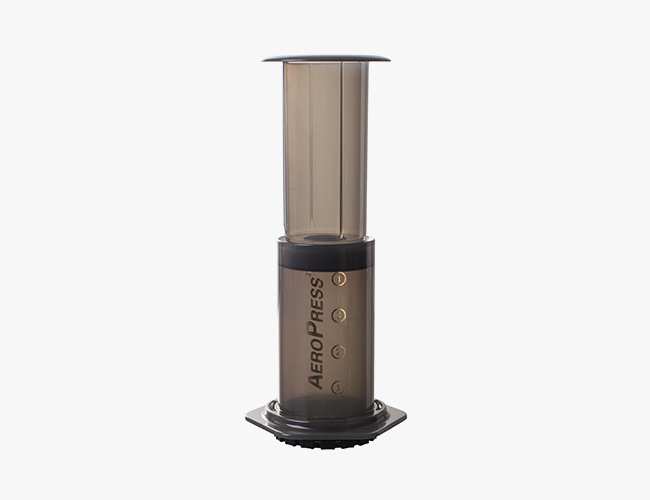
For the Flavor Snob: The Aeropress is among the most portable full-on coffee systems ever, yet its flavor quality, according to career baristas all over the world, rivals that of refridgerator-sized coffee machines. There’s certain patented reasons for that: basically, it imparts less carbon dioxide, leading to sweeter and less bitter coffee. The best part? It packs down to about the size of your water filter — but, like pour-over coffee, it’s important to know how to use it.
Jetboil Flash Java Kit
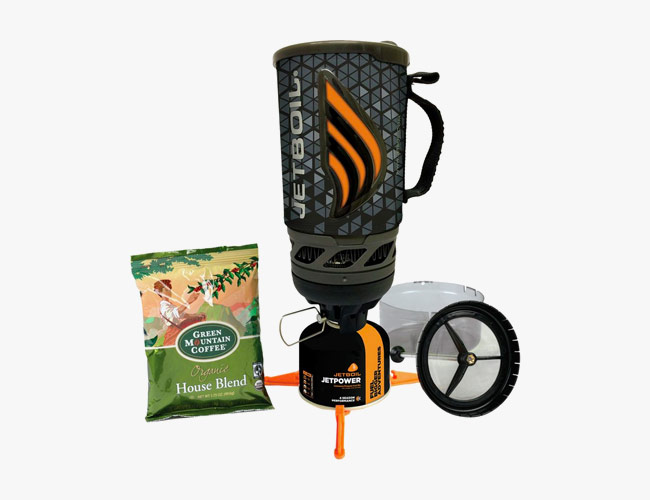
For the Fastest Coffee: Basically, the Jetboil system takes the standard French press process — boiling water, dropping in grounds, pressing them down before the pour — and combines it all into one. That means delicious coffee, in five minutes flat (the Flash cooking system can get two cups of water boiling in 100 seconds). The Flash Java Kit includes a coffee press and a sample roast from Green Mountain Coffee, but the stove will work for any drink or meal that calls for hot water, so this one is also appropriate for whipping up dehydrated meals, soups, teas and cocoa.
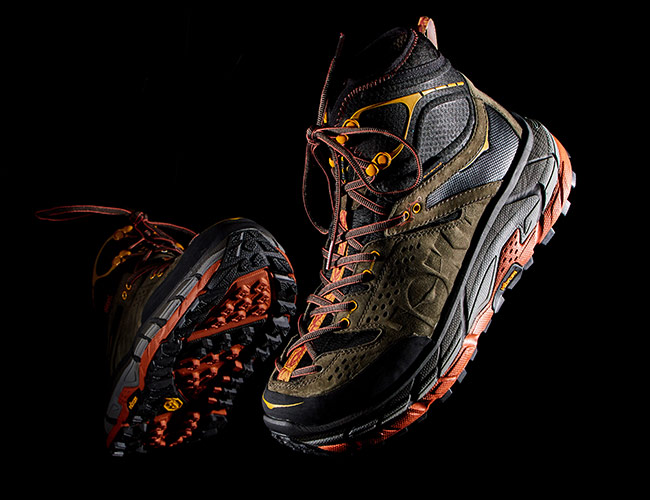
One of the Best Hiking Boots of the Year Just Got an Update
Earlier this year we reviewed over 20 pairs of hiking boots to find out which were the absolute best. We logged plenty of miles on-trail and off, polishing calluses and enduring break-in period blisters along the way. We did not, however, experience any issues with Vasque’s new Saga GTX hiking boots, which were one of the comfiest pairs of hikers of the entire group and easily one of the best new boots of the year.
This fall, Vasque is giving the synthetic Saga a new leather skin. The Saga LTR GTX is everything we love about the original — a grippy sole, a tall and supportive cuff, a lace yoke that keeps the heel firmly in place, unparalleled comfort right out of the box — with the added durability of leather. Vasque promises that the Saga’s lightness is maintained even in a material that typically makes for heavier boots, making for best-of-both-worlds footwear that’ll please the fast and light generation as well as the old school leather-or-nothing crowd.
Vasque’s Saga LTR GTX will be available this fall for $240.
Unlike concrete sidewalks and gravel paths, the trail calls for hardened and supportive footwear to combat dirt, mud, jagged rocks and streams. The answer is hiking boots and hiking shoes, and these are the best available. Read the Story

Why You Should Look for 37.5 On Every Single Tag
I
f you’re looking to make improvements in your athletic performance, you should start with the proper gear. When you’re pushing your body to its limit, it’s best to eliminate as many distractions as possible, so all that’s left to focus on is your training. This means eliminating itchy tags, loose fabrics and non-sweat-wicking materials. Most sweat-wicking t-shirts make sure the sweat wicks from the shirt, but not necessarily from your body, so eventually you heat up regardless of what your shirt is wicking away. A material known as 37.5 aims to eliminate those complaints.
What is 37.5? It’s a dynamic thermoregulation technology that is woven into fabric designed to keep the humidity around your skin at a minimum, so it wicks the sweat off your body before the sweat has time to turn into liquid. Brands like Adidas Outdoor, Trek, Scarpa, Salomon, Mission Athlete, Rab, Rhone, Goldwin and about 165 others already buy the fabric and incorporate it into their lines. The technology can help improve performance and sleep simply by decreasing moisture on your skin before it turns to sweat, thereby stabilizing your body temperature. But how does it work?
In 1992, Dr. Greg Haggquist, a Ph.D. photo-physical chemist, took a trip to Japan while he was researching for his post-doctoral fellowship. While visiting, he discovered the beauty of a hot volcanic sand bath at Mount Aso and the power it holds to help detoxify your body (similar to a thermal bath or sauna). Mount Aso is a hot spring-like area, but instead of water, there’s hot volcanic sand all over the ground; women help dig human-sized holes and tourists strip down and hop in to be buried up to their necks, akin to getting wrapped in a mud mask at a spa, or stepping into a steaming hot bathtub. It’s supposed to be extremely relaxing and help you sweat out toxins, but imagine being told all of that in another language that you’re not quite fluent in. Dr. Haggquist tried to understand the women’s Japanese as she tried to understand his English — it ended in Haggquist getting buried. It’s quite the sight, but Dr. Haggquist was alarmed at how hot the sand was and remembers thinking, “I’m going to jump up in the first minute or two because I’m going to overheat.” Exactly the opposite occurred — after lying buried in the hot sand for an hour, Dr. Haggquist realized he had to figure out what was going on and why he wasn’t clawing his escape from the pit of burning sand to try and cool off. It was in that moment that he unknowingly took the first step towards a miracle fabric.
The trick lies in the properties of the volcanic sand. While you’re sitting there sweating buckets, the sand “sucks up perspiration before it becomes liquid,” or more simply, before it turns into sweat. The sand sucks up the surrounding humidity around your skin, which allows your body to continuously cool itself. It was a relatively simple concept, and Dr. Haggquist decided to attempt to turn it into a fabric that can be worn during both exercise (and daily life). In theory, with the new fabric the body could be in a constant state of cooling.
But you can’t just put volcanic sand in a t-shirt and call it a day. “How am I going to dry out the environment above your skin?” Dr. Haggquist wondered. He needed a desiccant, something that sucks up water, “like those bags that say ‘do not eat’ that they put inside electronics,” he says. But he also needed energy. “The human body releases light, we just can’t see it because it’s infrared,” he says. “The light is constantly released and lost in the environment around us, but I know the wavelength: eight to 15 microns. So what I needed was a semi-desiccant material that absorbs that exact amount of light. Once I did that, and put it on the body, magic happened.” And thus 37.5 was born.
“My motto is ‘keep your jacket on.’ It’s working in the jacket to pull the humidity off of you and that’s going to keep you comfortable so when you’re wearing a sports coat or jacket, you can continue to wear it and you’re not going to overheat,” Dr. Haggquist added. “Once you start to overheat, you create humidity and that humidity comes off your body and is sucked into the fabric. So it’s going to keep you warm or cool, depending on what you need.”
The numerical name comes from the ideal core body temperature, which is exactly 37.5 degrees Celsius. It helps keep the environment around your skin at its ideal relative humidity of 37.5 percent, providing a Goldilocks effect: not too hot, and not too cold.
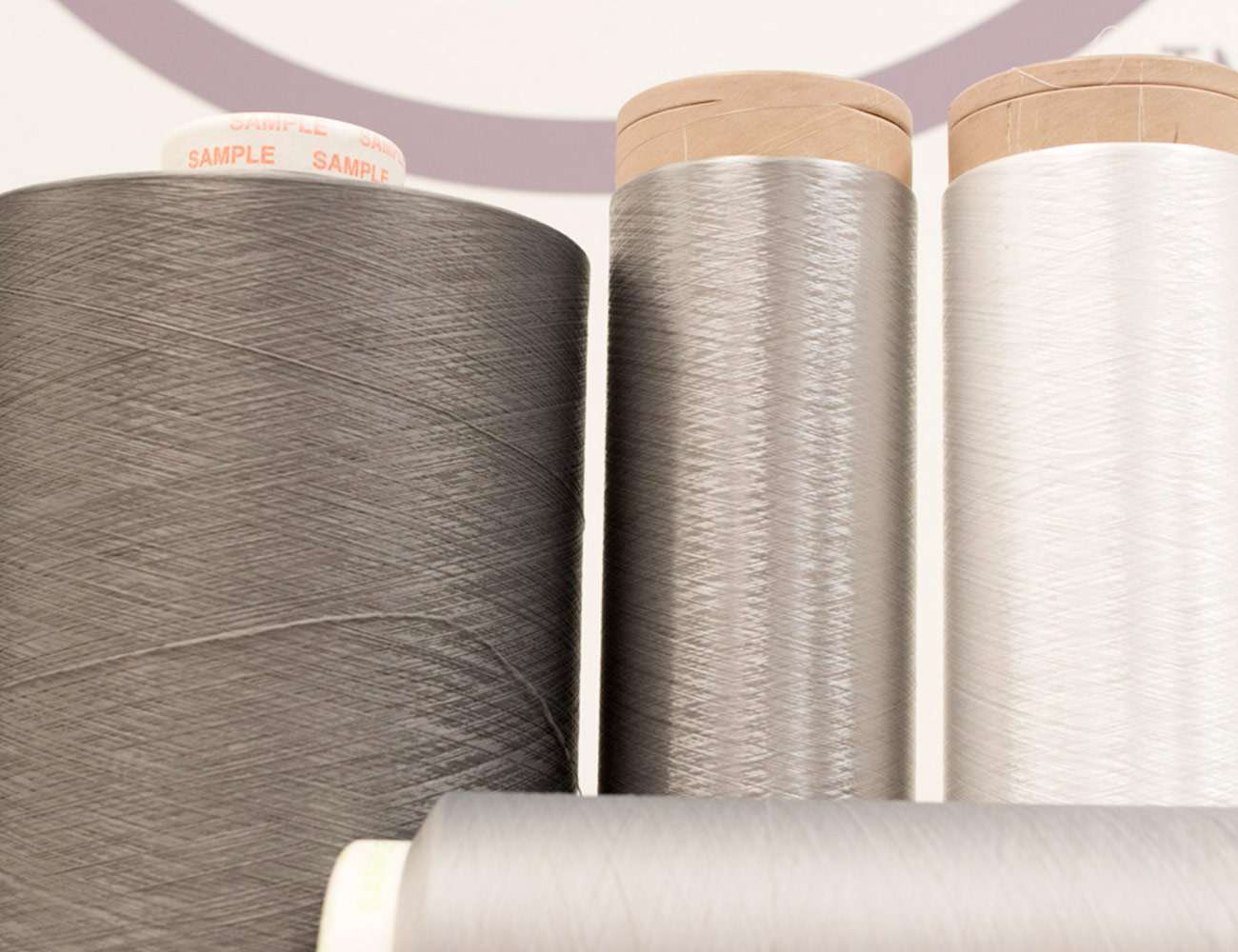
Once the team spun the 37.5 technology into materials, they began working with outdoor brands. Beginning with a Cannondale cycling jersey that won Time Magazine’s Most Amazing Invention in 2005, 37.5 quickly found success in the outdoor space. Recently, Mission Workshop, the brand that builds high-end minimalist weatherproof bags and technical apparel out of San Francisco, began to add 37.5 into its own products. Jeff Roberts, the head of the company’s apparel design team, echoes the sentiment that 37.5 is unique. “There are a million different textile technologies that have come out in the last 10 to 20 years, and I had pretty much tuned them all out,” he says. But 37.5 was different. It allowed Mission Workshop to use polyester in clothing and prevent it from holding bacteria and stinking at the end of a bike commute, for instance. “It’s not the cheapest technology by a longshot,” Robers acknowledges, but you get what you pay for. “We have people who are cruising into work wearing it, and I’ve worn it myself for five days straight without a shower.”
37.5 has been tested over and over again by third parties because it’s a hard technology to wrap your head around without testing it. The most important difference between wearing something woven with 37.5 technology and opting for something that’s sweat-wicking is that one works with your body and the other addresses what’s happening to the shirt. “We’re probably the most tested technology out there. Mostly [the other guys] are taking the fabric and saying, ‘Look at my fabric, it absorbs and moves the water all over the place. This is really good for you.’ What we’re doing is we’re putting it on people and looking at comfort and performance,” Dr. Haggquist says. “And people are saying, ‘Yeah, this is more comfortable and yeah, I’m performing better.’ It’s almost like doping. Screw blood doping, use our stuff. Dope the fabric and you’re going to get the performance [benefits] — and it’s legal.”
Gear with 37.5
37.5 technology works in a variety of fabrics and materials. Companies mix it into everything from towels to jackets, sheets to sweaters. It can even go into silk and blend with a high fashion piece. The options are endless, so we pulled together a brief sampling of items that have been recommended to us or that we’ve tested and experienced the cooling properties firsthand. Head to the 37.5 site to check out more options.
Carhartt Base Force Extremes Lightweight Boxer Brief
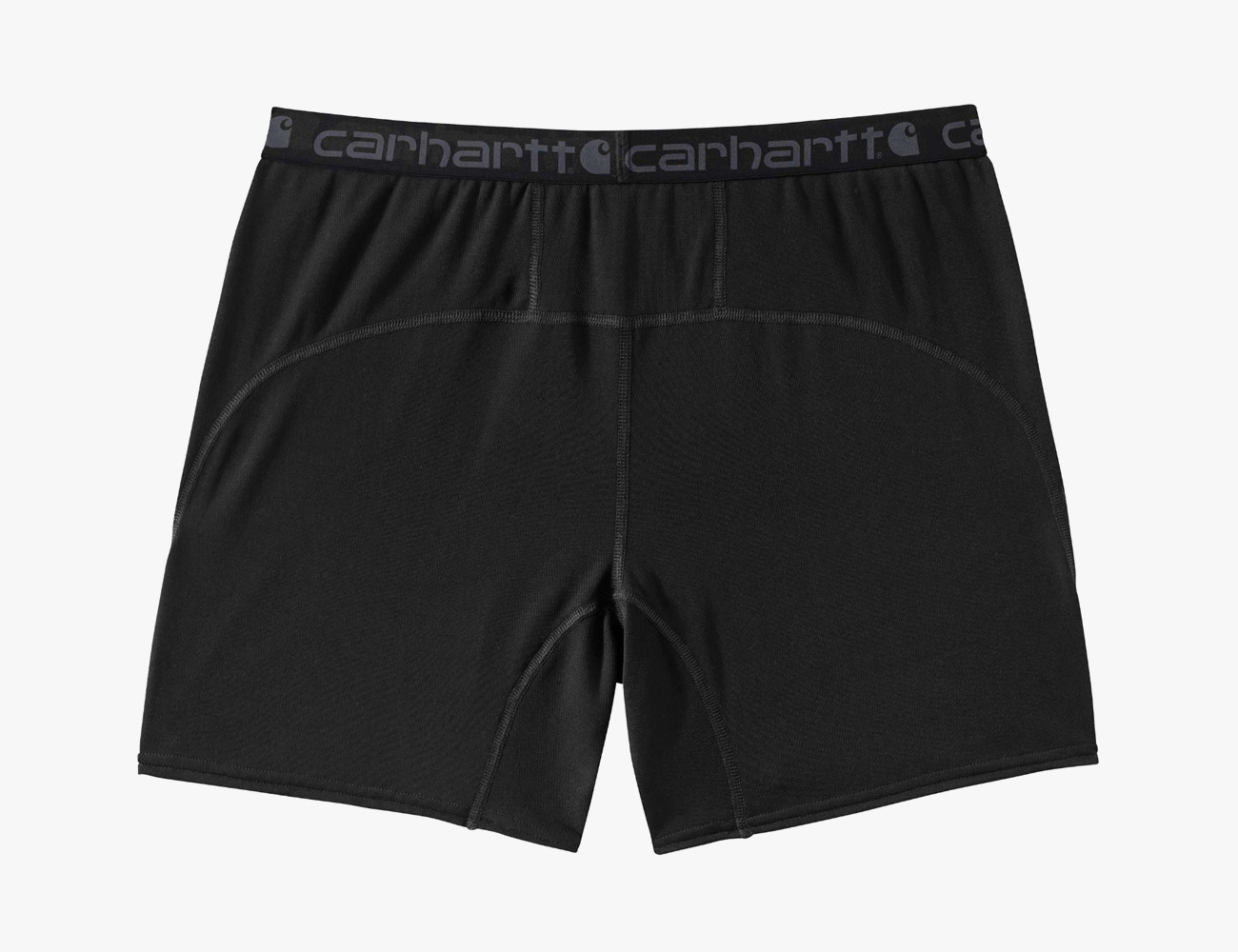
Thanks to 37.5 technology, these boxer briefs dry incredibly fast so that you’re always comfortable on hot days. Jeff Roberts, the head of Mission Workshop’s apparel design team, agrees that these are great, and wears them every day.
Mission Workshop Base Layers
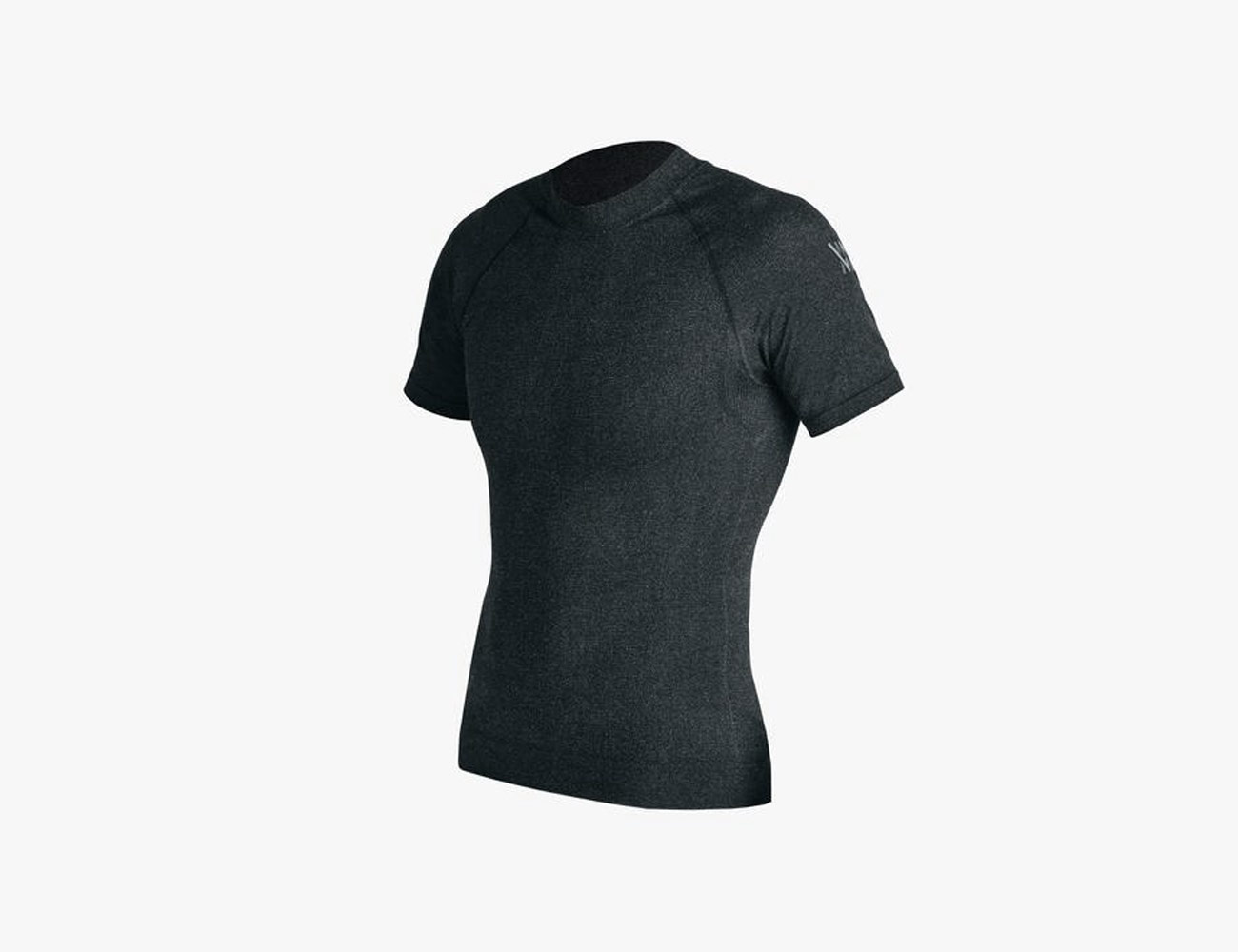
This short sleeve base layer will cool you down when temperatures rise and heat you up when it’s cold. The base layers from Mission Workshop are one of Roberts’s favorite pieces. Look for long sleeve tops and bottoms coming later this month.
Buffy Comforter
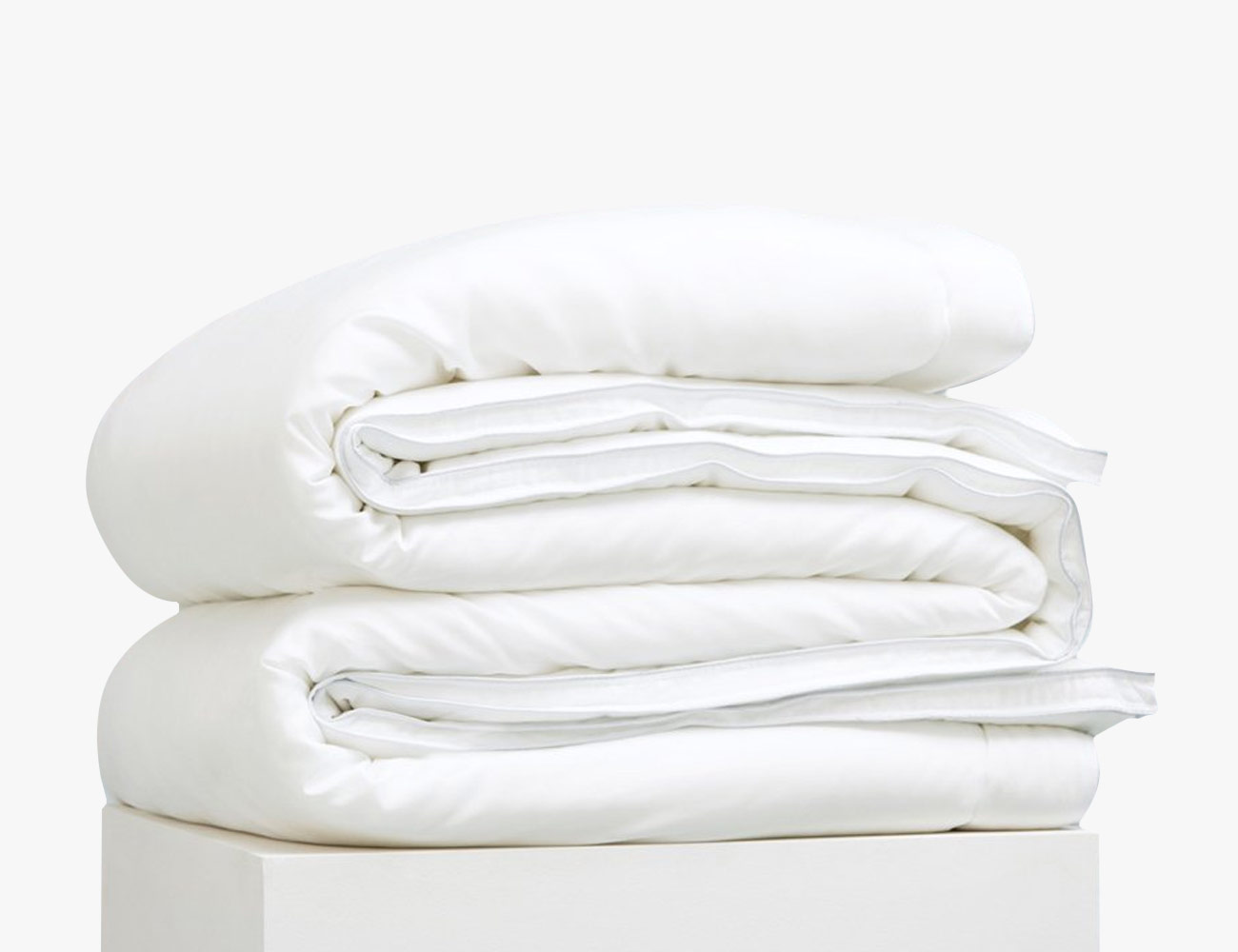
The plant-based comforter is just as soft as any comforter, plus it heats up and cools down to facilitate much-needed rest.
Adidas Outdoor Terrex Stockhorn Hoodie
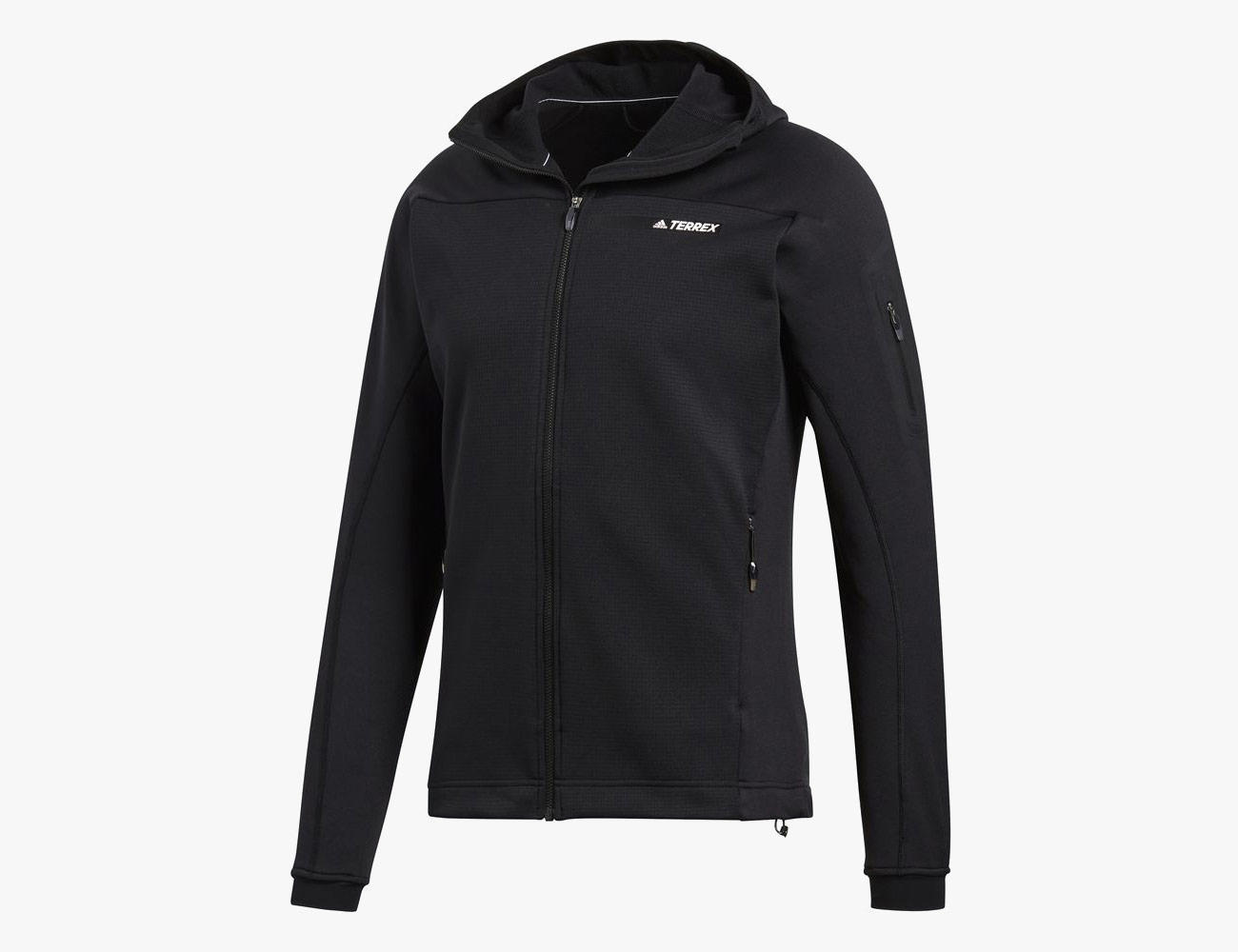
A fleece hoodie woven with 37.5 fabric technologies will be your best friend when you’re climbing a mountain.
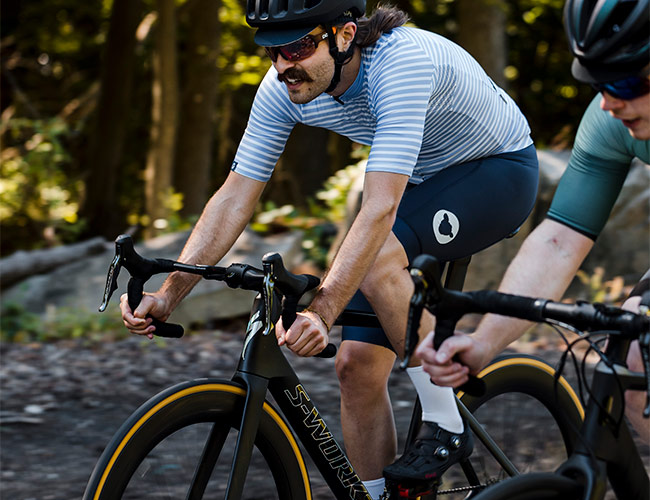
There’s a reason why cyclists kit up in skin tight fabrics — not just to look good. Here’s the best new apparel for warm weather riding.Read the Story
The Sport Sunglasses Our Staff Swear By
Packing the wrong pair of sunglasses for a trip is an egregious error. While it’s an issue that’s can be quickly remedied once you reach your destination, there’s nothing worse than having to settle for a pair of sub-par sunnies. Heading out on a hike — or even just a walk — is miserable when you’re constantly touching your sunglasses to keep them from sliding down your nose. That repetitive motion is enough to make us go without.
When we travel, it’s highly likely that we’re going to hit the trails, slide down the mountain or run around the backcountry roads — and we need a pair of sunglasses that can keep up. Performance is a necessity, so we look for technical design elements like nose clips, rubberized gecko pads and lightweight frames. Here are a few of our favorites that never leave our carry-ons.
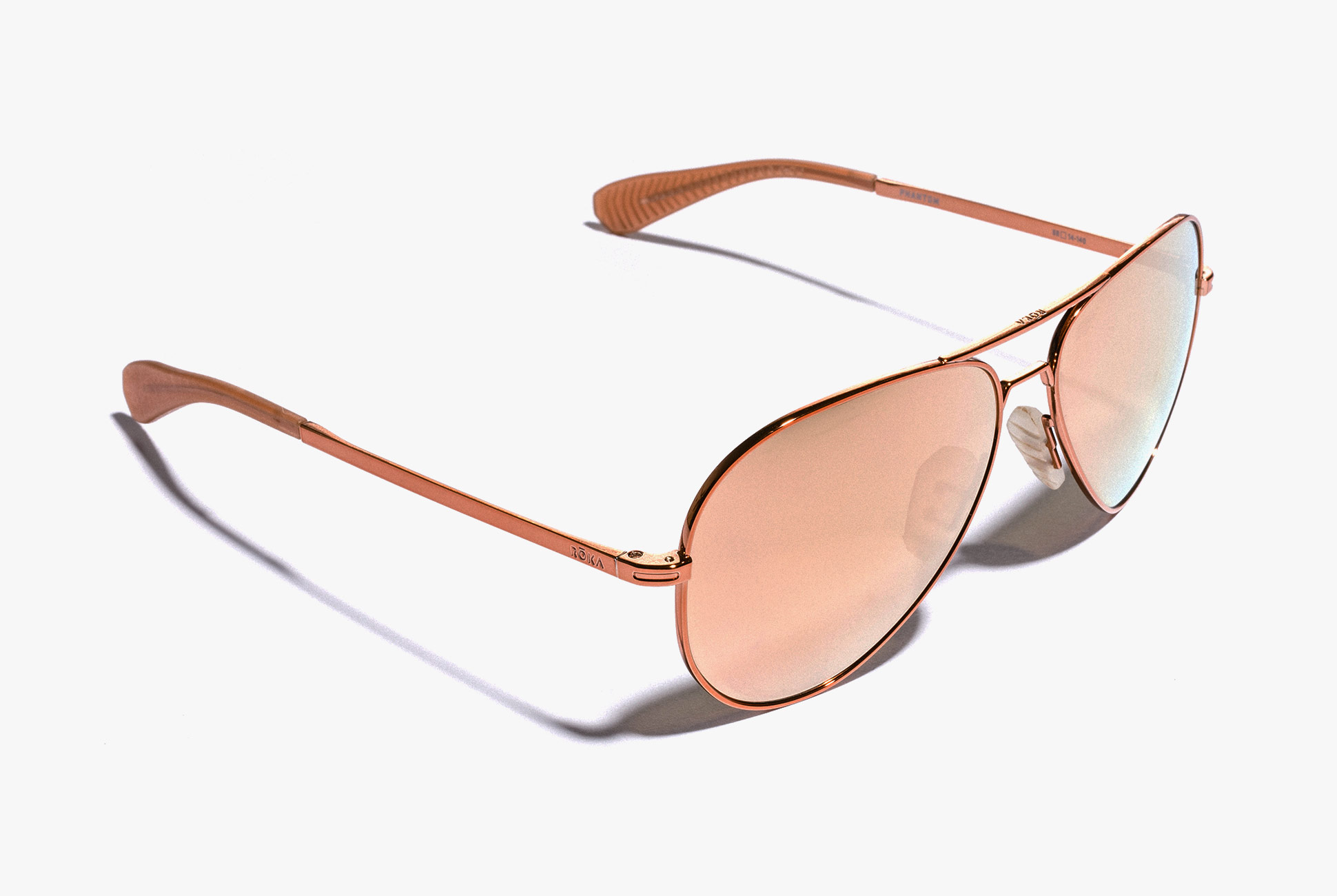
Roka Phantom Ti
“I love these glasses because they are actually designed for outdoor sports but also stylish enough to wear everyday. They come with the perfect leather eyeglass case that fits in any size bag.” — Aliza Dilibeti, Senior Account Executive
Sunski Portolas
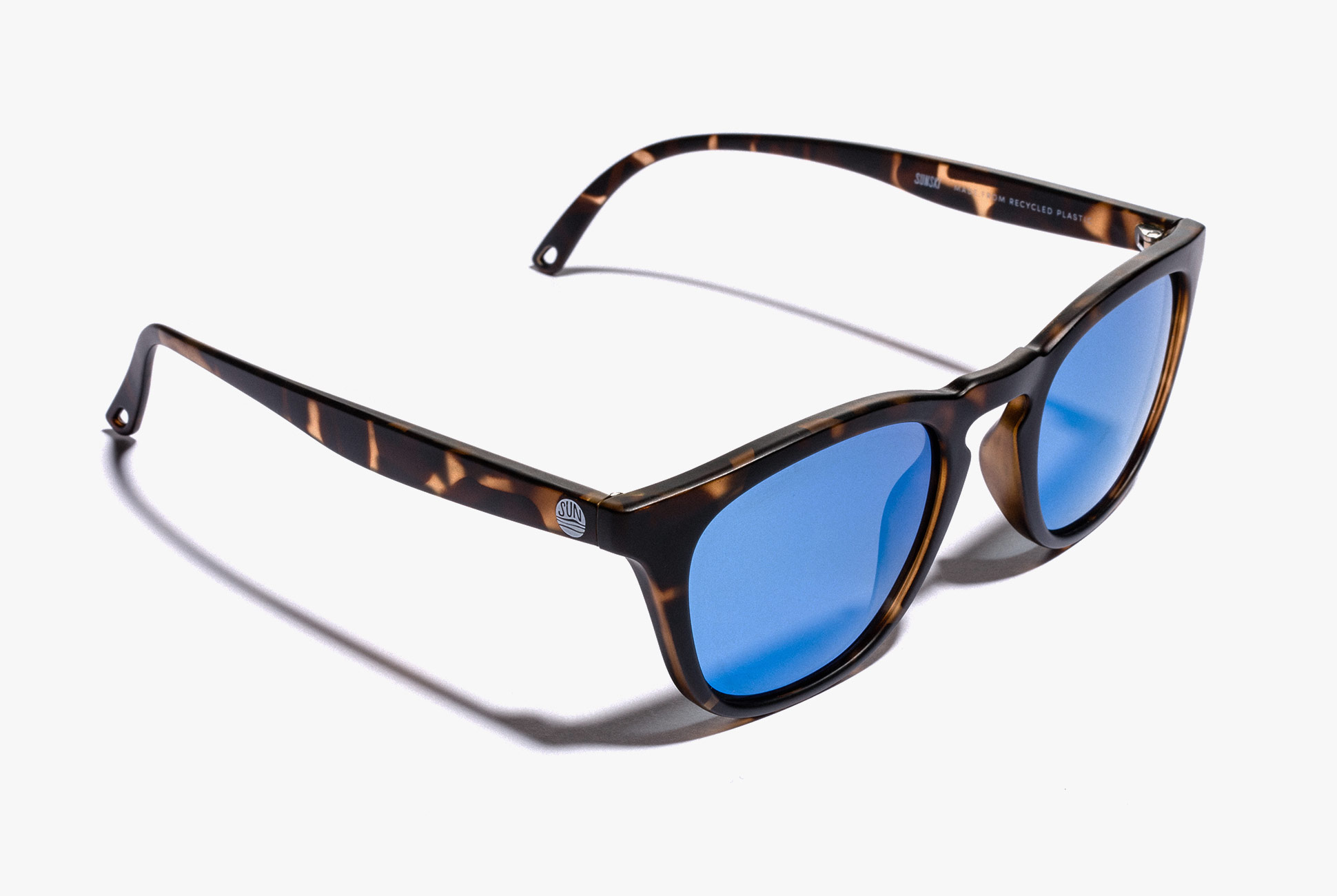
“Sunskis have long been my go-to pair of travel and sport sunglasses. The lightweight frames not only look great on every face size and shape, but they stay put during runs, walks and hikes. The tortoise arms compliment a variety of skin tones and the polarized blue lenses keep glare down, not to mention each pair is made from recycled plastic. They’re a pair of sunglasses I can wear on the mountain and to the beach all in the same day.” — Meg Lappe, Staff Writer
Arnette Biscuit
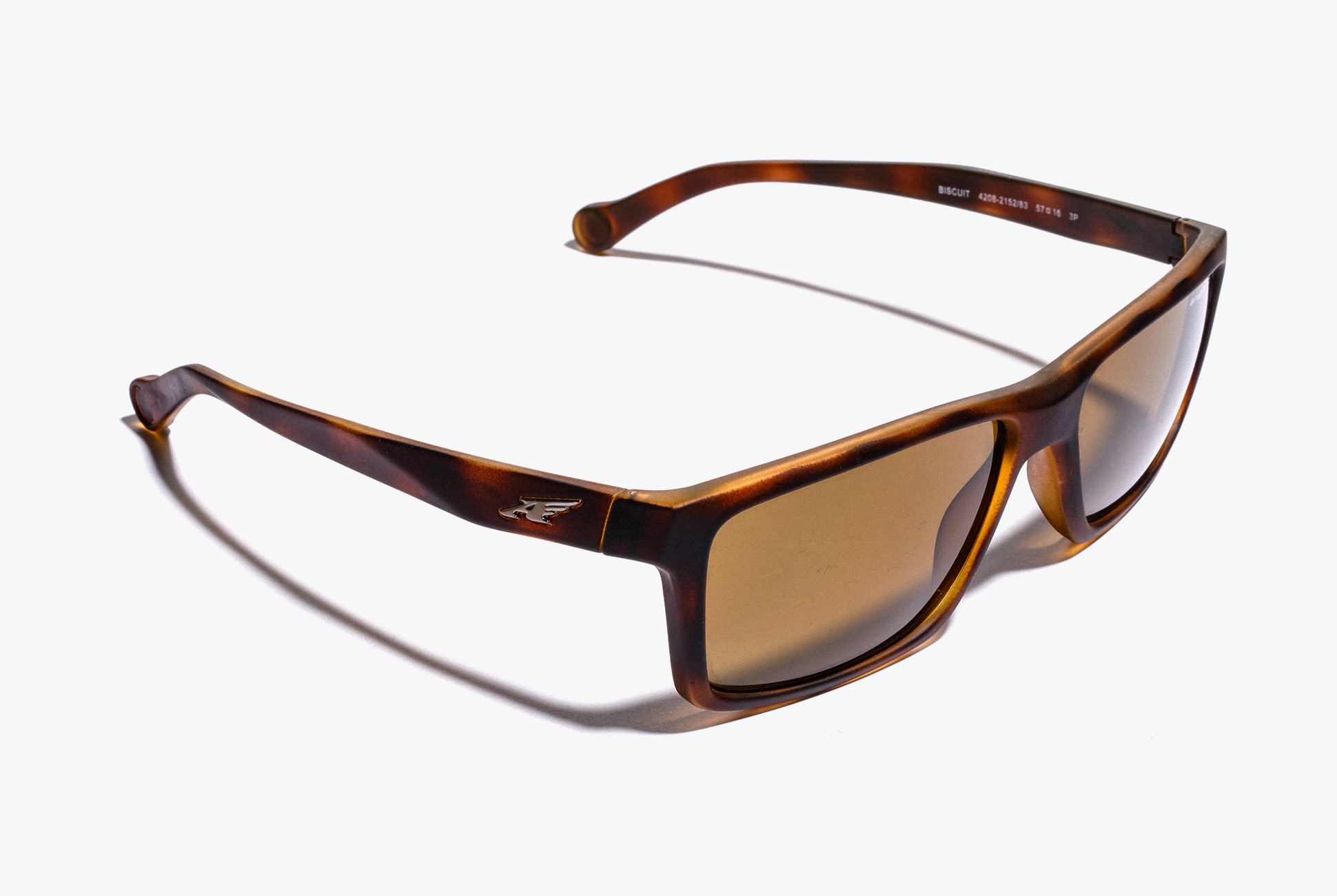
“Five years ago, I popped into a surf shop during a family vacation, knowing I wanted a new pair of sunglasses. Being picky, I had already been to a few shops — no luck — but it all changed when I tried these sunglasses on. They were sporty and fit my face well, and I liked them so much I bought two, one in matte black and one in tortoiseshell. Both were polarized, too, so they ran me about $120 each, which was expensive for a young gun like myself at the time. A year or so later, my brother stole one of the pairs and accidentally broke them. Arnette had stopped making the Biscuit model, but he found the exact same pair on Overstock.com and bought them for me (thanks, Mike). To this day I still have and wear both of them. They’re great for almost anything. Fishing. Driving. Hiking. Playing cornhole on the beach. Anything.” — Tucker Bowe, Staff Writer
Diff Charitable Eyewear Bella
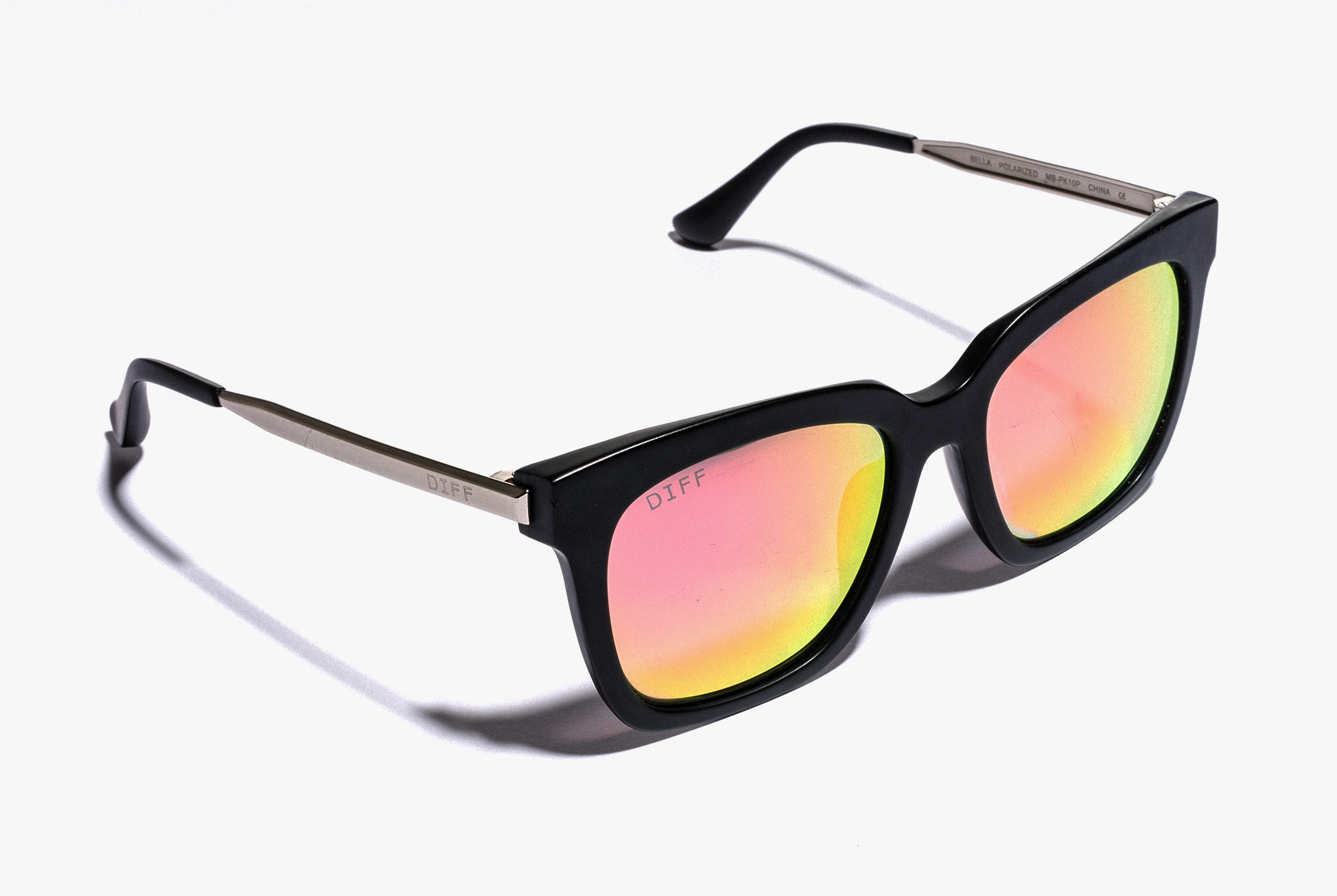
“Yep, I pack my wife’s old sunnies when I travel on vaca. She stopped wearing them because she thought they were too big for her face. I love these. They’re lightweight and well constructed. If I lose or break them, the price point is in the right place that they’re reasonably replaceable. Most importantly they look great! The mirrored pink lenses pop in the way I wish my glacier goggles’ blue mirrored lenses would, making them great on the beach or on the mountain. The matte black frames are the right contrast to the lenses and metal temples give them a sturdiness comparable to much more expensive pairs. The shades really punch above their weight. Lastly, there’s the added charitable bonus of providing someone in need with a pair of reading glasses for each pair of Diffs sold — can’t beat that with a stick.” — Jason Dakota Davis, East Coast Sales Director
Oakley Radar EV Path
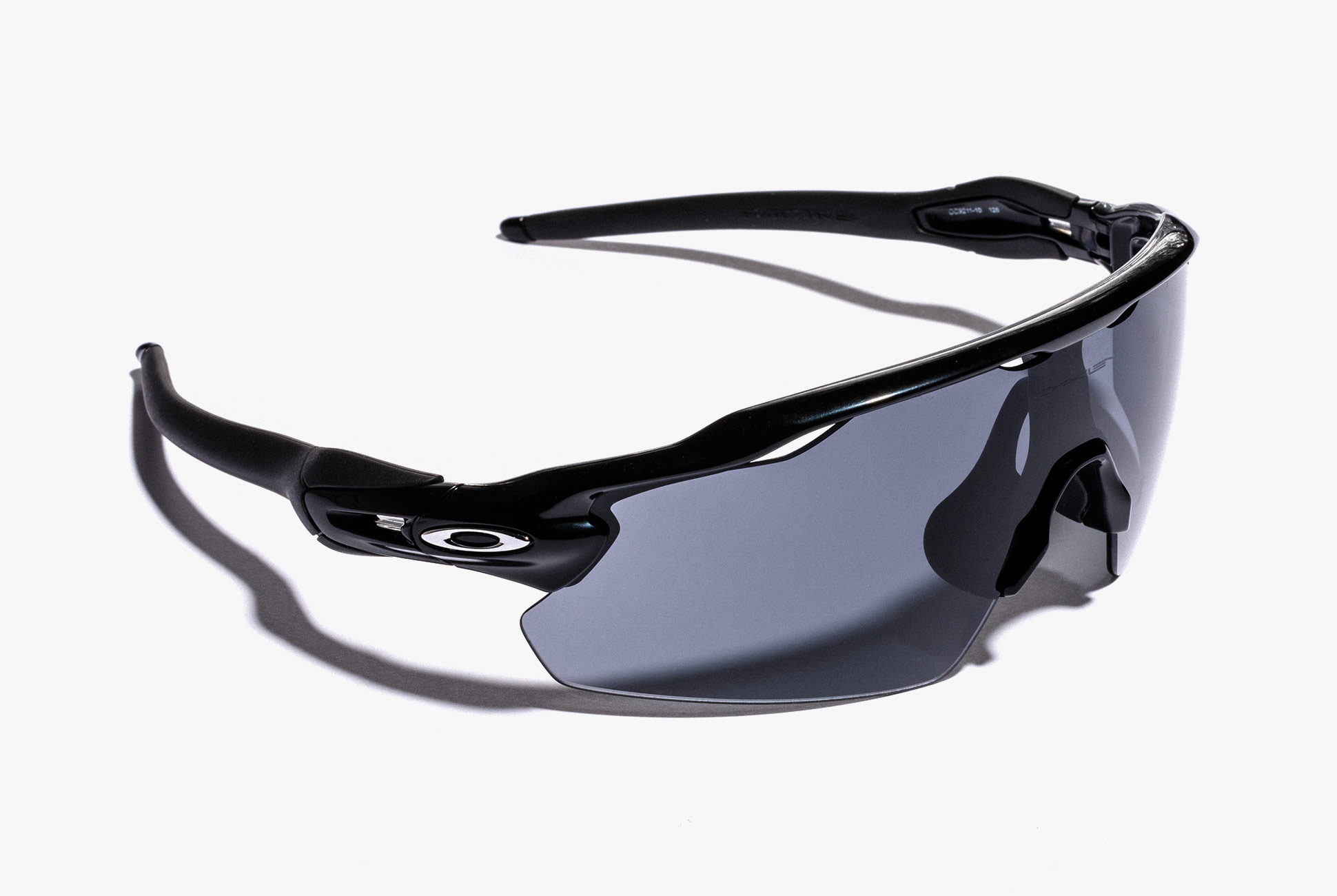
“I think peak-era Lance Armstrong is to blame for my love of the Oakley Radars. I’ve wanted some since I was maybe 12 years old and damn it, this summer I finally got a pair. To me they’re the quintessential endurance-jock shades, and in spite of my better (more stylish) inclinations I dig that vibe. The Radars block sun, wind and debris very well, and they stick to my face better than just about any other sunglasses I’ve tried. They also play pretty nicely with my head shape and the varying hats/helmets/headbands I wear. Just to clarify: the Radars aren’t too versatile in the looks department, and I’m very aware of that. Ever see someone wearing these with formalwear? Borderline offensive. But wherever I go, if my trip involves running, biking, hiking or skiing, these bad boys are definitely coming along with me.” — Andy Frankes, Editorial Assistant