All posts in “Sports and Outdoors”

This New Pocket Knife Is the Best Kind of Simple

There’s no formula for starting a knife company, no board game path with a definite start and end. If there were though, WESN Goods picked up a “Move Ahead Five Spaces” card when it launched the Microblade back in 2017. While most brands might’ve started with a mid-sized, non-specialized knife built with a drop-point blade somewhere around three inches in length, WESN went small — the Microblade is 3.75 inches unfolded, and its blade measures out to just 1.5 inches. For that, it earned over $200,000 on Kickstarter. Now WESN is back with a new knife called the Allman that’s currently available on Kickstarter.

The Allman draws from the same well as the Microblade; WESN used premium materials like S35VN steel and titanium or G10 handle scales in a construction that’s both attractive and simple. It uses a similarly shaped drop-point blade, but this one is 2.8 inches long, a Goldilocks size that’s both long enough and not too long for everyday tasks.

The Allman has a flipper tab for quick deployment and a liner lock for in-use security. It also includes a lanyard hole and a pocket clip for various methods of carrying. Along with the premium build, these features answer WESN’s primary question in evolving into a company with more than one product offering: what do people need in a full-sized pocket knife? The Allman’s answer, it would seem, is utility and simplicity. We tend to agree.

Gear Patrol also recommends:
Opinel No. 8 ($15)
Kershaw Leek ($39)
The James Brand Chapter ($295)

The Best New Knives and EDC of February 2019

Some product launches are predictable — now that spring is around the corner we can assume the latest rain jackets, waterproof trail running shoes and hiking boots will soon make their debut. Other items don’t fall so neatly into weather-defined timelines though, like pocket knives and EDC tools. The designers and makers behind these things never rest, and manufacturers that roll out as many as 50 new knives and multi-tools per year don’t do so all at once. Instead, companies reveal them in a steady but unpredictable flow, and there’s something new to ogle every week. We make it our mission to keep you in tune with the release of knives and tools that have the potential to become your next daily sidekick or a worthy addition to any collection. But just in case you missed one, we’ll round up our findings here in one concise, easy-to-scroll article.

In February, The James Brand released its first multi-tool and updated its flagship EDC knife, 2018’s best blade got a new look and Gerber released a tool for eating outdoors.

The James Brand Chapter
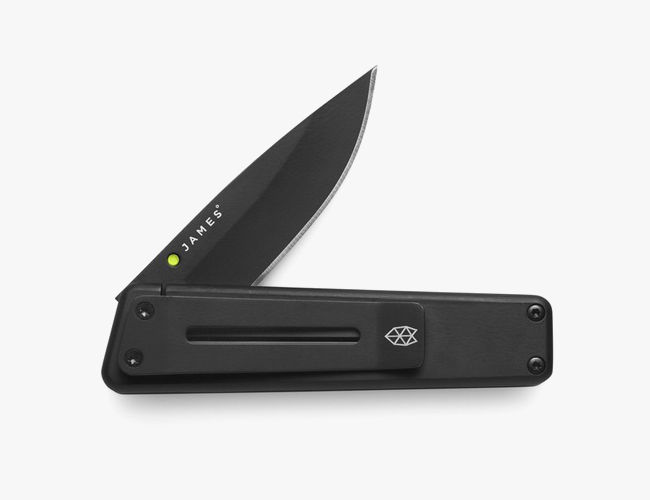
The Chapter was The James Brand first knife. It isn’t a decade old yet but the designers at The James Brand are already working to make sure it never becomes obsolete. The new version of the Chapter looks identical to the old one, but it includes some crucial upgrades that elevate it to a new level. Most importantly, the blade steel has been changed to Crucible S35VN, a high-end material prized by custom makers for its corrosion resistance and edge retention, adding to the blade’s longevity. The James Brand also added ceramic bearings for a smoother open and close, and a lockface to add durability to the framelock mechanism that the knife uses.

To most, these changes will be invisible, and they’ll go unnoticed. But they’re important — more than the stonewashed black finish that’s also new to the Chapter. They help the knife do what knives are supposed to do, and maybe they’ll help make it iconic. “If you dove into the future 20 years, I would love for that Chapter silhouette to still exist and have the same value as the Case Trapper or the Chris Reeve Sebenza,” says Ryan Coulter, the company’s founder. We’ll have to wait and see if he’s right.

Malboro & Kane Sub
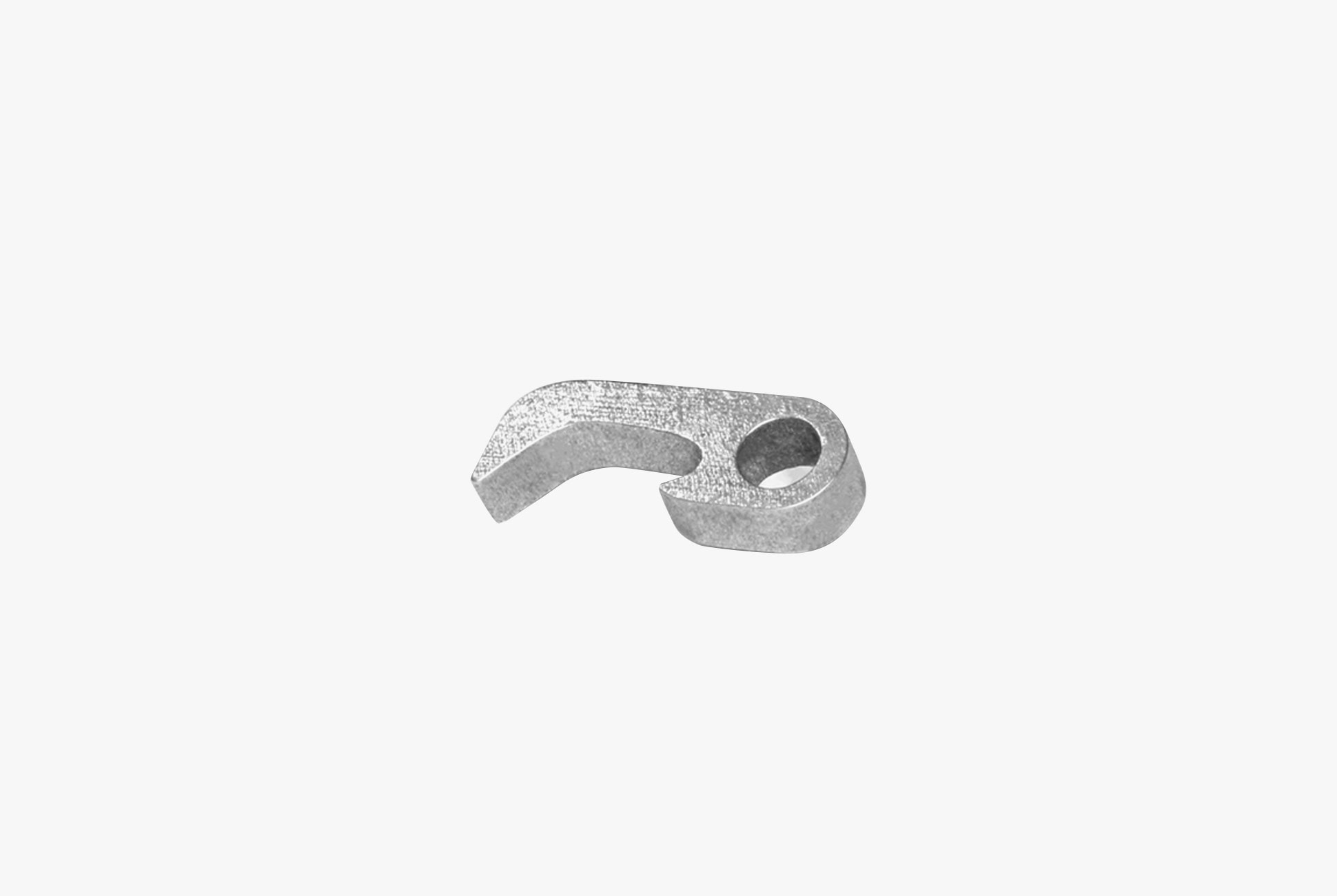
No, it’s not a knife; it’s a new light called Sub. The Sub, which is roughly the size of a marble, is affordable at $20 but is made of space-grade aluminum and has a battery life that should last one year. The Sub emits 30 lumens of light, which is significantly less than the typical EDC flashlight, which typically counts its lumens in the hundreds and sometimes thousands. Even in some of the videos displayed on Kickstarter and Indiegogo campaigns, the Sub doesn’t appear to pack enough power to come in handy in any but the most detail-oriented situations.

For some, that might not matter. The Sub is cheap, and it truly is small enough to go unnoticed on a keychain — or as an admittedly very handsome zipper pull. Even a tiny light is always better than no light at all. But still, is the Sub brighter than the built-in flashlight of the smartphone that’s already in your pocket? Those aren’t assigned lumen counts (many estimate the number to be roughly 50), but even from the brand’s own videos, it doesn’t appear to be the case.

The James Brand Ellis
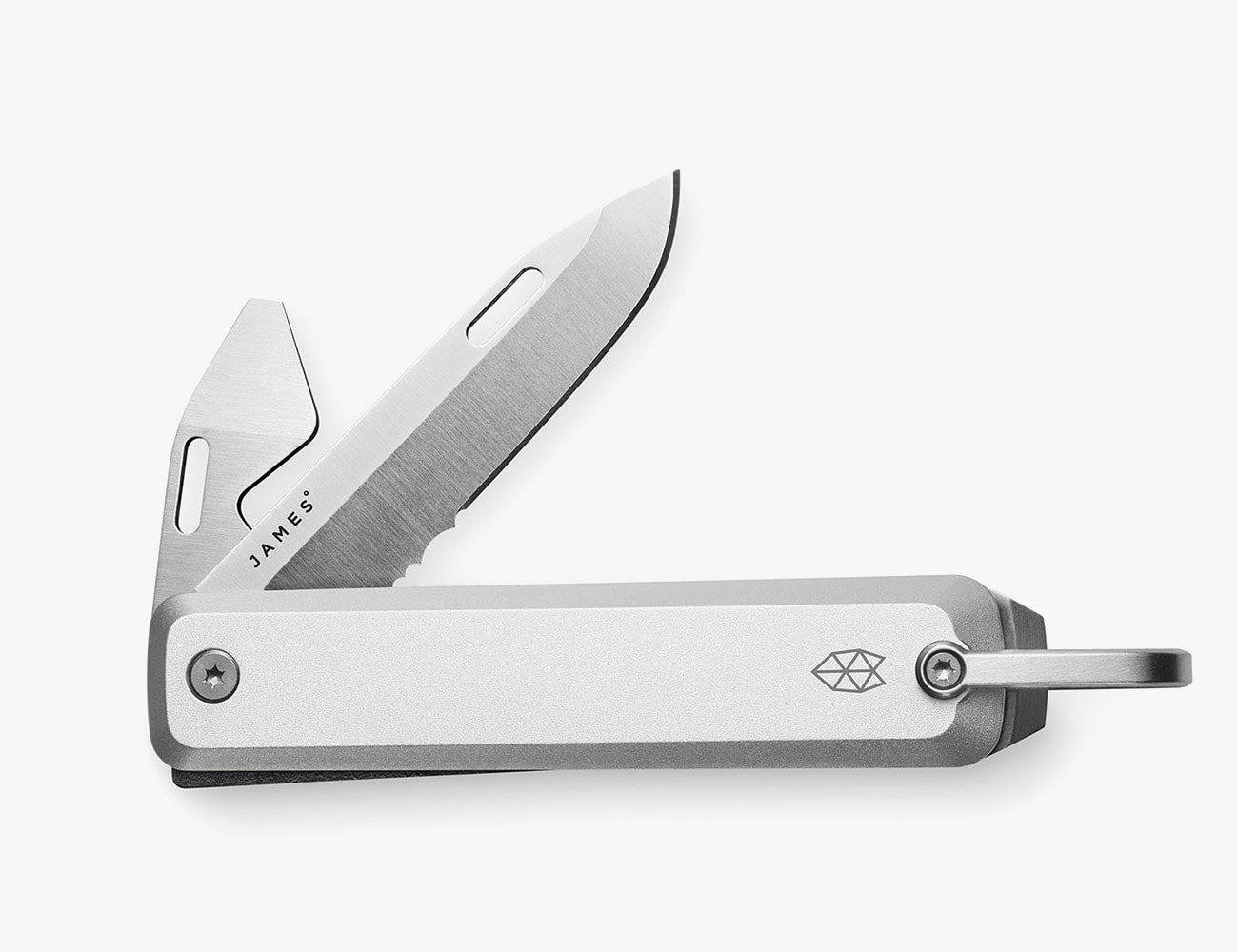
The James Brand’s second February update is the Ellis, the company’s first multi-tool. The Ellis isn’t like a Leatherman though; there are neither pliers nor wire cutters here, just a partially-serrated blade, a screwdriver that doubles as a bottle opener and a scraper tool. It’s simple, and that’s the point.

That’s because Ryan Coulter, the company’s founder, and the rest of the team wanted it to be uncluttered, like the iconic Swiss Army Knife, and drew inspiration from the historic brand. “We’re big fans of Swiss Army and that design ethos,” he says. “I always think that Swiss Army has done the best job of making good everyday carry knives and tools that are not positioned in either the tactical or the outdoor space.”

The James Brand reached out to friends and more importantly, consumers, to figure out which tools to feature in the Ellis. What are the items that people need all the time? “A bottle opener and a screwdriver,” says Coulter. “Those are the things that, besides the knife blade, get used like 90 percent of the time.” Specialized implements — things like awls or magnifying glasses — come at the price of increasing the size of the tool. “We were focused on what can you take out of this, what’s the most minimal thing you can do and still make a multi-tool?”

Fox Knives Titanium Suru
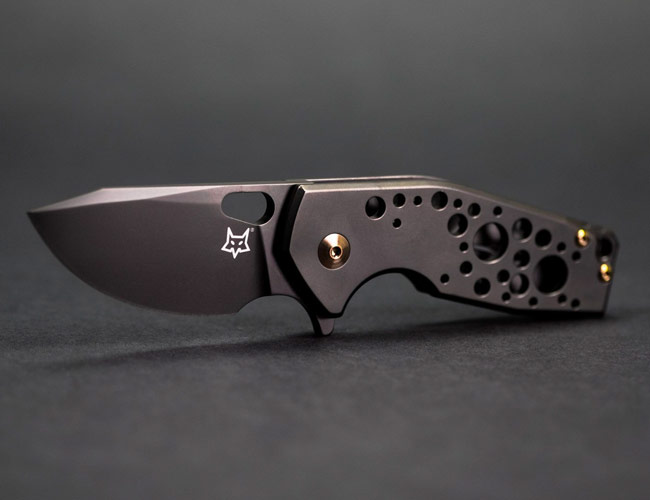
The original version of the Suru won the overall prize at Blade Show, an annual trade show for the cutlery industry, because it used a carbon fiber frame-lock for the first time. That made it incredibly light at 2.04 ounces. These new iterations swap out that material for titanium, making it heavier (but not by much; it weighs 3.3 ounces) but provide an entirely new look and feel.

The Suru’s steel drop-point blade is 2.32 inches long, and it deploys smoothly with either a thumbhole or flipper tab. Jesper Voxnaes, the knife’s designer, incorporated two choils, the unsharpened notches close to where the blade meets the handle, to provide a solid grip given the knife’s small size. Even the pocket clip features a zirconium ball bearing at its end to help the Suru transition easily into and out of a pocket. It’s details like these that helped solidify the Suru as an award-winner, and the new array of titanium handles, which come in various color finishes, amplify those and add an element of choice to this unique pocket knife.

Gerber Compleat
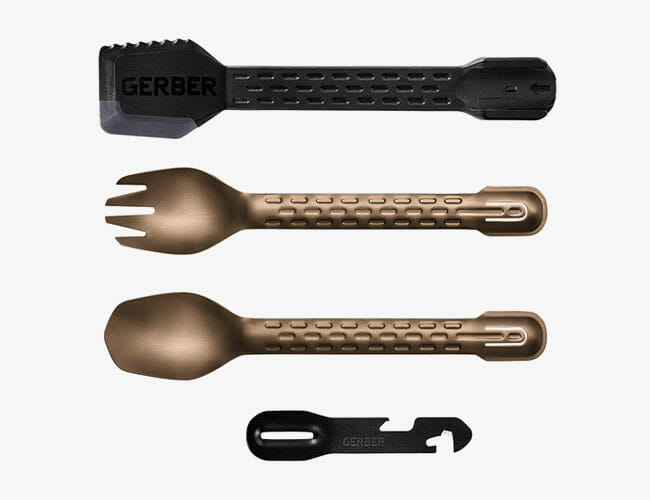
Gerber’s new piece of trail cutlery, the Compleat, is more multi-tool than spork. In one 2.3-ounce package, the Compleat packs a fork, spoon, dual-edge — one serrated, one rubberized — spatula and a tiny tool that campers can use to open bottles, packages, and cans and peel vegetables. By all means, this should produce an overpacked tool that’s either unwieldy or one that can perform its multiple functions without excelling at them; a dud. Gerber sidestepped these traps by giving the Compleat a construction that’s more modular than fixed, as traditional multi-tools are. Each of the tool’s implements slides apart from one another at the end of the handle for independent usage. Combine the spatula with either the fork or spoon to create a pair of tongs.

The Compleat is 7.75 inches long. The spatula is made of heat-resistant nylon with a silicone overmold on one edge while the fork, spoon and tool are anodized aluminum. Even the most severe ounce-counting campers will have a hard time turning down all of the tool’s utility to save weight in a backpack. Especially when the alternative is a spork.

Note: Purchasing products through our links may earn us a portion of the sale, which supports our editorial team’s mission. Learn more here.

Save over $100 on the Best Workout Headphones out There

The Magazine

Let us take you on a journey of the world. Each issue of the Gear Patrol Magazine comes packed with adventures, guides and stories exclusive to the magazine. Stunningly designed, printed on high quality stock and ready for your coffee table. Biannual. $39.

The Newsletter

Get GEAR PATROL in your inbox with the DISPATCH, including Today in Gear and all our new stories. Daily, 5pm. Free.

The 21 Best Base Layers of Winter 2019

Last updated February, 2019: We’ve added new picks for 2019. Prices and links have also been updated.

Base layers need to do three things in order to perform well in the outdoors. They need to keep you warm through insulation, they need to breathe well during aerobic activities, and they need to wick moisture away from your body and allow it to evaporate. While your good ol’ waffle-style long johns might be comfortable and cozy near the fire, they no longer cut the mustard when it comes to modern needs. Merino wool, synthetic materials and a host of alternatives are better designed to accomplish all three objectives well, and they can be relied upon to do the job when you need them most.

Contributions by Tanner Bowden, Meg Lappe and AJ Powell.

Merino Wool

Natural Fibers that Shake the Scratchy Wool Stigma


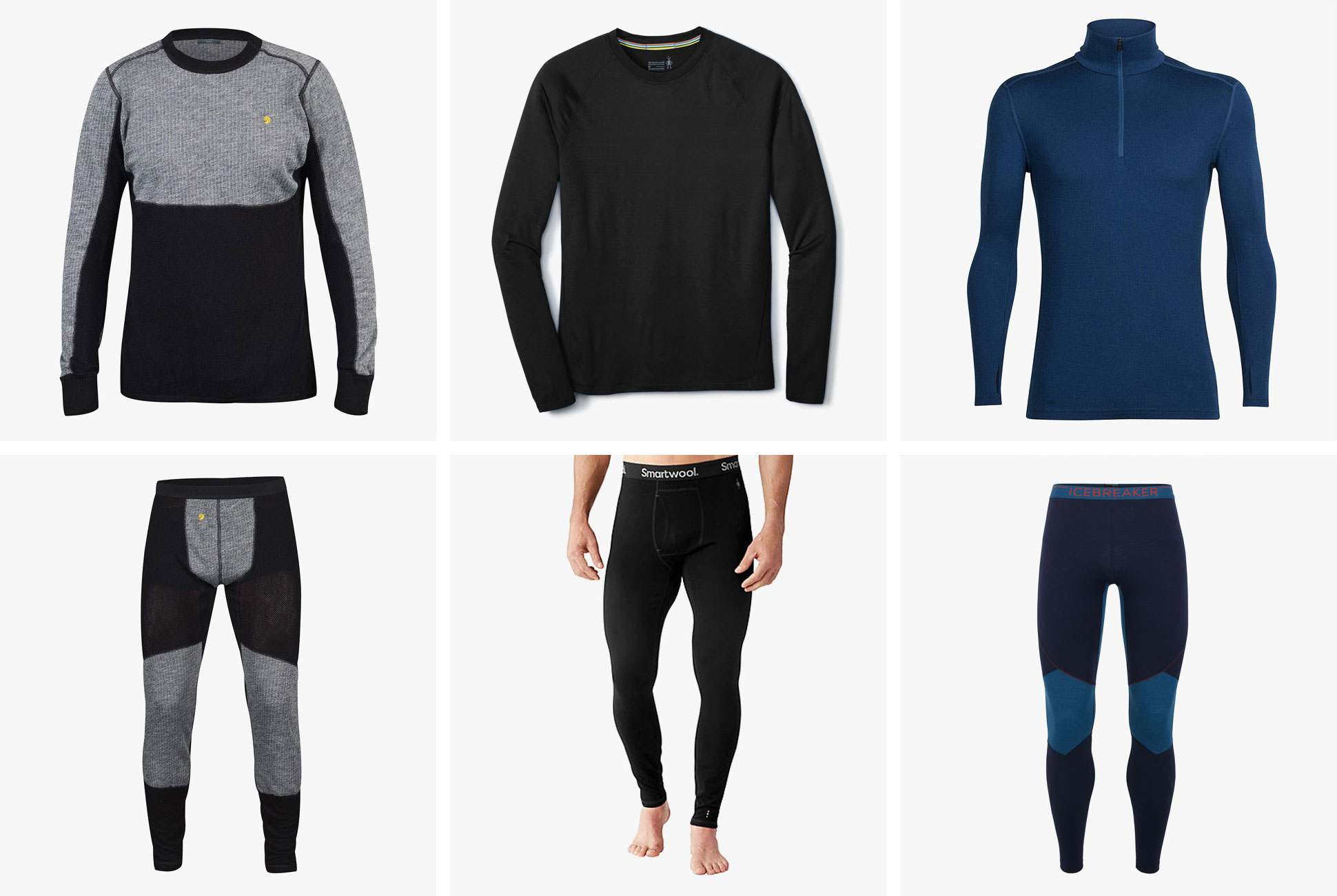
Merino wool is the gold standard in base-layer materials. Its fibers are naturally antimicrobial, so they fight the stench that occurs after a few days on the trail, and the fabric is great at regulating temperature, making it usable in multiple environments. It also breathes well and wicks moisture away from your body to keep you dry.
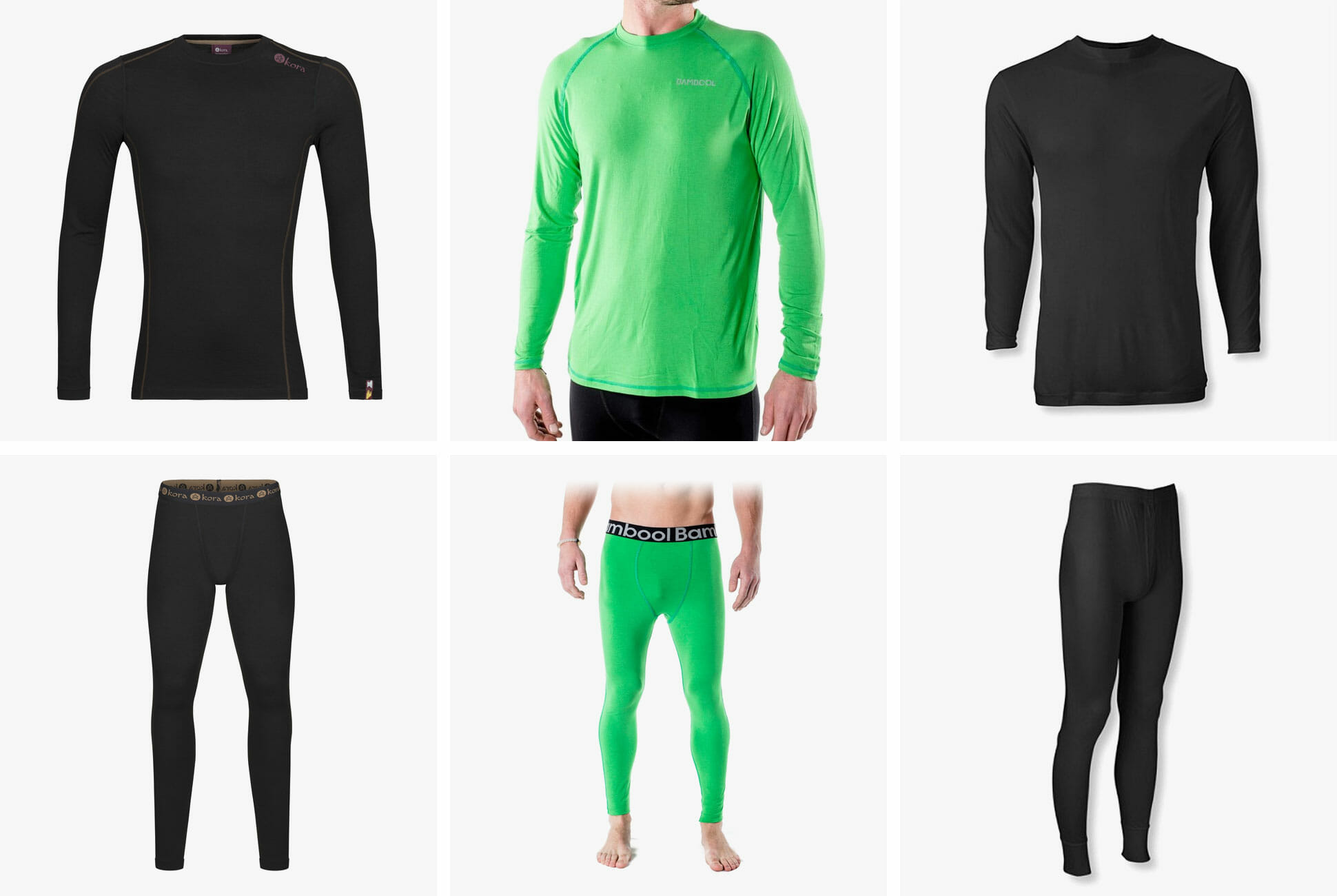
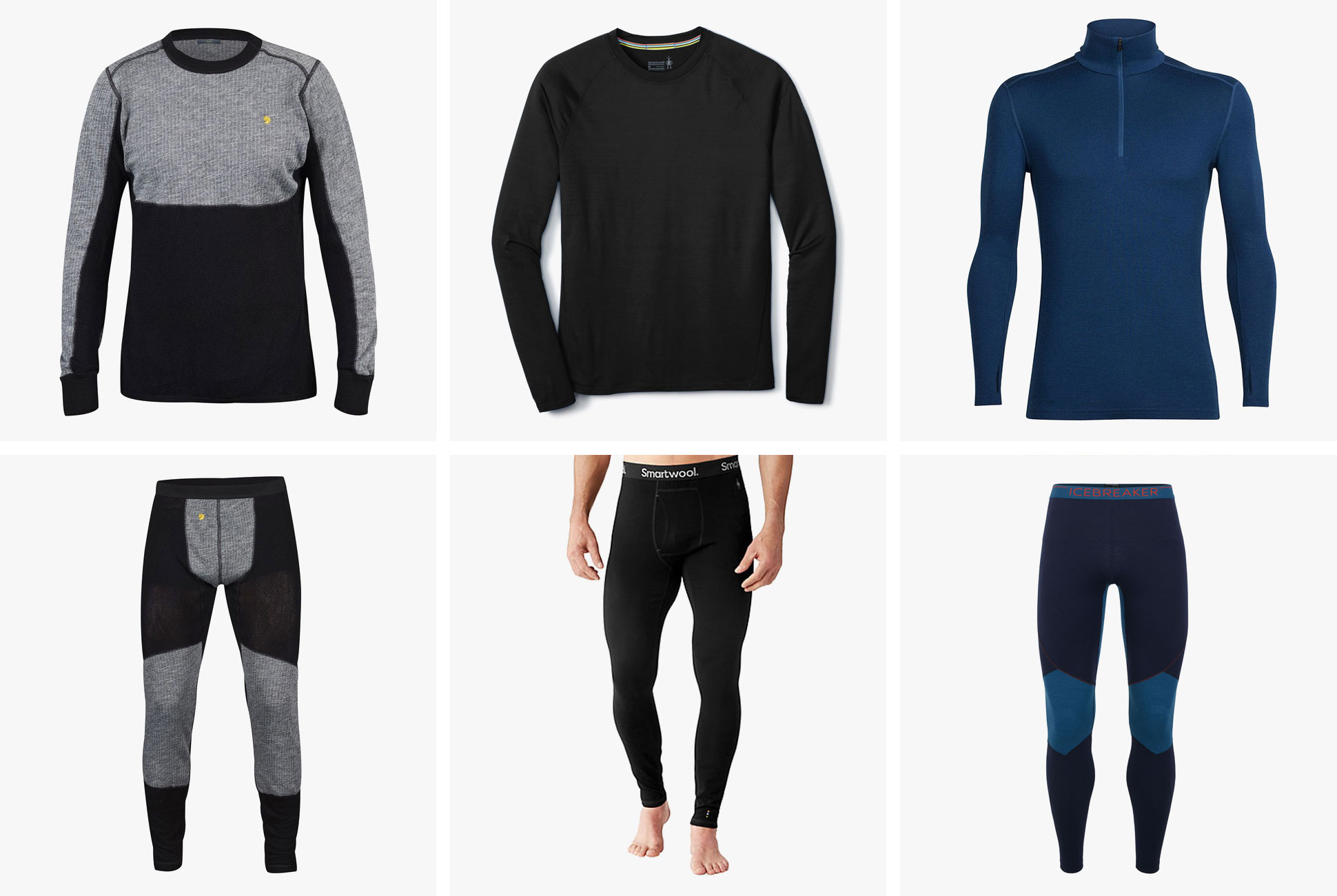
From left to right
Bergtagen Woolmesh Sweater by Fjällräven $160 $120
Bergtagen Longjohns by Fjällräven $140 $105
Merino 150 Base Crew by Smartwool $80
Merino 150 Base Layer Bottom by Smartwool $75
Tech Top Long Sleeve Half Zip by Icebreaker $120
Bodyfitzone 260 Zone Leggings by Icebreaker $120

Synthetics

High Performance at an Affordable Price Point


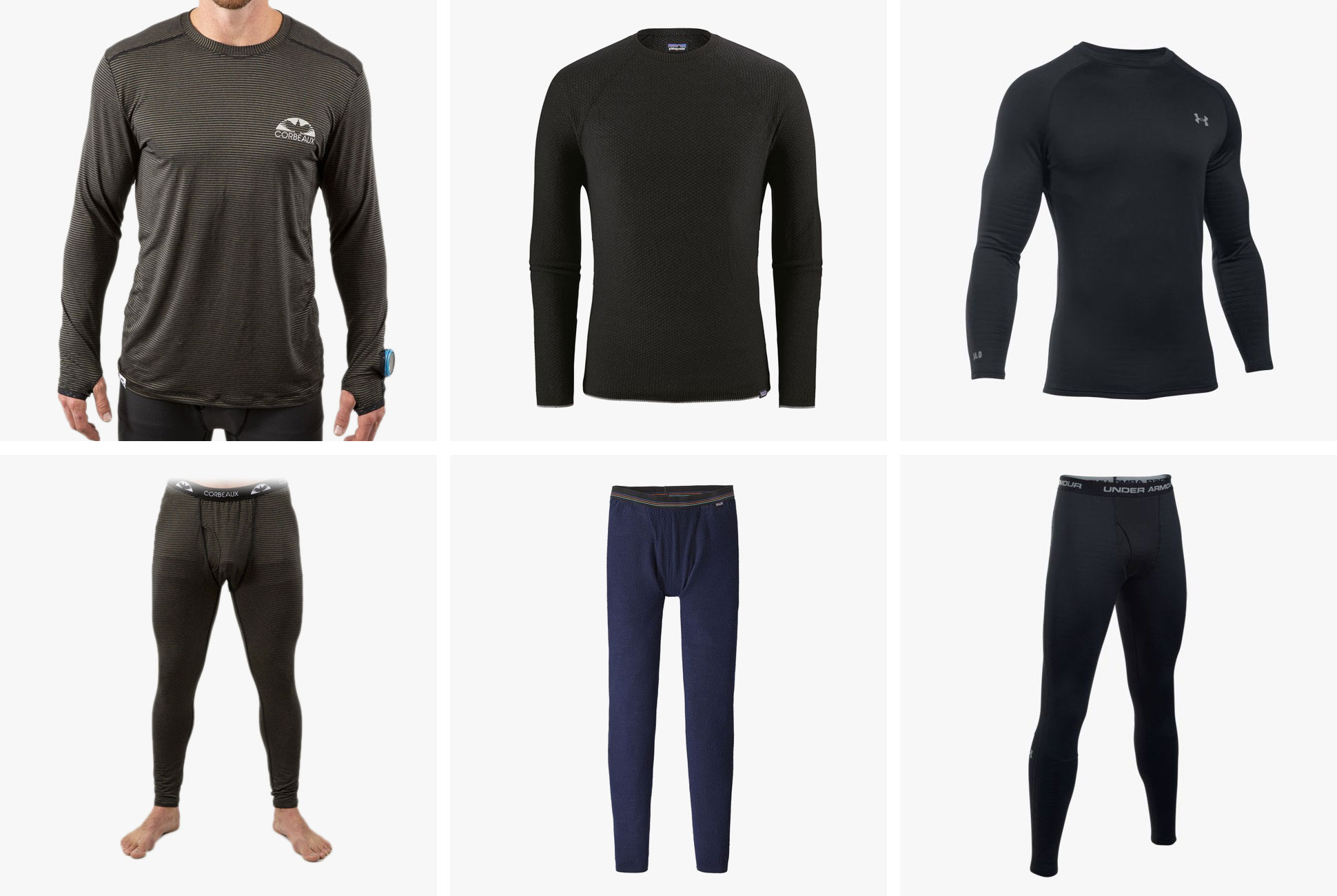
Synthetic materials pack a big punch at a low price point. While they tend to pick up a stench easier than other materials, they do the trick of keeping you warm and wicking moisture away quickly. An easy solve for this is a blend of all-natural and synthetic materials (like the Patagonia picks in here). They’re also highly breathable, and after purchasing, they leave a little bit of extra cash in your wallet for something like a nice pair of hiking boots or new goggles.
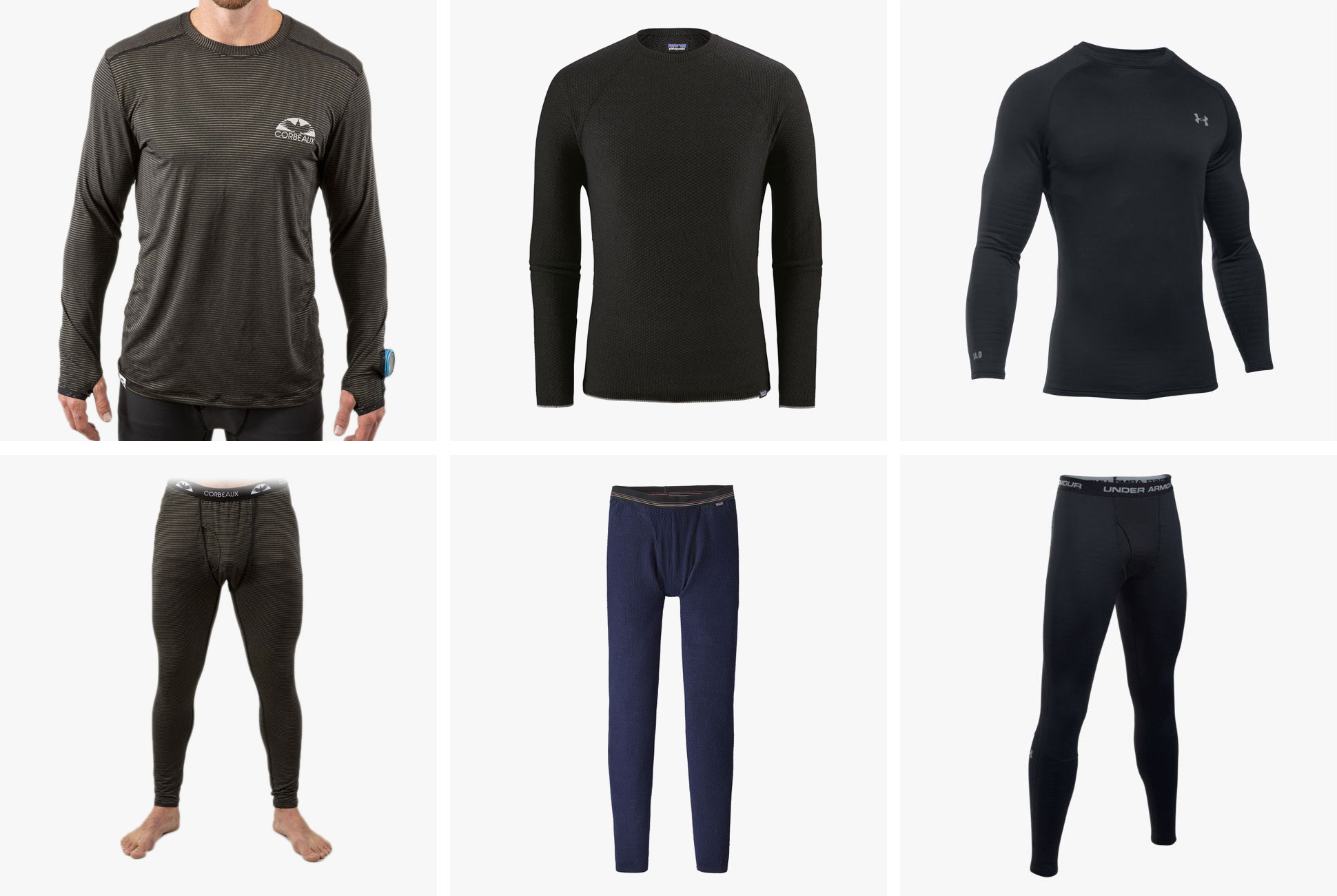
From left to right (lightweight to heavyweight)
Sopris Long Sleeve by Corbeaux Clothing $80
TJ Pant by Corbeaux Clothing $75
Capilene Air Crew by Patagonia $129
Capilene Air Bottoms by Patagonia $129
UA Base 4.0 Crew by Under Armour $85
UA Base 4.0 by Under Armour $85

Alternatives

From Yak Wool to Bamboo


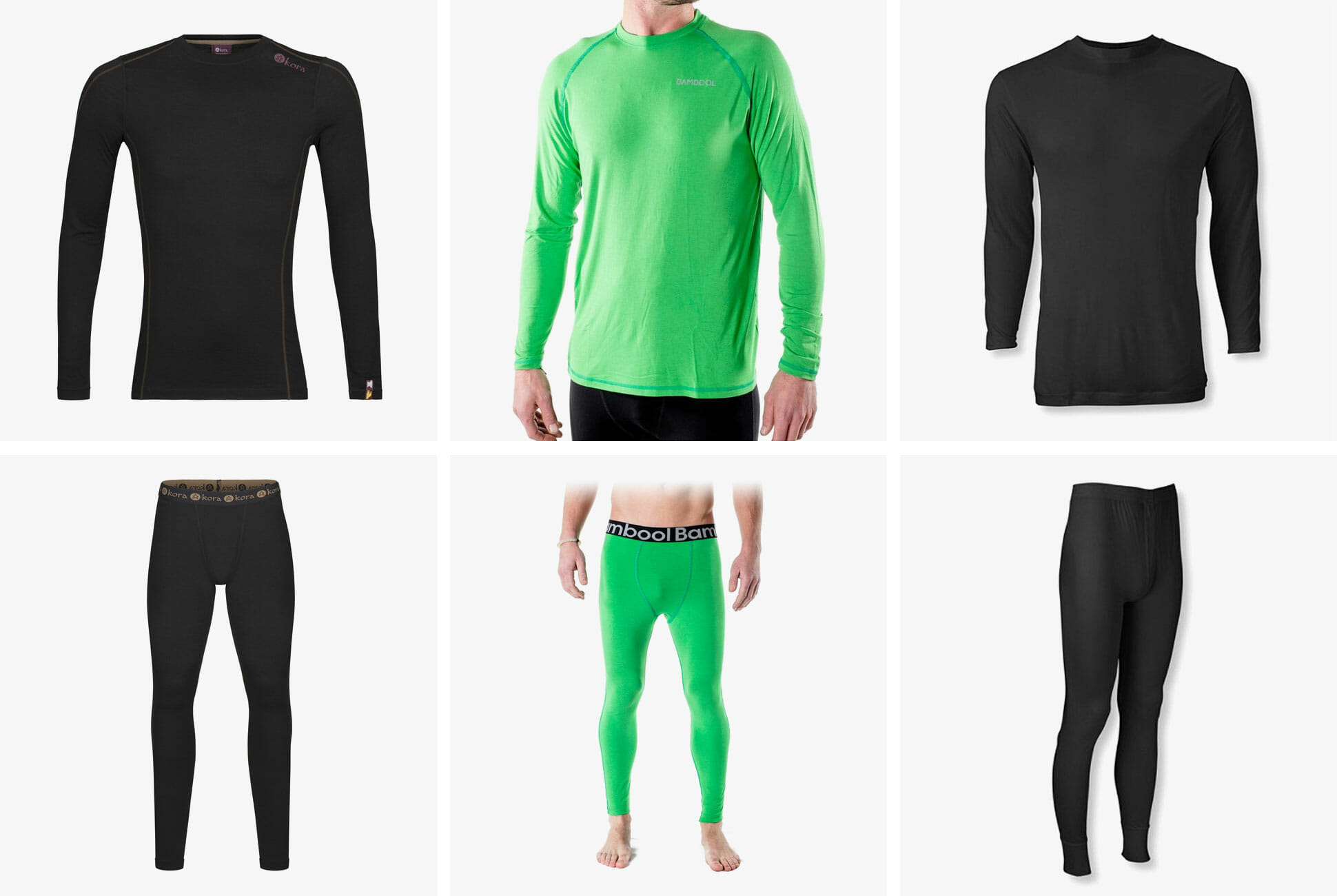
Recently, many manufacturers have started making base layers out of alternative materials. The below examples include bamboo wovens, yak wool and silk. They offer similar performance to merino and synthetic materials, but also offer other benefits, such as sustainability (as with bamboo fiber).
From left to right
Featuring yak wool:
Shola 230 Crew by Kora $145
Shola 230 Leggings by Kora $145
Featuring bamboo:
Crewneck Top by Bambool $70 $60
Men’s Legging by Bambool$60
Featuring silk:
Silk Underwear Crewneck by L.L.Bean $50
Silk Underwear Pants by L.L.Bean $50

One Piece Suits

Channel Your Inner Ninja


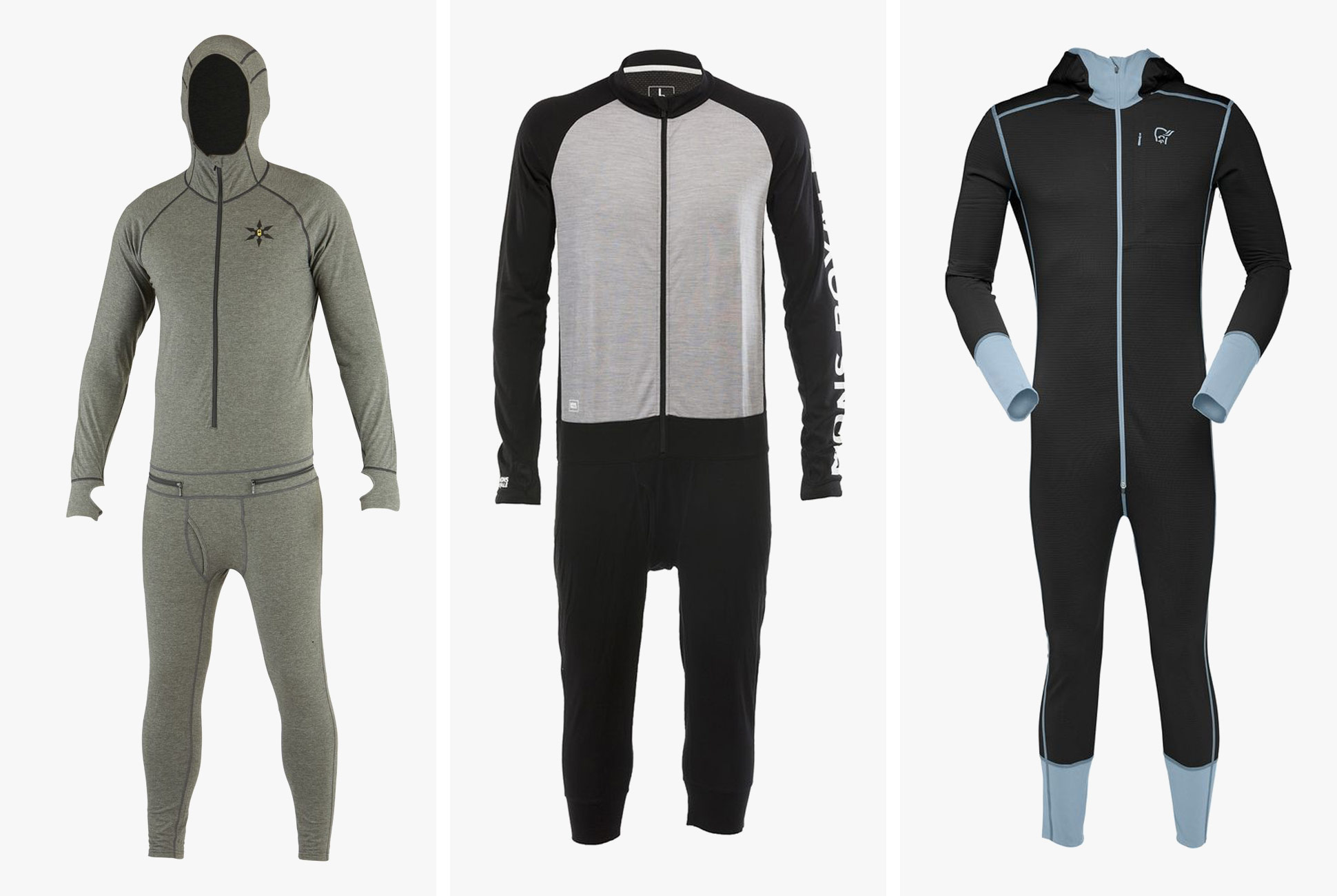
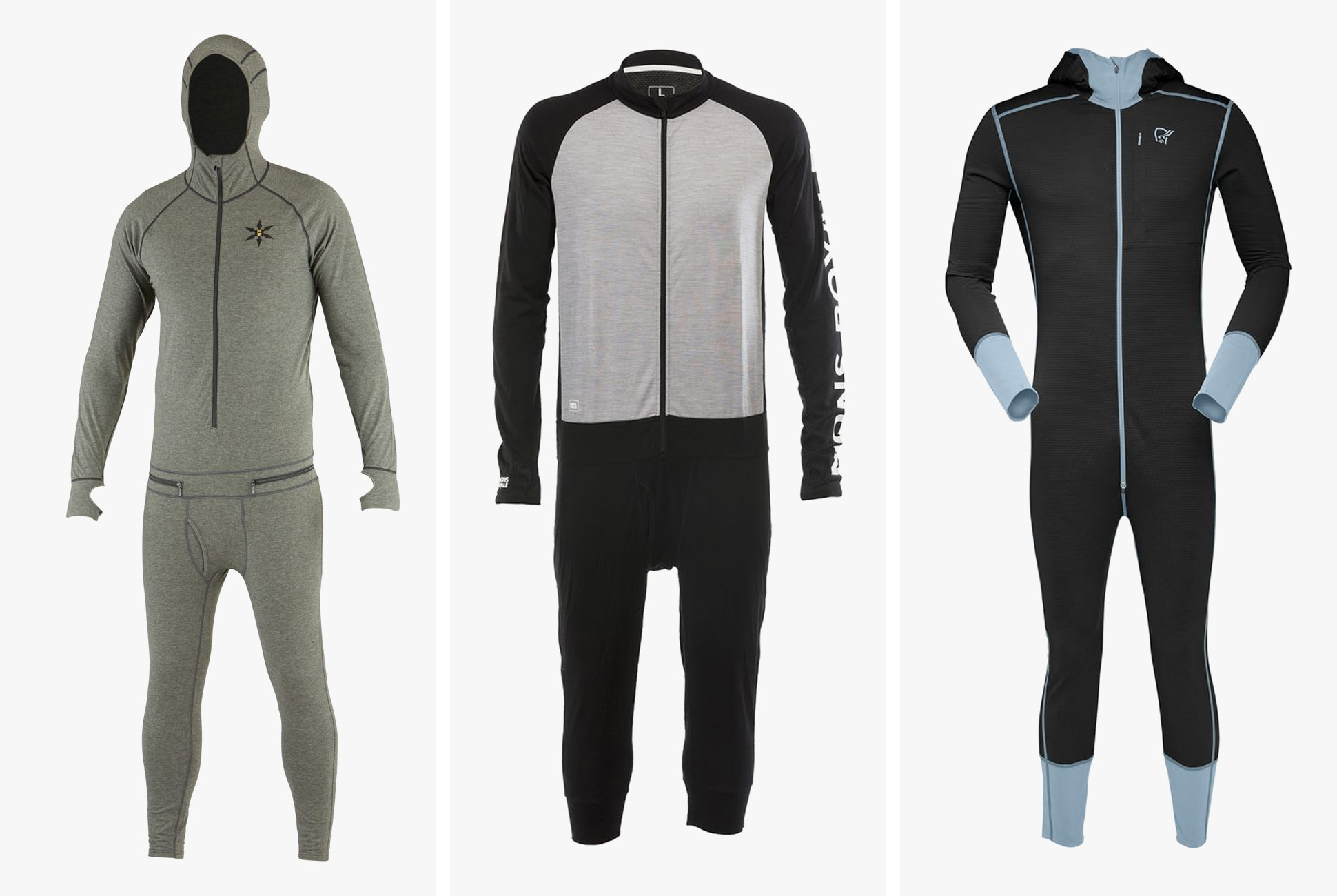
Onesies are a great way to keep warm on super-cold days. Even if the material is a lighter weight than you would typically wear on a cold day, the one-piece construction retains heat better than a top/bottom combo, so it’ll keep you plenty warm. As a bonus, they make great Halloween costumes.
From left to right (coolest to warmest)
Merino Ninja Suit by Airblaster $200 $160
Supermons 3/4 One Piece by Mons Royale $200 $160
Super One-Piece by Norrona $219

Note: Purchasing products through our links may earn us a portion of the sale, which supports our editorial team’s mission. Learn more here.
This Shop Is One of Colorado’s Best Open Secrets

Rocky Mountain Underground got its name by default. In 2008, founder Mike Waesche and a group of friends began making their first skis with equipment that they also built themselves, in a garage dug into the side of a hill in Breckenridge, Colorado. “We were building skis for beer,” Waesche says, and they were doing it underground, in the Rocky Mountains.

Sometimes the literal is also implicative of nonphysical qualities. Rocky Mountain Underground, or RMU for short, now makes its skis at the Never Summer factory in Denver and its headquarters isn’t beneath a hill but in the middle of Main Street in downtown Breckenridge. The violet-hued building’s front porch leads to two entryways, one to the ski shop and the other to the bar. Once inside though, it’s clear that these two designated spaces are indivisible.

That’s by design. “How do you take our culture, who we are as skiers and as people and then manifest it into a space?” Waesche says. “It was this culture of drinking a couple of beers, building stuff, having a community involved in it — we just glorified it. Instead of a garage, now it’s on Main Street, and it’s open to everybody.” Community forms the shop’s core — RMU often holds events and fundraisers to benefit groups like the Colorado Avalanche Information Center (or in one case a local dog with a leg injury).

Waesche often refers to the bar side as “a time machine,” the type you step into without knowledge of what date the controls are set to. On a recent Saturday night, much of the furniture was pushed aside to allow for a band to set up. While they covered “House of the Rising Sun” and John Prine’s “Angel from Montgomery” in the shop, a big screen in the bar aired a decade-old ski movie on silent. Younger versions of pros that are still around today, including RMU’s own Wiley Miller, hucked cliffs and contorted their bodies over massive wedged jumps. The bartenders worked the taps like excavator levers; the band thrummed on.

Ski bummery will forever be linked with partying, but when the carpets are rolled up and the amps are securely in the van, RMU’s shop is one that teetotaling gear nerds will find wholly adequate. Behind the front counter is a space for tuning and mounting skis (if you’re lucky you might get a glimpse of next year’s unreleased models) and a fully-operational ski press; one can imagine that the old garage followed utilized a similar layout. The brand’s own skis and bags are on display, but everything a skier needs is also present: outerwear, boots, socks. We asked Waesche to point out his favorites.

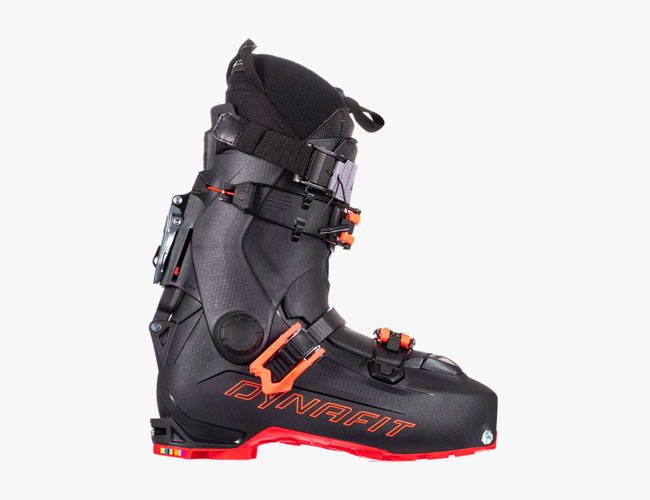
Dynafit Hoji Pro Ski Boot

“Dynafit is based out of Boulder, and they’ve been a great partner for us. It tells the story of the skis. We could be seen as competitors but we work together really well; it’s the same story of getting in the backcountry. The boots, the access and everything they provide complements what we’re doing so well. It’s right in line with our customers.”

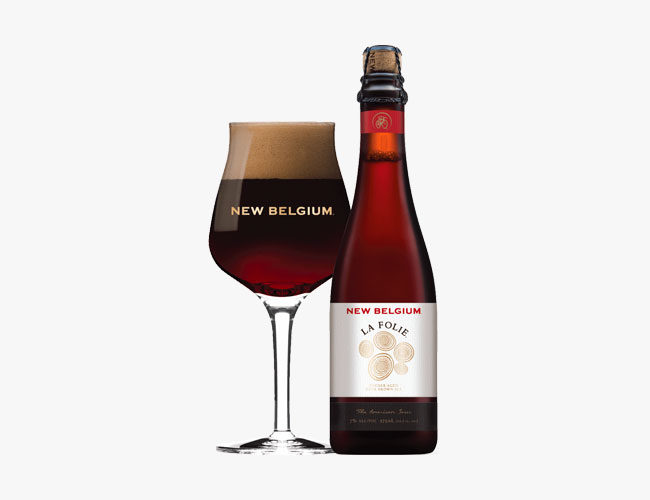
New Belgium La Folie

“A lot of people see it and they think it’s just beer. We do this limited edition ski for them and they use that to donate to nonprofits all over the state. They do these events where they serve beer but they’ll donate the proceeds to nonprofits. It’s been cool to be a part of, the reach of these products activating more in the community. We’re serving their beer and selling it and that’s great but it’s perpetuating other things. They’ll always have a new can to release and they’ll often release it with us.”

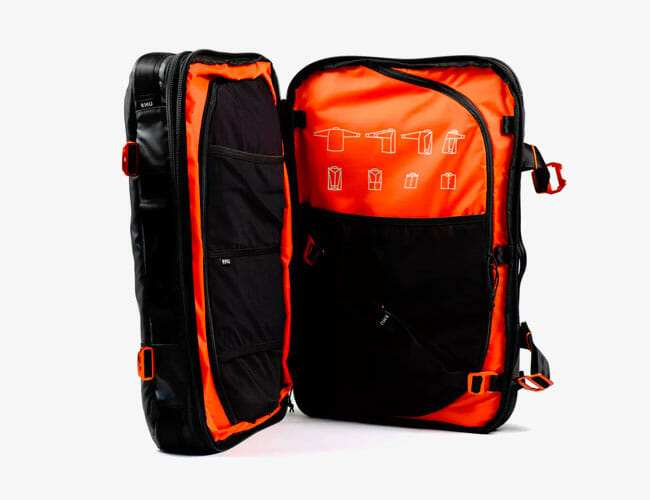
RMU BRFCS

“People are traveling through and the see it and they’re like, ‘what the hell is this thing?’ They probably arrived here with some carry-on they’ve been meaning to upgrade anyways, and I think they connect the town and RMU together. It’s cool to travel with something that reminds you of the place where you’ve been skiing.”

21 Best Base Layers of Winter 2019

Last updated January, 2019: We’ve added new picks for 2019. Prices and links have also been updated.

Base layers need to do three things in order to perform well in the outdoors. They need to keep you warm through insulation, they need to breathe well during aerobic activities, and they need to wick moisture away from your body and allow it to evaporate. While your good ol’ waffle-style long johns might be comfortable and cozy near the fire, they no longer cut the mustard when it comes to modern needs. Merino wool, synthetic materials and a host of alternatives are better designed to accomplish all three objectives well, and they can be relied upon to do the job when you need them most.

Contributions by Tanner Bowden, Meg Lappe and AJ Powell.

Merino Wool

Natural Fibers that Shake the Scratchy Wool Stigma


Merino wool is the gold standard in base-layer materials. Its fibers are naturally antimicrobial, so they fight the stench that occurs after a few days on the trail, and the fabric is great at regulating temperature, making it usable in multiple environments. It also breathes well and wicks moisture away from your body to keep you dry.
From left to right
Bergtagen Woolmesh Sweater by Fjällräven $160 $120
Bergtagen Longjohns by Fjällräven $140 $105
Merino 150 Base Crew by Smartwool $80
Merino 150 Base Layer Bottom by Smartwool $75
Tech Top Long Sleeve Half Zip by Icebreaker $120
Bodyfitzone 260 Zone Leggings by Icebreaker $120

Synthetics

High Performance at an Affordable Price Point


Synthetic materials pack a big punch at a low price point. While they tend to pick up a stench easier than other materials, they do the trick of keeping you warm and wicking moisture away quickly. An easy solve for this is a blend of all-natural and synthetic materials (like the Patagonia picks in here). They’re also highly breathable, and after purchasing, they leave a little bit of extra cash in your wallet for something like a nice pair of hiking boots or new goggles.
From left to right (lightweight to heavyweight)
Sopris Long Sleeve by Corbeaux Clothing $80
TJ Pant by Corbeaux Clothing $75
Capilene Air Crew by Patagonia $129
Capilene Air Bottoms by Patagonia $129
UA Base 4.0 Crew by Under Armour $85
UA Base 4.0 by Under Armour $85

Alternatives

From Yak Wool to Bamboo


Recently, many manufacturers have started making base layers out of alternative materials. The below examples include bamboo wovens, yak wool and silk. They offer similar performance to merino and synthetic materials, but also offer other benefits, such as sustainability (as with bamboo fiber).
From left to right
Featuring yak wool:
Shola 230 Crew by Kora $145
Shola 230 Leggings by Kora $145
Featuring bamboo:
Crewneck Top by Bambool $70 $60
Men’s Legging by Bambool$60
Featuring silk:
Silk Underwear Crewneck by L.L.Bean $50
Silk Underwear Pants by L.L.Bean $50

One Piece Suits

Channel Your Inner Ninja


Onesies are a great way to keep warm on super-cold days. Even if the material is a lighter weight than you would typically wear on a cold day, the one-piece construction retains heat better than a top/bottom combo, so it’ll keep you plenty warm. As a bonus, they make great Halloween costumes.
From left to right (coolest to warmest)
Merino Ninja Suit by Airblaster $200 $160
Supermons 3/4 One Piece by Mons Royale $200 $160
Super One-Piece by Norrona $219

Note: Purchasing products through our links may earn us a portion of the sale, which supports our editorial team’s mission. Learn more here.
It’s Only February but Adidas Already Dropped One of the Year’s Best Hiking Boots

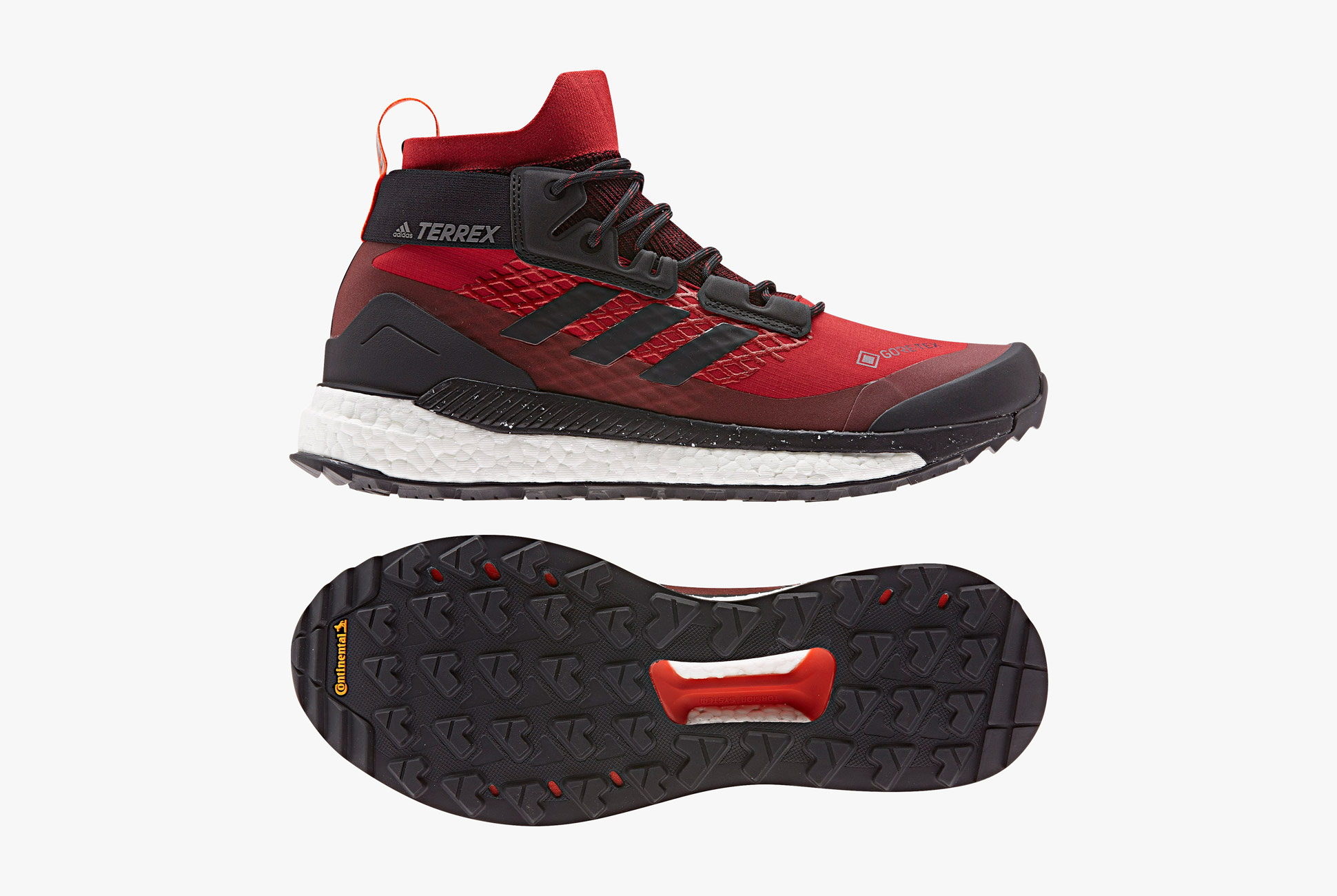
Last week, Adidas dropped the new Ultraboost 19, one of the year’s most anticipated new running shoes (an earlier version of the shoe released in December 2018 sold out almost immediately). What makes the Ultraboost 19 so buzz-worthy? Better fit, more support on longer runs and a new look. But despite these upgrades, it’s another of the brand’s shoes that’s received the most hype this year, and it’s not a sneaker — it’s a new hiking boot called the Terrex Free Hiker.

The excitement is coming from two distinct groups. The first, perhaps obviously, is hikers. Adidas has developed a merited following among trail trekkers for its performance-oriented boots, shoes and trail runners. (The Terrex Fast Mid GTX is one of our favorite hiking boots available.) The Free Hiker is Adidas’s first hiking boot to use its proprietary, energy-returning Boost foam, but that’s not the only innovation it brings from running: there’s also a Primeknit upper for a close and breathable fit.

Adidas married these two features together in the Free Hiker with a style that’s decidedly outdoorsy, and right now, that aesthetic has the attention of groups that don’t necessarily hike and camp. Websites including Highsnobiety and KicksOnFire have been covering it from announcement to release and fostering awareness; music producer and DJ Diplo promoted the hiking boot in a recent Instagram post. All this is to say that the Free Hiker will likely be as commonly seen wandering sidewalks as backcountry trails (even though its Continental rubber outsole is better suited to the latter).

Strava’s Latest Update Makes It Easy to Mix Up Your Running Route

The Magazine

Let us take you on a journey of the world. Each issue of the Gear Patrol Magazine comes packed with adventures, guides and stories exclusive to the magazine. Stunningly designed, printed on high quality stock and ready for your coffee table. Biannual. $39.

The Newsletter

Get GEAR PATROL in your inbox with the DISPATCH, including Today in Gear and all our new stories. Daily, 5pm. Free.

Our Pick for the Best Camping Headlamp Just Got a New Upgrade

We’ve been big fans of Black Diamond’s Spot Headlamp for a while now. Why? Because it’s bright, versatile, weatherproof and also very affordable. And now, with Black Diamond’s spring product release, the Spot is getting an upgrade.

The Spot isn’t alone either; Black Diamond overhauled four more of its best-selling headlamps. The most apparent change is in the looks — the lights are slightly rounder with new color integration; they are less, for lack of a better word, techy. The chassis is also smaller by nearly 25 percent. The headlamps are also brighter, some models by as much as 50 lumens, which makes for a notable improvement in the dark.

Black Diamond also built a new user interface into the updated headlamps. Instead of the old single-button control, now there’s a second button to cycle through modes (distance, proximity, strobe, red night vision) more easily. PowerTap, Black Diamond’s tech that allows users to quickly swap from bright to dim by tapping the side of the light, is still present.

One thing that hasn’t changed is the price. Even with all these upgrades, the Spot is still just $40 — the other improved headlamps haven’t priced up either — and for that, we still love it.

Note: Despite being new, the Spot is currently on sale at Backcountry for 25 percent off.

Gear Patrol also recommends:
BioLite HeadLamp 330 ($50)
Black Diamond Storm 375 Headlamp ($37)
Petzl Tactikka + Headlamp ($45)

This One Water Bottle Eliminates 1000 Plastic Bottles From the Ocean

Plastic is polluting our waterways. And the number of plastic water bottles that we use continues to up that number. One easy way to make a difference is to buy a reusable water bottle. If you don’t yet have a one, the new Ocean Bottle is reusable, made from recycled materials and 1000 plastic bottles are collected for each bottle purchased.

The Ocean Bottle has all the same great features we love in some of our favorite bottles. It’s anti-leak, BPA-free, dishwasher safe and made from stainless steel and recycled biomaterial from food waste, plus a few we’re excited to test out: the carry loop and double opening for easy cleaning. It keeps your water at whatever temperature you’d like — from piping hot to ice cold. A soft base made from upcycled ocean plastic contains a smart chip. Ocean Bottle hopes to partner with baristas, juice shops and water fountain companies so you can get a discount on coffee, water and juices, every time you re-fill.

Beyond designing a beautiful product, Ocean Bottle teamed up with The Plastic Bank, a company that offers above-market rates for plastic waste to encourage individuals in Haiti, Philippines and Indonesia to gather plastic and exchange it for money and other resources. Plastic Bank’s mission is to improve people’s lives while simultaneously ending the influx of plastic that ends up in the oceans. For each bottle purchased, Ocean Bottle will fund the collection of 1,000 ocean-bound plastic bottles.

You can back the Indiegogo campaign now through March 3. As of publish, Ocean Bottle has raised $149,250, which is well over its original goal of $10,000. For $41 you get one ocean bottle in any color, starting in July of this year.

Gear Patrol also recommends:
Miir 27-oz. Bottle ($20)
Mizu V8 ($36)
Yeti Rambler ($50)

American Apparel’s Fitness Line Is Perfect for Affordable Basics

The Magazine

Let us take you on a journey of the world. Each issue of the Gear Patrol Magazine comes packed with adventures, guides and stories exclusive to the magazine. Stunningly designed, printed on high quality stock and ready for your coffee table. Biannual. $39.

The Newsletter

Get GEAR PATROL in your inbox with the DISPATCH, including Today in Gear and all our new stories. Daily, 5pm. Free.

Should Athletes Eat Ancient Himalayan Plant Goo?

As far as supplements go, Hanah’s newest one wins the prize for strangest. It’s called Shilajit+, and its primary ingredient is, go figure, Shilajit. What the hell is Shilajit? Well, as the Indian tectonic plate crashed into the Eurasian plate and formed the Himalayas, plant matter was swept up in the rock. That matter decomposed and, encased in stone, condensed. Now, millions of years later, it seeps out during the warmer months as a mineral-rich resin.

Shilajit is known to contain phytonutrients and trace ionic minerals including iron, zinc, magnesium, potassium and more. It also is thought to contain high amounts of fulvic acid, which is believed to help transport nutrients to cells and to reduce inflammation and disrupt diseases like cancer and dementia. Hanah asserts that Shilajit’s composition allows it to boost mental clarity, energy levels and immunity, and to support longevity and increase stamina.

If you’re noticing a lot of unsure qualifying adjectives like “believed” here, that’s because the scientific community hasn’t proved Shilajit’s benefits. Instead, they come from Ayurveda, the Hindu system of medicine that relies on diet, herbs and physical wellness to promote holistic health. Drinking tea to fend off a cold is an example of Ayurveda. Shilajit+ also contains ashwagandha, a root, and mucuna pruriens, a tropical legume, both of which are common ingredients in Ayurvedic medicine.

Hanah’s claims aren’t evaluated by the FDA, but neither are those made by dietary supplement companies marketing protein powders and vitamins. If Shilajit does produce the benefits that it claims, then Hanah’s Shilajit+ is a jar of miracles. Or it could be snake oil. For what it’s worth, the company has slowly built an impressive roster of athletes who trust in its products including Jimmy Chin, Ian Walsh, Travis Rice and Michelle Parker.

This Is Garmin’s and Spotify’s Most Affordable Tracker Yet

The Magazine

Let us take you on a journey of the world. Each issue of the Gear Patrol Magazine comes packed with adventures, guides and stories exclusive to the magazine. Stunningly designed, printed on high quality stock and ready for your coffee table. Biannual. $39.

The Newsletter

Get GEAR PATROL in your inbox with the DISPATCH, including Today in Gear and all our new stories. Daily, 5pm. Free.

The 7 Pieces of Gear You Need to Start Lifting Weights

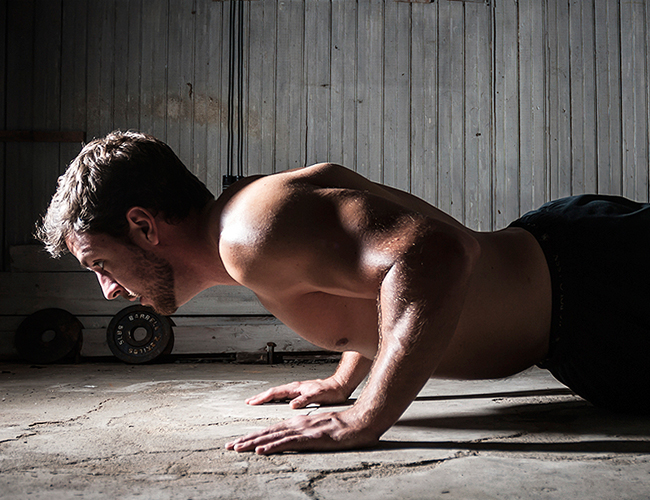
Starting a new gym routine can be intimidating, especially if you’re starting from scratch. But if you’ve gone a little too Dad Bod, there’s an easy fix — start lifting weights. Strong muscles help keep bones healthy, prevent injuries (runners, we’re looking at you) and increase your resting metabolic rate. And it’s good for your heart. Weightlifting has been shown to lower blood pressure, too. It’s a good idea to mix in cardio as well as strength training, to get the full health benefits, but even if you have just twenty minutes, you can strength train and fit in cardio.

To get you started on the right track to bulking up, we talked to experts from gyms across the country to hear what they recommend for beginners. You’ll find suggestions from Rick Richey, owner of the Independent Training Spot; Nicole Spizzirri, studio manager at Life Time Athletic Sandy Springs in Atlanta, GA; David Freeman, National Program Manager of TEAM Alpha at Life Time Fitness; James Garcia, Senior Personal Training Manager at Life Time Athletic Flatirons in Boulder, CO; and Daury Dross, one of the FHIT Pro trainers at Fhitting Room in New York City.

All the Gear You Need

Water Bottle

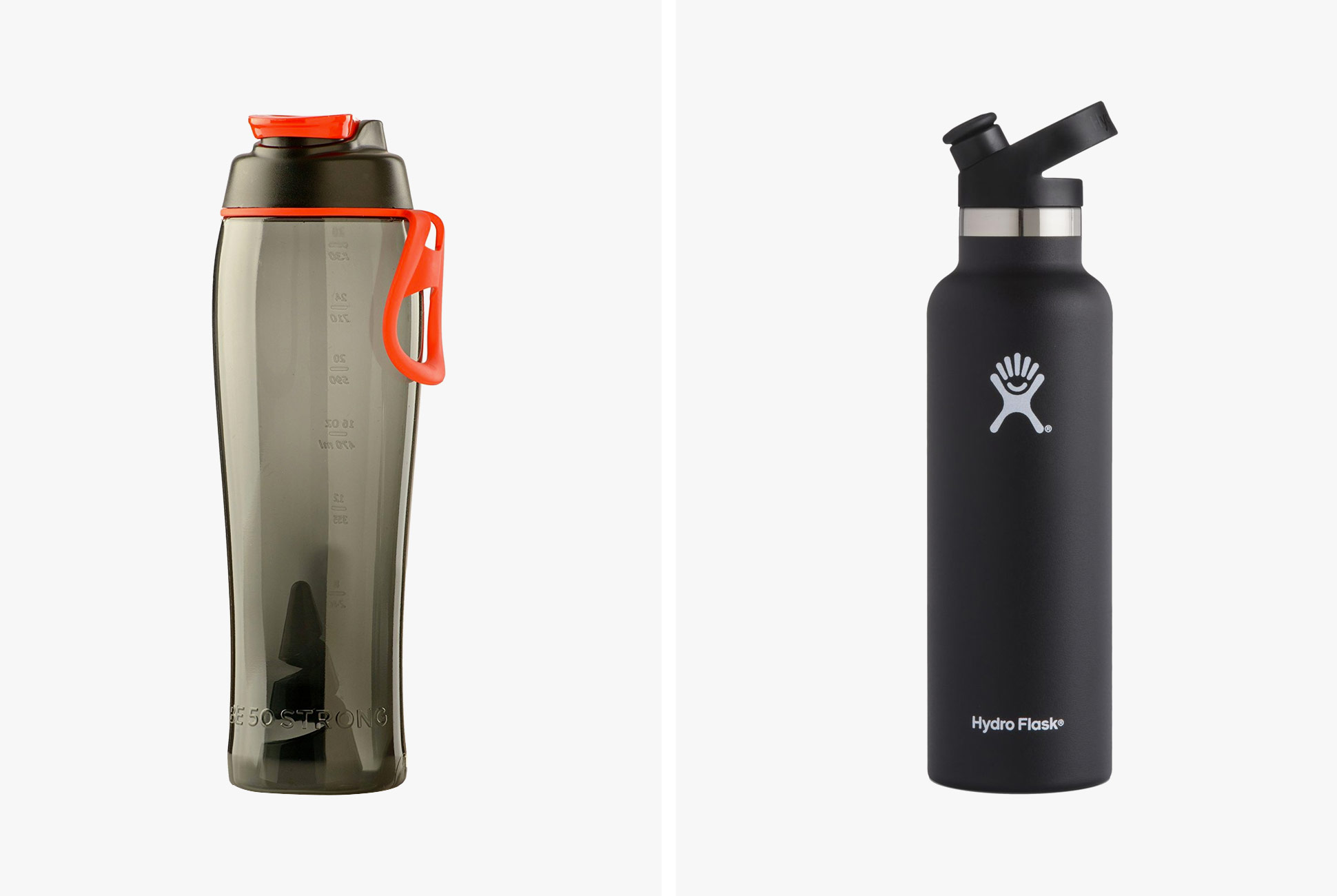
We’ll start with the very basics. You should have water at hand throughout practically any workout. “You need a water bottle for the gym whether you’re doing cardio or lifting weights. 50 Strong water bottles are BPA free, non-toxic and leak-resistant,” Richey says. Another pro-favorite is Hydro Flask. “Not only will it cut down on the cost of purchasing a water every time you go to the gym, this bottle will not hold or transfer flavors from [anything] you put in your water,” Spizzirri says.

|

Sneaker

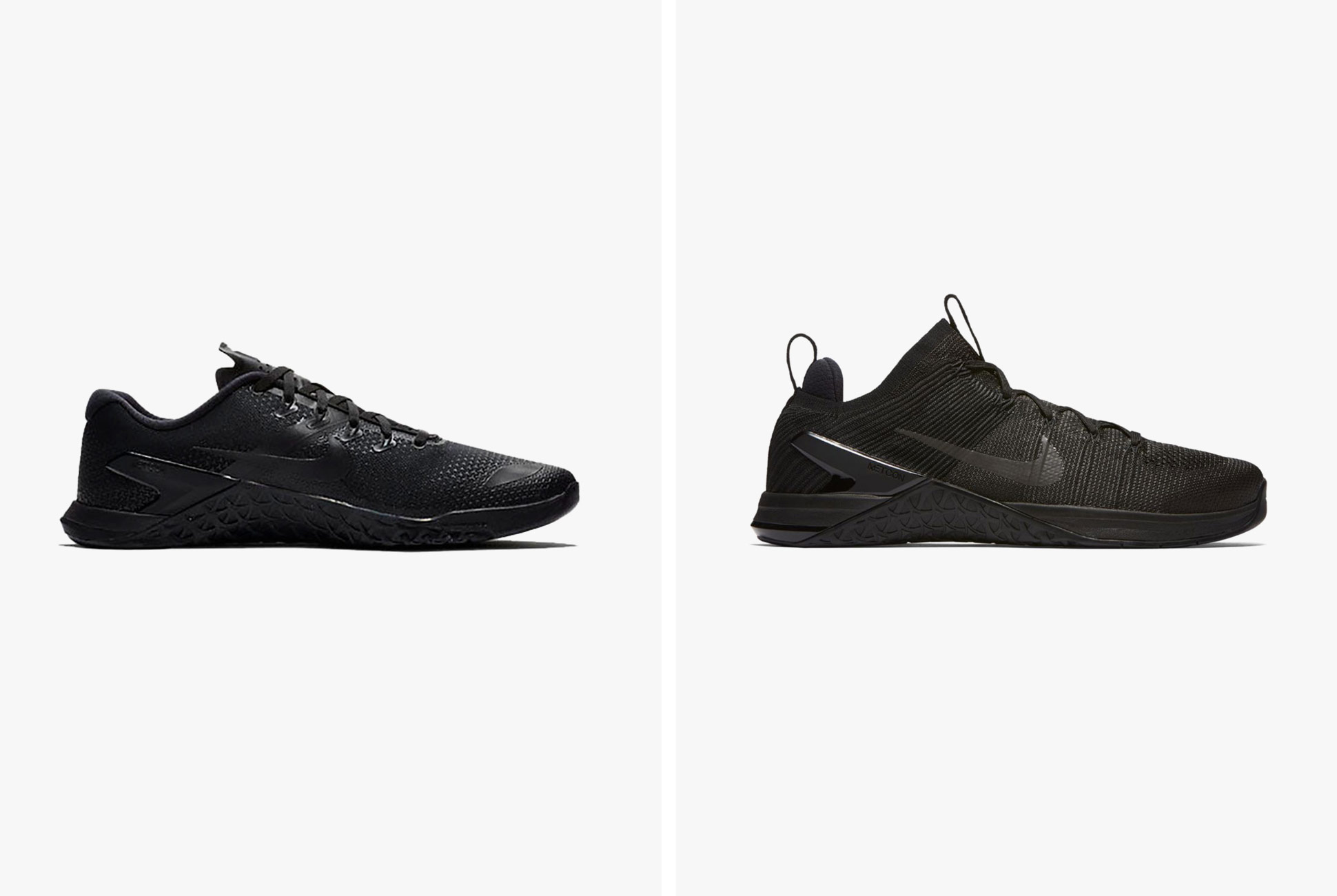
Heading to the gym is different from heading out for a run — you actually need a pair of shoes specifically for the gym floor. The best gym sneakers our trainers recommended include the Nike Metcon and Metcon DSX. The Metcon “is the perfect shoe for weightlifters,” Freeman says. “It has extra support and stability for Olympic lifting.” Look for a pair of shoes without a ton of cushion — the exact opposite of what you look for in a running shoe. “Shoes with too much height in the heel should be avoided when weightlifting or doing HIIT workouts,” Dross says. “The Nike Metcon DSX Flyknit are as comfortable as the Nike Flyknit, and they are flat, which is good for stability when squatting and lifting.”

|

Shorts

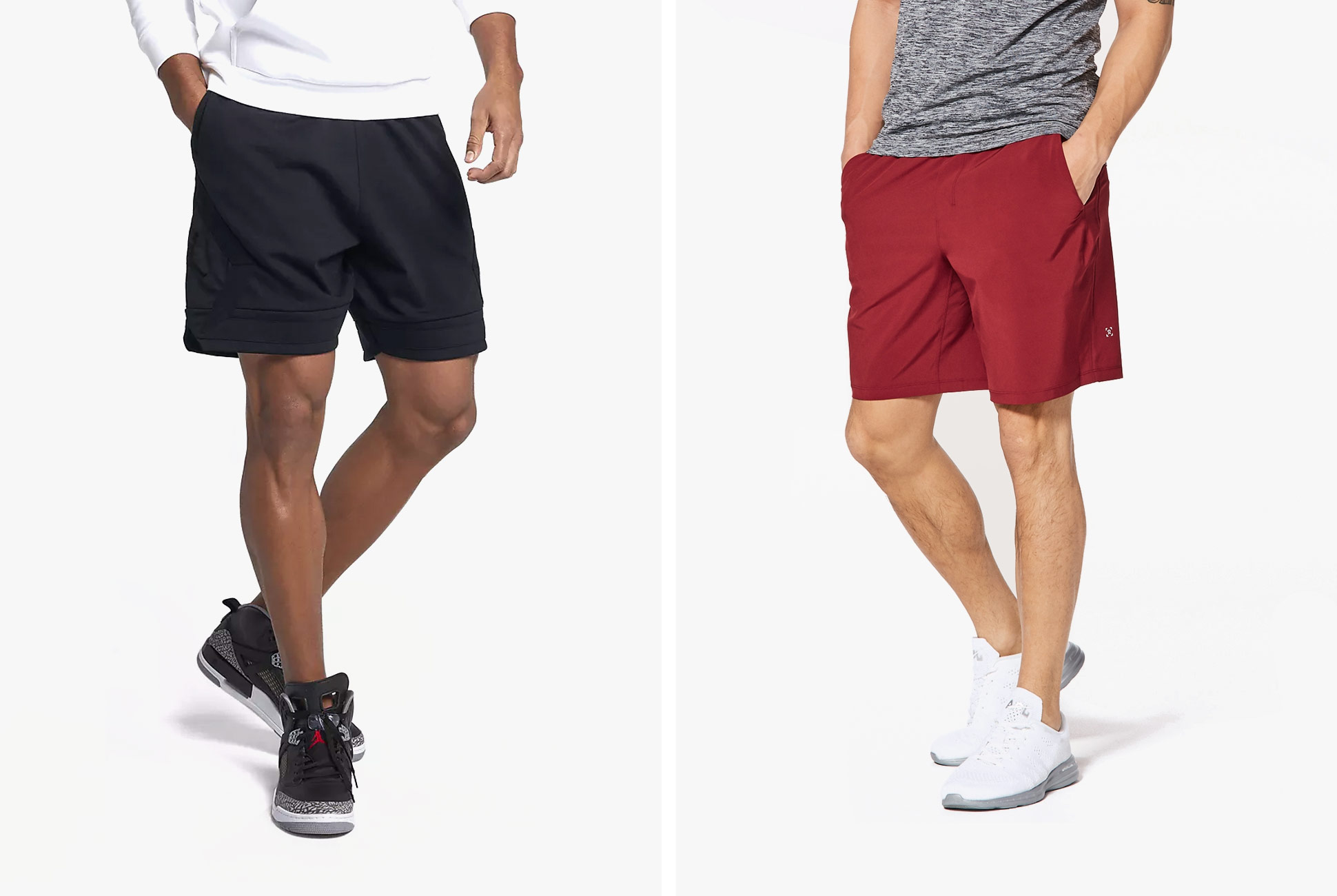
Heading to a gym likely means you’re going indoors, so shorts are the play. Wear something you’re comfortable in, whether that’s shorts, tights or both. Dross likes Lululemon running shorts with 3/4 length compression training tights underneath, whereas Garcia prefers the “loose breathable fabric” found in the Jumpman short. “It allows you to move, and is still a great length for any workout you may be doing,” he says.

|

Shirt

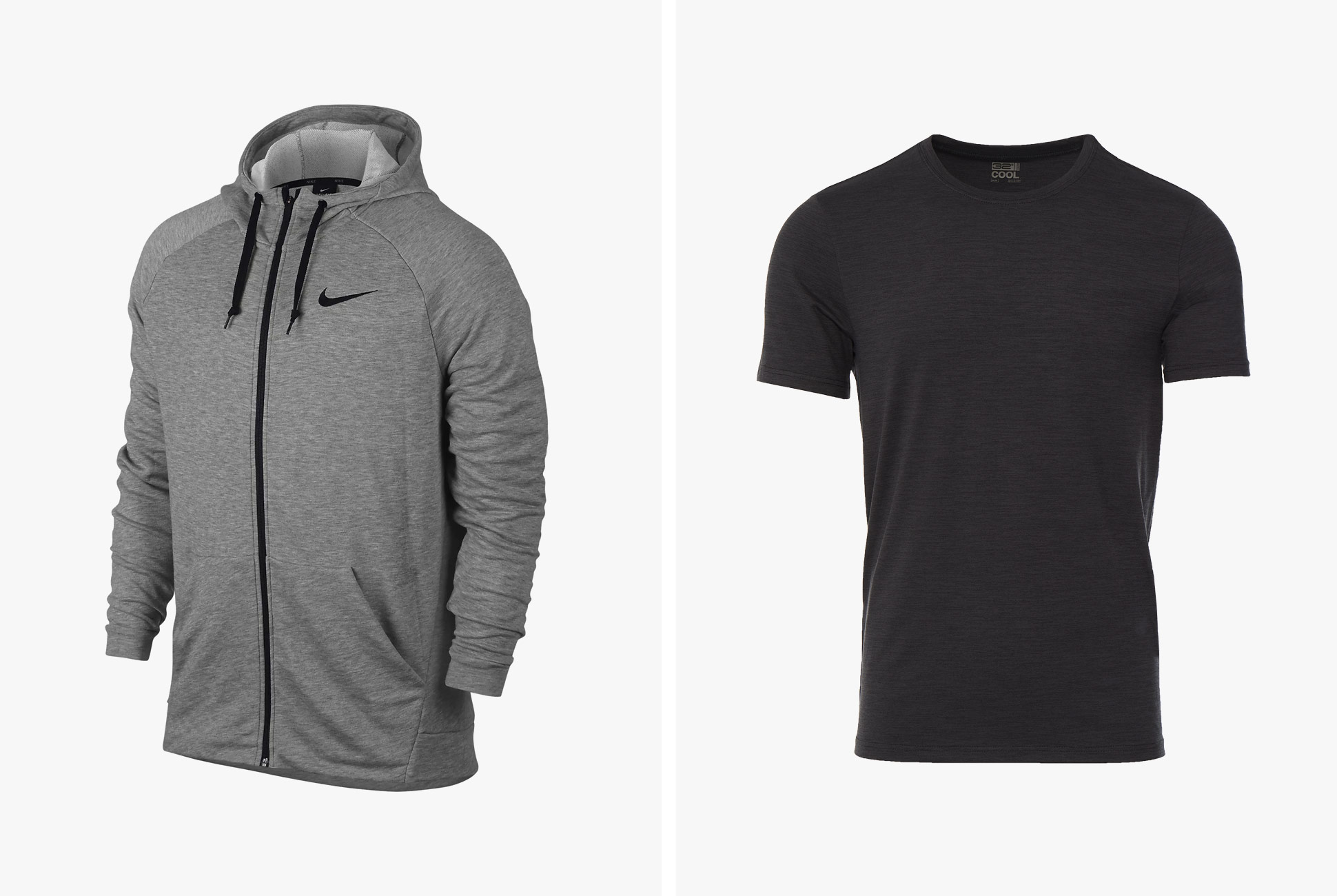
Comfort is key up top as well. Whether you prefer a tank, tee or long sleeve, the cut and style are up to you. The trainers all recommended Nike and Lululemon gear, as well as 32 Degrees. “They have technologically advanced fabrics that are anti-microbial, anti-static, stylish and come at a great price,” Richey says. And if you’re more comfortable in a sweatshirt, find one that’s sweat-wicking like the Nike Dri-Fit that Garcia recommends.

|

Weight Lifting Gloves

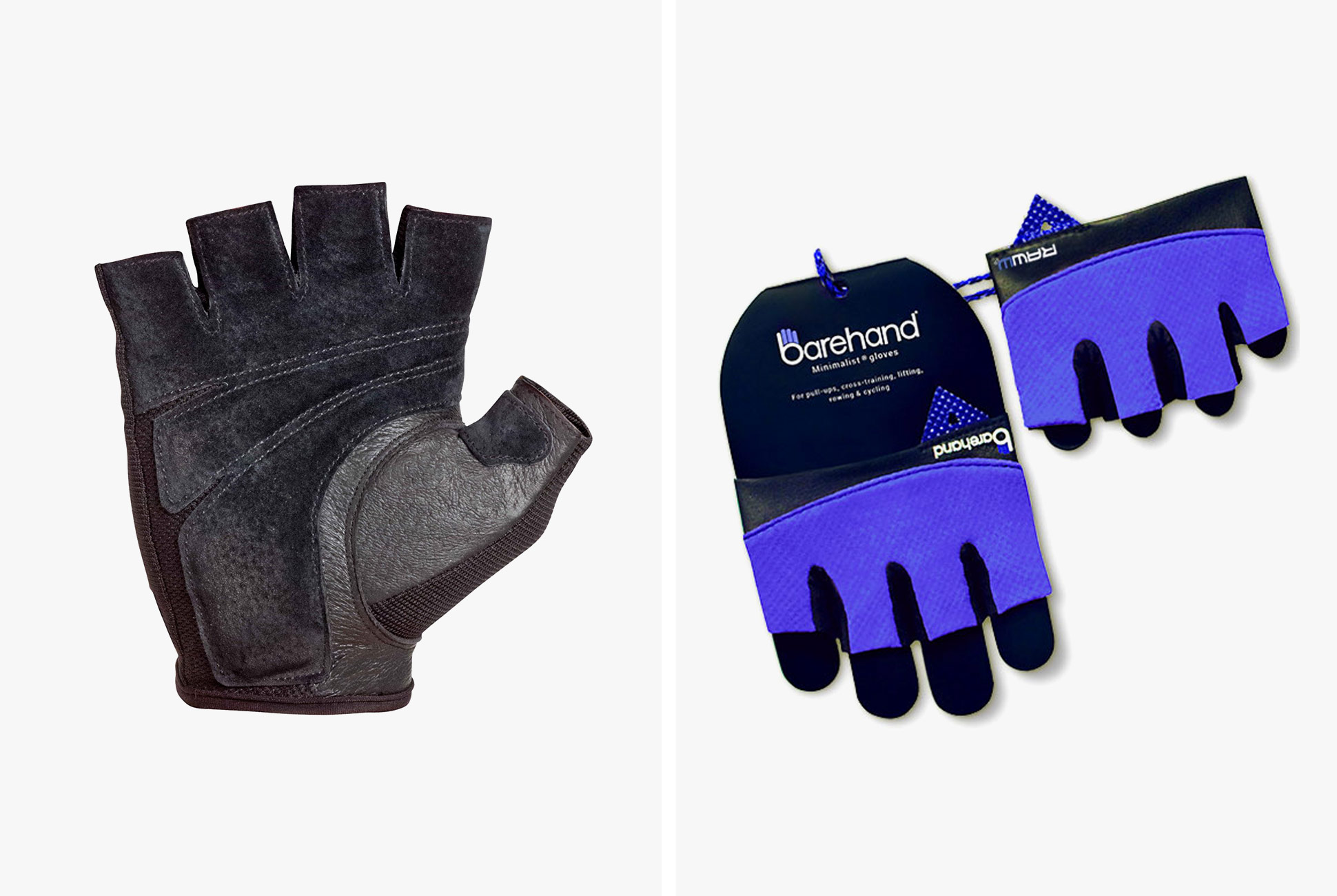
If you’re starting from scratch, your hands might take a beating as you get used to lifting dumbbells and bars. To prevent calluses, blisters and other gross-looking hand issues, use gloves. “A minimalist glove that protects your hands from calluses while still allowing you to grip and feel the bar during your lifts fix the problem,” Spizzirri says. The slim ones from Barehand combat stink with anti-odor strips. Harbinger’s Power Non-Wristwrap Weightlifting gloves have mesh for breathability and extra lycra so the gloves will stretch to any hand size. Side note: It’s a good idea to hand-wash and air-dry your weightlifting gloves every couple of weeks to keep smelly bacteria at bay. After all, would you wear anything else to the gym for weeks on end without a wash?

|

Heart Rate Tracker

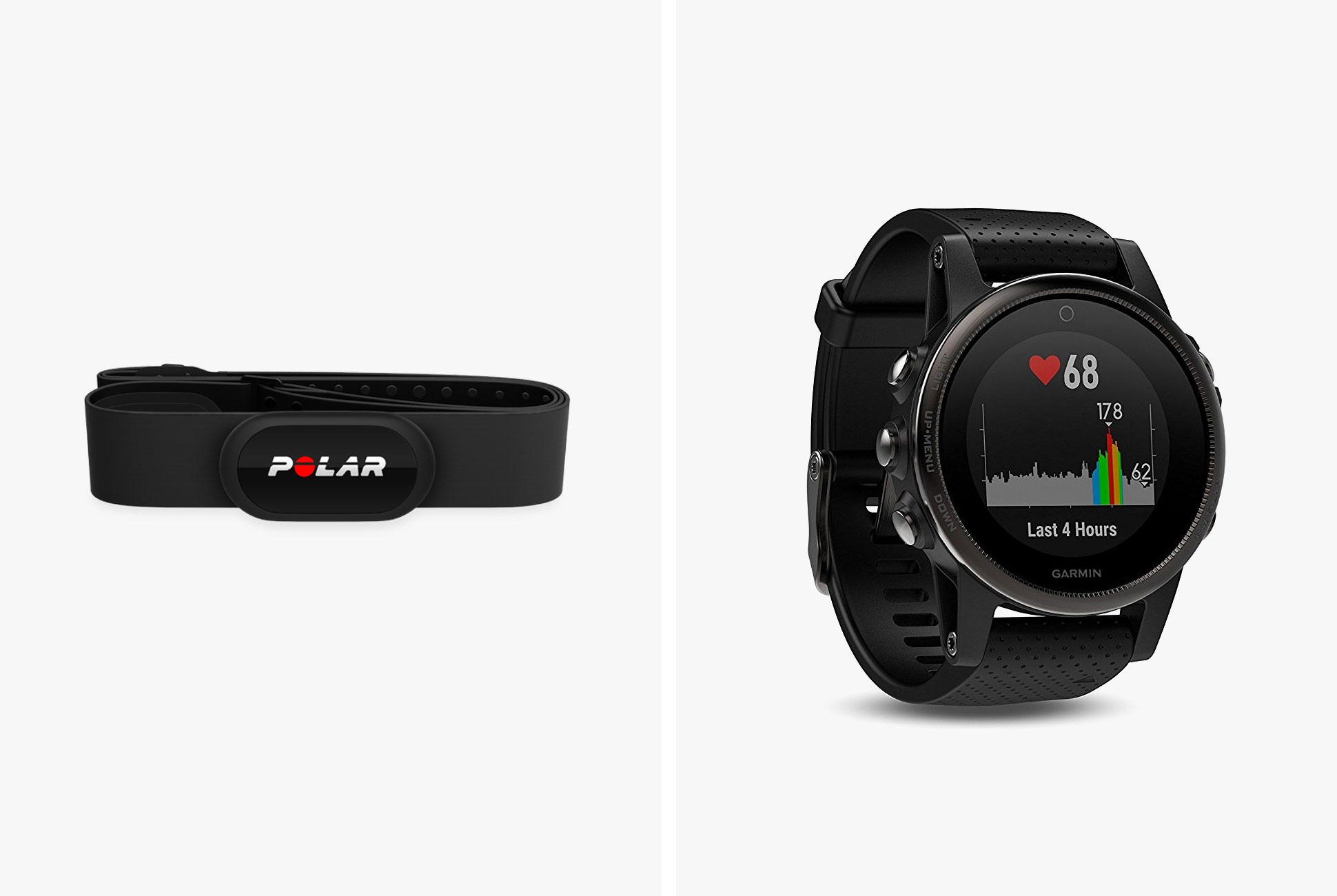
The only way to really track your fitness is to hook yourself up to a heart rate monitor. While most wrist-based trackers will have one, the more accurate way is to wear a chest or forearm-strap. “I usually wear a Polar H10 strap to track my heart rate and see how many calories I burn,” Dross says.

“No workout is complete without the proper heart rate monitor,” Garcia confirms. “The Garmin Fenix has a great look for every day, and offers everything a multisport watch should, from performance metrics and heart rate to GPS and smart notifications.”

|

Foam Roller

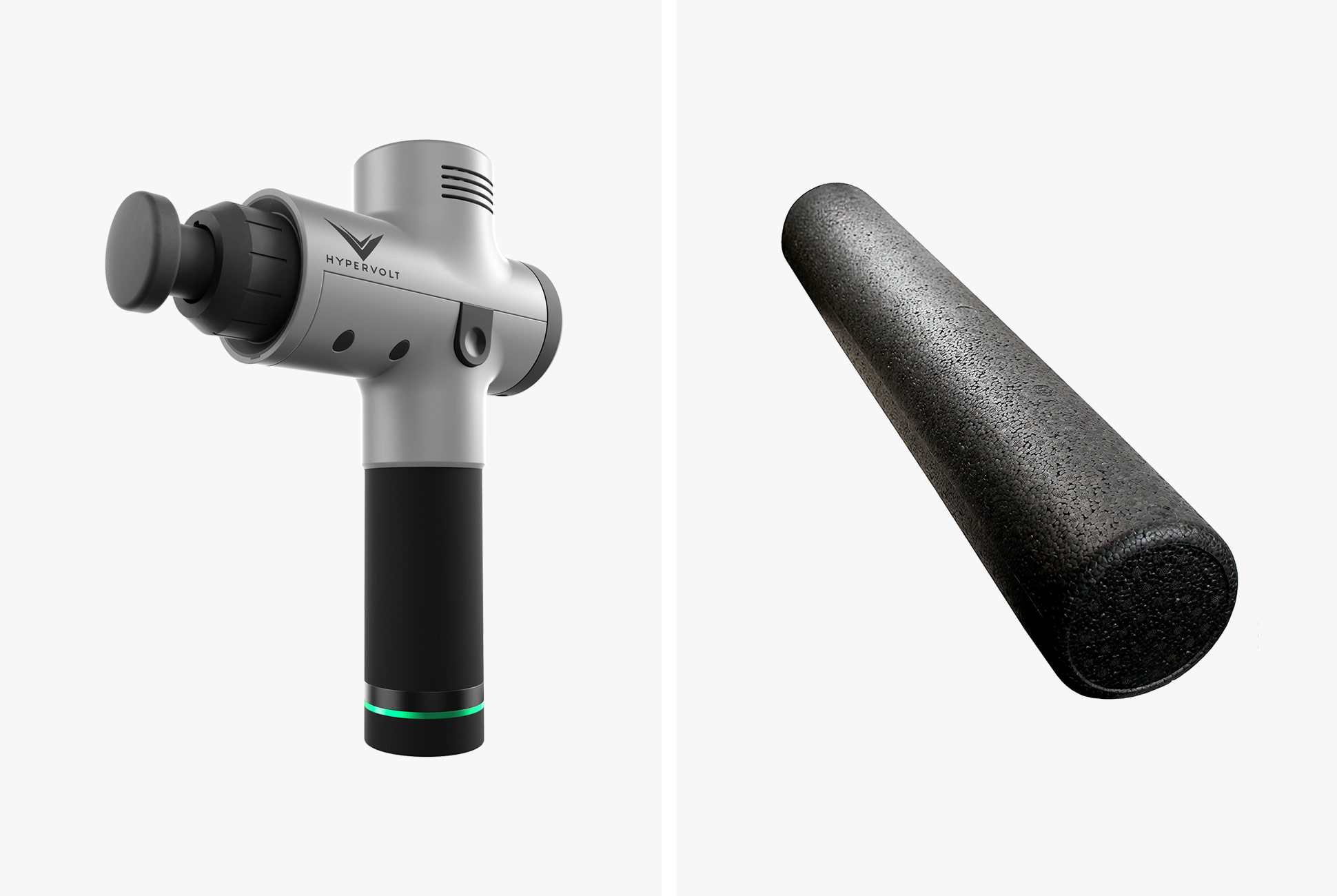
If you take a class or work with a personal trainer, you’re likely to start sweating during the warm-up and properly prime your muscles to work hard. On your own, it can be tempting to skip the warm-up and jump right into the workout. To encourage warming up, Dross recommends foam rolling, something he does before starting any workout. “I have injuries, so I have to make sure my muscles are relaxed and properly warmed up before I lift.” Foam rollers are a simple way to bring more blood to your muscles to literally ‘warm them up.’ They’re cheap and easy to store. High-density foam rollers are basic and do exactly what you need and nothing more. The PERformance Roller is an easy go-to. If you’re looking for something that kicks it up a notch or makes you look like more of a pro, the new HyperIce HyperVolt is a vibrating massage tool that you can use to quickly ‘roll’ out IT bands, calves, quads and hamstrings. You’ll just need someone to help you reach your back and shoulder girdle.

|

Boost Your Fitness Faster With HIIT

The theory behind HIIT is that short, very intense anaerobic workouts offer different, complementary benefits to lower intensity aerobic workouts like jogging or going for a leisurely bike ride. HIIT is said to improve overall athletic performance, boost metabolism and burn fat. Read the Story

Note: Purchasing products through our links may earn us a portion of the sale, which supports our editorial team’s mission. Learn more here.
The Pocket Knives We Keep at Our Desks

Welcome to another installment of Staff Picks from our Outdoors and Fitness team. Every other week, we select our favorite pieces out of the gear we’re testing, mainstays in our kits, as well as items on our wish lists. It’s like a sneak peek at the gear we’re testing and what we’re stoked on. Have something you think we should check out? Or just want to say hi? Drop us a line at outdoor@gearpatrol.com.

Sypderco Mantra

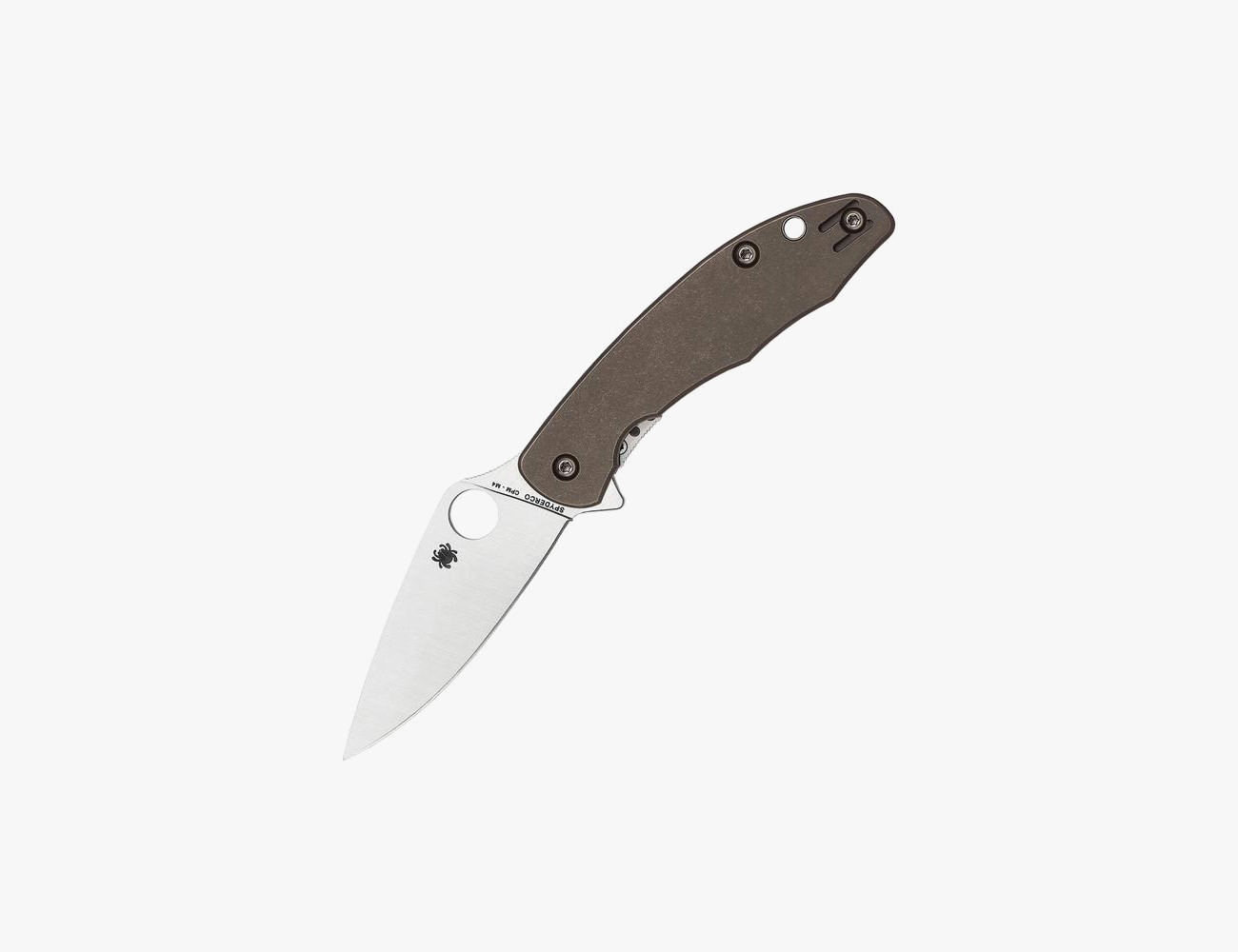
For Gear Patrol staffers, knives are an office necessity. Virtually everyone has one at their desk, but none are nicer than the folder I have tucked in the top drawer of my filing cabinet. I’ve been using Spyderco’s Mantra for the past eight months or so, and nothing at my desk brings me as much joy — whether making quick work of boxes or simply flipping it open to admire the CPM M4 steel blade or titanium handle. — AJ Powell, Assistant Editor


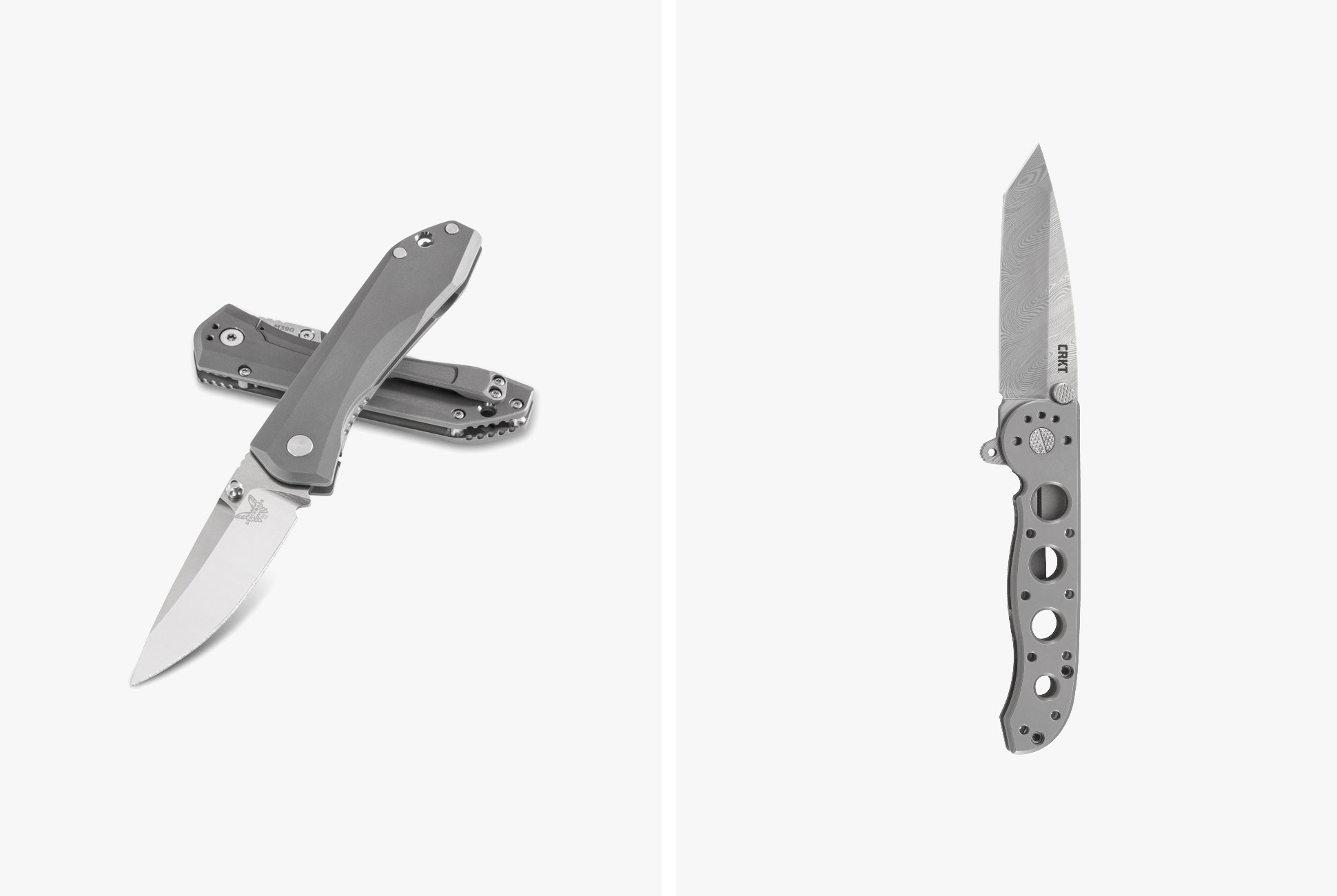
If you’re looking for something similar, but the Mantra isn’t quite right, try these alternatives: Benchmade Mini Ti Monolock ($355) | CRKT M16 02D ($300)

N°08 Jeremyville Edition France! 2017 by Opinel

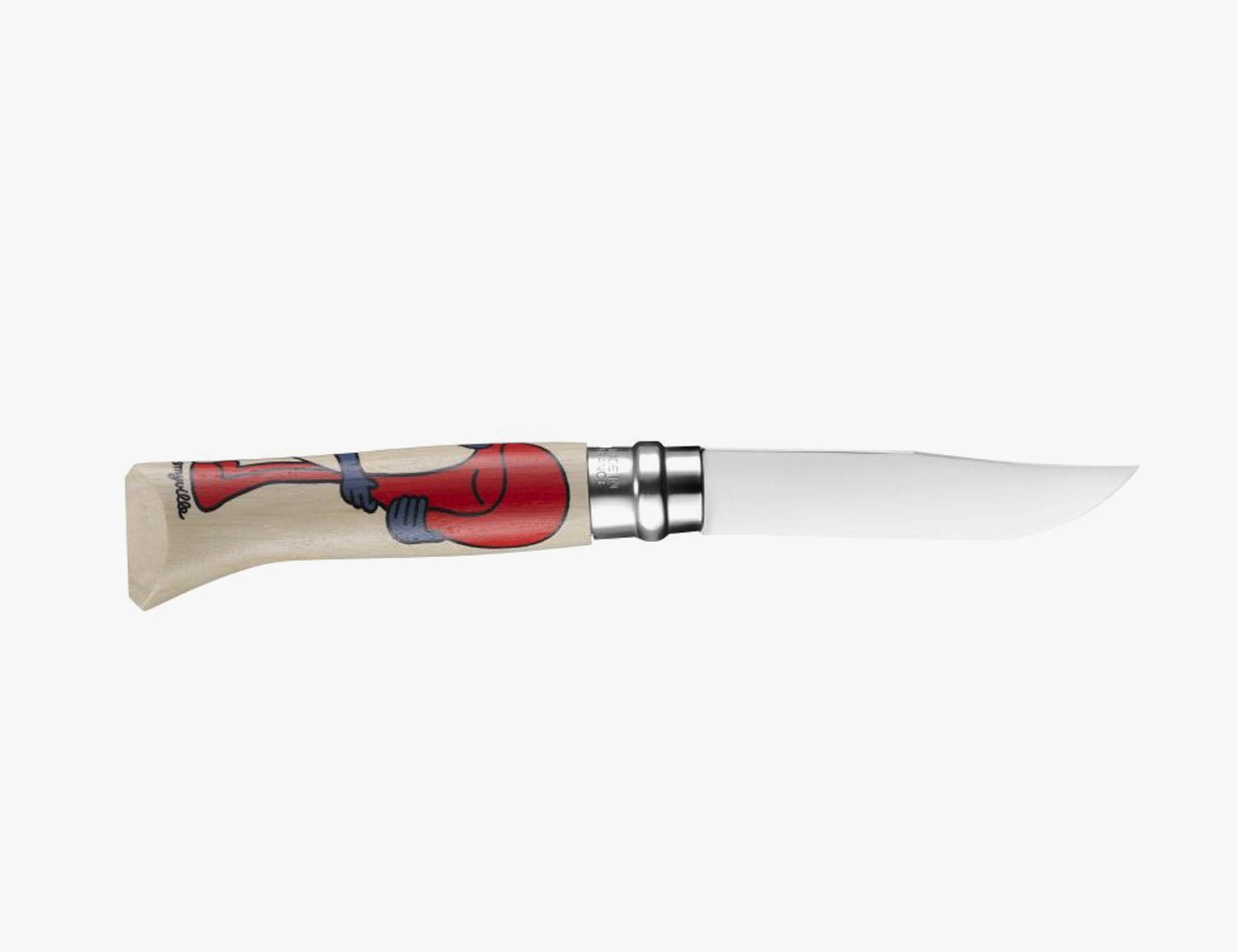
When I started at Gear Patrol, one of the first things I realized that I needed at my desk was a knife. Since we work in the outdoor space, everyone has some sort of knife (or more likely multiple knives) at his or her desk to do everything from open packages to cut fruit. While my previous job at a women’s publication didn’t quite prepare me for this (for reference, the only multitool I own is a Sog Baton Q1, meaning I can write, cut up paper and open a beer all from the comfort of my desk), after asking around I quickly found my new favorite desk tool: the Opinel N°08. The Jeremyville designed handle looks great in use, and I can keep the blade hidden so it stays clean. — Meg Lappe, Staff Writer


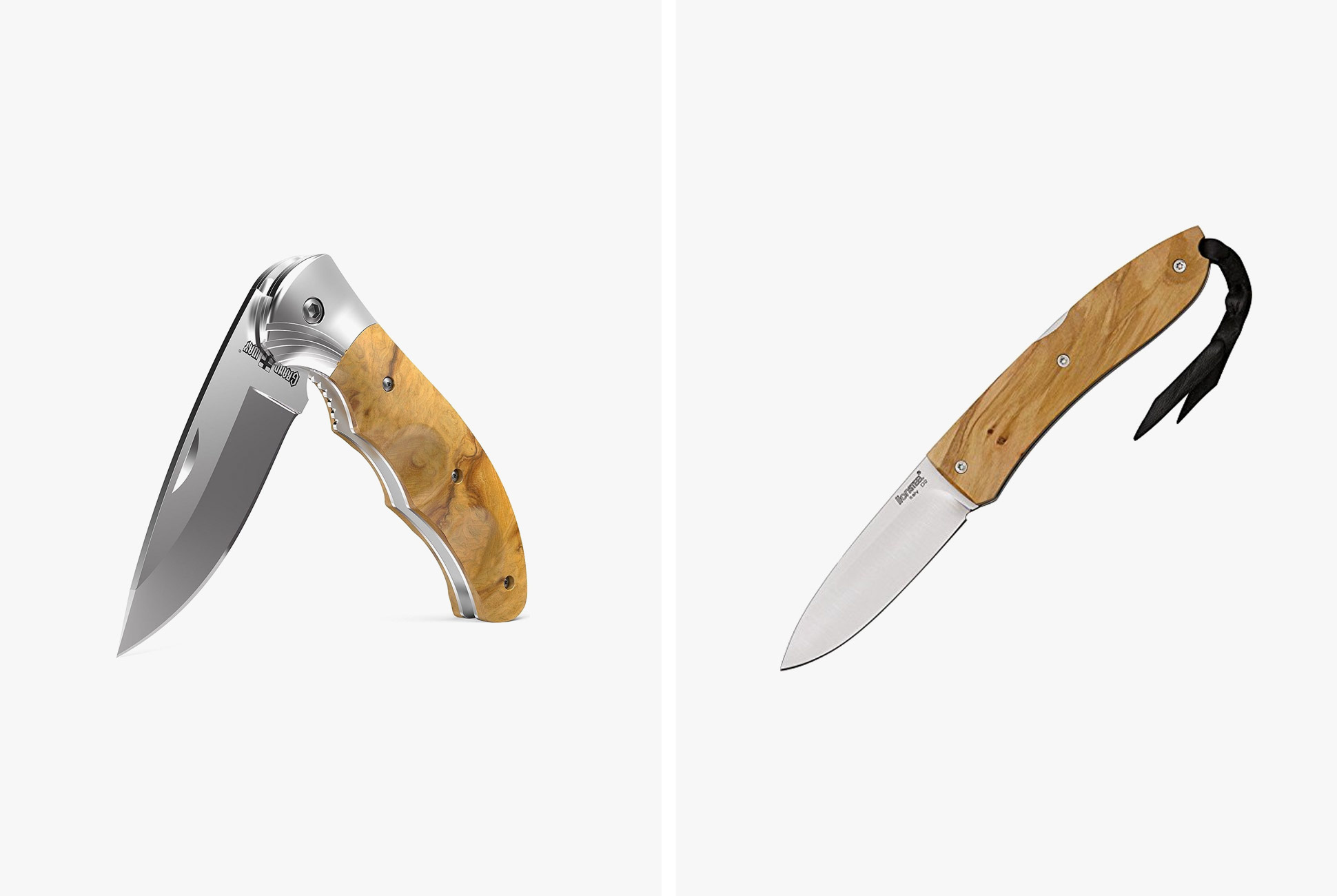
If you’re looking for something similar, but the pick above isn’t quite right, try these alternatives: Grand Way Folding Pocket Knife ($18) | Lion Steel LST8800UL-BRK Opera ($88)

The James Brand Elko

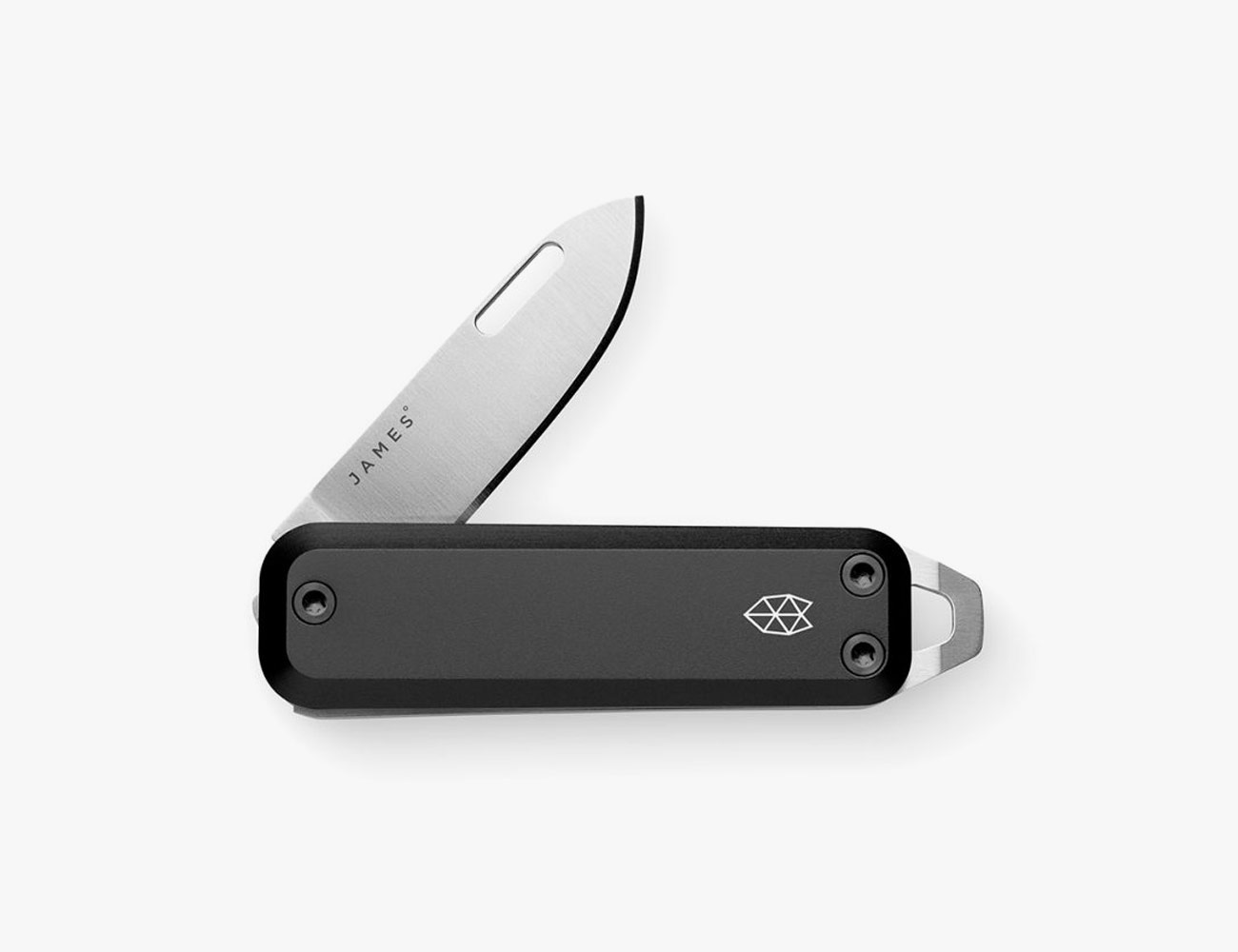
So far 2018 has proven, somewhat unintentionally, to be the year in which I finally give due consideration to my everyday carry. In January, I slimmed down my wallet, and when I’m not preaching to anyone within earshot the massive advantages of that transition, I’m talking about the other new inhabitant of my pocket: the James Brand’s Elko. The Elko is tiny for a pocket knife, but thanks to some smart thinking by Ryan Coulter and the rest of the team at the James Brand, its unique drop-point shape packs enough functionality to stand in for blades twice its size that I might otherwise carry.

The Elko also comes equipped with a simple tool on its butt that I’ve used to scrape away extra-persistent stickers and open bottles with. But let’s be honest, while utility and function are great, what really drew me to the Elko was the fact that for a tiny, keychain-ready pocket knife, it’s just plain pretty.
— Tanner Bowden, Associate Staff Writer


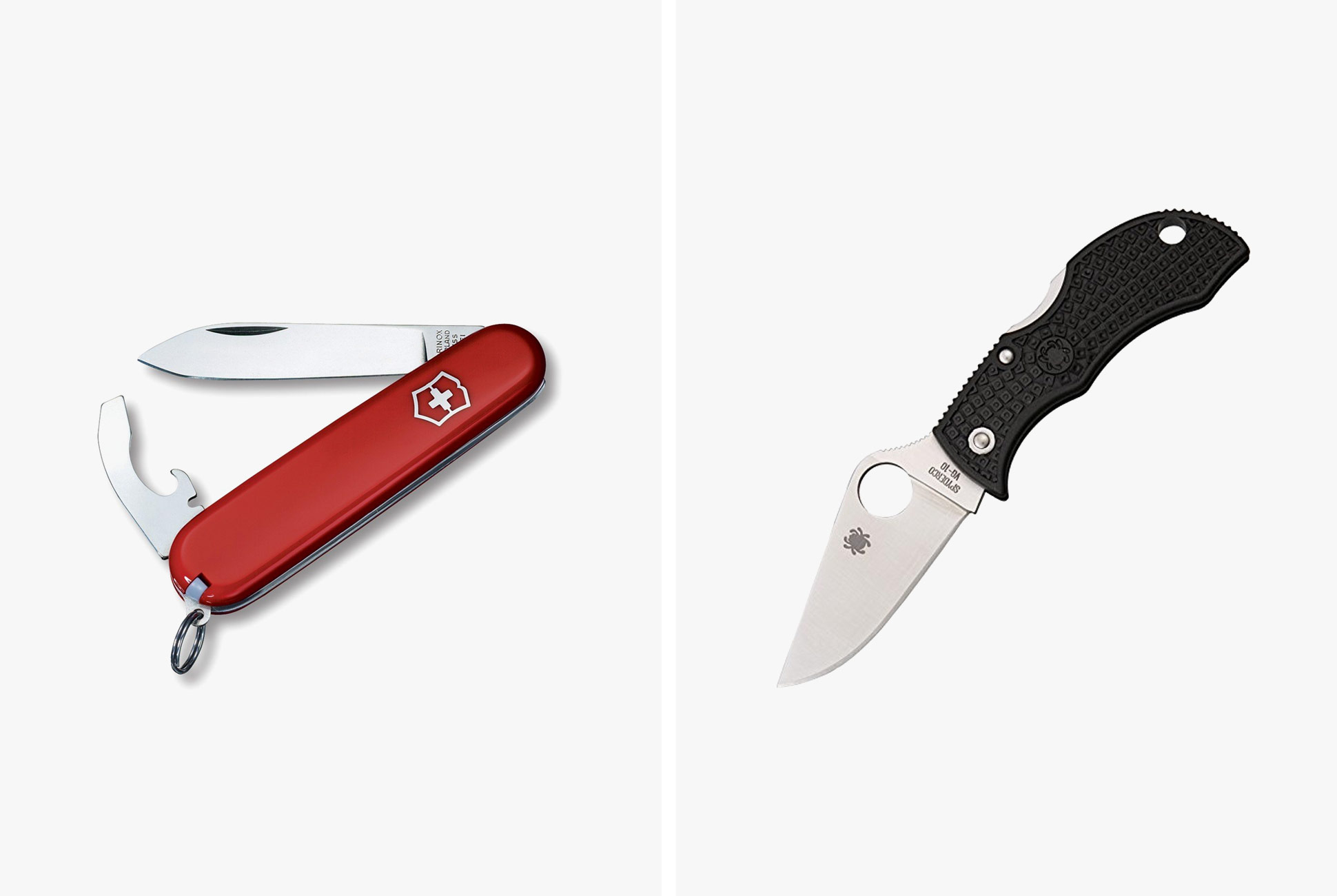
If you’re looking for something similar, but the pick above isn’t quite right, try these alternatives: Victorinox Bantam ($16) | Sypderco Manbug ($45)
Note: Purchasing products through our links may earn us a portion of the sale, which supports our editorial team’s mission. Learn more here.
Teva Just Figured Out How to Make Water Shoes Cool

Water shoes, as an unspoken rule, are techy to the point of dorkiness. They’re a lightweight conglomerate of mesh, elastic and rubber that protects from one element (rocks) while moving another freely throughout (water). Teva’s new outdoor shoe, the Wilder, employs many of these aspects. But, at last, it uses them in a manner that maintains performance without sacrificing one thing that outdoorsy types often eschew with pride: style.

The Wilder is not explicitly an in-water-only shoe. Technically, it’s a multi-sport hiker. Teva built its mesh and neoprene upper on a grippy, lugged outsole. That upper is reinforced for support with a heel cup in the back and rubber vamps toward the front. Dual climbing shoe-inspired tabs make getting in easy, and a speed lace system locks the foot into place.

The practical use cases for the Wilder are easily imagined: rafting, kayaking, canoeing, hiking and so on. Given the recent adoption of functional outdoor clothing elements by the fashion industry — from down jacket baffles to strappy Teva-like sandals — it’s also easy to see how the Wilder can work in places like New York City and Tokyo. It’s about time the inherent nerdiness of water shoes washed away as jetsam and left behind something like this; utilitarian footwear that might be worn confidently in settings far from rivers or oceans.

Save Up to 50% On These Best-Selling Running Shoes

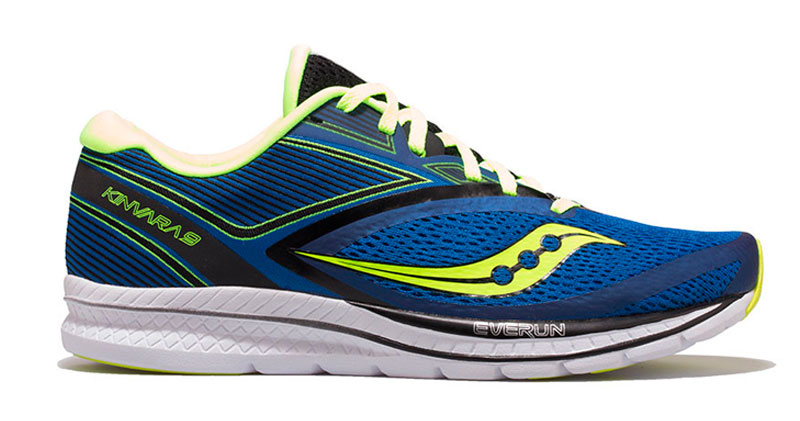
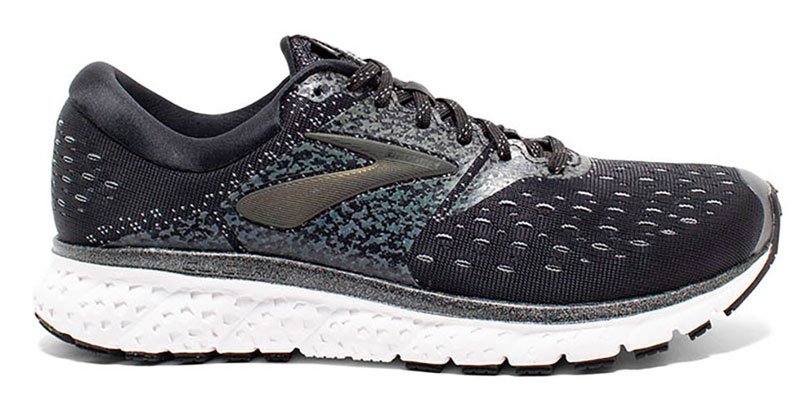
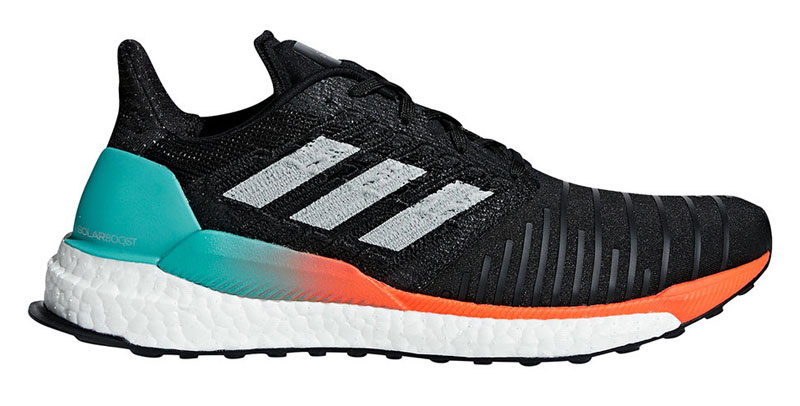
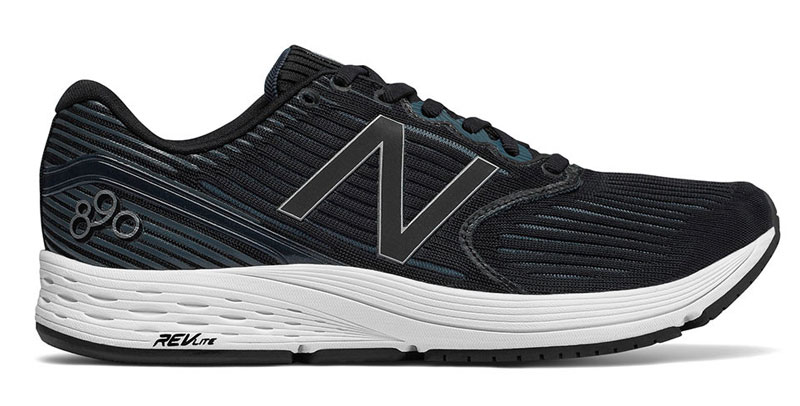
Just in time for President’s Day, four of the best-selling models from our intense running shoe testing are on sale for up to 50 percent off. The best new running shoes of 2018 included the Saucony Kinvara 9, New Balance 890v6, Brooks Glycerin 16 and the Adidas SolarBoost. The Gear Patrol testing team loved the Saucony and Adidas runners for easy days and the Brooks and New Balance shoes for longer runs.

If those picks aren’t your speed, there are some workhorses from Nike, Hoka One One and Altra, all on sale, too. Whether you’re starting to train for a spring race or need a kick to get back in the running groove, the Jackrabbit President’s Day sale is worth a look.

Kinvara 9 by Saucony $110 $55

Glycerin 16 by Brooks $120 $150

SolarBoost by Adidas $160 $80

890v6 by New Balance $120 $84
Note: Purchasing products through our links may earn us a portion of the sale, which supports our editorial team’s mission. Learn more here.
RxBar’s New 10 oz. Jars of Nut Butters Will Make You Rethink Your Old Peanut Butter

The Magazine

Let us take you on a journey of the world. Each issue of the Gear Patrol Magazine comes packed with adventures, guides and stories exclusive to the magazine. Stunningly designed, printed on high quality stock and ready for your coffee table. Biannual. $39.

The Newsletter

Get GEAR PATROL in your inbox with the DISPATCH, including Today in Gear and all our new stories. Daily, 5pm. Free.

All of L.L. Bean Is 25% Off and Here Are Our Favorites

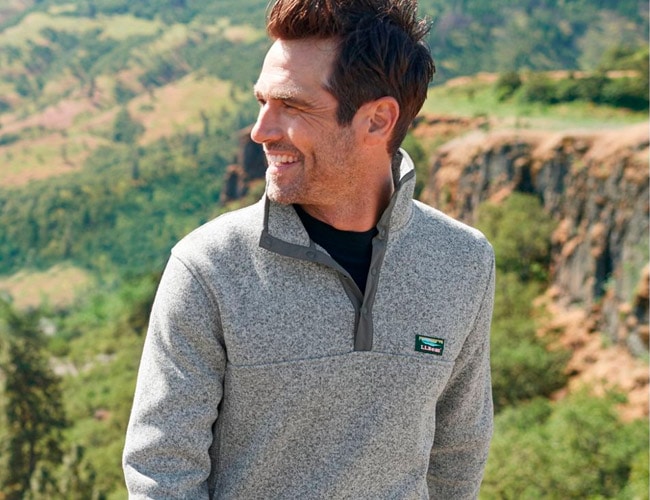
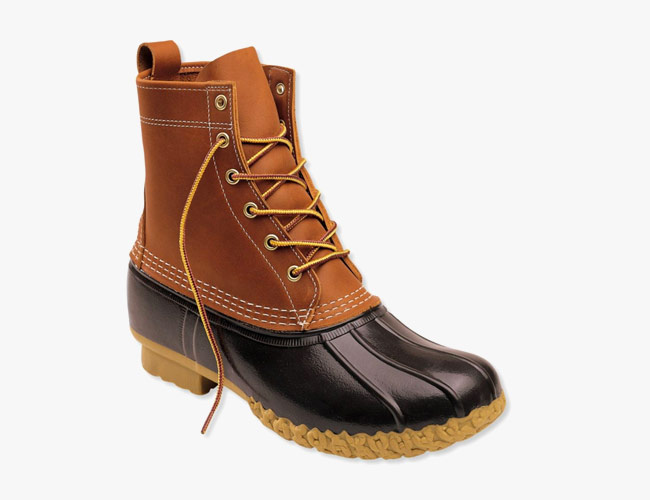
Now through next Tuesday, you can get 25 percent off absolutely everything at L.L. Bean — Bean boots, fleeces, suitcases and jackets. Just enter the code BEAN25 at checkout. But the best gets are these three things below — they are some of the classics we find ourselves coming back to time and time again.


Want Patagonia’s Nano Puff Jacket? Buy This $75 Jacket Instead.

Want Patagonia’s Nano Puff Jacket? Buy This $75 Jacket Instead.

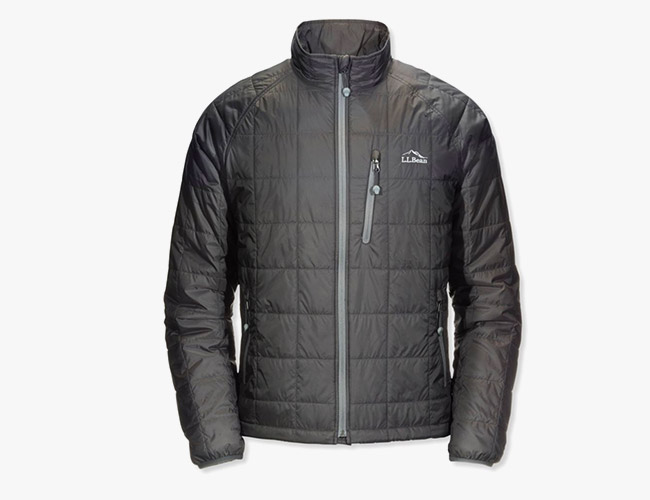
Patagonia’s Nano Puff Jacket has been an insulation staple for years, and rightly so. But L.L.Bean’s Packaway Jacket is nearly identical, and in some ways, better.

You’ll Never Get A Fleece This Awesome for Less

You’ll Never Get A Fleece This Awesome for Less

L.L. Bean’s Wicked Good Moccasins pair beautifully with a new fleece.

Act Fast: L.L. Bean Is Offering 25% Off Its Iconic Boots Today Only

Act Fast: L.L. Bean Is Offering 25% Off Its Iconic Boots Today Only

The Maine company’s iconic rainy day staple is dirt cheap today.

Note: Purchasing products through our links may earn us a portion of the sale, which supports our editorial team’s mission. Learn more here.
Outdoors and Fitness Staff Picks: What We’re Most Excited About in 2019

Welcome to another installment of Staff Picks from our Outdoors and Fitness team. Every other week, we select our favorite pieces out of the gear we’re testing, mainstays in our kits, as well as items on our wish lists. It’s like a sneak peek at the gear we’re testing and what we’re stoked on. Have something you think we should check out? Or just want to say hi? Drop us a line at outdoor@gearpatrol.com.
Adidas Terrex Free Hiker GTX

We’ve been excited for the Adidas Terrex Free Hiker since its announcement at the last Outdoor Retailer show. The sole features Adidas’ proprietary Boost foam, which is soft on every footfall, yet sturdy enough to withstand hundreds of miles of sticks and rocks. The upper on the Free Hiker looks exactly like the upper on an Ultraboost sneaker, which means it’s formfitting and breathable, with plenty of room for toes to stretch out. For this fall Adidas plans to add Gore-Tex to the in-demand hiking boot so that it can withstand rain, snow and sleet. If it’s anything like the Adidas Ultraboost All Terrain (a great winter running shoe), just with slightly more support underfoot to tackle trails, I can’t wait to run in it. — Meg Lappe, Staff Writer

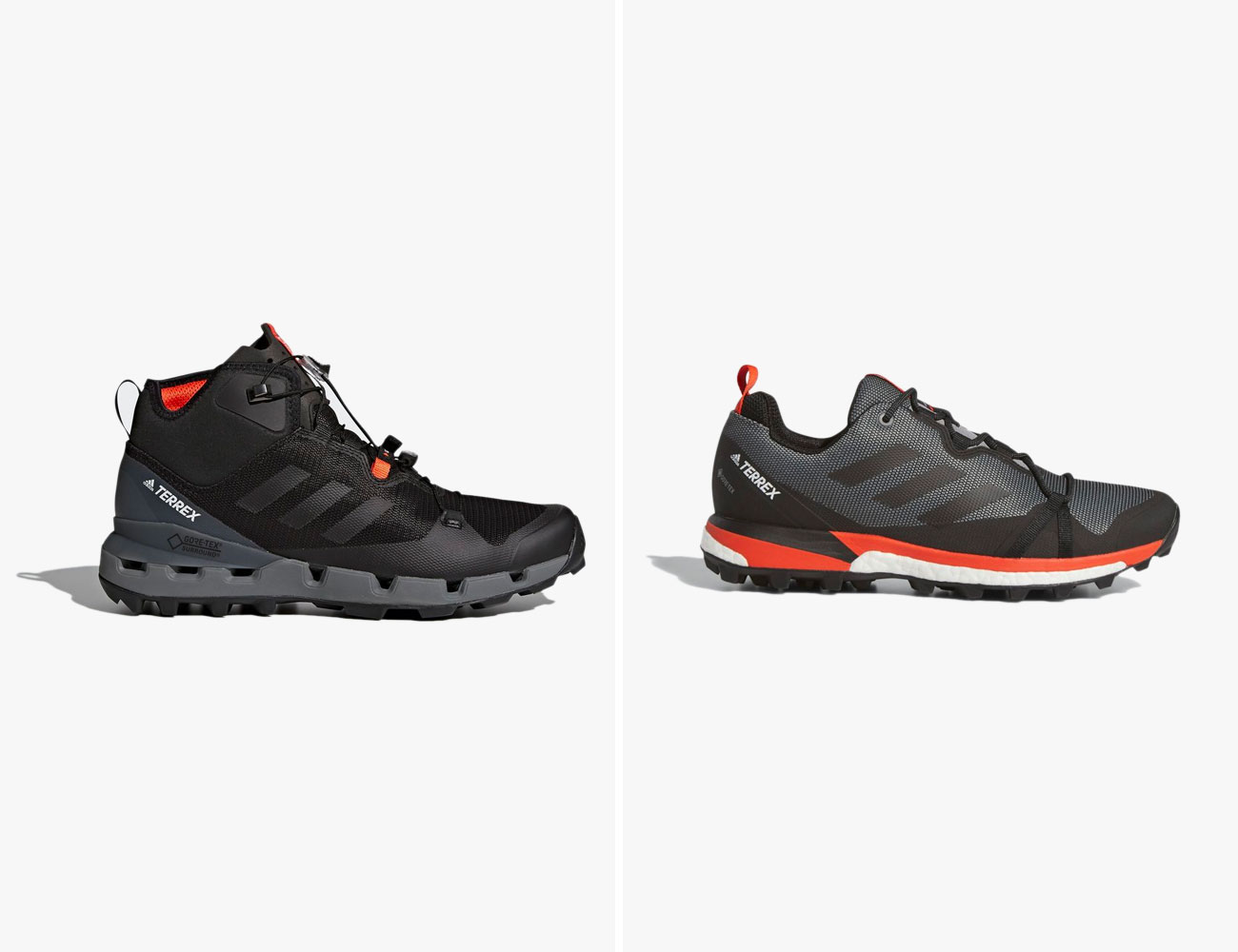
If you’re looking for something similar, but the pick above isn’t quite right, try these alternatives: Terrex Fast Mid GTX – Surround ($200) | Terrex Skychaser GTX ($170)

The North Face FutureLight

This year, instead of its usual product-packed booth bigger than some gear stores I’ve been to, The North Face debuted one thing: FutureLight. Simply put, FutureLight is a new waterproof fabric that’s more breathable by magnitudes than anything currently available, Gore-Tex included. I’m the type of person that runs hot during activity; you’re likely to catch me on a mid-February run in a pair of shorts or ski touring at 10,000 feet in a t-shirt. Even the thinnest shells turn into mobile sweat lodges once I get going. Give me a jacket that I can leave on during a jog or climb, and I’ll be a happy man. Look for it in a range of The North Face’s products beginning this fall. — Tanner Bowden, Staff Writer

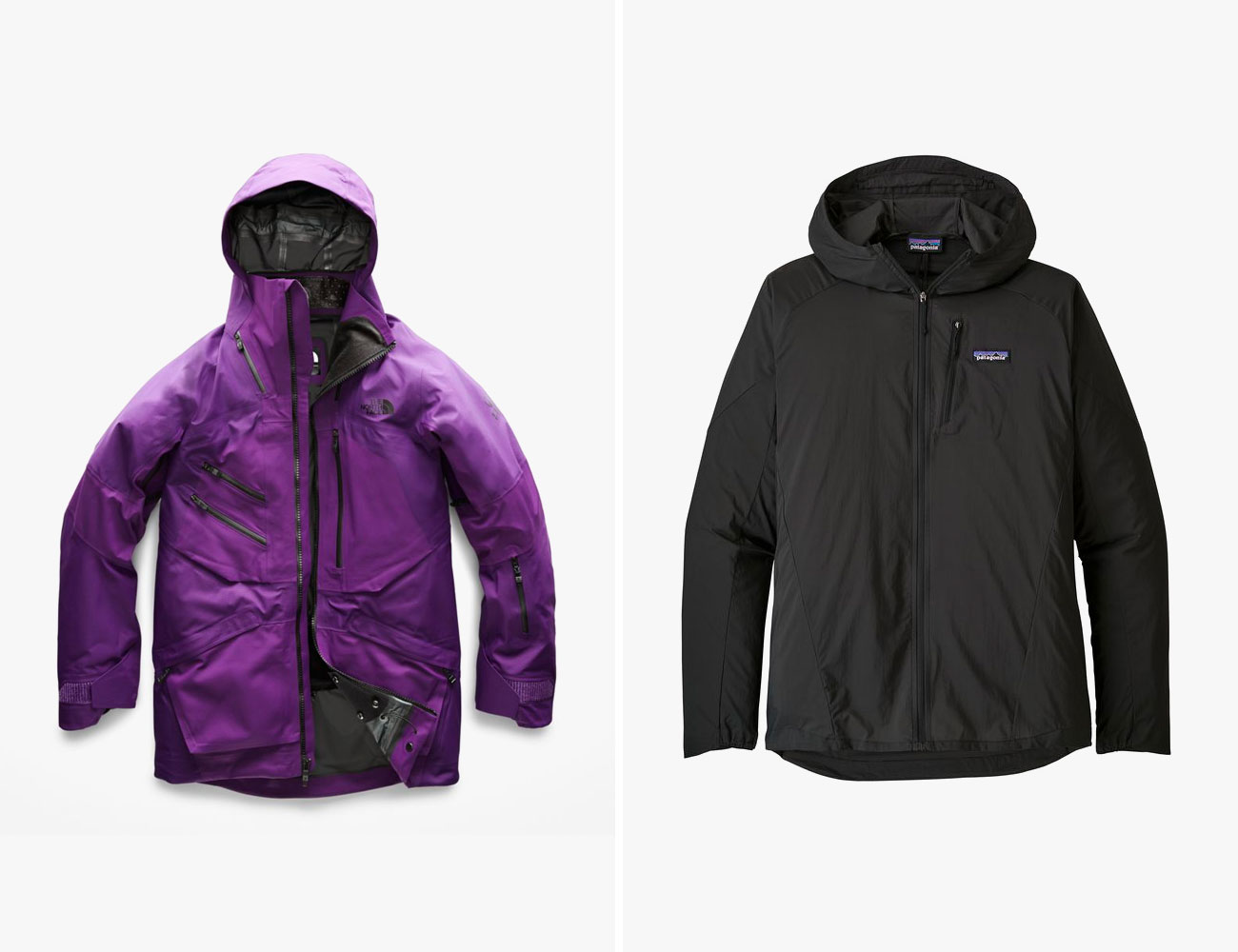
If you’re looking for something similar, but the pick above isn’t quite right, try these alternatives: The North Face Fuse Brigandine Jacket ($699) | Patagonia Houdini Air Jacket ($169)
Note: Purchasing products through our links may earn us a portion of the sale, which supports our editorial team’s mission. Learn more here.