All posts in “Sports and Outdoors”

It’s True Love: Leatherman’s Valentine’s-Perfect Multi-Tool

It’s crunch time for Valentine’s Day gifts. If the date snuck up on you, there are two days left to pick out something sweet, personal and useful. Whether your S.O. loves cars, or fitness, we have a gift idea for you. And if all that doesn’t do the trick, we have one more last minute add: this Leatherman Micra multitool.

We usually would make it a point not to recommend a pink multi-tool for Valentine’s Day — the ‘shrink it and pink it’ mentality about women’s gear has been a downfall of the outdoor industry for years. But, Leatherman’s tools are so well-proven by our staff, we stand behind them. And its Valentine’s offerings are available in an array of reds and pinks (as well as a plethora of other colors). You can also personalize the Micra with names, dates and designs like the cute ones in the image. Just note that the customized ones won’t arrive for at least one to two weeks.

The top-performing tools like the Wave+ and 10, also all have Gear Patrol’s stamp of approval making them the perfect gift for anyone you love. If you enjoy tinkering and are looking for something small, practical and cute, this handy Leatherman checks all the boxes.

This Is the Modern Swiss Army Knife We’ve Been Waiting For

If there were only one iconic pocket knife, it’d likely be the Swiss Army Knife. The James Brand wants to replace it. Today, the company released the Ellis, its first multi-tool. Don’t think of it as a Leatherman though; there are neither pliers nor wire cutters here, just a partially-serrated blade, a screwdriver that doubles as a bottle opener and a scraper tool. It’s simple, and that’s the point.

That’s also because Ryan Coulter, the company’s founder, and the rest of the team wanted it to be uncluttered, like a Swiss Army, and drew inspiration from the historic brand. “We’re big fans of Swiss Army and that design ethos,” he says. “I always think that Swiss Army has done the best job of making good everyday carry knives and tools that are not positioned in either the tactical or the outdoor space.”

But one of the problems with Swiss Army Knives is that they don’t lock. “There’s always this potential to close the blade on your fingers,” Coulter says. So in creating a tool along the same lines, one of the most critical line items was locks, but the team found that adding that simple mechanism complicated things. The release of the Ellis is actually a re-release; the tool first came out a few months back and was quickly recalled. If you pressed on the closed screwdriver/bottle opener while the knife was open, the lock could disengage.

Coulter says that some consumers thought it was a secondary feature, but it wasn’t what he had envisioned. “It was something that unless you knew about it, it could surprise you. We wanted to make sure that we had 100 percent confidence in the mechanism and how to use it, so we went back and changed it.” The new Ellis has a double lockback design, with each implement having its own mechanism. It looks identical to the first though; the included tools haven’t changed at all.

The James Brand reached out to friends and more importantly, consumers, to figure out which to feature in the Ellis. What are the items that people need all the time? “A bottle opener and a screwdriver,” says Coulter. “Those are the things that, besides the knife blade, get used like 90 percent of the time.” Specialized implements — things like awls or magnifying glasses — come at the price of increasing the size of the tool. “We were focused on what can you take out of this, what’s the most minimal thing you can do and still make a multi-tool?”

The result is a modern interpretation of a classic; a tool that balances the iconic familiarity of the Swiss Army Knife with the James Brand’s unique perspective on everyday carry.

This $850 Hiking Boot is One of the Best Looking We’ve Ever Seen

No.One, a small brand from California, crafts boutique sneakers, dress shoes and, now, hiking boots. Each piece screams luxury, with shoes starting at $575 and prices going skyward. These Gamma boots are $850, and despite, this absurd price for hiking boots, we have to admit that these hikers look pretty great compared to the darker, more technical hiking boots that we tend to see. If you’re looking for a pair of hiking boots to get you up Mt. Kilimanjaro or Mt. Washington, it’s probably not these, but you can check out our list of the Best Hiking Boots of 2018 here.

No.One found its niche with limited edition collections that are available on No-One.La, for about two weeks in a handful of sizes. High-tech fabrics molded into one-of-a-kind pieces by makers in Venice Beach make these pricey, so so they start to look like a rent payment as opposed to a sneaker purchase. The latest drop is the Gamma, a black and tan hiking boot with an all-leather upper and Vibram outsole — all for a price that makes us think these shoes should last forever.

Each pair comes with interchangeable laces, so you can decide if you’re more of a red- or teal-shoe-lace lace kind of guy. The all-weather British Nubuck leather pairs with an Italian vegetable-tanned rear heel counter and pull tab for a high-quality feel. Inside you’ll find French Plongé leather that’s handcrafted to fit like a glove. To ensure that these do last forever, we suggest you only climb metaphorical mountains. The shoes are currently only available in limited sizes.

These Are the Most Innovative Outdoor Products Coming in 2019

Each year, ISPO looks at the leading brands in the sports industry and awards a handful of products the crown of outstanding products each year. Product selection begins the year prior with a nomination phase by the brands themselves or others. An independent jury from 15 countries and four continents evaluates hundreds of videos to determine what products are game-changers.

ISPO is one of the largest tradeshows in the world, and its awards are one of the most revered. We keep our eyes on the products coming out of ISPO to know what we should add to our gear testing and reviews in 2019. Last year’s winners included Hydrapak’s revolutionary 8-liter reservoir, a jacket by Blackyak and Páramo and a BMC bike. This year, ISPO looked at the outdoors and fitness space with a bit more of a stronger push towards sustainability.

Here are the four award-winning products for 2018.

Life Fitness Platinum Club Series Treadmill

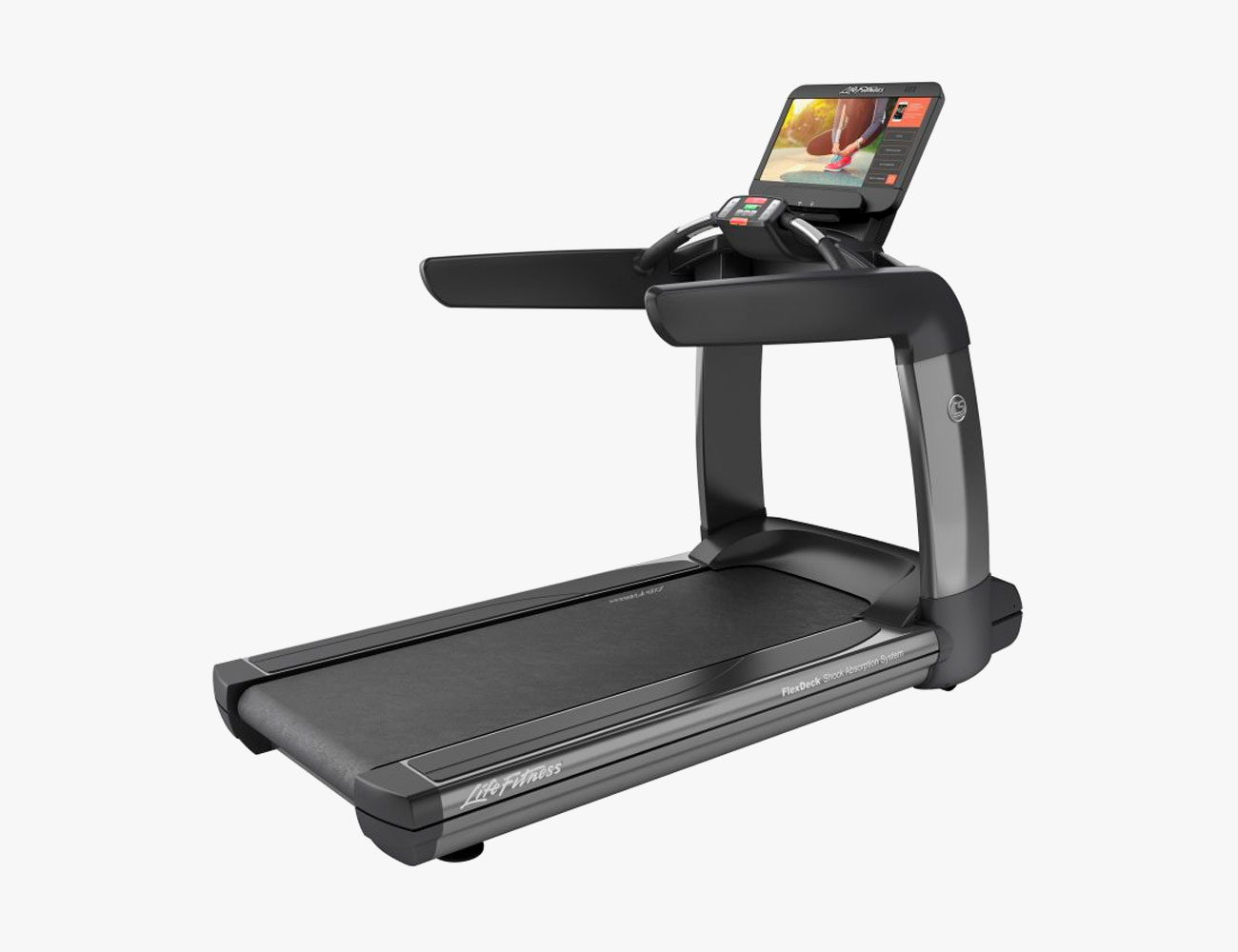
The winner of the fitness category is the Life Fitness at-home treadmill. The Platinum Club series provides all the bells and whistles that you expect from a gym treadmill but tailored to home gym use.

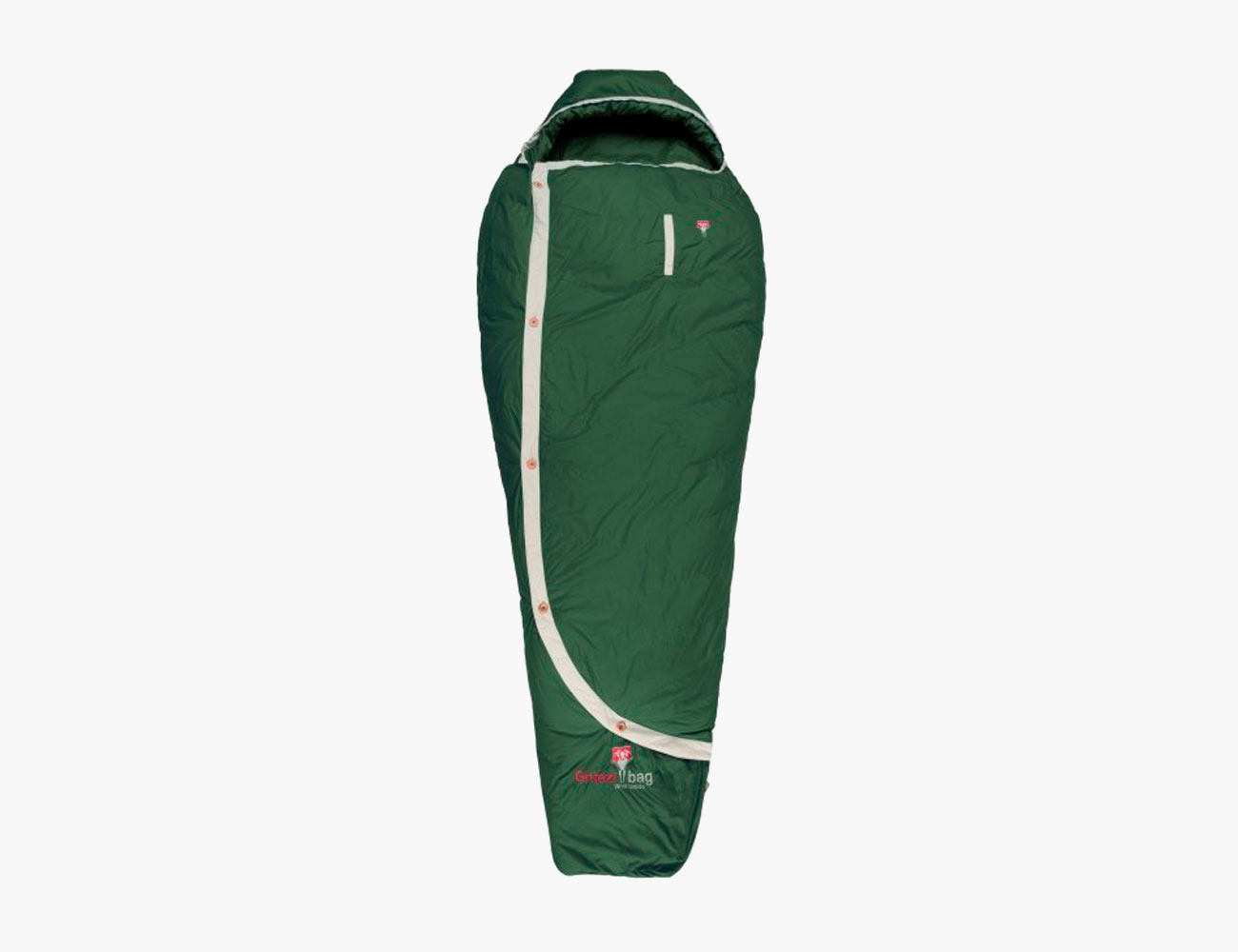
Grüezi Biopod Downwool Nature Sleeping Bag

The product of the year for the outdoors category is the Biopod DownWool Nature bag. This sleeping bag from Grüezi prides itself on having 100 percent natural materials — from the packaging to the pull tabs — every detail is sustainable.

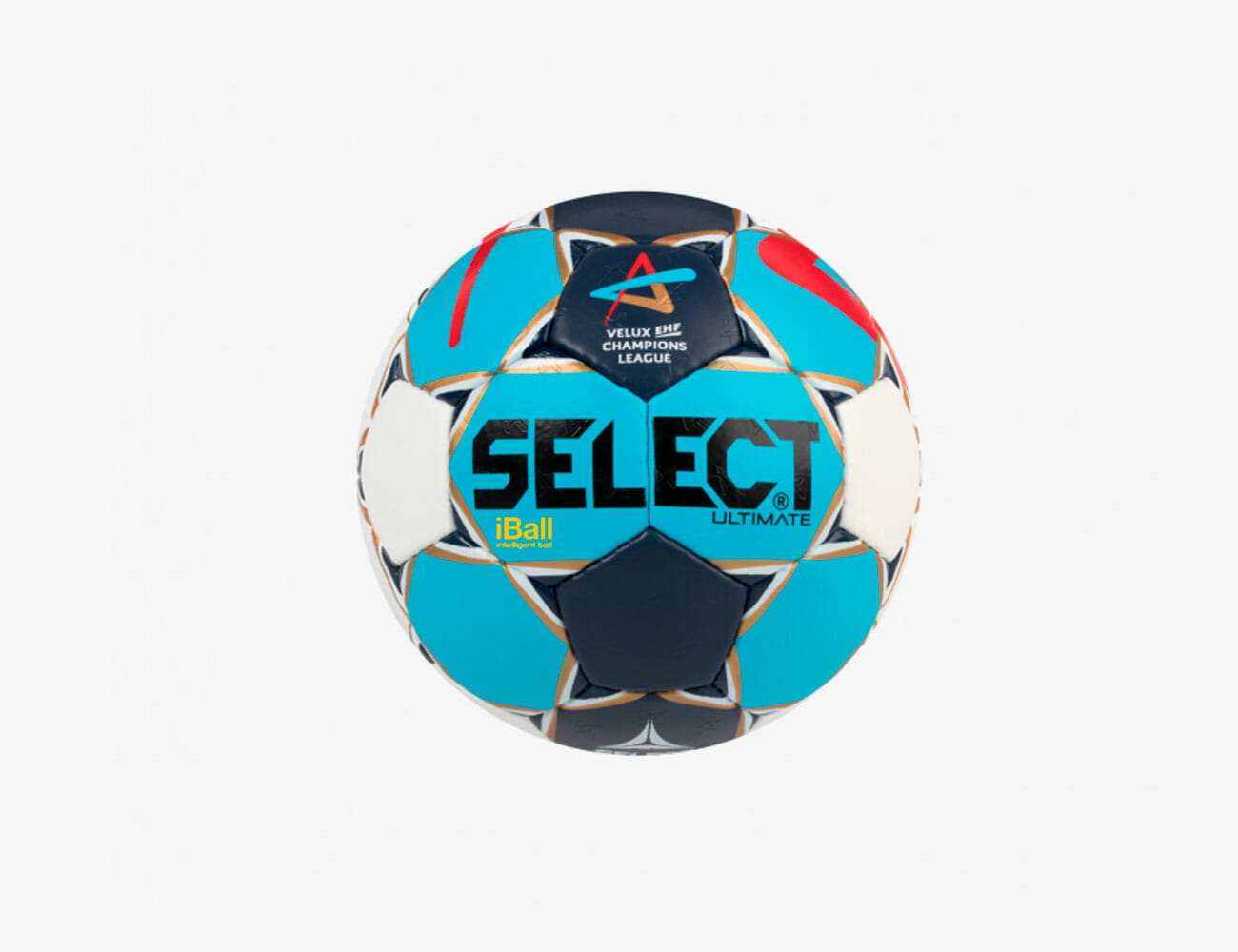
Select Ultimate iBall

The Team sports winner highlights the trend of connectivity. This soccer ball has a built-in chip to record ball speed, shot detection, shot position and more.

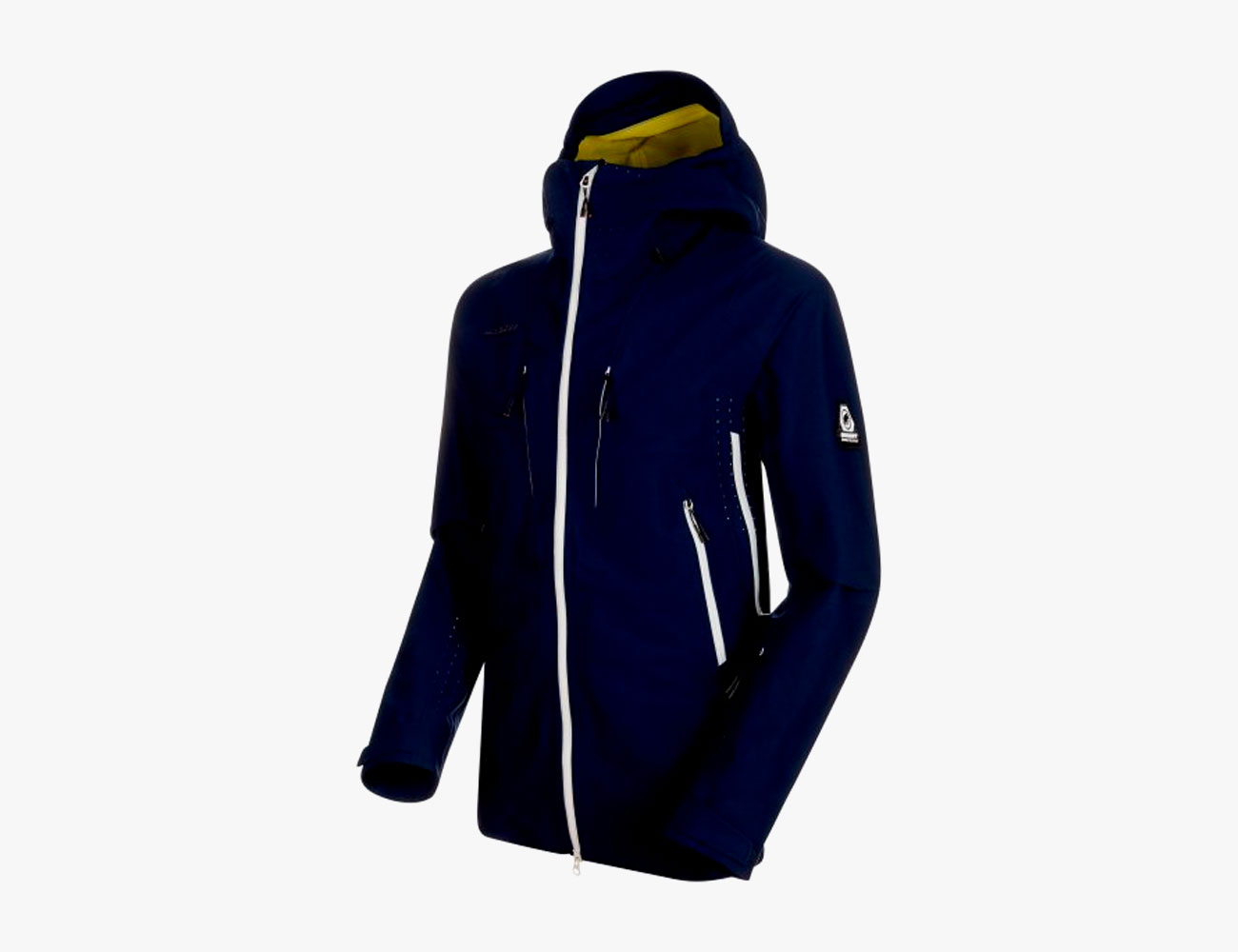
Mammut SOTA HS Hooded Jacket

This jacket wants to make your adventures easier. The three-layer ski jacket is breathable and uses a 3D knitting technique that reduces seams and tapes, so the coat is still durable.

The World’s Greatest Mountaineers Share the Incredible Stories Behind Their Most Cherished Pieces of Gear

A version of this story appears in Gear Patrol Magazine. Subscribe now.

On March 10, 1953, an army of nearly 400 men left Kathmandu, Nepal, and set out to conquer the highest peak on Earth. There were 13 mountaineers from Britain and New Zealand, 362 porters and 20 Sherpas from Nepal, together carrying over 10,000 pounds of gear. By then, the summit of Mount Everest had eluded 11 previous expeditions. Dozens of men had been killed. But this time would be different. Eleven weeks after leaving Kathmandu, two unlikely companions — a beekeeper from New Zealand named Edmund Hillary and a Sherpa from Nepal named Tenzing Norgay — stepped onto a small, wind-blasted, heavenly lit altar made of snow and rock and became the first men in history to summit Everest.

It was a triumph of the human spirit. Hillary and Norgay became overnight legends, and mountaineering was changed forever. But what of the things they carried with them? The men wore 44-pound backpacks, bodysuits made of cotton and down, windproof smocks, nylon trousers, waterproof boots, silk gloves, heavy oxygen tanks and wool base layers and carried ice axes made of wood and steel. At the summit, Norgay placed chocolates as an offering to his gods; Hillary buried a small crucifix as an offering to his. They may have reached the highest point on Earth by their own sheer will, but without gear — the items that kept them alive, and the items that gave them purpose — the summit would have been impossible.

The legacy of legends like Hillary and Norgay continues today in the greatest living mountaineers. They still embark on epic pilgrimages to the world’s highest, holiest, most challenging peaks; they still rely on gear to reach the summit, and to return intact. And all mountaineers know of a profound mystery: When a simple thing, be it a pair of glacier goggles, a watch or a bag of blessed rice, ascends a mountain, it transcends the material realm; it becomes a piece of history, an outward manifestation of the mountaineer’s spirit, a holy relic. And every relic tells a story.

Conrad Anker
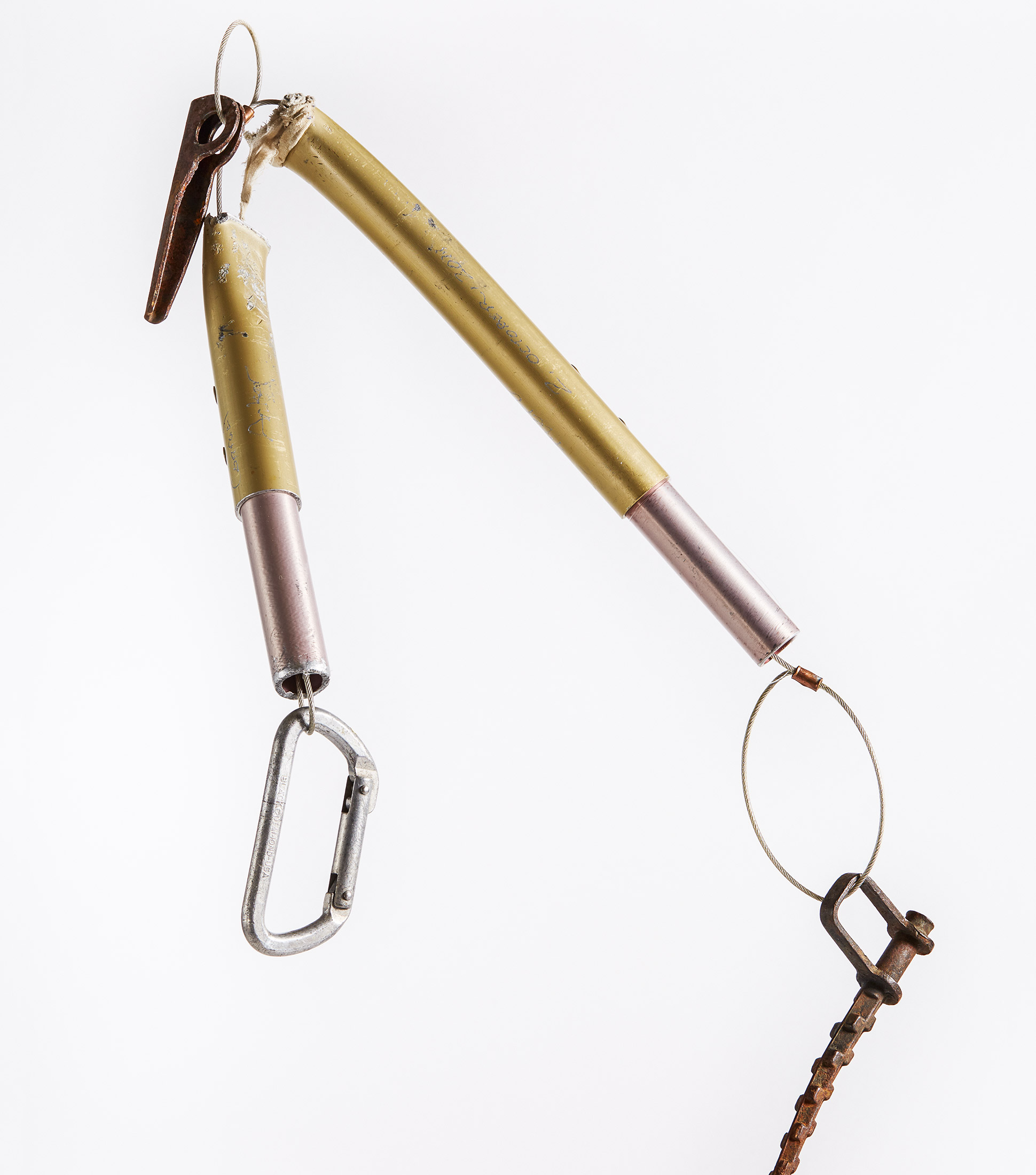
Broken Portaledge Pole

It was our third night on Meru. We were probably two or three pitches below the big headwall, halfway up the 14,977-foot-high mountain — right below the Shark’s Fin itself. We had crossed the Rubicon. That night, we pitched our portaledge, a single-point suspension cliff dwelling with an aluminum frame. In the morning, my climbing partner Renan Ozturk was sitting right on the edge of the tube when it bent, then snapped. Our stuff went flying out — my down pants, luckily, got hung up on a spike of rock about forty feet below. I would’ve been fucked if I didn’t have those. Before the ‘ledge snapped, I would sleep with just a piece of rope tied around my belly. After the ‘ledge snapped, I started sleeping in my harness.


Renan and Jimmy [Chin] got onto the cliff with their senders, and I went down and got my insulated pants, came back up, put the portaledge back into its haul bag, and then we pressed on. That night, we did some MacGyver repairs on it: a piton for an internal splice, two ice screws on the outside and some athletic tape. When I got back to Montana, I engraved “Meru 2007” on it and crimped some wire and an old piton onto it. Now it hangs in my garden.

I quite savor the exposure out there. Looking out of the ‘ledge, knowing that you’re imprisoned by gravity, but freed from gravity too. You’re sailing on a sea of granite.

Notable Achievements
• First ascent of the Shark’s Fin on Mount Meru, a Himalayan peak long thought to be impossible
• First ascent of Vinson Massif’s East Face and Rakekniven Peak’s Snow Petrel Wall in Antarctica
• El Capitan’s Continental Drift in Yosemite
• Latok II’s West Face and Spansar in Pakistan
• Three summits of Everest (one without supplemental oxygen)
• Captain of The North Face Athlete Team

Apa Sherpa
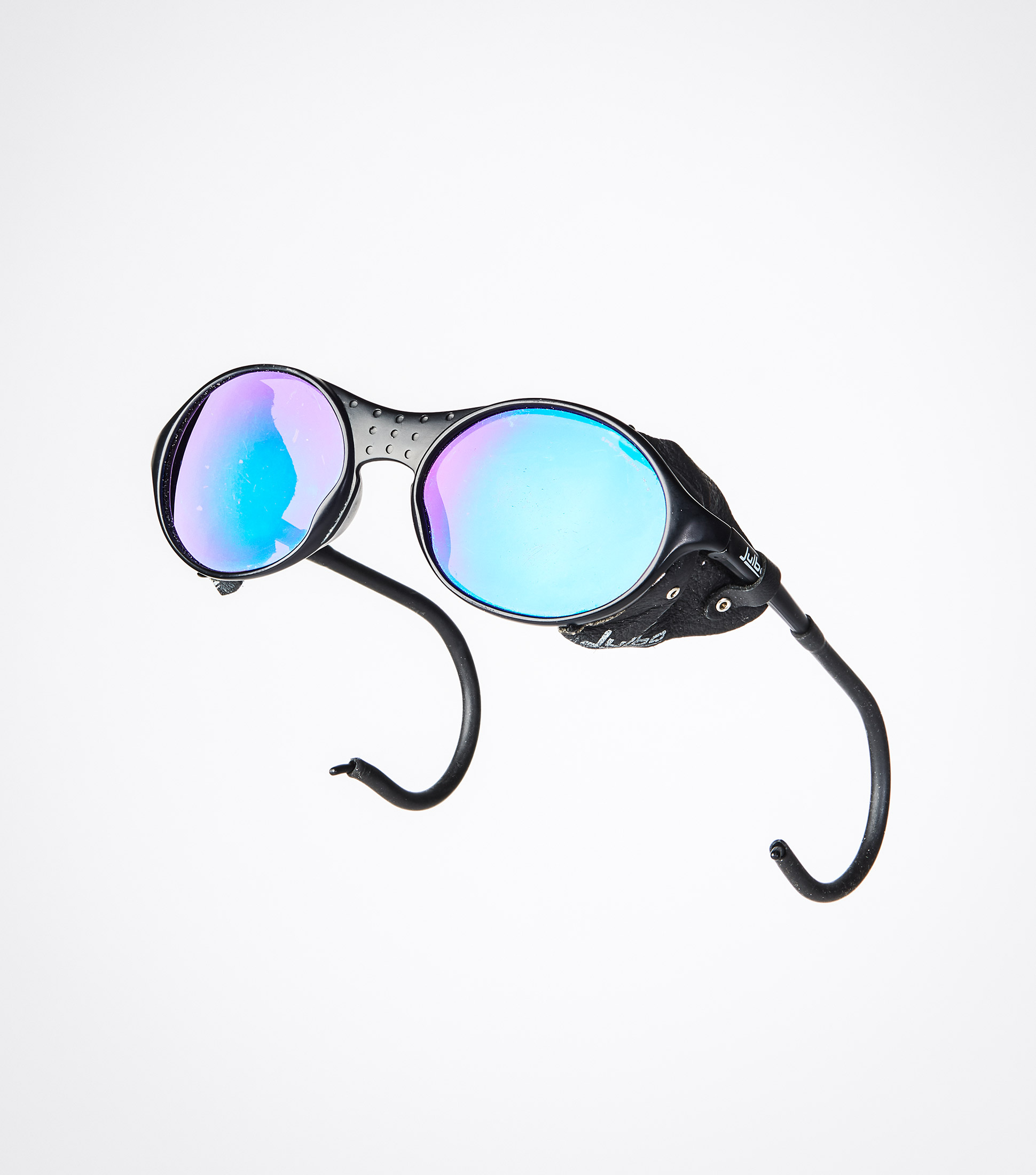
Julbo Glacier Goggles

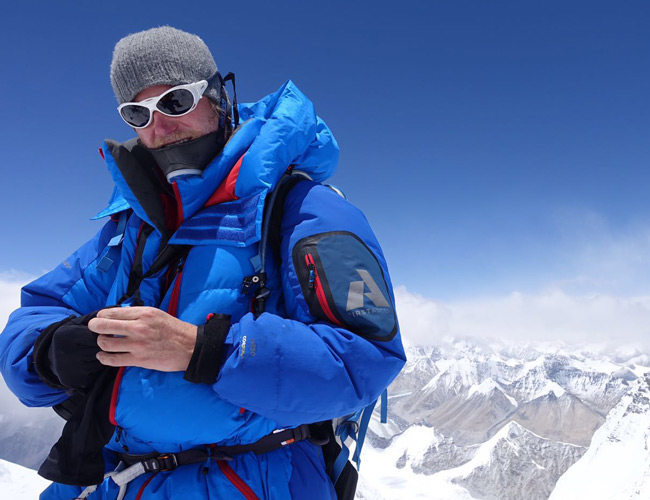
In 2007, six of my family members, two friends and I climbed Everest. We called it the Super Sherpa expedition — between the eight of us, we had fifty-five Everest summits. I wore these Julbo glacier goggles on the expedition. They protected me from snow blindness, which I’ve had before. The Super Sherpa expedition was the first time an all-Sherpa team climbed Everest without working for Westerners.


Normally, Sherpas just help Westerners get to the summit; this time, we didn’t have to suffer for anybody. We didn’t have to carry their oxygen tanks. We didn’t have to carry their water, fix their ropes or set their tents. It felt like more of an adventure. When we’re working as Sherpas, we don’t really get to think about adventure. We’re just doing our job, helping Westerners realize their own adventure. But the Super Sherpa expedition was our adventure. It was a very proud moment in my life. On the summit, we all hugged, took a photo together and shouted with joy. It was my seventeenth ascent of Everest.

Notable Achievements
• Tied for most Everest ascents of any person in history (21 summits)
• Led the expedition of the 1,050-mile long Great Himalaya Trail (widely considered one of the world’s most difficult treks)
• Founder of the Apa Sherpa Foundation

Ed Viesturs
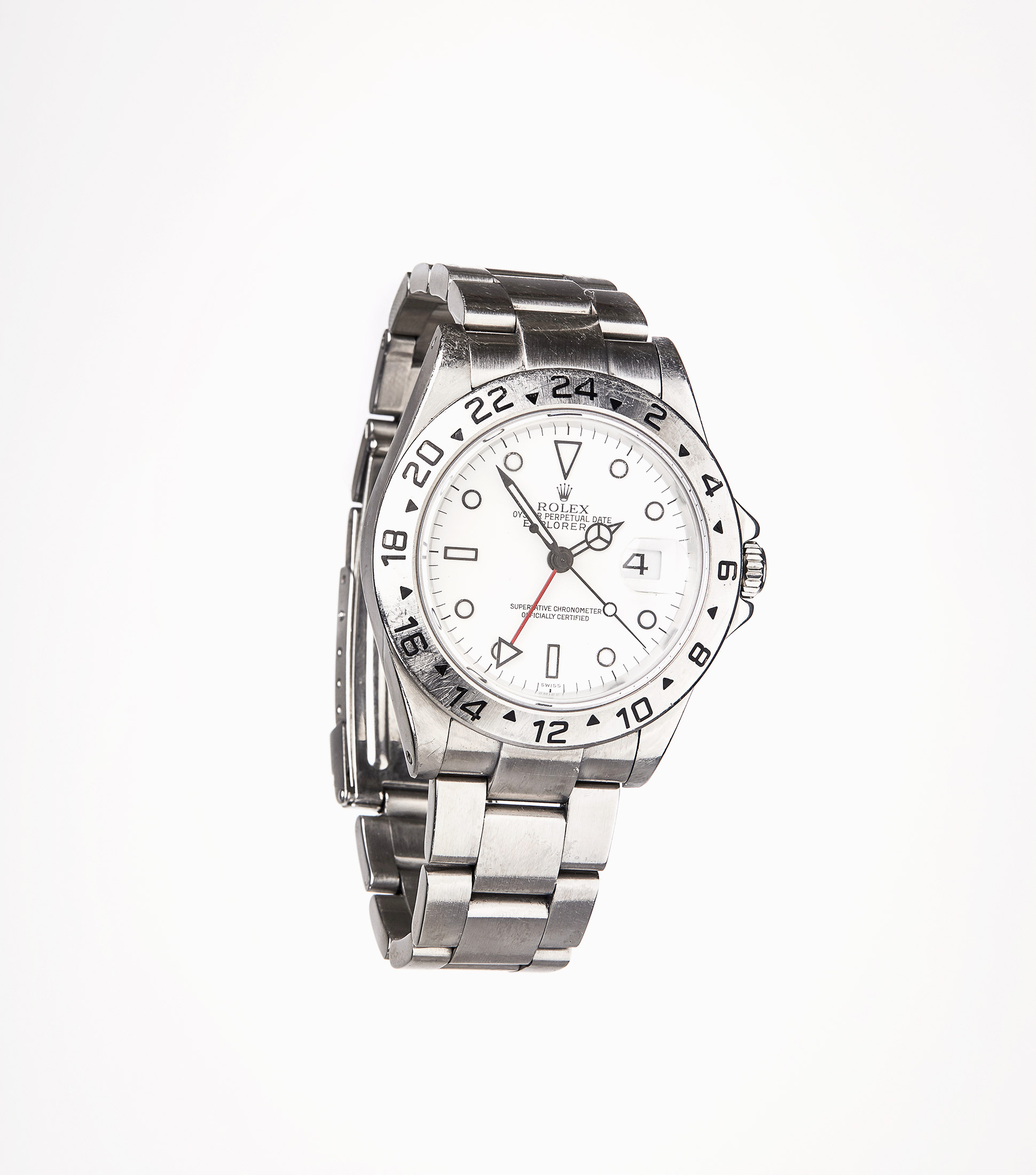
Rolex Explorer

Throughout my whole career I’ve been fixated on being punctual. I lived by one rule: if I wasn’t on or near a summit at two o’clock, I had to turn around. That gave me this margin of safety to make sure that I could get back down. I never broke that rule. I was always on the summit at two o’clock, or well before.


I remember looking at my watch as I was climbing Annapurna. We were still going up, and the clock was ticking, getting closer and closer to two o’clock. I remember we reached the summit at exactly two. I keep questioning myself on that particular climb, and on that particular day: had it taken us longer, would I have broken my rule? That’s what a lot of people do on the mountain; they have rules that they have lived by for a long time, and then there’s that one day they break their rule. And that kills people. You live by rules. You have protocols. It’s the one day you decide to take a shortcut or break or stretch a rule when accidents happen.

Notable Achievements
• One of 33 people in history (and the only American) to climb all 14 of the world’s 8,000-meter peaks (the fifth to do so without supplemental oxygen)
• Seven ascents of Mt. Everest
• One summit of Kanchenjunga in Nepal (third highest peak in the world)
• One summit of K2
• One summit of Vinson Massif (highest peak in Antarctica)
• 208 summits of Mount Rainier in Washington
• Numerous alpine rescue missions; published author and motivational speaker

Jeff Lowe
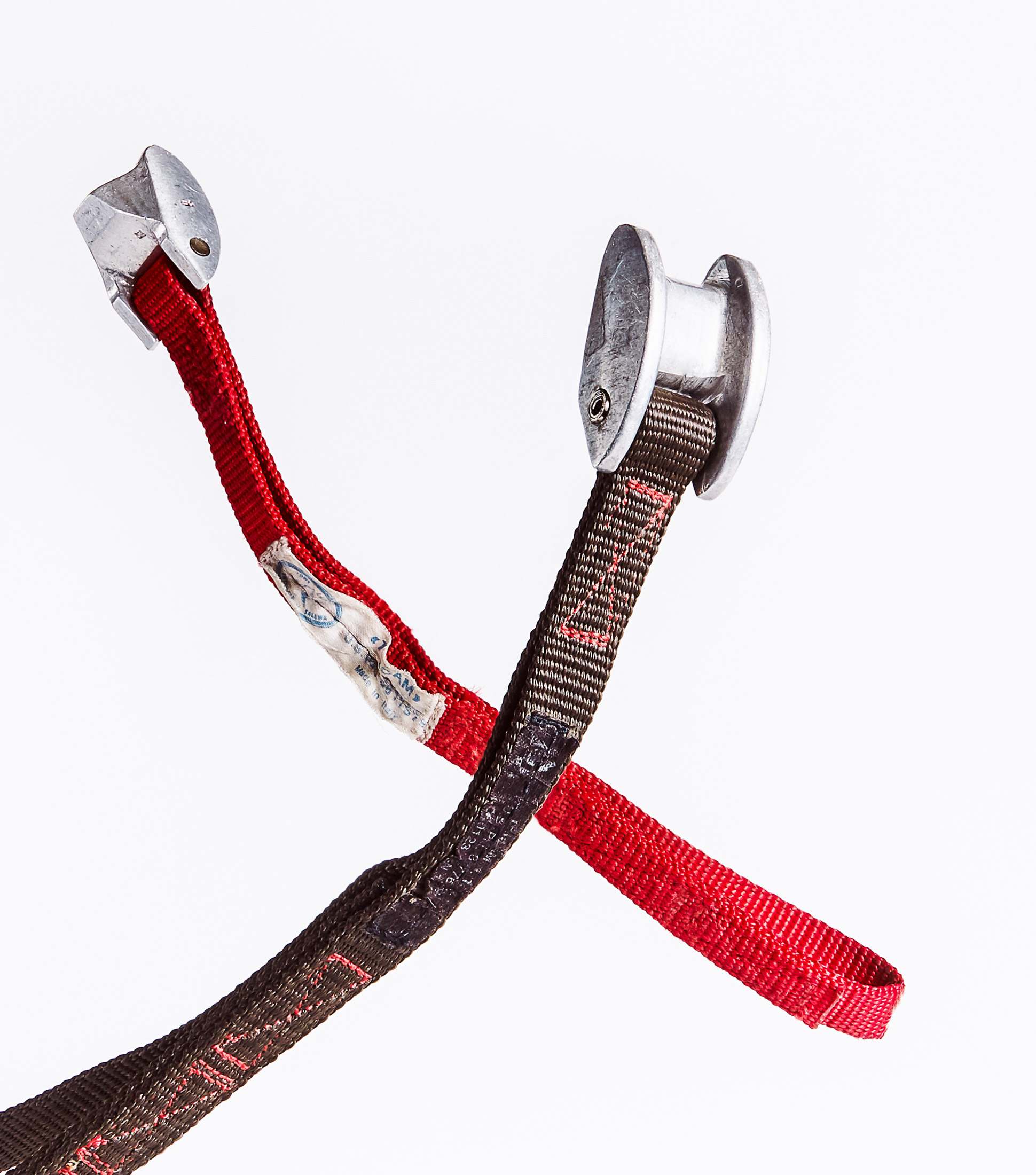
Early prototype of Tricam climbing device

Time after time in my life, when things were going wrong, I found that doing a long, hard climb would set me straight. I’d come to the Eiger in the Swiss Alps in February 1991 because climbing is my joy, and I really needed some joy in my life then. I needed a way out of the chaos I’d made, and to make a new direction for myself. But at the same time, I was there to make art, if I could — to create something that had never been seen before.

I had read Heinrich Harrer’s book The White Spider when I was twelve. The epic of the first ascent of the North Face of the Eiger never left my mind. In February 1991, I wanted to climb the North Face in a style that honored its pioneers. Anderl Heckmair and company didn’t have bolts in 1938 — just simple pitons of a limited range. They risked not being able to start their crude stoves to melt water; if their cotton and wool clothing got soaked, they might freeze to death. To even approach that level of commitment, I had to stack the deck against myself: go alone, in winter, without bolts, and try the hardest unclimbed route I could find on the highest part of the wall. My intention was to make the purest climb I could manage.


These Tricams were a staple on my climbing rack for two decades and were with me on the Eiger. They were prototypes invented by my brother, Greg Lowe. He and our older brother, Mike, had been working on camming devices for climbing protection since 1967. They hold better than anything else in icy cracks. At one place on the Eiger, a Number 1 Tricam saved me from a much longer fall, where I could have been badly hurt.

I named the route “Metanoia” [for “a transformative change of heart”]. For thousands of years, shamans and other spiritual seekers have starved themselves, endured long days of toil and meditated for days and weeks in hopes of receiving some sort of vision or nirvana. On the Eiger, I’d felt my own fundamental change of thinking and of heart.

Notable Achievements
• Credited as the father of North American ice climbing and mixed climbing
• Highest point reached on the North Ridge of Latok 1, the Himalayan peak widely considered the world’s most difficult unfinished climb
• Over 1,000 first ascents, including the Grand Central Couloir on Mount Kitchener in the Canadian Rockies, solo first ascent of Ama Dablam in the Himalayas, and Metanoia, a solo direct route on the North Face of the Eiger in the Swiss Alps
• Featured in the award-winning biographical film Jeff Lowe’s Metanoia
• Recipient of the Piolet d’Or Lifetime Achievement, the highest award in alpinism
Is Climbing Everest Without Supplemental Oxygen Reckless?
grey_placeholder

Climbers Adrian Ballinger and Cory Richards talk about the merits of climbing Everest without supplemental oxygen. Read the Story

Melissa Arnot
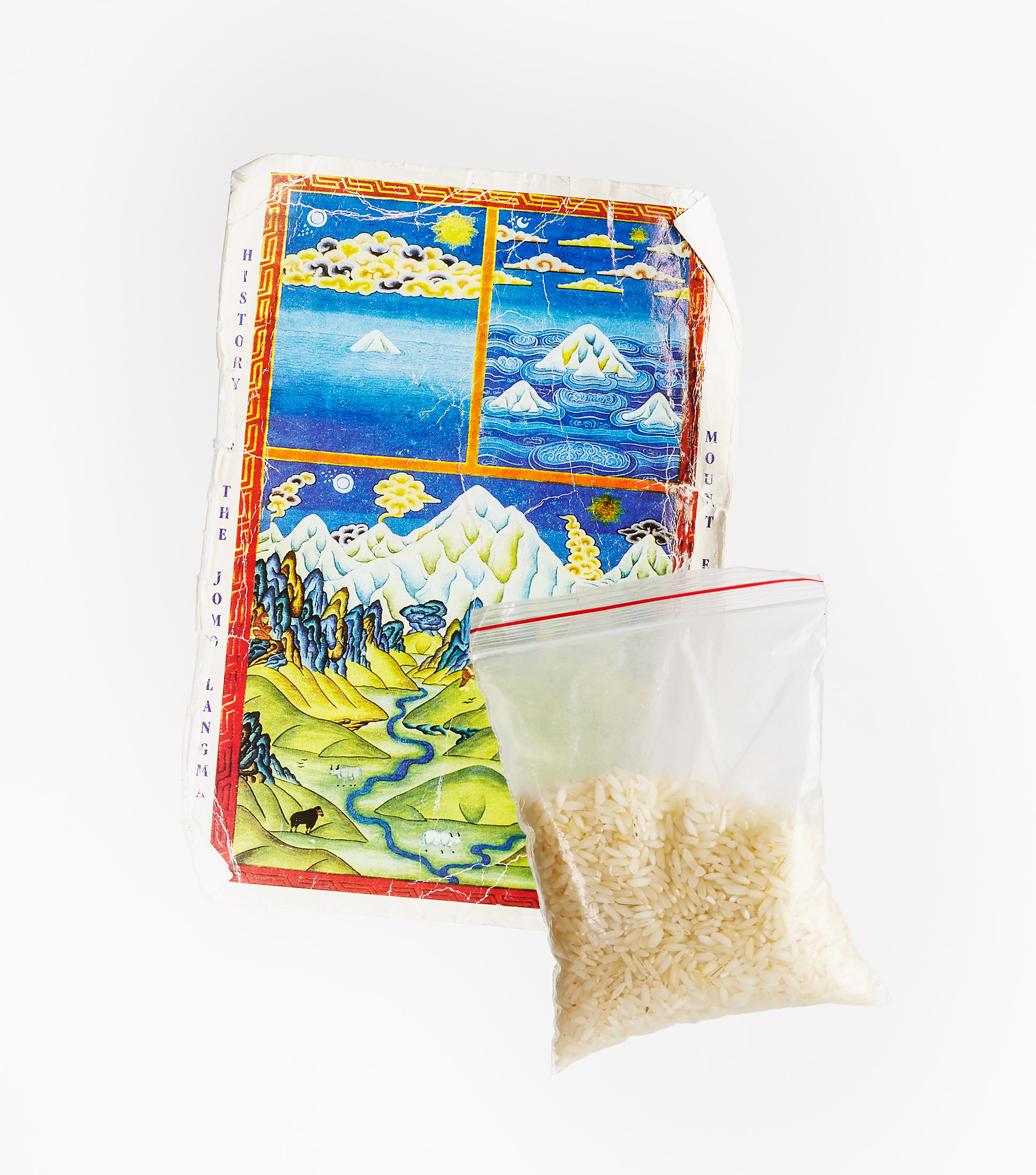
Prayer card and bag of rice blessed by a Buddhist monk

There’s an 89-year-old lama who blesses climbers in Nepal before they climb to the summit. His name is Lama Geshe. He gives you this card marked with a Buddhist prayer that wishes goodwill to all people in the world. Then, he blesses some rice, puts the rice and card inside an envelope and instructs you to throw the rice if you ever feel that danger is near.

In 2013, I was climbing through the Khumbu Icefall, a notoriously unpredictable and dangerous area on Everest. The wall of ice above us was probably forty feet tall. We were climbing up the wall on a ladder when the ice suddenly shifted. I thought we were going to die. My climbing partner had blessed rice, too, and I had rice flying in my face before I realized what was happening. After that, I started keeping a little handful of it in my jacket pocket.


Throwing rice is a funny thing for me, since I’m not superstitious at all. I’m an incredibly pragmatic realist. I believe everything happens as it should. And yet I’ve been carrying the rice and card with me nearly everywhere I go — all year long, on every peak I climb.

Inside the card I have a photograph of my climbing partner, Chhewang Nima, who died on a climb with me in 2010. He was a Nepali Sherpa, and a really close friend of mine. He was incredibly revered in the climbing community. Many believed that he was spiritually enlightened — he was going to be a lama. It was tragic for so many reasons when he died. I keep this photo of him on the summit of Everest inside the card. It feels like he’s with me — nestled in the mix of the blessings and rice seems like the right place for him.

Notable Achievements
• Second most successful female Everest climber in history (six ascents)
• First American woman to summit Everest without supplemental oxygen
• Three summits of Aconcagua in Argentina
• Five summits of Cotopaxi in Ecuador
• 92 summits of Mount Rainier in Washington

Jimmy Chin
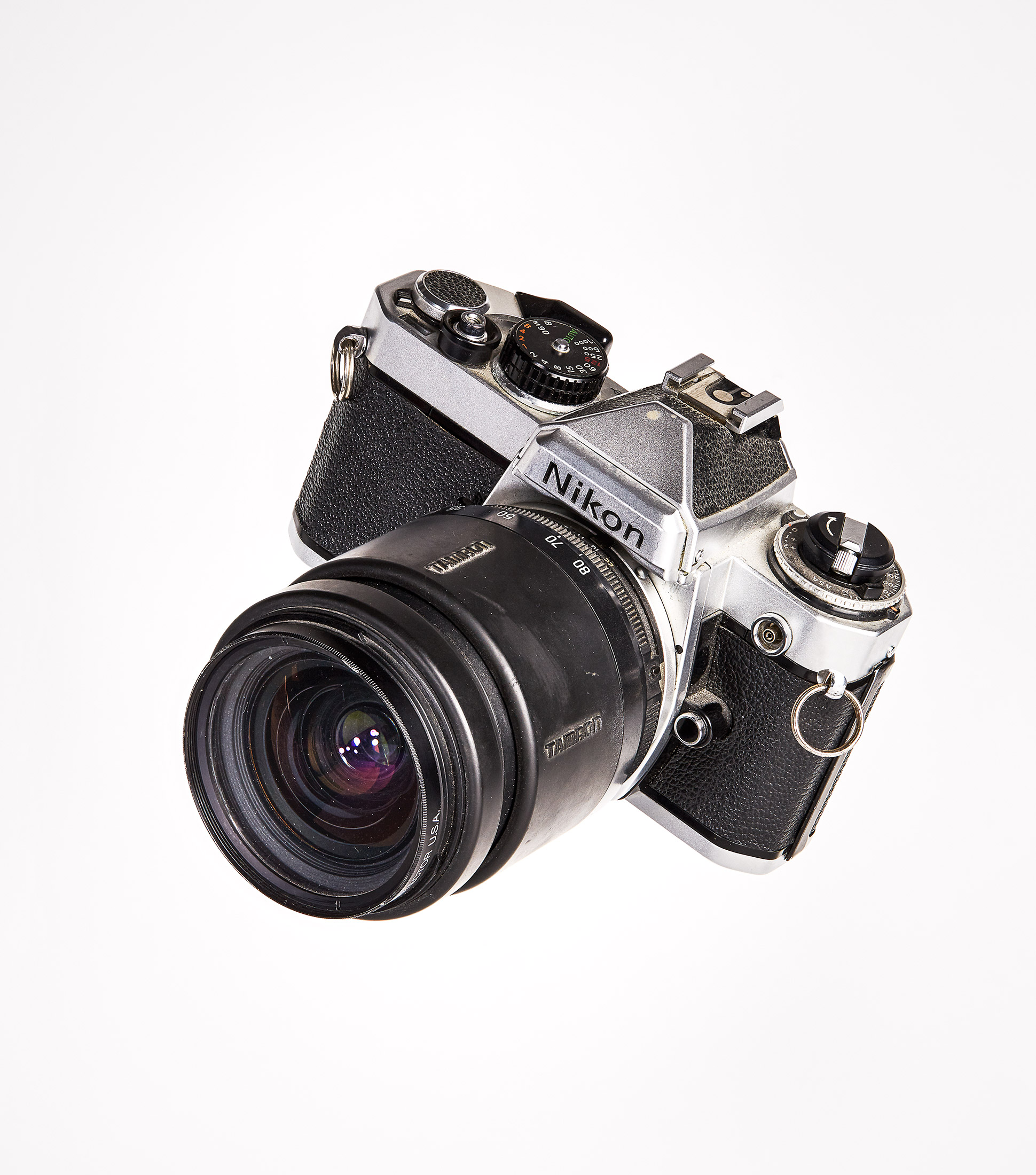
Nikon film camera

It was 1999. I was training for my first big expedition to Pakistan. My friend and I were in Yosemite — we had just finished this climb on El Capitan called Native Son. We woke up the next morning on top of El Cap and there was really beautiful light, so I reached over, grabbed a camera and took a photo. My friend had been submitting photos to different companies, and he suggested that I submit mine. Mountain Hardwear actually bought my photo, published it and paid me for it. It was the first time I ever got paid for a photograph, and it was one of the first photos I ever took with a real camera.


I had the logic of a twenty-three-year-old climbing bum. I thought, “Wow! I only need to take one photo a month, and I could live like this forever out of the back of my baby-blue 1989 Subaru Loyale.” Months later, I met Conrad Anker, who then helped me land a deal with The North Face. It really wasn’t that exciting of a photo. It was a moment of dirtbag climbing-bum living. But it pretty much launched my career.

Notable Achievements
• World-renowned photographer and filmmaker
• First ascent of the Shark’s Fin on Mount Meru with teammates Conrad Anker and Renan Ozturk
• Three first ascents in the Karakoram Mountains
• One of a handful of people in history (and the first American) to ski down Everest
• 15 one-day ascents of El Capitan in Yosemite
• Director of the award-winning film Meru, which documented the historic Meru ascent

Renan Ozturk
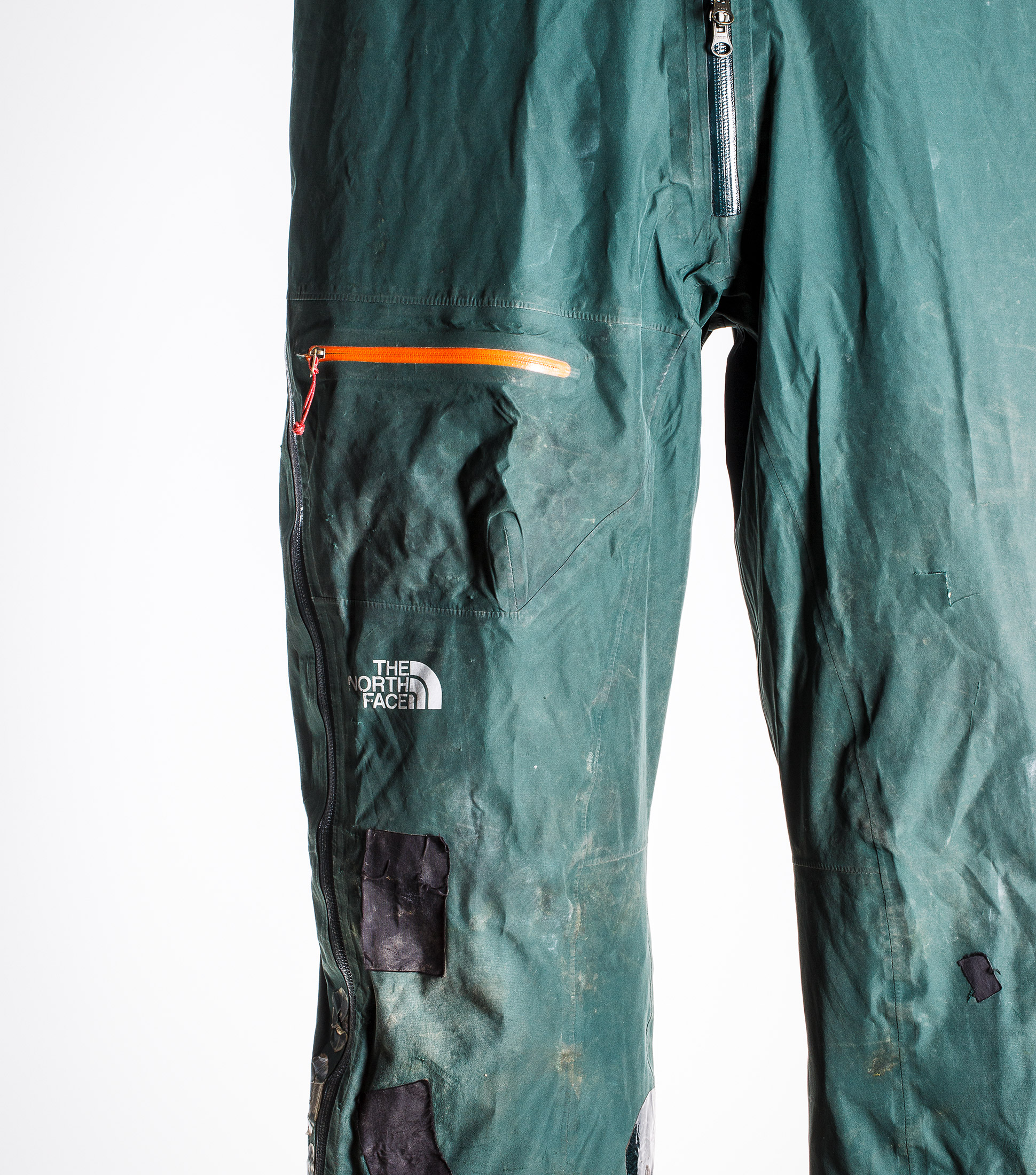
The North Face alpine pants

When you’ve been to the top of a peak with something, it feels like a good luck charm. I’ve had these pants since 2010. They were designed, originally, for our second attempt of Meru. They’ve been on countless other expeditions– Burma, Alaska, Nepal, Chamonix, our backyard in Park City, Utah.


Taylor Rees, my wife, has done a lot of the handiwork and patching on them — we add about ten patches every year. I probably would’ve turned them away a long time ago if she hadn’t fixed them. But I just keep coming back to these old, ragged, patched-over pants because they fit me better than any pair I’ve ever worn, and because they contain so many memories. They’re also a testament to not always throwing stuff away and getting the latest and greatest gear. You can revive gear, keep it going longer than you think. It’s important to not keep consuming blindly.

Notable Achievements
• First ascent of the Shark’s Fin on Mount Meru with teammates Jimmy Chin and Conrad Anker
• Part of youngest team to ever send the northwest face of Half Dome and the Nose of El Capitan in Yosemite
• First enchainment of the Tooth Traverse in Ruth Gorge, Alaska
• First ascent of the southwest Cat Ear spire in the Himalayas

Lou Whittaker
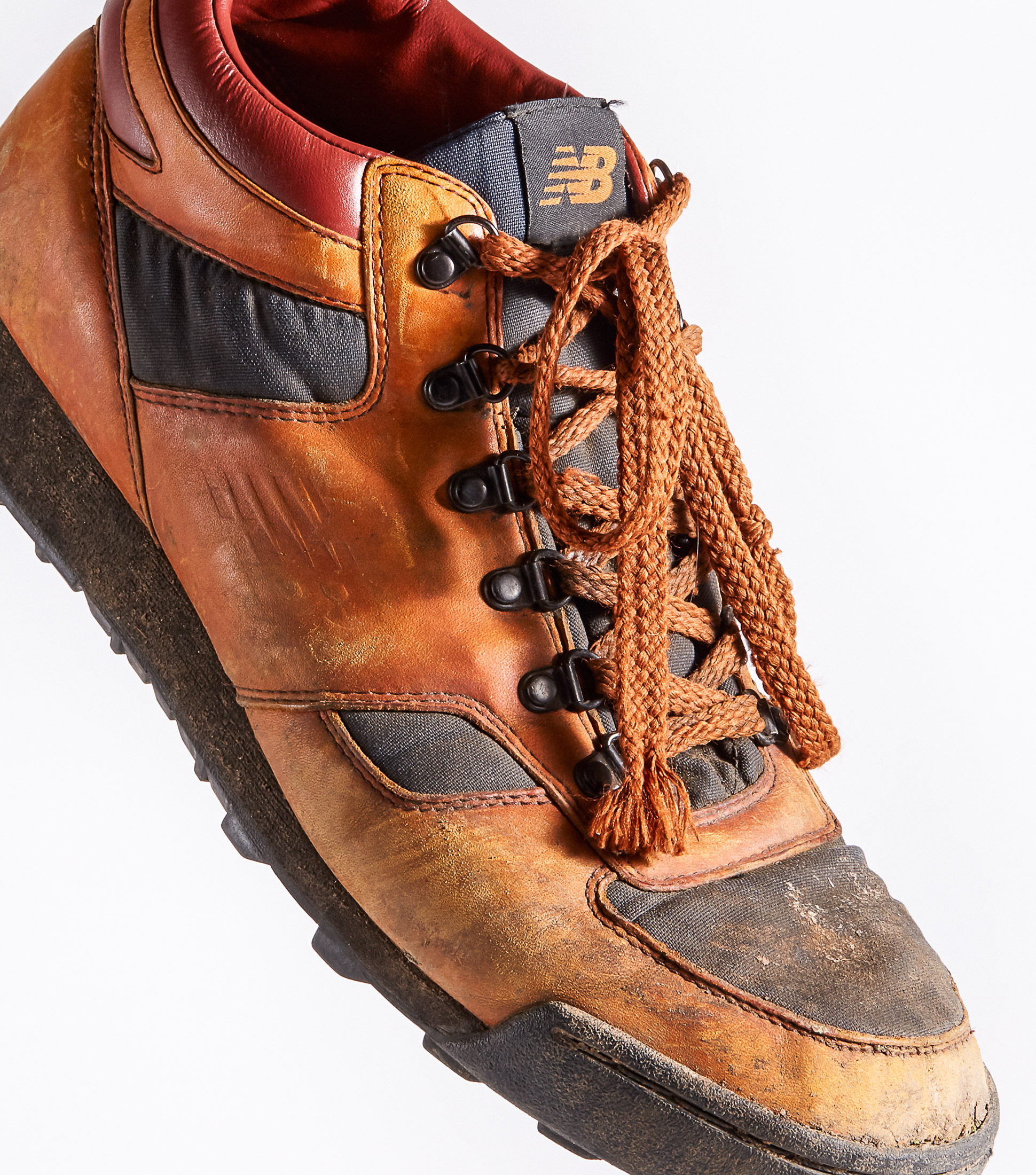
First iteration of the New Balance Rainier boot

The New Balance Rainier boot came to be because of an ulcerated toe. It was 1975. We were sleeping above twenty thousand feet on K2, and I was in these rigid, eight-pound leather boots. The socks and boots pressed my toes together, cutting off circulation. I kept getting this discomfort in my foot, and I wasn’t sure what it was — maybe frostbite. I took my socks off and saw little holes in the sides of my toes. The doctor at base camp said over the radio that I might lose my toes, maybe even my whole foot. I needed to get air to my feet. So I descended the mountain in lightweight tennis shoes. I fell down constantly. It was sixty miles on the Baltoro glacier, and then another forty miles to Skardu in Pakistan.

A few months after I returned from K2, I approached New Balance and proposed a new kind of shoe — something lightweight, like the stuff they were already making, but with heavy lugs on the bottom.


By the time I was back on Everest in ‘82 — the first attempt of the North Wall on the China side — we were outfitted with a great lightweight boot that increased our ability to move high on the mountain, up to about twenty-one thousand feet. From then on, that was the approach shoe on all of my Himalayan trips, as well as an all-purpose boot. On peaks like Kilimanjaro, we wore them all the way to the summit. And soon I began seeing the shoes all over. It gave climbers a lightweight shoe that made approaching, and sometimes summiting, easier than ever before.

Notable Achievements
• Led the first American ascent of Everest’s North Col in 1984
• 250 summits of Mount Rainier (more than any other living Rainier mountain guide)
• Published author

What Sustainability Looks Like in 2019 According to 8 Brands

Sustainability was a common thread at the Outdoor Retailer trade show in January, a gathering where outdoor brands show off new product a year in advance. You can find out full coverage of the show here. We saw a widespread desire among brands to make products using more environmentally-friendly practices and fabrics. Here are eight brands with set plans around sustainability or products for fall-winter 2019-2020 that use recycled materials that we can’t wait to get our hands on.

The North Face FutureLight

While most announcements at CES are tech-related, The North Face used that space to use that space to let the public in on a secret project they’ve been working on for roughly three years. FutureLight is a breathable and waterproof material that will show up in product this fall. While most brands have partnered with Gore-Tex to create waterproof yet airy garments (think running and rain jackets), FutureLight is The North Face’s proprietary fabric. Like Gore-Tex, FutureLight is a membrane technology, but unlike Gore-Tex, FurtureLight uses a process called Nanospinning to take nano-sized fibers that are inherently waterproof and extremely breathable and laminate them to various face fabrics. The result is an overall thinner and more breathable membrane. The technology is primarily used in the tech and medical fields, but The North Face saw potential in the technology for outdoor materials. The material is also extremely sustainable thanks to its blend of recycled materials and non-PFC DWR. In Fall 2019, we’ll start to see jackets, bibs, tents, gloves and more with FutureLight technology.

United by Blue x Sole Jasper Wool Eco Chukka

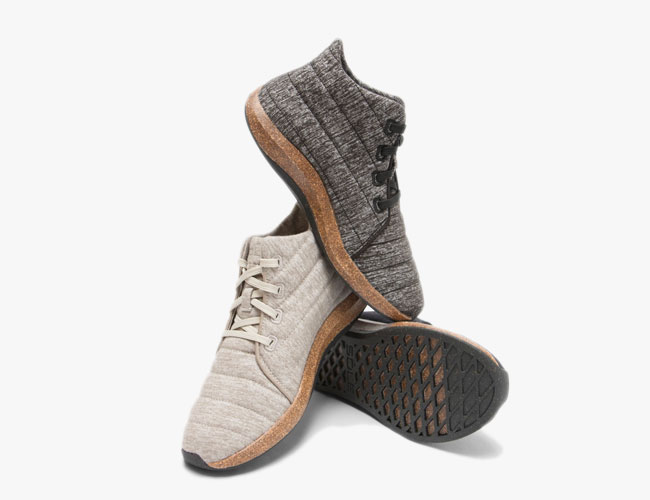
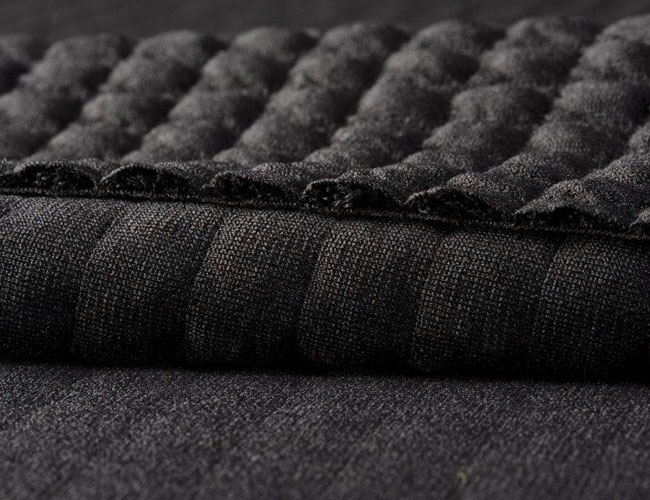
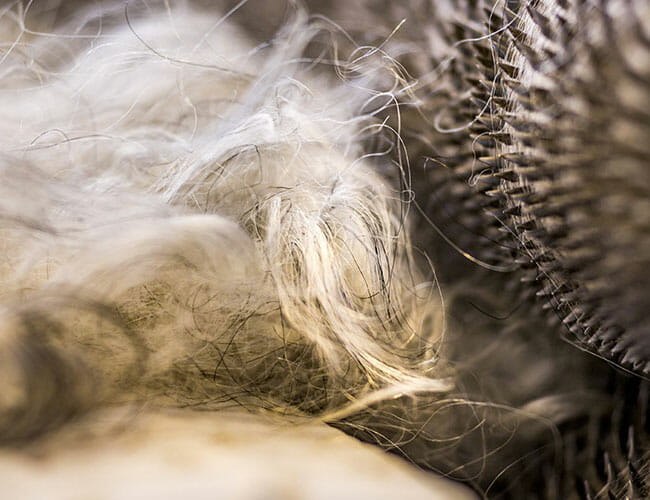
Part of United by Blue’s mission is to leave the world’s oceans and waterways cleaner than when the brand began. For every product sold, UBB picks up one pound of trash. At Outdoor Retailer, UBB and SOLE launched an eco-friendly shoe made with bison insulation on the upper and SOLE’s recycled cork midsole. Every part of the shoe is built with sustainable materials, a reality that only could be by the brands working together. Starting February 15, the SOLE x UBB Jasper Wool Eco Chukka launches on Kickstarter.

Polartec Sustainability Announcement

Polartec is one of the largest material companies in the outdoor space. Its materials reach from Houdini to Ciele to Adidas Outdoor — nearly every brand does business with innovative fabric giant. At Outdoor Retailer, Polartec announced that it wants to create the world’s first fully recycled and biodegradable fleece, knits, insulation fills and waterproof/breathable membrane, but there’s no set timeline on this. Polartec first started using post-consumer recycled plastics back in 1993 and partnered with Unifi, an industry leader in sustainable textiles, back in 2006. The brand pushed its Power Air technology at January Outdoor Retailer show — a technology that eliminates shedding from fleece garments, so the excess fibers don’t end up in our waterways.

Fjallraven Re-Wool

Fjallraven knows the value of Italian wool. It also recognizes that there are a lot of scraps that never get used, so Fjallraven is taking a stand to eliminate the waste. The brand collects leftover wool from the factory floor, whether that’s from sweaters or from offcuts from suits. Next, Fjallraven sorts the wool by color, then shreds and prepares it for re-knitting. Next, the materials are knit together to create re-wool in hats, bags and more.

Jones Snowboards Super Sap Bio-Resin

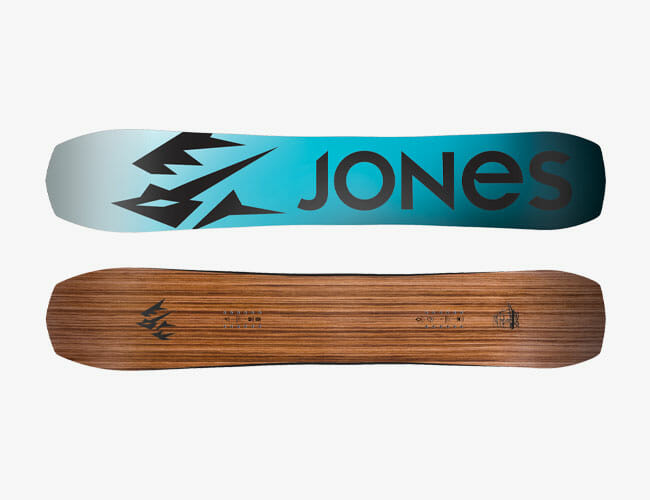
Starting next winter, Jones Snowboards goes green with a plant-based performance resin across its entire line — no other brand is using it this extensively. Super Sap Bio-Resin, eliminates 33 percent of greenhouse gas emissions usually associated with traditional resin, an integral part in the entire creation of a snowboard. Between each layer of fiberglass and wood is a variation of epoxy, so it’s a big change to go all-natural. This new epoxy is USDA certified bio-based and renewable. It does not use petroleum-based carbon.

Primaloft Bio

Primaloft announced its newest synthetic insulation material, Bio, at the end of 2018. The fibers are made from 100 percent post-consumer recyclced material, so when you throw out a jacket that’s beyond repair, it will break down into water, CO2, methane and biomass resulting in less environmental waste. At Outdoor Retailer, Primaloft announced its initial partners — all of which are outdoor brands. Look for shackets, anoraks, vests and more come 2020.

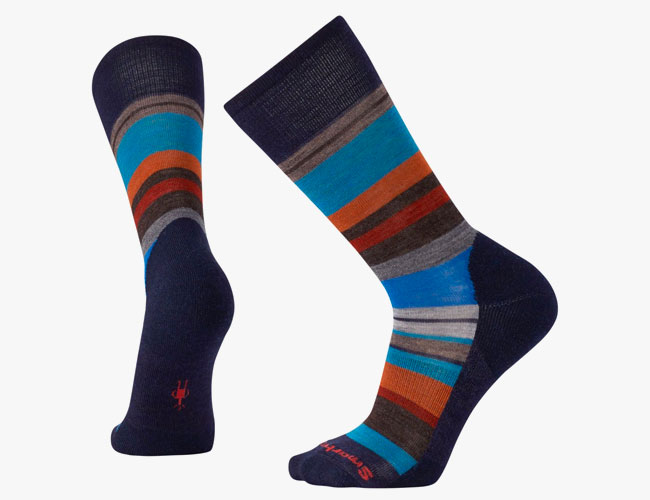
Smartwool Intraknit

Another trendy topic we saw in droves at Outdoor Retailer in January were loads of 3D-printed knits. Smartwool has used 3D knitting to create its socks, which are functional, sweat-wicking and high-performing. Now, the brand expands the technology to work with baselayers. Smartwool uses body mapping to help increase ventilation and articulation all while providing a fit that’s socklike on the legs and upper body. Since it’s a 3D knit process, there are no scraps — Smartwool is able to weave a different type of insulation over the stomach, arms, chest and back, so it increases insulation, while simultaneously decreasing scraps. And, there are no seams. The base layers drop next winter and we’re excited to test and review.

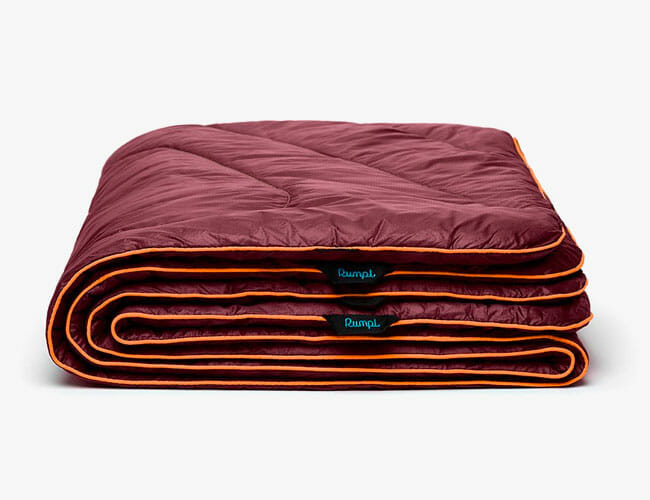
Rumpl Original Puffy Blanket

Rumpl creates blankets for camp and van-life that are cozy, warm and look great indoors, too. At OR, Rumpl will start making its original blanket will start to be made with post-consumer recycled content, using 60 water bottles in each one.

Note: Purchasing products through our links may earn us a portion of the sale, which supports our editorial team’s mission. Learn more here.

Patagonia Proves It’s Thinking Carefully About Running

Patagonia is perhaps best known for its outdoor clothing — fleeces, rain jackets, down jackets and the like. The company’s technical backpacks and rugged duffels also have a devout following. Included in its spring product launch is one thing that carefully combines learnings from both apparel and bags: two new running vests.

In building the four-liter Slope Running Vest and the eight-liter Slope Running Pack, Patagonia considered them more as garments than pieces of equipment. Breathability and fit took precedence over equipping them with lots of features; both are pared-down and simple in construction. The vest doesn’t include any structure in its rear panel, which is outfitted with a sizeable drop-in pocket. It includes additional sleeve-style pockets for a phone, wallet and snacks, and comes with two 500-milliliter soft flasks made by Hydrapak.

The Slope Pack doubles in capacity, adding a moderately-structured ultralight ripstop nylon pack for more ambitious runs. The bag includes cinch points to accommodate trekking poles or anything else a runner might lash to the back. The front is very much the same as the vest, including space for flasks, but this larger version comes with a two-liter reservoir.

The Slope Vest and Pack anchor Patagonia’s spring running release, but the new collection also includes a full range of apparel. Another new item, the Houdini Air Jacket, strikes a balance of breathability and light weather protection that runners are sure to appreciate. As a whole, the new running collection proves that the brand is giving running some careful and long overdue consideration.

|

The 4 Shoes We’re Eyeing for Next Fall and What to Buy Now

At Outdoor Retailer this year, we saw hundreds of products that we can’t wait to test. The catch is most are launching this fall or winter, so we’ve got some time to fill while brands start producing them. In the meantime, we’ve included the previous models of shoes that you can buy right now, so there’s no delay in gear testing.

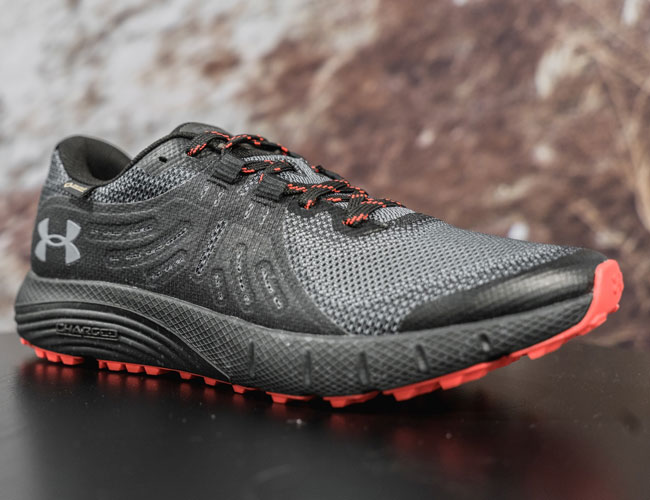
Under Armour Charged Bandit Trail GTX

Under Armour took one of its top-selling trail sneakers and updated it with Gore-Tex and its proprietary charged cushioning. The heavy-duty outsole is lined with high-abrasion rubber so rocks, sticks and mud won’t ruin it. An EVA sock liner with a molded collar means your feet are supported and comfortable from the first step. And like most trail shoes, there are hits of reflectivity so you can keep logging miles no matter how dark it is outside. The best part is that it’s all under $100. Look for these come Fall 2019, and until then, you can shop the Under Armour Charged Bandit 3.

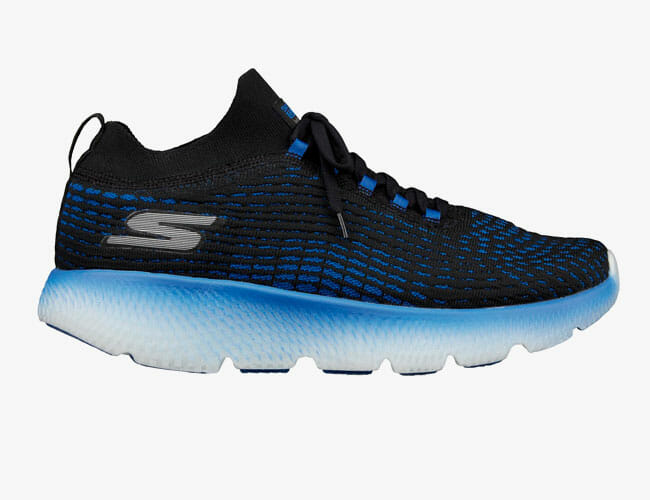
Skechers Go Run Maxroad 4 Hyper

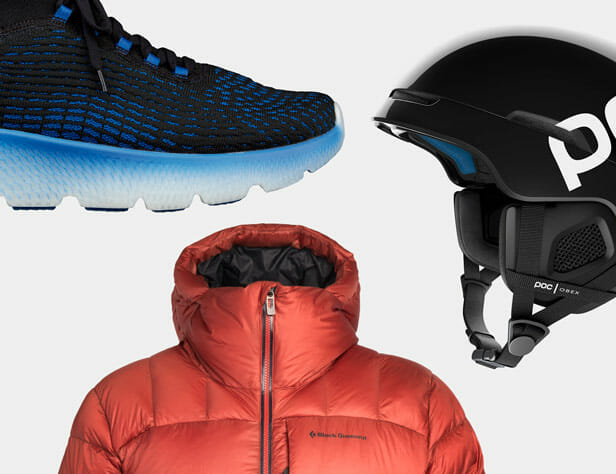
With each Outdoor Retailer, Skechers’ sneakers become increasingly advanced, lightweight and speedy. The Go Run Maxroad 4 Hyper shines on long distance road runs with its light as air hyper burst foam, which initially launched in the Skechers GoRun Razor 3 Hyper (one of our top picks for Best New Running Shoes of 2018). At just 8.4-ounces this heavily cushioned sneaker weighs less than some shoes built for speed. The upper is breathable thanks to a compression knit and sock liner. The Go Run Maxroad 4 Hyper will launch in Fall 2019, but you can pick up the Skechers Go Run Maxroad 3 Ultra today.

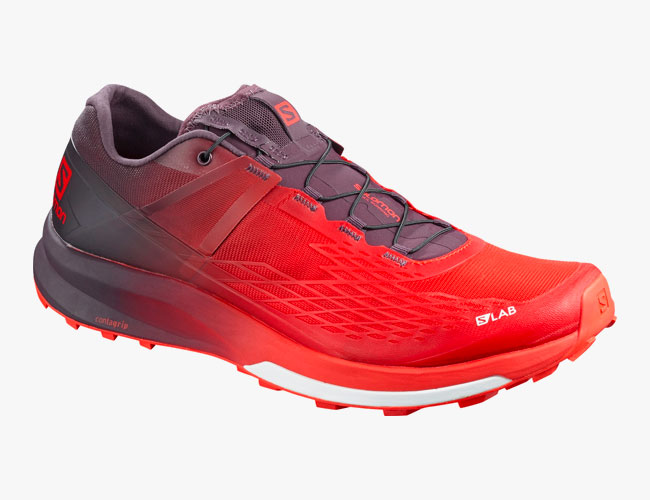
Salomon S/Lab Ultra 2

Salomon knows trail running. It taps some of the best trail running athletes in the field today to keep pushing the boundaries on what a sneaker can do for them. For the new S/Lab Ultra 2, Salomon worked with Francois D’haene, an ultramarathoner who carries the Fastest Known Time (FKT) on the John Muir Trail, and also won the Ultra-Trail du Mont-Blanc (UTMB), one of the most intense races in the world. An 8-mm drop is on the higher end of a heel drop, which is why heel strikers will find this shoe comfortable. The shoe has enough cushioning to help racers get through dirt, snow, pavement and rock scrambles. Right now you can pick up a pair of the original model for $180. The S/Lab Ultra 2 will start to hit shelves in April 2019.

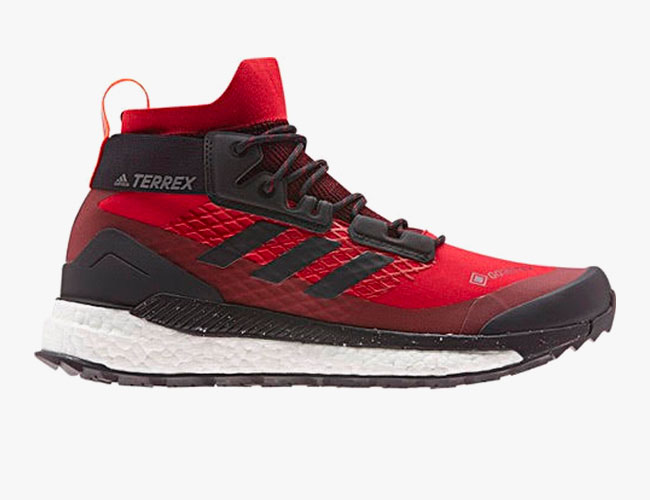
Adidas Outdoor Terrex Free Hiker GTX

Adidas Outdoor keeps pumping out lightweight hiking boots that are also appropriate to run in. With striking colors and a sneaker-like fit, the hikers are flattering and useful on the trail. The newest iteration of the Terrex Free Hiker includes the addition of Gore-Tex. Its upper is waterproof, yet breathable now. The Boost foam stays the same, and the mid-cut sneaker fit is comfortable whether you’re casually climbing or trekking through the Alps. While the original version is hard to come by, there are a variety of other GTX trail runners and hikers on the site that start at $200. The newest version of the Terrex Free Hiker GTX will go for $225.

The 16 Best Ski and Snowboard Shops in America

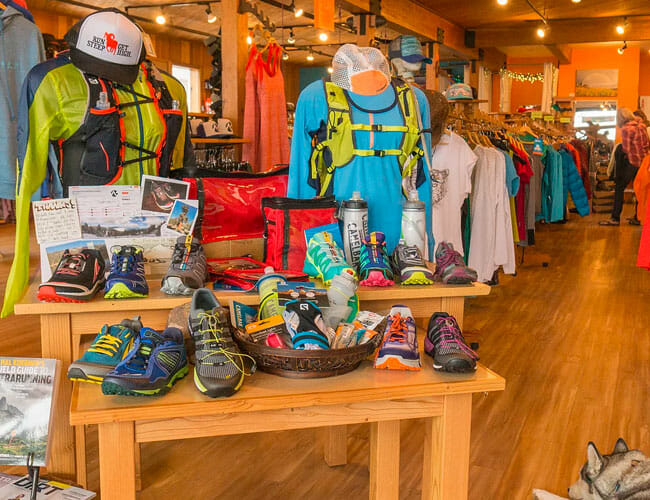
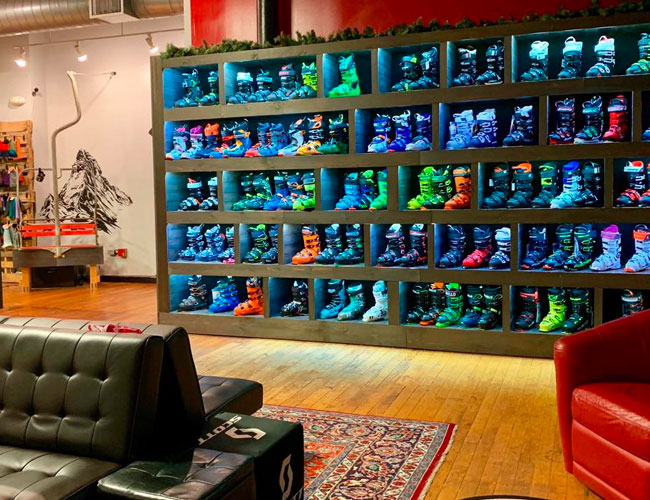
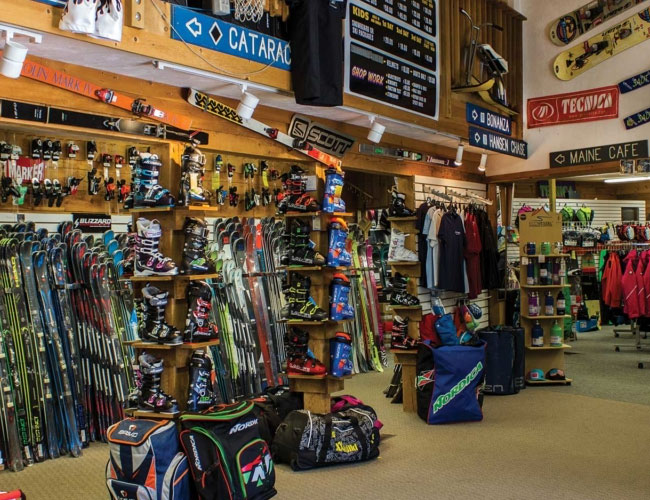
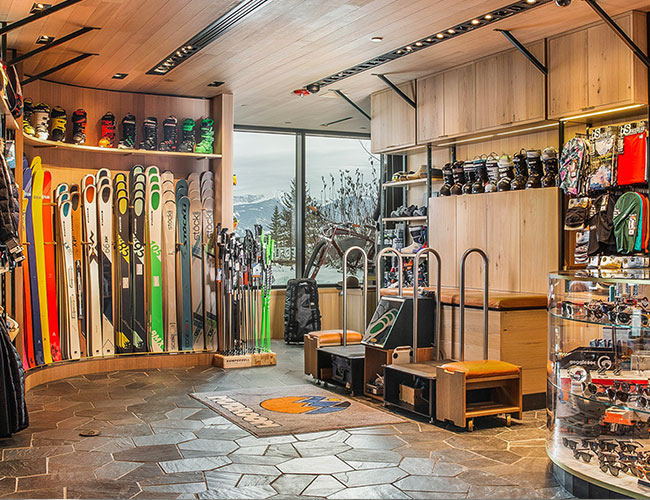
Before online buying guides and two-day shipping, the local ski shop was where you’d go to pick up anything from boots to hand warmers. But ski shops weren’t, and still aren’t, just stores; they’re the crossroads where brands and skiers connect, a haven where local knowledge is provided and a campfire where stories from the mountains, some of them exaggerated, are shared.

Ski equipment is complicated too, and the Internet is still an inadequate substitute for the knowledge available at brick-and-mortars. Shop employees — even those who self-identify as bums and dirtbags — know everything about ski gear. They can find the perfect pair of boots for your feet and guide you through the complexities of ski shapes and constructions (which you can try multiple pairs of before settling on a purchase).

For traveling skiers, shops are indispensable base camps that provide intel and equipment, and for local skiers, they’re focal points upon which the entire winter sports community converges.

Editor’s Note: All of the shops on this list are unique and great, but we know that we’re still missing out on some of the best. Tell us about your favorite ski and snowboard shop by dropping us a line at outdoor@gearpatrol.com.


Table of Contents
Alpenglow Sports — Tahoe City, CA
RMU — Breckenridge, CO
Cripple Creek Backountry — Carbondale/Vail/Aspen, CO
Buzz’s Boards — Vail, CO
Peter Glenn — Multiple Locations, FL/GA/VA
The Waxroom — Ketchum, ID
The Ski Monster — Boston, MA
Bob Skinner’s Ski and Sports — Newbury, NH
Paragon Sports — New York, NY
The Mountaineer — Keene Valley, NY
Crows Feet Commons — Bend, OR
Tactics — Eugene, OR
The Boot Pro — Ludlow, VT
The Startingate — Bondville, VT
Evo — Seattle, WA, Portland, OR, Denver, CO
Nomad Sports Shop/The Mudroom — Teton Village, WY

Alpenglow Sports

Tahoe City, CA: Ever since Brendan Madigan purchased Alpenglow Sports in 2011, he’s worked to make it not just a retailer of outdoor gear for all seasons but a veritable community hub. He’s succeeded. Alpenglow hosts events year-round, from speaker series that feature pro athletes such as Caroline Gleich to outdoor movie premiers to hands-on demo days to its biannual Mountain Festival. Alpenglow’s winter Mountain Festival is more than a week of guide skiing, avalanche safety courses, ski tuning classes and much more.

415 North Lake Blvd ⇱ | (530) 583-6917

Rocky Mountain Underground

Breckenridge, CO: You won’t find a wide selection of ski brands at this small shop; that’s because Rocky Mountain Underground, or RMU for short, is a ski brand. The company began in a garage and has since spilled out of those confines and onto Breckenridge’s Main Street. In addition to the company’s skis, you’ll find outerwear, avalanche gear and a full-service bar that picks up for après and thrums into the night.

114 South Main St. ⇱ | (970) 771-2121

Cripple Creek Backcountry

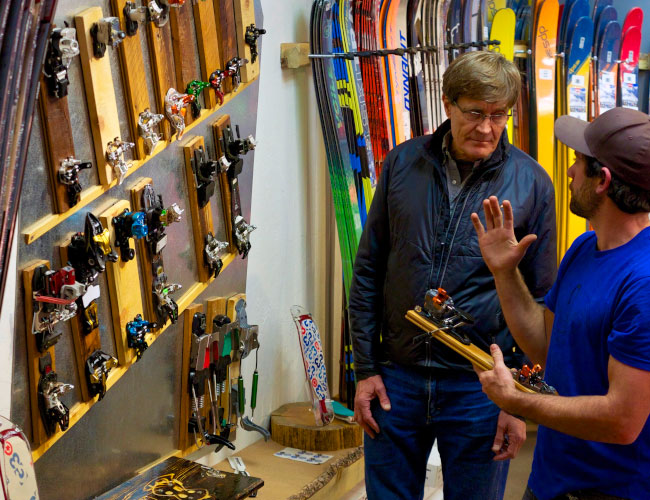
Carbondale/Vail/Aspen, CO: Co-owners Doug Stenclik and Randy Young maintain a philosophy that resorts are training grounds; the main event occurs on the peaks far from chairlifts, where the only way to get to the top is to climb. Cripple Creek embodies that mindset by providing a full range of backcountry equipment designed equally for ascents and descents. Skis from Black Diamond share wall space with splitboards by Jones, along with planks from many other brands, and all the accessories to make them go up as well as down.

582 CO-133 ⇱ | (970) 510-0450

Buzz’s Boards

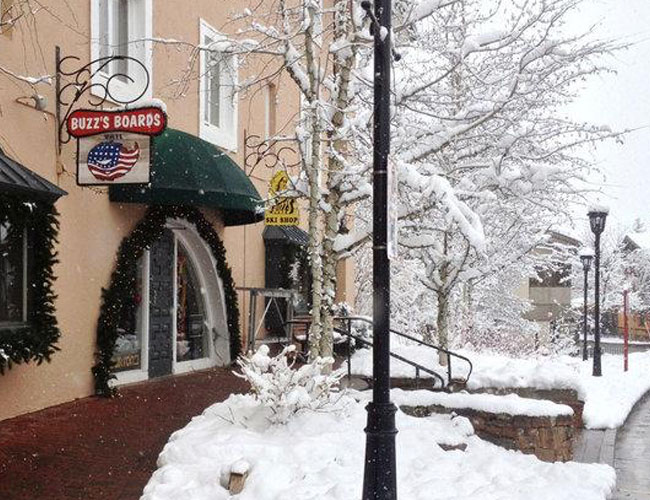
Vail, CO: Before Vail allowed snowboards, Buzz’s Boards began selling them. Founded by Buzz Schleper in 1982, it’s known by locals and visitors to Vail as the place to go to find top-of-the-line gear to demo and super-friendly staff. With over 20 shops in Vail, it can be difficult to know where to go, but with affordable prices, this shop has created a name for itself. Swing by for ski, snowboard, snowmobile and bike rentals, as well as any repairs on skis, boards and bindings.

302 Gore Creek Drive ⇱ | (970) 476-3320

Peter Glenn

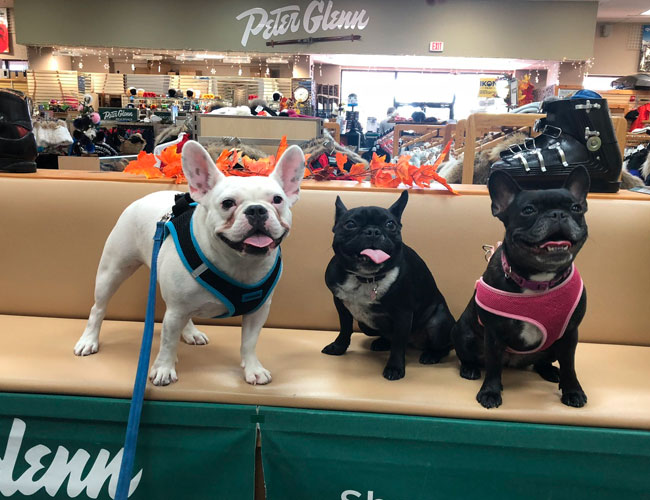
Multiple Locations, FL/GA/VA: Skiing and snowboarding are dependent on geography. But even though snow doesn’t exist everywhere in the country, shops that service the communities of enthusiasts do. With locations in Florida, Georgia and Virginia, Peter Glenn has helped see to that. The store’s roots are in Vermont (where it no longer operates), and it has succeeded in bringing mountain town quality to areas where flurries are rare at best.

Multiple Locations ⇱ | (800) 818-0946

The Waxroom

Ketchum, ID: The Waxroom is smaller than most of the other shops on this list. It’s more of a workshop than a store, and the master craftsman at work here is Curtis Bacca, a World Cup-level wax technician. Bacca has been pivotal in aiding athletes to obtain gold medals in races across the world and brings his skill to the local community of Sun Valley. While most shops relegate the tuning bench to an out-of-sight back room, Bacca chooses to make it the focus of the shop; at The Waxroom, tuning skis and snowboards is treated as a craft, not just a service.

131 2nd St. ⇱ | (208) 726-7595

The Ski Monster

Boston, MA: The Ski Monster began as a website, but it wasn’t long before its founders realized a need for a real-world presence. Boston may not immediately seem like the ideal location for a ski shop, but the city is only a few hours away from some of New England’s best mountains, like Stratton, Killington, Loon, Waterville Valley and others, as well as the famed Tuckerman Ravine. (Plus, the TD Garden, where you can catch a Celtics game while your skis are getting tuned, is just around the corner.)

60 Canal St. ⇱ | (617) 227-7770

Bob Skinner’s Ski and Sports

Newbury, NH: There’s no way to talk about Bob Skinner’s without talking about Frank MacConnell, the store’s proprietor since 1985. MacConnell is a former member of the US Ski Team and a certified Master Boot Fitter. His deep knowledge of the sport is apparent in the equipment available at the store and in the tuning service provided. Drop his name to any Mt. Sunapee local and they’re more than likely to refer to him as a “legend.”

1411 NH-103 ⇱ | (603) 763-2303
GoPro HERO7 Black

grey_placeholder

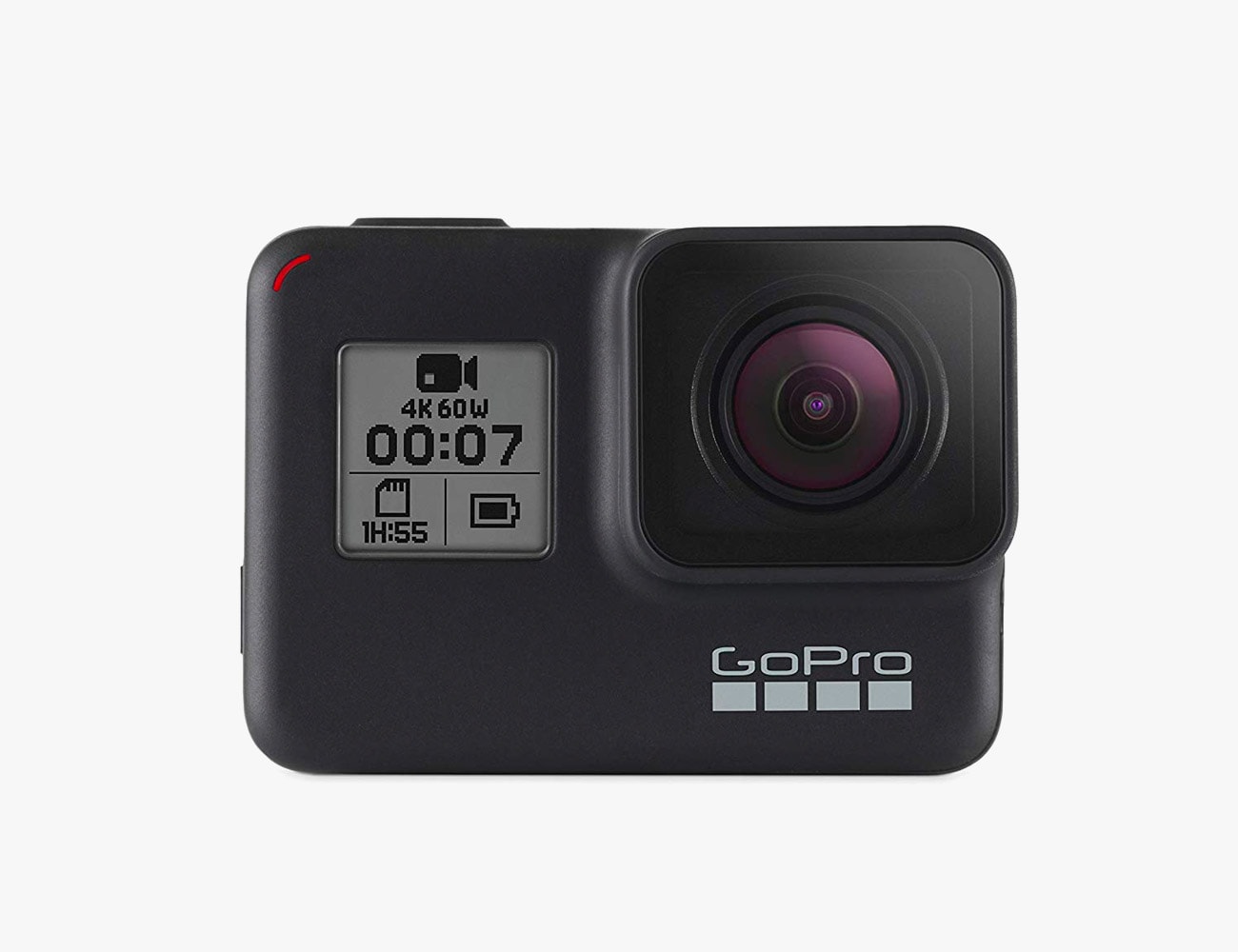
Cameras don’t come much more powerful, compact and rugged than the ones GoPro has pioneered. The latest model, the HERO7 Black, is GoPro’s most advanced camera yet. The development of HyperSmooth technology is a pivotal evolution of stabilization for these robust cameras — mimicking a gimbal grip, it essentially means the end of shaky video footage. Add in the signature waterproofness and durability and it’s easy to see why the HERO7 Black is the optimal camera for any on-the-go activity. Learn more here.

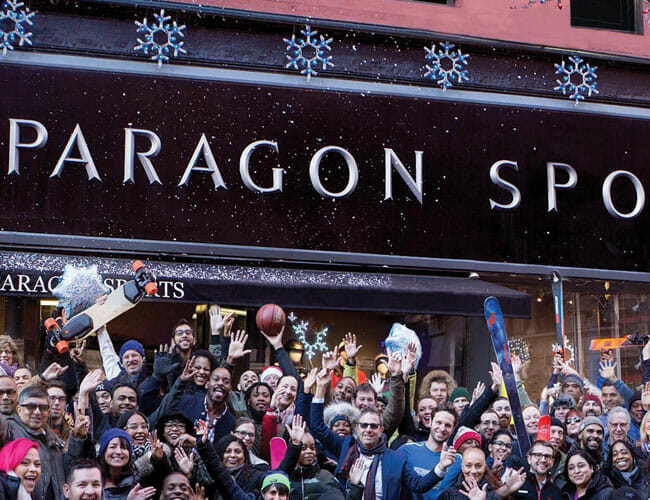
Paragon Sports

New York, NY: The Big Apple doesn’t have many local ski hills nearby (other than often-frequented Hunter Mountain), but it is a few hours’ drive from Vermont’s famed resorts, and a flight away from anywhere else in the world. Skiers live in New York too, and if you’re in need of a new pair of boots, skis or a fresh tune, this is the place to go.

867 Broadway ⇱ | (212) 255-8889

The Mountaineer

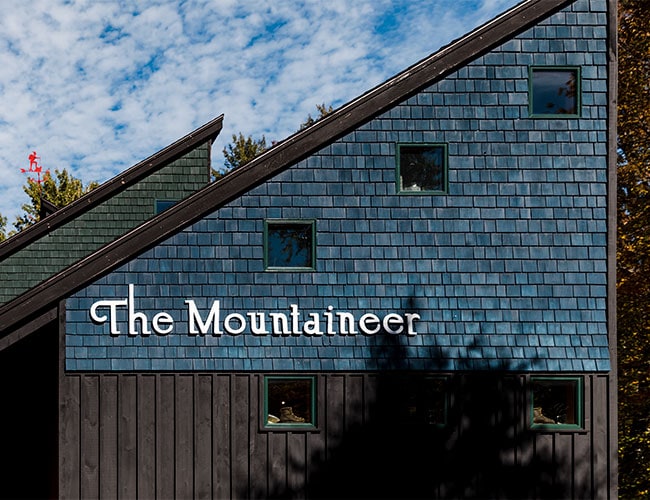
Keene Valley, NY: This family-operated sporting goods shop opened in 1975 and has been serving the greater Adirondacks region ever since. (The Mountaineer’s bandana has been to the top of each of the Adirondacks’ 46 high peaks, as well as the Seven Summits.) It sells outdoor equipment for all types of outdoor activities — from hiking and camping to fly fishing and ice climbing — but is notable as one of the region’s few purveyors of backcountry skiing gear.

1866 NY-76 Scenic ⇱ | (518) 576-2281

Crows Feet Commons

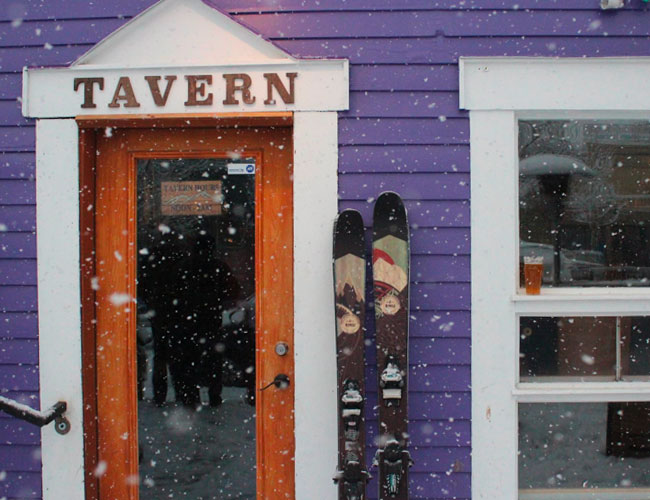
Bend, OR: On the banks of the Deschutes River in downtown Bend is Crows Feet Commons, a ski shop that summers as a bike retailer. But it isn’t just products from DPS, Black Crows and 4FRNT that make this store a draw — it’s a continually rotating beer list and premium coffee from Stumptown (brewed in a La Marzocco espresso machine), which make it an ideal location to hang.

875 NW Brooks St. ⇱ | (541) 728-0066

Tactics

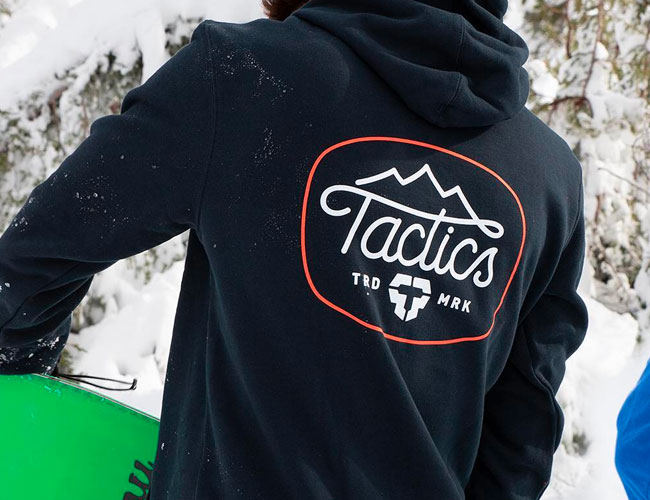
Eugene, OR: While Eugene, OR is more commonly known as Track Town, USA, there’s a store where snowboarders and skateboarders will find their crew. Since 1999, Tactics has worked tirelessly to stoke the people of Oregon. The independently owned and operated shop dropped its base directly in between the ocean and the Cascade mountains, so there’s no shortage of outdoor activities to be had. Shop skate and snowboard gear, alongside clothing and accessories. Whether you need a new Burton base layer, Union bindings or a 686 jacket, Tactics sells over 300 different brands. The friendly staff earns rave reviews online for their stellar selection of decks, shoes and hardware.

375 W 4th Ave. ⇱ | (541) 349-0087

The Boot Pro

Ludlow, VT: Situated at the bottom of the mountain access road, Boot Pro was founded by an area local named Shon Racicot, who grew up working in ski shops. Boot Pro recently doubled its size and is the go-to resource not only for racing equipment but also touring gear, which is less common on the East Coast as it is out west.

44 Pond St. ⇱ | (802) 228-2776

The Startingate

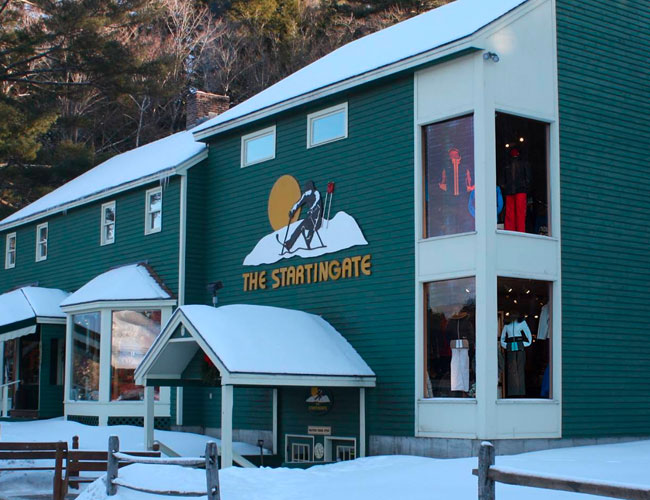
Bondville, VT: A quarter mile from Vermont’s ninth-tallest mountain, and one of the southernmost ski resorts in the state, Stratton, is The Startingate. The store has been family run for four decades and fuels the local race community with curated goods from brands you won’t find at the shops directly at the base of the mountain, including Atomic, Fischer and Mons Royale.

1011 VT-30 ⇱ | (802) 297-1213

Evo

Seattle, WA, Portland, OR, Denver, CO: Evo is all actions sports: skiing, snowboarding, mountain biking, surfing, skateboarding — and on and on. Despite that the company does most of its business online, Evo has three destination-worthy stores in Seattle, Portland and Denver. Its flagship Seattle location houses a skatepark in the basement, and all of the stores function as community spaces for art exhibitions, fundraisers, film premiers and more.

Seattle: 3500 Stone Way N ⇱ | (206) 973-4470
Portland: 200 SE Martin Luther King Jr Blvd. ⇱ | (503) 972-5850
Denver: 860 Broadway ⇱ | (303) 831-7228

Nomad Sports Shop/The Mudroom

Teton Village, WY: These two affiliated shops are the last privately-owned establishments in Teton Village, the town that lies at the base of one of North America’s best-known ski resorts, Jackson Hole. They’re both run by Gov Carrigan, a local legend and the former manager of the now-shuttered Pepi Stiegler Sports. Both shops offer top-notch service — from pro-quality tuning to expert boot fitting — in an atmosphere that might be misconstrued as luxury if the local staff weren’t so approachable. Plus, they have a curation of goods from brands you won’t find in any other shop in town.

3255 Village Dr. ⇱ | (307) 733-6838

Adidas Teams Up With Eddie Huang on This All-Red Ultraboost

The Magazine

Let us take you on a journey of the world. Each issue of the Gear Patrol Magazine comes packed with adventures, guides and stories exclusive to the magazine. Stunningly designed, printed on high quality stock and ready for your coffee table. Biannual. $39.

The Newsletter

Get GEAR PATROL in your inbox with the DISPATCH, including Today in Gear and all our new stories. Daily, 5pm. Free.

Snag Jeremy Collins’s Artwork on This New Rumpl Blanket

Rumpl makes some of the best camping blankets available. The brand has figured out precisely what hikers, climbers and adventure-seekers want in a blanket for the backcountry: lightweight, compact and water-repellant. The brand has done notable partnerships with unique designers and makers such as the Vanish-collab and Iron & Resin-collab. Its most recent collaboration, called the Puffy Down Blanket – Jeremy Collins, showcases artwork by Jeremy Collins, founder of Meridian Line and author of Drawn: The Art of Ascent. The Puffy Down Blanket is the first of three in an artist series cheekily known as the BLANK[ET] Canvas line, available in their premium puffy down blanket. To complete this series, Rumpl looked for artists who use diverse mediums (like Collins’s ink drawing) to document their discoveries.

Collins’s blanket features a drawing of Mt. Whitney, a mountain that has always fascinated him and which he’s already summited twice. On his most recent trip, a large and unusually shaped rock, known as the Shark’s Fin, in front of Mt. Whitney caught his eye. The contrast of the rock in front of the tallest mountain in the continental U.S. sparked inspiration, and Collins sat down to draw. And, viola, the art for the Puffy Down Blanket was born.

This Is the First Time We’ve Seen This Tech in Skis

Outdoor Retailer and Snow Show, the biggest outdoor and snowsports event of the year, is happening now at the Colorado Convention Center in Denver, Colorado. We’ve got a team on the ground, there to bring you news about the most exciting new product releases. Follow our coverage here, and also be sure to check us out on Instagram. We’ll be posting exclusive images and interviews to our feed throughout the week.
Key Specs:
Brand: G3
Model: Findr
Price: TBD
Availability: October 2019
Unique Features: magnetic contact points

Upshot: G3 (Genuine Guide Gear) introduced the Findr in 2016 as a lightweight ski that can handle bit climbs without sacrificing performance on the descent. In 2019, the company is making the ski lighter and including a significant feature that, as far as we know, is showing up in skis for the first time: magnets. The magnets are embedded in the tips and tails of the skis with the goal of making shouldering a pair of skis during a hike a more comfortable and more secure process.

Who It’s For: Backcountry skiers.

Insight: Carrying skis sucks. Look at the base area of any resort, and you’ll know this to be true, based on the number of people struggling with the task. Imagine adding a fully-loaded backpack to the equation and swap the flat lift base area for a steep ridge with cliffs on either side — this what the new Findr is built for. Most backcountry skiers and ski mountaineers carry straps with them to make the job secure, but the inclusion of magnets is a welcome backup. The new tech would benefit resort skiers, especially beginners, but the Findrs are explicitly touring-specific. If the tech proves to function as promised, we expect it to show up in other crowd-pleasing models.

More from Outoor Retailer Snow Show 2019

See more of our favorite new releases from Outdoor Retailer and Snow Show. Read the Story

These New Travel Pouches Are Incredibly Innovative

In a way, “travel essentials” is a debilitatingly general term. Nearly every brand makes an array of pouches, Dopp kits and tech pouches, but they’re usually somewhat of an afterthought, a means of filling in a category. That’s not how Nite Ize is approaching its new RunOff Collection, a series of pouches and cubes that integrates a new zipper technology that has implications far beyond these items.

Nite Ize’s new zipper is called TRU Zip. It’s completely waterproof — not just water-resistant, as many zippers billed as “waterproof” are — and doesn’t use the teeth that have defined what we think of as zippers for the last 125 years. The zipper closes with a design reminiscent of a Ziploc bag but is much stronger — strong enough to stand on one of the packing cubes without the zipper bursting. The RunOff Collection includes two packing cubes, a wallet, a phone pocket, a tech pouch, a toiletry bag, and a hardshell case. TRU Zip’s applications extend beyond these items though — we expect the new zipper could show up in everything from duffels to outerwear.

The 10 Best Products We Saw at Outdoor Retailer

Since 1936 Hestra has been making some of the best leather gloves and mittens in the world. Based in Sweden, the brand designs insulated dress gloves, motorcycle gloves, skiing gloves and as of Outdoor Retailer, snowboard-specific gloves. The Freeride CZone is warm, water-resistant and flexible, making them perfect for snowboarding. Hestra tapped Chris Rogers, AASI national snowboard team member to test out the new trigger gloves. He loves the update with CZone membrane construction, Wolf Paw reinforcements, and special cuffs that help with wrist mobility. Look for them this fall for $160.

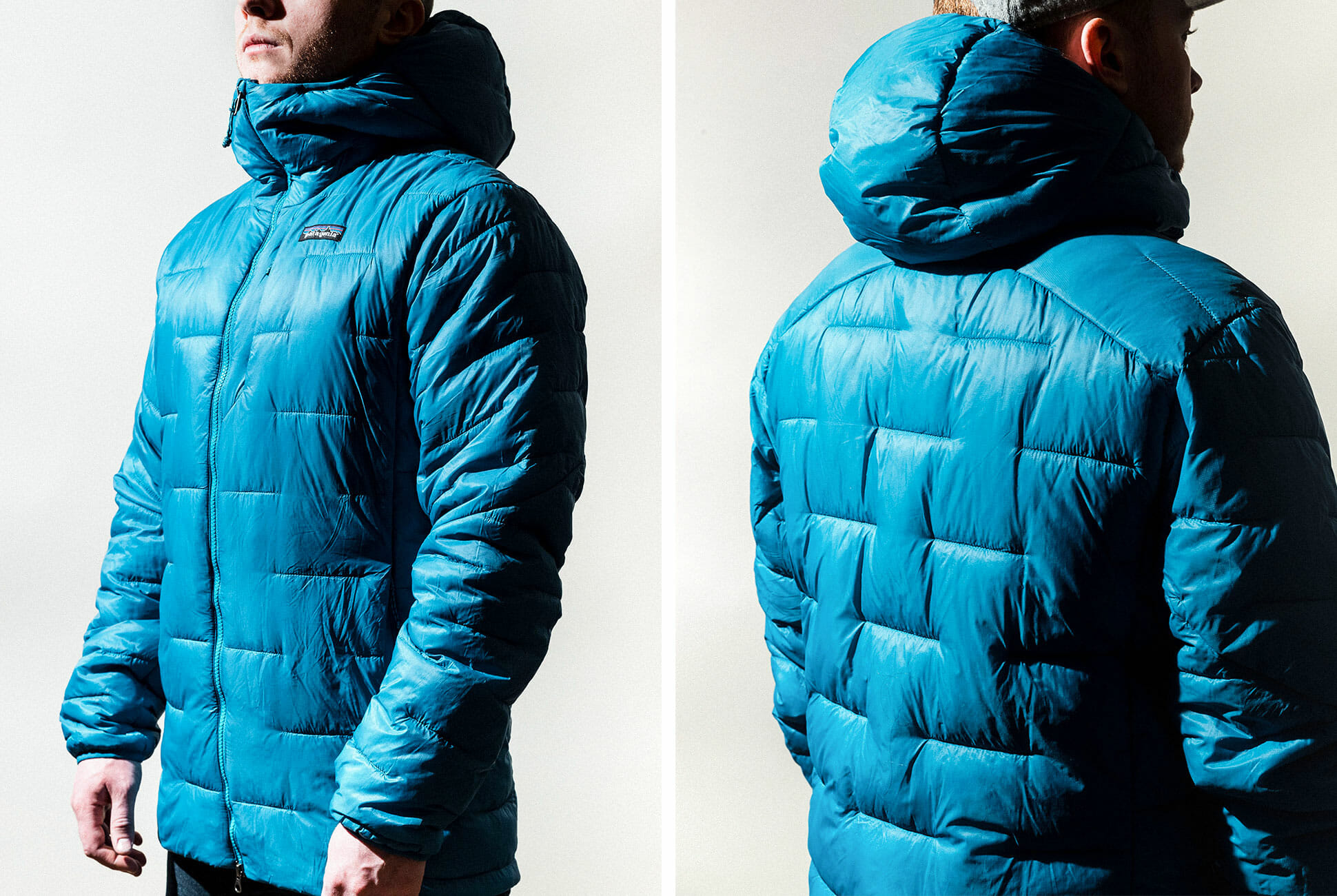
Patagonia Macro Puff


Patagonia brought synthetic insulation as close to matching the performance of down as we’ve seen yet when it released its Micro Puff Jacket in fall 2017. The key to that success is PlumaFill, an insulation that’s made up of down-mimicking polyester fibers secured together in one continuous, fluffy line. It made the Micro Puff remarkably warm for its weight. In 2018 Patagonia followed the release with the waterproof Micro Puff Storm, and for 2019 it’s releasing a thicker, warmer version called the Macro Puff. Warmth isn’t the only element that makes the Macro different than the Micro though — it’s longer, which makes it less performance-oriented and perhaps better suited for everyday wear in cold towns and cities (as well as off the grid).

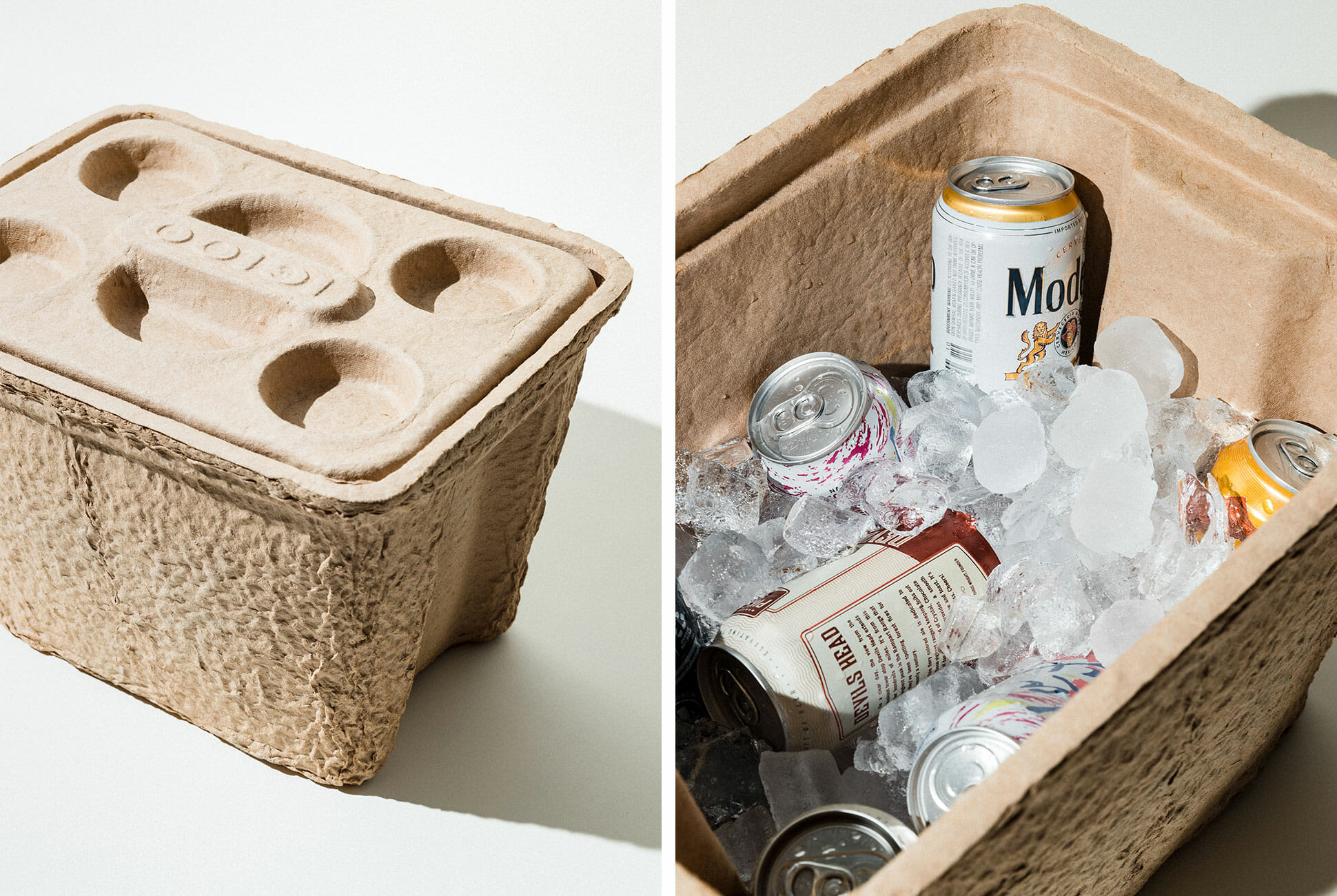
Igloo Recool Biodegradable Cooler


Igloo has been a pillar in the cooler world long before Yeti came to be. If your childhood involved a Playmate cooler, you are a part of the Igloo team. While the brand has grown and changed with time, we’re pretty excited about the cheap cooler the brand just dropped. The Igloo Recool cooler ($10) is biodegradable, reusable and holds up to 20 cans. While this likely won’t be the best cooler of the year, it is a huge step toward eliminating styrofoam single-use coolers that are found at grocery stores and gas stations. As more and more cities ban styrofoam (New York, Los Angeles, San Francisco, and Seattle), the Recool cooler might just become the new standard.

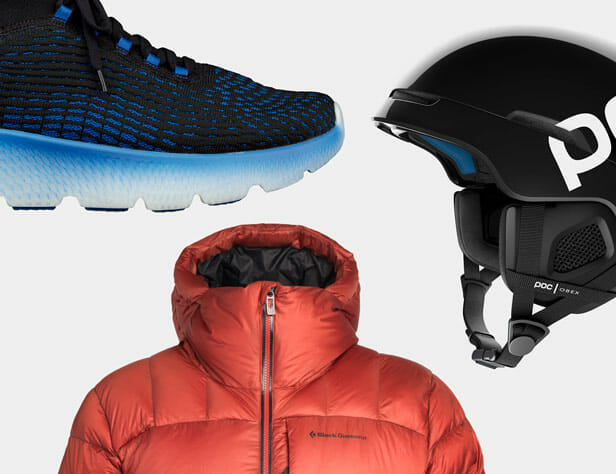
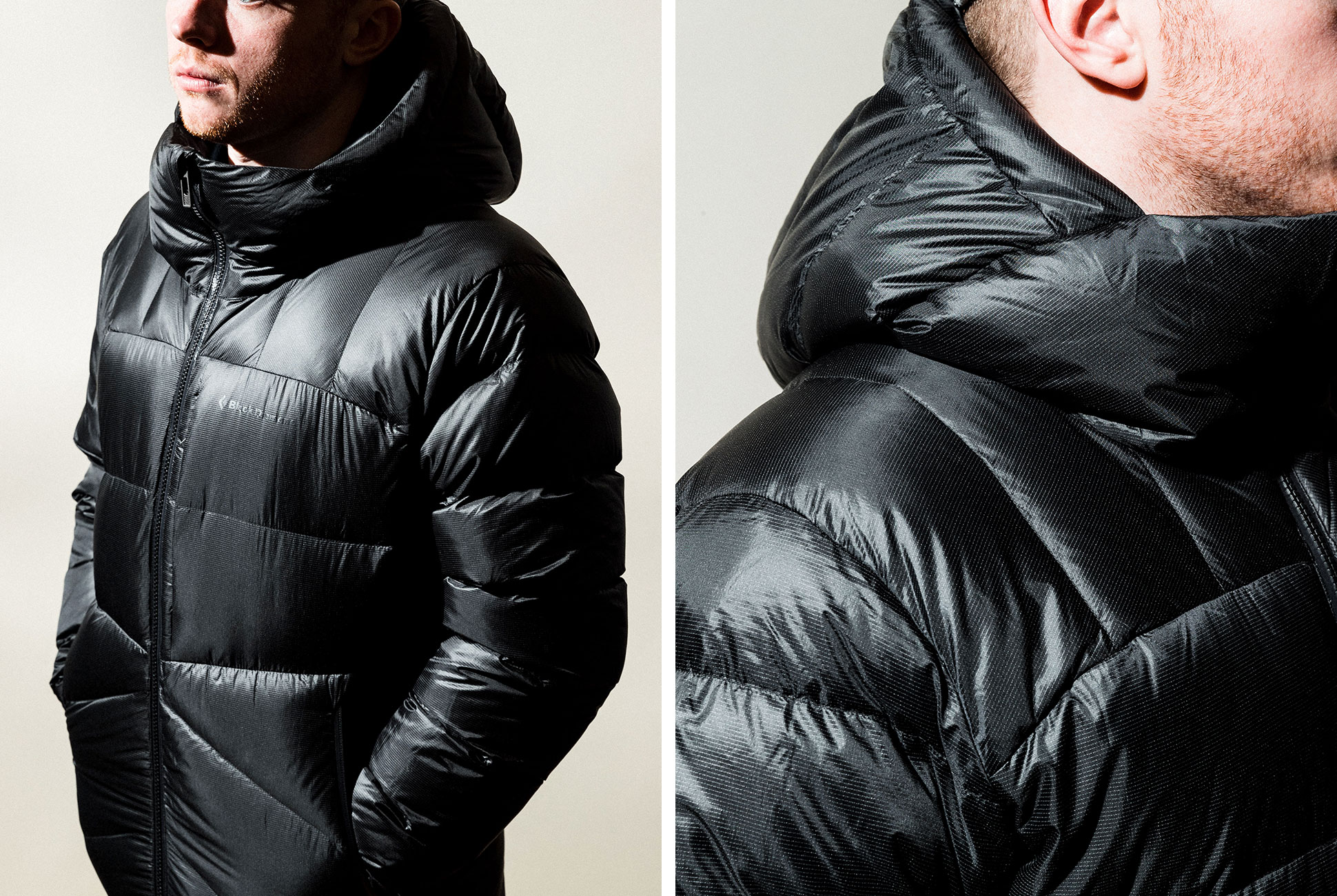
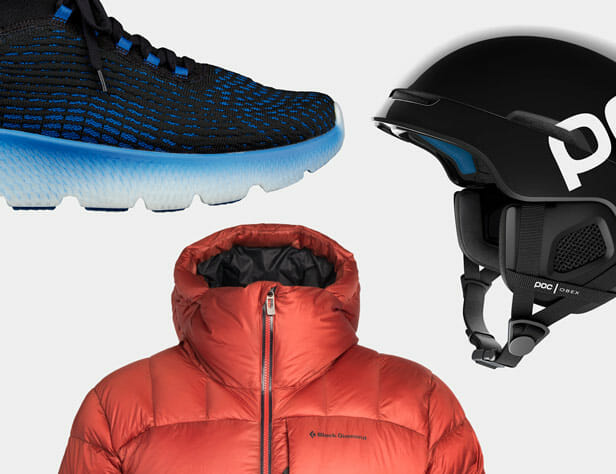
Black Diamond Vision Down Parka


Down jackets have been a cornerstone item for any outdoor kit since the 1930s. While the concept hasn’t changed — to create an extremely warm, lightweight and packable layer — they’ve undergone a lot of changes in the decades since. This year, Black Diamond’s Vision Down Parka is the one to get excited about. With a full fill of 800-fill, moisture-resistant down, it’s the warmest insulated jacket the brand has made yet. It includes gusseted arms for an increased range of motion and six pockets.

But the coolest thing about the Vision is its proprietary shell fabric, which is made in Japan with a liquid crystal polymer that makes it incredibly tear-resistant. It’s so hard-wearing that Black Diamond’s factory could barely cut it. The Vision applies to activities other than climbing too — a jacket this warm and durable is ideal for hiking, camping, skiing and casual wear also.

POC Obex SPIN


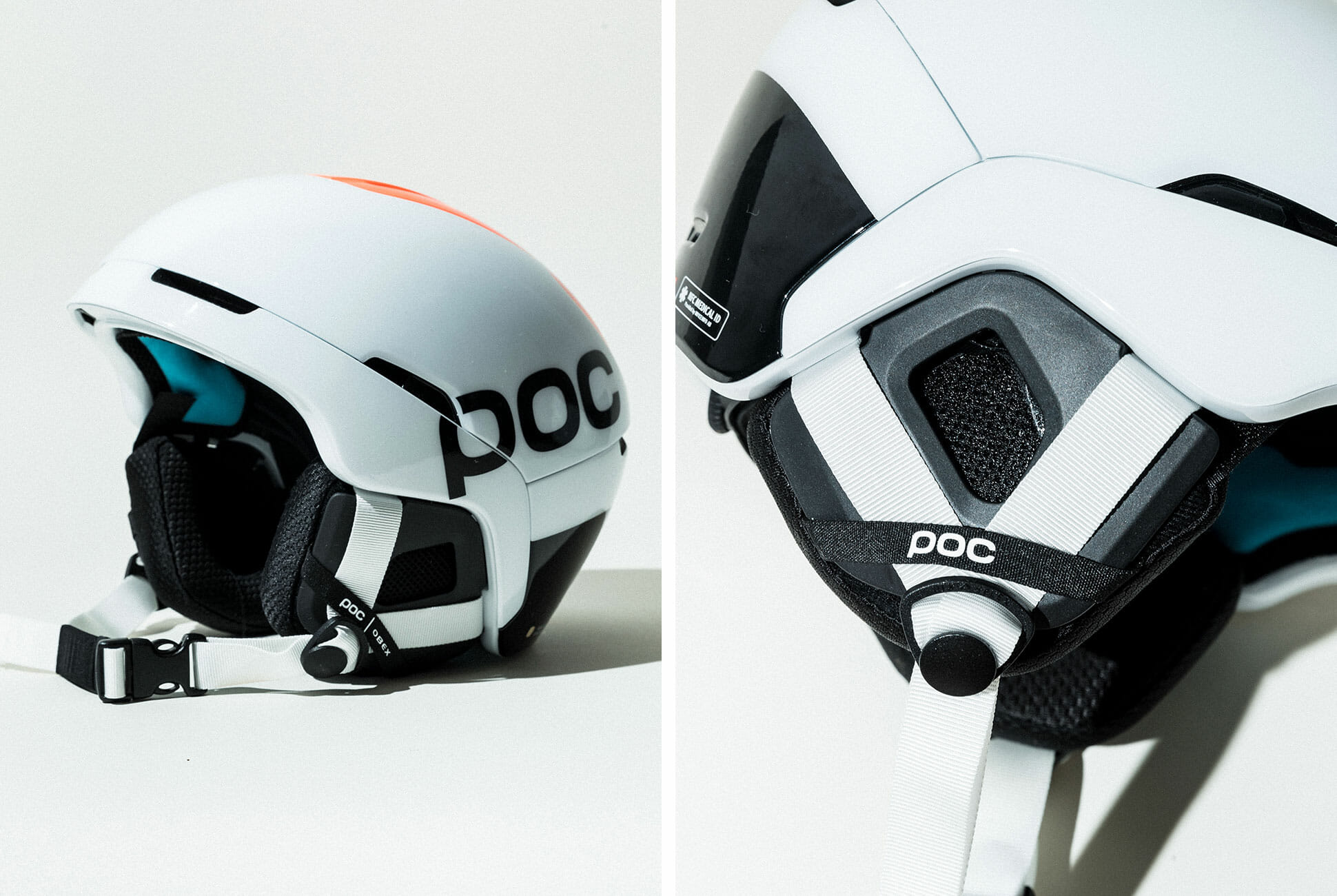
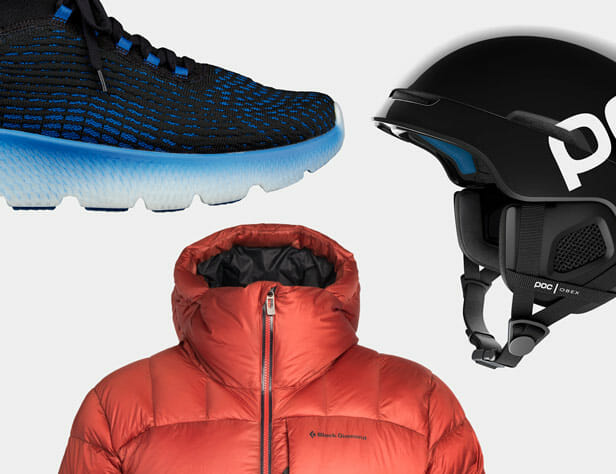
After an emergency occurs, responders have a set window of time to get to the incident and rescue those involved — otherwise known as the Golden Hour. It’s a race against the clock. POC Obex Backcountry SPIN is ideal for backcountry skiers and snowboarders thanks to its Near Field Communication (NFC) chip coordination. Just upload your health information (medicines, blood type, allergies) to the My Ice Info AB app and anyone with a smartphone (and the app) will be able to access it, making rescuers’ jobs easier. If someone is injured, the chip will enable the helmet to talk for you. It will be out in September for $250.

K2 Mindbender


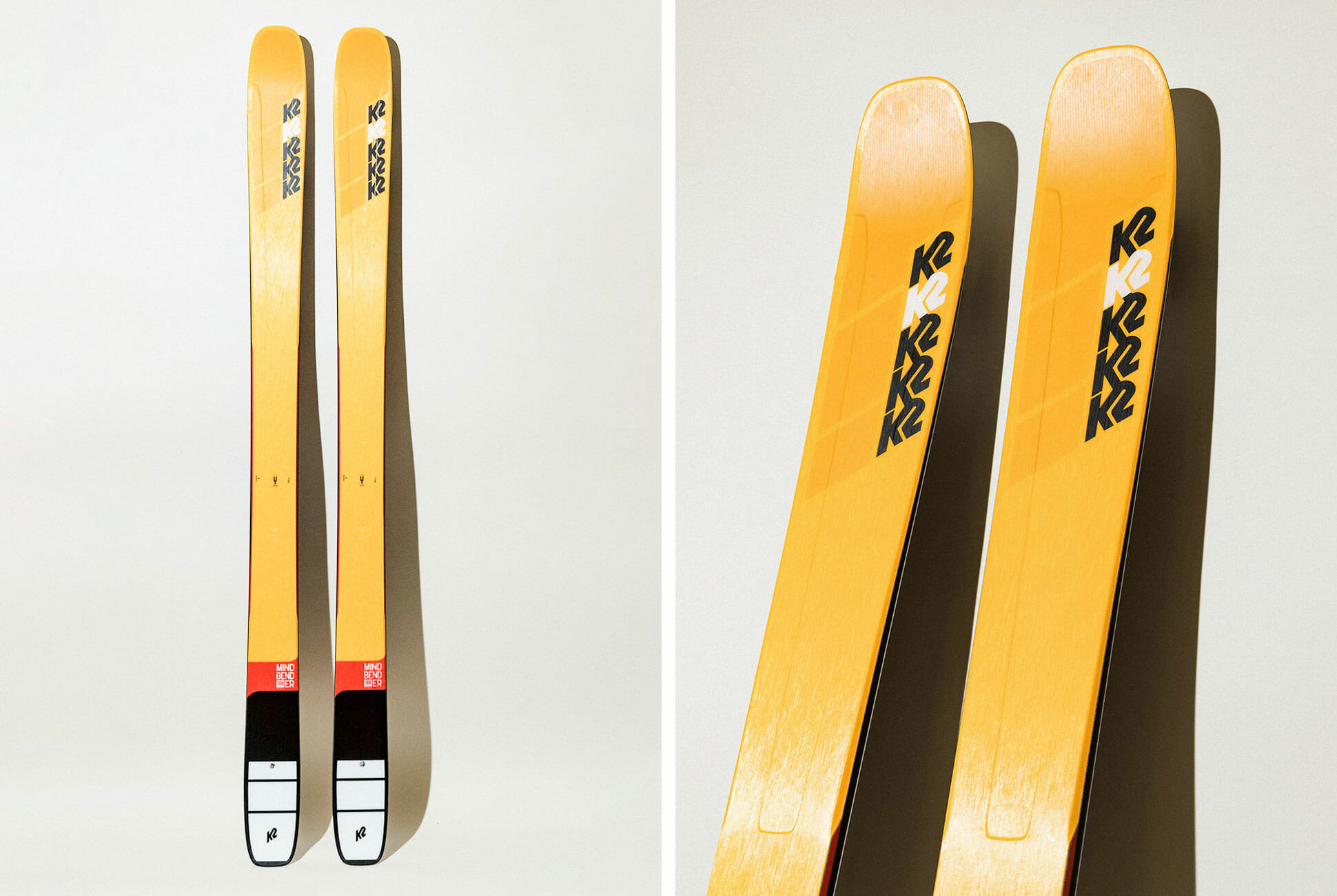
After some recent business turbulence, K2 showcased an entirely remade line of freeride skis called Mindbender. And while nearly every ski brand at Outdoor Retailer Snow Show 2019 exhibited skis with slight variations for the coming year, K2 was the only one with a completely new collection. The Mindbender skis range in size from a 116-millimeter waist width for deep snow to 85-millimeters for bulletproof groomers and focus on torsional (lateral) rigidity while maintaining tip to tail flex. Take it as a signal that the brand is remaking itself through its core product: skis.

Airblaster Ninja Suit Pro


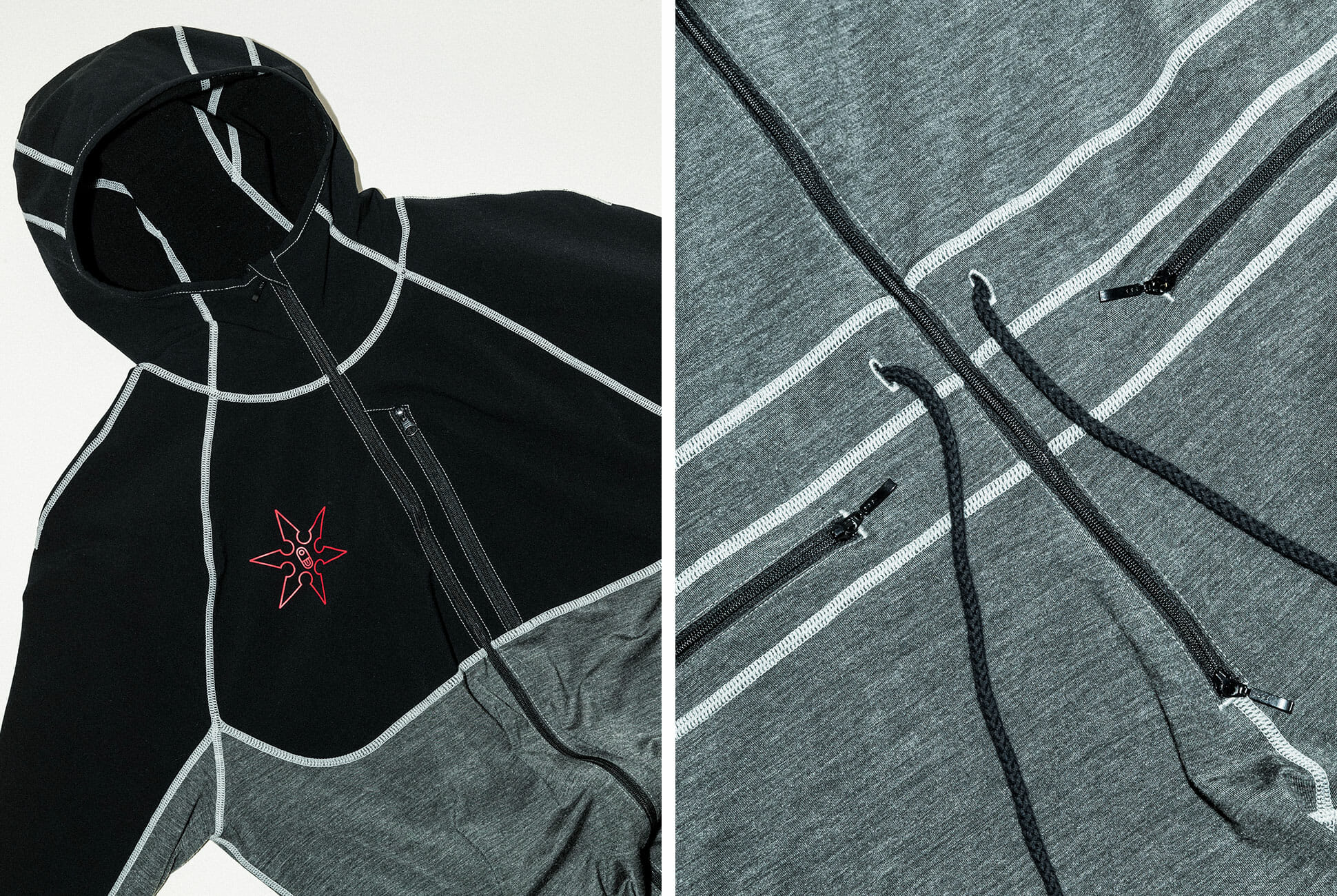
The Ninja Suit Pro is your one-stop shop for a winter base layer top and bottom. It’s a full body suit made from four-way stretch merino blend complete with a hood, thumb holes and a just the right amount of pockets. The drawstring waist keeps the suit in place, while the 350-degree waist zipper allows you to use the bathroom without having to take off your jacket. It comes in this all grey as well as a black and marine blue combo.

Weston Carbon Backwoods Splitboard


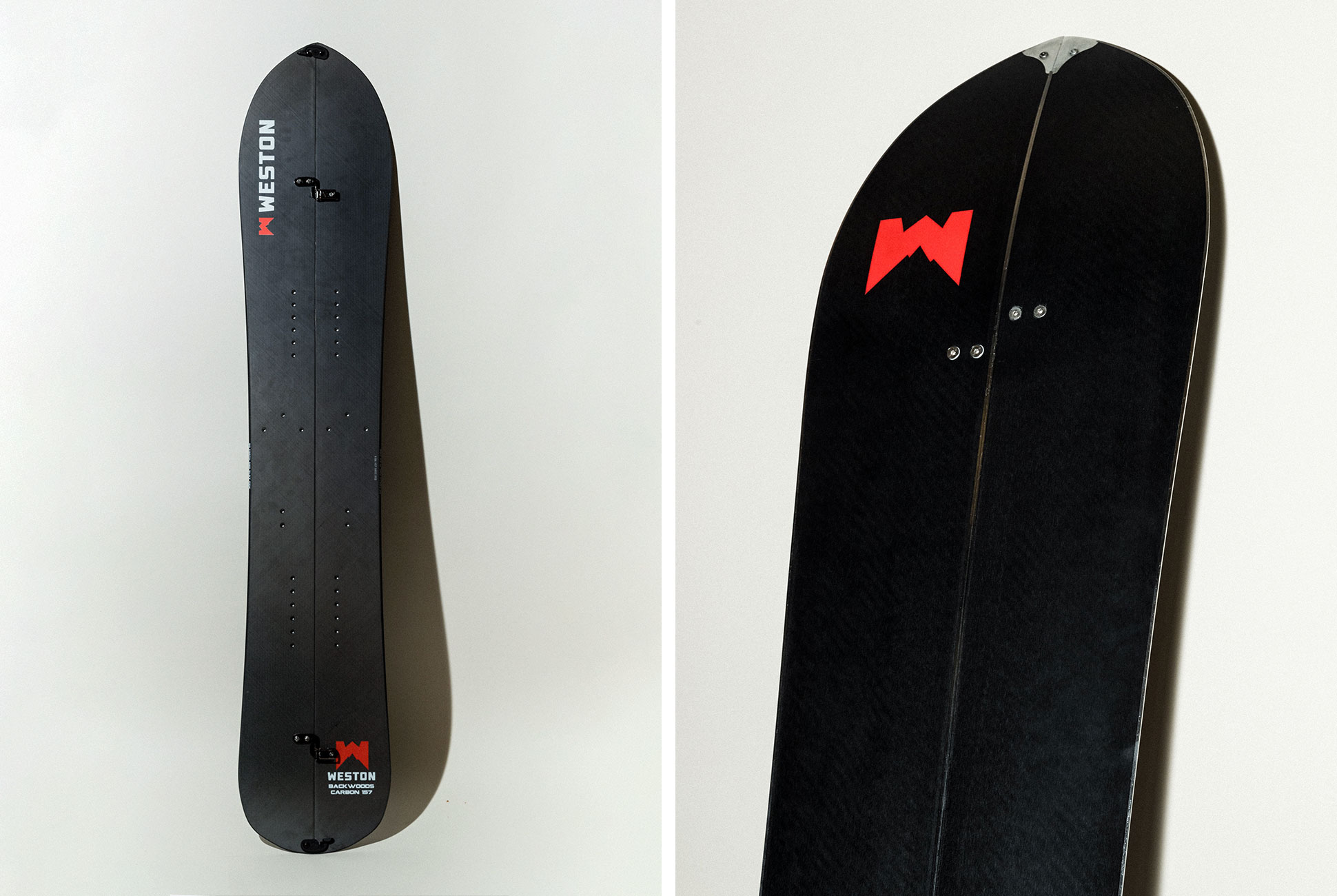
The Carbon Backwoods Splitboard comes pretty damn close to being the lightest splitboard on the market at 5.84 pounds. But, being the lightest wasn’t their goal. “We wanted to shave weight because that’s the main concern with backcountry travel, but we didn’t want to compromise durability,” said Weston’s marketing manager, Sean Eno, of the carbon fiber board. Based on their best-seller, the Backwoods Splitboard, the new model is 1.3 pounds lighter and combats chatter inherent to carbon with aluminum stringers. It’s also smartly cambered underfoot to maximize contact area with the snow during skinning for better grip. And, we’re applauding the price: it’s at least $300 less than the competition at $1,099.

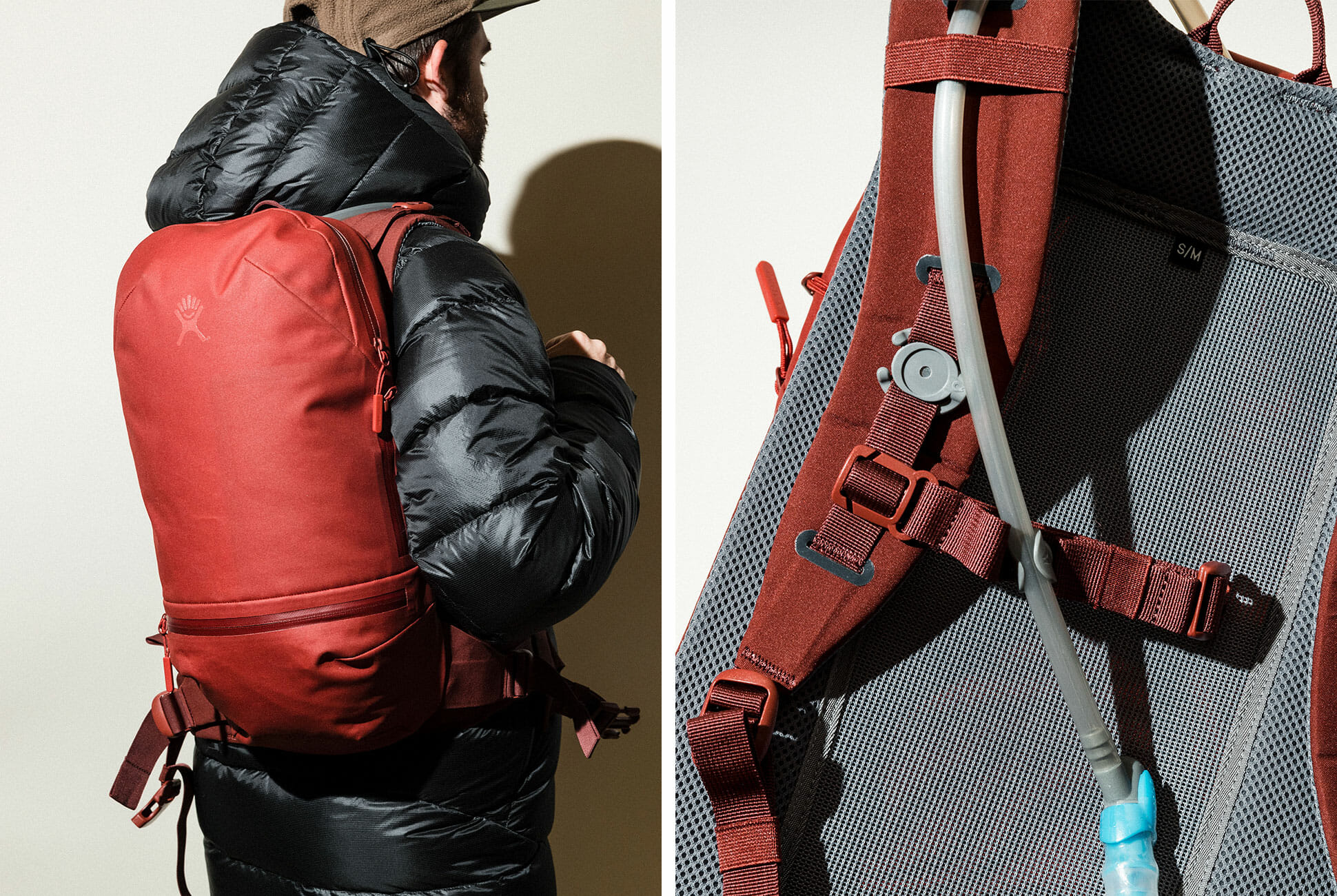
Hydro Flask Journey Series


We tested the 20-liter hydration pack in a Flywheel class in Denver and were impressed with its comfort and ease of use. While we wouldn’t recommend it for an indoor cycling class, our team has a feeling this new backpack will shine on the hiking and biking trail. The 10- ($165) or 20-liter ($200) packs will keep water cold for up to four hours. Hydro Flask cut its teeth on insulated water bottles, mugs, growlers and then soft-sided coolers; now it’s tackling the backpack and hydration pack market. Check these out starting this April.

While a select few pieces below are available for purchase now, most of the gear featured here will be available for purchase in 2019.

The Best Handmade Skis and Snowboards for Small-Batch Shredding

From Issue Five of Gear Patrol Magazine.

Before multimillion-dollar corporations and factories spanning acres, there were unyielding makers and dim workshops. Production and design were guided by how a ski or snowboard felt cutting through fresh snow, not how well a carefully formatted spreadsheet could expand a bottom line. As with craft beer, ski and snowboard manufacturing is going back to its small-batch roots. Small is better. Small means wide noses and swallow tails, artist-drawn graphics and wood veneers. Small means the people building the boards also ride them. The trend isn’t unique to one place; cottage makers from Japan to the Rocky Mountains to New England are proving that hands are just as deft as machines.

Skis

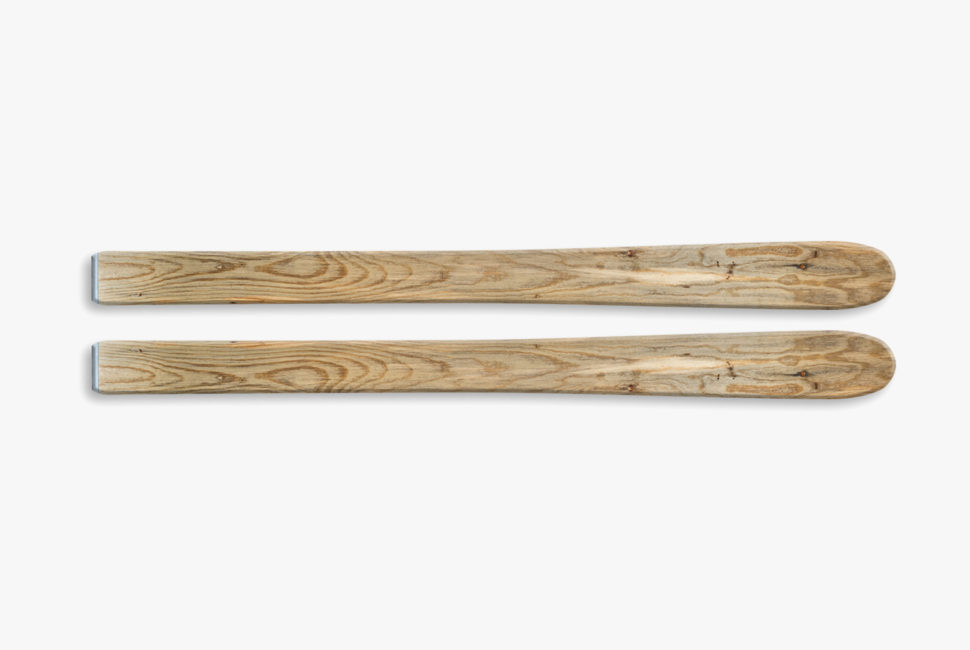
Igneous Raglefant 114


Before designing and building custom skis in Jackson, Wyoming, Mike Parris worked to develop extraplanetary rover technology as a robotics engineer. Prototype testing stints in Antarctica and the Atacama Desert left Parris craving mountains, and he was constantly drawn to the Tetons, where longtime friend Adam Sherman had founded Igneous in the early 90s. When Parris signed on, his instinct was to automate ski production — until he got back to working with his hands. Every pair of fully custom, wood-veneer, handmade skis that comes out of the Igneous shop is designed in a highly personalized process that, if he has his way, involves making fresh turns with Parris.

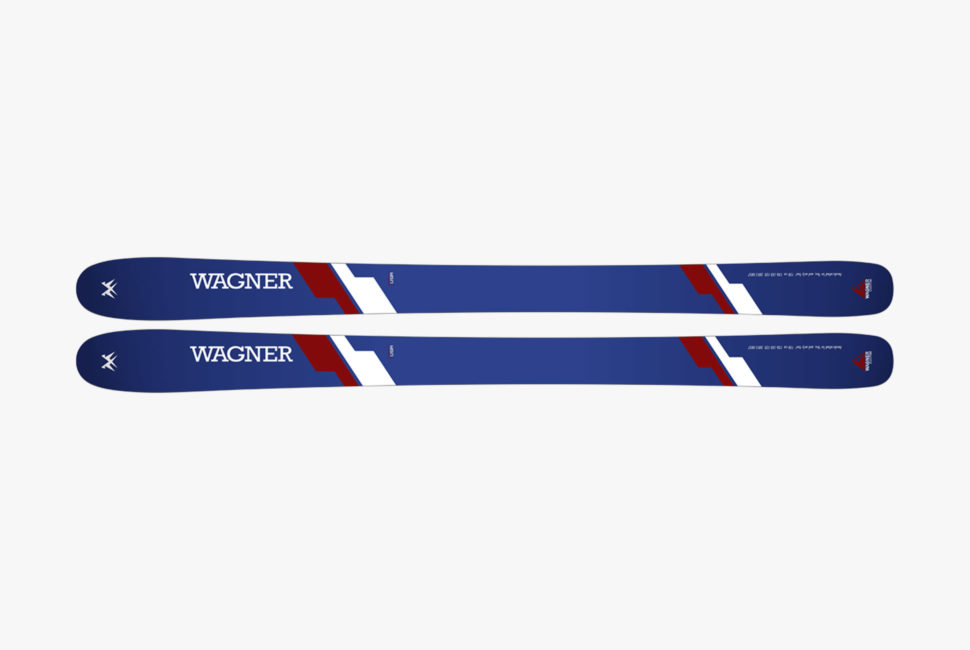
Wagner Custom


At the core of Pete Wagner’s award-winning custom skis is a mathematical formula: one that balances a skier’s physical dimensions with their subjective skiing preferences, resulting in a never-repeated one-off ski design. Machines precision mill twin ski cores from a single raw block of wood, but it’s Wagner’s hands that do the real building in a workshop just steps away from the ski lift in Telluride, Colorado. The intensive process — from questionnaire, to one-on-one interview, to ski build — takes only three weeks.

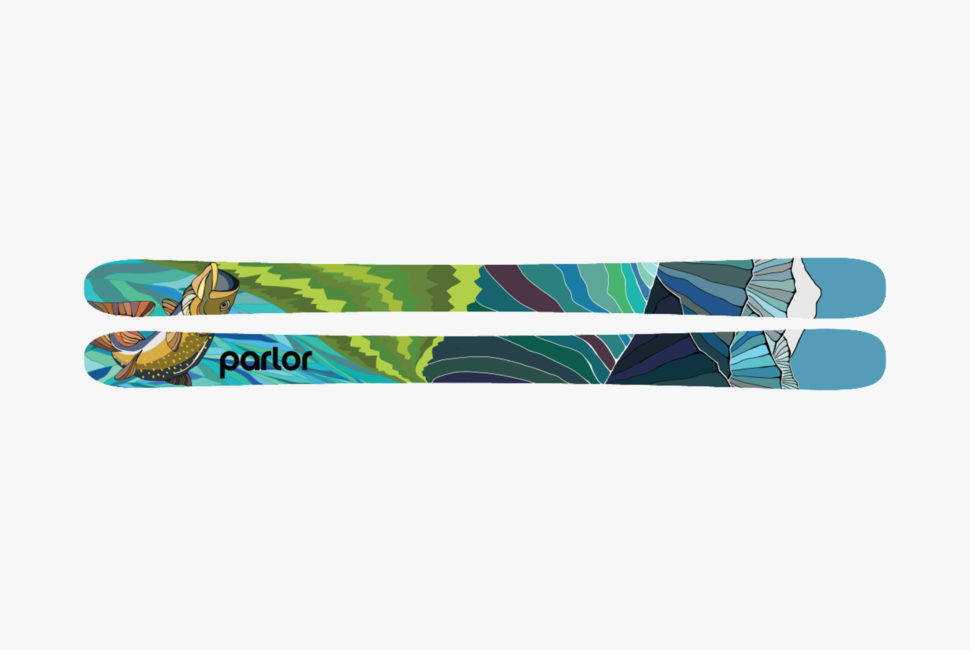
Parlor McFellon Pro


Despite famously unfavorable conditions, New England has been a focal point in the development of skiing in North America, and it’s the region’s largest city that Parlor calls home. Founded in a funeral parlor (hence the name) in Boston’s East Cambridge neighborhood by a cohort of diehard ski racers, Parlor applies the construction of high-end race skis to progressive, all-mountain geometries to develop its fully custom line. The small operation allows the team to continuously experiment with new shapes and materials, work individually with clients on every pair and connect them with designers to create unique one-off graphics.

Snowboards

PowderJet Snowboards Custom


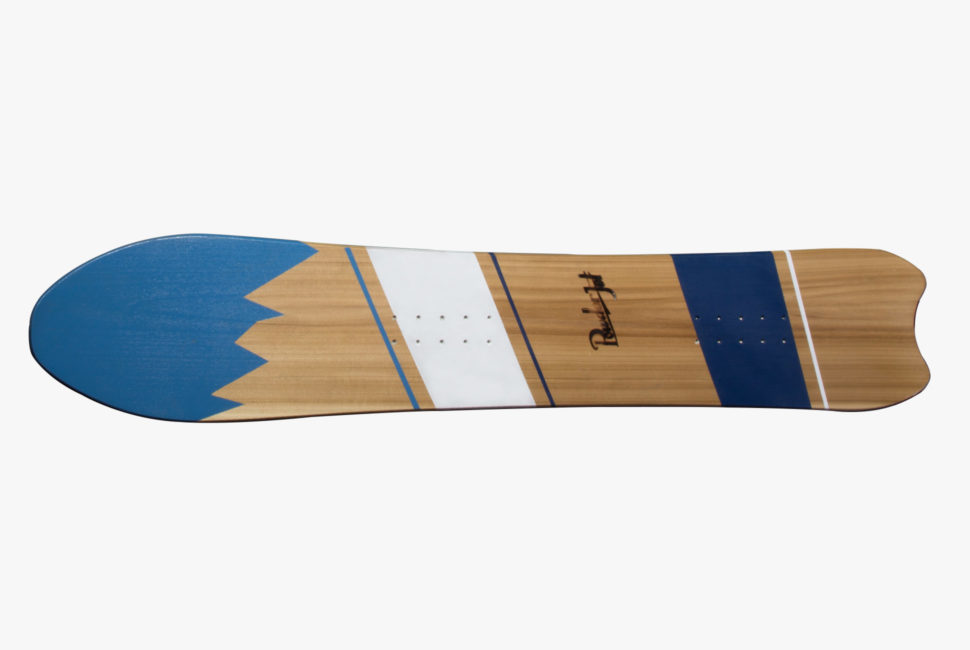
PowderJet is the brainchild of Jesse Loomis, who builds snowboards in his southern Vermont workshop not far from the barn where the modern snowboard was conceived by Jake Carpenter back in the 1970s. After a fruitless search for a snowboard with a classic surf-inspired shape that could float in deep snow and navigate the thick New England trees, Loomis took it upon himself to build the perfect New England sidecountry board. Thus, PowderJet was born. That was in 2009, and since then, Loomis has expanded the woodshop brand with more than 24,000 custom snowboard possibilities (each built from poplar and maple) and a build-your-own workshop series.

SnoPlanks Snogun


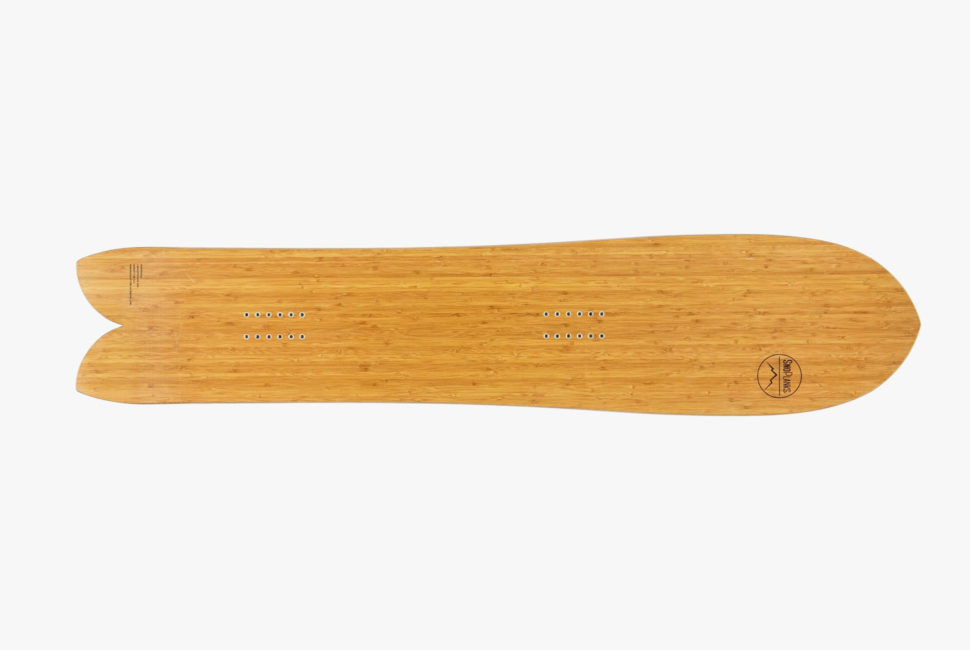
James Nicol was raised in Oregon, but it took a ten-year hiatus in San Diego, along with a headfirst dive into surfing and surfboard shaping, to inspire the creation of SnoPlanks — the company he now operates in the mountains of his home state. Nicol and his co-founder, Ryan Holmes, spent five years tinkering and testing before finally settling on the bamboo, carbon fiber and fiberglass layup that the brand launched with in 2014. SnoPlanks’ surf-inspired shapes, with their signature bamboo veneer topsheets, are always handmade; the process is as valued as the final product that comes out of the press.

Gentemstick XY


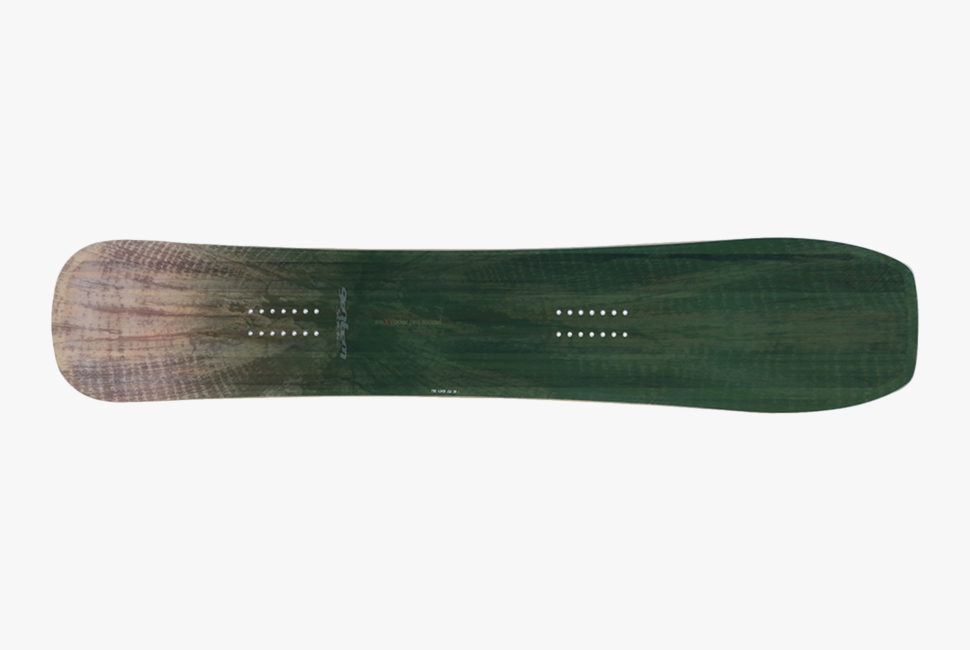
Taro Tamai witnessed the homogenization of snowboarding as the sport gained popularity in the 1990s, and he did something about it. He looked back to classic shapes; he looked to his other passion, surfing, to glean inspiration; then, he took to the circular saw to build his own boards. Tamai’s boards are meant to flow with the mountain, not dominate it. And they’re truly unique; a Gentemstick is more likely to have a square tip and a halfmoon tail or a wide nose with swallowtail fins than anything rounded or symmetrical. They’re shapes that foster a more creative approach to what Tamai refers to as snowsurfing.

5 Reasons to Try Meditation This Year and The Gear You Need to Get Started

Meditation has been around for thousands of years, but in the past few years, its popularity has skyrocketed — mostly due to its far-reaching benefits. Meditation is basically like the gym for your mind. Athletes like LeBron James and Stephen Curry turn to meditation to help them find their focus and excel at their jobs. Mindfulness and meditation isn’t all woo-woo, studies have shown that meditation helps you come up with more creative ideas and improves your sleep — helping you to attack issues that need addressing as opposed to running in circles trying to put out a million fires. It also has been shown to increase your self-awareness, which allows you to take a step back from anything negative and look at a situation objectively. Long story short, it’s the five-minute a day habit that might just help you eek out that personal best in the 5K as well as help you get ahead in the boardroom.

If meditation sounds too “new age” to you, Jesse Israel, the founder of The Big Quiet, gets it. Israel hasn’t always been an avid meditator (twice a day for those who wonder), but found himself Googling the term back when he graduated college. “I was running a record label and managing the band MGMT when I was in my early 20s. I was experiencing pretty debilitating anxiety and having panic attacks,” Israel shares. As a young guy living in New York City, he started looking around to see what he could do to better manage the mental and emotional challenges that his day to day life caused. To better understand the practice, Israel went all in — he took classes at Shambala for about nine months before discovering a mantra form of meditation that he enjoyed more.

In an attempt to let other people in on the secret, and bring meditation into the more mainstream, he founded Medi Clubs, intimate groups where the attendees share in meditation practice, and then in 2015, launched The Big Quiet. It’s pretty much just what it sounds like, but not as quiet. “It brings thousands of people together for mass meditations and rare performances at some of the most iconic places in the world,” Israel says. “I usually highlight Madison Square Garden, the top of the World Trade Center and under the blue whale at the Museum of Natural History. It’s really important for us to create accessible ways of experiencing meditation and doing it in ways that actually feel relatable, exciting and social.” The Big Quiet wants to attract the people that meditate every day as much as it does the people who turn their nose up at the first sign of humming in tandem. “We never push meditation onto people. It’s always, ‘This is something we’re doing and if you want to come be a part of it, we’d love to have you.’”

In light of the New Year and the renewal that comes with that, we chatted with Israel about easy ways to get started with meditation and why he thinks it’s the key to help you get ahead in your career.

Let go of what you think mediation looks like.

“I really encourage people to let go of the expectations that they may have around what meditation is and how they do it,” Israel says. “What I see so often is people go, ‘I can’t meditate. My mind runs and races too much.’ And I always remind people that all of our brains do that.” There are many different approaches and types of meditation, so if you try one kind and hate it, look for another type. “Drop the expectations.”

Start with your feet.

Meditation doesn’t have to be complicated. “Pretty often in conversation or in meetings where I don’t find myself super engaged with the conversation, I’ll notice my mind starts to drift off. It’s very common for humans,” Israel says. “A nice mindful moment that I can bring into anything is to notice my toes, just for a few seconds.” He takes note of the sensation of his skin against his socks and immediately his thoughts come right back into his body, and into the present moment. “From my toes, I bring myself into the conversation. [It’s] a focus shift, that’s a really tangible way to re-connect to my body.” You can even just start to notice the sensation of your toothbrush against your teeth — mindfulness is a great way to get into meditation, and those can be very small moments throughout your day.

Meditation looks different to everyone.

For some people, playing the piano is meditative. For some people, surfing or running is their form of meditation. “You hear that a lot,” Israel says. “My definition of meditation is a bit more narrowed in. I see it as a moment to sit down and make space, have a quiet moment, eyes open or closed.” Israel takes a moment every afternoon in his co-working space to sit and be quiet. “I don’t make a big scene out of it or light incense, or put my fingers in a funny position, I just sit on a chair and try to be out of the way of people. I allow my body to rest and I come out of the meditation so energized.” It doesn’t have to be in the middle of your office, it can be on your couch at home, or in the subway.

You don’t have to sit still for hours on end to see results.

You might be wondering, ‘What’s the least amount of time to begin that process? Or the right amount of time to begin that practice?’ Israel understands — he started from square one initially. “When I first started meditation, I learned a technique. I decided to just sit for three minutes every morning, on my couch, right after I got out of the bathroom,” Israel says. “My routine was wake up, go to the bathroom, wash up and every morning when I would walk out of the bathroom, I would sit on the couch for three minutes and I would practice breath meditation.” After about a month of that, Israel began to add more time, but all he started with were three simple minutes.

So, I’ve decided to start. Now what?

Israel signed up for classes to learn all about meditation, but you don’t need to go that far. There are countless apps available, spanning a variety of types of meditative practices, so you can find the version that suits you. “There’s an app I really love called One Giant Mind,” Israel recommends. “It’s not an app you have to use for every meditation. Instead, it teaches people how to have a contained practice on their own, [so after] two weeks you understand how to practice without the app.” You can also look up Medi Clubs in your area, or follow along with The Big Quiet for massive meditations in unique spaces.

Just like with exercise or a new diet, you’re might not see immediate results, but they’ll come.

If you feel discouraged after one session, five sessions or more, remember: “Whatever experience you have meditating, think of it as a positive one,” Israel says. “Mediation can create a gratifying experience and it can create an ungratifying experience” — just like many other routines in your life. How often do you enjoy brushing your teeth? What about cooking a big meal? The outcome might always be different, but the experience is positive. “Regardless of what [your practice in meditation] looks like or the outcome of it, see it as important and as good.” And know that immediate results are not guaranteed. As the old saying goes, good things take time.

Everything You Need to Get Started

While you certainly don’t need a lot to start meditating, these items can help make it easier and encourage you to have your own practice.

Headspace $96 $58

Muse 2 by Muse $249

Mediation Cushion by Manduka $68
How to Reduce Stress Like a Navy SEAL

>

Box breathing is a time-honored stress-reducing technique endorsed by the U.S. Navy SEALs, and can be done in just 5 minutes. The technique can be done at home or at work, and quickly and naturally helps relieve stress and tension. Read the Story

BioLite’s Newest HeadLamp Offers A Rare Feature: Comfort

BioLite has a knack for taking heavily used gear and re-designing it into something you’ll reach for day after day, all while helping to increase access to energy off the grid. At Gear Patrol, we’ve been big fans since day one. Starting with the CampStove, CampStove 2 and the portable grill, and followed by many other successful fire starters, pizza grills and backcountry chargers, BioLite has paved the way for outdoor enthusiasts to get outdoors with an easy power supply — whether that’s grilling over a stove or lighting up the campsite. BioLite’s latest success story is the HeadLamp. We carried the re-engineered light with us through sunrise summits in upstate New York (hello, Mt. Marcy), as well as along the sidewalks of Brooklyn to light up our night runs. After a hugely successful kickstarter after Outdoor Retailer last year, the headlamp is available for preorder as of this Outdoor Retailer Snow Show.

The Good: BioLite’s HeadLamp features a split light in the front and battery pack in the back, all in a lightweight package that is comfortable, even in the wee hours of the morning. There are four light modes: red flood, white flood and spot (both with dimming) and the strobe, all of which provide you with hours of vision and ways to alert everyone around you. Even after hours of use, it was not headache inducing. The stretch fabric is soft and adjustable yet reinforced, so you don’t have to re-arrange once it’s on your forehead. It comes fully charged in four different colors: red, teal, yellow and grey.

Who They’re For: These lights are for everyone. Whether you’re a runner, hiker, walker or someone who likes to lead the dawn patrol, the BioLite HeadLamp works.

Watch Out For: It can be a bit tricky to use with gloves because of the thin rim around the light. The button to turn on and off, and the lever to aim the light down are both located on the skeletal frame of the light, so it takes time to get used to it.

Alternatives: Most other running headlamps I’ve tested have the battery pack and light all on the same side, so it’s heavy. The Petzl Reactik+ was the last one I tested ($100), and it worked just fine for everything I needed. You can also check out our list of Best Headlamps.

Review:
From unboxing to using, it takes less than two minutes to get started with the BioLite HeadLamp. Brushing my teeth takes longer. With just a few adjustments on the moisture-wicking band, the headlamp sat flush against my forehead. One of the first things I noticed was just how bright the slim light was. It’s 330 lumens at full brightness, and if you happen to turn it on while looking at the light, you’re sure to see some spots for a while. Reading while wearing the headlamp caused no issues thanks to the high visibility and comfy band.

For me, one of the most important things to test on a headlamp is to see how it performs when I’m running. Most lamps that I’ve used bounce around — I’ve run with them through two Ragnar Relays and an entire training circuit for a marathon which resulted in a lot of night activity. The BioLite lamp stayed put, likely because of the separation of the battery from the light itself. The battery sat low against the nape of my neck, while the light laid flat against my forehead. In the past, I’ve had to wear a hat under my headlamp to keep it from bouncing, but with this light, I can wear right where I want it. Now also seems like a good time to mention that I didn’t have any of those pesky red lines around my forehead after I ripped the light off post-run.

The band gets damp after a long run, but chafing wasn’t an issue. At first, I needed two hands to get the front tilt exactly where I needed it — illuminating the uneven cobblestones that line the Brooklyn Promenade and nearby roads — but after my initial mile or so, I had it down. It’s a breeze to click through all the different light options, dimming it when I run near street lamps and quickly turning it off when I finished running. It’s become my go-to lamp whether I’m heading out on a night run or just walking down to the campfire.

Verdict: If you’ve had issues with headlamps in the past, the re-jiggered BioLite HeadLamp is worth giving a shot. At a competitively priced $49, the lamp is hard to beat, simply based on value. With a run time of three and a half hours on full brightness, you can knock out a sunrise summit and nighttime run without sweating over battery life.

What Others Are Saying:

• “But where the brand stands out from the crowd is its comfortable design and lightweight. By integrating its electronic components into the soft 3D SlimFit fabric of the headlamp, BioLite created a light that wears more like a sweatband. For those looking for a light, comfortable headlamp for camping or hiking, this is a solid choice from a cool brand. It fits well, stays comfortably on the head, and will light up the night.” — Sean McCoy, Gear Junkie

• “here are plenty of small headlamps out there, but BioLite is taking a wise approach to the genre with this new unit. If you’re anything like us, you’ve got a closet full of lights. This would include at least a few you don’t use, because they’re dim, uncomfortable, or flop around on saggy elastic when you move your head. It’s not just lightweight — there’s already plenty of light… lights…but this unit stays put to an impressive degree. It’s not a tight head-grabber torture device either.” — Kel Whelan, Off Grid Web

• “BioLite didn’t just make the HeadLamp small and bright — it put a lot of emphasis on comfort too. Using what it calls “3D SlimFit Construction,” the company has managed to squeeze all of the electronic components into a surprisingly small space. This allows the light to nestle neatly into a flush housing, while also providing improved stability and balance while being worn. The headband that holds the lamp in place is made from moisture-wicking fabrics that are designed to be comfortable to wear, even while running, cycling, or hiking in warm conditions.” — Kraig Becker, Digital Trends

Key Specs

Lumens: 330
Battery: Rechargable with Micro USB
Weight: 69 grams
Materials: composite textile headstrap, PMMA, high efficiency lens material, ABS plasic housings, nylon plastic hardware (buckles)
Run Time: 3.5 hours (max brightness), 40 hours (minumum brightness)
Weather Resistance: IPX 4

BioLite provided us with products for testing purposes.

Read More Gear Patrol Reviews

Hot takes and in-depth reviews on noteworthy, relevant and interesting products. Read the Story

Note: Purchasing products through our links may earn us a portion of the sale, which supports our editorial team’s mission. Learn more here.

These Are the Forthcoming Skis You Need to Know About

Outdoor Retailer and Snow Show, the biggest outdoor and snowsports event of the year, is happening now at the Colorado Convention Center in Denver, Colorado. We’ve got a team on the ground, there to bring you news about the most exciting new product releases. Follow our coverage here, and also be sure to check us out on Instagram. We’ll be posting exclusive images and interviews to our feed throughout the week.
Key Specs:
Brand: K2
Model: Mindbender Collection
Price: $650+
Availability: Limited availability now, full availability in Fall 2019
Unique Features: torsion control design via Carbon Spectral Braid Technology and Titanal Y-Beam Technology.

Upshot: For the 2019/2020, K2 is overhauling its freeride line with a new ski called the Mindbender. The Mindbender will range in size from a 116-millimeter waist width for deep snow down to an 85-millimeter ski that can handle bulletproof groomers. Depending on the width, the Mindbender will either use a Y-shaped titanal layer (titanal is a mostly-aluminum metal commonly used in skis to make them more stable) or K2’s new Carbon Spectral Braid Technology. In both constructions, the goal is to provide increased torsional rigidity without compromising longitudinal flex. What the heck does that mean? The Mindbender is stiff side-to-side but still has ample flex from tip to tail.

Who It’s For: All-mountain skiers.

Insight: The Mindbender is the physical manifestation of what’s recently been happening behind the scenes at K2 (new parent company, new president) and a signal that the brand is remaking itself through its core product: skis. More specifically, freeride skis. It was K2 who worked with the late Shane McConkey to pioneer elements of ski design like reverse camber that are now so universal they’re considered standard.

Since those days, radical innovation in skis has slowed down. Ski companies regularly tweak designs with slightly altered shapes and constructions but rarely with all-new tech like Carbon Spectral Braid. That K2 is confident enough to include not just in one stand-alone ski but in an entire collection — one that replaces a successful predecessor, the Pinnacle — shows that the brand is not only confident but grounded in its identity.

More from Outoor Retailer Snow Show 2019

See more of our favorite new releases from Outdoor Retailer and Snow Show. Read the Story

This Road and Trail Shoe Solves a Common Problem

Outdoor Retailer and Snow Show, the biggest outdoor and snowsports event of the year, is happening now at the Colorado Convention Center in Denver, Colorado. We’ve got a team on the ground, there to bring you news about the most exciting new product releases. Follow our coverage here, and also be sure to check us out on Instagram. We’ll be posting exclusive images and interviews to our feed throughout the week.
Key Specs:
Brand: Adidas Outdoor
Model: Terrex Agravic Flow
Price: $140
Availability: Fall 2019
Unique Features: Boost midsole, Continental rubber outsole and mesh upper

Upshot: It’s rare that you can lace up your sneakers, walk out your door and hop onto trails. If you can, that’s awesome, but if not, you likely have to jump in your car to get to trails or head out on the road to get to the trail. Running on the road in trail shoes can be slightly challenging and annoying — mostly because of the outsole construction. And now, Adidas Outdoor wants to solve that problem with its Terrex Agravic Flow. This trail running shoe works wonders on both the pavement and trails.

Who It’s For: Runners who love the trail, but have to go through chunks of pavement to get to them.

Insight: Many trail running sneakers feature huge outsoles with heavy duty lugs that are immediately noticeable and bright pieces of Gore-Tex wrapped around the upper to keep shoes from getting soaked in rainy conditions. The grip underfoot — often Continental or Vibram — is extremely sticky, which is excellent when your trail turns into a rock scramble, but not as necessary when you’re running on roads. With the Terrex Agravic Flow, you get the best of both worlds. The lugs, as well as the upper, are low profile, so that you can cruise from pavement to technical trails without issue. The sock-like upper is breathable and flexible. Top all that off with the popular Boost midsole and you’re looking at what could be the perfect pair of sneakers for trail runners who also like the roads.

More from Outoor Retailer Snow Show 2019

See more of our favorite new releases from Outdoor Retailer and Snow Show. Read the Story

This Jacket Will Help You Survive a Polar Vortex

Outdoor Retailer and Snow Show, the biggest outdoor and snowsports event of the year, is happening now at the Colorado Convention Center in Denver, Colorado. We’ve got a team on the ground, there to bring you news about the most exciting new product releases. Follow our coverage here, and also be sure to check us out on Instagram. We’ll be posting exclusive images and interviews to our feed throughout the week.
Key Specs:
Brand: Marmot
Model: West Rib Parka
Price: $600
Availability: August 2019
Unique Features: Interior baffles, 800-fill power goose down, 40 grams of sheeted synthetic insulation on the face

Upshot: We typically measure the warmth in jackets based on the baffles shown, whether that’s in down or synthetic jackets. Marmot’s West Rib parka does just the opposite thanks to WarmCube construction. The 3D technology creates baffles of varying sizes along the chest and back of the jacket, but only inside the zipper. Pair the cubes with a synthetic sheet that’ll hold up through a variety of intense weather conditions and you have a flexible fire alongside your core.

Who It’s For: The West Rib Parka was designed for adventurers who like to go high alpine belaying. It will also help you survive a polar vortex.

Insight: The WarmCube construction is what sets this Marmot jacket apart from the dozens of other jackets our team saw at the show. Between each cube, there’s a channel that flexes and molds to your body — and that also holds hot air. Slide this on over however many layers you’re already wearing, and enjoy the comfort of a plush puffy. All around the core and from your shoulders down to your waistline, you’ll find cubes reminiscent of the Michelin man, but not in the arms or at the bottom third of the jacket. If you’re belaying someone, you’re not moving much, so you need some way to trap all that heat and keep out the cold. You should reach for something like this. It weighs 2.5 pounds, so it’s not something you’ll want to carry with you to break a speed record, but for heavy duty alpine adventures, this is the jacket that should have a permanent spot in your belay kit. It won a Gold ISPO Award in Munich and already garnered a lot of attention at the Outdoor Retailer Snow Show this year.

More from Outoor Retailer Snow Show 2019

See more of our favorite new releases from Outdoor Retailer and Snow Show. Read the Story