All posts in “architecture”

Tropical Bliss In This Oceanfront Home In Maui

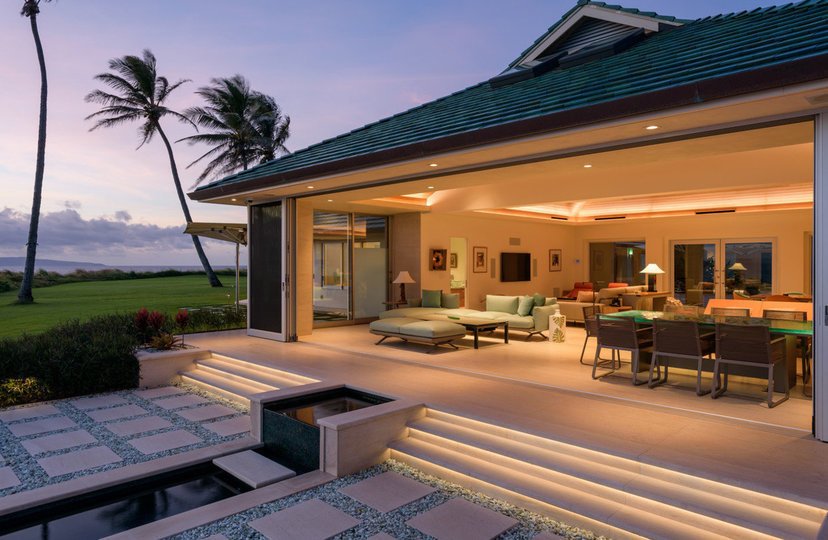
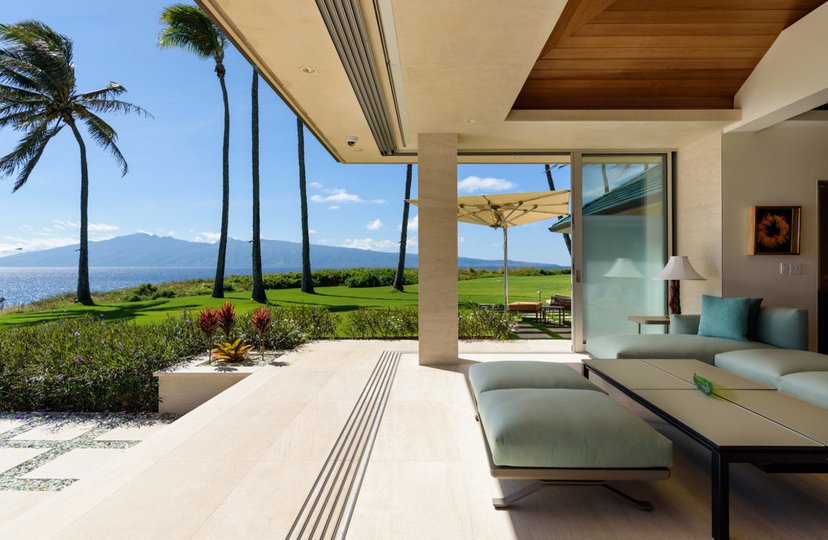
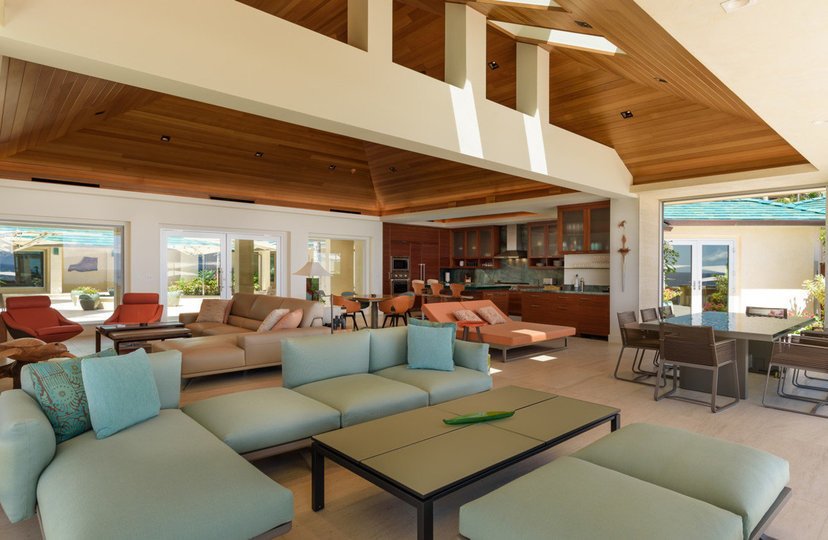
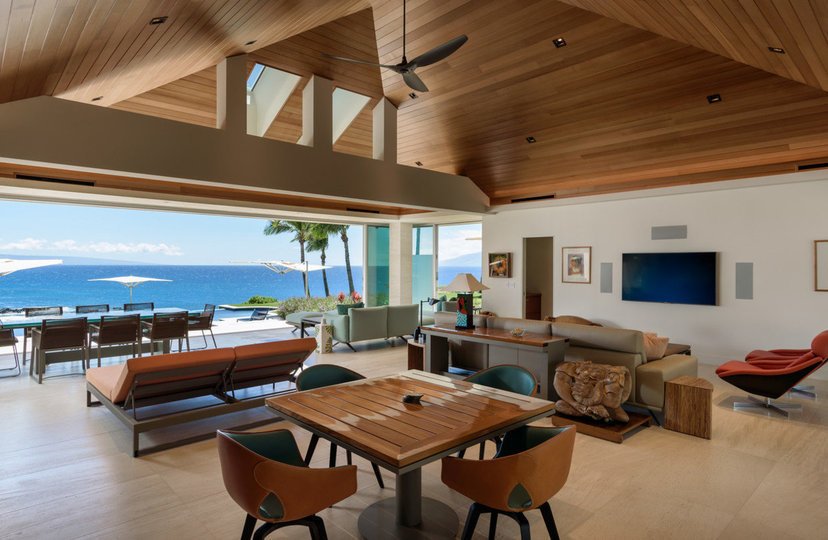
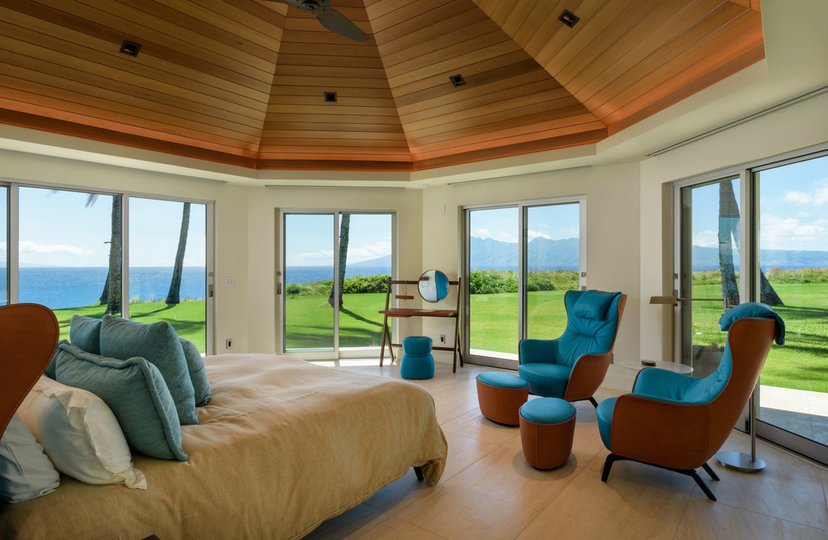
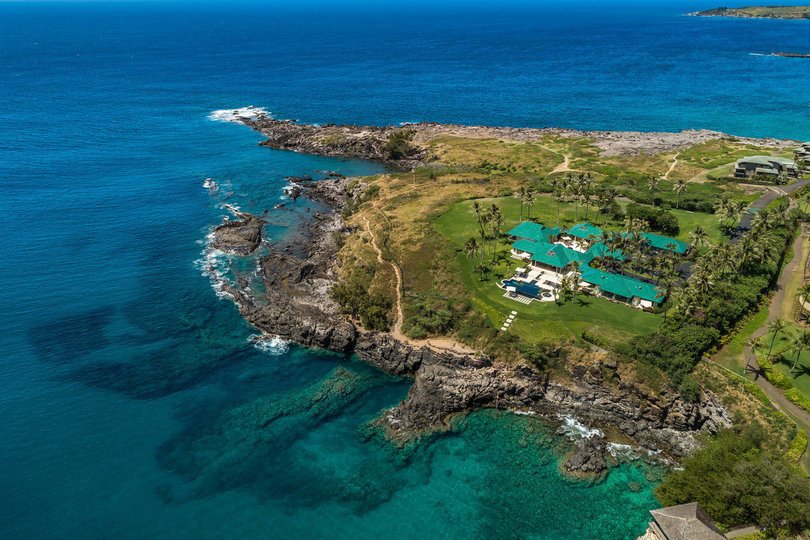
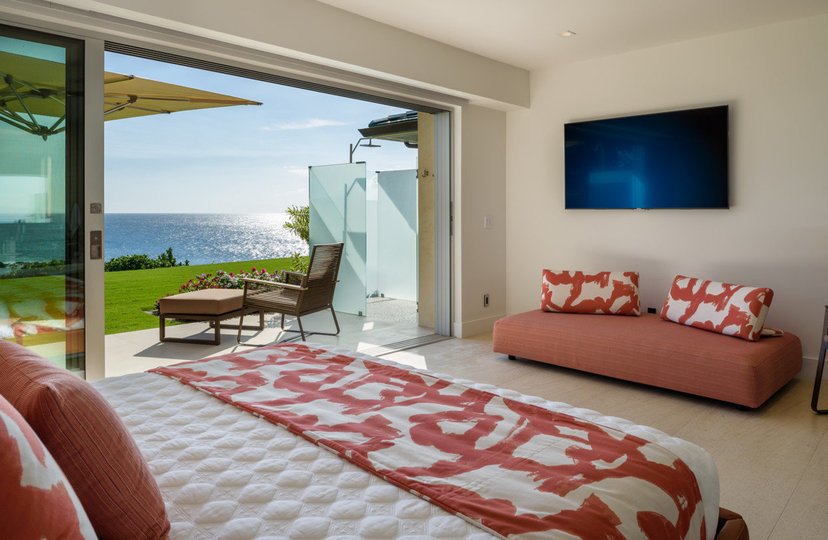
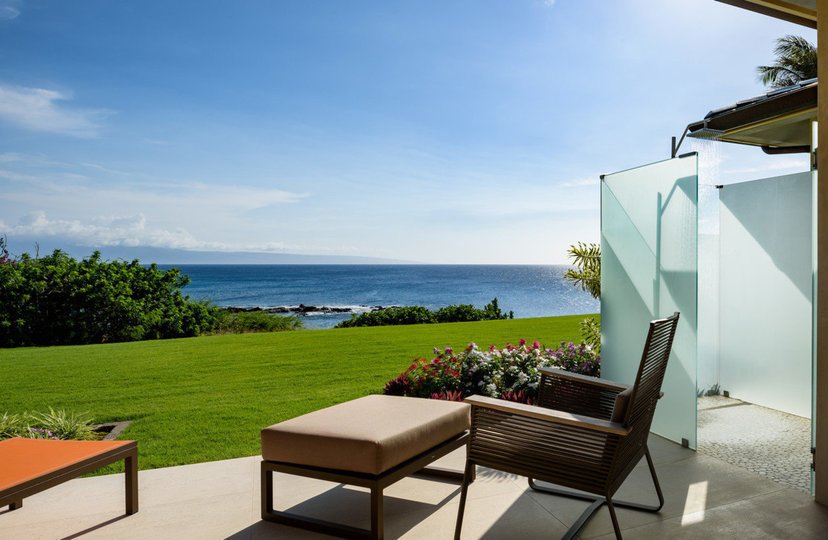
Want to leave everything behind and live in Hawaii forever? If you have $49 million, you can own this oceanfront estate smack dab in the middle of the Hawea Point in Kapalua, Maui. It features deliberately open interiors to mesh with the tropical gardens and majestic ocean views outside.

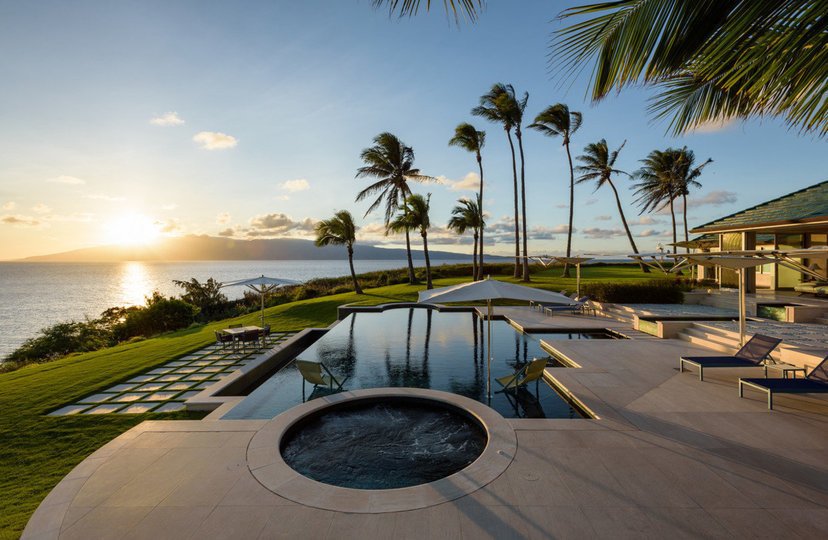
From this point, you can even see neighboring islands like Lanai and Molokai across the Pailolo Channel — everywhere you look is an incandescent portrait of tropical bliss. Put your feet up on a chaise lounge, drink some mimosas, and enjoy a good book. You’ll never want to be elsewhere.

Spanning over 6,645, the massive  house includes eight bedrooms, eight full baths, and nearly 10 acres of exterior space. It’s the perfect place to live in isolation and forget about the worries of the world. Merriam-Webster should take a picture of this cozy little hideaway next to the word “relaxation,” or “escape,” or perhaps even “utopia.”

We’re waxing poetic here, to be sure. But we just want to say you’re getting your money’s worth and then some. The Hawea Point estate features two wings, intersecting in a great room that loosens into a sheltered lanai and a wonderful pool deck below, all intricately oriented for you to get the best views of Maui’s sunsets.

Overall, it boasts 12,000 square feet of awe-striking indoor-outdoor living spaces, plus 20,000 square feet of developed grounds. If you’re looking for the next thing to spend several million dollars on, this should definitely be it.
SEE IT HERE

Photos courtesy of Travis Roan

The Hobbit Hole

This is one of the most realistic Hobbit-inspired homes we’ve ever seen, bar none. It was built by tiny-house entrepreneur Kristie Wolfe, and you’ll be glad to know that you can rent it.
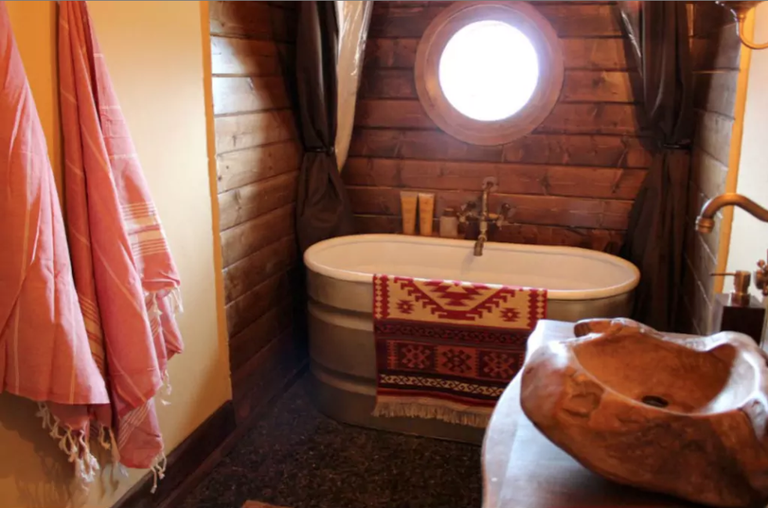
The house stands above the gorgeous uplands of Orlando in central Washington and is just 288 square feet large. Make no mistake, though: this humble abode has all the necessary amenities every hobbit would ever need. J. R. R. Tolkien would be proud.
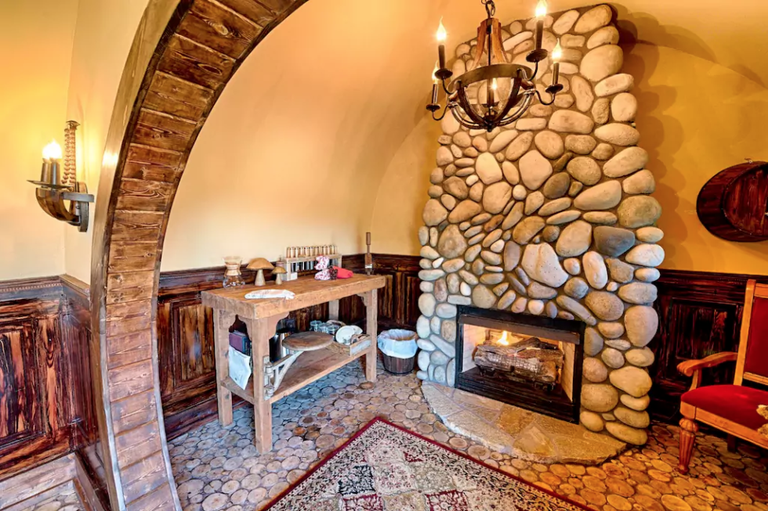
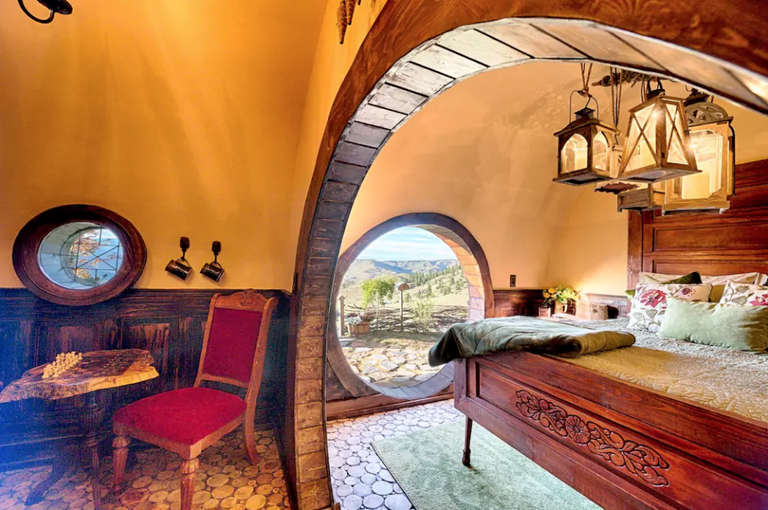
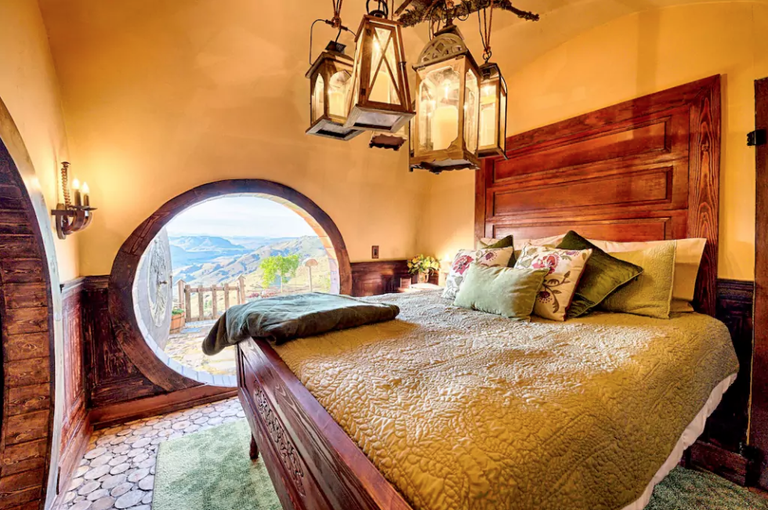
What Hobbit house would be authentic without the signature circular door? That’s included, of course. Inside, you’ll find barrel-like rooms with round entryways, porthole windows, and an oversized stone fireplace. But the best part of the interior is the views you get — with the portal wide open, you can gawk at the rolling hills and be astonished by its beauty. For a moment, you’ll feel what it’s like to be part of the world Tolkien created.
If you get sick of staying indoors, you can go outside to enjoy the little front patio, complete with a wattle fence and a rickety gate to boot. In any case, you’ll be ensconced in this ultra-private, ultra-isolated wonderland, with the birds serenading you in your quiet times, and the wind violining across the trees.

The Hobbit Hole is available for booking online, but since the demand is insanely high, you’ll have to make an advanced reservation to score a stay. Also keep in mind that if you plan on going there during winter, the snow gets pretty deep.

RENT IT NOW

Photos courtesy of Airbnb

A House To Die In

From the makers of the world’s largest underwater restaurant, a low-energy glacial restaurant, and the 9/11 museum, comes A House To Die In, a bizarre and expressionist structure in the suburbs of Oslo, Norway.

Architectural firm Snøhetta was first approached in 2011 by artist Bjarne Melgaard for this project. It’s a combination of a home and a sculpture that would honor Edvard Munch, best known for painting “The Scream.”

The design would be rooted in Melgaard’s own art, and the structure itself would also serve as his personal home and work studio. The result? A haunting yet fascinating piece of architecture. One whose inspiration, at first glance, would be difficult to pinpoint. Is it fairytale-esque? Based on science fiction? A René Magritte and horror crossover? Or a combination of all those?

It truly is hard to describe. However, that’s the point. A House To Die In escapes easy description, which is also very true of The Scream. The masterpiece boggles art enthusiasts and the general public alike to this day.

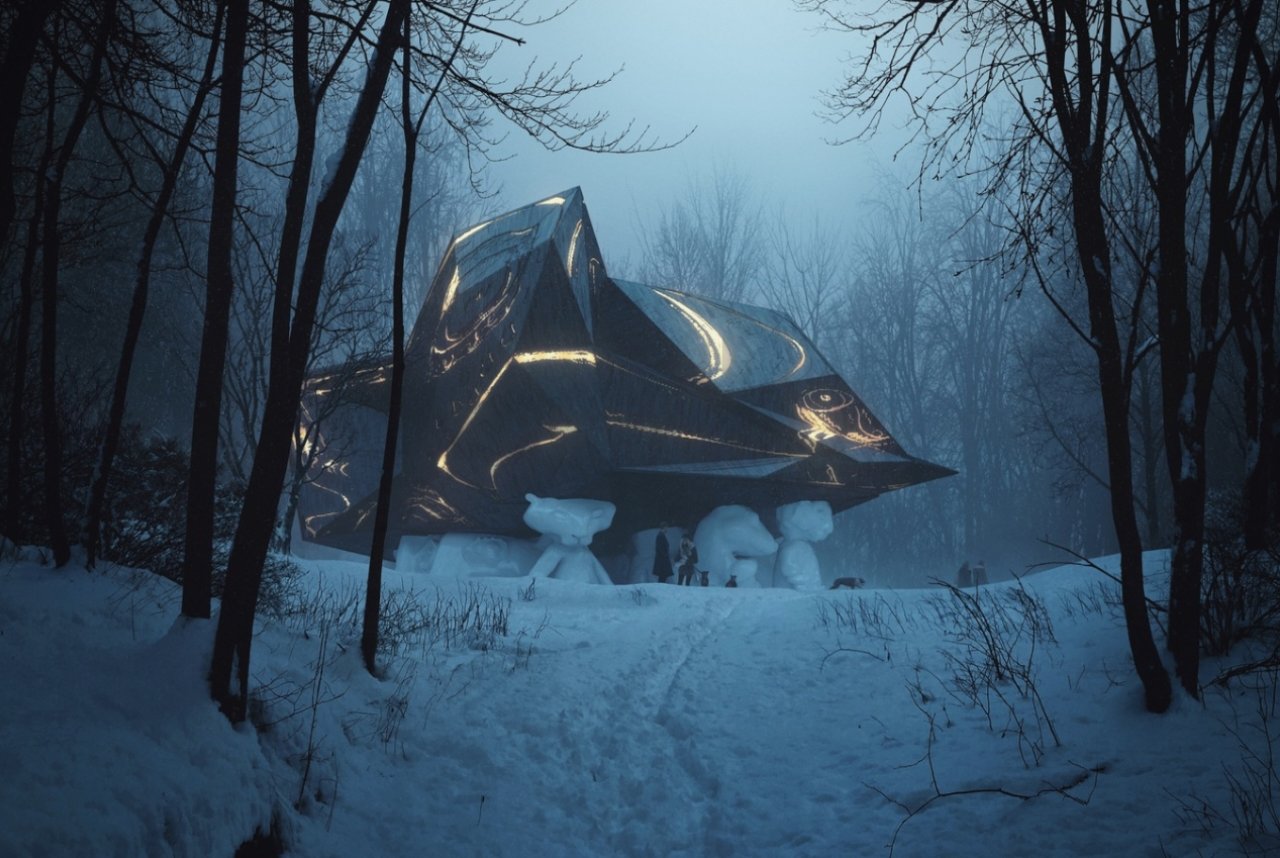
The main piece, the one that looks like a huge rock formation, is stilted by massive animal sculptures functioning as foundational columns. The surprising thing is they would be clad with burned oak that naturally erodes over time. This would apparently result in a building that “changes character throughout the years and seasons,” says Snøhetta.

Unfortunately, local Oslo authorities rejected the plans in late August. They said the land designated for the building should remain a green space. Hopefully Snøhetta and Melgaard still go through with it (albeit in some other place) despite the setback.

LEARN MORE HERE

House Dique Luján By FRAM Arquitectos

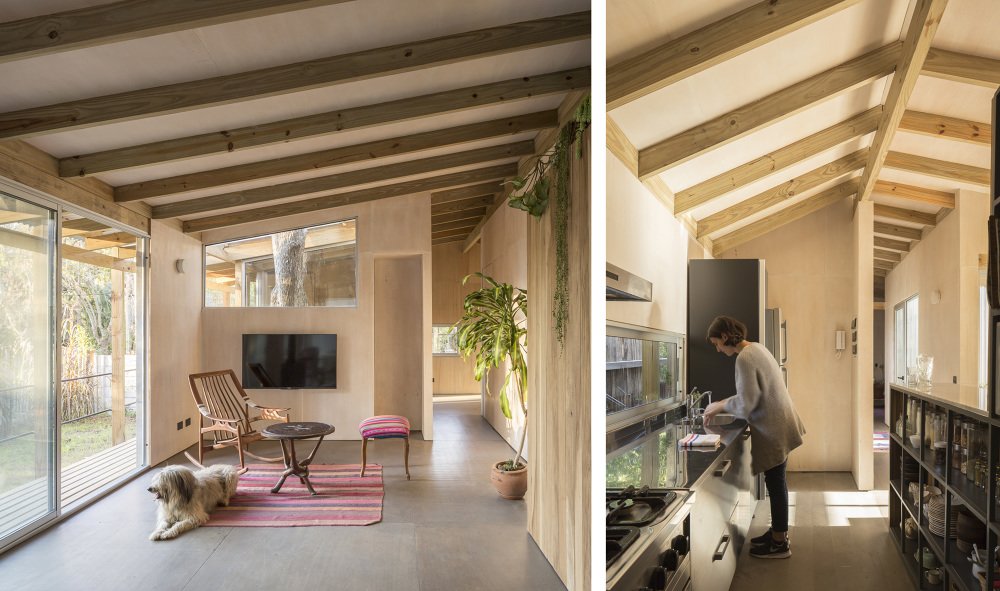
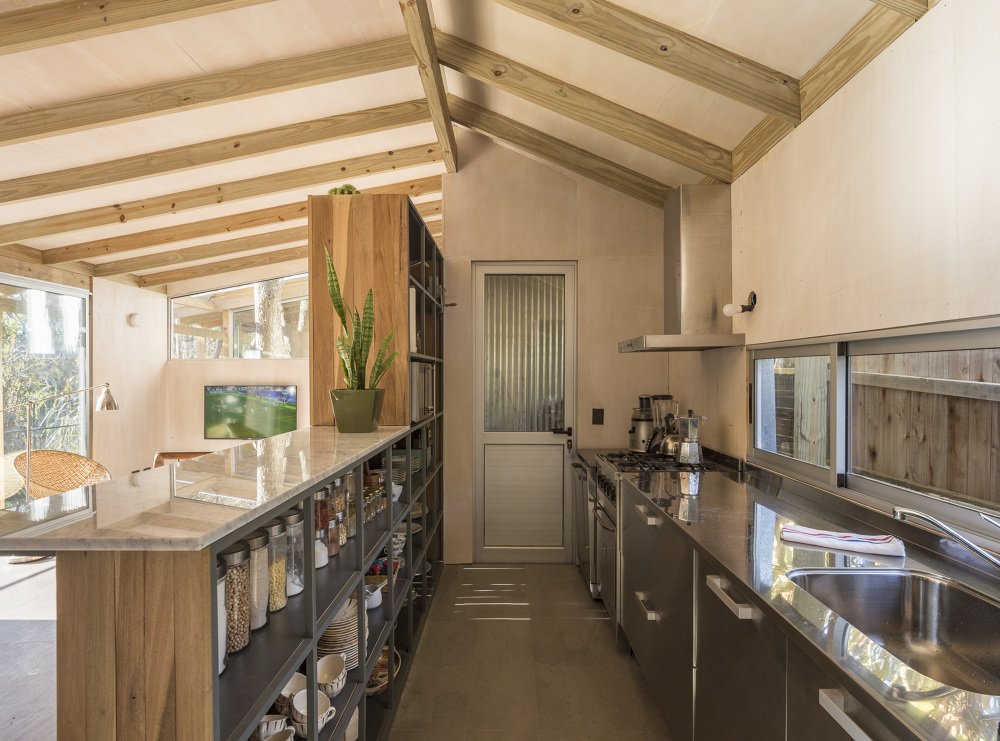
Along the Luján River delta in Buenos Aires, Argentina — within the sparse blanket of woodland slowly eaten up by suburbia — stands the Casa Dique Luján, the latest handiwork of renowned firm FRAM Arquitectos.

It’s a house that respects where it stands, incorporating vegetation and taking into account things like flood level. FRAM pondered heavily about the province of Dique Luján. They’re mostly lowlands surrounded by large bodies of water that thrive under abundant vegetation and the tropical climate. With these elements in mind during development, the firm decided to place the house longitudinally on the south side of the plot.

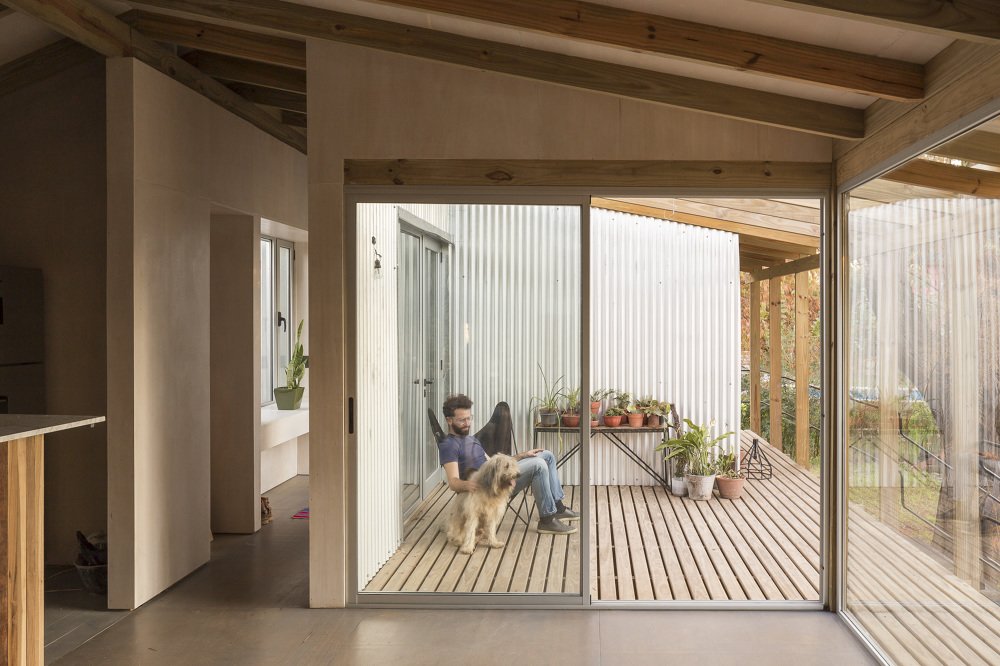
There are three patios that break the continuity of the house’s roof. In between them remains a preserved walnut tree, just one example of FRAM not wanting to disrupt nature but to become one with it. The service areas are located on the southern end of the structure. Meanwhile, the main function areas are located on the opposite side, loosening into open land.

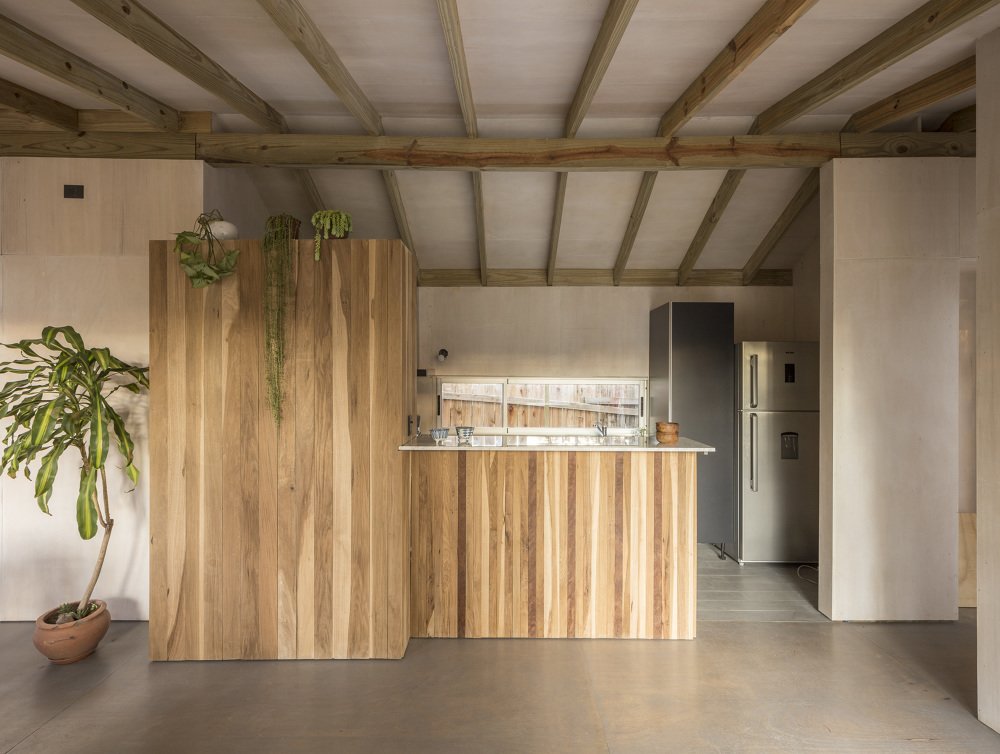
Three reinforced concrete beams support the entire house, keeping the wooden structural frames and shafts propped. These are a highlight unto themselves, a smart reference to the typical palafitos of the delta islands. This “constructive logic,” as the architects call it, breaks away from the conventional balloon-frame system, granting them flexibility in terms of assembling the interior and exterior spaces, in addition to the dimensions and quantities of window treatments.

It’s not the most stylish house we’ve seen. In fact, it appears to be staunchly against frivolity. The corrugated walls combined with the wooden beams are intensely utilitarian, if not a little brutal and austere. But that’s the perfect way to evoke the Luján River, isn’t it?

SEE IT HERE

Photos courtesy of Fernando Schapochnik

Seascape Lane House By Bates + Masi Architects

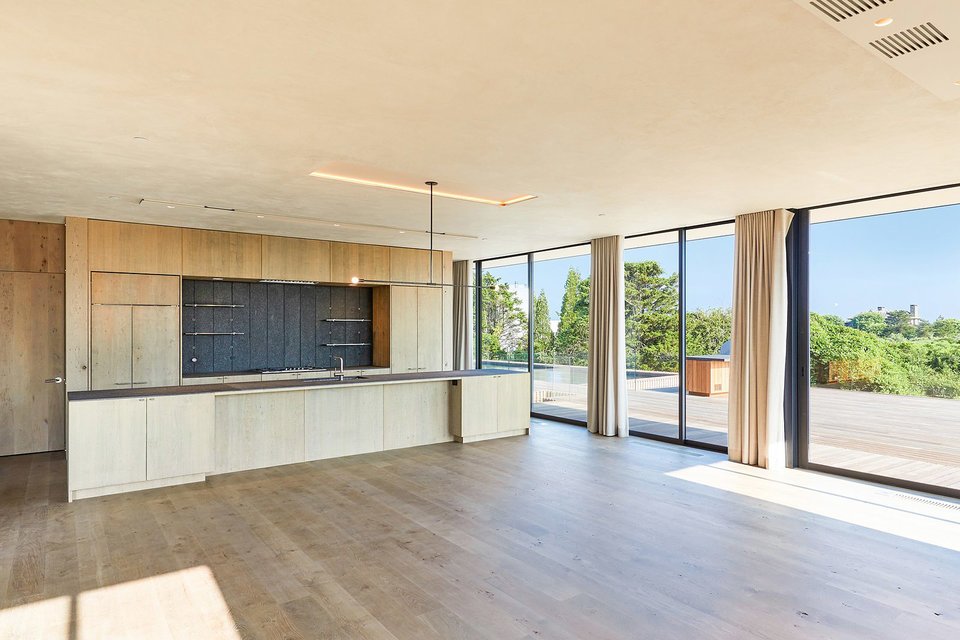
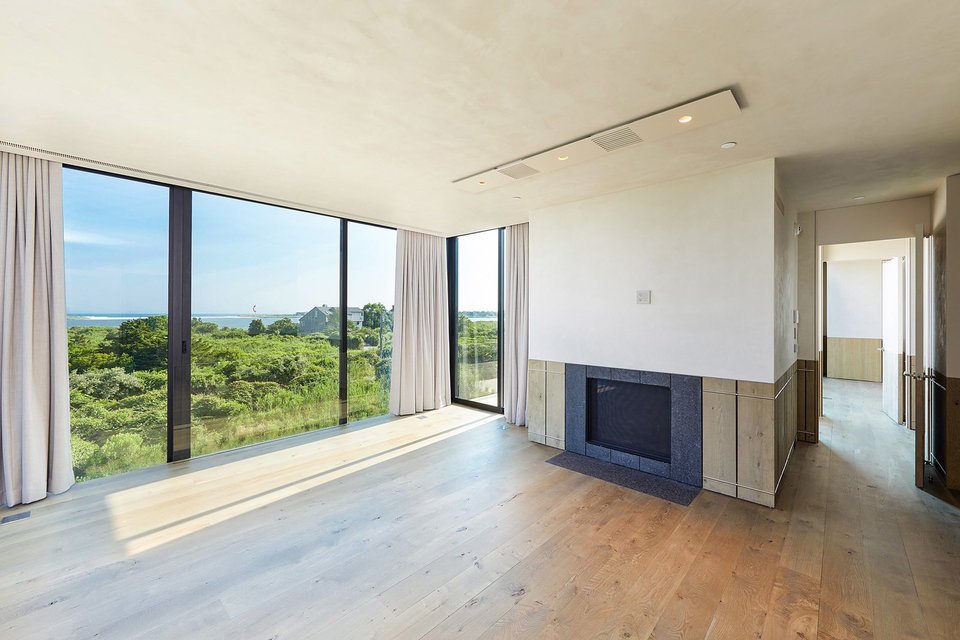
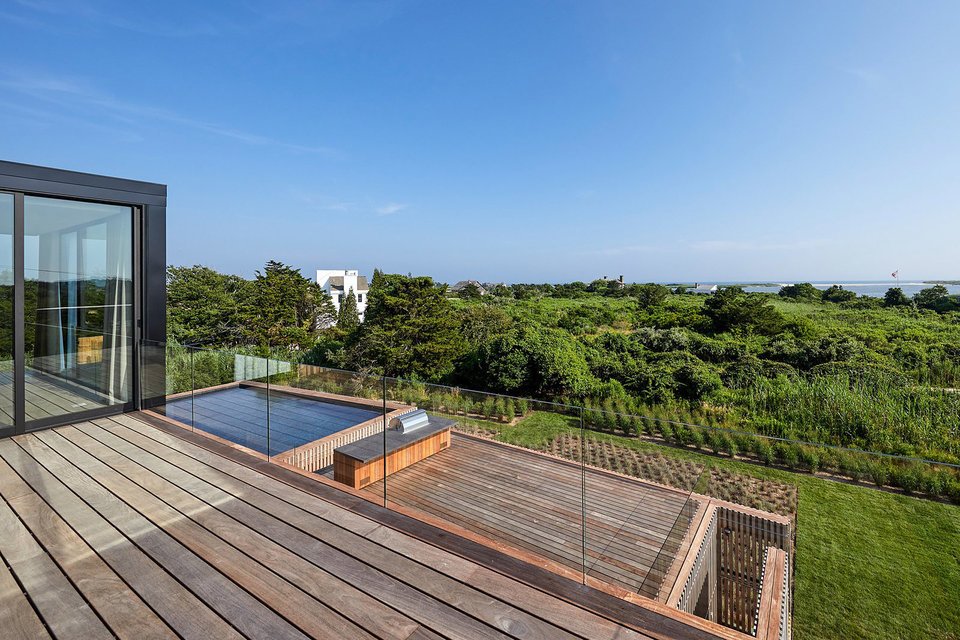
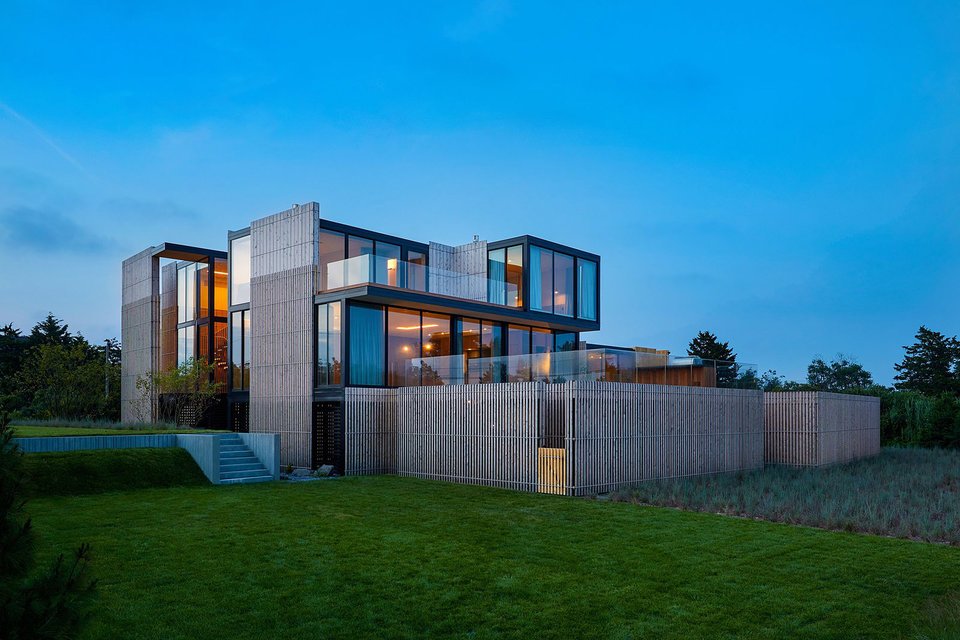
The Seascape Lane is nestled on an acre of land at the end of a private cul-de-sac in the village of Sagaponack, Hamptons. It features stylish architecture that provides a panoramic view of the Atlantic Ocean, the Sagg Pond, and the Sagaponack farmland.

This house is a magnificent façade to behold with its glass walls and modern furnishings. Its aesthetic design, from award-winning Bates + Masi Architects, incorporates nature and timeless architecture. It uses Alaskan cedar for the fences so it can blend seamlessly with the ethereal beauty of the surrounding nature.

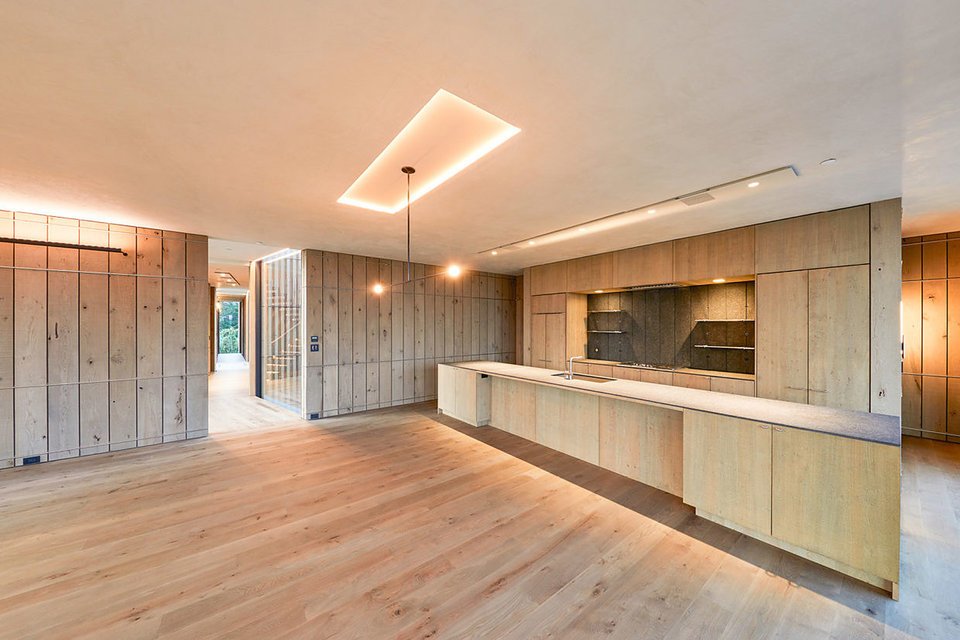
The Seascape Lane boasts 5,000-square foot of luxurious floor space. The property has five bedrooms, six full baths built with European white oak floors, and a chef kitchen. The main living space is on the second floor so you can take full advantage of the views of the coastal landscape.

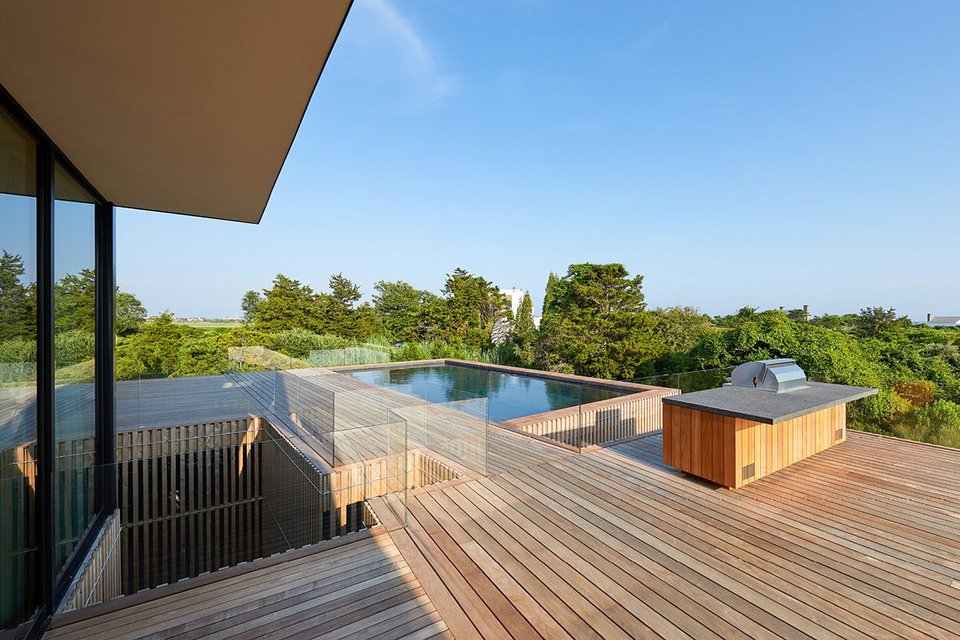
Meanwhile, sliding glass doors provide partitions to the different areas of the house. They create a seamless flow between outdoor and indoor spaces and open to the expansive deck that features resort-like amenities. The deck has a spa, a swimming pool, an outdoor shower, and a pool house.

Moreover, this house has an elevator for easy access to the purposely-elevated main level where you can host parties and gatherings.  With all these luxurious amenities, it is no wonder the property fetches for a whopping $18,495,000.

Make It Yours

Photos Courtesy Of Bespoke Real Estate

Conker Pod

In today’s world where housing and real estate only gets more expensive by the day, it becomes wishful thinking to have a home to call your own. The housing crisis only gets worse. This is why former Rolls-Royce engineer Jag Virdie created a housing solution called “Conker” living.

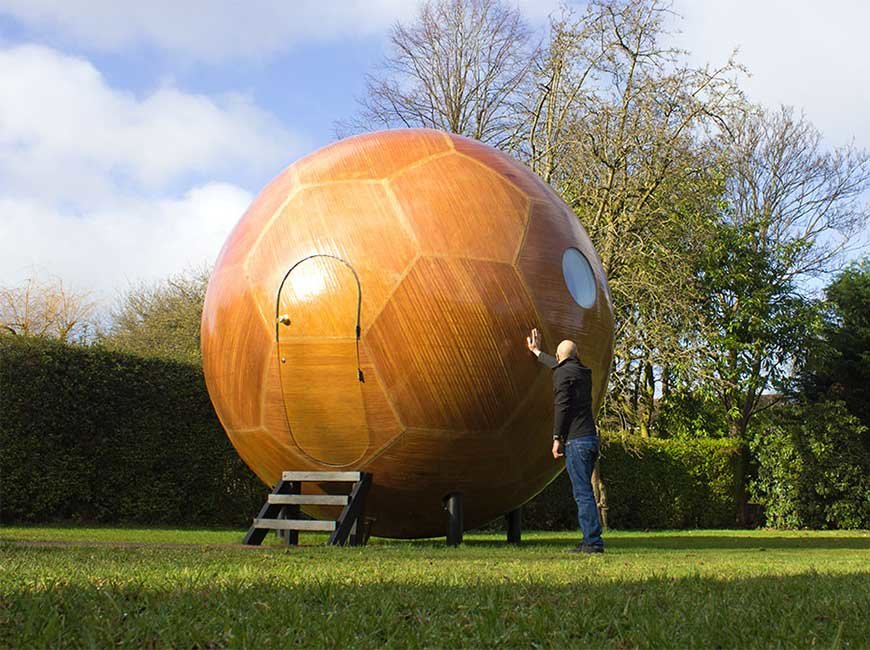
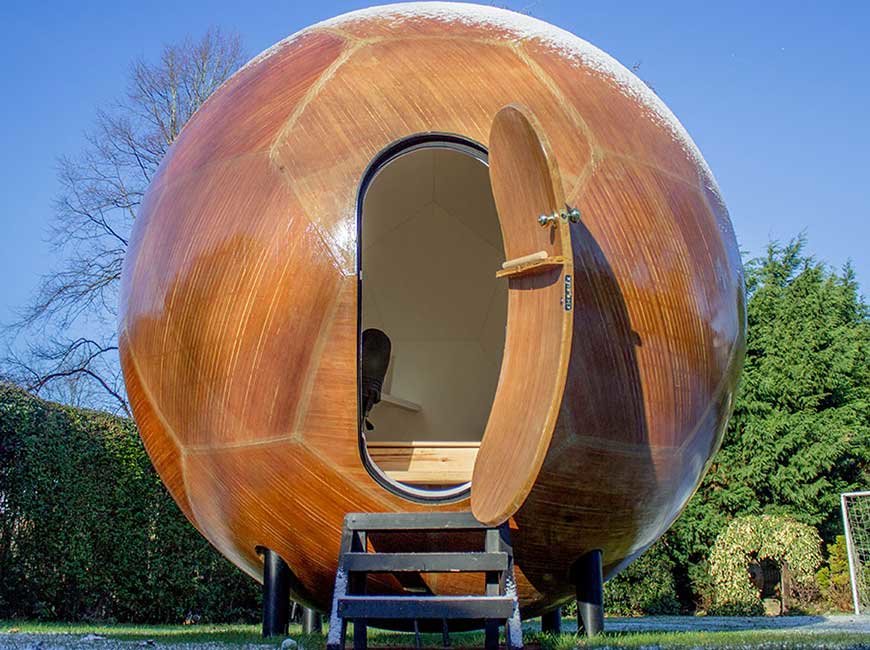
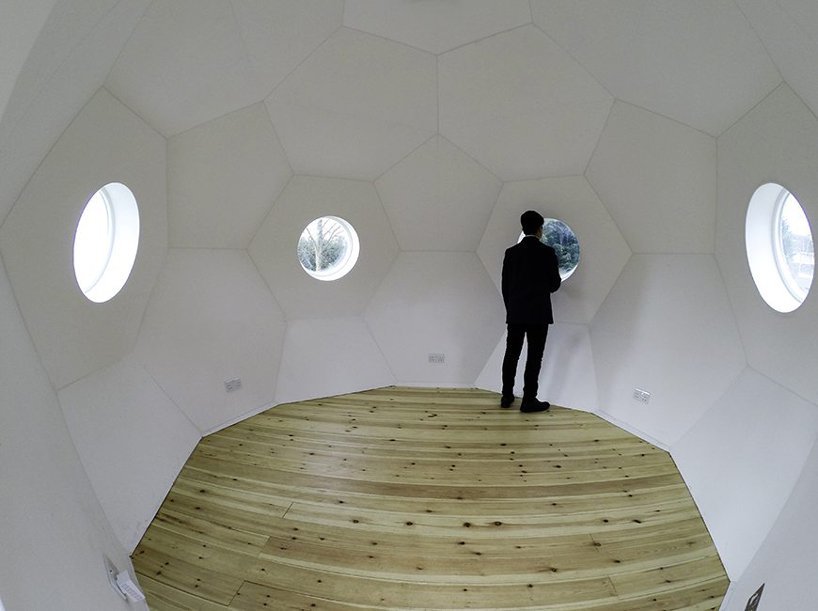
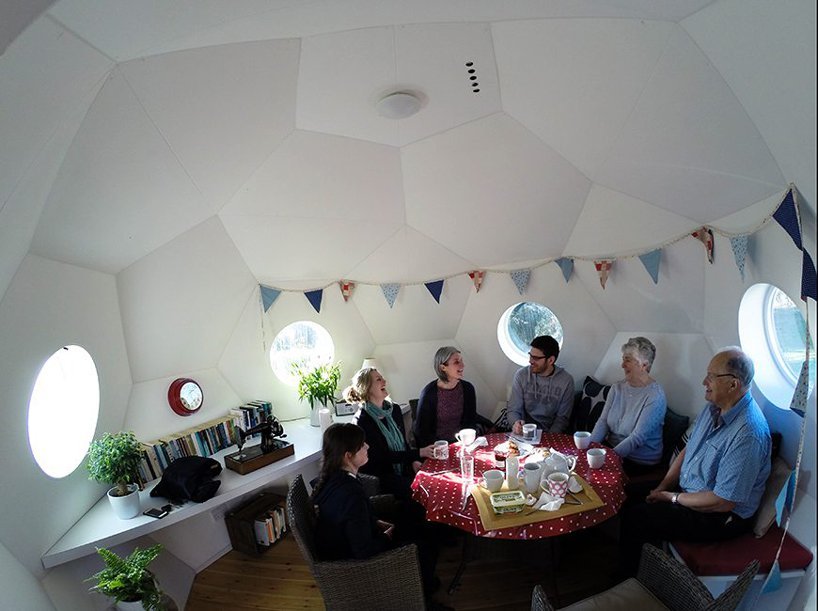
Virdie designed a spherical house called Conker Pod. This living accommodation measures nearly 13 feet in diameter and features amenities for simple living. It has a kitchenette, a living space with a built-in bed, and a lavatory.

Aside from its amenities, there is still a lot to like about the Conker Pod and these include its one-day installation and versatility. You can have your pod set up virtually anywhere– on your backyard, in the middle of the desert, and even in icy environments. It adapts to various terrains and holds firmly to the ground on four anchors.

Moreover, the panels are customizable according to personal preference, which makes each Conker Pod unique to its owner. It can be individually styled to suit the environment.  You can even go stylish and request for bright, bold printed panels.  Likewise, you have an option to connect several pods together to create space for a double bed, clothes storage, and an en-suite bathroom with a shower and toilet.

More importantly, the Conker Pod is eco-friendly. It uses durable aluminum and recycled plastic to create the panels. Its unique structure also allows rainwater to fall down the sphere, which you can filter and recycle. The pod also has a heat-recovery system that traps the warmth inside.  One pod costs about $27,000.

Get Yours Here

Photos Courtesy Of Conker

Xinlong Lake Bookstore By MUDA-Architects

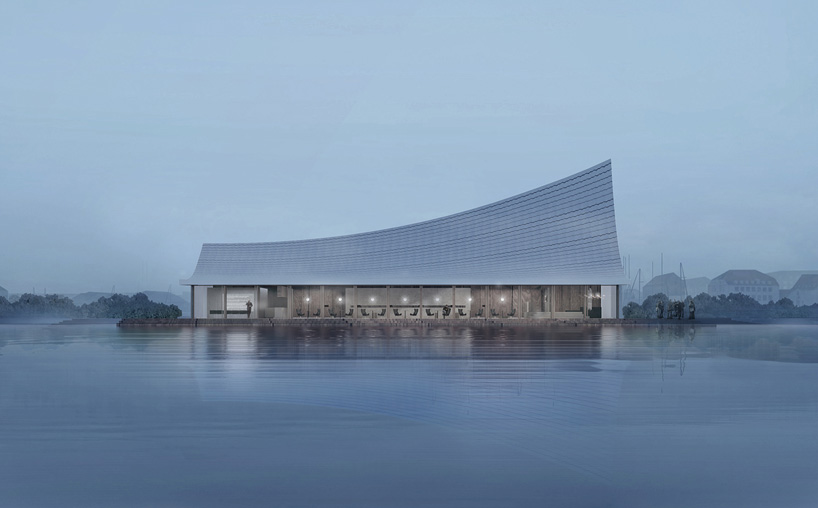
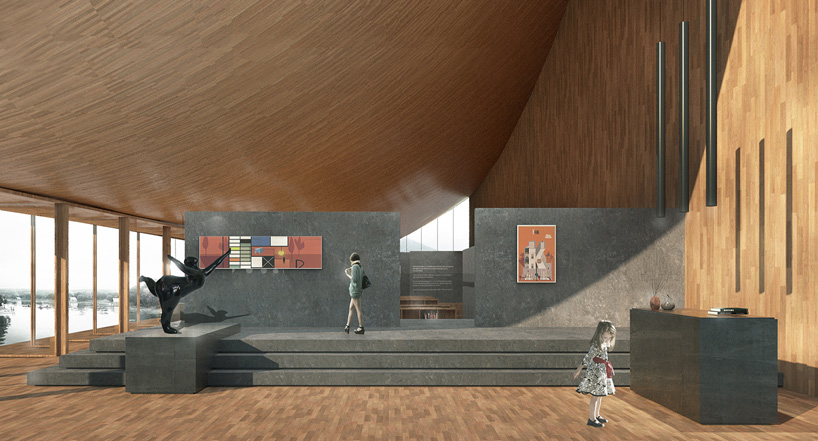
The edgy yet modern design of the Xinlong Lake Bookstore in Chengdu, China is every bibliophile’s paradise. It sits on a hydrophilic platform on the picturesque east side of Xinlong Lake.

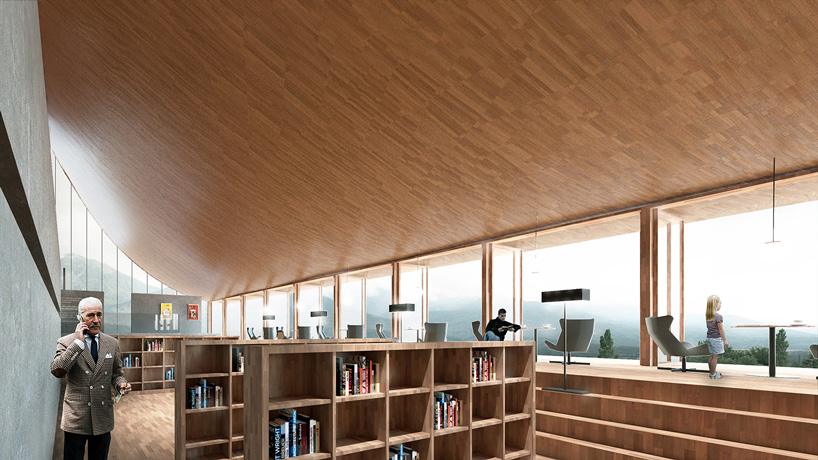
This bookstore designed by MUDA-Architects boasts glass windows for an unobstructed view of its surrounding scenery. Its creative architecture aims at “landscape integration and urban symbiosis.” It reflects the city’s urban lifestyle while maintaining a close connection with nature, which results in a serene environment that gives visitors peace of mind.

The Xinlong Lake Bookstore is named as the Most Beautiful Bookstore in Chengdu. It takes its unique shape from the idea of a book falling from the sky. Thus, it appears as a partly leafed-through structure. Meanwhile, its interior does not have corridors but forms a linear space, which allows for a wide range of mobility.

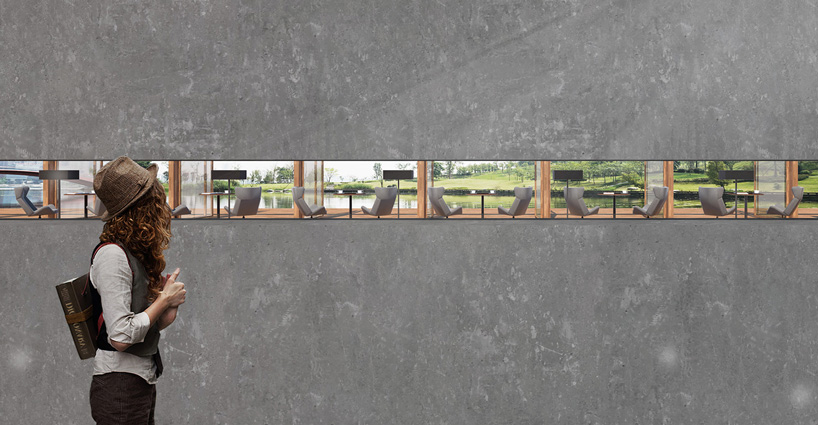
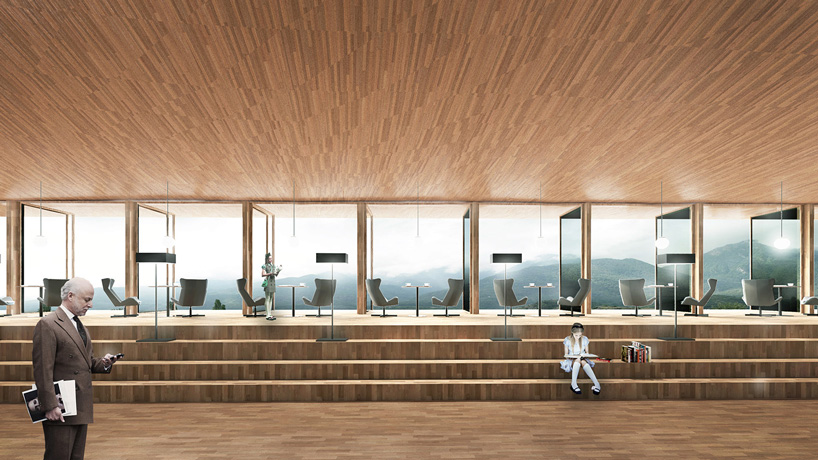
Further down into its space is a sunken reading area that gives visitors the freedom to read a book in any position they feel comfortable. They can read standing up, leaning, or be sitting on the steps.

Meanwhile, a coffee reading area neatly set along the side glass windows gives visitors a picturesque view of the lake and its surrounding trees and grassland.

Xinlong Lake Bookstore

Photo courtesy of MUDA-Architects

The Curve Appeal Freeform 3D Printed House

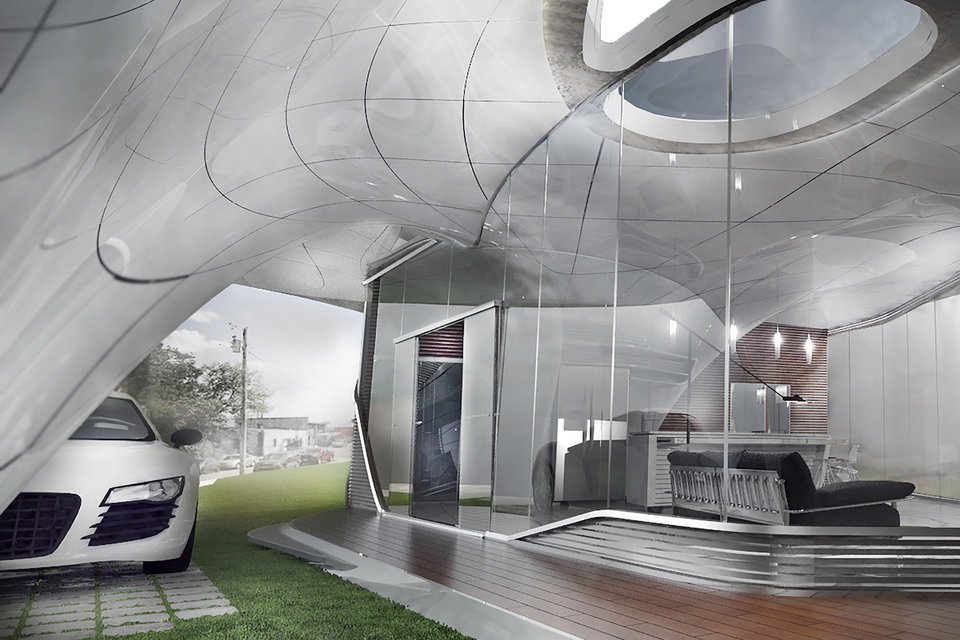
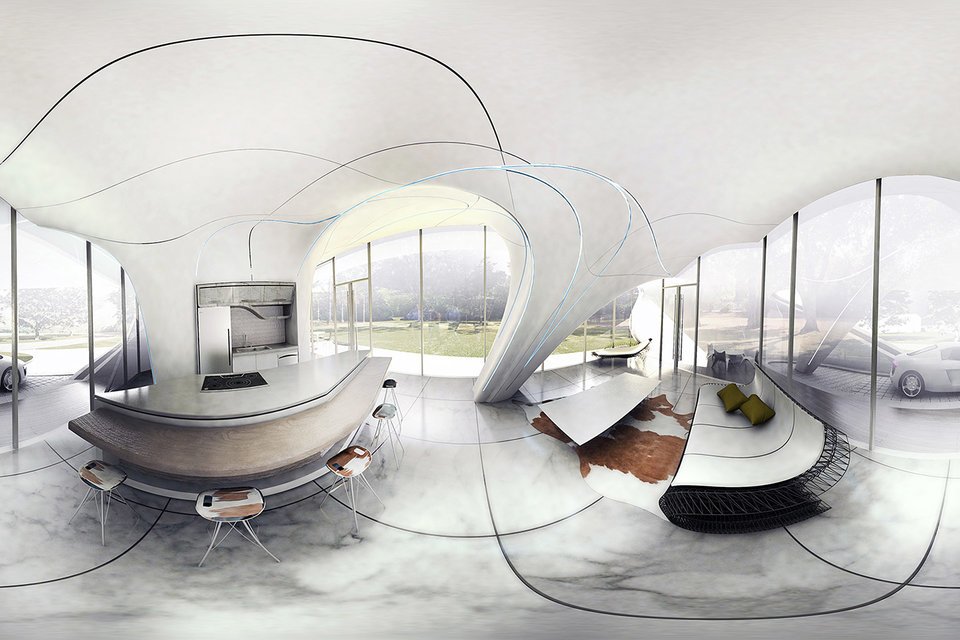
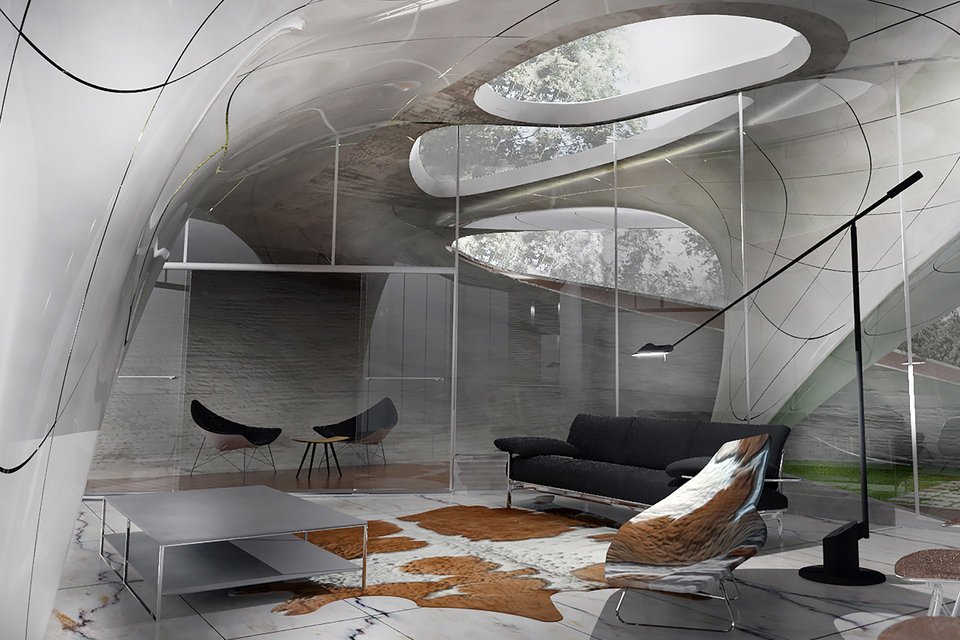
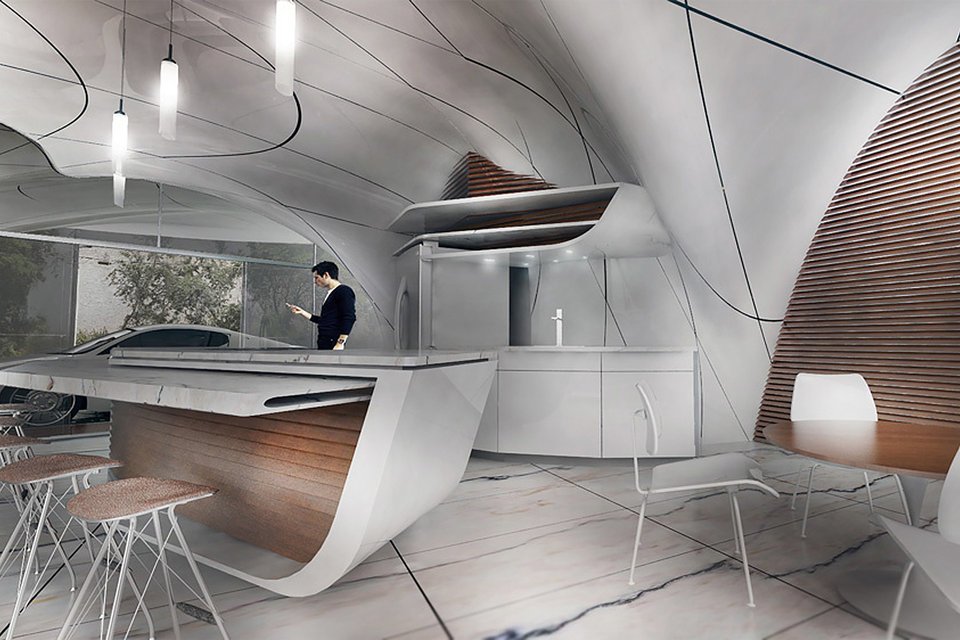
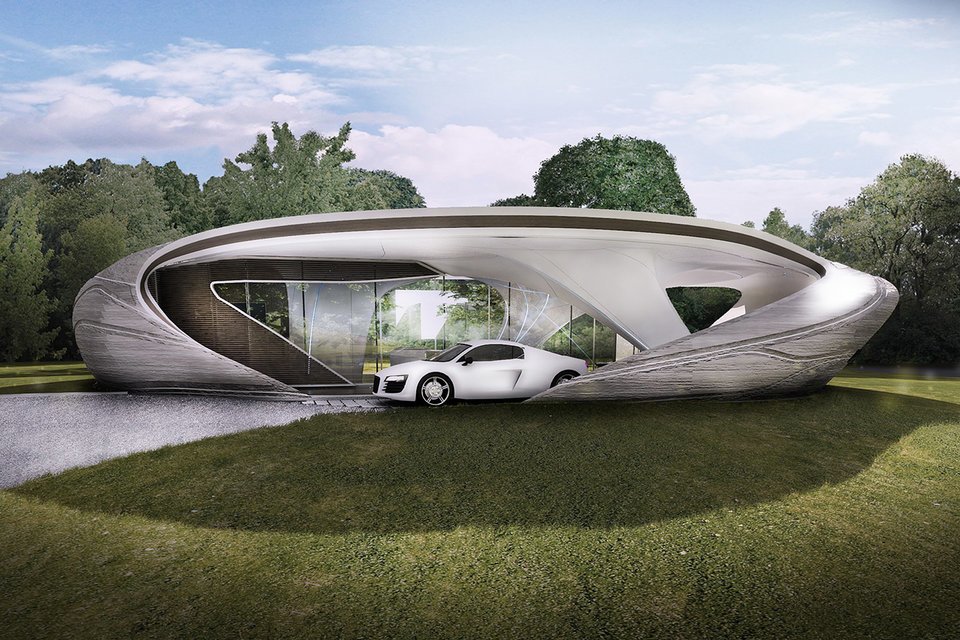
The Curve Appeal is the world’s first freeform 3D printed house designed by WATG Chicago’s Urban Architecture Studio. This house redefines traditional architectural aesthetics and gives a glimpse at the buildings of the future.

Its concept takes into consideration several factors including construction, ergonomics, building systems, and house structure from the ground up. The design, which won first place in the Freeform Home Design Challenge commissioned by Tennessee’s Branch Technology, includes all aspects of a house: material applications, mechanical, electrical needs, plumbing, and lighting requirements. Its construction utilizes a mix of carbon fiber and ABS plastic to create a lightweight curve, while foam and concrete make the structure strong and insulating.

Meanwhile, twenty-eight 3D-printed panels formed into sections and joined together create the final shape of the home. This home includes a living room, kitchen, one bedroom, and a bath in a 600-800 square foot floor area.

The Curve Appeal has a unique structure that incorporates the elements of nature. The passive solar design of the interior results in an open and light-filled living space that not only protects the occupants, but it also connects them to their natural surroundings. The interior archways support the exterior skin and replace traditional walls and ceiling.

Meanwhile, the exterior mimics a natural rock formation with the use of smooth concrete to form archways. The overall result gives the house an organic feel that blends into the landscape.

The Curve Appeal

Photos Courtesy Of WATG

Tumble Creek Cabin

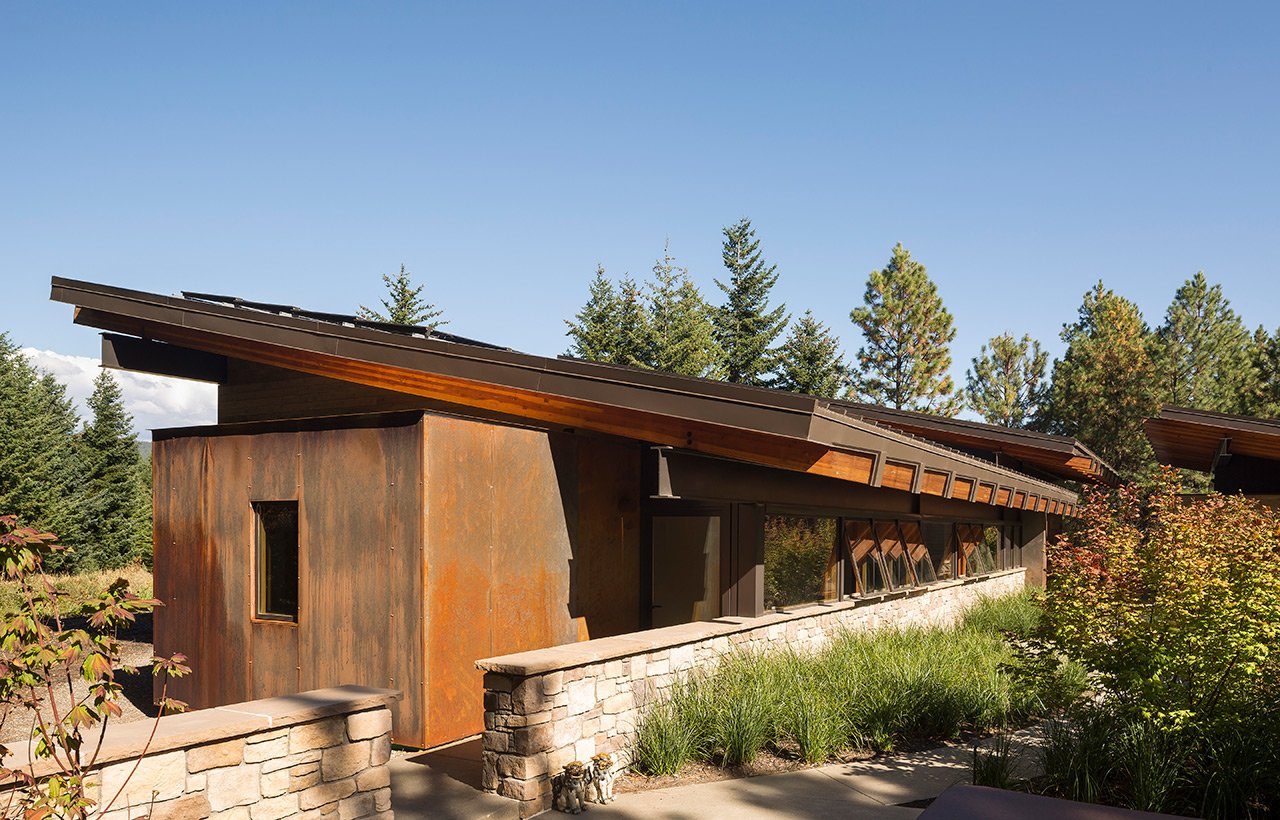
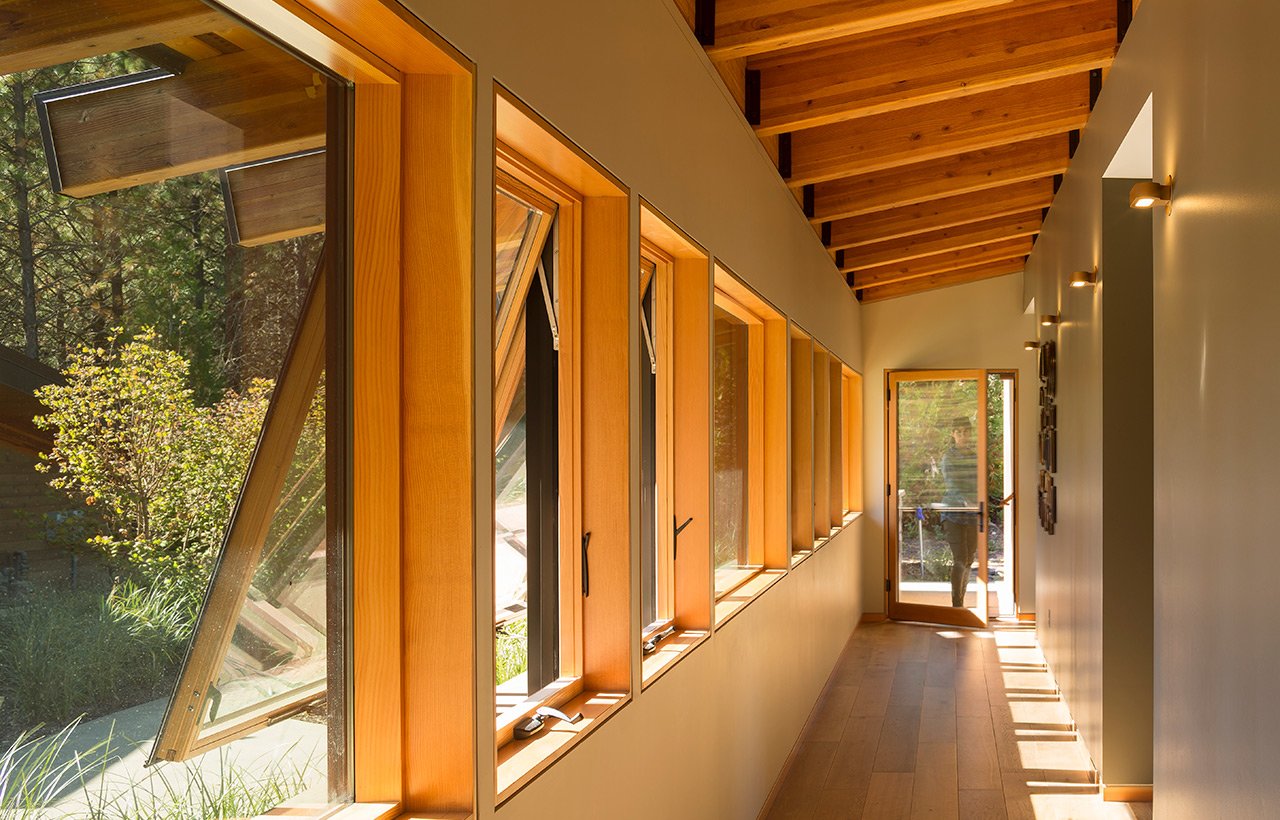
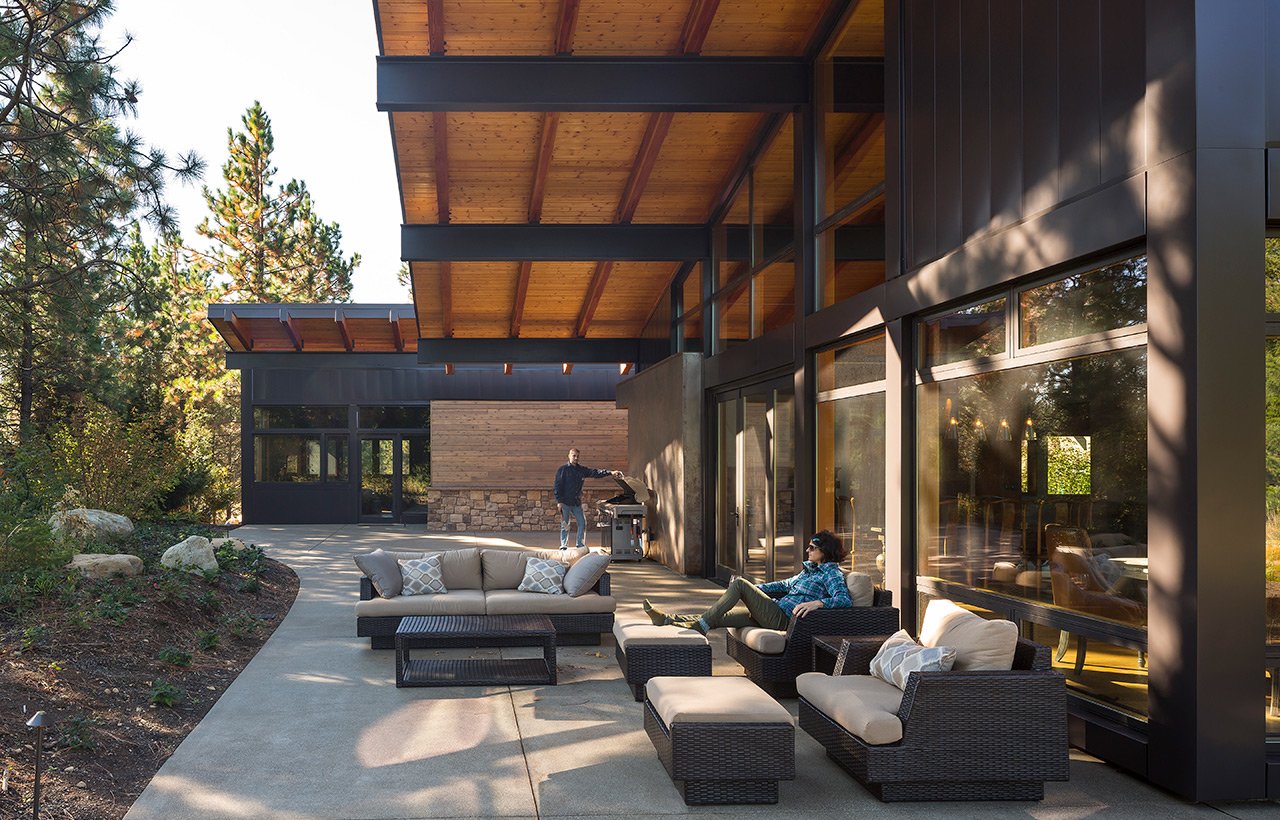
The mining area in Washington State’s Cascade Mountains gets hit with scorching heat in the summer and terribly cold climates during winter. As such, the designers felt compelled to build something cozy and livable in such an unforgiving place. Thus came the Tumble Creek Cabin.

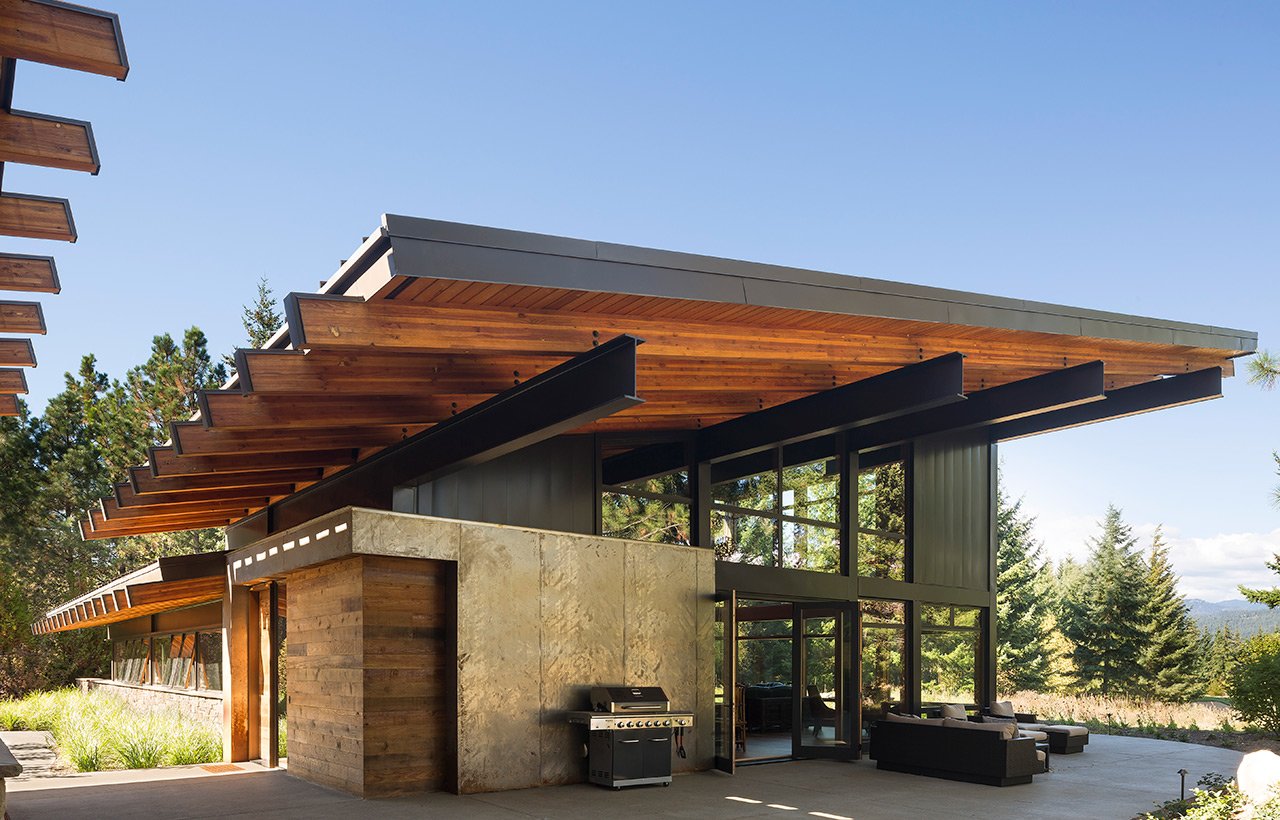
It was tricky to offset the extreme weather conditions. The designers ultimately combined solar panels, passive solar strategies, and a Tesla Powerwall so the home can operate off-grid. But function shouldn’t take over form entirely. As a result, they found a way to incorporate aesthetics that not only looked beautiful but made sense as well. One example is the gorgeous sloped roof, which actually filters the sun during the winter and summer months. It makes for more efficient ventilation around the house.

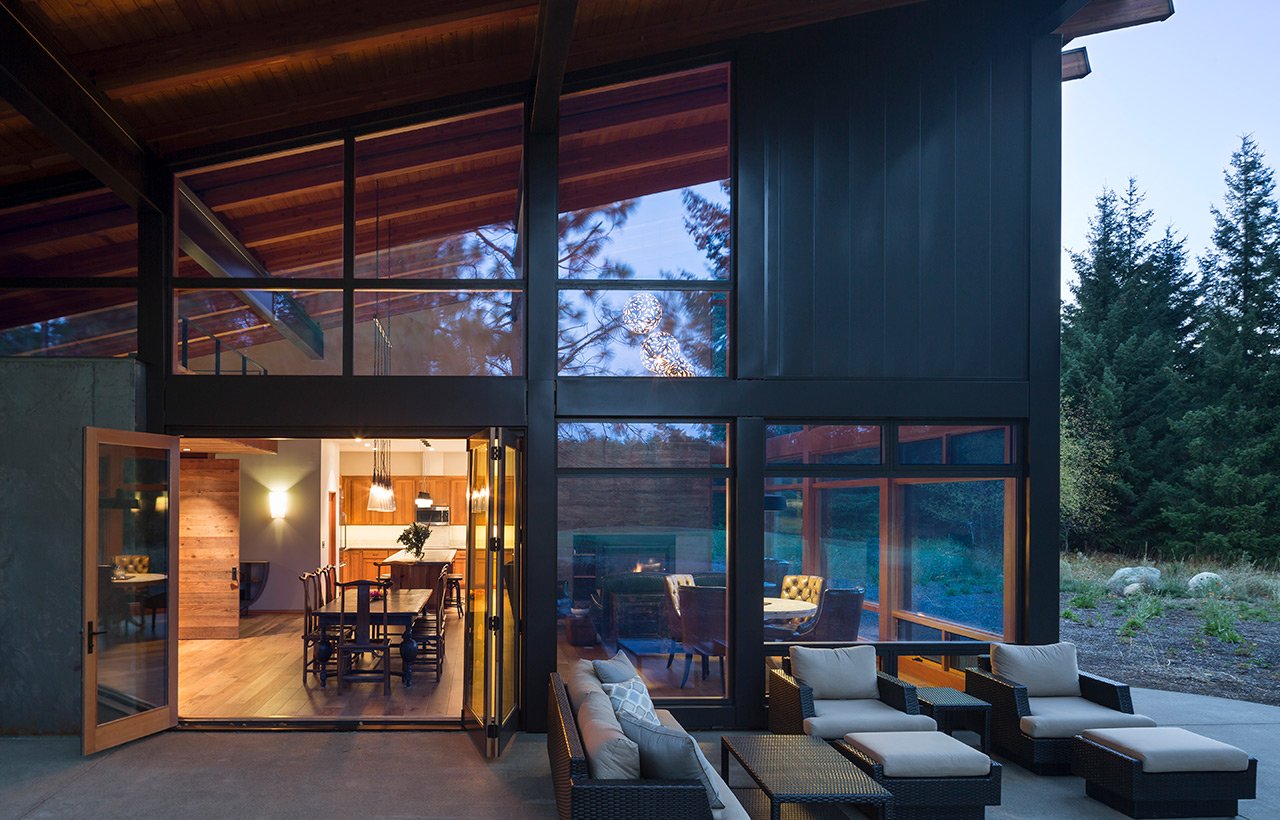
There’s an entry vestibule and mud room that conserves energy and serves as an elegant entry into the main living space. This room also serves as a special place to welcome visitors and an airlock to keep outdoor elements contained, which allows the house to keep winter drafts and summer heat at bay.

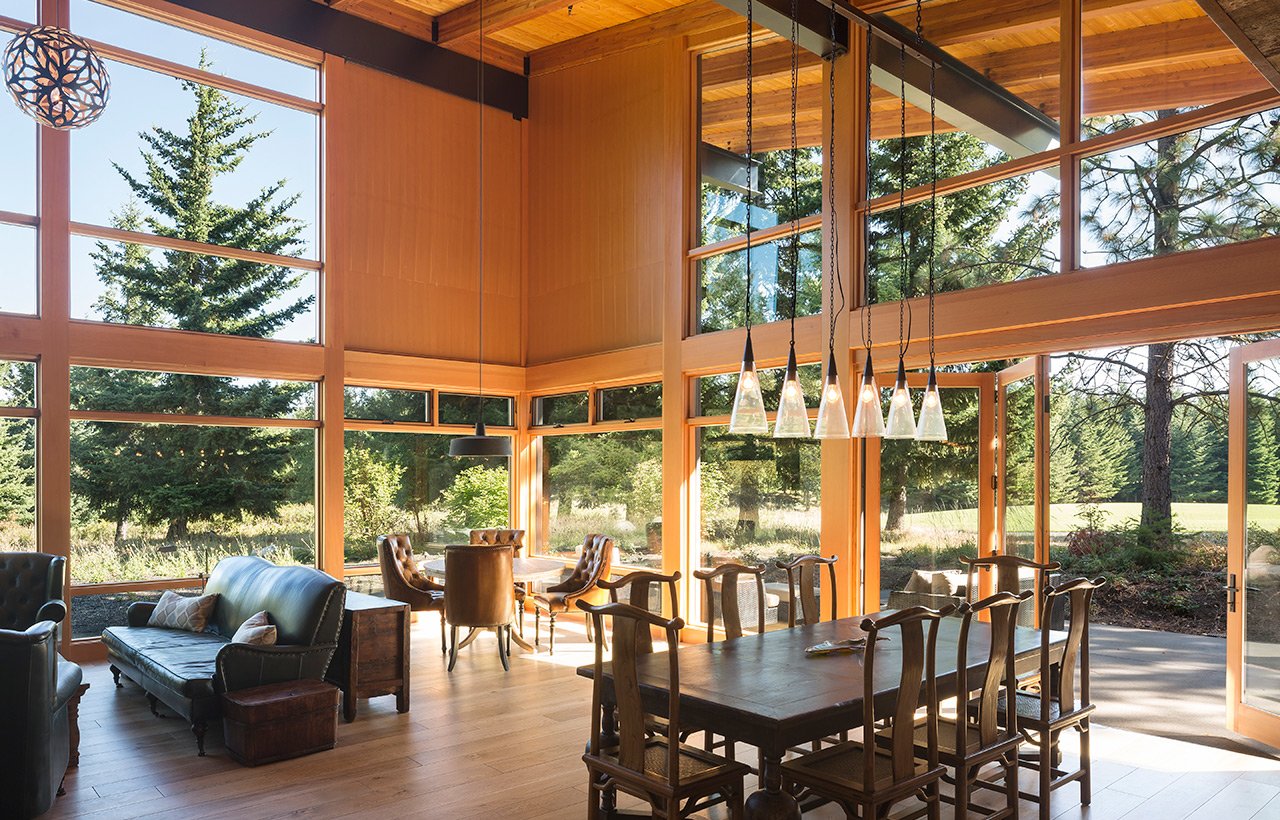
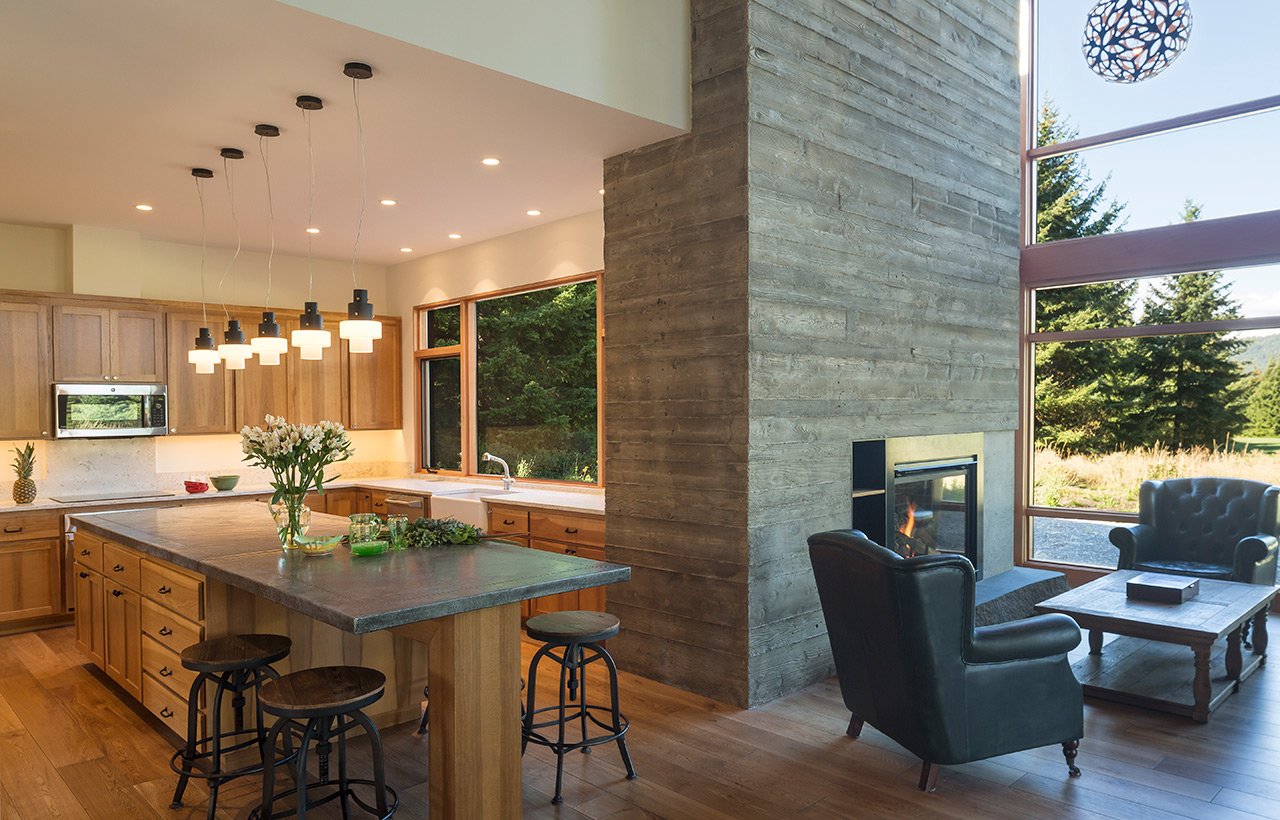
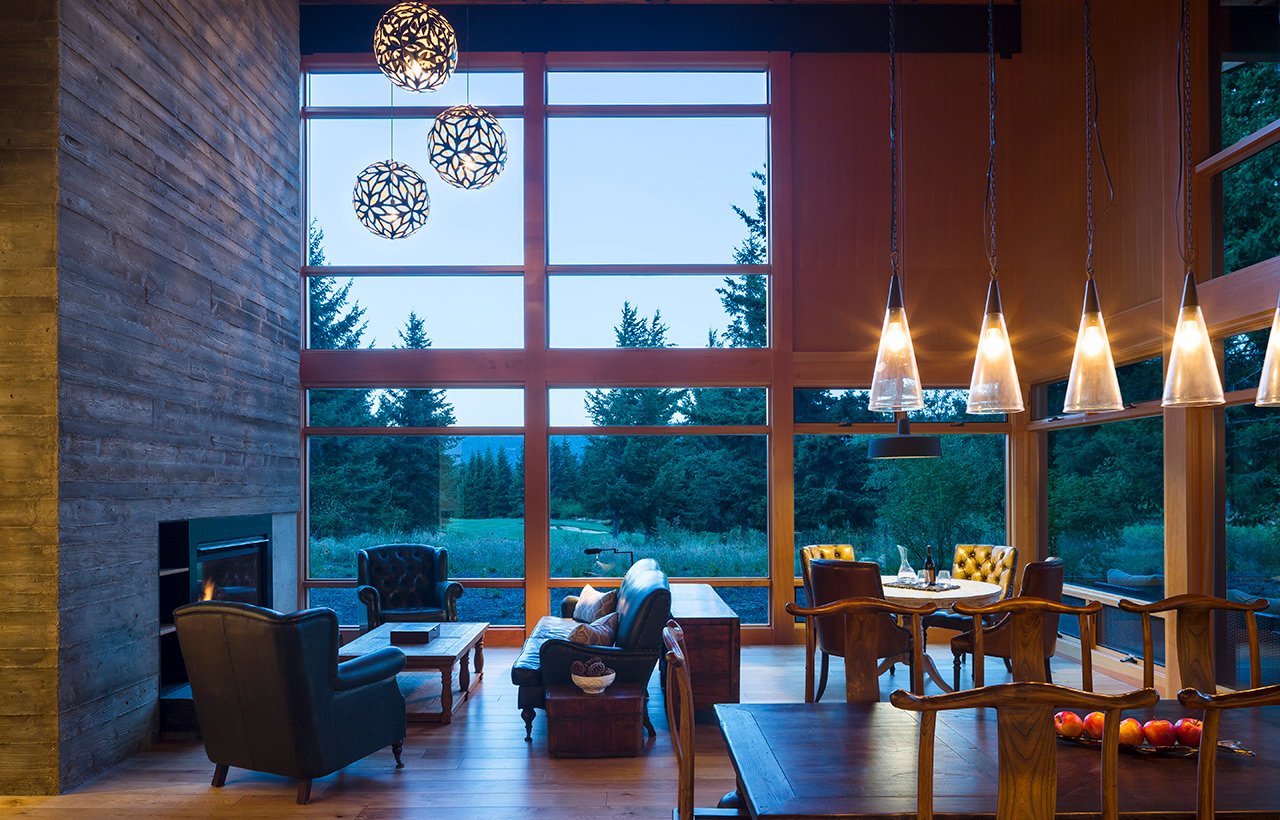
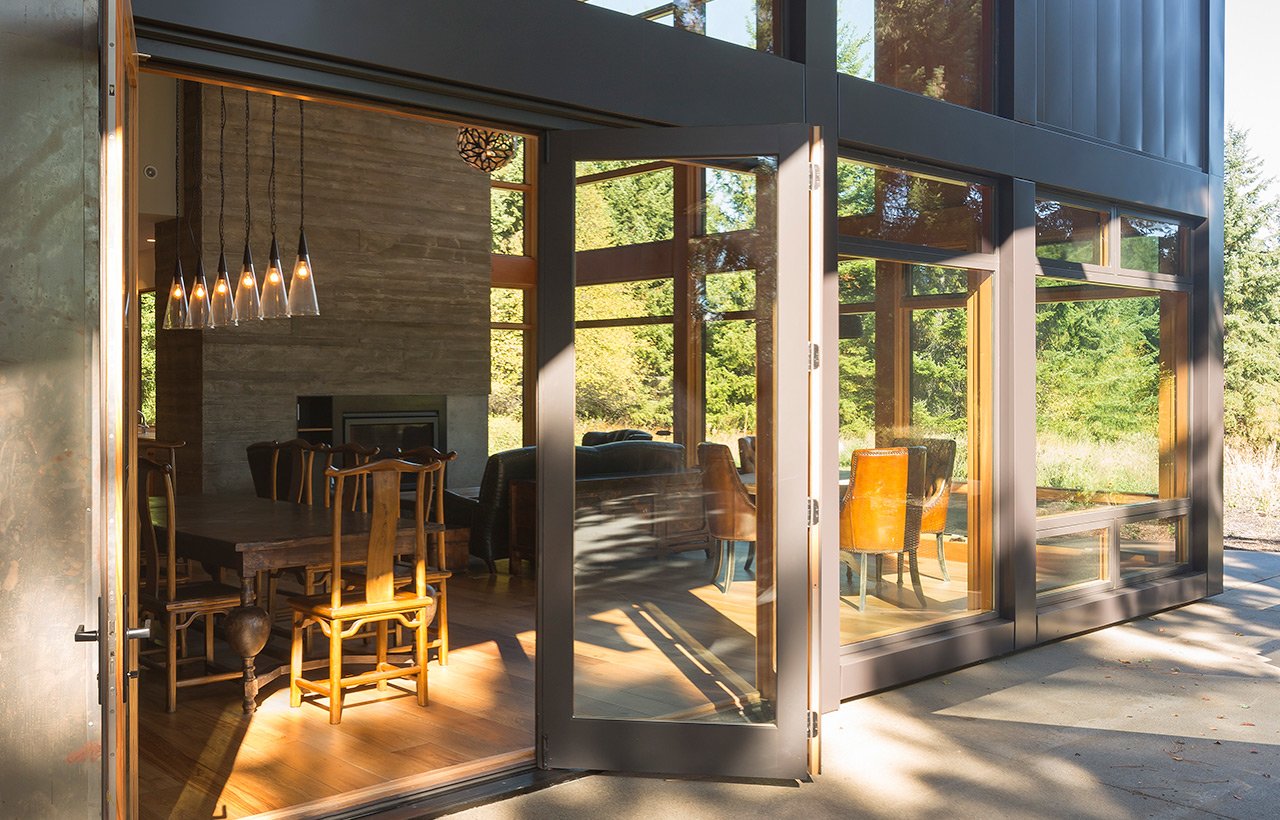
The main living room and the dining area of the Tumble Creek Cabin feature vaulted ceilings with exposed steel and wooden structural elements, allowing the space to feel more open, while the floor-to-ceiling windows offer terrific views of the landscape beyond.

Other notable sustainability features of the Tumble Creek Cabin include its radiant floor heating; an Energy Recovery Ventilation System; energy efficient aluminum-clad wood windows and doors; and use of rustic materials, including stone, weathering steel, and reclaimed barn wood with modern detailing. Oh, and did we mention the house has its own electric car charging station?

You can learn more about this home by going to Coates’ website.

Tumble Creek Cabin

Photos courtesy of Coates Design Architects

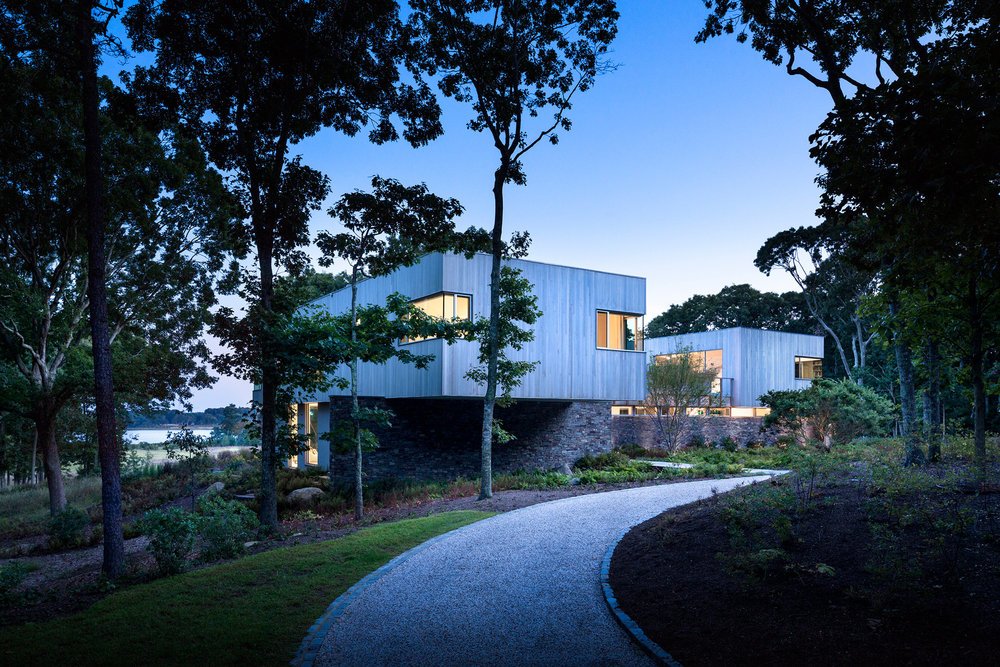
Shelter Island Hill House By Leroy Street Studio

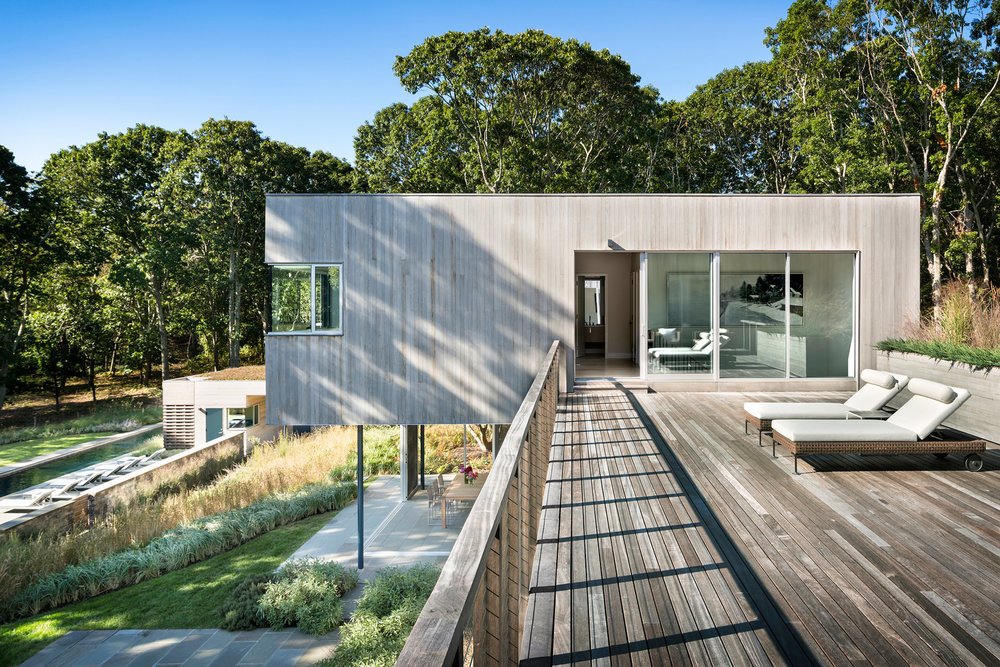
The architects and designers from Leroy Street Studios have created another structural masterpiece—the Shelter Island Hill House. One of the characteristics that the firm had to take into consideration was how to match the dwelling with its surroundings. Given that the build site is set close to protected wetlands within a nature preserve. Giving them a chance at ultimately creating a design matching the serene environment.

What we see is an imaginative approach wherein the upper half of the building looks like its floating. This effect is possible via the liberal use of glass panels on the lower living space. The decision subsequently allows natural light to filter through. The overall frame of the house uses wood instead of steel, and its top exterior is mostly clad in cedar.

We love its distinctive arrangement wherein there are two separate spaces above connected by an open roof deck. One end houses the master bedroom, while the other side belongs to the kids. You can also make out that almost every corner and some sections of the upper areas are bedecked with large windows—possibly to minimize the need for artificial lighting during the daytime. Photos were taken of the Shelter Island Hill House amid its landscape that showcases the subdued but lavish home as it blends in flawlessly.

Leroy Street Studio

Photos courtesy of Leeroy Street Studio

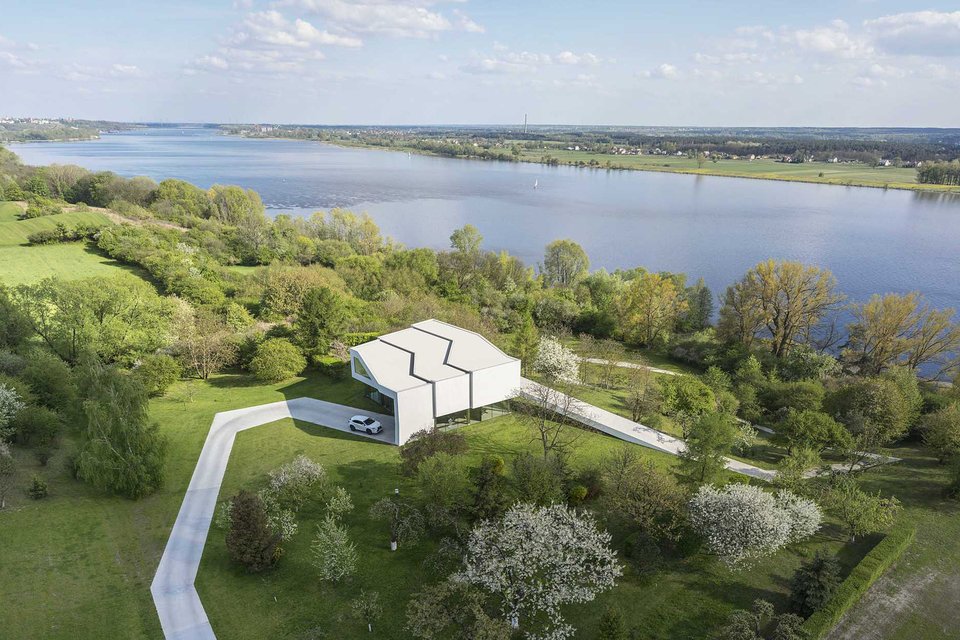
By The Way House By KWK Promes

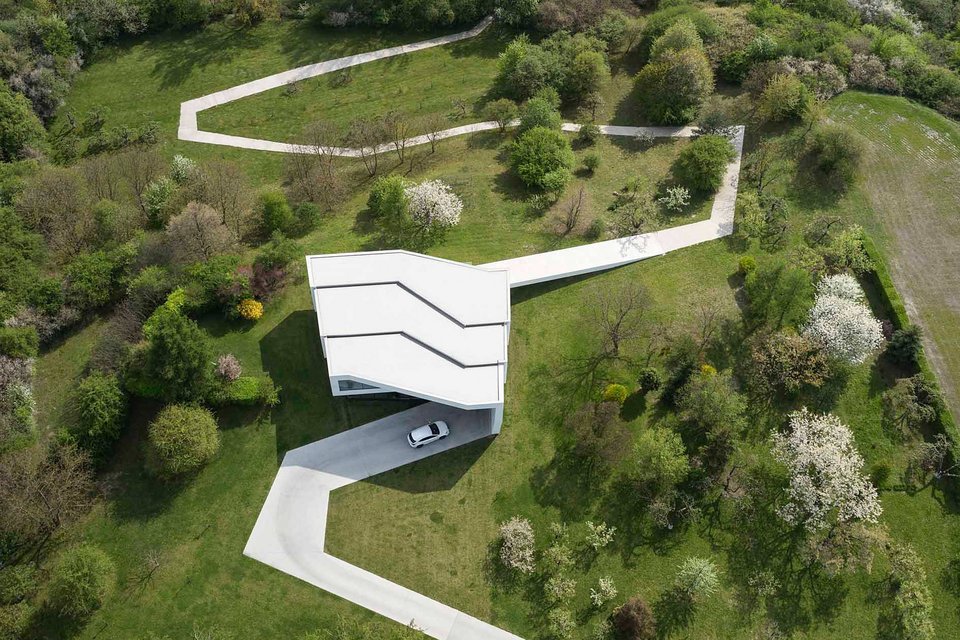
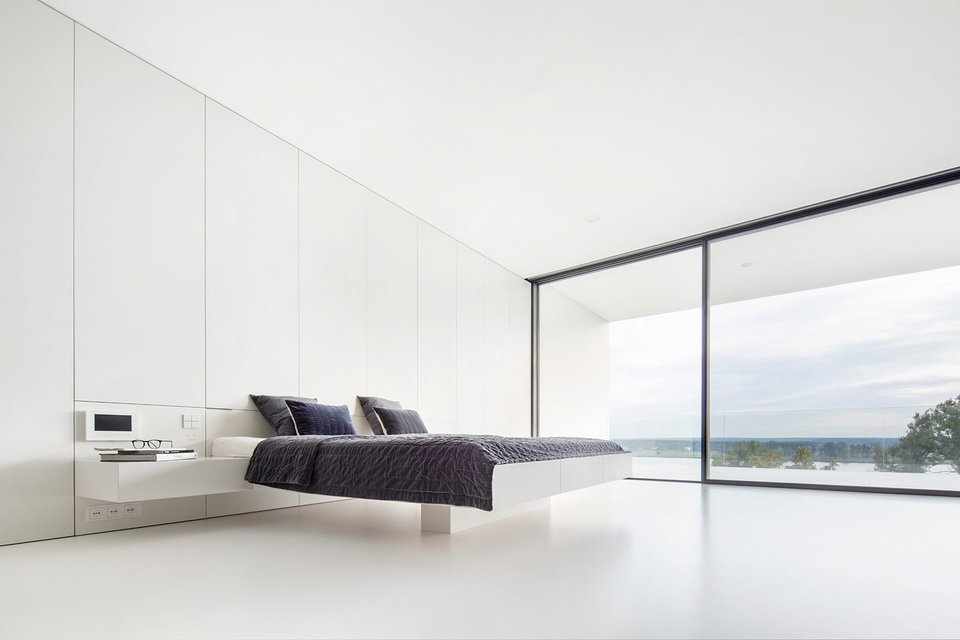
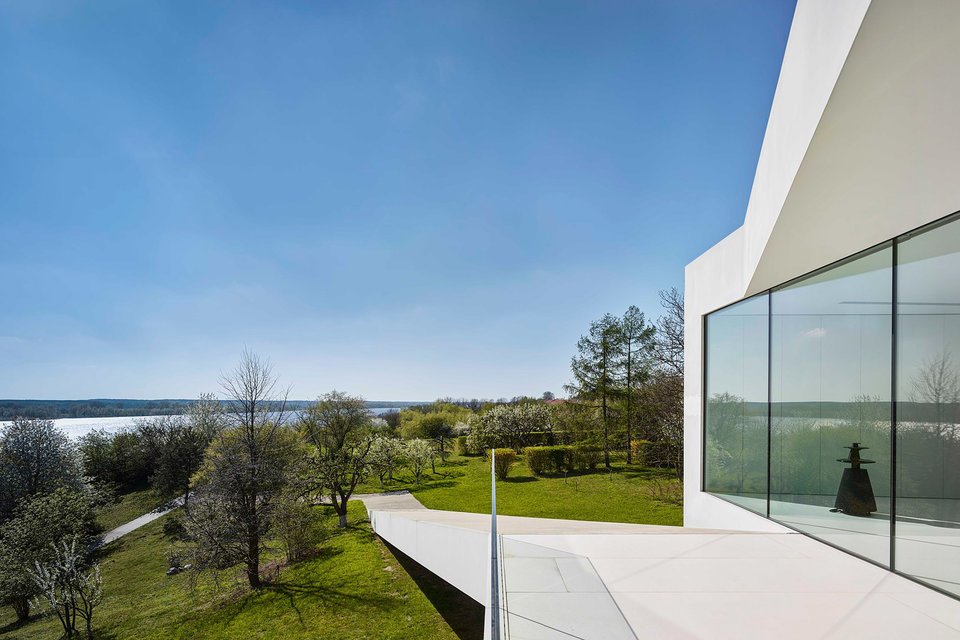
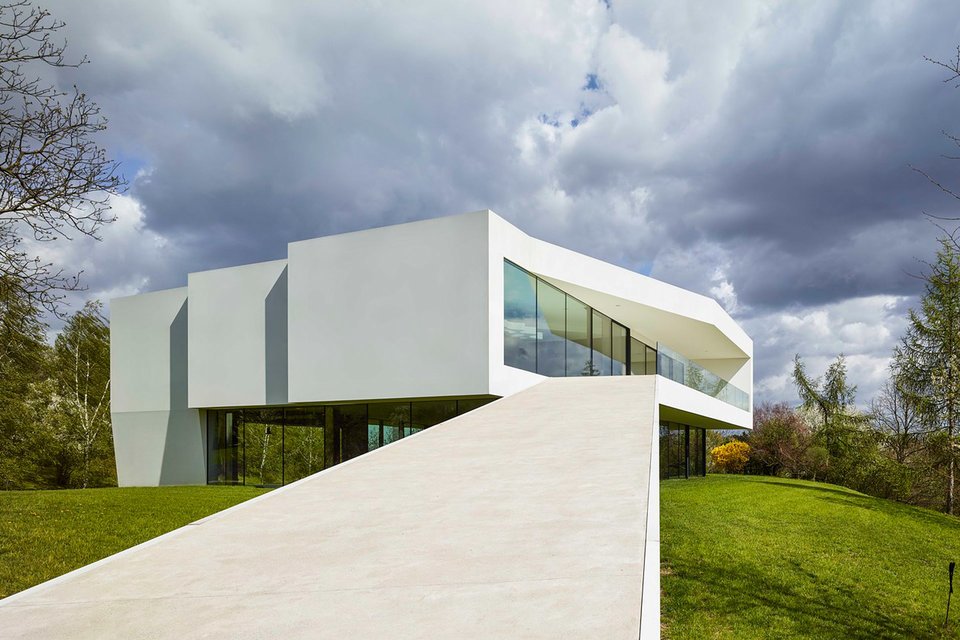
Depending on the architects forte each one does their best work in an urban setting or somewhere closer to nature. The By The Way House designed by KWK Promes can be categorized within the latter. It sits in a scenic countryside spot that also features a nearby river. Lush greenery and trees dot the area and give off a serene vibe. In order to avoid damage to the landscape, the designers noticeably gave way to nature and built a stylish twisting pathway that melds flawlessly with the structure

An aerial view of the dwelling makes it seem that the road sprouted up to form the frame. It then tapers off into a smaller pathway, which eventually leads to the shoreline. Form another angle, we see that the footpath connects to the balcony seamlessly. Great care and effort were taken by the designer to preserve the environment as the path carefully weaves around the trees. Furthermore, to keep its form continuous, the side that connects to the highway creates an overhang that shelters the owner’s vehicle from the elements.

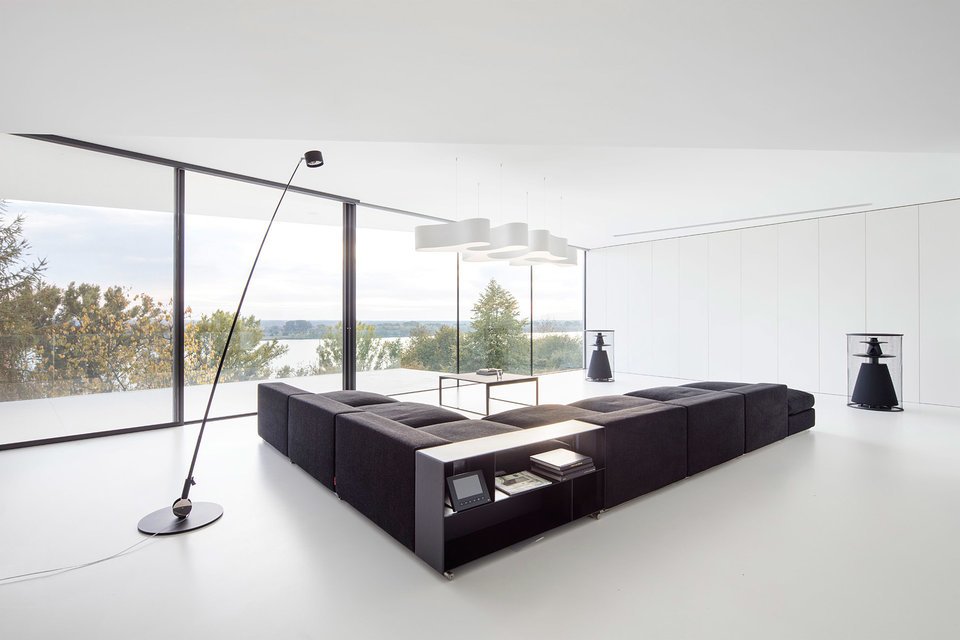
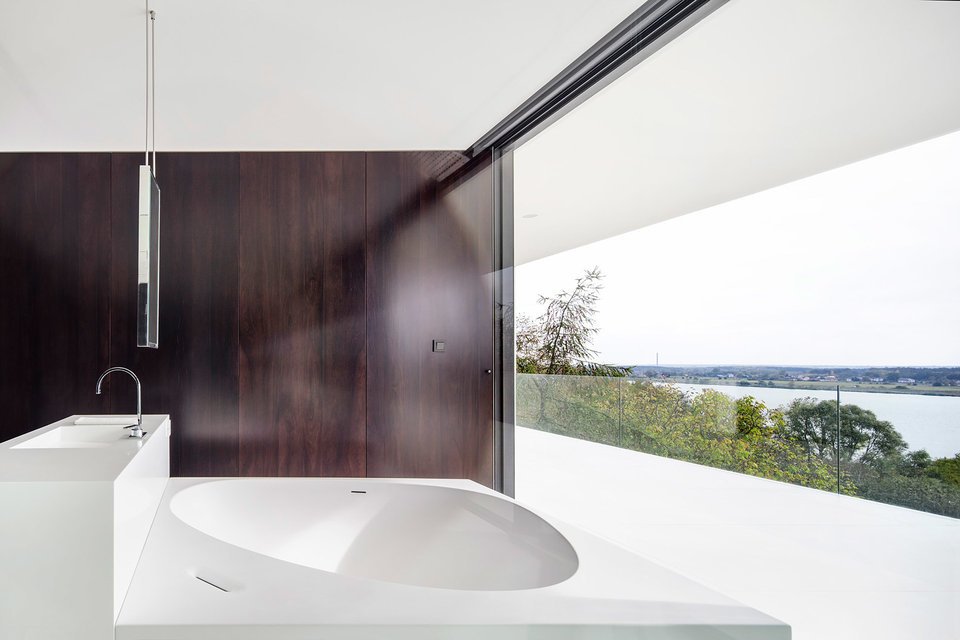
The ground level of the By The Way House is mostly comprised of tall glass sections that give an illusion that the house is afloat. You can make out that floor-to-ceiling panels are likewise abundant on the top floor. This maximizes natural lighting to enhance the interior colors of the residence. We love to see more design studios come up with ideas that take advantage of the existing atmosphere.

KWK Promes

Photos courtesy of KWK Promes

Gray Head House

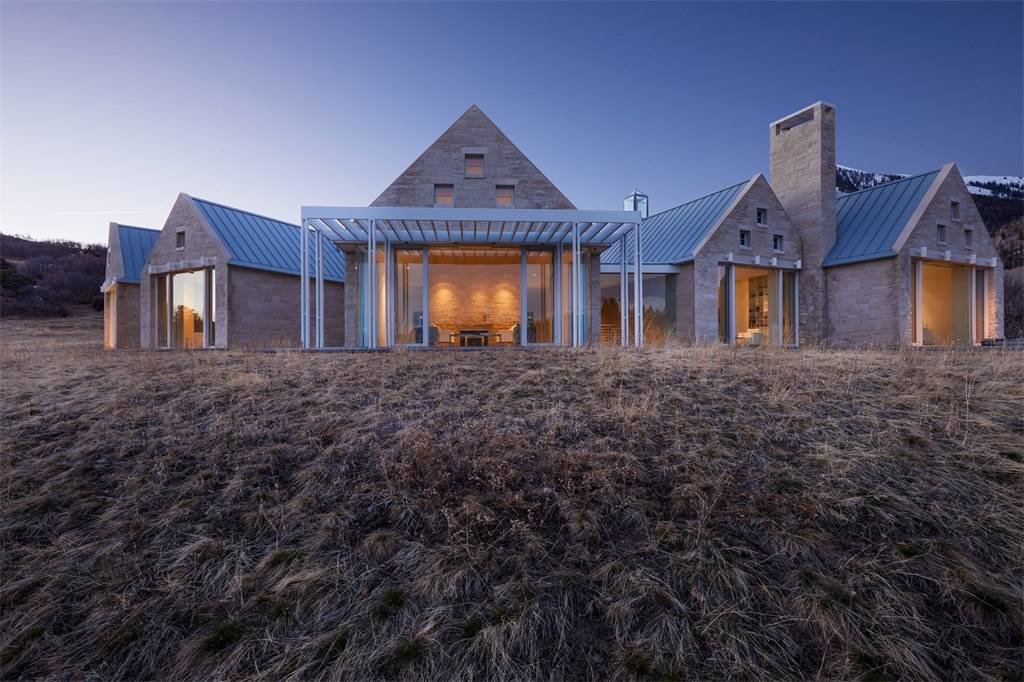
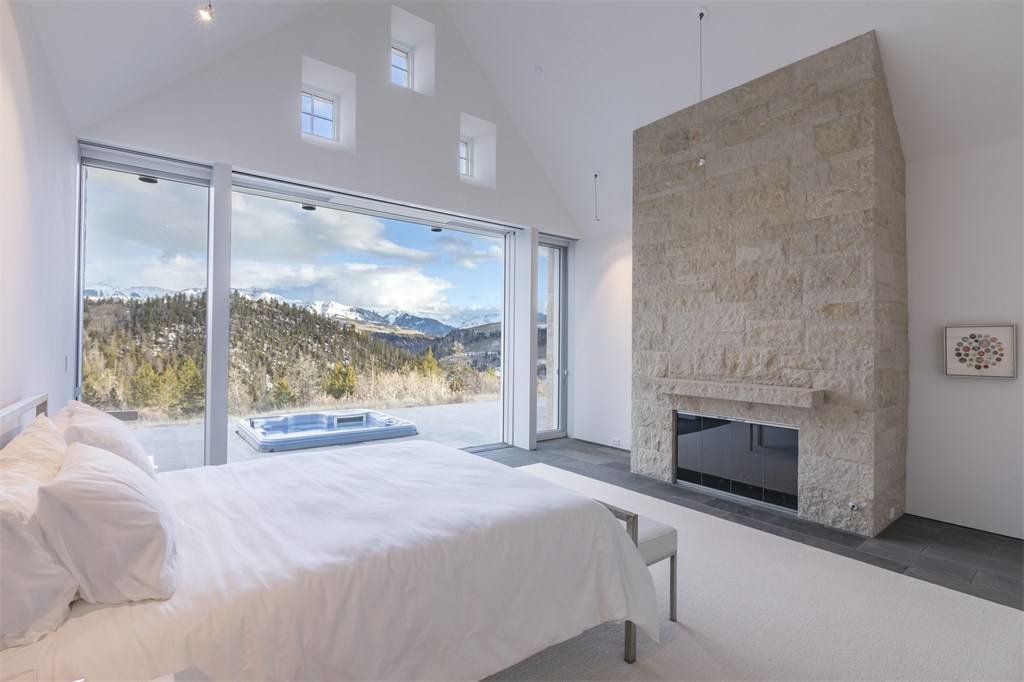
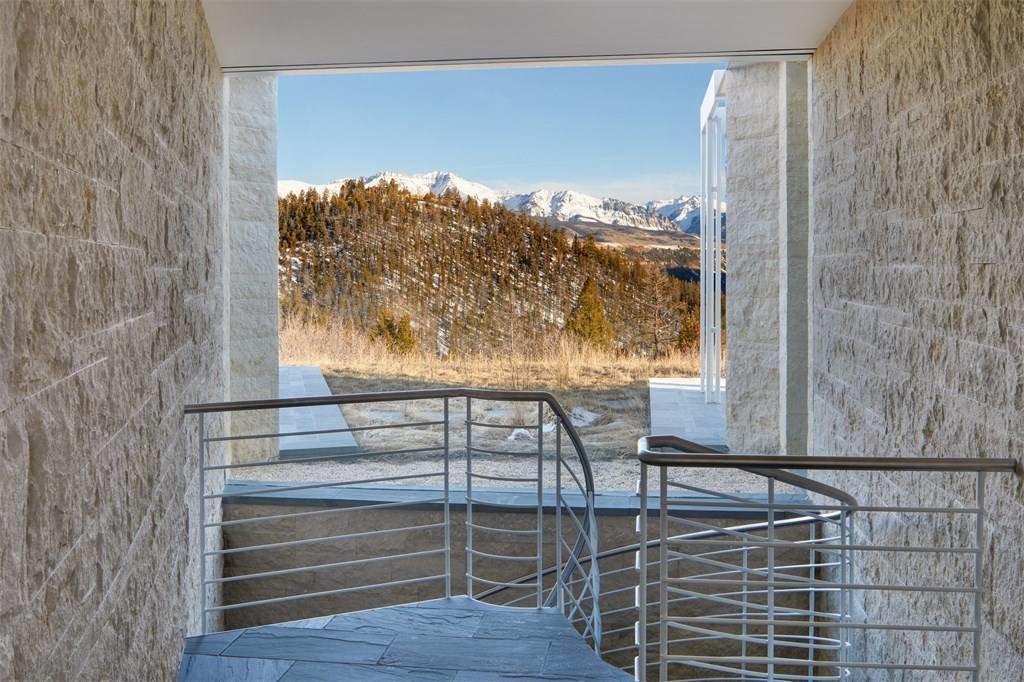
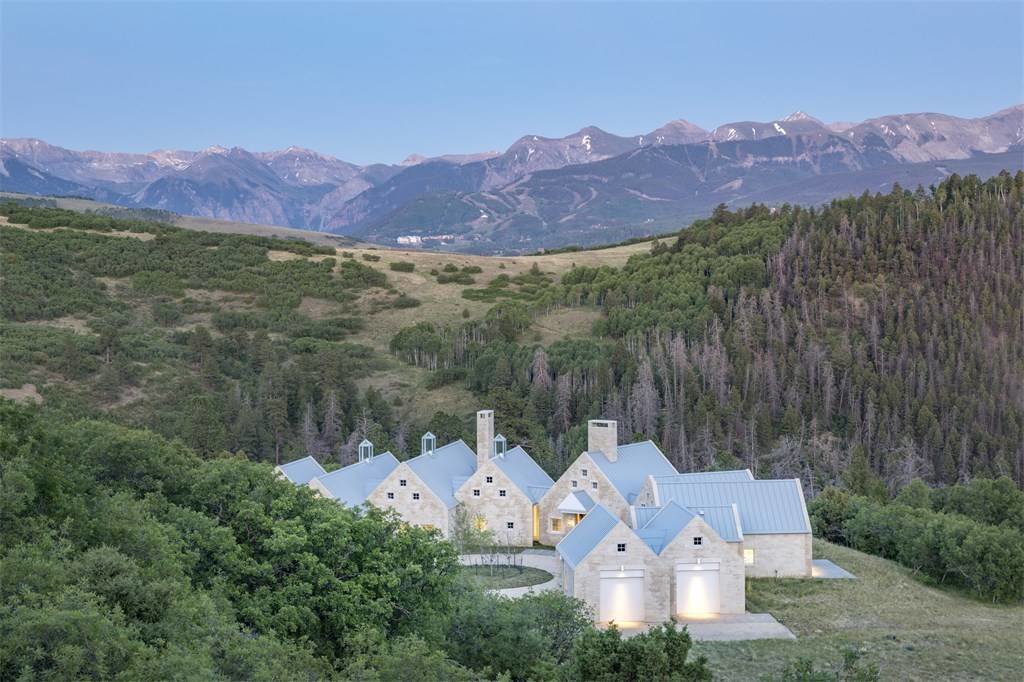
The rustic beauty of the Rocky Mountains come alive in the picturesque Gray Head House. This luxurious property sits on a 35-acre estate just outside Telluride, Colorado.

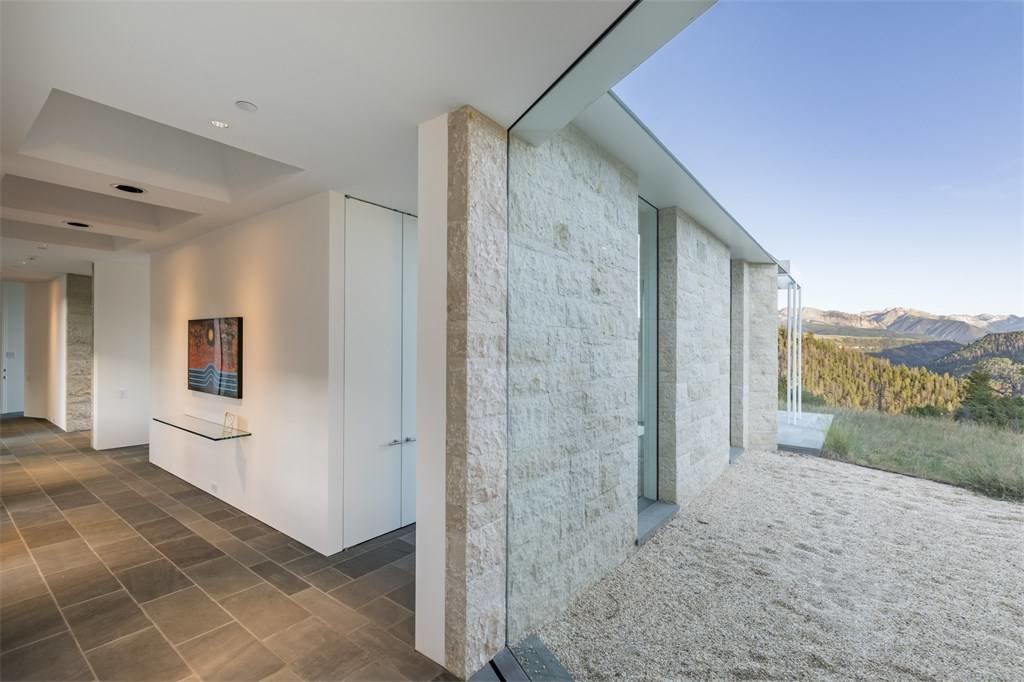
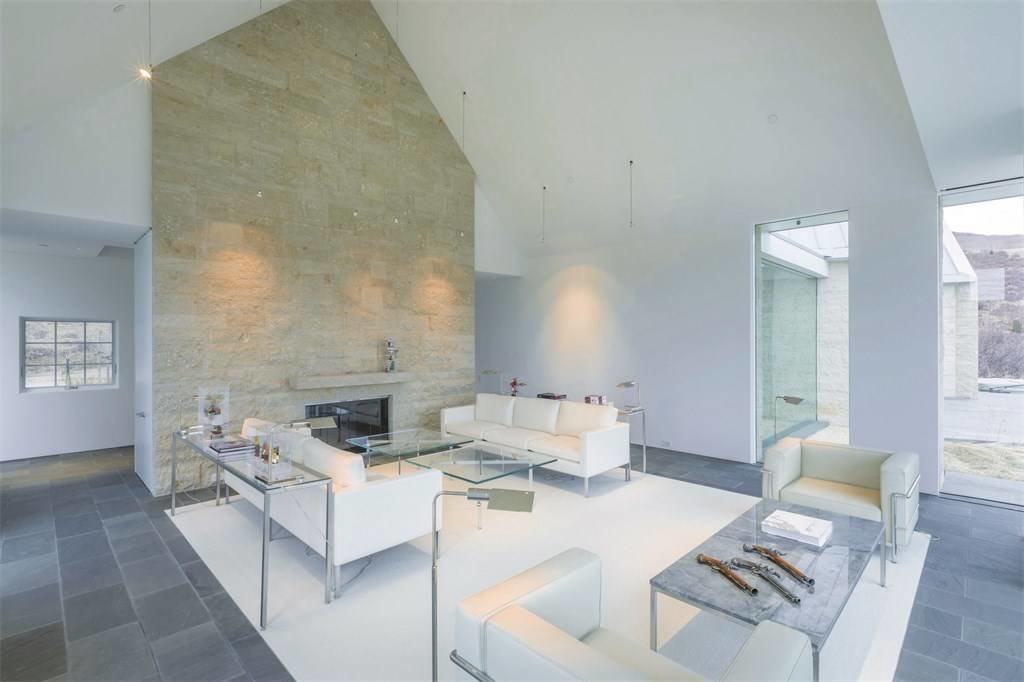
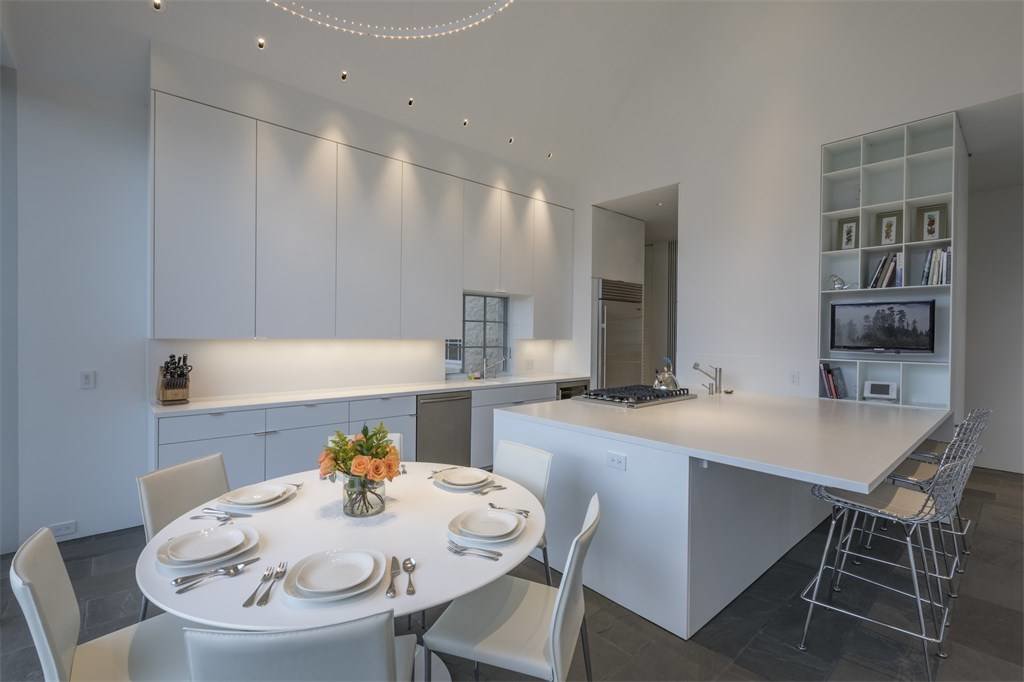
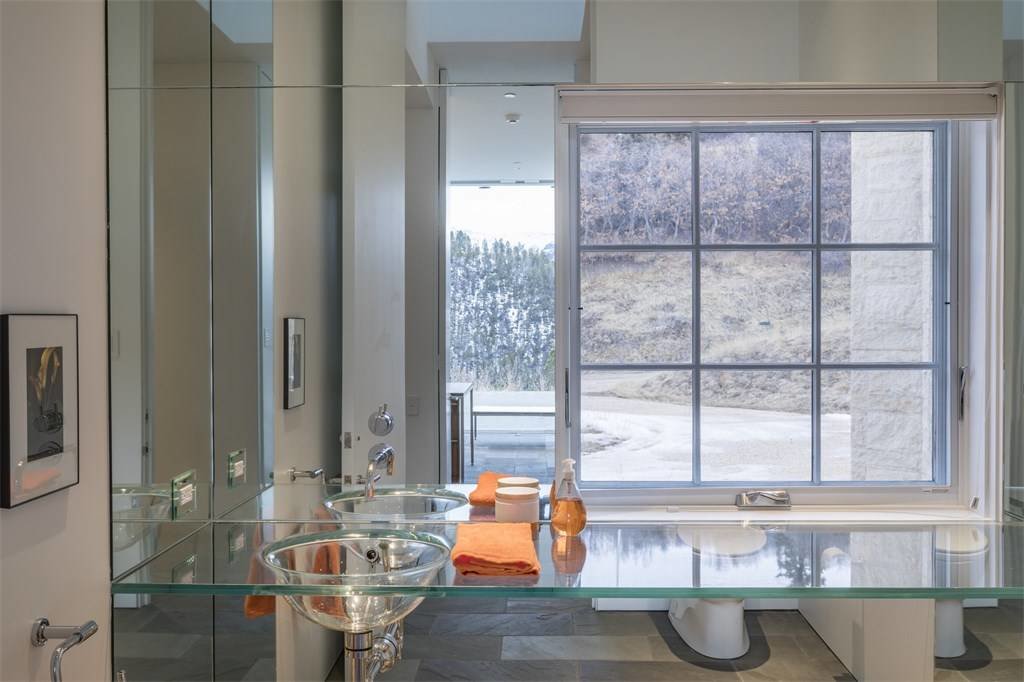
It stands out against the backdrop of nature with its unique crescent shape design inspired by internationally renowned architectures Simon and Hugh Jacobsen. Its construction alone is nothing short of fancy: made from a combination of glass, limestone, steel, and native stone.

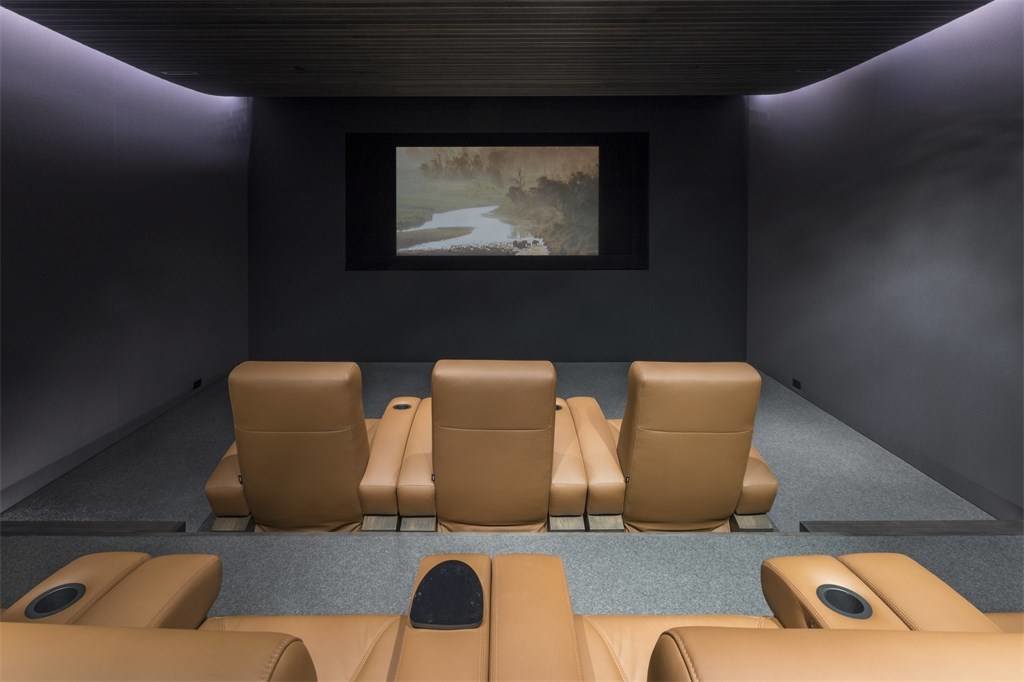
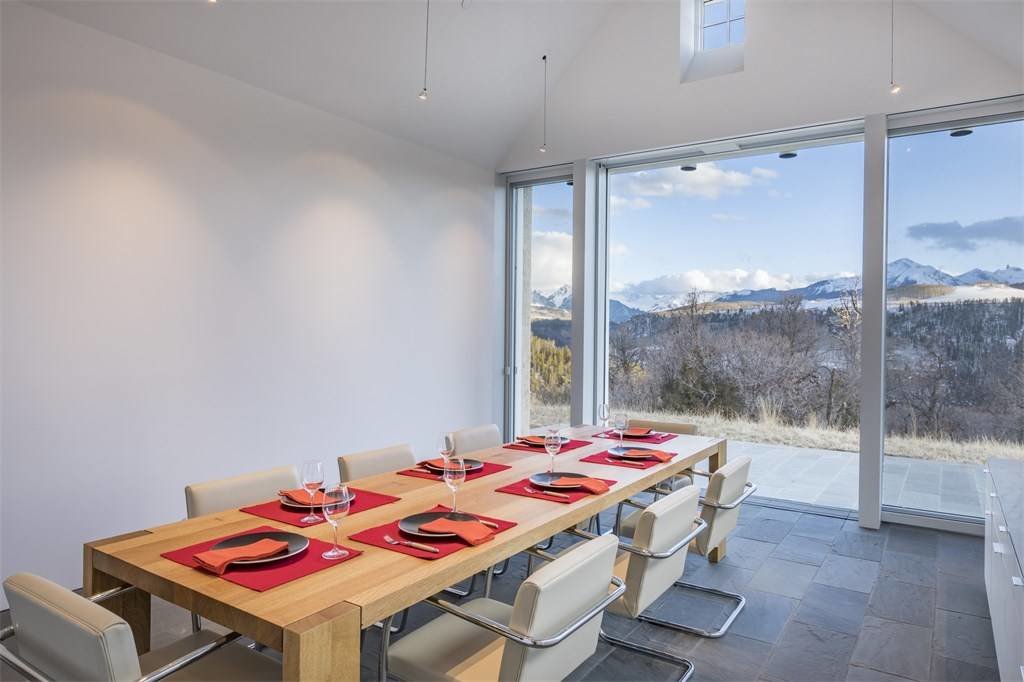
The Gray Head House is comprised of ten interlocking pavilions that offer breath-taking views of the surrounding 14,000-foot peaks. The fixtures in each accommodation exude sophistication. Glass walls allow natural light to penetrate through the expansive interior which results in a warm and inviting space. Likewise, each living space has vaulted ceilings that provide dramatic views of the encircling mountain peaks and meadows.

Meanwhile, high-tech solar and air temperature monitor system adjusts accordingly to environmental changes. The living space also has air-conditioned floors to assure each guest of a relaxing and cool stay.

The Grey Head House offers guests the freedom to relax about in any way they can. They can sit by the terrace or visit the on-site courtyard or barnyard. They can also opt to stay indoors and lounge by the fireplace.

Learn More Here

Photos Courtesy Of Sotheby’s

Mono Cabin by Drop Structures

Ever wanted to enjoy the outdoors but within the comfort of a cozy shelter? How about somewhere with a picturesque view that the urban jungle can never provide? Sure tents might seem like a viable option if you plan to just commune with nature for a few days. However, what if you are in it of the long haul? Wouldn’t it be amazing if you can ultimately just have your own living space delivered and installed exactly where you want it? Then Drop Structures might just have something that you need.

The Mono cabin is a pre-fabricated minimalist structure that mixes luxury and comfort. It offers customization choices that will undoubtedly suit most people’s tastes. One of its most notable features is the enormous glass panels of its front and back walls that generously let natural light inside. You also get 106 square feet of space within its solid core-insulated walls. Power is sourced from your local provider or through solar panel installations.

Inside the cabin are 6 LED pot lights and 4 power sockets. Its default Baltic birch interior finish and black leather flooring are all customizable. The base model does not come with any furnishings, but you can always request the studio to design and install these for an additional fee. If you need to have a bathroom or kitchen integrated into your Mono cabin, please note that it will require an extension. Pricing ranges from $21,450 – $32,700 depending on the configuration you’ve selected. Drop Structures charges $1 per kilometer for its delivery fee.

Drop Structures

Photos courtesy of Drop Structures

Tranquility House

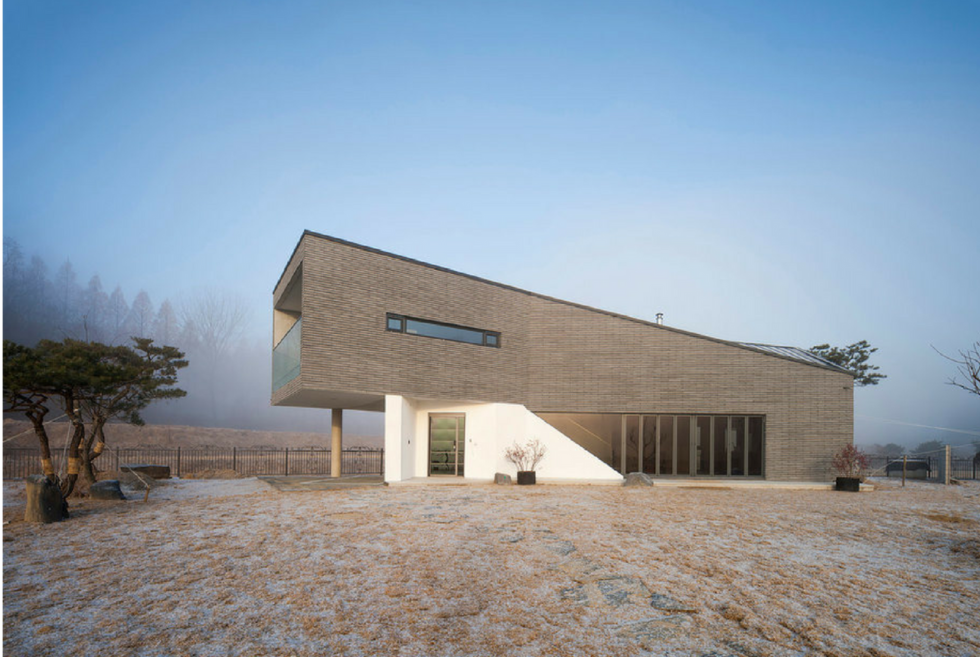
Away from the hectic and busy old-meets-new metropolis that is Seoul, the capital of South Korea, you will find an intriguing building. Tranquility House is a special retreat with enough room for many generations to spend a summer vacation and is about as far away in terms of the aesthetics and surroundings of the nearest city as it can be.

While the property may have a very contemporary design thanks to the neutral tones of the materials used, it still manages to blend perfectly with its environment. A plywood roof and concrete walls line the house on the inside, with an expansive open-plan space that offers any visitor stunning vistas of the local countryside through the floor to ceiling glazing.

Rather than keeping the inside away from the outside, the windows fold open to allow the two worlds to meet. Below ground level, there is a grandparent’s bedroom, while a staircase directs you upwards to a high-level master bedroom. This room juts out from the property thanks to clever cantilevering.and the floor to ceiling windows on this level with a floating balcony offering the perfect place to enjoy romantic dusks with a drink or two.

Find Out More

Nolla Energy-Efficient Cabin (on Airbnb!)

Neste might sound like a nice brand of chocolate – just us? – but they are in fact a Finish-based company that are committed to making our living more energy efficient. As a matter of fact, they are part of the pioneering group in supplying renewable diesel. Their latest venture is in the realm of clean energy, which is epitomized in their Nolla Cabin, a clean energy home.

Robin Falck is the brains masterminding the Nolla Cabin operation from his Helsinki base. This really cool cabin is something to behold due to its unique shape and design features. The first thing that hits you when looking at the innovative architecture is the huge triangular window. Well, if you can look past that for a moment, or through it, we would like to focus on the other hard work of the team and their main priority, its clean-living capabilities.

The cabin runs on renewable fuel (diesel) alone supplied by Neste. The fuel will be handed over to you when you stay there. Oh, did we forget to mention that this cabin is on Airbnb? Well it is, and the owner will be happy to supply the required fuel when you arrive. The money spent on staying there will be handed over to The Ocean Cleanup organisation who are dedicated to cleaning plastic out of our waters. The cabin of course has solar panels as well as a picturesque cooking nook complete with Wallas stove for a romantic evening.

This property makes for a perfect get-away with your better half and will undoubtedly make a lasting impression!

Book A Night Here

Ramat HaSharon Pavilion House

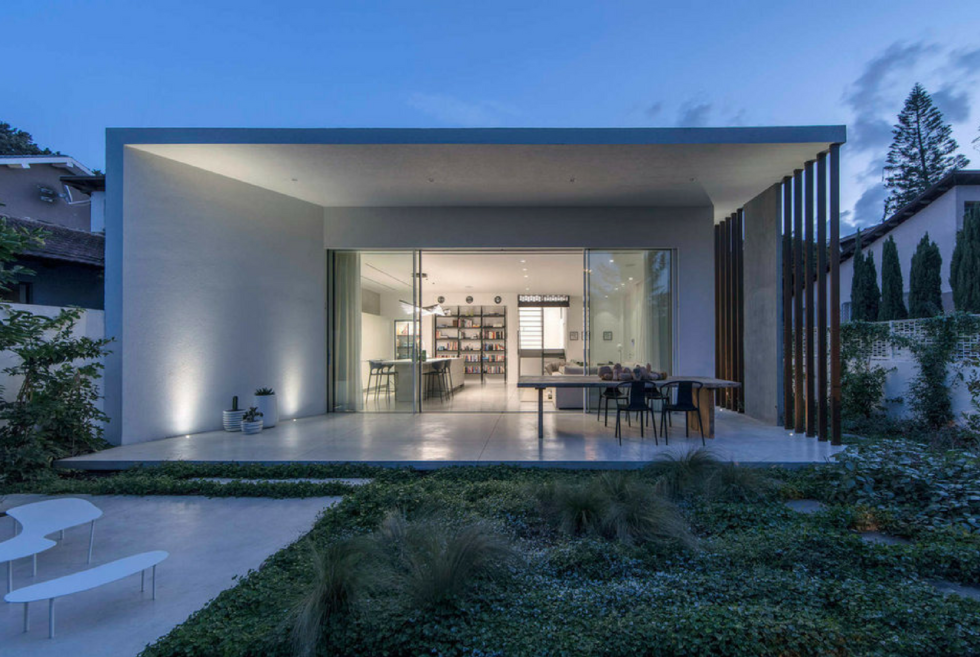
For most dudes, their home is their castle and today we want to take a look at one of the best modern castles around – the Ramat HaSharon Pavilion House. This modern house was designed by Tal Goldsmith Fish Design Studios and while we have no envy at all towards their ability to come up with a catchy business name, we do have envy towards their ability to design amazing homes.

The house is littered with sleek and minimalist features which make it stand out from the crowd. Side note – calling it a house feels like a bit of an injustice. Houses are in Wisconsin, works of art like this are in Israel.

The house is made up from cubes with added screens to continue a geometric theme. This allows light to pour in over the equally impressive interior while also warranting the exterior with a little more dazzle and texture. It has a conventional layout with living spaces on the lower floor and private quarters above. It gets its minimalist aesthetics from concrete polished flooring, white walls and a wall of glass. One of its practical features is that the extended roof protects from the sun’s midday intensity. Enough talking, more admiring!

Visit Tal Fish

Morukuru Beach Lodge

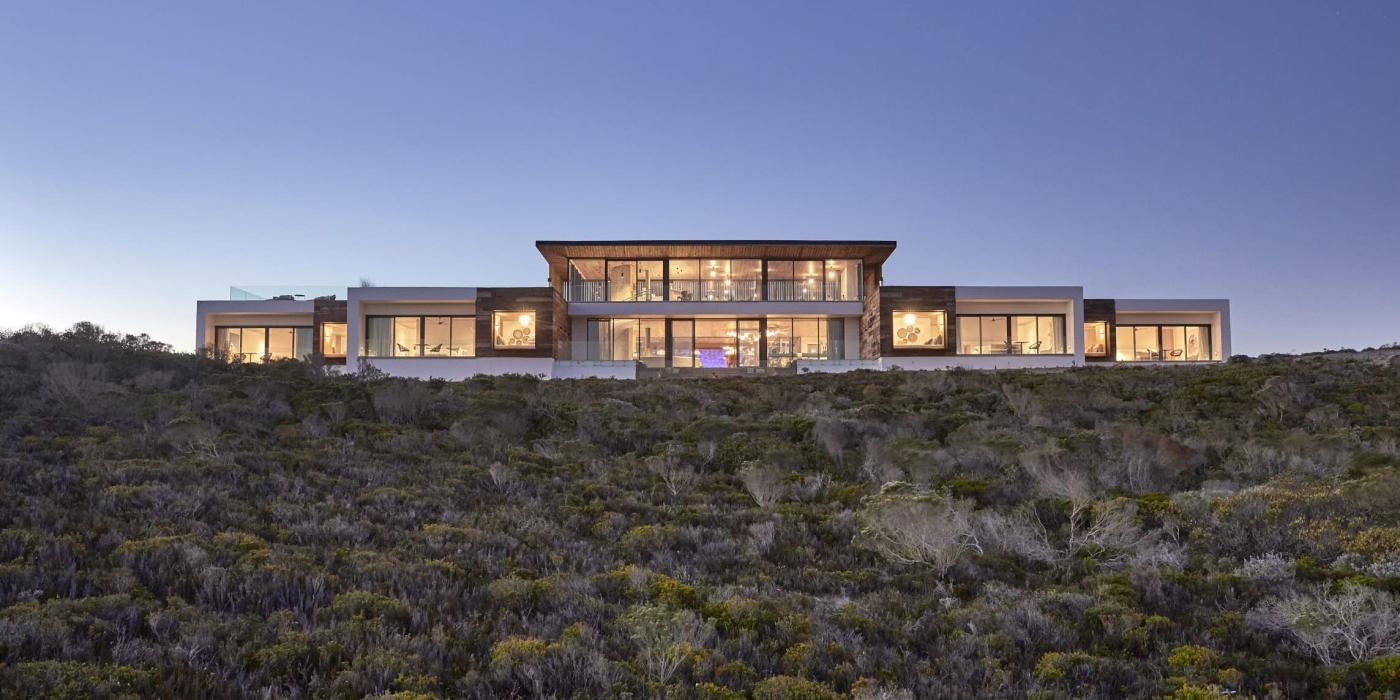
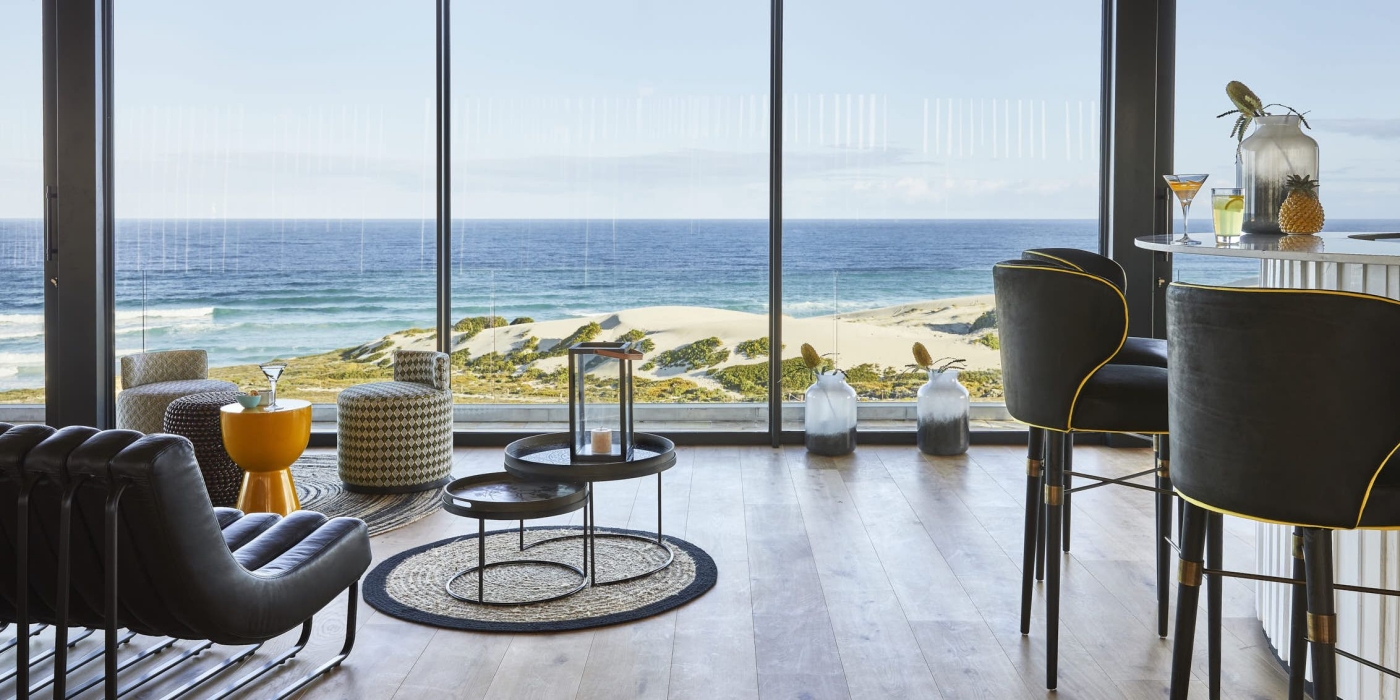
If your idea of a perfect vacation involves the sea, sand, and exclusivity, you might want to consider a memorable journey to South Africa. Not only does it boast some of the world’s most exotic wildlife, but also the most beautiful beaches you can ever find. A little bit of exclusivity is an attractive option for those of us who value tranquility and that’s exactly what the Morukuru Beach Lodge offers its guests.

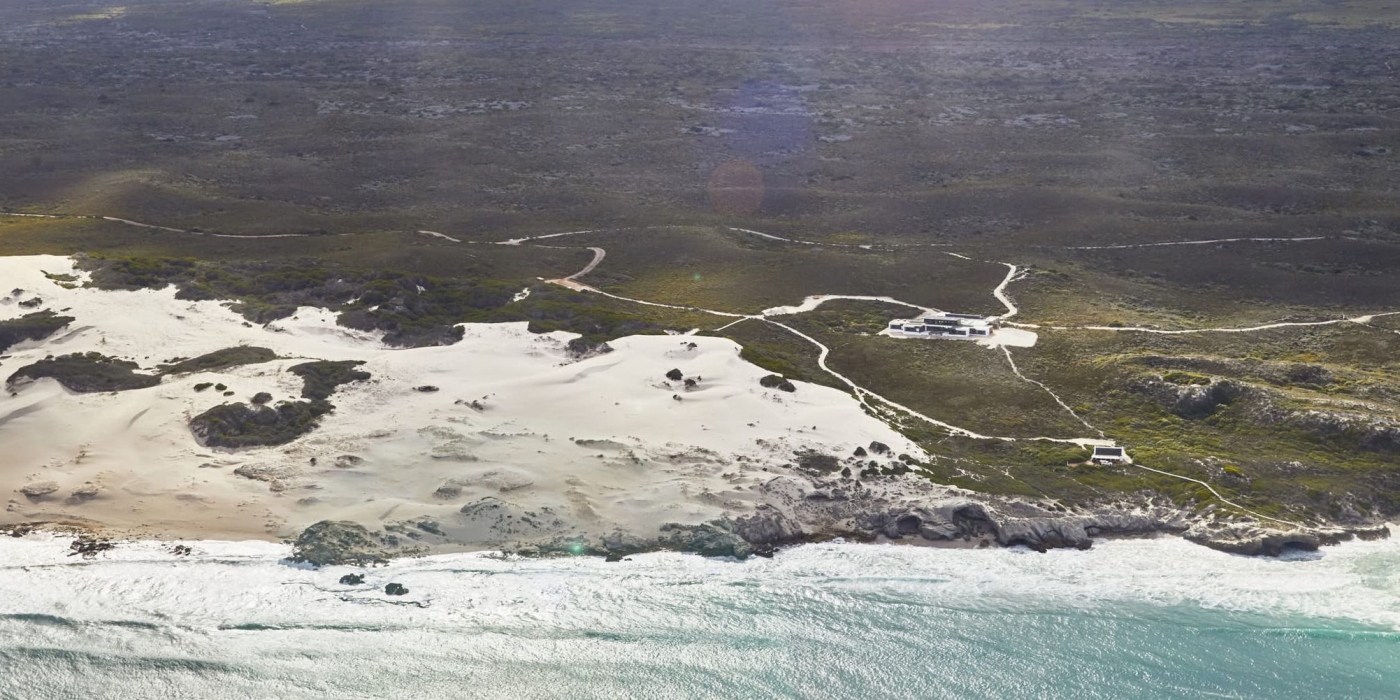
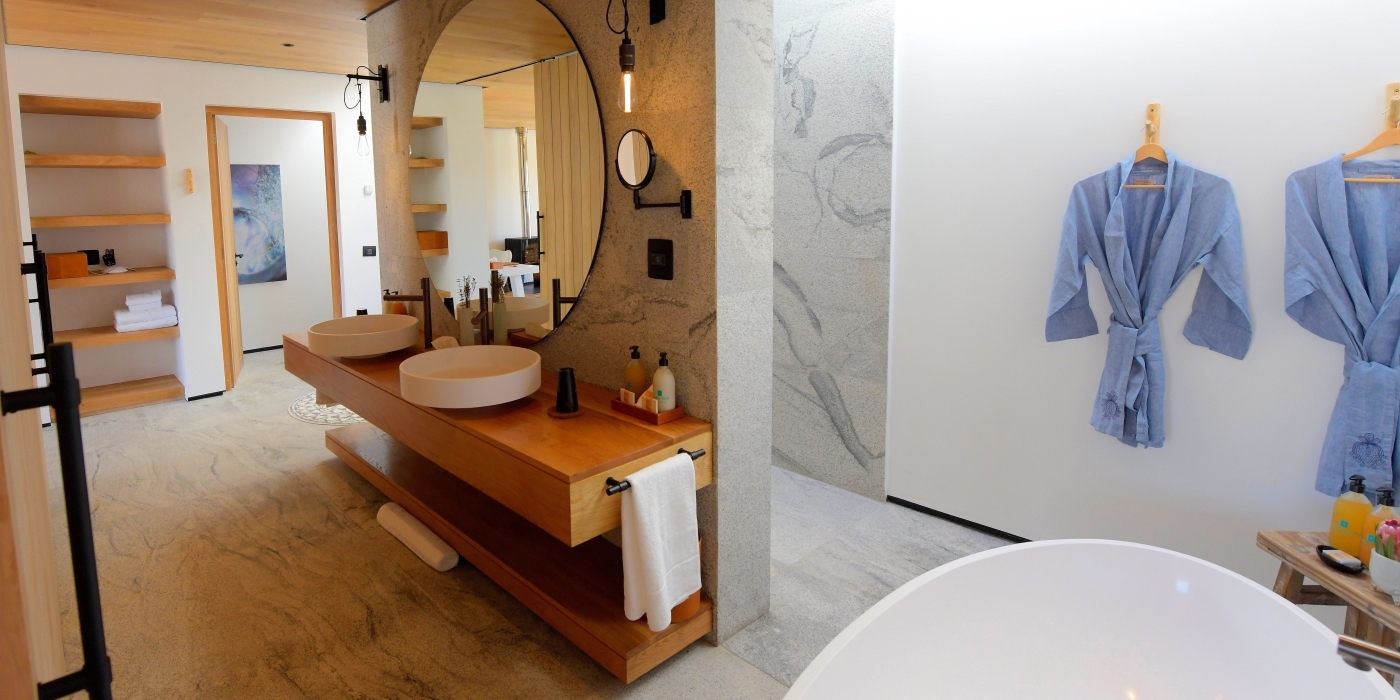
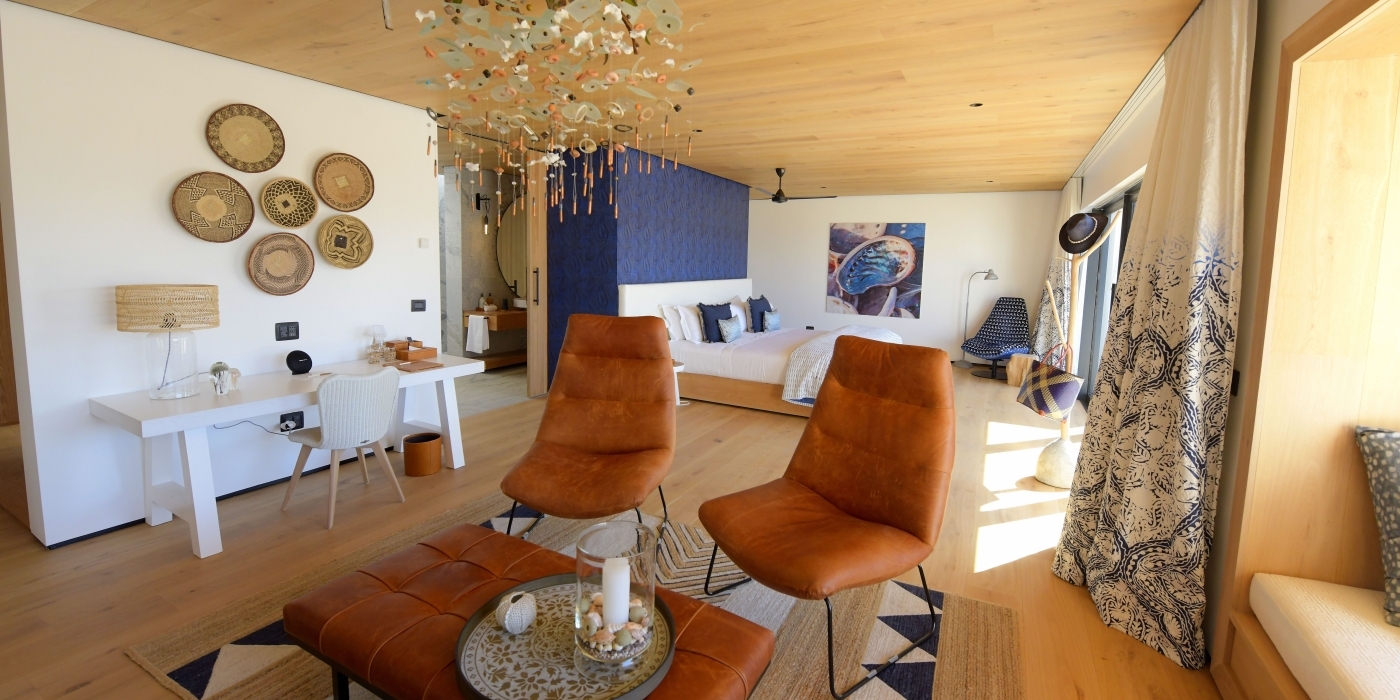
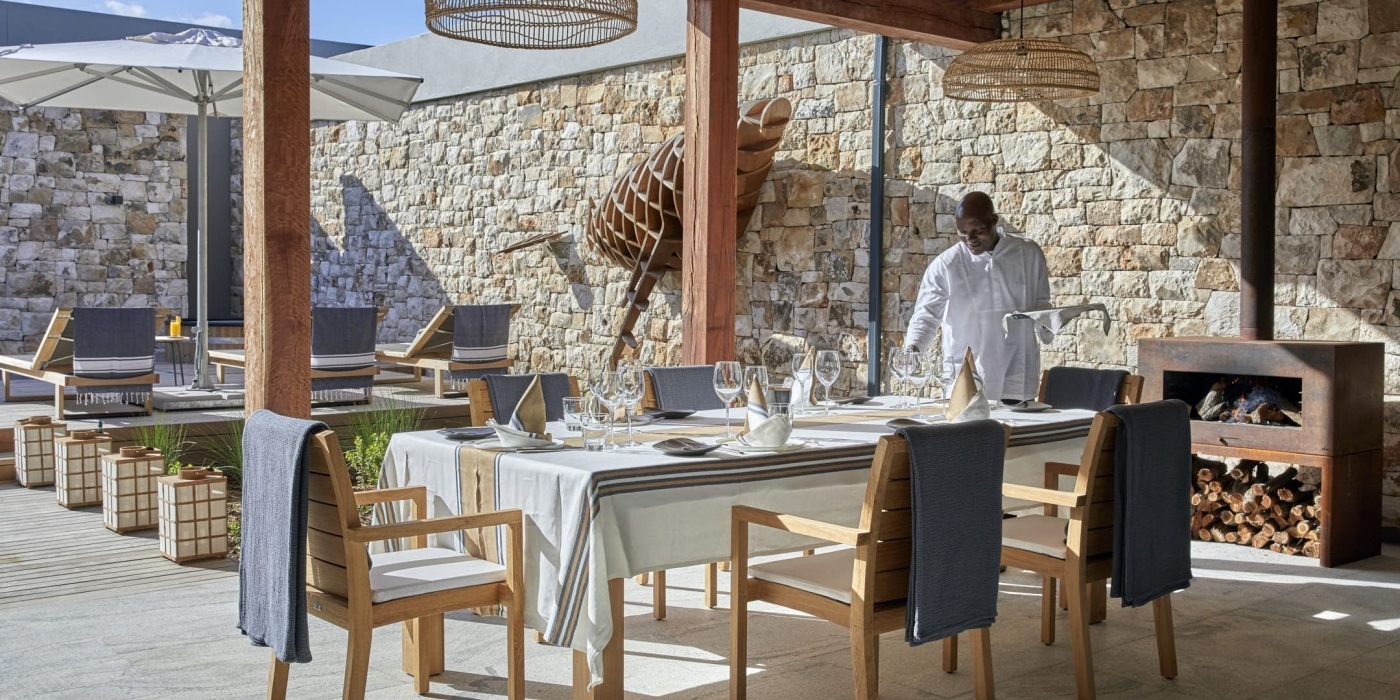
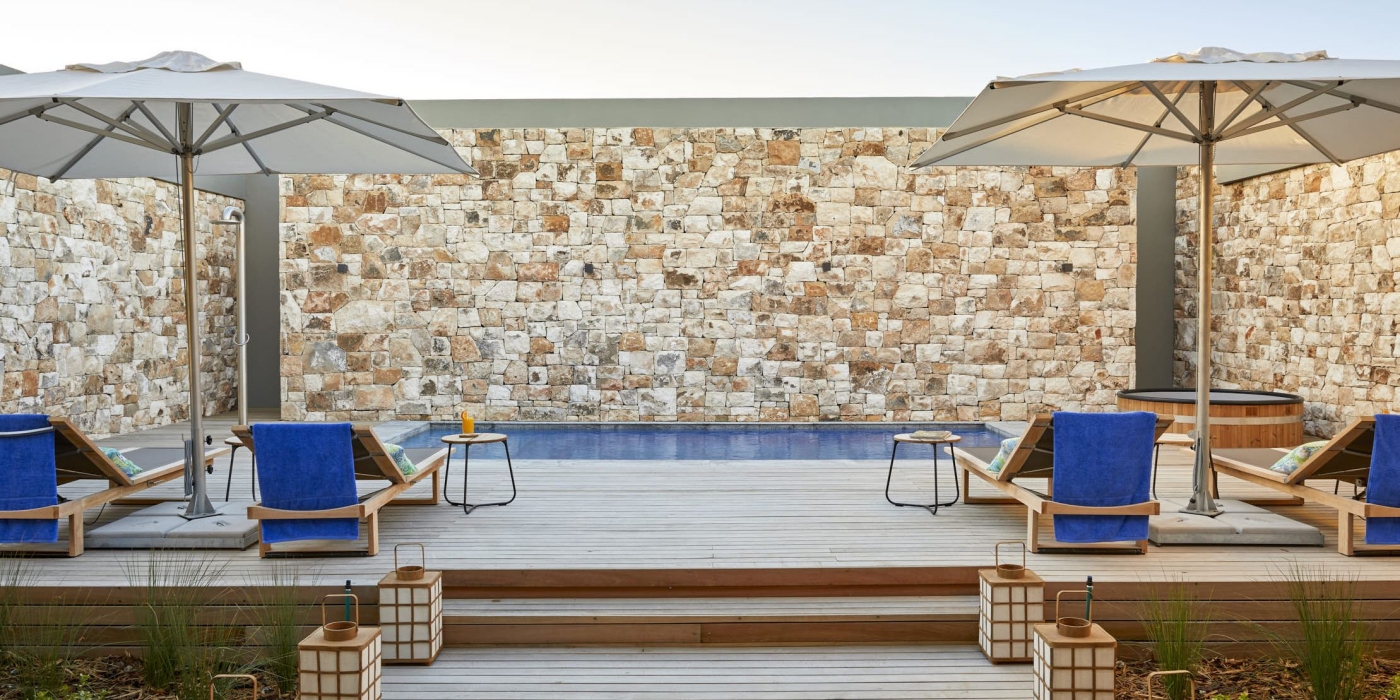
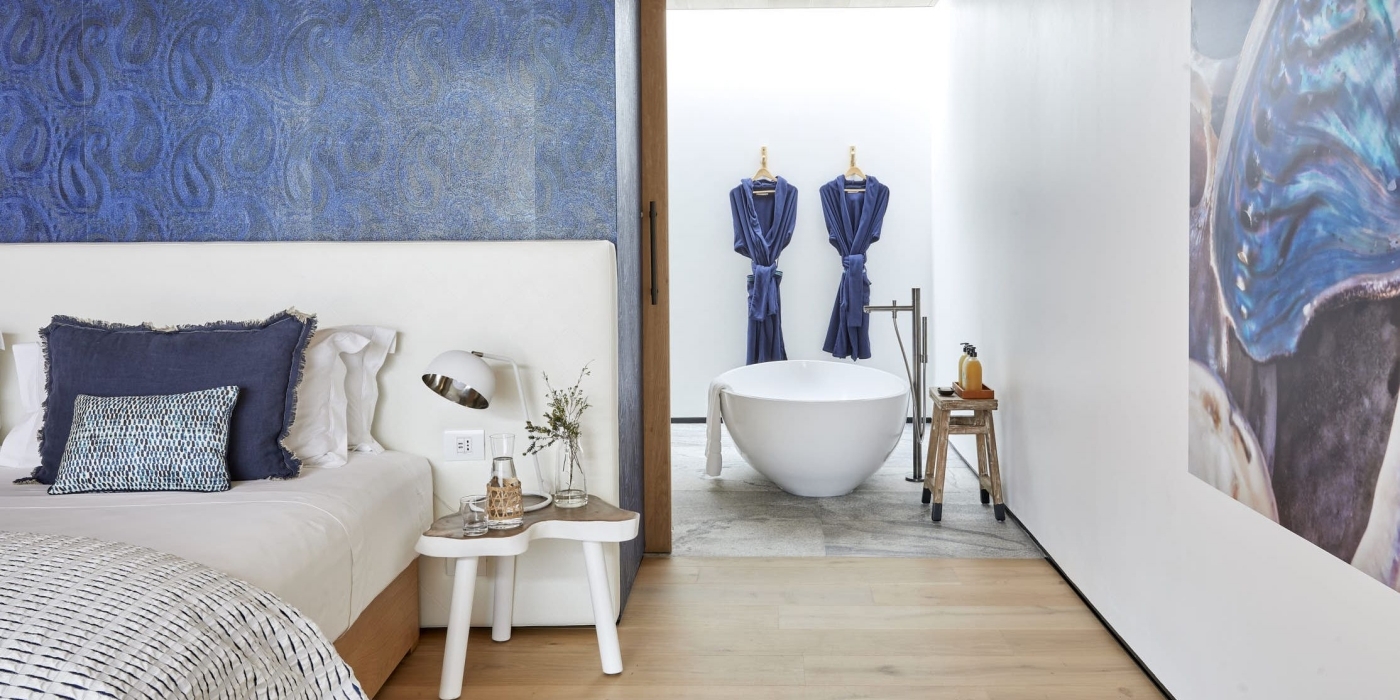
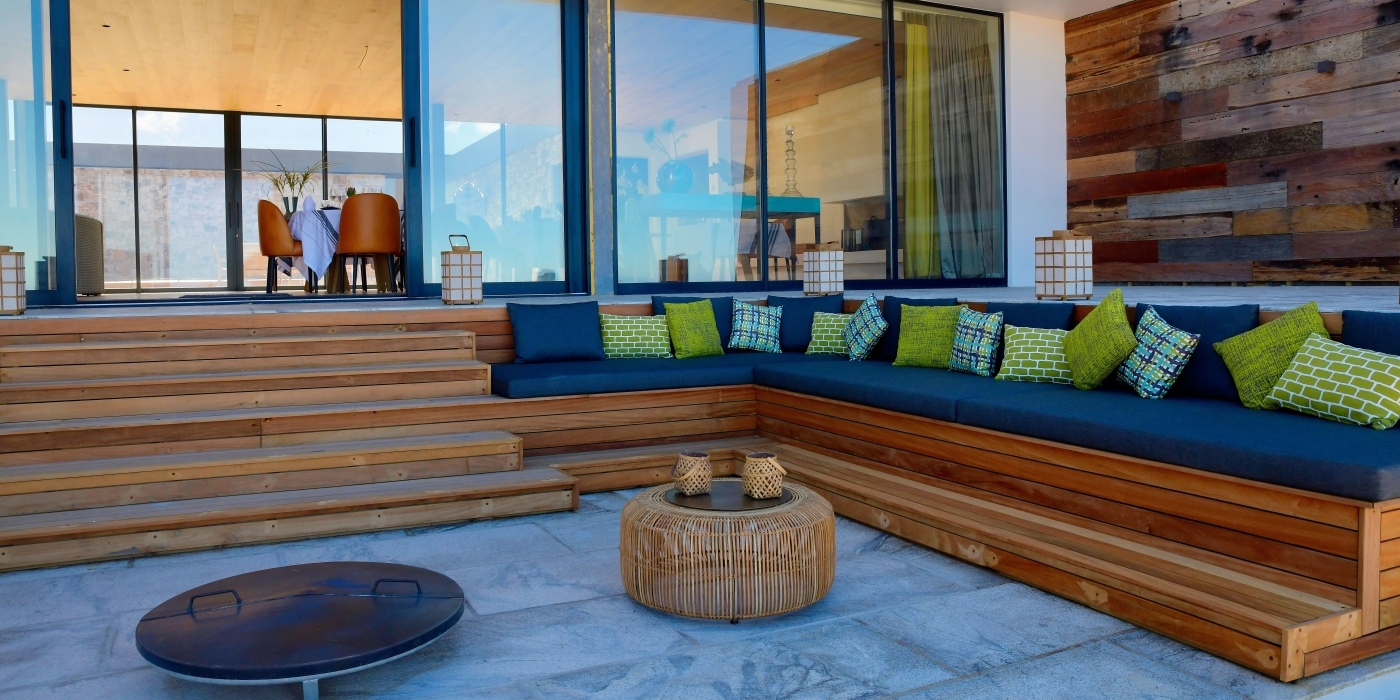
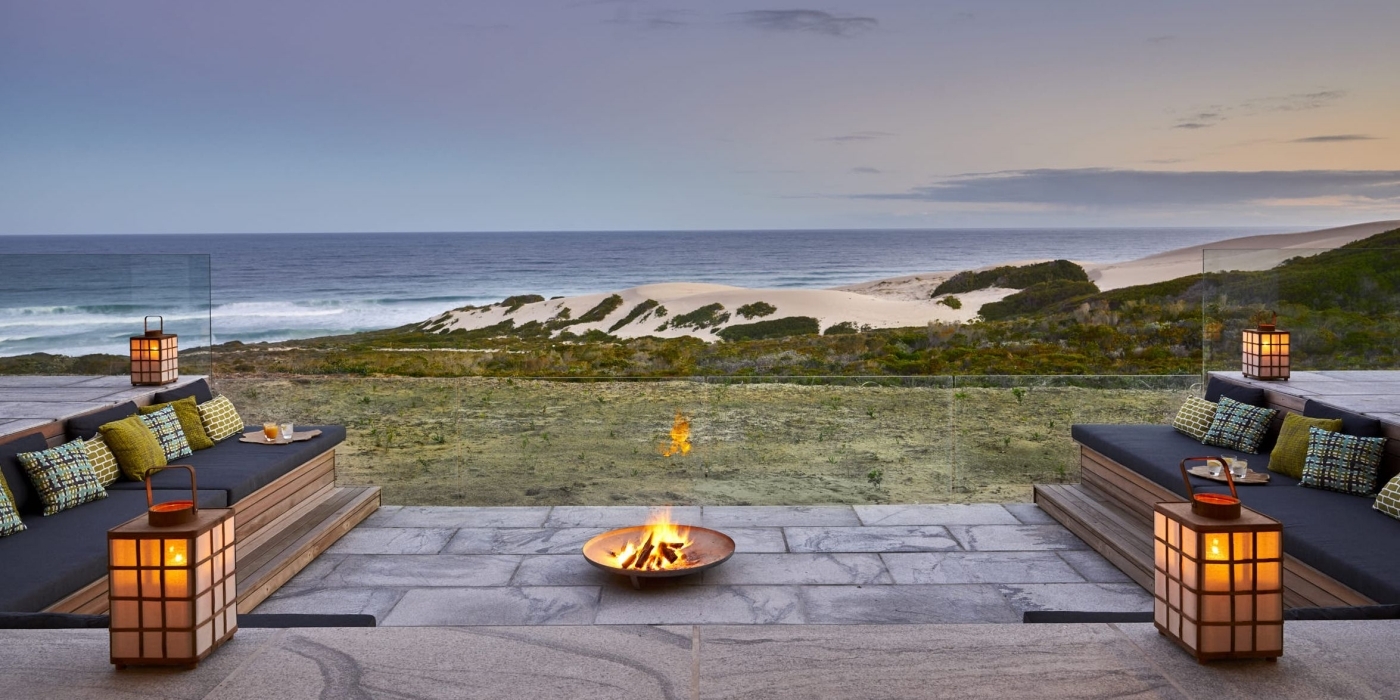
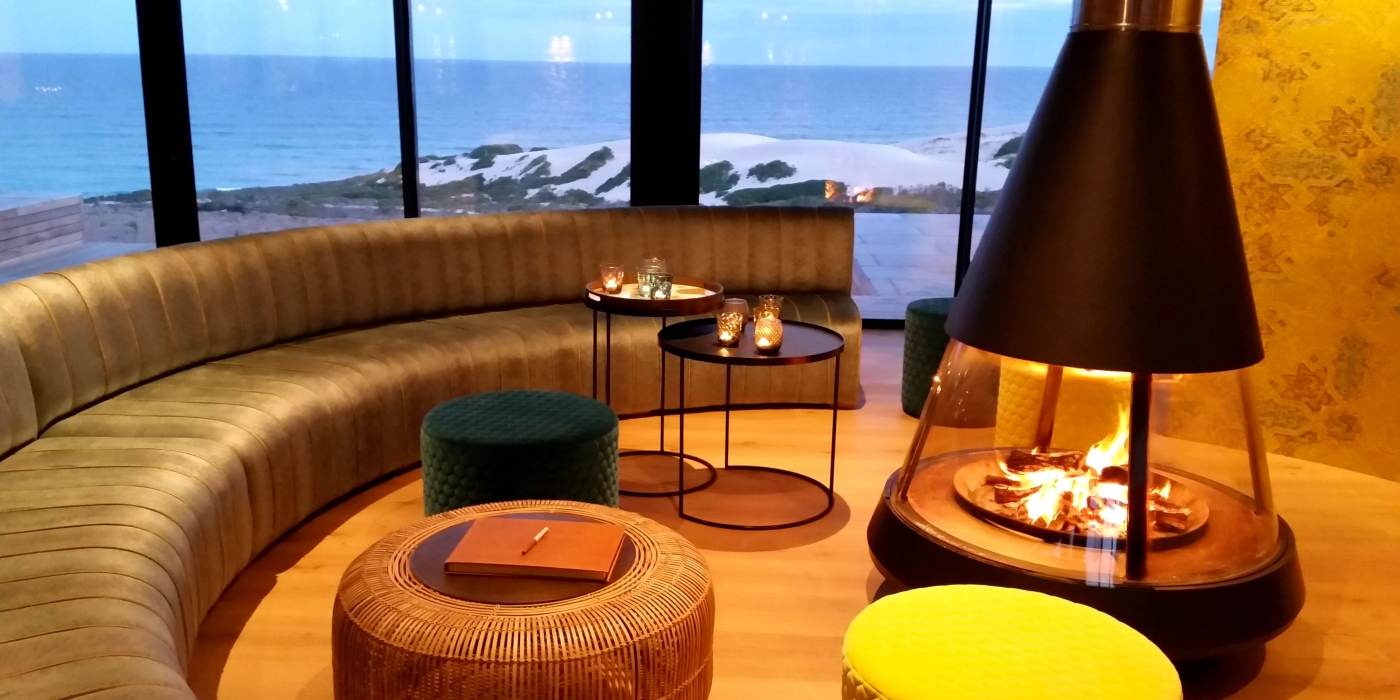
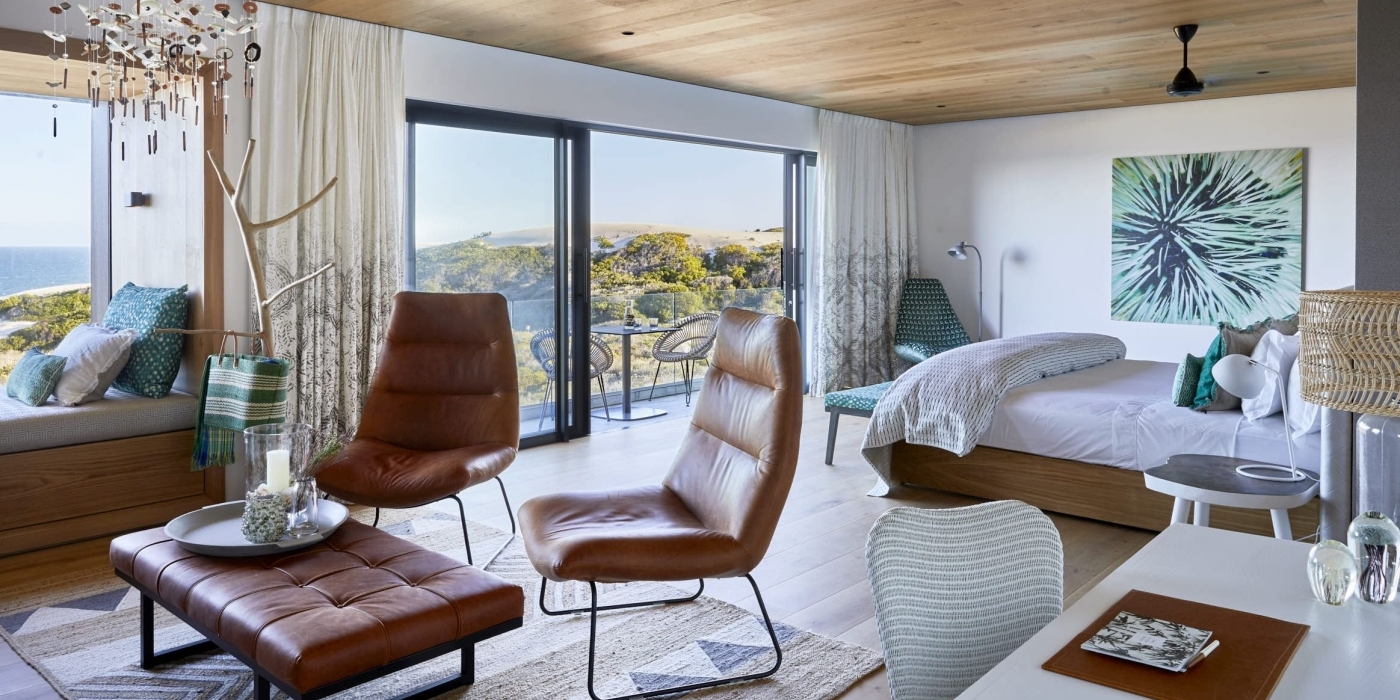
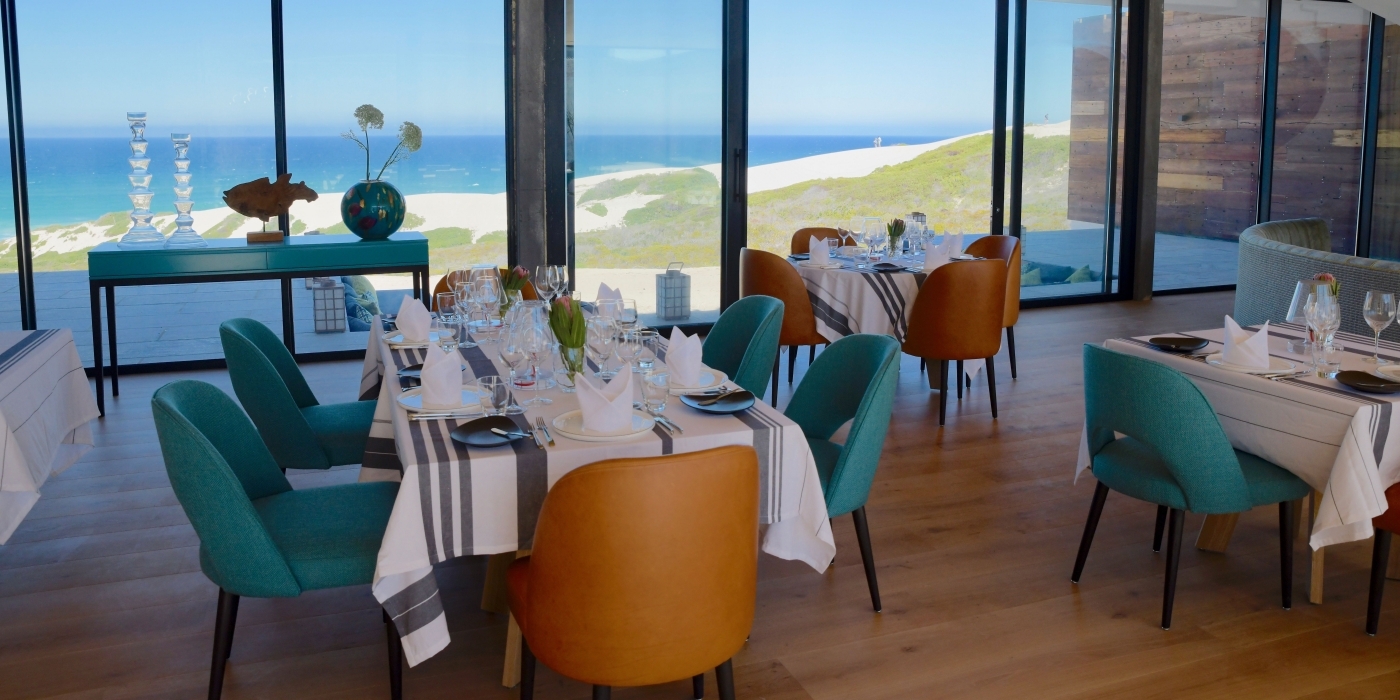
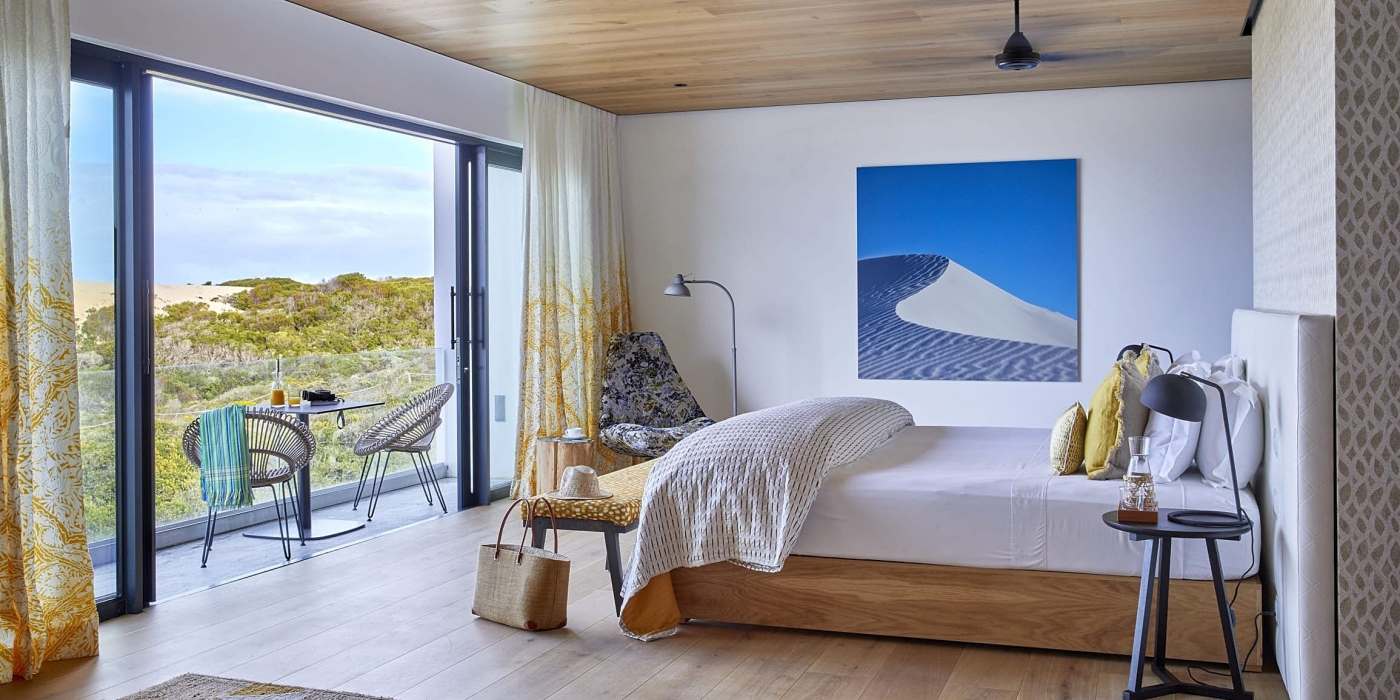
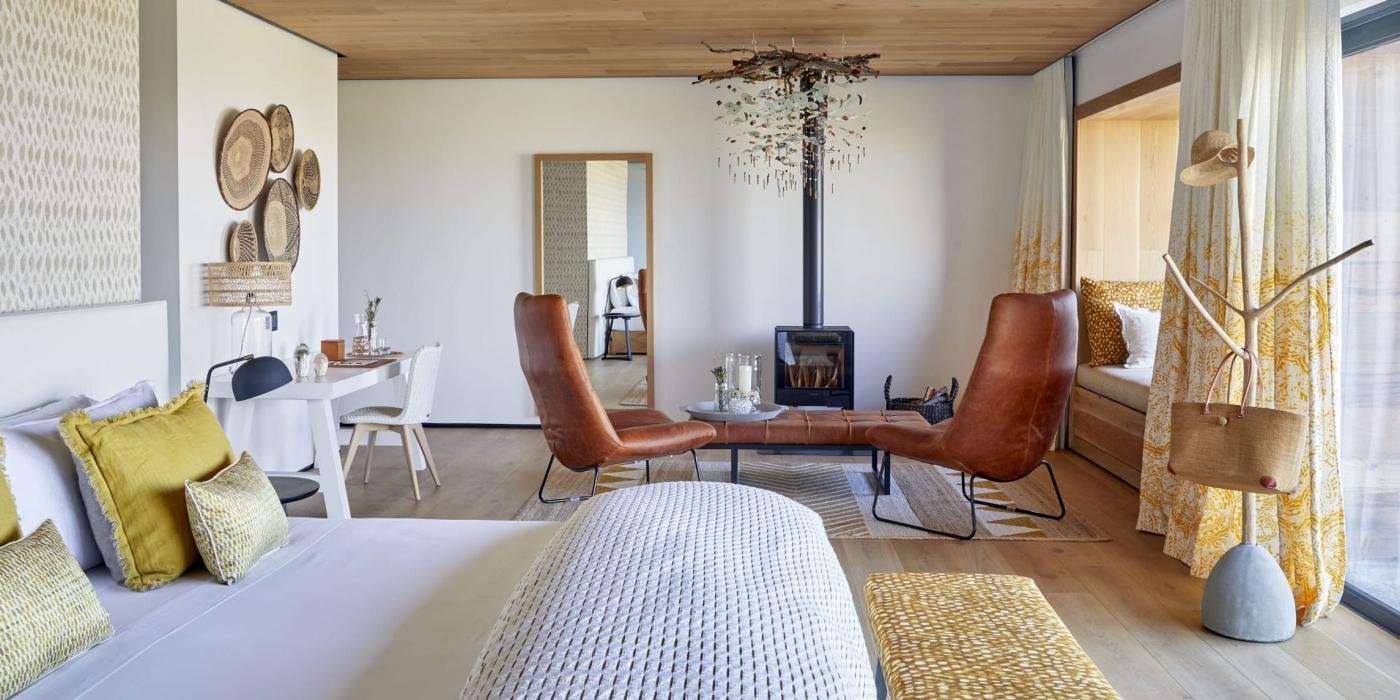
Located within the unspoiled coastlines of De Hoop Nature reserve, the discreet resort is a 3-hour drive from Cape Town or just an hour away via a private chartered flight. You can choose from four luxurious Ocean View suites or one Dune View suite, which lies in a separate structure from the main lodge. Each room provides guests with unparalleled sceneries of majestic sand dunes and the Indian Ocean.  Room rates already include two guided daily activities as well as meals, snacks, and refreshments.

Utmost care was reportedly taken during the construction of the beach lodge to ensure that it had minimal impact to the environment. The eco-friendly establishment even relies entirely on solar energy given its remote off-grid location. However, a backup generator is on standby just in case the need arises. This is one guilt-free vacation spot for those who absolutely love everything nature has given us.

Book your stay here

Photos courtesy of Morukuru Beach Lodge

Svartviksvägen House

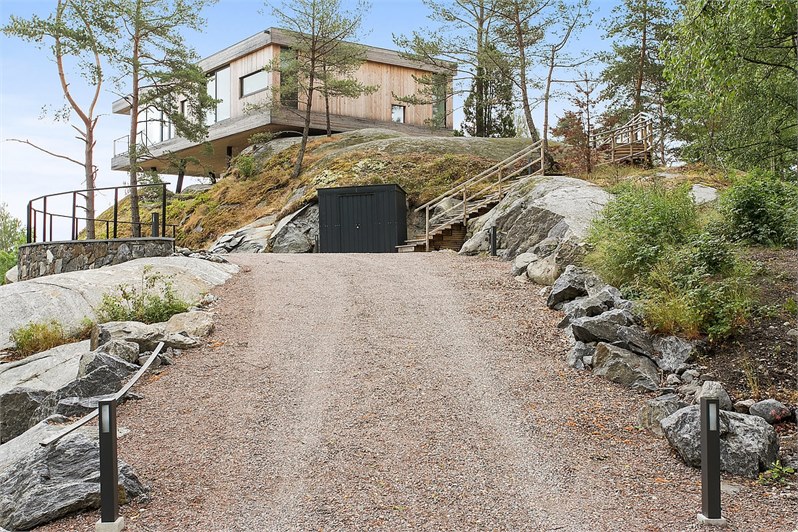
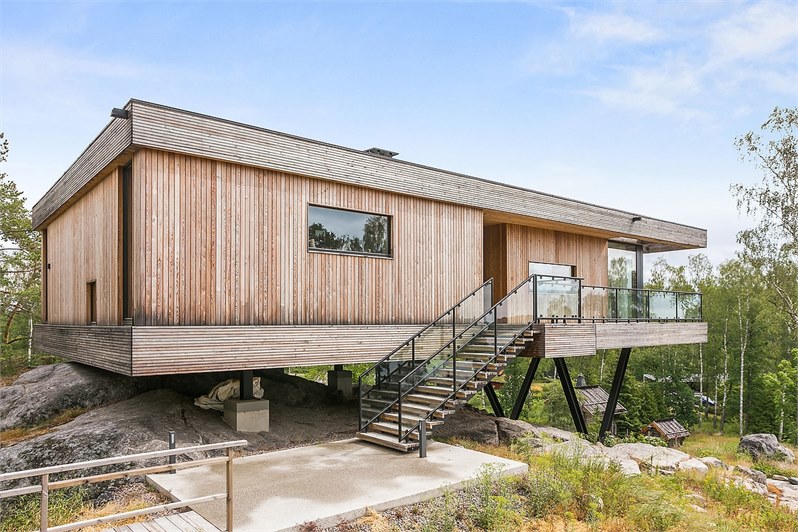
The Svartviksvägen House, a shoebox bungalow stilted on a mountaintop, offers fantastic views of the Sörmlands archipelago with its huge picture windows, plus cozy living spaces decked in minimalist flair, though never austere-looking.

The whole house is an architectural marvel, suspended and hovering over the cliffside via metal stilts. The exterior shows a fine blend of sophistication and ruggedness: The glass panes evoke sleekness, which then becomes a highlight in contrast with the more unpolished presentation of the rest of the structure.

Another reason why this is a marvel of architecture is the fact that no blasting was done during its development. The designers and engineers worked hard to interpolate this home into nature while creating as little impact as possible on the surroundings.

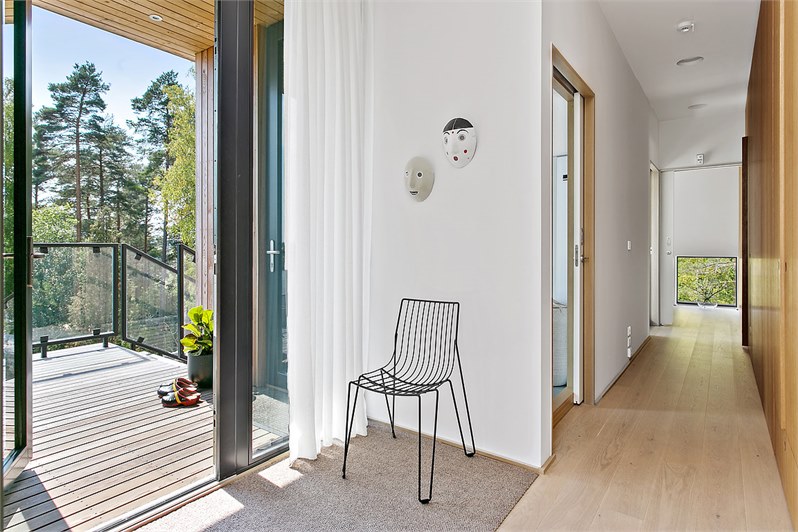
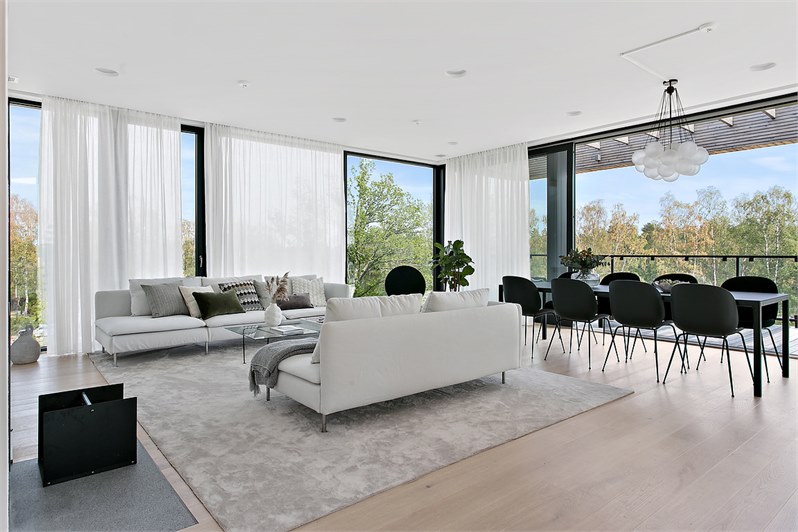
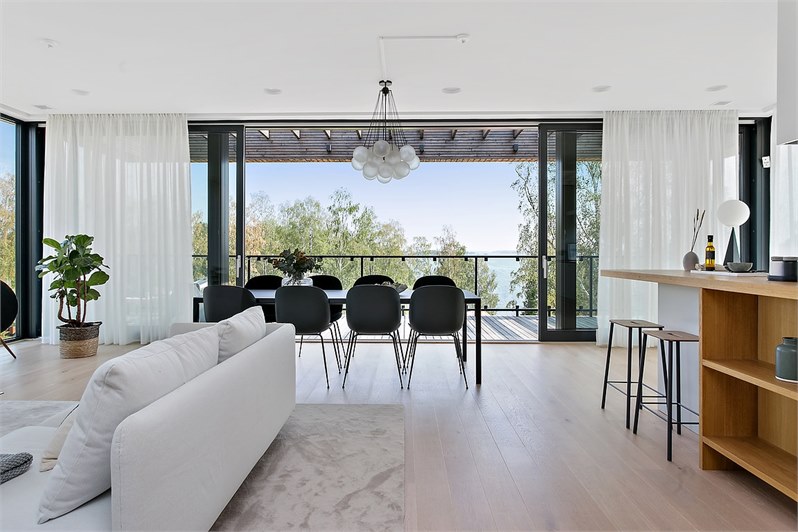
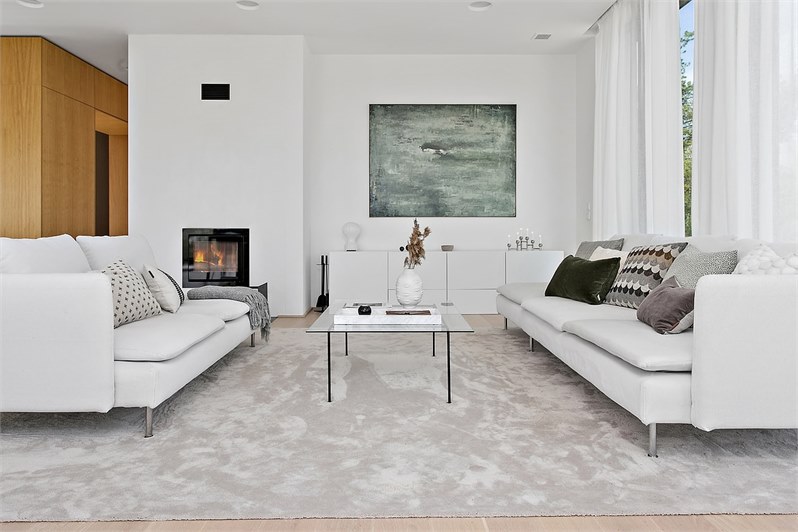
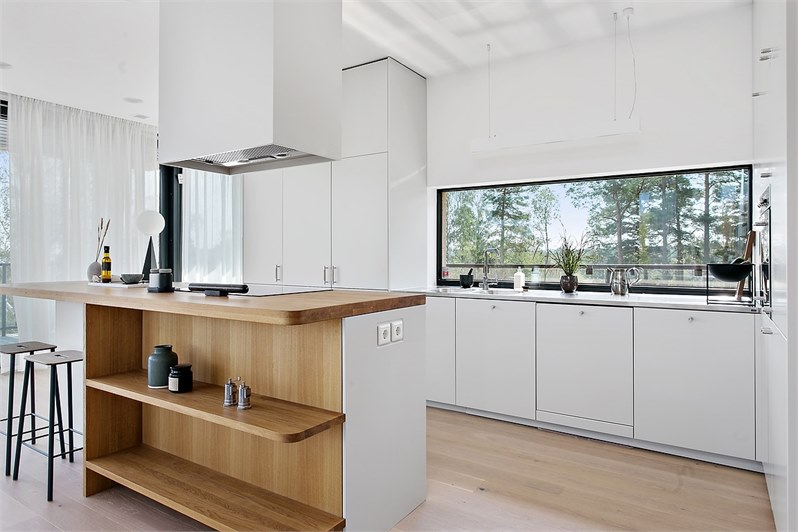
The interior is as brilliantly designed as the exterior, with the predominantly white walls and pale wood floors matching the fine balance of modern and old-fashioned elements evoked outside. The open living area is constantly bathed in light thanks to the wrap-around windows, and offers up panoramic views of the surrounding treetops and shore below. The living room spills out into a cantilevered deck/balcony that’s shaded by an oversized roof, perfect for staring at sunsets in the summertime.

Now, on to the specifics. The Svartviksvägen House features 2,137 square meters of land area — natural plot, the listing notes. It has five bedrooms in total, three of which are bedrooms, and the house is categorized as a single-family home. You can check out the whole floor plan at Fastighetsbyrån.

Svartviksvägen House

Photos courtesy of Fastighetsbyrån

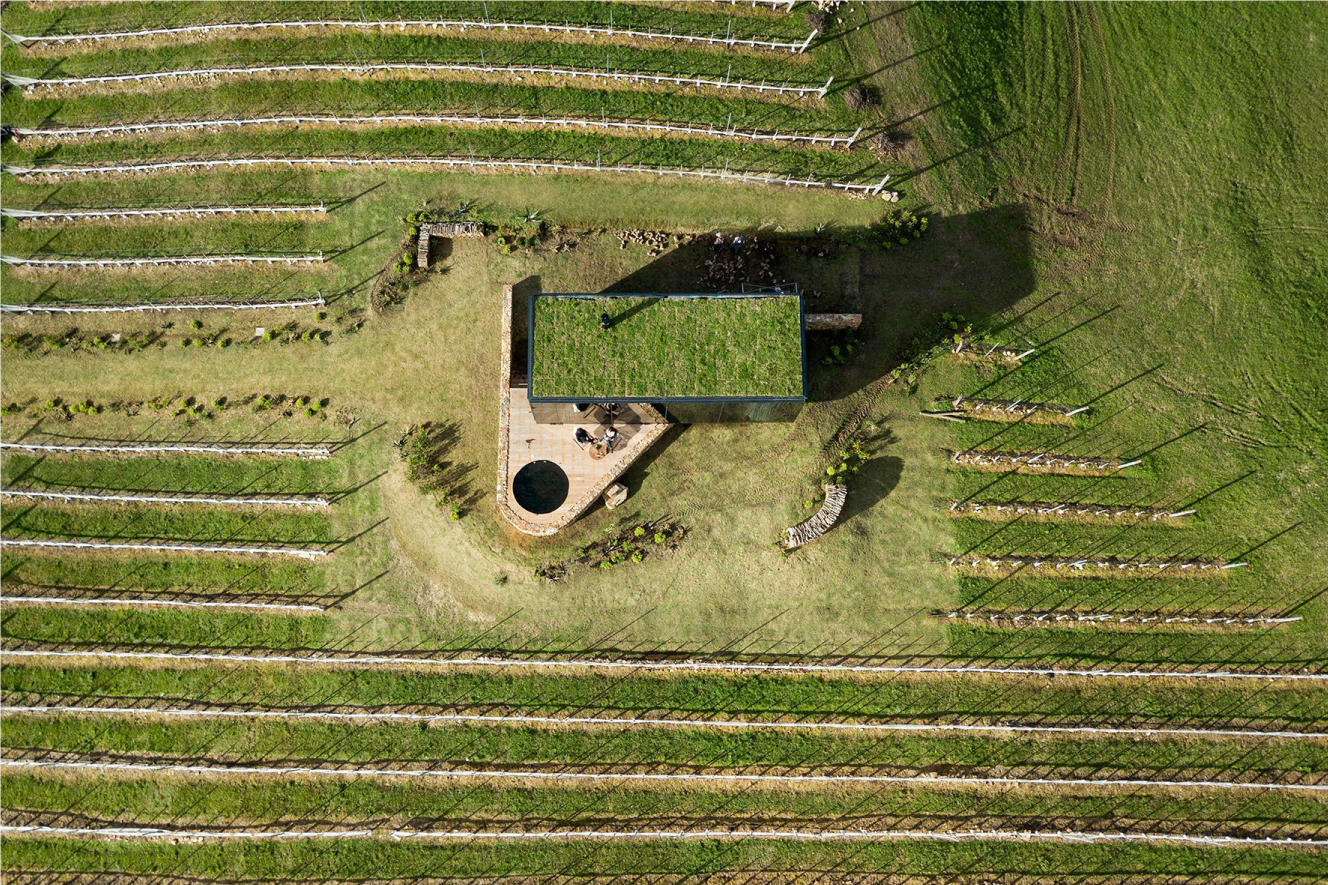
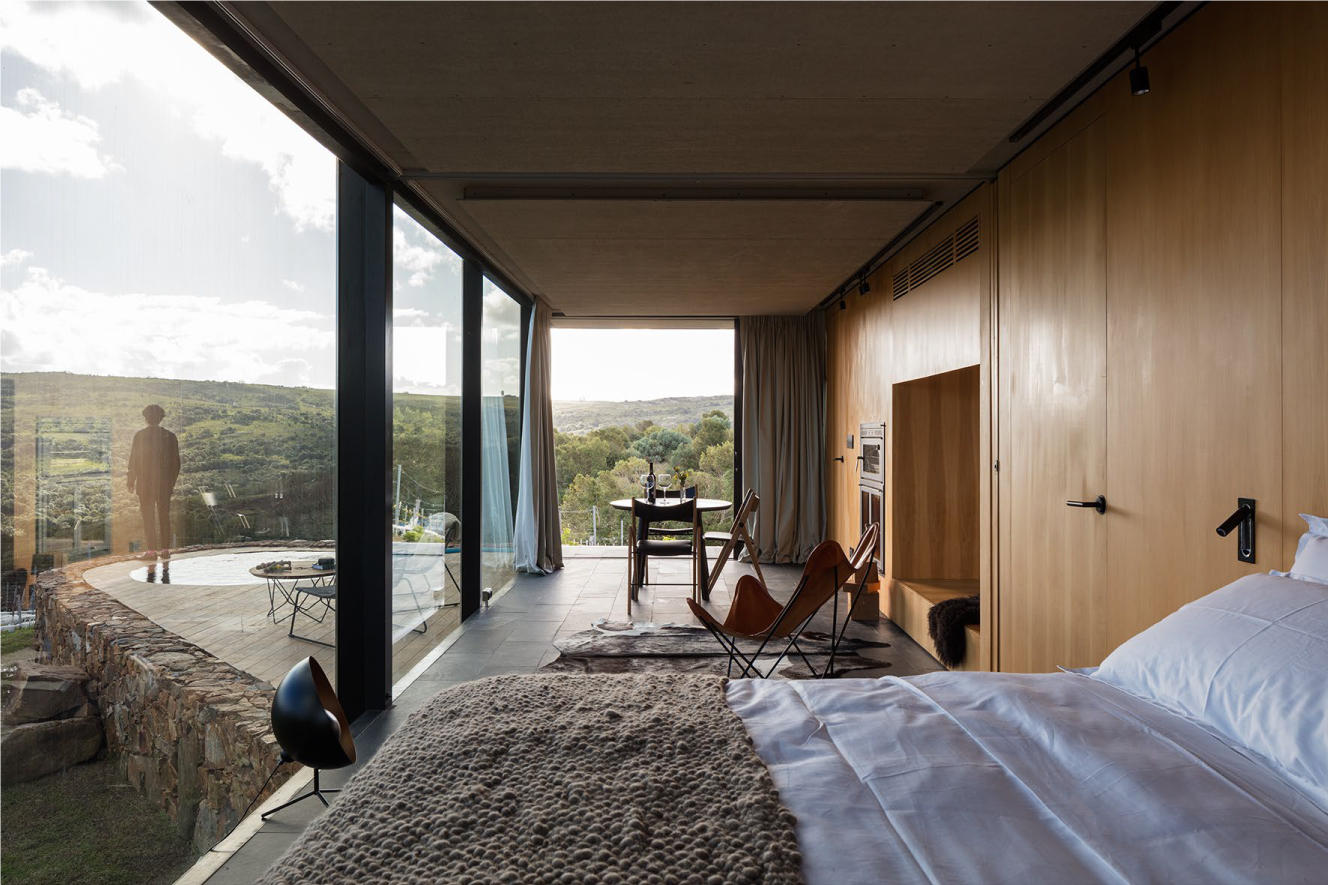
Sacromonte Landscape Hotel

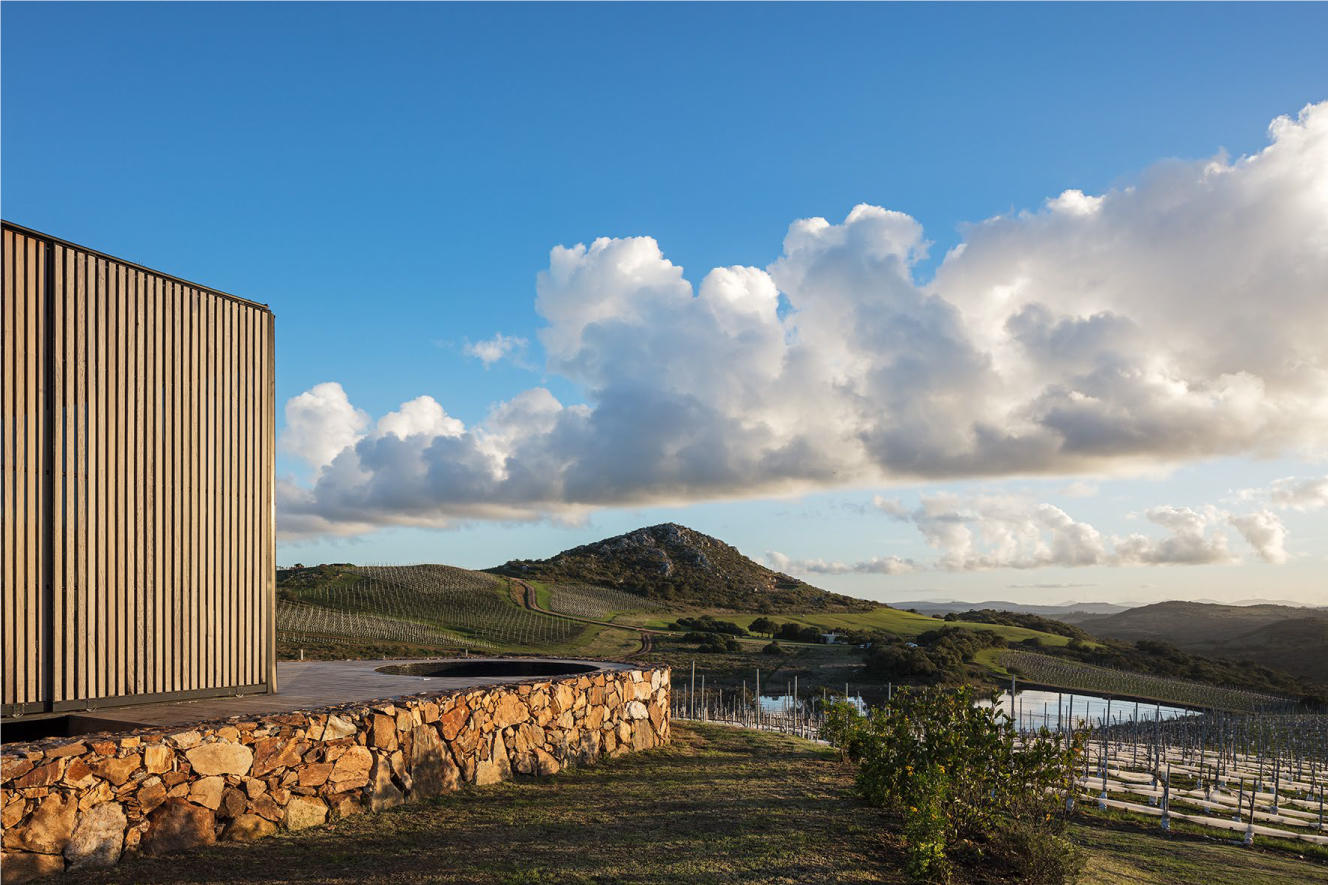
If you are a wannabe wine connoisseur and want to try something different for a holiday, you may like the Sacromonte Landscape Hotel. This extravagant and modern accommodation has been built on the site of a 250-acre vineyard deep within the Uruguay region of Maldonado.

On-site, you will find 13 small, but comfortable cabins, farm-to-table-style restaurant and a fully operational winery. Decorated on the exterior with a mirrored front, each of the structures is rectangular and blend in with the landscape easily, to ensure that your main focus is always on that amazing Uruguayan countryside.

As the structures are topped off with roofing, they are even undetectable if you were trying to spot them from the sky.

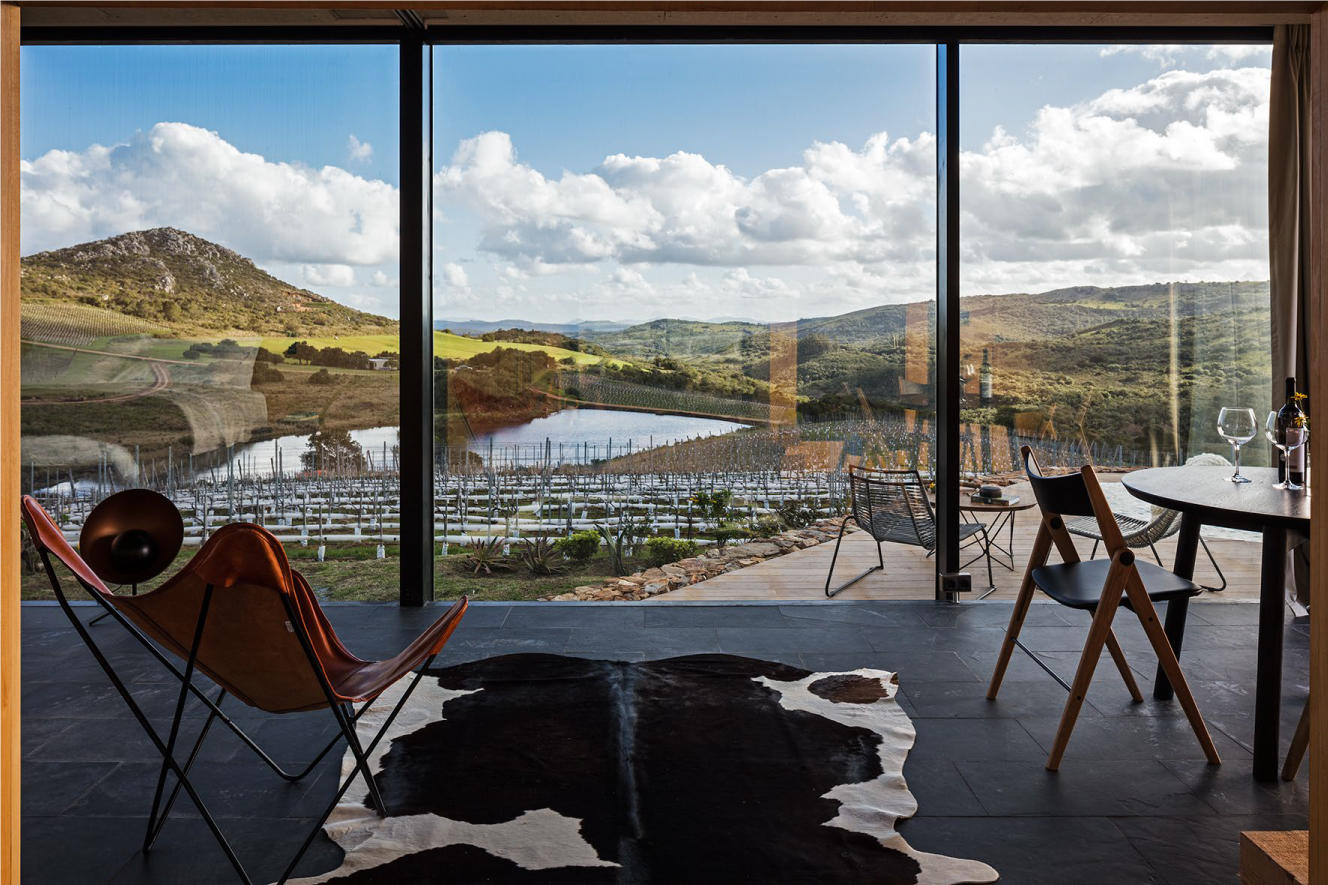
On the interior of each cabin, there are floors constructed from dark stones and panels of light oak around the walls to provide a rustic and minimalist look. This approach to the decor is to ensure the floor to ceiling windows and their awe-inspiring views are the main focal point.

Every cabin has a private terrace that offers sublime vistas of the beautiful hills in the distance. Work is expected to be finished on this resort by September in 2018, but you can book now. So if you want to enjoy some exclusive Uruguayan wine in a calm and peaceful place, check it out today.

SEE MORE

Sacromonte Landscape Hotel Undetactable

Bailer Hill House

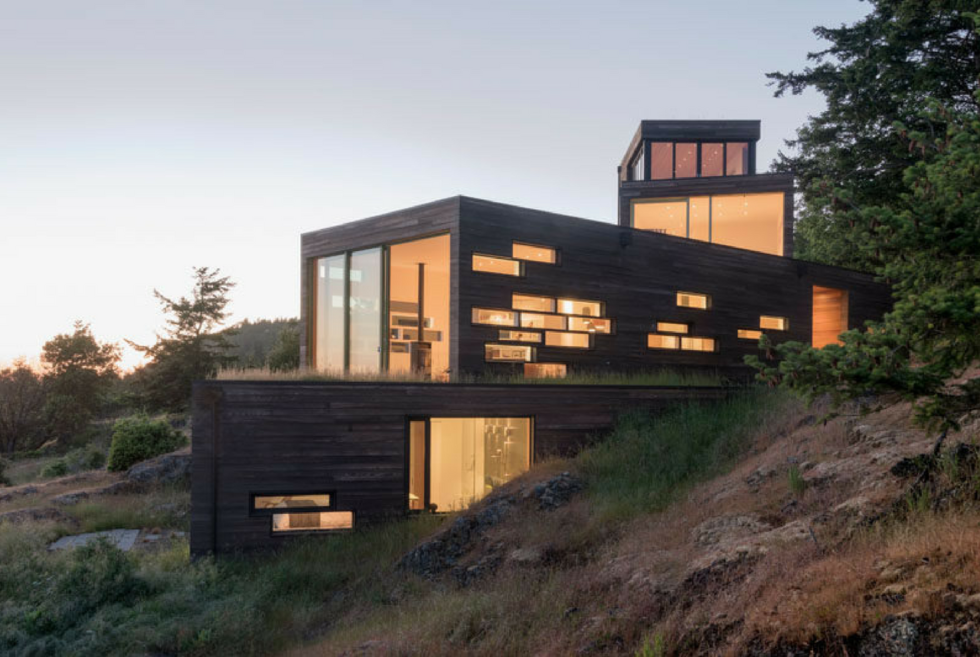
Contemporary designs and architecture are capturing the entrepreneur in all of us as our landscapes are filling up with even more quirky and exceptional builds. One of these pieces of architectural brilliance is the Bailer Hill House designed by Prentiss Balance Wickline Architects.

This property is situated in the beautiful Pacific Northwest. It entails some well-thought-out timber spaces positioned over a hillside. Specifically, sitting on the rocks of an island just off the Washington coast, going by the name of San Juan.

The building itself is made up of a collection of various box-type constructions offering glorious views from the rocks. This also means that the rooms’ roofs are exposed and made into decorative grassy terraces.

Despite the agglomeration of rooms sprayed over the side of the hillside, the combined square feet of Baker Hill House is rather spacious, totaling in at 3,228 square feet, or for our mainland European dudes, 300 square meters. The interior of the home is also something to behold and rather unorthodox. The master suite sits on the lowest part of the build and a guest suite and a creative studio take up the top 2 floors. In between is the first floor with a dining area, a living space, an office, a kitchen, and a picturesque reading nook.

Admire Here