All posts in “Cars”

Volvo’s Polestar Finally Makes an EV That Looks Like a Car

A year after the Polestar One supercar, Volvo and Geely’ Polestar EV brand has released its more affordable Polestar 2 “all-electric fastback.” As stated explicitly in the press release, the model is meant to take on Tesla’s Model 3. A more expensive launch edition will start at $63,000 before the federal tax incentive.

The Polestar 2 will produce 408hp and 487lb-ft of torque and accelerate from 0-60mph in “less than five seconds.” It’s aiming for an EPA range of 275 miles. Compared to the Model 3, it would have less horsepower but more torque than the performance version. The range (275mi to 308 mi) would be more than adequate but less than the Tesla. Price would be about level. Polestar 2 production, backed by established manufacturers, may be less problematic.

Polestar will have an Android backbone infotainment system instead of a proprietary one. Bravo on that front. It will also employ “Phone-as-Key” technology to enable a variety of uses. Polestar will not rival Tesla on touchscreen size. The unit will be a mere 11 inches.

Buying will happen online with “Polestar Spaces” available for views and test drives. Polestar plans to offer the vehicle in a subscription service, presumably similar to Care by Volvo.

The Polestar 2 configurator is live online. There are six different paint options: snow, magnesium, thunder, moon, midnight, and void. Midnight, a sort of grey-blue, is the closest thing to a color. Seatbelts come standard in Gold.

Aesthetically speaking, the Polestar 2 has a simple, fetching Swedish aesthetic. But, it’s clean and well-proportioned. While other manufacturers have tussled with how to make a grille-free car look normal, Volvo and Geely just cut the Gordian knot and added a faux one. It looks like a car. The Polestar 2 will still give you a kiss of eccentric LED lighting. How would one know it is powered by pure electricity without it?

Other Electric Car News and Reviews:
Audi E-Tron Review: Simply Put, This Is a Great Car
Sorry, Purists, the Porsche Macan Is Going Fully Electric
Consumer Reports Withdraws Tesla Model 3 Recommendation

The Ginetta Supercar Looks Absolutely Bonkers

An Angry-Looking Supercar

If you want a supercar that doesn’t have the elegance of a Ferrari or McLaren, then we suggest you check out Ginetta’s new Supercar. It looks like the angriest front-engine car we’ve seen in a long time. It makes the old Dodge Viper ACR look like a wuss. It’s a near perfect mashup of the company’s previous models. 

We reported on the car not long ago, and Ginetta pulled the wraps off its new car ahead of the vehicle’s scheduled launch at the Geneva Motor Show. The car looks absolutely impressive, and then you take a gander at the spec sheet and get even more excited. Ginetta has made what appears to be an amazing car.

The car has a top speed of 200 mph, a dry-sumped 90-degree 6.0-liter V8 engine, 600 hp and 516 lb-ft of torque, and the engine is paired to a bespoke six-speed sequential transmission. The car only weighs around 2,500 pounds thanks to plenty of carbon fiber. Weight distribution is almost perfectly balanced, too. That’s a recipe for speed and fun, which are two things Ginetta knows about intimately.

The car is the company’s flagship road car that you should also be able to use on the track to dominate the competition. The company said Alcantara, carbon fiber, and billet aluminum will feature in the interior. The car also comes with ABS, traction control, reverse camera, parking sensors, automatic headlights, a full HVAC system with heated seats, phone connectivity, and more. It will compete right with the big names in the supercar market, and we welcome it into the fold.

The Verdict Is In On The McLaren 720S Spider

A Common Consensus on the Convertible

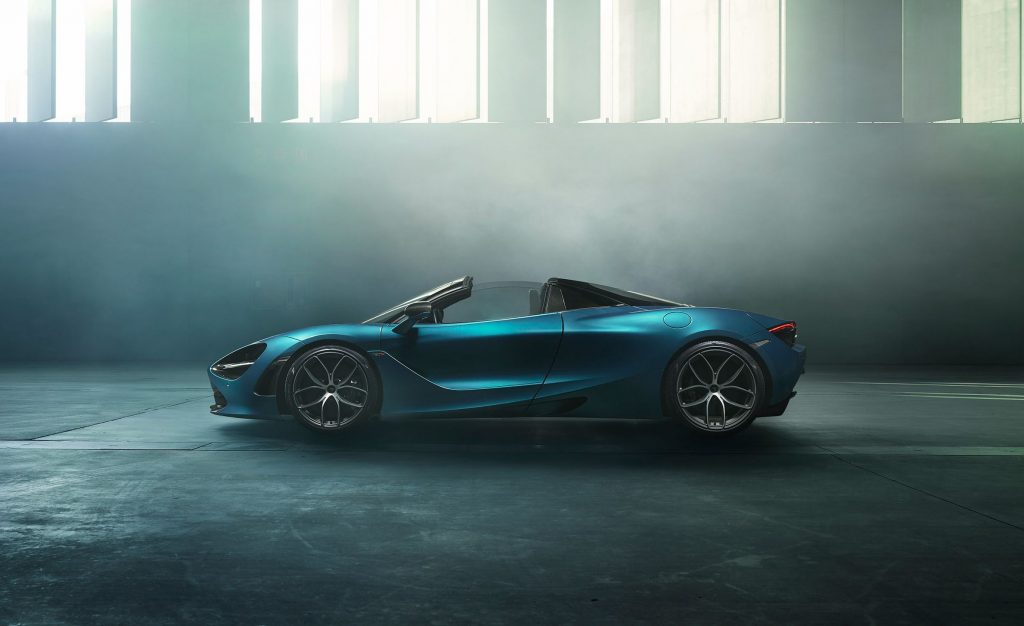
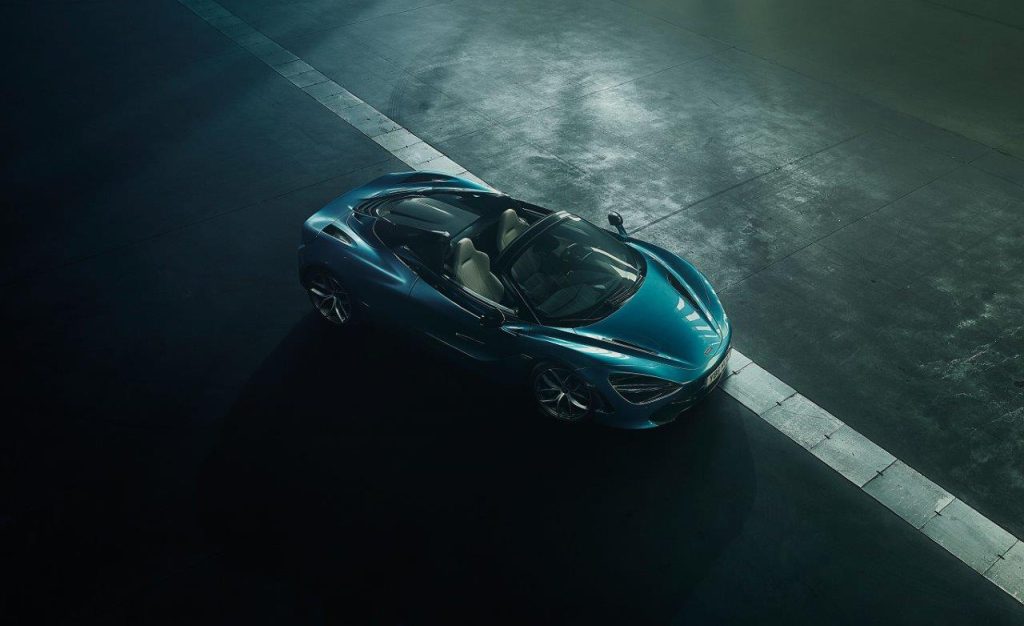
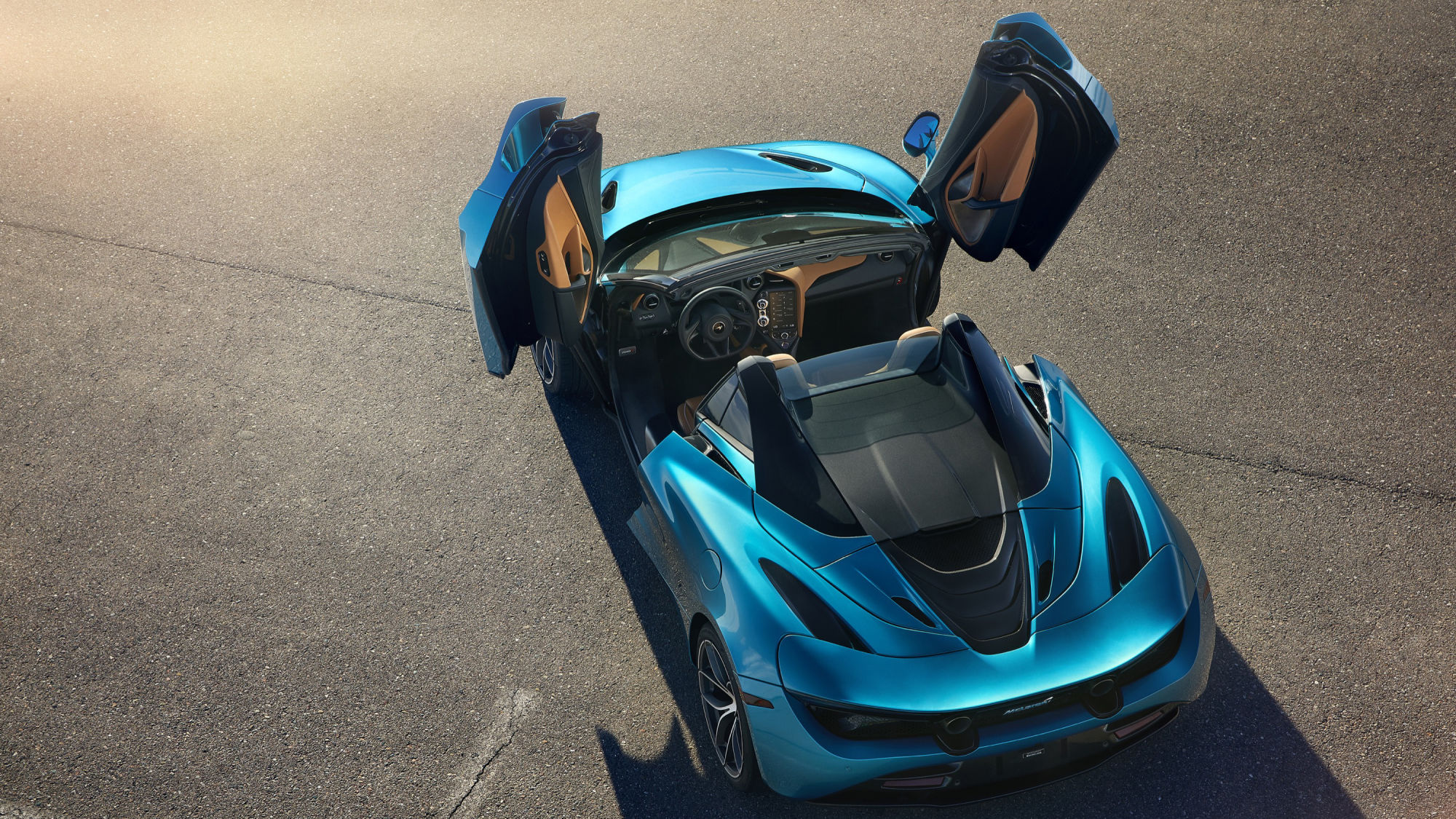
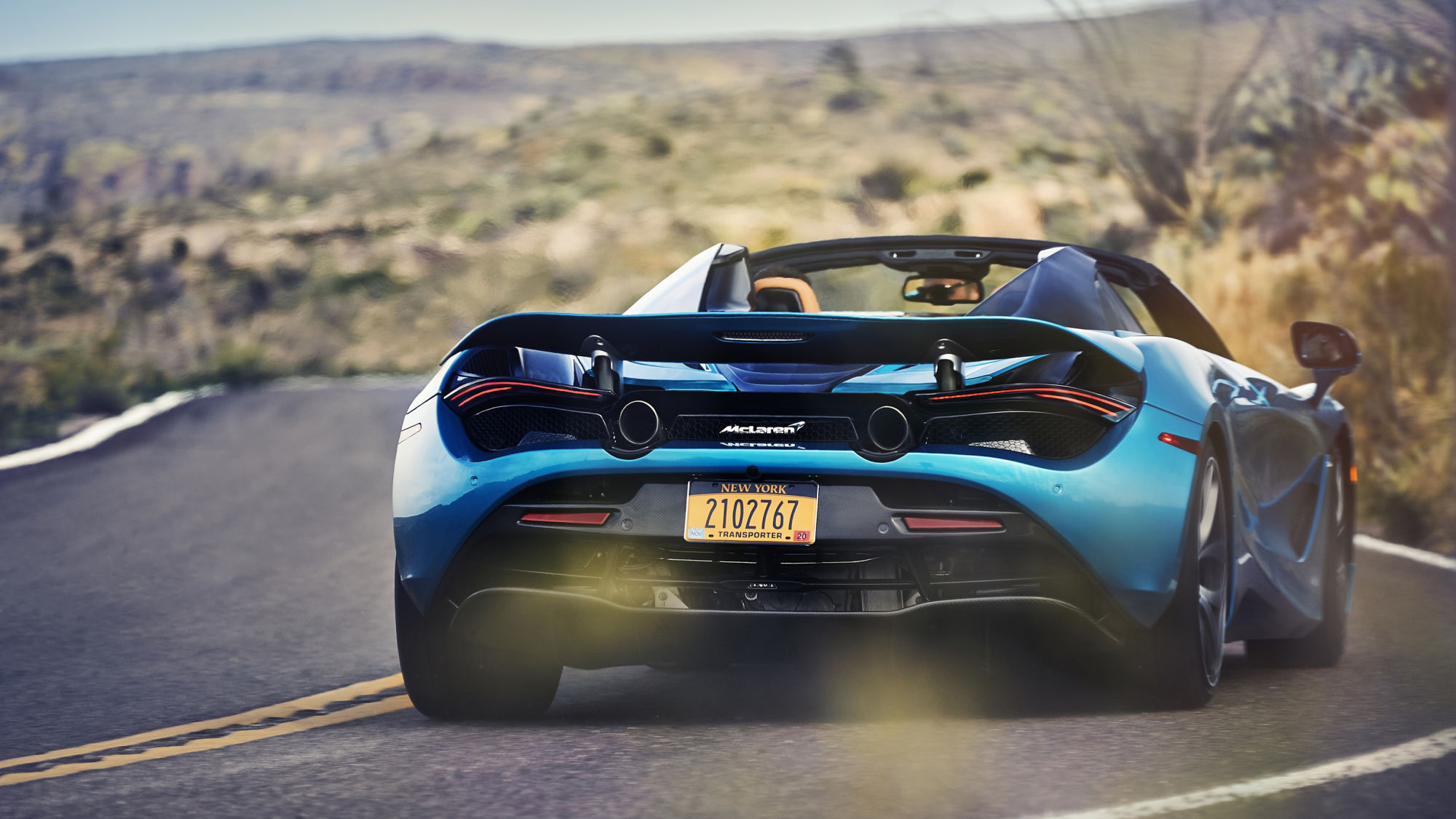
The Spider version of the 720S features most of what the regular coupe does and adds to that a convertible roof and some minor special features of its own. What’s surprising about the model is that McLaren was able to add the convertible roof without hurting the car’s performance or adding a bunch of extra weight.

The 4.0-liter twin-turbocharged V8 makes 710 hp and 568 lb-ft of torque. The convertible is able of doing 0-60 mph in just 2.9 seconds and has a top speed of 212 mph with the top up and 202 with the top down. It’s performance numbers are right on par with the coupe version of the car.

2019 mclaren 720s

2019 mclaren 720s

McLaren invited a long list of journalists out the Arizona desert to test the new 720S Spider. The consensus among the reviews was more or less the same across the board. The 720S Spider is a deeply impressive car.

We thought it best to pull together some of the info gleaned from driving the vehicle to give you an honest look at what the test driver’s thought of the car.

AutoWeek

I’ll always pick a coupe over a convertible, but modern-day tradeoffs are shrinking by the second. The weight penalty here is just about 100 pounds or about 3 percent. There’s no difference in stiffness and visibility is better, especially toward the sky.

Read the full review.

Autocar

In practically every department, the 720S Spider has lost nothing over, and is the dynamic equal of, the coupé from which it’s derived, and it has gained extra desirability in the process. McLaren is on the very top of its game at the moment.

Read the full review.

GQ Magazine

Overall, the £237,000 Spider is the most desirable car to emerge from the marque’s Super Series so far and is this summer’s walnut-skinned multimillionaire must-have.

Read the full review.

Autoblog

In the end, I walked away thinking that the 600LT Spider may offer the most fun you can have on a race track behind the wheel of a McLaren. But the 720S Spider is the best all-around McLaren that money can buy.

Read the full review.

Bloomberg

McLaren engineers have conjured something special: sensual freedom worth more than just the sum of its parts.

Read the full review.

2019-mclaren-720s

2019-mclaren-720s

It’s clear that almost all of the people who drove the McLaren 720S Spider found it to be a fantastic car. With that said, it’s not perfect. It still has almost all of the same issues as the coupe version of the car. With that said, those issues are few, and the company managed to add a convertible top without adding to the list of downsides for the model. That’s an impressive feat, and we see no reason why, other than the price of $315,000, why you shouldn’t buy one.

Ginetta supercar details: Expect 600 horsepower, price north of $500,000

We got a good picture of what the Ginetta road car would be like last month after a teaser photo was released, and even more details are making their way to us now. It’s safe to say this car looks properly wicked in the first official photos we’re seeing of it. A video of it screaming around a race track just confirms those suspicions. The wonderful, naturally aspirated V8 soundtrack is complemented by the quick shifts from the sequential transmission, making it sound like a proper race car. While it might be capable of dominating a track day, this Ginetta is designed to be streetable.

It has a trunk that will fit two golf bags, a reverse camera, parking sensors, automatic headlights, navigation and an apparently easy ingress/egress. All of this is meant to make the 2,535-pound supercar a nicer place to spend time. Exact power figures and a proper name aren’t official just yet, but we’re told to expect about 600 horsepower and 520 pound-feet of torque from the 6.0-liter V8. That engine is a Ginetta design throughout. You’ll have to remember that Ginetta is no joke of a performance and race car company. It’s been producing performance cars since 1958 and competes in various racing series now.

Ginetta shoved the engine as far back into the driver as it possibly could for a front-mid-engine layout. Weight distribution is 49/51 front to rear, so the engineers were successful in keeping the car balanced. A bespoke carbon fiber tub is used to go with the carbon fiber body panels. Big wings, an underbody diffuser and other aero elements combine to produce a ground-sucking 829 pounds of downforce at 100 mph.

The suspension is race-inspired. A double wishbone front and rear design is used, with its coilovers anchored in the middle of the car and connected by pushrods. Center-locking Ginetta wheels are wrapped in Michelin Pilot Sport 4 tires —275/35/ZR19s in front and 305/30/ZR20s out back. Carbon fiber discs from Alcon are provided for stopping power.

Price is still a question, but it’s supposed to be under 400,000 pounds sterling. That translates to $532,800 at today’s exchange rates. Yikes. There are more than a few supercars that can be had for much less. Ginetta says it’s already allocated 14 of the 20 cars it plans to build in the first model year, though. After this first year, it plans to build 30-50 cars per year, assuming demand is there. We’ll have more concrete specs on the engine during the car’s official reveal at the 2019 Geneva Motor Show. For now, Ginetta is planning to make its first deliveries in January 2020.

Related video:

High-End Car Clubs are the New Social Clubs

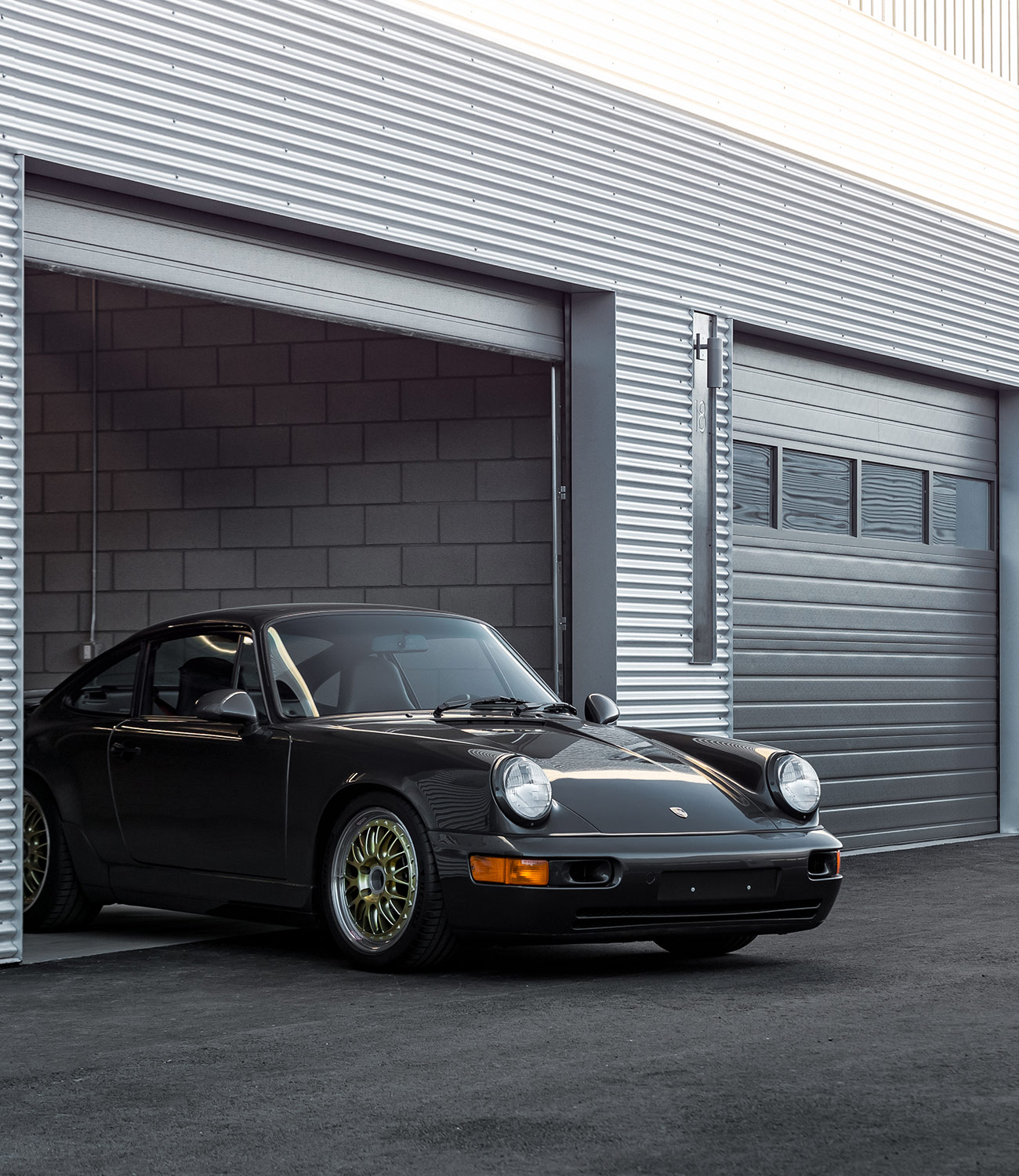
Lately, the classic car market is doing fairly well for itself. Last year, it seemed there was a record-breaking sale every other month, and if sale prices crested $10,000,000, smart money said it was either a Ferrari, or a Porsche Steve McQueen sat in. But it’s not just the much-vaunted prancing horses from Maranello or Stuttgart-shielded beauties selling for nowhere near their original asking prices. Toyota Supras and Nissan Z cars are now changing hands like Topps baseball cards too. The question now isn’t what’s selling—we’ve pretty much determined everything is—it’s who’s buying these cars? And where the hell do they keep them?

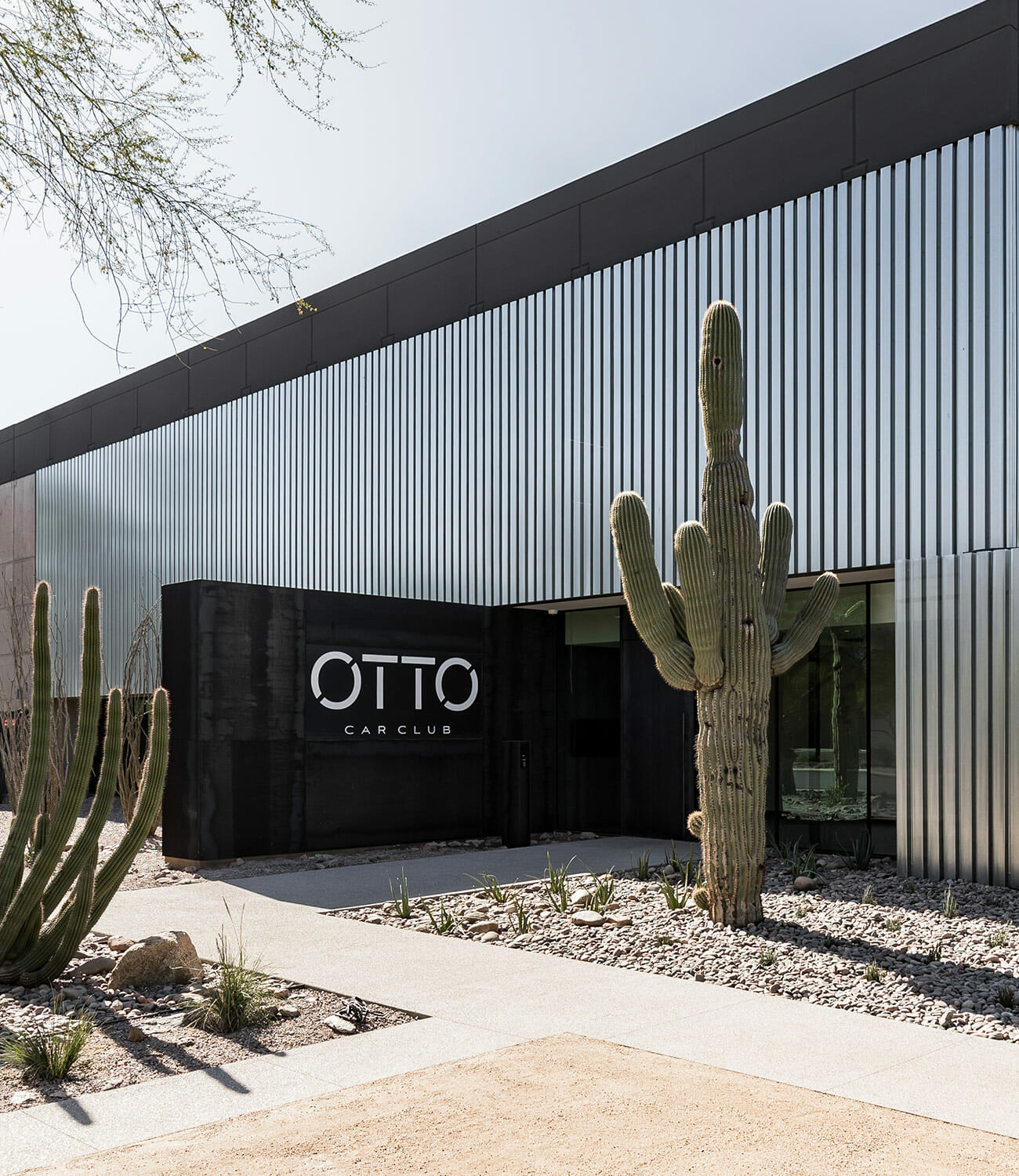
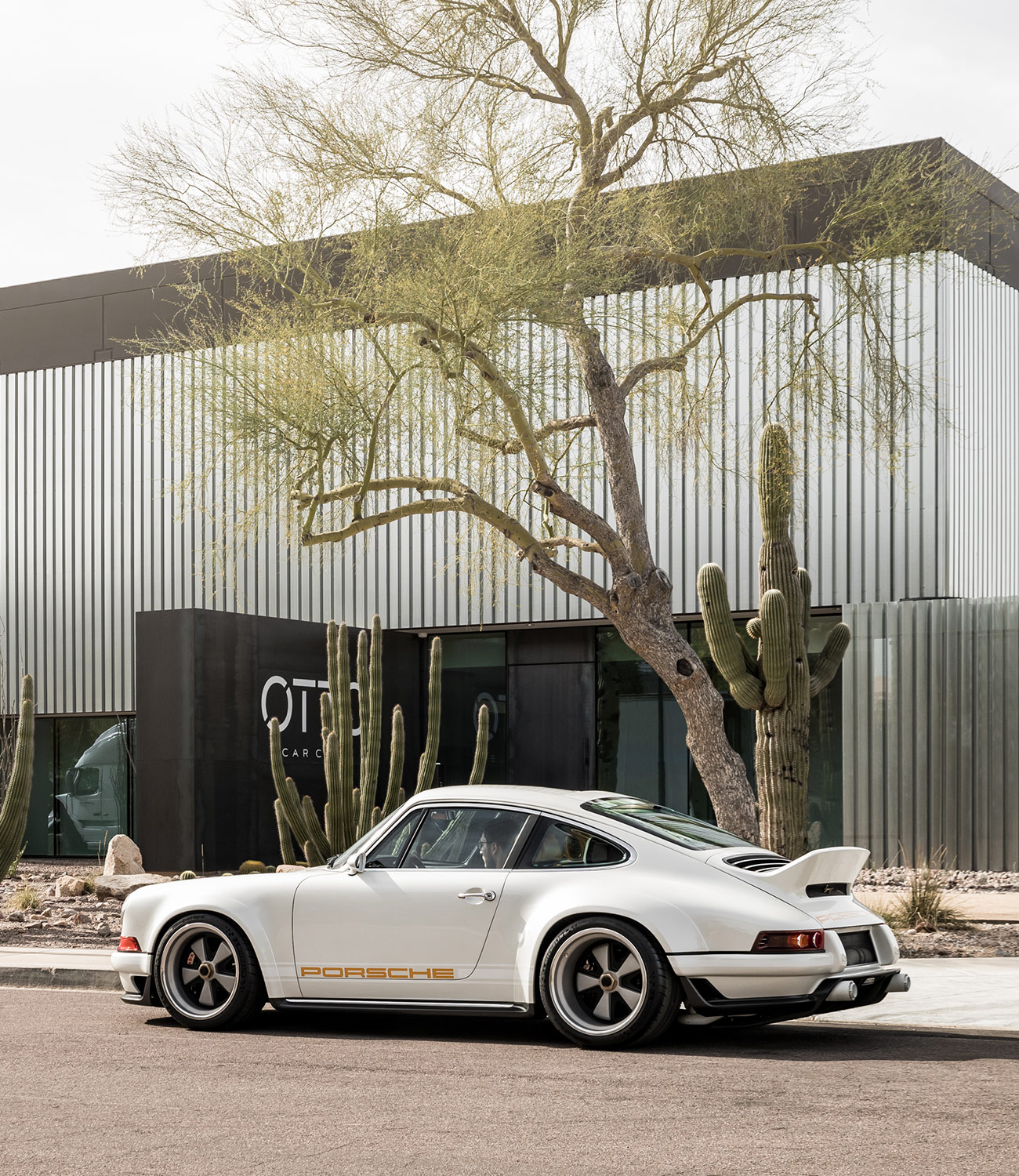
If a collector’s garage is already overflowing with regular daily drivers, off-site, self-storage is one route to go. It’s also possible to rent or buy space in a warehouse with a few other like-minded individuals. If one has enough money, investing in a truly private garage staffed by a team of attendants who babysit and tend to the cars is a reality. In short, things get logistically difficult quite quickly once you start amassing a handful of vintage automobiles. Eli Kogan founded OTTO Car Club in Scottsdale, Arizona, to solve that particular problem, and added some extra incentives to build a car-culture community.

When it comes to collecting or storing classic cars, there’s more to it than just parking, covering with a tarp and calling it a day. If you don’t want your investment to depreciate at all, it takes time, effort and skill to baby your baby. “Owning multiple cars [myself] and being around collections, it can become a full-time job to manage, maintain, store, prep, transport… and everything that needs to be done for these cars. I figured, on the practical side, there had to be a way to alleviate that headache for collectors.” Unlike establishments like Classic Car Club of Manhattan, wherein the club owns and maintains a fleet of cars for members to drive, OTTO Car Club’s 49,000 sq-ft facilities are filled with the members’ own cars.

OTTO Car Club isn’t just a massive run-of-the-mill storage warehouse in the middle of the desert, however. “We take care of and coordinate DMV services and everything all the way up to international transport, restoration management and everything in between.” Unlike a simple storage facility, OTTO acts more like half private garage, half WeWork for classic cars, where you share the space with other car owners, but can come and go as you please without having to shuffle other cars to get yours in and out.

Out of the 220 possible cars OTTO can house, there are currently 60 under the roof. But, that doesn’t mean there are 60 members. The Executive level membership allows for four cars; every car after that up to eight carries an extra fee; after eight, you have to pick up a second membership. “We’re very selective when it comes to who gets a membership. Because we’re limited by space, we had to turn down a guy because he wanted to bring 50 cars. If we allowed people to do that we’d only have four members. We’re a social club too, so that’s taken into consideration.”

Along with car care, like many other clubs, OTTO also offers a social aspect. Below the Executive level membership, which grants access to everything under the OTTO roof, there’s a social membership which provides members with everything but the car storage perks. Overlooking the 33,000 sq-ft collection room is an 8,000 sq-ft social space replete with a member lounge, billiards, full wet bar, dining room and projection room. And that’s not including the first-floor welcome and reception, conference rooms for members, offices for employees, library, retail space, restrooms, showers, catering and prep kitchen. Still, OTTO provides more than just a safe space to shoot the breeze about cars. “On the social side, I wanted to create a hub for everything automotive, design, architecture, watches, whiskey — all the vices surrounding the passion.” Access and amenities outside car storage Kogan says is “more akin to SoHo house.”

Why Scottsdale? Kogan chalks that up to common sense. “Scottsdale has great weather, great car culture and high contingency of collectors who are seasonal residents with big homes that don’t allow for large collections.” Between the major car auctions that pass through town, like RM Sothebys and Barret Jackson, the residents of Scottsdale are the answer to “who’s buying these cars?” Kogan just strategically made himself the answer to “where the hell do they keep them all?”

One to Keep an Eye On

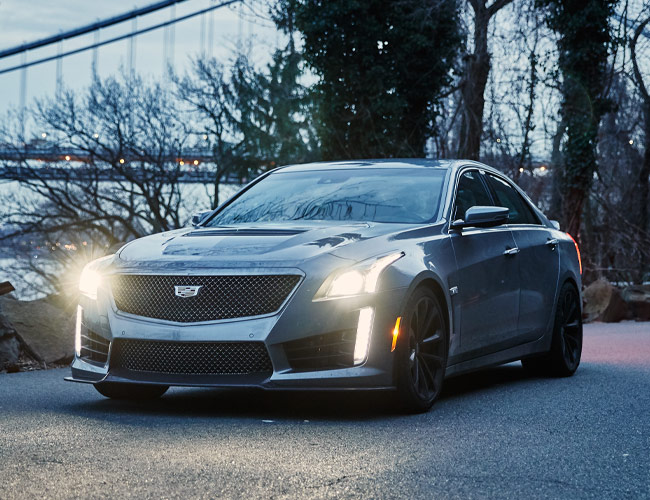
Thanks to a supercharged eight-cylinder heart working in unison with the expertly tuned chassis, the last generation of the CTS-V has earned a place in the pantheon of all-time greats. Read the Story

Lamborghini Huracan EVO Spyder Officially Revealed

Lamborghini has lifted the cover off of the Lamborghini Huracan EVO Spyder, the convertible version of the recently released Huracan EVO. The Spyder will debut at the Geneva Motor Show 2019 which starts under a week from now.

The important information relates to the Huracan’s electrohydraulic, lightweight soft top. There are no dramatic changes for the EVO model, the top still opens via a button positioned on the central tunnel. It takes 17 seconds and operates at driving speeds of up to 50 km/h (31 mph). Otherwise, the changes are similar to that of the Coupe counterpart. The rollover bars are body painted and hide behind the seats. The rear window is electronically operated and can be opened when the roof is closed to let in the sound of that V10!

The Lamborghini Huracan EVO Spyder uses the same 5.2 litre, naturally aspirated V10 engine as the coupe. The specifications suggest that it has been lifted straight from the Lamborghini Huracan Performante. It has 640 hp and 600 Nm of torque. The Spyder hits 100 km/h 0.2 seconds slower than the Coupe in a respectable 3.1 seconds. Top speed remains identical though at 325 km/h.

The Spyder’s dry weight of 1,542 kg means that it has a 120 kg handicap over the Coupe. It features the same range of chassis technology with Lamborghini’s rear-wheel steering and torque vectoring system. New to the EVO is a system called Lamborghini Dinamica Veicolo Integrata (LDVI) which controls key aspects of the car’s performance, using intelligent algorithms. The Lamborghini Piattaforma Inerziale (LPI) system of accelerators and gyroscopes helps refine the operation of the dynamic systems and Lamborghini’s Dynamic Steering is also updated.

The first customers will take delivery of the new Lamborghini Huracán EVO Spyder in spring 2019 with a recommended price of 202,437 euros excluding taxes.

Electrifying, Seven Seat, Mercedes-AMG GLE 53 Revealed

The latest version of the Mercedes-Benz GLE Class gets a performance model in time for the Geneva Motor Show 2019! The Mercedes-AMG GLE 53 gets a now familiar engine together with some visual enhancements and a bigger standard specification list!

The engine is AMG’s 3.0 litre inline 6 cylinder unit. In the GLE it produces 435 hp and 520 Nm of torque with an electronic auxiliary compressor helping to make the delivery as linear as possible. The EQ Boost starter generator briefly provides an additional 16 kW of output plus 250 Nm of torque and feeds the 48 V onboard electrical system. The GLE hits 100 km/h in just 5.3 seconds and achieves an electronically limited speed of 250 km/h.

Mercedes-AMG has also confirmed that for the first time, the EQ Boost starter-alternator is also responsible for idle speed control. The engine’s belt drive for the ancillaries is no longer required. Instead, Mercedes-AMG has filled the space with an exhaust gas aftertreatment system mounted near the engine. If emissions aren’t your thing, AMG also offers an optional AMG Performance exhaust system!

The power is delivered through an AMG 9-speed automatic gearbox. The GLE 53 also gets 4MATIC+ all-wheel drive as standard, AMG Active Ride Control as an option and AMG Dynamic Select. In Comfort, it sits 15 mm closer to the ground and the ride height can be increased by as much as 55 mm. Dynamic Select offers “Slippery”, “Comfort”, “Sport”, “Sport+” and “Individual” settings, complemented by two off-road-specific settings: “Trail” and “Sand”.

Visually, the Mercedes-AMG GLE 53 gets the AMG specific radiator grille with 15 vertical strips. The front bumper gets larger air intakes and chrome trim. Chrome trim and new exhaust pipe tips finish the rear end. An optional AMG Night Package includes heat-insulating, dark tinted windows as well as front splitter, trim elements in the front apron and the outer air inlets, mirror covers, window frames, roof railing, diffuser and tailpipe trim finished in black.

Mercedes-AMG GLE 53

Inside, the Mercedes-AMG GLE 53 gets red accents which contrast the Artico and Dynamic black leather. The seats are AMG-specific and the trim gets a brushed aluminium look. AMG carbon trim is available. The Mercedes-AMG GLE 53 retains its third-row seating option too!

Elsewhere, most things are the same as the standard GLE. The infotainment system is an AMG specificities version of the MBUX system. The instrument cluster and the multimedia display combine as one unit and have all of the features you could possibly need in a modern SUV.

Cost and availability are yet to be announced. We will catch up with the Mercedes-AMG GLE 53 at the Geneva show next week!

McLaren 720S Spider First Drive Review | Absolutely corrupted by power

“Power tends to corrupt, and absolute power corrupts absolutely.” What English writer and historian John Dalberg-Acton said is true. I have absolutely been corrupted, completely and irrevocably, by the McLaren 720S Spider. And it’s all because of the power.

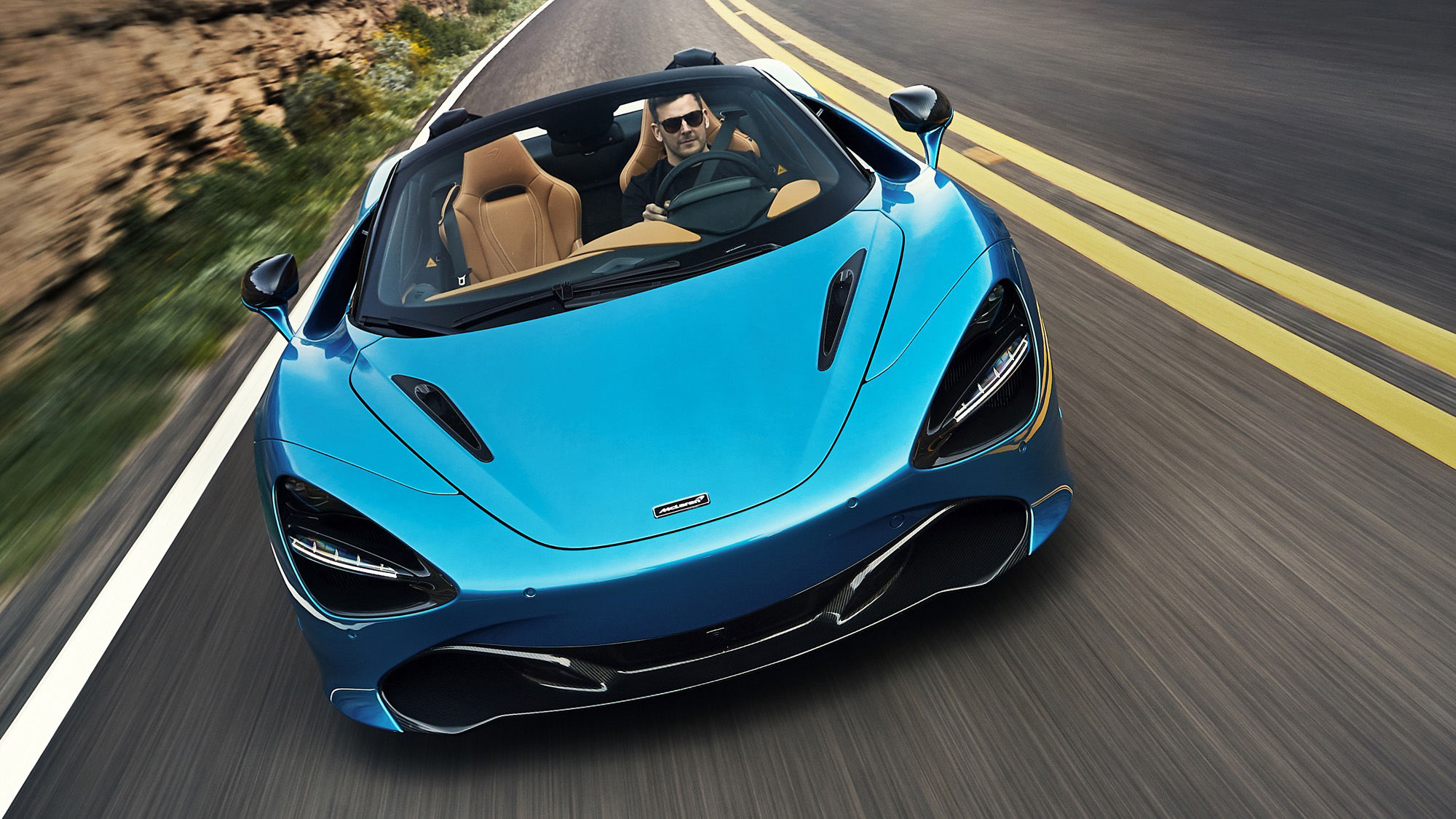
I drove the brand-new supercar on a route that took me from the urban sprawl of Phoenix to the more peaceful surroundings of Payson across some open stretches of highway in Arizona. I learned a lot along the way. But the one fact that overwhelms everything else is that the 4.0-liter turbocharged V8 engine installed in the McLaren 720S Spider feels almost otherworldly powerful.

With a dry weight of 2,937 pounds, the Spider weighs just 108 pounds more than the 720S hardtop. That’s going to have a very small impact on performance, but you won’t feel any difference from behind the wheel — 710 horsepower and 568 pound-feet of torque have a way of masking a few extra pounds.

Foot to the floor, there’s a brief moment right off idle where turbo lag almost makes the 720S Spider’s engine feel like it may be a disappointment. Almost. And then all hell breaks loose. McLaren says the 720S Spider will accelerate from 0-60 in 2.8 seconds on its way to a 10.4-second quarter mile (just 0.1 seconds slower than the coupe) and 212-mph top speed. Drop the top and terminal velocity falls to a positively pedestrian 202.

McLaren 720S Spider
McLaren 720S SpiderMcLaren 720S Spider

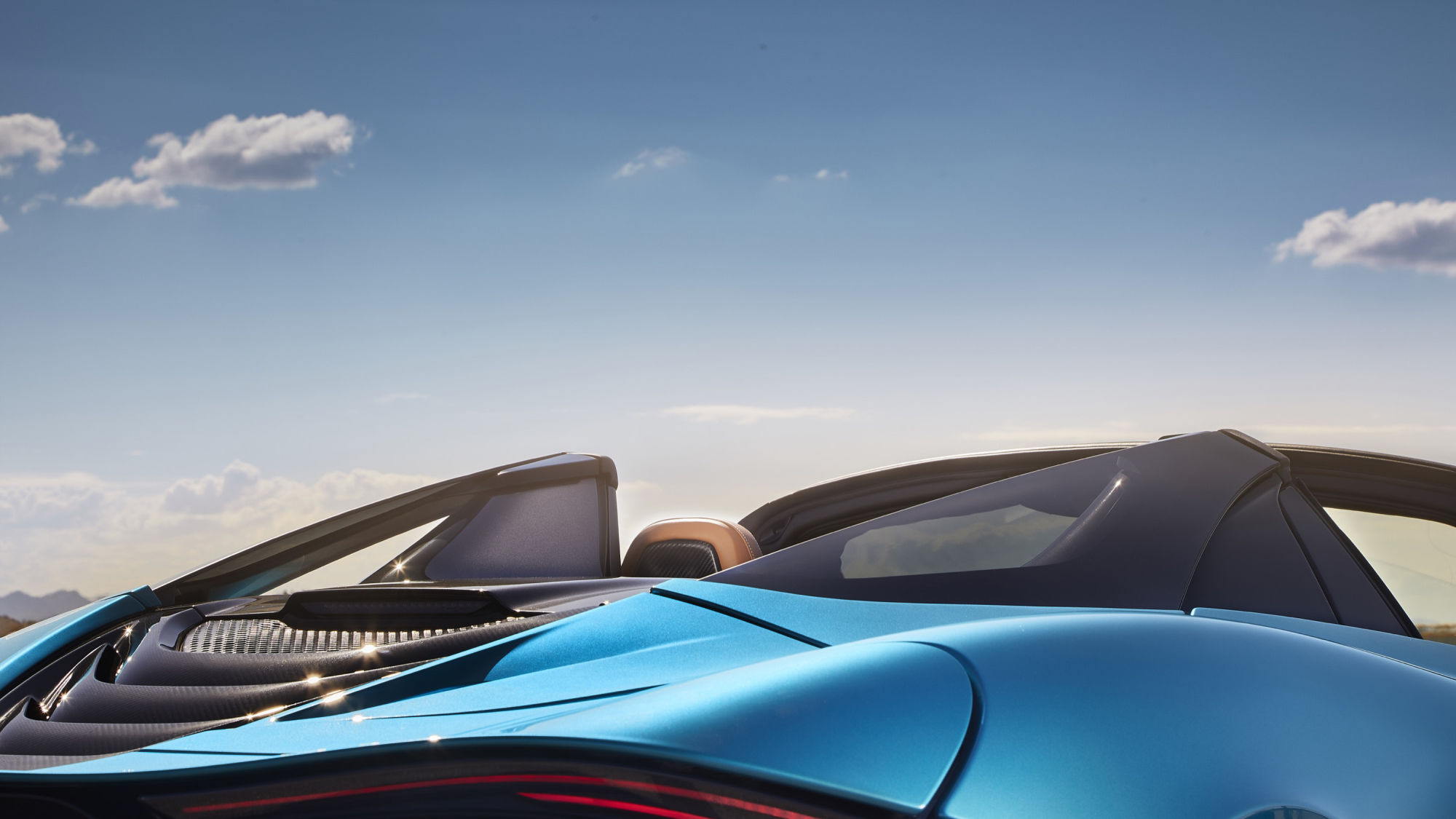
While we’re on the topic of stopwatch measurements, it takes just 11 seconds to raise or retract the electrically operated folding roof. The rear window glass also raises to minimize wind turbulence in the cabin or lowers to let in the elements and the wail of the engine’s exhaust note. I kept everything lowered as much as possible to fully experience the open-air nature of the Spider, but when a sudden rainstorm rolled in, the fact that the top can be folded up or down at speeds of up to 31 mph came in handy.

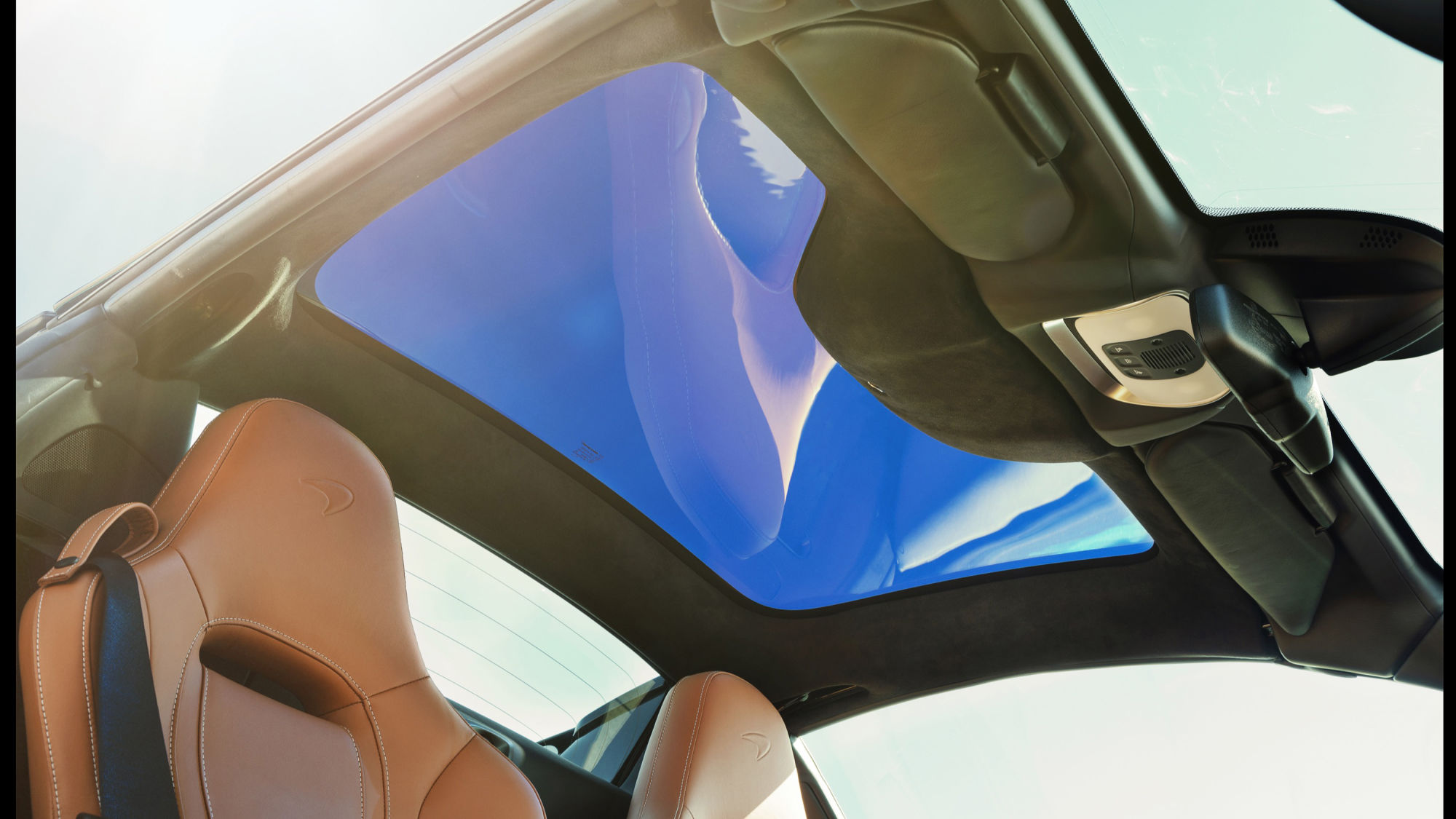
With the top in place, I was able to enjoy another cool new feature that isn’t shared with the rest of McLaren’s lineup of Spiders. An electrochromic glass panel can turn mostly transparent or deeply tinted at the touch of a button. The roof, which is paired with a translucent set of flying buttresses just aft of the passenger compartment, offers a feeling of airiness and visibility that is unrivaled among the Spider’s competitive set.

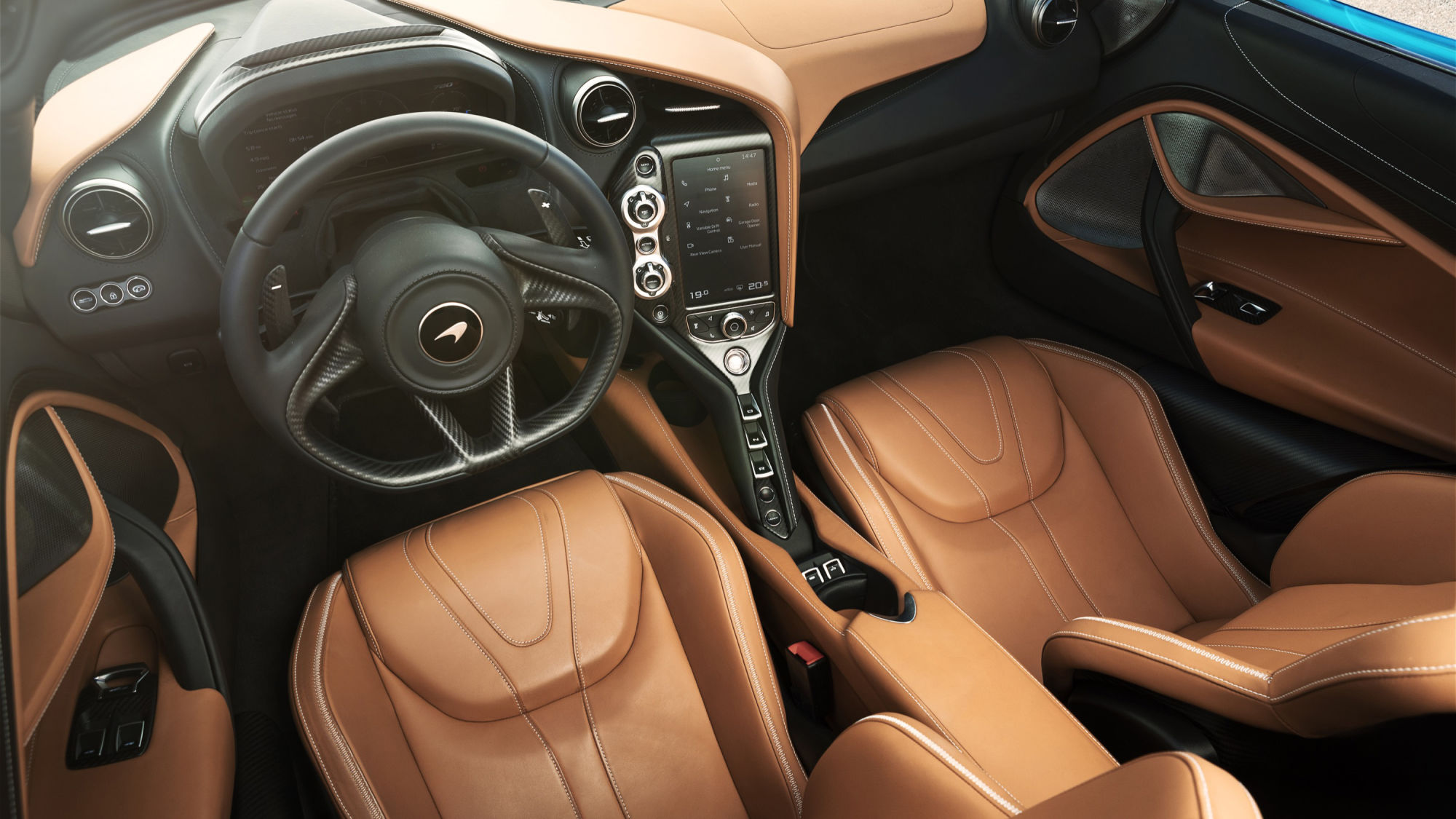
Not too long ago, terrible visibility, impossible ergonomics and disastrous drivability outside of full-throttle blasts went hand-in-hand with the slinky, low-slung life of supercar ownership. That’s no longer the case, and a lot of the credit goes to McLaren. The hardtop 720S has been praised on the pages of Autoblog for its approachable nature, and the Spider deserves those same accolades. The interior looks and feels luxurious, there’s plenty of room inside for two passengers, and, with the exception of absolutely maddening electric seat adjustment controls, everything is laid out logically and easy to use. At 15 miles per gallon city, 22 highway and 18 combined, it’s even (considering its stratospheric power output) relatively efficient.

McLaren 720S SpiderMcLaren 720S Spider

There are three driver-selectable modes for both the powertrain and the car’s suspension. Out on the highway, Comfort feels just right. It makes for a ride that’s firm and well controlled, but never jarring. The electro-hydraulic power steering is quick but never darty. It all adds up to a car that feels like it could soak up hundreds of miles in proper grand-touring style.

Sport mode, as its name implies, firms everything up. The ride gets a bit busier, the throttle mapping changes and the turbochargers seem to respond more quickly when called into action. I didn’t take the 720S Spider to the track, which is where the appropriately named Track mode is designed to excel. But even if I never used that setting on public roads, I’d at least want to use it to show off to my friends how the instrument cluster spins around to present a trimmed-down set of gauges to the driver.

I actually happened to drive the 720S Spider back-to-back with another McLaren, the equally new 600LT Spider, and an interesting thought occurred to me as I exchanged keys. These two vehicles share a whole heck of a lot in common. In fact, all the cars in McLaren’s lineup share a single line of DNA. But the actual experience of driving these two Spiders is overwhelmingly different.

McLaren 720S Spider

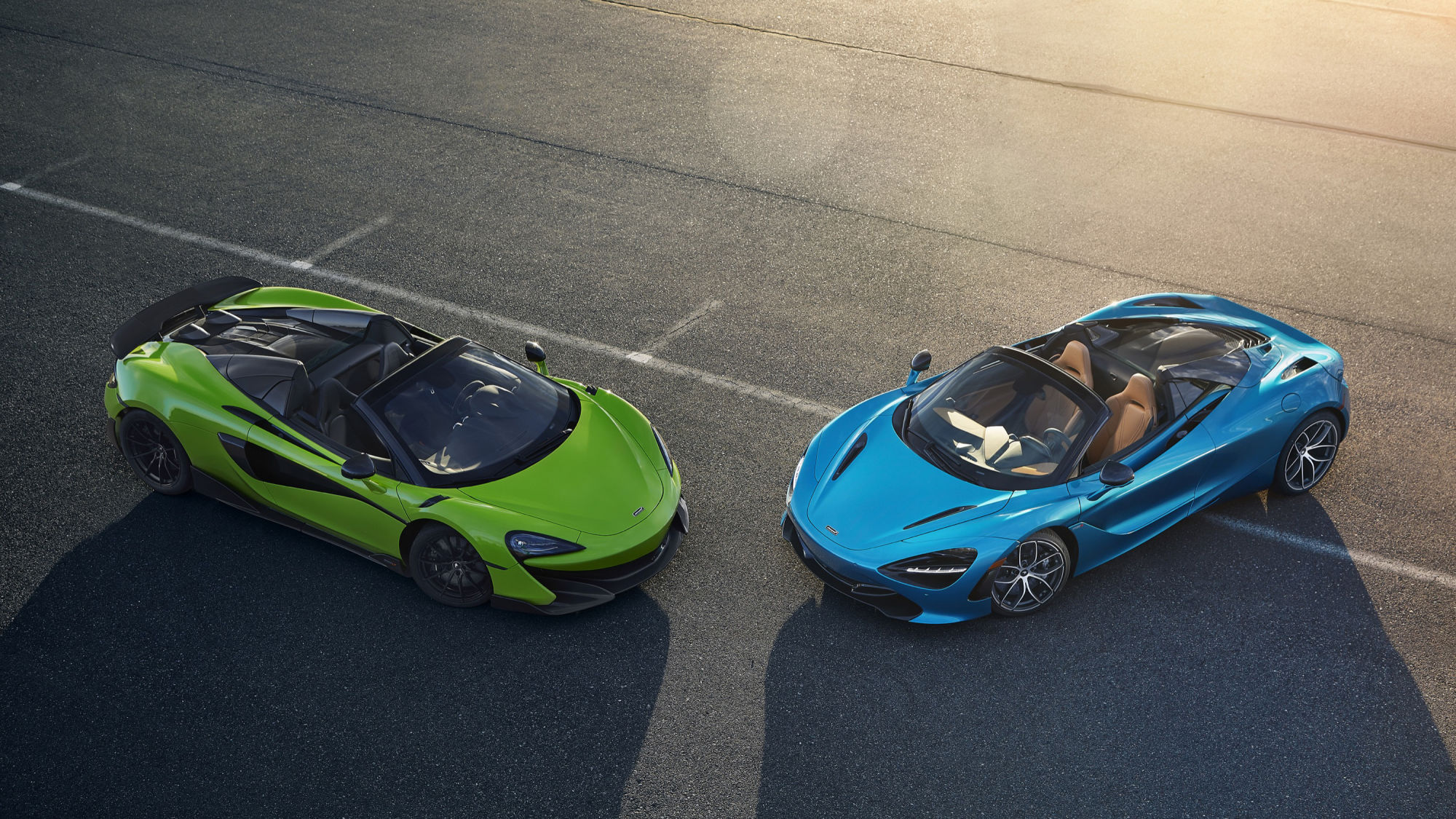
They are both hardtop convertibles derived from already launched fixed-top models, they both boast twin-turbocharged V8 engines mounted right behind the passenger compartment, and both drive their rear wheels through a seven-speed dual-clutch gearbox. Put simply, they are both eminently desirable supercars. But the 600LT Spider (above left) is clearly engineered for blitzing race tracks, and is therefore compromised on the road. The 720S Spider (above right) is primarily designed to be enjoyed on the open road. And since that’s where nearly all supercars will actually rack up the vast majority of their miles, it’s a better car because of it.

In the end, I walked away thinking that the 600LT Spider may offer the most fun you can have on a race track behind the wheel of a McLaren. But the 720S Spider is the best all-around McLaren that money can buy. There are very few downsides, other than the fact that, at $315,000, I can’t afford one. It’s comfortable, versatile, beautiful, and above all else, stupidly fast.

If this is what corruption feels like, I’m absolutely on board.

New Jaguar XE Released in London with Updated Interior

The launch of the first generation Jaguar XE was among the most memorable of car launches. I remember it very well. Jaguar reportedly spent £4 million pulling it together. It was a unique (unrepeatable) blend of car launch with west end show. Emeli Sandé, The Kaiser Chiefs and Eliza Doolittle were drafted in to provide the soundtrack. The XE eventually made its way to Earls Court via road, air and boat!

Jaguar will likely tighten the purse strings this time around. After all, the new Jaguar XE is not brand new. In recent month’s announcements of big job losses and even bigger quarterly losses have dominated headlines. In the midst of all of this, the fact that Jaguar makes some incredible cars seems to be lost. I loved the original XE.

For the new Jaguar XE, the formula remains largely unchanged. The XE retains its midsection with new front and rear bumpers. From the outside, you might term it a facelift. Jaguar has installed LED lighting throughout with LED clusters used for both the headlights and taillights. The front bumper gets larger air intakes in two different styles. At the rear, the lower section has been redesigned but retains the distinctive dual tailpipes.

New Jaguar XE Rear

Jaguar’s Ingenium engine range is on offer. The petrol models include a two 2.0 litre turbocharged models, the P250 with 250 hp and the P300 with 300 hp. Coupled with Jaguar’s all-wheel-drive system, the P300 manages a 100 km/h sprint in just 5.7 seconds.

A single diesel is available from launch, the 2.0 litre, turbocharged D180 with 180 hp and 430 Nm of torque. Importantly, this engine complies with the most stringent RDE2 NOx emissions tests. It achieves fuel consumption figures of up to 57.6 mpg.

The most significant changes are to be found inside the cockpit though. Inside, the new Jaguar XE gets that latest Touch Pro Duo infotainment system from the I-Pace. It consists of a 12.3-inch screen. Below the centre console sits a wireless charger. The steering wheel is also lifted from the I-Pace with graphics and new switchgear.

The rearview mirror incorporates something called ClearSight. This uses a wide-angle rear-facing camera feeding images to the rearview mirror. It takes passengers, poor light and rain out of the equation.

Entry level specifications will include an automatic transmission as standard. 18-inch wheels, electric leather seats, front and rear parking airs, a rear camera and lane keep assist are also standards. Dynamic modes are also standard with Comfort and Dynamic modes.

Three trim levels are also on offer, S, SE and HSE, each with an R-Dynamic variant. R-Dynamic adds sports-style seats, contrast stitching and a satin chrome gearshift paddle.

Options will include a Dynamic Handling Pack which adds various adaptive chassis elements, performance brakes, coloured callipers and a bottled spoiler. Other options include a Cold Climate Pack, Technology Pack, Convenience Pack and Premium Interior Upgrade Pack.

New Jaguar XE Interior

The new Jaguar XE starts from £33,915. The order books are already open! Jaguar’s press release suggests that some models are available at a discount and with more equipment than before.

2020 Lamborghini Huracan Evo Spyder debuts ahead of Geneva Motor Show

Lamborghini hasn’t wasted any time in showing us the drop-top version of the updated Huracan, set to be called the Huracan Evo Spyder. It takes all the goodness of the recently revealed Huracan Evo, but loses the roof. Surprised? Yeah, neither are we. This supercar will be shown at the 2019 Geneva Motor Show, but Lamborghini has given us photos and a bunch of the details today.

We drove the 2020 Huracan Evo around the F1 circuit in Bahrain last month, and are happy to report that it’s still every bit the brutally quick and incredible Lamborghini that it replaces. With the roof down, you’ll be able to hear that screaming 5.2-liter V10 a little better, though. The Spyder has the same 640 horsepower and 442 pound-feet of torque that the coupe has, but loses a couple tenths in the run to 62 mph, according to Lamborghini. No surprise – the Spyder is a significant 265 pounds heavier than the normal Huracan Evo, bringing it up to a hefty 3,400-pound dry curb weight. A coupe will get there in 2.9 seconds, but the Spyder is rated for 3.1 seconds. Such a shame (read: sarcasm). Top speed is unchanged from the coupe at 202 mph. Lamborghini doesn’t specify if that’s with the roof up or down, but it’s safe to assume up.

The soft top roof operates at the same speed as before, going up in 17 seconds at up to 31 mph. A rear window powers down behind you to enhanced enhanced exhaust sound, just like the previous Huracan Spyder.

You’ll get all the same performance features as the normal Huracan Evo, including the predictive-logic vehicle dynamics control system that anticipates the driver’s next move. There’s an enhanced version of the Lamborghini Piattaforma Inerziale accelerators and gyroscope sensors to monitor the car’s position at any moment in time. The Spyder’s looks adopt a lot of the elements from the normal Evo. A new front splitter, larger air intakes, and slotted spoiler help air flow better around and through the car. The same twin-exhaust coming out the rear bumper will play a wonderful note for the passengers with the top down.

As is always the case, the Spyder is more expensive than the hardtop. Base price is $287,400 for the Evo Spyder, and the first deliveries will be in spring of this year.

Related Video:

Jerry Seinfeld Is In Trouble Over This Rare Porsche 356 – Here’s the Deal (Updated)

Editor’s Note: This post was originally published February 4. It has been updated to include news about an additional suit brought by Seinfeld.

Noted car enthusiast Jerry Seinfeld is being sued over an allegedly fake Porsche 356. Seinfeld’s 1958 Porsche 356A 1500 GS/GT Carerra Speedster sold for $1.54 million at auction in 2016. The company that bought it, Fica Frio Limited, filed suit against him claiming the car is not authentic. It makes for a great entertainment headline. Here’s some actual background.

If legitimate, this is the purest of purist’s Porsche 356s, authentically restored. The 356 was the first factory production Porsche. The rough idea was to make a Beetle lighter and more powerful. The 356A was a more refined version that debuted in 1956. The Speedster, available from 1954 to 1958, is a pared down, open top, racier version coveted by collectors. The Carrera includes the four-cam engine Porsche used for racing.

There were 151 Carerra Speedsters built. Of those, 56 had the GS/GT trim with lightweight aluminum panels. This is also the only Carrera Speedster from the factory in Auratium Green. That rarity is why this one sold for $1.54 million while Seinfeld’s 1957 356 A Speedster ($687,000) and the 1963 B 2000 GS Carerra 2 ($825,000) sold for less. That $1.54 million was below the pre-auction estimate of $2-$2.5 million.

Keep that emphasis on “if legitimate.” This car was bought from the Porsche factory. Following that, the provenance is basically non-existent. It ended up in the U.S. somehow at some point. A California company called European Collectibles purchased the car unrestored from a broker representing an anonymous seller. Here is a description of that transaction from the car’s history file.

“Unfortunately we do not have a lot of information on the 1958 Porsche 356 A 1500 Carrera GT Speedster VIN 84908. We purchased the car from a broker who would not take me to the cars [sic] original location to meet the family that owned it originally. I tried very hard to find out more but never could.”

When trying to authenticate the car for resale, the near absent historical record and the “lack of photographical [sic] evidence” of the restoration drew scrutiny from Fica Frio’s Porsche expert. Per the lawsuit, “subsequent inspection and investigation revealed that the vehicle is not authentic.” They did not expound on that assessment.

The lawsuit also claims Seinfeld offered to rescind the sale and refund the money in a voicemail before coming to reason and requesting an independent assessment of the authenticity claim. Hence the lawsuit.

Update (February 26): Jerry Seinfeld is now suing the company that sold him the allegedly fraudulent 1958 Porsche 356. Seinfeld bought the car for $1.2 million from a California company called European Collectibles in February 2013 and claims he relied on the company’s certificate of authenticity.

Seinfeld wanted European Collectibles to resolve his dispute with Fica Frio. The lawsuit says the company refused to do so. Seinfeld’s lawyer released a statement.

“Jerry has no liability in this matter, but he wants to do the right thing, and is, therefore, bringing this action to hold European Collectibles accountable for its own certification of authenticity, and to allow the court to determine the just outcome.”

Honda Will Move Civic Type R Production to the U.S.

Goodbye to the Swindon Plant

Honda recently announced it would close the Swindon plant in Southwest England. This worried a few people because the Civic Type R is built there. However, we were sure Honda wasn’t going to let a thing like a closing plant keep it from producing its killer front-wheel-drive sports car. The company will simply bring the production of the vehicle to the U.S. 

“Given our efforts to optimize production allocation and production capacity on a global scale, we have concluded that we will produce the Civic for North America in North America,” Honda CEO Takahiro Hachigo told Automotive News.

The plant builds the Civic hatchback and the Civic Type R. t’s a major part of the company’s operations due to the fact that the Civic continues to be a high seller for the brand. The Swindon facility has been an important production plant for the car company for around 30 years, according to Motor Authority.

In addition to closing the Swindon plant in England, the company will close the Turkey plant that makes Civic sedans. While that’s less impactful for the enthusiast side of the market it’s still important to note. The company believes between American and Canadian facilities, it will be able to pick up the slack.

We certainly hope so. Honda’s 306-horsepower Civic Type R is a force to be reckoned with. The car is perhaps the best-driving front-wheel-drive car ever produced. The car gets rave reviews often, and Honda recently tweaked the model for 2019.

Bugatti Teases a New Type 57 SC Atlantic

Translating the Design Language to the Modern Age

The Type 57 SC that Bugatti teased on its Facebook Page could mean a new version of the car for the Geneva Motor Show. The automaker retold the story of the Bugatti Type 57 SC not long ago for the car’s 80th birthday, and it seems the company may have something special up its sleeve. 

With only four of the cars ever built, it would be truly amazing if Bugatti could bring the model back in some capacity. However, it’s not wildly surprising. The company returned to coachbuilding cars with the Devo, and what better vehicle to continue on with than the 57 SC? 

The image teased was a top-down shot. It showed much of the car’s key features. The split windshield is there, the large wheel flares, and the spine that runs down the center. Although you can’t tell the details, most of the important features and the overall shape and design ethos appear to be intact.

If Bugatti were to build a new version of the 57 SC, it would be built upon the Chiron’s chassis. That would blend the car’s heritage with its new models and make one of the most amazing vehicles out there. It would easily steal the show unless the other automakers have some serious surprises hidden away.

The company has confirmed it will have the 110 ans Bugatti car at the Geneva Motor show. That would have been enough for many automakers. However, if a new Type 57 SC appears, we can’t imagine anyone carrying much for the 110 ans Bugatti.

The State of Autonomous Driving in 2019: What to Know

Just a few years ago, autonomous driving surged into prominence with a seemingly warlike urgency, as though our very survival depended on our cars’ ability to navigate a roundabout while their occupants scrolled through Twitter or made out in the back seat. In Silicon Valley, carmakers set up labs while Google and Uber hired engineers from universities around the world. Audi, Ford, BMW and Mercedes-Benz pivoted their tech-bragging from the car shows to CES, where they extolled the safety-enhancing virtues of self-driving cars. Insurance companies wrote their own obituaries, as driving yielded to mobility. Millennials shrugged. It was madness.

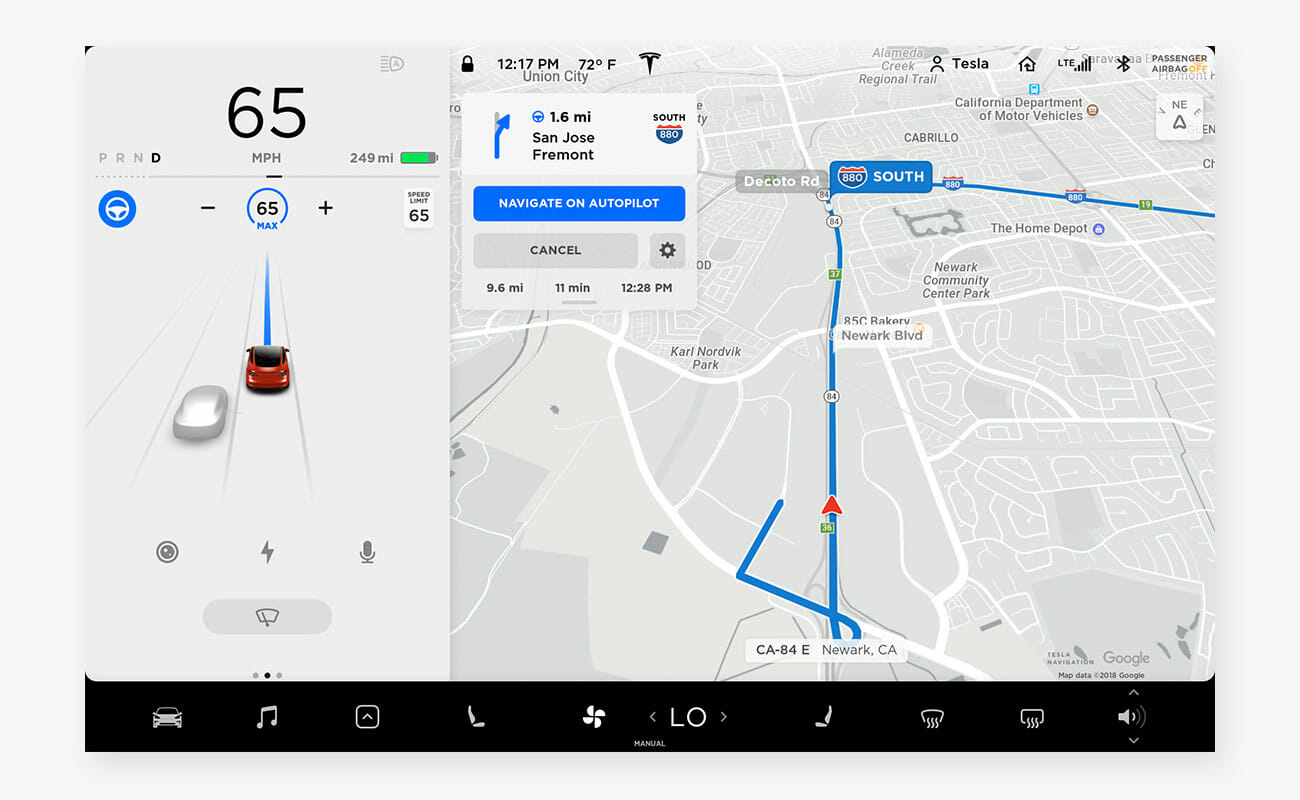
We have two things to thank for this: the baseline ability of modern computing to potentially take driving duties off the hands of humans, and Tesla. The former was inevitable; the latter, a pure force of nature. Tesla founder Elon Musk has been pushing hard for autonomy since the Model S sedan debuted in 2012. Its ever-improving autopilot system is now, arguably, the most advanced driver-assistance system on the roads, even if it’s still a far cry from true autonomy. It can drive itself down highways, pass cars, switch roads at interchanges, exit when needed and even park itself at your destination. The auto industry reacted to Tesla’s autonomy push much as it did to Tesla’s electric vehicle push: with all-out panic. Hence the labs and shows and bold proclamations of near-future capability. Mercedes-Benz, Cadillac and Audi, are in hot pursuit, as is Google’s Waymo, which is the de-facto master of surface-street navigation while Tesla dominates care-free flying down the highways.

But while there’s still forward momentum there is also hand-wringing over such truly critical details as whether autonomous cars should be allowed to mow down pedestrians in order to protect their passengers, and who will be liable when that happens. For the most part, the urgency has dialed down dramatically from its frantic peak a year or so ago. This second mind shift has to do with the dawning reality that autonomy is actually going to be pretty hard to get right. In fact, it may never happen at all.
What is Autonomous Driving?

First, though, a brief primer. Most of the systems that are engineered in the direction of autonomous driving are technically referred to as ADAS, or advanced driver assistance systems. These include the now commonly available features such as automatic adaptive cruise control, lane-keep assist, active emergency braking, pedestrian detection, signage detection and other systems. Cars can be equipped with multiple cameras and radar systems to process the environment around them and enable to the car to drive itself along with little trouble. Cars will eventually be widely equipped with laser-based LIDAR, which will significantly boost their ability to read environments on the fly.

Levels of Driving Automation

As these systems stack up and become knitted together, something resembling true autonomous driving will emerge: the Level 5 system, topmost on the widely accepted levels of driving automation scale. Right now we’re capable of Level 2, which means partial automation. (Level 1 consists of zero automation.) All current Level 2 systems on the road still require active driver participation. The operator of the vehicle must pay attention and be ready to take over at a moment’s notice, even if the car is technically handling the mechanics of movement and keeping an eye on things itself. This is as true for Tesla’s Autopilot as it is for Cadillac’s Super Cruise. It’s both a practical necessity, since the technology is still new and largely unproven, and a legal one: Regulations require humans at the controls of moving vehicles.

Level-three systems allow for vehicle control of most driving conditions, but the driver must still be vigilant and ready to take over. This is increasingly seen as highly problematic, though, given the unreliability of human drivers who are distracted by smartphones or generally unable to pay persistent attention to something that’s supposed to be handled by a machine. After the high-profile Uber crash in Arizona, in which a pedestrian was killed, this solidified the idea in many minds that the machine-to-person transition couldn’t be trusted.
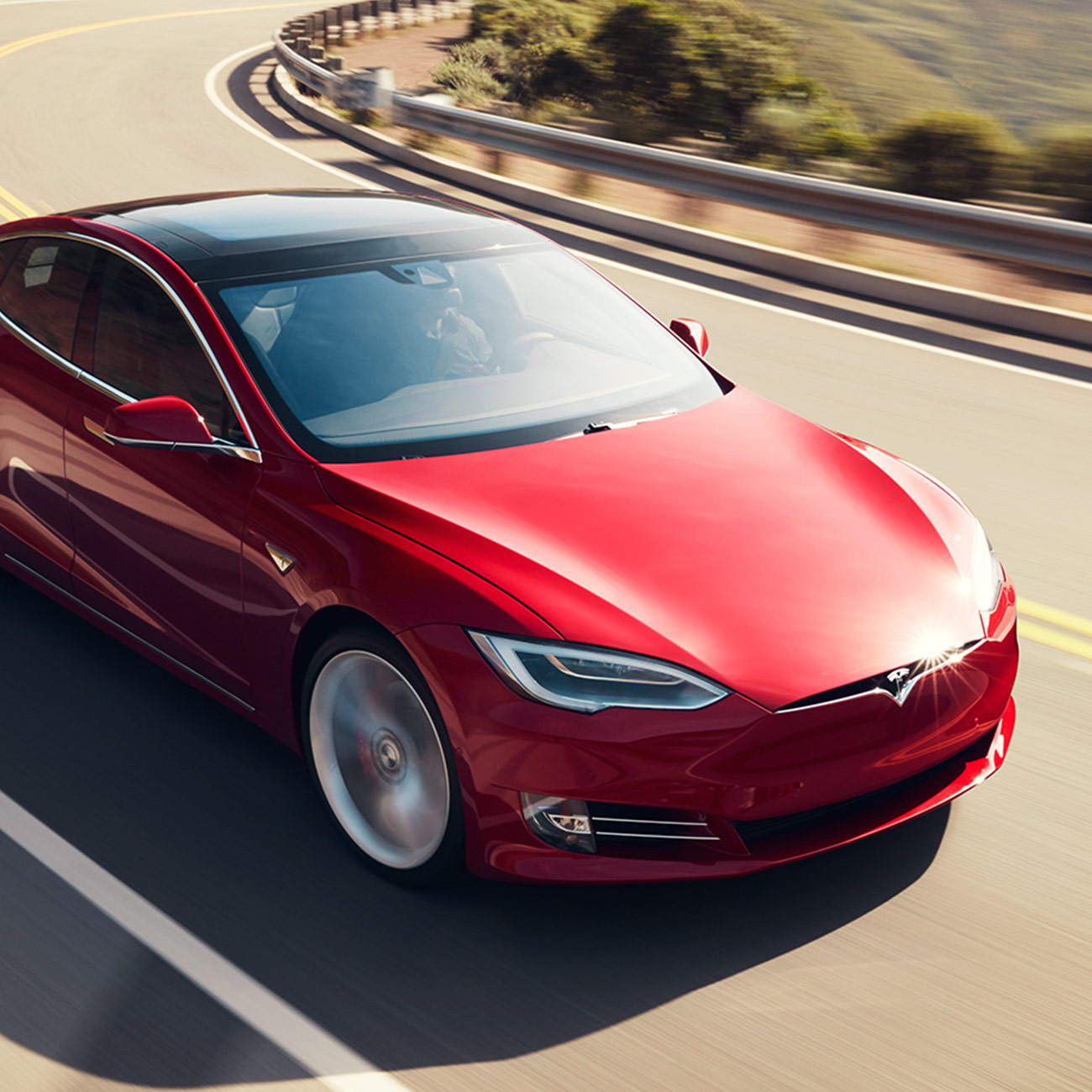
As a result, carmakers are increasingly leaning toward leapfrogging over Level 3 entirely and going straight to Level 4, in which the car would manage most all driving duties with no human intervention, and no need for persistent human vigilance. There would still be constraints to when and where such vehicles could operate, most likely excluding challenging environments such as unpaved roads or whiteout conditions in blizzards. But this version would indeed allow you to doze on your daily commute, and it would vastly improve road safety, no question. You don’t even necessarily have to worry about losing your ability to drive your own car. While there may be times and roads that mandate full autonomy—mostly with an eye toward improving traffic flow—the Level 4 cars will be fully integrated with manually-driven cars, and indeed able to improve their safety as well, simply by reacting faster in order to avoid collisions with human drivers. So you collectors of vintage 911’s and Defenders and future-vintage STi’s and Boxsters will still be able to go out for some white-knuckle Sunday drivers. Just don’t be surprised if the other cars on the road steer clear.

Full Autonomy May Be Impossible

But what about Level 5, full autonomy? That’s even more problematic than Level 3, because it may indeed be impossible, a sentiment echoed in the fall by Waymo CEO John Krafcik. The reason is that true autonomy is something quite different from just really good ADAS. In its purest form, it will need to include such nebulous, human-like capabilities as judgment, conjecture and even wisdom. An autonomous car must be able to, say, discern the difference between fog and smoke from a distance, lest it propel you headlong into forest fire from which you may not emerge. It must possess the kind of sixth sense that human drivers possess, the one that tells them, from the slightest clues in a person’s behavior or movement, that the kid riding his bike down the street ahead of you probably doesn’t actually know you’re there, and is about to cut right in front of you. It must be able to look at a damaged, muddy road on a hillside during a storm, suspect it might give way under the car’s weight, and just say “nope.”
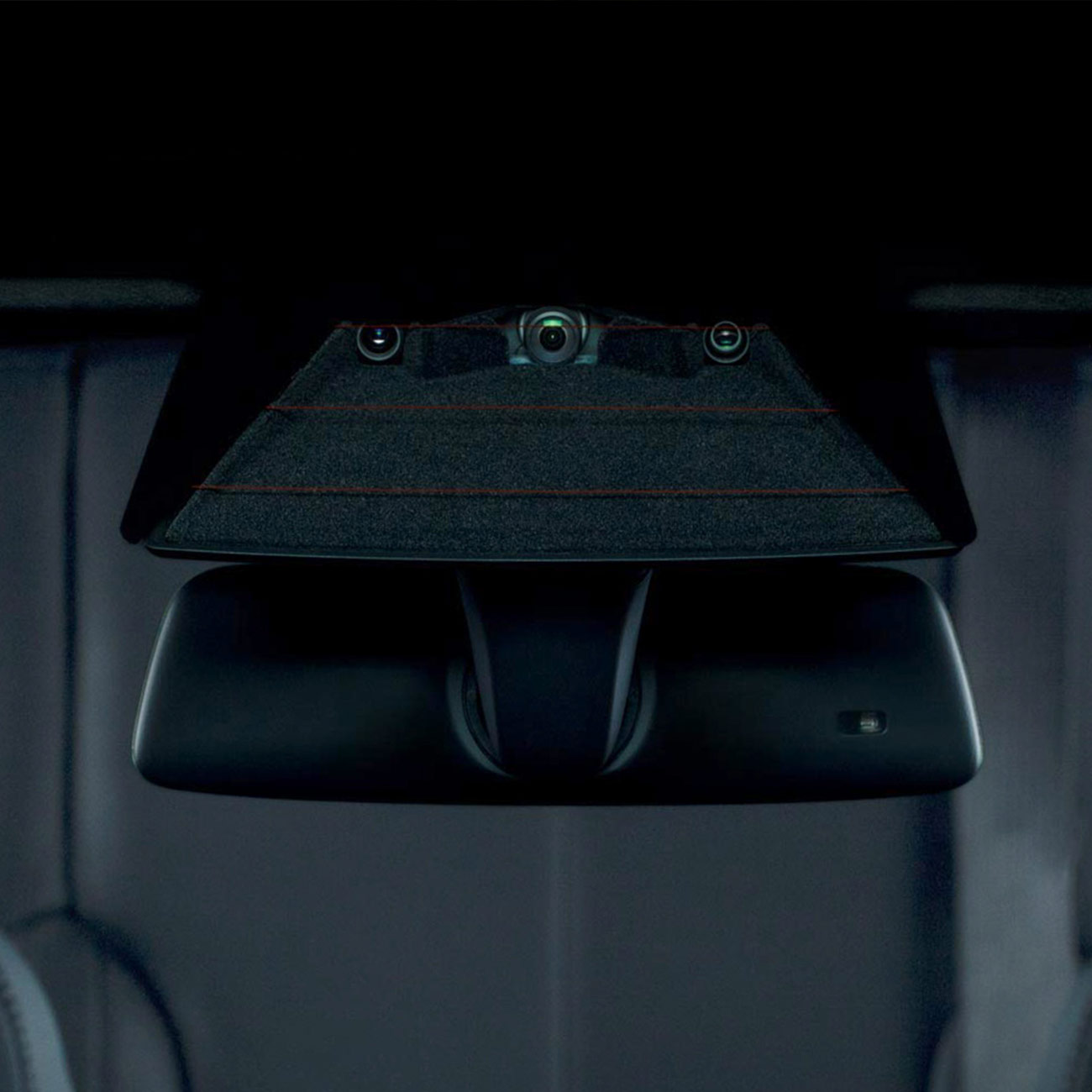
The Crucial Human Element

All that said, they must, ultimately, also obey the commands of their owners. It may be true that the muddy road will not support the weight of the vehicle, but it may also be true that the road behind is quickly being washed out by a flood. There may be no choice, and the car must try despite its best guess being to stop dead in its tracks. These, of course, are the so-called edge-cases: the far-out, highly unlikely scenarios that nevertheless happen all the time because there are countless variations of them. In reality, we se them every day while driving, but don’t give them a moment’s thought. We know that two guys unloading a fridge from a truck are about to tip it over in your direction, so we give it a wide berth. Even something as simple parking your car at a weird angle so you and your roommates can all fit in your driveway—your car has to be able to understand what you’re asking and do as instructed. With computers, all this stuff far easier said than done. But that’s what true autonomy will need.

Despite these profound challenges, however, there’s still a sporting chance that such capability will arrive. After all, the world is finite—we know all the roads, all the rules, and indeed most all of the edge cases—and computers think fast, regardless. With enough machine learning under their belts, and enough real-world practice reacting to all the little gotchas of driving, the machines will indeed become quite good, and absolutely better than mere humans. For the most part, they already are. The question is whether we’ll ever be truly able to turn over the reins completely.

2020 Bentley Continental GTC Review

‘We don’t believe that the Continental GTC has any competitors, it is completely unique in this space’ responded Bentley Chairman and Chief Executive, Anthony Hallmark. My question was not one to probe or test Mr Hallmark, but one that I asked to learn and understand more about the 2019 Bentley Continental GTC before jumping in and making my own judgements. Then again, my 25 year old judgements were somewhat irrelevant to the illustrious British brand – Bentley are the first to point out that the typical Bentley owner is typically in their 50s or 60s, China being an outstanding anomaly with 80% of buyers being under the age of 45…yikes, how’s that for a diverse demographic?

I had been shipped out to the Marbella Club to put the Bentley Continental GTC through its paces (tough gig) on what turned out to be a rather special days driving in Bentleys latest topless offering. The previous generation GT and GTC proved to be roaring successes, the introduction of the new Conti GT took the dynamics and breadth of ability of the luxury GT car to new levels.

As you would imagine, the GT and GTC are very similar. Both share the same 6.0-litre, W12 engine that churns out 626bhp and 664lb ft that will launch the GTC to 100km/h just a tenth of a second slower that the coupe – 3.8 seconds (expect a V8 and hybrid options soon). Also shared are the four wheel drive system, eight-speed dual-clutch transmission and 48-volt body control system that can be found in the Porsche Cayenne, Panamera and Bentley Bentayga, although Bentley say the calibration had been fiddled with to make sure your sexy topless Bentley feels a little different from a diesel Cayenne. The chief of Continental engineering went on to tell me about the painstaking hours that went into the gearbox calibration and how this is not just a simple copy of the PDK DSG transmission.

So what is the GTC like on the road? To find out, I embarked on a 400 kilometre day trip over a variety of roads and surfaces to see what puts the G and T into the GTC. Allow me to start off with that engine. I’ve driven the W12 Bentayga and can vouch for just how good it is in the SUV – the effortless character of the engine suits the truck well. In the GTC, however, it left me wanting a little more.

The Bentley looks fabulous, I felt that it needed an attention drawing engine tone to match the eye catching angles and do those giant oval exhausts some justice. Then you put your foot down and the sheer force of the torque punting the car towards the horizon reminds you why this huge great engine is still being used. It is remarkable, even more so when you consider the GTC weighs in at heaving great 2,414kg with the W12 pounding away until you’re doing 207mph/333kmh.

So the engine can deal with the weight when it comes to blisteringly fast straight line pace, but what happens when your grand tour takes you over a mountain pass? Remember that 48v system? It works astonishingly well and essentially counteracts any body roll using motors that prop the side of the car that would roll back up. Working in conjunction with the 3 chamber air suspension, the ride is sublime and the gargantuan weight is masked like a Donald Trump ‘grabbing’ episode.

When you start to increase speeds into some tighter, more twisty sections, things get a little less refined. As good as the systems are, hiding such hefty mass is undone by Newtons laws of physics and the Bentley starts to struggle – the brakes show themselves as being a major weak point. I cannot blame the poor things, regardless of how massive they are. Carbon ceramics are not an option…best take it easy and enjoy the breeze in your toupee after retracting the Z-fold roof in 19 seconds.

Speaking of enjoyment, when you are cruising and taking in the surroundings, as you should be, the GTC really does come into its own league of refinement and comfort. The interior is a masterpiece. Yes, you’ll recognise elements of the infotainment from other VAG products, but the physical switches, materials and all round ergonomics are second to none.

The finish on the woods, metal switchgear and quality of leathers are worth drinking in for hours. Set the heads up display to show you all you need, engage lane assist and active cruise control, prod the air scarf button to maximum and you’ll be glad that you were not sat in any other car on that stretch of road. It is a soothing experience, a memorable one. A Bentley moment.

Going back to the opening of this review, there are a couple of competitors that sprung to mind on the flight home – think Aston Martin DB11 Volante, Ferrari Portofino and perhaps Mercedes-Benz S Class. These could arguably all be considered competitors, but after spending a long day behind the wheel, it is safe to say that all of the aforementioned cars sit towards the sharper end of the sport vs comfort spectrum with the Bentley being the car with the wider breadth of ability. At €192,000 pre tax and options, it is a much more expensive purchase too. It really is in a category of its own.

Sounds like Bugatti is about to debut a 57 SC Atlantic-inspired design

In early February, a rumor popped up that Bugatti was bringing an extremely special multi-million-dollar one-off custom to the 2019 Geneva Motor Show. This week, Bugatti put out a teaser on social media that hinted at a new 57 SC Atlantic-inspired design. Could the two be related, or are automotive enthusiasts in for two major surprises?

Maybe we’ve been watching too much “True Detective” and have the itch to put clues together, but a peculiar timeline has begun to take shape surrounding what’s to come next for Bugatti. On Feb. 12, we picked up a report from The Supercar Blog that said ex-VW boss Dr. Ferdinand Piech had ordered a one-off Bugatti that cost about $18 million and would debut in Geneva. On Feb. 18, Bugatti began a social campaign that celebrated the 80th birthday of the famed 57 SC Atlantic, highlighting each of the four examples that were built.

On Feb. 24, Bugatti publicly wondered if the design of the 57 SC Atlantic could be reinterpreted in the modern automotive landscape.

And today, Feb. 25, Bugatti posted an interview with Deputy Design Director Etienne Salomé in which he added a couple more hints. He starts by saying, “When the team and myself started to design this car,” which suggests the Atlantic-inspired car is indeed real. He goes on, referencing Jean Bugatti: “How would he translate the timeless beauty and the elegance of his own private Atlantic onto a modern-day Bugatti?”

The second piece of information there could be taken literally or figuratively. In a literal sense, it sounds like the Atlantic-inspired car could be a design applied to a current Bugatti. Might it be a custom one-off Chiron? Bugatti has already shown how much it could change the look of its hypercar with the release of the track-focused Divo. Taken figuratively, however, it could suggest Bugatti will build a new model with the Atlantic’s design ethos and spirit but with modern technology. That would mean the one-off and the Atlantic-style car are two different things.

Because Bugatti only has one supremely specialized vehicle, its next moves are always highly anticipated. Back in 2016, the company said it had four options as to what would come after the Chiron, and pointed out the Galibier as one of the four. Coincidentally, the Galibier has a few Atlantic-style features, such as the spine that runs down the center of the car.

At this point, this is all speculation, and the only thing that is known for sure is Bugatti will not be unveiling an SUV. We’ll update expectations as we learn more information.

Related Video:

Mercedes-AMG considering Lewis Hamilton edition for One hypercar?

After Mercedes-AMG debuted the Project One showcar in 2017, the Germans announced in late 2018 the car would enter production, complete with a name change to simply, “One,” as in bringing Formula One technology to the road. It’s hyped as being a new level of performance in a road-going production car, with loads of technology, including a Formula One-sourced hybrid powertrain. And Lewis Hamilton has his hands all over it.

In an interview with Top Gear, Lewis Hamilton said, “it doesn’t make sense not to do it” in regards to a special-edition Mercedes-AMG Project One created under his supervision. Whether or not AMG would actually build one is still under consideration.

As Mercedes-AMG’s champion Formula One driver, Hamilton not only publicly debuted the car and is the face of the marketing campaign for the One, but he essentially tuned the engine through his racing. Hamilton also recently told Top Gear that a One with his custom touches is in consideration. Mercedes-AMG says it will build 275 examples, but there’s potential for a special-edition One LH.

“I want to do a special LH Edition,” he said. “I’ve already spoken to them about it, and they’re considering it. It doesn’t make sense not to do it, considering we’ve won the world championship.”

Hamilton said he’d change numerous things on the car, including a louder exhaust and adding a body kit. He also would want more power, if he had it his way.

It doesn’t sound like this is in extremely serious stages yet, but the fact that it’s a possibility is interesting. Check out more details and quotes at Top Gear.

[embedded content]

The All-Black-Edition Car Trend Just Jumped the Shark

<!–

–>

McLaren Special Operations 600LT Spider to Debut at Geneva Motor Show

A Beautiful Bespoke Model

McLaren will bring the heat to the Geneva Motor Show with its McLaren Special Operations 600LT Spider. As the car enters production McLaren thought it smart to put out a special version of the car. The vehicle it created is a seriously striking one like no other 600LT Spider that will be produced.

The car features a unique Dove Grey with Napier Green accents that really stand out. The green appears on the front splitter and down the sides. It’s also on the brake calipers. According to the company, the 600LT Spider from McLaren Special Operations pays homage to the 675LT.

McLaren used a special way of applying the paint, which uses a flexible film to get perfect color consistency and finish. It’s a technique that was previously used on the McLaren 720S GT3 and 570S GT4 race cars. Other than the unique paint job, the car features McLaren Special Operations’ suite of carbon fiber upgrades.

The interior features plenty of carbon fiber, too. It also gets plenty of Alcantara material and the carbon seats originally designed for the McLaren Senna.

As far as the powertrain goes, McLaren Special Operations abstained from fiddling around. The 3.8-liter twin-turbo V8 produces the same 592 hp as the stock car. Performance should be the same as well. This would mean a 0-60 mph time of 2.9 seconds and a top speed of 201 mph.