All posts in “Sports and Outdoors”

We Tried Road Tubeless Tires, and We’re Never Going Back

Tubeless tire technology is nothing new. In fact, it’s been industry-standard in the mountain bike world for a while now. It’s taken the road cycling industry longer to embrace the upgrade, but companies are finally taking the hint and producing wheels, tires and accessories aimed specifically at tubeless-curious riders.

As a lifelong mountain biker, it always amazed me that road cyclists stuck with tubes. Everything about them is a pain — pinch flats, extra weight, greater rotational mass. The upsides on a tubeless setup are tremendous: lighter, able to run at lower pressures (more comfort and control), less rotational mass and fewer flats. The biggest roadblock in the switch to road tubeless seems to be the setup, which takes some time and practice and can be a bit of a pain.

I recently decided to switch to road tubeless and did a ton of research before I did on how to set it up. My reason for making the switch was the promise of increased comfort and a lighter setup (I was also in search of a wider tire for decreased rolling resistance). On paper it sounds fairly simple: Tape the wheel with tubeless wheel tape making sure there are no bubbles; poke the tubeless valve stem through the tape; set one bead of the tire on the wheel; set the other bead of the tire on the wheel; use a compressor or piggyback pump to set the beads and inflate to around 60psi (you’ll hear some popping sounds while you do this); deflate the tire and remove the valve core; pour recommended amount of sealant into the tire through valve core; reinstall valve core and inflate the tire to 60psi; spin the tire so the sealant coats the inside and seals any gaps; go ride. Well, relatively simple anyway.

Photo: Hunter D. Kelley

That’s all well and good, but the truth is that the process will take you a couple of tries. It took me three tries until I eventually gave up and left it to the professionals (it took them a further three tries to get the wheel to seal). It’s not a perfect science, but the hassle is worth it. The ride is supple and supremely comfortable. It’s immediately noticeable. There’s more grip in the corners, and while it may seem counter-intuitive, running your tire at a lower pressure actually decreases rolling resistance, making you faster. I also found myself seeking out rougher roads and straying from my usual road loop with more confidence than with my typical setup. I chose both wheels and tires that can handle some gravel jaunts, but can still keep up on the pavement.

Of course, road tubeless isn’t for everyone. You may be perfectly happy with your tubes, and that’s OK. But for those seeking a faster, lighter and more comfortable ride, tubeless is a no-brainer. Sure, setup can be a hassle — but it’s worth it. If you endeavor to try road tubeless for yourself, here’s everything you need to make it happen.

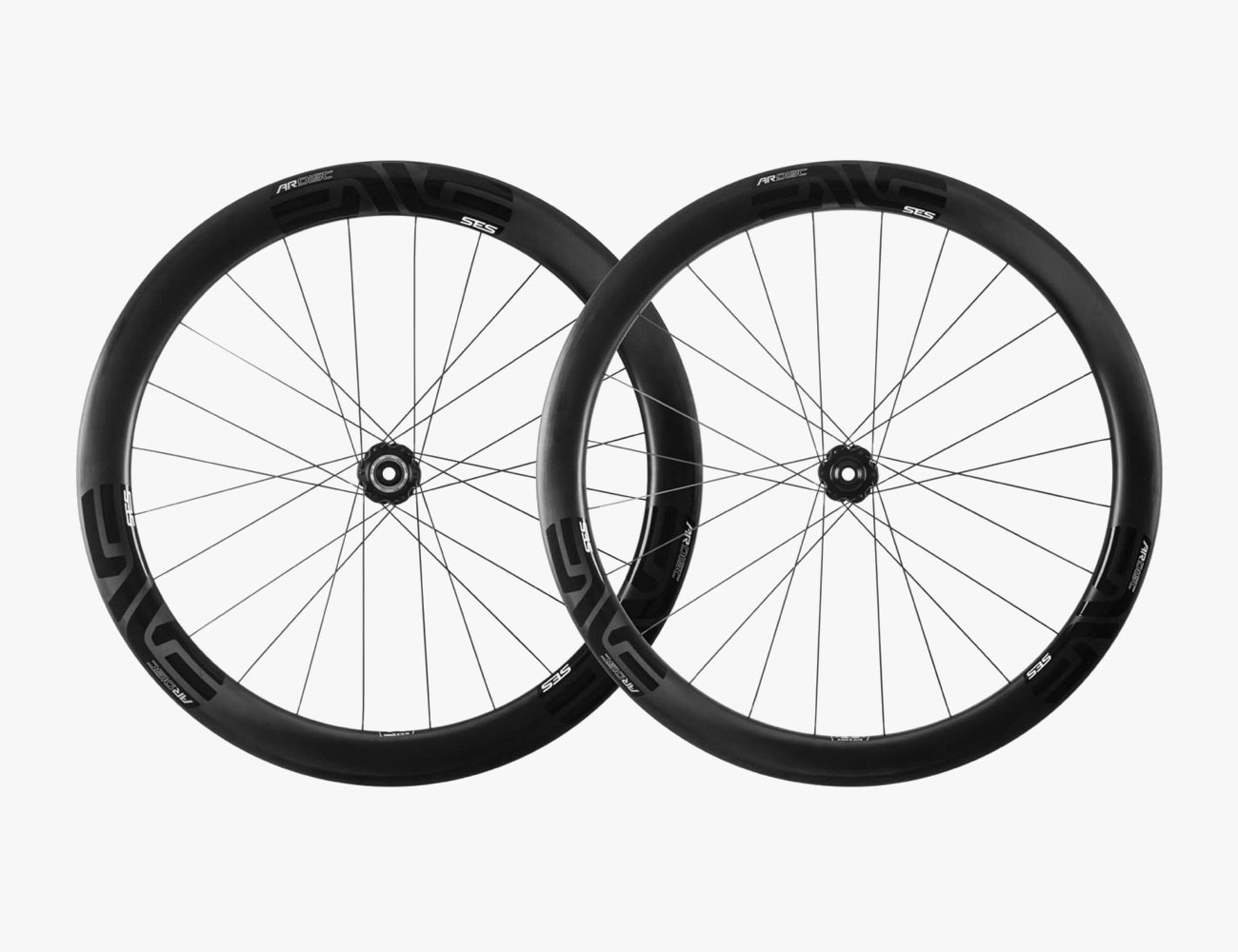
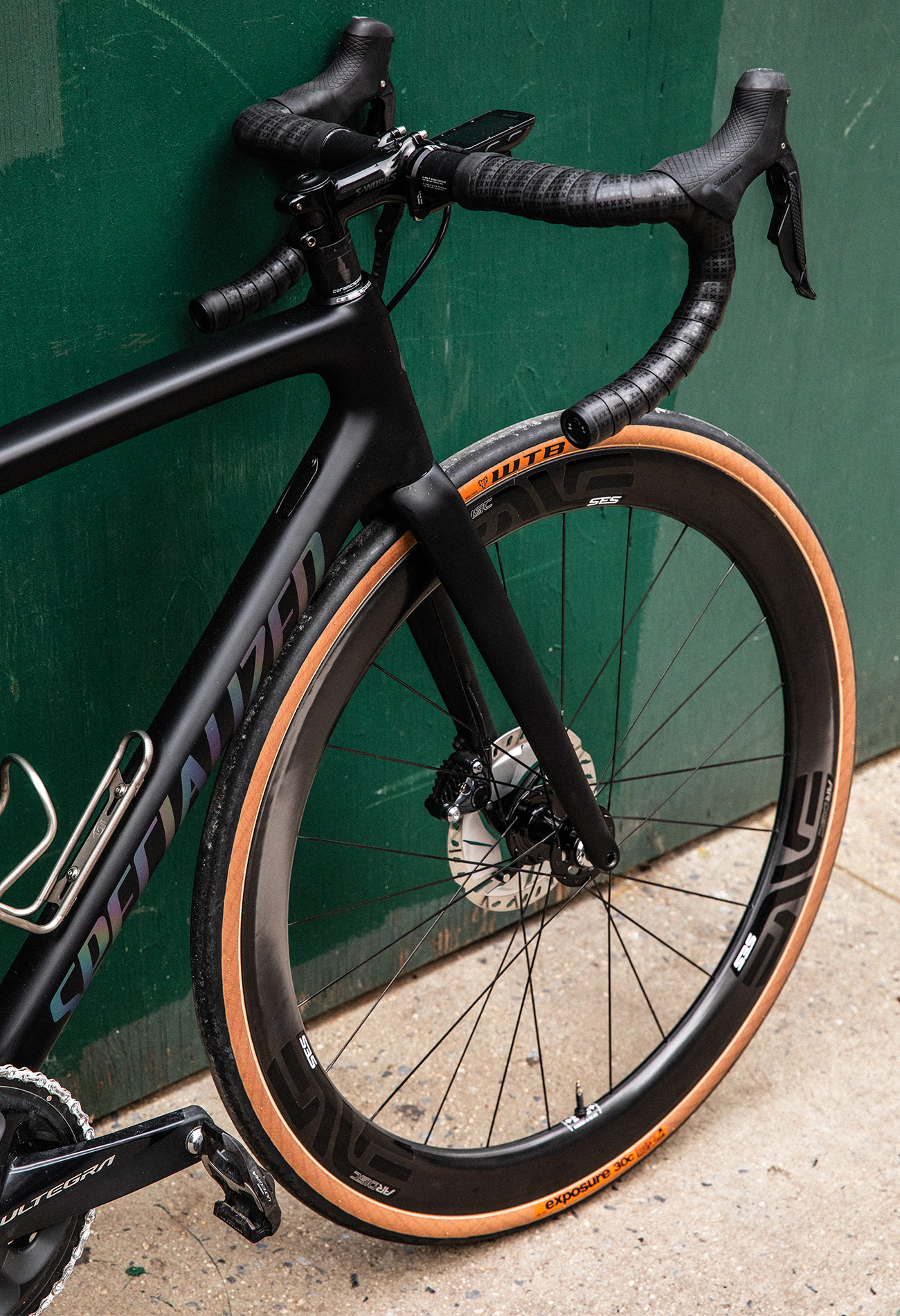
ENVE SES 4.5 AR

ENVE’s SES 4.5 AR disc wheel is specifically designed to be run with a tubeless tire. It’s stiff and compliant at the same time and offers some of the best ride quality available. Simply put, there’s a reason everyone wants ENVE wheels — the hype is real.

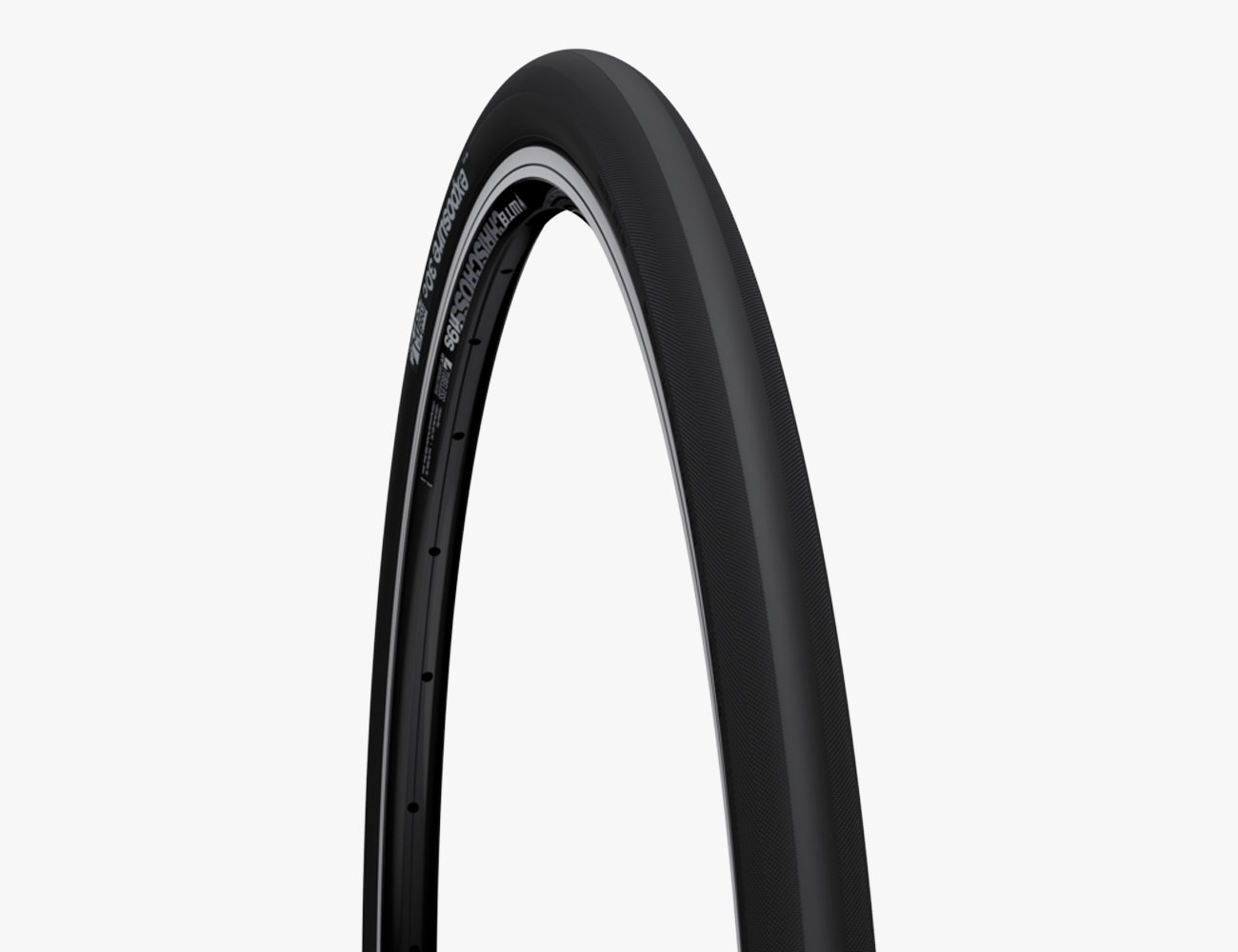
WTB Exposure 30

WTB’s Exposure 30 is one of the few tan sidewall, tubeless-compatible tires. In fact, in our extensive research, it’s the only tubeless-specific tire that has tan sidewalls and is available in a 30. It’s supple and provides a shocking amount of grip in a variety of conditions. They are a touch heavy at 310g per tire, but the comfort and durability they offer are worth the small weight penalty.

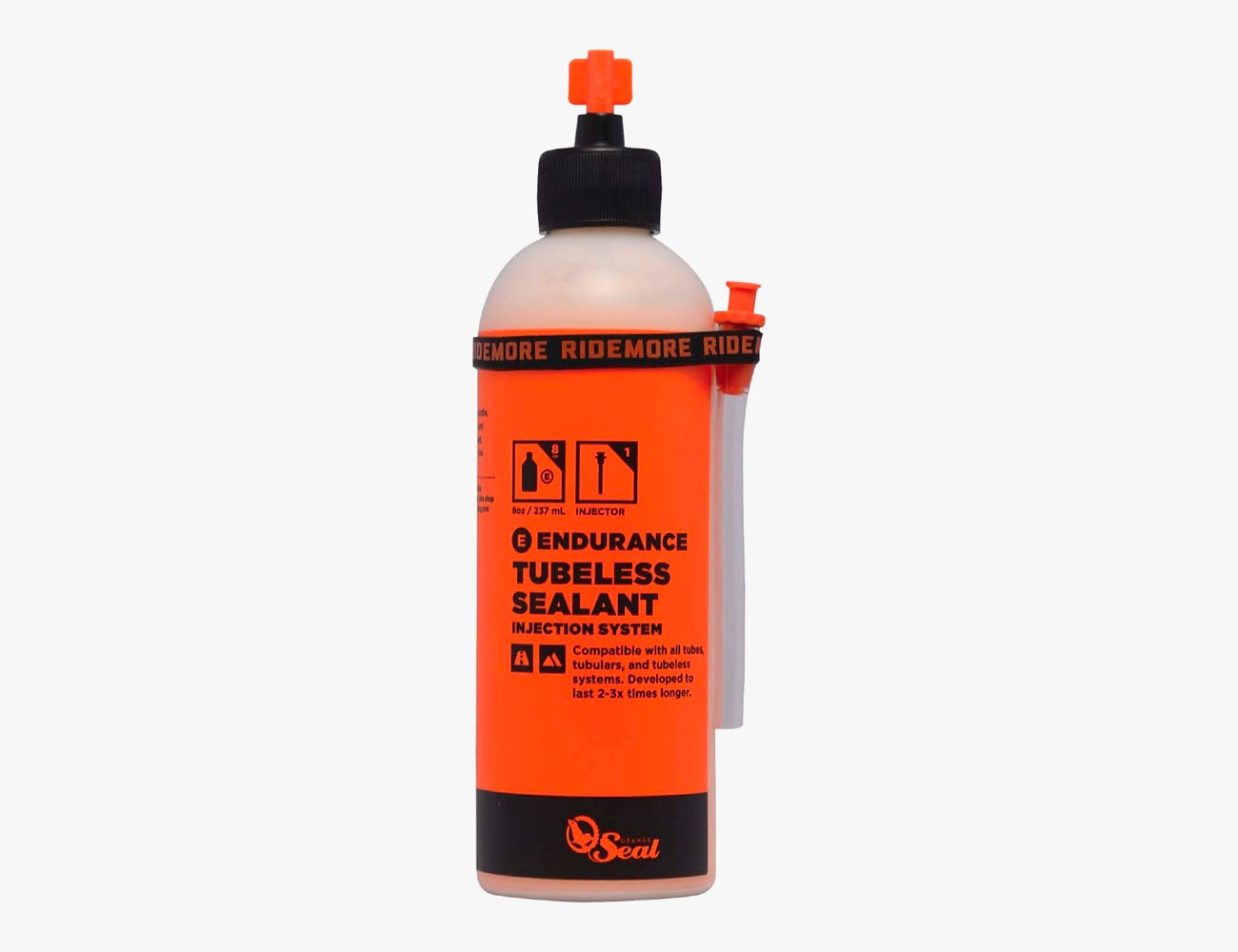
Orange Seal Endurance Tire Sealant

There are a few tire sealant brands available, but we’re partial to Orange Seal’s Endurance Sealant. The Endurance version of Orange Seal is designed to last longer (sealant will eventually dry out) and will seal up the smaller punctures that you might encounter on a road bike. It also weighs less than Orange Seal’s regular line of sealant, and that’s a good thing.

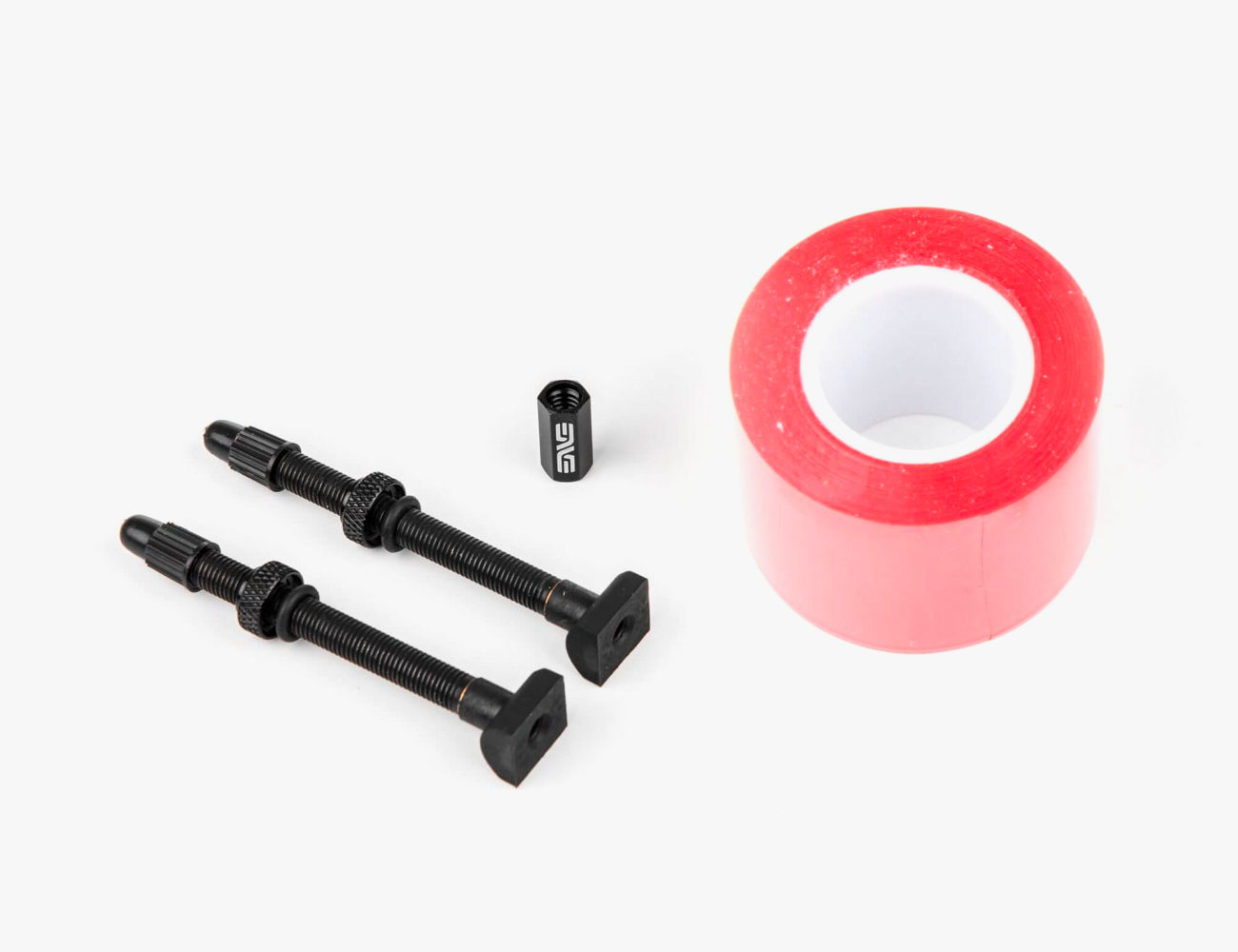
ENVE Road and Gravel Tubeless Kit

You’ll need ENVE’s Tubeless Kit for setup, which includes tubeless wheel tape, two tubeless valves (that fit the SES 4.5 AR without the need for valve extenders) and a valve core removal tool.

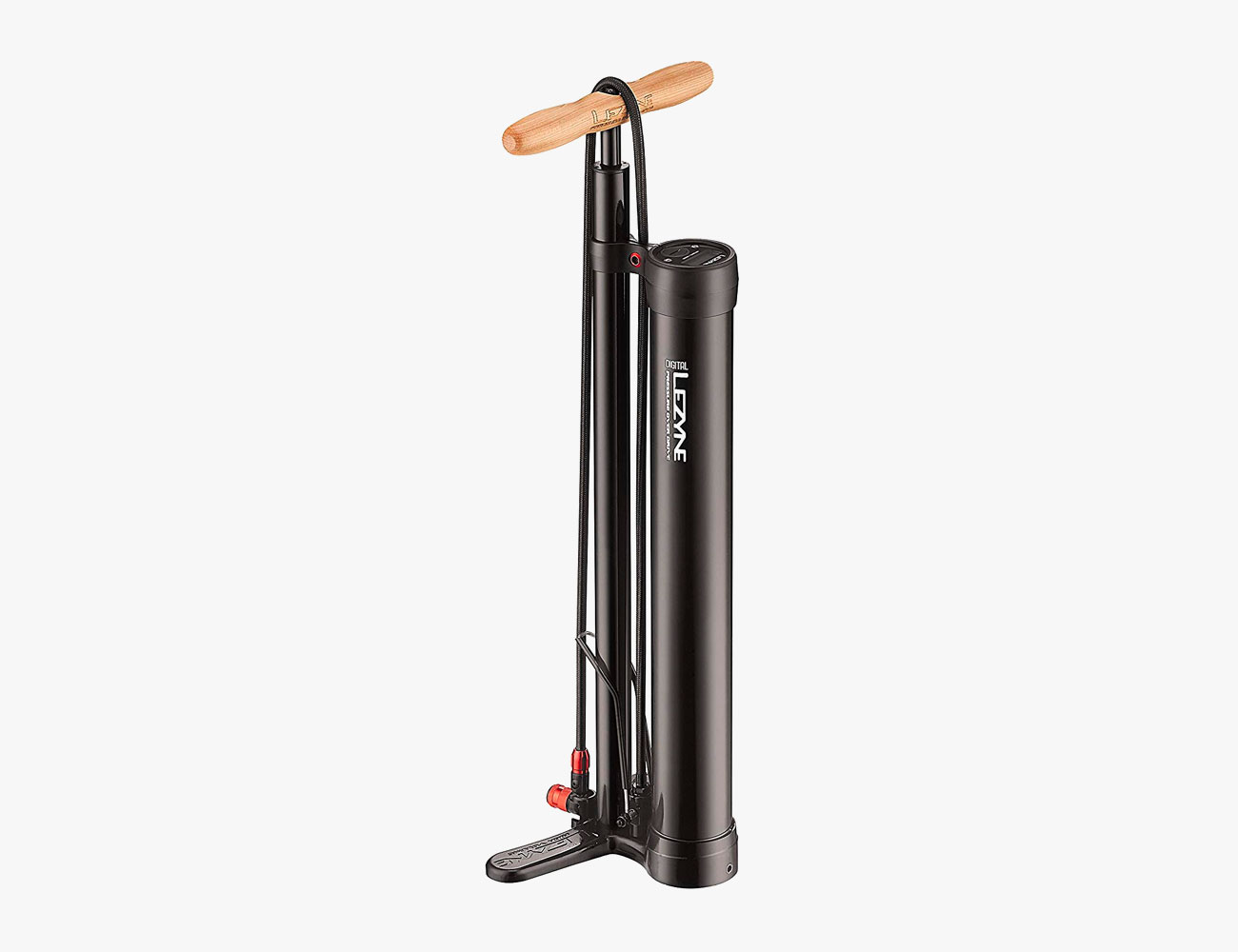
Lezyne Digital Pressure Overdrive Floor Pump

With a tubeless setup, you’ll likely be playing around with different tire pressures more than you would with a standard setup. For this, a floor pump with a digital gauge will give you the most accurate reading. Lezyne’s Digital Pressure Overdrive pump also has a piggyback chamber that can be pressurized up to 200psi. The pump then works in essentially the same way as an air compressor, helping seat a tubeless tire quickly and efficiently.

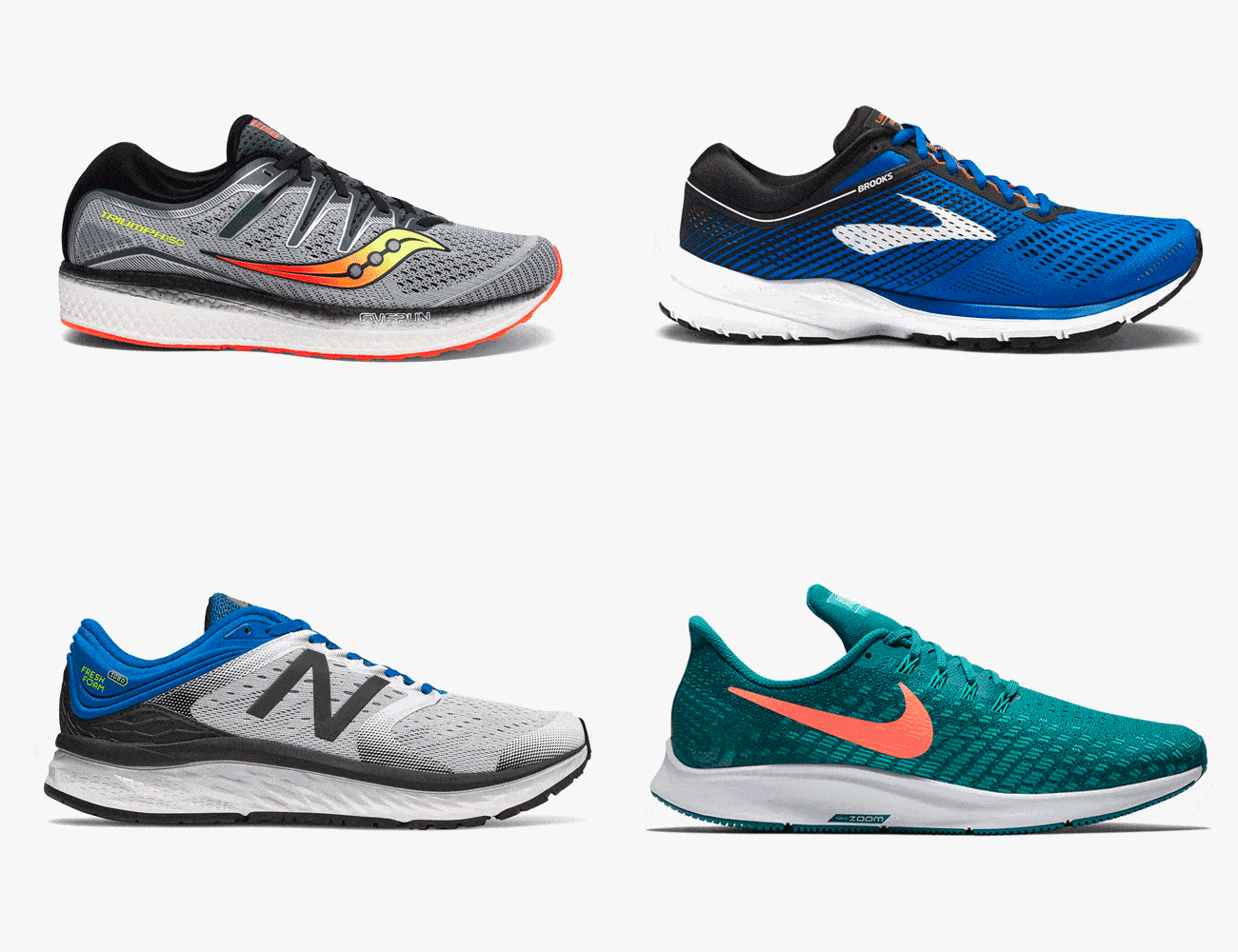
These Four Running Shoes Will Keep Your Feet Dry on Slushy Roads

The Magazine

Let us take you on a journey of the world. Each issue of the Gear Patrol Magazine comes packed with adventures, guides and stories exclusive to the magazine. Stunningly designed, printed on high quality stock and ready for your coffee table. Biannual. $39.

The Newsletter

Get GEAR PATROL in your inbox with the DISPATCH, including Today in Gear and all our new stories. Daily, 5pm. Free.

The Best Gym Bags to Buy Now

Last updated January, 2019.

If every personal trainer on Earth could agree on one thing, it would be this: be more deliberate about your fitness regimen. Plan a gym schedule. Count your calories. Jot down your reps. It’s all for the sake of fostering self-motivation. This clear-headed wisdom applies to gym gear, too. Buy better clothes and equipment, and you will feel obliged — excited, even — to use them. A great gym bag that’s perfectly suited to your unique taste and fitness goals just might be the nudge you need. But the thing is, not all gym bags are created equal.

Depending on when you go to the gym or even the type of exercise you find yourself doing most often, you could require a different type of bag to haul your gear. So to help you on your search, we assembled a list of over 25 gym bags. Whether you head to the gym before going to the office and require a nice office-worthy bag or are worried more about functionality than you are form – we have a pick for you. Scroll through and see what you can find.

Additional Contributions by Michael Finn, Tanner Bowden, Ted Jamison and AJ Powell.

Editor’s Picks

These gym bags are some of our personal favorites. They check both the style and functionality boxes without managing to be so expensive that they make your eyes water. And sure, these won’t be for everyone – but they’ll be more than enough for majority of gym-goers.

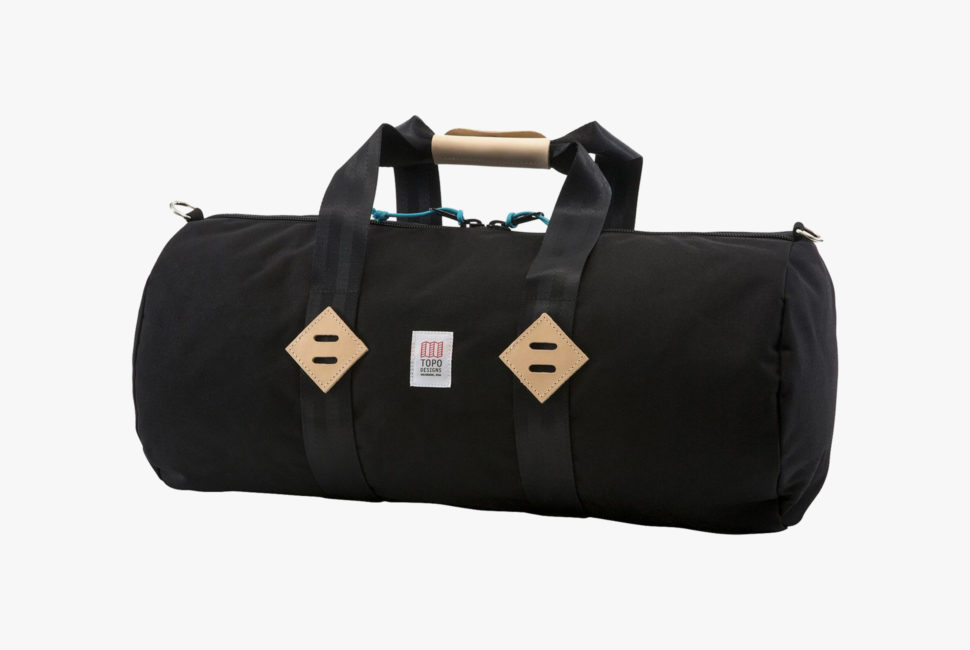
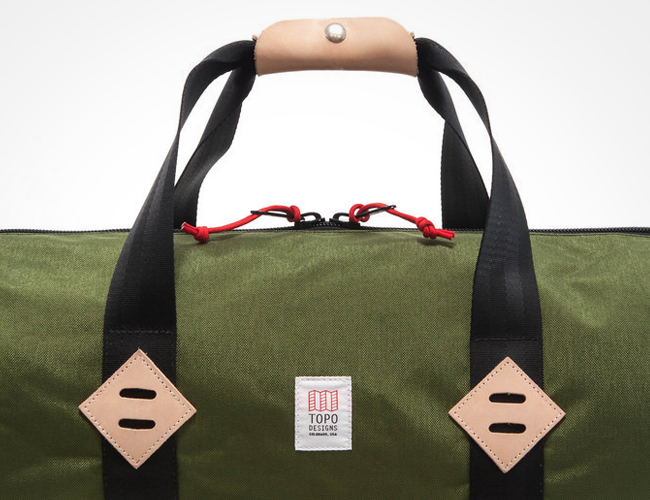
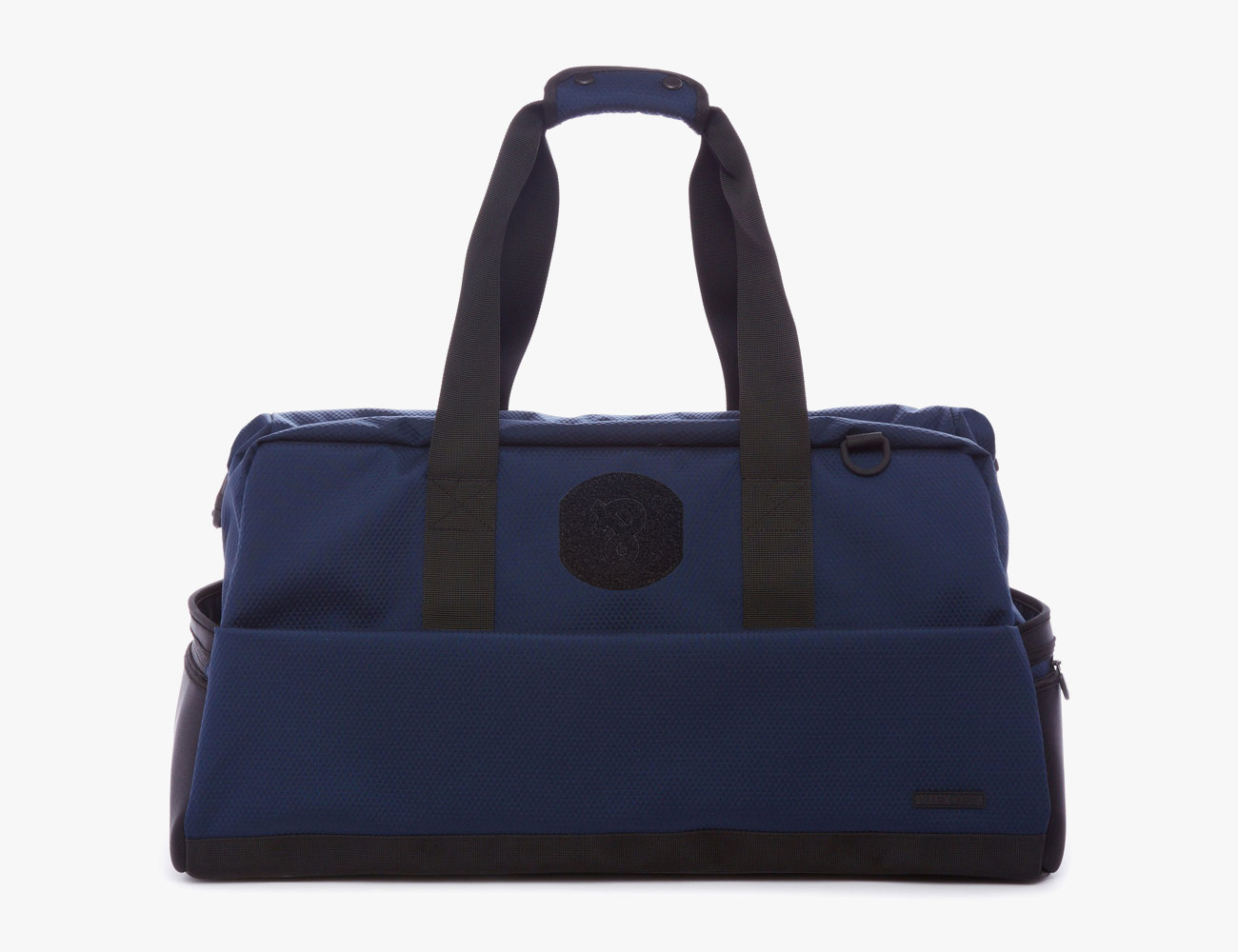
Topo Designs Classic Duffle


Best All-Around Gym Bag: Topo Designs is known for pairing simple design elements with bold colorways to set off any ensemble, even your gym shorts. The Classic Duffel makes for an ideal gym bag with a tough exterior made from durable Cordura fabric and a seat belt strap material for its handles. The inside of the bag, however, features a pack cloth liner for your softer goods to rest after the workout.

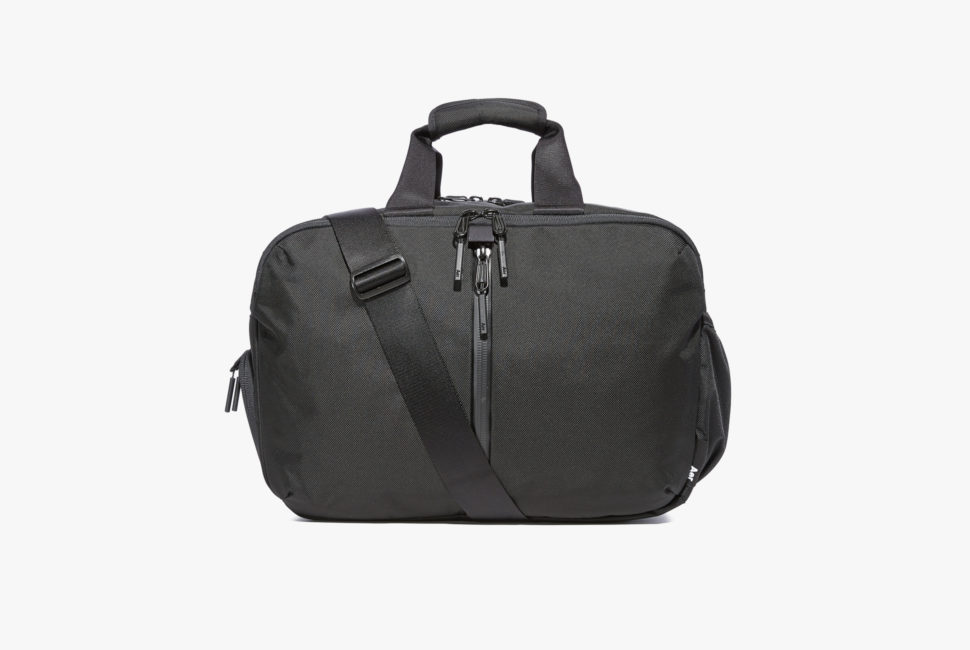
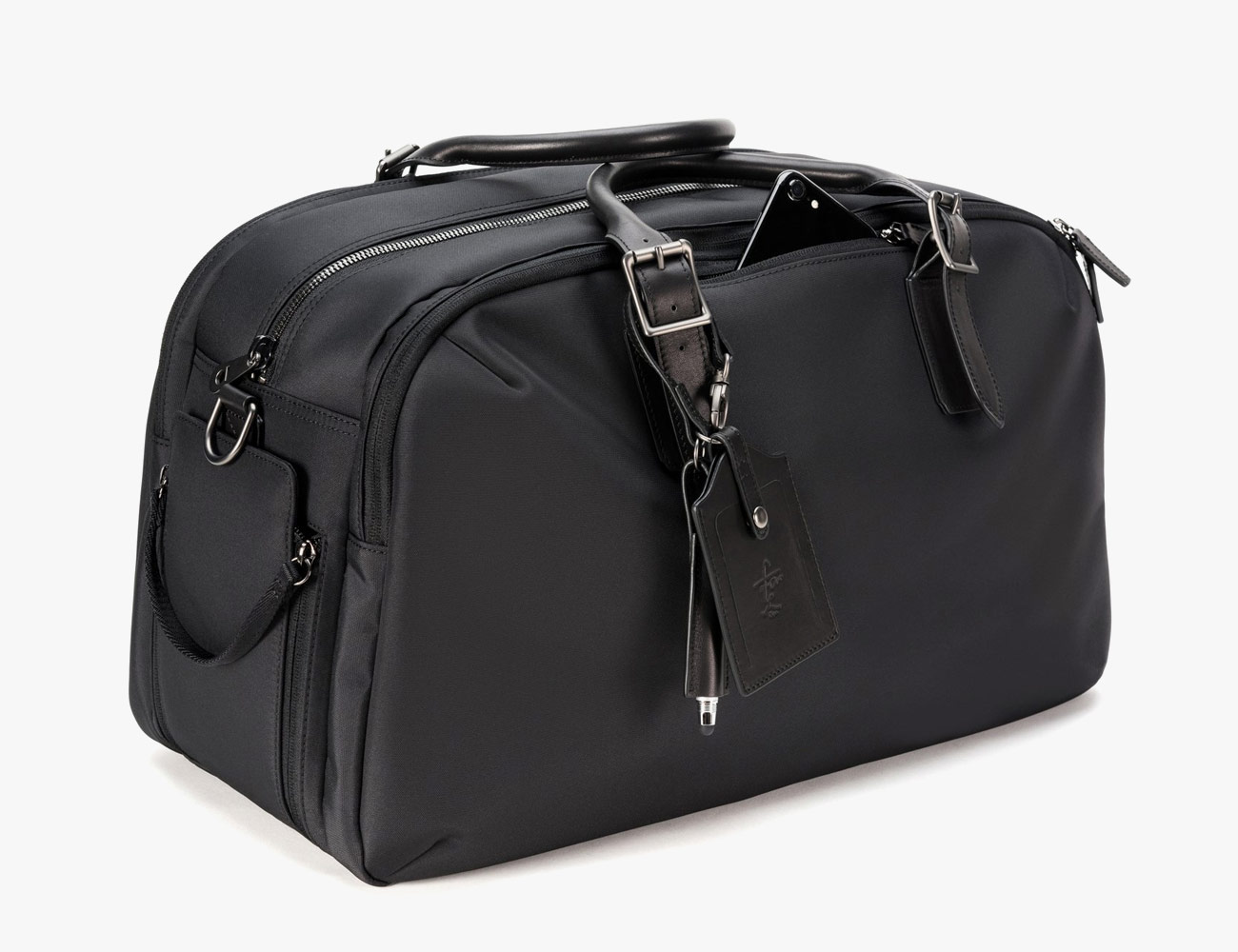
Aer Gym Duffel 2


Our Pick: We chose Aer’s Gym Duffel 2 for its excellent organizational features, rugged construction, versatility and, perhaps biggest of all, its confident, urban-commuter styling. It’s right in the sweet spot for 90 percent of gym-goers and an excellent choice for style-conscious frequent fliers, too.

The Ultimate Gym Bag

Everything you need to get in the best shape of your life. Read the Story

Other Notable Options

Not as smitten with the above picks as we are? Fair enough. We corralled a bunch more picks we think are unique in the world of gym bags. Whether it’s a budget pick you are looking for or something a little more high-end, these will do just fine.

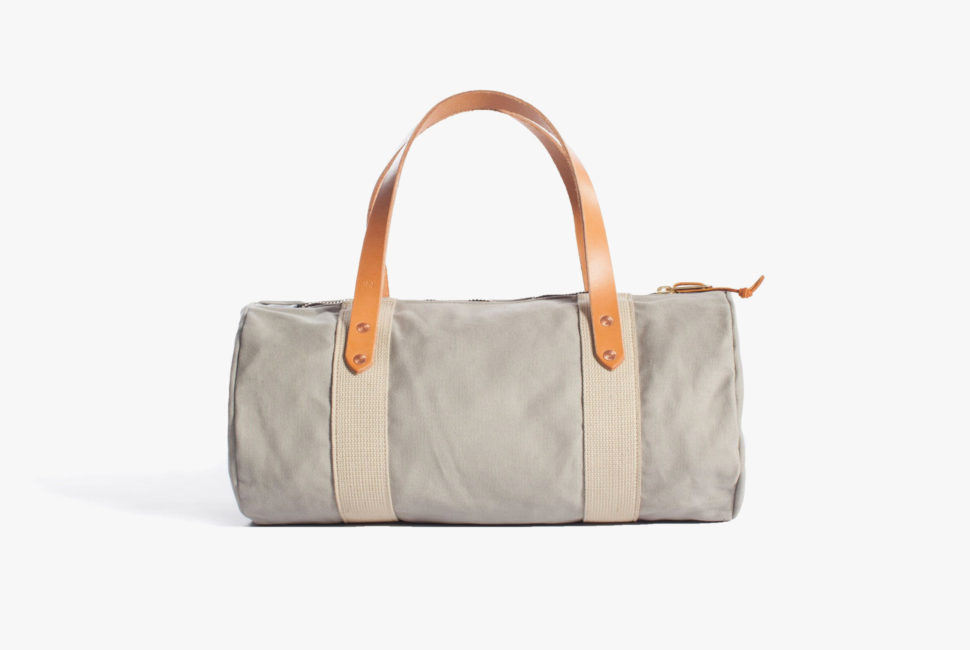
JOSHU+VELA Small Duffel


Best Natural Canvas Gym Bag: JOSHU+VELA is known not for fitness gear, but for premium, natural canvas and leather lifestyle bags. The Small Duffel‘s hardy canvas construction, complete with American bridle leather straps and hand-set copper rivets, is both cosmetic and functional: it’s strong enough to be crammed into a locker, yet handsome enough for a first-class cabin.

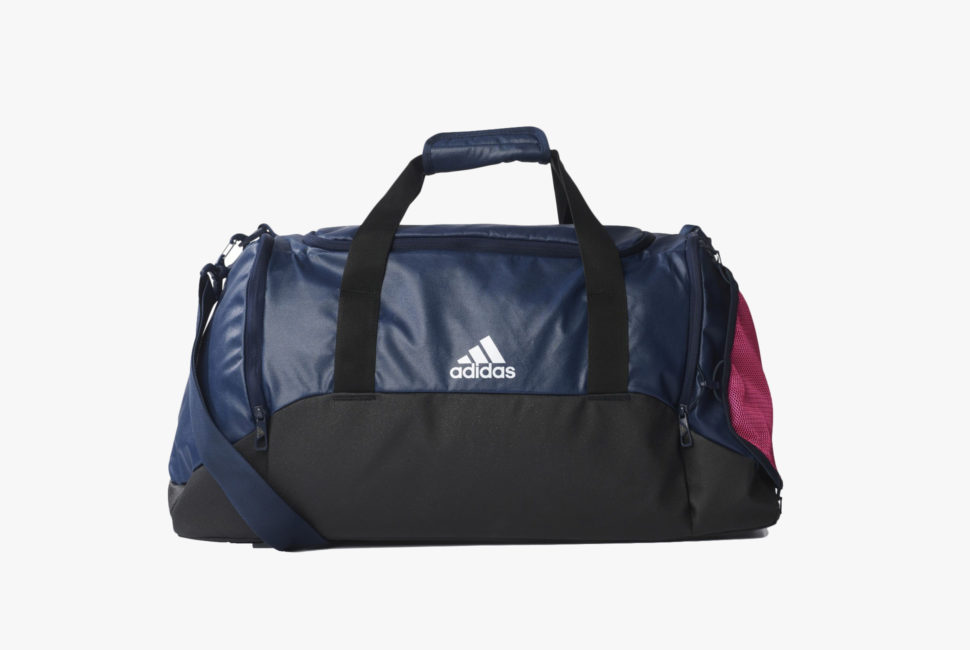
Adidas X 17.1 Team Bag


Best Gym Bag for Team Sports: The X 17.1 Team Bag has all the standard gym bag features: big main compartment, ventilated shoe compartment, various pockets. What makes it a team sports bag, though, is its overall aesthetic. It feels right at home plopped down on astroturf sidelines. (Which explains why it’s popular among soccer players.)

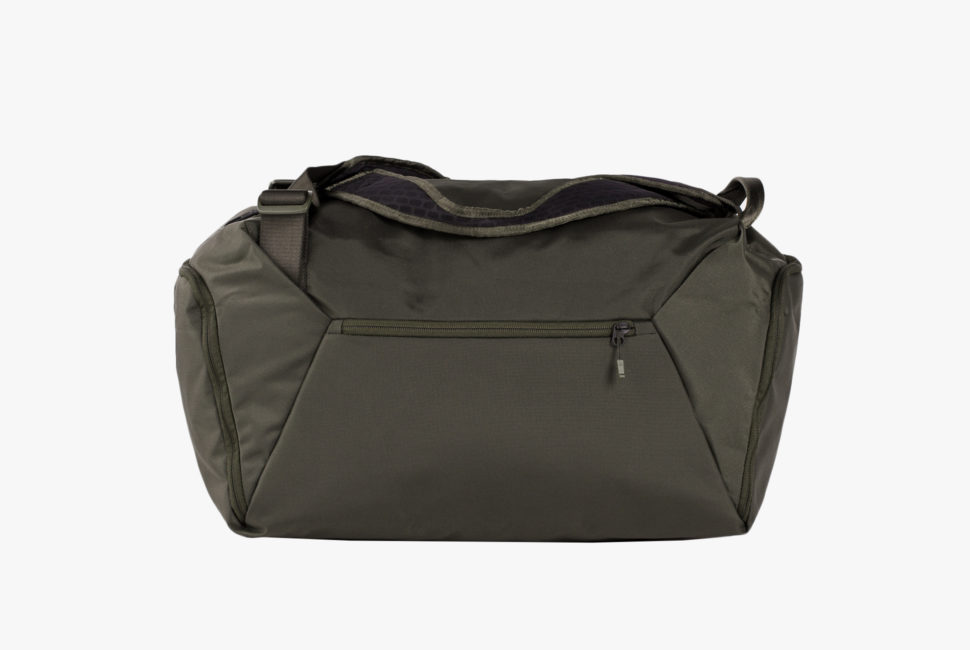
Lululemon Para Duffel


Best Gym Bag for Urban Commuting: To some extent, Lululemon has always been identified with an urban, sleek aesthetic. That sleekness is exemplified by the Para Duffel, which has all the essential elements of a proper gym bag, plus stowaway backpack shoulder straps (good for biking or running), and, of course, that unmistakable Lululemon look.

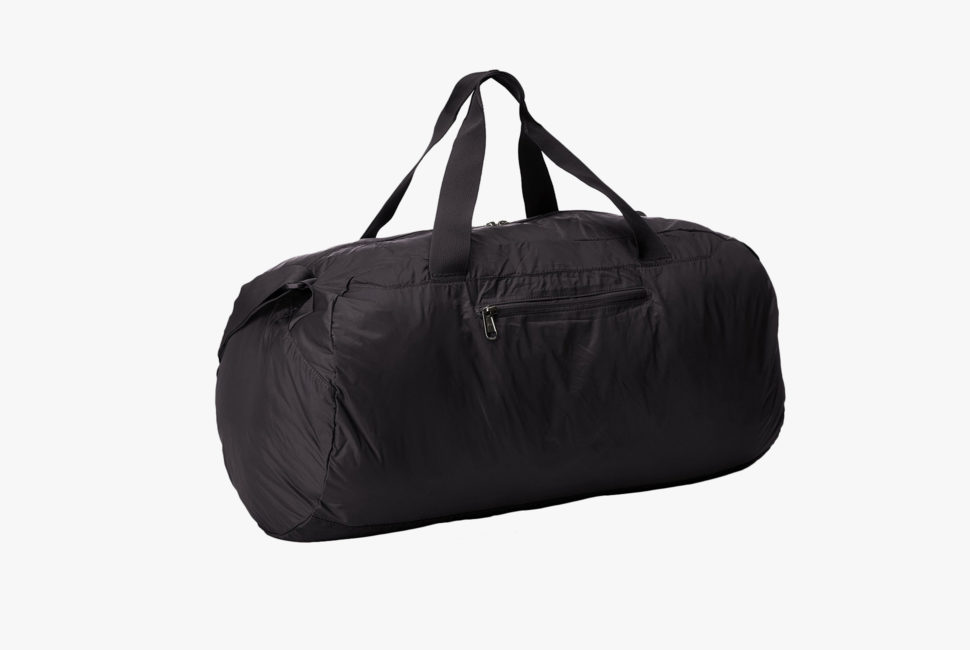
Under Armour Packable Duffel Bag


Best Packable Gym Bag: Maybe you’re traveling, or maybe you prefer to keep your gym bag separate (and stashed within) your everyday bag. If so, Under Armour’s Packable Duffel Bag is for you. It packs down to about the size of a spiral-bound notebook, repels water and allows stinky gear to breathe.

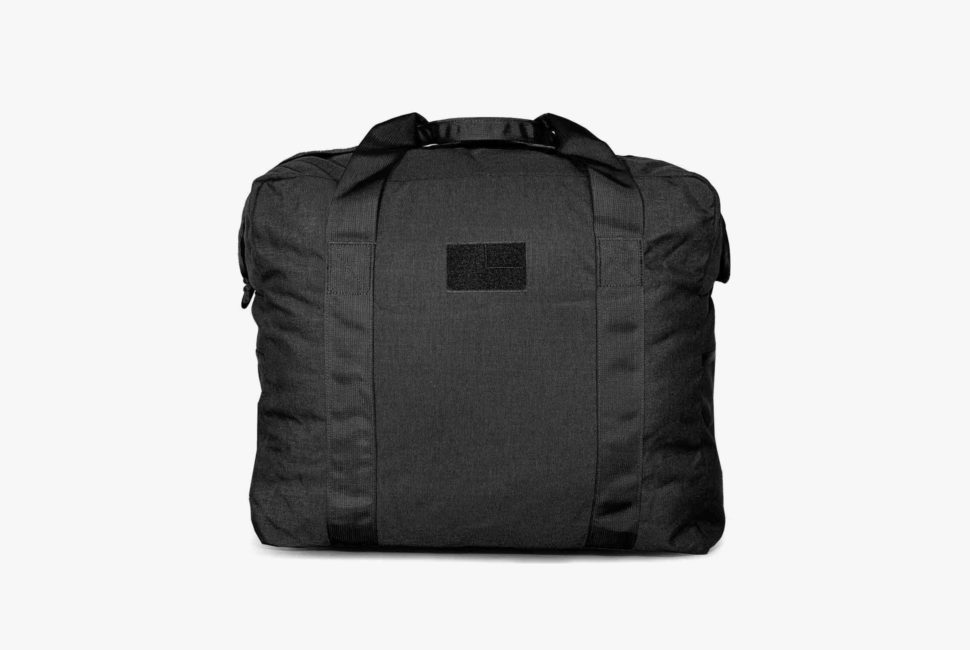
GORUCK Kit Bag


Best Gym Bag for Brutal CrossFit Sessions: GORUCK is known for their tough, American-made bags and clothing. The founder spent time in the Special Forces, and his experience working with necessary durability is relayed in this 32-liter Bag. The Kit Bag is your choice if you’re looking for a big, durable, no-nonsense hauler that’ll hold a large amount of equipment. And, as an added bonus, each purchase helps fund the company’s leadership-building events and expeditions.

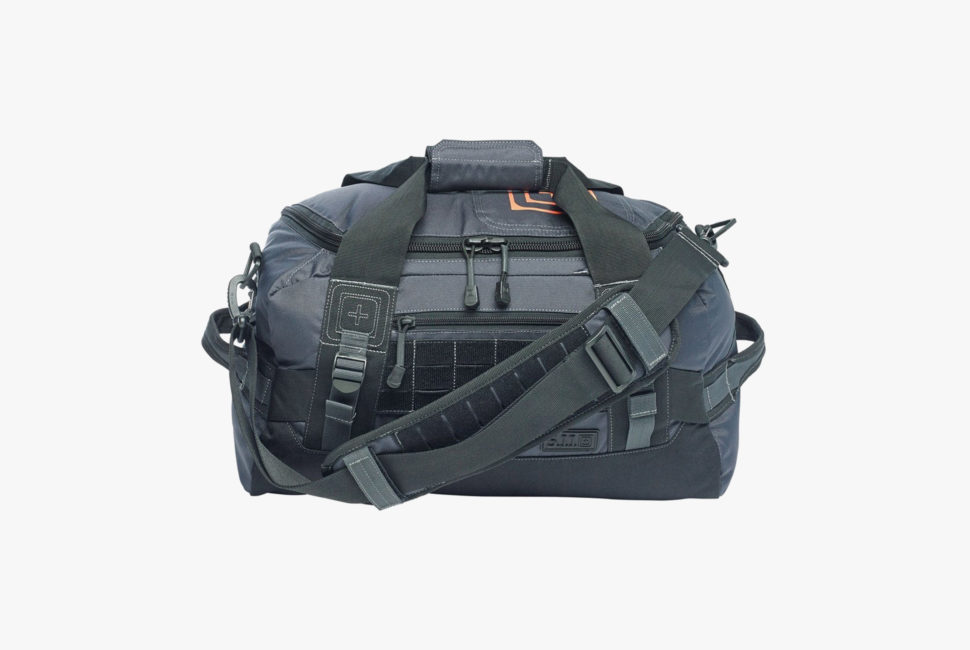
5.11 Tactical NBT Mike Duffel


Best Tactical Gym Bag: Suitable for both the gym and the gun range, the NBT Mike Duffel takes a tactical-inspired approach to the duffel. This highly functional bag features internal compression straps and a removable toiletry kit/organizer. It’s all wrapped up in tear-proof nylon composite material.

The Segment by Mission Workshop


Best Modular Gym Bag: On its own, the Segment duffel is a perfectly sized daily carry bag. But if you demand more, Mission Workshop‘s signature modular system will accept a wide array of peripheral attachments. The Segment is also waterproof, guaranteed forever and entirely handmade in San Francisco.

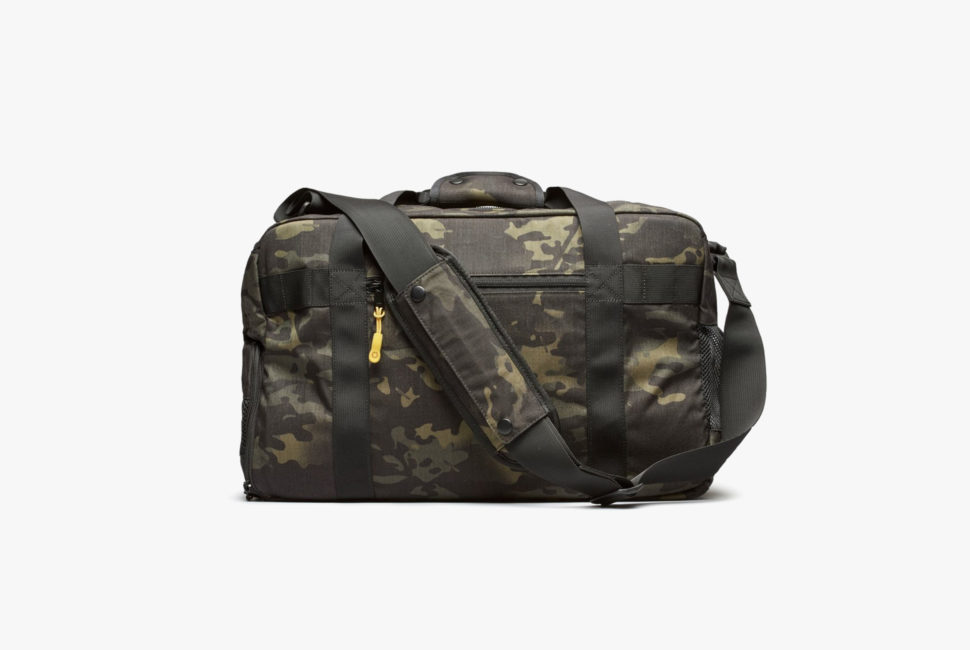
DSPTCH Gym/Work Bag


Best Multi-Purpose Gym Bag: The DSPTCH Gym/Work Bag has the versatility of a Swiss Army knife, the dependability of a Ford pickup and styling that Jason Statham could get behind. The bag consists of a laptop and tablet compartment, a wet/dry pouch and a hidden security pocket on the bottom of the bag.

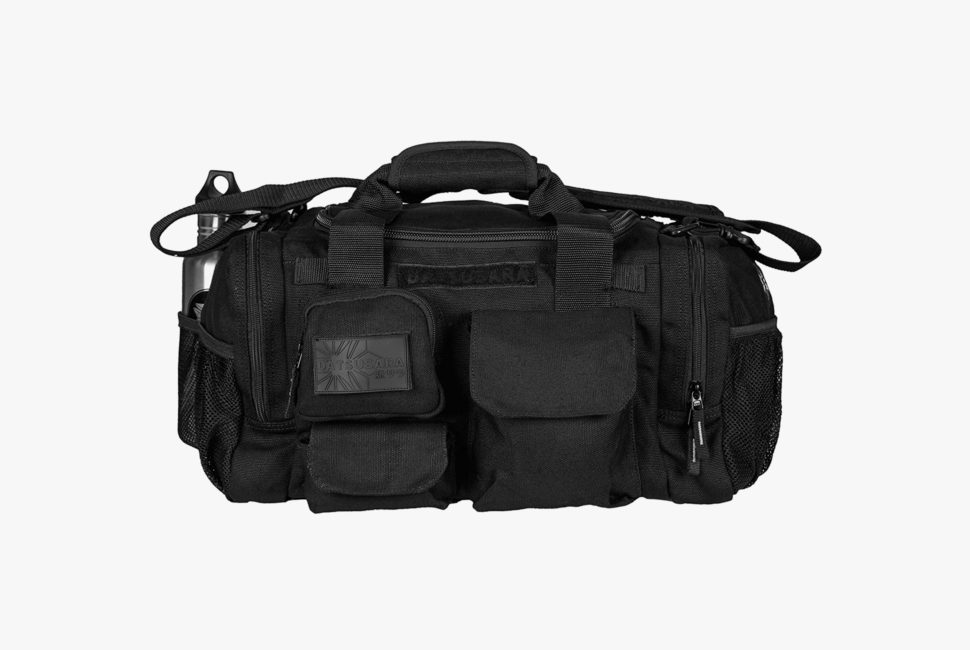
Datsusara Gear Bag Mini


Best Organizational Gym Bag: If you enjoy the tactical look of GORUCK’s Kit Bag but need more organizational features, the Datsusara Gear Bag Mini is a great choice. It’s constructed from anti-microbial, breathable, durable and eco-friendly hemp so your bag won’t get stinky.

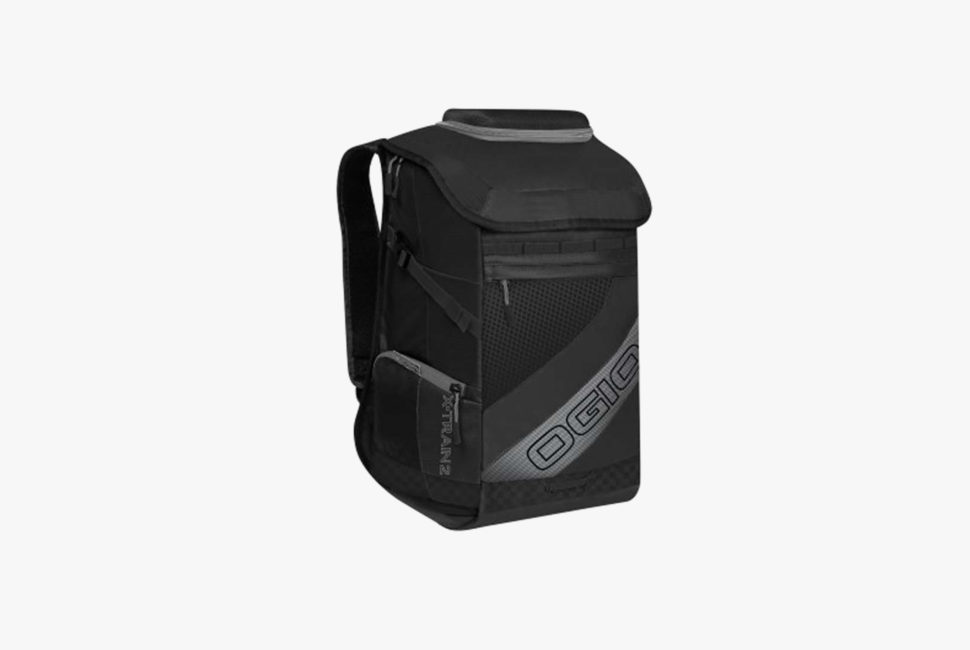
OGIO X-Train 2 Backpack


Best Gym-Ready Backpack: Not everyone is the duffel type. For those thinking outside the cylinder, we bring you the OGIO X-Train 2. With all of the space and features of a gym duffel, the X-Train 2 defies expectations, with a compartment for a hydration bladder, a dedicated shoe compartment, a crush-resistant valuables pocket and a removable helmet-carry.

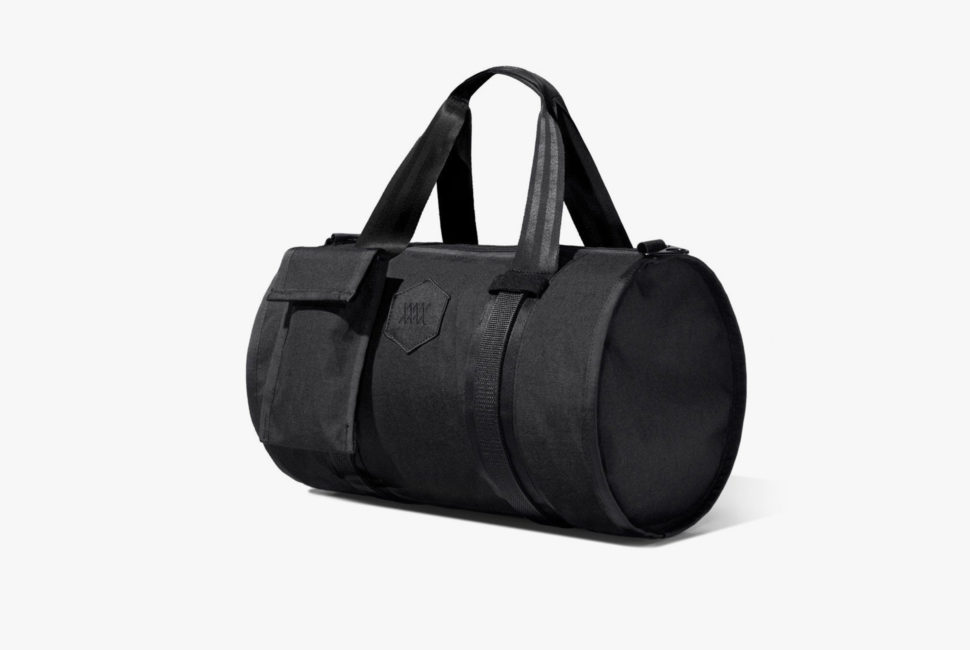
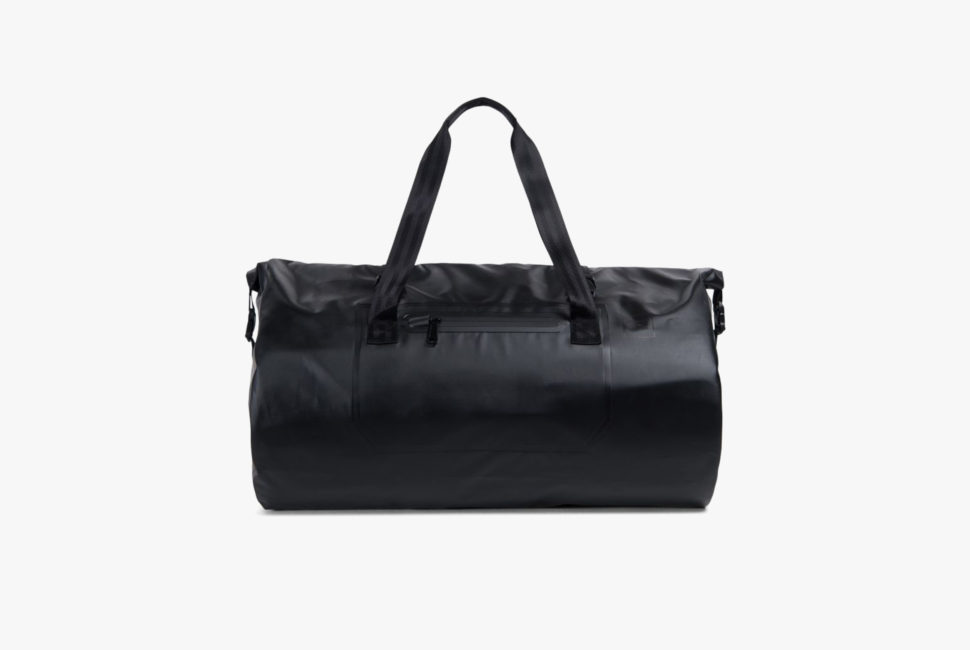
Herschel Studio Coast Duffel


Best Roll-Top Gym Bag: Made of tarpaulin (a rubber-like canvas that resists water) and complete with a watertight roll-top closure, the Studio Coast Duffel is a big and burly gear hauler that’ll withstand years of abuse. It’ll also withstand style haters; its all-black, subdued look displays the kind of quiet confidence that all urban things should have.

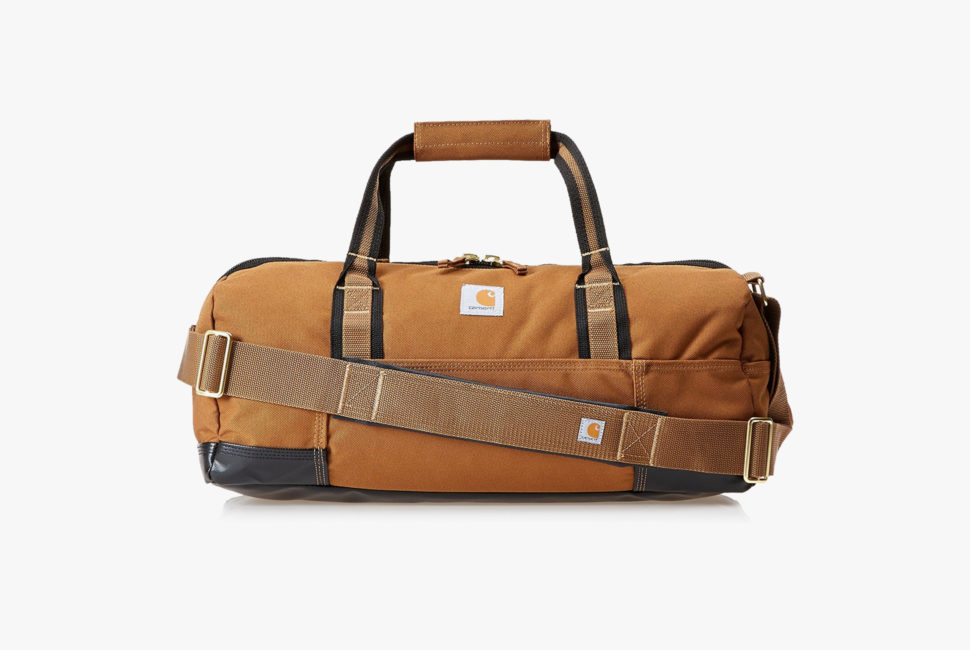
Carhartt Legacy Gear Bag 20-Inch


Best Workwear-Inspired Gym Bag: If you don’t consider the words sleek or urban as legitimate selling points, then the Legacy Gear Bag is for you. It’s built much like Carhartt’s overalls: simple, timeless, nearly indestructible, no BS. It comes in three sizes (20, 23 and 30 inches) and three colors (black, tan and Realtree camouflage.)

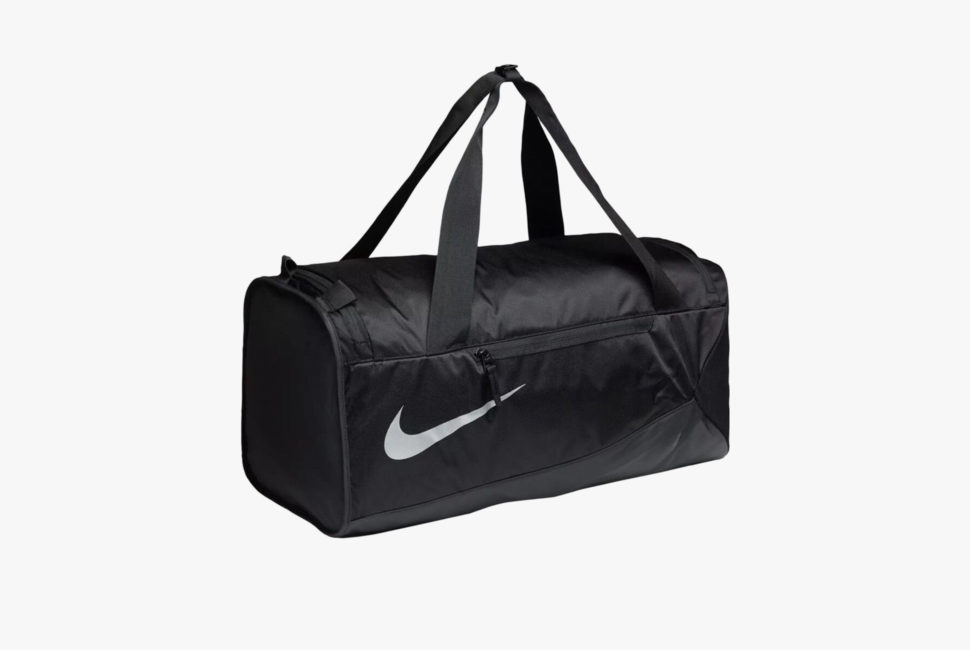
Nike Vapor Max Air Bag


Best Gym Bag for Average Gym Rats: There’s not much to say about the Vapor Max Air Bag, other than the fact that it’s Nike. And that’s exactly what makes it so great: it’s simple (no more than a few pockets), light and inexpensive. It will satisfy the needs of most dumbbell pumpers and treadmill runners.

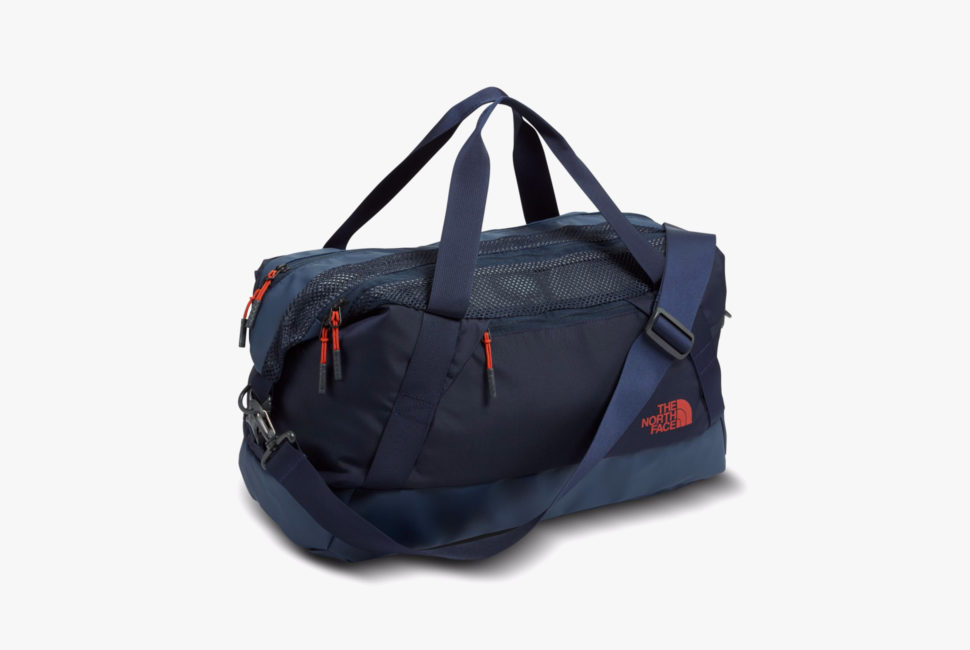
The North Face Apex Gym Duffel


Best Gym Bag for Weekend Warriors: The Apex Gym Duffel is another wonderfully simple gear hauler. It has only a few pockets, a rugged underbelly, convenient strap options and more. But, being a bag from The North Face, and because of its burly 45-liter capacity, it’s not hard to imagine this duffel at the base of a crag or in the cargo hold of an airplane.

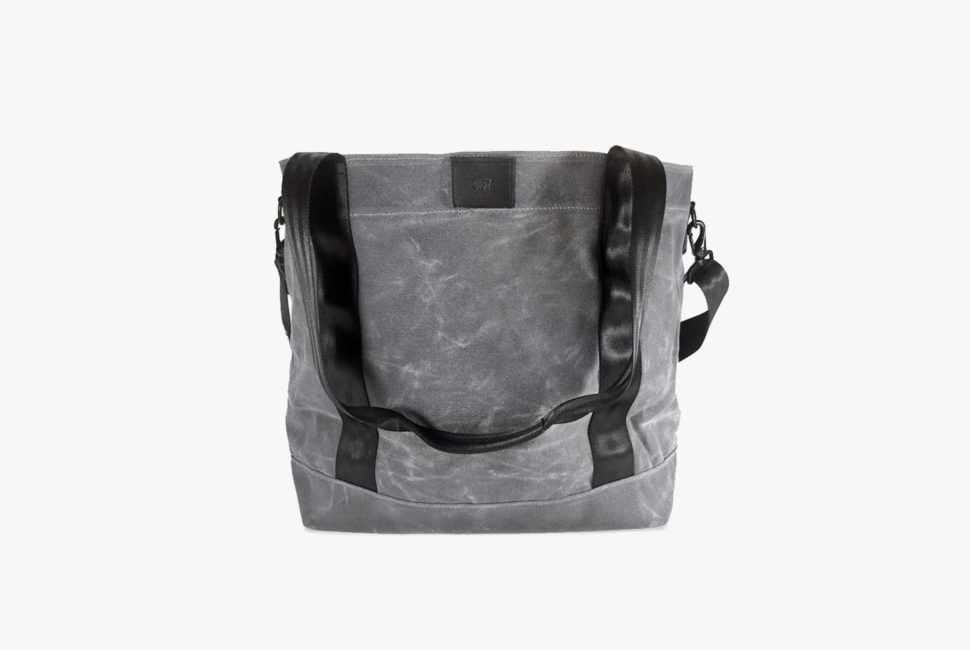
Defy Cargo Hold Tote


Best Gym Tote Bag: What qualifies a gym bag? Duffel shape, shoulder strap, shoe compartment, technical pockets? To hell with that worn-out logic. Tote bags are as simple as it gets. Defy’s Cargo Hold Tote is free of all frivolousness; in essence, it’s just one giant pocket made of heavy-duty waxed canvas. Good luck breaking it.

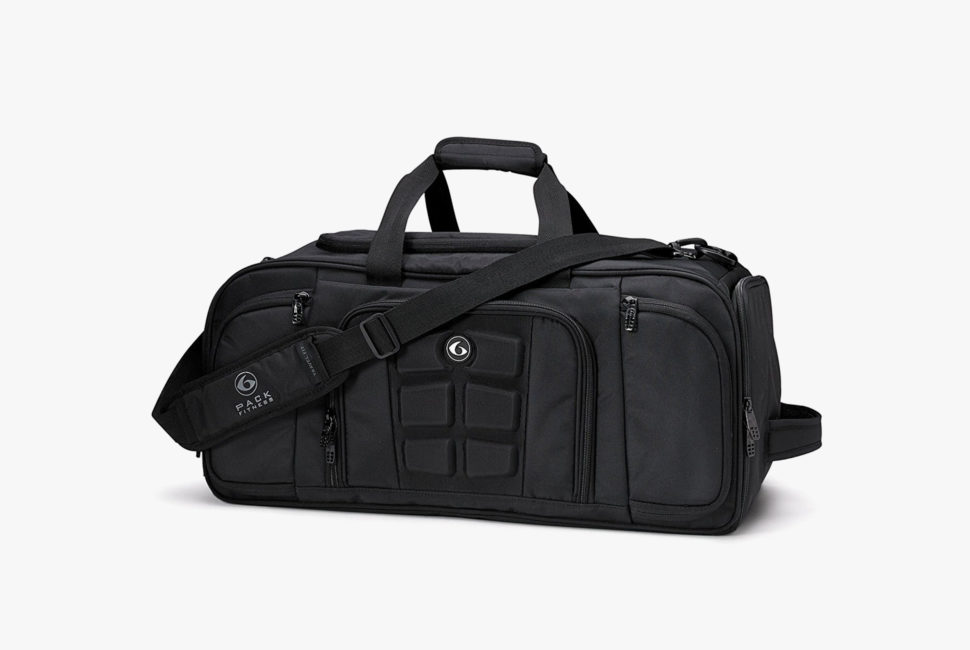
6 Pack Fitness Beast Duffel


Best Gym Bag for Meal Planners: The Beast Duffel is a rugged bag that, as its name implies, holds up to six meals (it comes with reusable containers), along with your shoes, water bottles and whatever else you can stuff into the main compartment.

Best Gym Bags to Take to Work

Getting to and from work with a gym bag and a briefcase can be clunky. Finding a kit that allows you to pack both your gym clothes and laptop without looking like a dork fresh out of gym class can be hard to do. Below is a selection of good-looking bags with plenty of pockets to streamline your morning or post-work gym routine.

We looked for bags with extremely durable exteriors, minimalist designs and a pocket large enough for a work laptop — waterproofing was an added bonus. Work-appropriate gym backpacks, duffels, messenger bags and briefcases need to be able to hold a change of shoes and clothes, as well as keep your sweaty stench inside, so no one is the wiser if you hit the gym twice in one day.

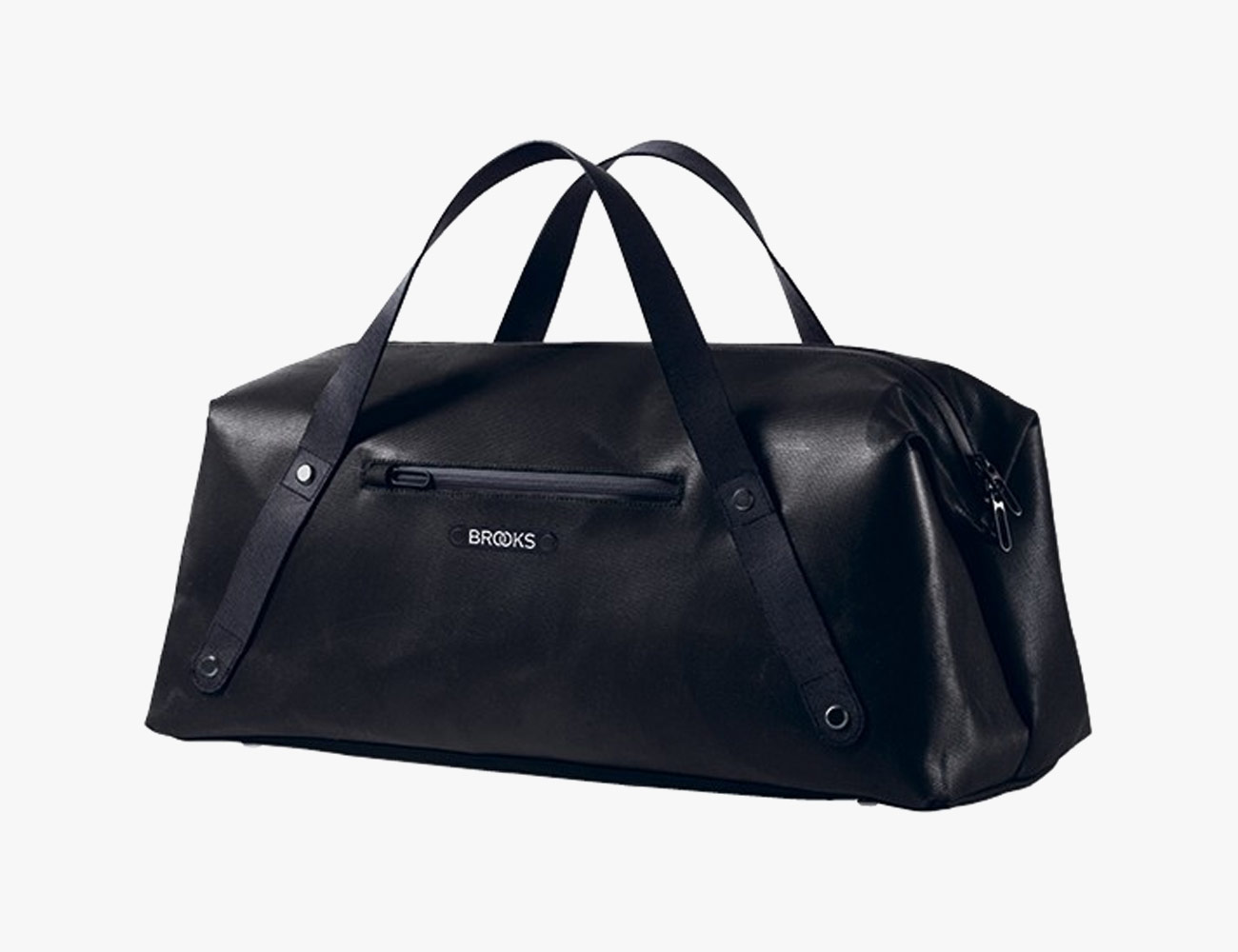
Brooks England Mott Holdall

From the brand known for well-designed bike saddles and saddlebags comes this medium-sized duffel that blends in at the gym and in the office. The durable riveted handles will hold up no matter you put them through. The external pocket makes it easy to grab your gym card and is also a handy spot to place keys — so that they’re always in the same location. A high-visibility yellow interior means you won’t lose your headphones or Airpods among dirty clothes. Currently offered in a navy or black, this water-resistant cotton textile bag is tough to beat.

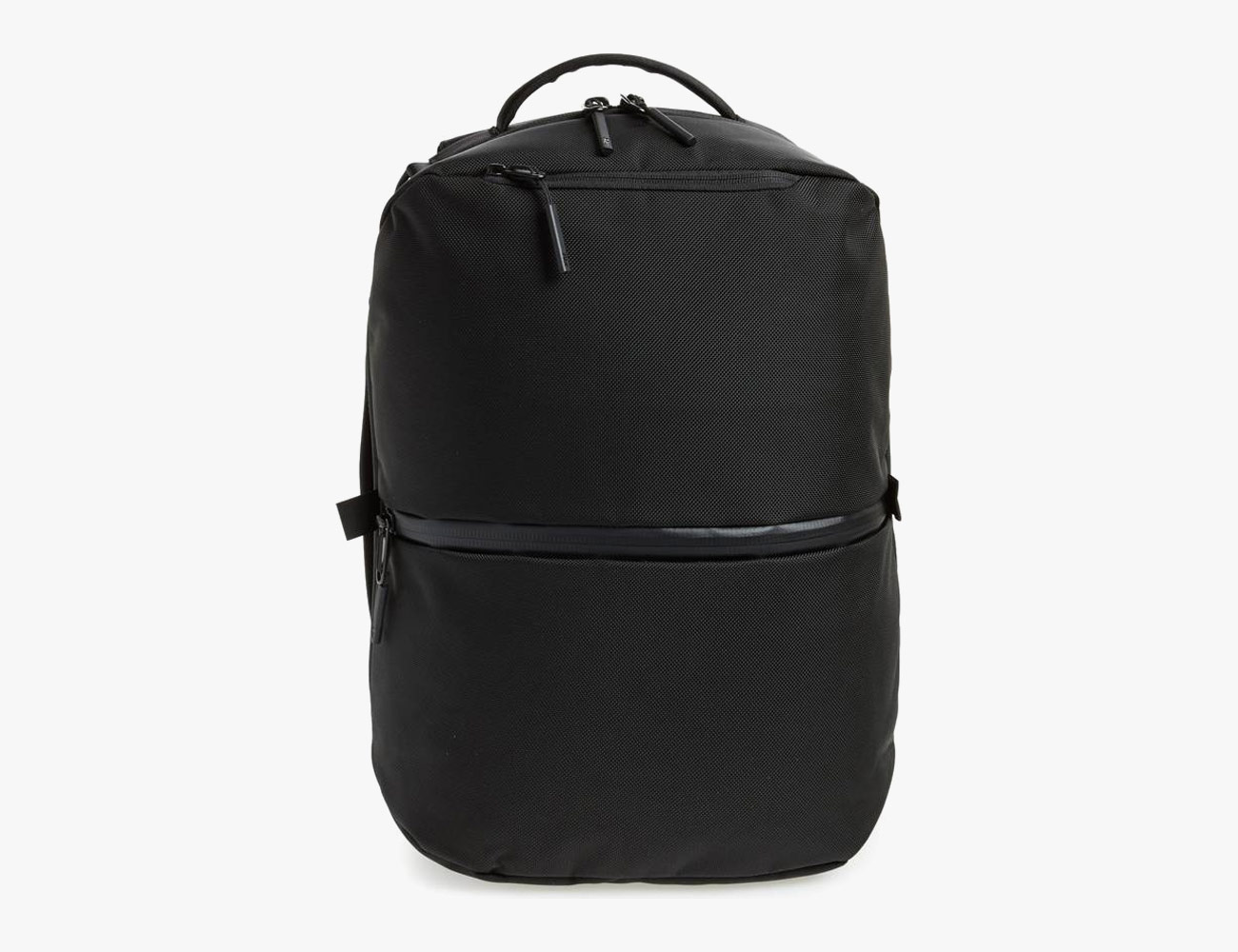
Aer Flight Pack Backpack

Thanks to adjustable backpack straps, it’s easy to carry the Aer Flight Pack as a duffel or as a backpack. Built with Cordura ballistic nylon, you can toss it around the CrossFit box and never worry about damage. An interior padded laptop pocket (15.6″) is sandwiched between three other slide-in pockets and mirrors a zip mesh pocket for chargers, credit cards and more. The material won’t give away that you spent your morning sweating through box jumps.

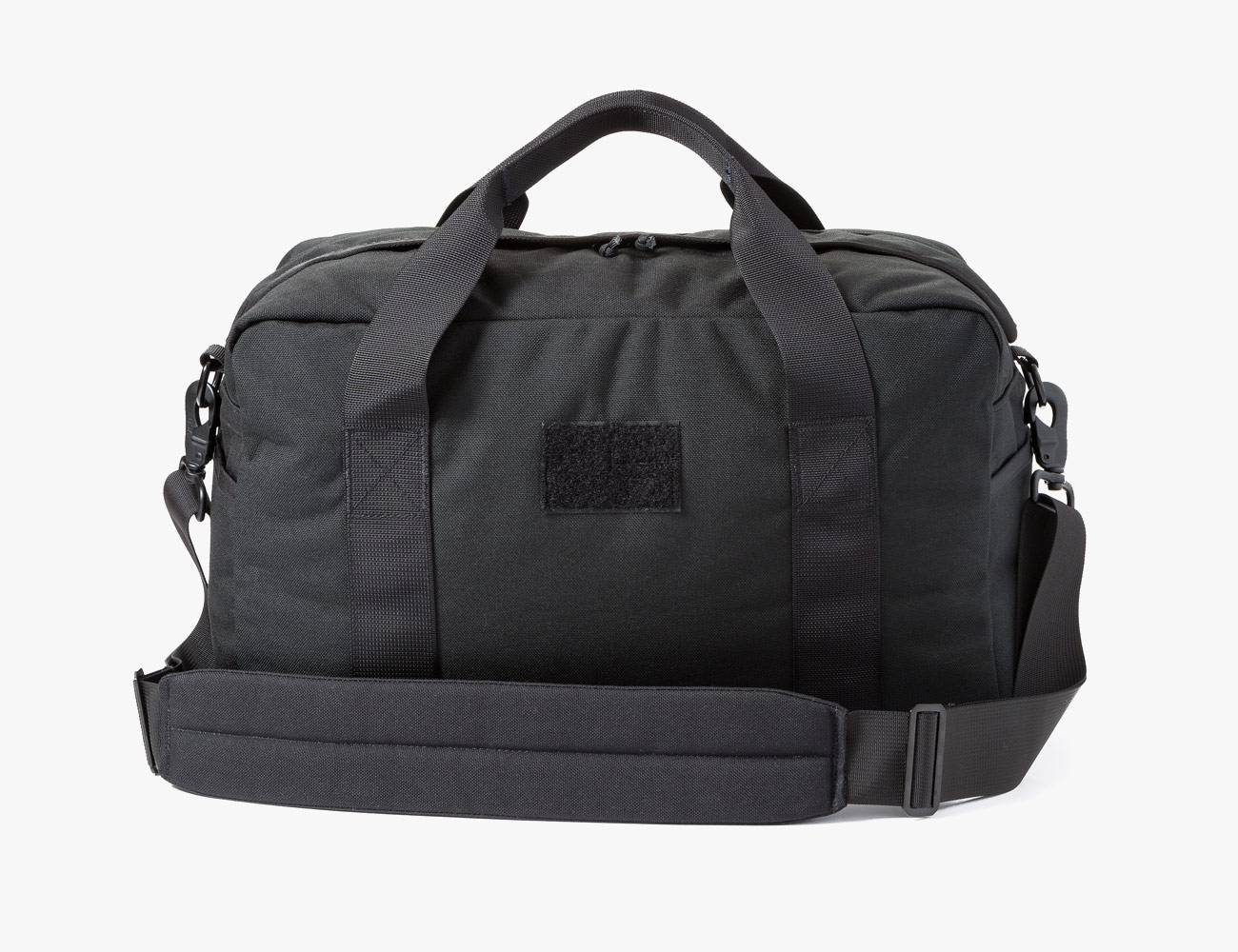
GORUCK Kit Bag and Shoulder Strap

Take off the messenger strap on this small, yet sturdy rucksack, and it almost looks like a slightly more substantial briefcase. GORUCK is known for crafting bags that’ll survive almost anything — considering each bag is made with Special Forces-grade materials and comes with a lifetime guarantee. It’s sure to outlast any fitness trend. While it looks small, the bag holds 32-liters complete with three organizational pockets. Everything you need for the gym has a place here, with space left for work clothes.

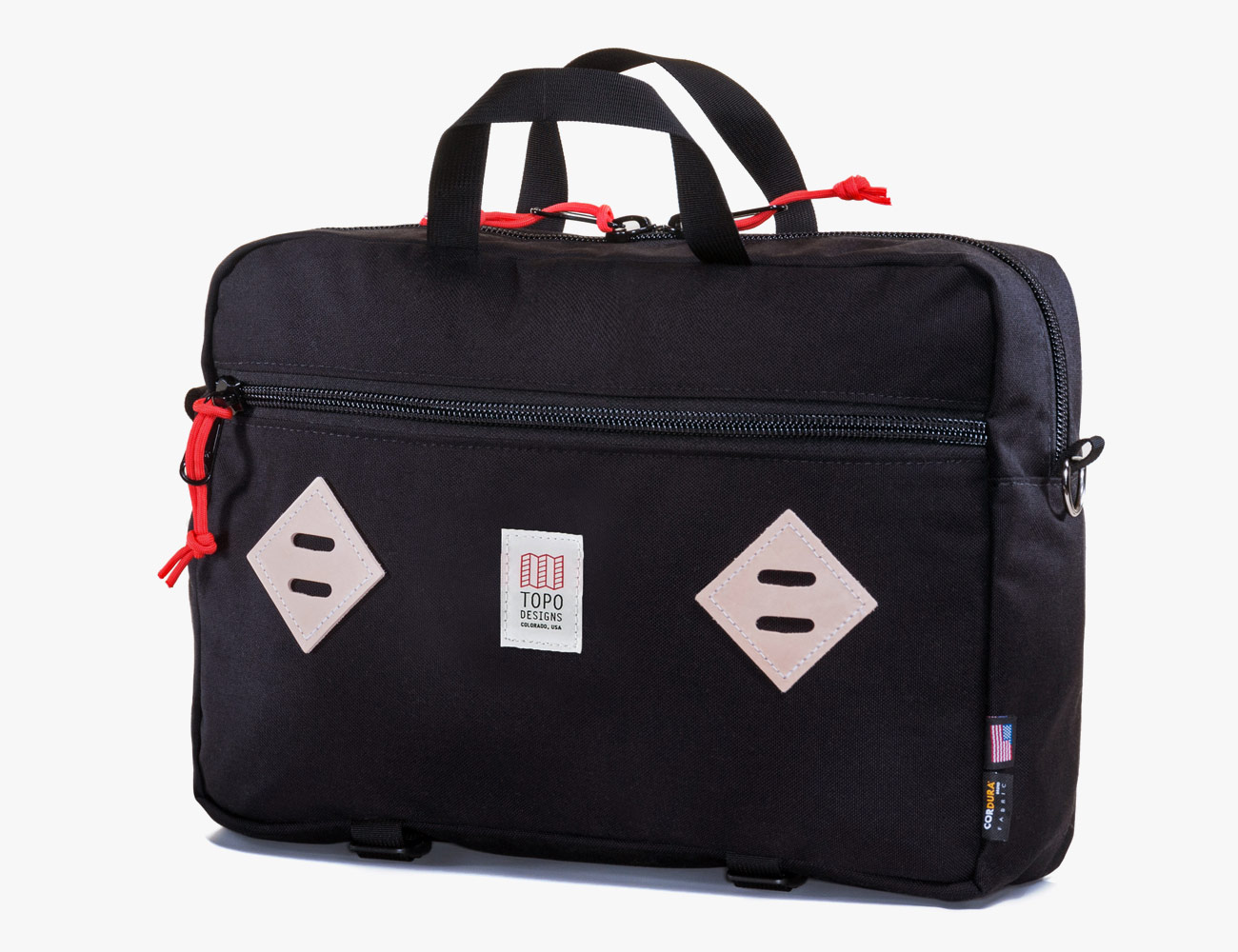
Topo Designs Mountain Briefcase

This classically shaped briefcase brings outdoor vibes to any boardroom. The bag seamlessly transitions between messenger bag and briefcase with convertible straps that attach to the leather lash tabs on the side of the zippers. 15″ laptops are easy to fit and secure inside the top zipper, so your tech is protected from any commute situation.

Lexdray Portland Sneaker Duffel

Six pairs of sneakers will fit in this dynamic bag, meaning it can handle your gym clothes, laptop and work clothes; there’s plenty of space to go around. The rolltop middle section expands to fit unusually sized objects — magazines, foam rollers, even size 14 sneakers. A laptop and extra layers are cozy in one of the dual side pockets. And, the vibrant interior print makes it easy to see everything you throw inside.

Stuart and Lau Regimen Gym Bag

The main attraction in this minimalist duffel is the ventilated pocket that prevents sneaker-stink from enveloping work clothes or fresh gym clothes. The built-in locker hook allows you to hang the bag from any existing pole in the locker room or hook on the wall. It’s easier to go through all your gear when you’re not bending over to see it. Unzip one side pocket to reveal a 15″ laptop sleeve and organization pockets lined with blue nylon twill. Gunmetal hardware and waterproof fabric top it all off.

Best Gym Shoes

Whether you hit the CrossFit Box or lift weights at the gym, there’s a gym sneaker in here for you. We tested the latest models from Nike, Reebok, Adidas, Under Armour, Nobull and more. Read the Story

5 Meditation Tips You Should Try This Year and The Gear You Need to Get Started

Meditation has been around for thousands of years, but in the past few years, its popularity has skyrocketed — mostly due to its far-reaching benefits. Meditation is basically like the gym for your mind. Athletes like LeBron James and Stephen Curry turn to meditation to help them find their focus and excel at their jobs. Mindfulness and meditation isn’t all woo-woo, studies have shown that meditation helps you come up with more creative ideas and improves your sleep — helping you to attack issues that need addressing as opposed to running in circles trying to put out a million fires. It also has been shown to increase your self-awareness, which allows you to take a step back from anything negative and look at a situation objectively. Long story short, it’s the five-minute a day habit that might just help you eek out that personal best in the 5K as well as help you get ahead in the boardroom.

If meditation sounds too “new age” to you, Jesse Israel, the founder of The Big Quiet, gets it. Israel hasn’t always been an avid meditator (twice a day for those who wonder), but found himself Googling the term back when he graduated college. “I was running a record label and managing the band MGMT when I was in my early 20s. I was experiencing pretty debilitating anxiety and having panic attacks,” Israel shares. As a young guy living in New York City, he started looking around to see what he could do to better manage the mental and emotional challenges that his day to day life caused. To better understand the practice, Israel went all in — he took classes at Shambala for about nine months before discovering a mantra form of meditation that he enjoyed more.

In an attempt to let other people in on the secret, and bring meditation into the more mainstream, he founded Medi Clubs, intimate groups where the attendees share in meditation practice, and then in 2015, launched The Big Quiet. It’s pretty much just what it sounds like, but not as quiet. “It brings thousands of people together for mass meditations and rare performances at some of the most iconic places in the world,” Israel says. “I usually highlight Madison Square Garden, the top of the World Trade Center and under the blue whale at the Museum of Natural History. It’s really important for us to create accessible ways of experiencing meditation and doing it in ways that actually feel relatable, exciting and social.” The Big Quiet wants to attract the people that meditate every day as much as it does the people who turn their nose up at the first sign of humming in tandem. “We never push meditation onto people. It’s always, ‘This is something we’re doing and if you want to come be a part of it, we’d love to have you.’”

In light of the New Year and the renewal that comes with that, we chatted with Israel about easy ways to get started with meditation and why he thinks it’s the key to help you get ahead in your career.

Let go of what you think mediation looks like.

“I really encourage people to let go of the expectations that they may have around what meditation is and how they do it,” Israel says. “What I see so often is people go, ‘I can’t meditate. My mind runs and races too much.’ And I always remind people that all of our brains do that.” There are many different approaches and types of meditation, so if you try one kind and hate it, look for another type. “Drop the expectations.”

Start with your feet.

Meditation doesn’t have to be complicated. “Pretty often in conversation or in meetings where I don’t find myself super engaged with the conversation, I’ll notice my mind starts to drift off. It’s very common for humans,” Israel says. “A nice mindful moment that I can bring into anything is to notice my toes, just for a few seconds.” He takes note of the sensation of his skin against his socks and immediately his thoughts come right back into his body, and into the present moment. “From my toes, I bring myself into the conversation. [It’s] a focus shift, that’s a really tangible way to re-connect to my body.” You can even just start to notice the sensation of your toothbrush against your teeth — mindfulness is a great way to get into meditation, and those can be very small moments throughout your day.

Meditation looks different to everyone.

For some people, playing the piano is meditative. For some people, surfing or running is their form of meditation. “You hear that a lot,” Israel says. “My definition of meditation is a bit more narrowed in. I see it as a moment to sit down and make space, have a quiet moment, eyes open or closed.” Israel takes a moment every afternoon in his co-working space to sit and be quiet. “I don’t make a big scene out of it or light incense, or put my fingers in a funny position, I just sit on a chair and try to be out of the way of people. I allow my body to rest and I come out of the meditation so energized.” It doesn’t have to be in the middle of your office, it can be on your couch at home, or in the subway.

You don’t have to sit still for hours on end to see results.

You might be wondering, ‘What’s the least amount of time to begin that process? Or the right amount of time to begin that practice?’ Israel understands — he started from square one initially. “When I first started meditation, I learned a technique. I decided to just sit for three minutes every morning, on my couch, right after I got out of the bathroom,” Israel says. “My routine was wake up, go to the bathroom, wash up and every morning when I would walk out of the bathroom, I would sit on the couch for three minutes and I would practice breath meditation.” After about a month of that, Israel began to add more time, but all he started with were three simple minutes.

So, I’ve decided to start. Now what?

Israel signed up for classes to learn all about meditation, but you don’t need to go that far. There are countless apps available, spanning a variety of types of meditative practices, so you can find the version that suits you. “There’s an app I really love called One Giant Mind,” Israel recommends. “It’s not an app you have to use for every meditation. Instead, it teaches people how to have a contained practice on their own, [so after] two weeks you understand how to practice without the app.” You can also look up Medi Clubs in your area, or follow along with The Big Quiet for massive meditations in unique spaces.

Just like with exercise or a new diet, you’re might not see immediate results, but they’ll come.

If you feel discouraged after one session, five sessions or more, remember: “Whatever experience you have meditating, think of it as a positive one,” Israel says. “Mediation can create a gratifying experience and it can create an ungratifying experience” — just like many other routines in your life. How often do you enjoy brushing your teeth? What about cooking a big meal? The outcome might always be different, but the experience is positive. “Regardless of what [your practice in meditation] looks like or the outcome of it, see it as important and as good.” And know that immediate results are not guaranteed. As the old saying goes, good things take time.

Everything You Need to Get Started

While you certainly don’t need a lot to start meditating, these items can help make it easier and encourage you to have your own practice.

Headspace $96 $58

Muse 2 by Muse $249

Mediation Cushion by Manduka $68
How to Reduce Stress Like a Navy SEAL

>

Box breathing is a time-honored stress-reducing technique endorsed by the U.S. Navy SEALs, and can be done in just 5 minutes. The technique can be done at home or at work, and quickly and naturally helps relieve stress and tension. Read the Story

4 New Tiny Knives You Should Know About

The tiny knife trend is ending. The trend, not the blades themselves; those have proven their staying power, and no longer should they be seen as an impermanent development doomed to future mediocrity. Small knives, when done well, succeed at being more pocketable (and sometimes keychain-friendly) without sacrificing utility. Knifemakers are becoming increasingly adept at striking this balance, and this week at SHOT Show — the annual trade show for the shooting, hunting and firearms industry (SHOT stands for “Shooting, Hunting and Outdoor Trade”) — they showed off how they’ll do it in 2019.

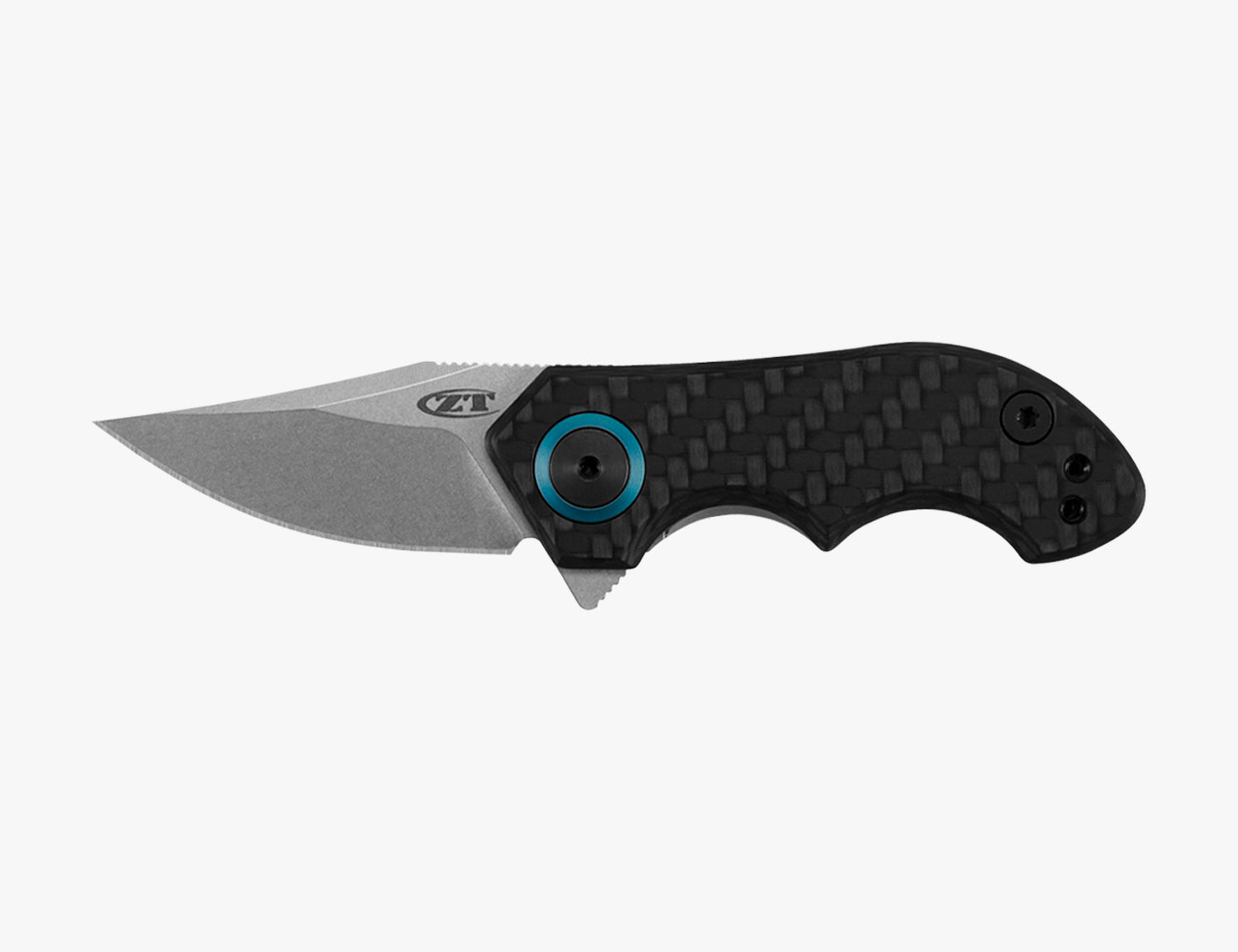
Zero Tolerance 0022

With a 1.8-inch blade, the 0022 is Zero Tolerance’s smallest pocket knife ever. Its size is in no way representative of its quality though — the 0022’s modified trailing point blade (a trailing point is characterized by a spine that curves upward toward the tip) is made of stonewashed CPM 20CV steel and opens with a flipper tab and a ball bearing pivot. Its handle is made with carbon fiber and titanium scales and has an integrated framelock. All of these features are typical of high-end knives and show that the 0022 isn’t merely a gimmicky addition to its collection. The 0022 will retail for $250.

Kershaw Launch 10

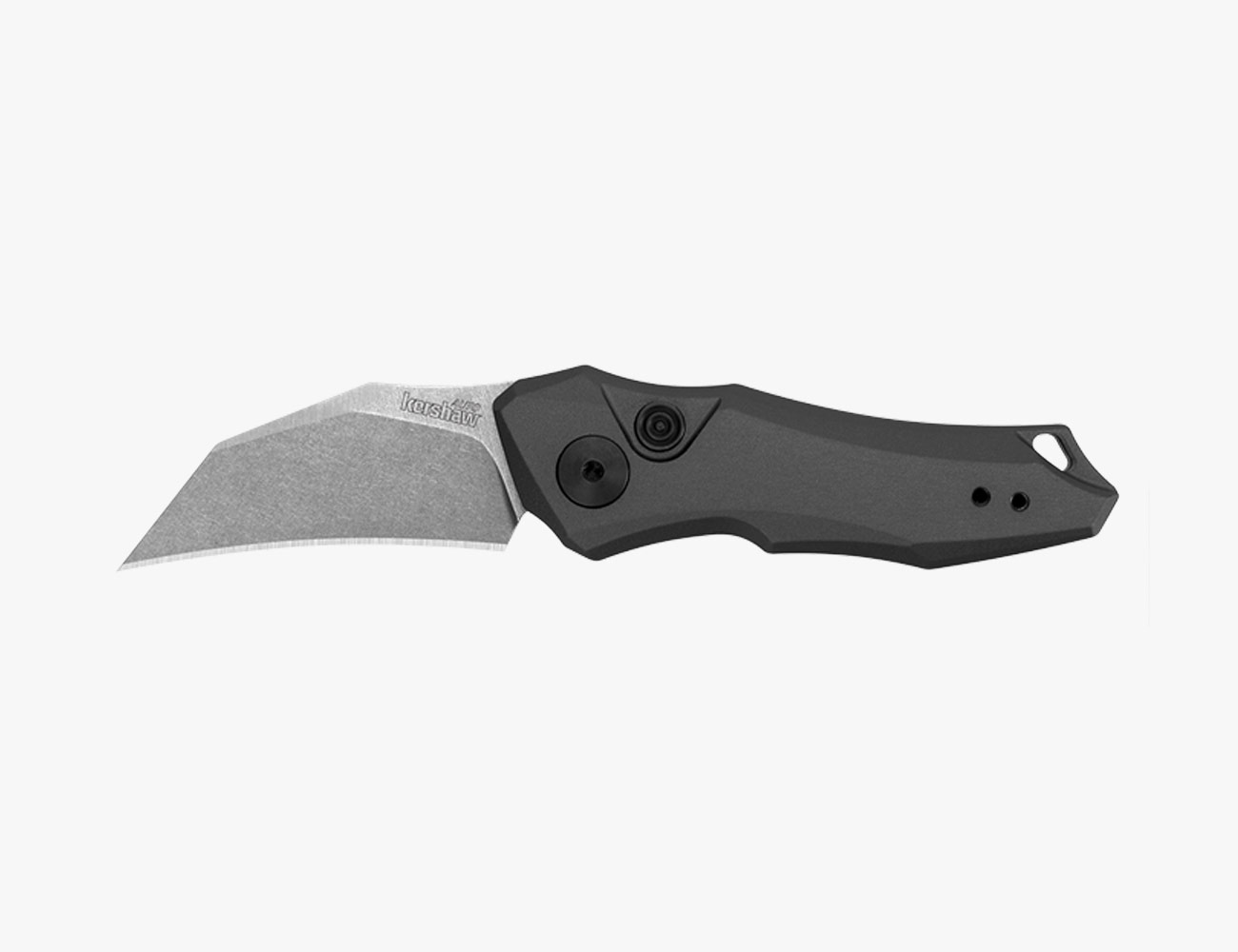
The Launch 10, which Kershaw has nicknamed “The Claw,” is a folding knife with a 1.9-inch hawkbill blade. That shape — and its tough, edge-retaining CPM 154 steel — aid the Launch 10 in accomplishing the simple daily tasks that it’s designed for, like opening boxes and cutting cords. It also has an automatic, button-activated opening mechanism. This little knife is for those who need a blade regularly throughout the day, and as such it’s small enough to sit quietly in-pocket. The Launch 10 will cost $150.

Kershaw Antic

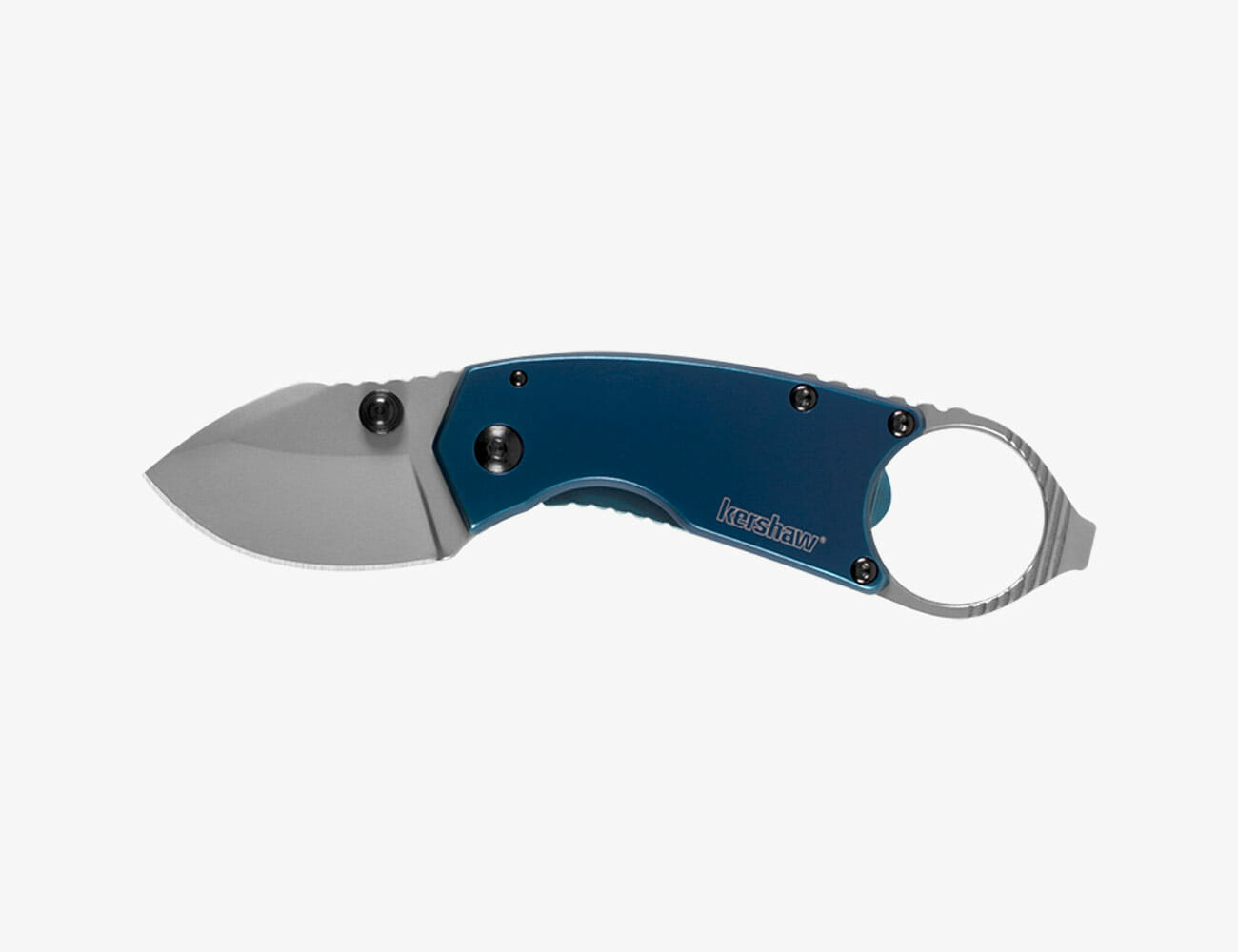
Kershaw didn’t stop at just one small knife for 2019 — at 1.75 inches, the Antic’s blade is even shorter than the Launch 10. This knife features a stout drop-point blade that opens manually with a thumb stud and stays open with a frame lock. The standout feature here is a large, karambit-style ring at the butt end of the knife. Not only does this ring allow for improved ergonomic grip on the smaller handle but it also has a flat end that can act as a scraper, flathead driver and bottle opener. The Antic is the more affordable of Kershaw’s new small knives — it will cost just $30.

Benchmade 380 Aller

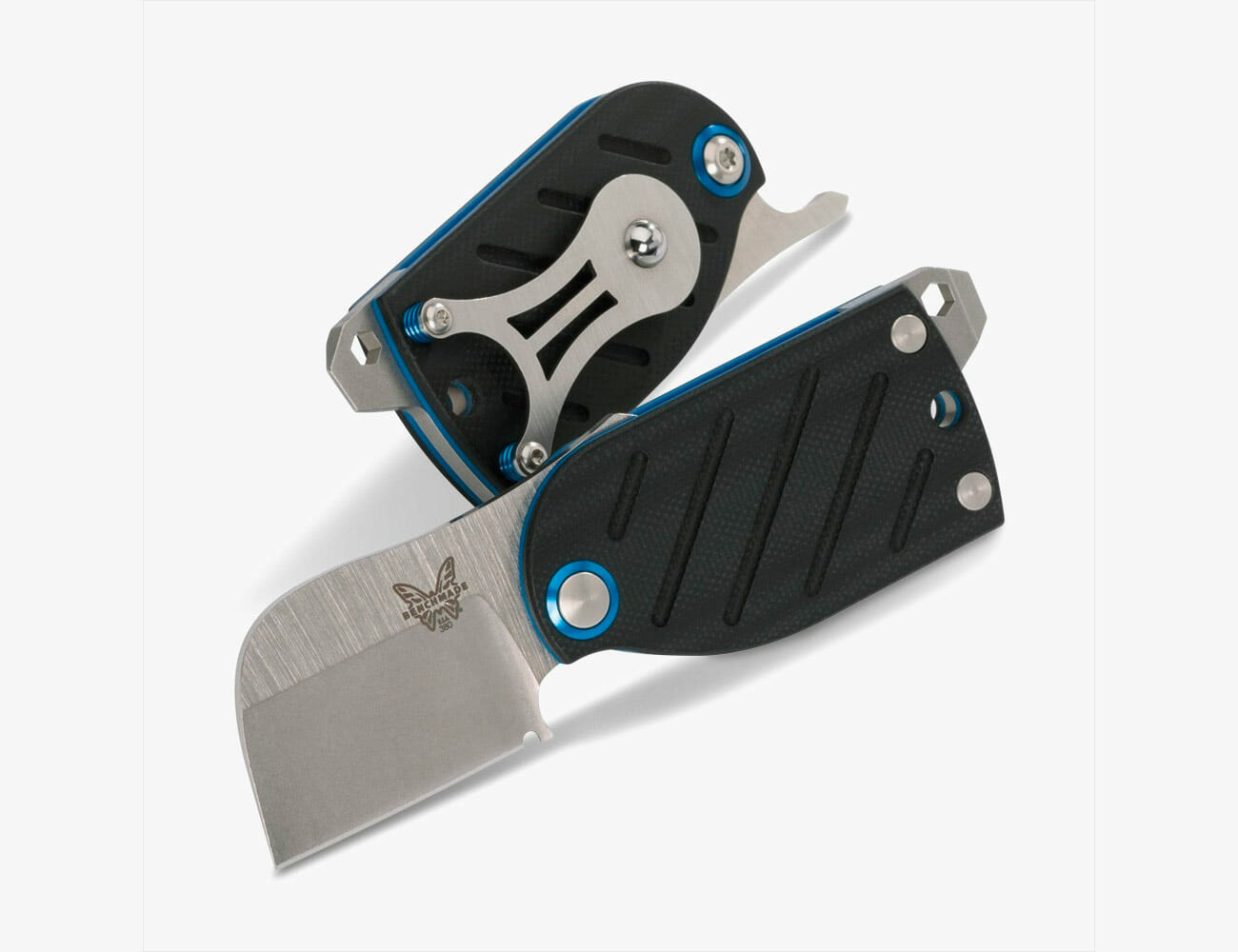
Rather than acting as a shrunken version of a normal-sized knife, Benchmade’s 380 Aller is a unique design that combines knife with money clip. Benchmade worked with French designers Patrick Famin and Eric Demongivert to optimize the design for travel — the 1.6-inch Wharncliffe blade meets the legal limit for knives in most locations, as does its manual opening mechanism. The 380 Aller also includes a removable and reversible pocket clip that doubles as a money clip, as well as a pry tool that can open bottles

Note: Purchasing products through our links may earn us a portion of the sale, which supports our editorial team’s mission. Learn more here.

A Field Guide to All the Races You Should Sign Up For Next Year

The more running groups I join, the more I realize how excited runners get when discussing upcoming races. Not only are races a great way to test your fitness and speed, but each event offers you the chance to beat your best — and quite possibly your co-worker or rival. There are big races (like the Boston and New York City Marathons) and small races (like the Beach to Beacon 10K), each of which have their own qualifying times, race days and sell out dates. For some, the thrill of a race sign up is logging on at 6:59 AM to make sure you’re first in the queue for the 7 AM launch. For others, you have weeks to debate throwing your name in the hat of big and quick-to-sell-out races like the New York City Half and the Chicago Marathon. Whether you’re someone who likes to race to make training more enjoyable, or you use it as a way to travel, there are a plethora of events that we’ve added to our calendars this year.

If you’re new to running or racing, finding the right race can be overwhelming. A quick Google search for races near me results in about 3.4 billion results (and I’m based in NYC). To help you narrow your choices, we polled the Gear Patrol staff for their favorites, as well as some friends whose gumption for races we really admire. And we didn’t just limit the races to running — we get it, some people hate it. Whether you run, bike, swim or all three, there’s an event here for you.

Races for 2019

We listed these races in order of calendar succession.

Louisville Criterium

Date: March 23, 2019
Sign Up Date: By March 20, 2019
“The event attracts the top local and international cyclists as a kick-off to race season. If you aren’t familiar with road cycling criteriums, they are heart-pounding, tight-cornered, extremely fast road cycling races consisting of several laps around a closed circuit, the length of each lap or circuit ranging from about 800m to 10,000m. They are super technical: the ability to corner smoothly while holding a straight line fast and sharp, and riding safely with a big group of cyclists is not easy, but I am stoked for the challenge again this year!” — Massimo Alpian, Account Director, Outside PR

OSR30

Date: March 30, 2019
Sign Up Date: Follow #OSR30 on Instagram to Sign Up
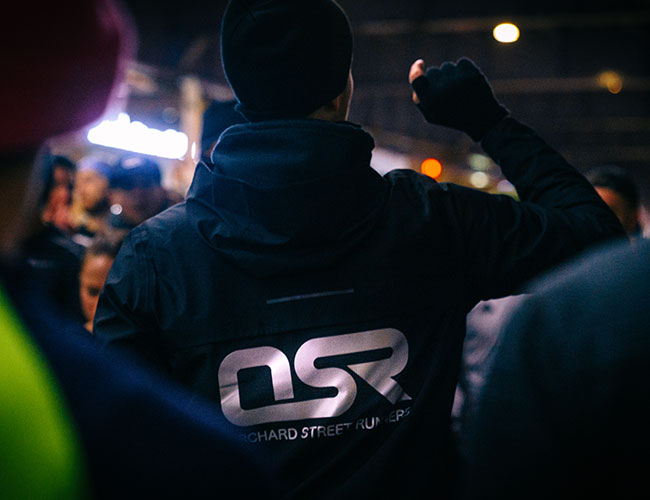
If you run the perimeter of Manhattan, you’ll hit about 30 miles, which is exactly why Orchard Street Runners puts on a 30-mile race every single year. OSR, for the uninitiated, is one of the fastest running crews in New York City and also one of the oldest. The founder, Joe DiNoto, first created the race as a competition between friends, and then it got heated. Now, DiNoto puts on the race every year.

Boston Athletic Association 5K

Date: April 13, 2019
Sign Up Date: Closed
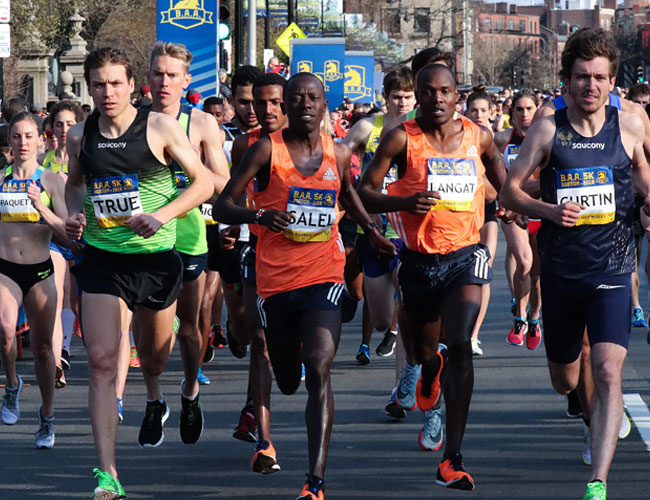
“I’ve never run this before, but Boston will always have a warm spot in my heart. It’s a manageable commute from NYC for a race. And the fact that this is the unofficial kick-off for Marathon weekend in Boston makes it hype-worthy. Come for the road 5k course that I’ve heard involves some gnarly, almost-dislocate-your-hip turns, stay for the fact that you can cheer on thousands of your closest friends as they battle through Boston’s streets during one of America’s most historical races.” — Jeanne Mack, Co-Host of Runners of NYC podcast and Olympic Trials Qualifier

The Popular Brooklyn Half Marathon

Date: May 18, 2019
Sign Up Date: January 30th for General Public
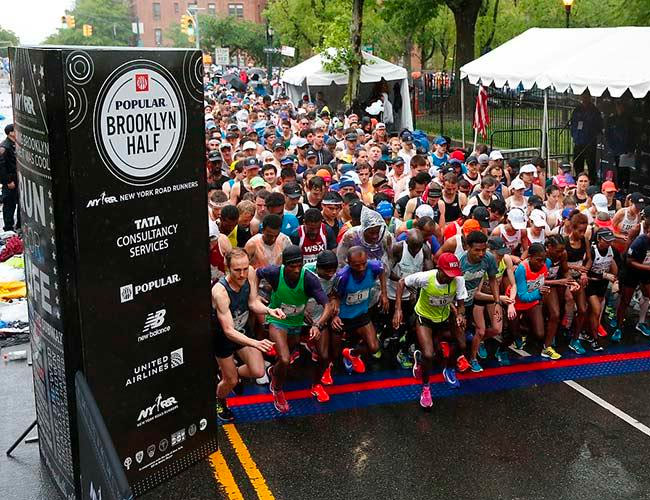
“It’s a well-compartmentalized course that is a little bit difficult in the beginning and then one straight, slightly downhill line for a large chunk of time before ending on the Coney Island boardwalk. The route goes by quickly, there are people with witty signs cheering along the way, and you’re at Coney Island before noon on a weekend. What’s not to love?” — Jeanne Mack, Co-Host of Runners of NYC podcast and Olympic Trials Qualifier

Grandma’s Marathon

Date: June 22, 2019
Sign Up Date: Now Through June 1
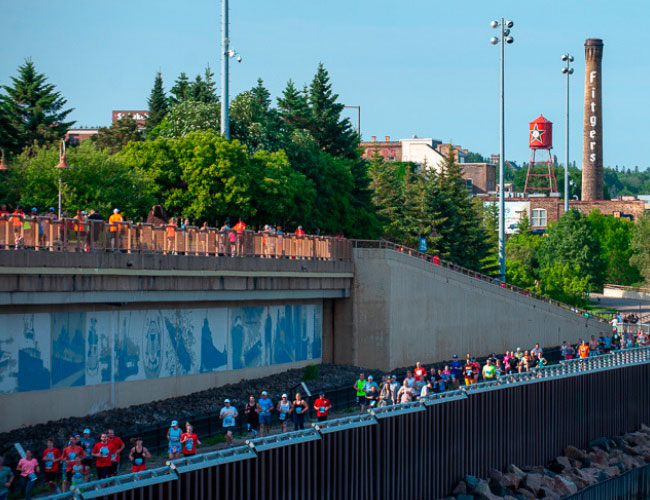
“A lot of Hare A.C. runners will be aiming for fast times (2020 Olympic Trials’s standards, BQs or PRs) at this notoriously fast race in Minnesota.” — Louis Serafini, Community Manager for Tracksmith

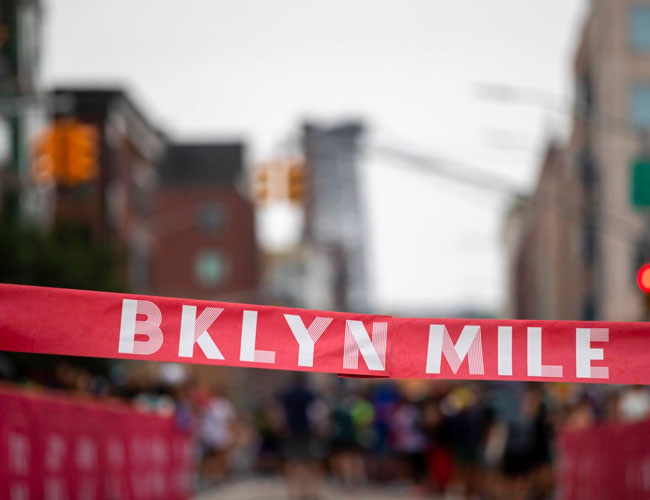
Brooklyn Mile

Date: June 16, 2019
Sign Up Date: June 4, 2019
“Everyone should train and race a mile, and road miles like Brooklyn or the 5th Ave Mile add a layer of excitement you don’t get on the track.” — Lee Glandorf PR manager for Tracksmith

Blessing of the Fleet

Date: July 26, 2019
Sign Up Date: TBD
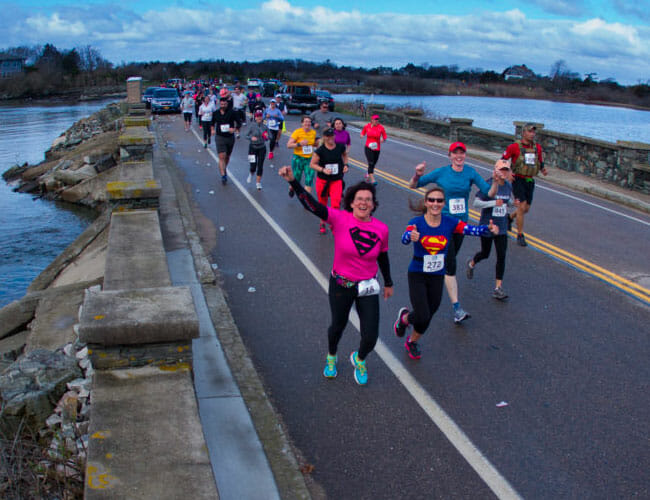
“This is not well known unless you’re a Rhode Islander or grew up near that holy land, but, it’s one of my favorite races. I’m hesitant to share this one because part of its charm is the hyperlocal scene it attracts, but I don’t want to be entirely selfish. It’s a 10-mile road loop that is guaranteed to be on the most humid evening of the summer, but there are spectators with hoses, ice packs, water and cold beers along the way. You can chase down the walkers, who have a separate start ahead of the runners, and at the finish line there’s a beer tent, small amusement park rides and more fried dough than you’d ever want immediately after running 10 miles. Plus it’s right near one of the best beaches in the state.” — Jeanne Mack, Co-Host of Runners of NYC podcast and Olympic Trials Qualifier

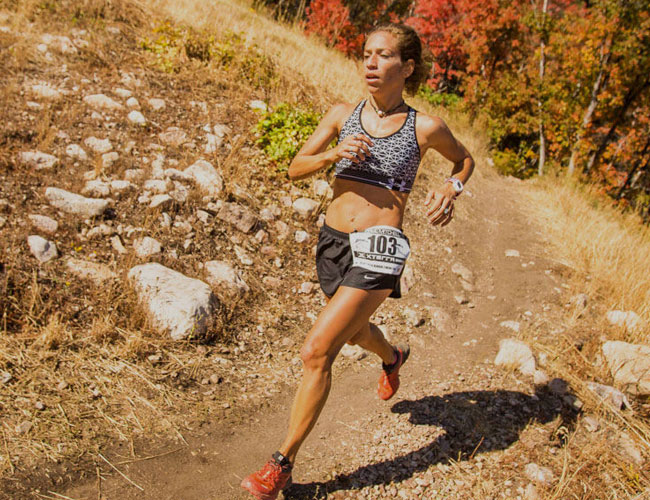
Xterra Steep Rock 10K Trail Race

Date: August 2019
Sign Up Date: TBD
“The only race for certain is the Xterra Steep Rock 10K Trail Race in August up in CT. I’ve run it the last two years, and I love the course. Not super competitive, but a lot of fun.” — Kevin O’Brein, Gear Patrol Account Manager

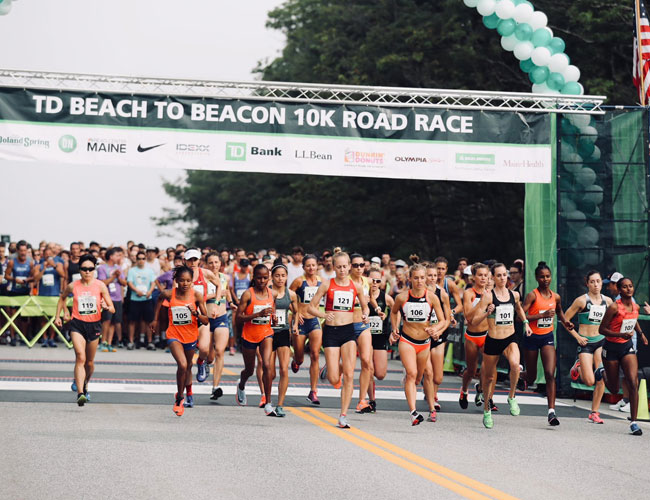
Beach to Beacon 10K

Date: August 3, 2019
Sign Up Date: March 13 for residents, March 14 for general public
Founded by Joan Benoit Samuelson, the 1979 and 1983 Boston marathon winner and Olympic Gold Medalist in 1984, this Maine race takes place the first weekend in August. When I started running with crews in New York, I quickly became aware of how fast this race fills up. Mark your calendars for the March signup date, as last year I was on 10 minutes in advance and sat with my screen reloading at least 10 times before I was told all the spots were gone. — Meg Lappe, Gear Patrol Staff Writer

Ironman 70.3 Boulder

Date: August 3, 2019
Sign Up Date: Now
“Boulder, my home base, is arguably the endurance athlete capital of the world and the Ironman 70.3 draws some of the best triathletes locally and internationally. Boulder, sitting at 5,328 feet above sea level, will challenge myself and all athletes at this race in August 2019 for the swim, bike, run trifecta that will offer 30 qualifying slots to the 2020 IRONMAN 70.3 World Championship in Taupõ, New Zealand.” — Massimo Alpian, Account Director, Outside PR

NYC Century

Date: September 2019
Sign Up Date: TBD
“NYC Century is a multi-level ride in September born out of a push to make NYC more bicycle friendly, which I strongly support. It’s interesting to me because I have never been a serious runner and my knees can no longer take the impact, but I can ride on a bicycle all day. The ride is my opportunity at an endurance challenge I wouldn’t normally be interested in.” — Jason Dakota Davis, Gear Patrol Sales Director, East Coast

New York City Marathon

Date: November 3, 2019
Sign Up Date: Now Through February 14
“Every November, some 45,000 people cross the finish line at the world’s most popular marathon. I’ve long dreamed of being one of them but haven’t for myriad of reasons that boil down to a lack of motivation and love of craft beer. Last year, I cut back on IPAs and completed my 9+1 for guaranteed entry. I recommend the program to any New Yorker who’d rather invest time than money in their own marathon come-up — though they could, of course, fundraise $2,620 and run through Team for Kids.” — Jack Seemer, Gear Patrol Senior Editor

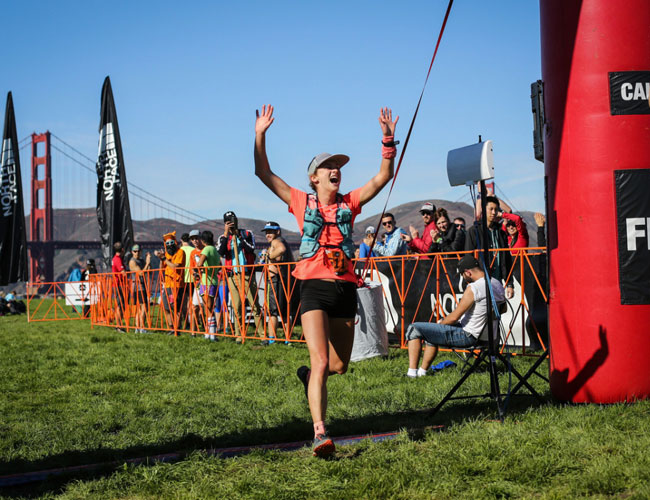
The North Face 50K

Date: November 16, 2019
Sign Up Date: Now
“I signed up last year (it was to be my first ultra!), and it was canceled due to the terrible air quality from the devastating local fires, so this race will be a long time coming. I’ve got another 50k planned for February in the Bay Area, the Golden Gate Trail Run, but if I can’t get prepared fully for that, then TNF will be my first attempt. It will be special as it’s in OutsidePR’s backyard, the Marin Headlands, probably one of the most beautiful and dynamic trail running areas in the US, and alongside many friends of the agency — HOKA, GU and more!” — Jess Smith, VP Outside PR

JFK 50 Miler

Date: November 23, 2019
Sign Up Date: March 1, 2019
This is the oldest ultra in the U.S. and it’s celebrating its 57th year. The race takes place along the Appalachian Trail with 1,172 feet in elevation gain. — David Kilgore, On Running Athlete

SpaceCoast Marathon

Date: December 1, 2019
Sign Up Date: February 15, 2019
This is the oldest marathon in Florida and is always the Sunday after Thanksgiving. It’s also the only space-themed marathon (and half marathon) that’ll give you the moonshot you need to hit your Boston Qualifying time. — David Kilgore, On Running Athlete

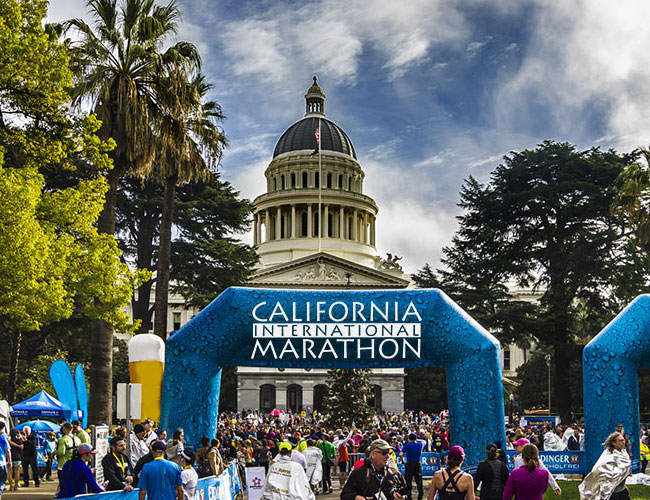
California Interntional Marathon

Date: December 8, 2019
Sign Up Date: March 2019
“This very fast marathon keeps bringing out the best in amateur running. An ideal place to hit a goal like a PR or BQ.” — Louis Serafini, community manager for Tracksmith

8 Best Shoes for Marathon Runners

Running 26.2 miles requires logging hundreds of miles, a serious mental fortitude and a good pair of shoes. Read the Story

Note: Purchasing products through our links may earn us a portion of the sale, which supports our editorial team’s mission. Learn more here.

The One Bike Upgrade to Make in 2019

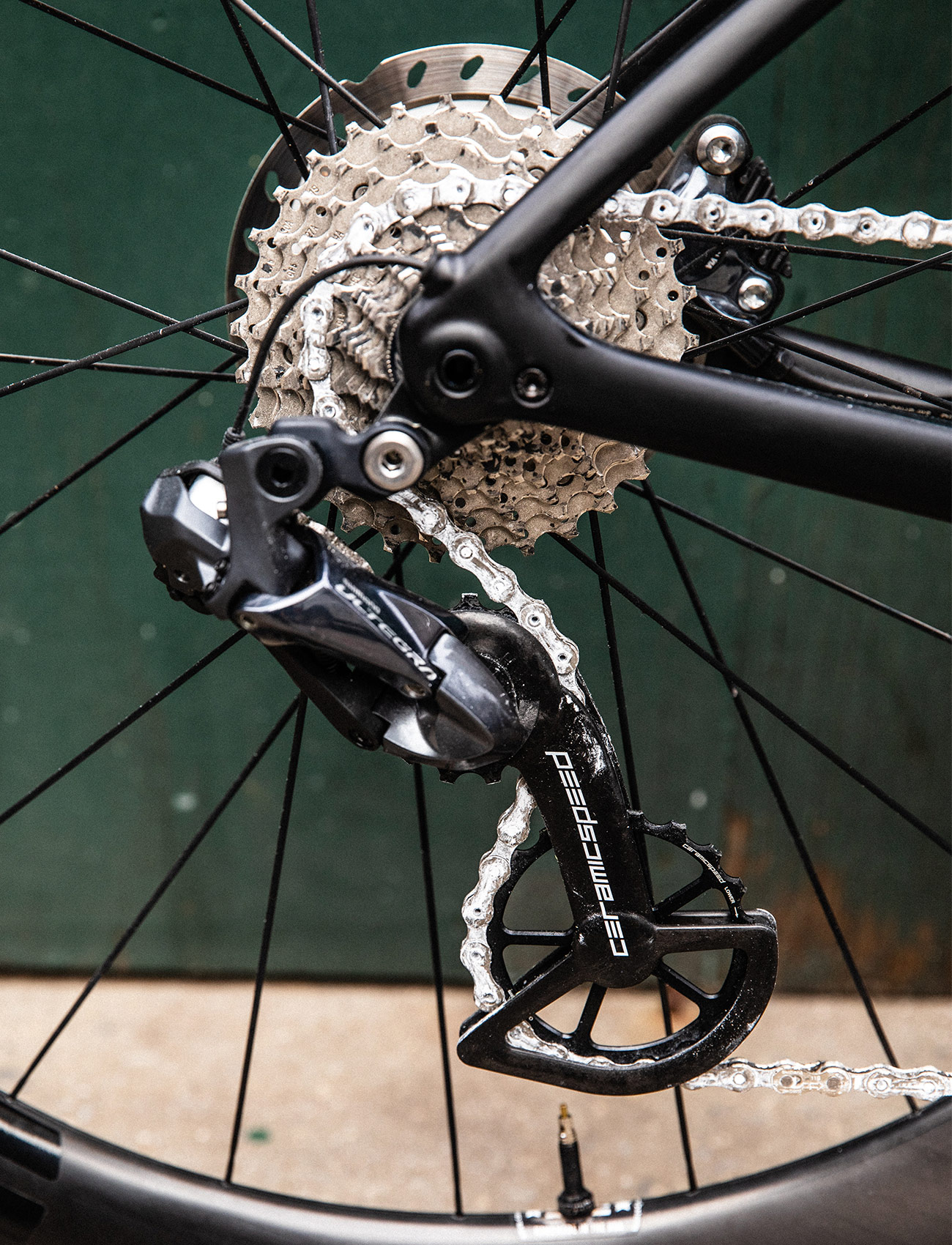
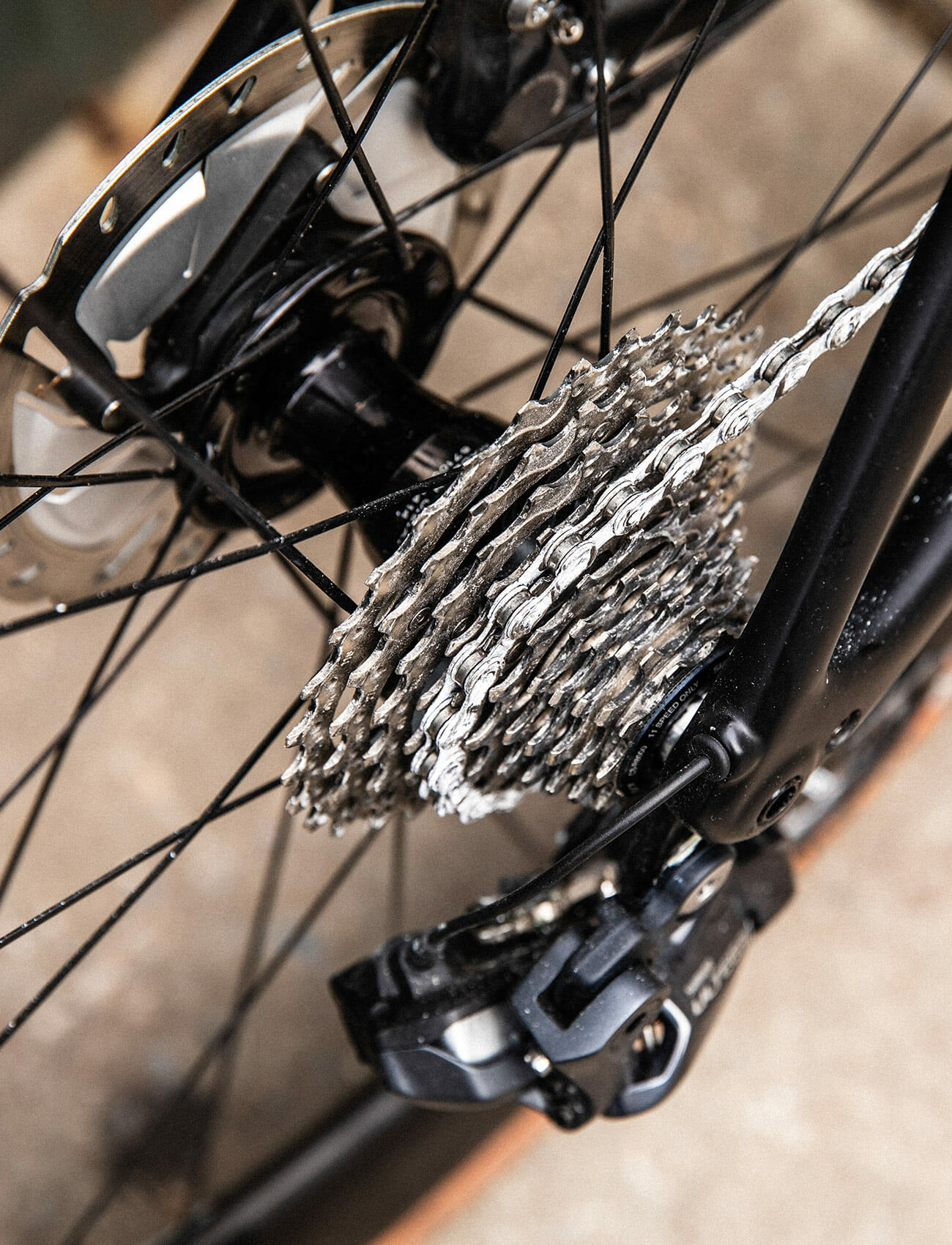
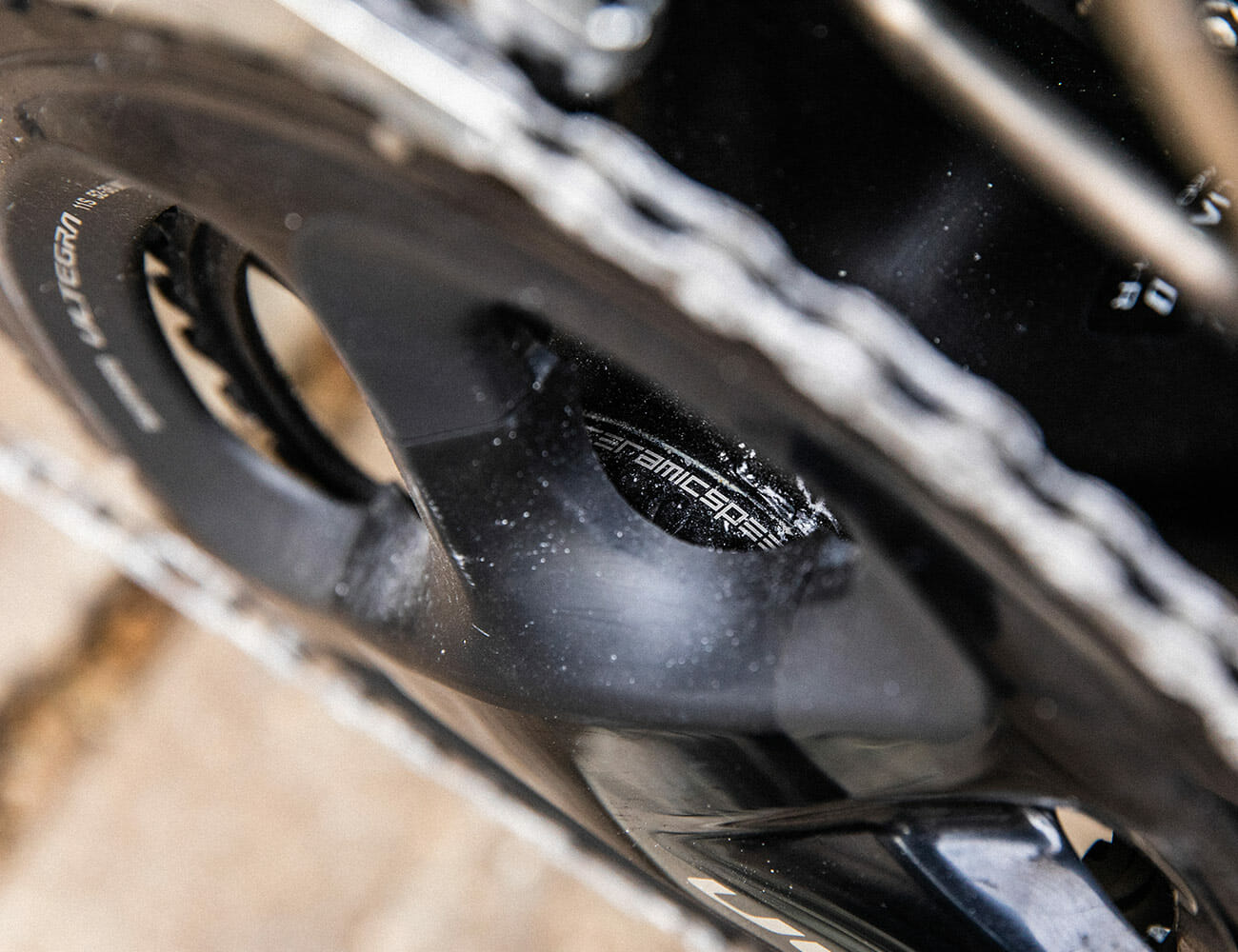
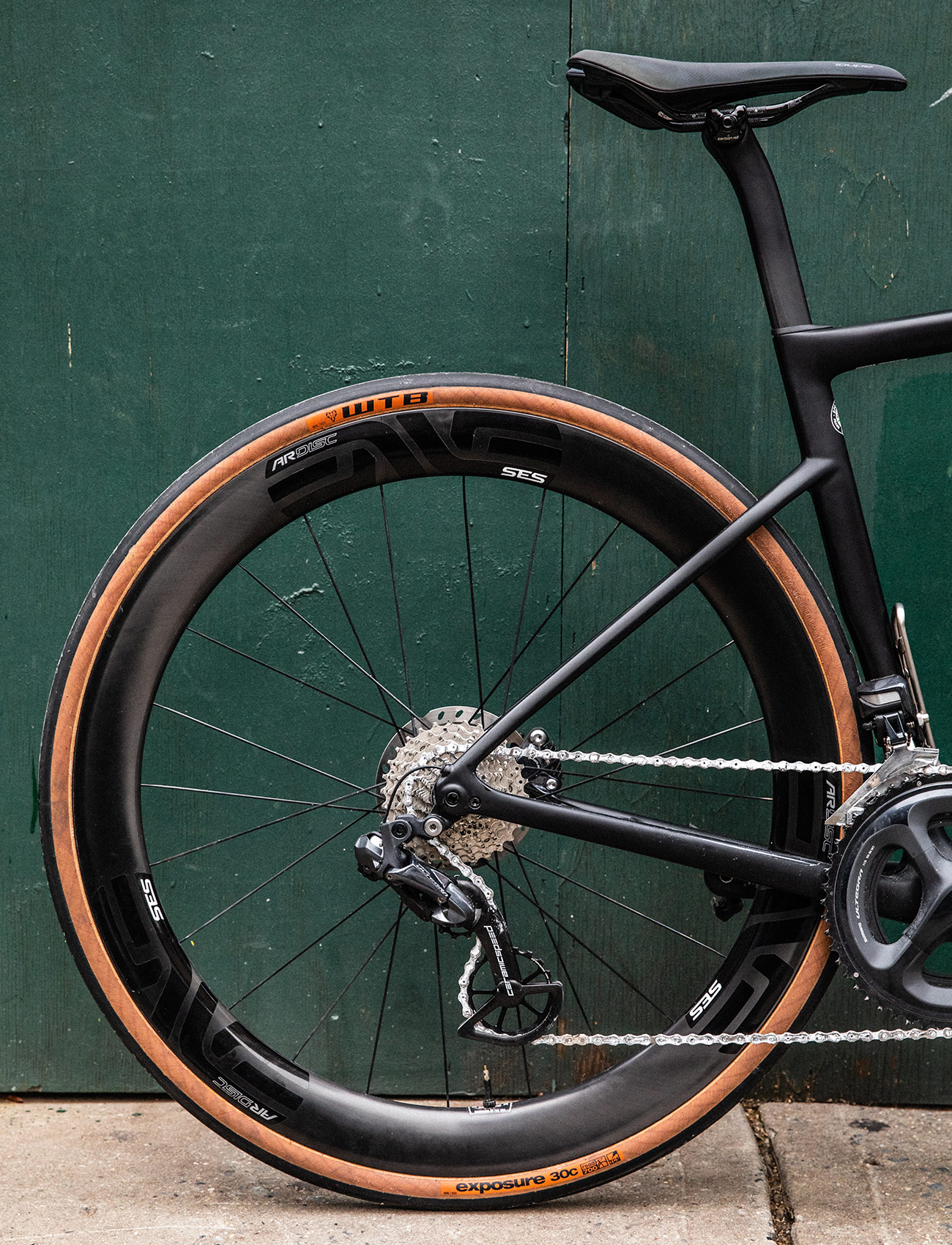
There’s a stigma in the cycling world when it comes to oversized pulley wheels and ceramic bearings. That they’re for dentists with too much money to spend, or pros and no one else. The stigma is perpetuated on Instagram accounts like @cat3memes, an account dedicated to making fun of road cyclists and their idiosyncrasies (or as described in its profile bio: “Stiff, lightweight, full-carbon memes for the amateur road cycling community.”). But what if simply adding oversized ceramic pulley wheels, ceramic bottom bracket bearings and a better chain to your drivetrain could make you 6-14 watts more efficient when riding?

For the lay person, or those cyclists who train and ride without power meters, that number may not really seem like a lot. But it translates directly into riding faster, and in turn can mean being able to ride farther. I recently decided to see what all of the hype was about, and added a handful of CeramicSpeed bits to my bike. Are they really just for dentists? Or can middling, overly average cyclists like me benefit from these upgrades as well? For reference, I added the oversized pulley wheel system, bottom bracket and the UFO-coated chain.

CeramicSpeed, a company known for its sport ceramic bearings, has done considerable research into the efficiencies gained by adding its oversized pulley wheels and bottom bracket to your drivetrain. (You can read in-depth about said research here.) Many professional riders in races like the Tour de France ride CeramicSpeed bearings, even if there are no logos and the brand isn’t a team sponsor. Peter Sagan swears by CeramicSpeed bearings (he’s sponsored by them), and if his three world championships have anything to say about it, it seems to be working.

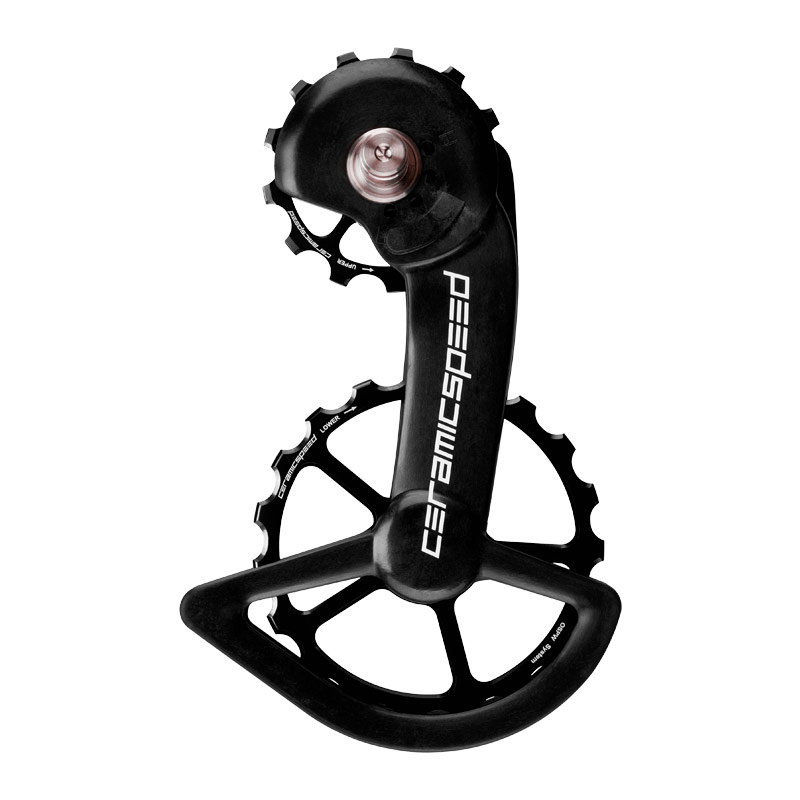
The first upgrade I sought out was the oversized pulley wheel system, and that’s because the science seemed to make the most sense to me. The idea (in addition to less friction supplied by ceramic bearings) is that the larger wheels put more gradual bends in your chain, which allows it to flow through the derailleur and jockey wheels more efficiently. That’s an oversimplification of the physics, but it makes sense. According to CeramicSpeed, this also has a marginally beneficial impact on shifting efficiency.

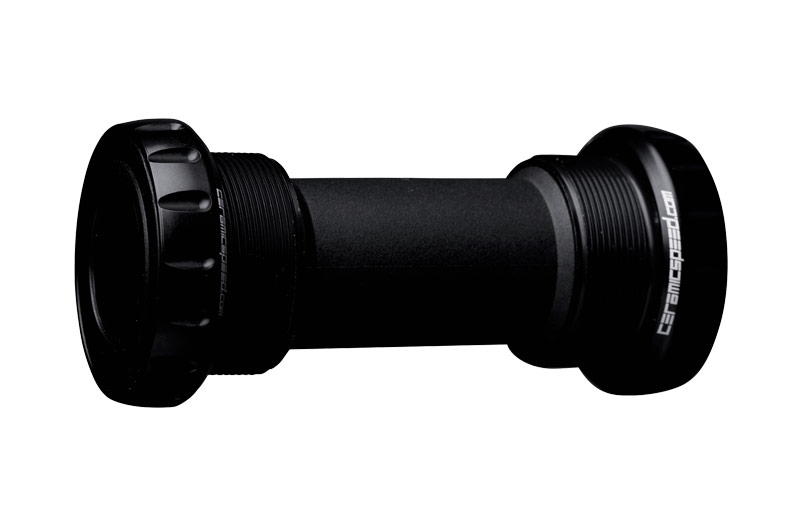
As for the bottom bracket, the gains here seem even more marginal for a recreational cyclist like myself. But it stands to reason that even gaining fractions of a watt over a 60-mile ride is worth it if you’re serious about improving your cycling.

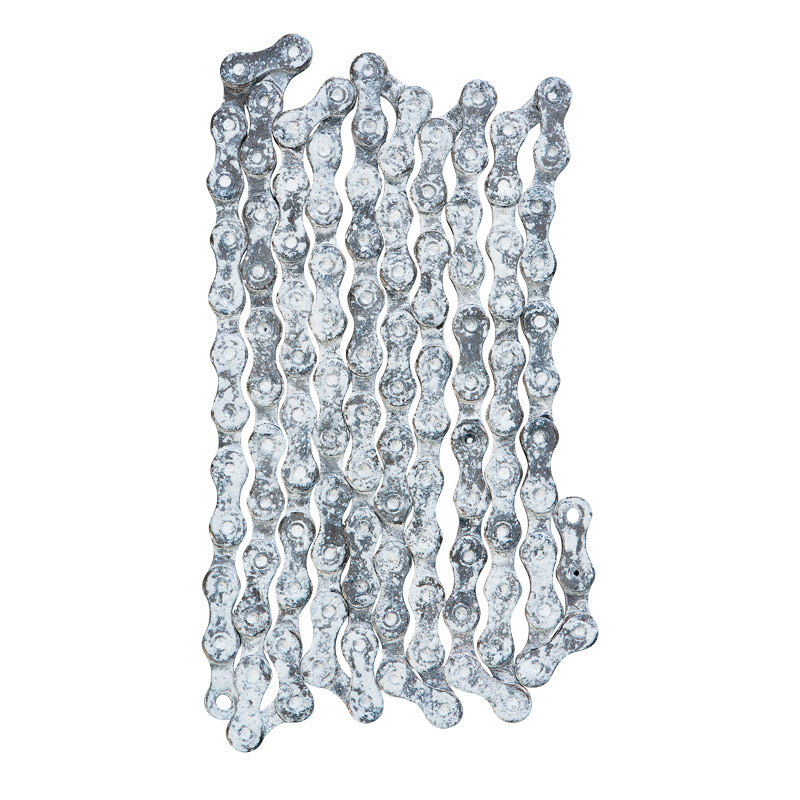
The UFO-coated chain features CeramicSpeed’s proprietary lubrication (which can also be bought in bottled form). When you buy a chain pre-coated, the lubrication will only last for about a hundred miles or so before it wears off. Once it does, you’ll need to either buy a bottle of UFO lube or apply more lube of your choosing.

To test whether or not these bike upgrades actually made me faster, I took a decidedly less scientific route than CeramicSpeed did in its tests. I simply went out and rode my bike. It felt fast, smooth and it certainly garnered a lot of attention at the mid-ride coffee stop (and not just from dentists). But the most important benefit I got out of upgrading to CeramicSpeed parts was that I rode my bike more. I felt a strong desire to hit the road and ride further and for longer. I didn’t set any KOMs on my Strava, or hit new top speeds, but I felt faster. Sure, it could easily just be placebo. But to me, a placebo benefit is just as worth it as a benefit backed up by numbers and KOMs. And it certainly doesn’t hurt that they look badass as well.

The big question that everybody has when it comes to CeramicSpeed parts is “Are they worth their hefty price tags?” It’s a fair question, but not one that’s easily answered. For me, yes — unquestionably. Would I go behind on my rent to put them on my bike? No. I’m the type of person who is dedicated to squeezing every last ounce of performance out of my bike, and the type of person who is obsessive about gear (hence my position at Gear Patrol). But you might not be the same, and $499 for a few watts gained might not be worth it. Before considering upgrading, it’s important to weigh those options.

OSPW by CeramicSpeed $499

UFO Racing Chain by CeramicSpeed $160

BSA Bottom Bracket by CeramicSpeed $359

Titleist’s Best-In-Class Irons Are Matte-Black Fire

The Magazine

Let us take you on a journey of the world. Each issue of the Gear Patrol Magazine comes packed with adventures, guides and stories exclusive to the magazine. Stunningly designed, printed on high quality stock and ready for your coffee table. Biannual. $39.

The Newsletter

Get GEAR PATROL in your inbox with the DISPATCH, including Today in Gear and all our new stories. Daily, 5pm. Free.

One Simple Feature Makes These Sport Sunglasses Better than the Rest

The Magazine

Let us take you on a journey of the world. Each issue of the Gear Patrol Magazine comes packed with adventures, guides and stories exclusive to the magazine. Stunningly designed, printed on high quality stock and ready for your coffee table. Biannual. $39.

The Newsletter

Get GEAR PATROL in your inbox with the DISPATCH, including Today in Gear and all our new stories. Daily, 5pm. Free.

Can CBD Improve Your Athletic Performance?

Every decade has its drug. They are just as distinct as the music, fashion and cinema that we associate with different eras; often, they even come from the same roots. The 80s gave us Reaganomics, Izod shirts with the collars popped, and U2. It’s hard to imagine much of this wasn’t fueled by untold quantities of cocaine. The 90s gave us house and acid music, shiny neon tracksuits, and a concoction of acronyms such as MDMA, which made that all seem somehow acceptable. Today, it seems very few of us are raving. Given the rise of the gig economy, the decline of political discourse, and the unabashed embrace of flannel and check shirts, it’s no surprise that the signature drug of this decade is one that promises a good night’s sleep, an end to lower back pain and a little help controlling the existential angst that rises up for most of us every time we read the news.

Cannabidiol, or CBD, is the hip drug right now with sales poised to hit $1 billion by 2020. Chances are you’re either using it already, or you’ve heard of it online or from your friend at the gym who won’t shut up about the amazing healing powers of hemp. Sure, CBD is a cannabis-derived compound, but unlike the joints you sneaked into college dorms, it won’t get you high. What it claims to do is just about everything else. From anxiety to arthritis via insomnia and indigestion, CBD has become a go-to for athletes, aging people and just about anyone who finds themselves frustrated with chronic conditions. Cannabidiol is a non-psychoactive compound that is found in the hemp plant as well as the marijuana plant. When you consume marijuana as a whole plant, the CBD is accompanied by other cannabinoids and terpenes including its psychotropic cousin ?9-tetrahydrocannabinol, better known as THC — that’s the one that gets you high. When you use CBD alone, you don’t feel high. But if you believe what you read on the internet, you might feel and perform better.

For decades, people have been using weed as a way to treat conditions ranging from headaches to epilepsy. For many people, cannabis was a safer alternative to opiate pain relief or the only way to cope with a painful and distressing condition. It turns out that, in many cases, it was the CBD that was helping and the THC — and its associated high — wasn’t necessary. Ironically, it wasn’t really until recreational cannabis made leaps towards legalization in many states that the medicinal use of CBD really caught on.

Understandably, there is a lot of caution and confusion around what CBD is, how it can be used medically and if it can be used legally. Research is rushing to catch up with the way people use CBD as, for decades, studies on cannabis and its derivatives was virtually impossible due to the fact that the federal government considers it a schedule one drug — the same category as heroin and, bizarrely, one degree more illegal than meth. The Drug Enforcement Administration (DEA) defines schedule one drugs as “drugs with no currently accepted medical use and a high potential for abuse.” So CBD is illegal? Not exactly. The FDA approved Epidiolex, a CBD medication for epilepsy, in June. The DEA classified that product as schedule 5, meaning it had the lowest potential for abuse. Confused yet?

Things are about to get better. A farm bill passed by the Senate in December 2018 makes hemp and its derivatives legal federally, which means that CBD from hemp plants can be purchased, shipped and used anywhere in the US. CBD derived from the cannabis plant, or anything with above 0.3% THC, remains technically illegal federally but might be legal on a state level. With hemp freely available and more and more states moving towards legalization of recreational cannabis, CBD is poised to become the aspirin of the new millennium. Given how much hype there is around CBD, it seems about time to work out if it belongs in the gym bag, medicine cabinet or in that little box you keep hidden in your dresser drawer as if your mum is going to bust you for smoking weed — even though you don’t live with her anymore.

Photo: Flora Folium

What’s it for?

Joshua Kaplan, Ph.D. is an assistant professor at Western Washington University and specializes in neurophysiology and neuropharmacology. He’s not the sort of guy many people would associate with weed, but CBD is fast moving away from the stoner stereotype. Kaplan told us that, while some of the claims being made about CBD lack rigorous testing, there is plenty of hard science to show that CBD can help with pain and inflammation. We know that CBD interacts with the body’s endocannabinoid system, which regulates everything from mood to memory, but research on how we can use that interaction is just beginning. “Perhaps the most well-studied medicinal use of CBD is in treatment-resistant forms of epilepsy,” Kaplan told us. Studies have also shown benefits in patients with generalized anxiety and psychosis and evidence suggests it might even help in treating opioid addiction and breast cancer. The World Health Organization lists transplant acceptance and schizophrenia as other research-proven uses. CBD interacts with the brain’s serotonin and vanilloid receptors, the same receptors that are involved in the action of anti-depressants and pepper spray respectively. Beyond this, there is a lot of work to be done on the way CBD interacts with the body and how that can be used to treat a variety of conditions. There are at least 20 clinical trials underway in the US right now to determine CBD’s utility in treating everything from brain trauma to back pain.

Much of the use of CBD is not yet backed up by research. As with all crazes, some of this will melt away and some will stick around. Despite its rapid surge in popularity, it’s fair to say that CBD isn’t likely to be the Pokémon Go of medications. For one thing, its impact has been felt across a much broader range of society. Missy Bradley, co-founder and brand director of Stillwater Foods, a company making cannabis products in Colorado, told us that CBD products are used by representative samples of the population across age and gender. The AARP website confirms that aging baby-boomers aren’t as averse as previous generations to using the more natural approach to treating arthritis (there is promising evidence to support that CBD can treat arthritis in rats).

Kaplan counsels that not all of these benefits come from the same dosage or application of CBD. Does as high as 600mg are being used in trials with epilepsy while most over the counter doses range from 10-50mg. There’s also what Kaplan called a “u shaped curve” in some conditions, such as anxiety where some CBD helps the condition, but more might make it worse. There are also worries about the interaction of CBD with other medications, especially if users take it without informing their doctors. One Reddit user noted his hands shook when he combined Zoloft with CBD. This is where research comes in. For now, most users will be financially limited in the doses they can take as a 50mg dose of high-quality hemp CBD costs about $2.67, making that 600mg dose about $31. However, as supply increases, we can expect this price to drop.

How do I get it?

CBD is as popular now as Bitcoin was a year ago. It’s in everything from bath bombs to body rubs to (obviously) bongs. Indeed, the perceived medical benefits of CBD might soon outweigh the psychoactive effects of THC and claim the majority of the cannabis product market. This is a problem for growers as, up until the late 1990s, cannabis was grown more or less exclusively to get people high and thus the plant was selectively bred to obtain as much THC as possible. The difficulty of getting CBD in large quantities from marijuana plants, along with the new farm bill, means much of the current crop of CBD products are derived from hemp, making them legal in all 50 states. You can go online and order yourself a bottle right now.

But, unless that’s your only option, it might not be the best choice. The issue with hemp-derived CBD products is that there may be some benefit to consuming CBD in combination with THC and other terpenes. Kaplan called this the “entourage effect” and noted that there is a lot of theoretical evidence for it, but the complexity of regulation around cannabis studies involving THC has made it hard for clinical trials to take place. Although this is still an area that needs research, Kaplan notes that there may be other benefits to picking cannabis-derived CBD products where they are sold. “In states with legal cannabis, any product derived from the cannabis, such as cannabis-derived CBD, must be tested for content accuracy and pesticides. Since proper dosing is a critical element of effective CBD use, it’s important to know that you’re consuming how much you think you’re consuming.” Hemp-derived products are not regulated in this way. In fact, research in the Journal of the American Medical Association found that 69 percent of CBD products tested didn’t have the same amount of the active ingredient as stated on the label. There are also concerns about pesticide toxicity, as pesticide use is regulated in cannabis, not hemp. However, if you are not in a cannabis-legal state, don’t despair. Kaplan still believes that “the overwhelming therapeutic benefits stem from CBD itself” and there are several companies selling organic hemp-derived CBD which should alleviate pesticide concerns.

Most CBD products use CO2 extraction to produce pure CBD from hemp or cannabis. This CBD is then packaged for delivery as a tincture, vaporizer, capsule or salve. A few are growing high-CBD strains and making them into lower-THC joints, edibles, or whole-plant balms. Each of these products has benefits and, depending on the end use, each of them might be part of your medicine stash.

Topical applications, such as creams and salves, might lack a whole-body impact, but they allow users to target specific pain and benefit from the entourage effect of combining CBD and THC without the psychoactivity. Oral products such as tinctures and capsules take longer to work, but allow for a more precise dosing than creams, with capsules allowing for the highest degree of precision. The fastest acting method of delivery is vaping, which acts almost instantly and allows users to take CBD until they get the desired effect, but it can be less precise and it’s not something everyone wants to do, especially if they are taking CBD to boost their athletic performance.

Whatever you take, you’ll need to experiment a little with dosage to find what works for you. CBD isn’t a miracle cure, and it needs to concentrate over time, so lower dosages might seem to be doing nothing at first but over time could lead to a reduction in chronic symptoms.
Will it improve my fitness?

In 2018, the World Anti-Doping Association stopped considering CBD a prohibited substance, meaning that athletes could begin experimenting with its performance-enhancing potential. For athletes, the benefits of CBD are more subtle than in people living with a condition like epilepsy and there is a lot of research to be done before we can work out how, and how much, CBD can help. This doesn’t mean that many athletes have not embraced the trendy supplement in an attempt to get the edge on their competition before CBD becomes as common as caffeine in the athletes’ arsenal of ergogenic plant-derived substances. CBD seems to be the most effective cannabinoid in treating pain and inflammation, and it doesn’t take a Ph.D. neuroscientist to work out that those are both things athletes would like to get rid of.

Whether CBD actually will boost your performance is up for debate. Certainly, it’s not something that everyone should swallow a handful of before exercise, but if inflammation, pain or anxiety are limiting performance, then CBD can likely help in overcoming that bottleneck. CBD seems to be most promising as a supplement for athletes recovering from injury. What it won’t do is help you if you’re not inflamed or injured; the World Anti-Doping Association stated that “there is no direct evidence of performance-enhancing benefits.” Bradley, an athlete herself, sees CBD as a sort of natural alternative to over-the-counter pain and inflammation medications today, saying, “We really see the budding interest in CBD slotting in with the larger trend in consumer preferences toward natural, plant-based ingredients that help us feel better.” But she also notes that, as she is free of injury or chronic pain, she hasn’t used CBD that much herself.

Kaplan also told us that there’s also a suggestion that the same anti-inflammatory properties of CBD could help in reducing the severity of traumatic brain injuries, the kind that you’ve read about in NFL players. Just having the CBD on board at the time of injury might help reduce the severity of the injury. This idea is supported by a recent article in the Clinical Journal of Sport Medicine which suggested that whole-plant cannabis use was common in high-risk sports, and that it might have some benefit in pain and concussion treatment. Studies into this are ongoing, but it’s possible that in a few years athletes might be dosing up on CBD tinctures before a game or maybe following Nate Diaz’s lead and vaping after UFC fights.

In an informal Twitter poll, I found half a dozen professional and amateur athletes who are habitual CBD users. These weren’t your stereotypical stoner snowboard types who seem to be identified in the Clinical Journal of Sports Medicine article — they were mostly athletes in their 30s or older that tried CBD as a way to boost recovery. Only one of them used weed recreationally. All the athletes in my (admittedly biased) sample felt that CBD had helped with recovery from injury and training, and most used topical applications on problem areas. Several mentioned that it had helped them avoid opiate pain medications or that they had stopped using NSAIDs chronically after beginning with CBD. About 1/3 of people use NSAIDs and athletes tend to self-administer them in the belief that they enhance performance (they don’t). NSAIDs have side effects that include an increased risk of gastrointestinal and cardiovascular disease and so replacing these with CBD, which doesn’t seem to have the undesirable side effects, is a health benefit in itself.

Much like the athletes mistakenly throwing back the ibuprofen pills at the start of their events, people taking CBD under the impression that it is some kind of wonder drug that prevents pain entirely are going to be disappointed. CBD is not going to stop it hurting when you push your body, and you wouldn’t want it to anyway. Studies show that you need to feel pain to pace your efforts. I spoke to one CBD brand who had sent samples to a pro athlete (whom they asked me not to name) who said he had felt no difference when using the product. When they asked him what he took it for, he didn’t know.
Photo: Floyd’s of Leadville

Some brands, like Floyd’s of Leadville — owned by former Tour de France winner Floyd Landis — tout the benefits of CBD consumption during exercise, but there’s no research to support this yet. Kaplan suggested that there might be a benefit from anti-inflammatory properties in CBD during prolonged exercise, but the major benefits will come in treating injury and enhancing rest and recovery. This might sound minor, but recovering better means training more, and training more means getting faster, stronger, leaner and more skillful. Everything from protein shakes to HGH is, in short, a way to recover better. I’m not saying vaping is going to have the same effect as doping, or that you’ll be switching your protein shake with a CBD gummy, but as part of a recovery regimen, CBD could help achieve your exercise goals.

As more research is published, we’ll know more about how and when to use CBD. But, thanks to the incredibly convoluted legal issues around cannabis, the combination of CBD with THC and the promising potential of other cannabinoids such as tetrahydrocannabivarin (THCV), it is unlikely to be something we see much research on in the US for the foreseeable future. In the meantime, CBD isn’t that expensive or dangerous, so you’ll likely be hearing a lot more from your chatty friend at the gym.

Buying Guide

In the spirit of n=1 experimentation, I tried a whole-leaf cannabis balm for my back (which has been making me pretty miserable the last few months). I figured the balm would let me target the back pain and combining CBD and THC with other terpenes would let me benefit from the entourage effect without getting baked. The balm I used, from Flora Folium in California, was derived from whole leaf cannabis and I certainly felt a little less after long bike rides once I had been using it for a few days. Despite using generous doses of the balm before bed and in the morning before workouts, I never felt high — I didn’t really feel much at all other than a slight tingle and, on reflection, several weeks without any flare-ups in my back pain.

I also tried a CBD tincture and a CBD-THC vape pen before bed. I used these as part of a general attempt to improve sleep hygiene and certainly felt more rested. It’s not the most scientific of trials, but during the 6 weeks that I was using CBD as a tincture, vape or balm I didn’t take a single Advil or have any trouble sleeping. It might be coincidental, but given the lack of side effects, it seems like there is little downside to trying your own CBD experiment with some of the products I found useful.

Dosist Calm
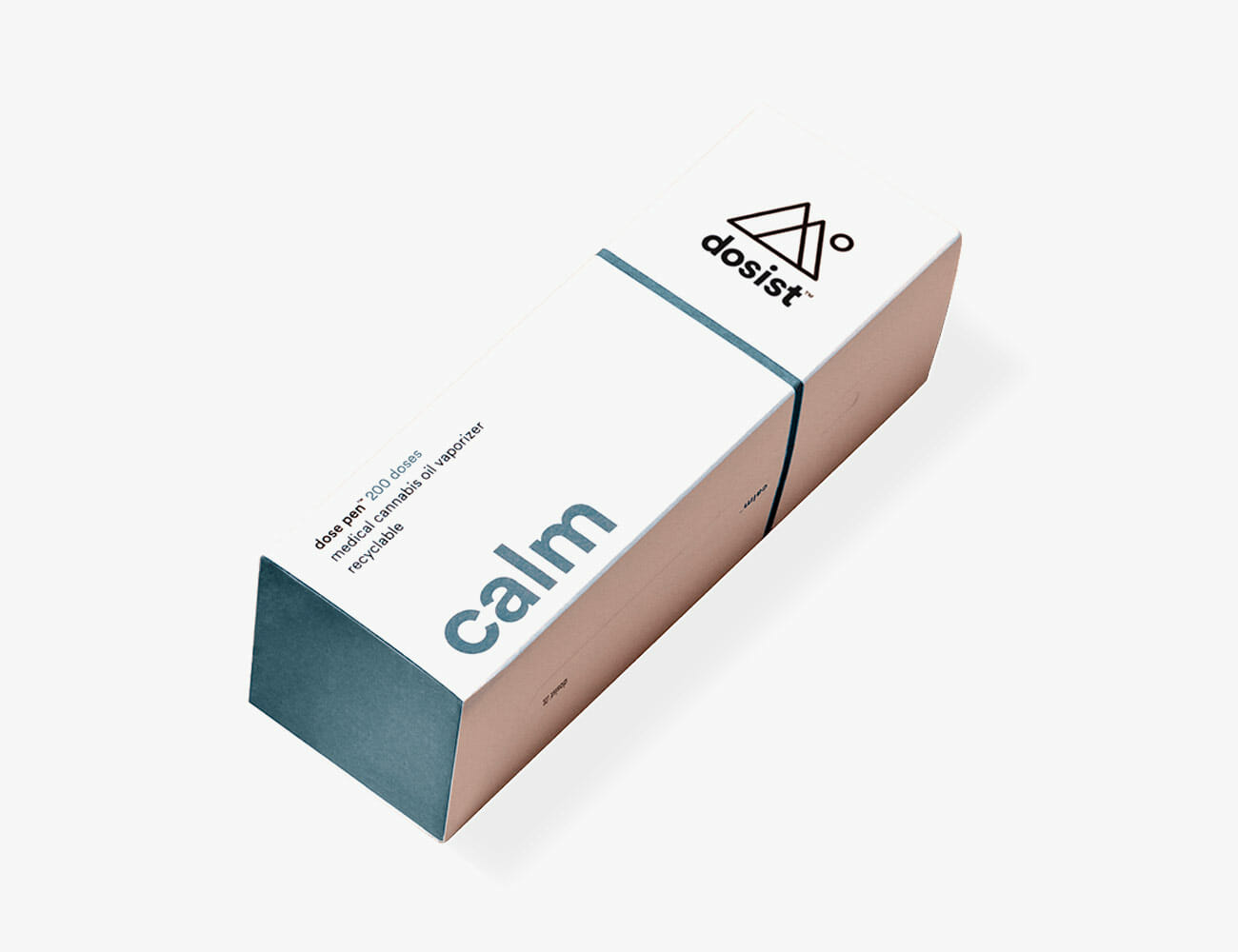
Kaplan recommended these pens as they contain a very precise dose of CBD in combination with a little THC and some accessory cannabinoids. The pen looks discreet and dispenses a lab-tested 2.25mg dose with each three-second hit. I used it before bed and did notice I slept well, but the first few hits from the pen were pretty acrid. Using the pen before bed helped me sleep, but I can’t see myself bringing one along on bike rides or hikes any time soon.

Dosist producets are currently only available in California and Florida.

Floyd’s of Leadville CBD Isolate Softgel
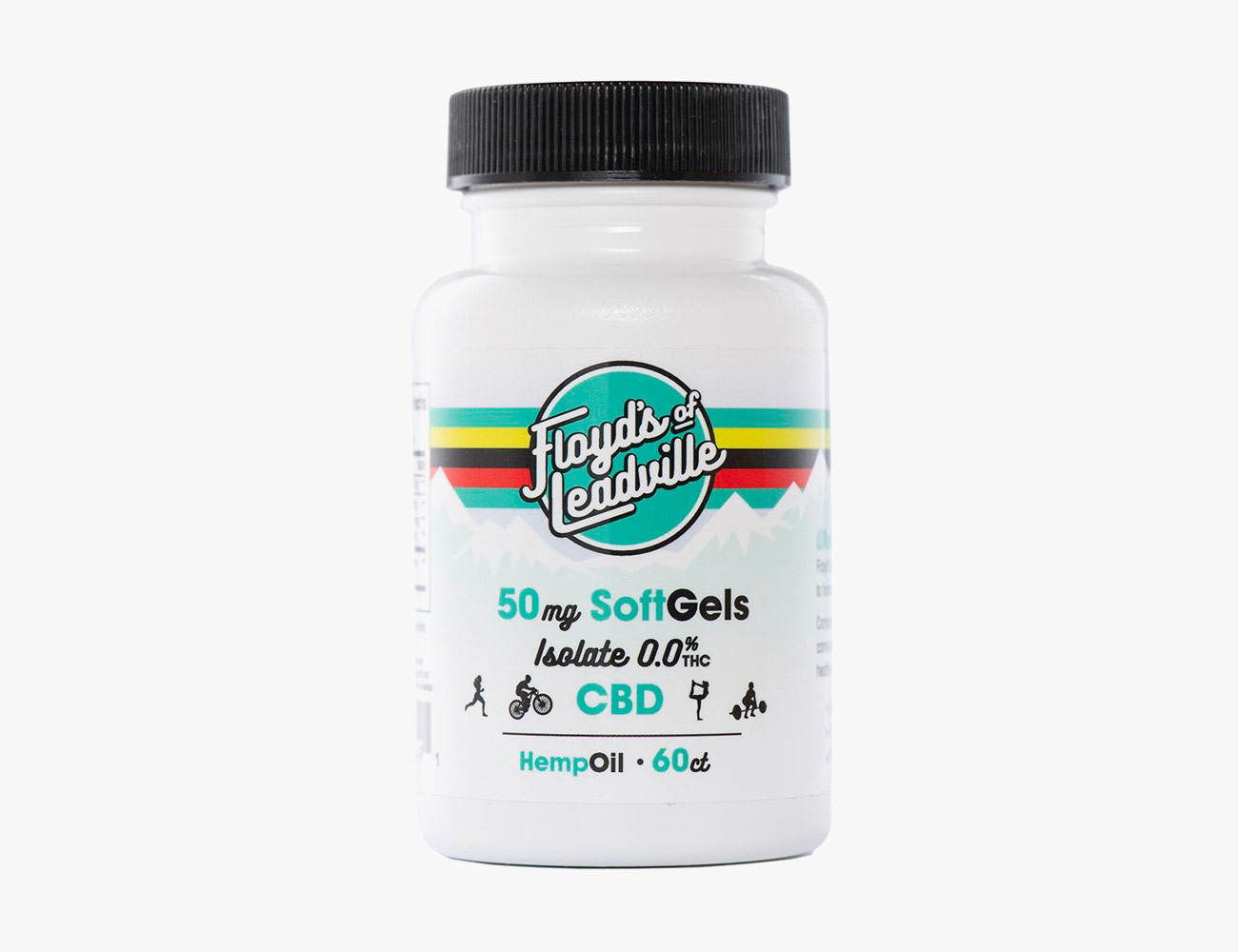
Former Pro cyclists Floyd Landis and Dave Zabriskie know a thing or two about pain. Landis was using cannabis to treat pain from a hip resurfacing in 2006 until he discovered CBD. These days, he The softgels are part of a product line that is hemp-derived and organic — this means it is 50-state legal and doesn’t have some of the pesticide concerns associated with non-organic hemp. At 50mg per pill, they pack a much more significant dose than many of the CBD products on the market. The isolate gels contain no THC, which means that even if your employer or WADA might drug test you, you’ll be safe. There’s also a full-spectrum line with trace amounts of THC for those of us who don’t have to worry about such things.

Flora Folium Balm

Made from whole-leaf CBD-rich cannabis that is grown and processed on an organic farm in California, this product sounds like something you might pick up from your local food co-op. But, thanks to rigorous testing demanded by the state of California and the combination of CBD, THC and other terpenes as well as herbal ingredients, there’s plenty of research-backed evidence for this topical rub. I used it every day for a month, and of all the products I tested, it was this one that I would turn to again to treat back pain and injury.

Why These Ugly, Non-Waterproof Pants are the Pinnacle of Outdoor Gear

When I was eighteen years old, I convinced my father that instead of going to college after graduating high school I should go to New Zealand to trek, climb mountains and whitewater canoe with the National Outdoor Leadership School, or NOLS. “I can earn an entire semester’s worth of college credit, like studying abroad!” I told him. My ploy succeeded, and that autumn while my friends moved into ivory tower dorm rooms I relocated to a red Hilleberg tent in the land of the long white cloud.

NOLS was founded in Wyoming in 1965. It is to wilderness living what Harvard is to academia. It teaches students about leadership through activities like mountaineering, sea kayaking, rock climbing and more. Its campus is the rivers, mountains, and deserts of the world. The curriculum is broad and all-encompassing — on my trip, I learned how to self-rescue out of a crevasse and how to make homemade cinnamon rolls from scratch.

Every NOLS trip comes with an exhaustive gear list that the school has fine-tuned over its fifty-plus years of operation. On that list are items you’d expect — an expedition pack, a sleeping bag, hiking socks — and one item even backcountry veterans might not anticipate: wind pants.

Wind pants aren’t entirely common among outdoor brands, but students need not worry because NOLS makes its own. The wind pants go back to the school’s founding in the 1960s, and they haven’t changed much since then. “At the time that the school started, there wasn’t much outdoor gear available,” says Rich Brame, an instructor and Director of Alumni Relations at NOLS. “It was primarily military surplus gear, so everything was canvas, leather and wool.” Outdoor companies didn’t exist yet, so the school’s founder, Paul Petzoldt, and his team were left to sew and experiment to provide for their students. “NOLS really helped create some of the first outdoor gear,” says Brame, and it was doing so at the same time that Yvon Chouinard was just starting to produce the climbing hardware and clothing that lead to the empire of Patagonia. One of Petzoldt and company’s biggest contributions to the outdoor industry in terms of gear was an early version of the lightweight insulated jacket, built using a lofty material made by DuPont called Dacron that’s now been phased out of outdoor equipment. And of course, there were the wind pants.

“NOLS really helped create some of the first outdoor gear.”

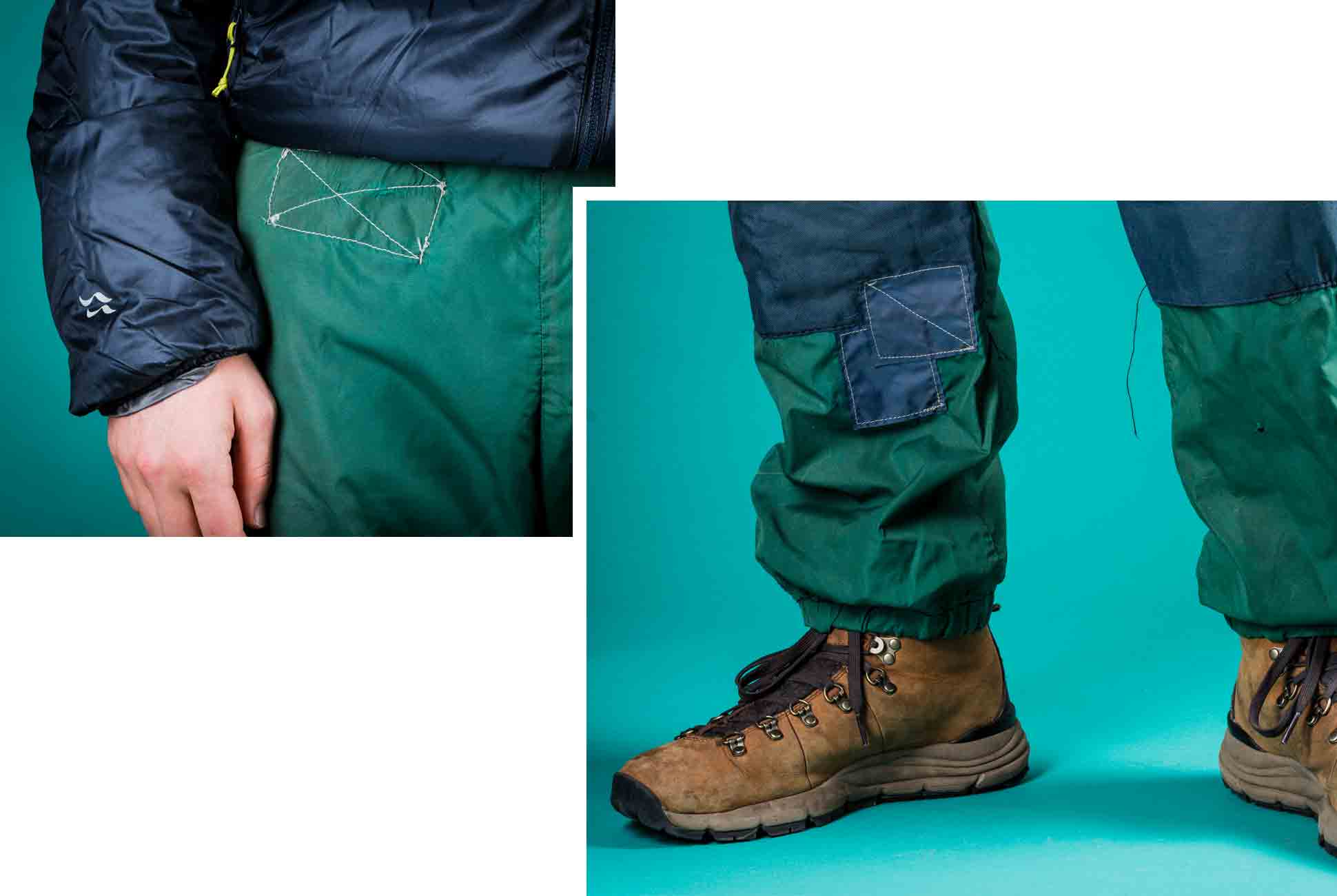
Not to be confused with rain pants, which are waterproof, wind pants are a lightweight, breathable outer layer that provides protection from wind and debris along with a bit of warmth. “On most hiking trips all you need for your lower body are a pair of nylon shorts, a pair of polyester long underwear bottoms or tights, and a pair of wind pants,” writes Mark Harvey in The National Outdoor Leadership School Wilderness Guide. Packing wind pants might seem superfluous — I certainly thought so — especially when they won’t protect the wearer from getting wet, but NOLS insists on adding them to the gear list for almost every course it operates. They are straightforward and functional. They have a cinching drawcord waist. There are elastic cuffs at the ankles and zippers running up the legs past the knee so that they can be put on easily over a pair of hiking boots. As far as features go, that’s pretty much the story. But this simplicity is one of the pants’ most potent elements.
Photo: Thomas Conor Kensok

Stylistically speaking, NOLS’ wind pants are the antithesis of sexy. They’re dark green, overlarge and baggy with big blocky patches on the knees and seat, and an XL cargo pocket on the left leg. In fact, they’re downright ugly. And yet, they’ve become iconic. There are Facebook groups dedicated to the wind pants; one pair was even brought into space aboard the space shuttle Atlantis. They’re wonderfully basic, and yet they’re the ultimate in expedition gear.

“They just function so incredibly well,” says Brame. “They’re light, they’re cheap, they’re rugged, they’re bugproof, sunproof, windproof — it just checks off all the boxes.” They’re also very repairable, and since sleek looks are already out of the equation, patches can be worn as badges of honor and proof of past adventures.

Photo: Ella Bruijn

In a way, the wind pants reflect the NOLS ethos toward gear — function over form, longevity over waste. They also serve as an enduring icon of outdoor gear history — their history proves that new doesn’t always mean better. “We knew we needed our students, in these extreme environments, to be comfortable and safe,” says Brame. “We needed gear that could help them do that, and when we couldn’t find it, we made it. It’s been an enduring item ever since.”

How to Get Nike’s New Running Shoe Before It Comes Out

One year ago, Nike released the Epic React and debuted a new midsole foam called React. The new foam promised hyperbole in multiple characteristics — it would be the lightest, the most durable and the most responsive available in a running shoe. Nike tested roughly 400 versions of React over more than 17,000 miles to get it just right and has since integrated it into many of its top-line runners.

The first shoe to use React, the Epic React Flyknit, is about to be released in its second iteration. As predicted, the Epic React Flyknit 2 will debut in new colors, but there are also a few other minor changes to the design including a lower profile cuff for more comfort and a more supportive and flexible knit upper. That foam remains the same though, just as it should.

The Epic React Flyknit 2 doesn’t officially launch until January 31, but Nike is offering NikePlus members early access to purchase the shoe now. The early bird access only seems exclusive — all you need to do to become a NikePlus member is sign up with your email or Facebook account, which you can do here.

What the Hell Is Going on With This Pocket Knife?

Krudo Knives’ KARSIN010 Folder isn’t a typical pocket knife, not even at first glance. It includes a 3.5-inch drop-point blade made of 9Cr18MoV stainless steel and uses a flipper tab or thumb stud to open and a frame lock to stay that way, but none of these things are ordinary. Each of these features is distinctive in ways that are customarily Krudo — the knife’s belly is curved yet subtly angular, the handle is inlaid with oversized carbon fiber inserts, and its flipper tab is skeletonized and chunky.

Louis Krudo, the designer and founder behind Krudo Knives, sketched the first iteration of the KARSIN010 on a napkin. That drawing eventually became two knives, both of which use what’s perhaps the most apparent feature: a full-sized thumb stud that Krudo calls a “thumb wedge.” The wedge looks like a Dremel bit that’s been sliced diagonally. Like typical thumb studs, it’s used for opening the blade, but it also provides an angled platform for the thumb to rest on when gripped. Practicality is the goal here, but the result is a pocket knife that might’ve come out of the pages of a steam-punk graphic novel.

The KARSIN010, which was just announced and is currently available for pre-order, is billed as an everyday blade but its tactical design is hard to ignore. The knife is expected to ship in March.

5 New Materials That Will Change the Way You Experience The Outdoors This Year

Looking back, there’s no doubt that top athletes raised the bar in 2018: climbers put up record-breaking ascents, runners ran faster marathons, bike land speed records were shattered. Such monumental athletic achievements will always garner front-page media coverage, but behind the scenes, tinkering in the shadows, are the unsung, coffee-stained heroes of the outdoor world: product designers.

The best outdoor product designers are perfectionists. Year after year, they tirelessly refine best-selling gear and forge fresh releases from scratch. With dogged determination, they search for stronger fabrics and more efficient insulators. They alter thread patterns to shave weight, experiment with rubber to increase grip. They live and breathe R&D. And in doing so, these product designers enable both elite athletes to make headlines and Average Joes like you and me to make the most of time spent outside.

We’d like to take a moment and raise a Nalgene to celebrate the product designers, because without them, we’d all still be skiing in jeans (that said, read on, and you’ll realize that we might start skiing in jeans again soon enough). Below are the fruits of their labor and laboratories — new materials that will change the way you experience the outdoors this year. Keep an eye on these threads and fibers, compounds and creations, and remember: you don’t need to be breaking records to appreciate groundbreaking gear.

FutureLight by The North Face

Earlier this month at the Consumer Electronics Show in Las Vegas, The North Face put all of its chips on FutureLight, gambling on its own proprietary waterproof tech rather than extensively relying on industry-standard Gore-Tex membranes as they have in the past. They declared the new material “The World’s Most Advanced Breathable-Waterproof Outerwear Technology” in the launch’s press release. Under the microscope, FutureLight looks like a loosely wound ball of yarn, as there are irregular spaces between fibers. FutureLight’s manufacturing process is called “nanospinning,” and it purposefully creates these permeable “nano-sized holes,” through which air escapes at startling levels. The impact of this nanotech is ironically enormous, as The North Face claims they will be able to “adjust weight, stretch, breathability, durability, construction (knit or woven) and texture to match athletes’ and consumers’ activity or environment.”

Where to find it:
FutureLight products will be available Fall 2019. Exactly what products will drop remains to be seen. In the press release, Scott Mellin, Global General Manager of Mountain Sports says, “Imagine a waterproof t-shirt, sweater or even denim that you actually want to wear. Today we start with jackets, tents and gloves, but the possibilities could be endless.” Stay tuned to The North Face for further announcements — and keep your fingers crossed for those waterproof jeans.

N315r LCP by Arc’teryx

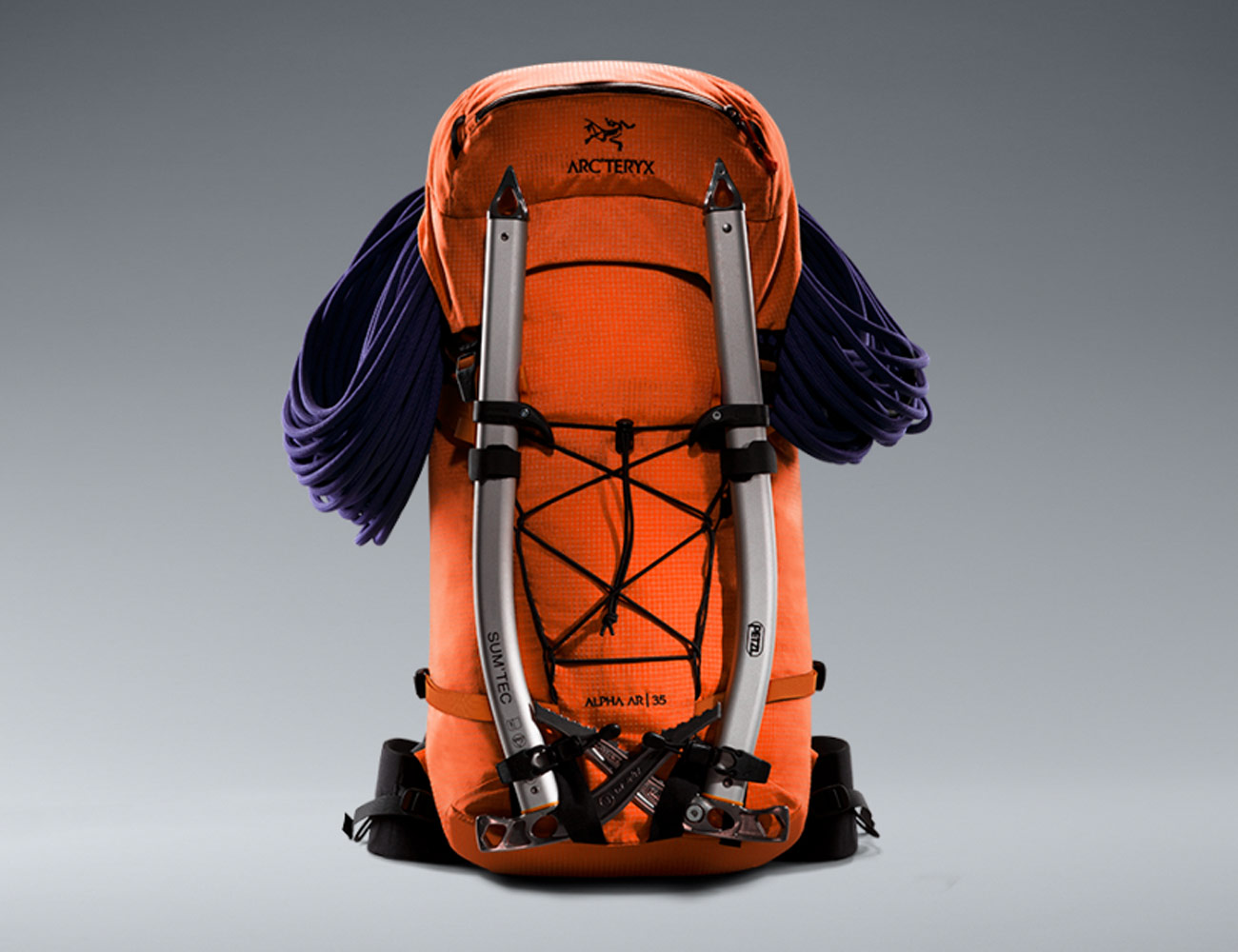
When rumbles emerge from Arc’teryx R&D labs, the outdoor industry ducks, covers and prepares for an earthquake. N315r LCP, a fabric that, on paper, looks as if it’s a computer-generated password, has the potential to be one such seismic event. Gord Rose, Senior Industrial Designer for the brand, notes that he’s “been trying to find ways and means to create this fabric for over a decade.” Through a complicated engineering process — one that took Gord & co. two-plus years to nail — LCPs (Liquid Crystal Polymers) are interwoven with high-tenacity nylon (N315r). Arc’teryx claims the outcome is a lightweight, durable and weather-resistant fabric alpinists will adore.

Where to find it:
The fabric will be available on Arc’teryx’s Alpha AR 35 backpack, which is set to launch in spring 2019. Alpinists and ice-climbers are already counting down the days, thanks to the innovative fabric as well as the attractive weight (1170 grams/41.3 ounces), custom androgynous hooks and cavernous main compartment. The pack will also be available in a 20L size.

Gore-Tex Fabric with Stretch Technology

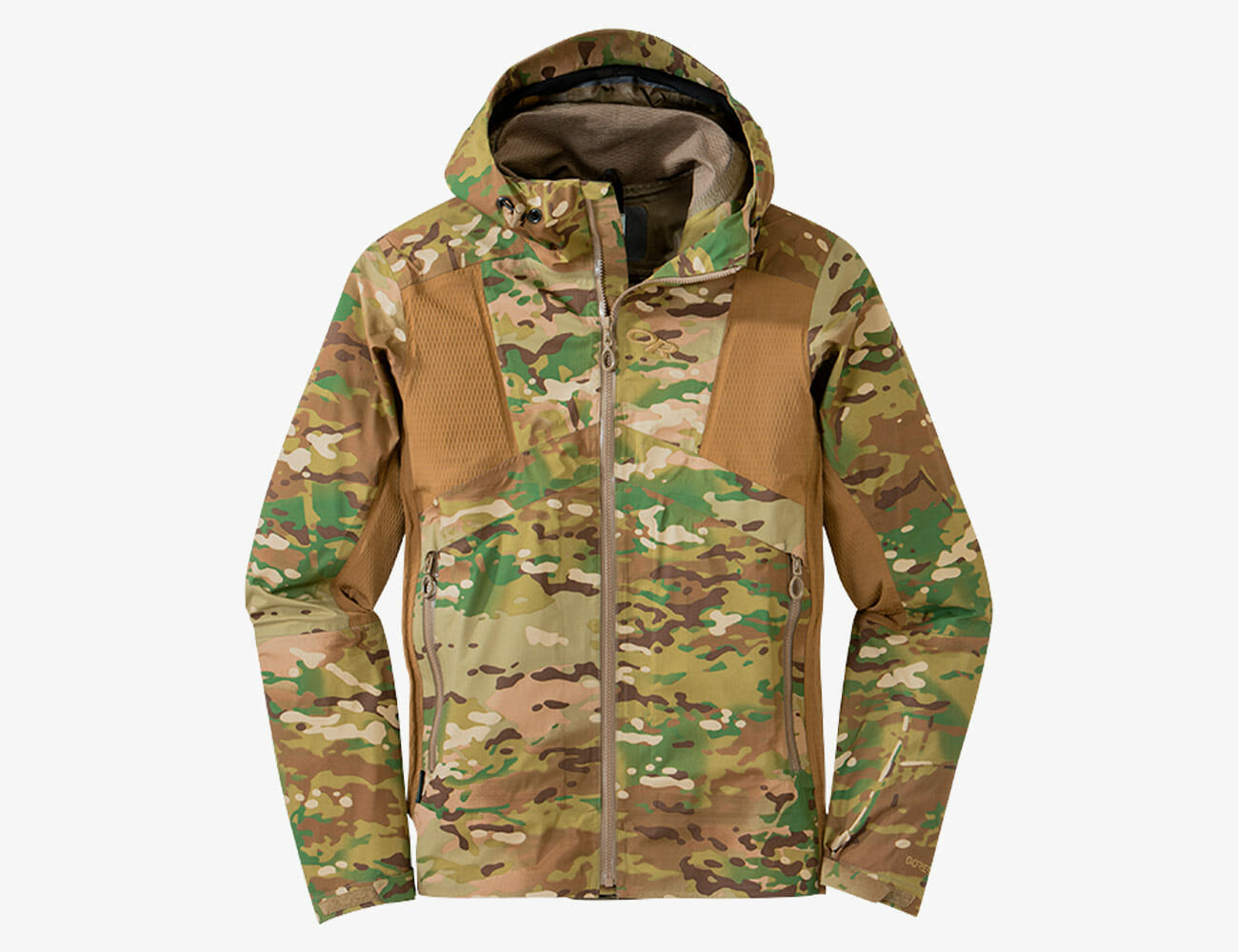
In 2018, Gore-Tex, the titan of technical outwear, dropped Gore-Tex Fabric with Stretch Technology, a mouthful of a material that elasticizes the brand’s world-famous waterproof membrane. Usually, Gore-Tex lines a jacket in two-dimensional sheets, but with Stretch Technology, it’s molded into a three-dimensional dimpled pattern, and when you move, the three-dimensional fabric has the slack to move with you.

Where to find it:
Stretch Tech can be found paneling Outdoor Research’s Infiltrator Jacket, a keystone of its tactical collection. Cyclists should consider the Gore Shakedry Stretch Jacket, which pairs a Shakedry face fabric-free membrane (a material that could easily stand alone in this round-up) with stretch in the shoulders and under the arms for (more) comfortable aero positioning.

Yulex

Neoprene and wetsuits have always been synonymous, but when Patagonia introduced its line of Yulex wetsuits two years ago, it represented a paradigm shift long overdue. Yulex natural rubber is a renewable, neoprene-free material sustainably derived from Rainforest Alliance-certified hevea trees — it’s a welcome replacement when you take into account the environmentally detrimental, petrochemical-dependent manufacturing processes of traditional neoprene. Having surfed from Canada to Mexico in Patagonia’s new Yulex suits over the past several months, we’re confident in claiming that you won’t miss your neoprene if you make the switch. Plus, what’s more important than protecting the waves we ride?

Where to find it:
Patagonia recently updated its already popular Yulex wetsuits — its second execution is now 5% lighter, 20% stretchier and Fair Trade Certified to boot. From spring suits and big wave impact protection to hooded full suits and accessories, the Yulex line is well worth the premium price tag.

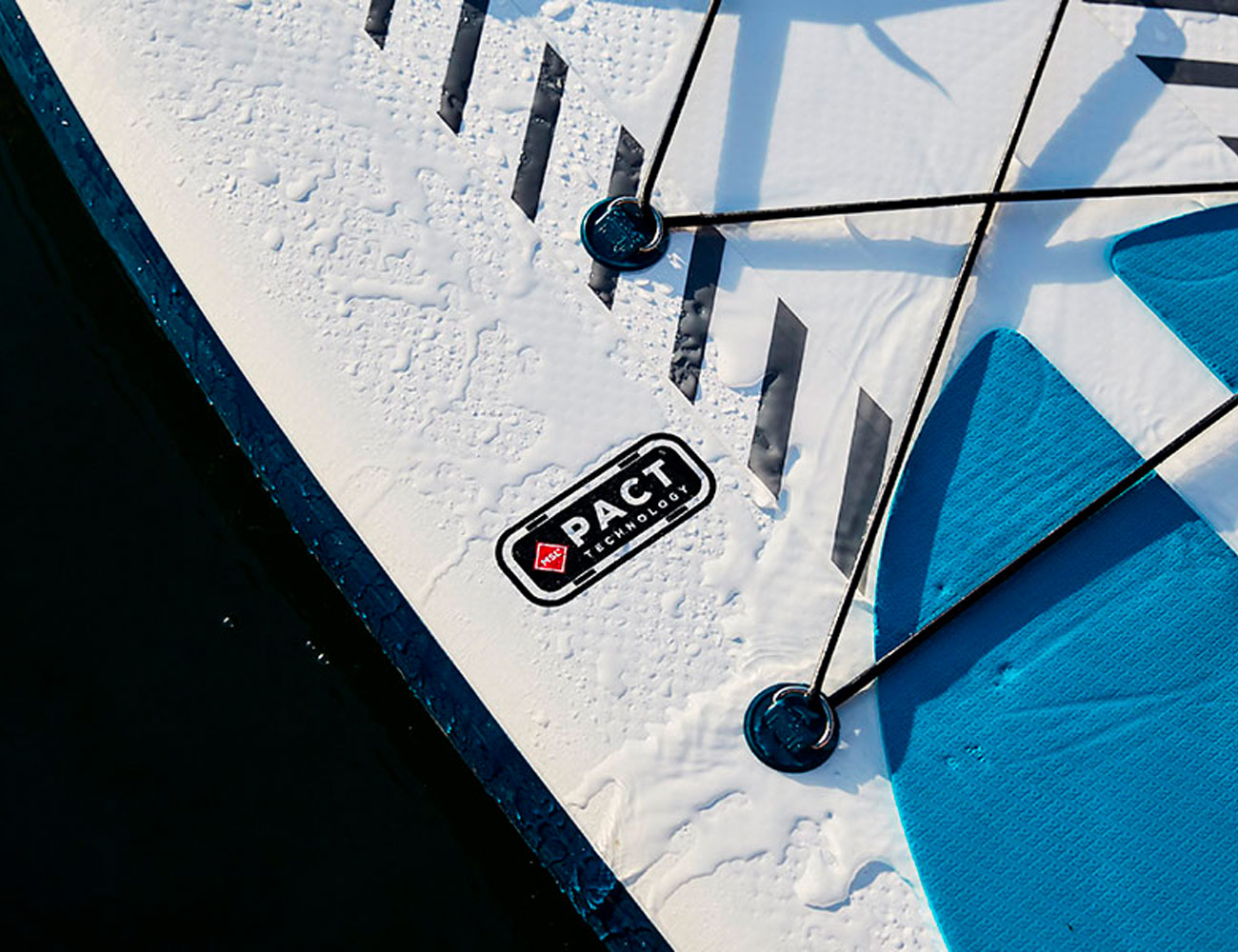
MSL PACT by Red Paddle Co.

With the advent of the inflatable standup paddleboard, traveling with the oversized watercraft became plausible, though it was still far from painless. Red Paddle Co., on a quest to offer a smaller, high-quality SUP solution to traveling paddlers and those with limited garage space, developed its MSL PACT technology to make the 9’ 6” Compact — the most packable SUP on the market today. MSL PACT is centered around a pliant yet durable top secret outer material and a novel, dense internal weaving structure — what Phil Hawthorne, Red Paddle Co.’s Head of Design, calls “an extra-high-tensile thread matrix at the core of the board” — as well as a foldable deck pad, offset valve and quad stringer setup.

Where to find it:
The 9’6” Compact, an inflatable paddleboard a decade in the making, weighs in at 12.7 kg, packs down to half the size of a traditional inflatable paddleboard and fits into an ergonomically designed backpack. The package comes with a pioneering five-piece carbon fiber and nylon paddle, custom fins and Red Paddle Co.’s lauded Titan Pump. Pre-order it here.

NuYarn

If you’re like me and you’ve worn holes in countless merino wool t-shirts, NuYarn is a fiber to look out for. By encasing a nylon core in merino wool, this super fiber weighs only 95g per meter, dries five times quicker than regular merino wool and has 35% more stretch. It’s more durable, too — meaning less holes in your tees.

Where to find it:
While companies like Trew Gear and Ortovox already use NuYarn, we’re also looking forward to the release of the low-micron Rhythm tech tee, dropping this spring from Black Diamond. The Rhythm tee is a collaboration between the climbing maestros and the sheep-shearing Aussies at The Woolmark Company, and BD claims it’s the brand’s lightest tech tee to date.

Xtreme Shield by MSR

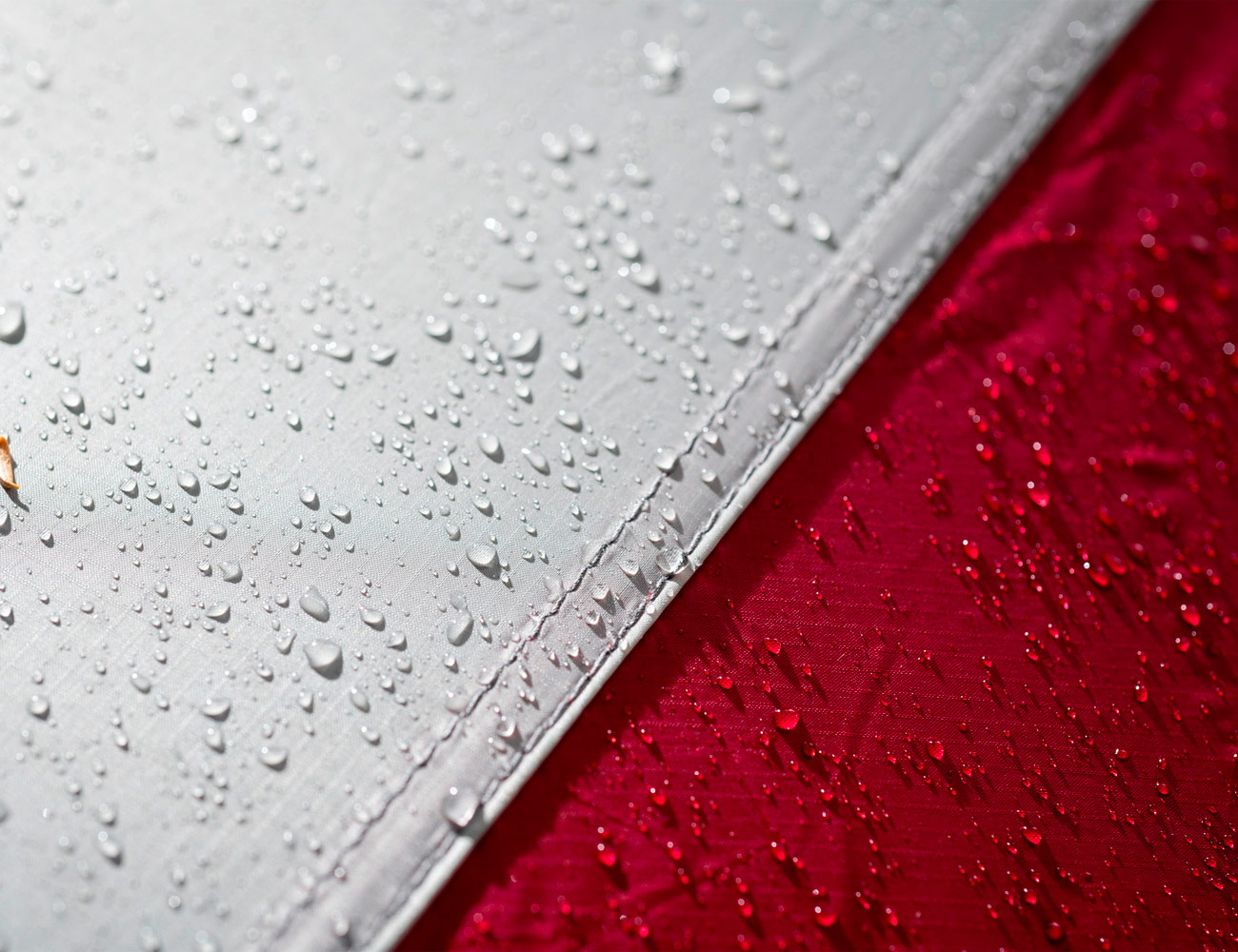
Leaking tents are no fun, and MSR’s new Xtreme Shield coating aims to solve this prevalent precipitation problem. The Xtreme Shield coating is a polyurethane compound that’s resistant to heat and humidity — the usual suspects when it comes to weatherproofing failures. Most impressively, MSR claims the Xtreme Shield coating lasts three times longer than conventional waterproof coatings.

Where to find it:
MSR’s premium Freelite tents from 2018, as well as an extended lineup of shelters for 2019, including its award-winning Hubba tents.

Lifaloft by Helly Hansen

Spurred by the demands of the Swedish national ski team and developed over four years of collaboration between base layer heavyweight Helly Hansen and the insulation experts at PrimaLoft, LifaLoft is a cocktail of moisture-managing LIFA fibers (75%) and PrimaLoft insulation (25%). The versatile and water-repellant blend offers warmth without the bulk, and comes in a distinctive diagonally quilted pattern.

Where to find it:
Lifaloft is exclusive to Helly Hansen, and its line of lightweight Lifaloft insulators ranges from vests to hooded midlayers.

Arctic Grip by Vibram

Vibram’s Arctic Grip outsoles — the exact composition of which the brand has kept close to the chest since it was released in 2016 — minimize your chances of performing a graceless pirouette to face plant on icy sidewalks. Aside from having metal spikes or full-on crampons (which are perhaps too conspicuous for the average city slicker), Vibram’s “unique polymer blend” is one of the best options out there for trustworthy traction on both wet and dry ice. Unfortunately, because grip is derived in part from the rubber’s gritty texture, the lifetime of the sole is painfully short.

Where to find it:
Vibram’s teamed up with a slew of notable footwear brands, including Merrell, Saucony, Wolverine and more. We’re most amped on the Danner Arctic 600 Side-Zip, though, set to drop in fall 2019. Beneath an attractive suede upper, the Arctic 600 is lined with 200G PrimaLoft Gold Insulation and a Danner Dry waterproof membrane for a boot that’s as toasty as it is sharp-looking.

Insect Shield

Insect Shield is by no means a new material — the company’s been crafting insect-repellant for outdoor lovers and international travelers since 2004 — however, with Lyme disease on the rise and more apparel manufacturers hopping on the Insect Shield bandwagon, it’s worth highlighting in 2019. Essentially, Insect Shield fuses fabric fibers with permethrin, a chemical compound often used in lice shampoos and flea treatments for pets. The result is an odorless, imperceptible armor which keeps ticks and other pests at bay for up to 70 wash cycles.

Where to find it:
Royal Robbins’ Bug Barrier line, which is getting an expansive upgrade come spring 2019. Lightweight travel apparel that minimizes your exposure to insect-borne illnesses without cramping your style? We can get behind that.

Note: Purchasing products through our links may earn us a portion of the sale, which supports our editorial team’s mission. Learn more here.

This Kettlebell Is the Future of Home Gym Equipment

It’s no secret that gyms are getting smarter — from digital check-ins to apps that monitor your location to let you know a discounted class just popped up around the corner from where you are, to jump ropes that count your reps. Workout apps are upping their game, as are the machines and tools you use to get in a great workout. However, some devices, like dumbbells, kettlebells and barbells, haven’t seen much change in the rapidly advancing tech-infused world, until now. At the Consumer Electronics Show, JaxJox announced the KettlebellConnect, a smart kettlebell that goes from 12-pounds to 42-pounds in seconds.

Kettlebells are typically filled with cast-iron to hit various weights, just like dumbbells or free weights. The KettlebellConnect plans to do the work of six kettlebells all in one (12, 18, 24, 30, 36 and 42-pounds). Change the exact number on the digital display where you’ll store the weight and watch it add or subtract interior weights in just three to five seconds. It has the same wide grip handle that many kettlebells have, which helps you to get a firm grip, whether you’re doing swings, catches or halos.

The battery lasts for fourteen hours, so you can likely work out with this for a week or more before having to recharge it. It connects with an app to track your weights, movement and reps, so you never have to worry about missing one. Just be sure to have each set consist of at least five reps, so the app picks up on that. While we haven’t tested this yet, we’re looking forward to seeing how this kettlebell performs — it just might help us to invest in a home gym finally.

If You Want to Try Boxing at Home, Here’s How to Do It Easily

Boxing is a total-body workout that gets your heart rate up while simultaneously working your arms, abs and back. If you’ve never taken a class before, attending a boxing class can be a bit intimidating. Depending on where you go, the instructor might demo some punches before class, never again touching upon the key differences between them, or they might expect you to jump right in. FightCamp wants to bring the workout to your home, so you can learn exactly how to throw each punch and when to use a defensive move, all while sweating. The trackers from FightCamp have been around since last year, but at the Consumer Electronics Show this year, the brand introduced a full-blown home boxing gym.

With the purchase of the home gym system, you’ll get a pair of punch trackers (that connect to the workout app), a free-standing bag (that you have to fill with water or sand or a combination of both), a heavy workout mat, boxing gloves and quick wraps. It’s everything you’ll find if you were to attend a class, but the wraps and gloves will only be used by you, saving you the stench of other people’s sweaty hands. Connect the trackers and open up the app to follow along a workout that’s 15, 30 or 40-minutes. The trackers monitor your rounds, punch count (how many punches per workout), punch rate (how many punches per minute) and your output (how much effort you’re throwing with each punch). Each combination of punches shows up on the bottom of your screen, whether you’re using a phone or streaming to a larger device.

The app is currently $39 a month for unlimited workouts. Classes in New York typically run more than $20, so you’ll get your money’s worth if you take just two classes each month. For now, the app only works with iOS devices.

Nike Quietly Launched a Yoga Line — Here’s Everything You Need to Know

The Magazine

Let us take you on a journey of the world. Each issue of the Gear Patrol Magazine comes packed with adventures, guides and stories exclusive to the magazine. Stunningly designed, printed on high quality stock and ready for your coffee table. Biannual. $39.

The Newsletter

Get GEAR PATROL in your inbox with the DISPATCH, including Today in Gear and all our new stories. Daily, 5pm. Free.

This New Waterproof Material Is More Breathable than Gore-Tex

When you think of waterproof and breathable jackets, you think of items made with Gore-Tex. It keeps you dry and allows water vapor and moisture to escape. For years, Gore-Tex has remained the standard that every brand aims to partner with, until now. Today at the Consumer Electronics Show (CES), The North Face announced FutureLight, the breathable waterproof material that’s going to revolutionize the adventure world.

The North Face has made a name for itself producing high-quality products built to withstand high altitudes, difficult weather situations and as many snowy days as you can throw at a product. The brand has worked with athletes across the globe, outfitting them to achieve whatever adventure goals they have. When looking to make the brand better, the design team taps these athletes for feedback, and applies that feedback to create new fabrics and technologies. Most recently, Andres Marin, an alpinist and The North Face athlete, asked the team to help him eliminate the number of jackets he takes with him on an expedition. What if one piece of gear could keep him dry in the rain, toasty when it was cold and still provided enough breathability when it was needed? FutureLight solves all of those woes. It won’t wet out when you’re summiting a mountain or tackling a big climb, so you can wear one jacket all day and never worry about taking it off.

The brand started from the bottom when designing and creating the product. They threw fabric creation to the wayside and pulled from outside industries to develop a brand new membrane technology. Standard rain jackets are made with a nylon or polyester that’s then treated with Durable Water Repellent or DWR. The DWR coating keeps the interior jacket dry and wicks away exterior water, but that often means there’s not much breathability in the jacket — it’s designed to keep water out, sealing up key access points for water vapor to escape your body. FutureLight aims to change that. Like Gore-Tex, FutureLight is a membrane technology. But unlike Gore-Tex, FurtureLight is created using a process called Nanospinning, which takes nano-sized fibers that are inherently waterproof and extremely breathable and laminates them to various face fabrics. It results in an overall thinner and more breathable membrane. The technology is primarily used in the tech and medical fields, but The North Face saw potential in the technology for outdoor materials.

Since September of 2018, athletes like Nate Rowland, Jake Blauvelt, Andres Martin, Jim Morrison and Hilaree Nelson have put the FutureLight material to the test in the Summit Series L5 jacket. The jacket was tested in some of the harshest conditions including expeditions on Lhotse (the fourth highest mountain on earth), the Great Trango (to set a new record for climbing in less than 12 hours) and was worn continuously for over 100 days in terrible weather conditions ranging from snow to sleet to rain.

The North Face will roll out jackets, bibs, tents, gloves and mittens with FutureLight tech initially in Fall 2019. We’re most excited for what FutureLight technology could be applied to moving forward. What if this material could be integrated into jeans, sweaters, even t-shirts? For athletes everywhere, the items we pull from our closets could change drastically. We have yet to test FutureLight, and have yet to see any hard numbers from third parties comparing the technology to offerings from Gore-Tex. But if The North Face’s claims are true, it could make FutureLight the industry standard.

Garmin’s Smartwatch Adds 4G LTE Coverage, Levels the Playing Field with Apple

When Apple launched its Series 3 Watch with LTE coverage, people questioned how they would use it. What’s the point in paying an extra $10 a month on your phone bill if you can carry your phone around with you and get the same? However, the bug seems to be spreading. Today at CES (the Consumer Electronics Show), Garmin just upped its game to include 4G LTE connectivity on its Vivoactive 3 Music by Verizon. Leave your phone at home and watch your tracker do its work.

4G LTE coverage enables you to download songs and music anywhere — whether you’re out on a run or commuting to work. If you forget your phone at home, you can text friends and family when a thought pops into your head. And if you find yourself in a precarious position and need help immediately, hold the crown to send your exact location to pre-loaded emergency contacts. If you take a spill while running, biking or any other activity, the watch will detect incidents, sending messages to your emergency contacts. The Vivoactive 3 Music still has all the same great features we love like Garmin Pay, wrist-based heart rate and a plethora of pre-programmed workouts. The watch looks very similar to previous models in an all-black case, band and a red accent on the crown.

As for how all this will affect battery life? Garmin promises five days in smartwatch mode and up to four hours when you’re connected to GPS, playing music and using the LiveTrack feature (friends and family can monitor your moves) over LTE. While there’s no official price yet, the watch is expected to roll out in the next five to eight weeks and will likely cost more than $300, what the Vivoactive 3 Music costs now.

How to Get a Better-Fitting Road Bike

Road biking is a never-ending pursuit of perfection. A better bike, a better time up your favorite climb, better form, a better kit, a better route — the struggle is real. When it comes to cycling, however, no struggle is more real than an ill-fitting bike. It can lead to knee pain, back pain, neck pain, numbness and a host of other, more serious injuries.

So how, then, can you avoid these problems and get a more comfortable bike in the process? To find out, we spent a day with Colin Tanner of ACME Bicycle Company in Brooklyn, New York. Tanner has worked with countless cyclists to help fine-tune their bike fit and attain a more comfortable ride.

See a professional. The most important piece of advice we can offer is to seek out a professional bike fitter. While small tweaks can be done yourself, you’ll never be able to get the same exacting fit that a professional can offer. World-class fitters, like ACME, use a host of technologies including Guru fit bikes and Retül — systems that utilize infinitely adjustable bike dimensions and body mapping sensors respectively. This allows them to either tweak your existing bike to get a better fit or recommend a bike off the shelf that meets your needs and specifications.

Fix your posture. While there is no substitute for a professional fit, many feelings of discomfort and soreness simply result from improper riding structure. To get a feel for how you should be sitting on your saddle, stand with your feet about as wide apart as they would be when clipped into your pedals. Bend your knees slightly and lean forward, keeping your back as straight as possible. You should feel the muscles in your lower back activate, along with those in your core. Sticking to this body position while on the bike will help to take the stress off your vertebrae, which is induced by leaning over and bending your spine. It also helps to keep your chest open, allowing for more efficient oxygen intake.

Start with the saddle. If possible, try out a number of different saddles. Everyone’s body is shaped differently; what’s most comfortable for Chris Froome probably isn’t what’s most comfortable for you. Comfort is subjective, so the more saddles that you can try, the better. Tanner personally recommends Pro’s Stealth saddle, but it may not work for everyone. Saddles with center cutouts tend to be more comfortable when you’re sitting in the correct position with the correct posture on the bike.

Then adjust your handlebars. As with saddles, it’s best to try out a number of different stem lengths if possible. While sitting with the correct posture, you should be comfortable reaching for the bars without putting too much weight on your hands. If you feel like you’re using too much muscle in your shoulders, or there’s too much weight on your hands, try adjusting your stem up or down using spacers and swapping to a shorter stem.

Don’t get too caught up in the aesthetics. If you’re particular about how your bike looks, there’s a good chance that you want to raise your saddle as high as possible and slam your bars as low as you can while keeping your bike rideable. While that may work for some people — not to mention it harkens back to a race fit and looks awesome — chances are it doesn’t work for you.

Again, see a professional. With so many parts to tweak between cleat placement, saddle height, saddle angle, stem length, bar width, stack height and more, there’s a decent chance that you could do more harm than good when making adjustments. We can’t recommend getting a professional bike fit enough. If you’re passionate about cycling, or just want a more comfortable ride, it’s well worth the extra time and money.