
Peter Sellers’s 1961 Aston Martin DB4GT
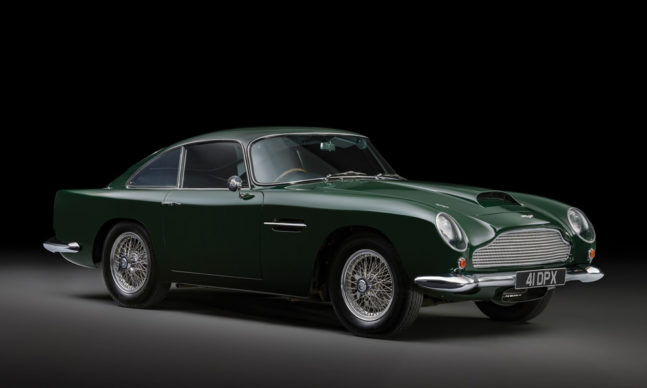
Peter Sellers is the man you probably know best from Dr. Strangelove, The Pink Panther or one of his many other performances that led to him being considered one of the greatest comedians of all time. What…
Peter Sellers is the man you probably know best from Dr. Strangelove, The Pink Panther or one of his many other performances that led to him being considered one of the greatest comedians of all time. What…
Editor’s Note: We love scouring the internet for reasons to spend money we don’t have on cars we daydream about owning, and these are our picks this week. All prices listed are bid amounts at the time of publishing.
If you want to make the most of the blue, cloudless skies and warm air that come along with summer, the most idyllic cars are going to be drop tops. Unlimited headroom is hard to beat on a day offering up the perfect driving conditions. But more so, you’ll want a car that’s fun to drive in order to really take advantage of the toasty, dry tarmac and cyan sky — finding yourself in a jaw-dropping classic doesn’t hurt the situation either. We found five iconic cars, all at different price points, perfect making the most of summer weather.
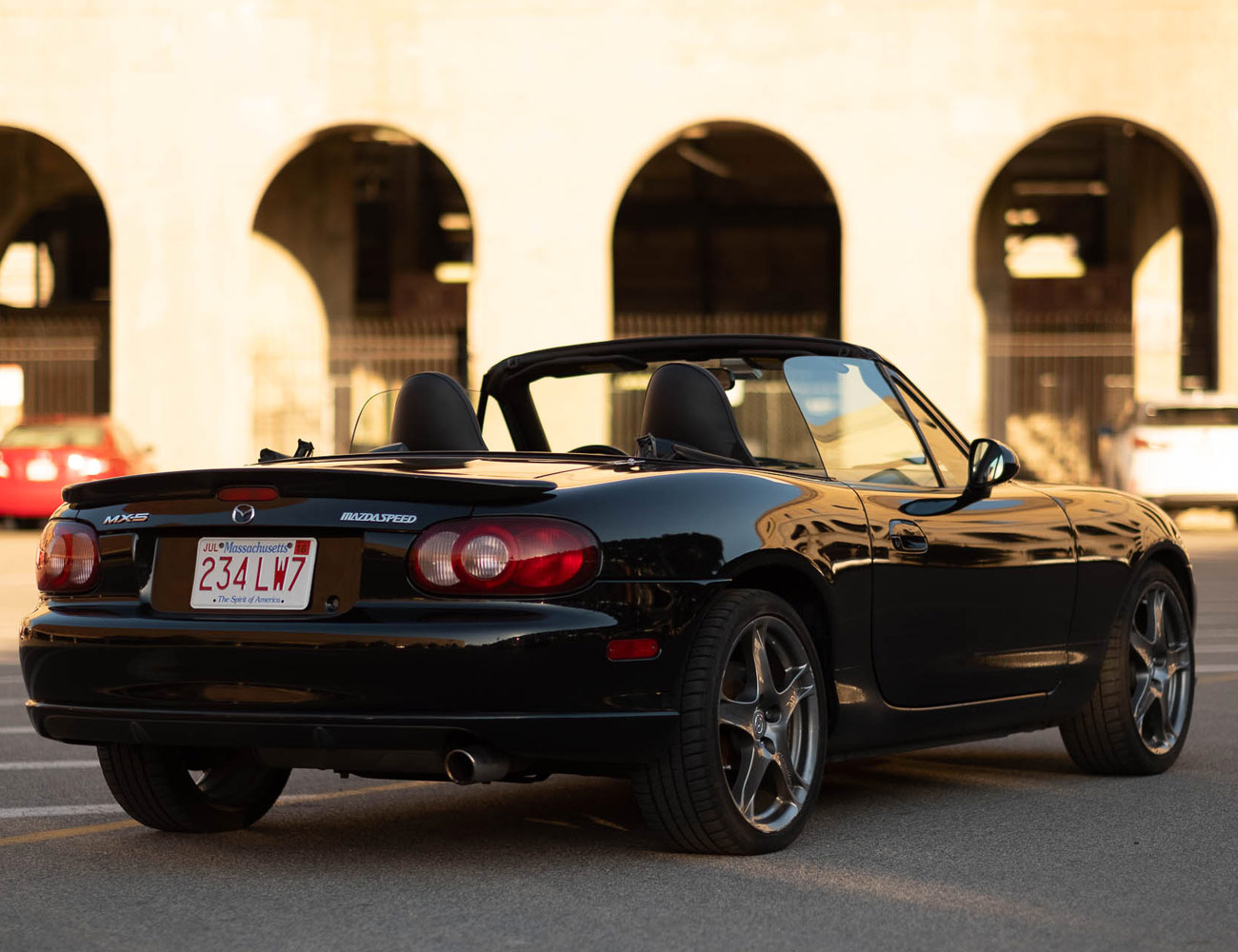
What We like: The biggest gripe with the Miata is always its lack of power. It’s an incredible chassis, but because Mazda is adamant that to keep the ideal power-to-weight ratio, they purposely hold back. Well, Mazda addressed the complaints with the Mazdaspeed and gave it turbos and an intercooler good for 178 horses. It’s affordable to own and maintain; you can drive at or near its limit and be in no real danger. The Mazdaspeed is the definition of a cheap thrill.
From the seller: “The Mazdaspeed version of the 1.8-liter four featured lower-compression pistons, a turbocharger, and an intercooler, bringing factory-rated output to 178 horsepower. The 16-valve engine is paired with a six-speed manual transmission and sends power to the rear wheels through a standard limited-slip differential.”
What to look out for: Make sure to ask the owner if they ever had or noticed the clutch pedal going soft. Miatas of this age are known to develop leaks clutch slave cylinder causing the inability to disengage the clutch to shift.
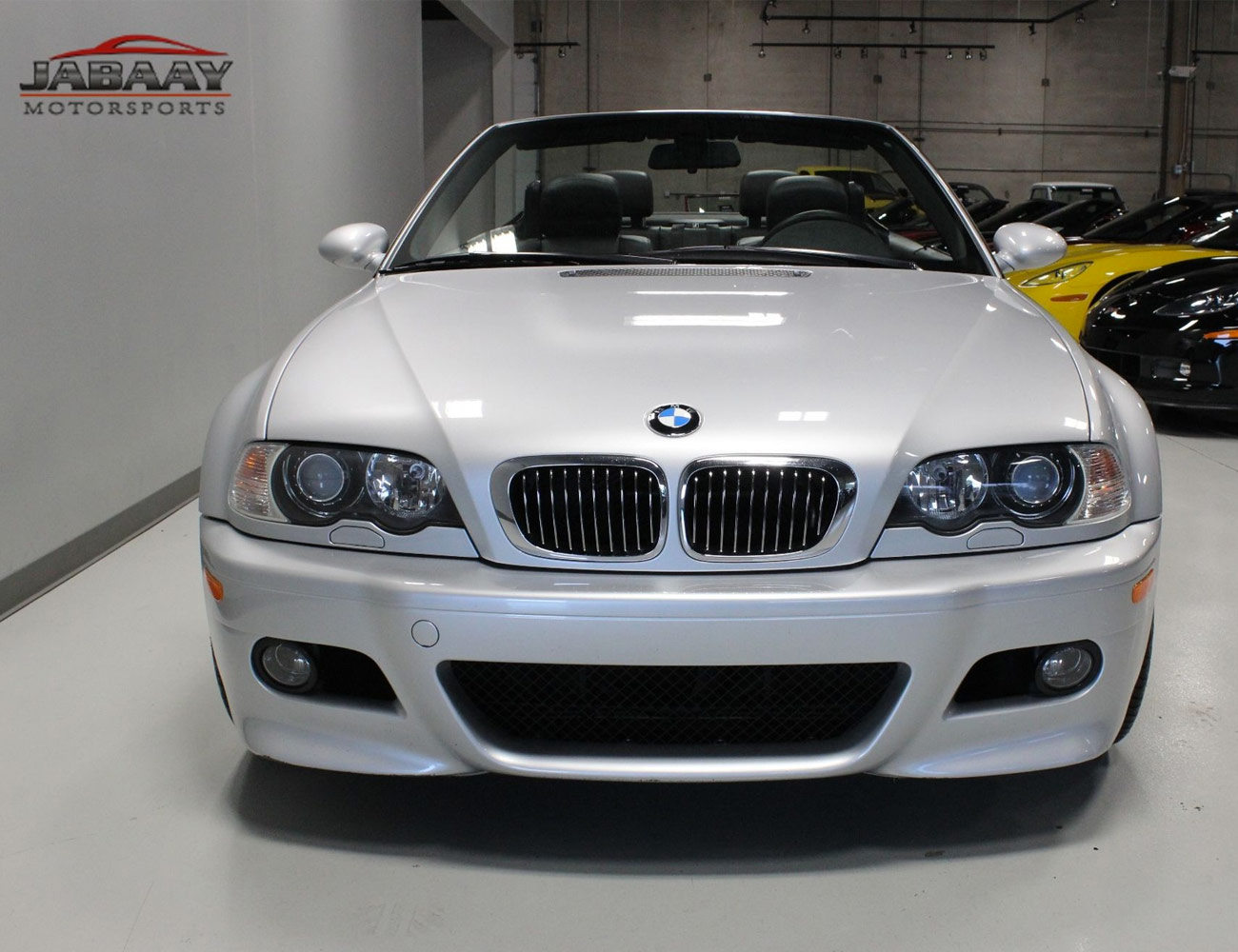
What We like: The E46 generation M3 — though it’s over 20 years old — is still used as a benchmark for how a sports car should drive. The convertible version simply adds to the cruiseability on top of the natural sports car mantality.
From the seller: N/A
What to look out for: Repair costs tend to add up for this generation 3-Series — small, ancillory things start to fail after 110,000 miles, generally. But, one notable issue are the power steering hoses that are known to fail, sometimes simultaniously.
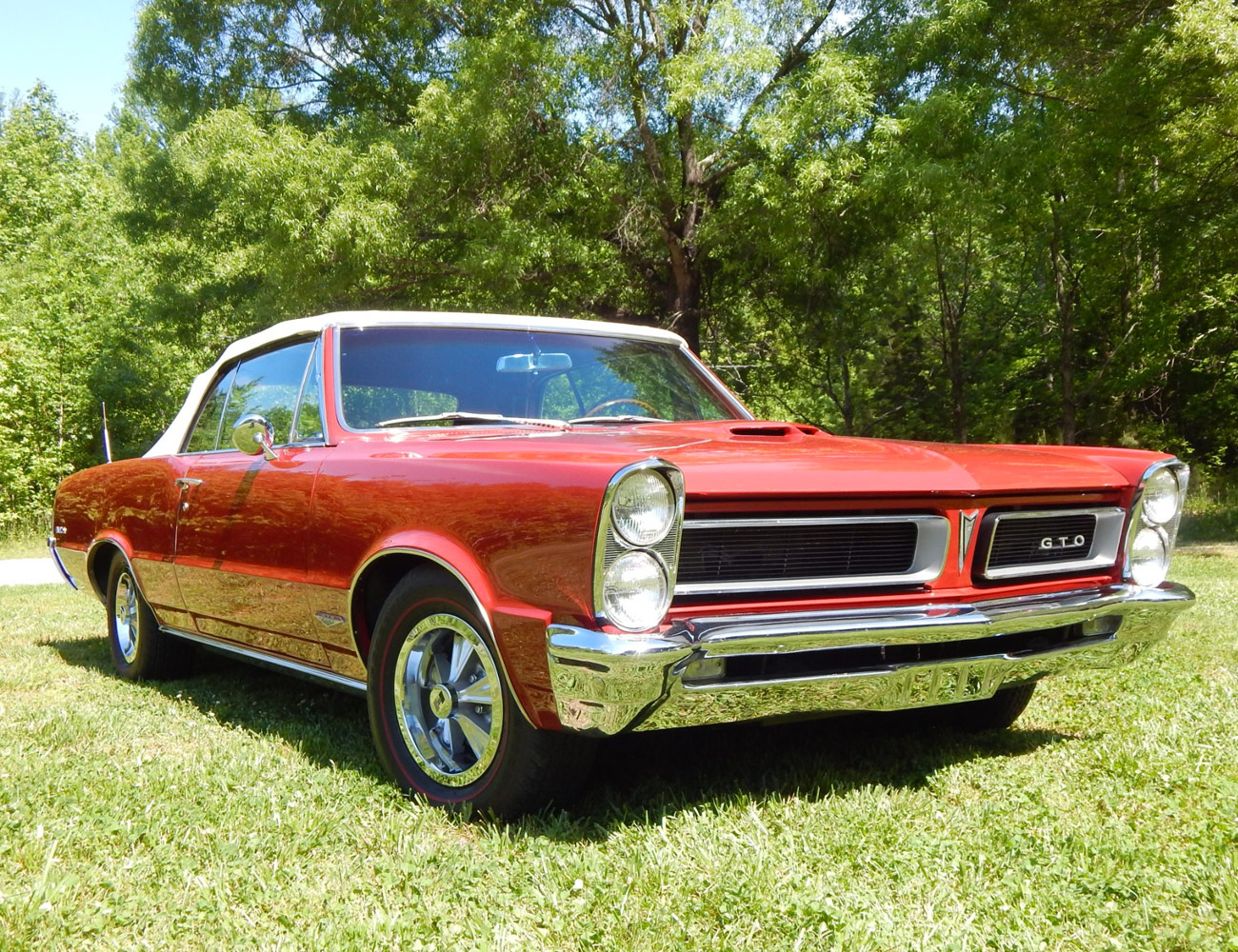
What We like: Often considered the godfather of the American muscle car, there’s no mistaking the GTO. The 389ci V8 provides the grunt the GTO is known for but the odd-for-the-era bucket seats might be the creature comfort you want when you put that power to use coming out of turns.
From the seller: “The car was given a frame-up restoration in 2008 that included bodywork and a repaint in its original color, while a number of factory-available options including power brakes, steering, windows, air conditioning and more were added at some point by the previous owner. It also runs a wide-ratio four-speed transmission, limited-slip rear, newer exhaust and factory handling package. ”
What to look out for: “Because the frames under the convertible were boxed, a lot of [rust] would build up inside. As a result, they would tend to get soft just behind the front wheels, and just in front of the rear wheels.” — Hemmings
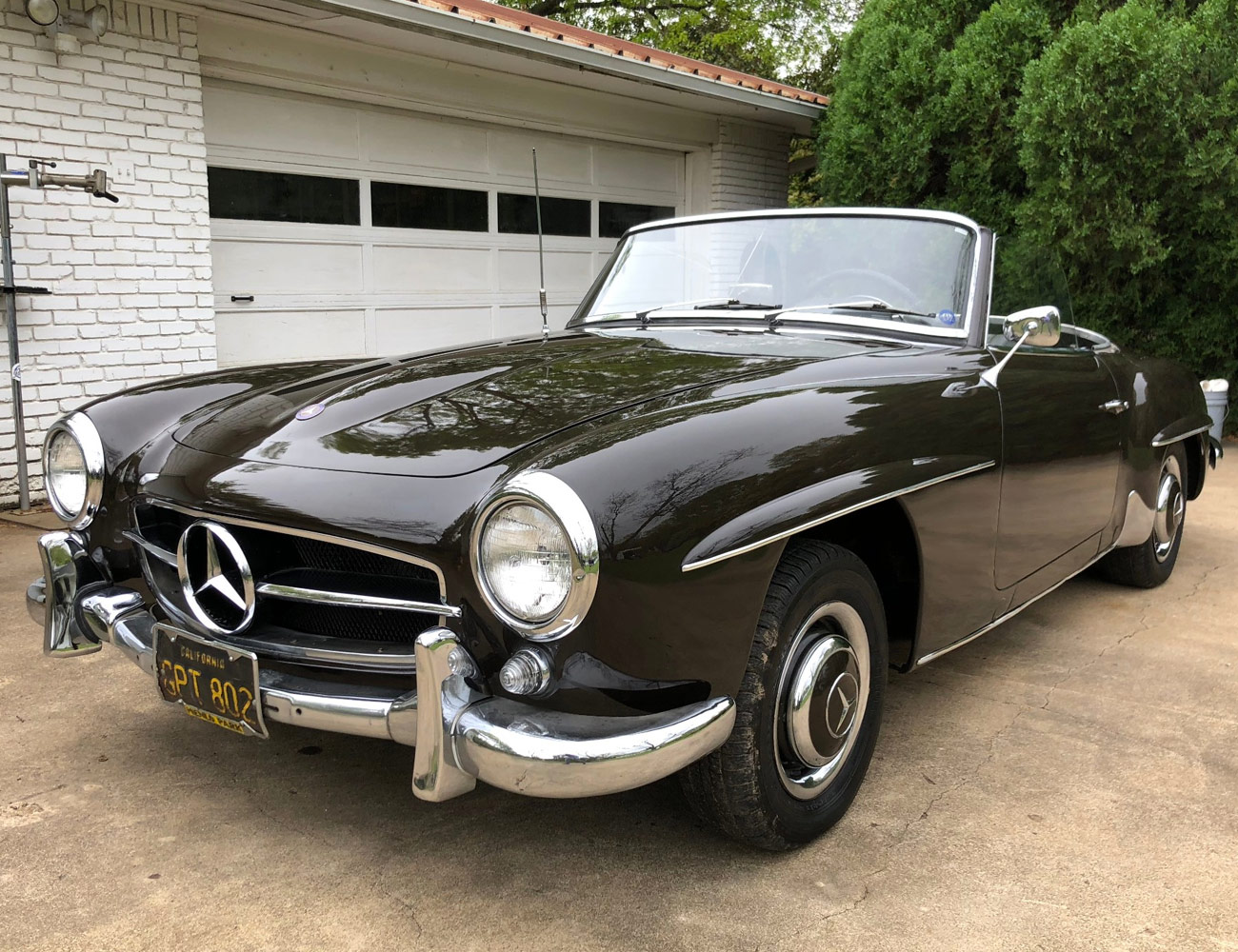
What We like: The Mercedes SLs of the ’50s are some of the most beautiful classic cars still on the road — design-wise, they have the perfect roadster silhouette and seem to glide down the road. On top of that, this one has a custom compartment in the trunk for your dog, which is nothing short of a fantastic add-on.
From the seller: “This 190SL was originally fitted with a black interior, which was refreshed after the original owner’s son took possession of the car. New seat upholstery and carpeting were installed, and the seller states that the dashboard and door panels are original.”
What to look out for: Due to its unibody architecture, the 190SL was susceptible to rust, not unlike other German classics of the same era. When shopping around, make sure to get eyes on the wheel wells, chassis frame rails, trunk floors and spare-tire wells and mounting points for the rear trailing arms.
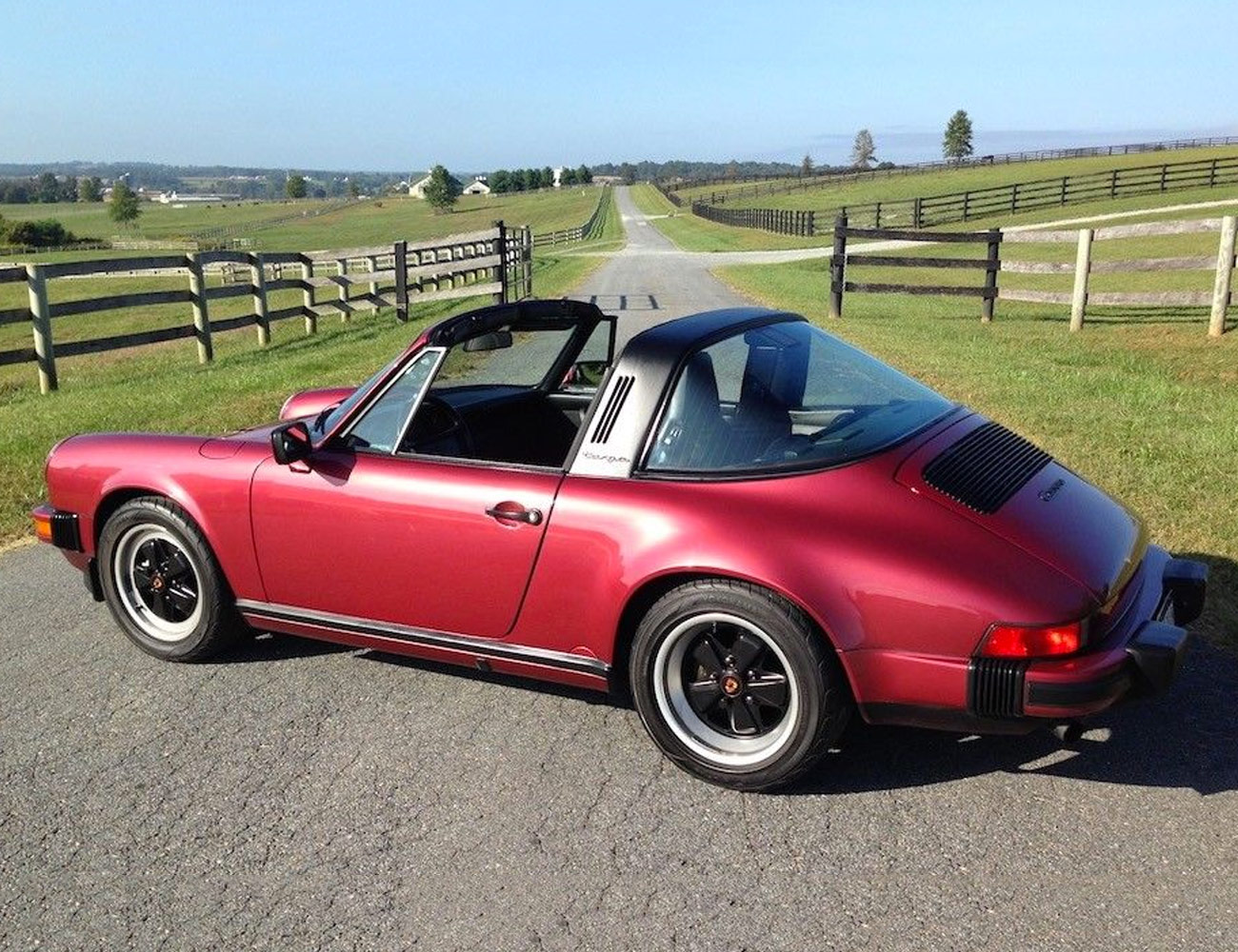
What We like: Not only is the Targa one of the more desirable classic Porsches out there, its also the most versitile. In terms of the convertible and hard top, it’s the best of both worlds — not to mention drop-dead gorgeous.
From the seller: “Very fine paint, nothing to note, other than a touch up to the hood. Interior appears new, with no wear to note, either.”
What to look out for: The seals for the targa top can leak if they’re not kept in good condition, but the rot on the floor pan is a more serious situation. If not looked after properly, the rot can rust out the floor pan and door sills.
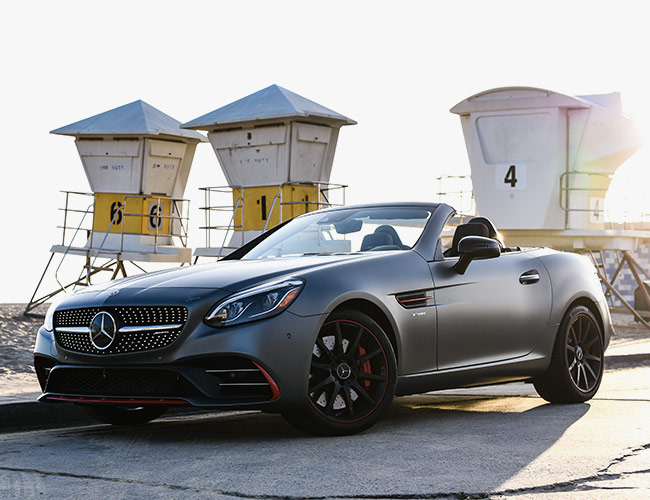
Though it comes with some compromises, Merc’s baby AMG is a fantastically well-rounded sports car. Read the Story
It’s likely you’re hitting the road for Memorial Day weekend — AAA predicts that almost 42 million people will travel this year, many by car. Here’s hoping your travels are smooth and safe. To aid with the latter, every year the Insurance Institute for Highway Safety releases a list of the safest cars on the road based on things crash test ratings, crash prevention systems, down to headlight quality ratings. Based on the IIHS ratings, these are 10 of the safest cars we’ve reviewed in recent months.
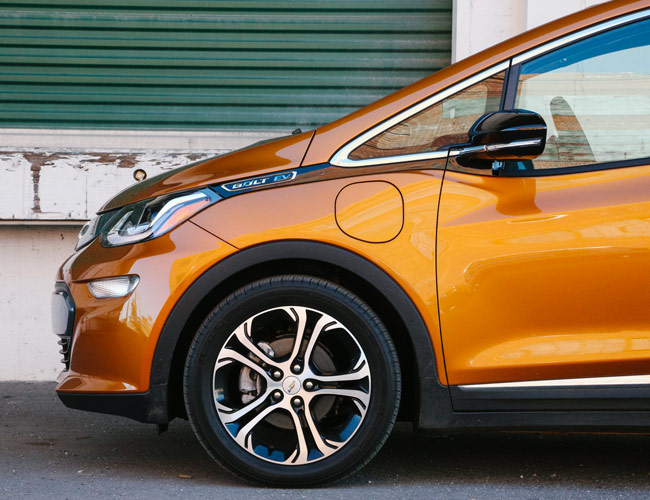
Chevy Volt “The cabin itself is tall and airy, with tons of legroom front and rear. The cargo area is also deep for a car about the size of a Honda Fit, big enough to swallow about four duffel bags. For city-dwelling families and admirers of usable space, it’s a huge plus. ” – Andrew Connor, Staff Writer
Review: The Chevy Bolt Is GM’s First Electric Car That Doesn’t Suck
Fun, practical and innovative, the Bolt EV is a harbinger of an electrified future for all.
Honda Accord “The biggest takeaway from driving the new Accord wasn’t so much it’s sporty acumen but rather how nice of a place it is to spend time. The cabin is roomy both front and back, and placement of all the buttons, switches and instruments are ergonomically sound.” – Andrew Connor, Staff Writer
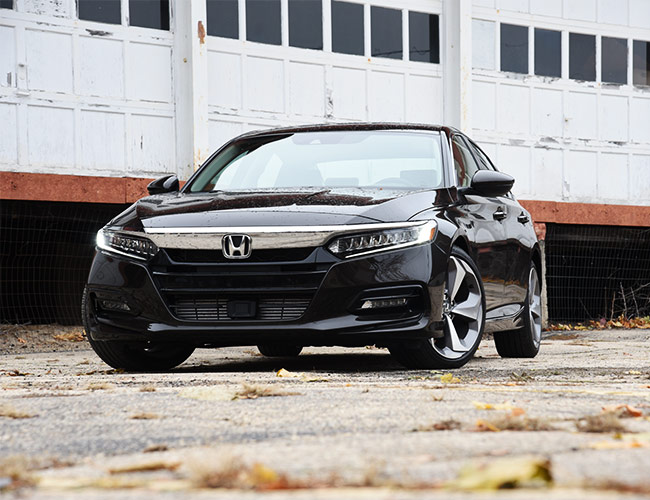
The New Turbocharged Accord Is a Sound Argument for Not Buying a Luxury Car
A new torquey, turbocharged engine and a suite of tech make it a hypercompetent sedan for the money.
Alfa Romeo Giulia “A handful of the engineers who worked on Ferrari’s 458 Speciale were commissioned to fine tune the Quadrifoglio. That process involved taking the twin-turbo V8 from the Ferrari 488, removing two of its cylinders, then dropping it in the Giulia. It’s a lovely Ferrari V6 for common folk, though Ferrari refuses to officially put its name on the thing — this engine is the spiritual successor to the Dino.” – Bryan Campbell, Staff Writer
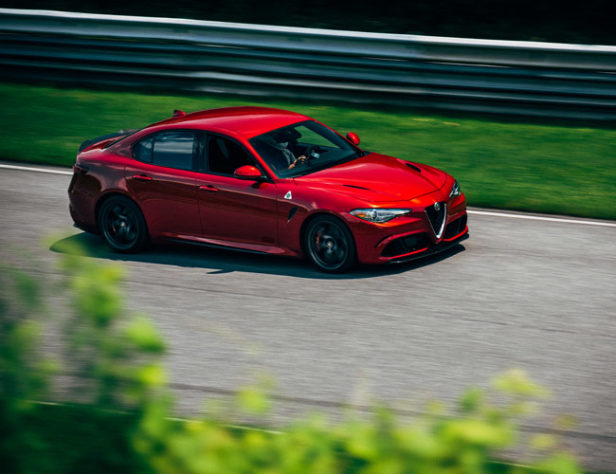
If Ferrari Made a BMW M3, It Would Be the Giulia Quadrifoglio
When this car works, it’s one of the most engaging and physically entertaining cars in production today.
Audi A3/S3/RS3 “It’s the engine’s performance that brings the platform to the place it needs to be. The base-level A3 drives as if there’s too much car for the engine and the S3 finds a nicer balance between power and control — but giving the RS3 100 horsepower on top of that adds the extra thrill needed to make the car really entertaining.” – Bryan Campbell, Staff Writer
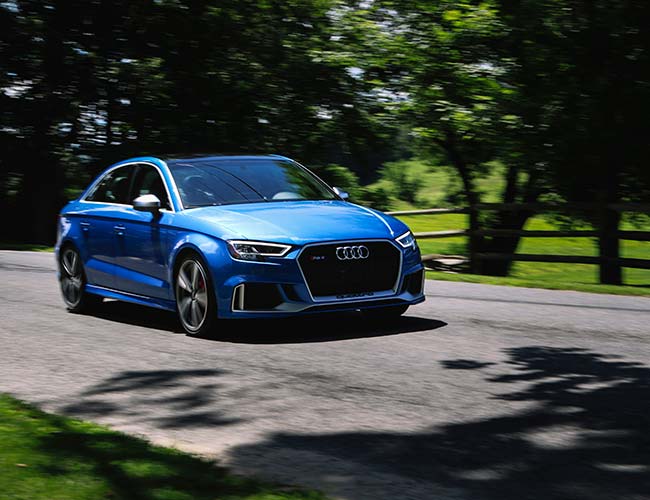
The Audi RS3 Is the Only BMW M2 Competitor In Sight
The blue and white roundel on the M2’s trunk might as well be a target.
Audi A4/S4/RS4 “Through multiple corners, I found myself mid-turn, engine singing, steering wheel steady as a rock, traction control off, with my foot to the floor, right next to my jaw. Every time I tried to prod some hooliganism out of the car, I got an enthusiastic “ja, bitte” from the engine and a stern “nein, danke” from the rear differential, as both shook hands in the middle as they conspired to make me a quicker driver than I am.” – Bryan Campbell, Staff Writer
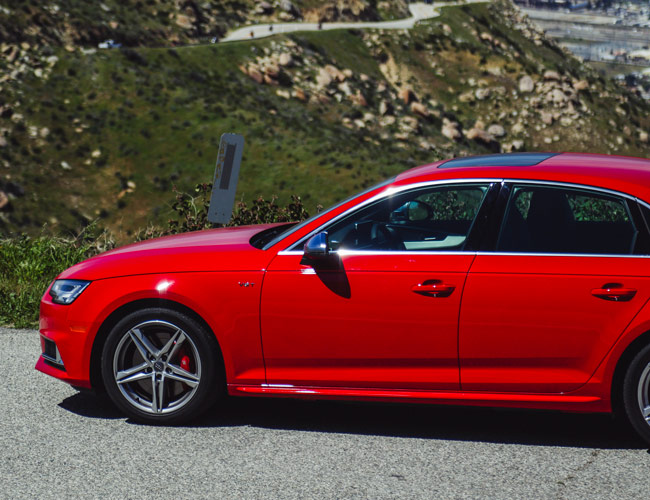
The 2018 Audi S4 Is Finally the Sedan It Should’ve Been All Along
It’s the kind of car Audi is the master of building: one that, in the hands of any driver, can still carve through mountain roads with aplomb.
BMW 2-Series “The car grips hard, easily carrying speed through corners, and turn-in is incredibly sharp. It’s a confidence-inspiring car, and the fact that the M2 has been shown to give the M4 a run for its money on the track — despite having 60 fewer horsepower and costing $15,000 less — is telling of how significantly different the M2’s approach to performance is.” – Andrew Connor, Staff Writer

The M2 Is the Kind of Car BMW Should Be Making
BMW’s smallest, cheapest M Car is quite possibly its best, thanks to a much-needed dose of simplicity.
Volvo V60 ” The Sensus infotainment screen dominates the center stack and is framed thoughtfully by optional open-pore wood trim and massive, fin-style vents with diamond-cut knobs. There’s a big increase in interior space too, with almost 100 more liters of cargo room out back and a big improvement in rear legroom over the outgoing car.” – Brian Leon, Contributing Writer
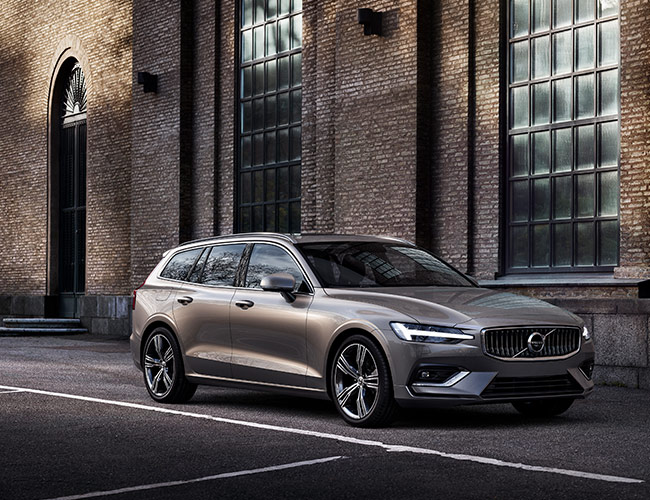
The All-New Volvo V60 Is Definitely the Best Wagon Around, and Every American Should Buy One
Volvo has yielded one of the best-looking and most proportional lift back designs I’ve seen in years.
Lincoln Continental “In terms of engineering and luxury prowess, Lincoln is again doing things on par with global giants like Mercedes and Cadillac — a trend that’s begun recently, with the brand’s pledge to introduce a new car every year for a handful of years. In 2018 we’ll get the new Navigator, which is phenomenal to behold; it’ll give the Escalade and the GL550 a run for their money, and likely undercut their prices, too.” – Nick Caruso, Associate Editor
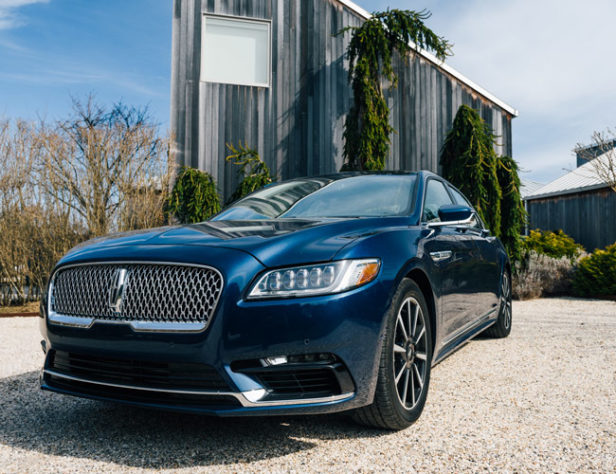
Spending $75,000? Here’s Why You Should Buy a Continental
Lincoln is finally doing things on a par with the global giants.
Mercedes-Benz GLC “What you’d want is what I’d want: a really goddamn fun car to drive. One that looks a little aggressive or a bit more stylish than other, pedestrian, dumb crossovers. You’d want a fast, demonic-sounding, weirdly-proportioned car that’s a bit too upright and short for its own good. You’d want something the madmen at AMG took and made better, more evil. You’d want a Mercedes-AMG GLC 63 S.” – Nick Caruso, Associate Editor
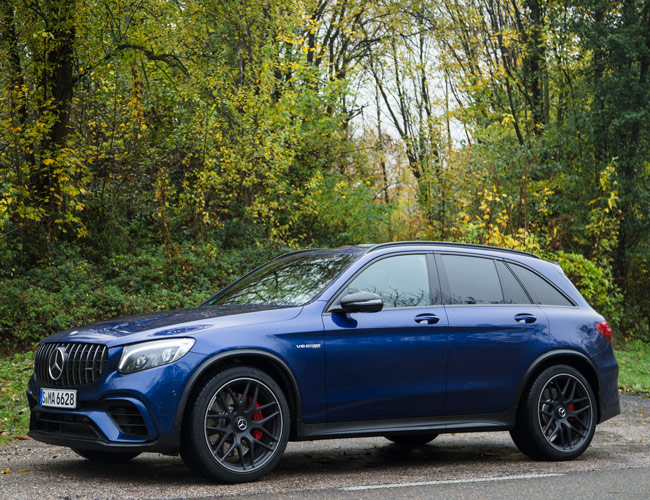
Here’s How To Have Ridiculously Over-the-Top Fun In, Yes, a Crossover
You’ll have to wait until 2018…and move to Europe.
Volvo XC60 “What the XC60 does well, it does extremely well. In keeping with the brand’s new design language, the XC60 falls in line with the drop-dead gorgeous XC90 SUV as well as with the S90 sedan and V90 wagon variants. (Since you’re wondering, the V90 Cross Country is the one to get, hands down.) It is stunningly beautiful amidst a background of bland competition.” – Nick Caruso, Associate Editor
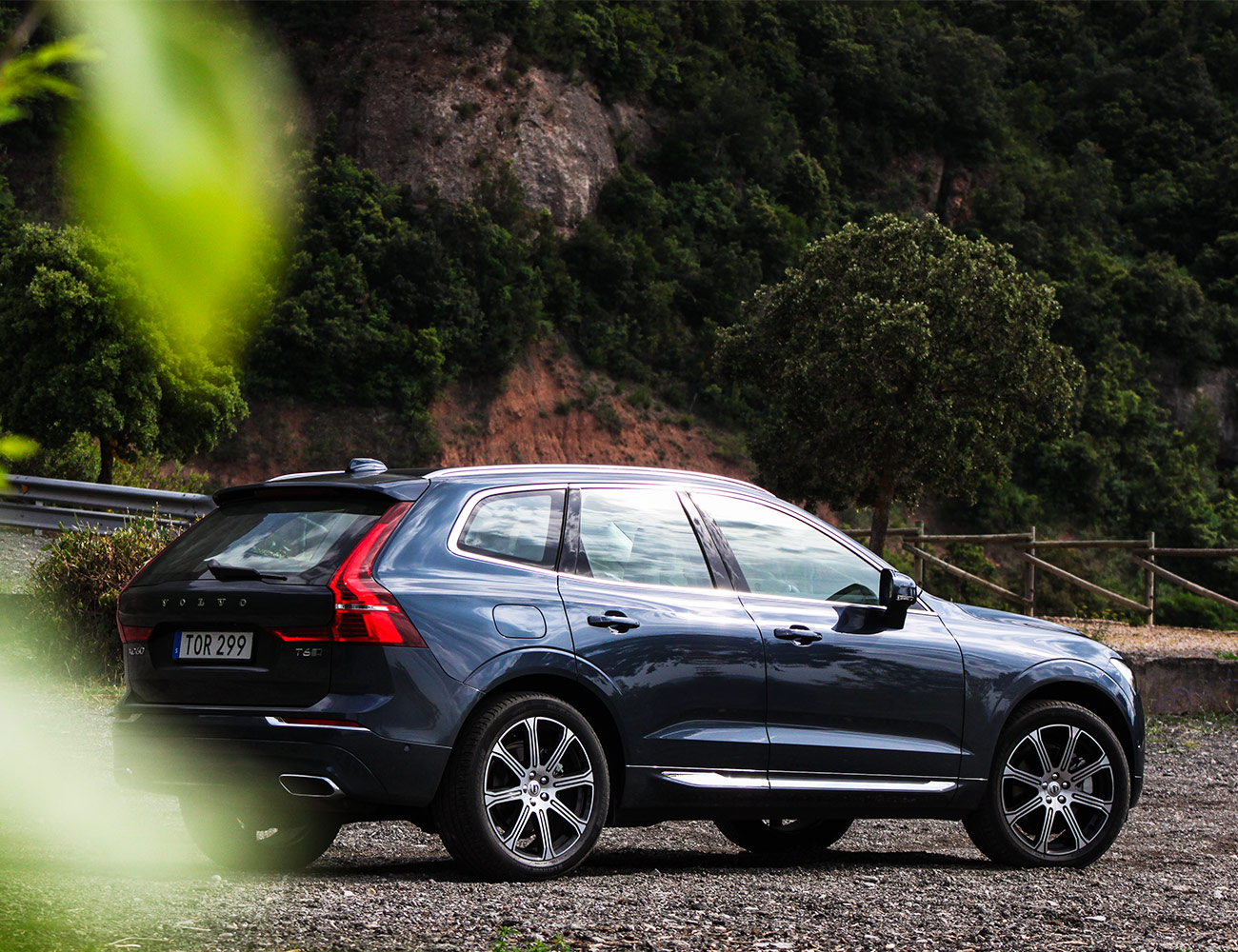
Two Reasons to Like the 2018 Volvo XC60 (And One Major Reason Not To)
In a world of bland crossovers, the XC60 stands out — but it doesn’t handle like it should.

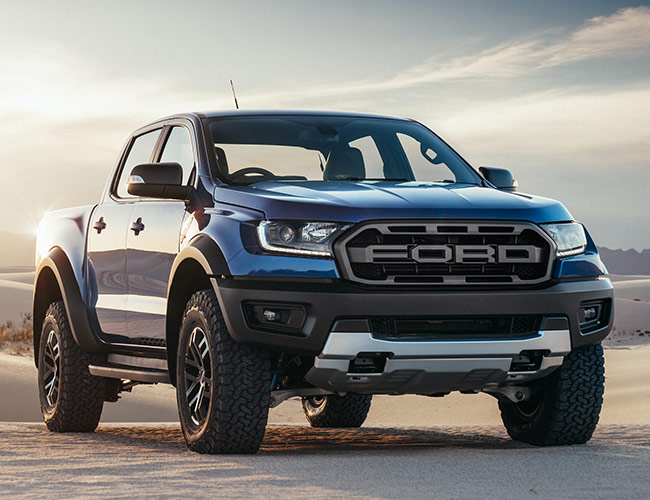
Since the Ford F-150 Raptor hit the dirt and dunes in 2010, the high-performance truck scene hasn’t been the same. Since it made the switch from a V8 to a turbo V6, Dodge and Chevy are still playing catch-up. And, in 2019, Ford’s street-legal, daily-driveable Baja racer is set to get more upgrades to increase its off-road capabilities further still.
One of the Raptor’s strong points is its suspension setup, so why not double down? For 2019 Ford Performance worked directly with Fox Racing to improve the supertruck’s shocks. “By automatically varying compression rates, [the] Raptor can now make the most of its suspension travel of 13-inches at the front and 13.9-inches at the rear,” according to Hermann Salenbauch, global director of Ford Performance vehicle programs. “Not many trucks need sensors to detect when you are mid-air, [but the] Raptor sets the dampers to full stiffness to help smooth shock performance as the truck lands.”
For when you’re not barreling through the trails at full-throttle and catching air, the new Trail Control systems adjust power and braking at each wheel to better assist the driver and truck over broken trails, and rock crawls up to 20 mph. To top it off, Ford also bolted upgraded Recaro seats to help keep you in place when you’re doing any of the above. When the Raptor debuts late this year, buyers will have a few new colors to choose from like Performance Blue, Velocity Blue and Agate Black.
The excitement for a smaller version of the crowd-favorite F-150 Raptor is still at an all-time high here in the States, but there are still key details up in the air concerning what kind of truck we’ll end up getting. Read the Story

Editor’s Note: This post was updated on May 23rd, 2018 with new information regarding the road legal status of this Land Cruiser build.
We love kitted-out Defenders. We love jacked-up Broncos. We love 4×4 restomods of (almost) any kind, but this is something more original than most other off-road builds we’ve seen. What we have here is a beautiful Frankensteining of two different Toyota Land Cruisers, powered by an unexpected choice of engine, and sprinkled with subtle enhancements made throughout.
Built by Colorado-based Proffitt’s Ressurection Land Cruisers — a shop specializing in the restoration and modification of Toyota’s stalwart off-roader — the “R2.8 Land Cruiser Pickup” is a marriage between the body of a 79-series Land Cruiser Pickup, and the chassis from an FZJ80 Land Cruiser from 1993 (which had to be lengthened by 20 inches). The “R2.8” moniker comes from the powerplant: a 2.8-liter turbodiesel from Cummins, producing 161 hp and 267 lb-ft of torque. It’s a modest choice, but with a torque delivery very low in the rev range, it’s one that makes sense for a truck like this. Proffitt’s chose it because “[it] is so compact, yet performs so well…in our opinion, it is the best diesel engine option available today,” according to the website.
That engine is hooked up to a five-speed manual transmission, and a part-time 4WD transfer case with electronic-locking differentials. The truck also features three-link suspension at the front and five-link in the rear, Bilstein shocks and rolls on Maxxis mud-terrain tires. Essential overlanding gear like an ARB bumper and Warn winch are also present. The rad side graphics are not so essential but are nonetheless an appreciated touch to an otherwise subtly-crafted machine.
All in all, it’s an incredible off-road build, and the use of the 79-series body is inspired, though there’s probably a good reason for that. Debuting in 1999 and never being sold in the United States, the 79-series Land Cruiser is not a legal machine here (at least not for a few more years), which is why you don’t see builds like this stateside. It’s possible that Proffitt’s can skirt this by dropping the body on a US-legal frame and registering it as a kit car or a modified 1993 FZJ80. It’s also possible that since this is a build for SEMA it is not intended for on-road use in the first place. We’ve reached out to Proffitt’s for more information regarding this and will update this post with any new information.
Update: Proffitt’s Resurrection Land Cruiser’s proprietor, Jeremiah Proffitt, reached out via phone to clarify the legality of his Land Cruiser project. According to him, the truck is in fact road legal in the US, as the project is essentially a kit car. “I would compare the build to building a fiberglass dune buggy or something like that. It’s a metal body on top of an existing chassis,” he said.
Proffitt explained that he came to acquire the not just one but 55 79-series Land Cruisers bodies back in 2009 when he was helping a Dubai-based company building armored vehicles on the truck’s underpinnings. While the engines and chassis were used, the Land Cruiser bodies themselves were done away with. Proffitt made a deal to acquire the remaining body shells which, most importantly, did not come with a vehicle identification number (VIN).
“They were just sheet metal bodies… the VIN was used on the other cars, so without the VIN, it’s basically a body swap.” As such, Proffitt says he’s able to get state-assigned VINs for his 79-series builds, a relatively straightforward process that’s used to make other kit cars and custom builds eligible to drive on the road. And since it uses a pre-existing engine from Cummins, it’s legal in 49 states (California is the exception). “It’s pretty much the only legitimate way to have a newer 79-series in the country, in my opinion,” he said.
In fact, the build featured here is far from the first, as he’s made a handful of similar Land Cruisers for of customers, who he states have had no issues registering their cars on the road. As of writing, Proffitt says he’s down to about five shells left, though unfortunately for would-be clients, they’re all spoken for. Still, Proffitt doesn’t rule out the possibility of making more: “It’s possible to get more [body shells] if you look hard enough. There are still other companies building vehicles on those chassis.”

We love the Ford Bronco. You love the Ford Bronco. If you just can’t wait any longer for Ford to officially bring it back in 2020, there’s a powerful option up for grabs on Bring…

As Americans, there are many great cars we can’t park in our driveways. Boo-hoo, right? But of all the rides exclusive to other markets, none make us want to move like the Toyota Land Cruiser…
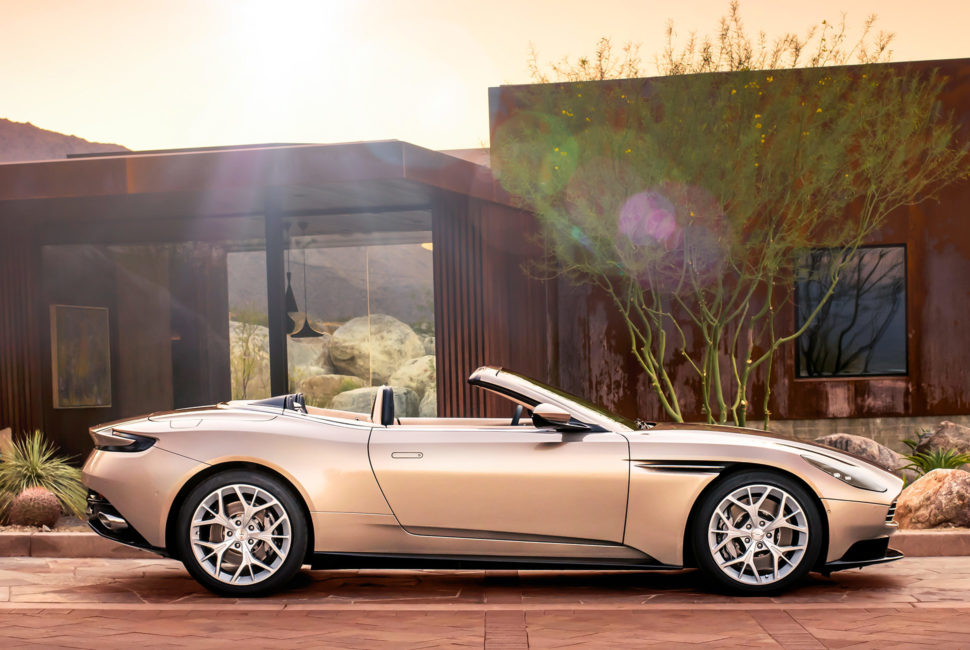
Replacing the California T convertible, Ferrari’s most-sold car in its long history, the Ferrari Portofino is a luxo-sporty grand tourer aimed to sell. Associate Designer Hunter Kelley attended the NYC debut (at Classic Car Club Manhattan) to grab some glamour shots of Ferrari’s new car, seen here.
The Portofino is an improvement in nearly every metric: it is faster and roomier and can drive for longer distances, thanks to a 460-mile cruising range Its body is longer, wider and lower and features nicely-updated, crisp sheet metal (offering six percent less drag than the California). The Portofino is 10 percent lighter and it’s much stiffer overall, while components like magnetic dampers and an electronic differential put power down in a sophisticated way.
The California T’s 3.9-liter, twin-turbocharged flat-plane-crank V8 engine carries over, but with many improvements: 38 more horsepower (to 591), three more lb-ft of more torque (now 560 lb-ft) and it reaches maximum boost a hair quicker. It’s quick in other matters too: the Portofino, likely relegated to boulevard cruising, will all the same top 200 mph and reach 60 mph in less than 3.5 seconds. Most interesting is that Ferrari claims 85 percent of California owners use their cars as daily drivers — a figure I bet remains the same or ticks up slighty as Portofinos find new homes.
What Others are Saying:
“What’s clever about the Ferrari Portofino is that it’s engaging to drive at moderate speeds. Brisk cruising is this Ferrari’s forte; it flows beautifully down the road, the chassis displaying delightful coherence and consistency. Roof up, it’s a comfortable long-distance tourer and practical daily driver. Roof down, on a sunny day and a winding road, it’s a fun-to-drive sports car.” – Angus MacKenzie, Car and Driver
“This is Ferrari’s most important car for key reasons, starting with the revenue stream, and it’s an obvious indicator how the little company in Maranello (and maybe its audience) has changed the last 25 years. The important things are still here, of course… [and] there are new pieces of technology, too, though they aren’t always visible to the naked eye.” – J.P. Vettraino, AutoWeek
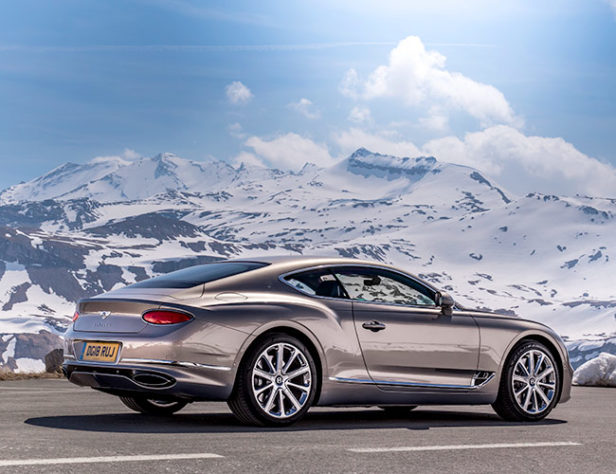
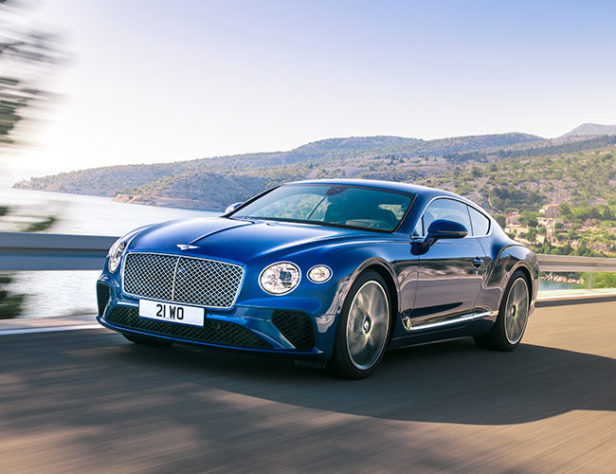
The new Bentley Continental is smarter and still completey iconic. Read the Story
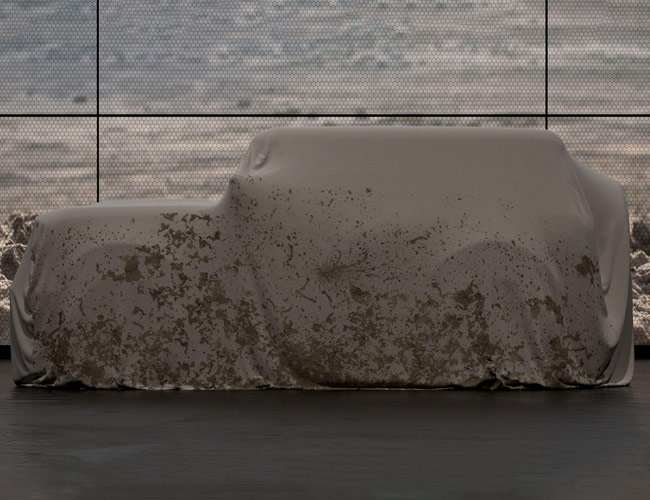
It should be said that we’re incredibly excited for the new Ford Bronco to hit the road in 2020. It might only be getting a V6 or even a 2.3-liter four-cylinder, though there’s a possibility of an engine with 350 horsepower and 350 lb-ft of torque on tap. However, what this does signal is that unless you work at Dodge, the days of putting the biggest, best engine possible into every car that deserves it are over.
Classic Car Club of Manhattan just put its bright ‘Kubota Orange’ Bronco up for auction on bringatrailer.com. It features has an old-school, cross-generational engine swap Ford should be inspired by to replicate in 2020, but probably won’t. CCC’s ’79 Bronco borrows its power from a late-’80s 5.0-liter Mustang V8. The truck is refurbished, rebuilt and coated with POR-15 where ever necessary in order to prevent the Bronco’s arch nemesis, rust, from rearing its head. A generous suspension-lift makes room for 33-inch BFGoodrich All-Terrain T/A KO tires underneath, while intake and exhaust system upgrades under the hood help the Franken-Bronco breath better.
The 2020 Ford Bronco is going to fly off showroom floors if it follows through on being a capable off-roader, but shoehorning the 5.0-liter V8 from the concurrent Mustang can only sweeten the deal for enthusiasts in search for power and torque. Instead of killing off the Taurus, Ford should have dropped in the 526 horsepower 5.2-liter V8 from the GT350. Why doesn’t Subaru stick the flat-four from the STI in the BRZ? The Chevy Impala SS should make a comeback with the V8 from the Corvette. These are the fun, exciting cars that will make people enthusiastic about driving again. Until then, we have to settle for CCC’s Mustang-powered Bronco, which… isn’t settling at all because it’s a match made in a heavenly stable.
A Ford insider close to the project sheds light on the hotly anticipated 2020 Bronco. Read the Story

We love kitted-out Defenders. We love jacked-up Broncos. We love 4×4 restomods of (almost) any kind, but what we have here is something more original than most of the off-road builds we’ve seen. What we have here is a beautiful Frankensteining of two different Toyota Land Cruisers, powered by an unexpected choice of engine, and sprinkled with subtle enhancements made throughout.
Built by Colorado-based Proffitt’s Ressurection Land Cruisers — a shop specializing in the restoration and modification of Toyota’s stalwart off-roader — the “R2.8 Land Cruiser Pickup” is a marriage between the body of a 79-series Land Cruiser Pickup, and the chassis from an FZJ80 Land Cruiser from 1993 (which had to be lengthened by 20 inches). The “R2.8” moniker comes from the powerplant: a 2.8-liter turbodiesel from Cummins, producing 161 hp and 267 lb-ft of torque. It’s a modest choice, but with a torque delivery very low in the rev range, it’s one that makes sense for a truck like this. Proffitt’s chose it because “[it] is so compact, yet performs so well…in our opinion, it is the best diesel engine option available today,” according to the website.
That engine is hooked up to a five-speed manual transmission, and a part-time 4WD transfer case with electronic-locking differentials. The truck also features three-link suspension at the front and five-link in the rear, Bilstein shocks and rolls on Maxxis mud-terrain tires. Essential overlanding gear like an ARB bumper and Warn winch are also present. The rad side graphics are not so essential but are nonetheless an appreciated touch to an otherwise subtly-crafted machine.
All in all, it’s an incredible off-road build, and the use of the 79-series body is inspired, though there’s probably a good reason for that. Debuting in 1999 and never being sold in the US, the 79-series Land Cruiser is not a legal machine in the US (at least not for a few more years), which is why you don’t see builds like this stateside. It’s possible that Proffitt’s can skirt this by dropping the body on a US-legal frame and registering it as a kit car or a modified 1993 FZJ80. It’s also possible that since this is a build for SEMA it is not intended for on-road use in the first place. We’ve reached out to Proffitt’s for more information regarding this and will update this post with any new information.
Editor’s Note: We love scouring the internet for reasons to spend money we don’t have on cars we daydream about owning, and these are our picks this week. All prices listed are bid amounts at the time of publishing.
Finding a used off-roader in good condition is damn near impossible because, well, people take them off-road and live their best life. And forget finding a used off-roader in pristine condition — now you’re talking about vehicles nearing unicorn-status. In some cases these cars were babied and garaged, in others, they recently underwent extensive refurbishments and rebuilds, but here are a couple of incredibly pristine off-roaders you’ll want in your garage.
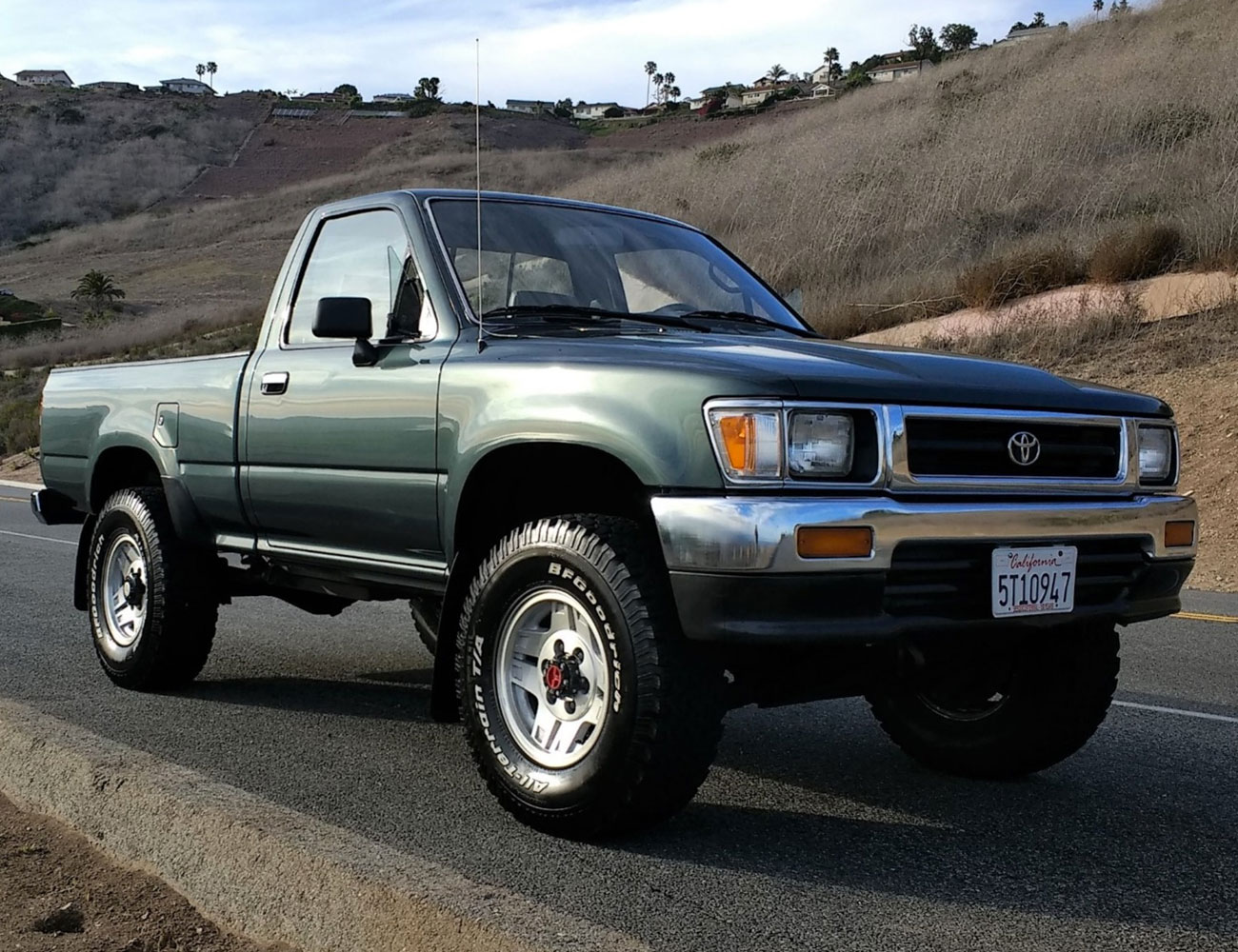
What we like: Toyota has made rock solid pickup trucks the world over for decades and this one is no different. This particular Toyota might have seen a few more miles than the other trucks on this list, but I would bet it’s good for another 132,000 miles, at least.
From the seller: “The truck is said to have been parked in a garage while its owner served full-time in the military for the 10 years prior to the seller’s acquisition three months ago. It is now offered with a handful of records, a Carfax report, and a clean California title.”
What to look out for: At 132,000 miles, this Toyota 4×4 is easily considered a ‘higher mileage vehicle.’ And with that the case, these older Toyota Pickups tend to leak power steering fluid and have faulty engine temperature sensors. Other than that, these workhorses are known to be built like tanks.
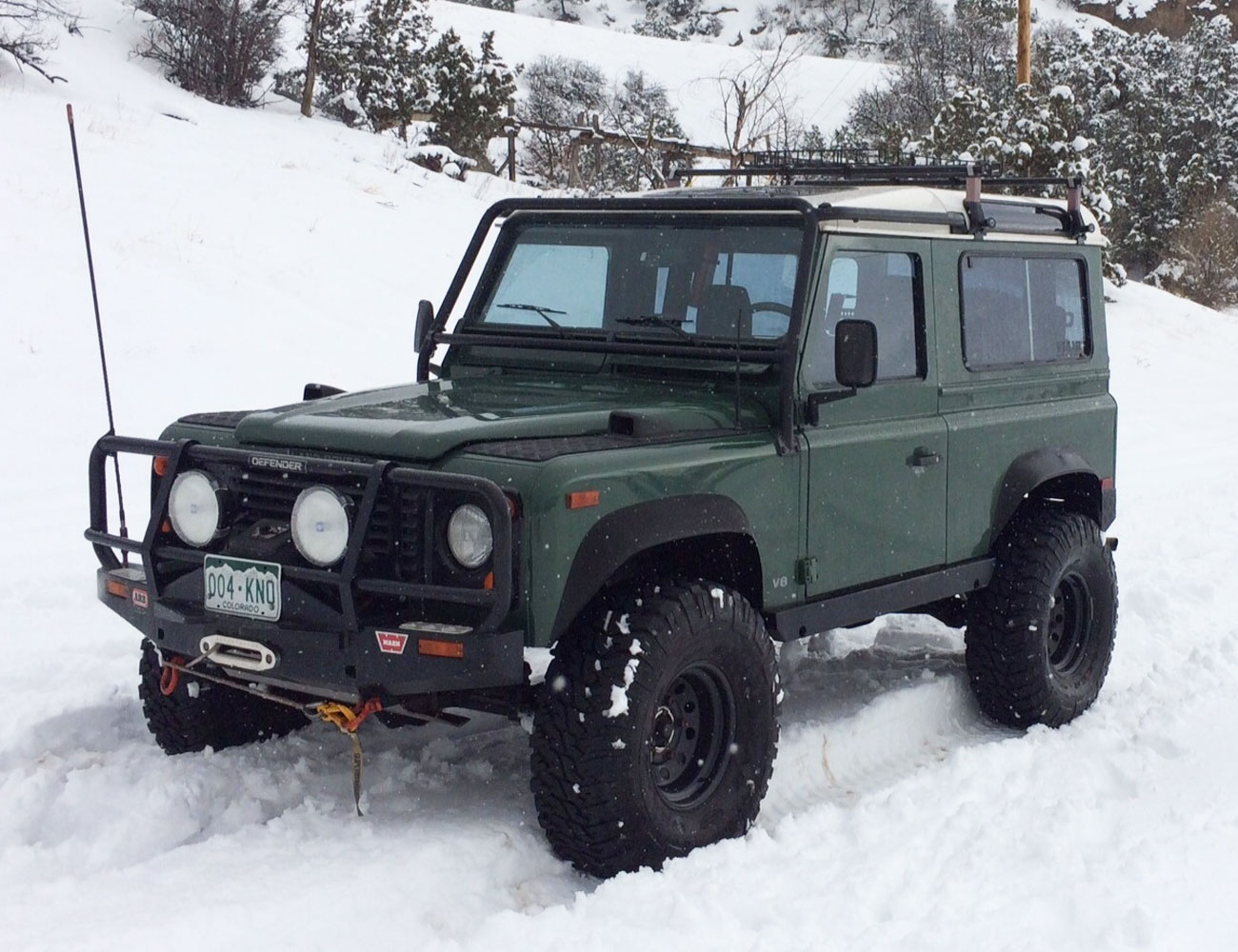
What we like: Price tags on old Defenders can seem too high at times, but this one is in incredible condition for its age and mileage count. Not to mention it has a few of the bells and whistles you’d want like a roof rack, rock sliders and a highlift jack.
From the seller: “This 1997 Land Rover Defender 90 is a two-owner factory station wagon that was purchased by the seller out of Oklahoma 16 years ago and used as a daily driver for five years before becoming a weekend adventure vehicle.”
What to look out for: If you come across one of these mid- to late-’90s Defenders, make sure to inspect the ground at the front of the truck and keep an eye out for oil spots and leakage. The crankshaft seal was known to need replacing on 1994, 1995 and 1997 Defenders.
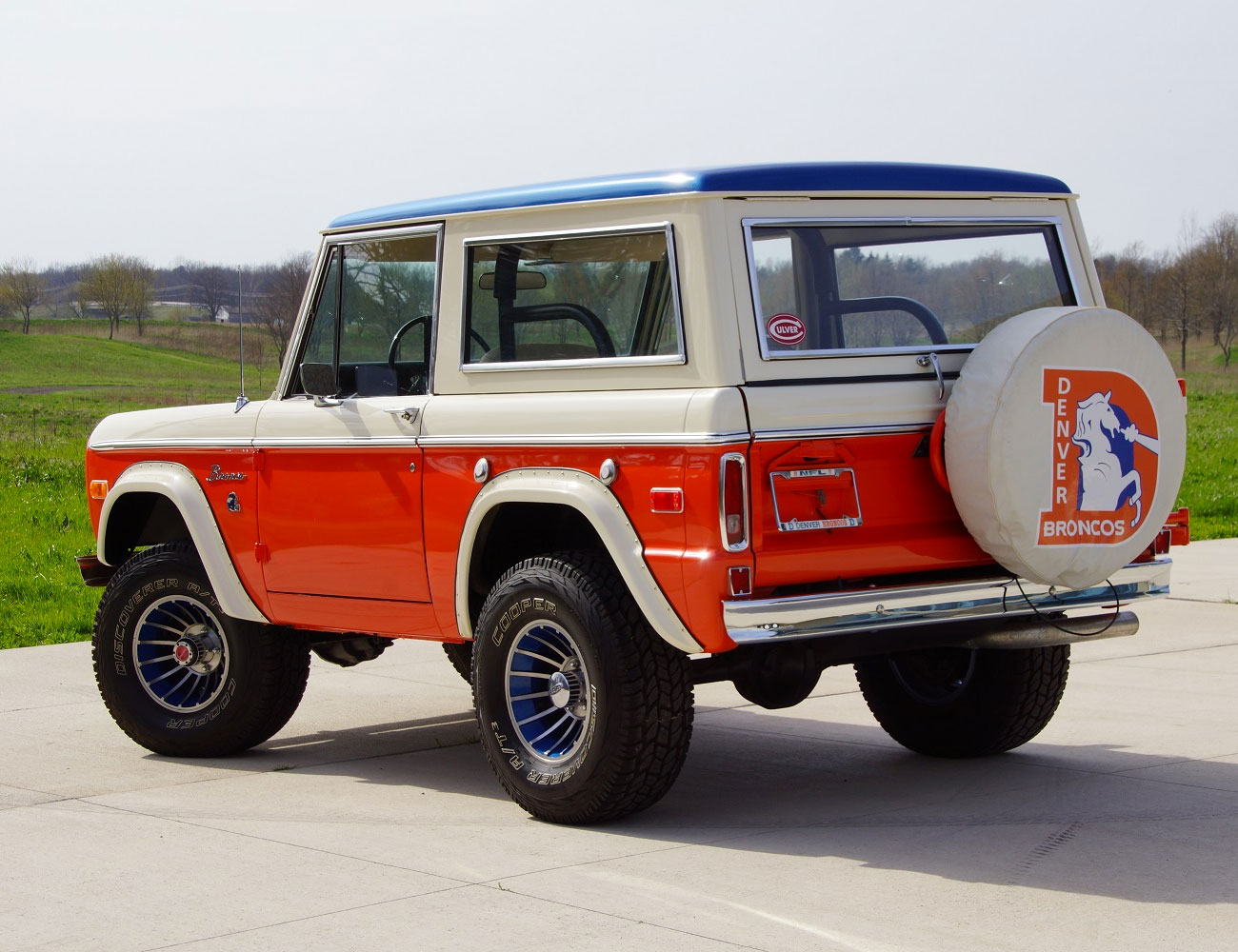
What we like: This Bronco is definitely the ideal car for a niche crowd (particularly in the greater Dever area), but there is no denying how clean this old 4×4 looks. If you’re not a Denver Broncos fan, take of the tire cover and you’ll have a sweet tri-toned vintage Bronco.
From the seller: “Work included rebuilding the 302ci V8 and C4 automatic transmission with a mild cam, four-barrel carburetor, and heavy-duty shift kit. New upholstery was fitted and a repaint was performed in the original tri-tone shade following the installation of new fenders. Approximately 600 miles have been added by the current owner during his two years of ownership, and this Bronco is now being offered on dealer consignment with a clear Indiana title.”
What to look out for: The differential, clutch and sometimes the exhaust system were known to be problem areas on these old Broncos, but seeing as this particular example received a full refurbishment, they shouldn’t be issues.
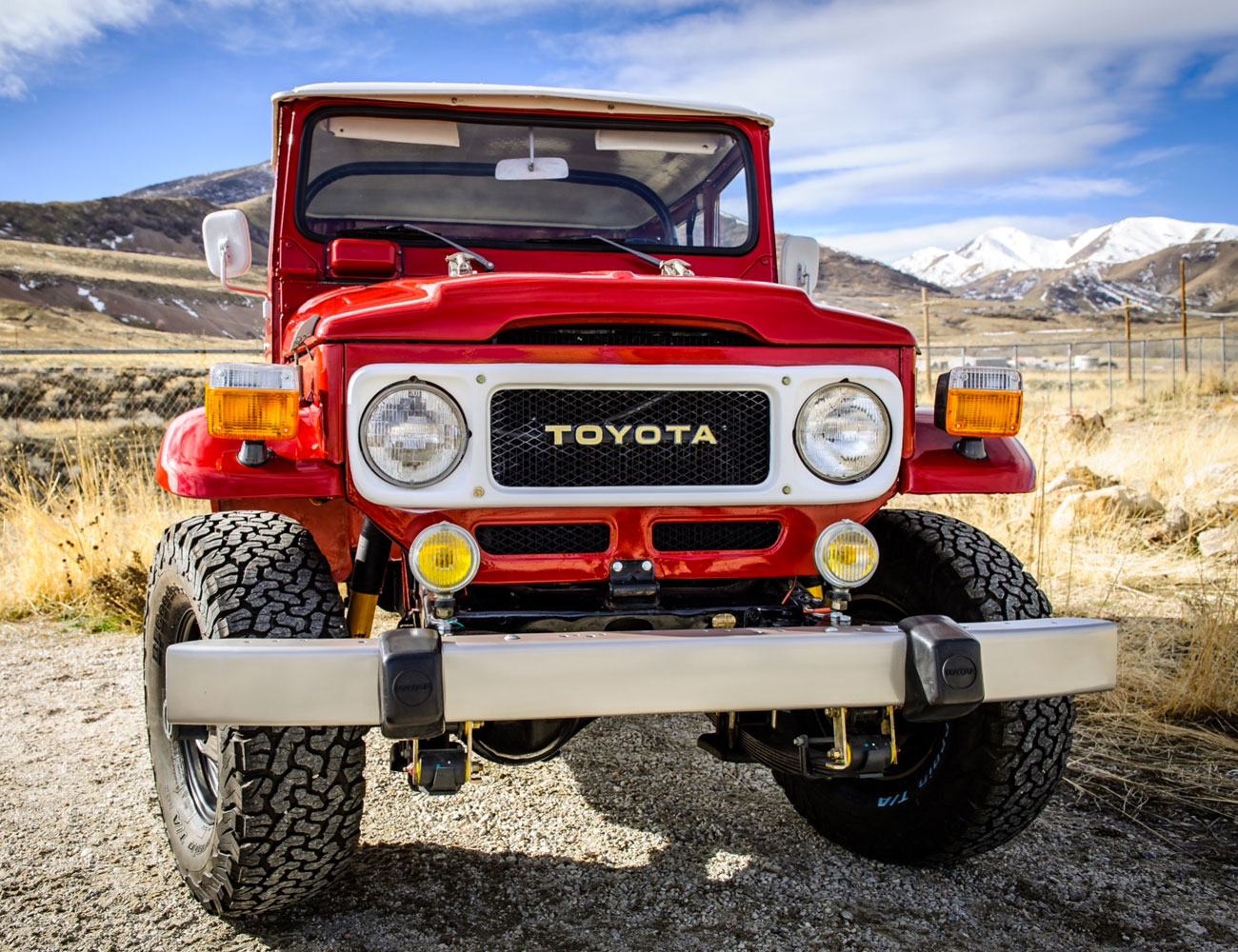
What we like: Fully refurbished FJs can reach rediculous price points, but with the amount of time left on the auction, it looks like this might end up being a deal. However, don’t be surprised if the bids start to jump up in bigger increments — the frame-off restoration essentially means this is a brand new FJ40.
From the seller: “This 1979 Toyota Land Cruiser FJ40 is a US-spec example that has undergone a body-off refurbishment during the seller’s two years of ownership. The refurbishment was completed in early 2018 and included a bare-metal repaint in original red, a refinished interior, fresh lighting, Old Man Emu suspension, overhauled brakes and new or reconditioned hardware throughout.”
What to look out for: The FJ shown was extensively refurbished and overhauled so it’s basically brand-new but historically, though, the front axle seals are prone to leaking.
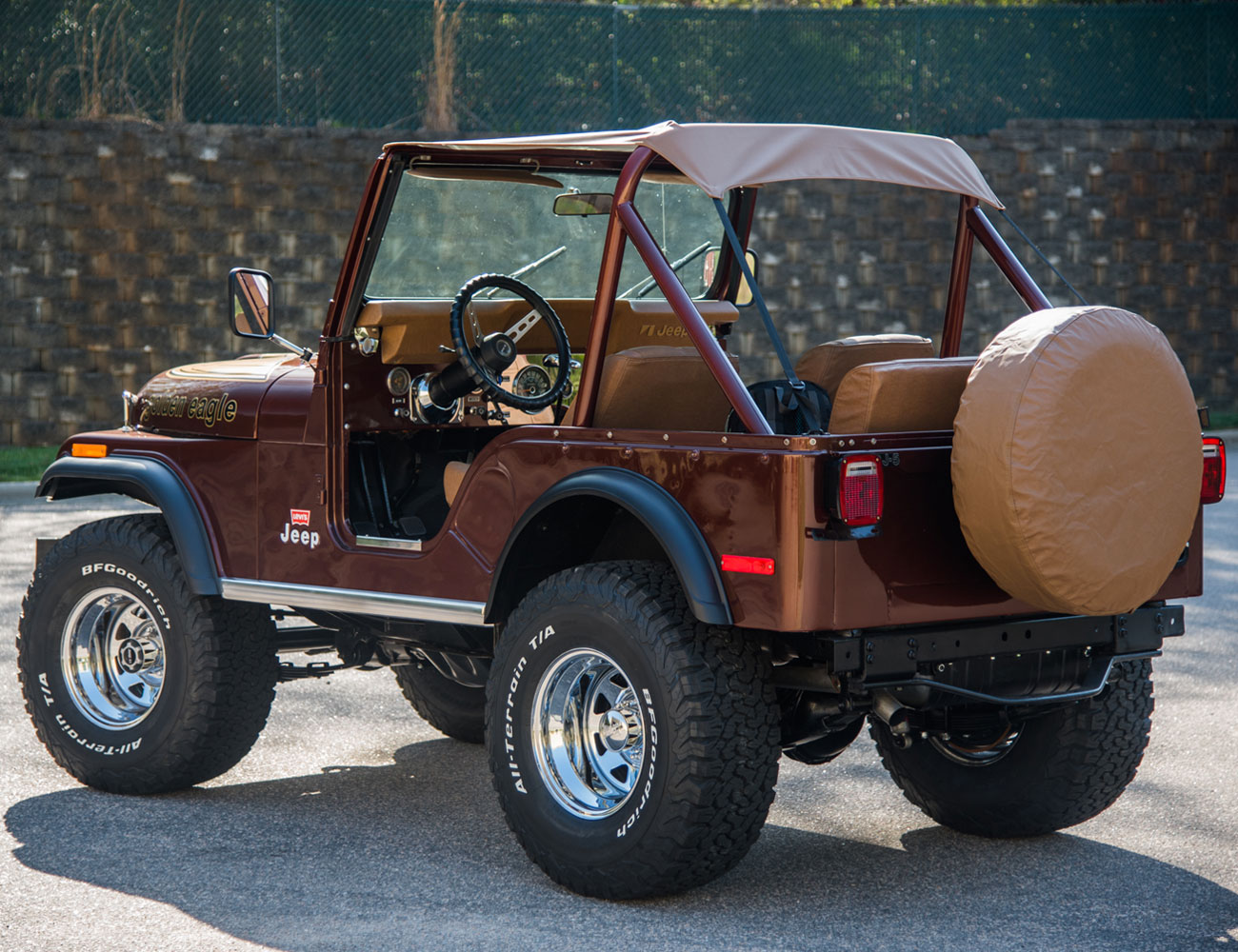
What we like: Finding Jeeps of this vintage in a condition this good is incredibly rare. CJ5s don’t age very well mechanically, so to see Golden Eagle Levi’s Edition looking this great is spectacular.
From the seller: “First produced as a low-production special edition in 1977 but proved to be so popular that it was offered through 1980. The package featured Golden Eagle lettering on the sides of the hood, a large eagle decal on the top of the hood, over-sized tires, and a decor and convenience group. This example is finished in a dark brown with a tan soft top and matching Levi’s interior, and the truck has been lightly modified with a Rough Country lift and 33-inch tires. The 304ci AMC V8 is backed by a manual transmission, and a service is being performed in preparation for the auction. ”
What to look out for: Old Jeeps from the ’70s aren’t built like the tanks they seem to be. This particular example was well taken care of, but CJ5s come with a long list of things to look out for.
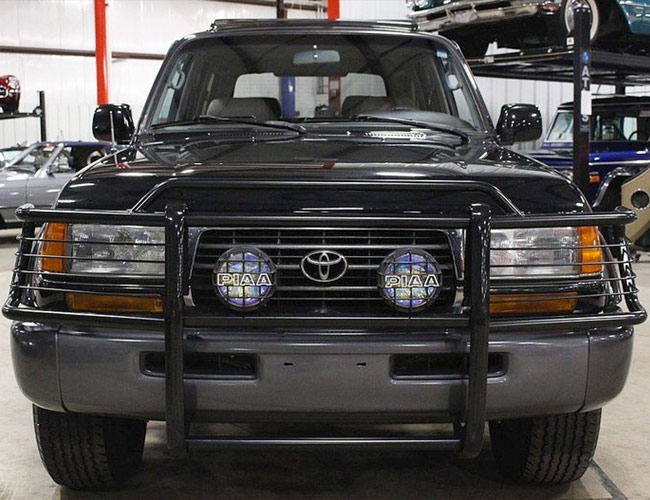
We took on the arduous task of window shopping for our favorites at the moment, and if we had to choose, we’d say these are the best used cars for the $10,000. Read the Story

On the whole, if you’re a fan of subtle style and minimalist branding, it’s a safe bet that products and accessories car companies market alongside their bread and butter (cars) make you nauseous. Most of the time, manufacturer “merch” is something like a plain backpack, t-shirt or hat with the company’s logo slapped on. Moreover, if you’re not a diehard fan, chances are you won’t casually rock a logo hat. However, there are rare occasions where manufacturers get it right: when it’s less about brand enthusiasm and more about a classy, quality products. There are only a handful of non-car products made by car companies worth considering — these are easily the best.
McLaren built its reputation on championship Formula 1 cars and some of the fastest supercars to ever hit the road, but that’s only a facet of what goes down at its HQ. Over in the McLaren Applied technologies wing, teams of engineers work with other companies on multiple collaborations. The fruit of one of those team-ups is the Specialized S-Works Roubaix McLaren Road Bike. It has a generous helping of carbon fiber, a set of custom rims and is coated in iconic McLaren Papaya Orange.

Porsche beneifts from having a design house that’s almost entirely separate from the car company. So, while Porsche does sell t-shirts and hats with not-so-subtle Stuttgart sheilds embroidered across them, Porsche Design has better fashion sense.

Before Peugeot won the 24 Hours of Le Mans three times, before it even made cars or steam-powered three wheelers, the French manufacturer made pepper, salt and coffee grinders. And, while Peugeot pepper grinders are still a staple in many top restuaraunts, it’s hard to deny the classic beauty and design of its current antique-style coffee grinders.

At first glance, you wouldn’t know this leather weekend was Land Rover branded — and that’s the point. Land Rover understands that if you want everyone to know you’re a fan of Defenders and Range Rovers you simply buy one and drive it. And even if you’re not Land Rover owner, this is still a classy enough duffel bag to tote around without shouting fanaticism about a car you don’t own.

Okay, so Triumph isn’t a car brand, but the Andorra Leather Jacket is worth a mention. Especially because Triumph is also guilty of over-branding on some of its other products. The Andorra has removable removable D3o protectors at the shoulders, elbows and back, so it’s not just for style, it’s a legitimate motorcycle jacket too.

For whatever reason, it’s the super high-end luxury car companies that make the more cringe-worthy, needlessly overbranded products. But, if one of them is going to get it right, it should be no surpise that it’s Aston Martin. On what is a great-looking grey merino wool scarf, the only branding is the Aston Martin logo embossed on a tiny, brown leather tab.

Porsche gets a pass for having two items on the list because it’s hard to argue with Stuttgart’s description of this watch’s design: “as much as necessary, as little as possible.”
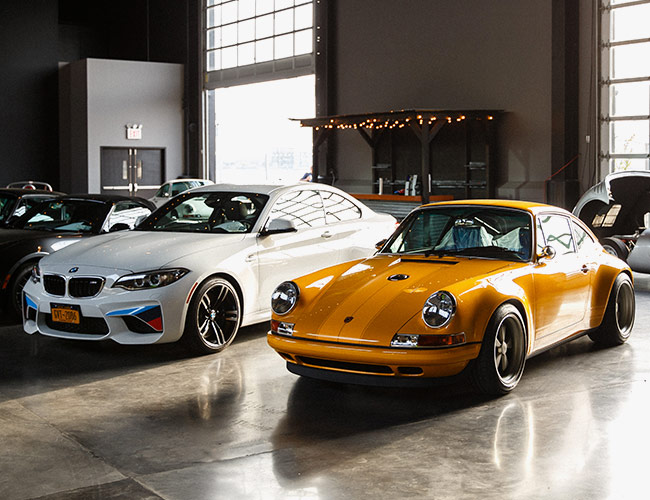
Classic Car Club has transformed, thanks to a $4 million remodeling project. If you’re in the NYC area and love cars as much as you love hanging out, you’re gonna want a $180/month Clubhouse Membership. Read the Story
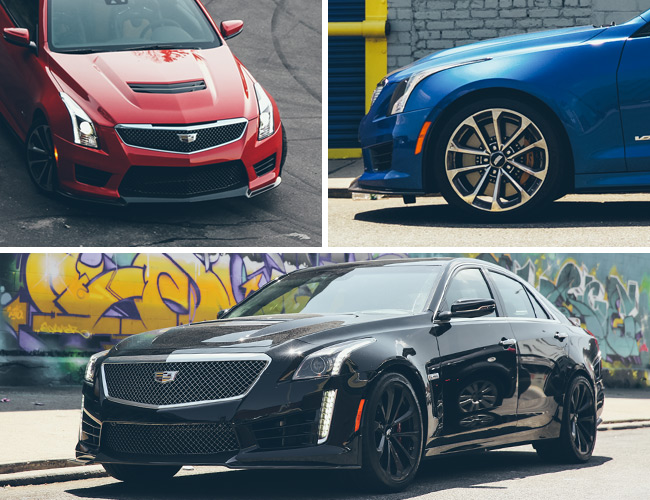
According to a report on Automotive News, Cadillac announced it will kill off the ATS sedan, CTS and XTS. The ATS coupe will remain, and, thankfully, two new Sedans will replace the old four-doors. This comes on the heels of GM claiming it’s committed to sedans and Cadillac while Ford was busy dropping bombshell news it’s getting rid of sedans and small cars in the US.
Cadillac keeping the ATS coupe on as a stand-alone model is an interesting situation. The reasoning behind giving the four-door the ax, according to Cadillac spokesman Donny Nordlicht, is “production of the ATS sedan is ending due to extensive plant upgrades, expansion and re-tooling to prepare for the next generation of Cadillac sedans,” but reassuringly adds, “Cadillac’s future sedan portfolio will consist of three sedans, positioned in different segments and clearly differentiated by size and price.”
It stands to reason then, Cadillac will eventually find pseudo-replacements for the ATS and CTS, which is unbelievably comforting. Mainly because both sedans are ridiculously underrated driver’s cars and for the fact that there will four-door void from Dearborn. The third sedan Nordlicht is referring to is the flagship CT6, which will cover the top-end luxury segment for the brand. The question then is, how will Cadillac angle the two new incoming sedans? Will it continue to fight the uphill battle against the Germans with track-tuned luxury cars? Or will it change pace entirely and go back to building vehicles solely focused on the luxurious experiences and take on Lincoln on home soil?
As much as I love the ATS-V and CTS-V super sedans, I’m inclined to think Cadillac channeling energy into the latter strategy will be the way to go. Trying to be all things to all customers never works — it only scatters focus and cars subjected to that objective always tend to fall short in each category. For Cadillac to succeed, it needs to figure out what kind of vehicles it wants to build. These two upcoming replacement sedans might prove to be more crucial to the brand than initially assumed.
We drove the V-Series through NYC and L.A.’s twisties, hipster hot spots and tourist traps to find out. Read the Story
Aston Martin introduced its then all-new DB11 in 2016 with the V12 monster. However, the V8-powered DB11 landed and quickly eclipsed its bigger brother in both aural enjoyment and driving dynamics. Today, the sibling rivalry rages on with the introduction of the V12 Aston Martin DB11 AMR.
Utilizing the same 5.2-liter V12 as the standard DB11, the AMR variant adds 30 more horsepower bringing the total output up to 630 hp while torque remains strong at nearly 500 lb-ft. The jump in horsepower translates to immediate performance gains as the dash from 0 to 62 mph is over in just 3.7 seconds — an improvement of two tenths. If you keep your foot mashed on the throttle, you’ll eventually see a speedometer that reads 208 miles per hour.
Early drives of the ‘regular’ grand touring V12 machine garnered a lot of praise, but also a few points that needed addressing. For the AMR, the transmission is retuned, the exhaust has more bark — this car feels much more like the V12 we hoped to discover when driving the standard version.
Dr. Andy Palmer, Aston Martin’s President and CEO wanted to draw more of the inherent sporting nature of the car out to the surface: “Since its initial launch back in 2016 the DB11 range has matured rapidly and intelligently, selling close to 4,200 V12 examples in that period. With the exceptional V8 Coupe and Volante we felt the V12 could reveal more of its sporting potential while remaining the consummate GT. By applying a suite of carefully considered performance and styling enhancements, the DB11 AMR is both faster — 208mph –and more precise. It’s a combination that engages and cossets in equal measure to create a dynamic and seductive new flagship for the DB11 range while consolidating the existing V12-powered DB11s as future collectibles.”
The new AMR V12 set itself apart with exposed carbon fiber trim pieces complimented by darkened headlight surrounds and smoked tail lights. The front grille, exhaust outlets, roof strake, side sills and splitters are also more delightfully evil looking.
The Aston Martin DB11 AMR is on sale now for $241,000, if you’re interested. If you want something more unique, however, you can always spring for the AMR Signature Edition, which gets more carbon fiber inside and out and is painted Stirling Green and Lime. Just 100 examples will be built and each will cost $300,000.
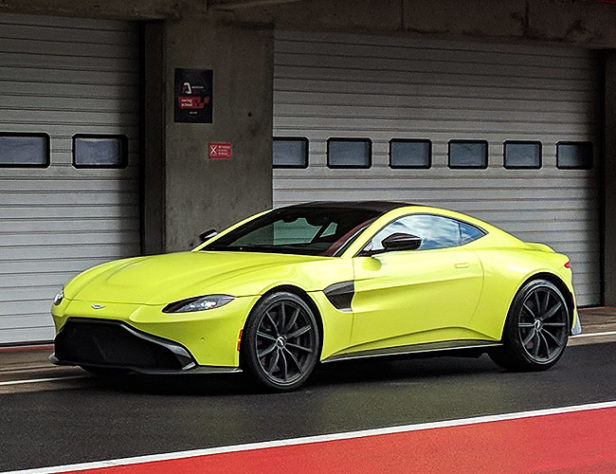
It would be easy for Aston Martin to develop a car that betrays the brand’s elegant, opulent, perfectionist ethos with some unremarkable, rough-edged car. But the Vantage is thoroughly Aston and a legitimate threat to the 911. Read the Story

If you’ve ever had to jump-start a car, you know it can be frustrating — fumbling with cables, lugging a battery around or lining up another vehicle just right, so the cables reach. The Pocket Jump Starter and Power Bank by ToughTested takes the clumsiness and frustration out of jump-starting your car and even lets you charge your phone.
The Pocket Jump Starter and Power Bank has a capacity of 5400 milli-Ampere-hours, meaning it can fully charge a phone three times or jump a car 10 times on each lifecycle. The whole package includes the jumper cables themselves, but because the Power Bank can just as easily be positioned in safe place, close your dead battery, the ridiculous task of stretching the cables to the point they’re barely touching the nodes is no more. On top of that, the Power Bank has an integrated flashlight along with standard USB and USB-C ports.
When it comes to tools or gadgets you keep in your car on a regular basis, size is critical. Sure, you may only end up using a jump starter and cables once or twice a year, at that, but when you need them, you’ll be glad you have them. However, if it’s a permanent fixture in your car and takes up valuable cargo space — then it becomes an inconvenience 98 percent of the time. Think of all the extra gear you can pack in your trunk now that your jump starter is in the glove box or the armrest cubby?

The inevitability of a Rolls-Royce SUV left many of the brand’s fans simmering in worried anticipation. After all, it’s never been a foregone conclusion that the Rolls-Royce design ethos — a nuanced blending of sophistication, power and luxury — would carry over to the form of a sturdy, essentially utilitarian vehicle. Its closest competitors, the Land Rover Range Rover and the Bentley Bentayga, succeed in this realm by staying true to their cores, with the former never yielding an inch in off-road prowess or essential functionality despite its upscale dressing and the latter going all-in as a surprisingly adept dune-basher infused with globe-trotting style. Where, then, does the $325,000 Rolls-Royce Cullinan land?
The stakes couldn’t really be higher for Rolls-Royce. The brand’s flagship, the Phantom, flies in rarified air as the undisputed leader in supreme luxury, able to convey both power as a magic carpet for captains of industry and pure joie de vivre when ridden off into the night on adventures we can only dream about. The Cullinan needs to retain that aura —- without necessarily besting its master -— but also not fall flat on its face as an SUV. If one of these proved less than capable the first time a titan, royal or Hollywood player decided to test its mettle, the resulting paparazzi pics of a bottomed-out or belly-up Cullinan would be disastrous.
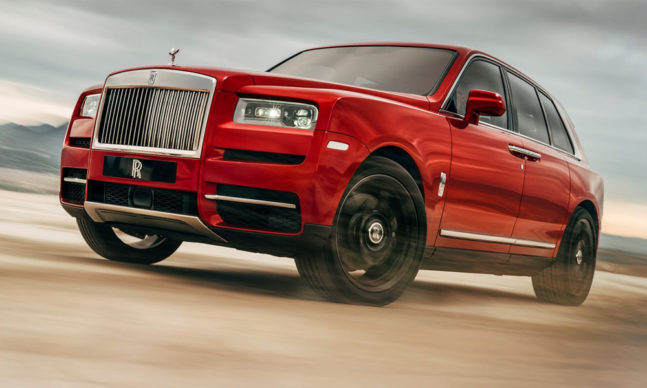
We don’t yet fully know how it will perform in the wild, but now see what it actually looks like and have some sense of how it will strive for that success. After weeks of not-particularly-coy social media plays showing the camouflaged Rolls-Royce Cullinan testing in a multitude of global off-road challenges, the brand finally took the wraps off the new SUV today. The result, frankly, is a win. It looks exceptional, with sleek horizontal lines, properly scaled proportions and no visible design missteps, such as overwrought haunches at the fenders or out-of-control zig-zag creases. The massive signature grill up front feels fully at home, if just slightly awkward in its newly elevated placement high above the ground—a fact we’ll just have to get used to.
Named after the largest diamond ever discovered — a rock that resides with the British crown — the Rolls-Royce Cullinan will arrive with what Rolls dubs a “three-box” configuration, which is essentially a cleanly divided partitioning of space, with the front compartment housing a massive 6.75-liter twin-turbo V12 (producing 532hp and 627 lb-ft of torque), a middle passenger box and a rear luggage compartment. The latter can be isolated from the passengers as in a proper trunk, in the fashion of travelers not sullying themselves in the direct presence of luggage. Its rear tailgate, dubbed “The Clasp,” is intended to further evoke the era of exterior-mounted luggage, though it looks like a pretty standard hatchback. That said, the four- or five-seat SUV also includes fold-down rear seats for the first time in a Rolls-Royce, so apparently, they’ll allow mingling with your parcels it if you need it.
In use, the Rolls-Royce Cullinan has an abundance of novel features. It lowers itself by 40mm as you approach to make entry easier, the rear suicide doors can close themselves at the touch of a button (a trick already present in both the Phantom and the Wraith) and it will jack itself back up to its proper ride height as you drive off. The newly touch-controlled infotainment system, digital instrumentation and a full suite of safety and assistance features like night vision, wildlife and pedestrian warning, adaptive cruise control and a big head-up display also bring Rolls-Royce fully in line with modern technological expectations. Another trick: the doors wrap low under the lower sill, so when you arrive somewhere after a muddy traverse and exit the vehicle, you won’t soil your trousers (so to speak).
The key innovation in the 5,800 pound SUV, however, appears to be the trick suspension, which Rolls-Royce went to great pains to ensure would remain smooth and comfortable in even the roughest terrain. Engineers achieved this in several ways: larger air struts with more air volume to cushion blows and a system that actively pushes down any wheel that it detects losing traction; strengthened drive and prop shafts; and all-wheel-drive for the first time in a Rolls-Royce. Four-wheel-steering and a new double-wishbone front axle will help deliver what we assume will be fairly competent off-road capability.
The real test of this, of course, will come with actual experience off-road. Can the Rolls-Royce Cullinan retain a degree of poise and comfort while scrambling over rocks and do so better than a Range Rover or Bentayga? We’ll see. Regardless, it’ll certainly look good doing it.
With all the other luxury car makers throwing their hats into the SUV ring, it was only a matter of time before Rolls-Royce joined the fray. Enter the Rolls-Royce Cullinan, the ultra-luxury SUV that’s so…
There’s nothing wrong with holding on to an old car, racking up miles on the odometer and forming a connection with it. After a few thousand miles, though, no one would blame you if you felt like you wanted something more — more power, better handling, a smoother ride. That doesn’t mean you need to trade up. No, you’ve spent too much time breaking in the groove in the driver’s seat, and you’ve adjusted it enough times to get it right where you want it. Save the cash and save yourself the separation anxiety, and refresh your old ride with a few upgrades that are affordable and, in some cases, easy enough to install in your own garage with standard tools.
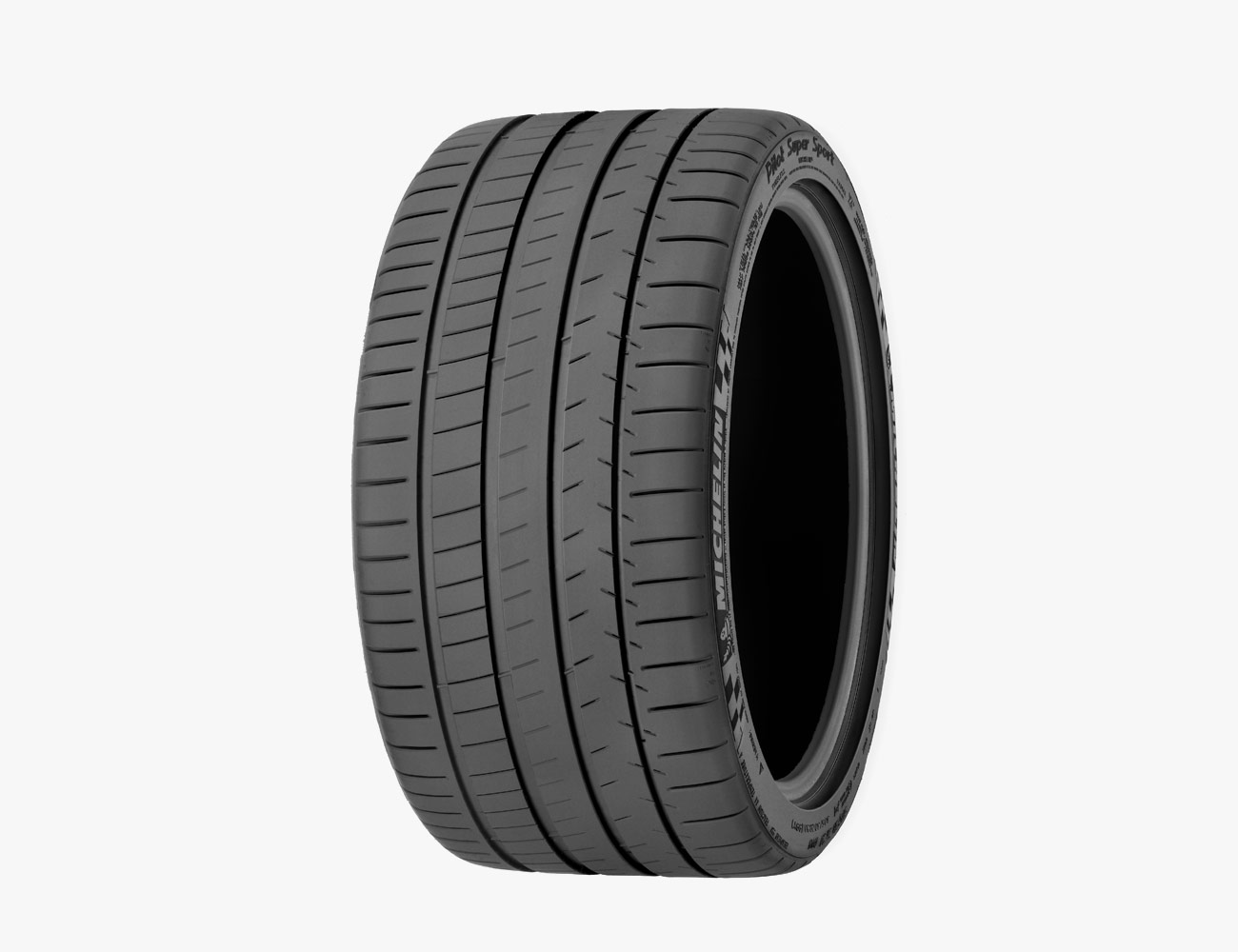
If you want your car to handle better, the place to start is a good set of tires. Power and performance are good, but if you don’t have the grip from quality rubber to translate that to the road, it’s all for nothing.
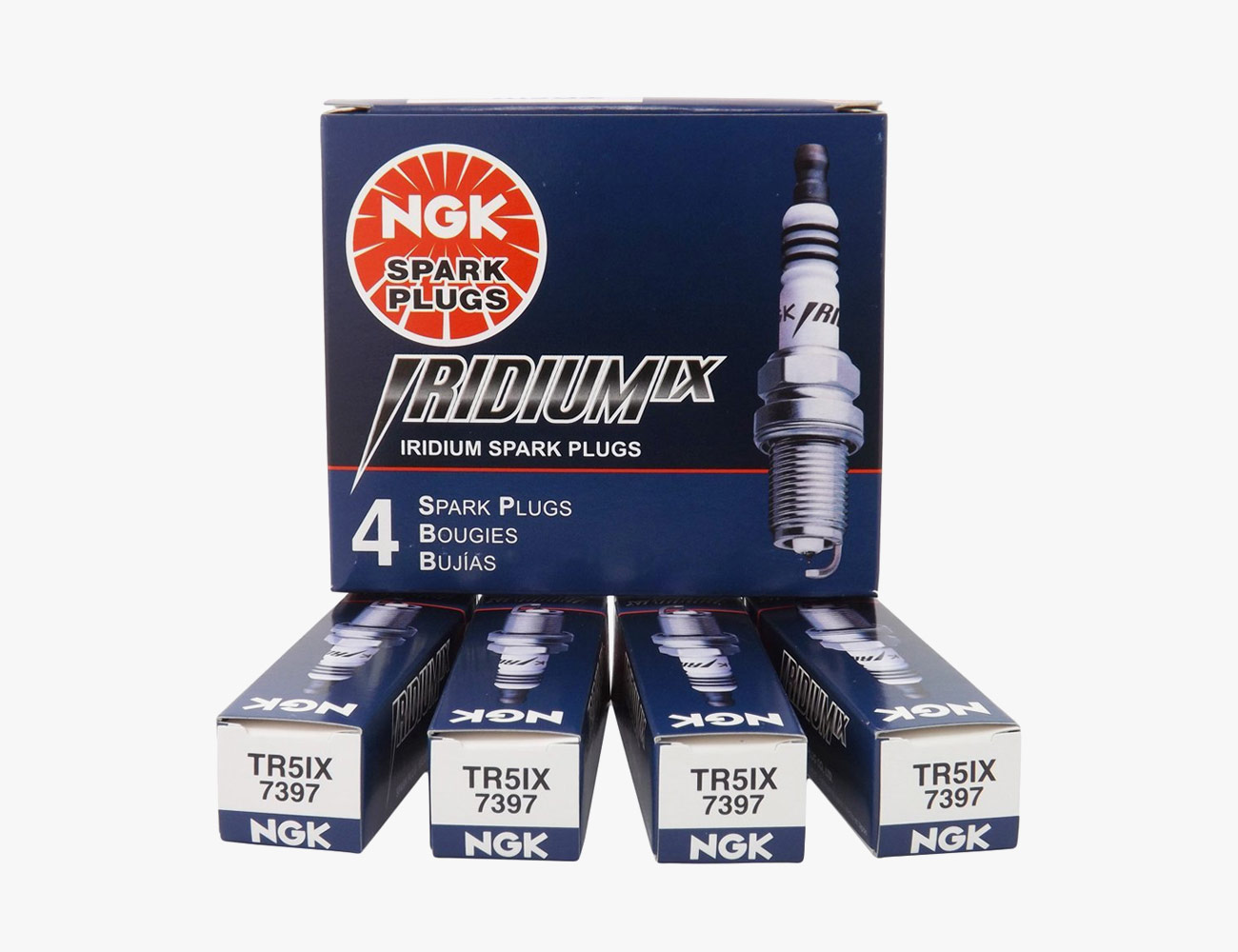
Spark plugs can be easy to overlook, but new, better spark plugs are an easy, affordable swap that can make all the difference. The better the quality of the spark, the better combustion, which translates to more power and better fuel economy. (Here’s a complete rundown on how to check them.)

The ECU in your car is set up from the factory to control the fuel-air mixture in the engine, which maximizes efficiency and power. Problem is, manufacturers program the ECU’s parameters well below the car’s capability — as a safety net. A quick reprogramming can unlock aaaall sorts of engine performance and, in some instances, return better gas mileage.
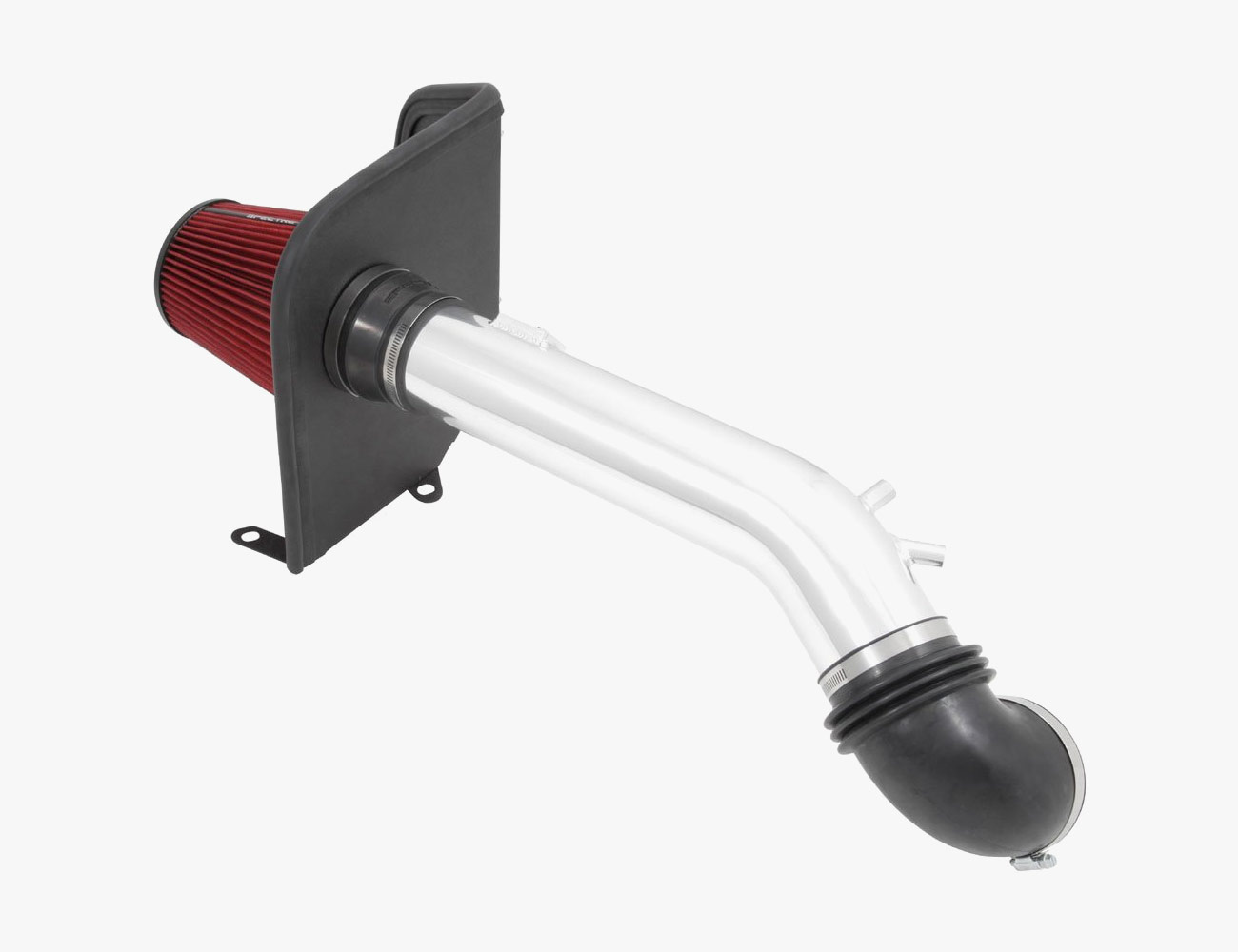
The better your car breathes, the better it runs. A cold-air intake not only frees up the air flow to your engine, it also feeds it cooler, more condensed air, which engines love.
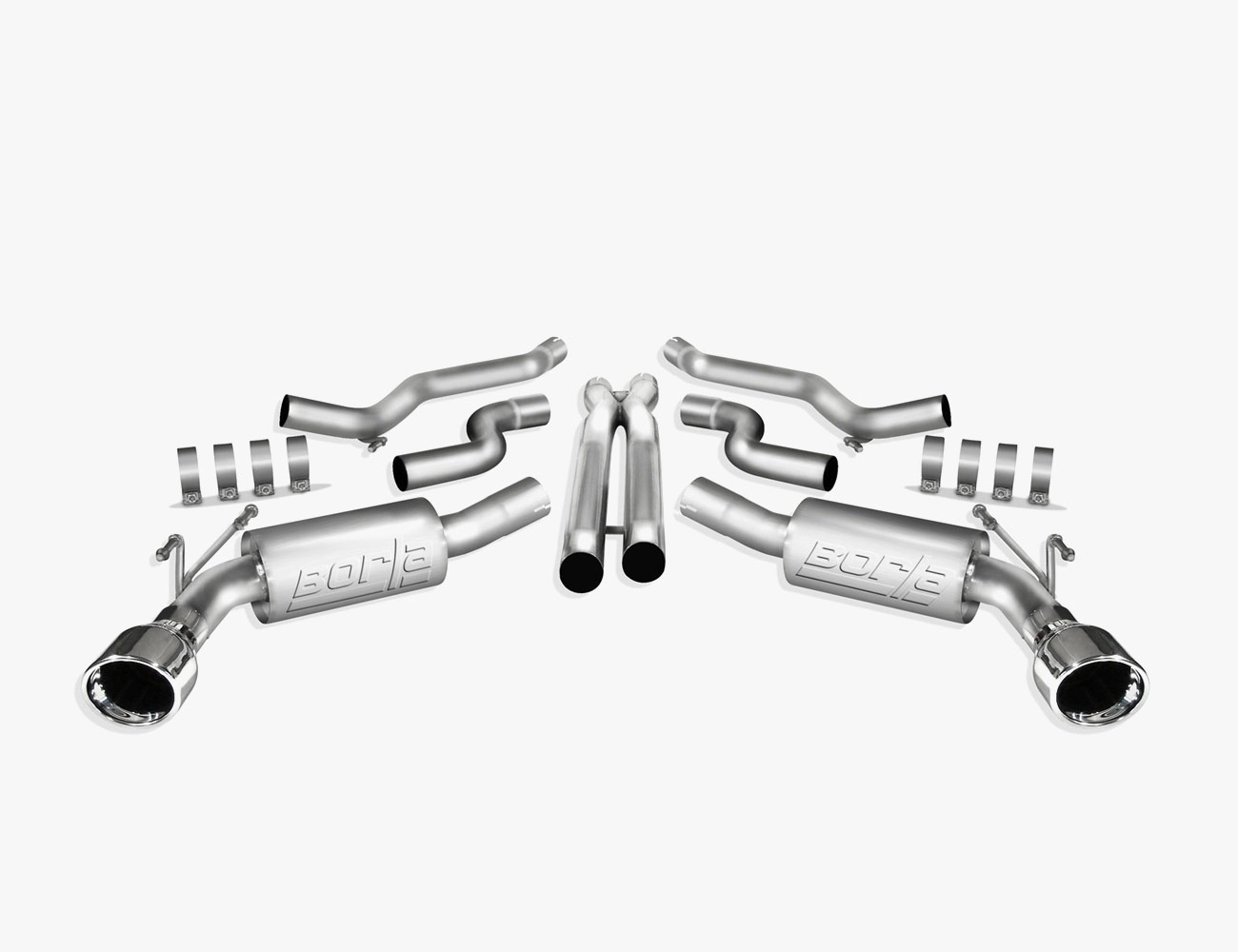
The exhaust may be the… erm… wastegate of your cars respiratory system, but a free-flowing exhaust relieves pressure on the engine and can return a little bump in horsepower as well. Better sound is just a welcome side effect.
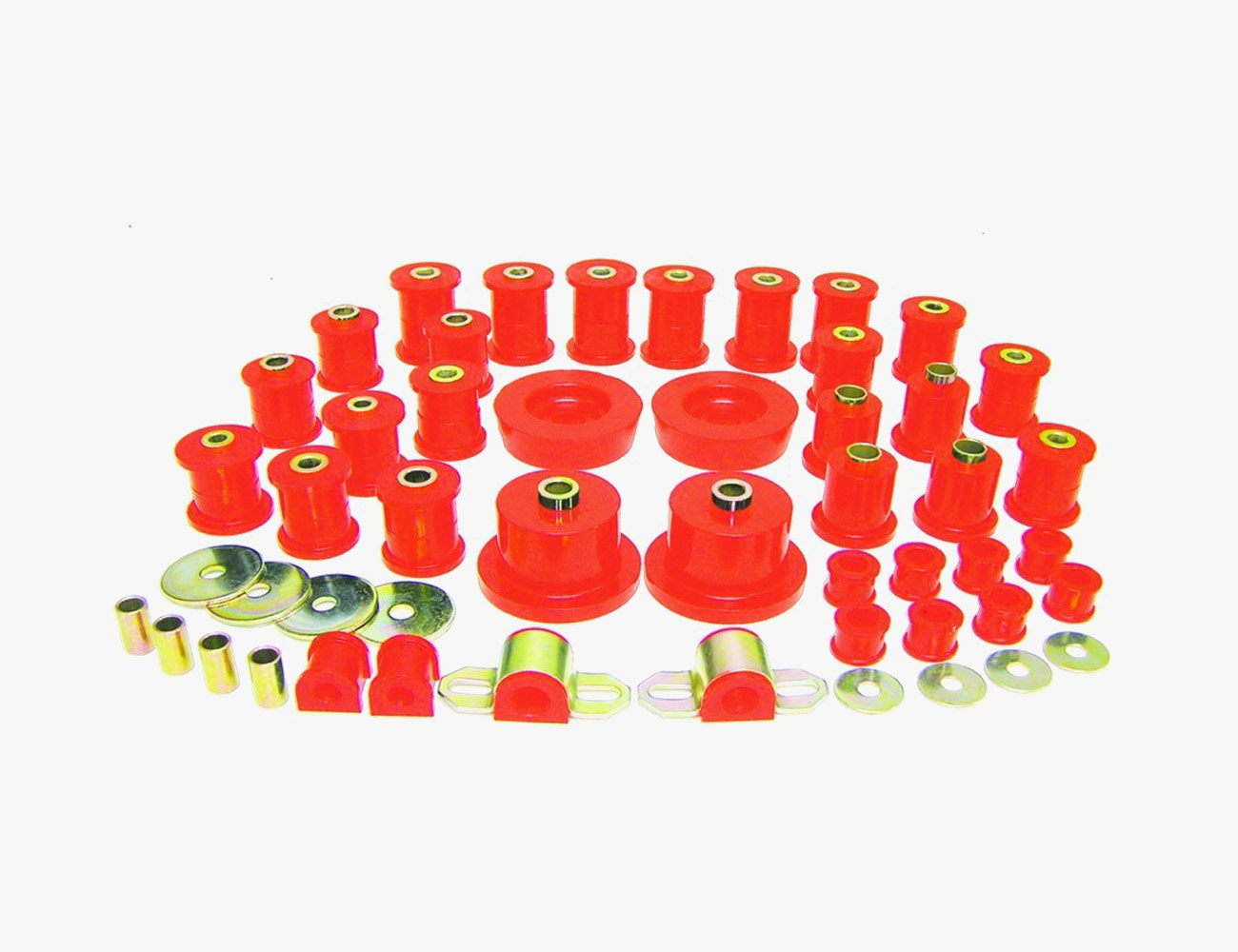
Replacing bushings may be a little bit more involved, but you’ll be glad you did it. Between the suspension and the frame and the chassis and the engine, factory rubber bushings help kill vibrations throughout your car. The problem with rubber bushings is that they wear out and crack over time. Polyurethane bushings not only last longer than standard rubber counterparts, but they also do a better job of quelling vibrations and minimizing weight transfer.
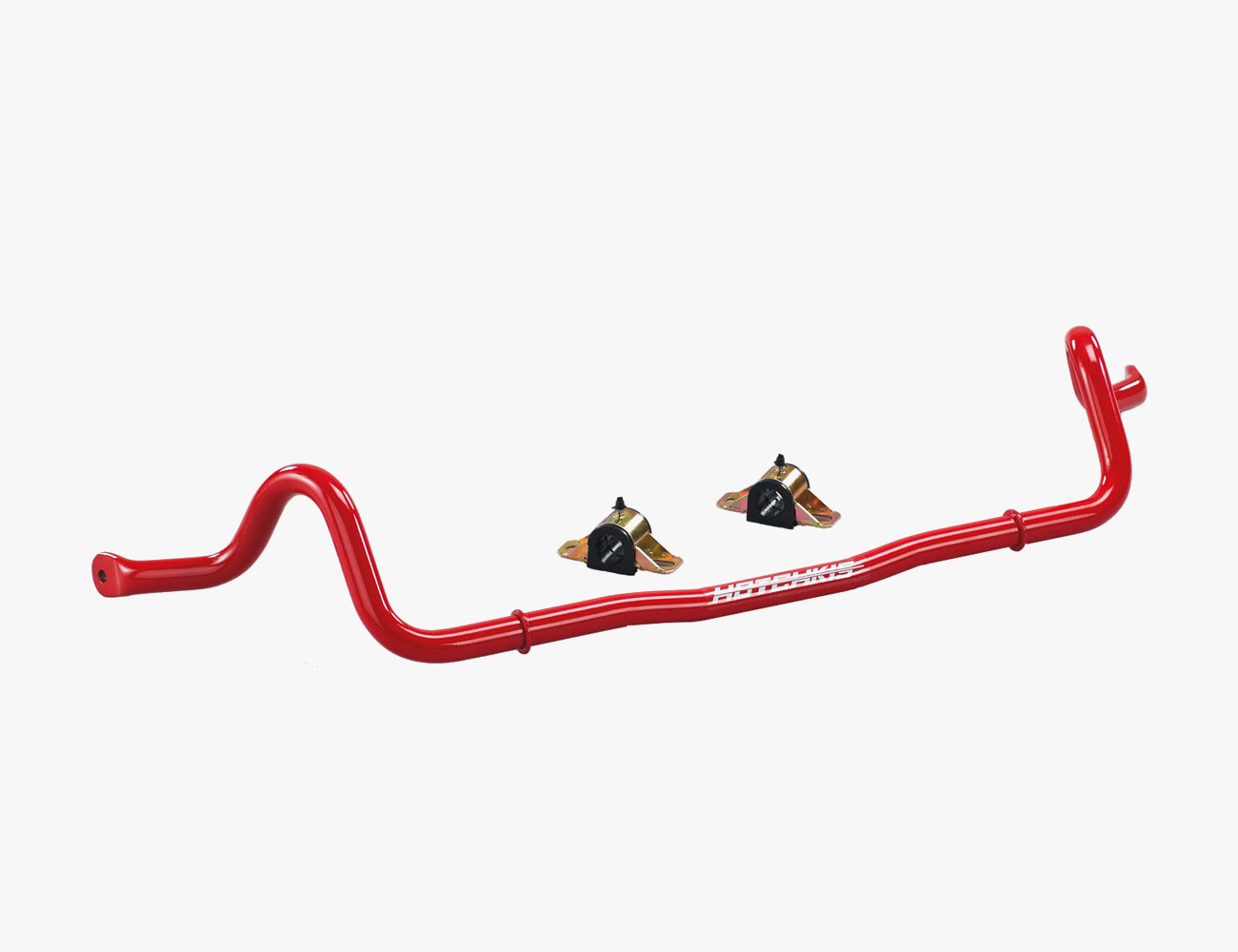
If your car leans too much through turns, all that weight transfer and body roll will kill your handling. Sway bars help keep that in check by connecting the right-side wheels with the left-side wheels, helping the car corner flat. All the once-wasted kinetic energy is focused back into getting the car around the turn more efficiently.
Good: Hotchkis $257+
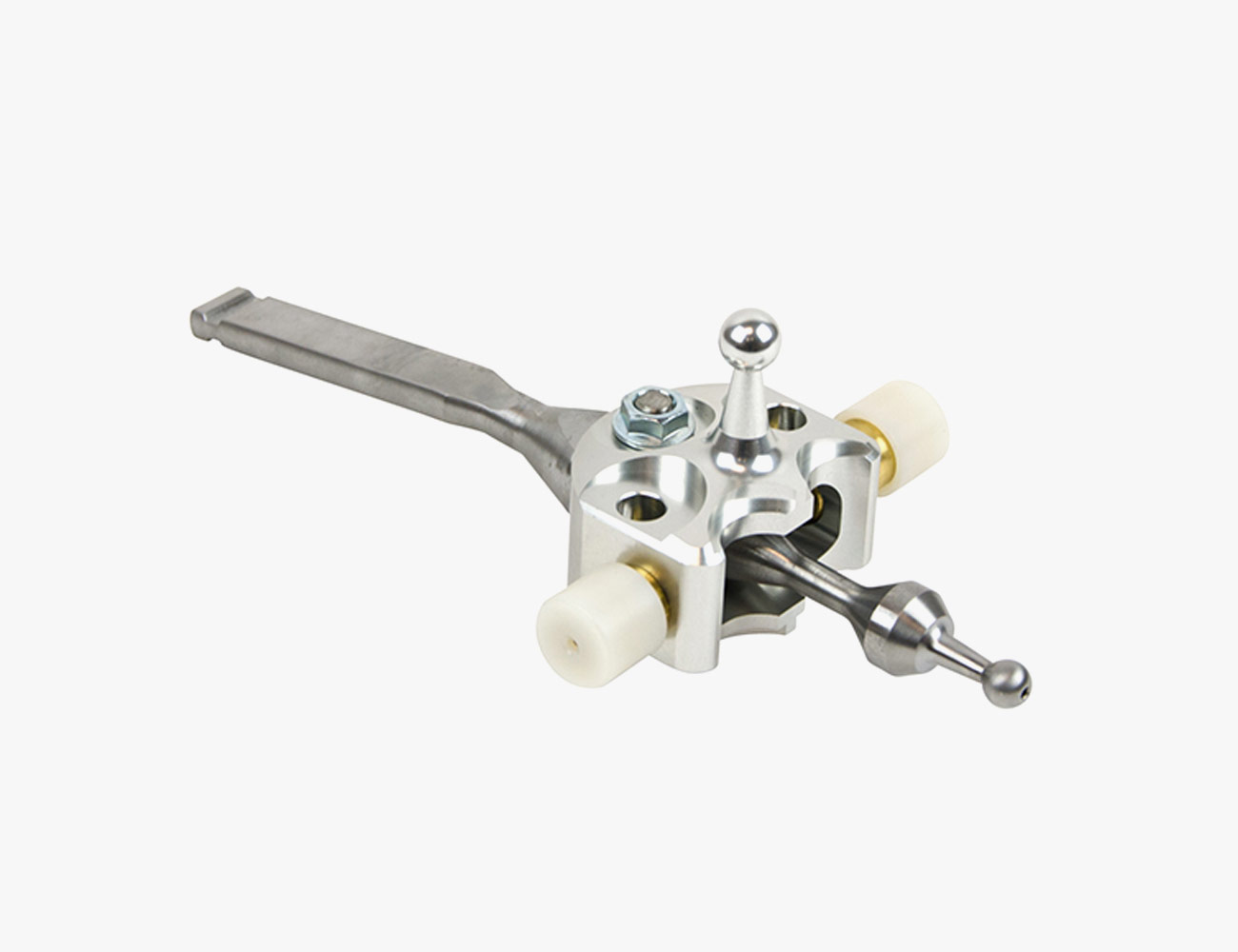
Short shifters are a pure performance add-on. They minimize the distance the shifter has to travel and thus the time it takes to select the next gear. That said, when you can quickly click through the gears, your car will feel that much better when you’re carving up a canyon road.
Now Get to Work
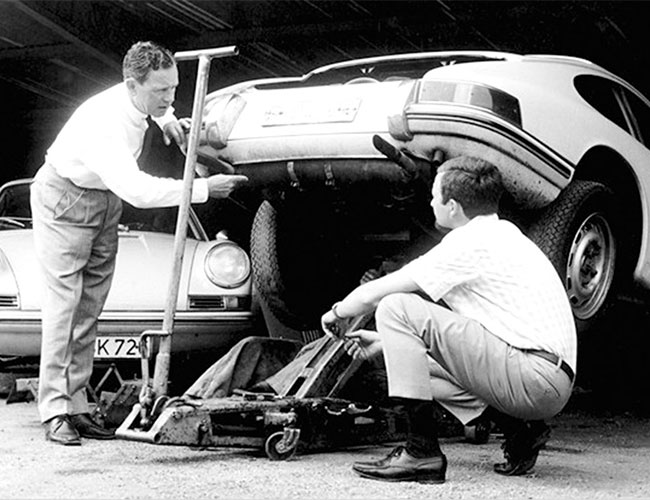
Convert your “to-do” list into your “got-done” list with these, the right tools for the job. Read the Story
A few minutes into a private tour with Classic Car Club Manhattan co-owners Mike Prichinello and Zac Moseley, we stopped to admire the completely new and massive professional-grade kitchen. And Moseley was on his phone. He apologized, explaining that there were mere minutes left in an auction, and CCC was currently the top bidder on a classic BMW 3 Series convertible. So, naturally, we all gathered around and watched a real-time bidding war go down, musing about how much the car might bring and making yacht rock jokes. It went for too much — there were better examples for less, Prichinello said, flashing a knowing grin. The guys at CCC are always on the hunt for better.
A couple years back, when CCC moved from their cramped Tribeca digs up to a sprawling, 40,000 square foot space overlooking the Hudson River, Prichinello explained that the building would eventually be reimagined into a dream-status “clubhouse,” replete with a massive terrace and bar/restaurant, meeting rooms and lounge spaces. The idea, he told me, was to provide Clubhouse Memberships for those who couldn’t or would rather not purchase full-on driving memberships. That concept is now a reality: Classic Car Club has transformed, thanks to a $4 million remodeling project, and Clubhouse Memberships are primed and ready. “But,” you ask, “if you can’t take a fully-restored orange Bronco or electric green Lamborghini out for a weekend drive, what’s the point?” The point is: if you’re in the NYC area and love cars as much as you love hanging out, you’re gonna want a Clubhouse Membership.
Clubhouse Memberships, which cost $180 per month, do actually include access to drives — just not solo outings on public roads. Instead, those with one of the limited number of memberships, which will start being allocated on June 1, can “use the restaurant, bar, lounge, race with us, [plus go on] track days, rallies, group drives, use the simulator room and more.” That “more” Prichinello refers to refers to CCC hitting the ‘member event and adventure’ quotient hard. “We will be hosting more than 50 events for our members,” Prichinello said, “including track days in the US, Mugello in Italy Spa Francorchamps in Belgium [and on] the Nurburgring.” Members will be able to “participate on our race team (both car and motorcycle) and race the Baja 1000; join a culinary rally though Northern Europe, a rally through Cuba; and attend weekly programming in the club facilities themselves.” And the club facilities are mind-bogglingly awesome.
Prichinello and Moseley worked with Marc Thorpe Design to plan the space, which is filled with custom furniture from contemporary brand Moroso and unique bar seating and fixtures by Vibrazioni Art Design (or, as Prichinello described them, “two talented guys that work in a shed on a farm in Italy”). Art is everywhere — original paintings and huge custom murals, photographs and more. Even the bathrooms are high-end, classy places to hang out.
There’s a room upstairs filled wall-to-wall with three cutting-edge racing simulators by Motion Simulation — the first of their kind and “the most advanced available.” These feature 200-degree projector screens and seats with full motion capability, to mimic what’s on-screen. Here, members can practice their skills and/or compete against each other.
Probably most impressive is the dining and bar situation. Chef Jesse Ford joins CCC at the helm of the kitchen I mentioned above, where he dishes out heightened American lunch and dinner fare for members and their guests. The bar is a gargantuan slab of cement stocked with beer, wine and custom cocktails.
What this boils down to is that the not-too-new but vastly overhauled Classic Car Club Manhattan is the freshest members-only establishment in NYC, and hands-down the place for anyone who likes great cars, casual but beautiful spaces and excellent food — and appreciates having endless fun on tap.
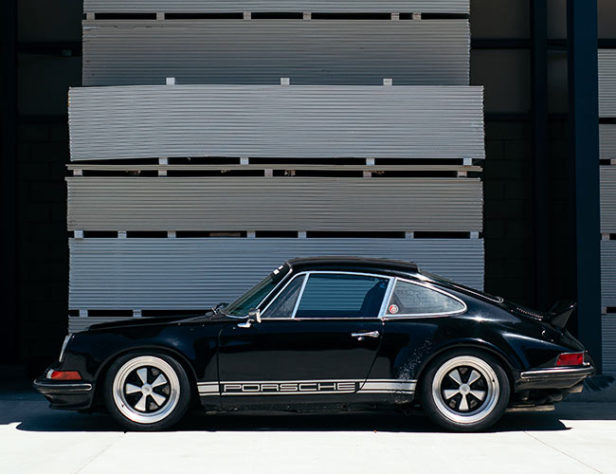
Air-cooled Porsches are a purist’s dream. This year’s Luftgekuhlt was the largest yet, both in crowd size (some 3,500 tickets were sold and an estimated 4,500 people attended) and in venue size. Read the Story
Welcome to the most subjective argument to ever take place in the history of mankind. When it comes to road trips, what you’re driving is more important than where you’re going, what you eat on the way and what you listen to on the road — indeed, it may be even more important than who you bring along for the ride. We all have strong road trip car opinions, often driven by some form of nostalgia or aspiration.
I polled most of the crew here for their picks and then prodded for extra justification to back up their (incorrect) opinions. As it turns out, our choices aren’t all that dissimilar, but “agree to disagree’ all the same, right? Perhaps you’ll find some inspiration — or consternation — below.
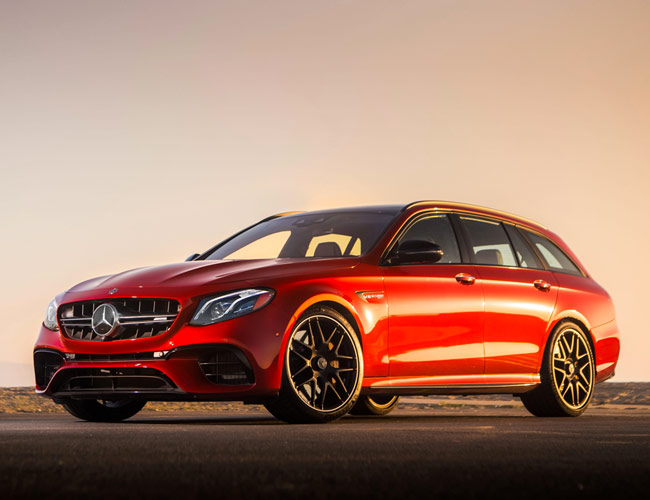
Explain yourself: A perfect power to comfort ratio.
Anything else to add? The E 63 S Wagon checks all the right boxes. It’s a sleeper you can actually sleep in; it’s rare but you don’t have to be precious with it; it sounds phenomenal; it’s shockingly fast and you can get it with those top-notch Mercedes-Benz massaging front seats. Get it in the unassuming Diamond Silver Metallic over Nut Brown Nappa Leather with Natural Grain Ash trim for maximum “zen-den” effect.
Where are you driving? After setting out along the Pacific at dawn, I’d head northeast up to Ojai to Highway 33, then on to Bakersfield to hit Highway 178 to Lake Isabella. Then all the way to Highway 190 that runs through Death Valley. From there it’s a quick shot to Vegas, north on Highway 93 to Great Basin National Park and Highway 50, “The Loneliest Road In America.” 50 East leads to Central Utah where there are otherworldly landscapes to be explored. Once I’d had enough of the desert I’d point the car north to Wyoming and Montana before looping back west through Idaho and Oregon for some of the most incredible roads in the country.
Destination? Flathead Lake, Montana.
Best road trip snack? Bananas and almonds.
First song on your road trip playlist? “Rock and Roll” by Led Zeppelin.
What’s your personal road trip philosophy? Do have a general idea of where you’d like to end up each day; don’t feel the need to adhere to your plans exactly. The best road trips usually take shape after they’ve started, so don’t be too precious with your time. If you’ve got a passenger or two, always be open to their suggestions.
What is the front seat passenger’s primary responsibility? Snack distributor.
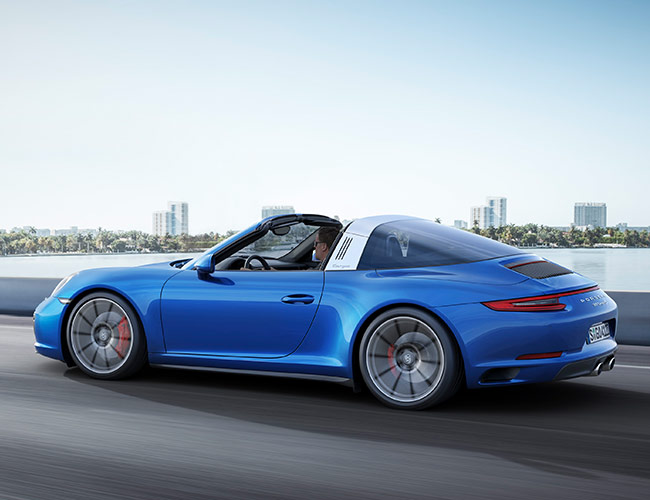
Explain yourself: The roof. Or occasional lack thereof. Top-down road trips are a delight, and the gorgeous, geeky retractable roof on the new 911 Targa gives you that open-air freedom with the flexibility and comfort of having a hardtop.
Anything else to add? The “standard” Targa 4 is probably plenty of car, but fortunately, the S and GTS offer more power and suspension tuning if that’s your thing. I think if you are the type to buy a car like this for extensive road-tripping, the goldilocks-grade S model will have the right amount of power for Fun Time Driving without being too hardcore.
Where are you driving? The hell out of the US, up towards Nova Scotia, making sure to spend plenty of time driving the sublime roads around Cape Brenton Island. Eventually ending up in Halifax to consume copious amounts of Salmon.
Destination? Halifax.
Best road trip snack? Trail mix, but for the love of god make sure you don’t drop an M&M and accidentally sit on it. I’ve been burned before.
First song on your road trip playlist? “Born to Run” by Bruce Springsteen. Cliche but a classic.
What’s your personal road trip philosophy? Road-tripping, to me, is just as much about enjoying a car as it is going somewhere new, so take the scenic route when possible.
What is the front seat passenger’s main responsibility? Navigation.
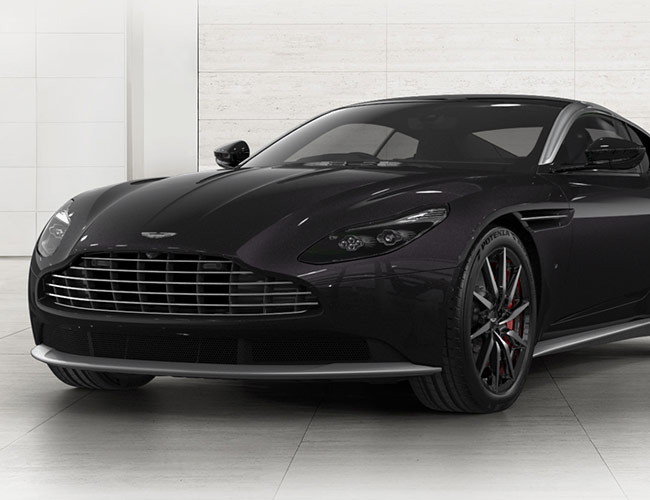
Explain yourself: Easily the most beautiful, sumptuous V12 grand tourer available today.
Anything else to add? The DB11 V12 is an absolute grand slam of a car. Aston is growing massively right now while hoping to hold onto its roots: a heritage of making sporting cars in the hand-built, British tradition that are as capable as they are gorgeous. Most “car guys” prefer the V8 version because it’s lighter and therefor sportier to some degree. This is my choice, though: a completely customizable automobile (I configured the one pictured myself) designed to be owned and driven by sporting gentlemen; fast and violent-sounding, yes, but also velvety smooth thanks to its liquid V12. It is ultimate comfort, devilish luxury and top-tier, future-grade design rolled into one with a heavy, heaping dollop of the brand’s 100-plus-year history on top. Opt for custom-fit luggage, or perhaps some beautiful pieces of your own, and point in the direction of a heavenly getaway in a stylish, equally-stunning paradise.
Where are you driving? Start north on the California coast and wind down through Carmel-by-the-Sea, eventually winding my way to Montecito for a week of good food, ocean roar and, well, showing off my car.
Destination? Coral Casino Club
Best road trip snack? Whatchamacallit candy bars, but not to be eaten in the car. Sorry.
First song on your road trip playlist? “Runnin’ Down a Dream” by Tom Petty and the Heartbreakers.
What’s your personal road trip philosophy? Driving is my Zen place. I’ll drive for hours without making a sound, without the radio on, alone with my thoughts and the road. I love the way I can manipulate a car and optimize a driving route. Conversely, I cherish road trips with good company — provided my passenger has good music taste. Extra points if they can harmonize.
What is the front seat passenger’s main responsibility? DJ.
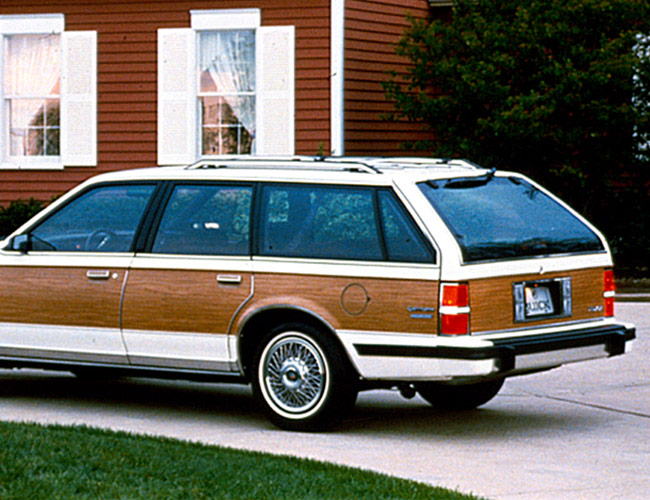
Explain yourself: Space. You need to be able to feel like you can live out the car. Because sometimes you have to.
Anything else to add? This is the car I grew up in as a kid, which I affectionately, yet plainly referred to as ‘the blue car’. (We had an ’87 VW Scirocco too, that was ‘the black car’.) The Buick was dark blue with wood grain paneling over a dark blue velour interior. Was it the hottest place in the world in the summer? Hell yes. But there was so much room in that car it might as well have been a modern SUV. And on shorter trips where luggage wasn’t necessary, you can bet my sister and I were in the trunk making use of the rear-facing rumble seat, taunting drivers behind us. Plus, one perk to the velour upholstery was it provided serious entertainment on the trips up to the Poconos. Once it was dark enough, all you had to do was rub your hair on the seat back and give your sibling a visible taser shock of static electricity.
Where are you driving? The most memorable trips were through snow storms up to Woodlock Pines to meet extended family for Christmas or New Years. I haven’t been back in years — I’m sure the place has modernized by now — but it was definitely a holdout establishment from the ’70s judging by all the decor.
Best road trip snack? Jerky.
First song on your road trip playlist? “Oh, Pretty Woman” by Roy Orbison. This song would always eventually blast through the tape deck, and as a kid I loved it every time.
What’s your personal road trip philosophy? Bring enough sustenance to keep you going to the next gas station, because those are the only stops.
What is the front seat passenger’s main responsibility? Navigation.
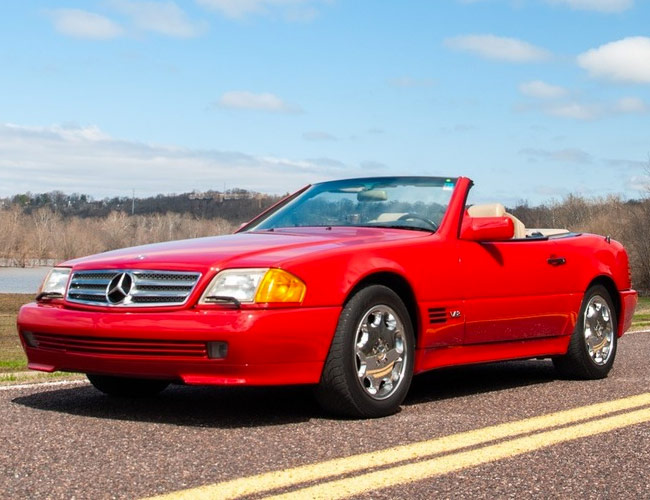
Explain yourself: It’s a V12 Mercedes-Benz convertible.
Anything else to add? The Mercedes SL-Class is simply the world’s favorite grand touring car. It’s been around longer than you have (probably) and though the current one may be the last, there’s a reason SL is the last word in drop-top luxury touring. For the money, the R129 generation (1989-2002) is my favorite, as it proves that boxy can still be beautiful. Capitalize on the current wave of 90s nostalgia and pick up one with a V12 for less than $25,000 in mint condition.
Where are you driving? The Overseas Highway from Miami to Key West seems a fitting route for the SL. At just 127.5 miles, it’s on the short end of the road trip spectrum, but why not extend your starting point a bit further north along the coast? Like Savannah, or Myrtle Beach… or Portland, Maine.
Destination? If you’re already down there, why not hit the southernmost point in the continental U.S.? At least it’s by the beach…
Best road trip snack? Beef jerky.
First song on your road trip playlist? Keeping it on theme: “Miami” by Will Smith.
What’s your personal road trip philosophy? If you stick to the planned route, you’re not really on a road trip, are you?
What is the front seat passenger’s main responsibility? DJ.
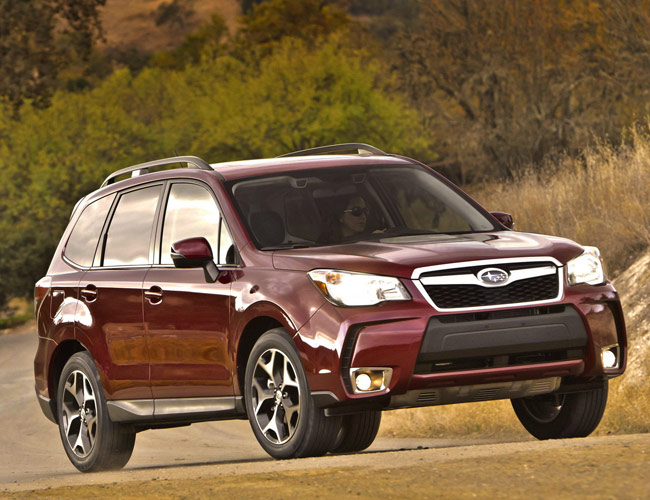
Explain yourself: It’s an AWD sleeper with a turbo. What more could you want in a road trip car?
Anything else to add? I can say from personal experience that this car is a blast to go cross country and back in. It’s got enough giddy-up to be fun across middle America. More importantly, it has a vast dealer network to keep up with the scheduled maintenance and oil changes while on the road.
Where are you driving? I’ve yet to check off a road trip through the South, so the ideal route would be to kit this thing out with a handful of bike racks and head down to Asheville. Once there, exploring the backroads in sport mode would be worth the trip.
Destination? Asheville, NC.
Best road trip snack? Haribo Sour Peaches.
First song on your road trip playlist? “Winter” by TV On The Radio.
What’s your personal road trip philosophy? Methodically planned down to where the closest Steak n Shake is at each fuel stop. Tire pressure? Check? Wiper fluid? Check. You get the picture.
What is the front seat passenger’s main responsibility? DJ.
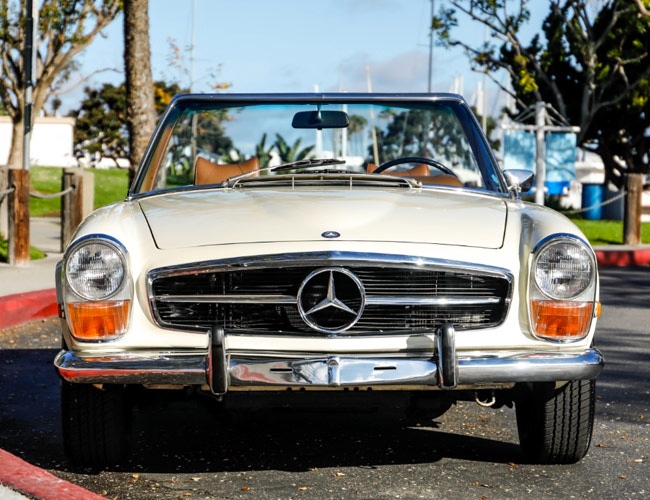
Explain yourself: Understatement. The 280SL is pared down from its predecessor SLs and sleeker than its successors. You won’t look like a doofus climbing out of gull-wing doors. There’s at least a 50/50 chance you can escape the coffee shop without being dragooned for a 40-minute conversation by an eager car enthusiast.
Anything else to add? When former Mercedes F1 Champion Nico Rosberg cruises along the Mediterranean, he drives a 1970 280SL.
Where are you driving? I depart my charming Carmel-by-the-Sea inn. I turn south on Route 1. I leave my worries and the ubiquitous Bay Area tech bros in the rearview mirror as I savor perhaps America’s most striking coastline. Leisurely lunch with a view. I turn around in time to arrive for my pre-cocktail hour massage, because in this world that’s entirely reasonable.
Destination? Carmel-by-the-Sea, California
Best road trip snack? Cinnamon Altoids.
First song on your road trip playlist? “It’s Hard To Be a Saint in the City” by Bruce Springsteen.
What’s your personal road trip philosophy? Leave earlier than any sane person would in the morning. Pace yourself with the liquids. Avoid lactose and legumes before traveling in polite company.
What is the front seat passenger’s main responsibility? Navigation.
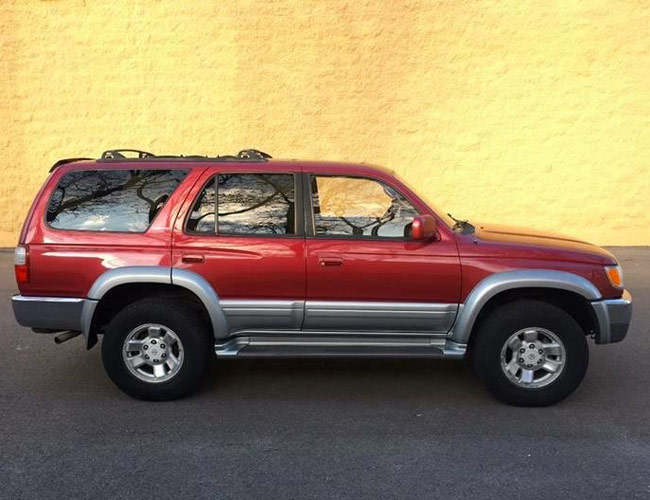
Explain yourself: Sickening trunk space. I don’t pack light on road trips. Why should I? This isn’t air travel. I can bring whatever I want, so long as I don’t encroach on others’s leg room.
Anything else to add? The ’96 4Runner happens to be the car I learned to drive in. If you have the option (you probably won’t), you want the 4X4 stick shift model. Oh, and it needs to be red. Kismet led me to the man I rented this same car from some 10 years after learning to drive (in Puerto Rico of all places), and I’ll never forget bumping into cones while parallel parking or speeding up a mountain in it.
Where are you driving? You’ve got to rent the 4Runner from a suspect shirtless man in San Juan, Puerto Rico — with cash — and take the 149 to the 143, then Route 10. This runs you through an exceedingly up-and-down rain forest on crumbling gravel roads one-and-a-half cars wide. The canopy becomes so dense inside the Toro Negro rainforest it may as well be night, and oncoming vehicles aren’t keen on using headlights (honking horns is customary when swinging around blind corners). After a slew of switchbacks and 75-degree uphill shots the foliage finally thins, and the sun comes back. The rest of the drive you’re looking up the slopes of the tallest mountain on the island, and down at Poncé and San Juan far and below. When you arrive at Kurt’s coffee farm, you’ll be treated to a freshly grown, roasted and ground cup of espresso in a gazebo at cloud level. Not a bad reward for your efforts. (Hint: if there’s a chance of rain, do not go.)
Destination? Hacienda de Café Pomarrosa.
Best road trip snack? Certainly not beef jerky (sue me). Road trip snacking should feed into other timeless road trip activities, like rolling the windows down. Hence, roasted peanuts (unshelled) are peak road trip snack.
First song on your road trip playlist? “Triumph” by Wu-Tang Clan.
What’s your personal road trip philosophy? We’ll stop however many times we damn well please. Might we be a bit late? Sure. Do we care at all? No. I don’t always agree with the classics, but it’s the journey that you remember, not the destination. Before I embarked on my first road trip without him, my occasionally wise father told me this: if you’re thinking about getting there, you’re traveling, not road-tripping. This is either one of those really insightful messages or me glamorizing my dad’s words too much.
What is the front seat passenger’s main responsibility? DJ.
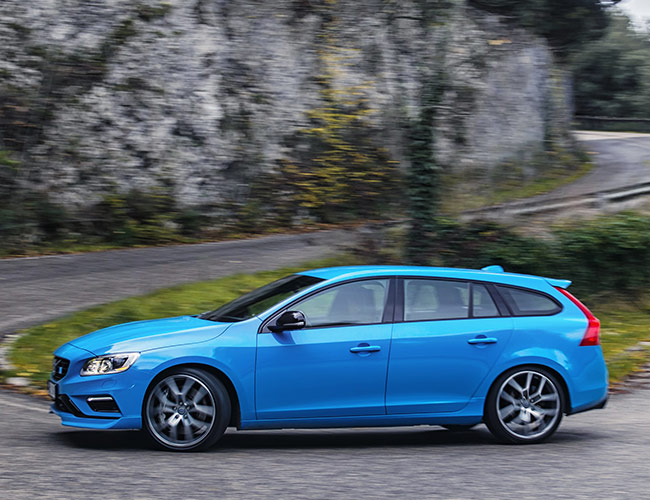
Explain yourself: The combination of stealth and power.
Anything else to add? This is one of the coolest wagons out there due to its sleeper status. It has classic Volvo styling mixed with subtle high-performance hints that not everyone will pick up on. To most, it looks like a standard Volvo V60, but to me, those massive Brembo brakes and blue Polestar badge tell me everything I need to know. This is not your father’s wagon.
Where are you driving? NY to LA as fast as possible.
Best road trip snack? Pizza Combos.
First song on your road trip playlist? “One” by Metallica.
What’s your personal road trip philosophy? Speed when possible, but do so safely. Don’t forget to take in the sights.
What is the front seat passenger’s main responsibility? DJ.
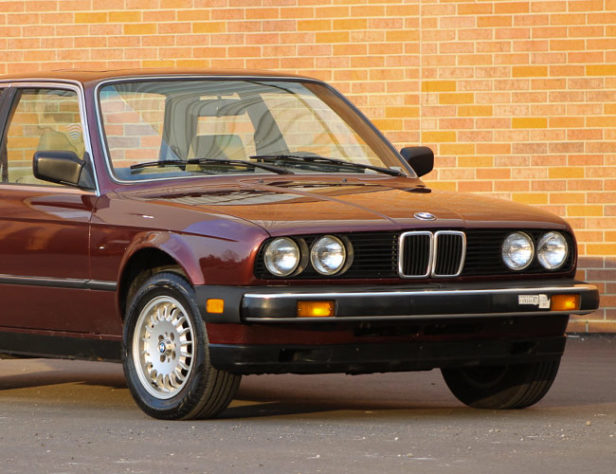
We took on the arduous task of window shopping for our favorites at the moment, and if we had to choose, we’d say these are the best used cars for the $10,000. Read the Story


