All posts in “Buying Guides”

The Gear You Need to Breathe New Life Into a Vintage Stereo

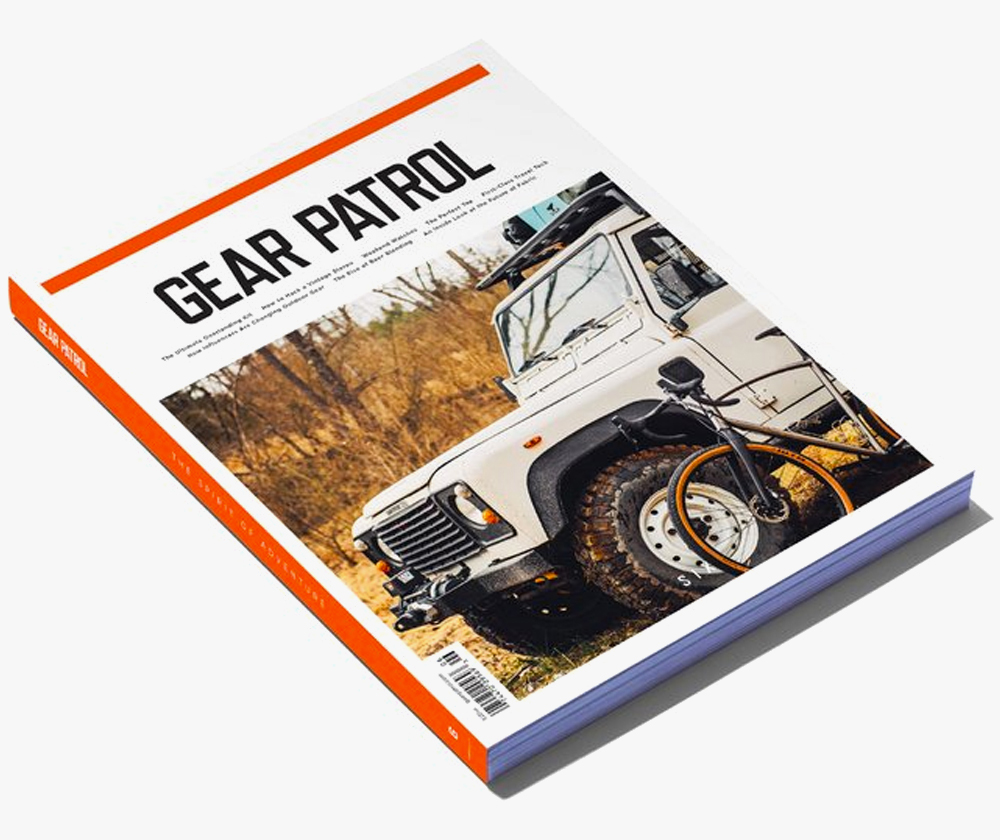
From Issue Six of Gear Patrol Magazine.
Discounted domestic shipping + 15% off in the GP store for new subscribers.

Maybe it was a hand-me-down, maybe it was a spur-of-the-moment eBay grab, or maybe it was just a score from that hipster-approved flea market. Whatever the case, you’ve suddenly found yourself the proud new owner of a sweet vintage stereo — perhaps a natty-looking receiver like the gorgeous one pictured here, a Sansui G-7000, circa 1979.

It may only have half the features of that crap iHome clock you’re still using even though it only charges an iPod Nano, but who cares? You’re better than that — and who can argue with swaths of brushed aluminum or the feel of a proper volume knob? So with that said, welcome to your next Saturday project.

The upside to vintage audio gear is that if it works, well, it works — even when it’s going on 40 years old. With a few simple add-ons, you can modernize many vintage stereos to work wirelessly and easily with your iPhone and favorite music app. It’s a perfect union: audio pedigree, vintage-era modern design and convenience. Boiled down, it’s got style.

To start, let’s presume you’ve scored a receiver. (If you haven’t, look to eBay, local shops and Audiogon.) A receiver is what you see pictured here, and a common find for vintage scouters. Simply explained, a receiver is a stereo amplifier that includes a built-in AM/FM tuner and, usually, a few inputs to add other devices like a turntable, cassette deck or a CD player. The important thing to look for is a spare input, sometimes marked AUX, to ensure you can pipe in another music source. For the purposes of this project, we’ll skip past adding new components and focus on making it work with your phone.

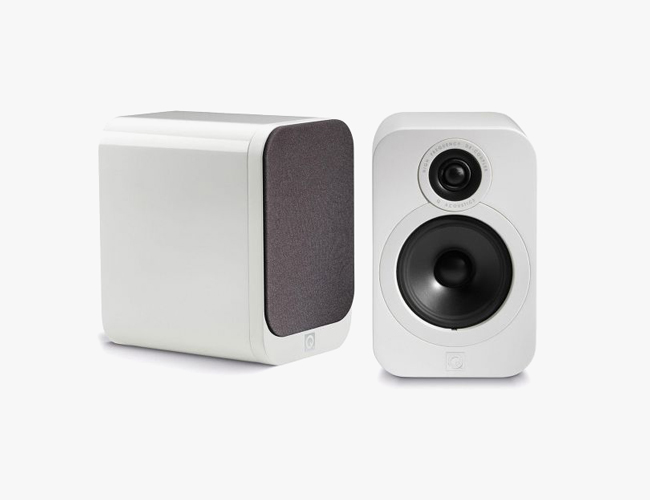
Q Acoustics Bookshelf Speakers

These speakers deliver a great performance for the price — just Google them. We’re fans of the value they offer, and they look perfect in white. If you’re hunting for a bigger upgrade that ratchets up the audio quotient, look for a pair of SVS Ultras ($1,000 for a pair). They’re beautifully designed and boast outstanding performance.

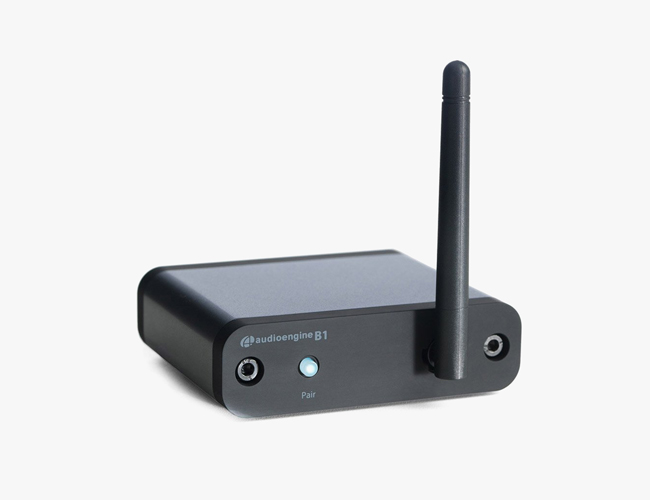
Audioengine B1 Premium Bluetooth Music Receiver

Just plug this little box into your receiver via the included audio cables, turn it on, press a button to sync your phone, tablet or computer via Bluetooth, and that’s it. Note that depending on your receiver you may need to use an adaptor that steps down your stereo audio cables into a single 3.5mm (headphone-size) jack. If the price is too steep, save some money by looking for Monoprice’s Bluetooth Streaming Music Receiver, which accomplishes the same function for just $50 bucks.

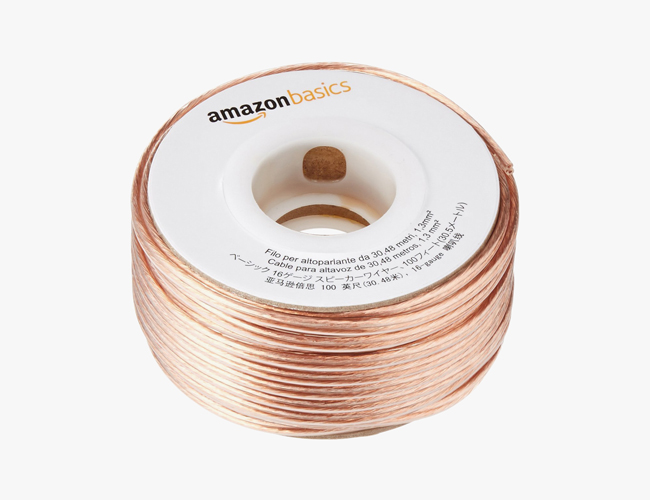
AmazonBasics 16-Gauge Speaker Wire

Don’t believe the hype around expensive speaker cables. There’s a time and a place for them, but not here. Most setups simply require regular 16-gauge speaker wire to get up and running. We like Amazon’s own house brand, which is fantastically priced.

The 12 Best Trail Running Shoes of 2018

This guide provides information on the best trail running shoes of every type, and also provides tips and advice to know before you buy.


Introduction

The best thing about trail running is that, like road running, all you need is a good pair of shoes and you can hit the trails. The tricky part about trail running however, is that if your shoes can’t hold up to the trails, you can spend a lot of time and money slogging through miles. We pulled together a comprehensive list of the newest and best trail runners for spring and summer 2018. If you have never run trails before, or a seasoned expert, this is a great place to start.

How We Tested Them

We started with a list of 58 pairs of trail runners for all types of trails: from dirt roads to gravel paths, to loosely packed to hard rocks. We spoke with the Lance Olian a nationally recognized strength and conditioning coach and employee of JackRabbit Sports who has a decade of experience with running shoes, as well as Altra founder and trail running expert Golden Harper. To provide additional insight and gain a professional runner’s perspective, we also spoke with ultrarunner Scott Jurek. We spent hours researching, reading reviews and asking friends, then narrowed down our picks to the top 23, which we then took to the trails of Storm King Mountain, just north of New York City. On top of that, we’ve tested these runners on the trails of New Jersey and Central Park, down dirt roads in Greece, along the mountains outside of Denver and Aspen and across grassy, off-season ski slopes of Park City, UT and Lake Tahoe, CA.

Types of Trails

Golden Haper breaks down everything you need to know about the different types of trails that you’ll encounter in your exploration of trail running.

Mountain West: Fairly hard-packed trails, not a ton of mud filled with lots of undulation and vertical. You’ll hit a variety of conditions on your way to the mountaintop, but the ground is pretty hard-packed and rocky.
Midwest to South: Flat as a pancake, but mixed conditions depending on the weather and season. There’s not too many rocks underfoot, nor is there a ton of vertical. There’s more slip and grip to be dealt with here.
Upper Midwest, Northwest and Northeast: Floppy, and filled with mud. You’re running in mushy and soft terrain with lots of grass.
Southwest: Think mostly desert areas. San Diego, CA to Phoneix, AZ to San Antonio, TX to Santa Fe, NM. The dry, hard sand is tough on shoes. Sand and mud crystallize on shoes and are essentially sandpaper on the shoe when it gets wet.

What to Look for in a Trail Runner

Just like with road running and road running shoes, there are a variety of terms that every trail runner should know. While a shop like JackRabbit will be able to help you narrow down the variety, we talked with a range of experts from different aspects of trail running to help prime your initial research.

“You can run a road shoe on the trail, and a lot of elites will do it, especially as a newer trail runner,” Harper says. “The trail eats shoes for lunch, though, so it’s a good way to destroy your road shoes a bit quicker.” If only one pair of shoes is available at the moment, don’t let that stop you.

The first difference to note between road running shoes and trail runners is the rubber on the sole of the shoe. “You’ll notice it’s going to be a stickier, grippier compound than the rubber used on a road shoe, so it handles wet and slippery conditions better and grips on rock better. Trail shoes tend to skew toward the soft and sticky side,” Harper says. “The second thing is the lugs on the shoe. A road shoe is pretty flat, but a trail shoe is undulated. There’s more contour to the bottom and the lugs stick to as many surfaces as you might come upon.”

Another thing to notice between trail and road shoes is the heel height. Jurek calls this the heel differential. “The heel to toe ratio is lower than most road shoes, so I personally like something in that three to five-millimeter drop, that keeps the foot closer to the ground and the heel lower to provide a more stable platform to push off and land,” he says. “It also helps with stability in the ankle and hips.”

Cushioning is the same — go for more or less cushion depending on personal preference. “I tend to like a thinner midsole, and the trend now is a midsole where people prefer more cushion, but go with what feels comfortable to you,” Jurek says. The more cushion and padding you have between your feet and the roots, stones and dirt mean you won’t have as much trail feel, but you also might not want to have that much of a gap between you and the trail. Go with what feels best to you. “New trail runners might think ‘I want to protect myself completely from the trail,’ but having some sense of feeling is important,” Jurek says. Harper also adds that the midsole on a trail runner tends to be a hair firmer because the ground is softer (compared to the road). “Some sneakers also have a rock protection plate, or a stone guard, and it allows you to hit rocks and not injure your foot, so you can go faster,” Harper says.

The upper on a trail shoe tends to be a bit more supportive than a typical road shoe. It has a more protective toe so that as you’re kicking stones or climbing up intense rock formations, you don’t have to worry about abrasions. “It’s always a trick with the mesh to get something that’s breathable, but doesn’t let sand in and doesn’t wear out,” Harper says. You want sneakers to be breathable, durable and impenetrable to rocks, stones, twigs and the like. The worst feeling is having to stop on the trail and take off your shoes to kick out whatever tiny pebble made its way inside next to your toes.

Contrary to popular belief, Harper mentions that you don’t really need shoes to have a sock liner that comes up past your ankles. “Adding ankle support actually increases ankle rolls,” he says. “Take for example hiking boots, basketball shoes and trail running shoes — people roll their ankles more in high tops than in low tops. When your body senses there is support there, it turns off or turns down the defense system, so it’s late to respond to a roll.”

Lastly, one major thing to look for is how waterproof and quick-draining the sneaker is. If you’re spending a lot of time in a wet environment, it’s important that you can “cross a creek or step in a puddle and go above the collar of a shoe, and if you expel water in that upper, [having it be] hydrophobic is really critical,” Jurek says.

Depending on how hard you’re running, and how rough the trails are, you can put a decent amount of miles on a pair of trail running shoes. “If you run fairly tame trails, you can put thousands of miles on each pair of shoes,” Harper says. “When it comes to a trail shoe, the ground is softer so every step [you take] is different and you’re not nearly as concerned about cushioned running because it’s taken care of by the unevenness of the trail,” Harper says. For Jurek, his estimate is slightly more moderate. “I’ve put 500 to 700 miles on my shoes,” he says. “I like to test how they feel at certain points.”

Buying Guide


Buying Guide

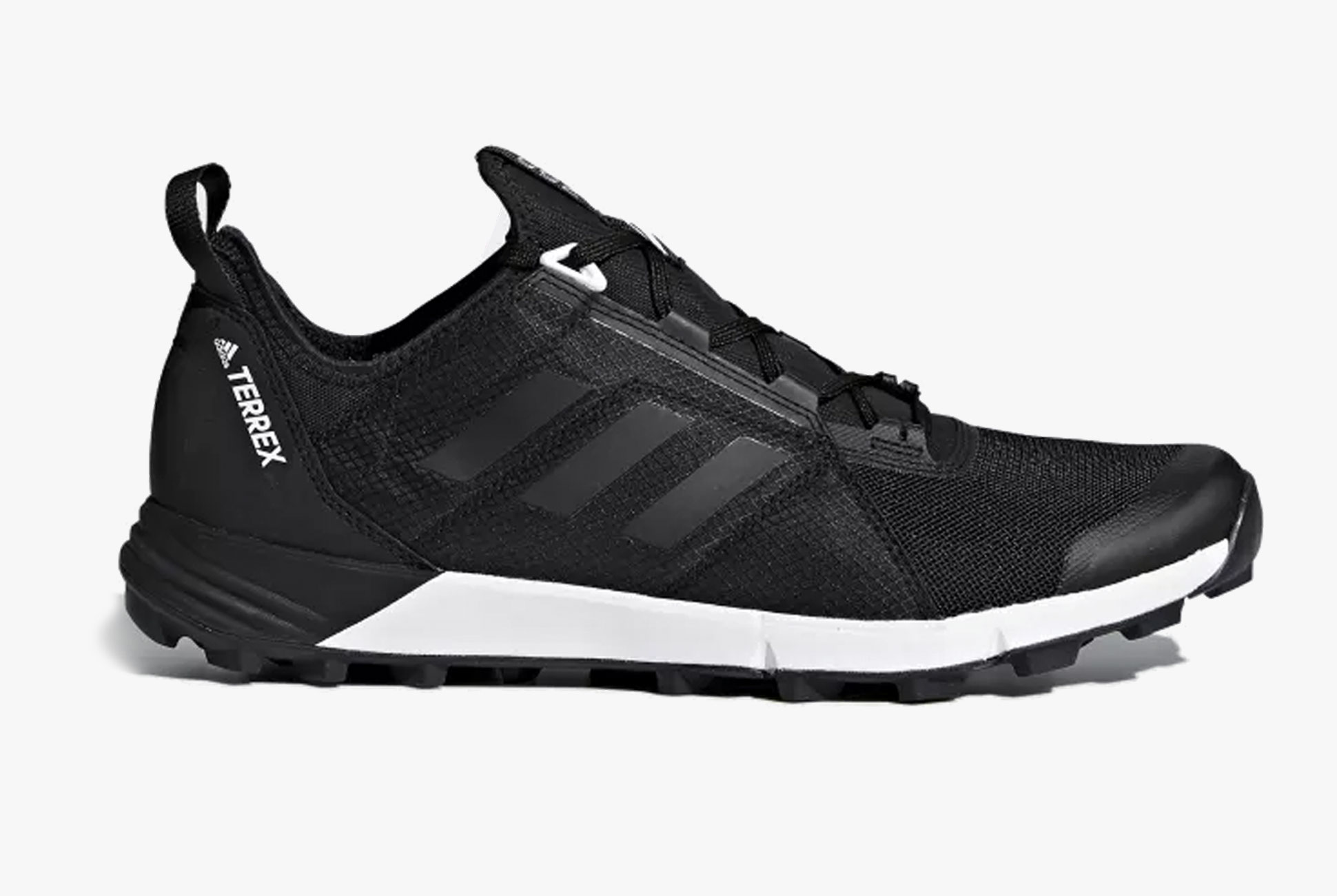
Best for Dry Trails: Adidas Terrex Agravic Speed


These lightweight (and low-price) sneakers come in an all-white exterior so you can make your own mark on the trails, and bring back custom kicks after every run. The all-black look also doubles as an all-day walker, so you can fit in that 13-mile training run while you’re on vacation in Greece. The Continental Rubber outsole works well in all conditions — especially dry desert-like trails.

Weight: 8.9 ounces
Drop: 8mm

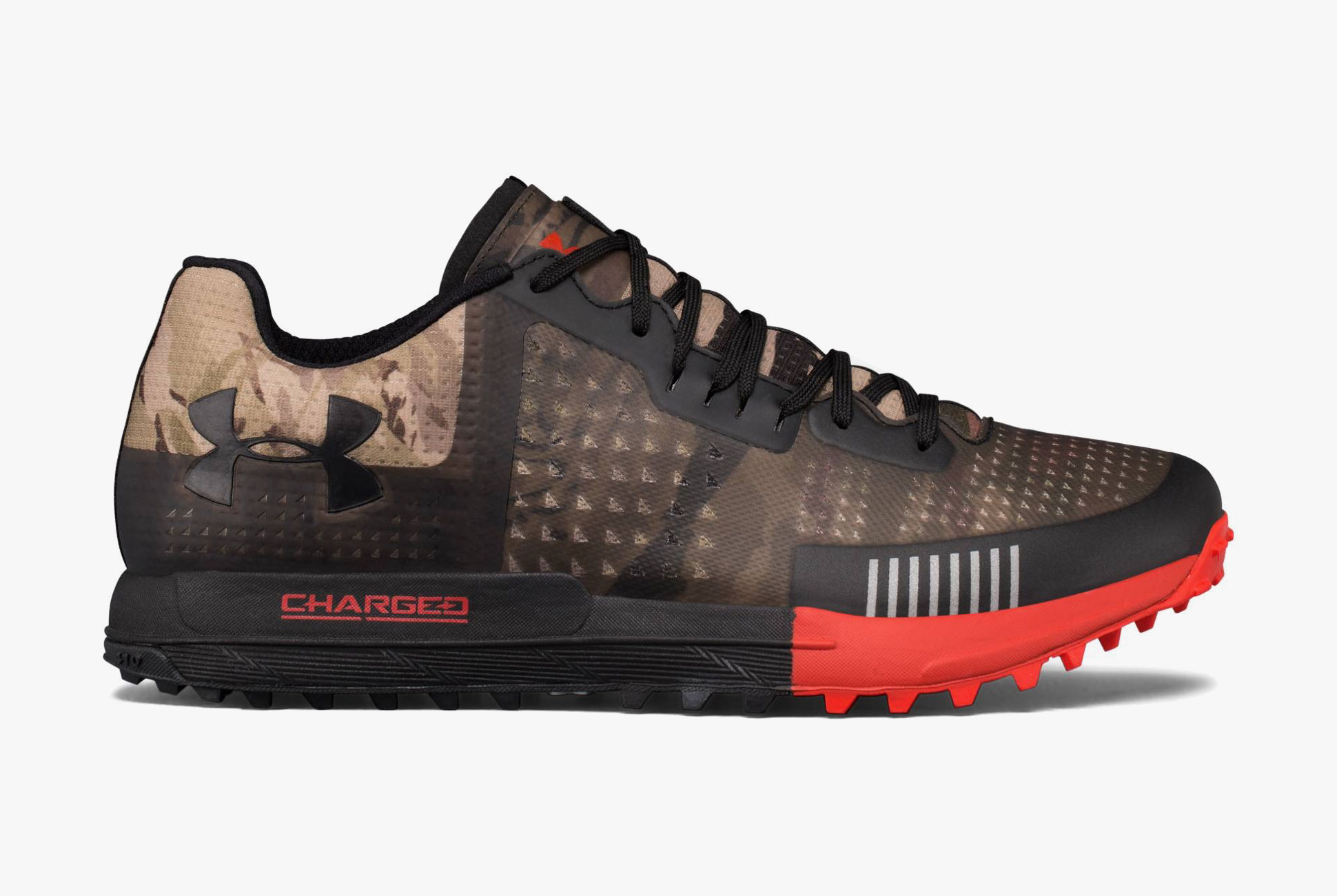
Best Deep Lugs: Under Armour Horizon RTT


Built for neutral runners who want something a bit heavier and more stable on their feet, this high traction trail runner has a thick and supportive upper. While it’s not super flexible, it does eliminate any water concerns and has intense lugs that will literally stomp over any root in its way. The camo is unique color way, but our testers leaned on the deep blue, which surprisingly didn’t show too much dirt.

Weight: 12 ounces
Drop: 7mm
Pronation: Neutral

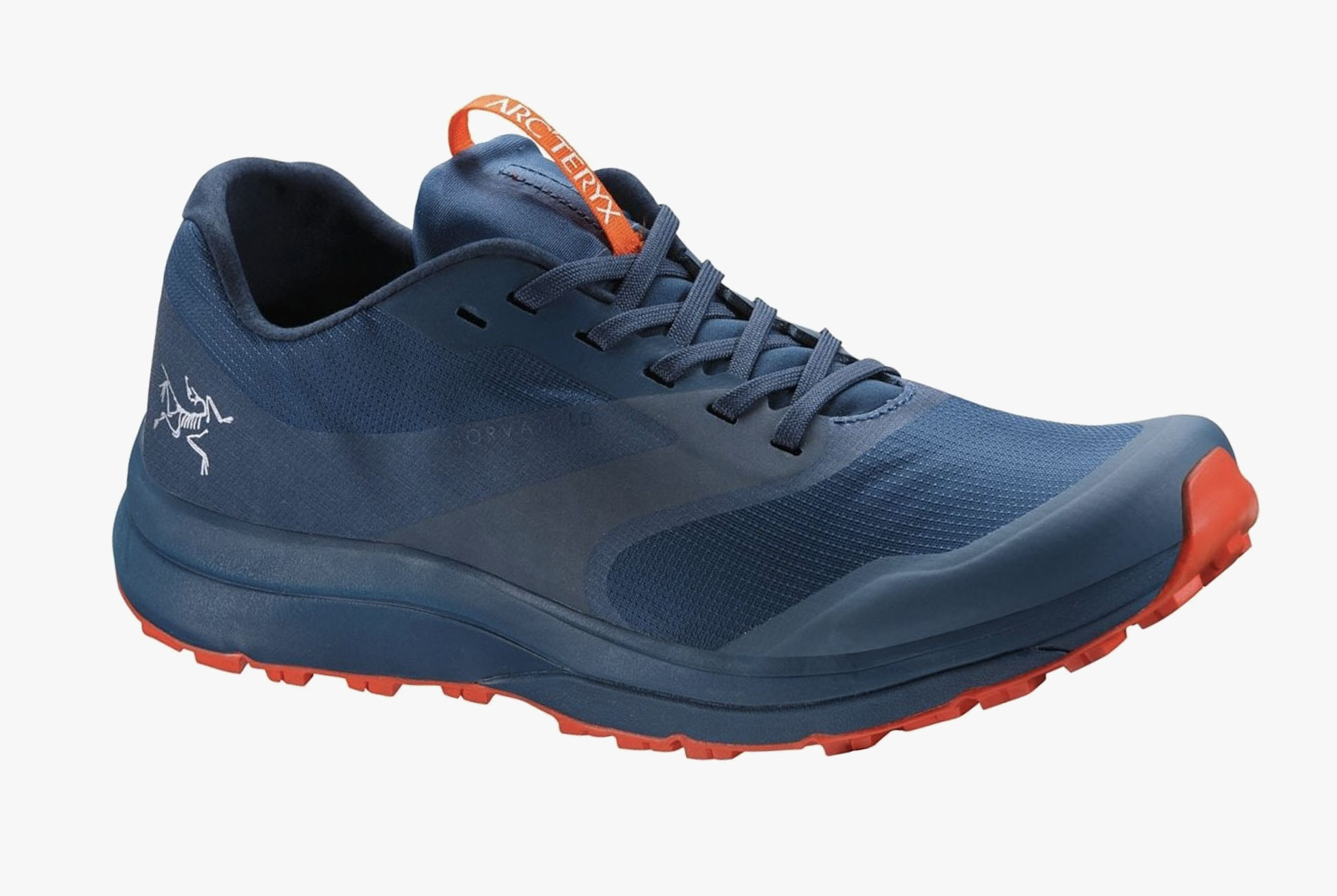
Most Unique Trail Runners: Arc’Teryx Norvan LD


You’ll be hardpressed to find a trail runner that looks as sleek as this one. Arc’Teryx is known for its streamline-designed outerwear (and trail running gear, which our testers were big fans of), but the shoes are certainly unique. Built to tackle technical trails, you can take these out for steep climbs and down long dirt roads. The Vibram Megagrip outsole helps lock feet in place whether you’re running or hiking.

Weight: 1lb. 5.9 ounces
Drop: 9mm

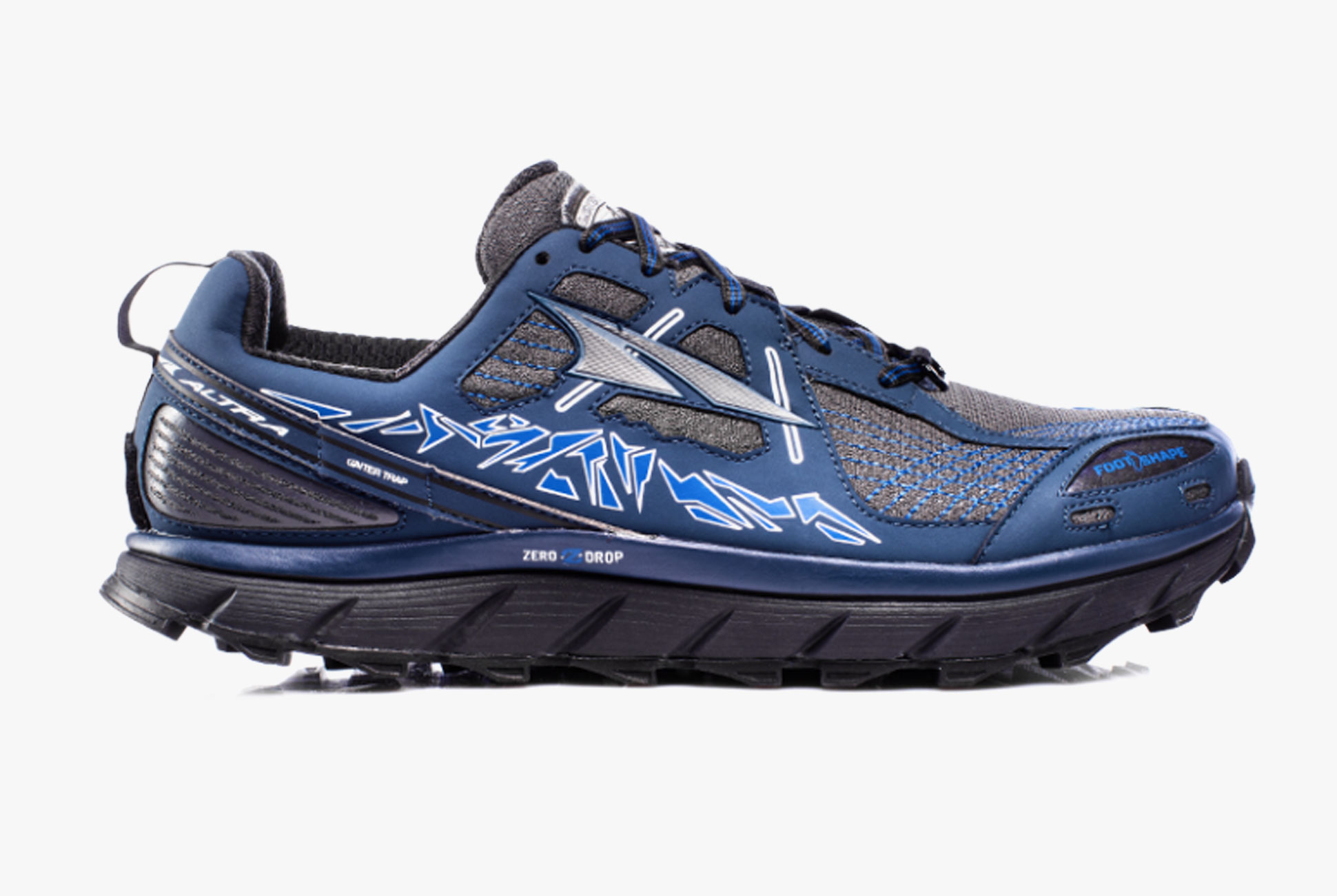
Best for Wide Feet: Altra Lone Peak 3.5


Like all Altra footwear, these shoes are built to help improve your natural foot positioning and increase toe splay comfort. Ideal for both trail running and ultrarunning, the Lone Peak 3.5 offers a moderate amount of cushioning, so you can feel the bumps in the trail, but zoom right over them. The GaiterTrap eliminates any concern over dirt and rocks getting in, and the drainage holes usher water right out. A zero-drop platform means the distance between your heel and forefoot and the ground is the same. And a stone guard ricochets rocks away from the midsole while the MaxTrac rubber grips peaks and valleys of all surfaces. It was a tough decision between the Superior 3.5 and the Lone Peak, but both let you run “in the way your feet were born to,” Olian says.

Weight: 10.4 ounces
Stack Height: 25mm

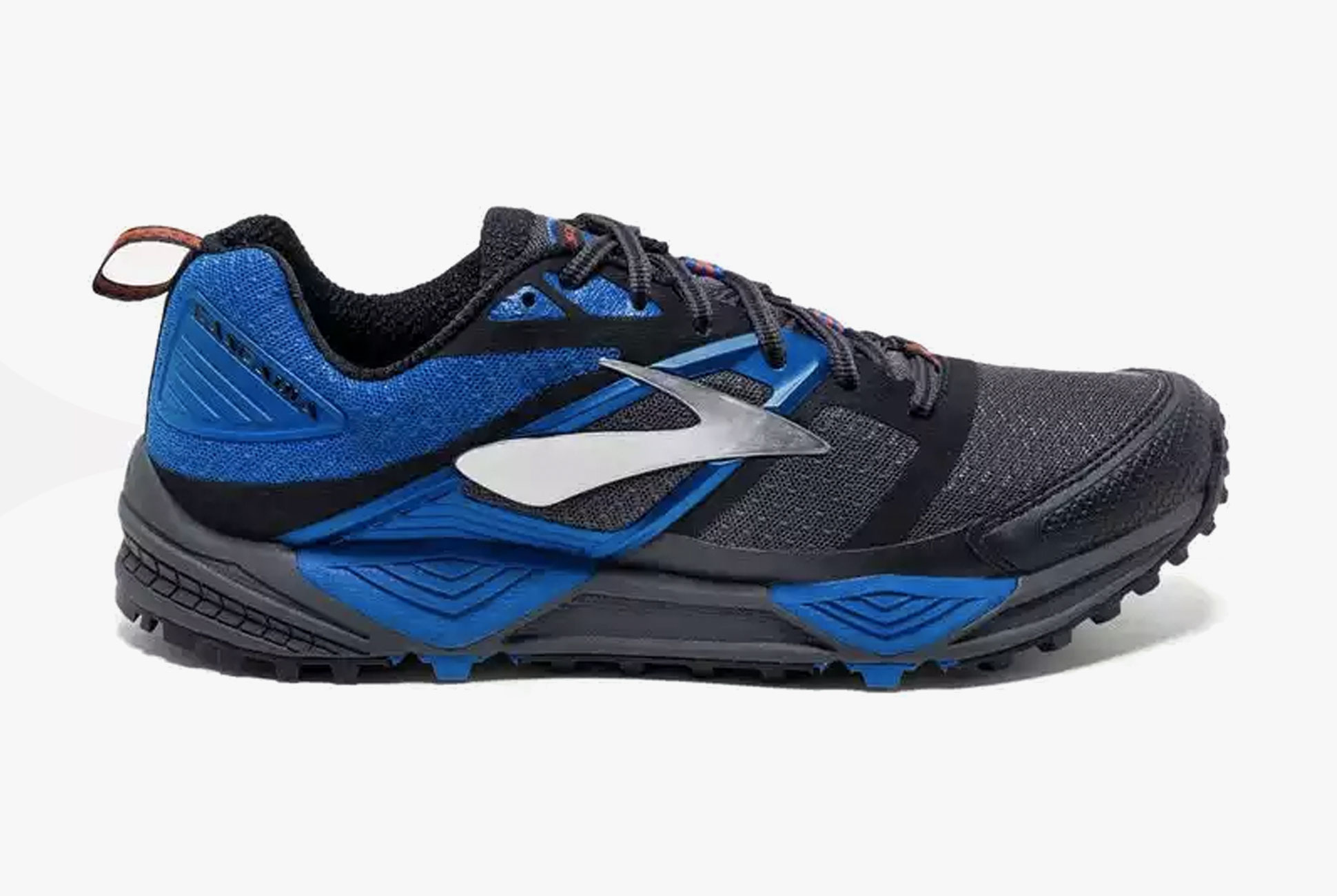
Best All-Surface: Brooks Cascadia 12


The ‘V’ pattern on the upper matches the double ‘V’ lug system on the outsole of the shoe, meaning water, dirt and mud siphon through with zero issues. While this 12th iteration of the ever-popular trail shoe is just as durable as its predecessors, there have been some notes about a shallow heel cup — our testers didn’t notice it, but something to watch out for. All in all, though, Brooks continues to pump out supportive trail runners with beefy lugs that aren’t insanely heavy. Olian calls this shoe, “one of the most versatile trail shoes suitable for a variety of foot shapes and runner types.”

Weight: 12.1 ounces
Midsole Drop: 10mm
Pronation: Neutral

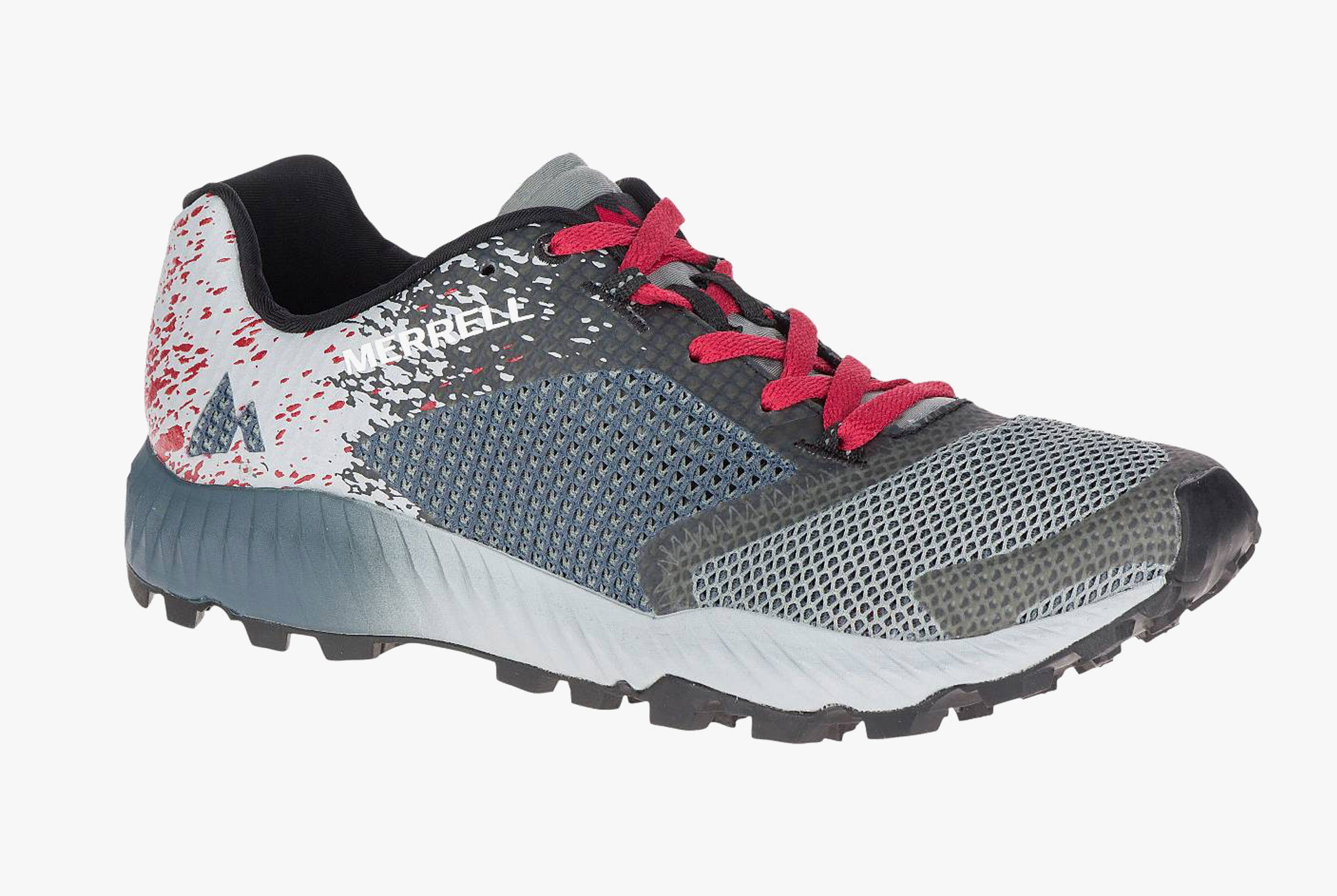
Most Affordable: Merrell All Out Crush 2


Created by the brand that works closely with Tough Mudders, the combo of the M-Select grip and ventilated upper means through wet and dry terrain, your feet feel like they can keep going for miles. Out testers found they ran slightly big with a wide toebox, but liked the fairly minimal design and light structure. If you want to really feel the trail underfoot, grab a pair of these.

Weight: 8 ounces
Heel Height:22.5mm
Forefoot Height: 16.5mm

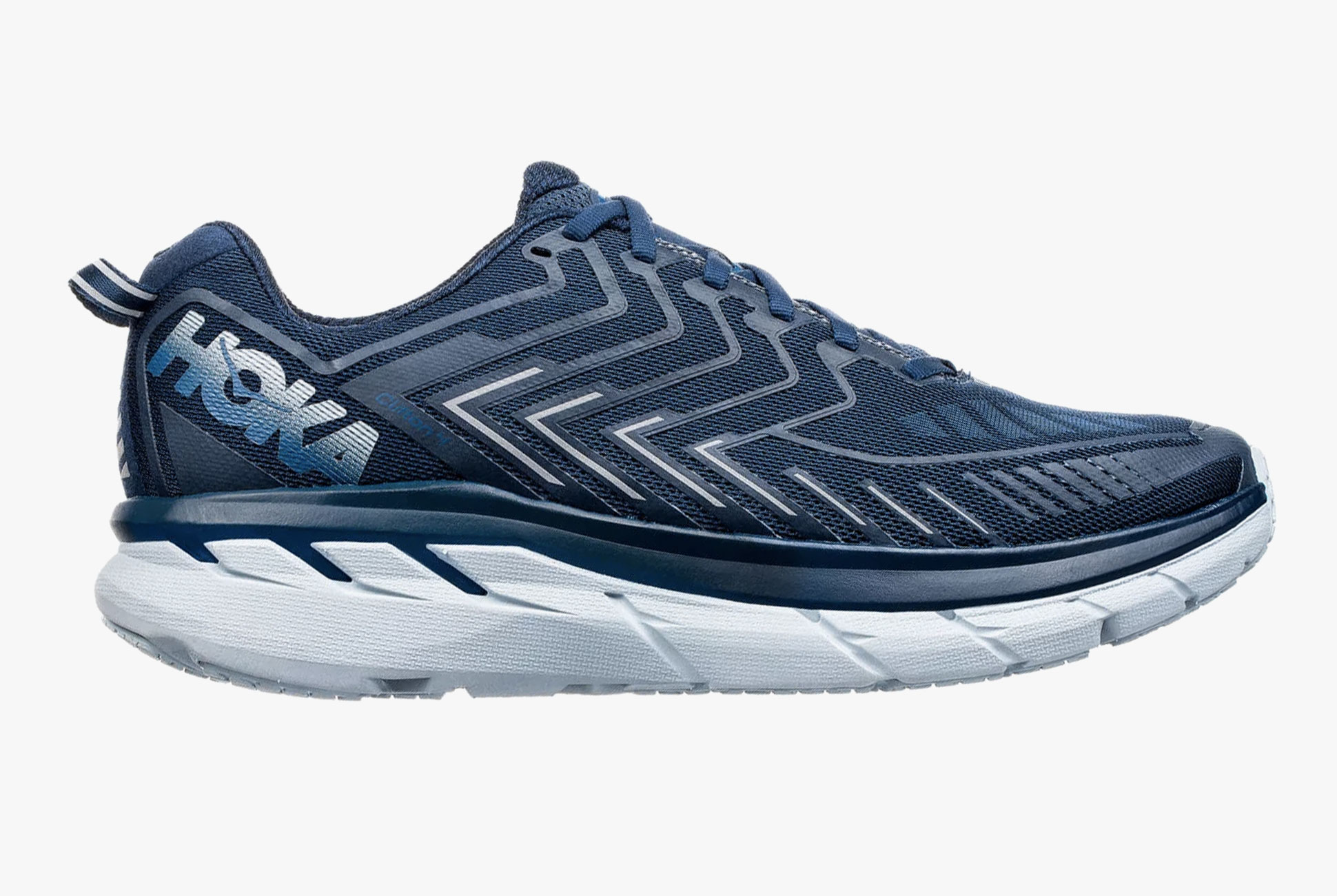
Best Plush Cushioning: Outdoor Voices x Hoka One One Clifton 4


While these claim to be best for the road, we’re big fans of taking these out on the trails. If you don’t want to feel the trail underfoot, throw a pair of these on. It fits true to size, and comes in a much sleeker package than Hokas of the past, especially in the new Outdoor Voices colorway. The updated foam is supposed to help the shoes last longer than iterations of the past as well. While Olian recommended the Challenger ATR 4 (which we included in our best new running shoes of 2018), we liked the simplicity of the new OV x Hoka combo, especially for road to trail running.

Weight: 9.7 ounces
Heel Height: 37.5mm
Forefoot Height: 28.4mm
Pronation: Neutral

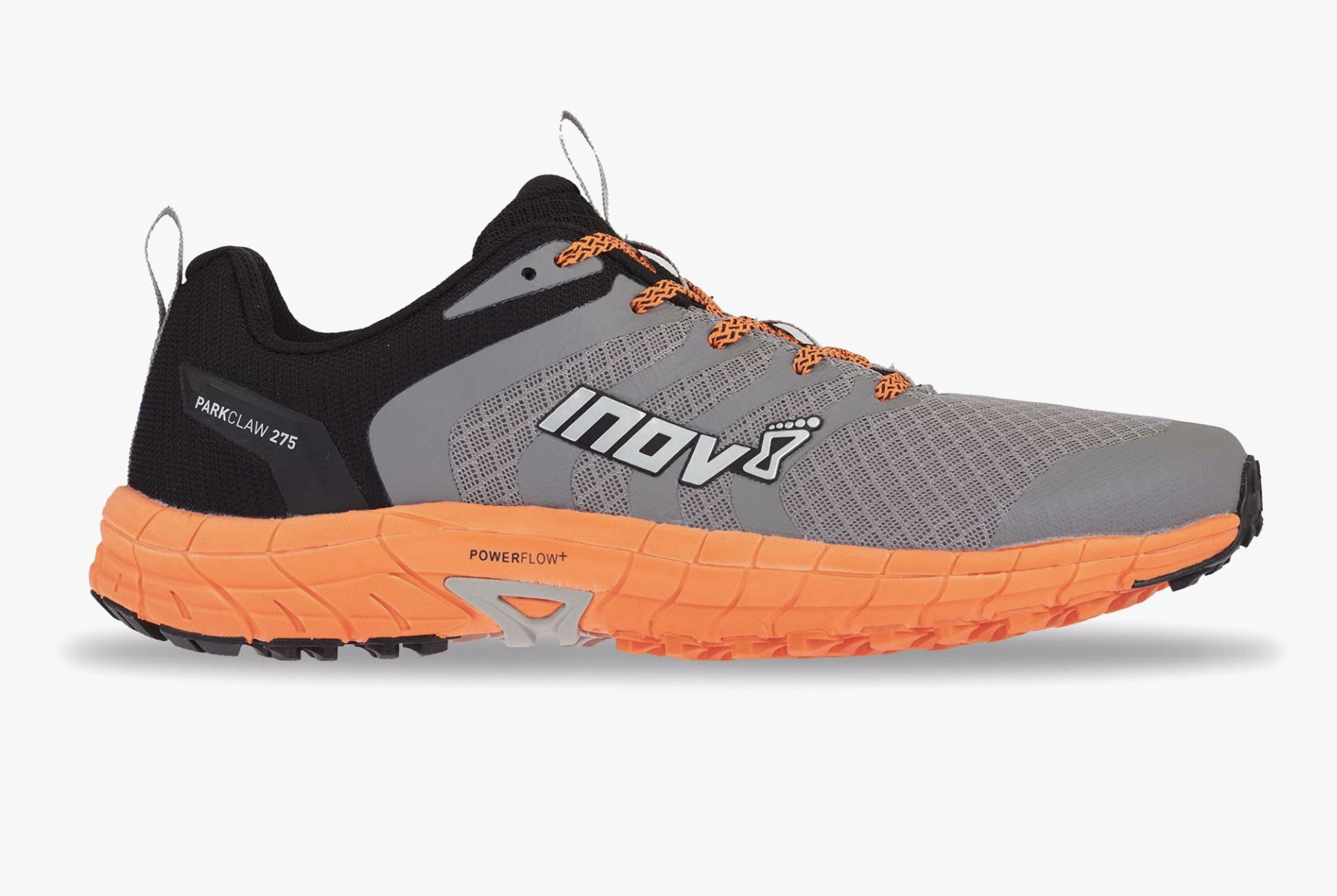
Best for Mountain West Trails: Inov-8 Parkclaw 275


Another sneaker that easily transitions from road to trails, the Inov-8 Parkclaw 275 is “lightweight and good-looking with a not-too-aggressive outsole, perfect for those transitioning into trail running from road running,” Olian says. We found the cushioning to be pretty minimal, so would be better for trails in the south or midwest.

Weight: 9.625 ounces
Heel Height: 20mm
Forefoot Height: 12mm

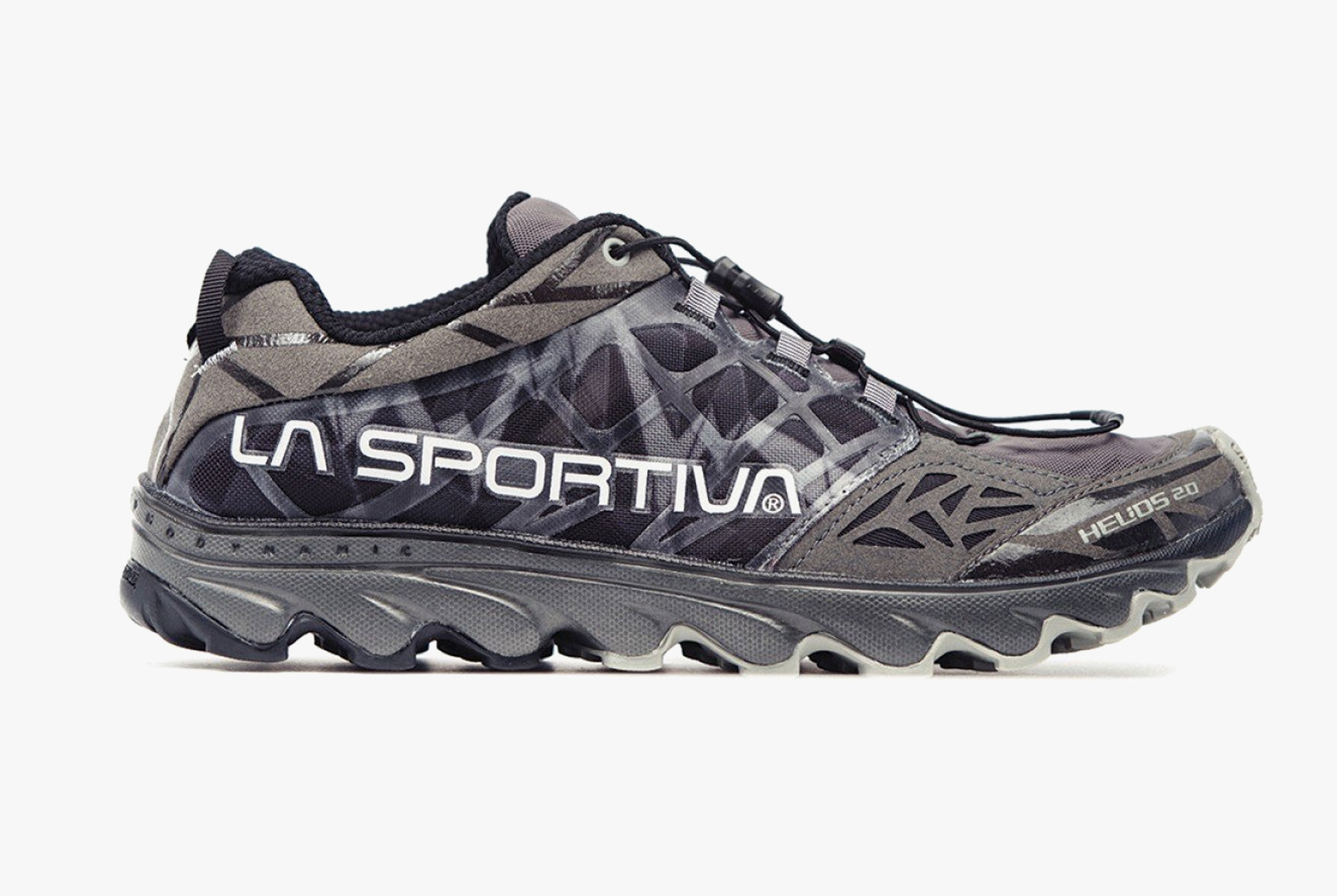
Best for Minimalist: La Sportiva Helios 2.0


This may have been the burliest sneaker we looked at, yet it was one of the lightest we tested. The medium fit worked well for toe splay. The draining and sweat-wicking mesh upper breathed well, and the quick-lacing system was easy to use. It took some getting used to, but once you set the laces, there’s no need to fiddle with them throughout the day. Also, it’s harder to get these laces stuck on a twig or other unknown objects while running, just be sure to tuck in the extra length if you pull the lacing really tight. Due to how lightweight these are, don’t expect to feel a lot of cushion underneath — you’ll definitely feel the rocks underfoot.

Weight: 8.35 ounces
Heel Height: 19mm
Forefoot Height: 15mm

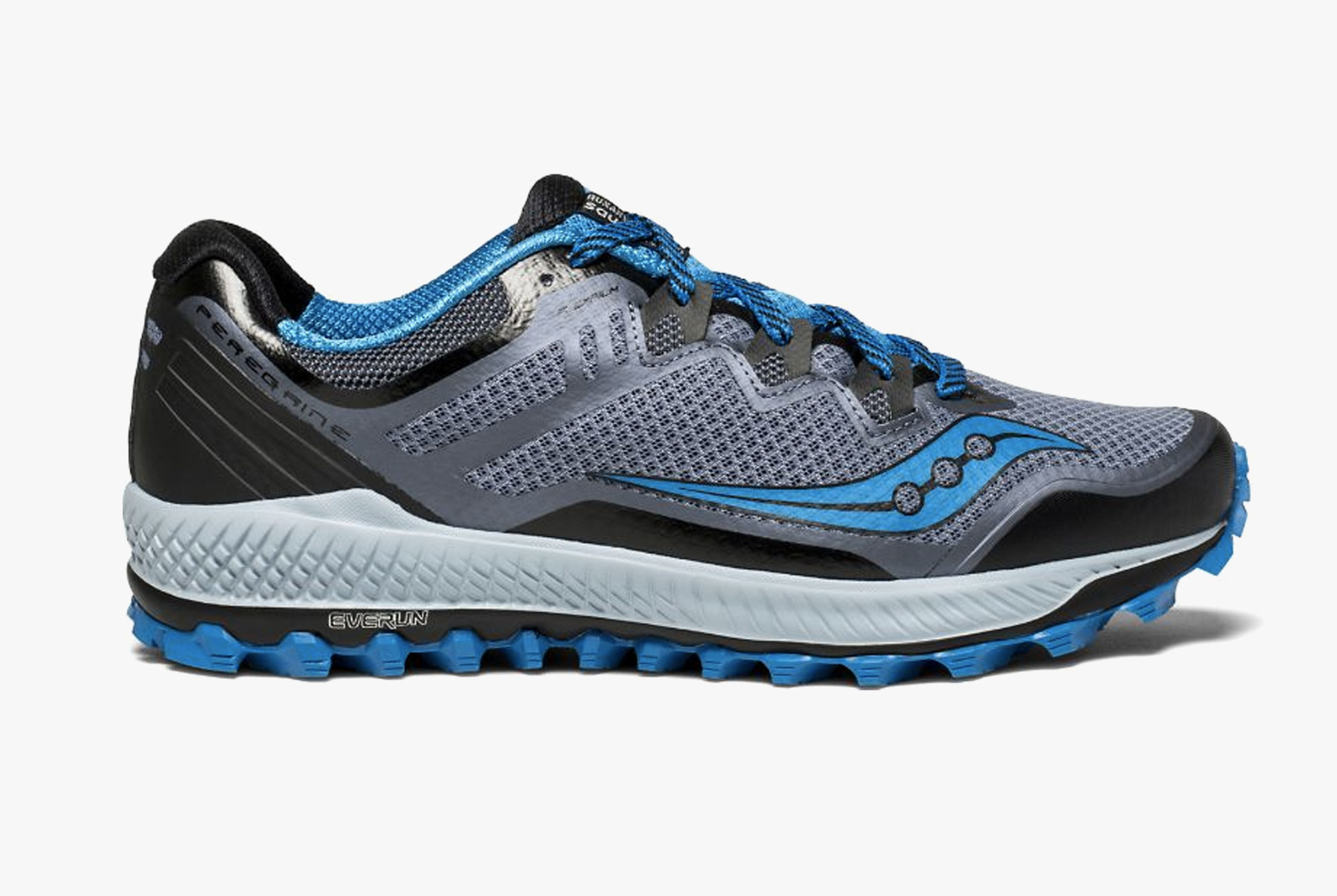
Best for Speed: Saucony Peregrine 8


The PWRTRAC outsole works on a wide range of terrain, plus the EVERUN cushioning works just as well here as it does in the Liberty ISO (one of Saucony’s flagship road shoes), and the fit was true to size. The plush interior worked well for day hiking as well as sprints up and down the side of the mountain. “Named after the world’s fastest animal, these running shoes are built to burn up the trail and have a style that’s equally as hot,” Olian says. While it’s not waterproof or water-resistant, this shoe is great for grassy knolls and trails.

Weight: 10 ounces
Heel Height: 24.5mm
Forefoot Height: 20.5mm
Pronation: Neutral

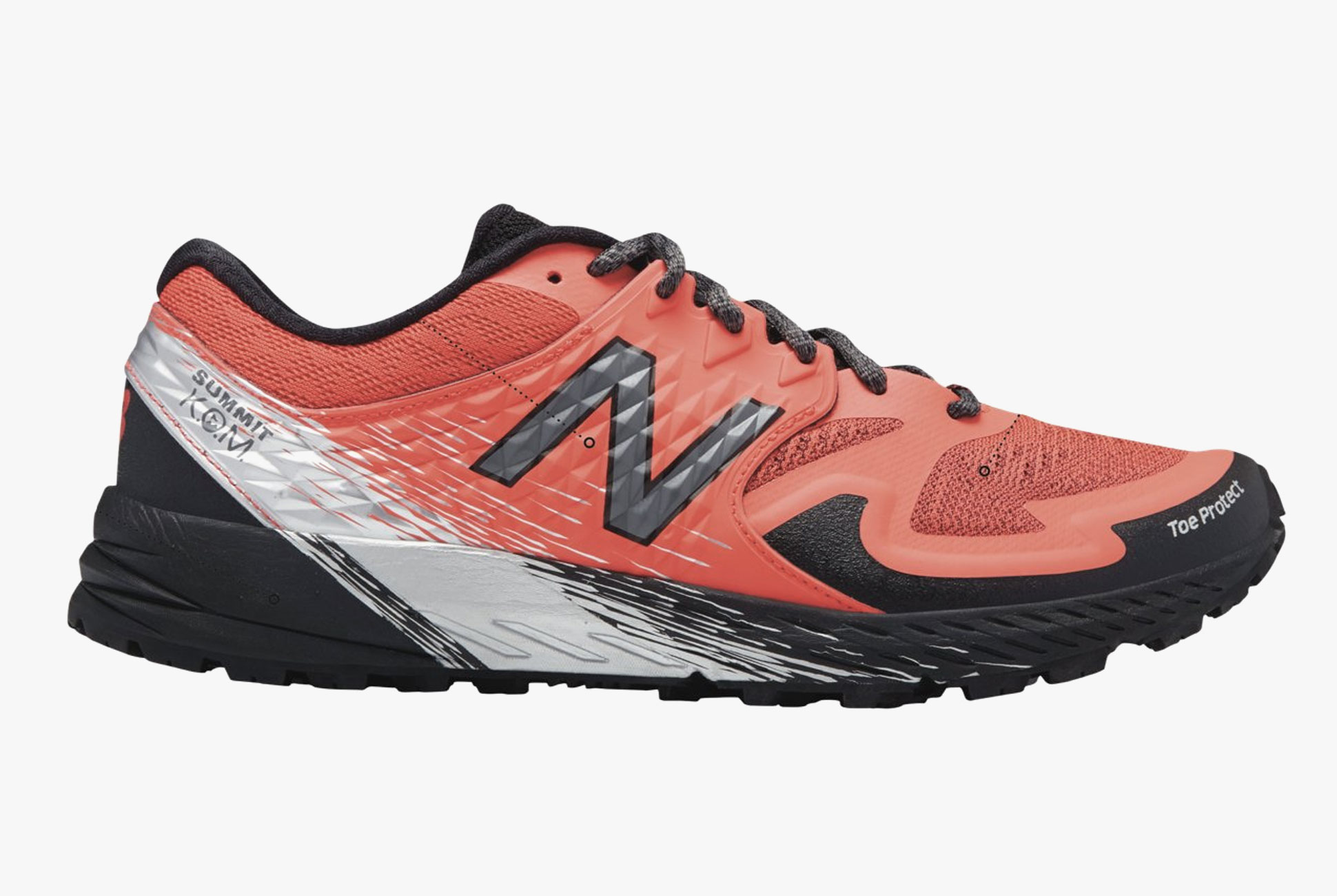
Best for Water Climbs: New Balance Summit K.O.M.


The newest trail running release from New Balance is the K.O.M. and Q.O.M.— King of the Mountain and Queen of the Mountain. It fits true to size, and feels light on foot. With a Gore-Tex liner and Vibram MegaGrip outsole, water isn’t a concern as you storm through the trails. You’ll rule the field in this workhorse sneaker in a bright package. These will be available later this month.

Weight: 11.2 ounces
Drop: 8mm
Pronation:

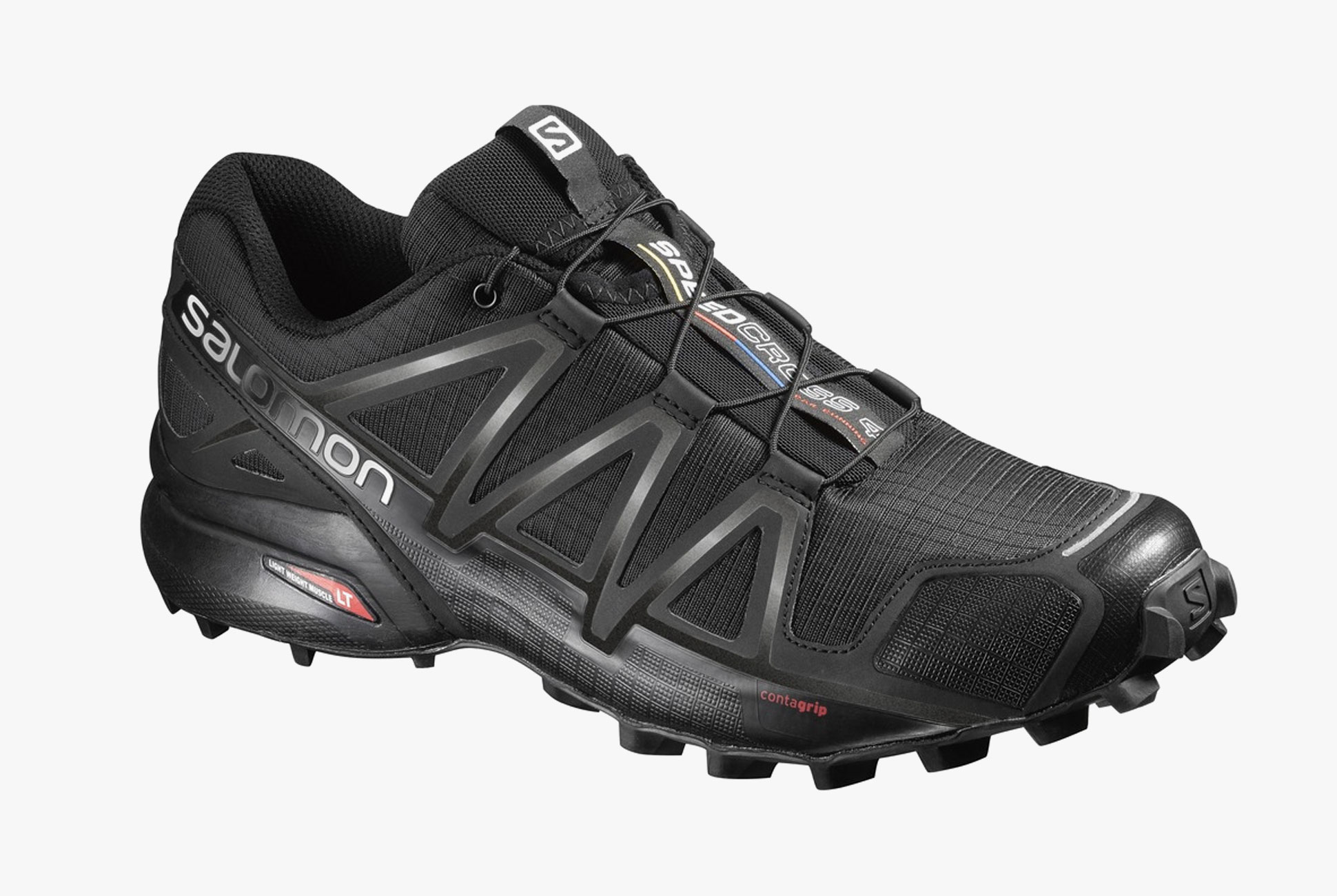
Best for Agressive Climbs: Salomon Speed Cross 4


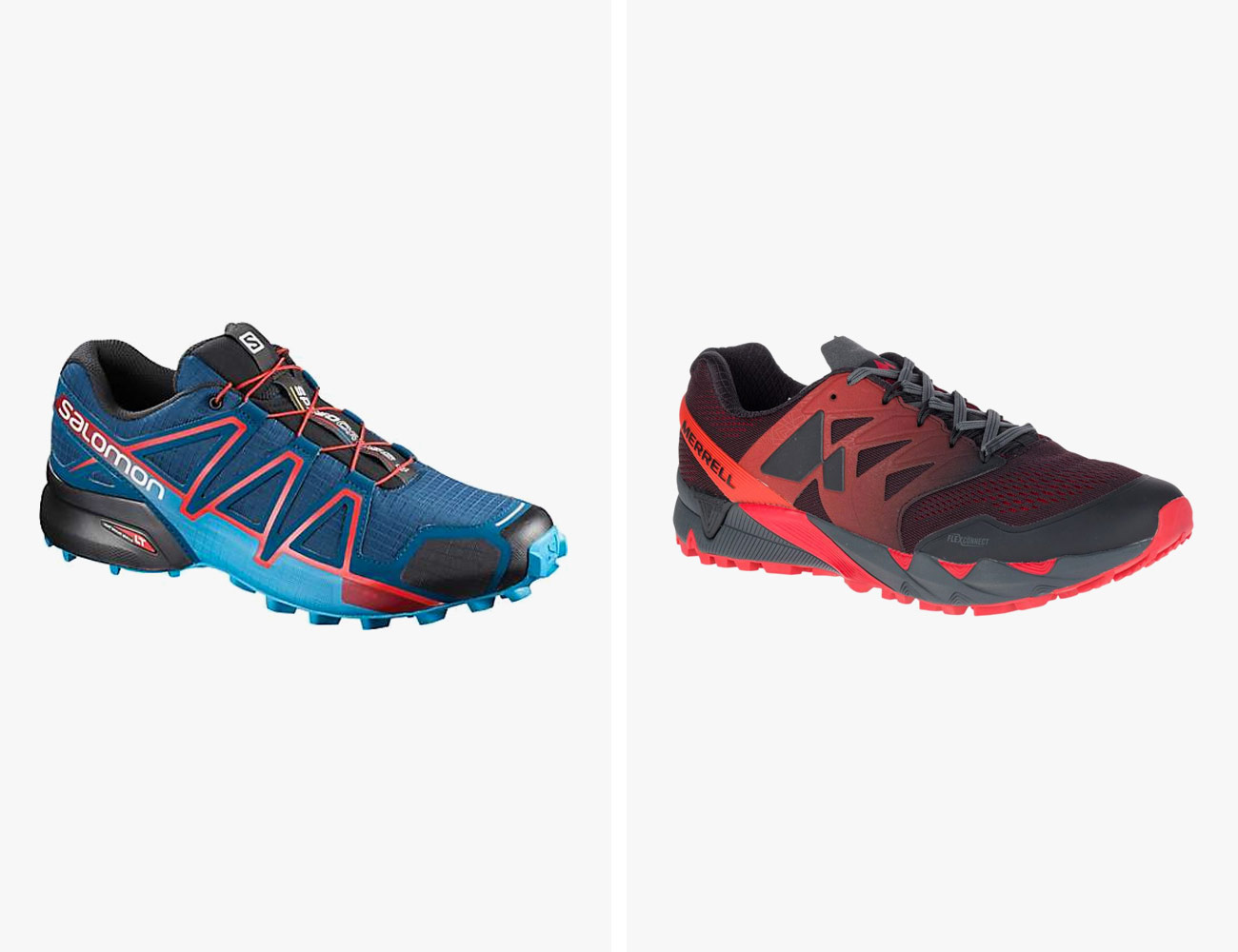
The fourth edition of this classic is a balance of breathability, durability and protection all wrapped into a lightweight package. The tank-like lugs swim through soft trails, and even saturated mud can’t them. The lacing system is unique (and a bit hard to tighten initially), but once you get it dialed, it’s a breeze. “The ultra-aggressive lugs are suitable for a trail running pro looking to tear through technical terrain,” Olian says.

Weight: 300 grams
Midsole Height: 30mm/20mm (10 mm drop)

Buying Guide

Everything You Need to Know Before Trail Running

We talked to Scott Jurek and Golden Harper — two experts in the trail running field — about the basics. Here, they share everything you wanted to know before stepping outside. Read the Story

Note: Purchasing products through our links may earn us a portion of the sale, which supports our editorial team’s mission. Learn more here.

The 15 Best Travel Gadgets You Can Buy in 2018

From Issue Six of Gear Patrol Magazine.
Discounted domestic shipping + 15% off in the GP store for new subscribers.

Let’s face it, most of us have given up the idea of totally disconnecting on the road. The pressure of the Netflix queue, work emails and Instagram are just too much to bear. But what is it about traveling that makes one rethink every gadget they own?

The right travel gadget can be a game changer. Even for all the gadget naysayers, products are simply getting better (thanks, Amazon user reviews) with every iteration. We’ve tested our fair share of them aloft, and here are the best gadgets worthy of consideration for a coveted spot in your carry-on this season.

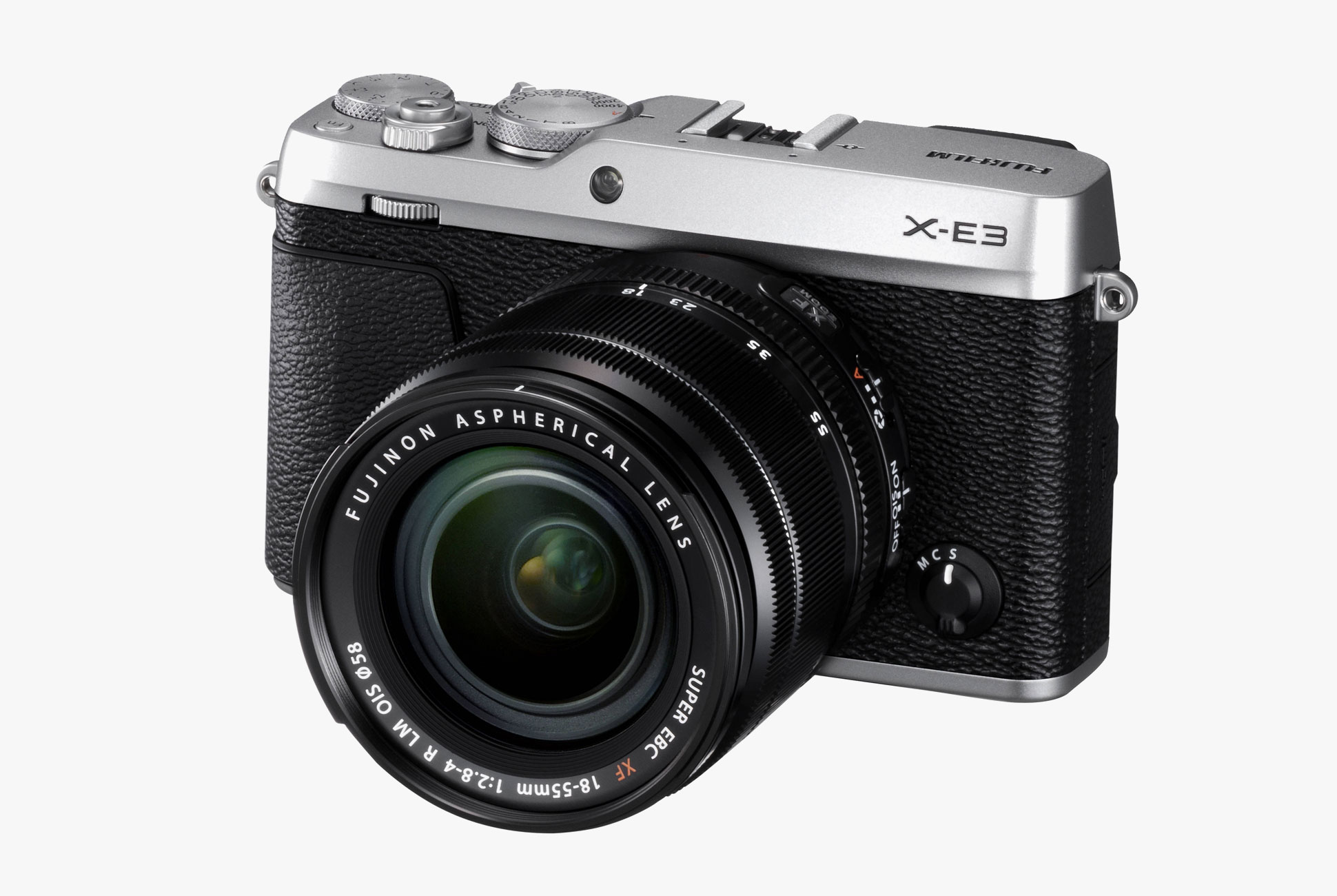
Fujifilm X-E3


If you’re looking for a proper camera at a price that won’t break the bank then look no further than the X-E3. It features everything you want in a portable mirrorless camera. Images are rich, detailed and the controls are perfectly tactile. While we’d normally scoff at built-in post-processing filters, Fujifilm and its renowned color scientists faithfully recreated the company’s famous traditional films as built-in settings. Postcard-y photos from your trip suddenly look richer and emotional. The X-E3 sports the other requisite features you want in a modern camera, such as 4K video capture mode, a touchscreen and Wi-Fi and Bluetooth connectivity. The screen doesn’t tilt or swivel, so you’ll have to keep all those selfies to your phone.

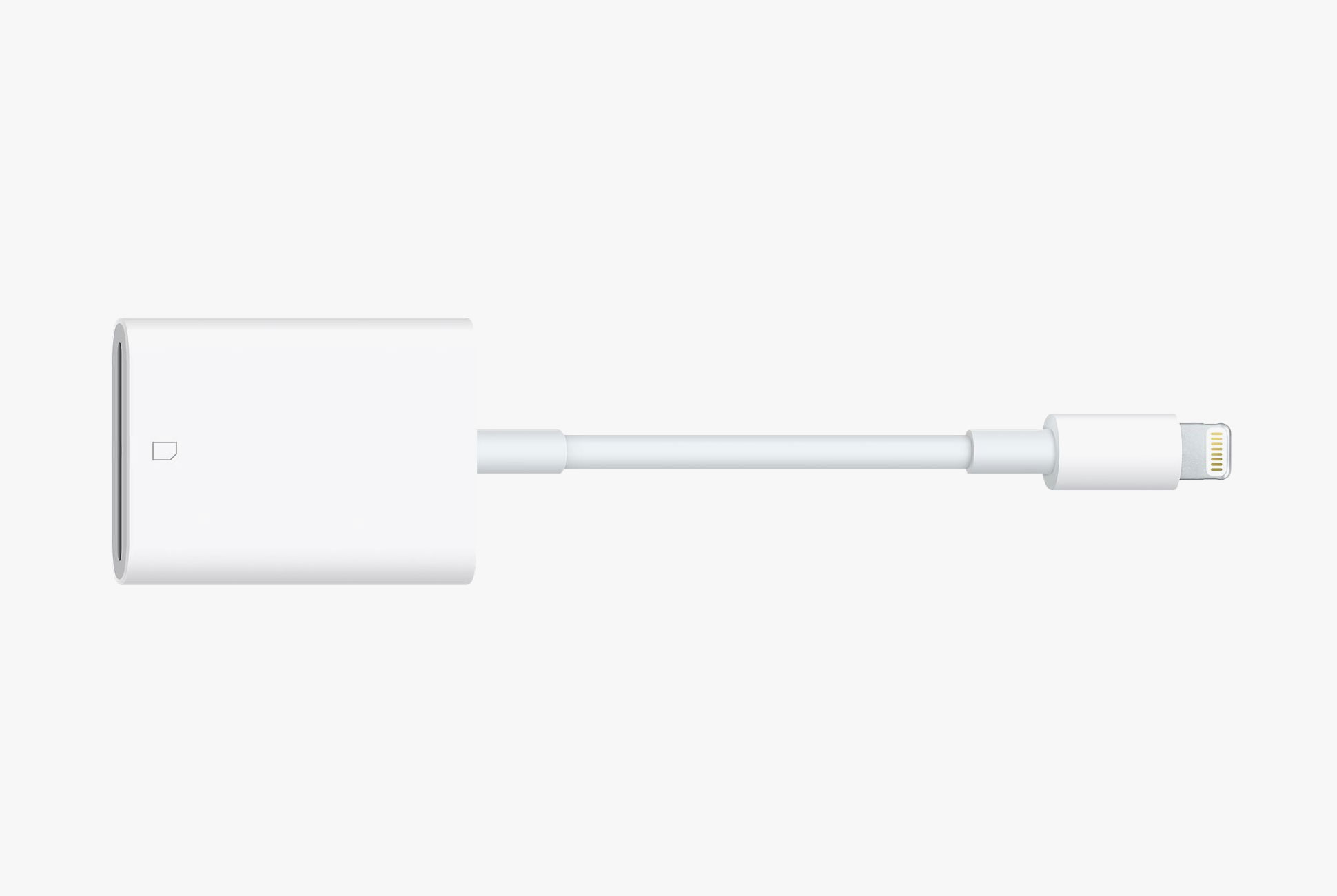
Apple SD to Lightning Adapter


The Apple-branded Lightning Port SD Card reader isn’t a new gadget, but we’ve rekindled our love for it. While cameras are getting better with their Wi-Fi connection than ever before, there’s a good chance that the camera you own is still finicky when it comes to making a fast, reliable connection to your iPhone or iPad. There’s no replacement for a direct connection, and the reader’s built-in compatibility with the Photos app makes it a total cinch to bring in all your favorite photos and into your favorite editor for that tier-one ‘gram you’re itching to post.

Nintendo Switch


Remember how much you loved your Game Boy when you were growing up? Yeah, kids these days have it way better. We’re not above admitting that several of us own one and play it proudly.

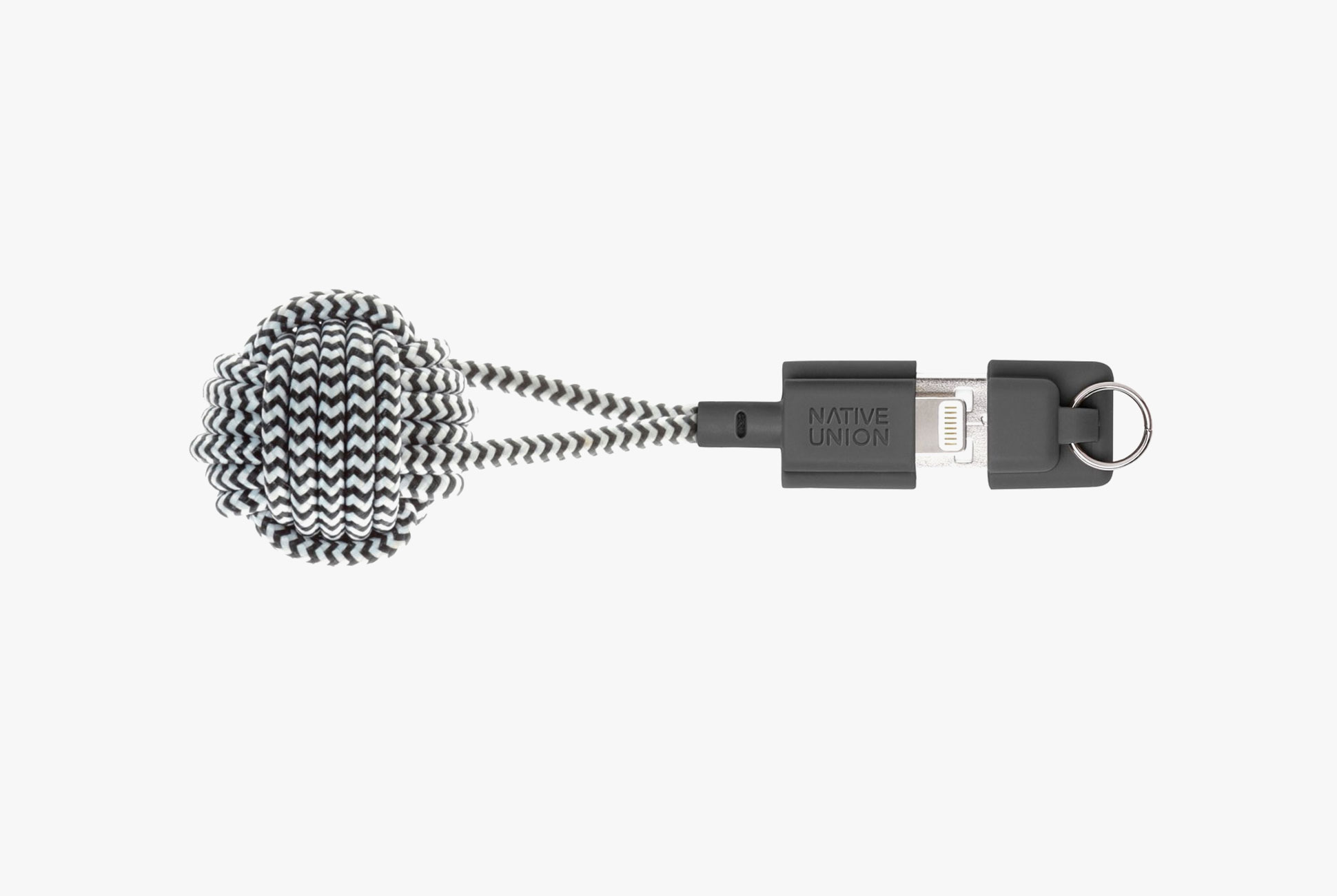
Native Union Belt Cable


Until everything is wireless, we’re going to have to deal with cables and nothing is more depressing than one of those ratty old ones with the exposed wire near the connection point . Accessory and cable brand Native Union answers the call with beautiful braided cable accessories. We’re big fans of their modern design and robust construction. They’re pricey, but would you rather pay a few bucks more for a beautiful cable that you can rely on or risk having to buy an overpriced generic replacement at the airport? Exactly.


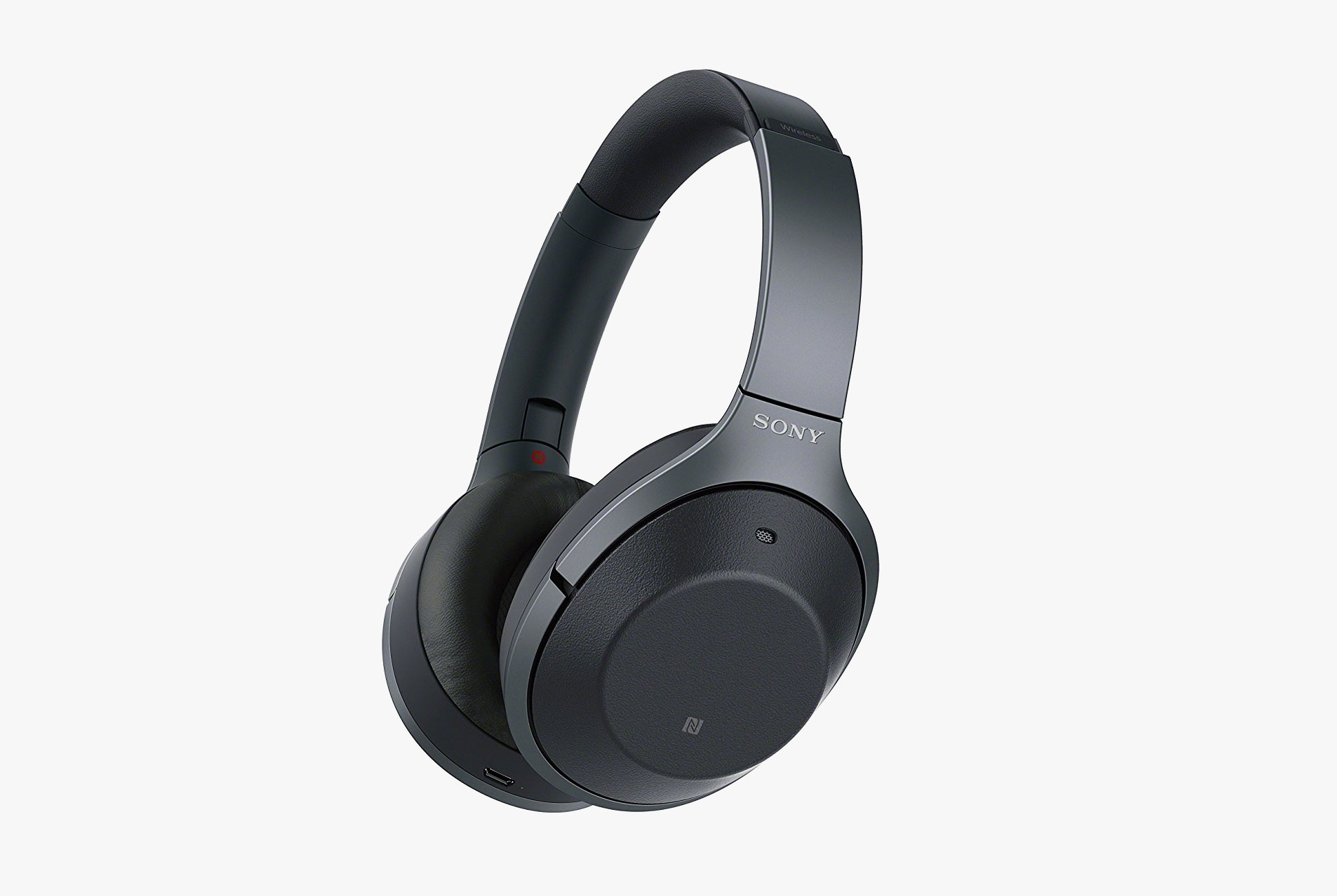
Sony Noise-Canceling Headphones WH-1000XM2


Bose rules the roost with noise-canceling headphones, but we’ve discovered a great alternative to recommend this year: the Sony WH-1000MX2. They’re incredibly comfortable, well designed with an unassuming look that we love, and they sound fantastic. The fact that you can use them right out of the box with the standard settings, or dial in everything from noise canceling atmospheric pressure to custom EQ settings, makes them a tinkerer’s dream. 30-hour battery life (or 40 hours without noise cancelling) means they’ll be ready for any gauntlet of transcontinental business trips.

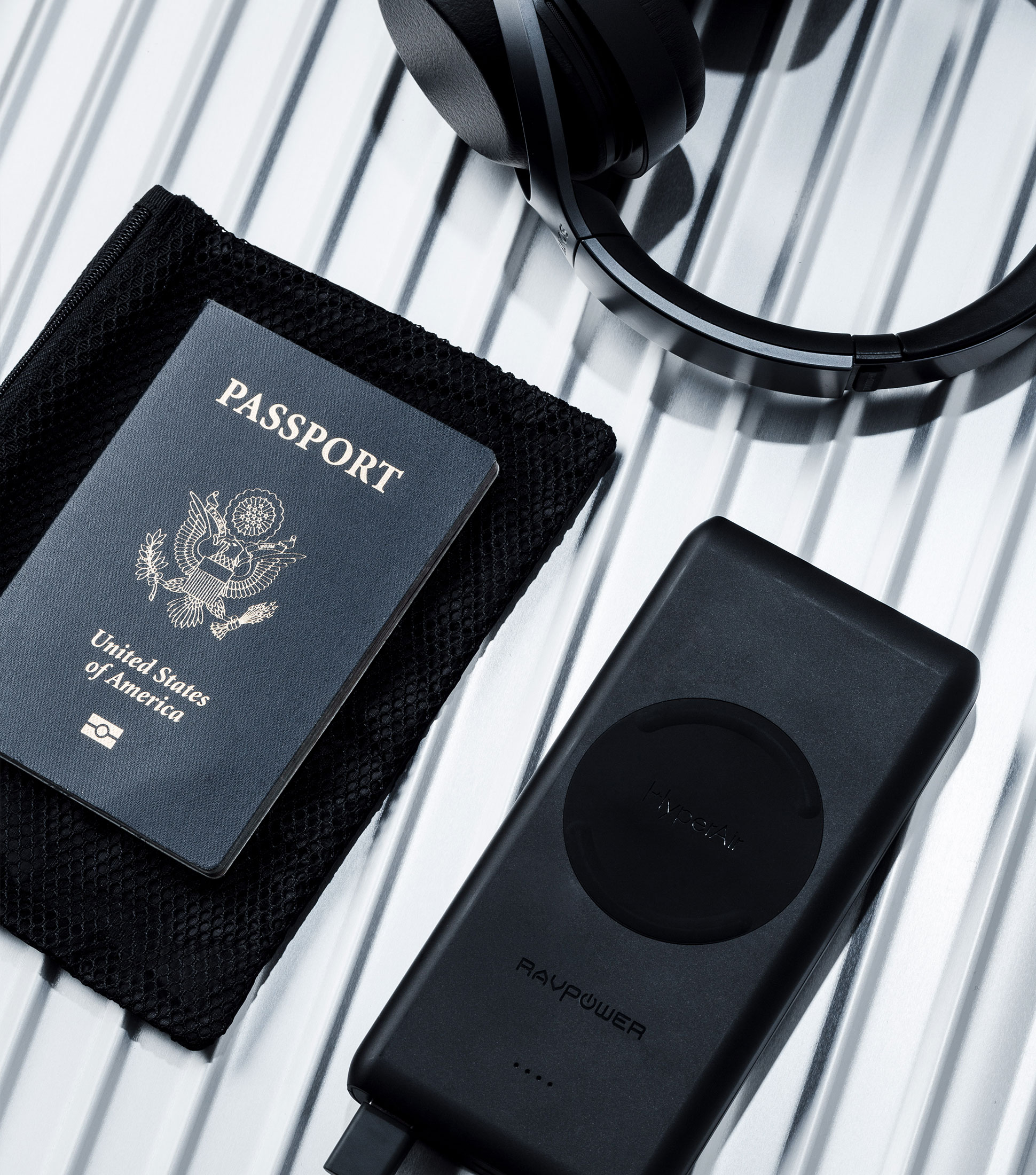
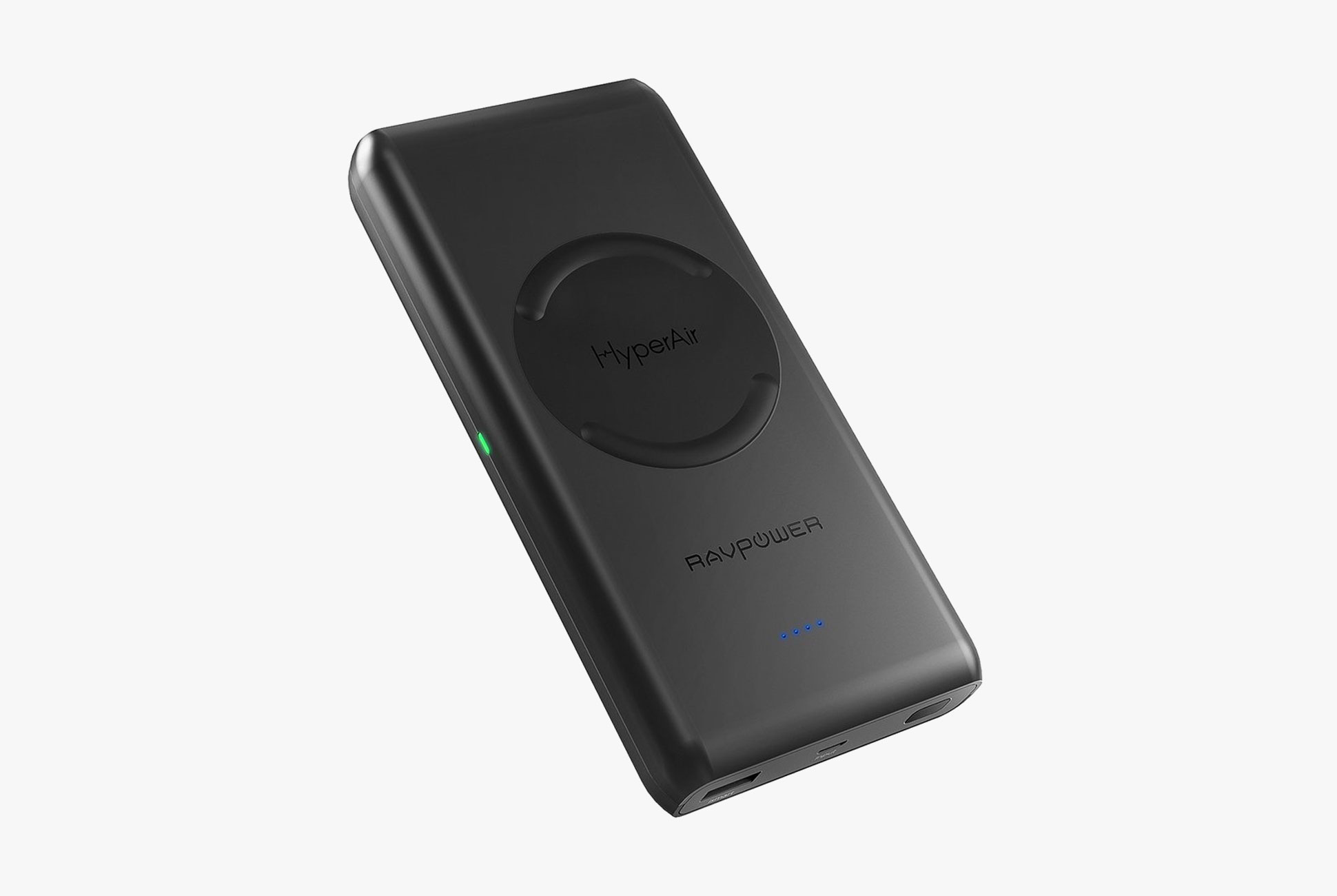
RavPower HyperAir Fast Wireless Power Bank


This is a portable power bank first, but it’s also a Qi-wireless charger. Simply set your iPhone 8, 8-Plus or wireless charging-capable Android down and it will start charging — no wires anywhere. The convenience of a nightstand charger even when you’re on the road.

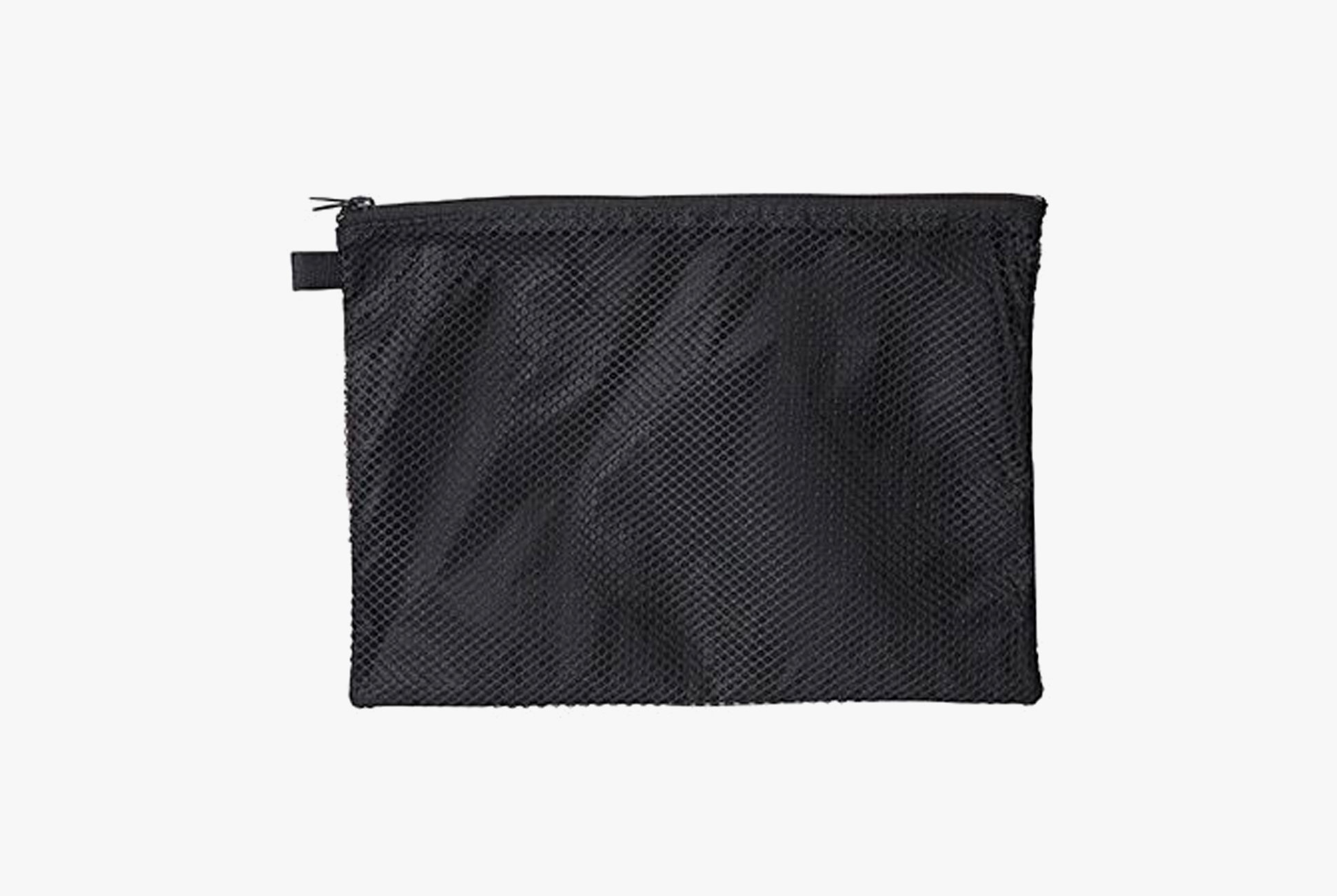
MUJI Double Fastener Case


A great accessory doesn’t have to cost a lot. Look no further than MUJI when it comes to an outfitter who crushes the function-to-price ratio. We’re still keen on the MUJI Double Fastener Case. The dual pocketed design – one fully covered and one with a mesh front – allow you to store objects that you want to keep out of sight or easily visible for quick access, while the flat pack structure results in minimal bulk.


Apple AirPods


At some point we’ll stop talking about how much we love the AirPods, but until something better comes across our desks we’re going to continue lavishing praise on them. While the AirPods don’t offer any noise canceling, they’re perfect for travelers who prefer to stay lean and light. They’re great for hands-free phone calls so you can power through notes on your laptop. Bonus: you’ll be able to upgrade to a wireless charging case Apple releases later this year.

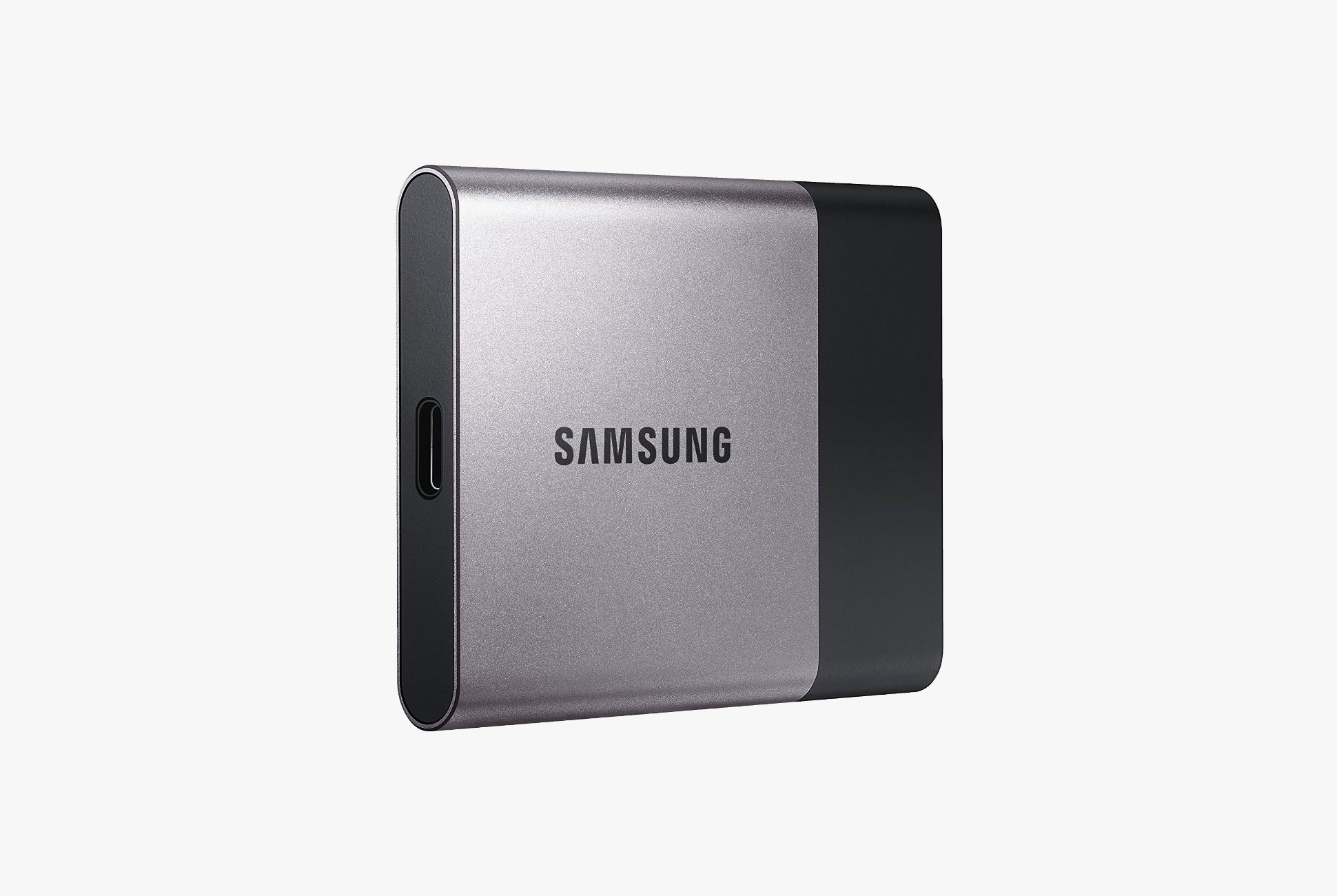
Samsung Portable SSD T5 (250GB)


You never know when you’ll need extra storage your laptop or camera. This portable drive is rugged and can easily fit in your pocket. Plus it works with USB-C, meaning it can transfer data off your new MacBook Pro at super fast speeds.

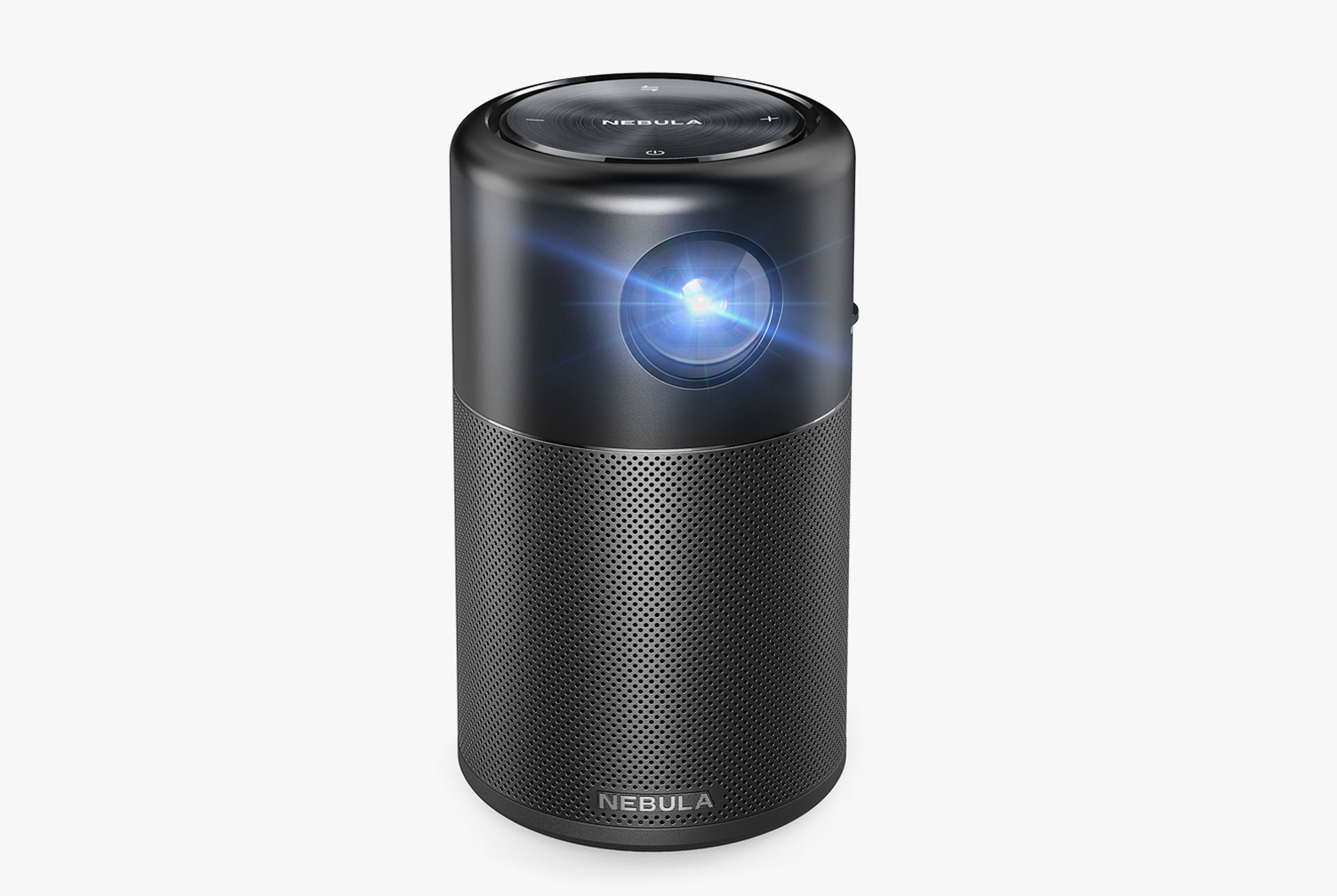
Anker Nebula Capsule


Most people aren’t going to travel with a portable projector, but the Nebula might make you rethink the nerdery of a portable projector. The soda can-sized device allows you to stream shows and movies via Wi-Fi onto a projection up to 100 inches large. Oh, and it works with a Nintendo Switch via HDMI, too. Aces.

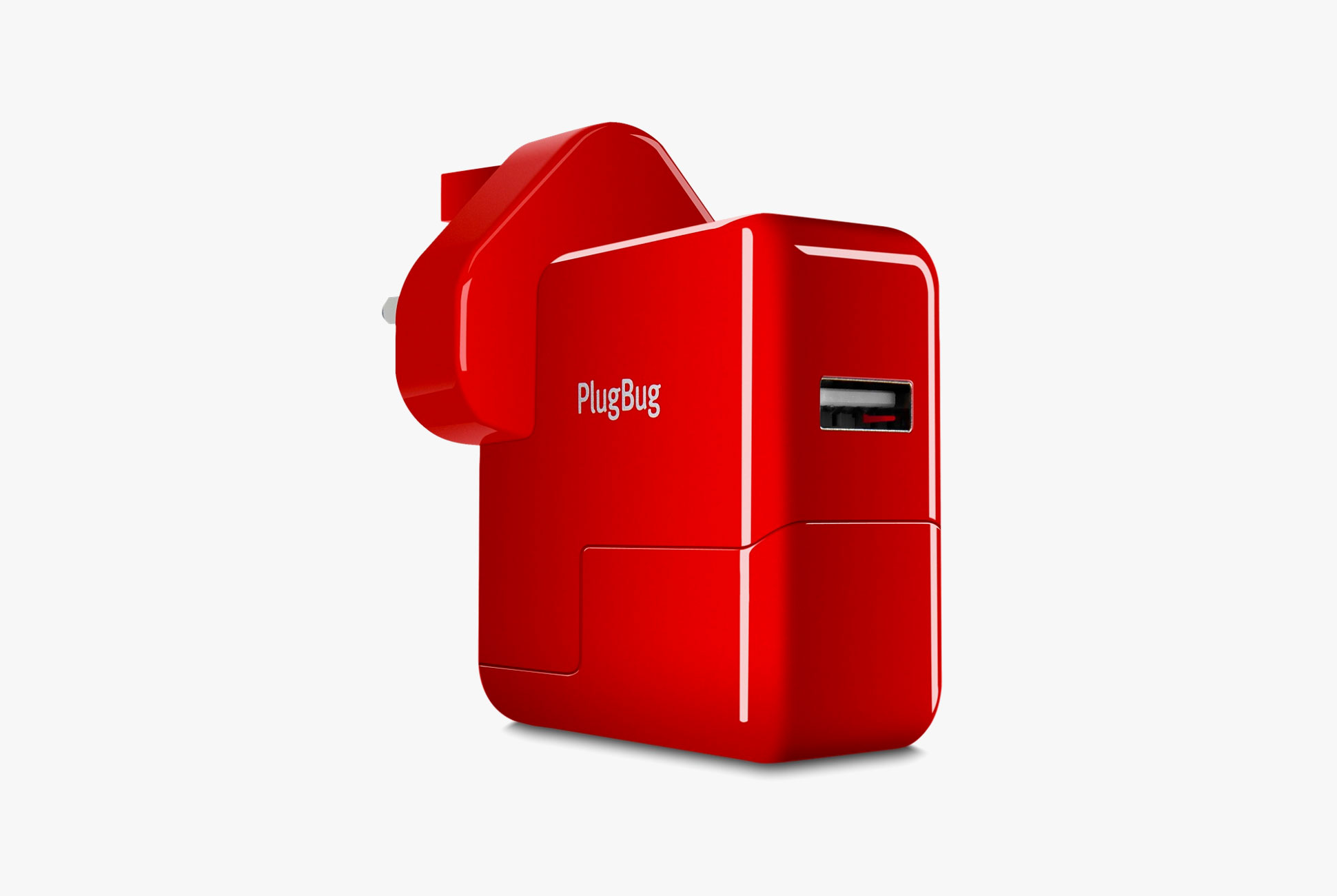
Twelve South PlugBug World Adaptor


The Apple World Travel Adaptor kit has been one of the best ways to ensure your jet-setting only requires one accessory, but there’s a good chance you’re carrying a lot more than just your MacBook. The PlugBug supercharges your wall adapter by adding a smart looking red top that gives you an additional USB port, eliminating the need to carry another plug adaptor (it also functions as a solo worldwide USB adaptor). Less really is more.


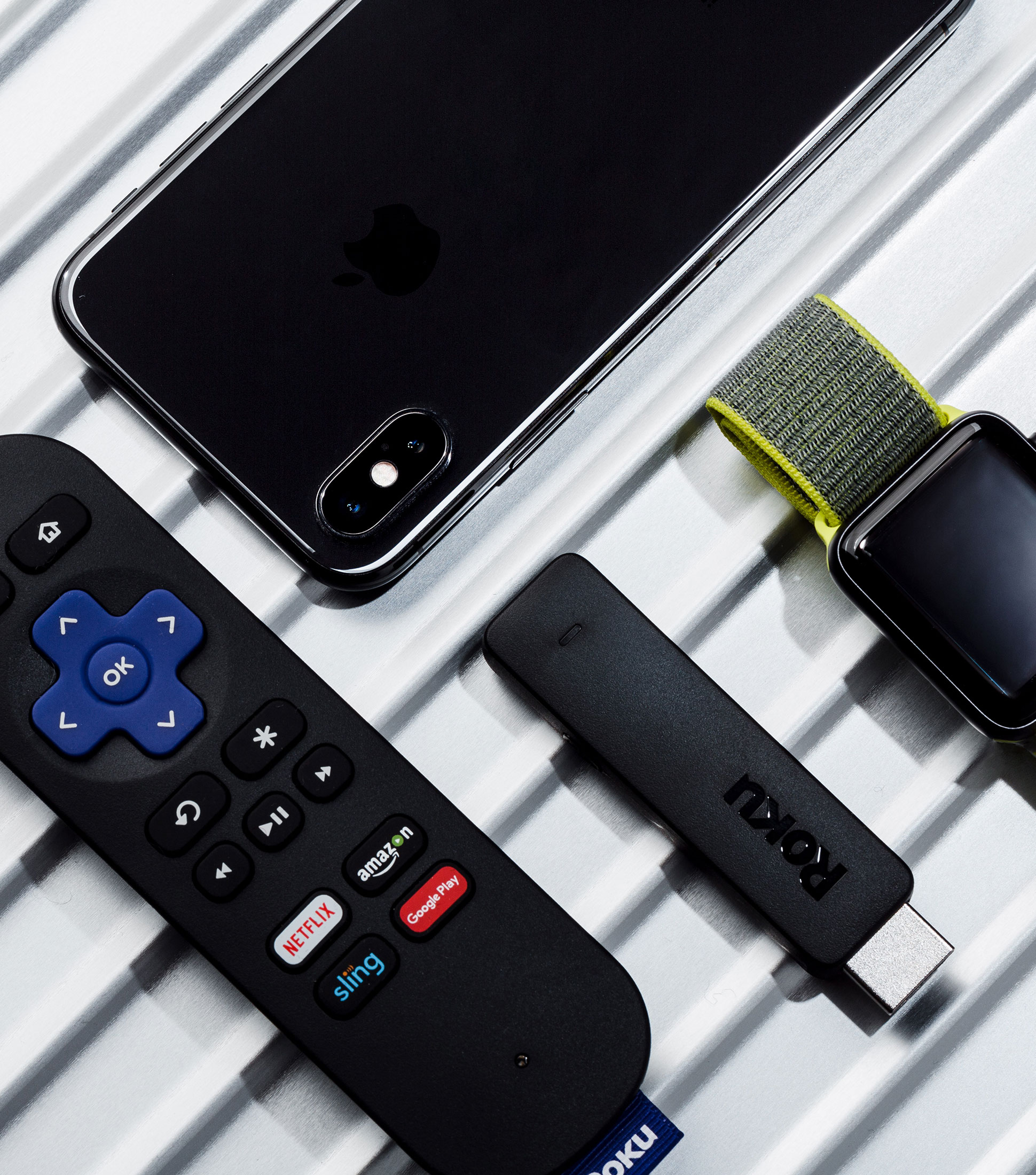
iPhone X


Remember phablets? Neither do we. The iPhone X strikes the perfect size. Large enough for red-eye show binging, large enough to crush some Google docs, but small enough to fit in a pair of trim chinos. It’s a supercomputer in your pocket and, let’s face it, if you’re carrying the iPhone X there’s a good chance you can leave the camera and iPad at home.

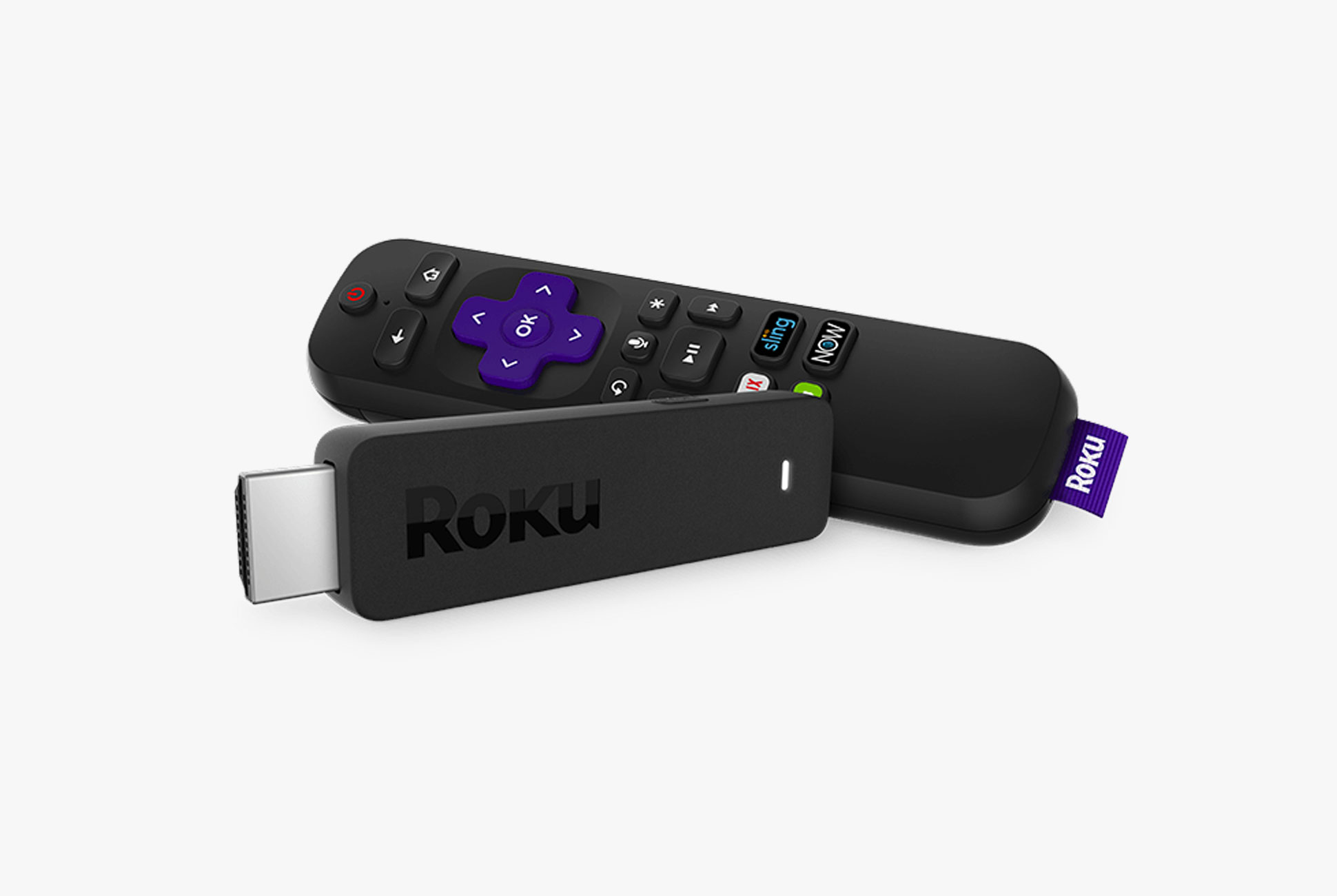
Roku Streaming Stick


Travel with a streaming stick. You can plug it into your hotel room’s TV and stream your favorite movies and shows. No more paying extra for movies on demand.

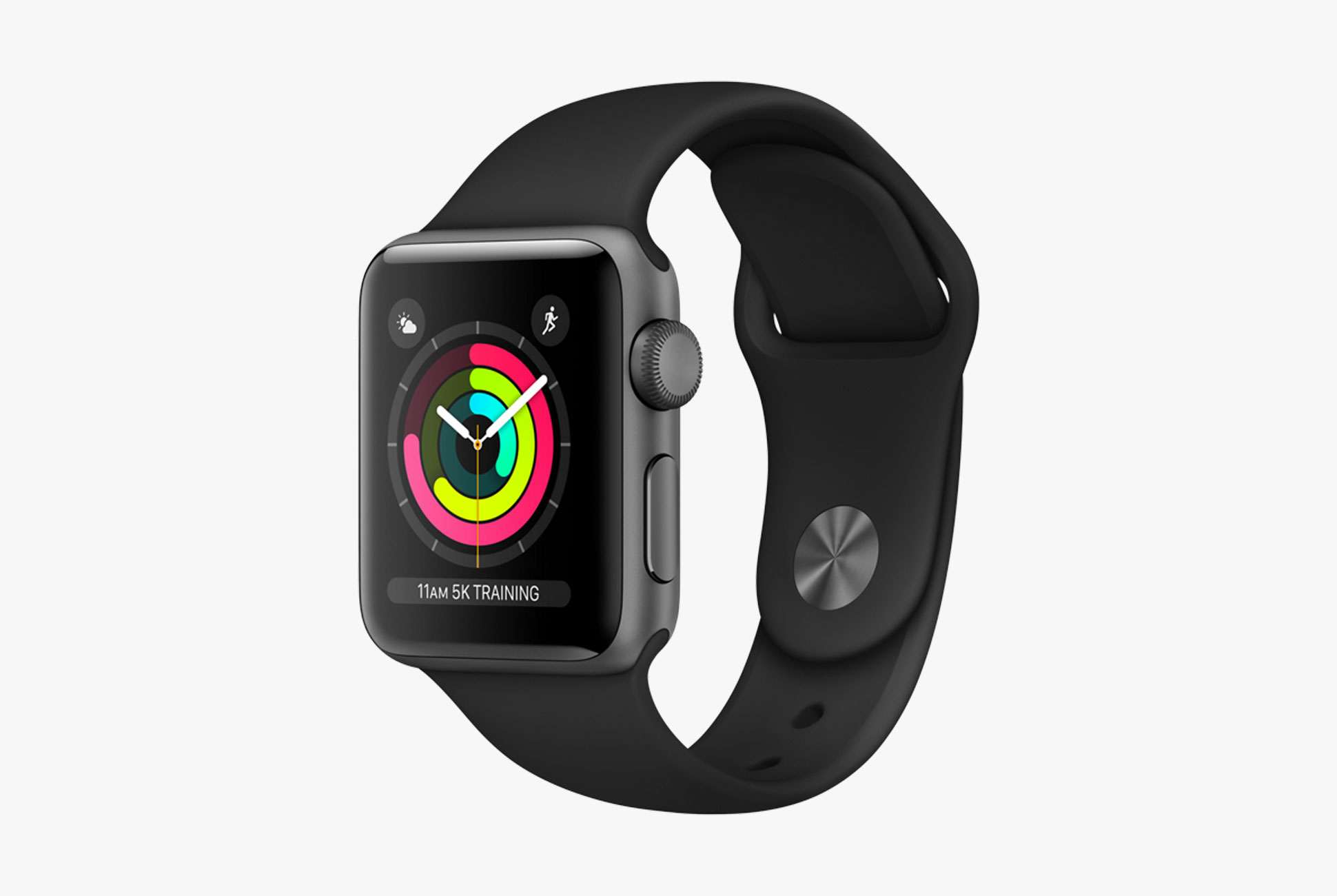
Apple Watch Series 3


Don’t bother digging out your iPhone every time you get a text, email or call. Just check your wrist. This is the first Apple Watch to have built-in LTE, meaning you can answer calls, receive texts and stream music without your iPhone.

Rimowa Topas Multiwheel Electronic Tag


Luggage should be reliable and dead simple, but we’re obsessed with the Electronic Tag from Rimowa, makers of the iconic aluminum-magnesium alloy shell bags towed by the stylish jet set. Paired with an app, the Electronic Tag allows you to check-in luggage from home or hotel and automatically display the ratty paper/sticker luggage tag on the built-in crisp E Ink display. Just drop off the bag and go. It only works on a few airlines right now, but we can’t wait to see it everywhere.

The 12 Best Father’s Day Gifts for the Adventurer

Dads can be mysterious fellows. Just when you think he’s been a laid-back family man his whole life, you dig up an old photo album, and there he is! Roped up and walking on a glacier in southern Chile, fishing with locals off a wooden skiff in Zanzibar and clinking glasses with Bedouins near an oasis in the Arabian desert. This Father’s Day, give Dad a gift that will remind him of those wayward days; maybe it’ll coax an untold story or two out into the open.

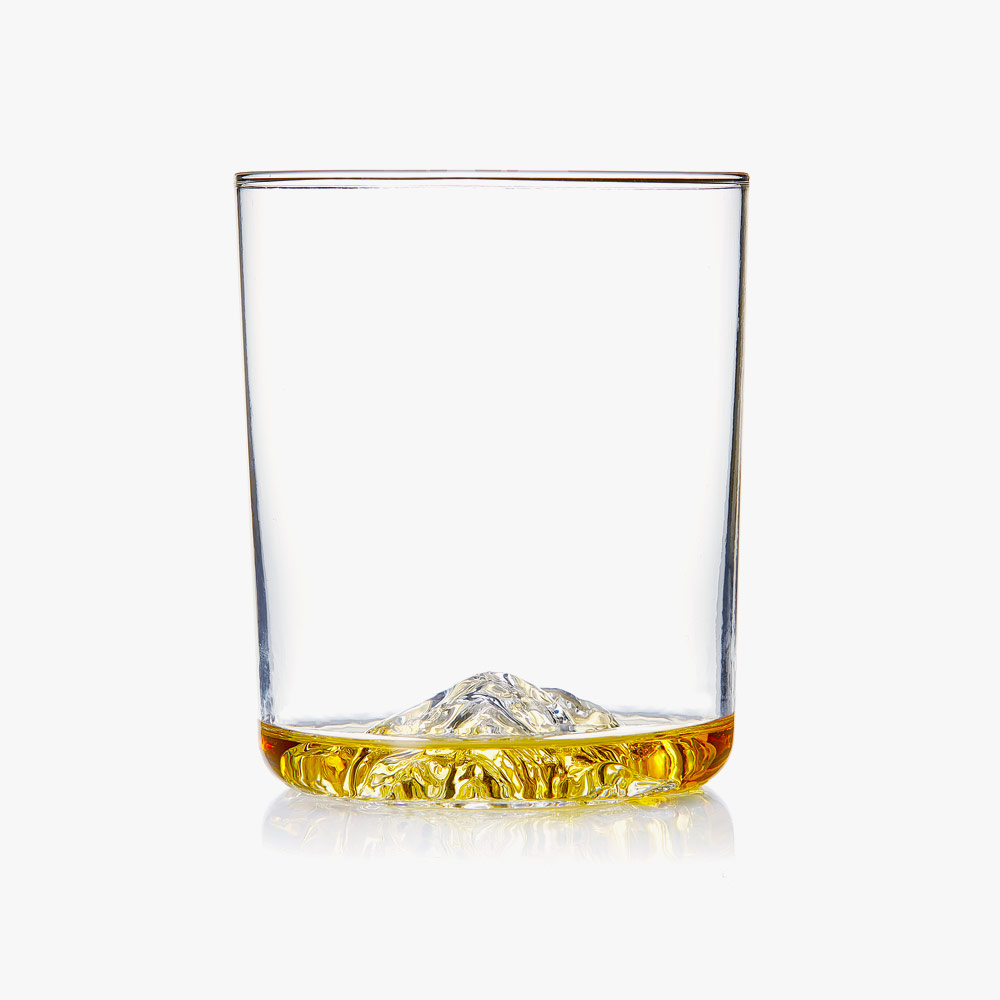
Whiskey Peaks

Adventures can be fleeting. Often it’s the photographs and memories that bring us back into the moment, more than any souvenir can. There’s no better way to salute a trip than with a raised glass, and Whiskey Peaks provides one that features a raised topographic impression of well-known peaks from around the globe. Hand-blown with premium lead-free glass, they’re a perfect accompaniment to any travel story — even more so when you can trace a well-worn climbing route on the mountain at the bottom of the glass.
Buy Now: $40

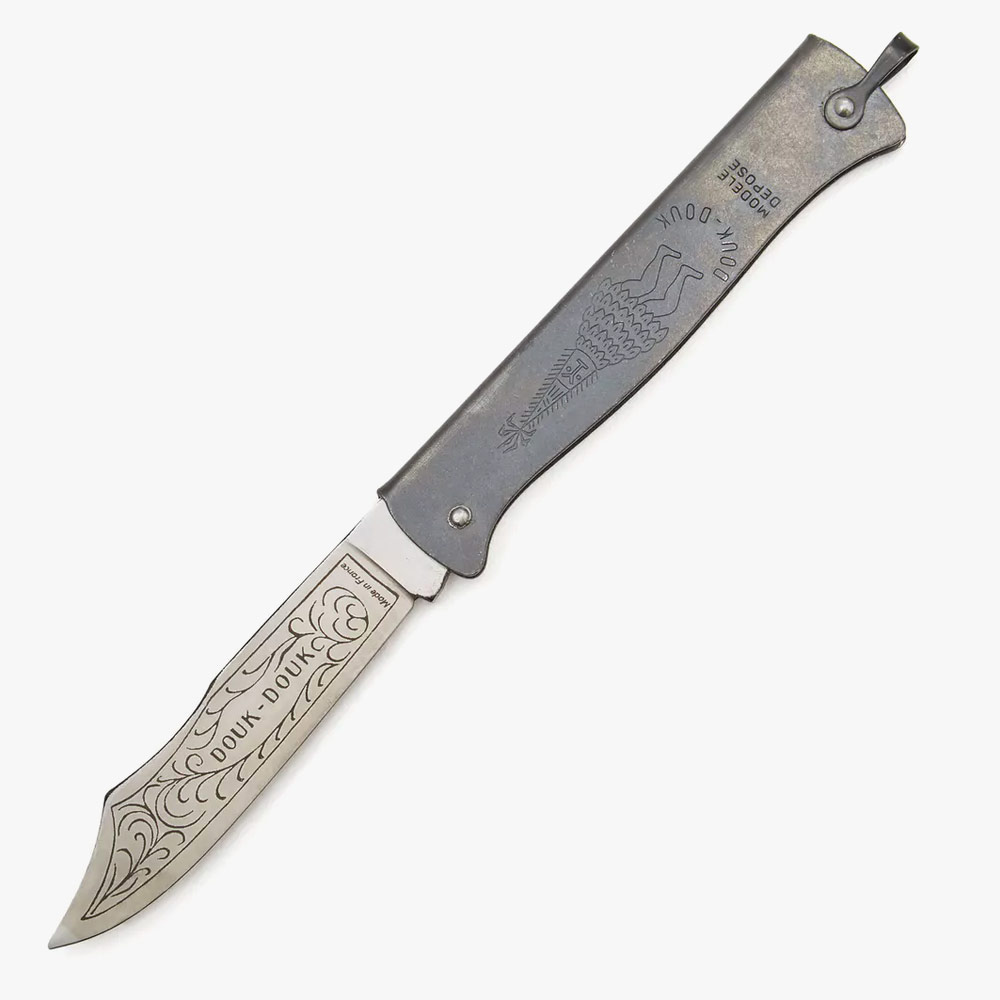
Douk-Douk Folder

Made in France since 1929, this iconic folding knife, used for decades by the French Foreign Legion and Armies, depicts a Melanesian spirit incarnation known as “douk-douk.” Keep it close by to open boxes or stubborn envelopes.
Buy Now: $24

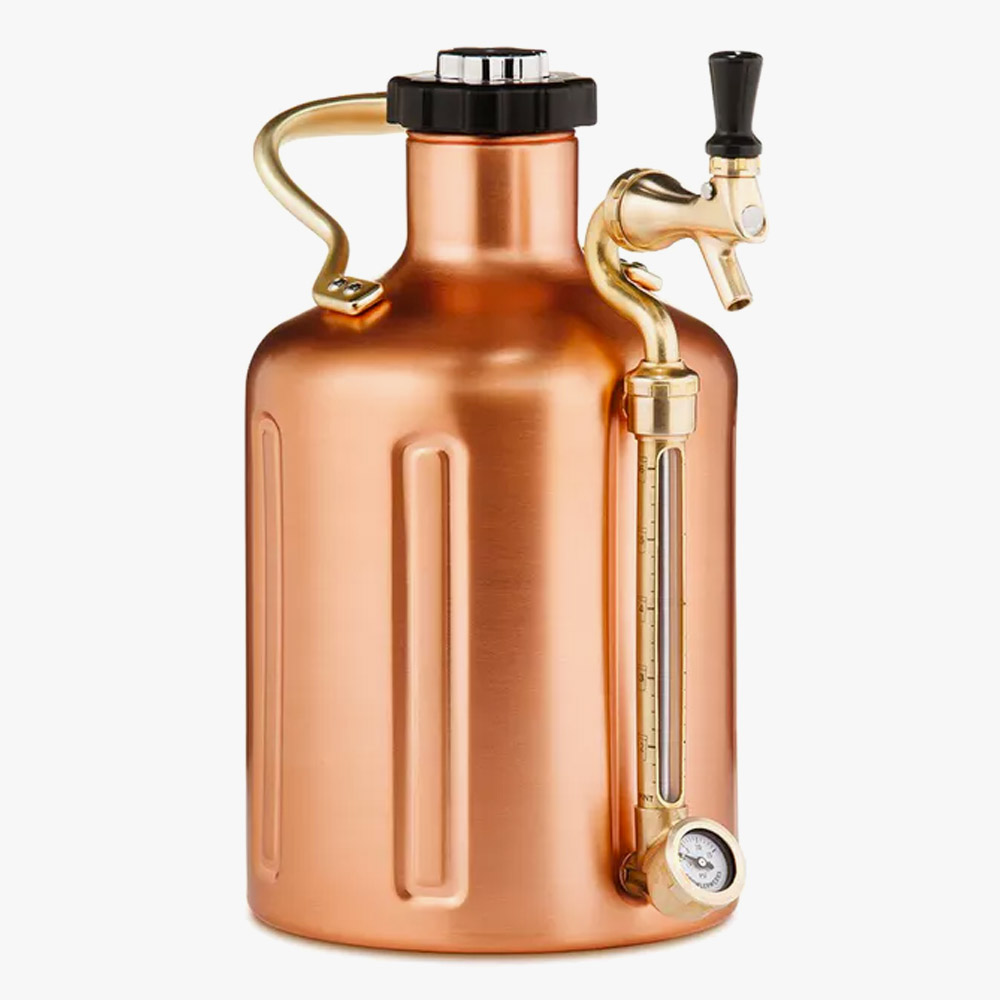
GrowlerWerks uKegs

There are growlers, there are kegs, and then there are GrowlerWerks’ uKegs. Available in gallon and half-gallon sizes, a uKeg is a true marriage of portability and preservation, allowing beer drinkers to bring their favorite beverage anywhere. GrowlerWerks builds each vessel with double-walled insulation, a CO2 regulator cap that maintains perfect levels of carbonation, and a tap-like pour mechanism that provides access without opening any lid — meaning, your brew will stay cold and fresh for weeks.
Buy Now: $114+

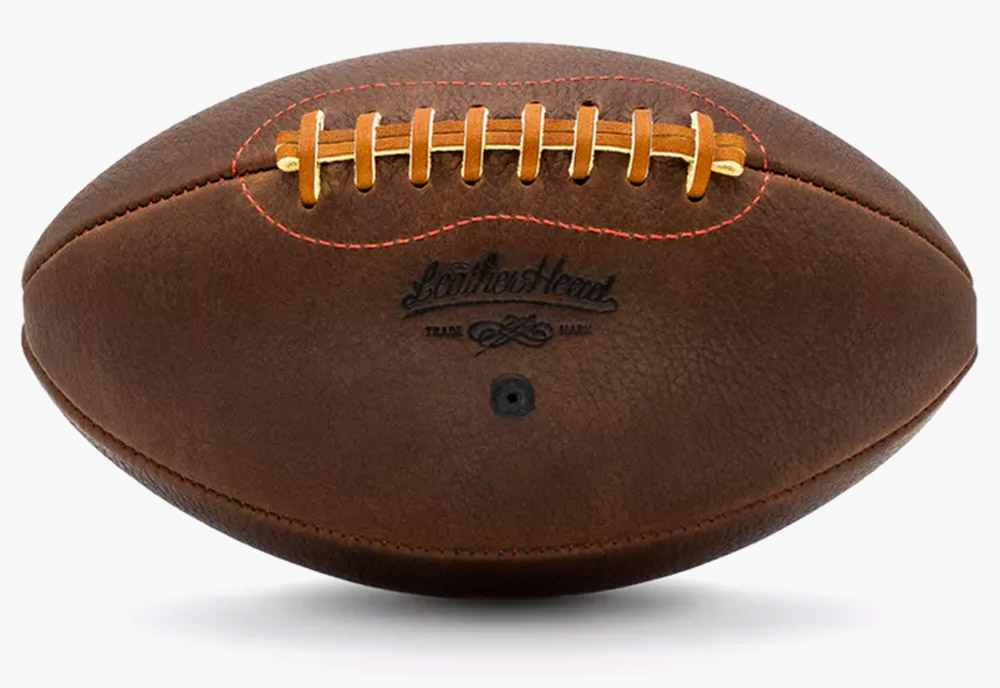
Leatherhead Sports Handsome Dan Football

Adventures don’t have to mean high-risk exploits to the end of the earth, and when they’re not, it’s okay to bring along some fun. The Handsome Dan Football is a vintage-style pigskin made of real leather that will age and develop its own unique markings. It’s hand-stitched in the USA and made slightly smaller than NFL footballs, which will help you toss that perfect spiral. Bring it on your next camping trip, or toss it around the backyard.
Buy Now: $115

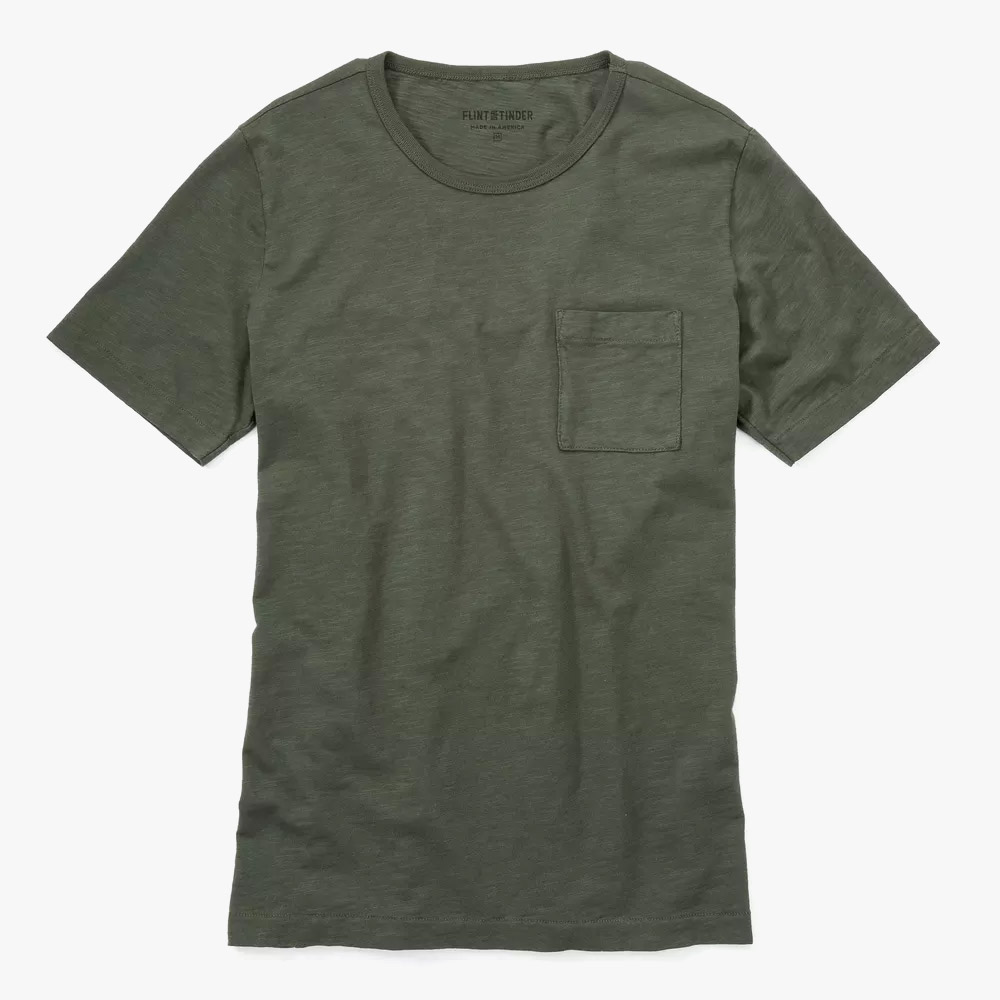
Flint and Tinder Slub Pocket Tee

T-shirts are designed for everyday comfort, but too often they’re constructed as cheap afterthoughts made with sub-par materials. Flint and Tinder took a different approach with its Slub Pocket Tee, which is made of 100 percent ring-spun slub cotton. It’s extra-soft and sports an uneven texture that’s both aesthetically and tactically appealing. It’s also durable — even after many washes — and breathable, making it the perfect casual shirt for long days en-route.
Buy Now: $29

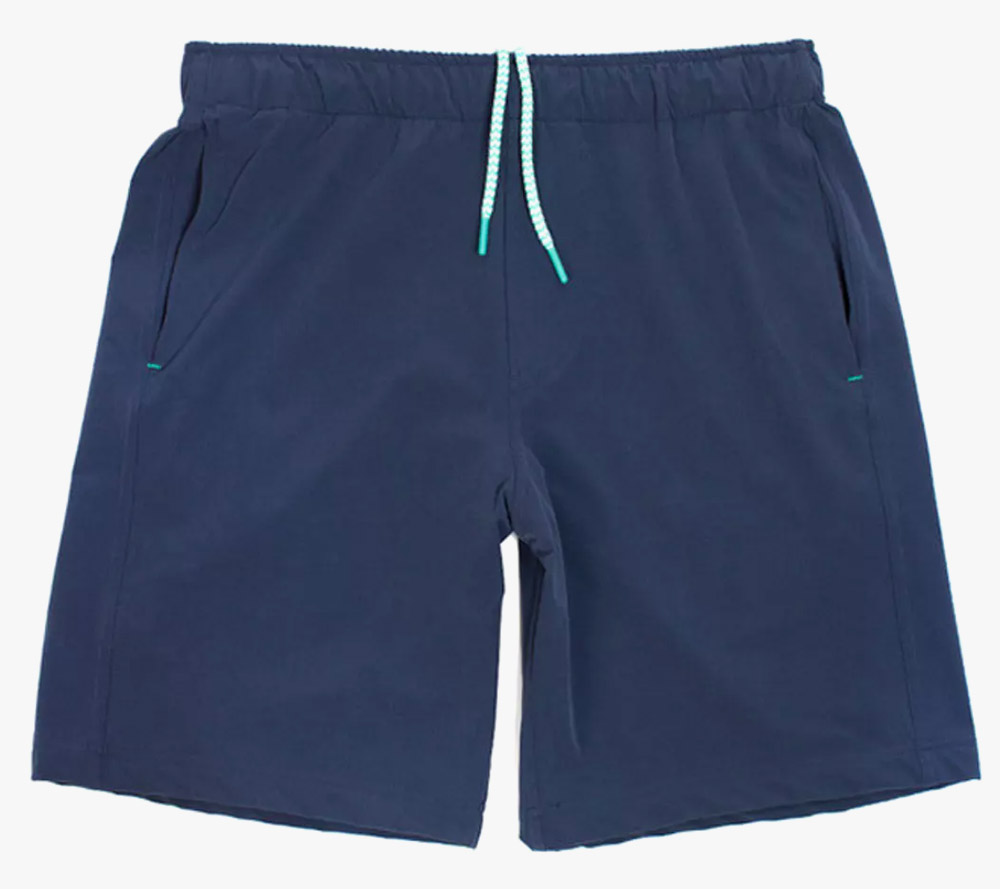
Myles Everyday Shorts

The light and airy materials that make fitness shorts so comfortable are often slightly too casual for settings other than the gym and the home. Myles Apparel knows that, so it set out to make a short that’s both comfortable and appropriately versatile. The end result: the Everyday. It’s made of a blend of nylon and spandex to create four-way stretch and is treated with a DWR finish to fend off the elements. More importantly though, it looks great, which means you can shamelessly enjoy the breeze while wandering foreign cities.
Buy Now: $58

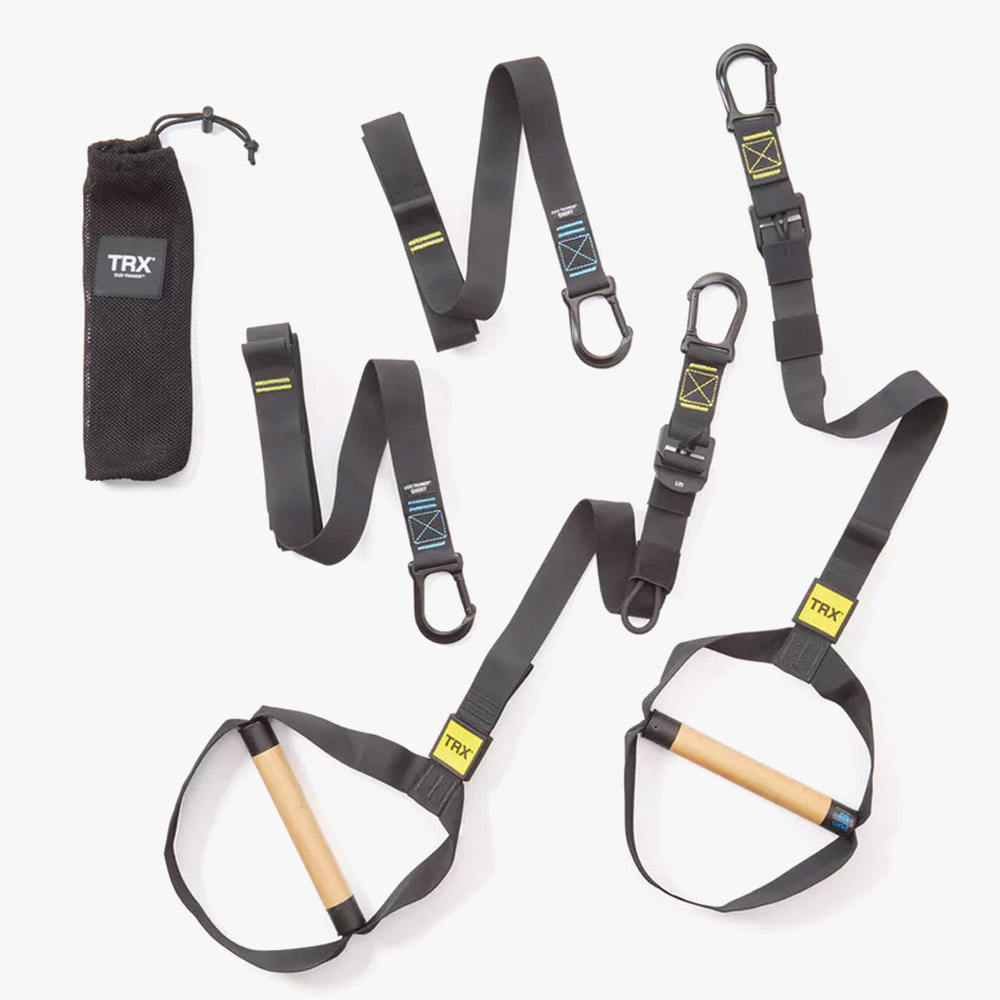
TRX Strong System

A good home gym doesn’t have to entail heavy and bulky, not to mention expensive, equipment. In fact, it can be portable, something that you can bring on an airplane and set up in a hotel room or at a campsite. Take TRX, a packable suspension training system designed by a Navy SEAL. TRX takes seconds to set up, works indoors and out, and can provide a solid workout while on the road.
Buy Now: $150

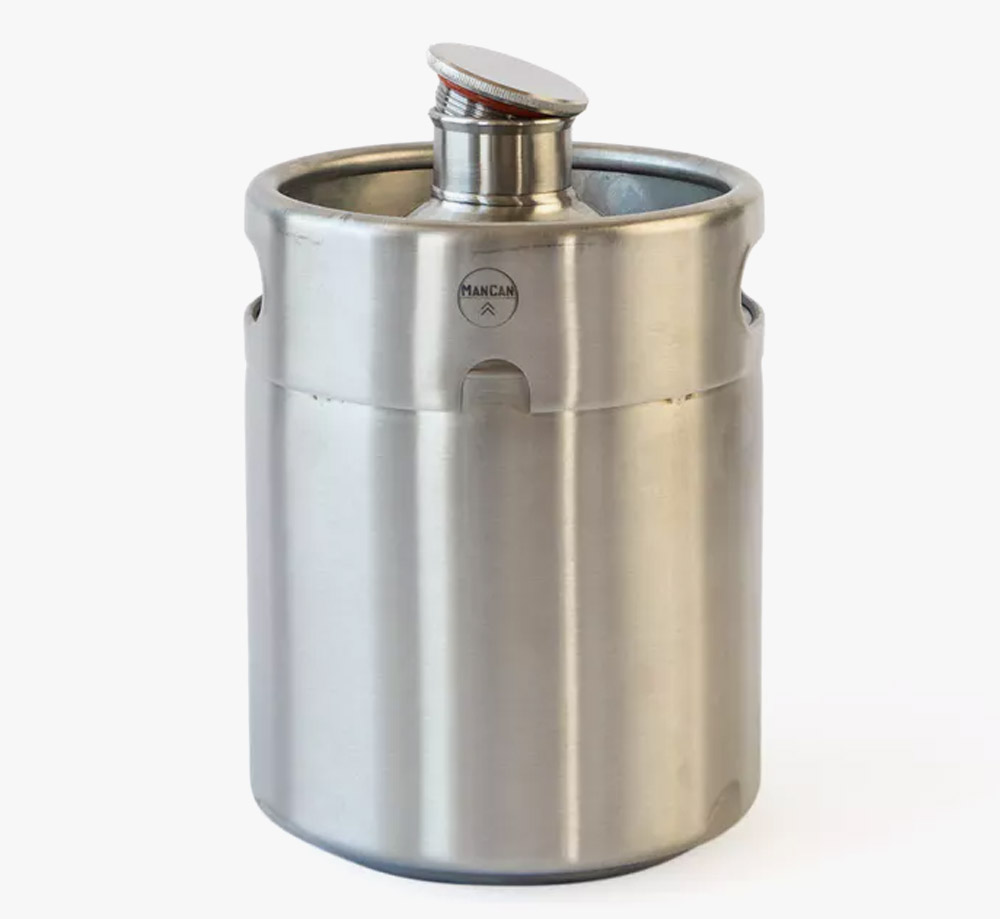
ManCan Growlers

Your dad’s college days are long behind him; he’s not used to full-sized kegs anymore. Luckily, ManCan is all the greatness of a keg — durable, leak-proof, airtight — in a portable package. ManCan growlers are made of the same stainless steel as their full-size counterparts, but they’re much lighter and more easily refilled. Stow one in a backpack for an afternoon day hike or toss it in the boat on your next fishing trip.
Buy Now: $27+

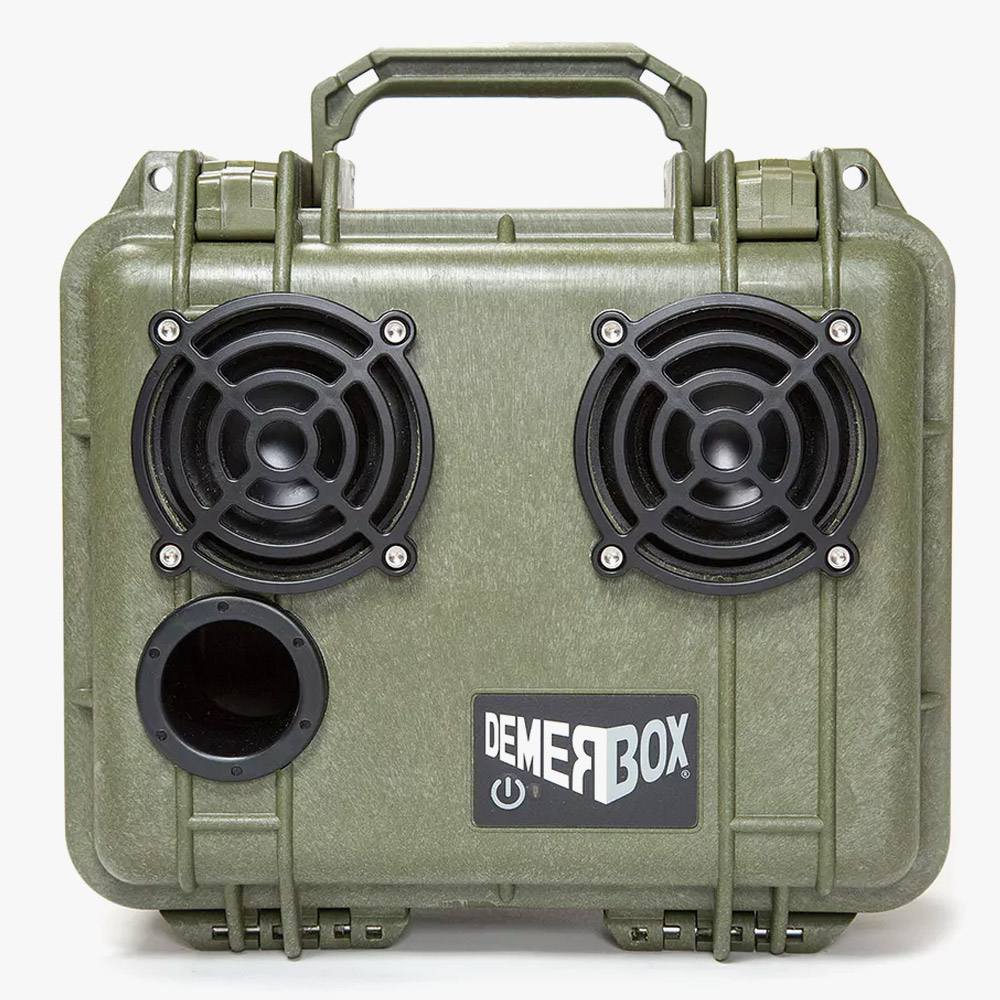
DemerBox

There are plenty of rugged Bluetooth speakers out there, but there’s only one DemerBox, and it puts all the others to shame. DemerBox was created by an audio technician named James Demer when he decided to install speakers and an amplifier into a Pelican case — a super-tough box typically used to protect expensive camera equipment — while working on a film in Barrow, Alaska. The production model DemerBox is just as rugged but much more refined. (And it’s still made with a Pelican case.)
Buy Now: $399

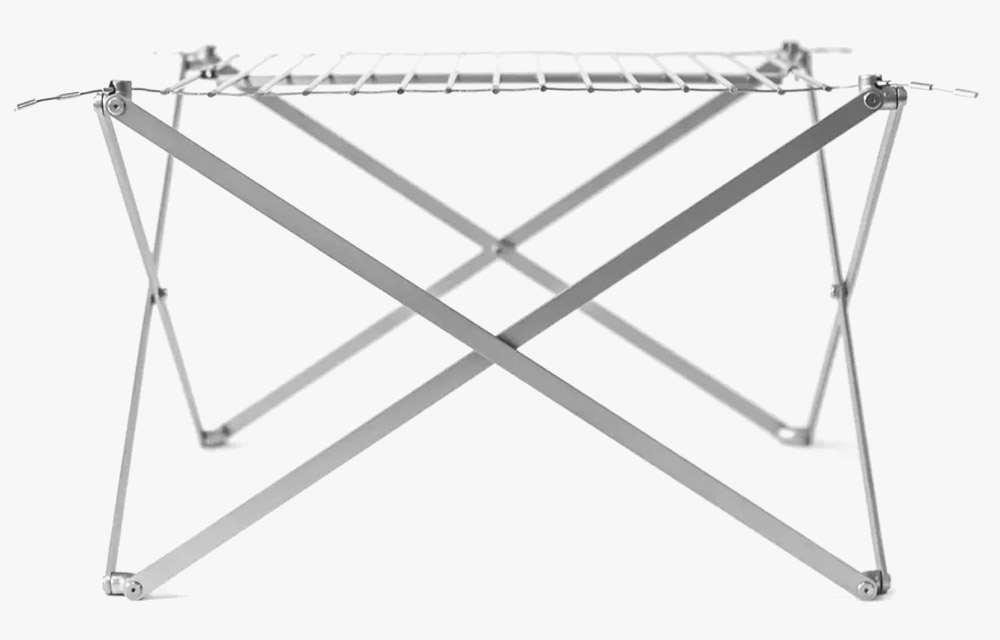
Wolf and Grizzly Portable Grill

All dads love grilling — that’s a fact — and adventurous dads are forced to face separation anxiety whenever the open road calls. Not so with Wolf and Grizzly’s Portable M1 Grill; it weighs just over two pounds and packs down into a packable carrying case like a set of tent poles. That means it can be stashed in a backpack and be put to use over a campfire at the beach or on the side of a mountain, and your dad will never be far from a grill again.
Buy Now: $90

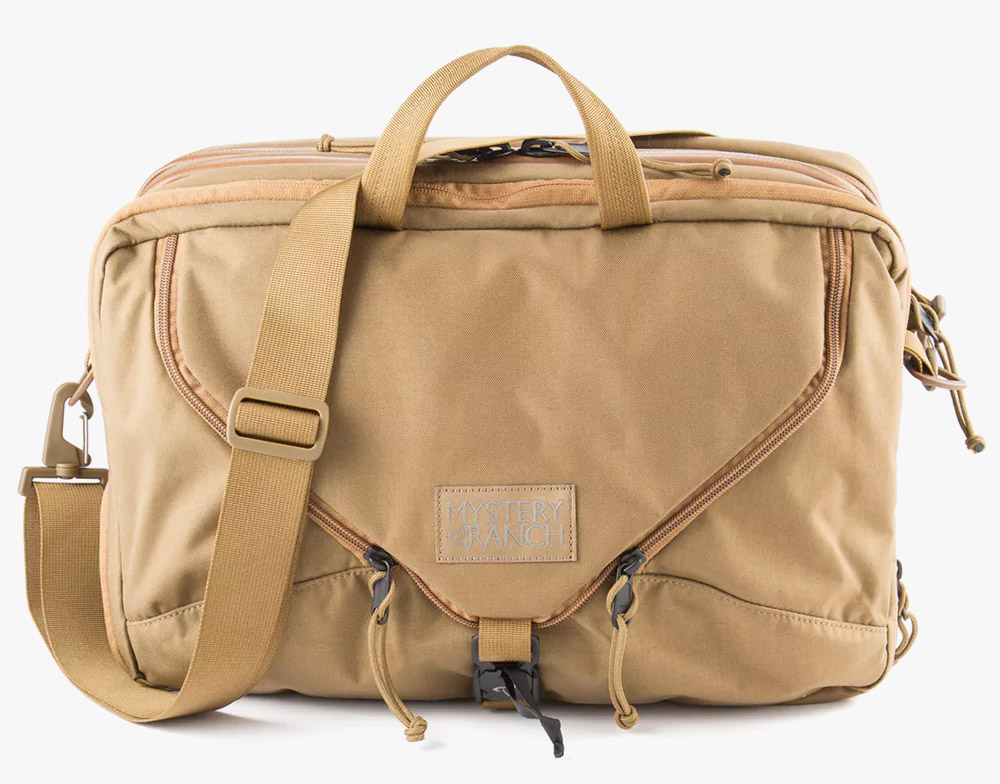
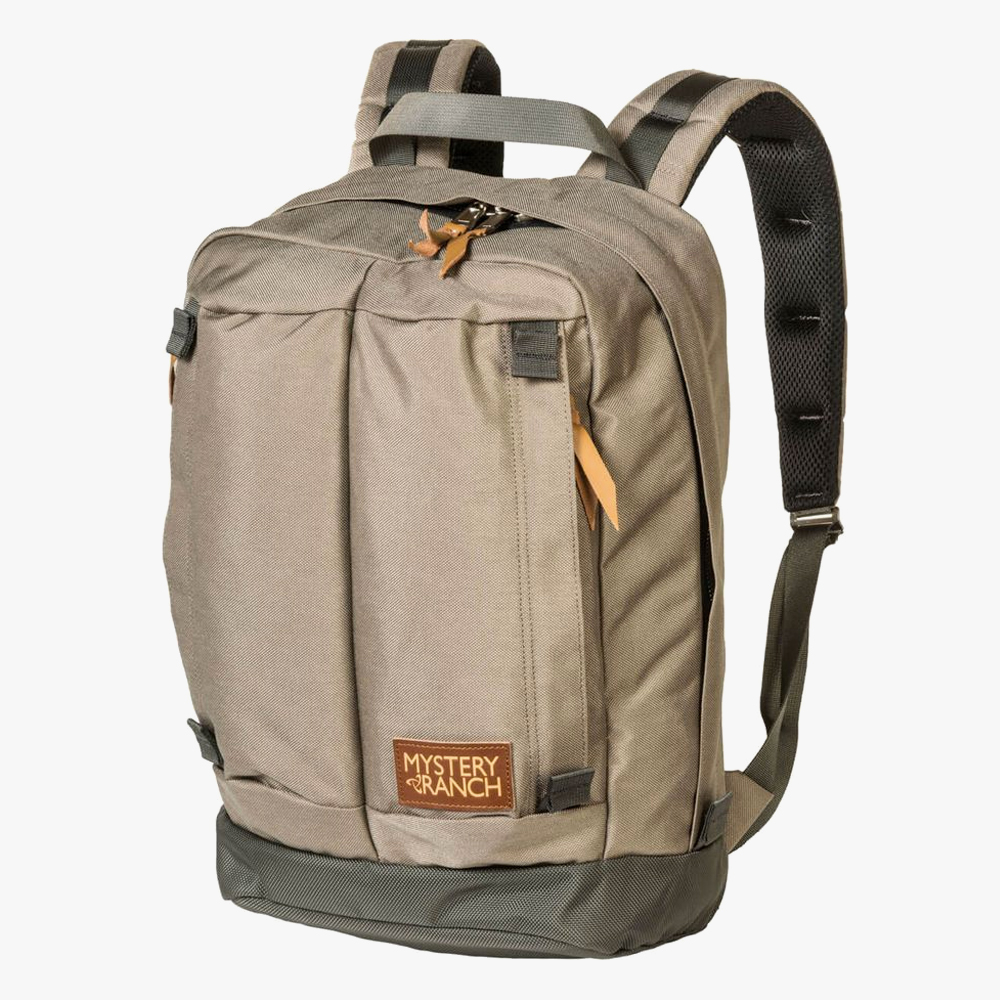
Mystery Ranch Briefcase

Mystery Ranch is well-known among bag enthusiasts from the backpacking, wildfire-fighting and military communities. Office-goers don’t have to feel left out, though, because everything it makes is functional, durable and comfortable, including this briefcase. Carry it three different ways — like a classic briefcase, with a shoulder strap, or as a backpack — and, thanks thanks to its 500-denier fabric, through any weather condition and locale. Everything inside will stay dry, protected and organized.
Buy Now: $150

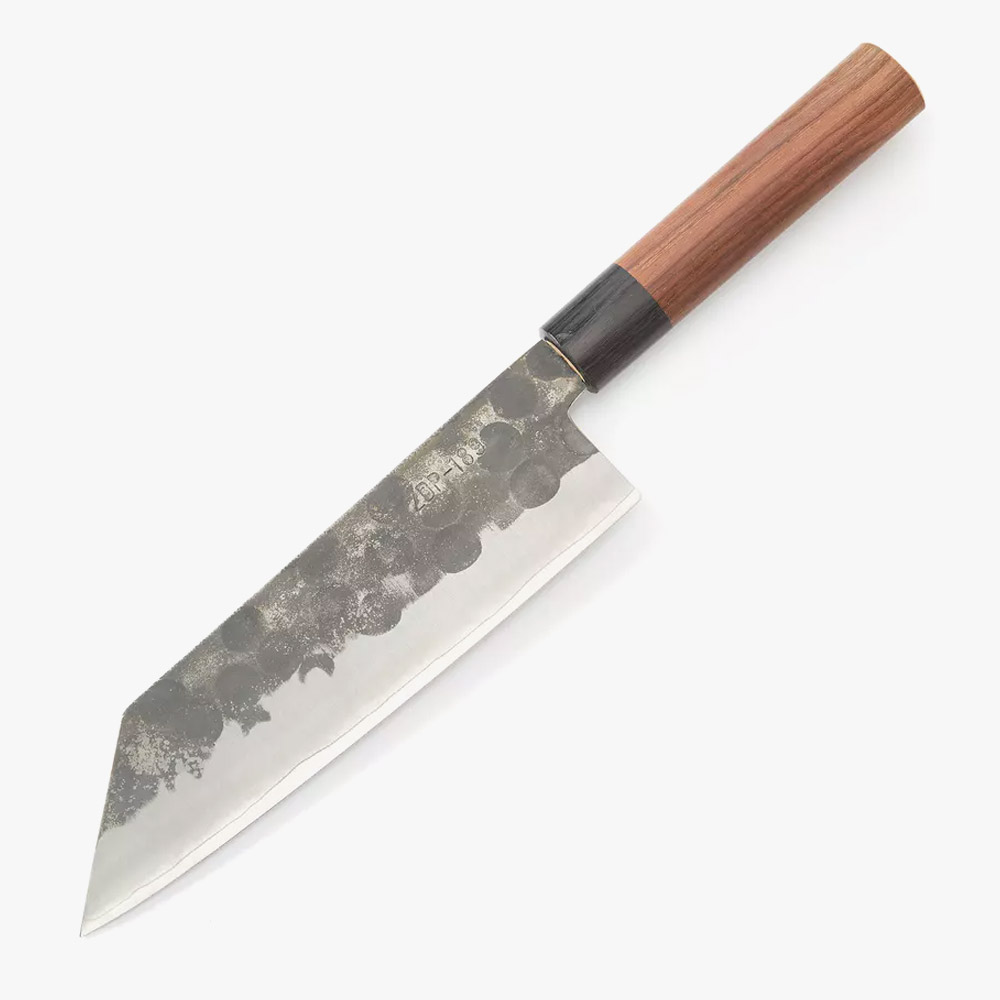
Japanese Chef Knives Bunka Knife

A practical tool from far-away lands is better than any postcard, and the Bunka Knife is one that can be used every day. The Bunka is a hand-forged chef’s knife crafted with ZDP-189 steel, which is known to resist corrosion and hold an edge longer than other metals. Made with sharp and straight geometric lines reminiscent of samurai blades and finished in the traditional kurouchi style, the Bunka is a beautiful example of a gift that will go appreciated every night. (Thanks for dinner, Dad.)
Buy Now: $280

This Is the Most Important Gear Scott Jurek Used to Set the Appalachian Trail Record

The Appalachian Trail stretches a total of 2,189 miles. It typically takes people between five and seven months to complete. Scott Jurek however, completed it in just over 46 days and 8 hours. It is the fastest known time or FKT for that trail — a prestigious title among the running, hiking and outdoor community. Jurek documented all his thoughts about running in a new book, North: Finding My Way While Running the Appalachian Trail.

To finish the trail that quickly, he crushed about 50 miles every single day. Naturally, we were curious what gear held up and allowed him to complete the trail. We caught up with Jurek to hear what gear he still reaches for, and works for challenges like the AT.

Scott Jurek’s Gear

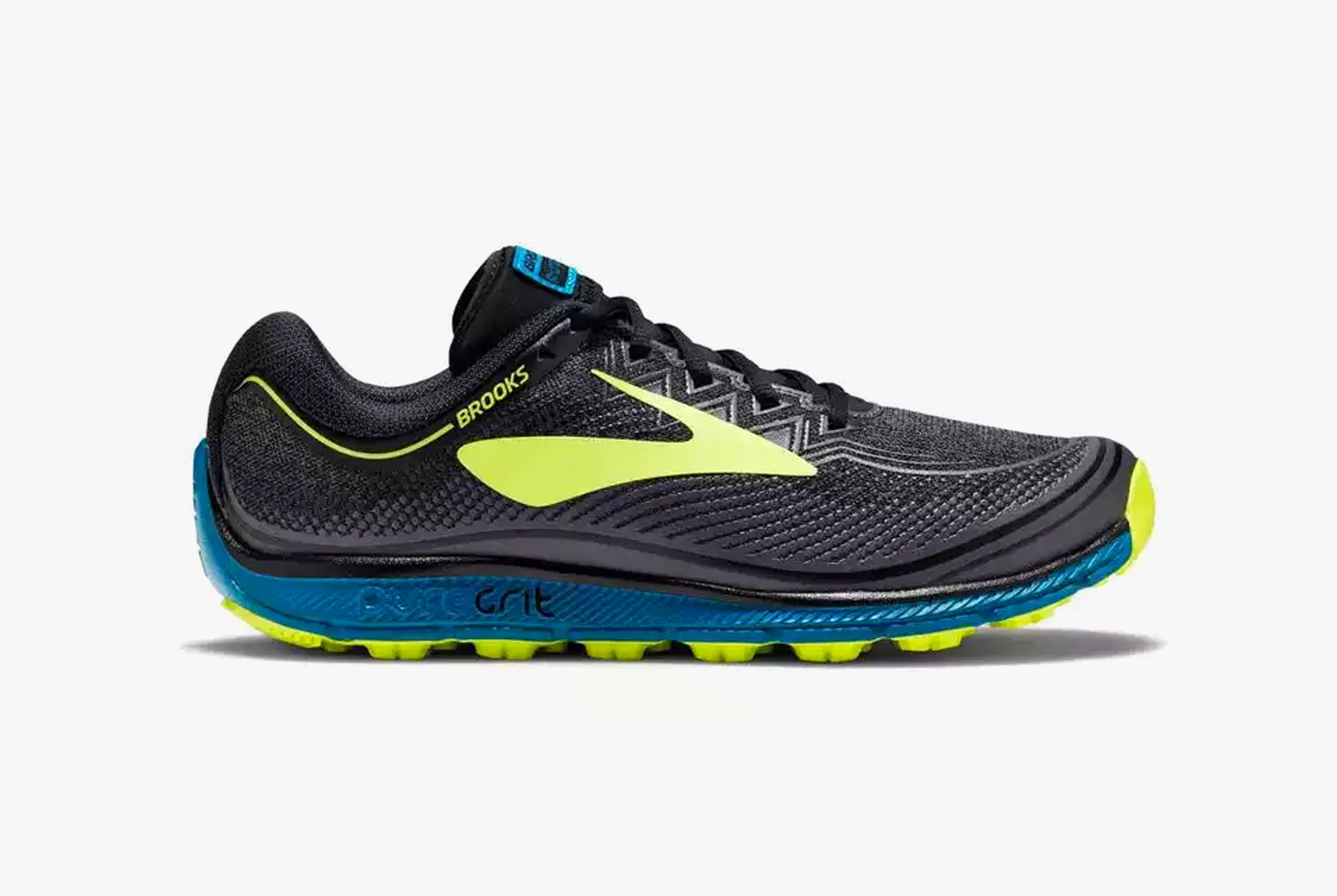
Brooks Pure Grit


“I’m getting to run in the model that’s a bit ahead, but I’ve been really keen on those lately. When you really get into trail running, you have a few types of shoes, depending on the terrain and distance. I do a bit of running in the Cascadia and the Mazama, too.”

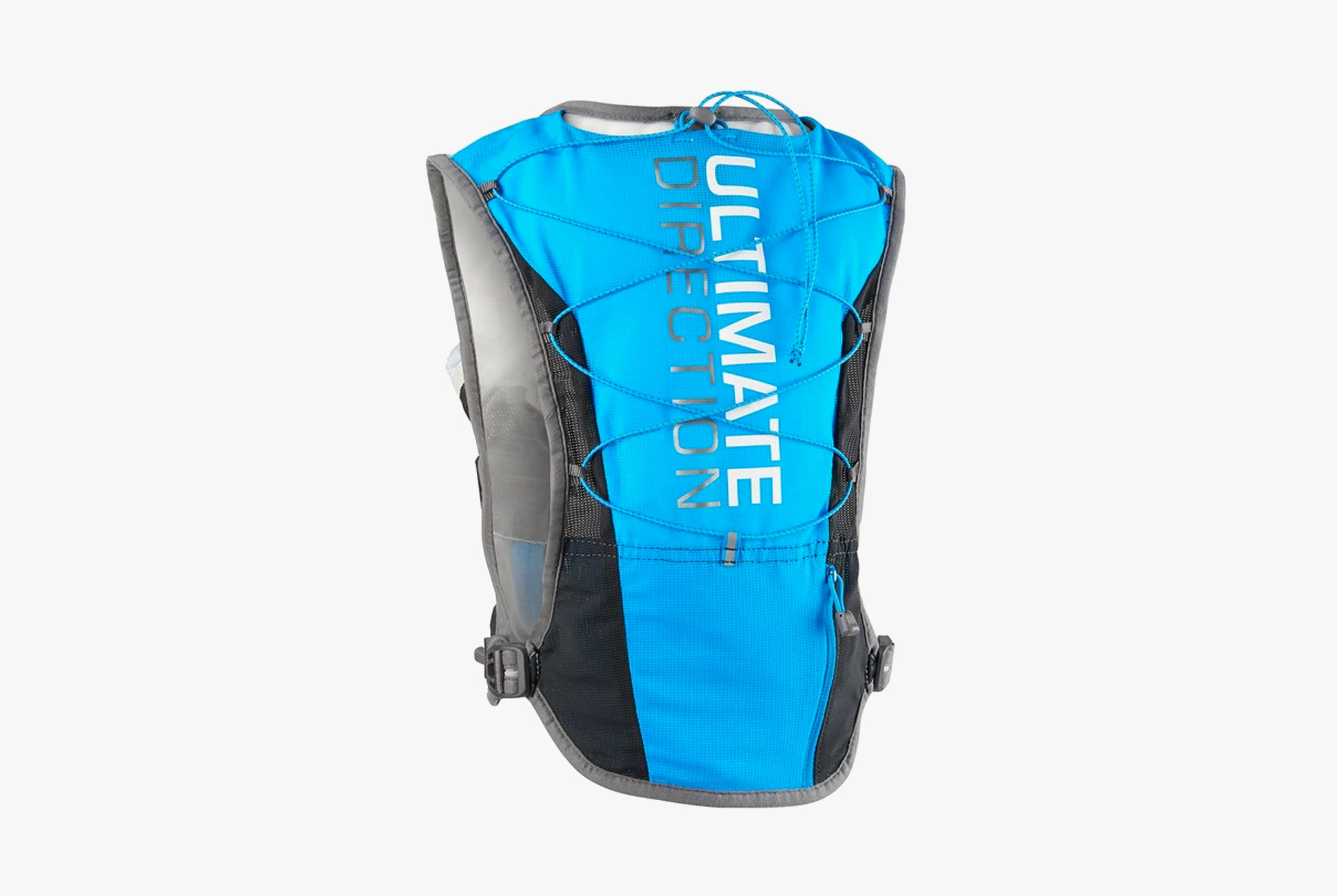
Ultimate Direction Signature SJ Vest


“The hydration vest has pockets and options to store everything you need for an outing for an hour or two or all day long. I have a vest specifically for someone who does a multi-day trip with a GPS beacon, a waterproof pocket for phone, a rain fly and other safety features.”

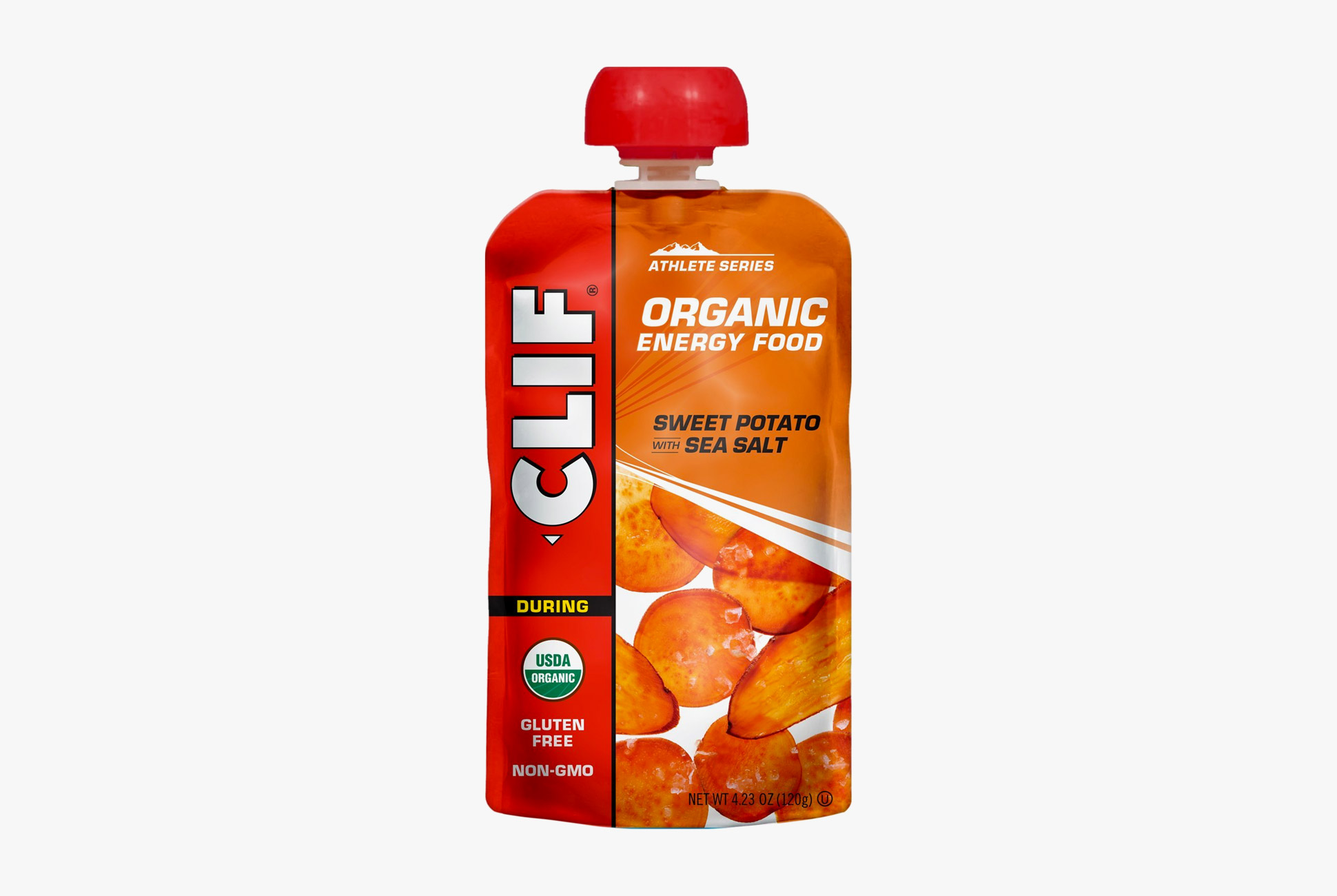
CLIF Organic Energy Food


“I do a mix of things, typical sports food, like CLIF bars, Shots and Blocs, but I also incorporate real food. A bean and rice burrito, hummus wraps, things that are portable like diced sweet potatoes, sprinkled with salt, or a rice ball onigiri — savory food is really important. I developed organic energy food with CLIF that includes pizza margherita.

Jaybird Earbuds


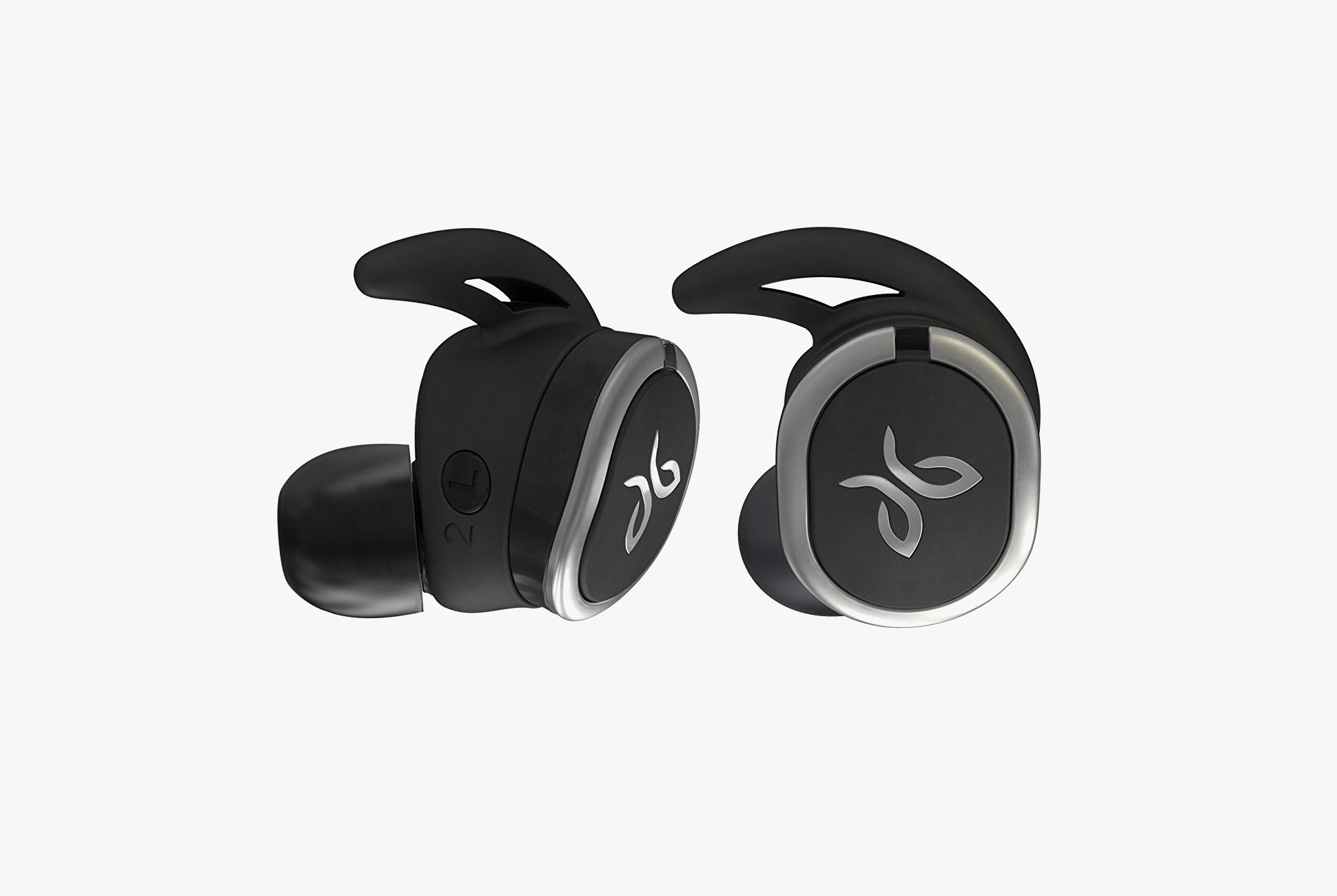
“I listen to music from time to time, but it depends on the mood I’m in. On the AT, I would play music on a speaker and turn it down or off when others come along. I like to hear rattlesnakes or bears. For earbuds, I’ve been experimenting with a few different ones like the Apple AirPods, Jaybirds and Beats.”

Brooks Sherpa Short


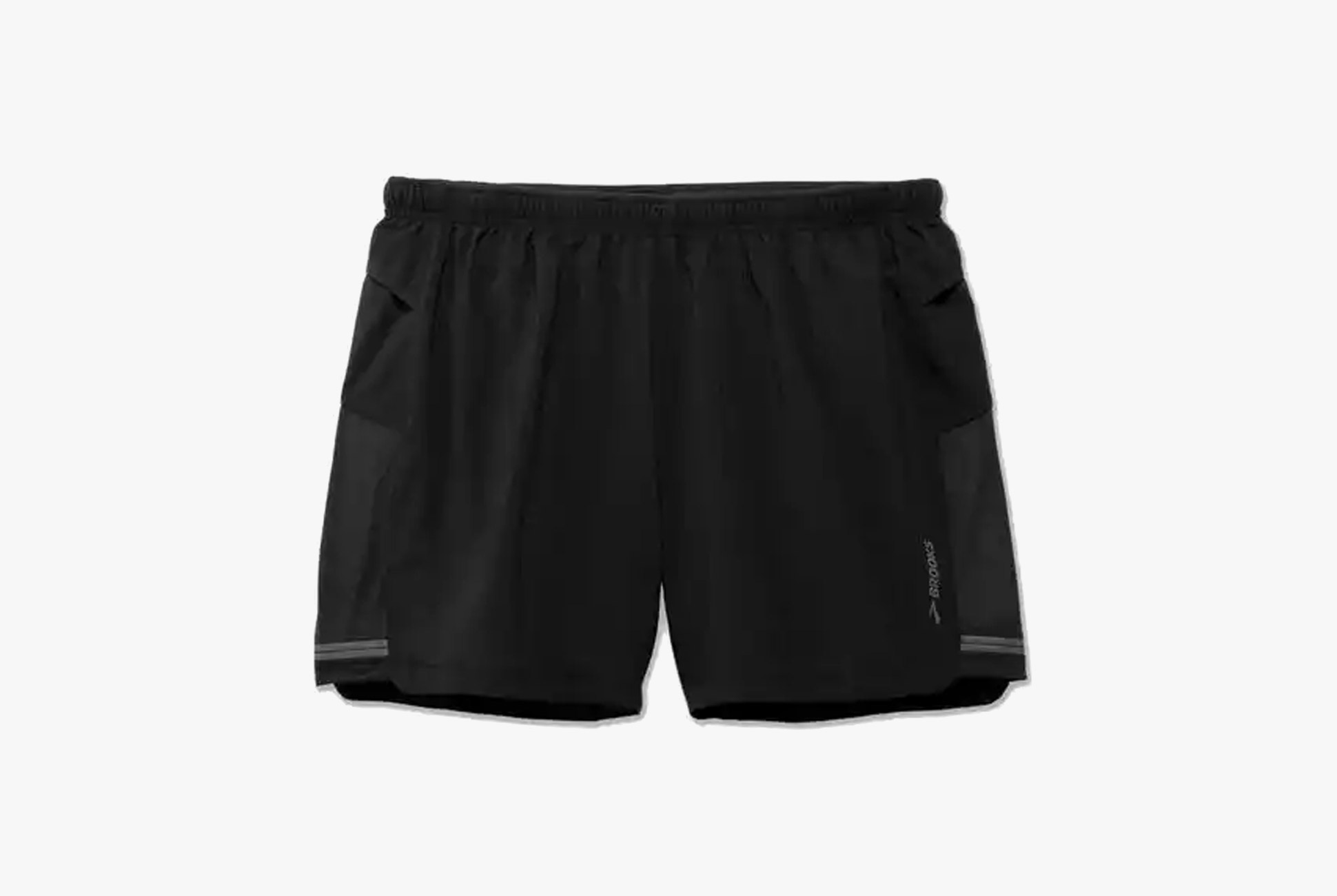
“Simplicity is always best. I love the fact that you need a pair of shoes and then you can go. I’m keen on having some pockets in shorts, and am a big fan of the Sherpa short and Cascadia short by Brooks. Trail runners were actually the first to use pockets in shorts and it’s progressed into the road running scene.”

SPOT Tracker


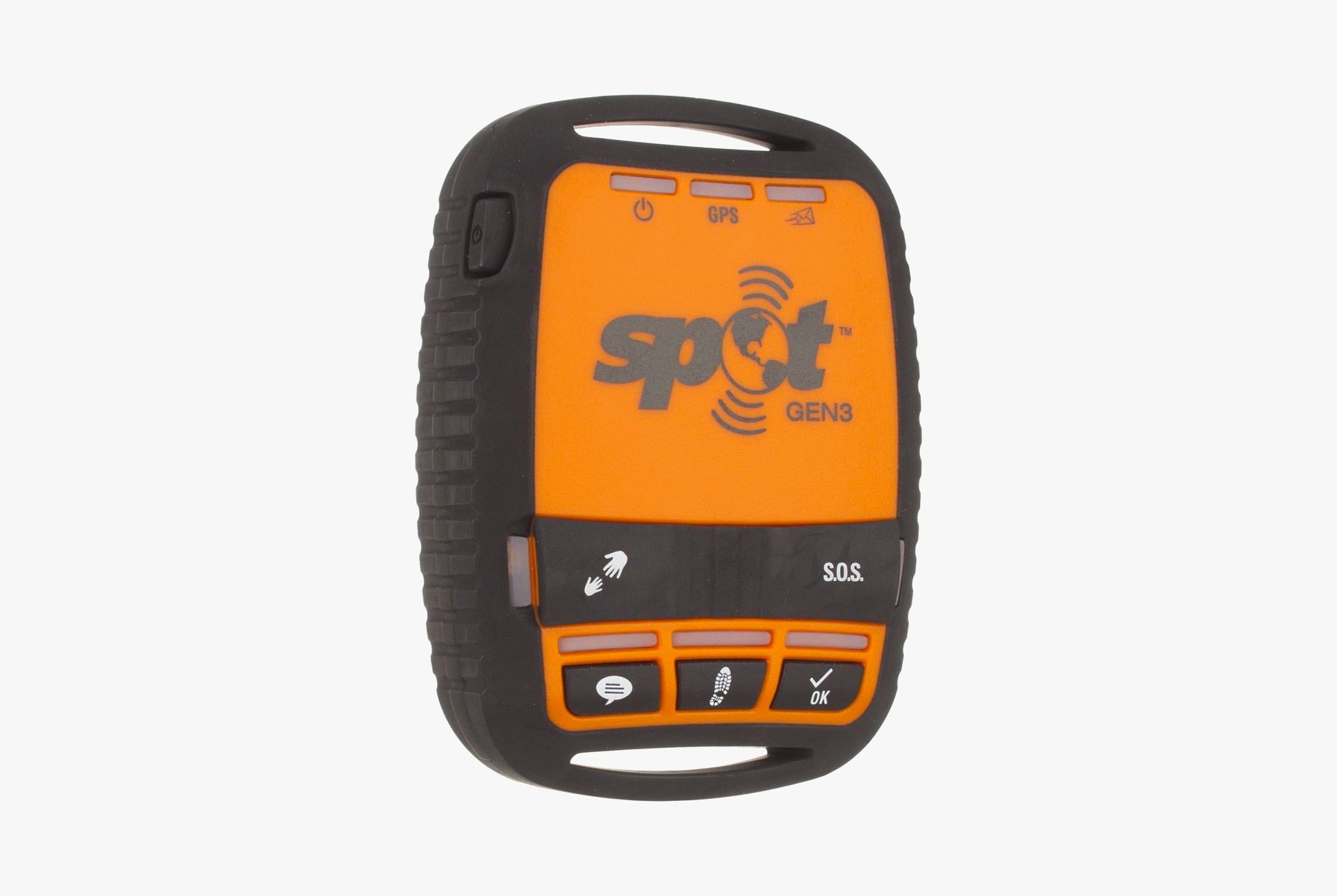
“The Spot was really helpful because when I was setting the record, we opened it up so that people could monitor me and keep track [of my progress.] It might have too many features for some people, but it’s really helpful because it can get a text message out to individuals.”

Brooks LSD Jacket


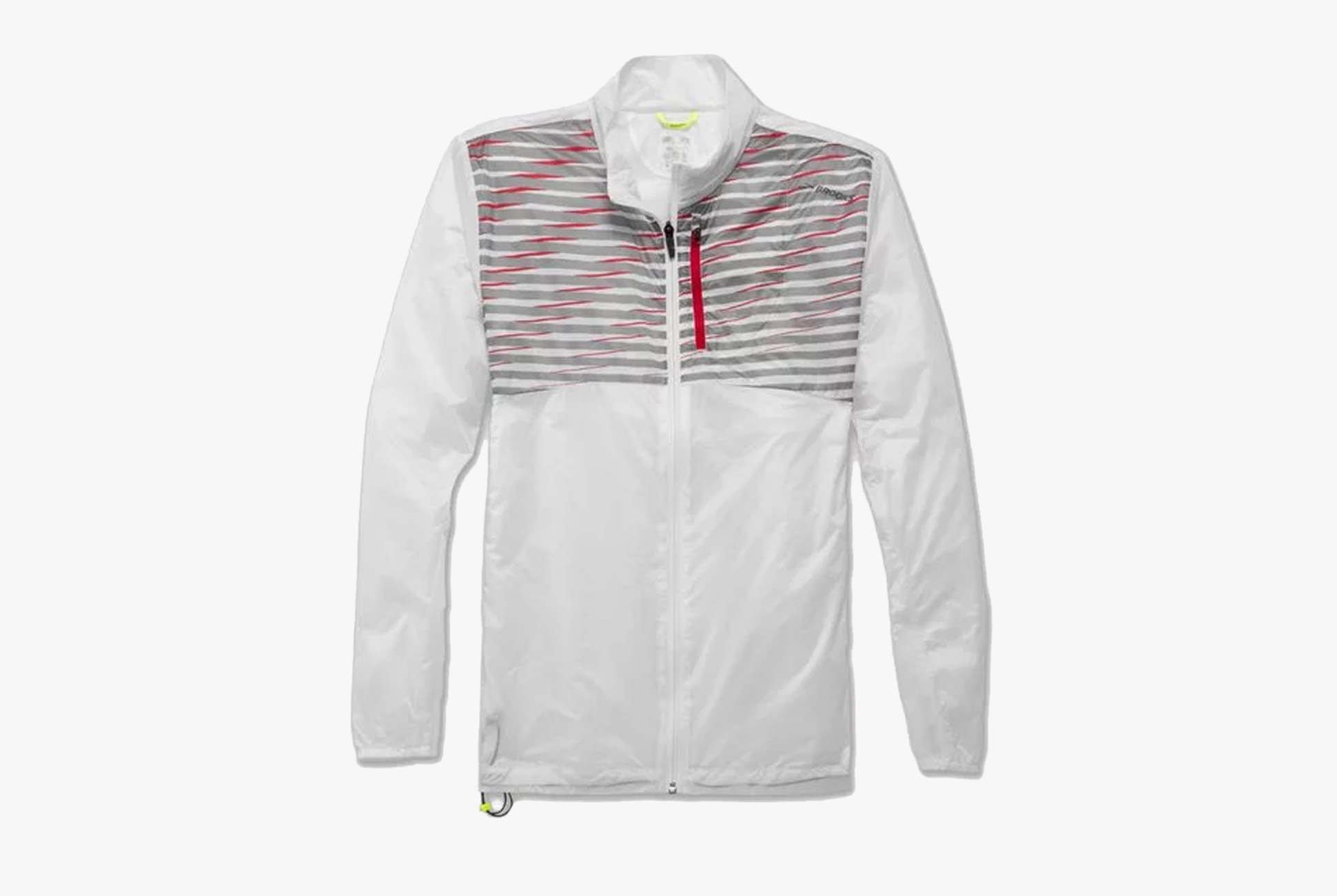
“I use a lot of editions of this jacket. It’s a really neat piece, designed as part of the Cascadia collection, where it’s part poncho, part shell and fully waterproof with ventilation on the sides.”

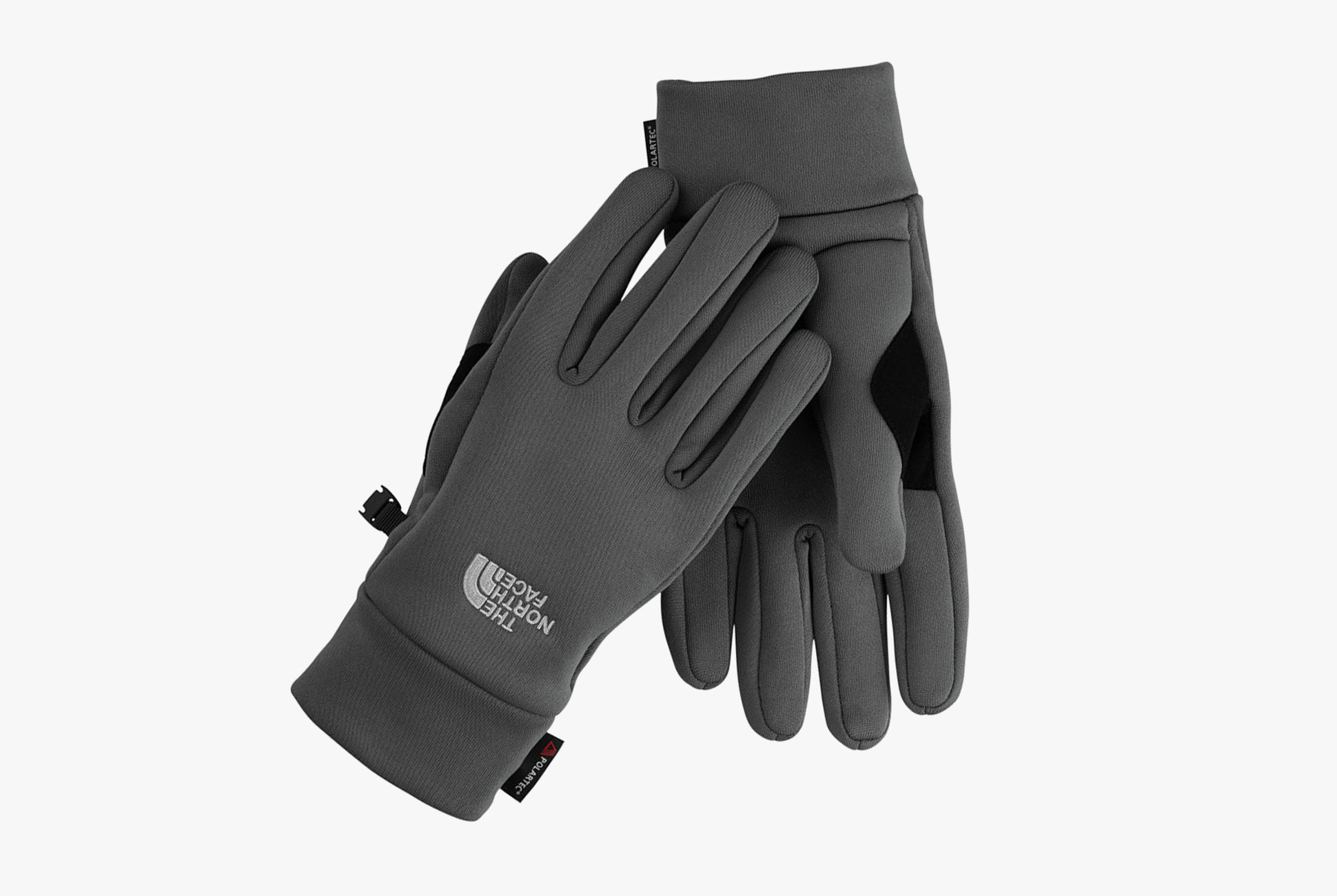
Light Liner Glove


“I don’t always use them, but I like having them to stay warm because if I don’t have control of my fingertips, I can’t get food open.”

Meet Margo Hayes

Margo Hayes is single-handedly changing the climbing game, and she’s only 20. Read the Story

The Best Travel Towel to Buy Right Now for Summer Camping

That Lazy River Life

The Best Travel Towel to Buy Right Now for Summer Camping


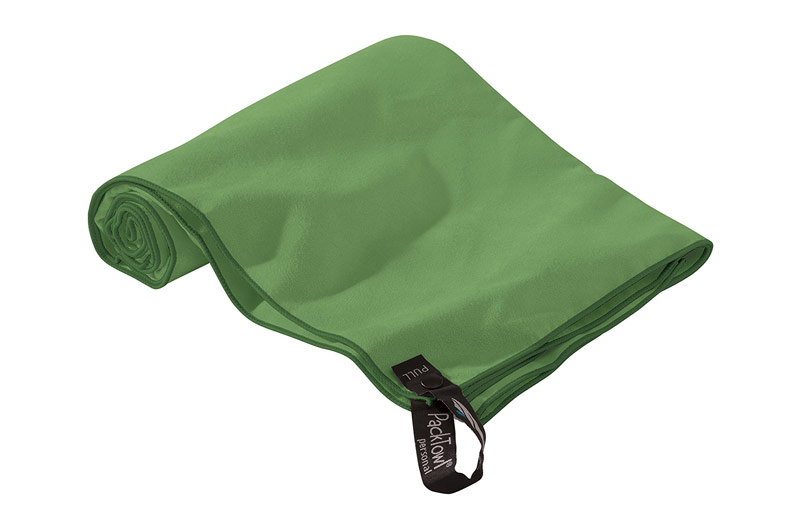
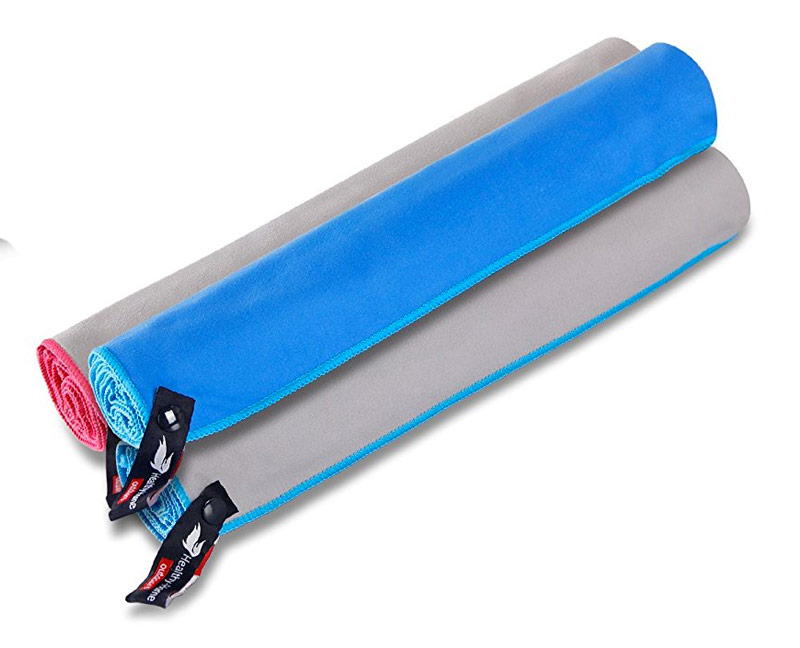
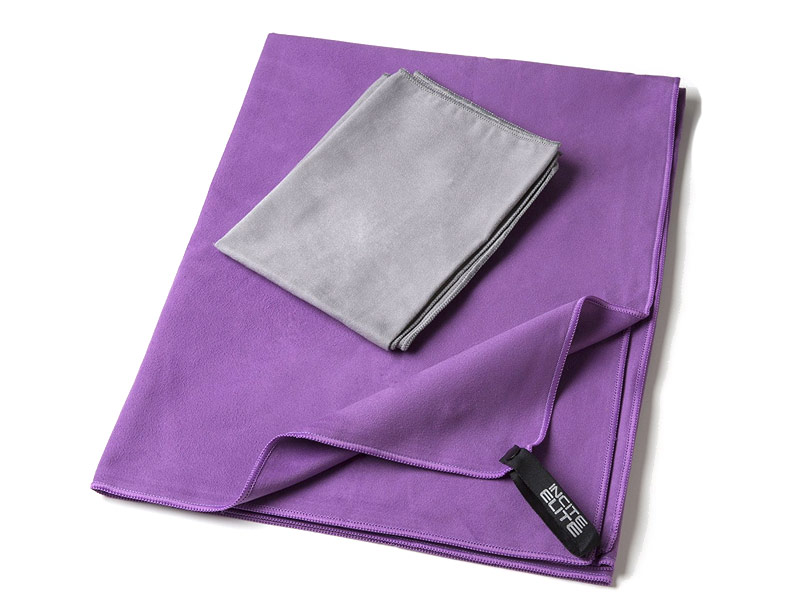
If you’re an ultralight thru-hiker, the idea of bringing a towel is pretty low on the list of things to carry, but if you have a few more days in the woods and are near a lake, river or ocean, a quick-drying travel towel holds a certain appeal.
It works as a blanket, wash cloth, napkin, poncho and sandy-feet cleaner. Here are eight quick drying travel towels to add to your summer camping kit.

Personal Microfiber Towel by PackTowl $7+

Microfiber Travel Towel by Healthy Home $8+

Quick Dry Towel by Incite Elite $15

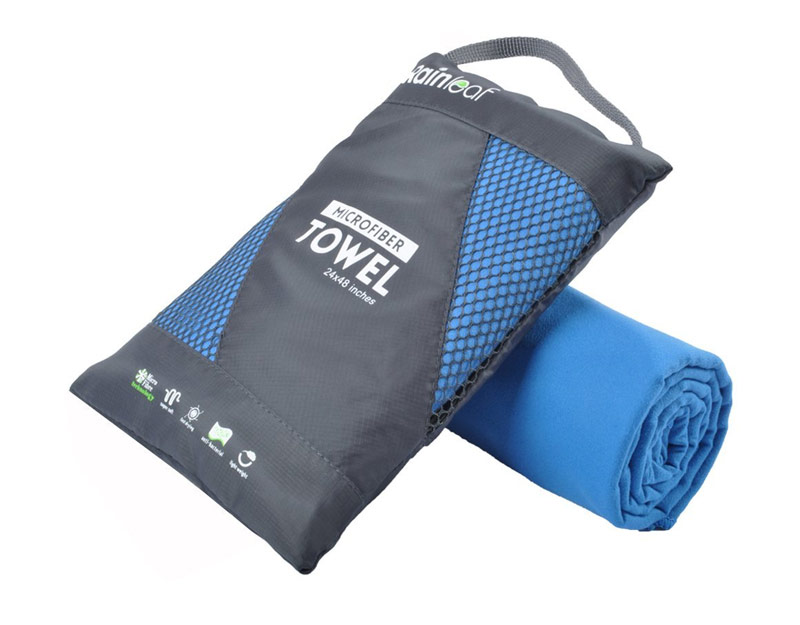
Microfiber Towel by RainLeaf $9+

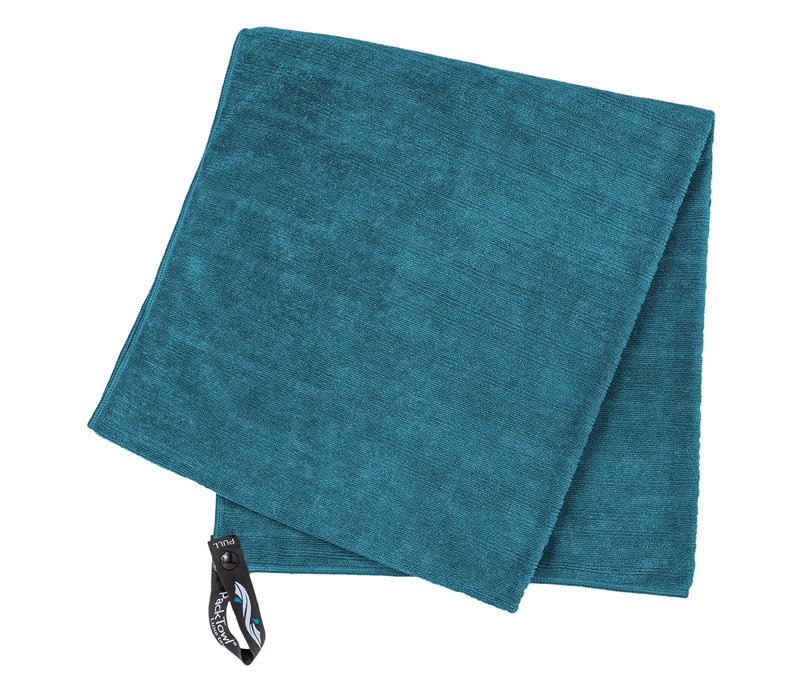
Luxe Microfiber Towel by PackTowl $9+

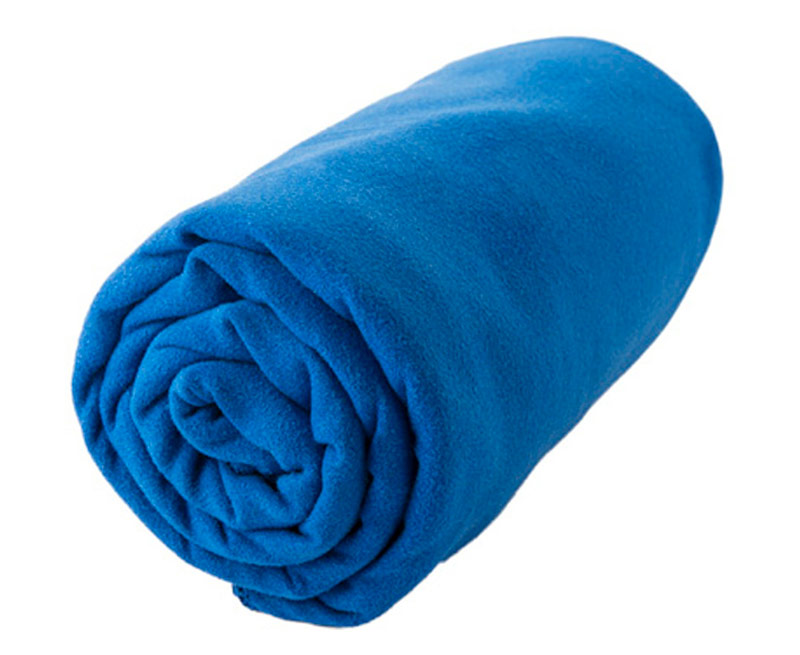
DryLite Antibacterial Towel by Sea to Summit $9+

Microfiber Travel & Sport Towel by Shandali $8+

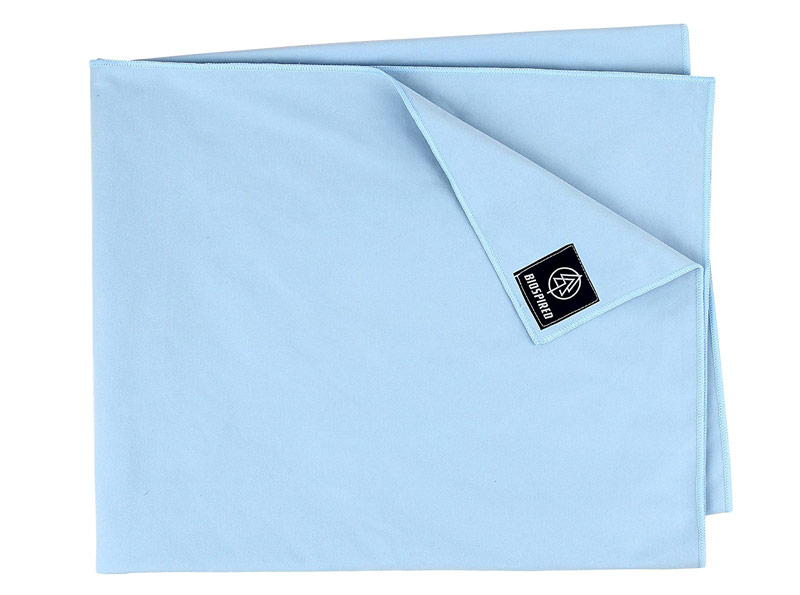
Footprint Lightweight Camping Towel by Biospired $8+
Best Camp Blankets

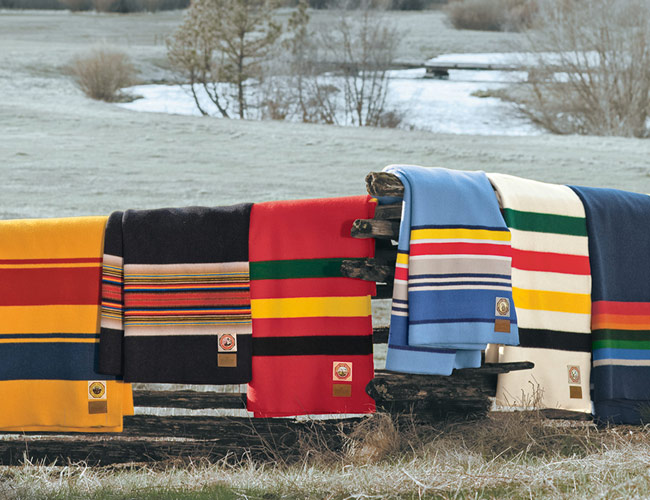
Made using the same functional materials as sleeping bags — materials like water-repellent down insulation and ripstop nylon shells — camp blankets are perfect for warm weather camping and fit right in inside the home too. Read the Story

The Best Commuter Bags and Backpacks You Can Buy Now


Bike commuting has become a culture in and of itself. And rightfully so — even though the journey from home to work may only last for a small fraction of the day, its ease and success or total failure can define everything that happens afterward.

It’s important to prepare for this crucial part of the day. Once you’ve got a bike (here’s some advice on that), and a helmet, the next most important piece of equipment to consider is the bag. It’ll have to hold everything you need to get you through the day — your phone and computer, notebooks, a tablet, a camera, spare clothing, your favorite pocket knife — and it should do so with optimized organization, on-the-go comfort, just-in-case weatherproofing and no shortage of style. The final choice is highly personal, and whether that means a backpack, messenger bag or briefcase, remember that by default the commuter bag will be the one you use most, and no concessions should be made in seeking perfection.

Peak Design Everyday Messenger

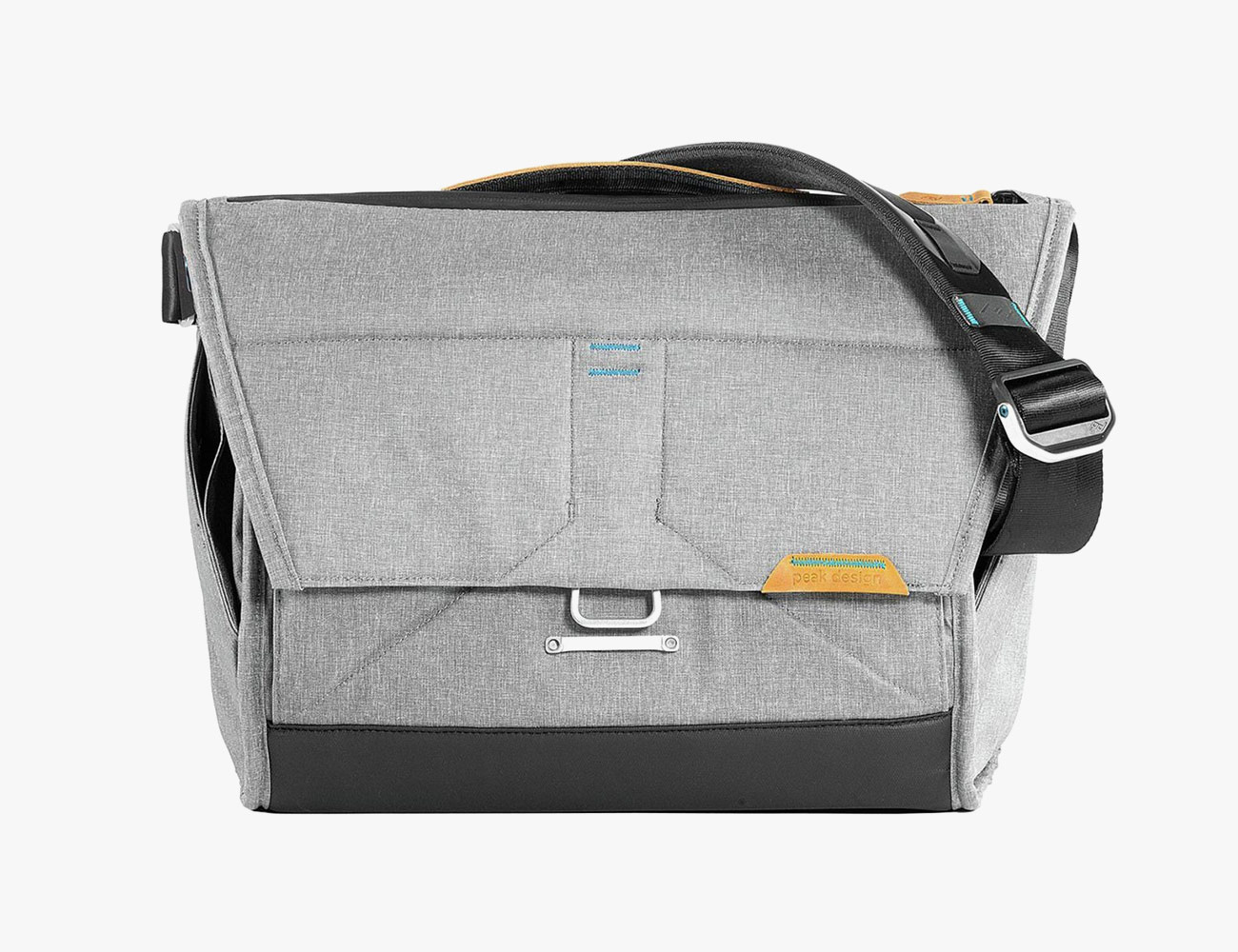
Best for Camera Owners: Peak Design began its dominance as a photography accessory maker with its Capture clip in 2011. In 2015, Peak Design jumped into the bag business and released the Everyday Messenger, which became Kickstarter’s most-funded bag, ever. For good reason too — the Everyday Messenger, although designed with photographers in mind, is geared to carry anything: laptops, tablets, books, a bike lock — anything. The key to this is smart, removable and customizable interior paneling and a selection of pockets and access points. The bag also allows for multiple carry styles and its soft-looking exterior is weather resistant, making it a solid choice for your commute.

|

Pacsafe Intasafe Anti-Theft 20L Laptop Backpack

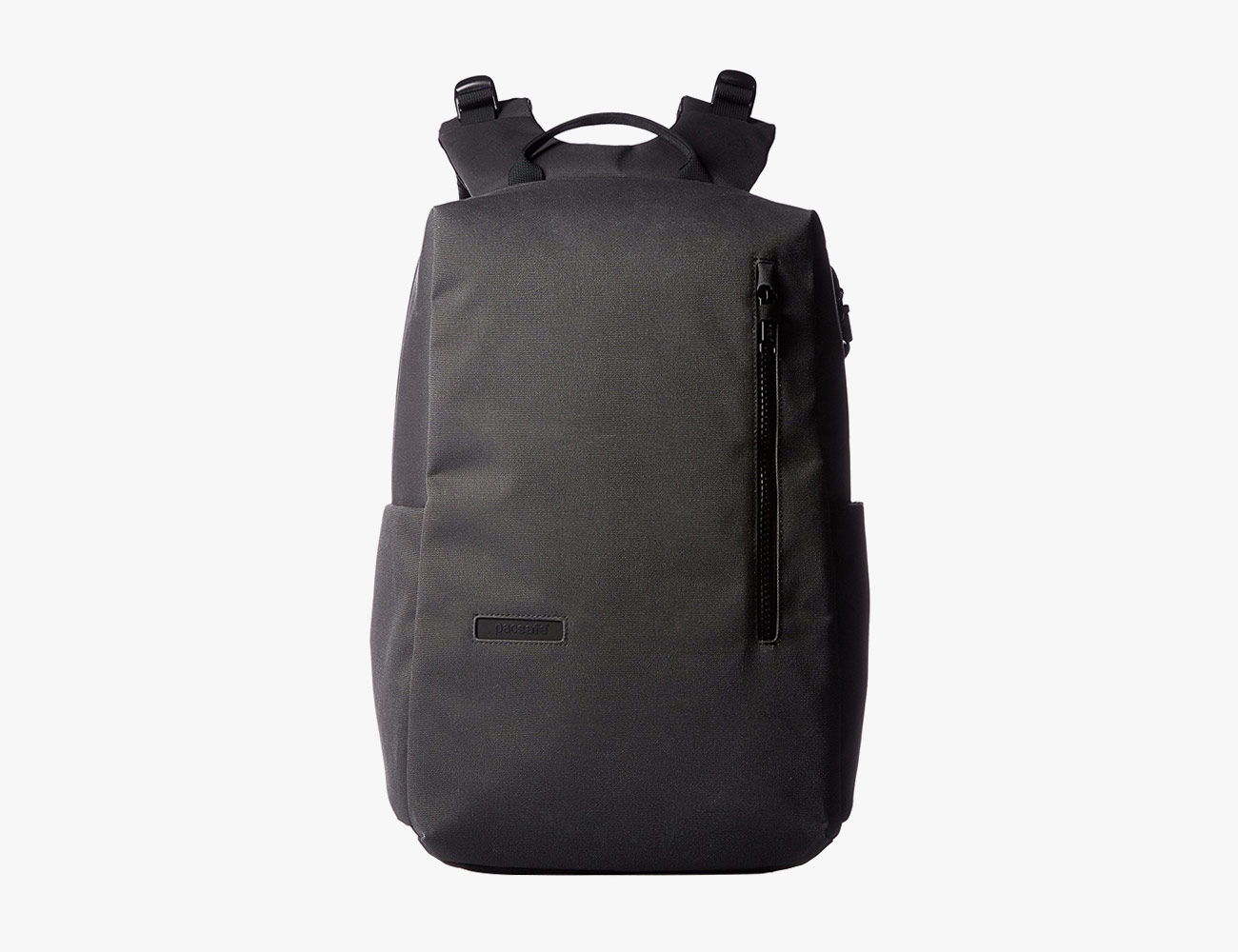
Best for Train Commuters: Heedless pedestrians and open car doors aren’t the only hazards a commuter faces on the way to and from the office; theft can also be an issue. Pacsafe has made a mission of thwarting would-be thieves through the design of its bags. At surface level, the Instasafe Backpack is an attractive bag with a minimalist style that has all the requisite features of a commuter pack: laptop and tablet sleeves, a water bottle pocket, internal organizing pockets for keys, a wallet and more. The security factor is hidden, but present — the backpack has slash-resistant straps, a chainmail mesh front, pickpocket-proof zippers, RFID blocking pockets and a lockable security strap.

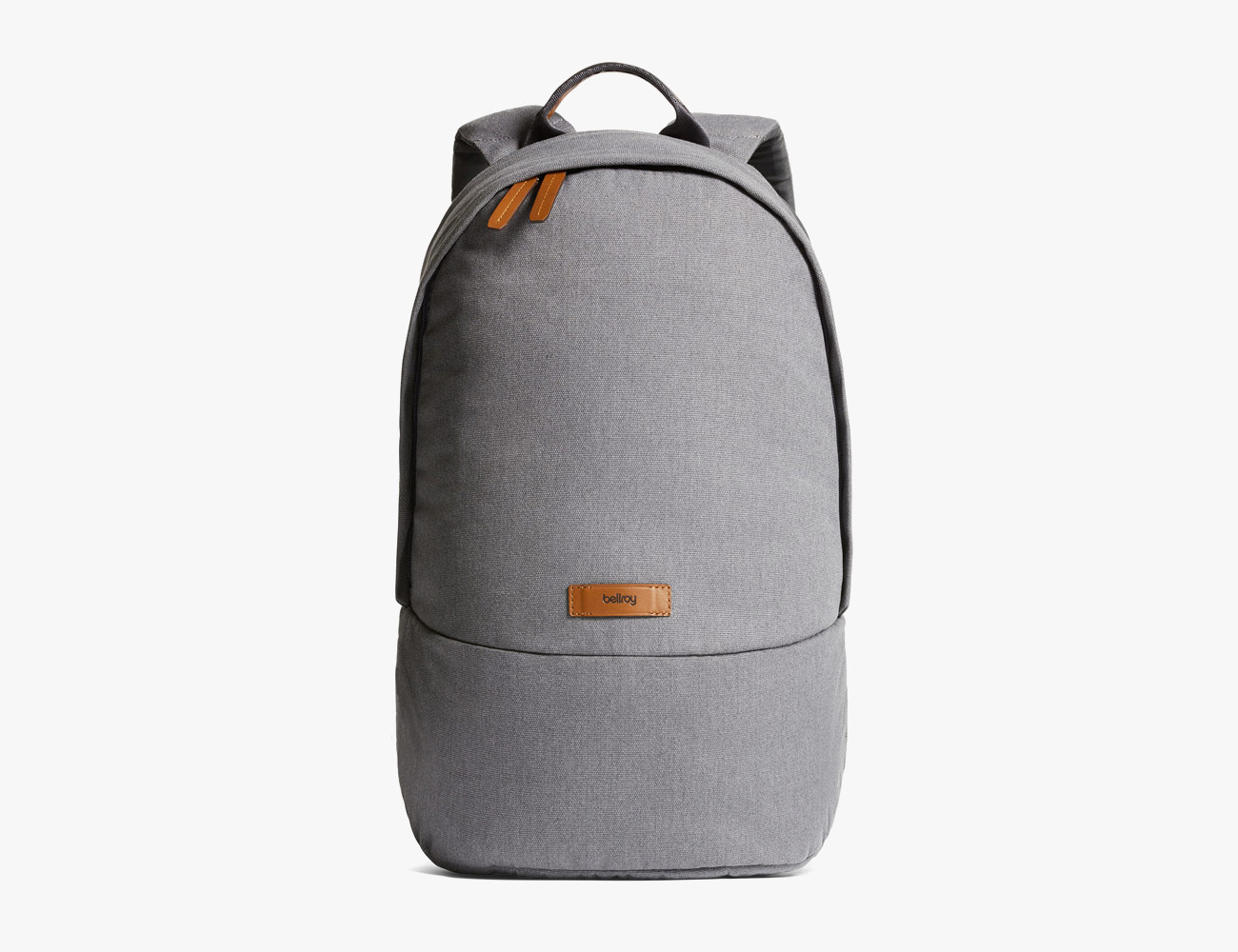
Bellroy Classic Backpack

Best Minimal Backpack: Bellroy can take a backbreaker of a wallet and make it smaller than a deck of cards, so it makes sense that it can also apply some thoughtful organization to the bag on your back. Its Classic Backpack calls back to what you might’ve carried on the school bus growing up, but it’s decidedly sophisticated. Inside, the Classic has padded sleeves for a laptop and tablet (or notebook) as well as a handily-placed holder for your favorite writing utensil. There are also two organizing pockets — one interior, one exterior — for your other daily essentials. Unlike the backpacks of memory though, the Classic is built with an ergonomic back panel that contours to and wraps around your body for an always-comfortable fit.

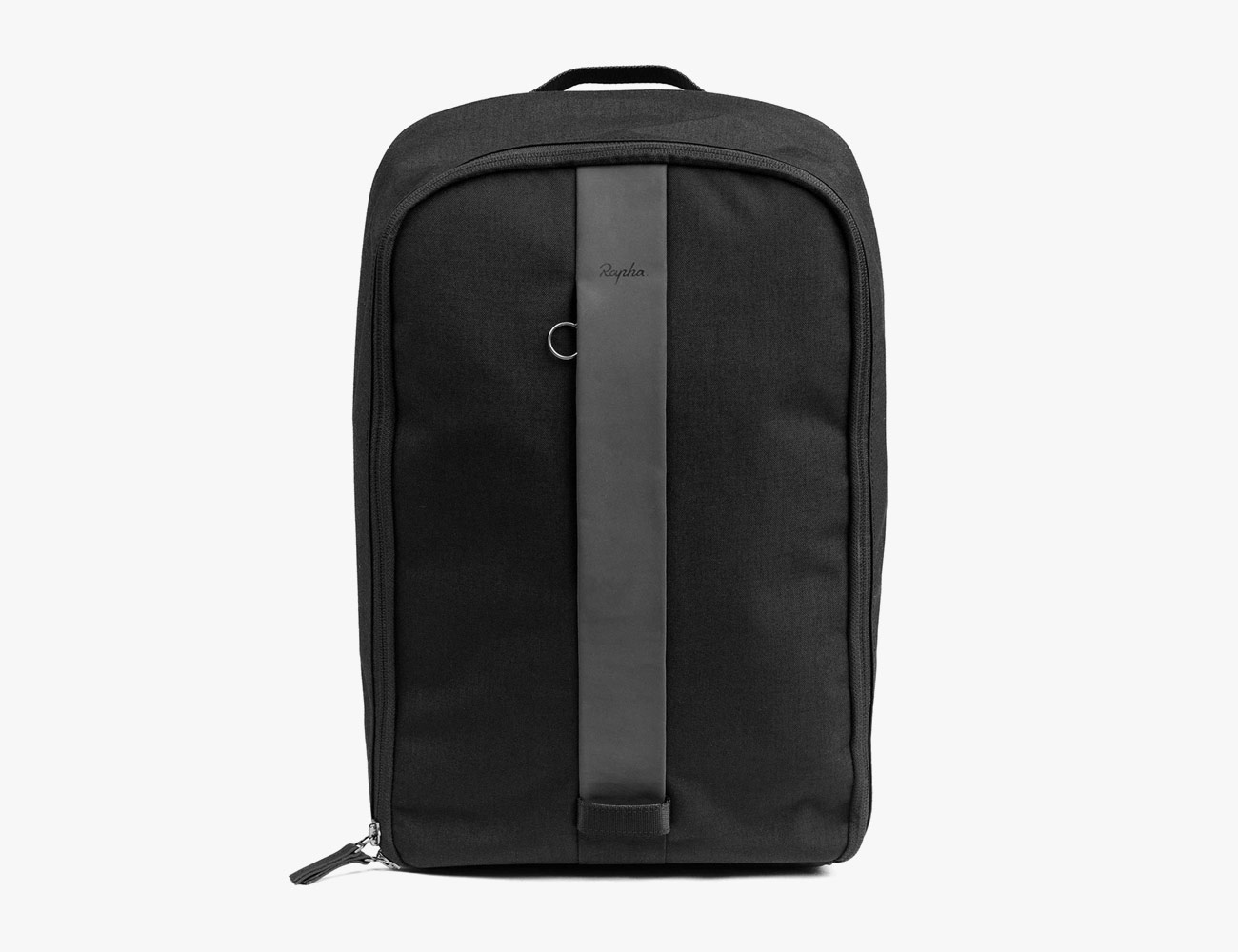
Rapha Small Backpack

Best Bike Commuter Bag: If you put a high premium on minimalism and style, Rapha’s aptly-named Small Backpack is a great carry option for the work week. The Backpack is designed with cyclists in mind and features padded back paneling that anticipates the hunched-over curve of a rider’s spine. Inside is a padded, 15-inch laptop sleeve as well as a removable padding. The main body of the backpack is made from Cordura nylon that will stand up to years of abuse and is water-resistant, and features a reflective stripe up its exterior.

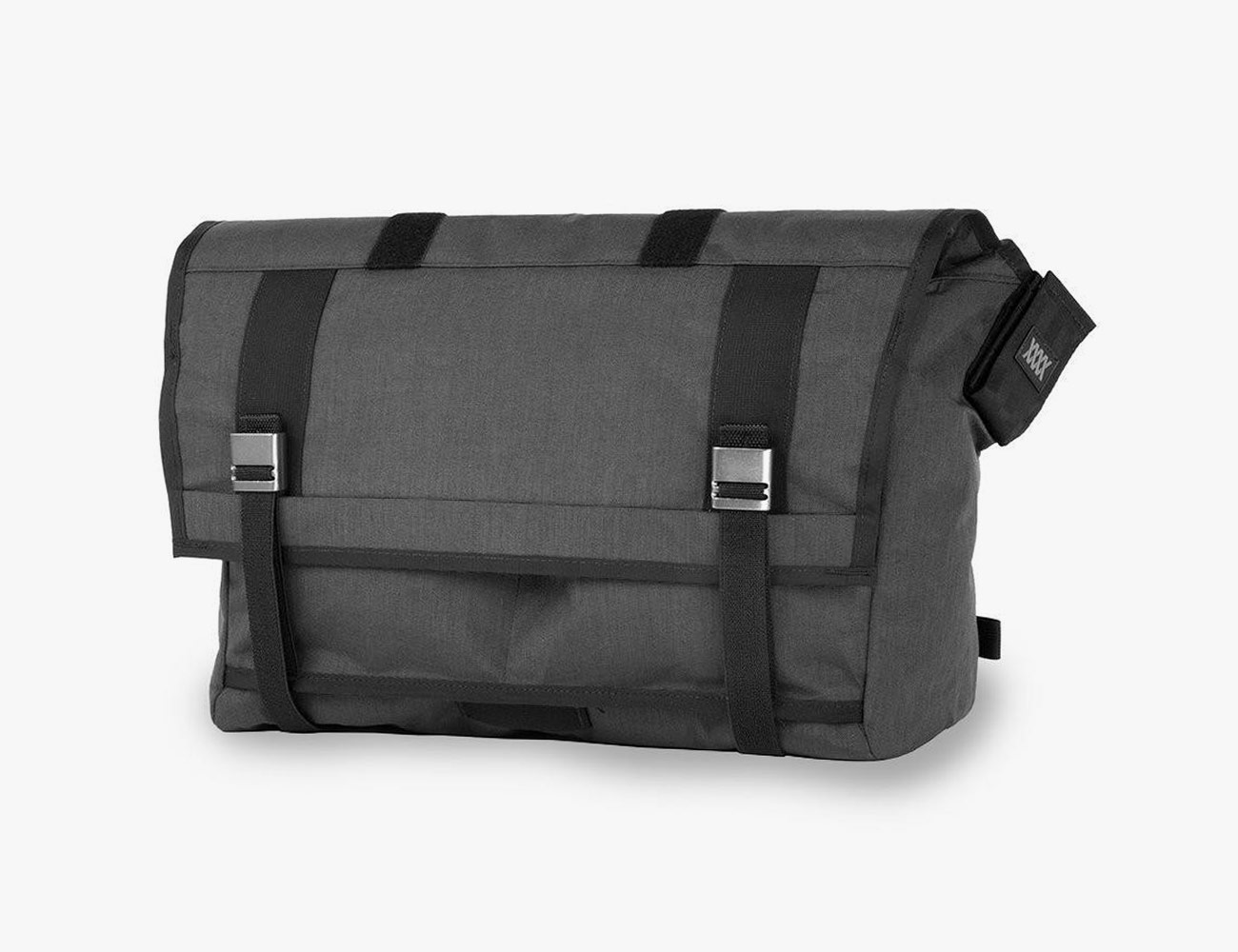
Mission Workshop The Monty VX

Best for Unpredictable Weather: At 21 liters of volume, The Monty is Mission Workshop’s smaller messenger bag, but it packs plenty of storage for the necessities of daily urban travel. Those include two spots for a laptop, internal zippered pockets and two easy-access pockets underneath its main flap, which can be used to close the bag just so, or with a roll. The Monty VX also comes set up with Mission Workshop’s Arkiv closure system, a modular strap that lets you add additional pouches and pockets to the bag through the brand’s ecosystem of products.

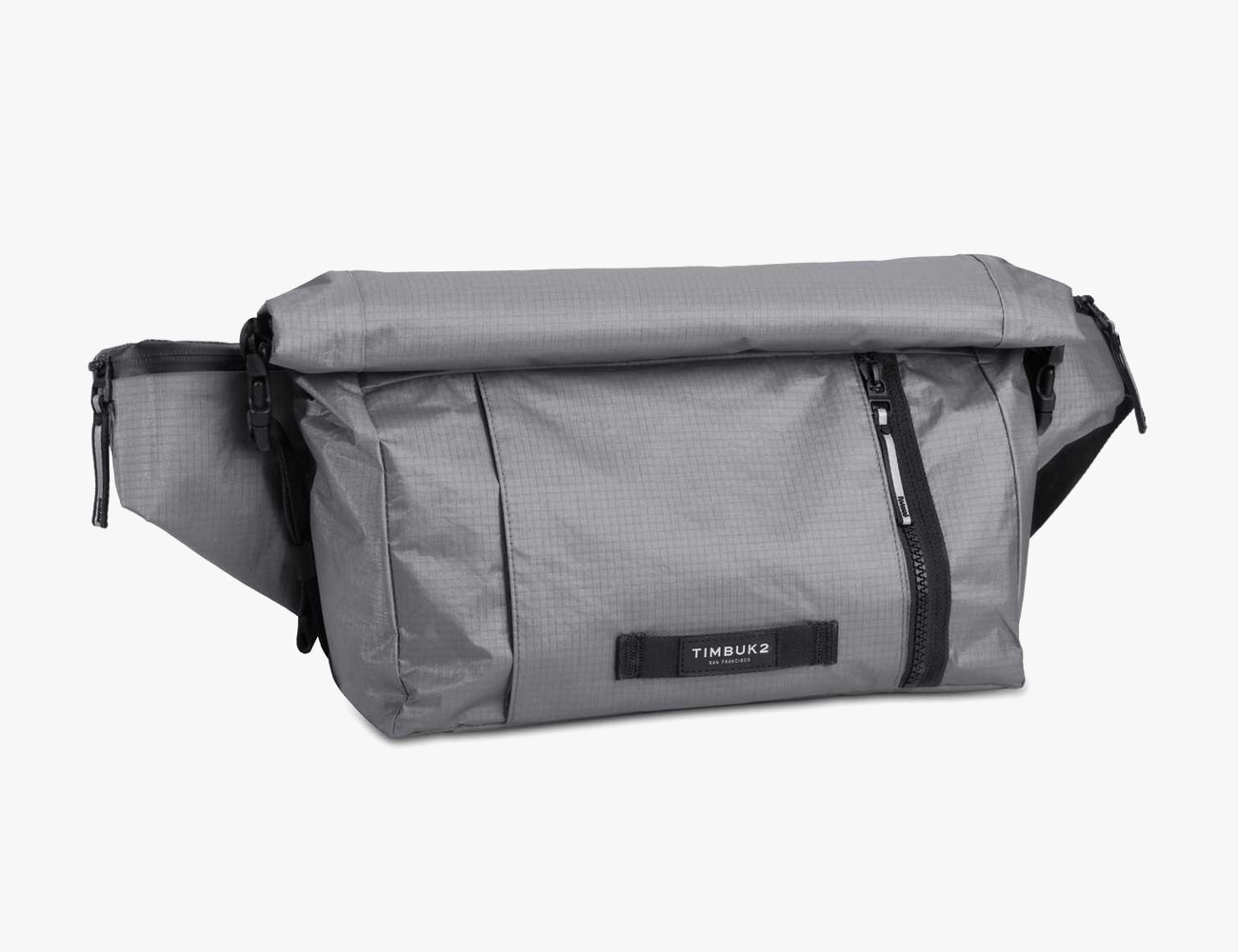
Timbuk2 Mission Sling

Best Budget Option: Tyvek, flash spun high-density polyethylene fiber, is routinely used to create things like hazmat suits and those concert wristbands that are impossible to tear off. Timbuk2 recently used it to create a new line of bags, one of which is the Mission Sling. Tyvek makes the bag lightweight but keeps it durable and weather-resistant at the same time. It’s crushable, yet sturdy when packed. The Mission Sling’s main compartment is accessed with a zippered roll-top closure — this system also helps the bag expand to accommodate more stuff when necessary — and a rear-facing quick access zip.

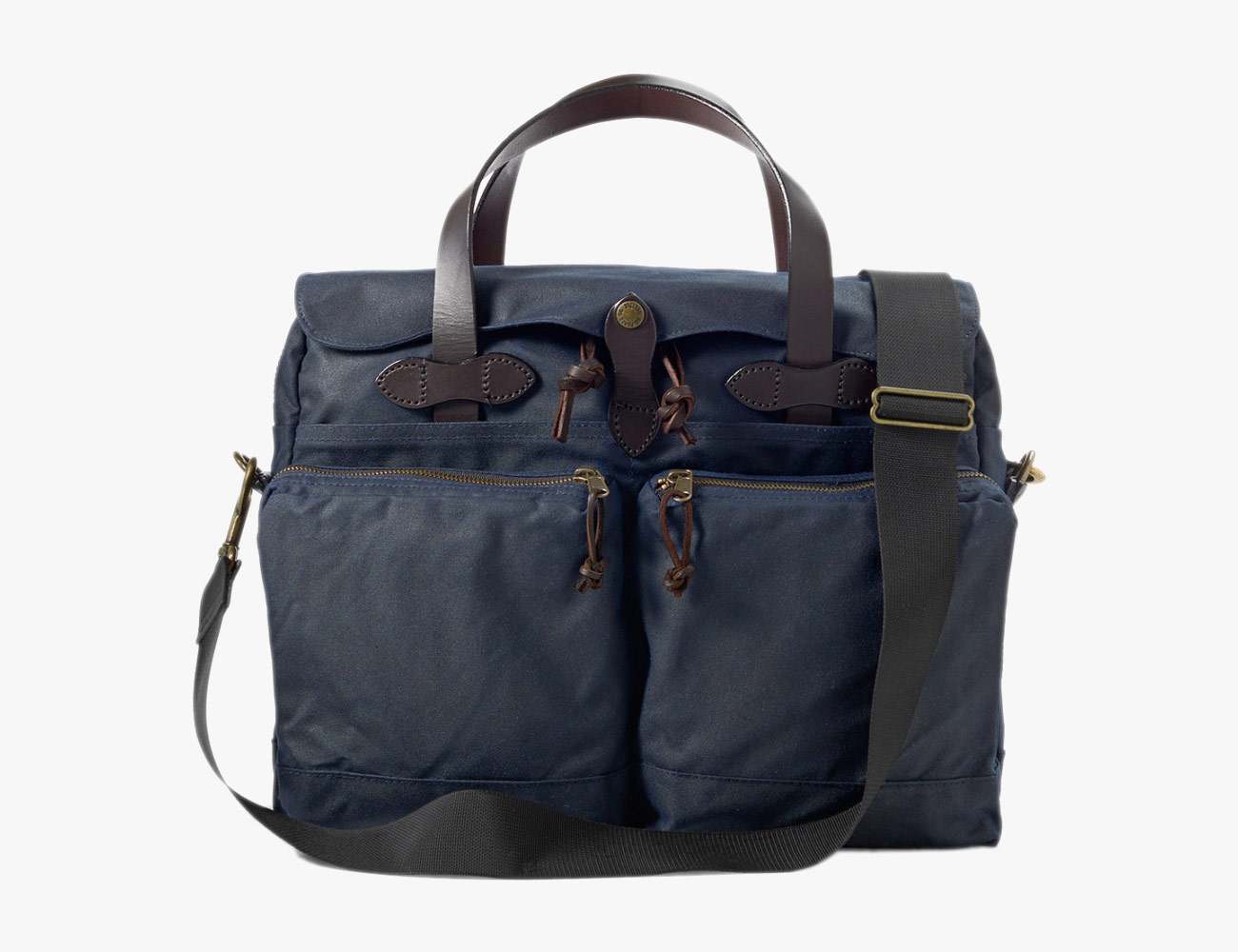
Filson 24-Hour Tin Cloth Briefcase

Best Briefcase: In many ways, the briefcase has become outdated. Backpacks, now more widely accepted as an appropriate work bag, are more comfortable, more convenient and typically offer more capacity and organization. But there’s still something to be said for the briefcase; it offers slightly more refinement than a pack or shoulder bag, and some, like Filson’s 24-Hour Tin Cloth Briefcase, aren’t stuffy at all. Filson used its famous water-resistant canvas to give the case all-weather performance, and its fully-lined interior has all the organization a working man needs. Drop it into a bike basket or wear it across the body and get to your meeting.


Note: Purchasing products through our links may earn us a portion of the sale, which supports our editorial team’s mission. Learn more here.

The Best T-Shirts You Can Buy, According to Style Experts

From Issue Six of Gear Patrol Magazine.
Discounted domestic shipping + 15% off in the GP store for new subscribers.

A good t-shirt is the crux of any respectable summer wardrobe. But not every one of them is capable of shouldering that weight. From fit to fabric to weight, t-shirts vary as widely as any garment of clothing — and their differences are known to inspire loyalty and respect among the discerning wearer. Which is why we asked five menswear experts to share their favorites.

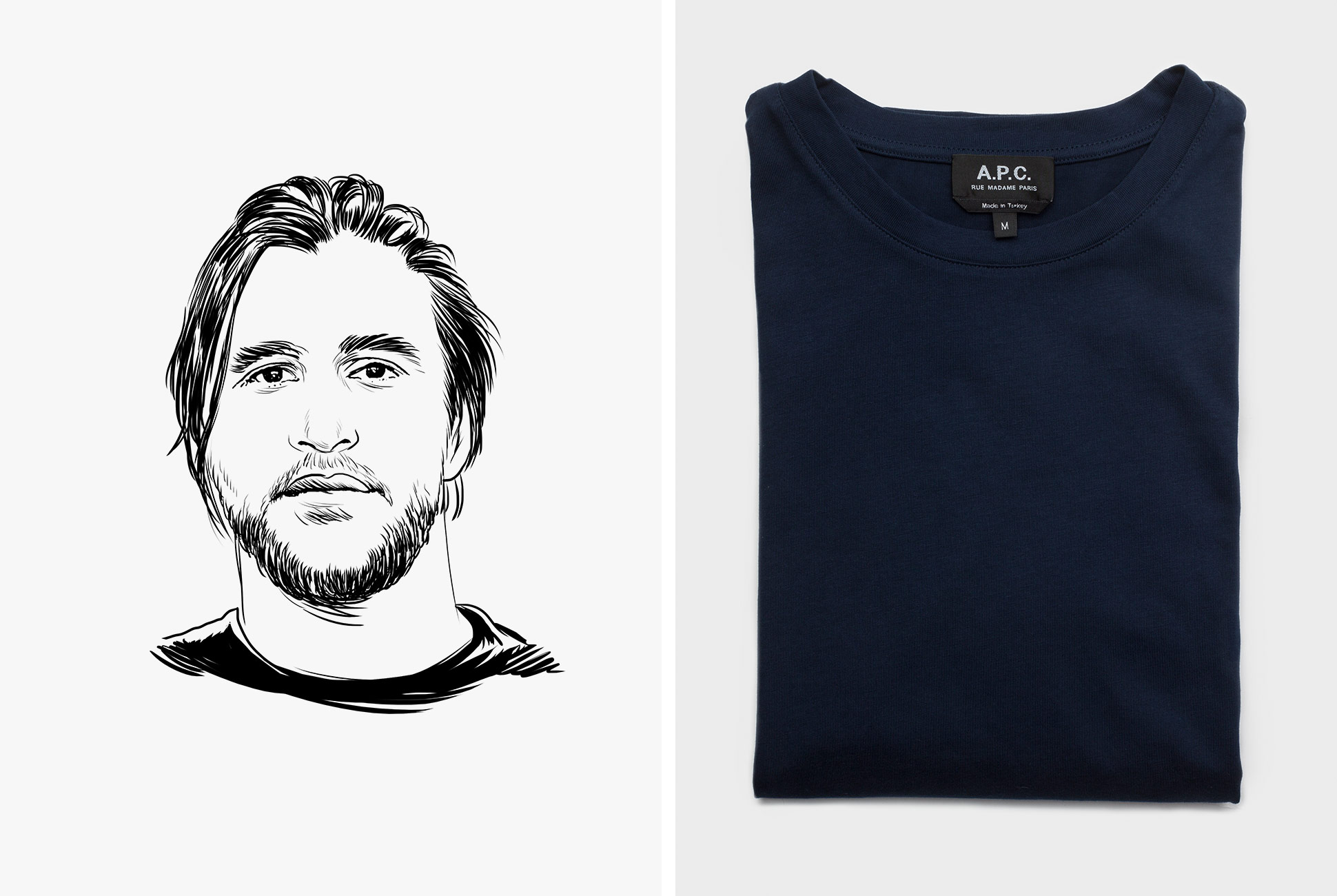
A.P.C. Jimmy T-Shirt


“A good set of tees will change your life. Why? Because they pair well with any pant or short and can be dressed up or down — something I believe worth investing money into. A lot of the higher end brands’ tees don’t fit me as I’m 6’3″ and pretty lanky. But A.P.C. makes an XXL, which pretty much sits in-between L and XL. I got a $100 [gift card] to A.P.C. and a tee was all I could buy with it. I’ve since bought four others from them and they just seem to hang off you and wash better. Each season they stay relatively consistent with the colors and fits. If you’re at the stage where less is more, their tees are for you.” — Damien Fahrenfort, Cofounder of General Admission

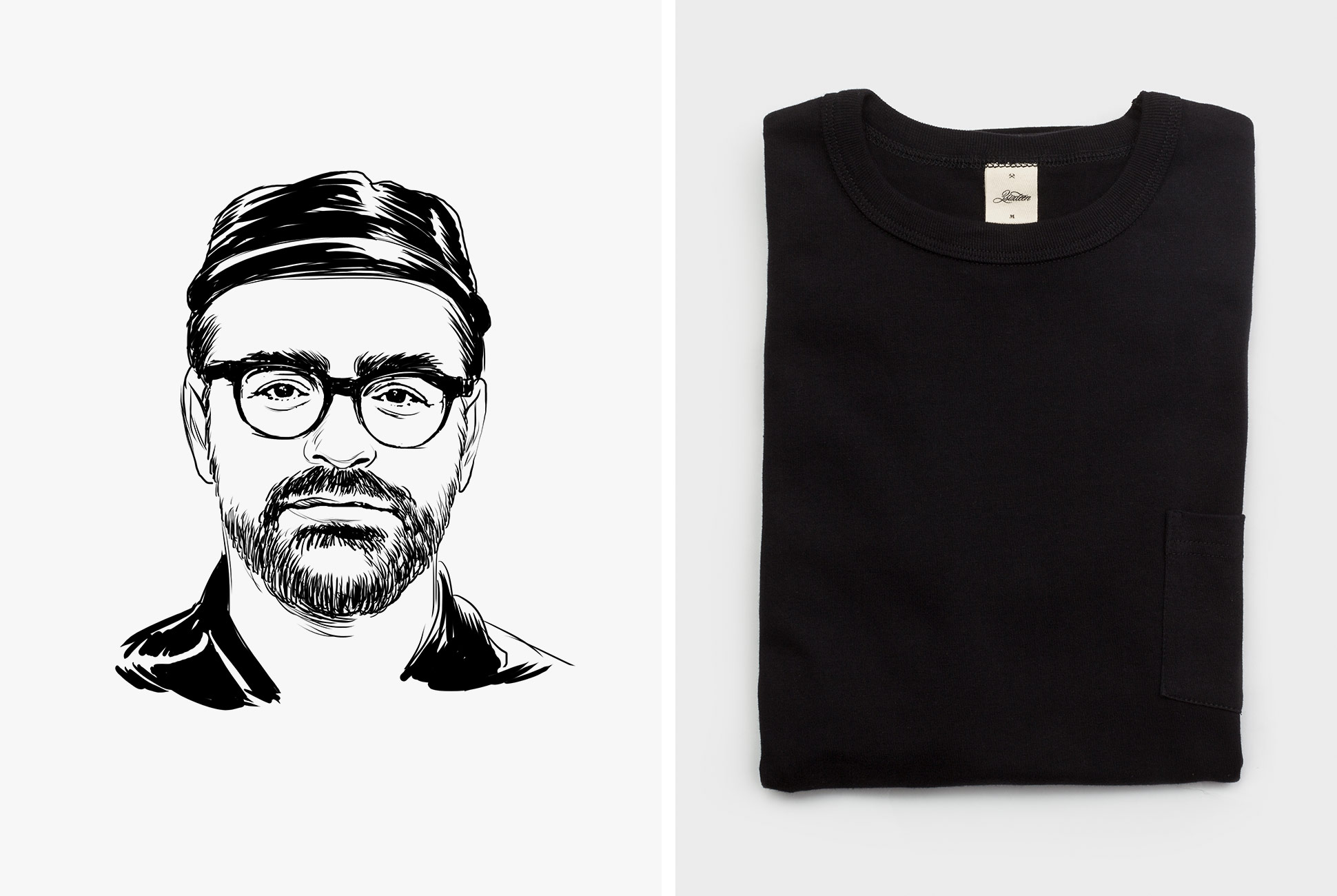
3Sixteen Heavyweight Plain Black Pocket T-Shirt


“After years of bouncing between brands and cuts, I’ve landed on New York’s 3Sixteen brand and their plain Heavyweight T-Shirts — with and without the pocket. The fit and cut are perfect for me: as a stocky and average-height guy, most shirts are either too snug in the chest or too long on the hem. 3Sixteen gets me perfectly with a Made-in-the-USA heavyweight cotton t-shirt that just works. Highly recommended.” — Jeff Carvalho, Managing Director of Highsnobiety

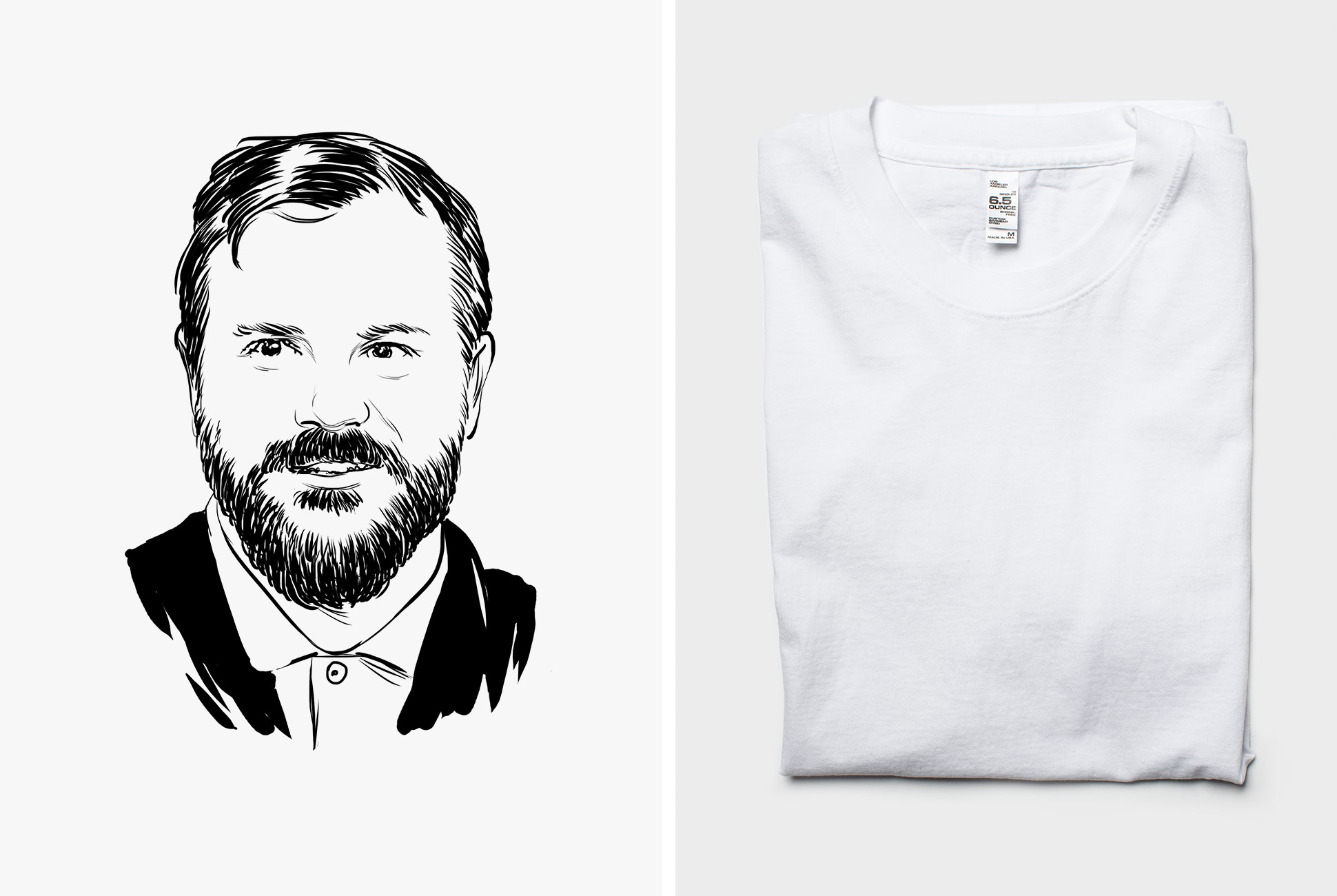
Los Angeles Apparel 6.5oz T-Shirt


“I have always tended to gravitate towards heavier t-shirts. I don’t like when a T is too clingy — a good drape and shape is what I am looking for. The classic 50/50 cotton-polyester tee is solid, but when I discovered Los Angeles Apparel’s 6.5oz, I knew I had found my perfect one. These shirts fit well, have a good amount of heft and hold their shape really well. They’re all I’ve ever wanted in a shirt. If they keep making them, I will keep wearing them, indefinitely.” — Michael Williams, Founder of A Continuous Lean.

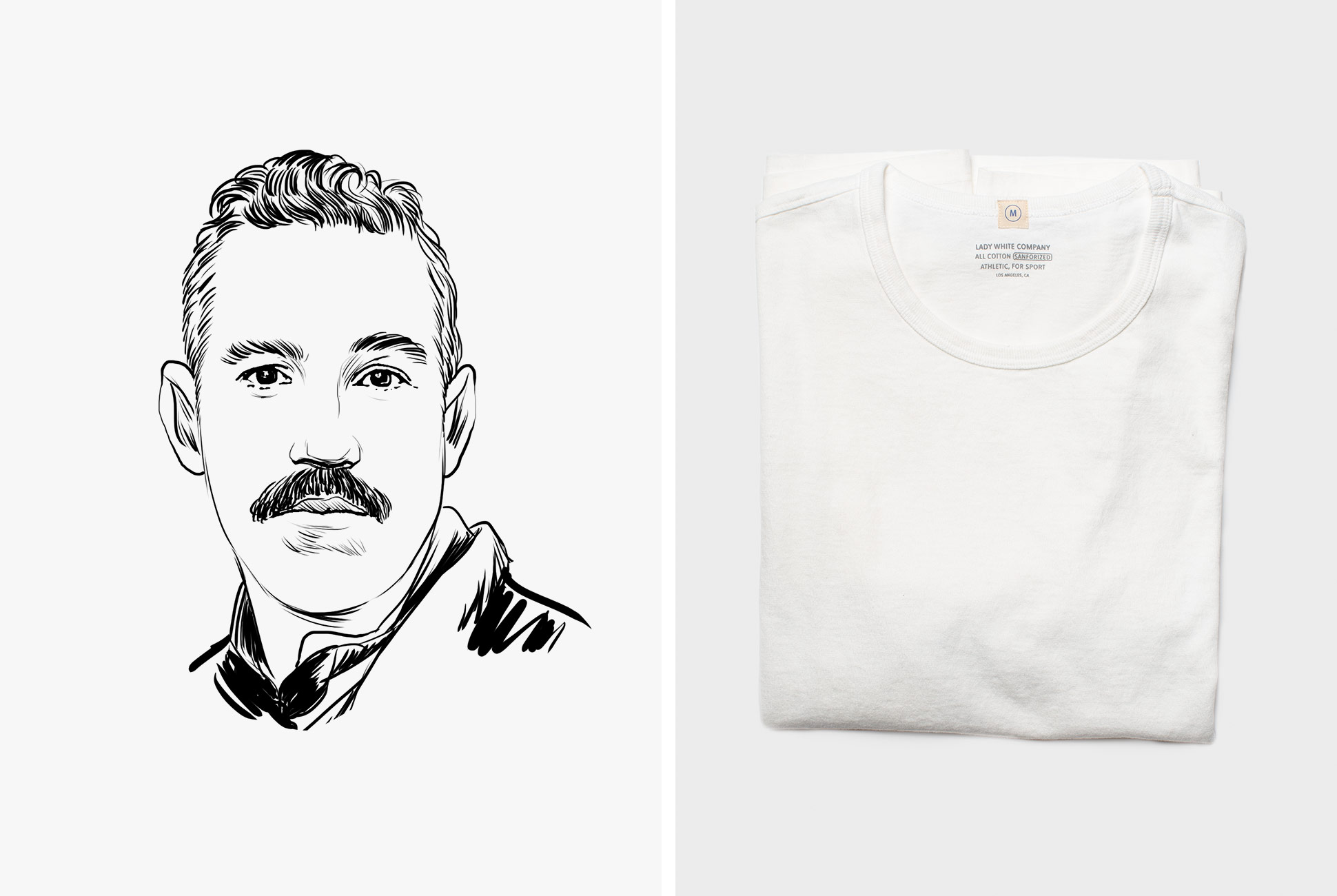
Lady White Co. Crewneck T


“I have been wearing this t-shirt for a year now. One of my former employees designs the line and produces it in LA. It’s the perfect t-shirt. The fit is spot on — a bit more roomy. It’s a t-shirt that can stand on it’s own. The fabric is perfect as is the neck binding. It’s a tall order to tick this many boxes.” — Todd Barket, Cofounder of Unionmade

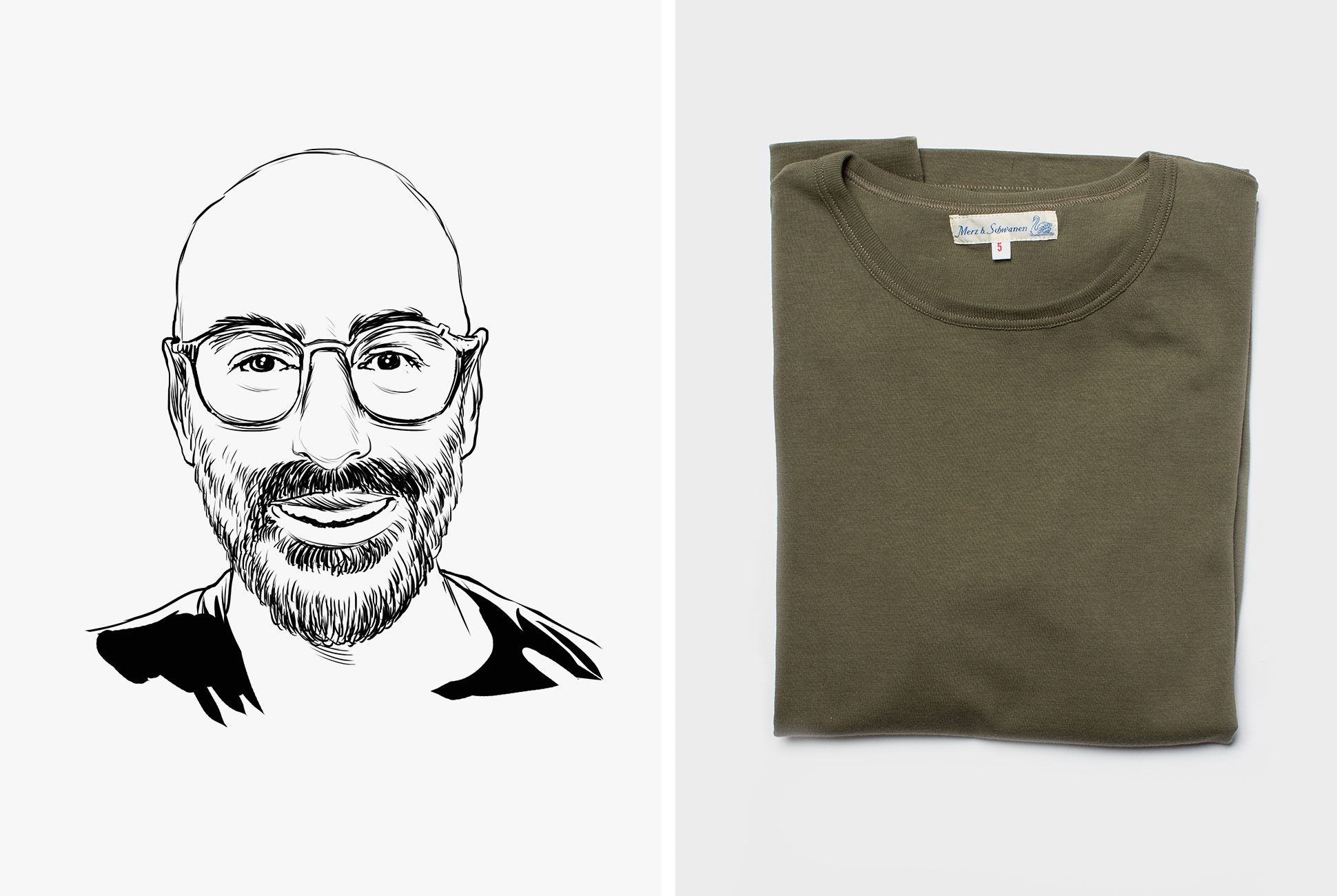
Merz b. Schwanen 2-Thread Heavy-Weight T-Shirt


“My favorite t-shirt of the past year is Merz b. Schwanen’s high-end two-needle version of their basic t-shirt. The fabric is unreal, and I don’t think most people realize how nice a t-shirt fabric can be until they handle one of these. It’s made of organic Greek cotton on a vintage loopwheeling machine in Germany. Fit is perfect, slim, and it has no exterior branding. I own multiples in nearly every color they’re made in.” — Kiya Babzani, Co-Owner of Self Edge

The 12 Best Father’s Day Gifts for the Home Owner

Of all the things dads are, keeper of the house is perhaps their most hallowed duty. The home owner’s tools create a dominion worth showing off, whether they be the most powerful cordless vacuum to date, the most functional kettle ever (and the prettiest) or the beefiest smart home speaker to date. This list isn’t for the dad whose home is a place to be — it’s for the dad whose home is the place to be.

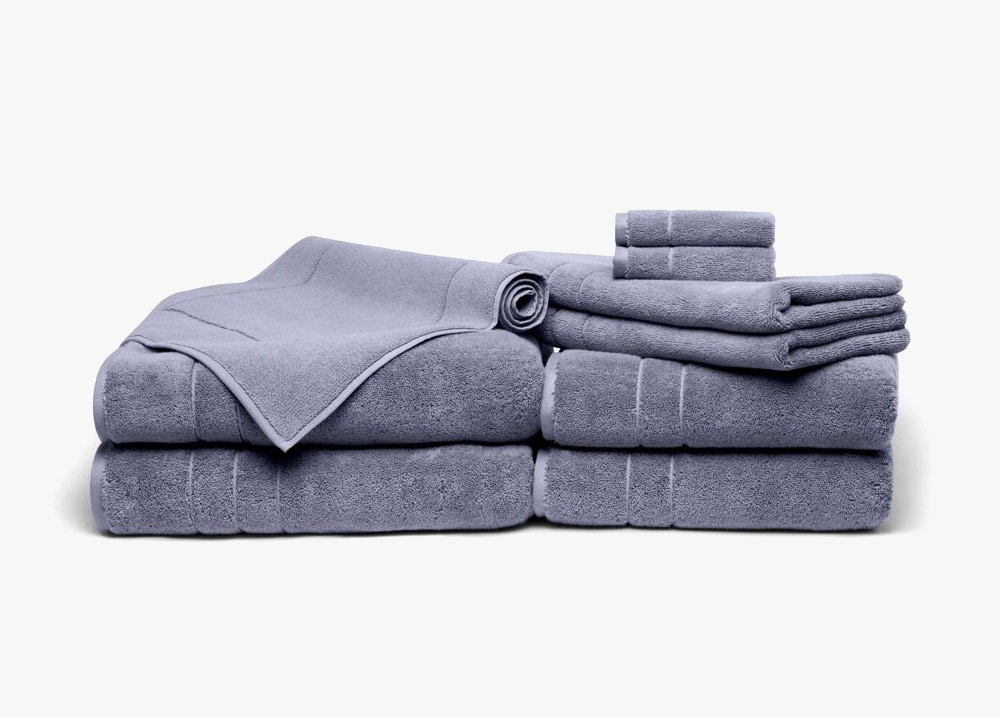
Brooklinen Super-Plush Complete Towel Set

Brooklinen’s new Super-Plush towels are cozy and absorbent, unlike your average towel that sacrifices one for the other. And they’re made extra large so you can just as easily wear one as a cloak as you can wrap it around your waist. Brooklinen uses a long-staple Turkish cotton that makes for a much softer, longer-lasting finished product. One color is already sold out — get yours before the rest are gone.
Buy Now: $189

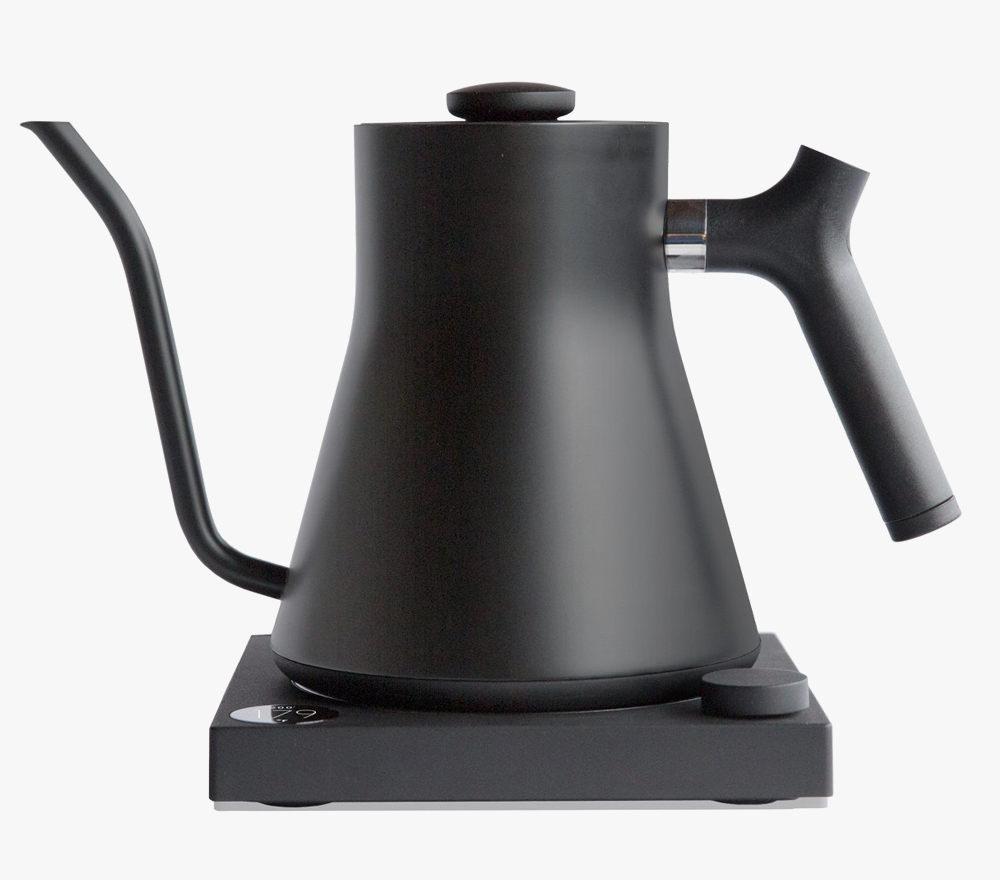
Fellow Stag EKG Electric Pour Over

The sleekest electric kettle on the market may also be the best. Fellow’s Stagg electric kettle brings water to ideal brewing temperature in about a minute, and looks really, really good doing so.
Buy Now: $150

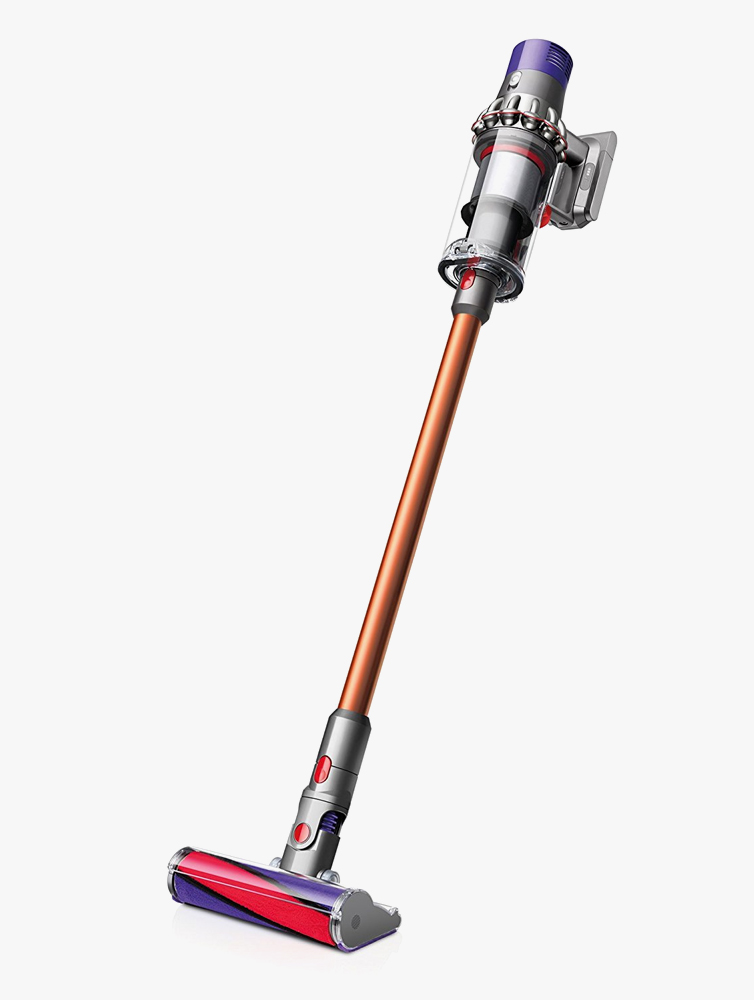
Dyson Cyclone V10 Absolute

Dyson has so much faith in its ultra-powerful, lightweight cordless vacuum it halted any production and R&D related to corded vacuums altogether once it released. Industry-leading battery and suction power combine with a mess-free dust chamber emptying design to make what will be the last vacuum your dad ever needs.
Buy Now: $699

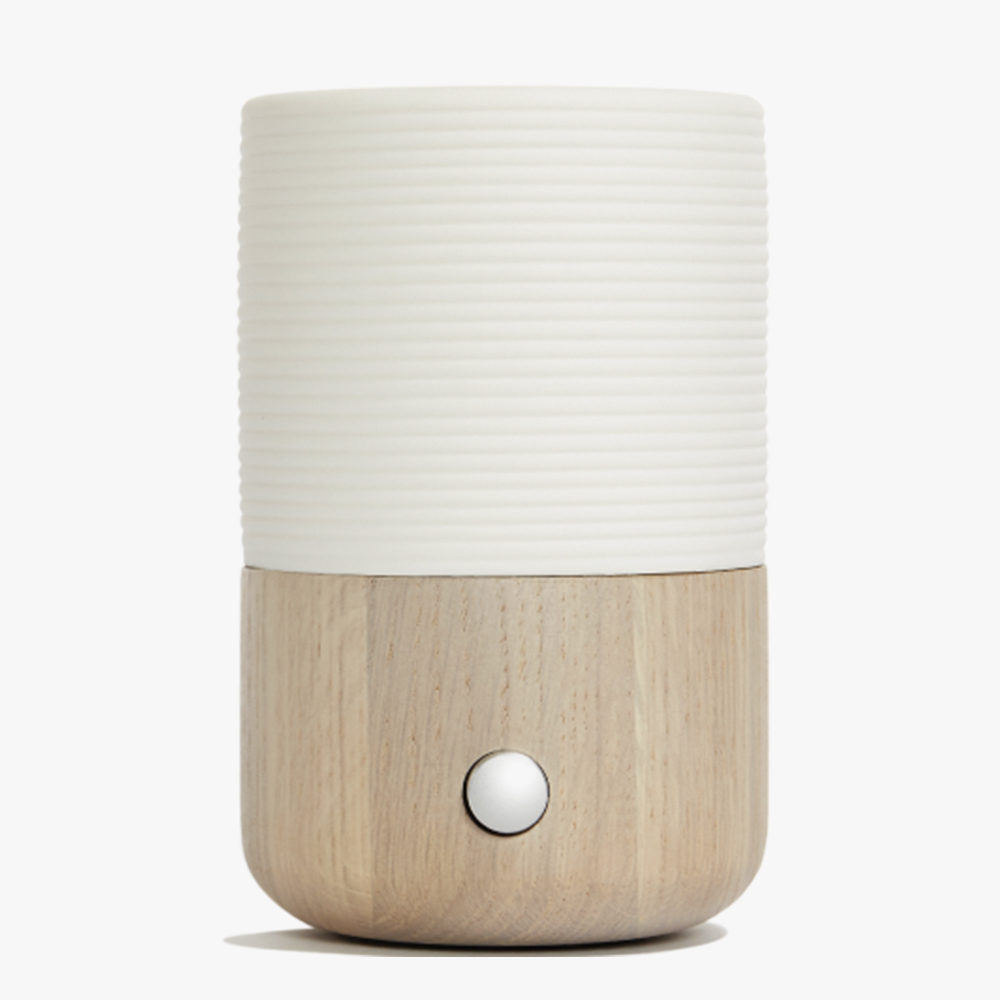
Pilgrim Sofia Nebulizer

A simpler, more elegant path to a more pleasant home. Pilgrim’s nebulizer acts as an essential oil diffuser without the need for water and with a look that doesn’t seem out of place.
Buy Now: $100

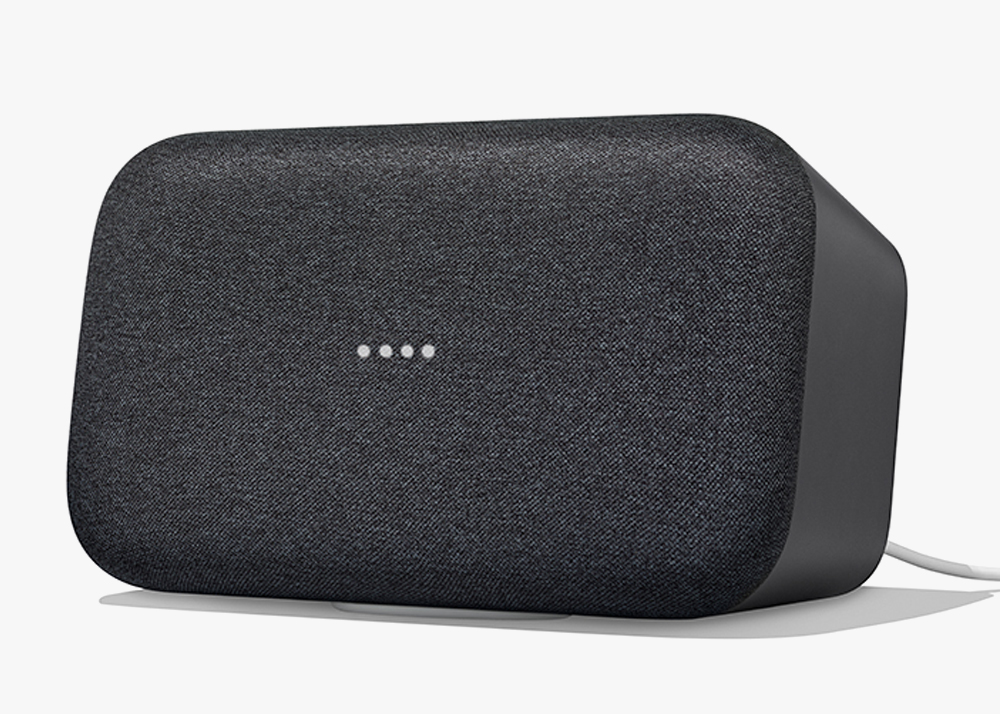
Google Home Max

The first smart home speaker that values its duties as a speaker to the same degree it does its AI-assistantship. Google’s hi-fi smart speaker sports two 4.5-inch subwoofers and two customer tweets, as well as Google-made driver — in other words, it sounds stellar and you can ask it whatever you feel like.
Buy Now: $399

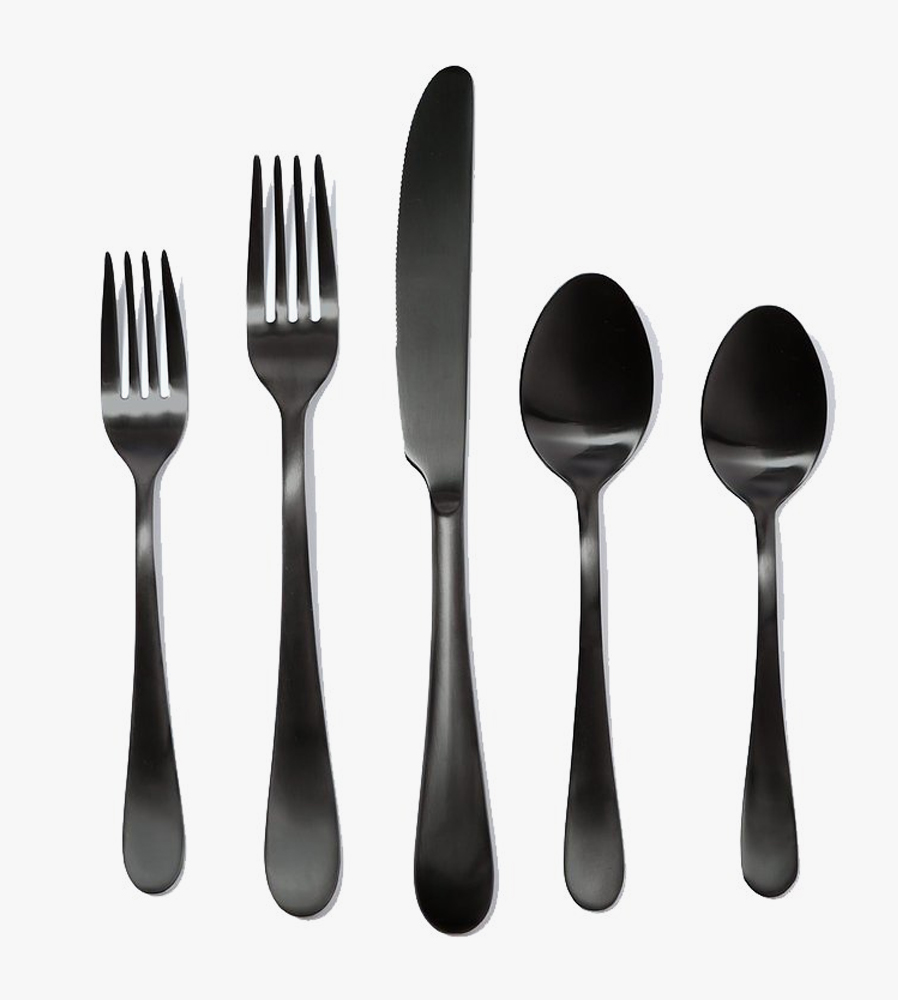
Snowe Flatware Set in Black Satin

There’s no rule that dictates what color your forks and knives and spoons must be. This new set from Snowe is beautiful, but plenty rugged as well — each set has been tested to withstand 10 years-worth of industrial dishwasher cycles without chipping, flaking or bending.
Buy Now: $252

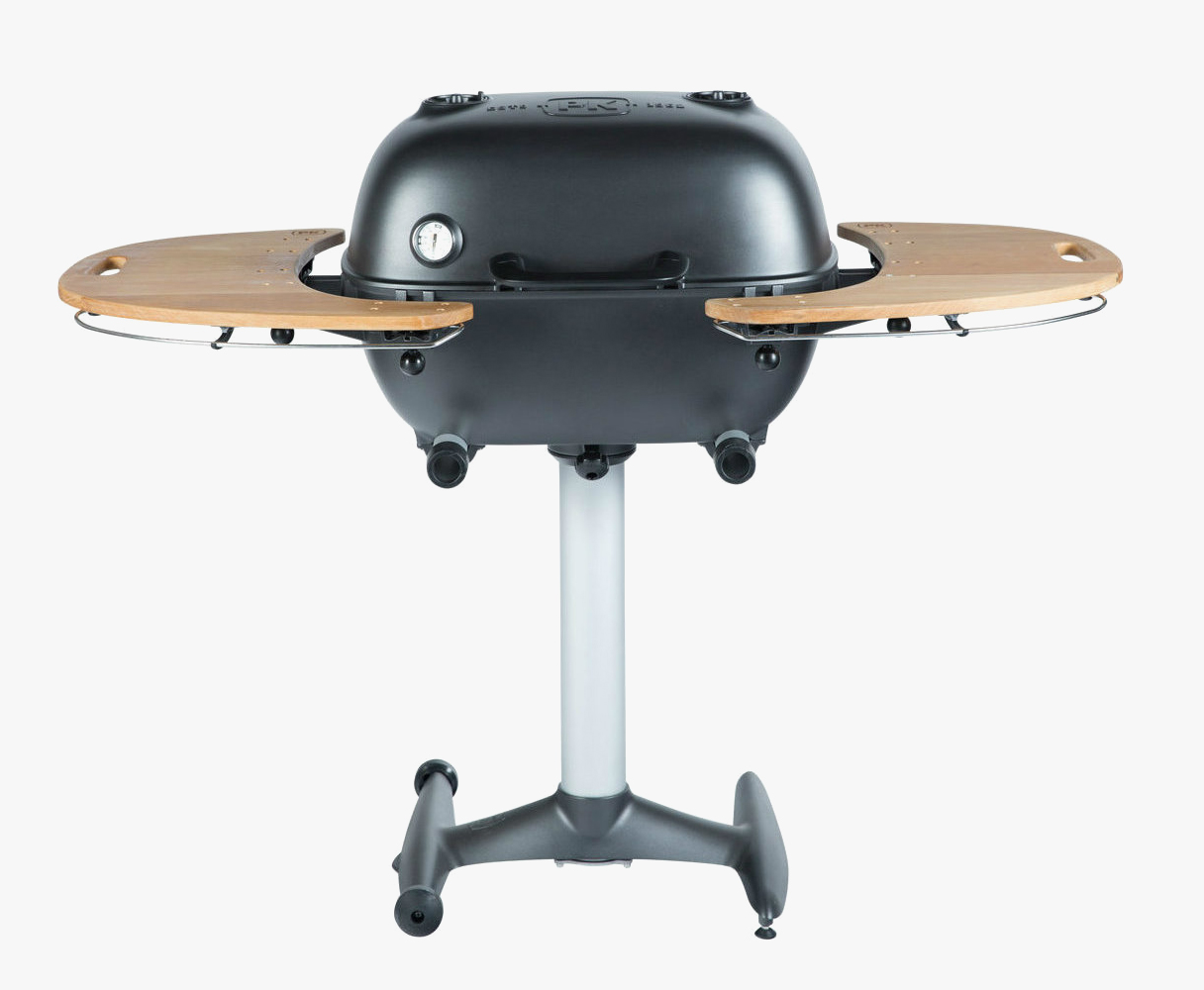
PK360 Grill + Smoker

PK Grill’s 360 is cast from a single piece of aluminum and is totally rust-proof. Smartly placed vents on either side of the base and lid make for the easiest two-zone cooking imaginable, and convert a fiery hot grill into a smoker in seconds.
Buy Now: $900

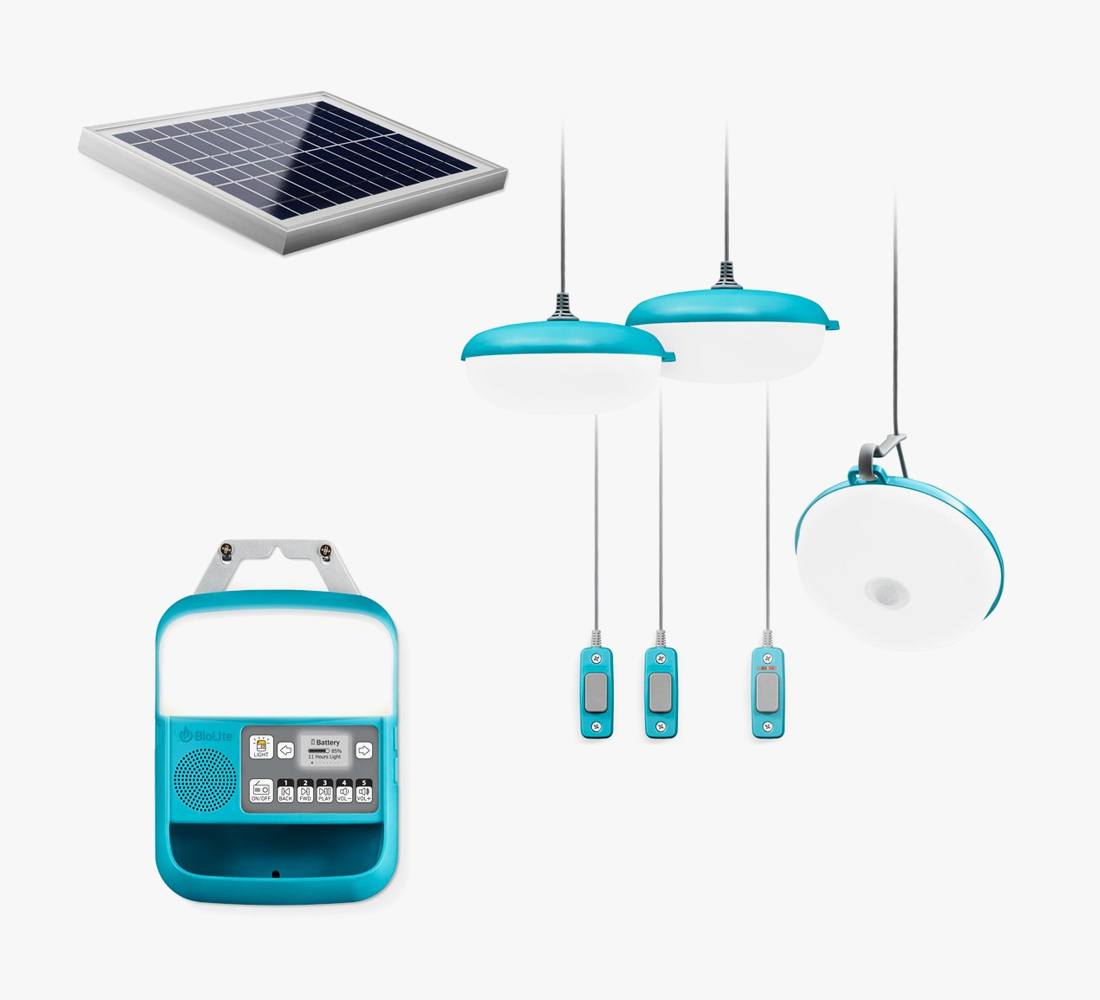
BioLite SolarHome 620

The ultimate car-camping tool is also great for a patio. Three overhead lights, wall-mounted switches, control box with an MP3/FM player, almost 20 feet of cabling and a solar panel all arrive in a package the size of a shoebox. Toss the solar panel in an advantageous spot and soak in the free energy.
Buy Now: $150

Revival Rugs Vintage Rug

Put simply, Revival Rugs is the best blend of value and quality in a market riddled with shitty knockoffs and overpriced, improperly-marked products. Revival is fully transparent with every rug they sell — they’re going to tell you what it’s made of, where it came from and if it’s going to withstand higher foot traffic areas or not. Oh, and they look incredible.
Buy Now: $150+

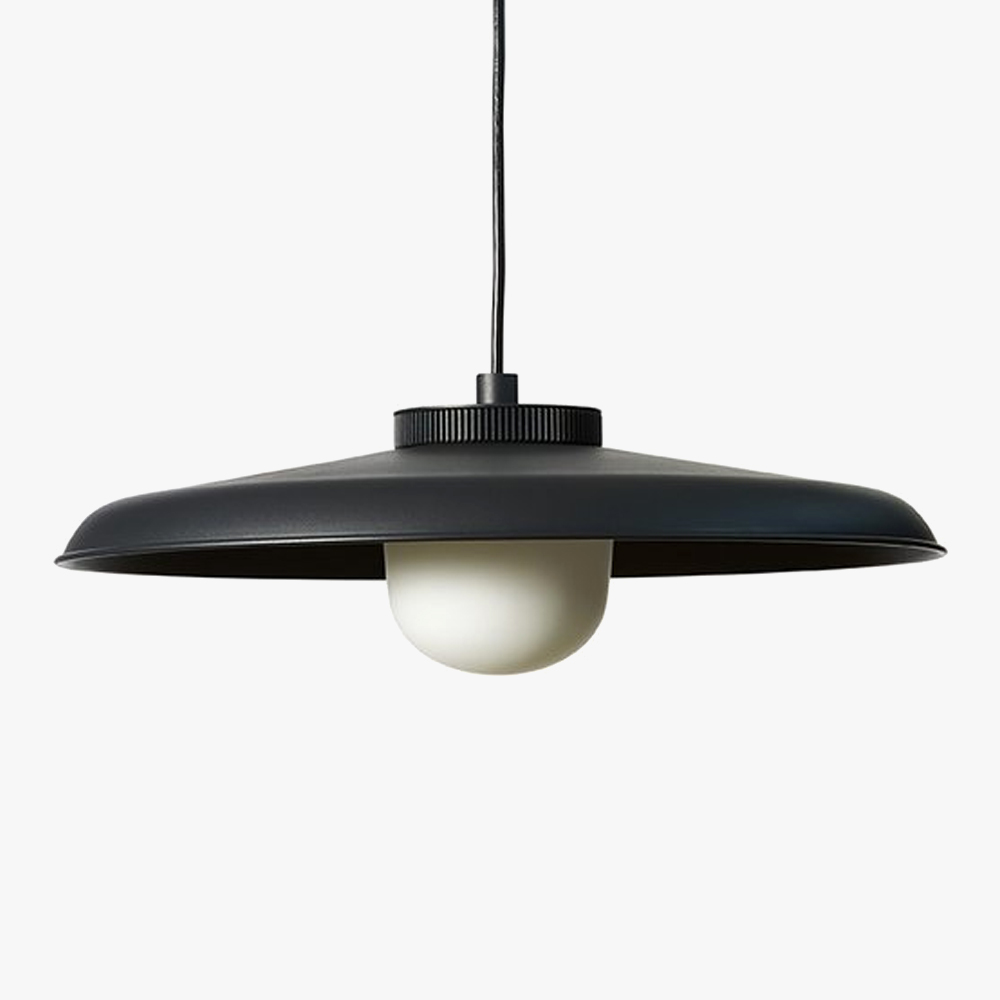
Meyer Davis Pendant Over-Table Light

The retro-future looks, soft glow and clever design of this overhead light make it a classic unto itself. Waterproof, rust-resistant and with an extra-long, adjustable length cable, it’s suited for the outdoors just as much as the indoors.
Buy Now: $950

Luno Flip Tabletop

Every Luno Flip record keeper is made-to-order out of american walnut and solid brass, and designed to store your dad’s collection of REO Speedwagon live recordings in a safe and stylish manner.
Buy Now: $185

Gear Patrol Issue Six

Ignoring all notion of modesty, our sixth issue explores the wide and weird world of products like nothing else can. Everything from the best cheap pens to designer running gear to the return of the lager, the sixth coming of Gear Patrol Magazine is product journalism at its finest.
Buy Now: $20

5 Tote Bags You Need in Your Summer Outdoor Kit

When a verb transforms into the name of a product category, you know that that thing is doing its job really well. Such is the case with tote — carry, wield, or convey; late 17th century — which at some point in the early 1900s came to also refer to large, carry-all bags.

In the United States, it was the heritage outdoor gear maker L.L.Bean that popularized the tote bag with its Ice Carrier, a rough canvas bag made of builders’ canvas that was used to heave ice and wood. In the years since, tote bags have grown bigger and smaller, and they can be found in every material imaginable. Now, the printed tote is almost as ubiquitous as the printed tee, and some, like the coveted New Yorker tote, are even worth a small gold brick of cultural capital in some circles.

The rise of the tote started with utility though, and the best are still used for hauling and dragging. Totes are practical; they’re the bag at its most basic: a deep bucket with two handles and that’s it. The best totes do that exactly — they’re deep, easy to carry, and can fit any combination of gear, whether you’re going to the beach for the day or out on the lake for a weekend.

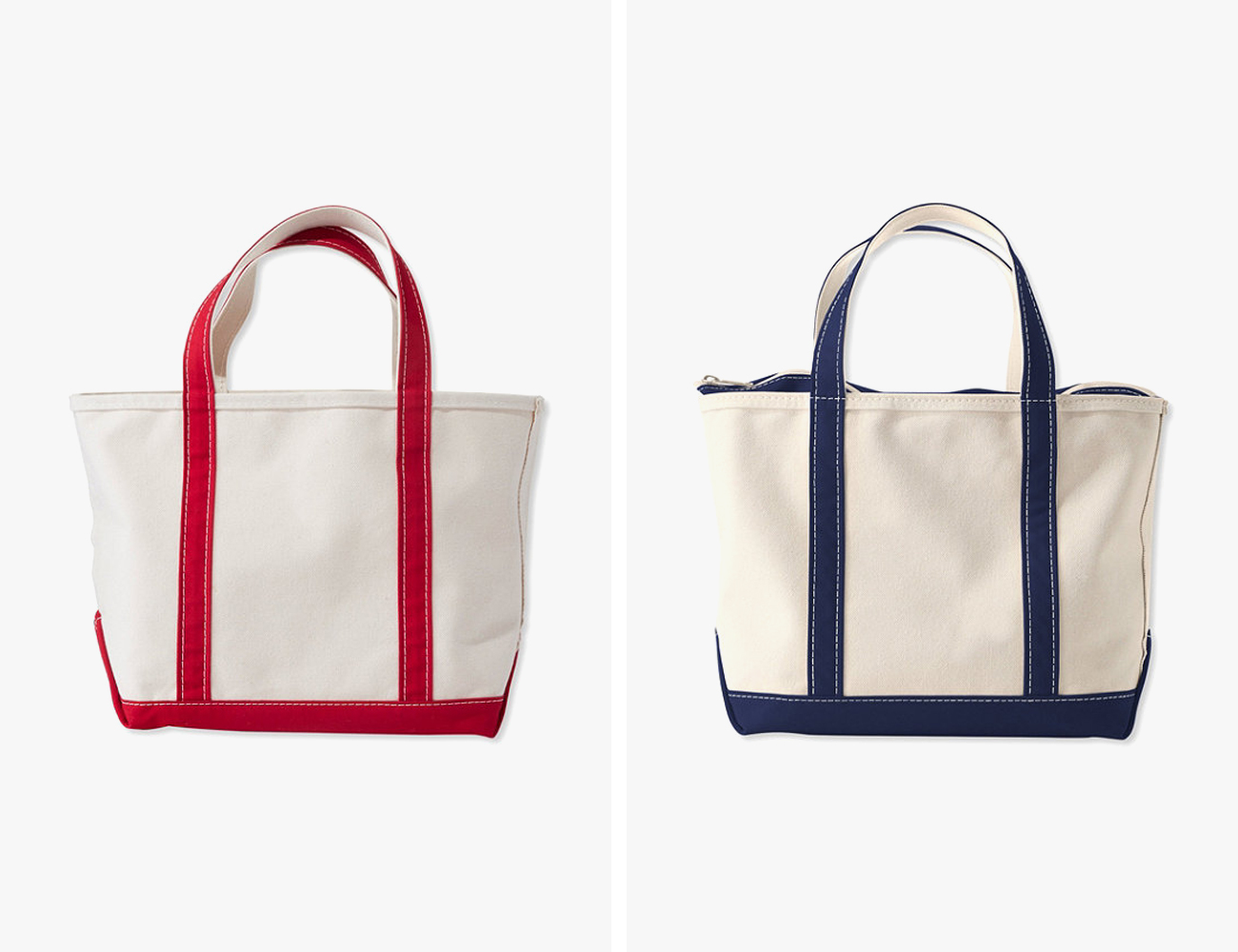
L.L.Bean Boat and Tote

Sometimes, the original just can’t be beaten. The Boat and Tote is the present-day version of the bag that started it all: the Ice Carrier. The Boat and Tote is still made of heavy-duty 24-ounce cotton canvas, has a double-layer base for fighting off wear and tear, and employs handle that is tested to hold up to 500 pounds. It comes in a variety of colors with an open or zippered top and is easily the best value for a tote bag that we’ve come across.

|

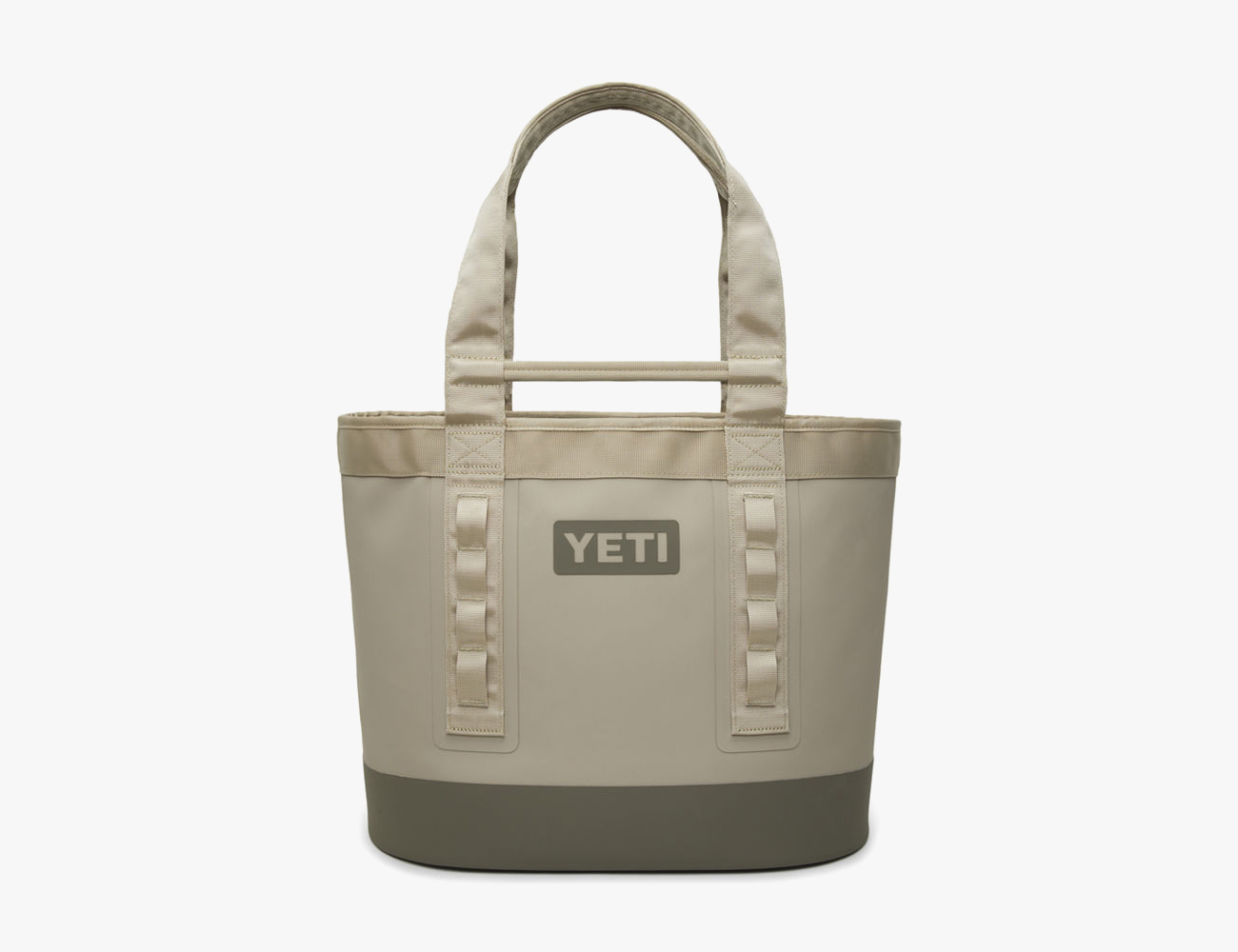
Yeti Camino Carryall 35

Leave it to Yeti to overbuild the most basic of bags. The Camino Carryall is built with the same materials that the Texas-based cooler company uses for its rugged soft coolers and duffel bags. It’s both puncture- and abrasion-resistant and has an EVA-molded base to help it stand upright even when it isn’t fully-loaded (our favorite feature). It also has MOLLE webbing on both sides for attaching carabiners and other equipment. If you pack it with dirty gear, it’s very easy to clean — just use a hose.

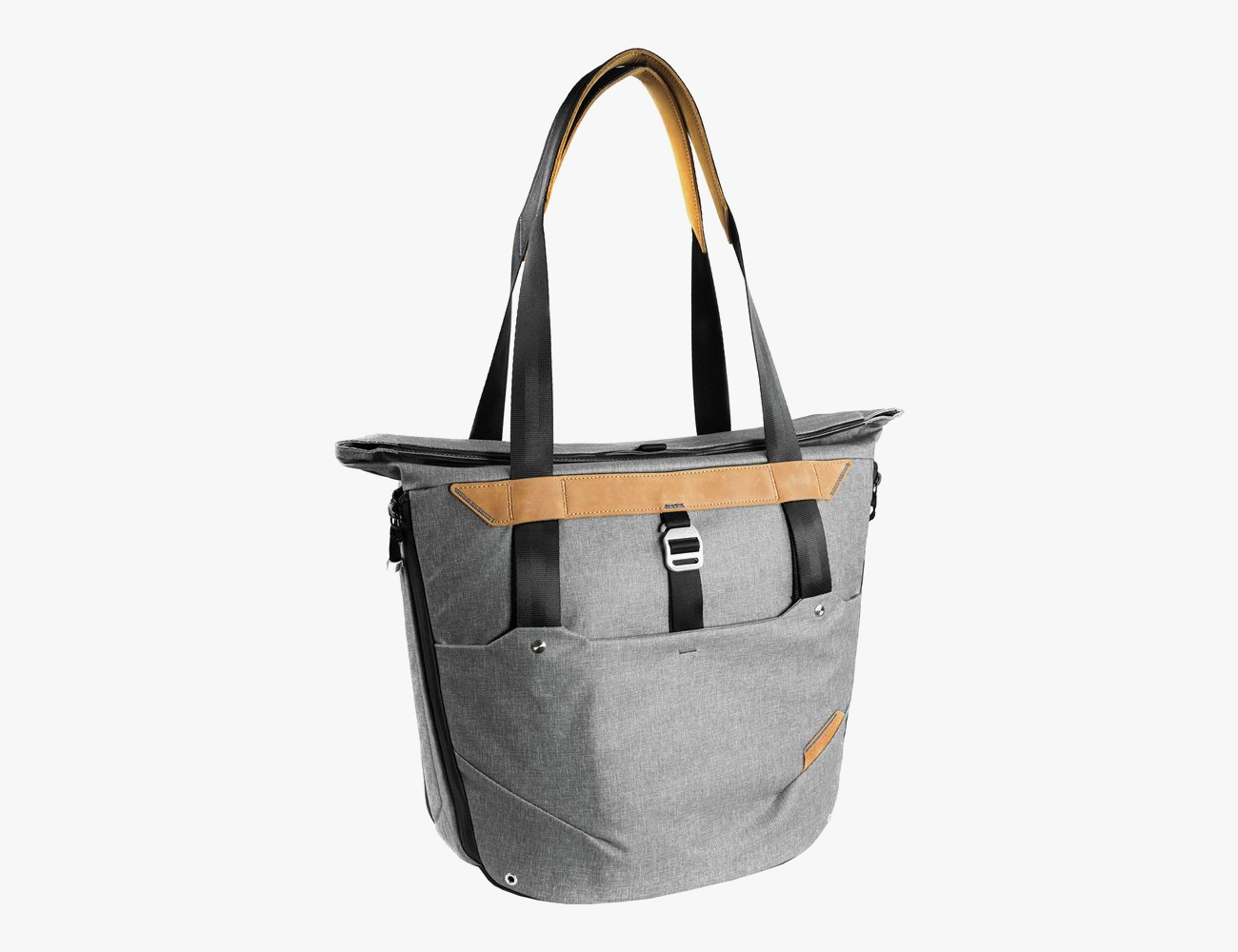
Peak Design Everyday Tote

The most expensive tote on this list is also the most feature-filled. In a way, it goes against the free-form construction that makes the tote so practical, but the way in which it adds extras is intelligent (and is sure to please organization obsessives who can’t stand the idea of a bag without smaller pockets).

The Everyday Tote has designated spaces for a laptop, tablet, pens, your phone, small tech accessories and more. It even has flexible dividers that can create a customized layout within the bag, and its side zips open for access while it’s on your shoulder. Its top closes too but not with a zipper like other totes — this one uses a magnet (and can be further secured with a built-in strap).

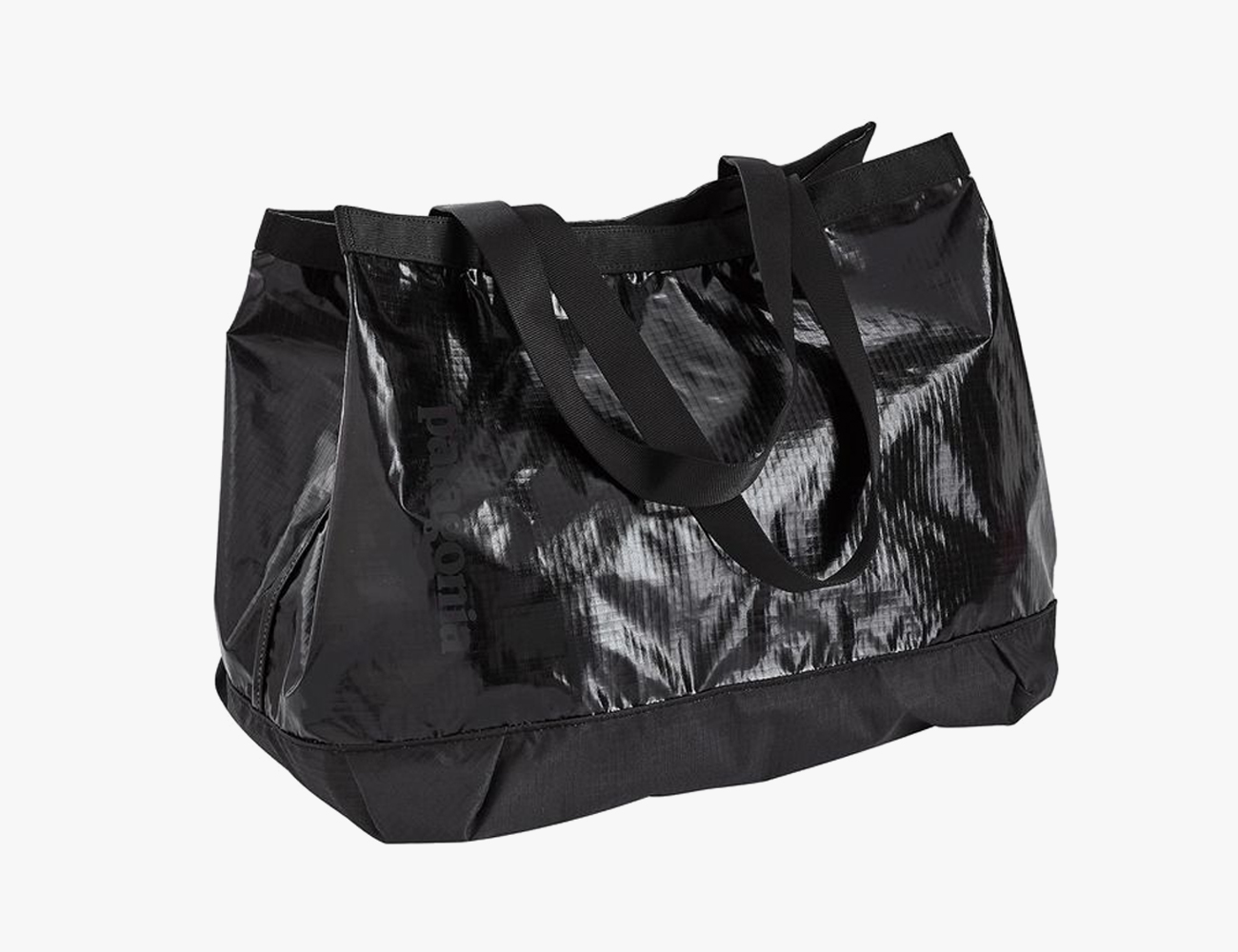
Patagonia Lightweight Black Hole Tote

Patagonia created its Black Hole collection with TPU-coated nylon for the sole purposes of being very simple, and rugged as hell. In early 2017 it thinned out the Black Hole material into a lightweight version and built a small line of bags, including this tote. It may not be as sturdy as some of the others on this list, but it’s just as durable and gets extra points for being extremely packable — it folds down into its own zippered stuff sack.

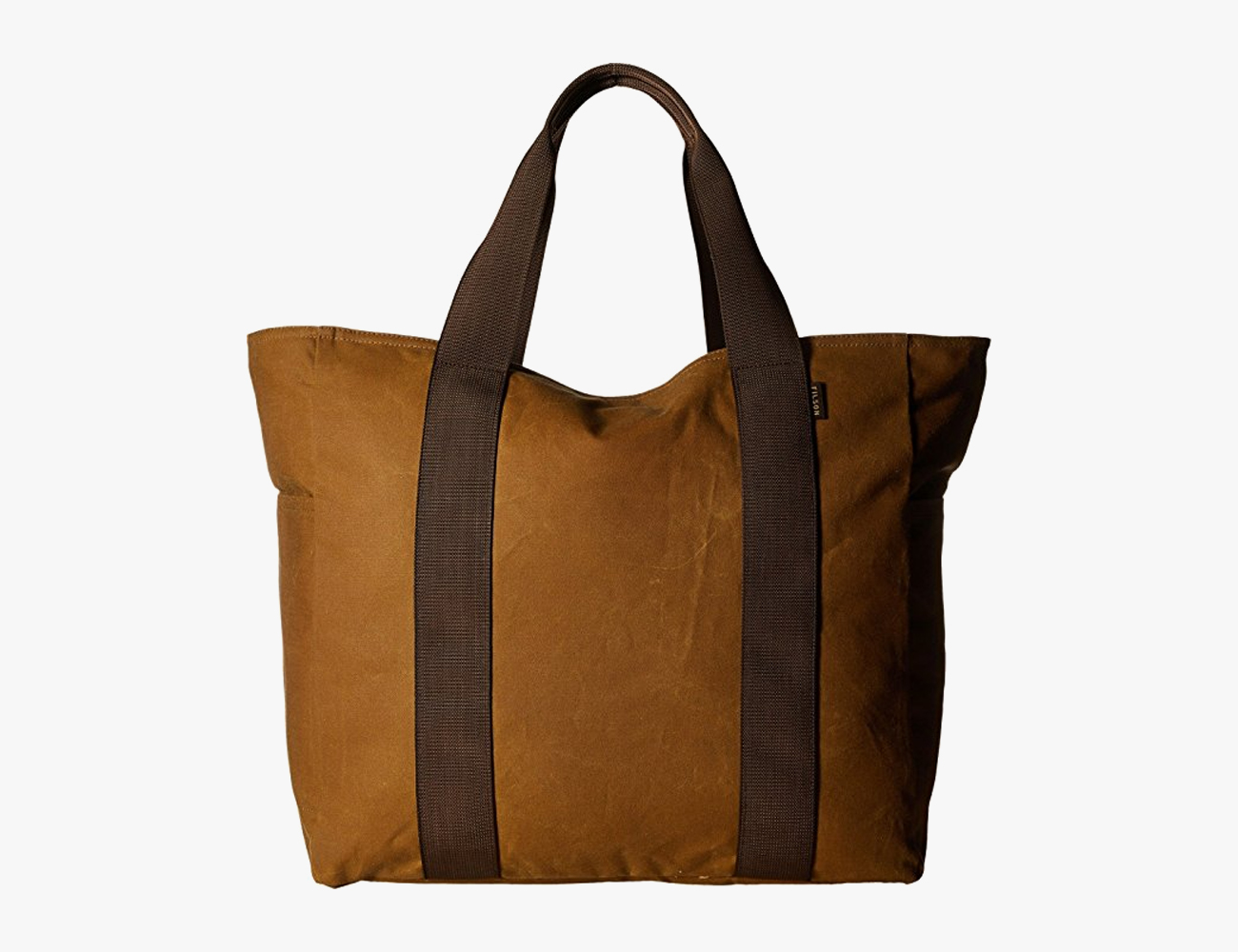
Filson Large Grab ‘n’ Go Tote

Think of Filson’s largest tote as the more-refined version of L.L.Bean’s classic. Like that bag, it’s made of cotton canvas (called Tin Cloth) that has been finished with oil to provide extra weather-resistance. The nylon-lined interior provides more immunity against grime over the long term, and it has a zippered top that can either be utilized or folded out of the way. The best thing we discovered about Filson’s Grab ‘n’ Go was its twin sleeves on either end, which are handy for storing water bottles and smaller, frequently used items (like phone chargers).

Note: Purchasing products through our links may earn us a portion of the sale, which supports our editorial team’s mission. Learn more here.

The 7 Best GPS Running Watches Money Can Buy

This guide to the best GPS running watches of summer 2018 provides picks for the best running watches for all activities and also offers tips and advice to know before you buy.

Editor’s Pick: Suunto Spartan Ultra
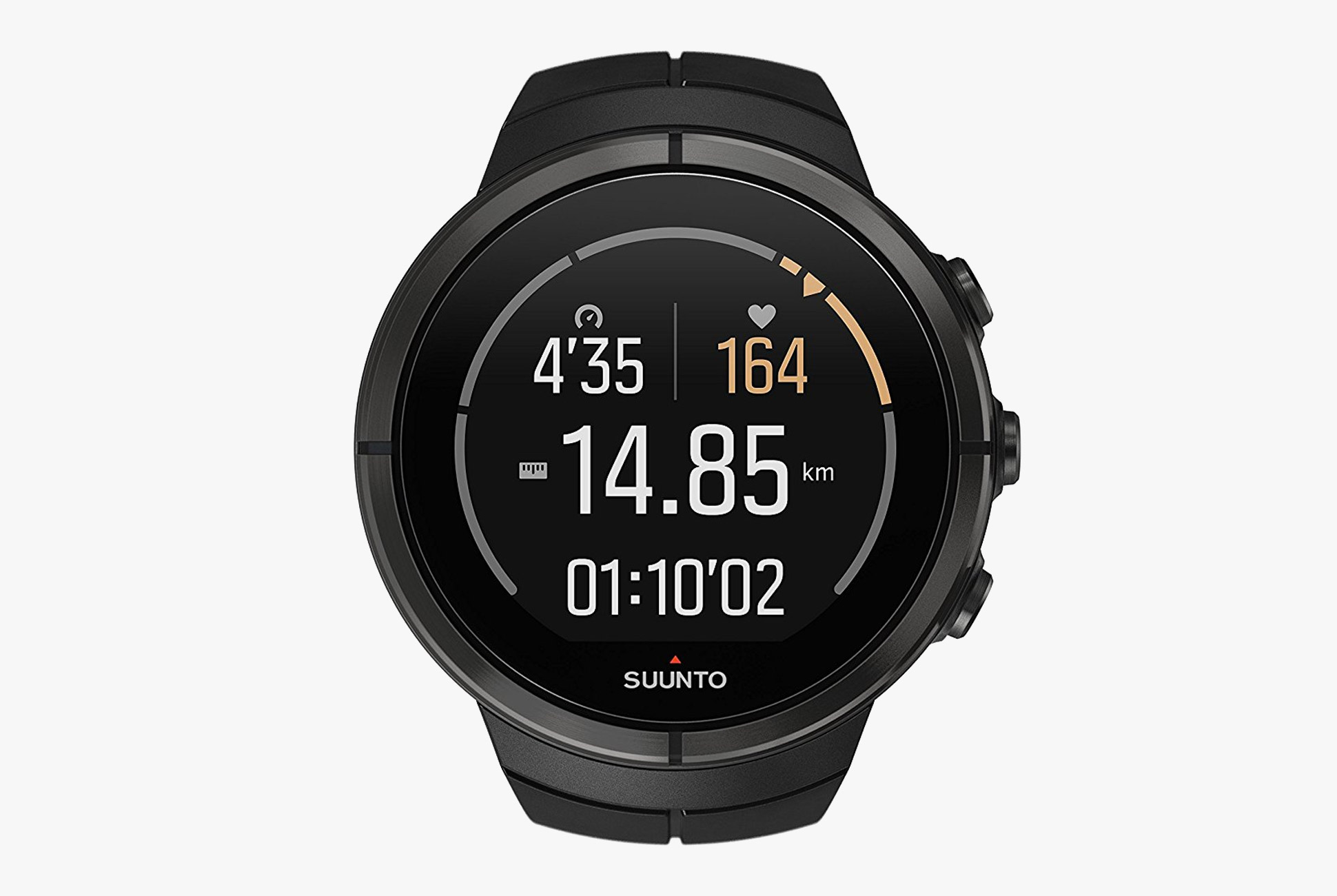


This set of reviews is by no means apples to apples, but rather a survey of some of the best GPS running watches out there intended for the entire spectrum of athletes, from beginner runners to those with an insatiable thirst for data. Where this watch fits in the picture is that it’s much more than a running watch: It’s a multisport computer that’s suitable for monitoring pretty much anything, from running to adventure racing. This makes it extremely versatile, but it’s also reflected in one of the Spartan Ultra’s few downsides, which is that it’s large and might be a bit heavy for an everyday runner. It also doesn’t have wrist-based HR, so if you don’t like wearing a chest strap you may want to look at another option.

Back to the good stuff. Among the more interesting features are handy tools to help you navigate to a “point of interest” or find your way home. You just load a route from the companion app, Movescount, onto the watch and receive guidance when you get outside; similarly, can also use the “breadcrumbs” feature to navigate back should you get lost of a particularly hairy trail run. While the Movescount phone app is pretty straightforward, logging into the website is a richer experience, complete with detailed breakdown of your runs. For instance, the map will show you your route with different colors indicating where you were working the hardest across a variety of metrics (HR, cadence, etc.), as well as a detailed picture of every lap (default: one mile) you ran. You can also access “heatmaps” of where people are running in your area and all over the world, which is extremely useful if you’re new in town or traveling and looking for interesting places to run.

Battery Life: Up to 26 hours using GPS
Connectivity: Bluetooth
Key Features: SuuntoLink desktop app and Movescount app, chest-based HR, storm warnings, accelerometer, altimeter, compass, multiple faces, perceived exertion tracking, point of interest navigation and routes, notifications, compatible with other sensors, multisport exercises, recovery insights, sleep tracking

Best Budget Pick: Timex Ironman GPS
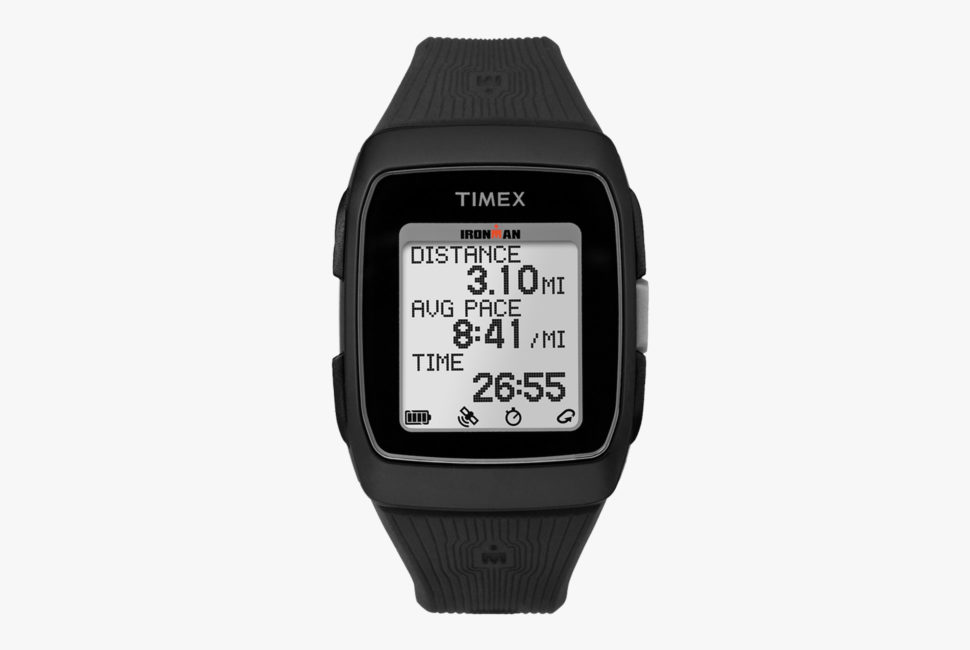


Timex is is a storied brand, and iconic one in the multisport world thanks to their association with Ironman. The Ironman GPS is currently the most expensive watch in their Ironman collection and the least expensive watch on this list. With a simple digital display, stripped down design, and an intuitive interface, it tells you almost everything you need to know about your workout, including pace, distance, splits, and so forth. There are also a couple of neat features beneath the hood, like “out and back functionality” (alerts you when you should turn around) and race mode, which tells you when you’ll finish and the distance remaining. Connect to the desktop app after your workout (and within four days, otherwise they get deleted) to view your workout summary/log and a map of your route. It’s a great watch for the basics, but as our coaches and athletes pointed out HR is a key metric, so if you can spend another $100 upgrade to the Polar M430.

Battery Life: Up to 12 hours
Connectivity: Micro USB
Key Features: Timex Connect desktop app, compatible with TrainingPeaks, multisport workouts, auto lap feature (every mile), race mode (estimated finish time and distance remaining), eat and drink alerts, speed and pace alerts, out and back functionality, alarms, run records, Indiglo

Introduction

Two decades ago there were no GPS running watches. You looked at a map, drove the route with your car, rolled it out with an engineer’s wheel, estimated your distance with Badger miles, logged your miles on a track, or just won Ironman World Championships without looking at a watch like Dave Scott. Now watches track literally every step you take. They can tell you when it’s time to breathe, track how many times your heart beats in a minute, offer workout tips, take your phone calls. You can order pad thai and crispy dumplings from your watch. I just did it.

At the core of this high tech horsepower, for this purposes of this review, is the satellite-based navigation system called the Global Positioning System (GPS), first developed by the U.S. military in the 1970s and currently maintained by the U.S. Air Force. It was opened up to civilians the following decade, originally with limited accuracy (see: “selective availability”) until 2000 when President Bill Clinton’s government ended these restrictions. A few years later the first GPS running watches like the Garmin Forerunner 101 became available. GPS works using a network of 24 operational satellites flying 12,550 miles from earth, at least four of which are visible to a user’s device at any given time. The receiver in your watch or phone communicates with these satellites via radio signals — that’s why you don’t need “service” to know your location — and then uses trilateration to determine your location. It doesn’t get much cooler than that.

The question, of course, is whether you need 24 operational satellites, 31 total in orbit just in case, outfitted with 3-Panel Improved Triple Junction GaAs Solar Arrays, 1900 watt capacity, monitored by by the U.S. Air Force’s 2nd Space Operations Squadron and the Air Force Reserve’s 19th Space Operations Squadron at Schriever Air Force Base, Colorado — collectively, Team Blackjack — to have a great run? If you’re Ethan Hunt in Mission:Impossible III ripping through Shanghai to relieve the supervillain Owen Davian of his life, absolutely you do.

If you’re a weekend warrior or a marathoner, then it depends who you ask, but everyone we talked to (runners, coaches, an Olympic champion) agrees that even if you’re not making use of the data GPS watches can provide in the moment, there’s great use, and fun, in logging the data as a record of your performance over time. With this in mind, here we take a look at some of the best GPS running watches out there, which exist on the spectrum of offering the most basic information about distance and pace to functionality like making payments and, yes, ordering Thai takeout.

Terms to Know

ANT+: A wireless technology that allows devices to communicate with each other, for instance, a watch with a power meter for cycling or running.
Cadence: How many steps you take per minute. This is an important metric because a faster cadence usually means you’re running faster (obviously), but it’s also associated with a shorter stride, which usually means less impact and potentially fewer injuries.
Excess post-exercise oxygen consumption (EPOC): A measure of the extra oxygen your body requires to recover and return to normal after a workout.
GPS: Global Positioning System. A satellite-based radionavigation system owned by the U.S. government, which provides geolocation and time information.
VO2 Max: A measure of maximal aerobic capacity, or maximal oxygen consumption. The more oxygen you can use the more energy you can produce. It’s expressed in milliliters of oxygen consumed per minute adjusted for body weight in kilograms, or ml/kg/min.
Lactate Threshold: A biomarker of fatigue in exercising muscle. There are nuances to the definition, but often it’s used interchangeably with OBLA, or the onset of blood lactate accumulation, which is when lactate starts building up and your effort or pace can be sustained for a limited time period.
Wrist-Based Heart Rate: Rather than measuring with electrodes like a chest strap, wrist-based or optical HR monitors work by photoplethysmography (PPG), or blasting light into your body to see how it interacts with flowing blood. Using some cool technology and algorithms, the watch can figure out your HR.
Heart Rate: How many times your heart beats per minute. Your pulse. The amount of blood pumped to supply oxygen for your body.
Heart Rate Variability: The variation in time between each heartbeat. This is controlled by the ANS, or autonomic nervous system, which includes the sympathetic and parasympathetic nervous systems, otherwise known as the “fight or flight” mechanism and relaxation response. In a high-stress situation, the variation in HR is low, while in a more relaxed situation the variation is high. High HRV generally indicates that your heart can switch between the two modes efficiently, which is a sign of good health.
Stride Length: How far you travel with each step.
Training Load: Total volume of training in a given period.
Vertical Oscillation: How much you’re traveling vertically with each step.
Vertical Ratio: A measurement of efficiency calculated by dividing your vertical oscillation by your stride length.

Data Versus Training on “Feel”

We live in the era of big data. Think about your work: Most decisions are data-driven decisions (“follow the data”) which makes sense when you’re talking about selling products to customers, but you’re a person and not a business model. It’s important to keep this in mind when you strap a GPS watch on your wrist and hit “start workout” because running isn’t a test. Ideally it should be, first and foremost, fun (that doesn’t mean you won’t suffer) and any data that you collect should help cultivate your interest in the sport and improve, not stress you out — unless you’re a professional athlete.

“Running, at its core, is such a simple sport but we often make it much harder than it needs to be,” says Ben Rosario, coach of Northern Arizona Elite in Flagstaff, a professional distance running team known for working with some of the best runners in the country. “Introducing and sort of advanced data, beyond just the basic ‘I ran this far and it took me this long,’ into your overall running experience has a place, but I would suggest that it be only after you are really hooked. You’ll know when that is. Fall in love with the sport before you fall in love with the data.”

You know if you felt good on the run. You know if you felt tired. You know if you felt fast. Get acquainted with this internal source of information. It’s valuable. Then start logging the data, which Rosario suggests is the best way to make use of it, as opposed to thinking about it in real time. Is your average pace getting faster? Are you logging more miles each week? You can track this with the companion apps that come with the watches on this list and/or use a third-party app like Final Surge or TrainingPeaks.

Jes Woods, an NYC-based Nike running coach and ultramarathoner, generally agrees. “The key numbers to look at first are time, distance, and pace,” she says. “Most training plans, for any ability level and race distance, are built around these key numbers. An easy example would be going for a 30-minute run at 9:00 minute per mile pace during week one of training and progressing to the same time, 30 minutes, but at an 8:30 minute per mile pace during week five of training.”

Woods also suggests incorporating heart rate and looking at heart rate zones. “Training in heart rate zones means training at varying percentages of your maximum heart rate,” she says. “Simply put, it tells you how hard you’re working.” The idea is that your heart is a pretty important muscle, and by looking at how hard it has to work you can understand how fit you are. If you’re getting more fit you might see your heart rate on easy runs decreasing, and during harder workouts you’ll be able to spend more time pushing yourself in higher heart rate zones.

It’s important to recognize that data will only tell part of the story, and plenty of great athletes often abstain. Adam Chase, an ultrarunner with more than 25 wins, frequent columnist in running publications and member of the Colorado Running Hall of Fame, gathers a lot of his data from his perceived effort, or, how much it hurts. “As a trail and ultrarunner I know that the trail conditions, altitude, grade, length of run, weather, and many other exogenous factors govern the pace, so having a watch tell you your speed or lack thereof is somewhat irrelevant and can even be frustrating,” he says. “That said, looking at total miles and feet of gain for the month or year is kind of fun and the gamification of training runs and Strava ego stuff is a pretty valid motivator.”

But Chase points to his resting heart rate data as a measure of whether he might be overtraining. “If it is higher than normal that means I’m either overtaxed from prior workouts or fighting something,” he says. “Either way, I should probably ease up on the effort for a day or two until I’ve recovered and my resting rate drops down to normal, which is around 35 or 36 these days.”

In other words, as the other athletes suggest, it’s more about logging than looking. Data as reference, not necessarily a guide to workouts. Go out and do hard runs, easy runs, fartleks (alternating easy and hard); log the data and look at it later.

Of course, as we suggested there’s always a caveat, which is when you’re trying to win a gold medal at the Olympics. “One of my favorite sayings is that ‘feelings don’t dictate outcomes,’” says Gwen Jorgensen, 2016 Olympic triathlon champion and two-time World Champion, who now has her sights set on winning the marathon at the Olympics. “But I do track my RPE (relative perceived exertion), which might be something as simple as saying that I felt great when I woke up or how I felt throughout a given workout.”

If for whatever reason there’s an exact time you want to hit, you may want to pay closer attention to the data. Even then, it doesn’t need to be complicated. “Using a journal and tracking your workouts can be a great tool to track your progress, but don’t get caught up in comparing every workout,” Jorgensen says. “Improvements often take time, and a lot of time mileage, and outside stressors can affect results.” She tracks her workouts and HR and logs it in TrainingPeaks to review with her coach.

Finally, no matter how useful you find the data, considering leaving the watch at home occasionally and just running somewhere beautiful. “Remind yourself about the pure joy of running,” Rosario says. “Maybe even do that for a few days in a row. Then, when sufficiently refreshed, you can strap on your GPS unit and your heart rate monitor and go back to becoming your own little science experiment.”

How the Data Is Derived

Data acquired from GPS gets you most of your important information about how far you ran and how fast, which can be cut up in many different ways (e.g., average pace). Increasingly, though watches offer a suite of other metrics, like heart rate (with a strap and wrist-based), heart rate variability, VO2 max, lactate threshold, exercise post-oxygen consumption (EPOC), and even assessments of the symmetry of your stride and your running power.

Traditionally, VO2 max requires breathing into a mask that collects very precise information about inspired and expired air while exercising at increasing loads until you reach maximum capacity to determine how much oxygen your body can use to create energy. Likewise, measuring lactate threshold requires continuous blood testing during exercise. So how are little computers on your wrist offering these same measurements?

They are making very good estimates. Specifically, these data points are calculated using some pretty fancy math and science under the hood, which is derived from actual lab experiments. Garmin (along with other brands, including some Suunto products) relies on a Finland-based physiological analytics company called Firstbeat to deliver all of its insights. Firstbeat uses a big library of laboratory assessments of physiological signals (respiration, energy expenditure, etc.) as a foundation to build indirect ways of acquiring the same information with a high degree of accuracy using only what’s available from your GPS running watch.

For VO2 max, for instance, Firstbeat uses your heart rate and running speed at multiple points in a workout to estimate the number that they say is 95% accurate compared to lab measurements. (If you’re interested in digging into the science, their white papers and publications are all available here.) Another key measurement, heart-rate variability, can be used to make a variety of conclusions about your body is dealing with exercise and how much time you need to devote to recovery.

Generally speaking, the more you’re paying for your watch, the fancier the technology you get. Much of this, like VO2 max and lactate threshold, won’t do you any good during your run, but you can use it as a marker for improvement (higher is better). Advice on recovery can be helpful since it can sometimes be difficult to distinguish overtraining as you increase your volume of workouts from day-to-day fatigue from work or stress. Like everything here you want to get acquainted first with you feel first and then use data to see how it compares to your perceptions. If your watch doesn’t have advanced metrics about recovery, a general principle to consider is that if you’re overtraining your resting heart rate will be higher than it usually is because your heart is working extra hard. In that case, pump the brakes on training and dial it back up after some rest.

Note: We’ll continue testing these watches over the course of several months to provide a long-term assessment.

Buying Guide

Best GPS Running Watches 2018

  • Editor’s Pick: Suunto Spartan Ultra
  • Best Budget Pick: Timex Ironman GPS
  • Garmin Forerunner 935
  • Apple Watch 3
  • Fitbit Ionic Adidas Edition
  • Samsung Gear Sport
  • Polar M430

Best GPS Running Watches 2018

Editor’s Pick: Suunto Spartan Ultra


This set of reviews is by no means apples to apples, but rather a survey of some of the best GPS running watches out there intended for the entire spectrum of athletes, from beginner runners to those with an insatiable thirst for data. Where this watch fits in the picture is that it’s much more than a running watch: It’s a multisport computer that’s suitable for monitoring pretty much anything, from running to adventure racing. This makes it extremely versatile, but it’s also reflected in one of the Spartan Ultra’s few downsides, which is that it’s large and might be a bit heavy for an everyday runner. It also doesn’t have wrist-based HR, so if you don’t like wearing a chest strap you may want to look at another option.

Back to the good stuff. Among the more interesting features are handy tools to help you navigate to a “point of interest” or find your way home. You just load a route from the companion app, Movescount, onto the watch and receive guidance when you get outside; similarly, can also use the “breadcrumbs” feature to navigate back should you get lost of a particularly hairy trail run. While the Movescount phone app is pretty straightforward, logging into the website is a richer experience, complete with detailed breakdown of your runs. For instance, the map will show you your route with different colors indicating where you were working the hardest across a variety of metrics (HR, cadence, etc.), as well as a detailed picture of every lap (default: one mile) you ran. You can also access “heatmaps” of where people are running in your area and all over the world, which is extremely useful if you’re new in town or traveling and looking for interesting places to run.

Battery Life: Up to 26 hours using GPS
Connectivity: Bluetooth
Key Features: SuuntoLink desktop app and Movescount app, chest-based HR, storm warnings, accelerometer, altimeter, compass, multiple faces, perceived exertion tracking, point of interest navigation and routes, notifications, compatible with other sensors, multisport exercises, recovery insights, sleep tracking

Best Budget Pick: Timex Ironman GPS
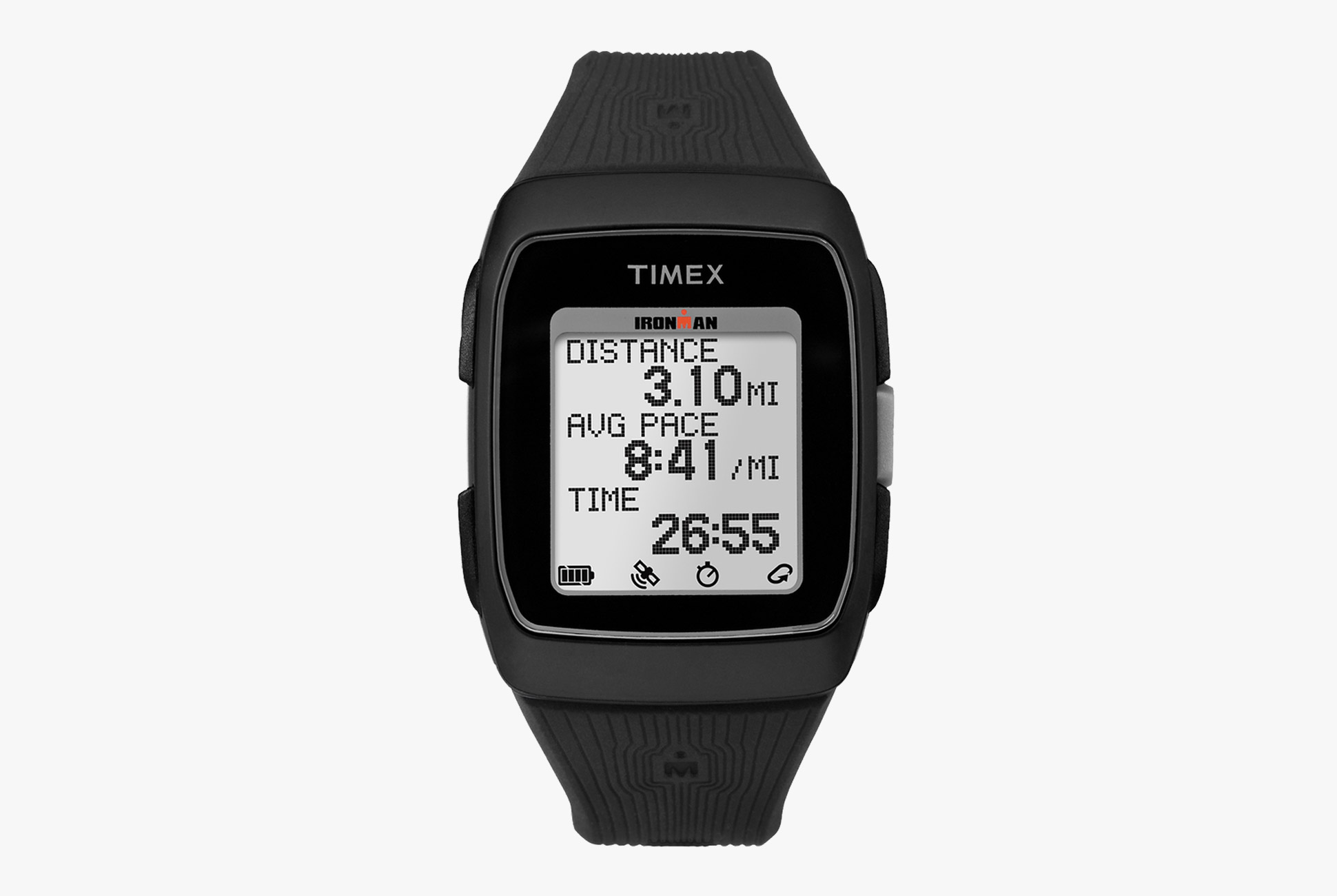


Timex is is a storied brand, and iconic one in the multisport world thanks to their association with Ironman. The Ironman GPS is currently the most expensive watch in their Ironman collection and the least expensive watch on this list. With a simple digital display, stripped-down design, and an intuitive interface, it tells you almost everything you need to know about your workout, including pace, distance, splits, and so forth. There are also a couple of neat features beneath the hood, like “out and back functionality” (alerts you when you should turn around) and race mode, which tells you when you’ll finish and the distance remaining. Connect to the desktop app after your workout (and within four days, otherwise they get deleted) to view your workout summary/log and a map of your route. It’s a great watch for the basics, but as our coaches and athletes pointed out HR is a key metric, so if you can spend another $100 upgrade to the Polar M430.

Battery Life: Up to 12 hours
Connectivity: Micro USB
Key Features: Timex Connect desktop app, compatible with TrainingPeaks, multisport workouts, auto lap feature (every mile), race mode (estimated finish time and distance remaining), eat and drink alerts, speed and pace alerts, out and back functionality, alarms, run records, Indiglo

Garmin Forerunner 935
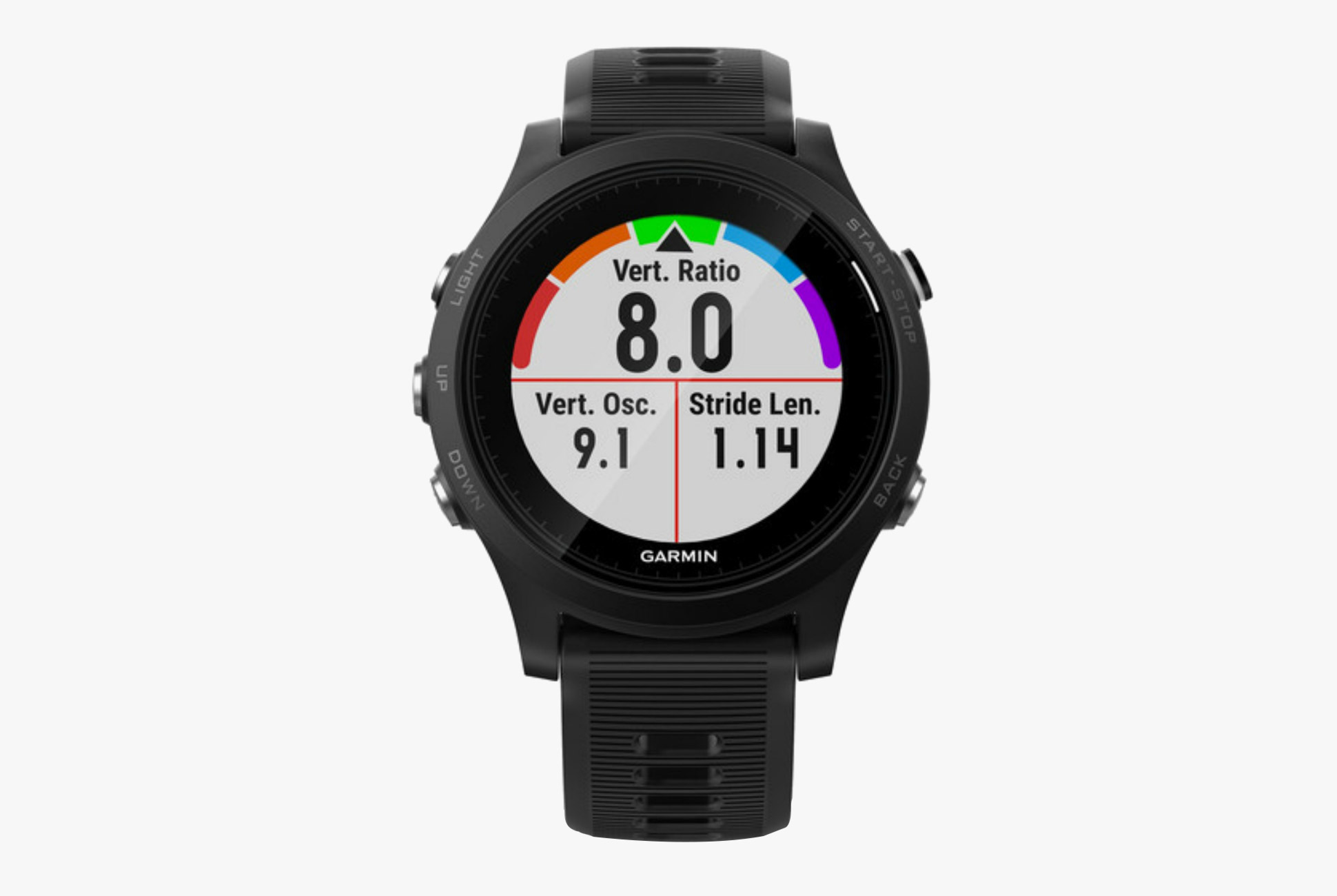


When you get into the $500 range, you have pretty high expectations unboxing a watch. The first thing you notice about the Garmin 935 is how staggeringly light it is for its size, thanks to the plastic construction. This is Garmin’s most premium running and multisport watch before you get to the Fenix series, while offering most of the same features. And it’s packed with features, from telling you the weather and how many steps you’ve taken that day to tracking all the relevant metrics throughout a triathlon, including your transition times, and controlling music on your phone.

Beyond the individual features of the watch, one big advantage of a Garmin is that the company has been in the running data biz for so long and with such zealousness that there are advantages to joining the club. For example, Garmin is compatible with lots of third-party products and apps, from Final Surge and TrainingPeaks to external sensors and power meters (it’s own and others) that connect via Bluetooth or ANT+ protocols. Garmin also partners with Firstbeat to deliver insights into your workouts that other watches offer but not with as much detail — so you’ll get your VO2 max and lactate threshold, but also insight into how hard you’re training and whether you need to lay off or push harder.

The phone app and Connect IQ web app are also robust, with a really granular look at all your activities, plus the ability to plan workouts that you can export to your phone. Want to run a marathon? No problem. There’s a 16-week plan that tells you exactly what to do.

Battery Life: Up to 24 hours using GPS and HR
Connectivity: Bluetooth, ANT+, WiFi
Key Features: Wrist-based HR, accelerometer and gyroscope, thermometer, Garmin Connect app, compass, altimeter, multiple measure of fitness (VO2 max, lactate threshold, etc.), multisport, waypoints, running workouts

Apple Watch 3
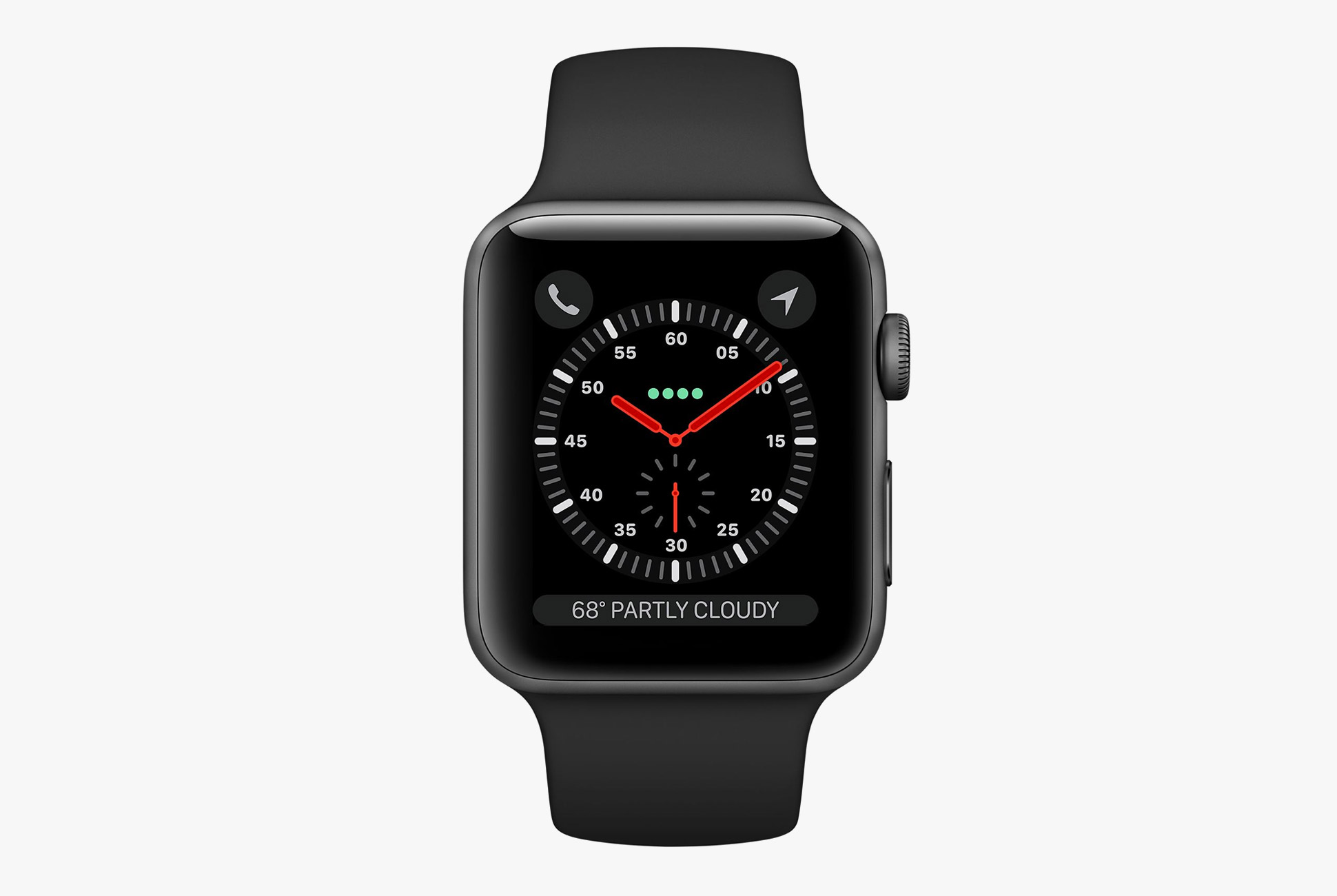


It’s hard not to fall in love with the Apple Watch. It provides the same sort of delight (if you’re an Apple fan) that does getting your first iPhone or putting in your AirBuds for the first time: a beautiful and intuitive piece of design you wear on your wrist. In terms of overall smartwatch functionality, you can read about that elsewhere, but in short it mirrors your iPhone in most important ways and then has a lot of additional benefits (some more useful than others), like being able to control your phone’s camera, requesting a car with single tap, play music, and so forth.

The fitness tools live inside the native “activity,” “workout,” and “heart rate” apps (plus any third party apps you add). The first is a ring-based tracker for how much you stand, move, and exercise; you set daily goals and when the ring closes you’ve met them. The others are exactly what they sound like, and all of this ends up in the Health app on your phone, which is meant to give a total picture of your health — you can theoretically store information there about everything from medical records to sexual activity — and is less sports-specific. In fact, to log and display your workout data in a meaningful way you’ll need to use a third-party app like Strava, HealthFit or Workout Exporter, which you can use to transfer to a robust tracker like TrainingPeaks. And this is the most important thing to know about the Apple Watch for running: It’s first and foremost a great smartwatch, and second a running watch — but if you’re open playing around with it to find the right apps, it can also provide the insights you’re looking for to log workouts effectively.

Battery Life: Up to 18 hours
Connectivity: Bluetooth, 4G LTE, Wi-Fi
Key Features: Optical HR, accelerometer and gyroscope, full suite of apps, custom faces, cellular service (optional)

FitBit Ionic Adidas Edition
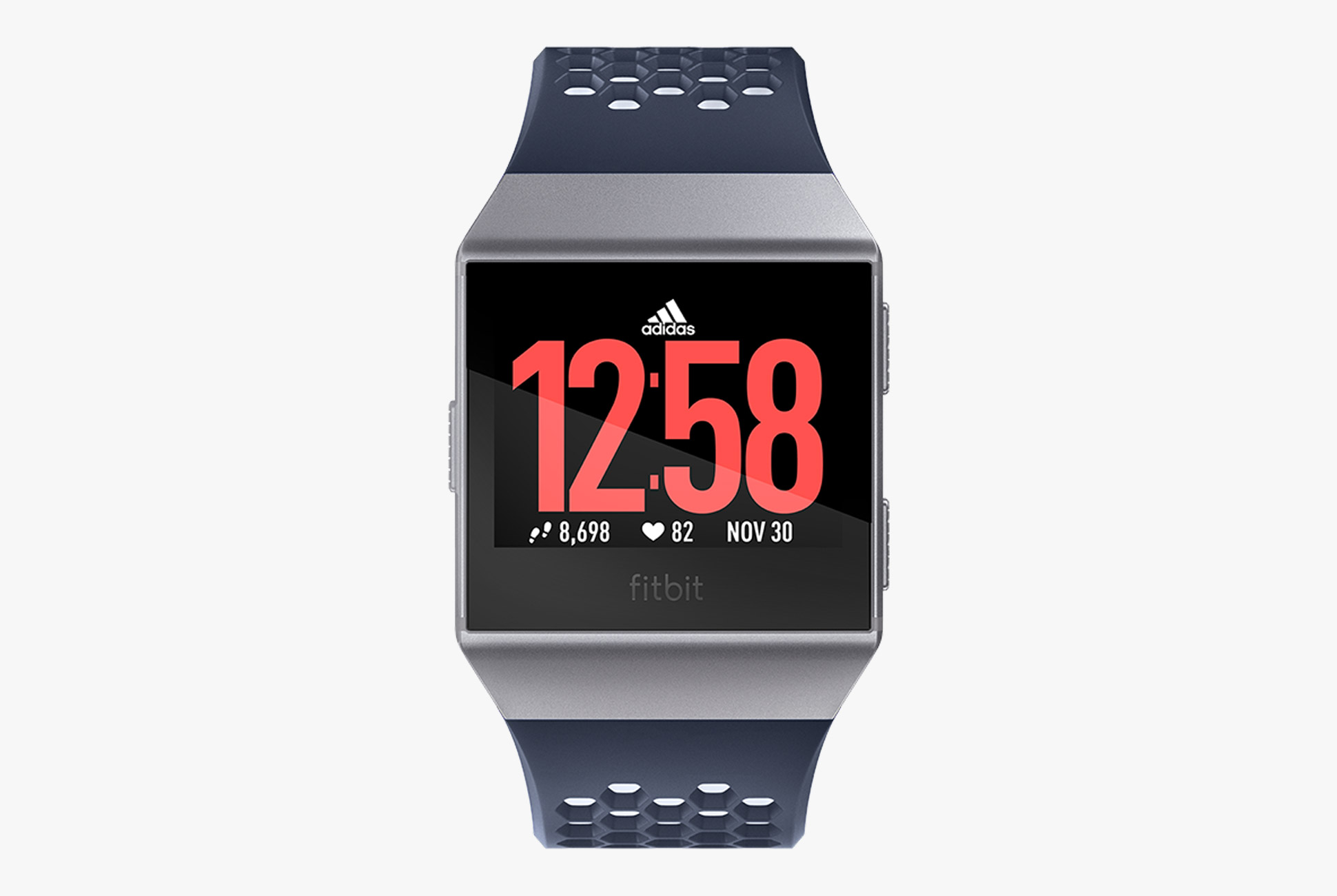


Along with the Apple Watch and the Samsung Gear Sport, the Fitbit Ionic feels the most like having a little computer on your wrist thanks to the large and colorful touchscreen display, which is super intuitive with a combination of buttons, taps, and swipes. The main differentiator with the Adidas edition is on-screen workouts, which take you through a handful of exercises like “dynamic warmup” and “power pace,” which aim to make you a stronger runner. This is actually quite useful, as any committed runner who has gotten both older and lazier knows that just running for exercise can lead to imbalances and injuries, especially resulting from a weak core.

Recording your runs is straightforward and the data syncs via Bluetooth to the FitBit app (you download it at setup), which provides a really nice display of your workout, complete with a map, mile times, HR zones, and calories burned. The only downside appears to be that there’s no easy way to move your data to a third party service like TrainingPeaks or Final Surge. It’s also worth noting that there are some weird native apps like Pandora and Starbucks, which feels uninspired, though some people may find it useful. Overall, though, this is a great everyday running watch with some fun built-in perks.

Battery Life: Up to 10 hours using GPS
Connectivity: Bluetooth, Wi-Fi, NFC, USB
Key Features: Optical HR, accelerometer and gyroscope, altimeter, on-screen workouts, custom faces, color LCD display with touchscreen.

Samsung Gear Sport
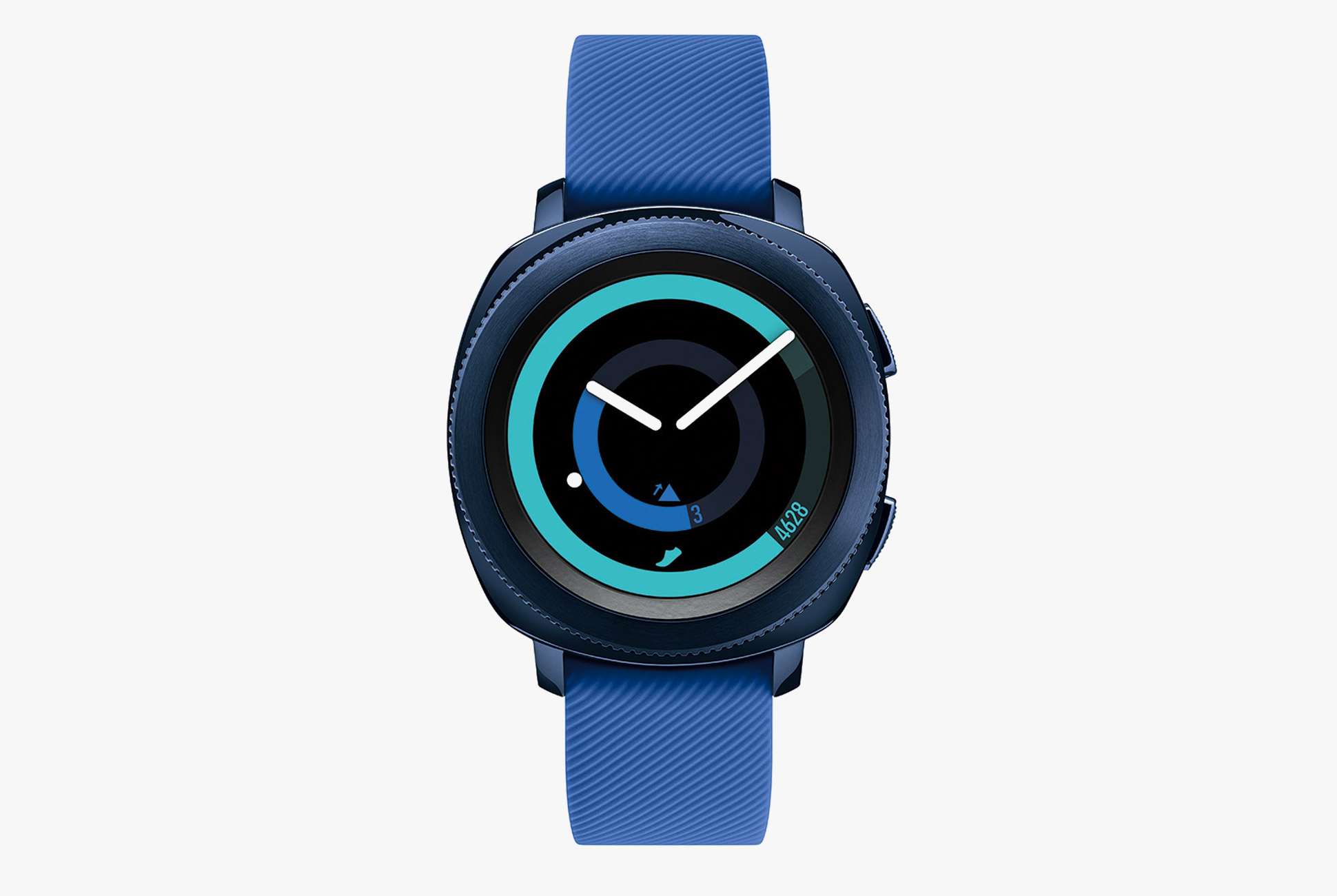


The optimal review would pair this with the Samsung Galaxy (which we’ll do for the long-term review), but the Gear Sport is also compatible with the iPhone and that’s how we tested it. The Gear Sport has a beautiful display and a really fun user interface. Rotate the bezel and it clicks in a really satisfying way through phone notifications, calendar, calories burned, total steps, heart rate, workout options, and so on (it’s customizable). This turns out to be a great way to get around since touchscreens on watches are always too small. There’s also a suite of native apps like Spotify and Flipboard, the former being quite useful and the latter equally pointless. If you use the watch together with the Samsung Health app you can also get access to a variety of workouts, which you can watch on the phone or a Samsung TV (with guidance on the watch) — but this doesn’t end up feeling like a watch feature. This points to the fact that this is ultimately a smartwatch with some fun sports features. If you’re a Samsung diehard and you want a digital watch to match, the Gear Sport is a great option, but it’s probably not your everyday running watch.

Battery Life: About three days of mixed usage
Connectivity: Bluetooth, Wi-Fi, NFC
Key Features: Optical HR, compatible with some third party apps like Strava, native Speedo swim app, accelerometer and gyroscope, multiple workout options, payments

Polar M430


The Polar M430 packs a lot of features into a reasonably-priced watch that’s very specifically designed for athletes. Day-to-day use is fairly intuitive, from getting a good fit (easy to find a comfortable, snug position) to the rich presentation of your data and maps in the Polar Flow app. Flow has some very useful features beyond logging data, like the ability to build out structured workouts or download a training plan right to the watch, which beats entering it manually into your Google calendar. The M430 also has a unique feature called “fitness test,” which measures your VO2 max in a five-minute session while you just lie down, the idea being that you do it every so often to measure your progress.
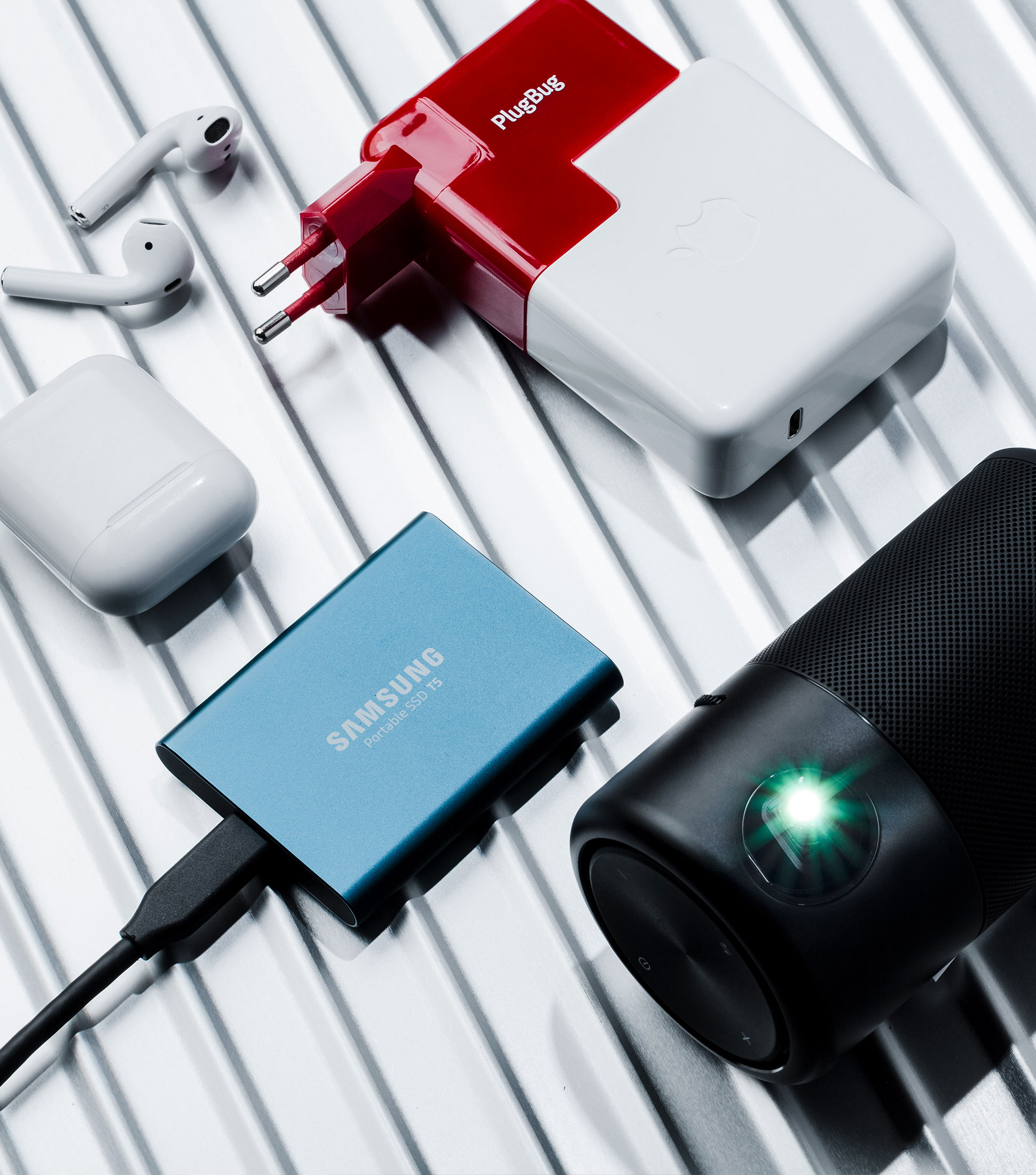
Battery Life: Up to 30 hours with low power GPS
Connectivity: Bluetooth, USB
Key Features: Optical HR sensor with continuous monitoring, accelerometer, fitness test, vibration alerts, multiple watch faces, smartphone notifications, compatible with 3rd party services (TrainingPeaks, Strava, etc.), running stride sensor (additional purchase), running programs, cadence, stride length
Best GPS Running Watches 2018

  • Editor’s Pick: Suunto Spartan Ultra
  • Best Budget Pick: Timex Ironman GPS
  • Garmin Forerunner 935
  • Apple Watch 3
  • Fitbit Ionic Adidas Edition
  • Samsung Gear Sport
  • Polar M430
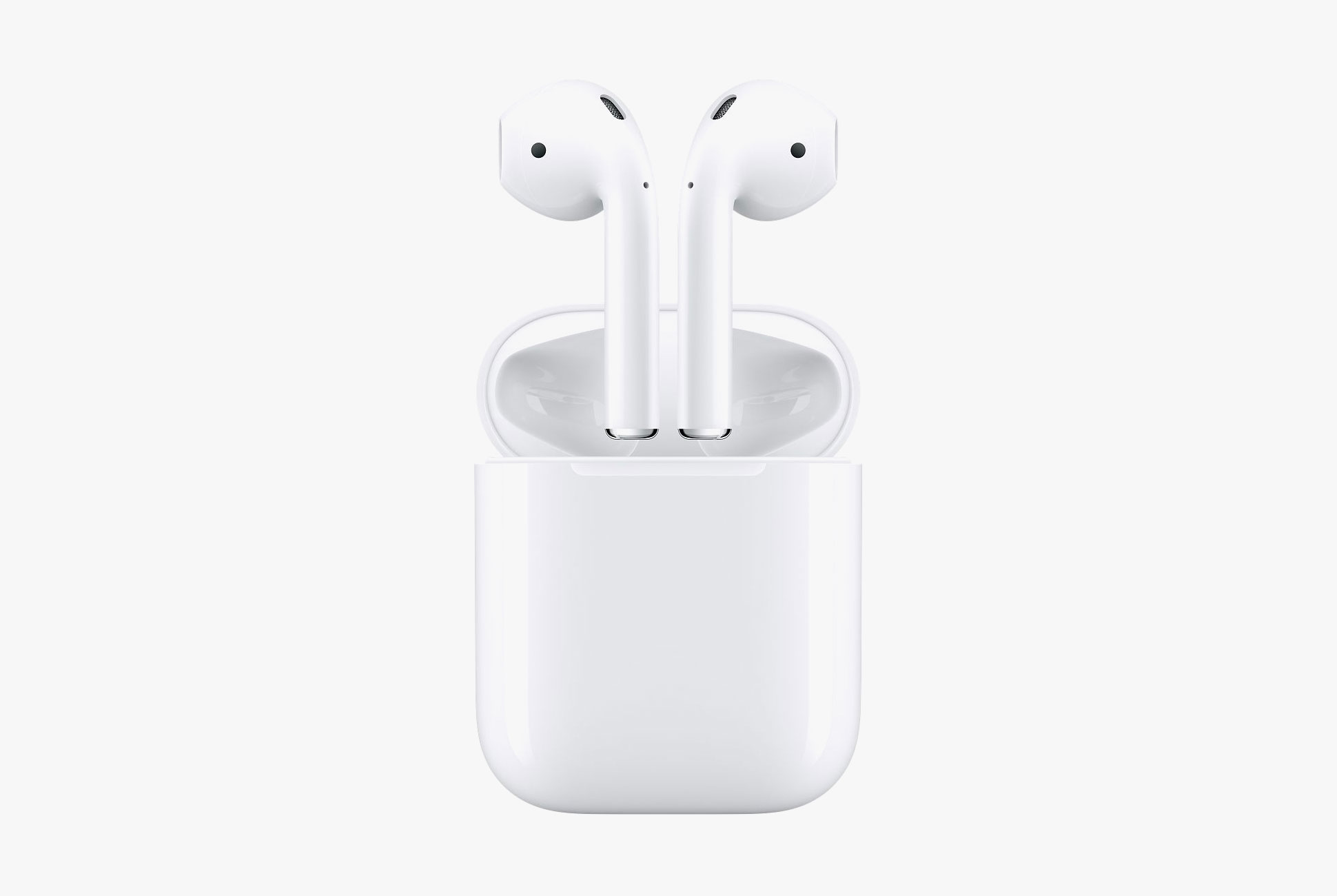
The 12 Best Father’s Day Gifts for the Dapper Dad

The dapper dad puts a little extra effort into his appearance. Far from vain, it’s a subtle way to communicate that he cares about the small details. This Father’s Day, show him that you notice the particulars with a gift he’ll use every day. While you should invest in something well-made and versatile, look for distinct features to set your gift apart from the norm. To save you time and energy searching for the right gift, we put together a few options any style-conscious dad will appreciate.

TAG Heuer Khaki Aquaracer

There are few watches more versatile than a rugged diver. Wear it on a weekend hike, wear it while doing yard work or wear it to work with a suit — there is almost no place it won’t go. The TAG Heuer Aquaracer is a solid option with a 4 mm case, Swiss quartz movement and a water resistance up to 300 meters. It comes with a military-inspired khaki nylon strap that matches its khaki sunray brushed dial. Functional, durable and surprisingly affordable, this watch is perfect for the dad who values a multipurpose timepiece.
Buy Now: $1,600

David Kind Kodachi Windsor Sunglasses

These refined round-frame sunglasses will look good on a range of face shapes. Made in Japan, they feature cstom temple and bridge filigree detailing, titanium nose pads and mineral glass polarized lenses.
Buy Now: $325

Levi’s Wellthread x Outerknown Western Shirt

Outerknown riffs on the traditional western style with this button-front shirt. Sustainably manufacutured, it’s a style that will look sharp for years to come.
Buy Now: $128

Pioneer Molecule Card Wallet

This simple card wallet is made from fabric that contains fibers that are ten times stronger than steel. It’s also water resistant and safe for washing machines, so you can use it in any practically every situation.
Buy Now: $65

TAG Heuer Autavia

Autavia combines the spirit of the 1960’s with contemporary styling. With a 42mm steel polished case and a black rotating bezel, three large, snailed white counters this automatic chronograph is understated and classic. It is water resistant up to 100 meters and comes with a polished steel bracelet and date window.
Buy Now: $5,450

Allen Edmonds Whitney Cap Toe Shoe

A well-made dress shoe is the foundation of a business wardrobe. This option from Allen Edmonds is made in the USA from premium full-grain leather and features decorative broguing.
Buy Now: $425

Todd Snyder x New Era Cone Denim Caps

This collaboration between Todd Snyder and New Era gives a unique way to rep your favorite team. The fabric is cut from some of the late denim made at the Cone Mills White Oak plant in Greensboro, North Carolina.
Buy Now: $78

Gear Patrol Magazine: Issue Six

In Issue Six we explore how Ralph Lauren influenced a whole generation of American designers. Also look for recommendations on Japanese sunglasses, perfect t-shirts, affordable belts and more.
Buy Now: $20

Aesop In Two Minds Grooming Products

This set of three products from Aesop looks to normalize both oily and dry skin in different areas of your face. Products include a cleaser, a toner and a moisturizer.
Buy Now: $33 +

Mystery Ranch Stadt Backpack

Well-made and affordable, this pack is great for everyday commutes in the city and short hikes. It features a 21L capacity and is cut from rugged Cordura fabric.
Buy Now: $89

977 Workshop x Gear Patrol Keychain

Simple is often better and this keychain is proof. Handmade in Germany, it features durable sailing rope secured by an understated aluminum piece stamped with the Gear Patrol logo.
Buy Now: $36

The Lost Explorer Movement Massage Balm

This fortifying balm soothes aches and pains due to overexertion. It utilizes Arnica extract and Nepalese Wintergreen to help your body heal after a hard day.
Buy Now: $60

Everything You Need to Know About the Most Important Material in Outdoor Gear

From Issue Six of Gear Patrol Magazine.
Discounted domestic shipping + 15% off in the GP store for new subscribers.

Cuben Fiber. It sounds like dreamed-up sci-fi, an intergalactic MacGuffin upon which the latest Marvel film might hinge. It’s not. Today, it’s known as Dyneema, and it’s considered to be one of the strongest materials in the world. The military and law enforcement have harnessed Dyneema to create armor; the fishing industry uses it for ropes and nets; and now, more than ever, outdoor-gear companies are realizing its potential.

Manufactured exclusively by Netherlands-based DSM, Dyneema is an ultra-high-molecular-weight polyethylene. It exists in long-molecule chains with extra-strong intermolecular bonds. For non-chemistry majors, this just means it’s the strongest of any thermoplastic and a superlight fiber that by weight is up to 15 times stronger than steel, yet still floats in water. It is, by all accounts, a miracle fiber.

Left to Right: Ecco Exostrike Boot (~$272) and DMM Dragon 2 Cams ($70+)

Dyneema isn’t as widely used in outdoor gear as other durable fabrics such as Cordura, but the material continues to gain recognition for its undeniable capabilities. The first adopters were climbing-rope manufacturers and cottage-industry makers of custom outdoor products, like Dan McHale. Now, bigger brands are catching on, and Dyneema is being integrated into every type of product from tents to down jackets. Along with this growing awareness comes experimentation and innovation — today Dyneema can be worked into other materials almost invisibly.

In appearance, Dyneema fabrics are often tarp-like, colored in either space-age white or muted black. Unlike many ripstop nylons and TPU-coated fabrics, Dyneema isn’t shiny. It wears, developing wrinkles and creases akin to waxed canvas.

Hyperlite Mountain Gear The Shell ($450)

One outdoor company that has a long history with Dyneema, and in fact was founded on the material’s potential, is Maine-based Hyperlite Mountain Gear. Its founder, Mike St. Pierre, heard about Cuben Fiber in forums and chat rooms, and his theory that the stuff could be harnessed to make the burliest outdoor gear available was affirmed when he discovered that America’s Cup sailboats had it in their sails. “I didn’t really have an idea for a company until I found Dyneema,” he says.

St. Pierre explains that the Dyneema fiber can be manipulated and manufactured in different ways before integration into a final product. The most fundamental form is as a sandwich-style laminate: Dyneema fibers are laid on top of each other in an unwoven grid and melded between two layers of polyester film using a high-pressure autoclave. This is called Dyneema Composite Fabric. Another version adds a fourth layer of ripstop nylon to the sandwich, making it stronger, but also adding more heft. In an even tougher layup, Dyneema fibers are woven into a would-be yarn which is then woven into a fabric and fused to the original fiber sandwich.

Left to Right: Mountain Hardwear Crux Denim Jean ($150) and Zpacks Duplex Tent ($599)

Dyneema fibers can also be blended into materials in a minor way that adds additional strength; Dyneema denim is becoming more prevalent, for example. Hyperlite Mountain Gear weaves Dyneema into nylon, to create what it calls Hardline, for use in backpack hip belts, shoulder straps and exterior pockets.

To work with a material as tough — and novel — as Dyneema isn’t without its difficulties. St. Pierre’s first attempts building product were unsuccessful (he bought 100 meters of laminate from DSM and armed himself with a fleet of family sewing machines). “Not having history with these materials was the problem,” he says. “It’s not like I can just call someone up and be like, ‘Hey, what was your experience with this?’” But that’s all changing. More brands are following St. Pierre’s example, adopting Dyneema and integrating it into products that are both highly specialized and designed for everyday use. An indestructible rain shell? Done. Sneakers that’d make Marty McFly set the controls of the DeLorean to 2018? With Dyneema, they exist; welcome to the future.

Chris Burkard Gym Bag

If you’re on Instagram, you’ve likely seen some of Chris Burkard’s images. He’s the outdoor and landscape photographer who has amassed over three million followers on Instagram. Based in Pismo Beach, California, Burkard is on the road working for a good chunk out of the year. To get those amazing shots, he has learned to put himself in unique situations. He has to be prepared to scale a rock face, hike a mountain or dive into the arctic ocean. “I’ve realized that it doesn’t matter whether I’m shooting skiing in Japan or surfing in Iceland, the next assignment is always just a few weeks away and usually requires a whole new set of skills,” Burkard says.

To stay at the top of his game (and in peak climbing, skiing, surfing, everything-shape) Burkard works hard to stay active. “No matter where I end up in the world with work, something from my gym bag comes with me. Training is critical and I’ve found that between swimming in the ocean or pool, climbing and a few stretch bands, I can condition myself for nearly anything.”

We caught up with Burkard to ask him what gear is always in his pack, whether he’s in Yosemite or Alaska.

Chris Burkard’s Gear

Black Diamond Stone Duffel 42

“I like using this bag due to the full front opening zipper. It allows me to access everything with ease when getting to the gym or on location. I feel 42 liters is the perfect amount for daily activities and even an overnighter if needed. I’ve used it as a camera bag, climbing bag and it almost always comes with me.”

AXXE Classic Wetsuit

These wetsuits are made in Japan and come in a variety of styles and thicknesses. Burkard prefers the 4/3 for most adventures. “Pretty much covers most water temperatures, unless you are in the Arctic,” he says.

DaFin Hawaii fins

Offered in a variety of colors and sizes, these fins are a necessity for any surfing, snorkeling or scuba diving excursions.

Speedo Vanquisher 2.0

The classic Speedo goggle works great in pools of any size.

Speedo Elastomeric Swim Cap

Silicone is much more comfortable than the classic latex. Pick from a variety of colors.

Speedo Nylon Solar Swim Briefs

“If you don’t swim in Speedo’s then you haven’t lived.”

SurfEars Ear Plugs

“Over years of cold water surfing I’ve developed a pretty heinous surfers ear…these are lifesavers.”

Rad Roller

“Must have unit for any type of travel. I use this bad boy on planes, cars and pretty much anywhere I can sit for awhile. Best thing is it fits in the pocket.”

Grip Trainer

Burkard uses one that looks slightly different than this, with 50KG worth of resistance. He calls it, “pocket training!”

Reehut Single Resistance Band

“This is my secret weapon for car workouts, hotel rooms and pretty much everything else. These work incredibly well.”

Generic Athletic Tape

“Can’t tell you how many times I’ve used this for more than just climbing, but also fixing jackets, bags and sleeping bags.”

TriggerPoint GRID Foam Roller

“I mean.. who doesn’t travel with a roller these days?”

Joshua Tree Climbing Salve

“Best on the market.”

Black Diamond Zone Harness

“Light, fast and efficient. I love it for gyms, granite walls and often find myself using it to get across a swollen Chilean river on a tyrolean traverse.”

Black Diamond Ultralight Chalk Bag

Made from ultralight dynex fabric, the bag keeps all your chalk in one easy-to-reach spot.

Black Diamond Aspect Climbing Shoe

“Best all arounder. Excellent for hard cracks but also comfortable enough for standing in during the day.”

Black Diamond 9.9 60-Meter Rope

Burkard calls this a “must-have.”

Black Diamond Brush Set

This 5-piece kit has all the brushes you might need to get bouldering.

Meet Margo Hayes

Margo Hayes is single-handedly changing the climbing game, and she’s only 20. Read the Story

Everything You Need for Your First Tough Mudder Race

A Tough Mudder is a logical progression if you’ve been hitting the Crossfit box recently. It’s also not really a race, but a good way to challenge yourself mentally and physically.

So what is a Tough Mudder? It’s a muddy obstacle course that takes place over a 5K or longer distance with anywhere from 10 to 20 obstacles along the way. You have to work with the other participants to get up walls (Berline Walls), climb over muddy banks (Mud Mile 2.0) and army crawl under barbed wire (Kiss of Mud). You can sign up with a team, or by yourself — everyone on the course is extremely friendly and is amenable to helping everyone else out. There’s no time clock and everyone gets a finisher’s headband. The overall vibe at a Tough Mudder is one of camaraderie and openness.

As you prep your gear, you should be prepared to be soaked through by the end of the race. You might even be covered in mud after the first obstacle. Try to pick clothes and shoes that drain well and dry quickly, and that won’t chafe your body after twenty minutes in a damp mud pit.

The Experts

To learn about how to prepare for a Tough Mudder, we went straight to the experts. We spoke with Ryan Atkins, a Merrell Ambassador and Tough Mudder Pro Team Athlete; Kristopher Mendoza, one of only seven people who has run 100 miles or more at the 24-hour World’s Toughest Mudder; and Jason Antin, a Merrell Ambassador and athlete, who has completed countless Tough Mudders.

The Distances

While there used to only be one distance, there are now a variety of distances to choose from. Each distance includes at least half a dozen obstacles, so be prepared. Technically the 5k, Half and Full are not races. Everyone gets a finisher headband — different colors depending on how many you’ve completed. The Race Series is timed and competitive, all leading up to the World’s Toughest Mudder.

All distances shown in kilometers.

5K: 3 miles, 10 obstacles
Half: 5 miles, 13 obstacles
Full: 10 miles, 20 obstacles
Tougher Mudder: Timed, competitive start wave, first step toward the Race Series
Toughest Mudder: 8 hours of course challenges, and you race through the night
World’s Toughest Mudder: 24-hours, 5-mile laps, 20 to 25 obstacles. Repeat over and over.

Training Tips

Beyond just running, there’s a ton of strength that goes into these types of events. Each athlete has their own take on the best way to prepare, but all in all, it’s mostly about training for a broad range of challenges.

From a practical standpoint, grip strength is really important. “Work on pull ups and chin ups to blast your upper body and crush obstacles like Funky Monkey and Kong Infinity,” Mendoza says.

“A sandbag is a great tool when training. Pick one up and use it to hike up hills to build leg strength,” Atkins says. Building leg strength will help you power through the muddy terrain when your hamstrings have hit a wall.

“Always practice your gear and nutrition plan before race day. This includes your dinner the night before, breakfast the morning of and nutrition during the Tough Mudder,” Mendoza says. It’s very similar to what you would do before a running race. Prepping your stomach to go through ice then mud then pools of water is tricky to mimic, but as much as you can prepare before is ideal for your mental state.

The Gear

Shoes

“You want a shoe with good drainage, soft, sticky rubber and big deep rubber lugs to help you grip into the steep muddy hills that you will have to go up,” Atkins says. He recommends the Merrell All Out Crush 2 or the Agility Peak Flex 2 E-Mesh. “Lace them down tight, so they don’t get pulled off in a mud pit.”

“Make sure whatever shoe you pick, it provides enough stability for the terrain between obstacles, proper lugs and grip, and allows for water to drain quickly,” Antin says.

|

Jacket

You really never know what the weather is going to be like. I completed a Tough Mudder in Mesa, Arizona and it hailed on us in the end of April — to say it was unexpected is an understatement. To that point, “always check the weather for the day of the event,” Mendoza says. “Beat the cold and windy conditions on race day and gear up with the Torrent Windbreaker Jacket.”

|

Socks

Almost as important as your shoes, your socks are what will make or break your run. “Something from the Darn Tough Run line works great,” Atkins says. “They are super durable, for all your future Mudder events.” Pro Tip: “Put a bit of Vaseline or an anti-chafing cream on your feet before you put your socks on. This combo really helps prevent chafing and any blisters caused from the mud and wetness around your feet,” Atkins says.

|

Tights or Shorts

“A regular running short will work fine for your first Tough Mudder, but I really like running in compression tights. They keep any thorny bushes or itchy grass from scratching your legs badly,” Atkins says. “Once they get wet, they will keep you nice and cool as you go around the course, so don’t worry about overheating in them. I love the tights that Marena Sport makes.”

“Don’t let the water and mud slow you down with traditional cotton clothing,” Mendoza says. “Compression gear from Second Skin is the perfect solution to keep you comfortable and moving fast.”

|

Headlamp

“Bring two!  I learned the hard way during my first night-time Tough Mudder event, but headlamps can take a beating.  It was great having a back-up with me!” Antin says. While you won’t need this for the shorter distances, it’s a good thing to have on you for nighttime runs or training routines.

|

Sunglasses

“If the course is particularly sunny, it might be a good idea to bring a pair,” Atkins says. He warns, “leave your fancy Ray-Ban and Oakleys at home. Instead, go to the dollar store, and pick up a pair of brightly colored cheap ones. They will very likely get scratched, or you will lose them out on course. Try not to… but be prepared for it.”

|

Top

You’re going to get sweaty, muddy and wet on any Tough Mudder course. “You can run shirtless, or with a t-shirt,” Atkins says. “If you use a shirt, avoid cotton,” he elaborates. Find something that is quick to dry and has a fit that matches your body to help prevent rubbing. “Merrell makes the Torrent Short sleeve wicking tee, which works great,” Atkins says.

|

After the Race

One of the most important things to pack the night before is your after-race bag. Standing around in muddy clothes is tough. “Don’t forget a pair of clean and dry clothes and sandals for the end of the race. Let those muddy toes breathe!” Antin says.

Atkins has an entire list of gear to bring including: a towel, socks, ‘good’ sunglasses, a rain jacket, plastic bags (“keeps all your dry stuff from getting muddy”), full size garbage bags and I.D. (“if you’re planning on having a beer post-race, make sure your ID is with you”).

|

A Quick and Effective HIIT Workout

High-intensity interval training is one of the most effective and efficient workouts you can do. Here’s how to do it the right way. Read the Story

The 14 Best Rugged Coolers of Summer 2018

This guide to the best rugged coolers of summer 2018 provides 14 awesome coolers to keep your beer and food cold and also offers tips and advice to know before you buy.

Editor’s Pick Best Soft Cooler: Orca Podster


In truth, Orca’s Podster is a bit of an odd ball in the soft coolers category. It’s an unconventional shape, and though it has backpack straps, its bulk does little in terms of a spacious interior. That said, all of that foam keeps everything you toss in it cold right up there with the other coolers on this list. The body is constructed using the same RF welding that’s used in whitewater rafts, it’s FDA food-grade safe and it features an ultra-durable and ultra-waterproof TIZIP zipper.

It also comes in a variety of colorways including the Coral/Gray pictured here. Unlike Orca’s other coolers, this one isn’t made in the USA, but it still lives up to the brand’s performance and reputation. — AJ Powell

Sizes available: 14.25 quarts

Editor’s Pick Best Hard Cooler: Yeti Tundra Haul


In testing the Yeti Tundra Haul cooler, I was impressed by Yeti’s attention to detail (but then again I shouldn’t be surprised after putting the Hondo camp chair through a thorough test). Yeti could have simply slapped wheels on a Tundra and called it a day. But it didn’t. Yeti agonized over every aspect of how the wheels and handle would integrate into the design to the point that I was asking myself “Is all of this really necessary?” But it is necessary, because that’s who Yeti is. In fact, the handle was designed so that it doesn’t slam against the hard plastic if you drop it. And the wheels roll so quietly and smoothly that you’ll wonder why you ever used any other cooler.

Perhaps the most impressive feature (and of course the most important), is how Yeti integrated the wheels into the design. It managed to retain all space on the interior of the cooler without too many awkward bumps. Other wheeled coolers on the market fail to do this as sleekly as Yeti did. At the end of the day, the Tundra Haul was a no-brainer for Yeti. It was only a matter of time before the brand launched a wheeled cooler, and we’re glad that it’s finally here. — AJ Powell

Sizes available: 45 cans of beer or 55 pounds of ice.

Introduction

Outdoor coolers have the same adventurous spirit as those who carry them. They’re designed to be dropped, beaten, submerged and even attacked by wild animals, all while keeping their contents intact and cold for days. Whether you’re planning on taking one deep-sea fishing, big game hunting, paddling down some Class-5 rapids or simply going to a tailgate, one of these coolers is worthy of the adventure.

What Is a Rotomolded Cooler?

There’s a reason why so many of the coolers created today are tougher, heavier and more expensive than the Igloo Playmate you may have carried around in years past. The update is primarily due to a manufacturing process called rotational molding, or more commonly, rotomolding.

In rotomolding, a heated mold is filled with powdered plastic material. The mold rotates on two axes as it heats the plastic until it is completely melted and fills every cavity within the hollow mold. The constant rotation helps the plastic resin spread evenly and consistently throughout. The result is a single a single-piece plastic cast of the desired shape that’s free of any imperfections. Rotomolding contributes to all of the traits that represent the current level of quality in today’s coolers, most importantly rugged durability, and superior ice retention.

How To Pick the Right Size For You

20, 30, 40-quart — knowing what each size cooler can hold is a tricky one. While the shape of it makes a difference, especially in the soft-sided coolers, here’s what we tended to see. 70 quart tends to be the most family-friendly, and the smaller soft-sided coolers are perhaps better for a tailgate or drinks for a group. Keep in mind, the larger the cooler the heavier it will be, especially when filled with food and drink. If you’re traveling with friends or family, that’s not a problem. Here’s what we gathered as a general guideline after our research. Most of the brands measured the capacity at a two to one ratio, meaning two parts ice, one part can, but some don’t do this. So take measurements with a grain of salt.

20 Quart: holds roughly 16 cans or 20 pounds of ice
35 Quart: holds roughly 21 cans or 26 pounds of ice
50 Quart: holds roughly 35 cans or 43 pounds of ice; ideal for two people for a few days
75 Quart: holds roughly 57 cans or 70 pounds of ice; ideal for two people for a week-long trip, or a family weekend trip

How To Get the Most Out of Your Cooler

In order to get the most out of your cooler, it is recommended that you pre-chill your cooler for 24-hours before you pack it up and head out. Pre-chilling involves adding ice to your cooler to bring the internal temperature of the cooler down. When you’re ready to pack the cooler the following day, dump the ice you added for pre-chill and add new ice to the cooler. The new ice will stay frozen longer and will give you extended performance in the realm of cold-retention.

How To Pack Your Cooler Correctly

The truth is, you can pack these coolers in virtually any configuration and they will all still perform far and above what you’ve used up to this point. But in order to get the best ice retention out of your cooler, there are a few easy tips and tricks to keep in mind.

Line the bottom of your cooler with ice. Putting a layer of ice on the bottom of your cooler will help to keep the ice colder longer and also keeps it away from the least-insulated part of the cooler, the lid.

Fill your cooler with solid blocks of ice if possible. Solid blocks of ice stay frozen longer than ice cubes.

Fill the gaps with ice cubes. Pour a bag’s worth of ice cubes on top of your ice blocks to fill any gaps or holes.

Add your food, beer or both. Lay out your supplies in a manner that makes sense. In other words, don’t just toss everything in. Keep your morning meals on one side and your evening meals on the other side. This will ensure that you spend minimal time with the cooler open (allowing hot air inside).

Fill the rest of the cooler with ice cubes or ice packs. Top off with some additional ice and you’re good to go. Only open the cooler when absolutely necessary to get the most out of the performance of the cooler,

Buying Guide

Best Rugged Coolers of 2018
Best Soft Coolers

  • Editor’s Pick: Orca Podster
  • Hydro Flask Unbound
  • OtterBox Trooper
  • Yeti Hopper Flip
  • IceMule Coolers Boss
  • Corkcicle Ivanhoe Duffle
  • Pelican Soft Cooler

Best Hard Coolers

  • Editor’s Pick: Yeti Tundra Haul
  • Orca Classic
  • RovR RollR
  • Bison GEN2
  • Igloo Sportsman
  • OtterBox Venture
  • Pelican Cooler

Best Rugged Soft Coolers of 2018

Editor’s Pick: Orca Podster


In truth, Orca’s Podster is a bit of an odd ball in the soft coolers category. It’s an unconventional shape, and though it has backpack straps, its bulk does little in terms of a spacious interior. That said, all of that foam keeps everything you toss in it cold right up there with the other coolers on this list. The body is constructed using the same RF welding that’s used in whitewater rafts, it’s FDA food-grade safe and it features an ultra-durable and ultra-waterproof TIZIP zipper.

It also comes in a variety of colorways including the Coral/Gray pictured here. Unlike Orca’s other coolers, this one isn’t made in the USA, but it still lives up to the brand’s performance and reputation. — AJ Powell

Sizes available: 14.25 quarts

Hydro Flask Unbound Cooler Pack


Hydro Flask’s success in creating insulated water bottles that look great and work to keep beverages cold (or hot) for extended periods of time signals that the brand has a particular knack for insulation. Getting into the cooler category was a logical next step, and its Unbound Series matches its drinking vessels in both style and function.

Hydro Flask’s Cooler Pack is, without question, the prettiest soft cooler of the group that we tested. It’s sleek, with exterior pockets for things like keys or a wallet that don’t impede its design or add unneeded bulk. The cooler uses a watertight construction that keeps water in and out with an Aquaseal zipper and is equipped with an FDA-approved, food-grade liner and enough soft insulation to keeps contents cool for up to 48 hours. It has a 22-liter capacity, or enough space for 24 cans.

Because it’s a backpack, the Unbound can’t merely look good; it has to be comfortable enough to wear, fully-loaded, on jaunts that are too long to haul something bigger. We found this to be the case, though you won’t want to wear it on extra-long treks; stick to trips to the beach and park or shorter hikes. – Tanner Bowden

Sizes available: 22 liters

OtterBox Trooper


Once OtterBox made the jump from rugged phone cases to rugged coolers, it was only a matter of time before the Colorado-based company introduced a line of soft coolers. It did precisely that at the start of this year with the Trooper series.

The Trooper series includes two soft-sided coolers. Both are IP-65-rated, which means they’ll keep out dust and the inadvertent splash of water. The Trooper coolers feature wide-mouth, one-handed-access openings made of plastic and exterior shells made of durable nylon that is resistant to water, UV damage, chemicals and punctures. The bases are laminated to be abrasion-resistant. Inside, the liners are food-grade.

The bigger Trooper 30 comes with backpack straps, which we felt provided the most comfortable carry of any of the soft coolers we tested. Another note to make regarding the Trooper is that its clamshell opening is the widest, and provides the most access, of all the soft coolers — no pulling stuff out to get to the last La Croix at the bottom. The Trooper’s plastic opening does seem like it might be prone to breaking, but we honestly haven’t beaten it up enough to tell if this is true or not. As far as keeping contents cold though, the Trooper was one of the best performers in our ice test.
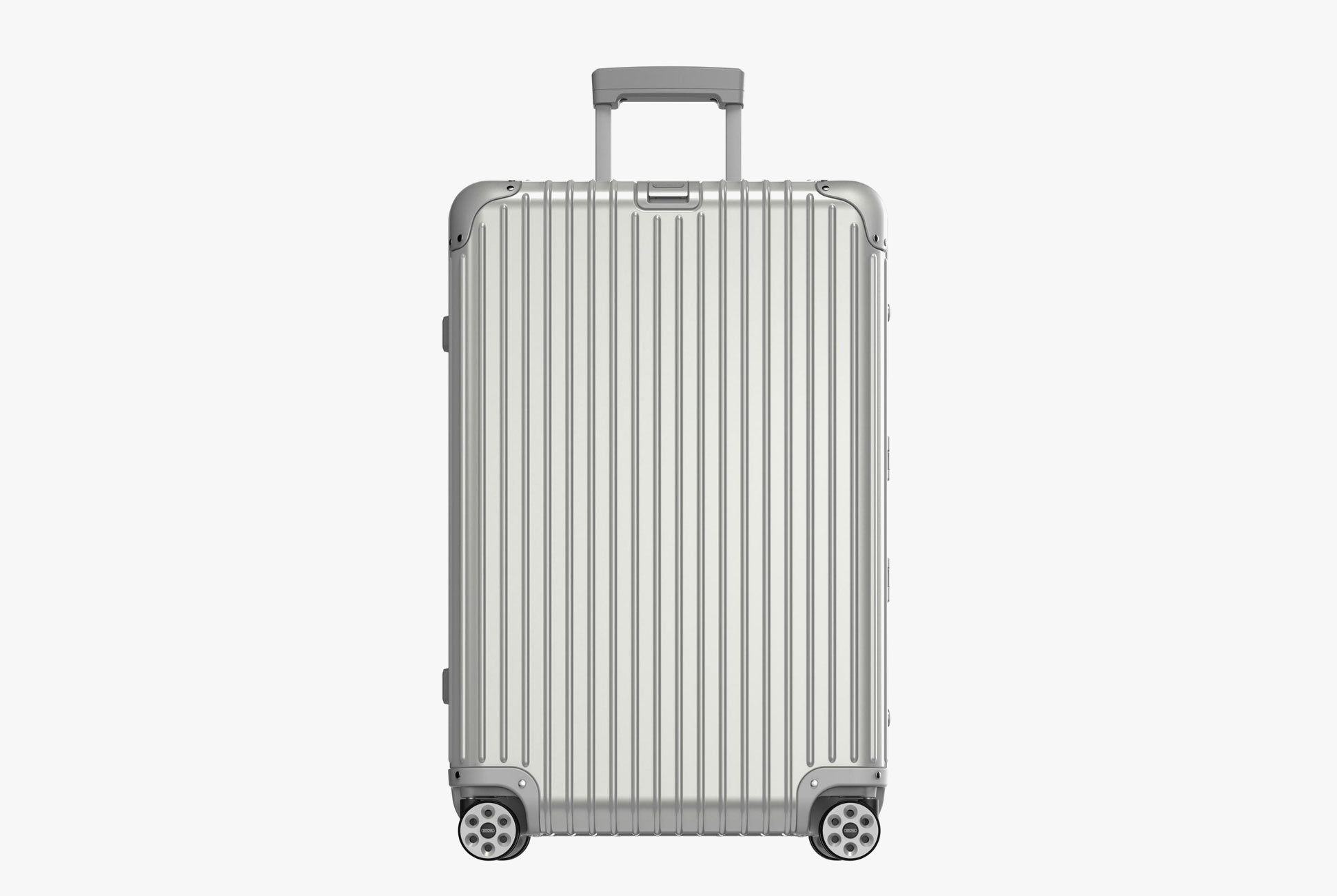
Tanner Bowden

Sizes available: 20, 30 quarts

Yeti Hopper Flip


Yeti is the king of rugged coolers, and when the brand launched the Hopper Flip 8 in July of 2016, it brought that title to a new category: lunchboxes. There simply isn’t a more over-built, rugged, lunch-worthy lunchbox out there. Sure, it may be a bit excessive to spend $200 on a lunch box, but considering it will last you upwards of ten years (that’s no exaggeration), it’s definitely worth it. And it can do more than just hold your lunch too. The Hopper Flip is a great size to bring fly fishing, and can keep both your beer and your catch plenty cold. One Gear Patrol editor has even been known to bring one on backpacking trips to keep perishables cold in the backcountry. You take a weight penalty, but it’s well worth it. — AJ Powell

Sizes available: 8, 12, 18

IceMule Coolers Boss


Weighing in at 7.5 pounds, this cooler is disguised as a backpack, with plenty of storage to go with it. The cooler performs surprisingly well thanks to a three-centimeter closed-cell PolarLayer XT insulation foam. The suspension system used to carry it makes it a comfortable backpack whether you’re hiking into the perfect camp spot, or just going from the house to your car. Reviewers love the waterproof pockets and the semi-unlimited amount of food this backpack can handle. Price point wise, it’s right in the middle of Hydroflask and Yeti’s soft side coolers, and performs on par with those heavy hitters. — Meg Lappe

Sizes available:
IceMule Classic: 10, 15 and 20L
IceMule Pro: 20, 33 and 40L

Corkcicle Ivanhoe Duffle


Wrapped in Cordura, this duffle bag disguises the fact that it’s a cooler. It can hold up to 48 cans of beer, or 24 cans of beer plus four bottles of wine or cider. Corcicle is relatively new to the cooler market, but we were pleasantly surprised by how cold our beers stayed for almost 12 hours. The interior is coated with a TPU food-safe liner, so you can stuff as much produce and groceries as you want. Take your cooler with you to Costco, then hit the road for that weekend trip. Offered in black and grey, the removable strap is one of our favorite features — it makes it easy to lug around the insulated cooler from car to boat to beach. — Meg Lappe

Sizes available:
Tote: Holds 16 cans and 2 wine bottles
Bucket Bag: Holds 8 cans and 2 wine bottles
Duffle: holds 24 cans and 4 wine bottles

Pelican Soft Cooler


Pelican’s aptly named Soft Cooler looks similar to RTIC’s SoftPak coolers, but perform better and seem to be made of more premium materials. For instance, the zipper on the Pelican is a well-regarded TIZIP zipper, which is used on every from dry bags to hazmat suits. The zipper on the RTIC, on the other hand, is a less-durable generic waterproof zipper. The Pelican also features a slip-resistant compression molded base. In other words, you don’t have to worry as much about a catastrophic spill when your cooler is open and perched precariously on a rock or truck bed.

Lastly, as if all of those features weren’t enough, the Pelican also comes with two compression strap buckles the tighten over the lid. So if you did happen to somehow manage to bust the zipper, you still have those to fall back on. — AJ Powell

Sizes available: 12, 24, 48

Best Rugged Hard Coolers of 2018

Editor’s Pick Best Hard Cooler: Yeti Tundra Haul


In testing the Yeti Tundra Haul cooler, I was impressed by Yeti’s attention to detail (but then again I shouldn’t be surprised after putting the Hondo camp chair through a thorough test). Yeti could have simply slapped wheels on a Tundra and called it a day. But it didn’t. Yeti agonized over every aspect of how the wheels and handle would integrate into the design to the point that I was asking myself “Is all of this really necessary?” But it is necessary, because that’s who Yeti is. In fact, the handle was designed so that it doesn’t slam against the hard plastic if you drop it. And the wheels roll so quietly and smoothly that you’ll wonder why you ever used any other cooler.

Perhaps the most impressive feature (and of course the most important), is how Yeti integrated the wheels into the design. It managed to retain all space on the interior of the cooler without too many awkward bumps. Other wheeled coolers on the market fail to do this as sleekly as Yeti did. At the end of the day, the Tundra Haul was a no-brainer for Yeti. It was only a matter of time before the brand launched a wheeled cooler, and we’re glad that it’s finally here.” — AJ Powell

Sizes available: 45 cans of beer or 55 pounds of ice.

Orca Classic


If Yeti has any serious competitor in the hard cooler space, it’s Orca. The Nashville, Tennessee-based brand makes all of its hard-sided coolers in the US and that quality shines through. The Orca Classic coolers are incredibly well made down to every last detail — including the rubber tabs that secure the lid of the cooler closed. Said tabs are shaped like whale tails, harkening back to the brand’s name and logo. They’re made from a roto-molded construction, like others on this list, and feature a lid gasket that seals out heat and locks in water and cold. The handles are by no means the best we tested, but they’re serviceable and are made from nylon webbing with rubber grips. A drainage spout at the bottom makes it easy to clean and drain after the ice has melted — but that might be a while. — AJ Powell

Sizes available: 20, 26, 40, 58, 75, 140 quarts

RovR RollR Coolers


Last year, when RovR brought its RollR coolers to Kickstarter, it promised: “the most feature-packed cooler ever!” Thanks to the 580 backers who funded the project more than $100k beyond its asking goal, the RollR is now here.

While many of the other hard coolers on this list all seem to be emulating Yeti (and each other), the RollR is unique. Its shape is boxier, its finish is shinier and its interior is wholly novel. Its interior is stepped to accommodate the axle supporting its built-in wheels, but RovR has worked that potential flaw into the design of its optional dry storage container. It claims to keep ice frozen for ten days, a duration that has become industry standard, with a roto-molded construction.

The RollR, like OtterBox’s Venture, earns much of its rank due to its potential for customization. The dry storage already mentioned above is a great organization feature that makes packing for a multi-day camping trip compact and organized. The RollR also can hold a prep board, cup holder and other small accessories. One unique add-on is a collapsible bin that sits on top of the cooler when closed, which can hold things like beach towels, clothing or any other supplies that are easier rolled than carried. The RollR also can rig up behind a bicycle with an extra attachment.

Those looking for specific use options will probably opt for less customization, more space and a lighter package — the RollR is comparatively heavy. But it’s also a great cooler that opts for fun instead of intensity, and stands up to the rest of this list all the same. — Tanner Bowden

Sizes available: 60, 80, 85 quarts

Bison GEN2 Hard Cooler Line


Made in America, this heavy-duty roto-molded cooler has pressure-injected insulated walls to keep ice crispy for days. It’s an upgrade from the original Gen1, and features a double-walled silicone gasket. The two drain plugs are larger — roughly the same size as the ones found on an Orca cooler, and bigger than the one found on a Yeti. Clean up is a breeze with a drain plug on either end of the cooler. The hefty latches are bigger than past models and super secure. Plus, each Bison cooler comes with a five-year warranty. Bring this fishing or boating and you’re sure to keep the day’s catch on ice. — Meg Lappe

Sizes available:
25 quart, $229
50 quart, $329
75 quart, $379

Igloo Sportsman 20 QT Cooler

This is the smallest hard-sided cooler we looked at, but definitely don’t let the size of it dissuade you. The 20-quart capacity cooler comes with anti-skid feet, and two self-draining cup holders on top, so it moonlights as a dining room table for the great outdoors. It’s roto-molded with a corrosion-resistant aluminum three point grab handle. A highlight on this one is the huge drain plug — easily double the size of the Orca, Bison and Yeti drain plugs. You can pack it with 30 cans — enough for a backyard gathering with a few friends or few day trip with a buddy. — Meg Lappe
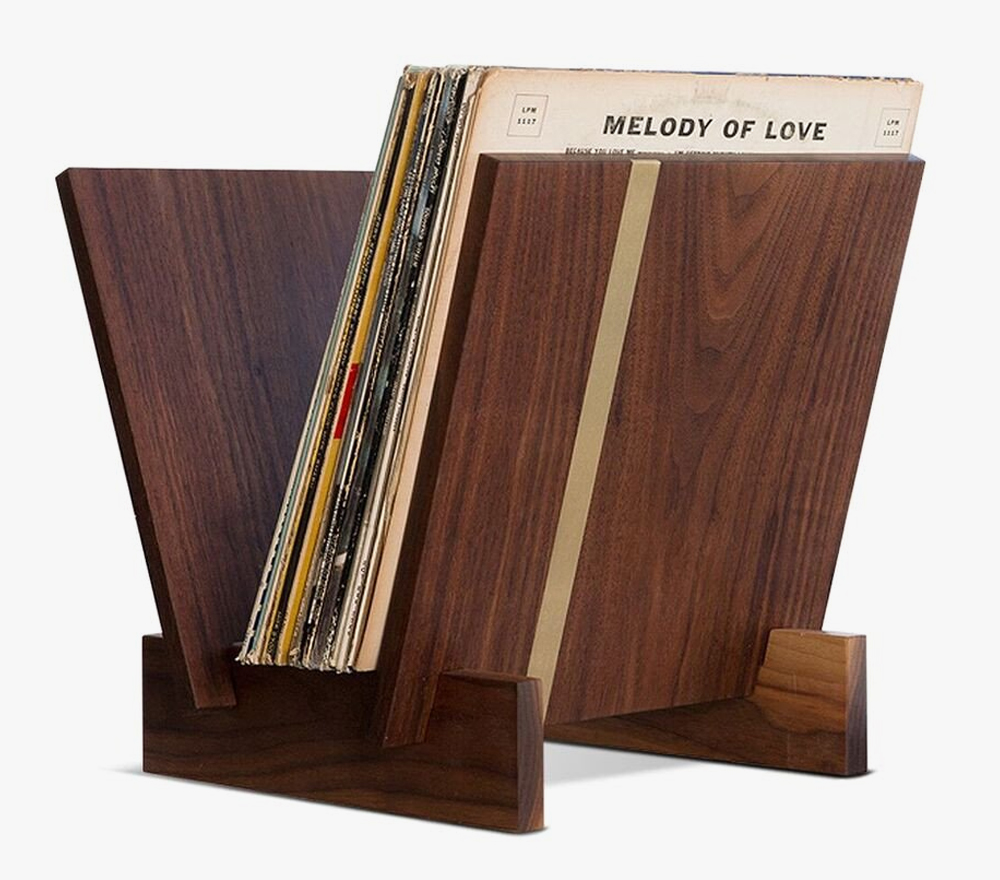
Sizes available:
20 quart, $240
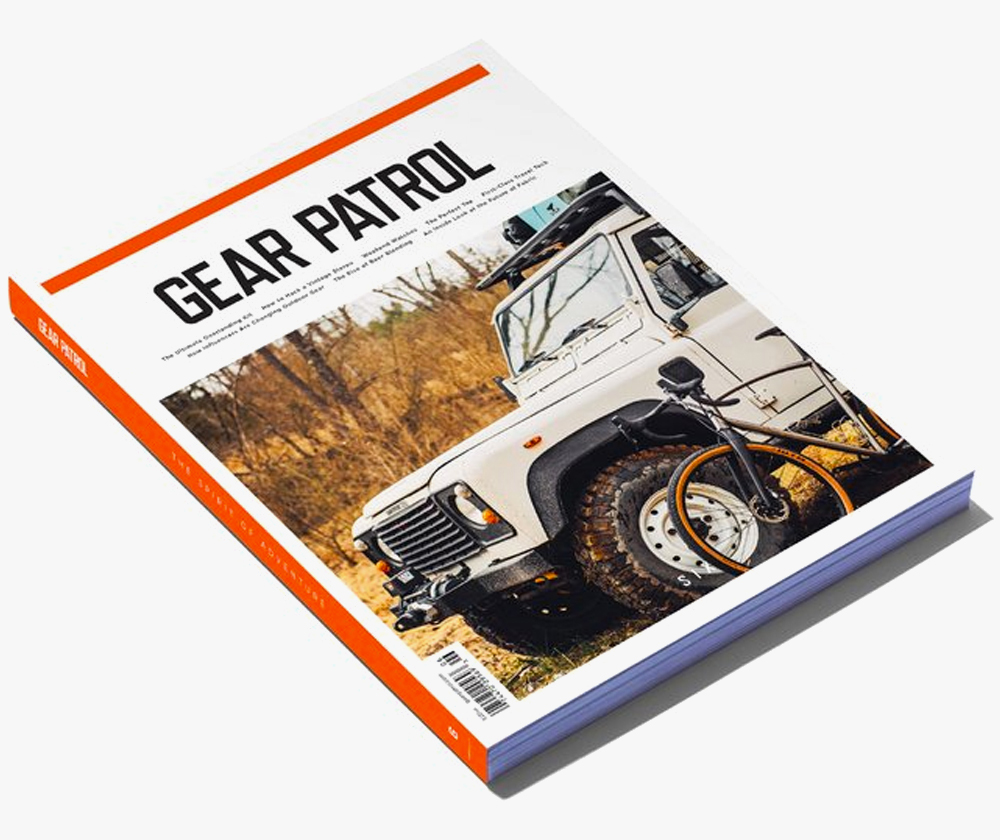
40 quart, $310
70 quart, $390

OtterBox Venture Cooler


OtterBox’s move into the cooler category began last summer with the release of the Venture series. It came as a surprise to those who recognize the brand from its domination of Best Buy’s phone case racks, but among the company’s first products were protective dry boxes.

But does tech protection translate into making coolers? As it turns out, it does. OtterBox integrated rugged injection-molding and high-grade cooling technologies into its first cooler and brought the Venture straight to the front of the crowd. The Venture comes in 25-, 45- and 65-quart sizes and is rated to hold ice for up to two weeks. More minute details include anti-slip rubber feet and a bottom that’s slanted just slightly enough to make draining easier. And, as you’d expect from OtterBox, this thing has been dropped from every angle and on every side to ensure that it can’t be damaged, empty or full.

The Venture separates itself from the rest with an array of customizable, modular attachments. Its front has two clips that can hold a bottle opener, cup holder or one of those dry boxes I mentioned earlier. Inside, the cooler can be arranged with separators to create compartments for wet and dry goods, and it can also take on a cutting board and side table. This system sets up the Venture for future success by allowing OtterBox to continue to release components that will increase its utility. OtterBox recently revealed its All-Terrain Wheels, which make the Venture immediately portable without forcing buyers into a choice between wheels or no wheels — for this, customization is key. The Venture may be slightly less sleek than some of the other hard coolers on this list, but it stands up to all the standards of rugged durability and of course, keeping things cold. — Tanner Bowden

Sizes available:
25 quart, $250
45 quart, $350
65 quart, $400

Pelican 50 QT Cooler – Limited Edition


This limited edition cooler doesn’t get much more American. Stash fish, meat, water or beer in the elite cooler that holds three to five days worth of food and drink. It’s lightweight and features the same latch design that Pelican uses on its heavy-duty camera cases. There’s also a built-in bottle opener along the lid-lining. Plus, four molded-in can holders give you the perfect spot to rest your drink if you have to man the grill or grab a line. It’s also guaranteed for life, so it’ll be the last cooler you ever buy. — Meg Lappe

Sizes available:
20 quart, $150
30 quart, $225
50 quart, $300
Editor’s Note: If you’ve been paying attention to the rugged cooler space, you’ll notice that there is a notable omission to this list. RTIC failed to respond to our requests for samples to include in our testing. If you’re interested in an RTIC cooler, you can shop its products here, but we cannot speak for how they compare to the other coolers recommended on our list.
Now, Fill Them With Some Beer

Craft beer has never been more political, exciting or delicious – these are the breweries responsible. Read the Story

Note: Purchasing products through our links may earn us a portion of the sale, which supports our editorial team’s mission. Learn more here.

13 Bike Racks that Blend Seamlessly Into Your Home

Last Updated May, 2017: We’ve added new bike rack picks and insights. Prices and links have also been updated.

Editor’s Choice: ARTIFOX RACK

Anything that finds its way into your indoor living space should feel like it belongs there; it should add to the room’s feng shui without contributing to clutter. (It also shouldn’t make your living room look like a toolshed.) ARTIFOX kept ambiance in mind when it designed the bike rack RACK, a vertical bike hanger made of stained hardwood that looks like nothing more than an intentional room accent. The rack holds your bike with a single arm-like hook and keeps the wheels from dirtying your walls, unlike many other wall hanging bicycle racks. All you need is a bike pretty enough to match.


Introduction

Leaving a bike on a New York City sidewalk is like going for a swim in shark-infested South African waters; limbs are lost, spokes are shaken, nothing left but the bones. During idle hours, city bikes need a safe place to rest inside: enter the indoor bike rack. City dwellers are masters at making a square foot somehow larger, and they’ve come up with some creative ways to store bikes. Whether it’s standing in the corner, blending in with wall decor or just plain out of the way, the method comes down to you (and your wallet). These indoor racks will keep your bike dry and safe at night.

Additional contributions by Tanner Bowden, <a href="https://gearpatrol.com/author/tbowe and Meg Lappe.

The Best Indoor Bike Racks

Park Tool Storage Hook

Bust Budget Pick: Indoor bike storage doesn’t have to be complicated. The simplest solution can be found at your local hardware store (or on Amazon). It’s a standard rubber-coated hook that can be easily installed with nothing more than a drill, allowing you to hang your bike freely from the ceiling or against the support of a wall. The hooks come in different sizes, which means you can store road bikes, mountain bikes, and everything in between — just be sure to buy the right size.

CLUG Bike Clip

Best Minimalist Bike Rack: Bikes are bulky; they take up enough space when storing them indoors without the addition of a full-on bike rack. The CLUG is as minimal as it gets — it’s nothing more than a simple, polycarbonate C-shaped clip that allows you to balance almost any bike against a wall, vertically or horizontally. It should be noted that the CLUG has specific size requirements and it’s not a hanger — make sure to buy the right size and install it correctly according to the bike you’re storing.

Steadyrack Classic Bike Rack

Best for Storing Multiple Bikes On a Wall: There are plenty of wall racks that use a tray-like system to cradle your bike and keep it off the ground, but Steadyrack does it best. The wall-mounting storage rack uses two arms to hold a bike’s front wheel in place while the rear sits in a small clip to keep it from swinging. The Steadyrack can also be swung from side to side in nearly 180 degrees, allowing you to stack multiple bikes against each other and maximize available space. When not in use, the arms fold up on themselves to create a less obtrusive profile.

ARTIFOX RACK

Best Looking Wall Hanger: Anything that finds its way into your indoor living space should feel like it belongs there; it should add to the room’s feng shui without contributing to clutter. (It also shouldn’t make your living room look like a toolshed.) ARTIFOX kept ambiance in mind when it designed the RACK, a vertical bike hanger made of stained hardwood that looks like nothing more than an intentional room accent. The rack holds your bike with a single arm-like hook and keeps the wheels from dirtying your walls, unlike many other wall hanging bicycle racks. All you need is a bike pretty enough to match.

The Bike Valet

Best for Additional Practicality: Built with structural aluminum and cork pads, the Bike Valet is a smart-looking way to horizontally hang any bike with a diamond geometry. But the Valet does more than that; hidden in its features are two hooks that can be used for hanging helmets, bags, coats and any other piece of commuter gear. The entire thing is simple to install, too, using just two hex screws.

Racor Bike Lift

Best for Spaces with High Ceilings: Wall mounts are great, but they require a bit of lifting and demand that the bike become a visual highlight in the arrangement of any room. Racor’s Bike Lift brings the bike to the ceiling, up and out of the way of your regular interior movements. The lift uses two simple hooks that grab a bike (up to 50 pounds) by the handlebars and saddle, and works with a rope and pulley system that can elevate your ride up to 12 feet. Excess rope secures to a separate wall cleat. Despite the Bike Lift’s simple components, it offers a unique way to free up space inside (if you have it).

Delta Cycle Michelangelo Gravity Storage Rack

Best No Setup Required Option: Delta Cycle’s Michelangelo rack may be on the bigger side, but it’s the only wall mounting indoor storage option that doesn’t require installation — no drills, no screws. Instead, the rack works with gravity, using the weight of the bikes to create a stable downward force that can support the weight of two horizontally-hunt bicycles. The Michelangelo is constructed with steel tubes and rubber bumpers that prevent any scuffs and scratches and can support up to 80 pounds of bike weight.

Saris The Hottie Storage Rack

Best Freestanding Bike Hanger: No available wall space? No problem. The Hottie is a freestanding storage rack that can accommodate two bikes horizontally using two cushioned, adjustable cradles. The rack has a small footprint so it won’t take up too much living space, and it’s built with a wood face that blends nicely in most interior environments. As an added bonus, The Hottie is equipped with a small shelf for storing essentials like your keys and wallet.

Feedback Sports Rakk Bike Stand

Best Floor Stand: Wall mounts, hangers and racks have many benefits, but if you’re looking for a simpler option that prioritizes accessibility and doesn’t require installation, then a classic bike stand is a good choice. The Rakk is small and conveniently portable. It grabs and holds a bike’s front or rear wheel with a spring-loaded arm that keeps enough pressure on the bike to keep it from toppling over, all while preventing scratches to the rim or damage to the spokes. The Rakk is also modular, allowing you to connect multiple together for storing more than one bike.

CB2 Wood Bike Storage

Best Contemporary Bike Rack: Bike racks have a tendency to either blend into the wall, or stick out like a sore thumb and look like a giant piece of metal holding your bike up. This wood bike rack from CB2 is a simple space saver with room for your bike, plus space to keep cycling gloves, your water bottle and snacks — anything you don’t want to forget before you head out for that early morning ride. The handcrafted rack holds up to 40-pounds, thanks to its solid sustainable plantation-grown shesham wood. You can totally impress your design friends with that knowledge.

Rack and Cycle Single Ox

Best Non-hanging Rack: Okay, so this one is not a hanging rack, but it’s simple to use, and sleek in design. Pretty much all of Rack and Cycle’s artisan bike furniture comes in a variety of wood finishes. The brand’s Single Ox Bike Floor Stand is easy to put together and shows up in four pieces. The interlocking wood pieces make your bike a piece of functional furniture. Everything from a road bike to cruiser to mountain bike tire can fit in the 3-tiered slot.

Flat-Bike-Lift

Best for Families: If you have the garage space and really want to get your kids’ bikes up and off the floor, the Flat Bike Lift literally lifts your bikes up over everyone’s heads — out of sight and out of mind. You can fit two small bikes up there, so if its rare that the kids get out with you and ride, store them where they won’t take up valuable floor space. You’ll need to affix the bike rack to the ceiling, so be sure to check that you have studs, or if you’re in doubt hire a professional. Once installed, the bike locks into place and it’s a breeze to pull the handle down to reach your bike.

Vadolibero Bike Shelf

Best for Letting Your Guests Know Your Bike Is the Most Important Object In Your Life: If you’re storing your bike inside, then you probably care very much about it. Cycling is your passion — declare it to the world! Or to your house guests, at the very least. The Bike Shelf is less a rack and more a furniture piece that makes a statement. It highlights the beauty of the bicycle as an object, placing it where you’d normally display a fancy 4k television or perhaps an antique sculpture. But just because the Bike Shelf comes with an inherent level of vanity that doesn’t mean it isn’t also practical, too. The solid oak shelf is built with a rack for hanging your cycling kit, three modular drawers for storing accessories and tools, and various hanging points that can be used for your helmet, a backpack, headphones and more.

The Best Bike Racks for Any Adventure

These nine commuter bikes cover everything from high-end electric bikes to speed-minded fixies. Read the Story
Note: Purchasing products through our links may earn us a portion of the sale, which supports our editorial team’s mission. Learn more here.

The 3 Best Whiskies to Bring Camping

What’s better than a secluded campsite, a campfire and roasting marshmallows? A secluded campsite, a campfire, roasting marshmallows and whiskey. But not just any whiskey or bourbon will do. You’ve been out enjoying nature all day, escaping the trappings of everyday urban life. You deserve something a little more premium than Fireball (no judgment here), something that compliments the smells and experience of unwinding next to the campfire under the stars. Sure a heavily peated Scotch whiskey would do the trick, but campers of today are less Teddy Roosevelt at the Explorers Club and more #vanlife millennials. For that, an American-distilled, and in some cases smoked, spirit is in order. These four whiskeys are worthy of the valuable space in your flask, or on your bar cart.

The Whiskeys

Balcones Brimstone


Balcones Brimstone is distilled in Waco, TX and lives up to its namesake. It’s smoked with Texas scrub oak using the distiller’s “secret process,” and according to Balcones, offers flavors of “candied oak smoke, English pipe tobacco, butter, orange marmalade, fruit cocktail, sweet tea and chili peppers.” Others have noted a distinct taste of barbeque. Brimstone was notably honored with the Liquid Gold in 2014 by Jim Murray’s Whisky Bible.

High West Campfire


Coalville, Utah-based High West Distillery is known for crafting blended whiskeys that bring interesting flavor profiles to the table, and the brand’s Campfire whiskey is no exception. The blend starts with a straight rye whiskey, which is then layered with a 75% corn, 21% rye, 4% barley malt bourbon and finished off with a peated scotch whiskey to add the smokey characteristic. The spirit is then aged in new American charred oak barrels as well as second use bourbon barrels. Legendary whiskey critic Jim Murray gives Campfire a well-deserved 93 points.

Corsair Triple Smoke


Corsair’s Triple Smoke was awarded the Gold Medal at the 2010 San Francisco World Spirits Competition, and rightly so. The spirit is made from malts smoked with three separate types of fuel (cherry wood, beechwood and peat) that are then combined in the distilling process. The result is a whiskey that’s more balanced than one would expect, that retains the sweetness and mellow character of a bourbon.

The Flasks

Stanley Classic Flask


When it comes to outdoor-appropriate flasks, one brand is by far the most tried, tested and classic: Stanley. Stanley’s history dates back to the early 1900s. Today, the brand has become somewhat of an icon, even going so far as to release a collaboration with streetwear giant Supreme. The Classic Flask is bare bones, but won’t let you down.

GSI Outdoors Boulder Flask


If you’re looking for something beyond the classic, GSI’s Boulder Flask is the most innovative outdoor flask to hit the market since vacuum insulation. It features a copolyester construction that is completely transparent, allowing you to see exactly how much whiskey is left to share (or not).

Our Comprehensive Guide to the Best Bourbons Out There

Everything you ever wanted to know about America’s favorite brown spirit, including, of course, the best bottles you can actually buy. Read the Story

Want to Tackle Your First Triathlon? Here’s Everything You Need.

Taking on your first triathlon is quite a feat, but before you log hours on a bike, in the pool and on the roads, you need to make sure you have the right equipment. Signing up for a triathlon is the easy part. It can be overwhelming just to think about all the gear you need, but we’re here to help.

Most people work up to triathlons after competing separately in one of the three disciplines: running, biking or swimming. But starting from scratch is an option as well. Be aware that triathlons can be expensive, so if you’re not sure you want to dive headfirst into it, that’s okay. “Triathletes are gear-geeks. In reality, this list [below] can go on and on. But use this as a good starting point for jumping into the sport. For your first sprint tri, you need goggles, a bike and helmet and running shoes. The bare bones. From there, you will decide if you want to up your game and gear. But be warned, the sport is addictive and the gear, even more so!” says Jason Schneider, an expert triathlete and trainer at Equinox.

The Experts

We spoke with three experts who have extensive experience in the triathlon world, from racing to training to teaching. Schneider has raced four IRONMAN races, more than 20 half IRONMAN races and countless shorter distance races. He has also raced marathons and ultramarathons for over 30 years. We also spoke with Michael Collins, a swimming and triathlon trainer at Equinox who has completed over 350 races. For our final expert, we asked Dana Staggs for advice. Staggs is an Equinox triathlon coach and master swim coach who has competed in three IRONMAN races, six 70.3 (half IRONMAN), two Olympic distance triathlons and countless others, and she normally podiums in every race.

The Distances

There are a variety of triathlon distances, so it’s good to familiarize yourself with them. (All distances shown in miles.)

Sprint: .5 swim, 12.4 bike, 3.1 run
Olympic: .93 swim, 24.8, 6.2 run
Half IRONMAN/70.3: 1.2 swim, 56 bike, 13.1 run
Full IRONMAN/140.6: 2.4 swim, 112 bike, 26.2 run

The Gear

Wetsuit

“Although not a required item, it’s one that all new triathletes should have. Beyond warmth in cooler temperatures, wetsuits provide much-needed buoyancy and speed in the water, which is especially important for timid swimmers experiencing open water for the first time,” Schneider says. How does the suit help you float? “The neoprene in a wetsuit is composed of tiny air pockets which provide buoyancy to the swimmer. It will feel like a wearable floatation device,” Staggs says. “Extra buoyancy helps the athlete to swim fast because they are floating higher up in the water and have reduced drag, the enemy of swimming.”

|

Goggles

“To start, you will need a good pair of goggles. I have used just about every brand, make and model, and found you don’t need to buy the most expensive pair to find something that works. Find something that fits your face,” Staggs says. “I’ve been using the Aqua Sphere Kaiman goggles for the last ten years and really like them. To keep goggles from fogging, I use Aqua Sphere anti-fog drops.”

Schneider likes the TYR Special Ops 2.0 Transition goggles — “visibility during the swim is key for both navigation and bearings. I always recommend two pairs, a tinted and clear, as you want to be prepared for whatever conditions come your way.”

|

Tri Shorts

“Although not required, your body will thank you through all the training and racing, especially as you start to go longer distances. A little padding goes a long way to provide comfort in the saddle, provide easy transitions from water to bike to run and avoid chafing. Real athletes don’t fear spandex!” Schneider says.

|

Cycling Shoes

If you’re not ready to splurge on cycling shoes, that’s okay. “You can use running shoes if the bike being used does not have clip-in pedals,” Staggs says. But it is more efficient if you clip in. “Connection to the pedals helps produce power, which results in speed,” Schneider says. Schneider likes the Look Keo, while Staggs recommends the Scott Road Tri Pro Shoe.

|

Helmet

You might have one of these sitting around in your home — perhaps very outdated, but helmet technology doesn’t change too much. It’s incredibly important to have one. “I do not advise skimping on a helmet. We only have one head,” Staggs says. “Buy a new helmet with proper safety ratings from a reputable bike or triathlon shop. My current is the Rudy Project Sterling,” she adds. Schneider also likes Rudy Project’s Boost 01.

|

Sunglasses

Having the right pair of sunglasses can help prevent glare, increase your field of vision and protect your eyes. “Consider glasses with top-grade polarization and durable (yet flexible) frames. Many brands offer interchangeable lenses, which is like getting four pairs of glasses for the price of one, to suit any weather conditions,” Schneider says.

“I like sunglasses that do not fog easily,” Staggs says, “I am currently using Oakley Radar sunglasses.

|

Running Shoes

“Any pair of running shoes will work for the run portion of the triathlon. You can use the shoes you use for training for your race,” Staggs says.

“I do recommend using lace locks and elastic laces because they are easier to secure,” Staggs shares. Collins recommends Hickies if you can’t find elastic laces.

|

Bike

If you know what you’re looking for in a triathlon bike, picking one out yourself is great. However, Collins highly recommends “getting a bike fit by a good triathlon fitter or coach.” It’s imperative to your race day that the bike works correctly. For your first race, if you have a bike and can use it for a shorter distance, give that a try, “there is no need to spend thousands of dollars on equipment when you are not sure how serious you plan to get with the sport,” Staggs says. But “if you want to race, this is a non-negotiable,” Schneider says.

|

Tracker

You’ll likely want one for both your bike and your wrist. The Wahoo Elemnt Bolt Cycling Computer is “very easy to set up and has very large digits to see if you have bad eyes,” Collins says. For running, swimming and overall training, the Garmin 735 or 935 capture your heart rate without a chest strap, which is helpful during swims.

|

A Quick and Effective HIIT Workout

High-intensity interval training is one of the most effective and efficient workouts you can do. Here’s how to do it the right way. Read the Story

7 Actually Attractive Furniture Pieces for Certified Car Lovers

The home is an extension of the self that allows a display of creativity and passion through personal design. For automotive enthusiasts, the garage is our dedicated space. Cars, motorcycles, tools — when not in use, they decorate our indoor getaway. And sometimes, the garage, no matter how big, doesn’t have the space you need for all the motoring accouterments you want. But decorating the rest of your house with automotive-centric art and furniture can be a dangerous business. Industrial style is one thing, but your significant other may not have the same affinity for an entertainment system that utilizes the backend of a Porsche 911 as a cabinet or care much for ‘57 Chevy couches. This list may strike a better balance: gearhead-friendly furniture, appliances and decor that doesn’t make everyone else shudder.

Mercedes V12 Engine Block Table

As far as upcycled car parts go, you can do a whole lot worse than a Mercedes V12. Sure, it doesn’t produce the operatic sound it used to, but the contrasting black and bare metal finish is somewhat elegant in its own right.

Crank Shaft Table

At first glance, this looks like a repurposed piece of modern art, thanks to a crankshaft’s inherently odd yet organized design. Add in a drive chain and spockets for an interesting take on a side table. This one probably belongs in the den or your office.

Super Veloce V12 F1 Espresso Machine

If regular coffee isn’t high-test enough, Super Veloce’s V12-styled espresso machine should be enough for you. Engineered from stainless steel, titanium and 18-karat gold, this espresso machine is as well put together as any actual V12 on the road. And though it might not sound as nice as a real V12, the black stuff the Nero Carbonio pours out sure tastes better than full-synthetic.

Connecting Rod Bookends

What better way to hold up your entire new collection of motoring literature than an industrial set of connecting rod bookends? They’d pair incredibly well with a worn, rustic, dark wood book case and come off as bluntly elegant in the process.

Classified Moto Lamp

Each suspension lamp is handmade, built with a spring, shock and fork tubes from ’70s and ’80s Japanese motorcyles. Sitting on an end table, it has a nice industrial design to it, without seeming overtly upcycled. Jay Leno owns one, so definitely legit.

Classified Moto Cafe Table

What’s great about Classified Moto’s creations is that their donor parts spent hundreds or thousands of miles on American roads and trails. All the dings, dents and scratches tell a story from the open road. The brushed-copper top, supported by three spring and shock assemblies match the above lamp perfectly.

Volvo Vanity Cabinet

Aside from the Volvo grille and logo across the front, this vanity, sink and cabinet combo has a beautiful mid-century feel to it. The oil pan sink basin is nice touch too.

More Automotive Art

Out of sight? Who cares. Make it beautiful anyway.Read the Story