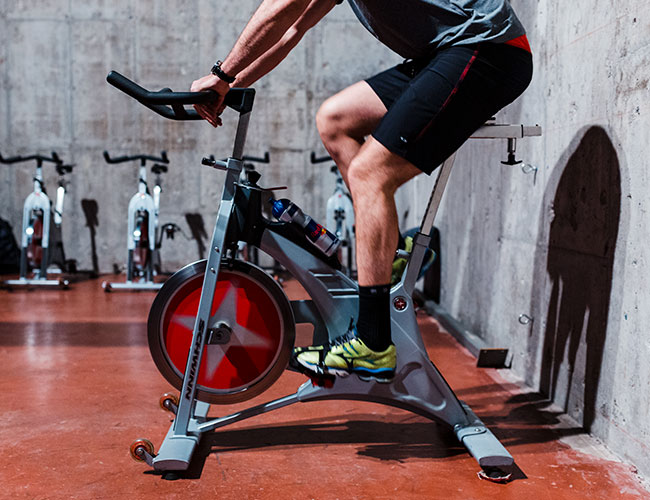
All posts in “Sports and Outdoors”

10 Recovery Aids to Get the Most From Training

The science behind recovery gear should come with an asterisk. It’s not that it doesn’t work, but the benefits may be more mental than physical; there’s a limit to how much it can help. The term active recovery stems from the effort to ease soreness and prepare our bodies for the next effort. And yet, science shows that the best recovery method is actually passive, free and something we can’t function without sleep.

The perception that we are involved in our recovery is hard to shake. How many runners and cyclists take an Epsom salt bath after a hard workout to help flush out lactic acid? Lactic acid doesn’t cause muscle soreness. Instead, it recycles itself back into stored energy within an hour after exercise. By the time an athlete gets home and fills the bathtub, the lactic acid is gone.

When you start a new training regimen, you might not be sore right away but you will likely feel it several days later. That phenomenon is known as delayed onset muscle soreness (DOMS) and is caused by micro-tears in muscles (and not by lactic acid as is a common myth), most often happening in movements where the muscles stretch or lengthen. Think the lowering of your arm during a bicep curl or the stepping down from a box jump. That soreness remains the primary justification for massage products and the use of ibuprofen. Before you throw down hundreds for some fancy leg chambers you saw an Olympian using on Instagram, know your money is likely better spent on a comfy recliner.

That’s not an excuse to skip cooldown exercises or massages – mainly if they work for you – as studies continue to find benefits, even if they can’t explain them. “I am a big advocate of recognizing the principle of individual differences,” Dixie Stanforth, Ph.D., Fellow of the American College of Sports Medicine (FACSM), and editorial board member of ACSM Health & Fitness Journal, says. She’s a big fan of foam rollers and massage, which allow you to enter a parasympathetic state, where your body knows to slow your heart rate, blood pressure and breathing rate. One caveat with rollers is that getting too intense can cause pain and trigger the body’s fight or flight response, where your heart rate spikes and you have a burst of energy. Make sure to track your heart rate and let your body come back down to a resting state before calling it quits.

We pulled ten of the best recovery aids to help you improve sleep and muscle soreness. While pampering yourself into a relaxed state may be the most beneficial outcome, anything that feels good after using it is worth the investment.

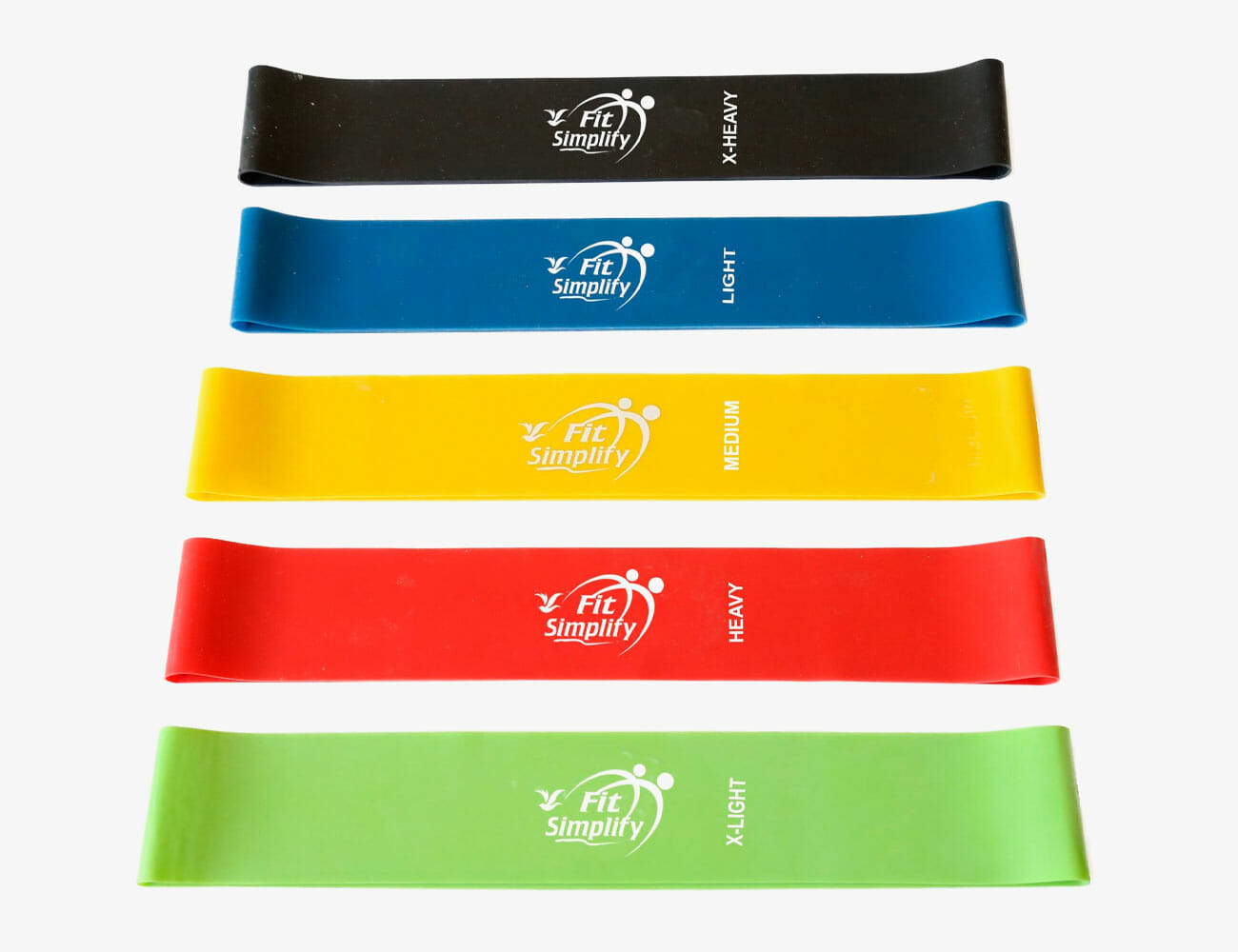
Fit Simply Resistance Bands

For light-resistance stretches or recovery cooldowns, these bands can work muscles in a variety of ways you can’t (safely) get from free weights. The five color-coded bands represent different weights, with the red one providing two pounds of resistance and the black one registering around 25 pounds. For recovery, you want to stay on the lower end of that scale — save those heavier bands for an actual workout. It’s a simple set that’s affordable and travel-friendly, plus it comes with a lifetime guarantee.

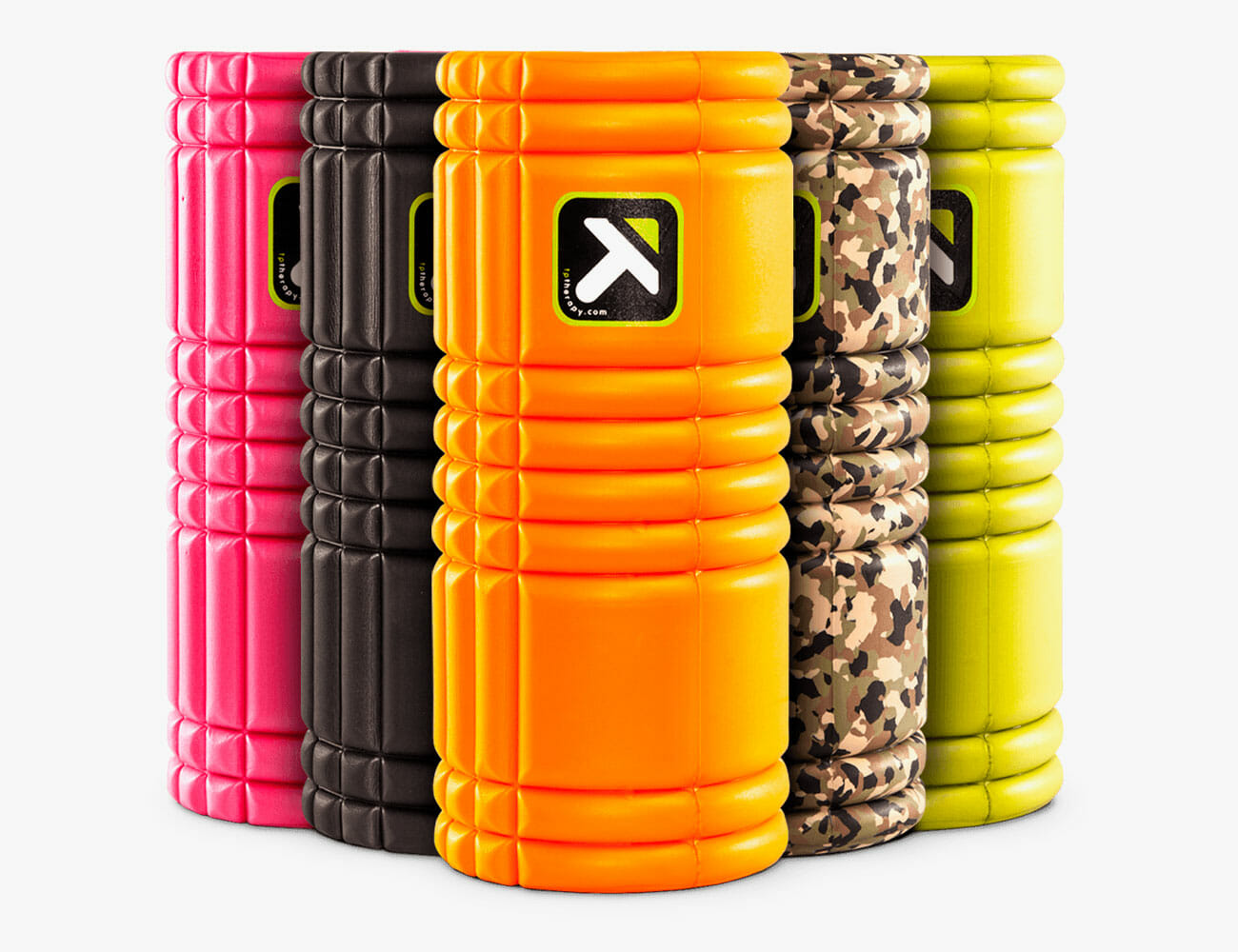
Trigger Point Grid Foam Roller

The Grid Foam Roller is one of the original self-massage tools. A lot of the ‘upgrades’ stray toward more dubious claims and cost more. This hands-on approach to massage helps your body know its time to begin recovering. There is evidence that post-effort self-massage with a foam roller can temporarily increase the range of motion and alleviate muscles soreness over a few days. It’s not a torture device, so avoid movements that cause too much discomfort as misuse can also lead to injury. Do you need one that vibrates? Probably not.

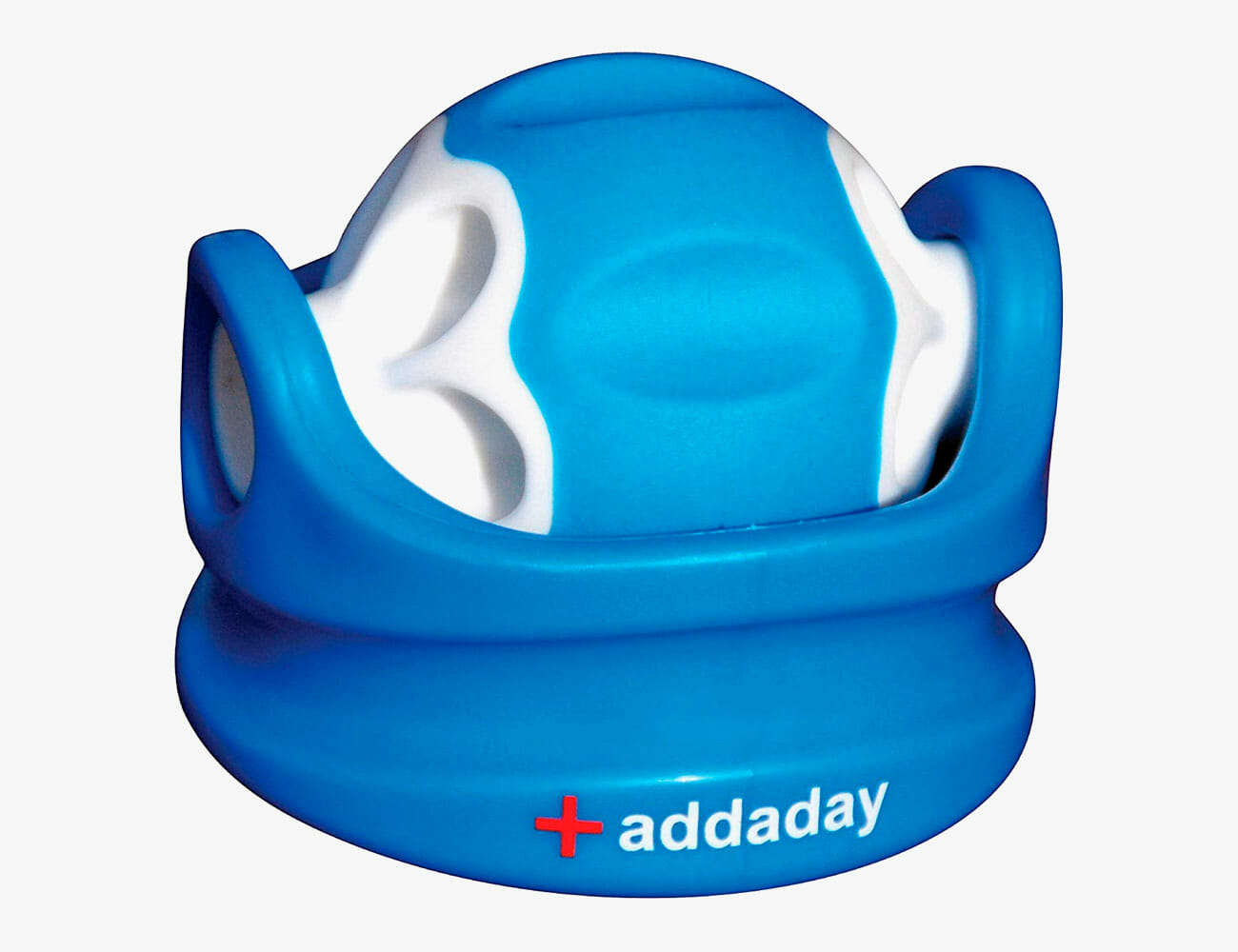
Addaday Type J+ Junior Roller

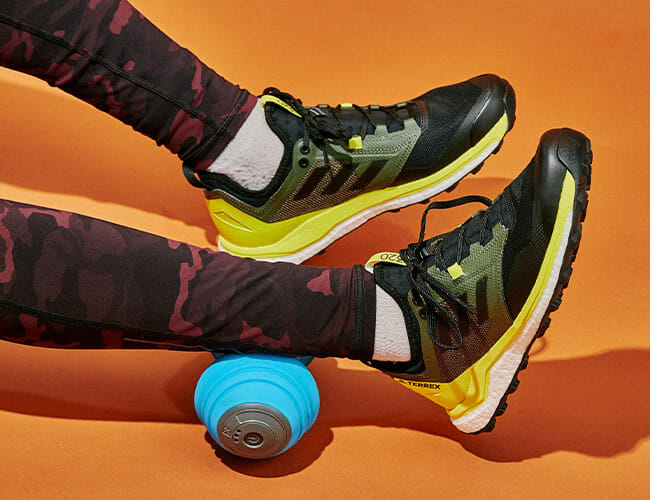
The Junior+ Roller is a favorite travel-ready massage tool. It’s a larger and softer version of the balls used on Addaday’s stick rollers, which is good since the massage roller reaches some of the more sensitive muscles, like feet. The roller sits inside an easy-to-grip frame that can also sit on the floor while you work your arches. If you’ve held off buying a roller before, the Junior is an excellent entry-point to recovery. It will quickly become a must-pack for post-race bags.

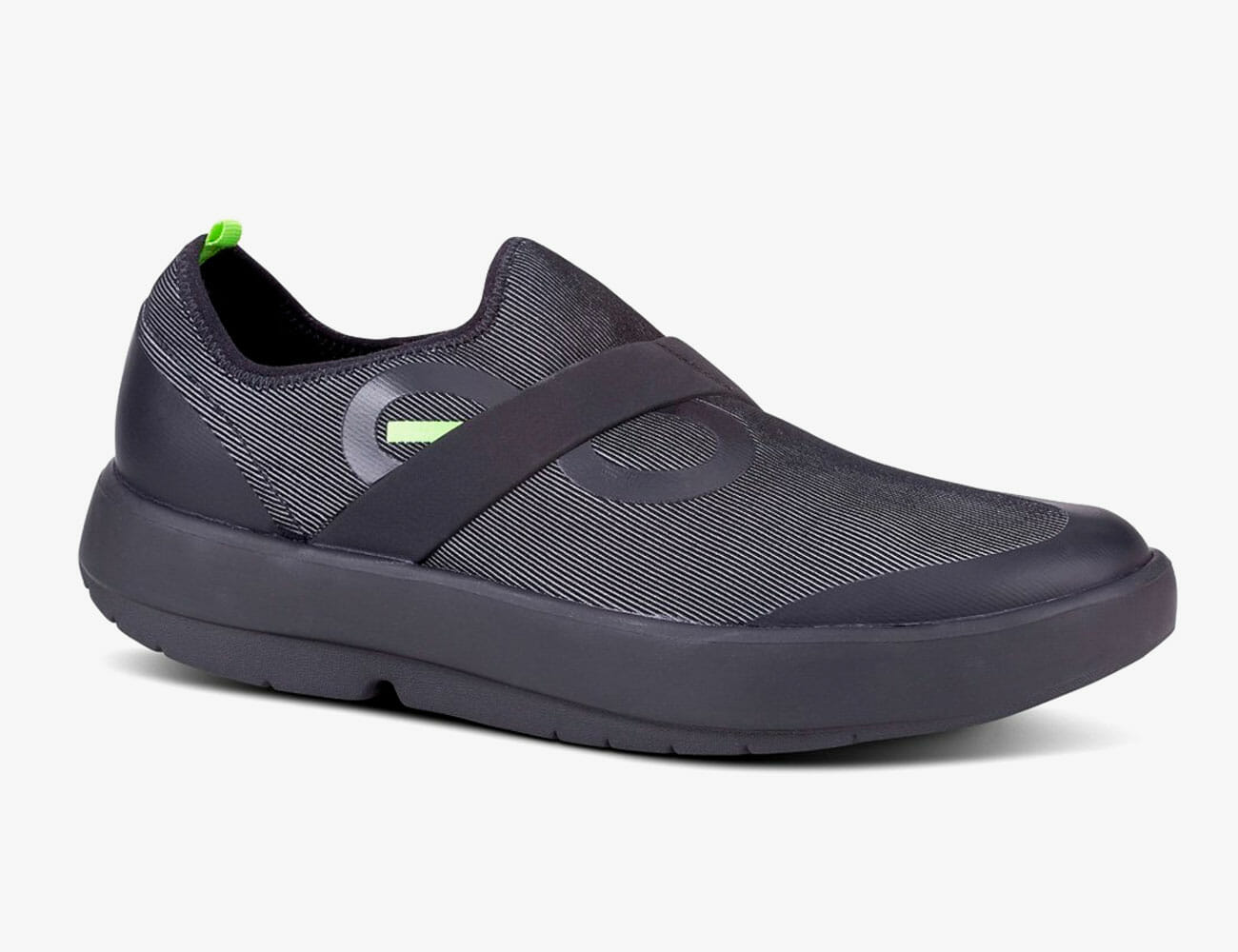
Oofos OOmg Fibre Low Shoes

If your workout runs overtime, elevating your legs isn’t always an option. That’s where recovery footwear comes in. The Oofos flip-flops make great house footwear, but don’t fare as well outside. The shoes can go out on errands and withstand light outdoor use. A flexible and breathable upper makes for a snug, sweat-free fit meaning they make walking around after a workout extremely comfortable, especially for those with foot issues like plantar fasciitis.

Tailwind Rebuild Drink

Sometimes a ride or run goes long, and you’re behind schedule. A recovery drink can help save time and sate your hunger for more than an hour. Tailwind’s Rebuild recovery mix is unique in that it offers a complete protein made from vegan ingredients like organic rice, amino acids and coconut milk. The six-pack of single-use packets comes in chocolate or vanilla.

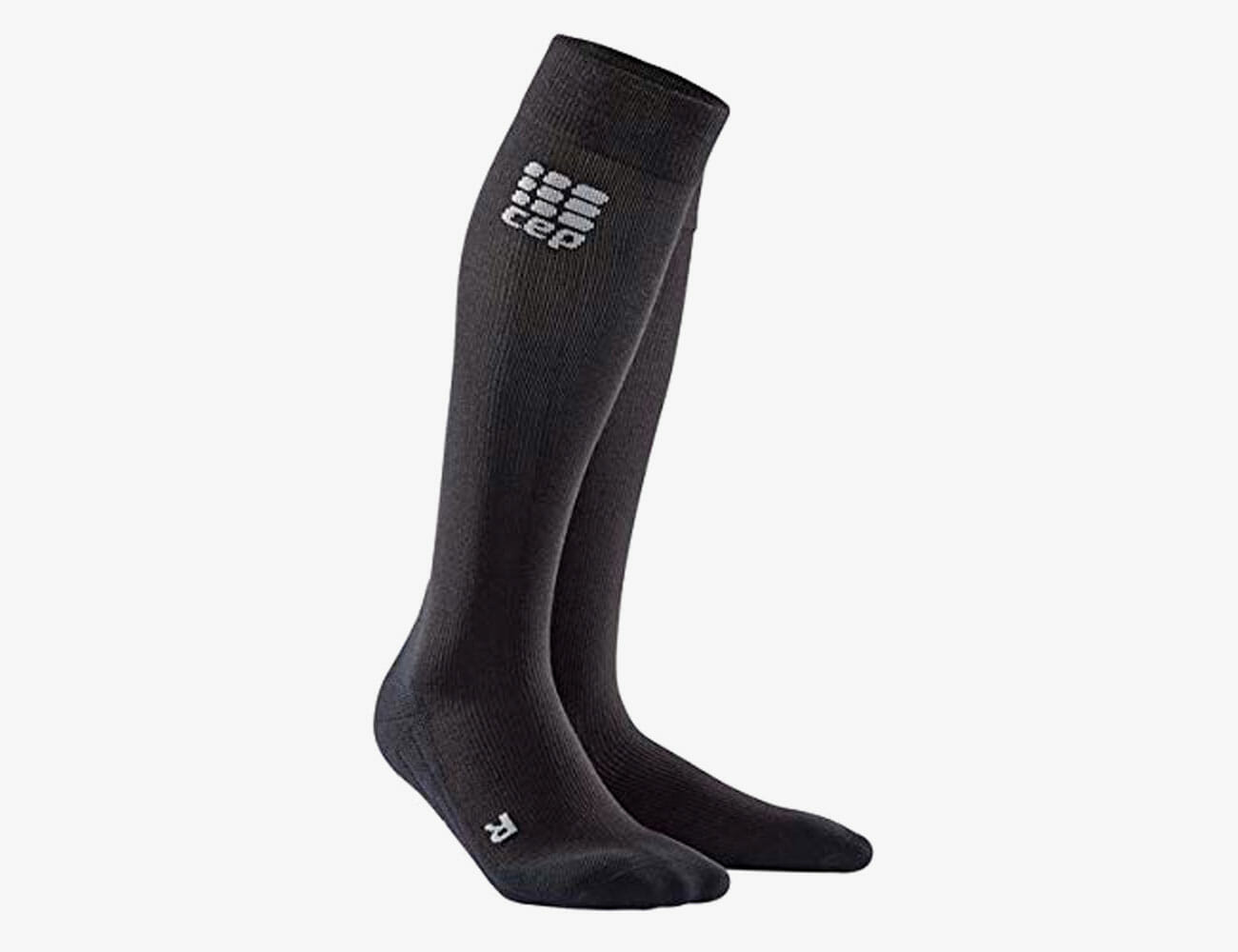
CEP Merino Socks for Recovery

Compression socks have shown promise as a legit post-run recovery device, though some studies had participants wear them for an improbable two days after a marathon effort, and then tested their recovery on a treadmill test. Hopefully, you’re not running to failure anytime soon after a marathon. Pros and weekend warriors alike swear by their socks, and even researchers admit that a perceived reduction in muscle soreness and inflammation may benefit the athlete. At worst, wearing these is a comfortable way to signal you are in lounging mode. Weekend warriors may want to use them to alleviate next-day soreness for those Saturday-Sunday efforts.

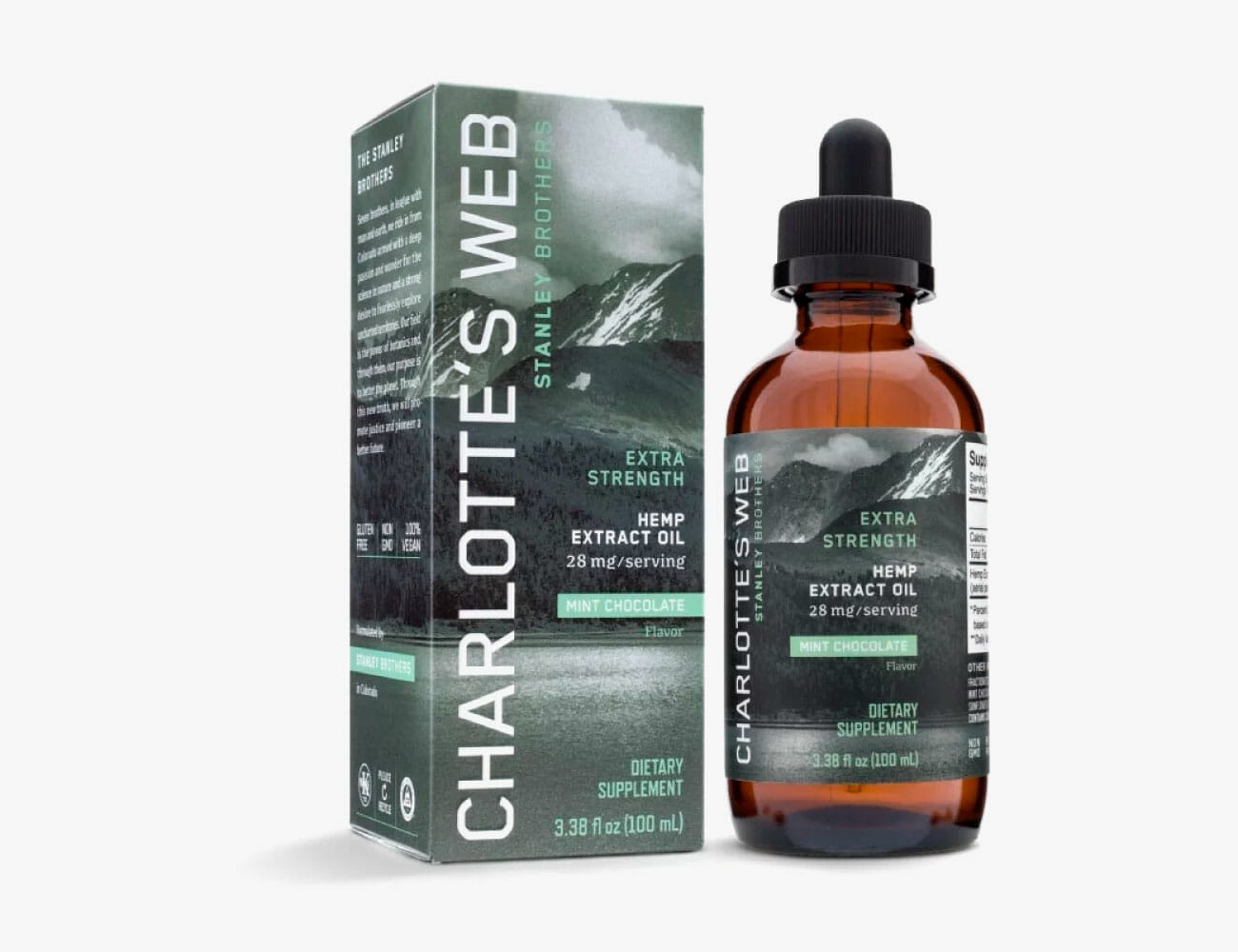
Charlotte’s Web Extra Strength CBD Oil

The science behind CBD and its benefits is still emerging, which means it is easy for companies to throw out overreaching claims and hope research backs them up some day. That said, studies in humans have found that full-spectrum hemp oil can curb anxiety and reduce inflammation which in turn help regulate sleep. Hemp oil is also high in omega fatty acids and plays well with other micronutrients. Charlotte’s Web sources its hemp from Colorado farms which have a reputation for monitoring soil contamination and product consistency. Despite the naming convention, the Extra Strength oil is a good entry level, as the Original Formula contains three times as much CBD.

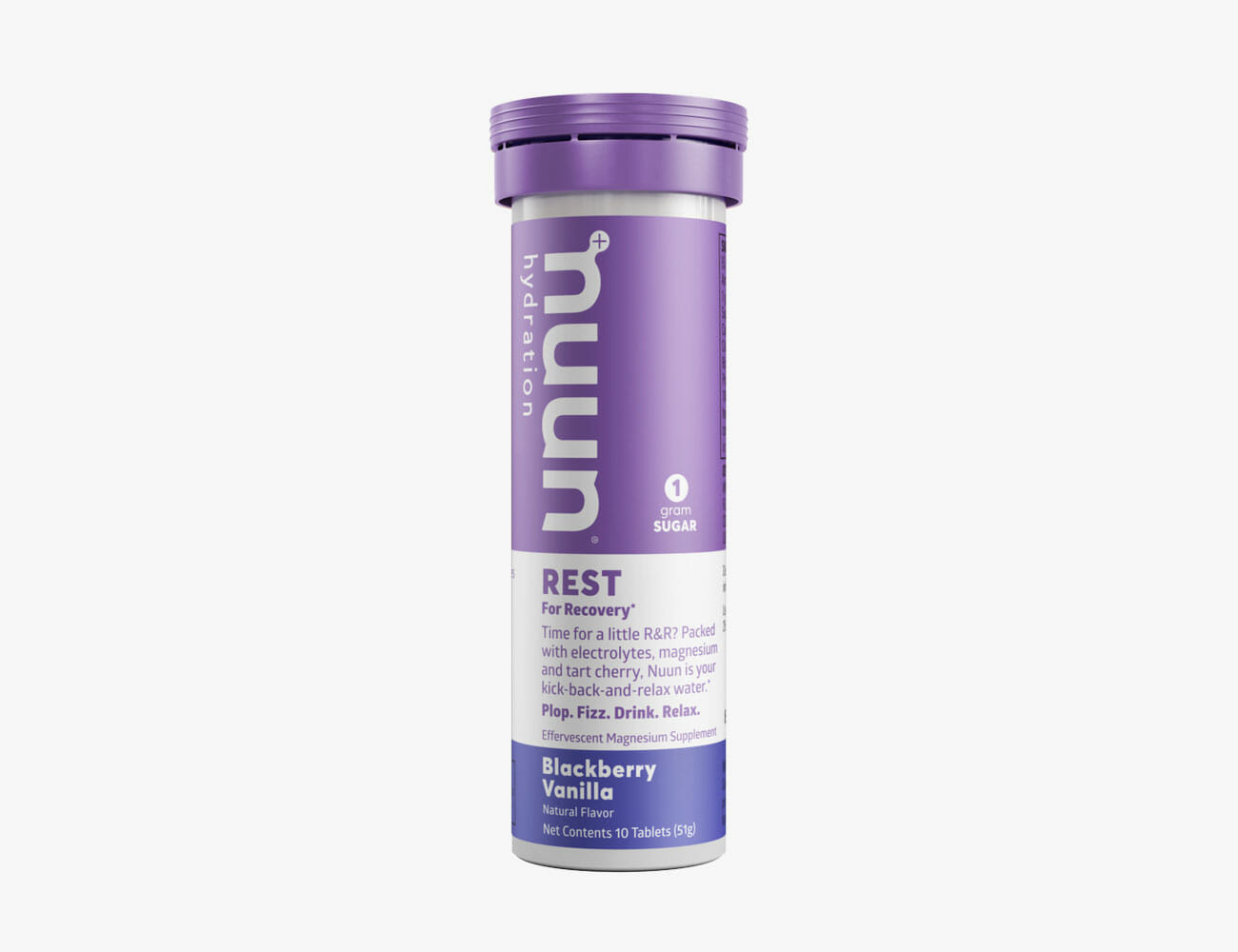
Nuun Rest

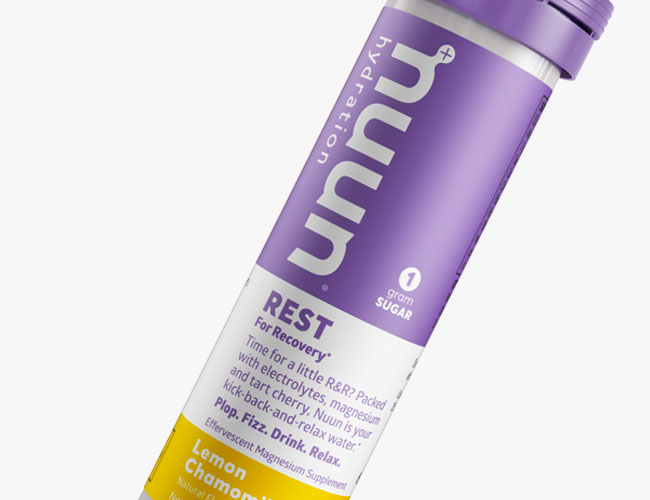
If you have trouble falling asleep, try one of these magnesium and tart cherry-packed tablets. The melatonin in these tablets will aid sound sleep — dissolve one tablet in four ounces (half a cup) and don’t worry about getting up in the middle of the night. The Lemon Chamomile and Blackberry Vanilla flavors can be served cold, or try one in warm water with a dash of honey, like a tea.

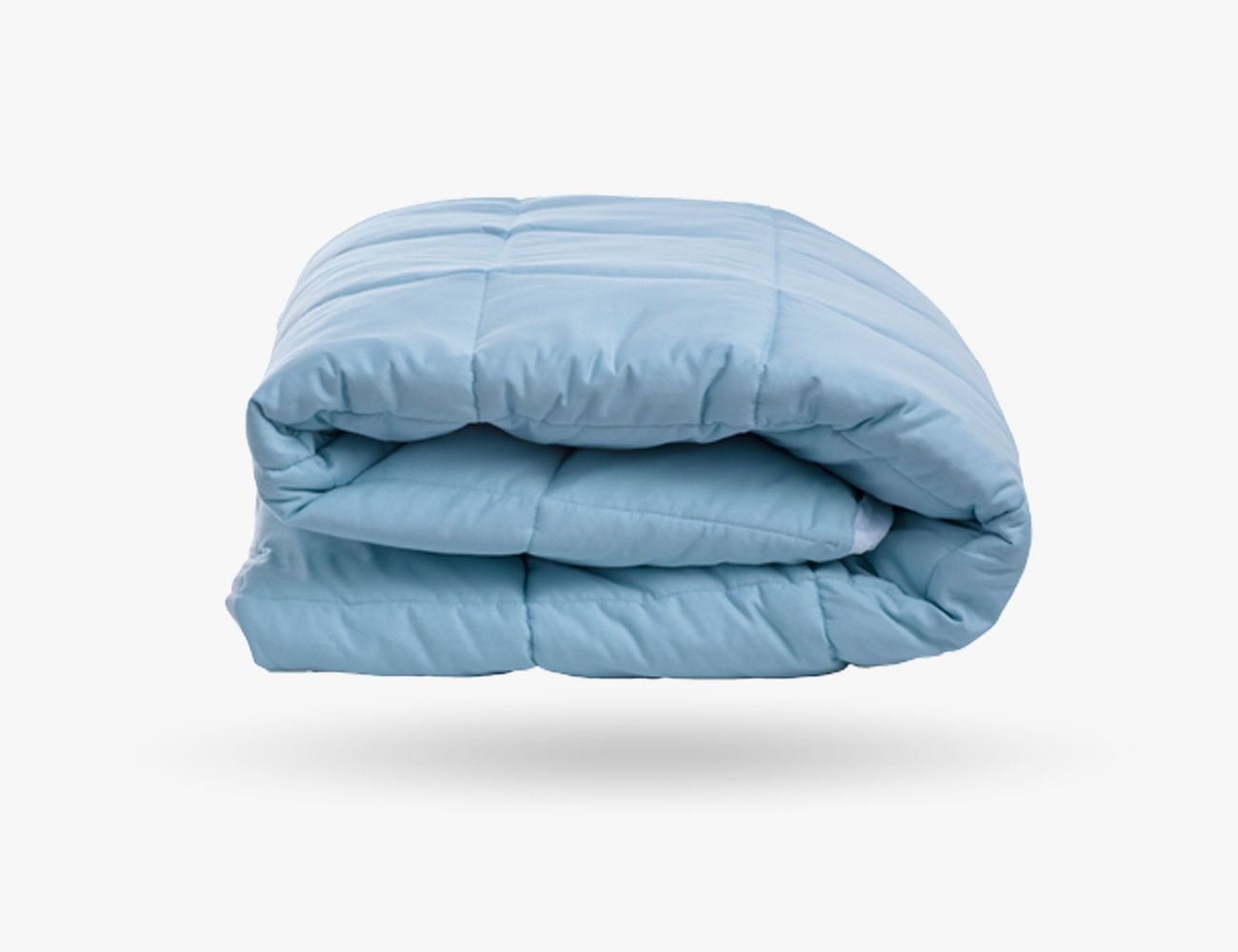
Slumbercloud Nacreous Cooling Mattress Pad

Cooler bedroom temperatures make for better sleep — aim for 60 to 67 according to The Cleveland Clinic — but the thermostat can’t keep heat from building up between your body and the mattress. This cooling mattress pad siphons excess heat into the mattress and returns it when your temperature drops. The liner inside the mattress pad contains tiny beads that attract or repel heat according to a set temperature, creating a consistent sleeping temperature, which is especially useful for old school souls who sleep without air conditioning in the summer.

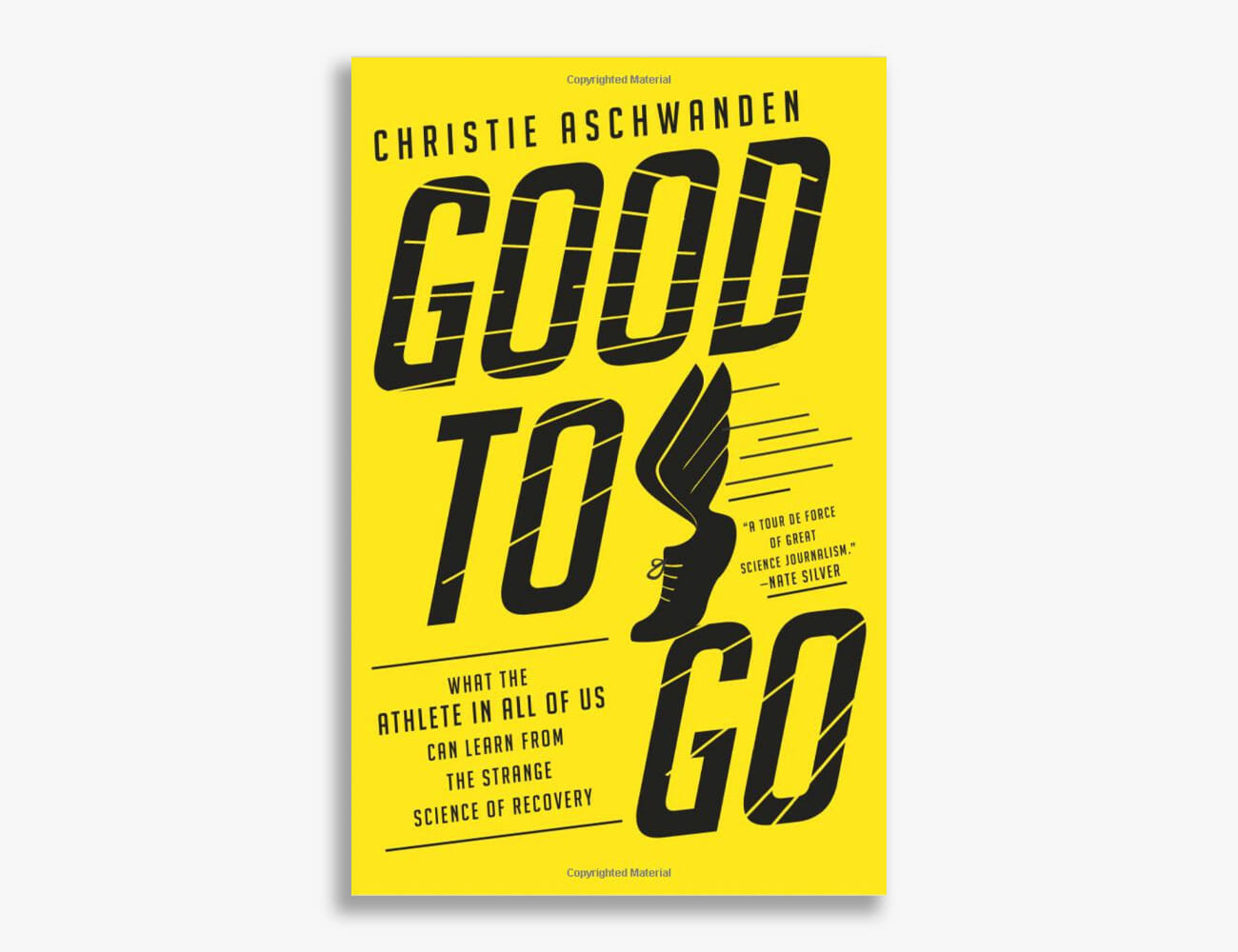
Good to Go, by Christie Aschwanden

What does a book have to do with recovery? Good To Go pulls back the curtain on the recovery industry and questions the efficacy of many popular recovery methods. Aschwanden is an author, athlete and lead science writer at FiveThirtyEight. Her research even challenges the notion that athletes need to help their body recover faster, which should make you stop popping ibuprofen like its candy. If you’re a weekend warrior, a post-effort nap is the most effective and cheapest option out there. If you’ve thought about investing $100 in infrared pajamas or a recovery gym, give this book a read first.

Note: Purchasing products through our links may earn us a portion of the sale, which supports our editorial team’s mission. Learn more here.

The 11 Best Rain Jackets of 2019

Last updated March 2019: We’ve added all-new picks for 2019 as well as two new sections designed to teach you how to re-waterproof a rain jacket and how to repair a rip. Prices and links have also been updated.

Editor’s Choice:
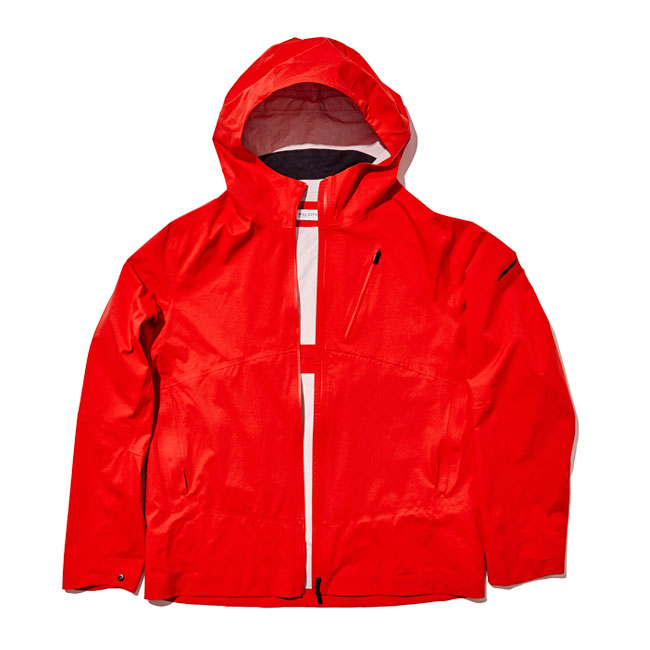
Hill City, a new men’s athleisure brand by Gap (many liken it to the male parallel to Athleta), is off to a running start. The Hooded Waterproof Shell is straightforward in more ways than just its name, but that’s a good thing. It has a functional spread of pockets, is quite lightweight, has a cape-style back vent and, most importantly, is waterproof. It’s also minimally branded, which doesn’t affect its performance but adds a small style play. The jacket doesn’t have all the technical features you’ll find in other pure-outdoor rain jackets (an adjustable hem is one of these), but it stacks up nonetheless. It trims features where they aren’t needed and holds onto everything that matters in a versatile rain jacket that can be worn both on the trail and off.


Introduction

We live in a Golden Age of water-repellency; before nylon shells and Gore-Tex membranes humans devised hydrophobic clothing using vinyl, oiled canvas and before that, cured seal and whale intestines. Now, (thankfully) waterproofing happens at a molecular level with advanced membranes that keep water droplets out but let body vapor (think sweat) through. The advancements have allowed rain jackets to become lighter, more breathable, packable and no less rain-proof. Rain jacket technology keeps getting better too — today, companies are experimenting with new fabrics to make rain shells softer and more comfortable and adding stretch for increased mobility (and less of that trademark crinkly jacket sound). Style hasn’t fallen by the wayside either. The new class of rain jacket is light enough, durable enough, breathable enough and waterproof enough to handle multi-day treks through misting rain and as well as the inevitable deluge during commuting hours.

Additional contributions by Tanner Bowden and AJ Powell.

What to Know Before You Buy a Rain Jacket

About Rain Jacket Materials

The outer textile of most three-layer shells is made of a rugged nylon or polyester that’s coated with Durable Water Repellent (DWR). The inner membrane is a microporous fabric, typically made of ePTFE or Polyurethane that acts as the shell’s primary waterproof and breathable layer. It’s the secret sauce. The backer textile is a thin layer, usually gauze, that’s laminated to the back of the membrane, which eliminates the need for a liner.

While the waterproof and breathable technologies are all generally related in the way they function, several brands have proprietary technologies, among them Gore-Tex, NeoShell, eVent, Schoeller and Dermizax NX. Discerning one technology from another can be difficult, in part because the technology is kept under lock and key, but also because the technology requires an understanding of terms like “phase change” and how things work on a molecular level.

DWR Explained

When you’re buying a rain jacket or any outerwear for that matter, you’ll often come across the initials DWR, which stand for durable water repellent. DWR is a coating applied to fabrics that lets them shed fluids, and they’re commonly used in conjunction with waterproof membranes. DWR works by making the surface of the exterior fabric spiky at a microscopic level, which forces water and other liquids into rounder, beaded forms. That helps them roll off the garment instead of saturating it. DWR isn’t permanent, but it can easily be revived.

The Best Rain Jackets of 2019

Best Waterproofing: Marmot Eclipse Jacket

The Eclipse Jacket is part of Marmot’s new EVODry Rainwear Collection, which uses a new environmentally-minded technology that Marmot developed in partnership with Green Theme International. All EVODry garments are constructed from upcycled industrial nylon waste, which minimizes waste while maintaining strength and longevity. Marmot and GTI also built in waterproofing by bonding the DWR to the yarn at the molecular level. That’s made EVODry jackets, the Eclipse included, highly waterproof and breathable. Furthermore, Marmot claims that the DWR will never deteriorate or require reapplication, which, if true, is a big leap forward in user-friendliness. We haven’t had enough time with the Eclipse to know if this is true, but the jacket is impressively water-resistant. It kept me dry through multiple storms this winter, and even when I try to force water past the DWR by rubbing it in with my finger, it remains resilient.

Beyond its built-in tech, the Eclipse is a solid, well-rounded rain jacket that’s built for the outdoors. Its two oversized hand pockets are high enough to go unimpeded while wearing a backpack hip belt, and their mesh interior helps them double as front-facing heat vents (there are also two zippered underarm vents). The Eclipse also has an adjustable hood and hem. —Tanner Bowden

Weight: 13 ounces
Membrane/Laminate: MemBrain Eco 2.5 layer
Shell Material: 100% recycled nylon

Best All-Around Rain Jacket: Montbell Rain Trekker Jacket

It’s rare that a jacket brings quality, performance and price to the table in such an elegant package, but staff-favorite Japanese brand Montbell managed to do just that. The Rain Trekker comes in at just $149, among the cheapest jackets on the list, yet performed among the top Editor’s Choice candidates. In keeping with the brand’s mission (ultralight gear for hikers), the Rain Trekker is among the lightest jackets on this list.

We’d be remiss if we didn’t also mention the color of the jacket, which is unique not only on this list, but also across the outdoor industry. Not quite white and not quite cream, the Off-White colorway is one of our favorites. —AJ Powell

Weight: 10 ounces
Membrane/Laminate: Dry-Tec 3 layer
Shell Material: Nylon

Most Stylish Rain Jacket: Fjällräven Greenland Eco Shell Jacket

It was an ill-equipped expedition to Greenland that led Åke Nordin to design the first Greenland Jacket in 1968. That jacket was made with Fjällräven’s G1000 material, which requires a bit of wax to become fully waterproof. The newly-updated Greenland Eco-Shell Jacket, however, does not. Fjällräven built it with its more-sustainable Eco-Shell fabric, which is the Swedish brand’s high performance waterproof and breathable shell. The material uses hydrophilic (water-loving) “corridors” within its membrane to transport moisture away from the body, while DWR keeps it from getting in on the outside. One of the benefits of this is that the material is less affected by dirt and oils that can clog and degrade other membranes.

The Greenland is cut like a heritage expedition coat — it’s long, with two oversized snap-flap front pockets — but it’s a style that isn’t out of place in towns and cities. The jacket’s two-way zipper helps to keep that longer cut functional by providing more freedom of movement (if you commute by bike, for instance, you can zip up the lower zipper to prevent the length from becoming restrictive). The Greenland is an outstanding everyday rain jacket for those who aren’t looking for a lighter, backpacking-specific style. Plus, it has lots of pockets, and that’s a good thing. —Tanner Bowden

Weight: 27 ounces (size medium)
Waterproofing: PFC-free DWR
Shell Material: Polyester

Best Ultralight Rain Jacket: Patagonia Stretch Rainshadow Jacket

Patagonia’s Torrentshell Jacket has garnered awards and sits at the top of many “Best Rain Jacket” lists, but the Stretch Rainshadow, available as a full-zip (and formerly a pullover), is another exceptional storm-guard that weighs next to nothing. The Rainshadow is constructed with Patagonia’s proprietary H2No 2.5-layer waterproofing and 30-denier ripstop nylon. As its name implies, the jacket has a fair amount of stretch too. Its central zipper and various pockets are all functionally sealed against moisture (the chest pocket doubles as a stuff sack for packing). The hem cinches tight with an internal drawcord, and the hood is helmet-compatible. All of these small but useful features add up to an insubstantial seven ounces.

I wore the old pullover version of the Stretch Rainshadow during one of New York’s March Nor’easters, and the jacket kept me dry on a longer-than-desired walk through Brooklyn, even as snow accumulated on its surface. The jacket has become my go-to for hiking and hot rainy days when I don’t want to wear something heavier. —Tanner Bowden

Weight: 7 ounces
Membrane/Laminate: 2.5-layer H2No Performance Standard (DWR plus a membrane)
Shell Material: Nylon

Stretchiest Rain Jacket: The North Face Allproof Stretch Jacket

Stretchy waterproof fabrics are one of the big themes for rain jackets in 2018, and The North Face’s Allproof Stretch wins the prize, easily, for the stretchiest available. Imagine the stretchiness of a balloon, and you’ve got the Allproof. In fact, while the jacket’s exterior is soft brushed nylon, its interior even feels like a balloon. At first, that rubbery texture felt off-putting (it lines the insides of the two hand pockets), but it was a notion that faded the more I wore the coat around town, and well worth it for the amount of stretch the jacket provides. That material also makes the rain jacket slightly less breathable than some of the others on this list, but it is equipped with underarm vents to help shed heat. The Allproof, made with The North Face’s DryVent 2.5-layer seam-sealed fabric, is as waterproof as any on this list and tends toward the lighter and more packable side of the weight spectrum. —Tanner Bowden

Weight: 10 ounces
Membrane/Laminate: DryVent 2.5 layer
Shell Material: Polyester

Most Affordable Stretch Rain Jacket: Black Diamond Stormline Stretch Rain Shell

Stretch is one of the biggest trends in outdoor rain jackets at the moment, and it’s easy to write that off as a feature only available on jackets at the upper end of the price spectrum. The Black Diamond Stormline Stretch shatters those preconceived notions. It’s impossibly stretchy, still offers 100-percent waterproofing that you’d expect in a high-end rain jacket and comes in at a price of just $149. Basically, bring your lunch to work for a week and you’ve paid off your jacket no problem.

But beyond price, Black Diamond brings some serious performance to the table with its BD.Dry waterproof breathable membrane. It beads water on par with more expensive jackets on this list, and while other features beyond stretch are sparse, you get far more than you pay for. —AJ Powell

Weight: 11 ounces
Membrane/Laminate: BD.Dry 2.5 layer
Shell Material: 88% nylon, 12% elastane

Best Rain Jacket for Hiking: Mountain Hardwear Stretch Ozonic Jacket

Like many of the jackets to make our list this year, Mountain Hardwear’s Stretch Ozonic Jacket is constructed with a stretchy and lightweight fabric that’s very unlike the unyielding rain slickers of yore. Also not characteristic of those older jackets is the Stretch Ozonic’s breathability. Mountain Hardwear employed its proprietary Dry.Q Active fabric, originally designed for aerobic activities like running, which makes the Stretch Ozonic ideal for hiking too.

The Stretch Ozonic is packed with vents. There are two large zippers under each arm that open wide, and the two hand pockets are lined with mesh on the interior and can be left open to allow additional heat to escape. The chest pocket is built in the same way. All of these features make this one of the most breathable jackets that we tested, and a weight of only 11 ounces keeps the Stretch Ozonic lightweight and very packable for longer trips and sustained overnights. —Tanner Bowden

Weight: 11 ounces
Membrane/Laminate: Dry.Q Active Stretch 40D 2.5L
Shell Material: Nylon

Best Urban Rain Jacket: Arc’teryx Sawyer Coat

The sleuth detective in an outdoor-themed film noir film might don the Sawyer. It’s defining characteristic is its clean style, which stems from a logo-less front and a longer sub-hips length. Even the inside is a gunmetal gray instead of the white that’s traditional in most technical rain jackets. It’s not entirely unbranded though, Arc’teryx’s trademark archaeopteryx fossil is perched on the left shoulder, and “Gore-Tex” falls on the right forearm, perhaps the only two visible markers of the tech supporting this jacket. Drawing on Arc’teryx’s outdoor expertise, the Sawyer is completely waterproof, seam-sealed and lightweight given its length. It’s the perfect rain jacket for those who spend more time in urban environments than in the mountains. —Tanner Bowden

Weight: 13 ounces
Membrane/Laminate: Gore-Tex 3 layer
Shell Material: Nylon

Most Innovative Rain Jacket: Columbia OutDry EX Reign
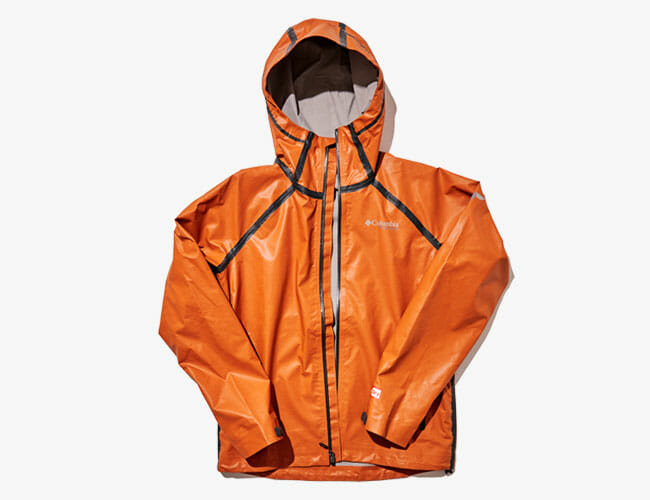
Compared to other rain jackets, Columbia’s OutDry EX Reign immediately looks different. That’s because OutDry Extreme, one of Columbia’s proprietary waterproofing technologies is constructed differently than Gore-Tex, Dermixax or other commonly used barriers. Instead of layering the waterproof membrane between a liner and a shell, Columbia put it on the outside, where it’s exposed directly to the weather.

That construction has multiple consequences: the fabric-lined interior wicks and is left soft; the exterior feels more like a classic, slicker-style raincoat that won’t wet out (when a coat’s shell fabric gets saturated). It also means that the seams are taped on the outside, which adds to the jacket’s unique look. It also has two large pockets and underarm zips for venting. The OutDry EX Reign doesn’t follow the most recent trend in rain jackets — it doesn’t have any stretch — but it’s still comfortable, breaths quite well and is impenetrable to rain.

Weight: 22 ounces
Membrane/Laminate: OutDry Extreme
Shell Material: Nylon

Most Durable Rain Jacket: REI Stormbolt Jacket

If you’re a serious outdoorsman, it can be easy to write off REI’s in-house brand as just that, an in-house brand. But much like Costco’s Kirkland brand, there’s a lot to love. For one, the Stormbolt is incredibly durable. I posit that you could rub it up against a rock face what feels like a few too many times and still come away with a jacket that looks and performs as if it were new. It brings a Gore-Tex three-layer construction to the table, which is the gold standard for waterproofing. The fit allows for layering underneath, which adds to the jacket’s versatility and allows it to be used as a ski shell in winter. If you’re an REI member, there isn’t much of a reason to look elsewhere. Add to your dividend and save for something on your wish list. —AJ Powell

Weight: 15
Membrane/Laminate: Gore-Tex 3 layer
Shell Material: Nylon

Most Versatile Rain Jacket: Hill City Hooded Waterproof Shell
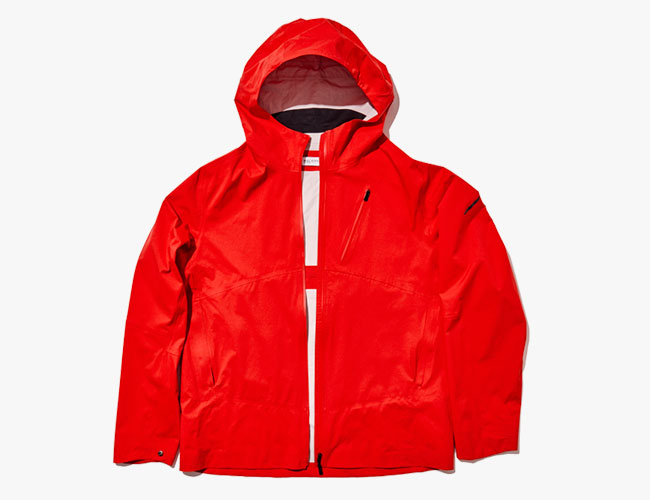
As the latest brand under the Gap umbrella, Hill City garnered equal shares of hype and skepticism leading up to its launch last fall. Nobody expected the men’s athleisure (or activewear, everyday performance apparel; whatever you want to call it) brand to produce a fantastic rain jacket though, but that’s what the Hooded Waterproof Shell is.

The jacket meets the core requirement of this list, i.e., it’s waterproof — we learned so firsthand during a rainy weekend of hiking in the Adirondack mountains of Upstate New York and in many storms since. The Hooded Waterproof Shell is more outdoor-oriented than Hill City’s branding might have you think (when it was first released, it was called the Hooded Trail Shell), but it includes some features that make it stand out, even in that performance-oriented crowd. The fit is excellent, the cuffs use snaps instead of Velcro to cinch tighter, there’s a cape-style vent on the back to let air in (but not rain) where it’s most needed, it’s very lightweight. The only feature some might find it lacks is an adjustable hem, but with all of these other features, we didn’t notice its absence.

Weight: 10 ounces
Membrane/Laminate: 2.5 layer Dermizax 3D membrane
Shell Material: Nylon

How to Re-Waterproof Your Rain Jacket

If you haven’t washed or treated your waterproof-breathable jacket, and it’s seen a few seasons of use, you’ve probably noticed that it doesn’t keep you as dry as it used to. One of the biggest misconceptions with waterproof jackets is that you should never wash them. If you don’t wash them, your jacket’s pores can clog and it will no longer be breathable. The oils from your skin can also lead to delamination in the liner of your jacket. There is a simple process for washing your jacket and revitalizing its waterproofing that will help you get more out of your jacket and help to extend its life for a few more seasons.

Take a look at your jacket. The first step in the process of getting your rain jacket ready for spring is to take a thorough look at it. Start with the inside. If the lining is peeling or bubbling and separating from the membrane, it’s time to retire your rain jacket. The next few steps will help to prevent this from happening to your new jacket. Secondly, apply some drops of water to your jacket. Does it bead and roll off? If you shake it does it come off? If so, you’re all set. But if the water sits on the fabric and starts to seep into the fibers (the fabric will darken), then it’s time to revive your DWR.

Wash and dry your jacket. Before applying a new DWR with specialized detergents, clean your jacket following the instructions on its tag. Once dry, place in the dryer for 20 minutes on low to medium heat. This will revitalize your DWR. If it doesn’t, move on to the next steps to apply a new coat.

Wash your jacket. To wash your jacket, use a specially formulated detergent. We recommend Nikwax’s Tech Wash, though Granger also makes a suitable wash. Place your jacket in the washing machine. A good rule of thumb is one capful of detergent for each jacket. (In hard-water areas, Nikwax recommends adding an additional capful.) In a front-loading washing machine, make sure to remove any buildup in the detergent dispenser, then add the Tech Wash. For a top-loading washing machine, add the detergent once the machine has filled with water. Set the cycle to heavy (or synthetics if your machine has it) and warm water.

Wash your jacket again using TX Direct. After you have finished washing the jacket, wash it again following the same guidelines, this time using Nikwax’s TX Direct Wash-In. This will revitalize the waterproofing in your jacket’s membrane.

Dry the jacket. To dry your jacket, tumble dry it on low heat for no more than ten minutes. This will help to shake off most of the water and start the drying process. Take your jacket out of the dryer and hang dry it overnight.

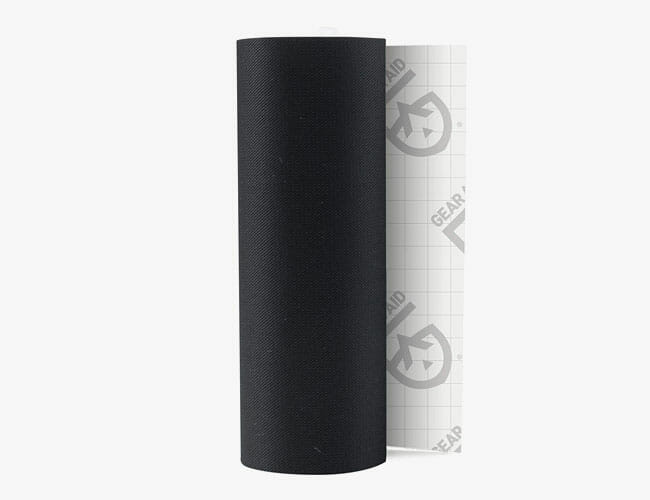
Inspect your jacket for holes and tears. Look for any tears, pinholes, or abrasions in your jacket. If your jacket has a pinhole or tear, use Gear Aid’s Gore-Tex fabric patches to patch the hole. Cut the patch in either a circular or oval shape to reduce the chances of peeling. For a stronger bond, use an iron on its lowest possible setting for a few seconds on the patch to bond it to the jacket. (Be extremely careful using an iron. If the iron is too hot, it will melt your jacket.) For abrasions, use Gear Aid’s Tenacious Tape to cover the abraded areas. Again, cut the patches in circles or ovals to reduce the risk of peeling.

What You Need:
Nikwax Tech Wash $13
Gear Aid Gore-Tex Fabric Repair Kit $3
Nikax TX Direct Wash-In $13

How to Repair a Ripped Rain Jacket

Repairing a rip in your rain jacket can save you a ton of coin, and it’s better for the environment to keep a jacket’s worth of plastic out of the landfill. Plus, it’s dead simple. Thanks to brands like Gear Aid, even the least DIY-able person can repair a rain jacket in about 20 minutes.

Assess the damage. If it’s only small tear (about the size of a quarter), you’re in luck: This is much easier to repair, and chances are it will be a lasting fix. For a larger tear (bigger than a quarter), you still have a shot. Begin by cleaning up any loose fibers with scissors.

Use this time to inspect the lining of your jacket. If the lining is peeling or delaminating, then chances are your jacket isn’t worth saving. If you can, take your jacket to a recycling center. Most Patagonia stores accept well-loved rain jackets and will recycle them. Also, keep an eye out for abrasions and high-wear areas on the face fabric of the jacket, as those will be locations of future repairs.

Make sure your jacket is clean. If you haven’t washed your jacket in a while, throw it in a washing machine. Not only does regularly washing your jacket with a specially formulated detergent prolong its lifespan, but it also gives you the opportunity to re-waterproof the jacket. (Some pointers on that front.)

Make the repair. For a large tear, consider using a needle and thread before patching or taping. If you aren’t any good at sewing, this is best left to the professionals. Take the jacket to a tailor or seamstress to have the tear stitched back together. This can help make for a stronger repair, but if you aren’t careful, you can further damage your jacket.

In most cases, though, using only Tenacious Tape is suitable. Depending on which type of tape you have — e.g., a roll or pre-cut patches — step three will be different:

For the roll: Roll out a piece that will cover the tear with about an inch of space on all sides. Cut the tape from the rest of the roll. Trim the corners and round it out into either a circle or an oval.

For the patches: Pull the patch out of its container. Measure to make sure it will overlap the tear by about an inch on all sides.

Apply the Tenacious Tape. Peel the backing from the Tenacious Tape and carefully apply it to the outer fabric of your jacket. As you press down, start in the center and work your way out. This will help to avoid air bubbles. Allow the patch to set for 24 hours before using.

Repeat steps 3 and 4 on the inside of the jacket. While not completely necessary for small tears, adding a patch on the inside of the jacket can help to seal out water completely and make for a lasting repair. For a larger tear, this step is mandatory. Once the inner patch is applied, allow it to set for 24 hours before using.

What You Need
Tenacious Tape Roll by Gear Aid $7

grey_placeholder

Tenacious Tape Patches by Gear Aid $8
Note: Purchasing products through our links may earn us a portion of the sale, which supports our editorial team’s mission. Learn more here.

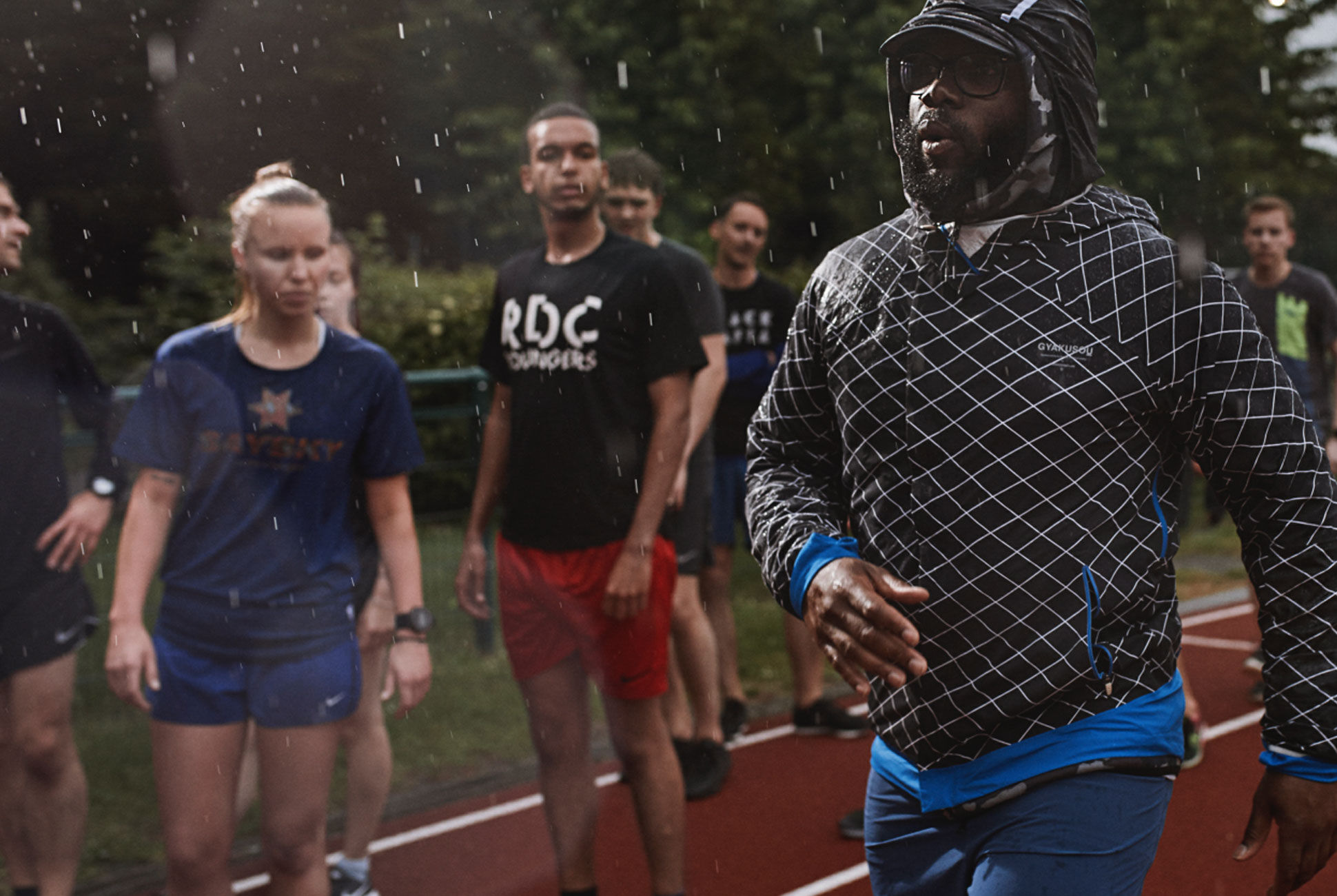
5 Run Club Founders On Starting Their Crews and The Gear That Keeps Them Going

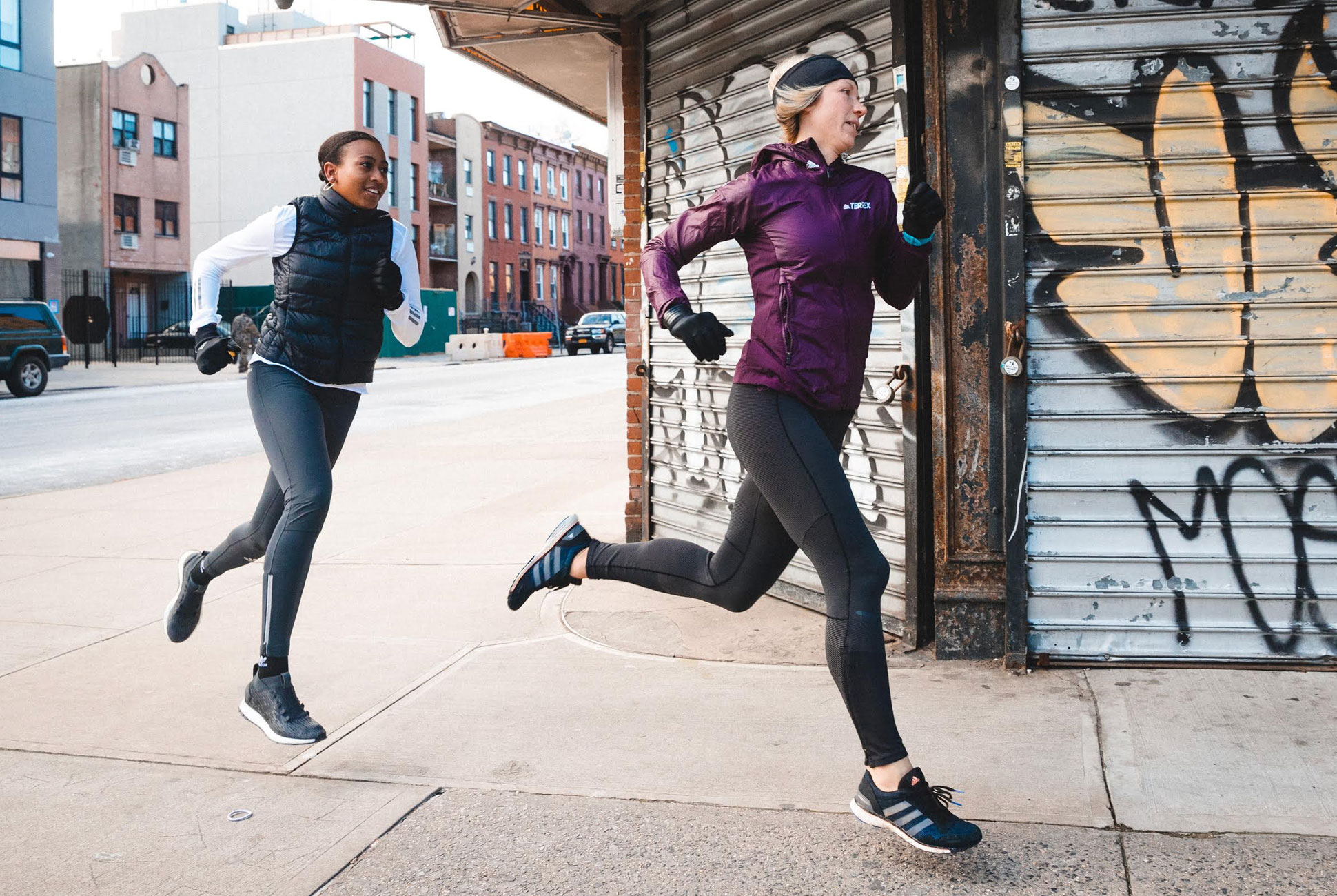
Running alone has its perks — you pick your music, run as fast or as slow as you want and can stop whenever you feel like it. For some, it can also be lonely, which is why running groups exist. Whether formal or informal, run crews can motivate you to practice weekly, help you meet new people and smash your goals. You’ll never have to come up with another workout on your own, and the route is decided for you, saving precious brain space. Running crews are all the rage whether you’re in New York City or Dubai. — according to the 2017 National Runner Survey and Running USA, 6 out of 10 runners are part of a group where 34% of runners are in a local running club and 23% are in a social or informal group, and according to Strava’s Year in Sport from 2018 having a group keeps you more accountable — and likely more active. Athletes who joined a club on Strava uploaded three times more activities than athletes who did not, and when people went out in groups, the activity tended to last up to 10 percent longer and cover 21 percent more distance as compared to single uploaders. To find one near you, ask at your local sporting goods shop.

While all running clubs help build community, each is different in its own right. Each one provides something unique whether it be speedwork, track workouts, self-guided tempo runs or shake out runs. We spoke to five coaches about why they started their crews in Chicago, New York and London and the gear they stand by.

Joe DiNoto, Founder of Orchard Street Runners, New York


Photo: Ashley Gilberston
DiNoto founded Orchard Street Runners back in 2011, and the Tuesday night runs leaving from Manhattan’s Lower East Side have remained effectively the same since he started — fast and gritty. “I started running on my own in 2001 or so. I didn’t run with others until about 2011,” DiNoto says. Now his races, which are in addition to his weekly group runs, sell out quickly and take place in the dark, both in terms of time of day and the fact that they are unsanctioned. “The semi-organized threshold runs through the city at night were missing [from the running scene],” DiNoto says, about why he started OSR. Here’s all the gear he typically wears Tuesday nights at 7 PM.

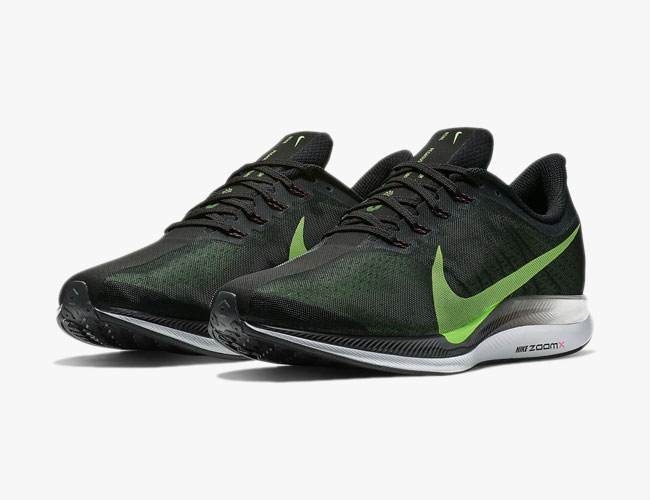
Nike Zoom Pegasus Turbos

This mix between the Pegasus 35 and the Nike Zoom Fly 4% is an excellent training shoe. In fact, world record holder Eliud Kipochoge helped design them as his everyday shoe.

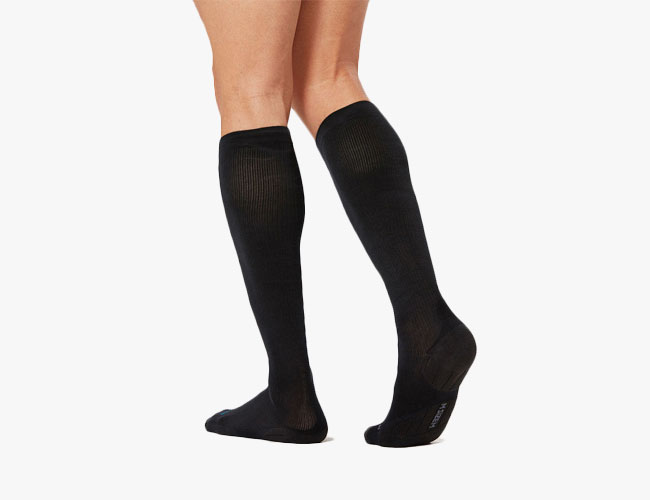
2XU Black 24/7 Compression Socks

The all-black look is a lifestyle for OSR runners. You run through the night, and to make it that much sexier, it’s also standard to wear all black. Safe? Likely, no, but you’ll fit in better if you’re not in neon. And, there’s safety in numbers, right? These compression socks will help keep the blood flowing to your limbs, well after you stop sprinting.

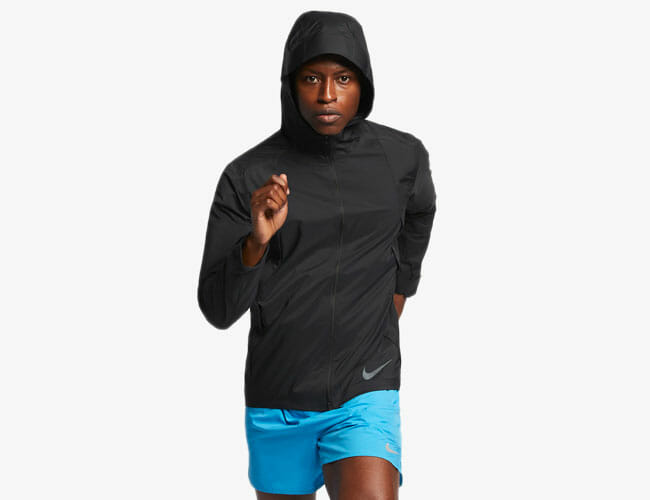
Nike Zonal AeroShield Running Jacket

Combat rain, wind and snow in the Zonal AeroShield. Two long vents along the sides of the jacket keep air flowing even if it gets humid outside.

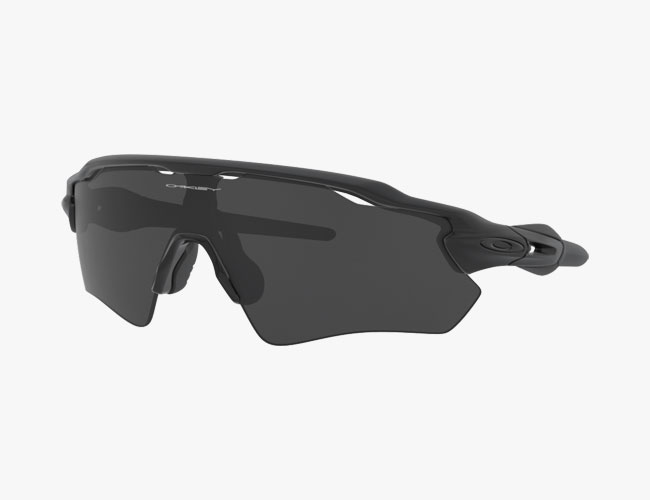
Oakley Radars

Custom Oakley Radars are an easy way to see during practices where the sun is starting to set. DiNoto just lost his at the last race, but before that, he swore by them.

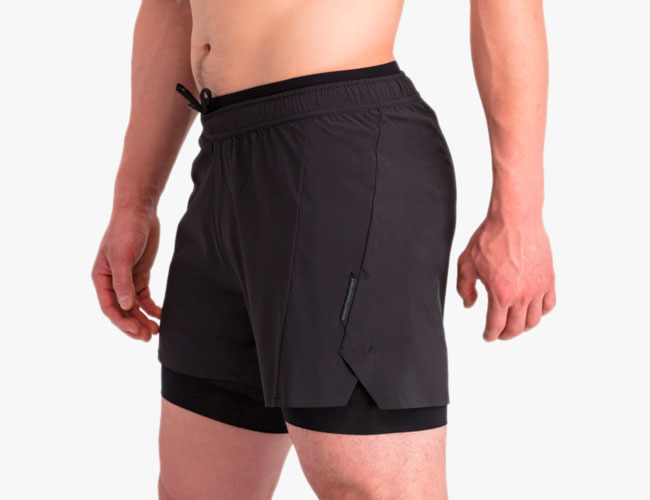
RYU Vector Short Leggings

These shorts come with a 5-inch outer layer and a 6-inch liner. The zipper pocket hidden in the waistband is handy for your phone, so you can quickly review the route that night.

Tim Rossi, LostBoys Founder, New York


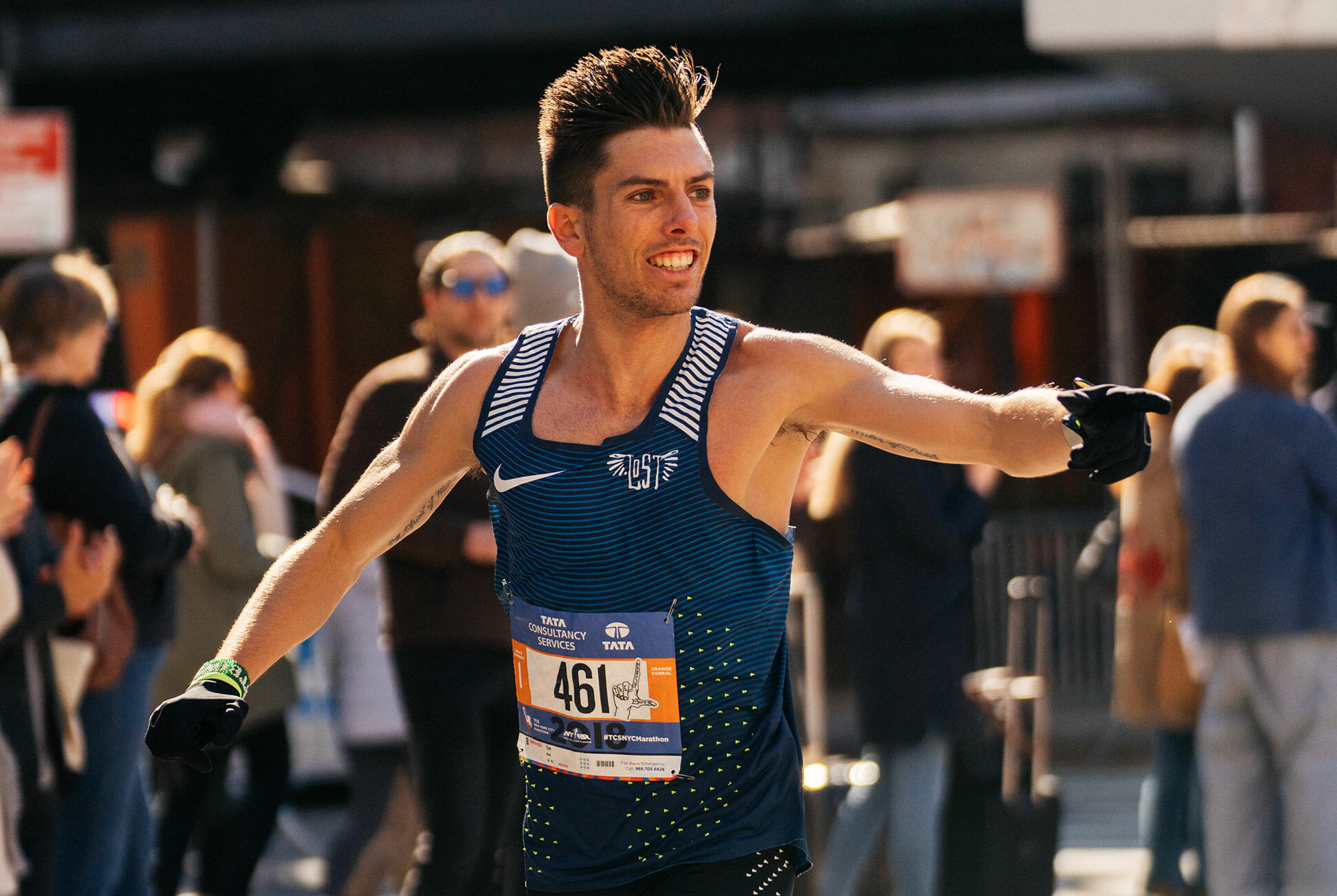
You can catch Rossi and his best friends running together, chasing fast PRs, frequently at races in and around New York City. “Lostboys started in 2014. It was just 3 of us going to races, and we wanted to put a team name down, so we came up with Lostboys.” While the group isn’t super formal, Rossi acknowledges that it fills the gap between people looking to run socially and people looking to achieve speed goals, just not quite at a professional level. “There are not many people focused on the performance side of running,” Rossi says. “There are tons of social running crews, which is amazing because you get healthy and meet new people (and running is fun!). And then there are professional groups. But it felt like there was a void for people trying to get faster and have fun doing it.” The group doesn’t formally ‘meet’ like other run crews. “We are much more focused on the approach to the sport rather than being a formal team,” he says. “It is still truly a group of individuals chasing goals but with a very similar approach and a true love for the sport.” Because they don’t have regular meet-ups, you can’t join them, but you can follow them on social media.

Nike Elite Half-Tights with Aeroblades for Racing

These shorts were created for the elites, but Rossi got his hands on a pair of them. “I got these from eBay, they are the best,” Rossi says.

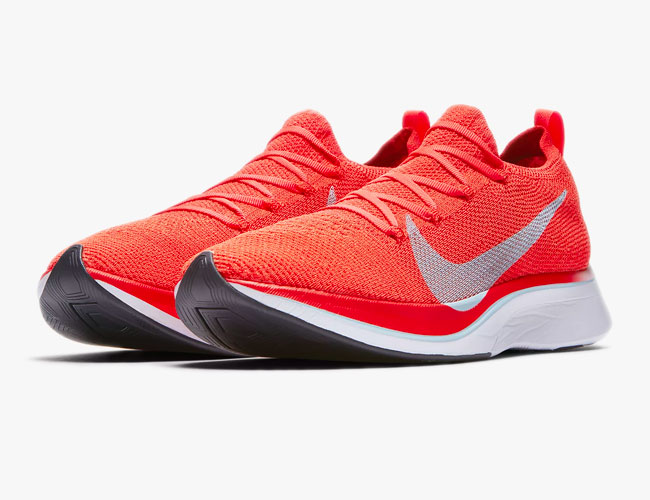
Nike Vaporfly 4%

The elusive 4% sneakers are hard to find, but claim to improve your performance by 4%. Throughout a long distance race, that can add up quickly. Buy Now: $250[/button]

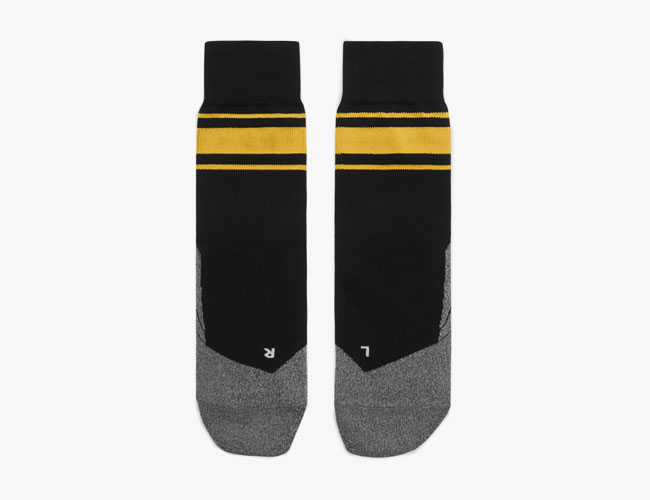
District Vision Sindo Performance Socks

District Vision designs everything with purpose informed by a vast amount of research, and these socks are no different. They claim to help with running stability as well as quick response times thanks to a compression zone in the ankle. While Rossi prefers the black and yellow, which (you guessed it) are sold out, other colors are available.

Gyakusou Shield Jacket

Gyakusou is the Japanese streetwear-inspired arm of Nike that pumps out interesting running collections. This jacket is just one example of the beautiful pieces, and while it’s currently sold out online, there’s a handful of spring Gyakusou gear on nike.com.

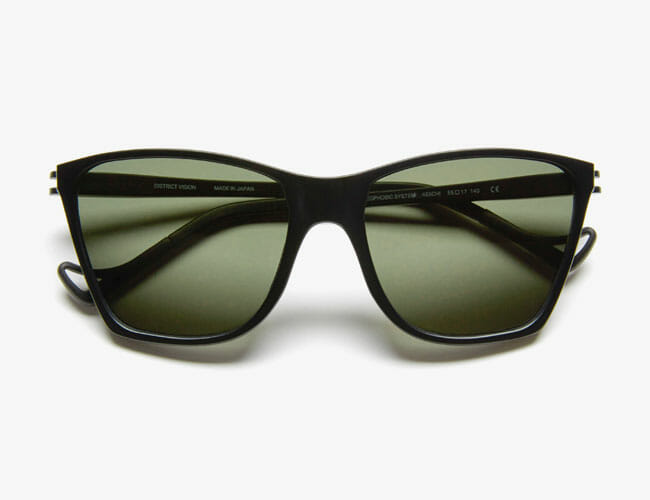
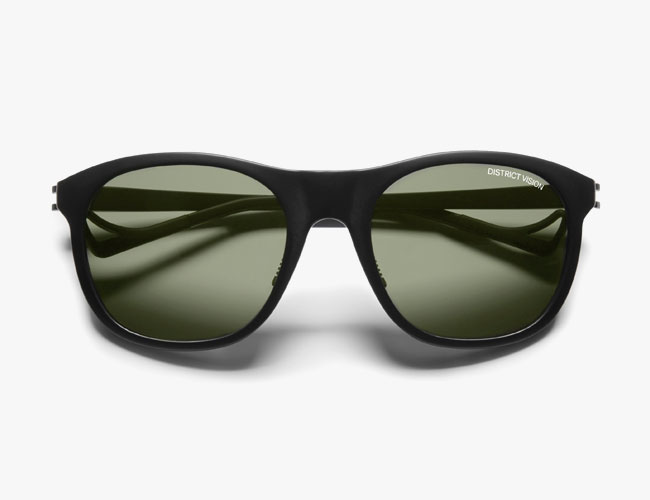
District Vision Keiichi in Black

District Vision makes some of the highest-performing running sunglasses on the market, that also look good for all-day wear.

Jessie Zapotechne, Founder of Girls Run NYC, New York


Zapotechne (known as Zapo to friends and social media) started not one, not two, but three urban running crews. She grew up running: “I loved the feeling of flying that running gave me, and I remember feeling so free,” she says. Like many people, she kept up with it to stay healthy through high school and college. In 2005, she moved to NYC and began running with a variety of groups, like Bridgerunners, OSR, Resident Runners, Rasa Club, We Run Uptown, and more. “There is a lot of overlap within the running community in NYC,” Zapo says. She founded Black Roses, then The Bkfastclub, and four years ago, Zapo recognized the gap between men’s and women’s training clubs and decided to train just women. “The urban running community has been an amazing place to grow up as a runner, and at the same time, it often felt like women’s voices weren’t heard in that space,” Zapo says. “I wanted to continue to get more women to come out.” Girls Run NYC is a space for women to run judgment-free, regardless of their shape or size or ability. “It’s a women’s circle in a lot of ways because women would come consistently and open up to each other about what was going on in their lives. We use Whatsapp as a way to keep a constant dialogue going, and women support each other. It’s more than just running.”

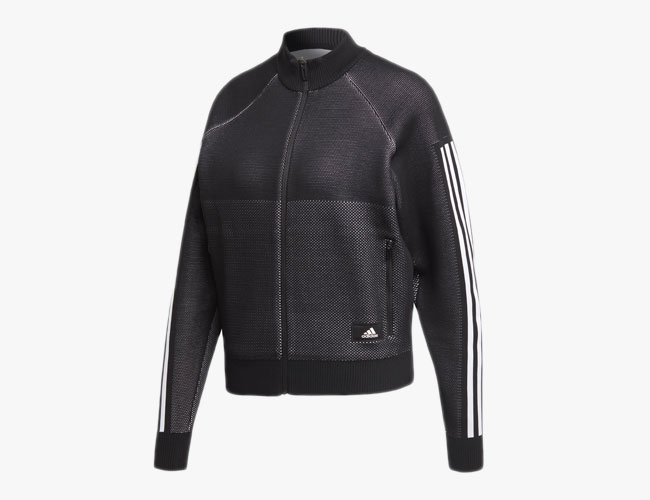
ID Knit Track Jacket

As an Adidas-sponsored runner, you’ll catch Zapo in head to toe three-stripes (mostly). This ID knit jacket is one of her favorites.

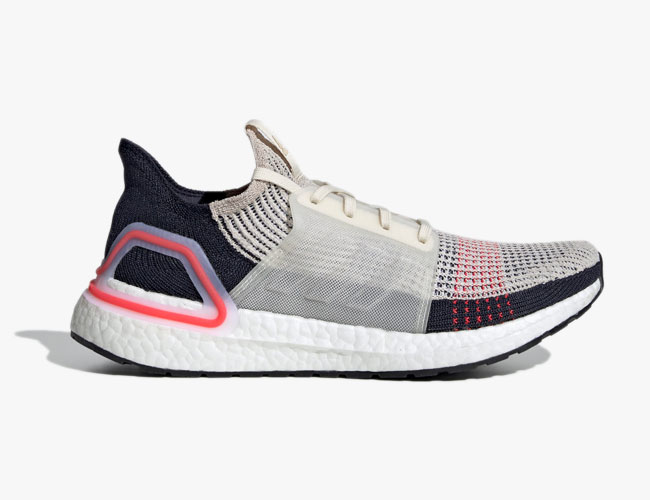
Adidas Ultraboost 19

The newest iteration of the Ultraboost sneakers sold out when they first released back in December. Designers of this iconic sneaker took its best parts, broke it down into just 17 pieces and created a better Boost foam, more solid heel clip, torsion piece and a solid upper.

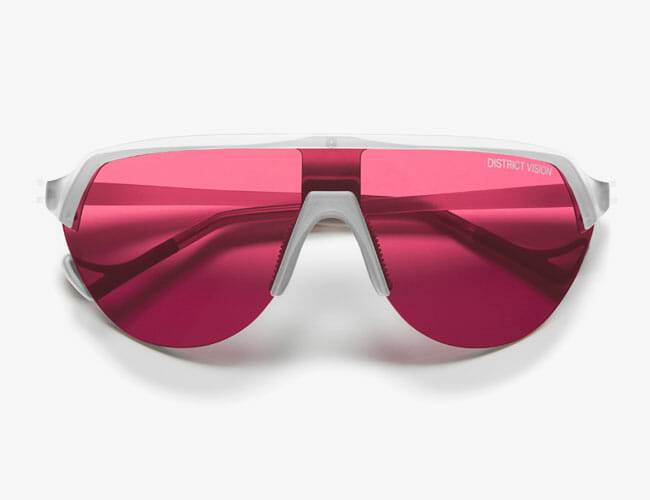
District Vision Nagata Speed Blade

District Vision is a popular pick among the running crews of NYC, and these Nagata’s feature a rounded shape that’s flattering on smaller faces. Plus, they’ll stay in place while you sweat or freeze — depending on the season.

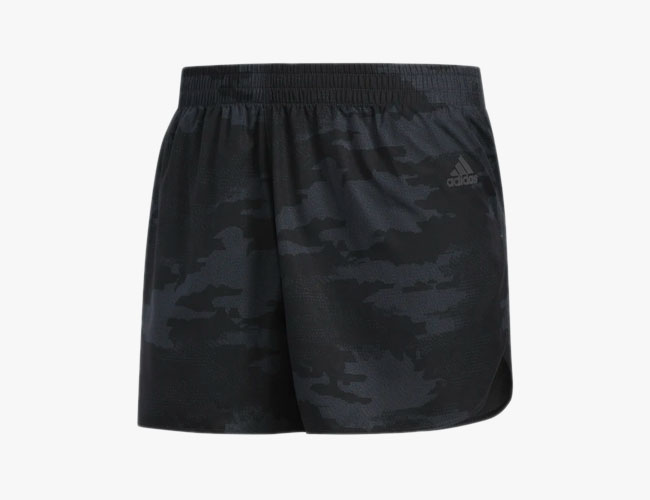
Response Split Shorts

These men’s shorts come with a built-in liner and reflective details. Each pair is made from 100 percent recycled polyester plain weave that helps wick sweat away.

Cory Wharton-Mal, Founder of TrackMafia, London


TrackMafia meets every Thursday in Paddington in London at 6:30 PM. The team “started nearly six years ago at the Paddington recreation ground in Maida Vale West London,” Warton-Mal says. Wharton-Mal and his girlfriend, Julia Good, and Jeggi Elinzano came together to get the group started. He’s quick to say that nothing was missing from the running crew world, his friends just wanted their own thing. “We didn’t start TrackMafia for it to be anything but a group of friends hanging out at pace. You learn a lot about people when you watch how they deal with the pain and suffering that comes with running. The happiness you feel after your workout is genuinely contagious, and I think that’s why people started to come.”

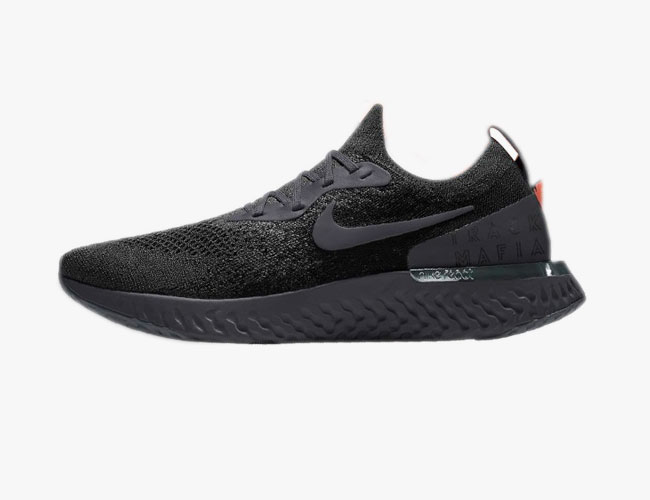
Nike Epic React Flyknit iD

These custom Patta x Track Mafia Epic React sneakers in all-black were created for the runners of the TrackMafia crew. You can design your own with the iD tool on nike.com.

Nike Windrunner Tech Pack

A wind and water-repellent jacket will help you slog through as many miles as necessary in the rain.

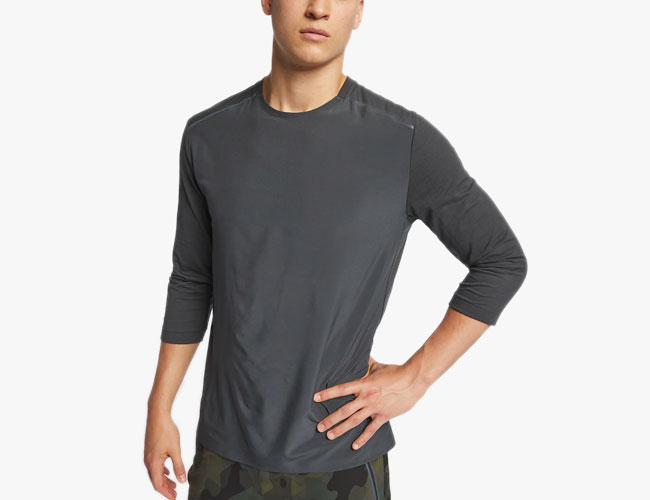
Nike Rise 365 Tech Pack

The three-quarter length sleeves on this tech top eliminate the potential for bunching around your wrists, plus make it easy to check how many miles you’ve already logged.

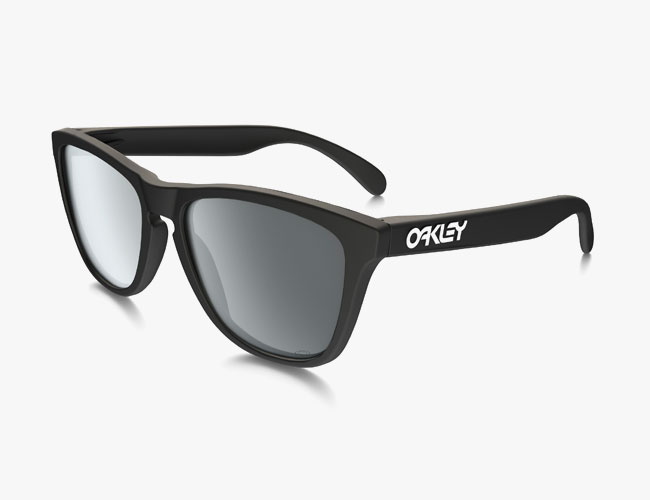
Oakley Frogskins

The Frogskins take the ’80s aesthetic and modernize it for the present day. You can customize your frame and lens color — be sure never to lose them.

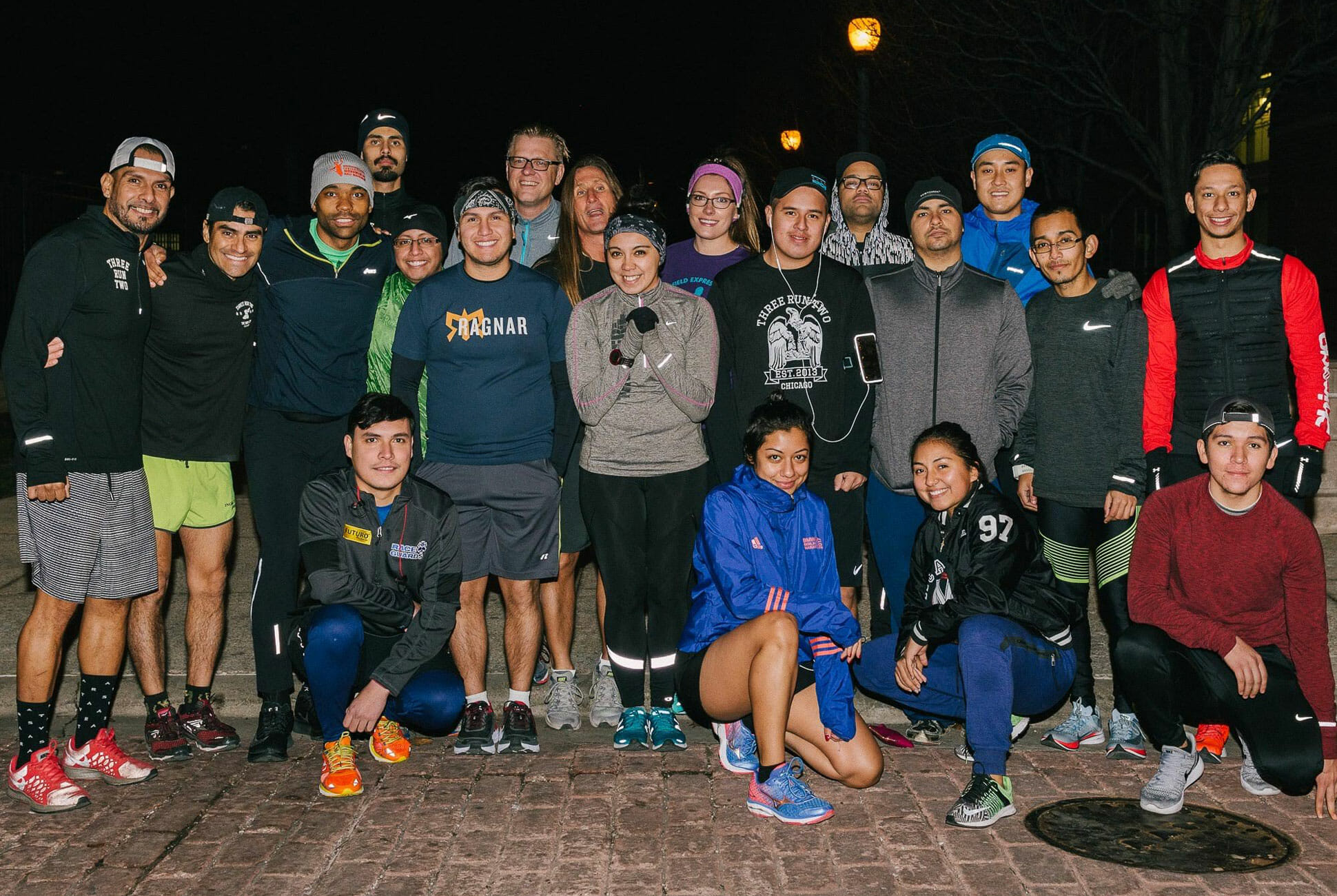
Nicolas Bernal, Founder of 3Run2, Chicago


In 2013, Three Run Two, based in Chicago-city, started on the first Thursday of the new year. “My sister and I put an email together to a small list serve of family and friends, we invited everyone out for a run, and the idea was to meet at a bar, run laps of Humboldt Park and reconvene for beer and tacos,” Bernal says. He was surprised that 12 to 15 people showed up. A group formed — it was made up of people who wouldn’t call themselves runners, but who want to do something fun and active. “Since that day we haven’t stopped,” he says. The group quickly outgrew the bar and had to move to a new spot in Logan Square, and they’ve since expanded practices to include Tuesday morning and evening, Thursday evening and Saturday mornings.

Adidas Adizero Boston 7

“I have two shoes to train in and one race in,” Bernal says. “I train in the Nike Pegasus Turbo and the Adidas Boston 7.” The Adidas Adizero is a workhorse shoe and will handle any run you want to do. The durable sneakers lasted at least 500 miles for Bernal thanks to the Continental sticky grip.

District Vision Nako Multisport

These District Vision sunglasses are lightweight, made in Japan and built with D+ lens technology, so they’re shatterproof.

Three Run Two Chicago Long Sleeve

You’ll always catch Bernal in one of the Three Run Two technical shirts. All of them champion the crew, and Chicago runners.

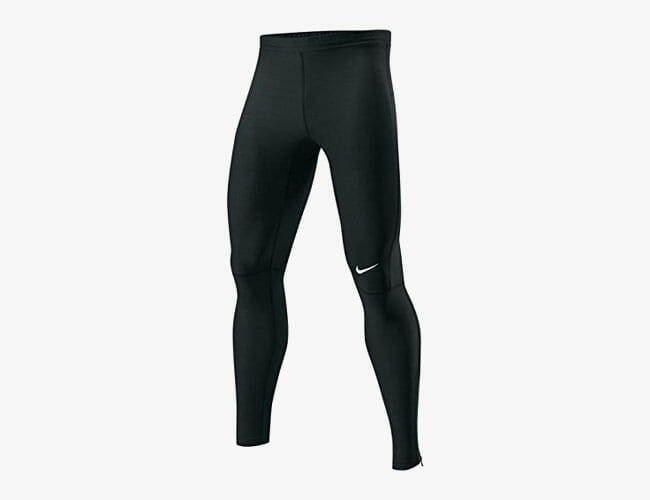
Nike Filament Track Tight

These tights have stood the test of time for Bernal, and he swears by them for the cold windy winters in Chicago.

Note: Purchasing products through our links may earn us a portion of the sale, which supports our editorial team’s mission. Learn more here.
How to Clean and Maintain a Pocket Knife

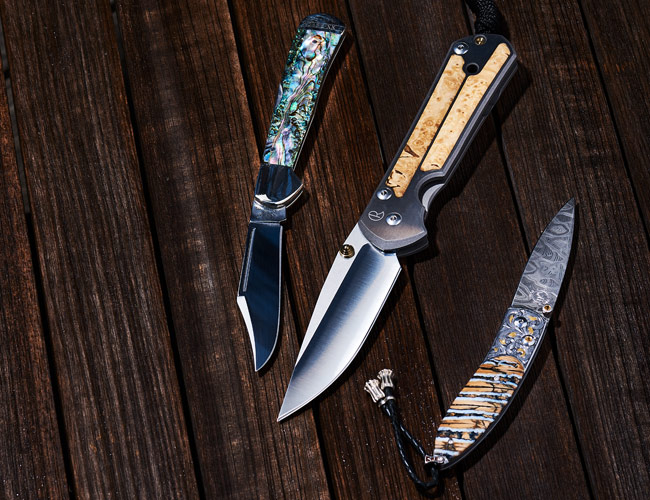
Pocket knives, like quality leather boots and cast iron pans, possess inherent longevity. That goes for cheap knives too — even a $15 folder purchased at a hardware store can become a multi-generational hand-me-down, but only if it’s properly cared for. Neglect a blade for too long, and it’ll be vulnerable to rust, and possibly fail when needed most.

Luckily, pocket knife care and maintenance is simple. Ryan Coulter of the James Brand sums up the methodology best: “Keep it sharp, keep it clean, keep it lubed, keep it tight.” Here’s how to do all four.

Keep It Sharp

There are many different methods and tools for sharpening knives. You don’t have to get overly scientific about it to achieve a fine blade edge though. Most knife sharpeners come with a variety of surfaces — the general rule here is to start the coarsest surface, like a diamond plate, and work your way down to finer surfaces like a ceramic rod (or a leather strop to finish). If the DIY method is too intimidating, professional sharpening services aren’t too difficult to find — some, like Knife Aid, will even do it through the mail.

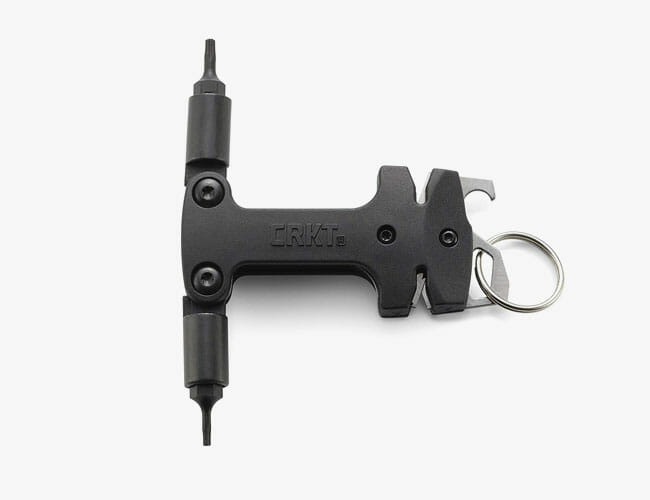
CRKT Knife Maintenance Tool

This keychain-sized tool includes a tungsten carbide sharpener and a ceramic honing edge. It also comes with T6 and T8 Torx drivers that work with the most widely-used screws in pocket knives.

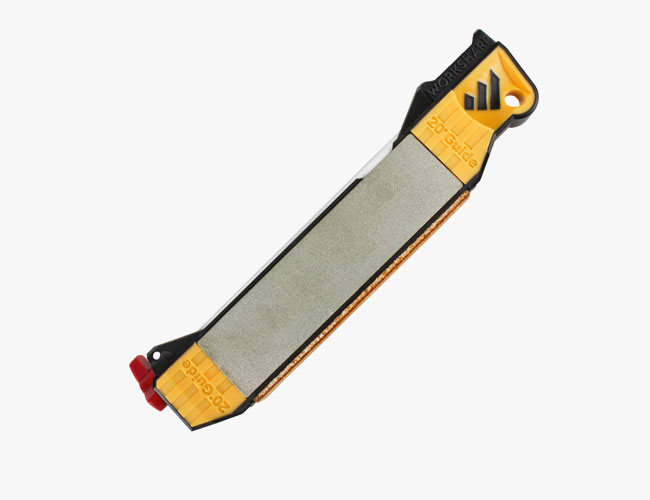
Work Sharp Field Sharpener

The Work Sharp Field Sharpener includes a coarse diamond plate, a fine diamond plate, a large ceramic rod, a small ceramic rod (which is good for working on serrated blades) and a leather strop, all in a small package.

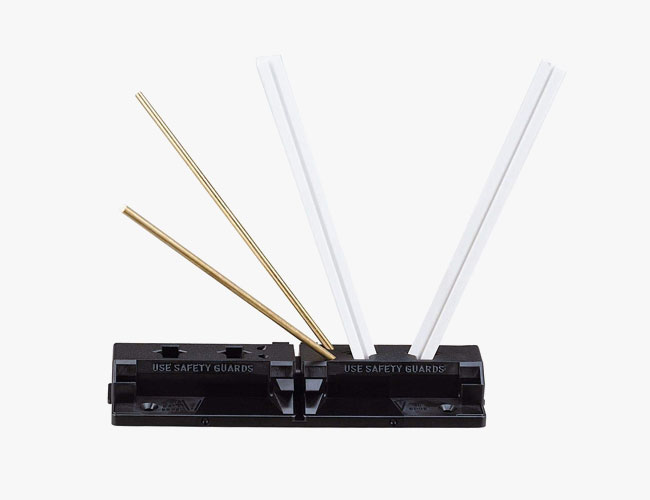
Spyderco Tri-Angle Sharpmaker

Spyderco’s Sharpmaker is one of the most popular small-sized sharpening devices (Sal Glesser, the company’s founder, started with sharpeners before making knives). It uses a base and various sets of ceramic and stone rods.

Keep It Clean

Folding knives inevitably collect small bits of debris on the blade and in the pivot from use and storing in a pocket or elsewhere. This can prevent the knife from opening, closing or locking correctly and make for a potentially dangerous tool. The best way to keep a knife clean is to wipe it down after every use, but for the less-diligent, periodic cleanings will suffice. Note: Don’t take apart your knife — it might void the manufacturer’s warranty.

1Remove grime. Start by removing any visible bits of dirt or other detritus from the knife’s nooks and crannies, paying particular attention to the pivot and handle. Toothpicks are particularly good at this task.

2Wash the knife. Use warm water and mild dish soap to thoroughly wash the knife. You can submerge your knife but will have to be sure that it dries completely before lubricating and storing it again. Once wet, use a toothpick, Q-tip and toothbrush to collect leftover bits and scrub away dirt.

3Dry the knife. Dry the knife with a rag or better yet, compressed air (like the kind used to clean keyboards). Leave it out to air dry completely before lubing and storing.

Keep It Lubed

Once it’s clean and dry, lubricate the knife. If you use the knife to cut food, make sure the lubricant is food-safe (like mineral oil). Use lubricant sparingly — put a drop or two on the pivot and blade and wipe it down with a microfiber cloth.

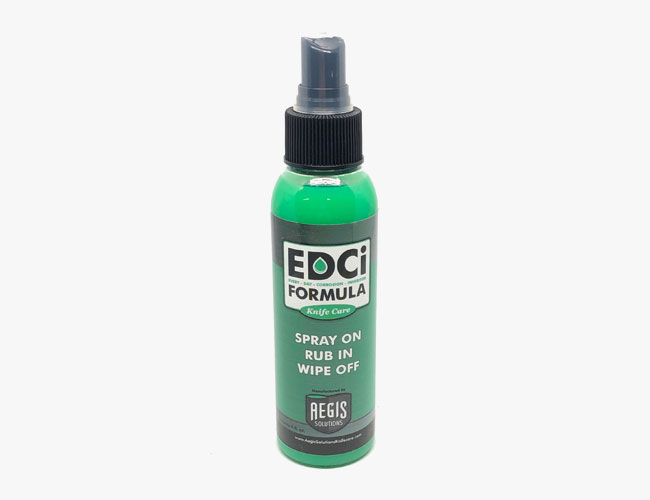
EDCi Knife Formula

EDCi was explicitly created for knives. It’s non-toxic, non-flammable and guards against corrosion.

Keep It Tight

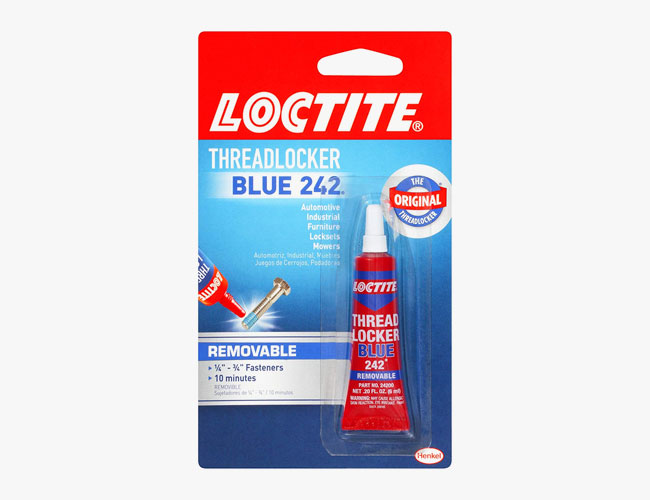
Screws might come loose as you use a knife over time, so it’s a good idea to make sure all are secure regularly, and cleaning is an excellent time to do so. Nearly all pocket knives use Torx 6 and Torx 8 screws, so you’ll need a driver and bits for those (your local hardware store will have both). Apply Blue Loctite, below, to any screws that you remove to create a firm seal and prevent corrosion.

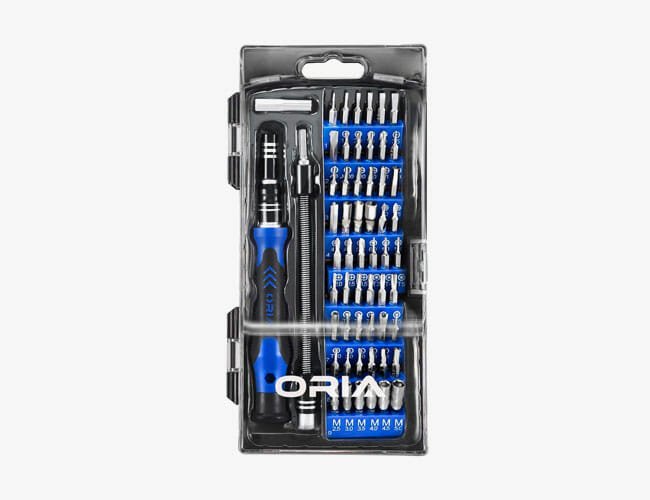
ORIA Screwdriver Set

Torx driver sets are widely available and affordable. This one comes with a complete set of bits.

Scout Leather Co. Hex Bit Driver

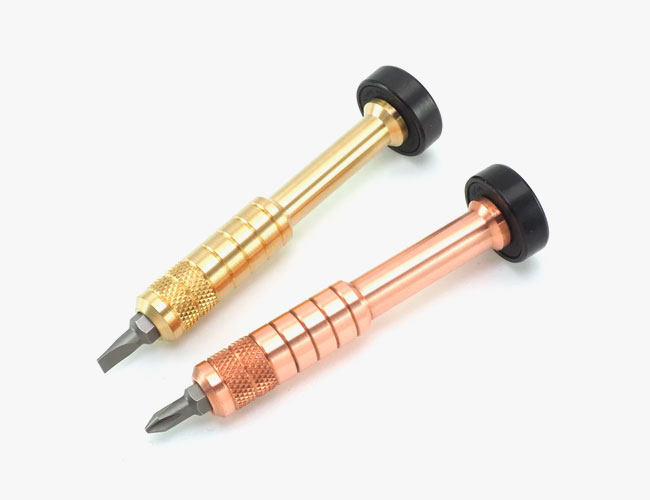
For a tool to match the quality of your blade, look to the Hex Bit Driver from Scout Leather Co. It’s made of solid machined brass or copper and includes a magnet to hold bits in place.

Loctite Threadlocker Blue 242

Blue Loctite creates a seal that can be easily broken the next time you need to adjust a screw or replace a part. Other sealants are made to produce a permanent seal, and if you need to adjust a screw you could end up stripping it in the effort.

23 Terms Every Knife-Lover Should Know

The vocabulary used to describe a pocket knife may not be as complex as that which speaks to mechanical watches or automobiles, but if you want to sound like an expert, there are a few that you should commit to memory. Read the Story

Note: Purchasing products through our links may earn us a portion of the sale, which supports our editorial team’s mission. Learn more here.
Terrible at Golf? This Garmin Watch Can Change That

Garmin just launched the Approach S40, a smart golf watch that’s built to help you do better on the course. It’s an upgrade from Garmin’s previous golf watches, the S10 and S20. Whether you love or hate golf, being good at it is likely part of the equation. We had a tester take the S40 out last weekend to Silver Spring Country Club in Connecticut where the snow had finally melted surrounding the 18 hole, walker-friendly course. He found it was intuitive to use and easily connected to satellites so the distance between holes was accurate. Knowing the distances between the greens and where the hazards are can change your golf game helping you to know what kind of power to put behind each swing.

Compared to the previous model, the S20, the watch face on the S40 is circular, not a rectangle, so it’s less clunky and looks more like an everyday watch as opposed to a smart golf watch. The single bezel, as opposed to four buttons, also adds to the regular watch allure. It’s “noticeably smaller, lighter and more legible in bright sunlight,” our tester said. “It definitely helps that it is slimmer [and] more attractive than others I have seen before, like the previous Garmin models like the S10 or S20 — I actually wore it all day as opposed to rushing to my bag to get my real watch back on.”

You’ll still get texts so your friends can rag on you or cheer you on while you’re on the green. And the battery life is equivalent, if not better, than the previous model: you still get up to 15 hours of playing time or 10 days of no golfing (smartwatch mode) before needing to charge it via the USB/data clip charger. Time to grab a golf ball and start putting.

Gear Patrol also recommends:
Bushnell Golf GPS Watch ($119)
Garmin S20 ($200)
Bushnell Pro XE ($550)

How Three Personal Trainers Dress for the Gym

Dressing for the gym is extremely personal: There’s no right or wrong way to do it. Some guys prefer the leggings and shorts look more than compression shorts, while others reach for a pair of basketball shorts to hit the weight room. It’s likely you have a feel-good gym outfit that takes minimal thought and it’s also likely said outfit ends up in the laundry cycle occasionally (at least, we hope).

To help us identify which items we may want to incorporate into our grab-and-go gym bag, we spoke with three trainers in our home base of New York City to hear what they wear. Most of them get up at 4 AM and don’t return home until 10 PM because training clients usually falls around normal work hours. The clothes they wear from sun up to sundown have to be comfortable, sweat-wicking and flexible and match the challenge of essentially working out all day every day.

Here’s what a typical day and outfit look like for them.

Keith Lawrence, Coach at Tone House

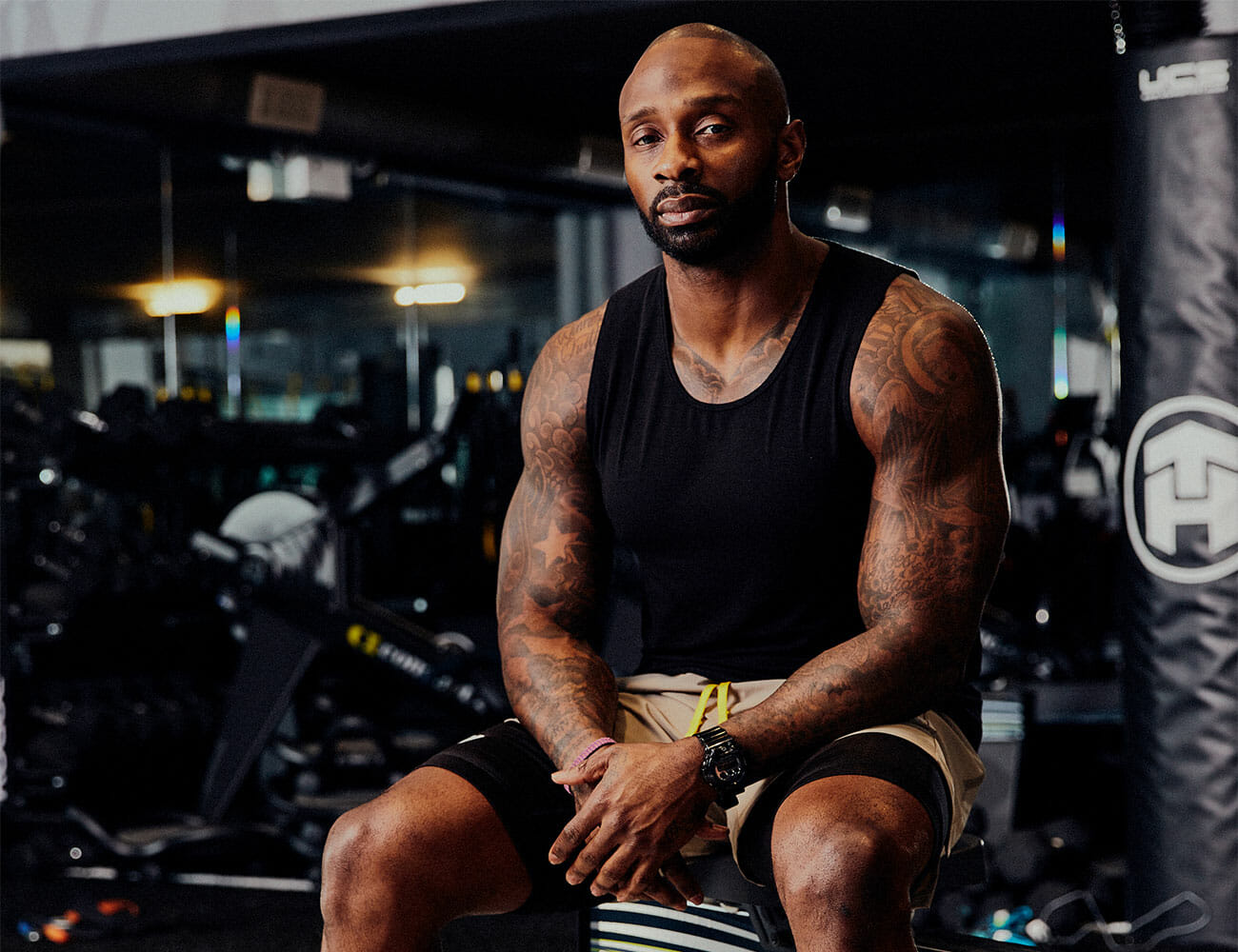
A typical day for Lawrence starts at 5 AM. “I wake up at 3, am on the train at 4, training clients at 5, teaching class at 7:30 and 8:30,” and that’s just the beginning. He’ll fit in his own workout around 10 AM, and then from there, he takes a break. “I’ll have another midday client, another break and then start the evening hours,” he says. That’s where he’ll teach at 5, 6 and 7 PM at one of the two Tone House gym locations — Upper East Side or Nomad. After class, he’ll coach private clients for the rest of the night before heading back to Brooklyn. “For the most part, I’m in the same outfit all day, training wise,” Lawrence says. With clients (and classes) instructors plan the workout and then help to keep the energy levels high, but they’re likely not doing every exercise with the crew. After Lawrence fits in his own workout, he’ll change, but for the most part, he’s in this outfit.

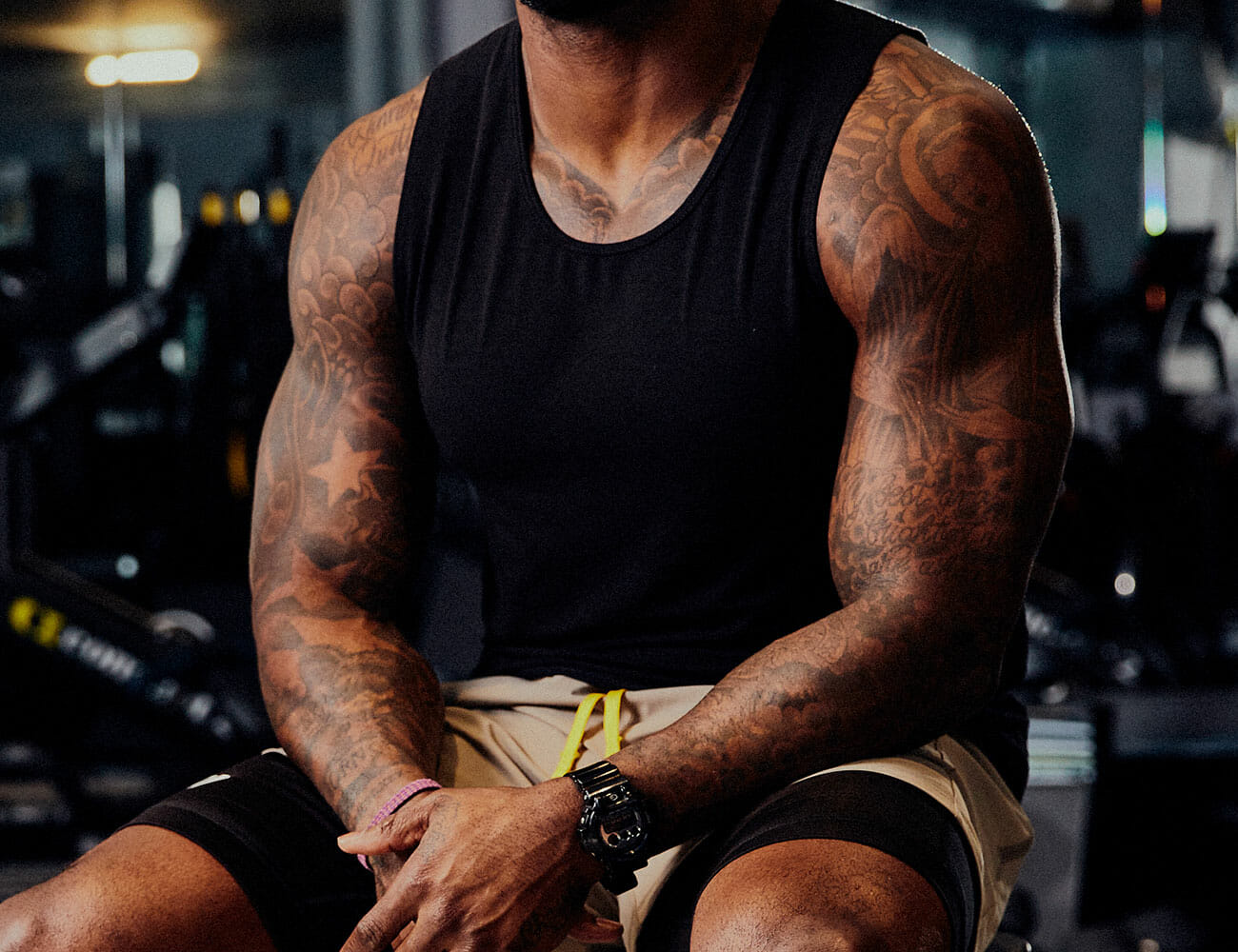
Wolaco Tank Top

The all-black tank top is devoid of branding except for Wolaco’s signature W in the bottom left corner. It’s a tencel tank that’s a tight fit — not loose like your old lacrosse jersey. Tencel is an all-natural fabric that feels smooth from the first wash through the hundredth.

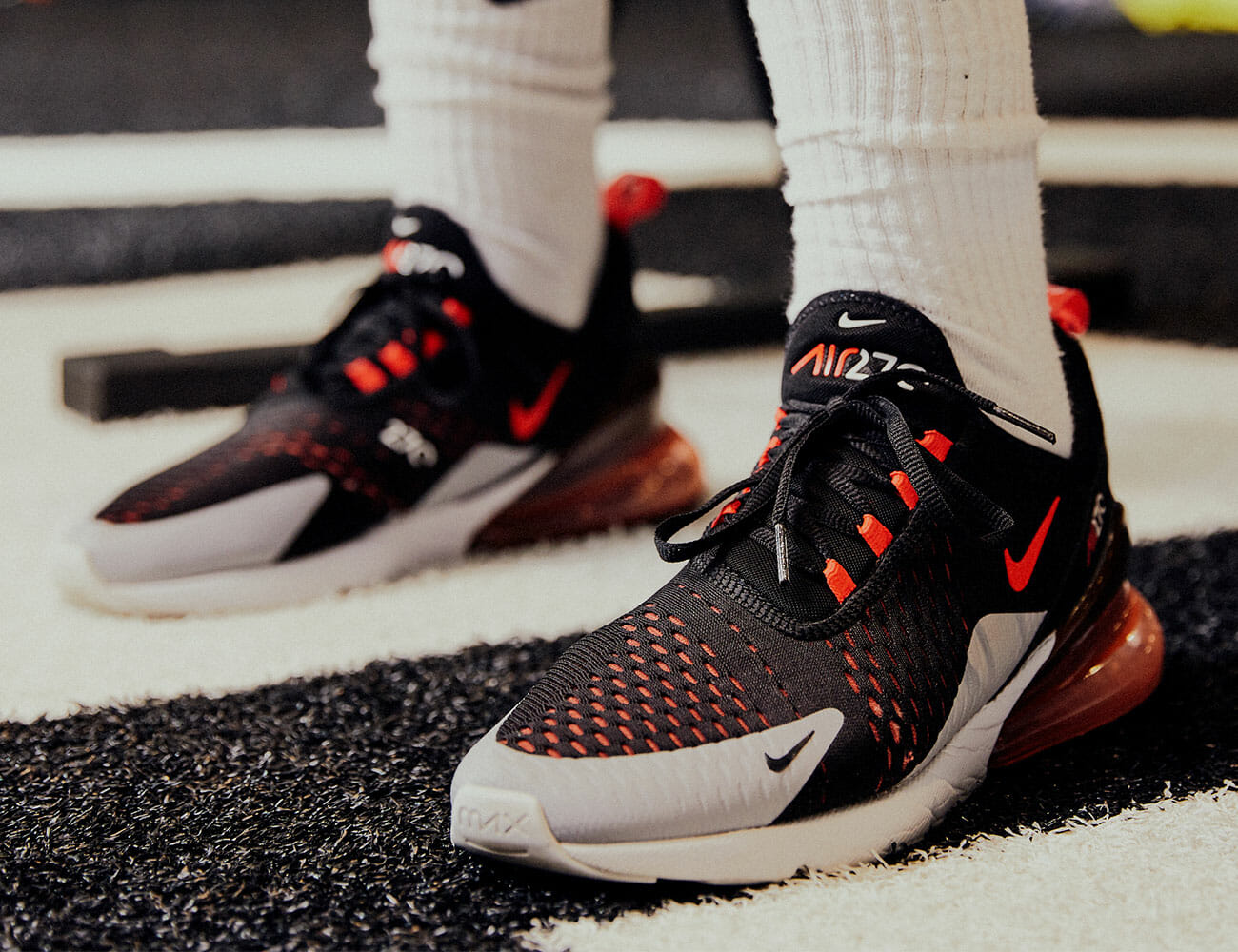
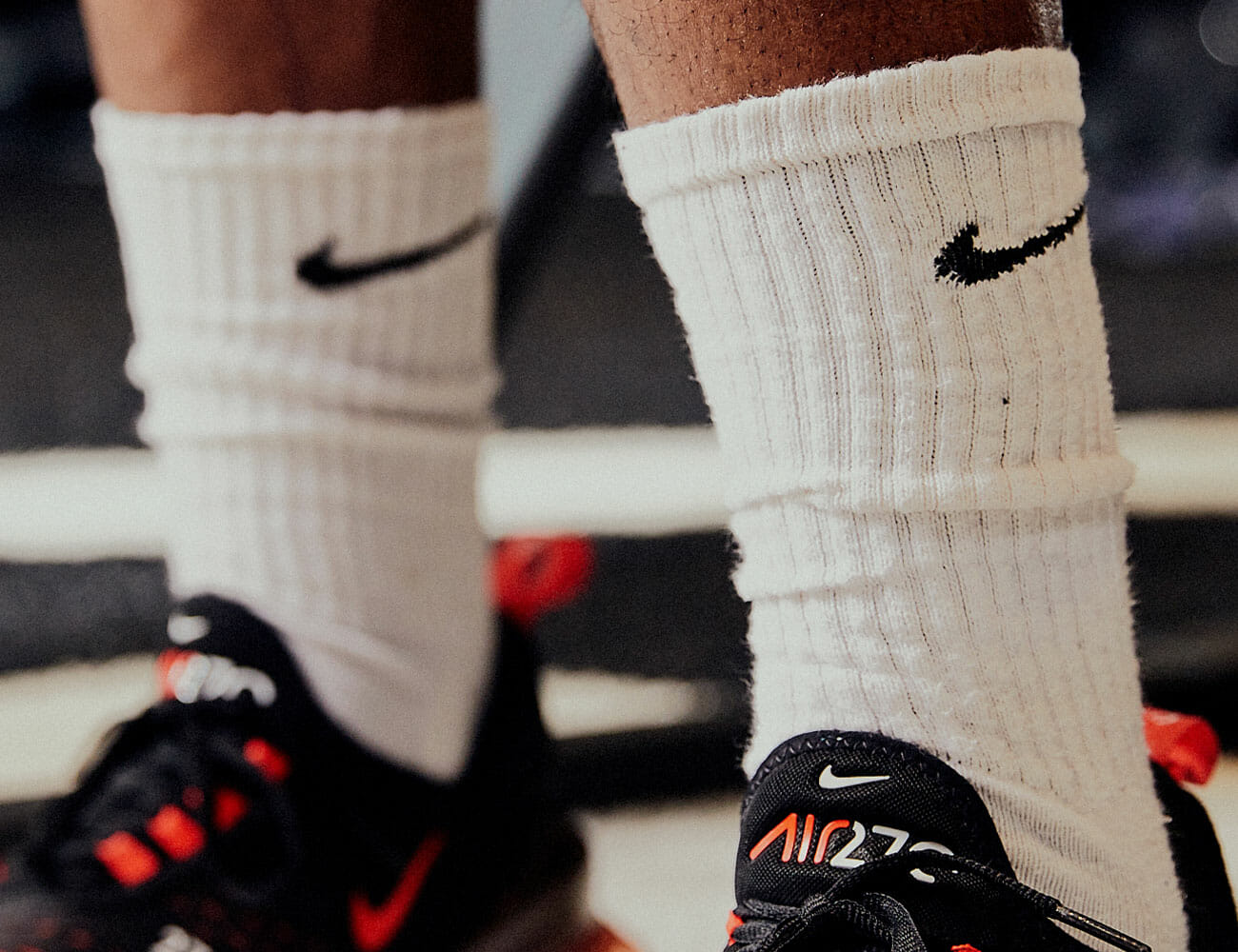
Nike Air Max 270

A neoprene bootie means a secure fit so the shoe will move with you through ladders, box jumps, bear crawls, crabs, sled pushes and any other crazy move you end up doing.

Wolaco North Moore 9-Inch Compression Short

The Wolaco dual-pocket compression shorts are form-fitting — meaning your phone and keys won’t jangle around in your pockets, and offered in seven colors. The shorts also hold up through loads of washes, which as a personal trainer, is imperative.

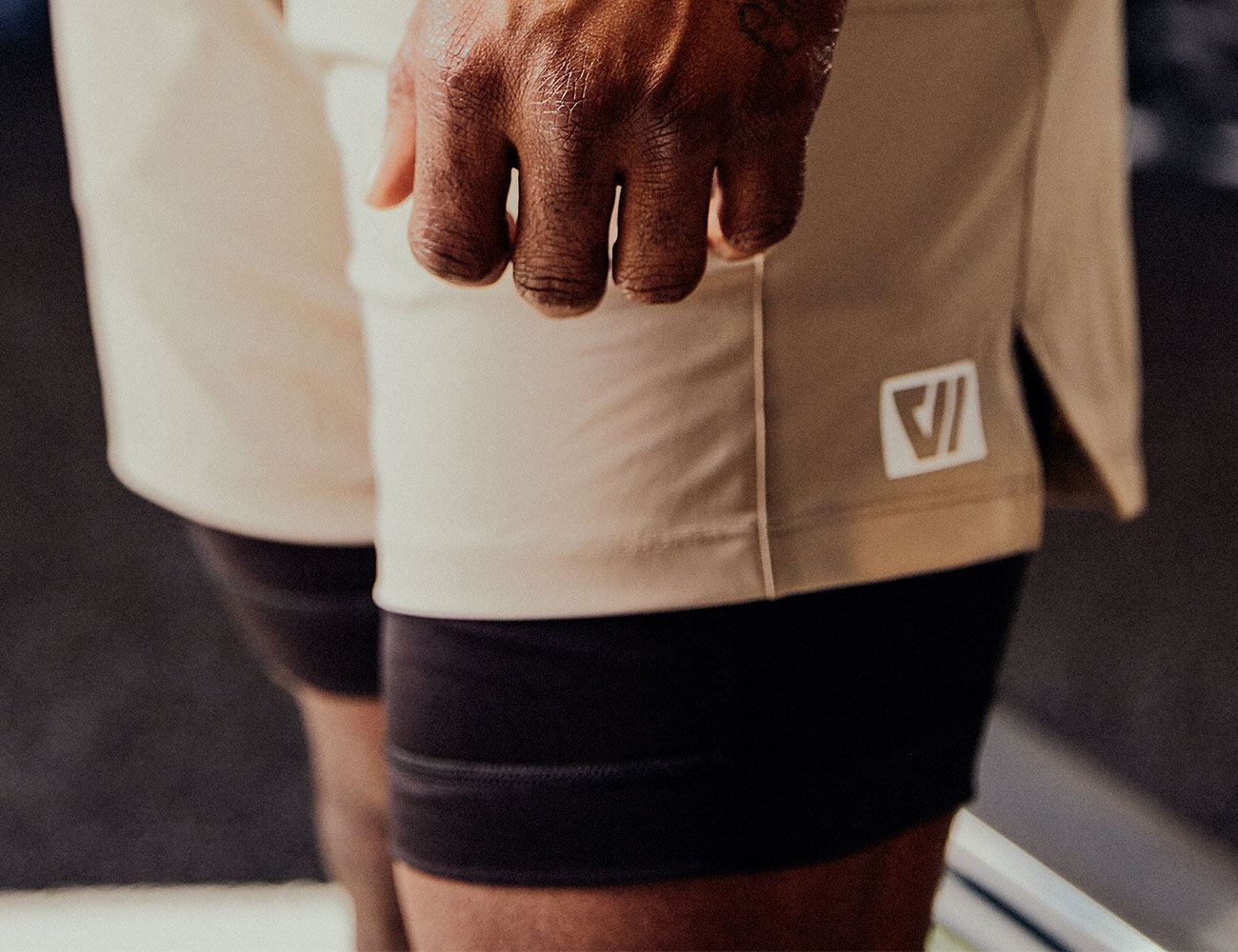
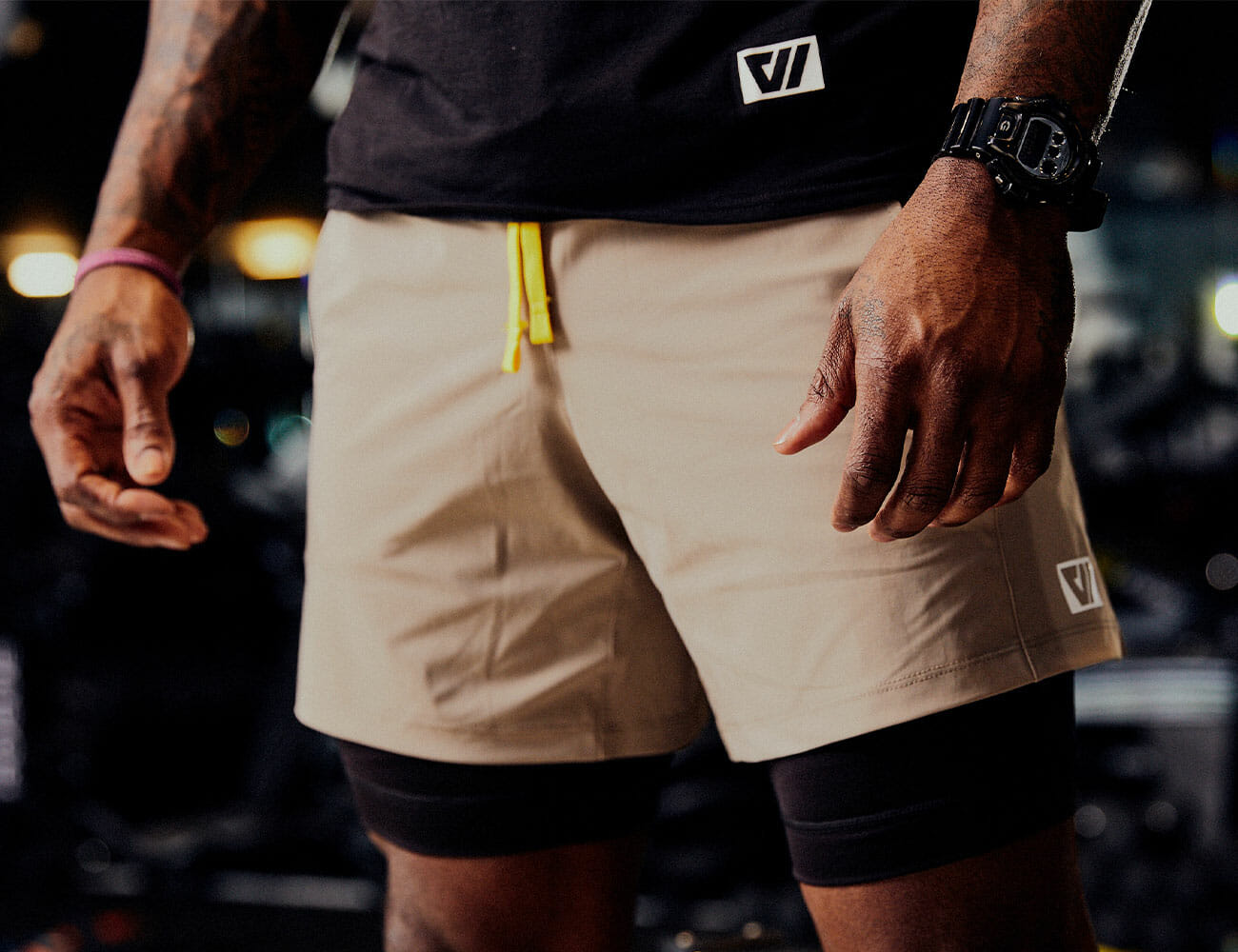
Wolaco Warren Short

Throw these on over compression shorts or leggings when you want a bit more coverage, or need some added layers for sub-40 degree days. The 7.5-inch inseam won’t completely cover a pair of compression shorts but offers another pocket for your Airpods or Metro Card.

Nike White Crew Socks

White socks are an easy way to match whatever your gym kit look is for that day. You can wear the same type of socks regardless of what you’re wearing up top.

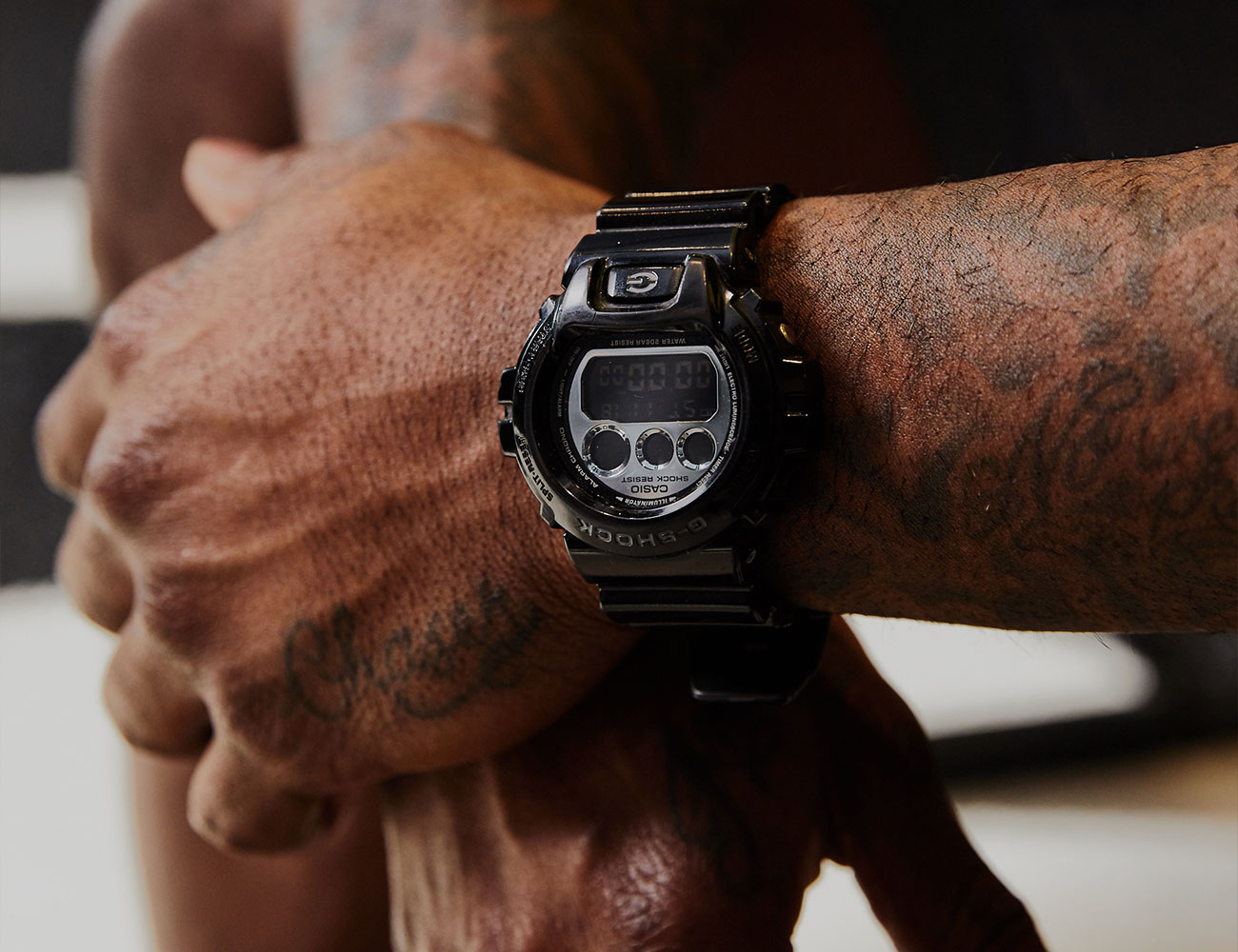
G-Shock Digital DW6900BB-1

G-Shock watches are practically indestructible — and this one is no different. The DW6900BB-1 can handle impacts from all angles. The all-black matte finish is simple, yet sleep, so you can wear all day long.

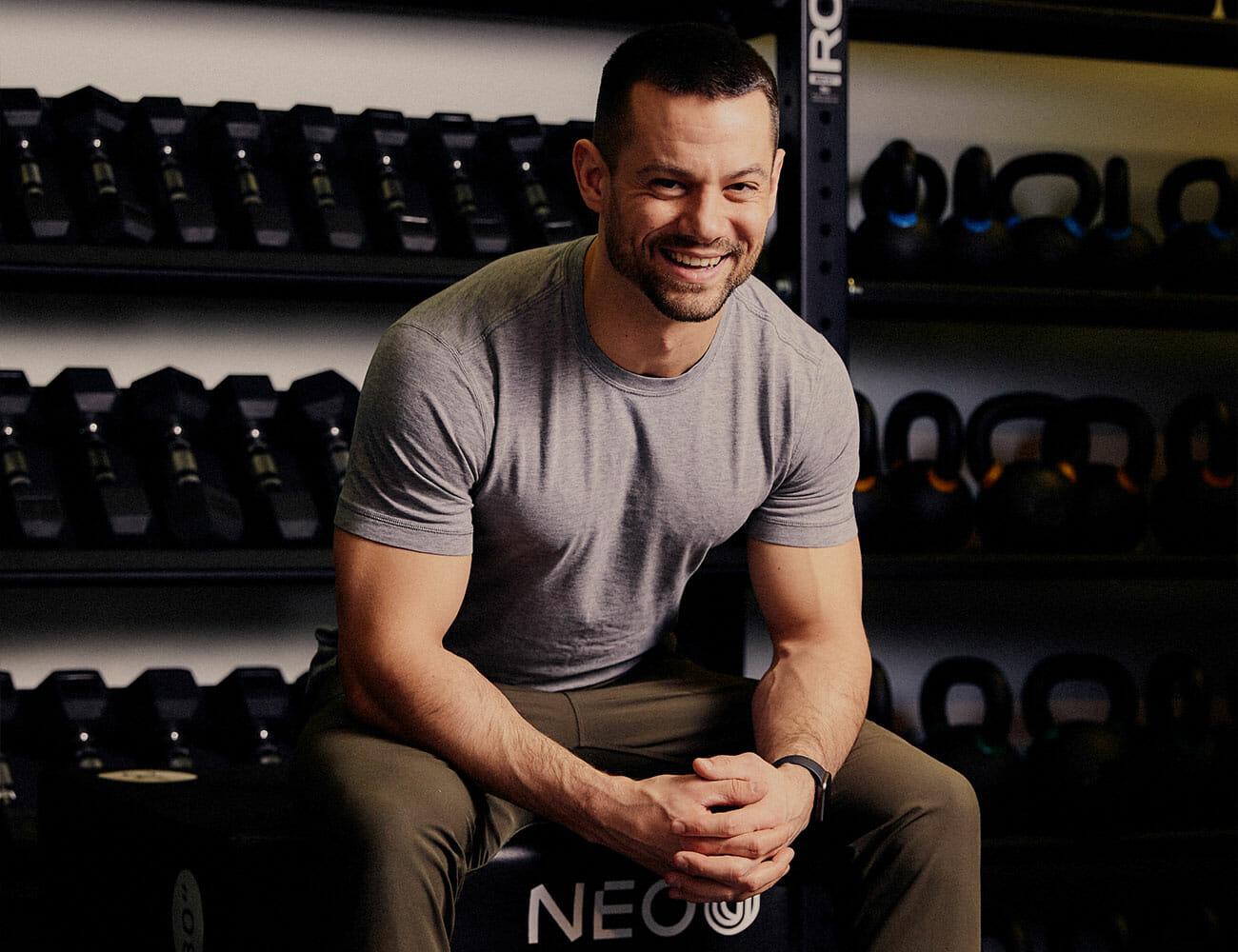
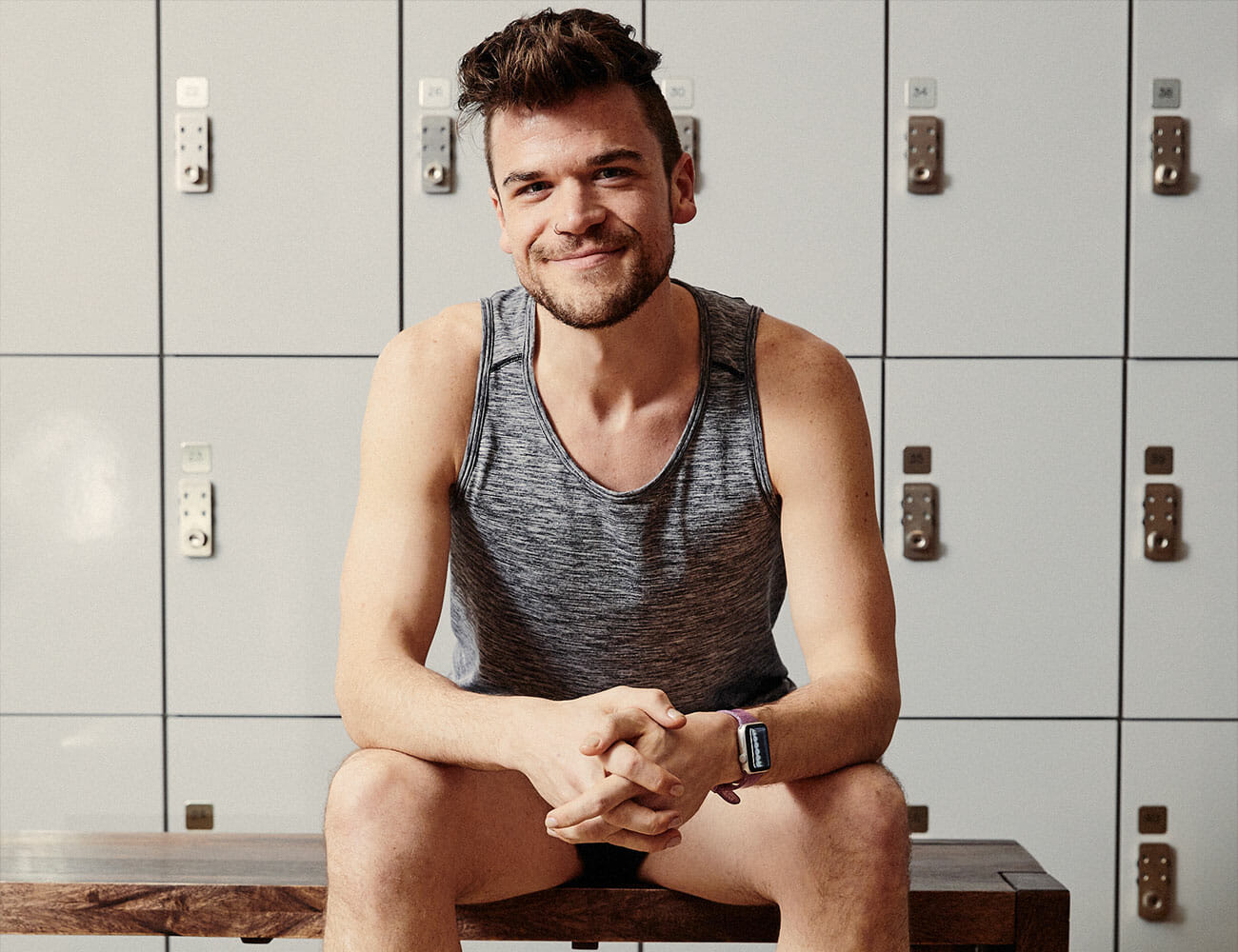
Mat Forzaglia, Personal Trainer and Coach at NEOU

Monday through Saturday, Mat Forzaglia can be found balancing personal clients, coaching CrossFit and filming for NEOU, a streaming workout platform a la Peloton with trainers from all over the country. Most mornings he starts the day with a client or class at 6 AM and ends teaching CrossFit at night. “I like the dynamic of coaching CrossFit and group fitness because each has a different focus, technique and intensity. Group fitness is fun, while CrossFit is very technical,” Forzaglia says. As a trainer who does both, Forzaglia feels more balanced — which is important when all he has is Sunday for himself. “Sundays, I do absolutely nothing. It’s my one day to do no email, no work, just nothing.”

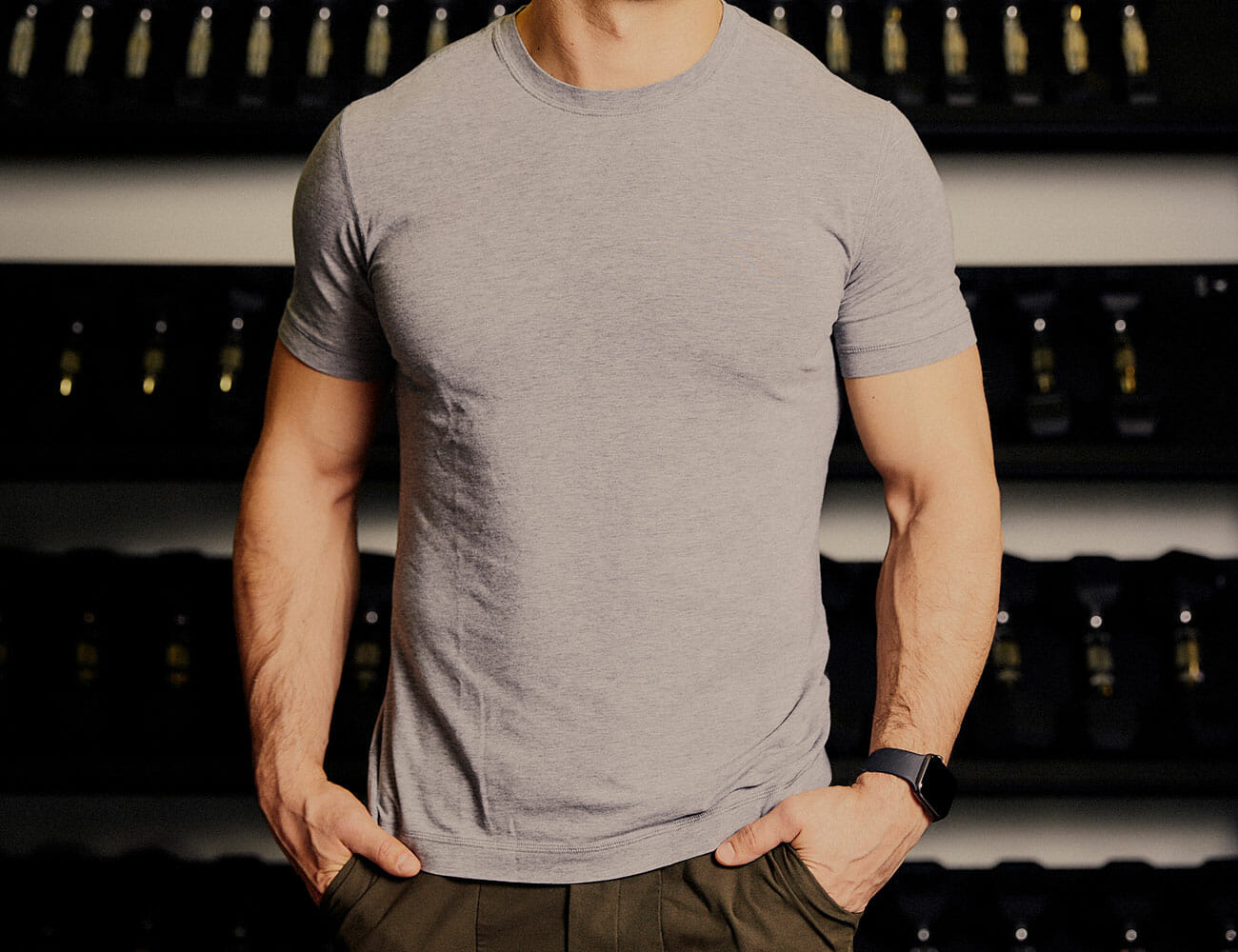
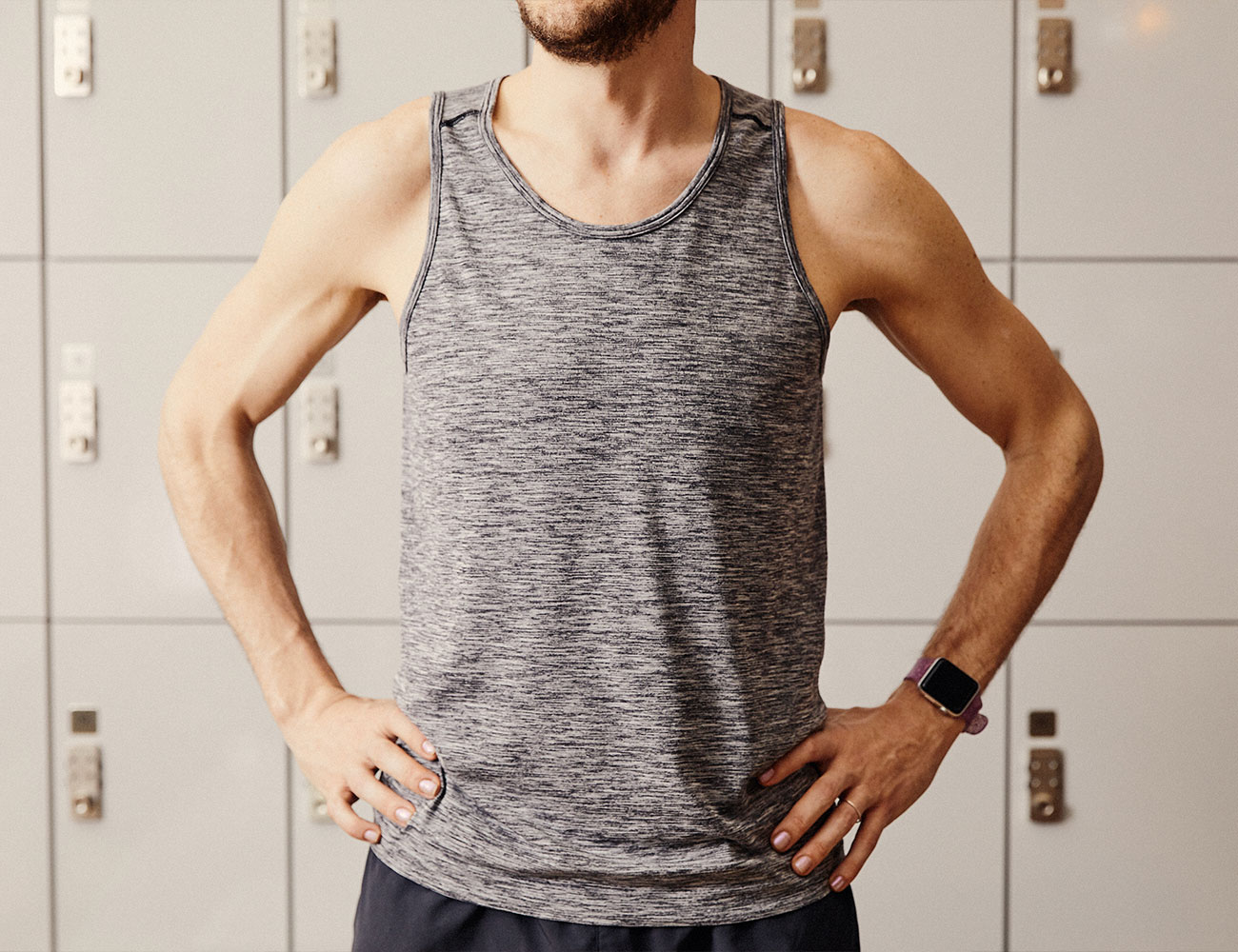
Lululemon 5 Year Basic Tee

The amount of stretch in this tee is sometimes a bit much — testers say the shirt stretches out, but Forzaglia swears by it. Its cozy feel means it’s the only tee you’ll want to wear all day long. Pick from six colors and patterns.

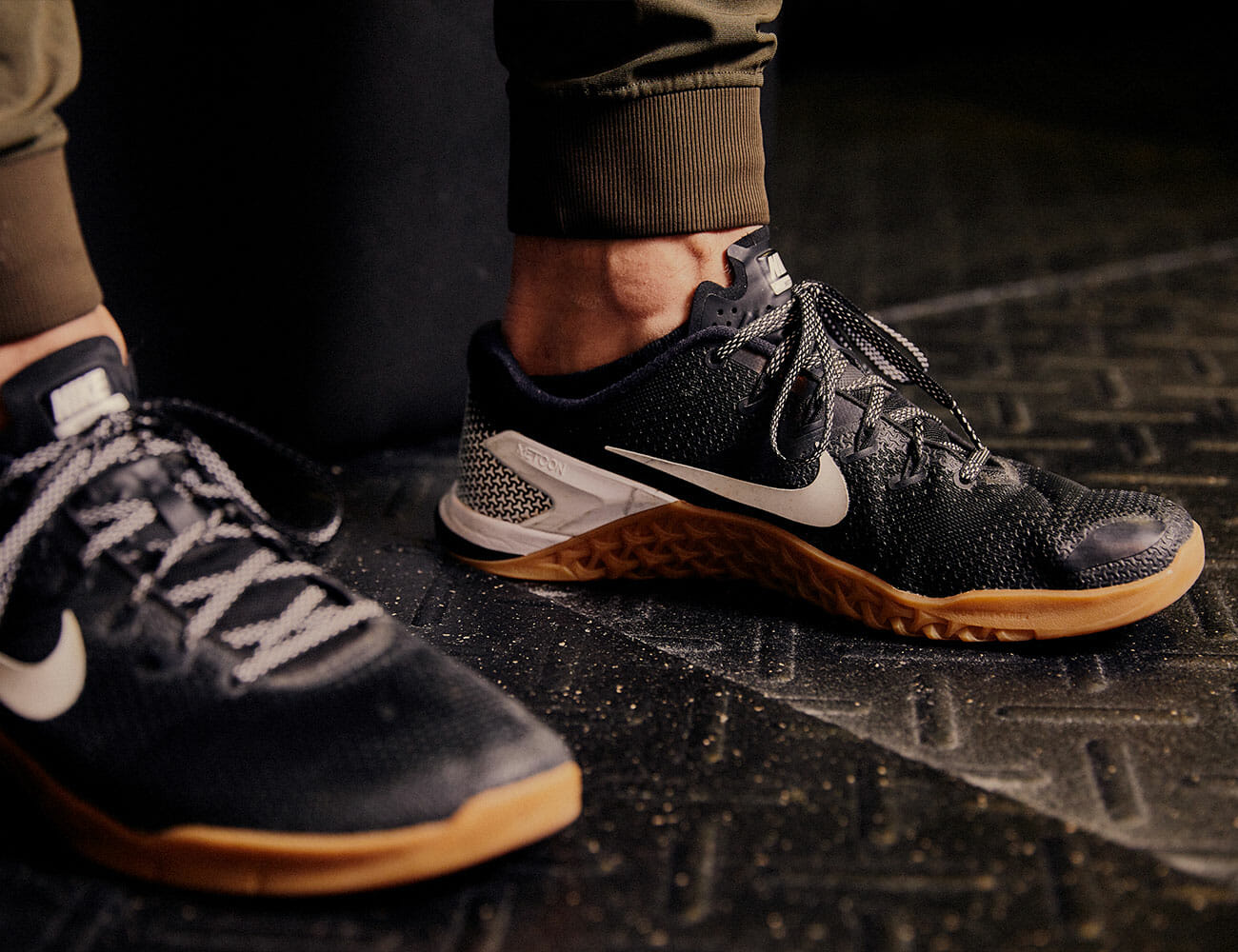
Nike Metcon 4 XD

The ever-popular Metcon is purely for cross training and gym work. The outsole grips every surface from turf to treadmill slats to rubber floors — even ropes. A 3D printed upper helps elongate the life of your sneakers, which is ideal for trainers who spend seven days a week in the gym.

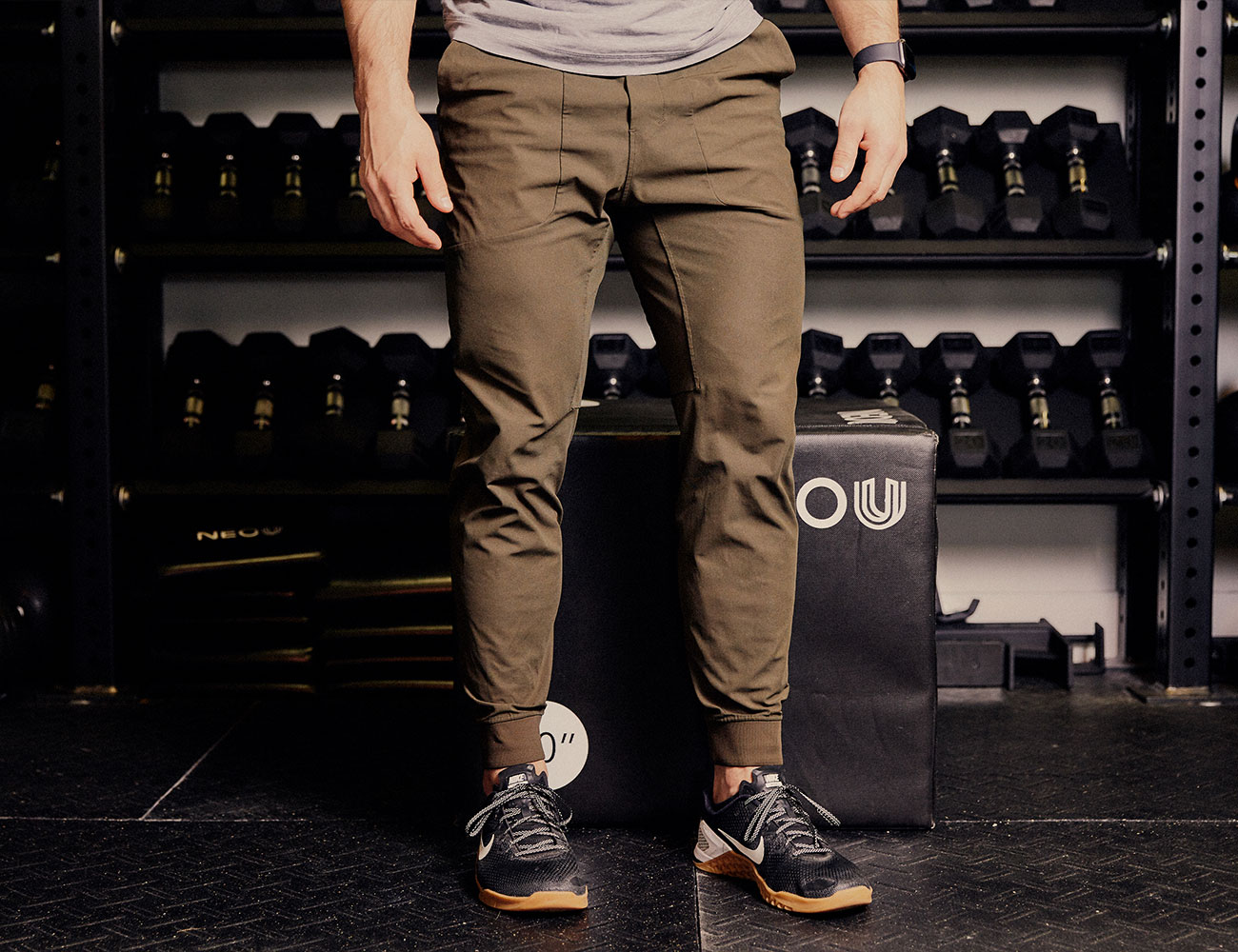
Lululemon ABC Jogger

When we shot Mat at NEOU we ran into someone wearing the exact same pair of joggers and tee, just in different colors. The team at NEOU are certainly fans. The joggers are famed among men for being the best pair of travel pants in addition to being comfortable enough for all-day wear on the gym floor. They come in six colors and have the perfect amount of pockets.

Apple Watch Series 4

Since the Apple watch launched, Forzaglia’s been a fan. Not only can you track every step you take, but also check in with clients, log your own workouts and set up reminders, so you get to your next class on time.

Zack Thompson, Instructor at Lyon’s Den

Thompson starts his day at Lyon’s Den, a hot yoga studio in Tribeca and Chelsea, at 4:30 AM and typically doesn’t end until 5 PM. As the first one in the studio, he handles everything that goes on behind the scenes in addition to teaching a class at 7 AM or 4 PM, depending on the day of the week. However, that doesn’t stop him from squeezing in his own workout where he can. “My mornings are really busy, but I can usually get in an actual yoga class during my shift, or I’ll go workout SLT or Barry’s,” Thompson says. If you’ve ever been in a hot yoga studio before, you know that things can get a little pungent, so finding the proper pair of clothes that can survive many sweat sessions and still stay fresh is an art. Here’s everything he swears by for a day full of hot yoga and treadmills.

Lululemon Metal Vent Tank Top

“[The tee and tank] both fit great for various workouts and Lululemon always has new and fun colors,” Thompson says. The lightweight, breathable fabric features open-hole mesh ventilation so your body can breathe, even when the room temperature hits 95-degrees.

Nike Flex Stride 5-Inch

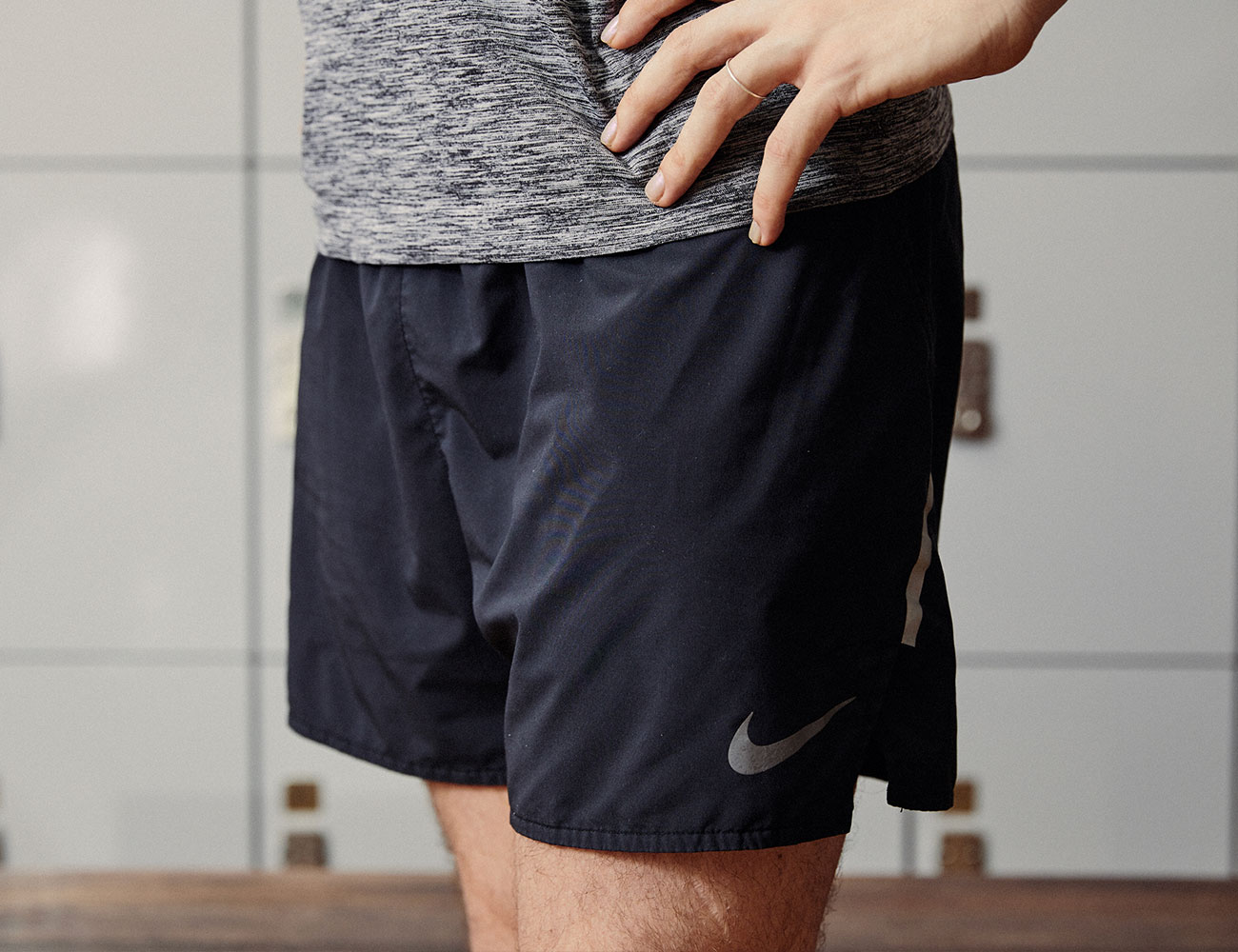
Thompson’s a big fan of these shorts — “I love my shorts short. I work hard on these legs!” — And at under $50 they’re a steal. The Flex shorts come with briefs and a couple of zipper pockets so you can keep your locker key tucked away safely.

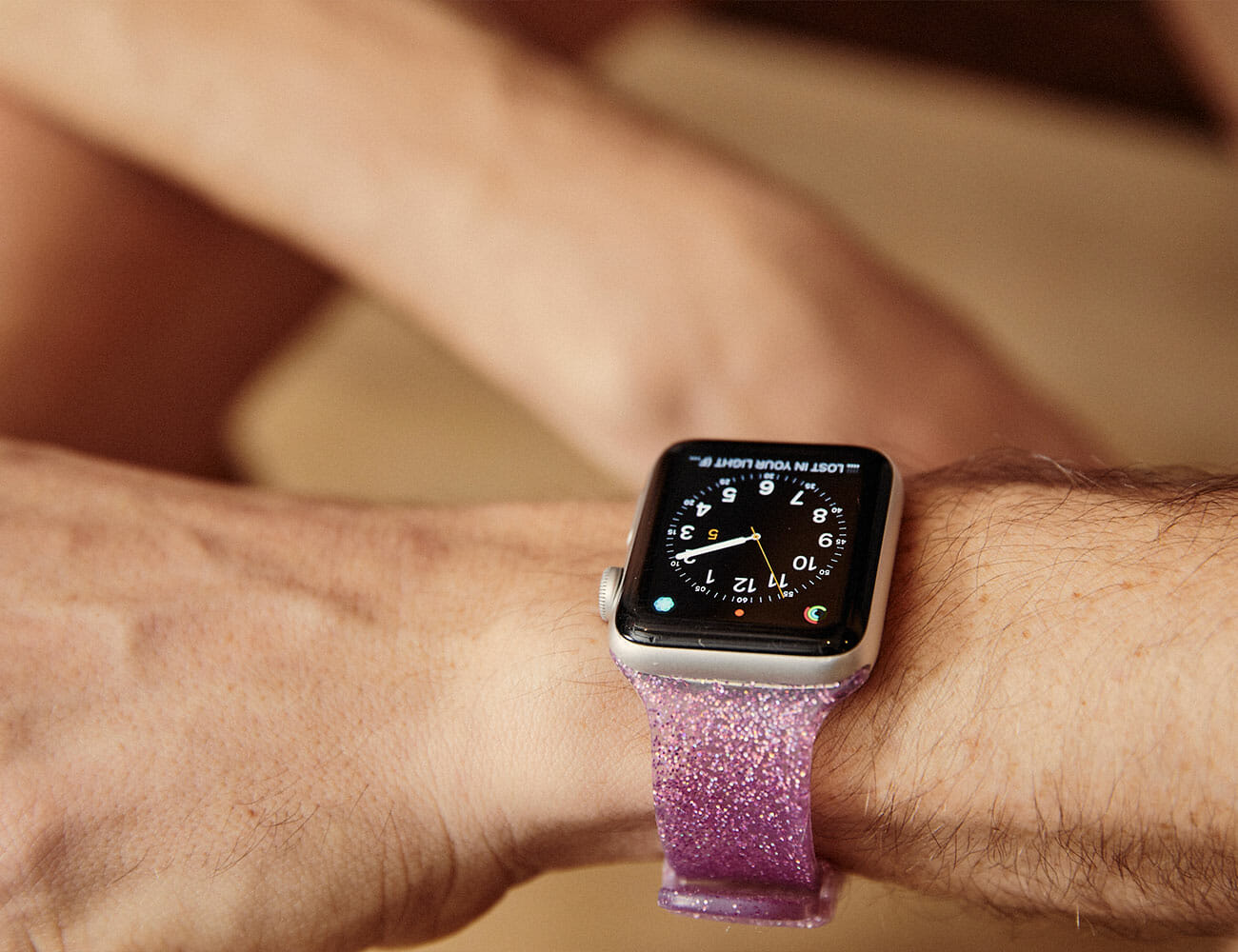
Apple Watch with Nylon Band

While wearing a tracker isn’t Thompson’s favorite thing to do, he does admit that when teaching it’s super helpful to be able to control the music with just one touch.

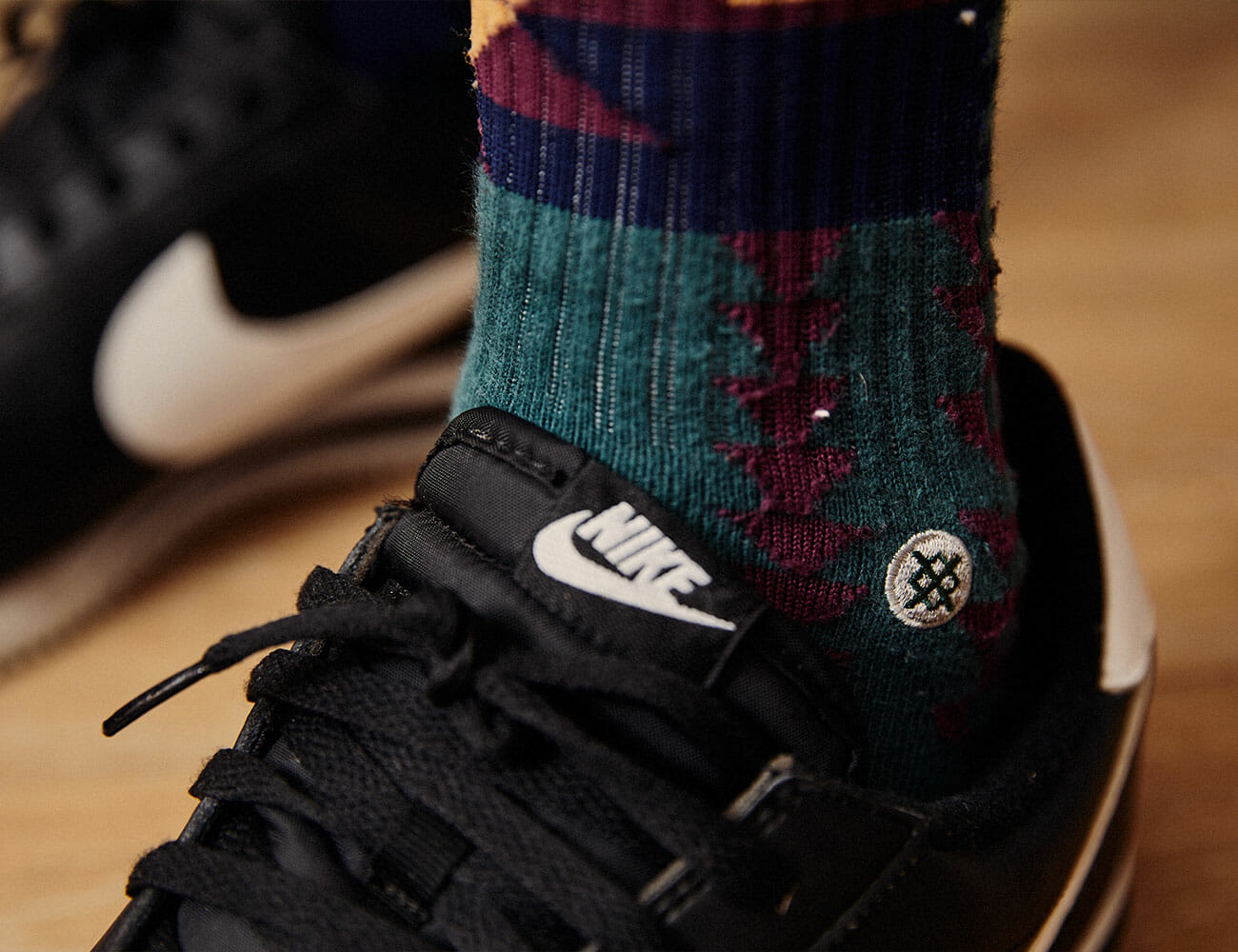
Stance Socks

Stance has long been a favorite of GP-staffers — their run-specific socks are the highlight of our kits, and Thompson feels the same. “I’ve recently discovered Stance, and I love all the colors, patterns and fun designs. Also with a large foot, size 14, their socks fit great!”

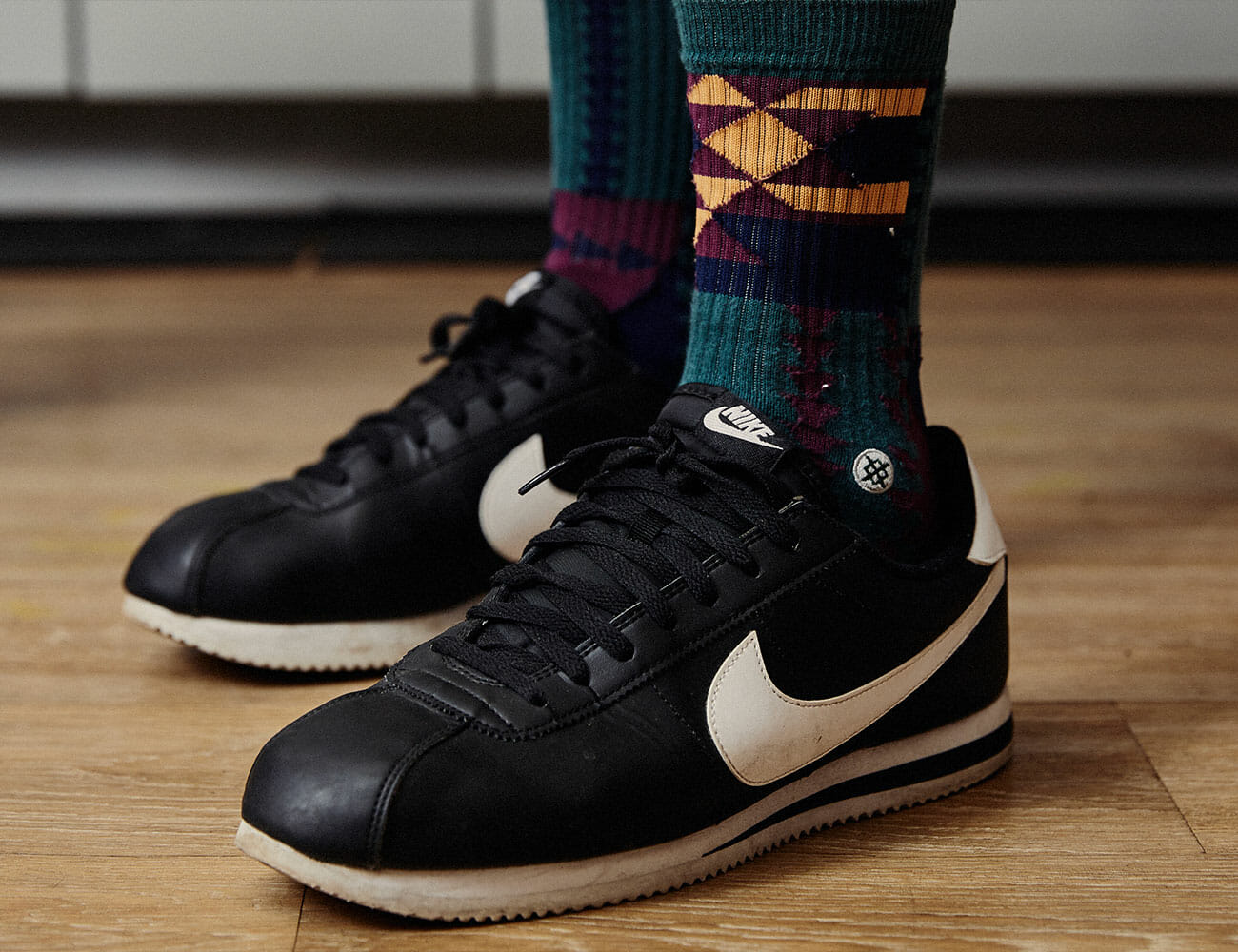
Nike Cortez

As someone who doesn’t have to wear a pair of sneakers to work out — you must check your shoes at the door at Lyon’s Den — Thompson opts for something that’s a bit more fashion-forward. “I like the comfort and look of the Cortez,” Thompson says. “It has a great vintage style which can be easily thrown on with sweats on the go or with jeans for a night out.”

Shop Protein Powders and Multivitamins at Brandless for Less

The Magazine

Let us take you on a journey of the world. Each issue of the Gear Patrol Magazine comes packed with adventures, guides and stories exclusive to the magazine. Stunningly designed, printed on high quality stock and ready for your coffee table. Biannual. $39.

The Newsletter

Get the best new products, deals, and stories from across the world, in your inbox daily.

Everything You Need to Bike Commute in the Rain

Depending on where you live, “spring showers” might mean anything from drizzle to downpours to hail to sleet. Riding a bike in the rain isn’t everyone’s idea of fun, but for commuters, it might be a necessary reality of transportation. It can be made more enjoyable with a carefully considered suite of items that not only keep you dry but also preserve style too.

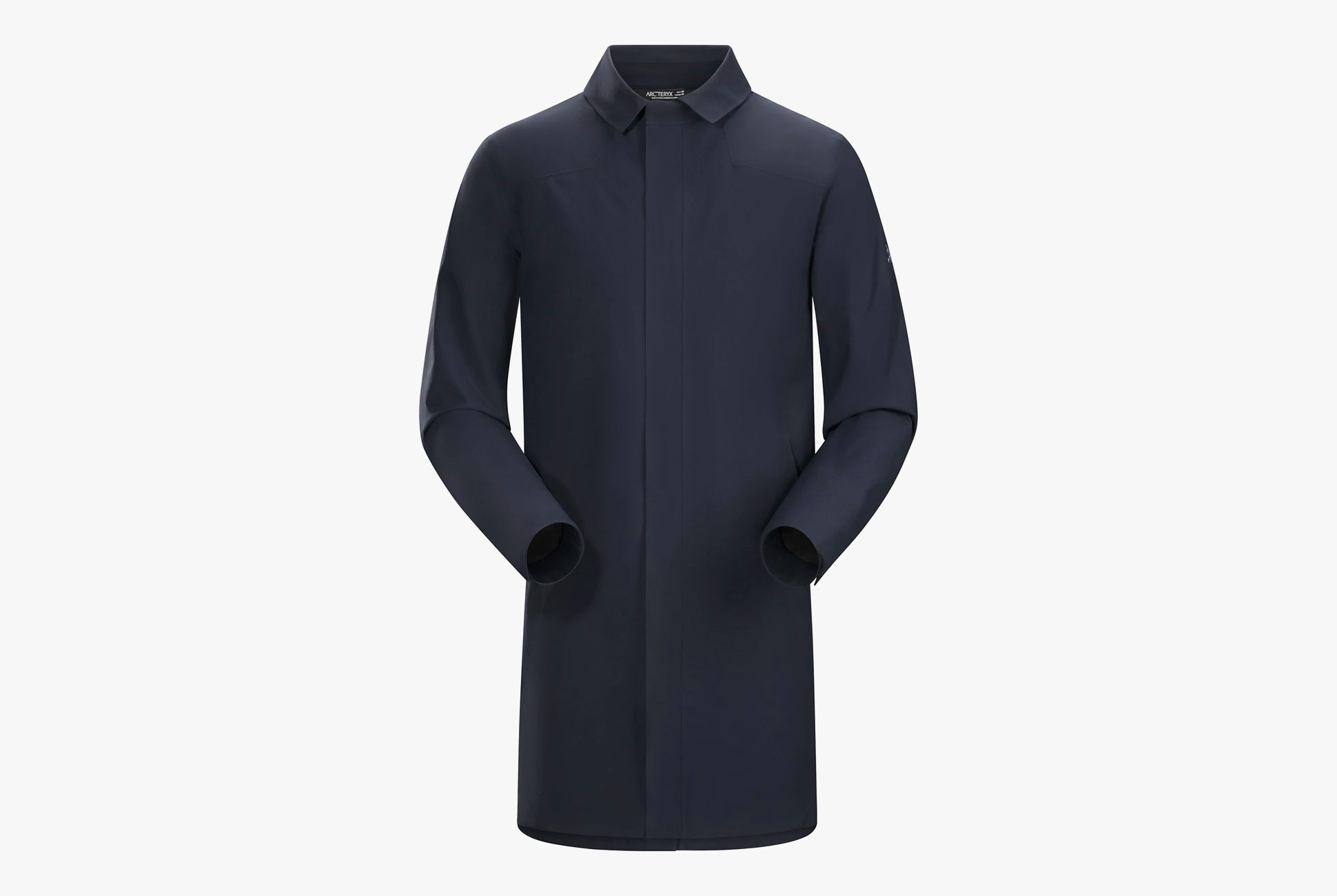
Arc’teryx Keppel Trench Coat


Rainwear doesn’t have to look overtly technical or outdoorsy. Arc’teryx mastered the idea, and the Keppel Trench Coat acts as the primary example: it’s neither flashy nor loaded with features, but uses a waterproof and breathable Gore-Tex membrane to resist all inclement weather that you might encounter during a ride in the rain. A two-way zipper and reflective detailing under the collar make it ideal for biking, but again, these things are hidden, leaving a coat that performs better than its stylishness might imply.

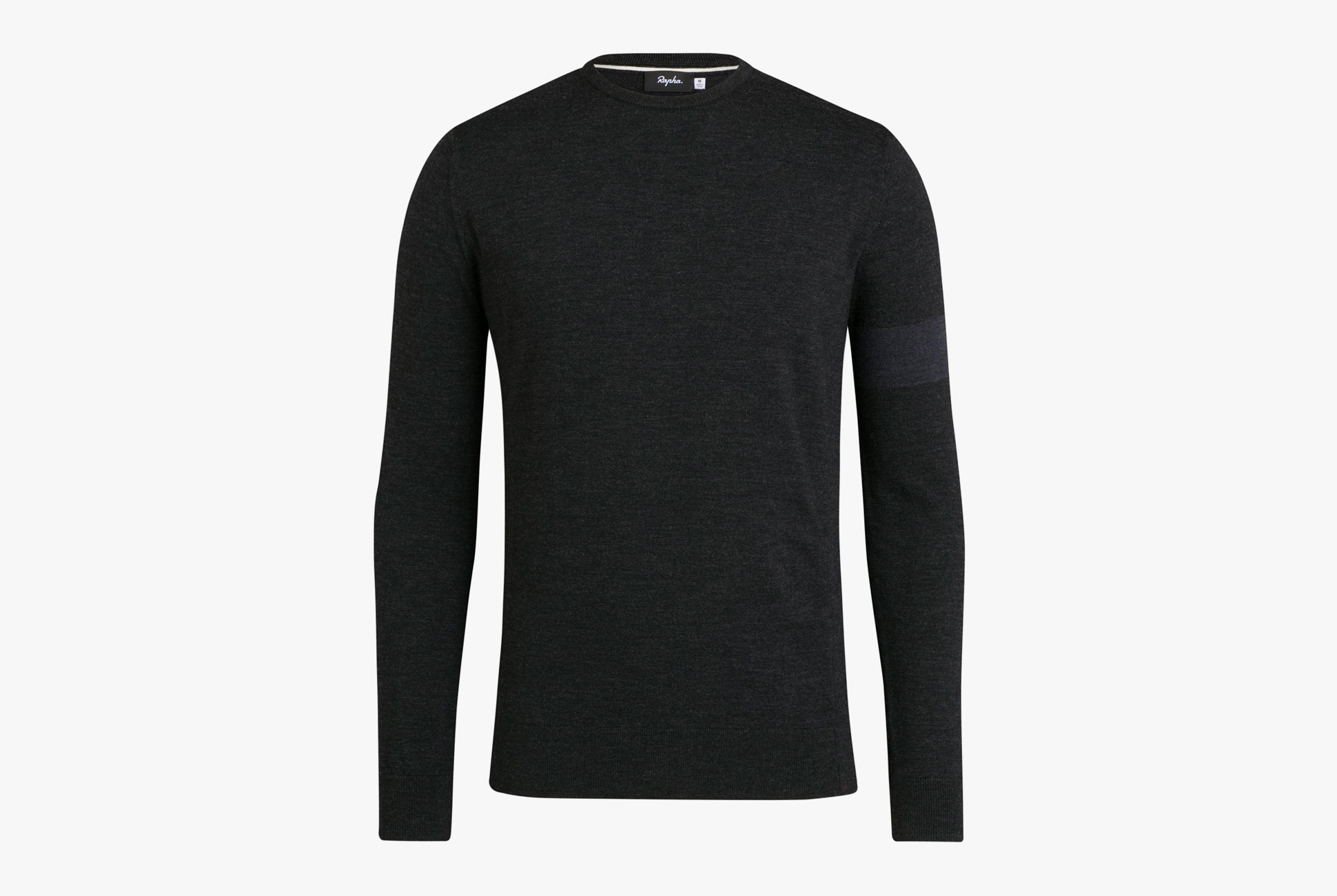
Rapha Crew Neck Knit


Commuting isn’t just about what’s worn on the outside — Rapha’s toned-down crew neck provides an insulating layer that looks good enough for when the rain jacket comes off at the office. Rapha made it with mesh and merino wool for riding, so if a storm passes during the day, you can ditch the outer layer and still travel in comfort.

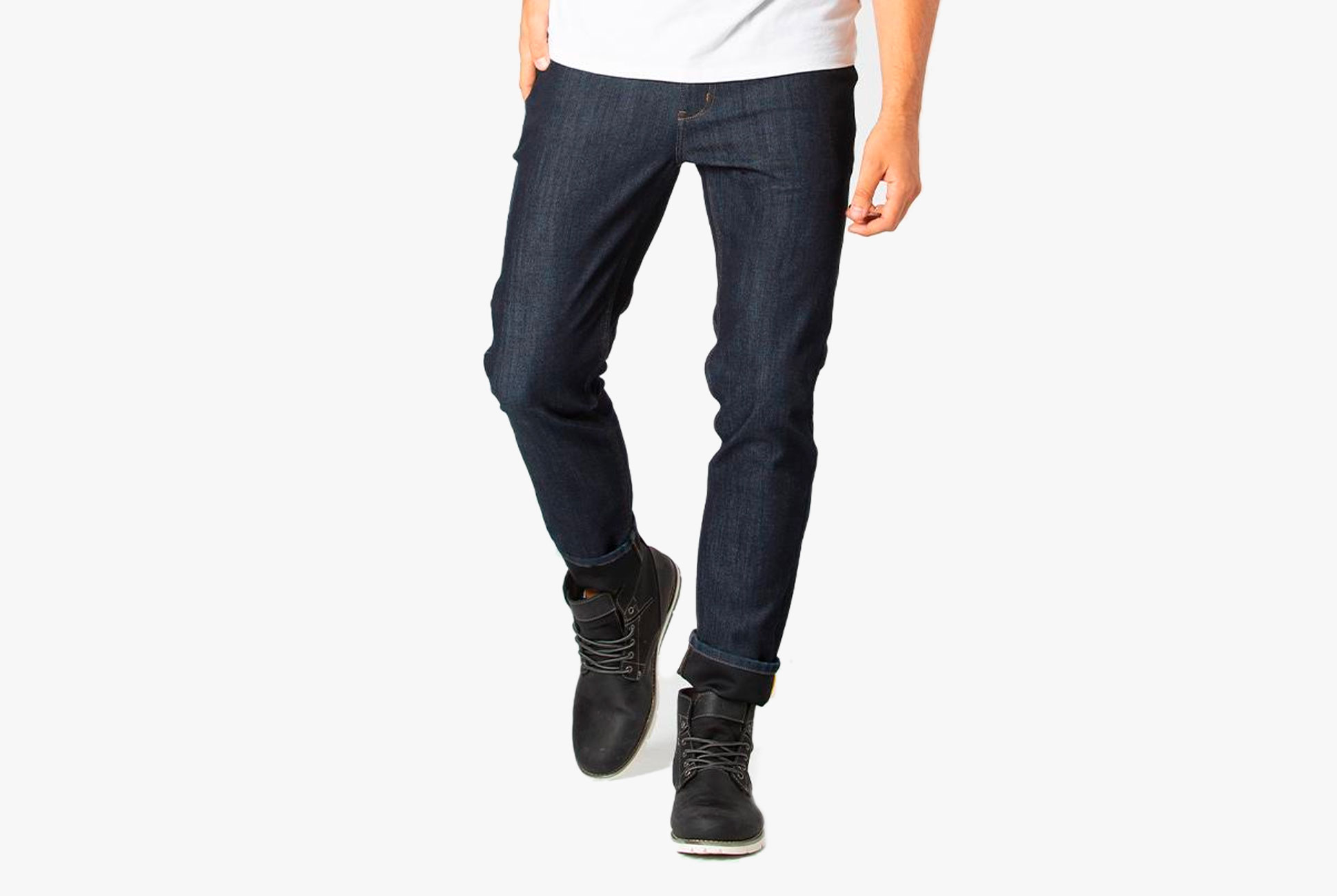
Duer Performance Denim Weatherproof Jean


Pants are arguably the toughest item to find that’s both storm-proof and stylish. Let’s face it, any pair of pants that’s waterproof enough to withstand a deluge will look the part (and will be extra swishy-sounding while walking around the office). You wouldn’t know that Duer’s Performance Denim Jeans are weatherproof though, until you wear them in the rain. They have loads of stretch that aids movement, and you can turn up the cuffs to reveal reflective details.

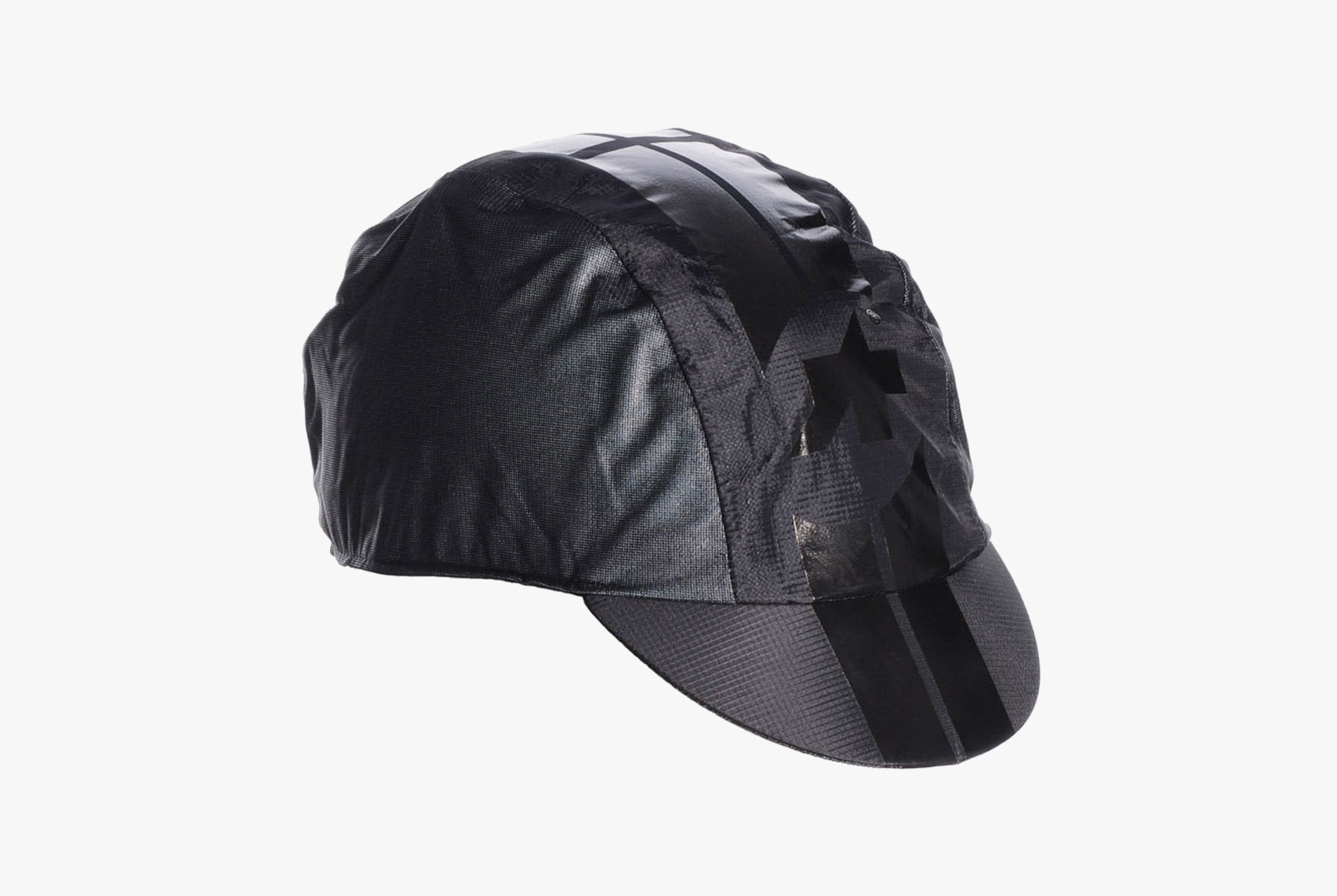
Assos RainCap_S7


Cycling caps are a matter of taste, and if it’s your thing, well, here’s one that won’t get soggy.

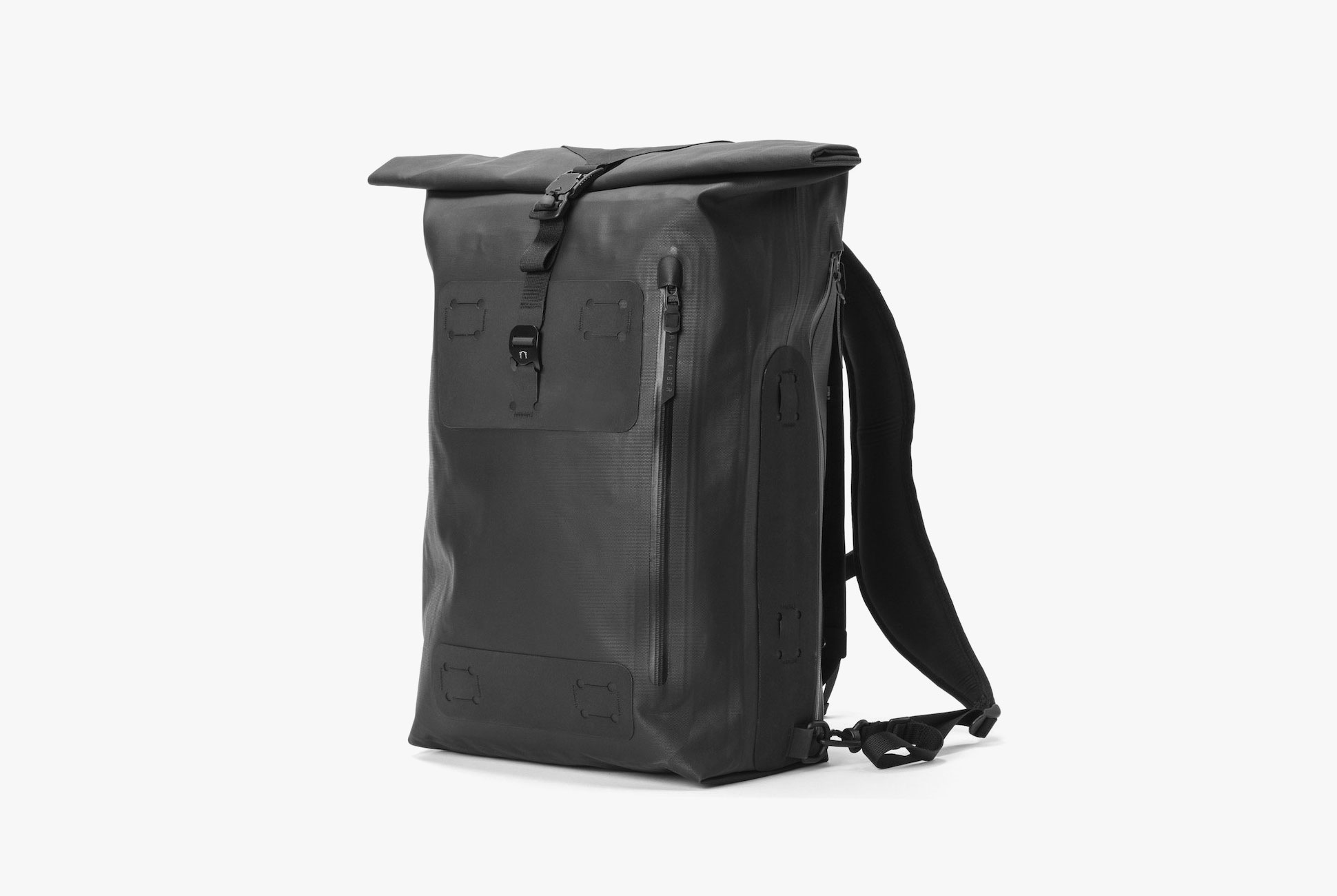
Black Ember WPRT Minimal Backpack


Black Ember put more thought and resources into this backpack than some companies allot to an entire collection. The bag is a seam-free, laser-cut container that’s decked out in sealed zippers and high-grade hardware with a unique option to customize its functions with other modular add-ons that Black Ember makes. The main roll-top compartment has a separate zipper for quick access, and your laptop gets its own pocket, too. Also, the entire thing is waterproof.

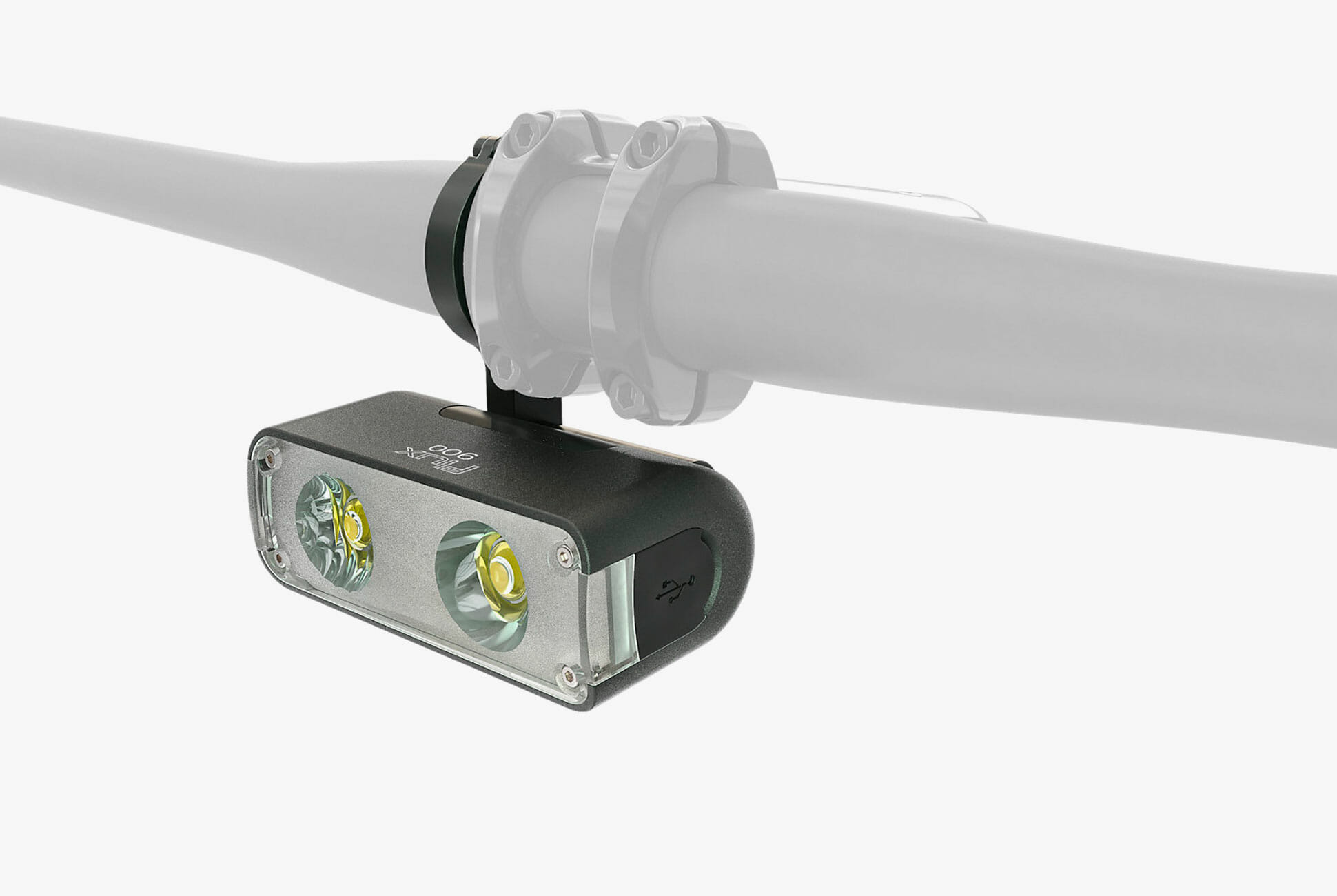
Specialized Flux 900


Lights are vital for town and city riders — in many places, they’re also required by law. Specialized’s Flux 900 not only stands up to moisture but uses two different bulbs to throw light into the distance and flood the immediate foreground at the same time. It also has a handy USB fast charge function that’ll bring the battery to 90 percent.

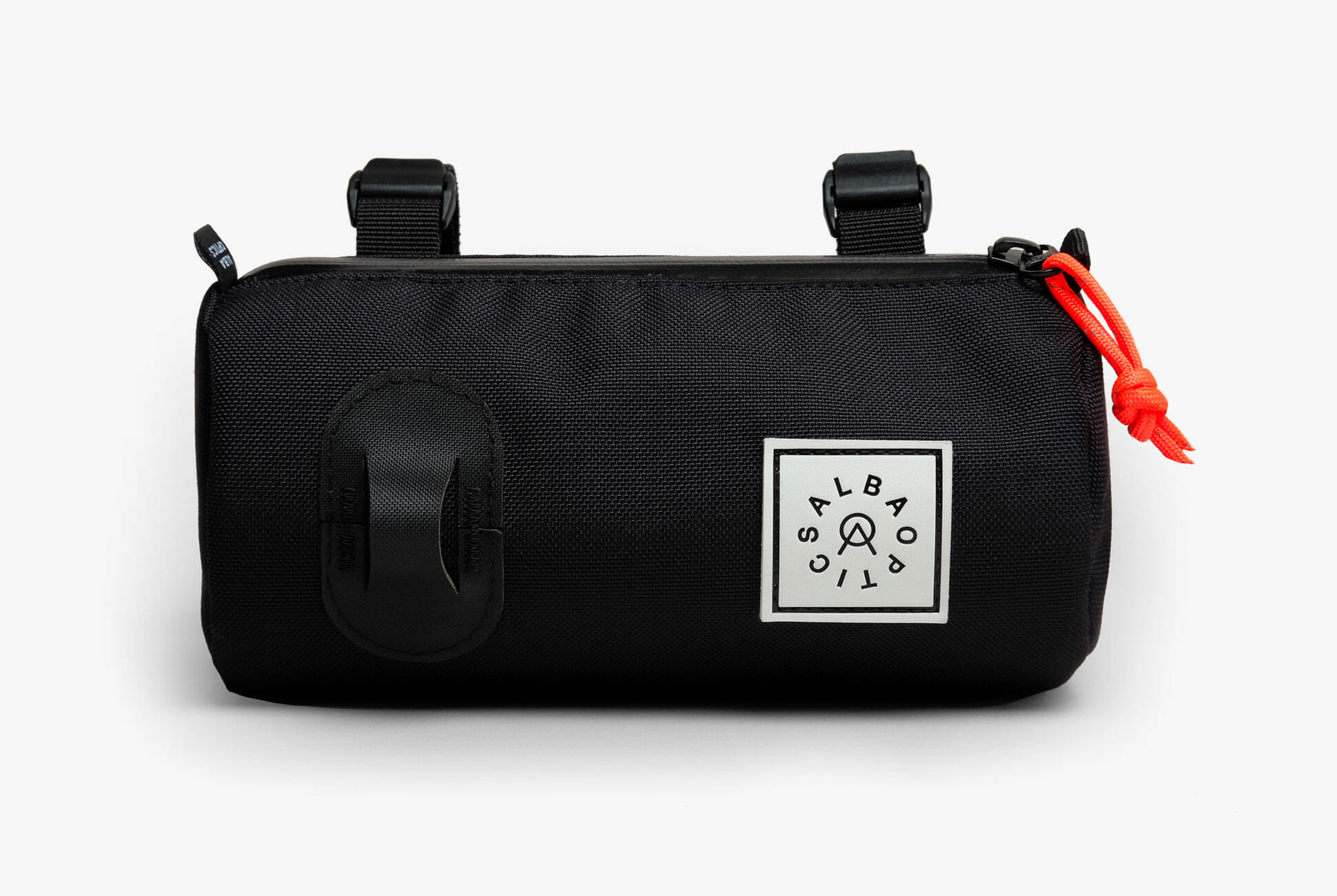
Alba Optics Handlebar Soft Case


When you don’t have a backpack but do have more than your pockets can handle, there’s this sleek little weather-resistant handlebar bag from Alba Optics.

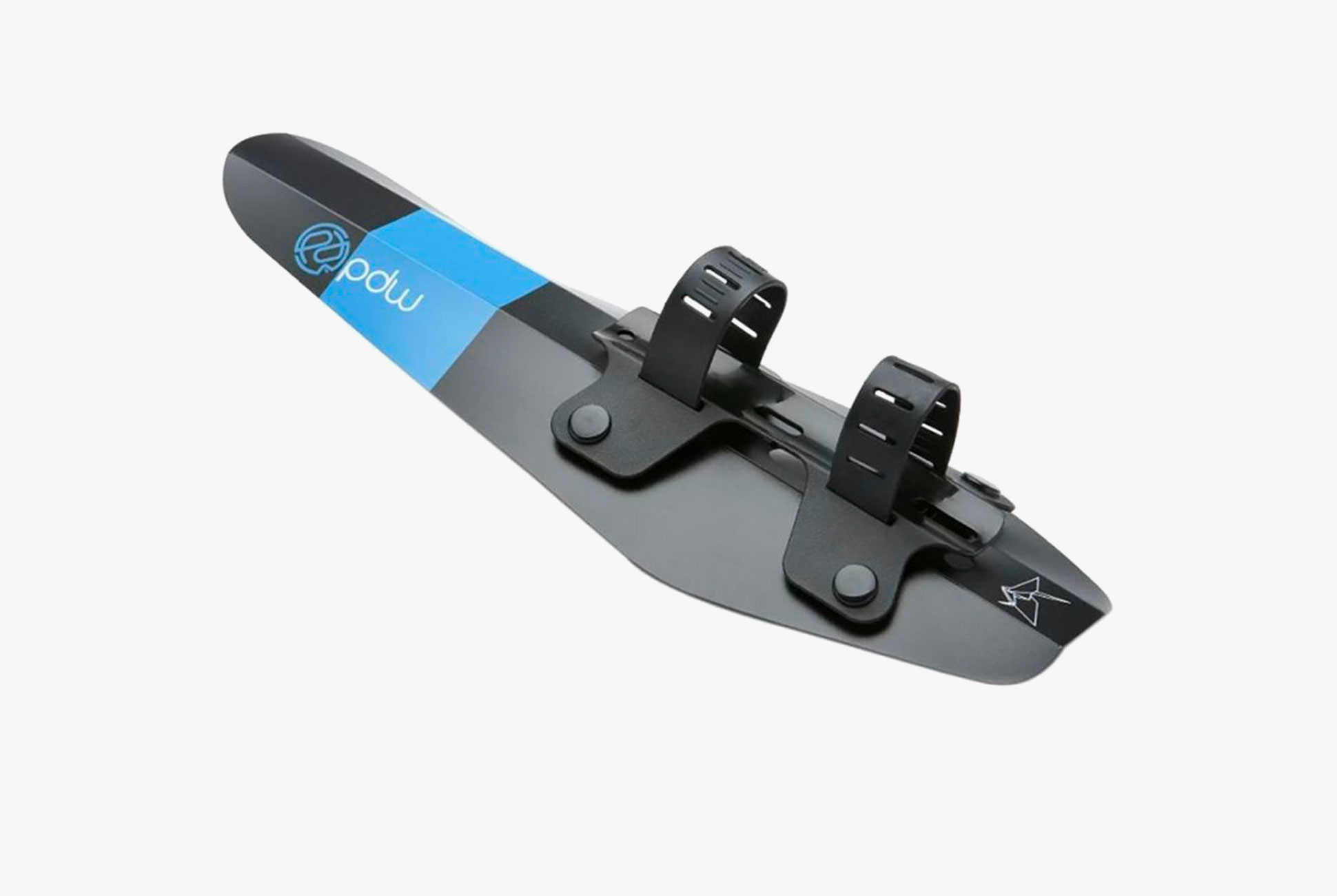
Portland Design Works Origami Fender


A waterproof jacket, pants, backpack — these items will take a thorough dousing during a rainy ride, but it’ll be compounded significantly if your bike doesn’t have fenders. The Portland Design Works Origami fender set is as convenient as they come — both the front and rear pieces use easily removed attachments and fold up to fit into a bag. That way you can ride fender-free when there’s no precipitation in the forecast.

Note: Purchasing products through our links may earn us a portion of the sale, which supports our editorial team’s mission. Learn more here.
Exclusive: Janji, One of Our Favorite Boutique Running Brands, Launches Its Spring Line

The Steadfast Collection

Exclusive: Janji, One of Our Favorite Boutique Running Brands, Launches Its Spring Line


Today, you can shop the newest spring line by Janji exclusively through Gear Patrol. Janji is one of our favorite running brands with its fun designs and social missions. The Boston-based brand focuses on social initiatives like access to drinking water for people in less developed countries. Five percent of all sales go back to the locations that inspire the new collections.

The latest drop is the Steadfast collection, filled with bright colors and bold patterns. The Tonlé Sap basin, the largest freshwater lake in Southeast Asia inspired the designers for this season’s running apparel. The Sap is also one of the primary sources of life for those who live in Cambodia.

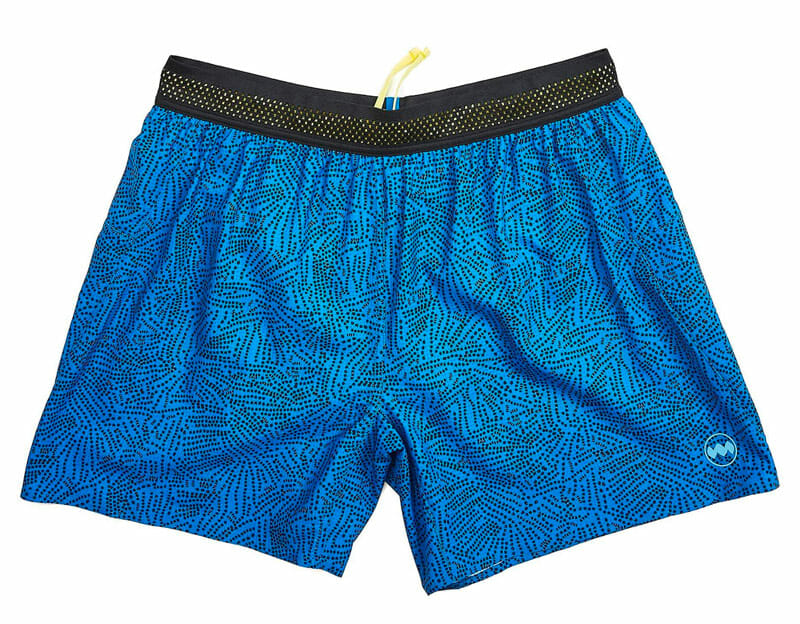
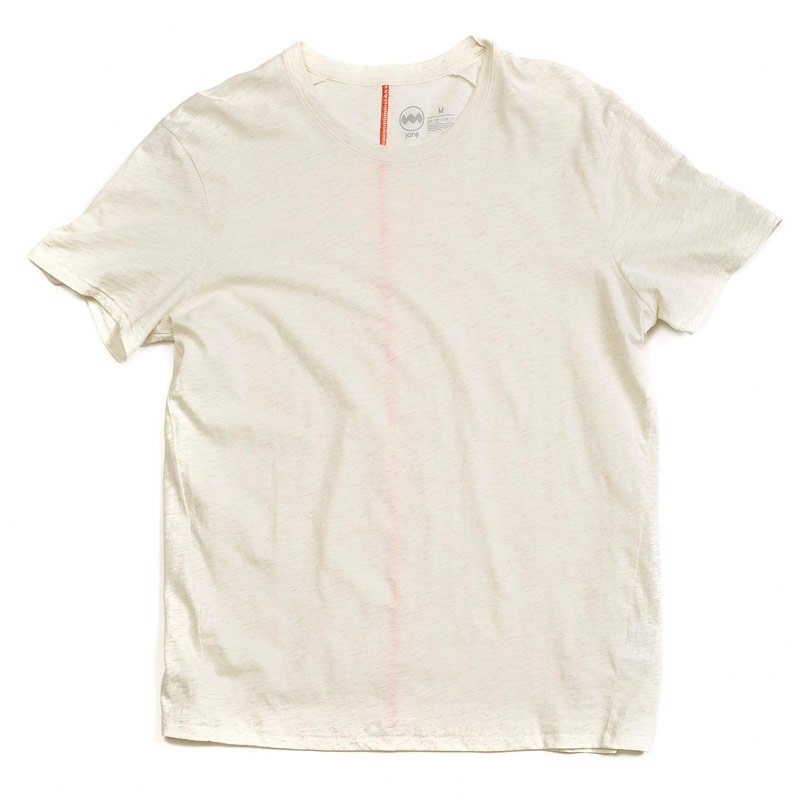
In the Steadfast collection, you’ll find every day running essentials like the Middle Shorts in a royal blue dot pattern or a light grey as well as the Runpaca SS Tee in four new colors and designs. The shorts are breathable with a mesh exterior and won’t itch or chafe thanks to a perforated knit waistband. We love the soft hand feel of the tees thanks to Pima cotton blended with alpaca fleece for odor-resistance. Our testers found Janji added just the right amount of flair to their running kit rotation. The ultralight fabrics felt great with just the right amount of detailing to make each piece feel special and unique.


AdventureVent Middle Short by Janji $60

Runpaca Short Sleeve by Janji $54
Gear Patrol also recommends:
Travel Tech Long Sleeve ($62 $50)
Janji Transit Short ($68)
Janji Circuit Crew Pullover ($88)

The Swiss Army Knife Doesn’t Get Flashier Than This

The Magazine

Let us take you on a journey of the world. Each issue of the Gear Patrol Magazine comes packed with adventures, guides and stories exclusive to the magazine. Stunningly designed, printed on high quality stock and ready for your coffee table. Biannual. $39.

The Newsletter

Get the best new products, deals, and stories from across the world, in your inbox daily.

Goldwin’s Spring Line Is Perfect for the Rainy Season

The Magazine

Let us take you on a journey of the world. Each issue of the Gear Patrol Magazine comes packed with adventures, guides and stories exclusive to the magazine. Stunningly designed, printed on high quality stock and ready for your coffee table. Biannual. $39.

The Newsletter

Get the best new products, deals, and stories from across the world, in your inbox daily.

The Stylish Boardshorts Built to Last Decades

At the start of the 1960s in Southern California, blue-collar life was beginning to give way to beach culture. Surfing was becoming popular as teenagers grabbed boards, grew their hair long and firmly established the birth of the counterculture. Carrie Birdwell Mann witnessed this transformation taking place and saw an opportunity, launching Birdwell Beach Britches in 1961.

Inspired by the nylon sails of sailboats, she worked with textile mills on the East Coast to develop a proprietary two-ply nylon fabric (SurfNyl™) that is the foundation of Birdwell Beach Britches. These durable Beach Britches (the original name for boardshorts) were built to withstand the rigors of surfing and to be wearable for a lifetime — just have a look at the two flanked on the sides in the image above; those dependable boardshorts are nearly 20 years old and withstood rigorous daily use by ocean rescue lifeguards.

While Birdwell’s first customers were the lifeguards of Newport Beach and SurfNyl™ is the pride of Birdwell, a new fabric has made its way into the iconic boardshorts this year. Chambray can wear-in and not out just as SurfNyl™ does — over the years it becomes more and more handsome. This long-lasting approach is more present than ever in the new 310 Limited-Edition Chambray Board Shorts.

Given its dedication to designing shorts that wear well, Birdwell has astutely used an indigo cotton chambray — a fabric that stylishly whiskers and patinas over time. For this new modern classic, created in a slightly evolved silhouette from the signature cut, these boardshorts also include a simple button fly, a tab closure for an adjustable fit, matching navy horn buttons, orange SurfNyl™ lining and a SurfNyl™ stripe running from back to front.

Every fabric, stitch and component Birdwell implements is scrutinized with purpose-built design philosophy. And thanks to the matriarch’s commitment to handmade quality since the 1960s, the original blueprint remains mostly unchanged. Birdwells are so reliable that many pairs of these quintessential shorts are still going strong today. Durable enough to last decades and backed by a lifetime guarantee, the 310 Limited-Edition Chambray Board Shorts will upgrade any guy’s beach threads for years to come.

The Best Fitness Tools to Track Your Sleep and How to Use The Data

“Sleep is roughly one-third of your life, and you don’t want it to be a mystery,” Will Ahmed, founder of Whoop, a fitness and wellness tracker, says. “Sleep is when your body is repairing [itself], so 95 percent of your body’s human growth hormone is created during sleep.” Which is to say that this is when your body is doing a huge amount of recovery work, especially after a hard workout. The first step to improving sleep is to gauge how much you’re actually getting. While the accepted amount is somewhere between seven and nine hours for adults, you might need more than that. “Sleep is so incredibly personal,” Dr. Lorenzo Turicchia, a sleep scientist at Bedgear, a performance sleep brand that makes mattresses and pillows for athletes, says. “I recommend paying attention to when you wake up feeling refreshed and see what your data looks like.” The only hard data you can really track is time spent in bed, and then you can use that to deduce the number of hours you were actually asleep. The other things, like sleep cycles and interruptions and pre-bed habits, are just nice-to-haves that you can personally draw from.

There are many wearables and apps available to give you a plethora of data points and the one point you want to pay attention to is sleep time. “Getting into bed at 11 PM and getting out of bed at 6 AM does not mean you automatically got seven hours of sleep,” Dr. Turicchia says. “Tracking could help you understand the number of hours you log each night, providing you with more data to help you prioritize your rest so you can feel more awake during the day.” The CDC recommends seven or more hours per night for everyone 18 and older, and the American Academy of Sleep Medicine agrees. Wearables and a good old pen and paper are useful to help you log and monitor how many hours of sleep you’re getting. The key is that you use something that’s easy for you to remember — whether it’s a device you wear on your wrist, finger or slip under your mattress — you want to “set it and forget it,” Matt Delaney says. He’s the head of innovation at Equinox gym and founder of the sleep coaching program there.

Once you have the stats on your sleep, it can be overwhelming to know what to do with them. Look at the time you go to bed first — “most people fluctuate sleep and wake times a considerable amount,” Delaney says. It’s likely different on weekdays versus weekends. “If your schedule has a bunch of variability in it your body will have a tough time adapting to a consistent schedule,” Delaney says. Use the tracker to identify nights where, “I went to bed two hours later this night, but ended up wake up same time, so [I got] two hours less of sleep,” Delaney says. Once you identify those trends, you can use that to “systematically attack each one, fixing each until you get one handled,” Delaney says.

The goal with sleep tracking is to understand it — and everything you do that affects it. The watches can’t tell you how to use the data but, if you watch for patterns in your sleep in comparison to, say, your workout or eating habits, you can determine where improvements can be made to optimize your sleep. “There are all sorts of things you’re doing in the other 20 hours of the day that affect how you sleep later,” Ahmed says.

Here are five devices you can use to get the down low on your data so you can start tracking.

The Gear You Need

Withings/Nokia Sleep Tracking Pad

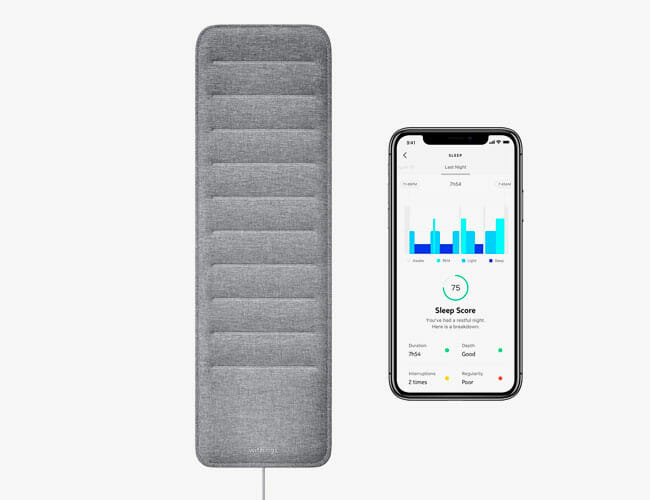
The Sleep Tracking Pad is what I use every night — it slides under my mattress and spits out a variety of stats via the Health Mate app. I never have to think about it, which is why I like it. I can open up the app any time of the day, and it will connect to the device through Wifi to let me know how many hours I logged last night. Each morning I get a sleep score based on how long I was asleep, how many interruptions I had, how much time it took me to fall asleep and what time I got up.

iFit Sleep HR

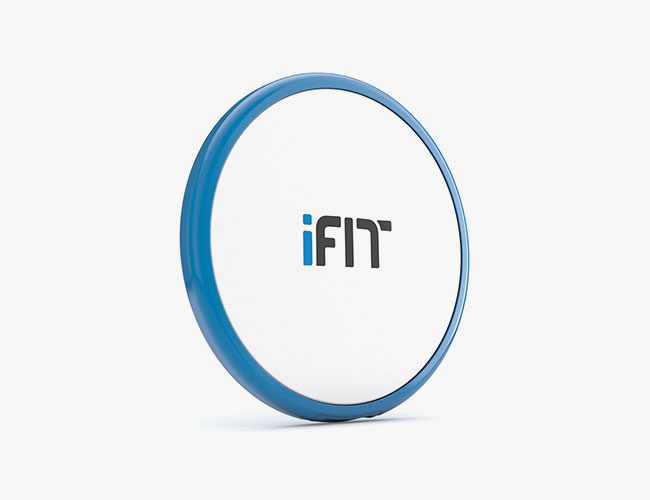
This device slides under your mattress to track your sleep hours and more. The iFit app asks about your last meal, alcoholic and caffeinated drink intake and when you last worked out to give you more information with each calendar data point you plot. While it’s a pain to have to open the app before bed to get it to log your sleep, many trackers don’t ask any questions, so you’re not getting a complete picture of your recovery. “If I look at my sleep, and I get 5.5 hours because my son woke me up in the middle of the night, that’s very different than me getting 5.5 hours of sleep because I had six drinks before bed,” Delaney says. “All I see on the back end is sleep data.” When you take the time to enter that information into an app, it’s easier to spot issues that are fixable — and ones that aren’t. The iFit Sleep HR provides you with the tools to keep track of all the little details, unlike the Withings Sleep pad, which gives you no options for note-taking.

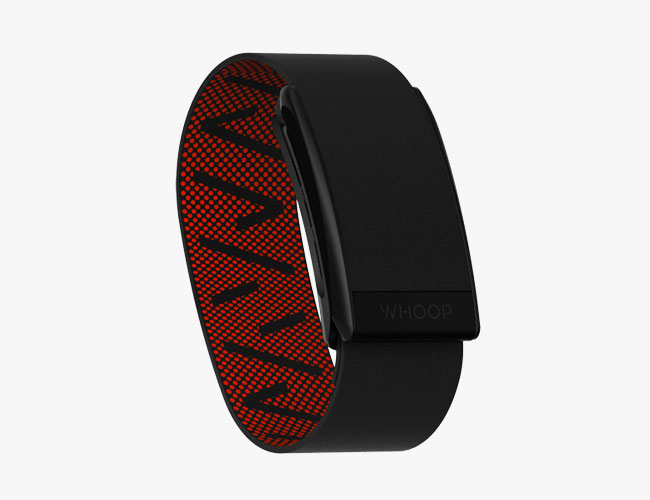
Whoop

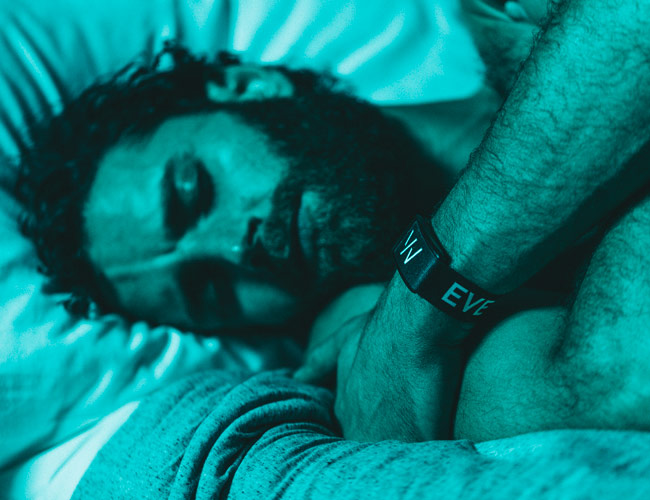
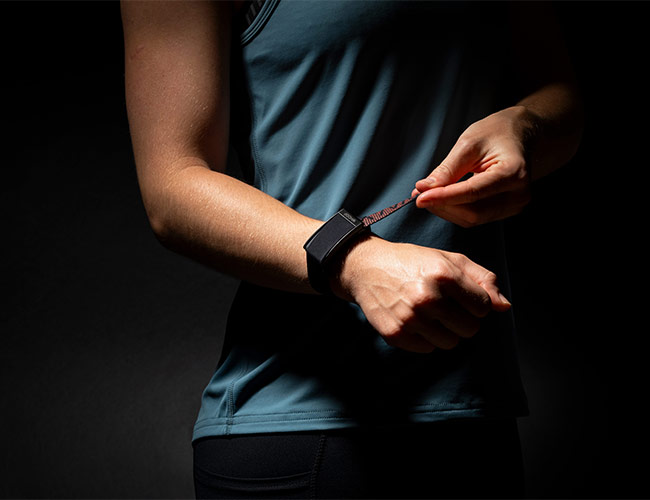
We tested the Whoop Tracker (read the review here) last year and were impressed with how much data we had at the end of each day. You’ll see sleep latency (how long it takes you to fall asleep), disturbances (how often you wake during the night) and your time in bed, which is helpful when determining how hard you should exercise the next day. The app takes into account how much you exercise during the day, tracking your movement 24/7, so if you’re pushing yourself in a workout, yet not getting enough proper recovery, the app will alert you. Whoop calculates when your body is under too much strain, so you can focus more on rest and eating right before tackling an intense workout. Whoop reminded me how much sleep is an integral part of my recovery thanks to a rating system that shows you a score every day. When the score is in the red (meaning I was run down) Whoop served me a handful of reminders that I needed to get to bed sooner. It’s an easy-to-wear and easy to charge device that you never have to take off. You never take off the Whoop strap — not even to charge it — so sleep information is plentiful.

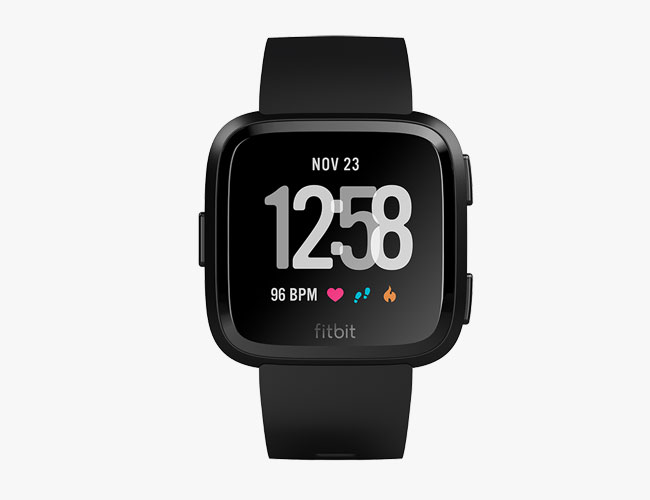
Fitbit Versa

Thanks to four-day battery life (tied only with the Polar A370), the Fitbit Versa allows you to track your sleep for days between charges. Our tester loved the casual look and feel of the tracker. It gives you bedtime reminders, silent alarms and monitors your sleep stages. You can see everything in the corresponding Fitbit App, control your reminders and set a sleep schedule, which can help urge you to get to bed sooner, and at the same time, which is key to improving sleep. Just like you did when you were younger (bath, book, bed) having a sleep schedule and routine as an adult helps your mind start to wind down, so you’re ready to start dreaming as soon as your head hits the pillow. If the Versa is too pricy for you, the newly updated Versa Lite was just announced for $160.

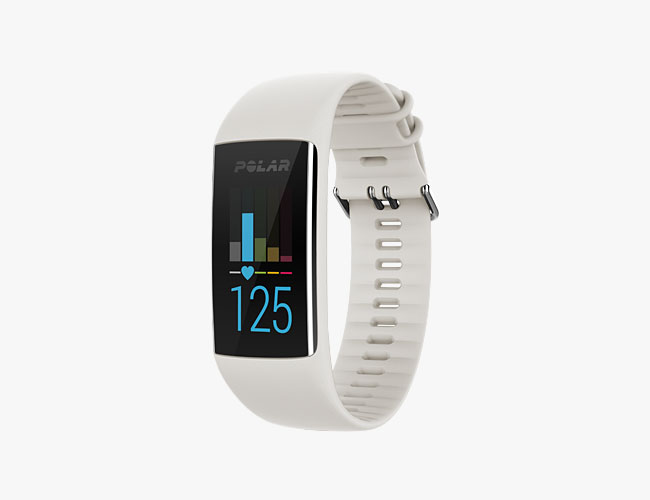
Polar A370

Polar’s A370 features Sleep Plus, which uses the built-in accelerometer to record when you fall asleep and wake up, while looking at your movement and heart rate. Each morning you can view your total sleep time, actual sleep minutes, interruptions and a chart of your sleeping patterns, so it’s easy to gauge which days of the week could use a little help. The A370 also doesn’t attempt to give you your REM and light sleep (which are incredibly variable and tough for a wrist tracker to accurately monitor). Just like the Whoop and Fitbit, the A370 will let you know how many times you woke up during the night and for how long. In the Polar app, you can visually match up the time of night with your heart rate, checking your lowest rating, which for data geeks, is pretty awesome.

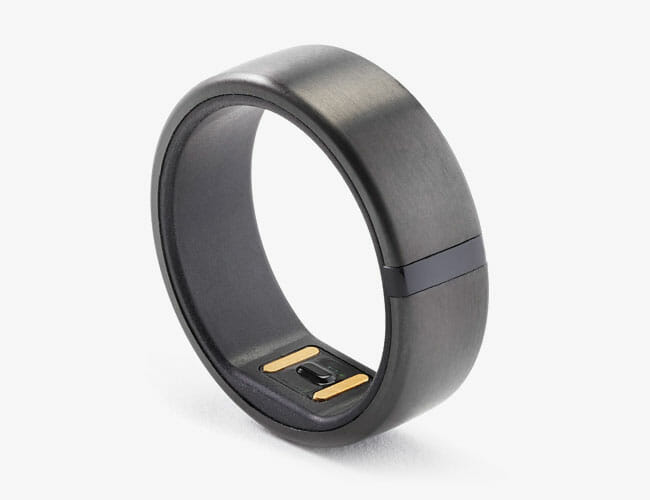
Motiv Ring

Some people find a ring more comfortable to wear than a tracker on their wrist. The Motiv ring keeps your wrist ready for the best-looking watches. This ring lets you simultaneously track sleep, active minutes and more thanks to a three-day battery life. When you order the ring, you first get a ring sizing kit, so the ring won’t slip off while you’re doing the dishes. And, you can wear in the pool and shower, making this an easy device to forget. Simply twist the ring to have it sync all your data with the corresponding Motiv app. This ring is for someone who doesn’t want to wear an ostentacious wrist tracker, but still wants all those data points after each day.

Note: Purchasing products through our links may earn us a portion of the sale, which supports our editorial team’s mission. Learn more here.
We Don’t Believe in World Sleep Day but Here Are Our Best Sleep Hacks Anyway

The Keys to Z’s

We Don’t Believe in World Sleep Day but Here Are Our Best Sleep Hacks Anyway


On this unofficial holiday that is World Sleep Day, we’d like to tell you all to go home and go to bed early. Non-holidays like this are lame, but we figured a reminder to sleep more is always a good thing.

We likely don’t need to tell you that studies show sleep helps improve your fitness performance as well as your creativity and efficiency at work. But, if this makes you question how many hours of sleep you logged last night, we have the sleep hacks you need to get more hours. Whether you’re sleeping in a tent, your bed or traveling, here are the tips and tricks to help you quickly fall asleep, recover faster and spend more time in bed.


The One Thing Your Fitness Routine Is Missing? Sleep.

The One Thing Your Fitness Routine Is Missing? Sleep.

If you really want to see performance gains, get more fit and live better overall, the answer, according to experts, is better sleep.

The 10 Best Sleep Accessories to Try in 2019

The 10 Best Sleep Accessories to Try in 2019

Not every sleep accessory will work for every person, but our list of some of the best around the web is a good place to start looking.

This New Drink Is for Athletes Who Want to Sleep Better

This New Drink Is for Athletes Who Want to Sleep Better

Nuun’s newest drink tablet, Rest, is designed for athletes to drink right before bed.

Whoop Tracker Review: A Game-Changing Fitness Tracker

Whoop Tracker Review: A Game-Changing Fitness Tracker

Finally, a tracker that actually gives you actionable advice. If only it told you the time.

This Non-Essential Accessory Helps Me Sleep in the Woods

This Non-Essential Accessory Helps Me Sleep in the Woods

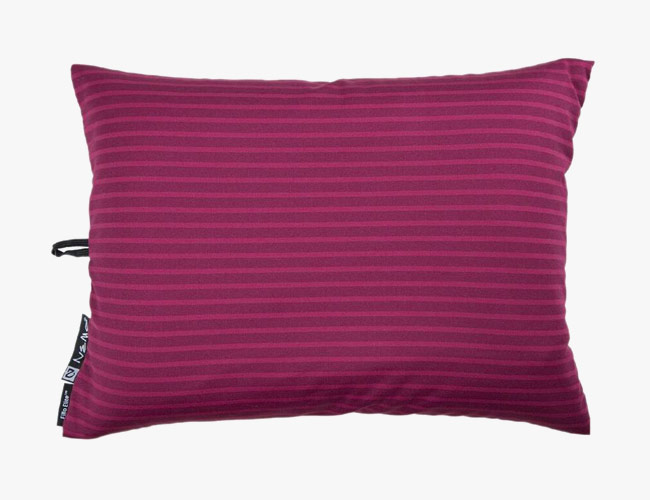
Some will criticise me for it, but I always bring a pillow with me camping. Here’s why, along with my recommendations for some good ones.

A 30-Day Trial of Gym Shorts Isn’t Actually a Crazy Idea

Thirty-day free trial periods pertain Casper mattresses and Spotify Premium, but gym shorts? That might be, dare I say it, disruptive. But Ten Thousand, a company with a limited yet thoughtful line of gym shorts and training apparel, has enough confidence in its product that it’s willing to give it a try.

The program is straightforward: choose a pair of shorts (there are only three), use them in the gym or outside for 30 days, keep them or, if they don’t cut it, send them back for a full refund. Ten Thousand takes care of the shipping fees both ways. (The brand sends returned shorts into its recycling program.) The program shows that the company is confident in its product — it should be; Ten Thousand has spent two years perfecting its small collection — but it also helps athletes break through the barrier between standard and premium apparel.

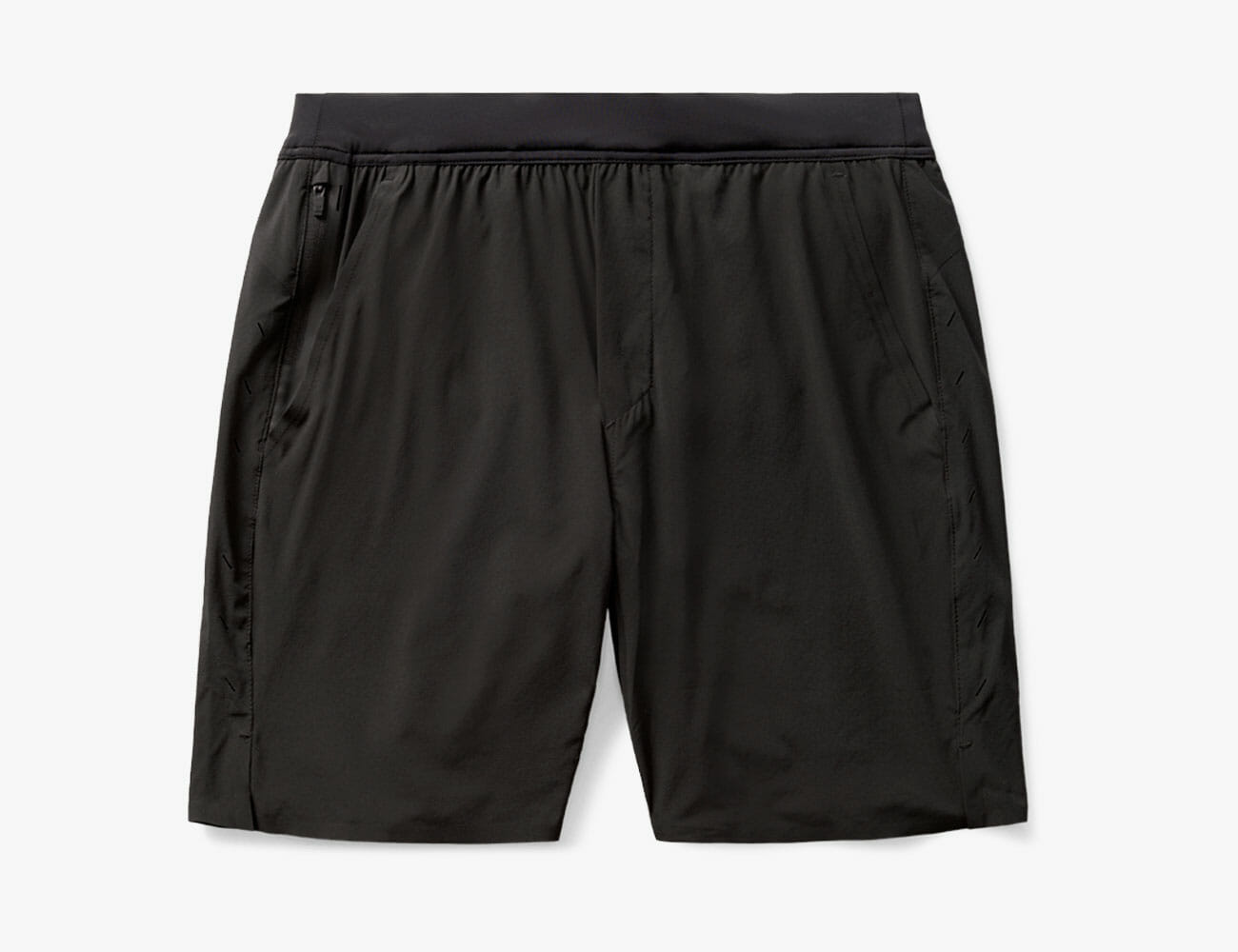
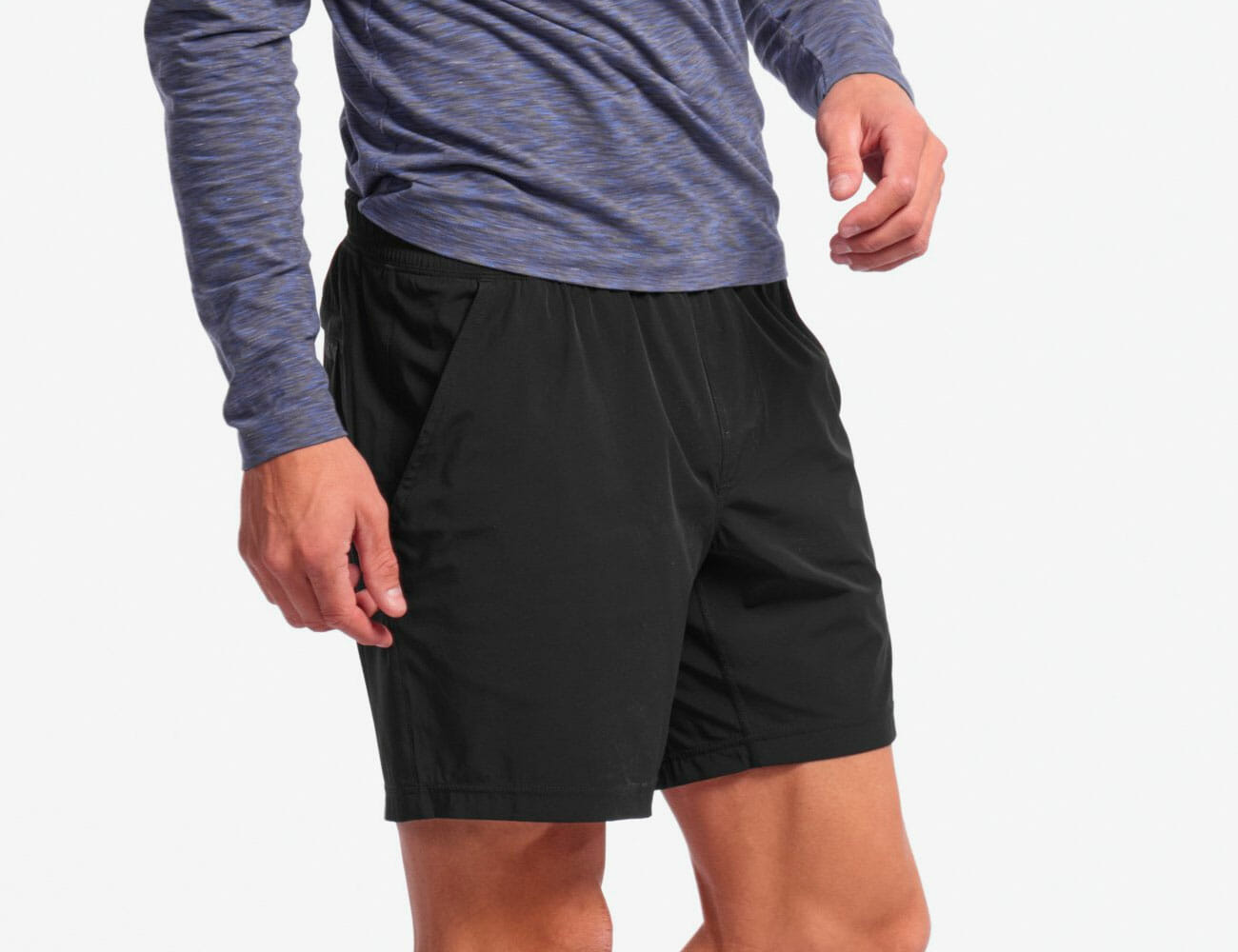
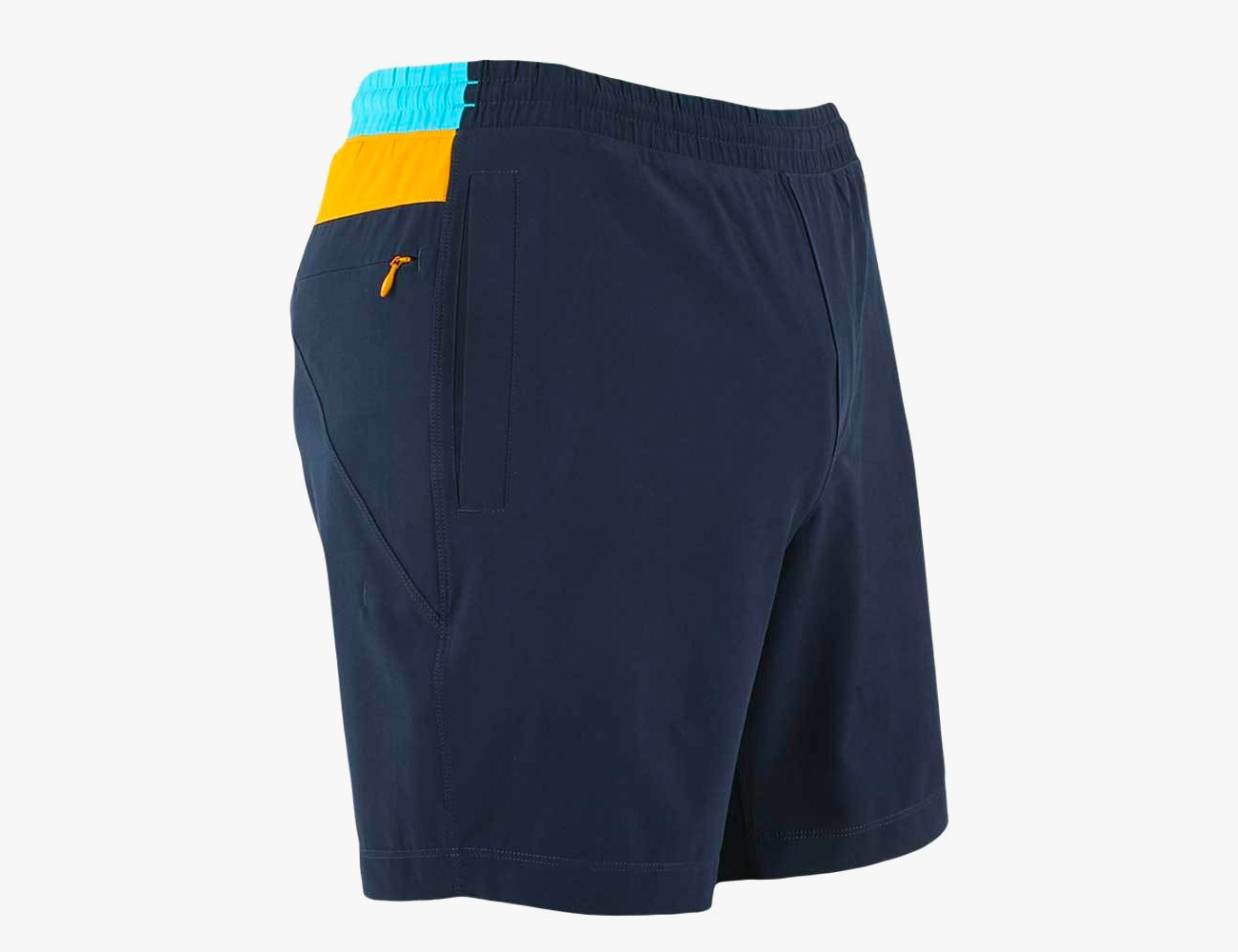
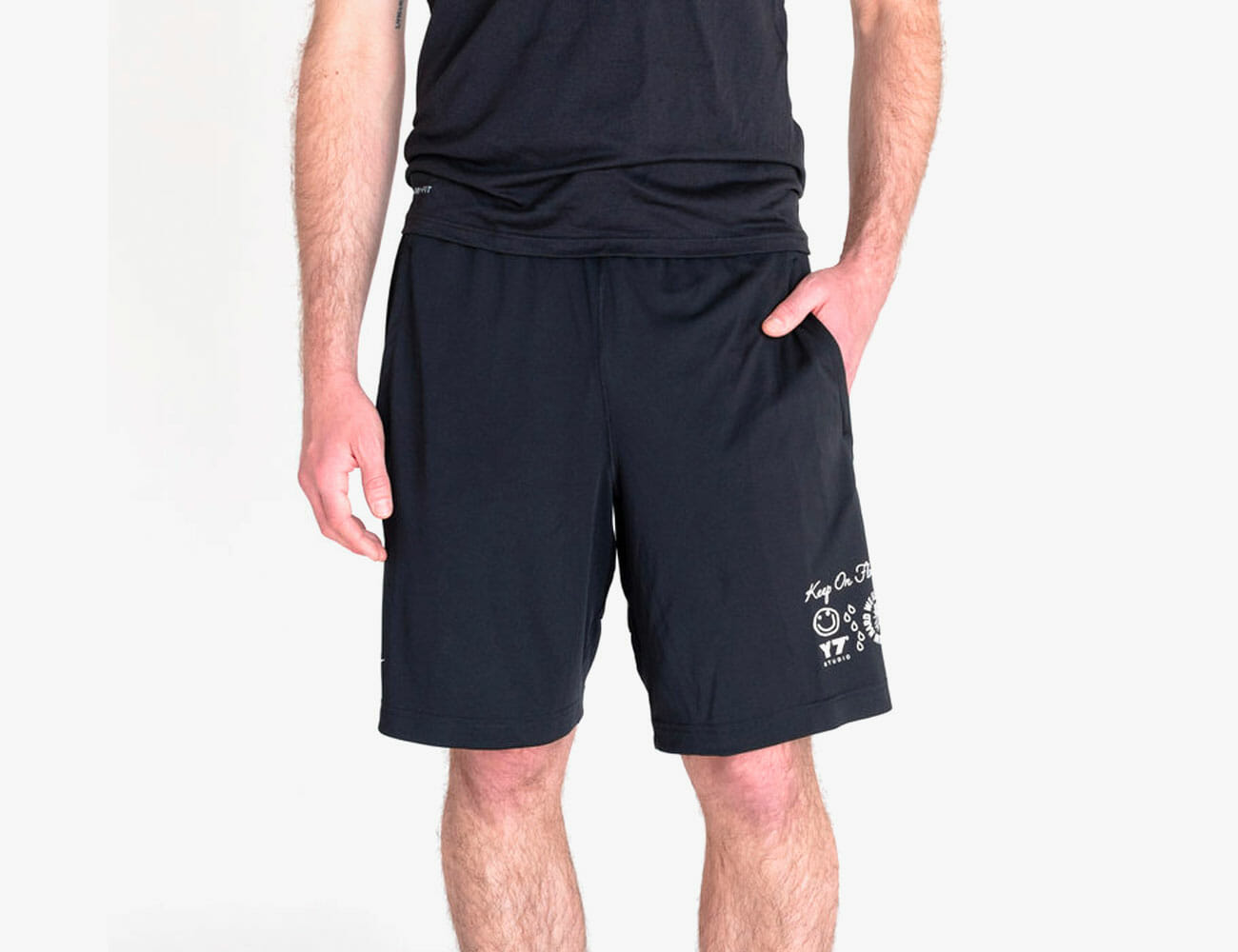
Ten Thousand’s cheapest pair of shorts is $58, which will undoubtedly be hard to stomach for someone who’s used to training in the same cheap pair of basketball shorts all the time. What do you get for that price tag? Lightweight Italian fabrics, carefully considered pockets and unobtrusive seams, to name a few. Reading that, many will still gawk: “So what?” But wearing a pair of quality shorts makes the case. That’s why we have no qualms about recommending workout shorts that cost up to $99, and why personal trainers often do too. And it’s why Ten Thousand isn’t worried about seeing too many returns during the first 30 days a customer sweats in and stretches out a pair of its shorts.

Gear Patrol also recommends:
Saxx Pilot Short ($65)
Lululemon T.H.E. Short 9″ Liner ($68)
Rhone Mako Short ($78)

Swell’s Reusable Straws Will Help Eliminate Plastic From Your Life


It’s no secret that we use too much plastic. S’well’s new stainless steel straw set is an easy way to start eliminating some of your common plastic offenders. Individuals around the world are searching for ways to stop using so much plastic — in bags, containers, straws, etc. — especially since China’s announcement to halt accepting the world’s plastic. There’s not a set place for it to go anymore. Using less plastic helps save the waterways from becoming polluted. Large brands like Starbucks, American Airlines, Hyatt, SeaWorld and the Royal Caribbean have all announced their commitment to eliminating plastic straw usage. S’well’s set of four includes a brush so you can reuse daily.

While you’re checking out the stainless steel straws, don’t miss the 20 percent off sale on travel mugs and water bottles in bright colors. Carry around a reusable water bottle or tumbler and you can also start to eliminate your single-use coffee cups, too. Every little bit counts.

Gear Patrol also recommends:
SipWell Stainless Steel Straws ($5)
Hiware Reusable Silicone Straws ($6)
FinalStraw ($25)
Today in Gear

The best way to catch up on the day’s most important product releases and stories. Read the Story

Why You Don’t Need Waterproof Hiking Boots

I’ll always remember the day I learned how to cross a river. I was outside of Christchurch on New Zealand’s South Island, and it was the second of what would be nearly 80 days spent wandering the mountains and forests by canoe and foot, learning every facet of backcountry living and expedition practices from the local branch of the National Outdoor Leadership School. This particular skill helped form the necessary core of getting from point to point when roads, sidewalks and paths don’t exist — such is life in the bush.

We departed base camp after breakfast; the springtime temperatures felt like they were in the single digits (I didn’t pay attention to the thermometers because I lacked a firm concept of Fahrenheit-to-Celsius conversions). We parked next to one of the island’s many braided rivers and dressed in what we’d be wearing for a 22-day whitewater canoeing expedition (neoprene layered under ungainly waterproof shells similar to those worn by competitive sailors). We walked across the stony banks to the water, and then our instructors essentially told us to walk across. We did, and my boots filled, immediately, with water.

I’m simplifying things a bit here, but that is pretty much how you cross a river in the backcountry when there aren’t any bridges or dry crossings available (after you take considerations of water speed, width, depth and other safety concerns). You do your best to find a shallow place to ford and then you let your boots and socks dry during breaks over the course of the day and, later, once you make camp. But, they may not dry; you’ll probably need to cross another river.

Now let me express an unpopular opinion: you don’t need waterproof hiking boots. But, you just said that — I know that I just explained how trekking demands walking directly through rivers when no bridges or stepping stones are available. And that’s the basis for my argument — if the water level is above your boots, your toes are taking a bath whether your feet are lined in Gore-Tex or not.

I can imagine moments when waterproof membranes can come in handy — winter hikes in the snow, trails that pass over shallow streams, hikes in generally-wet environments — but in my experience, most people are more likely to hike in dry areas where moisture can be avoided altogether. Even in these run-ins with precip, I’m not sure that waterproof boots actually keep your feet dry. From exterior moisture, sure. But not from sweat.

Any membrane, be it Gore-Tex, eVent or something else, will severely cut breathability, period. No matter how much companies advertise the breathability of their waterproofing tech, the extra layer of material can’t have as much airflow as a shoe or boot that doesn’t have it at all. You’re already wearing a pair of thick wool socks; now you’re wrapping them in plastic (in addition to the canvas, rubber and leather that make up the boot’s exterior).

In warm weather, that means sweaty feet. Even in cold weather that can mean swampy feet — I wear hiking boots and trail running shoes year-round, indoors and out, and often end my days damp-footed when waterproof membranes are involved. It’s not a significant issue in everyday life, but one’s feet are paramount in the outdoors, especially mid-way through a multi-day trip. Wet feet, whether from streams or sweat, can contribute to blisters and lead to trench foot. (Thinking about taking your boots off to keep them dry crossing a river? That’s a great way to cut your foot.)

If you’re going to get wet either way, I’d rather have an option that’ll dry quicker on the trail, and that’s a boot without waterproofing.

Targhee Vent Mid by Keen $135

Konseal FL by Arc’teryx $155

Access Knit by Five Ten $130

The Best Hiking Boots of the Year

Unlike concrete sidewalks and gravel paths, the trail calls for hardened and supportive footwear to combat dirt, mud, jagged rocks and streams. The answer is hiking boots and hiking shoes, and these are the best available. Read the Story

How a Pro Cyclist Trains in the Winter

It’s a brisk 18ºF on a late-January morning, and Ted King is riding his fat bike down a snow-covered country road, tapping away steadily, but without great urgency. Over one shoulder, dark clouds crowd the horizon, and snow falls on some nearby hills. Over the other, a New England landscape so bucolic — barns dot the hillsides, a brook meanders through a pasture, and snow clings to every tree branch — it could’ve been ripped from a Currier & Ives print (all that’s missing are some merry-makers in a horse-drawn sleigh). Directly behind him, out of breath and lagging hopelessly, is me.

While this kind of Arctic-grade sortie has become almost routine for the former WorldTour pro cyclist, it’s foreign to me. And that’s why I’m here. Earlier this winter, right around the time my Strava feed was getting crowded by the avatars of fairweather cyclists riding through digital Watopian volcanoes on indoor bike trainers — I call them Zwift Weenies, and I’m one of them — King quickly stood out for doing exactly the opposite. Rather than holing himself up in a sweaty indoor pain cave and pretending he was somewhere awesome, he was outside, exploring in his own backyard. He posted 80-mile roadie epics, hard-charging fat bike hill climbs, and multi-sport adventures that combine bikes and skis — all of them against the frozen backdrop of Vermont’s wintertime snowscape.

I was impressed, of course, but also a little surprised. Though a born-and-bred New Englander, King hadn’t endured an honest-to-god winter for more than a dozen years. After graduating nearby from Middlebury College in 2005, he joined the professional peloton, working his way up from the UCI Continental circuit to the UCI WorldTour, where he competed in races like the Tour de France and Giro d’Italia. Back then, King spent winters between races chasing sunny, cycling-friendly weather in places like California and Girona, Spain. After retiring in late 2015, he moved to San Francisco, where he parlayed his charismatic personality and cycling celebrity into a full-time career as an ambassador for the sport, competing in high-profile amateur races and working with longtime sponsors like Cannondale and POC to get people stoked about riding bikes. It was only last September that King and his wife, Laura, bought a house in the town of Richmond, Vermont, population 4,140.

So how had he embraced the deep freeze of Vermont winters so thoroughly and so quickly? And why was he riding a bike in it? When I reached out to him for answers, he invited me to join him on a ride.

When I arrive at King’s house — a sizeable Greek Revival farmhouse on 11 rambling acres with a backyard pond and a classic red barn just down the hill — it takes me a minute to recognize the usually baby-faced, clean-cut road cyclist. He’s transformed himself to look the part of a grizzled adventurer: scraggly beard, patchy mustache and wild, mussed-up hair.

King’s new look is just one sign that he might be turning over a new leaf. Not only is he learning to embrace the ups and downs of a New England winter, he explains, he’s also just days away from embarking on a days-long, self-supported fat bike expedition across northern Ontario’s icy, wind-blown tundra, called the James Bay Descent.

The James Bay Descent, he explains, is a 600-kilometer expedition down the western shore of Canada’s James Bay that was organized by a Canadian named Buck Miller, a former elite amateur cyclist and an old friend of King’s. He’s recruited a pair of hearty Canadians — former national team mountain biker Eric Batty, and four-time World’s Toughest Mudder Ryan Atkins — and King. Though a formidable cyclist whose legs and lungs represent a significant contribution to the team, King is, in a sense, the odd man out, the fresh-faced expedition novice who’s never before taken his adventures off-grid, nor experienced such punishing conditions. The ride will be his first self-supported, expedition-style adventure.

Miller chose the route: it runs from Attawapiskat First Nation over the frozen James Bay to Akamiski Island (part of Nunavut) and south across the sea ice to Moosonee (the halfway point) where they join up with an ice road south to Smooth Rock Falls, their destination on the Trans-Canada Highway.

“Man, I wish it was single-digit temps out,” King cracks, zipping up his jacket as we prepare to ride. Novice or not, I think to myself, he’s champing at the bit. It’s not single-digits outside, but the wind is howling, snow is blowing across the road and King is decked out for an Arctic expedition.

After a few miles, we arrive at the end of Johnnie Brook Road and the base of 925-foot-tall Chamberlain Hill, where local nonprofit Richmond Mountain Trails maintains groomed fat bike trails. King leads the way into the woods, riding along a ribbon of freshly groomed singletrack that weaves its way sinuously through groves of hardwood and evergreen. It’s soon evident that, once again, I won’t be keeping pace with him. As we switchback our way up the hill, he easily pulls away from me, his hi-viz blue Velocio jacket darting in and out of view between trees and behind gullies where small, half-frozen streams trickle down the hill.

When I finally catch up to King, I’m sweating profusely under my layers. Maybe that’s the key to staying warm while biking in winter — trying to keep pace with a former pro cyclist. He’s dismounted and stands peering into a small wooden box that’s nailed to a tree trunk at the crown of the hill. He rifles through his overstuffed pockets, unloading handfuls of UnTapped waffles and maple syrup pouches — King is a co-owner of the company — and carefully stacking them inside the box, a food cache for hungry cyclists and Nordic skiers. Inside, locals have stashed a small bottle of whiskey, a jar of M&Ms, a jar of dog treats. And, of course, there’s a store of UnTapped goodies that King maintains. “I like to keep it stocked,” King says matter-of-factly, offering me a slug of whiskey. “Will it keep me nice and toasty for the ride home?” I ask, now that the chill is creeping back into my sweat-soaked clothes. “Nah,” he says, thinking better of it, “We should probably just head back.” And I think he’s right. After all, we’re about to head downhill — and fast.

Q&A

After the ride, over hot coffee and UnTapped waffles, King discussed living in Vermont and preparing for a cold-weather ride.

Vero eos et accusamus et iusto odio dignissimos ducimus qui blanditiis praesentium voluptatum deleniti atque corrupti quos dolores et quas molesti Photo by John Doe.

Q: What do you love about living in Vermont?
A: The access to the outdoors is incredible, and that’s really surprised us. The trails that you saw today are a fraction of what we have. Skiing is super close by — 10 to 20 minutes, depending on what you’re looking for. There’s also a tight-knit New England community that I don’t think other places have. Sure, there’s great community in places like California and Colorado, but I think there’s some special sauce here that makes people particularly tight-knit.

Q: Are the less-than-ideal riding conditions aren’t impacting your fitness?
A: Vermont is an adventure, and I’m embracing it for what it is, rather than spiting it as not a great place to train. I think it’s perfect. Every day doesn’t have to be an epic bike ride. Some days, I’ll go AT skiing — skin up, ski down — or work on my Nordic skiing technique, and I might combine that with a fat bike ride or, if conditions permit, something on the road.

Q: What challenges does your first self-supported, multi-day expedition pose for you?
A: There are many elements I’m familiar with — like riding long distances, and being able to endure, both physically and mentally. I know how to suffer; I know how to get into a routine and push through adversity. The self-supported multi-day aspect is new to me. I’ve really embraced the term “team.” We’re a team, and everybody has each other’s back, and there’s a great deal of trust that goes on given that the elements can be so fierce.

I think there’s something cool about the prospect of being so outside of your traditional element. I make the comparison to bike racing all the time, which is such a controlled environment — there’s a start line, there’s a finish line, and you have an entire team of people around you to take care of you. This has so many more variables that you’d never see in bike racing, or in traditional life. It’s sort of nice to be on your back foot and to be put into an environment that isn’t necessarily your normal comfort level.

Q: What have you been doing to prepare mentally and physically?
A: I’m spending a lot of time in cold weather. Moving to Vermont was helpful, but this is a fraction of what we’ll be getting up there. I’ve been riding the fat bike quite a bit. Two weeks ago, the four of us did a sort of acclimatization trip in the Adirondack Mountains. After prepping gear, installing racks, and making sure everything was in working order, we rode to the top of Whiteface Mountain via its access road. It was absolutely stunning; the sunset was just out of this world. Then we camped out in -1ºF temperatures, which was eye-opening and helpful for understanding what exposure is and what camping in subzero temperatures is like. That was a gnarly, icy descent.

Q: What’s the team’s strategy?
A: Plan for the worst, hope for the best. Seriously, though, we’re trying to keep our stopping to a bare minimum. I think it’s largely exposed, with very low trees; head-height or lower for the most part. It’ll be very flat, and very windy. We’ll try to ride slow enough that we’re not sweating, but fast enough that we stay warm. It’s a funny balance like that.

Vero eos et accusamus et iusto odio dignissimos ducimus qui blanditiis praesentium voluptatum deleniti atque corrupti quos dolores et quas molesti Photo by John Doe.

Q: How does nutrition factor in?
A: It’s simple: eat a lot and when you’re hungry. We don’t want to stop to eat, so we’ll just always be eating something, and that’s where UnTapped will be huge to fuel our days in the saddle. Then we’ll make hot meals, mostly freeze-dried camp food, on either end of the day when we have the benefit of hot water.

Q: Do you think this trip will change your relationship with cycling at all, or that it represents a shift?
A: I think it will. Everything within cycling is so controlled, and I think it’s safe to say that’s true of the world in general, too. We try to control our environments, and have a schedule, and like to feel very safe in this little nest of our lives. This is going to be the gnarliest set of elements I’ve ever experienced. From a weather perspective we’re looking at as low as -40ºF, and even colder when the wind is blowing (and I’m told it almost always does). And certainly, the risks are higher than in normal life. It’s very real out there. I’m not doing it to look for a transformative experience; I’m doing it to step out of my comfort zone, to do something totally different from what I’ve ever done before. [Long distance gravel races] are adventure-y, but this is adventure. Full stop.

Ted King’s Winter Cycling Gear Picks

Cannondale Fat CAAD 1

“A winter shred sled! This bike is a dreamboat. Already plush with 4-inch fat tires, the Lefty Olaf front suspension makes this bike a blast to ride.”

Velocio Zero HL Jacket

“Hi-vis with warmth where you need it, plus all the virtues of a great cycling upper, like three generous rear pockets, and three front pockets (two side and one on the chest) to store all sorts of winter accessories.”

45NRTH CobraFist Pogies

“These function like a second, super-warm, super-burly set of gloves and, frankly, are the only way I’ve found I can keep my hands warm in the winter. You can throw chemical hand-warmers in there when temps bottom out at -40ºF, but, otherwise, you rarely need more than a thin pair of gloves underneath. For warmer days, there are ventilation zippers on the top and bottom.”

45NRTH Ragnarök Boots

“From brisk winter commutes to four-hour winter sessions, the Ragnaröks are fast on, fast off, and just a fast set of winter boots.”

Blackburn Outpost Elite Frame Bag

“On the James Bay Descent, I kept my daily, easy-grab food in the side pouches; my tools, spare tubes and valves in the zippered compartment down below; and my frame pump and more food in the top compartment. What I love about this thing is you’ve got everything you need close at hand, it’s protected from the elements by the waterproof, welded material, and it’s tucked away in the front triangle, lowering your center of gravity and keeping your ride nice and stable.”

Fischer Carbonlite Skate H-Plus Skis and Carbonlite Skate Boots

“I’m a capable enough Nordic skier to know that I’m a very novice Nordic skier. When I first got to Vermont as a freshman at Middlebury in 2001, I bought a set of Nordic skis and boots—the whole nine yards. Now, nearly 20 years later, with the benefit of better technology, plus being on a top-of-the-line system with the Carbonlite skis and boots, I feel like I’m going from a tractor to a Ferrari. The boots are incredibly stiff, yet super comfortable. Whereas the previous boots had the strength of a sock, these boots deliver an enormous amount of power to the skis, similar to how a carbon-sole cycling shoe better transfers power to the pedals.”

|

Fischer Ranger 108 Ti skis and Ranger Free Boots

“My Fischer Ranger AT set up is a blast. I’ve never had such a comfortable set of ski boots as I do with these. The skis are light, yet medium-fat underfoot — ideal for a fresh Vermont day, or even running them inbounds for optimal East Coast skiing.”

|

CycleOps H2 Smart Trainer

“I’m riding the H2 Smart Trainer by CycleOps. I often pair it up with TrainerRoad ($15/month), which allows me to create custom rides with all the intervals I want to do (or not). Riding outdoors is my preference, but when I need a very specific workout, this duo is how I get those rides in.”

The Best Gym Shorts According to 5 Personal Trainers

No matter your preferred type of workout, you’re going to need the proper pair of shorts for that activity. If you like to run, you might want split shorts or something that’s not as long, so the extra fabric doesn’t get caught up between your legs and slow you down. Whereas if you’re going to the gym to lift weights, you’ll likely want shorts that are a little bit longer, so you don’t have to worry about showing too much skin when you lie down to bench press or do any leg raises on the mats.

We spoke with five personal trainers about the pairs of shorts they reach for every day. Each trainer looks for something slightly different — the right length, number of pockets, a soft feel that holds up after hundreds of washes. Here are the five pairs of shorts they swear by.

Nike Split Shorts

Rich Velazquez, a coach and COO at Mile High Run Club in NYC, recommends the Nike Split short — a typical choice for dedicated runners. While it might take a bit to get used to wearing shorts with split sides, “they’re lightweight and provide a full range of motion for running strife,” Velazquez says. These shorts are ideal when you’re hopping on a treadmill for interval hill workouts.

Ten Thousand Interval Shorts

“The simplicity and refined minimalist details [of the Ten Thousand Interval shorts] are what I love the most,” Mike Aidala, personal coach and founder of the MAST Method, says. “I used to be into more flashy gym wear, but now it’s all about not letting my workout clothes distract me from my actual workout.” Pick from a 7- or 9-inch inseam, liner or linerless and then six colors ranging from black to blue to grey. These sweat-wicking shorts move with you as you attempt that handstand for the fifteenth or fiftieth time.

Rhone Mako Short

Rhone’s Mako shorts are 7-inches long and come lined, or unlined — the DWR finish and sweat-wicking interior keep you dry, while the media pocket fits phones that are smaller than an iPhone Plus. “These shorts are relatively indestructible and incredibly comfortable. A standout feature is the media pocket inside the front pocket that helps keep my phone from bouncing all around when I exercise or go for a run,” Rick Richey, owner of Independent Training Spot and Recover in New York, says. He’s been a trainer since 2002 and finds the inspirational quote inside each pair of shorts meaningful.

Birddogs

“There’s only one brand I wear for my workouts, and that’s Birddogs,” Dariusz Stankiewicz, co-founder of Body Evolved in NYC, says. “They come in three different short lengths. [It’s] a huge deal because for my runs and squatting days I want shorts shorter, so that I don’t have to deal with extra material hanging down. [While] for my casual workouts — walk to the gym and head to brunch to meet friends — I wear them little longer and still look casual enough after to meet people and hang out.” The cheeky brand creates one type of shorts and offers them in over 40 colors and patterns and three lengths: 6-inch, 8-inch or 9.25-inch.

Nike Fly Short

“Anytime I can flow in new gear while in class, is a recipe for continued success,” Kyle Jones, Y7 Williamsburg Studio Manager and Personal Training, says. The Nike Fly shorts are typically a little longer, which is ideal for poses like Downward Dog and Pigeon — there’s some added coverage. “These shorts are perfect for yoga, because they give you the freedom of a baggy basketball short, but the chic style and look of modern athleisure wear. The shorts are functional for performance and can be easily layered with quarter length compression pants for trendy purposes.”

Note: Purchasing products through our links may earn us a portion of the sale, which supports our editorial team’s mission. Learn more here.
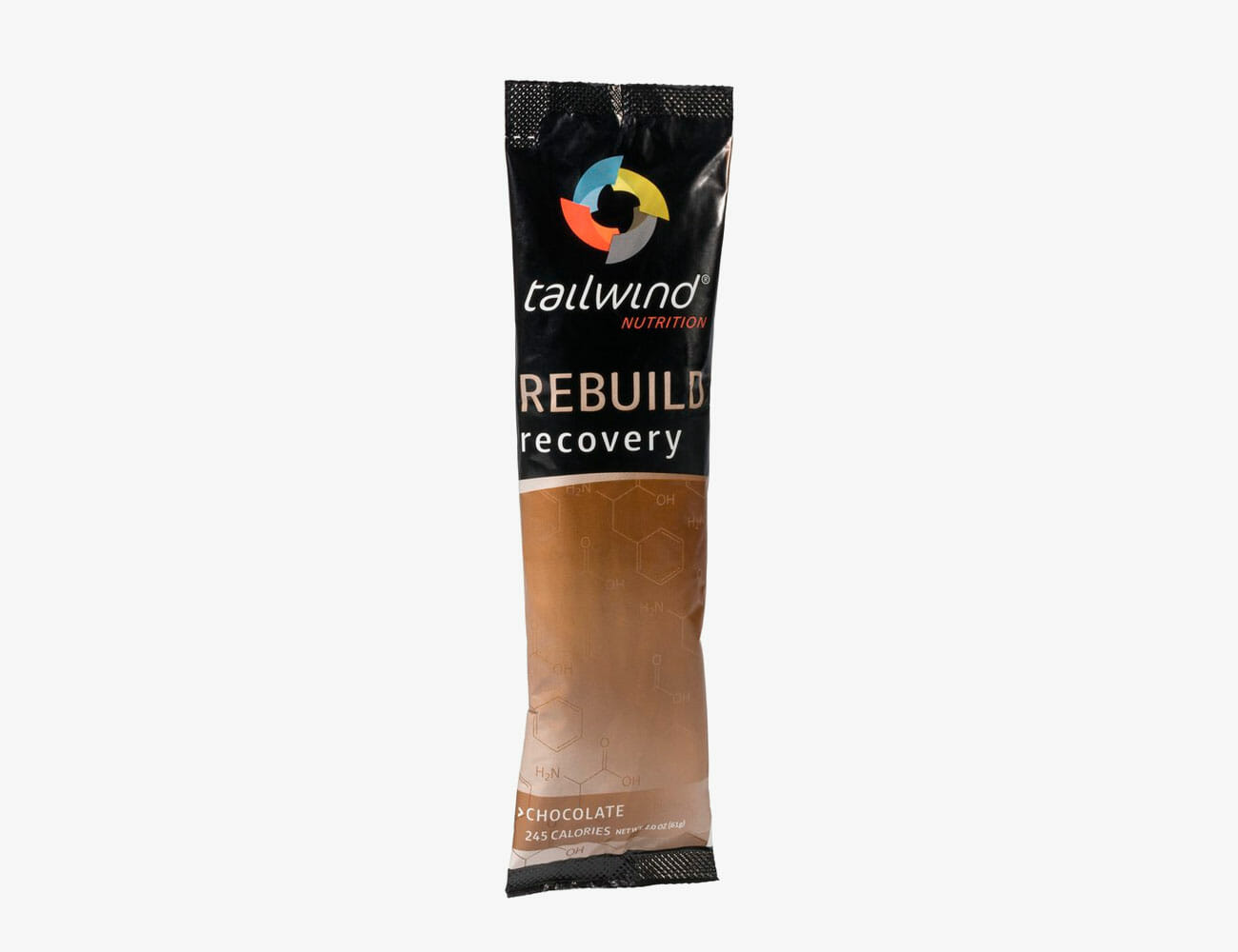
Destroyed Your Shoulders Doing CrossFit? Here’s How to Recover

To make it to the CrossFit games, which are the Olympics for CrossFit athletes, you have to compete in a series of workout challenges that vary from week to week. The 19.3, announced last Thursday, is the third workout in a series of five, all part of the 19th CrossFit Open (hence the 19.3) — each workout earns you a ranking among athletes all over the world. The CrossFit Games culminate every summer after a series of other competitions in an attempt to find the fittest person on earth.

This week’s workout is particularly grueling and consists of lunges while holding a 200-ft dumbbell overhead, 50 box step-ups while holding a dumbbell, 50 strict handstand push-ups (get into handstand position and then do push-ups from there, lowering your head to the ground and then pushing back up to full arm extension) and lastly, a 200-ft. handstand walk. You can watch the workout here. Complete all of that in under 10 minutes, and you’re a winner in our book (you’re a winner for even considering it, actually). Handstand push-ups are seriously intense, especially after stressing your muscles while holding a dumbbell overhead. After all that you might feel like you need a week of recovery — so ice up, book a massage and then relax with a beer — it just might help.
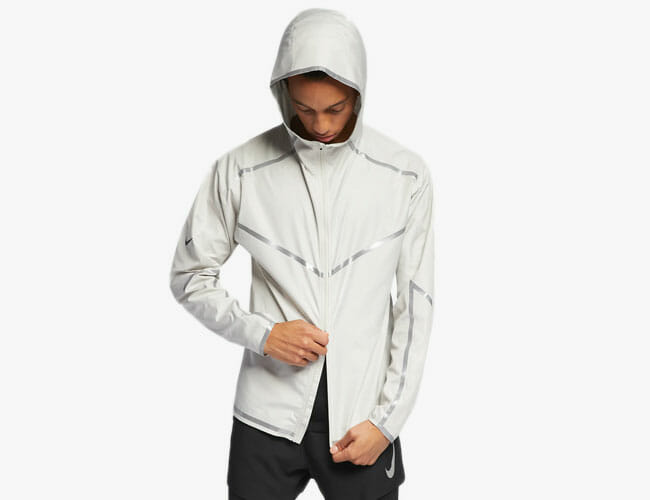

This Year, Upgrade To A Better Foam Roller

This Year, Upgrade To A Better Foam Roller

The TriggerPoint Charge Vibe can teach you the proper way to foam roll, helping to eliminate pain and upping your mobility.

Hypervolt vs. Theragun: Which Brand Makes the Best Recovery Tool?

Hypervolt vs. Theragun: Which Brand Makes the Best Recovery Tool?

Two well-known recovery brands have a very similar product with almost identical results. Which one is worth the money? We tested them both to see which one came out on top.

What the Heck Is a PowerDot and How Do You Use One?

What the Heck Is a PowerDot and How Do You Use One?

A smart muscle stimulator that connects via bluetooth to any smart mobile device is a must-have

Does Ice Help Your Muscles Heal Faster?

Does Ice Help Your Muscles Heal Faster?

Icing a muscle injury and icing after a workout are totally different. Here’s why.

Can CBD Improve Your Athletic Performance?

Can CBD Improve Your Athletic Performance?

We’ve noticed countless CBD-based athletic supplements on the market, but do they actually work?

Are Electrolyte Beers the New Recovery Drink?

Are Electrolyte Beers the New Recovery Drink?

Breweries keep dropping electrolyte-filled beers, and we tested a handful of them to see what they really taste like.
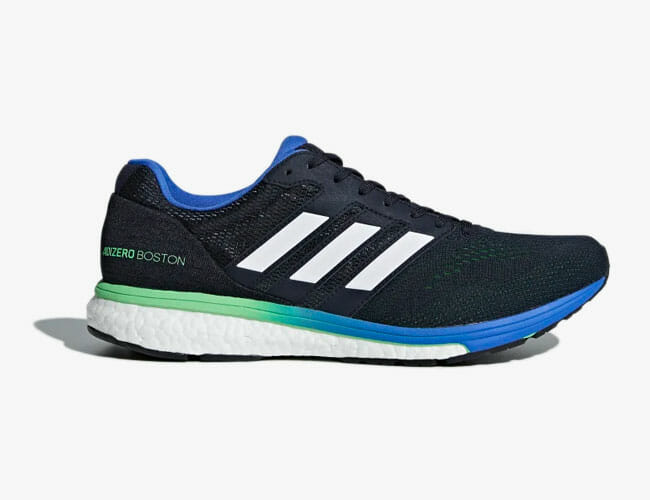
Note: Purchasing products through our links may earn us a portion of the sale, which supports our editorial team’s mission. Learn more here.