All posts in “Sports and Outdoors”

The Best New Knives and EDC of April 2019

Some product launches are predictable — now that spring is in full swing, we’ve seen the release of new rain jackets, waterproof trail running shoes and hiking boots and we can assume that lighter warm-weather gear is on the way for summer. Some items don’t fall so neatly into weather-defined timelines though, like pocket knives and EDC tools.

The companies and designers that make these items work year-round, and manufacturers that roll out as many as 50 new knives and multi-tools per year spread them out; there’s something new to ogle every week. It’s our mission to keep you up to speed with the release of knives and tools that have the potential to become your next daily sidekick or a worthy addition to any collection. In case you missed one, we’ll round up our findings here in one concise, easy-to-scroll article.

In April, Leatherman released its most significant overhaul to the multi-tool since the company invented it, CRKT made the biggest folder we’ve ever seen, and a Chinese maker revealed an affordable new model that’s prettier than its price tag would have you believe.

Leatherman Free Multi-tools

You’ll recognize Leatherman’s new Free P2 and P4 are multi-tools; they’re rectangular wads of metal that fold out to become pliers and contain an arsenal of other small tools that swivel out of their handles. But they’re different from, and better than, any multi-tool Leatherman has made in the past. The Free tools integrate a system of magnets and redesigned locks that allow users to open and use every tool with one hand.

CRKT XOC

CRKT’s new limited-edition XOC — that’s pronounced “shock” — is massive. Its blade, made of CTS-XHP steel (a type that balances corrosion resistance with hardness) is 4.258 inches long. That may not sound very substantial, but when you use the flipper tab to quickly deploy the blade and hold the open folder at its full 10.375-inch extent, it dwarves your hand (and makes you feel like a modern Daniel Boone).

Benchmade Bailout

This month, Benchmade released the Bailout as a follow-up to its popular Bugout outdoor EDC folding knife. It has a 3.38-inch tanto blade that comes either plain or partially serrated, a flared guard to allow for use with gloves and an aluminum pommel. Most importantly, its lightweight (2.05 ounces), so that it can appeal to ounce-counting outdoorsy types who might want to take it backpacking.

Alliance Designs Ice Lite

Alliance Designs, a company that works with knifemakers to produce custom designs at a mass scale, recently worked with Brian Efros to bring the Ice Lite to life. The blade is made of premium RWL-34 steel in a straight back shape (a shape characterized by a straight spine and an edge that curves up toward the tip), which gives the Ice Lite a gradual and full belly that’s perfect for slicing, and a fine point for precision. The knife’s blade has thumb studs on either side to make it ambidextrous, and it uses a frame lock for in-use security.

Civivi Plethiros

Civivi worked with knife designer Elijah Isham to make the Plethiros. Its folding, 3.45-inch drop-point blade is made of D2 steel while the handle scales are G10 with a carbon fiber overlay. Both of these materials are cheap — though still reliable — and help the Plethiros cost far less than its appearance leads on ($75).

The James Brand Hell Gap

The Hell Gap is named for a Native American arrowhead (The James Brand’s logo is also an arrowhead), and it’s the first fixed-blade knife that the everyday carry-focused company has made. The knife is 7.8 inches long in total and has a 3.8-inch modified drop-point blade made of Crucible s35vn steel, which is known to be tough and corrosion resistant (and is a popular choice among custom knife makers for that reason). The handle scales are micarta, and it comes with two sheaths — one nylon and one Kydex — as well as a paracord lanyard. In a way, the Hell Gap is a far cry from the EDC folders that The James Brand has produced in the past, but it still fits right in with the company’s carefully tuned modern aesthetic.

Note: Purchasing products through our links may earn us a portion of the sale, which supports our editorial team’s mission. Learn more here.

Are Algae Products The Next Big Thing in Sustainability?

The Magazine

Each issue of Gear Patrol Magazine is a deep dive into product culture. Inside, you’ll find seasonal buying guides, rich maker profiles and long-form dispatches from the front lines of product design. The stunningly designed Gear Patrol Magazine is ready for your coffee table. Quarterly. $39

The Newsletter

Get the best new products, deals, and stories from across the world, in your inbox daily.

5 Questions with Teva About History, Inspiration and the Grand Canyon

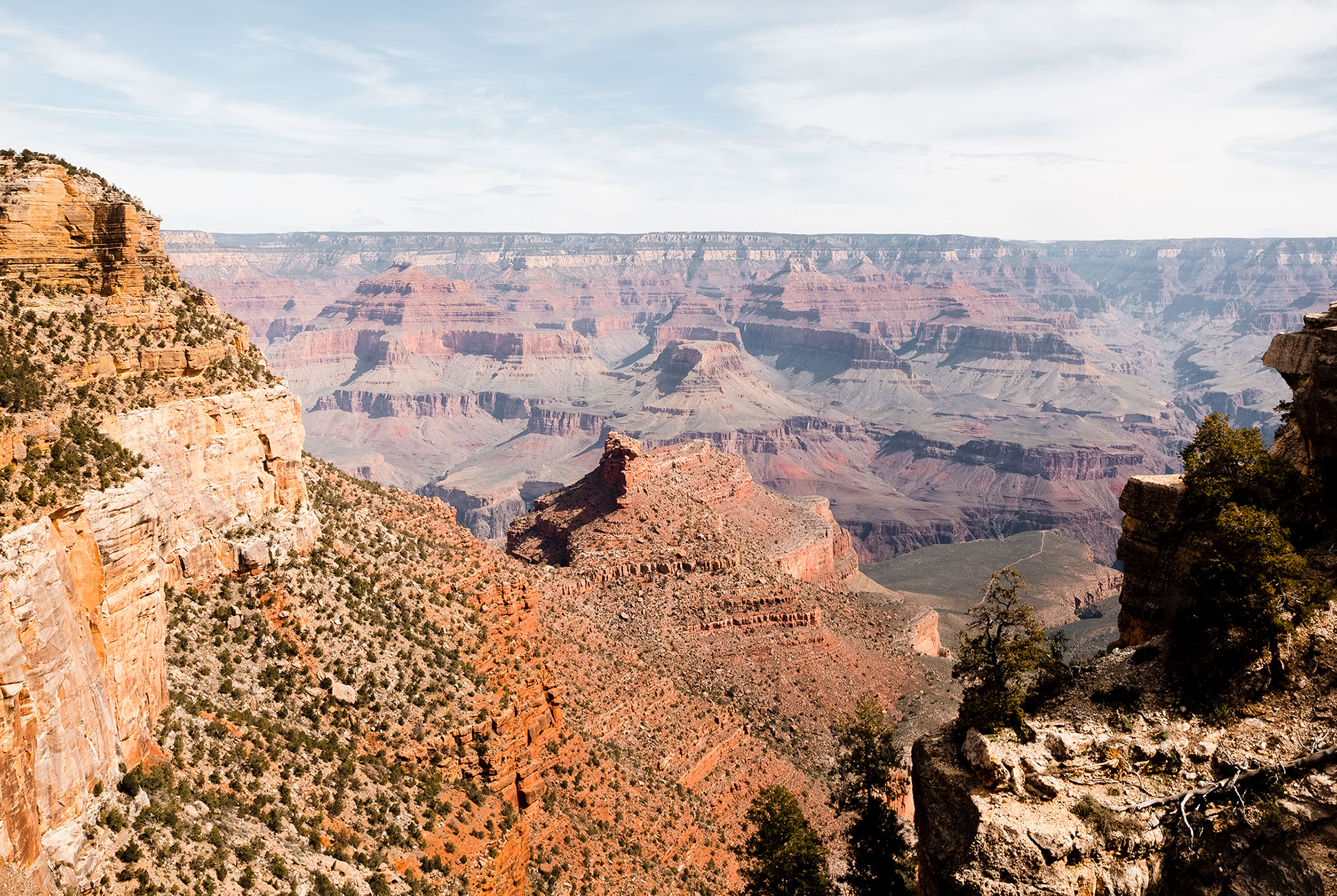
This spring, Teva unveiled the GC100, a limited edition collection of footwear that pays tribute to the Grand Canyon through colors and motif, all in celebration of its 100-year anniversary as a National Park. But it’s about more than just footwear — Teva is also putting its money where its mouths is, literally, by pledging $100,000 in donations to the park. Half is going to the Grand Canyon Conservancy to help restore the canyon’s famous Bright Angel Trail, while the other half will go to the Grand Canyon Field School, helping to fund programs and give scholarships to underserved members of the youth community. We caught up with a few key players from Teva — webbing designer, Nadine Marchal, product lead, Hy Rosario and marketer, Erika Gabrielli — in the Grand Canyon, itself, to talk about the brand’s new collection.

GP: Nadine, what inspired your design on the Grand Canyon sandal?

Marchal: When I started working on the webbing design for the GC100 collection, I really wanted the design to honor the spirit of the Grand Canyon and all the life who has lived there since its birth. After all these years, it was a chance to embody the soul of Teva and its roots in the Grand Canyon.

GP:  And you’ve been with Teva for a quarter of that century, right?

Marchal: I have been working with Teva for over 25 years, and the brand has always allowed me to express my creativity through design. I was designing for different outdoor brands in France when Teva heard about my work and we started to collaborate on jacquard webbings. I’m proud that those patterned webbings have become one of the iconic design elements the brand is known for today.

GP: Did the team at Teva get to take any inspiration trips to the canyon itself when designing?

Rosario: Our team took an inspiration trip to the Grand Canyon which included designers, developers and product managers. The trip allowed the team to develop a greater appreciation for the Grand Canyon and to experience the beauty of this national treasure first-hand. This experience directly translated into the creation of the collection, with a balance of performance and imagination inspired by the canyon.

GP: Can one of you tell us more about the trail restoration and how it will help kids visit?

Gabrielli: Since the canyon is our birth place it is important for us to give back and make access to it a priority, ensuring future generations have the opportunity to experience its natural wonder. Teva is donating $100K to the Grand Canyon Conservancy, with 50% of our donation going to their Field School, providing scholarships for underserved youth to have immersive educational experiences throughout Grand Canyon National Park. The remainder of the donation is being used to fund the restoration of one of the most popular entries to the canyon, the Bright Angel Trail. In addition to renovating parts of the trail that need it most, this will help ensure continued access for visitors to explore the canyon for the next hundred years and beyond.

GP: What other pieces of gear are essential in the Grand Canyon?

Marchal: Lightweight backpack to hold everything. An extra pair of socks to throw under sandals for the chilly nights. A flashlight, sunscreen and Band-Aids.

Original Universal $50

Hurricane XLT2 $70

Hurricane XLT2 ALP $85

Hurricane Sock $120
The Best Outdoor Sandals

Thanks to durable materials and innovative constructions, sandals aren’t just for beaches and poolsides anymore. The six on this list are built for river trips and full-on hikes — you can wear them anywhere. Read the Story
Note: Purchasing products through our links may earn us a portion of the sale, which supports our editorial team’s mission. Learn more here.

Kind of Obsessed: The Only Running Tee I’ll Ever Need

One hundred miles and 30 days later, the Black Diamond Rhythm Tee only shows one sign of distress: a tiny tear caused by a tree branch in the backcountry of Golden, Colorado. I’ve been running in this tee — a wool shirt designed for high-output activity — over the last month and I’m positive I’ll continue reaching for it in all seasons (but winter) for biking and hiking, too.

This isn’t like other wool shirts. My first thought when I was handed the Black Diamond Rhythm Tee was that it was just a textile swatch — it’s that light. But, no matter its weight (or lack thereof), it still performs like wool, which is a good thing, especially if you’re running in the Colorado foothills, where days often start brisk and quickly become scorchers. Wool shirts have a broad thermal range to keep up with this type of weather — they keep you warm when it’s cool and vice versa — and, bonus, they’re less likely to chafe than polyester shirts.

The Rhythm Tee came to be as part of a collection at Black Diamond created with input from alpine runner and athlete Joe Grant, known for biking to all of Colorado’s 14ers and summiting each one. Needless to say, the Rhythm tee is made for high-output and sweat-inducing activities. “I always try to choose gear that I can forget about when I’m out in the elements and that doesn’t hinder the experience,” Grant says. “The Rhythm Tee is soft to the touch, very light and breathable, and has plenty of stretch.”

To gain that stretch, Black Diamond uses an innovative yarn called Nuyarn in the Rhythm tee, in which Australian Merino wool is loosely wrapped around a nylon core, giving it unsurpassed stretch and rebound. So, when the shirt is pulled, the wool straightens out but doesn’t stretch out, allowing it to return to its shape once the core rebounds. This construction also traps tiny air between the core and wool, delivering more warmth from less material, and keeping the wool fibers intact, so it’s softer against the skin.

On a recent long run, I wore the Rhythm Tee around and atop a table mesa in Golden — picture huge hills with steep sides and a mushroom flat top. The trails were full of hikers, bikers, runners (and rattlesnakes), all out to soak up the sun and warm air. The 700 feet of incline to the top had me sweating almost immediately, and by mid-run, beads of it were visible on my chest. The shirt never felt bogged down by the moisture or stuck to my skin, except between my back and my running vest, a fairly common issue (and no fault of the shirt’s) due to a lack of space between the two.

Just as quickly as I started sweating, the weather conditions changed. As I descended the trail into the shadow of the mesa’s wall, the temperature dropped about twenty degrees. Yet, the light-and-thin wool kept me warm enough to avoid any uncomfortable shivering as my sweat dried. After my two-hour run, I stopped at a bar in town for a post-run drink. And, by the time I finished my tea and limeade concoction, the inside of the shirt was dry. The shirt also tamped down some minor annoyances that stack up over time: the close fit kept it from flapping in the breeze and its stretch freed me from a tug of war with a full hydration vest.

After sub-five-mile runs, I’ve hung the shirt by an open window, hopped in the shower and found it dry by the time I finished. I can usually wear it multiple times before even thinking about washing it because wool resists odor-causing bacteria. It may be the only running (and travel) shirt I ever need.

|

The Woolmark Company provided this product for review.

Kind of Obsessed: I Found the Perfect Carry-On Weekender

I’m constantly traveling for my job, and few weekenders have ever impressed me. Now, I’ve found the perfect travel pack. Read the Story

How to Pack for a Backpacking Trip

What’s the difference between hiking and backpacking? The latter entails at least one night spent in the outside, and probably a lot more miles and plenty more gear. Backpacking is a practice in immersion — a pair of hiking boots and a water bottle won’t cut it; you’ll need everything required to live and be comfortable outside, starting with a bigger backpack.

Leveling up from day hike to multi-day trek requires greater consideration, particularly when it comes to what to bring. Perhaps no organization has thought more about the subject than the National Outdoor Leadership School (NOLS), a nonprofit wilderness school that enrolls more than 26,000 students in programs located in 16 remote locations around the world. Course curriculum might include triangulation by map and compass or self-arresting from a glacial crevasse. Ensuring that its students are adequately outfitted for its various programs is one of NOLS’s elementary responsibilities. Needless to say, the packing lists that it sends to prospective students are calculated and extensive.

Marco Johnson has been working at NOLS for more than 30 years, leading courses in Alaska, Patagonia and all over the world. For him, packing for a backpacking trip (or a mountaineering course or a backcountry skiing course, etc.) is second nature, but each new course offers an opportunity to help others consider what they need to bring to move and live comfortably in the backcountry. “We want our students to have the right gear for the course without breaking their budget, and we don’t want to recommend so much that they’re carrying too much stuff,” he says. Below, Johnson shares his system for how to think about what to bring on any backpacking trip.

Photo: Matt Burke (NOLS)

How to Pack for a Backpacking Trip

First, ask yourself what type of trip you’re planning. Johnson says that you should think about this in four ways:

Season. “What time of year is it? That will dictate the weather, and weather will dramatically impact the equipment you take.”

Location. “What’s the environment? The environment and the weather combined with the time of year will certainly impact [how you pack]. For instance, if I were going to go to the canyons in the fall or the spring, I would bring fewer layers than if I were to go in the winter. But I would bring fewer layers to the canyons in the fall or spring than to the Pacific Northwest in the summer.”

Duration. “[Packing for] your trip will be different if it’s a weekend trip versus a week or multi-week trip.”

Type of Trip. “What type of trip are you planning? Are you backpacking? Skiing? Mountaineering? Is it technical or non-technical? Do you just want to hike around and enjoy yourself or are you going fishing?”

What You Should Pack for a Backpacking Trip

“In general, there are categories of things that you want to bring with you. I’m going to need shelter, food, a way to cook that food, layers and my sleeping system. Those are the big categories. And you want to think about first aid, emergency communication and navigation. For me, those broad topics really cover just about everything that I might bring, and then you can get specific,” Johnson says.

After considering the four planning points (time, location, duration, type of trip), you can begin to fill in these gear categories with specific items and identify things you might need to purchase.

Things to Watch out For

Don’t overpack. “As backcountry users, we tend to overestimate the number of layers that we need. We try to take into account all the potential possibilities, or we want to have one particular layer just in case. My personal leaning on this is you want to take what you need as an individual to stay warm and be comfortable and safe in the environment you’re in, and then you want to use those layers. To me, it’s a personal failing if I come back from a course and I haven’t used all my layers. Then all they did was sit on my back.”

Eat everything you bring. “That also pertains to food. We absolutely need it, for enjoyment and creating heat in our bodies. It takes time to figure out how to adjust your ration appropriately. Most people aren’t in the backcountry so regularly that they’re dialed into what their body wants and needs. You’ve chosen your ration perfectly when you end your trip and there’s no food left.”

(NOLS publishes a book called NOLS Cookery that details strategies on planning a ration, and lists a range of backcountry recipes.)

What you pack is unique to you. “Everybody is going to be different. I’m not a good person to gauge layers off of because I’m very warm and I tend to bring fewer layers than most people, even those that I work with at NOLS. Other people are colder and have to go heavier. Understanding who you are helps with those things.”

Example Backpacking Packing List

NOLS’s 30-day trip to Wyoming’s Wind River range calls for the following:

base layer top and bottom, fleece top and bottom, puffy jacket, wind jacket, wind or hiking pants, rain jacket, optional rain pants, t-shirt, nylon shorts, two or three pairs of underwear, a baseball or sun hat, a wool or fleece hat, a mosquito head net, liner gloves, insulated gloves or mittens, mitten shells, a backpack, two to three small stuff sacks, a sleeping bag, a compression sack, two to three plastic trash bags, a sleeping pad, a stuff sack for that sleeping pad, a ground cloth, hiking boots, gaiters, camp shoes, four to five pairs of wool socks, sunglasses, an insulated mug, a bowl, a spoon, two water bottles, lip balm, sunscreen, bandanas, a headlamp, disposable lighters, insect repellent, hand sanitizer, toiletries, a towel, a watch, a pen or pencil and a notepad.

This list doesn’t include the group gear that NOLS provides (tents, stoves, pots and pans, maps, bear-proof containers and course-specific items like climbing and mountaineering gear), or optional things students might want to bring like binoculars or a camera.

Remember, NOLS put together this packing list for 30 days in the specific environment of Wyoming’s Wind River mountains. Unless that’s exactly the trip you’re planning, yours will look different (but it’s a good place to start).

9 Pairs of Hiking Boots We’d Wear All the Time

Hiking boots tend to be bulky (thanks to proper ankle support) and take up a lot of space in your suitcase, but a pair of sneakers sometimes just won’t cut it for the trails you want to tackle while traveling. While it’s common to see travelers wearing sneakers to the airport and around town, if you’re planning on hiking a peak or exploring the backroads, sneakers just won’t hold up. There are plenty of new hiking boots that you can wear for exploring, including some that won’t make you look lost when you sit down at the bar. These nine trail-ready alternatives to standard sneakers will keep your style fresh and your feet comfortable throughout all of your adventures.

Five Ten Access Mesh Approach Shoe

grey_placeholder

A durable and breathable upper with a rubberized exoskeleton lacing system makes these Access Knit sneakers ideal for summer hiking excursions. A reinforced toe cap protects your digits from sharp points along the trail.

Lowa Locarno GTX Lo Shoe

grey_placeholder

An all-tan option blends seamlessly with cargos or Carhartts, so you can wear these low boots to work as well as up a mountain. The Gore-Tex fabric guarantees no wet feet in puddles, so these are a smart idea for year-round use.

Ridgemont Outfitters Heritage Boot

The EVA foam footbed in these Heritage Boots guarantees comfort and the solid lugged rubber tread grips on snow and ice. A waterproof Hydroguard lining eases any summer to winter boot transitions. And the premium leather upper will survive rainstorms, hail and other weather ups and downs.

Danner Tramline 917

Handmade in Portland, Oregon, these all-leather mountain boots are built to survive the tough temperatures the Northwest brings. They are also 100-percent waterproof with a shock-absorbing Vibram outsole.

Adidas Outdoor Terrex Free Hiker Boot

While on the pricier end of this list, the newest Adidas Outdoor Terrex Free Hiking boots were one of the most hyped hiking shoes of the year. Adidas prides itself on creating high-performance hiking boots, shoes and trail runners that are lightweight yet dependable, and these are no different. The Free Hiker borrows Ultraboost foam as well as a Primeknit upper from Adidas’s beloved running shoes making these hiking boots bouncy and breathable.

Arc’teryx Acrux SL Approach Shoe

grey_placeholder

With technical-enough specs to climb tough summits, these low profile approach shoes fit like a glove. The seamless PU-coated nylon upper features a high abrasion tolerance so you can drag these all over the Pacific Crest Trail without ruining them. An intense Vibram light approach sole with Megagrip compound stays put over all types of terrain, and the monochromatic uppers blend in with jeans, so you can go straight to the bar post-hike without changing your kicks.

Nike ACG React Terra Gobe


Like the Adidas shoe, the Nike ACG React Terra Gobe also borrows from the brand’s running shoe cushion technology, making these uber comfortable and lightweight. Nike uses its Odyssey React foam from the eponymous running sneaker and pairs it with intense traction and a water-resistant upper. ACG stands for “all conditions gear,” meaning you can take these out and explore waterfalls and mud pits just as easily as you can hit city streets and suburban trails.

Video: Nike ACG React Terra Gobe – Tested on Mt. Hood

Watch more of This Week In Gear video reviews.

Teva Arrowood 2 Mid

While Teva makes some of the best hiking sandals available, with durable materials and grippy outsoles, we generally opt for something that features a closed toe box for extra protection on the trail, like the Arrowood 2 Mid sneakers. These boots feature a waterproof leather upper paired with the brand’s Float-Lite midsole, that’s equally water-resistant, for a wet-weather or stream-heavy trail super star.

Merrell Range AC+

The 3D knit upper packs down nicely so you can stash these in your suitcase before and after your trip. However, that doesn’t mean the Range AC+ won’t survive a technical hike. Merrell’s proprietary M Select grip has a sticky outsole that works over smooth rocks, slippery fallen tree trunks and desert trails. The Air cushion in the heel provides some added spring to each step, while the sneaker-like lace closure allows you to tighten the shoes once, and only once.

The Best Hiking Boots of 2018

Unlike concrete sidewalks and gravel paths, the trail calls for hardened and supportive footwear to combat dirt, mud, jagged rocks and streams. The answer is hiking boots and hiking shoes, and these are the best available. Read the Story

Everything You Need to Know About the Nike ZoomX Vaporfly Next%

The Nike NEXT%

Everything You Need to Know About the Nike ZoomX Vaporfly Next%


Nike announced its update to the elusive and speedy Vaporfly 4% sneaker, the brand new ZoomX Vaporfly NEXT%. The shoes help you to use less energy when running, so you can go faster with less effort, and that translates into faster times. But do the performance benefits transfer to the everyday runner as well? Overwhelmingly, yes.

The shoe has been the center of many lab studies, all of which prove that the shoe helps you run four percent faster. The New York Times looked at half a million marathon and half-marathon race times on Strava and found the same results — “In a race between two marathoners of the same ability, a runner wearing Vaporflys would have a real advantage over a competitor not wearing them.” Four percent may sound like a small number, but for 26.2 miles, that can equate to a runner shaving six minutes off their previous three-hour marathon time (at a 6:50-minute mile pace), or eight minutes for a four-hour marathoner (a 9-minute mile pace). Long story short, these are the shoes you want to run your fastest, especially during distance races like the half marathon or full.

The Nike team worked closely with elite athletes like Eliud Kipchoge, Geoffrey Kirui, Shalane Flanagan and Mo Farah (many of whom won marathons in the 4% in 2018) to learn about what they wanted didn’t like about the shoe and fixed it. Nike updated the midsole with additional foam, yet no added weight. The designers decreased the offset (the difference between how high off the ground your heel is from your toes) from 11mm to 8mm, so runners feel more stable. The outsole has more contoured treads with deeper grooves to improve traction, yet not trap rocks or anything else that could pick up even the slightest amount of weight. Any additional weight from sweat or rain or sticks can add up throughout 26.2 miles and can mean the difference between first and second place. Lastly, the upper features a brand new material, Vaporweave. It’s lighter than the previous upper, Flyknit, and absorbs less water, which will be important when race day weather conditions are like the Boston Marathon in 2018 — pouring rain. Sailcloth and sailing inspired the designers behind Vaporweave, as they looked for something that would be strong and durable, yet light and water-resistant.

As for the aesthetic of the shoes, the offset laces come from Mo Farah’s input — he liked how speedy they looked. And the team landed on neon green as the initial colorway because neon green is the most visible color to the human eye.

The shoes will retail for $275 on April 28th to Nike+ members. This weekend at the London Marathon, we’re sure to see them on some of the athletes racing like Eliud Kipchoge (2016 Olympic marathon winner, World Record marathon holder), Mo Farah (2012 and 2016 Olympic gold medalist in 5000 and 10,000m) and Vivian Cheruiyot(Olympic 5000m gold medalist). We expect these shoes to sell out fast seeing as run specialty stores still have trouble keeping the Vaporfly 4% on their shelves, so sign up to get notified about on-sale dates in the link below.

Gear Patrol also recommends:
Skechers Gorun Razor 3 ($135)
Adidas Adizero Sub 2 Shoe ($180)
Reebok Floatride Fast Pro ($250)

Garmin’s New Bike Computers Are Built With Mountain Bikers in Mind

Spinning Your Wheels

Garmin’s New Bike Computers Are Built With Mountain Bikers in Mind


Garmin launches two new bike computers, the Edge 530 and Edge 830 with enough features for both road cyclists and mountain bikers. In addition to new safety features like group messaging, tracking and built-in incident detection, both work with Trailforks, a platform that monitors trail conditions and lets mountain bikers share their rides. The bike computers also allow mountain bikers to log jump count, distance and hang time — all new features for the two devices. Both trackers claim to have a faster route calculation method, so when you stray from a pre-set path, the Edge will nudge you to get back on track, which is extremely helpful when you’re new to an area or need to log a set number of miles that day. The 20-hour battery life means it’s possible to take bike packing and not have to charge every single night. Both are available on Garmin.com today.

|

Gear Patrol also recommends:
Garmin Edge 130 ($200)
Wahoo Fitness Elemnt GPS Bike Computer ($300)
Stages Dash ($300)

The Best Gear for a Beginner Fly Fisher

When you first start fly fishing, there are only a few basic things you need: a rod and reel, some flies and a decent pair of sunglasses. But, the catch with fishing gear is that it largely depends on where you’re going. Generally speaking, saltwater fly-fishing requires a heavier rod and a reel with a good drag system to deliver casts in the wind and surf, and to battle strong fighters like striped bass, redfish, bonefish and tarpon. Freshwater fly fishing hinges on how you present the fly so that the trout — no matter how big — won’t run or fight quite as hard. You’ll want a smaller, lighter rod that can place dry flies in exactly the right spot delicately, just a real fly would land.

So much of fly fishing is specific to the season, the species for which you are angling and the type of water you are fishing. The sport is so richly populated with gear — rightly so — but that it can be overwhelming for beginners. Prices range widely from brand to brand, and many offer beginner-, intermediate- and advanced-tier gear. Knowing which items to spend more on is essential so you don’t walk out of the store with top-of-the-line gear that you don’t know how to use.

We’ve tested the following gear in Belize, Montana, upstate New York, Florida and many places in between, gathering tips and tricks from the plethora of guides and devoted anglers we’ve encountered. There’s a lot of great equipment out there, but if you’re just getting started — or you’re looking for some new gear — read on.

Rods and Reels

There are a lot of opinions about what rod and reel combination is best. The rod action and weight and the type of reel and line you use will differ with each use case, and finding the combo you’re most comfortable with will take time on the water. A good fly shop is always a helpful place to start. You can get your hands on the equipment, ask questions and let them hone in which gear is best for your skill level and target species.

Hot Tip:
Don’t let price sway you. A pricier rod or reel doesn’t always mean better. Low-priced options are usually designed to handle a wide range of applications, work well and can save you hundreds when you’re learning the basics.

Freshwater: L.L. Bean Quest 5wt Rod

A nine-foot 5wt rod is an excellent all-around choice for freshwater. Many companies offer bundles for beginners, but the L.L. Bean Quest is a good place to start. It’s a stout rod and will give you a nice balance of strength and delicacy for an entry-level price. The Quest is a medium action rod — fast action rods are stiffer, which is good for power and quick line speed so you can cast farther and in windy conditions, but it’s hard to fish softly and with control. A slow action rod is the inverse, it makes timing your cast much trickier as the rod is more willowy and bendy so it slows everything down. As a beginner, you want something right in the middle to learn how to cast. And, when it’s time to upgrade, you’ll love knowing you’ve got a sturdy rod as a backup.

Freshwater: Orvis Battenkill III Reel

A freshwater reel is often simply a line holder as it’s rare that you’ll hook into fish powerful enough to engage the reel; most fish can be played with the rod alone while the excess line is pulled in, or stripped, by the non-casting hand. Still, as a beginner, you’ll want something with a disc drag for when you do. A disc drag is essentially a brake system on a reel that keeps the line from unspooling freely when the fish decides to run. With this in mind, it’s hard to beat the Orvis Battenkill series reels. Well made and sharp looking, the Battenkill III is a go-to that will outperform higher priced reels thanks to the disc drag. Pair it with Orvis WF (weight-forward) Hydros Trout Line. It’s a quality, versatile line and Orvis will mount it on the reel for you so it’s ready to fish out of the box.

|

Saltwater: Orvis Helios 3D 8wt Rod

Orvis’ new Helios 3 line is a terrific place to start when rod shopping for saltwater rods. Though pricey, the H3 collection is the most accurate set of rods ever built by the company and likely anywhere on the market. The 8 wt is a great starting point as it offers you fighting strength as well as casting power and accuracy for those windy days in the surf. The nine-foot H3D (vs. the 3F) has the precision to land small flies accurately for bonefishing and enough punch to deliver big flies to snook and striped bass.

Hot Tip: Always rinse your rod and reel thoroughly after use in salt water. Salt can corrode reels, degrade cork grips and even weaken line and backing.

Saltwater: Tibor Everglades Reel

Tibor (pronounced TEE-BOOR) Reels have accounted for over 900 saltwater fishing world record catches, making it the winningest reel maker in the business. Tibor reels are famous for their robustness and resistance to salt corrosion and wear and tear. With excellent line capacity for runners (think, Bonefish) and substantial enough drag for heavy hitters (striped bass), the Tibor Everglades is one of the best reels on the market owing largely to its bullet-proof American-made build quality. Most saltwater reels are just too heavy duty and unnecessary for freshwater. The Tibor Everglades is a size that can cross over from salt to fresh when you’re angling for larger species like steelhead, salmon and pike. Though a little pricey, when you think about the fact that you’ll likely have this for the rest of your life, it’s more manageable. I’ve paired mine with Rio’s InTouch Striper line, a good all-around line that will cast well at close range and be strong enough for bruisers.

|

Apparel

Fishing means being in the elements. Having the right apparel can help make the most of your sometimes limited time on the water and help protect from injury and exposure. Personal taste and style aside, here are some recommendations for apparel that you should keep on your packing list, from head to toe.

Hot Tip: I always err larger when ordering fishing clothes and apparel online. A garment that wears a little large will help with layering and provide extra room in action points like knees and shoulders.

Freshwater: Filson Logger Mesh Cap

Just about any cap with a brim will work for most of the freshwater fishing season, colder temps aside. Look for a cap that has a dark fabric on the underside of the brim, which helps absorb light from the water’s surface, instead of reflecting it. Go with a muted color; most fish can spot bright colors, especially on the highest point of your silhouette. The Filson Logger Mesh Cap is a good option thanks to its mesh back and light color under the brim.

Hot Tip: Attach a small square of the fuzzy side of a piece of self-adhesive velcro to the brim of your hat on your non-casting side. It makes a great, easily accessible patch for drying flies after or between uses.

Freshwater: Smartwool Merino Wool Baselayer

A cold day on the river is a bad day on the river. I started fishing in merino wool base layers about four years ago and haven’t looked back. It might seem excessive, but temperatures can vary widely throughout the day and even a summer evening can get chilly, especially if you’re wading in cold rivers. Unlike cotton, merino will insulate even when wet, making it a warm choice.

|

Freshwater: Poncho Outdoors Fishing Shirt

Fishing shirts have been around for a long time and haven’t changed much in the past decades. Poncho Outdoors makes a great solution for those who are tired of baggy button-ups. The shirts are lightweight and packable, offer a way to secure cuffed sleeves and have a stiff standing collar to help protect from sun exposure. The magnetic front pockets are a useful touch.

Freshwater: Simms Waders

If I could give you one solid piece of advice: invest in good waders — one that feels like your most comfortable pair of pants, are lightweight yet hefty enough to resist tears from thorns and other debris. There is nothing worse than hiking to the river to find your waders in shreds. I have used Simms for several years and have put them through their paces, and while they’ve performed fairly well, I have had to patch them a few times each season. I went with the model down from these and wish I paid up for something that’s more robust, well-constructed pair.

Hot Tip: Before you head out, put a couple of wraps of duct tape around a Bic lighter. Stow it in your gear in a ziplock bag. An inch or two of duct tape applied to the inside and outside of a small tear in your waders can often be enough to stop a leak streamside.

Freshwater: Darn Tough Hunter Merino Socks

Worry less about wicking and more about warmth — for that, merino is the best solution. Your feet are almost always in the water and get much colder than the rest of your body. The over-the-calf Hunter sock from Darn Tough is a good choice because of its higher cuff that decreases slippage and chaffing where boots, waders and socks meet.

Freshwater: Orvis x Michelin Wading Boots

If you get the stocking-foot waders, which tend to cut down on blister and chafing, you’ll need a pair of wading boots. It’s a more customizable fit and feel when you add boots. Orvis recently teamed up with tire-maker Michelin to build a new pro-level wading boot. Beyond the outsole — which has been designed specifically for better wet rubber traction — the boot has a single-piece cast polyurethane upper, totally eliminating the seams which lead to blisters and boot breakdown.

Saltwater: Columbia PFG Freezer Zero II Neck Gaiter

A lot of people think a gaiter is excessive, but when you’re on the open water for 10 hours, protecting your neck, face and ears is crucial. The Freezer Zero II from Columbia’s PFG line is an excellent choice with its elongated tail for added neck protection and a perforated front panel which helps to reduce sunglass fogging.

Saltwater: Columbia PFG Terminal Deflector Hoodie

The Terminal Deflector Hoodie uses Columbia’s proprietary Omni-Shade Sun Deflector technology, designed to bounce UVA and UVB rays away from your body. I tested this product in Belize and was surprised at how well it worked in direct sunlight. The hood and integrated neck gaiter were a welcome addition and protection from the sun, and the thumb holes on the sleeves are a thoughtful and useful touch.

Hot Tip: Some sunscreens and bug repellents contain chemicals that will break down your fly line. Carry a chamois or a towel in your bag to help remove the excess from your hands before you start fishing.

Saltwater: Orvis Jackson Quick-Dry Pant

Technical pants can go wrong really quickly. Stick with something comfortable, lightweight and easy to dry. Zip-off pants are an option if you want to have ultra-utility, but after years of fishing on saltwater, I have never once converted pants to shorts during a trip. I like the Orvis Jackson Quick-Dry pants. They’re built well and have loops for a belt, making carrying a pair of pliers or a tool much easier.

Saltwater: Simms Intruder Saltwater Wading Boot

For extended trips on tough salt flats I like the Simms Intruder Saltwater Wading Boot. The reinforced sole provides ample protection and the neoprene sock and fold-down gravel guard help to keep out sand, shells and bits of coral. It’s designed to be worn without socks, which is a welcome feature that helps prevent blisters.

Accessories

Like most outdoor activities, there are more fly fishing accessories out there than you could ever need. Here’s a list of my most trusted tools and some things that you won’t want to be without once the fish start biting.

Hot Tip: Tethering your accessories to your vest, pack or person with a piece of paracord or a zinger is a good practice. One fumble streamside can send a vital tool tumbling into deep water, leaving you unarmed and miles from the nearest sporting goods store.

Freshwater: Gerber Line Driver

The Line Driver from Gerber is a great new multitool that makes it easy to manage your line when you need to add a knot, thread a new line or clean an old one — and it has found its way into my kit. With six different functions, including scissor nips, line threader and crimper for attaching split shot or flattening barbs, it’s a handy addition to traditional forceps and nippers.

Freshwater: Orvis Magnetic Net Holder

A simple tether that lets the net hang on the back out of the way while you fish keeping clear from your line while casting and fighting fish. A light tug on the net will separate the magnetic closure when you need it and the tether keeps it from floating away when it’s out of hand.

Freshwater: Brodin Phantom Landing Net

Avoid the black netting found on cheaper nets as it can remove the protective coating on fishes skin/scales, exposing them to infection. Get a fish-friendly net with the eco-clear webbing. I’ve used a Brodin for three years on countless trips and it has held up beautifully.

Hot Tip: Unhook your catch while your net is in the water. The fish will stress less and won’t injure itself flopping on the shore or a boat. Mashing the barb on your fly will make unhooking easier and cause less damage to the fish.

Freshwater: Filson Mesh Fly Fishing Strap Vest

Some people are vest people, some people are bag people, and I am a vest guy. I like having everything at hand. I have been fishing with the Filson Mesh Fly Fishing Strap Vest for five years and absolutely love it. It has enough storage for what you need and the strap design (versus full vest) works over layers or rain gear.

Freshwater: High Stream Gear Trekking Poles

If you ever fish fast moving water or in early spring when the water is high, you’ll want a good wading stick. I have found that most sticks designed for fishing are held together with an elastic cord, which can come apart on you at the worst times. I use this hiking pole pair because the cables lock into the handle so the staff won’t come apart and you have a nice cork handle for grip.

Freshwater: Suncloud Optics Sunglasses

You could read about fishing eyewear for days and not hit the bottom. And to be totally honest, it’s personal preference to a point. Dark lenses will kill your visibility in the early morning and evening, which is why you’ll want something lighter, like a yellow-tinted lens. Polarized, amber lenses are a good all-around fit; they allow you to see into water in most light conditions and will help highlight bright flies and colorful line indicators. I found these to be inexpensive enough that I don’t worry about breaking or losing them, albeit you can’t get them in an RX.

Saltwater: Gerber Salt RX Magnipliers

From setting knots in heavy line and leader material to removing hooks from toothy mouths, a good pair of pliers is essential on salt water. Gerber’s new Salt Rx Magnipliers have lockable spring-loaded jaws and a built-in line nipper and are designed to be corrosion-resistant. They also come with a sheath and lanyard and have replaceable tips with carbide cutting blades.

Saltwater: Columbia PFG Terminal Deflector Zero Fishing Gloves

Unless you fly fish regularly, it’s a good idea to have a pair of gloves tucked away in your bag. I always wear them the first day on the water, letting my hands acclimate with the added protection from salt, wind, sun and frequent casting. Columbia’s PFG Terminal Deflector Zero Fishing gloves are lightweight and have saved my mitts on numerous occasions from that red, flaky and irritated-look.

Hot Tip: Reduce blisters or hot spots on your casting hand by clapping. A few strong claps will stimulate blood flow to your skin, helping to stop the formation of blisters.

Saltwater: Orvis Waterproof Backpack

I always assume that pack I am going to bring on board a boat will get wet, making a reliable waterproof bag is essential. I recently tested the Orvis Waterproof Backpack and found that it not only kept all my gear dry but was also a comfortable pack for carrying a day’s worth of gear. A padded bottom protected the camera gear and padded straps with adjustable sternum and waist straps protected my shoulders. The side pockets work great for water bottles or carrying a backup rod.

Saltwater: Yeti Rambler 26oz. Bottle

A good insulated bottle will help keep hot drinks hot on the coldest days, and iced drinks cool on the hot ones. Yeti’s Rambler is a great choice for any temperature. The wide mouth allows you to drop in ice and makes for easy cleaning. And, a screw-on lid reduces spills and doubles as a lashing point when you’re on the move.

Saltwater: Smith Optics Guide’s Choice Sunglasses

If you want the best possible eye protection for the open water, go with Smith Optics. The Guide’s Choice line with its big frame and wide lens make for a great field of vision. Smith’s Chromapop lenses in bronze highlight your line while cutting through glare, helping you spot fish easier.

Saltwater: Adventure Medical Kit Watertight Medical Kit

Fishing the salt means long hours on a small skiff or flats boat, usually a good distance from civilization. I carry a medical kit whenever I go out, even with professional guides. The Watertight Medical Kit is a compact option. It’s lightweight and stocked with enough supplies to mend most minor to medium injuries. Inside, DryFlex waterproof bags keep bandages dry and sterile.

The 14 Best Coolers

The best outdoor coolers are both rugged and capable of retaining ice for days. These are the best coolers to take on your next adventure. Read the Story

Note: Purchasing products through our links may earn us a portion of the sale, which supports our editorial team’s mission. Learn more here.

Why You Should Care About Igloo’s New $10 Cooler

Whether you realize it or not, you’ve encountered Igloo’s Playmate cooler. At a cookout or picnic, on a camping trip or day at the beach, you’ve withdrawn a chilled can or bottle of something from one of these iconic coolers (red or blue bottom, white lid). Igloo’s new cooler, the Recool, is nothing like the Playmate. It’s paper bag brown, it has a nesting lid instead of one with hinges and, most importantly, it’s biodegradable.

Igloo made the Recool to serve as an alternative to the cheap styrofoam coolers that are commonly found at gas stations and in grocery stores. There are several motivating factors there: styrofoam doesn’t break down and isn’t recyclable, styrofoam breaks easily, styrofoam coolers aren’t that good at temperature regulation and a growing number of towns and cities are making styrofoam illegal.

Recool address all of these. Furthermore, its molded pulp construction is stronger than styrofoam, enough so to survive drops and the jolts it’ll experience in the back of a car, truck or boat. Igloo says that Recool is strong enough to carry up to 75 pounds, and its 16-quart capacity will keep ice for up to 12 hours and hold water without leaking for five days. It isn’t single-use either — dry it out, and it’s good to carry food and drinks all over again.

No, Recool isn’t indestructible like a Yeti cooler, and it might not have the cold-keeping abilities of Igloo’s higher-end models either. But it isn’t supposed to; Recool functions for everyday, common cooler needs, without defiling the very environments you’d use it to enjoy. Plus, it only costs $10.

Gear Patrol also recommends:
Orca Podster Soft Cooler ($200)
Hydro Flask Unbound Cooler Backpack ($275)
Yeti Tundra Haul Cooler ($400)

Theragun’s Lower Priced Massage Tools Will Help Eliminate Soreness

The Magazine

Each issue of Gear Patrol Magazine is a deep dive into product culture. Inside, you’ll find seasonal buying guides, rich maker profiles and long-form dispatches from the front lines of product design. The stunningly designed Gear Patrol Magazine is ready for your coffee table. Quarterly. $39

The Newsletter

Get the best new products, deals, and stories from across the world, in your inbox daily.

10 Products That Will Help You Buy Less This Earth Day

Sustainability advocates will often say that the most environmentally friendly thing is the thing you already have. If you want to do your part in protecting the planet, merely buying more “eco-friendly” stuff, no matter how sustainably made it purports to be, isn’t the answer. It’s important to remember that as you’re sure to see scores of headlines inviting you to buy sustainable goods in light of Earth Day on April 22 this year.

Rather than buying things to buy them, consider instead moving forward with products that are so well made you won’t have to replace them anytime soon. When your jeans inevitably meet their end, and your favorite watch stops ticking, or when your best travel sweater or rain jacket tears beyond repair, replace them with these items built with both the environment and the long haul in mind. Each product will help you conserve more and buy less this year.

These sustainably-made, durable-beyond-measure and water- and plastic-reducing gear and apparel picks will help make your closet greener for years — if not decades — to come.

One Eleven SWII Watch

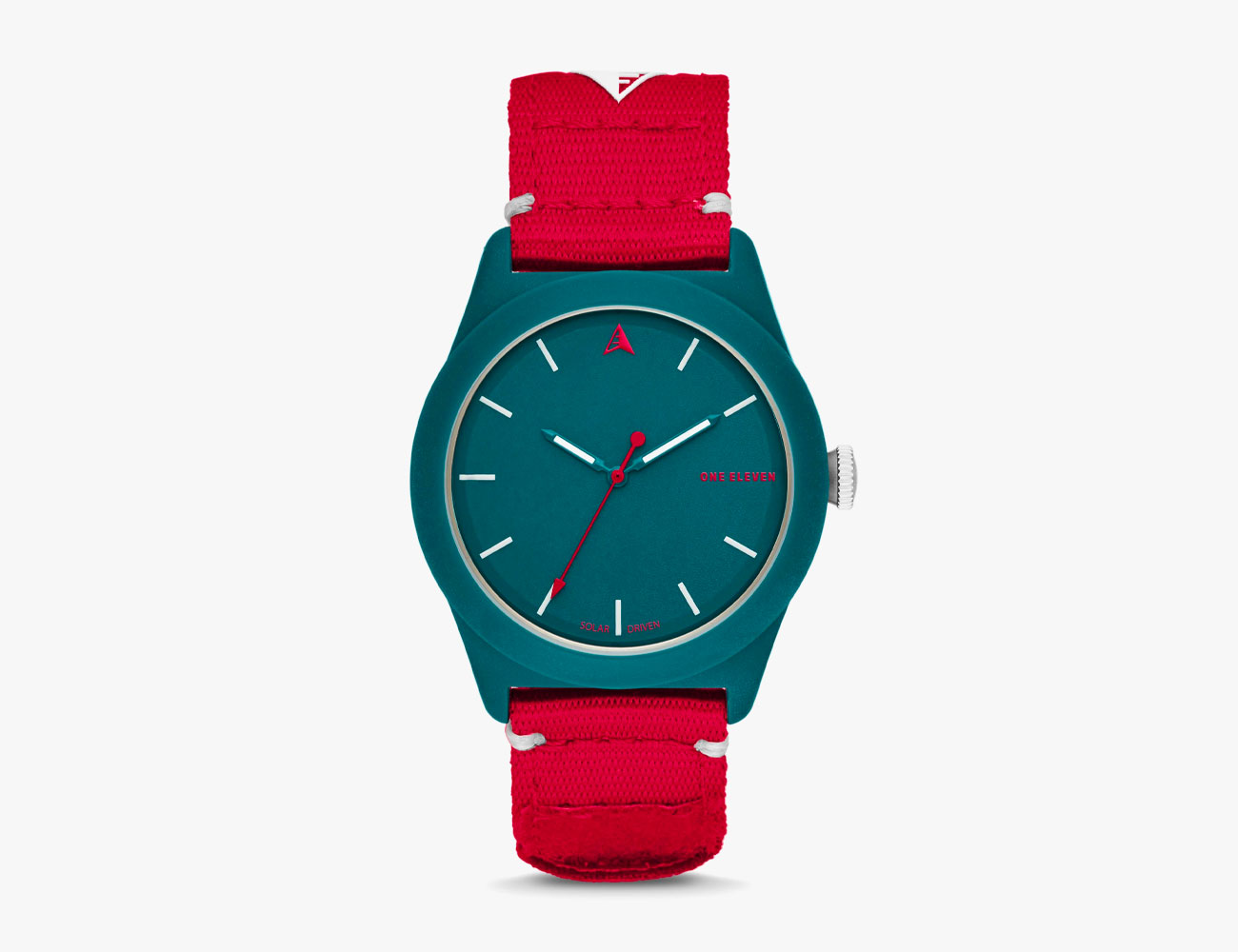
Not only is this stylish watch from One Eleven made from 85 percent recycled materials, but it’s also solar-powered. The battery recharges as you wear it and will last for up to 10 years with no extra effort needed. When the battery does eventually wear out, send it back to One Eleven for a replacement. The SWII’s plastic case made from a castor bean oil byproduct rather than petroleum and the strap is recycled water bottles.

Fjällräven Keb Eco-Shell

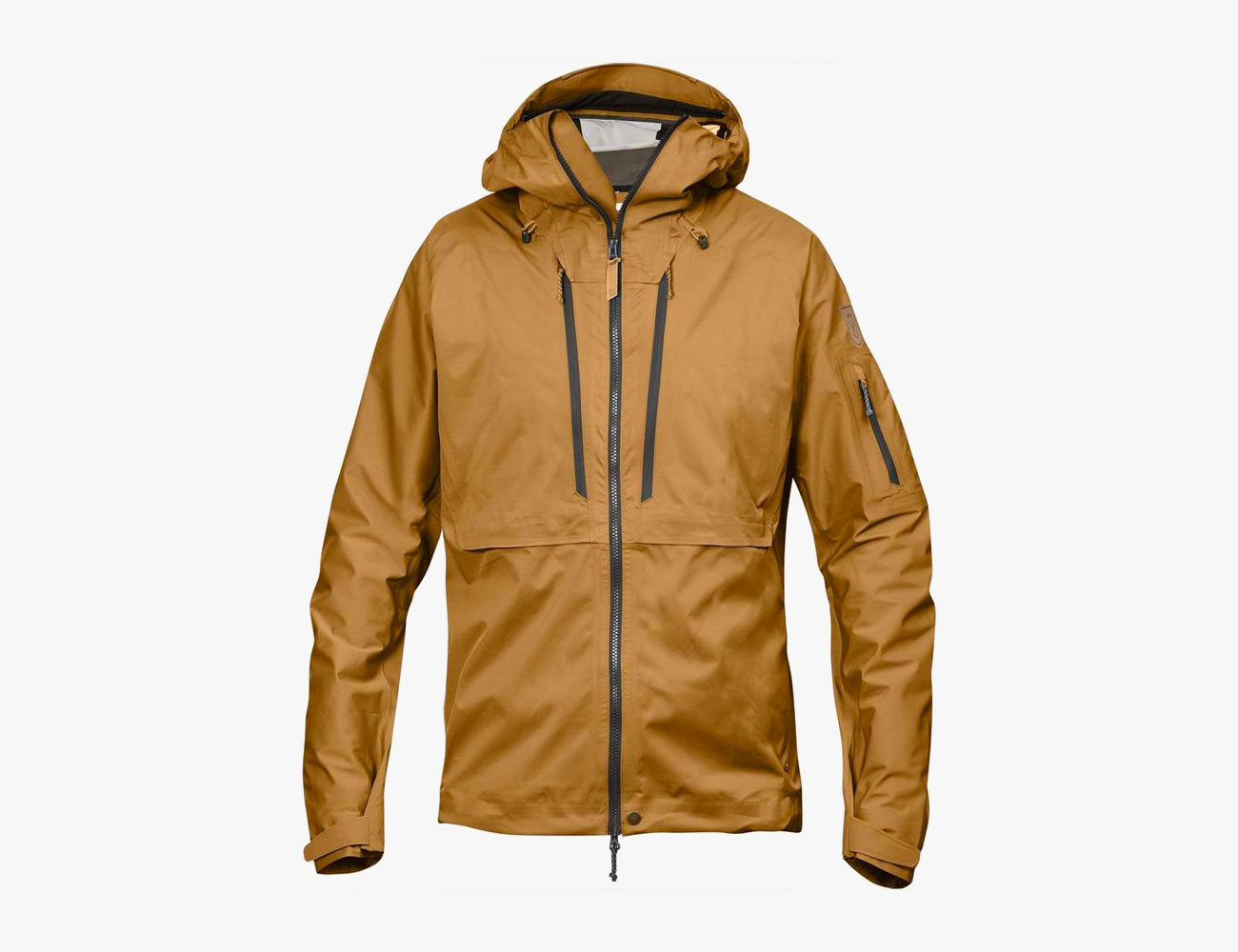
Many European brands have been ahead of U.S.-based companies on ridding harmful, air-polluting perfluorocarbons (PFCs) from waterproof coatings, though many American brands are now catching up.  Ditching them all together is a tall order — for years, these chemicals have coated rain jackets, snow pants, backpacks, tents and more, keeping you dry no matter how bad the rain gets. Swedish Fjällräven has found an environmentally-friendly, PFC-free alternative in its Keb Eco-Shell, made from partially recycled polyester. This waterproof jacket wears more like a softshell than a hard one, as it’s super pliable and comfortable. Seam zips under the arms are generously long to help you quickly dump heat when needed. There’s ample storage in two large chest pockets, which each have stretchy mesh sleeves to keep your phone or credit cards secure.

Klean Kanteen 5-Piece Straw Set

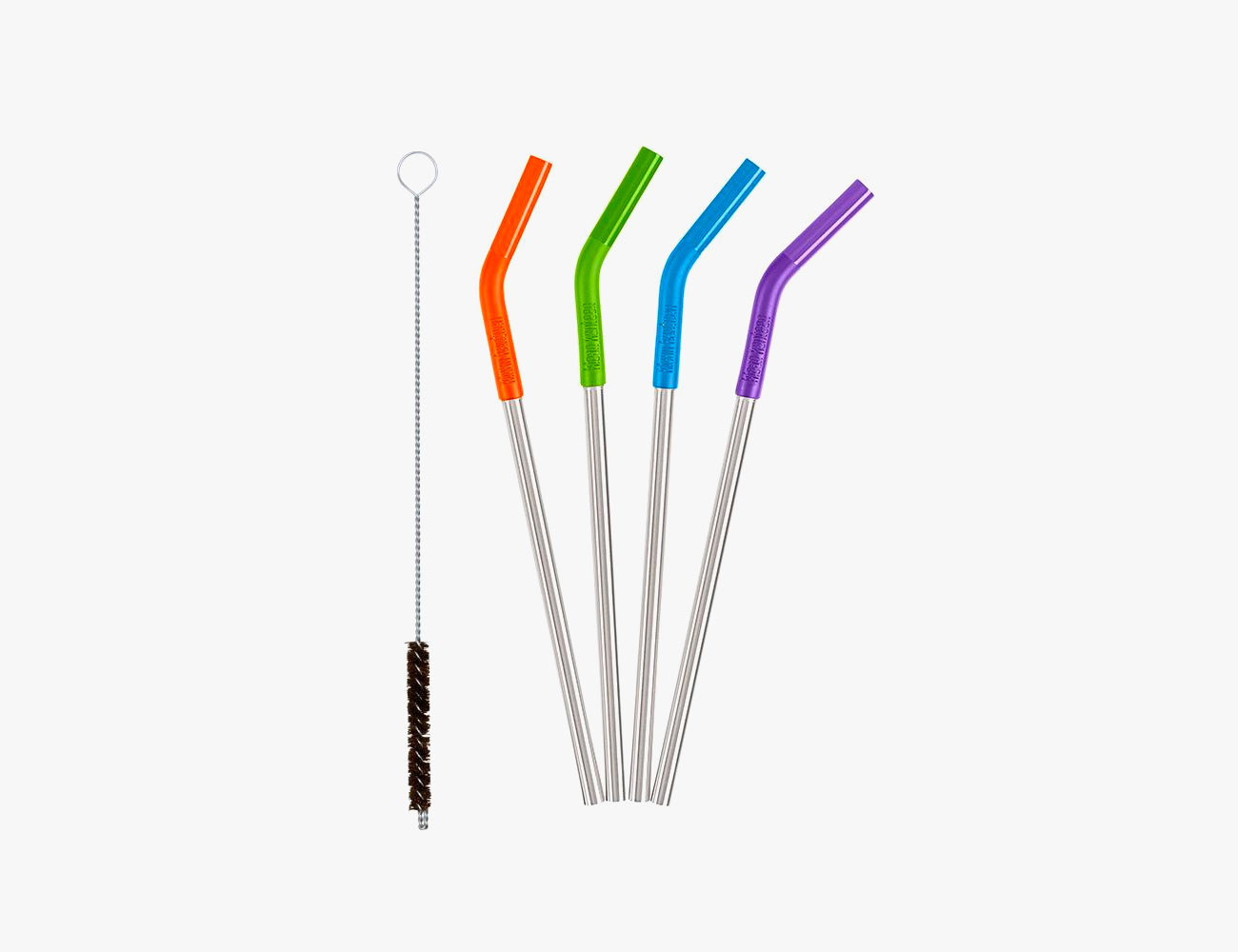
Americans trash millions of plastic straws every day, many of which end up in the ocean and harm marine life. Do your part by asking up front to skip the straw next time you order an iced coffee or, even better, bring your own. Klean Kanteen’s stainless steel reusable straws have a bendy silicone sipper up top for ease and comfort. They’re dishwasher-safe, and cleaning is a breeze with the included straw brush. One caveat — dust and crumbs will stick to the silicone mouthpiece if you leave the straw to linger at the bottom of your bag. Consider storing it wrapped in a bandana or handkerchief to keep it clean. It won’t do you — or the ocean — any good if you’re not psyched on using it.

Cotopaxi Libre LT

Cotopaxi’s llama wool Libre sweater helps you save water by cutting down on laundry. Llama wool fibers repel odor like nothing else, so you can wear this sweater dozens of times without stinking — I’ve done it. Just air it out in between wearings by hanging it up or draping it over the back of a chair in your hotel room. The original Libre is a heavier-weight sweater, with perforations across the mid- to lower back to vent heat while backpacking, climbing or sprinting through an airport. The LT version is ideal for spring and summer, with perforations throughout the torso and sleeves. The first wear (or two) may be itchy so wash it once before taking it on the road.

Guppy Friend

Cozy fleece pullovers are hiding a nasty secret: When they go through the laundry, they shed plastic microfibers, which end up in the ocean and can harm marine life. The Guppy Friend washing bag catches those fibers before they can sneak out through the drain in your washing machine. Zip your fleece jackets and polyester and nylon base layers into the Guppy Friend and then toss the whole thing into the washing machine. After washing, pull the microfibers out of the bag and throw them away in a trash can.

Vapur Bottle

We all know that we should be avoiding single-use plastic and opting for reusable bottles instead. But carrying one all the time can get annoying — they’re often either too small or too heavy and bulky. But Vapur’s flat-packing water bottles change the game. I’ve yet to find a better one for travel and hiking, and I’ve used a one-liter Vapur bottle over the past three years. They’re strong, durable and fit inside a pocket when empty or a backpack side pouch when full. Bonus: duct tape fixes punctures — which are a rarity (unless you puppy swipes your water bottle).

SOLE X United By Blue Jasper Wool Eco Chukka

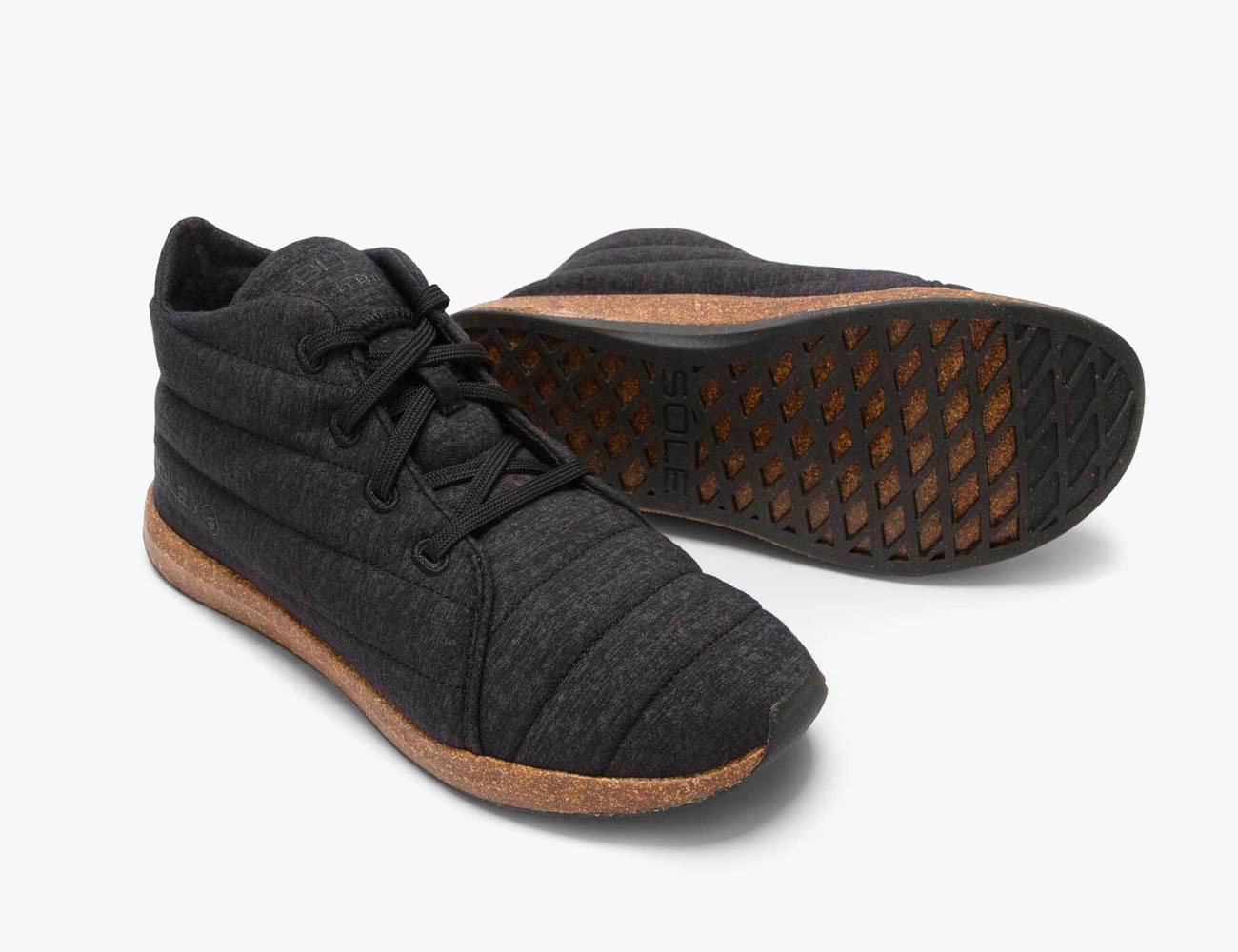
United By Blue and SOLE have joined forces to make cozy merino and bison wool-insulated chukka. Made from nearly all natural components, it is one of the most sustainable shoes yet. The Jasper’s lightweight, soft merino wool upper is insulated with bison wool diverted from landfills. The insoles of recycled corks and algae foam are springy, and the midsoles feature the same cork Natural rubber and would-be-trash rice husks create grippy treads on the outsole. You can pre-order the shoes now for November delivery.

Bare Republic Sunscreen

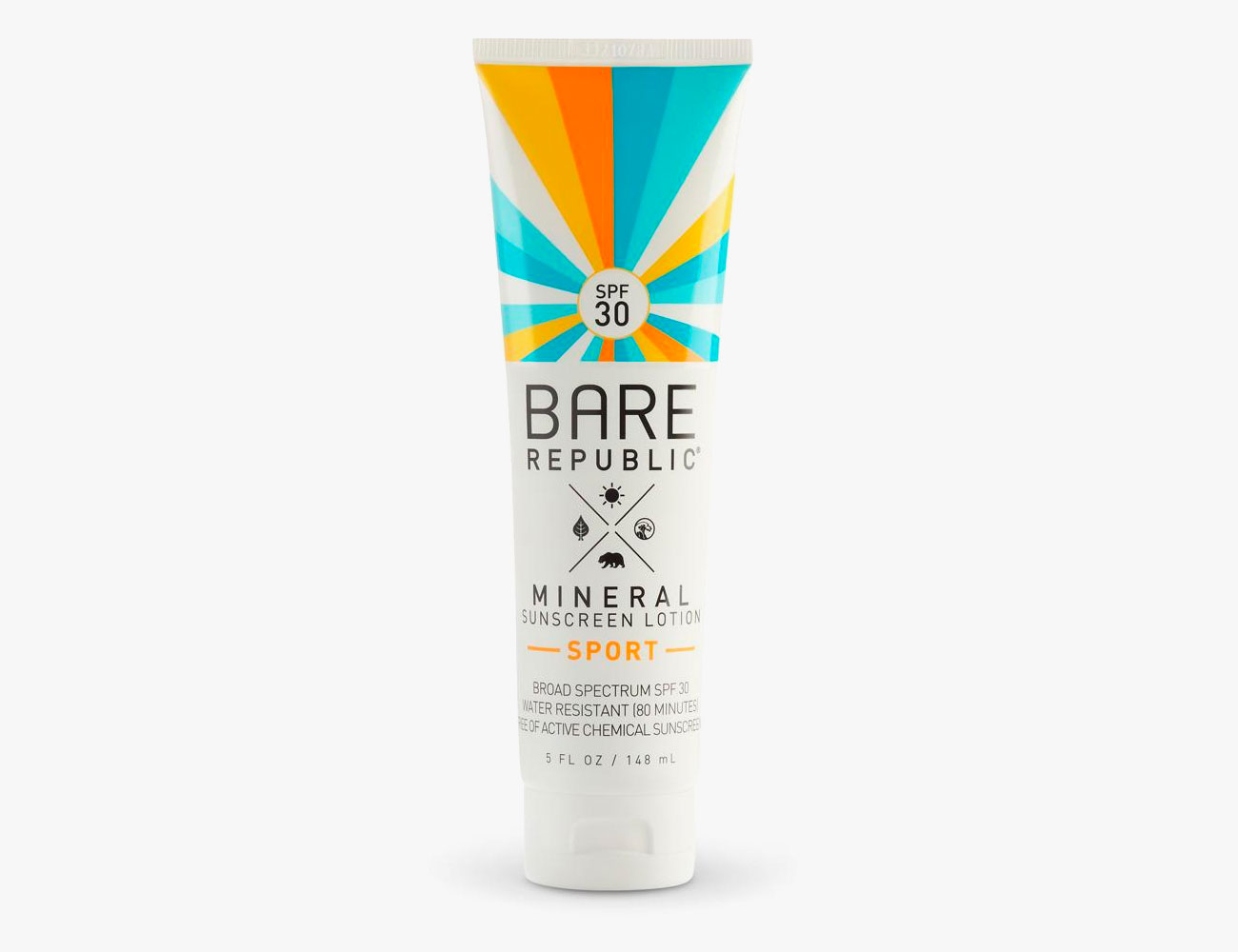
Sunscreen with the active ingredients oxybenzone and octinoxate will be banned from Hawaii, starting in 2021. The two elements damage fragile coral reefs even in small quantities. The best thing you can do is not use sunscreen at all, instead opting to protect yourself with UPF clothing — even all-natural sunscreens have ingredients that aren’t great for marine life, such as botanical extracts that act as natural pesticides, which are sometimes toxic to invertebrates. But for the times that that’s not possible, Bare Republic’s Mineral SPF 30 Body Sunscreen Lotion is one of the best mineral sunscreens you can buy without paying an arm an ounce for it to be reef-friendly. It feels more like a lotion than sunscreen and smells like light vanilla coconut. And unlike the chalky zinc-based sunscreens you’re probably thinking of, it’s a relatively invisible sunscreen.

Duer Performance Denim Slim

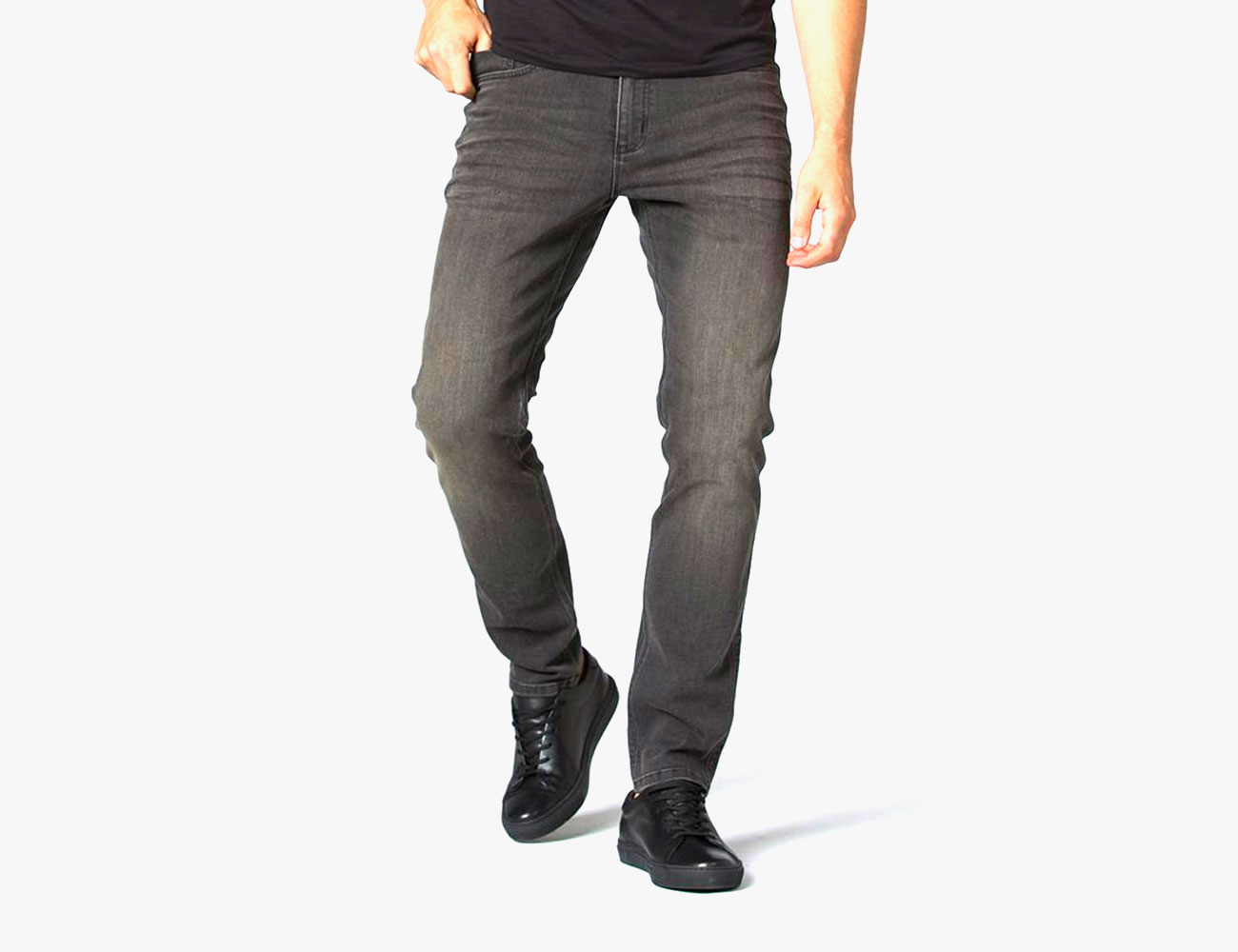
These jeans are fantastic for everyday wear as well as for traveling.  They offer just the right amount of stretch and are durable where other jeans fail. One freelance photographer we know tested them for 18 months and, unlike other jeans that fray at the crotch seams from crouching and kneeling while shooting, these have shown no signs of strain. These may be the last pair of jeans you need to buy.

Taj Hemp Long Sleeve Shirt

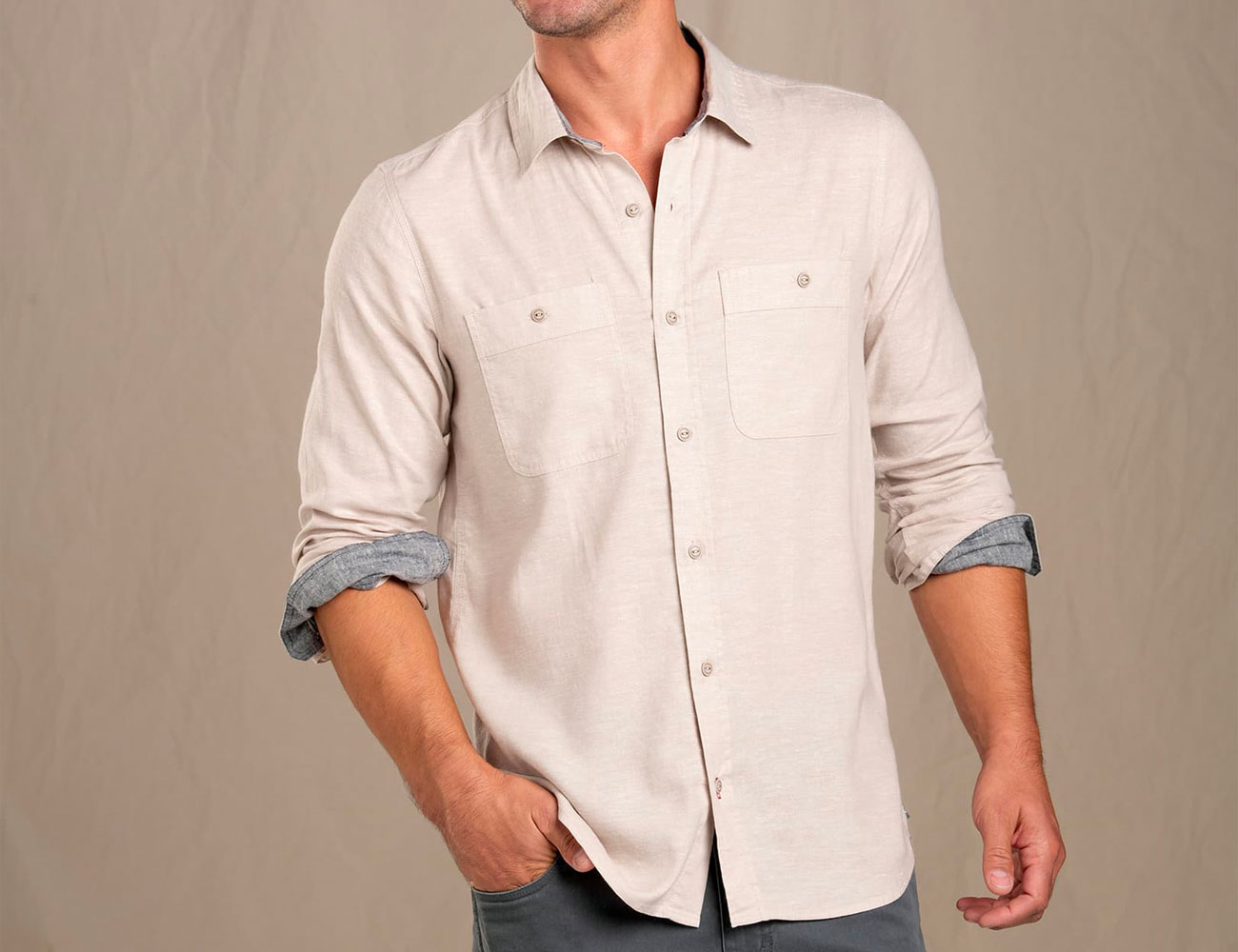
Cotton is a thirsty, thirsty plant. Factor in the pesticides often used to protect the crop from bugs, and you have a natural fiber that sounds a lot better for the environment than it is. Consider hemp as an alternative next time you shop for a new button down, like Toad&Co’s Taj Hemp shirt, in both short and long-sleeved styles. Though it feels quite similar to cotton when it’s spun the right way, hemp is a much hardier plant, requiring significantly less water and no chemicals. The Taj is made from a blend of hemp, Tencel and Spandex, and is intended to mimic linen but with better performance. Unlike cotton, hemp naturally wicks moisture and has antimicrobial properties.

Note: Purchasing products through our links may earn us a portion of the sale, which supports our editorial team’s mission. Learn more here.

National Parks are Free This Weekend. Here Is What You’ll Need For a Great Day Exploring

Roam Free

National Parks are Free This Weekend. Here Is What You’ll Need For a Great Day Exploring


April 20-28 is National Parks Week, and to celebrate, National Park Service is providing free entry to all parks on Saturday, April 20th. If there’s a park you’ve always wanted to visit but haven’t had the time to, then let this be your push out the door. Saturday is one of just five days during the year that the parks are free, and the next day isn’t until the end of August. In addition to the free day of entry, the National Park Foundation is planning a plethora of events and special programs for each day next week — everything from park cleanups to bike rides to dog days. Here’s all the gear you’ll need to tackle a day of clean up, hiking, bike touring and more.


America’s 60 Best Day Hikes

America’s 60 Best Day Hikes

Pack a snack, a water bottle and hit the trail.

8 Gear Upgrades for More Comfortable Camping

8 Gear Upgrades for More Comfortable Camping

Making your camping experience more rewarding is an easy accomplishment with these eight camping upgrades.

Staff Picks: Our Favorite Day Hikes

Staff Picks: Our Favorite Day Hikes

A hot desert trek overlooking Scottsdale, AZ, and an uncommonly secluded trail in Jackson, Wyoming.

For a Better National Parks Souvenir, Get a Hat

For a Better National Parks Souvenir, Get a Hat

Most souvenirs are cheap. Not the goods made by Parks Project, an action-minded brand that just launched a new line of hats.

The Best Hiking Boots of 2018

The Best Hiking Boots of 2018

Unlike concrete sidewalks and gravel paths, the trail calls for hardened and supportive footwear to combat dirt, mud, jagged rocks and streams. The answer is hiking boots and hiking shoes, and these are the best…

Hipcamp Just Made Booking Your Summer Camping Trip A Lot Easier

Hipcamp Just Made Booking Your Summer Camping Trip A Lot Easier

Getting out of the city and into the woods is going to be a lot easier this summer thanks to this platform.

The 7 Best Travel-Friendly Hiking Shoes

The 7 Best Travel-Friendly Hiking Shoes

Sometimes you just want to pack one pair of shoes. These hiking boots look great, are lightweight and can easily tackle any trail you throw at them.

10 New Bike Products You Should Know About Now

Recently, thousands of bike riders pedaled into Monterey’s Mazda Raceway Laguna Seca for the Sea Otter Classic, an annual festival that’s been celebrating all things bikes since 1990. Racing of all types highlighted the weekend — road, downhill mountain biking, cross country and even e-mountain biking — but hundreds of companies were also in attendance displaying the latest bike products that they’ve spent the last few months (and years) perfecting. Here are ten of our favorites.

Specialized Roubaix

Specialized learned on the hallowed cobbles of Paris-Roubaix that if riders aren’t comfortable, they can’t go fast. So, the company took the experience of riding those uneven stones at 28mph and created a bike that’s comfortable enough for the most poorly maintained roads, without compromising rigidity or aerodynamics.

Ortlieb Atrack BP

Ortlieb’s original Atrack is an award-winning backpack-duffel mash-up of an adventure bag. It’s completely waterproof, thanks to an impregnable TIZIP zipper that’s on the back panel instead of the top, and uses a simple system of straps and attachment points to add customization for lots of outdoor activities. The new BP version focuses on bikepackers; it has a slimmer profile, minimal waist strap and places for bike-focused accessories (like a helmet).

Velocio Recon Micromodal Jersey

It doesn’t matter if they’re covered in logos are stylishly minimal, cycling jerseys aren’t anything like the shirts you wear when you’re out of the saddle. Velocio’s Recon blurs the line some; it’s made of modal, a semi-synthetic fabric material derived partially from beech trees, and it wicks sweat and resists stink but is as soft as your favorite t-shirt.

Thesis OB1 Omni

Thesis is a direct-to-consumer bike brand focused on versatility. Each of its frames comes with a range of options that allow you to create a highly personalized bike for whatever riding suits you best. An excellent example of its intentions is the Omni edition, which comes with two sets of wheels; one for trails, one for the road.

Orucase B2 Bike Travel Bag

Airlines have spiked the cost of traveling with a bike recently, so Orucase created an innovative bike travel bag that skirts their classifications for bikes. It’s below the maximum dimensions that most airlines use to categorize a standard piece of luggage, and its intentional shape makes it look less like a bike too.

Dakine Descent Bike Duffel

When one of Dakine’s product designers decided to create his own duffel for biking, it earned enough attention from his colleagues that the company decided to make a full run. What drew them to the bag? A zip-out changing platform, separate stinky shoe pocket and specialized sleeves and pockets for bike tools.

Diamondback Sync’r Carbon

Diamondback has long separated itself from other bike companies with its approachable prices. As a result of that, many equate the brand with entry-level, but recent models have proven that it’s as serious about riding as it is about savings. The Sync’r is Diamondback’s new carbon hardtail (a bike without rear suspension), and it’s equipped with great parts — including a modern frame geometry, plus-sized tires, a 1×12 gearing and a quality fork — but costs $3,000.

Tubolito S-Tubo MTB

You probably don’t think about the tubes encased in your tires until one of them pops. You should though, and if you’re of a mind to seek out an upgrade to an essential element of your bike then check out Tubolito. Its orange inner tubes are lighter, stronger and pack down smaller (when you’re carrying a spare) than any other available.

Enve 3.4 AR Wheelset

Enve designed its new wheelset to set the standard for modern bike wheels. There’s a lot of science behind that claim, but it’s easier to sum it up like this: the 3.4 AR retains the brand’s signature high-quality construction and adds a wider rim bed that’s optimized for the current tubeless tire standards, and uses a hookless rim to ensure a stable and reliable tire-rim interaction. Still confused? Our tester rode 150 miles on these wheels and said, “they were notably stable descending, provided a comfortable ride, accelerated fast, and provided impressive crosswind performance.”

Canyon Grail AL

For less than $2000, Canyon’s Grail AL gravel bike offers a spec that doesn’t have any notable compromises. It includes a robust frame and a set of tires and wheels that could take you anywhere you want to ride, which makes it the perfect bike for the gravel-curious (and one of the best deals in cycling).

Note: Purchasing products through our links may earn us a portion of the sale, which supports our editorial team’s mission. Learn more here.

Two Backpacks for Run Commuting That Outperform the Competition

Five years ago, if you saw someone running through the city with a backpack on, you may have thought they were running from the cops. But now, it’s common to see people running to work. In 2018, run commuting grew as a sport by 70 percent, according to the Strava’s yearly data. The key to success? A backpack. But not just any pack: it has to be roomy enough to carry  work clothes, your wallet, water, an extra pair of shoes and snacks, all while hugging tight to your back for a mile or three or more. It should have a waist-strap, weigh less than three pounds and be made of a ripstop durable material that’s also water-resistant.

In the past year, we’ve seen an uptick in the number of dedicated running backpacks on the market — and some unique, experimental designs. So, we took two of these new packs —the  Stolt Alpha and the IAmRunBox Backpack Pro — and put them to the test. Each has a rectangular shape with hard-sided walls, lots of adjustable straps and the capacity to carry a suit. But that’s where similarities end. Small differences, like look, shape, size and straps, made big differences.

The all-black, 10-liter IAmRunBox Backpack Pro has hard sides to protect your laptop and other fragile items. Its clamshell-style opening swallows four to five garments securely inside. And, it’s water-resistant — the polyester, PU-coated fabric ensures no moisture will seep onto your work attire. Bright orange accents mark zippers (nice safety move), and expandable cables hold a pair of shoes away from your back. There are two pockets on the waist straps so you don’t have to open up the backpack for small things like sunglasses, a Metro card, keys, etc. Our team took this backpack to and from work in New York City.

The Stolt Alpha Casual Set Blue pack looks and feels more like a standard backpack than the IAmRunBox, with a few zippers and lots of pouches for all your gear. There are two main compartments: one for a garment section and another that holds a laptop, stationary, pens, folders and more. Fold all your clothes into the hard-sided garment box, which lives inside the middle compartment so you won’t have to worry about wrinkles. The bag comes in navy, black or white and includes a bright rain cover. Our team took this backpack to Paris for a video shoot, where they ran over 18 miles in a single day.

We compared the Backpack Pro and the Stolt Alpha within three categories — design, storage and running feel. Here are our findings.

|

Test 1: Design and Look

The IAmRunBox is very small and thin. It’s incredibly light, too at just 2.9-pounds compared to the 2.5-pound Stolt. The all-black look has an ergonomic divet in the back to fit your body, which our tester said felt just right. “I liked the IAmRunBox waist strap — there’s a little pouch for your keys and things there. The waist strap is bigger than most people think it would need to be, but it’s a perfect size,” our tester said. The clamshell design is simple to open, but we missed interior pockets, which are helpful to organize small items. The only exterior pockets are on the belt, and the look of the fabric with the orange accents can be a bit bold for some users.

At first glance, the Stolt Alpha is sleek and looks like a more puffy laptop case with the straps tucked inside. You can hide all the shoulder and waist straps, so when you walk into a boardroom, it’s not immediately apparent that you ran to work (after you’ve changed, of course). While it’s still basically a box with straps, the soft edges and nylon fabric exterior add to the lifestyle factor.

Winner: Stolt Alpha for its casual workday vibes as opposed to IAmRunBox’s boxy look.

Test 2: Storage Space

The IAmRunBox is minimalistic, which our NYC-based tester thought would be great if he didn’t have to carry so many layers. “It’s a personal thing, but if I lived in Florida, it would satisfy all my needs,” he said. Size-wise, “the IAmRunBox is good for a t-shirt, pants and underwear, but if you want to bring anything additional, [I’m not sure] how to fit a jacket in there, or other thicker items,” another tester said. The clamshell design with hard sides means there’s no space for expansion and the additional add-ons, like the bungees, make the bag look and feel bulky.

The Stolt Alpha is more of a traditional backpack with different sections for your gear — almost too much space for our tester. “There’s going to be a lot of empty space [if you don’t fill it], and you want to minimize the size of a bag [when running],” he said. The Stolt backpack carried a 15-inch MacBook, a Canon 5D4, multiple lenses, a gimbal and snacks (note: more stuff than most people carry to and from work) and survived for a full day that consisted of 18-miles of running. It did so without any issues. For regular daily run commuting, the pack was a bit large, but there’s plenty of room to fit a winter coat or another pair of shoes. If you wear a lot of layers or three-piece suits during the day, this is a good pick.

Winner: Both. In winter, Stolt Alpha for its spacious interior and multiple compartments, but in summer (or if you live in a more consistently warm clime), when you need less, the IAmRunBox.

Test 3: The Feel and Performance on a Run

Neither bag caused any chafing issues and both have waist straps to hold the backpack in place when running. The IAmRunBox didn’t bounce, regardless of the heavy camera equipment, meaning you can over or under pack this and it won’t affect its ability to stay put. It also has a pouch for keys on the waist strap (as does the Stolt pack, just slightly larger), which our tester found extremely helpful. “My favorite thing about it was the backpack fit so well onto my back. It didn’t shift around. [It did] not affect my [running] form whatsoever when testing it,” one tester says. “I ran from the office back home at 5 PM, so during rush hour traffic with a lot of stopping and starting, and the bag didn’t annoy me at all.”

“The Stolt bag got gross and sweaty and did not seem as aerodynamic. I would’ve rather ran with the IAmRunBox,” one tester said about lugging the pack all over Paris. However, one of the positives was that our tester could leave the bag open and not worry about anything jumping out while running. “I kept moving on the fly, [stopping] to put different things in the backpack, before running again.”

Winner: IAmRunBox for its aerodynamic feel when running.

Verdict: While both of these are ideal for urban run commuters, we recommend the Stolt Alpha for buttoned-up offices — it’ll hold a suit and looks like a bulky briefcase than a sport pack. If you’re running longer than 5 miles each way, we recommend you invest in the IAmRunBox due to its ergonomics and lightweight feel.

Key Specs
Weight: 2.9-lbs. (IAmRunBox); 2.5-lbs. (Stolt Alpha)
Storage: 10 Liters (IAmRunBox); 20 Liters (Stolt Alpha)
Exterior Fabric: Polyester with PU coating (IAmRunBox); Water-repellent with YKK Zippers (Stolt Alpha)
Weight: 945 grams (IAmRunBox); 1200 grams (Stolt Alpha)
Laptop Pocket: 14-Inches (IAmRunBox); 16-Inches (Stolt Alpha)

|

Stolt and IAmRunBox provided products for review.

Read More Gear Patrol Reviews

Hot takes and in-depth reviews on noteworthy, relevant and interesting products. Read the Story
Note: Purchasing products through our links may earn us a portion of the sale, which supports our editorial team’s mission. Learn more here.

The Books to Read to Improve Your Fitness

One of the best ways our team has found to stay goal-focused is to read as many books as can get our hands on — especially ones about fitness, wellness and health, as penned by experts. As summer approaches, we’re thinking about our reading lists. These nine books will be on them. Some are new this year while others are stalwarts year after year.

But, no matter their year of nascent, what we love is that, no matter which sport to which the book speaks — surfing, running, hiking, mountain biking, weight lifting and more — the feeling we get is the same: inspired. If you’re re-drafting your summer reading list, consider these.

The Incomplete Book of Running, Peter Sagal

Peter Sagal is the host of the popular NPR podcast, Wait, Wait… Don’t Tell Me! and his latest book weaves a narrative about how running can help with survival — not just from a run-faster perspective, but rather from a personal and mental health perspective. Sagal was sedentary for most of his life and didn’t pick up running until just before he turned 40. The Incomplete Book of Running is a humorous read for self-proclaimed runners, those who want to get into the sport and even those who want nothing to do with it.

Good to Go, Christie Aschwanden

Recovery has been the buzzword in the health and fitness world for the past couple of years due to an uptick in awareness around foam rolling, stretching, napping and more. In this book, Aschwanden takes a closer look at what works and what doesn’t — and topics range from drinks, shakes, compression sleeves, sleep trackers and more. From real world testing to digestible scientific studies, Aschwanden makes it easy to know what you should add to your fitness routine.

Running Home, Katie Arnold

Writer and reporter Katie Arnold’s first book, about how running helped her heal from her father’s death, will inspire you to hit the trails and churn your legs no matter your burdens. An adventurer at heart, Arnold shares how over the course of three years, she pushed herself to run longer and longer distances, past the point of pain and into acceptance.

26 Marathons: What I Learned About Faith, Identity, Running, and Life from My Marathon Career, Meb Keflezighi

After 26 marathons, four trips to the Olympics, two and thousands of miles, Meb Keflezighi retired with the 2017 New York City marathon. He’s won the Boston and New York marathons in addition to having a reputation in the running world as one of the kindest and hardest working souls. This powerful book tells Keflezighi’s story but makes it a quick read. Keflezighi shared what he learned from each of those 26 marathons (one for each mile in a marathon — 26.2), including life lessons apply to everyone.

Endure: Mind, Body, and the Curiously Elastic Limits of Human Performance, Alex Hutchinson

If you geek out when reading about fitness science and Nike’s sub-2 hour marathon conquest, this book is for you. Hutchinson, a contributor to Outside Magazine, explores the limits of the human body through pain, muscle, oxygen, heat, thirst and fuel all interwoven with bits of personal and sports history.

The Sports Gene: Inside the Science of Extraordinary Athletic Performance, David Epstein

If you’ve ever wondered what Serena Williams, Usain Bolt and Michael Phelps have in common, Epstein explores the limits of biology and what training can do for your body. The Sports Gene looks at the nature vs. nurture debate in addition to interviews with Olympians about the quality of their training. Is there a gene that determines how good you’ll be at athletics? Epstein strives to find out.

Liferider: Heart, Body, Soul, and Life Beyond the Ocean, Laird Hamilton

Laird Hamilton’s name now extends past the surfing world into the world of fitness thanks to his ability to seemingly never age, a modeling career and his first book. This book goes beyond just pure fitness and surfing and looks at how everything is connected — from death and fear to your heart, body and soul. Hamilton shares his viewpoint on life and everything that comes with it, from relationships to business to risk-taking.

The Mamba Mentality: How I Play, Kobe Bryant

Kobe Bryant is another pillar of excellence in his field — he’s built a reputation for himself by merely playing and excelling at what he does. His first book gives fans an insight into how he gets himself amped before every game and how he continues to push the boundaries of sport. For those who remember every play he’s made over the past twenty years, you’re in luck, Bryant dissects those as well. You can expect to display this book on your coffee table after you’re done — the images are stunning and on practically every page.

The Champion’s Mind: How Great Athletes Think, Train and Thrive, Jim Afremow

If you’re looking for an edge to help you hit that new deadlift weight or mile time or lead the softball team to victory in the upcoming tournament, this book is for you. The Champion’s Mind explores how elite, Division 1 and recreational athletes get in the zone before a big game or competition, in addition to individualized paths to progress. No matter what your goals are, this book will help you get to the next level.

Note: Purchasing products through our links may earn us a portion of the sale, which supports our editorial team’s mission. Learn more here.

This Unique Outdoor Store Could Only Exist in Brooklyn

New York City seems an unlikely locale for an outdoor gear shop; they’re better situated in small towns that are, you know, close to the outdoors. But just blocks from Downtown Brooklyn, surrounded by bars and boutiques and with a more-accessible view of the Statue of Liberty than any mountain, stands a unique outfitter called Hatchet Outdoor Supply Co.

Yeti coolers anchor its window displays, which are also arranged with t-shirts and wide-brimmed hats. Inside, there’s a backpack wall, a shoe wall and of course, an axe wall. Eye-catching clothing racks bear technical outerwear and button-ups from brands you’ve never heard of. There are maps of local state parks for sale; the botanical prints hung on the wall behind the cash register, however, are not.

“When we first opened it was about flannel, Americana,” says Gene Han, the store’s owner. When he opened Hatchet’s doors as a side project to other retail projects – Han took over his family footwear store Rugged Sole and rebranded it as a streetwear shop called Alumni – he concentrated on a trending desire for heritage brands like J.Crew and Red Wing and value on Made in the USA products. “That evolved into an appreciation for technical materials and functionality,” Han says, but he’s referring to consumers, and offering up his theory on why outdoor lifestyle has become as appealing among the general population as it has.

Growing up a Boy Scout and Eagle Scout, Han didn’t need to develop an understanding of function. “Our troupe didn’t have the best resources. When we went camping we were using these cheap A-frame tents; we didn’t have the best gear,” he says. “There was a lot of good stuff out there that we couldn’t afford and I geeked out on it. That desire of wanting cool stuff back then definitely manifested into [Hatchet].”

More than gear-nerdery, the Scouts instilled in Han something critical to Hatchet’s existence: that it’s possible to live an outdoor-oriented life in one of the world’s most iconic cities. Han’s troupe’s base, Pouch Camp, is a 143-acre tract on Staten Island and New York City’s only Boy Scout camp. “We had to travel out a lot. [New York] is very limited in terms of camping and hiking, but you go out an hour drive, and there’s tons.”

Inside Hatchet, the Boy Scout vibe is detectable. With its campy feel and a mix of products both stylish and practical, it calls to mind Wes Anderson’s Moonrise Kingdom but avoids the kitsch. Han admits that many of the items he sells are primarily about aesthetics, but even those things have to meet the store’s standards: “It has to have an outdoor inspiration and be unique and extremely high-quality.”

Klättermusen

“This brand is super unique. We’re always looking to bring in new products that aren’t as easily or readily available. They have little to no presence in North America, but this is a brand that at its inception had a sustainable ethos. A lot of brands do that now, but they approach everything with such a unique, out-of-the-box way.” — Han

Kaptain Sunshine

“This brand has done surprisingly well for us and it’s one of my personal favorites. It’s out of Japan. I guess you could call it a menswear brand but they tend to use a lot of technical fabrics, whether it’s waterproof/breathables, they’ll take fabrics like that and make it into the sleekest, cleanest menswear silhouettes. They had this wool pant that was just traditional wool but up top it was more of a camp-style pant but it was cropped and pleated. It was this hybrid of a pleated wool pant, a more formal menswear type of pant, with a traditional camp pant up top.” — Han

Buck Knives 110

“This has a sentimental value to me. It’s been my knife since I was 10 or 12 or something. I still have the same one from back then, it’s a great knife. We sell it because of my direct past with it.” — Han

All of our Coverage From the 2019 Sea Otter Classic

When you think of sea otters, you conjure up the image of an adorable aquatic mammal with a penchant for floating on its back like an overweight tourist in a casino pool. Unless you’re a cycling fan, in which case you’re probably aware that the strangely named bike race and trade show in Monterey, California (where a population of sea otters happens to live) has become a hub for brands looking to launch hundreds of new bike products for spring and summer.

The Sea Otter Classic has been taking place at the Laguna Seca Raceway since 1991 and has grown considerably from a small mountain bike race to a four-day festival with world class road and mountain bike racing as well as hundreds of brands exhibiting.

Unlike other trade shows, Sea Otter offers the opportunity to ride bikes on great trails in the sunshine. That makes it infinitely more fun than trade shows housed entirely in vast convention centers, where the only light is fluorescent, and the closest thing to single-track are the aisles between booths. The riding in Monterey isn’t only good, it fosters camaraderie among attendees; for instance, I pedaled the 150 miles from San Francisco down to the show with a gang of current and former pro cyclists.

Suitably exhausted, I’ll be hitting the open-air show floor (and nearby trails) and updating you on the latest and greatest in cycling gear under the California sun.

Now You Can Make Your Bike Lighter for Only $38

Buying an ultralight bike frame or wheelset can cost a fortune, but Tubolito’s new tubes definitely does not.

Want to Make Your Bike More Versatile? Start with the Wheels

Enve’s newest wheels are for road cyclists who want to take their bikes from smooth tarmac to dirt and back again.

Specialized’s New Bike Aims to Be Fast and Cush

Specialized’s updated Roubaix bikes are designed for riders not to feel the road, so they can go as fast as possible.

Note: Purchasing products through our links may earn us a portion of the sale, which supports our editorial team’s mission. Learn more here.

The Boston Marathon Gear the Pros Will Be Rocking on Race Day

Boston in April brings two certainties: elite marathoners and unpredictable weather. If the runners enduring powerful winds and a frigid downpour during last year’s Boston Marathon can attest to anything, it’s that the gear you wear on race day needs to handle it all. But with spectators lining the course from its start in Hopkinton to its finish, 26.2 miles later, in downtown Boston at Copley Square, it also has to look good. What most people don’t know — unless you’re an avid fan — is that running brands release limited edition Boston Marathon-specific models that the pros wear on race day and that consumers can purchase right around now. Everything from shoes to singlets to regionally-inspired nutrition items crop into view.

Here’s the Boston Marathon gear we’re most excited about as race day (April 15th) approaches.

Adidas Adizero Boston 7

Adidas recruited famed Japanese shoemaker Omori, formerly of Asics, to design these tidy, minimalist milers. Omori is known for designing gear for pro baseball players and Olympian marathoners. The clean uppers have minimal logo-ing — there’s a sole Boston Athletic Association unicorn across the heel cup and a modest ‘Boston Marathon’ along the side. Underneath is standard Boost foam midsole and Continental Tire soles — both things for which the Ultraboost is beloved. Something to note: Adidas recommends ordering a half size up due to the shoes deliberately tight fit, unless you prefer your toes to have more breathing room. Some people don’t like to wear socks on race day, so they might want the fit to be a bit tighter, but for the rest of us, we’ll take the size up.

Asics GEL-Cumulus 20 Boston

Turning the volume down after their loud 2018 Boston Marathon editions (bright blue with Boston written across the exterior), Asics delivers a clever homage to the most famous route turns in running: “right on Hereford, left on Boylston” — the final steps in the Boston marathon. Asics adorned the right and left shoes with Hereford and Boylston street signs, respectively. The Cumulus 20 is known for its bouncy and cushioned ride, perfect for marathoning. These limited edition sneakers come in a green upper with white accents — the same colors as the Boston Celtics to honor the team’s Northeastern roots.

Brooks Boston “T” Launch 6

The Brooks 6 introduces a new mono-piece mesh upper body and DNA MoGo midsole to help runners pound the pavement for miles and still revel in lightweight comfort. The design celebrates the city’s iconic rail system (called “The T”) with a colorful map splayed across the heel. In a nod to previous Boston editions, the Launch 6 also sports several ‘lobstahs’ across the upper and tongue.

Saucony Kinarva 10 Dunkin’

“America Runs On Dunkin’” took on a new and literal meaning at the 2018 Marathon after Saucony dropped its first pair of Dunkin’ Donuts running shoes in partnership with Dunkin’. Saucony keeps the Dunkin’ theme for its second straight year. The Kinarvas are one of Saucony’s most popular and best-performing shoes year in and year out, and, in past years, the Dunkin’ colorway has sold out quickly due to the cult-like following of arguably Massachusetts’ most iconic brand. It was no surprise when the 2019 edition promptly sold out in less than a week when it launched in late March, complete with a Dunkin’s Dozen box and white, pink and orange laces. If you really need running shoes with a coffee cup on the tongue, enter online to win a pair.

Tracksmith BOS singlet

Massachusetts-based Tracksmith always rolls out a very-retro-but-high-performing BOS line with the caveat that it’s for qualifiers only (you have to run a qualifying time to run the Boston Marathon). The ultra-lightweight 2019 edition sports a navy background with a slick yellow and white sash across the chest. This year’s is already sold out, but you can stop by the Tracksmith Trackhouse on Newbury Street, just around the corner from the finish line, to see what’s available come race day.

Clif Bar Clif Shots Boston Cream Pie

Just in time for marathon season, Clif, best known for its energy gels and gummies, launched an apt new flavor — Boston Cream Pie. You can expect something sweet to help you refuel during long runs or on the big day.

Woolmark x Adidas Merino Tee

For the second year in a row, Adidas and Woolmark have partnered with the Boston Athletic Association (B.A.A.) to offer a merino top for finishers. The catch is the shirt is not for sale online, nor is it available to all competitors. This tee is only for the top 20 finishers per age group. The blend of Australian merino wool and nylon comes in bright blue — a nod to the official colors of the B.A.A. Thanks to the mix of fabrics, the tee is breathable, comfy and odor-resistant, meaning it’s a keepsake from an epic performance.

Note: Purchasing products through our links may earn us a portion of the sale, which supports our editorial team’s mission. Learn more here.

You Need a Windbreaker for Spring, and Nike’s Are on Sale Now

The Magazine

Each issue of Gear Patrol Magazine is a deep dive into product culture. Inside, you’ll find seasonal buying guides, rich maker profiles and long-form dispatches from the front lines of product design. The stunningly designed Gear Patrol Magazine is ready for your coffee table. Quarterly. $39
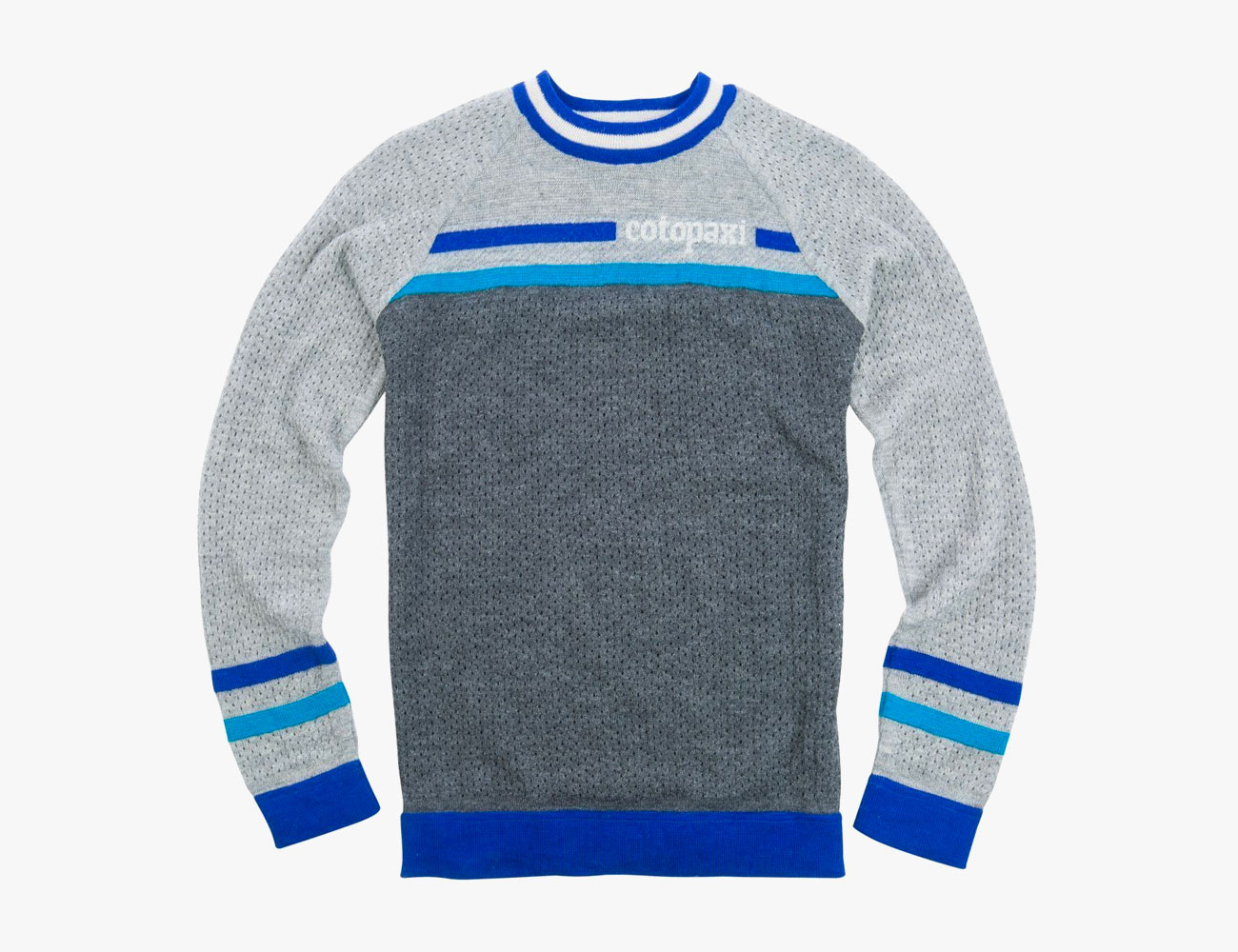
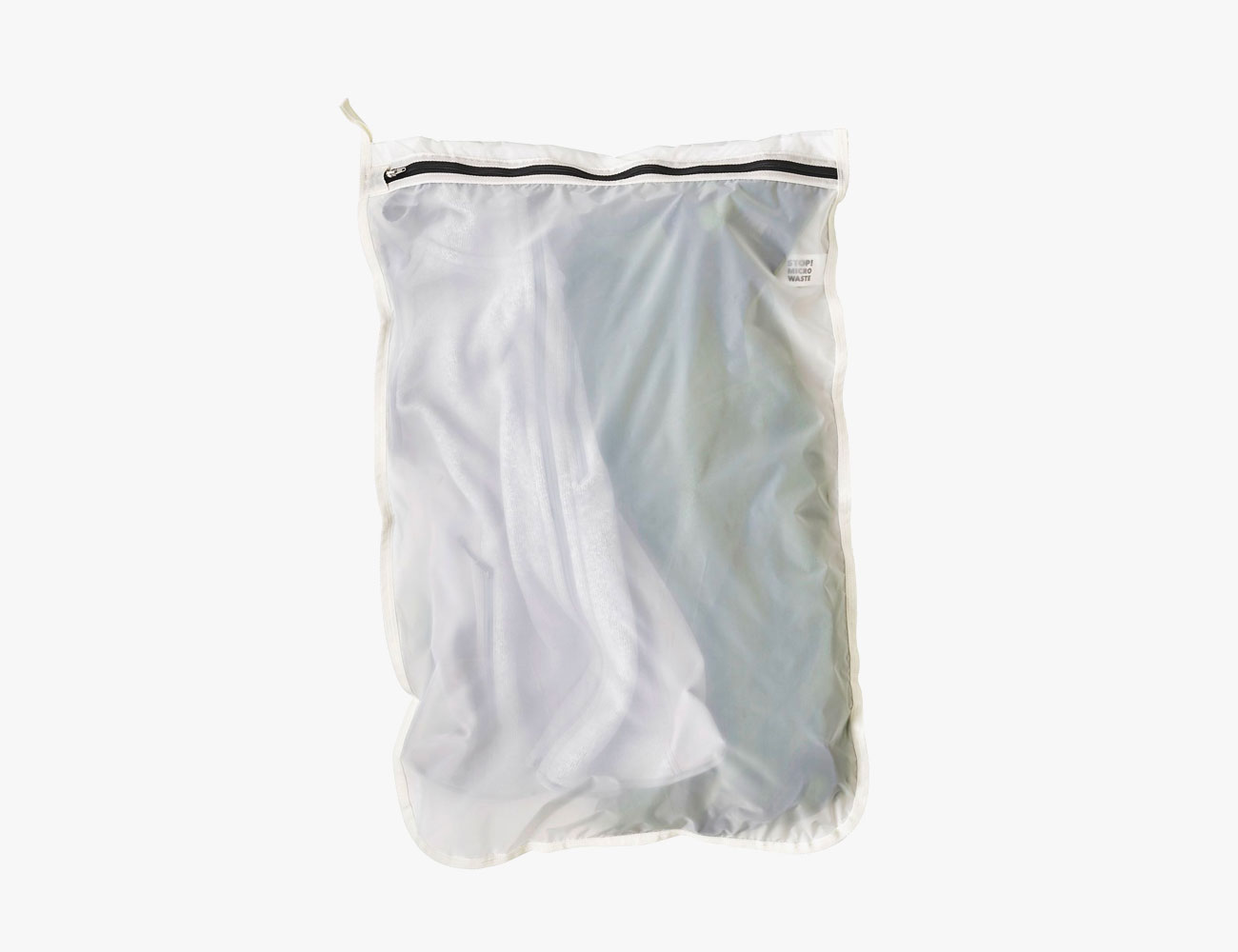
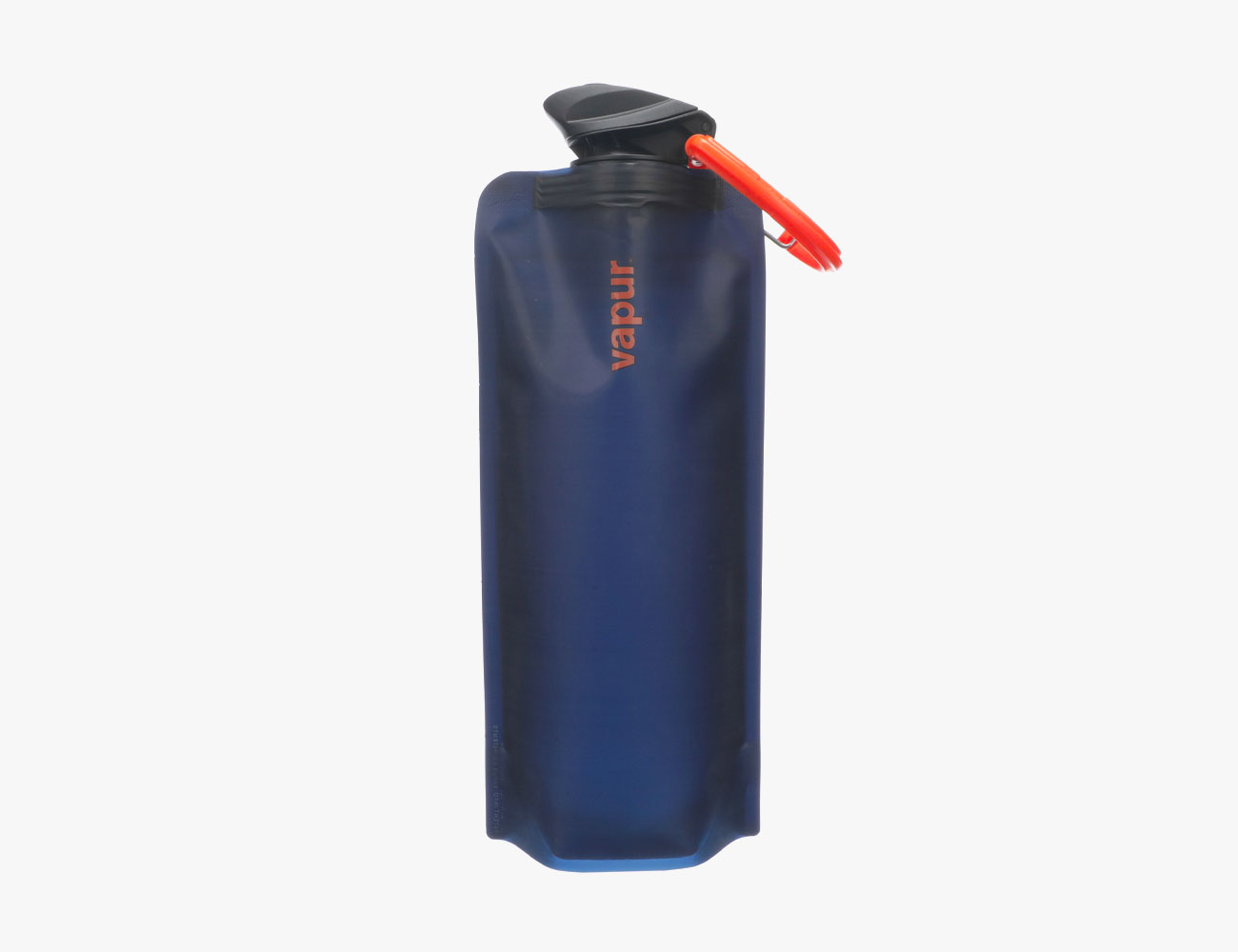
The Newsletter

Get the best new products, deals, and stories from across the world, in your inbox daily.