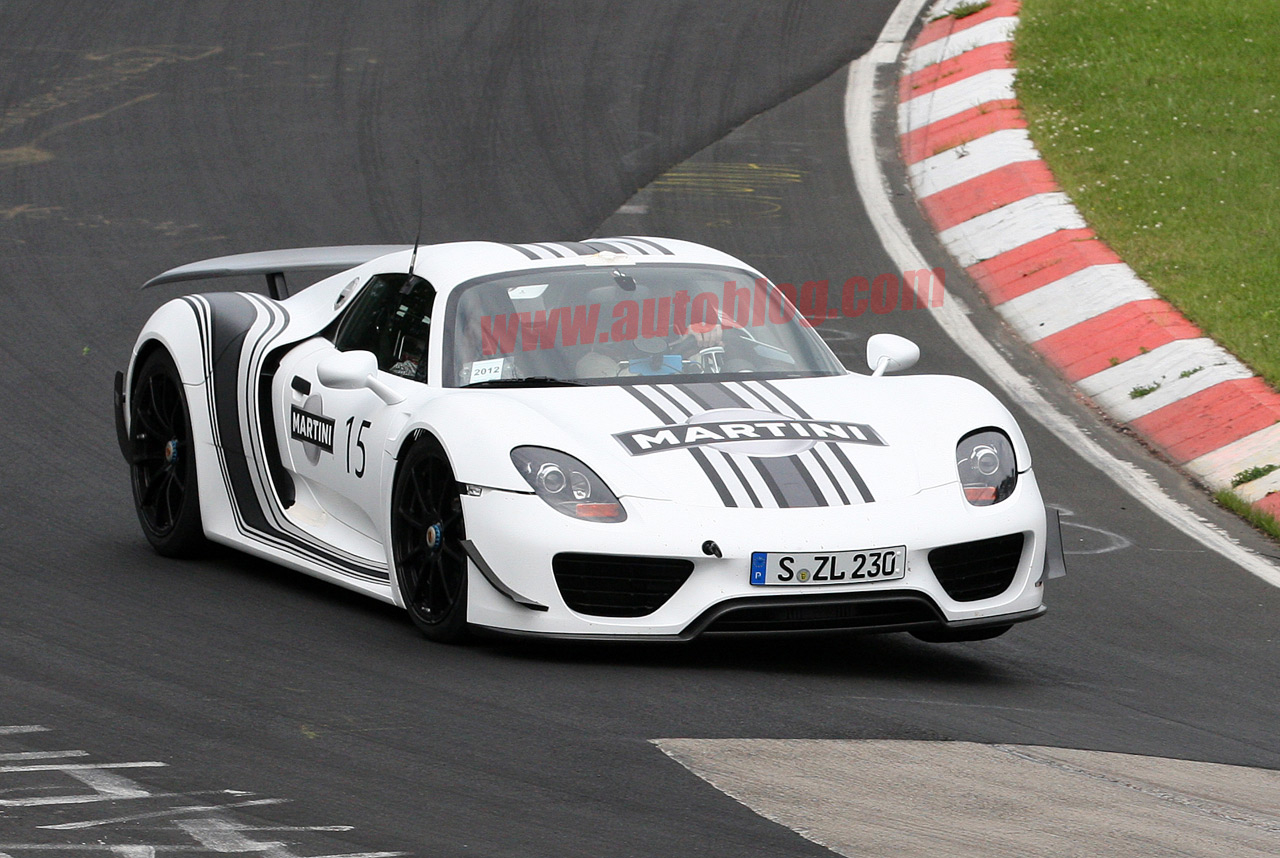
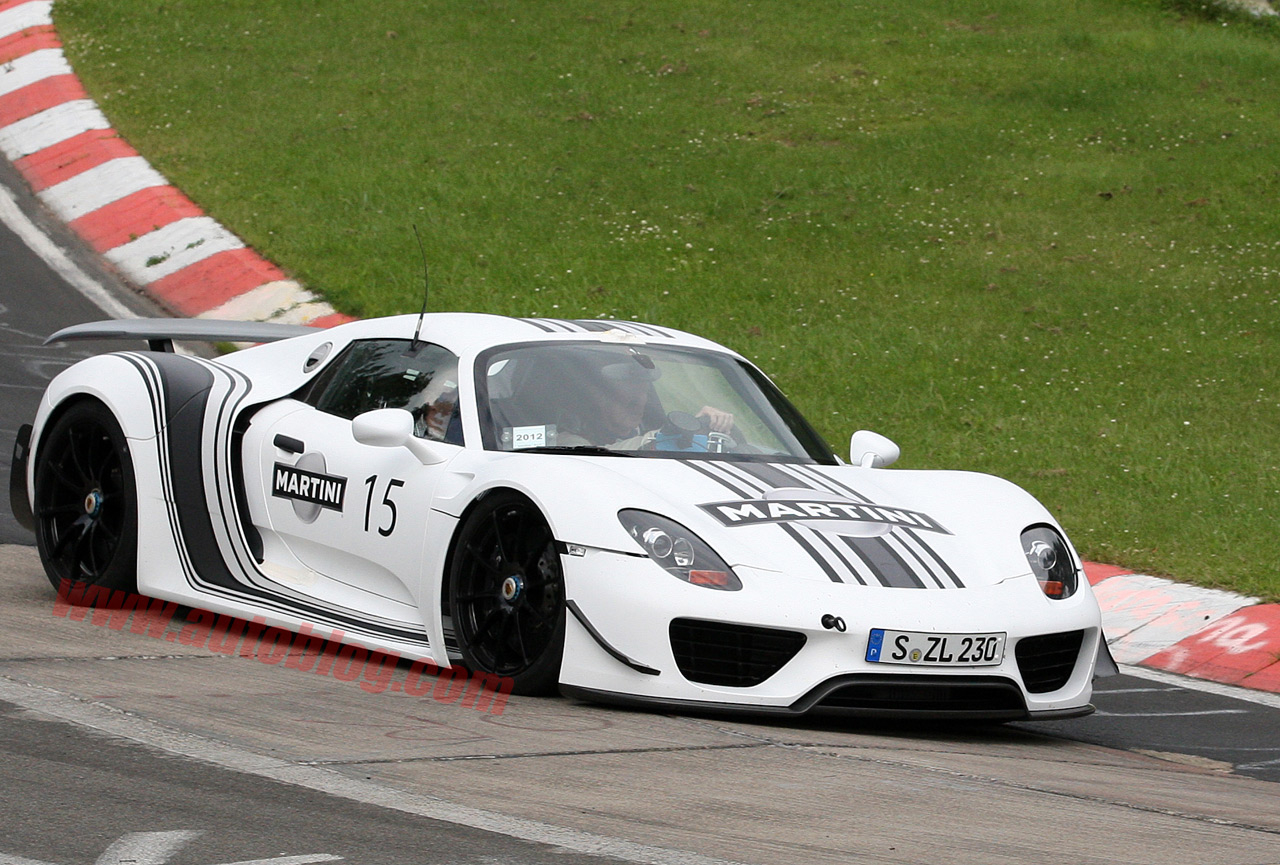
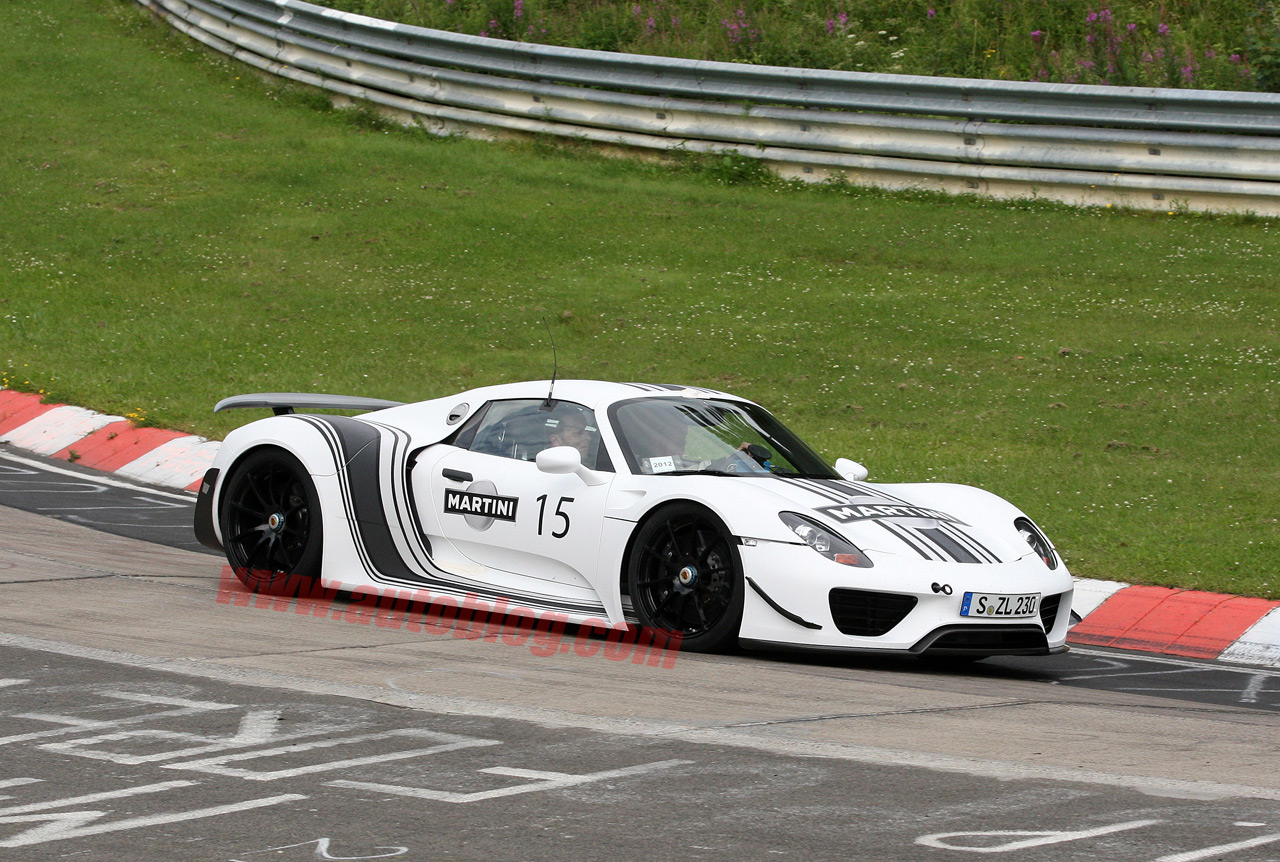
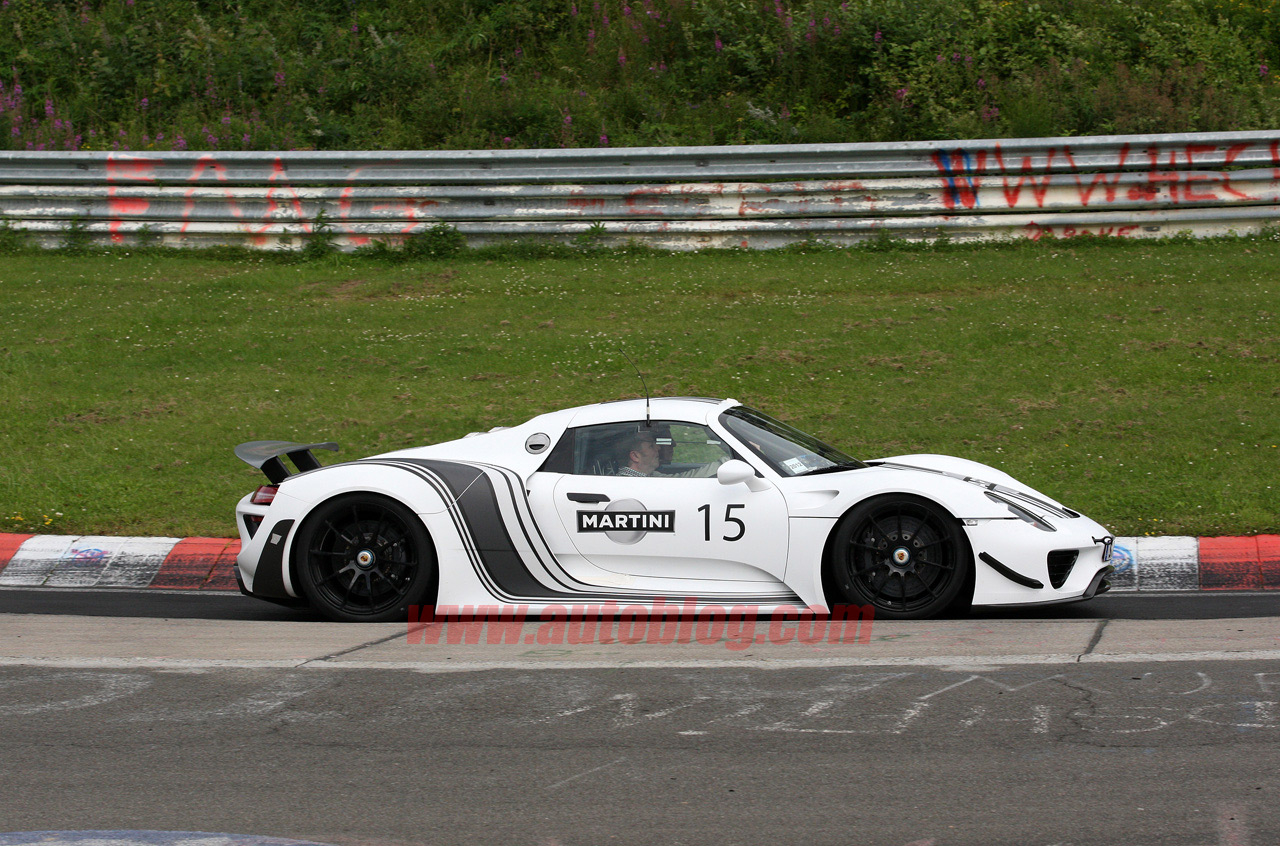
All posts in “Porsche”

Porsche Cayman GT4

Introduction

In 2015, Porsche announced the car we all thought Porsche would never build. It has been a few years since it has been released and the excitement It was the first time Porsche introduced lets the motorsports guys in Weissach sprinkle their magic on a Cayman. They did not let us down. They took components of the 911 GT3, stole the engine from a Carrera S and tuned engine, chassis, brakes and aerodynamics to give us the perfect car.

The 3.8-litre flat-six engine with 385 hp (283 kW) is mated to a six-speed manual gearbox with dynamic gearbox mounts. The chassis was lowered by 30 mm and bigger brakes were added. The suspension is basically the same at the 911 GT3. This is some serious motorsport kit.

Design, Styling & Interior

Based on the 981 Cayman the GT4 takes the already nice design and adds aggression. We love the large, vented front bumper which makes the GT4 look like a more serious weapon and also improves cooling for the additional radiator. Add lower ride height, a lower front lip as well as a fixed rear wing for providing downforce and it is clear that this is no normal Cayman.

On its exterior, the Cayman GT4 is clearly differentiated from related mid-engine coupes. Three distinctive inlet openings at the front and a large fixed rear wing are part of an aerodynamic package which is systematically designed for downforce. Upon request, the Cayman GT4 can be equipped even more comprehensively for sporty use. Options include the PCCB ceramic brake system, full shell seats made of carbon fibre reinforced plastic (CFRP), a custom Sport Chrono Package with the unique Track Precision app and a Club Sport Package.

The interior of the Cayman GT4 is designed so that the driver and front passenger can experience unfiltered driving enjoyment. They sit on sport seats, upholstered in a combination of leather and Alcantara, which are distinguished by very good lateral support. The new GT4 sport steering wheel guarantees ideal control and direct steering feedback due to its compact dimensions.

Performance

While this car doesn’t seem fast on paper, a lap time of 7 minutes and 40 seconds on the North Loop of the Nürburgring clearly shows that Porsche is serious about performance. With a 3.8-litre engine rather than the Cayman GTS’s 3.4 litres, and a few kilos shed from its kerb weight, the GT4 is predictably a shade faster than the previous quickest Cayman.

The benchmark 0-62mph sprint now passes in 4.2 seconds, rather than the 4.9sec of the GTS, while its top speed has risen by 6mph to 183mph. More important than the quantity of the GT4’s performance is its quality – with extra engine capacity the Cayman now pulls its long gearing more convincingly than ever. In isolation this 3.8-litre flat-six sounds exciting and seems to have a top end full of fireworks, but when compared to a 911 GT3 or RS power unit it does fall short for drama.

The serrated, hard-edged bark that those cars emit with a fully open throttle is worthy of a competition car, while both rev out to their redlines with such ferocity that you wonder if they’re about to explode. The GT4’s engine is never as exciting as that, but you’d be hard-pressed to criticize it if you hadn’t experienced a GT3 or RS at full lick.

Ride & Handling

Coming Soon

Prices & Specs

Coming Soon

Porsche Cayman GT4 Performance & Specs >
< Back To The Beginning

Chasing Down a Mercedes-AMG GTR in a Porsche 991 GT3 RS VS at Nurburgring

Quick race on a half Nurburgring lap, the Mercedes-AMG GTR was on the rear from the beginning and Porsche 991 GT3 RS just let it pass to see how this beautiful car works and yeah it works well! Lap time in 7.33 btg with big traffic and yellow flag at the beginning of the track.

Porsche 911 GT3 RS Exclusive Testing

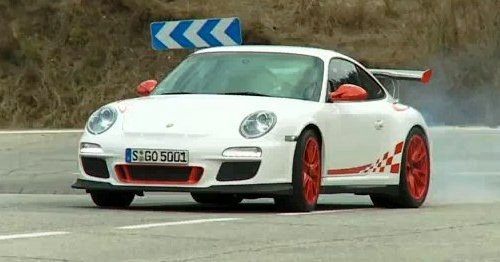
One of the best sports car to drive on a race track, the 2016 Porsche 911 GT3 RS is stripped to the bone to save weight, with magnesium roof, carbon-fiber hood and trunk lid, carbon-fiber seats and a rollcage. Because of that cage, it’s only 22 pounds lighter than the GT3, with a curb weight of 3130 pounds. It uses a 4.0-liter flat-six engine making 500 horsepower and 338 pound-feet of torque, not turbocharged, mated to a racing dual-clutch seven-speed transmission. It will hit 60 mph in 3.1 seconds, 124 mph in 10.9 seconds, and more than 200 mph.

Porsche 911 hybrid will be ‘most powerful 911 we’ve ever had’

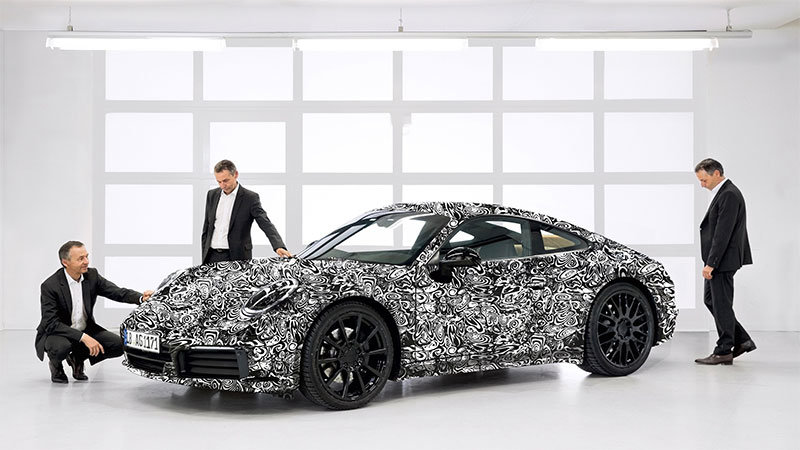
Looks like we need to revise our idea of the coming Porsche 911 hybrid. In January, an article in Automobile reported that the electrically assisted 911 due around 2023 could produce around 485 horsepower and 561 pound-feet of torque. There could be such a 911 hybrid among the lineup — Porsche has fit its E-Hybrid system to two models in various outputs. But company CEO Oliver Blume told Autocar that the hybrid 911 “will be the most powerful 911 we’ve ever had; 700 bhp might be possible.”

Without qualifiers, we’d assume Blume’s actually thinking of a number beyond 700 hp, because the 911 GT2 RS already makes seven centuries of ponies. If we qualify the statement to standard series models, then engineers only need to beat the 607 hp in the Porsche 911 Turbo S Exclusive Series.

A couple of items lead us to believe the plug-in 911 will go to the other side of 700 hp. First, a Motor Trend report from four years ago predicted it, telling us to “expect hybridized, plug-in 700-plus-hp versions of both the Panamera Turbo S and the 911 Turbo S” by 2017. Those two vehicles would begin to showcase everything Porsche created and learned with the 918 Spyder and 919 Hybrid Le Mans racer. The timing was a tad off, the sentiment apparently spot on.

Second, the present Panamera Turbo S E-Hybrid already makes 680 hp with the help of a 136-hp electric motor. True, the Panamera uses a 4.0-liter V8 making 550 on its own. However, with the 3.8-liter flat-six in the Turbo S Executive at 607 hp, slipping the e-motor into that car would surpass the target right now. The question now is whether the 911 hybrid becomes the new Turbo S, or if it commands the new, higher top step. Blume also said the electrified coupe will contain “a special button for the electric punch.” We hope that button is mounted on the steering wheel.

The 911 plug-in comes “a couple of years” after the next 911, which could mean an unveil at the end of 2020, with deliveries toward the end of 2021.

Related Video:

Reveal: RUF SCR 2018

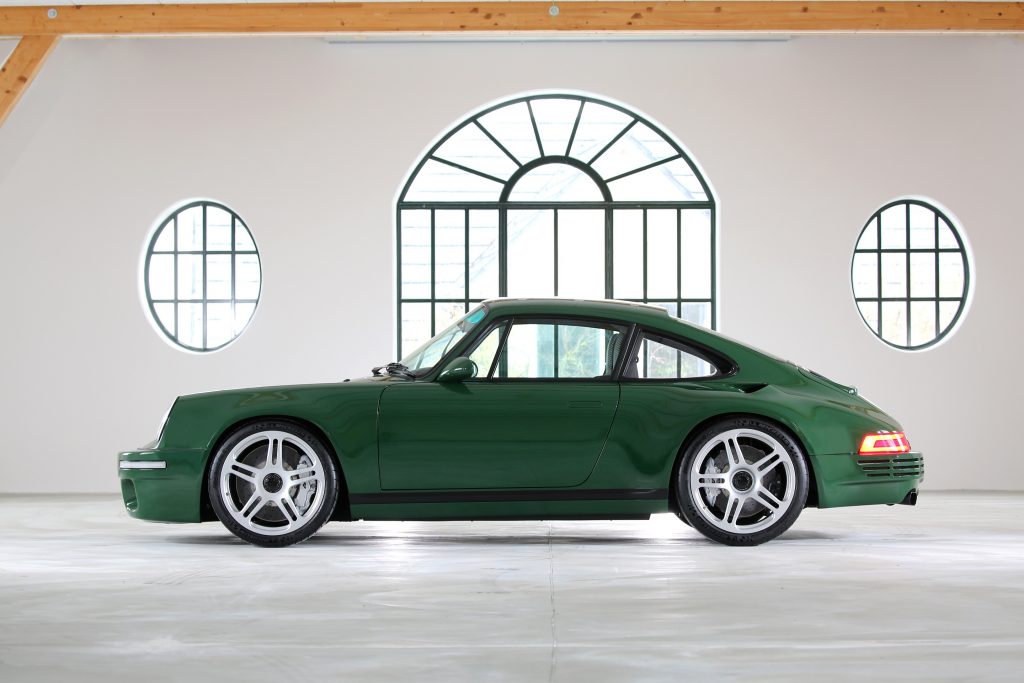
It’s been 40 years since RUF revealed a modified Porsche 911 called the ‘SCR’, with a 3.2L six-cylinder engine pushing out 217 horses. The tell-tale sign of a RUF Porsche was the whale-tail spoiler that crowned that iconic backside for aerodynamics.

RUF SCR 2018 Side

RUF SCR 2018 Side

It took four years of development for RUF to produce the SCR 2018 to their exact liking and specifications, updated from the first prototype appearing in the 86th Geneva Motor Show. Well, they’re back with a complete overhaul, inside and out.

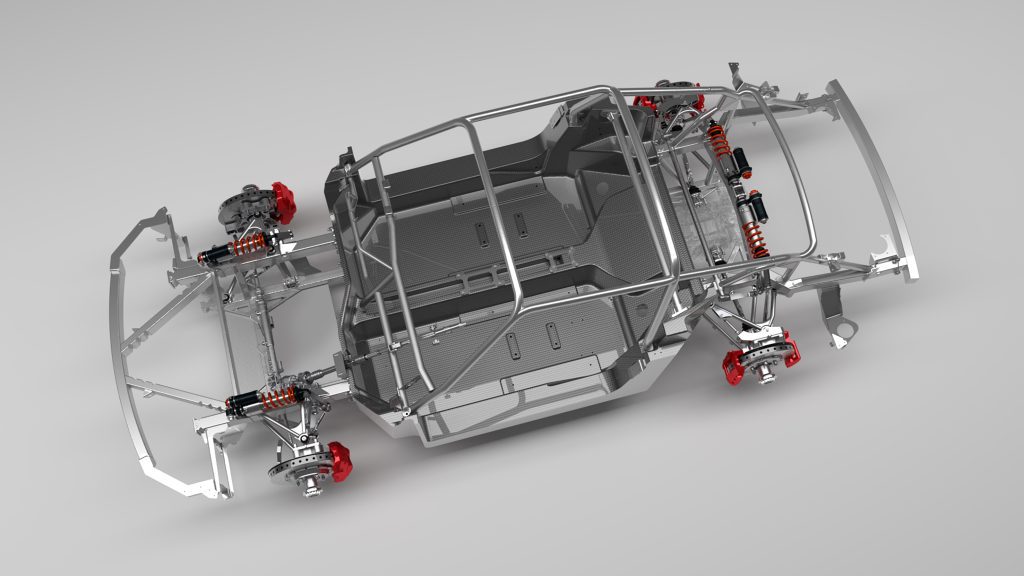
Debuting this week in Geneva, the RUF SCR 2018 came into fruition, featuring a full monocoque body, active push-rod suspension, and carbon fiber everything.

RUF SCR 2018 Chas

RUF SCR 2018 Chas

With just 1250kg in weight, the RUF is out to fight with the big dogs. The figures are no laughing matter, with a top speed of 320 kph, and a very balanced, composed body layout.

The neat part is that RUF built everything in-house. RUF’s approach differs from other manufacturers, requiring a donor car to be gutted, indirectly inflating air-cooled vintage Porsche market prices. We’re looking at you, Singer! It’s the price to pay for perfection!

Finally, the RUF SCR 2018 features an integrated roll-cage within the carbon fiber chassis, so it’s race-ready, and the push-rod suspension is complex technology only seen in Formula One cars.

Inside lies a 4.0L naturally aspirated six-cylinder boxer engine producing 510 horses. All of these details compound into something magical and the pictures speak for themselves. Unfortunately, these come with a hefty price and the RUF SCR 2018 will be quite a pricey piece of memorabilia.

With all of this technical specs laid out, we must see it being put to paces around a track.

More Than Just Skin Deep: Porsche Unveils Updated 911 GT3 RS

Porsche has unveiled the 2019 911 GT3 RS ahead of the 88th Geneva International Motor Show, which is taking place from 8th-18th March 2018.

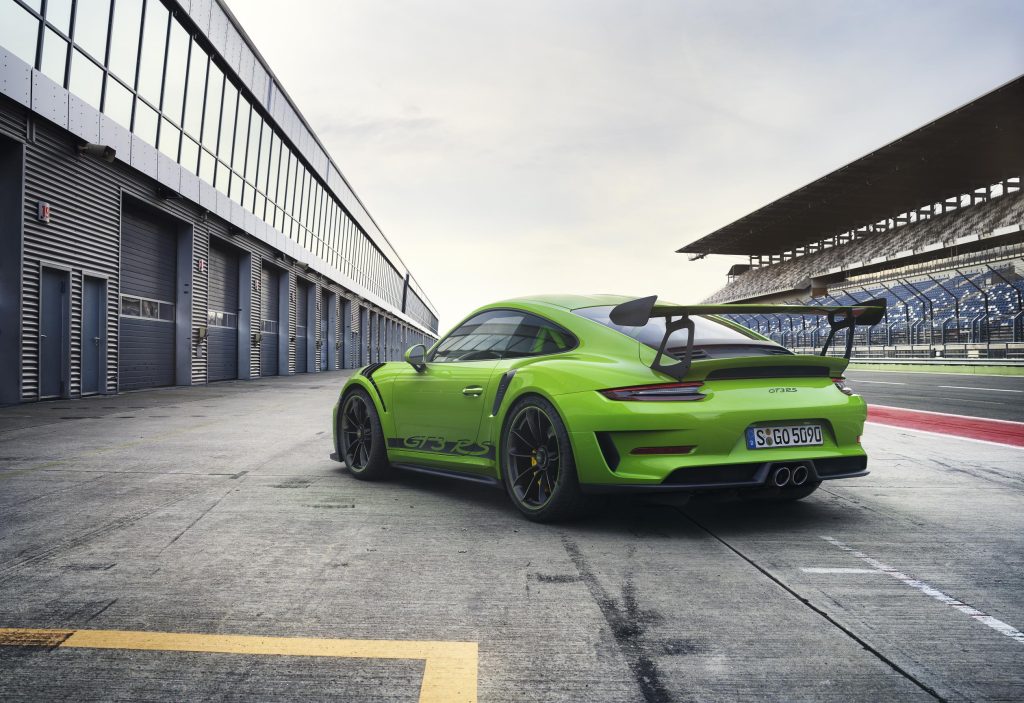
Striking visual updates separate this GT3 RS from the model before it. The 2019 model sports a carbon fibre front hood, with NACA ducts like on the 2018 911 GT2 RS to help with brake cooling without adversely affecting the aerodynamic performance of the body.

The front spoiler lip is larger, helping to increase downforce when paired with the side skirts, which are also enlarged. That massive rear wing works in conjunction with an underbody diffuser, with the whole lot coming together to produce more than two times the downforce of the non-RS 911 GT3 according to Porsche.

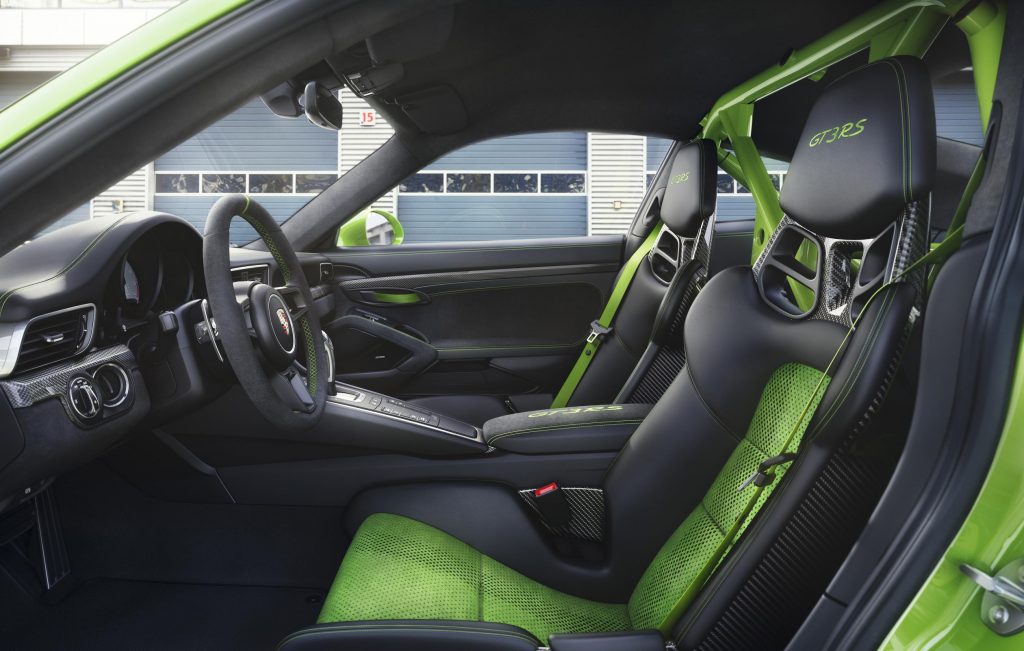
Inside is as you’d expect, with full bucket seats featuring carbon fibre-reinforced backrests to hold the driver in place while the car does its best to throw them out using lateral G-Forces and oodles of grip. Further nods to the motorsport potential of the 2019 GT3 RS include lightened door panels, with loops in place of door handles and an Alcantara steering wheel with a motorsport-inspired yellow 12 o’clock marker.

2019 Porsche 911 GT3 RS interior

2019 Porsche 911 GT3 RS interior

Rear seats? There are none – done away with in the pursuit of keeping the GT3 RS’ weight as low as possible. Even with this, Porsche offer further weight savings, which it says are for ‘particularly spirited drivers.’ With extra carbon fibre for the steering wheel and shift paddles as well as on the sway bars, coupling rods and vehicle roof, and the optional forged magnesium wheels, the $18,000 Weissach package helps the 911 GT3 RS tip the scales at just 1431kg.

At no additional cost, Porsche will also fit the Clubsport package, which adds a roll bar, six-point seat harnesses and a fire extinguisher, for the especially track-focused enthusiast.

Power to match its racing pretensions

Beneath the rear bonnet and that huge spoiler sits Porsche’s 4-litre, naturally aspirated flat-six engine putting out 520 horsepower and 346 lb ft of torque – good for a 0-60 time of 3 seconds flat, 0.2 seconds faster than the GT3 with PDK and one tenth of a second quicker than the previous-gen GT3 RS. This GT3 RS tops out at 193mph, with Porsche’s main focus being to get it round a track as quickly as possible, not on straight-line top speed.

2019 Porsche 911 GT3 RS

2019 Porsche 911 GT3 RS

That power is delivered to the track (or road – don’t forget this thing is road legal) via 325/30 Ultra High Performance tyres, wider than those fitted to the 911 GT3, to help those horses do their stuff in the most effective way possible.

Keeping that power in check and helping the driver harness the car’s potential is the motorsport-derived chassis of the GT3 RS, which features Porsche Active Suspension Management (PASM), active engine mounts, rear-axle steering and an electronic locking rear diff with torque vectoring as standard.

The suspension is adjustable to suit the preference of the driver, with ride height, toe, camber, caster and sway bar settings all able to be altered.

Porsche is accepting orders now for the 2019 911 GT3 RS, with prices starting from $187,500 plus a delivery, processing and handling fee. Options include the aforementioned Weissach Package ($18,000) and magnesium wheels ($13,000).

Is the 2019 Porsche 911 GT3 RS hardcore enough? Let us know on Twitter.

This Porsche 928 and Mercedes-Benz 500E Satisfies a V8 Fetish

“I was a bit skeptical about the color in the beginning, but I kind of like it now. It stands out, definitely,” says Torfi Sigurjonsson of his Speed Yellow 928. With a small list of cars to collect, the brightly-colored Porsche was actually #2. “On the top of the list was the E500, which I bought 2006, and this is a US model. I bought it in New Jersey.” Torfi’s day job? Airline pilot.

“I was hooked on aeroplanes since I was a small kid. Nothing else was an option, other than being a pilot. I’m quite lucky really, to have a job,” he says. “It’s a hard competition to get a job with the national carrier like Icelandair, but I made it there, I’ve been there for now 26 years.”

Torfi agrees that there’s a connection between fast aeroplanes and fast cars—least of which their aversion to the winter months. But he doesn’t own his vehicles for speeding, saying, “It’s a nice feeling just to drive around, not too fast. You know of all the power in there, and knowing that you have it is a good feeling. You don’t have to be going 200-plus [kph].”

With a busy working lifestyle and a dedicated hobby, no matter what, Torfi will always make room for the machines he loves. “I try to keep my life not too complicated, but I have this car fetish. V8 fetish. You only have one life, so I try to make the most out of it.”

Porsche: History, Racing Achievements, & Iconic Sports Cars


Contents (Part one)

Part one / two / three / four / five

Introduction

For nearly seventy years, the name Porsche has been synonymous with some of the finest, best engineered automobiles the world has ever known.

The cars, which boast superior German engineering, are recognized as the most reliable, best handling, performance-driven sports cars both on the racetrack and the open road. Owners and enthusiasts alike will agree that – when it comes to both drivability and collectability – a Porsche is almost always a sure thing; a winner on race day and an investment that will only appreciate in value over time.

However, to appreciate the technology and refinement of today’s most advanced Porsche supercars like the 918 or the 911 GT2 RS, it is important to understand the history of the company, and the people, that gave life to these amazing machines.

Like most of today’s successful automobile manufacturers, Porsche’s “climb to the top” is lined with a rich history that unfolded during some of the most pivotal events of the early 20th century. It’s evolution into the company it is today began with the vision of one man – and a family name that would transcend the borders of Germany and become synonymous with performance driven perfection the world over.

This is the story of Porsche.

In the Beginning

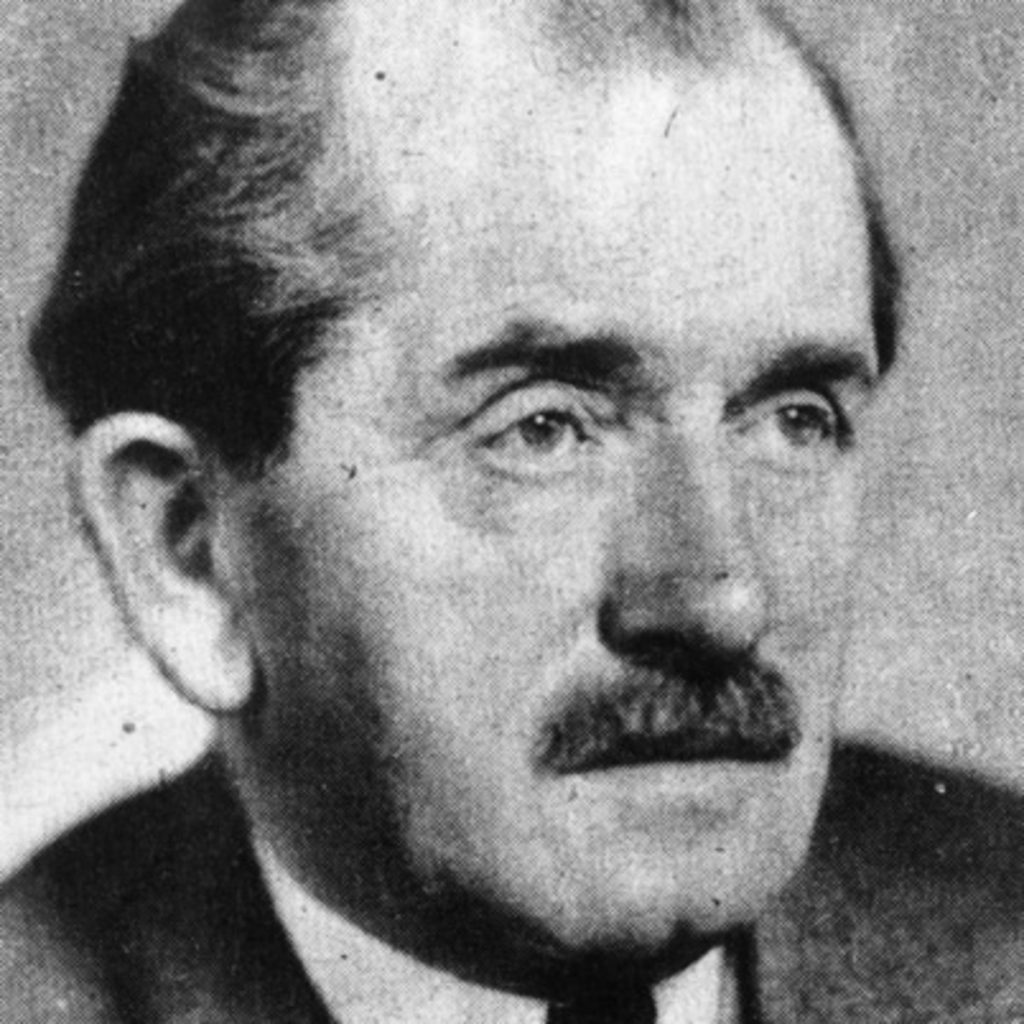
The man behind the Doktor Ingenieur honoris causa Ferdinand Porsche Aktiengesellschaft (or Dr. Ing. h.c. F. Porsche AG) company was founder Ferdinand Anton Ernst Porsche Sr.

Ferdinand Porsche was born on September 3, 1875 in Vratislavice nad Nisou near Liberec in the Czech Republic. Even as a child, a young Ferdinand had demonstrated an aptitude for engineering as he worked in his father’s mechanical shop.

By his eighteenth birthday, Ferdinand had obtained a position in Vienna at the Bela Egger Electrical Company.

Because of his strong desire to learn, Ferdinand would sneak into the Vienna Technical University at night to obtain an education that would further enable him to advance his skills as an engineer and designer. Through these studies at the university, and through his constant pursuit for knowledge at his workplace, Ferdinand successfully built an electric hub motor of his own design.

Jakob Lohner & Company

Because of his electric motor design, Ferdinand was able to gain a position at Jakob Lohner & Co., a Viennese luxury coachbuilding firm.

Lohner, who had become well known for his work building carriages and coaches, entered the realm of building “horseless carriages” (early automobiles) in 1896. He wanted the young Ferdinand Porsche to accompany him on this new venture, and he summarily hired Ferdinand to work with him.

The Lohner-Porsche
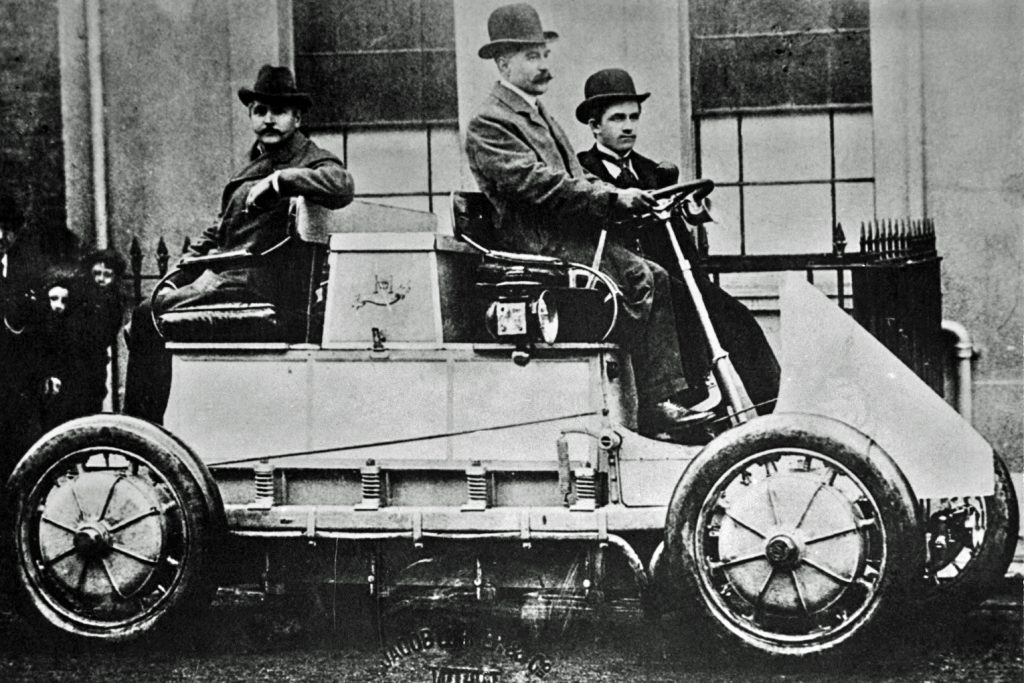
Together they unveiled the “Lohner-Porsche” automobile at the 1900 Toujours-Contente (Paris World Expedition). The automobile was “carriage-like” with hub mounted electric motors that were directly powered by 1800kg of lead acid batteries.

Most automotive historians recognize the 1900 Lohner-Porsche as the first, full-electric automobile.

While its success at the 1900 Paris World Expedition proved the carriage’s potential commercial viability, the Lohner-Porsche was originally designed to be used as a racer. Even given its size and weight, the Lohner-Porsche and surprisingly fast off the line. Still, due in large part to the weight of its batteries, the car struggled to climb hills of any reasonable grade. Further, the battery life was very short.

The Lohner-Porsche Mixte Hybrid
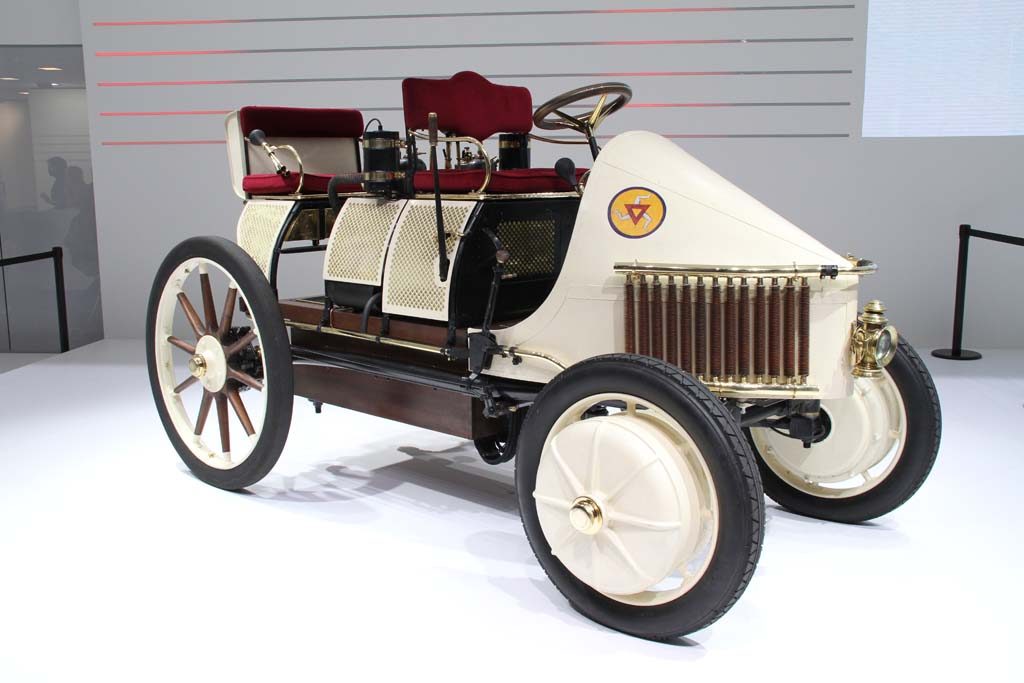
Still, over the course of its development, the Lohner-Porsche evolved through several variations and ultimately emerged as the distant ancestor of a type of vehicle we recognize today as a “hybrid”. This new vehicle was named “Lohner-Porsche Mixte Hybrid”.

Unlike the earlier Lohner-Porsche (which utilized a Volkswagen engine), the Mixte Hybrid featured a Daimler internal combustion engine. In turn, the engine that was fitted to a generator to drive the electric hub mounted motors.

The Lohner-Porsche Mixte Hybrid was celebrated as the first petroleum electric hybrid vehicle (or HEV), and demonstrated unequivocally that the engineering brilliance of Ferdinand Porsche was certain. In addition to being very efficient (for its time), the Mixte Hybrid also proved to be a performance vehicle – it set a land speed record of 35 mph and won the Exelberg Rally in 1901.

By 1905, Ferdinand Porsche had become recognized as one of Austria’s most outstanding automotive engineers.

Between 1901 and 1905, he and Lohner sold more than 300 of their vehicle to consumers throughout Austria and parts of Germany. Despite their success, Ferdinand felt that he could better advance his career by parting company with Lohner and continuing his career as the chief designer for Austro-Daimler. He joined the Daimler corporation in 1906.

Austro-Daimler and the Future Arrives
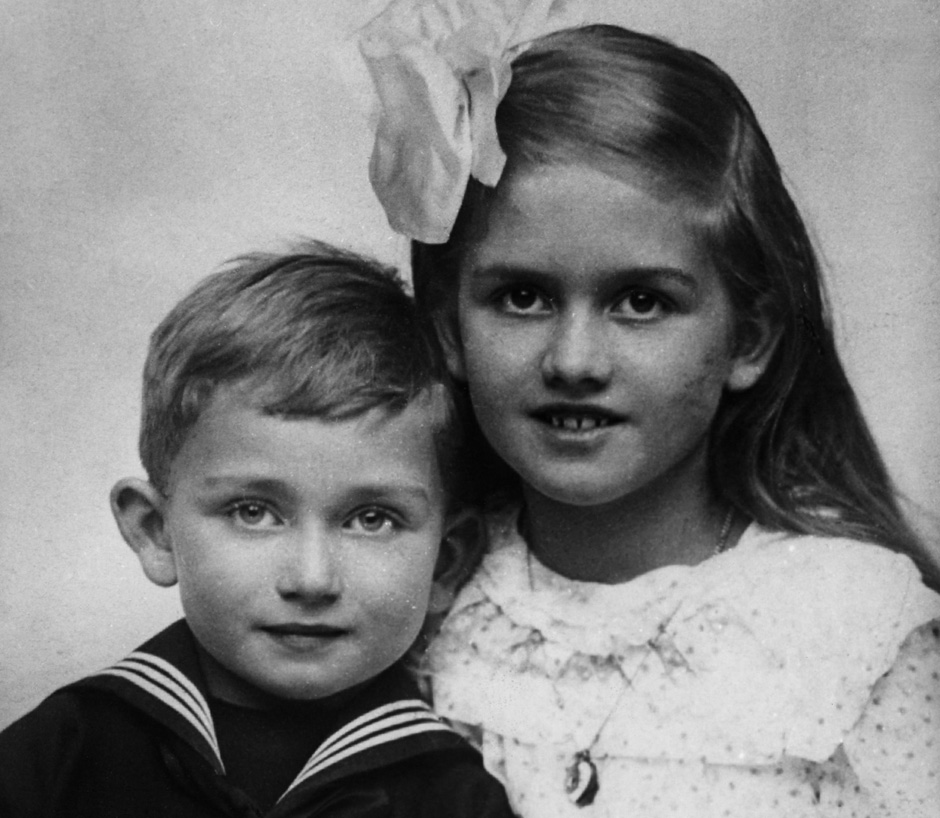
On September 19, 1909, Ferdinand and wife Aloisia Johanna Kaes, welcomed their one and only son into the world. Baptized Ferdinand Anton Ernst Porsche, the newest member of the Porsche family would quickly become known as “Ferry” to his family, a term of endearment that was used to differentiate between father and son.

It was also a name that would follow the younger Porsche into his own professional career and become synonymous with the car he’d help to create.

The 22/80 PS

Because of his work with Lohner, Ferdinand Porsche was commissioned by Daimler to design a car that could be used to compete in the Prinz-Heinrich-Fahrt (the Prince Henry Trial.)

This race, which was held annually from 1908 to 1911, was the precursor to the German Grand Prix, and was run throughout Germany, Poland, Hungary, and Austria, before finishing in Munich. While several designs were presented, Ferdinand’s model – the 22/80 PS – was selected to represent Austro-Daimler in the race.
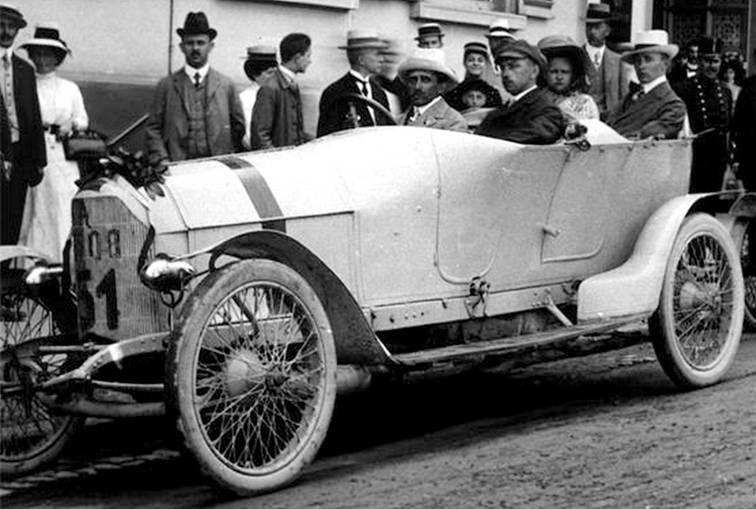
The 22/80 PS featured a 95 brake horsepower, four-cylinder, overhead camshaft engine which included five inclined valves per cylinder (one inlet valve and four exhaust valves.) When the 22/80 PS finished in the top three spots of the Prinz-Heinrich endurance race event, the car was christened as the “Prince Henry,” which is how the car continues to be most commonly referred to today.

Ferdinand Porsche continued to achieve a great measure of success during his tenure with Daimler. By 1916, he had advanced to the position of Managing Director.

Two Honorary Doctorates and a Change In Direction

The following year, Porsche received an honorary doctorate from the Vienna University of Technology (the same university that he had illegally gleaned an education from some twenty years earlier.)

In 1917, he was bestowed with the title “Doktor Ingenieur Honoris Causa” (Doctor of Engineering, Honorary). The more common abbreviation of the degree, “Dr. Ing. h.c.” became an integral part of how Ferdinand was to be addressed and/or identified from that point forward.

For the next several years, Ferdinand continued improving upon the designs of his racing cars and, in 1922, constructed racers that won 43 of the 53 races they competed in that year.

In 1923 Ferdinand resigned from Austro-Daimler and in a few short months accepted a position as Technical Director for Daimler Motor Company in Stuttgart. With Ferdinand’s reputation and popularity, he was given another honorary degree – this time from Stuttgart Technical University.

Daimler-Benz

In 1926, Daimler merged with Benz and became Daimler-Benz, operating under the name Mercedes-Benz. Ferdinand worked his way up into the Chief Engineer position and had many of his more successful designs reach the racing circuit.

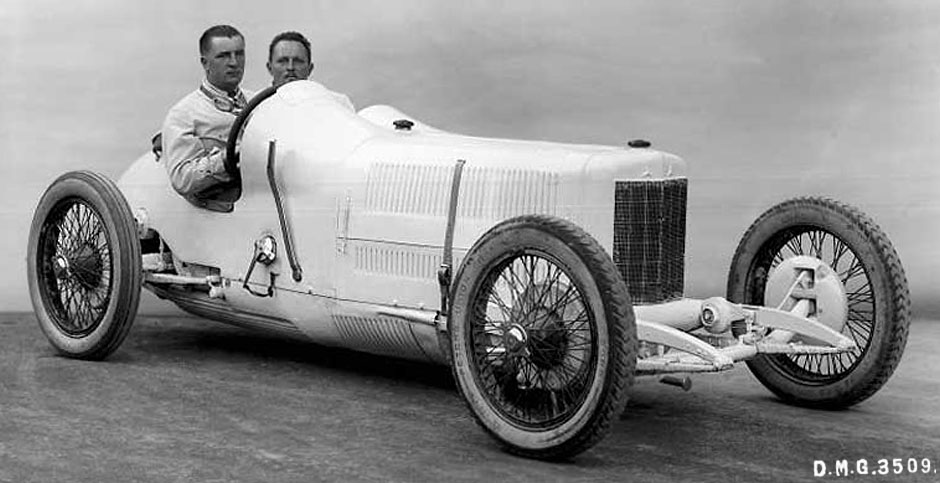
From 1925 to 1927, the Porsche designed 2-liter, 8-cylinder Mercedes Type S won 21 of 27 races in the “Regenmeister.” The car, which was driven by Rudolf Caracciola, was said to be almost unbeatable.
Even though Ferdinand was very successful in the racing circuits with his innovative designs, he was otherwise focused on another project that he worked on in the background of his obligations to Mercedes Benz – namely, a compact automobile that would appeal to the masses. Once he reached a point with his design that he felt it was ready to be unveiled, he proposed it to the directors of Daimler-Benz in 1928. Daimler-Benz showed no interest in his work and Ferdinand’s ego and pride helped reinforce the decision to walk out the door once more and resign.

In several interviews with his son, Ferry Porsche often stated, “My father found that when he signed a contract with an (automotive) firm, they could live another ten years on his designs, but he couldn’t.”

This sentiment – even though it was historical by the time Ferry expressed it – was a driving force at the core of the older Porsche’s professional objectives. Many that knew him believed that, even before his resignation from Daimler-Benz, that Porsche would ultimately seek employment with a company that would openly embrace his vision.

My father found that when he signed a contract with an (automotive) firm, they could live another ten years on his designs, but he couldn’tFerry Porsche

Given the reputation that Ferdinand had developed, accompanied by his successes on the race track, Ferdinand felt that finding gainful employment elsewhere – and moreover, being able to solicit his new automobile design – would be easy.

However, one of his specific employment requirements with any prospective employer he approached was that he’d immediately be placed on their board of directors.

This demand was simply unrealistic and made finding employment very difficult.

The Great Depression & The First Porsche Company

Finding employment became even more challenging for the talented (but obstinate) Ferdinand when the Wall Street stock market crash of 1929 resonated around the world, causing economies everywhere to collapse. As an economic depression took hold of the global economy, finding employment became nearly impossible.

Despite the seemingly insurmountable odds, and with only his family’s financial backing to support him, Ferdinand realized that it was time to take all that he had learned, all the experiences that had helped refine his abilities, and all his successes in automotive design – both on and off the racetrack – and parlay all of it into a new automotive firm.
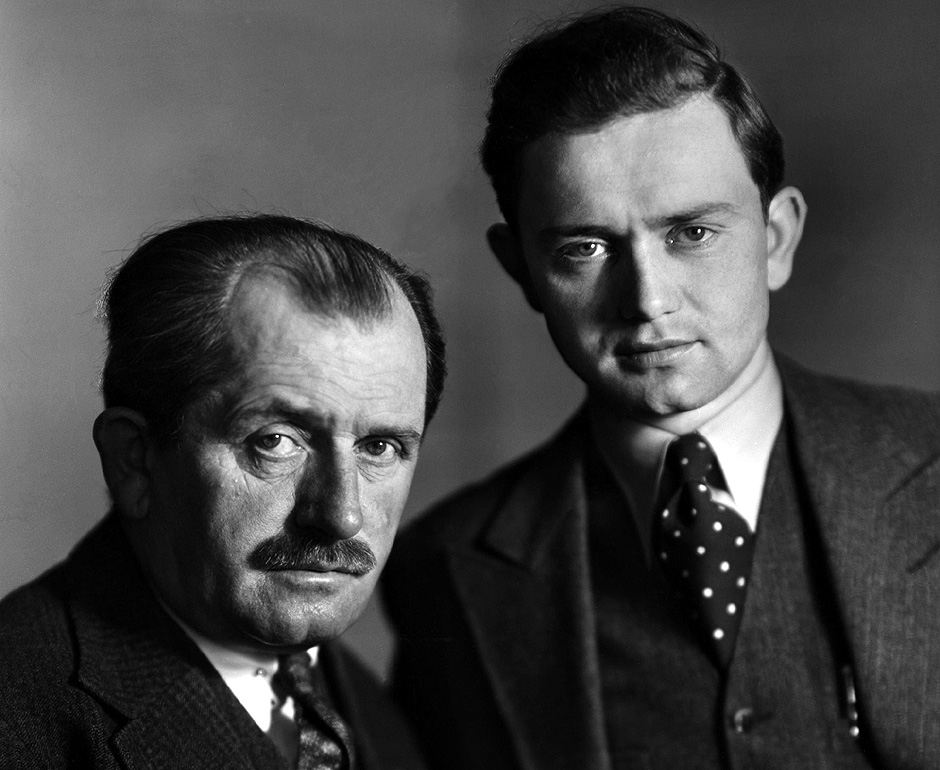
On March 6, 1931, “Porsche Konstruktionsbüro für Motoren-Fahrzeug-Luftfahrzeug and Wasserfahrzeug” (Porsche Construction Office for Engine, Vehicle, Aircraft and Watercraft Construction) was officially established in Stuttgart, Germany.

Throughout his time with Daimler Benz, and even in the years between his resignation there and the founding of his company, Ferdinand had made a conscious effort to provide his son with an education in engineering.

Much like his father, young Ferry took to the areas of design and engineering naturally. He showed great promise and learned his profession quickly, working whenever (and wherever) he could to prove his abilities to his talented father. When Ferdinand Porsche established the Porsche Construction Office in 1931, he almost immediately employed Ferry as the company’s first engineer.

Porsche’s History Continues in Part Two >

Porsche Carrera GT Doing Some Donuts

At the Cars & Coffee Italy event the former rally driver and manager of RM Autosport Raul Marchisio entertained the crowd doing some very nice donuts in his Porsche Carrera GT. Not something you can see every day…

RM Sotheby’s sells 911 RSR for over $2M, 918 for over $1.5M

In the lead-up to RM Sotheby’s Villa Erba sale, the auction house revealed it had some pretty amazing machines lined up. Among them was a 1993 Porsche 993 RSR 3.8 that was only ever driven 6 miles. Three of this generation’s most potent hypercars also were slated to go across the block: a Porsche 918 Spyder Weissach, a McLaren P1 GTR, and a Ferrari LaFerrari. Interestingly, only two of these four cars sold, but they went for hefty sums.

The almost-never-used 911 RSR went for a whopping $2,254,492. The Porsche 918 Spyder was sold for $1,628,244. The RSR fit right in with RM Sotheby’s estimate, while the 918 exceeded the estimate by about $100,000. Both Porsches also ranked among the 10 top selling cars at the Villa Erba auction, with the RSR selling for the third highest amount behind a pair of pre-war French cars, and the 918 was fifth highest.

These pricey Porsches also show why buying limited production models to flip for profit would be appealing, which is an issue that Porsche is currently trying to resolve. Fortunately for Porsche these cars likely weren’t bought for profit making. The RSR was owned for many years before being sold, and the owner of the 918 managed to put on an impressive 6,800 miles before selling.

Related Video:

Sx-Z | Vintech Unveiling P550 Tribute at Pebble Beach

OFFICIAL: Vintech Unveiling P550 Tribute at Pebble Beach

Sx-Z | Vintech Unveiling P550 Tribute at Pebble Beach

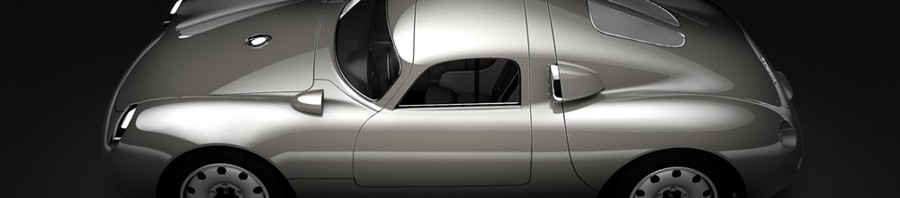
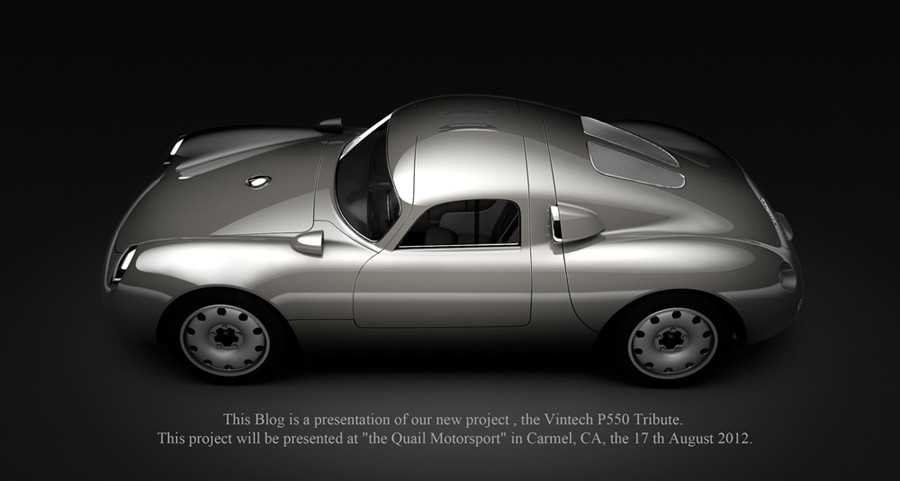
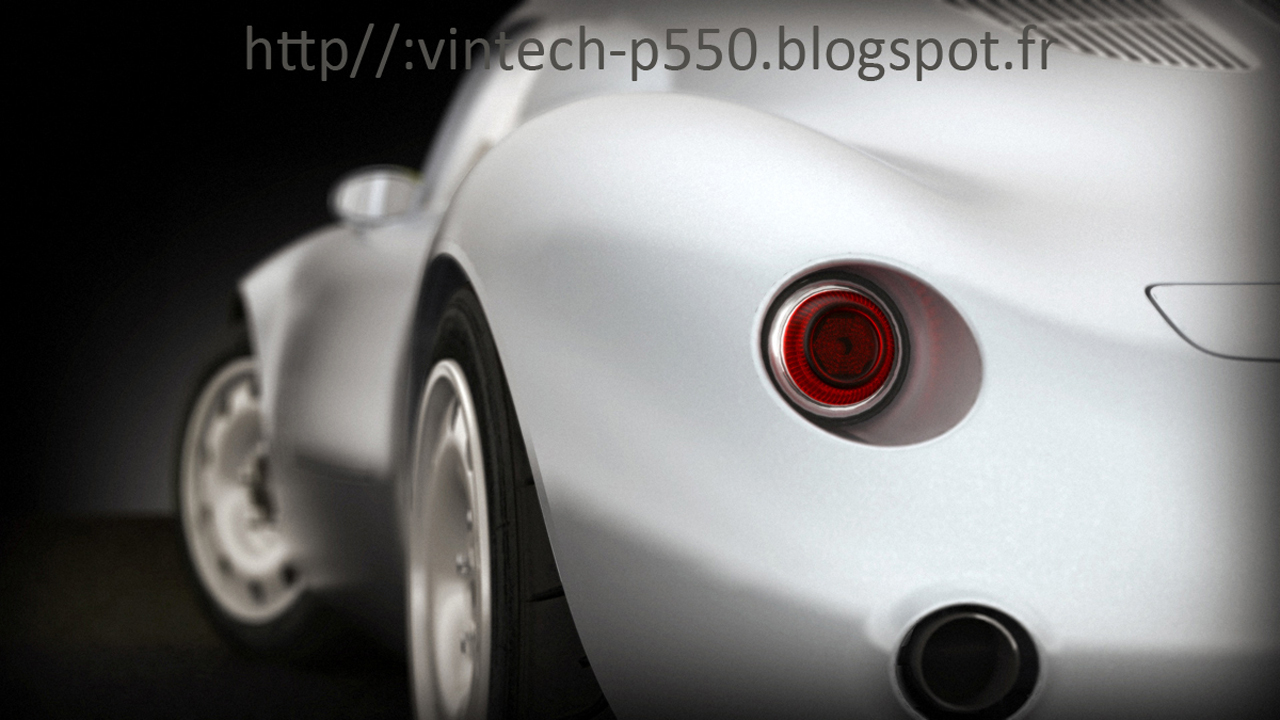
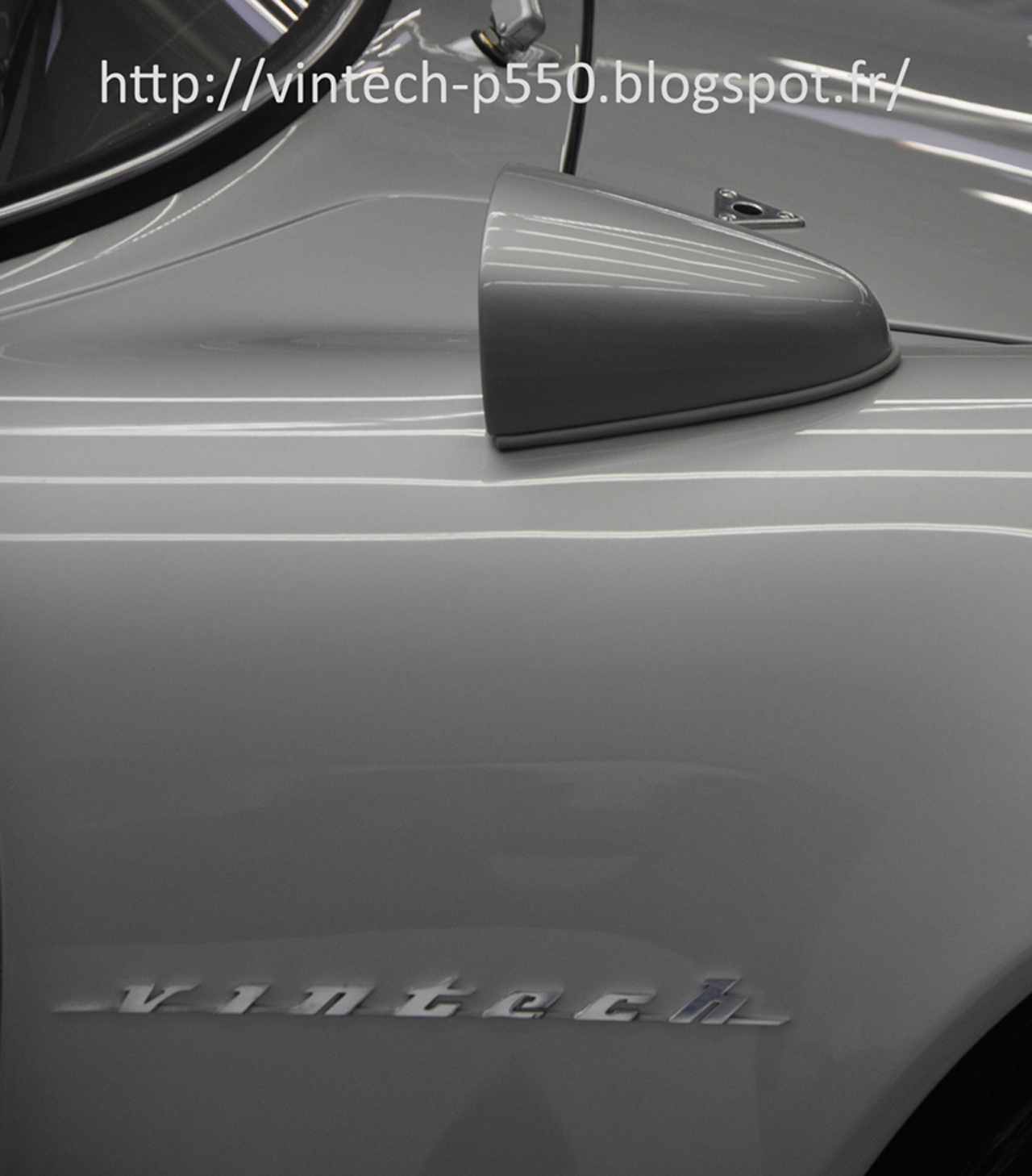
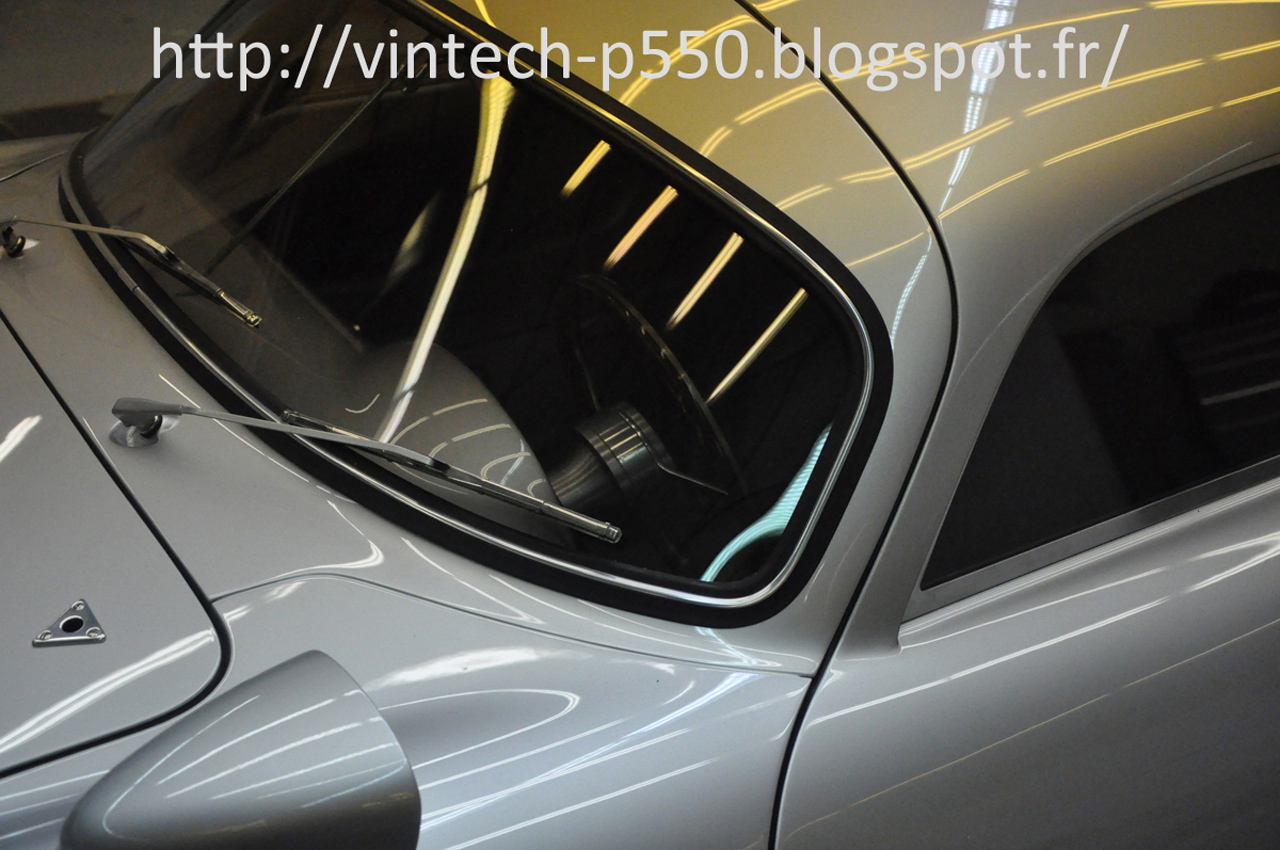
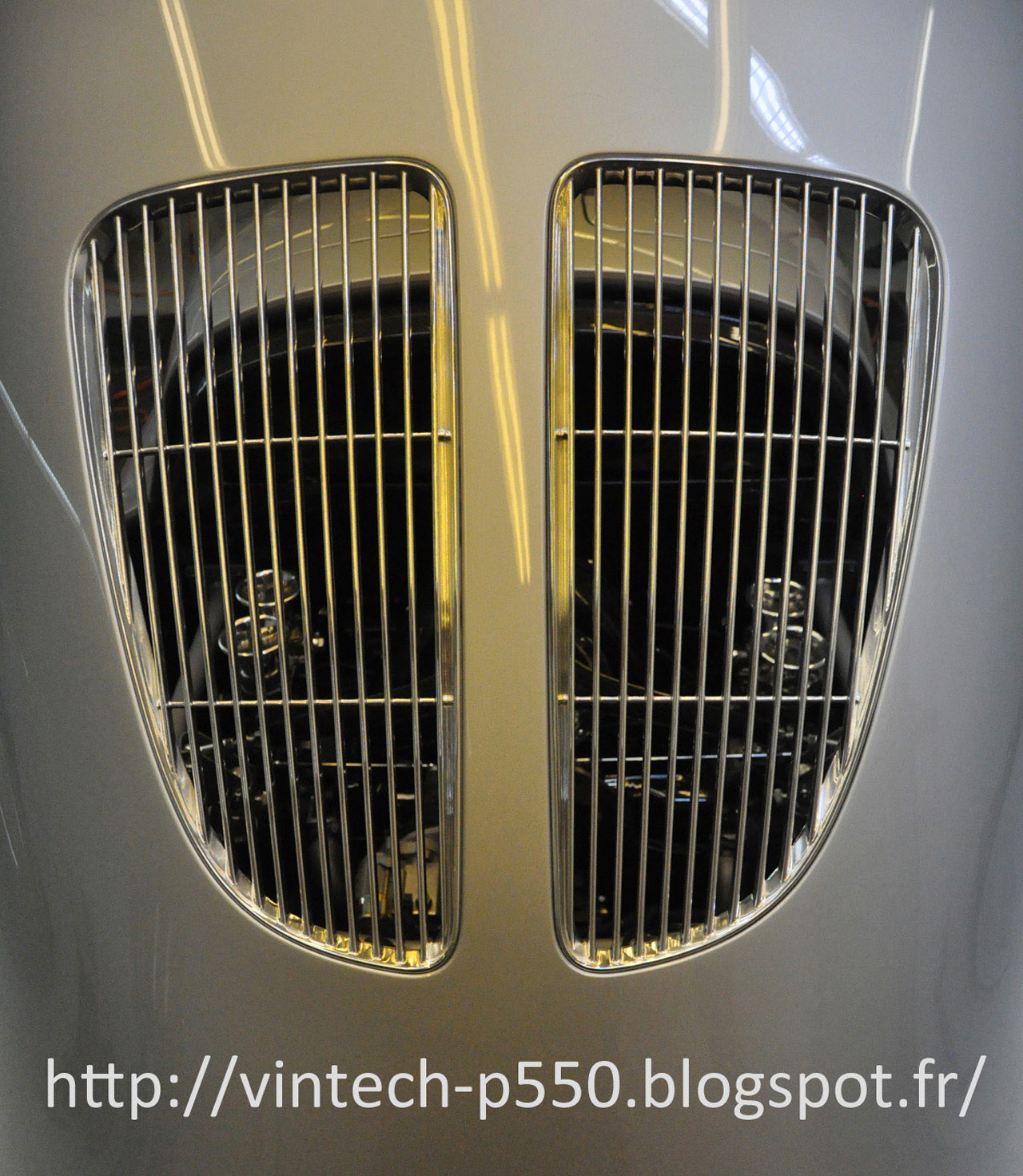
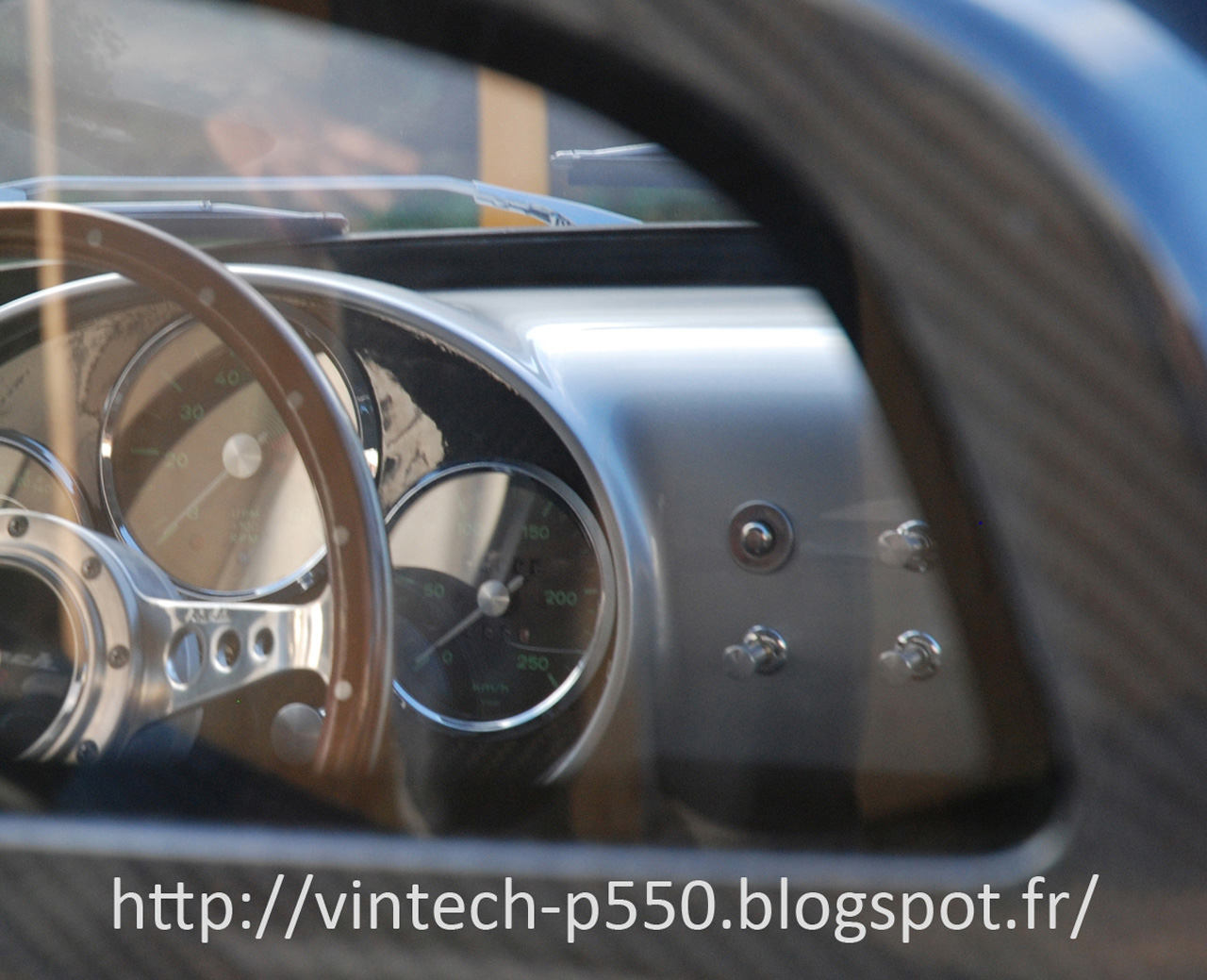
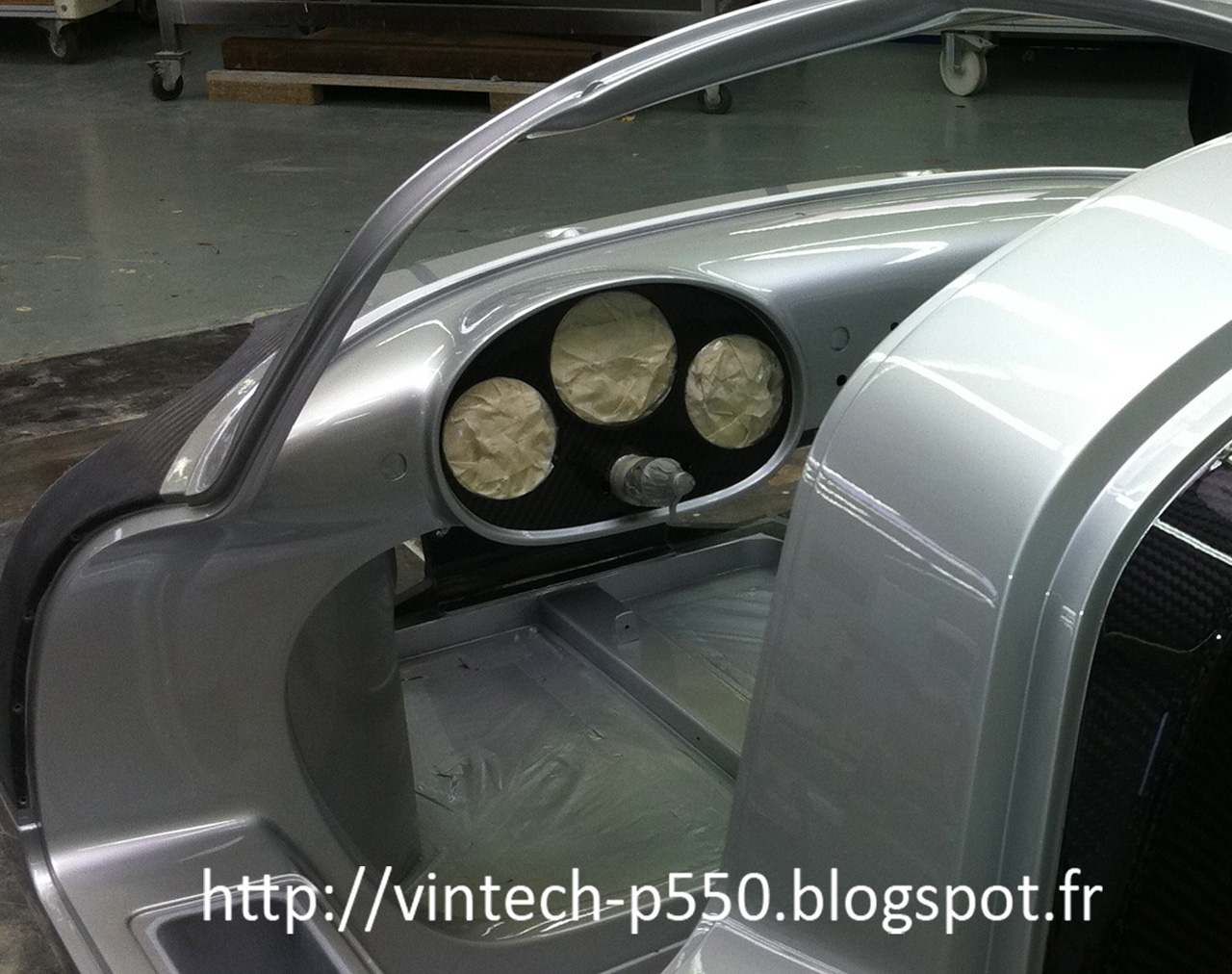
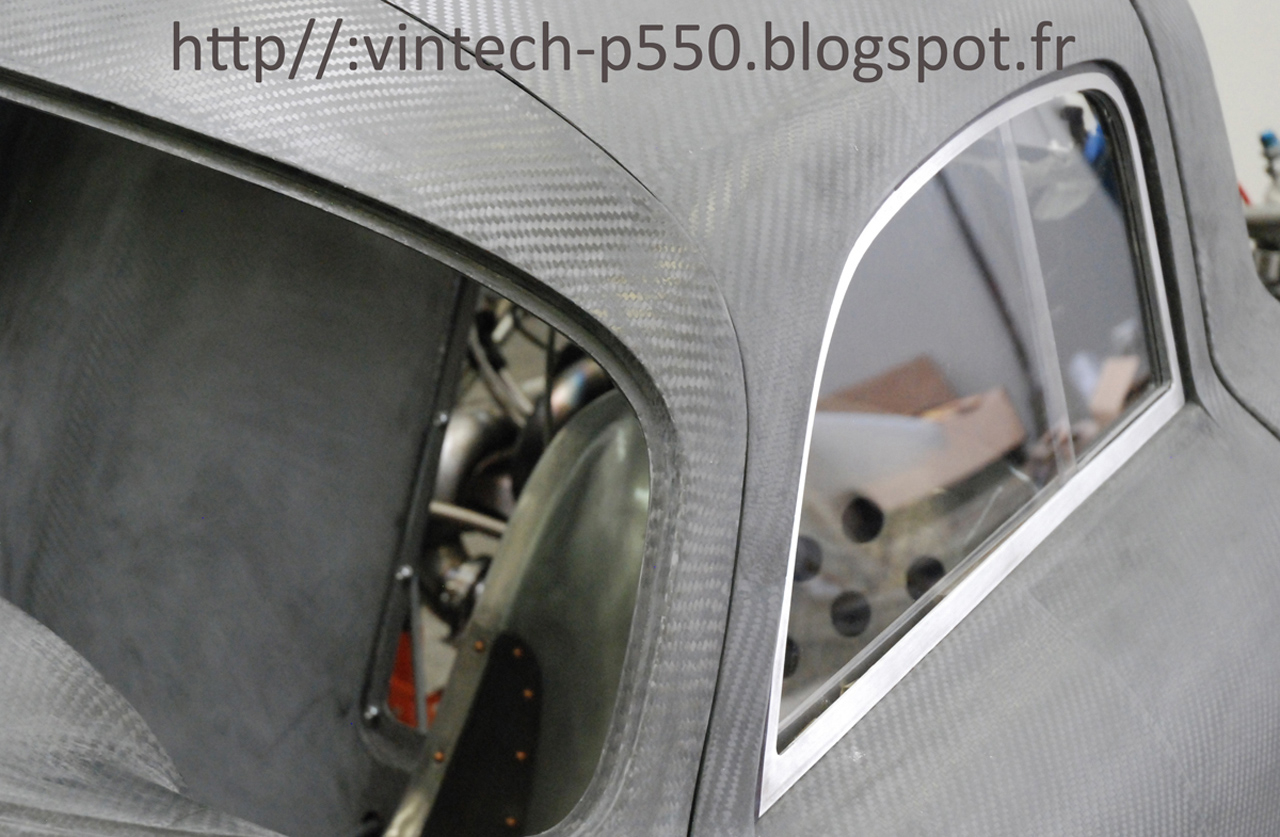
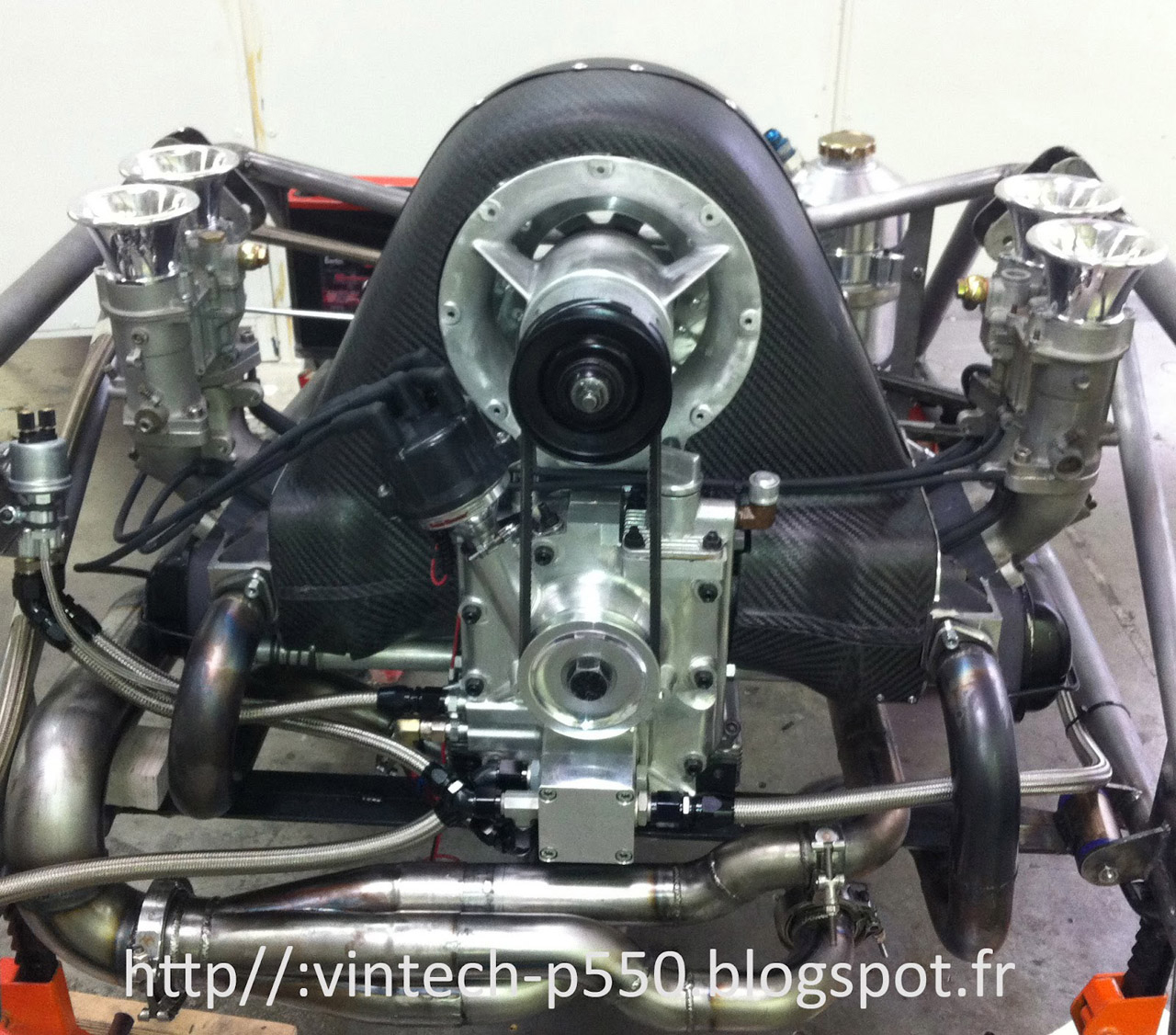
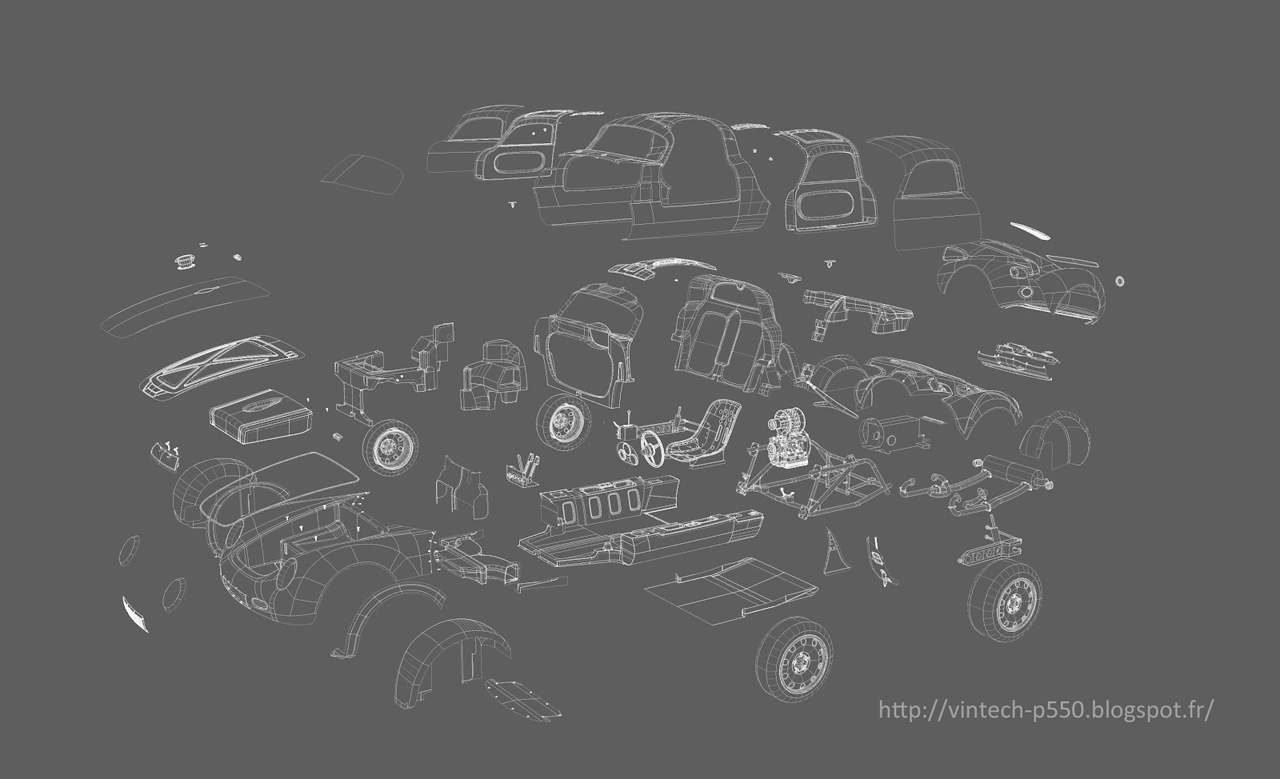
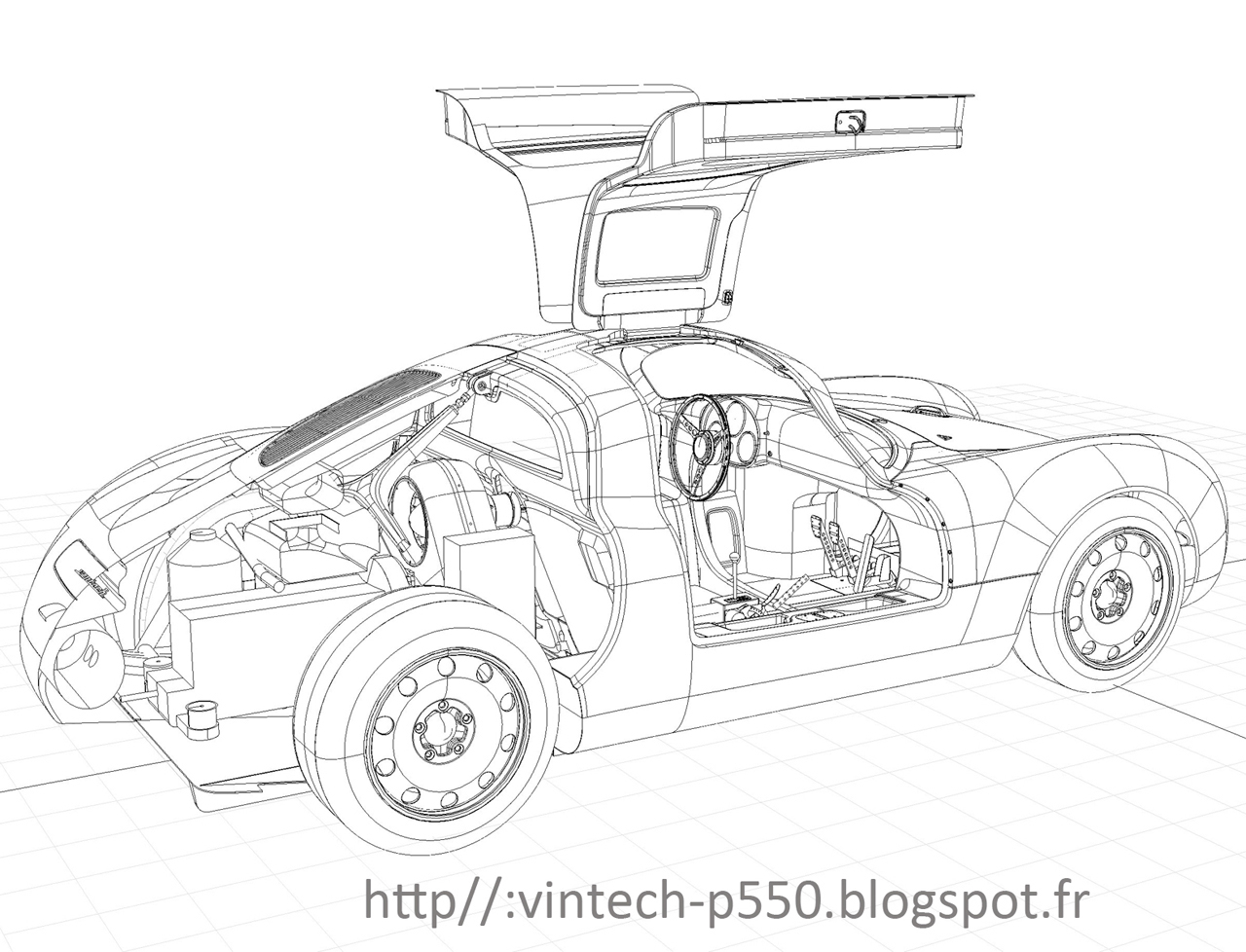
Do you love classic and expensive Porsches and/or you’re a fan of the gorgeous Porsche 550 but don’t have $3.685 million to spend? No worries, the French company, Vintech, has created a solution to owning the Porsche 550. Vintech has designed the P550 Tribute; a full carbon fiber body boasting classic lines with a modern chassis and a 3.0-liter four-cylinder boxer engine. The five-speed manual P550 has an engine that is expected to produce between 260 and 270 horsepower and a curb weight of 1,212 pounds.

The P550 Tribute makes its debut this Friday, August 17 at “The Quail: A Motorsports Gathering,” one of the events taking place at the Pebble Beach Concours d’Delegance.

Pricing and production numbers have not been announced yet. Follow the schematics, build, finished product and news/updates at the Vintech P550 Tribute blog.

Sx-Z | Vintech Unveiling P550 Tribute at Pebble Beach

Sx-Z | Vintech Unveiling P550 Tribute at Pebble Beach

Sx-Z | Vintech Unveiling P550 Tribute at Pebble Beach

Sx-Z | Vintech Unveiling P550 Tribute at Pebble Beach

Sx-Z | Vintech Unveiling P550 Tribute at Pebble Beach

Sx-Z | Vintech Unveiling P550 Tribute at Pebble Beach

Sx-Z | Vintech Unveiling P550 Tribute at Pebble Beach

Sx-Z | Vintech Unveiling P550 Tribute at Pebble Beach

Sx-Z | Vintech Unveiling P550 Tribute at Pebble Beach

Sx-Z | Vintech Unveiling P550 Tribute at Pebble Beach

VIDEO: An Inside Look At Porsches’ Secret Museum

For any Porsche fan, a visit to the Porsche Museum in Stuttgart is a must. The museum recently moved its spare vehicles into a new warehouse which led to a video featuring inventory of some of the more unusual Porsche projects.

Throughout Porsche’s earlier years, the company struggled to build race cars and vehicles for the public. To keep the balance, Porsche took on uncredited engineering contracts with other automakers.

Did you know about the idea borrowed from IBM of a “Porsche Junior,” or a 928 convertible that should have been built, a concept car that could last 30 years and even a Porsche-Diesel tractor?

Watch the video above to see all the struggling Porsche projects before the company became successful.

Sx-Z | German Tuner Alpha-N Working On New Supercar Project

German Tuner Alpha-N Working On New Supercar Project

Germany’s Alpha-N Performance has announced plans to design a supercar based around the chassis of a current Porsche model, similar to the designs that fellow tuners RUF and 9FF have produced.

Alpha-N may be a new name on the scene, but founders of the company have come from the likes of the now defunct Veritas-VBT Racing, previously known as Brabham Racing, and was an expert at developing performance modifications for street use and racing.

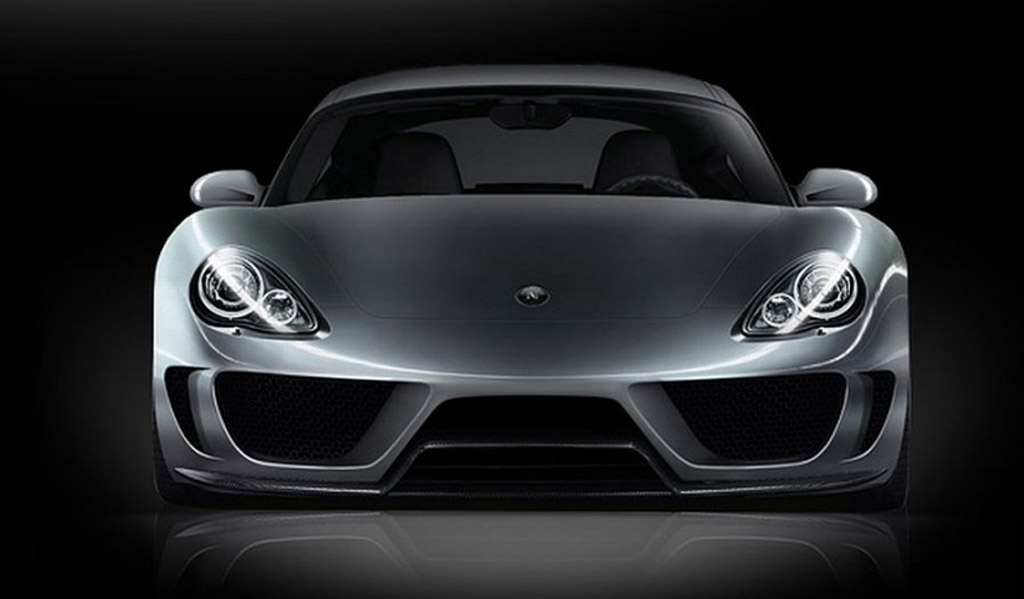
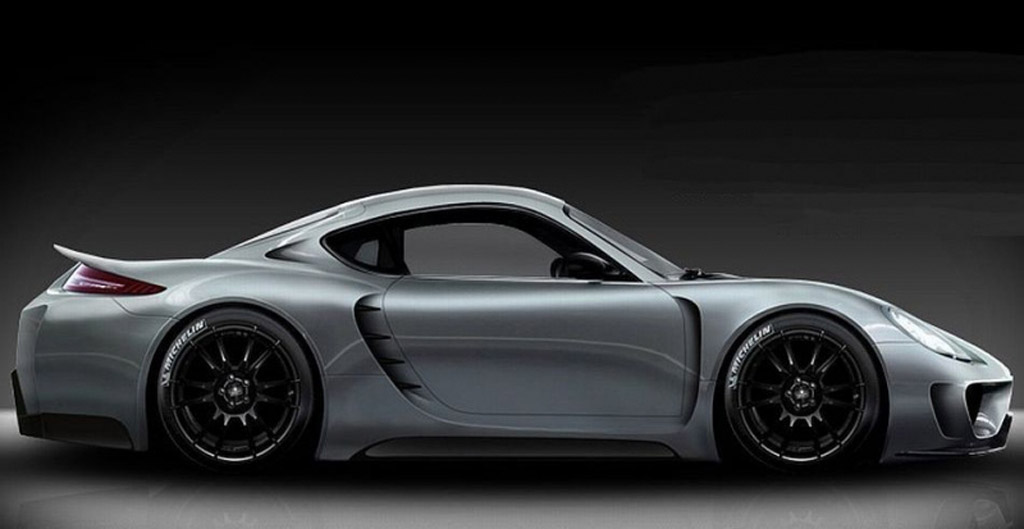
Alpha-N is using a Porsche Cayman to form the basis of its new supercar. Dubbed the Alpha-One, the supercar will be powered by upwards of 800 horsepower and will weigh as little as between 2,400 and 2,800 pounds.

The Alpha-One will sport full carbon fiber body, styling of the Porsche Cayman – which the car is based off of – and elements borrowed from the Porsche 918 Spyder. No word as to what will be powering the Alpha-One yet or pricing but you can see the current renderings below.

Sx-Z | German Tuner Alpha-N Working On New Supercar Project

Sx-Z | German Tuner Alpha-N Working On New Supercar Project

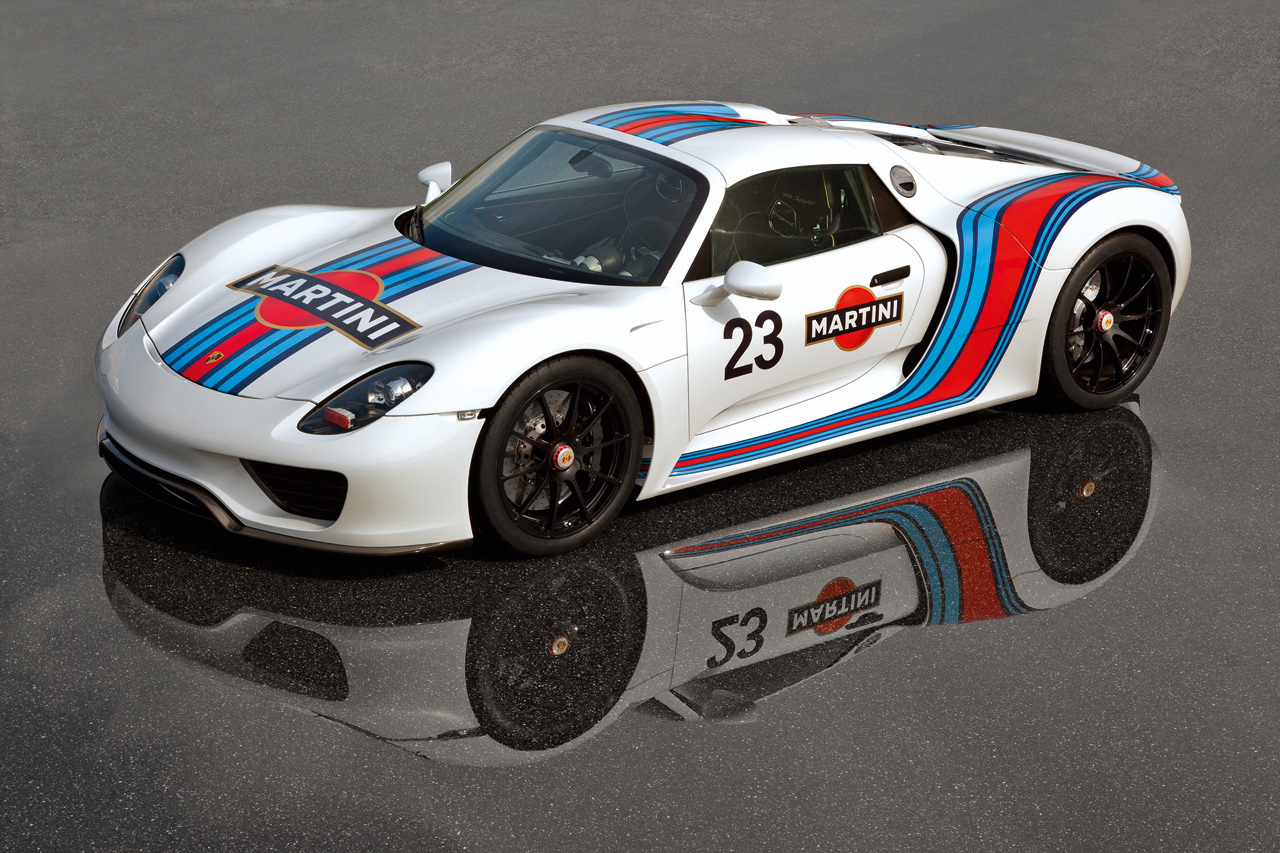
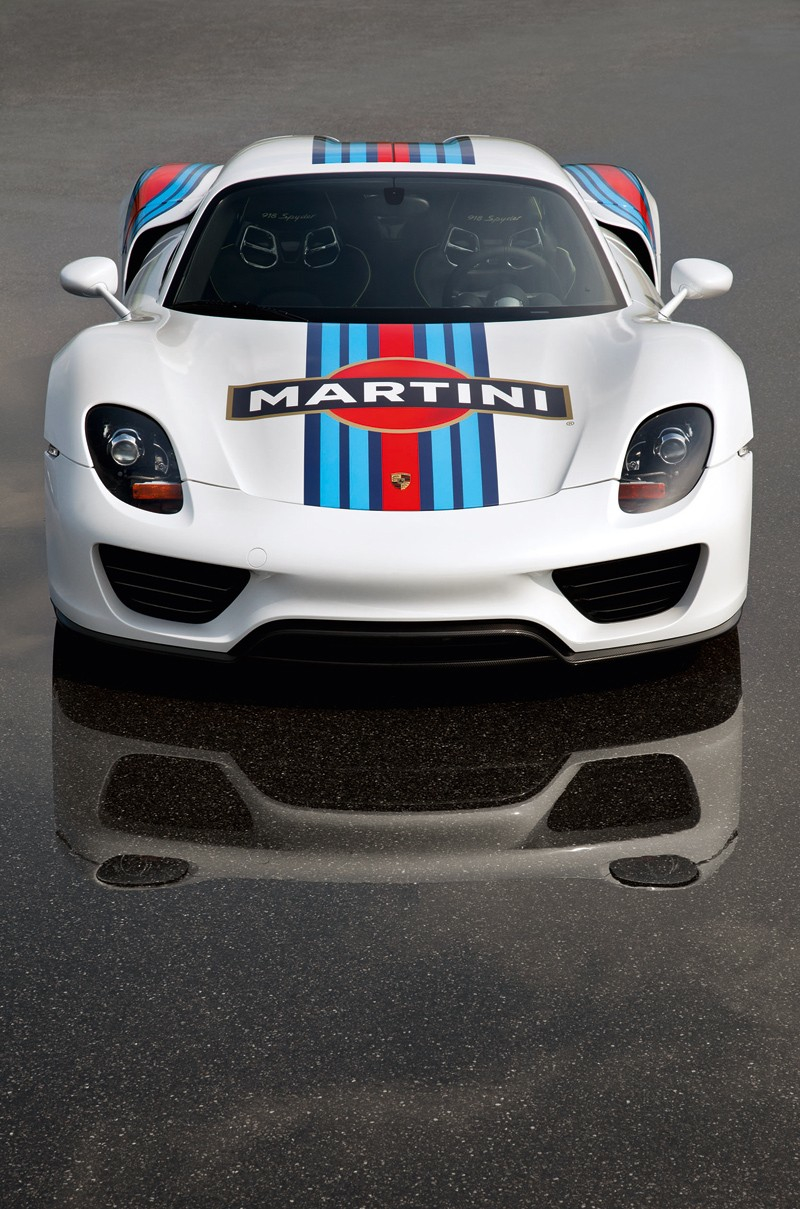
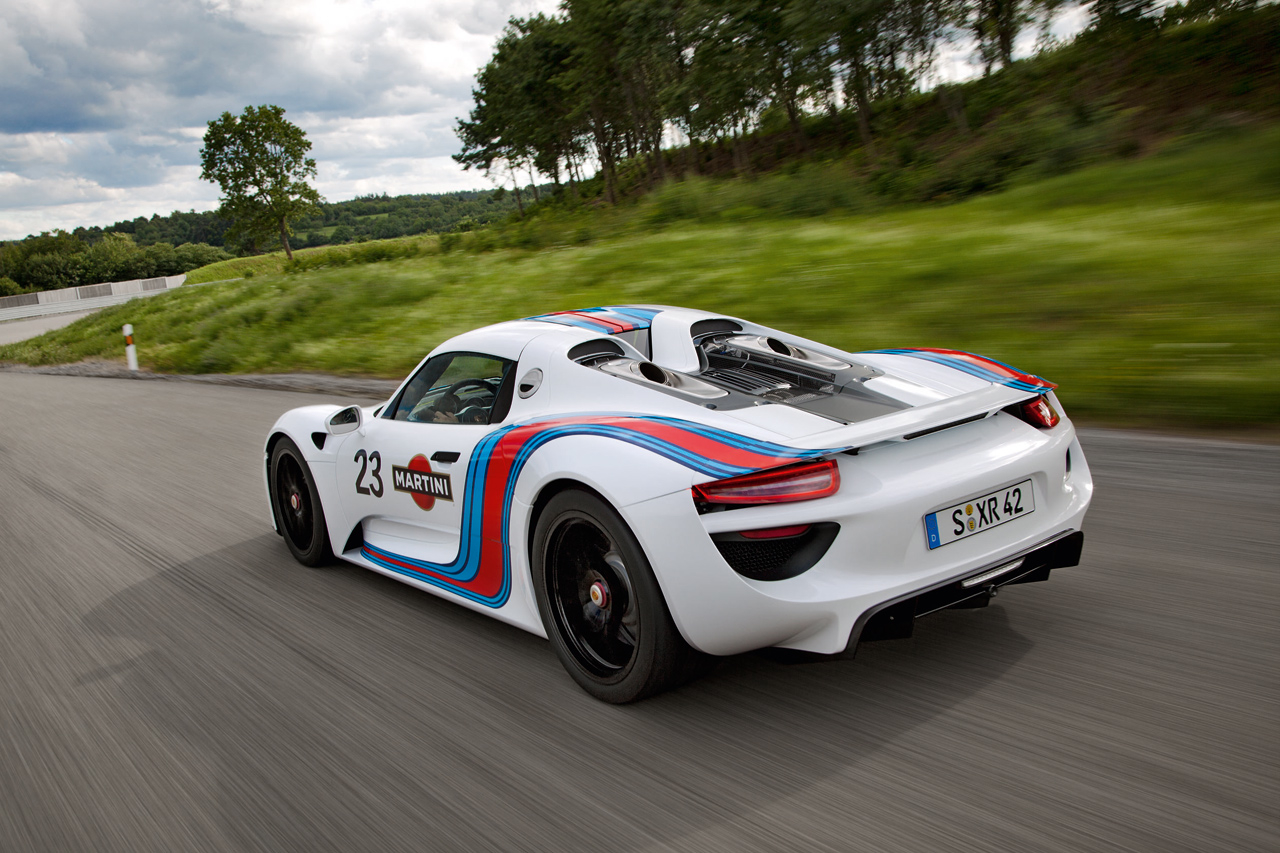
Sx-Z | Porsche 918 Spyder Prototype in Martini Livery

OFFICIAL: Porsche 918 Spyder Prototype in Martini Livery

Sx-Z | Porsche 918 Spyder Prototype in Martini Livery

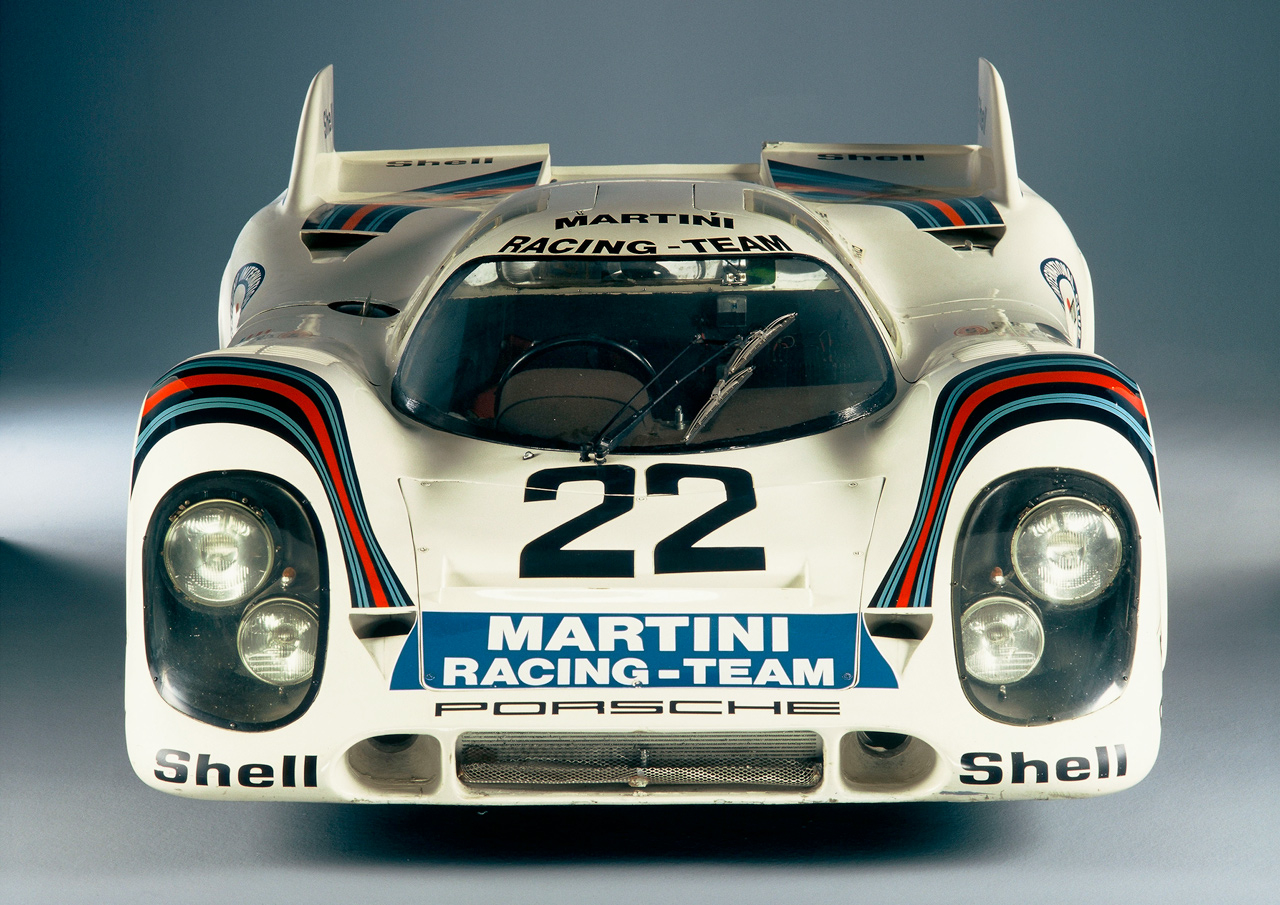
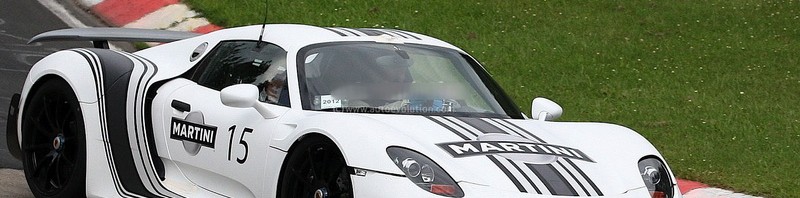
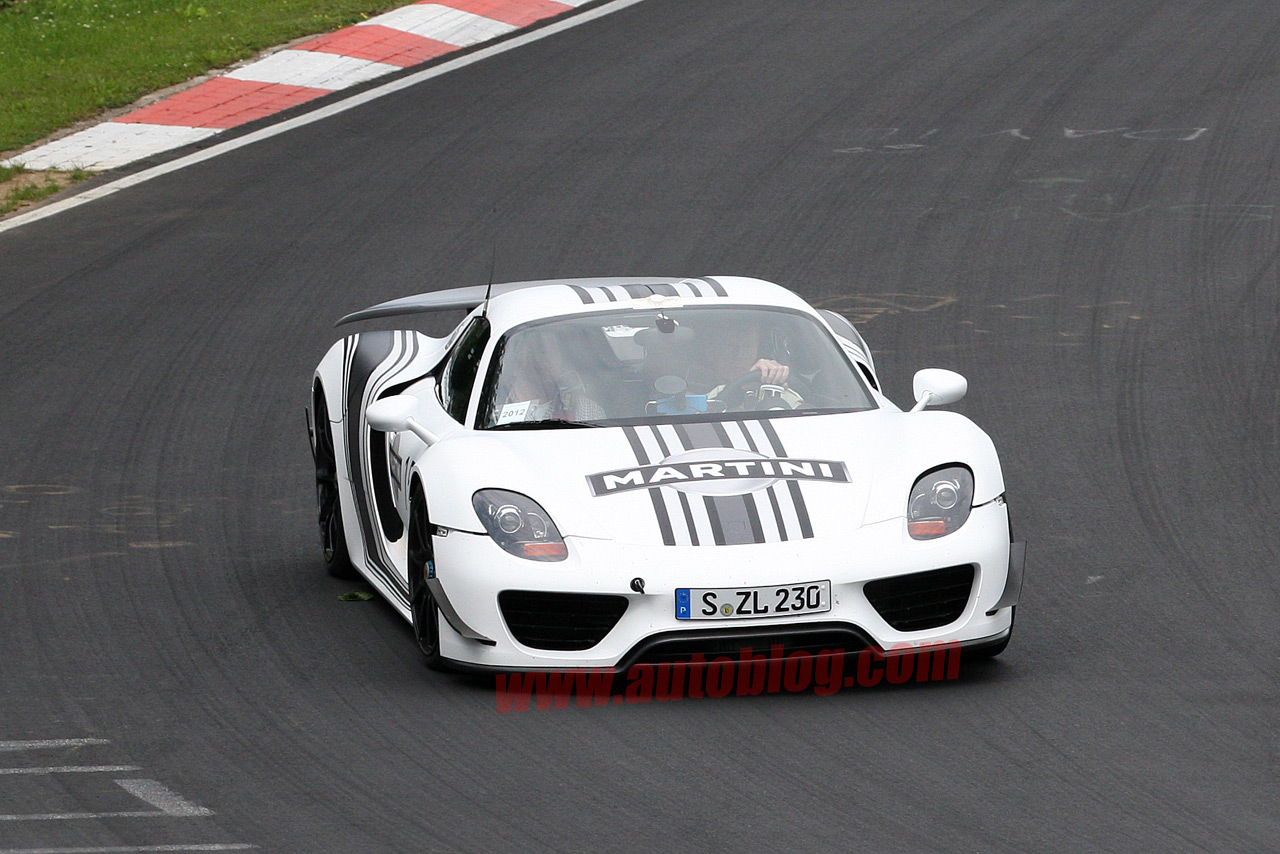
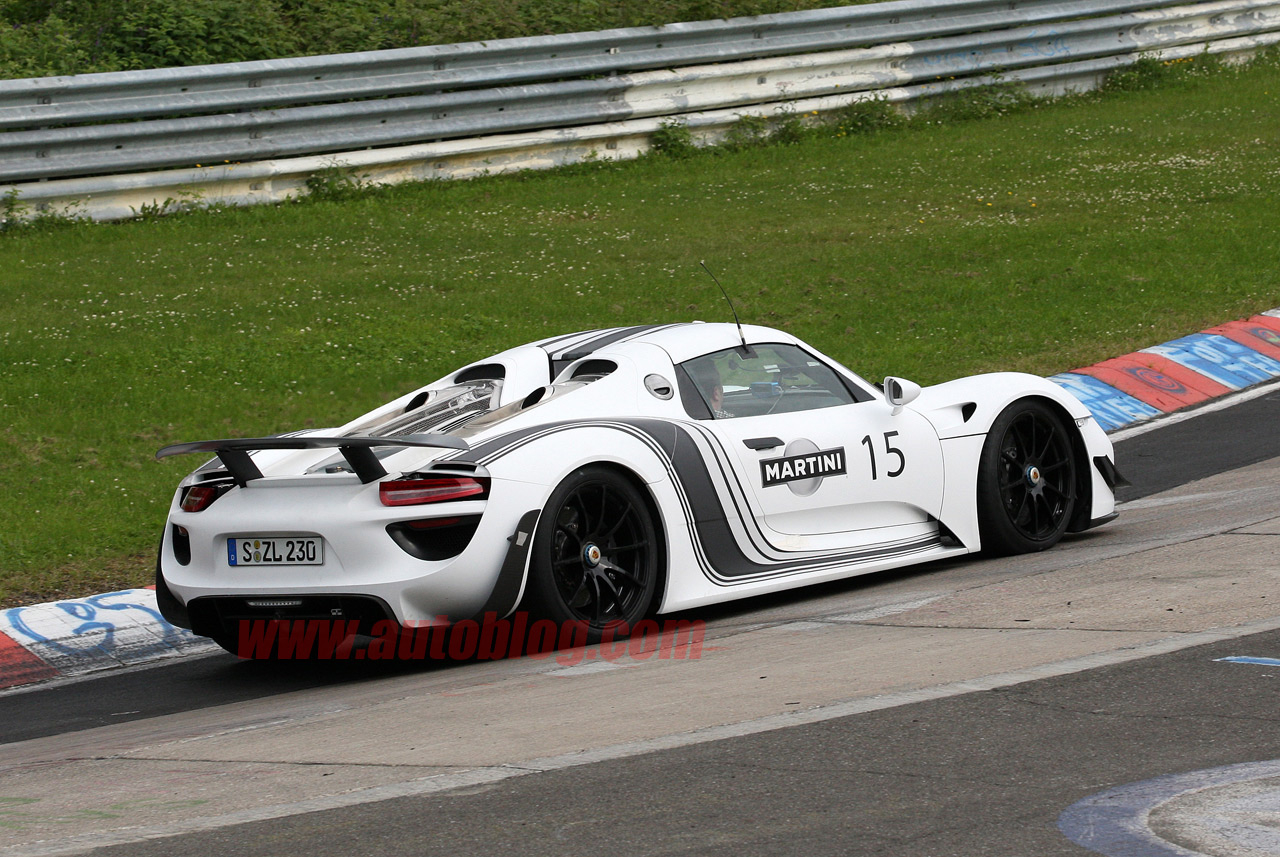
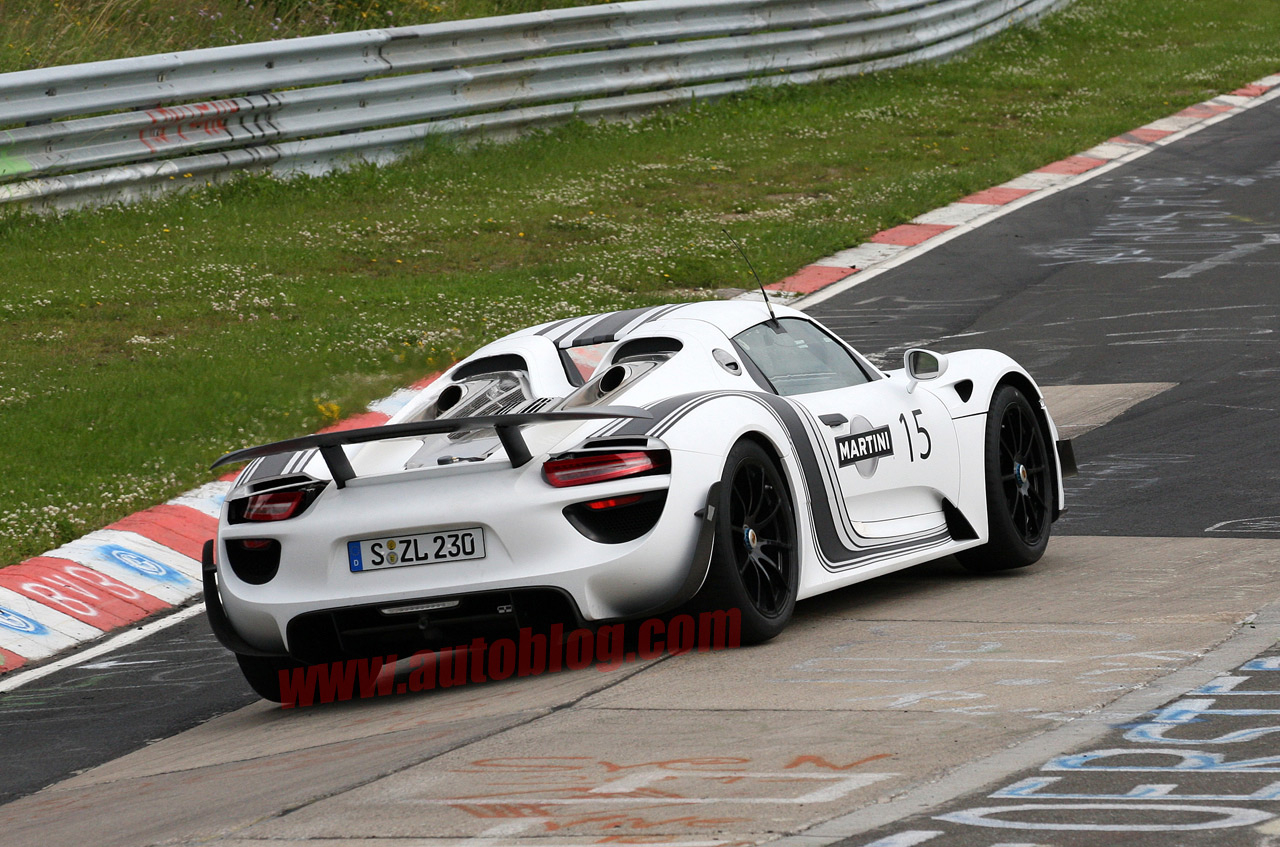
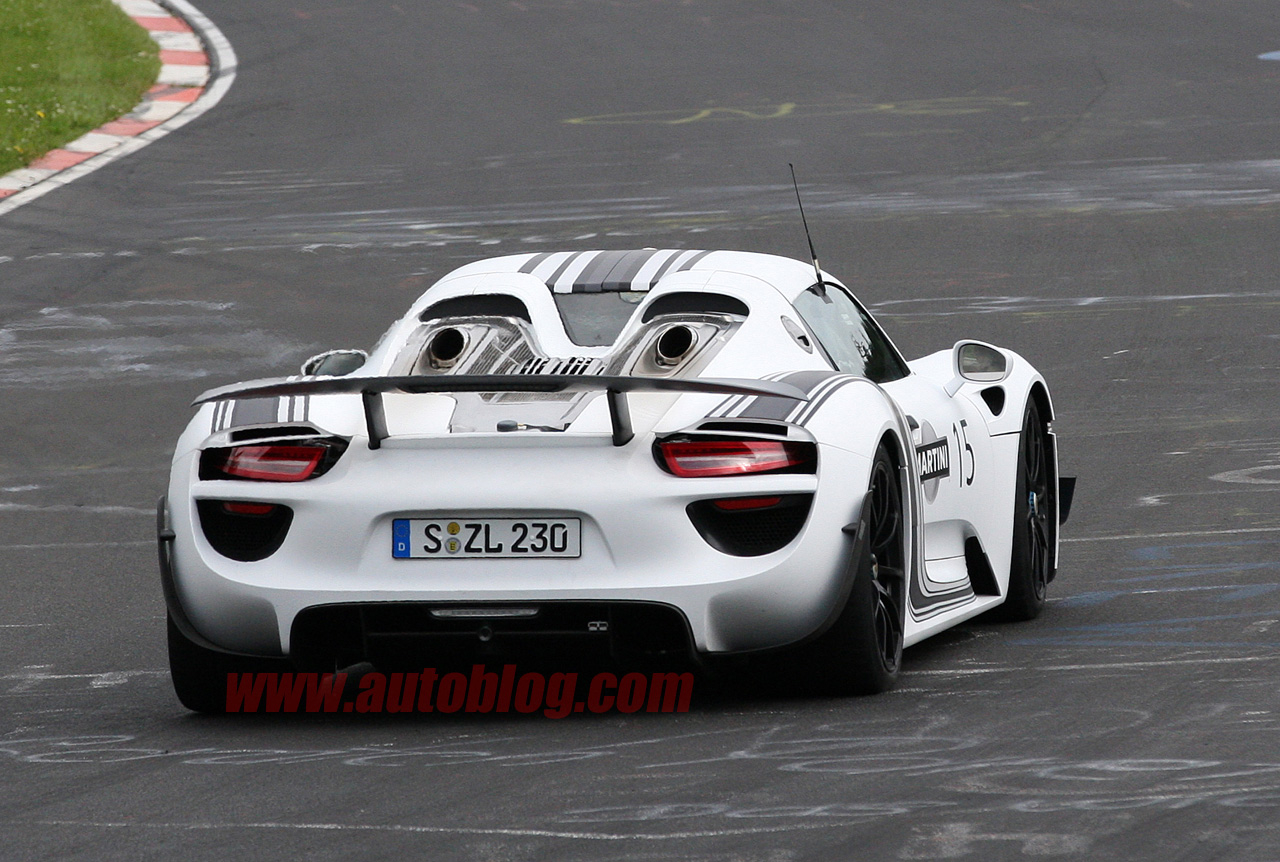
It’s official, Martini racing, the famous Porsche sponsor who has lent its racing stripes to both the 911 and 917, will now be gracing the all-new 918 hybrid supercar.

Spy shots of the Porsche 918 in the Martini Livery monochromatic classic race guise at the Nürburgring were recently released, but Porsche has just now released the official photos with permission from Martini owner Bacardi & Company of Switzerland.

View the Porsche 918 spy shots here.

Sx-Z | Porsche 918 Spyder Prototype in Martini Livery

Sx-Z | Porsche 918 Spyder Prototype in Martini Livery

Sx-Z | Porsche 918 Spyder Prototype in Martini Livery

VIDEO: Porsche 911 GT2 RS VS. Ducati

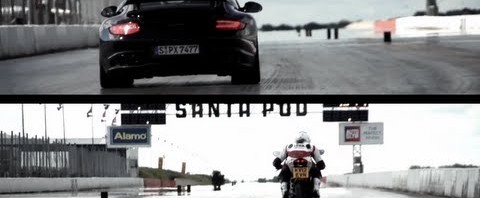
Chris Harris races the Porsche 911 GT2 RS against the Ducati 1199 Panigale.

The GT2 RS, weighing 3,170 pounds, is packing 611 horsepower. The Ducati on the other hand, weighs in at just 415 pounds curb weight, packing 192 horsepower and giving the Ducati a power-to-weight ratio of 2.16 lb/hp. or 3.82 fewer pounds per horsepower than the 911.

Who will win – the 911 with its grip and stability, or the power-to-weight Ducati? Watch and find out!

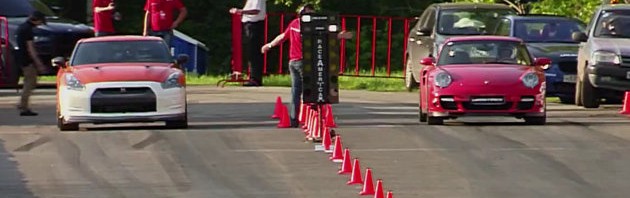
VIDEO: 1,100-hp Nissan GT-R vs. 950-hp Porsche 911

In ring 1 we have a Nissan GT-R boosted to 1,100 hp and weighing in at up to 400 lbs. more than Porsche, even in stock form! In ring 2 we have a Porsche 911 Turbo packing 950 hp!

Let the games begin!

VIDEO: HEAR The All-New Porsche 918 For The FIRST Time

Hear the pre-production prototype of the upcoming 2013 Porsche 918 Spyder in ACTION!

That’s the sound of a plug-in hybrid driveline that mixes a 570PS (+562hp) 4.6-liter V8 petrol linked to a 7-speed dual clutch transmission with two electric motors for a combined output in excess of 770PS (+762hp)… Not bad for a hybrid.

Sx-Z | Porsche 918 Martini Spy

Sx-Z | Porsche 918 Martini Spy

Sx-Z | Porsche 918 Martini Spy

Sx-Z | Porsche 918 Martini Spy

Sx-Z | Porsche 918 Martini Spy

Sx-Z | Porsche 918 Martini Spy

Sx-Z | Porsche 918 Martini Spy

Sx-Z | Porsche 918 Martini Spy

URBAN OUTLAW – THE TRAILER

Sx-Z | Urban Outlaw - The Trailer
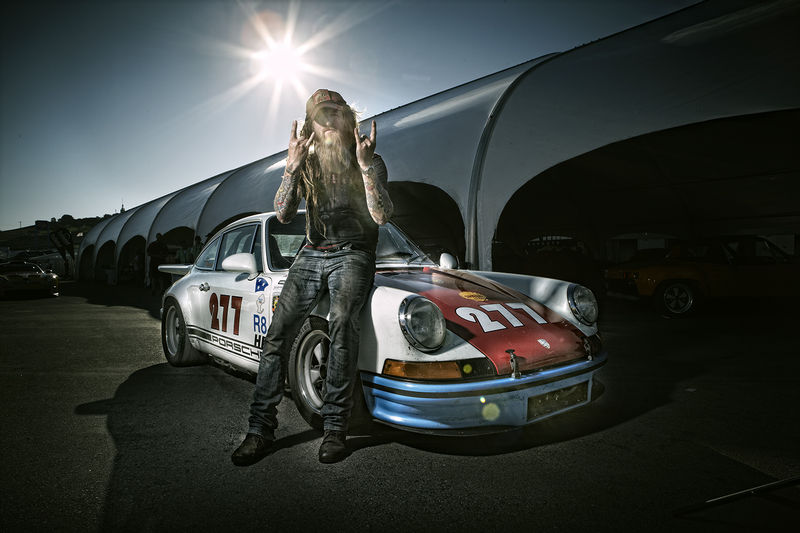
URBAN OUTLAW is a portrait of Magnus Walker, the rebel Porsche customizer who turned a hobby into an obsession, and an obsession into a successful business. From a workshop in downtown Los Angeles, Magnus obsessively harvests fragments from donor 911s, grafting them onto vintage frames to create one-off automobiles with the spirit of Ferdinand Porsche but an ethos entirely his own.

Producer / Director: Tamir Moscovici (MOS), Industry Films
Line Producer: Dwight Phipps, Industry Films
DP: Anthony Arendt, Partos
Editor: Paul Proulx, Stealing Time
Colourist: Wade Odlum, Alter Ego
Audio House: Pirate Toronto
mosmedia.ca
industryfilms.com

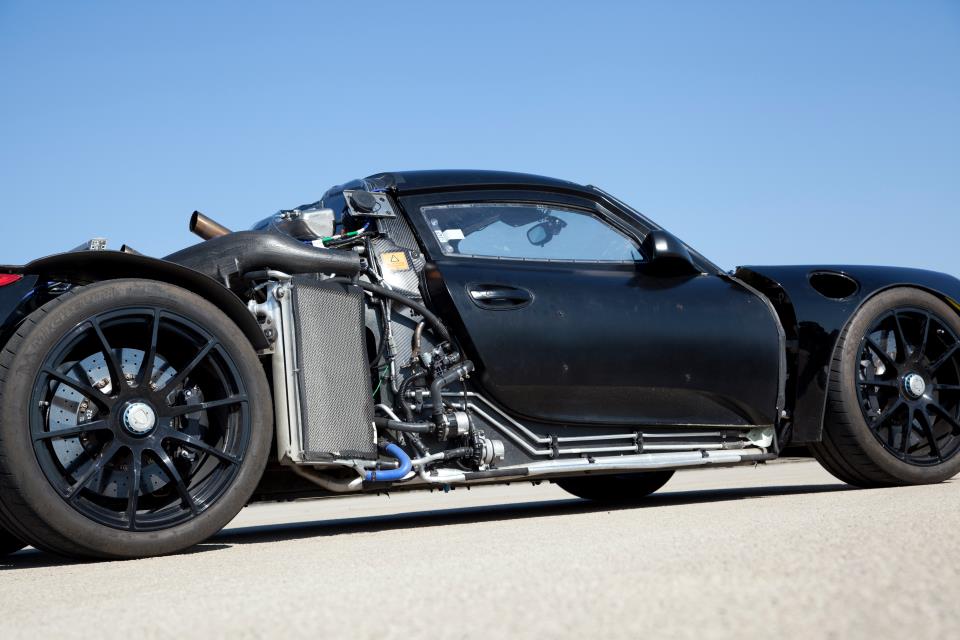
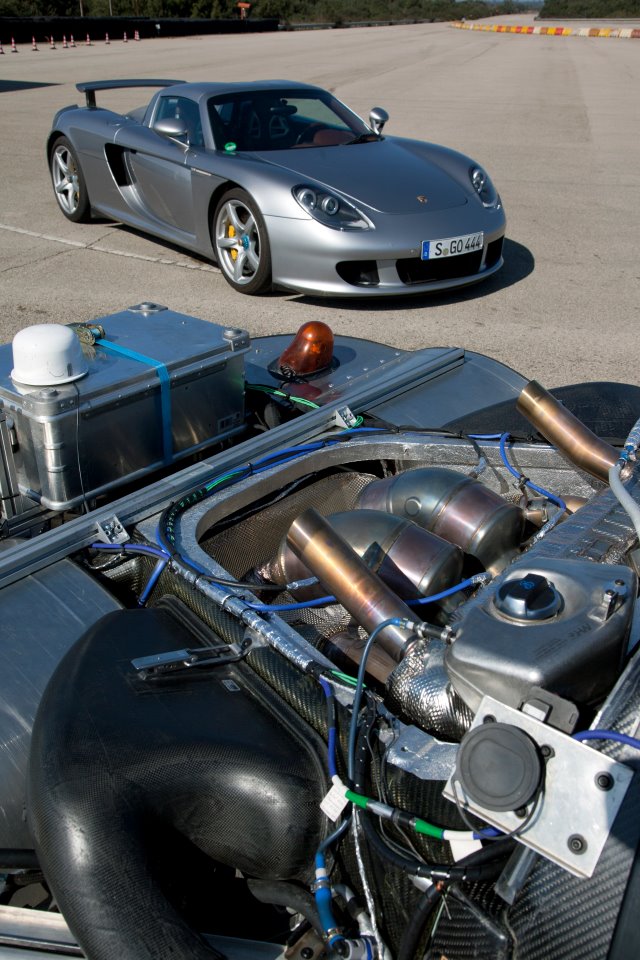
Naked Porsche – 918 Spyder Rolling Chassis

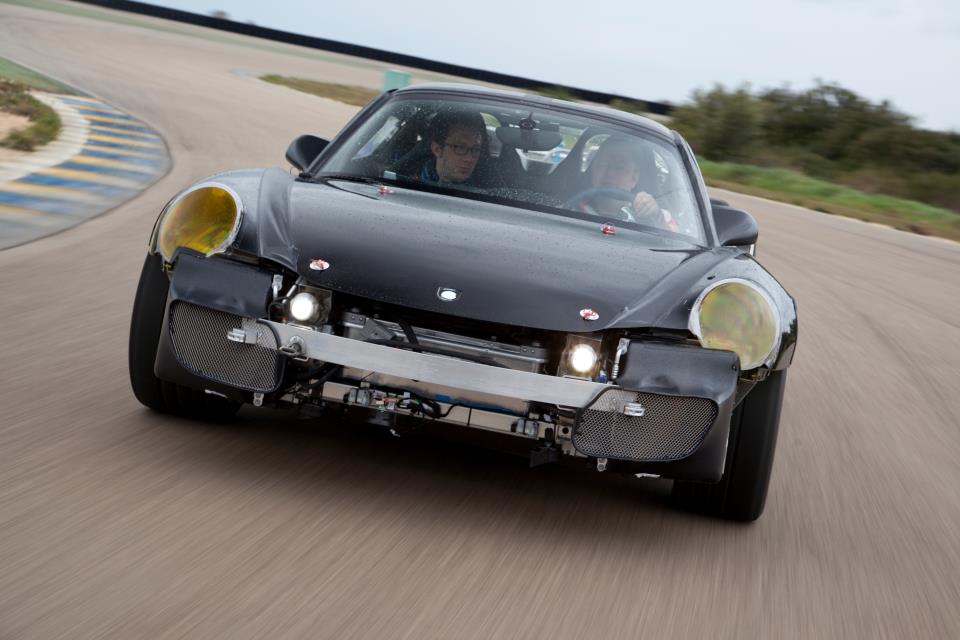
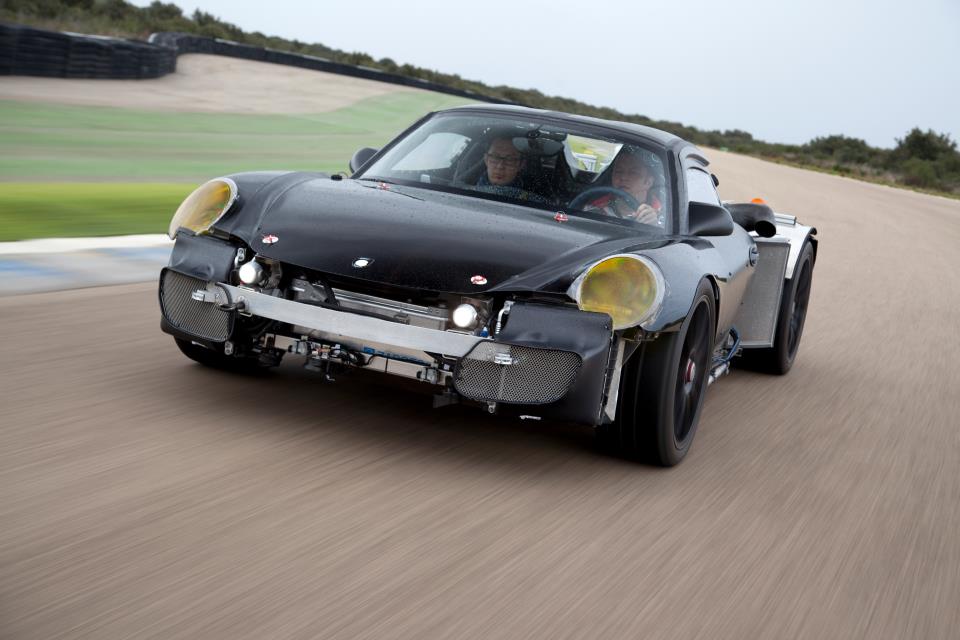
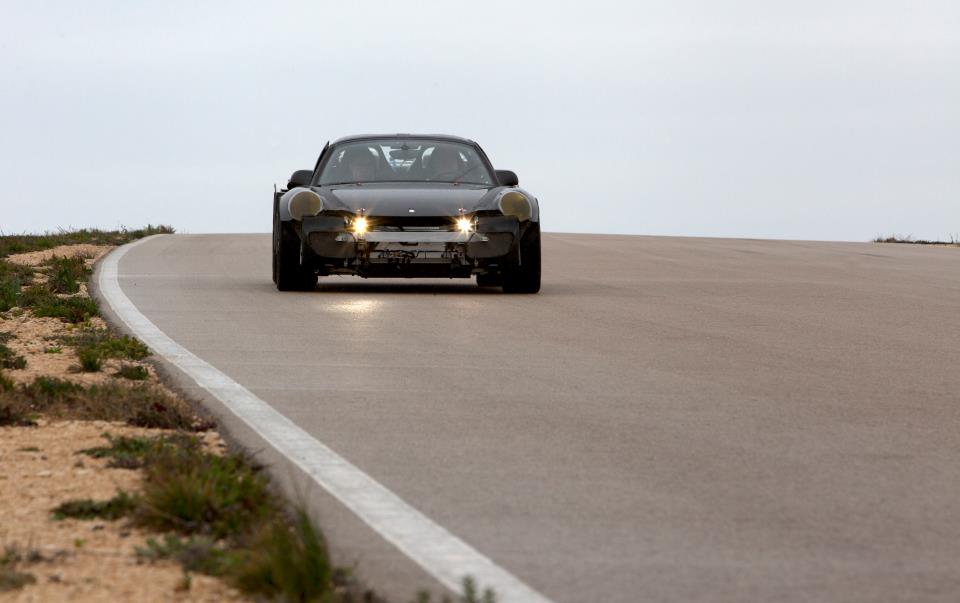
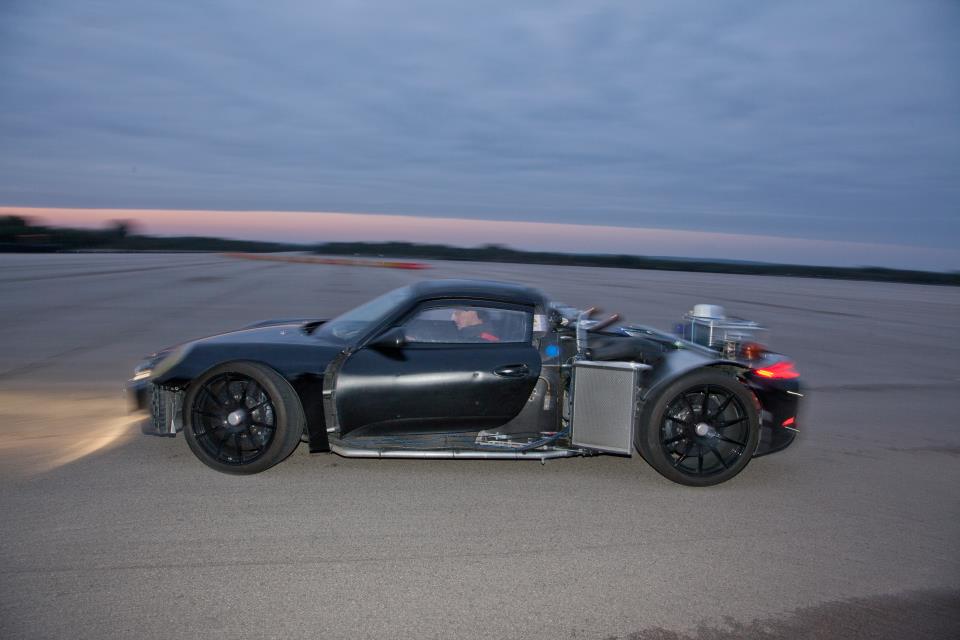
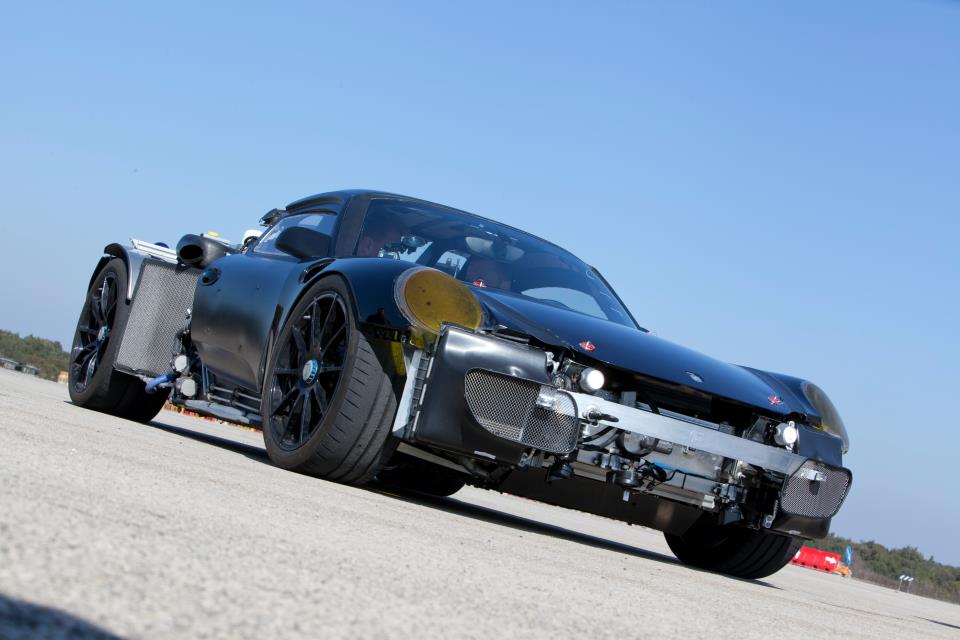
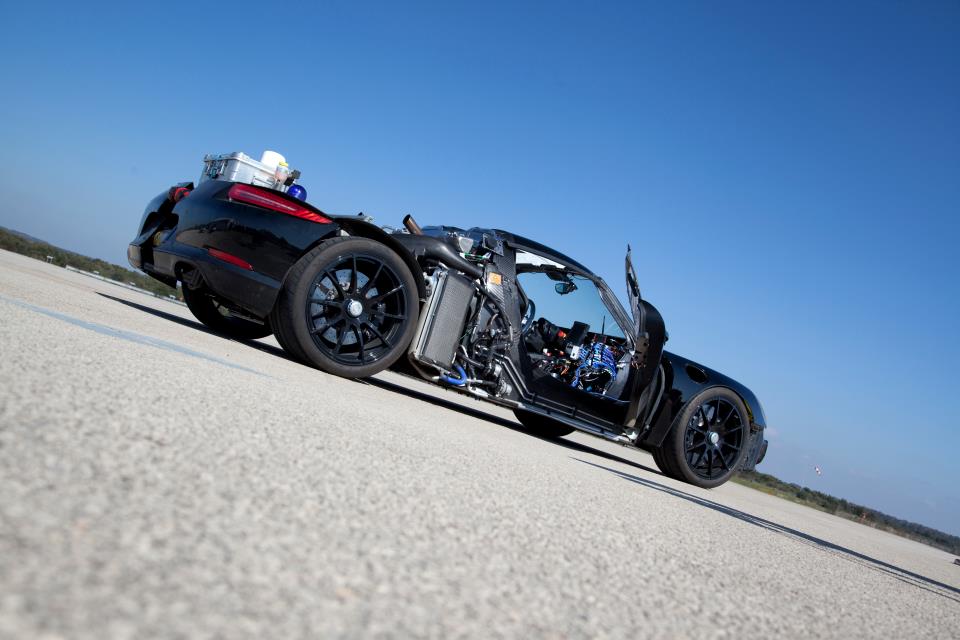
Super sports car of tomorrow! More than half of the Porsche 918 Spyder’s development time has been completed. Testing its rolling chassis at Nardo, Italy.

Porsche 918 SpyderPorsche 918 SpyderPorsche 918 SpyderPorsche 918 SpyderPorsche 918 SpyderPorsche 918 SpyderPorsche 918 SpyderPorsche 918 Spyder

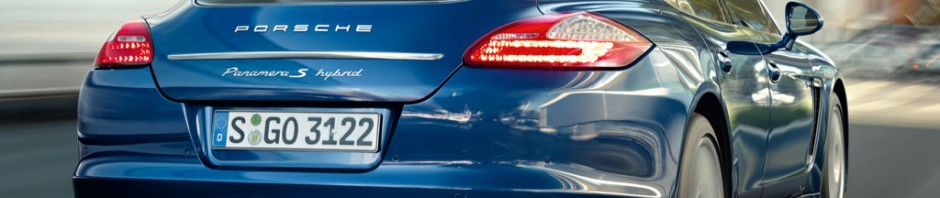
Planned 2014 Porsche Panamera Plug-In Hybrid

Sources stated that Porsche AG is set to build a plug-in hybrid version of the Panamera sedan beginning in 2014.

The plug-in hybrid likely will come to the United States, but the timing is unclear, a source said.

Volkswagen AG, which happens to own 49.9 percent of Porsche’s sports car business, will also be rolling out plug-in hybrid versions. In 2014/2015, Volkswagen AG will begin introducing plug-in hybrid variants of the Audi Q7 crossover and European-sold VW Passat.

Audi CEO Rupert Stadler reported at the 2012 Geneva auto show that the next-generation Audi A3 will also get a plug-in hybrid variant in 2014.

In an interview last week, Rudolf Krebs, VW’s group chief officer for electric traction, said, “We are really convinced that the future of hybrids won’t be pure hybrids, but the plug-in hybrids.”

What makes the plug-in hybrids different from regular hybrids? Hybrids, like the well-known Toyota Prius, is equipped with two propulsion systems, a gasoline or diesel engine and an electric motor. To put it plain and simple, they do not plug in. The Chevrolet Volt, on the other hand, is a plug-in hybrid that is powered by an electric motor and battery pack that is backed up by a gasoline or diesel engine which extends driving range and recharges the battery.

What’s the advantage of plug-in hybrids? Krebs says it is their ability to use electric power for short distances and still get the range of an internal-combustion engine.

In the next couple of years we’re going to start to see manufacturers like VW heavily introduce more plug-in hybrid versions.