All posts in “New”

5 Travel Essentials Tumi’s Creative Director Doesn’t Leave Home Without

For frequent flyers, travel is simply endured. And those that do it best know how to dodge (or at least limit) its negatives — jet lag, loud children, lost luggage, boredom. Victor Sanz, Creative Director for Tumi, has made dampening the blow of these trials his trade.

The products he designs are simple in form but absurdly specific. Tumi’s luggage makes use of tracking software in case your bag is lost or stolen, a patented (and very proprietary) ballistic nylon material, a zipper redesigned to make jams all but eliminated, the exclusive use of one of the world’s strongest thermoplastics and more. Tumi and Sanz aim to make luxury not for luxury’s sake, but for utility and longevity.

On top of being involved in every step of product design and development, Sanz, as you’d guess, does a fair bit of traveling himself. Here’s the gear he doesn’t leave home without.

Pilot Razor Point II Pen & Tombow ABT Paint Markers


“I tend to shop at different levels and I don’t limit myself to only high fashion or what’s of the moment. Over the years I’ve been editing my kit and I found that these two tools have become the easiest and quickest for me.”

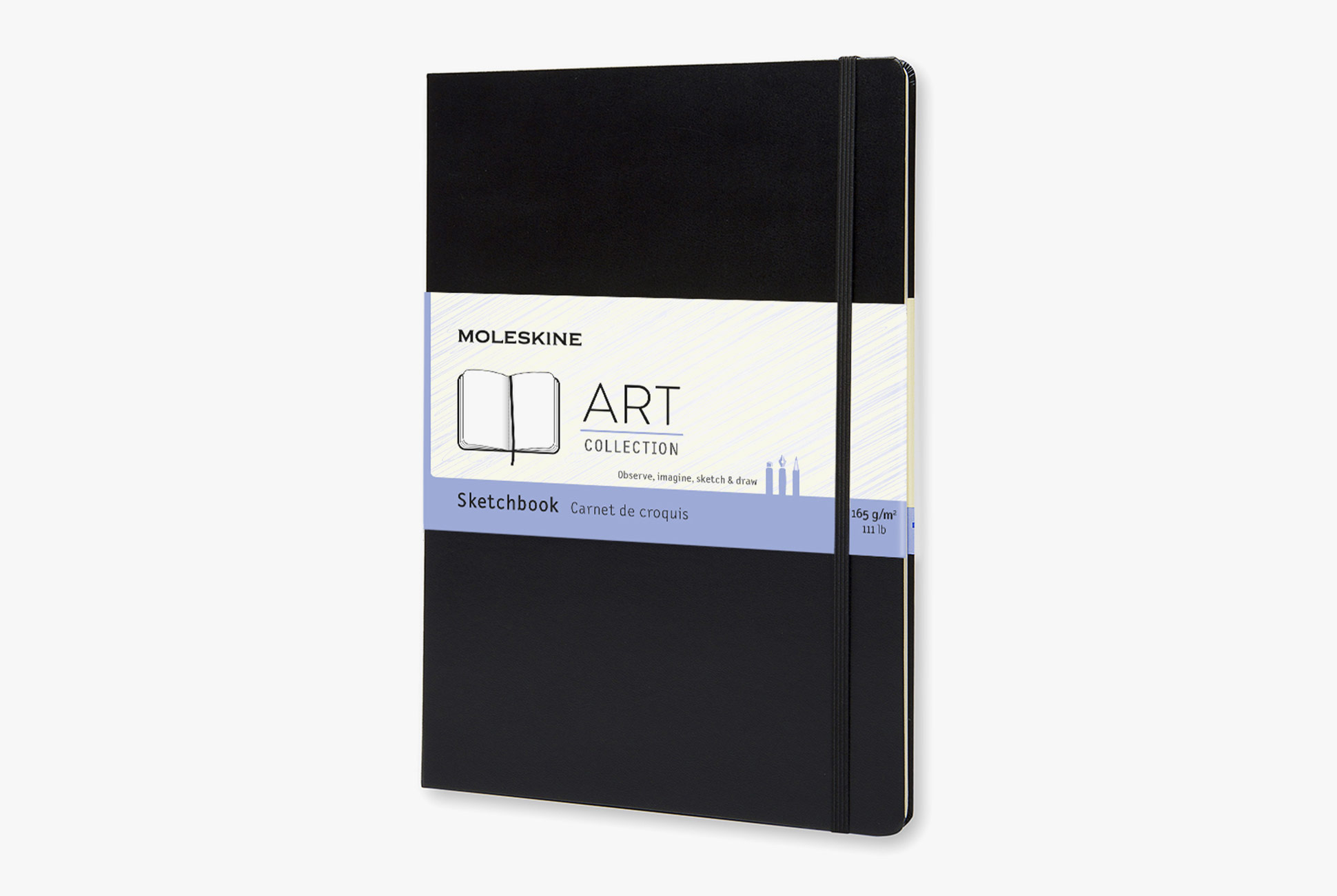
Moleskine Sketchbook


“It’s always by my side. I’m constantly getting inspired and it becomes my diary, notebook, and place to keep my ideas.”

Apple AirPods


“I aim to carry as little as possible when I travel without sacrificing the tools I need. [AirPods] are very convenient and take up such little space — perfect for when I’m on the go. Music is also integral to my creative process so being able to be on the go without wires is key.”

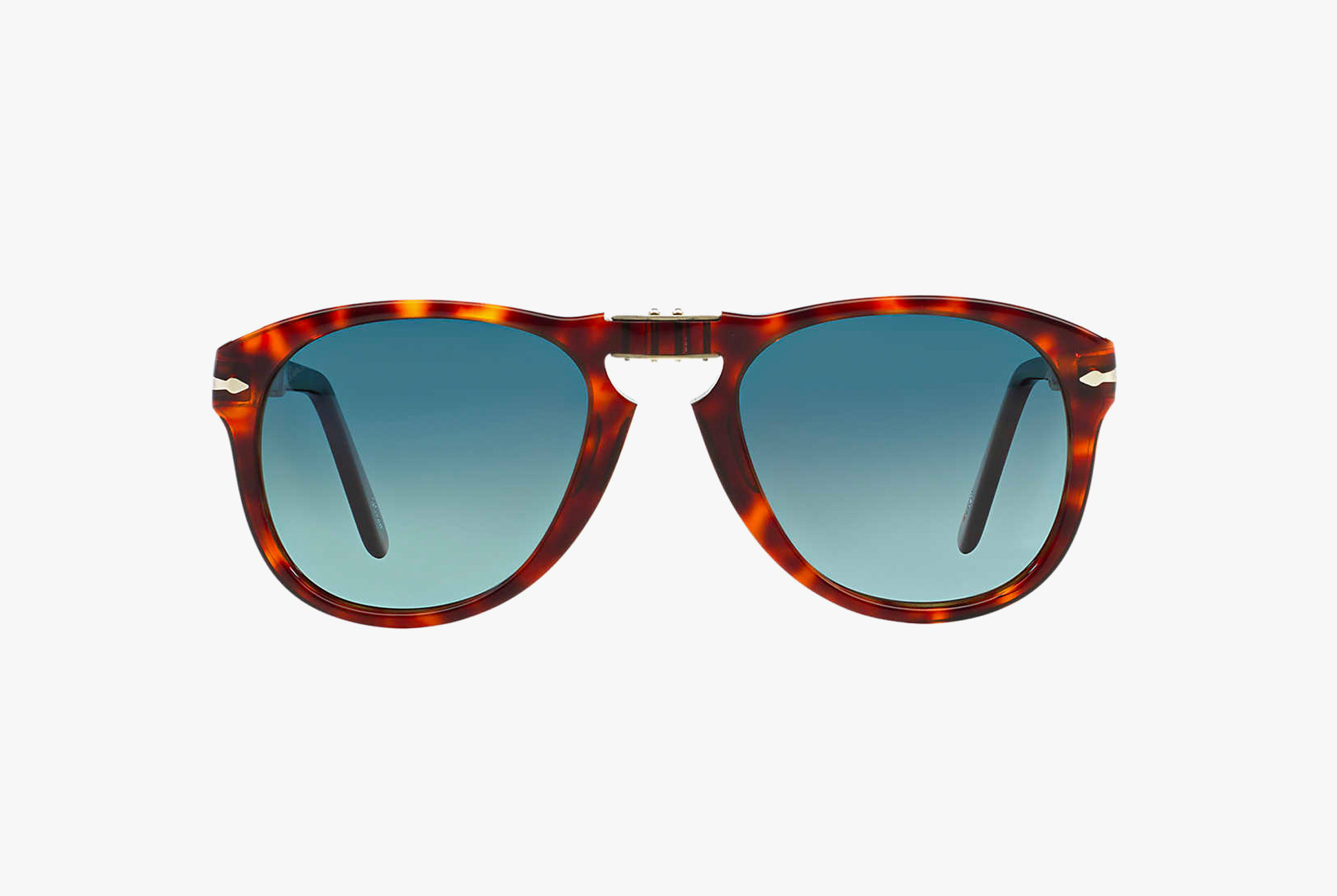
Persol Foldable Sunglasses


“They are timelessly chic and fantastic for traveling. Also, jet lag is a real thing and having a good pair of shades always seems to assist with recovery.”

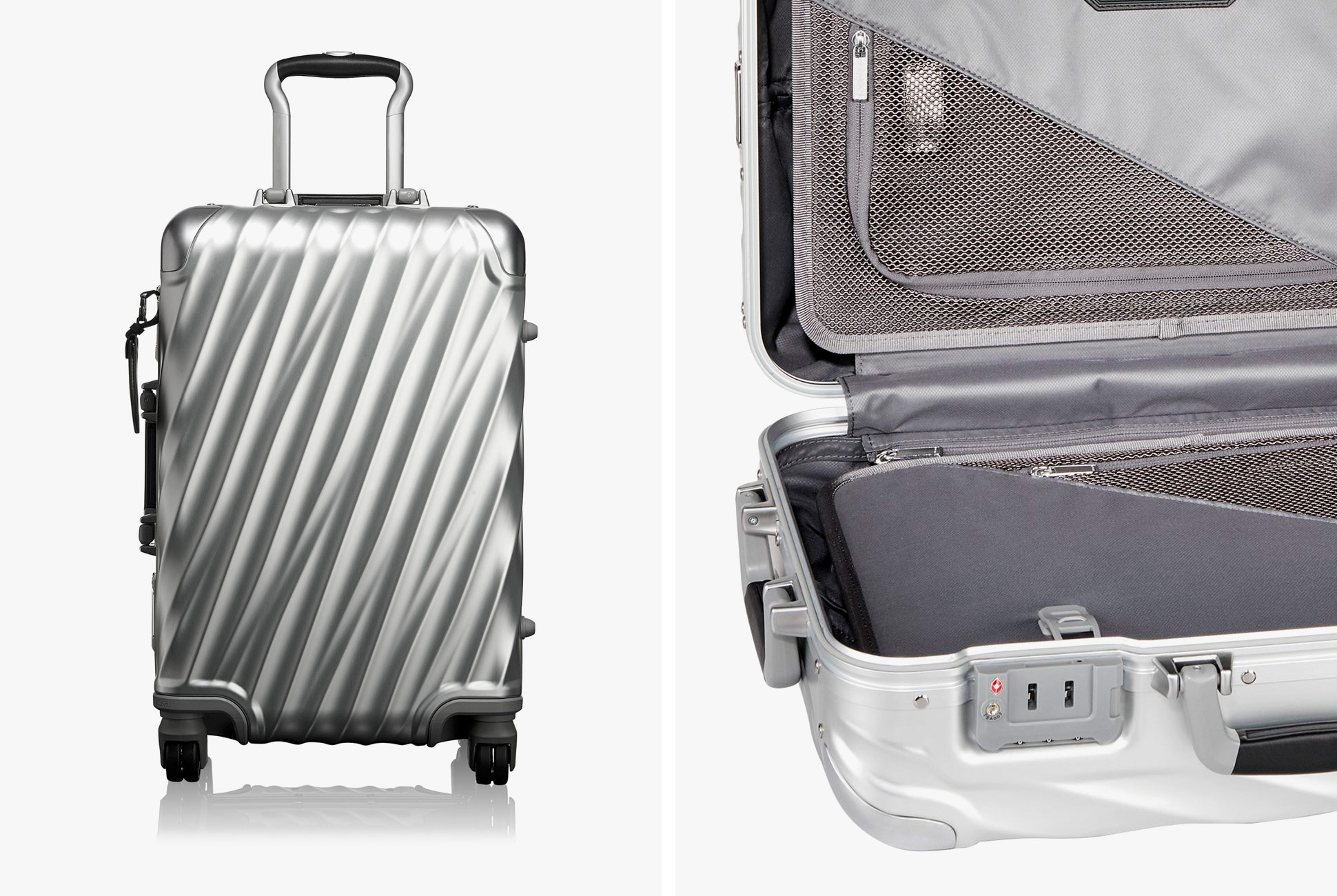
TUMI International Carry-On (in Silver)


“When I’m not traveling with a new prototype or design, our 19 Degree International Aluminum Carry-On has become a staple in my travel routine. It never fails me.”

21 Terms Every Knife-Lover Should Know

Blade, handle — the vocabulary that describes the different parts of a pocket knife are simple… right? The sharp tools may not be as complicated as mechanical watches or automobiles, but there’s more to knives, both folding and fixed, than that. Aficionados will bandy around terms like action and slipjoint, but these aren’t even the most complex or specific words that can be used to describe every part of a pocket knife. For those new to the world of blades, this guide will act as your shortcut from novice to pro.

Action: Refers to how a folding knife opens. A knife’s action can be described in many ways, but it will be either manual or automatic.

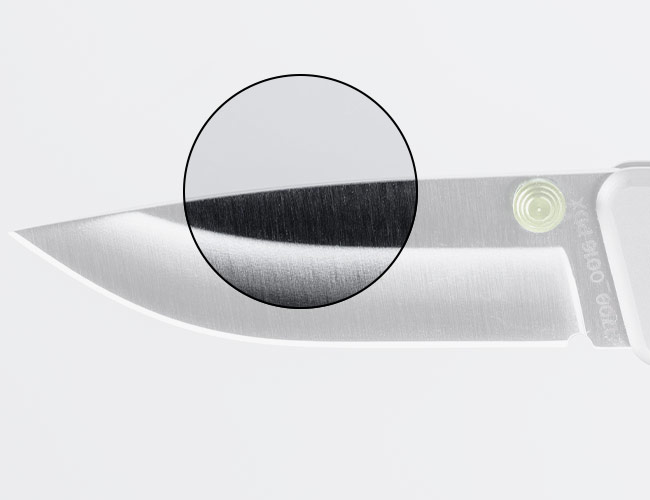
Belly: The curved part of the blade used for slicing.

Bevel: The tapered part of the blade that extends from the spine down to the cutting edge.

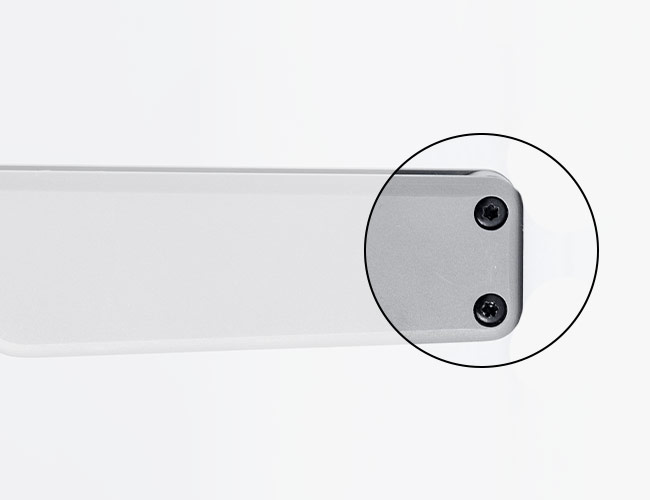
Butt: The end of a knife’s handle.

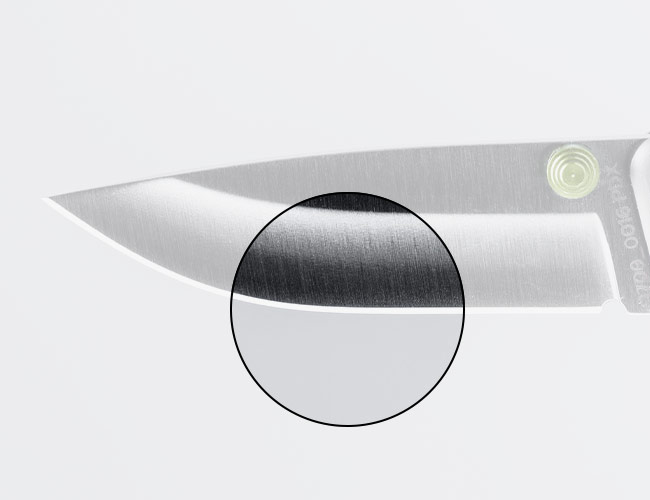
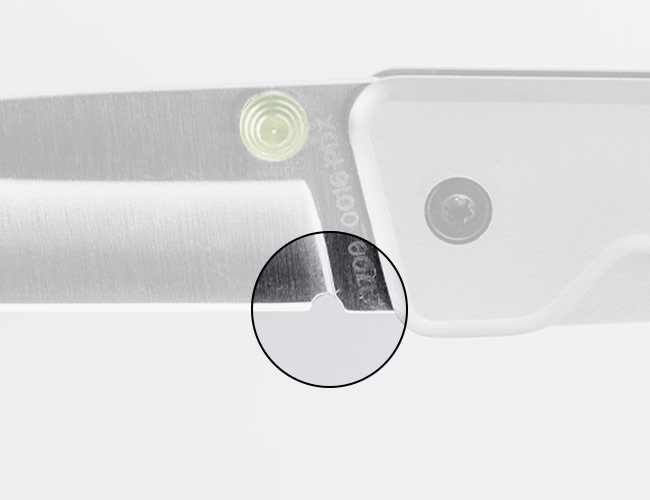
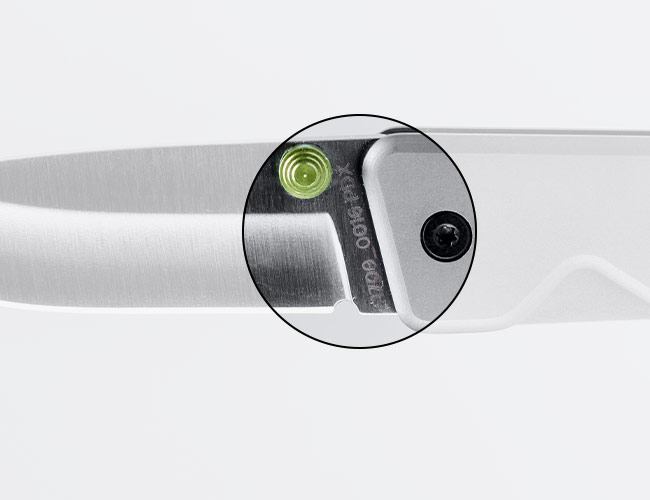
Choil: The unsharpened portion of a knife’s cutting edge that’s close to the handle. Some choils are notched.

Clip Point: A common blade shape, the clip point is characterized by a spine with a front section that appears to be clipped off. This seemingly cut-out area can either be straight or concave and results in a fine point.

Drop Point: One of the most common blade shapes, the drop-point is characterized by a convex spine that curves down from the handle to the point. This creates an easily-controlled point and a bigger belly for slicing. Ideal for hunters.

Guard: Part of the handle designed to prevent the hand from slipping onto the blade. This can be integrated into the handle or a separate component.

Gut hook: A sharpened hook on the spine of a hunting knife designed for field dressing.

Jimping: A notched portion of the spine close to the handle, designed for extra grip.

Quillon: The part of the guard or handle that extends beyond the tang of the blade to provide additional protection to the hand.

Ricasso: The flat and unsharpened portion of a blade between the handle and the bevel. Not to be confused with choil, ricasso refers to the flat side of a knife, not its edges.

Sheepsfoot: A blade shape characterized by a straight edge and a spine that curves down to meet it at the point. Sheepsfoot blades are designed for slicing while minimizing the potential for accidental piercing with the point. Originally made to trim the hooves of sheep.

Slipjoint: A common type of folding pocket knife that uses a spring to keep the blade in either a closed or open position.

Spear Point: A symmetrical blade shape with a point that’s in-line with the center of the knife. Commonly used for throwing knives.

Spine: The unsharpened “back” or “top” of a knife. The spine is the side opposite the sharp edge. Double-edged knives do not have spines.

Swedge: Also known as a “false edge,” this is a portion of the knife’s spine that is unsharpened but has been ground to give the appearance that it is.

Sweep: See “belly”.

Tang: The portion of the blade that extends into, and is held by, the handle.

Tanto: Inspired by the short swords that were worn by Samurai in feudal Japan, this blade shape replaces a curved belly for an angular edge transition that makes for a much stronger and prominent point.

Wharncliffe: Like a sheepsfoot blade, this shape has a straight edge and a curved spine, but the curve extends gradually from the handle to the tip. The shape is similarly ideal for slicing while minimizing the possibility for an accidental puncture with the tip.

Priority’s Newest Bike is All-Terrain, Yet Still Low-Maintenance

From Porsche to a 12-Speed

Priority’s Newest Bike is All-Terrain, Yet Still Low-Maintenance


Here at Gear Patrol, we’re big fans of Priority’s low maintenance, high reward bikes. I tested out the Classic NeverFlat for a couple of weeks and now have been riding the company’s Classic Plus Gotham Edition for about a month. Priority continues to push the envelope on bikes that are a joy to ride and easy to maintain. Today, Priority launches the Priority 600; a car-inspired bike meant to ride on roads, gravel and dirt without breaking a sweat.

The 12-Speed Pinion Gearbox was designed by two former Porsche transmission engineers to offer loads of power and adventure to every single rider. It sits between the pedals so you won’t feel a weird weight imbalance and it only needs to be oiled every 6000 miles — plenty enough for any commuter.

Paired with the same great gates carbon belt drive and all-weather composite fenders, this bike is geared up and ready to go for all the excursions you can think up. The bikes start shipping on June 18th and if you use code VELOFIX600, you’ll get a free Velofix white glove delivery.

Today in Gear

The best way to catch up on the day’s most important product releases and stories. Read the Story

The Best Portable, Waterproof Speakers You Can Buy This Summer

This definitive guide to the best portable speakers of 2018 explores everything you need to know before buying your next portable speaker, including what features to look out for and the different options available, along with which portable speakers we feel are best for every type of person.

Prefer to skip directly to the picks? Click here.

The Short List

Best Overall Speakers: Ultimate Ears Megablast and Blast


Verdict: The UE Megablast and UE Blast are the next evolution of the best-in-class portable speakers, the UE Megaboom and UE Boom. They’re slightly larger and more powerful, but the UE Megablast and UE Blast are also the company’s first smart speakers. They support Alexa voice commands and essentially work exactly like an Amazon Echo, but they’re portable so you can take them hiking or to the park. When I originally reviewed these speakers in early 2018, my two criticisms were that they were too expensive and didn’t support Alexa voice commands with Spotify — both of the problems have now been rectified; UE has significantly dropped the price of each speaker and updated its software to support Spotify. | |

Runner Up: Bose SoundLink Revolve Plus


Verdict: The Bose SoundLink Revolve Plus is the company’s first 360-degree Bluetooth speaker. It’s loud and powerful, and the audio is accurate and spacious; it’s engineered with dual-opposing passive-radiators and an efficient transducer to eliminate distortion. It’s not the most rugged speaker on this list, but it’s still splash-resistant. And it’s simple design and easily-defined buttons make this traditional Bluetooth speaker very intuitive to use. It also has a built-in mic so you can answer calls without having to take out your phone — super convenient. For anybody who loves Bose, the SoundLink Revolve Plus is an easy next buy. (Even if it does look like a lantern.) |

Best Budget Speaker: Anker Soundcore Flare


Verdict: The Soundcore Flare is new and small portable speaker that produces suprisingly great, room-filling sound. Throw in the fact that in only costs $60, and this is an excellent portable speaker for pretty much anybody. It’s extremely waterproof and has a dedicated button on the outside to boost its bass, in case you like more bass-heavy audio. Additionally, through Anker’s Soundcore app you can tweak the EQ setttings and customize the LED lights that flash on the outside of the speaker.

Introduction

When I was younger, I remember having a dependable portable speaker was everything. It provided the soundtrack to backyard barbecues, pool parties, sports practices and pickup games. Then in my nefarious high school years, it was one of three weekend essentials that we divvied up between our friends — somebody brought the beer, somebody brought the cups and balls, and somebody brought the tunes. It was great.

Today, having a dependable portable speaker is still super important, even if seems like there are so many more types of speakers to choose between, from smart speakers to bookshelf speakers, multi-room speakers to multi-channel hi-fi systems. One of the main reasons is that all those speakers need to be tethered to a wall outlet, which is boring and not conducive to a life on the move. Also, many of our favorite portable speakers have no problem operating in the sun or rain and have long-lasting batteries, which makes them ideal companions for camping, hiking or just picnicking at some park.

The cream of the latest crop of rugged portable speakers — meaning they’re water-resistant and can handle a drop — don’t necessarily look the rugged part, but looks are far from everything. Many of these models are rated IP7, which means they can handle more than just splashes, smashes, snow and sand; instead, they can be submerged in water 3.3 feet deep for up to 30 minutes. That’s not bad for speakers that might look as nice on your bookshelf as they do on the edge of the hot tub.

The Factors to Consider Before Buying

When setting out to buy a portable speaker, there are almost too many to choose from. They come in all different shapes and sizes, with different sound qualities and price points. Also, they also come with many different features. Here’s what you need to look for to make sure a speaker is right for you.

Brand: You’ve probably heard of all the speaker manufacturers on this list, which is a good thing. You want to trust that speaker is not only going to sound good but also last. The other thing with brand, is that many portable speakers on this list work with other like-branded speakers; for instance, you can pair two Bose Soundlink speakers together or two of Kicker’s Bullfrog speakers together for more of a party (or multiroom) setup.

Size and Shape: Portable speakers come in all different shapes and sizes, and generally the bigger the speaker, the louder and better it is going to sound. You also want to consider the shape and design of the speaker. The two most popular shapes these days are 360-degree (cylindrical) or monodirectional speakers. The 360-degree speakers are generally better when placed in the middle of a room while monodirectional are better for stereo audio.

Ruggedness: All rugged speakers aren’t the same. And in order to know how water-resistant or drop-proof a speaker is, you really need to understand IP (Ingress Protection) ratings. The easy way to explain it is that the higher the IP rating of the speaker, the more water-resistant it is — an IP7-rated speaker is more durable than an IP4-rated speaker. You can check out how the IP ratings are explained, here.

Features: Some of today’s portable speakers are more versatile and feature-packed than others. For instance, some speakers like Ultimate Ears’ Megablast and Blast can actually connect to wi-fi and function like an Amazon Echo. Others can pair with other like-minded speakers in a stereo setup. Some have built-in microphones so you can use it as a loudspeaker without having to pick up your phone. And then some have controllable LED lights. Depending on how you want to use the speaker and if you want to deal with a companion app — these are all factors you have to consider.

Voice Assistance: Some of the newer portable speakers have wi-fi connectivity and support a voice assistant, such as Amazon’s Alexa or Google Assistant. This allows you to use speaker similar to an Amazon Echo or Google Home, using voice commands to request songs, answer general queries and control smart home devices. However, you’ll only be able to access the voice assistant when connected to wi-fi or a mobile hotspot.

Battery Life: Bigger speakers tend to have larger and longer-lasting batteries. That said, it varies from speaker to speaker. If you know you’re going to listen to the speaker a lot and you’re also going to have to go days between charges, these are things you should consider before purchasing a portable speaker.

Charge: Most of today’s portable speakers need a micro-USB cable to charge. However, there are some speakers that require a USB-C or AC cable to charge. Knowing what kind of cable might seem like a small thing, but it’s actually really convenient to be able to use the same cables to charge a few of your devices, like wireless headphones, smartphone and computer.

Buying Guide

Best Overall Speakers: Ultimate Ears Megablast and Blast


Verdict: The UE Megablast and UE Blast are the next evolution of the best-in-class portable speakers, the UE Megaboom and UE Boom. They’re slightly larger and more powerful, but the UE Megablast and UE Blast are also the company’s first smart speakers. They support Alexa voice commands and essentially work exactly like an Amazon Echo, but they’re portable so you can take them hiking or to the park. When I originally reviewed these speakers in early 2018, my two criticisms were that they were too expensive and didn’t support Alexa voice commands with Spotify — both of the problems have now been rectified; UE has significantly dropped the price of each speaker and updated its software to support Spotify.

Ultimate Ears Alternatives:

• The UE Boom 2 ($100+) is an older, slightly cheaper, and less powerful version of the UE Blast — it also doesn’t have a built-in virtual assistant. It’s a very good sounding 360-degree speaker that comes in a lot of colors and you can find online for pretty cheap.

• The UE Megaboom ($169) is a larger version of the UE Boom 2. While it’s a still a very good speaker, you can find the newer and better-sounding UE Megablast for even cheaper than the UE Megaboom, so it makes sense to pass on this.

• The UE Wonderboom ($63+) is a really small, ball-shaped portable speaker that’s water-resistant and sounds way bigger than its size. A solid budget speaker.

• The UE Roll 2 ($62+) is ideal for bike messengers or anybody with a backpack. It’s a front-facing speaker — not 360-degree — that’s super portable and comes with strap for those who want to fasten the speaker to their backpack.

Key Specs

UE Blast
Max Volume: 90 dBC
Frequency Range: 90Hz – 20kHz
Drivers: two 35mm active drivers, two 81mm x 39mm passive radiators
Battery: 12 hours
Waterproof: IP67

UE Megablast
Max Volume: 93 dBC
Frequency Range: 60Hz – 20kHz
Drivers: two 25mm tweeters, two 55mm active drivers, two 85mm x 50mm passive radiators
Battery: 16 hours
Waterproof: IP67

| |

Runner Up: Bose SoundLink Revolve Plus


Verdict: The Bose SoundLink Revolve Plus is the company’s first 360-degree Bluetooth speaker. It’s loud and powerful, and the audio is accurate and spacious; it’s engineered with dual-opposing passive-radiators and an efficient transducer to eliminate distortion. It’s not the most rugged speaker on this list, but it’s still splash-resistant. And it’s simple design and easily-defined buttons make this traditional Bluetooth speaker very intuitive to use. It also has a built-in mic so you can answer calls without having to take out your phone — super convenient. For anybody who loves Bose, the SoundLink Revolve Plus is an easy next buy. (Even if it does look like a lantern.)

Bose Alternatives:

• The Bose SoundLink Revolve ($179) is virtually identical to the SoundLink Revolve Plus. It’s just a little smaller, cheaper and doesn’t have the handle. It’s a great alternative if you want to save a little dough.

• The Bose SoundLink Color Bluetooth Speaker II ($129) is a smaller portable Bluetooth speaker that comes in several colors. It’s a more portable and more playful alternative. Also has a built-in mic to access voice assistants and answer calls.

• The Bose SoundLink Micro Bluetooth speaker is the cheapest rugged Bluetooth speaker in the company’s current lineup. It’s also really water-resistant (IP7, which is more than Bose’s larger speakers above). No built-in mic.

Key Specs

Frequency Range: N/A
Drivers: N/A
Battery: up to 16 hours
Waterproof: IPX4 (splash-proof)

|

Best Speaker for Parties: Sony SRS-XB41


Verdict: The SRS-XB41 is the largest and most feature-packed portable Bluetooth speaker in Sony’s 2018 Extra Bass series. It’s a front-facing speaker, unlike many on this list, so it won’t be able to fill a room as evenly as a 360-degree speaker. However, it can play music really loud with strong bass and surprisingly little distortion. Through its companion app, you can adjust the audio’s EQ, customize its LED lights and pair it with other Extra Bass speakers in a multi-room system. And it has an IP67 rating, so it’s a non-issue if it gets submerged in water or a pitcher of beer. All in all, it’s a good speaker for parties that has a terrific battery life and a bunch of funky features, which you may or may not choose to use.

Sony Alternatives:

• The Sony SRS-XB31 ($118) is the medium-sized speaker in Sony’s 2018 Extra Bass line-up. It’s not as loud and is slightly smaller, but it comes with many of the same features as the SRS-XB41.

• The Sony SRS-XB21 ($70) is the smallest speaker in Sony’s 2018 Extra Bass line-up. It doesn’t have quite the same features as its larger siblings, nor the sound quality, but it’s a solid budget alternative.

Key Specs

Frequency Range: 20hz – 20kHz
Drivers: dual 2.28 drivers
Battery: 24 hours
Waterproof: IP67

|

Most Durable Speaker: Kicker Bullfrog BF200


Verdict: Kicker’s Bullfrog BF200 is hefty, weighing in at eight pounds, but it’s one of the toughest and most weatherproof Bluetooth speakers you’ll come across. It comes with a companion app that allows you to adjust the EQ settings and pair it with other Bullfrog speakers. In addtion to a USB port to charge your phone and an aux port, the Bullfrog BF200 is really unique because it has a built-in FM radio tuner. Unlike other Bluetooth speakers, there’s no built-in mic to talk on your phone’s speakerphone.

Kicker Alternatives:

• The Bullfrog BF400 ($350) is virtually the same as the Bullfrog BF200 in look, features and sound quality. It’s just a larger and more powerful speaker.

• The Bullfrog BF100 ($175) is the smallest speaker in Kicker’s Bullfrog lineup. It isn’t as powerful, nor does it have the same battery life, but it’s slightly more waterproof and has a built-in mic so you can talk on the phone.

Key Specs

Frequency Range: N/A
Drivers: two 2-3/4-inch drivers
Battery: up to 20 hours
Waterproof: IP66

Best Budget Speaker: Anker Soundcore Flare


Verdict: The Soundcore Flare is new and small portable speaker that produces suprisingly great, room-filling sound. Throw in the fact that in only costs $60, and this is an excellent portable speaker for pretty much anybody. It’s extremely waterproof and has a dedicated button on the outside to boost its bass, in case you like more bass-heavy audio. Additionally, through Anker’s Soundcore app you can tweak the EQ setttings and customize the LED lights that flash on the outside of the speaker.

Anker Alternatives:

• The Anker Soundcore Flare+ ($100) is a better version of the Flare and will be released later this summer. It’ll have better drivers and a longer battery life, plus a USB port to charge your other devices.

• The Anker Soundcore Motion Q ($40) is a really smaller 360-degree speaker that’s also waterproof. It can be synced with another Motion Q speaker in a stereo pair.

Key Specs

Frequency Range: N/A
Drivers: dual drivers, 360-degree sound
Battery: up to 12 hours
Waterproof: IPX7

Honorable Mention: JBL Xtreme


Verdict: JBL has made some of our favorite Bluetooth speakers for years and its Xtreme speaker is probably the best sounding and most rugged of the bunch. It’s powerful and bass-heavy, yet still sounds accurate, comfortabling handling mid- and high-range frequencies. Through its companion app, you can pair multiple JBL speakers together. It has a built-in mic to answer phone calls. It’s very waterproof. And, because it’s about to be phased out when the JBL Xtreme 2 launches this summer, you can get the JBL Xtreme for relatively cheap.

JBL Alternatives:

• The JBL Xtreme 2 ($300) is the next-gen model of the JBL Xtreme. It’s more waterproof and has bigger drivers, so it’s supposed to sound better with even more bass. You can order the Xtreme 2 now, but it won’t ship until June 23.

• The JBL Charge 3 ($120) is a speaker that’s been around for a few years. It’s significantly smaller and cheaper than the JBL Xtreme, but comes with many of the same features.

• The JBL Flip 4 ($80) is a small waterproof speaker that’s been around for a few years and comes in several colors.

• The JBL Clip 2 ($44) is a small waterproof speaker that comes with carabiner clip, making it easy to attach to a backpack.

Key Specs

Frequency Range: 70Hz – 20kHz
Drivers: four drivers, two bass radiators
Battery: up to 15 hours
Waterproof: IPX7

The 7 Best True Wireless Earphones of 2018

AirPods have set the bar for true wireless earphones. A year and a half later, however, other products are starting to catch up. Read the Story

Apple’s 10 Most Important Announcements from WWDC 2018

At Apple’s annual developer’s conference (WWDC) this afternoon, the company revealed a string of significant updates to iOS, macOS (named Mojave), watchOS and tvOS. All these updates will kick into effect this fall for the public, while beta programs will roll out today or later this month (depending on the software). No new hardware was announced, unfortunately, and the HomePod wasn’t even mentioned; although AirPlay 2 was released last week and enabled all HomePods to produce multiroom and stereo sound (learn more, here). Still, for anybody who uses an iPhone, Mac, Apple Watch or Apple TV — or all of above — there were a bunch of cool features announced.

The Measure App

Apple introduced ARKit 2 early on in today’s presentation and with it, a really cool app that I think everybody — not just those proficient in AR — will use. It’s called ‘Measure’ and it’s able to quickly and accurately measure the size of real-world objects. It’s like a virtual tape measurer. Want to know the size of the table? chair? or TV? Just open the app, hold your iPhone or iPhone up to the object, tap the screen in a few key places to get digital measure points, and the app will tell the object’s measurements. Instant and simple.

Siri, Siri Everywhere

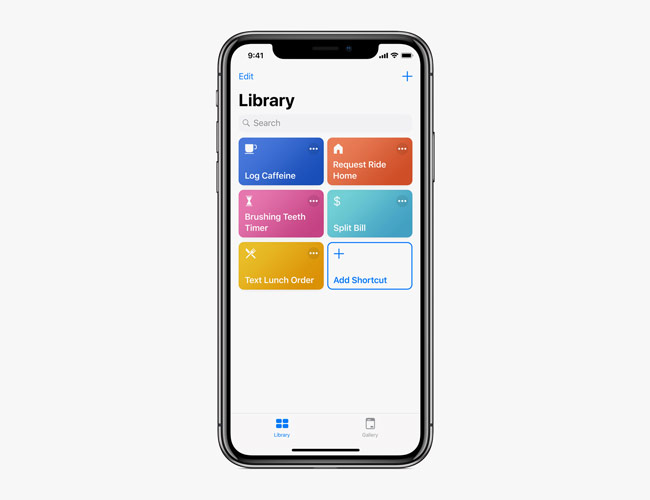
One of the many features coming with iOS 12 is Siri Shortcuts. Effectively, it allows any iOS app to work with Siri. iPhone and iPad users will be able to create simple-yet-specific voice commands to kick off an action. There will be a new Shortcuts app, too, that according to the press release will allow users “to create a series of actions from different apps that can be carried out with a simple tap or customized voice command.”

A Better ‘Do Not Disturb.’ Also, Notification Management

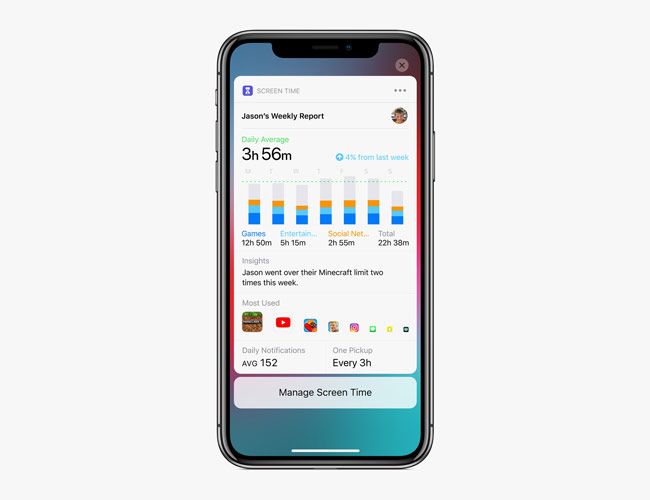
iOS 12 will bring about more customization options for Do Not Disturb mode. Instead of just being able to turn it on and off, you’ll be able to set automatically set end times for Do Not Disturb. This could be really useful when out on a dinner date or at the movies. Also, iOS 12 will allow users to more quickly manage their notifications. You’ll be able t group all notifications from a single app together, such as Twitter or Slack, and allow you close them in one fell swoop. No longer will you have to individually exit out of Twitter notification when somebody mentions you in a tweet, for example.

Create Animojis That Look Like You. Also, Tongues.

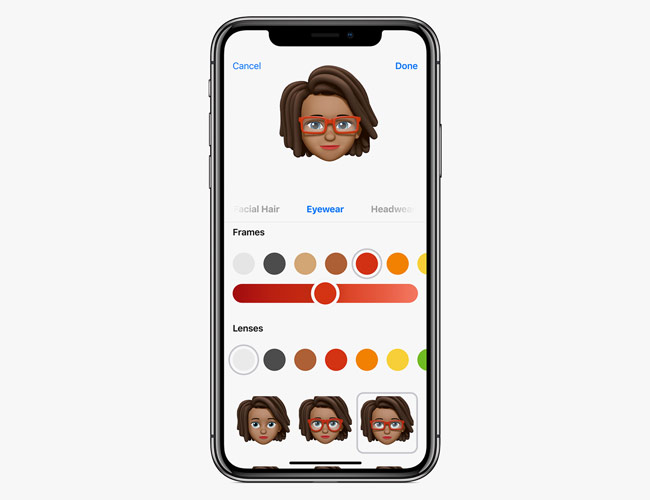
There will a couple of new Animoji avatars that iPhone X users will be able to choose from (including a ghost, koala, tiger and Tyrannosaurus) with iOS 12; more importantly, Apple announced Memojis, which are customizable Animojis that you can make actually look like yourself. Also, all Memojis and Animojis will be able to detect and capture winks and tongue movements, which they weren’t able to do before.

Group FaceTime

You’ll be able to FaceTime with up to 32 people in the same group at the same time, which is probably way more that you’ll ever need. But still cool. The feature is neat because whoever is talking in the Group FaceTime will appear larger on your screen, then when some else begins talking they’ll come to the forefront. From the demo they did on screen, the feature is simple and intuitive to work. It’ll be integrated directed into the Messages app, so group conversations can be continued even after the FaceTime ends. Also, anybody in the Group FaceTime will be able to customize how they appear, with different filters, Animoji or Memojis.

Apple TV 4K Welcomes Dolby Atmos, Zero Sign-On

When tvOS 12 rolls out this fall, Apple TV 4K will gain support Dolby Atmos audio, making it the only streaming player to be Dolby Atmos and Dolby Vision certified, which is a huge coup for Apple and home theater enthusiasts alike. Also, with its new “Zero sign-on,” your Apple TV will be able to detect the broadband network you’re on and automatically signs you into all the apps that are supported by that subscription. No more having to type in your password. The zero sign-on feature will work with Charter Spectrum (and its 50 million subscribers) later this year, but Apple says it’s working to expand this feature to work with other TV providers in the future.

Aerials Shots from Space

You know those beautiful aerial screensavers that come on every time your Apple TV goes idle? Apple is adding two neat features to that. First, you can simply tap your Apple TVs remote and it’ll tell you the location of where the photograph was taken. And two, it’s adding aerial space screensavers that were taken from NASA astronauts aboard the International Space Station. Very cool.

Safari Makes Privacy a Priority

Safari will put a much stronger emphasis on privacy and security when macOS Mojave rolls out. Apple’s internet browser will effectively block “Like” or “Share” buttons and comment widgets from tracking cookies (and therefore your browsing movements) without your permission. It’s a big step and significant stiff arm to companies like Facebook and Google who have used these tools to collect data about its users for years. There are a number of other preventative features designed to protect you from the big bad internet, which you can read about by clicking the link below.

The Apple Watch Does Yoga, Podcasts and ‘Walkie-Talkie’

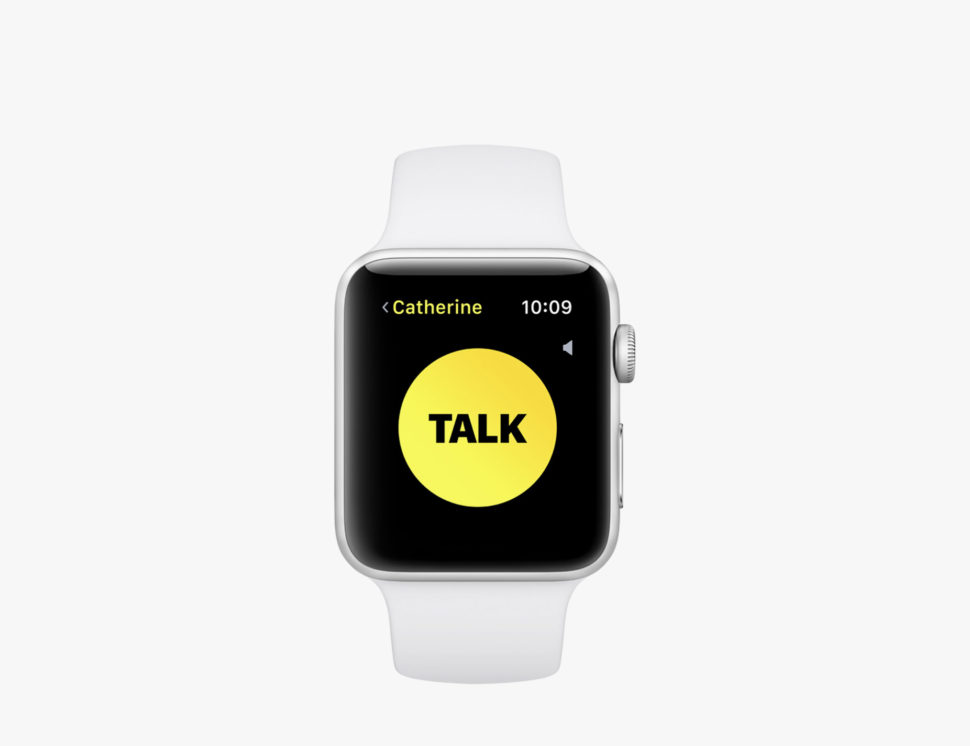
With watchOS 5, your Apple Watch will be able to recognize yoga and hiking as dedicated workouts. Apple Podcasts will have its own dedicated watchOS app, too, so you can download or stream your favorite podcasts and listen to them anywhere. And finally, watchOS 5 will introduce a new Walkie-Talkie feature, which the company called “an entirely new way to communicate with voice and just a tap of the wrist.”

Stacks and Dark Mode Headline the Features Coming to Mac

There are a number of new features coming to Mac with macOS Mojave, but two really stood out for me. First, there’s Dark Mode. You can probably guess but the feature darkens the color scheme of your Mac, making the content that you’re actually working on stand out and everything else fade into the back. While on stage at this year’s WWDC, Craig Federighi, Apple’s senior vice president of software engineering, said it’s a great feature for developers working with code, or really anybody working at night. The other feature is Stacks, which is a cool new organizational tool for Mac. The tool automatically organizes files on your desktop into groups based on their file type (such as images, PDFs, movies and spreadsheets). Also, for the first time the Home app is coming to Mac, allowing anybody with HomeKit-enabled devices to control them straight from their desktop or laptop.

Today in Gear

The best way to catch up on the day’s most important product releases and stories. Read the Story

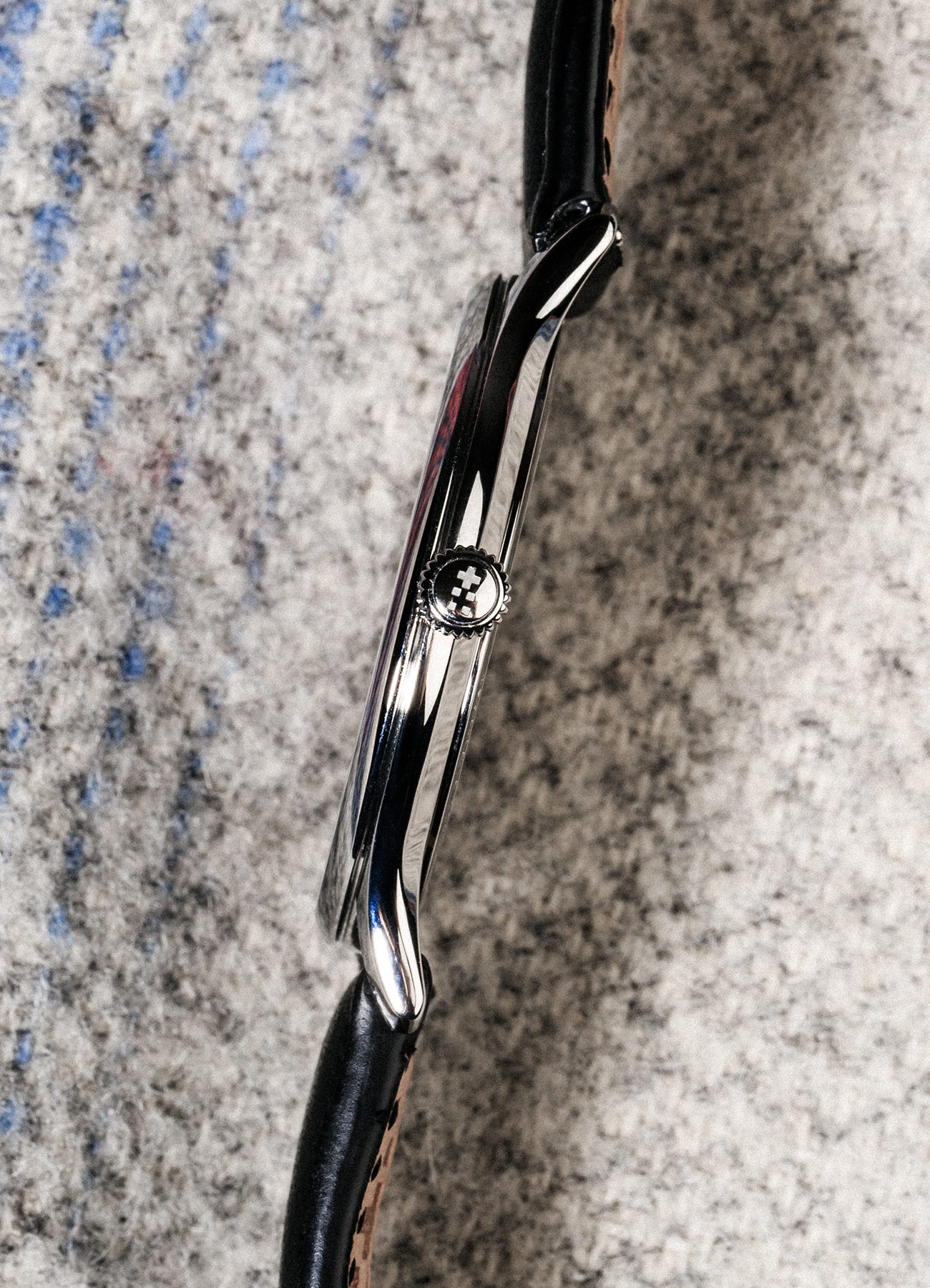
Christopher Ward Malvern 595 Review: An Ultra-Thin Watch at an Ultra-Low Price

Christopher Ward is a name that, amongst watch enthusiasts, might garner either disregarding sneers by those apprehensive to boutique brands or respectful nods of approval from those who perceive it as an exceptionally good value. Taste in watches is, ultimately, a very subjective thing, but it’s hard to argue that the brand doesn’t offer a lot of watch for not a ton of money. In fact, the brand was something of a pioneer of the value-driven online watch movement back in 2004 when it became one of the first brands to sell its timepieces directly to consumers on an online platform.

In recent years, the brand’s prices have crept up, but the products have become more ambitious. For example, in 2014, Christopher Ward debuted an in-house developed movement with a five-day power reserve and chronometer certification, which you can pick up for under $2,000. The brand’s latest timepiece — the C5 Malvern 595 — is not as mechanically ambitious, but in many ways, it still is an impressive feat of watchmaking. Coming in at just 5.95mm (hence the name) and rocking a hand-winding movement, it is one of the thinnest (if not the thinnest) mechanical watches you can buy under $1,000. Given that watchmakers have something of a fixation on making super-thin watches at the moment, it makes it certainly worthy of consideration, no matter how you feel about the brand.

The Good: If you have been bitten by the ultra-thin bug but can’t swing the expense that usually comes with one, the Malvern 595 is a sound compromise. The case feels impossibly sleek and sits so flat it might as well disappear into your wrist. The watch also has a minimal and vaguely industrial design that works with the sleek case design; it feels crafted in the same vein as neo-Bauhaus watches from other microbrands like Union Wares which makes the ultra-thin appeal feel a lot less fuddy-duddy than the old-guard Swiss watchmakers make it seem.

Who It’s For: Anyone looking at accessibly-priced mechanical dress watches should consider looking in the 595’s direction, especially if thinness is a prioritized attribute. It’s an astoundingly sleek timepiece with proportions that are only matched by far more expensive watches.

Watch Out For: It can feel trite to complain about modern watches being too large, but this is really the Malvern 595’s biggest issue. At 39mm in diameter it doesn’t sound like it’s particularly big, but this is a dress watch with a very narrow bezel we’re talking about; this makes the dial feel gigantic. Which would be less of a problem if the dial weren’t so austere. Minimalist dials can be deceptively tricky to master, but by keeping them physically small, you avoid leaving in too much negative space. A drop in diameter would certainly make it feel less sterile.

Alternatives: You’d be hard-pressed to find a watch as thin as the Malvern 595 in its price range, but a couple watches come close. The Junghans Meister Handaufzug — which uses the same ETA 7001 base movement — is 7.3mm thick, but at $1,290 it costs nearly twice as much as the Christopher Ward. If you favor an automatic, Hamilton’s newly revised Jazzmaster Thinline comes in at 8.45mm thick, fairly scant for an auto using a stock ETA movement, and at $995 is closer to the Malvern in price.

Review: If you’ve been paying attention to what brands have been releasing at Baselworld and SIHH, you’d know that for the past couple years many high-end brands have been fixated on slinming watches, trying to one-up their competitors by fractions of a millimeter. Look at Bulgari’s Octo Finnisimo Tourbillon Automatic, a 3.95mm automatic tourbillon, or Piaget’s 2mm-thick watch concept. But these are far out of the grasp of the everyday watch buyer.

But Christopher Ward’s Malvern 595 exists well outside this mainstream realm of high-end one-upmanship, quietly debuting online in February of this year. Even casting the matter of price aside, its 5.95mm profile is still astoundingly thin, but significantly more wearable than Piaget’s razor-thin concept or Bulgari’s six-figure tourbillon. Its more straightforward design also has more mass appeal and wearability than a super-thin watch showcasing a dial crammed with gears.

The 595’s modern, minimalist aesthetic suits the svelte case incredibly well. The bezel is slim and simple, with a small bevel on the outer-edge the only flourish. The dial is also free of any unnecessary complications
— there’s no date, no minute markers, no lume. The dial finish itself is interesting: it’s sandblasted, and its look varies depending on the light. Indoors, in low light situations it has a matte, almost paper-like look; in direct sunlight, it shimmers in a way that almost looks like television static. The thin, long hour markers and needle-like hands further fit with the slim motif and minimalist look, and while the dial is just a bit too expansive, the overall design of the Christopher Ward is both handsome and original.

Powering the watch is an ETA/Peseux 7001, a hand-winding movement just over 2mm thick that’s popped up in a number of dress watches (in various guises) since it debuted in the early 1970s. Its an incredibly simple movement, which you can clearly see through the Malvern’s case back, making it a reliable watch and an easy one to service, given its ubiquity, making it a relatively easy watch to own and service in the long-term.

Verdict: Like many of Christopher Ward’s other watches, the Malvern 595 feels like an incredible value for money, especially when you look towards similar watches that run the same movement but can’t match them it regarding price or thickness. But there’s a lot more than its scant proportions to make it stand out; those who’ve grown tired of the vintage-inspired movement in watches will probably appreciate the watch’s modern aesthetic. And while the 39mm diameter might be a sticking point for some, there will be plenty of buyers out there who will appreciate the larger size.

Key Specs

Movement: ETA/Peseux 7001
Winding: Manual
Case diameter: 39mm
Case height: 5.95mm
Water resistance: 30m

Read More Gear Patrol Reviews

Hot takes and in-depth reviews on noteworthy, relevant and interesting products. Read the Story

Note: Purchasing products through our links may earn us a portion of the sale, which supports our editorial team’s mission. Learn more here.

RX Nut Butter Is Weird, and Insanely Good

I know what you’re thinking — eating peanut or almond butter out of a squeeze pack is weird — but hear me out. Individually-packaged nut butter has been around since Skippy pedaled tubes of viscous peanuts to third graders in the nineties. Skippy was ahead of its time; it no longer packages its peanut butter in nine-ounce Squeeze Stix, but portable packets have picked up a following since, chiefly from athletes and protein fiends. It was good in grade school, but it’s better now.

RXBAR is the latest brand to take on nut butter. The company redefined protein bars — and the graphic design on protein bar packaging — with its “no B.S.” bars that contain only three or four pronounceable ingredients, all of which are listed in bold on the front of the wrapper. It’s taken the same tact with its nut butter.

RXBAR’s 32-gram packets come in three flavors: Vanilla Almond Butter (one egg white, 18 almonds, one half of a date), Honey Cinnamon Peanut Butter (one egg white, 27 peanuts, one half of a date) and plain old peanut butter (also one egg white, 27 peanuts and one half of a date). The three vary in flavor due to a handful of minor ingredients that aren’t listed on the package, like cinnamon, coconut oil, vanilla, honey and sea salt.

Like its bars, RX Nut Butter is quite tasty, but requires a little bit of open-mindedness, mostly due to texture. Try an RXBAR next to a Clif Bar, and you’ll get the picture. The nut butters are smooth but slightly gooier compared to the peanut butter you keep in a jar at home. In this case, different is good though. Eat these with yogurt and granola in the morning, as a condiment for an apple during a day hike, or plain when your stomach starts to growl audibly in the office at 11 am.

Today in Gear

The best way to catch up on the day’s most important product releases and stories. Read the Story

12 Tools the Best Pitmasters Can’t Grill Without

Somewhere between science, art, time and a bit of madness, there’s barbeque. Smoke, indirect heat, wood and charcoal are all that’s required to call something barbeque, but its apparent simplicity belies a beast of a cooking conundrum. How do you juggle temperatures, 12-hour cook times (or longer), constant fire maintenance, and seasoning on what could be a 300-pound hog split down the middle? Years of practice and, more attainable, the right gear. Below, four renowned pitmasters gathering at the Windy City Smokeout later this year discuss the gear that gets them from butcher to pull-apart, black bark-laden masterpieces.

Samuel Jones

Pitmaster, Owner, Sam Jones BBQ | 715 W. Fire Tower Rd, Winterville, NC 28590

In the barbeque world, the Jones family needs little introduction. Proprietor and pitmaster at his eponymous temple to whole hog barbeque, Sam Jones is the son of Pete Jones, who opened and operated the James Beard Award-winning Skylight Inn BBQ for 60-some-odd years. The Jones family are proliferators of Eastern North Carolina whole hog-style barbeque, a style with a keen focus on drawing out the pig’s natural sweetness and balancing it with a generous helping of vinegar and spices.

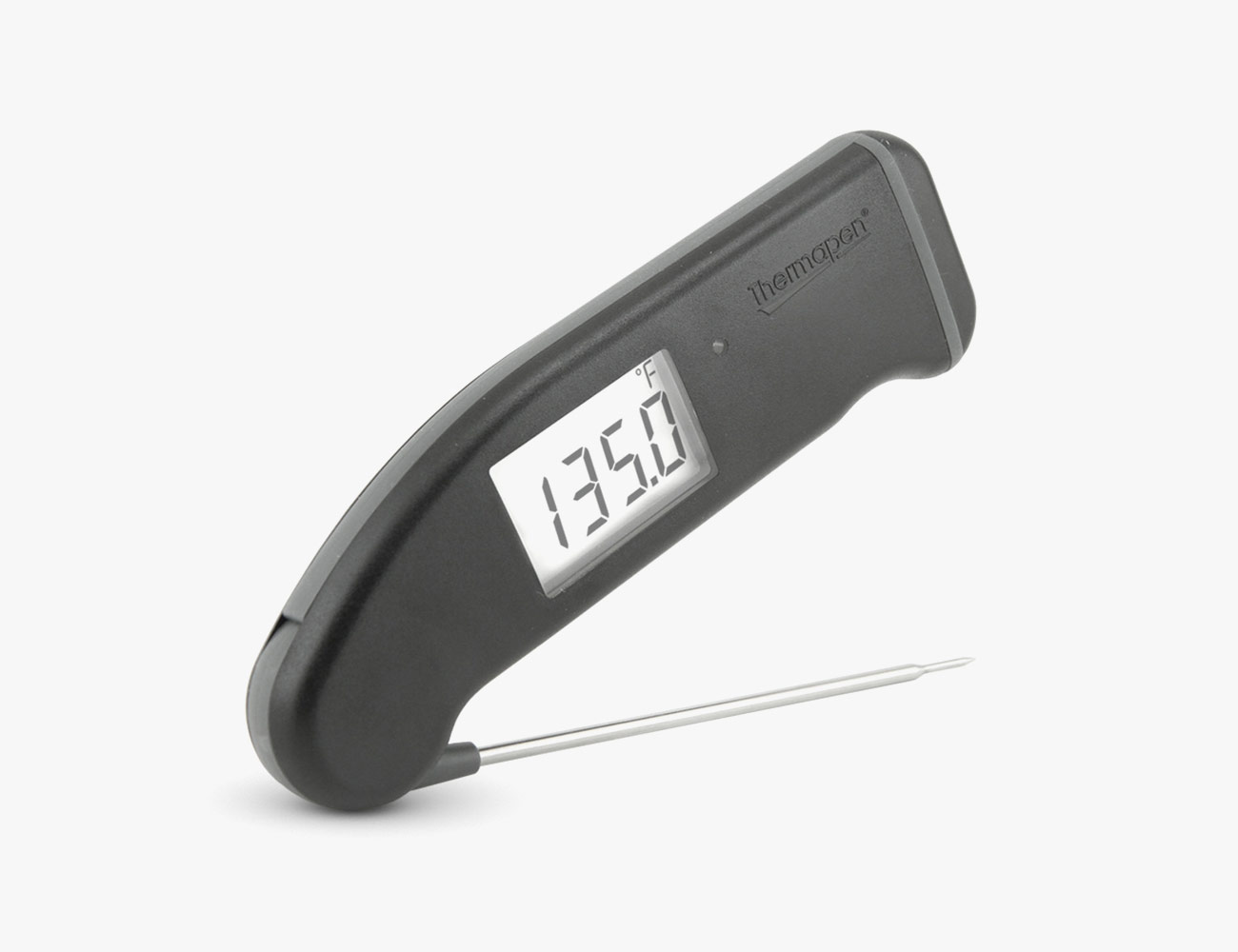
Thermopen MK4

“I was a guy raised by a family of BBQ men that never used thermometers. Everything was about touch. However, I’ve learned that [thermometers] aren’t a sign of inexperience, but more so a speedometer. I prefer the Thermopen MK4. It reads in just a few seconds. This is important because the longer your grill or pit is open, the more heat is escaping it. The MK4 is also waterproof. For around $100, it’s money well spent.”

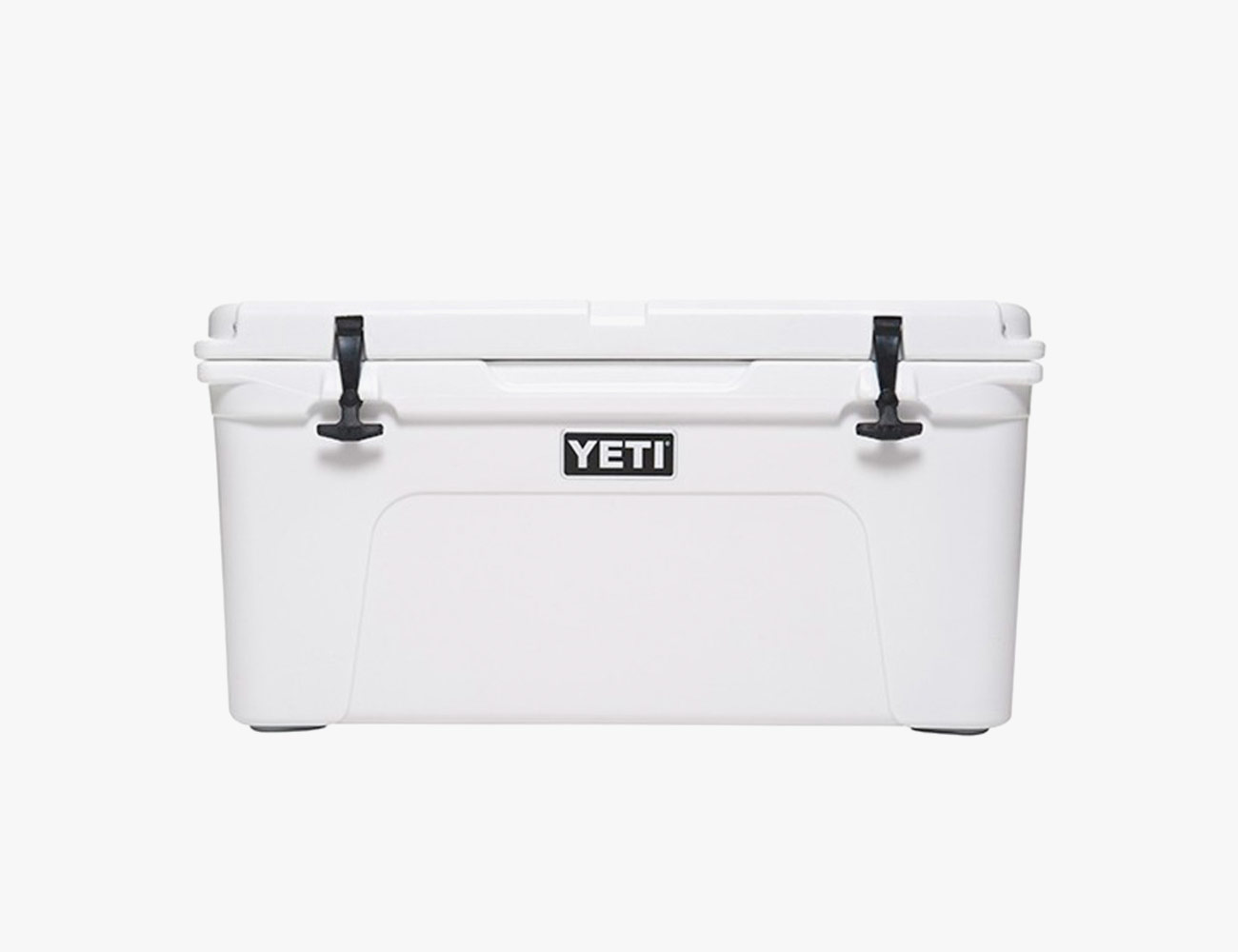
Yeti Coolers

“Anyone manning a grill or pit outside needs a good cooler. I’m not saying just any cooler. I’m saying get a Yeti. I’m a Yeti man through and through. The first two pieces I’d suggest would be the Flip 24, and the Tundra 65. The Flip is awesome because you can throw it on your back and go regardless of what you have in it. You never have to worry about it leaking. I have used the Tundra for both keeping meats and veggies cold, and for holding cooked meat. The Tundra 65 is just the perfect size cooler. Most recently, we transported a cooked half hog in a Tundra 125 for three hours to find it only lost 9 degrees of internal temp.”

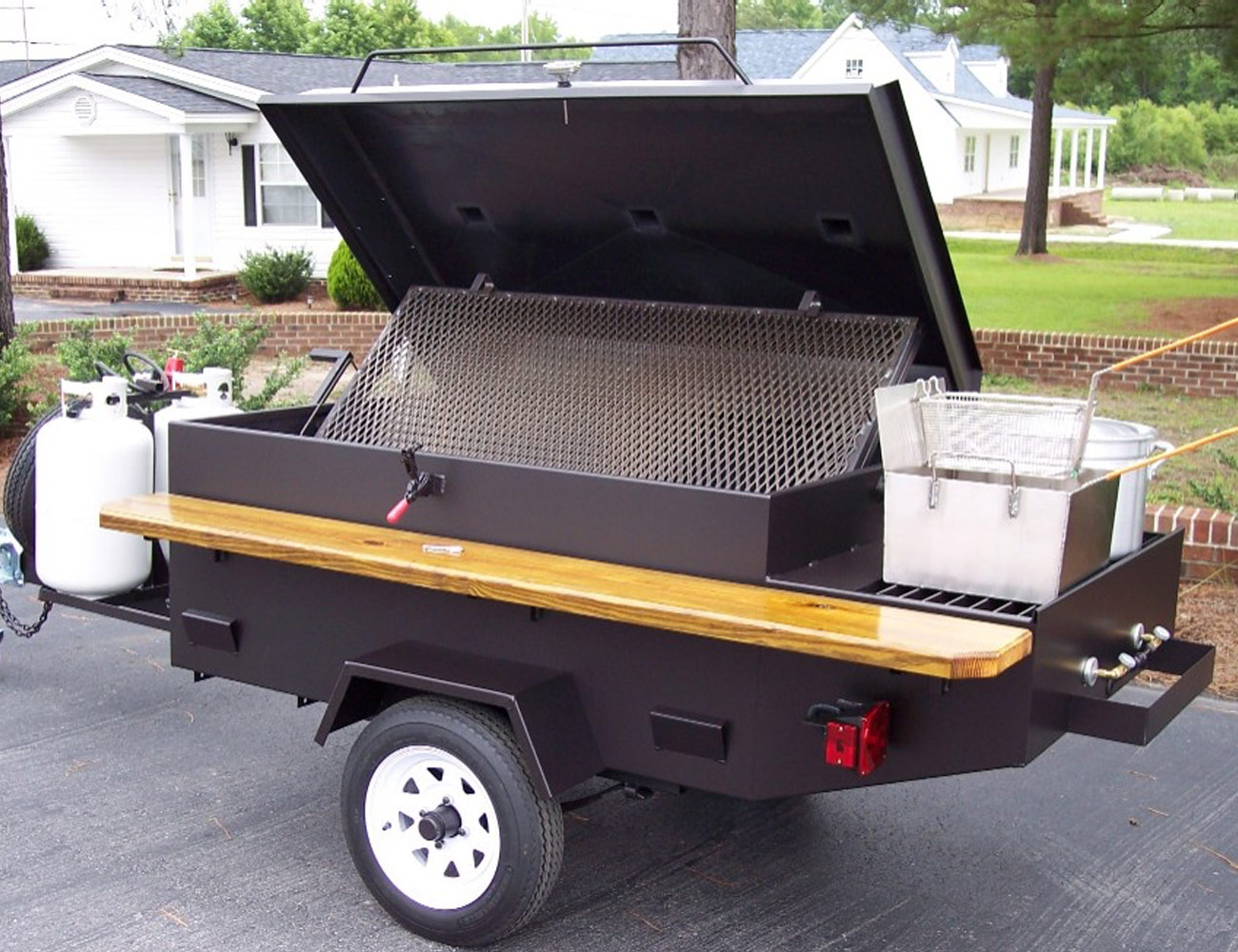
BQ Whole Hog Pit

“Melvin Whitman at BQ Grills in Elm City, North Carolina, and I put our heads together some years ago to create what I think is the perfect grill and pit. It accommodates a whole hog, but it also has a removable heat deflector that enables you to grill. It uses only wood coals, or charcoal. It is produced in several sizes and variations. I have three generations of this unit. I personally like the 68 by 48 inches for the whole hog.”

Jonathan Fox

Co-Owner and Co-Pitmaster, Fox Bros Bar-B-Q | 1238 DeKalb Ave NE, Atlanta, GA 30307

Apart from being one of the South’s best barbeque joints, Atlanta’s Fox Bros Bar-B-Q is something of an invasive species in Georgia — instead of leaning on sweet ketchup and vinegar bases the state holds as its own, the Fox brothers smoke Texas-style ‘cue. The joint does many things well, but its rubbed-down ribs and brisket are why you fight Atlanta traffic to sit down at a picnic table and feast. Jonathan Fox and his identical twin opened up the spot in 2007 and have raked in award after award since; they’ve also featured in publications like USA Today, Southern Living and Maxim.

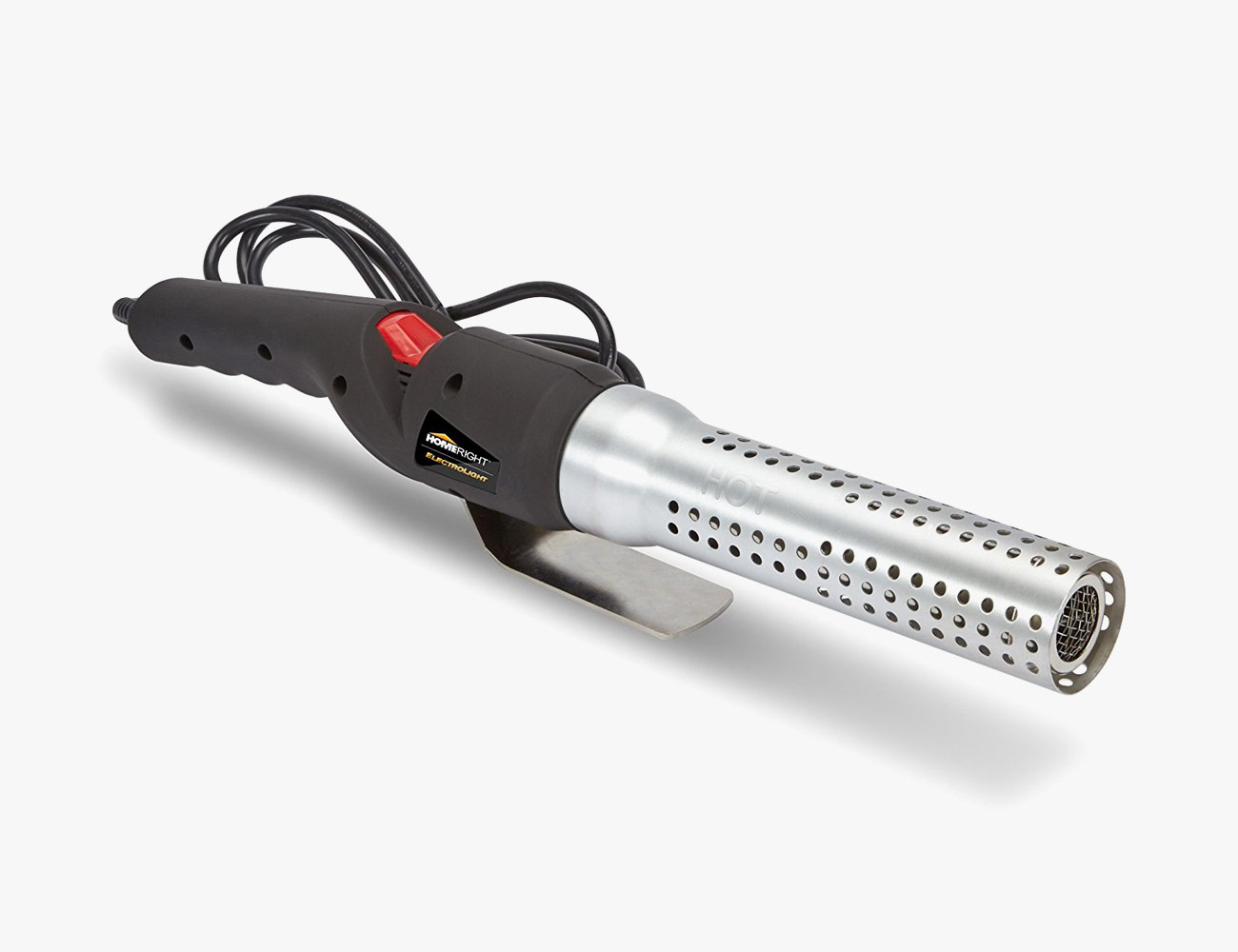
Home Right Electro Light Fire Starter

“When I am looking to fire up my charcoal grill, or even my smoker, the hard part is lighting a fire. In a pinch, you can easily use an oil-soaked piece of paper or keep buying starting sticks, but one item I found that is reusable is the Home Right fire starter. This piece of equipment uses super-heated air to light charcoal in less than one minute. So many uses both indoor and outdoor. When people see it in use, they are immediately asking questions about it.”

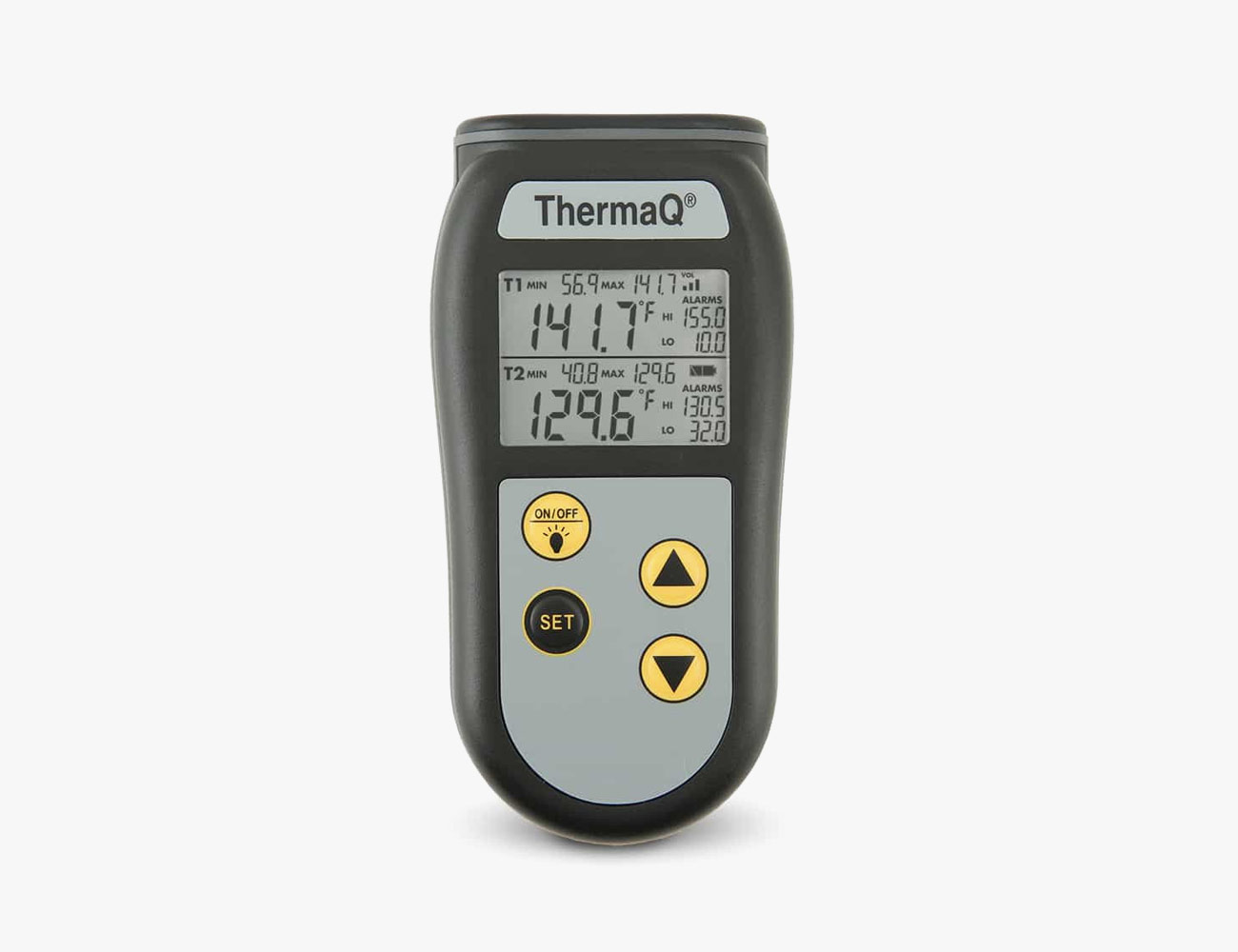
ThermoWorks ThermaQ

“In my kitchen at home, or at an event on the road, probe thermometers can always be found with me. The ThermaQ Wi-Fi is one of the best I have found, and I have tried and broken a ton over the last 15 years. It costs more, but you really get what you pay for. It stands up to the rigors that are the barbecue lifestyle. With the Bluetooth features you can even receive updates on your phone. Where was that 15 years ago.”

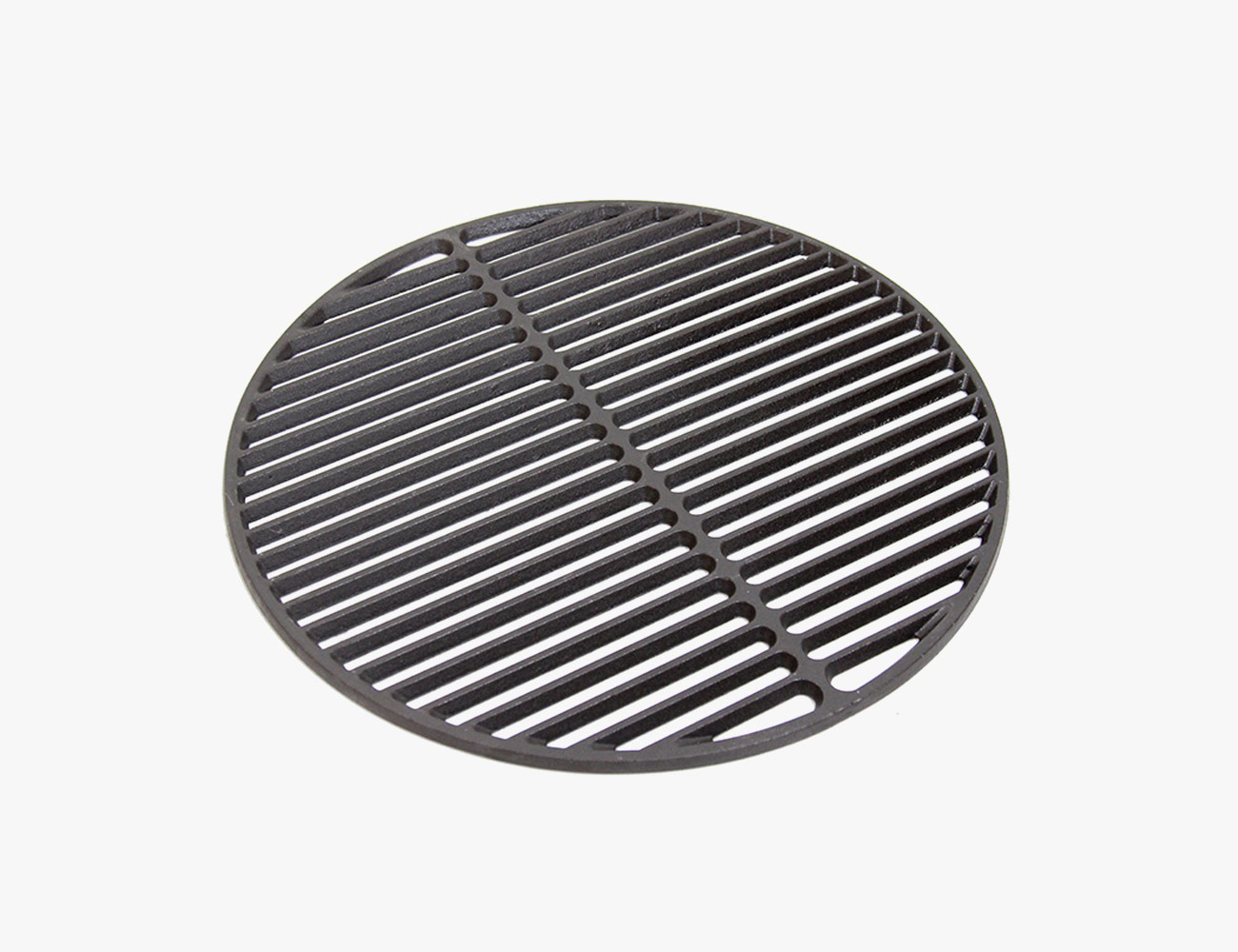
Big Green Egg Cast-Iron Grate

“Whenever I fire up my grill, there are a few things I always grab. First is my Big Green Egg cast-iron grill grate. I cook a lot with cast iron in the kitchen of my home so why not continue that on the grill. It holds heat whether you are cooking over direct heat or when you are cooking indirectly.”

Charlie McKenna

Chef and Owner, Lillie’s Q | 1856 W. North Ave. Chicago, Illinois (more locations here)

Though he may operate out of Chicago, Charlie McKenna’s roots remain firmly planted in the barbeque belt. McKenna learned the craft first by watching his grandmother (to whom his restaurant is named after) cook Southern dishes during his childhood, and later cooking in professional kitchens in Miami, New York and eventually Chicago, where he’s built his restaurant empire. The conflux of McKenna’s Deep South-Big City education made itself known when he took home a W at the hallowed Memphis-in-May World Championship Barbecue festival.

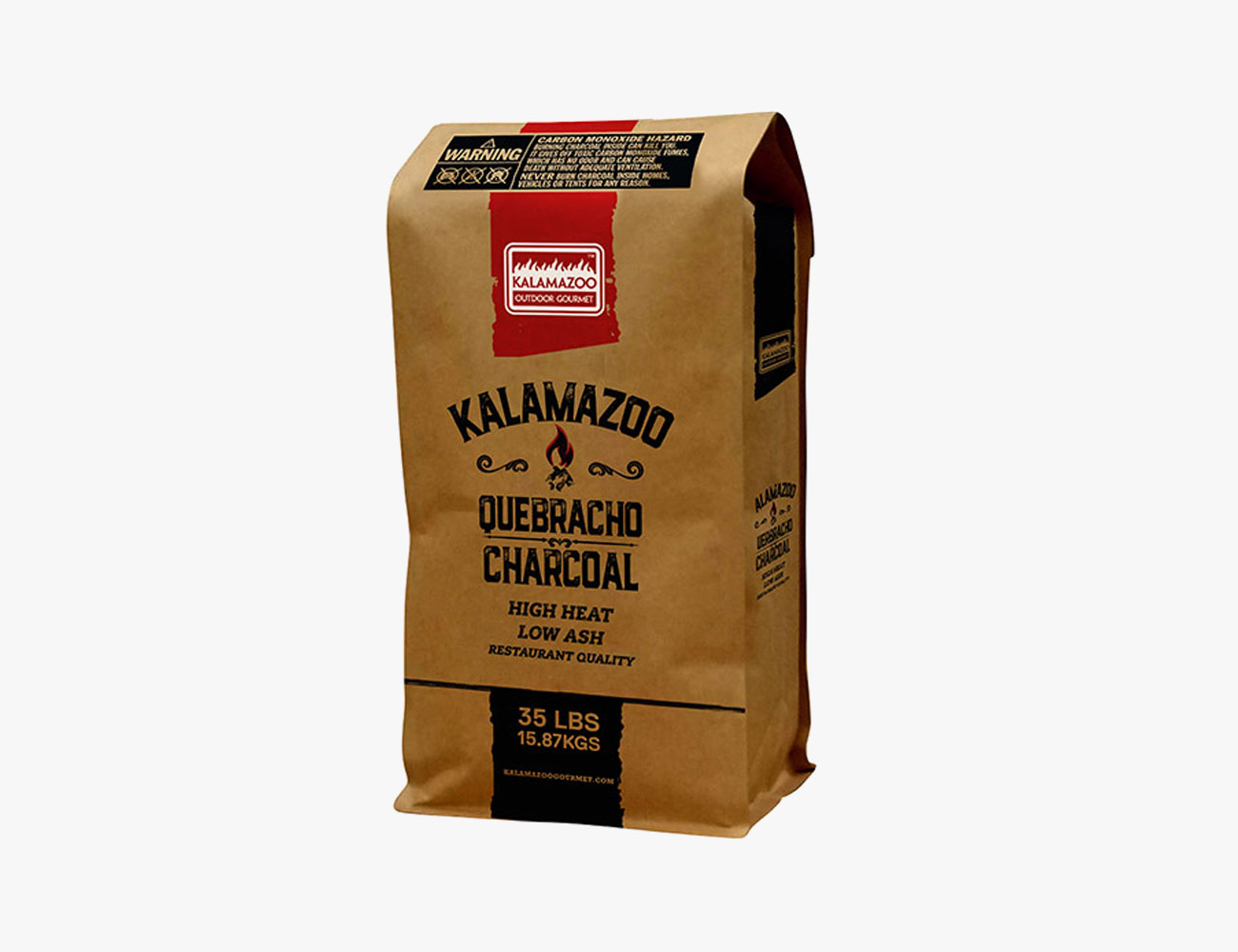
Kalamazoo Quebracho Charcoal

“It is quebracho, which comes from a tree native to South America. It burns longer and hotter than other charcoal, so you can use less at a time. It also doesn’t leave as much ash as other charcoals, so cleanup is easy which is always a plus.”

OXO Silicone Basting Brush

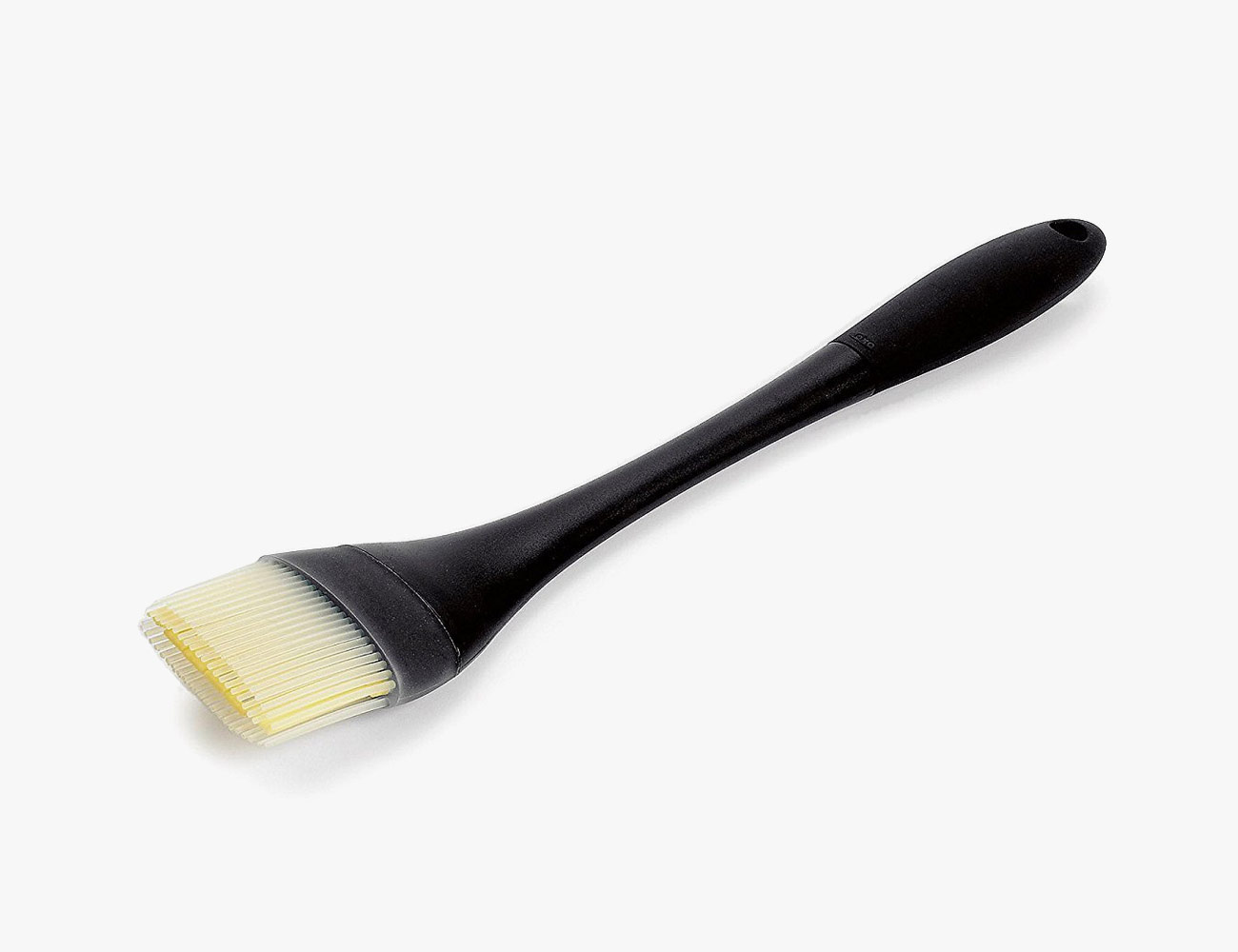
“These are great to use when basting grilled items with a BBQ sauce, butter or whatever marinade you’re applying. The silicone bristles don’t burn, clump or fray, which makes application easy and your brush will last much longer. These are also much easier to clean than traditional basting brushes especially from sticky BBQ sauces — it’s even dishwasher safe.”

Harbor Freight Propane Torch

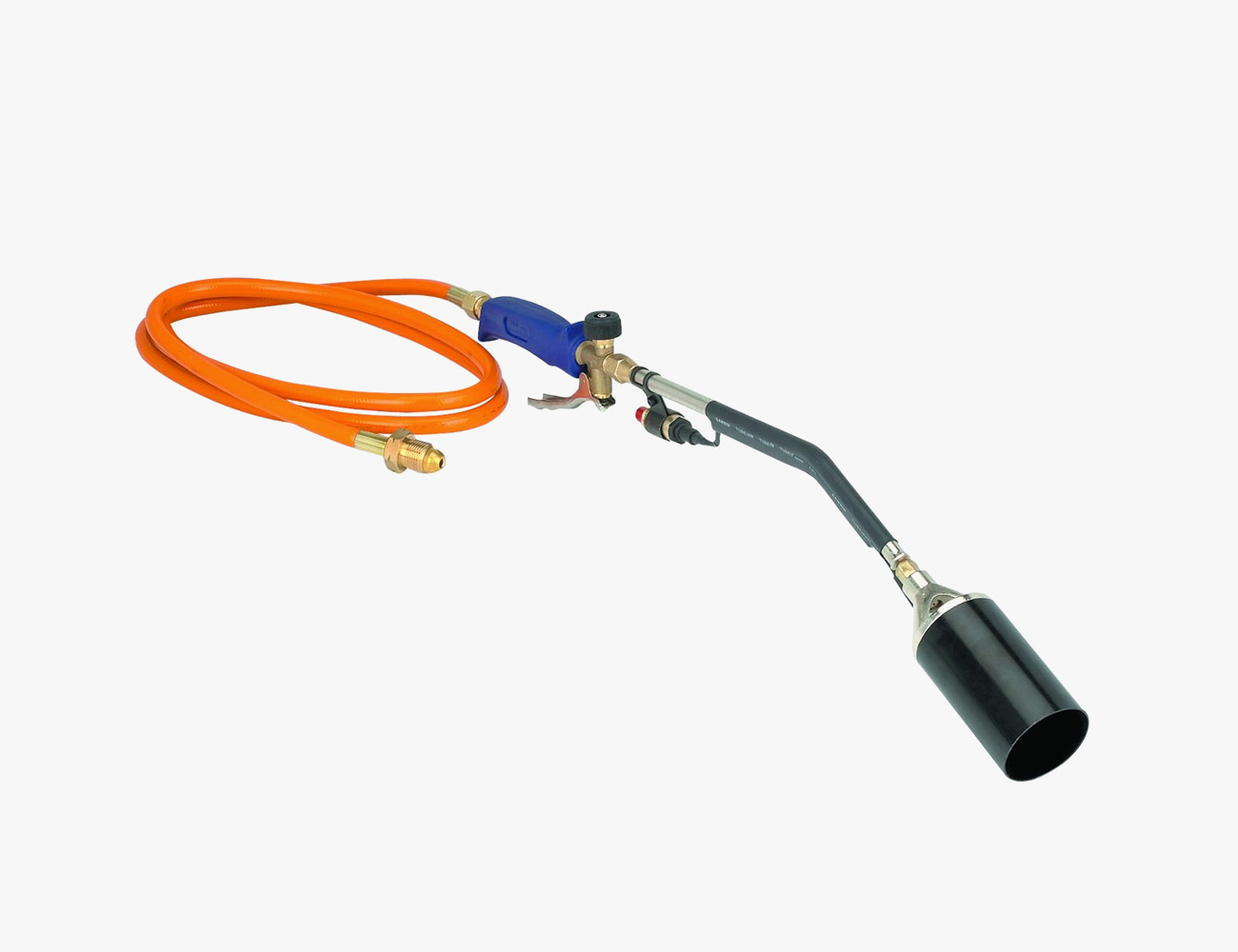
“This torch hooks up directly to the propane tank, and it can light your charcoal or wood in less than one minute. I only cook with live fire and I like to light it as quickly as possible. Less time lighting the fire leaves more time to work on your recipe. This tool is amazing. It might be a little intimidating to some, but it’s a game changer once you get the hang of it.”

Doug Psaltis

Chef and Partner, Bub City, Co-founder, Windy City Smokeout | 435 N Clark St. Chicago, IL 60654

Psaltis came to barbeque later than most, and from Long Island of all places. But he did not come without a résumé that included the likes of French Laundry, two Alain Ducasse restaurants (at which he was the first ever American named Chef de Cuisine) and Country, which he led to earning a Michelin star every year he was at the helm. Bub City, his first foray into barbeque in a professional sense, is a shrine to all things whiskey and slow-smoked meat.

The ‘Ove’ Glove Hot Surface Handler

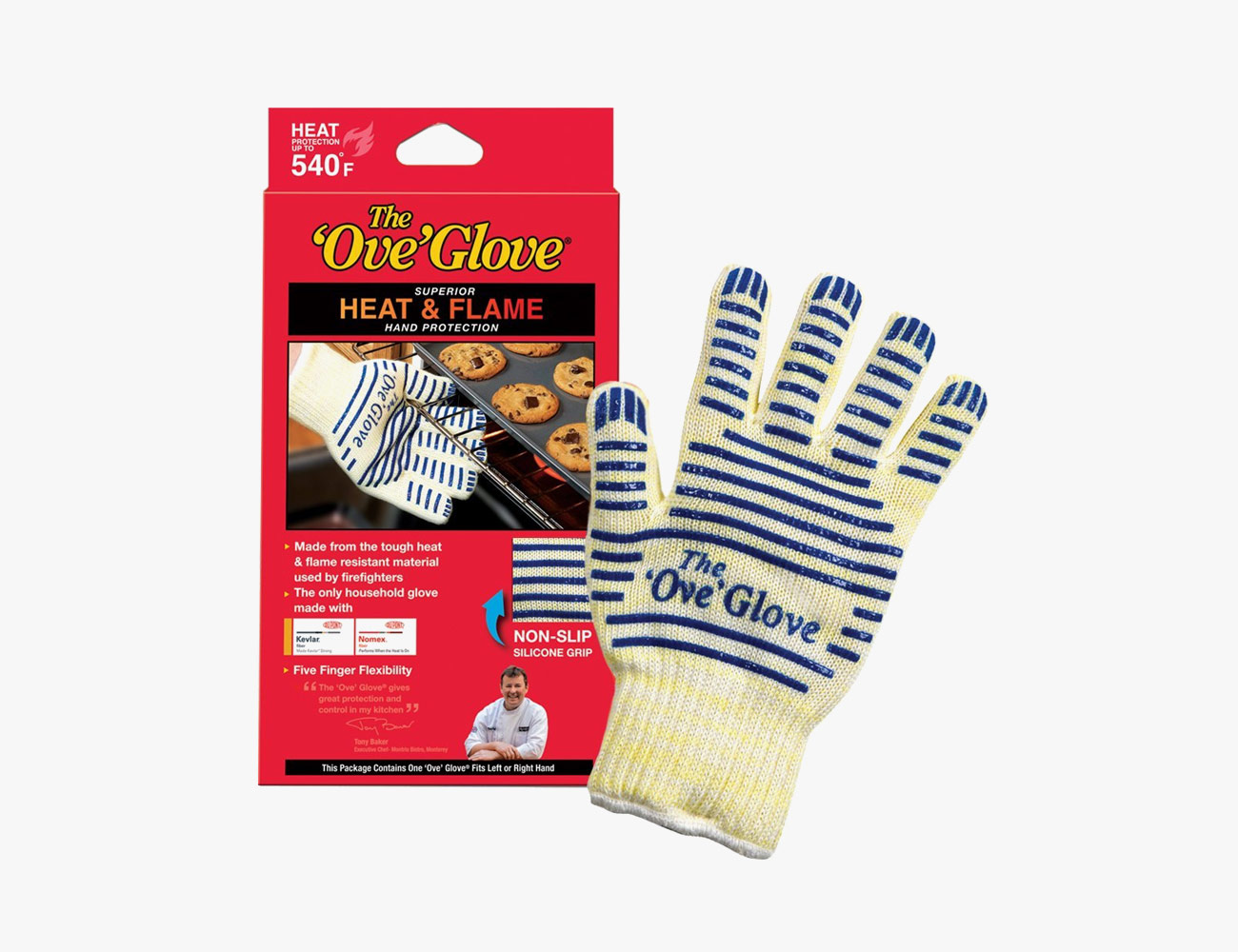
“These gloves can withstand heat over 500 degrees Fahrenheit, which is crucial when retrieving meat from the smoker. Layer them with latex gloves on top for a fit that’s not bulky and allows you to perfectly handle brisket without breaking its bark.”

The Original Bear Paws Shredder Claws

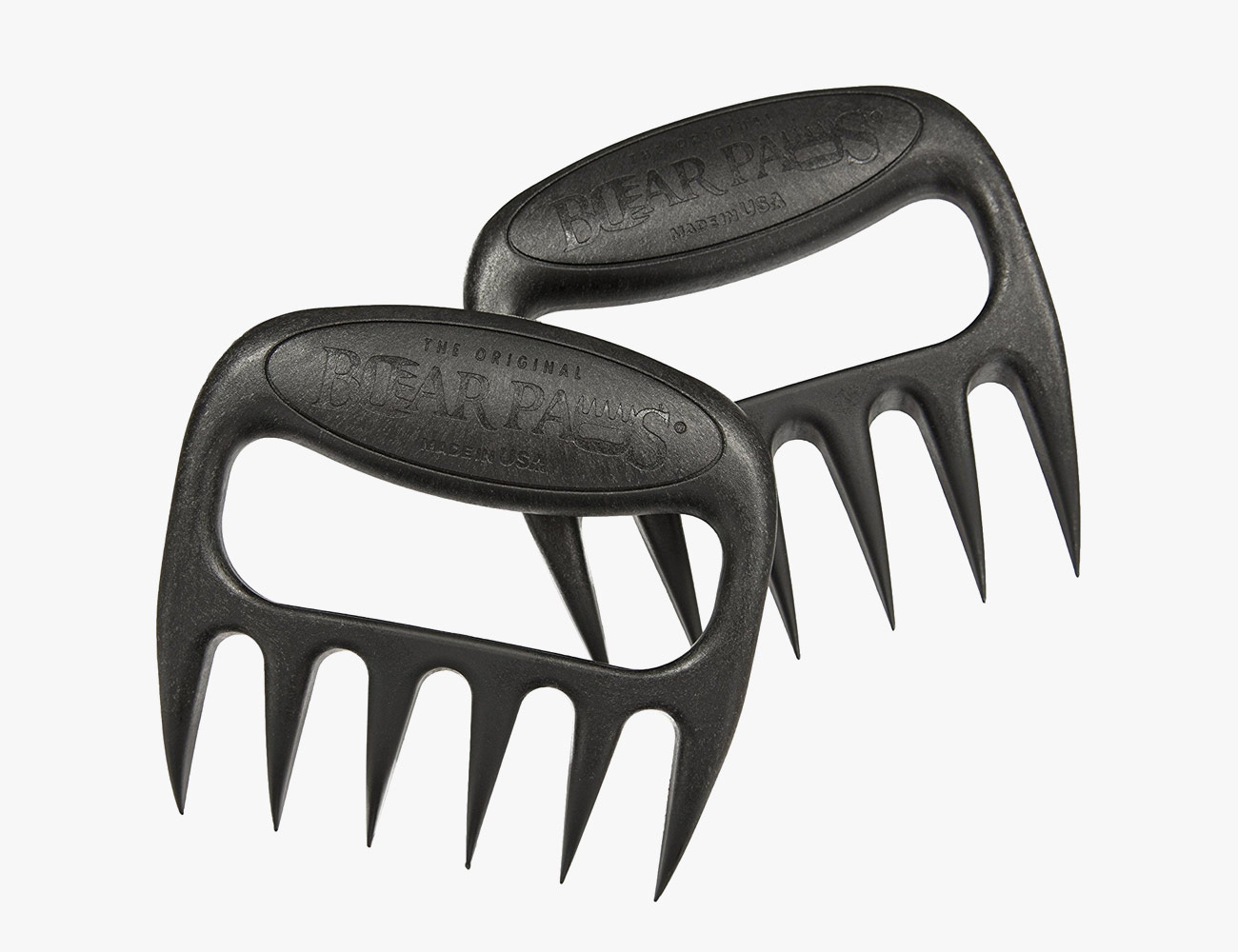
“These shredding claws do it all — act as utensils to handle and lift meat off the grill or out of the smoker, then shred and pull however you see fit. They’re super sharp and the grasp makes them extremely easy to use.”

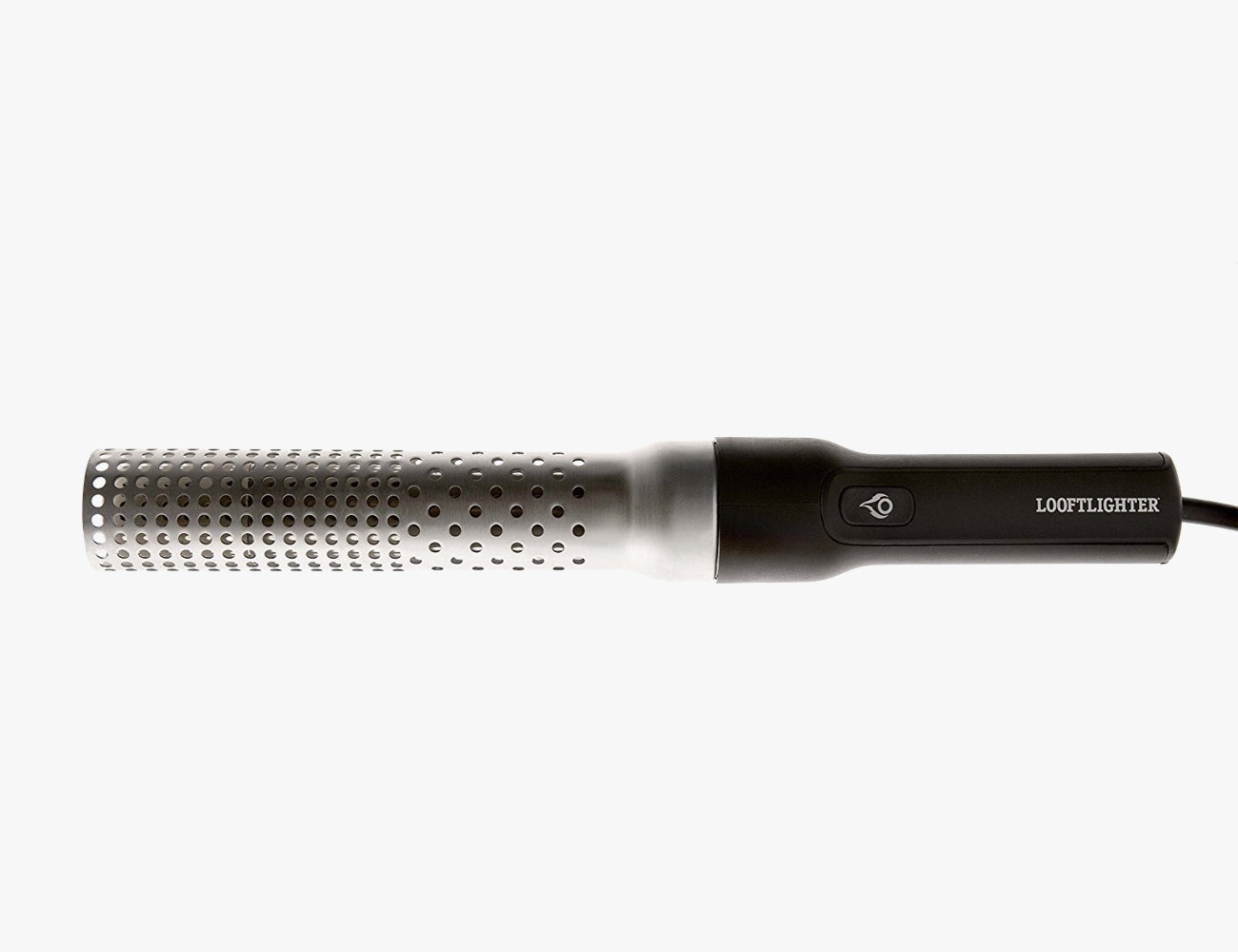
Looftlighter Charcoal Starter

“I’m a fan of the Looftlighter — it looks like a giant hairdryer — which I use it at home to start my charcoal. It cuts down on the time and hassle of lighting coals but you’re still guaranteed those charcoal sears and smoky flavor that we all love with BBQ.”

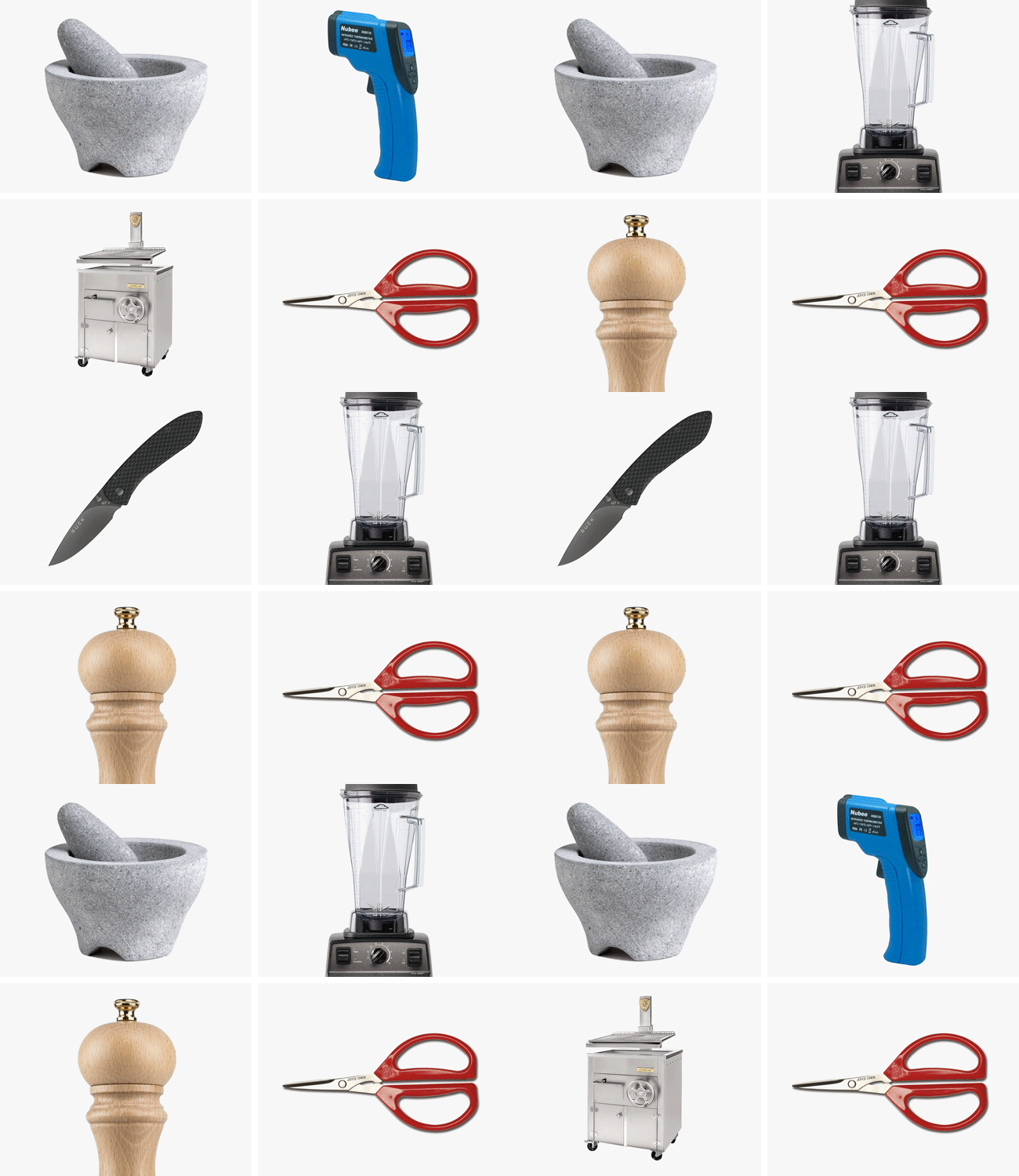
16 Tools That World-Class Chefs Can’t Cook Without

From a lava stone molcajete to a disposable thermometer to a very, very old-school pasta maker, these four professional chefs reflect on the gear they couldn’t do their jobs without. Read the Story

Is Audioengine’s A5+ Wireless the Best Bookshelf Speaker Under $500?

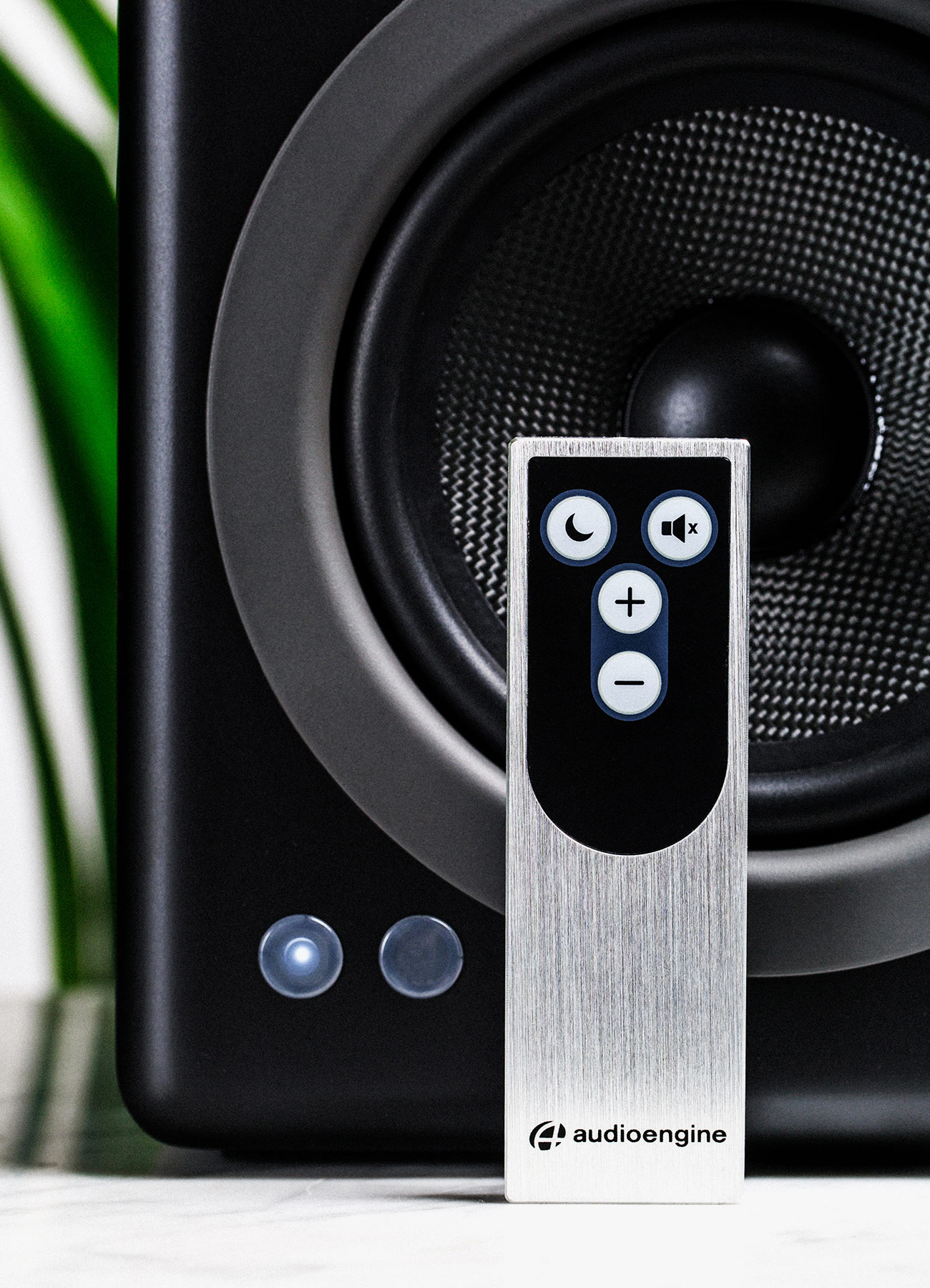
For years, Audioengine’s A5+ powered speakers have been regarded as some of the best desktop and bookshelf speakers you can buy. Audioengine designs and manufactures everything in the speaker from the ground up — it’s a bonafide audiophile-grade speaker. Recently, in 2018, Audioengine released the A5+ Wireless speakers, which are essentially identical to the Audioengine A5+ speakers, just with built-in Bluetooth so you can stream music. No need to wire the speakers up to a computer, CD player or turntable to play music, although you still can.

The Good: The A5+ Wireless speakers produce the same excellent sound quality of the A5+, but with built-in Bluetooth receiver and 24-bit DAC, it’s extremely easy to stream Spotify or Tidal from your smartphone. The speakers support high-res streaming: Bluetooth aptX, SBC and AAC. The speakers have numerous inputs and connectivity options, so if you don’t want to stream music you can connect the stereo pair to a turntable, stereo receiver or desktop. Audioengine offers a 30-day “audition period,” allowing you to get a free refund if you don’t like them (but you will).

Who They’re For: Anybody looking for versatile high-quality bookshelf speakers that aren’t super expensive. If streaming is your thing, it’s as simple as flicking a switch on the speakers and connecting via your smartphone’s or computer’s Bluetooth settings — it’s that simple. It’s easy enough to connect them to other stereo components, too. Also, they can be paired with a subwoofer.

Watch Out For: Sometimes the volume of the speakers and your smartphone speakers gets a bit mixed up; if the volume of the smartphone is really low, can be basically impossible to turn the volume up straight from the speaker. Also, the “knob feel” of the volume knob on the right speaker isn’t the best we’ve felt. It’s not a multiroom speaker and there’s built-in virtual assistant.

Alternatives: If you don’t plan on streaming music, you can pick up Audioengine’s several-year-old A5+ powered speakers and get the same audio quality for $100 less on Amazon.

Review: The A5+ Wireless speakers are nearly indistinguishable from the A5+ powered speakers you fell in love with years ago. Aesthetically, the only real change, aside from the Bluetooth antennae, is that the tweeter of each speaker is now centralized, instead of skewed to one side like on the A5+. But they produce fantastic stereo sound and more versatile than ever. However you choose to listen to them, frankly, they’re going to sound fantastic.

I spent the majority of my time with the A5+ Wireless streaming music (Spotify) to them, as that’s really what’s new and neat about these speakers. As good as they are, there are some things to consider before buying the A5+ Wireless speakers. They’re near-field speakers, so for optimal listening, you want to position the speakers so that they are both slightly angled towards you, not straight on.

The A5+ Wireless speakers handle midrange and highs very well, which is especially noticeable on tracks like Enya’s “Orinoco Flow,” and even the bass stands up on tracks like Kendrick Lamar’s “All The Stars.” Although, if you want to add a subwoofer to the stereo pair, that’s easy enough. In truth, these speakers handle the gamut of songs really well, especially in a near-field setup, and they do sound really good at high volumes. So crank it.

Verdict: At the $500 range, the A5+ Wireless are really the cream of the crop when it comes to wireless bookshelf speakers. It’s easy to stream hi-res audio from your smartphone, tablet or computer, or you can connect them to any of your existing hi-fi components. They’re versatile, sound good with or without a subwoofer, and would look good in any living room or office.

What Others Are Saying:

• “While the Bluetooth connectivity is a great feature, it doesn’t sound as good as the wired connection. This is no surprise, as we’ve never heard a wireless connection that sounds better than wired. Overall, though, it sounds very good for Bluetooth and in many cases, such as parties, the convenience factor is really what you’re looking for. When you’re ready to sit down with some friends for a critical listening session, the A5+ Wireless excels there too.” — Staff, Audio Advice

• “The Audioengine A5+ Wireless bring vibrant and lifelike sound to small and medium-sized rooms, adding the convenience of a wireless connection while maintaining the same outstanding audio performance we’ve loved for over a decade.” — Parker Hall, Digital Trends

• “Audioengine’s A5+ Wireless system delivers a high-quality Bluetooth stream in a bookshelf-style form factor that offers stereo separation and avoids dynamics-crushing DSP. Some listeners might want to beef up the audio with a subwoofer, but the system sounds great without it.” — Tim Gideon, PCMAG

Key Specs

Type: 2.0 powered (active) bookshelf-style speaker system
Output: 150-watt peak power total
Input: 3.5mm stereo mini-jack, RCA
Drivers: five-inch Kevlar woofers, 3/4-inch silk dome tweeters
Connectivity: Bluetooth 4.0; supports aptX, AAC and SBC

Read More Gear Patrol Reviews

Hot takes and in-depth reviews on noteworthy, relevant and interesting products. Read the Story

Note: Purchasing products through our links may earn us a portion of the sale, which supports our editorial team’s mission. Learn more here.

The Coffee Gear You Probably Don’t Need, According to an Expert

Part of Gear Patrol‘s mission is to get our hands on as many products as we can, test them and let you know what’s worth pulling your wallet out for and what’s just smoke and mirrors. Because of this, we sometimes see ourselves as experts in a product realm. When speaking about all things coffee with James McLaughlin, I did not feel this way.

The President and CEO of Intelligentsia Coffee was not thrust into his position because of a strong handshake and bright smile (though he has both). He earned the title by working at nearly every level of the coffee industry — including moving his family to Brazil to take over a coffee farm, and eventually turn that coffee farm into a respected grower of specialty coffee in a country traditionally overrun with mass-produced schlock. He served as Intelligentsia’s Director of Green Coffee, Roasting and Quality Control before becoming its frontman, and sits on the board of World Coffee Research, an enormous collaborative effort bringing scientific rigor to coffee. In other words, McLaughlin is an actual expert.

I sat down with him at Intelligentsia’s Highline Coffee Bar with a specific goal in mind — figure out which fringe coffee products that scream “Do I really need this?” are worth buying into, and which are all talk. Here, McClaughlin outlines eight pieces of coffee gear that make us ask that question, and what he thinks of them.

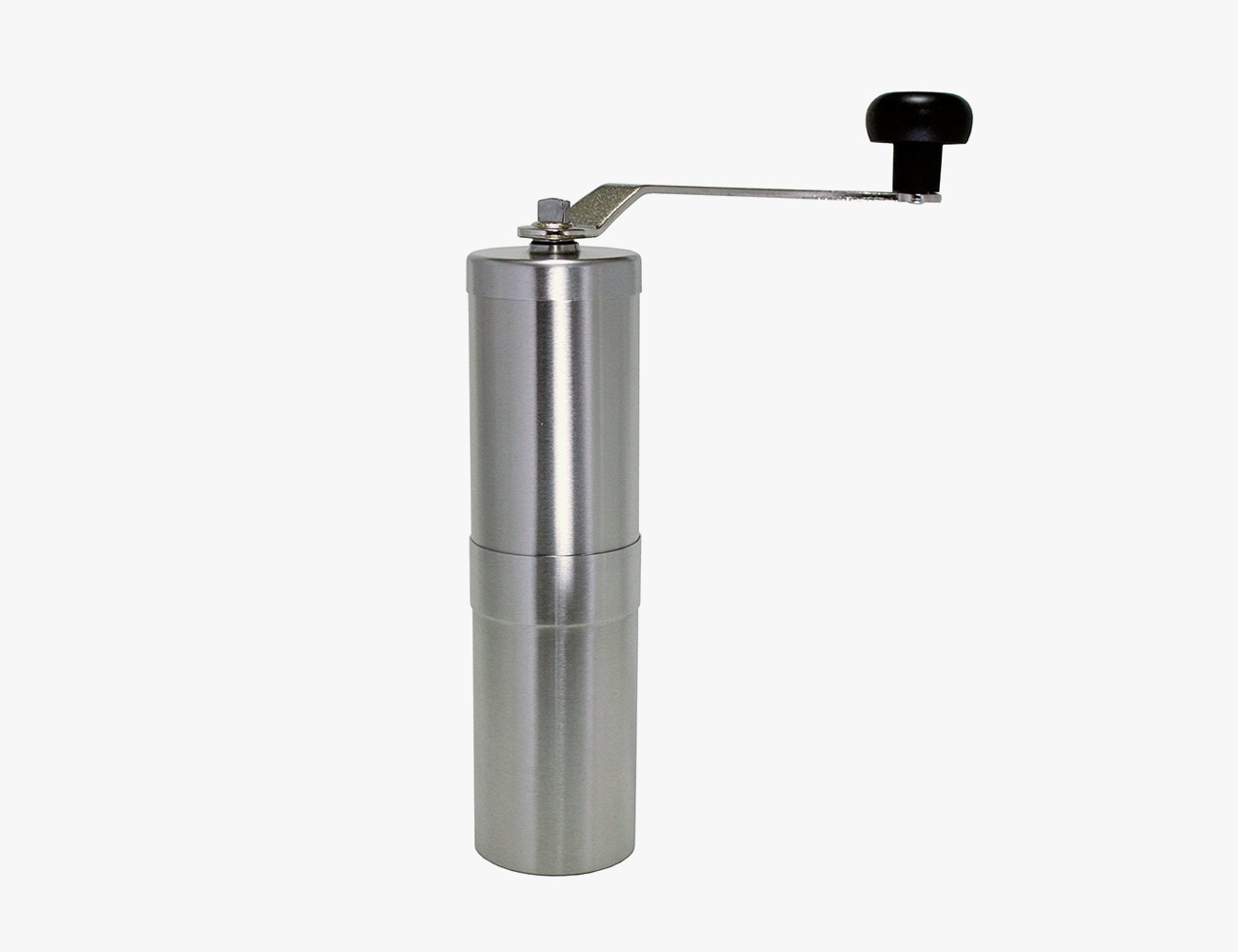
Do You Need a Hand Coffee Grinder?

Verdict: “I’m generally sleepy in the morning and I don’t want to stand there grinding. I mean, a hand grinder can be good and provide good, consistent grinds. We sell a Japanese one that’s excellent, and really it’s a matter of personal preference. Some people like the ritualistic, sort of manual nature of the hand grinder. To me, a good electric burr grinder gives you comparable grind quality at the push of a button. It’s more important you get a burr grinder than anything else, blade grinders make for pretty sub-par cups of coffee.”

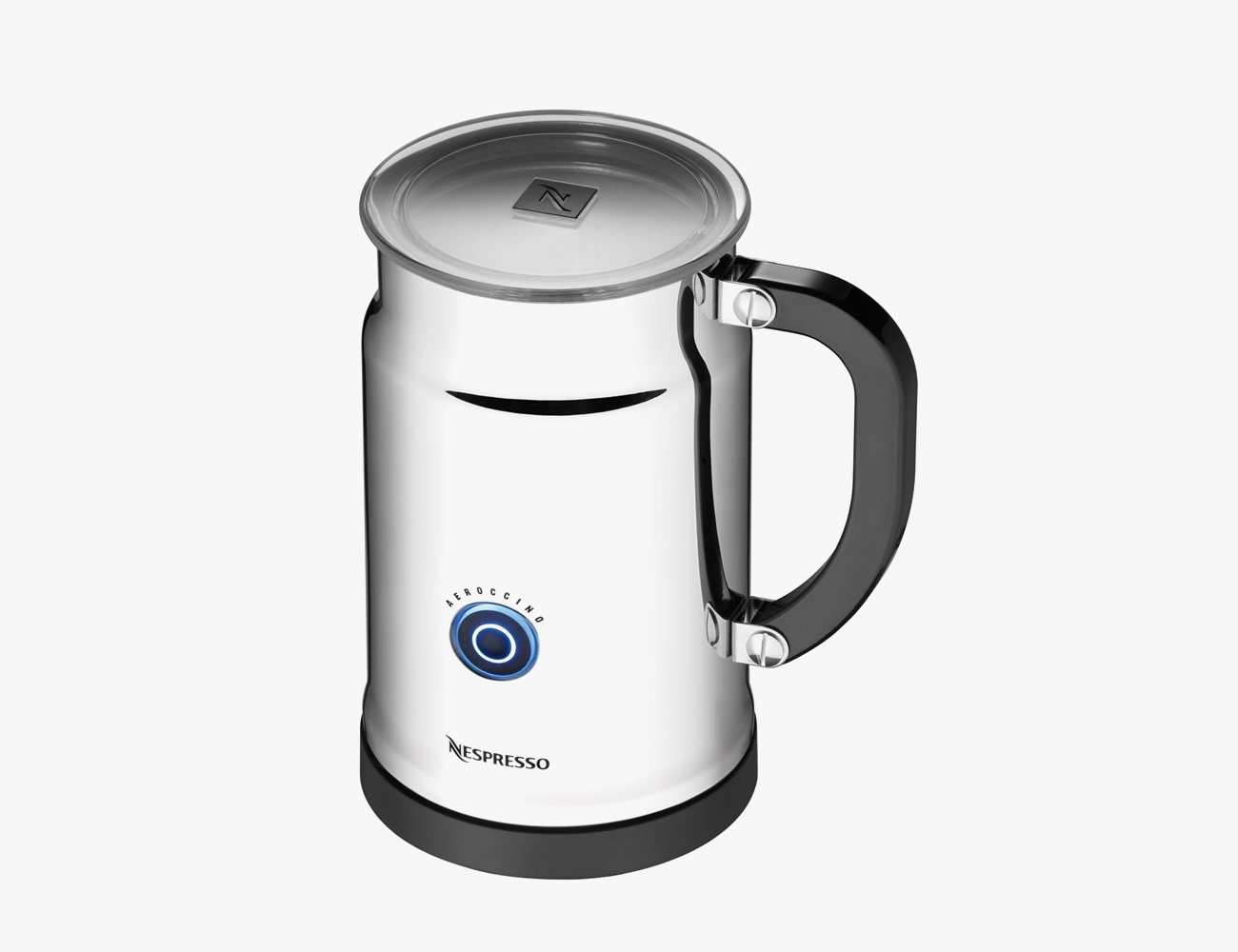
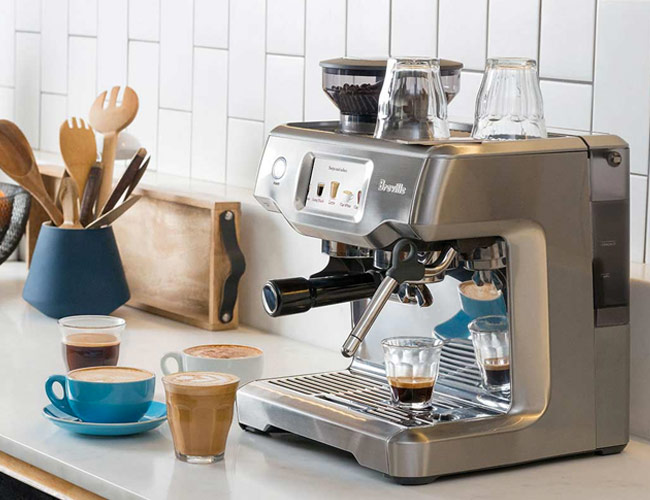
Do You Need a Milk Frother?

Verdict: “They’re fun — you know, having the froth on top of a cup of coffee is a bit different, but they’re not worth investing a lot in I don’t think. It’s not a requirement, and it’s not really what you’re going to get in a cafe at all, but I guess it can be used for a bit of a change up. I don’t personally use one.”

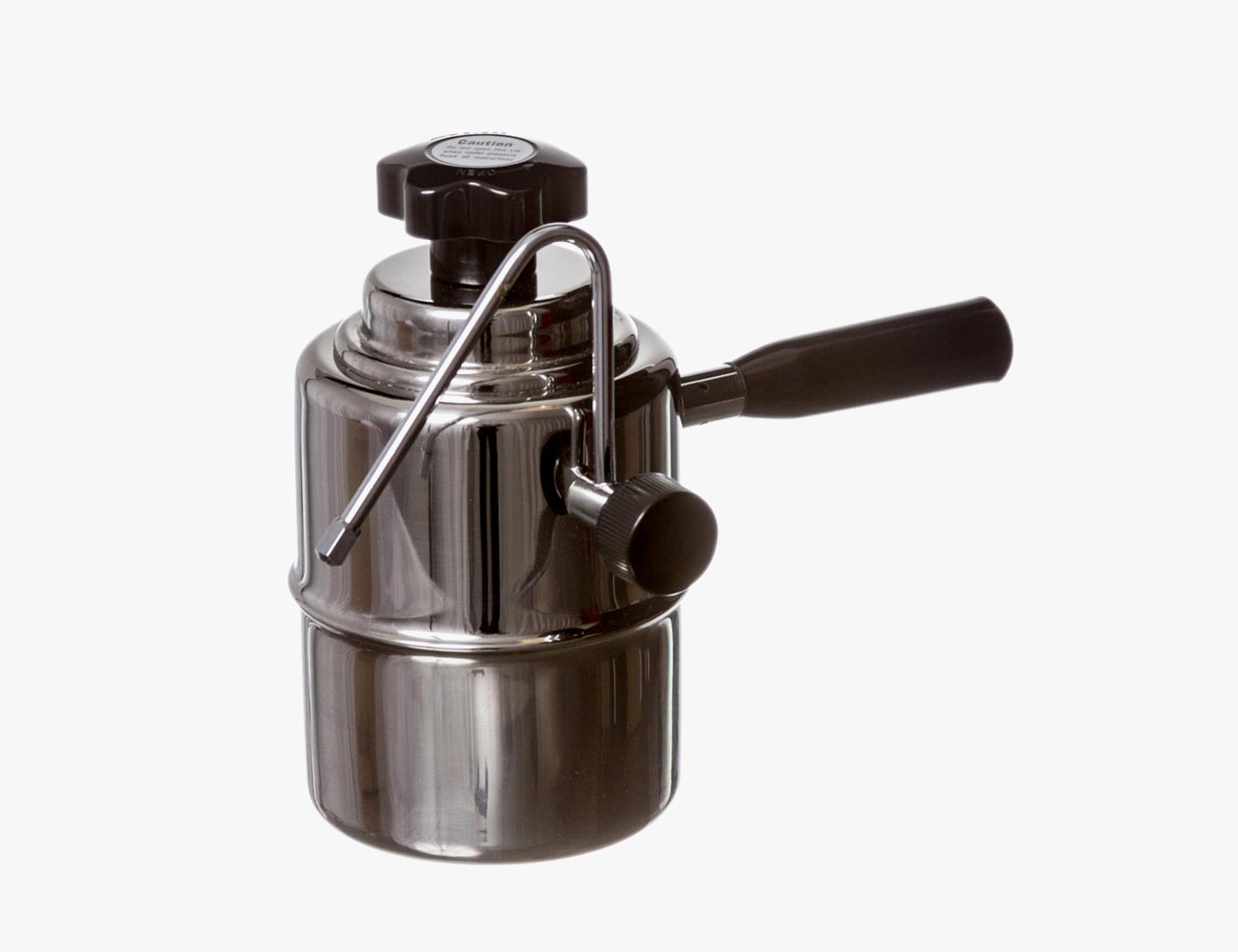
Do You Need a Milk Steamer?

Verdict: “You can teach yourself how to steam milk like a barista much more quickly than you could teach yourself how to pull a proper shot of espresso out of a manual machine. It’s certainly superior to imitation milk frothers, though a bit more involved. I say why not, but only if you’re going to teach yourself how to use it correctly.”

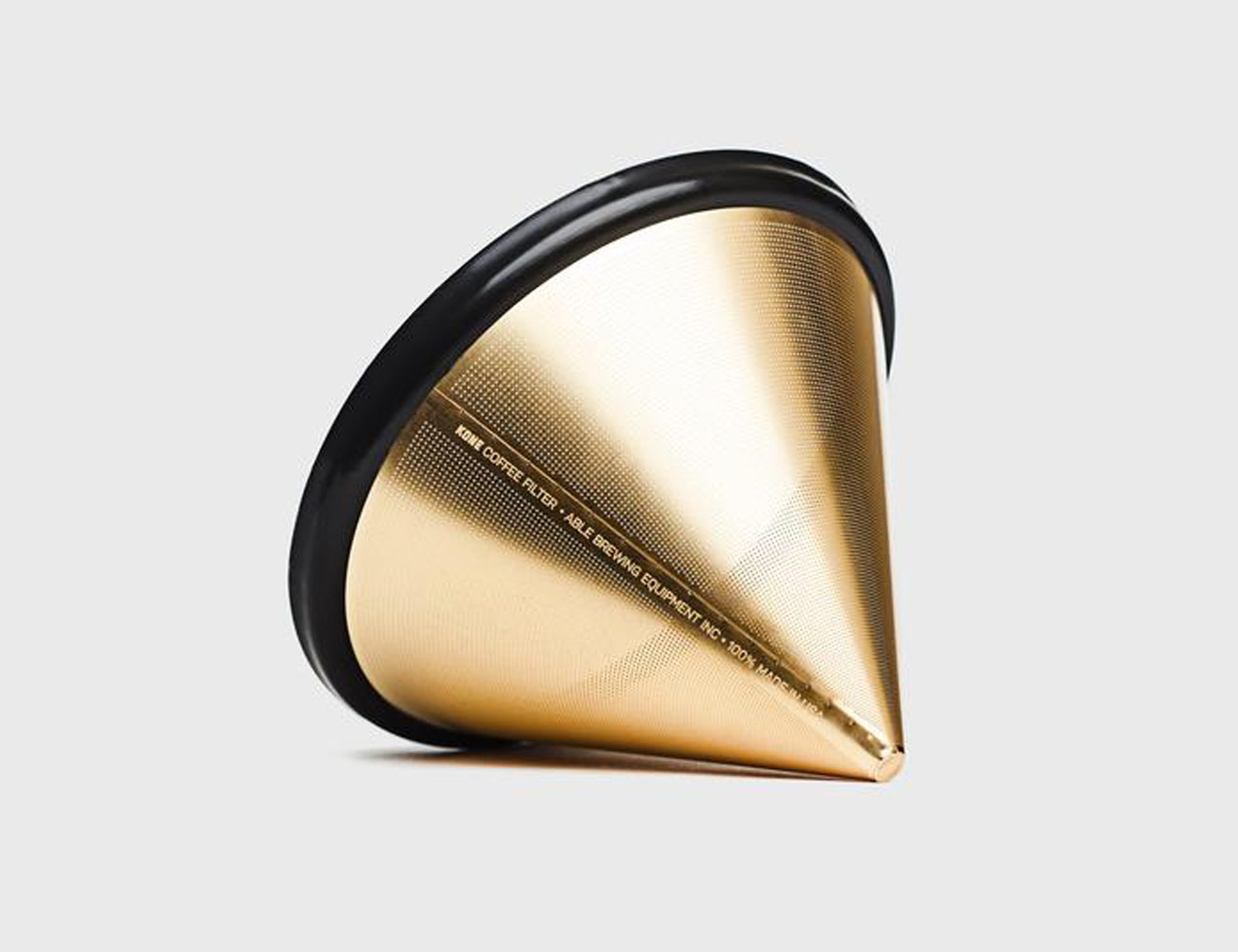
Do You Need Gold Filters?

Verdict: “I’m definitely familiar with the product, but I’m not familiar with any reasons for needing a gold-plated brewer, filter or cup. I imagine it works fine, like any decent filter, but I don’t view it as something you have to have in the kitchen, or something that makes an astounding difference either way.”

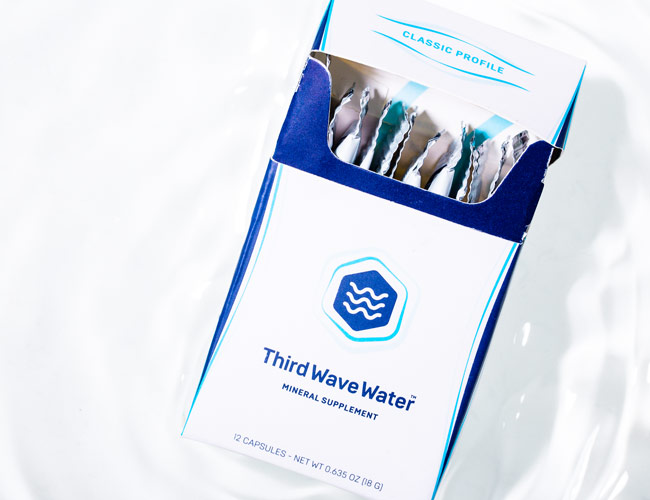
Do You Need Third Wave Water?

Verdict: “Coffee is largely water, obviously, and at all of our shops and cafes we’ve got treated water using a commercial system. It strips all the minerals and whatever else is in the water and re-mineralizes it with our own special concoction. Depending on where you live in the country, having something to soften your tap water is actually pretty important. When we do events in other cities [Intelligentsia is Chicago-based], we’ll take the Third Wave Water packets with us and put them into distilled water to get a properly minerally-balanced water for brewing. If you’re looking to geek out, it’s well worth it. Just add it to distilled water if you can.”

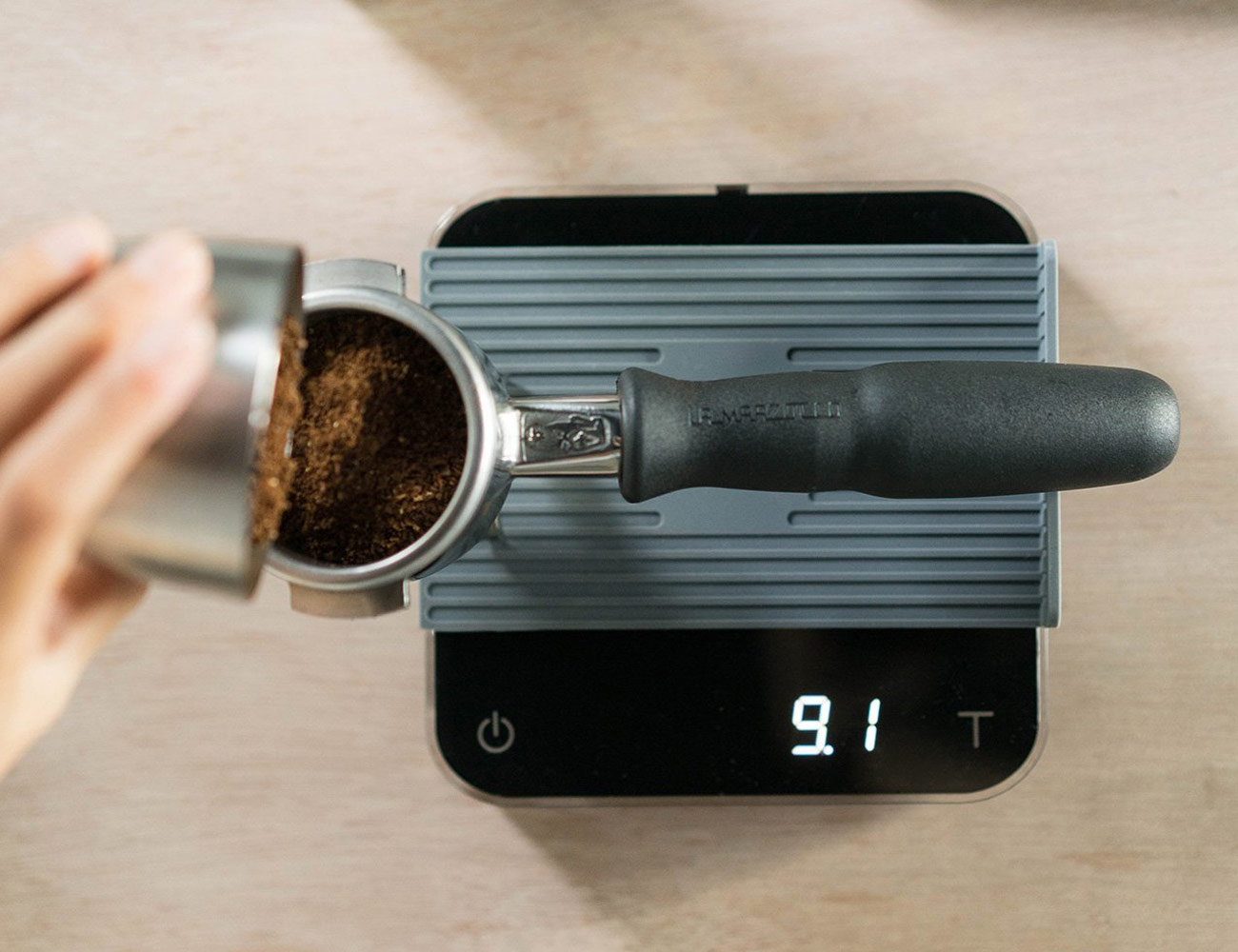
Do You Need a Coffee Scale?

Verdict: “Scales are great. They’re phenomenal tools. They are absolutely necessary if you’re going hard into coffee — you know, dialing in the ratio of coffee to water and further. You have to have it. When you’ve left the realm of “I just want a great cup of coffee in the morning” and entered the realm of flavor manipulation and focusing really hard on extraction.”

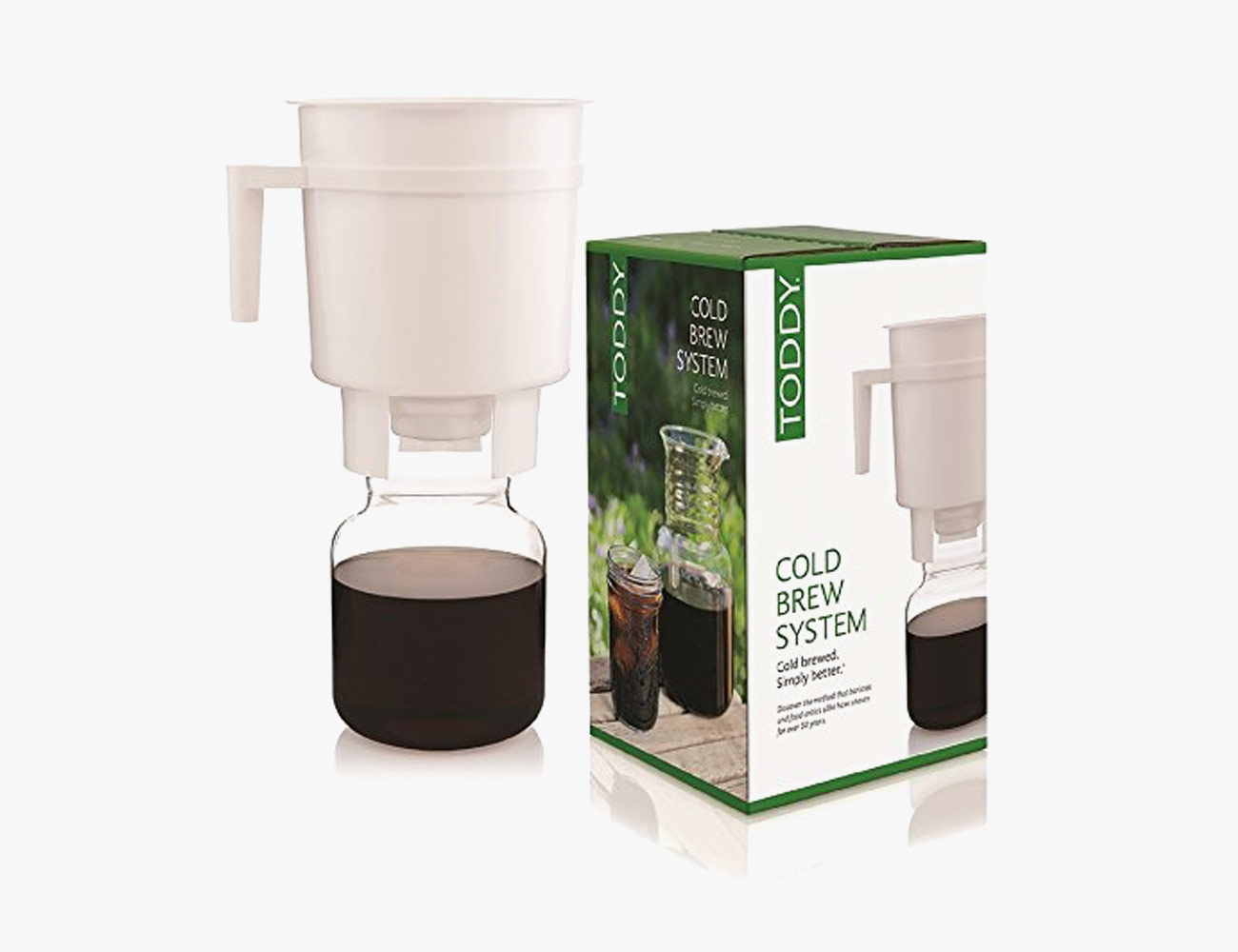
Do You Need a Cold Brew Maker?

Verdict: “I think it’s worth it if you’re already really, really into cold brew. It simplifies the process and it’s cleaner. Cold brew is obviously super popular these days, and I think it makes your life easier, but there are obviously plenty of ways to make it. Having a specific product to make your cold brew just provides an ease of execution, cleanliness and convenience that lends to making more of it.”

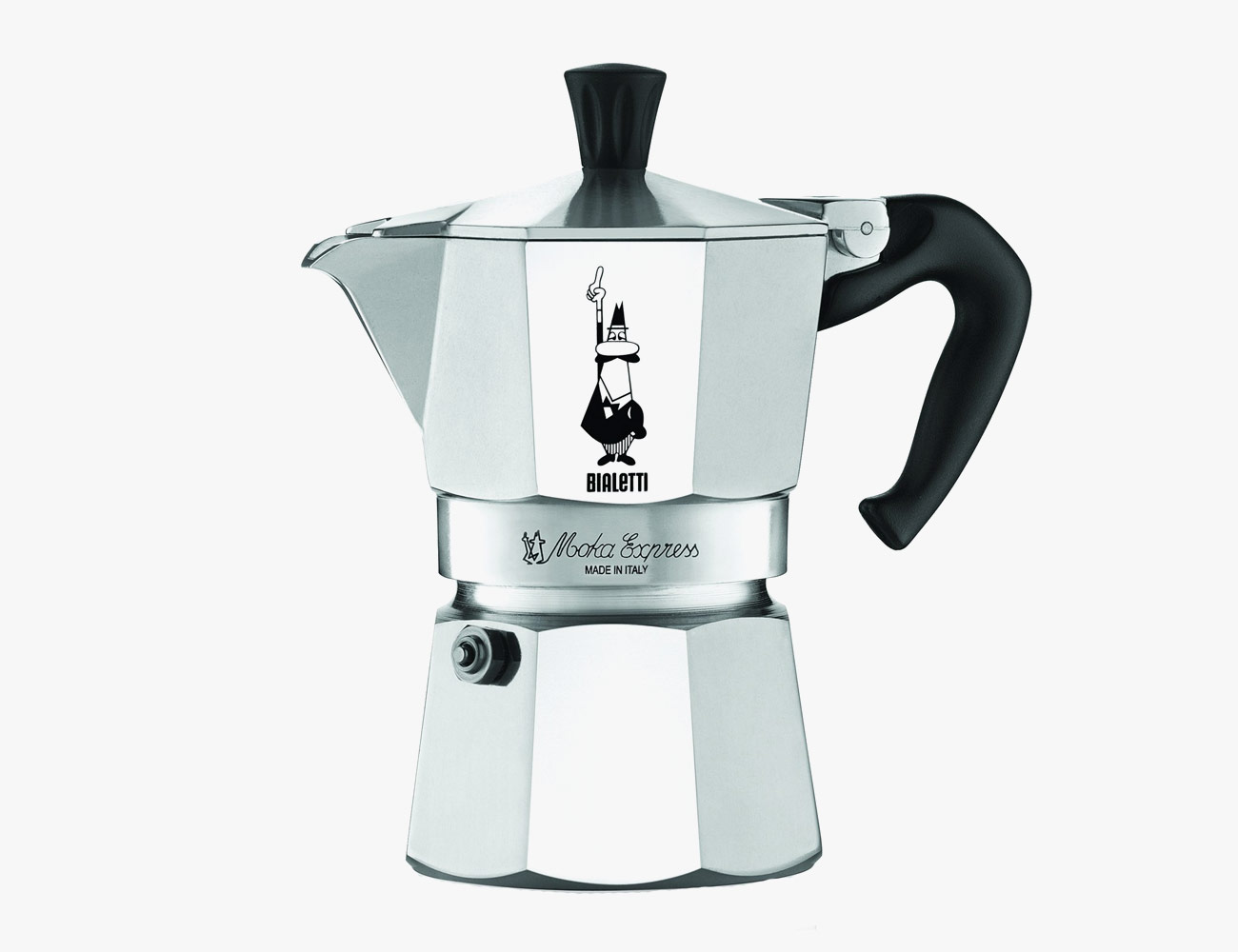
Do You Need a Moka Pot (Stovetop Espresso Maker)?

Verdict: “Making espresso at home is very difficult. Making good espresso at home is very, very difficult. I personally own a stovetop maker, but I don’t think it’s a 100 percent representation of espresso at all, but it is closer than a home drip. It’s incredibly difficult to get a consistent product out of it. I consider myself to be a coffee geek, and I still feel like there are more bad days than good days with it. Where I’m like “Wow, I over or under-extracted it and forgot to take it off the stove.” I take it to an extreme and even I struggle with it. But again, it’s closer to espresso than a drip, so I still suck it up and use it.”

The Best New Coffee Products of the Year, According to Coffee Experts

The Specialty Coffee Expo is one of the largest gatherings of coffee experts on the planet – these four products are their favorite new innovations and designs in the coffee world. Read the Story

I Tried 31 Sets of Sheets to Find the Best to Buy in 2018

This definitive guide to the best sheets of 2018 answers everything you need to know to buy better bedding this year. We tested different 31 different sets to find the best sheets for every type of sleeper, at every budget.

Prefer to skip directly to the picks? Click here.

The Short List

Best Overall Value Sheets: Authenticity 50 Percale Sheet Set

Extra-long staple Supima cotton is the crème de la crème in the cotton world, but you typically have to spend half a month’s rent to the real-deal stuff. Not so with Authenticity 50’s absurdly well-reviewed Supima percale weave sheets. Made completely in the U.S. (“seed-to-stitch,” the website notes), these sheets were our runner-up for best overall percale sheets due to a body that’s light enough to stay cool in the summer, but not so light you’d need to change them in the winter. You’ll be hard-pressed to find the same mixture of craftsmanship, materials and company-wide transparency for less than $200 — and these start at $139.

Best Percale Sheets: Boll & Branch Percale Solid Sheet Set

Boll & Branch’s percale sheets are stellar. They launched in April of this year, and out of the mountain of percale sheets I tested, this set stood out for a couple of reasons: The sheets are a bit airier than the company’s signature sheets, which are made for a cooler (but still cozy) sleeping experience. The percale sheets are made using a plain weave (one-under, one-over) with the brand’s signature organic long-staple cotton, and utilize two very fine plys (layers) that give structure while maintaining maximum breeziness. My partner sleeps hot, I sleep cold and we both agreed these were the best-feeling percale sheets, regardless of the weather outside.

Best Linen Sheets: Rough Linen Sheet Set

I actively tried not to succumb to Rough Linen’s rabid and growing fanbase, but I couldn’t help it — its linen sheets are what dreams are made of: they’re airy, tough and textured. Rough Linen’s sheets arrive slightly stiff (as most traditional linen does) and grainy but soften rather quickly with use and washes. Though some commenters online warned it might take months to soften, I found the sheets significantly softer and more flexible after only a few stints in the laundry machine. I was also happy to find that they weren’t waxy or coated in anything that would cut down on linen’s natural texture. Rough Linen’s sheets are sewn by hand with their Smooth line of linen, which uses a tighter-than-usual weave, making it feel much sturdier than the other brands I tried. At $360 for a queen set, they’re certainly an investment, but their textured-but-not-scratchy feel combined with a durable body and just a damn good-looking bed make them the best of the bunch.

Best Sateen Sheets: Cuddledown Hotel Sateen Sheet Set

It seems everyone on the internet has crowned Cuddledown’s (try and ignore the name) 400-thread count sateen set the champion of sateen. I should note that sateen is not my favorite bedding material — far from it — but for those who take to the buttery softness, heavier, warmer feel and an admittedly gorgeous sheet drape, Cuddledown is pretty damn great. These sheets are made with length to spare (a feature to accommodate all mattress heights), and they proved themselves to be absurdly wrinkle-resistant. The long-staple cotton used makes for a sheet that won’t wear out as quickly as most sateen sets.

Best Sheets Under $50: Target Threshold Organic Cotton Solid Sheet Set

This one wasn’t even close. Target’s hyper-affordable Threshold-branded sheets easily outclassed the likes of Amazon’s best-selling Mellani sheets, the AmazonBasics line itself, two sets of sub-$50 Walmart sheets and two IKEA sets.

Cheap sheets make their cheapness known in a variety of ways — some show lousy stitching and begin to fray after one wash; some arrive with an off-putting chemical smell; others simply feel crappy to lay on. The Threshold sheets set themselves apart by retaining the basic reasons you’d buy a percale set in the first place — they’re crisp, cool, easy-to-clean and reasonably moisture-wicking. And at less than $45 for a queen set and no weird chemical smells, there’s little to no competition at this price point.

Introduction

B

uying decent sheets is confusing, and almost laughably so. What is sateen? Someone told me thread count doesn’t matter anymore — is that true? What in the world do plys mean, and why are there staples in cotton?

All fair questions, and all the result of a decades-long practice by brands bamboozling customers in hopes they’d just buy bedding without thought. Luckily, the reign of the thread-count scammers and quality skimpers is ending. In their place: a wave of direct-to-consumer brands that skip out on distribution and stocking costs in favor of materials and craftsmanship. And with them, mega brands, too, have become at least a bit more honest about their affordable offerings.

Over the course of a few months, I slept on 31 different sheet sets to find out which ones do their job the best. My most important piece of advice to shoppers: buy sheets for you. Sleep hot? Skip sateen. Prefer crispy hotel sheets? Check out the percale selections, and so forth. If neither of those things makes sense to you, fear not; rounded up here is all the bedding jargon you’ll need to know before you get your next set.

How to Make Your Bed Like a Navy Seal

The secret to a crisp — and clean — bed? The humble hospital corner. Read the Story

Important Terms to Know

Percale: Also called a plain weave, percale is a balanced weave pattern where yarn is typically threaded in a one-under-one-over pattern. Percale is not a material, though it is nearly always used in reference to cotton sheets. Percale sheets are typically lighter weight, crisper, affordable and matte (read: not shiny). Because of this, percale is the most popular sheet type by a significant margin.

Sateen: Not satin. Known for its luxe smoothness, wrinkle-resistant qualities, and a dulled shininess, sateen sheets are also almost always made of cotton, but bear different attributes than percale. A sateen weave is a tight, unbalanced weave, with more vertical threads than horizontal, making it heavier feeling on the body and limiting airflow more than percale sheets do. Sateen sheets sleep warmer than nearly every other sheet type and material for this reason.

Linen: Made from the flax plant, linen is woven much more loosely because its threads are typically much larger. This gives linen its trademark airiness. But linen is not necessarily lightweight — it’s typically heavier per square inch than sateen or percale cotton, and, due to natural properties the flax plant possesses, is the superior moisture-wicking textile. Linen sheets are often pricier than sateen or percale due to a more involved manufacturing process and lower supply of materials (spoilers: we use more cotton than flax).

Staple: Not what you bind paper together with. A staple signals the length of the cotton fibers used to make the sheet — the longer the staple, the longer the thread, which in turn means fewer threads are needed, creating a more durable fabric that produces less lint. Around 85 percent of cotton produced is short staple, with the remaining 15 percent being long and extra-long staple. Thus, the longer the staple, the higher the quality and cost.

Ply: The number of yarns in each thread. Some sheets will call their constructions two or three plies — this means there are that many yarn strings woven into each thread that makes the sheet. More plies typically means a more rigid, denser construction, which can create the “crisp” feeling you’ll see sheets described with.

Thread Count: The measure of total threads present in a single square inch of sheet. This number is calculated by adding horizontal and vertical threads. Thread count is one factor in determining sheet quality, but can be manipulated by using finer threads or using multiple plies and artificially doubling (or tripling) thread count.

Pilling: Occurs when the ends of fibers become frayed and tangled, picking up dust, lint and other frayed fibers. If a pillow or sheet looks and feels fuzzy, that’s likely pilling. Pilling occurs more regularly when shorter staple cotton is in use, as it’s easier for them to come undone.

Frequently Asked Questions

What’s the Best Thread Count?

“Pumped-up numbers with inferior, multi-ply yarn, the [thread count] numbers are often lies to begin with. A higher thread count doesn’t equate to better quality. Stay within the 200- to 300-range and you’ll be good,” said Jimmy McDonald, cofounder of Authenticity 50.

Every sheet maker we spoke with echoed a similar sentiment. Thread count just isn’t a good measure of quality as a standalone figure, apart from exposing sellers who are (probably) trying to rip you off. If you see any sheets above with a thread count of 500 or above, regardless of material or weave, feel free to take that as a big red sign that says “bullshit.” There’s only so many threads you can squeeze into a square inch of fabric, so these higher thread counts are either adding plies to their sheet and counting those as double or artificially weaving in more threads, which is only going to make for a hotter, heavier sheet anyway.

What’s the Difference Between Percale and Sateen?

The vast majority of people sleep on percale — it’s crisp, cool and versatile. Its balanced weave allows air to flow through the sheet, and allows the sheet to stack in areas and “float” above the skin, creating more avenues for air to keep you cool.

Sateen isn’t without its own strengths, though. Its predominantly verticle, unbalanced weave gives it less rigidity than percale, allowing it to fall and drape on a bed more attractively than other weaves. It’s a better choice for people with significantly more sensitive skin, as it’s much smoother to the touch than other popular bedding weaves and materials.

Sateen’s downsides pertain to durability and its knack for insulating too much heat. The imbalanced weave of sateen makes it more likely for pilling, sheen loss and tears to occur, so it will typically show wear more quickly. The weave is also responsible for a detracted airflow, meaning you’ll be warmer than you would be under percale.

What Is “Egyptian Cotton” and Why Does the Type of Cotton Matter?

Egyptian cotton is probably the most famous type of cotton, and rightfully so — real Egyptian cotton is extremely long-staple cotton that can be wound into a long, tight and soft yarn that makes for durable, cozy textiles. Unfortunately, odds are the sheets you bought, even if they say they’re made with Egyptian cotton, aren’t.

Truth is, there aren’t many good ways to determine if a set of sheets is using all real Egyptian cotton, as brands often use a trace amount to claim it as a marketing tool (you can reference this website, but very few brands are registered).

Supima cotton is an American-grown variety of true Egyptian cotton, and fabric must be certified by the American Supima Association to call itself Supima (find an updated list of brands that use Supima here). Most premium brands will use one version or another of long or extra-long staple cotton, which is a good indicator the company is using quality materials. As noted above, the longer the staple, the greater the fabric’s durability. It’s also useful to check for a GOTS certification to make sure you’re getting sheets made without any toxic materials and in an ecologically-friendly way.

Why Does Linen Feel Scratchy at First?

While all percale and sateen sheets are made from cotton, linen is made from flax, which is a different beast altogether. Where cotton is extracted in a fluffy ball called a boll, the fiber used to make linen is a bast fiber that more resembles what you’d expect from a plant product. Bast fibers are taken from the core of the flax plant, and, as such, are not fluffy or pleasant initially — but their tensile strength is naturally higher than cotton.

The roughness of linen sheets when they ship to your home isn’t indicative of their quality — you have to give linen time to break into its charm. Softer qualities are brought out over time through wash and wear. A good rule of thumb with linen (and all sheets, really) is to give it a good wash right when you get it to start that process.

Buying Guide

Best Overall Value Sheets: Authenticity 50 Percale Sheet Set

Verdict: Extra-long staple Supima cotton is the crème de la crème in the cotton world, but you typically have to spend half a month’s rent to the real-deal stuff. Not so with Authenticity 50’s absurdly well-reviewed Supima percale weave sheets. Made completely in the U.S. (“seed-to-stitch,” the website notes), these sheets were our runner-up for best overall percale sheets due to a body that’s light enough to stay cool in the summer, but not so light you’d need to change them in the winter. You’ll be hard-pressed to find the same mixture of craftsmanship, materials and company-wide transparency for less than $200 — and these start at $139.

Best Percale Sheets: Boll & Branch Percale Solid Sheet Set

Verdict: Though not the sheets that made it famous, Boll & Branch’s percale sheets are stellar. They launched in April of this year, and out of the mountain of percale sheets I tested, this set stood out for a couple reasons: The sheets are a bit airier than the company’s signature sheets, which are made for a cooler (but still cozy) sleeping experience. The percale sheets are made using a plain weave (one-under, one-over) with the brand’s signature organic long-staple cotton, and utilize two very fine plys (layers) that give structure while maintaining maximum breeziness. My partner sleeps hot, I sleep cold and we both agreed these were the best-feeling percale sheets, regardless of the weather outside.

Best Affordable Percale Sheets: Target Threshold Organic Cotton Solid Sheet Set

Verdict: This one wasn’t even close. Target’s hyper-affordable Threshold-branded sheets easily outclassed the likes of Amazon’s best-selling Mellani sheets, the AmazonBasics line itself, two sets of sub-$50 Walmart sheets and two IKEA sets.

Cheap sheets make their cheapness known in a variety of ways — some show lousy stitching and begin to fray after one wash; some arrive with an off-putting chemical smell; others simply feel crappy to lay on. The Threshold sheets set themselves apart by retaining the basic reasons you’d buy a percale set in the first place — they’re crisp, cool, easy-to-clean and reasonably moisture-wicking. And at less than $45 for a queen set and no weird chemical smells, there’s little to no competition at this price point.

Best Linen Sheets: Rough Linen Sheet Set

Verdict: I actively tried not to succumb to Rough Linen’s rabid and growing fanbase, but I couldn’t help it — its linen sheets are what dreams are made of: they’re airy, tough and textured. Rough Linen’s sheets arrive slightly stiff (as most traditional linen does) and grainy but soften rather quickly with use and washes. Though some commenters online warned it might take months to soften, I found the sheets significantly softer and more flexible after only a few stints in the laundry machine. I was also happy to find that they weren’t waxy or coated in anything that would cut down on linen’s natural texture. Rough Linen’s sheets are sewn by hand with their Smooth line of linen, which uses a tighter-than-usual weave, making it feel much sturdier than the other brands I tried. At $360 for a queen set, they’re certainly an investment, but their textured-but-not-scratchy feel combined with a durable body and just a damn good-looking bed make them the best of the bunch.

Best Affordable Linen Sheets: Brooklinen Linen Core Sheet Set

Verdict: Linen sheets are notoriously expensive, so “affordable” is relative here. Starting at $229, Brooklinen’s set is as airy as you’d want it to be, but the weave isn’t too loose either, as was common in testing cheaper linens. When compared with the other linen sheets I tested, the Brooklinen set was significantly softer from the get-go (other than Parachute’s garment-dyed set). The low cost, less aggressively-textured feel and a great variety of colors make Brooklinen’s set a rock-solid linen starter set.

Best Sateen Sheets: Cuddledown Hotel Sateen Sheet Set

Verdict: It seems everyone on the internet has crowned Cuddledown’s (try and ignore the name) 400-thread count sateen set the champion of sateen. I should note that sateen is not my favorite bedding material — far from it — but for those who take to the buttery softness, heavier, warmer feel and an admittedly gorgeous sheet drape, Cuddledown is pretty damn great. These sheets are made with length to spare (a feature to accommodate all mattress heights), and they proved themselves to be absurdly wrinkle-resistant. The long-staple cotton used makes for a sheet that won’t wear out as quickly as most sateen sets.

Best Affordable Sateen Sheets: Target Threshold Organic Cotton Sateen Sheet Set

Verdict: Similar to the budget percale category, there isn’t much competition here. Target’s sateen offering blew other similarly-price sateen sheets out of the water in softness and looks. In fact, apart from a bit less natural wrinkle resistance, they were on par with the Cuddledown sheets. The biggest marks against them pertains to breathability, where they’re easily eclipsed by more premium options. But for less than $50 for a set, not everything can be perfect.

Best Sheets for Hot Sleepers: Snowe Percale Sheet Set

Verdict: Incredibly crisp and light. These long-staple Egyptian cotton sheets are assembled and finished by hand in Italy and feel like air conditioning you can wrap yourself up in. Snowe’s sheet, which comes in a very handsome ash grey (among other options), narrowly outperformed the likes of Alterra Pure, Boll & Branch and Coyuchi for this spot by way of a lighter, crisper body and a generous 90-day test-and-return policy (free shipping on purchase and return). My partner nearly always sleeps on top of the sheets — not with these.

Best Sheets You Can Buy on Amazon: Perú Pima Percale Sheet Set

Verdict: Frankly, buying sheets on Amazon is annoyingly tedious. The all-caps descriptions are fluffy, figuratively speaking, and there’s virtually no way to reprimand brands that try to bullshit you. The “Pima” cotton these sheets are made from is not Supima-certified, but it is extra-long-staple cotton nonetheless — and for a really, really solid price at that. Perú Pima has been making these sheets for quite some time, too, and has its own website that’s manned by people who respond to customer service requests. These sound like low bars to hop, but Amazon may very well be the biggest remaining offender in the old bedding-misinformation scheme.

Best-Looking Sheets: Coyuchi Organic Crinkled Percale Sheets

Verdict: Like a well-plated dish can make food taste better, a bed that calls us to it makes sleep better. Coyuchi’s crinkled percale product uses a proprietary low-thread-count weave to create these lightweight, “worn in” sheets. The lower thread count makes them exceptionally airy, yet still heavier on the body — almost like a linen sheet might feel. Pair the sheets and pillowcases with Coyuchi’s traditional percale duvet cover for the coziest, most-photogenic bed imaginable.

Best Eco-Friendly Sheets: Alterra Pure GOTS-Organic Cotton Percale Sheet Set

Verdict: Yes, they’re comfortable, too. Alterra Pure’s percale was the runner-up to Snowe’s percale in “Best Sheets for Hot Sleepers.” The sheets are wonderfully light, but they’re also the most responsibly raised of any I tested. Alterra uses only recycled and reused water during production and emits a whopping zero gallons of wastewater during production. These 100 percent organic cotton percale-weave sheets are made from Fair Trade-cotton bought from farm co-ops that Alterra Pure works with on various sustainability projects. The materials are GOTS-certified and even produced in an eco-friendly, LEED-certified factory.

Not Recommended

AmazonBasics Sateen Sheet Set

Though reasonably well-reviewed on Amazon, AmazonBasics’s sheets aren’t worth the bother. The microfiber set is 100 percent polyester, and it began pilling after two washes. It was also a bit suffocating compared to others in the affordable price bracket.

Mellani Brushed Microfiber Sheet Set

I had high hopes for these sheets, which are among the best-selling on Amazon. Even though the microfiber sheets were lightweight, they didn’t allow for much airflow. The set I ordered arrived with threads already coming apart, a defect amplified after one wash.

IKEA ULLVIDE Cotton-Lyocell Sheet Set

The IKEA ULLVIDE set I tested wasn’t particularly poor, but the ULLVIDE is a single-ply, 200-thread-count sheet using a short-staple cotton-lyocell blend. To translate: it’s more than likely going to wear down. And fast.

L.L. Bean Pima Cotton Percale Sheet Set

Named the best percale sheets available by Wirecutter, these sheets are very, very good for the price, but they didn’t best Snowe’s percale in cool, crispness and they aren’t nearly as affordable as Target’s Threshold percale set. They also fell just short of Boll & Branch and Authenticity 50’s percale sets in soft-crisp balance. I also wasn’t able to verify the material as legitimate Supima, where Authenticity 50’s was.

Parachute Linen Sheet Set

Parachute’s linen sheets occupied much the same space L.L. Bean’s percale set did — very good, but just in between superlatives. A full linen set (fitted sheet, top sheet, pillowcases) from Parachute runs $279 for a queen, where Brooklinen is $30 lower, and I didn’t notice much difference between sleeping, washing and construction. I preferred Rough Linen’s durability and look over it as well. Parachute’s percale sheets performed well early on but lost a bit of crispness after a series of washes.

Snowe Sateen Sheet Set

While the percale sheets were great for keeping cool, I found the sateen sheets were a bit too warm, even for sateen. They’re also not quite as lustrous as the Cuddledown sheet and cost significantly more than Target’s Threshold line.

Rugs Don’t Have to Cost an Arm and a Leg — These Six Are All Under $1,000

Rugs are inexplicably expensive. Yours doesn’t have to be. This selection of six rugs runs the gamut of material and pile, but doesn’t breach the 4-digit deathtrap. Read the Story

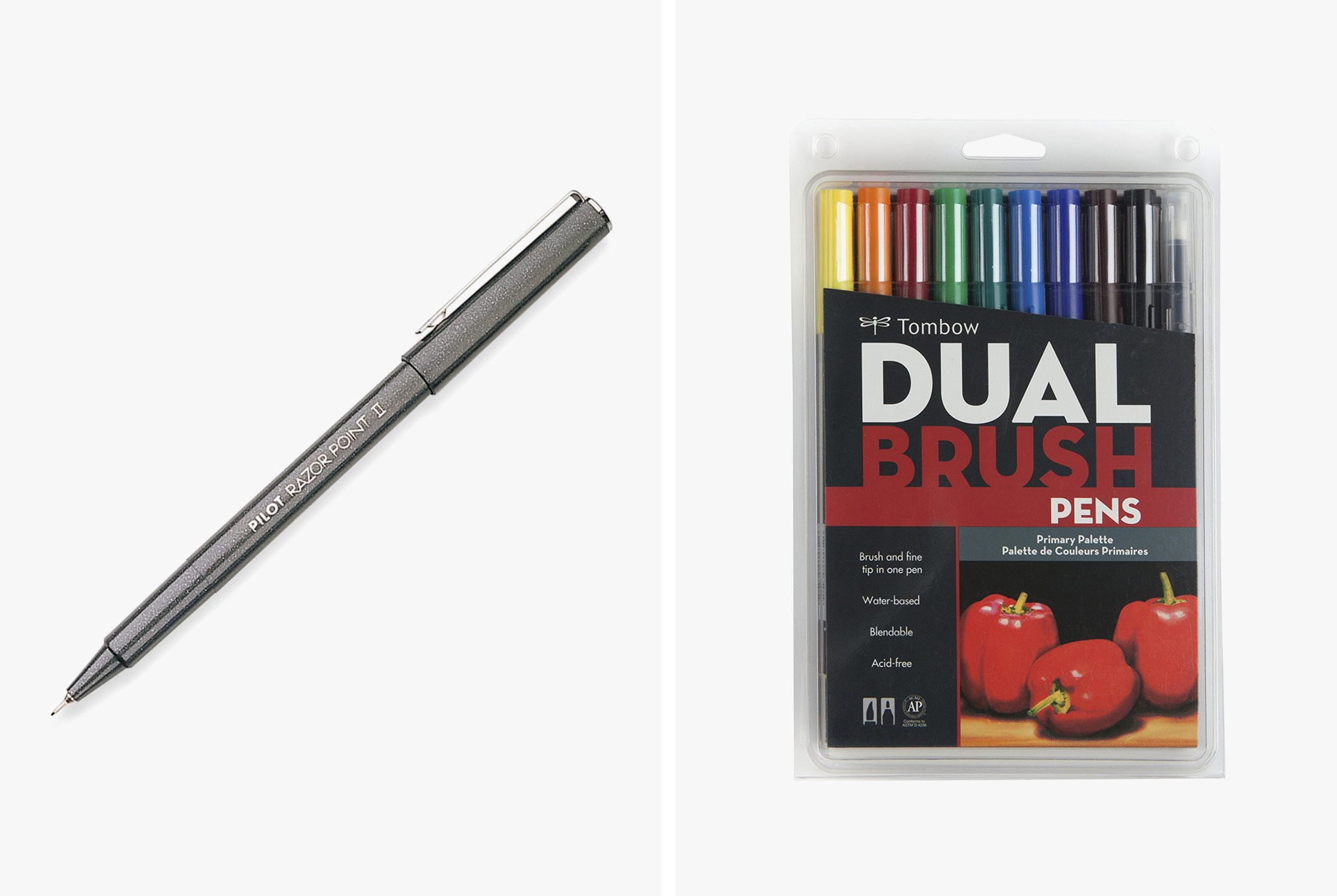
First Impressions: We Drive the All-New Mercedes-Benz G 550 and AMG G 63

We drove the new Mercedes G550 and AMG G 63 in southern France this week. It’s the first new version since the rugged machine launched in 1979. It’s had updates, of course, but this is the first time they really started over with it. Our full review will post next week, but here’s a quick taste to whet your appetite. – Eric Adams

Who It’s For: Depends on which model we’re talking about. If it’s the G 550, you’re into sunrises, long runs on the beach, and hard-core off-roading. If it’s the AMG G 63, you’ve never actually seen a sunrise, you go to the beach mostly to burn off a hangover, and you enjoy blasting past lesser machines on the highway at triple-digit speeds while towering three feet above everyone else.

Updates: Well it’s been 40 years so pretty much everything is updated. But the highlights are a new front axle design that improves stability both on-road and off, all the safety and driver-assist features the G-Class never had, and the barest hint of aerodynamic tuning to minimize the ever-present wind noise as much as possible without compromising the car’s signature look.

Verdict: Two thumbs up if you’re in the G550; two middle-fingers up if you’re rocking the AMG.

Key Specs
Engine: 4.0-liter twin-turbochanged V8
Transmission: nine-speed automatic; front, center and rear locking differentials
Horsepower: 416; 577 horsepower
Torque: 450; 627 lb-ft
Price: TBA
The 2019 Mercedes-Benz A-Class Finally Shows Its Face

After months of hints, teases and a slow trickle of information, Mercedes finally unveiled the new 2019 A-Class. Read the Story

4 Wildly Impractical Vehicles I Want to Buy Right Now With a $10,000 Budget

Editor’s Note: We love scouring the internet for reasons to spend money we don’t have on cars we daydream about owning, and these are our picks this week. All prices listed are bid amounts at the time of publishing.

In the most regrettable way, I’m back in the market for a car. Suffice it say that flash floods, deceptive standing water and a hurried morning commute do not mix. (More specifically, buckets of rainwater and the engine of my now dead 2002 BMW 325i.) Could I have taken a different route? Taken my time? Not assumed it was a fordable depth for a sports sedan? Yes, yes and… duh. Hence, “regrettable.”

So this week’s Found is, admittedly, a bit selfish. The best catharsis I can manage right now is to share my next-car search. In the long run, these are wildly impractical, but at the moment seem fun enough actually to pull the trigger on. Would any of these turn into their own source of regret after, say, a month of daily use? Perhaps, but they’re pretty tempting right now.

Modified 1984 Porsche 944

Mileage: 29,000 (TMU)
Location: New Hill, North Carolina

What I like: Most of the car is refurbished, replaced or rebuilt to look like what you’d get if Porsche had built an ‘R’ version of the 944 (which they should have done). It reminds me of the Cayman GT4 — one of my favorite cars of all time.
From the seller: “This 1984 Porsche 944 was purchased by the seller five years ago and subsequently built into a street-legal track car. The 2.5-liter inline-four was rebuilt to stock specs and sends power through a torque tube to a five-speed manual transaxle. A new clutch was also installed, much of the suspension was rebuilt, the brakes were gone through, a repaint in a custom color was conducted, and a four-point roll bar was installed.”
What to look out for: Like you should for any car this age, keep an eye out for bad seals and leaking fluids. In regards to the 944 specifically, there have been a few recalls worth noting.

1952 Willys M38

Mileage: 462 (TMU)
Location: Comstock Park, Michigan

What I like: I’ve recently come to admire snorkels.
From the seller: “This 1952 Willys M38 was purchased as a military-spec example by the seller in 1996 and subsequently underwent extensive refurbishment to its exterior sheet metal, tub, frame, brakes, steering, exhaust and 24-volt electrical system. Modifications include a new old-stock military deep-water fording kit as well as modern gauges, lighting, and wheels.”
What to look out for: Typically, the electrical systems on old Willys are the main headache, but this particular lil’ guy under went a full refurbishment, including an electrical system swap.

1989 Honda NSR250R

Mileage: 7,000
Location: Richmond, Virginia

What I like: The late-’80s styling is hard to resist, even if it is a two-stroke — I’d be mixing my own gas everytime I fill up. Still, a 249cc 90° V-twin with an 11,500 rpm redline is a pretty fantastic and rare sound this side of the pond.
From the seller: “The NSR is powered by a 249cc 90° V-twin liquid-cooled two-stroke with crankcase reed valve induction via twin naturally aspirated carburetors. The two-stroke is fitted with a kick start that fires right up and idles nicely. The 11.5K redline comes up quickly with the rev-happy V-Twin.”
What to look out for: The main problem with an imported bike like this is when you do need parts you’ll be waiting for them to ship from the other side of the globe via small mail-order operations. If you spot certain parts starting to show their age, anticipate the worst and order ahead.

2014 Triumph Daytona 675R ABS

Mileage: 9,000
Location: Freehold, New Jersey

What I like: I was never a fan of the way 600cc inline fours sound — they’re just too whiny, but the Triumph’s triple gets away with sounding like a bigger engine than it actually is. I’m also a sucker for red trellis frames.
From the seller: “Extras include Triumph painted seat cowl, trickle charger, rear stand, rubber tank grip, R&G rear bobbins, Competition Werks rear fender eliminator and Taylor Made … carbon fiber bodywork [and] racing exhaust system, reducing overall weight by about ten pounds. All stock parts are included. Mechanically and cosmetically flawless, never laid down or tracked. Garaged and covered, professionally maintained with all scheduled services performed and documented.”
What to look out for: Most of what goes wrong on the ’14 Daytona 675R is reconciled by a recall. It’s a fairly young bike to find massive part failures at this point in its life.

What the Rest of the Team WOuld Get for $10,000

If we had a [limited] blank check, this is what we’d pick up. Read the Story

In the Future, Leather Will Be Made From Mushrooms Not Cows

Bolt Threads is the biotech company best known for its Microsilk, a synthetic spider silk that’s made through fermentation with just water, sugar and engineered yeast. It’s completely sustainable, and it looks and feels exactly like traditional silkworm silk, but it’s also significantly stronger. (Last year, we called it “the fabric of the future.”) Today, Bolt Threads has introduced its second material, Mylo, which is a synthetic leather whose main ingredient is mycelium, a fungus found in the root structure of mushrooms.

Unlike Microsilk, there’s no fermentation or yeast involved in the making of Mylo. Instead, it’s grown in large, environmentally-controlled warehouses, much like how the mushrooms you buy at the grocery store are grown. The mycelium is placed in large pans with corn stover (the ground up biowaste of corn, like the stalk), which the fungus eats and grows. Under the right conditions — humidity, temperature, CO2, oxygen and water volume — the mycelium grows into a soft foam, which is actually a network of very small fiber. Then it’s sliced into sheets, cured and put through a tanning process. The end product looks and feels very much like leather. It has comparable durability, strength and suppleness, too. The one aspect of Mylo that has surprised Dan Widmaier, Bolt Threads’ cofounder and CEO, is that fabric is really abrasion-resistant.

Bolt Threads is still early on in the development of Mylo, but they’ll release a handhag in June that’s made entirely of the synthetic leather. There’s also a collaboration with Stella McCartney in the works. In theory, Mylo could be used in any product — wallets, keychains, bags, shirts — that traditionally use leather. Like natural leather, Mylo can be dyed and will patina over time.

“In a planet that’s going from seven billion to 10 billion people, and a vast increase in middle-class consumers who want to use their disposable income to buy purchases to make their lives more comfortable, better, faster,” said Widmaier, “we don’t have enough space to make enough cows to make enough leather. We think there’s a need. People have a long history with leather. They love and enjoy it. And I think there’s a future where there’s no way to make enough to fill demand — finding ways to make a fantastic product that can fill that gap for the future is really important.”

“People have a long history with leather. They love and enjoy it. And I think there’s a future where there’s no way to make enough to fill demand — finding ways to make a fantastic product that can fill that gap for the future is really important.”

The modus operandi of Bolt Threads has been to use research and technology to create new materials for a sustainable future — and Mylo fits that bill. Making traditional leather is essentially a three-year process. It takes time to raise the cow and take care of the land it needs to eat. With Mylo, it’s a technology-driven material that takes a few weeks to grow. No animals are harmed in the process. The land, too, isn’t harmed by fertilizer and upkeep. And it’s all environmentally friendly.

Also unlike Microsilk, Mylo is a joint effort between Bolt Threads and Ecovative, a company who has been using mycelium for decades to create sustainable packaging solutions. Think an environmentally-friendly styrofoam for shipping a flat-screen TV. Mylo is a more refined foam that’s grown in much more carefully-controlled conditions, and it’s also grown in corn stover rather than wood chips. “[Evocative] mostly focus on mycelium packaging and they figured out the basis of growing the foam and then Bolt is taking it to the Mylo material and the consumer products category,” said Widmaier.

“There’s a ton of potential here,” said Widmaier. “This is the challenge and I think we talked about this before, and Bolt will have for a long time, is for anything that we make, the scale that we could be at is much bigger than where we’re at today. And so we want to make more of this, put this in the hands of people. We think it’s going to surprise a lot of consumers. It’s going to solve a real problem in the world around resource sustainability.”

Bolt Threads’ first Mylo bag will be available for pre-order this June. If interested, you can sign-up here to be alerted on its availability. Also, Stella McCartney will debut the Mylo Falabella Prototype 1 at the Victoria and Albert Museum’s “Fashioned from Nature” exhibit, which will open to the public on April 21 in London.
Today in Gear

The best way to catch up on the day’s most important product releases and stories. Read the Story
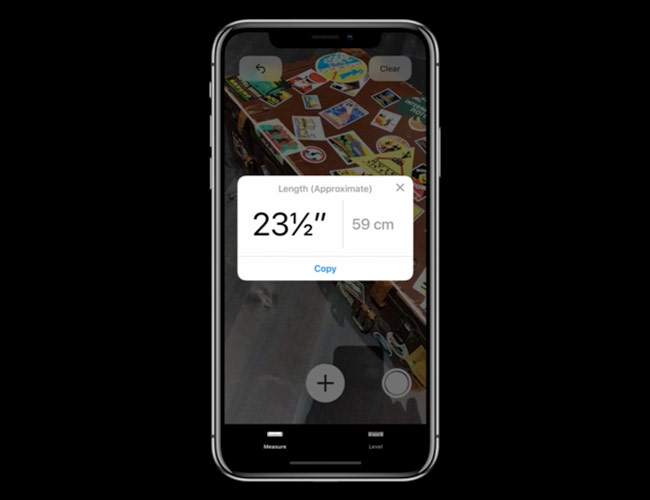
Victorinox’s Stalwart Tough Watch Now Comes With an Automatic Movement

Verdict: Back in 2014, Victorinox launched the I.N.O.X watch by running over it with construction equipment to prove its durability. The original I.N.O.X has been a core model for the brand since, getting numerous spin-offs. All of them, however, were quartz — until now. For the first time, Victorinox is giving the I.N.O.X an automatic mechanical movement.

The movement in question is the ETA 2824-2 automatic. It’s a durable, workhorse caliber that’s been proven in countless watches produced over the course of decades, and makes a lot of sense in a watch that purports to be “tough.” That said, the I.N.O.X Automatic’s press release says, “Due to the delicate nature of automatic movements, several R&Ds were necessary to bring this model to life.” What that entails, Victorinox doesn’t say, but we’ve reached out to a spokesperson for further comment.

Still, this looks like it has the makings of what made the standard I.N.O.X a favorite: it has the same, chunky 43mm case design and is water resistant to 200 meters. The watch does get some further refinement to match the mechanics within, notably, a transparent crystal case back to show off the movement, as well as a guilloche textured dial.

Who It’s For: Anyone who loves the look of the original I.N.O.X (or just likes burly watches in general), but wants to get into mechanical timepieces. The watch retails for well under a grand, and the ETA 2824 will not disappoint (it’s also very easy to service) making it an excellent choice for first-timers.

Key Features: Automatic movement. Guilloche dial. Transparent case back. Water-resistant to 200 meters.

Size: 43mm diameter

Movement: ETA 2824-2

Release Date: October, 2018

Price: $795 (leather strap); $850 (bracelet)

More from Baselworld 2018

grey_placeholder

See more of our favorite new releases from Basel. Read the Story