All posts in “New”

Amazon’s Newish Furniture Brands Are Pretty Slick, Not to Mention Cheap as Hell Right Now

Amazon’s Own Stock

Amazon’s Newish Furniture Brands Are Pretty Slick, Not to Mention Cheap as Hell Right Now


At the end of 2017, Amazon announced the arrival of two of its own in-house furniture collections called Rivet and Stone & Beam. Prices are slightly higher than what’s typical of Amazon’s own brands (AmazonBasics, in particular), but the collections are surprisingly good-looking. Rivet dons the mid-century modern cape and carries loads of more inexpensive versions of classic items, while Stone & Beam leans more into the faux-rustic farmhouse look.

Today, a few pages worth of Amazon furniture brands (there are a couple smaller lines, too) are marked 20 percent off. We’ve rounded up a few of our favorites below.

2-Pack Roger Chairs by Rivet $199 $99

Huxley Leather Mid-Century Accent Chair by Rivet $499 $407

Mid-Century Modern Desk by Rivet $249 $169

Hawthorne Mid-Century Tufted Modern Accent Chair by Rivet $449 $369
Note: Purchasing products through our links may earn us a portion of the sale, which supports our editorial team’s mission. Learn more here.

This Tiny Device Attaches to Your Clothing and Tracks Your Stress Levels

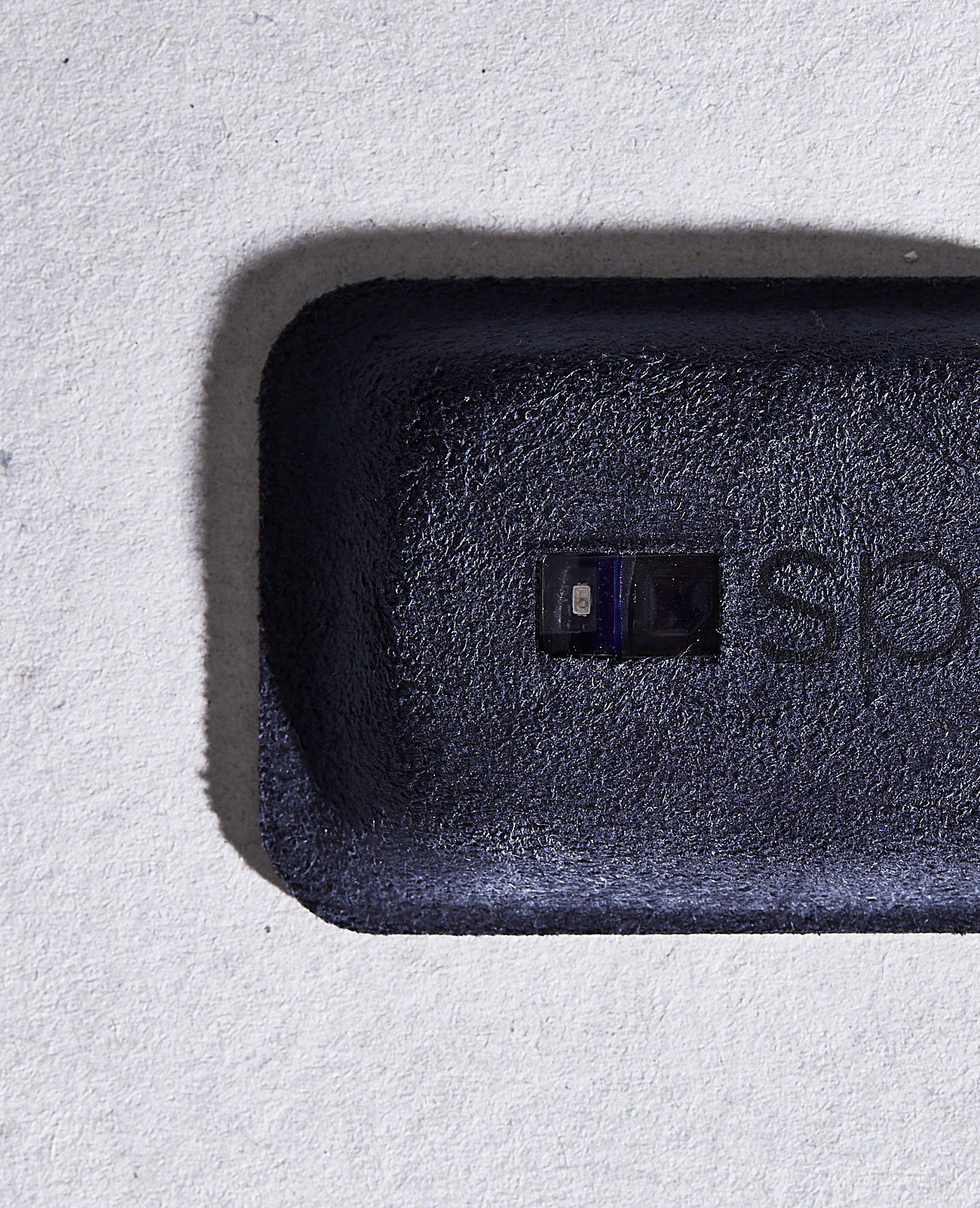
Your breath is a powerful tool. Studies have shown that your breath can help control your response to stress, thus helping with your physical and mental health. While breathing can help calm your body physically, learning your body’s stress cues enables you to respond more accurately and calmly to stress. That’s the premise behind Spire’s Health Tags — a breath tracker that monitors the rhythms of your breathing. It can show when you’re stressed, tense, calm and focused, and all in a dog-tag-sized sticker that attaches to your clothing.

The Good: Spire’s Health Tags are small, a breeze to apply and simple to use. It takes seconds to sync your data, and the app gives you as many or as few notifications as you would like. Just peel off the sticker from the back of each tag and press and hold on your boxers or pants waistband. You can wash and dry the tag for up to two years. It’s invisible once on and doesn’t bother those with sensitive skin (in my experience).

Who They’re For: Built for those who are obsessed with their health, this two-inch by one-inch tag also appeals to those who are interested in fitness data but can’t be bothered to wear something on their wrists. If you’re not a Garmin, Apple or Suunto watch lover, we understand. Seiko and Rolex guys will appreciate the wrist space this tracker provides. If you’re getting into monitoring your health data, the Spire Health Tags provide you with active minutes and sleep, two of the most basic (and most needed) fitness stats.

On the other end of the spectrum, health nuts who are obsessed with data and having the latest and greatest piece of technology will appreciate the minute details that went into creating Health Tags. Using your breath, Spire will monitor your calm, focus and tense minutes, sending you reminders throughout the day to work on your breathing if your nervous system puts out a fight or flight emergency. If you’re a superuser of any watch or tracker, these Tags can give you even more information than what you’re getting from your phone right now.

Watch Out For: Health Tags come in a single pack ($50), a three-pack ($129) or an eight-pack ($299). Spire sent me an eight-pack, and throughout the past month, I have yet to stick them all onto clothing. While $299 is comparable to many fitness trackers and less than many GPS trackers, it can be a steep purchase if you’re looking for a way to dip your toes into fitness and health tracking.

I experienced some issues with my sleep tracking during the first week, which then cleared itself up. I was notified that my sleep wasn’t tracking from the night before, but then my sleep data would later register, confusing me and my stats. When I spoke with Jonathan Palley, CEO of Spire, he mentioned this is fixed — as well as a handful of other user-reported bugs. I had to deal with the app not being able to find my Health Tags, but besides one time (while I was writing this), I didn’t have any other Bluetooth connectivity issues.

Once you attach these Tags to your clothes, they are pretty tricky to remove. I was nervous about flying with them because I wasn’t sure how it would show up in security. When I tried to pull it off before my flight, I couldn’t get the Tags to move an inch.

Alternatives: There aren’t that many apps or trackers that base everything off of your breathing alone. For sleep tracking, you can try the Nokia Health or iFit, but both rely on movement and heart rate. Apple, Garmin and Suunto watches all rely on wrist-based heart rate, which pales in comparison to the amount of data gleaned from your lungs and breath rate.

Review: When I first heard about Spire’s Health Tags, I was incredibly skeptical. I test a lot of wearables, each boasting new stats and updated technology that’s guaranteed to help me become faster, stronger and more aware of every single movement I make. The Spire Health Tag is the first tracker I’ve tested that focuses solely on my breath. For years, I’ve heard whisperings of the data my breath can tell me. Breathing is tied pretty closely to mindfulness, and sleep, but developers and tech companies haven’t quite bridged the gap between fitness, health and breathing — until Spire.

About a month ago, Spire sent me the eight-pack of trackers, and I hopped on the phone with them to get the low down. I learned how studies have shown that sensing respiration patterns can reduce symptoms of distress and that negative affect generally decreases while using something like this. I opened up my package of eight and attached them to my clothing. Pop the Tag out of the packaging — set in there like a pack of gum — peel off the back sticker and press firmly into the waistband of your pants, underwear or pajamas, then forget about it. The tracker needs to be in contact with your core to track breathing and movement. The entire process, including downloading the app, and connecting all eighty of the Tags took all of five minutes.

As for how it works? “What we measure is called thoracic expansion, which is what happens when you take a breath,” Palley says. “The muscles that facilitate breathing are below your rib cage, and those expand and contract, so our sensors sense that force.” From that force, the Tag can differentiate between your calm, tense, focus and sleep stages. “When you’re tense, you breathe faster, and more erratically. Your brain is preparing for stress and sucking in oxygen, so you get a very erratic breathing pattern.” When you’re focused, you’re actually in a state of stress, but it’s good stress. “When you’re in the zone and feeling good [about whatever you’re doing] our bodies are activated, we’re not in a calm state, but because we’re focused and confident with what we’re doing, our breathing is faster but very stable. The variability is low.” And then when you’re calm, your breathing is slow with a low variability rate.

After a month of using Spire, I was able to draw a correlation between my meditation moments and my minutes of calm. I could also feel the buzz of the Tag against my core when I started getting tense — which happened during meetings, conversations and other moments that I wasn’t always aware of, until I felt the vibration. Each time I was reminded to start breathing deeper and slower. While I still haven’t figured out the key to lowering stress, I do like that the Tags help me track when I am stressed, even if I don’t realize immediately.

Beyond your mental state, the Tags can also tell when you’re exercising (activity) and when you’re sleeping. The Spire Health Tags use respiratory rate variability and breath rate as well to alert you to a change. During sleep, ‘your breathing becomes more regular, and the variability of breathing goes down as you fall asleep,” Palley says. “For many reasons, we’re more accurate than wrist trackers because we look at the shape of your breath.” It’s how you breathe in and out in a certain way. “That shape becomes regular, and once you cross a certain threshold, you’re asleep,” Palley added. REM and deep sleep are slightly different. “When you go into REM sleep, your breathing rate changes dramatically, the shape of your breath stays similar, but the rate is affected by your dreams. Your breathing reacts to your dream,” Palley notes. Think about those times you fall asleep and then feel like you’re falling and quickly jolt awake. Your breathing is stilted at that point. In a deep sleep, your breathing is perfectly regular. “You’re the perfect metronome,” Palley explains. At the end of every sleep (shown in the app as the day before) you can compare your awake, light sleep, REM sleep and deep sleep minutes to your average, as well as look at how many times you wake up during the night.

While the app doesn’t provide me with any takeaways per say, I sign up for all the LiveInsights that I can. Between three categories (stress, sleep and activity), I register to get notifications every time my breathing gets tense, tips about maintaining healthy sleep habits as well as a notice if I’m sitting for too long. The overall picture of my health is one that doesn’t compare me to anyone else, rather, the app provides me with my averages, so I can evaluate and think about what I want to do to change my stress-inducing habits. In the app right now, there’s no way to look at a stressful moment and record it as something like ‘review’ or ‘conversation with the boss,’ but when I asked Palley about future integration, he sounded hopeful. “Right now, if you go into the detailed view, we have these meaningful moments, but we are working on integrating it into calendars.” Right now, you have to compare it with your calendar, but an update is in the works to add that automatically.

Verdict: If you want a tracker to set and forget, this is the one for you. While I’m a long time fan of my Apple Watch, I never wear it at night, so having the sleep data with the Tags opens up a new dataset rife for comparison. The Breathe feature on my Apple Watch is one of my favorite parts, so having an entire app dedicated just to my breath was fascinating and helpful. Tags can help you establish patterns and evaluate what triggers stress, so you can get to the root of the problem. The Tags buzzed during obvious stressful times — interviews and reviews, but also during conversations I wouldn’t have customarily categorized as stressful. It helped me learn and ‘tag’ those times, plus was a reminder to start breathing more normally again to slow my fight or flight response.

If you’re someone who continually craves more data about your health, the Spire Health Tags are a solid place to start. The stats the Tags provide are way more thorough and unique as compared to many other fitness trackers. I’m especially excited to watch as the app continues to update and change to see what new features the Spire Health Tag will offer.

Spire provided this product for testing purposes.

Read More Gear Patrol Reviews

Hot takes and in-depth reviews on noteworthy, relevant and interesting products. Read the Story

Note: Purchasing products through our links may earn us a portion of the sale, which supports our editorial team’s mission. Learn more here.

Get This Handsome Minimalist Dive Watch While You Still Can

Italian watch brand Unimatic has quickly become a darling in the watch space thanks to its handsomely modern aesthetic, accessible prices and, of course, limited releases, often done in collaboration with other brands. That’s made them somewhat hard to get a hold of, which is why you’re getting some advanced notice on their latest model: the U1-EG, done in collaboration with online retailer GOODS, one of the first retailers to carry Unimatic’s watches.

The U1-EG has many of the features and facets we’ve come to associate Unimatic with. It’s a dive-style watch, water-resistant to 300 meters, that features a minimalist bezel (in this case one devoid of markings save for a lume dot at 12 o’clock) and a chic-looking dial — the light-gray-over-navy colorway is especially appealing. Like other Unimatics, this is reasonably priced for what you get, coming in at $772, and with just 30 examples being made it’s sure to go fast. The watch goes on sale October 15th on GOOD’s website, so you have plenty of time to prepare.

iPhone XS Review: Should You Upgrade to Apple’s Best-Ever iPhone?

Apple took the look and feel of last year’s iPhone X, updated it in a number of key ways, and produced two next-gen smartphones: the iPhone XS ($999+) and iPhone XS Max ($1,099+). The iPhone XS is essentially the same size as year’s iPhone X – both have a 5-inch screen – while the iPhone XS Max has a “Plus-sized” 6.5-inch screen. Besides size, the iPhone XS and iPhone XS Max are virtually identical in terms of specs. And compared to last year’s iPhone X, the iPhone XS and XS Max feature a lot of the expected: a faster processor, a better camera system or a longer-lasting battery. The new models are definitely the best and most advanced iPhones that Apple has created, however, the question is – is that enough for you to upgrade?

Editor’s Note:We had both the iPhone XS and XS Max in the office, however, since they are virtually the same exact iPhones, save for their size, we primarily used the smaller iPhone XS for the purpose of review.

|

The Good: The biggest difference from the iPhone X to the iPhone XS and the iPhone XS is with the cameras. The cameras’ specs might not have changed – you still get 12-megapixel standard lens (f/1.8) and a 12-megapixel telephoto lens (f/2.4 aperture), both with optical image stabilizers and the collective ability to shoot 4K video up to 60 frames per second – but the wide-angle sensor on the iPhone XS and XS Max is actually 32 percent larger and they have an all-around better image processing system, called Smart HDR, which enables the camera to capture a number of photos simultaneously, at different exposures, and then combine them into one high-quality image. Essentially, the iPhone XS and XS Max are able to capture more detailed photos with more contrast.

The iPhone XS and XS Max are decked out with the new A12 Bionic processor which makes them noticeably faster than the iPhone X. They are more energy efficient and thus have a better battery life, too; compared to the iPhone X, the iPhone XS has a battery that lasts roughly 30 minutes longer, while the XS Max lasts a more substantial 90 minutes longer. There are other improvements, which are subtle, such as a stronger and more water-resistant body; dual-SIM support for world travelers or other people who need a secondary phone line; and they have better speakers. Oh yea, and the iPhone XS and XS Max come in gold, which is a first.

Who They’re For: The iPhone XS and XS Max are for anybody who needs the latest and greatest iPhone right when it comes out. Also, if you have an older iPhone 7 Plus or before, you’ll really notice the difference in speed, display and the camera quality of these new iPhones.

Watch Out For: There’s not a lot to “watch out” for, but it’s worth reiterating that the new iPhone XS and XS Max have some striking similarities to the iPhone X. They essentially have the same exact screens.They have the same hand-feel, too, other than the fact that the iPhone Xs Max is obviously larger. The notch is still there and, therefore, the top of the screen can at times feel underutilized. There’s no 3.5mm adapter included in the box this time around, meaning Apple is twisting the knife even further into those who love their analog headphones. And they are, again, very expensive smartphones.

Alternatives: One of the things that went under the radar with the iPhone XS and XS Max, is that Apple also discontinued last year’s iPhone X – you can’t buy new ones (at least from Apple anyway). The iPhone XR is several hundred dollars less expensive and has most of the same features, except for the nicer OLED display and telephoto lens.

Review: It might seem like a little thing, given that Apple’s latest iPhones are so similar to the iPhone X, but the new models offer up a real difference: choice. For the first time in nearly two years (since the iPhone 7 and 7 Plus) you can buy Apple’s flagship iPhone in one of two sizes. This is great for those with small and big hands, or simply those who want to watch Netflix or Hulu on the biggest iPhone screen possible.

As somebody with small hands and who frequently wears slim-fitting jeans, I primarily used the iPhone XS, although I also played around with the iPhone XS Max. The important thing to remind yourself is that they are essentially the same iPhone. True, but iPhone XS Max has a bigger and longer-lasting battery, but the iPhone XS’s battery is no slouch either, and I’m not sure that’ll tip the scales for too many people. It really comes down to whether you want a smaller or bigger iPhone, and if you’re willing to pay extra for the big one.

As mentioned above, the iPhone XS and XS Max are both marked improvements over the iPhone X when it comes to capturing photos and shooting video. Thanks to the upgraded camera sensor and better image processing system, photos look crispier, more colorful and have so much more detail. I was able to take photos of buildings and my friends, facing the sun, and the photos didn’t get blown out. The bright background didn’t bleed into my subject like it did with my iPhone X. And low-light photos were way more usable, more colorful and more detailed. Videos look better in much the same way.

Portrait mode is also improved on the iPhone XS and XS Max. One of the standout differences is that the A12 processor allows these new iPhones to adjust background blur or bokeh afterward, which Samsung’s Galaxy S9/S9+ and Note 9 also are able to do, although working it is easier on the new iPhones.

It’s important to note that the iPhone XS and XS Max definitely have the best cameras that have ever been featured in an iPhone, but that doesn’t mean they feature the best smartphone cameras. The Pixel 2 and 2 XL are still the kings of the smartphone camera world, taking the most accurate, true-to-life photos (and that’s probably only going to get better with the impending launch of the Pixel 3 in early-ish October). I, myself, had been using the Samsung Galaxy Note 9 and, when comparing the two, tended to prefer its photos over the iPhone XS. A key point of difference, however, is that Samsung’s smartphones tend to take more saturated photos, which are pretty but not as accurate as Google’s or Apple ‘s smartphone cameras – which looks best is essentially a matter of preference.

(We’ll have a smartphone camera review in the near future that breaks down the iPhone XS’s and XS Max’s skills compared to their competition. I’ll link to that review when it goes live – here.)

The iPhone XS and XS Max have been upgraded in several other ways, but those improvements probably won’t drastically change how you use the smartphone. The processor is really fast and impressive, and it also will probably allow the iPhone XS and XS to be much better at running advanced apps, such as ones that dabble in AR and VR, but your everyday use – checking email, scrolling through Twitter or Instagram, and sending messages – that’ll be largely unchanged. A colleague and I have actually been using the new iPhones for over a week, me the iPhone XS and him the iPhone XS Max, and we both kind of agreed: they feel pretty darn similar to an iPhone X.

Part of the reason why the two new iPhones feel so similar is that Apple just rolled out iOS 12, which is available on both devices, and so it doesn’t really matter as much if you’re using the iPhone X, XS or XS Max – all going to have the new features, like Screen Time and Group Notifications, and also feel snappier than before.

Verdict: The iPhone XS and XS Max are the most powerful iPhones ever and they’re also the iPhones with by far the best cameras. However, don’t expect it to feel drastically different than an iPhone X. If you have an iPhone X, there are really two reasons why you’d upgrade to these new models. One, if you want a bigger smartphone and thus you’d go for the iPhone XS Max. Or two, you take a ton photos and videos and want the iPhone with the best camera. If you haven’t upgraded from an iPhone 8/8 Plus or before, on the other hand, these new iPhones are an expensive-yet-worthwhile upgrade.

What Others Are Saying:

• “Given the lack of radical design changes, Apple wants you to focus on the camera, and just how good it is. And, well, it is pretty good. All the improvements made to the iPhone’s new processor let you snap HDR — high dynamic range — photos without worrying about shutter lag. It also means your photos will look a lot better in environments adverse to photography. Bright blue skies won’t look washed out, and low-light images will feel more alive and saturated thanks to the camera combining multiple exposures into a single photograph.” — Patrick Lucas Austin, TIME

• “What I find most interesting is that the two things responsible for that step forward — the A12 system (including the same Apple Neural Engine) and the much larger new wide-angle camera sensor — are included in the upcoming iPhone XR, which, for the same amount of storage, costs $250 less than than the XS and $350 less than the XS Max. I suspect there are a lot of people out there who don’t care about the telephoto lens on the XS and who don’t see much if any difference between the XR’s LCD display and the XS’s OLED one who are looking at these prices thinking they must be missing something. They’re not.” — John Gruber, Daring Fireball

• “I would not rush out to spend another $999 on the XS if you have a X, but if you’re already deep into a preorder, don’t worry: you will love the iPhone XS. It is, indeed, more iPhone, and it will probably hold up for years to come. I definitely prefer the Pixel 2’s camera, but the iPhone XS isn’t that far behind, and it’s still a significant improvement over previous iPhones.” — Nilay Patel, The Verge

Key Specs

Size: 5.8-inch (XS), 6.5-inch (XS Max)
Display: Super Retina HD display
Processor: A12 Bionic chip, next-generation Neural Engine
Rear Camera: dual 12MP wide-angle (ƒ/1.8)and telephoto lenses ƒ/2.4; 2x optical zoom; digital zoom up to 10x
Front Camera: 7MP (ƒ/2.2)
Durability: Rated IP68
Capacity: 64GB, 256GB or 512GB

|

Read More Gear Patrol Reviews

Hot takes and in-depth reviews on noteworthy, relevant and interesting products. Read the Story

Note: Purchasing products through our links may earn us a portion of the sale, which supports our editorial team’s mission. Learn more here.

Save up to $265 on These Sunglasses from Oliver Peoples

Save up to 73 Percent

Save up to $265 on These Sunglasses from Oliver Peoples


If you’ve been waiting for an end-of-season sale to invest in a new pair of quality sunglasses, this is your chance. Nordstrom Rack is currently offering up to 73 percent off a range of Italian-made shades from Oliver Peoples. At the sale, you can pick up both acetate and metal framed styles from the cult-favorite LA brand for just $100 — that’s savings of up to $265.

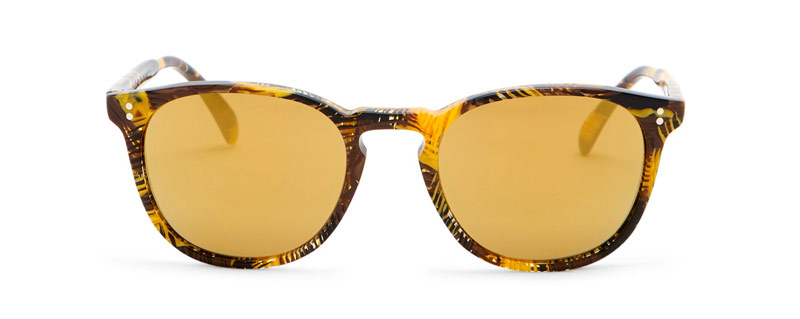
Finley Esq. 51mm Retro Sunglasses by Oliver Peoples $335 $100

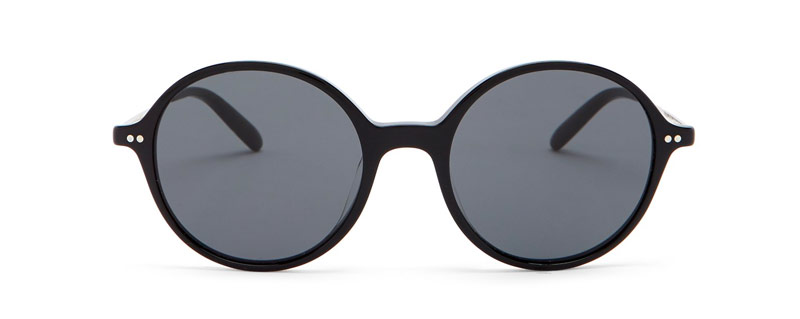
Corby 51mm Round Sunglasses by Oliver Peoples $350 $100

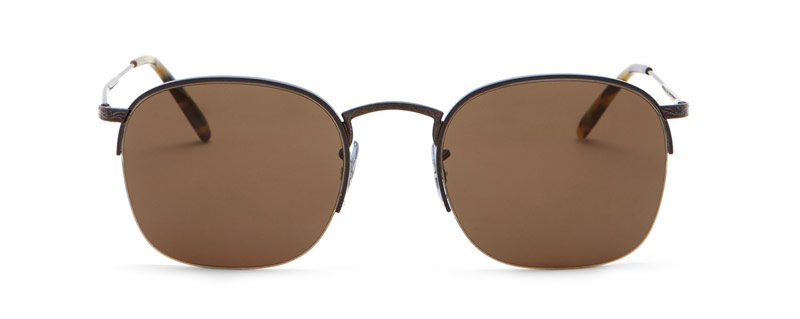
Rickman 51mm Half Rim Square Sunglasses (Brown) by Oliver Peoples $350 $100

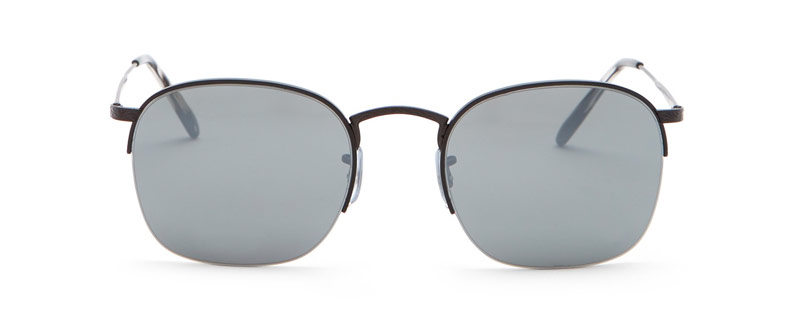
Rickman 51mm Half Rim Square Sunglasses (Black) by Oliver Peoples $350 $100

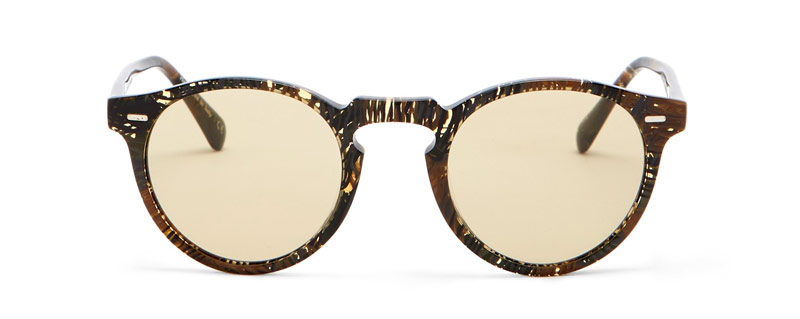
Gregory Peck 47mm Round Sunglasses by Oliver Peoples $365 $100
Note: Purchasing products through our links may earn us a portion of the sale, which supports our editorial team’s mission. Learn more here.

Master & Dynamic’s True Wireless Earbuds Are Badass and Beautiful

Master & Dynamic’s first pair of true wireless earbuds – the MW07s – don’t look like anything else out there. They’re made of stainless steel and handcrafted acetate, the latter being the same material used in high-end sunglasses. Each earbud packs a 10mm beryllium driver to deliver excellent and expansive sound. And the charging case, which charges via USB-C, is made of stainless steel and looks like it’s bulletproof. At $300, the MW07s are almost twice as expensive as Apple’s AirPods, but how do they compare?

The MW07s will be available this September. And you can order the acetate in four different colors: matte black, grey terrazzo, steel blue and tortoiseshell.

The Good: The MW07s look, feel and fit amazing. The earbuds come with swappable silicon earbuds and earwings so I never had any issues with them falling out. The audio quality is very good with a wide soundstage, which I really like. The tactile button controls on the actual earbuds are simple and straightforward to use. And the charging case is excellent; it charges with the same USB-C cable I use with my smartphone laptop, and it has LED lights to indicate its battery life, as well as the battery life of the individual earbuds. They have built-in optical sensors that, similar to AirPods, will play/pause the audio you’re listening to when you place or remove the earbuds from your ears. There’s no app to download or deal with – the MW07s work straight out of the box.

Who They’re For: Anybody who values great sound and design, and is willing to shell out $300 for a pair of true wireless earbuds. They’re OS agnostic, perfectly suited to work with an Android or iPhone. Even they are IPX4, I wouldn’t recommend working out or running in these earbuds.

Watch Out For: The obvious downside is price – the MW07s are at the tippy-top of the price range for true wireless earbuds. Other than that, the only real qualm I had was that a wall adapter wasn’t included in the box, which seems a little ridiculous for a pair of $300 earbuds.

Alternatives: In the $300 price range, there are several premium audio brands making true wireless earbuds. There are the new Sennheiser Momentum Earbuds, which I haven’t tested, as well as B&O’s Beoplay E8. If you’re looking for sport-focused earbuds, I’d recommend Sony’s WF-SP700Ns or Jabra’s Elite Active 65t. However, AirPods are still the best pair of true wireless earbuds, in terms of the total package (which includes price), especially if you have an iPhone.

Review: The most important thing to consider with any true wireless earbuds is fit, because if they don’t fit in your ears, well, they aren’t going to work for you. And pretty much every pair of true wireless earbuds that I’ve tested has fit differently. Jabra’s Elite Active 65t run tight, for example, while Bose’s SoundSport Free kind of hang out of your ears. We know that AirPods don’t fit in everybody’s ears. And for me, I know that something that looks like Bang & Olufsen’s Beoplay E8, they aren’t going to fit me well. Master & Dynamic’s MW07s fit me perfectly.

In the three weeks that I’ve been testing the MW07s I haven’t had one issue with the way they fit. And I don’t think that will be unique to me. Similar to Samsung’s IconX (2nd-gen) and Sony’s WF-SP700Ns, the MW07s take advantage of both silicone eartips and silicone earwings, so they grip in and around the ear cannel. And despite looking a little bulky when you hold in your hands, the MW07s fit neat and tidy; they don’t look they’re hanging out of your ears like Bose’s true wireless earbuds.

The MW07s are built with Master & Dynamic’s signature beryllium drivers and they sound pretty great. I’m not a true audiophile, but if you pressed me I’d say that the MW07s produce a slightly wider soundstage than AirPods – midrange and high frequencies are crisp and clear – but I’d also have to concede that the difference in sound quality between them and AirPods is subtle, hardly night and day. And that’s not a knock on the MW07s, but more of a testament to how great Apple’s two-year-old wireless earbuds still are.

Forget the high price tag of the MW07s for a second and, I swear, these are my favorite true wireless earbuds that I’ve tested.

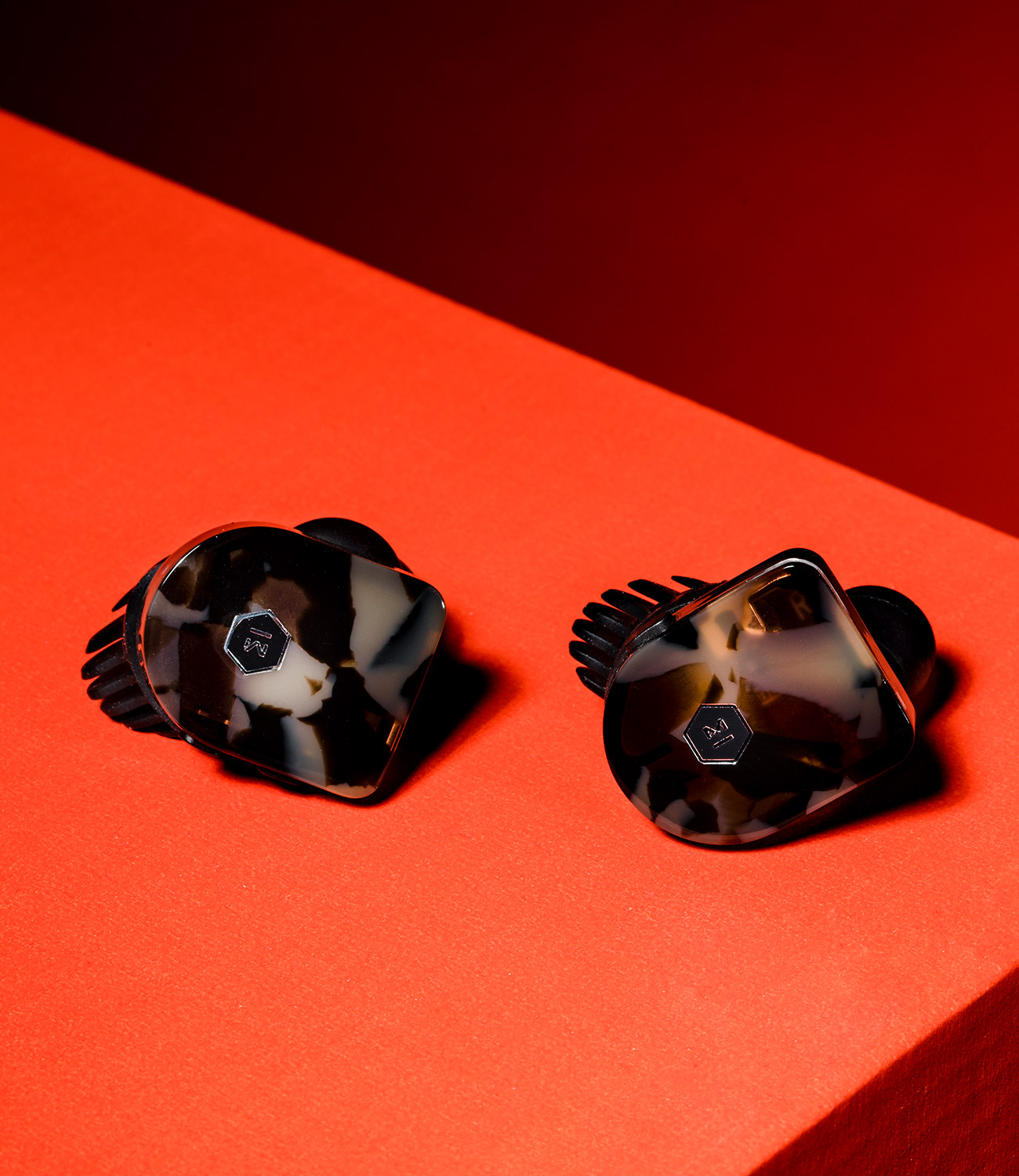
Yes, a key feature of the MW07s is their excellent sound quality, but, for me, these earbuds are more about style and flair – “personality” – which they have heaps of. The MW07s are gorgeous, obviously, with an exterior made of beautiful acetate. The MW07s that I tested (which are photographed in this article) are grey terrazo, which I liked but if I could do it all over again I would probably opt for the steel blue; those look really special. And because the exteriors are cut from sheets of acetate, each earbud is going to look a bit different. So that’s neat.

Another standout feature is the charging case, which is made out of stainless steel and looks like a badass bullet case. Yes, it looks cool but it also feels better designed than pretty much all other charging cases that I’ve encountered. That’s because it has three LED lights built into its front, which light up different colors depending on its battery level. Green is full charged. Red is dead. And yellow is somewhere in-between. Also, the left- and right-most LED lights represents the power level of the left and right earbuds, while the middle LED light shows the battery level of the case. Again, it’s thoughtful and well-designed.

In terms of functionality, the MW07s just work. And I love that about them. They connect like any other Bluetooth device – there’s no quick pair feature, unfortunately – and from there they have built-in optical sensors and can automatically start/stop when you place or remove the earbuds from your earbuds, just like AirPods. There’s no app to deal with, which I found a godsend, although this also means that there’s no “Find My Earbuds” feature or the ability to tweak the earbuds’ EQ settings.

Forget the high price tag of the MW07s for a second and, I swear, these are my favorite true wireless earbuds that I’ve tested. They work and fit extremely well, plus the look and design of these blow AirPods and pretty much all other true wireless AirPods out of the water. Yes, $300 is very expensive, especially when you consider that the sound quality isn’t that much better/different than AirPods ($159) of Jabra’s Elite Active 65t ($180). However, you’re paying for more than just sound quality with MW07s. You’re paying for style and personality (and the higher-end materials). And just like some people will never understand buying a t-shirt that costs $50 when they can get “virtually” the same thing for $12, there will also be people who will never comprehend shelling out $300 for a pair true wireless earbuds.

Verdict: The MW07s feel refreshingly uncompromising. They’re beautiful and badass (especially with the charging case), and if you don’t like the expansive sound signature that Master & Dynamic is know for – well, tough luck. They are easy to use and will fit most people’s ears. The inclusion of the USB Type-C charging port makes them feel modern.

As far as the price, $300 is very expensive, especially when you consider that the sound quality isn’t that much different than AirPods ($159). However, you’re paying for more than just sound quality with MW07s. You’re paying for style and personality, and the high-end materials, of course. And if you value all that stuff, you’ll probably be over the moon with these MW07s.

Key Specs

Drivers: 10mm beryllium
Battery: 3.5-hour per earbud, 10 hours from the charging case
Connectivity: Bluetooth 4.2
Water Resistance: IPX4
Charge: USB Type-C
App: none

Read More Gear Patrol Reviews

Hot takes and in-depth reviews on noteworthy, relevant and interesting products. Read the Story

Note: Purchasing products through our links may earn us a portion of the sale, which supports our editorial team’s mission. Learn more here.

My 8 Gear Essentials For Surviving an Off-Road Race Across Nevada

Going by the way of smooth, paved asphalt and piloting a modern, road-legal car, it’ll take you just under seven hours to get from Las Vegas to Reno, Nevada. Your luxurious, climate-controlled cocoon of leather and carpet can effortlessly glide over the ribbon of road connecting those cities regardless of the searing sun, triple-digit temperatures and gusts of wind carrying buckets of desert dust. It’s almost too easy. But try to get from one of the casino-laden cities to the other without using any roads at all, as fast as you possibly can, while fighting off dehydration, silt beds waiting to swallow wheels, blind turns preceding cliffs and suspension arm-hungry boulders… that’s a different story. Coincidently, The Best in The Desert Vegas to Reno, which at 540 miles is the longest off-road race in the US, puts on just such show. I attempted to finish it in a relatively stock Polaris RZR Turbo S.

By “stock,” I mean the only things added to the RZR were to make it race-safe and compliant — an extensive, reinforced roll cage, race seats and safety belts, removable-steering wheel, race fuel cell, radio, safety lights and fire extinguisher system. Other than what the regulations deemed necessary, everything on the Turbo S was factory-spec — there were no mechanical upgrades. Meaning the suspension, engine, transmission, ECU and basic chassis rolled up to the starting line the same as they were on the showroom floor. My co-pilot and I, on the other hand, were in need of necessary optional extras. Fireproof suits, gloves and driving shoes and a ventilated race helmet were baselines; on top of that, we needed a way to communicate to the pits and, as we found out 50 miles into the 580-mile race, food and water, just in case we got stuck out in the desert. This is the gear we brought along to attempt America’s toughest off-road endurance race.

Polaris RZR XP Turbo S

Pyrotect Pro Airflow Helmet

PCI Race Radios Offroad Helmet Wiring Kit

Alpinestars GP Race Suit

Alpinestars Tech 1 Race Glove

Oakley Race Mid Boot

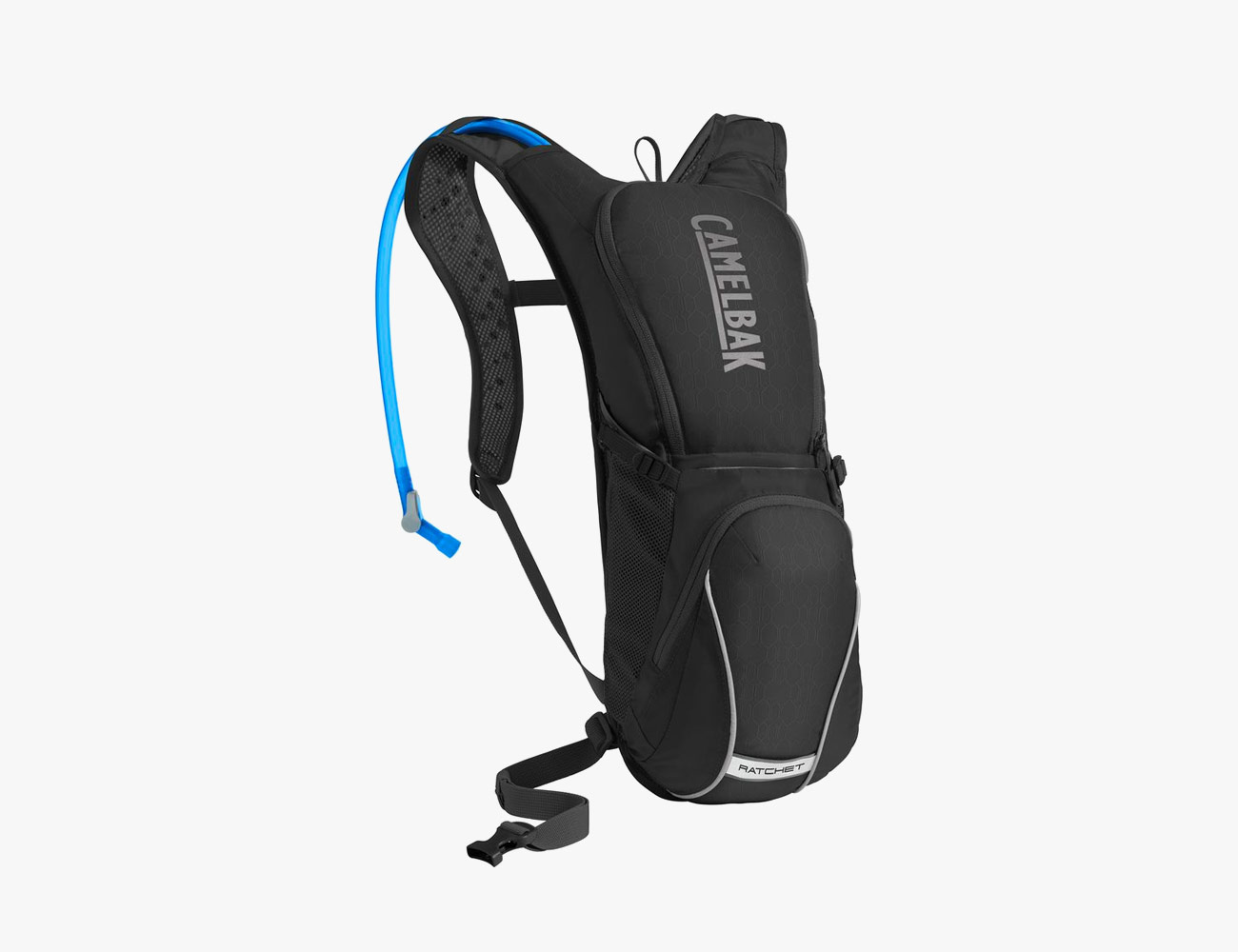
CamelBak Ratchet 6L Backpack

Cliff Bars

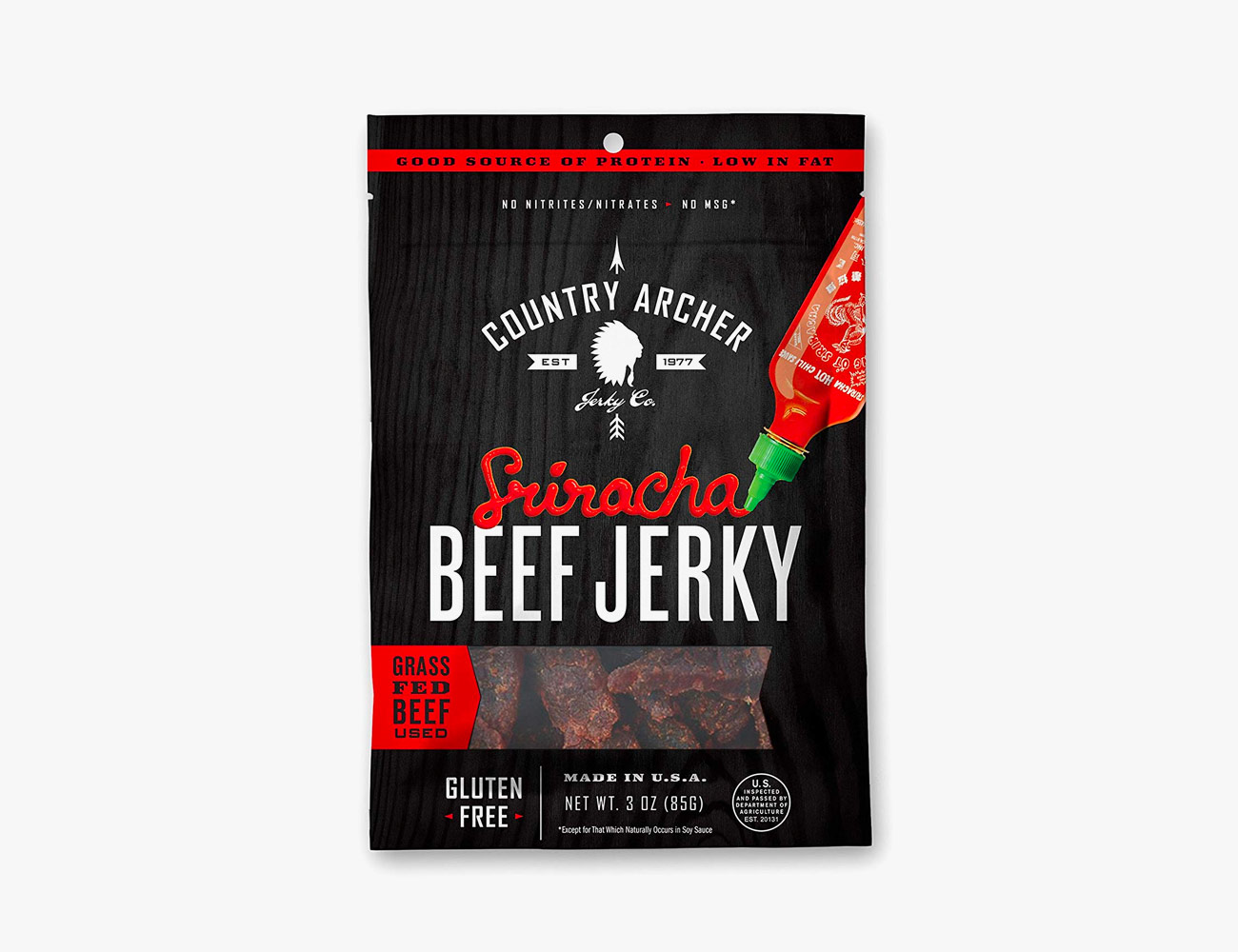
Country Archer Beef Jerky

Bonobos Is Now Making Clothes That Every Guy Can Fit Into

It’s hardly a new complaint that brands on the higher end of the clothing spectrum don’t really cater to guys with bigger bodies. What’s newer is a mainstream label actually doing something about it.

On Monday, Bonobos announced that it would dramatically expand the number of sizes it offers. And that doesn’t mean the clothes are just getting bigger. They’ve also been carefully re-engineered to accommodate the needs of men with larger frames.

So while pant waists will go past size 40″ all the way to size 54″, the new extended-size trousers will also include an increased pitch. (The pitch refers to the back-to-front angle of how pants sit on a man’s waist; the increase in this angle accommodates guys who wear their trousers below their bellies.)

The same goes for shirts. The sizing can now fit guys with 22-inch necks. The new shirts have a lowered front drop, so they sit lower on the neck, and a feature two-piece sleeve that follows the arm’s natural curve. Suit jackets have proportionally larger lapels, but there’s also a dart underneath them to prevent the break that can sometimes occur with traditionally made blazers.

Everything has been considered. Suit pants have elastic in their waistbands to allow for weight fluctuation. Polos and sweaters now go up to size 4XL. The ties are longer and wider, and their new back loop had to be re-positioned three times before co-president Brad Andrews was confident they’d gotten it right.

He and the rest of the Bonobos team have poured a lot of time and energy into making sure they get everything right. The same goes for how bigger guys feel when they visit Bonobos stores. “The main goal in store is to make that experience feel the same for extended sizing shoppers as it does for guys who shop our current assortment; we want them to feel apart of the Bonobos family and not treated like an afterthought,” Andrews said. “As one of our main goals with this launch is to learn from and grow with the customer, we want to understand how customers are coming into the Guideshop to shop the extended size assortment. Based on those learnings, we will continue to innovate on how we merchandise this product in-store as well as roll out new styles and fit options.”

And from a brand obsessed with fit, what else would you expect?

A Damn Fun, Affordable, Stripped-Down Overlander from Polaris: the Polaris General

When you think of side-by-sides or UTVs, you’ll most likely conjure up images of a roll cage jacked up on an arm’s length of suspension travel, shod with massive tires ripping around desert dunes and tearing through a mountain trail. Or, you’ll picture a seasoned ranch hand puttering along mending a fence or moving hay bails. If you’re in the market for a UTV it’s understandable to see one as too extreme, over the top and unnecessary and the other as dull and joyless. The Polaris General lives at the 50-yard line between the company’s performance-centric RZR and its workhorse Ranger.

The Good: Slinging the General around the surrounding trails and property at the Main Line Overland Festival, it quickly became abundantly clear how a UTV like the 180 horsepower Can-Am Maverick X3 XD S turbo was complete overkill. Unbelievably fun, yes. But, is that much power needed to entertain yourself on a gravel back road or rock crawling path? No. The 100 horsepower the General sends to all four of its wheels is more than enough to get the back end to step out, get you into all sorts of trouble and get you out of that trouble when you come face to face with a boulder or log crossing.

Who It’s For: Overlanders, and active lifestyle types. Considering it’s not too raucous, the General was designed with weekend warriors in mind. It has enough power to keep you on your toes, a utility bed, significant payload capacity, 1,500-lbs winch and the ability to add optional racks, cargo boxes, light bars and tougher rims.

Watch Out For: One problem with Polaris performance UTVs is they inherit the upright seating position from the Ranger. The proper posture works fine when you’re putting the machine to use as a docile cargo hauler, but the minute you want to switch to hooligan mode, the higher seat position multiplies the “we’re about to tip over” feeling.

When it comes to getting the machine optioned exactly as you need it, prices start to climb. The base model doesn’t come with much and a $1,500 jump to the Premium trim only gets you the 4,500-lbs winch, front bumper and painted body panels (which you’ll probably scratch up immediately). The $20,299 Deluxe edition buys you a roof, MTX sound Bar and Fox podium shocks on top of what the Premium offers. And that’s just the two-door model, the four-door starts at $21,299. So if you can live without the bells and whistles, the smart buy is to go with the base and add the roof, cargo boxes and racks, which start around $250.

Alternatives: The most direct competitor to the Polaris is the Can-AM Commander. It certainly looks more aggressive and has better base-level storage options, and the General-equivalent model price is $3,000 below the Polaris. However, the Polaris comes out on top with better suspension, more power and a higher cargo capacity, which, all things considered, are key aspects if whether you’re doing some light off-roading or hailing camp gear.

Review: Cutting through narrow trails, crawling over boulders, logs and splashing through boggy mud pits, the General seemed right at home on the dirty side of this year’s Mid Atlantic Overland Festival. But the machine’s dual personality is what sets it apart from the rest of the lineup. When it wasn’t thrashing trails or picking up a front wheel while the back two swung around, the UTV’s ‘utility’ shined through, hauling gear and taxiing people from one side of the campground to the other, to the bonfire and back again. When I wanted to have fun, I had fun. When I needed to tend to a few festival responsibilities, it was right there, willing and able, with one major caveat.

As much as the General champions being the 50-50 mix of the RZR and Ranger, I was split between the two- and four-seater depending on where I was going or what I needed to do. Going for the win at this year’s rock-crawl hill climb challenge or tackling the boulder-strewn trails along the property outskirts? Two-seater. Giving rides across the grounds to campsites, hauling a keg or two to the bonfire or putting the bed to use as skybox seating for the film festival? Four-seater. The longer wheelbase of the four-seater brought out the best of the utility side of the General, but on obstacle trails, the wince-inducing scrapes and slides of knee-high stones and logs along the side rails were enough to permanently appoint it to workhorse status.

Verdict: Just like a Jeep, as an affordable, stripped-down overlander, the General makes a lot of sense. Again, like a Jeep, the base model is incredibly capable fresh from the showroom floor. But if you want the real weekend warrior-mobile with Moab trail tackling suspension, light bars, roof racks, crash bars and cargo boxes, you’d better be prepared to shell out extra cash on top of the MSRP. The General will do what you ask of it and it’ll put a smile on your face the entire time, but that’s entry-level. If you want to make extracurricular overlanding activities easier, it’s pay to play.

What Others Are Saying:

• “On one particular day, we logged just over one hundred miles on some really tight, rough trails at Anthracite Outdoor Adventure Area in Coal Township, PA. The General was really comfortable, providing us with a comfortable ride and spoiling us with some kicking tunes streamed via Pandora through the Bluetooth MTX audio.” — Lance Schwartz, UTV Driver

2019 Polaris General 1000 EPS Key Specs
Two-seater
Engine: 999cc Twin Cylinder
Transmission: Automatic PVT
Horsepower: 100
Torque: 65 lb-ft
Payload Capacity: 1,100 lb
Weight: 1,491 lbs (dry)
Price: $16,299(base)

Four-seater
Engine: 999cc Twin Cylinder
Transmission: Automatic PVT
Horsepower: 100
Torque: 65 lb-ft
Payload Capacity: 1,280 lb
Weight: 1,857 lbs (dry)
Price: $21,299(base)

Read More Gear Patrol Reviews

Hot takes and in-depth reviews on noteworthy, relevant and interesting products. Read the Story

Note: Purchasing products through our links may earn us a portion of the sale, which supports our editorial team’s mission. Learn more here.

Can Knockoff AirPods Challenge the Real Deal? We Had to Know

W

e can go on and on about how great Apple AirPods ($159) are and how they’re arguably Apple’s best first-generation product ever. (Better than the first iPod or the first iPhone? Possibly.) The fact that they were released in 2016 and, without being updated or replaced by a second-generation product, are still the most popular true wireless earbuds out there speaks volumes.

Of course, in the roughly two years since Apple released its AirPods, there have been quite a few other true wireless earbuds that have been also hit the market. Many are good, with different features, styles, fits and sound signatures that some people will definitely prefer over Apple’s AirPods. It’s well documented that AirPods don’t fit in everybody’s ears, for example, and I still wouldn’t work out with my AirPods; they’re not sweat-resistant.

Most of the best true wireless earbuds are in the $150 to $200 price range, so at $159, Apple’s AirPods are right in the middle of the pack. Still, they aren’t cheap. And if you lose or break one, that’s gonna run you another $69. If you really want AirPods, but don’t want to pay that much, there are other options out there. You’ve probably seen them while scrolling through the product purgatory that can be Amazon.com: AirPods selling for a fraction of their normal price. Only they’re not AirPods at all. They’re knockoffs. Fake AirPods.

You won’t see many knockoffs that look like Bose’s, B&O’s or even Jabra’s true wireless earbuds. You will see a lot of AirPod lookalikes, however; imitation is the highest form of flattery. These knockoffs are made by companies that you’ve likely never heard of — I hadn’t — but because they’re super cheap, some starting at just over $10, you might be tempted to pull the trigger and click “Add to Cart.” So should you? What’s the catch?

The thing with these AirPod knockoffs, or so I realized after researching them, is that they disappear. Vanish. You can save a product page and then come back to it a day later, sometimes even less, and there’s a “404 error” page and you’re meeting one of Amazon’s many beautiful dogs. Is it sketchy? Absolutely.

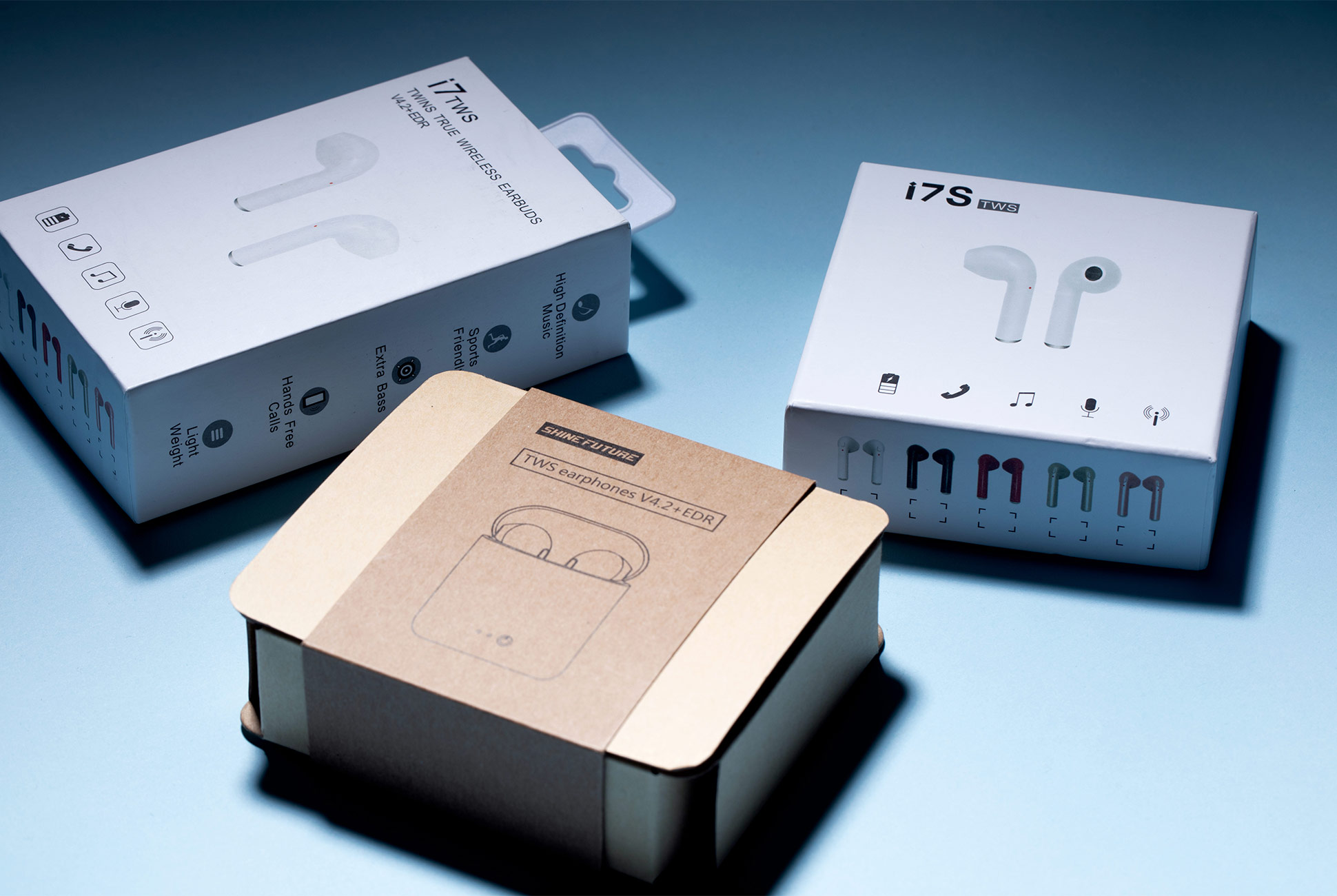
Still, I was intrigued enough to pull the trigger and purchase three sets of knockoff AirPods. All were priced between $20 and $30 and made by companies, likely fake, that I had never heard of: “Gianny,” “To Toplay” and “Chyu.” When they arrived and I started to play around with them, it became apparent that despite looking different and coming in different packaging, all three knockoffs were made by the same company.

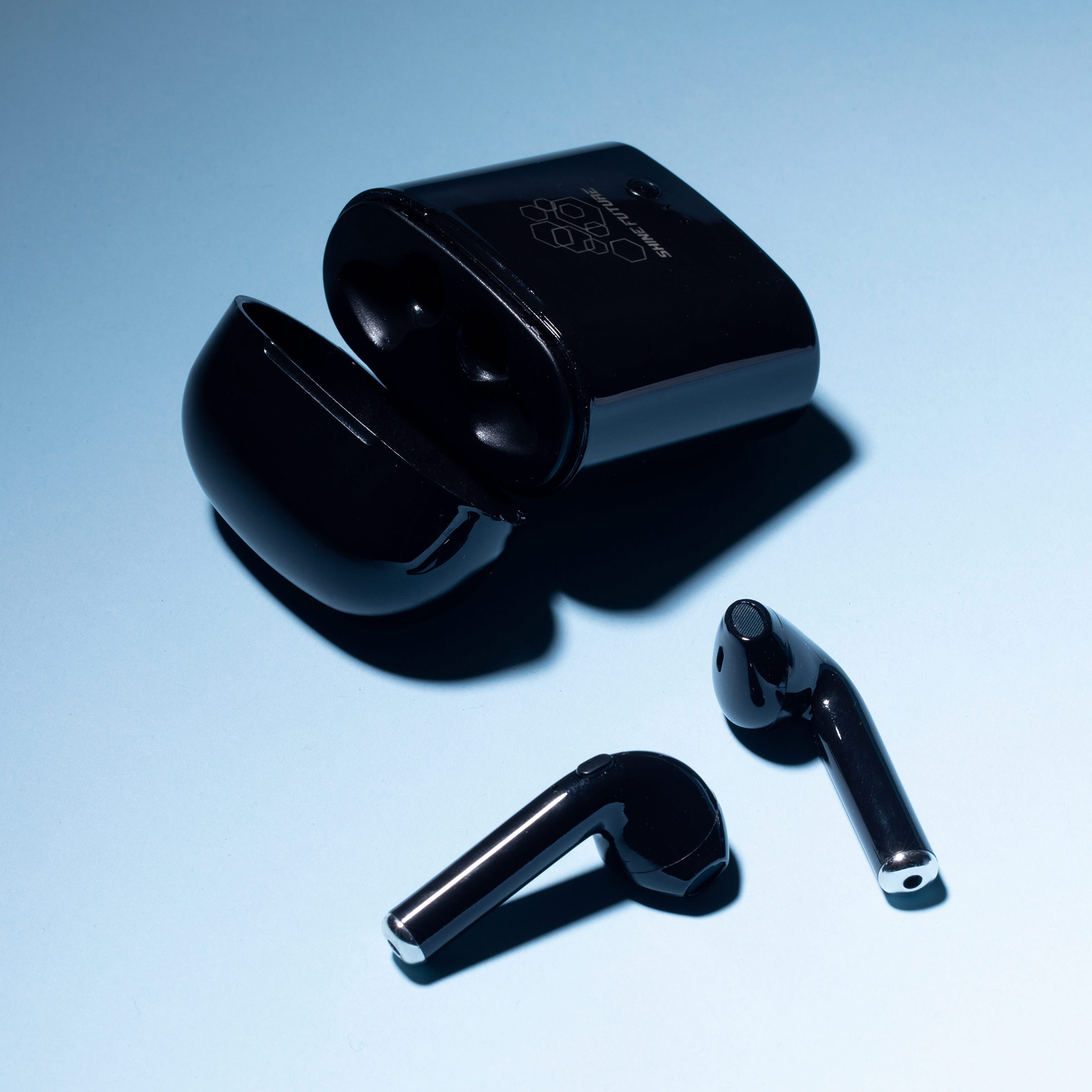
When pairing, they all were named either “TWS-i7” or “tws-i7.” They were all much bigger than AirPods — probably double the size — and had one “multifunction” button on the side of each earbud. These buttons were used to pair the earbuds, as well as to play/pause and skip tracks. The instruction manuals that came with each knockoff pair were all a bit different, with amusing grammatical mistakes. “Dust-proof mesh” was advertised as a key feature in all of them, which was hilarious.

AirPods Vs Knockoff AirPods: The Big Differences

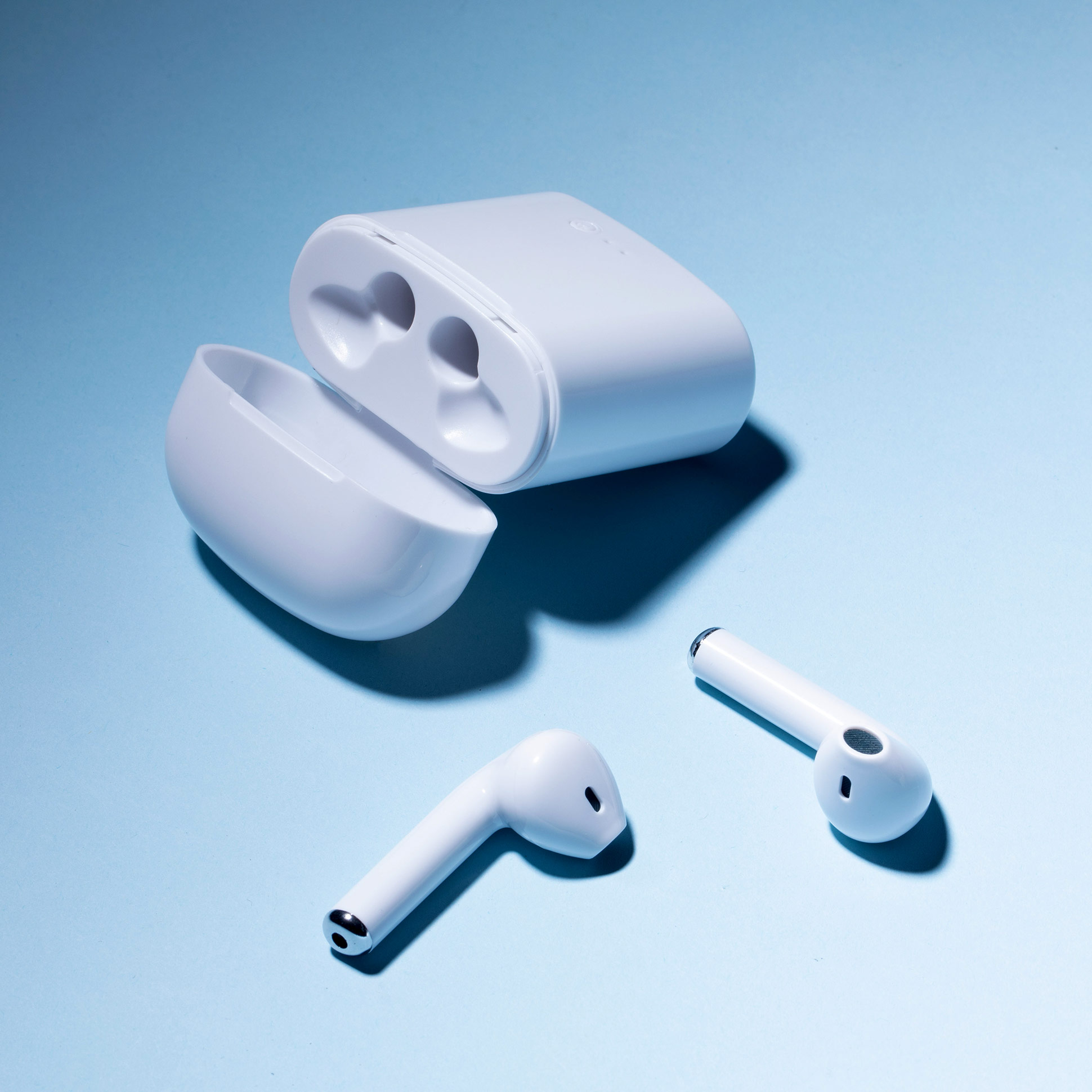
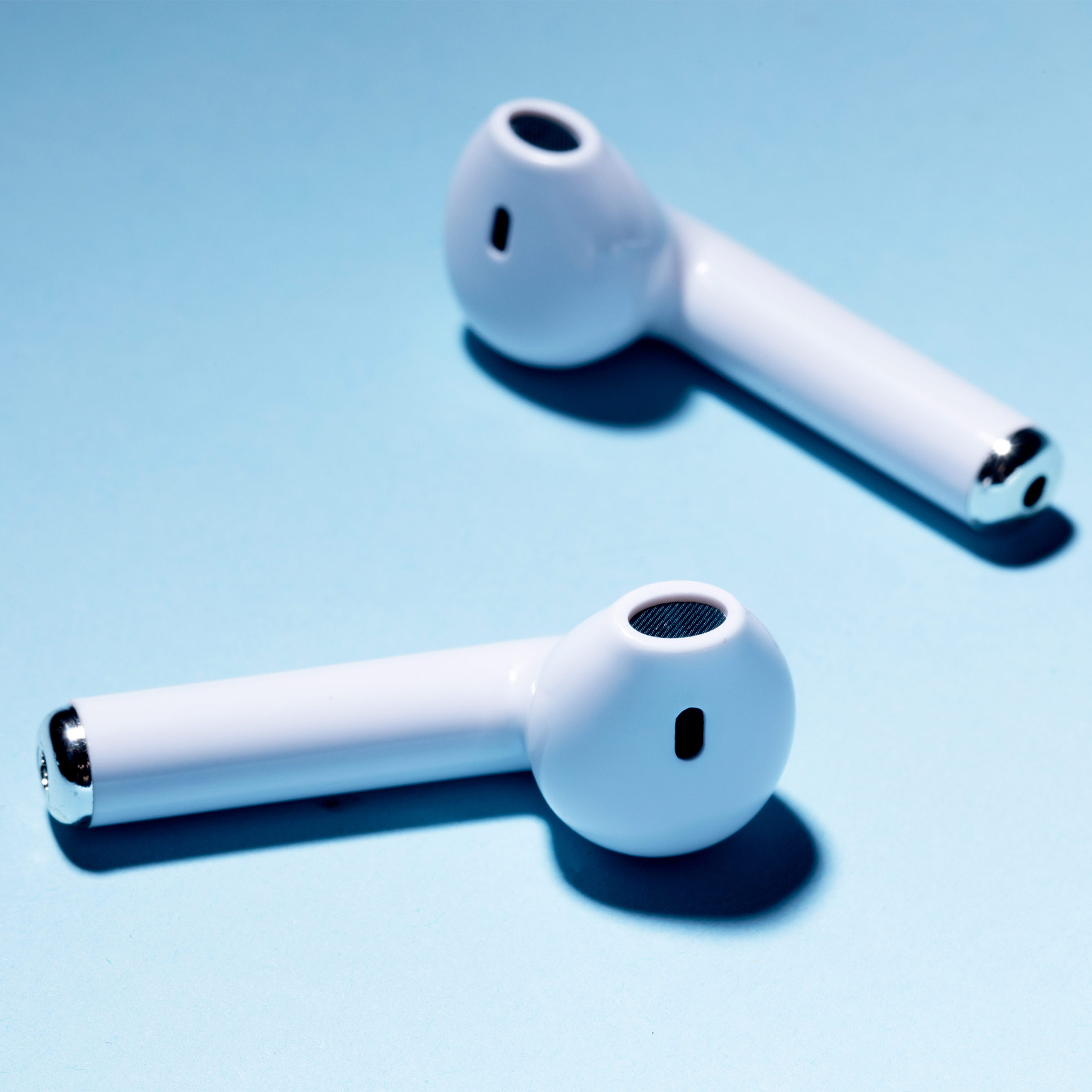
Not small. Each knockoff AirPod was roughly twice the size of an AirPod. Basically, unless you’ve never seen an AirPod before, nobody is going mistake these knockoffs for real AirPods. In fact, you might even get some more awkward gazes; people looking at you and thinking, “that doesn’t look right.”

Lights? Different from Apple AirPods, all three knockoff pairs had lights built into each individual earbud. These lights flickered blue and red every few seconds. It wasn’t super noticeable in the daylight, but it was a different story when the lights went out.

No quick pairing. None of the knockoff AirPods had Apple’s W1 chip to help instantly pair with my iPhone. To pair, I had to go the old school route through Bluetooth Settings.

Physical buttons. None of the knockoff AirPods had optical sensors, so they wouldn’t automatically turn on and off when I put them in or took them out of my ears. To turn each earbud on or off, I had to manually press and hold the “multifunction” button.

Less charge. The battery life of each earbud was not extraordinary, lastly around 1.5 hours, which is half as good as what you’d get with Apple’s AirPods.

Zero bass. As for as sound quality, none sounded quite as good as Apple’s AirPods. Sound quality was passable, but there was a notable lack of any kind of bass.

No Lightning port. The AirPod knockoffs that come with a charging case require a micro-USB connection, so you won’t be able to use your Lightning cable. These are definitely not “MFi-certified” by Apple.

Editor’s Note: As stated before, none of the Amazon links to the below knockoff AirPods are still live — they all direct to “404 error” pages. This underlines the sketchy nature of even shopping for fake AirPods. All the below links point to an Amazon search page. The below prices reflect what I paid for each knockoff AirPods.

AirPod Knockoffs #1: To Toplay Wireless Earbuds


Thoughts: Of the three knockoffs, these were probably the most AirPod-like, as they came with a charging case and were white. Pairing was seamless and straightforward. The multifunction button worked well; a tap on either earbud played/paused the music, while a longer press would skip tracks.

Should You Buy? No. These earbuds are still huge. Plus they light up blue and red, so very few people are going to mistake these for AirPods.

AirPod Knockoffs #2: Chya Earbuds Mini Twins


Thoughts: I had the most trouble with these knockoffs. Pairing them to my iPhone was a nightmare. Despite it being the same pairing process as the other knockoffs, these individual earbuds didn’t want to play together, and it took me numerous attempts to get the audio playing out of both earbuds. The multi-function button on either earbud was erratic; most times a short press would skip tracks instead of play/pause. Also, these knockoffs didn’t come with a charging case. Instead, the earbuds were loose in the box and required a pin-like dongle, which I needed to stick into the bottom of each earbud to charge. It was bizarre.

Should You Buy? Please no. Hard pass.

AirPod Knockoffs #3: Gianny Bluetooth Earbuds


Thoughts: There’s a niche market for black AirPods and, if you’re willing pay extra, companies like ColorWare will professionally paint them for you. So, in that sense, these knockoffs are decently neat, but they’re essentailly just black versions of the To Toplay earbuds (knockoffs #1). They’re large and come with a bulky charging case. The biggest difference, however, is that these knockoffs came with a set of silicone wingtips, so I could make each earbud fit more securely; it’s a nice a little add-on if you’re going to exercise with these knockoffs.

Should You Buy? Not unless you are desperate. Although these were probably the pick of the bunch (the extra silicone tips push the scale in their favor), the black colorway doesn’t make them look any cooler in your ear — in fact, they stand out even more.

These Are the 5 Best American Whiskeys, According to More Than 50 Experts

Only five American whiskeys were won golds at this year’s International Spirit Challenge, most of which are surprisingly available. The 23rd year of the competition, which wrapped earlier this week, featured its usual rigorous blind tasting judging process as well as entrants from more than 70 countries around the world (they judge far more than just whiskey). These five award winners took home the highest honor for individual bottles and, for the most part, can be found at spirits stores nationwide.

Eagle Rare 10 Year Old Kentucky Straight Bourbon Whiskey

This is not the 10-year variety of Eagle Rare’s first award. It’s not even its 10th or 20th. Going back to its gold in the very same competition in 2003, this Buffalo Trace umbrella brand’s bottle has been storming spirit competitions since it first landed on the scene. Eagle Rare 10-year took gold in the Straight Bourbon 10 years old and under category, one of three American whiskeys to do so.

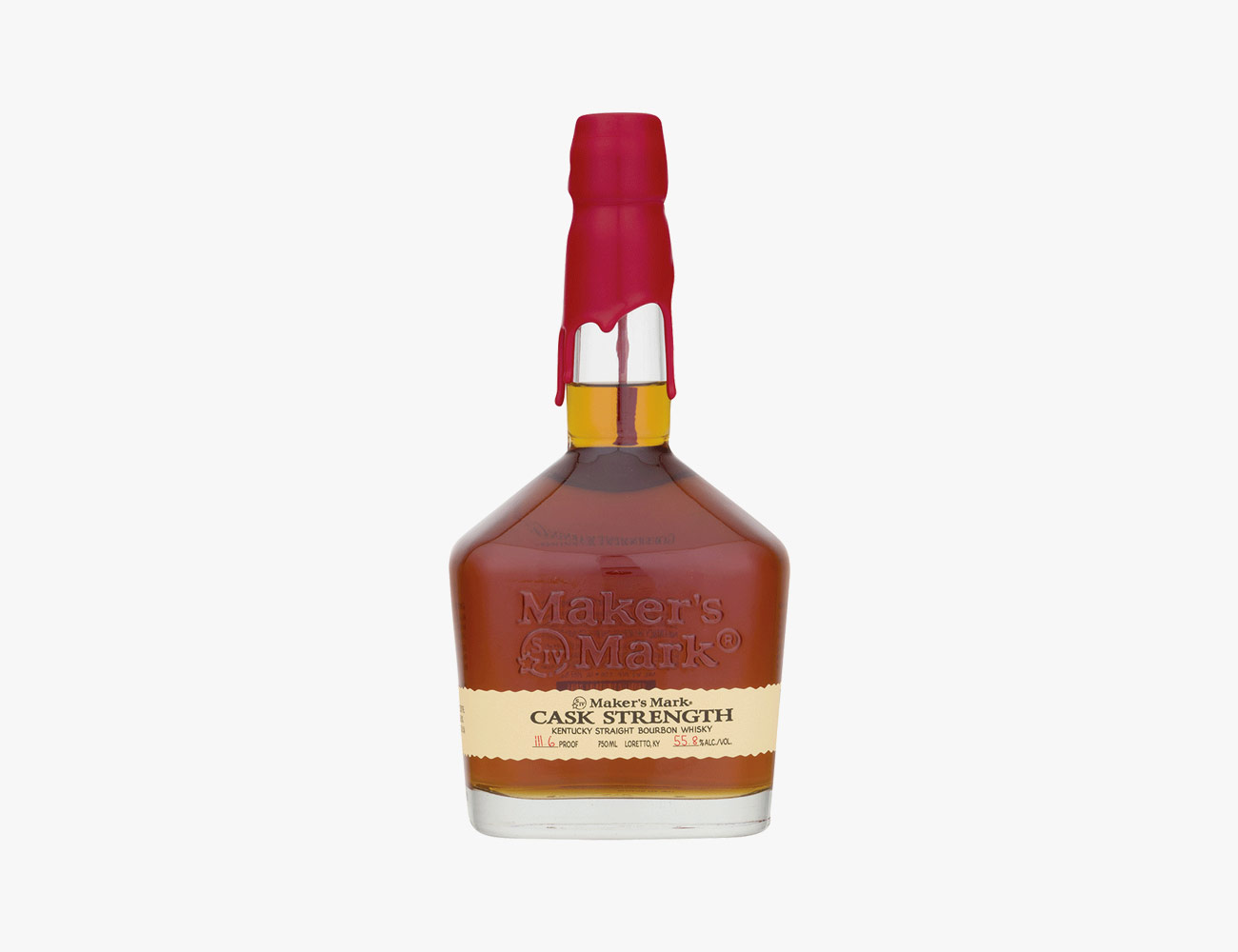
Maker’s Mark Cask Strength

“This is Maker’s Mark Bourbon in all its glory.” That’s how the brand describes its award-winning high proof bourbon. Since its released a few years back, the cask strength bottle has raked in a consistent flow of excellent reviews and is fairly available nationwide. The Maker’s Mark bottle was another American whiskey winner in the Straight Bourbon 10 years old and under subcategory.

Colonel E.H. Taylor Jr. Single Barrel Kentucky Straight Bourbon Whiskey

The only American whiskey to steal a gold in the Single Barrel Bourbon category is another distiller in Buffalo Trace’s portfolio, and is similarly used to taking home big time awards — best bourbon whiskey multiple times over at the International Whisky competition and best bourbon at the World Whiskies Awards. This bottle will run you $100 or more and has a long, tobacco-laden finish.

Kentucky Owl Rye #1

The gold for American Straight Rye Whiskey went to a semi-expected favorite. Kentucky Owl’s #1 Rye Whiskey release was the highest scoring whiskey in Whiskey Advocate’s summer 2018 archives, where it was described about as complex as can be: “Long, rounded notes of caramel, cinnamon roll, taffy, butterscotch, brisket burnt ends, nutmeg, Jamaican jerk, plum pudding, ginger, light sassafras, root beer, roasted marshmallow, cotton candy, orange peel, raw honey, and pie crust.”

1792 Small Batch Kentucky Straight Bourbon Whiskey

The last of the gold Straight Bourbon 10 years old and under winners is a different bottle from the same distillery that claimed Best Bourbon Whiskey at the World Whiskies Awards earlier this year (for the second year in a row, mind you). Its Small Batch variation is more affordable, lower proof and has been pulling golds, double golds and “bests” since 2010.

2018 Ducati SuperSport S Review: A Sport Bike for the Average Rider

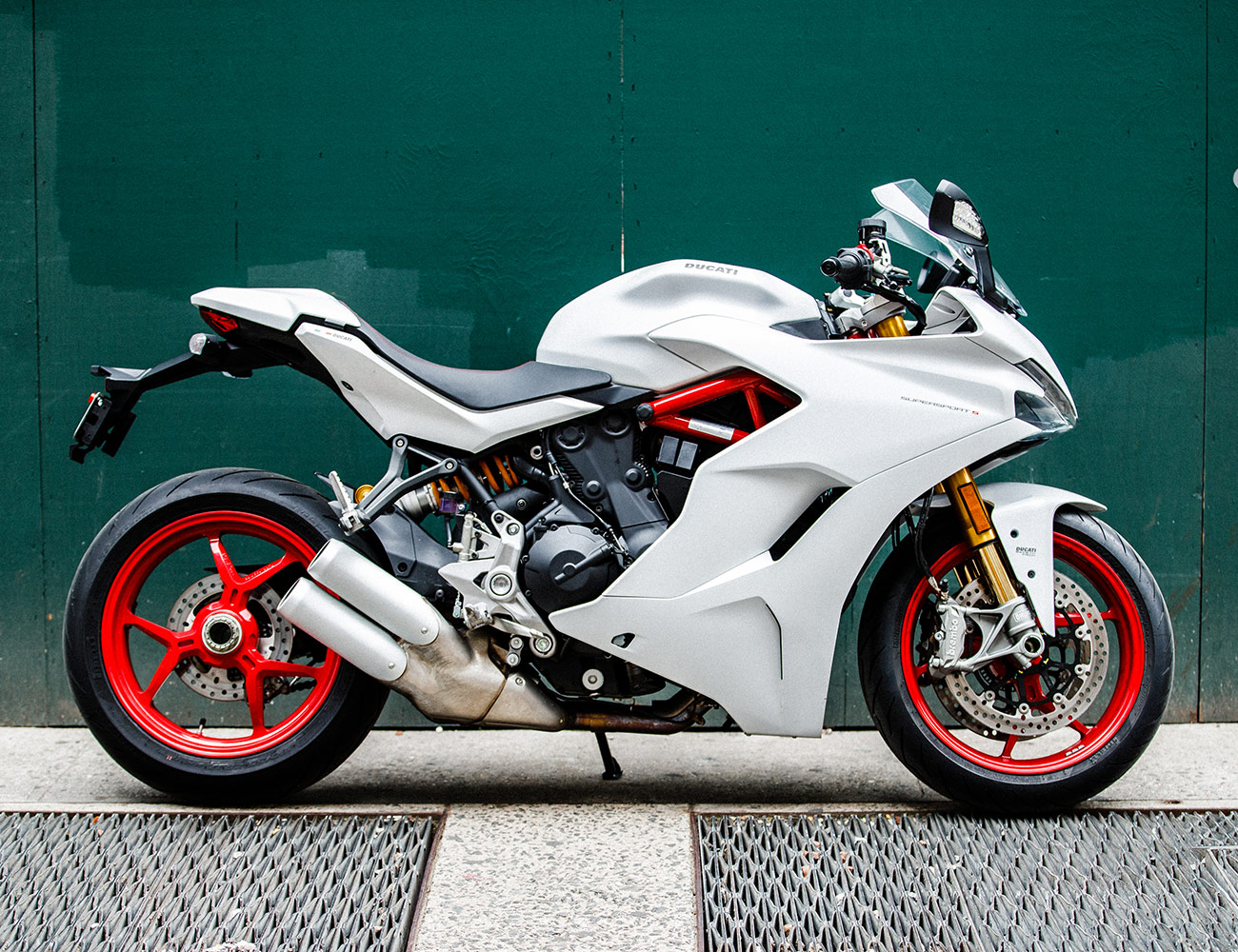
The Ducati SuperSport came back in 2017 from a 10-year hiatus to bridge the gap between the upper echelon of the Ducati lineup and more approachable bikes. The SuperSport brings the elegant, looks-fast-standing-still design and technology from the Panigale to riders who aren’t used to reigning in 200 horsepower on a daily basis.

High strung sportbikes are one-trick ponies, as eye-catching and blisteringly advanced as they are. Bikes that are born from racing but adapted to the streets while still retaining impressive stats are compromised for everyday riding. Ergonomics, torque curves and power bands well-suited to produce lightning fast lap times are a bike’s most significant weaknesses on a daily commute while dodging traffic going from stop light to stop light. The Ducati SuperSport S cherry picks the best aspects from longer distance bikes and the sport bike world to give the average rider a taste of top-tier Ducatis on a daily basis.

The Good: Styling on the SuperSport is one of its main draws. What used to be out of reach for most riders — those who didn’t want a high-performance track machine but adored the styling — can now enjoy one of Ducati’s best designs in years.

A host of electronic aids and layers of menus let riders customize the character of their bike. You and a friend could both get a SuperSport, but through the eight-level traction control and three level ABS system, you can mix and match the computer’s level of intervention so much that you could share the same bike but have two completely different experiences.

Who It’s For: Commuters who are looking for a premium bike to use almost every day but don’t want the aggressive and cramped ergonomics of a track bike.

Watch Out For: The SuperSport only comes in two colors, but there’s a catch. The base model just comes in red, so if your heart is set on the white, you ‘ll have to spring for the S model and throw down an extra $1,700. And if you can live with red, a non-adjustable suspension and adding an optional quick-shifter, I’d stick with the base model, because those are the only differences.

One of the most egregious flaws of the SuperSport is undoubtedly its mirrors. I’m somewhat broad-shouldered, so with the SuperSport’s mirrors on such short stalks I had to keep pinching my shoulders and elbows in to get a view of what was behind me. That annoyance, however, had nothing on vibrations that rendered the mirrors all but useless at night. A bike with that big of an engine, with so few cylinders will, of course, not ride very smoothly — there are bound to be vibrations and a lot of them. The mirrors vibrated so much that during the day my rear view was closer to a French impressionist’s interpretation of reality and at night, I gave up entirely and just used quick glances over my shoulder.

Alternatives: The only real direct competitors are the Kawasaki Ninja 1000 and Suzuki GSX-S1000F. Both the Japanese bikes are more powerful than the Italian at 140 hp and 148 hp respectively and also both get power from inline-four engines, affording a smoother ride.

All three have similar price tags and multi-level traction control systems, but the Ducati is the only bike of the three to offer fully-adjustable suspension, three ride modes (Sport, Touring and Urban) on top of the eight-level traction control system and three level ABS.

Review: I never got the chance to take the SuperSport on to a track to explore or even get close to the limits of what can do, but then again, the majority of riders picking this bike up won’t either. In my week with the SuperSport I commuted back and forth from Manhattan to Jersey City through the Holland Tunnel during a heatwave, did a few highway blasts on the way to see friends and took a trip down to the beach for the weekend. In other words, I lived my life as I usually would, I just happened to have a Ducati underneath me. And, for an everyday rider, the SuperSport followed through on Ducati’s promise of versatility and performance.

I already had it in my head that Ducati’s idea of a ‘comfortable’ sport bike was simply bolting the footpegs lower on the bike and calling it a day. And with styling so close to that of the Panigale superbike, it was all too easy to write the SuperSport off almost immediately. Getting proved wrong the second I sat on the bike was the most jarring moment of the entire week.

Yes, the pegs are lower, opening up more leg room, especially for taller riders, but so is the seat. Combine that with the raised position of the handlebars and I was sitting nearly bolt upright. On longer rides or even short bursts through the city where body position is continuously changing, that freedom of movement affords the rider back an incredible amount of endurance.

In slipping in and out of traffic to and from work, useable torque is the SuperSport’s calling card. If the SuperSport boasted superbike performance to match its looks, all the power you need would be comically high in the rev range. Instead, Ducati moved most of the torque to just above 3,000 RPM, so you can ride around at a pace which won’t earn you any tickets or summons, but you can still get your money’s worth from the power you paid for. You can thank the punchy 937cc L-Twin for that because the more rev-happy inline-four competition from Japan make you go searching for power above the 9,000 RPM mark, which can be useful on the highway but you’ll rarely see that on city streets.

The engine gives the Ducati trademark vibrations throughout the bike — it renders the mirrors absolutely useless and becomes temperamental at low speeds, on light throttle. Trundling through the Holland Tunnel, where there’s no passing and traffic moves at crawling pace on a regular basis coasting was difficult. At low RPM, power delivery was choppy, causing the bike to jerk slightly. I wasn’t anywhere near the point of stalling the bike; the engine just didn’t like the lazy pace — noting the bike’s air-temperature thermometer read 122 degrees Fahrenheit in the middle of the tunnel, neither did I.

Verdict: If you look at the price tags and performance numbers alone, the Ducati doesn’t sit at the top of its class. The Kawasaki and Suzuki easily beat it out there, offering more power for the same if not less money. But – and this is very big, obvious ‘but’ – numbers aren’t everything.

The full experience on the Ducati SuperSport is more than just numbers. Superior design, sound and the way it effortlessly takes on corners are the reason anyone leans towards a Ducati. Throw in the everyday usability of the SuperSport and you know have a beautiful bike, packed with performance and technology, without the torturous ergonomics of a superbike set up as a track weapon. The engine does have its flaws but as a whole package, Ducati scored a major win by opening up more riders to the more exclusive and intimidating part of the dealership.

What Others Are Saying:

• “Ducati may have designed this ride to bridge the gap between the laid-back riders and the more spirited ones, but the look is all sport and distinctly Ducati.” — Top Speed

• “Agile on city streets, comfortable on the motorway and superlative on out-of-town twisties, the SuperSport is super-versatile. Relaxed rider and passenger positions, good airflow deflection from the height-adjustable Plexiglas screen and the mileage provided by the 16-liter fuel tank also make the Ducati SuperSport a cool companion on medium-distance rides.” — Total Motorcycle

• “The SuperSport S is marketed as perfect for road riding without compromising its sporting spirit, to paraphrase Ducati. The subsequent lack of any soreness after riding definitely backs up that statement. The seating position makes for a pleasant commuter ride, while the handlebar set-up allows you to sit high, and the soft, wide – but not quite Honda Gold Wing wide – leather seat is perfect for stylish road riding.” — The National

Ducati Super Sport S Key Specs

Engine: 937cc L-Twin
Transmission: Six-speed
Horsepower: 110 hp @ 9,000 RPM
Torque: 69 lb-ft @ 6,5000 RPM
Weight: 463 lbs

Read More Gear Patrol Reviews

Hot takes and in-depth reviews on noteworthy, relevant and interesting products. Read the Story

Note: Purchasing products through our links may earn us a portion of the sale, which supports our editorial team’s mission. Learn more here.

Review: Should You Buy a BlackBerry in 2018?

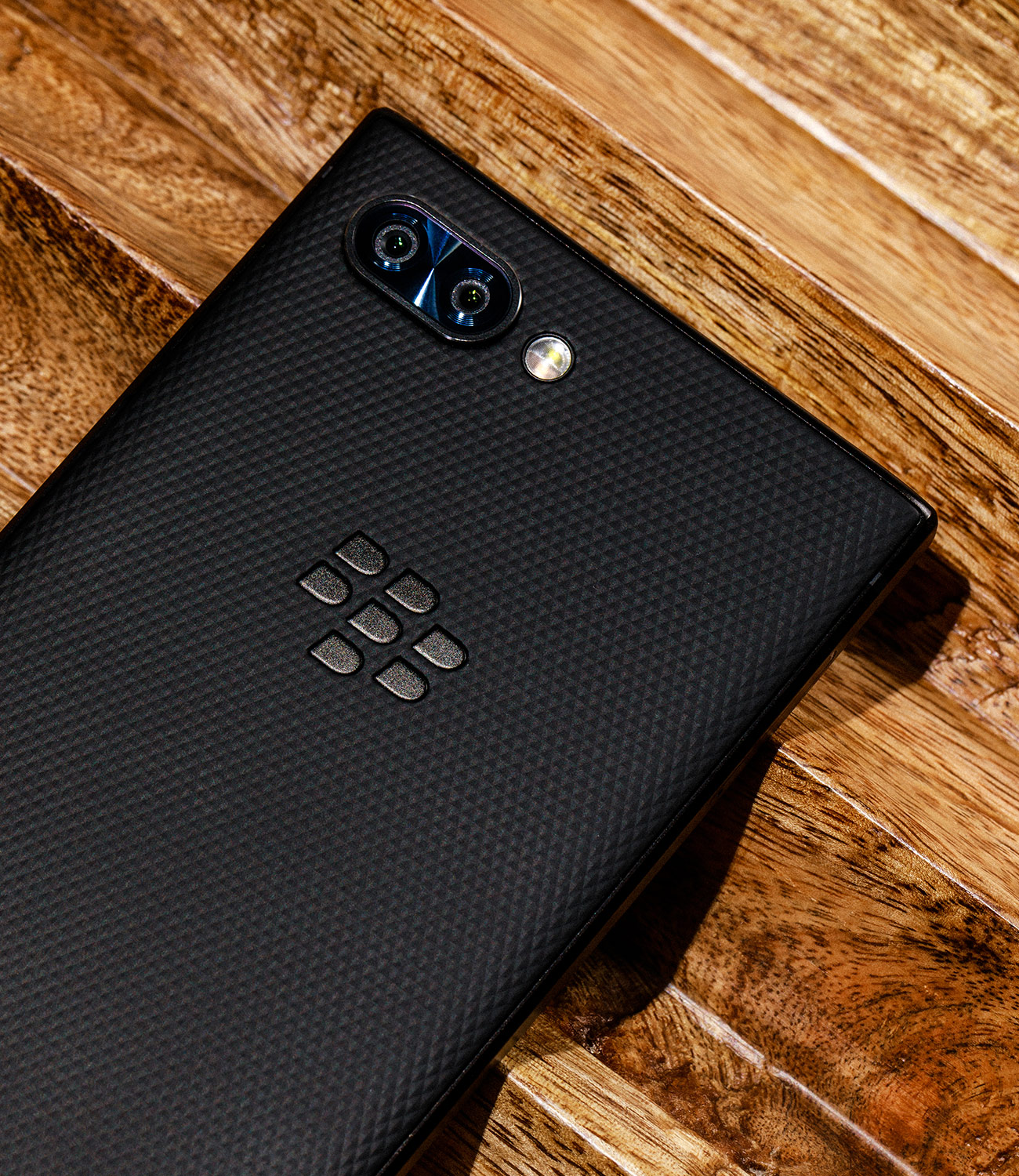
Nostalgia strikes with the BlackBerry Key2 smartphone ($649+). It’s the next-generation of 2017’s BlackBerry KeyOne and despite looking similar, the two models are different in all the right ways. The new model is slimmer, lighter and sturdier than its predecessor. The bezels on the Key2 are less prominent and its keyboard has been redesigned with 20-percent larger keys and a new “speed key” that lets users program their own shortcut to a specific app without going to the home screen. The Key2 has all its traditional specs bumped (processor, display, etc.) that you’d expect from a next-generation smartphone, too. And it’s the first Blackberry to ever have a dual rear-camera system. So in a world where BBMs are dead and iMessage is king, do you still need a smartphone with a smaller display and a physical keyboard?

|

The Good: Picking up the Key2 feels similar to using a mechanical keyboard with a computer — it’s different and sometimes difficult, but typing (texts, emails and Slack messages) is that much more enjoyable. The keyboard itself also comes with some neat tricks, such as 52 programmable shortcuts (one for each key), swipe gestures (which seems strange, but, for instance, you can scroll and erase messages by just swiping across the keyboard) and a fingerprint reader that’s in the spacebar. There’s an easy-access “Productivity Tab” that streamlines things like emails and calendar events. Blackberry put a number of features and apps, such as its well-known DTEK app, into the Key2 that take security to the next level. The rear-camera system is pretty decent for most photos. There’s a headphone jack.

Who They’re For: Any business person looking for a smartphone that’s primed for productivity (aka, somebody who sends a helluva lot emails via from their smartphone). It’s also not optimal for streaming videos or spending a lot of time looking at apps such as Instagram or Facebook, so the person probably shouldn’t care too much about that.

Watch Out For: Unlike many of the current crop of flagship and mid-range smartphones, the Key2 isn’t waterproof and doesn’t support wireless charging. Its display is tiny compared to pretty much every other smartphone in its price range. The keyboard can be frustrating at times, especially when you want to add symbols or numbers. The camera system isn’t great in low light.

Alternatives: In terms of other smartphones with physical keyboards, your only other option is last year’s Blackberry KeyOne, which is nowhere near as spec’d out as this much-updated Key2. At the $649, the Key2 is in line with other mid-range or older smartphones, such as the OnePlus 6, Google Pixel 2 or Samsung Galaxy S9, all of which have bigger displays and better camera systems.

Review: Full disclosure: I never had a Blackberry growing up. I never had the joy of BBMing or asking somebody, “Hey, what’s your pin?”. So getting my hands on the Blackberry Key2 was a novel experience — I hadn’t ever used a smartphone with a full keyboard before.

So let’s talk about the keyboard. Obviously, I use a keyboard on my desktop and laptop every day, so the physically typing on the condensed keyboard didn’t feel as abstract as I initially thought. The keys are small, true, but that was never really frustrated me. Instead, it was typing symbols and numbers that gave me the most problems, as navigating the Alt and Shift keys with just my thumbs felt aberrant.

The “speed key,” — that universal shortcut key — is located in the bottom-right corner of the keyboard and is surprisingly useful. It allows you to program up to 52 quick shortcuts to open apps without ever having to click the home button. I used it with just a few of my most-used apps — Twitter, Slack, Spotify, Gmail, Instagram — and I used it quite frequently. The keyboard has some swipe gestures, too, which first felt odd. You can switch between home screens, scroll up/down articles you’re reading and even delete words by just quickly moving your thumb over the keys. It’s honestly like the keys feel what I was trying to do — like a phantom touchscreen was there — but after a day or two of use, these swiping gestures kind of become second nature.

The keyboard is well-designed and feels great, but the great irony is that it actually made me a slower typer. I obviously have to caveat that point by saying two weeks of using a completely different smartphone isn’t enough time to break my habits, but still, I’m guessing most people used to typing on a touchscreen keyboard will have a similar problem.

The main star of the Blackberry Key2 is its keyboard, true, but the smartphone is also about privacy and security. As mentioned before, it has features and apps that bring this to the forefront. The DTEK app will tell you how secure each app is and let you manage permissions (it’ll tell you which apps have access to your microphone or certain log-in information, for example). The Redactor app allows you to black out sensitive information, too, so people standing near you can’t read what’s on your screen.

The other big difference is, as a result of that physical keyboard, that the Key2 has a smaller screen than other smartphones. The Key2 has a 4.5-inch display, which is slightly smaller than the 4.7-inch screen of the iPhone 8 and the five-inch screen of the Google Pixel 2, but it’s noticeably bigger — those smartphones are nearly all-screen.

For the most part, I didn’t have an issue with the smaller screen size. Apps like Gmail, Slack, Twitter, Google Maps and Messages all felt the same. However, the small screen has some noticeable drawbacks. The borders of Instagram Stories were cut off and watching landscapes videos on Netflix and YouTube is awkward. The resolution isn’t great either.

That said, the Key2 is a smartphone that’s not really meant for those things. Nor is it meant for taking photos, despite the fact that it’s the first Blackberry with a dual camera system and actually takes pretty decent photos. (I took a number of photos at my friend’s wedding and liked them enough to post on Instagram, which is saying something.) The camera, admittedly, isn’t great in low-light situations — photos can look flat — and it generally won’t impress you in the same way as the most recent iPhone, Samsung Galaxy or Google Pixel smartphones.

Verdict: At its core, the Blackberry is a very good mid-range smartphone. It’s fast, dependable and has a more than an adequate camera. Most importantly, it’s fun to use — a flash from the past. However, it’s really designed as a productivity weapon for business folks and doesn’t offer the supreme specs that are found in all today’s best flagship smartphones. The display isn’t big or beautiful, and it lacks features that have become ubiquitous, such as wireless charging and water resistance. If you want a second phone for business, or you’re just a big fan of Blackberry, the Key2 is a great choice. Otherwise, for $650, you can buy another midrange Android or an older iPhone and probably be happier.

What Others Are Saying:

• “BlackBerry Mobile managed to fix most of the issues, so if you were holding off on a KeyOne, you’ll probably love this phone. For everyone else it’s about figuring out whether you can get to the point where tapping away at a physical keyboard, like pen on paper, brings you enough fulfillment that you forget about all the things you’re losing in the process.” — Daniel Bader, Android Central

• “It might sound like I’m damning the phone with faint praise, but whatever: The BlackBerry Key2 is the best Android-powered BlackBerry ever made, and it improves on last year’s formula in almost every way. That said, the Key2 remains a questionable option for most smartphone shoppers — you could get a more-powerful Android phone like the OnePlus 6 for less money, and I suspect most people have moved on from physical keyboards without looking back. That said, for the right people — people who long for tactile keys and data privacy — the KEY2 just might be the right device at the right time.” — Chris Velazco, Engadget

• “On paper, it might be the best camera system ever put in a BlackBerry. But the Key2 doesn’t hold a candle to smartphone camera staples like the Pixel 2 XL and the iPhone X. After all, business users also want to take great photos with their phones, but the Key2 clearly isn’t cut out for that.” — Stefan Etienne, The Verge

Key Specs

Processor: Qualcomm Snapdragon 660
OS: Android 8.1 Oreo
Display: 4.5-inch IPS LCD (1,620×1,080)
Rear Camera: dual 12-megapixel camera system; 4K video at 30fps, 1080p video at 60fps
Front Camera: 8-megapixel
Key Features: headphone jack, USB-C charging,
Battery: 3500mAh

|

Read More Gear Patrol Reviews

Hot takes and in-depth reviews on noteworthy, relevant and interesting products. Read the Story

Note: Purchasing products through our links may earn us a portion of the sale, which supports our editorial team’s mission. Learn more here.

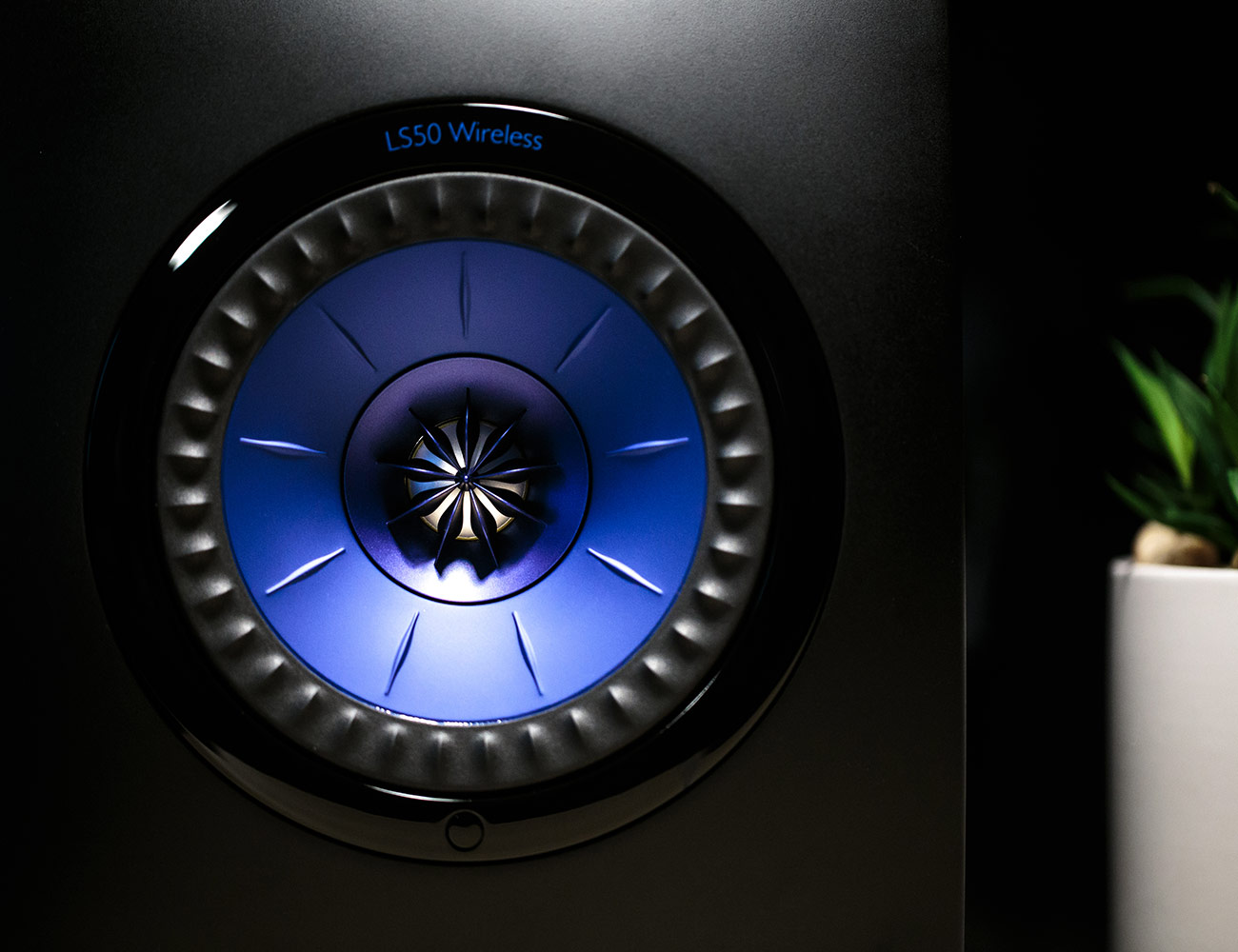
KEF LS50 Wireless Review: The Perfect Hi-Fi All-in-One Speaker System

The KEF LS50 ($1,300/pair) has been regarded as some of the best desktop monitors (or hi-fi speakers, for their size) that you could buy since their release in 2012, but the British audio manufacturer has since released the KEF LS50 Wireless ($2,200/pair). Despite the likeness in name, the LS50 Wireless speakers are more than just Bluetooth- and wifi-enabled versions of the LS50. They are active powered speakers, unlike the passive KEF LS50, meaning each speaker has its own power amplifier built-in. But each LS50 Wireless speakers has two amplifiers, one for its tweeter and one for its woofer, and a dedicated DAC (up to 24-bit/192kHz) and DSP for each.

|

The Good: The KEF LS50 Wireless speakers offer the best of both worlds: a bonafide audiophile-grade stereo speaker system that can play up to 24-bit/192kHz audio files and can also be used as a traditional Bluetooth (aptX) speaker. Each speaker is built around KEF’s signature Uni-Q driver (comprised of a tweeter and woofer) and a hefty cabinet, which, in tandem, and with 230-watts per channel, are able to produce powerful, detail-rich audio that has virtually zero distortion — these speakers sound tremendous. The app is primed for Tidal and Spotify subscribers, and you can stream to the speakers directly through their respective apps. And there are numerous other wired connection options, including optical, USB-A and analog RCA inputs.

Who They’re For: If you want an all-in-one hi-fi system that sounds truly incredible, and doesn’t make you deal with separate stereo components, the KEF LS50 Wireless speakers are a great value for right around $2,200. The speakers also give you the option to connect a separate subwoofer, in case its natural bass isn’t enough (it probably is).

Watch Out For: The KEF LS50 Wireless speakers are a one-stop-shop hi-fi system, so if you have a separate stereo receiver, these aren’t the type of speakers for your setup. They’re not designed to be integrated into a home theater system, either. Both of the speakers are powered, so you’ll want to make sure they there’s open outlet space wherever you place them.

Alternatives: The KEF LS50 Wireless are a step above any other powered bookshelf speakers. Period. And there’s nothing really out there, in this price point, that’s like-for-like.

Review: Prior to testing the KEF LS50 Wireless, I was testing Audioengine’s new A5+ Wireless speakers, which are terrific-sounding, powered bookshelf speakers in their own right — especially for $500 — but it shouldn’t come as much of surprise that the KEF LS50 Wireless speakers are an entirely different animal. The level of detail you get from tracks just from Bluetooth streaming is, again, incredible. And then when you use the app and connect them to wi-fi, these speakers reach their true potential (if you’re streaming Tidal).

We spent most of the time streaming over wi-fi, from Spotify and Tidal, and the separation between the treble and mid-range is exceptional. In songs like “Downtown” by Majical Cloudz and “Gravity” by John Mayer, you can hear the vocals and individual instruments, especially percussion and strings, and it sounds like each is coming from their own separate place — it creates a soundstage that’s special, especially among stereo speakers.

The magic of the KEF LS50 Wireless, other than those unique drivers, is that there are two custom amplifiers and two built-in DACs in each speaker. This, along with an intuitive app that lets you adjust the DSP and other settings, means that the KEF LS50 Wireless is capable of producing an accurate audio experience that’s all their own. If the speakers are up against a wall or in a large room, or if you want more bass or treble, you can adjust the audio easily all in the app.

There are several features, not specifically related to audio quality, that are charming. Similar to the original KEF LS50, these new wireless speakers sort of look like the Death Star. And on the right speaker is an OLED touchscreen — plus a fantastic “click” noise when you turn the speaker on — and allows you to toggle through things like Bluetooth and wi-fi, along with allowing you to adjust the volume levels without breaking out your smartphone.

Verdict: $2,000 might seem like a lot to spend on a pair of bookshelf speakers — and it is — but the KEF LS50 Wireless offers so much more than your average high-end bookshelf speakers. They’re an engineering feat all in themselves, fitting individual amps, DACs and other electronics inside a cabinet that’s essentially the same size as the older LS50 speakers. They can be used as desktop monitors or an all-in-one hi-fi speaker system. And, best of all, anybody can use them: the app and a wi-fi connection allow Tidal tracks to play in all their high-resolution glory, or with the tap of the Bluetooth button anyone can play whatever they like — no instructions needed.

What Others Are Saying:

• “While I’ve been visited by no little birds, I will venture to say that this approach — fully active, with digital controls, integrated streaming, and the like — can and probably will be found in future KEF products. It really is just too simple to pass up. Simple — not in construction or execution — but in life. The lack of wires and extra bits means that the LS50W can go just about anywhere. Like the living room. An office. A bedroom. A dorm room! Though, maybe not the latter without some optional anti-theft deterrents, because these will draw not just eyes but outright lust..” — Scot Hull, Part-Time Audiophile

• “Put simply, for the £2000 you’ll pay for this ‘all-in-one’ setup, you’ll only get better by spending the same on hi-fi separates. The electronics and circuitry [are] so tailored to work perfectly with one another that the sound is spot-on – even pairing the LS50 passive speakers with a talented amplifier up to the same price can’t top it.” — Verity Burns, Trusted Reviews

• “We liked the speakers best, though, when rendering acoustic instruments — especially percussion. You know when the pop of a conga pulls you back into the room for its sheer presence, something is going right. One of our favorite moments came in the LS50 Wireless’ rendition of Ripple by the Grateful Dead. We’ve heard this song dozens of times over the years, but the speakers bring something really special to the table. The acoustic guitar at the intro sounds almost visible in space on the left side, while the rest of the instruments curl around in their own distinct locations within the stereo image. At the chorus, the dual mandolins are near magical in their precision — you can actually hear the room echo flutter between each click of the frenzied strumming.” — Ryan Waniata, Digital Trends

Key Specs

Speakers: Fully active speakers with built-in streaming preamp
Drivers: Uni-Q driver combo: 5.25-inch woofer, 1-inch aluminum tweeter
Frequency Range: 40Hz – 47kHz
Frequency Response: 45Hz – 28kHz
Max Volume: 106dB
Streaming: Tidal, Spotify, Bluetooth aptX support
Connectivity: wi-fi, Bluetooth 4.0 aptX, RCA, subwoofer
Weight: 22.5 pounds (each)

|

Read More Gear Patrol Reviews

Hot takes and in-depth reviews on noteworthy, relevant and interesting products. Read the Story

Note: Purchasing products through our links may earn us a portion of the sale, which supports our editorial team’s mission. Learn more here.

The 12 Best Cigars to Smoke in 2018

To novices, smoking a cigar can be more intimidating than fun. This definitive guide to the best cigars of 2018 covers everything you need to know before you buy your next cigar, including basic etiquette, know-how and a breakdown of best cigars across different price points and flavor profiles.

Prefer to skip directly to the picks? Click here.

The Short List

Best Cigar for Beginners: Nat Sherman Sterling Series
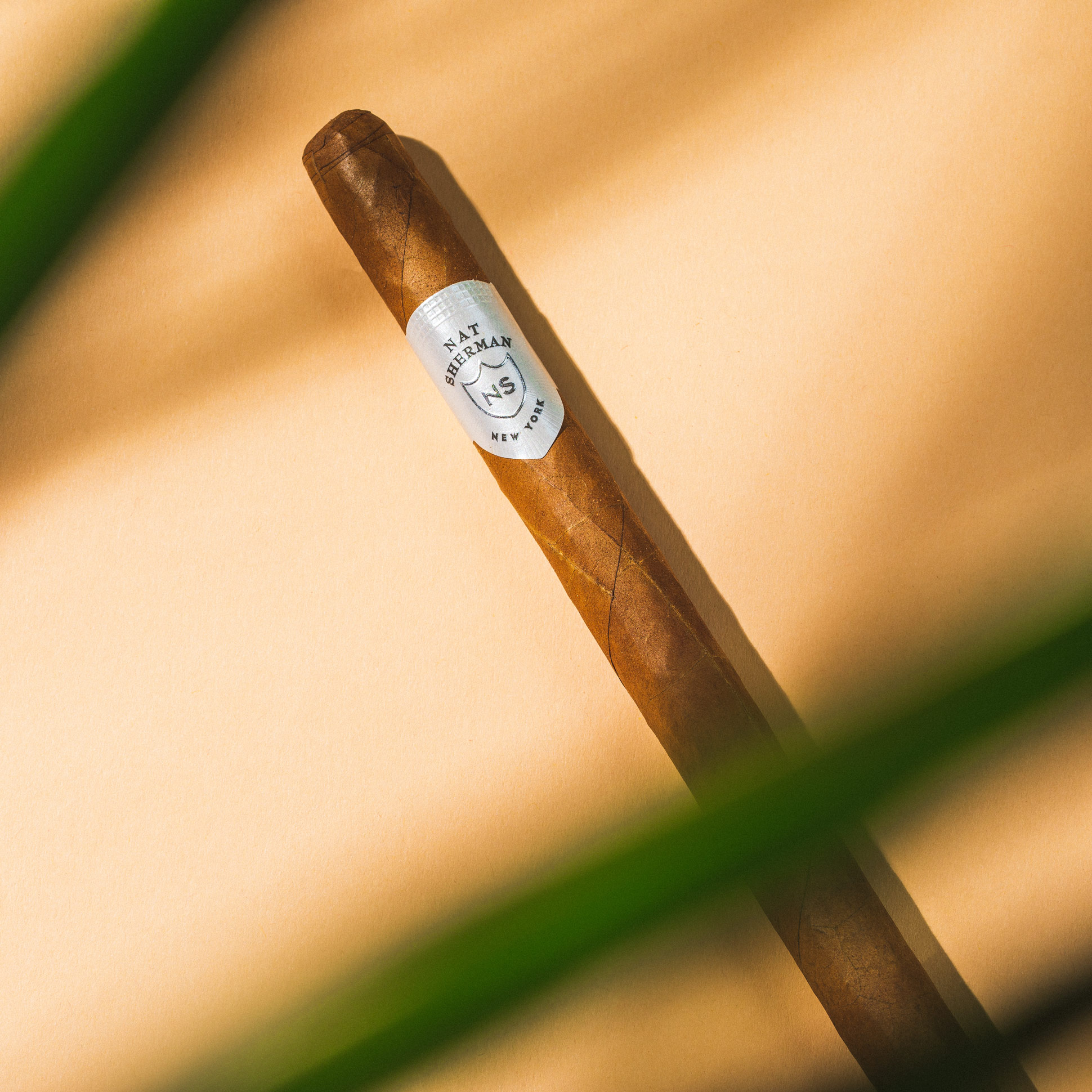
An approachable, balanced, and affordable cigar with fantastic construction. A prime example of the pleasant nuance of a Connecticut wrapper.
Tasting Notes: Connecticut wrappers impart a creamy, buttery flavor, with notes of cocoa, wood, and toasted bread. This cigar in particular is the perfect pairing with a cup of coffee.
Filler: Dominican
Binder: Dominican
Wrapper: Ecuadorian-grown Connecticut
Price: $132+, box of 10

Best Cigar for the Money: Davidoff White Label Short Perfecto
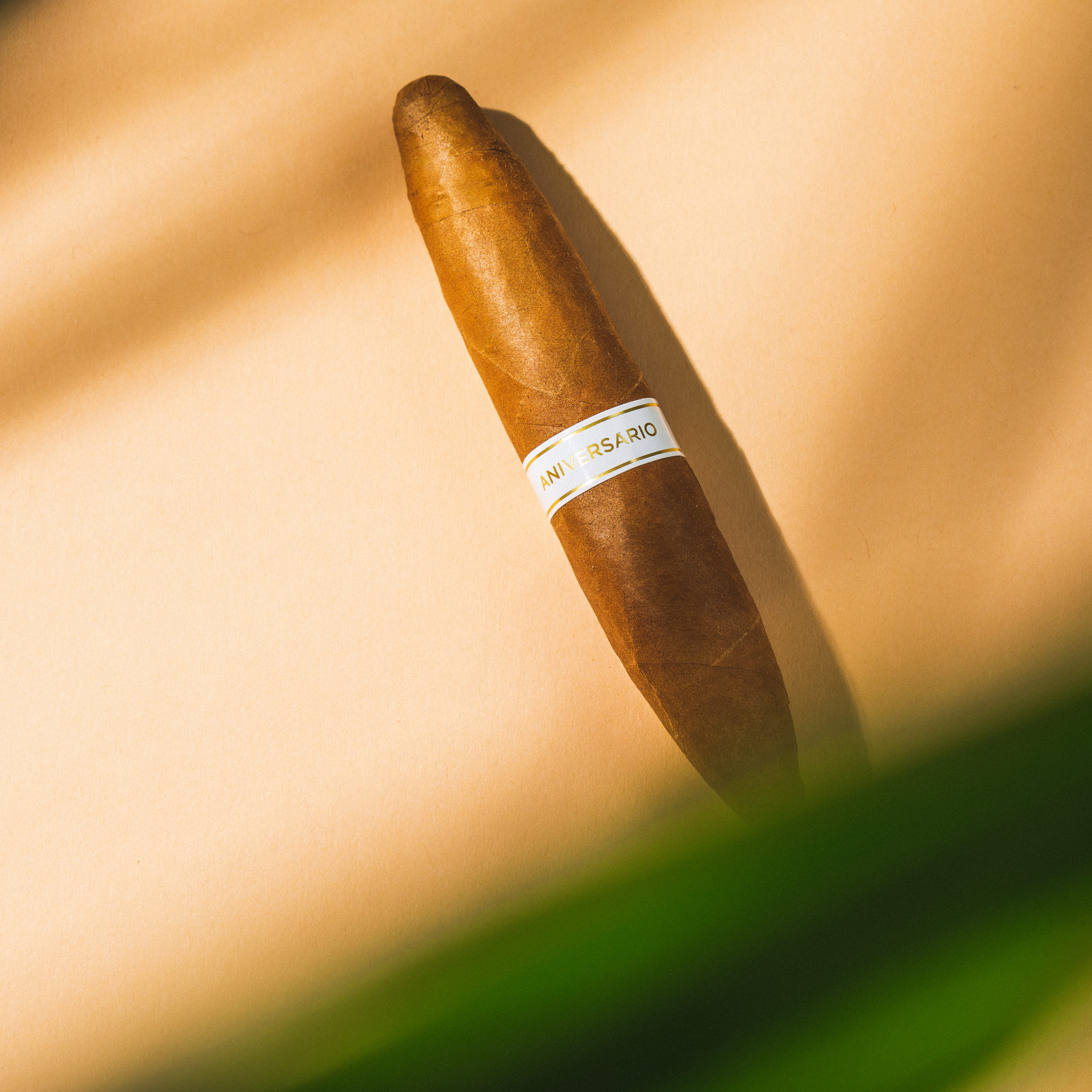
The quality of the tobacco here is extremely high, and it’s a benchmark of construction. It’s smaller than other Davidoff cigars, meaning it won’t won’t break the bank, and it is an excellent example of a mild-bodied cigar that’s still rich and complex.
Tasting Notes: Starts with hay and buttery smoke, transitioning into earthiness and even a touch of pepper spice in its final third.
Filler: Dominican Republic
Binder: Dominican Republic
Wrapper: Ecuadorian-grown Connecticut
Price: $18+

Best Cigar for Special Occasions: Illusione Epernay
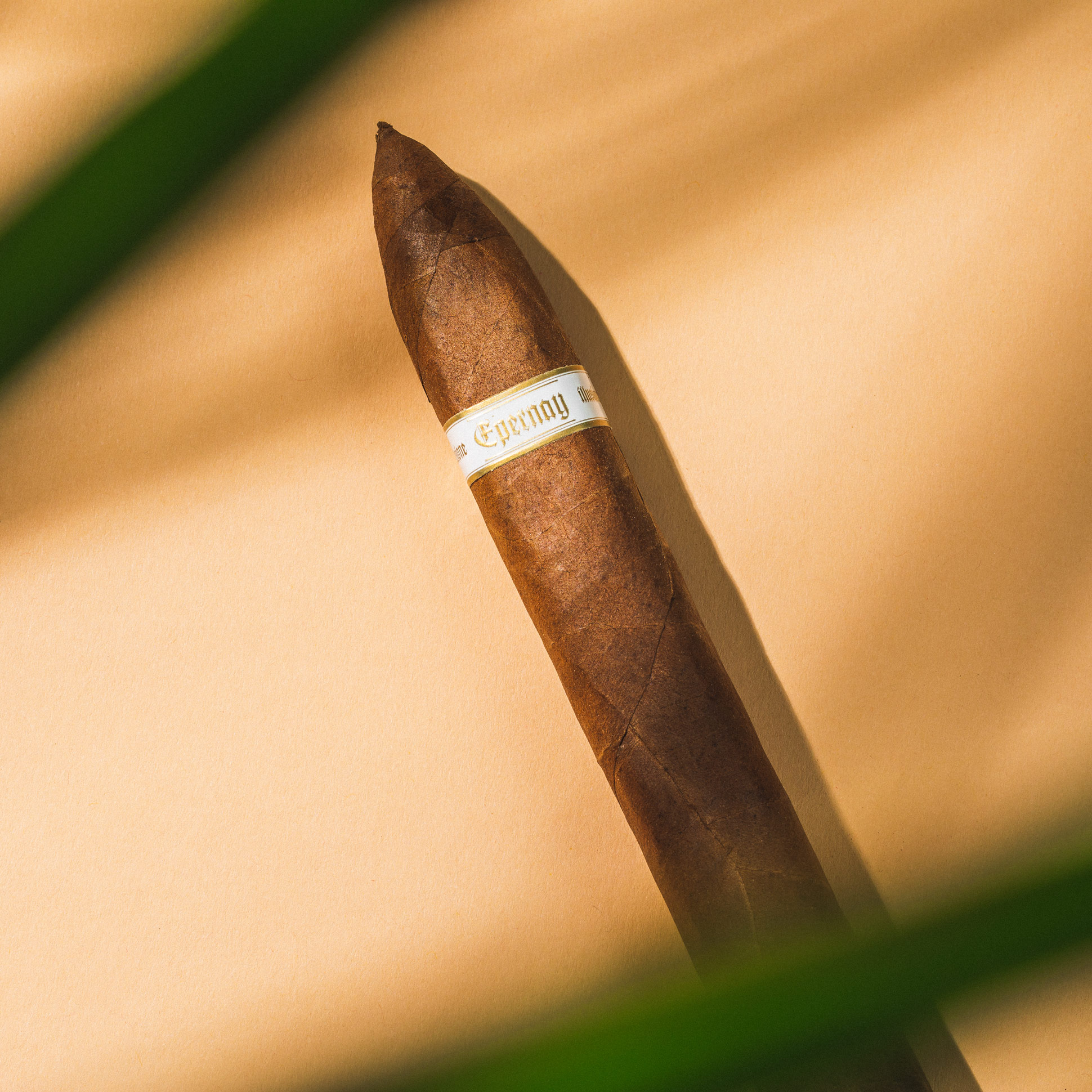
This box-pressed cigar was designed to cater to the European profile — it’s milder than many Americans prefer — and it was named for the famous Champagne region. Just like a bottle of bubbly, it might be best saved for special celebratory moments.
Tasting Notes: Distinct floral notes give way to honey, coffee and cedar.
Binder: Nicaragua
Filler: Nicaragua
Wrapper: Corojo, Nicaragua
Price: $230+, box of 25

The Best Bourbon Whiskeys You Can Buy in 2018

Everything you ever wanted to know about America’s favorite brown spirit, including, of course, the best bottles you can actually buy. Read the Story

Introduction

T

o novices, smoking a cigar — hell, just venturing into a local cigar store to buy one — can feel more daunting than fun. The mechanics of properly smoking one (how to draw without inhaling?) don’t come naturally. Faux pas (when to ash the thing?) abound. And then there’s the basic question of which cigar, in a room stuffed with boxes of the things, to buy.

You’re not imagining it: cigar smoking is full of tradition, ritual and enigma. The good news, says Pierre Rogers, is that cigar smokers form a natural, welcoming community — acolytes not just to the rolled leaf, but to lighting them up together.

Cigar smoking is full of tradition, ritual and enigma. The good news is that cigar smokers form a natural, welcoming community.

Community is Rogers’s purview. He’s the founder of PuroTrader, the world’s largest peer-to-peer cigar trading platform, hosted in an online service that also includes community-created cigar ratings, forums and blog posts. Rogers created the service as a searchable e-humidor for collectors after discovering that someone had stolen a single cigar out of a prized box he’d been saving for over a decade. “Initially, we set out to create a way for every collector for free to build an online humidor — a way to catalog their own collection, take notes on each cigar, and then make it searchable. You could log on and look at anybody’s humidor, anywhere in the world. The inevitable conclusion to that was, ‘You got something I want — how do we make that happen?’” he says.

The service’s soul rests upon this shared community. “It’s the best community in the world,” Rogers says. “No offense to wine guys or Scotch guys. But to my knowledge, cigar guys are the only guys in the world that do cigar bombs” — when a random stranger sends the greatest cigars they can get ahold of, with the expectation only of “paying it forward” to the next unwitting smoker. “If anybody’s ever been out smoking cigars, there’s a good chance they’ve met some random stranger, and there’s a good chance that person has just straight up given them a random cigar. It’s happened to me a ton of times. You don’t saunter up to the bar and someone hands you a Macallan 21. But with cigars, it happens commonly.”

So while curious amateurs can certainly learn the hobby on their own, there’s a great chance their local cigar shop is full of resident smokers willing to help out — and, barring that, they can be found online with a few strokes of the keyboard. It won’t take long to immerse themselves in all of the other great things about cigar smoking: the craftsmanship of the cigar itself, more authentic conversation, and even what Rogers calls the “forced meditation” that comes with taking the time to sit down and take some deep, slow draws of fragrant smoke.

Still, a baseline of knowledge will help you focus on those pleasures and making new friends, rather than discerning the difference between a V cut and a straight cut. So I asked Rogers to give me a rundown of cigar etiquette and basic knowledge, along with the cigars he loves most, across a range of prices and through the common categories of mild-, medium-, and full-bodied. Consider them a good starting place to figure out what you like and don’t like.

Cigar Terms to Know

Wrapper: The single leaf that literally wraps the outside of the cigar. It imparts around 60 percent of the cigar’s final flavors. Its flavors have to do with its country of origin, the way it’s grown (in the sun or shaded) and the type of tobacco plant. Different examples include Connecticut, maduro, claro and oscuro.

Filler: The innermost leaves rolled within a cigar, almost always a blend of different types of leaves.

Binder: The tobacco that helps hold a cigar together. It must be the strongest leaf in a cigar, but also imparts flavor.

Ring Gauge: The diameter of a cigar, measured by sixty-fourths of an inch. The bigger the ring gauge, the bigger the diameter.

Head/Cap: The end of a cigar that is cut and put in your mouth. Make sure not to cut off the entire cap, which will unravel the wrapper.

Foot: The end of a cigar that is lit. Smell this end before lighting to get a whiff of all the tobacco inside.

Strength and Body: Are not the same. The strength of a cigar has to do with how powerfully its nicotine affects the smoker; the body has to do with the impact of the cigar’s flavors in the mouth, its mouthfeel, and its overall richness.
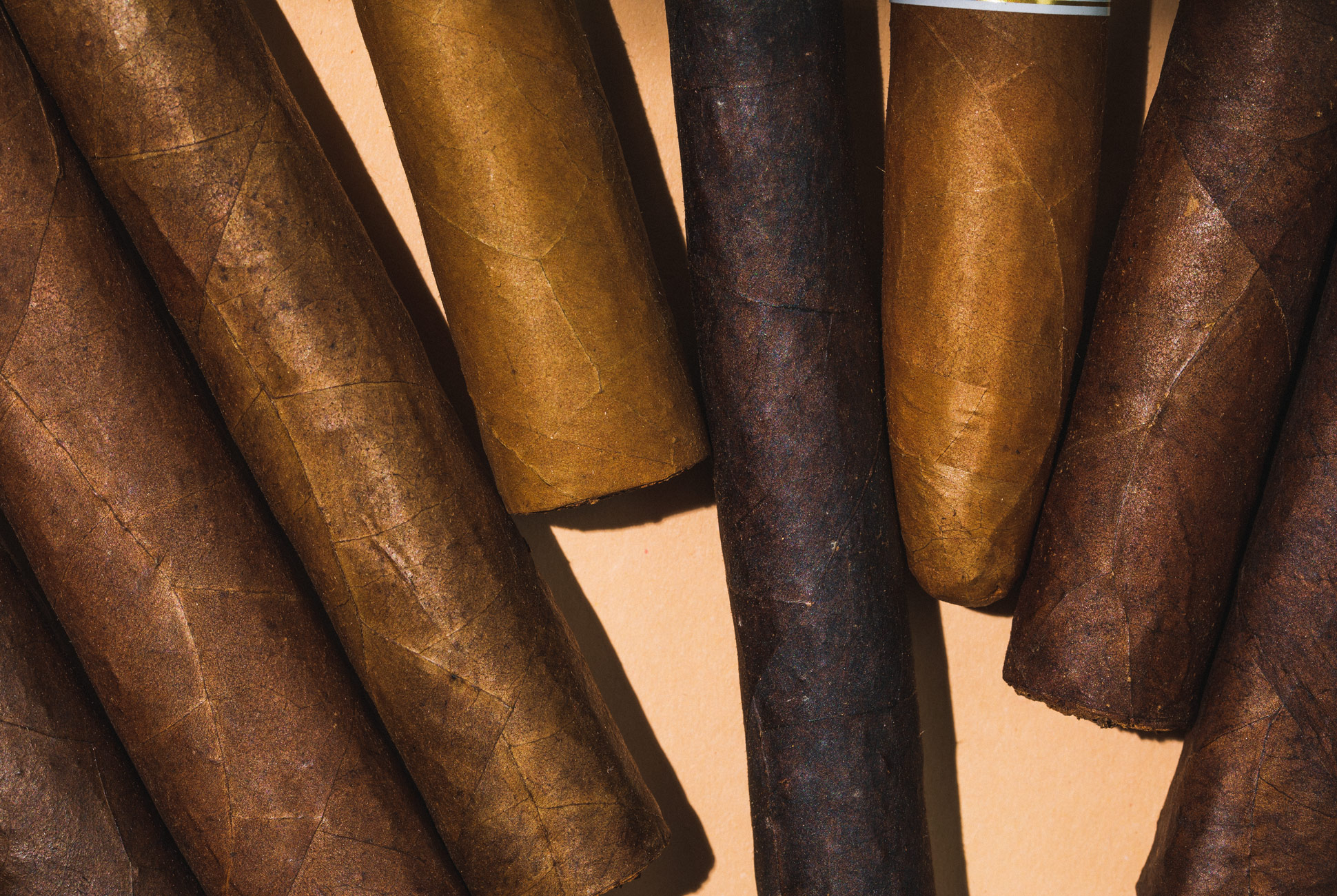
A cigar’s wrapper imparts around 60 percent of the cigar’s final flavors. Its flavors have to do with its country of origin, the way it’s grown (in the sun or shaded), and the type of tobacco plant.

How to Smoke a Cigar

Step 1: Cut the cigar.

“Before you light it, you’ve got to cut it. The trick with a cut is when you look at any cigar, any shape, you can see where the roller has rolled an extra cap line between the wrapper of the cigar and head of the cigar. When you cut, you want to cut just above that line. You’re only removing the cap. You’re not cutting into the wrapper. If you cut into the wrapper, i.e. you cut a little too much off of the top, it will start to unravel and fall apart in your mouth. There are several different kinds of cuts: A straight cut is the classic way to do it.” — Pierre Rogers

Step 2. Toast the foot.

“[Use] a match or a butane lighter. You want to use the heat, not the flame. You want the cigar to be a quarter inch to an inch above the flame, and you want to toast the foot of that cigar. Rotate the cigar and toast. You should be literally toasting it. Browning just the edges, just barely. Don’t get any char or flame on the wrapper. — Pierre Rogers

Step 3: Draw and rotate.

“Once it’s evenly toasted, still using just the heat, draw and rotate. That should only take a moment to light it if you’ve properly toasted it, since the cigar is primed to make that happen. The different types of tobacco in there are meant to be smoked in a linear fashion; you don’t want a third of the bottom to be lit, because then you’re only tasting that one piece, and destroying the profile. Another obvious but overlooked tip: when using a match to light, let the head burn off, and only use the stick of wood to light the cigar. Allow the sulfur head to dissipate, because you don’t want to pull any of that into the cigar.” — Pierre Rogers

Step 4: Keep the cherry cool.

“One of my tips about maximizing the enjoyment of any cigar, cheap or expensive, new or old, is to keep the cherry cooler. You do that by taking long, slow, easy draws on the cigar. Don’t take short pulls where you heat up that cherry. That’s a way to create acidity, acridness, and a burnt carbon taste. — Pierre Rogers

Step 5: Taste the cigar.

“Allow the smoke to come into your palate from the tip of your tongue, front to back and side to side. You don’t want to push all that smoke out too rapidly. Just gently exhale the smoke. Obviously, with cigars, you’re not inhaling. It’s just for the flavor. So think about how that flavor hits your tongue. Start with the basic ones. Is it salty? Sweet? Bitter? Sour? Those are basics. We tend to all agree on those things. — Pierre Rogers

Step 6: Ash the Cigar

“The best way to do it is a light touch on the bottashtray ash tray, and roll the cigar to let the ash fall off. The real reason you do it is to control the temperature of the cherry, the lit part. You want to keep it well lit but cool. There’s a perfect ratio. If you don’t smoke your cigar fast enough, because there are no additives in a cigar, it’ll go out. The cherry gets too cool. However if you start puffing away on it, and the cherry becomes really bright, it becomes bitter and acrid, and you don’t want that. So there’s this balance that you’re always trying to strike between keeping your cherry fully lit but as cool as possible.” — Pierre Rogers

The 10 Best Scotch Whiskies

best-mid-range-scotch-gear-patrol-lead

We spoke with experts and consulted our liquor cabinets to find 10 of the best mid-range ($50-$100) Scotches — and to help you navigate the sea of single malt whiskies. Read the Story

Best Mild Cigars
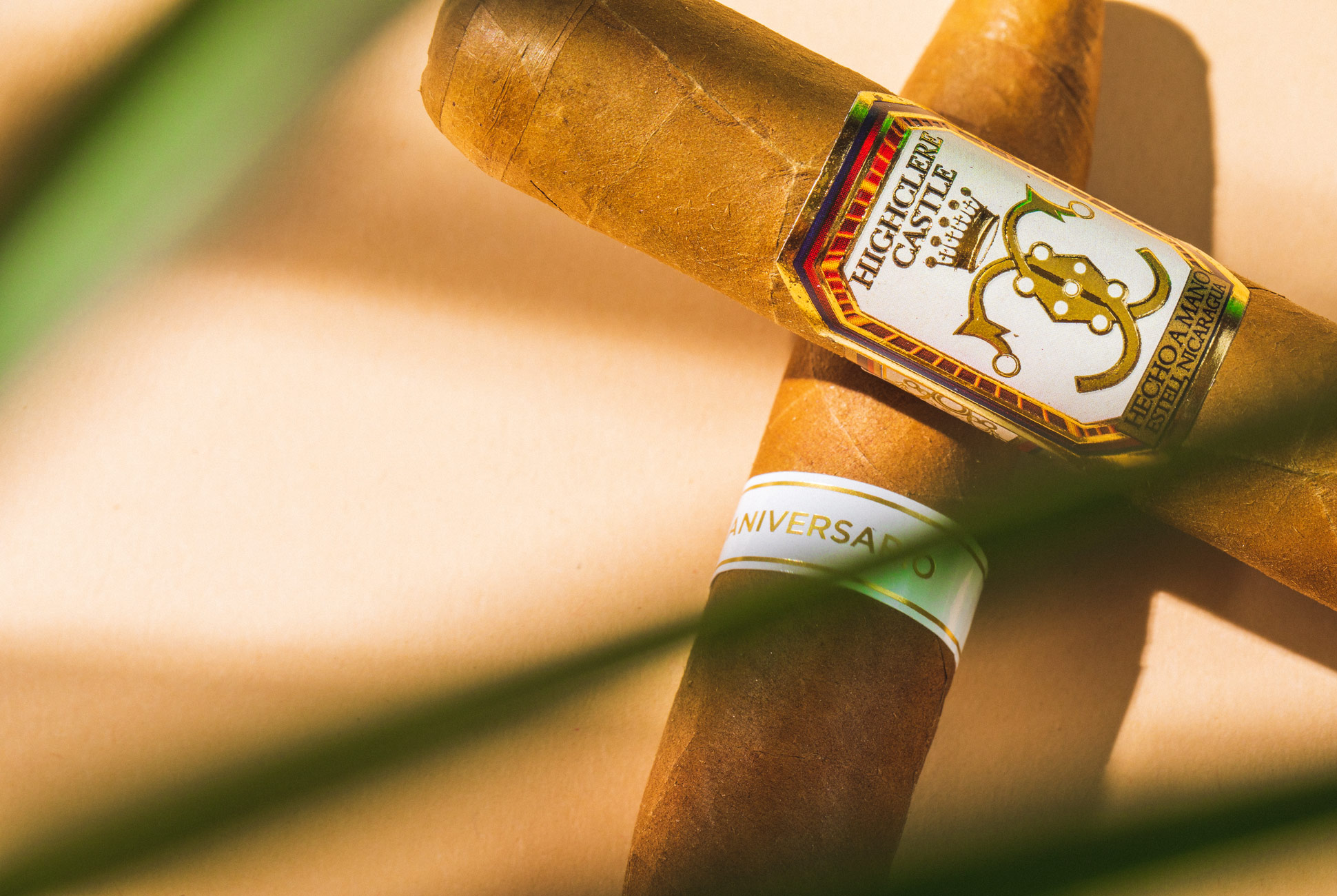

“A mild cigar is similar to a great cup of coffee with a touch of half and half in it,” Rogers says. “It’s warm and rich, but it’s also soft and very approachable.” According to him, the best examples come from the Dominican Republic; they also tend to have a Connecticut wrapper, which is golden and light in color. “The flavor tends to be very subtle and soft,” Rogers says. “No sharp edges, no bitterness. Something that on a fresh palate with nothing in your stomach you can really enjoy, and it won’t disrupt your day. That’s what a great mild cigar is to me.”

Nat Sherman Sterling Series

Most Approachable Mild Cigar: An approachable, balanced, and affordable cigar with fantastic construction. “They do a great job with all the finesse that goes into it — the branding, packaging, and the nuance of the cigar itself — and at a very reasonable price point,” Rogers says. It’s a prime example of the pleasant nuance of a Connecticut wrapper.
Tasting Notes: Connecticut wrappers impart a creamy, buttery flavor, with notes of cocoa, wood, and toasted bread. This cigar in particular is the perfect pairing with a cup of coffee.
Filler: Dominican
Binder: Dominican
Wrapper: Ecuadorian-grown Connecticut
Price: $132+, box of 10

Davidoff White Label Short Perfecto

Best Short Smoke: “Davidoff is the Mercedes-Benz of cigars,” Rogers says. That means high quality — at a high price. The quality of the tobacco inside is extremely high, and it’s a benchmark of construction. But this smaller cigar won’t break the bank, and it is an excellent example of a mild-bodied cigar that’s still rich and complex.
Tasting Notes: It starts with hay and buttery smoke, transitioning into earthiness and even a touch of pepper spice in its final third.
Filler: Dominican Republic
Binder: Dominican Republic
Wrapper: Ecuadorian-grown Connecticut
Price: $18+

Foundation Highclere Castle
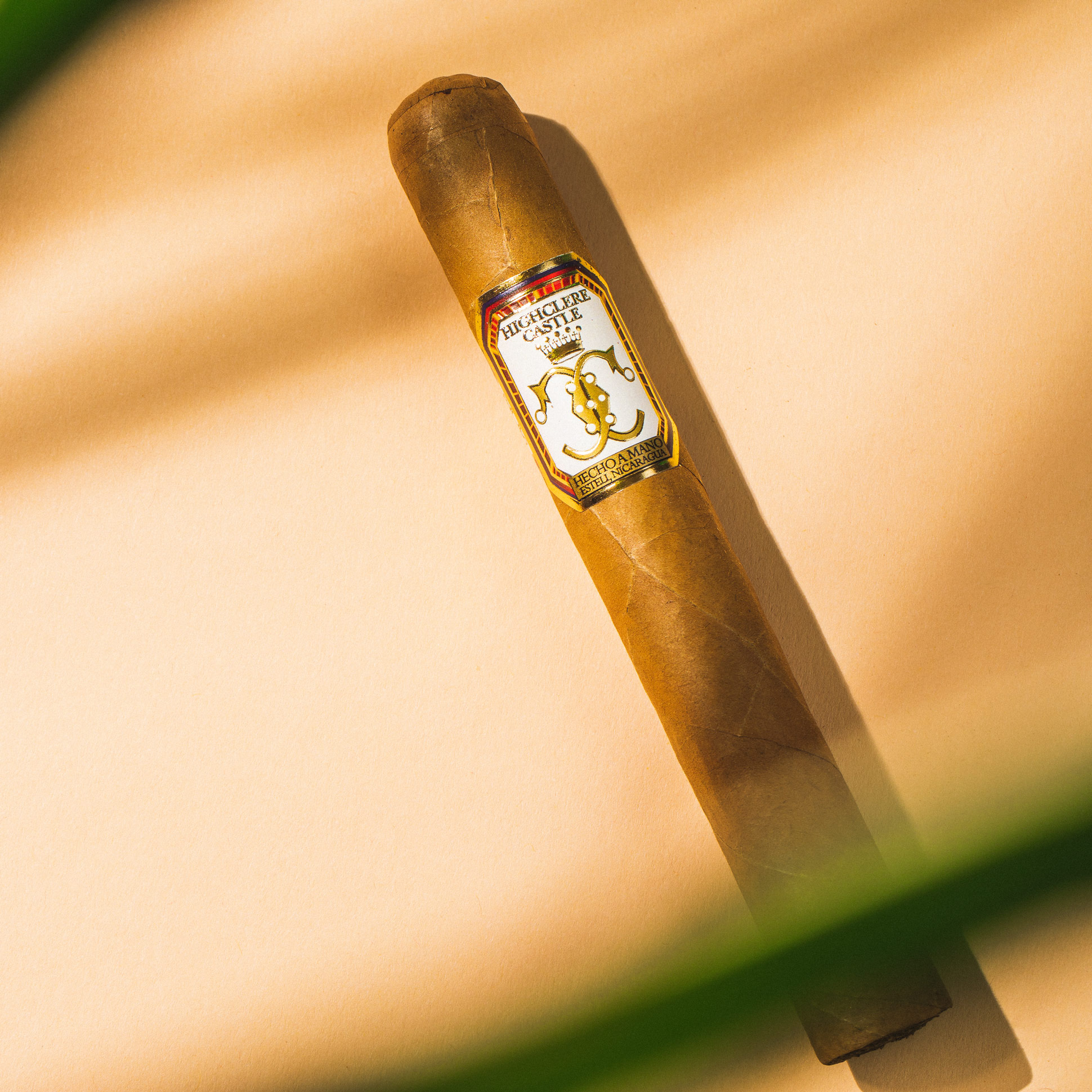
Best Mild Yet Complex Blend: Nicholas Melillo, the founder of Foundation Cigar Company, hails from “the great state of Connecticut.” That means he has a great appreciation for the light-colored wrapper that bears the Connecticut name, and the creamy smoke it produces. The Highclere Castle uses Nicaraguan filler and Brazilian binder to add complexity to the mild flavors.
Tasting Notes: Creamy, with pepper, citrus, and leather.
Filler: Nicaragua
Binder: Brazil
Wrapper: Ecuadorian-grown Connecticut
Price: $216+, box of 20

Best Medium Cigars


An increase in the body of the cigar has a lot to do with with how its smoke feels in your mouth. “Is there an oiliness there? A richness?” Rogers asks. “Wine people call it mouthfeel, and it’s no different with cigars.” Medium cigars are what most people end up smoking — they’re a great middle ground. “It provides enough strength that can be paired nicely with everything from a coffee to a bourbon. Flavors tend to be richer, the mouthfeel warmer and oilier. The smoke tends to be denser and richer,” Rogers says.

Illusione Epernay

Best Box-Pressed Cigar: “This is a fantastic box pressed cigar,” Rogers says, indicating its squared-off shape from quite literally being pressed into a box. It was designed to cater to the favored European profile — milder than Americans prefer — and named for the famous Champagne region. And just like a bottle of bubbly, it might be best saved for special celebratory moments.
Tasting Notes: Distinct floral notes give way to honey, coffee and cedar.
Binder: Nicaragua
Filler: Nicaragua
Wrapper: Corojo, Nicaragua
Price: $230+, box of 25

Tatuaje Tattoo Series
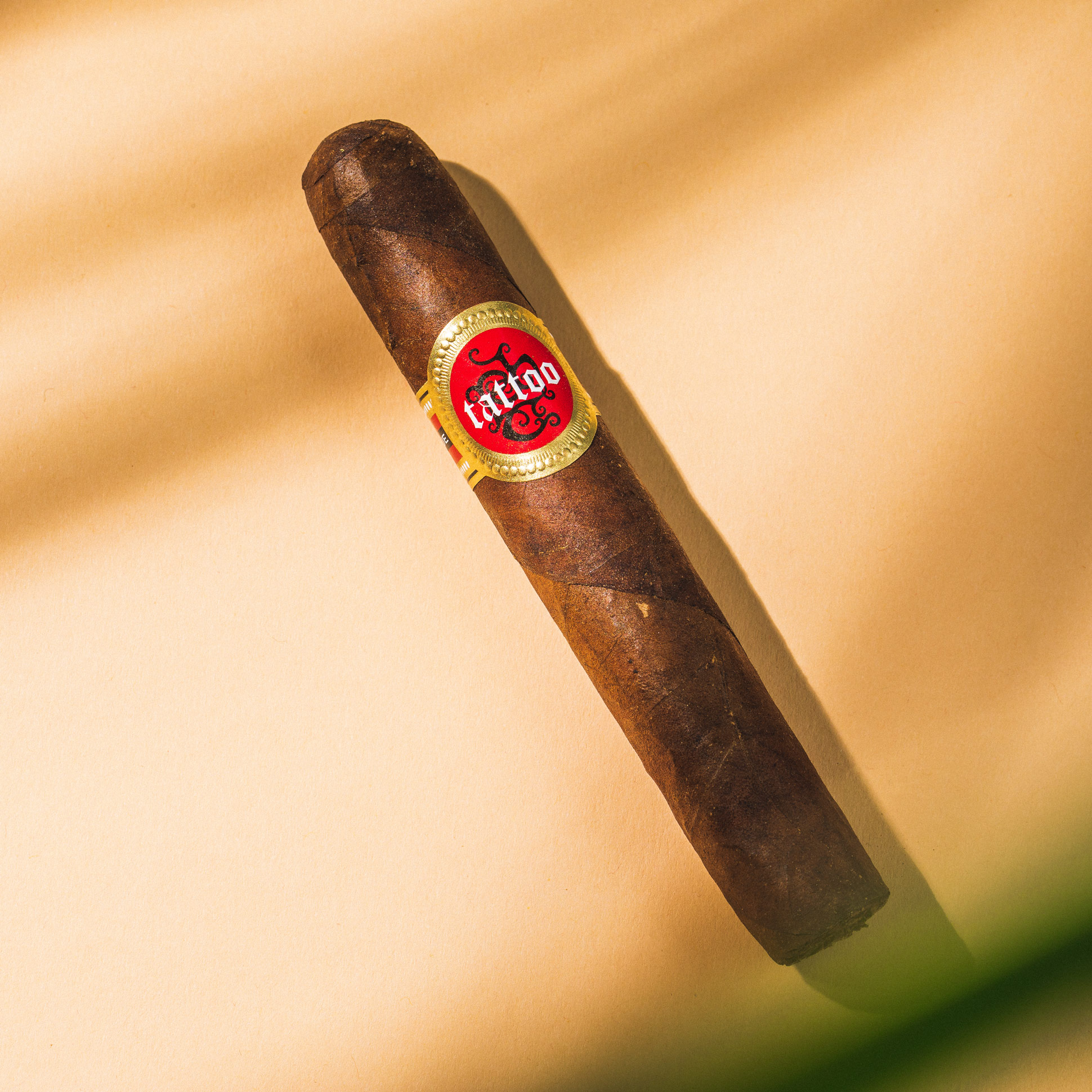
Best Spicy Cigar: Founder Pete Johnson and master blender Don ‘Pepin’ Garcia are well respected for making cigars that consistently receive high scores from reviewers. The secret may be “Cuban-esque” flavors, stemming from Cuban-seed Nicaraguan-grown tobacco.
Tasting Notes: More spice and pepper than other medium-bodied cigars, though it also features cocoa, sweet cream and cedar notes.
Binder: Nicaragua
Filler: Nicaragua
Wrapper: Habano, Ecuador
Price: $146+, box of 50

Camacho BG Meyer Gigantes
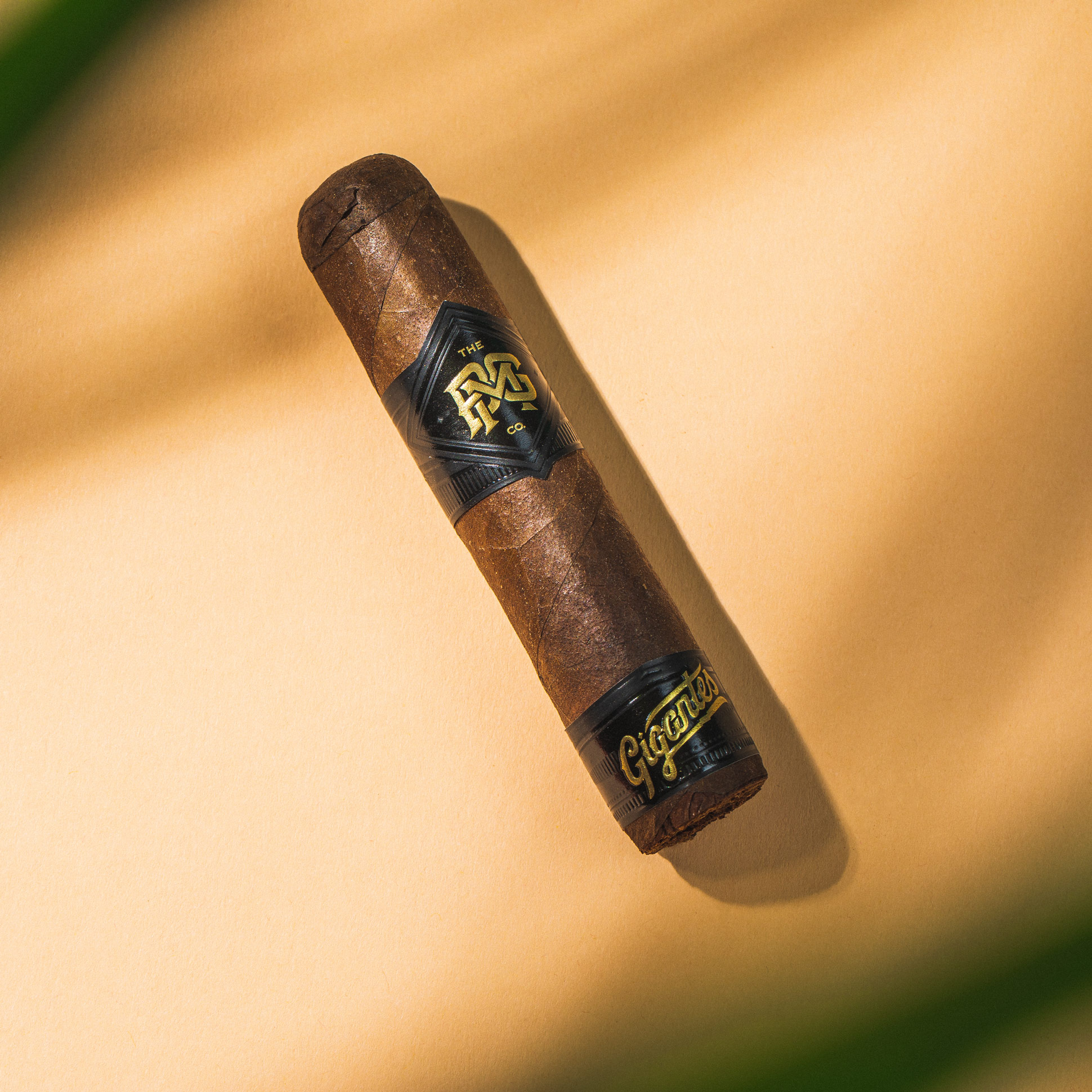
Best Big Stick: Part of a bolder series of cigars made by Camacho, the Gigantes is a play on the 6-inch by 54-inch cigar format, with a large ring gauge. But bigger cigars aren’t necessarily more intense: a larger size means more airflow and less density of the tobacco.
Tasting Notes: Grassy and earthy, with subtle spice, mocha, woodiness, and a berry sweetness.
Binder: Brazil
Filler: Nicaragua, Dominican Republic
Wrapper: Habano,
Price: $33+, pack of five

Padron 1926 Series
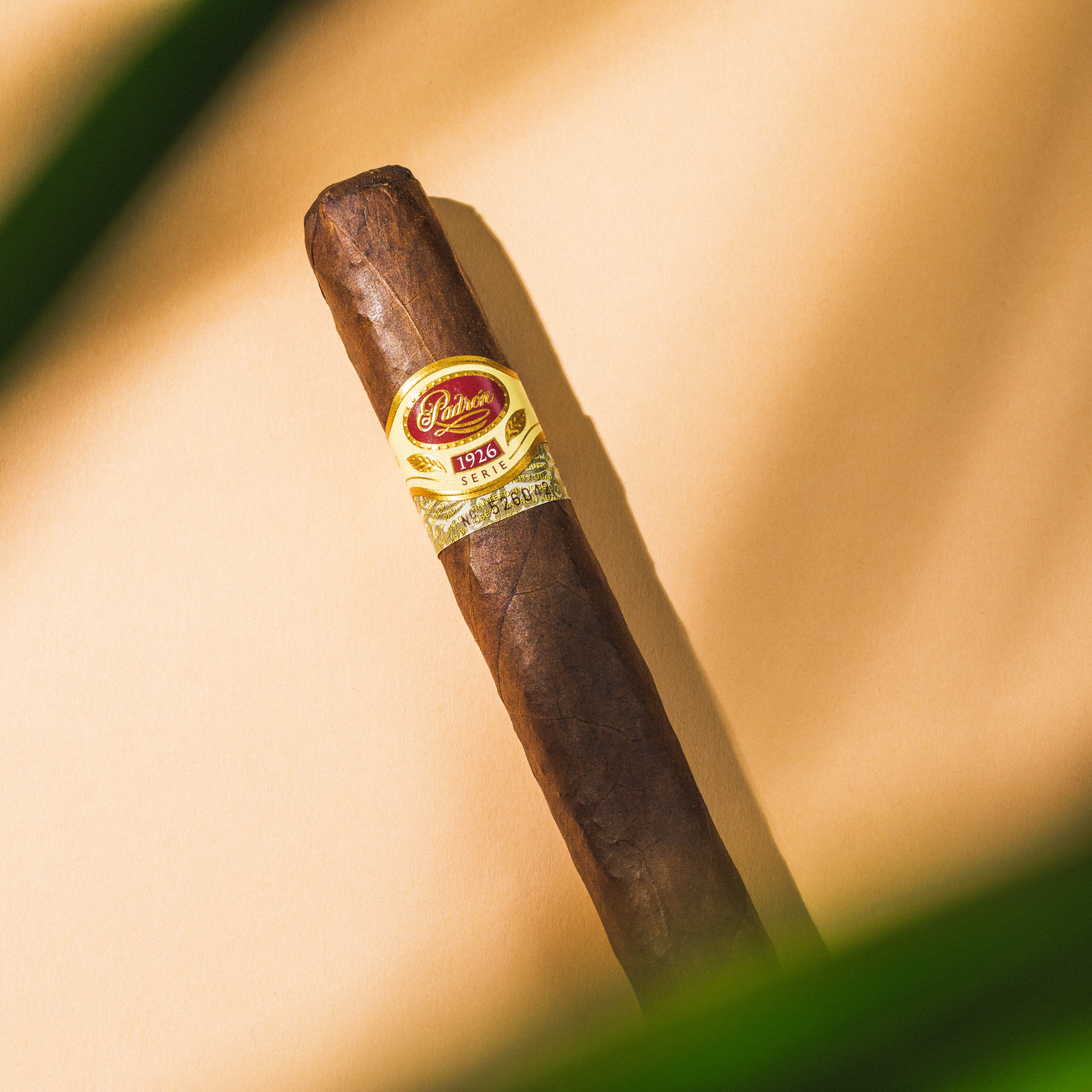
Best Mellow Smoke: Padron is a beloved cigar-making institution, founded by Jose Orlando Padron, a Cuban refugee living in Miami, in 1964. The 1926 series is their most limited, and the natural wrapper version (as opposed to the darker, pungent maduro) is a mellow, smooth smoke.
Tasting Notes: Caramel sweetness, a cedar-y tang, and notes of black and cayenne pepper.
Binder: Nicaragua
Filler: Nicaragua
Wrapper: Natural, Nicaragua
Price: $56+, pack of four

Ashton ESG

Most Balanced Smoke: While Ashton is generally thought of as an entry-level cigar, the ESG (Estate Sun Grown) jacks up the price tag. “Because of that high cost, it doesn’t get fair press,” Rogers says. Its sun-grown wrapper (as opposed to the more common shade-grown) creates a more oily, pungent leaf.
Tasting Notes: Oily nuts, leather, earth and cedar, with a light, creamy smoke.
Binder: Dominican Republic
Filler: Dominican Republic
Wrapper: Sun-grown, Dominican Republic
Price: $20+

Best Full-Bodied Cigars
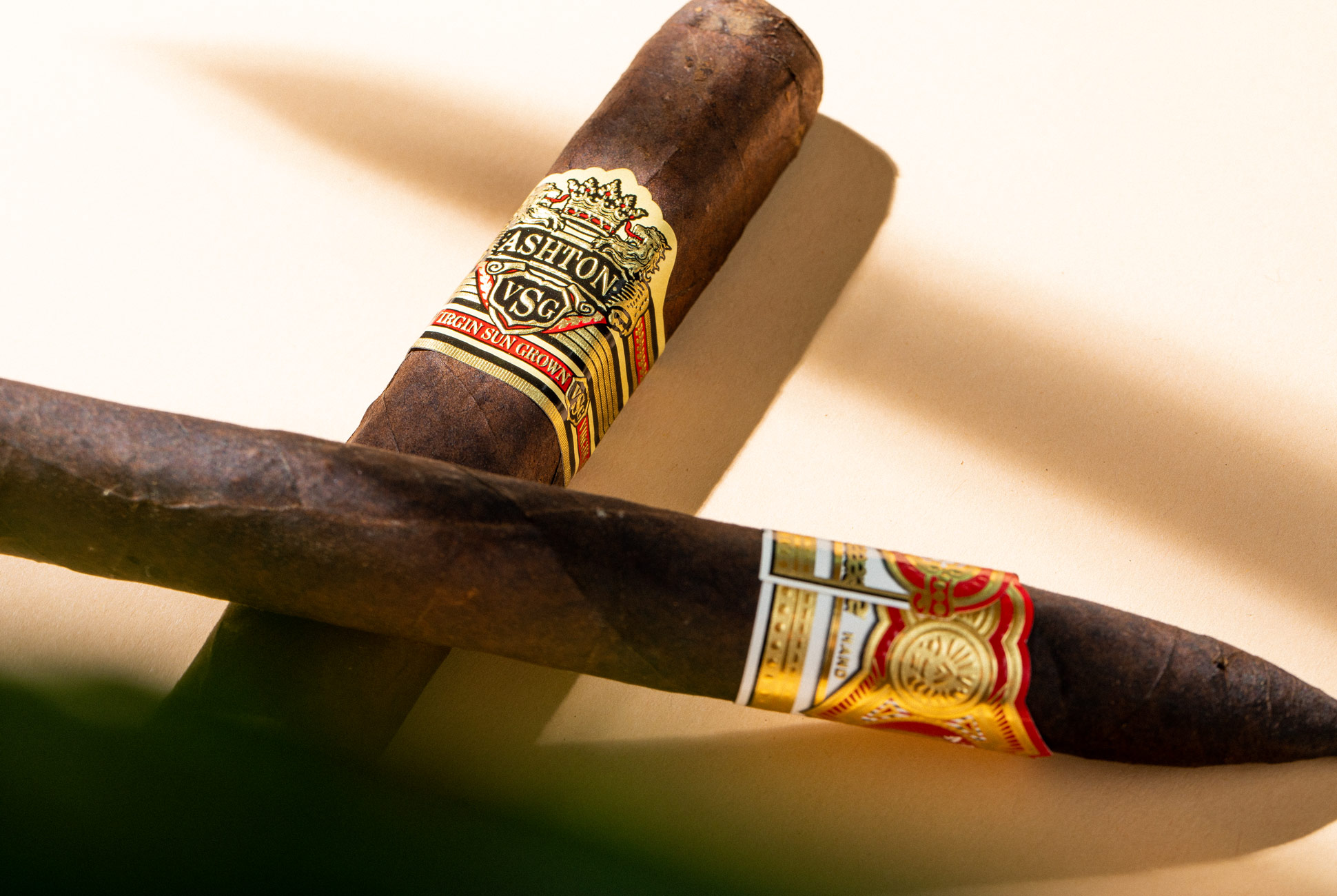

Full-bodied cigars can go in a few different directions, particularly, becoming spicy. “You can have a few different kinds of spice,” Rogers says. “A white pepper, black pepper, or even a cayenne pepper.” Those larger flavors can hold their own against a steak dinner or a peaty Scotch. “But the key here remains balance. Strength is not flavor. When you smoke that cigar, you want the palate to be full of flavor. Rich, complex. That’s what makes a great full cigar — not the strength,” Rogers says.

Arturo Fuente Anejo
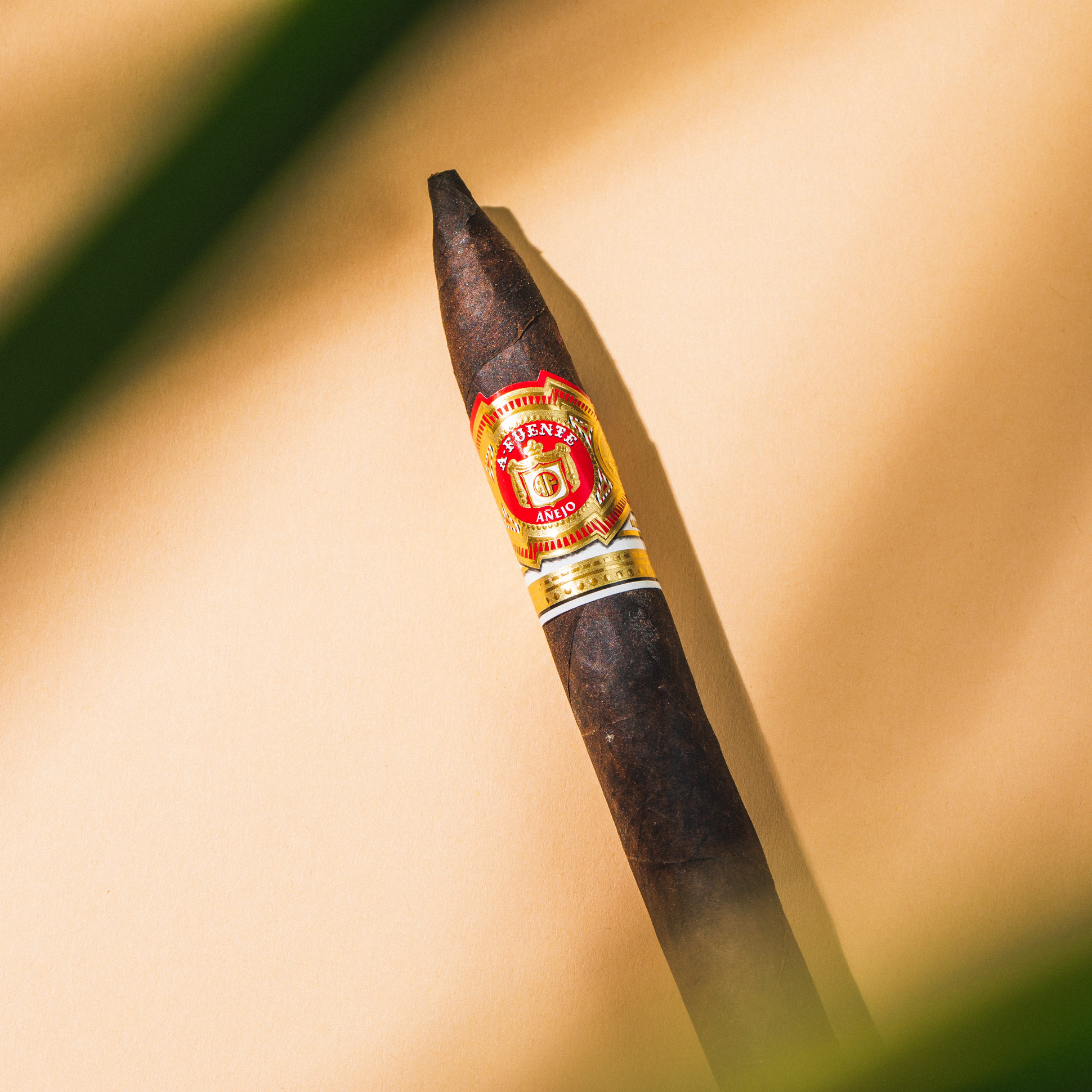
Best Cognac Barrel-Aged Cigar: In 1998, the OpusX’s downfall was to cigar smokers’ benefit: After Hurricane Georges created a shortage of wrapper tobacco, the brand switched to Connecticut broadleaf maduro wrapper aged in Cognac barrels, and the Anejo was born. The OpusX returned, of course, but the Anejo stuck around, treasured for the sweetness that wrapper layered atop the spicy, robust binder and filler.
Tasting Notes: Cognac, oily sweetness, butter and nuts.
Binder: Dominican Republic
Filler: Dominican Republic
Wrapper: Connecticut Broadleaf aged in Cognac barrels, America
Price: $10+

Padron Series 3000 Maduro
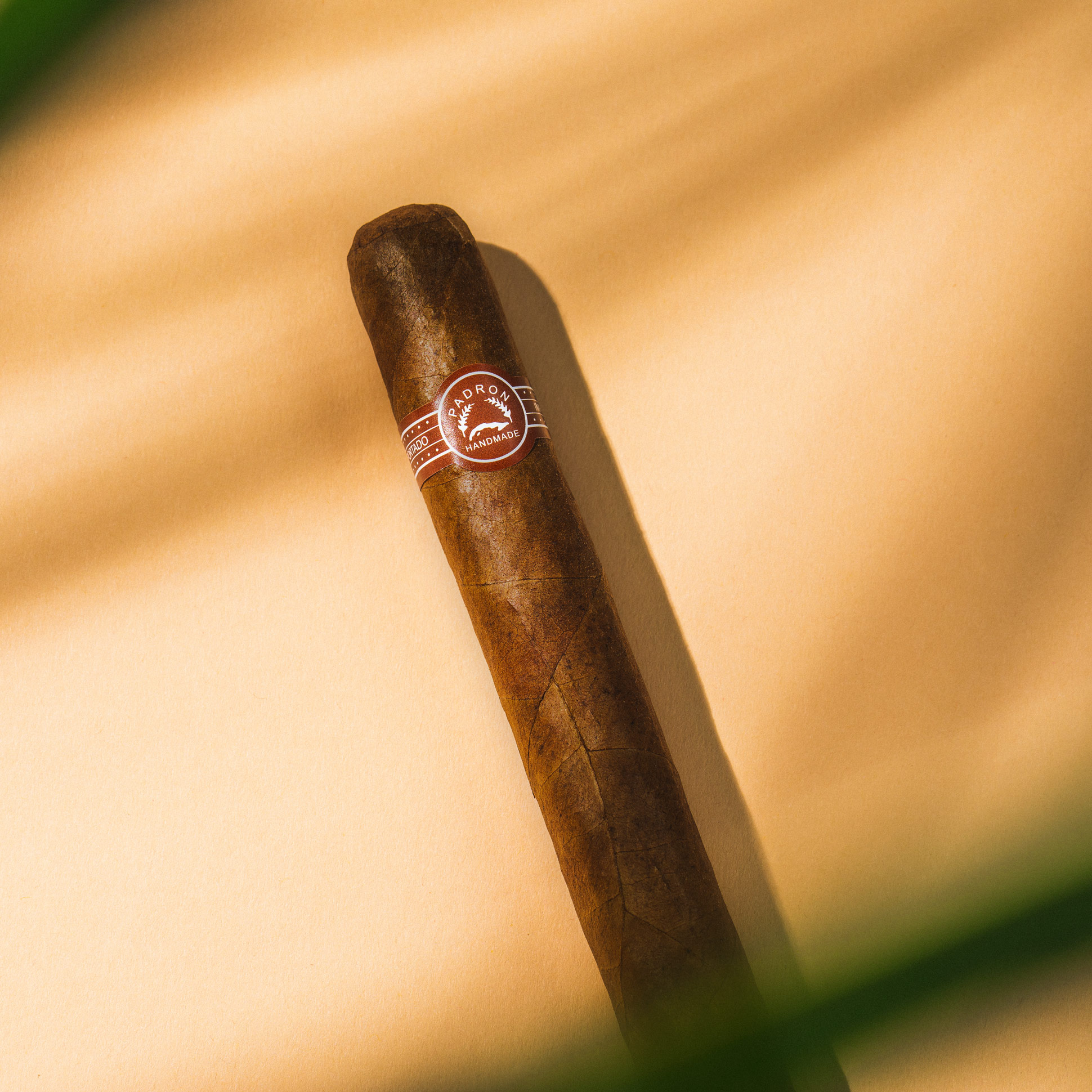
Best Maduro Cigar: Padron grows its own maduro wrappers rather than sourcing them, then wraps them around long-aged Nicaraguan binder and filler. The result is one of the most balanced full-bodied cigars around.
Tasting Notes: A “barnyard” earthiness that gives way to cocoa sweetness and oily nuttiness.
Binder: Nicaragua
Filler: Nicaragua
Wrapper: Nicaragua
Price: $7+

Ashton VSG

Best Affordable Full-Bodied Cigar: This is Rogers’s pick for an affordable, full-bodied cigar, with plenty of flavor and solid construction despite Ashton’s entry-level price. Its bold flavors are thanks in part to a sun-grown Ecuadorian wrapper that’s oily and rich.
Tasting Notes: Cedar, espresso, and dark chocolate.
Binder: Dominican Republic
Filler: Dominican Republic
Wrapper: Sun-grown, Ecuador
Price: $12+

Fuente Fuente OpusX

Best Collector’s Cigar: When it was released in 1995, the OpusX proved that Dominican-grown, Cuban-seed tobacco could be the best in the industry. Ever since its release, it’s been considered one of the best full-bodied cigars on the market, and is a collector’s favorite.
Tasting Notes: Cayenne pepper and leather.
Binder: Dominican Republic
Filler: Dominican Republic
Wrapper: Dominican Republic
Price: $13+

The 13 Best Tequilas You Can Buy in 2018

This definitive guide explores everything you need to know about the world’s most popular agave spirit, including a list of the best bottles and brands to seek out. Read the Story

Note: Purchasing products through our links may earn us a portion of the sale, which supports our editorial team’s mission. Learn more here.

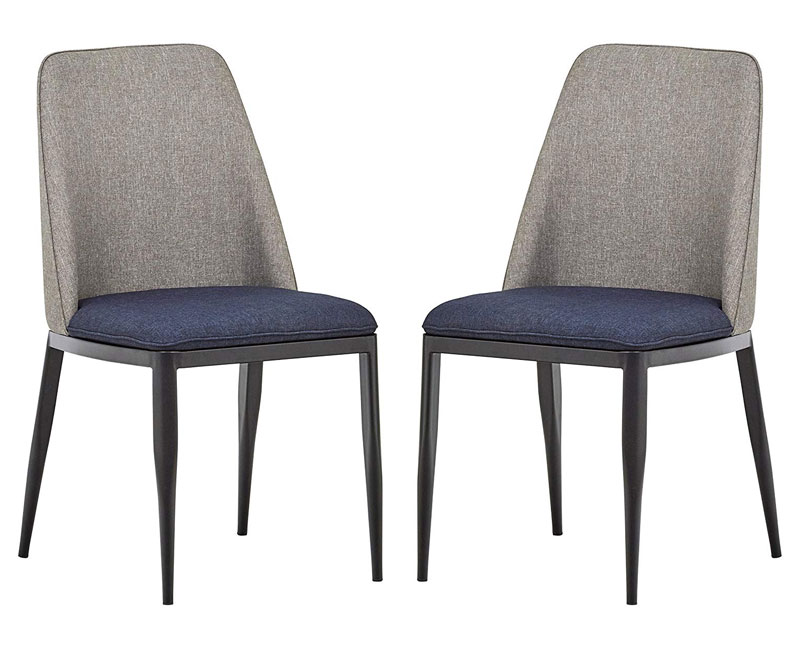
Sonos Beam Review: The Perfect Entry-Level Soundbar, for Most People

The Sonos Beam ($399) is the company’s newest soundbar that, similar to the Playbase ($699) and the Playbar ($699) that came before it, integrates your TV with your existing Sonos speakers. If you have a multi-room setup you can play the TV’s audio throughout your whole house, or you can configure your other Sonos speakers as satellites and/or rear channels and thus have a complete Sonos surround sound system.

That said, the Sonos Beam is much more than a smaller, more affordable version of those other soundbars. It’s a smart speaker with Alexa built-in, like the Sonos One, so you can ask Alexa to play music or control your smart home devices. And since it’s connected to your TV, you can use your voice to control your TV, too, which is a first for Sonos. For TV control, the Sonos Beam will work best for those with an Amazon Fire TV (or a TV with an Amazon Fire TV dongle), allowing you to ask Alexa to turn on the TV and even go to specific shows or channels. Also, unlike Sonos’s larger soundbars, the Sonos Beam can be either wall mounted or left to rest on your media console. (The Playbase needs to rest under your TV while the Playbar is designed to be wall mounted.)

|

The Good: The great thing about any Sonos speaker, other than its sound quality, is that it comes with great software and an intuitive companion app — and the Sonos Beam is no different. You just plug the soundbar in, and then the app walks you through how to correctly connect it to your TV. The app also tunes the soundbar so that it’s optimized for your room, using its Trueplay tuning software, same as other Sonos speakers. If you own an Amazon Fire TV (or dongle), the Sonos Beam will be able to control your television almost completely. It plugs into to your TV through HDMI ARC port and it supports CEC, so you can use your TV’s remote to adjust the volume if you don’t feel like asking Alexa.

One of the most intriguing aspects of the Sonos Beam is that Sonos promises that it will eventually support all major virtual assistants, including Alexa (built-in), Siri (mid-July) and Google Assistant (by end of 2018). Not only that, but the Sonos Beam promises “cross-platform voice control,” meaning, as it pertains to music streaming, you’ll be able to ask Siri to play a song, then ask Alexa what song was playing. (This is an example that Antoine Leblond, Sonos’s VP of software, showed off at the Sonos Beam’s launch event in early June). You’ll be able to do other things like this eventually, but the conditions need to be perfect for it to work — certain virtual assistants won’t work with certain streaming services, for example. These cross-platform voice controls aren’t available at launch, so I wasn’t able to test them, but knowing they’re coming is a good thing. (It makes the product “future proof.”)

Who They’re For: At launch, there are two ways of looking at the Sonos Beam. Either 1. you’re buying it because you have other Sonos speakers and you want to integrate your TV into the mix, or 2. you want one smart speaker to rule your home — it can greatly improve the sound of your TV while also being a darn good speaker for streaming music. In the latter instance, the Sonos Beam is effectively taking the place of any quality sounding smart speaker, like the Google Home Max or Apple’s HomePod.

Watch Out For: The Sonos Beam is a plug-and-play, entry-level speaker that’s designed to work well with other Sonos speakers, but if you have a home entertainment system that includes an A/V receiver and non-Sonos satellite speakers, this is probably not the soundbar for you. (You could integrate them all with a Sonos Connect:AMP, but that gets messy and expensive.) If you don’t have an Amazon Fire TV, you won’t be able to control your TV with Alexa as completely as you might expect. And if you use your TV’s optical port instead its HDMI-ARC port, you won’t be able to turn the TV completely on/off with Alexa. Even though the Sonos Beam sounds very good with its wide stereo separation, it won’t sound as immersive as other soundbars with Dolby Atmos or DTS Virtual:X that creates three-dimensional sound using virtual height channels.

Alternatives: The Playbar ($699) and Playbase ($699) are the two other soundbars that Sonos makes. Both are louder than Sound Beam and probably better options for larger rooms. The main difference, other than size and cost, is that neither of those soundbars is a smart speaker that’s integrated with a virtual assistant: you can’t summon music or you control your TV (in any capacity) with your voice.

If you’re just looking for a soundbar that doesn’t need to sync with other Sonos speakers around the house, there are a number of great-sounding and more affordable options to choose from; the Yamaha YAS-207 ($300), for example, is affordable and supports the latest surround sound technologies by DTS and Dolby Audio.

Review: For the last week I’ve had the Sonos Beam hooked up to my Vizio M-Series (2017 model) and I can tell you, right off the bat, that the Sonos Beam won’t be for everybody. If you have an A/V receiver and two satellite speakers that are normally connected to your television, like me, you’re not going to be able to easily integrate the Sonos Beam into your home theater without a Connect:AMP, which is expensive. I didn’t have one, so I reviewed the Sonos Beam as a standalone soundbar. That said, you’re not going to buy the Sonos Beam to integrate it into your non-Sonos home theater system. It’s a soundbar that’s meant to work by itself or with other Sonos speakers. And that’s what it’s great at.

The Sonos Beam is a 3.0-channel soundbar that can be integrated into 5.1 surround sound system if you add two Sonos One (or two Play:1) speakers and a Sonos Sub. However, I’m guessing that most people looking at the Sonos Beam aren’t going to have those other Sonos speakers — yet — and are instead just looking at it as a great-sounding, versatile and entry-level soundbar. It sounds very good, with a wide stereo separation that isn’t as immersive as other immersive technologies (like Dolby Atmos or DTS Virtual:X), but still makes you feel like in the movie or show (especially if you’re watching in a small-to-medium-sized room). Using the soundbar is exactly like talking to an Amazon Echo or a Sonos One speaker. You can select from the same default music streaming services (Amazon Music, Spotify, Pandora), but the Sonos Beam just sounds bigger and better than those other smart speakers.

The other difference is that the Sonos Beam is obviously a big upgrade over your television’s speakers. When you turn on the television, the sound comes out of the soundbar and movie nights or just watching ESPN become instantly better. Worried about a tedious setup process? Don’t be. The Sonos app walks you through the whole thing, from using an optical dongle if your older TV doesn’t have an HDMI output for audio, to turn off your TV’s default speakers — it’s all really easy.

Again, the Sonos Beam excels as a soundbar and as a smart speaker. The last thing that Sonos Beam can do is control your television, and this is where it gets a little iffy. If you have an Amazon Fire TV (or dongle), it works wonderfully. In a private demo, I witnessed the Sonos Beam turn the television on and off, open up to specific shows, and pause and rewind those shows. Boom. Amazing.

I don’t have an Amazon Fire TV, though. I have an Apple TV 4K and an Xbox One, both of which are connected to the TV in my room, and I wasn’t able to utilize many Alexa commands. I was able to adjust its volume and I was also able to switch to specific channels and programs (like ESPN’s “Get Up” show in the morning) on the TV that’s in our living room, which is where our Verizon Fios cable box is connected. So if you don’t have an Amazon Fire TV, but your Sonos Beam is connected to a TV with a cable box (Sonos supports all the major providers), you’ll be able to ask Alexa to go to specific channels. But you still won’t be able to open apps on the Apple TV, like HBO Now or Netflix, until support for Airplay 2 launches in the coming weeks.

(Note: When support for Airplay 2 launches this July, anybody with an Apple TV will be able to ask Siri to play specific apps and shows. You’ll have to speak to Siri directly through your iOS device or Apple TV remote, however, and not directly through Sonos Beam like you can now with Alexa.)

Verdict: The Sonos Beam promises a lot, especially when it comes to cross-compatibility. If it’s actually able to understand and work with Alexa, Siri and Google Assistant, all at the same time, then that’s great. Better than great, actually. But I wasn’t able to test that and in my experience, when virtual assistants from one company start controlling devices from a different company, things get complicated and they never work as well as you think they should. (Siri still won’t be able to identify a song playing on Spotify, for example.)

Sonos is known for not being complicated, however. You just plug in its speakers, follow the in-app instructions and they just work. So instead of looking the Sonos Beam as this ambitious speaker for the home, even though it could turn out to be just that, I think it’s better to look at what you’re guaranteed to get out of it. And that’s an audiophile-grade smart speaker, rivaling the Google Home Max or an Apple HomePod, and that’s a terrific entry-level soundbar. Throw in the fact that it’s going to be able to work with most future smart devices, and $399 is a pretty good deal. If you have an Amazon Fire TV, it’s a steal.

What Others Are Saying:

• “At a high level, all of this means that the Sonos Beam will offer an exchange between competing voice assistants in a way that no other smart speaker on the market does. But to Jones’ point, there are still limitations around how all of that will work, due to the way the individual cloud services work. While I was at the company’s offices, Sonos more than once used an example where you’re using Siri to initiate a song and then asking Alexa to identify which song it is. In reality, that will work only if you’re playing Apple Music. Switch to Spotify and Siri can’t be used for song search or initiation, only playback and volume controls.” — Lauren Goode, Wired

• “At $399, the Beam isn’t cheap, but it’s markedly less expensive than Sonos’ other TV speakers. It’s the same price as the Google Home Max and only $50 more than Apple’s HomePod. But because it also works as a soundbar, it offers more utility than either of them. And because Sonos is trying to mediate between all these different ecosystems, it works (often better) with more services than either of them.” — Dieter Bohn, The Verge

Key Specs

Drivers: four full-range woofers, one tweeter, three passive radiators
Channels: 3.0
Key features: five-microphone array,
Compatibility: Amazon Alexa, Siri/AirPlay 2 (July), Google Assistant (sometime in 2018)

|

Read More Gear Patrol Reviews

Hot takes and in-depth reviews on noteworthy, relevant and interesting products. Read the Story

Note: Purchasing products through our links may earn us a portion of the sale, which supports our editorial team’s mission. Learn more here.
The 9 Backyard Games You’ll Find Us Playing This Summer

This summer, we’re on a quest to spend as many hours outdoors as we can. Most of us are happiest when we’re outside, whether that’s climbing a mountain or running along a trail or heading to the beach to surf and swim. Sometimes it’s as simple as kicking our feet up in the backyard and enjoying a beer. To further aid in that conquest, we’ve rounded up a list of our favorite summer games. Whether you have a backyard or just dream of having one, these nine outdoor games will help you make the most out of your time outside this season.

Cornhole

“When it comes to backyard games, Cornhole is the GOAT. It’s fun, competitive and is easy to setup. Plus, it has simple rules and anyone can pick up and play regardless of athletic ability. It’s a frequent go-to, especially during backyard barbecues, poolside or down the shore. Sink a hole-in-one after a few beers and you’ll be feeling like Tiger!” Alyx Effron, Account Executive

Croquet

“Croquet suggests a certain level of aristocratic snobbery — it’s hard to avoid when the tools of play are mallets and wickets — but the actual execution of the game can get delightfully vindictive. I learned the official rules from the husband of a British expat who, despite his politeness and buttoned-up nature, taught me the technique of using one’s own ball to launch another player’s as far out of the area of play as possible. After discovering this competitive element, I’m not surprised that the game’s origins involve a discrepancy between two men with the last names Spratt and Jaques. Personally, I don’t give a hoop who did, so bully to both of them!” Tanner Bowden, Associate Staff Writer

Over the Line

“While Over the Line (or OTL) hasn’t made it big on the east coast, my West Coast parents grew up playing and passed it on to my sister and I growing up. It’s a simple game, and can be played with just about any ball and bat, but there are official rules that can be found here. Everyone puts their own spin on it, but it’s essentially baseball without bases and gloves, and your own teammate pitches to you. A hit is a ball hit in fair territory that isn’t fielded on the fly by the other team. Three hits is a run. Three outs per inning. Growing up games got somewhat competitive.” AJ Powell, Assistant Editor

Badminton

“Mock it. Ignore it. It’s still the best backyard game for quite literally any circumstance.
Having converted countless lost souls to the church of badminton, I can say without a shadow of a doubt that badminton is alone in its ability to be absurdly fun for seasoned vets (they exist) and the uninitiated alike. Through my years as a badminton evangelist, I’ve encountered many who doubted its joy-producing capabilities prior to picking up the racquet and none who continued to do so after.” Will Price, Home & Design Writer

DIY Climbing Wall

“As a parent, I can’t pass up something that provides endless hours of fun for littles who are itching to move. It gives me the time and space to make dinner, relax on the back patio or clean the house. I love that there isn’t only one way up the wall, so kids have to experiment and problem solve while building strength and burning energy. It’s easy to make, inexpensive and is Insta-worthy. We attached ours to a wooden platform in a tree and found a used slide from a neighbor to attach for the descent.” Ali Carr Troxell, Managing Editor

Disc Bash

“I’m all about the Disc Bash, and not about KanJam. These are both backyard riffs on disc golf, but the Disc Bash design makes it 200% more portable and quick to set up and take down. Each can-style target pops up and/or condenses using a spring-style mechanism. And when collapsed, the whole kit is storable in a bag that can easily slip into a large backpack or beach bag. Not so with other can-style disc games that are typically unwieldy and not at all collapsible.” Kyle Snarr, Head of Marketing

Bocce

“The truth is, I love bocce. I’m not bad at it either. But recently, I was talking to a friend who casually mentioned picking up a game of croquet, like it was the most common summer activity in the world! I have never played and now I am obsessed with learning. I’m imagining myself doing so while sipping on a chilled Pimm’s Cup. I think it will be very leisurely and refined. He planted a seed and now this has become my ultimate goal of summer ’18. Until then, I’ll keep practicing bocce.” Megan Billings, Deputy Editor, Gear Patrol Studios

Chippo

“Let me clarify — this isn’t my go-to backyard game. I was brought up on Cornhole and then later Spikeball, but I discovered Chippo last year when a friend brought it on our family vacation to the Outer Banks. As somebody who used to play a lot more golf than I do now, it’s a frustratingly addicting game. Think a hybrid between cornhole and golf; it’s wicked hard and fun. And the best golfer in the group doesn’t always win, which makes the banter between friends top notch, especially when a few beers are thrown into the mix.” Tucker Bowe, Assistant Editor

Paddle Ball

“While some might argue this game can only be played on the beach, I beg to differ. Paddle tennis is a go-anywhere game — front or backyards, the street, or an actual court. And since you only need two people, it’s an easy game to play whether you’re in a group of 25 or four.” Meg Lappe, Staff Writer

What GP Staff Members Can’t Travel Without

We travel a lot for Gear Patrol, but how each of us travels varies enormously. This is what is always in our carry-ons. Read the Story

Save up to 75% on a Bunch of Leather Bags from Cole Haan

If you want to upgrade your current bags, consider investing in understated leather styles. Leather’s a classic choice that is both tasteful and durable, albeit expensive. For some affordable options, head over to Nordstrom Rack where a range of leather bags from Cole Haan are currently up to 75 percent off. Pick from staple styles like backpacks, messenger bags, duffel bags and more — prices start at just $100.

Pebble Leather Messenger Bag (Black) by Cole Haan $398 $100

Pebble Leather Messenger Bag (Brown) by Cole Haan $398 $100

Pebble Leather Backpack (Black) by Cole Haan $398 $130

Pebble Leather Backpack (Brown) by Cole Haan $398 $130

Leather Duffel (Black) by Cole Haan $498 $180

Leather Duffel (Brown) by Cole Haan $498 $180
Note: Purchasing products through our links may earn us a portion of the sale, which supports our editorial team’s mission. Learn more here.
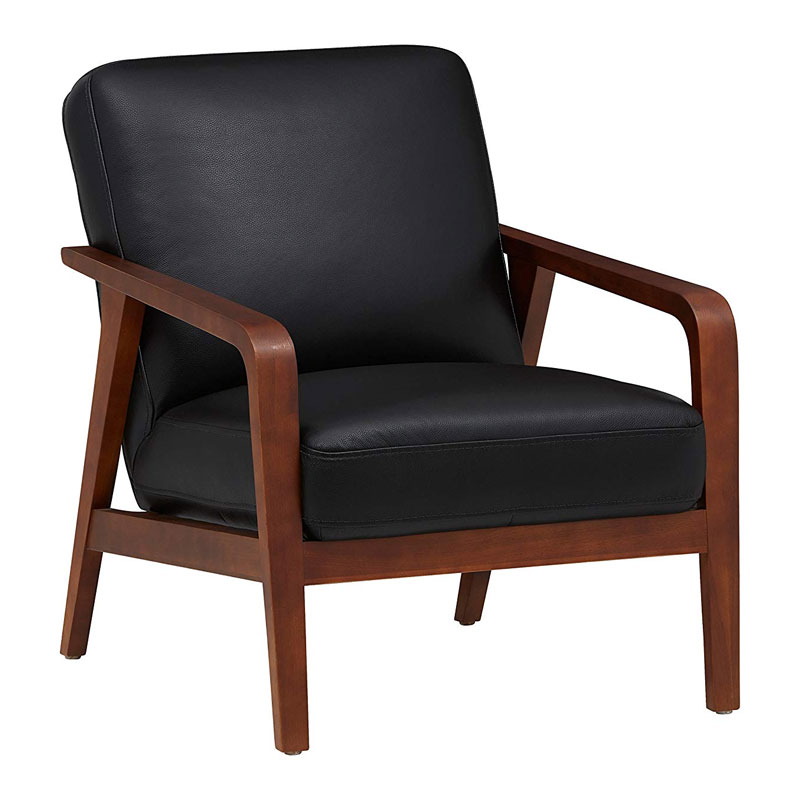
Hip Packs Are Back — Here are 11 Worth Buying

Fanny packs, waist packs, hip packs — whatever you call them, the ubiquitous 90s accessory is back. While fashion designers are incorporating them into their runway shows, the real place the hip pack shines is in motion. Whether on the trails or on the road, a waist pack is an easy, lightweight alternative to a hefty backpack or a hydration pack while riding. The fanny packs of years past filled with pens, snacks and an autograph book (let’s be honest, I never wore mine anywhere besides Disney), have been updated with pockets and longer-lasting fabric.

While you can sport one of these pretty much anywhere, the two places where you’ll get the most use out of them is on day hikes and mountain bike rides. When you’re hiking up a mountain, there’s absolutely no need for you to carry a huge pack. All you need is a water bottle, snacks and an extra layer — all of which can fit in a hip pack.

For ripping up trails, a hip pack is an easy way to ditch cumbersome backpacks. Any core repair items and snacks can go in the pack along with pressure gauges, tools and CO2 canisters. Some hip packs for cycling now come with hydration options inside, so you can fit water in there as well. It’s an easy way to take a load off your back.

Hiking Hip Packs

Patagonia Lightweight Travel Mini Belt Bag

Patagonia’s pack folds up into itself, so you can stash it in a larger pack for traveling purposes until the day calls for its usage. The ripstop nylon fabric and padded back further add to the pack’s durability and comfort respectively.

JanSport Fifth Avenue 2L Lumbar Pack

The JanSport Fifth Avenue pack is one of the originals. It’s simple and durable, and features two liters of space. If you happen to brush up against any rocks, the 600D polyester material will take it in stride.

Osprey Talon 6

The dual pockets on the Talon 6 are ideal for water bottles, and the extra pockets along your hips hold all the tiny essentials like keys or a pocketknife.

Camelbak Repack LR 4 Hydration Pack

A hip pack that stores your phone and water is gold. A magnet keeps the hydration straw in place so you don’t have to worry about it dragging on the ground or getting stuck in the trees.

High Sierra Tokopah 3L Waistpack

This pack features four individual pockets. There are separate ones for your sunnies, phone, keys and any layers you take off. The reflective attachments are key if you’re hitting the trails early in the day or coming down late at night.

Biking Hip Packs

Mission Workshop The Axis

We tested The Axis on the Kingdom Trails in Northeastern Vermont, and it continuosly impressed each tester who gave it a try. The minimalist design combined with rugged materials makes for a pack that’s easy to wear and comfortable all day long.

Eagle Creek RFID Tailfeather Waist Pack

Eagle Creek’s packing cubes keep us organized when we’re traveling, and the brand is bringing that same mentality to its hip packs. Thanks to lockable zippers, you don’t have to worry about your things falling out, and the padded breathable mesh back channel keeps the air circulating.

Deuter Pack Pulse Four Exp

With a dedicated water bottle pocket, phone pocket and space for an additional layer, the Pack Pulse Four Exp allows for plenty of organization. The ripstop material and three-liter capacity make this ideal for the bike.

Dakine Hot Laps 2L Hip Pack

The Hot Laps pack is perfect for singletrack laps. Dakine cracked the code on the ideal hip pack: abrasion-resistant fabric, a fleece lined pocket and loads of internal pockets. Pop out the bonus side pocket and throw in an extra water bottle if needed.

EVOC Hip Pack Race 3L

The EVOC Hip Pack Race 3L is a pro at keeping your back cool thanks to a ventilated flap system — simply tighten the cord to keep it closer to your body or add some slack to feel a breeze.

High Above V.3 Cascadia

High Above mountain bike hip packs are some of the best on the market. And they’re serious pieces of outdoor gear — despite the tagline and lighthearted feel of the brand’s website. Each High Above hip pack is designed and sewn in Bellingham, Washington. They come in three different models that vary in size and can be outfitted with an optional water bottle holder. Each material that High Above uses has been obsessed over and combined into a product that’s built to go the distance.

Best Enduro Mountain Bikes We tested the six best enduro mountain bikes and enduro bike gear on the market to determine which one reigned supreme. Read the Story
Note: Purchasing products through our links may earn us a portion of the sale, which supports our editorial team’s mission. Learn more here.

This Travel Adapter Changed the Way I Use AirPods

When Twelve South announced its nifty little travel accessory, the AirFly ($40), last month, I honestly couldn’t wait to get my hands on one. Its promise was big. It allowed anybody to listen to in-flight movies with AirPods. Previously, you’d have to use a wired headphone — most likely the cheap ones that Delta provides — and plug it into the 3.5mm jack in the armrest or next to the monitor to hear those movies. Not with the AirFly. After an initial pairing process that takes less than 20 seconds, you can plug the AirFly into that said headphone jack and listen to those yet-to-be-released airplane flicks with your AirPods. Beautiful.


As somebody who loves their AirPods — I’m on my second pair after leaving my first set in a California hotel room, but I digress — the AirFly excited me, though not for the reasons you might think. I don’t fly often, so the prospect of using AirFly and my AirPods on an airplane didn’t totally do it for me. Instead, I wanted to see how AirFly changed the way I play video games.

You won’t catch me in big eSports tournaments or anything like that, but I do dabble in the dark arts of a Nintendo Switch and an Xbox One. For the past few weeks, I’ve been using the AirPlay and my AirPods to play both games — and there are pros and cons to both. The Nintendo Switch really lends itself to the AirPlay. The handheld console doesn’t have Bluetooth built-in — a surprising omission, actually — so you need wired headphones if you don’t want everyone around you to hear everything. And the AirFly works seamlessly with the Switch; after pairing with the AirPods, I just plugged the AirFly into the Switch’s headphone jack and was good to go. Boom.

But I expected the AirFly to work well with the Switch. Going into my testing I really wanted to know was whether the AirFly would work with Xbox One — if I plugged it into a controller, would I be able to use my AirPods while playing Xbox Live with friends? The answer is “yes,” but mostly “no.”

I tried the AirFly with two different Xbox One controllers — a new controller with a 3.5mm jack and an older one that required a headset adapter ($25). Both worked pretty much the same: the AirPods could play the game’s auto and I could hear my friends, but the built-in microphone didn’t work, so my friends couldn’t hear me. This wasn’t entirely unexpected, as AirPods have been known to have some issues when paired with some non-iPhone smartphones — but still, this was a bit of a bummer.

At the time of testing, I was also playing around with the Oculus Go, the company’s new portable VR headset. It has a 3.5mm jack for audio, so I was able to use the AirFly (and my AirPods) while watching the World Cup and playing ‘Settlers of Catan’ in virtual reality. I know that the AirFly was designed specifically to allow people to listen to their AirPods on flights, but I found some other uses. True, I wasn’t able to replace my current gaming headset with your AirPods — most serious gamers wouldn’t dream of doing this anyway — but you can’t blame me for trying. I just like AirPods too damn much.

Editor’s Note: It’s worth noting that the AirPlay isn’t a revolutionary product. There are other Bluetooth receivers on the market that can essentially do the same job. However, the AirFly is specifically marketed for AirPods and has an instruction guide that’s specifically geared to help AirPod owners pair their AirPods — what to press, and for how long, etc. It’s just easier, and I appreciate that.