

Design Companies Are Training US Customs Agents to Spot Knock-Off Furniture
In 2015, agents for the U.S. Customs and Border Patrol seized $1.4 billion worth of fake Louis Vuitton purses, iPhones, Lebron James jerseys and more. The number of counterfeit furniture pieces, like Eames Lounges, Saarinen Tables or Emeco Navy Chairs? A big, fat zero.
“If you’re an armed U.S. Customs agent and you’re trying to save America from drugs coming through, you wouldn’t normally be worried about couches, right? That’s our job to make that important,” says John Edelman, the president of Be Original Americas (BOA), a non-profit that battles the fake furniture market.
Since 2016, Be Original has trained thousands of Customs agents at more than 300 ports in the art of spotting fake furniture. The current yield: upward of $15 million per year in seized furniture from some of the most respected names in the business — Herman Miller, Emeco, Knoll and more.
Edelman, who joined BOA after the program had already begun, says the key ingredient to stopping fakes was making the value of original design known the very Customs agents intercepting them — in both dollar values and creative rights terms.
“They weren’t getting credit if they seized a container of counterfeit furniture like they were if they seized a container full of heroin or something like that. We helped them start to legitimize the dollar value of these designs,” Edelman says.
Herman Miller’s infamous “Beware of Imitations” ad appeared on the back of Art & Architechture in 1962 in response to a wave of fake Eames products flowing into th U.S. You can buy a poster version of the ad today through the brand’s website.
BOA began by dispatching representatives and envoys from member companies to train agents in the art of fake-spotting. Frequently knocked-off companies like Emeco and Herman Miller — whose Eames Lounge and Ottoman may be the most counterfeited piece of furniture in the world — joined the fight. Edelman says they trained agents on country of origin first, and later added on higher level details. “If you know this chair is made in France and it’s coming from a Chinese shipping container, it’s probably not real. And if you know where the logos go on the product and details about the design of the original, you can take it a step further,” he says.
Gregg Buchbinder, CEO of Emeco, estimates that around 2,300 of his company’s prolifically ripped-off chairs and stools were seized by Customs agents last year. In financial terms, it comes out to roughly $1,400,000 in chairs and stools — yet he says the lost revenue is only part of the problem of fake furniture.
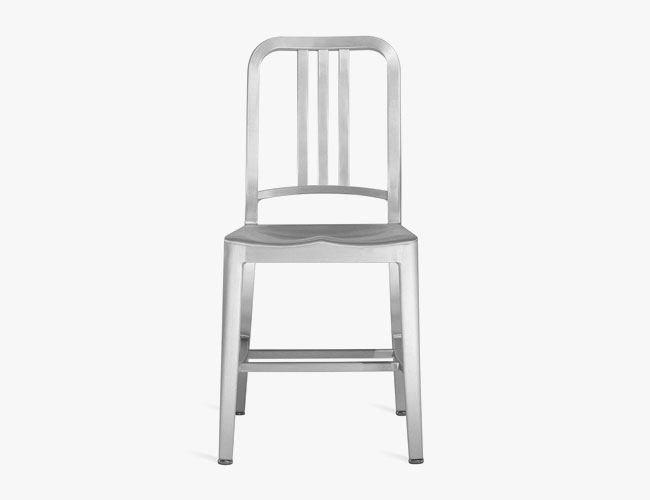
According to Be Original Americas, Emeco’s 1006 Navy Chair is one of the most frequently seized designs. The easiest way to spot a fake? Most fakes have four bars down the back — the original only as three.
“[Knock-offs] are lower cost products with shorter lives. This means more waste in landfills and oceans,” Buchinder says. “It’s a race to the bottom, which means Emeco would have to cut corners to get there — no heat treating, no hand brushed finishing, no anodizing. The chairs are made to look identical, but with these steps missing, welds will crack, legs will bend and life [of the product] is reduced.”
The problems of cheap fakes from overseas are doubled by problems at home — major retailers are copying Emeco’s work, too. First it took Restoration Hardware to task for its “Naval” chair recreation of Emeco’s Navy chair and later Ikea for copying its stackable 20-06 chair. Emeco won both suits, but, as Buchbinder notes in Quartz, litigation is the last place he wants to spend company dollars.
“When sales are impacted by knock-offs, income to designers is reduced, and interest or ability to continue designing new innovative products may decrease. Hopefully [design consumers] will learn design is much more than style,” he says.
In the grand scheme of things, Buchbinder, Edelman and BOA can’t be certain how much effect they’re having — there’s not a lot of data surrounding the fake furniture industry, and the fight at the borders is only three years old. But, according to Buchbinder, every shipping container seized at a port means less his company has to lean on a costly litigation process.
“I have not seen any counterfeiters who have gotten busted try to do it again,” he says.
This New Affordable Bourbon Whiskey Was Made Like a Japanese Whisky
Brand: Jim Beam x Suntory
Brief: A blended bourbon distilled by Jim Beam and finished by Suntory
Price: $35 SRP
Age: At least 4 years
Proof: 94
Unveiled today, Legent is Jim Beam’s first new bourbon brand in more than 20 years. But that’s the least interesting thing about it.
The new bottle’s measurables — $35, 94 proof — belie what this particularly bottle means. Legent was made in a collaboration between Jim Beam Master Distiller Fred Noe and Suntory’s Master Blender Shinji Fukuyo — Noe handling the distillation and Fukuyo the finishing and blending. It’s the first serious East-West bourbon collaboration in a very long time, and it goes against some precious bourbon-making traditions Kentucky distillers once held dear.
For one, it’s a blend of straight and cask-finished bourbon (straight bourbon being whiskey that hasn’t spent time in vessels other than its original maturation barrel, cask finished and blended bourbons being the opposite). Bourbon that wasn’t straight bourbon whiskey was once faux pas in the Kentucky bourbon world — though bottles like Noe’s son’s creation, Little Book “The Easy,” are changing that — but blending and finishing are as core to Japanese whisky as 51 percent corn is to bourbon. Bottles of Japanese whiskies are typically comprised of booze aged in different barrels, with different age statements and finished differently.
Legent is made, mostly, with 4-year-old straight bourbon and blended with red wine and sherry cask-finished whiskeys before bottling. It represents a first for both Jim Beam and Suntory — a mainline, reasonably priced, blended bourbon that’s made with various cask finishes.
There’s no word yet on distribution or availability. We’ll update the story as information becomes available.
Gear Patrol also recommends:
Fistful of Bourbon ($25)
Nikka From the Barrel ($70)
Barrell Whiskey Infinite Barrel Project ($70)

These Are the Only Coffee Makers You Should Buy, Say the World’s Most Rigorous Testers
The Specialty Coffee Association’s (SCA) holy list of certified coffee brewers has been updated.
Easily the most rigorous third-party testing program for coffee makers, the SCA’s brutal inspection and testing standards now certifies ultra-high performance in 23 different brewers — a significant growth, but still a small count relative to the number of drip coffee brewers out there.
What changed? Oxo’s Barista Brain ($200), Breville’s Precision Brewer ($300), Bonavita’s One-Touch ($100) and more of our favorites made the cut, but both KitchenAid’s compact and affordable brewer ($115+) and Wilfa’s Precision maker ($90) were dropped from the list.
The biggest shift pertains to Technivorm, whose Moccamaster became the first ever SCA-approved brewer. Joining the original model are a whopping 11 new Moccamasters of differing size and looks.
If you want to read more on what the SCA tests for, both its minimum requirements for certification and extraction performance and consistency evaluation processes are available to anybody.
Gear Patrol also recommends:
Bonavita 8-Cup One-Touch ($100)
Oxo 9-Cup Barista Brain ($200)
Breville Precision Brewer ($300)
The best way to catch up on the day’s most important product releases and stories. Read the Story
Everything You Need to Work from Home Like a Real Adult
For many people, working from home means longer hours at the desk. That cushy leather office chair you’ve been eyeing? Think again. You need gear that’s performance-oriented, not driven by aesthetics. Less obvious items like Wi-Fi routers, surge protectors and even your coffee mug could also use a thorough vet. Here’s a list of all the stuff you haven’t thought about yet.
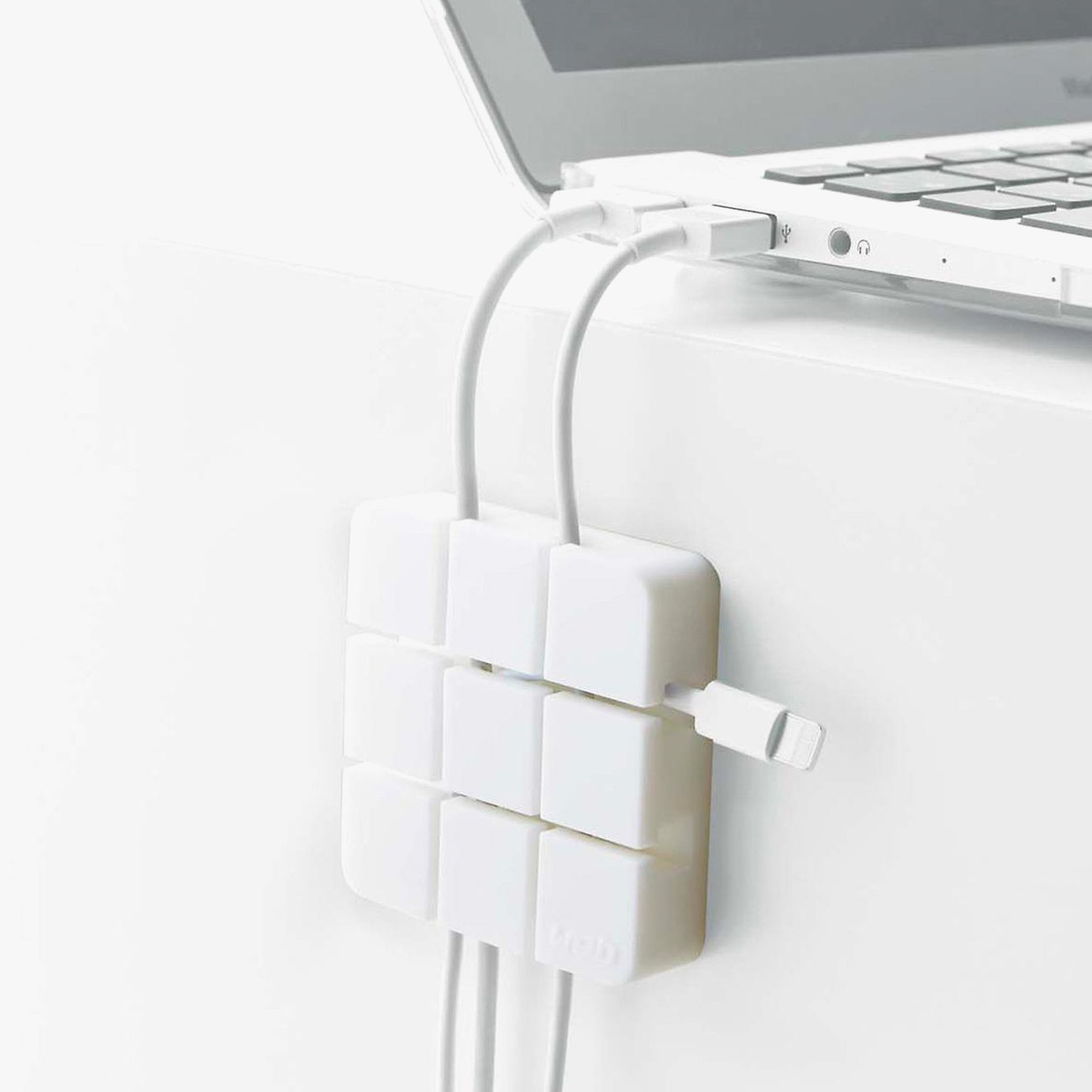
Yamazaki Cable Organizer
Yamazaki is a 60-year-old Japanese furniture and organization company that’s just begun to find an audience in the States. Its very quick and minimal solution to cords hanging all over your desk is neat and unobtrusive. A $5 pricetag doesn’t hurt either.
NordVPN

Not everyone’s work involves state secrets, but confidential information like employee agreements, credit card accounts and money transfers are commonplace. VPNs protect the data entering and leaving your computer from criminal access (or corporate data flubs), and NordVPN, with 900 servers in almost 200 countries, is about as secure as they come. VPN services are especially helpful if you use public Wi-Fi (like at your local coffee shop), as that’s very likely the most vulnerable your data will ever be.
2Koi Lap Desk
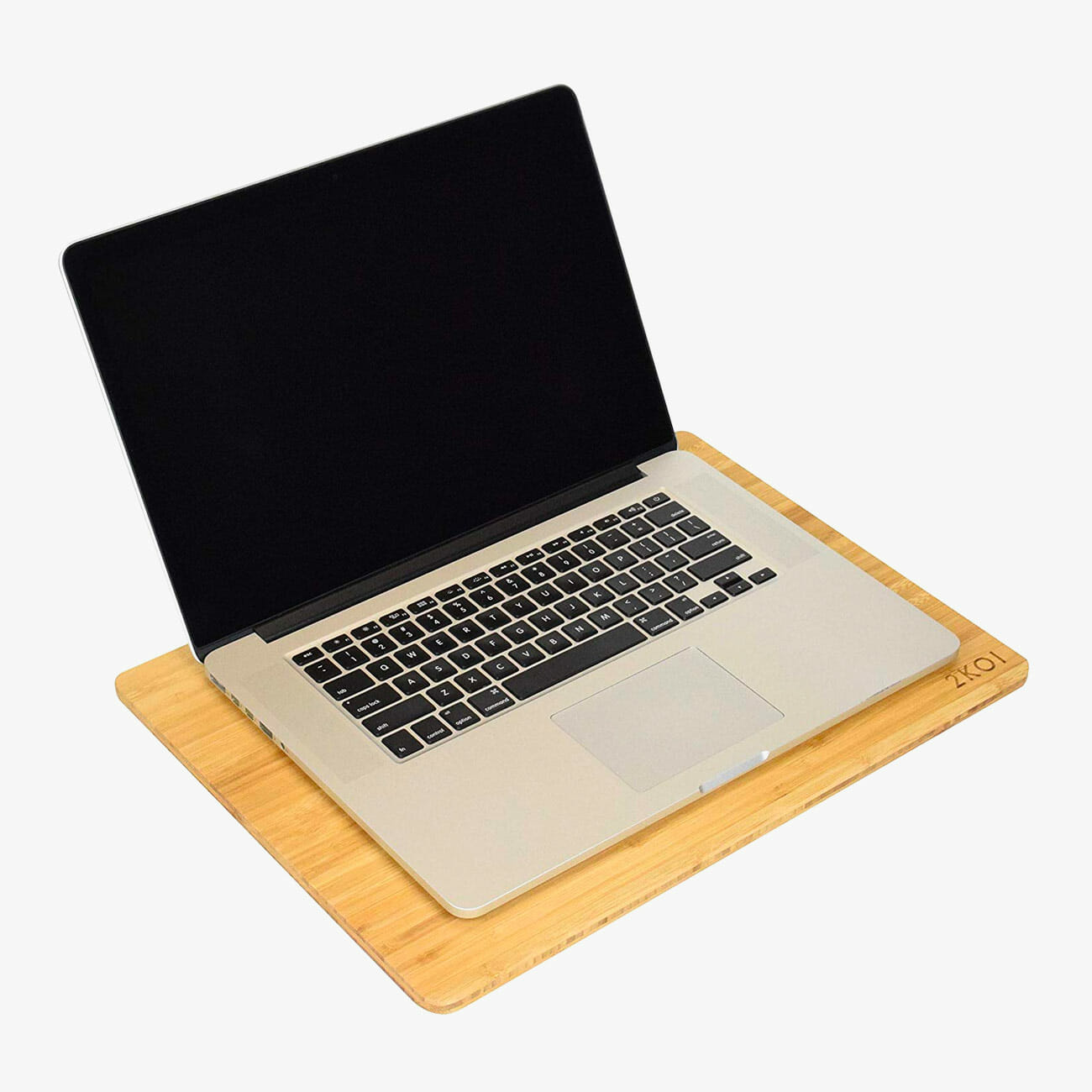
Without a daily commute, working from home affords a certain slow wakeup lifestyle unavailable to the many office dwellers of the world. This entails not getting out of bed until you feel like it, which could be 8:30 in the morning or well after noon. For the latter, there’s this minimal lap desk. Other than a sturdy surface to work on, it allows the base of your laptop (where most cooling fans are) to breathe.
Seagate External Hard Drive
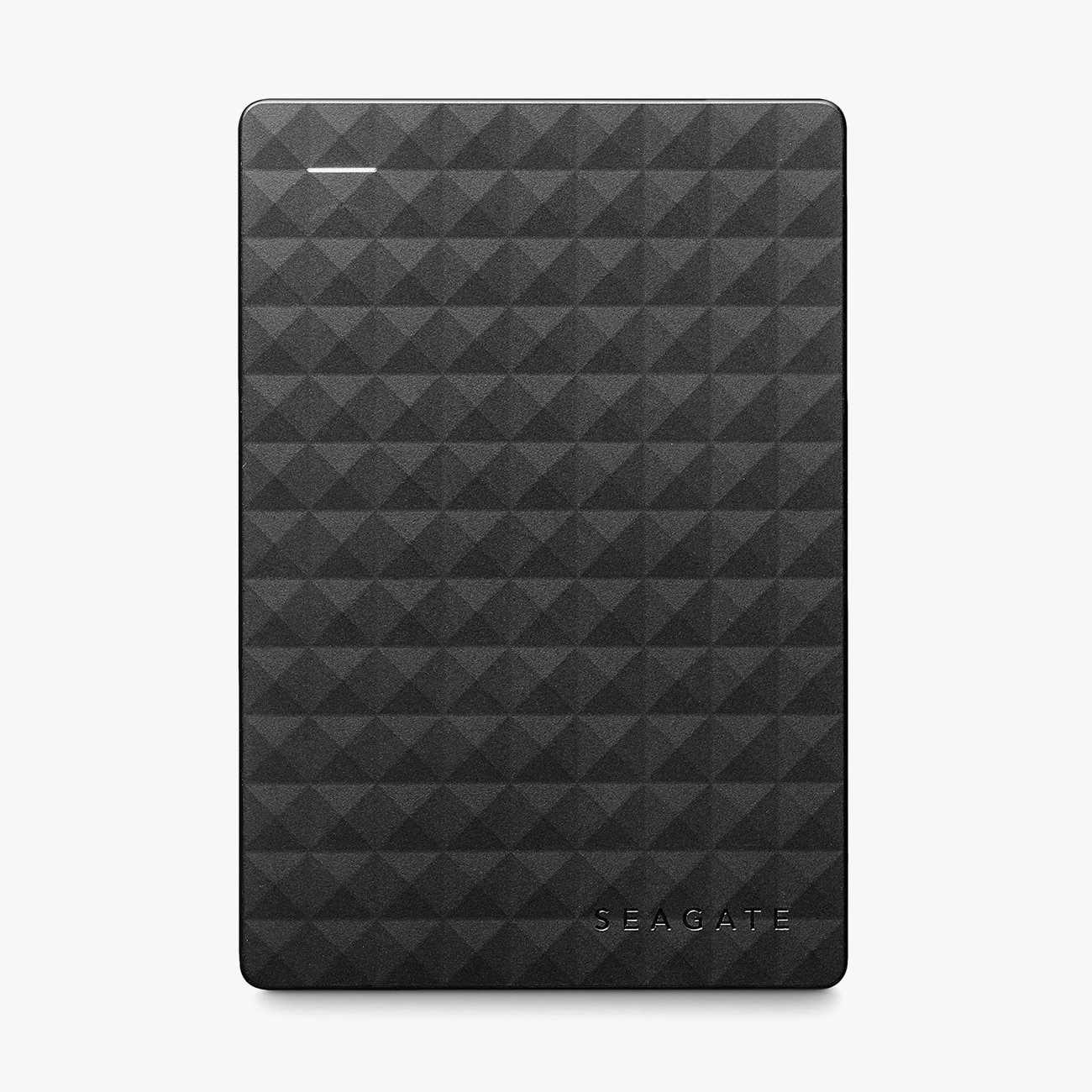
Most offices have backup hard drives for important documents, files and other company necessities. You don’t have that at home. An external hard drive is where you put all the files you can’t afford to lose, and it is especially well-suited to carry larger files you’d rather not have weighing on your work computer (think videos and raw images). This one holds up to a terabyte of data, which is plenty for most people.
Twelve South Laptop Arc
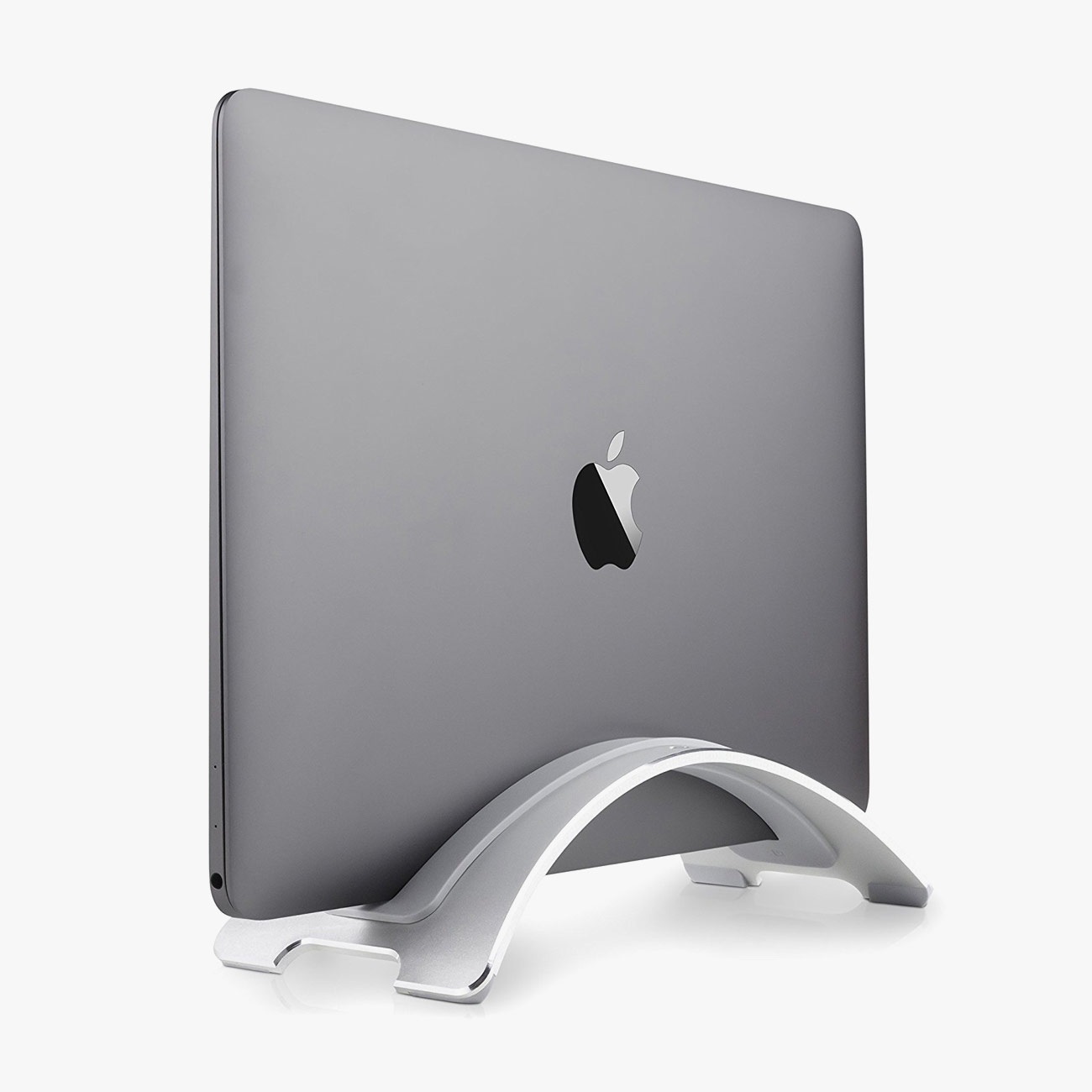
Twelve South’s laptop station keeps your laptop off the desk, a really simple feat that accomplishes two things: more space on your desk and less overheating issues. This model is MacBook-exclusive, but plenty of laptop arcs are made for non-Apple products.
Ember Mug
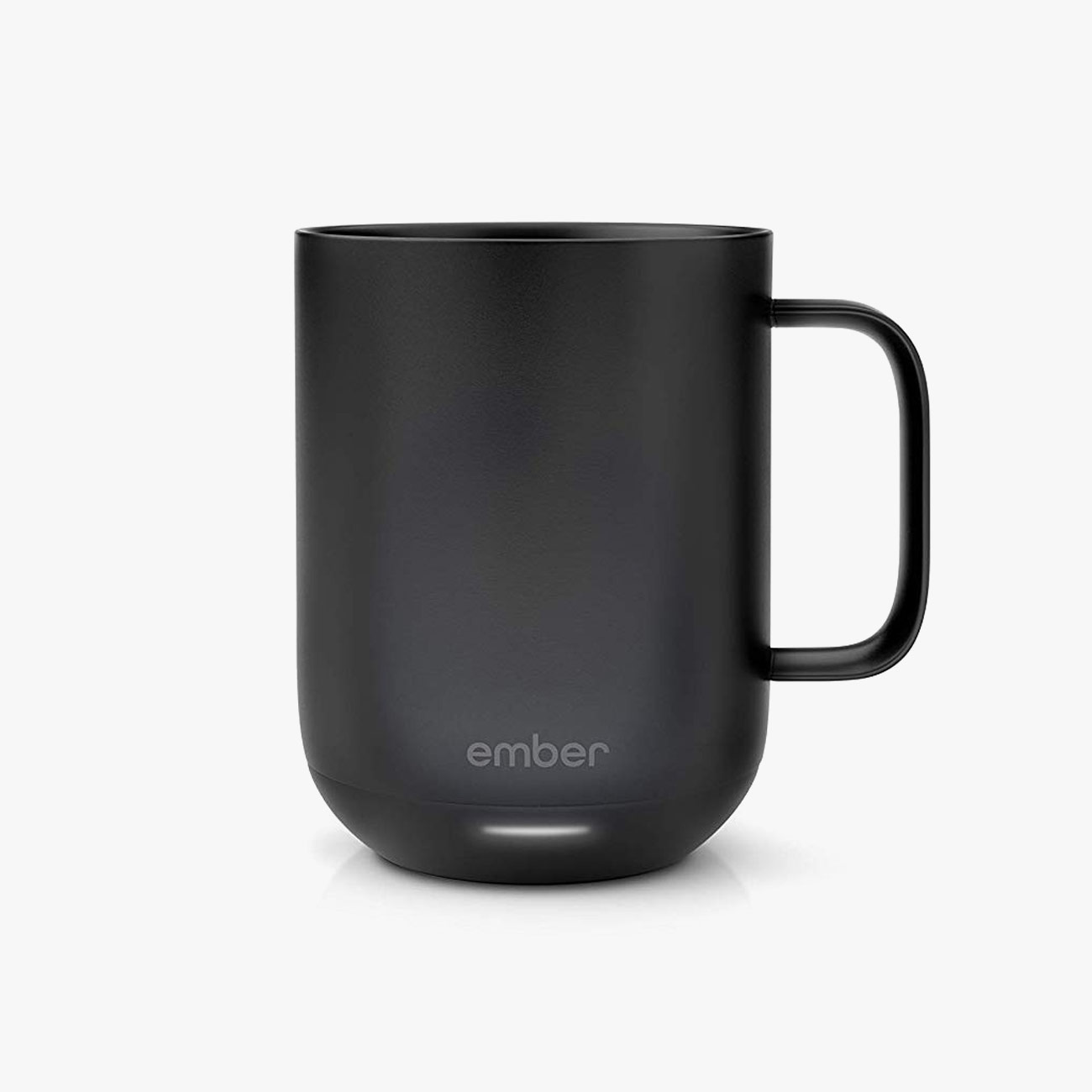
Ember’s mug and base pair are the answer to cups of coffee cooling too quickly. Made with a mixture of stainless steel and ceramic, the mug keeps your coffee hovering on the exact temperature you want it at. If you find yourself enjoying the convenience of constantly warm coffee, it comes in a larger travel mug, too.
Fully Jarvis Monitor Arm
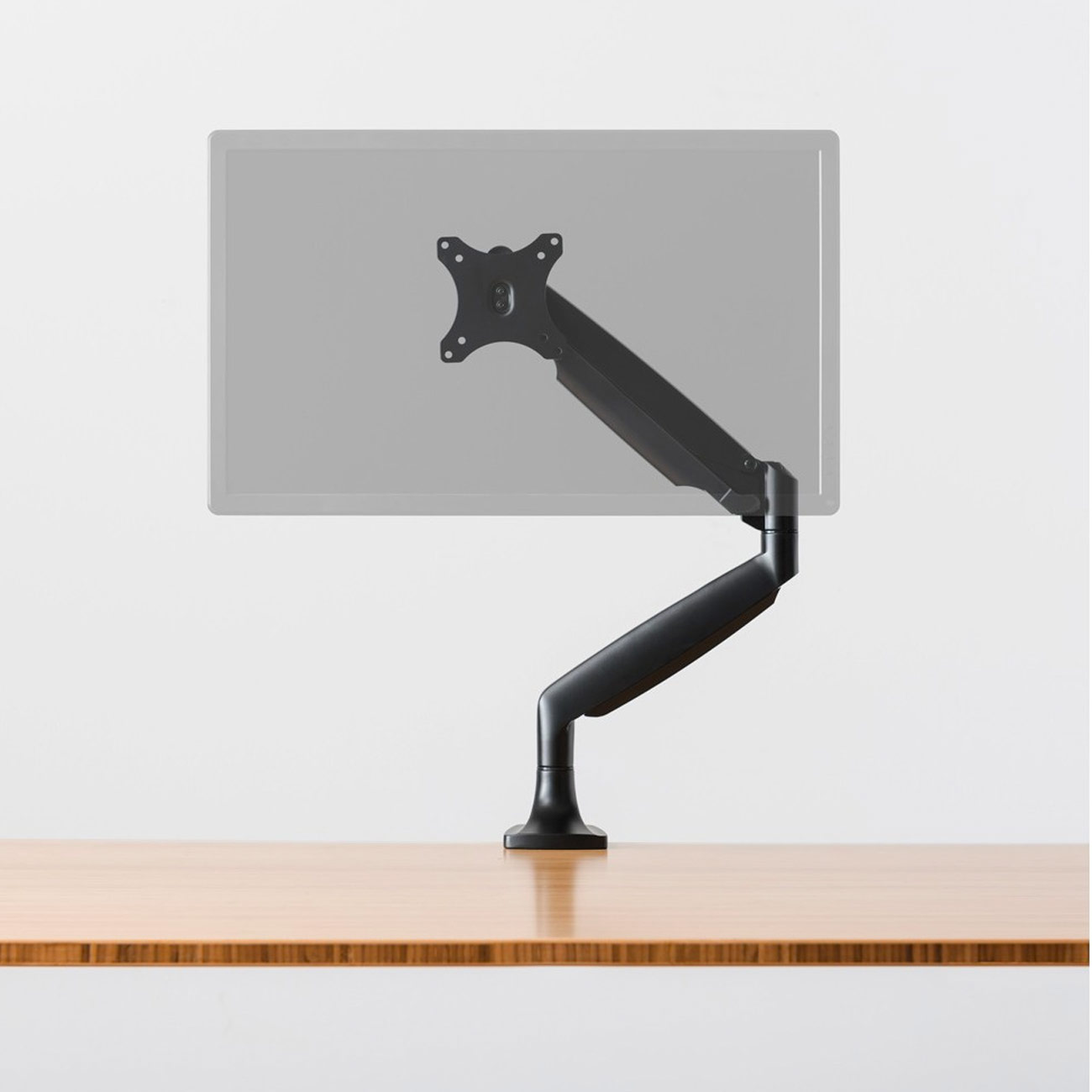
For Slack on one screen and your email on the other. Fully’s swinging Jarvis arm clamps to the edge of your workspace and houses all monitor cables inside a sleek powder-coated metal frame. Beyond its explicit function, it serves an ergonomic purpose: keeping your head pointed downward all day puts consistent strain on your neck (your head is heavy) — monitor arms allow you monitors to reach eye-level.
Furman Powerstation 8
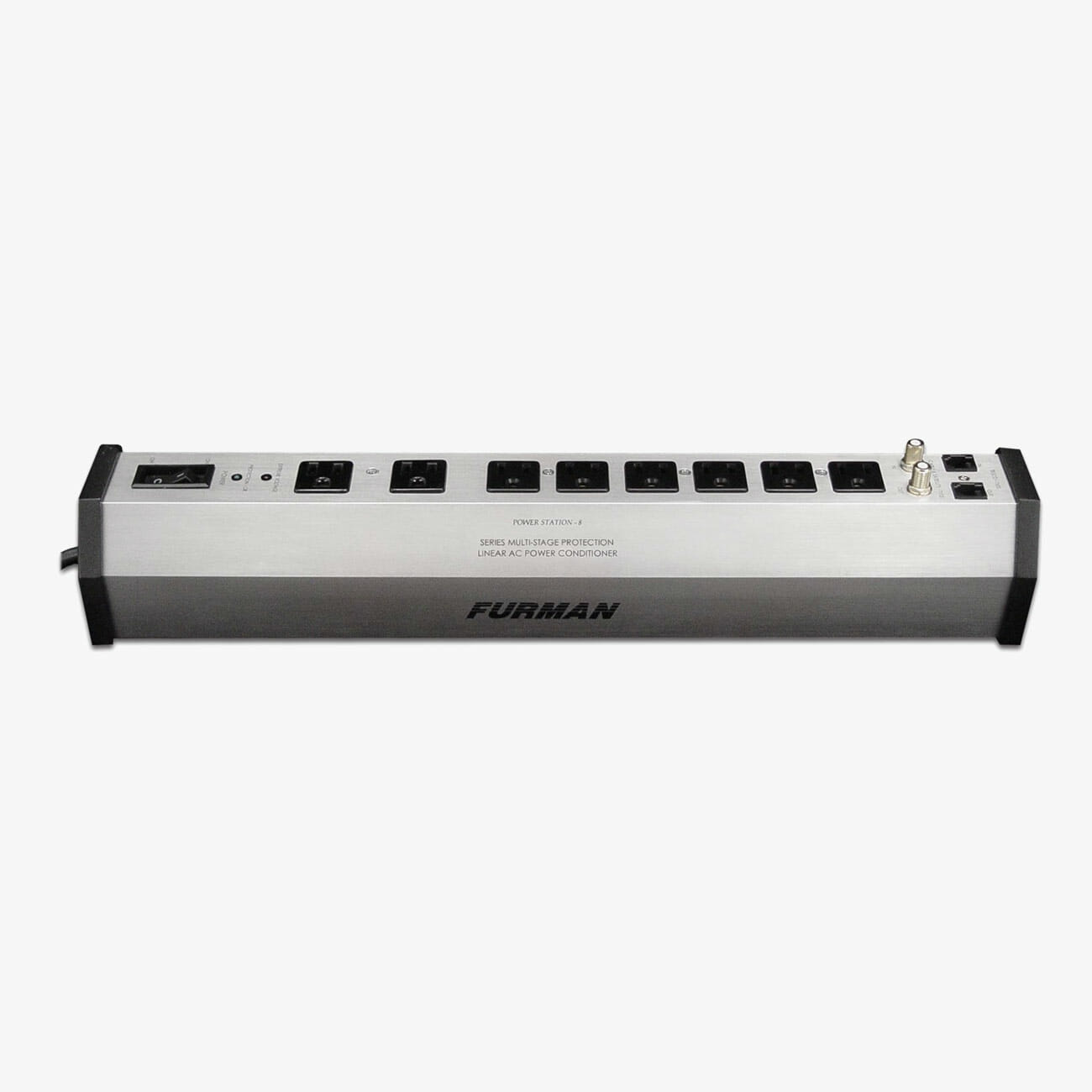
Surge protectors shield electronics from damage caused by brownouts and blackouts and should be used in any room with expensive electronics plugged in. Furman’s option is the choice protector for audiophiles and owners of other pricey electronic setups because it’s able to dwindle down ultra-high voltage bursts and, if necessary, shut down the circuit before any components or hardware is damaged. Combined with its sturdy aluminum body and understated looks, it’s the ideal choice to safeguard pricey work-issued computers and monitors.
Peplink Soho Router
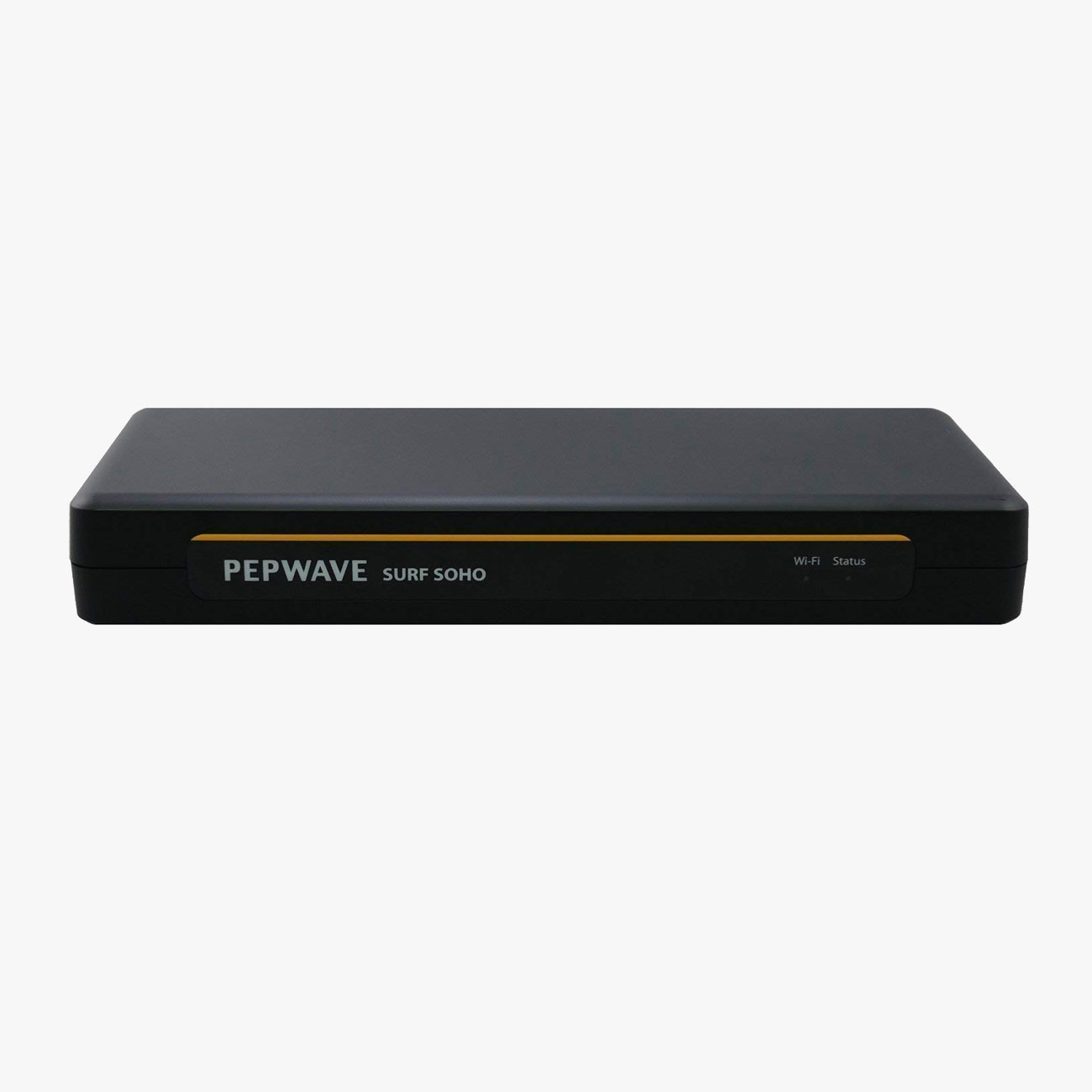
This is another option for the data security-obsessive. Peplink’s entry-level router is commercial-grade, meaning it doesn’t utilize consumer-level router technologies like Universal Plug and Play (UPnP) and Wi-Fi Protected Setup (WPS), both of which are known to be weak points in home network security. Beyond offering more security, it does the things any normal router does — connect you to the internet, mostly.
Anglepoise Type 1227
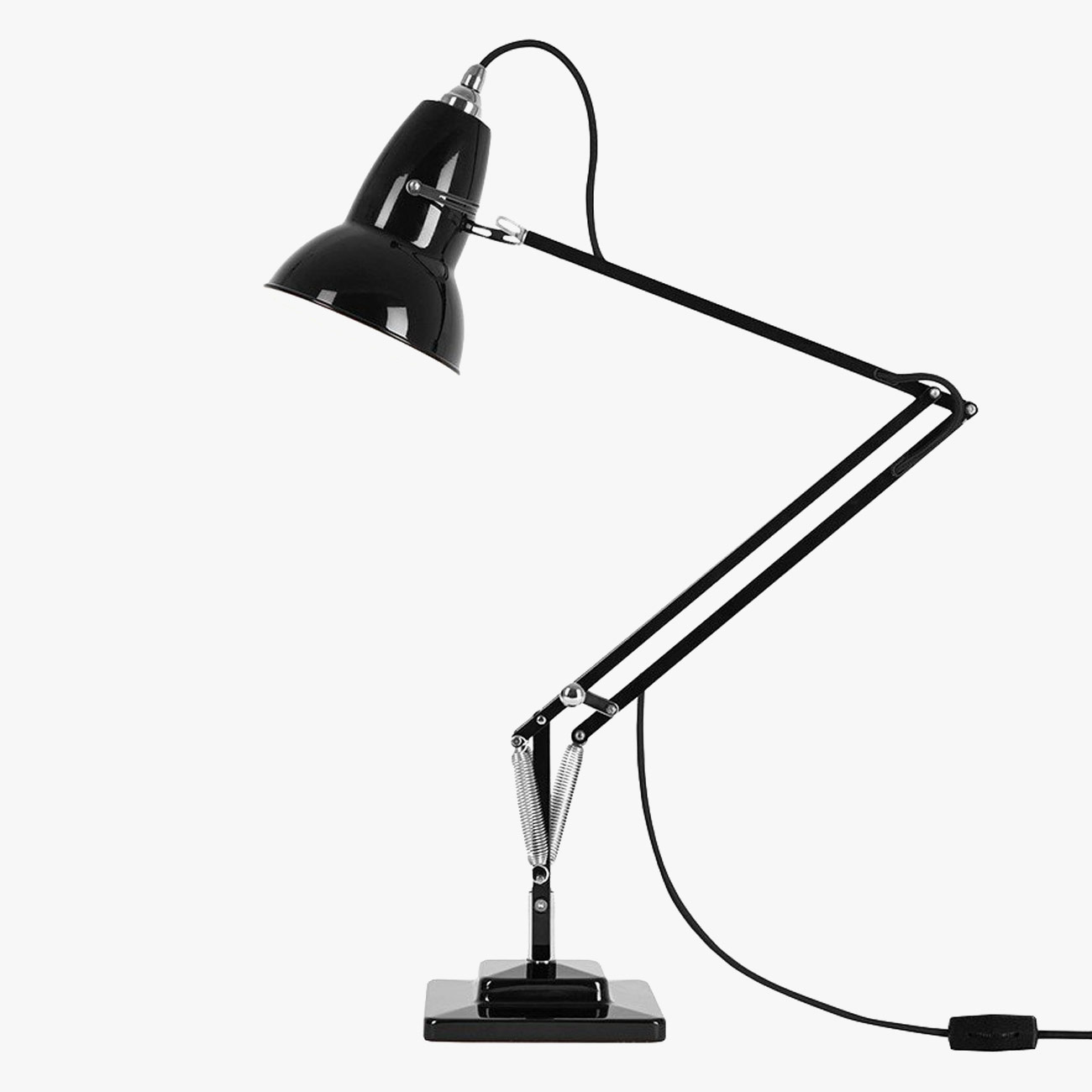
The most famous task lamp ever. Designed by George Carwardine in 1935, the Type 1227 balances performance with aesthetics better than any other task lamp out there. It holds the adjustment springs in contstant tension so the lamp is both easily adjustable and firmly in place. Beyond working from home, this is just a lamp you want in a home office.
Knoll ReGeneration
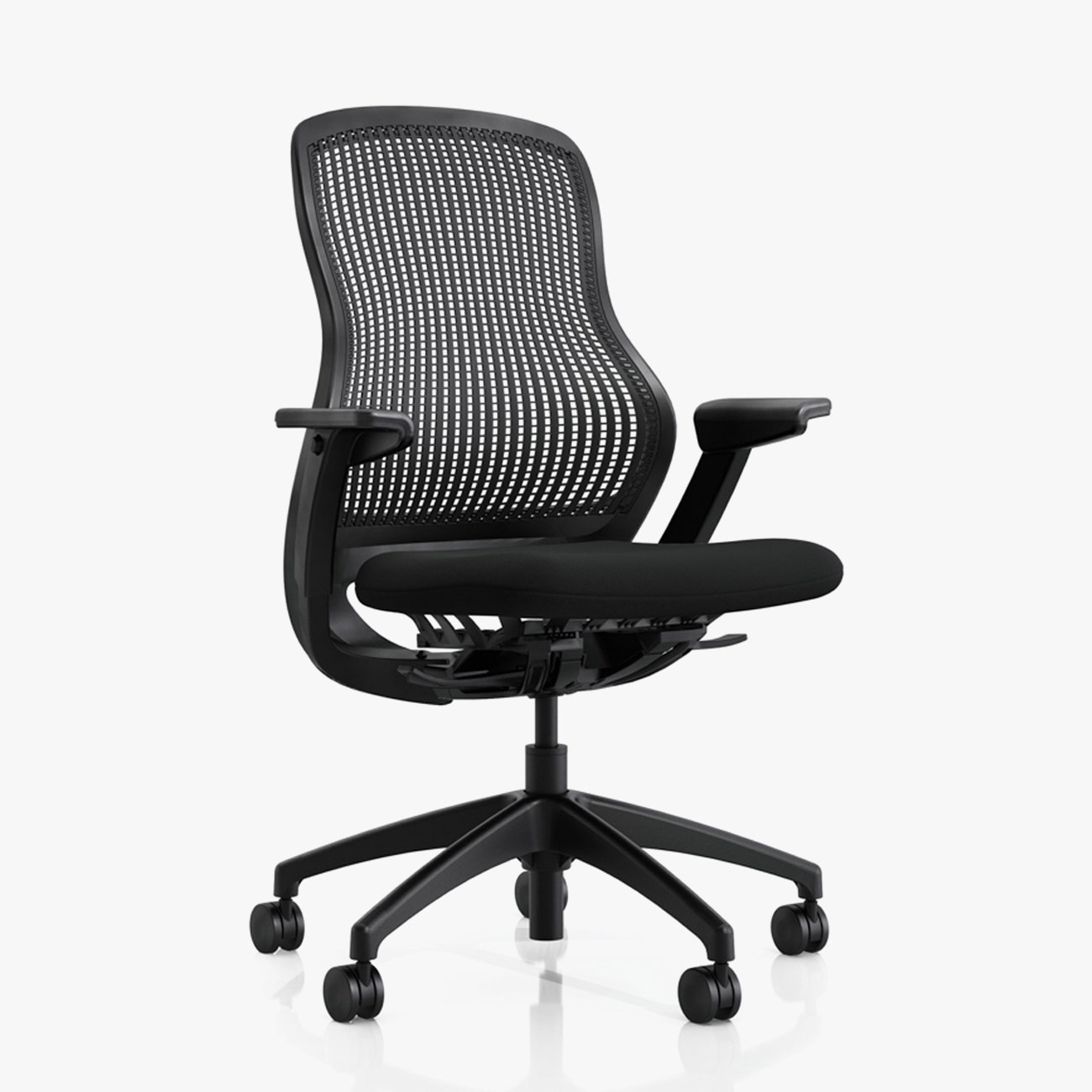
If you plan to work from home regularly you need a seat that pays more attention to ergonomics than looks. Our Best All-Around Office Chair fits that bill to a tee. Dollar-for-dollar, it’s one of the best-value task chairs you can buy. The breezy mesh back flexes up to 270 degrees right or left. Take a hint from reviewers who recommend investing in the optional lumbar support.
Note: Purchasing products through our links may earn us a portion of the sale, which supports our editorial team’s mission. Learn more here.
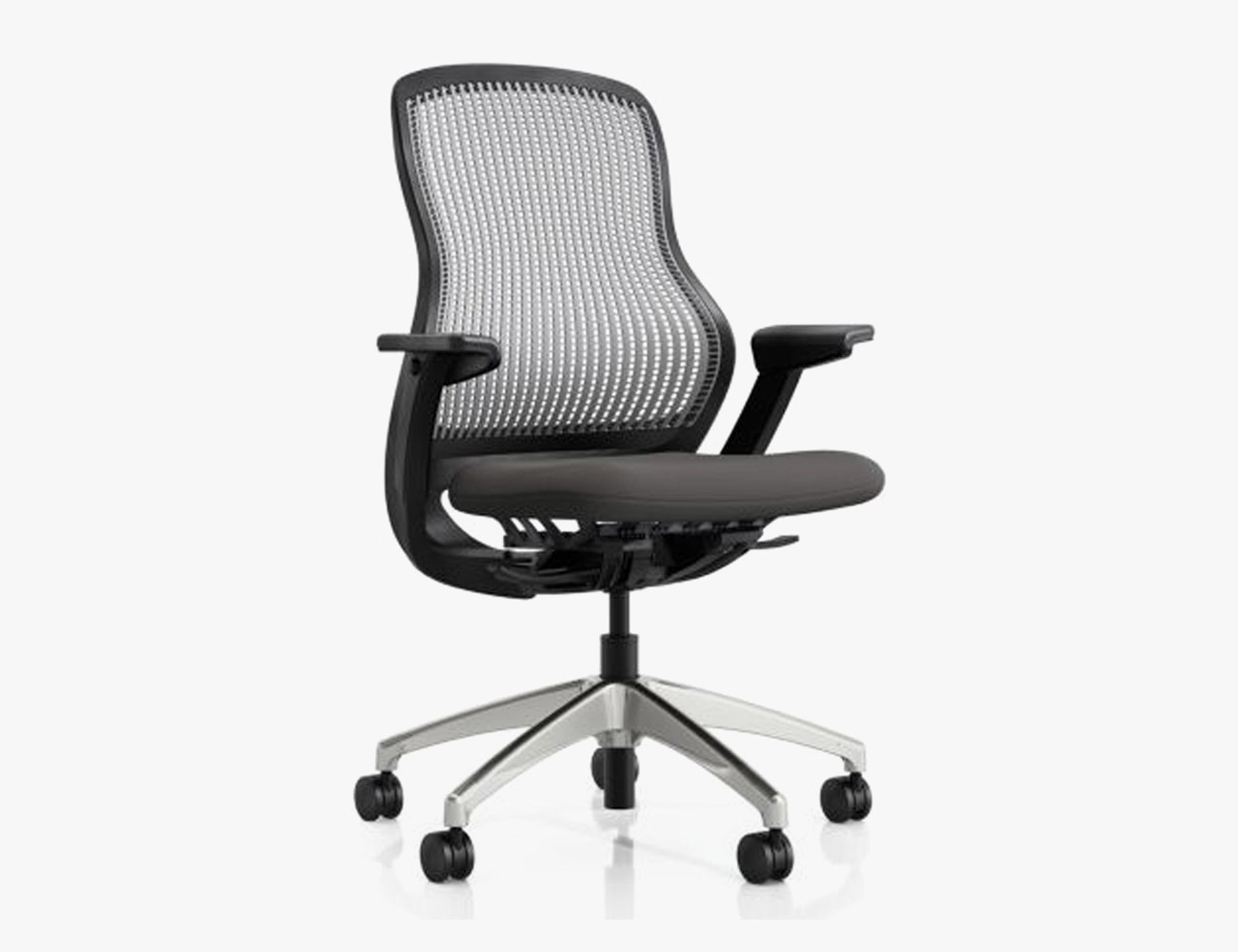
The 14 Best Office Chairs of 2019
This definitive guide to the best office chairs of 2019 explores everything you need to know to find an office chair best suited to your needs, including ergonomics, price, aesthetics and features.
Long has the doom of sitting been forecasted. Published papers aplenty have argued that a stationary life is shorter and trouble-ridden, and the primary workarounds are many — standing desks, frequent breaks, stretching, taking walks and so on. But none address the simple fact that, sometimes, to get shit done, we simply need to plant ourselves in a chair and get after it.
Luckily, a number of companies are working to beat each other at building the best office chairs, even though they all know it’s not possible. No one chair is the best for everyone, so take our guide with lots of salt. If you can, go to stores and showrooms in your area and sit down, lean back, lean forward, pull levers and ask questions about everything. Your back, muscles, various joints and brain will thank you.
The Short List
Best All-Around Office Chair: Knoll ReGeneration
Beyond taking our “Best Value” category by way of a price most people can swallow mixed with smart design, it received one of the most valuable recognitions in product design — a Good Design Award — after it’s release in 2012.
The ReGeneration is the affordable update to the legendary Generation chair. It adjusts to your weight, posture and weird leaning tendencies on the fly (up to 270 degrees of posture change). It’s also warrantied for a whopping 12 years. It’s the proud owner of various highly-touted sustainability acronyms.
Knoll is the master of the office chair, and the more accessible version of its lauded office seating boasts the most useful functionality, comfort, extra options and looks at the most reasonable price point we found. Make sure to get the mesh-backed version if you run hot, and adding in the lumbar support comes highly-recommended by reviewers (though you may have to contact Knoll or the outlet you intend to purchase from to arrange this).
Best Budget Office Chair: Alera Elusion
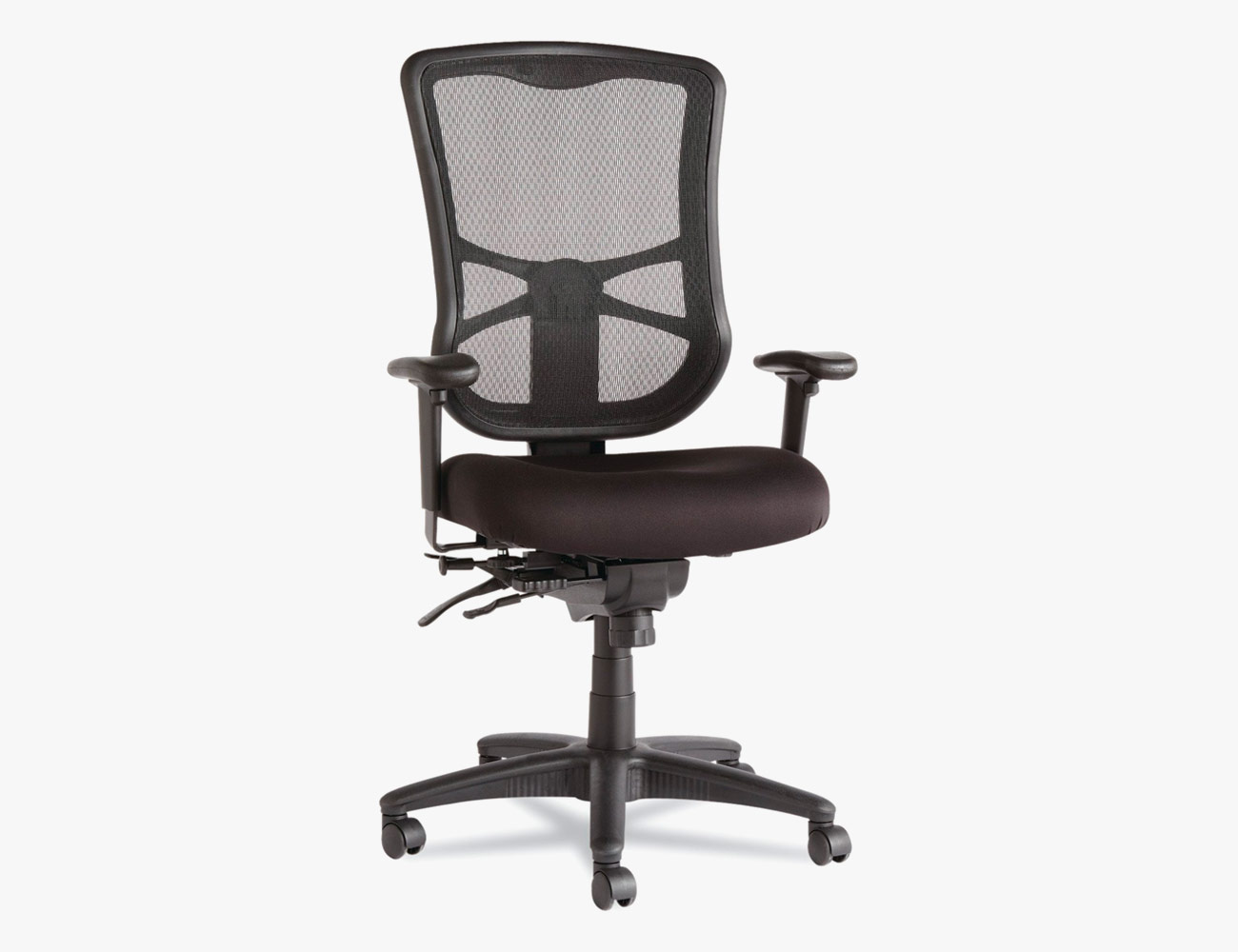
Being on a budget does not mean settling for design of a lower quality; it means identifying smartly-engineered at price points don’t cause sweat. The Alera Elusion, which is also our best option under $200, is just that. It’s mesh-backed and features loads of recline and tension adjustment options for just $190.
If your definition of budget is a bit more expansive, we recommend Herman Miller’s Sayl chair, which is made with better materials and has a better warranty behind it — not to mention a company with a legendary reputation. That said, the extra $200 to $250 you’ll need to shell out for a Sayl makes an impact large enough to favor the more affordable, impressively-built Elusion chair.
Best Office Chair Brands
Humanscale
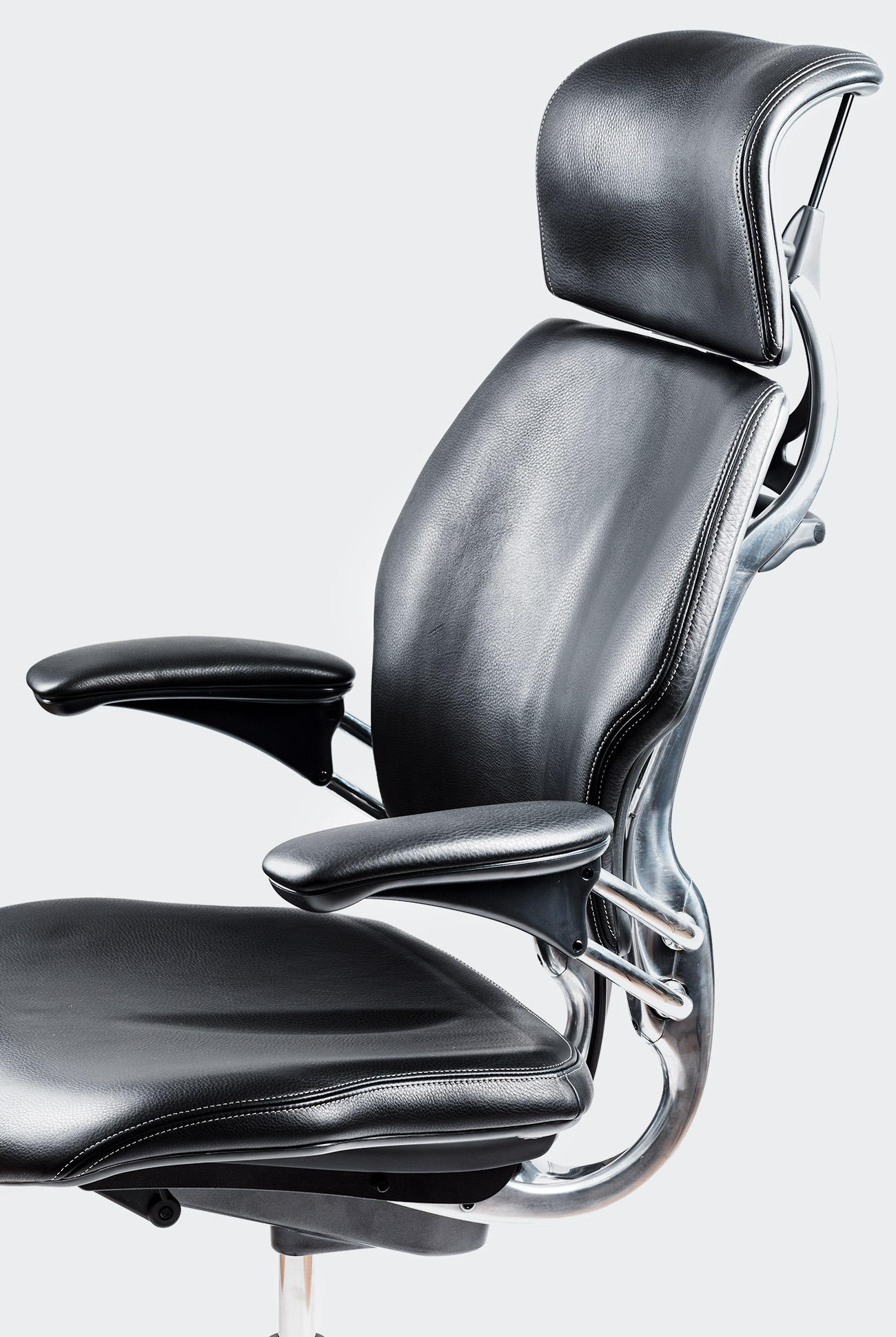
An extreme and praise-worthy focus on sustainable, eco-friendly design and gorgeous aesthetics come together with research-backed ergonomics at Humanscale. A through-line can be seen in all Humanscale’s more recent products — simplicity. Simplicity urged forward by the late American industrial designer Niels Diffrient in his partnership with Humanscale, which yielded two of the most notable and respected chairs ever — the Freedom and Diffrient World.
Herman Miller
Herman Miller is the company behind many of the most iconic pieces in the era of mid-century modern but its catalog has far more to offer than famous lounge chairs. When Herman Miller released the Aeron office chair, it instantly became the, or at least one of the, best makers of office seating the world over. The American brand’s most notable office chairs are likely the Aeron, Embody and the newly released Cosm, a fully passive ergonomic chair with a few unique-unto-itself features.
Steelcase
Where Herman Miller and others work in a variety of furniture areas, Steelcase narrows its gaze to furniture with a performance and sustainability bend. The 105-year-old company is unrelenting in its focus on research-guided design, and it is most known for the Gesture, Leap and its auto-adjusting (and fairly new) SILQ.
Allsteel
Allsteel is function and performance driven above all else. It bullied its way into office gear in the early 20th century making steel electrical boxes and lockers (it would take until the middle of the century to add its first chairs) Not all of its seating is beautiful looking (except for the Acuity, which is), but it is all based on the science of ergonomics.
Knoll
Like Herman Miller, Knoll was (and has become again) mid-century royalty. Also like Herman Miller, it didn’t fall off the face of the earth. Knoll still peddles high-end, luxurious home furniture aplenty, but its office seating, the Generation line in particular, is a revelation. Ergonomic, good looking and sold at price points low and high, Knoll covers the spectrum of what you need now and in the future.
Best Budget Office Chairs
As with most products of the budget variety, temper your expectations. There is no sub-$100, $200 or even $500 office chair that does all things for all people, or performs equally to premium chairs. Expect materials that don’t necessarily ensure a long life and may not look stellar. That said, these chairs are ergonomic. Our budget picks are simply the most affordable you can go without sacrificing your health and wellbeing at work.
Best Office Chair Under $100: Flash Furniture High Back Mesh Chair
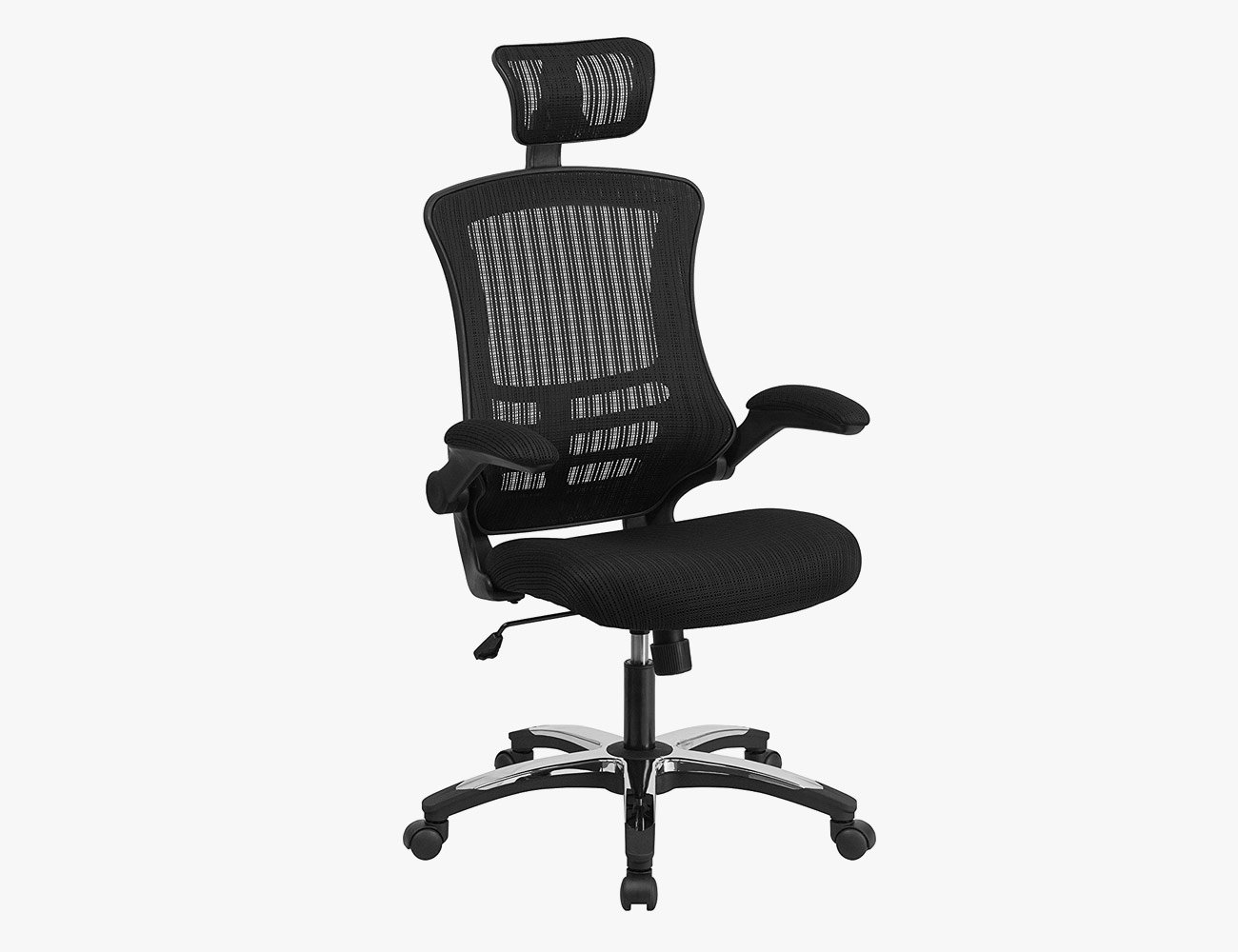
This mesh-bodied, high-back chair from Flash Furniture is the best and most versatile chair we’ve found under $100. It has an adjustable headrest (ideal for those who like to lean back), holds more weight than most dirt cheap options, has a tilt tension adjustment knob, offers firm lumbar support and isn’t absolutely atrocious to look at. If it’s missing anything (other than quality materials that would drive the price up), it’s adjustable armrests, but that’s the lowest number of serious compromises you’ll find out of seating in this price category.
Best Office Chair Under $200: Alera Elusion Chair
It looks as simple as any other chair you’d run into at Staples, but it isn’t. Alera’s Elusion chair borrows features like a full mesh back for breathability, a waterfall-edge seat cushion to maintain regular levels of leg circulation and more comfort customization than chairs fives times its price.
Its only limiting factors are aesthetics (it is rather boring to look at) and the use of cheap materials, which means it’s likely not a great long-term seating option.
Best Office Chair Under $500: Herman Miller Sayl
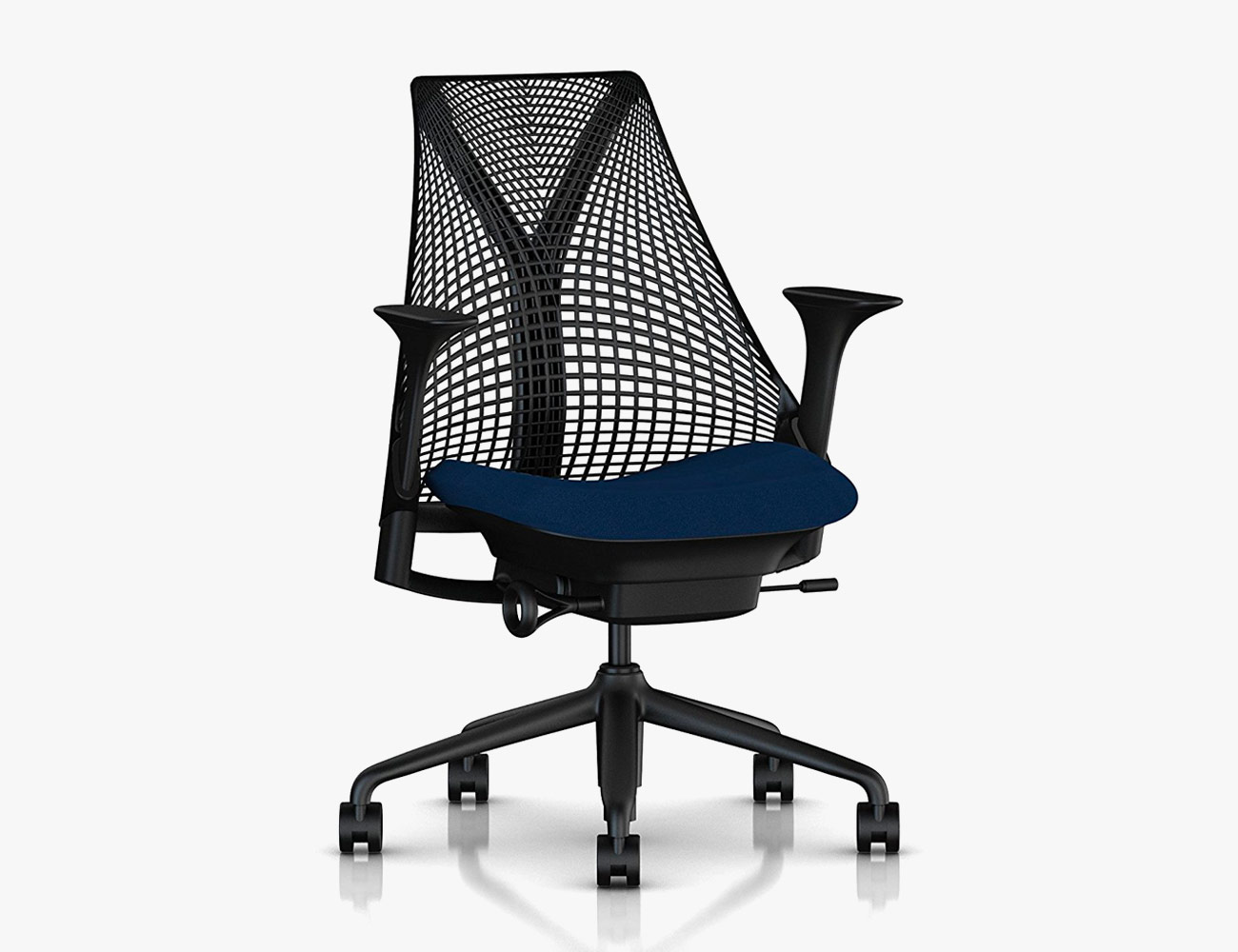
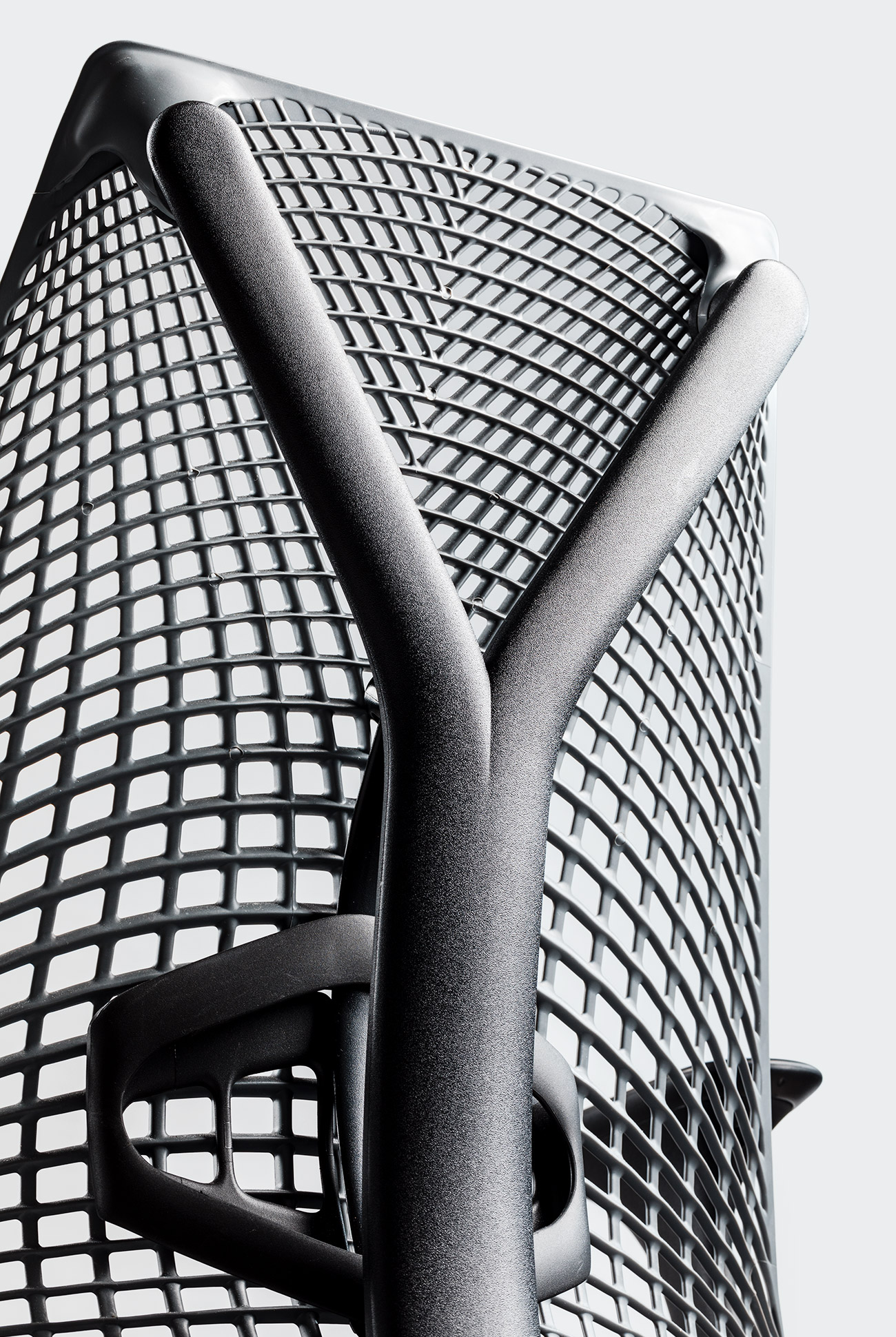
This is an affordable take on Herman Miller’s manually-adjusted office chair. The webbed, unframed back is supported by a suspension tower (and inspired by the a notable landmark in the designer’s home city of San Francisco), which allows for a twisting and turning in the chair to remain both comfortable and well-supported.
The arms slide up and down, the recline tension is adjustable, the chair is certified to seat a person up to 350 pounds and it does all this for just south of $500. When the chair released, it took home a flurry of “bests” from judging panels and events, including the Industrial Designers Society of America, International Design Awards and FX International Interior Design Awards. This is no ordinary budget seating.
Best Ergonomic Office Chairs
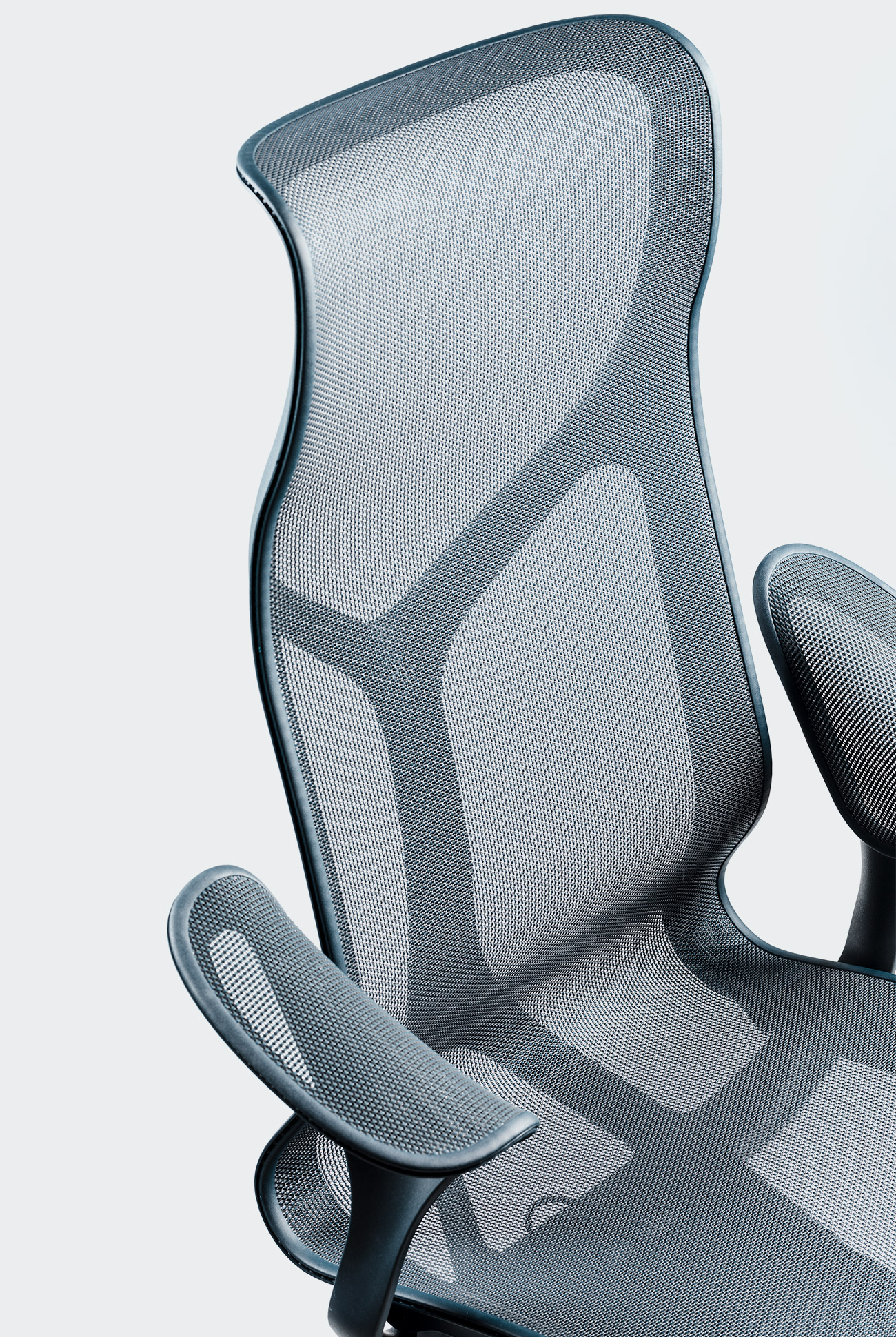
Ergonomic design, to some extent, is present in all seating, but not all chairs can be called ergonomical. By way of built-in automatic adjustments or manually turning knobs and pulling levers, great ergonomical chairs are the ones that conform to the human body, and the best do that to specific human bodies, no matter their weight, height or posture. These are those chairs, in every specific taste and style we could think of.
Best Value Office Chair: Knoll ReGeneration
Value is a function bound to the holy price-quality balance. Our choice is Knoll’s affordable, somewhat recent addition to its line of Generation seating — the ReGeneration. Starting just north of $500, ReGeneration adjusts to your weight, posture and weird leaning tendencies on the fly (up to 270 degrees of posture change).
Knoll is the master of the office chair, and the more accessible version of its lauded office seating boasts the most useful functionality, comfort, extra options and looks at the most reasonable price point. Make sure to get the mesh-backed version if you run hot, and adding in the lumbar support comes highly-recommended by reviewers (though you may have to contact Knoll or the outlet you intend to purchase from to arrange this).
Best Office Chair for a Standing Desk: HAG Capisco Puls
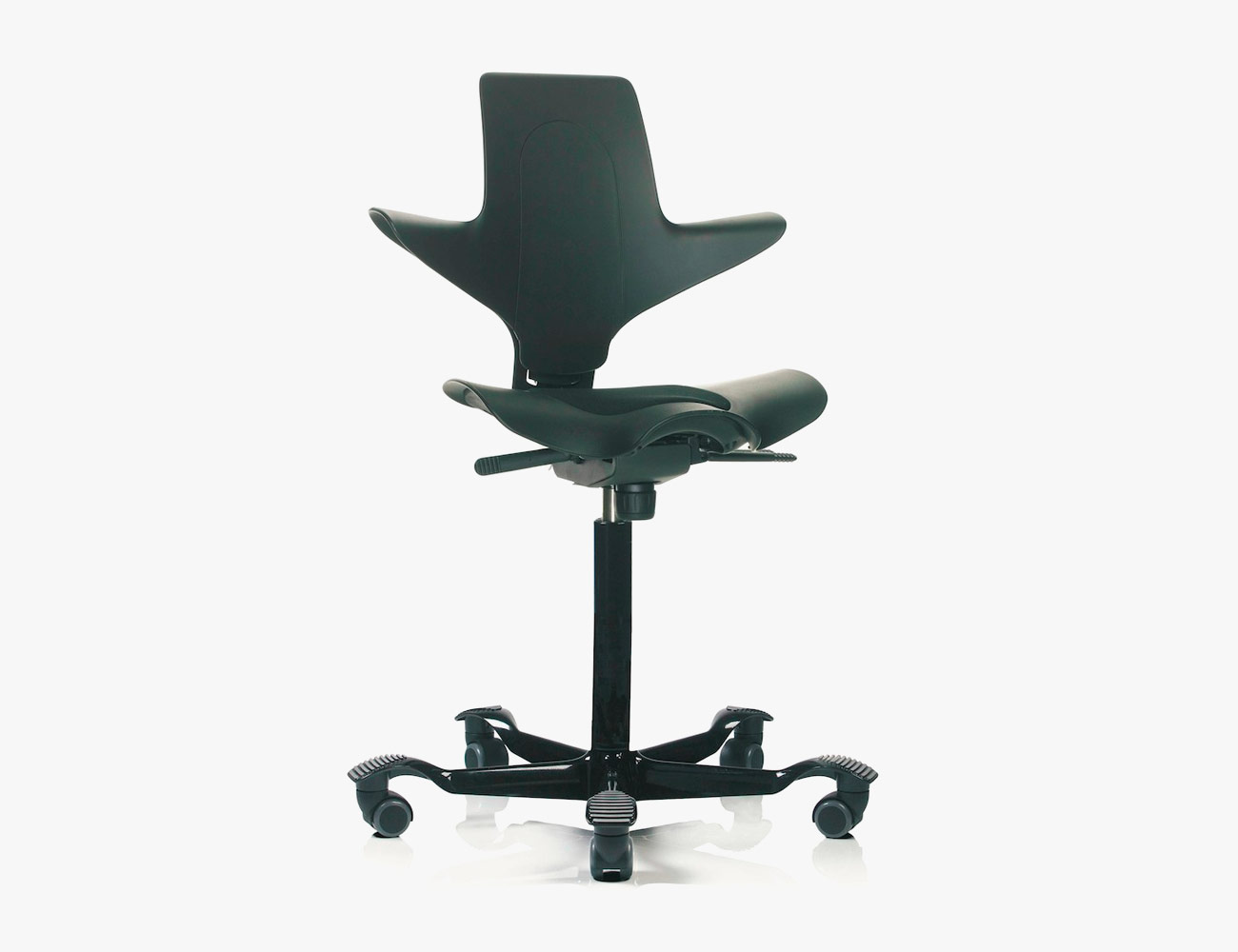
As illogical as it sounds, standing and raising desks do need seats of their own. Portland-based Fully specializes in supplying only the best ergonomic seating for the modern workspace (it’s most known for the Jarvis adjustable height desk), and the Capisco was the very first product it stocked.
It allows for seating in any way that’s comfortable to you — stool seating, cross-legged, side sitting, sitting backwards and so on. Essentially, it encourages non-static working and provides the means to act on that comfortably.
The Capisco Puls is the slimmer, newer and more affordable version ($300 cheaper) of the chair. Looking at the greater standing desk chair market, you could settle for less, but you’d be doing yourself a disservice.
Best Office Chair for Gaming: Vertagear Triigger 275
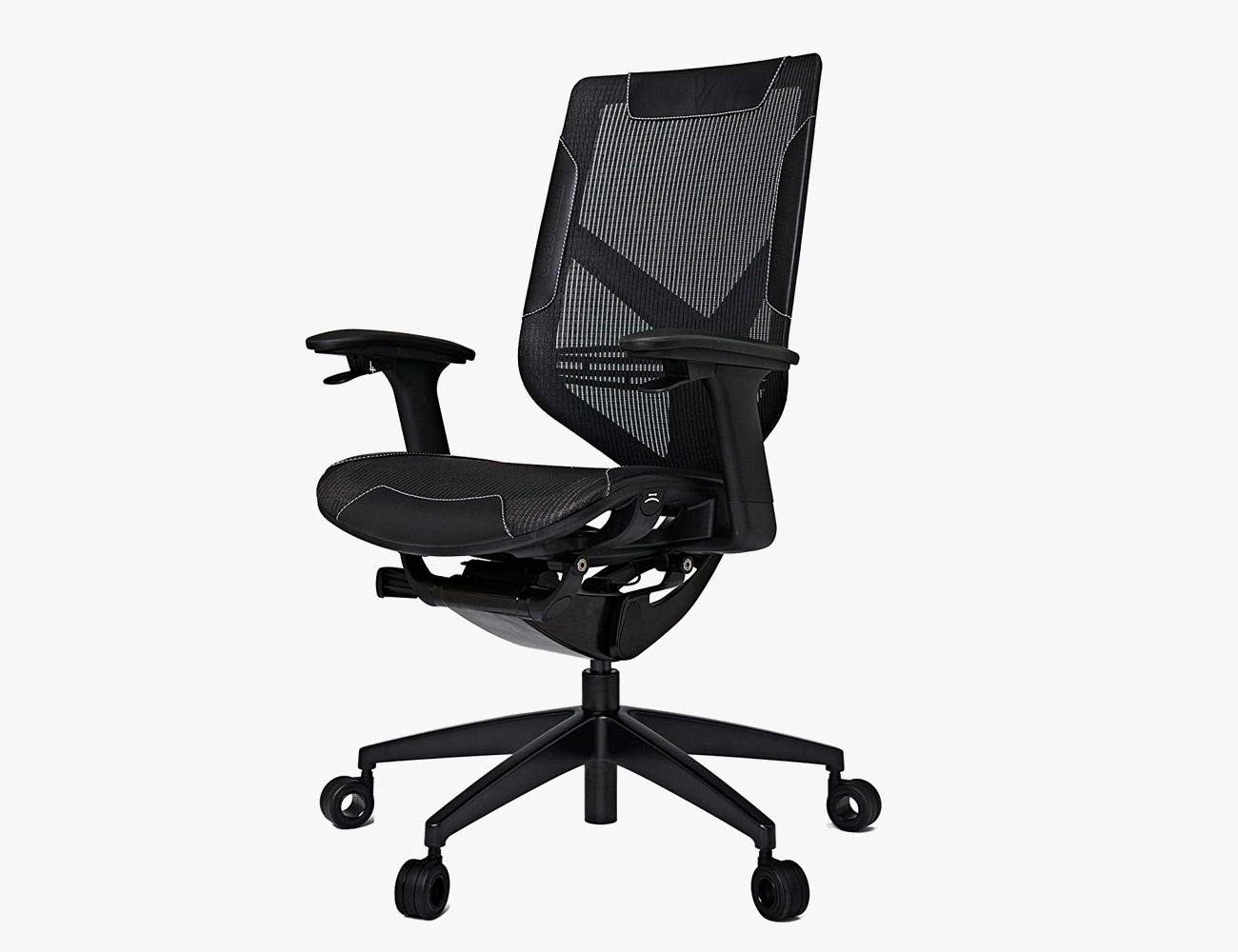
The proliferation of the racing-style chair as the defacto “gaming” chair is sad and dumb. The best gaming chair is not about immersing the sitter in the game or looking cool — it’s about support, customization and the ability to remain cool for hours.
Vertagear’s Triigger series of chairs is just this, and the 275 model is the best balance of price and useful features. Though we’ve praised chairs that automatically adjust to all users in this guide, gaming requires a chair fine-tuned to the player. The Trigger 275 allows you to adjust armrest height, seat height, backrest height and lumbar support. And because it’s a mesh chair, you remain cooler for longer, and it doesn’t look juvenile (though you can get it with white, red and blue accents).
The brand offers a premium option, too — the Vertagears 350 comes with an aluminum frame and calfskin leather accents for a couple hundred dollars more.
Best Office Chair for Your Home: Eames Aluminum Group Management Chair
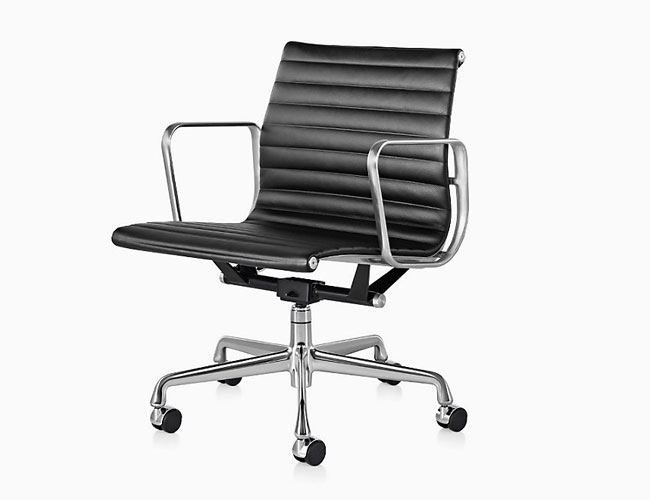
The Eames Management chair is from a time gone by, when office hierarchy was defined by corner offices, over-sized desks and, in this case, a luxe mid-back desk chair. What does that mean? It’s behind some others on this list in the ergonomics department, but it’s miles ahead in style. An aluminum frame, MCL leather and a distinctly mid-century look define the Eameses instantly recognizable seat. (Note: if you work from home and regularly spend working hours in your home office chair, we recommend leaning toward the more ergonomic-focused options in this guide.)
Best Office Chair with a Headrest: EuroTech Ergohuman
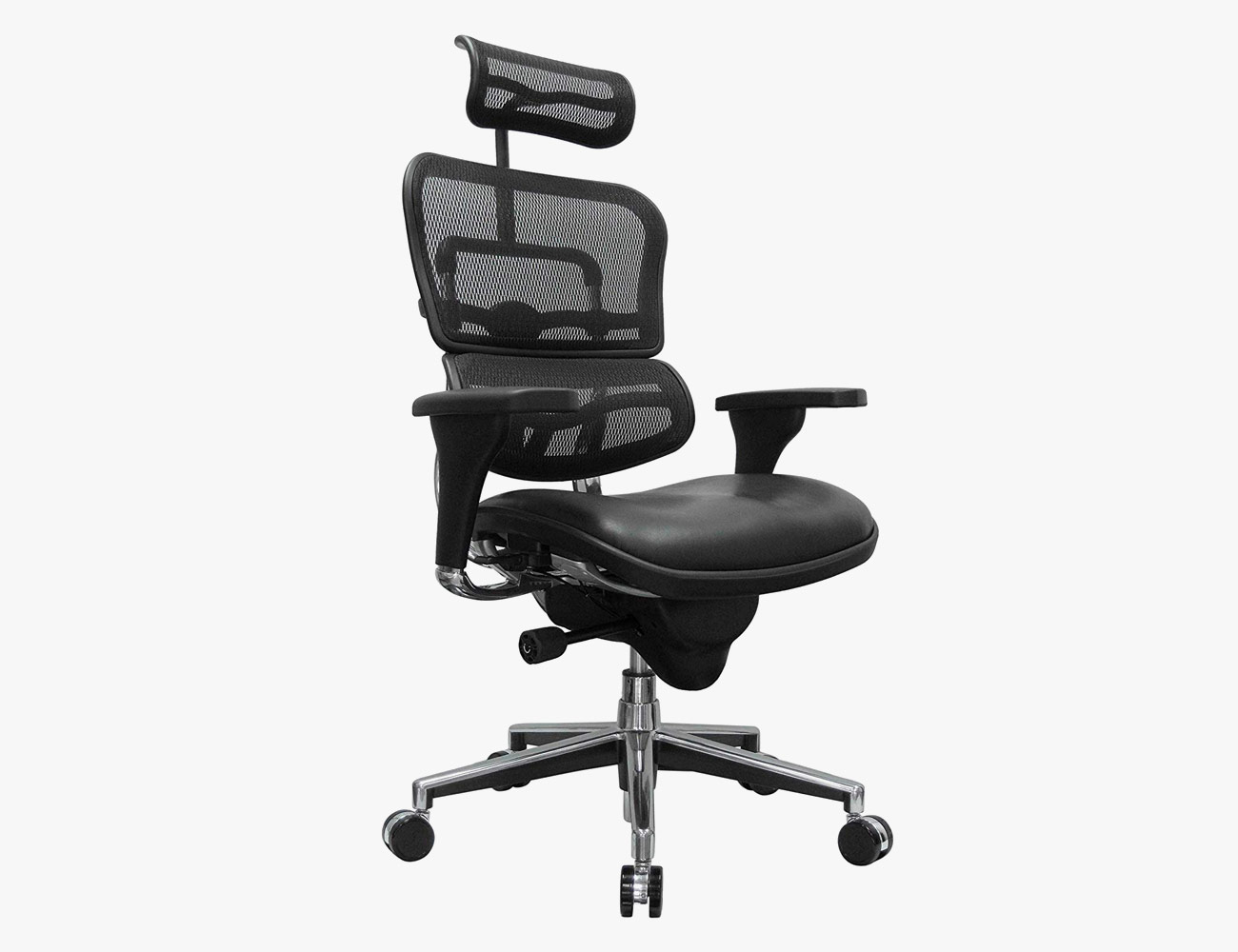
Truth be told, if you’re serious about you’re reclining, you better be serious about having a chair equipped with a headrest. Thinking about reclining sequentially, you press your back against the chair, lean back and your head loses the natural support of your neck and body. This causes you to tense your neck, which creates soreness and leads to further problems down the line.
That’s what chairs like Eurotech’s Ergohuman aim to solve, while limiting sacrifices to the chair’s comfort level. The superb lumbar support, various tension and height adjustments, a very handy pneumatic lift system that raises and lowers the chair smoothly and a supportive (but still comfortable) headrest brought together on the Ergohuman make for office seating that’s equal parts impressive and satisfying to take a seat in (hint: get the all mesh version if it’s available — it’ll stay far cooler than a faux leather seat cushion one).
Best Passive Ergonomic Office Chair: Herman Miller Cosm
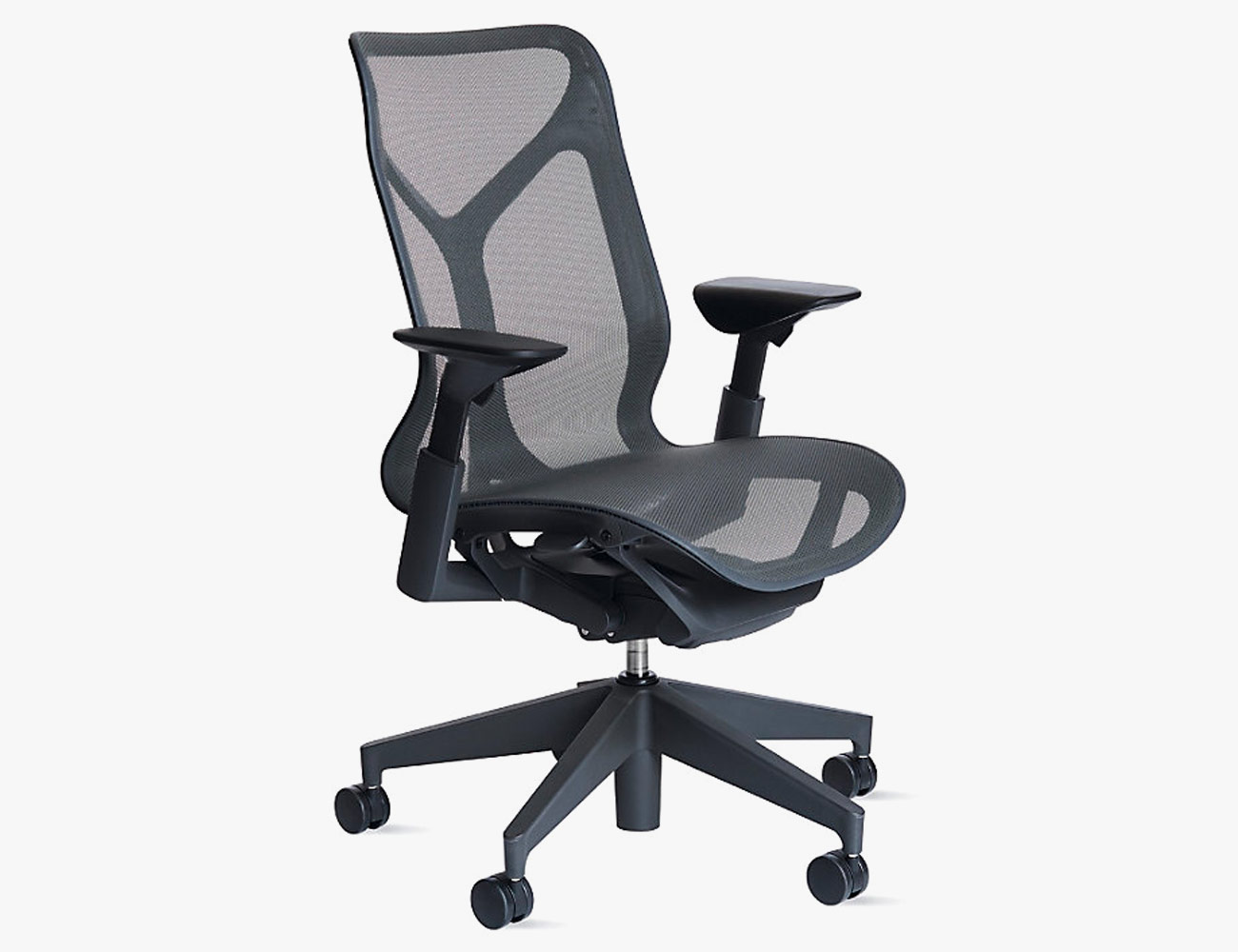
The success of Herman Miller’s office seating line is unquestioned (just look at our list), but this might be the largest departure from that line since it began. Where our “Best Value” choice was of the old school of passive ergonomics, Cosm is of the new.
Apart from aesthetics and sizing options (the high-backed Cosm is stunning online and in person), the primary functional difference between the two is a single, completely unique innovation — the ability to use your weight to adjust tension to you without the need to slide your body forward or lift you up at all. This sliding and lifting lifts your legs ever so slightly up, resulting in added tension to the body.
It’s a subtle difference, but one no other company had managed until Cosm. In fact, the only reason Herman Miller didn’t release an auto-adjusting chair prior was its inability to solve the riddle of the lifting legs.
Best Leather Office Chair: Humanscale Freedom
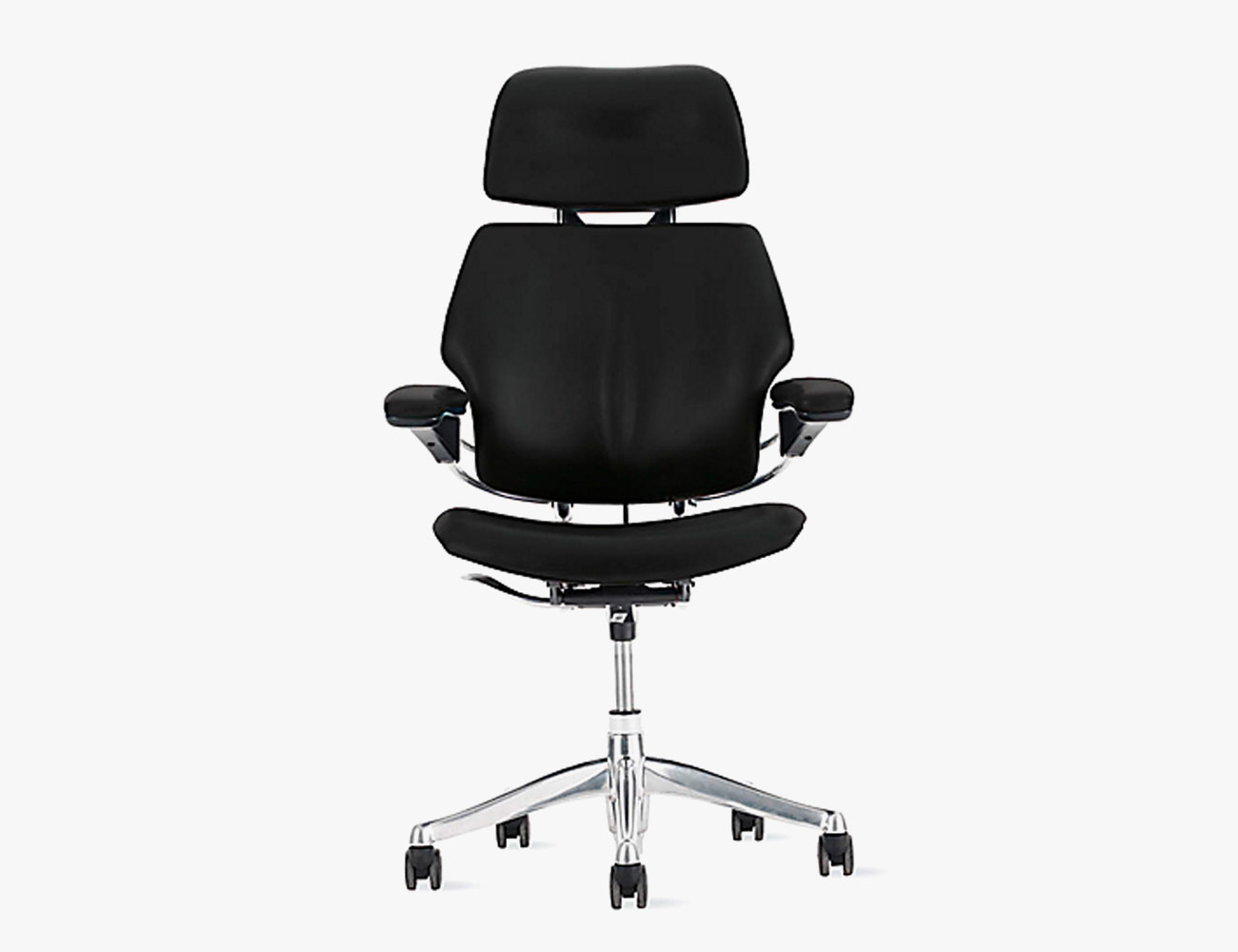
American industrial design legend Niels Diffrient authored many products of great importance, but this was his magnum opus. The Freedom chair marks the beginning of the shift away from manually-adjustable office seating (primarily because most people don’t actually know how to adjust the chairs properly) and to self-adjusting chairs.
Specifically, the Freedom chair handles all recline tension and tilt functionality itself, while still allowing you to slide the seat backward or forward and the armrest up and down. Since its release, a hundred or more self-adjusting chairs have cropped up, but few have done so as elegantly as the Freedom chair.
Its base model ships in a PU leather upholstery (as almost all “leather” office chairs do) with a die-cast aluminum frame, but you can special order real leather upon request.
Best Office Chair for Small Work Spaces: Humanscale Diffrient World Chair
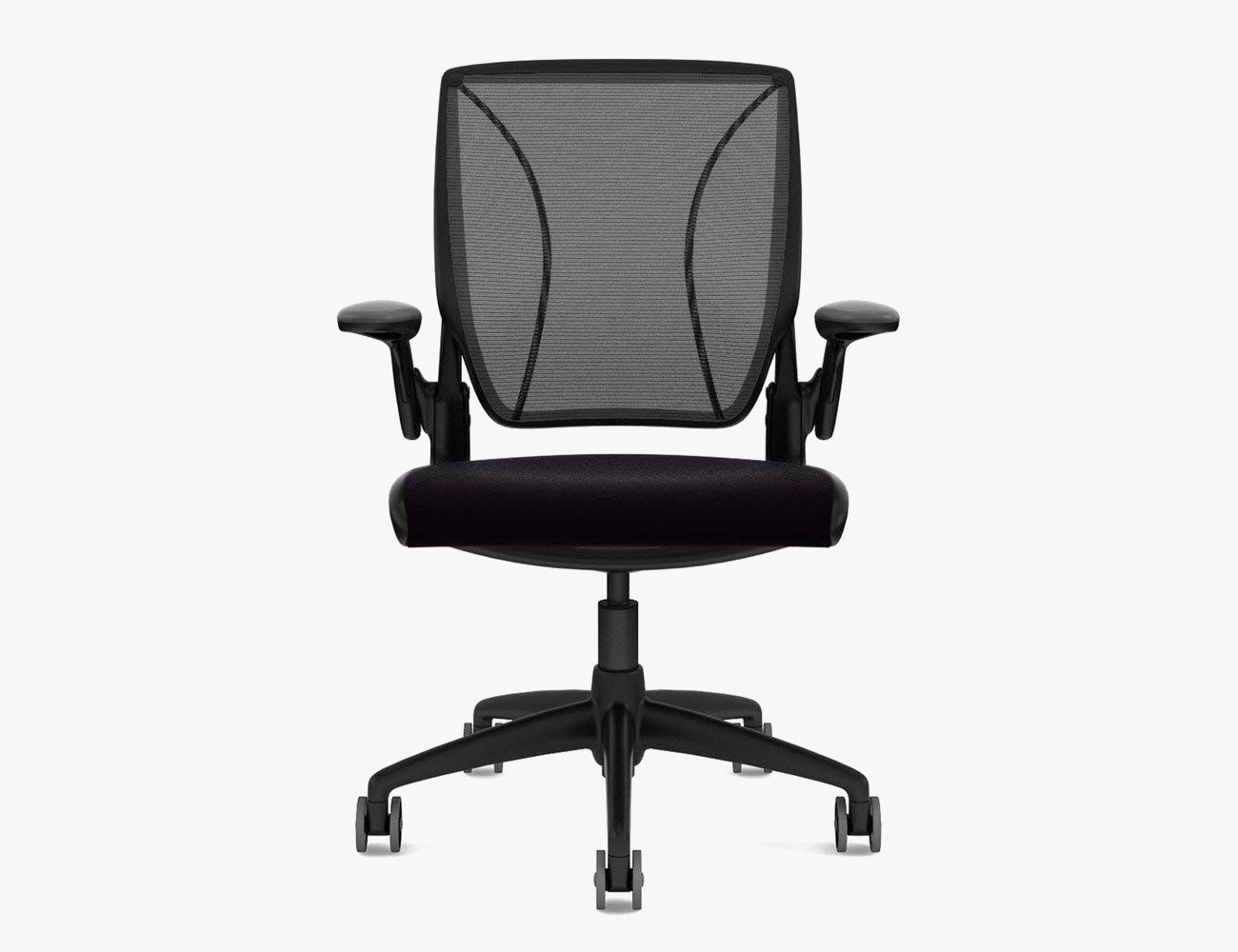
Few manufacturers set out to make office chairs specifically for small spaces. This chair, also designed by Diffrient, has armrests that can be lifted or lowered to slide under a desk when not in use, a back high enough to allow for comfortable reclining and a width on the slimmer end.
Instead of chairs requiring manual adjustment via knobs and levers like most task chairs before it, the Diffrient World adapts to the sitter automatically (it was one of the earlier task chairs to do this). It uses your body weight as a counterbalance to allow for seamless and steady reclining and the whole thing is a springy mesh that’s just tight enough to sink into, but not so much to the point of sagging and stretching. It’s also guaranteed to last for 10 years.
Best Luxury Office Chair: Herman Miller Embody

This is not luxury in the plush leather, animal skin, bedazzled sense; it’s luxury in just how effective it is at what it does. Herman Miller puts it this way: “so intelligent, it makes you think.” It prioritizes and glorifies movement above all else — movement lessens muscle tension and increases blood flow, thereby increasing the amount of time your brain operates at a high level, which in turn makes for better work.
Thought up by the late and great Bill Stumpf (father of the Aeron chair) and designed by Jeff Weber with the guidance of a team of 20 physicians and doctors in physical therapy, ergonomics and biomechanics, it uses the human body as its blueprint — a spine with a flexible rib cage bends and turns are you do, and redistributes pressure to lessen tension.
All told, it’s an expensive, luxury office chair, but not because of whims of fanciness and wealth, but because it is a throne built on the idea that a chair doesn’t have to be a health-negative.
Honorable Mention: Herman Miller Aeron

The Aeron is the chair against which all other chairs are measured. Not even the worthy competition on this list challenge its status as the most influential office chair of the modern era.
Released in 1994, Aeron is the chair that bookended a shift in task seating design, from a form-first to function-first industry. Its critical, commercial and cultural successes are many. It ushered out clean lines in favor of shapes contouring to the human body, and was the first hugely successful mesh chair. It is among the most customizable designs ever conceived. It’s earned a permanent place in the Museum of Modern Art. It’s even 94 percent recyclable, a feature years ahead of its time.
Though the Aeron chair is no longer seating du jour, in style and function, its importance and power is unrivaled.
Sean Brock’s Cast-Iron Skillet of Choice? A $300 Pan from a Small Virginia Maker
About halfway through Sean Brock’s episode in the latest season of “Chef’s Table” on Netflix (which went live Friday of last week), the Southern chef is seen making his lauded jimmy red cornbread in a well-seasoned cast-iron skillet. After a quick look at the pour spouts, front lip shape and short handle, we’re confident in saying that’s a Butter Pat Industries pan.
Starting at $145, Butter Pat’s skillets are not cheap, but they are great to cook with (Brock looks to be using the $295 Joan pan). Our choice for best all-around skillet is cast by hand, lightweight and features nicely sloping cooking walls. It’s not necessarily the cast-iron skillet to get if you’ve never owned one before, but if you’re a Southern food luminary like Sean Brock it makes a bit more sense (it doesn’t hurt that Butter Pat is located in Brock’s native Virginia).
Brock’s skillet wasn’t the only iron on camera during this season of the show. Shown cooking at home, Savannah, GA’s Mashama Bailey shows off a peculiar skillet with an odd ridge on the handle. The odd span was made by Wagner, one of the most storied and collectible cast iron brands on the market — only that particular model was made in the early 1990s, and isn’t of the collectible variety. According to a blog on ModeMac, General Housewares made an “1891 Original” line of Wagner skillets in 1991, and that ridge only appears on that specific line.
Gear Patrol also recommends:
Lodge 12-Inch Cast-Iron Skillet ($30)
Stargazer Cast-Iron Skillet ($80+)
Field Cast-Iron Skillet ($125+)
Did This Grill Company Make a Better Big Green Egg?
Unveiled at this year’s Kitchen & Bath Industry Show (KBIS) in Las Vegas, Kalamazoo Gourmet’s latest grill — its first since 2014 — is a kamado.
Kamado grills are ancient Japanese cooking vessels fueled by charcoal or wood and made of natural materials like clay (ceramic tiling, concrete, brick and terra cotta all became popular later). The gist is fairly simple: kamado grills feature much higher levels of heat insulation and circulation than your everyday grill. Kalamazoo’s calls its take on the Kamado the Shokunin, and it’s a bit different than other kamados on the market — especially the ever-popular Big Green Egg.
Immediately noticeable is its shape — where traditional and modern kamado grills typically feature dome-shaped designs, the Shokunin’s frame looks like a typical, rectangular grill. This gives it an upper-hand on its kamado competition for a very simple reason — inch for inch, rectangle grills have more grilling space than circular grills. Plus, more space makes cooking over an off-set fire — a necessity when barbequing — a bit easier.
It’s also not made of clay, ceramics or any other traditional material. Instead, it’s made of 304-grade stainless steel, and a lot of it. Two inches of insulation separates the interior of the grill from the exterior. Kalamazoo says the insulation is so effective, it can build up to temperatures in the realm of 1,200 degrees while keeping the exterior cool to the touch.
It’s important to note that Kalamazoo’s grills are not for the budget-minded griller. These are pricey grills made with heavy-duty materials (this grill is 200 pounds). They’re meant for the person who isn’t a summer-only grillmaster.
Pricing information isn’t available yet for Kalamazoo’s Shokunin. The brand says it will be available this summer.
Gear Patrol also recommends:
Char-Grill Acorn Kamado($328)
Kamado Joe ($1,049)
Big Green Egg (Price Varies)
Did a $18 Bottle of Scotch Just Win One of the Biggest Awards in Whiskey?
According to Esquire, Good Housekeeping, The Evening Standard and a whole lot of UK-based sites, an $18 Scotch won the World Whiskies Awards “Best Scotch Whisky” crown. This is probably not true, but it’s still a pretty great bottle to hunt down.
Sold by Lidl, a supermarket chain based in Germany with locations scattered across the US, the Queen Margot 8-Year-Old blend claimed the title of best blended scotch whiskey under a 12-year age statement, according to the team of more than 40 industry experts (beating out whiskies of record like Johnnie Walker Black Label in the process).
Lidl’s website notes the 80 proof whisky is made “using traditional methods and only the finest ingredients” and is aged in oak casks.
In past years World Whiskies Award hasn’t awarded any one bottle “Best Scotch Whisky.” Instead, it’s broken winners into smaller categories. This means that, barring a change in the format of the World Whiskies Awards themselves, it isn’t the world’s best whisky — it’s just a damn fine value bottle.
This is the type of news that tends to trigger the masses to seek out every case of Queen Margot 8 that they can get their hands on, so act quickly.
Gear Patrol also recommends:
Aberfeldy 12-Year ($26+)
Highland Park 18-Year-Old ($90+)
Laphroiag 28 ($799+)
Don’t Call This Design Startup the Warby Parker of Furniture Design
Dims. founder Eugene Kim would rather you didn’t call the new direct-to-consumer furniture design company the Warby Parker of anything. “No disrespect to our forebearers, they’re great, but what we’re doing is different,” he says.
Kim thinks the key difference between his company and the tidal wave of other direct-to-consumer companies is design. When he set out to decorate his first post-Ikea furniture home, he was frustrated. “It was almost impossible to afford anything I really wanted. What you find very quickly if you walk into a showroom that offers really nice furniture, it’s almost always designed by independent designers,” Kim says.
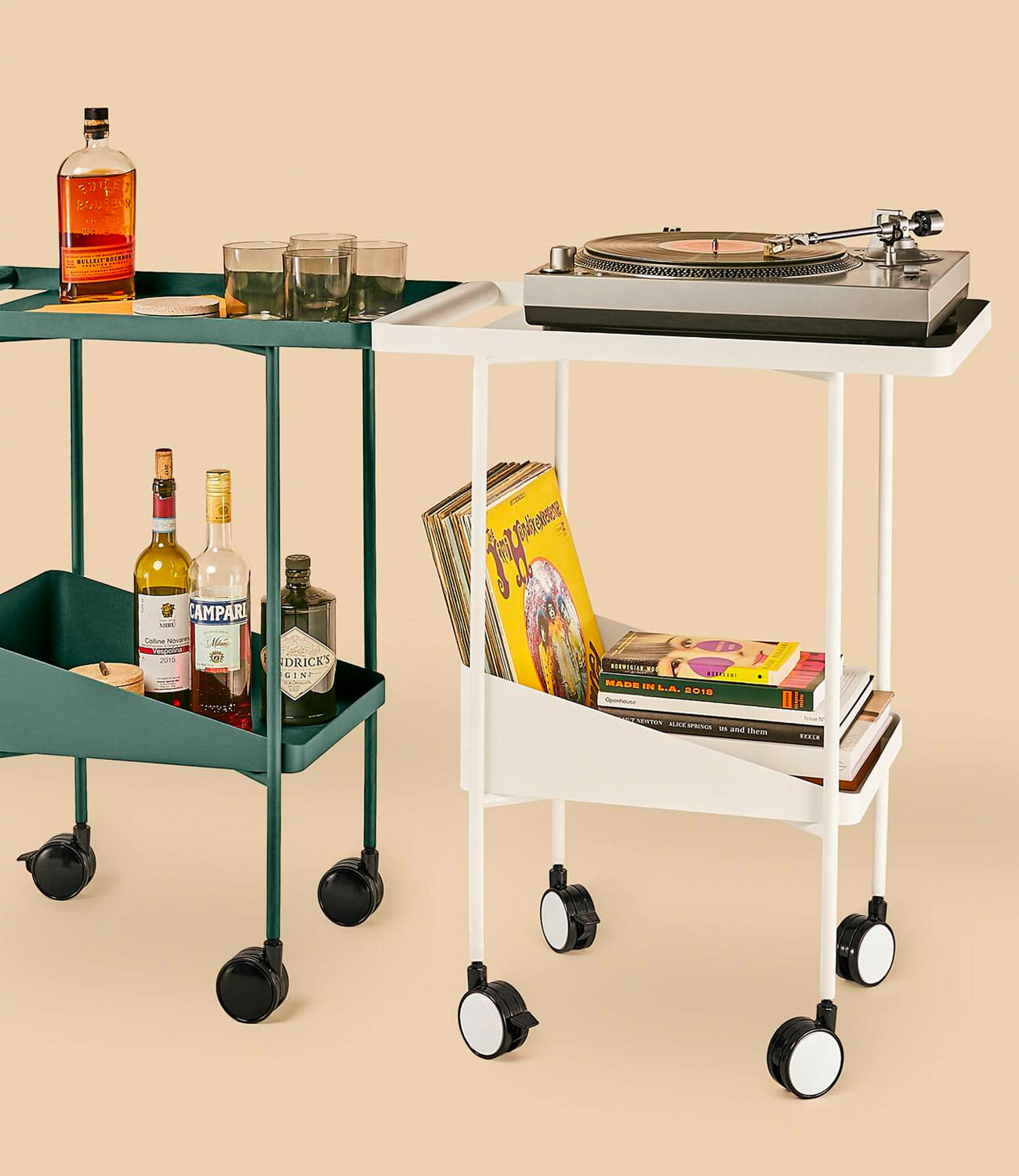
That’s Dims.’s calling card — it applies designers to furniture regular people can buy. The company launched last fall with a side table, coffee table, dining table and bar cart. The pieces are just the start of a catalog full of realistically priced, original, well-designed pieces for your home, Kim says, and each is designed by different designers or design studios. He believes that there should be something to fill the gap between Ikea, big-box retail and luxury-priced high design. We caught up with Kim to talk about why that gap exists, and how he plans to fill it moving forward.
Q: What is Dims.?
A: If you’re in the direct-to-consumer space, everyone wants to call you ‘the Warby Parker of X’ you know? We don’t really see ourselves that way. Yes, we’re cutting out retailers and the intent is to bring something typically out of reach for younger, less affluent people into reach. But we’re doing it differently. We’re not just making an expensive product affordable — this isn’t a luxury brand for the masses. This is a design brand. The two are often mixed up.
Q: What’s the difference between a design brand and affordable luxury?
A: You can find good design in Ikea. You’ll have to do some looking, but there are gems in that yellow and blue warehouse.
Look at food. In the food world, authenticity, originality and creativity can be shown in luxury environments, but it’s also there in street food — in stuff that’s more low-brow. It’s still amazing, it’s still delicious and that’s how we look at Dims. We’re still working with world-class talents, but we’re working on something much more accessible to people with regular means. We still use great materials, we still work with high-quality designers, we’re just delivering it in a more palatable way.
Q: What makes Dims. different than what’s already out there?
A: Our approach. We think furniture isn’t just a thing in your life, they are your life. Every morning, you wake up and you look around and see what’s around you, the things you see have the power to inflect your day for better or worse. So the more pleasing and gratifying your environment, the better you can be. That’s why it matters to us — every designer we’ve worked with so far has been hand-picked by out of hundreds or even thousands of possible options. Who we work with is our special sauce.
And designers are a bit like chefs, you know — the best chefs in the world will never work for TGI Fridays, Subway or McDonald’s. They’ll only work with design brands that have a level of care and investment in original work. That’s why when you walk into a big box store you’ll find it hard to find anything interesting. It’s all re-hashed and re-published versions of products that did well for them in the past — totally derivative. We want to work with the highest caliber of designers we can — great designers on the cusp. Not like the famous Naoto Fukusawas or Jasper Morrisons. There are a lot of super-talented furniture and object designers in the US, but there are not many avenues for them to create in the US.
Q: What about price? Yours aren’t quite Ikea-level cheap, but they are surprisingly low — what’s the tradeoff?
A: Good design and good materials don’t necessarily overlap — you can have something made of plywood be incredibly well-designed and something made of the world’s finest mahogany that looks like a box. There are brands that are doing great design, but if they want to cut the price, they have to cut corners on production and material quality. We deliver the best materials we can afford — GreenGuard-Certified finishes, organically sourced wood, sustainability measures, all that. We’ve invested in materials and craftsmanship that’s commensurate with a much higher retail price. If lots of people can’t afford our products, I’m not doing my job.

Q: You lowered some of your prices after launch — why?
A: We lowered prices on the Caldera [coffee table] and the Barbican [trolley]. Sometimes you just get too close to things. Once you’re in it for so long you lose perspective. We were pricing in a way that we thought was appropriate but once we got feedback from people that it still wasn’t affordable, it lifted the wool from our faces. So we brought it back in line with what more people would consider reasonable. People liked it.
And look, I’ve been advised, I don’t know how many times now, to raise prices. ‘You have to raise your price, you’re not going to make any money this way.’ I’ve steadfastly refused — I’m calling bullshit. They’re telling me there are two buckets of customers in the US for design-focused furniture — they think wealthier people and the interior designer customers are the only ones with more advanced taste. They ask why I’m messing around with prices when neither of the customers I can get is really all that price-sensitive.
I don’t believe any of this is true. People with less money don’t have less taste. You have to give people something they can afford to see if they have or don’t have something.
9 Iconic Herman Miller Designs Everyone Should Know
It’s difficult to wrap arms around the importance of Herman Miller’s contributions to American design. What started as a small Michigan company turning out reproductions of traditional furniture became the darling of mid-century modernism. Through different pieces, it has largely defined the contours of the American workplace and helped lead the charge in sustainable design.
Its archives are overflowing with products from names and studios you read about in textbooks — Charles and Ray Eames, Isamu Noguchi, Jasper Morrison, George Nelson, Bill Stumpf, Konstantin Grcic, Naoto Fukusawa and too many more to name. There are more hits, innovations and groundbreaking shifts in design philosophy than there’s time to count, so we’ve assembled (in no particular order of importance) nine of Herman Miller’s most influential designs to-date. And yes, you may see the name Eames pop up once or twice.
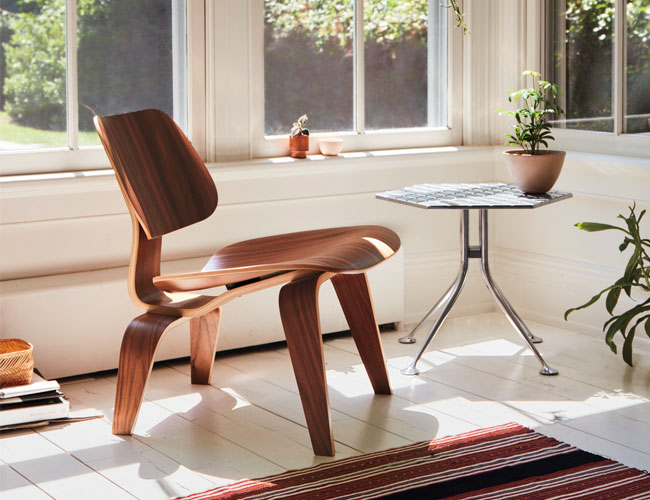
Molded Plywood Chair
Year Released: 1946
Designer: Charles and Ray Eames
The Eameses fingerprints are all over Herman Miller’s design aesthetic. And while a particular leather-clad lounger is the first thing we think of when we hear their name, it wouldn’t exist without the Molded Plywood chair — a design that would go on to earn every award in the book, including Time Magazine’s Design of the Century.
Noguchi Table
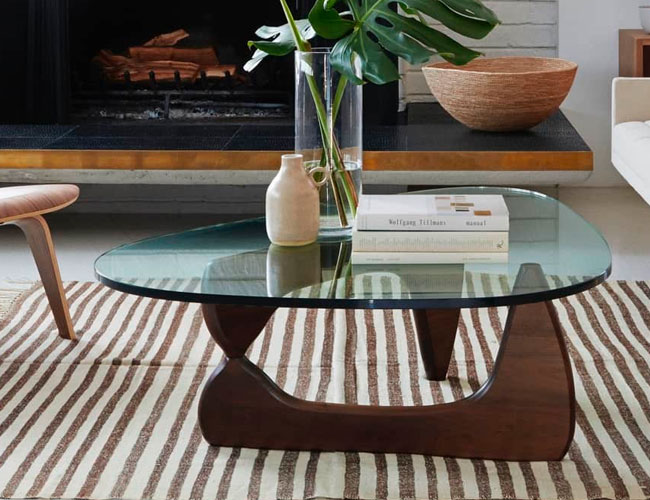
Year Released: 1948
Designer: Isamu Noguchi
Isamu Noguchi is one of the more idiosyncratic mid-century masters. He got his start as a sculptor, moving onto product design afterward. That context is important in understanding Noguchi’s approach to modernism relative to others — for him, art and design were one in the same, both things to fade into the surroundings they occupy. His table, one of the most knocked-off pieces of furniture ever, is the culmination of his philosophy. The glass-topped table appears to float over two interlocking cuts of wood, with the room surrounding quite literally bleeding through the glass.
Executive Office Group
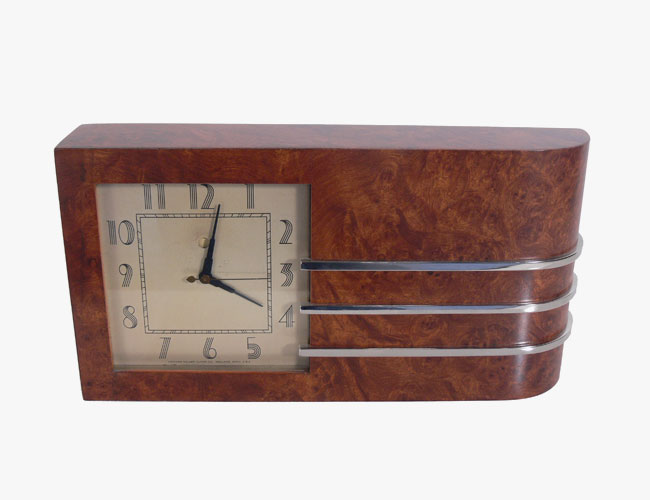
Year Released: 1942
Designer: Gilbert Rohde
Gilbert Rohde may be the least known designer of those enshrined in the Herman Miller pantheon. Reluctantly hired by Herman Miller’s first president, DJ De Pree, Rohde was tasked with pulling a then struggling brand through the Great Depression. He did that, and in 1942 his Executive Office Group (EOG) changed how we see the places we work.
In short, Rohde’s office gear cut out any design flourish that didn’t serve a purpose. Amid its fully modular collection of desks, storage areas, dividers and add-ons was something more fundamental — the evolution of the office, from traditional and dense to freely modern. Or, in Rhode’s words, “where office furniture that is modern from the inside as well as the outside, modern in the works as well as in the way it looks.” Sadly, the only way to get your hands on EOG now is buying vintage from sites like 1stDibs and Pamono.
Aeron Chair
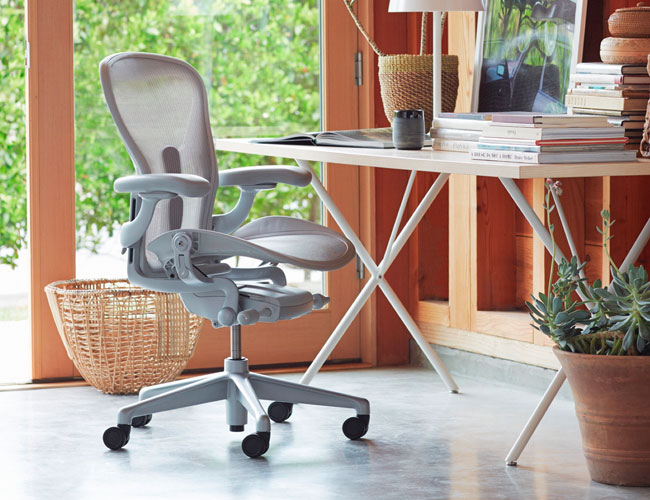
Year Released: 1994
Designer: Bill Stumpf and Don Chadwick
Though it made its name in WWII-era America, the Herman Miller of today has continued to evolve. Bill Stumpf and Don Chadwick’s Aeron chair epitomizes that evolution.
Released during the dot-com boom of the mid-90s, Aeron is the chair that marks the beginning one era and end of another. It took task-chair design from a form-first industry to a function-first one, replacing clean lines with a chair that mimicked the shape of the human body; it also signaled the end of the classic corporate hierarchy, where the height and width of a desk chair grew with the title of the sitter. For posterity, it owns permanent real estate in the Museum of Modern Art.
Cosm Chair
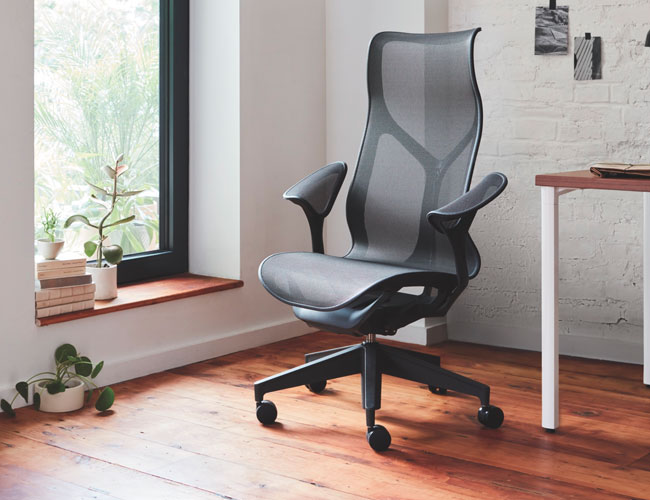
Year Released: 2018
Designer: Studio 7.5
The newest product on this list is one of our favorite things to come out of a product-packed 2018. Designed by the frequent Herman Miller collaborators at Studio 7.5, Cosm is the anti-Aeron. The culmination of decades of office chair design, it has just one lever for manual adjustment (height). Herman Miller was not the first company to release a passively ergonomic chair, but Cosm is the most complete version of the auto-adaptable vision.
Nelson Bubble Lamps
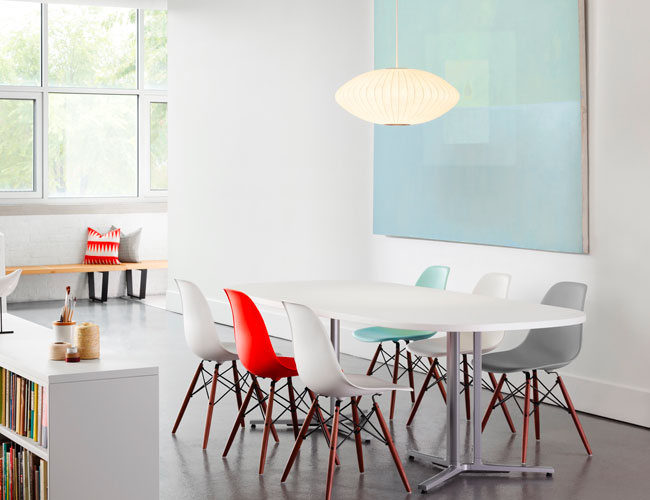
Year Released: 1952
Designer: George Nelson
George Nelson, Herman Miller’s first design director, designed the Bubble lamp in less than two days. Inspired by an exorbitant silk-clad Swedish lamp, the Bubble lamp’s steel skeleton and translucent, self-webbing plastic skin are today available in wall, ceiling and floor lamp form.
Nelson Swag Leg Desk
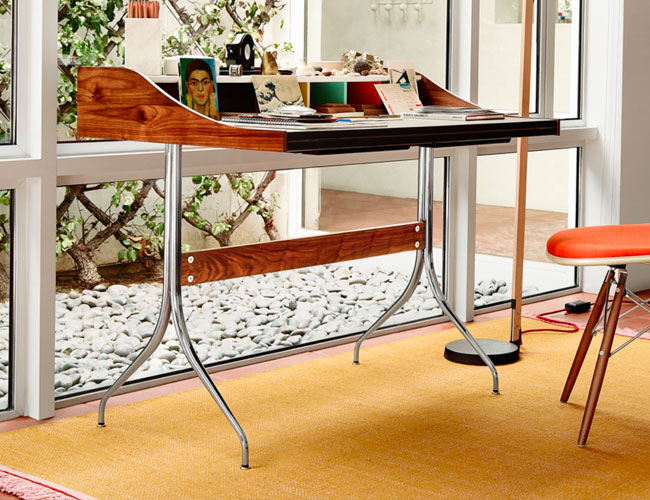
Year Released: 1958
Designer: George Nelson
The Swag Leg Desk began with Nelson’s vision for furniture with sculpted legs, which evolved into metal sculpted legs. Eventually, he set his sights on sculpted metal legs that were machine-made, packageable and prefinished. With help from Charles Pollock — a meritorious designer in his own right — Nelson achieved just that.
Pollock developed a technique called “swaging” that involved the application of extreme pressure to metal for the purposes of bending or sculpting. This is the foundation of Nelson’s Swag Leg Desk. Four curvy steel legs fit into a walnut desk with colorful cubby holes, plenty of table space and removable organization drawers.
Eames Lounge and Ottoman
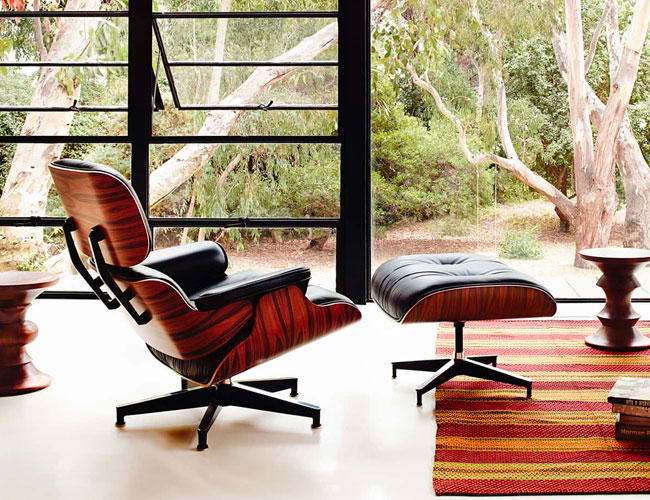
Year Released: 1956
Designer: Charles and Ray Eames
This is the chair that made a pair of furniture designers — Charles and Ray Eames — household names. Designed to lessen pressure on the lower back and mimic the look of a baseball mitt (leather folds included), it is Herman Miller human-first philosophy at its finest. New examples are made today in much the same way they were in decades past.
Eames Molded Plastic Side Chair
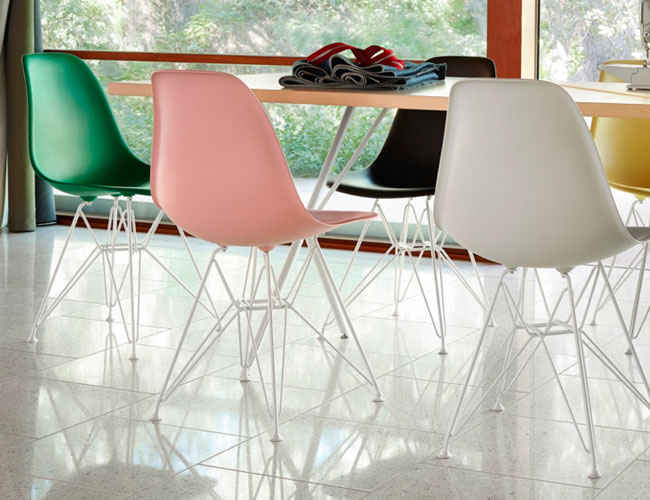
Year Released: 2001
Designer:Charles and Ray Eames & Herman Miller
Charles and Ray Eames released the molded fiber glass chair in 1950. Unlike the majority of chairs back then, it was deliberately shaped to allow the user remain comfortable in a variety of seated positions. In the early 2000s, Herman Miller sought to update the Eamses economic design with more sustainable materials, replacing fiber glass with polypropylene, a fully-recyclable thermoplastic known for durability and versatility. The modernized Eames chair comes with wood or metal legs.
This New Multicooker One-Ups the Instant Pot with a Welcome Feature
Based in Brooklyn, New York, Gourmia just unveiled a new multicooker — the same everything-in-one cookware category as the Instant Pot. It is not the first cookware company to create a new product with hopes of dethroning the mighty Instant Pot, and it won’t be the last, but the CoolCooker has at least one edge over its Instant Pot overlords: a built-in refrigerator.
You can place whatever veggies, meat, rice, beans and so on in the CoolCooker and, if you so choose, have it keep everything nice and cold until you want to start cooking. Controllable via Gourmia’s app, this feature is mostly a boon to the slow cooking function; particularly those dishes that can easily overcook with a whole day’s worth of heat — beans, rice, noodles and some less hardy vegetables. Plus, because you can control everything through the app, delaying (or speeding up) cook time on account of traffic or changed plans isn’t an issue.
Beyond the app and built-in fridge tech, Gourmia’s new multicooker does everything else you expect of it — pressure cook, sauté, bake, roast, steam, sous vide, stew and so on.
The CoolCooker will be available at retailers nationwide later this year. Gourmia hasn’t yet announced pricing information.
Gear Patrol also recommends:
Instant Pot Duo ($80+)
Instant Pot Ultra ($120+)
Breville Fast Slow Pro ($220)
Why the Warby Parker of Window Shades Is Actually Pretty Damn Useful
Window treatments can be put in two categories: pricey custom options cut to fit your exact window size and taste, and affordable pre-cut options designed to satisfy the majority of standard-sized windows. Launched last week, Mesken hopes to find the space between.
“Custom window treatments is a category that hasn’t seen meaningful innovation in years: your options are to either settle for ready-made products that don’t always fit right or spend literally thousands of dollars for custom ones. We thought that with Mesken, we could focus on quality, simplicity and affordability and become an alternative that fills that gap,” Mesken founder Alper Bahadir said.
The brand launches with roller, blackout, solar and zebra shades (you can make the motorized by request) starting at $80 and a host of solid and sheer curtains starting at $65. The company is based in New York, but sources fabric and cuts its wares out of Istanbul, Turkey.
Mesken’s site is open for business now, and delivers on custom orders in 10 days or less.
The 6 Best Coffee Mugs of 2019
What makes a good coffee mug? There are few objective truths, but some combination of heat insulation, ergonomics, aesthetics and (occasionally) technology usually does the trick. We scoured the web for the best of the best in these categories so you don’t have to.
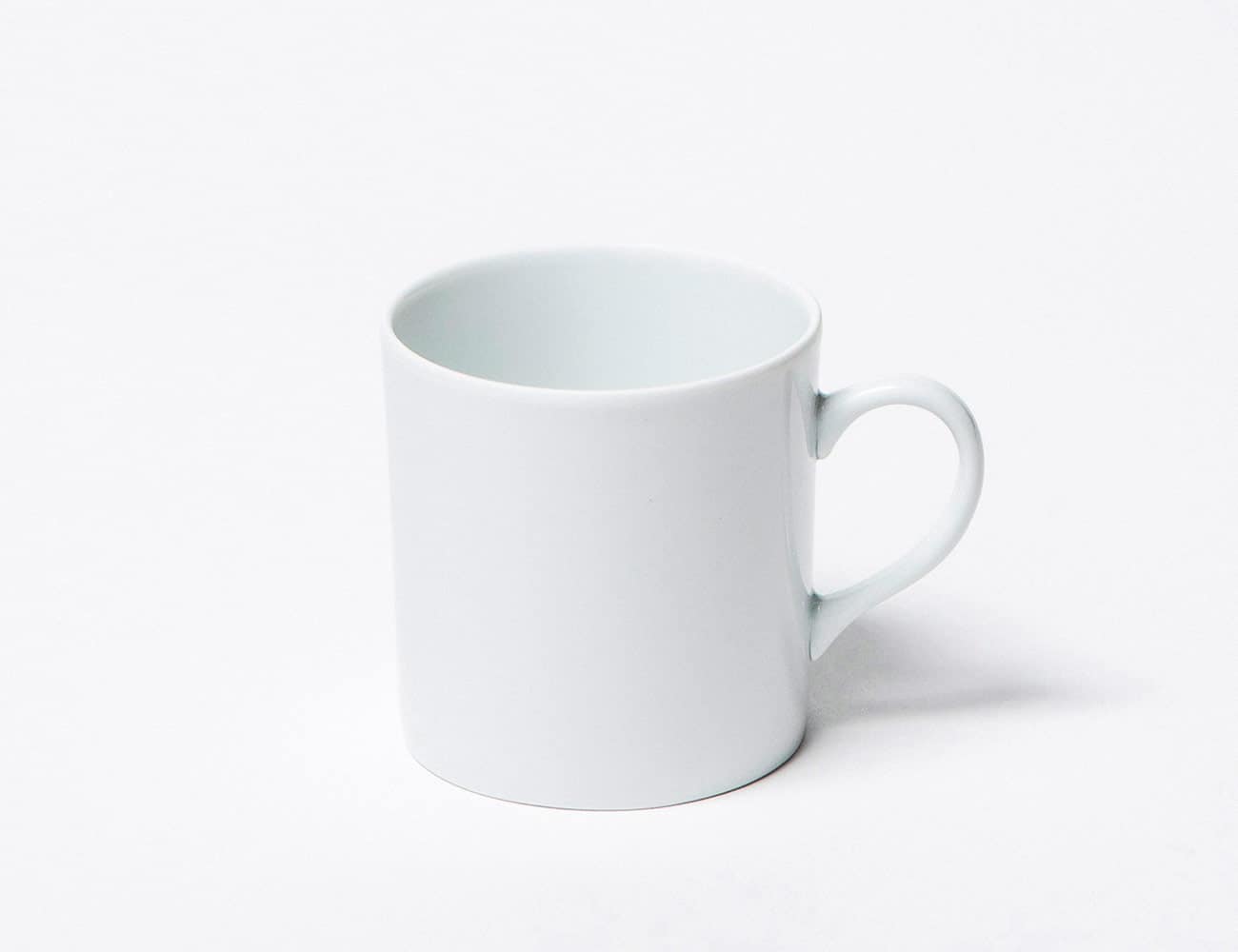
Snowe Porcelain Mug
Snowe products are only available from Snowe. This means the price you pay is (moreso) in line with the cost of production, R&D and such. Hence why its sets of elegant coffee mugs are made of Limoges porcelain, a premium material and France’s answer to China’s hard-paste porcelain (which is used to make fine China, coincidentally), yet aren’t absurdly expensive. The shape is classic, as is the color, and the makeup is that of mugs and tableware twice its cost.
NotNeutral LINO Mug
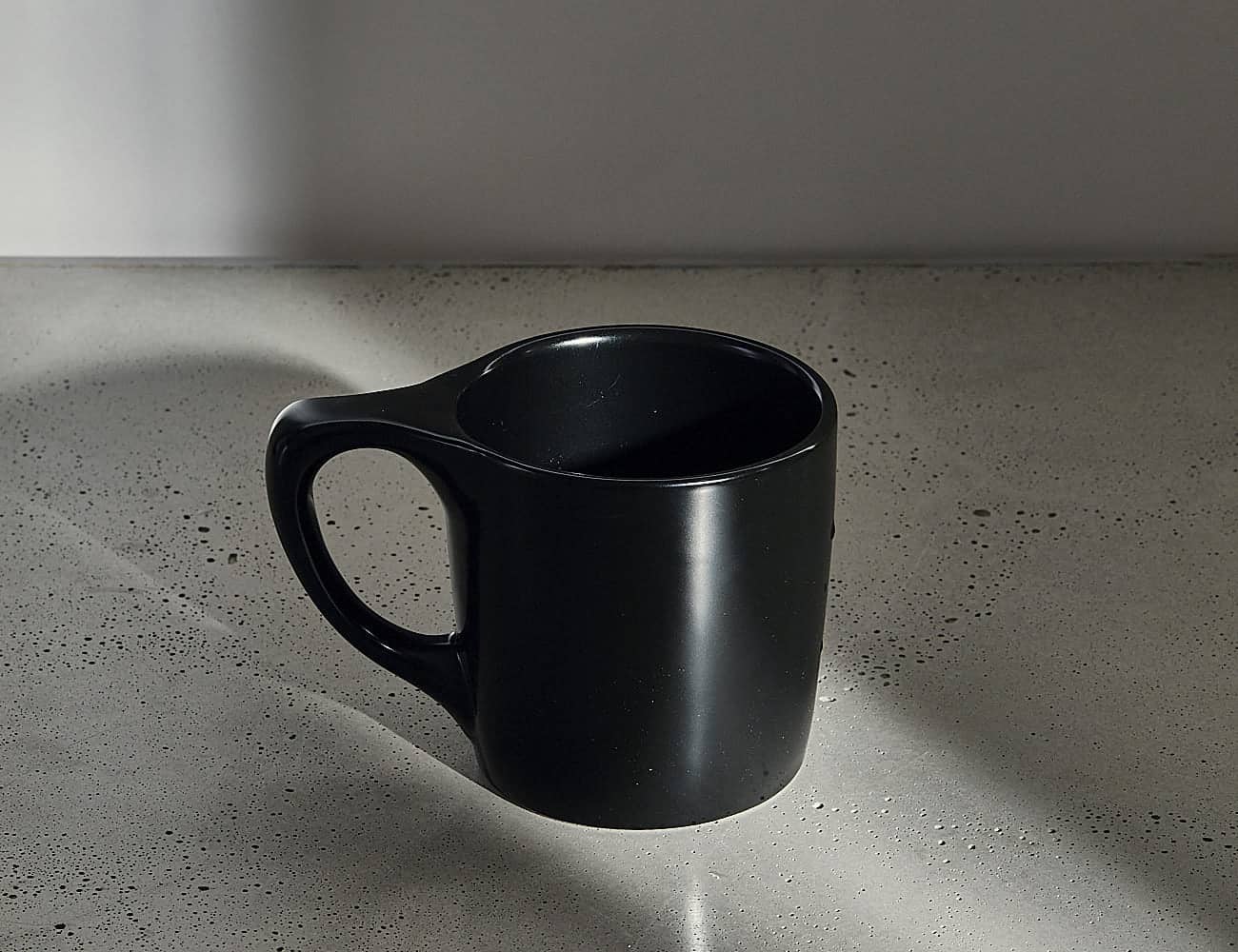
This mug was actually designed for baristas to have an easier time with latte art. Its handle connects to the top of the mug and flattens out with it, meaning you can actually use your thumb when holding the mug. It’s available in loads of colors and sizes as well.
Hasami Natural Mug
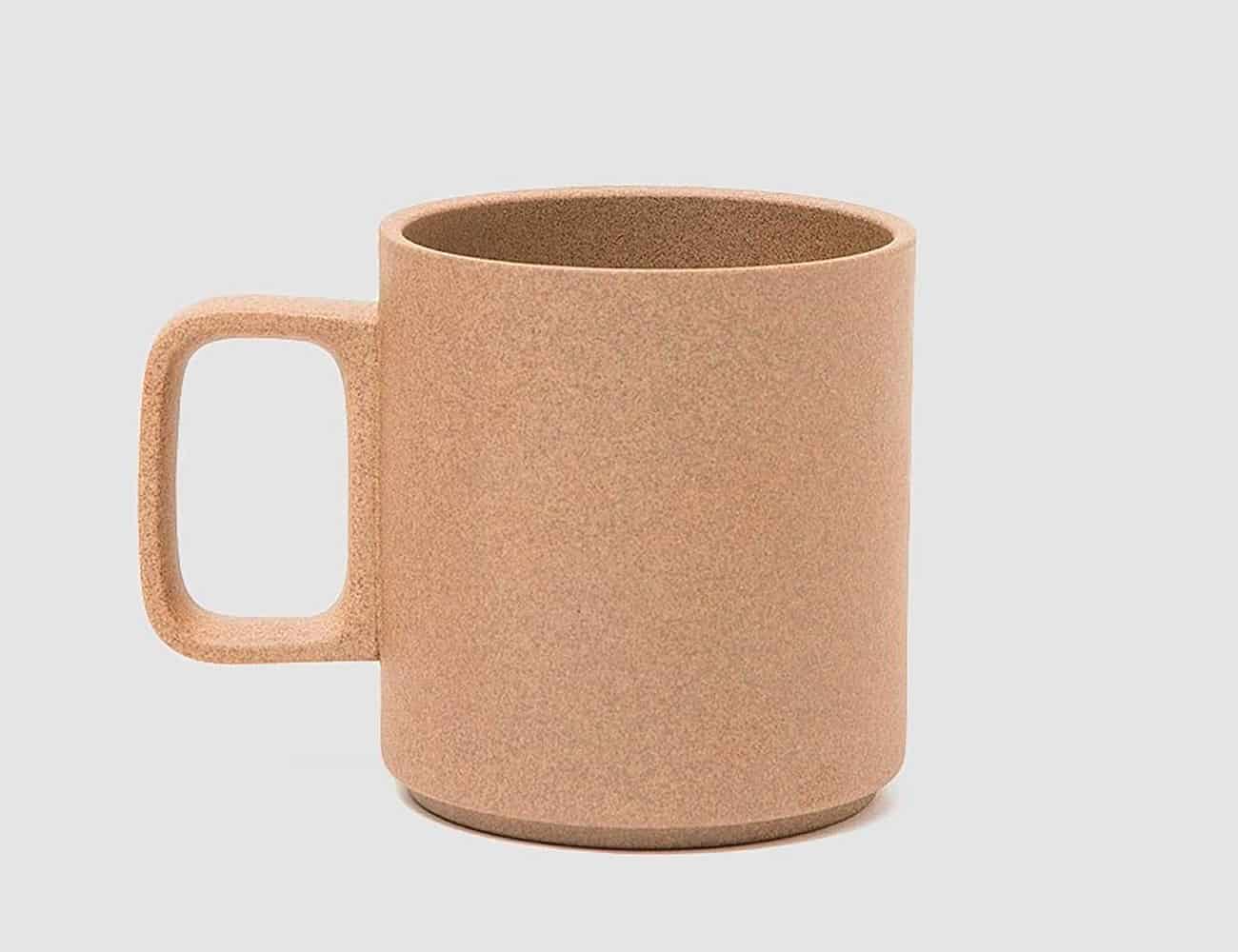
Hasami porcelainware doesn’t only come in natural, it just looks the best in it. The aesthetic comes from the town of Hasami in Nagasaki, Japan, and it is defined by an unassuming color palette, high durability and jubako, a traditional Japanese practice of modular, stackable objects (think of it like bigger bento). Its porcelainware is also mixed with clay from the surrounding area, granting it added durability and a more unique look.
Heath Ceramics Large Mug
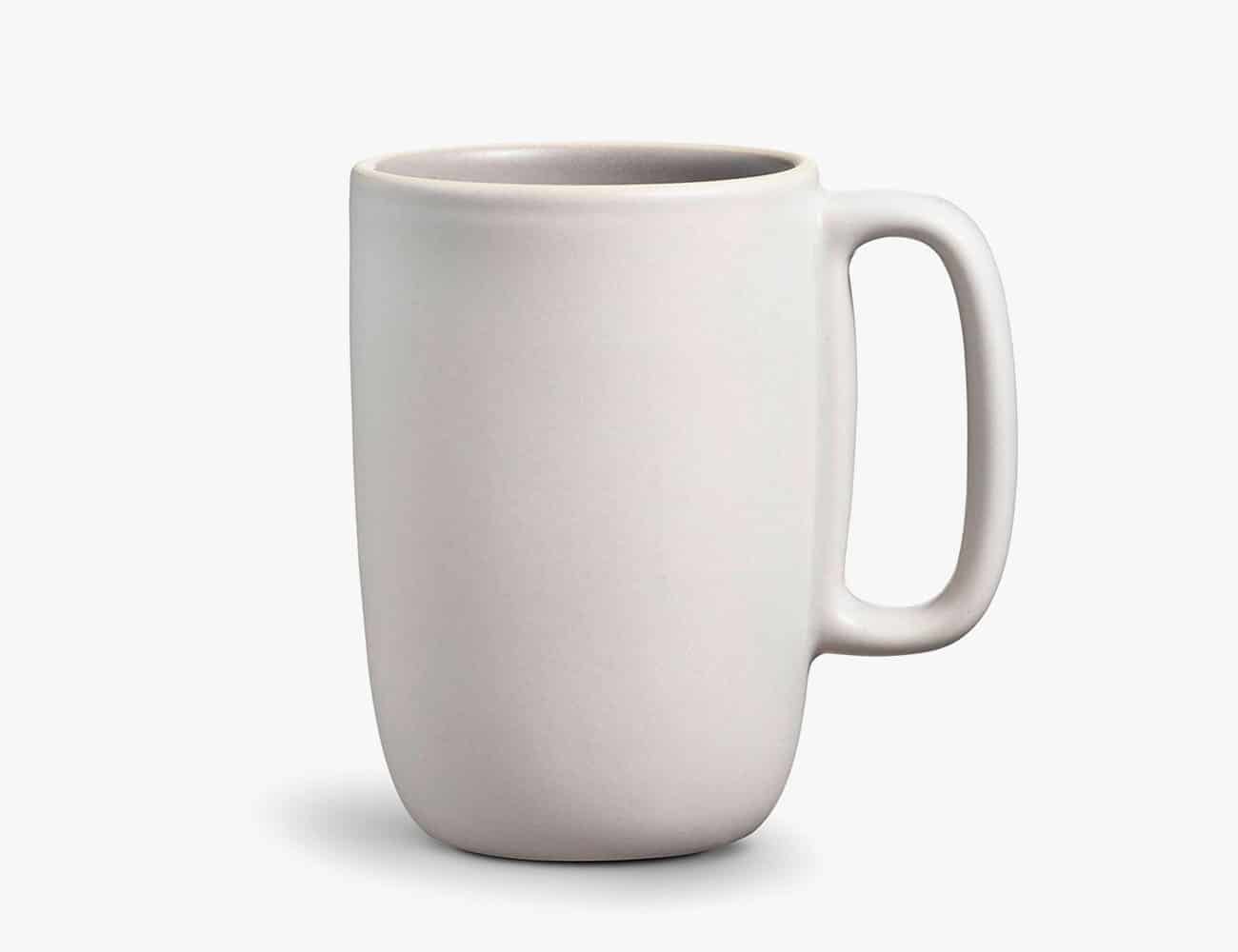
The good people of California-based Heath Ceramics have been doing what they do since the middle of the 20th century, and their mug, the large one, is an absolute dream. First, the mug understands a large mug should be taller, not fatter. Second, it knows a more voluminous product requires a larger gripping area than smaller products. Hence this mug’s very smart, very simple four finger grip. Also, it comes in a boatload of colors and is dishwasher-friendly.
Mud Australia Mug
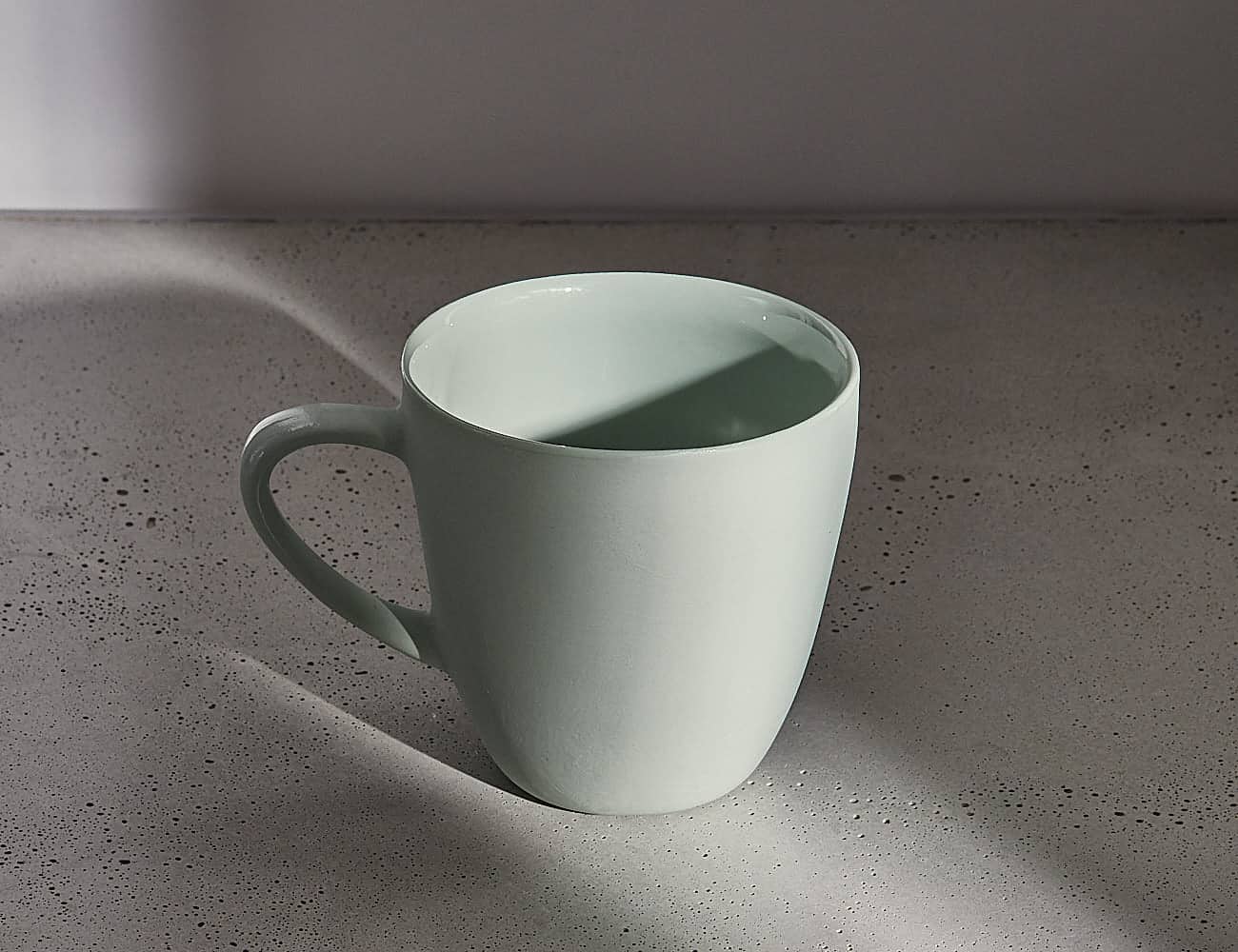
Mud Australia’s coffee mug is a lot of things — made of clay from Limoges, made by hand, available in a bevy of colors. But above all else, they’re just beautiful. The mugs are dyed during the slip stage of production (when the material is still moist) so they develop a deeper color, and the interiors are glazed after firing. Bonus trivia: the internet’s favorite chef, David Chang, is also a huge fan.
Ember Ceramic Mug
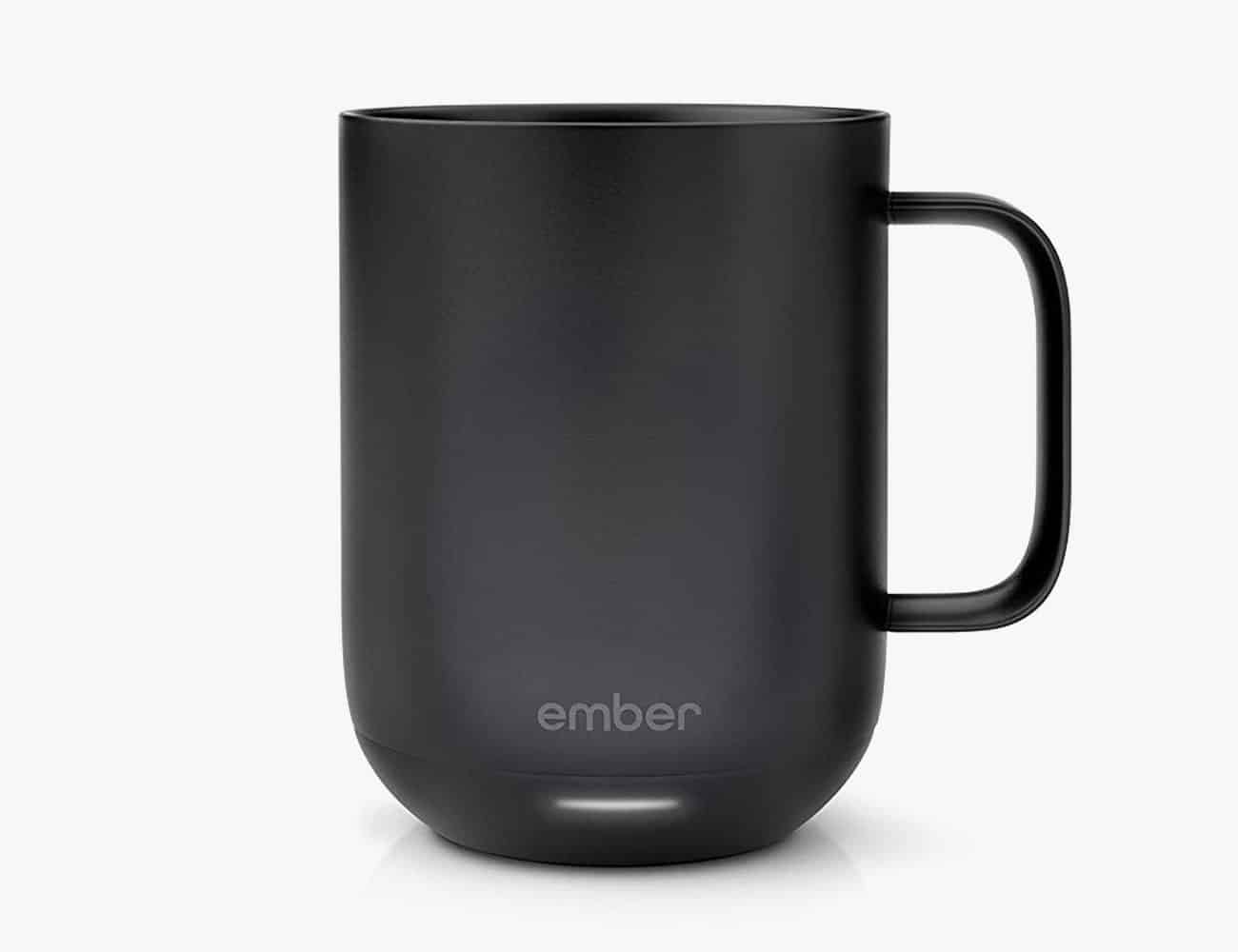
This is the mug for those serious about their home coffee drinking. Ember’s self-heating travel mugs are pretty popular, but its similarly self-heating home coffee mugs are less known. The upshot: Ember mugs keep your coffee at whatever temperature you want for as long as you want, so there’s no rush to drink the entire mug. If you’re really into it, you can control the temperature via an app on your phone, where you can also log all sorts of presets and other data.
Note: Purchasing products through our links may earn us a portion of the sale, which supports our editorial team’s mission. Learn more here.
An Unfathomable Amount of Cheap Furniture Is on Sale This Weekend
Wayfair is not a place you go to acquire your grail furniture, it’s a place you go to get the things you’ll sit on until you can afford said grails. And while the site operates on a rolling everything-is-always-on-sale basis, this weekend’s President’s Day sale is a whole lot broader than the usual. From cheap outdoor furniture to mattresses to pet supplies, virtually everything on the site is discounted up to 75 percent until the end of the long weekend. We’ve outlined some early favorites below, but this is a sale worth doing a little digging on. Happy shopping.
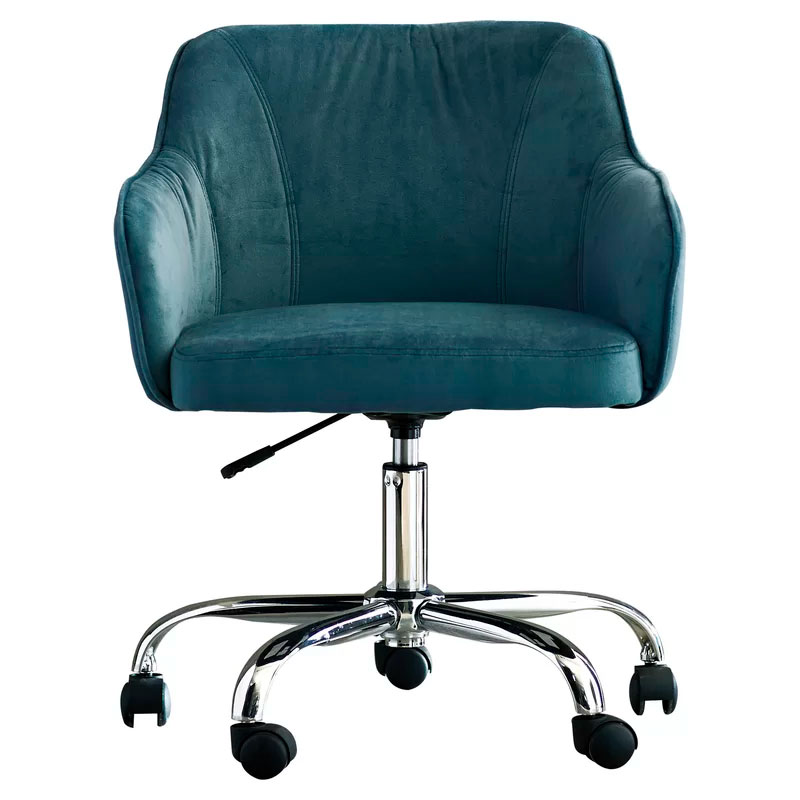
Aliya Task Chair by Willa Arlo Interior $332 $127
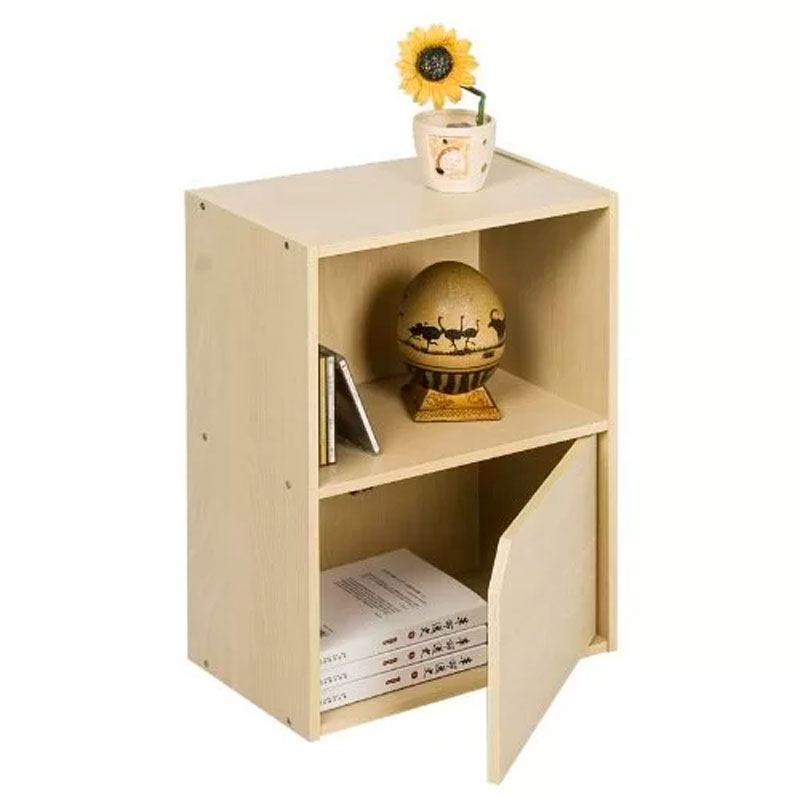
Cube Unit Bookcase by Rebrilliant $55 $23
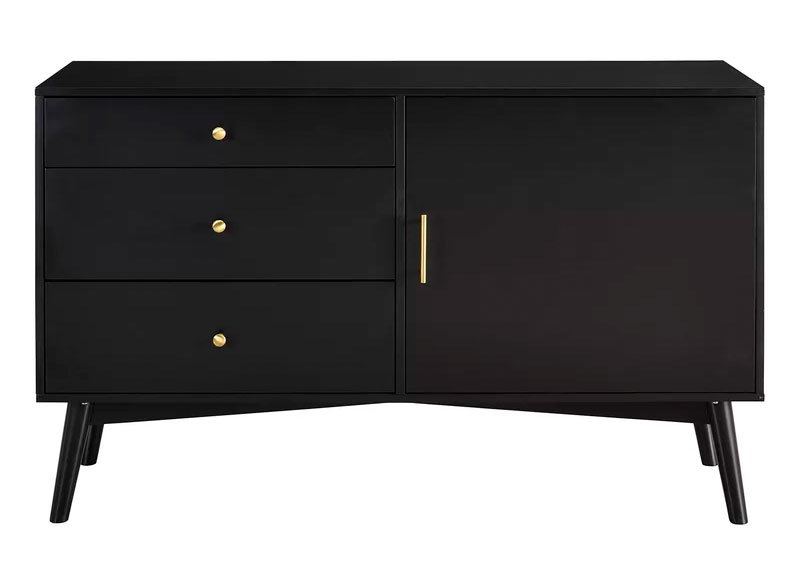
Labarbera TV Stand by Mercury Row $599 $277
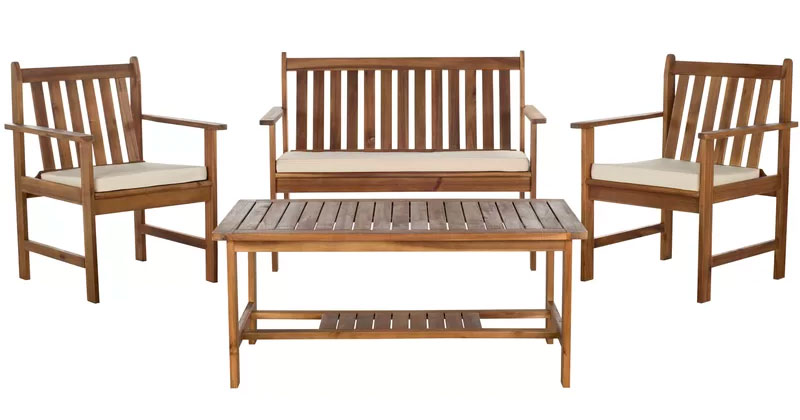
Joliet 4 Piece Sofa Set with Cushions by Lark Manor $1,176 $386
Note: Purchasing products through our links may earn us a portion of the sale, which supports our editorial team’s mission. Learn more here.

Your Dad’s Favorite Beer Is Made with Corn Syrup. Here’s Why That Doesn’t Matter
Super Bowl LIII wasn’t much of a spectacle and, by now, most people have moved on. But there was one commercial that’s still being talked about: Bud Light’s corn syrup-based attack against its fiercest rival, MillerCoors.
The commercial, set in Bud Light’s medieval, “Dilly Dilly” universe, follows the king and his servants as they return a massive barrel labeled “corn syrup” to their competitors’ kingdoms. At each stop, they’re sure to point out that the brewers at the Coors Light and Miller Lite castles use corn syrup to brew beer. Conversely, the Bud Light castle opts for rice — though the fact is never overtly stated in the commercial.
The response was swift. On Twitter, the National Corn Growers Association voiced its disappointment, while MillerCoors took out a full-page ad in The New York Times. Some people hated the commercial. Some loved it. But no one was sure exactly what Bud Light was trying to say. Fact is, there isn’t much difference between beer brewed with rice and beer brewed with corn, ingredients commonly referred to as adjuncts. And that, it seems, was largely the point.
.@BudLight America’s corn farmers are disappointed in you. Our office is right down the road! We would love to discuss with you the many benefits of corn! Thanks @MillerLight and @CoorsLite for supporting our industry. https://t.co/6fIWtRdeeM
— National Corn (NCGA) (@NationalCorn) February 4, 2019
“Bud Light wasn’t trying to say that corn syrup doesn’t belong in beer,” said Alex Delany, associate editor at Bon Appétit. “The only real information you get from that commercial is that MillerCoors uses corn syrup, and Bud Light doesn’t. From a marketing perspective, it’s kind of genius.”
Through the commercial — and new, highly-visible nutrition labels on its packaging — Bud Light is playing on what Delany calls our “collective association” in regards to corn syrup and wellness, generally speaking. “It’s 2019. People know they aren’t supposed to drink corn syrup by the gallon or the teaspoon,” Delany said. “But the more people know, the less they actually think. If you only tell someone half of a story, knowing they possess enough knowledge to finish it, they’re going to finish it themselves.”
The story Bud Light wants us to finish is similar to the one started by Michael Pollan in his best-selling work The Omnivore’s Dilemma, a book that sparked many modern foodie trends while lampooning current food systems. But the health impact of the high fructose corn syrup used to sweeten your Big Gulp has little to do with the corn used as fermentable sugars in beer.
“It’s pretty silly, really, and it’s a reflection of the insecurity Big Beer is feeling these days,” said James Dugan, the owner and brewer at Great Notion Brewing Company, where his beers — some made with toasted rice and flaked maize — have gained a cult following. “There’s nothing wrong with using corn syrup. We may start making a beer with corn syrup… shout out to Bud Light for the inspiration!”
On the East Coast, craft brewers of all stripes are encroaching more directly on Big Beer’s playbook. At Transmitter in New York, Anthony Accardi uses corn in some of his farmhouse ales — which are far funkier than Bud Light — to lend a “subtler, grainy sweetness.”
And on shelves all over Boston is Night Shift Brewing’s Nite Lite, a craft light lager. “For a while, craft beer was all about the opposite of macro, including ingredient choices,” said Joe Mashburn, the head brewer at Night Shift. “I think it’s probably natural that at some point craft was going to double back on that and experiment with adjuncts, proving that not all adjuncts should be frowned upon.”
To be sure, Bud Light, which is owned by AB InBev, remains the largest beer brand in the US. But shipments of its products fell 6.7 percent in 2018, its largest annual percentage decline on record. And craft beer’s not the only enemy. Last year, the US Distilled Spirits Council reported its eighth consecutive year of growth.
The giant, wax-tipped elephant in the room is bourbon. By law, every bottle of the rapidly expanding spirit category is made with at least 51 percent corn. And the pride surrounding bourbon’s success is hard to miss anywhere near America’s corn belt. Bud Light isn’t making friends in Texas, Nebraska, Wisconsin, Iowa, South Dakota and North Dakota, six states which all rank among the top dozen states for both per capita beer consumption and corn production.
When AB InBev went for its closest competitor, it forgot where the real threats lie.