
Ford May Be Planning a High-Performance Four-Door Mustang
Leaks and rumors spew out of the internet every second of every day, so it’s important to look at each one with a critical eye and healthy pinch of salt. Last weekend videos of the 2020 Shelby GT500 made their way out of a closed-doors dealer meeting, but more intriguingly attending dealers were allegedly told a four-door Mustang is on the way. When we reached out, Ford responded with “no news to provide at this time, but we will absolutely keep dialing up Mustang excitement year-after-year.”
Earlier this year, Ford announced it was axing plans to invest in any future hatchbacks and sedans. So, it’s easy to dismiss any rumblings of a Mustang-based sedan as false. With the market trending the way it is, hatchbacks, trucks and SUVs are an easy way to make money and if Ford wants to keep investors happy and the ROI high, shedding the dead weight is one way to go. With that said, Mustang is safe — it will always be safe unless Ford wants an angry mod with torches and pitchforks marching on Dearborn.
Ford also has a track record of making seemingly snap decisions as well as keeping incredibly tight-lipped about future projects. If (and that’s a big ‘if’) Ford were to make an entirely new sedan, basing it off of the Mustang would actually make sense. Supposedly, one or two attending dealers reported the four-door Mustang would come with a turbo V8 and go up against the likes of the Porsche Panamera and Audi A7. It’s difficult to think a Ford will go after that sort of price point. Aiming at other coupe-styled four-door cars makes more sense. In the performance luxury world, four-door ‘coupes’ are almost as ubiquitous as crossovers — BMW, Audi, Mercedes, even Kia and Toyota make coupe-like sedans.
Do I want to believe Ford took a step back, looked at itself and realized there is a place for sedans in this world if done right? Of course. I’ve been quietly pleading for someone to shoehorn a Mustang V8 in a new Taurus for years. Should Ford extend a Mustang, add two more doors and still call it a Mustang? Hell no. Bring back the Falcon. So, do I think Ford, has it in them to bring this project to life? Maybe the Ford that greenlit the new GT and Focus RS, but not Ford as it is today. I’d love to be proved wrong. If we do hear an official announcement it’ll likely be at the North American International Auto Show in January — until then, we’ll keep an ear to the ground and salt in hand.
America Needs a Special Edition Truck Like This
It’s not like we’re starving for badass upgraded off-road trucks here in the States, but one more couldn’t hurt, right? The Hilux Invincible 50 goes on sale next month in Britain and it’s giving us a severe dose of overlander-envy.
Toyota’s stateside TRD offerings are some of the best all-around trucks on the market, but there’s a bit a ‘forbidden fruit’ scenario going on with the Hilux Invincible 50. Our version of the Hilux is the Tacoma — the Hilux just gets styling more akin to the rest of Toyota’s passenger car lineup. Since the whole reason the Invincible 50 exists is to celebrate the Hilux’s 50th anniversary, we’ll have to wait another 27 years to hit that milestone with the Tacoma. So no special edition for us.
As a birthday present to the Hilux, Toyota worked with Icelandic off-road specialists Arctic Trucks and Bilstein to give the tough-as-nails truck more than just a sinister paint job. Holding the truck up is a Bilstein suspension lift sitting on unique 16-inch wheels finished in satin black and wrapped in BF Goodrich all-terrain tires. To top it off, Toyota stretched the wheel arches to fit the fatter tires and bolted in a double-hoop rollover bar with high-power LED fog lights for good measure.
There isn’t any under-hood performance to speak of, but Toyota could easily bring this to US soil as an upgraded trim for the Tacoma TRD. And, you know what? They’d probably fly off the shelves considering how much America loves to upgrade trucks, especially if it means it makes them better off-road. Toyota already has Fox Shocks lift kits laying around — why not make a package including that beefy suspension, BFG tires wider fenders and the roll bar? There’s no doubt engineers are itching to put all of it together in one package and give America the mid-sized off-road monster we want, more so because Ford isn’t bringing the Ranger Raptor to the U.S. (yet). Toyota: do it.
15 of the Greatest Automotive Instrument Clusters of All Time
As a driver, there are few aspects of a car you look at more than the instrument cluster. Your attention there is divided among occasional glances at the speedometer and tach, and if you’re really fancy, navigation instructions. The dials on some cars are so pretty they deserve a more extended gaze, so long as you’re at a stop light or parked.
Dial designs are a lot like wristwatches. Sometimes manufacturers don’t put in the effort, leaving them no more than numbers and notches that merely get the job done. The best dial designs are innovative and stylistically brilliant; many have, perhaps unsurprisingly, gone on to inspire watches of their own. These are 15 of the best instrument clusters of all time.
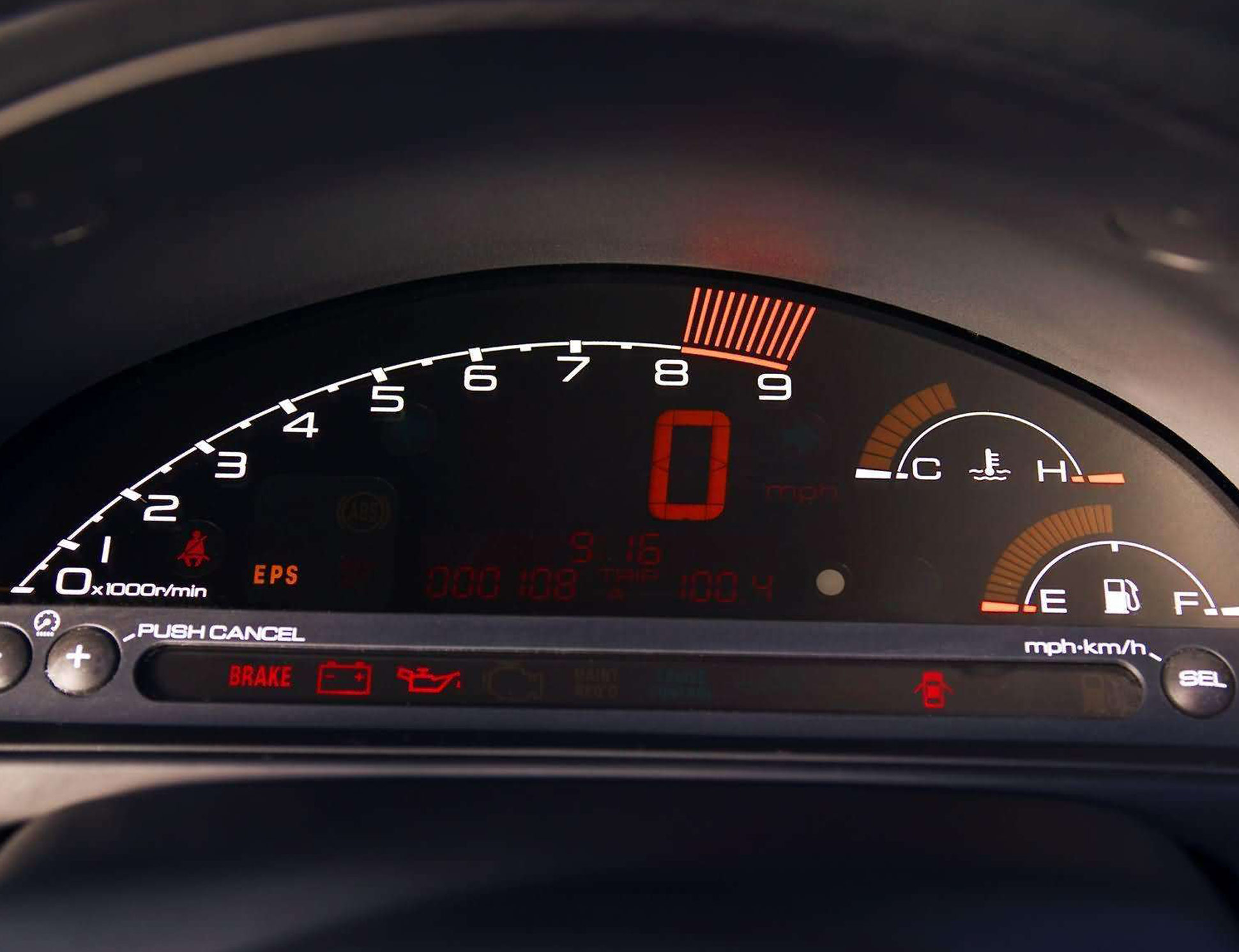
1999 Honda S2000
Purely motorsport-inspired, the long arch of color LED lights was the best way to show off the S2000’s 9,000 rpm redline.
1976 Aston Martin Lagonda
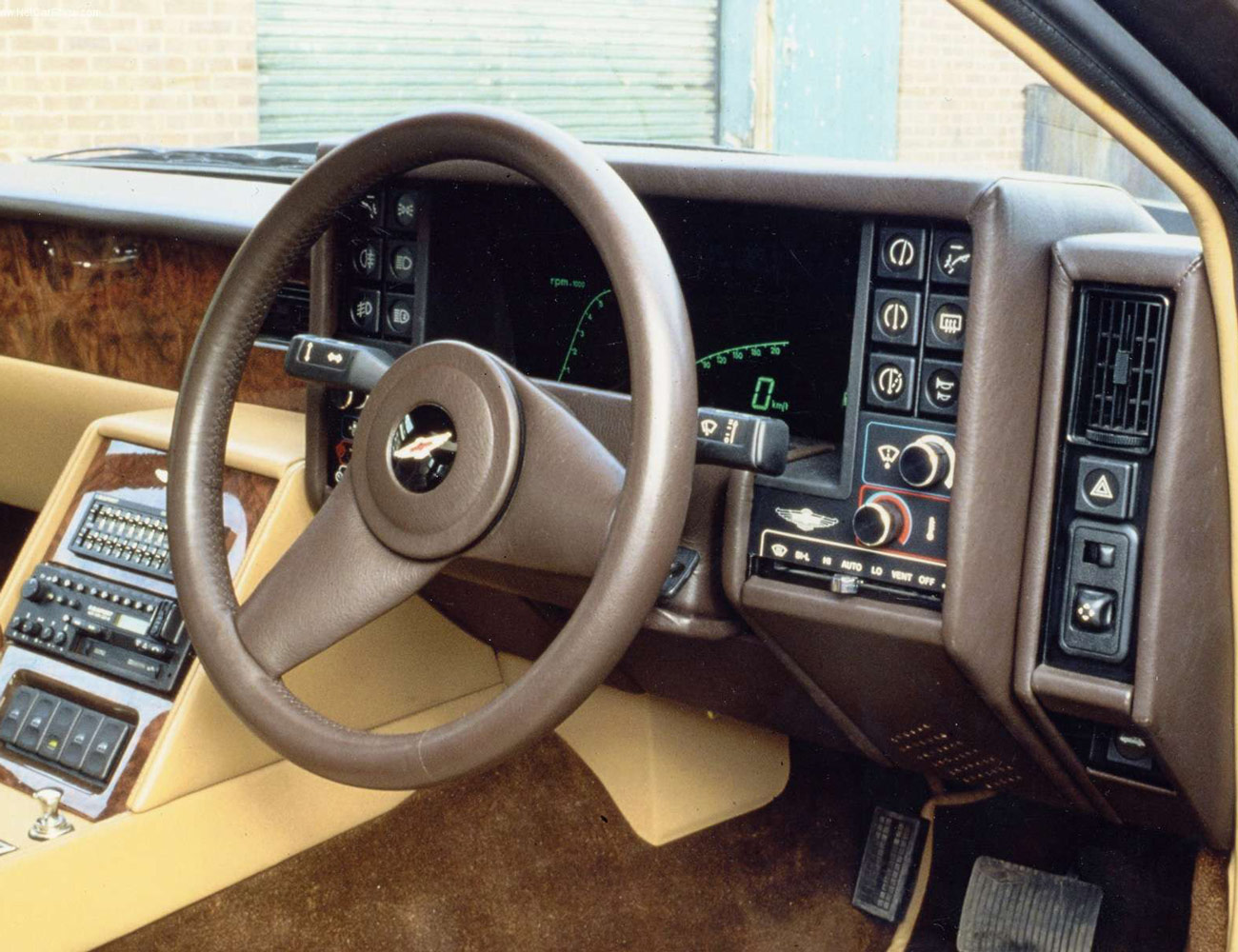
The Lagonda wasn’t the best looking car on the road, but the rise in popularity of digital technology in the late-’70s granted the Aston a very handsome, arcade game-like dashboard.
1993 Lancia Delta Integrale HF

Aeronautical inspiration is apropos, seeing as how the Integrale rally car spent most of its life in the air, flying over jumps on rally stages.
2007 Lamborghini Reventon

Cars, watches and planes share an incredibly integrated and collaborative history. The F22-inspired Lamborghini Reventon got one of the coolest sets of LCD gauge as a result.
1985 Nissan 300ZX
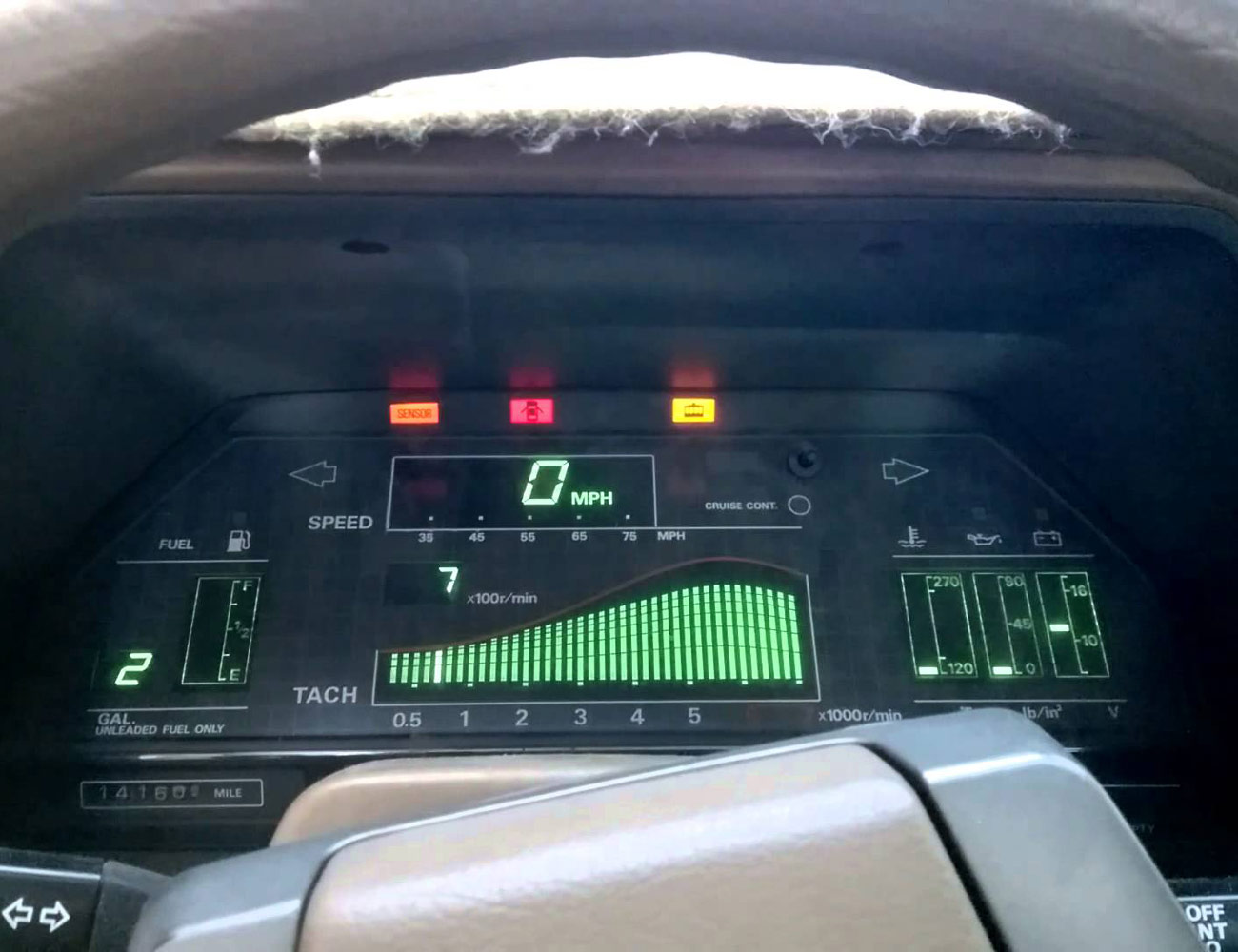
By the time the 300ZX came along, digital and LED gauges were nothing new, but the way the 300ZX tachometer subtly displayed power output as well as the current gear and engine was genius.
1973 BMW 2002 Turbo
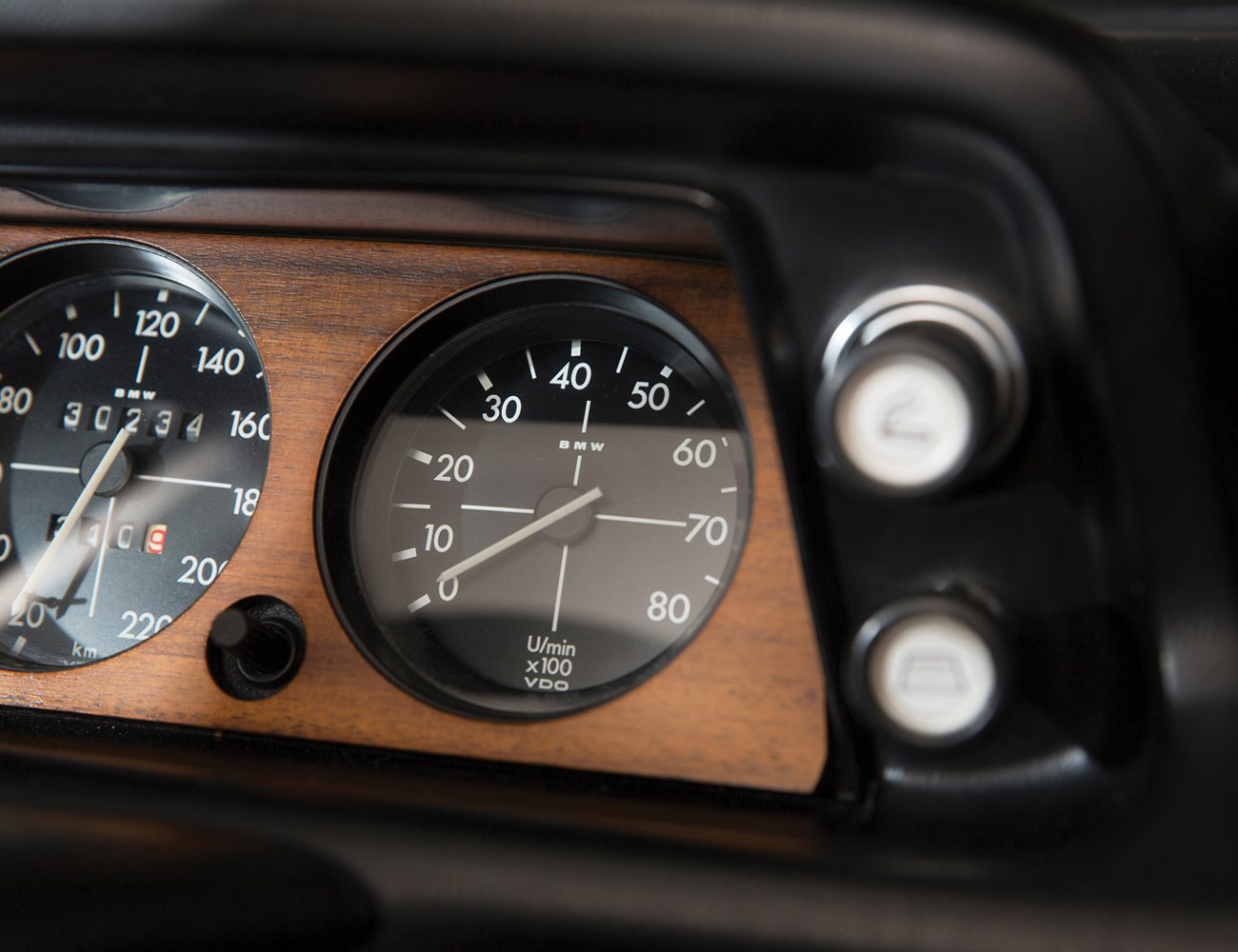
In the case of the 2002 Turbo, simplicity is key. There’s something to be said about the timelessness of the design and the typeface used as well — BMW hardly changed the design over the next 30-40 years.
2012 Pagani Huayra
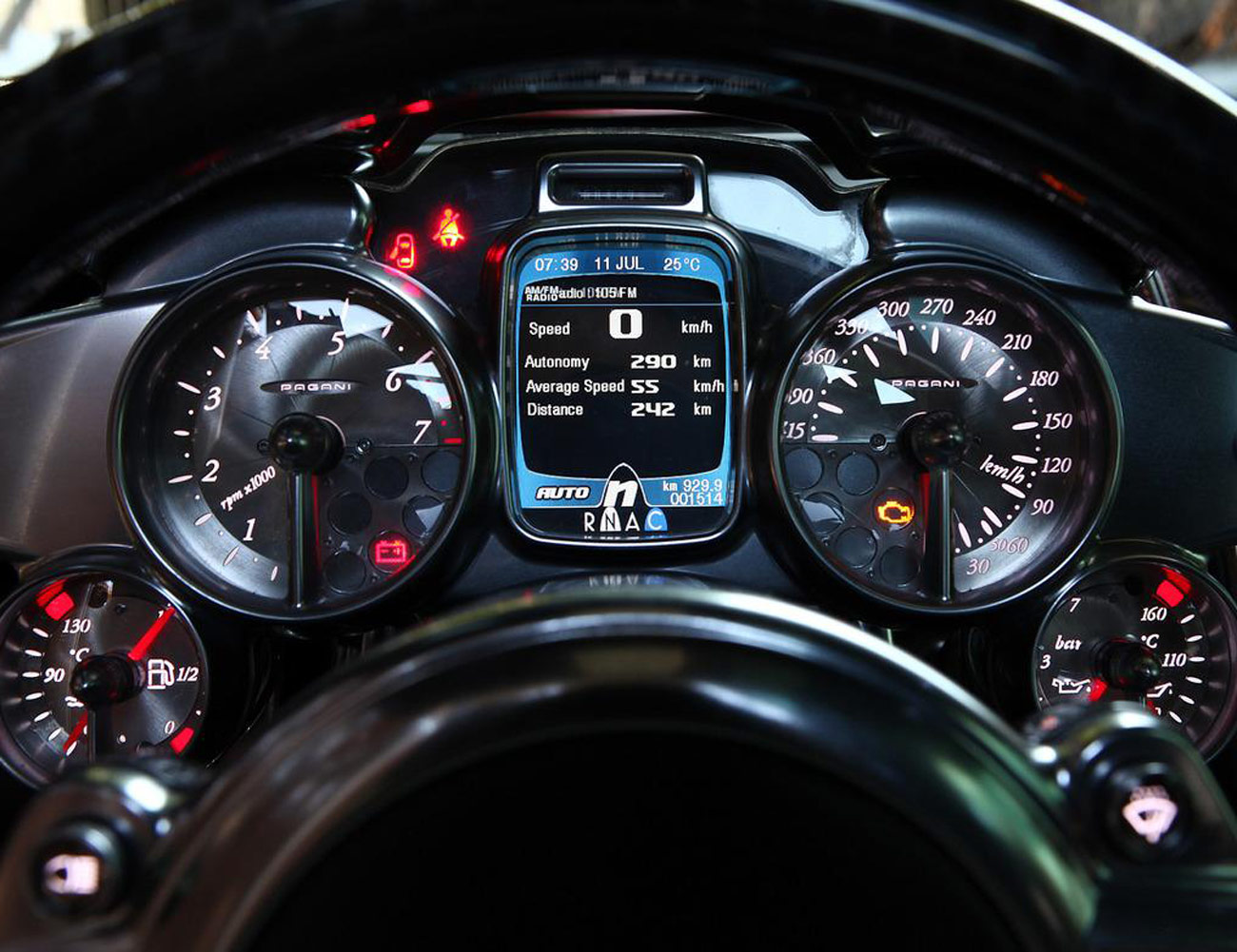
If the Bimmer gets on the list for minimalism, the Pagani earns its spot on extravagance alone. This design is so over-the-top Italian, you can almost taste the exuberance.
2017 McLaren 720S
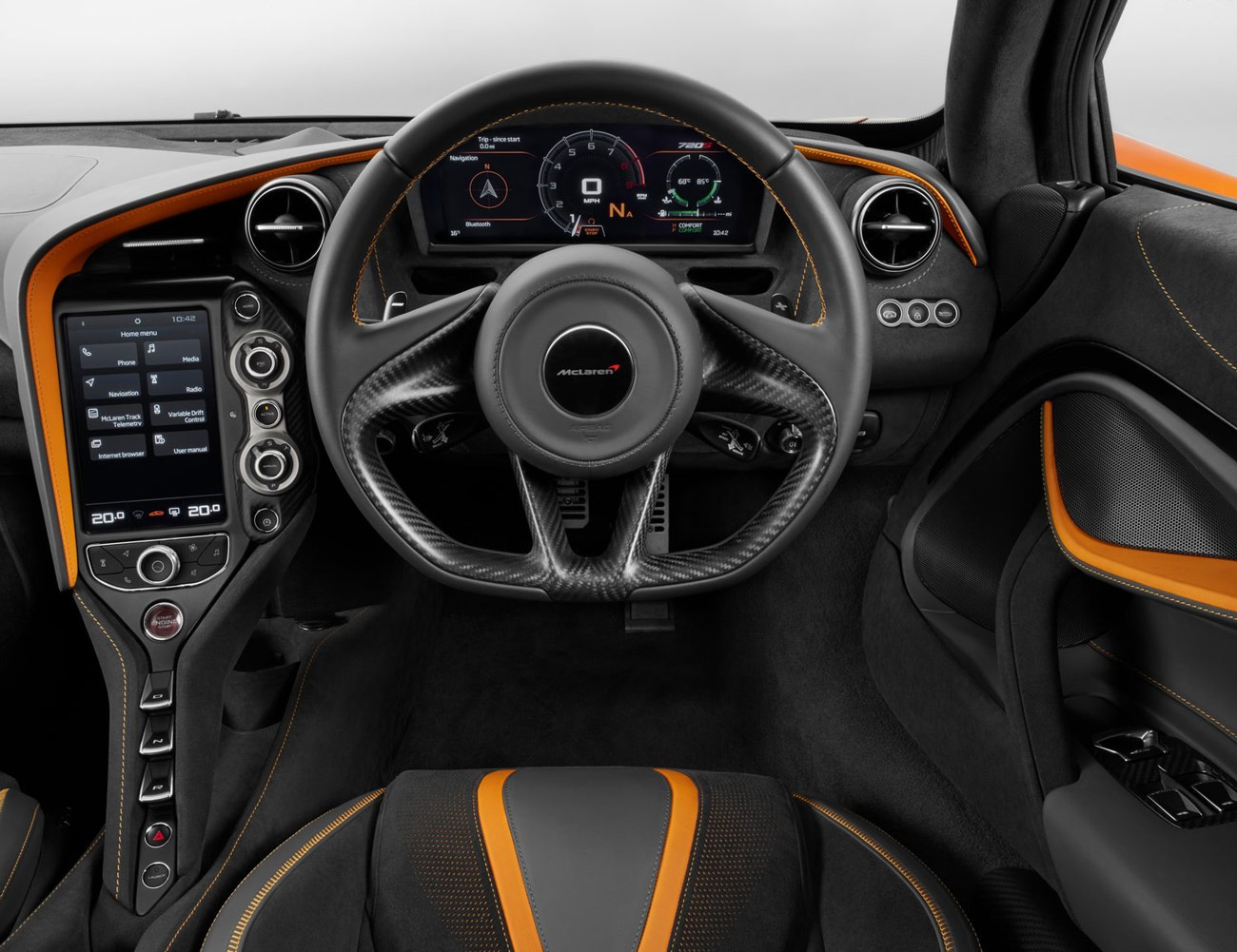
The McLaren 720S cluster earns a spot for being purely performance driven. It even features a pop-up headlight-like action when changing betwwen drive modes instead of going the easy route by digitally switching the TFT screen face.
2000 BMW E46 M3
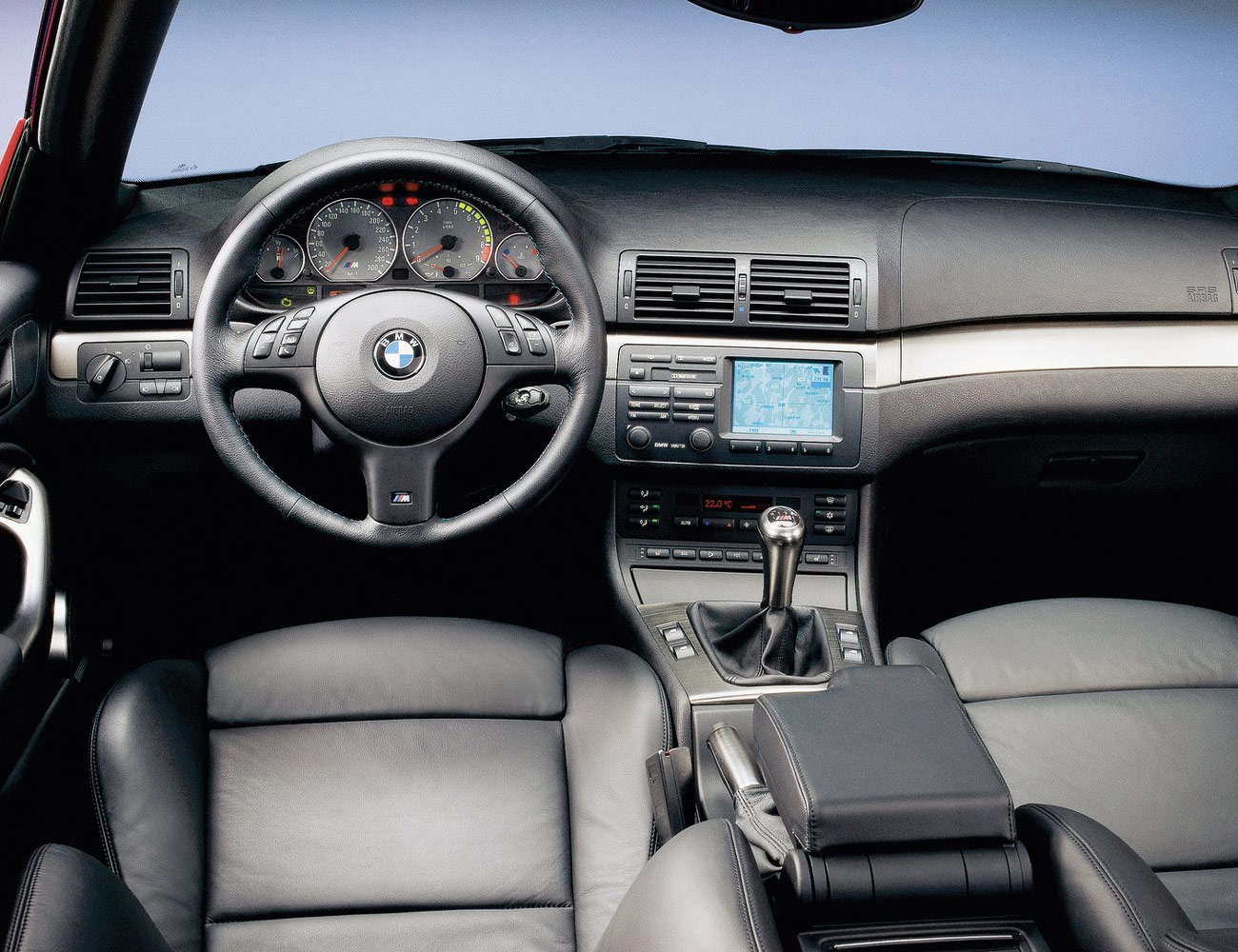
Like the 2002, BMW’s E46 gauges remain a simple black and white, but during night driving give off a soft orange glow. In a pitch black cabin, it feels akin flying in stealth mode in a fighter jet.
2012 Lexus LFA
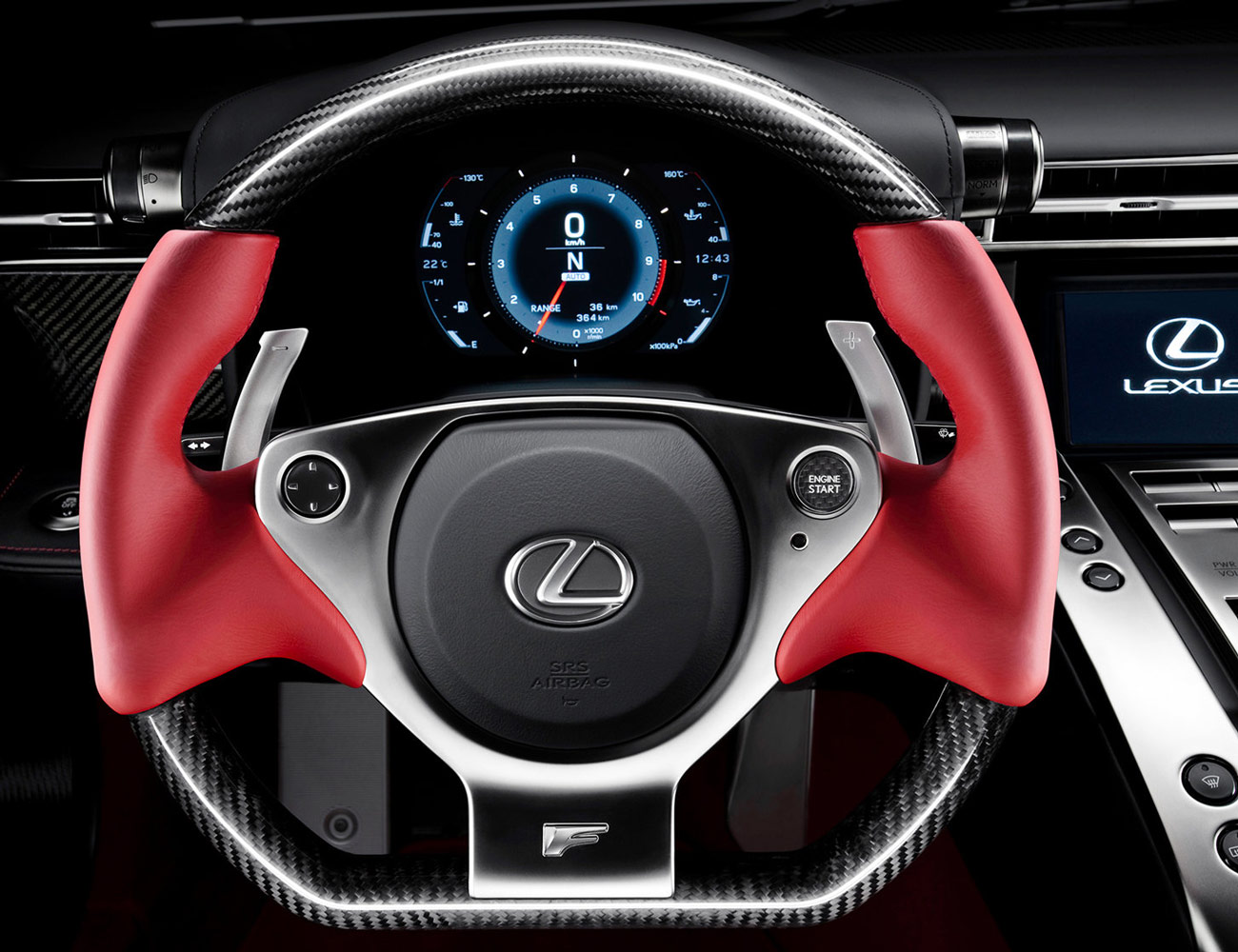
The Lexus LFA’s V10 revved so freely and quickly than a conventional analog tach couldn’t keep up, forcing designers to go LCD. It’s just a bonus that the needle looks like a Jedi putting on a lightsaber demonstration just infront of your steering wheel.
2016 Audi TT

As far as modern gauges go, Audi’s Virtual Cockpit ranks at the top. Audi’s tech, which transplants 3D navigation to the screen ahead of the steering wheel, debuted in the TT. It wasn’t the first car to get the technology, but Audi gets bonus points for design and execution.
1957 Ferrari 250 Testarossa
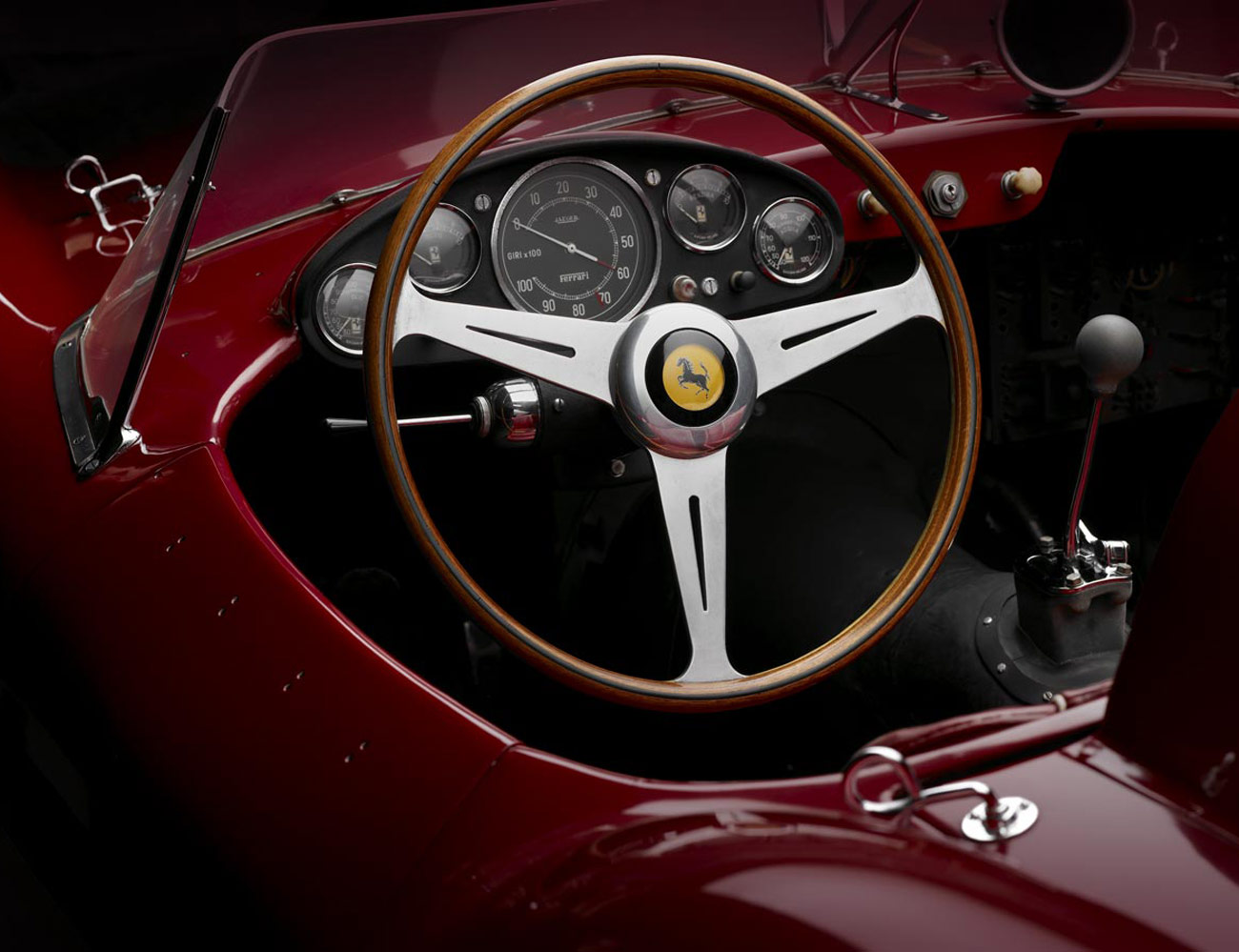
Jaeger-LeCoultre, the watch maker, went in to designing instrument clusters for high-end cars in 1921 and then sold most of the company to S. Smith & Sons in 1927. Luckliy, design quality never faultered; if it had, the 250 Testarossa might be less of a car with out this beauty.
1967 Alfa Romeo Duetto
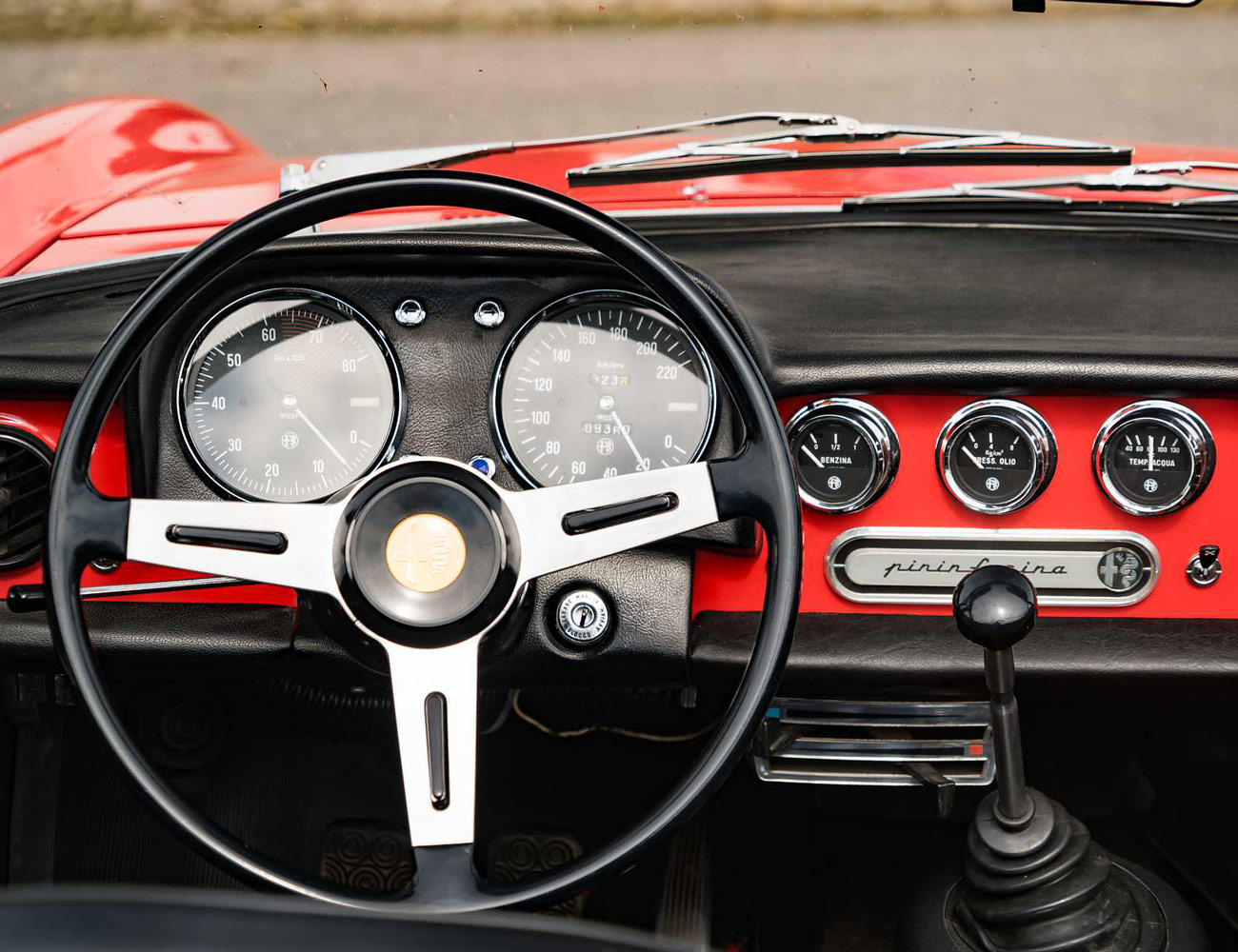
More evidence of how well a Jaeger instrument panel can (and should) dominate a dashboard.
2009 Spyker C8 Aileron
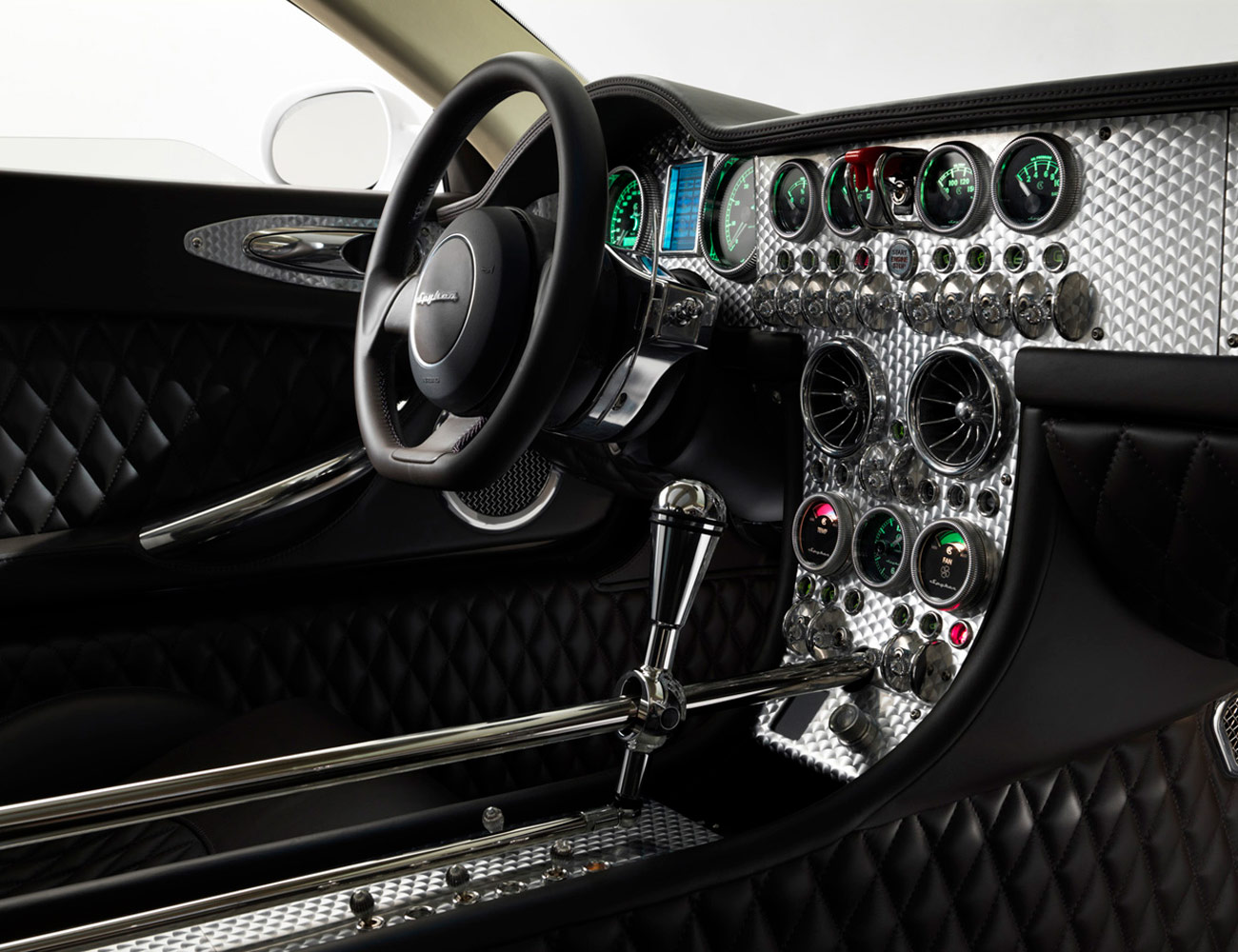
Is it any surprise that a Spyker landed on this list?
1973 Citroen DS 23 Pallas
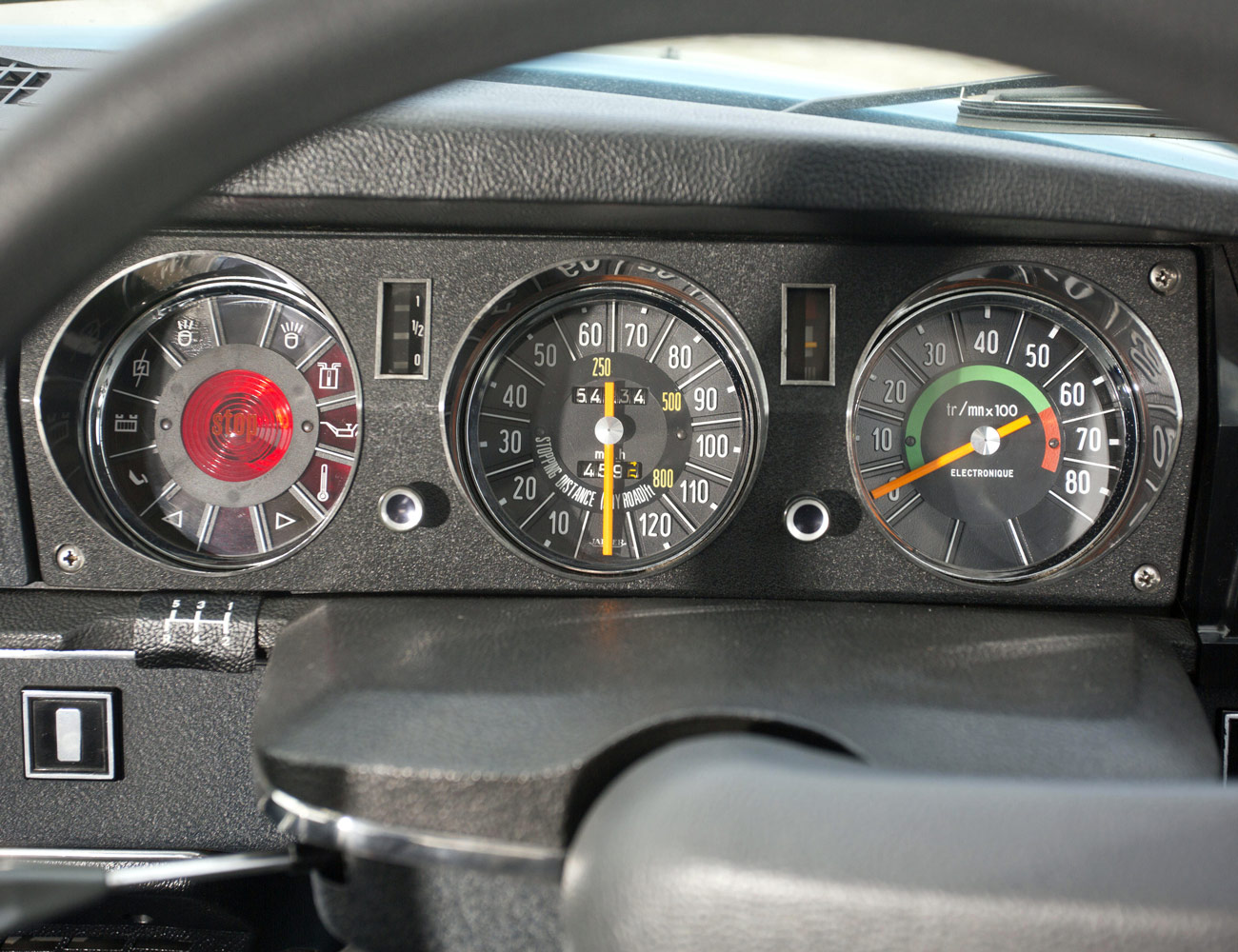
Not only are the speedo and tach beautifully designed, the matching warning light cluster is also impeccably currated. It’s also super honest about what might go wrong during a drive.
Out of sight? Who cares. Make it beautiful anyway. Read the Story
12 SUVs and Overlanders To Be Very Jealous Of
We asked; you delivered. Below, some of our car-enthusiast readers’ personal rides, with the stories to go along with. There are plenty more to share, but this time we’re concentrating on SUVs and Overlanders… and the off-grid life has never beckoned harder. If you’d like the chance to share your own car or motorcycle, submit all the info about your ride here. It’s exciting for us to see the project, daily driver and/or pride and joy in your stable, so thanks for sharing. Keep ’em coming.
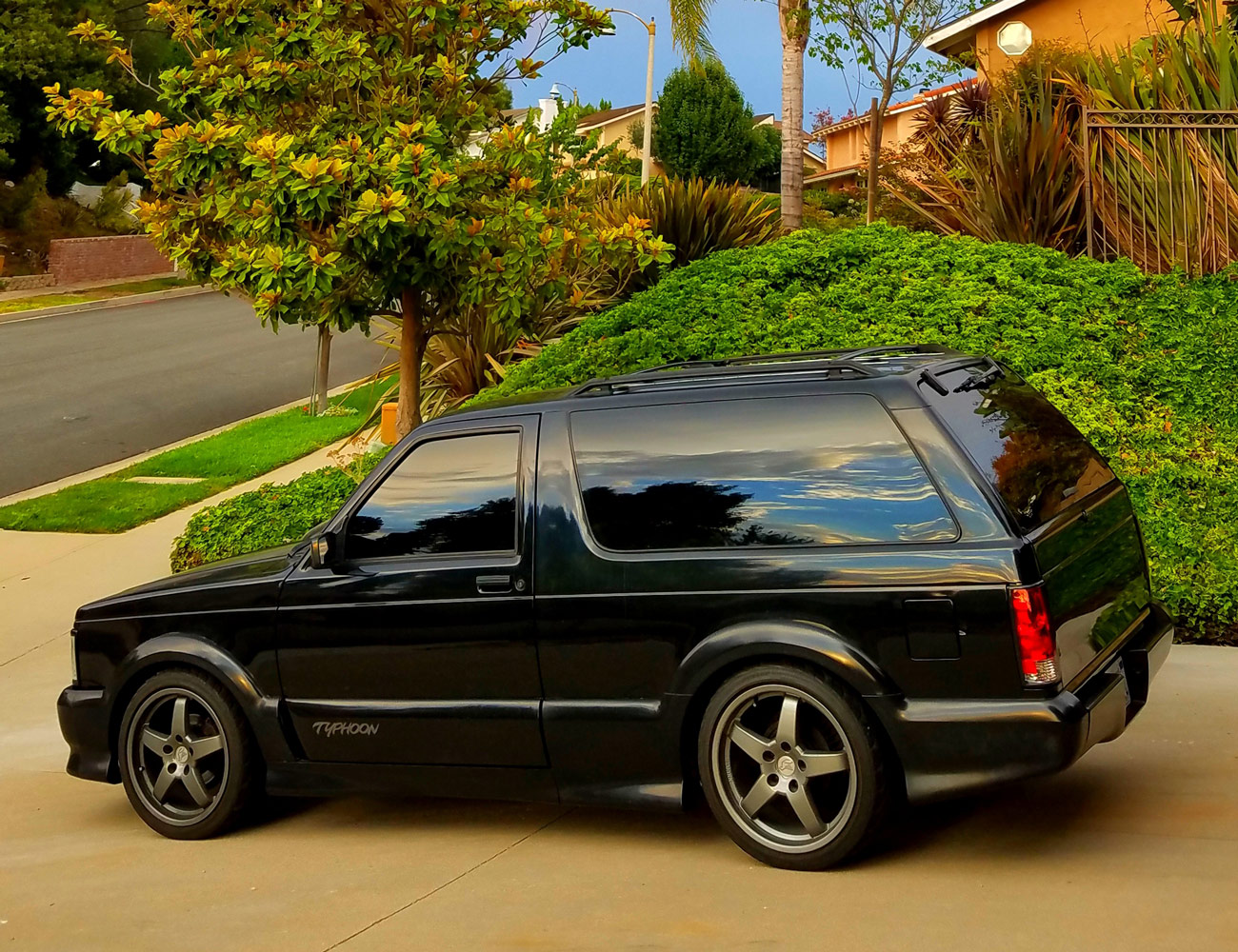
1992 GMC Typhoon
Neal M, Thousand Oaks, CA
Why do you love your car? The GMC Typhoon was only produced for two years [and fewer] than 5,000 total trucks were made. It came stock with all-wheel drive, and a turbocharged 4.3-liter V6 putting out 285 horsepower and 350 lb-ft of torque. 0-60 in 5.2 seconds and the quarter mile in 14.1 seconds. Which beat the Ferrari 348 of the same year. I love these trucks because they’re the ultimate sleeper and will still blow the doors off most of today’s cars. They’re super rare, and of course, Clint Eastwood STILL drives one.
The best story about your car? My best story came shortly after I got my Typhoon. I was driving in Burbank, CA, when I noticed a GMC Syclone (the pickup truck version of the Typhoon made in 1991) up ahead. I sped up and pulled alongside of the Syclone and none other than Jay Leno himself was driving it. He looked over and gave me a thumbs up! Years later I ran into Jay at The Rock Store in Malibu, CA, and told him about our encounter years before; he got a good laugh from it, and said he still owns his Syclone.
Has the car been a good deal? I bought my Typhoon in 2006, with a little over 14,000 miles on it for $16,000. For the time it was a great deal. A low mileage truck in excellent condition would run you around $30k. However, you can still score a great deal on a truck in good condition with under 100k miles for around $17-18k. It’s some of the cheapest dollar-to-performance you can get!
Any advice for future owners? If you don’t know anything about cars, you will after owning one of these. They can be temperamental, and you do need to stay on top of maintenance… but if properly tuned, they’re a blast to drive! Be careful though, the speed bug can bite you and before you know it you’ll be upgrading the turbo, for more horsepower.
1985 Land Rover Santana 90
Sam B., Philadelphia/PA
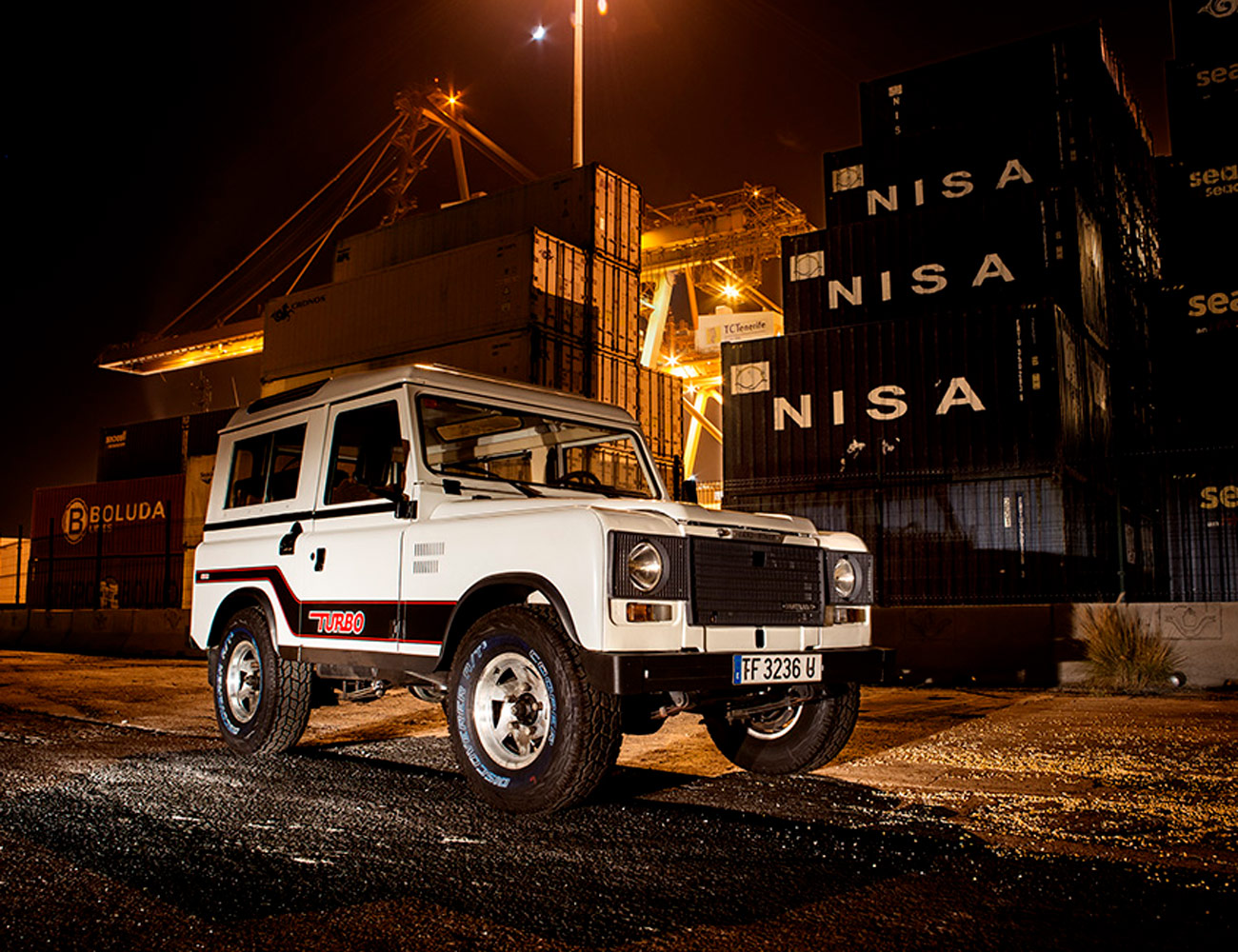
Why do you love your car? Firstly, I found my truck on Bring a Trailer, after Gear Patrol turned me on to them. I bought it from the Canary Islands off the coast of Morocco because Defenders are out of my price range. I love it because it is truly unique. The vents are cut into the body instead of having plastic inserts. There is no tachometer. The engine is unique with no owners manual (make sure to travel with tools). I 3D printed a custom part to hold a Bluetooth stereo instead of an ashtray.
The best story about your car? I drove it down the shore this summer. I lived in a house full of friends. Everywhere we went, my friends asked to take the “fun” car. It turned a lot of heads, sparked a lot of conversations, and brought enjoyment to all passengers. I also became more popular on the island once people learned who the cool, old safari truck belonged to.
Has the car been a good deal? $10,000. I’m going to keep this truck for a long time. I can resell for at least double in the right market. I think it was a great deal.
Any advice for future owners? Most old Defenders have a lot of rust. Since my car spent its life in the Canary Islands on an estate, it’s rust free and low mileage (kilometerage?).
1995 Jeep Cherokee
Dennis M., Raleigh NC
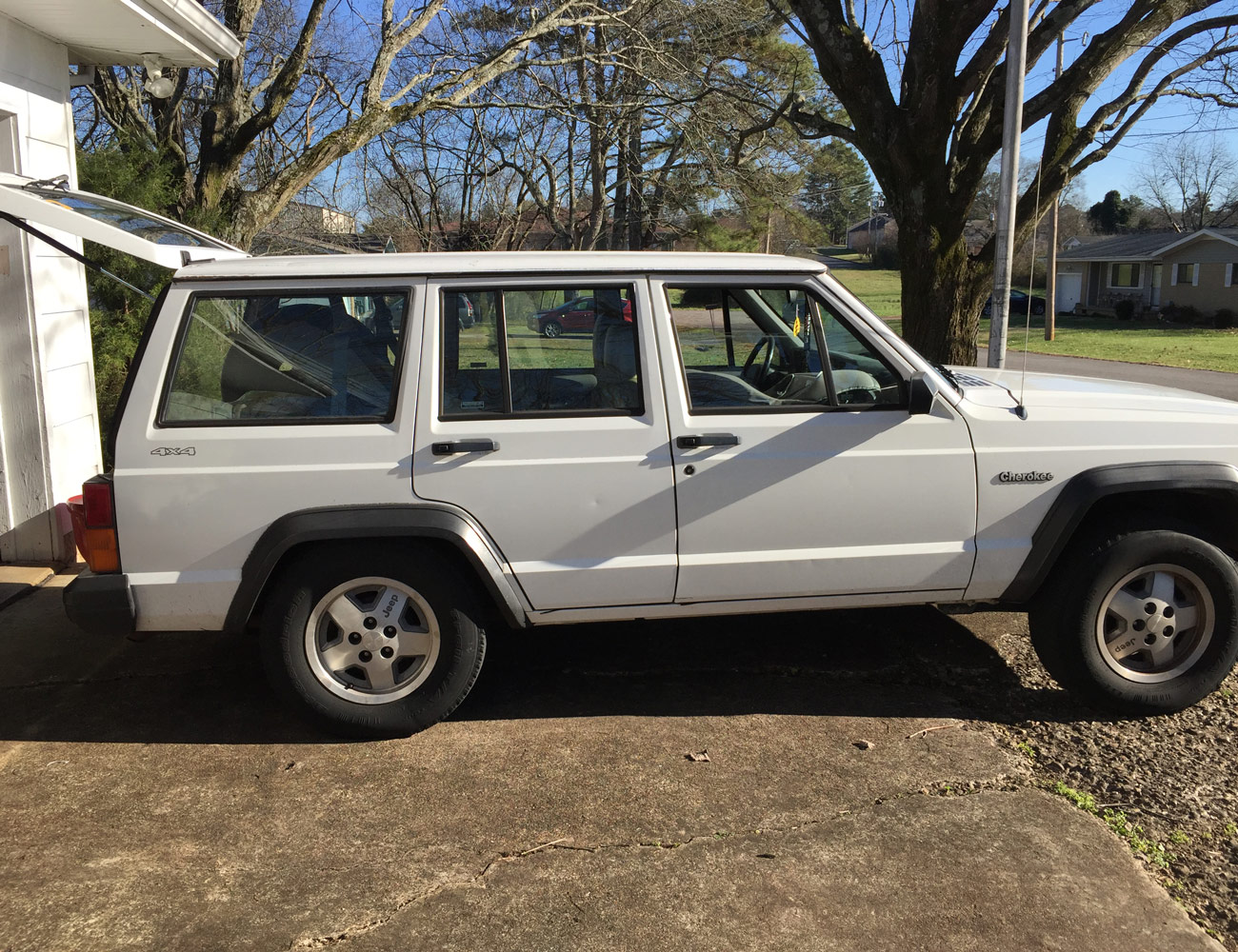
Why do you love your car? It’s a classic now! With steel front and rear bumpers and four-wheel drive it feels like I’m in a tank by today’s auto standards.
The best story about your car? I bought my Jeep on Craigslist! It was in excellent condition. Most people like it.
Has the car been a good deal? $3,100 dollars. It was a great deal.
Any advice for future owners? JEEP stands for Just Empty Every Pocket.
1974 Ford Bronco
Asa M., Young Harris, GA
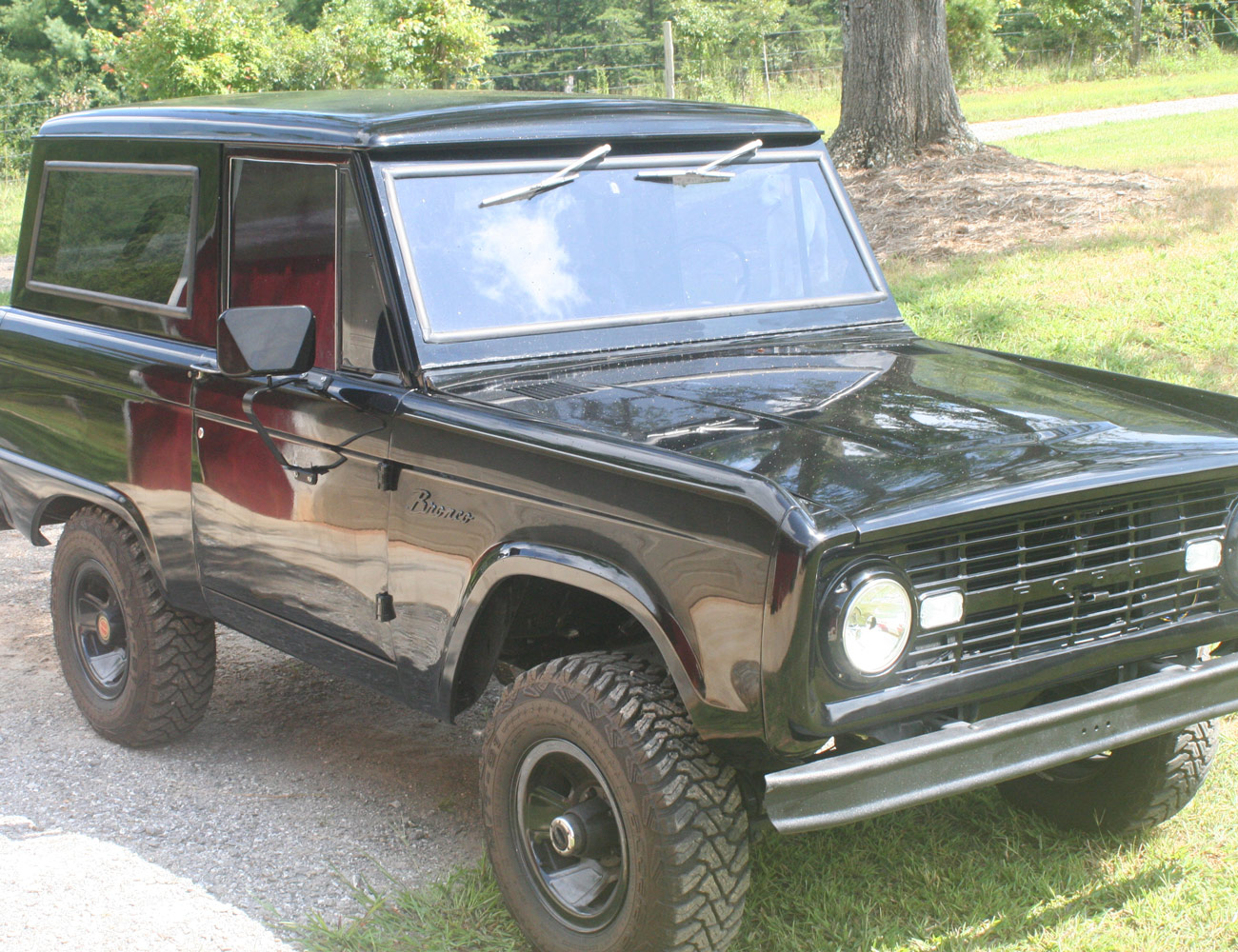
Why do you love your car? This is a restoration that my father and I did over quite a few years and it’s really turned into a great driver. We kept it pretty stock with only a few inches of lift and didn’t cut the fenders but it’s still got a pretty mean stance.
The best story about your car? We found the truck in the backyard of the local garbage man. It was completely original but had been sitting out for most of its life, so I spent an entire summer simply removing rust.
Has the car been a good deal? I think we paid about $2,500, which I think is a pretty solid deal.
Any advice for future owners? Prepare for loads of rust repair.
1997 Jeep Wrangler Sahara
Tyler R., San Diego, CA
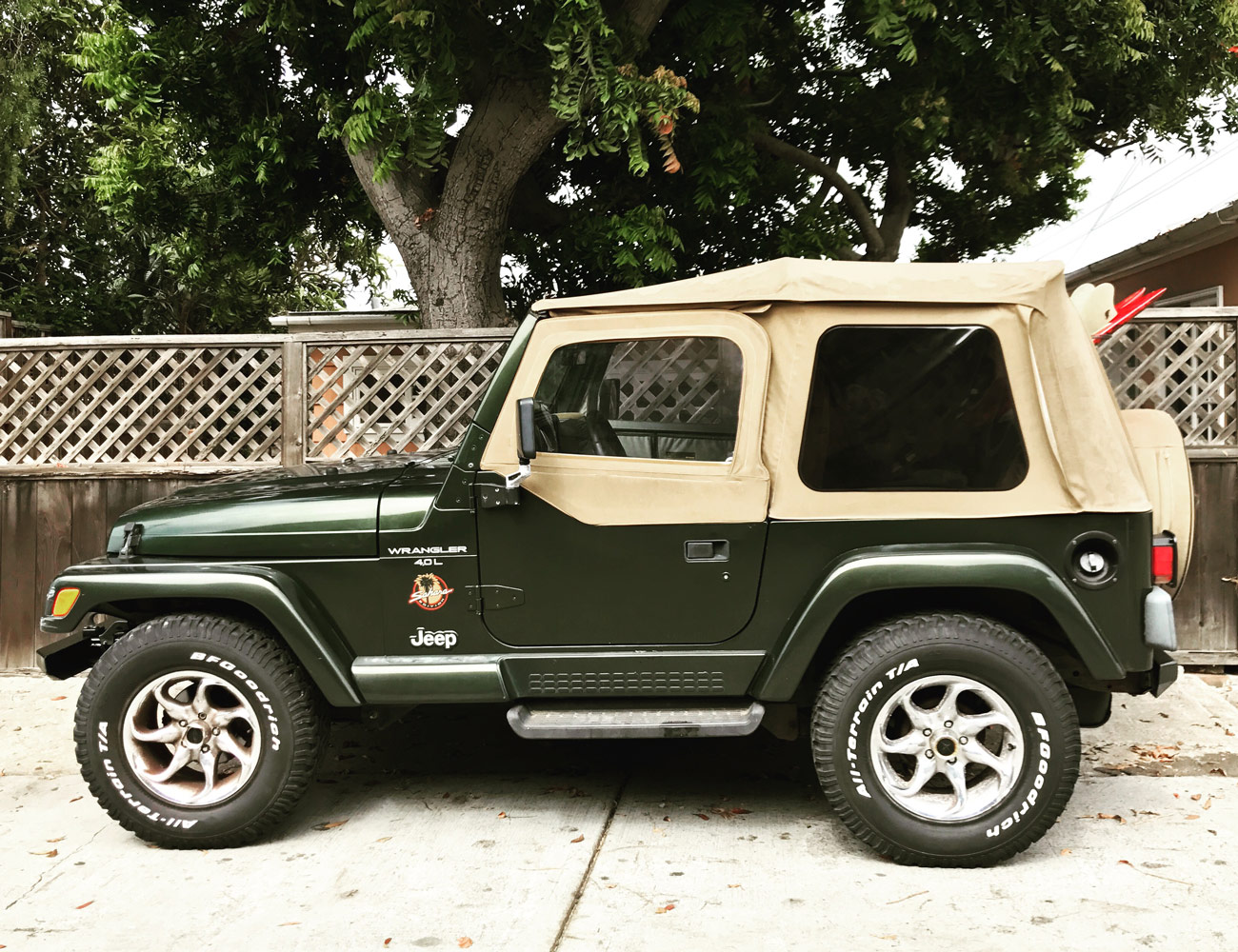
Why do you love your car? This is the car I grew up in. Bought right before college. Moved to the beach. Packed it with surfboards and friends. Took my wife fishing on our first date. Brought home my first dog in it. Drove it through law school. Moved from NC to CA. 11 years later and it’s still my daily driver.
The best story about your car? There were a lot of fun beach camping trips, but by far the best drive in the car was a camping/surfing trip along the outer banks of North Carolina. We started in Ocracoke and worked our way up to Hatteras. Beach, ferry disappearing roads (thanks hurricane season) – this thing handled it all. We spent a week living out of the Jeep, surfing early in the morning until late afternoon, finding a good campground, making a fire, grabbing our guitars and enjoying a few beers.
Has the car been a good deal? Got it used for about $7,000 in 2007. It was in incredible shape.
Any advice for future owners? None – this thing is built to be abused! Plus, there is almost nothing on it you can’t fix yourself. And if you can’t do it, there is a nationwide community of Jeep owners willing to lend a hand either online or in person.
1973 Land Rover Military Lightweight Series 3
Gary P., Pietermaritzburg, South Africa
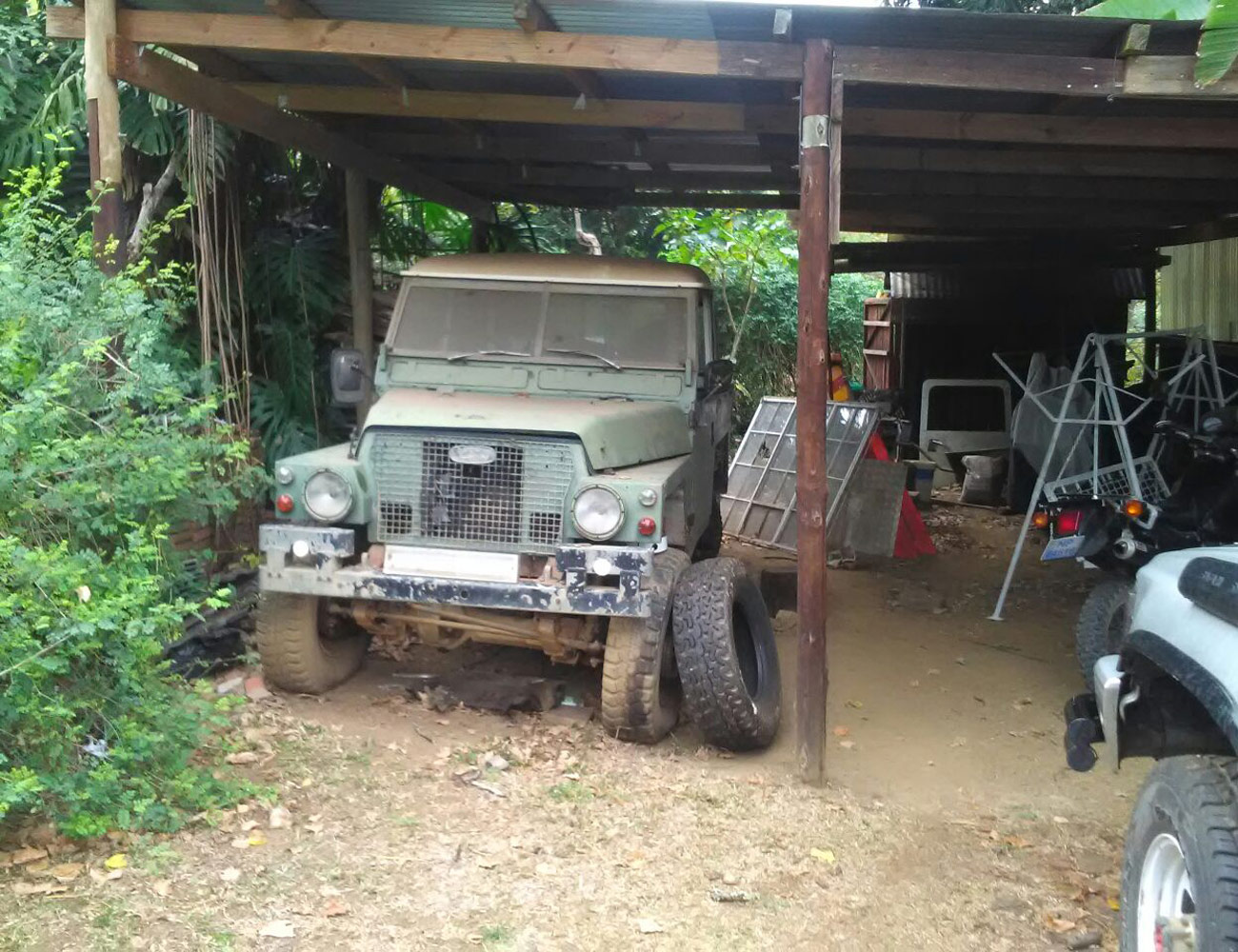
Why do you love your car? It is unique — just different. Old school.
The best story about your car? It was [found] at a house in an open garage. Have done a few trips with it — other people love it lots and offer to buy it.
Any advice for future owners? No, it’s a Land Rover.
1965 Jeep CJ5a Tuxedo Park Mark IV
Chris H., Rochester, NY
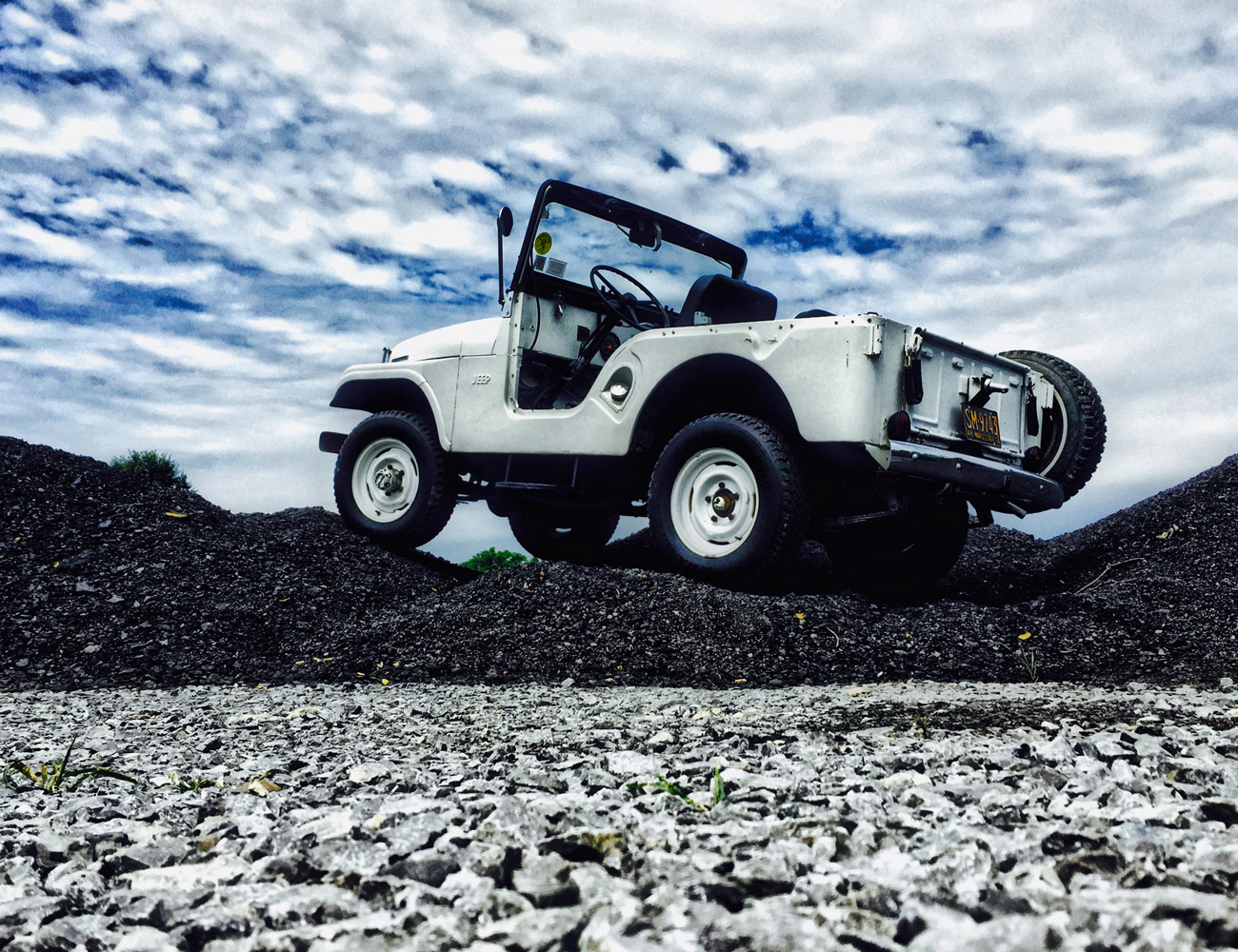
Why do you love your car? It is the first ever [special-edition trim package offered on a] Jeep which consisted of chrome bumpers, chrome windshield hinges, a chrome mirror and a name badge: Tuxedo Park Mark IV. Apparently, [in the late 1800s] Tuxedo Park was a ritzy neighborhood north of NYC. I’m the second owner; first guy died as a happy old man and his son-in-law sold it to me to make more room for his tractor collection. Came with original key and a receipt from the dealership, [located] down the street from the guy. It was used as a farm utility vehicle.
The best story about your car? Found on eBay. Funny ad: “vintage Jeep, this ain’t junk, call me” – but there was no number. It took me several emails to explain to the guy I wanted to speak with him. He was two hours away so I went to look with a trailer and a pocket of cash. As per the VIN, I knew that there were only about 1900 of these made so I had to check it out.
Has it been a good deal? Paid $5K. A great deal, I could sell it for $12K today.
Any advice for future owners? You’ll have to learn what the Jeep wave is all about.
1972 International Harvester 1210
Chris L. — Raleigh, NC
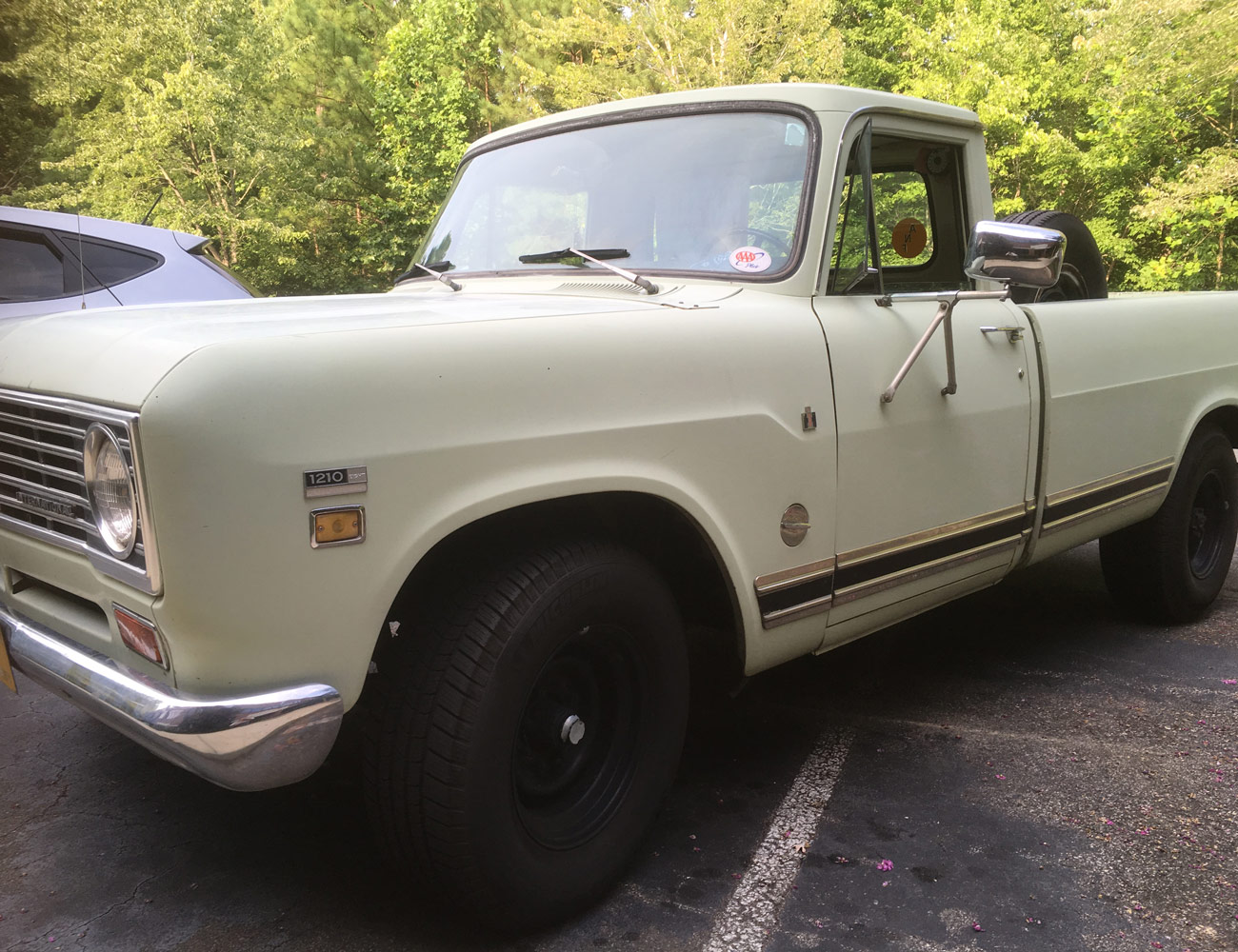
Why do you love your car? My “Mint Julep” reminds me of my childhood, riding in an IH truck and Travelall.
The best story about your car? I found her online and bought it sight unseen. You just gotta trust folks. Now more than ever.
Has it been a good deal? $5,000. To me, a great deal.
Any advice for future owners? Love it and cherish it. It is history.
1998 Toyota Land Cruiser
Ron B., Canton, OH
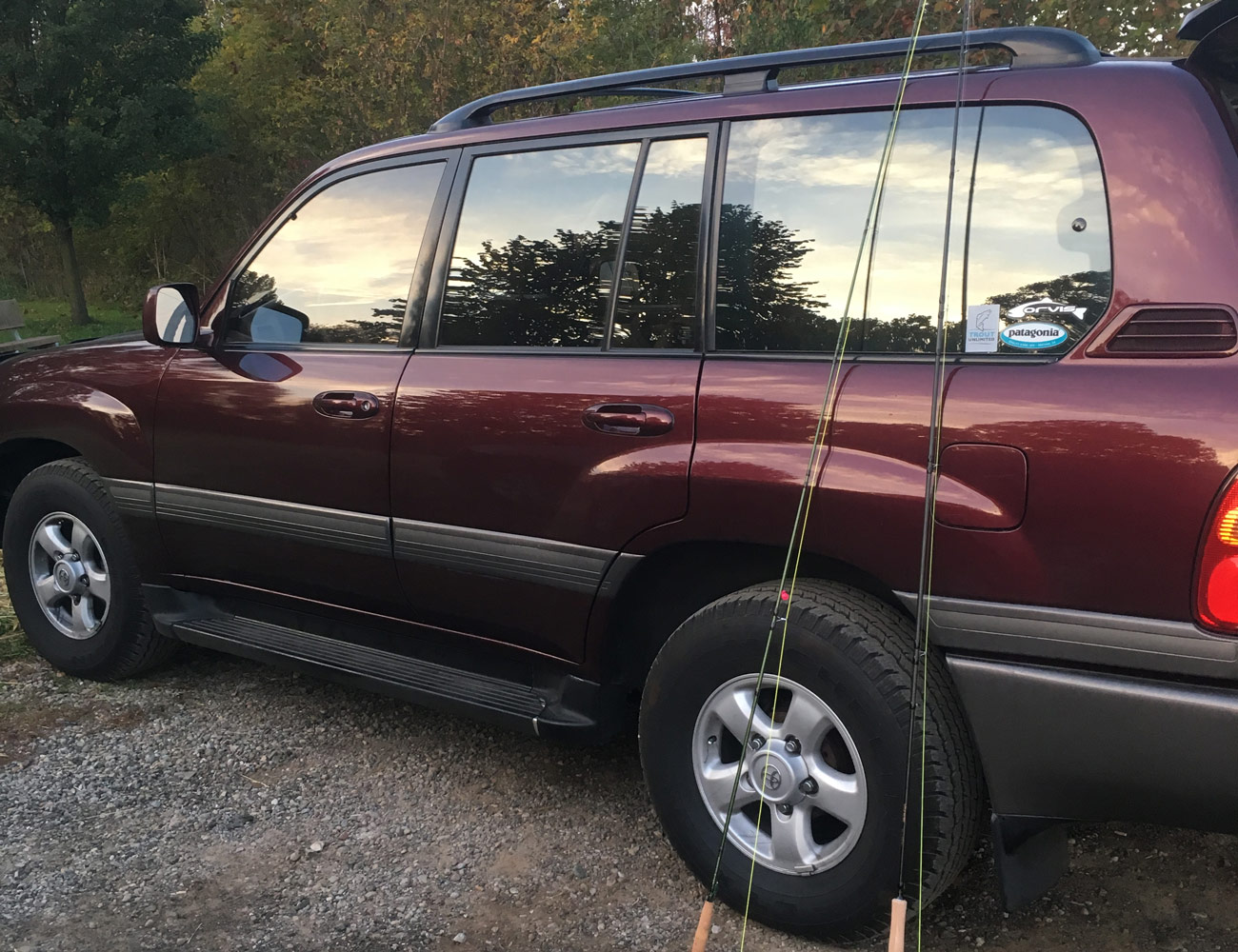
Why do you love your car? I love this car more than life itself! It does everything. Hauls gear and people in all conditions too.
The best story about your car? How many people fly over 1,000 miles to buy a 20-year-old car with a quarter of a million miles on it?
1970 Nissan Patrol LG60
Kirk D. — Austin, TX
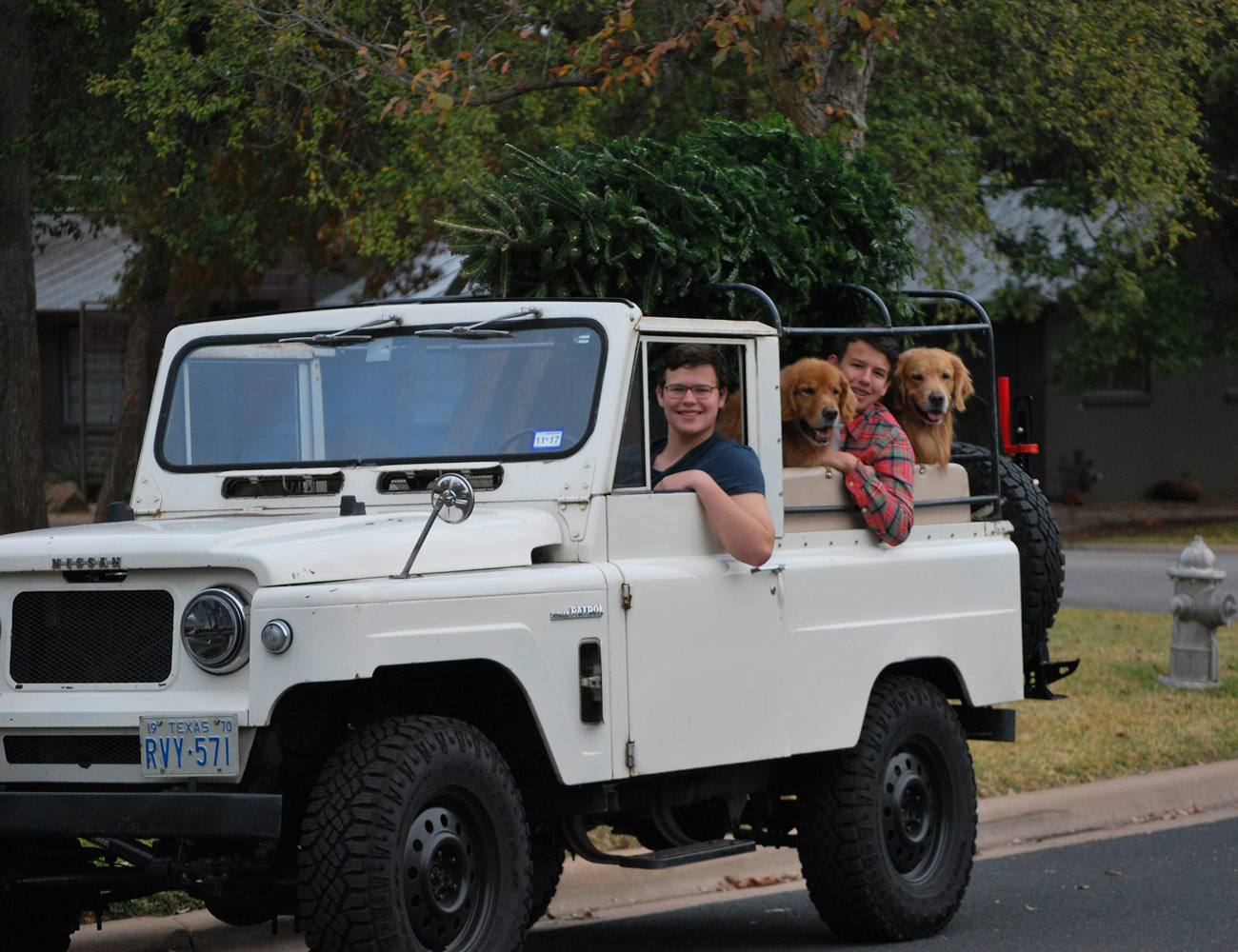
Why do you love your car? The secret love child of an FJ40 and a Series IIa, the Patrol is rarest of all here in the USA. Seating for eight and just the right amount of patina means that everywhere I go, we get attention! A true resto-mod, it sports a Chevy 350 V8 and automatic transmission from the previous owner, LED headlights and is all new from the frame down to the ground, including disc brakes.
The best story about your car? I first saw the Patrol on a Sunday — [it was] sitting on a shady used car lot on the side of the highway. Before I could call on it the next day, I suffered a stroke and was dealing with life issues for a while. Two weeks later, it was gone from the lot. I tracked down the owner and convinced him I was its next rightful owner. Now, at least once a week when out and about, I will find a note or business card from someone trying to convince me they are next in line. Not yet… not yet.
Has it been a good deal? Incredibly used but at $7K, I feel it is a great bargain!
Any advice for future owners? Enjoy the journey of fixing up a car like this – make a list and be prepared for lots of contingency items to pop up along the way. Keep the top off and drive it all the time.
1971 Land Rover Santana Series IIA 109
Liam F. — Medfield, MA

Why do you love your car? It is so slow that it’s unusable unless driving around town. It seats 11 people while being a 4WD convertible getting 30 mpg. It’s good at everything but great at nothing.
The best story about your car? While driving off the beach I tried to shift the transfer case from 4 Low into 2 High, but it wouldn’t shift. I climbed under the car and found the linkage broken, so I took a hammer and banged it back into place, tossed a couple zip ties on it, and it did the trick for a good six months.
Has it been a good deal? $12,000 — in the long term it needed a lot of work, but it has been an excellent first car.
Any advice for future owners? It’ll need a lot of work to get it into a mostly reliable state, but once all the work is done it works like a charm. Watch out for rust in the frame, bulkhead and the floors. Otherwise, they just run and run and run.
1976 International Scout II
Ben G. — New York, NY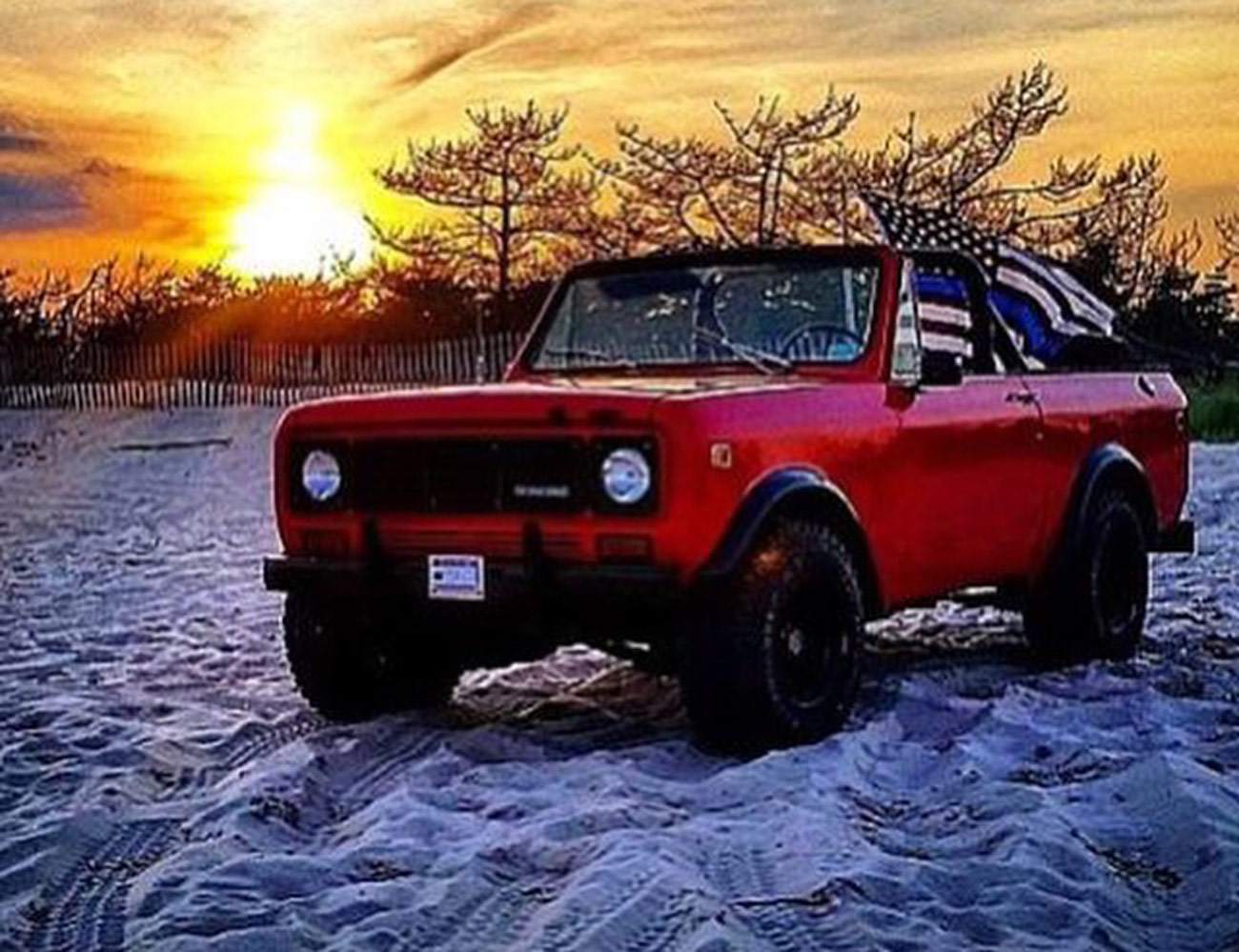
Why do you love your car? My Scout is not a vehicle you see every day. A work hourse that has a rugged a sleek style. Not your avarage daily driver.
The best story about your car? Taking my four-year-old to her first movie at a drive-in-theater with the top removed and, hearing the V8 rumble into a parking spot, watching everybody’s heads turning. My daughter says to me “this is my ride.”
Has it been a good deal? I traded with a friend for it.
Any advice for future owners? Nope. Get one. And enjoy life!
The 5 Best Camper Trailers for Any Adventure
Vanlife has its perks, as does the resurgent RV craze. But both also have a lot of drawbacks. When your portable vacation home is also the vehicle you take to get there, anything that happens to it mechanically takes you out of business. That’s why we still have a soft spot for camper trailers, which you can tow behind any appropriately rated vehicle, park in a great spot while you go off exploring and keep nice and preserved without worrying about whether it’ll start the next time you spontaneously decide to get away.
Our favorites have sleek, modern looks, cool amenities, and lots of smart details that make your time on the road all fun, with no hassle. Most importantly, they’re all renowned for their high build quality. (Pro tip: Stay away from “white box” trailers and RVs, which tend to last only about as long as your payments.) Of course, these are suited for use on pavement or the occasional dirt road—if you want to go way off the beaten path, we’ve got you covered in our roundup of overland-capable models. Otherwise, load up, practice your trailer-reversing skills, and head out.
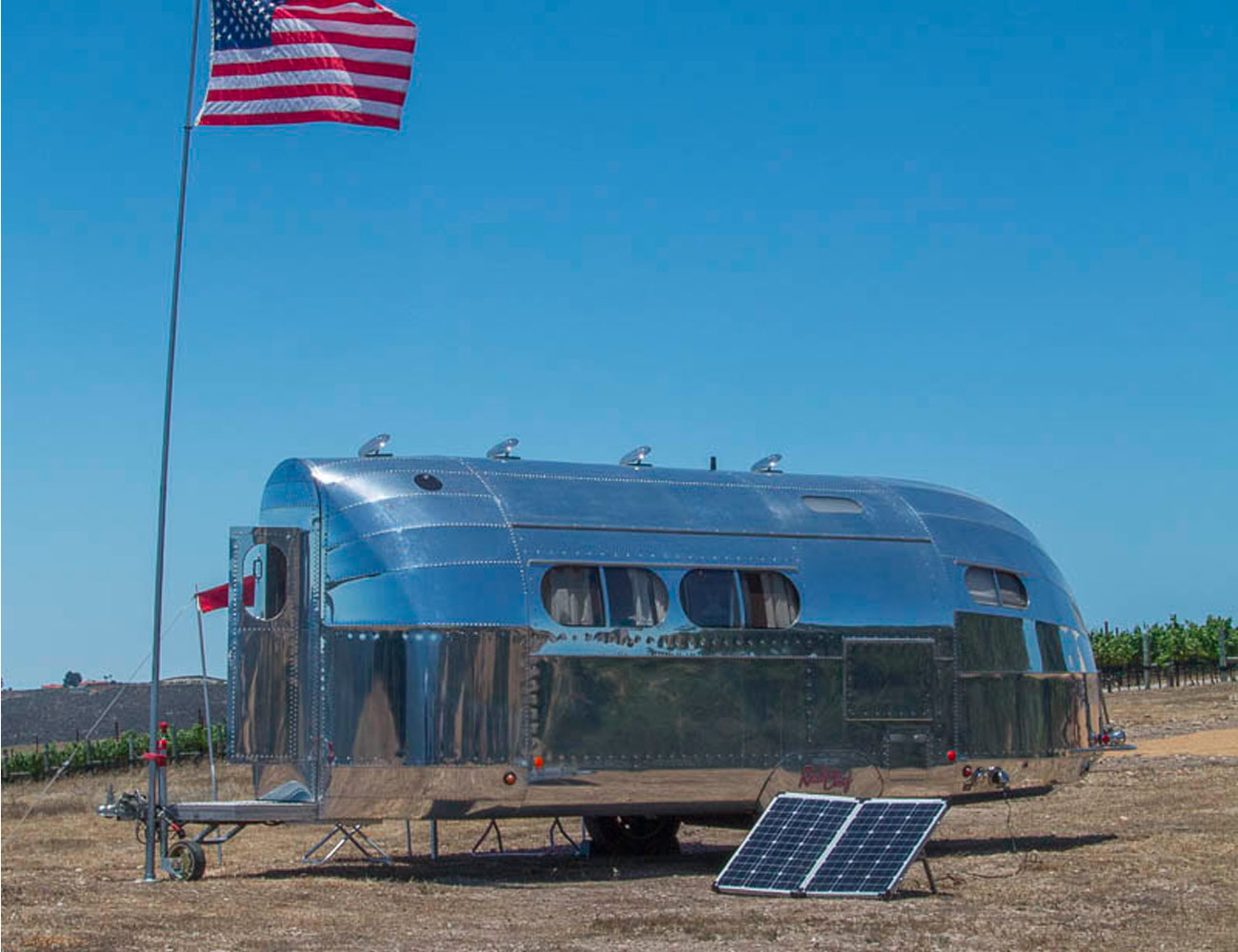
Built to Last: Bowlus Road Chief On-the-Road Edition
The Bowlus brand dates back to 1934, when aircraft engineer and builder Hawly Bowlus decided to build a lightweight travel trailer for transporting aviation crews to remote locations. (He helped create Charles Lindbergh’s famous airplane Spirit of St. Louis.) Today, the trailers are the ultimate in luxury and quality, with high-grade materials and construction, and lots of high-tech features, including lithium battery power, built-in charging stations for gear, a cellular data booster and even heated floors. Its wide front door allows you to put long or oversized gear in easily, while polished-aluminum design will look great for decades. And for a starting price of $137,000, they had better.
Most Stylish: Happier Camper HC1 Ultralight
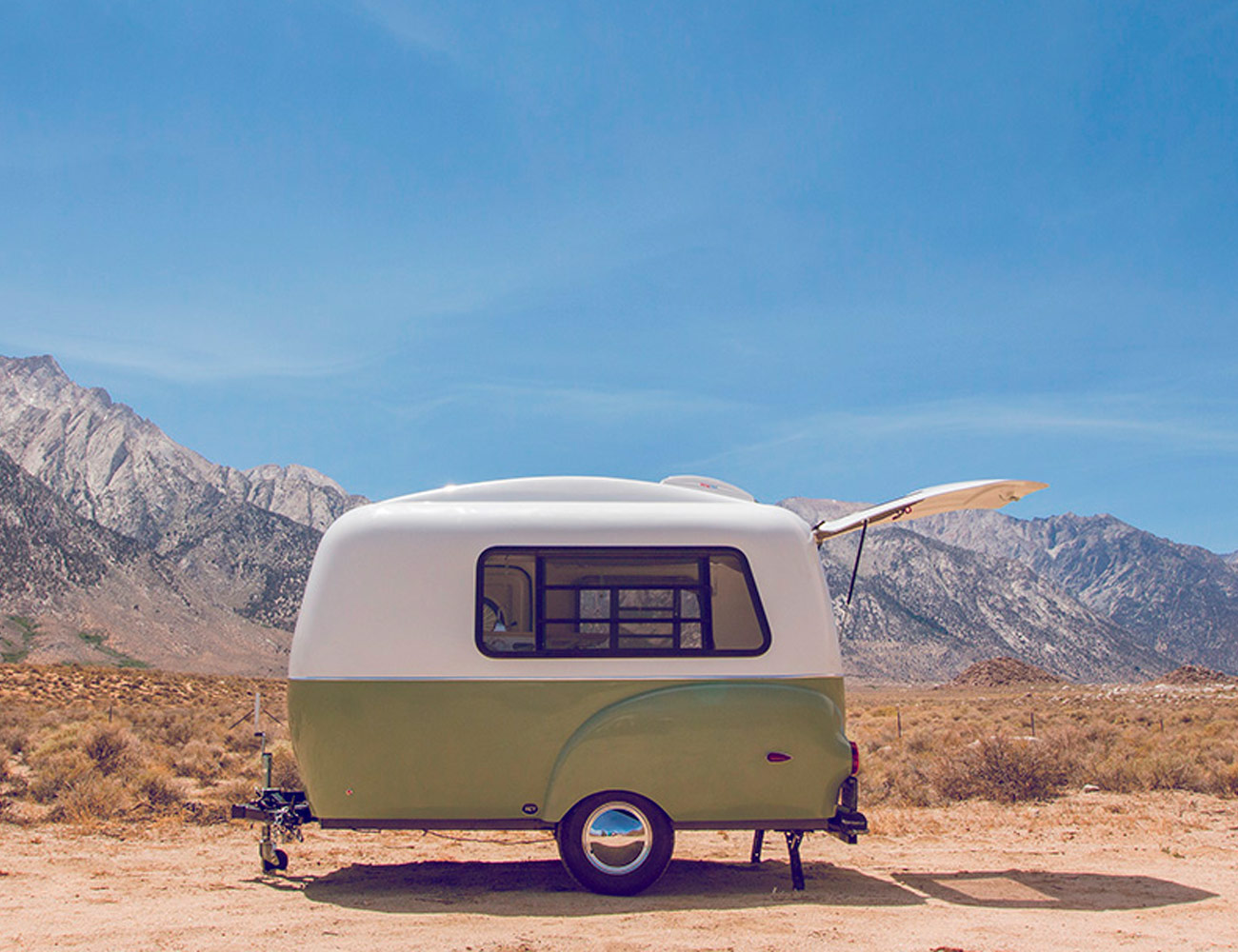
These sleek, retro-modern fiberglass trailers weigh just 1,500 pounds loaded, and thus can be towed behind most cars, making them excellent and efficient for spontaneous retreats from city life. The insulated, 10-foot-long cabin can sleep up to five and is designed to be modular and adaptable—by the owner—to any adventure. This includes complete removal of the cube-based interior fittings, including tables, seats, and kitchen hardware, to make room for bikes, kayaks, and other gear. Options include loading ramps for motorcycles, solar panels, propane heaters, and dry-flush toilets—and even a lift option that raises the trailer three inches for better ground clearance and includes off-road tires. Bonus: It’ll fit in most garages, ensuring it could last decades, not years. These campers start at $14,000.
Best Home Away from Home: Home Grown Timberline
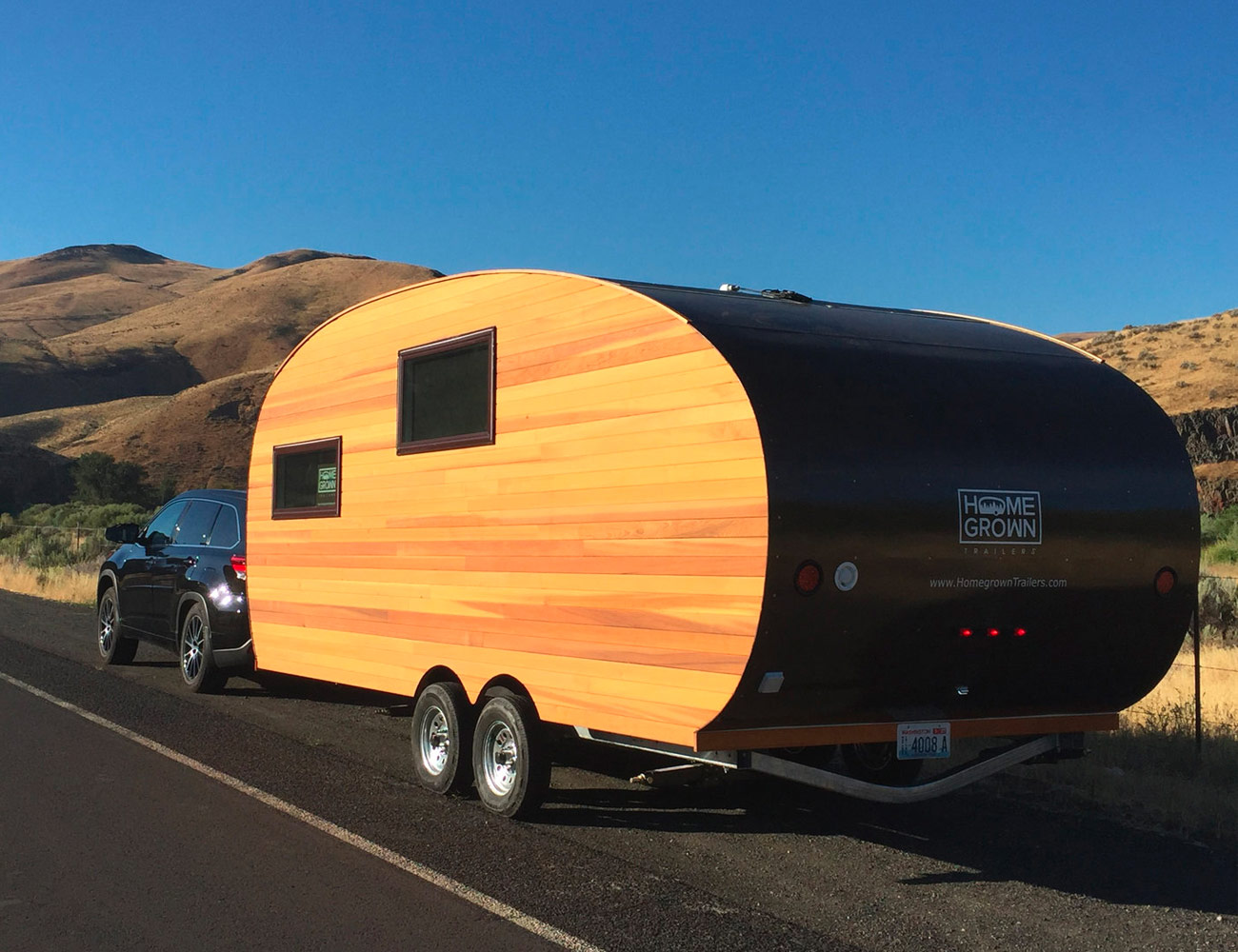
If you have an SUV or pickup capable of towing more than 5,000 pounds, this spacious and fully appointed 23-foot trailer — as much a tiny house as an RV — will make you happy for weeks on the road. (Or off the grid, if you opt for the solar and lithium-battery option.) Starting at $40,000, this wood-paneled rig has seven-foot ceilings, a spacious kitchen, and sleeping for five in both bunks and a bed. It’s weather-tight and built from renewable materials.
Coziest: Nest by Airstream
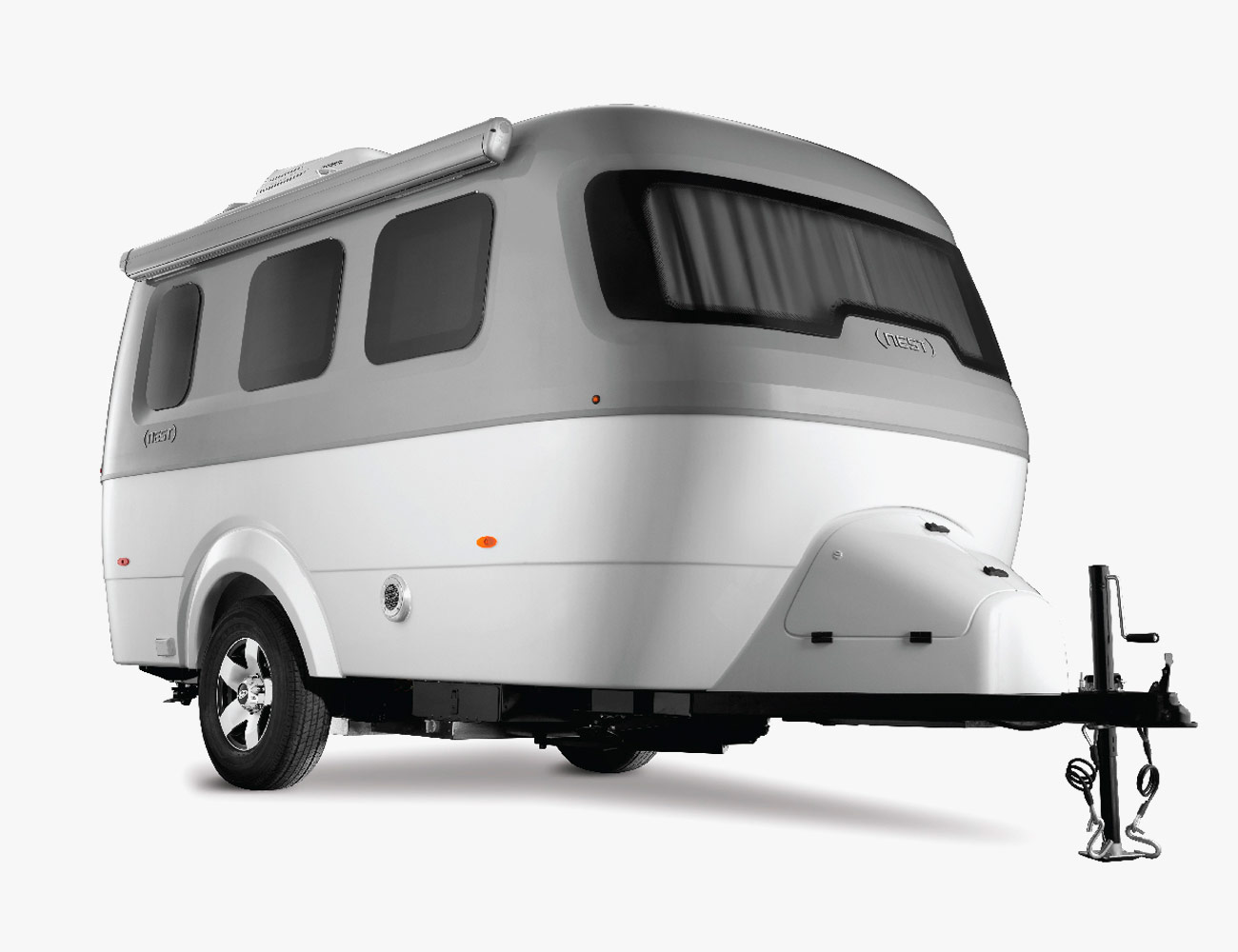
Though well-known for its iconic silver aluminum trailers, Airstream recently began exploring fiberglass options, as well. The Nest, starting at $45,900, is a compact yet robustly designed trailer, with many of the amenities you’d expect in their bigger models. These include LED lighting throughout, a full-size propane tank for electricity and cooking, and a microwave and refrigerator—as well as comfortable chairs and bedding systems. The most striking feature, though, is the panoramic window, which infuses a bit of the soul of the Airstream brand into this new upstart.
Most Eco-friendly Design and Materials: Safari Condo Alto R-Series
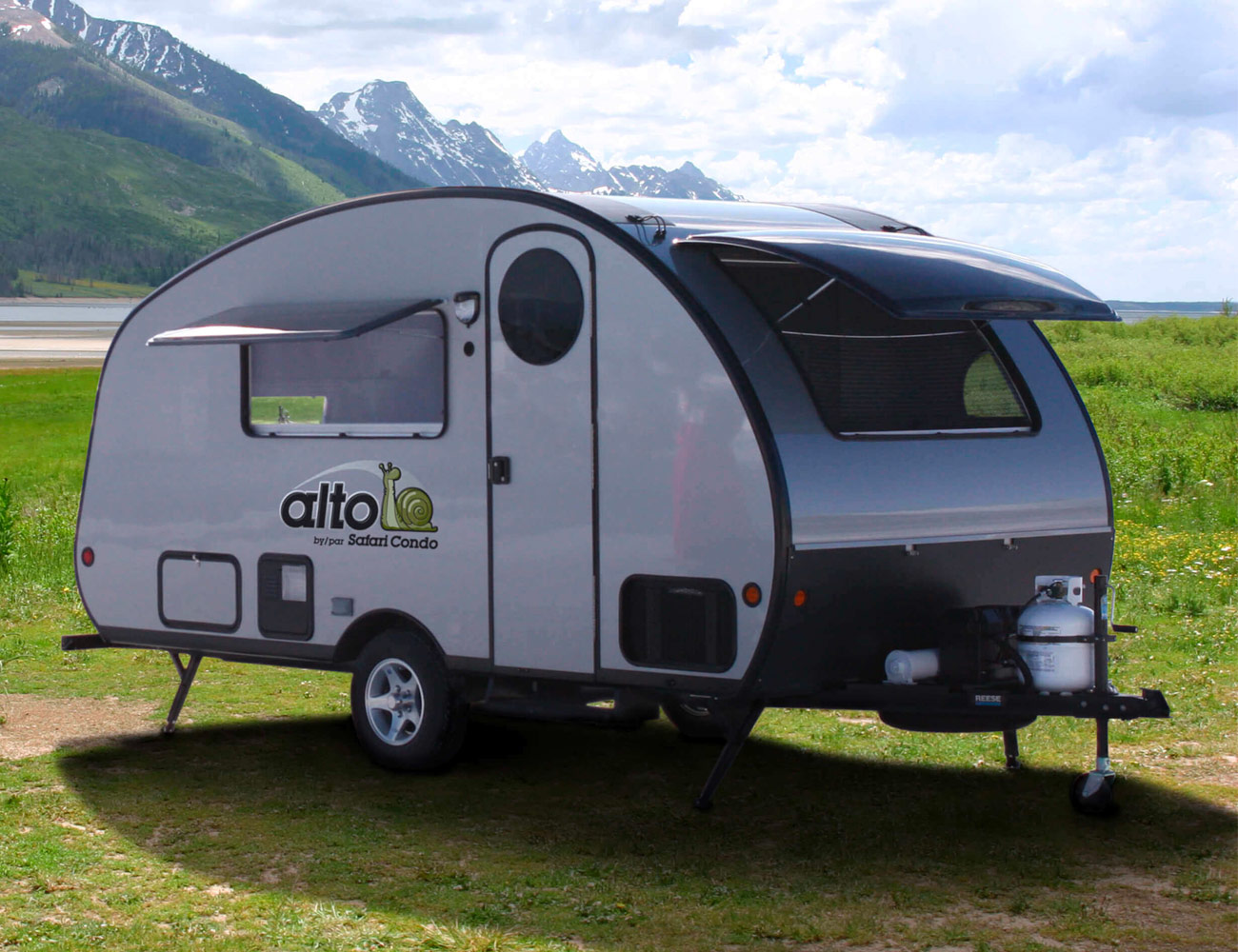
The brilliant retractable aluminum roof on this trailer adds 20 inches of headroom when pushed up, but cuts aerodynamic drag by 75 percent when closed for transport. Starting at $29,500, it’s also made from lightweight materials, which makes for even more efficient and economical transport, and many of its components are recyclable for the sad day when it’s time to say goodbye. Until then, you’ll have a full-featured trailer with a kitchenette, ample dining space, and a bathroom as a standard feature.
Note: Purchasing products through our links may earn us a portion of the sale, which supports our editorial team’s mission. Learn more here.
The 20 Best Wheels Ever to See the Road
Getting the proper ratio of wheel-to-car is one of the top missions for a car designer. It can make or break the entire design. But once that sweet spot is found — what then? Do you just slap any old wheel on there and call it a day? Not a chance: rim design is almost as important as any other aspect of the car. The rims have to match the spirit of the design in theme, performance or character — or, preferably, all three at once. It should be no surprise, then, that some of the most iconic cars to ever hit the road have the most incredible sets of wheels to match.
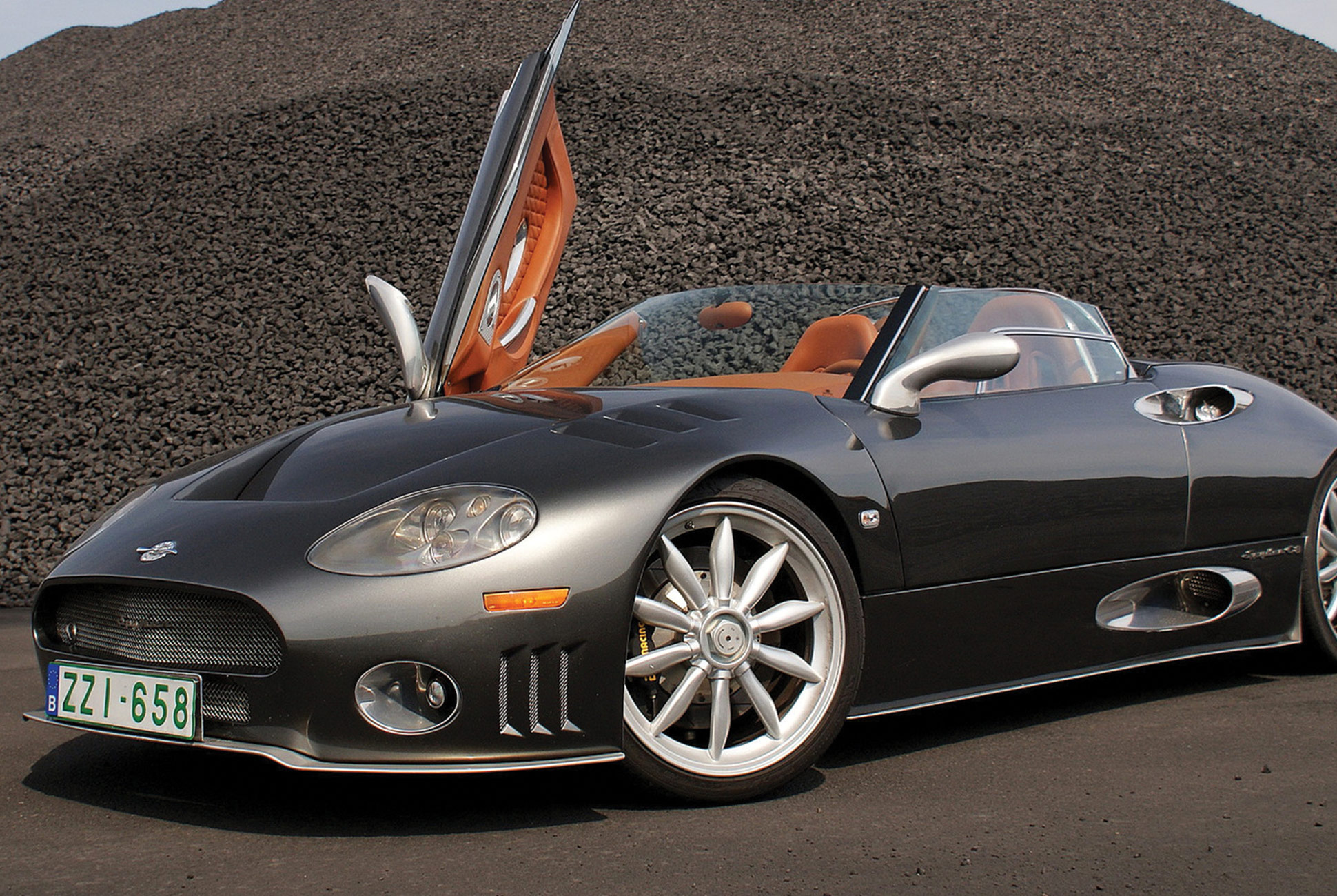
2000 Spyker C8
Every other detail on the C8 is top notch, so it should be no surprise the aeronautical-inspired wheels are, too.
1998 BMW E39 M5
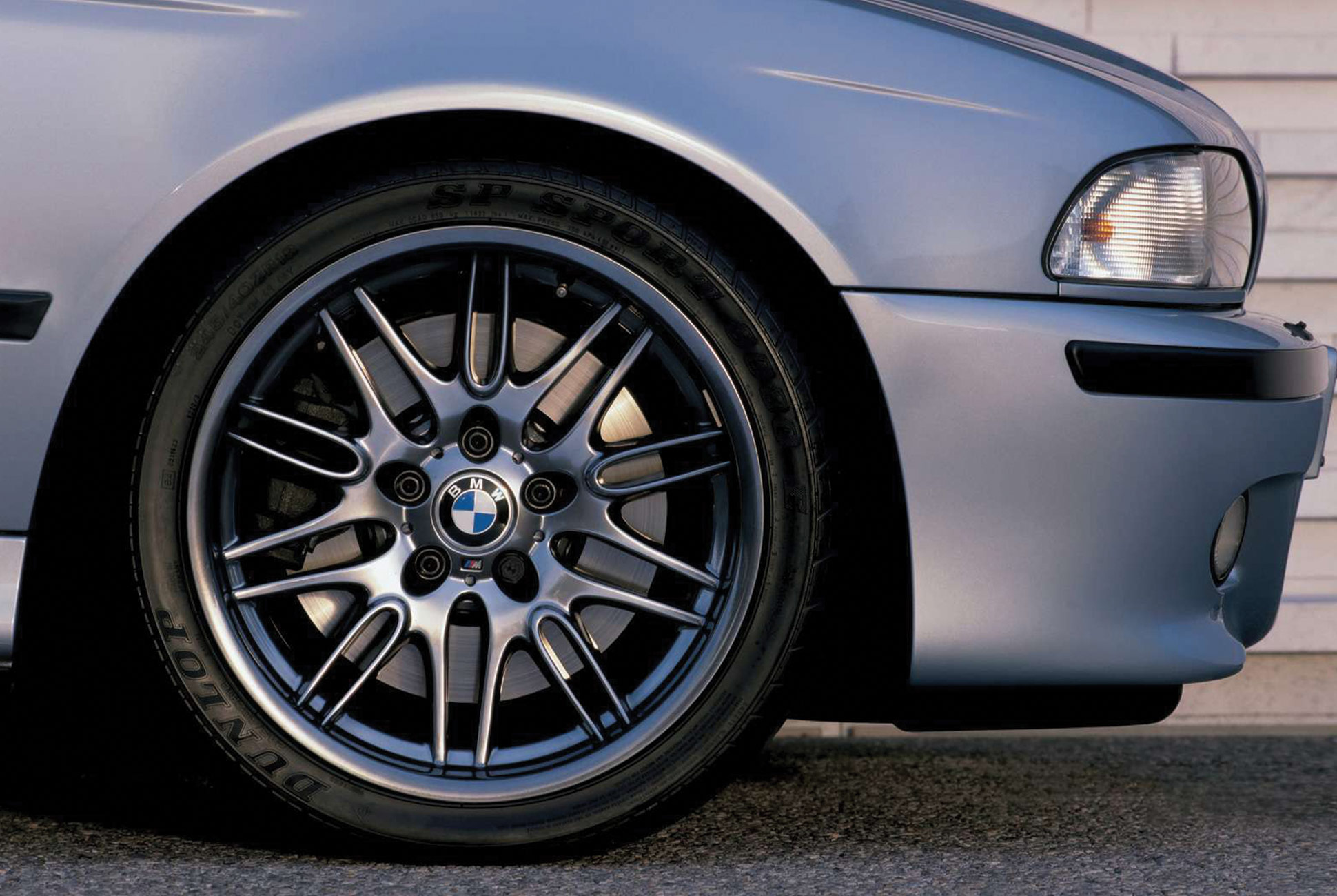
You can always pick an E39 M5 out of the crowd, simply from its wheels.
2017 Aventador S Roadster
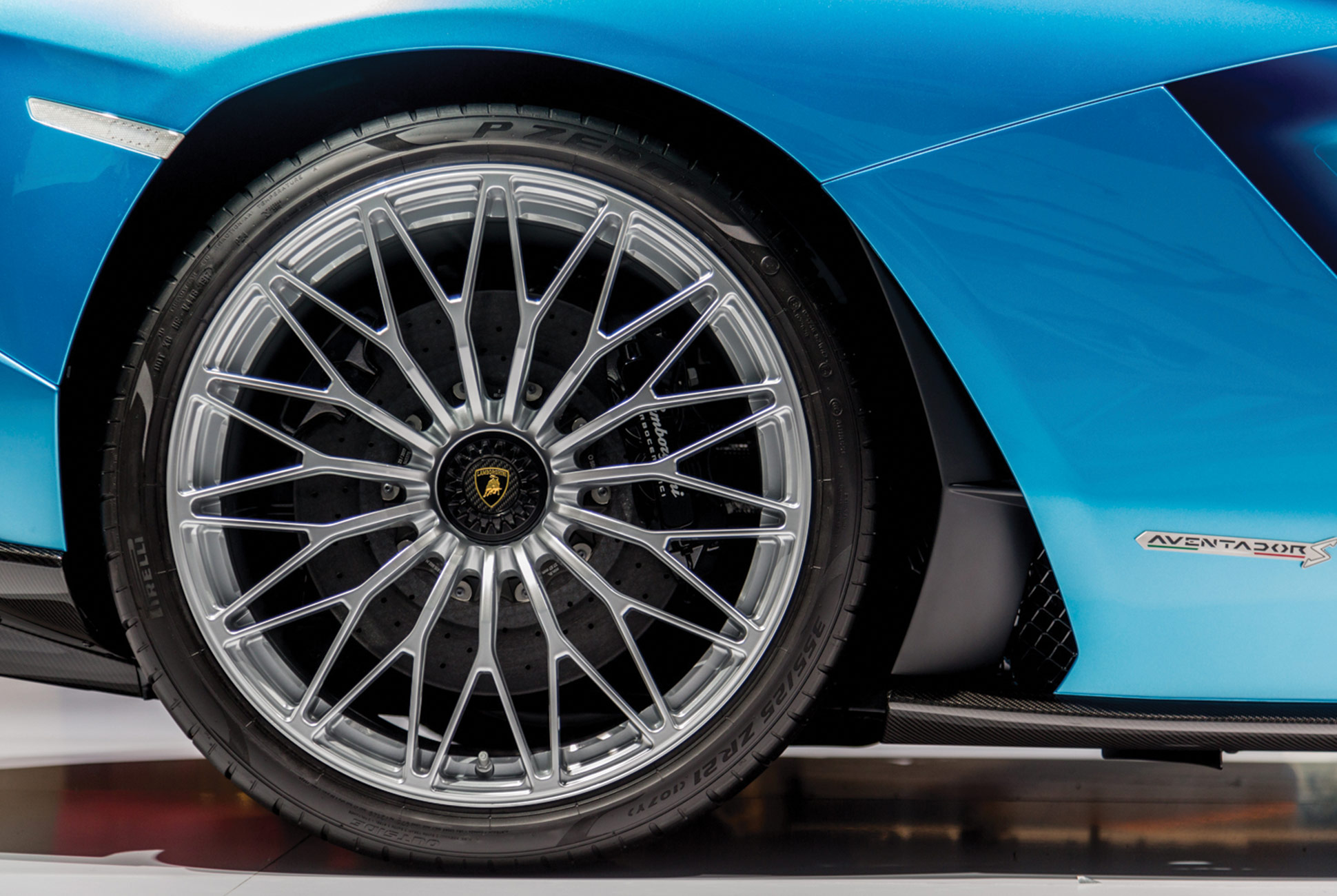
Lamborghini may be the best in the game as far as modern wheel design is concerned.
2007 Subaru STI
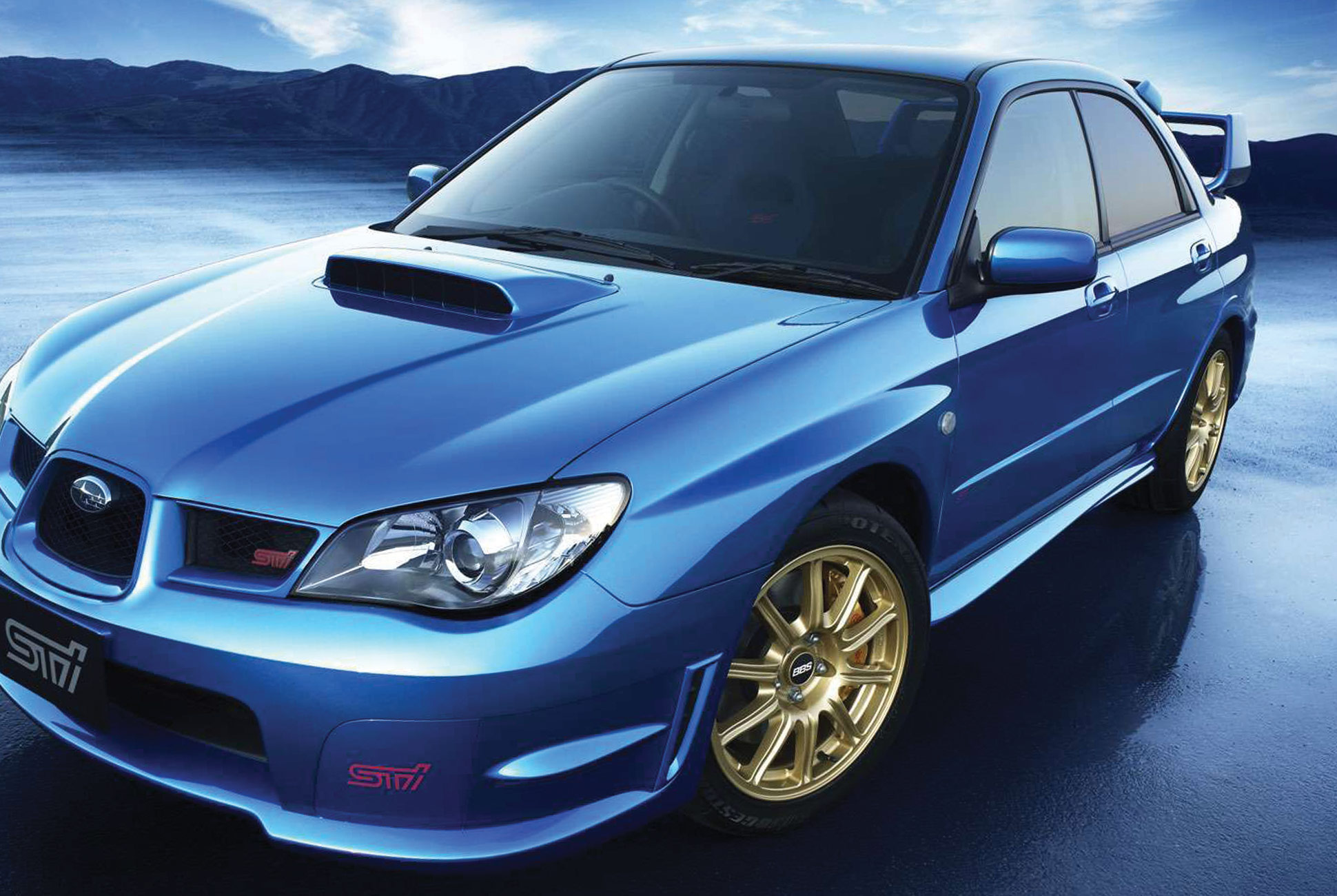
The 2007 STI is easily the most attainable car here, but that doesn’t mean it can’t pull off gold wheels.
2016 BMW M4 GTS
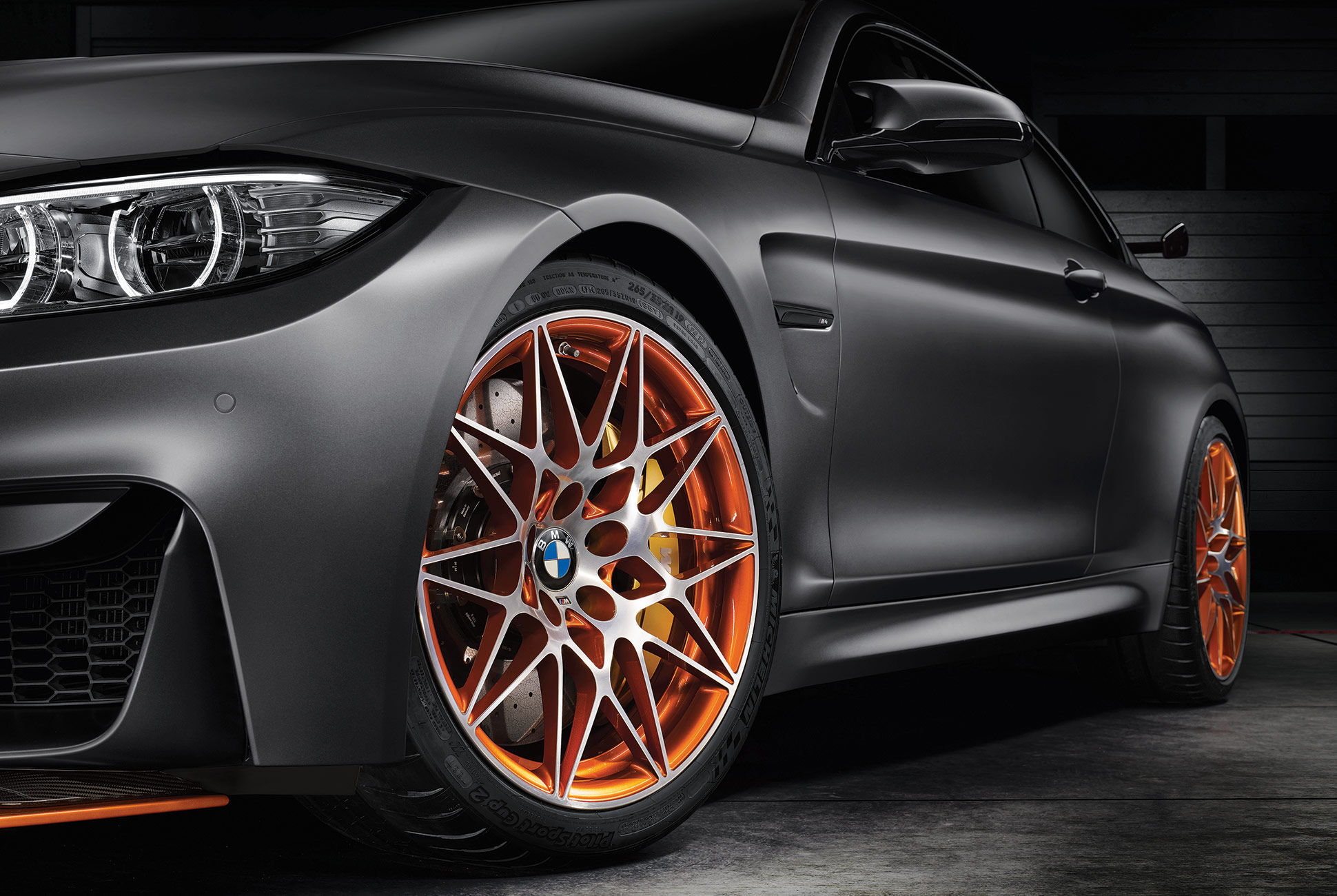
On paper, two-tone alloys sound a little too Pimp My Ride, but the M4 GTS wears them tastefully.
1993 Lancia Delta HF Integrale 16v Evoluzione II
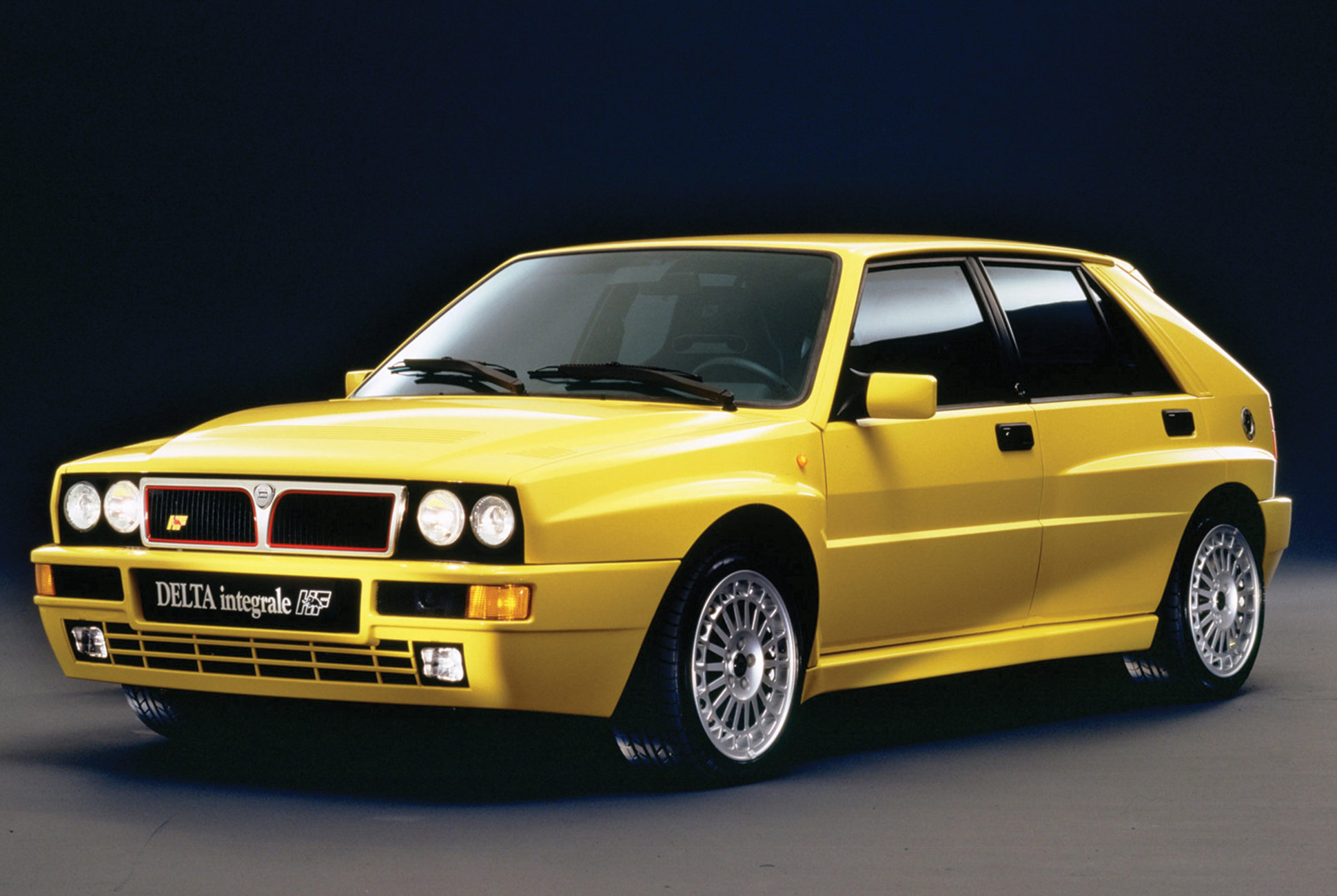
Pulled straight from the rally car.
1986 Porsche 959
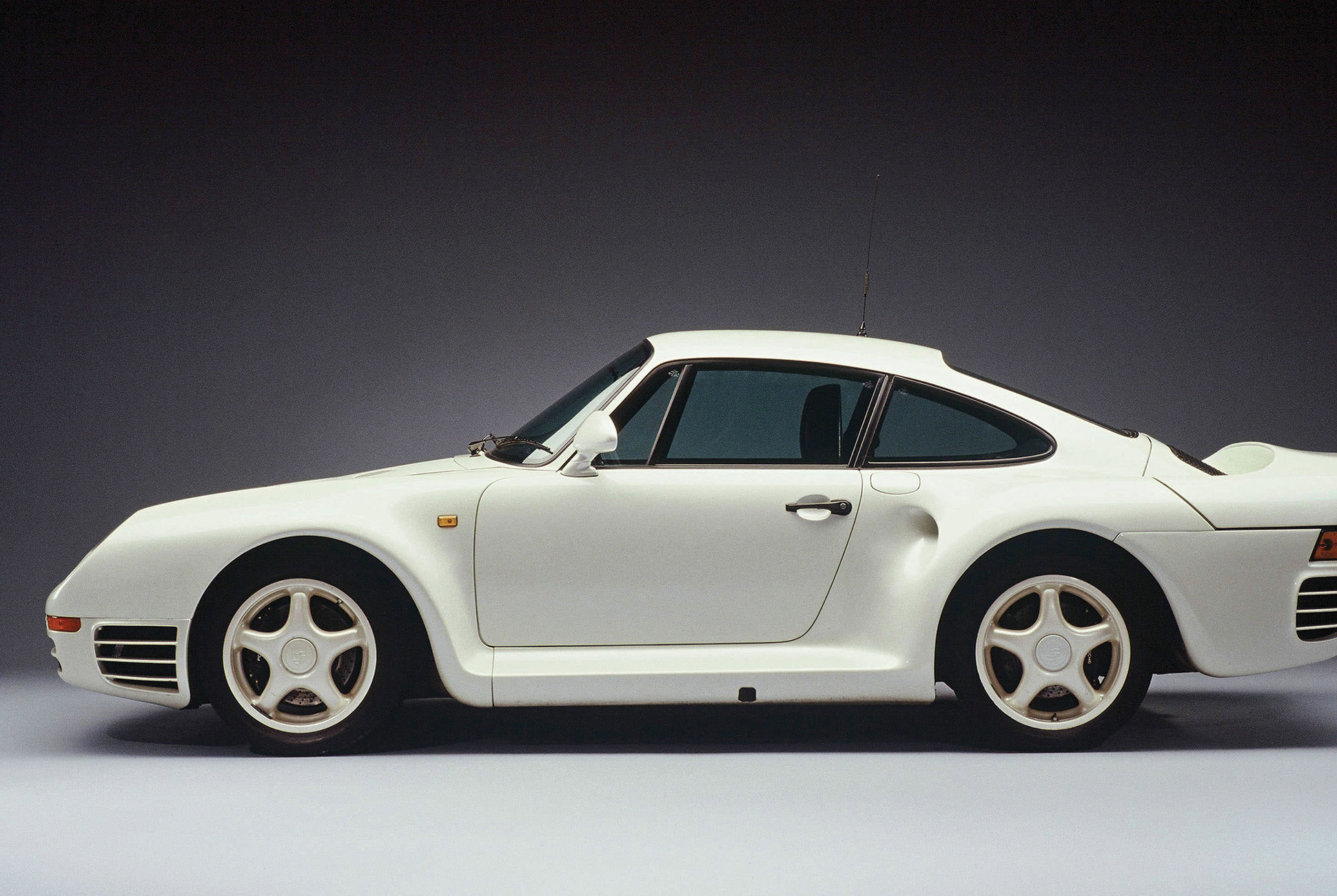
Hollow-spoked magnesium wheels were light-years ahead of their time.
2005 BMW Alpina B7
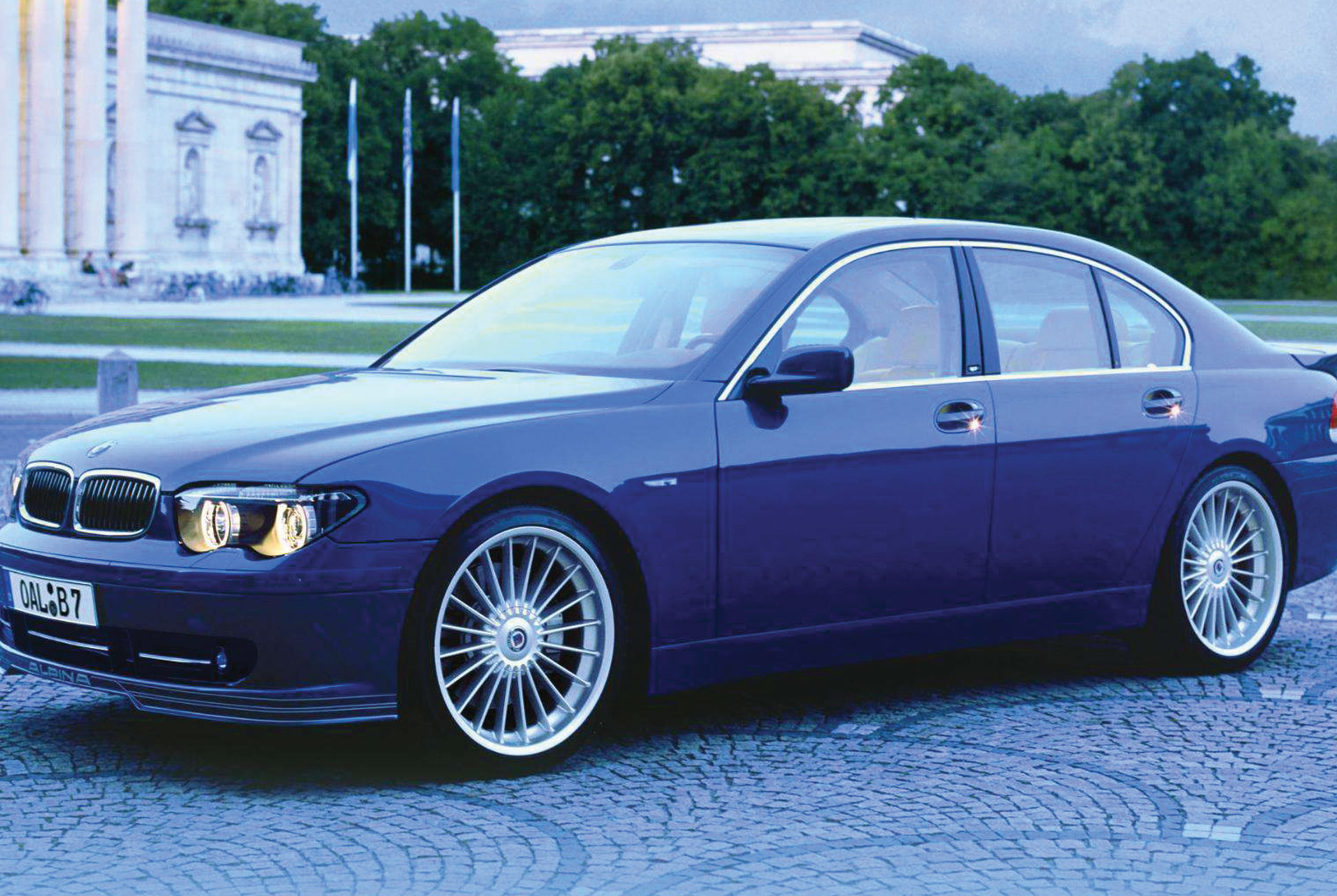
Pure class. Plain and simple.
1966 Ford GT40
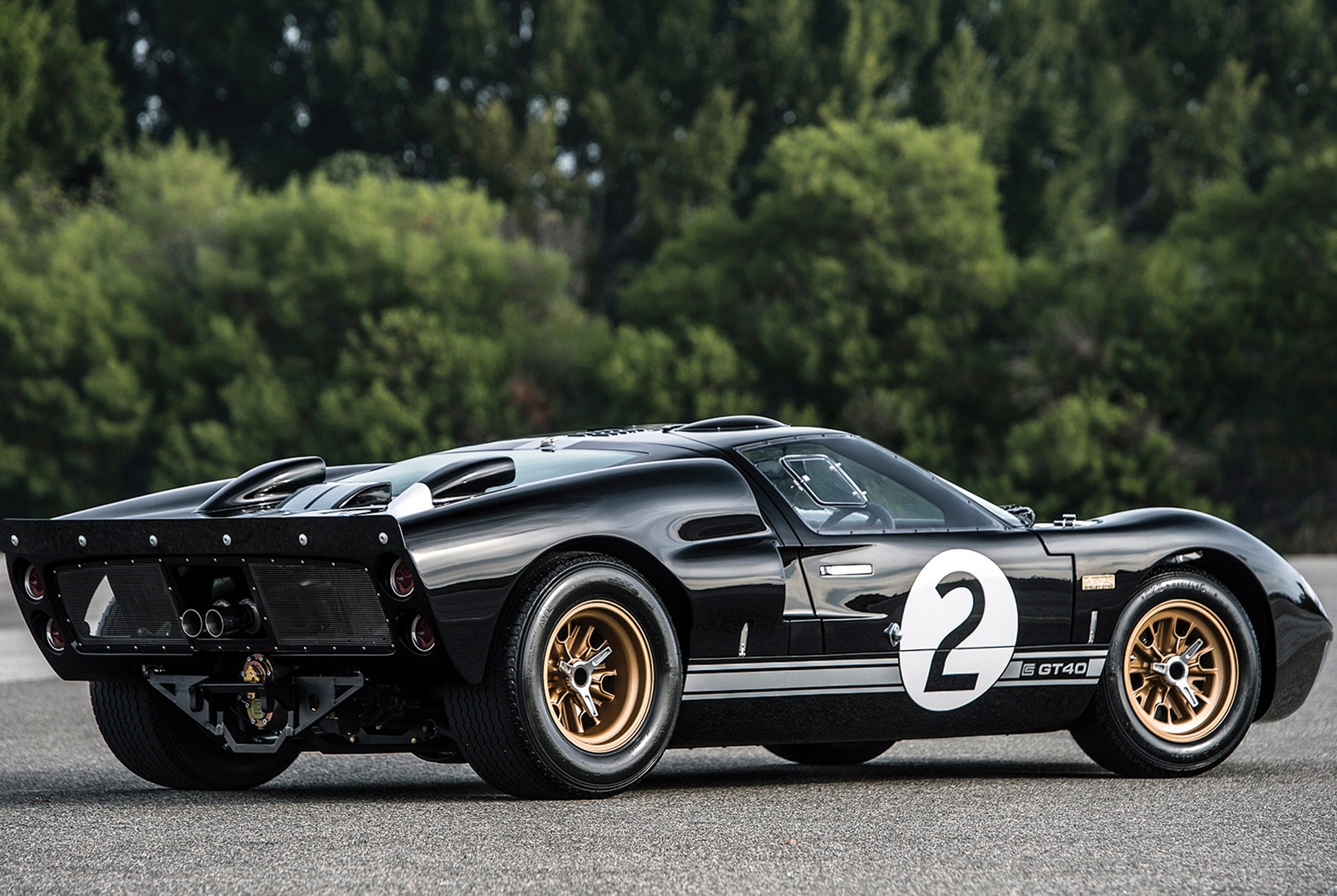
Those gold center-lock wheels may be just as iconic as the car.
1968 “Bullit” Ford Mustang 390 GT
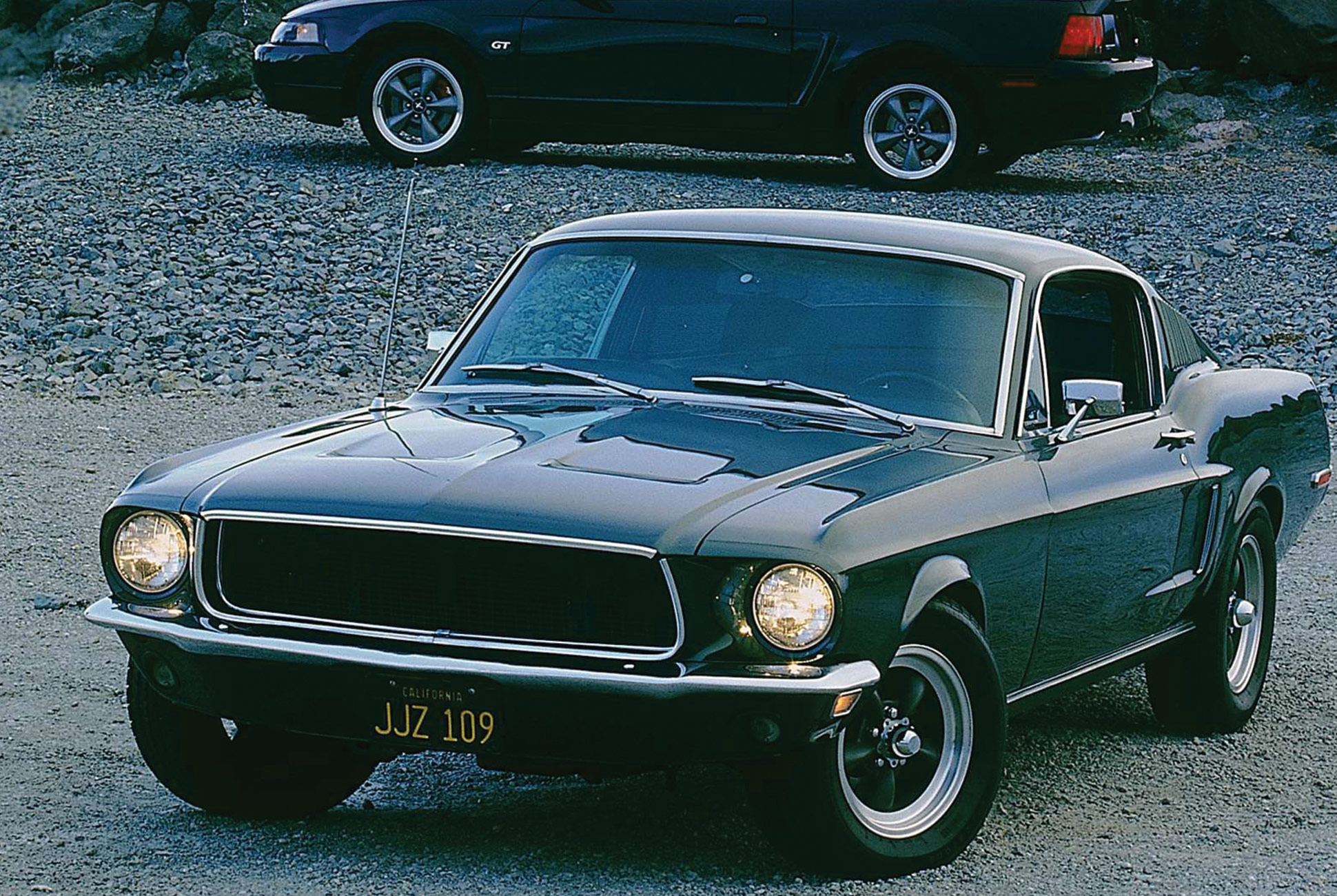
San Fransisco tested, Steve McQueen approved.
1967 Ferrari 330 P4
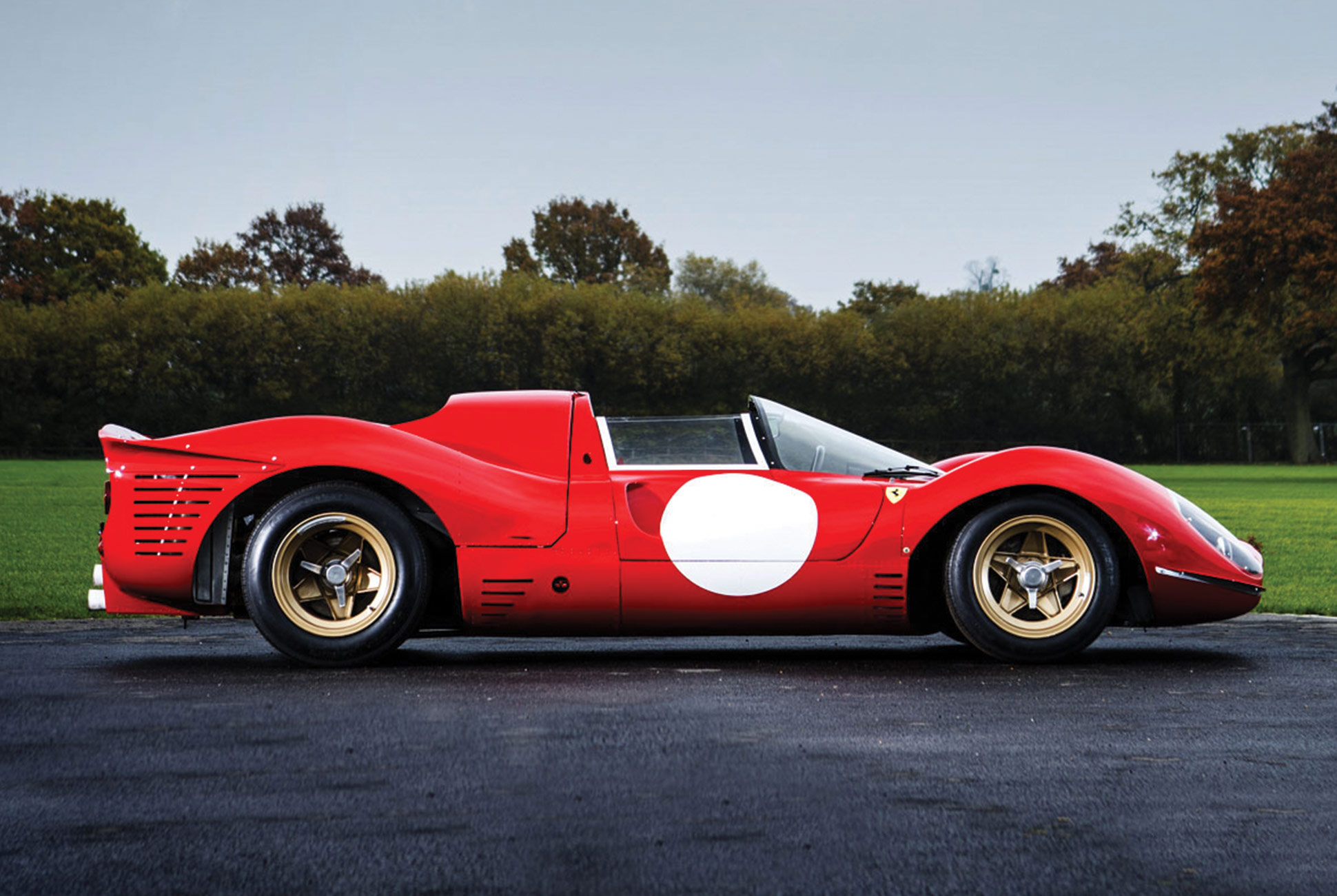
The 330 P4 is one of the most gorgeous cars ever built; it had to be given shoes worthy of that design.
2007 Alfa Romeo 8C Competizione
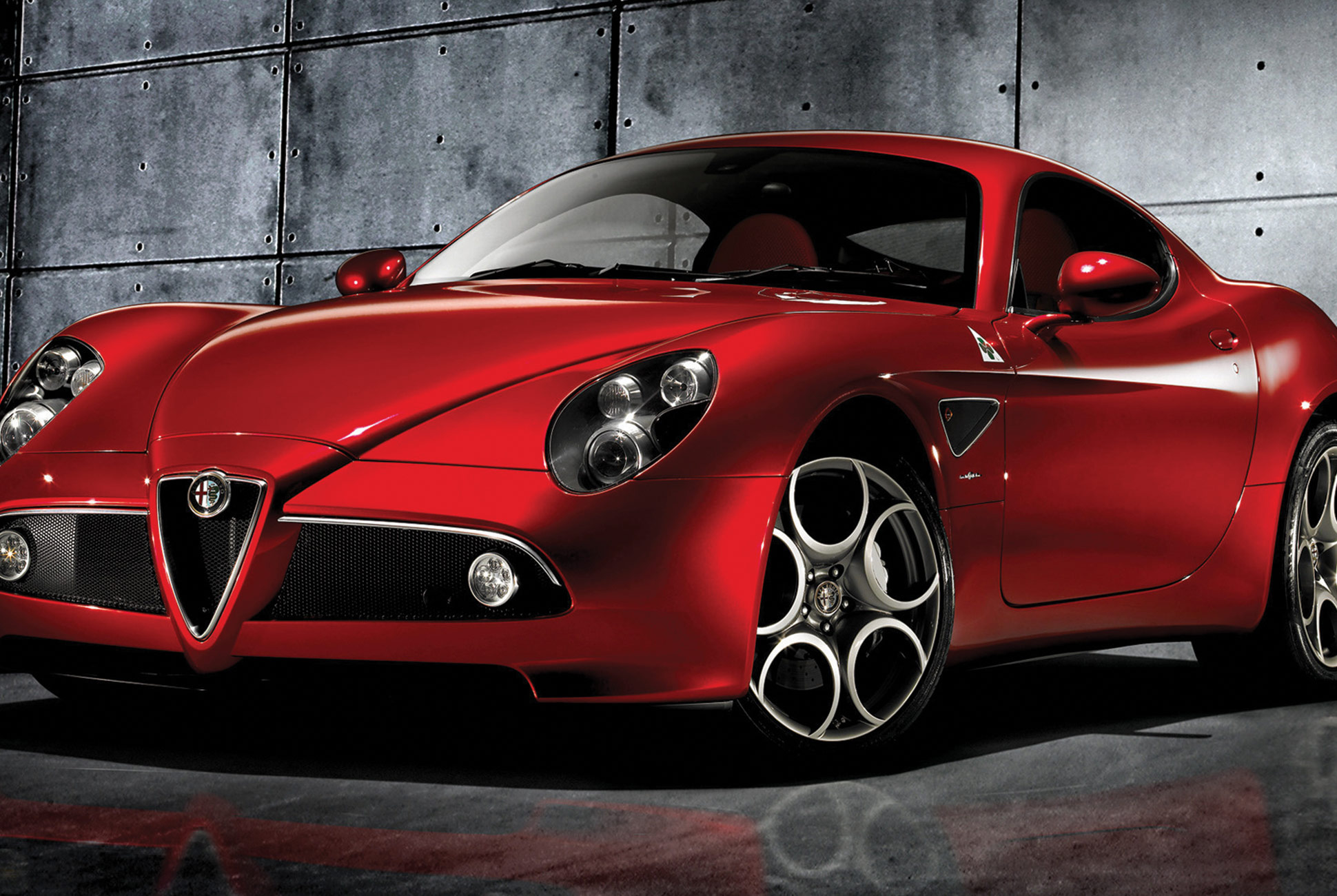
A bold car design needs a bold wheel design to match.
1963 Aston Martin DB5
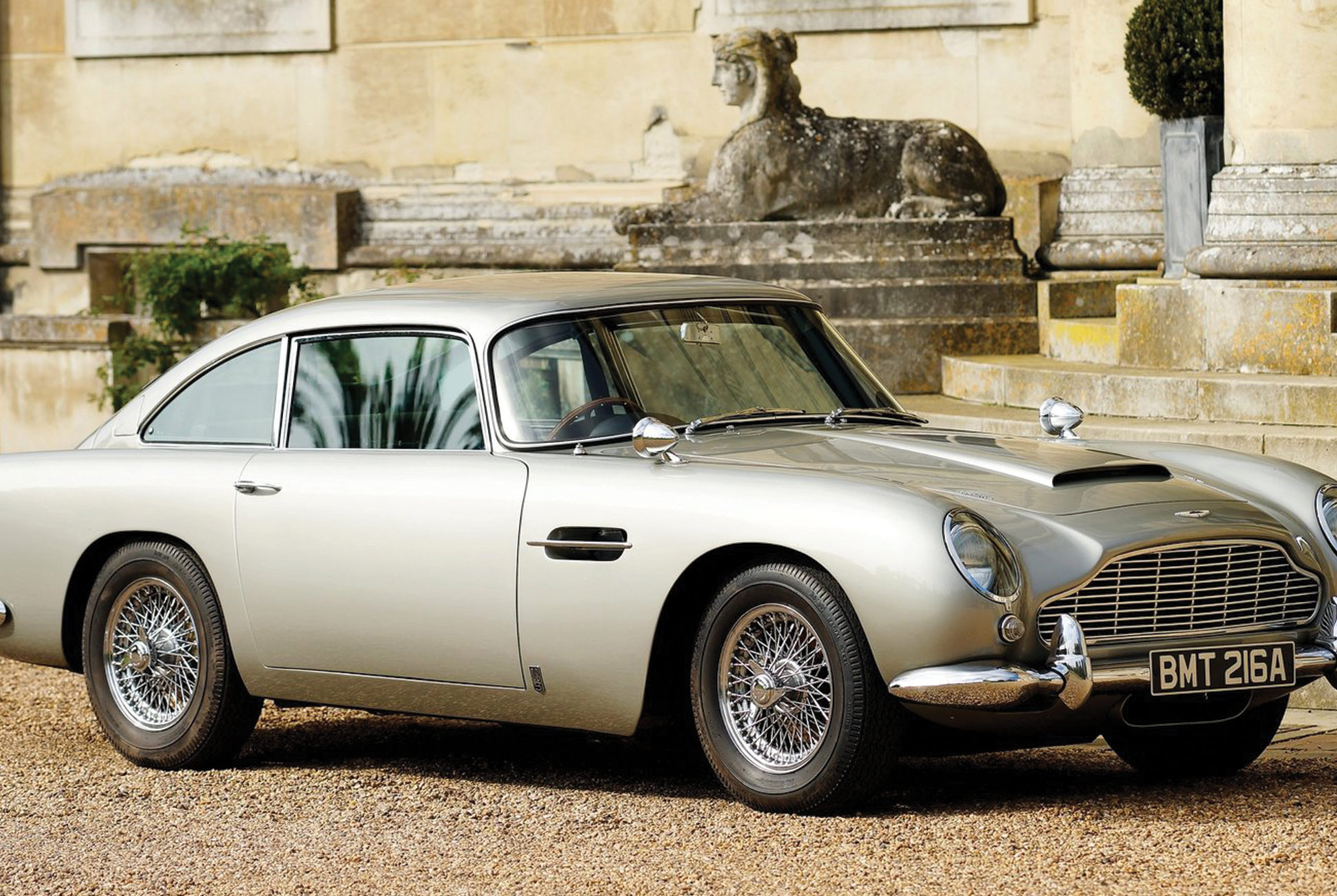
Maybe the best example of spoked center-locked wheels, ever.
1966 Porsche 911S
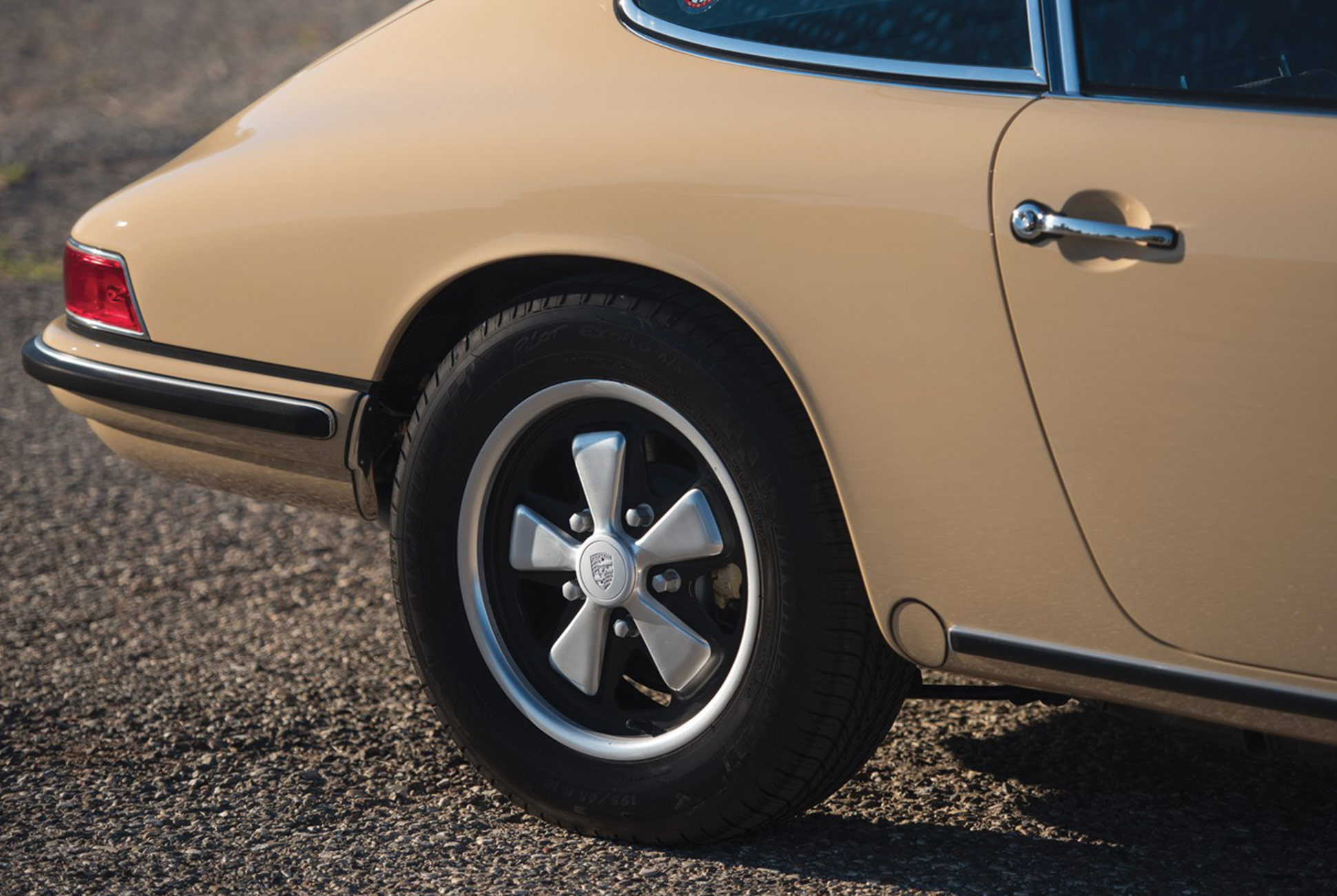
A “best wheels” roundup wouldn’t be complete without a Fuchs mention.
1971 Lamborghini Miura SV
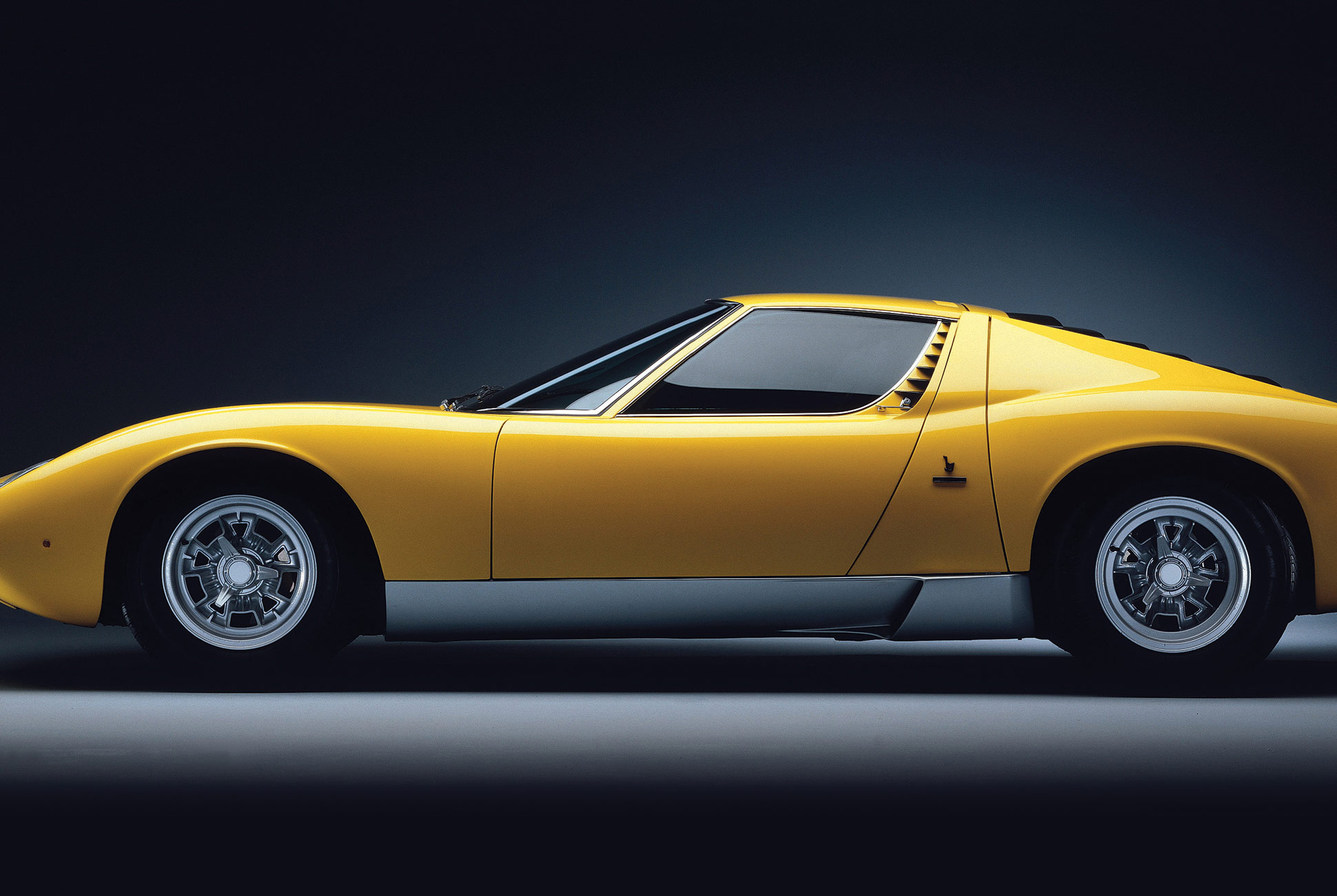
You might be noticing a pattern here. Center-locking wheels — they’re pretty great.
1985 BMW E30 M3
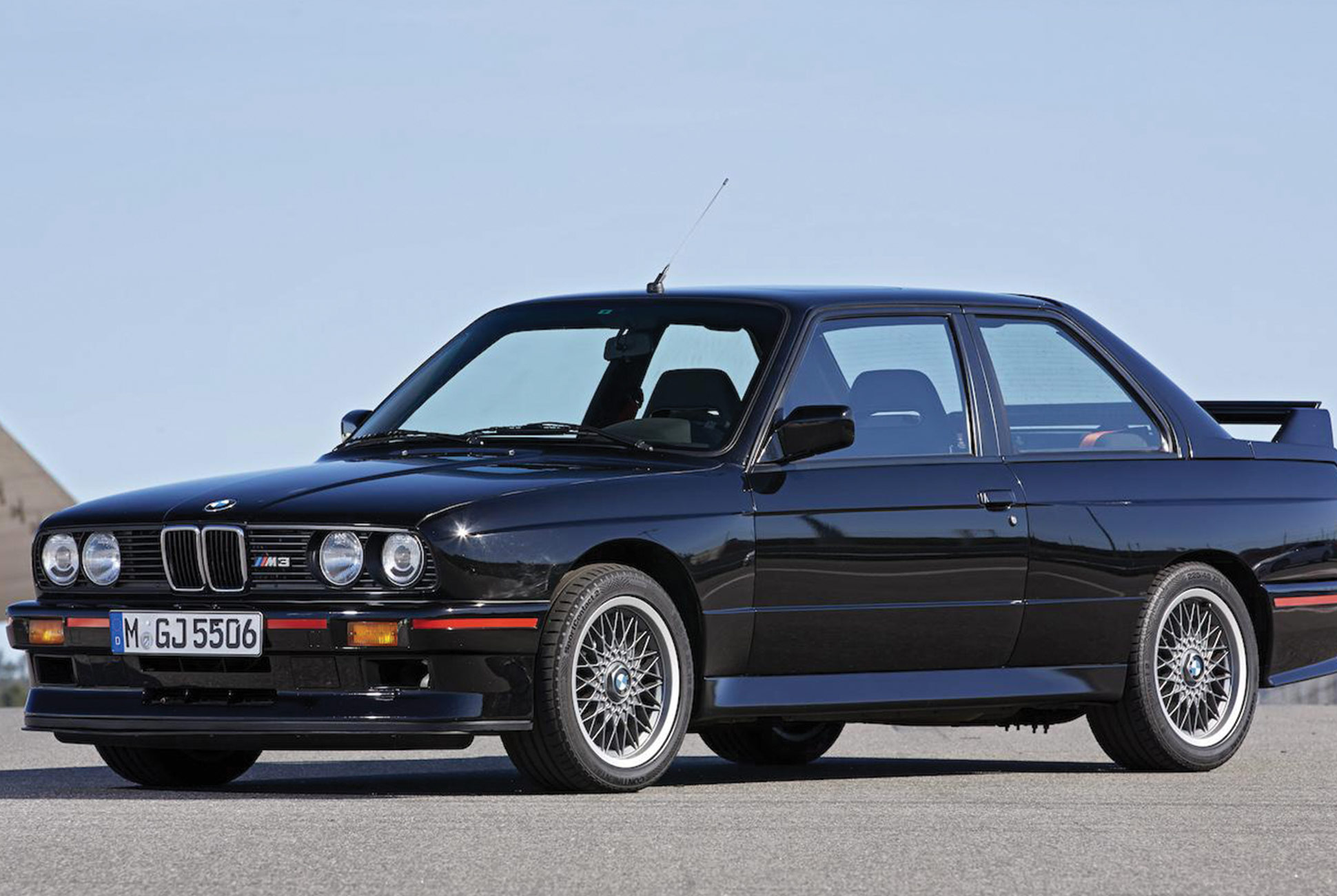
The basket-weave wheels that made the car famous — or is that the other way around?
2009 Mercedes-Benz SLR McLaren
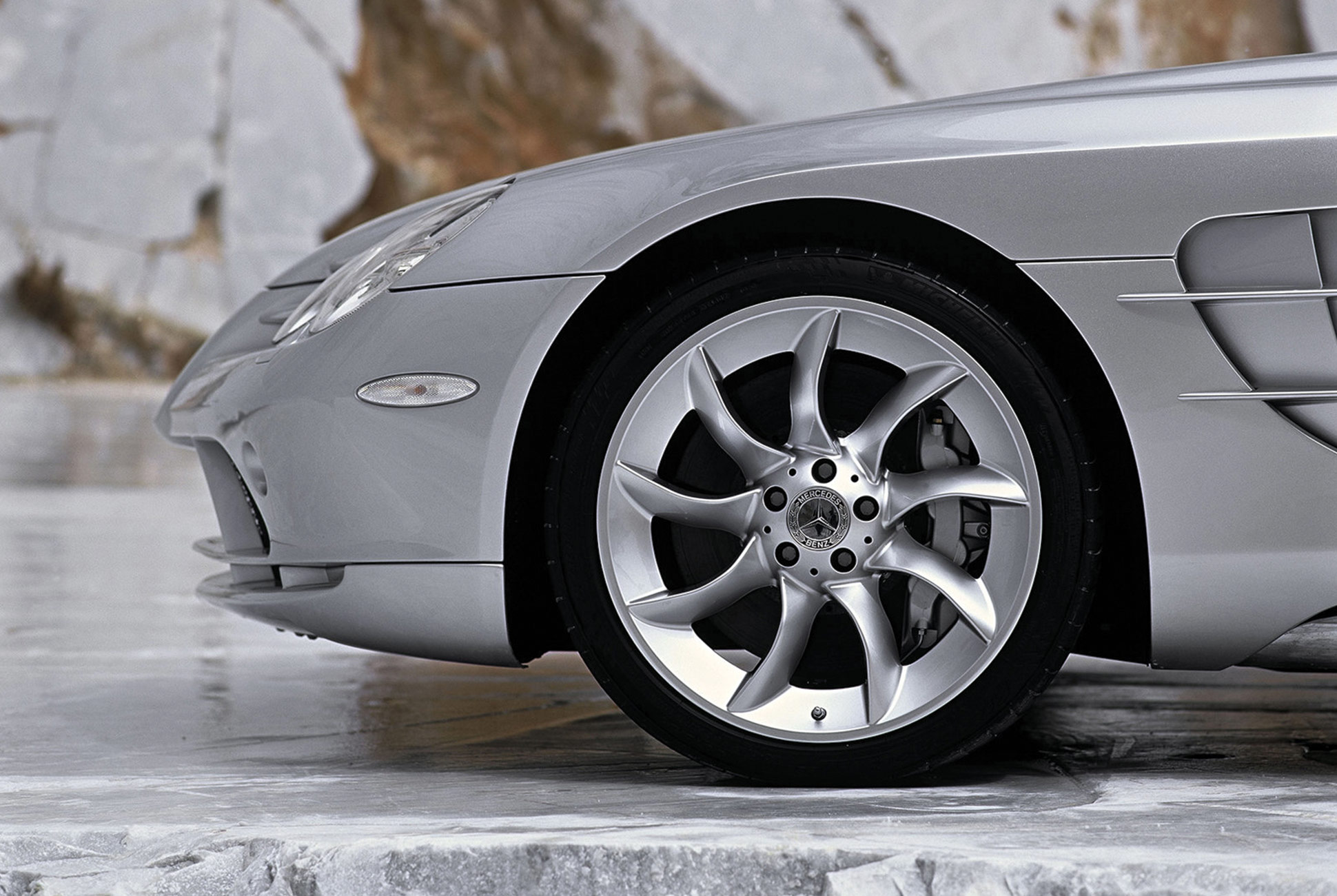
For a car that had 617 horsepower and weighed 3,850 pounds, the SLR was going to need fans to cool off the brakes.
1980 SAAB 900 Turbo
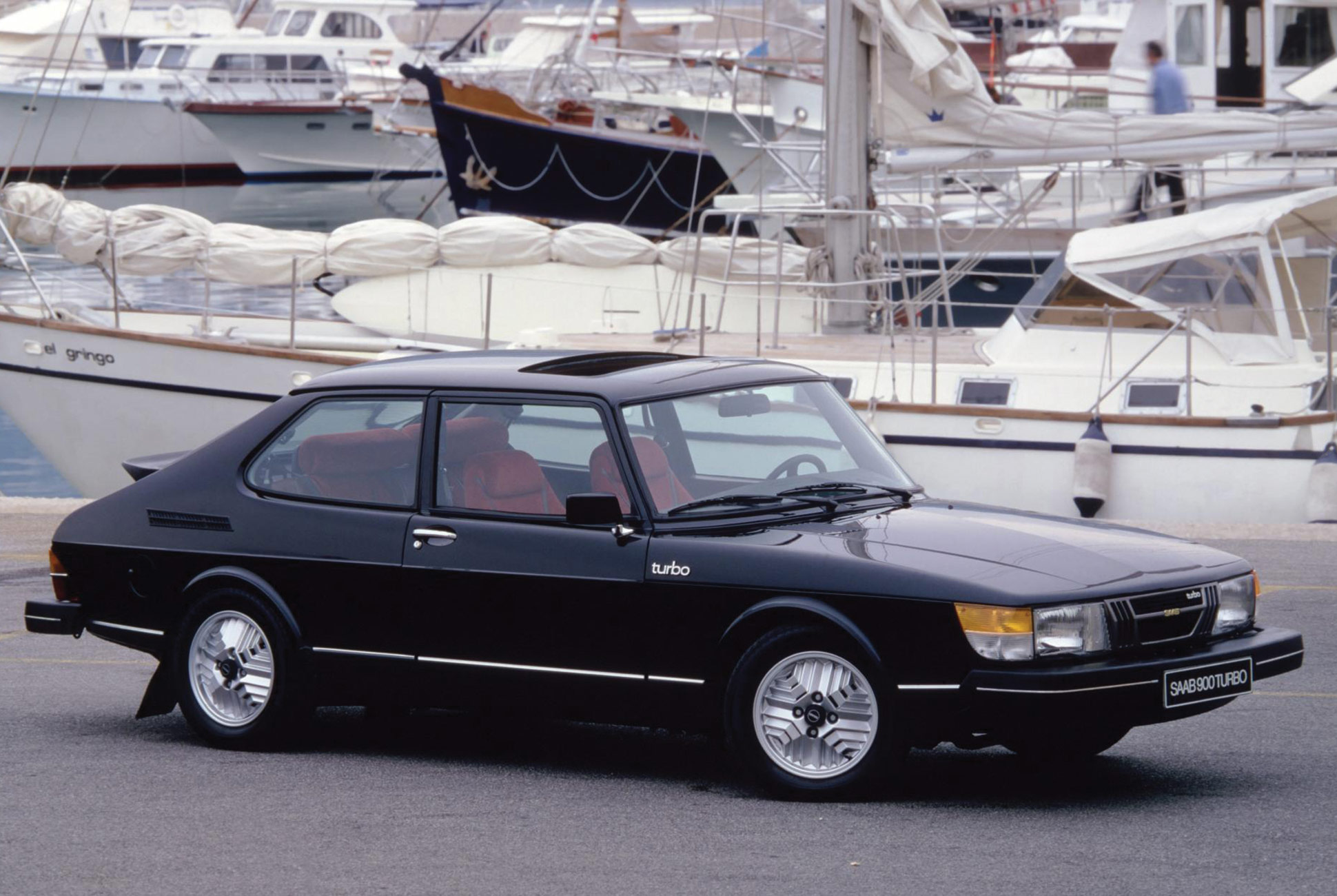
A level of cool only Saab could manage.
2007 Lamborghini Reventon
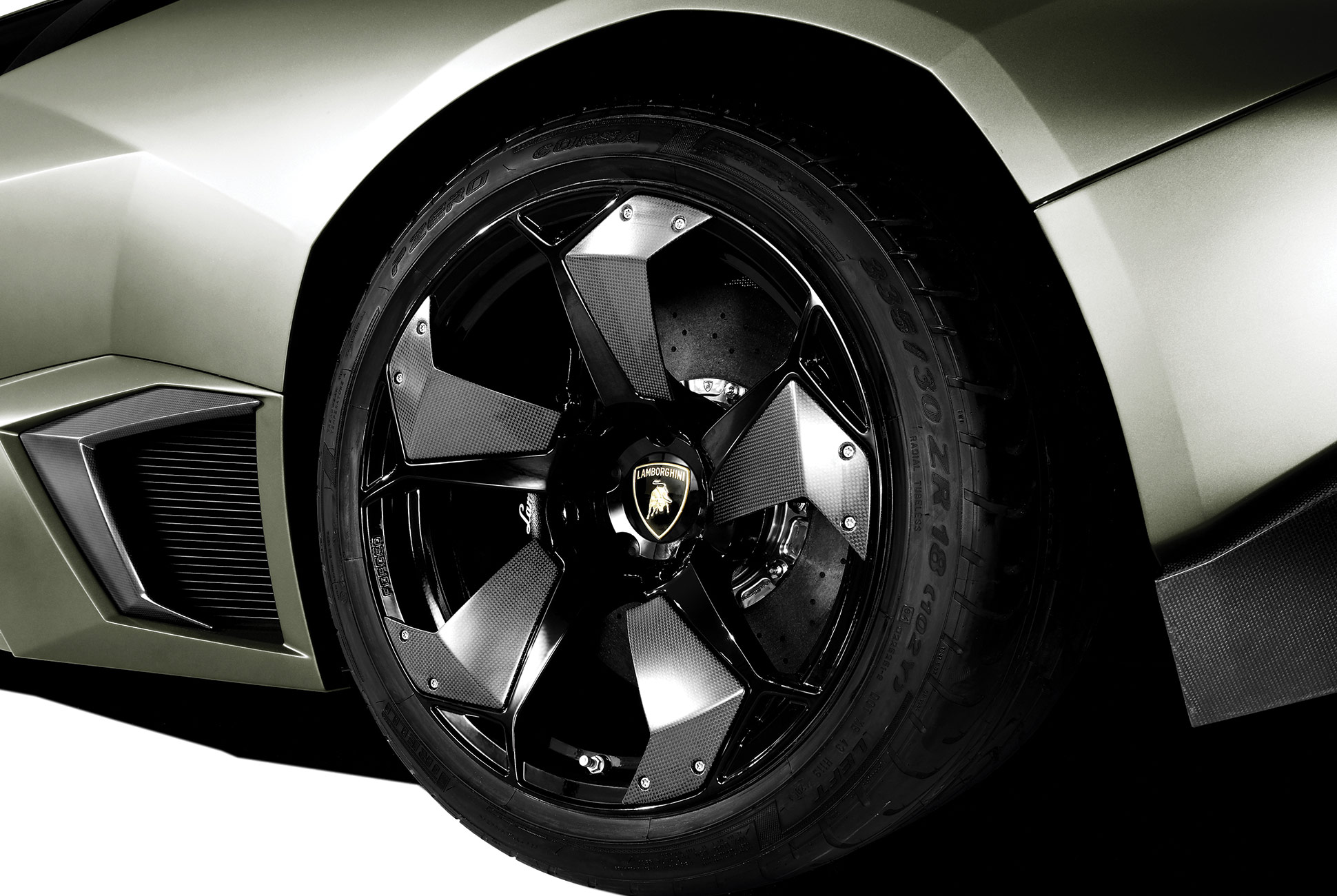
The Spyker has old-school aviation covered; the Reventon is definitely decidedly new-school.
1998 Ford Crown Victoria (Steelies)

Simple. Utilitarian. Almost always accompanied by red and blue lights.
The Best Shifters
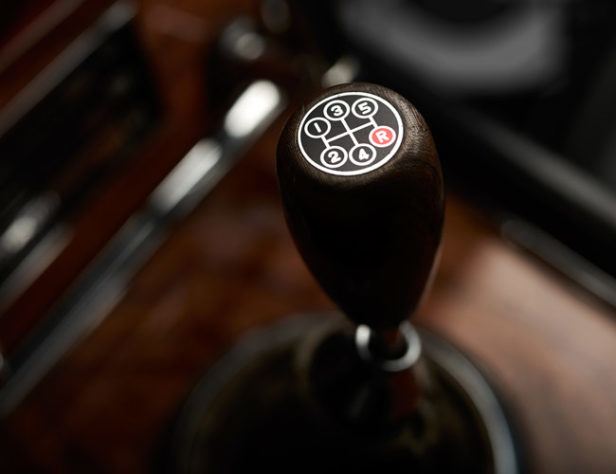
The shifter is, literally and figuratively, the centerpiece of a car’s cabin. Read the Story
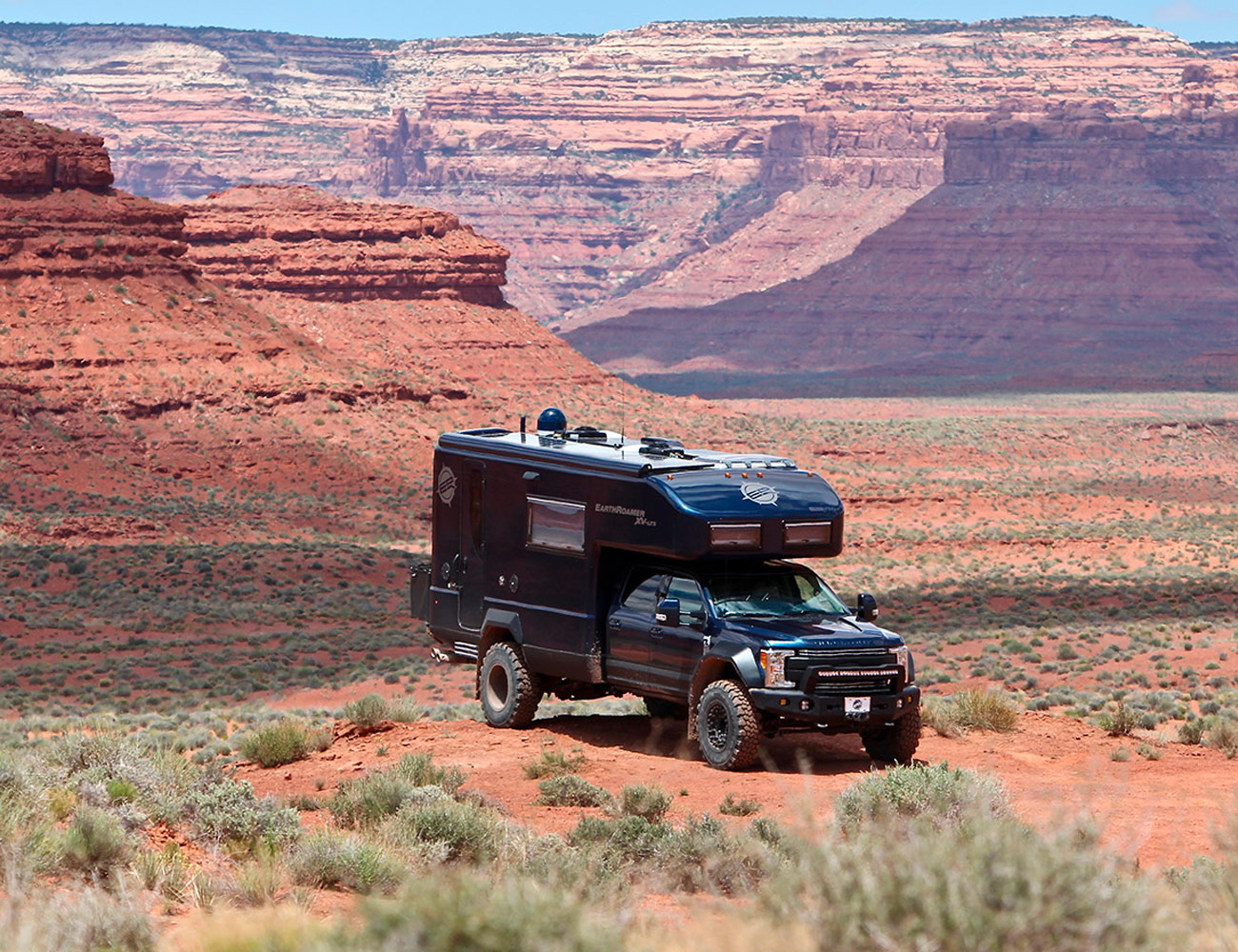
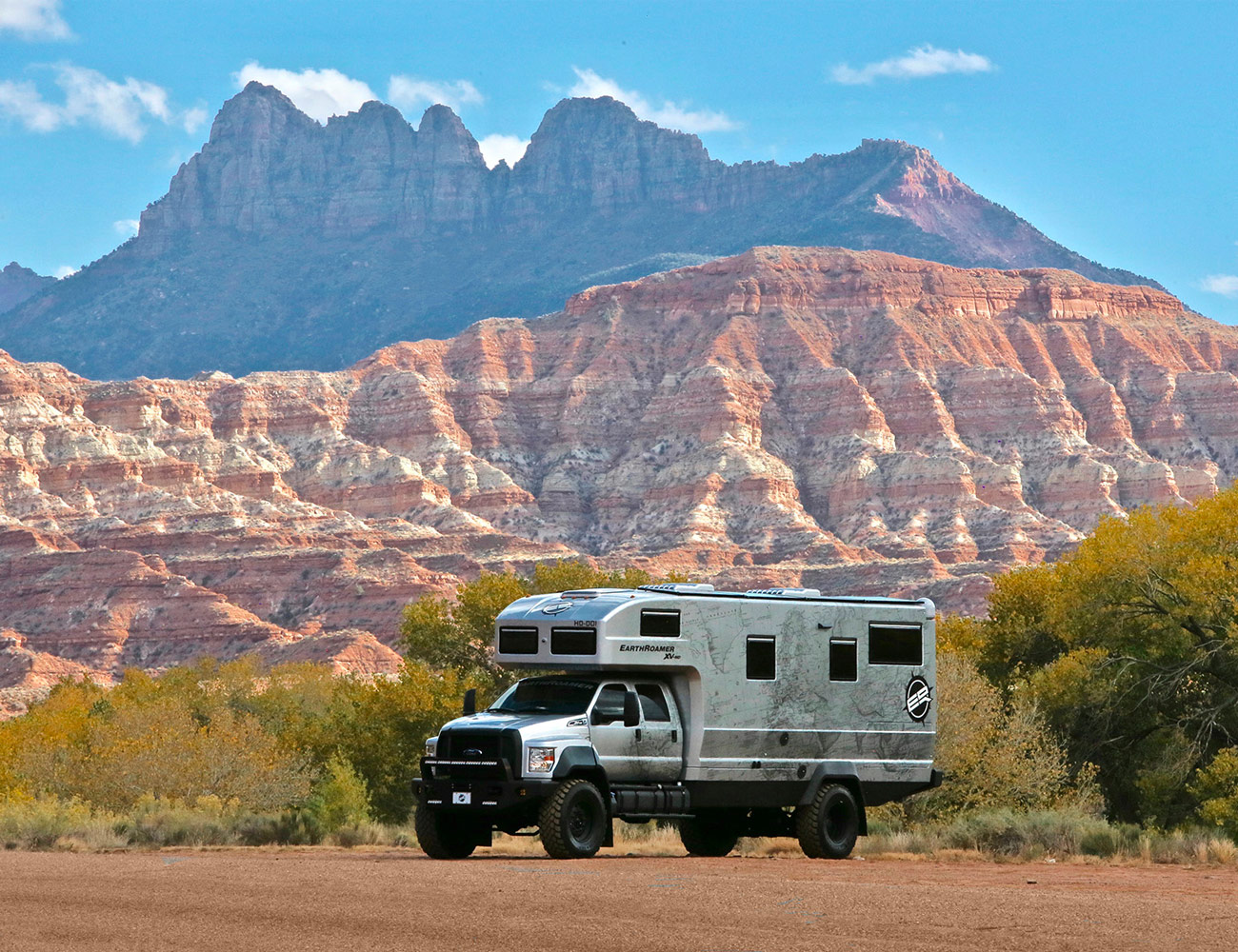
EarthRoamer Adventure Vehicles Are the Ultimate Off-Road Luxury
“I always had this dream of driving a vehicle completely around the world,” says Bill Sails, EarthRoamer founder. “And I asked my self what kind of vehicle would that be and what would it be like? In 1998, I bought a brand-new diesel Ram 2500 and put a pump-up camper in the back of it and start exploring the mountains of Colorado. Eventually, I took that vehicle, in 1999, quit my job and headed for Alaska for the entire summer and that lead to the design of EarthRoamer.” Like most creations, EarthRoamer was born of necessity, to solve a problem. Swails wanted a vehicle to take to the ends of the Earth; compared to the current models in his lineup, his old Diesel Ram camper is incredibly humble.
In a conversation about EarthRoamer, the question “Yea, but how much does it cost?” is an inevitability. The Ford F-550-based XV-LTS runs between $500,000-$600,000 and the F-750-based XV-HD clocks in around $1.5 million. EarthRoamer has the means to build four XV-HDs per year and a total of 26 XV-LTSs. But, before it manifested as a multi-million dollar overlanding cavalry, the concept of ‘EarthRoamer’ consisted of a simple a log of Swails’ own experiences. “When I first started it, it was just a travel writing company. I wrote for 4Wheeler Magazine, a diesel Dodge enthusiast magazine, and I was writing about both the modifications and building of what at that time I called it the ‘EarthRoamer Truck’ — my original Dodge — as well as the travels I was taking it on. I did trips to Alaska, down to Baja, all over Canada and the western United States.”
It wasn’t until 2003 Swails built the first production EarthRoamers. By then, he had racked up so many miles on his own adventures that it became easy to conceive of a vehicle that could travel the world: a very capable one. When you look at just how capable a modern EarthRoamer is, the price quickly becomes its least impressive aspect.
Swails starts with Ford F-550 and F-750 commercial duty truck cab chassis, which come with just the cab and nothing over the rear chassis. More commonly, companies buy these behemoth shells and build up the missing half, using them as blank slates to build as anything from a delivery truck to a tow truck. In EarthRoamer’s case, they rebuild the truck entirely and substantially modify the rig — its frame gets extended and fitted with the unique mounting system, bumpers are replaced, more extreme lighting is wired in and all new air ride suspension components are installed.
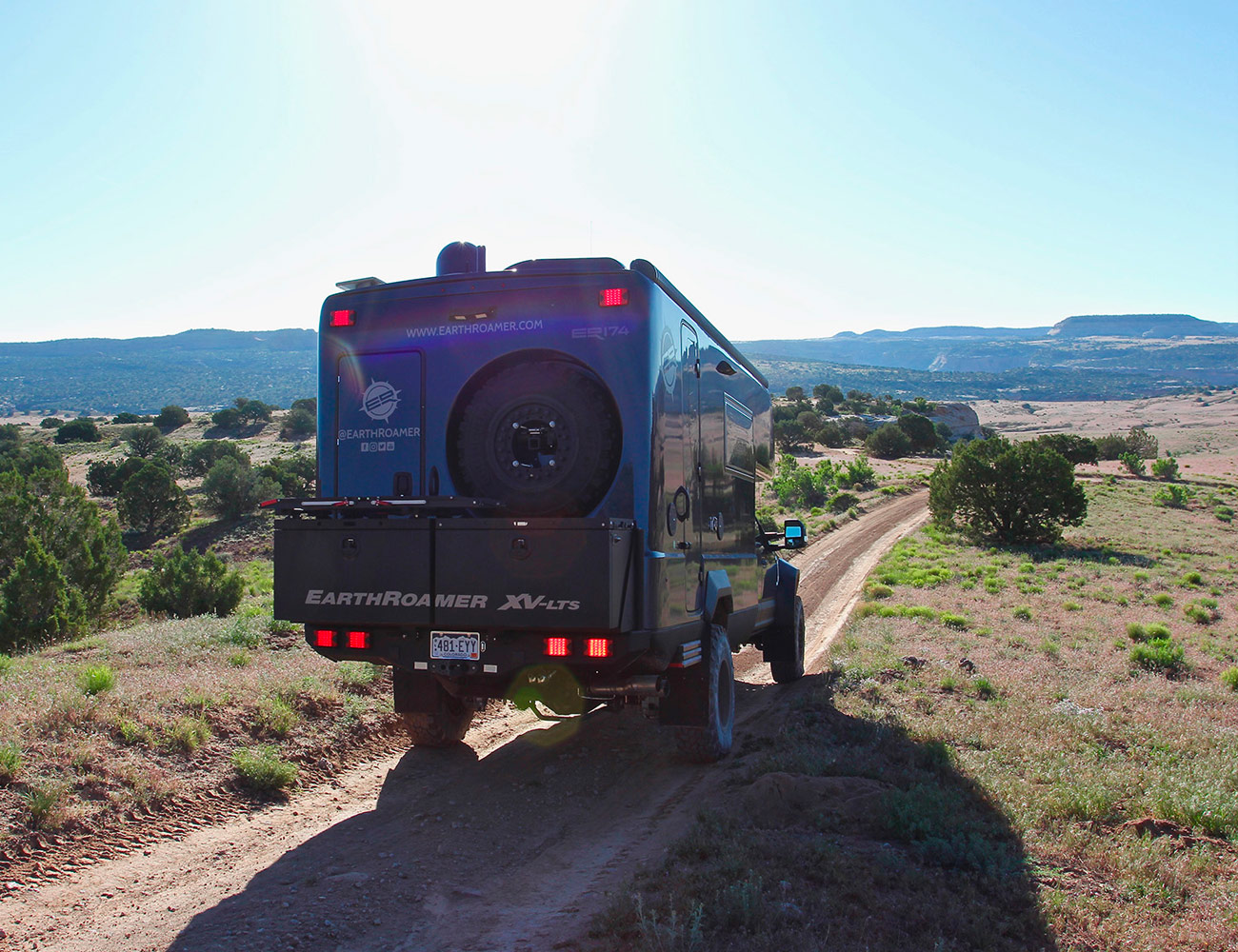
That fully-adjustable air ride suspension is one of the most crucial upgrades. Given that the F-750 Swails uses has a turbo diesel V8 engine capable of 330 horespower and 725 lb-ft of torque, and that a finished rig can total a gross combined weight rating of up to 50,000 lbs, it needs adaptable support. “When the truck comes to us, it’s going to change dramatically in weight. If we’re adding almost 250 gallons of water and 100 gallons of fuel, the air-ride suspension automatically keeps everything at the same ride height.” And when you do head off-road on off-camber trails, all 33,000-lbs or so of truck can be adjusted by inflating one side and deflating the other down to keep level and stable. And considering the 250 gallons of diesel will give you a 900-mile range, the odds of you hitting at least one angled road are pretty high.
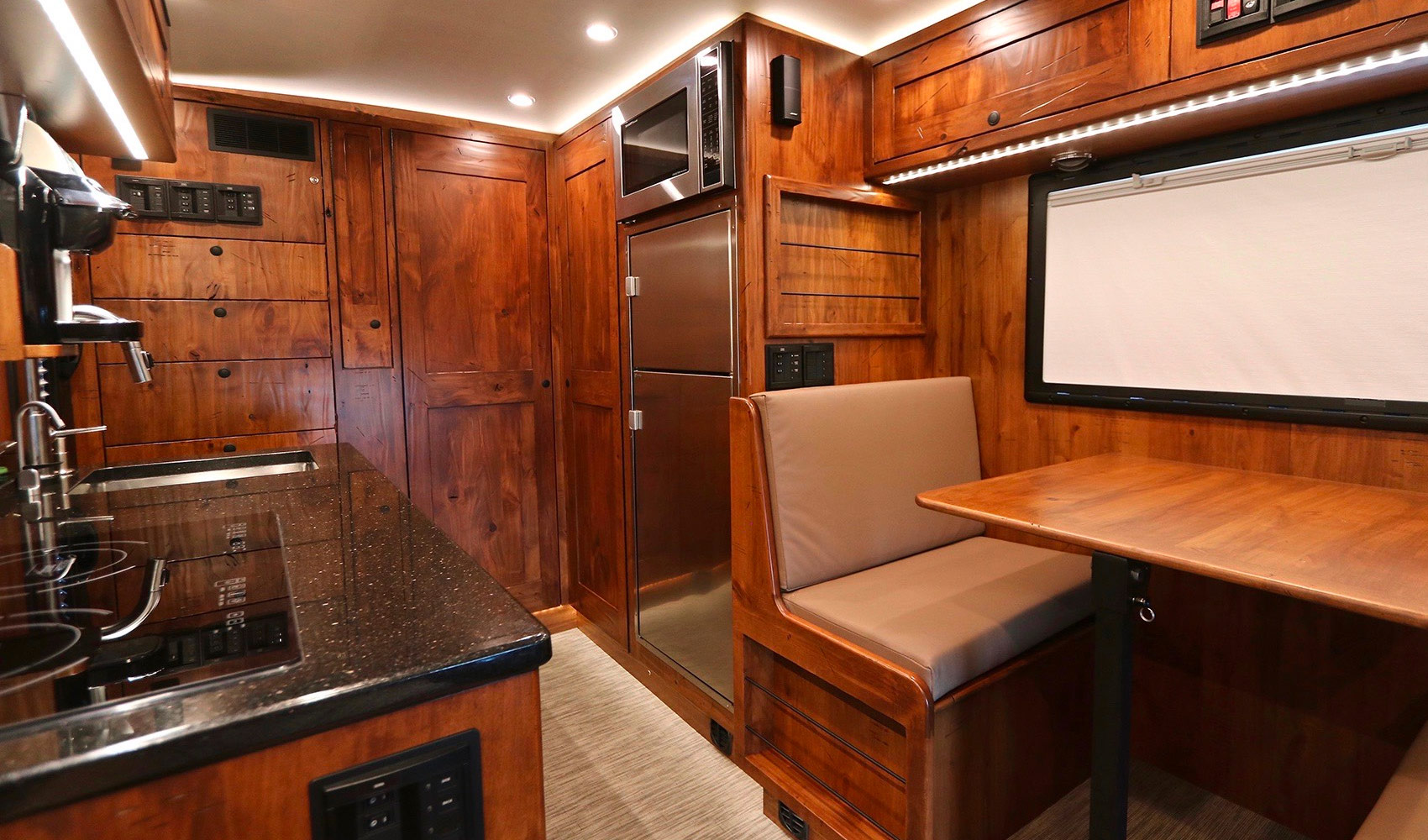
Listing out numbers, power figures and capacities is one thing, but aside from the ridiculous terrain an EarthRoamer can handle and how far it can actually take you, it’s what you’re hauling that is the pièce de résistance. Behind the driver’s cab is a one-piece, seamless, multi-layered fiberglass box containing what amounts to a log cabin on wheels. “We have a couple different layouts and materials customers can choose from. Customers can choose among materials like wood, flooring and leather.” From the couch and lounge area to the full kitchen, including the full-size oven, stove and fridge, to the microwave and sink, customers essentially design and drive a luxury apartment. Now that price starts to make more sense.
Overlanding is nothing new, but its popularity multiplied in the past five years alone. In the decade since Swails founded EarthRoamer, he’s seen a massive evolution. “When we started, we sort of coined the term ‘expedition vehicle’ or XV, as opposed to recreational vehicle or RV. There was some activity in the US, but we really had to explain to people what our vehicle was — the ability to take an RV off-road just wasn’t there before. And to be designed for a complete off-grid operation… nobody else was doing that at the time.” These days, there’s an entry point into overlanding culture and outdoor exploration for almost everyone. Adventure motorcycles are probably the most affordable, then come vintage off-roaders, vanlife and tow-behind trailers. However, as far as ultimate off-grid luxury is concerned, EarthRoamer is a pioneer and the leader. But like any other luxury item, you have to pay to play.
BMW Unveils the X7, Their Biggest SUV Ever
BMW just revealed its largest SUV yet. The X7 offers 3-row seating for 6, a more squared-off outline and body, and also has a gargantuan grill. The biggest one the brand has ever made. It will be offered in the U.S. with your choice of a 335 hp 3.0-liter inline-six or 456hp 4.4-liter V-8. Both with pretty impressive MPG numbers given its size. This new big-boy Beemer will also be built in America.
5 RV Essentials For Your Next Camper Experience
‘Roughing it’ these days, is more of a sliding scale. You can, of course, keep it minimalist, face the elements and test your outdoor skills and patience. But between the luxury campers and fully-stocked tow-behind trailers, it’s quite possible to haul into the wilderness what amounts to a decently appointed city apartment.
And yet, somehow, even as decked out and well-connected as a new Airstream can be, it doesn’t have everything. If you’re going on a camper weekend with a towable home-away-from-home, you might as well complete the experience.: wen the skies are clear and the stars are out, just begging for Instagram-worthy long exposure shots, you’ll want to settle in and get comfortable. Here are a few essential extras you’ll need to bring along your luxo-camper most likely doesn’t have — you know, besides Wifi, a TV, lounge, bed, shower, full-kitchen…
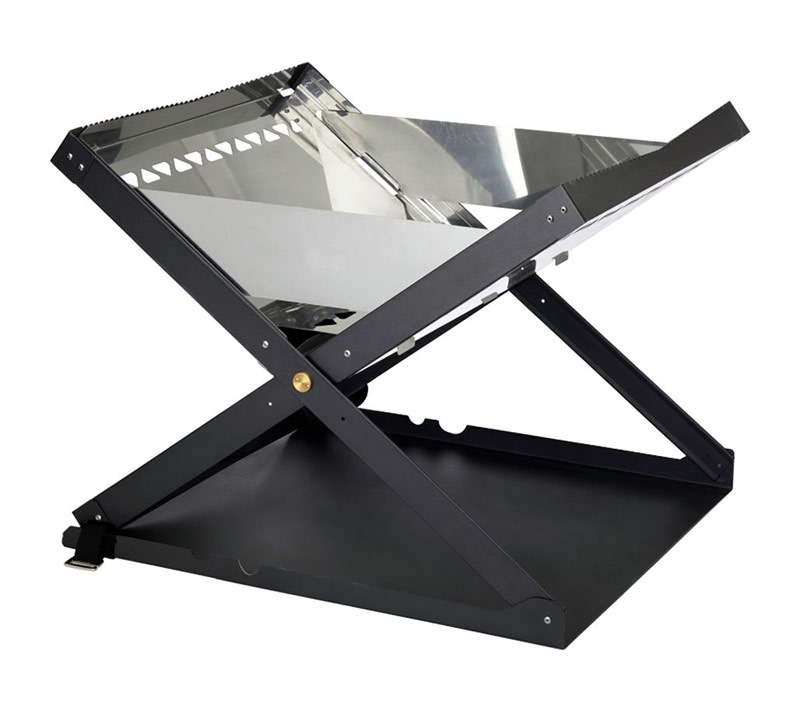
Kamoto OpenFire Pit by Primus $130

Camp Blanket by Pendleton $150+
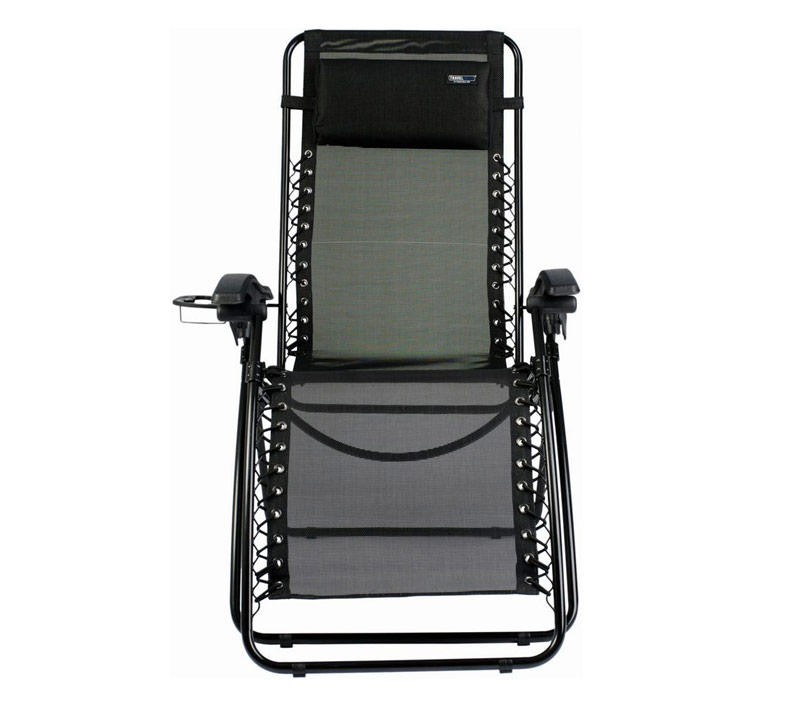
Lounge Lizard Mesh Camping Chair by TravelChair $180

Camp Table by Alps Mountaineering $100
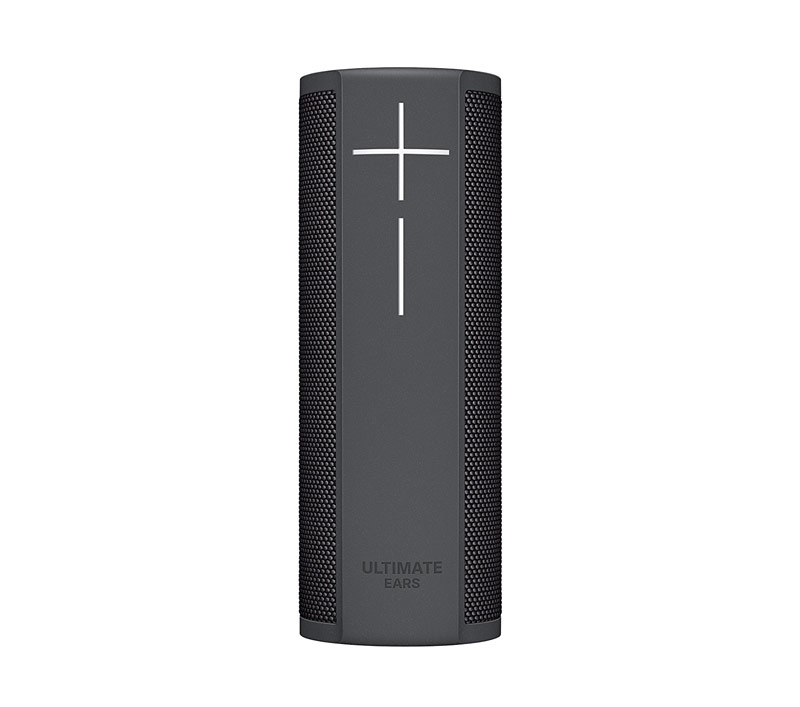
Blast by Ultimate Ears $105
Note: Purchasing products through our links may earn us a portion of the sale, which supports our editorial team’s mission. Learn more here.

5 Iconic American Military Motorcycles
As far as iconic U.S. military vehicles go, the Willys Jeep, Humvee and P-51 Mustang immediately come to mind (maybe even the Sherman or Abrams M1 tanks, if you know your stuff). But one of the unsung motorized heroes of the American military is the motorcycle. Though it may have faded in and out of fashion with the armed forces, the military has been utilizing the motorcycle’s simple and nimble functionality since the Mexican Revolution. From leading the charge with mounted machine guns and V-twins to special ops running silent with all-electric bikes, motorcycles have seen their fair share of combat.
Harley-Davidson Model 17F/J
Border War
Originally part of an order of just a dozen, Harley-Davidson specially developed the Harley-Davidson Model 17F/J for General Pershing to combat Pancho Villa in the “Border War.” Though U.S. forces weren’t successful in capturing Villa, the way the Model 17F/J traversed the desert was so impressive, the military upped the order, and by the end of WWI nearly half of all Harley-Davidsons were in military service — 20,000 units’ worth.
Engine: 1,000cc Flathead V-twin
Horsepower: 16
Duty: Hunting Pancho Villa
Indian Powerplus Big Twin
WWI
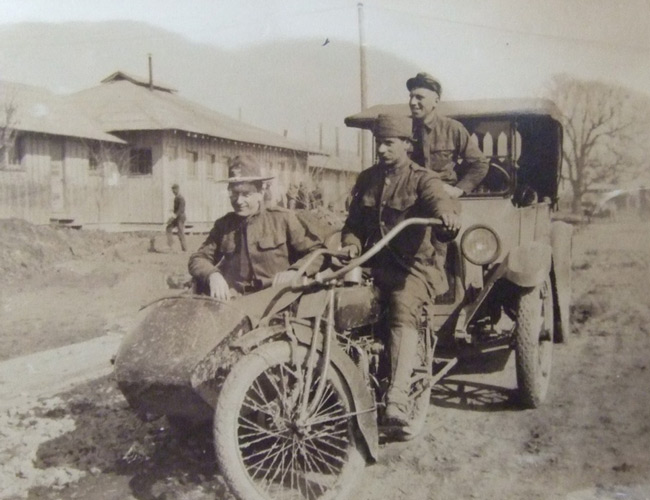
Although the Harley-Davidson was in service in WWI at the same time, the Indian Powerplus Big Twin was the favorite of the armed forces, with 50,000 units in service. However, those production numbers meant Indian was dedicating nearly their entire production effort to the war from 1917 to 1919. Patriotic though it may have been, that meant the civilian dealers had little, if anything, to sell, causing the company to fall on harder times than rival Harley-Davidson after the war.
Engine: 1,000cc Flathead V-twin
Horsepower: 18
Duty: Armored Dispatch / Cavalry
Harley-Davidson WLA “The Liberator”
WWII

Because of advancements in weaponry between the World Wars, motorcycles disappeared from the front lines — a complete lack of armor will do that. Instead, they were reassigned as military police vehicles and utilized by dispatch riders for their speed and agility. By the end of WWII Harley-Davidson had built almost 60,000 units, but they continued to produce WLAs for civilians. However, when WLA’s were under civilian butts, the windshield, extra panniers and body work proved to be overkill, so they chopped them off — thus creating the chopper.
Engine: 740cc V-twin
Horsepower: 23
Duty: Dispatch / Military Police
Kawasaki KLR650
Desert Storm

WWII was the heyday of military motorcycles; they didn’t see much action again until the ’80s. And when Desert Storm broke out the Kawasaki KLR became a popular choice, albeit in a heavily modified form. The military KLR, known as the M103M1, was versatile enough to either run on jet fuel or burn diesel and return a hearty 96 MPG.
Engine: 651cc single-cylinder
Horsepower: 45 (civilian spec)
Duty: Scouting / Patrol
Zero MMX
Classified
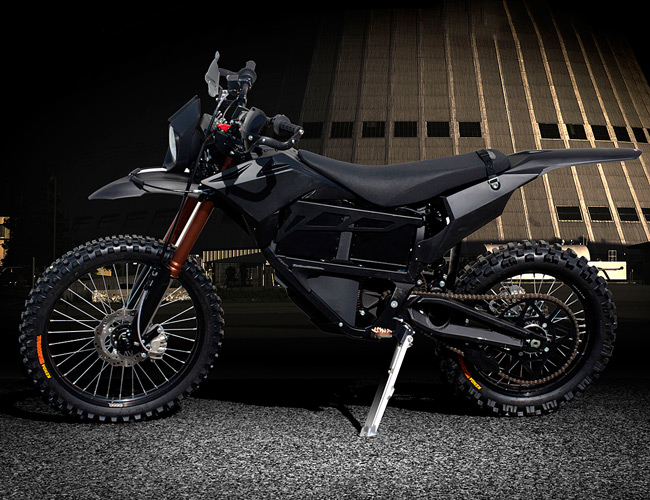
The MMX was developed specifically for special ops and the military because of Zero’s near-silent electric motor. Zero says that while on recon the MMX has a range of 71 miles under hard city riding, but the battery itself can last for 4,130 hours. With no exhaust and a 0-60 time of 4.4 seconds, you’d never know what hit you.
Engine: 6.5 kWh lithium-ion battery and brushless motor
Horsepower: 54
Duty: Recon / Rescue / Covert Ops
The M2 CS Is the Car BMW Should’ve Made All Along
In the late ’70s and ’80s, BMW built a reputation on lightweight cars with benchmark handling. So much so that 40 years later, the 3-Series, responsible for the majority of the strength behind the brand’s ‘Ultimate Driving Machine’ tagline, is still the sedan brands look to as a target. With that said, the 3-Series (along with the rest of the lineup) ballooned over the years and the 2-series is now the defacto small, nimble car in the Bimmer line up. It’s even praised as a taste of BMWs of old. BMW Blog has reported that a hardcore, lightened M2 CS is on the way in 2020, which just begs the question: why did this type of car ever disappear from the lineup to begin with?
Every CS or CSL model BMW has put on the road is a raging success and is an instant legend. I’m not saying BMW should start slapping 1,000,000 CS and CSL badges on all their cars just for the sake of it. I’m saying the lightweight ethos should have a stronger presence in every BMW. It’s almost a cliche at this point to say BMW lost its way, but it’s a common enough opinion for a reason. It shouldn’t be a special occasion when BMW releases a light car. It should be expected.
The highest trim M2 right now is the M2 Competiton, sporting 405 hp and 406 lb-ft of torque. Now, in CS-tradition, increasing power won’t be the focus — it’ll be shedding weight. Expect a small power bump in horsepower (the M2 Competition already has 40hp more than the standard M2) but look for how many pounds BMW shaves off. The M2 competition is already a fantastic car; it doesn’t need the extra power with only 3,600lbs to lug around. Losing a bit of that weight, however, gives us a reason to start already looking forward to 2020.
This Is the Car Nissan Desperately Needs to Bring Back
Small, light, fun and affordable cars are enjoying a low-key resurgence. Between the Subaru BRZ/Toyota GT86, the refreshed Mazda MX-5 and Fiat 124 Spider and Toyota Corolla Hatchback, it’s wildly apparent horsepower isn’t the sole quality of a good driver’s car. One name that’s noticeably absent from the small sports car group is Nissan, who needs to bring back the Silvia to not miss out entirely.
The Silvia, or 240SX here in the States, was in its day overshadowed by the more powerful Z cars and simply disappeared. Now, with the current 370Z – and its 350 horsepower V6 and $30,000-plus price tag – there’s a clear opening for a new entry-level sports car to slot in underneath. A new Silvia isn’t that far-fetched of an idea, either, since it wouldn’t even have to change all that much as far as specs go. Back in 1991, the Silvia pulled its 2,800lbs around with a 200 horsepower 2.0-liter inline-four. Slap a $25,000 price point on that baby and it’d give the BRZ and MX-5 a serious run for their money.
This 1991 Silvia, going for $10,995, only has 46,000 original miles — it’s over 25-years old and it can still make its modern counterparts sweat. Silvias and 240SXs, like other affordable Japanese sports cars of that era, were a big hit with tuners because their engines were essentially blank canvases for performance exploitation. To find an example as untouched as this, in such impeccable condition and with such a rare factory paint color is high-quality find. The world needs more lightweight sports cars like it.
It’s Okay to Want a New Airstream, But Get This Old One Instead
If you’ve ever had the pleasure of calling an Airstream home (temporarily or not), or even merely seen them in pictures, you know it’s the Rolls-Royce of tow-behind trailers. They’re hotel suites on wheels replete with modern furnishings, accouterments and creature comforts like Bluetooth connectivity and wifi hotspots. You can’t really rough it in a modern Airstream — they’re just too damn well built and appointed. New models, which start just under $37,000, sleep two and top out at $150,000 with room for five. And if you had your sights set on the mid-sized model, prepare to drop more than $86,000. The trick here is to buy vintage, save thousands of dollars and still get the floor space you wanted all along.
This 1977 Airstream Tradewind 25′ tips the scales at a scant $19,500 – nearly $18K less than a new model – but don’t think you’re getting some beat up Winnebago from a police auction that’s done time as a backcountry chemistry lab. Almost everything on this vintage Airstream has been cleaned, replaced or updated, from the A/C, refrigerator, stove and heating system to the flooring and woodwork. The last owner even put some elbow grease on the aluminum exterior panels to bring it back to a mirror finish.
If you compare this classic to its modern 25-foot counterpart, you’re doing it all wrong. You have to look at this compared to the newest Airstream closest in price. A ’77 model won’t have Bluetooth, Wifi, solar energy stores, TVs or USB ports, but with the $17,500 you save over the 16-foot Basecamp, you can add all of those things to modernize your 25-foot Tradewind and still not have spent as much as you would have on a Basecamp.
Bollinger B2 Pickup Truck
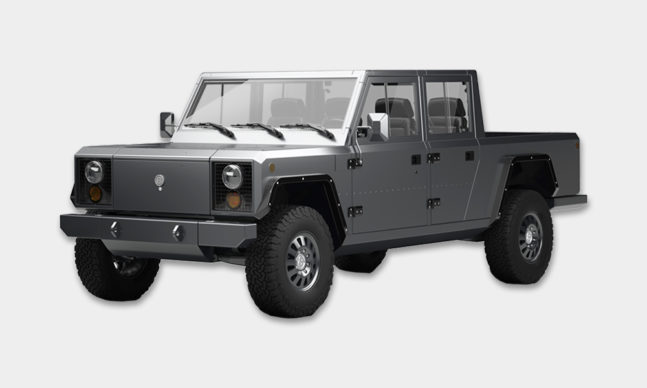
The Bollinger B1, which was unveiled around this time last year, looked a lot like a Land Rover with harder edges. Now the company is doing to the pickup what it did to the off-road…


This Beautiful (and Forgotten) BMW Is Destined to Become a Future Classic
Early 2000s BMWs seem to be having a moment. The E39 M5, for example, has seen growing prices and received heaps of praise; it’s considered a benchmark for the fast executive sedan. Meanwhile, many enthusiasts herald the E46 M3 as the best of the breed. Then we have the Z3 M Coupe, aka the “Clownshoe,” a fast, fixed-head version of the Z3 Roadster that was once considered an oddity but is now heralded as a modern classic.
Point being, if you’re looking for the next thing in car collecting, this era of BMW is worth paying attention to. We should definitely be paying attention to the Z4 M Coupe, arguably one of the greatest forgotten gems in the brand’s history. Made between 2006 and 2008, the Z4 M added a swooping fixed roof to the Z4’s chassis and made use of the naturally-aspirated S54 straight-six used in the E34 M3. It’s a rare car, with fewer than 2,000 examples brought to the United States.
The car has more than rarity going for it, though. That engine produced 333 horsepower, and the car was only available with a six-speed manual. Better still, that fixed roof didn’t just make the car look pretty — though it did do wonders for the otherwise controversial Chris Bangle-penned details — it also improved torsional rigidity, thus aiding in handling. And despite being a modern car, take a look inside the cockpit and you see… very little of anything. It’s a pure, beautiful, two-door coupe compiled from the best parts BMW had available at the time.
That’s pretty much the perfect recipe for a future classic, which is why it’s worth sizing these things up when they come on the market – admittedly a rare opportunity. But hey, Bring a Trailer has a 2008 example, in silver, with a red leather interior with just over 57,000 miles on the clock. This example is stock; it has a repainted bumper, but appears clean and maintained otherwise. As of writing, bidding sits at $8,500 with a few days left, so it’s reasonable to think this one won’t escalate too much in price.
According to Bring a Trailer’s chart of Z4 M Coupe values, previous cars have sold somewhere in the low to high twenties. That’s not necessarily an incredible bargain, but it’s not unreasonable to believe this one will begin to appreciate at some point.
6 Great Family Cars That Aren’t Dorky
Becoming a parent is the best time of your life, except when it comes to car buying. Practical concerns intrude upon that beautiful relationship between driver and machine. Your next car will be roomier, less responsive and a little less fun. Truth be told, so will you. Here are six vehicles family vehicles that still offer a little bit of fun, or enough practicality to be worth sacrificing it.
The Standard SUV: Volvo XC90
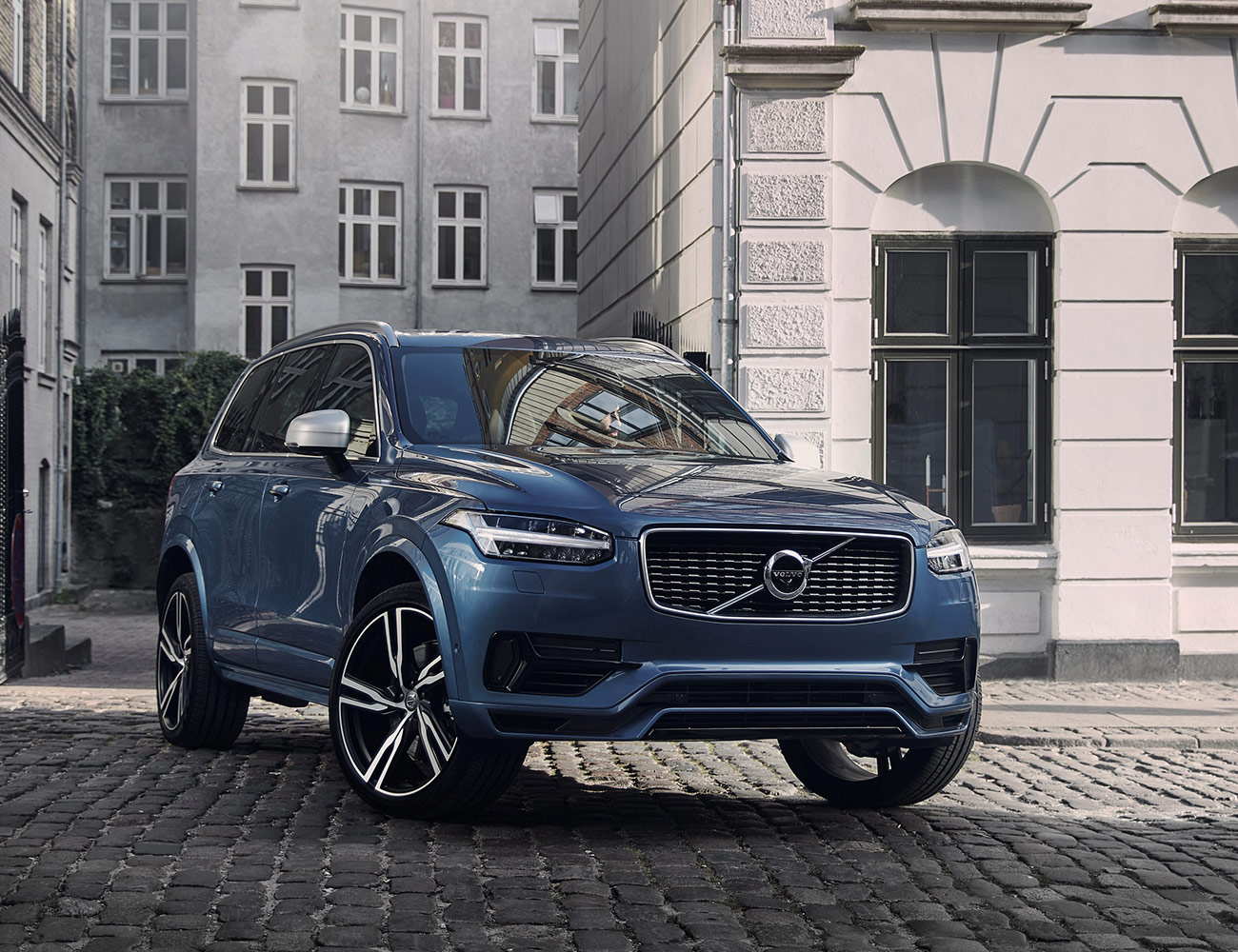
That catalog-perfect Brooklyn family carts Noah and Aiden around in an artfully worn Volvo 240 Wagon. A real family, however, can’t be bothered with rust, sourcing 30-year-old engine parts and 1980s fuel economy. That family needs the Volvo XC90. Classic Volvo charm and Scandinavian style. Modern Volvo engineering.
Like every Volvo, the XC90 is safe. It comes with Volvo’s City Safety and Run-Off Road Protection and Mitigation packages. It features a rigid safety cell made from “ultra high strength boron steel,” which sounds formidable. The XC90 is versatile. It can seat up to seven. It offers 85.7 cubic feet of cargo space with the seats down. There’s a clean base model to compete with Audi and a lux “Inscription” trim with Nappa leather and Linear Walnut wood. You can level up to the $104,900 “Excellence” version if crystal gear shifters and rear-seat luxury are your bag. The T-8 Plug-in Hybrid blends power and efficiency with a combined 400hp and 27 mpg highway rating.
Why It’s Still Cool: The XC90 offers the premium feel of a luxury SUV, the practicality of a family car and the right amount of understatement. It makes a strong impression that is not “I’m trying too hard” or “I’m overcompensating for something.”
The Station Wagon: Mercedes-Benz E400 4MATIC Wagon

Let’s face it. A hot hatch is not happening with kids. Neither is a Mercedes AMG E 63 S wagon — as a parent, releasing the 603hp Kraken on an unsuspecting Porsche is no longer a thing you do. The weary parent requires comfort and ease. Perhaps a little aromatherapy? A massage for that strained lower back from kid lifting? Ambient lighting? Consider the E400 4MATIC Wagon.
Performance? It’s a Mercedes. The air suspension delivers a quiet, velvety ride. It behaves with the gravitas and precision of a Mercedes Benz. The 3.0L V6 puts out 329hp and 354lb-ft of torque, enough for a respectable 5.0 seconds from 0-60. Driving a Mercedes can feel like driving the future. That’s true in the safety features. The PRE-SAFE system will brace you for impact, close the windows and sunroof and even emit pink noise to protect your hearing if a collision is imminent. The cargo space, up to 64 cubic feet with seats folded, is ample. The car seats up to seven with rear-facing fold up seats. What child (or adult) does not enjoy rear-facing fold up seats?
Why It’s Still Cool: SUVs are for the masses. Wagons are for discerning drivers. A Mercedes wagon was John Lennon’s choice when it was time to settle down and start adulting.
The Rugged Parental Transport: 2019 Jeep Wrangler Unlimited
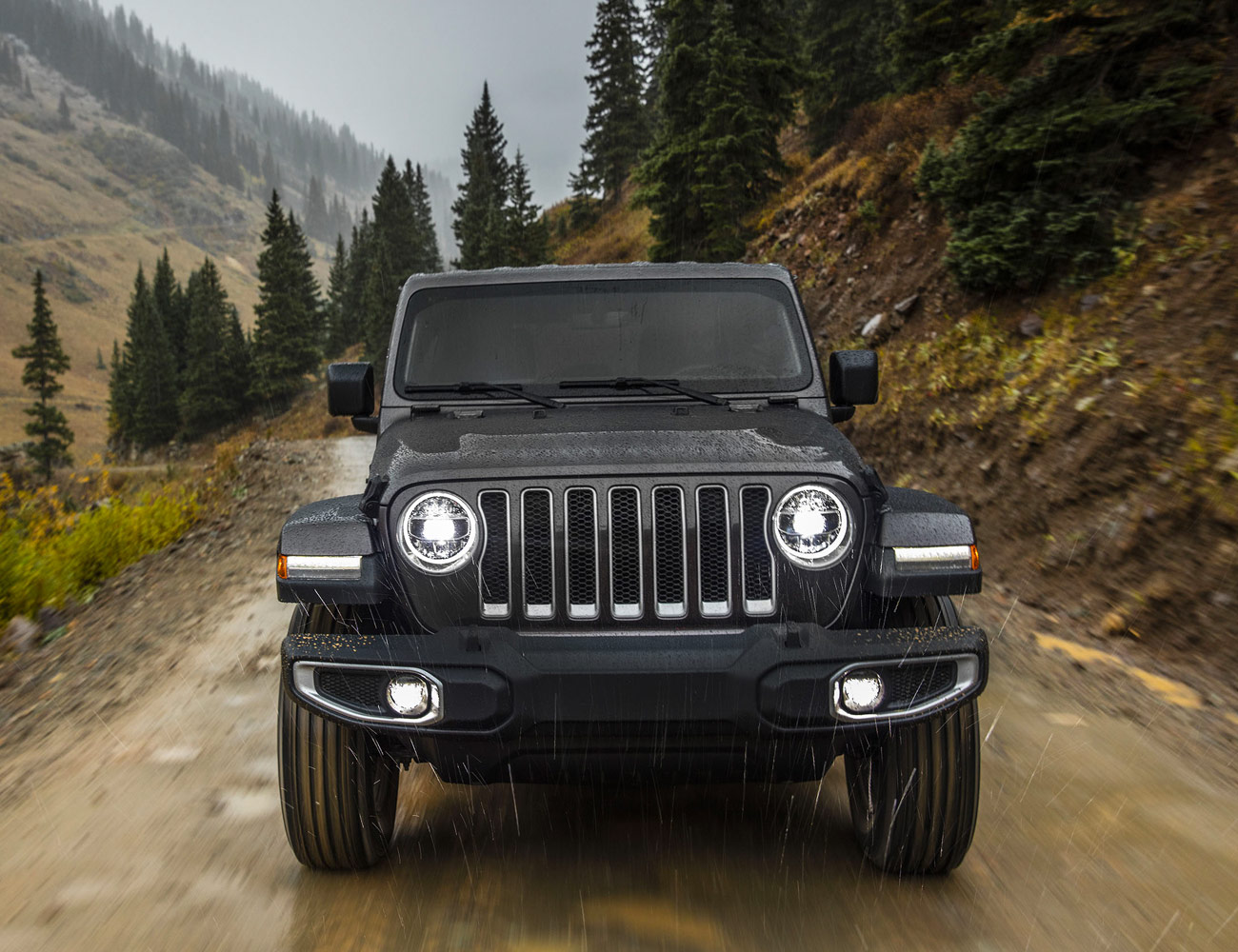
The Jeep Wrangler has become a sales phenomenon. The Unlimited, which adds two doors to the standard Wrangler, annoyed purists at the start. But, it transformed the Wrangler from an awesome but impractical single person’s car into a viable kid porter without sacrificing the charm and off-road capability. Many of those purists grew up, met someone, and procreated. The four-door variant became the Wrangler of choice.
With the new JL generation, Jeep made the Wrangler an easier car to own. On-road handling is far less boaty. The soft-top no longer presents a nightmare of zippers and velcro. The doors, now made from lighter weight aluminum, take less effort to remove. The proper four-wheel drive will leave you whistling, rather than white-knuckling, through winter weather. The spare tire remains at the back (where it belongs) but has been lowered for better visibility. The engine options – 2.0L four-cylinder (270hp) and 3.6L V6 (285hp) – deliver adequate power. Trim it how you wish. Don’t buy the automatic. You want the six-speed.
Why It’s Still Cool: You and your brood are too busy hopping along sand dunes freed from the oppression of doors and windscreen (also now easier to lower) to explain.
The (Gasp!) Minivan: Honda Odyssey

Parents bought minivans in the 1980s and 1990s. Kids who found them dismal then are now having their own kids and opting for super-cool third-row crossovers. To be blunt, those crossovers are de facto minivans lifted a few inches — they don’t do the job as well, and your offspring, on the off chance they look up from their phones, will find them just as dispiriting. Think differently. Dispense with your vanity. Consider the car that meets your family’s needs, the Honda Odyssey.
Who says minivans can’t be awesome? The Odyssey has streamlined styling and can be outfitted with 19-inch wheels and rad Obsidian Blue paint. It can seat up to eight people in different configurations. It can have up to a stupendous 144.9 cubic feet of cargo capacity for all of your cool stuff. The 280hp Honda V6 engine can be tuned into a 1,000hp burnout machine for the ride back from the school run. The Odyssey even has paddle shifters on the base trim, because sure, why not?
Why It’s Still Cool: The Odyssey is loaded with “parent cool” features. There’s a CabinWatch rear view camera with night vision. There’s CabinTalk which can override rear speakers and headphones. Did your children tear into Nacho Cheese Doritos like rabid bears? There’s a built-in vacuum cleaner for that. Feel like having one of those lime LaCroix cans you bought from Costco? It’s waiting there chilled… in the built-in cool box.
The Full-Size Family SUV: 2018 Ford Expedition
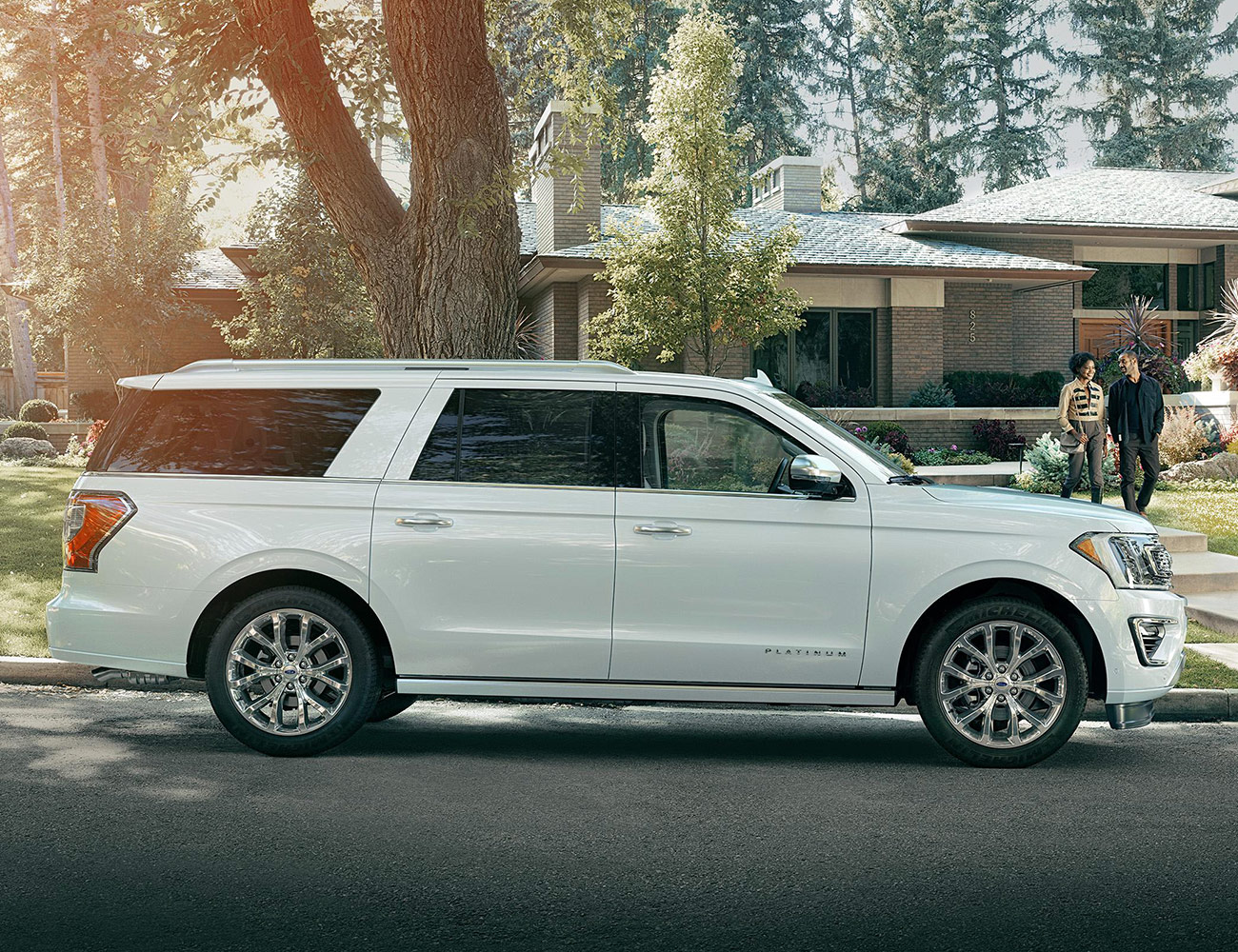
The Lincoln Navigator or Mercedes GLS will give you the luxury land yacht of a car reviewer’s dreams. That vessel will cost very near six figures. It will be more fit for transporting VIPs than withstanding kids spilling. Consider the redesigned Ford Expedition. An XLT can be outfitted well for less than $60,000. It can store eight adults in relative comfort and 15 of their beverages. One poor sod will get coffee or a bottle of water, but not both.
Redesigned is the operative word. You get the best of recent Ford engineering. The non-Platinum 3.5L V6 still produces 375hp and 470 lb-ft of torque with a 10-speed transmission. It does so efficiently for this segment. The 4×2 version gets 20 mpg combined. It can tow up to 9,200 lbs. The Expedition has Ford’s Safety Canopy and SOS Post-Crash Alert systems. It also offers an “advanced cargo management system” to optimize space usage behind the rear seats.
Why It’s Still Cool: The Expedition is formidable, well-engineered and fit for purpose. Your only risk of looking like a doofus is parallel parking.
The Eco-Conscious Kid Hauler: Kia Niro
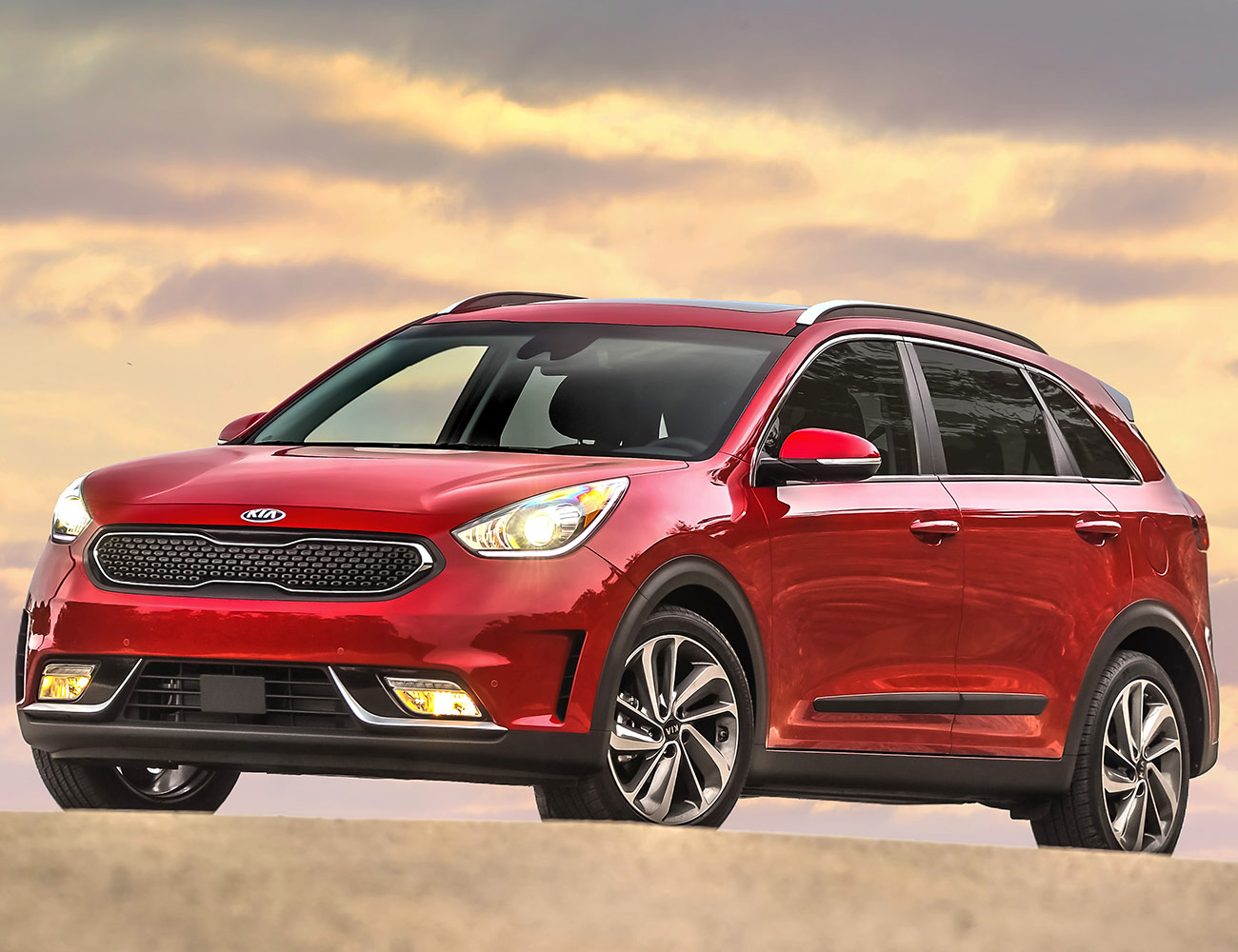
Some parents care about the environment their kids will inherit. Others care more about gas expenditure than torque and throttle response. That’s okay. Kia has a crossover designed just for them, the Niro. The Kia Niro is incredibly fuel efficient. The base FE version of the 1.6L four-cylinder hybrid gets 50mpg combined, which is Toyota Prius territory. The tarted up models with 18-inch wheels still get a quite respectable 43mpg. The 139hp combined isn’t peppy, but it will transport the family to Point B from Point A with ease.
The Niro offers characteristic Kia value. It can offer many of the passive and active safety features and comforts (heated and ventilated seats) of fancier cars. Those features come at a low cost. The FE trim begins at just $23,340. Even a luxed out “Touring” version will struggle to top $34,000.
Why It’s Still Cool: The Niro eschews the dorky styling associated with many EVs and Hybrids, particularly the Prius. It’s not a shrill advertisement for your environmental views. It’s not an invitation for gas-guzzling drivers to get aggressive. It’s a normal, decent looking crossover. What’s not cool? Hanging out at the gas station more often than every 500 miles or so.
I Found Out Why Cars are Torture-Tested in the Southwest
The majority of the world’s drivers will never put their car through hours of triple-digit heat and miles of severely broken or unfinished roads while pushing the car its performance limit – but automakers have to. In order to achieve wildly high tolerances and reliability (just in case the car sees the most extreme environments this planet has to offer) manufacturers take their vehicles to the American Southwest.
From the bottom of Arizona to the top of Nevada are some of the harshest terrains, temperatures, and elements Earth has to offer, the likes of which are seldom seen anywhere else on the planet. This is why Ford, Nissan and Honda are among a handful of brands that bring test mules to one of America’s most remote regions to develop their road cars. It’s also where you’ll find one of the country’s longest and most difficult off-road motorsport events, the Best in the Desert Vegas to Reno — a 550-mile race between the two cities that skims Death Valley National Park and cuts through the heart of where major car companies try to kill their cars. I’ve done (some of) the race, and it is brutal.
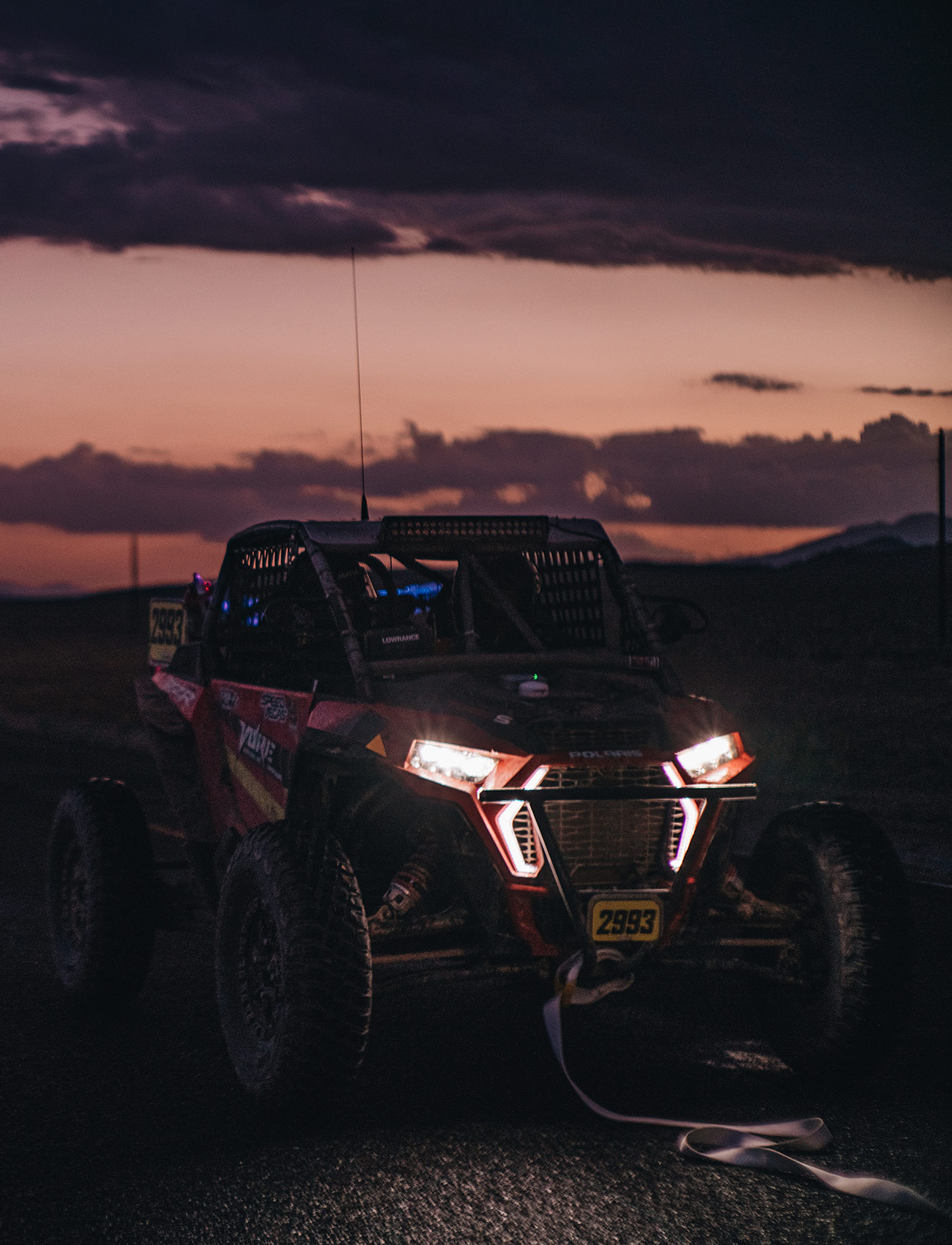
Just outside of Las Vegas, I set out from the starting line toward Reno in a race-prepped Polaris RZR Turbo S, knowing full well what sort of ride lay before of us. The day before, most of our racing team thought we lucked out because the race day temperatures were going to cool off. ‘Cool off’ in this particular instance meant the air would come down to 98 degrees. In the shade. Aside from the convection oven we were driving into, we had to keep an eye out for basketball-sized boulders on the track and steep drop-offs inches from the trail, not to mention the other 360-ish cars and motorcycles also competing in the race, kicking up blinding clouds of desert dust.
Regrettfully and depressingly, we only made it 50 miles into the race before a glitch in the ECU caused an airflow sensor to malfunction and screw up our fuel flow rate. We made it through tire swallowing silt beds and some of the rockiest sections of the course and got into a groove just before we were cut short.
Once back in Reno, we did the math (the woulda-coulda-shoulda math) and had we finished, it would’ve been around 10 am the next day, but third-in-class — a gut-wrenching thing to miss out on, to say the least. We didn’t get to drive for long enough to really test the RZR the way its engineers and designers would. But for that same reason, I’m going back in March to compete in the Mint 400 — the Monaco Grand Prix of American off-road endurance racing (the same race Hunter S. Thompson covered in Fear and Loathing in Las Vegas). It’ll be four laps of a 100-mile course in the same desert major auto manufacturers go to abuse and torture test their cars, only with some healthy competition thrown into the mix.
The New 911 Speedster Is the Purest Porsche You Could Hope For
Concept cars usually end up with two distinct destinies: they either remain concepts, never to earn road-legal status, or they get the green light for production, but drastically changed for mass appeal. It’s a relief to hear Porsche is gifting itself a 70th-anniversary present with a 1,948-unit run of the 991 911 Speedster this week at the Paris Motor Show.
The seemingly random production number is a homage to the original Porsche ‘Number 1’ 356 which kicked everything off in 1948. The firey Guards Red paint job is another callback — to the 1988 911 Speedster. From there, there are some subtle and not-so-subtle details with vintage Porsche written all over them, like the beautiful black chrome ‘Talbot’ shaped wing mirrors and a center-of-the-hood mounted fuel-filler cap and black stone guards in front of the rear haunches. But, it’s the modern parts that’ll give you the real goosebumps.
As is Speedster tradition, Porsche shortened the windshield frame and windows with a double-bubble cover to store the roof panels when not installed. The tinted daytime running lights pay tribute to Porsche’s GT race cars. Everything is built around a GT3 chassis using a Carrera 4 Cabriolet body and carbon fiber body panels. Out back, Porsche fitted a 500 horsepower, naturally aspirated flat-six with a 9,000 RPM redline and connected it to a six-speed manual gearbox and titanium exhaust.
The Speedster is an exercise in lightweight: there are nylon pull-loops for interior door handles and no center console to speak of. The combination of high-revving engine and manual gearbox, with vintage style peppered in to taste, signifies that this might be one of the greatest modern Porsches to leave the factory in Stuttgart. They’re few and far between, but if one concept is going to make the leap to production, we’re lucky it’s the new Porsche Speedster.