All posts in “Cars”

Volvo’s Polestar Finally Makes an EV That Looks Like a Car

A year after the Polestar One supercar, Volvo and Geely’ Polestar EV brand has released its more affordable Polestar 2 “all-electric fastback.” As stated explicitly in the press release, the model is meant to take on Tesla’s Model 3. A more expensive launch edition will start at $63,000 before the federal tax incentive.

The Polestar 2 will produce 408hp and 487lb-ft of torque and accelerate from 0-60mph in “less than five seconds.” It’s aiming for an EPA range of 275 miles. Compared to the Model 3, it would have less horsepower but more torque than the performance version. The range (275mi to 308 mi) would be more than adequate but less than the Tesla. Price would be about level. Polestar 2 production, backed by established manufacturers, may be less problematic.

Polestar will have an Android backbone infotainment system instead of a proprietary one. Bravo on that front. It will also employ “Phone-as-Key” technology to enable a variety of uses. Polestar will not rival Tesla on touchscreen size. The unit will be a mere 11 inches.

Buying will happen online with “Polestar Spaces” available for views and test drives. Polestar plans to offer the vehicle in a subscription service, presumably similar to Care by Volvo.

The Polestar 2 configurator is live online. There are six different paint options: snow, magnesium, thunder, moon, midnight, and void. Midnight, a sort of grey-blue, is the closest thing to a color. Seatbelts come standard in Gold.

Aesthetically speaking, the Polestar 2 has a simple, fetching Swedish aesthetic. But, it’s clean and well-proportioned. While other manufacturers have tussled with how to make a grille-free car look normal, Volvo and Geely just cut the Gordian knot and added a faux one. It looks like a car. The Polestar 2 will still give you a kiss of eccentric LED lighting. How would one know it is powered by pure electricity without it?

Other Electric Car News and Reviews:
Audi E-Tron Review: Simply Put, This Is a Great Car
Sorry, Purists, the Porsche Macan Is Going Fully Electric
Consumer Reports Withdraws Tesla Model 3 Recommendation

High-End Car Clubs are the New Social Clubs

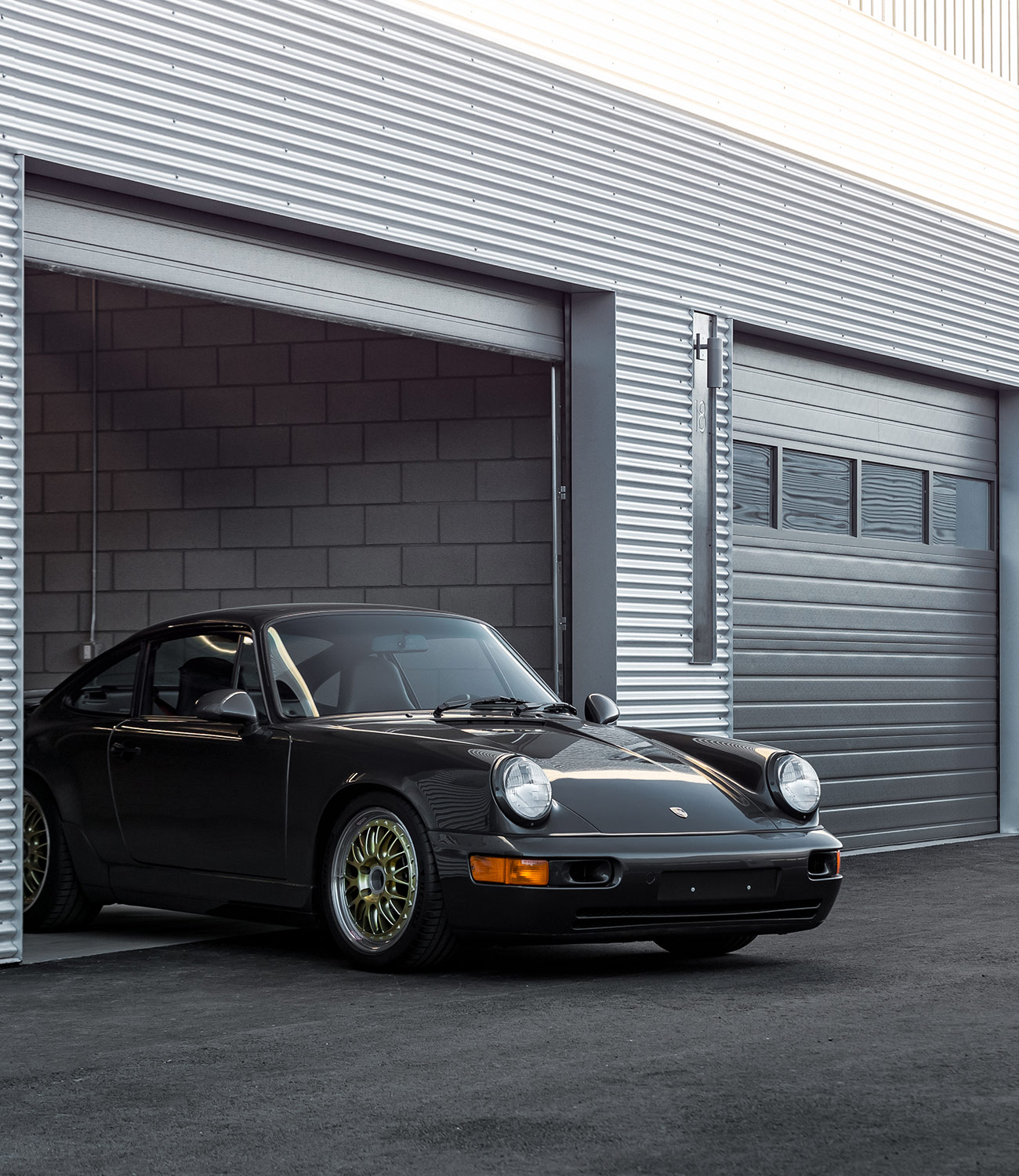
Lately, the classic car market is doing fairly well for itself. Last year, it seemed there was a record-breaking sale every other month, and if sale prices crested $10,000,000, smart money said it was either a Ferrari, or a Porsche Steve McQueen sat in. But it’s not just the much-vaunted prancing horses from Maranello or Stuttgart-shielded beauties selling for nowhere near their original asking prices. Toyota Supras and Nissan Z cars are now changing hands like Topps baseball cards too. The question now isn’t what’s selling—we’ve pretty much determined everything is—it’s who’s buying these cars? And where the hell do they keep them?

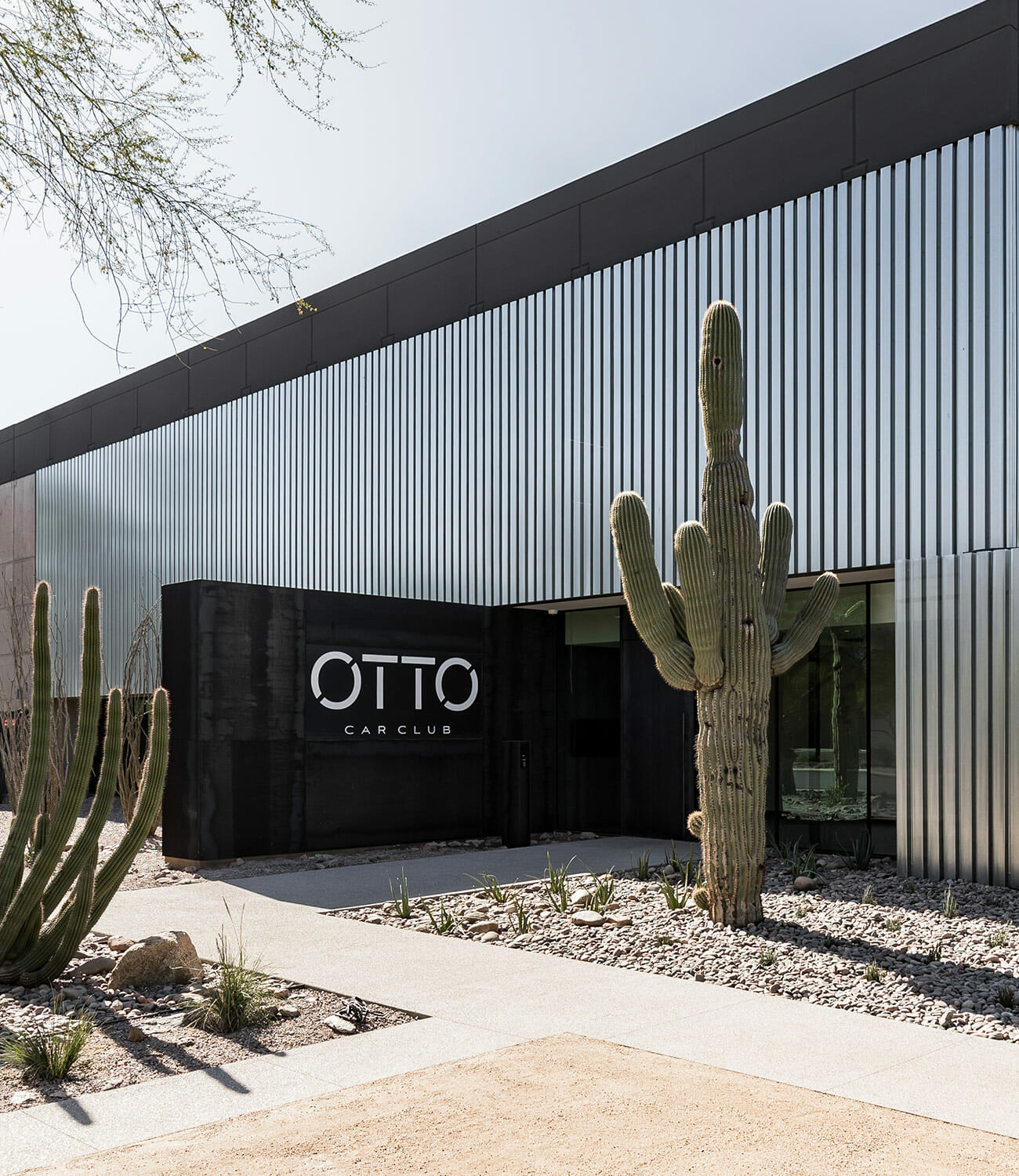
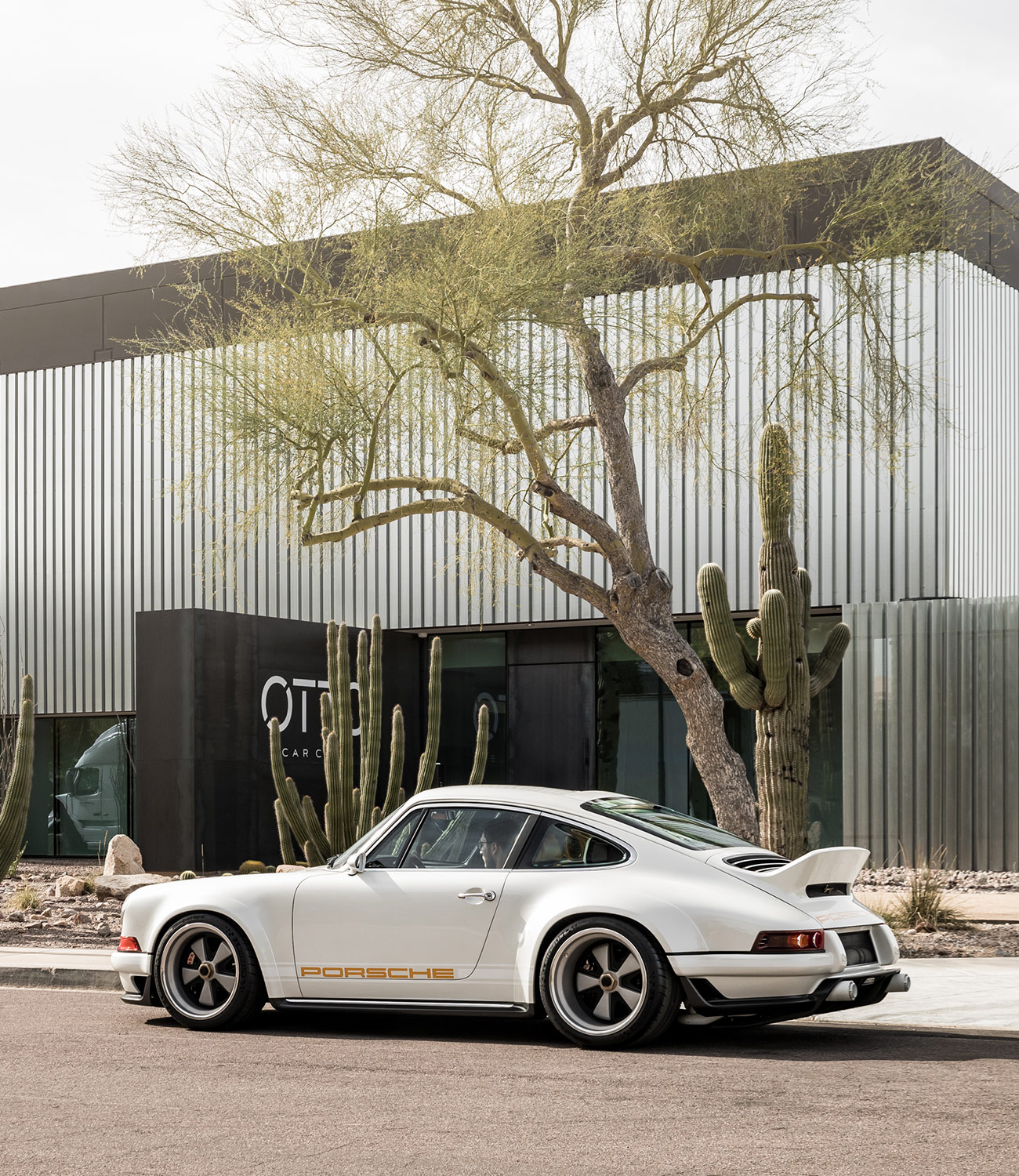
If a collector’s garage is already overflowing with regular daily drivers, off-site, self-storage is one route to go. It’s also possible to rent or buy space in a warehouse with a few other like-minded individuals. If one has enough money, investing in a truly private garage staffed by a team of attendants who babysit and tend to the cars is a reality. In short, things get logistically difficult quite quickly once you start amassing a handful of vintage automobiles. Eli Kogan founded OTTO Car Club in Scottsdale, Arizona, to solve that particular problem, and added some extra incentives to build a car-culture community.

When it comes to collecting or storing classic cars, there’s more to it than just parking, covering with a tarp and calling it a day. If you don’t want your investment to depreciate at all, it takes time, effort and skill to baby your baby. “Owning multiple cars [myself] and being around collections, it can become a full-time job to manage, maintain, store, prep, transport… and everything that needs to be done for these cars. I figured, on the practical side, there had to be a way to alleviate that headache for collectors.” Unlike establishments like Classic Car Club of Manhattan, wherein the club owns and maintains a fleet of cars for members to drive, OTTO Car Club’s 49,000 sq-ft facilities are filled with the members’ own cars.

OTTO Car Club isn’t just a massive run-of-the-mill storage warehouse in the middle of the desert, however. “We take care of and coordinate DMV services and everything all the way up to international transport, restoration management and everything in between.” Unlike a simple storage facility, OTTO acts more like half private garage, half WeWork for classic cars, where you share the space with other car owners, but can come and go as you please without having to shuffle other cars to get yours in and out.

Out of the 220 possible cars OTTO can house, there are currently 60 under the roof. But, that doesn’t mean there are 60 members. The Executive level membership allows for four cars; every car after that up to eight carries an extra fee; after eight, you have to pick up a second membership. “We’re very selective when it comes to who gets a membership. Because we’re limited by space, we had to turn down a guy because he wanted to bring 50 cars. If we allowed people to do that we’d only have four members. We’re a social club too, so that’s taken into consideration.”

Along with car care, like many other clubs, OTTO also offers a social aspect. Below the Executive level membership, which grants access to everything under the OTTO roof, there’s a social membership which provides members with everything but the car storage perks. Overlooking the 33,000 sq-ft collection room is an 8,000 sq-ft social space replete with a member lounge, billiards, full wet bar, dining room and projection room. And that’s not including the first-floor welcome and reception, conference rooms for members, offices for employees, library, retail space, restrooms, showers, catering and prep kitchen. Still, OTTO provides more than just a safe space to shoot the breeze about cars. “On the social side, I wanted to create a hub for everything automotive, design, architecture, watches, whiskey — all the vices surrounding the passion.” Access and amenities outside car storage Kogan says is “more akin to SoHo house.”

Why Scottsdale? Kogan chalks that up to common sense. “Scottsdale has great weather, great car culture and high contingency of collectors who are seasonal residents with big homes that don’t allow for large collections.” Between the major car auctions that pass through town, like RM Sothebys and Barret Jackson, the residents of Scottsdale are the answer to “who’s buying these cars?” Kogan just strategically made himself the answer to “where the hell do they keep them all?”

One to Keep an Eye On

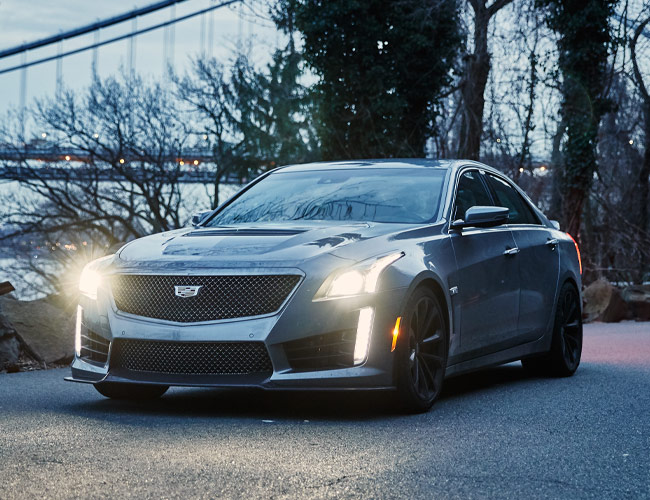
Thanks to a supercharged eight-cylinder heart working in unison with the expertly tuned chassis, the last generation of the CTS-V has earned a place in the pantheon of all-time greats. Read the Story

Jerry Seinfeld Is In Trouble Over This Rare Porsche 356 – Here’s the Deal (Updated)

Editor’s Note: This post was originally published February 4. It has been updated to include news about an additional suit brought by Seinfeld.

Noted car enthusiast Jerry Seinfeld is being sued over an allegedly fake Porsche 356. Seinfeld’s 1958 Porsche 356A 1500 GS/GT Carerra Speedster sold for $1.54 million at auction in 2016. The company that bought it, Fica Frio Limited, filed suit against him claiming the car is not authentic. It makes for a great entertainment headline. Here’s some actual background.

If legitimate, this is the purest of purist’s Porsche 356s, authentically restored. The 356 was the first factory production Porsche. The rough idea was to make a Beetle lighter and more powerful. The 356A was a more refined version that debuted in 1956. The Speedster, available from 1954 to 1958, is a pared down, open top, racier version coveted by collectors. The Carrera includes the four-cam engine Porsche used for racing.

There were 151 Carerra Speedsters built. Of those, 56 had the GS/GT trim with lightweight aluminum panels. This is also the only Carrera Speedster from the factory in Auratium Green. That rarity is why this one sold for $1.54 million while Seinfeld’s 1957 356 A Speedster ($687,000) and the 1963 B 2000 GS Carerra 2 ($825,000) sold for less. That $1.54 million was below the pre-auction estimate of $2-$2.5 million.

Keep that emphasis on “if legitimate.” This car was bought from the Porsche factory. Following that, the provenance is basically non-existent. It ended up in the U.S. somehow at some point. A California company called European Collectibles purchased the car unrestored from a broker representing an anonymous seller. Here is a description of that transaction from the car’s history file.

“Unfortunately we do not have a lot of information on the 1958 Porsche 356 A 1500 Carrera GT Speedster VIN 84908. We purchased the car from a broker who would not take me to the cars [sic] original location to meet the family that owned it originally. I tried very hard to find out more but never could.”

When trying to authenticate the car for resale, the near absent historical record and the “lack of photographical [sic] evidence” of the restoration drew scrutiny from Fica Frio’s Porsche expert. Per the lawsuit, “subsequent inspection and investigation revealed that the vehicle is not authentic.” They did not expound on that assessment.

The lawsuit also claims Seinfeld offered to rescind the sale and refund the money in a voicemail before coming to reason and requesting an independent assessment of the authenticity claim. Hence the lawsuit.

Update (February 26): Jerry Seinfeld is now suing the company that sold him the allegedly fraudulent 1958 Porsche 356. Seinfeld bought the car for $1.2 million from a California company called European Collectibles in February 2013 and claims he relied on the company’s certificate of authenticity.

Seinfeld wanted European Collectibles to resolve his dispute with Fica Frio. The lawsuit says the company refused to do so. Seinfeld’s lawyer released a statement.

“Jerry has no liability in this matter, but he wants to do the right thing, and is, therefore, bringing this action to hold European Collectibles accountable for its own certification of authenticity, and to allow the court to determine the just outcome.”

The State of Autonomous Driving in 2019: What to Know

Just a few years ago, autonomous driving surged into prominence with a seemingly warlike urgency, as though our very survival depended on our cars’ ability to navigate a roundabout while their occupants scrolled through Twitter or made out in the back seat. In Silicon Valley, carmakers set up labs while Google and Uber hired engineers from universities around the world. Audi, Ford, BMW and Mercedes-Benz pivoted their tech-bragging from the car shows to CES, where they extolled the safety-enhancing virtues of self-driving cars. Insurance companies wrote their own obituaries, as driving yielded to mobility. Millennials shrugged. It was madness.

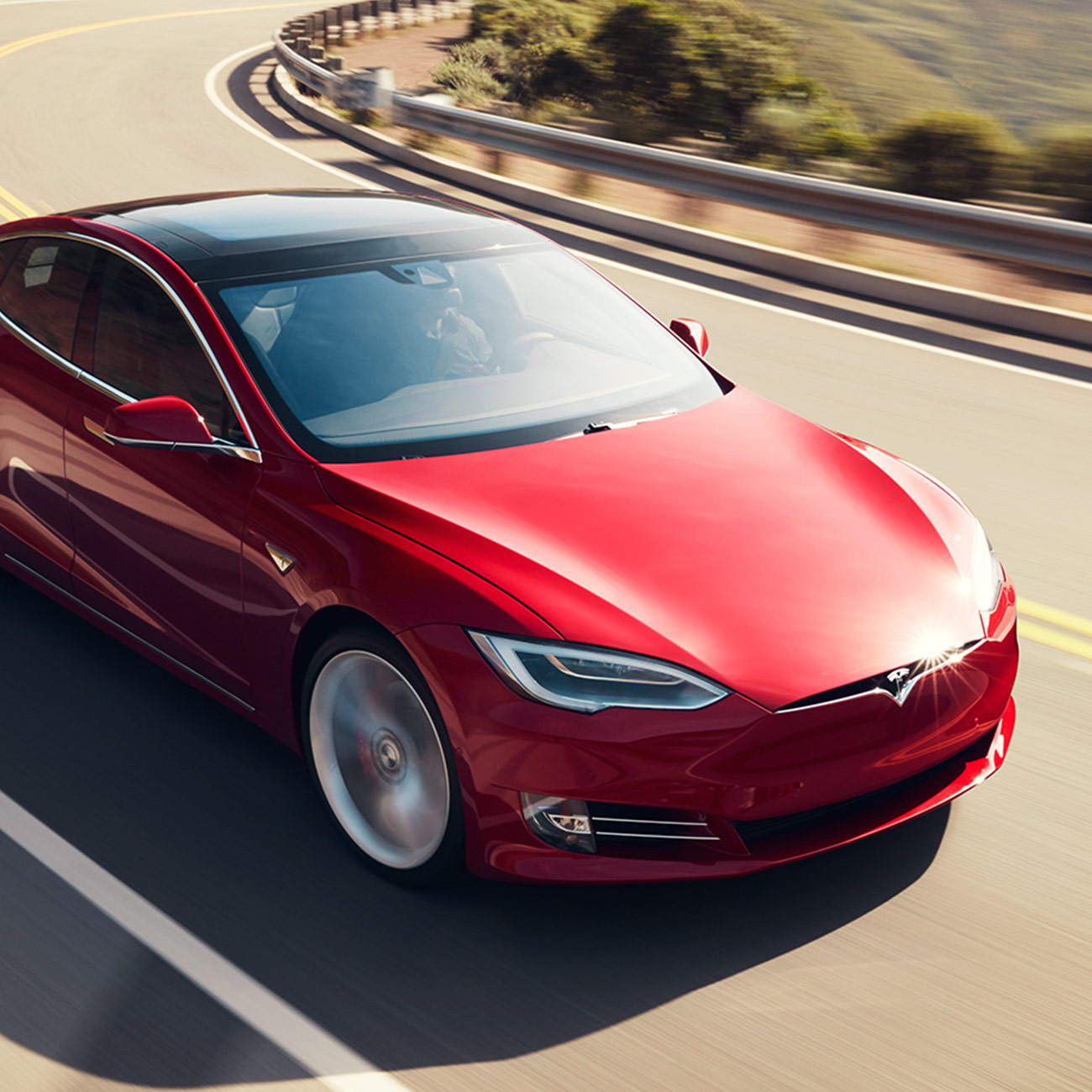
We have two things to thank for this: the baseline ability of modern computing to potentially take driving duties off the hands of humans, and Tesla. The former was inevitable; the latter, a pure force of nature. Tesla founder Elon Musk has been pushing hard for autonomy since the Model S sedan debuted in 2012. Its ever-improving autopilot system is now, arguably, the most advanced driver-assistance system on the roads, even if it’s still a far cry from true autonomy. It can drive itself down highways, pass cars, switch roads at interchanges, exit when needed and even park itself at your destination. The auto industry reacted to Tesla’s autonomy push much as it did to Tesla’s electric vehicle push: with all-out panic. Hence the labs and shows and bold proclamations of near-future capability. Mercedes-Benz, Cadillac and Audi, are in hot pursuit, as is Google’s Waymo, which is the de-facto master of surface-street navigation while Tesla dominates care-free flying down the highways.

But while there’s still forward momentum there is also hand-wringing over such truly critical details as whether autonomous cars should be allowed to mow down pedestrians in order to protect their passengers, and who will be liable when that happens. For the most part, the urgency has dialed down dramatically from its frantic peak a year or so ago. This second mind shift has to do with the dawning reality that autonomy is actually going to be pretty hard to get right. In fact, it may never happen at all.
What is Autonomous Driving?

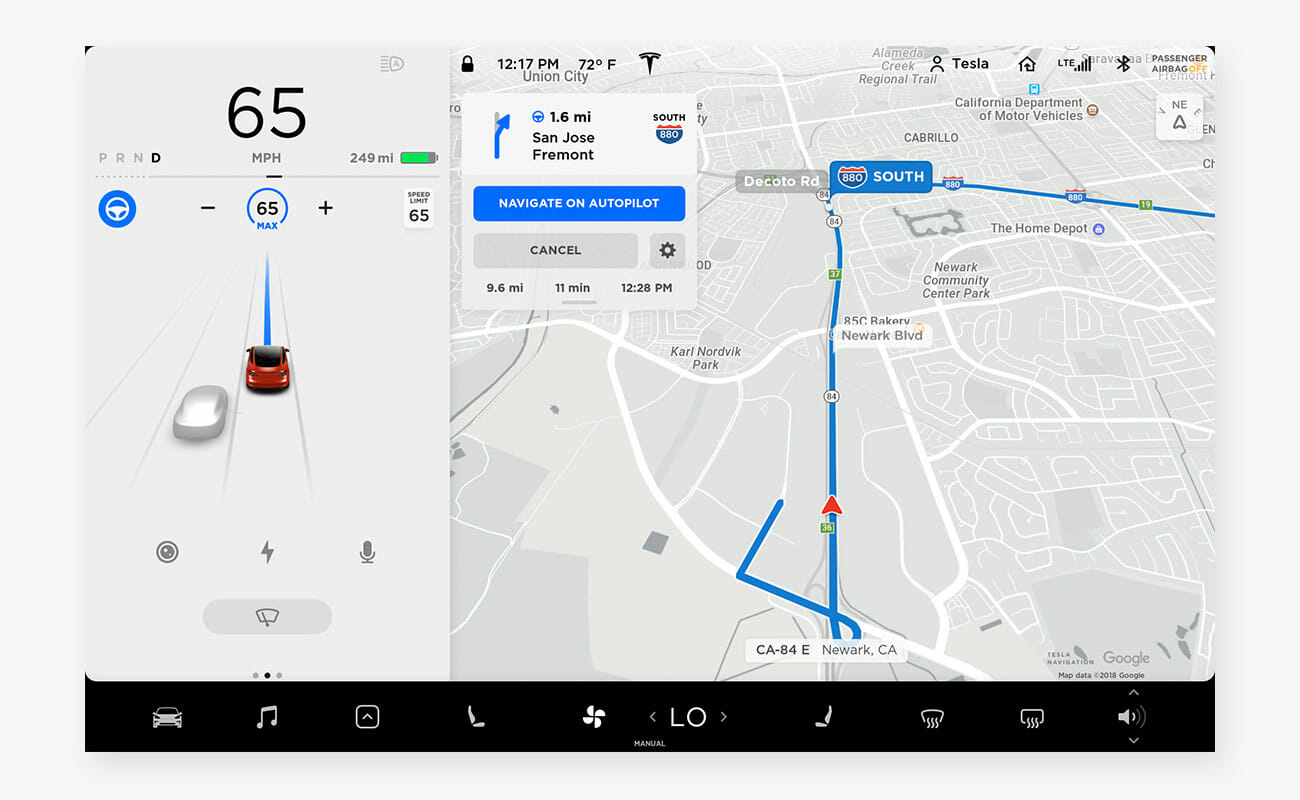
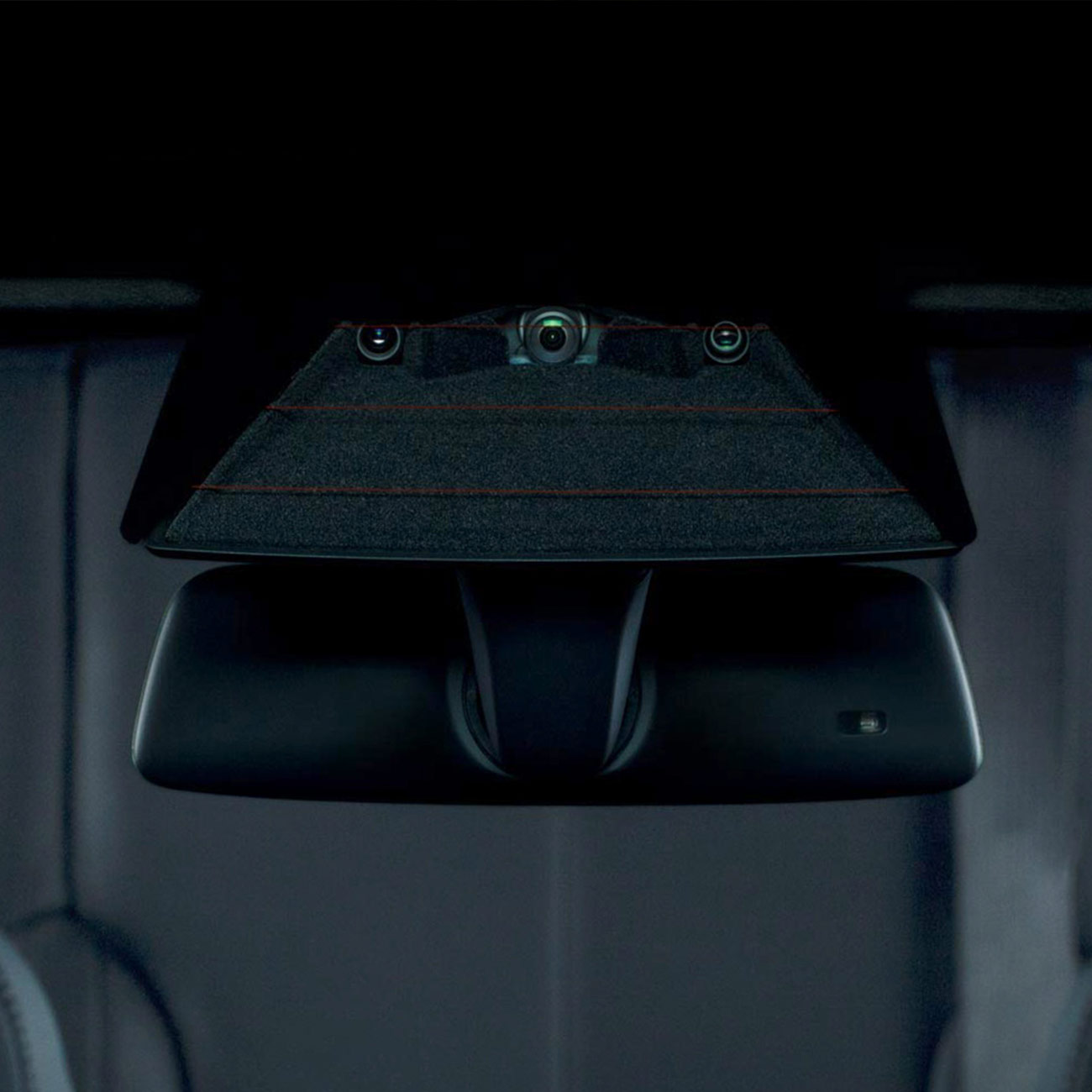
First, though, a brief primer. Most of the systems that are engineered in the direction of autonomous driving are technically referred to as ADAS, or advanced driver assistance systems. These include the now commonly available features such as automatic adaptive cruise control, lane-keep assist, active emergency braking, pedestrian detection, signage detection and other systems. Cars can be equipped with multiple cameras and radar systems to process the environment around them and enable to the car to drive itself along with little trouble. Cars will eventually be widely equipped with laser-based LIDAR, which will significantly boost their ability to read environments on the fly.

Levels of Driving Automation

As these systems stack up and become knitted together, something resembling true autonomous driving will emerge: the Level 5 system, topmost on the widely accepted levels of driving automation scale. Right now we’re capable of Level 2, which means partial automation. (Level 1 consists of zero automation.) All current Level 2 systems on the road still require active driver participation. The operator of the vehicle must pay attention and be ready to take over at a moment’s notice, even if the car is technically handling the mechanics of movement and keeping an eye on things itself. This is as true for Tesla’s Autopilot as it is for Cadillac’s Super Cruise. It’s both a practical necessity, since the technology is still new and largely unproven, and a legal one: Regulations require humans at the controls of moving vehicles.

Level-three systems allow for vehicle control of most driving conditions, but the driver must still be vigilant and ready to take over. This is increasingly seen as highly problematic, though, given the unreliability of human drivers who are distracted by smartphones or generally unable to pay persistent attention to something that’s supposed to be handled by a machine. After the high-profile Uber crash in Arizona, in which a pedestrian was killed, this solidified the idea in many minds that the machine-to-person transition couldn’t be trusted.
As a result, carmakers are increasingly leaning toward leapfrogging over Level 3 entirely and going straight to Level 4, in which the car would manage most all driving duties with no human intervention, and no need for persistent human vigilance. There would still be constraints to when and where such vehicles could operate, most likely excluding challenging environments such as unpaved roads or whiteout conditions in blizzards. But this version would indeed allow you to doze on your daily commute, and it would vastly improve road safety, no question. You don’t even necessarily have to worry about losing your ability to drive your own car. While there may be times and roads that mandate full autonomy—mostly with an eye toward improving traffic flow—the Level 4 cars will be fully integrated with manually-driven cars, and indeed able to improve their safety as well, simply by reacting faster in order to avoid collisions with human drivers. So you collectors of vintage 911’s and Defenders and future-vintage STi’s and Boxsters will still be able to go out for some white-knuckle Sunday drivers. Just don’t be surprised if the other cars on the road steer clear.

Full Autonomy May Be Impossible

But what about Level 5, full autonomy? That’s even more problematic than Level 3, because it may indeed be impossible, a sentiment echoed in the fall by Waymo CEO John Krafcik. The reason is that true autonomy is something quite different from just really good ADAS. In its purest form, it will need to include such nebulous, human-like capabilities as judgment, conjecture and even wisdom. An autonomous car must be able to, say, discern the difference between fog and smoke from a distance, lest it propel you headlong into forest fire from which you may not emerge. It must possess the kind of sixth sense that human drivers possess, the one that tells them, from the slightest clues in a person’s behavior or movement, that the kid riding his bike down the street ahead of you probably doesn’t actually know you’re there, and is about to cut right in front of you. It must be able to look at a damaged, muddy road on a hillside during a storm, suspect it might give way under the car’s weight, and just say “nope.”
The Crucial Human Element

All that said, they must, ultimately, also obey the commands of their owners. It may be true that the muddy road will not support the weight of the vehicle, but it may also be true that the road behind is quickly being washed out by a flood. There may be no choice, and the car must try despite its best guess being to stop dead in its tracks. These, of course, are the so-called edge-cases: the far-out, highly unlikely scenarios that nevertheless happen all the time because there are countless variations of them. In reality, we se them every day while driving, but don’t give them a moment’s thought. We know that two guys unloading a fridge from a truck are about to tip it over in your direction, so we give it a wide berth. Even something as simple parking your car at a weird angle so you and your roommates can all fit in your driveway—your car has to be able to understand what you’re asking and do as instructed. With computers, all this stuff far easier said than done. But that’s what true autonomy will need.

Despite these profound challenges, however, there’s still a sporting chance that such capability will arrive. After all, the world is finite—we know all the roads, all the rules, and indeed most all of the edge cases—and computers think fast, regardless. With enough machine learning under their belts, and enough real-world practice reacting to all the little gotchas of driving, the machines will indeed become quite good, and absolutely better than mere humans. For the most part, they already are. The question is whether we’ll ever be truly able to turn over the reins completely.

The Most Beautiful BMW You’ll See This Week

BMW is known for holding onto design cues for decades, to the point where certain lines and elements are synonymous with the blue and white roundel: quad headlights, the dual-kidney grille, the Hofmeister Kink. So, when the Bavarian brand makes a design change, it’s no small event. That kind of change can be polarizing, but it’s inevitably a milestone in BMW’s history nonetheless. The E9 generation CS coupe marked BMW’s transition to the latter half of its 20th-century design philosophy: a perfect mix of post-war BMW and the brand’s modern visual character.

When it was new, the 3.0-liter inline six under the hood of this ’73 E9 3.0CS was good for 170 horsepower and 185 lb-ft of torque. And even though the odometer stopped working at 87,000 miles with a reported 3,000 miles added since, its service history, maintenance and frankly, near-spotless looks should put most doubts of quality to rest.

On top of some mechanical maintenance and rebuilds, the upholstery and carpeting here are also completely new as well, giving the Bimmer a factory-fresh look. There are very few opportunities to try and pull off blue leather; include this cabin on that short list.

From the now-vintage Neue Klasse coupes to the E21, E30 and even E46 3-series, BMW’s strong, svelte style carried itself well over the decades. This car’s visual portfolio isn’t timeless, but its crisp belt line, shark nose and quad headlights aged pretty damn well. I’d venture to guess this will be the most beautiful BMW you’ll see for sale this week.

The All-Black-Edition Car Trend Just Jumped the Shark

<!–

–>

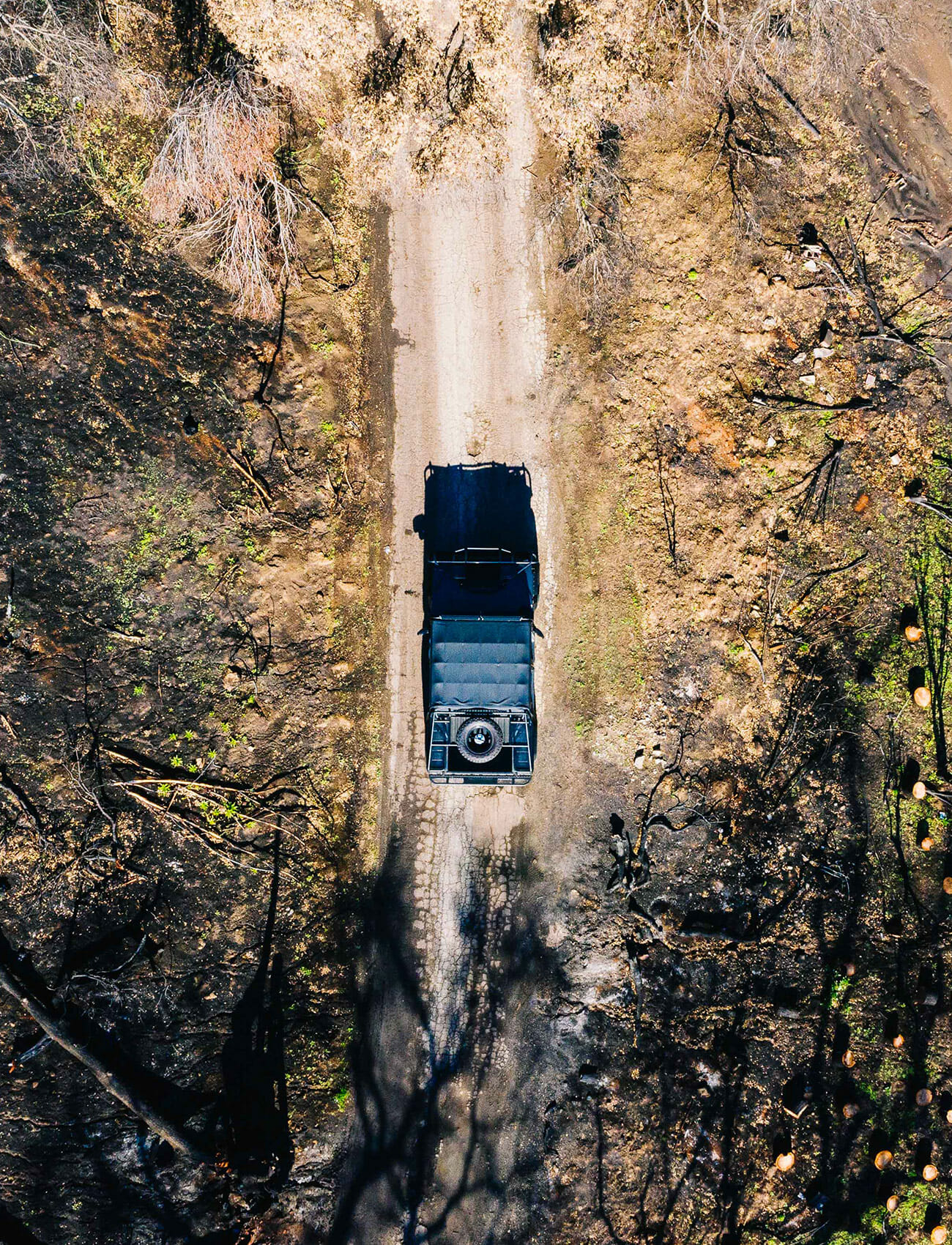
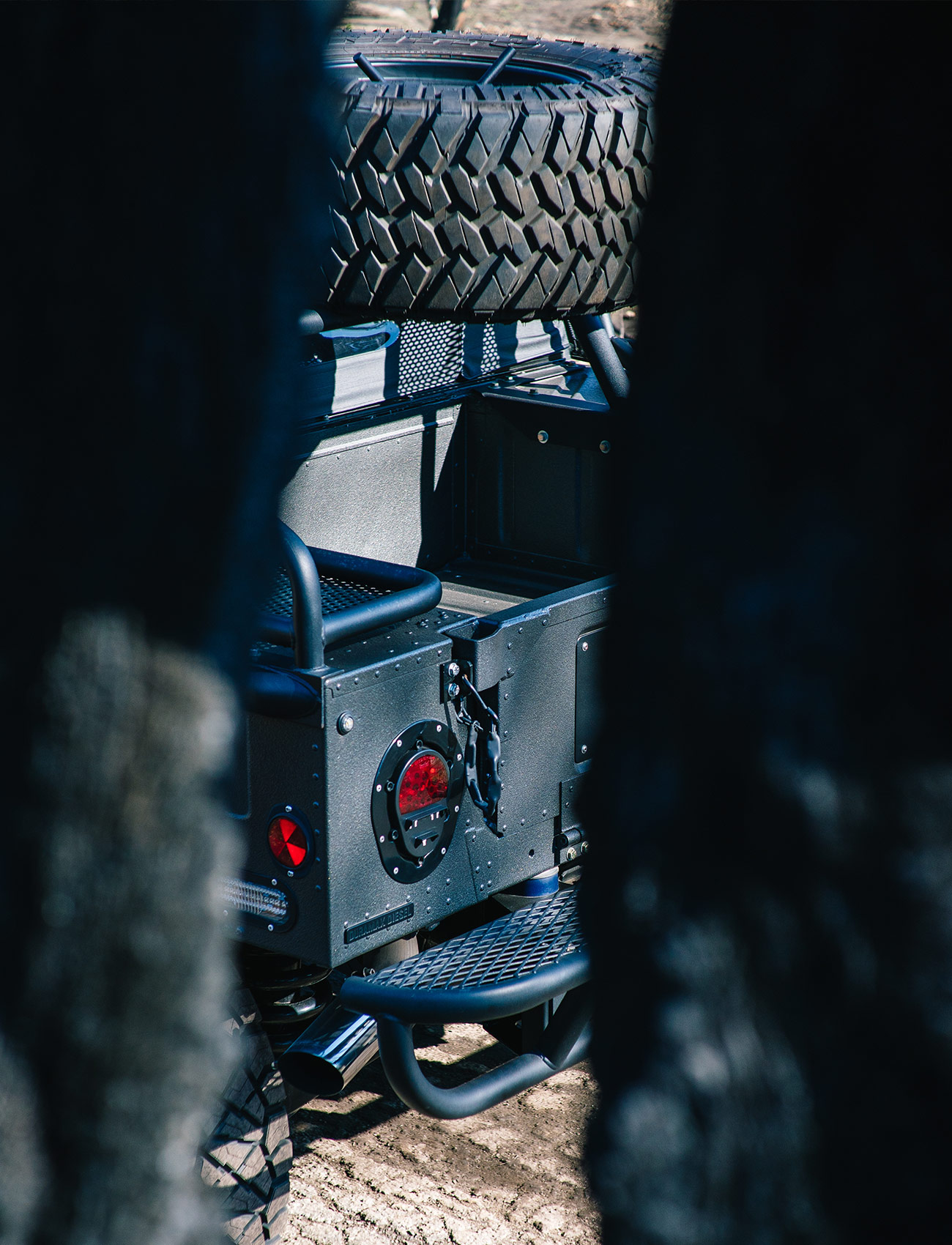
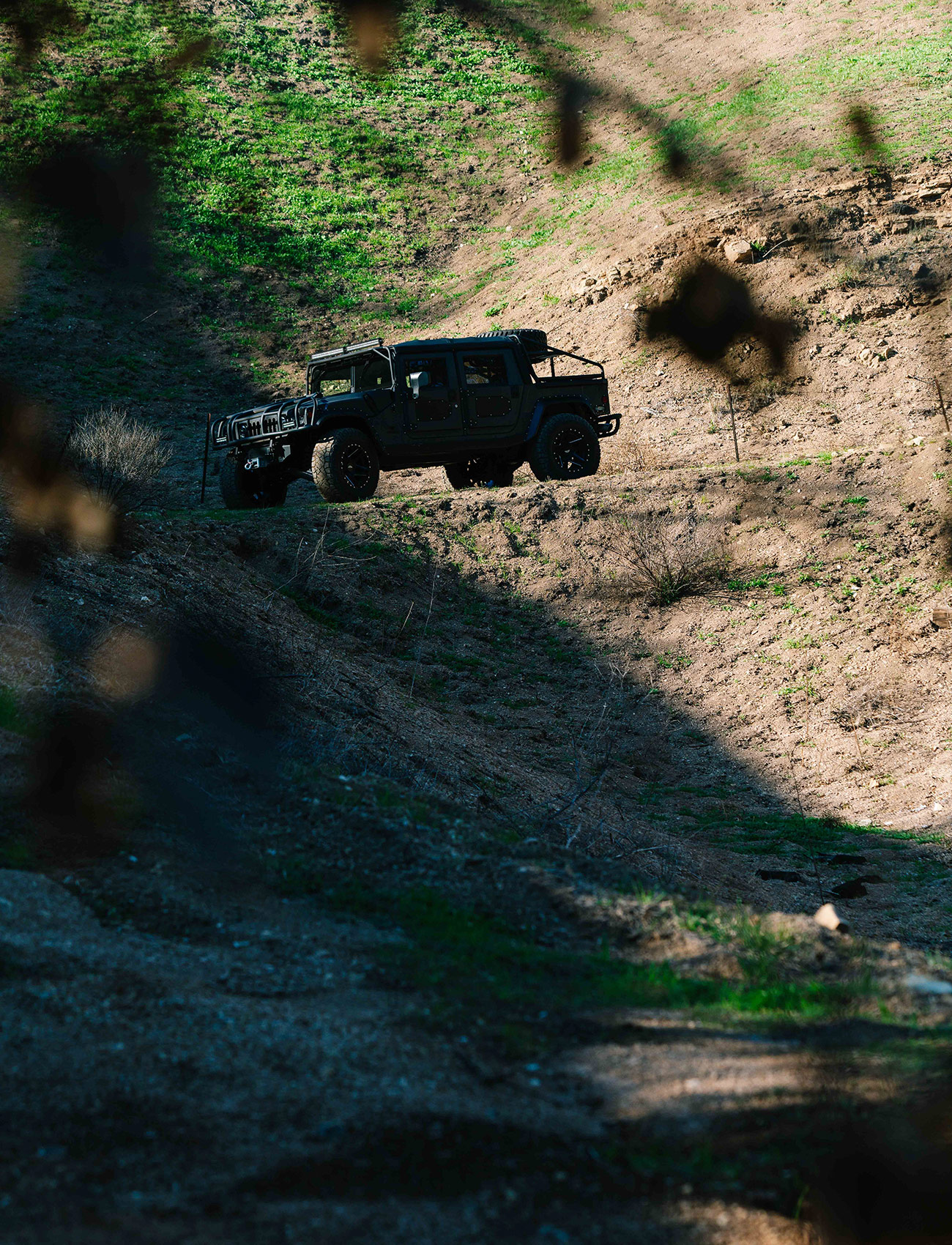
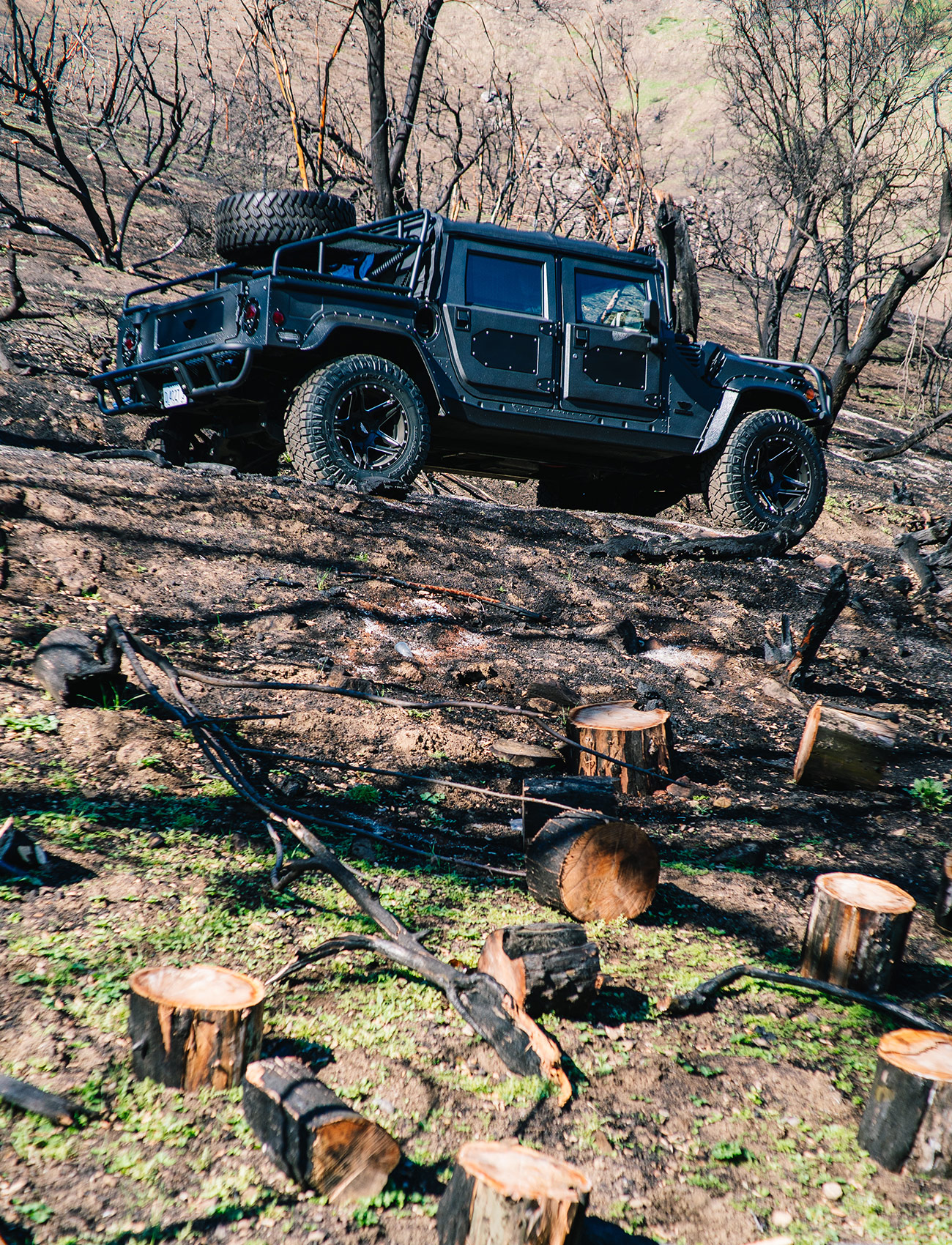
The Hummer H1 Is Given New Life By Mil-Spec Automotive

The latest design trends in the automotive marketplace can be depressing to enthusiasts. Fake exhaust tips, the ever-shrinking number of vehicles available with a manual transmission, four-door “coupes”, excessive amounts of badging — the list goes on and on. Today’s vehicles are objectively better in every measurable way, but the immeasurables and subjectives come up short. For that reason, the resto-mod market is booming. The appeal of a classic silhouette and obsessively perfect build-quality combined with just the right amount of modern technology is undeniable. From Defenders to Power Wagons to Broncos, the 4×4 resto-mod scene is rife with competition now, but only Mil-Spec Automotive has the audacity to take on the John Henry of trucks: the Hummer H1.

To put it plainly, outside the realm of military use the original Hummer H1 sucked. It was slow, inefficient, impractical and uncomfortable. Still, the H1 is one of those vehicles that stirs people, despite it being little more than an eight-foot-wide box on wheels. Fortunately for all of us with “the sickness,” the founders of Mil-Spec Automotive understand the simple beauty and huge potential of the H1. In just over three years the company went from lofty concept to striking reality: reimagining the truck to suit civilian connoisseurs of extreme vehicles. The company has produced a string of quarter-million-dollar final products, all mostly sold. And I drove Chassis #001, The Launch Edition.

It took all of five minutes talking with the CEO and Owner Adam Mitchell for me to fully understand that his work is above all else a labor of love. We walked around Chassis #001 before I drove away for the afternoon, and Adam’s eyes were glowing with pride as he pointed out each detail that makes their interpretation of the H1 special. Nearly every element of the platform has been replaced; only the original donor frame rails and body cores are retained. Of course, the 12-person team that hand-builds each Launch Edition pores over those meticulously as well, stripping them down to bare metal before they are essentially re-manufactured.

The first step in the process involves applying a gloss black powder coat to the frame and all its components to protect against corrosion. The aluminum body receives a thorough restoration from an in-house metal works specialist; Mil-Spec’s custom tri-level insulation system is also installed. The body receives a high-grade primer and coated sound/heat insulation products. Then the damn thing gets a coating of thermal deadening, sound deadening fiber — before Kevlar-infused exterior paint is applied. Adam is particularly happy with that last choice given that he grew up off-roading on trails in Michigan where branches wreak havoc on paint. Not only does Kevlar-infused paint make the truck look even more badass, but it also keeps the truck looking badass. The invisible effects of all these upgrades are equally impressive too. By significantly reducing the amount of heat around the truck’s powertrain, efficiency and performance increase greatly. Noise, vibration and harshness levels are also vastly improved by the coating process, resulting in a transformed cabin experience.
Mil-Spec’s attention to detail was immediately apparent when I set out on my drive. Everything feels tight, premium, carefully chosen. There are no rattles, no visible hints at design or engineering shortcuts, no reasons to doubt that this may be the finest hand-built 4×4 in America. It’s certainly the finest application of the all-star “LBZ” 6.6-liter Duramax Turbo Diesel on which GM built the reputation of their best generation of heavy-duty pickups. The Mil-Spec team has tuned the motor using their own software and the result is a truck that comes standard with 500 horsepower and 1,000 lb-ft of torque. Even in a vehicle this massive, that is astonishing grunt. Perhaps even more impressive are the fuel economy figures: 14mpg city and 20mpg highway, which surpass those of a number of new factory-built SUVs currently on the road. The tune also allows for bio-diesel compatibility. Who would have ever thought we’d be discussing the efficiency and environmentally friendly aspects of the H1 in 2019?
While the addition of some practicality to the equation here is welcome, I certainly didn’t forget that the H1 is one of the most unreasonable vehicles ever to pound the pavement. Thanks to Mil-Spec, this is now a truck that’s no more difficult to cruise on the highway in than a Mercedes-Benz G-Wagen or Jeep Wrangler. You certainly have to keep in mind how wide the damn thing is, but I found it easy enough to keep it centered in my lane of choice on the highway. Using the backup camera and large mirrors I was able to parallel park without breaking a sweat.
Mil-Spec has taken this once lumbering, impractical and intimidating truck and produced something that’s downright accessible and enjoyable in everyday life. Not only is that an improbable proposition, it’s also totally unexpected. Designs were done right the first time around on vehicles like the Bronco, Defender, and Land Cruiser, and similar to the H1, all three were subpar anywhere but off-road. Of the bunch, the H1 stands apart as a relic of a bygone era that was never meant for this kind of approachable, beautiful use. Mil-Spec has dusted off the beast and brought it to a whole new level.

None of that matters to me as the H1 and I sling mud around a mountain top. All that matters is how hilariously fun this truck is. I’ve got the remastered edition of Black Sabbath’s Vol. 4 pumping through the JL Audio system as I rollover more technical sections of this “top secret” test trail without hesitation. Shortly thereafter I’m back on the 101 freeway cruising comfortably at 75mph with one hand on the steering wheel. A minivan comes up alongside me on the right, and the driver gives Chassis #001 a once over and nods. A head appears from his far side: a kid leaning forward to catch a glimpse from the passenger seat. He gives me an enthusiastic thumbs up. If only he knew the half of it.

Consumer Reports Withdraws Tesla Model 3 Recommendation

The Tesla Model 3 received the top rating on Consumer Reports’ list of 10 most satisfying cars based on owner satisfaction. However, CR has rescinded its own recommendation for the Model 3 citing reliability issues. CR cited paint and trim issues, touchscreens going on the fritz, and glass defects from its owner survey. That dipped the Model 3 from an “average” to “below average” reliability rating.

Reliability issues don’t surprise given the reported problems with Model 3 production. The rush to meet Model 3 production targets led to Tesla manufacturing vehicles in tents, redesigning the vehicle mid-production, and overworked humans and robots. While we can kid about Tesla owners exhibiting a high level of self-satisfaction, Tesla owners loving a brilliant piece of paradigm-changing engineering and the car having a myriad of issues are not mutually exclusive.

The natural question, when CR doesn’t recommend a car, is what one should buy instead. That’s tough to answer. We’re approaching the tipping point with EVs. Nearly every manufacturer has an exciting EV planned if not an entire lineup. But, we haven’t tipped yet. There isn’t an exact parallel for the Model 3 in the luxury market.

Jaguar’s I-Pace, though maybe more of a rival for the Model X, would be the natural place to start. It’s a little more conventional looking than Tesla’s cars. But, it offers style, performance (4.5 seconds 0-60) and a claimed range over 200 miles which can compete with the Model 3. It is a bit more expensive than the Model 3, however, with a starting MSRP of $69,500. It also takes a long time to charge.

Read Now: The BMW M3 Has a Serious Competitor In the Tesla Model 3

Audi’s e-tron crossover is not quite as quick or stylish as the I-Pace but offers a similar range at the same slightly elevated price point. There are also concerns about how efficient the Jaguar and Audi are compared to Teslas.

A similarly budget-friendly, but still luxury option could be the BMW i3s. It definitely looks more like an early generation EV, like BMW tried to improve the Leaf. It’s under 200 horsepower. The 0-60mph times won’t astound anyone. But it can get 150 miles or so with the range extender and hits the $40,000 to $60,000 range of the Model 3.

Tesla should get ample competition with Polestar, Porsche, Mercedes, and others launching EVs over the next couple years. But, right now, competitors have not matched the Model 3’s combination of style, performance, and range at its price point. That’s why EV buyers will continue to take the risk with Tesla’s build quality over making sacrifices.

Alternatives:
Are Electric Cars Actually Cheaper to Own?
The Volkwagen GLI Finally Gets Some Soul
The Alfa Romeo Giulia Quadrifoglio Is Already a Legendary Car

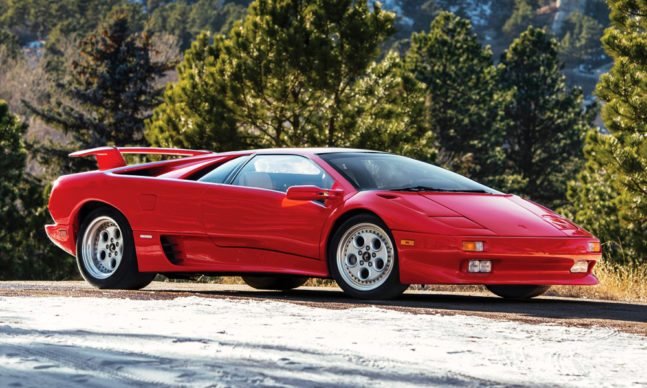
Mario Andretti’s 1991 Lamborghini Diablo

We recently covered a special Lambo Diablo Millennium Edition that went up for auction, but now comes something a bit rarer, at least by way of ownership. This red beauty was owned by none other…

The 18 Most Gorgeous Shifters to Ever Grace an Automobile

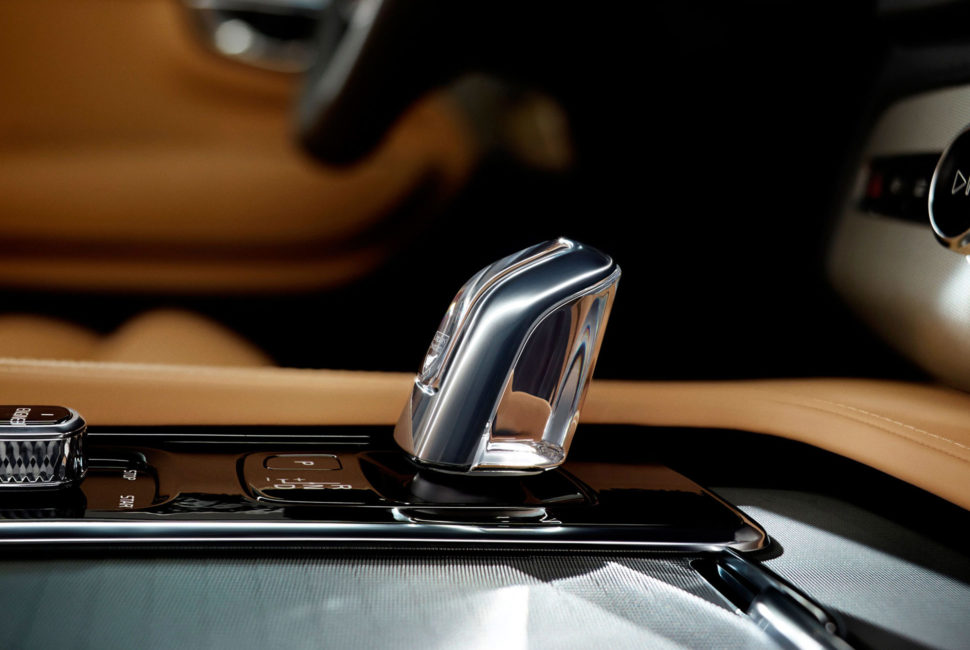
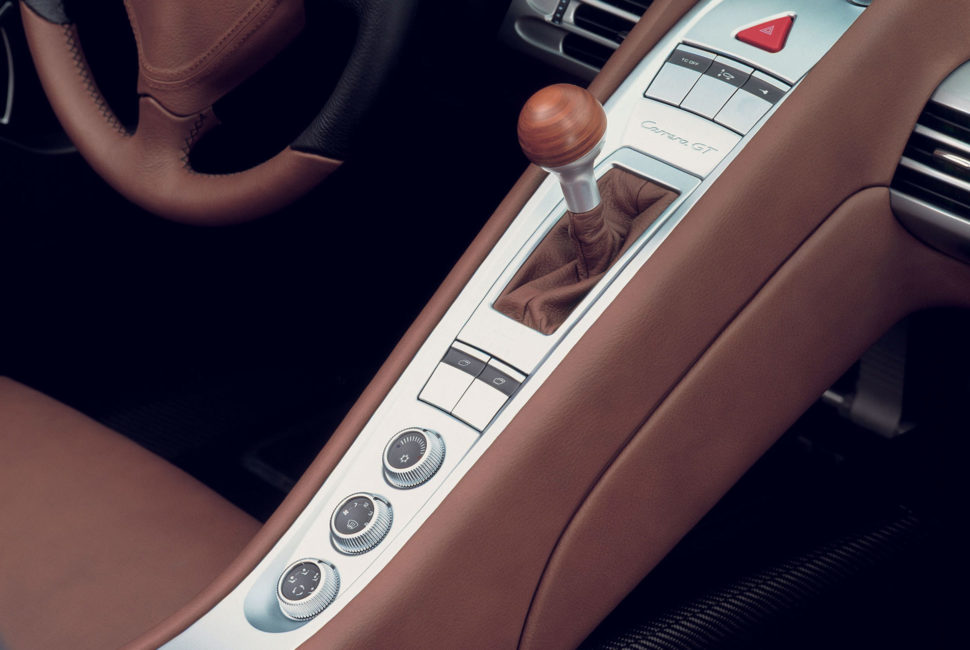
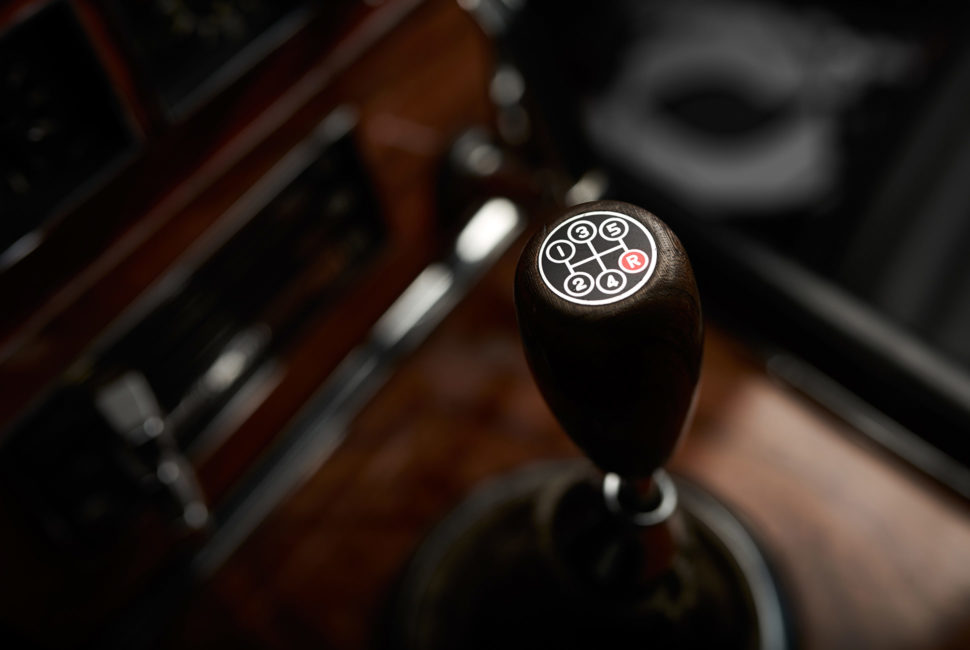
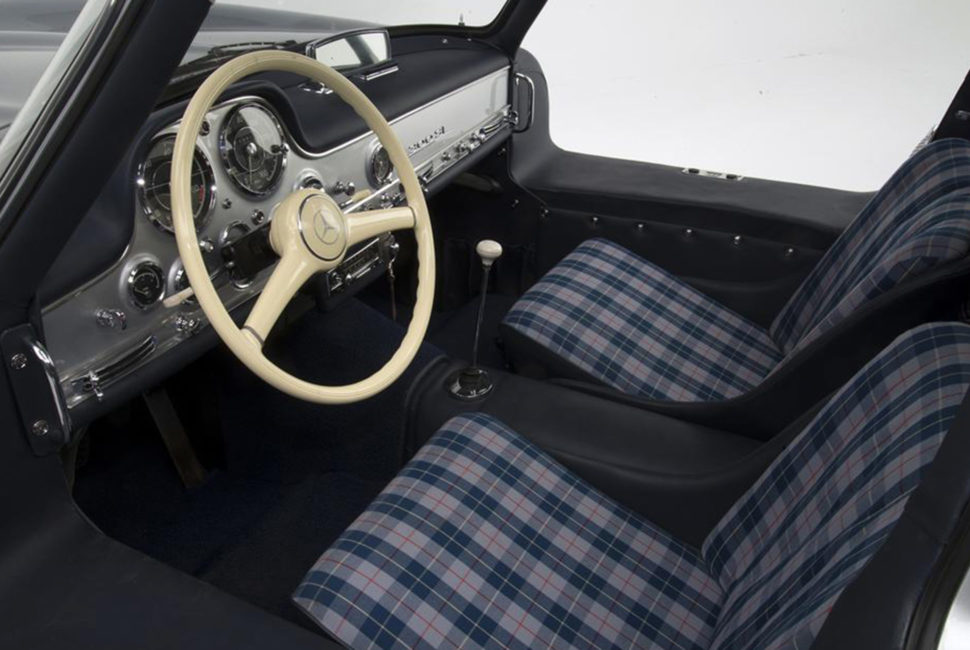
Not only is the manual transmission creeping closer to extinction by the day, the actual art of shift lever design is all but lost as well. The shift lever is one of the driver’s main points of interaction with the car; just as much thought should go into its placement, ergonomics and design as do the pedals and steering wheel. The shifter is, literally and figuratively, the centerpiece of a car’s cabin — it should look the part.

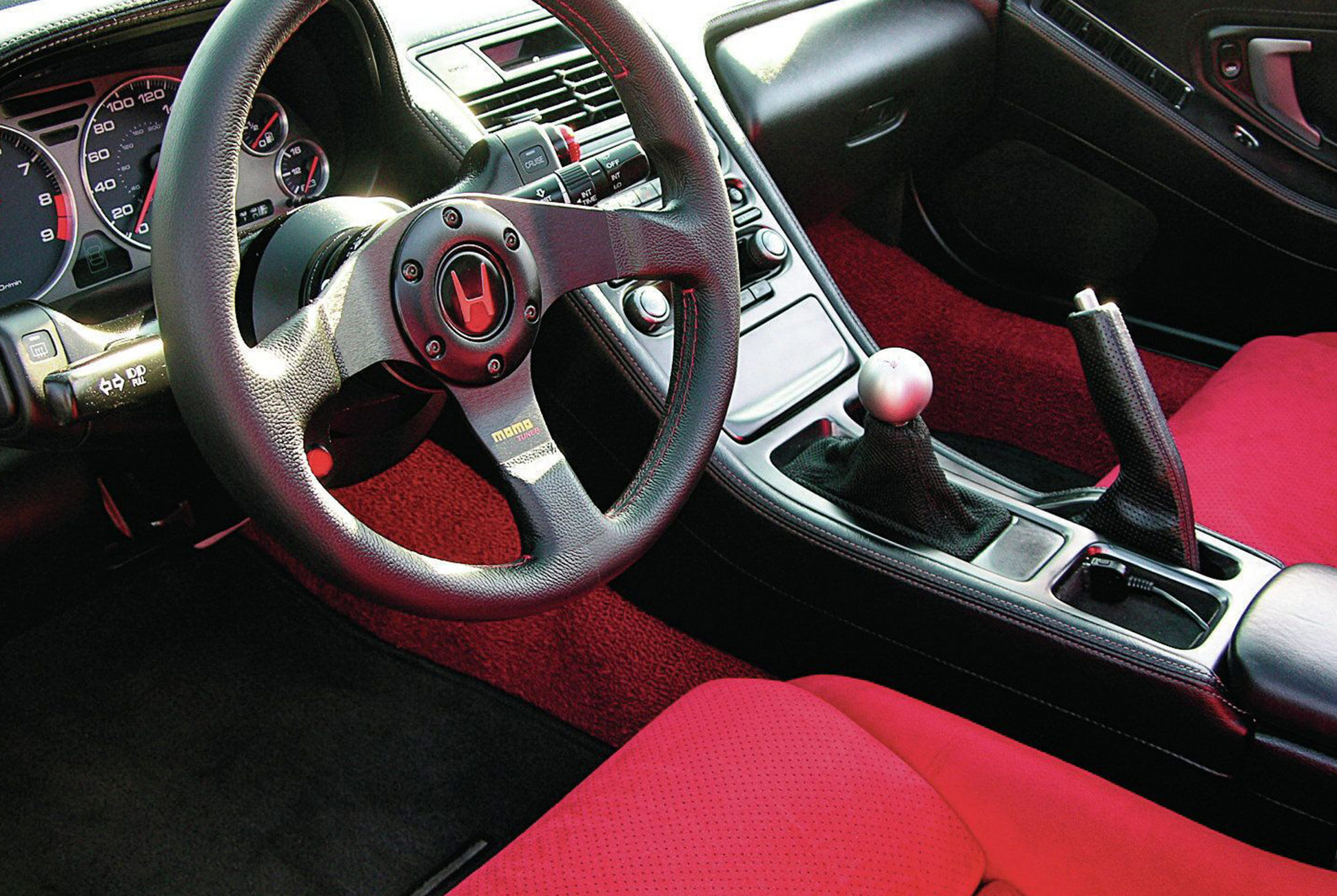
2002 NSX-R


The titanium shift knob and mesh boot was an exercise in weight savings, but it also made for one good looking shifter.

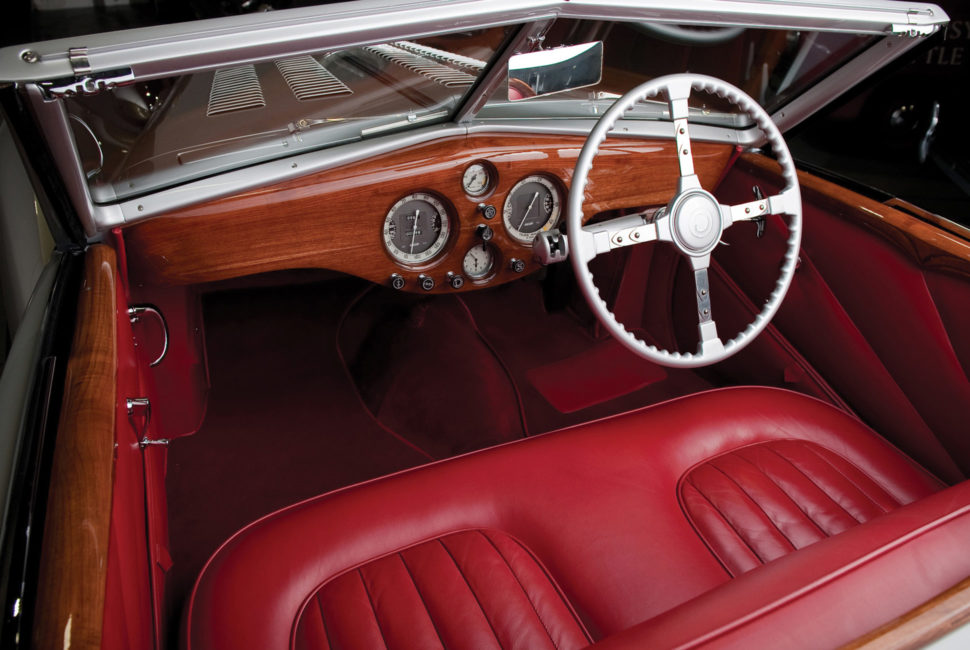
1938 Delahaye 165 Cabriolet


You have to respect the wildcard column-shifter.

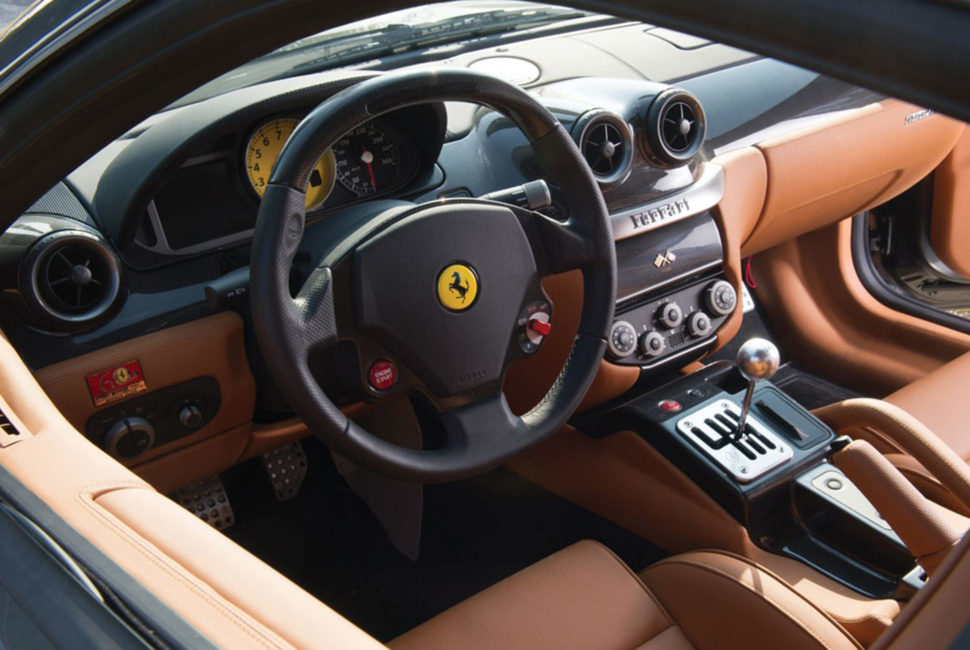
2007 Ferrari 599


The 599 was the last Ferrari to have a gated-shifter. Never has the end of an era looked so good.

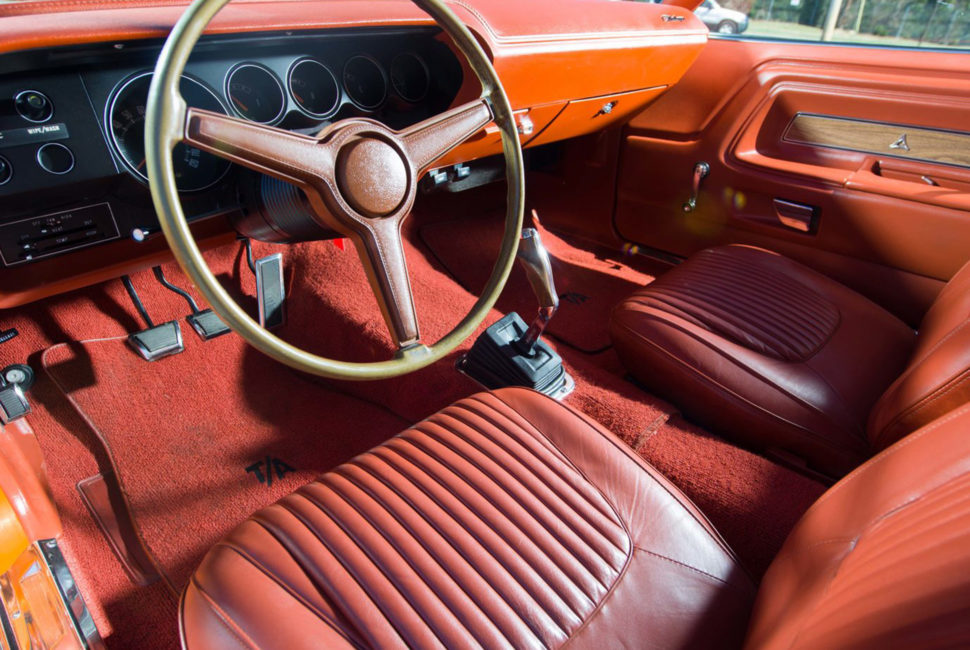
1970 Dodge Challenger Hurst Pistol Grip


Old-West overtones aside, the pistol-grip is the most comfortable shifter you’ll ever lay a hand on.

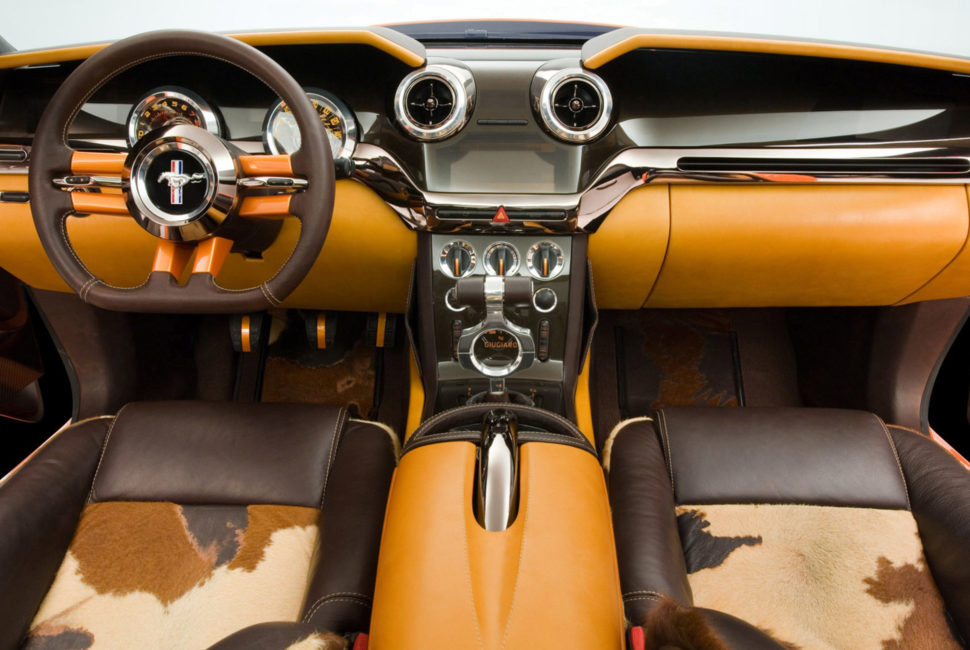
2006 Giugiaro Mustang


A connecting rod shifter — got to love it.

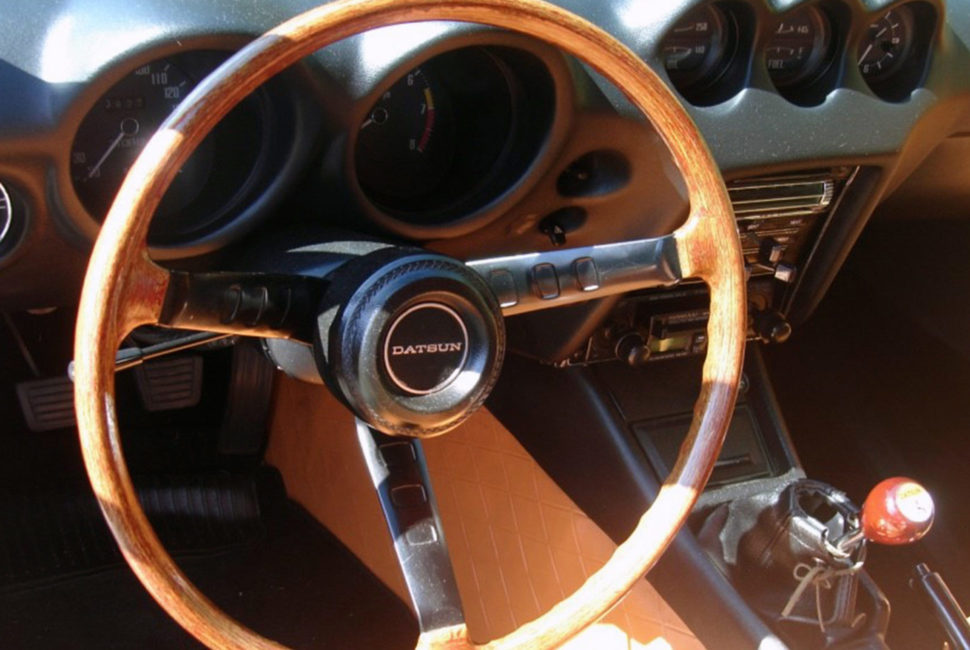
1970 Datsun 240Z


There’s nothing like the feel of a bare wood shifter in the palm.

2016 Volvo XC90


Modern art.

2004 Porsche Carrera GT


A call back to to the beechwood shifters of the 917 race cars — lightweight and good-looking, too.

1967 Toyota 2000GT


Simply elegant.

1955 Mercedes 300SL


A no-frills shift knob perfectly balances the ostentatiousness of gull-wing doors.

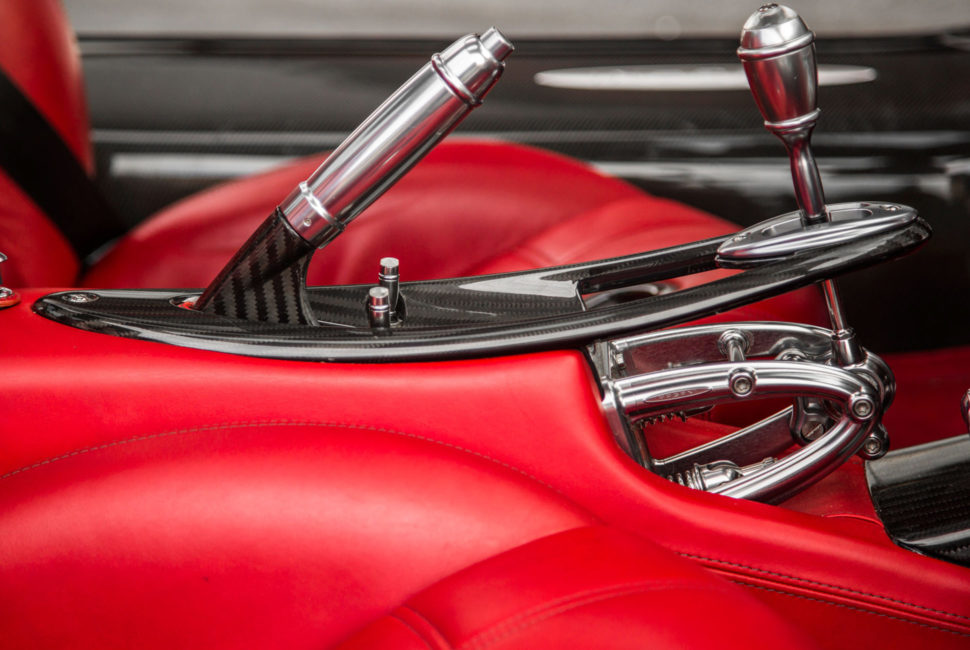
2016 Pagani Huayra


The auto-interior equivalent of a tourbillon.

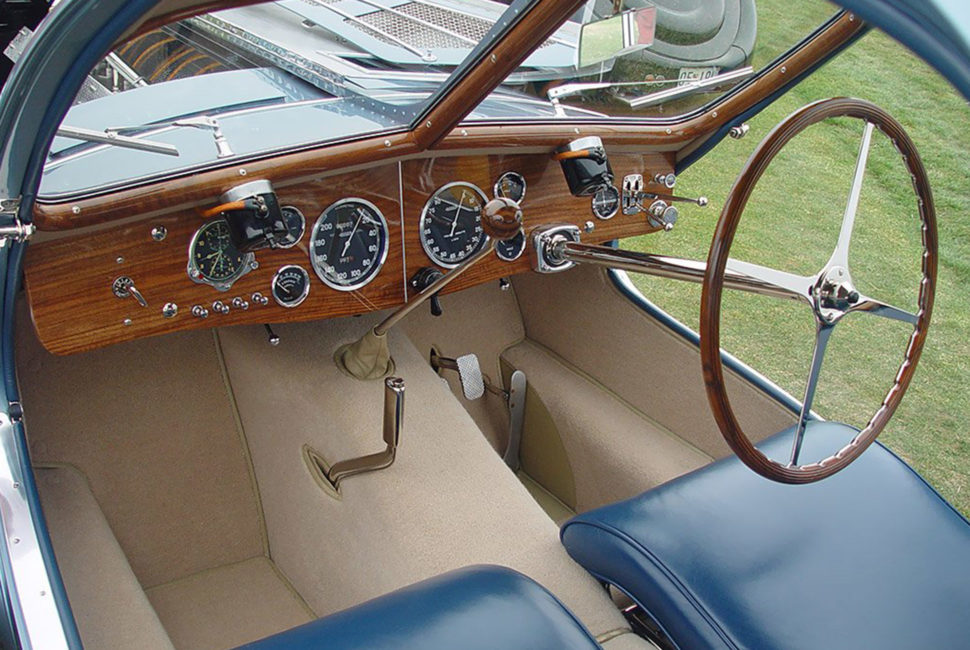
1936 Bugatti Type 57SC Atlantic


Jean Bugatti wasn’t going to phone in any detail of the 57SC Atlantic, no matter how small.

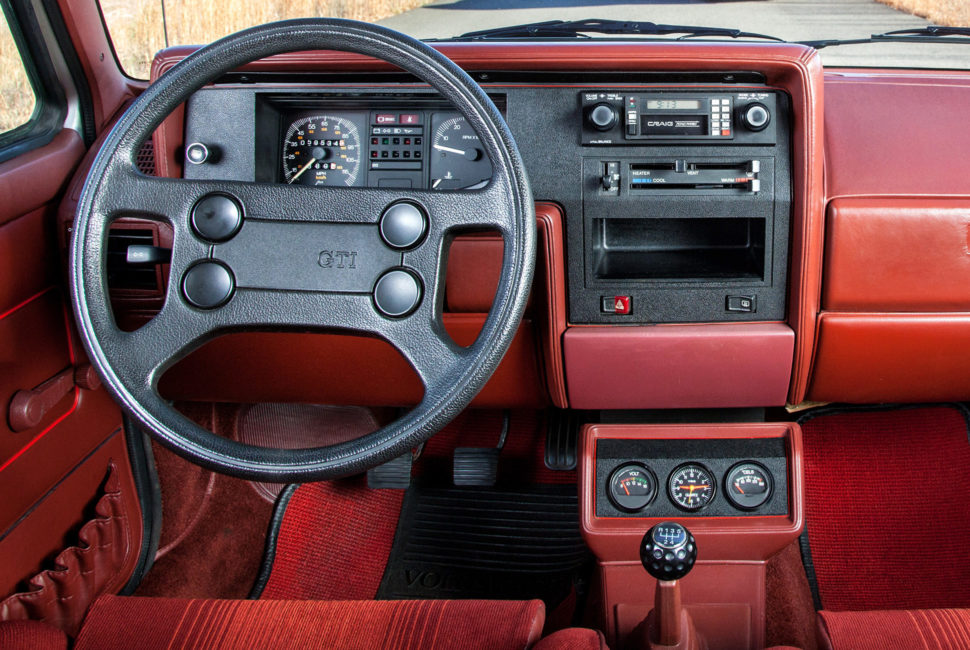
1975 Mk1 Golf


Golf. You get it.

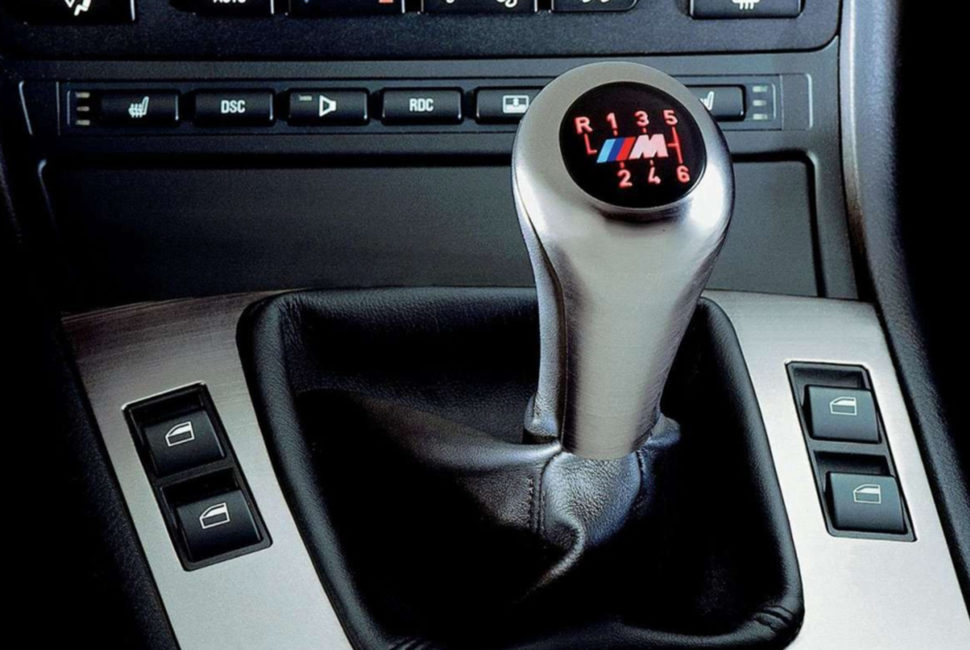
2000 BMW M3


An illuminated shift pattern may be pointless, but damn if it isn’t cool.

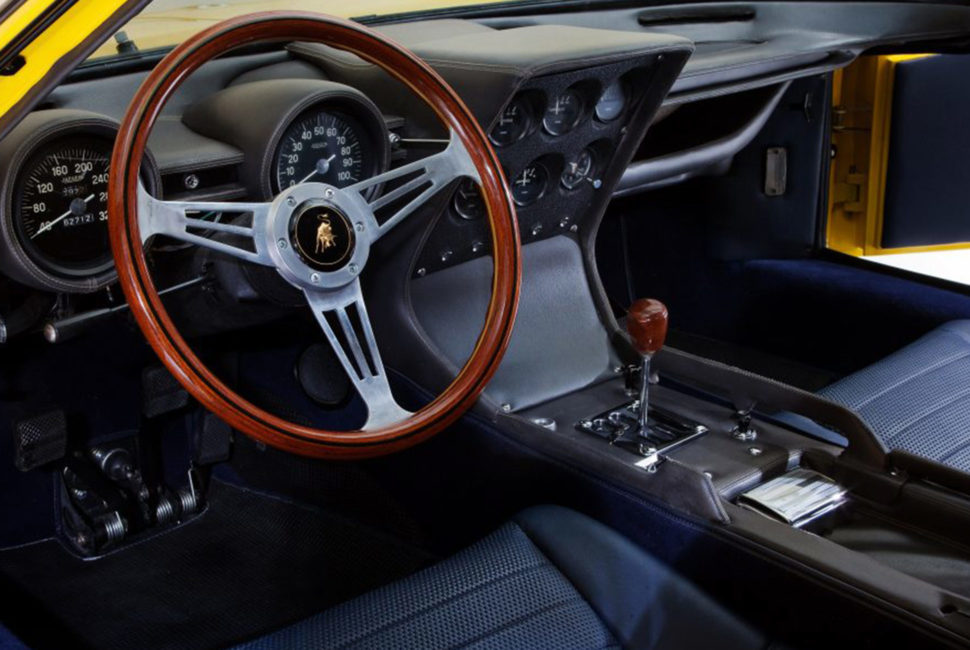
1966 Lamborghini Miura


Ferruccio Lamborghini’s famous spat with Enzo Ferrari was over a transmission, so it makes sense the Miura’s shifter looks so good.

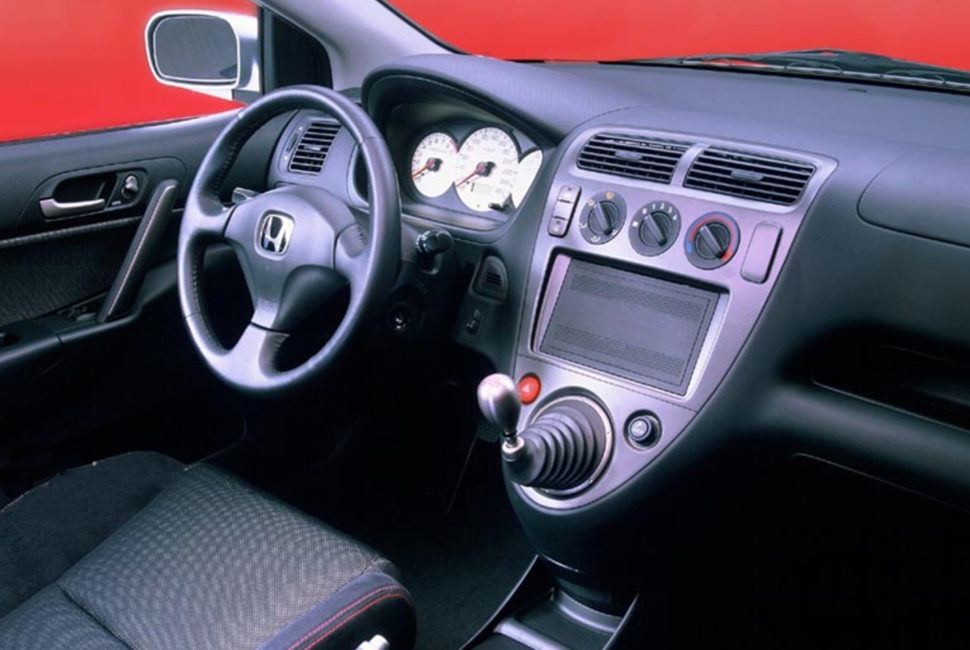
2001 Honda Civic Type-R


An unconventional placement seen in very few other cars — the Porsche Carrera GT being another — puts Civic is in good company.

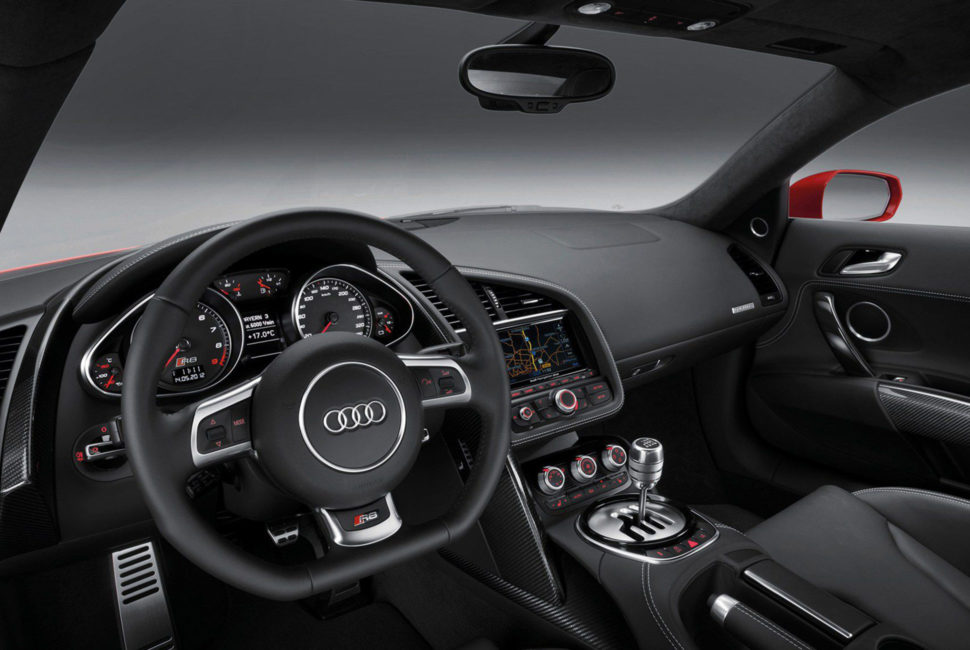
2006 Audi R8


One of the last great gated shifters.

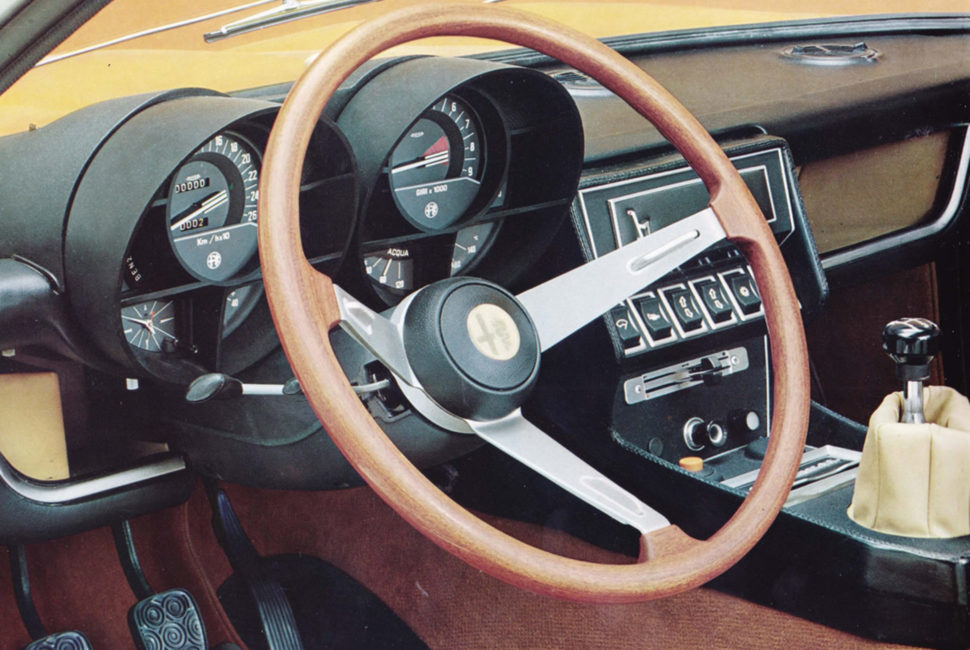
1970 Alfa Romeo Montreal


There’s absolutely no need for that much leather, but “restraint” isn’t in Alfa Romeo’s vocabulary.

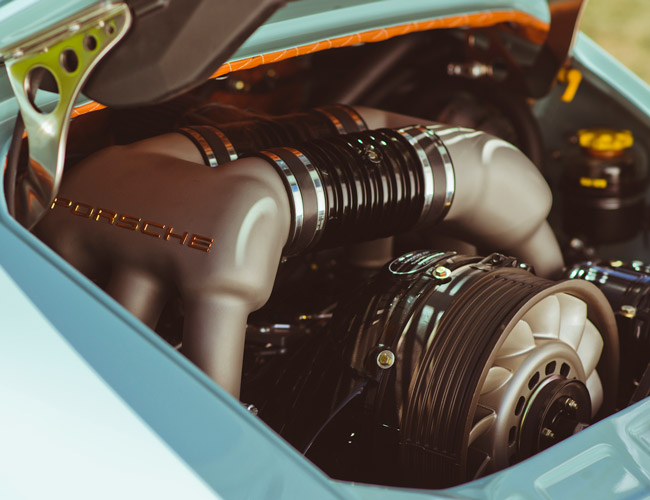
Engine Bay Porn

You’ll find that if a car’s engine — as well as the bay it sits — is beautiful, then the rest of the car’s design follows suit. Read the Story

The Perfect Jeep Does Exist and This Is it

Jeep Wranglers fall into the category of trucks that live to be modified. Jeep and aftermarket companies know this, so upgrades, tunes, and modifications for a Wranglers are almost limitless. For proof, look no further than this 2013 Jeep Wrangler Rubicon with an American Expedition Vehicle JK350 kit and a V8 stuffed under the hood.

Out of the box, the Wrangler Rubicon is a wildly capable off-roader, but that only tempts the Jeep faithful to push the four-wheeler’s performance even further. Now, there is such a thing as too much, but, believe it or not, the $41,000 worth of upgrades on this Wrangler is just right.

Everything sits on Bilstein shocks and a 4.5-inch DualSport SC suspension lift, a custom rear track arm, sway bar links and 37-inch Mickey Thompson Baja MTZ tires. Inside, AEV fitted heated leather seats, custom gauges and an Alpine head unit equipped with Bluetooth, a back-up camera, satellite radio and Apple CarPlay. Custom front and rear bumpers bookend the Jeep, and a 5.7-Liter Hemi V8 pulls everything along.

Jeep Wranglers, like mechanical blank canvases, welcome mods aplenty. Trouble is, one upgrade tends to lead to a second and a third and, well, you get the idea. But for the price of all the extras bolted on this Rubicon, you can buy another Rubicon. The upshot here is this Wrangler is still hovering around $32,000 with 65,000 miles on the odometer. That means you may end up paying the same amount for this used ’13 model as a new Rubicon, but you can bet the final bid won’t be anywhere near the $80,000-plus the owner spent on his rig.

The Best Used Porsches We Found for Under $10,000

A Note on Pricing: The going prices for these cars are accurate at the time of publishing but may change the longer the classified ads are live.

Legend has it, German cars are incredibly reliable. To their credit, the brands from Deutschland have done a spectacular job of selling their “perceived reliability,” despite Japanese cars being historically more dependable. Not to knock legendary marques like Porsche — it’s entirely possible to get a near faultless 911 or 944; just keep in mind you’ll be paying a premium for it. But, what happens when you lower the budget to $10,000? Suddenly the choices available create a veritable car shopping minefield of lemons, headaches and “project cars.”

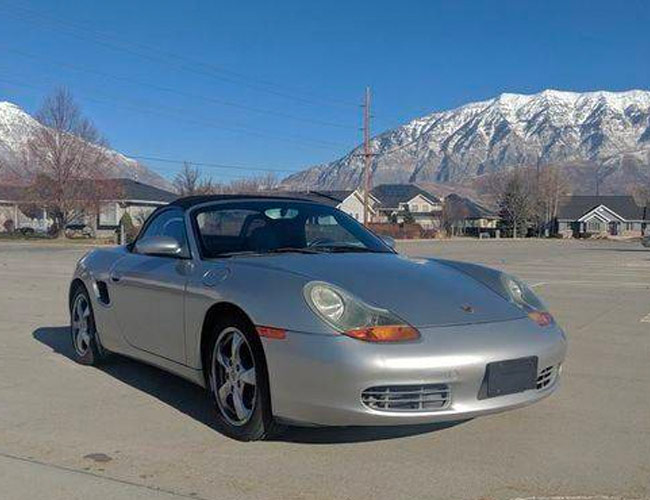
2002 Porsche Boxster

The original Boxster convertible may not have the performance car reputation of some of its bigger brothers, but it is a blast to drive. You’re sitting right in front of its engine which makes the sensation of its RWD “push” all the more sensational. This particular model has low miles, a manual transmission and comes with a hardtop, which means track days are a go. Plus, its all-white paint job is a perfect canvas for adding your livery of choice. — Kyle Snarr, Head of Marketing

Mileage: 71,500 miles
Original MSRP: $39,980

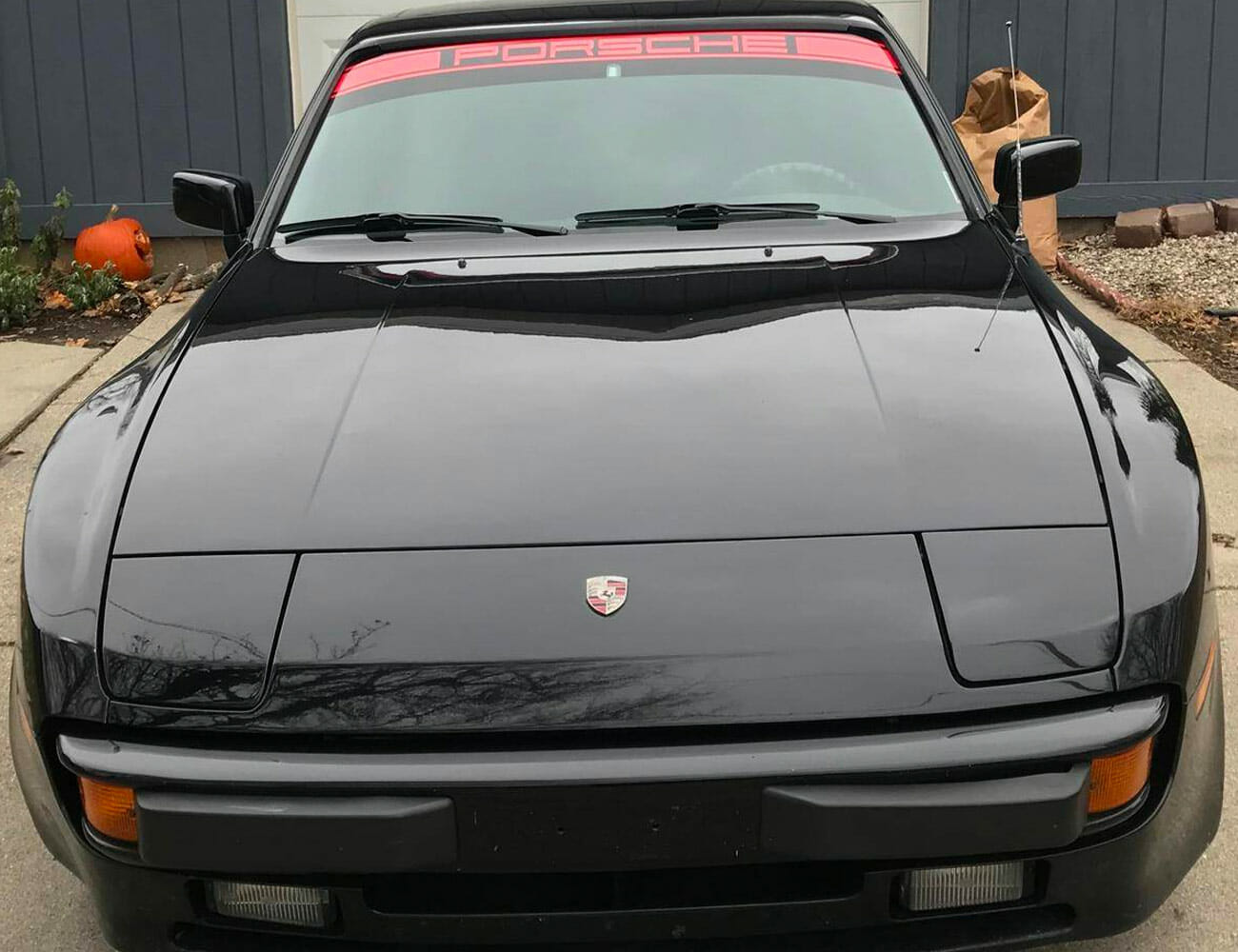
1984 Porsche 944

The 944 is the only truly “cheap” Porsche left. That’s understandable: it’s doesn’t look especially Porsche-like. It was praised in its day but didn’t take hold with Porsche purists who couldn’t stomach a front-engined car. By today’s standards, the 924 is slow. But 944s still say Porsche all over the place; in fact, this one says it on the side too. The seller says it’s in great running order, save a few issues that should be fixable. The 944 is legendary in a certain way, it’s affordable and it’s approachable. Plus, a kid I went to high school with drove one and I resented it the entire time. So above all, this one’s for Adam. — Nick Caruso, Coordinating Producer

Mileage: 67,000 miles
Original MSRP: ~$21,000

1989 Porsche 928 S4

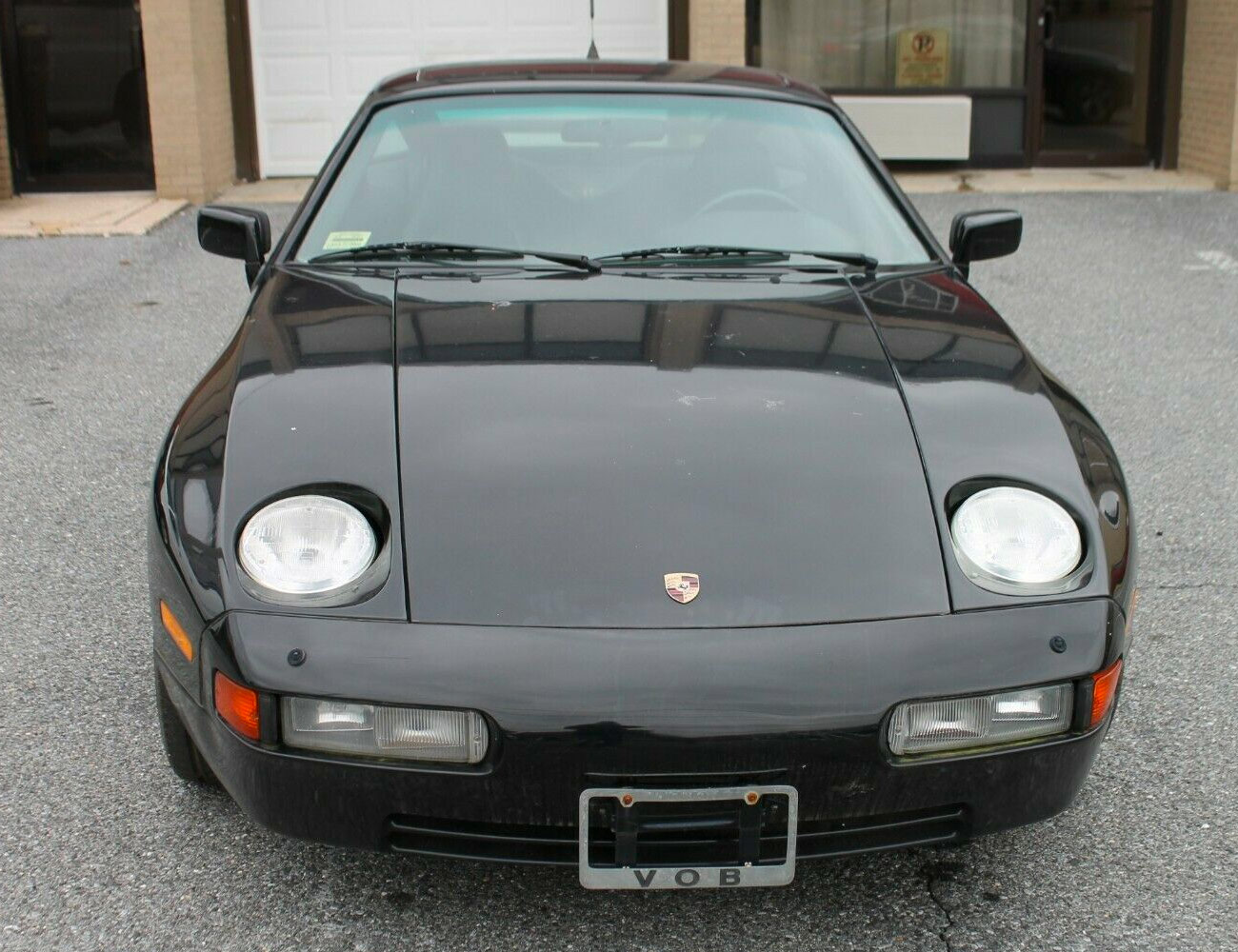
The 928 holds an awkward place in Porsche’s history. The front-engine V8 coupe was the company’s first front-engine V8 and was also burdened with the herculean task of replacing the 911 — pretty obvious how wel that went. Despite the car’s attempt to usurp the flagship title, and its dubious design aesthetic, the 928 was hit. Being featured in both Scarface and Risky Business in ’83 helped boost its pop culture status too.

Coincidently, buying an ’89 Porsche-anything for under $10,000 can be considered risky business—especially the 928 and its oil-hungry 5.0-liter V8. Based on the condition of the exterior, interior and engine bay, at 85,000 miles and for $6,400, this 928 has seen better days, but I’d rather take my chances with this eight-cylinder, rear-drive coupe than any other weathered, grenade-in-waiting budget-Porsche out there. — Bryan Campbell, Staff Writer

Mileage: 90,375 miles
Original MSRP: $74,545

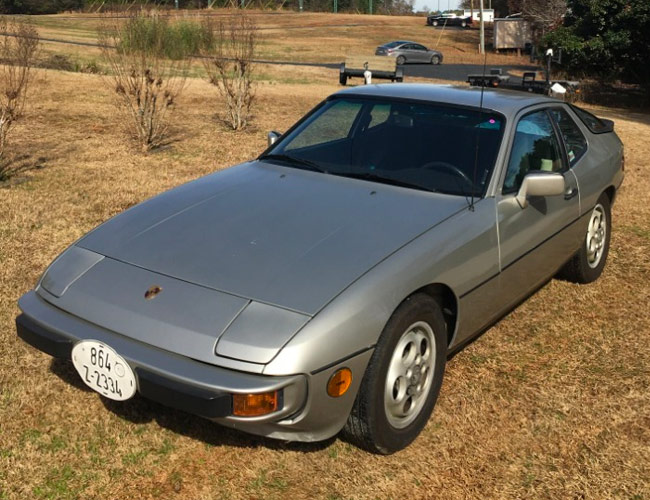
1987 Porsche 924 S

I’ve written a few times about my desire for a 1987 924 S. My dad had one while I was growing up, and I have fond memories of it (I fondly remember the cassette tape rack in the center console). More on that here. There’s not much info provided on this 924 S by the seller, but the description does mention that it was meticulously cared for and bought in Germany then delivered to the US. The car is painted Zermatt Silver and comes with new tires. What more could you want in a Porsche under $10,000? — AJ Powell, Project Manager, Gear Patrol Studios

Mileage: 75,400 miles
Original MSRP: $19,905
Note: Purchasing products through our links may earn us a portion of the sale, which supports our editorial team’s mission. Learn more here.

Mercedes Debuts Special Editions of Their Best Roadsters

Mercedes-Benz will unveil special editions of the SLC and SL roadsters at the 2019 Geneva Auto Show. The compact SLC roadster will receive both a “SLC 300 Final Edition” and an “AMG SLC 43 Final Edition.” The larger SL roadster will receive “Grand Edition” versions of the SL 450 and SL 550. Differences between these editions and the standard SLC and SL models will be cosmetic, with aesthetic changes, premium details and special badging.

The AMG SLC 43 Final edition will come in a model exclusive “Sun Yellow,” a tribute to the original SLK roadster from 1996. The SLC 300 Final Edition will come in “Selenite Grey” and feature high-gloss black wheels, door handles, and mirrors.

The SL Grand Edition roadsters will come in “Graphite Grey” with “applications in high-gloss chrome and matte silver.” They will have a lowered sport suspension, high-gloss black AMG wheels, and an assortment of fine leather work from Mercedes’ “designo” workshop.

Mercedes did not mention pricing for the SLC and SL editions. They will arrive at U.S. dealers in 2020. No, Mercedes will not throw in a manual transmission “for old times’ sake.”

Luxing up these roadsters should inject some interest in two model lines that have become a bit tired. The SLC has not received a full overhaul since the third generation SLK launched in 2011. The sixth generation SL has been around since the 2013 model year. The SLC and SL saw declines of 30.3 percent and 27.7 percent in U.S. sales in 2018. Combined, the two models represented just 1.3 percent of Mercedes’ U.S. sales last year.

Interesting and still unknown is what, if anything, Mercedes will do next with the SLC. It’s hard to get more ominous than “final edition.” Mercedes could birth a new roadster from the entry-level A-class. They could go in a different direction altogether with a cheaper performance car. Let us all pray some weird small convertible SUV-type thing is not in the works.

The Complete Mercedes-Benz Buying Guide: Every Model Explained

We did the heavy lifting—just pick your favorite and go. Read the Story

Thoughts While Driving the New McLaren 600LT Spider

McLaren can’t build a bad supercar. That’s not a problem for us proletariat who don’t own a McLaren, but it may present an issue for those who do. Imagine you’re filthy rich and you want the ultimate, best and every other adjective for “apex” supercar from the Woking, England, manufacturer. You part with more than a million dollars and take ownership of the P1 hypercar and you deservedly feel like a king.

A few years later, out comes the Senna and, damn it, it’s slightly better than your P1. It’s so effing perfect that Formula 1 champ Nico Rosberg declares it the only road car he’s driven that comes close to feeling like an F1 car. Clearly, you now must buy a Senna, so you do. Then the 600LT emerges as part of the Sports Series, and because it’s brilliant fun to playfully rip around the track, you’re going to need one of those, too. McLaren’s inability to produce a crummy car is costing you a lot of money, but, hey, at least your garage is freaking beautiful, right?

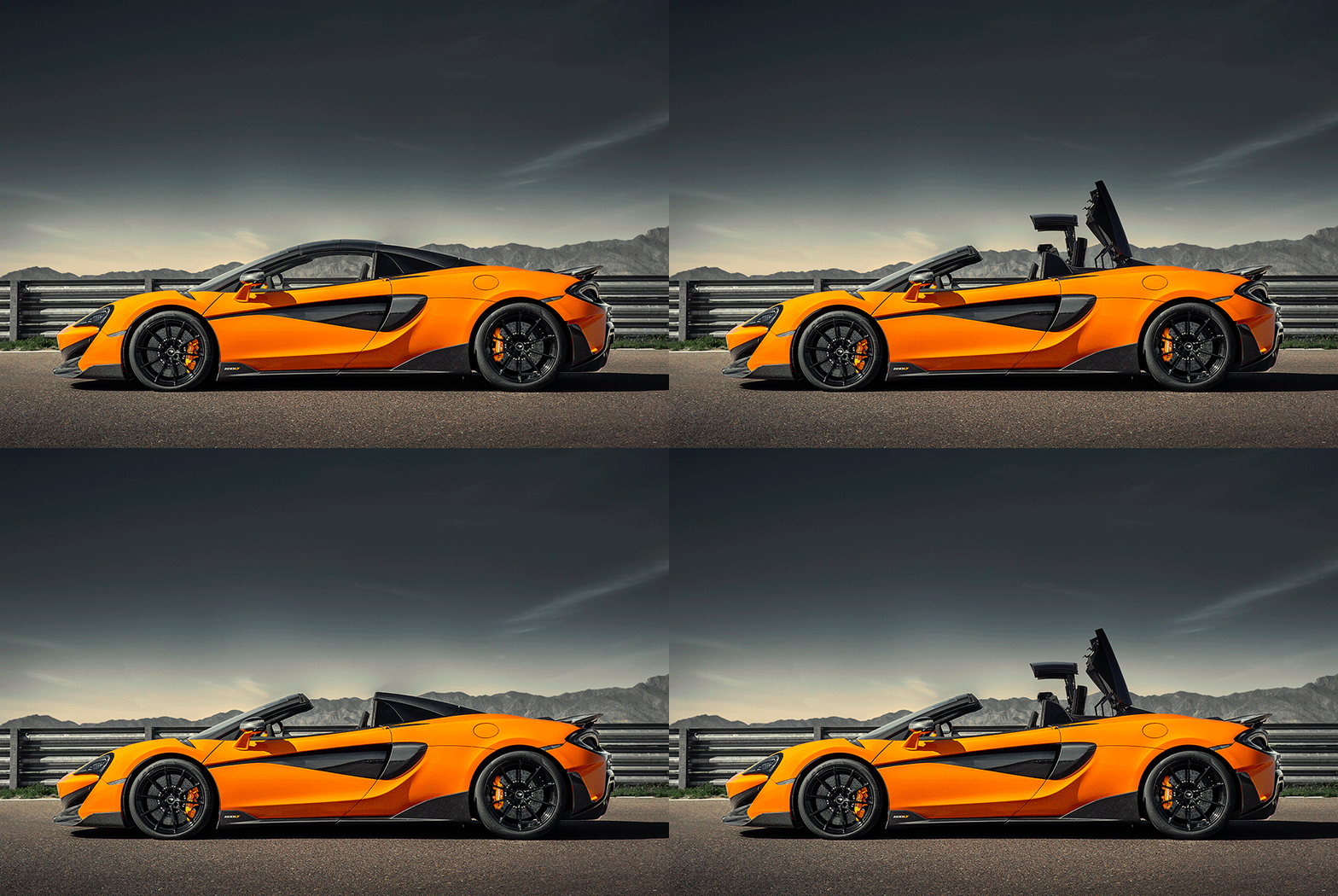
That garage will need one more parking space. McLaren’s gone and chopped the roof off the 600LT, and because you want to feel the wind tearing out your hair during a track day, you’ll also have to get one of those 600LT Spiders. As previously mentioned, I can’t afford a McLaren 600LT Spider, and cursing that very fact was the first thought I had while testing the beast in Arizona earlier this month. Here, the rest of the musings that pop into your head as you barrel along serene desert roadways and on a closed track.

“Longtail, FTW.”
The “LT” stands for “Longtail,” or an elongated chassis. McLaren’s first foray into a longer wheelbase was the F1 GTR Longtail, back in 1997, which competed in things like the 24 Hours of Le Mans. Oversimplified, take a regular chassis—the jumpoff for the 600LT was the 570S—and stretch it both front and rear, shave out some weight, tweak the aerodynamics, ratchet up the power and you’ve got one helluva monster on a race track. Shorter chassis can go light and feel squirrely under hard charges through a corner on a track, but the 600LT rotates itself through a hairpin as gracefully as a ballerina pirouetting. It’s effortless to get the weight transfer to zip you around and fire you out of the turn at pupil-dilating speed.

“Brake steer should be standard on all supercars.”
Here’s a fun bar fact that’ll make you sound very smarts: in the 1997 Formula 1 season, a photographer spotted a second brake pedal in the McLaren MP4/12 race car. It emerged that pedal was for brake-steer and, when engaged by the driver, it clamped down on the inside rear wheel during a turn to offset understeer. It was outlawed by F1 officials at the end of that season, but it’s back in the 600LT and the Spider. What that brake vectoring does is help the car absolutely tear through corners at high speeds. A little trail braking into a turn, and the front end tucks in, grabs hold of the line and stays there until you unwind the wheel again.

“Brakes are somewhat optional on the road.”
While on the track you definitely need deep dives into the brakes—which feature a Senna-inspired booster, and carbon-fiber discs and flyweight calipers borrowed from the 720S—on long stretches of desert roads with gentle corners, you needn’t tap the left pedal. A light lift right before the turn in and the 600LT cuts around at speeds well above the marked limits, without a hint of squeal from the bespoke Pirelli P-Zero Trofeo R wheels. McLaren proudly notes those shoes help increase the cornering speeds over the 675LT Spider.

“THIS IS BEAUTIFULLY LOUD.”
In a bid to shave weight, McLaren eschewed piping the exhaust down through the rear diffuser, instead opting for a top-mounted exhaust. That means you get a larger rear diffuser, the whole car is a few kilograms lighter, and it’s louder. Absurdly louder. And since it’s a Spider, it’s nearly deafening, in the best way possible. The pops on the overruns sound like gunfire back there, and each time you ask for a satisfyingly chunky downshift, you never tire of the accompanying aural symphony. The crescendo as you run through the top of the rev range is the best growl and howl that mid-mounted 3.8-liter twin-turbo V-8 can produce.

“It’ll fat-shame Lamborghini and Ferrari.”
If specced with the optimal lightweight package, the 600LT Spider weighs a mere 2,859 pounds. Compared to its competition, it’s a featherweight. The Lamborghini Huracan Performante Spyder tips the scales at 3,322 pounds, while the Ferrari 488 Spider clocks in at 3,130 pounds.

“Without the wind, you’d never know this was a Spider.”
Typically cutting the top off a supercar makes it substantially less rigid, and thus less stable when on track. But credit McLaren’s wise engineering for track time feeling indistinguishable between the coupe and convertible. The core of the chassis is the carbon-fiber MonoCell, which gives a solid base, and the rest of the great feeling comes from the aero bits, which keep you glued. The Spider has the same 220-pounds of downforce (at 155 mph) as the Coupe. That’s a properly impressive feat.

“Jesus, this is fast.”
Because of all the weight reduction, even with the top down, it’s got performance nearly identical to its hard-topped brother. The same engine, good for 592-horsepower and 457 lb-ft of torque, propel both the Coupe and the Spider from zero to 60 in 2.9 seconds. (The aforementioned Lambo requires 3.1 seconds, while the 488 Spider needs 3.0.) And while you lose 0.1 of a second in the sprint from zero to 124 mph, it still happens in a blistering 8.4 seconds. You, uh, won’t notice that minuscule lag.

Does Cylinder Deactivation Tech in Trucks Even Matter?

Carmakers such as Cadillac, Mercedes-Benz and Lamborghini have toyed with cylinder deactivation on large engines. The concept is simple: use fewer cylinders under light loads to improve fuel economy. Producing a cylinder deactivation system that is reliable, unobtrusive and avoids bad side effects has been more complicated.

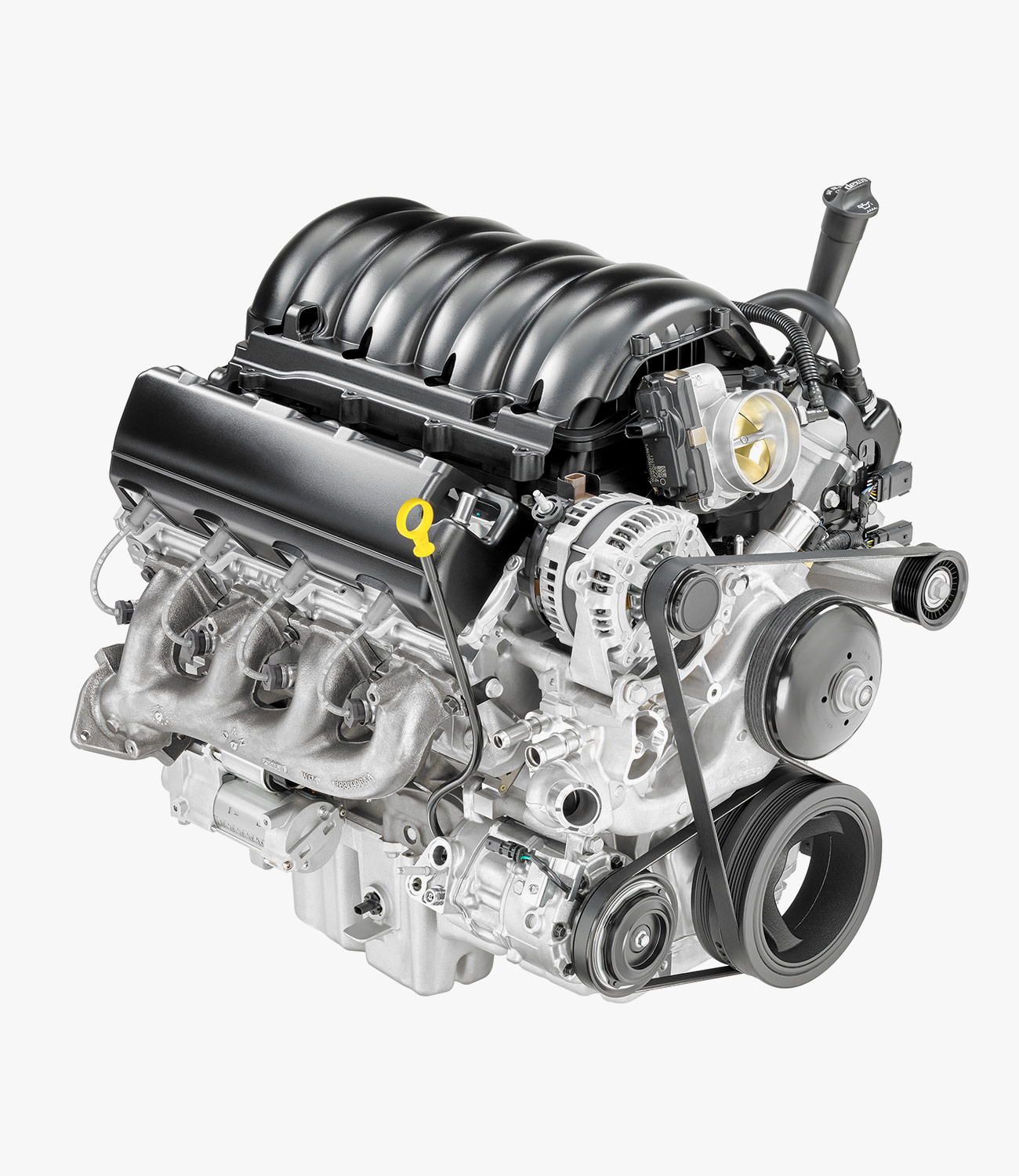
GM may have achieved that with “Dynamic Fuel Management.” The company has used “Active Fuel Management,” cutting V8 and V6 engines down to four cylinders, since 2005. DFM, in comparison, sounds like the freaking future. There are 17 different cylinder patterns. The engine can run on as little as one cylinder. Updates happen (imperceptibly to the driver) up to 80 times per second. DFM may be the finest flowering of the technology. So, it’s worth asking: Does cylinder activation do anything?

The problem stems from the task at hand. Engineers can be clever. But, they can’t defeat physics. A full-sized truck, especially when laden, is a heavy load. Moving a heavy load requires a lot of energy. Producing that energy, in internal combustion, requires a lot of gas, which means using all of the cylinders (or in Ford’s case using the Turbo). Limiting the damage at times when the engine is not burning gas at full bore can only achieve so much.

5.3-liter V-8 DFM VVT DI (L84) in the 2019 Chevrolet Silverado

GM claims a five-percent city driving improvement of about 1mpg from DFM. The total Silverado redesign for 2019 improved the 4WD version’s 5.3-liter V8 from 17mpg to a not especially mind-blowing 18mpg combined. That results in savings of about $100 per year in fuel costs. Or, it will only cost $650 more per year over the average vehicle instead of $750 per year. That tech produces more than nothing, but it’s far from segment recalibrating.

One shouldn’t trust controlled testing numbers at face value. DFM may perform better in the real-world vs. a Ford V6 Turbo w/EcoBoost than the EPA number may suggest. But, one must deploy similar skepticism to all controlled testing. Will any human driver be able to achieve the narrow operational range that saw a five percent (city) increase in efficiency from DFM, especially if doing ‘truck things’ like towing or carrying a payload?

Cylinder deactivation is sort of like ordering a Diet Coke while gorging on pizza nightly. It’s not a bad thought. It’s perhaps better on balance than ordering a regular Coke. But, it’s avoiding the glaring problem requiring a difficult change in behavior. Tweaking engine efficiency under light loads, even with cool engineering, won’t get a full-sized, pushrod V8, gas-powered truck to whatever the EPA finish line ends up being whenever it goes into effect. That’s likely to be an alternative energy source, in much fewer than 20 years.

These 6 Cars Were Named the Best in the World – Read Our Reviews Now

The 2019 New York Auto Show is coming up in just a couple months, and in anticipation we decided to take a look back at las year’s winners of the World Car of the Year. Jurors include 82 automotive journalists from two dozen countries (including, it should be said, our very own Eric Adams). The Toronto-based non-profit organization, which has been operational since 2004 is chaired by Peter Lyon of Forbes. World Car Awards is “dedicated to ensuring that it is carried out with the utmost objectivity, credibility, and integrity.” Furthermore, not all the below are for sale in all markets: “By its nature, WCOTY includes some vehicles that may be unavailable in individual regions, and excludes others whose availability may be limited to those regions.”

World Car of the Year

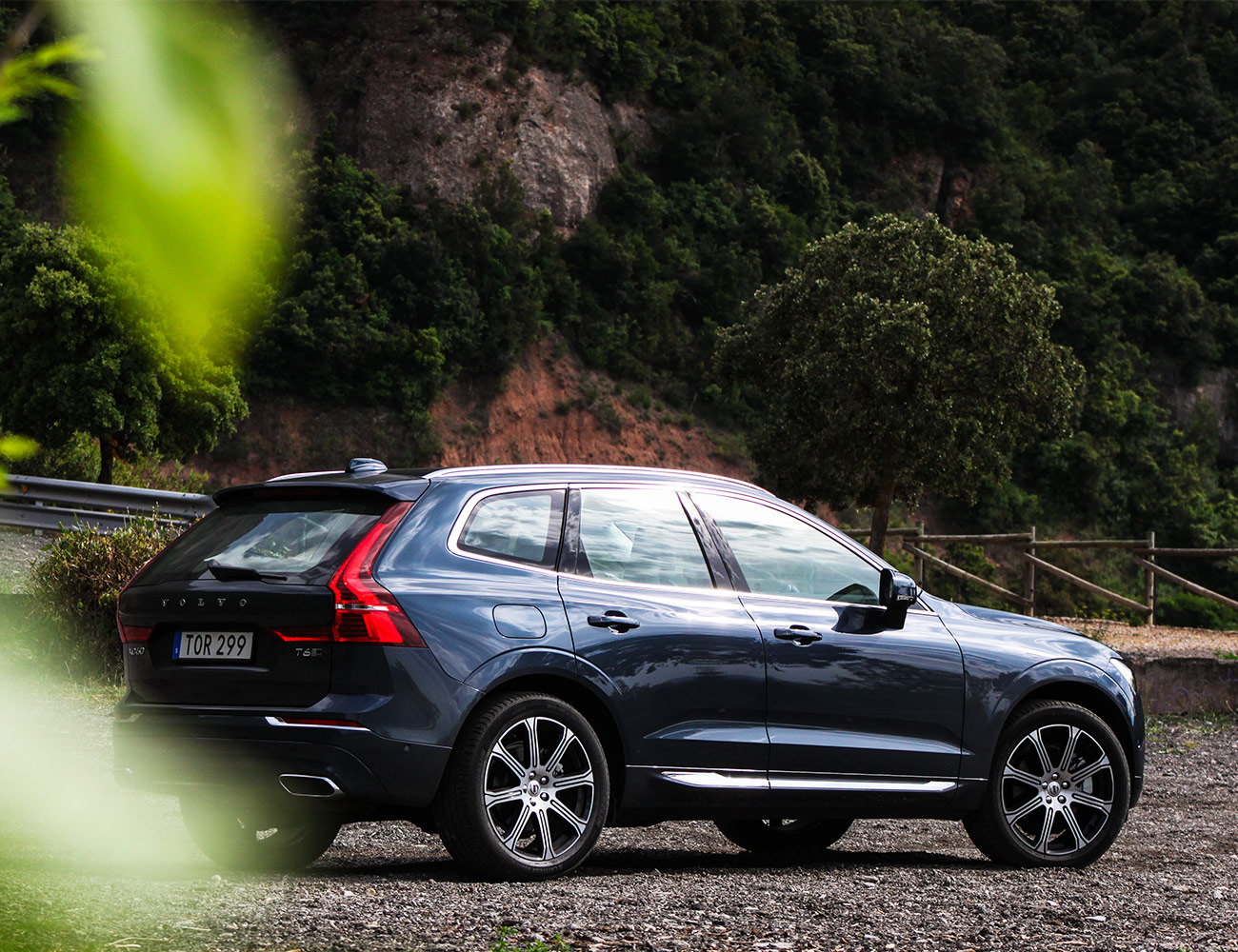
2018 Volvo XC60 “It is stunningly beautiful amidst a background of bland competition — the sheet metal is outstanding, but inside design really shines, especially with the optional driftwood trim.” – Nick Caruso, Associate Editor

Read the official statement here.
Two Reasons to Like the 2018 Volvo XC60 (And One Major Reason Not To)

Two Reasons to Like the 2018 Volvo XC60 (And One Major Reason Not To)

In a world of bland crossovers, the XC60 stands out — but it doesn’t handle like it should.

World Luxury Car of the Year

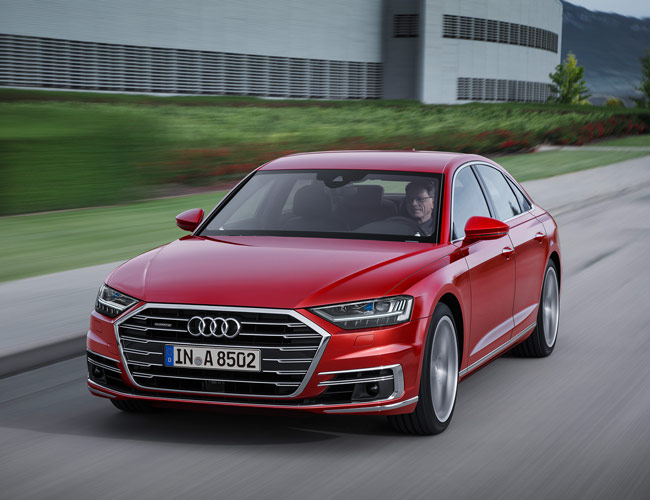
2018 Audi A8 “The headlining feature, which Audi calls “traffic jam pilot,” marks the biggest step towards full autonomous driving from any of the big three German brands. And yet, it’s incredibly disappointing, because it’s packaged in a car that looks as overly serious and terminally clinical as the Audi A8.” – Bryan Campbell, Staff Writer

Read the official statement here.
No Matter How Tech-Laden the Audi A8 Is, the S-Class Will Always Look Better

No Matter How Tech-Laden the Audi A8 Is, the S-Class Will Always Look Better

Audi just launched the most technologically advanced production car they’ve ever put on the road.

World Performance Car

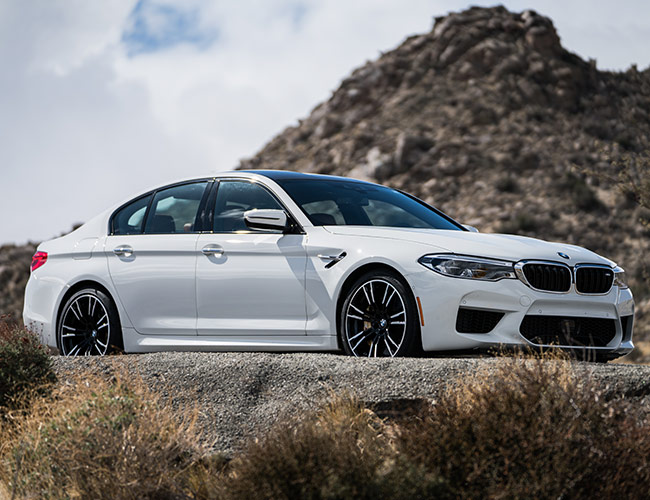
2018 BMW M5 “The M5 has always been the flag-bearer of hard-charging, track-ready performance sedans. With these changes — which of course merely add onto the changes present in the new 5-Series — it retains that title.” – Eric Adams, Contributor

Read the official statement here.
2018 BMW M5 Review: Retaining the Title of Ultimate, Berserk Sport Sedan

2018 BMW M5 Review: Retaining the Title of Ultimate, Berserk Sport Sedan

BMW’s renowned engineering backs it all up, offering sharp, precise handling and plenty of power when you want and need it, but it also offers quite a bit of white-knuckle fun for those who like…

World Car Design of the Year

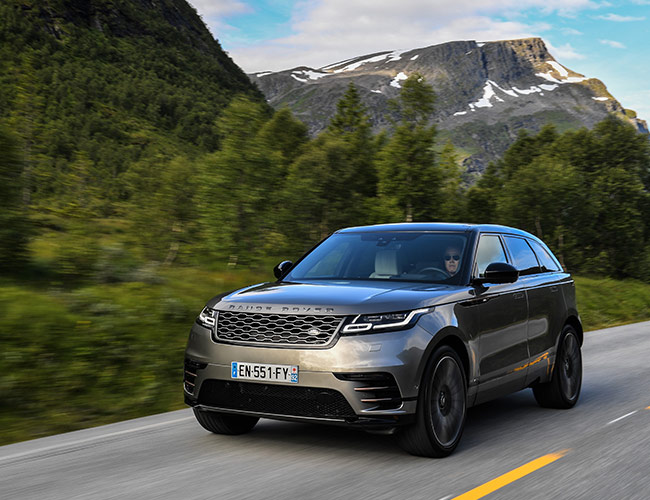
2018 Range Rover Velar “After many miles of cruising the gorgeous tarmac of rural Norway — amid the fjords and the deer-crossing signs — we tackled a variety of off-road challenges that included a climb straight up a ski mountain trail that’s clearly meant to be traversed when there’s already 36 inches of powder on top of it in order to smooth out the ride. No matter.” – Eric Adams, Contributor

Read the official statement here.
The Elegant New Range Rover Velar Is an Off-Roader for Design Lovers

The Elegant New Range Rover Velar Is an Off-Roader for Design Lovers

Unlike other manufacturers, Land Rover builds vehicles suited to specific personalities.

World Green Car

2018 Nissan LEAF Whatever America’s official stance on the state of our climate it is, every other country’s thoughts are abundantly clear, seeing as how the Nissan Leaf is one of the best selling cars around the globe. And now, after an in-depth study, Kelley Blue Book has awarded the Nissan Leaf the 5-Year Cost to Own Award.” – Bryan Campbell, Staff Writer

Read the official Green Car statement here.
One of the Best Selling Cars in the World Is Also One of the Cheapest to Own

One of the Best Selling Cars in the World Is Also One of the Cheapest to Own

After an in-depth study, Kelley Blue Book has awarded the Nissan Leaf the 5-Year Cost to Own Award.

World Urban Car

2018 Volkswagen Polo “My first car was a Volkswagen Polo Mk1. Before that, I had two motorcycles. I left school at 15 and started working at 16. I had a 12-mile journey to work and my mom and dad weren’t going to get up every morning — but I needed transport, and it wasn’t going to be a push bike (bicycle).” – Andy Palmer, Aston Martin President and CEO

Read the official Urban Car statement here.
Talking Watches, Cars and Hi-Fi with Aston Martin CEO Andy Palmer

Talking Watches, Cars and Hi-Fi with Aston Martin CEO Andy Palmer

Aston Martin CEO Andy Palmer lives the life of a charmed gearhead: he owns and races Astons, travels the world talking about cars and under his watch, Aston Martin has become one of the fastest-growing…

More from the New York Auto Show

The best way to catch up on the day’s most important product releases and stories. Read the Story

This Modernized Classic Mini Is the Perfect City Car

Mini brought a classic electric Mini conversion to the New York Auto Show last year. It was a brilliant city car. British company Swindon Powertrain, under its “Swind” brand, is expanding on that concept with a bespoke production version, the “E Classic Mini.”

The E Classic Mini will use classic Mini bodies. It will have a 24KWh battery and regenerative braking for a 125-mile range. With about 112hp, it will reach a top speed of 80mph and accelerate from 0-60mph in a not that glacial 9.2 seconds.

Changes from the original should be a net positive with a lower center of gravity and more trunk space without the gas tank. Modern conveniences such as heated seats and USB charging will be standard. It can be optioned with AC, power steering and an Infotainment system.

The E Classic Mini is basically the best of all worlds. It’s hard to conceive of a better city car. It looks like an iconic British classic. It should drive with the comfort of a modern vehicle and none of the quirks of an iconic British classic. It won’t emit carbon into the atmosphere directly.

The one downside? It will cost you. The E Classic Mini will start at a hair above $100,000. That price point will be well above both a new electric BMW Mini or a non-electrified classic Mini in decent shape. Though, it’s perhaps not that unreasonable for a bespoke resto-mod that’s also an EV. It will be a bargain compared to the Jaguar E-Type Zero.

Lexus Is the Most Dependable Luxury Brand of 2019

J.D Power just released its 2019 U.S. Vehicle Dependability Study findings, and Lexus tops the list. Toyota’s luxury brand ranking the highest in dependability shouldn’t come as a surprise — this is the eighth year in a row Lexus earned top honors. What should raise a few red flags are a few industry firsts the study uncovered.

Now, 30-years running, J.D power’s study tallies up the number of problems experienced per 100 cars over the last 12 months by original owners of three-year-old vehicles. So 2019’s study is shining a light on 2016’s cars. The study scrutinizes 177 possible problems across the eight major categories: mid-size sedans, full-sized pickups, all the sizes of SUVs, etc. Then, each vehicle gets a score, using golf rules: the lower, the better.

With all the numbers crunched and Lexus in the number one spot, Toyota and Porsche tied for second. The Porsche 911 won the inaugural “Most Dependable Model” award. But, for the first time, mass-market brands like Toyota and GM outperformed luxury brands. J.D Power’s study also revealed Audi, BMW, Mercedes-Benz, Porsche and Volkswagen are better than the industry average for the first time in 30 years. If that doesn’t dismantle the urban legend of German cars being historically reliable, nothing will.

“Vehicle dependability continues to improve, but I wouldn’t say that everything is rosy,” said Dave Sargent, Vice President of Global Automotive at J.D. Power. “Vehicles are more reliable than ever, but automakers are wrestling with problems such as voice recognition, transmission shifts, and battery failures.” So it would seem manufacturers have the most mechanical kinks worked out, but the more technology we pack into our cars, the more we’re leaving up to a chance of failure. At least now you know the best bet is a Lexus.

The Best From-the-Factory Overlanders in 2019

The coming months will be certifiably drool-inducing for overlandering enthusiasts and the off-road community. The number of trucks factory-built to spend weekends wandering mountain trails will spike in 2019. While some names like Jeep and Toyota are well-versed in the adventure lifestyle world, Chevy and Ford are putting some pressure on those segment stalwarts. But, don’t think for a second Jeep and Toyota will take it lying down. Both are doubling their efforts and digging into the growing culture of weekend-based outdoor exploration.

Of course all this competition means it’ll be easier than ever to join in on the off-roading fun. In the past, if you wanted to go overlanding, you’d be on your own – at the mercy of the vast aftermarket industry – to modify your truck and find proper gear. This year, that all changes for the better. These are the best from-the-factory overlanders coming to trails soon.

Available This Year

2019 Ford Ranger FX4

Ford is making it crystal-clear that they didn’t build the 2019 Ranger to be a work truck. The 2.3-liter inline-four makes decent power and enough grunt to tow a small boat or a couple of dirt bikes. But the 20-plus Yakima products available as optional-extras are the stars of the show. Adding the FX4 package will get you off the beaten path, but the Yakima roof-top tent, bike rack, kayak rack and fold up chairs help make the most of where ever you set up camp.

MSRP: $33,080
Engine: 2.3-liter inline-four
Horsepower: 270
Torque: 310 lb-ft
Weight: 3,922 lbs

2019 Toyota Tacoma TRD Pro

The Toyota Tacoma is a favorite among the overlanding community. For the longest time it was the only reliable, affordable, easily-modified pickup truck available. The TRD and TRD Pro trims were fantastic out-of-the-box overlanders thanks to suspension and wheel upgrades from the factory. But now that Ford and Chevy are after a slice of the adventure lifestyle pie, Toyota doesn’t want to be caught sleeping. For 2019 the whole TRD line gets even better suspension, wheels and a few upgrades under the hood, but no difference in power.

MSRP: $43,705
Engine: 3.5-liter V6
Horsepower: 278
Torque: 265 lb-ft
Weight: 4,450 lbs

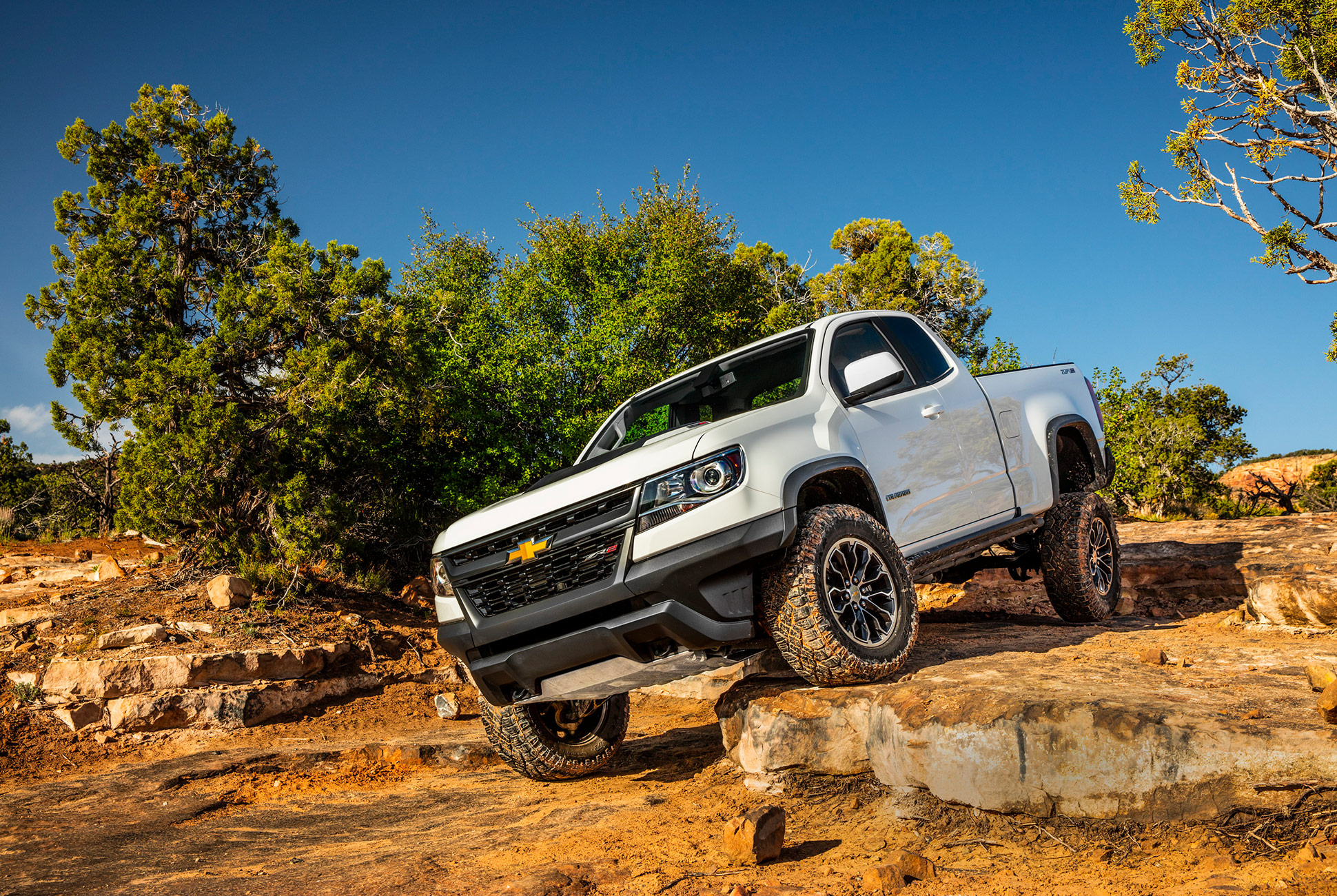
2019 Chevrolet Colorado ZR2 Bison

More and more manufacturers are teaming up with brands already well-known in the outdoor industry. Much like Ford linked up with Yakima to fill out the Ranger options list with camping gear, Chevy got together with American Expedition Vehicles to help develop and trick out the Colorado ZR2 Bison. Steel bumpers, skid plates, beefy, knobby tires, rock sliders and a snorkel make the ZR2 Bison one of the more well-protected factory overlanders.

MSRP: $48,045
Engine: 3.6-liter V6
Horsepower: 308
Torque: 275 lb-ft
Weight: 4,800 lbs

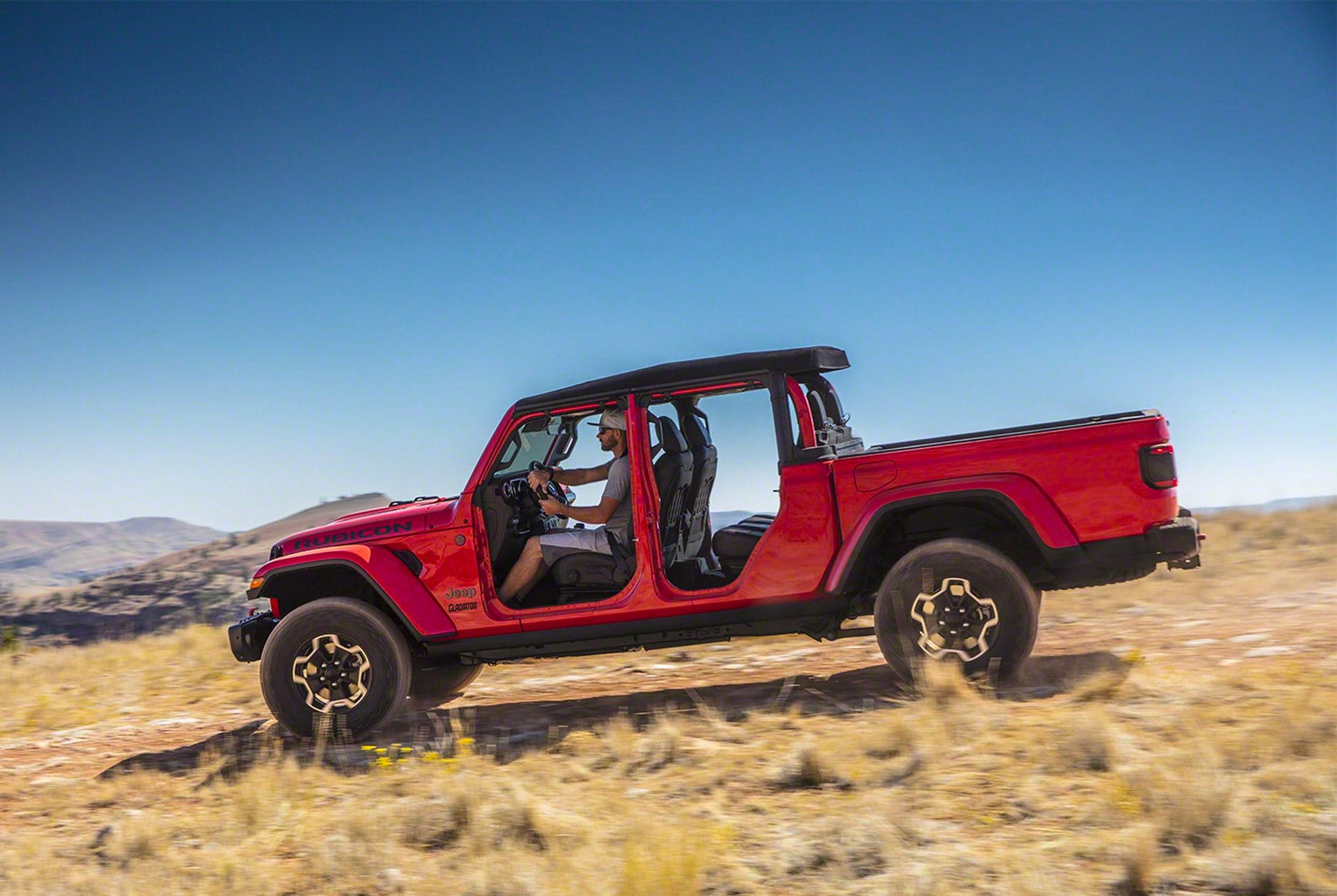
2019 Jeep Gladiator

Ever since it was teased years ago, a pickup version of the venerable Wrangler has had the overlanding community… eager. The aftermarket and factory-supported upgrade selection for the Jeep Wrangler is second to none already. The Gladiator finally puts the ideal towing and hauling capabilities in Jeep fanatics’ hands.

MSRP: TBD
Engine: 3.6-liter V6
Horsepower: 285
Torque: 260 lb-ft
Weight: TBD

Down the Line

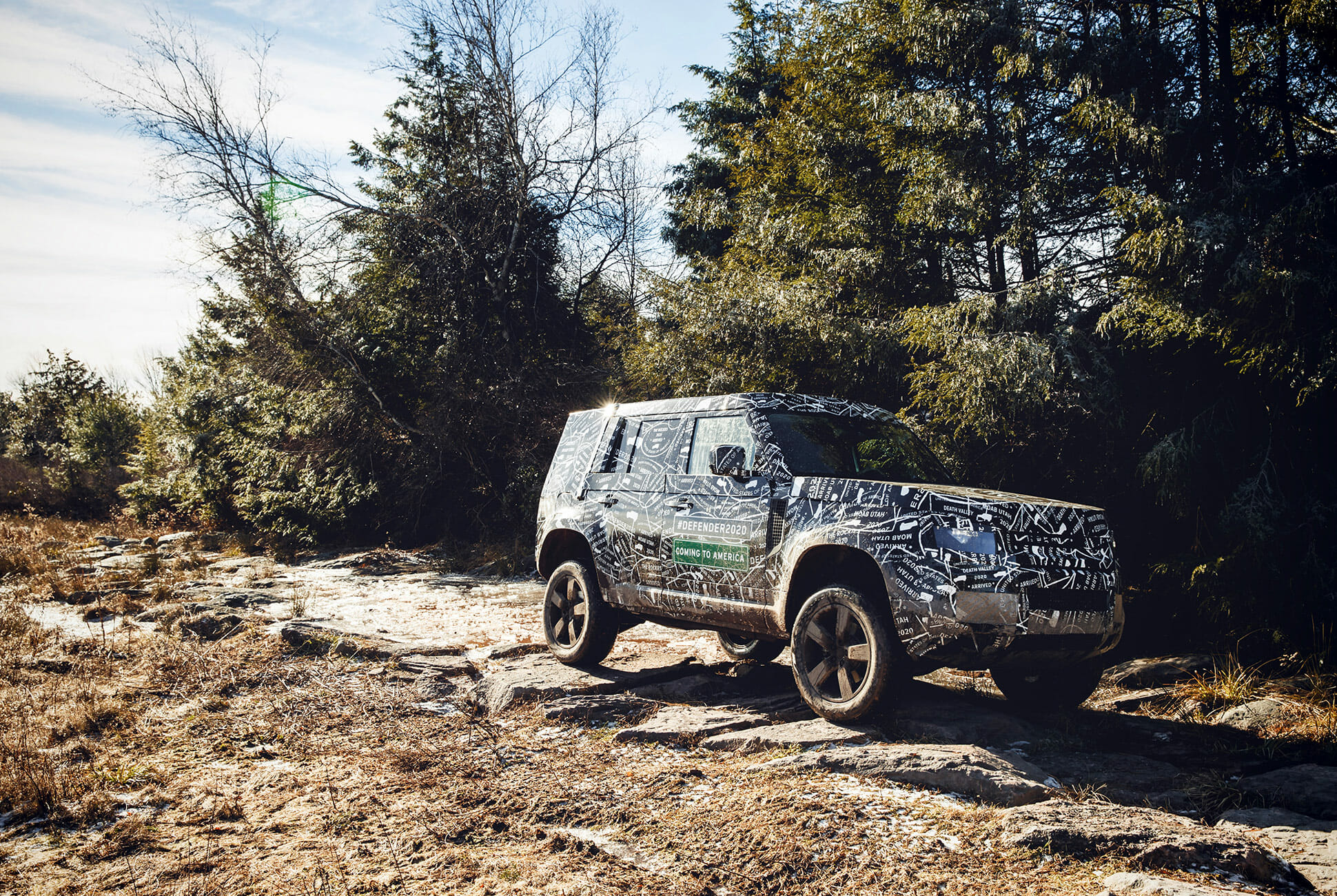
2020 Land Rover Defender

One of two of the most anticipated releases in the coming year, the new Defender has unbelievably massive shoes to fill. Some say it has no chance in even holding a candle to its predecessor, which has set stratospherically high standards. With that kind of pressure, it’s hard to imagine Land Rover will drop the ball on performance, meaning design and “character” will be under the most scrutiny. At this point not much is known about the Defender other than it’ll be revealed this year.

MSRP: TBD
Engine: TBD
Horsepower: TBD
Torque: TBD
Weight: TBD

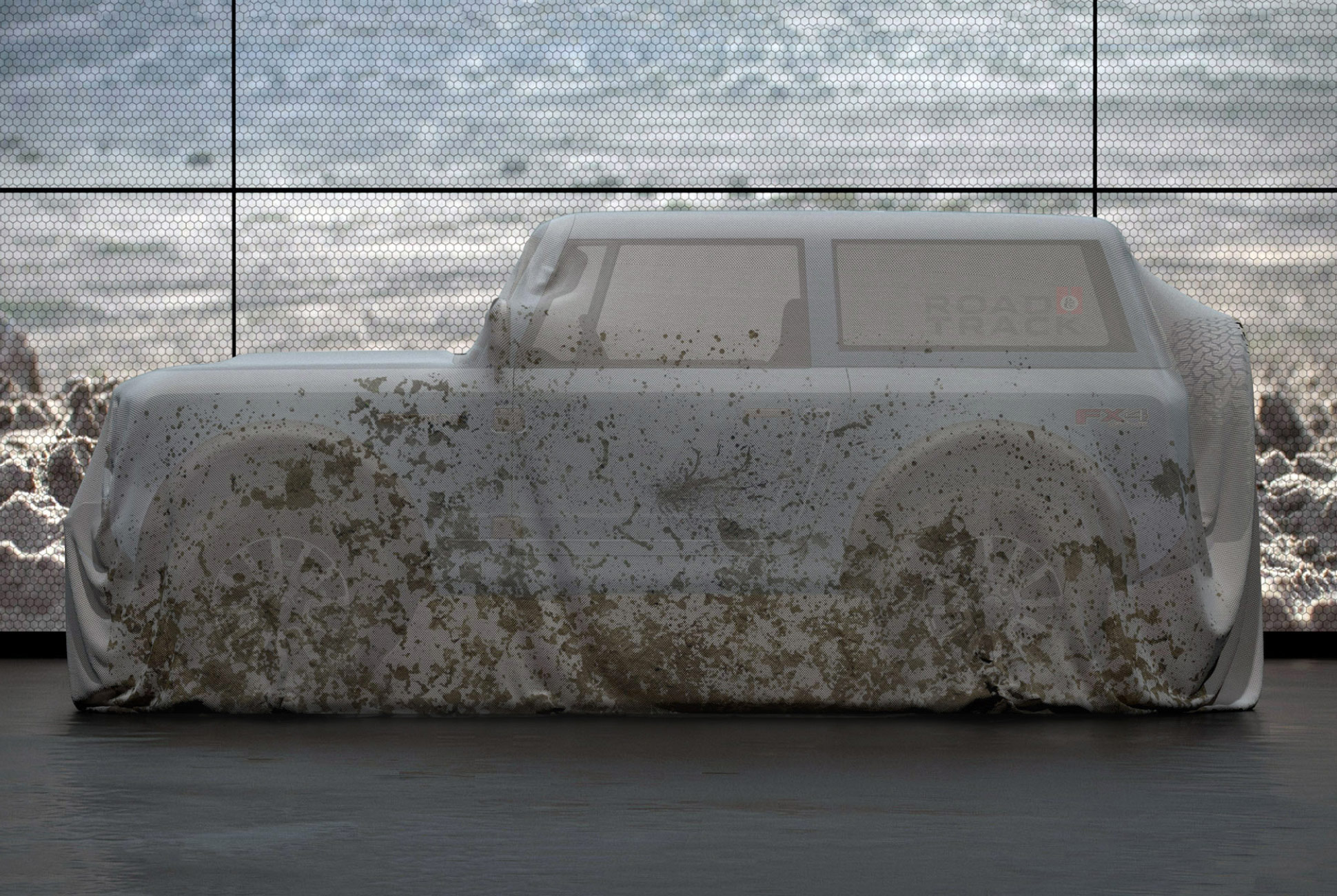
2020 Ford Bronco

As the other most anticipated release of 2019, the Bronco faces many of the same problems as the upcoming Defender. Since the adventure lifestyle and vintage car market have almost grown in tandem, the popularity of the original has Bronco ballooned in lockstep. Fanatics and purist will be judging the Bronco as an industry standard-bearer. The 2020 Bronco had a rough development journey according to an engineer familiar with the project, but hopefully things have smoothed out and Ford has a stellar Jeep-fighter on its hands.

MSRP: TBD
Engine: TBD
Horsepower: TBD
Torque: TBD
Weight: TBD
Note: Purchasing products through our links may earn us a portion of the sale, which supports our editorial team’s mission. Learn more here.