All posts in “Rides”

SSC officially owns up to its failed October top speed attempt

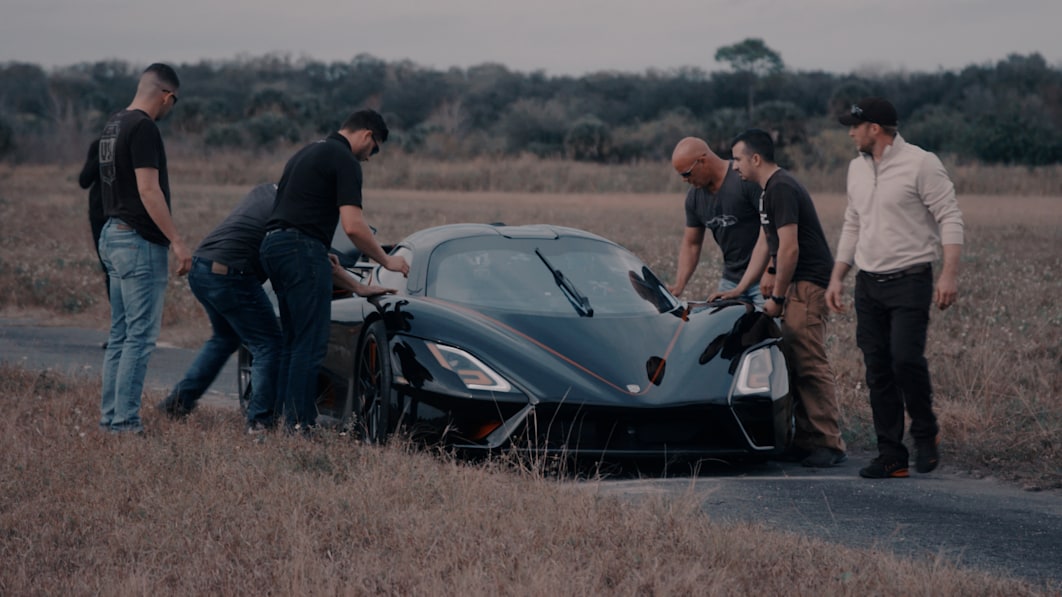
SSC acknowledged Wednesday that its Tuatara supercar did not reach the speed claimed by the company in October when it allegedly obliterated the Koenigsegg Agera RS’s then-record with a 316.11-mph run. While SSC didn’t outright apologize or completely explain the error, nor did the company reveal the Tuatara’s true top speed from last year’s run, the small supercar builder’s Instagram post is the first public admission that all was not as it seemed in the fall.

“We have seen your questions for months now and understand your frustrations. If it hasn’t been made clear up to this point, we would like to acknowledge officially that we did not reach the originally claimed speeds of 331 MPH or even 301 MPH in October of 2020,” the post said. “We were truly heartbroken as a company to learn that we did not reach this feat, and we are in an ongoing effort to break the 300 MPH barrier transparently, officially, and undoubtedly.”

“We also want to thank all of those who were supportive and understanding of our unexpected incident in April that has delayed our top speed efforts,” it continued.

Many cried foul after reviewing the video released by SSC which claimed to substantiate its top-speed run. The controversy prompted SSC to make a second (and ultimately unsuccessful) attempt. The third time turned out to be the charm, however the results were far less impressive, albeit still sufficient to knock off the Agera’s previous record. 

The “unexpected incident” referenced near the end of SSC’s post occurred when their record-attempt car was seriously damaged in transit back in April. The company claims it will eventually set the record straight (so to speak), but when, where and whether that will happen are all still yet to be determined. 

Related Video:

The LyteHorse is an all-electric stand-up ATV that can tow up to 2,500 lbs of cargo

It might be time for you to consider another form of personal transport. We know that there are a bunch of options available right now in the market, which is a good thing. Still, the LyteHorse might be one of the most unique mobility solutions in 2021 just yet. Now what makes it so interesting is how the machine introduces versatility.

It looks like a hardcore cross between a stand-up scooter and an ATV. It also presents a convenient solution for folks who want to take their ride everywhere. Before we dive into the cools details about the LyteHorse, our eco-conscious friends will be happy to know that it’s all-electric.

Electrification is a trend that we want to see more of and the Canadian “electric performance vehicle company” appears to be all-in with the initiative as well. What LyteHorse Labs hopes to cater to are various sectors that would benefit from a powerful and adaptable platform.

There are two trims to choose from: Little Joe and Scout. The former is geared toward the casual user, while the latter is equipped to tackle more demanding applications. The LyteHorse tips the scales at 600 lbs but goes up with each optional add on.

The all-electric powertrain supports 2WD and 4WD driving modes and maxes out at 40 mph. It measures 6-foot long and about 45 inches wide with a low center of gravity for stability. The LyteHorse can ford through water up to 2-feet deep.

The electric motor is virtually silent, while a full battery can last up to 80-miles. Just like an average ATV it can tow cargo up to 2,500 lbs. The LyteHorse is currently open for reservations, so go ahead and customize yours now.

Learn more

Images courtesy of LyteHorse Labs

McLaren GT Ride-On joins the ranks of supercar toys

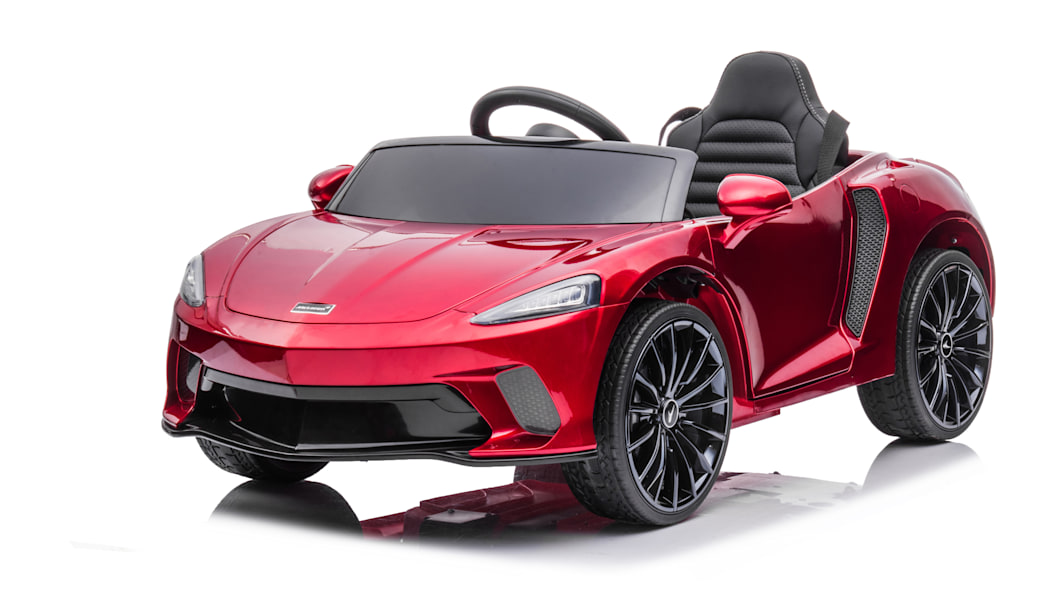
There’s a new McLaren Ride-On toy hitting the market, and this time McLaren made a kid’s toy out of the GT. This GT joins other McLaren Ride-Ons already made out of the P1, 720S and Senna.

Just like the actual McLaren GT, this one comes with a rear storage compartment behind the driver. You can stow additional Hot Wheels cars and/or stuffed animals aplenty in the compartment.

McLaren promises that three-to-six year olds will enjoy driving the car, too. The single seat is in the center like the McLaren F1 or Speedtail. There’s an actual key you use to start the vehicle. When you press the throttle to accelerate, a speaker plays revving sounds from the GT. Plus, the brake pedal is synced up with an actual brake light in the rear of the car. Whether or not other young drivers will pay attention to said brake light is up for debate, but it’s there to bring another level of reality to the experience.

Also taking after the road car, McLaren says it fit an “infotainment system” that allows you to play music files off a USB or SD card. An optional MP4 display screen is available if you want to watch videos, too. Apparently, distracted driving is less of an issue when you’re driving on a lawn.

We’re fairly impressed with the design details and the replication of an actual McLaren GT throughout the vehicle. You even get the GT’s dihedral doors to look extra cool hopping in and out of the ride-on.

If you want to buy one for your kid, the starting price is $230. Tack on some options (this is a McLaren we’re talking about here), and the price goes as high as $330. You can buy one in the following colors: Burnished Copper, Silica White, Onyx Black, McLaren Orange, Amaranth Red and Burton Blue. McLaren says the GT Ride-On can be ordered from select global toy retailers. 

Related video:

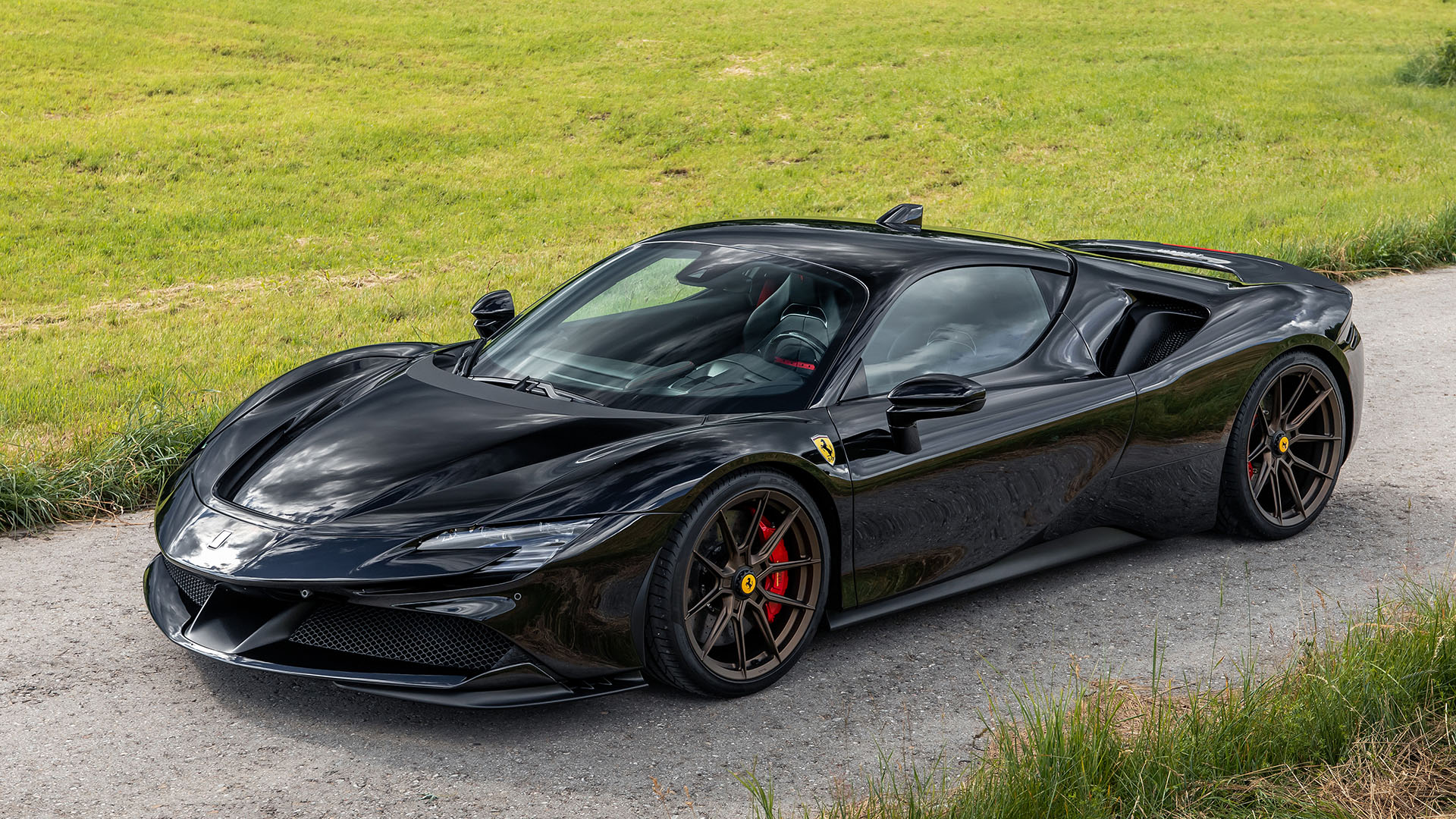
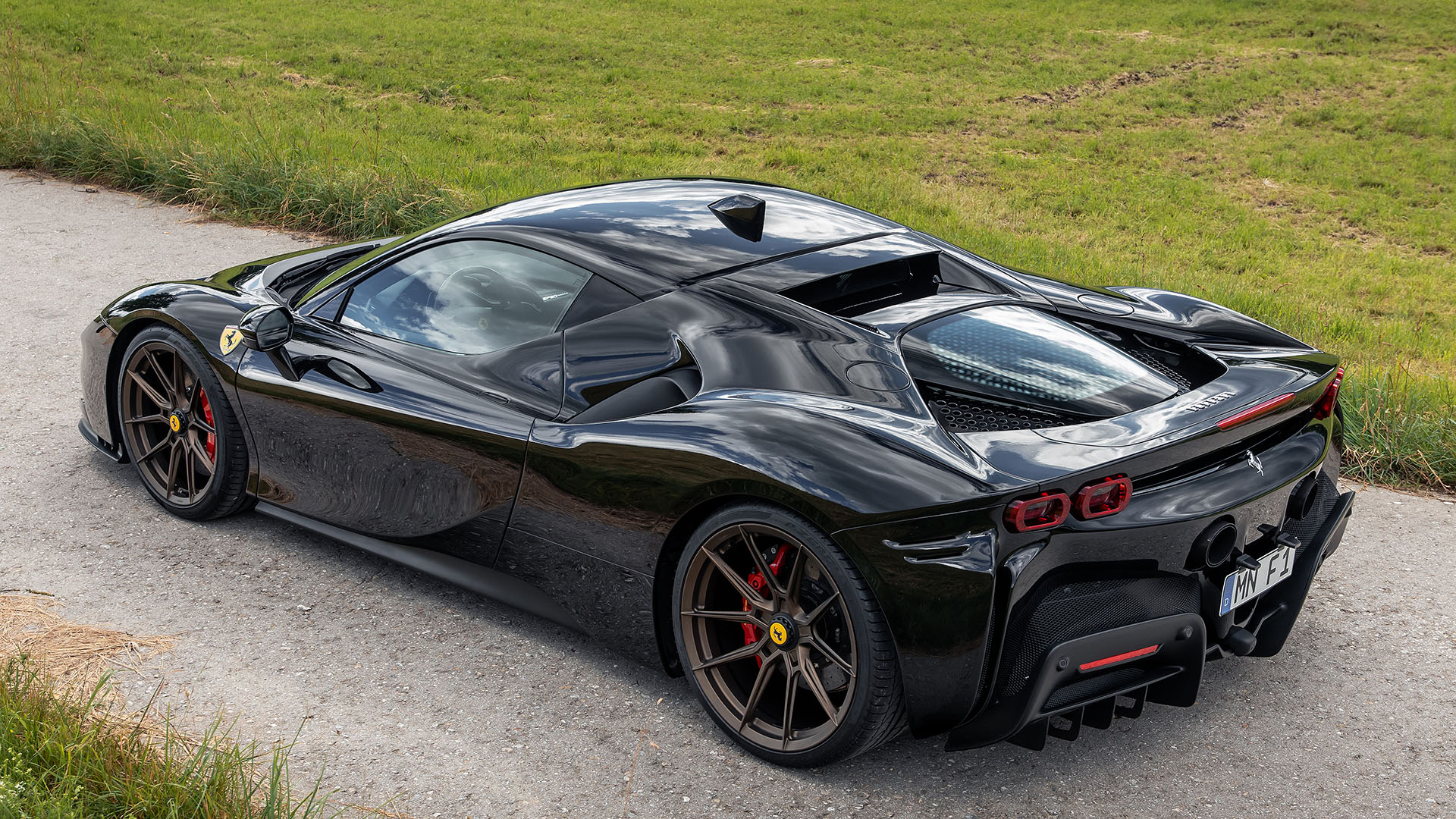
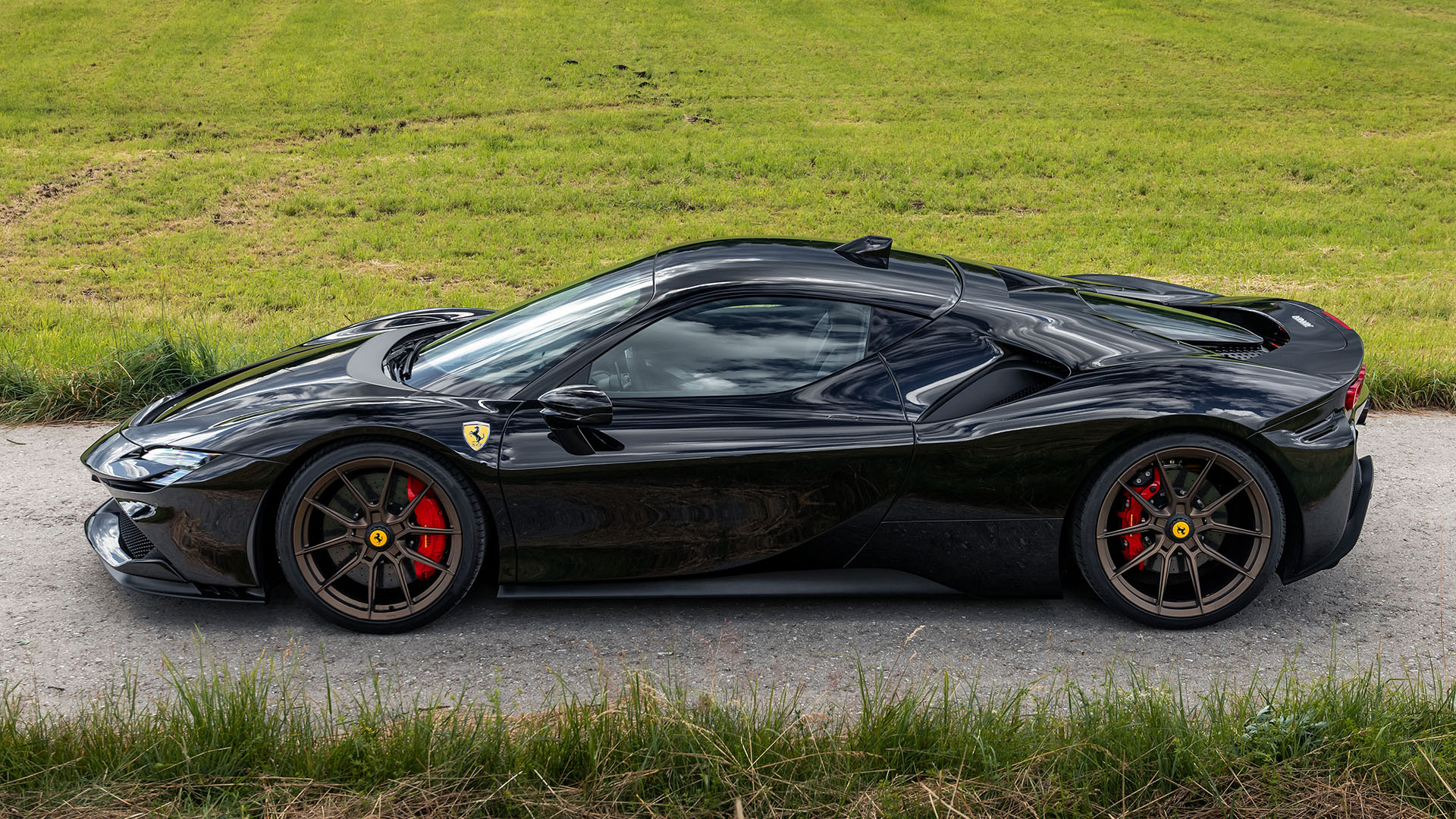
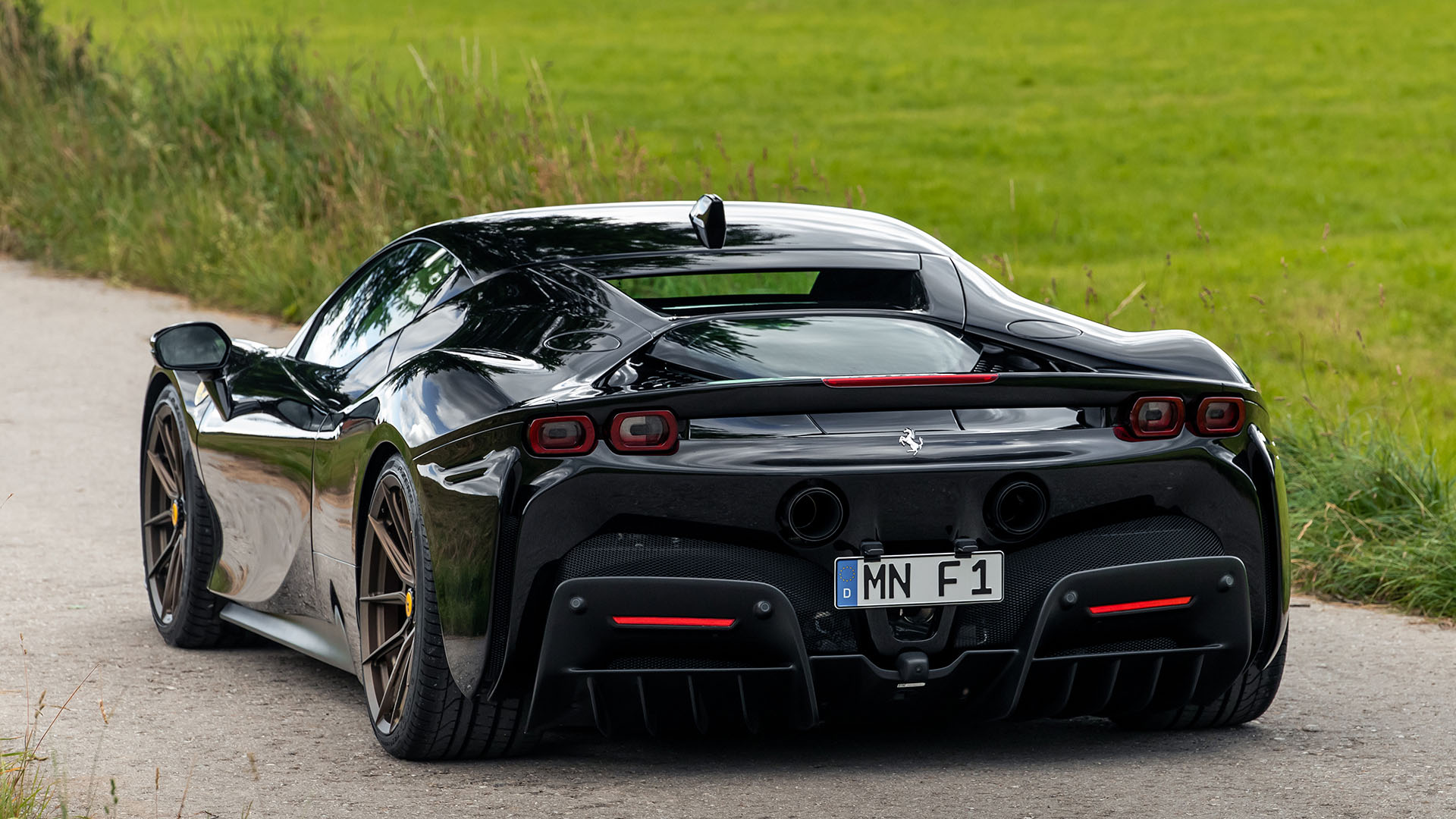
Black Ferrari SF90 Stradale Gets Novitec Treatment

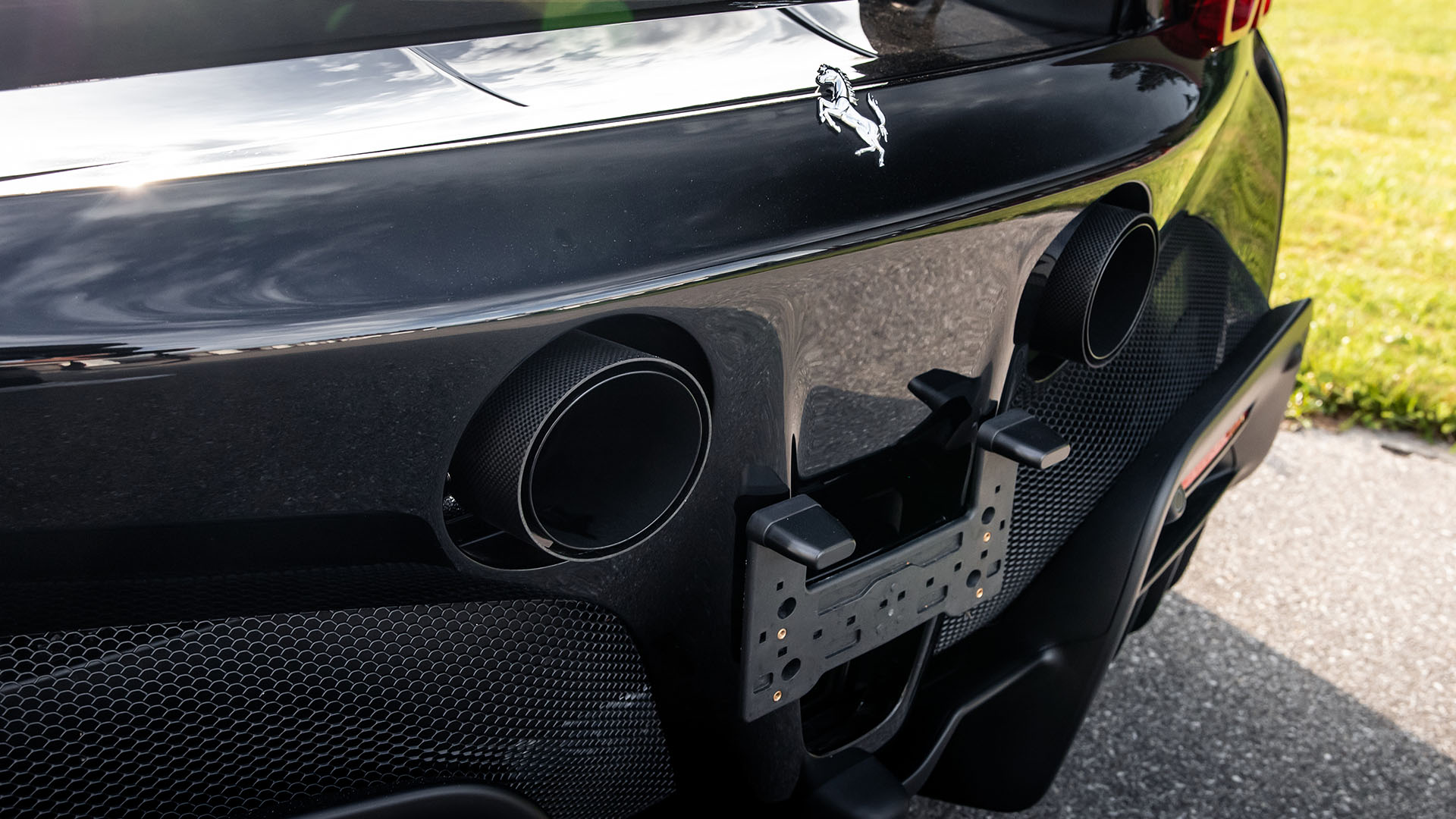
Novitec has revealed their take on the Ferrari SF90 Stradale. They have upgraded the features of the hybrid powertrain by adding a thrilling sound and boosting the performance of the vehicle, the engineers developed a calibrated high-performance exhaust system with 100-cell catalyst and two stainless tailpipes measuring 112mm for the sporty sound. The upgraded carbon embellishers at the rear enhance the sporty appearance of the vehicle.

In addition, various versions of exhaust systems with or without actively controlled exhaust flaps for sound management will be readily available from Novitec. This includes the INCONEL exhaust system version with lightweight materials similar to the ones used in developing the exhaust systems of F1 racers.

The exhaust flow which allows the engine with two turbochargers to get sufficient air is optimized by the Novitec system. Additionally, the fully thermally insulated system reduces the high temperatures at the engine bay which as a result improves the performance. 999 fine-gold plating is available optionally and can further reduce the heat emitted by the engine.

The vehicle is powered by a 4.0 litre eight-cylinder engine with two turbochargers. The engine delivers an output of 813 hp at 7,750 rpm instead of the standard 780hp and the peak torque has also been increased from 800 Nm to 858 Nm of torque at a low 6,100rpm. As a result, the maximum output of the Ferrari SF90 Stradale with the electric motors include is now 1,033 hp, the acceleration from 0-100km/h is achieved in 2.5 seconds and the top speed exceeds 340km/h.

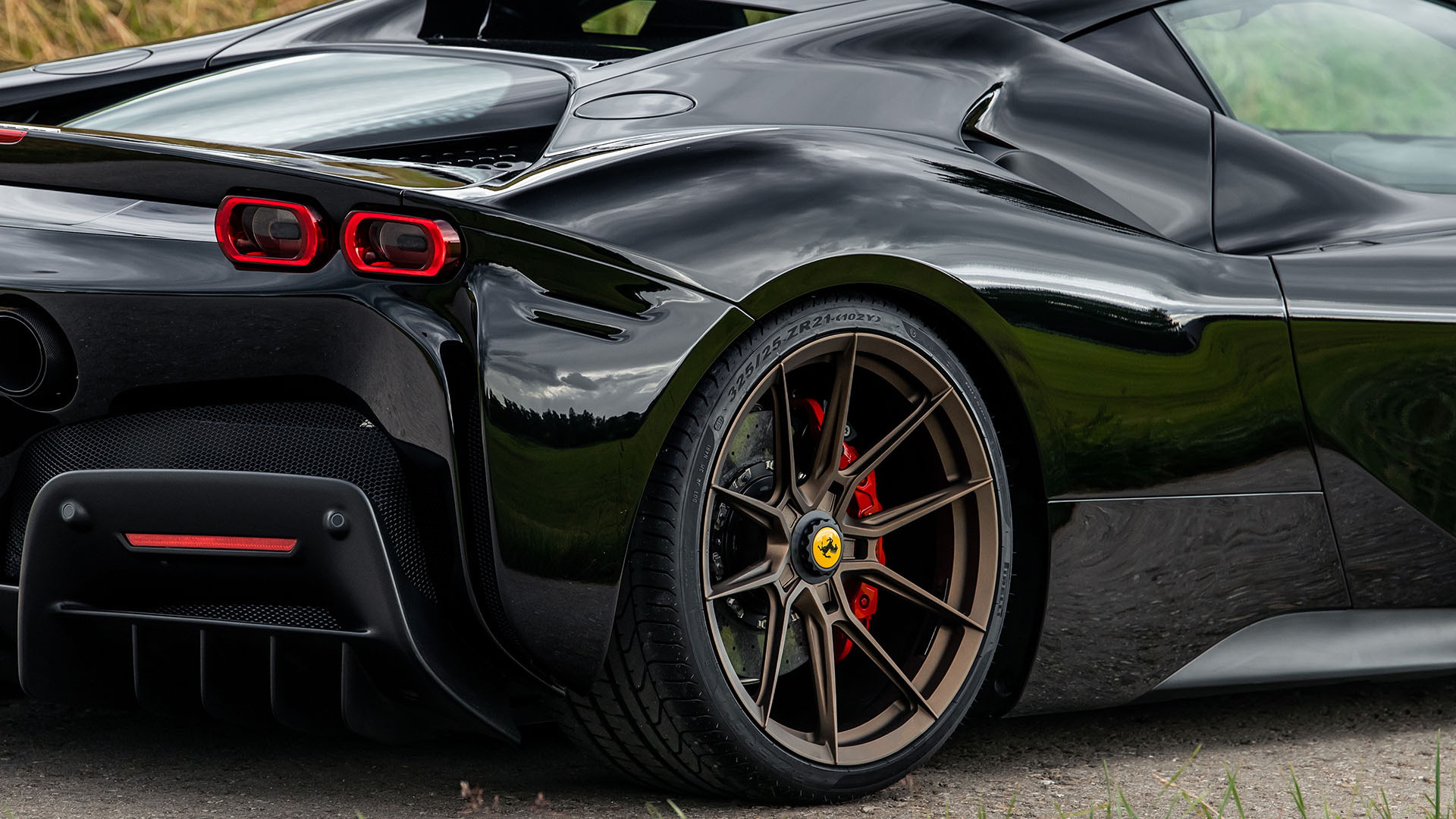
The vehicle has been fitted with a set of Novitec NF 10 wheels finished in Bronzino hue. The pictured vehicle features a set of 9.5Jx20 wheels mounted on 255/35 ZR 20 tires at the front axle and 12Jx21 wheels with 325/35 R 21 tires on the rear axle. Additionally, the NF 10 alloy wheels with five filigree twin spokes are among the lightest wheels in king-size dimensions and they are available in 72 colors.

The Novitec sport springs lower the ride height of the vehicle by 25mm at the rear and 30mm at the front axle, this improves the handling and balance of the vehicle due to the lowered centre of gravity.

The interior of the vehicle can be created in leather or Alcantara and in any desired color.

La Maison Pur Sang certification by Bugatti

Last year five classic Bugattis broke records at the auction houses Bonham’s and Gooding & Company. Never before have the five most expensive cars sold at auction been produced by one single manufacturer, but with cars in this price range, authenticity is extremely important for collectors that are willing to spend millions, and that’s why Bugatti launched their ‘La Maison Pur Sang’ program back in 2020 at Rétromobile in Paris, a car show that has become so much more than just a display of classic cars.

Photo credit Alex Howe for CAR magazine

When you have a Bugatti that passed the rigorous process in Molsheim, as La Maison Pur Sang will only go through cars at the company headquarters, you will get a certificate of authenticity from the company that actually built that car, not some expert somewhere in the world, no matter how knowledgable … La Maison Pur Sang will certify that your Bugatti is a ‘pure blood’ one, a Pur Sang.

Photo credit Alex Howe for CAR magazine

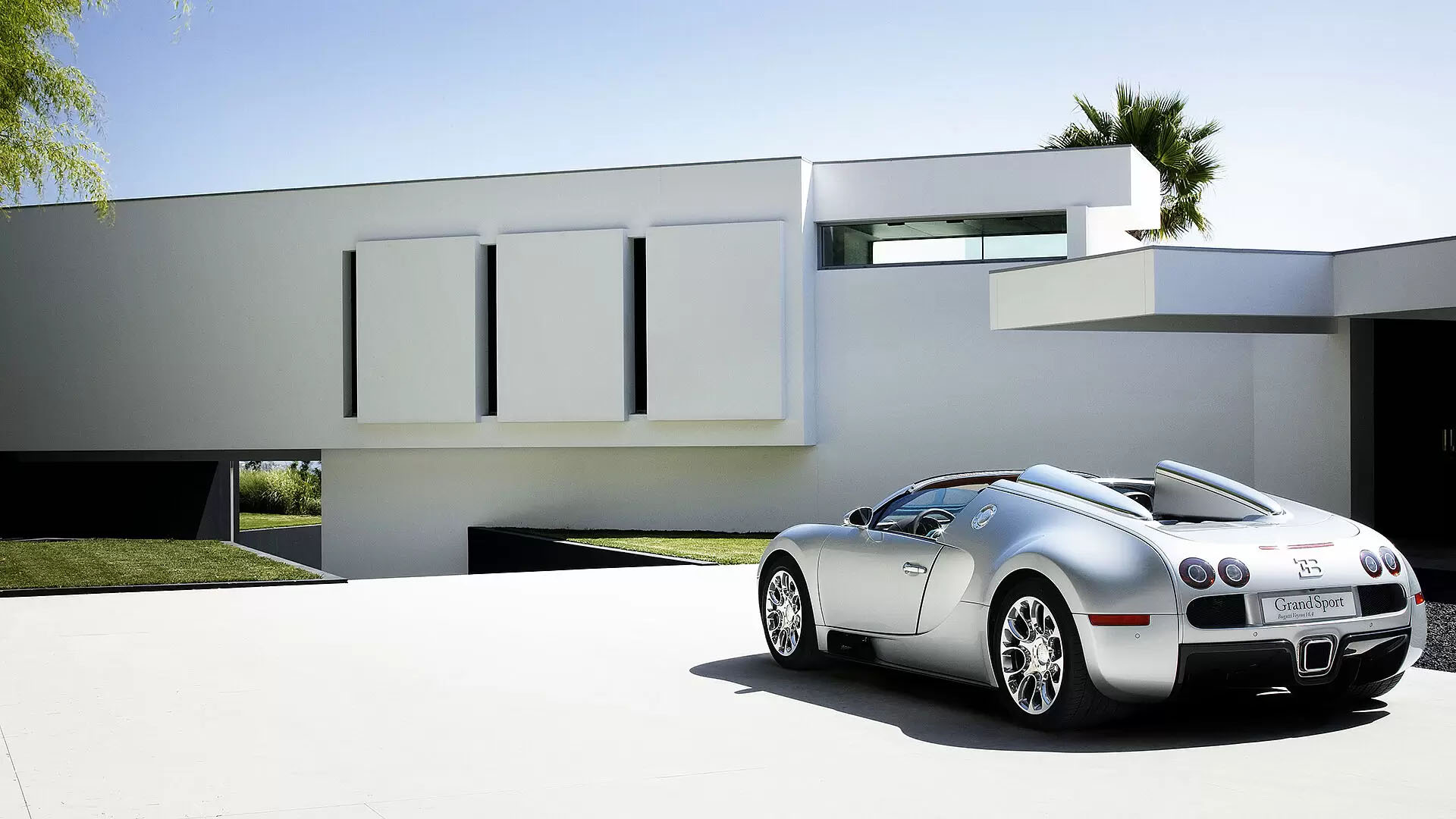
La Maison Pur Sang will be able to verify of your historic Bugatti is still correct to its origins, keeping in mind the 110-year history of Bugatti, that might not always be as easy as it sounds, but with the very limited production of classic Bugatti models, chances are there is still some kind of documentation or history of that specific car to be found, but La Maison Pur Sang will also certify the more contemporary models, and the very first Bugatti to complete this official factory certification is a 2008 Veyron 16.4 Grand Sport.

Photo credit Alex Howe for CAR magazine

But the La Maison Pur Sang program hasn’t been started just to deliver certification to Bugatti’s models of all ages, they also offer clients and collectors the option of having their car restored to Ettore Bugatti’s original standards, to the highest possible technical, performance, and aesthetic level, to reach a harmony of speed, elegance, safety, and comfort that we’ve come to expect from a Bugatti throughout the decades, there is even the option to have your Bugatti ‘reconfigured’ on the factory ground.

“Due to our extensive research, archive material and the close contacts we enjoy with Bugatti clubs, historians and collectors all around the world, we can trace the history and determine the authenticity of any Bugatti model, regardless of age,” explains Luigi Galli, who heads the ‘La Maison Pur Sang’ program at Molsheim.

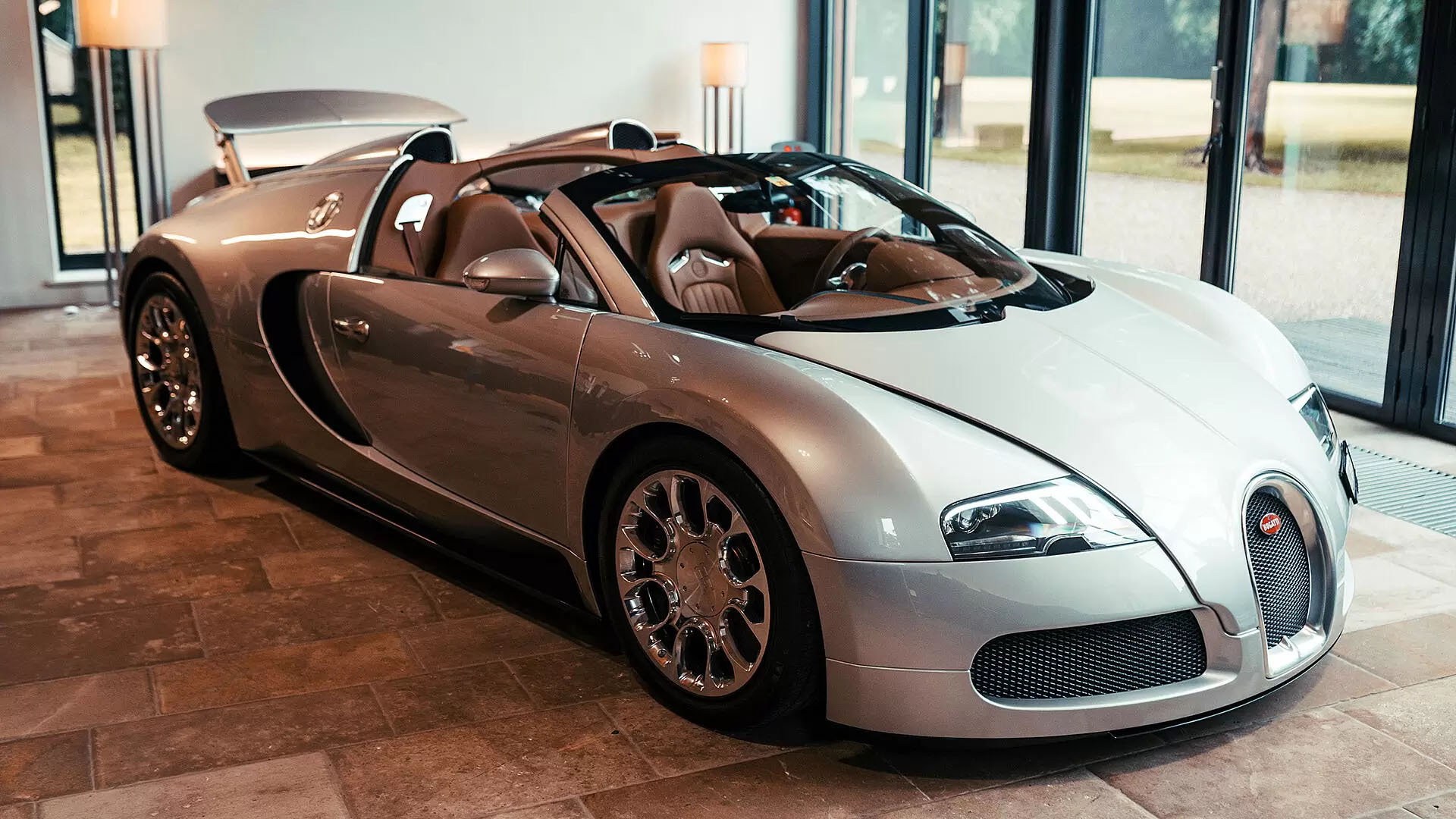
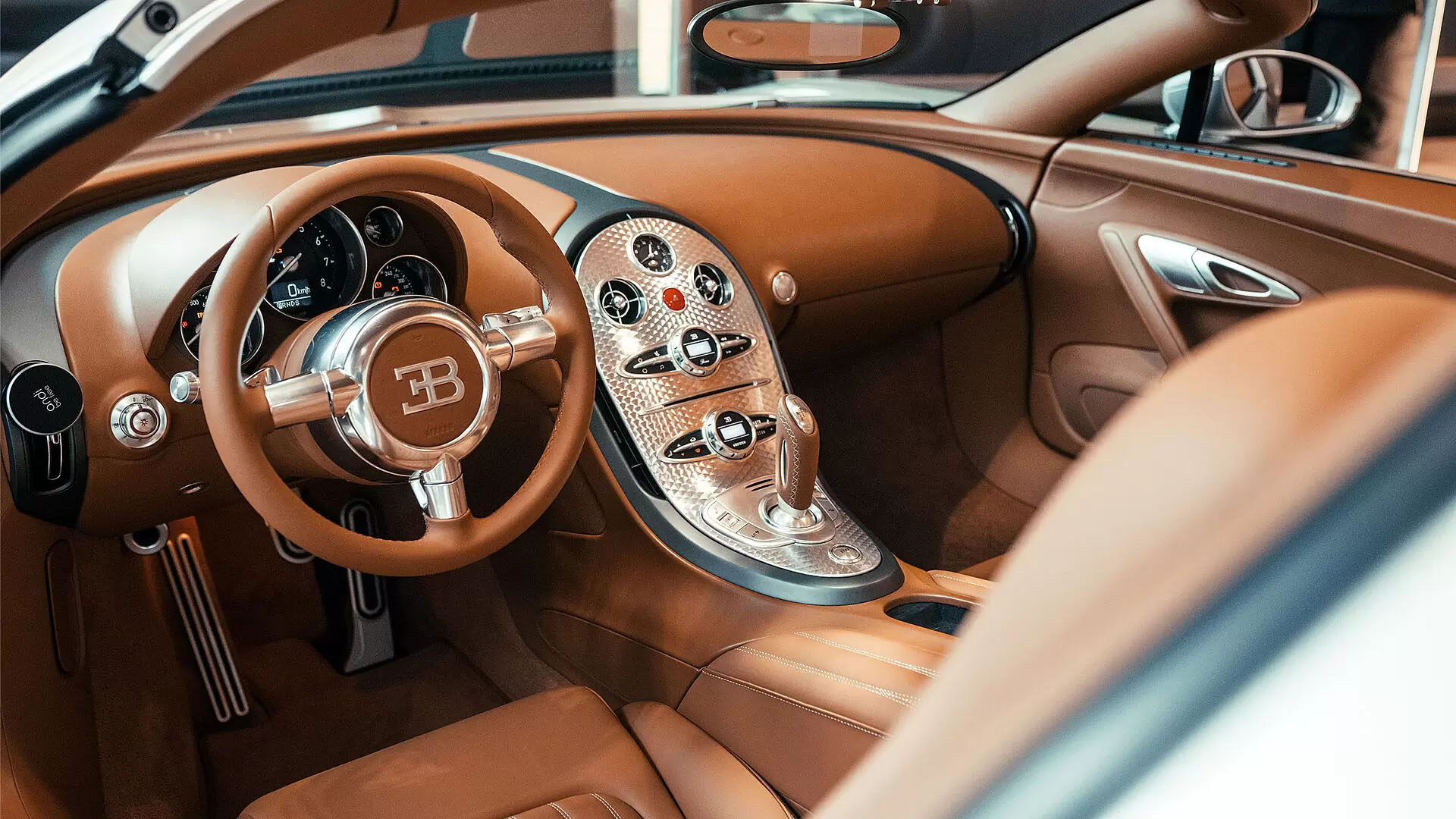
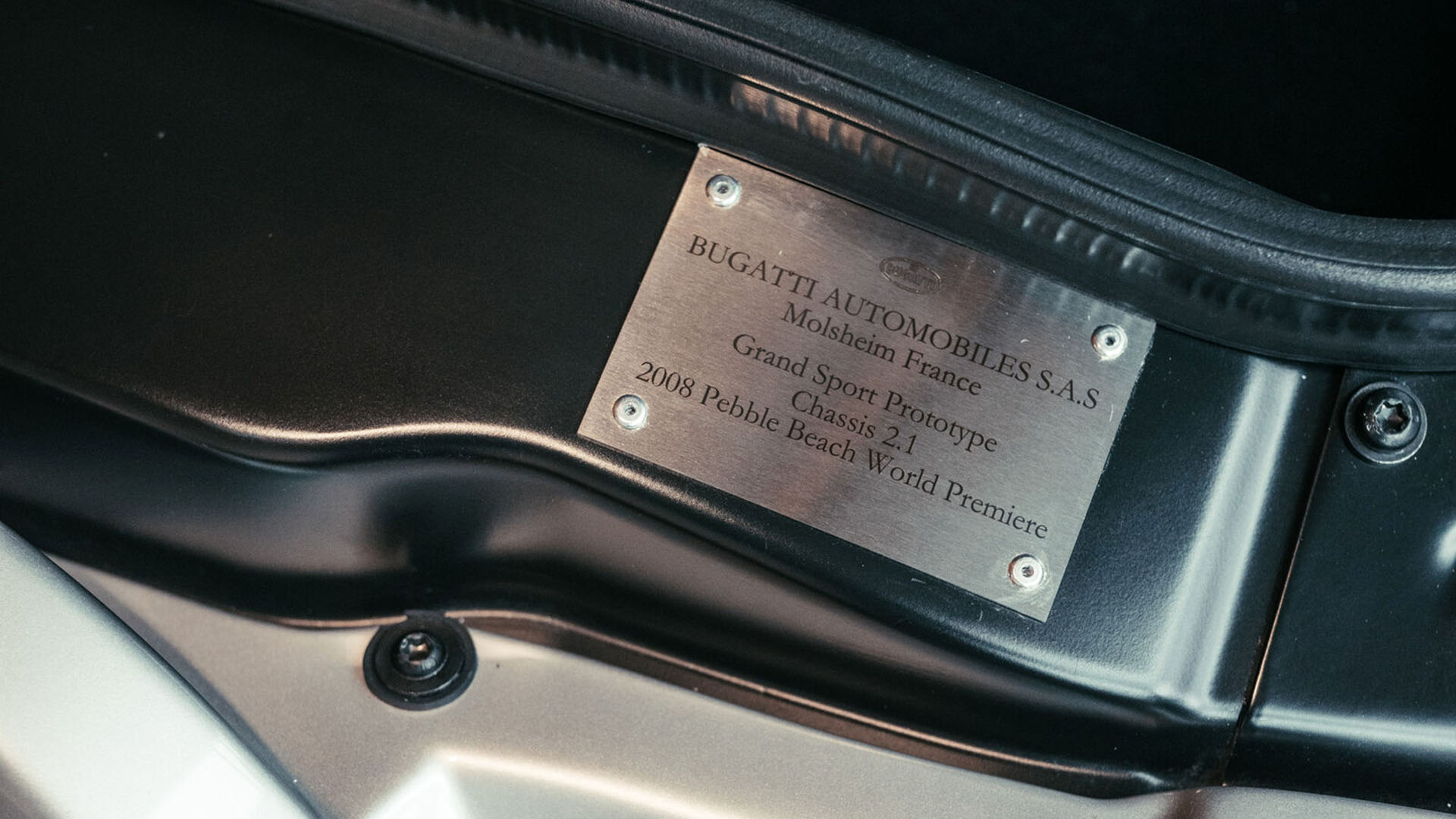
The first car to receive a certificate of authenticity isn’t just any Bugatti, it’s a 2008 Veyron 16.4 Grand Sport, and while convertible quad-turbo are a rare sight already, this one is even more special, it is the actual Veyron 16.4 Grand Sport prototype that was used for the unveiling of the Grand Sport version at the 2008 Pebble Beach event, this silver metallic over Cognac interior was called the Grand Sport 2.1 and was used to showcase the open-top Veyron in North America, Europe, and the Middle East … this car was never even registered during that time.

When this unique Bugatti came back to Molsheim in 2020, it would become the first car to get the ‘La Maison Pur Sang’ treatment, which in this case involved a complete strip-down so they could verify not only the chassis plate, which could easily be copied I guess, but they also check several identification numbers that were stamped on multiple components that are usually hidden from sight, and ofter overlooked in case of someone trying to pass a car as another one.

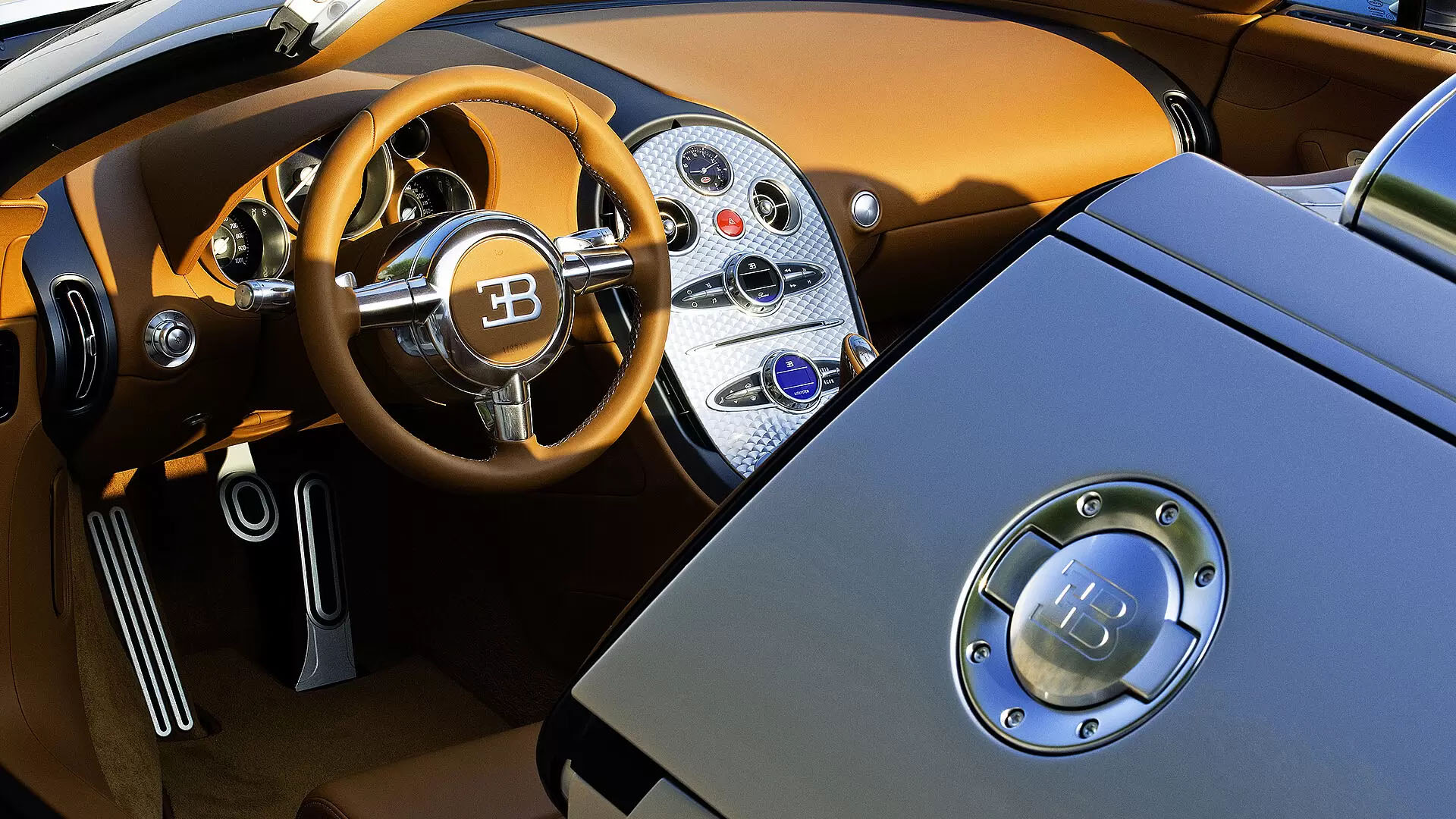
Over the next four months, this special Veyron Grand Sport was brought back to her 2008 launch specifications, a complete respray was executed while the interior received new Cognac hides and aluminum panels, they even had to fit a new central console to match the original 1.0 configuration … after the word got out La Maison Pur Sang confirmed the importance of this Grand Sport prototype it didn’t take long for an avid collector to add it to his, or her collection.

Owning a Bugatti is a goal on its own for many fortunate clients, but having an exclusive Bugatti with the official certification from La Maison Pur Sang will confirm its validity and offer reassurance for the owner or collector, and additionally, it will significantly enhance the value of the said automobile.

Aston Martin makes the DB11 and its configurator more powerful

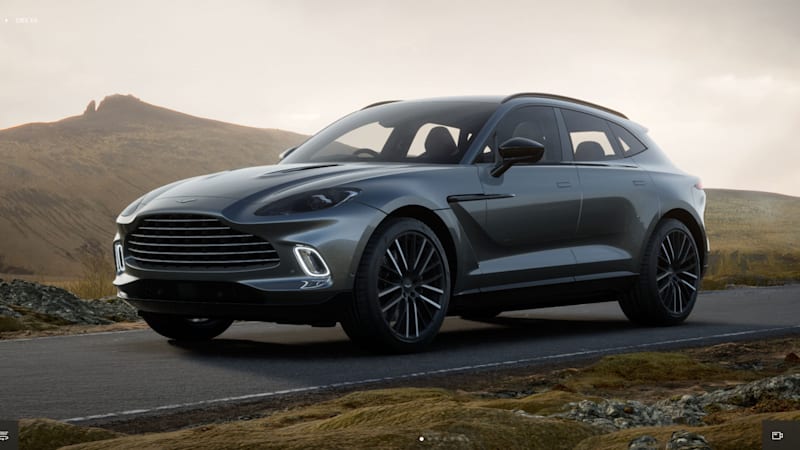
Aston Martin sold 4,150 cars last year, but the luxury automaker said its configurator served up more than two million specification sessions. Going with the overwhelming numbers, for 2022 Aston Martin has focused on “the customer journey” for imminent and aspirational buyers by rolling out a new and highly featured configurator. At last, the firm greets potential customers and the merely curious with the kind of luxury one expects of the brand. This is especially important for a company working through its Project Horizon turnaround, and also because, as the official Safety Car and Medical Car sponsor of Formula 1, traffic to Aston Martin’s web site spikes every time its Vantage and DBX are called out on track during races.  

The configurator’s been built using Epic Game’s Unreal engine, a digital creation tool building portals for everything from real estate to fashion, supplemented by Nvidia GTX graphics. In the present Phase One, visitors can place their chosen model in studio or outdoor environments, with daytime or nighttime lighting, and get high-res, zoomed-in beauty shots of their their vehicle details. Yet while Aston Martin poured new features into the configurator, it has reorganized and simplified the site’s use. For instance, individual elements such as exterior paint are broken into six color groupings like Blacks & Greys and Bronzes & Oranges, providing users a glimpse at the range of hues on offer without overwhelming them into analysis paralysis.

The surfeit of choice carries on inside, naturally — there are eleven carpet colors on offer and 12 shades of headliner. The simplifying rationalization carries on in the cabin, too, with three themes available to establish a quick baseline for personalization. The starter theme is called Create, showcasing ornate stitching on the seat bolsters, perforated, patterned seatbacks, door cards, and arm rest. Next up is Accelerate, which “will appeal to customers who wish for a more focused interior.” This one puts Alcantara all over, notably on the entire seat faces and bolsters, with leather trimming the seat sides and headrests. Create and Accelerate can be had in ten colors in monotone and duotone arrangements. Inspire, the topmost theme and “the epitome of luxury,” can be had in 38 colors and in monotone, duotone, and light duotone. This one comes with “the very best of material and color choices,” even more ornate stitching and broguing, trim inlays, and — get this — seatback veneers for anyone diminutive enough to curl into the back seat of one of the coupes to enjoy them. 

As to the objects of configuration, Aston Martin has made a few tweaks to next year’s lineup. The DBX, which has provided half of the company’s sales so far this year, adds wireless charging and a new 23-inch wheel. The coupe formerly known as the DBS Superleggera becomes just DBS, and the V12 DB11 AMR sheds its AMR suffix, but nothing else. The 4.0-liter twin-turbo V8 in the DB11 gets a 24-horsepower boost to 527 hp, and a higher 192-mph top speed. Drivers intending to use all of that puissance should option the new Sport Plus Seats which provide more shoulder, torso, and leg support. Finally, the DBS and DB11 can be had with new 21-inch wheel designs. 

The configurator is live now and has reported for service. Enjoy.

Related video:

Hennessy Performance revisits a Ford SUV in 2021 with the VelociRaptor 400 Bronco

We knew that after the launch of Ford’s highly anticipated SUV, it was only a matter of time before aftermarket tuners would unleash something badass. Sealy, Texas-based outfit Hennessey Performance got their hands on one and worked their magic. What came in as a stock model now rolls out of their doors as the Velociraptor 400 Bronco.

Ever since the Blue Oval gave in to the demand of its consumers, the hype surrounding the new Bronco has been over the through the roof. After confirming its release date, preorders were reportedly overwhelming.

After showing us just how far they could push it in 2020 with the 750-horsepower VelociRaptor V8, Hennessey Performance is ready for another run. This time, work begins with a 2021 Bronco Badlands. The range-topping trim then receives a new intake and exhaust system on top of expert tuning.

This adds 75-horsepower and 88 lb-ft of torque to its 2.7-liter twin-turbo V6 power plant. What follows is an extensive calibration to squeeze every bit of performance out of everything. With these upgrades, the VelociRaptor 400 Bronco now boasts 405 horsepower at 5,700 rpm with 503 lb-ft of torque.

This 4×4 SUV also comes with an in-house Off-Road Package that includes 18-inch Hennessey wheels. These are then shod in thick 35-inch off-road rubber. Other rugged add-ons include retractable side steps, VelociRapter bumpers on both ends, and special badging.

Hennessey Performance keeps all of the SUV’s original off-road systems intact. You can order the VelociRaptor 400 Bronco in two or four-door configurations. If you want to own one, better hurry now because only 200 units are up for production.

Buy – $80,000

Images courtesy of Hennessey Performance

Here’s the first Pininfarina Battista customer car

Pininfarina continues its slow drip of news about the electric Battista hypercar today with details about the personalization program and photos of the first Battista commissioned.

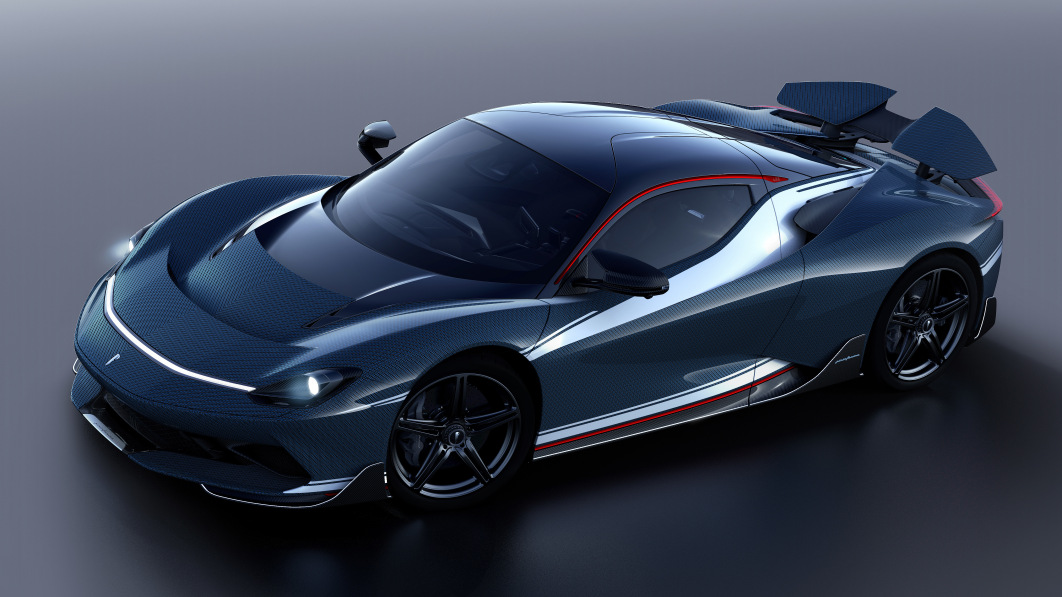
Above, you can see the Battista in question. Pininfarina didn’t reveal who the client was, but did say that the car’s appearance is “inspired by New York City.” The dominating exterior element is carbon fiber done in Iconica Blu thread. The carbon fiber is black, of course, but Pininfarina uses the Iconica Blu thread in it to make the car appear blue. It’s a rather dark shade of blue, but you can easily see the black carbon fiber weave underneath the paint, providing an extra pop. It drifts heavily into the ‘Murica theme with the red “Exterior Jewellery Pack” adorning the windows and side sills. Plus it also has hand-painted white stripes, adding some sparkle to the exterior. Pininfarina says the white paint for those stripes is named Bianco Sestiere Metallic.

The wheels are done in Dark Matt Grey and have a black center-lock ring to match the roof, rear diffuser and wing. Its final touch is a light-up Pininfarina logo in front made of brushed and polished anodized aluminum. Just like the owner of this Battista, anybody who orders one will get to personalize it from nose to tail. Pininfarina says its customization program allows for a total of 128 million combinations, so there shouldn’t be any Battistas that are exactly alike. You’ll choose from numerous paint finishes, carbon fiber bodywork, different exterior trims and so on.

Pininfarina didn’t show photos of this car’s interior, but it says the car will have black leather upholstery with Iconica Blu Alcantara inserts to match the exterior’s blue-and-black combo. Iconica Blu stitching is matched with more red and white stitching. Plus, it gets white seatbelts and the same Iconica Blu thread on the back of the carbon fiber seats. 

There are very few stones left unturned — even the chassis plate engravings can be customized to whatever you’d like. Only 150 Battistas will ever be built, says Pininfarina, and every single one of them will have the owner go through a customization process that puts them at the actual location of production — the Cambiano facility — to make all of their build decisions.

Related video:

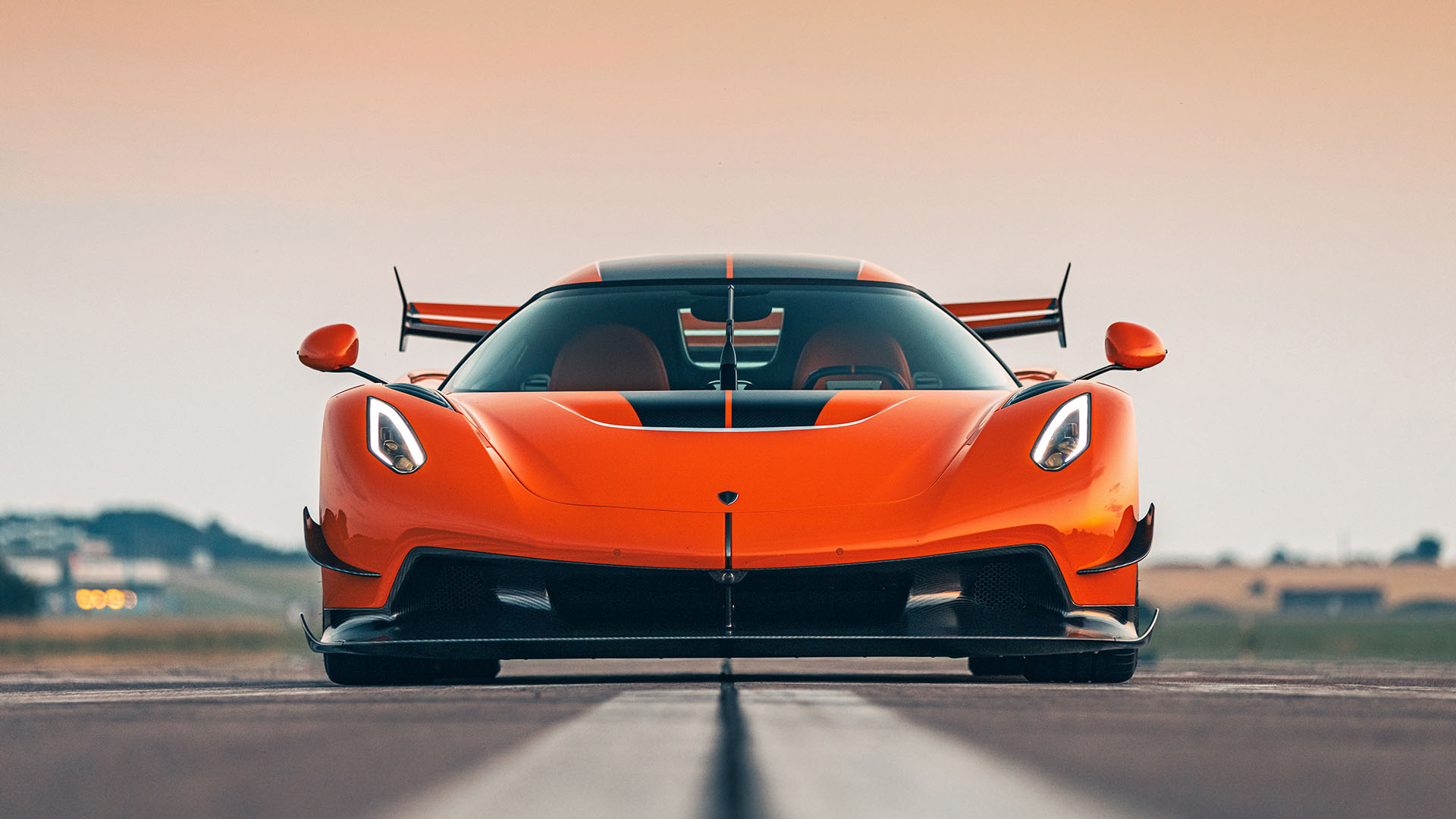
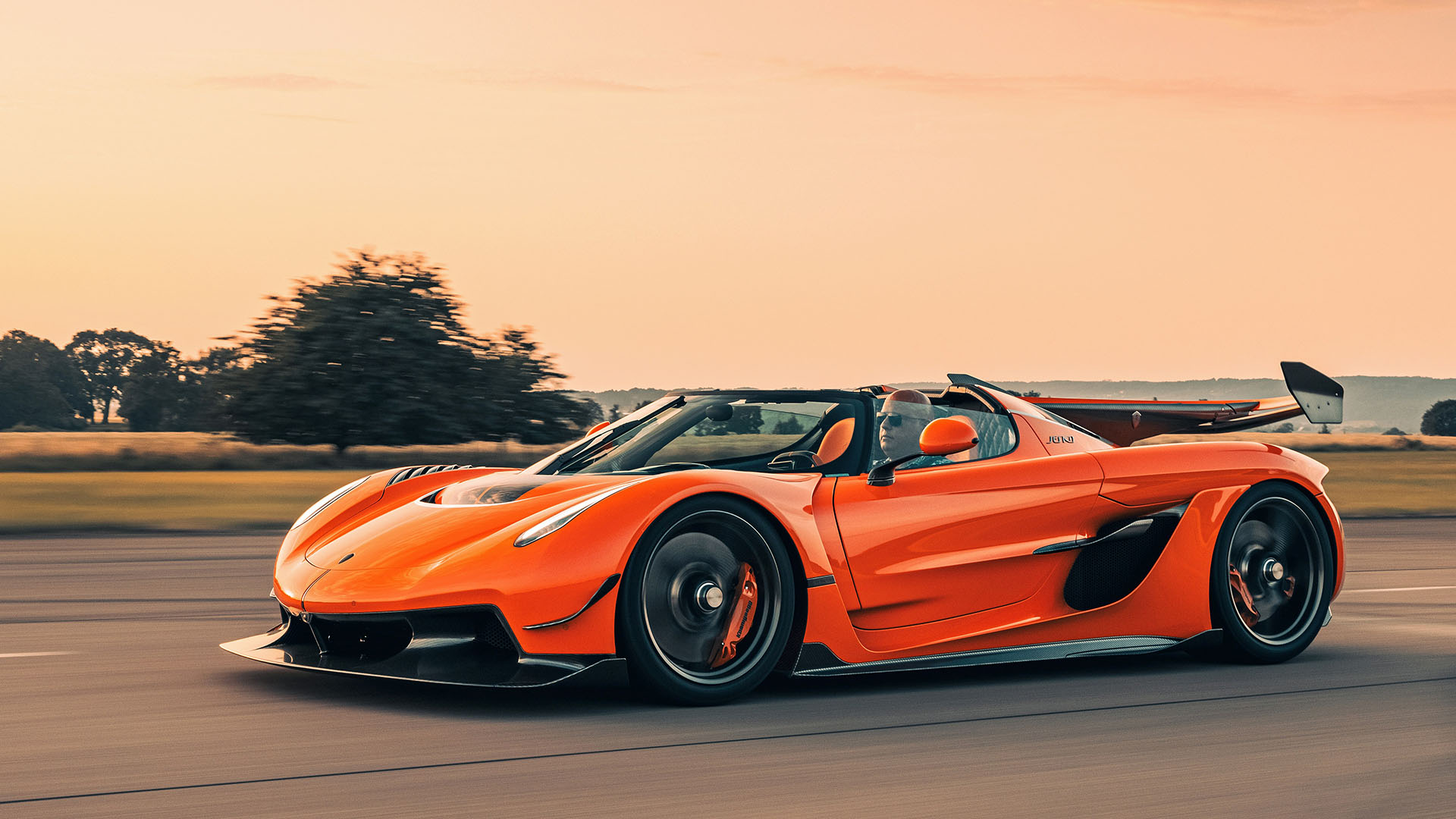
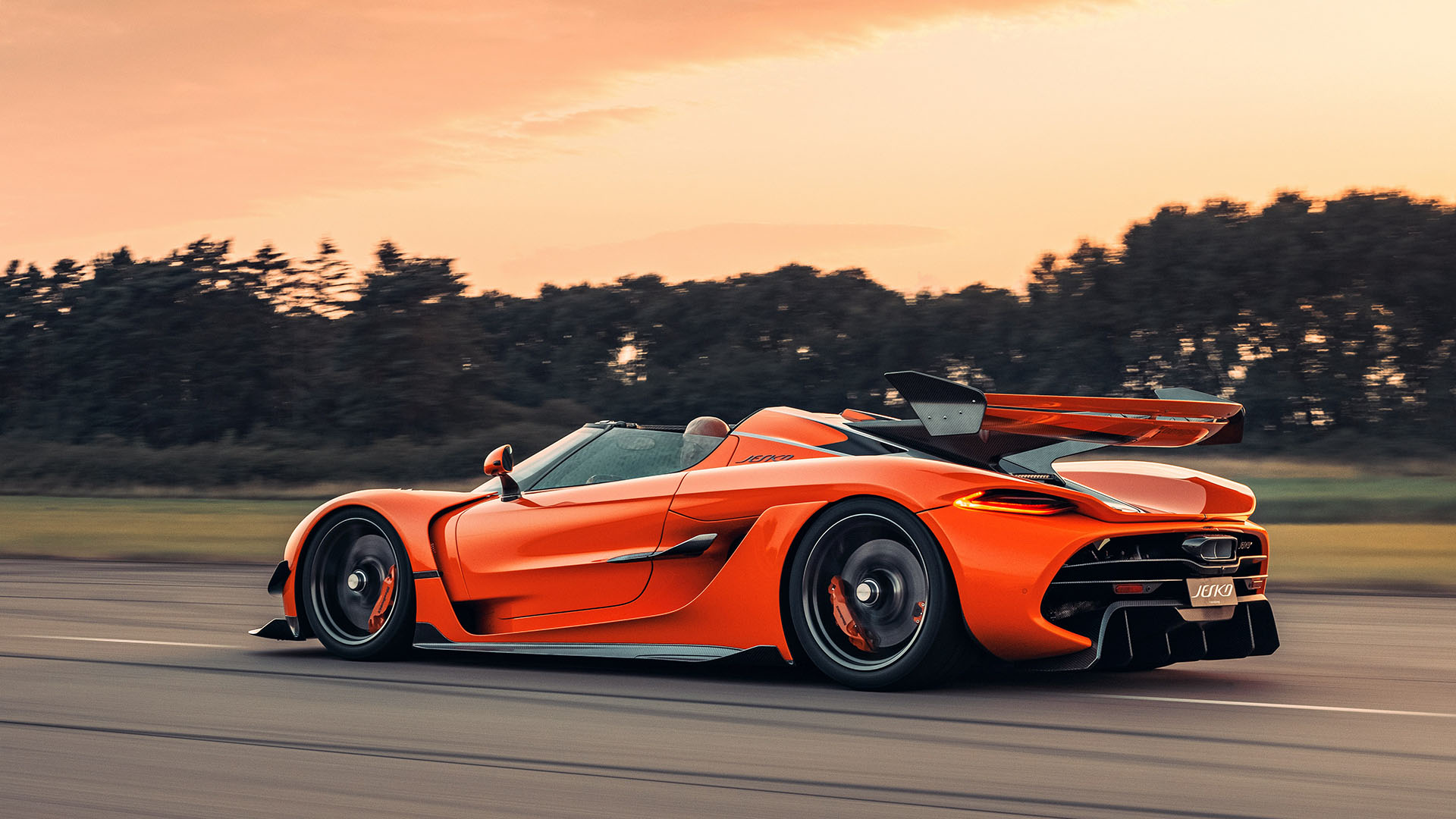
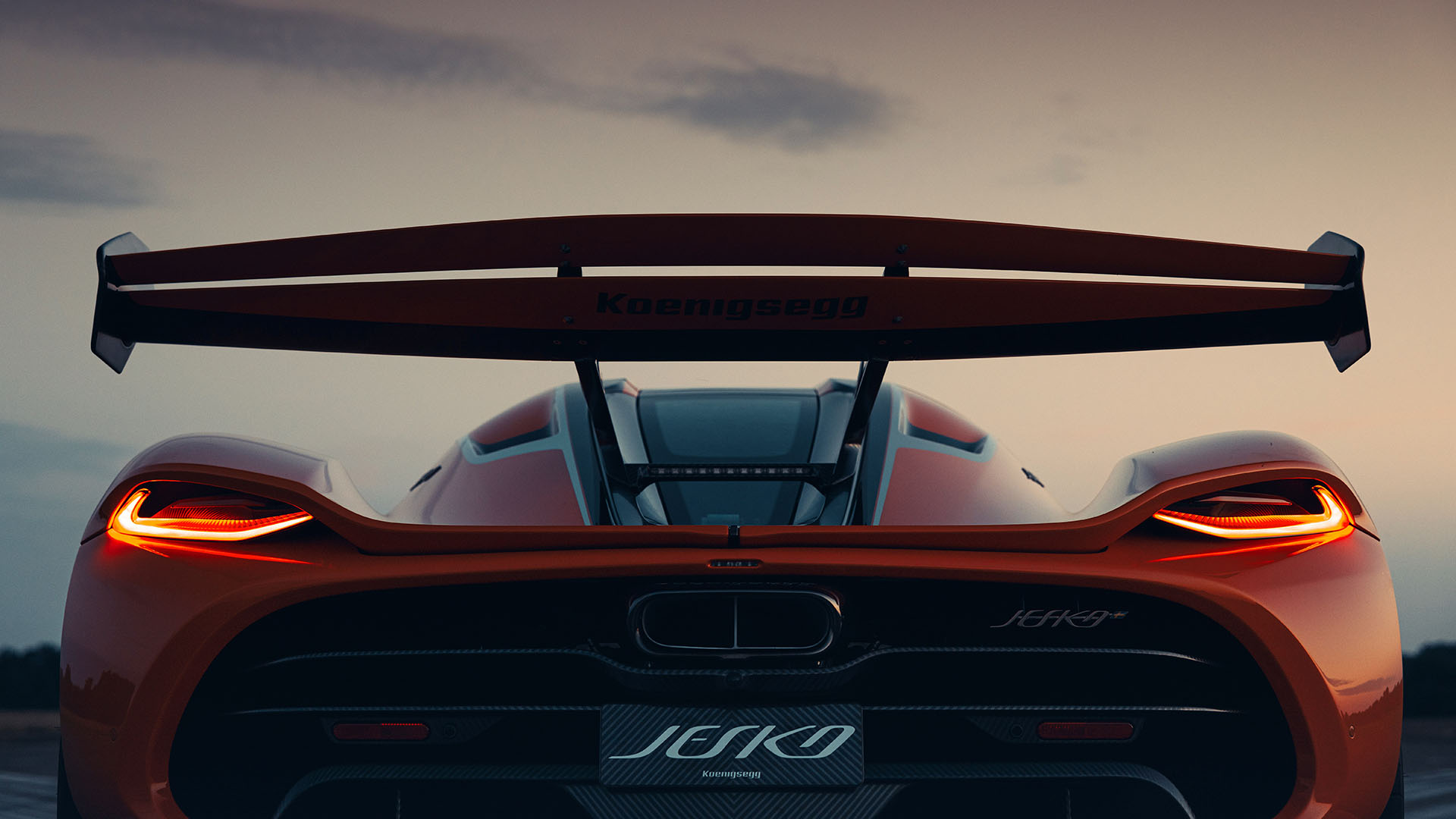
Christian von Koenigsegg walks us through the Jesko Attack

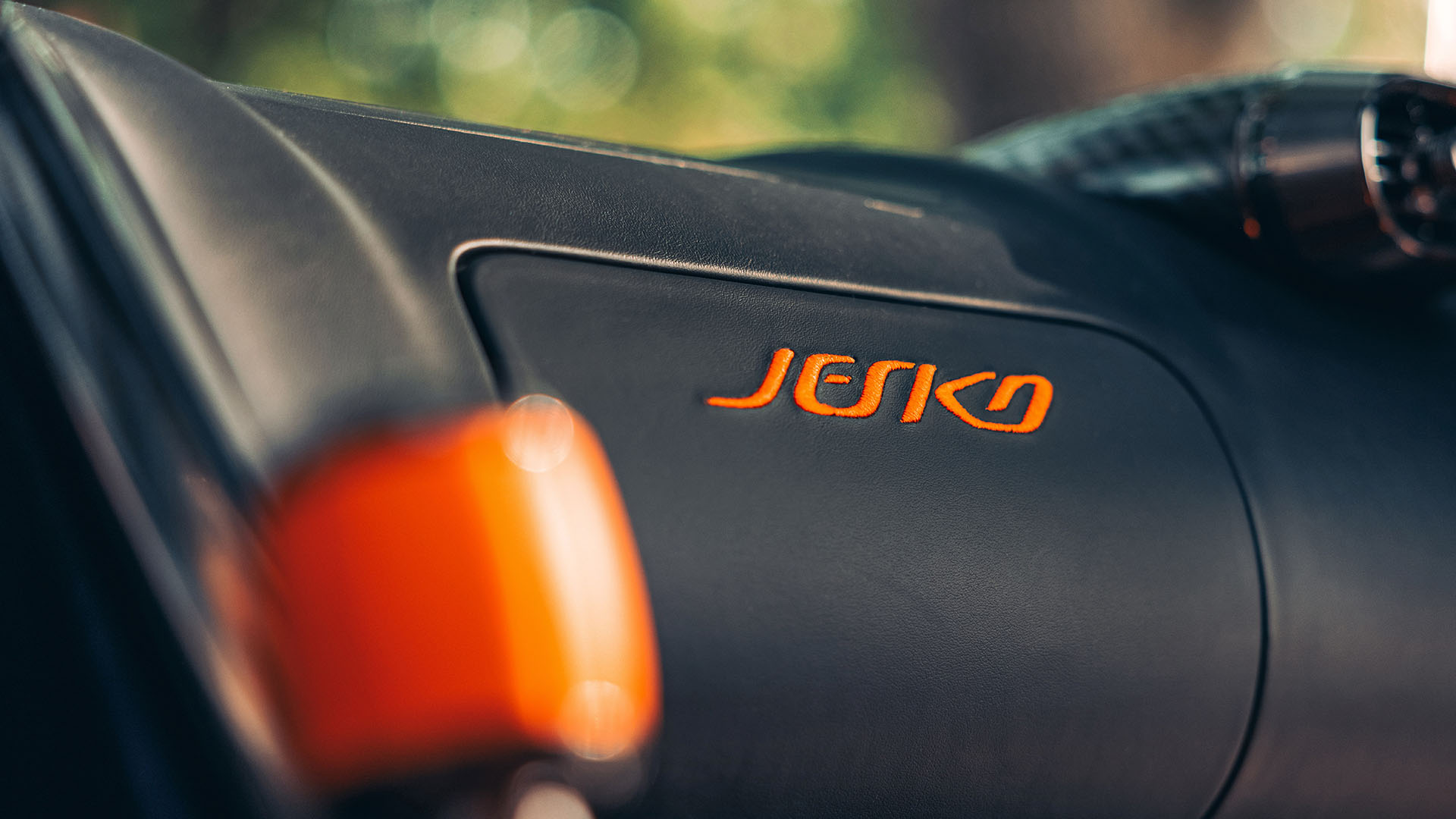
An official video from the Koenigsegg channel where Christian von Koenigsegg does a full walkthrough of the bright orange Jesko that was just finished, being a pre-production validation car, this one is very close to the actual production cars that they will start building, this Tang Orange Pearl with silver and carbon-fiber accents finished beauty reminds us of the Koenigsegg CCR color, did you know that back in the early 2000s about 50% of all Koenigsegg cars left the factory in Sweden in this orange shade?

Let’s just take a look at 15 minutes of automotive art … made in Sweden, by the way, this track focussed version no longer goes by the name Jesko, but they now call it the Jesko Attack, while the top speed version is still called the Jesko Absolut.

[embedded content] [embedded content]

The Ferrari SF90 Stradale by NOVITEC

The Ferrari SF90 Stradale was actually a special model to celebrate the 90th anniversary of Scuderia Ferrari, and while the main power comes from a twin-turbo V8 engine, the SF90 also comes with three additional electric motors for a total power output of 968 hp (735 kW) with a torque figure of 800 Nm … surely impressive numbers straight from the factory in Maranello, Italy.

But we wouldn’t be writing about NOVITEC if they didn’t manage to upgrade the already potent Ferrari SF90 Stradale, the NOVITEC exhaust system with metal catalysts boosts the overall power to 1,033 hp (760 kW) with 858 Nm of torque, acceleration from 0 to 100 km/h takes only 2.5 seconds after a visit at NOVITEC with a top speed in excess of 350 km/h.

To achieve this increase in power, the NOVITEC exhaust system is created with 100-cell metal catalysts and twin stainless tailpipes that come with a diameter of 112 millimeters, complete with beautiful carbon exhaust tips, this system optimizes exhaust flow and because of the fully thermally insulated pipes the temperature in the engine bay is reduced … if you prefer even more heat control you can always opt for the NOVITEC 999 gold-plating.

The NOVITEC exhaust system is available with, or without electronic sound management, you know, the active control flaps in the exhaust pipes to set the sound to ‘LOUD’ or ‘INSANELY LOUD’, if you want to get the lightest possible exhaust system for your Ferrari SF90 you should get the NOVITEC system in INCONEL, a lightweight material used on Formula One exhaust systems.

While the sound is extremely important, especially on a hybrid car, looks shouldn’t be forgotten other, and to that extend NOVITEC usually teams up with VOSSEN for their forged alloy wheels, and this black Ferrari isn’t any different, a set of high-tech forged wheels made in the USA are fitted, in this case, finished in ‘Bronzino’, but NOVITEC offers 72 different colors to their clients.

These NOVITEC NF10 wheels look like a ten-spoke design, but if you look closely it’s, in fact, a ‘double’ five-spoke design, and thanks to some amazing machining tech, VOSSEN managed to create a set of wheels that perfectly fill out the wheel arches on this Ferrari SF90 Stradale, 9.5×20 inch wheels at the front with 255/35 ZR 20 tires and bigger and wider wheels in 12×21 inch for the rear, this time with massive 325/35 R 21 tires fitted, the staggered dimensions emphasize the wedge shape of this Ferrari.

With custom wheels come the need for lowering a car in my humble opinion, and it seems NOVITEC feels the same way, they offer a set of lowering springs to bring the SF90 30mm lower to the street at the front and 25mm lower at the rear, just enough to make a visual impact, and by lowering the center of gravity, this also improves on handling.

NOVITEC also offers customization for the interior, offering the client the option to color match the leather or Alcantara upholstery to the color they selected on the wheels, but as usual, the demo car doesn’t show any custom interior treatment … I guess now it’s time to wait for NOVITEC to release an aero kit for the SF90, or perhaps even an N-LARGO limited edition.

Best V8 Engines Ever Produced

In almost all cases, manufacturers who choose to equip their cars with a V8 engine do so knowingly and deliberately. After all, such engines represent the first big step in crossing over a threshold to where performance becomes the sole focus; efficiency and economy are often not even invited as guests for a ride-along in the back seat.

With a quick glance at the back mirror, those pesky 4-cylinder and 6-cylinder engines begin to disappear into the horizon. Then, with the proverbial “pedal-to-the-medal”, the V8 power plant unanimously declares “all-in” with a loud roar – because this journey is all about thrill-seeking and checking things off the bucket list.

While high-performance V8 engines have normally been reserved for exotics – and muscle cars, in the more distant past – its application has been seen more in the mainstream these days. With the proliferation of automotive technologies, the V8 engine has become a gateway into the world of attainable supercar performance; each new engine is better than the one before it. But if you prefer roaring V10s, or hearty V12s, check these links out. However, if V8s are more your cup of tea, read on.

Here’s the shortlist of 10 such engines, curated for your reading pleasure:

Ferrari F106

Ferrari F106 Engine

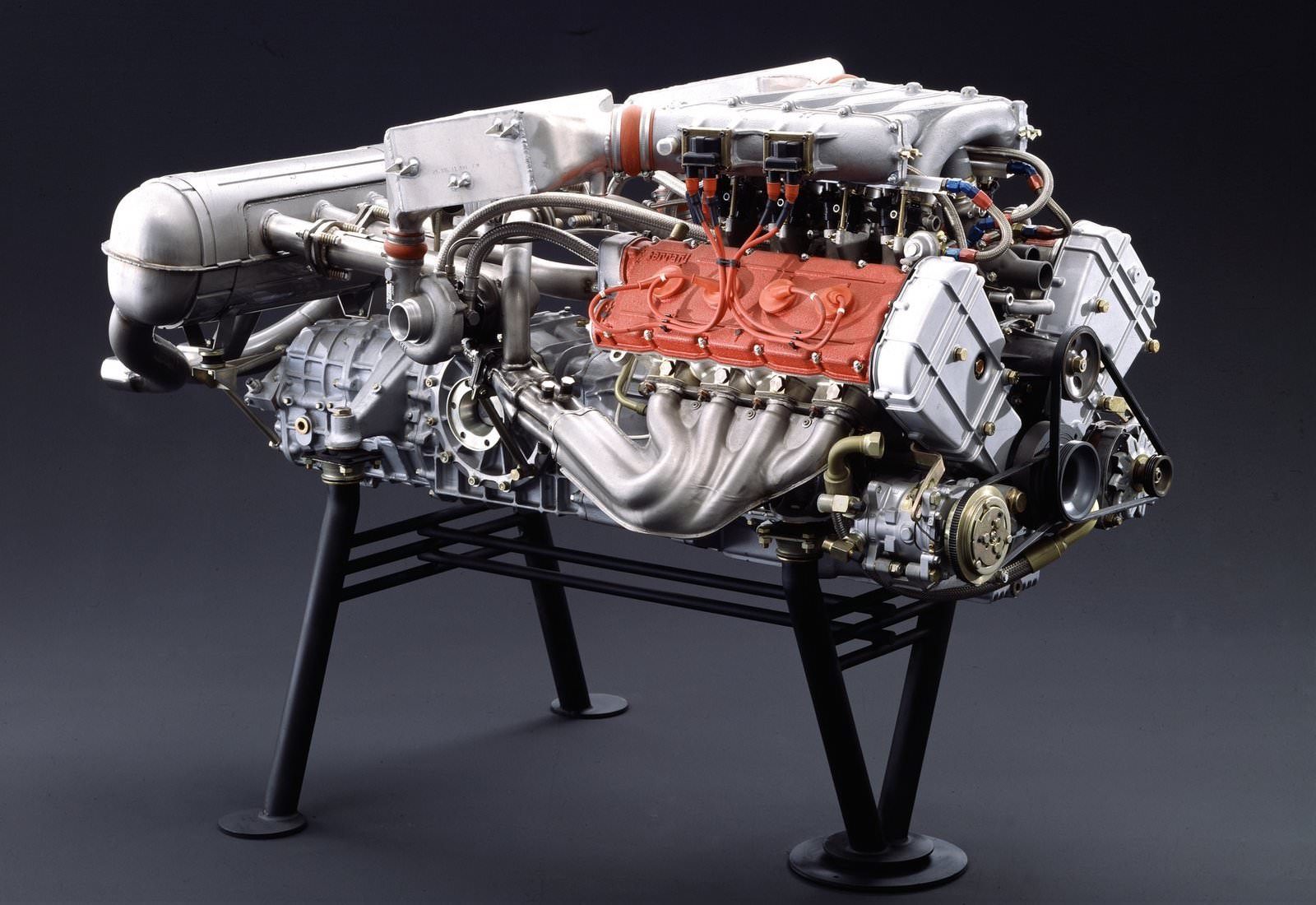
Ferrari’s F106 V8 engine dates as far back as 1973, where it first featured in the Dino 308 GT4. Right from the get-go, it produced an impressive 250 hp from a 2.9L naturally-aspirated engine, which featured a flat-plane crank and dual-overhead cams.

Such was the longevity and capability of the F106 unit, that it continued to be used – with significant updates and revisions along the way, including electronic fuel injection and multi-valve heads – for more than 30 years. Notable models which were equipped with the engine include the F355, 360 Modena, and arguably the most famous Ferrari of them all; the Ferrari F40, which fashioned a twin-turbocharged version of the F106 producing 471 hp.

Dodge Supercharged Hemi

Dodge Supercharged Hemi Engine

Dodge’s Hellcat series of cars have really taken the world by storm, offering almost unfathomable power in a non-exotic production vehicle – or any vehicle for that matter. It’s truly a revival of the “American muscle” movement, with the supercharged Hemi able to produce as much as 807 hp and 717 lb-ft of torque via the Dodge Challenger Hellcat Super Stock. Handling, agility, and all that other kind of stuff aside, this makes the Hellcat Challenger/Charger the quintessential American sports car which can be had for well under the 6-figure mark brand new.

The automaker is now offering the 6.2L ‘Redeye’ V8 as a crate engine (aptly nicknamed ‘Hellcrate’) through Mopar. It can be purchased at a starting price of US$21,807. The ‘Redeye’ version comes with a larger supercharger than the previous Hellcrate engine and has been tuned for more boost, a slightly higher redline, and a host of other improvements. These are what has allowed it to improve from 707 hp and 650 lb-ft of torque to its current 807 hp state. An absolute unit.

BMW S63

BMW S63 Engine

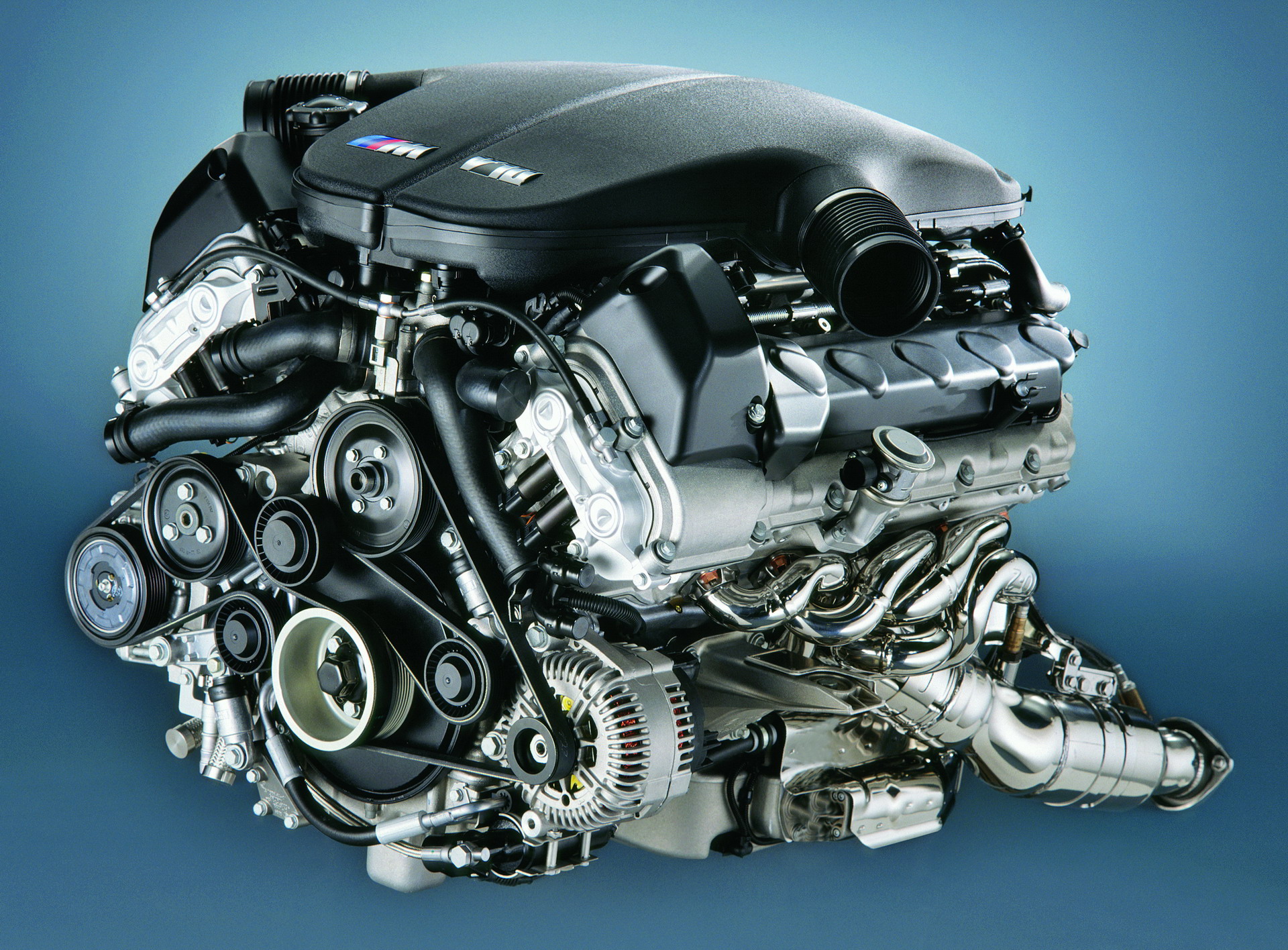
Like other automakers on this list, BMW is no stranger to producing some of the world’s best V8 engines. The latest incarnation would be its masterpiece ‘S63‘ – a 4.4L twin-turbocharged engine that produces at least 600 hp and 553 lb-ft of torque in the current-gen BMW M5 sedan.

Though it’s true that this grants the quintessential luxury-performance saloon some serious supercar credentials, a look back to days gone by reminds us that engines such as the ‘S62’ and ‘S65′ deserve just as much recognition for their contribution to the Bavarians’ V8 platform. Respectively, each engine displaced 4.9L and 4.0L and were both naturally aspirated.

Lexus 2UR-GSE

Lexus 2UR-GSE Engine

The 2UR-GSE is the latest iteration of Lexus‘ increasingly iconic naturally-aspirated V8 power plant. Currently reserved for the marque’s high-performance models – such as the IS F, RC F, GS F, LC 500, and brand-new IS 500 – the 5.0L engine blends typical Lexus reliability with a high-revving Japanese character. In its most powerful configuration, the 2UR-GSE produces 475 hp in the Lexus LC 500. Amidst an ever-changing landscape shifting towards hybridization and electrification, we hope that Lexus’ legendary naturally-aspirated V8 lives on for as long as possible

Much like our other selections, the 2UR-GSE owes much of its distinctions to predecessors such as the 1UZ-FE which debuted in 1989. This 4.0L V8 engine has proven to be bulletproof over the test of time, in addition to the universal recognition it has received for being smooth, refined, and sufficiently powerful for its intended application. It has served as the platform upon which the formidable GSE would eventually be conceived.

Ferrari F136

Ferrari F136 Engine

The F136 succeeded the legendary F106, first appearing as a 4.3L naturally-aspirated engine in the 2004 Ferrari F430, producing 483 hp. Like the F106, the F136 would see widespread application throughout the Ferrari lineup; however, it was also featured on a number of Maserati models in concert with the relationship between the two marques.

Most notably, a 454 hp, 4.7L version of the F136 featured on the Maserati GranTurismo and is widely regarded as having one of the best engine/exhaust notes to come out of the V8. The F136 would reach its zenith in the Ferrari 458 Italia Speciale, where it cranked out a massive 597 hp from its 4.5L naturally-aspirated power plant.

Perhaps the most significant (and regretful) fact about the F136, is that it is the last naturally-aspirated V8 engine Ferrari would ever produce. It was replaced by the twin-turbocharged F154 V8 engine in 2015, where it debuted on the Ferrari 488 GTB.

McLaren M830T / M840T

McLaren M830T / M840T Engine

Despite only producing V8-powered automobiles since as recently as 2011 (via the MP4-12C), you could argue that McLaren‘s engineers are truly the world’s V8 engine artisans, and few would dispute that. After all, it’s virtually all they know these days, with every single McLaren model – bar the V6-hybrid McLaren Artura – fitted with some adaptation of their M838T or M840T twin-turbocharged V8 motors.

The 3.8L M838T is found in its Sports Series range of cars, which includes the entry-level McLaren 540C and goes all the way up to the indomitable 666 hp McLaren 675 LT. The 4.0L M840T features on all of the Super Series cars, which covers the ‘700 range’ of models, plus the addition of the McLaren GT. In its Ultimate form, the 4.0L unit – dubbed the M840TR – produces 814 hp in the McLaren Senna GTR. The McLaren Speedtail hybrid ‘hyper GT produces some 1,035 hp through the combination of an M840T and electric motor.

GM Small Block LT1/LT2

GM Small Block LT1/LT2 Engine

Introduced in 2014 for the C7 Corvette, the 6.2L naturally-aspirated V8 LT1 engine is part of GM’s 5th-generation small block engine family. It continues to be used on the present-day Camaro, with a new version of the engine – known as the LT2 – carrying on the bloodline via the brand new mid-engine C8 Corvette. The LT2 retains the 6.2L capacity but is more powerful than the LT1, producing at least 495 hp and 470 lb-ft in its latest configuration.

This was achieved by designing more efficient air-intakes sand exhaust manifolds, while also featuring a better lubrication system and more resilient camshaft. While it’s not a monster-out-of-the-box like say, Dodge’s Hellcat engine, the lightweight naturally-aspirated powerplant remains perfectly suited for what the Corvette is the best at delivering – brilliant all-around performance at a fraction of the cost of comparable options. The still-relevant LT1 is now being offered as a crate engine via GM’s performance division, with its 460 hp on tap for under US$10,000. Project car, anyone?

Audi 4.2L FSI

Audi 4.2L FSI Engine

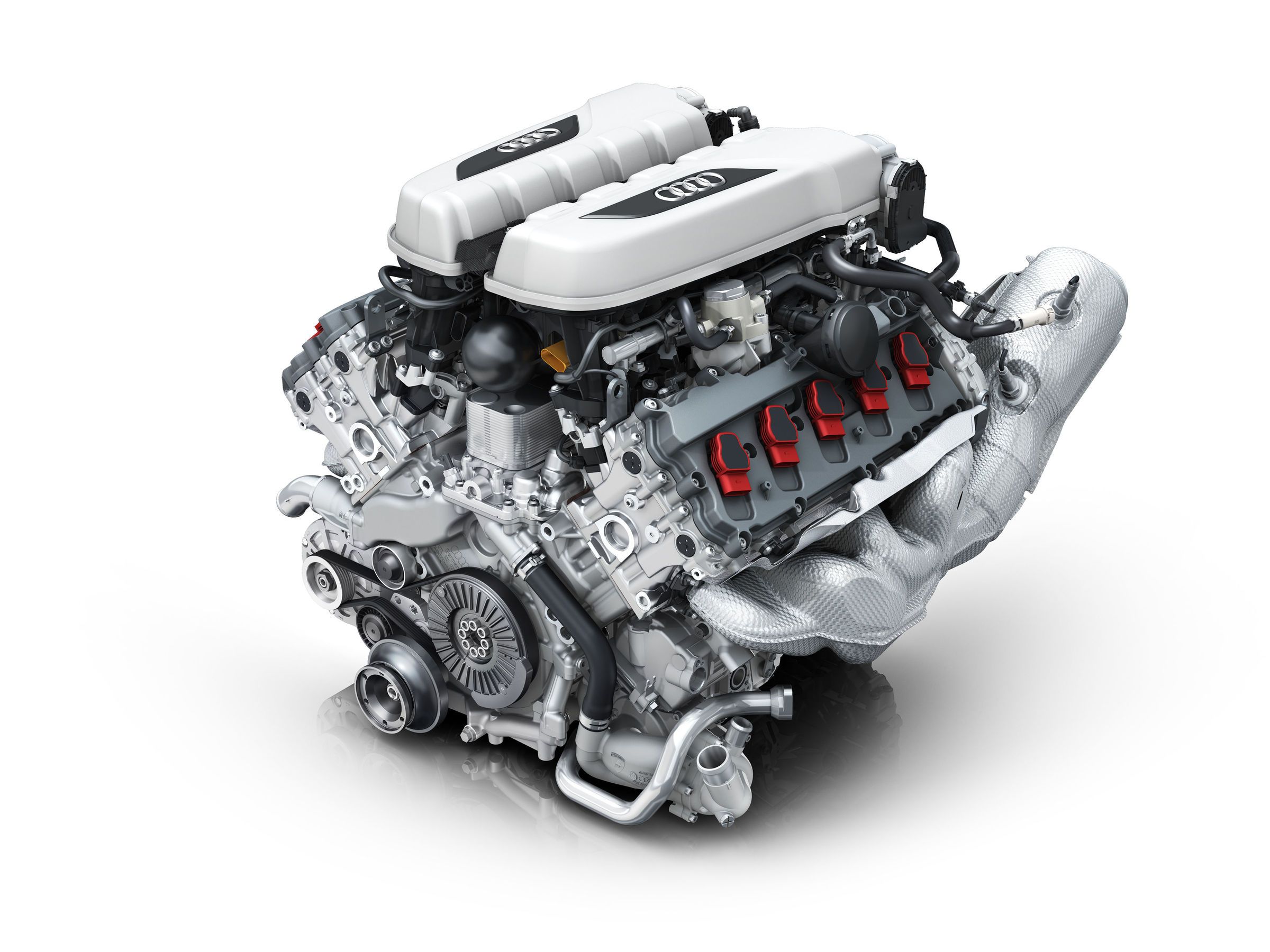
When Audi’s 4.2L FSI V8 engine was introduced, it was a bit of a departure from what Audi enthusiasts had grown accustomed to over the years. As one of the marques which helped to proliferate the use of turbochargers on production cars, the aforementioned engine first appeared in the 2006 Audi RS4 as a high-revving naturally-aspirated power plant.

Over time, it proved to be a fan-favorite in spite of its lack of forced induction and featured on such models as the RS5 and mid-engined R8. As a naturally aspirated unit, the FSI V8 was able to rev up to 8,250 rpm and had a distinctively exotic exhaust note, regardless of the model it was mounted in.

The engine remained naturally-aspirated up until its use in the 444 hp Audi RS5; since then, recent iterations of the engine are now turbocharged and produce up to 600 hp.

Mercedes-AMG M178

Mercedes-AMG M178 Engine

The modern-day Mercedes-AMG line-up is blessed with their omnipotent ‘M178’ 4.0L twin-turbocharged V8, which itself deserves all the plaudits and is a shoo-in for selection. While it’s the most advanced iteration of the automaker’s V8, our personal favorite would have to be the ‘M156’ 6.2L V8 first powered the 467 hp naturally-aspirated C63 AMG. Like its successor, the M156 would feature in almost every Mercedes-AMG model of that era, including the SL63.

The ultimate version of this V8 motor would be the ‘M159’, which was equipped in the automaker’s flagship SLS supercar, producing 622 hp. The SLS has since been succeeded by the Mercedes-AMG GT Black Series, which produces 720 hp from its twin-turbocharged ‘M178’, and recently set the new production car lap record at the Nürburgring.

Ford ‘Voodoo’ Flat-Plane

Ford 'Voodoo' Flat-Plane Engine

The ‘Voodoo’ engine produced by Ford is a 5.2L naturally-aspirated V8 which was made especially for cars such as the 526 hp Mustang Shelby GT350 and GT350R. Suffice to say, the Voodoo was a match made in heaven for the line-up’s most balanced and track-focused Mustang models. By utilizing a flat-plane crankshaft, the engine weighs less and revs faster and higher (to 8,250 rpm) than the otherwise standard engines in other models. Its configuration also gives it an almost-exotic exhaust note, border-lining on ‘un-American’ – but owners won’t mind, as their domestic car hangs just fine with the exotics and other high-end sports cars on the race-track.

Following the template of past flat-plane V8 engines, the Voodoo applies similar principles as engines that once powered hot-rods and muscle cars back in the 20th century – with impressive bang-for-buck, the engines produced big horsepower at a fraction of the cost of what was used in European sports cars and even domestic rivals. This provided owners with a rightfully potent automobile, and extra money left in the bank. It’s hard to argue with that!

Best V10 Engines Ever Produced

Most people probably don’t know it, but V10 engines are kind of the awkward middle child within the high-performance engine family. They are often overlooked for their smaller, more compact, and just-as-spirited V8 siblings, yet still somehow manage to cut a notably less brawny figure next to the larger V12 motors. In terms of outcomes, this is probably why even the most hardcore car enthusiasts will have a difficult time recalling more V10 production cars than you can count on one hand – there are fewer of them than you’re likely thinking, and perhaps there should be more of them for this reason, but that’s for a different discussion.

Interestingly, it’s the Volkswagen Group which currently has the monopoly on supplying this particular engine, via Lamborghini and Audi production models which are under the corporation’s umbrella (plus its namesake Volkswagen Touareg V10 TDI – more on that below). Meanwhile, you’d be forgiven for thinking that Ferrari would at the very least have delved into the art of the V10 -which they did, though only to produce such engines for Formula 1 cars from 1996 to 2005.

Quantifiably speaking, yes, there are fewer V10s out there than the other engines most closely related to it. However, each V10 engine mentioned on this list is undeniably iconic and rightfully potent, particularly when it comes to panache. So while this middle child might not always steal the spotlight, nor hog affection that goes to its siblings, it is in no way lacking any of the talent in its DNA.

Here’s the shortlist of 10 such engines, which we have curated:

Lamborghini / Audi 5.2L V10

Lamborghini / Audi 5.2L V10 Engine

Ever since 2008 – when the refreshed Lamborghini Gallardo LP 560-4 was released – all V10 engines used in the Lamborghini line-up have been based on the 5.2L architecture. This has carried over to the Gallardo’s successor – the Lamborghini Huracán – with each and every one of its models having been fitted with the aforementioned power plant, up to this point. In the current stage of its evolution, the 5.2L naturally-aspirated V10 is mechanically identical to Audi’s version of the engine (which uses ‘Fuel Stratified Injection) and is seen in Audi’s own R8 supercar; however, power outputs vary depending on the trim levels of the respective models.

Audi 5.0L V10 Biturbo

Audi 5.0L V10 Biturbo Engine

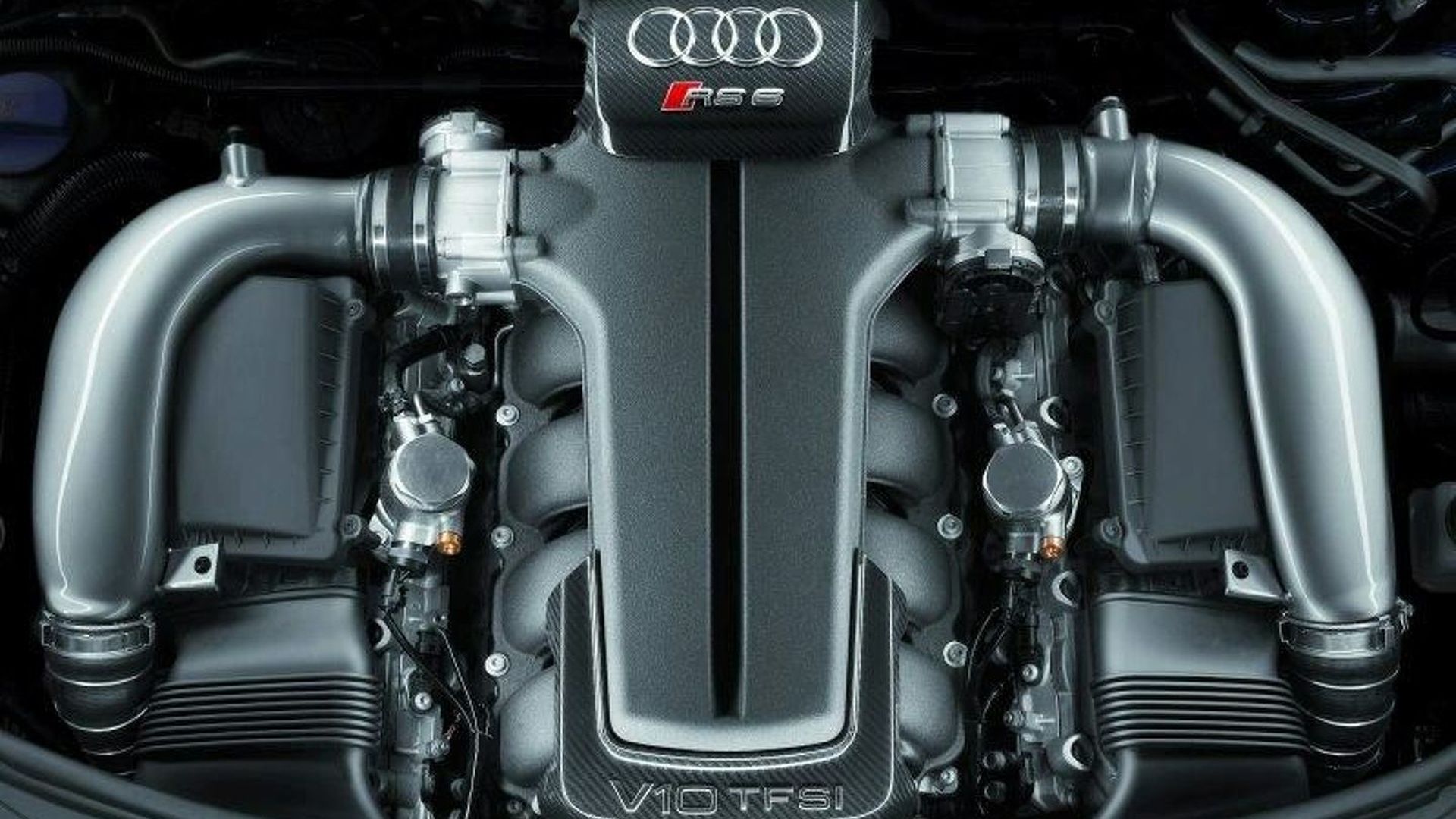
The sharing of tech (and a healthily-stocked pantry of engine parts) between Lamborghini and Audi spans back more than a decade now, and the engine used in the C6-generation Audi RS 6 has to go down as one of the best collaborations to date. Derived from the outgoing 5.0L naturally-aspirated V10 unit from the Lamborghini Gallardo, the motor in the RS 6 was repurposed with a pair of turbochargers. This allowed the super-wagon to produce 571 hp and 478 lb-ft of torque, on its way to becoming Audi’s most powerful car ever, in 2010. While it was handily more powerful than its competition – the BMW M5 and Mercedes-AMG E63 – it also cost quite a bit more (almost double, after conversion) which is likely the reason why it didn’t reach US shores.

Audi 5.2L V10 FSI 40V

Audi 5.2L V10 FSI 40V Engine

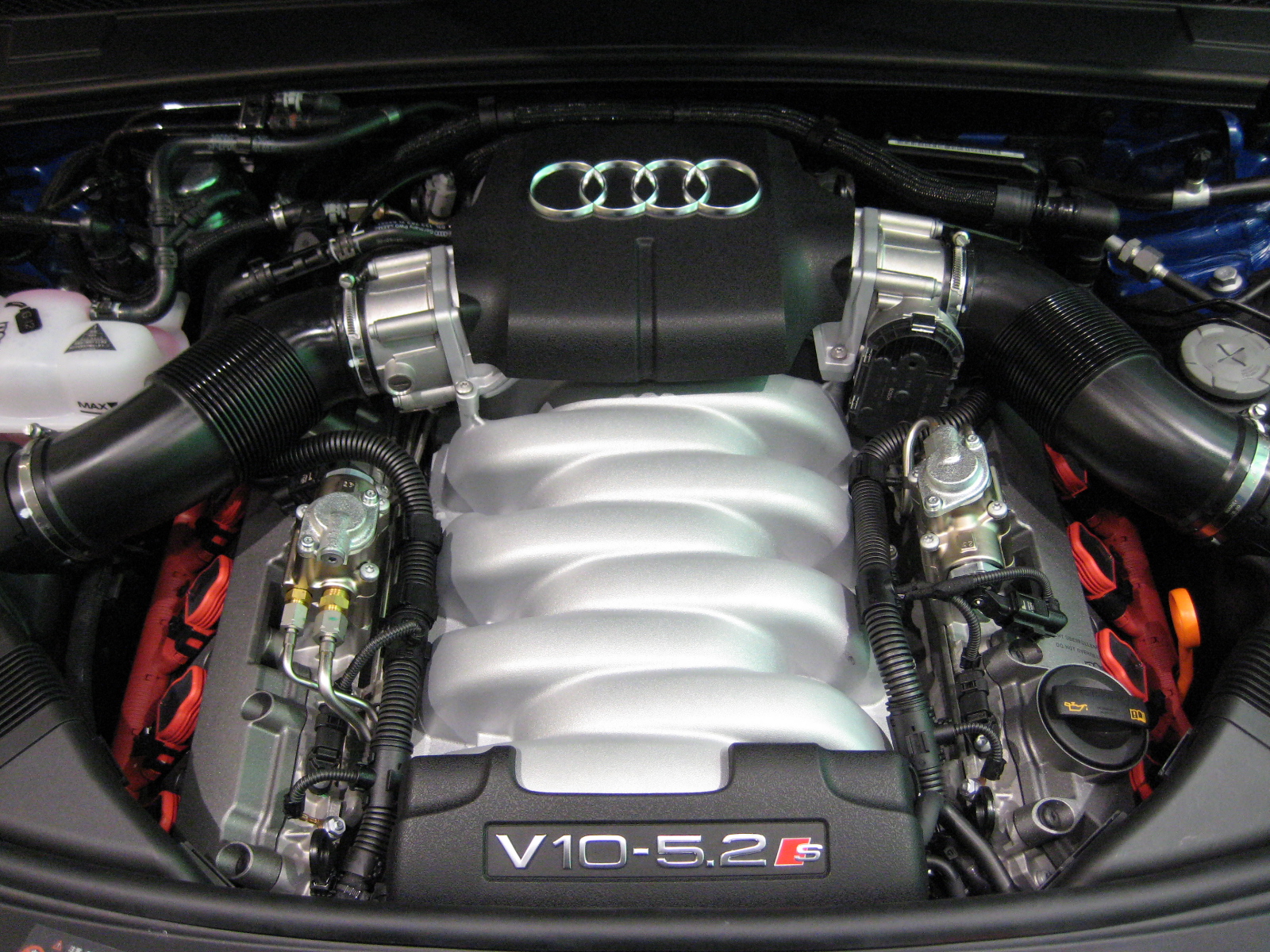
Unlike the C6-generation Audi RS 6, the 5.0L unit used in the third-generation Audi S6 is less related to a Lamborghini equivalent and has more in common with an Audi 4.2L V8. For starters, it has a longer stroke and wider bore than the Lamborghini 5.0L V10 seen in the Gallardo, making for the better low-end power which is more befitting of the larger sedan. When considering the internals, the 5.2L motor in the S6 more closely resembles the aforementioned 4.2L V8 which was once used in the B6-generation Audi S4. Thanks to the tweaks mentioned above, this engine was good for 444 hp in the four-ringed luxury sports sedan.

Lamborghini Huracán Performanté 5.2L V10

Lamborghini Huracán Performanté 5.2L V10 Engine

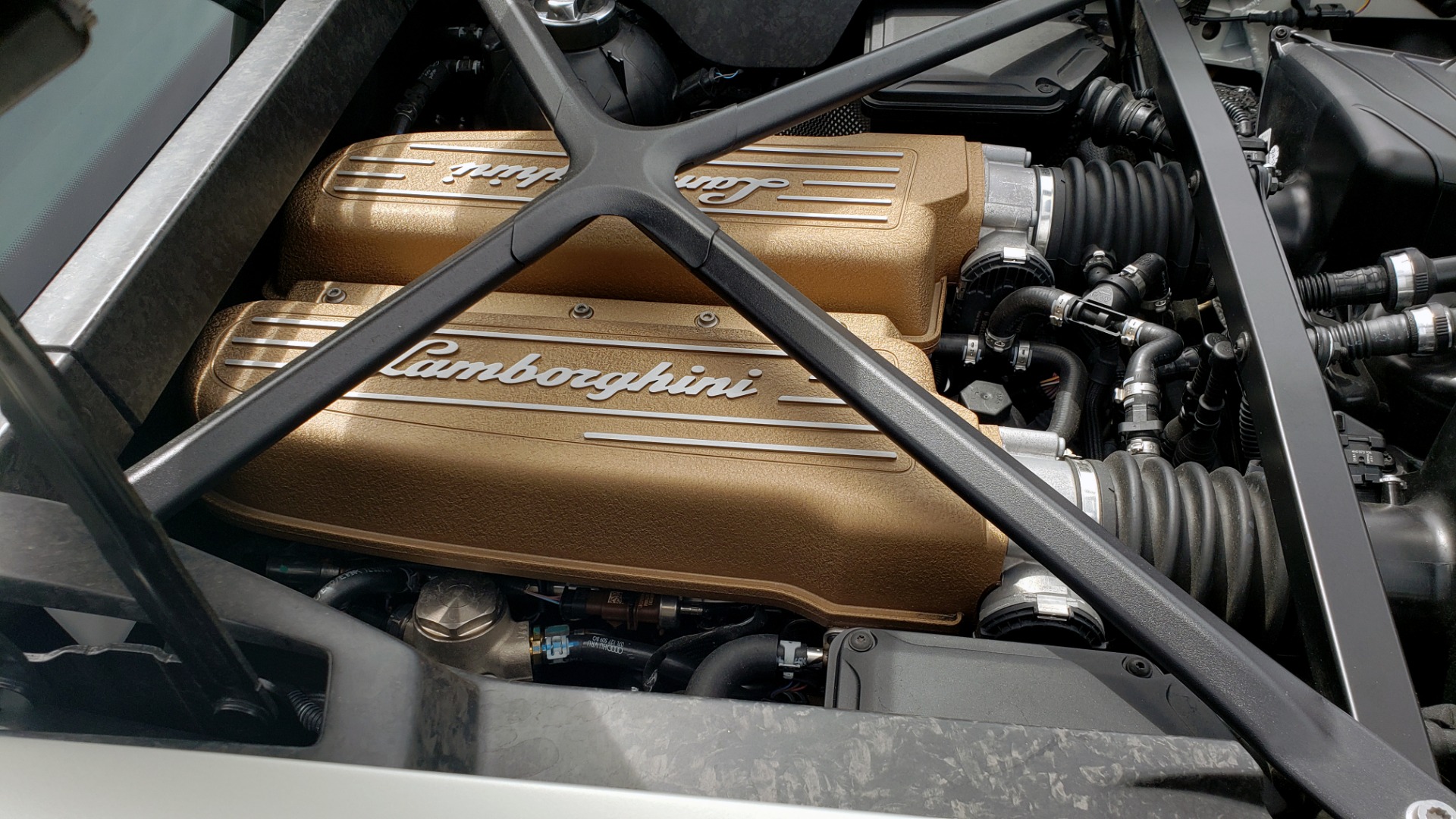
The 5.2L naturally-aspirated V10 power plant we’ve been speaking so much about in this list is at the peak of its evolution via the current Lamborghini Huracán Performanté. In this configuration, the engine produces 640 hp @ 8,000 rpm and 443 lb-ft of torque @ 6,500 rpm; this makes the supercar good for 0-100 km/h in 3.1 seconds and a blistering top speed of 325 km/h, all without the assistance of any type of forced induction. Augmented with the greatest technologies available today, the motor produces its power more efficiently than ever before as well, with more than 70% of its torque already available as early as 1,000 rpm.

Dodge Viper ACR 8.4L V10

Dodge Viper ACR 8.4L V10 Engine

Even if the Dodge Hellcat is hogging all the headlines these days, there’s always something you have to admire about the lunacy of a naturally-aspirated 8.4L V10 engine. No, the Dodge Viper doesn’t do subtlety very well. Yes, it does happen to fall under the ‘Old Testament’ definition of “awesome”. With 640 hp and 600 lb-ft of torque being produced from that colossus of an all-aluminum engine, the Viper has the exhaust note of a semi-dormant volcano. It would make absolutely no sense at all if it wasn’t just so damn fast. Variants such as the SRT-10 and ACR-X took the road-going version of the car to the next level, with the latter being a turn-key, non-street legal race car that participates in Viper racing leagues around the world.

Lexus LFA 4.8L V10 (1LR-GUE)

Lexus LFA 4.8L V10 (1LR-GUE) Engine

Many regard the Lexus LFA as one of the best supercars ever made. Lexus only made 500 units, and I assumed those 500 sold out quickly. I was wrong. Despite the fact that Lexus hasn’t produced the LFA since 2012, there are still seven brand new LFA supercars for sale in the US, according to Carscoops. With all that said, the LFA came with one of the best V10 engines ever produced by a Japanese automaker. The 4.8L naturally-aspirated V10 – dubbed 1LR-GUE – made 552 hp and 352 lb-ft of torque. Developed in collaboration with Yamaha, it was a free-revving engine with an exhaust note that is truly unlike any other on the planet. As the sole representative from Japan, the 1LR-GUE is certainly one for the ages.

Porsche Carrera GT 5.7L V10 (980/01)

Porsche Carrera GT 5.7L V10 (980/01) Engine

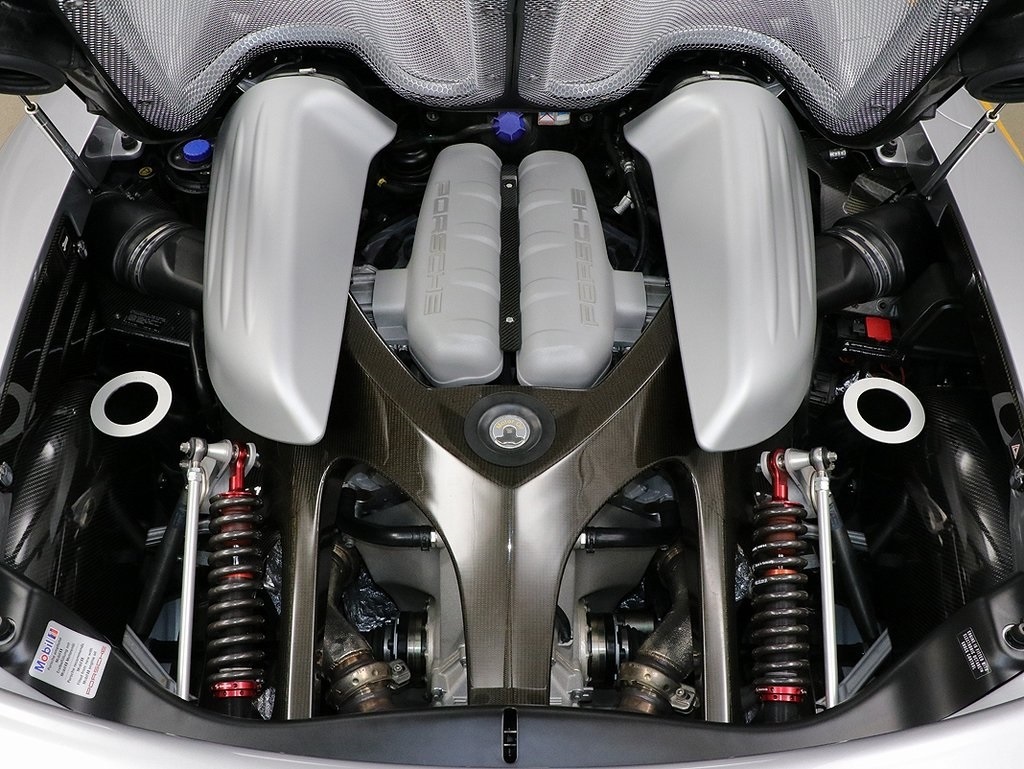
What makes the Porsche Carrera GT engine so special is that it is technically a race car engine. Not in that loosely-based sense – as is often used as a gimmick by salespeople – but in the true sense of the word. In the late 1990s, Porsche engineers in Zuffenhausen were assigned the task of developing a naturally-aspirated V10 concept engine, which was to later be used in a race car for the infamous 24 Hours of Le Mans endurance race. Sadly, the completion of that race car never came to fruition, but the efforts of the engine builders would not go to waste.

Porsche decided to adapt the engine for use in the Carrera GT and took the necessary steps to not only refine it in order to satisfy production car protocols but also managed to make it a more powerful version than the original unit. The result is a 5.7L naturally-aspirated V10 engine, which produces 612 hp @ 8,000 rpm and 435 lb-ft of torque @ 5,750 rpm. This allowed the Carrera GT to accelerate from 0-60 mph in 3.8 seconds and 0-100 mph in 6.9 seconds, with a top speed of 205 mph.

BMW M5 V10 (S85)

BMW M5 V10 (S85) Engine

Released in mid-2005, the E60 M5 sedan featured a high-revving and ultra-powerful V10 engine, which was the only one of its kind in a series-production car at that moment in time (while also being the marque’s most powerful production car engine ever made). The 5.0L naturally-aspirated unit shared more than just the same number of cylinders as the Formula 1 engine that powered the BMW Williams F1 team. Technology forged in the heat of motorsport had enhanced the processes and components used in creating this new powerhouse. As you would expect from BMW M, this high-performance motor generates enormous pulling force over its entire speed range.

VW Touareg V10 TDI

VW Touareg V10 TDI Engine

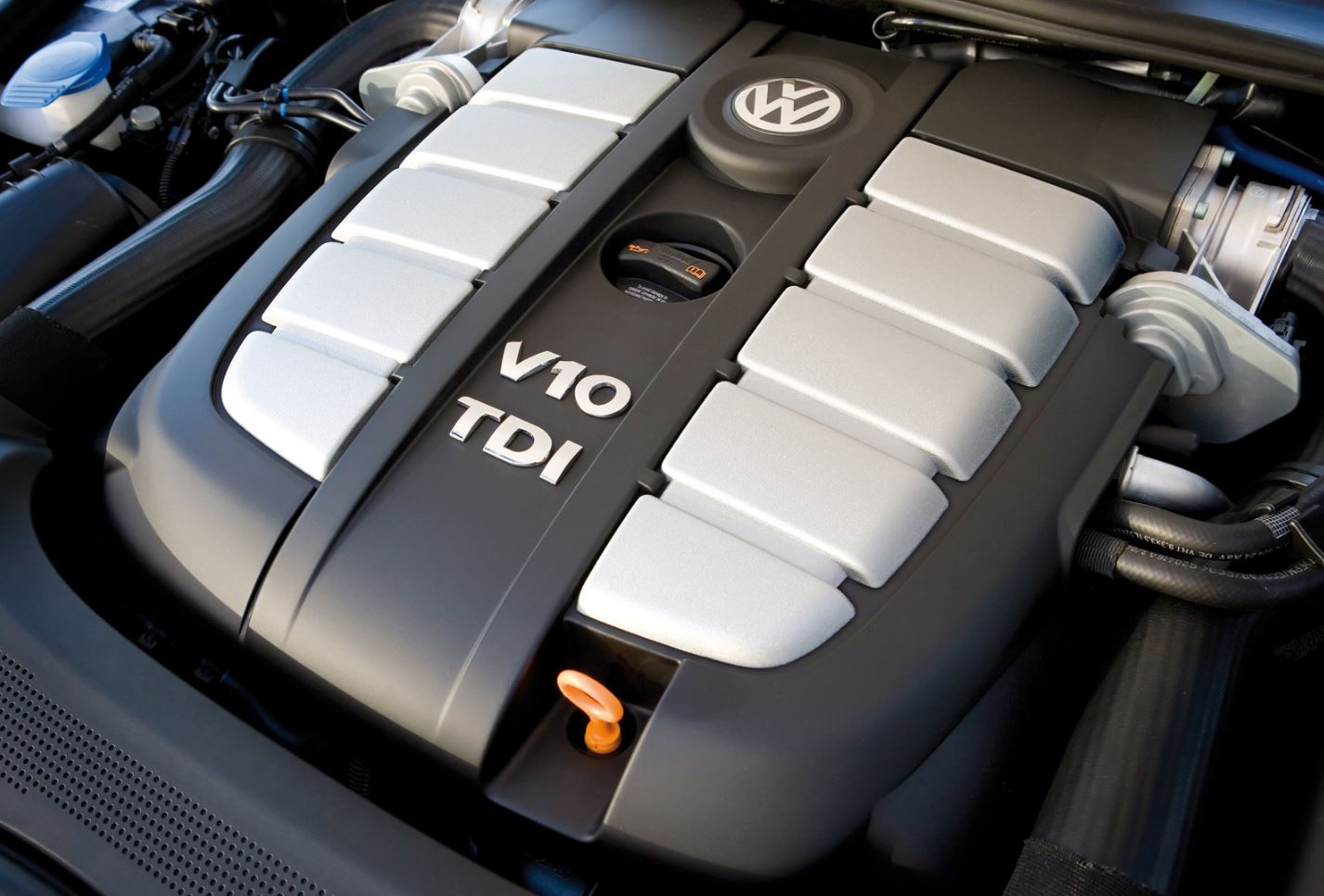
What makes this particular automobile so remarkable is not that it’s a Volkswagen, or an SUV, or diesel-powered, but that it’s all of those things with a twin-turbocharged 10-cylinder engine thrown into the mix. This Frankenstein-ish power plant would only feature for a couple of years before the whole Dieselgate fiasco, and had it not been for the calamity which ensued, it surely would have garnered more recognition than it has mustered to this day. All of its characteristics exude a bias towards low-end power, and the stats certainly reflect this – 309 hp and 553 lb-ft of torque @ 2,000 rpm. Oh, and don’t forget, a very utilitarian tow rating of 7,700 lbs.

Dodge Ram SRT-10 8.3L V10

Dodge Ram SRT-10 8.3L V10 Engine

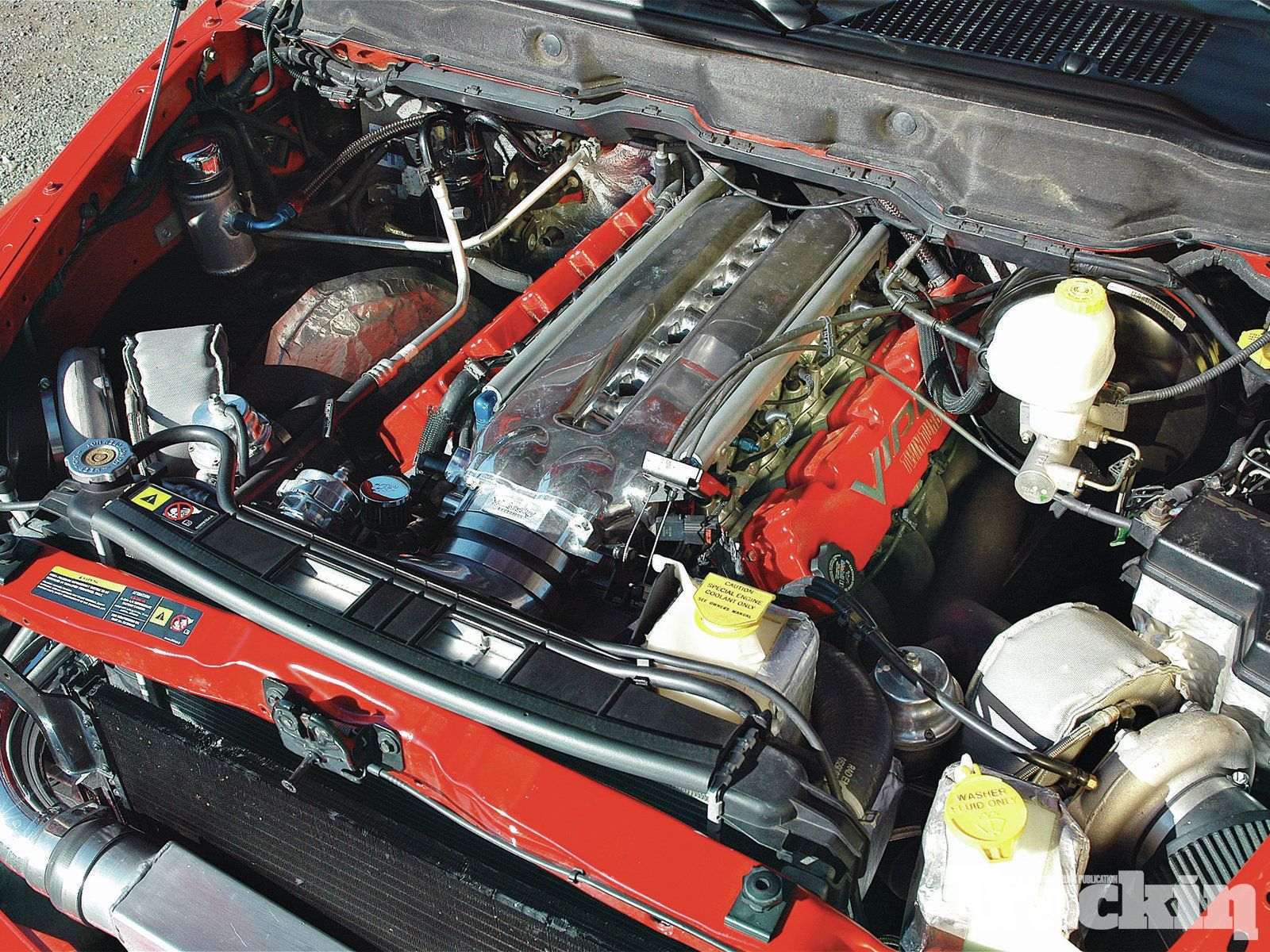
Imagine a Viper engine swapped into, then modified for use in a Dodge Ram pick-up truck, and voila. So what exactly does this magic trick entail? Well for starters, in July 2004, a Dodge Ram SRT-10 driven by NASCAR driver Brendan Gaughan, set the Guinness World Record (and the SCCA record) for the world’s fastest production truck when it achieved an average top speed of 154.587 mph. This was all possible with the help of the 500 hp and 525 lb-ft of torque that the naturally-aspirated motor produced, with 90% of its torque available at 1,500 rpm. It could even tow up to 7,500 lbs; though we would bet that most owners would forgo any procedures that might keep them from optimizing their 1/4 mile times.

Lamborghini ready to deliver 10,000 cars this year

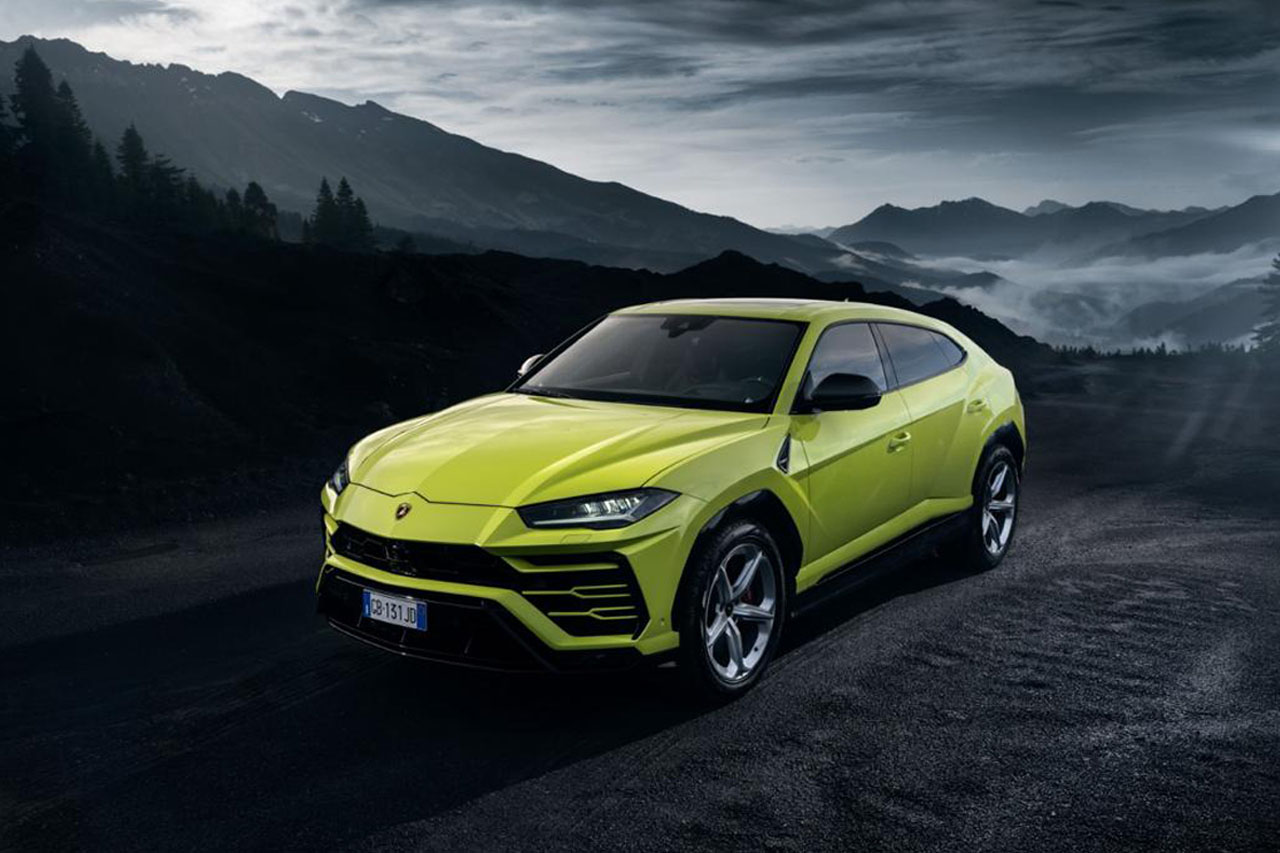
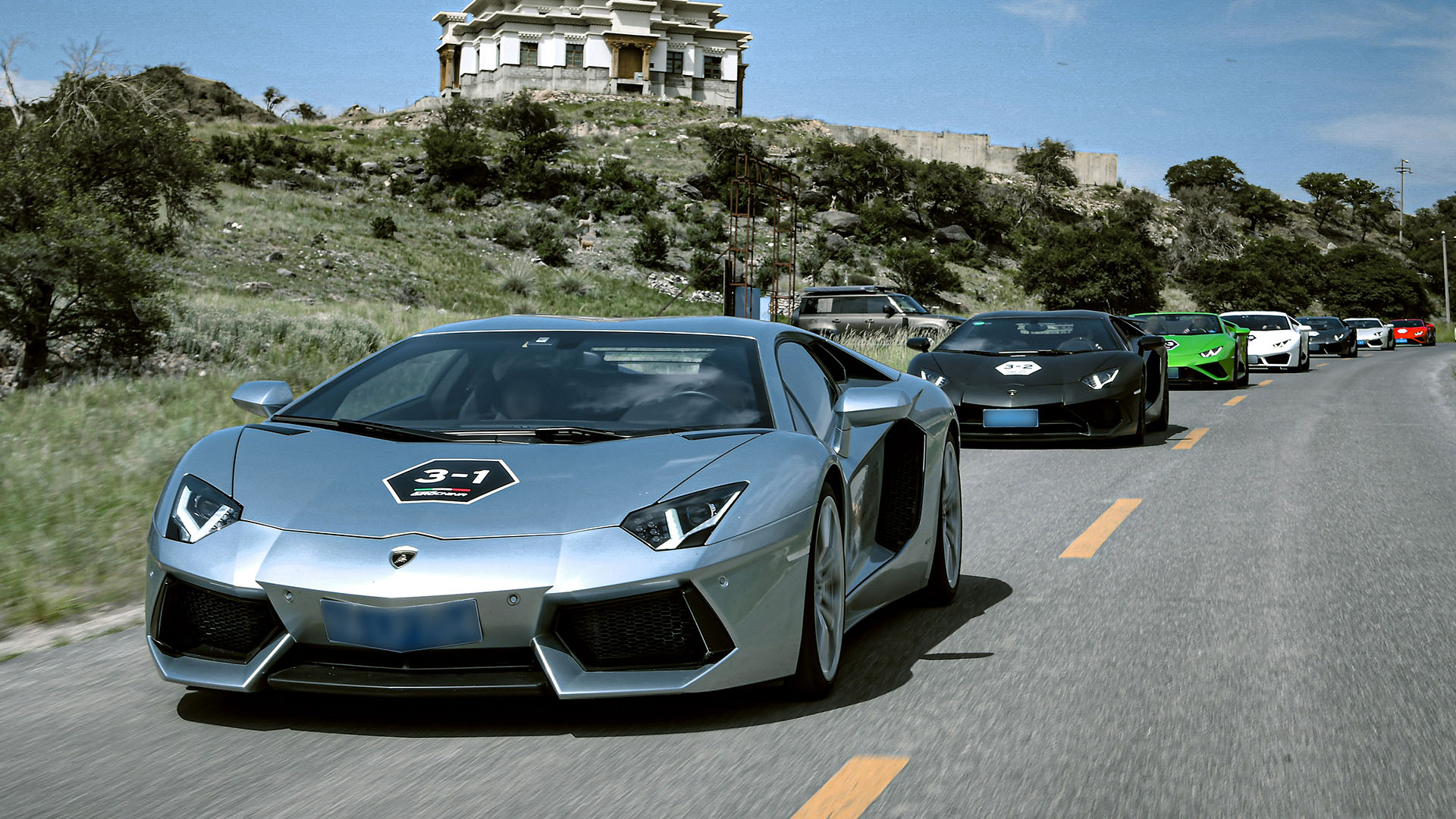
Global sales for Lamborghini reached a record-setting 4,852 units during the first six months of 2021, and it seems they aren’t slowing down any time soon, with the order book already filled for the next ten months or so, until April 2022, so if you’ve been thinking about buying a brand new Lamborghini, now might be the time because you’ll be looking at a long wait before taking delivery of your Raging Bull.

When compared to sales in 2020, this year shows a 37% increase in numbers, and even when we take a look at the 2019 figures, they are still 6.6% ahead of that too, making 2021 yet another record-setting year, Automobili Lamborghini SpA seems to be making a habit of breaking their own sales records just about every year, and if they keep this momentum going, Lamborghini is set to reach about 10,000 units by December, which would really be impressive, to say the least.

Let’s take a look at earlier years, about 25 years ago, in 1996, production was a total of 211 units of the Lamborghini Diablo, and that number didn’t really grow too much over the next years, by 2002 there were still only 424 cars leaving the factory gates at Sant’Agata, keep in mind at that time Audi AG already acquired Automobili Lamborghini SpA. A big leap in numbers came for 2003, with a total of 1,305 units of the brand new Murciélago at that time, and that trend kept going for a while with 2,430 units in 2008, but 2009 would become a disaster year for Lamborghini, sales dropped considerably and only 1,515 units were built, 2010 was even worse with another drop, this time to 1,302 … at that time the model line-up was Murciélago, Gallardo, and the Reventón limited edition model.

With the introduction of the Lamborghini Aventador in 2011 things got turned around, it would become obvious the Aventador became an extremely important model to keep Lamborghini going, and sales started to pick up again, rising year on year from 1,602 units in 2011 to 2,530 in 2014, when another milestone car was introduced, the Lamborghini Huracán that boosted sales in 2015 to 3,245, a number that would more than double to 8,205 units by 2019, with all the trouble we had in 2020 sales dropped 9,45%, but it seems 2021 will more than make up for that temporary lapse in growth, and with Lamborghini introducing a fourth model in the line-up after 2025, I’m confident we’ll be seeing well over 10,000 cars per year being built within a few years.

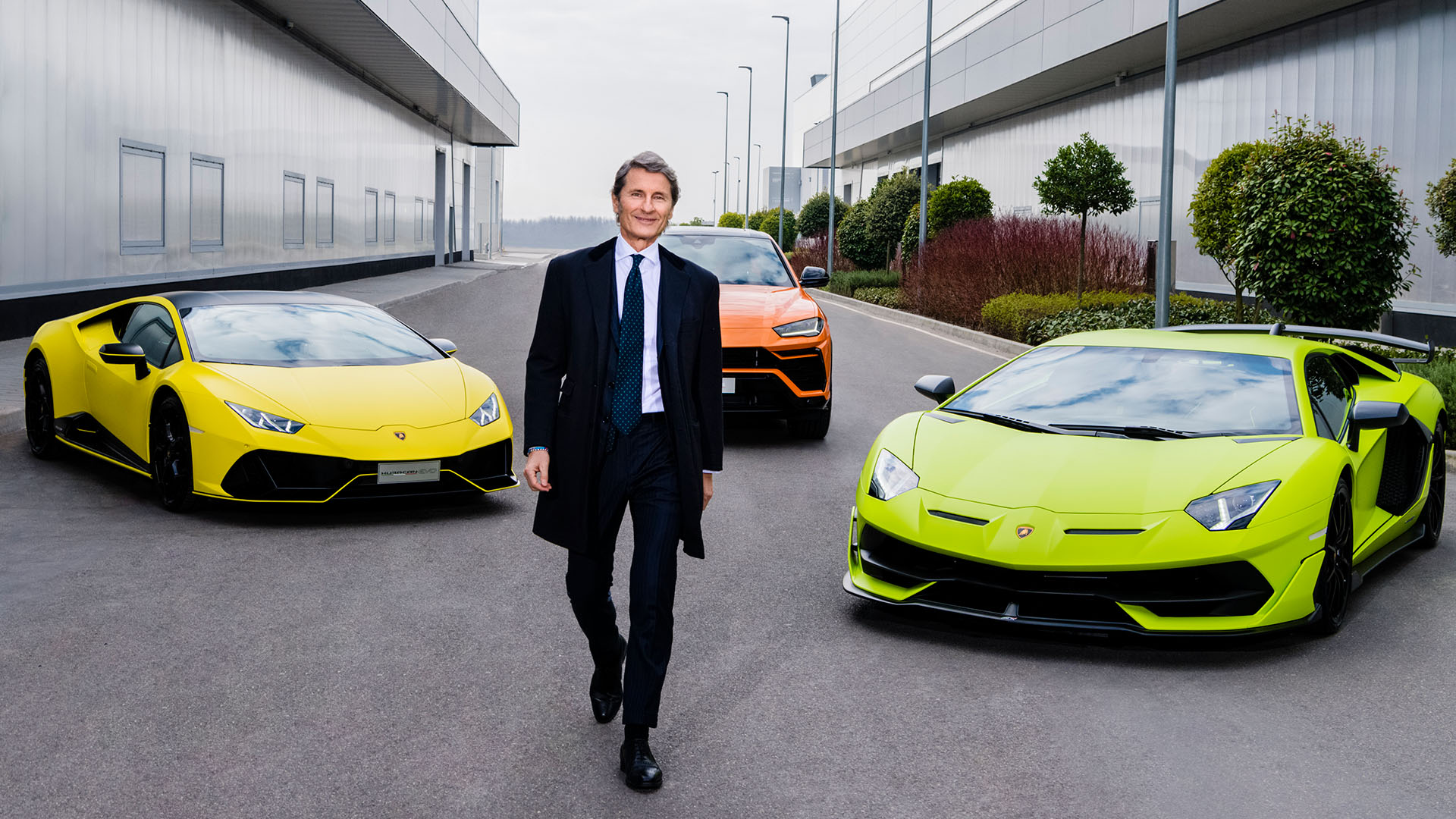
President and CEO Stephan Winkelmann commented: “This exceptional result is a double confirmation for us. It is proof of the solidity and strength of this brand, which is enjoying growing appeal despite a period of continuous challenges and uncertainty. It also endorses the positive reception to our new industrial plan for future electrification of our product range, in which we will invest over 1.5 billion euros by 2024. Lamborghini’s course is set for a period of great transformation, where technological innovation and sustainability will go hand in hand with a focus on maximum product performance and loyalty to the brand’s DNA.”

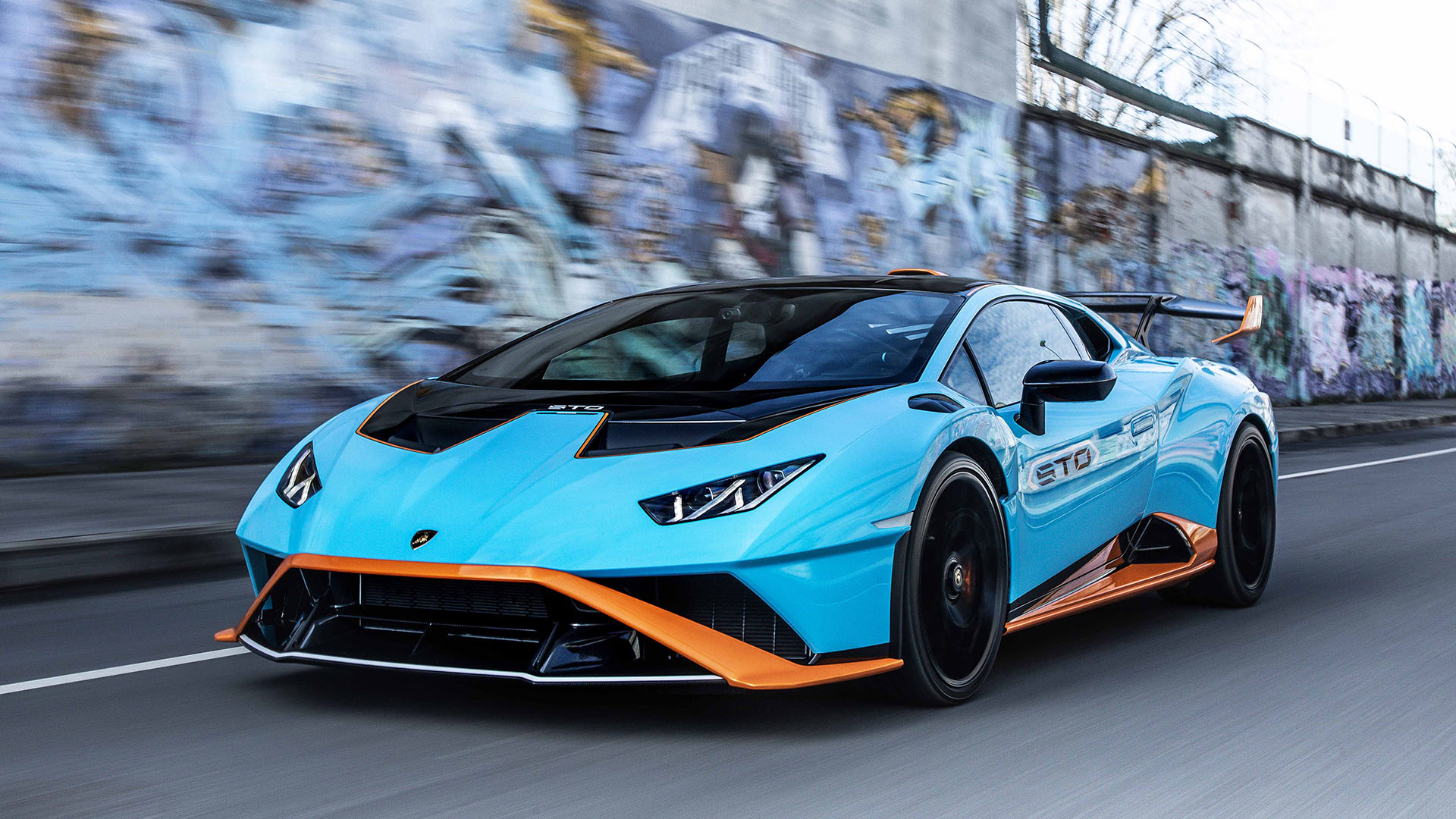
While you might expect the entire rise in sales is thanks to the Lamborghini Urus, it’s not, in fact, all three models have seen increased sales figures, naturally, the Urus Super SUV makes the largest contribution to these figures with 2,796 units, an increase of 35% over last year, but the Lamborghini Huracán is still selling very well, especially since the updated EVO and EVO RWD model, from January to June 2021 we’ve seen 1,532 V10 Lamborghini being delivered, a 46% increase, and with the Huracán STO starting to be delivered right now I guess we’ll see close to 3,000 Huracán if not more by the end of this year.

With a worldwide network of 168 official dealers in 51 markets, the sales are about equally spread over America, EMEA, and Asia-Pacific, with the United States being the leader in terms of numbers with 1,502 cars, China, Hong Kong, and Macau together accounted for 602 Lamborghinis in total while Germany received 391 cars, the UK 318, Japan 258, a total of 226 Lamborghinis were shipped to the Middle East and their local market in Italy was still selling 197 car during this six month period.

Even the flagship model, usually a rather slow-selling model, managed to increase sales by 21% to a total of 524 units during the first half of 2021, and while they are still building the final examples of the Aventador SVJ and Sián, production of the Sian Roadster will start soon, and then we’ll be seeing the latest model, the Aventador Ultimae, on the assembly line later this year, being a limited edition model with 350 Coupe and 250 Roadster, that only represents a little over six months of production at Sant’Agata … which makes me wonder … what’s next?

There is a rumor we’ll be seeing another limited edition model being unveiled in August, during Monterey Car Week, and if the whispers are right, this will be an homage to the Countach that’s celebrating her 50th anniversary this year, priced at $3,000,000 each with a production run of 112 units to represent the LP112 internal code for the Countach back in the Seventies, power will likely come from the Sián setup, so the NA V12 combined with electric motors for a combined power output of 819 hp, or more … but nothing is official yet, we’ll have to wait a few more weeks to see the latest and greatest from Sant’Agata to be unveiled.

Top 10 Most Expensive Car Options in the World

We look at some of the most expensive car options found on cars, some of these options cost twice as much as a Ferrari or Lamborghini. But that’s the game of options, where car makers get to make real money and where retail price is just but a number to get you started on a journey to properly spend your coin.

It goes without saying that supercars and hypercars have the most expensive options in the automotive industry. Here, carbon fiber is gold. While heated massage seats in a Maybach may seem expensive, a chunk of carbon fiber on a hypercar takes the prices to a whole new level.

These are some of the most expensive car options we could find, there could be more expensive ones out there as the world of tailor made has limitless options. Feel free to send us more as we would love to expand this list even more!

1. McLaren Senna Full Exposed Carbon Body in Medica Blue – $560,000

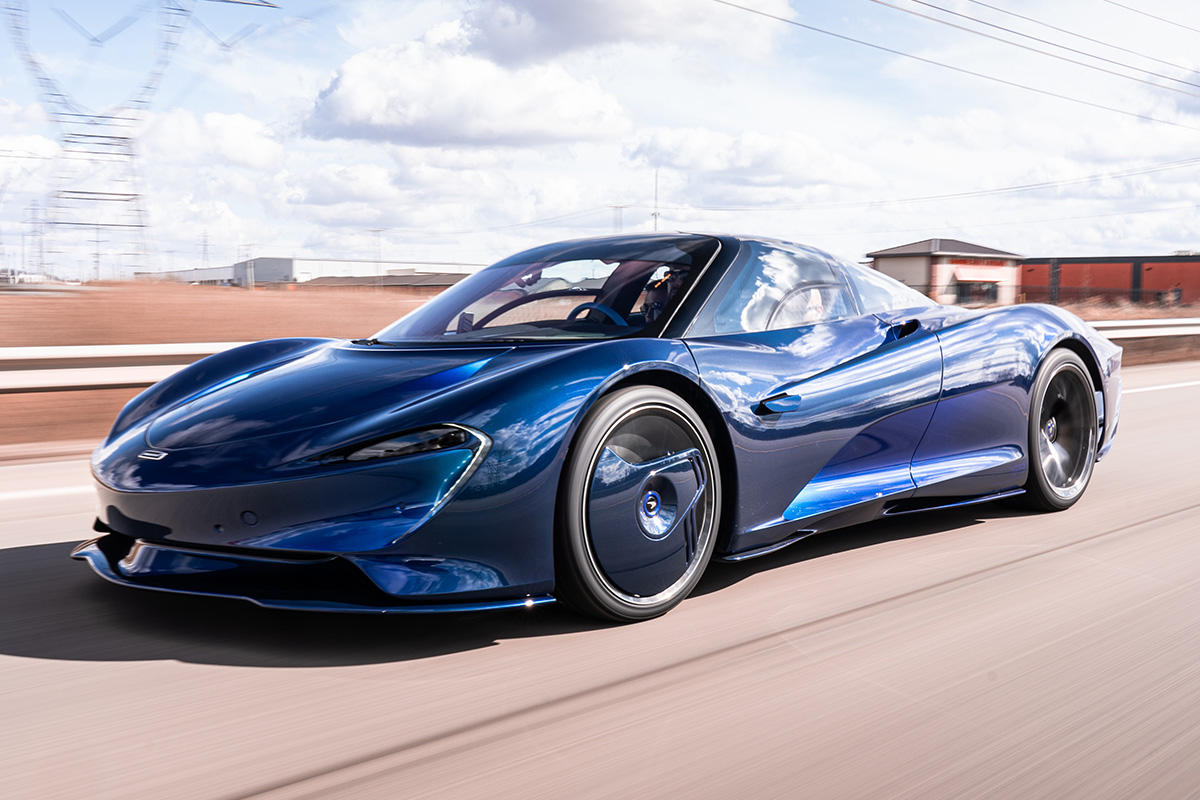
Full carbon bodies on hypercars are quite expensive, and McLaren offers one for a whopping $560k on the Speedtail when finished in Medica Blue.
McLaren Speedtail

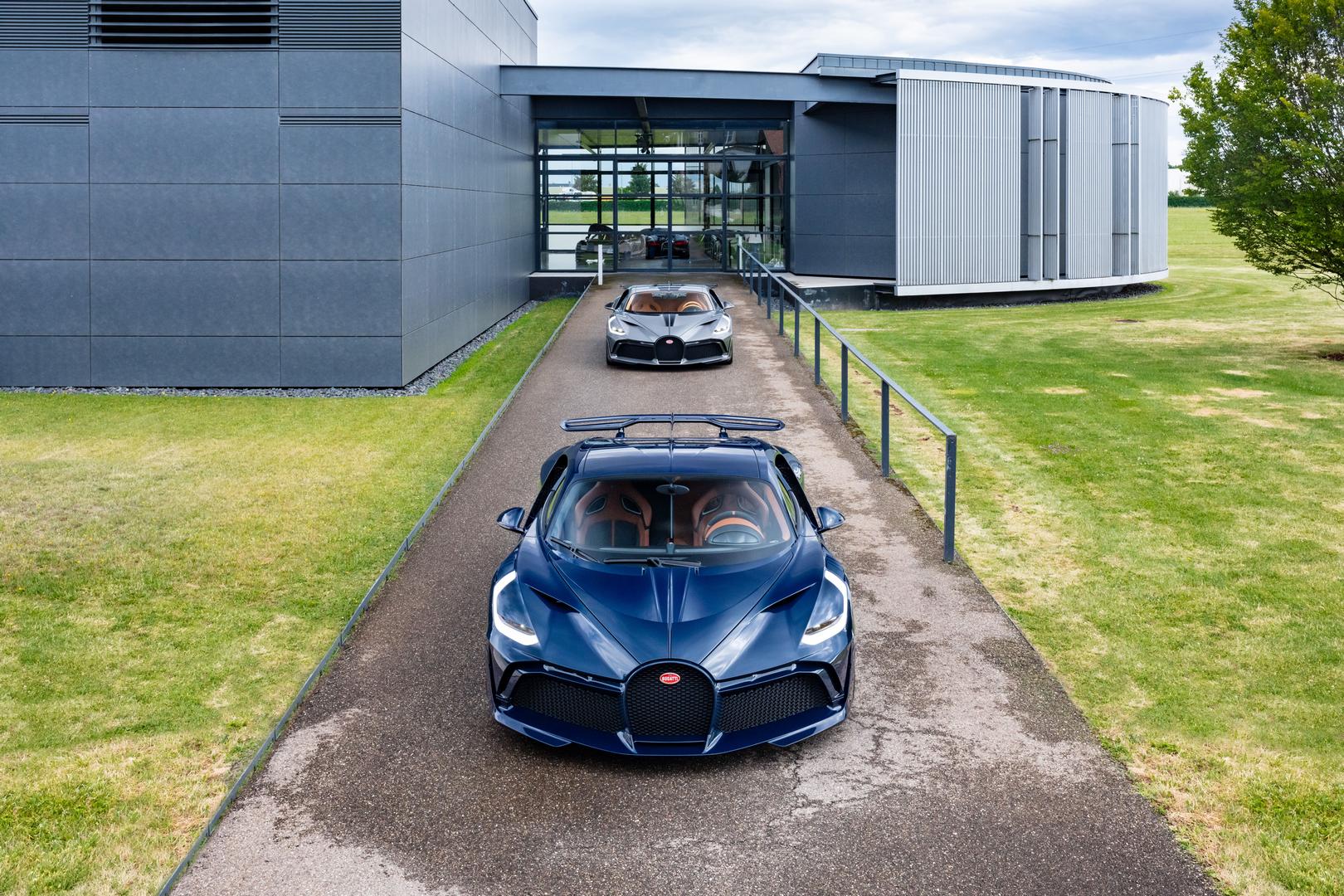
2. Bugatti Divo Carbon Fiber Exterior – $500,000

Bugatti Divo

3. Naked Carbon Fiber Body Koenigsegg Jesko – $443,400

Koenigsegg Jesko Absolut

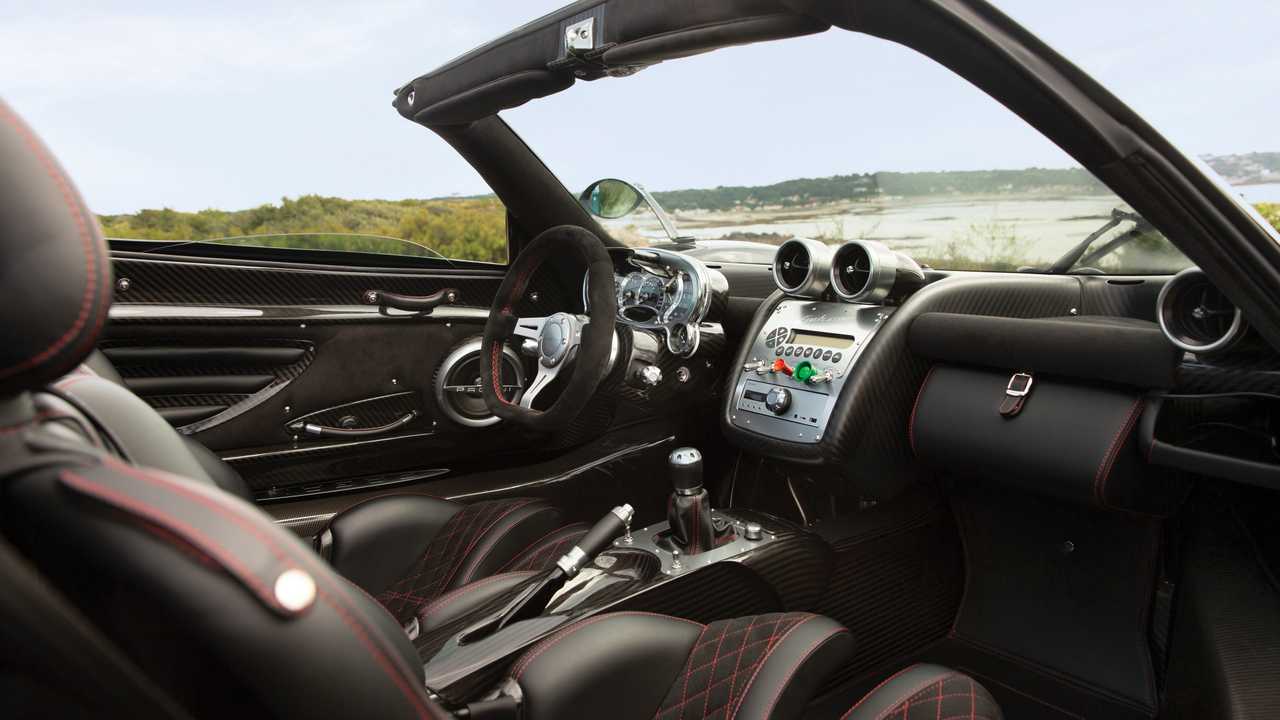
4. Pagani Zonda Manual Transmission Conversion – $295,000

A hypercar with a manual V12 is as rare as they come. And converting a Pagani Zonda from auto manual to a 6-speed manual comes at a hefty cost.
Zonda Aether Manual

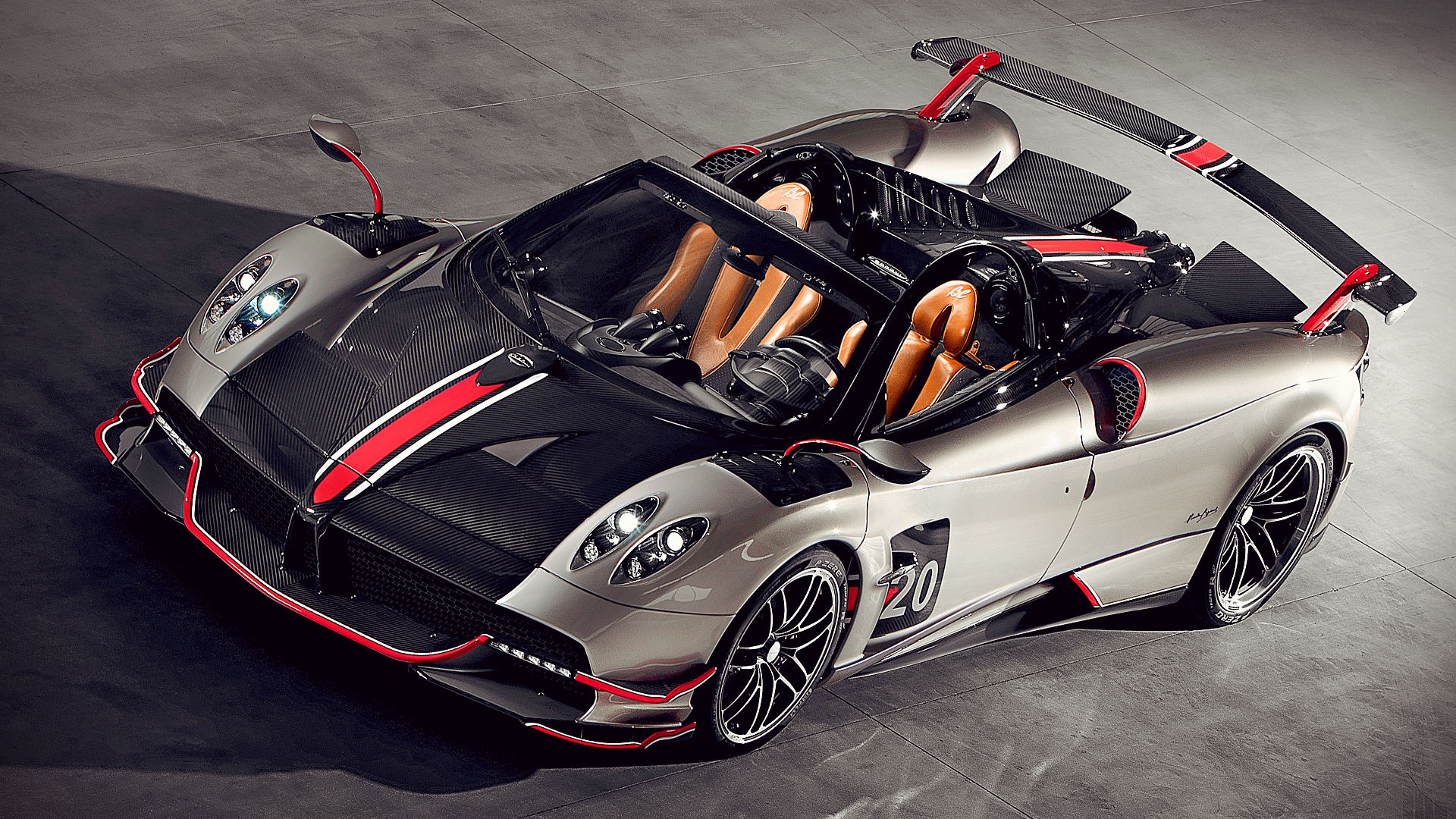
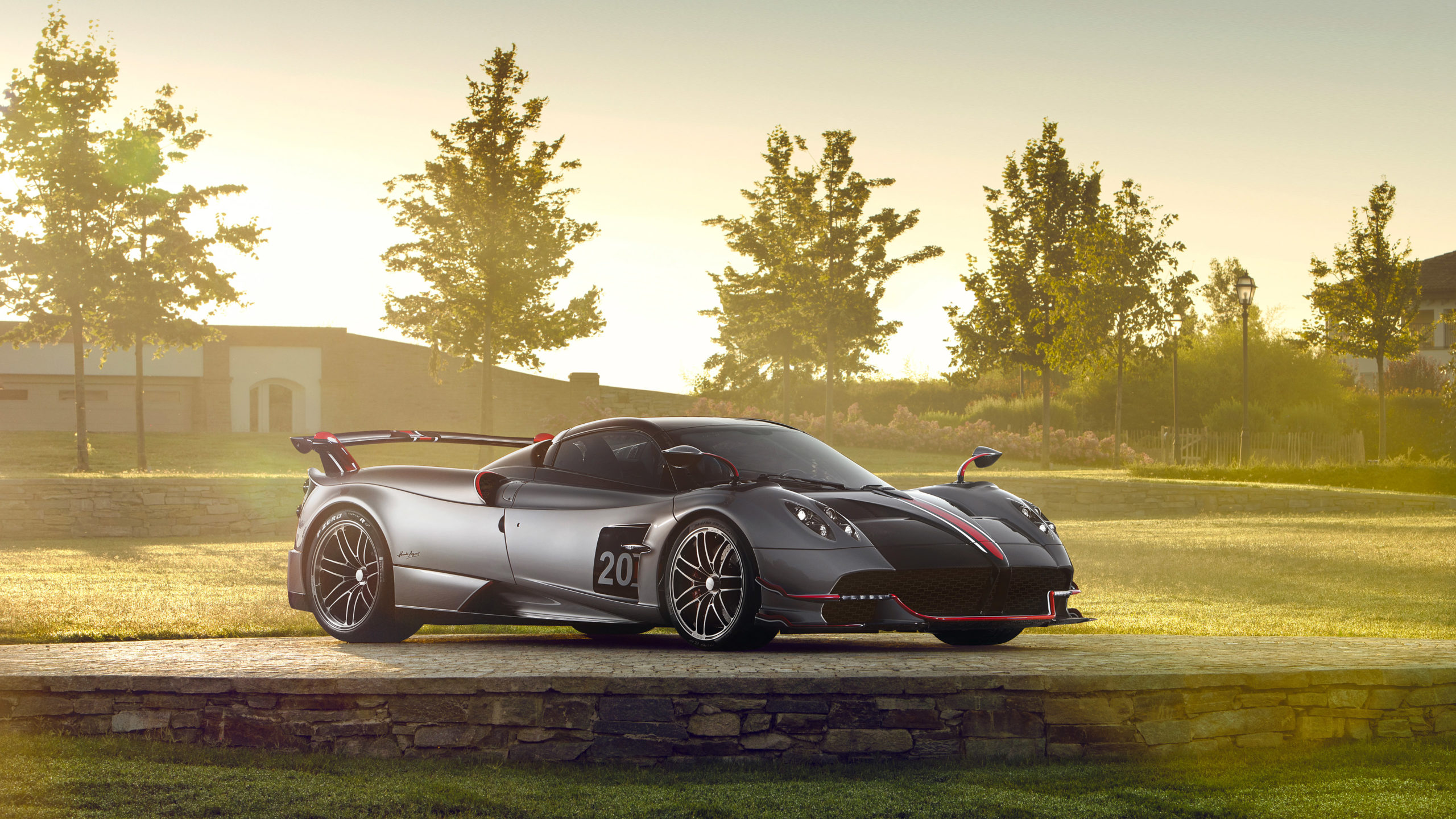
5. Pagani Huayra Roadster BC 2 tone color exterior – $220,000

Pagani Huayra BC Roadster

6. McLaren Speedtail Roof Scoop in 1K Carbon – $155,000

McLaren Speedtail Roof Scoop

7. Extra Battery Charger LaFerrari – $150,000

Ferrari LaFerrari

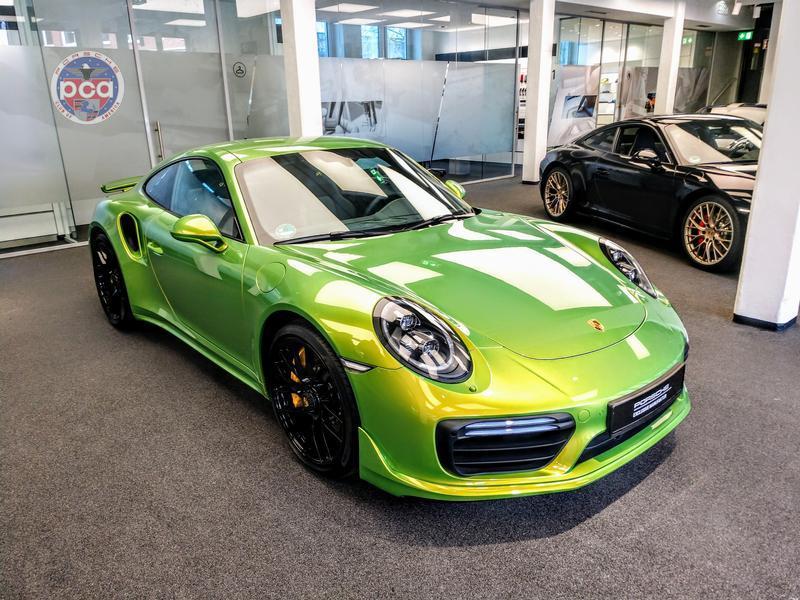
8. Porsche PTS Phyton Green “Chromaflair” – $98,000

Porsche PTS Phyton Green Chromaflair

9. Pagani Huayra BC Roadster Hi Fi – $93,000

Pagani Huayra Roadster BC

10. Ferrari Assetto Fiorano Package (SF90)- $70,000

Ferrari SF90 Assetto Fiorano

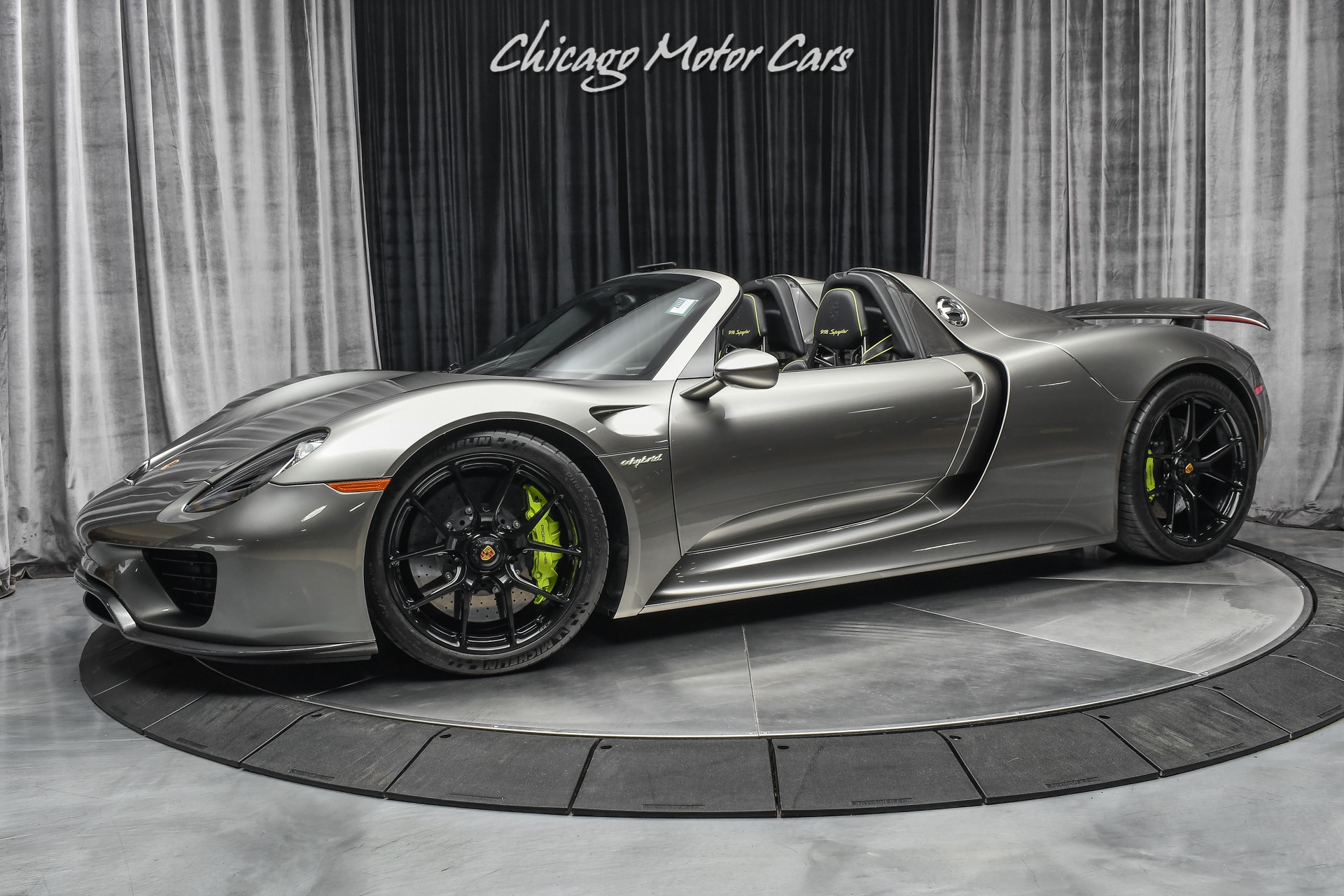
11. Porsche 918 Spyder Liquid Metal Silver paint – $64,000

Porsche 918 Spyder Liquid Metal Silver

Pagani Automobili at Goodwood Festival Of Speed 2021

It’s been about a week since the doors at the 2021 edition of the famous Goodwood Festival of Speed closed for the public, and all those supercars, hypercars, race cars, and classics have been taken back to their owners or company headquarters, and while we haven’t seen too much publicity about it, Pagani Automobili SpA was also present this year, with two impressive cars.

And Pagani has some celebrations to do this year, it has been ten years since the Huayra was introduced in 2011, a concept inspired by the philosophy of Leonardo Da Vinci and still a key part of Pagani Automobili’s DNA. The hill climb circuit was actually taken on by an amazing-looking Huayra BC, the famous competition uphill where F1 drivers, celebrities, and guests hurtle up the track at break-neck speed, I’m sure we’ve all seen Shmee150’s multiple videos on him being a passenger in several cars for the hill climb.

From the press release: The Huayra Roadster BC, a car designed for the track but developed for the road is a record-breaking vehicle: with a time of 2:23,081 minutes, it actually set a new world record for road-legal cars during the validation tests on the Spa-Francorchamps circuit in Belgium. Plenty of painstaking work went into the aesthetics of the vehicle, involving almost obsessive attention to detail, in order to create a Pagani road car with unique styling, able to transmit the superlative driving experience of a roadster in a powerhouse of technology weighing just 1,250 kg.

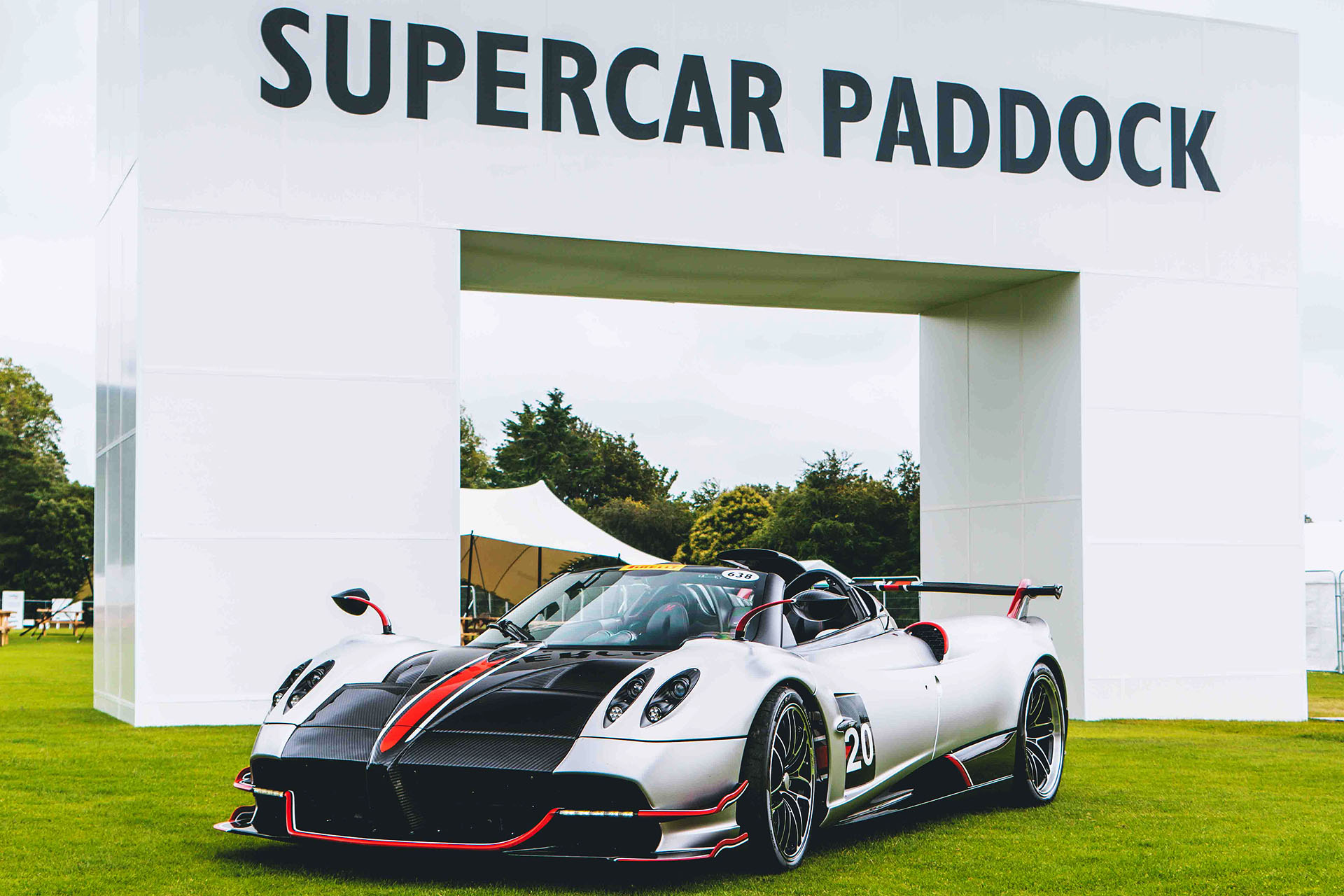
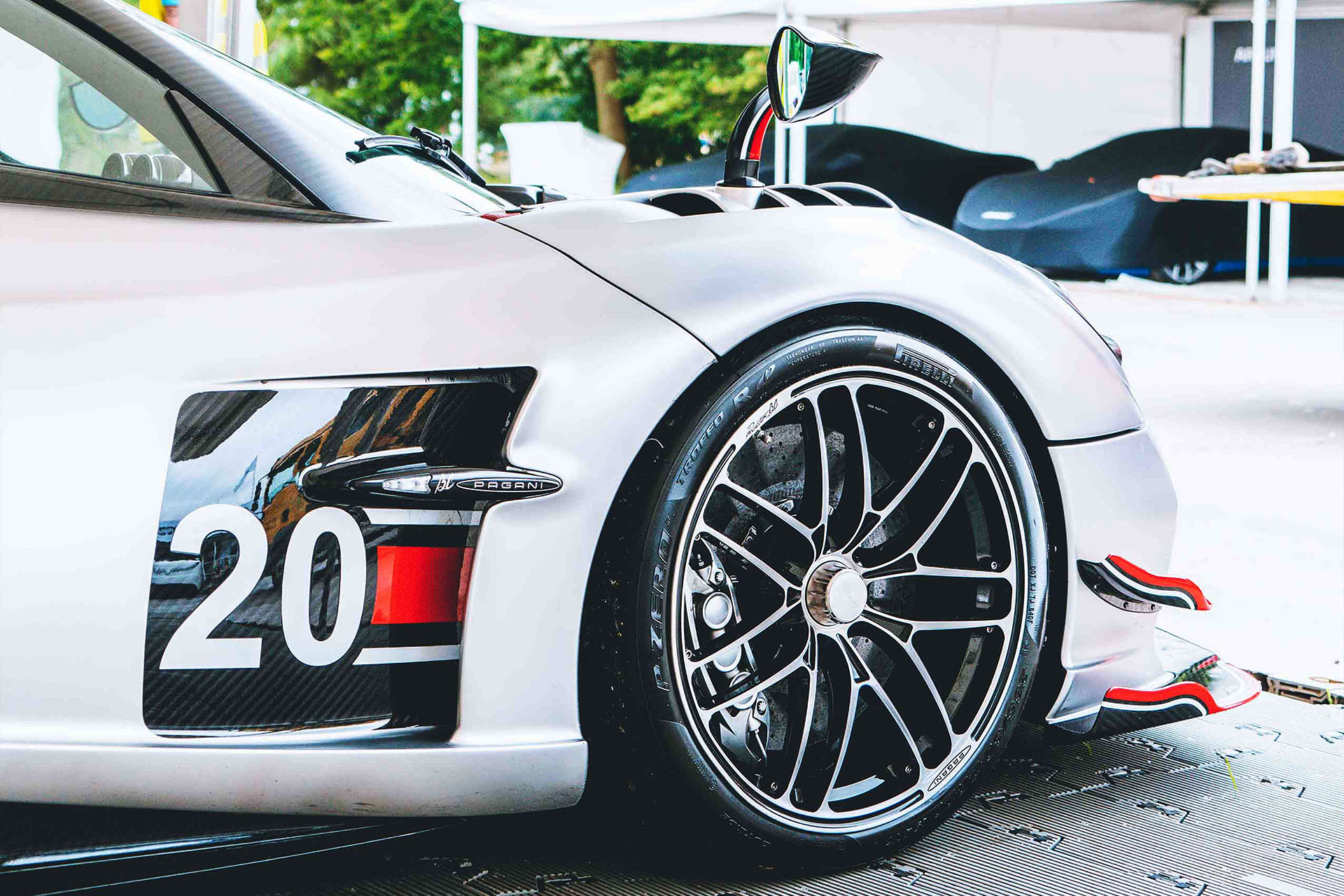
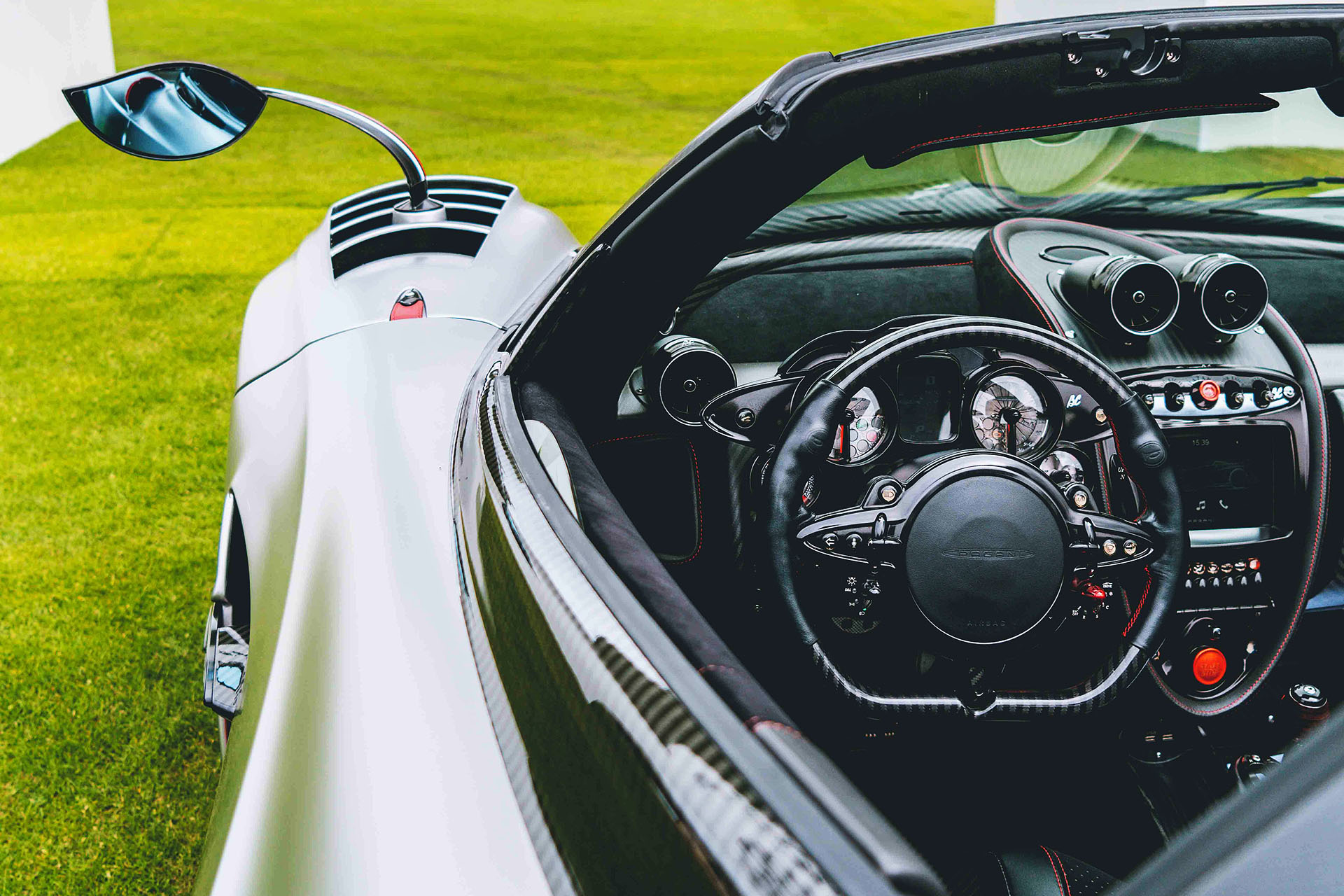
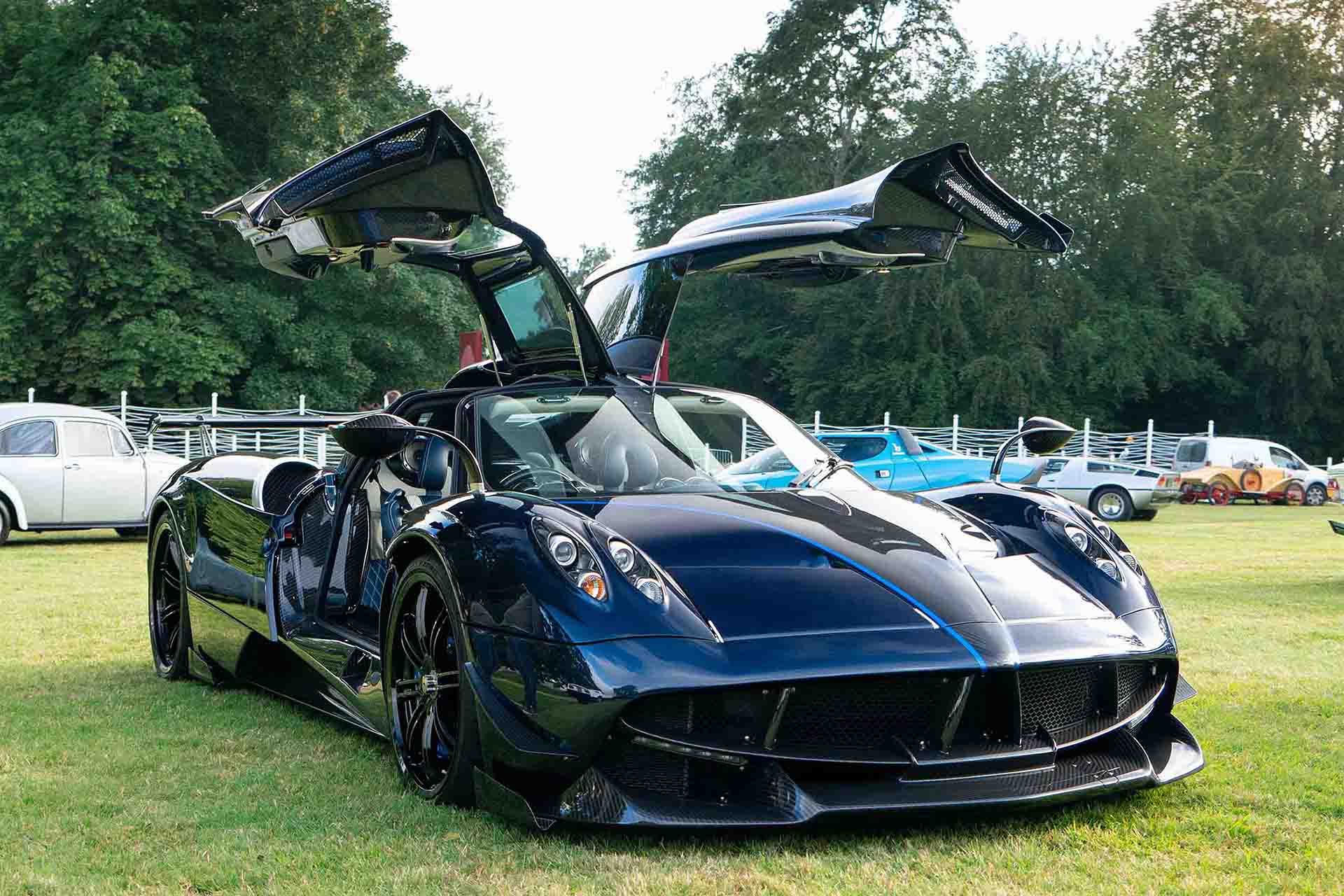
But an even more interesting Pagani was displayed on the “Cartier Style et Luxe” Concours Lawn during the Goodwood Festival of Speed, the Huayra 760 VR, a bespoke build for a very special client, who was actively involved in the design and development of this one-off, in co-operation with Pagani’s design team, the customer will receive an exclusive Huayra with bespoke details and using materials from aviation, the Huayra 760 VR is a testament to Pagani’s commitment to creating the best of the best while satisfying even the most demanding owner.

Koenigsegg’s first Jesko is a tribute to one of its first cars

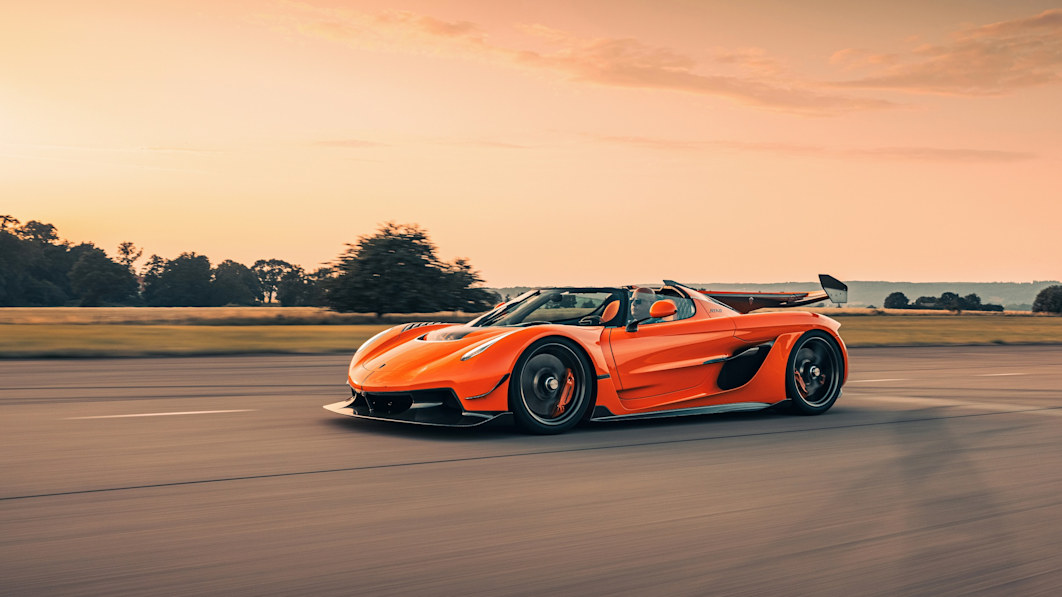
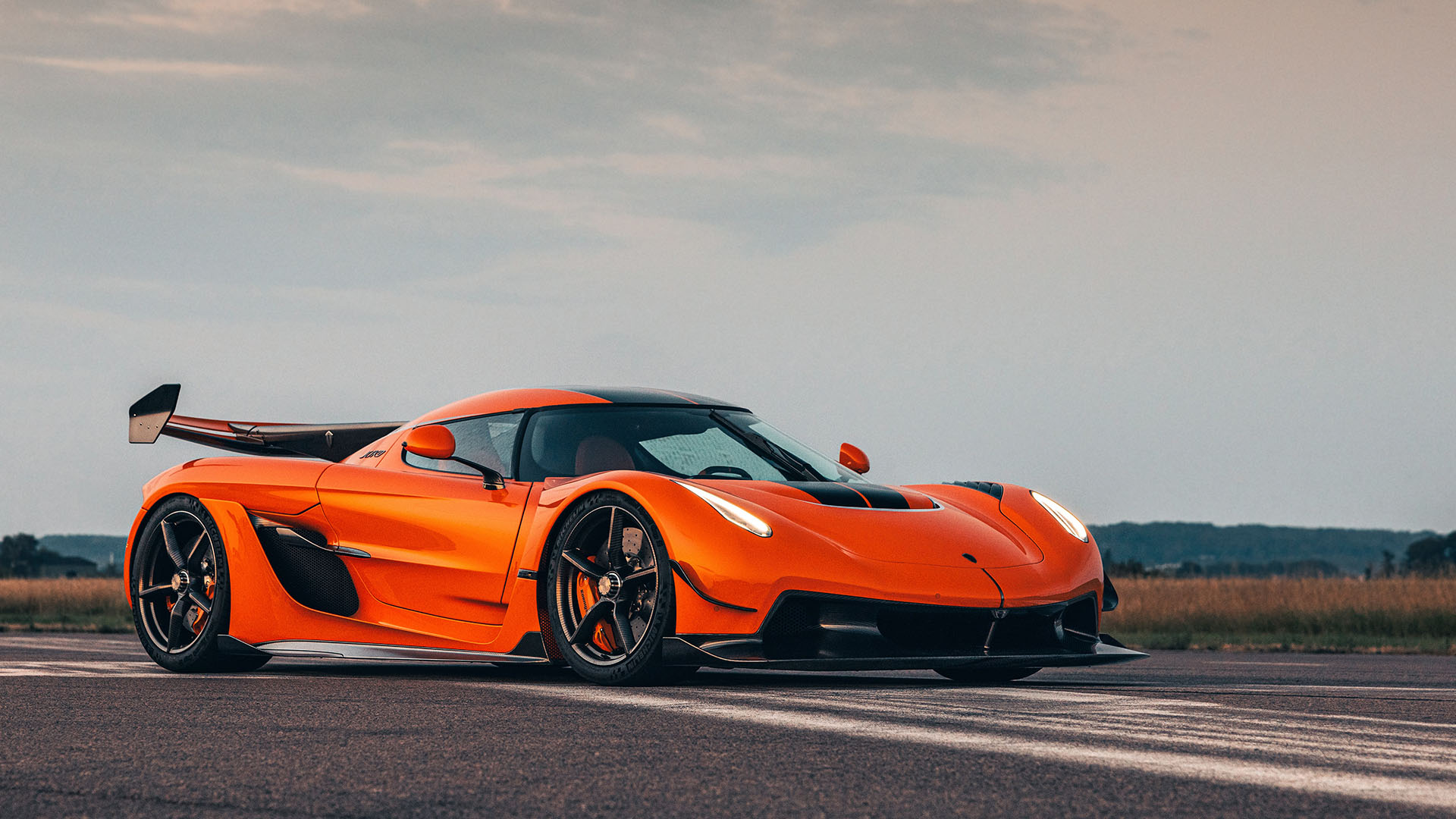
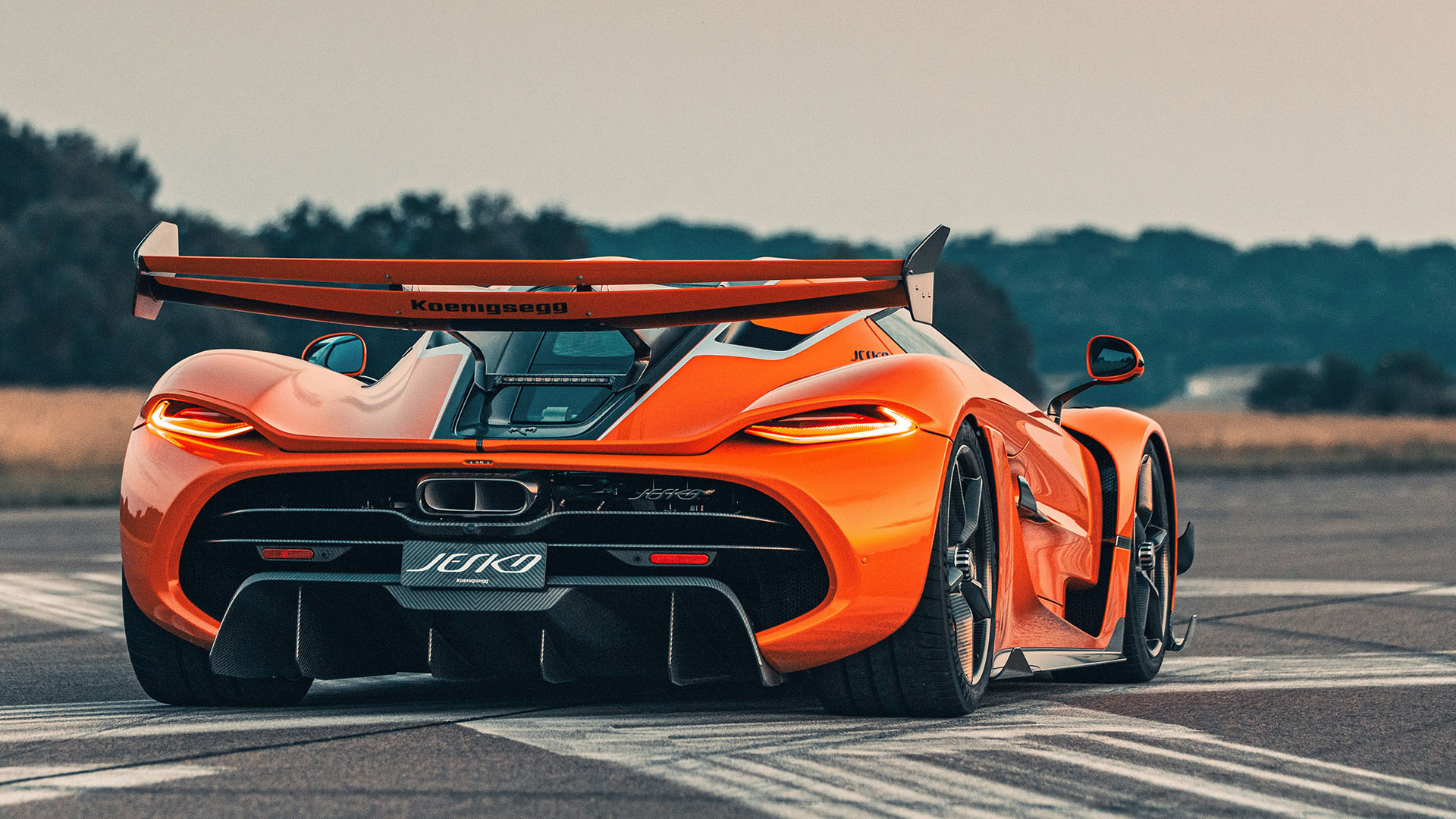
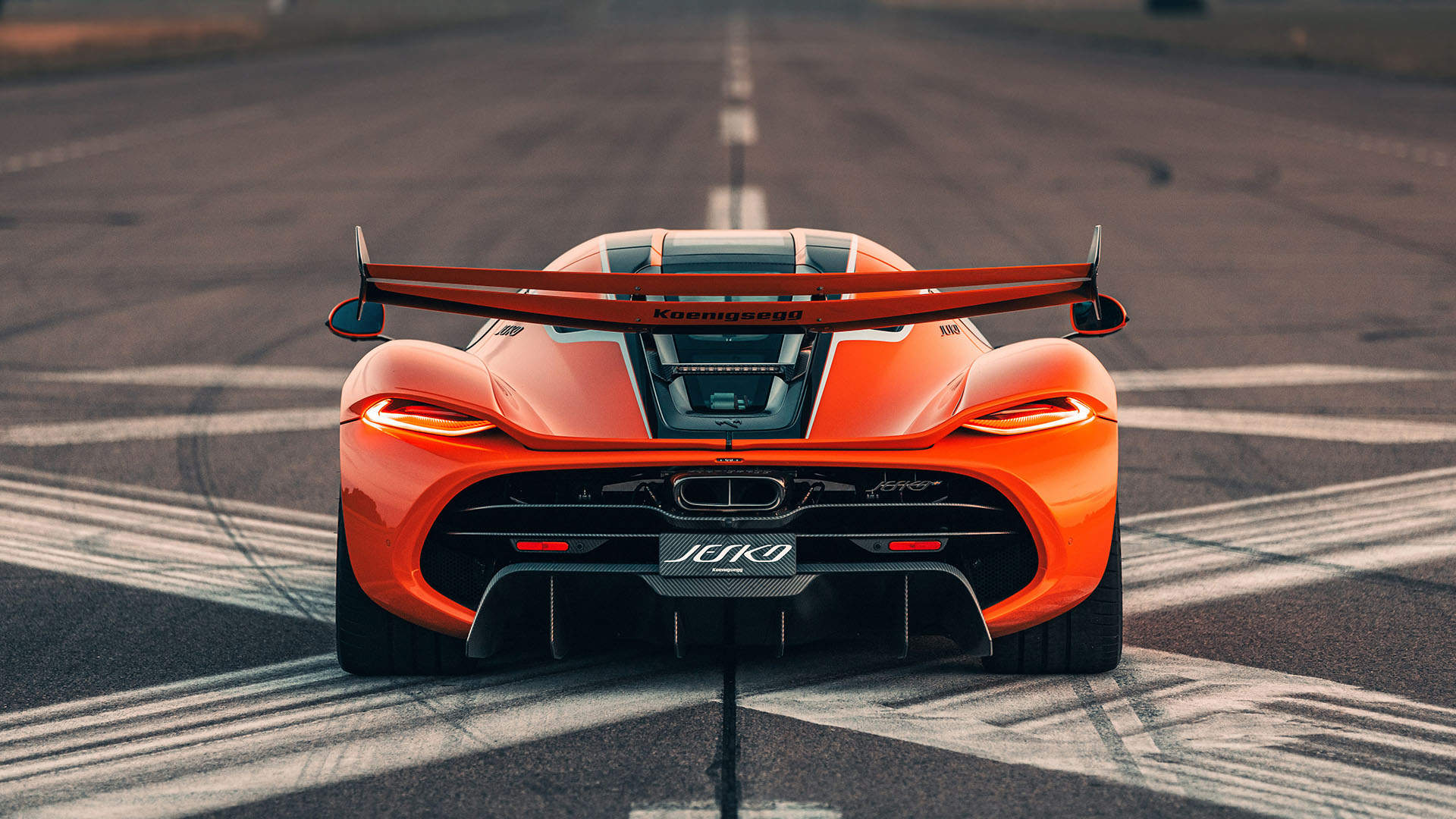
Koenigsegg released images of the pre-series Jesko it built to test on the 1,900-yard runway it owns next to its headquarters. The orange hypercar is the result of a massive development program that began years ago.

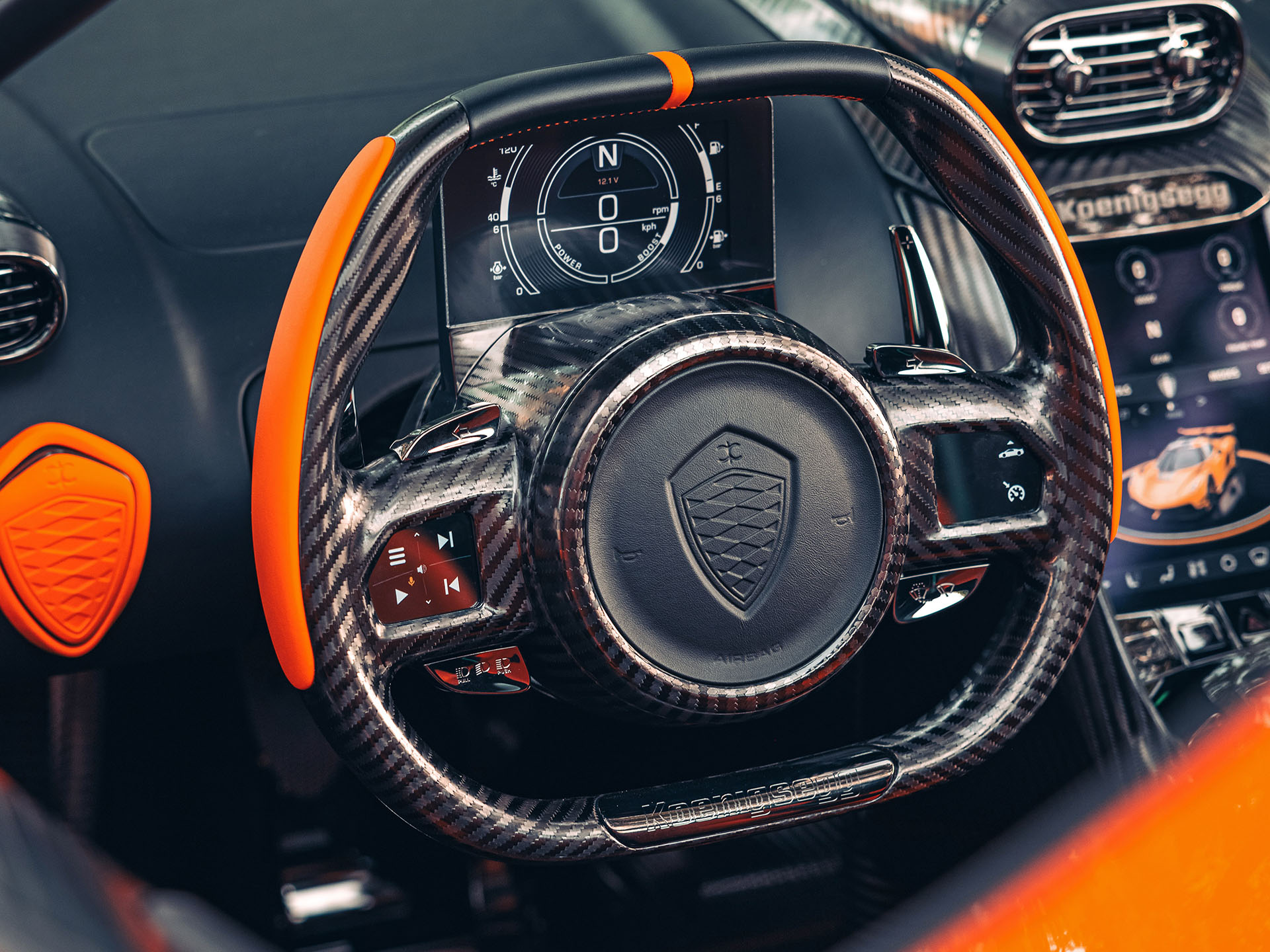
Unveiled in 2019, the Jesko is not simply an evolution of its predecessor. It’s an entirely new car, one developed by a relatively small company without the scale and the footprint of bigger carmakers, and it’s stunningly advanced. The graphics on its digital instrument cluster rotate as the driver turns the steering wheel, for example.

There’s a different kind of technology under the body. Power for the Jesko comes from a 5.0-liter V8 that’s twin-turbocharged to develop 1,600 horsepower and 1,106 pound-feet of torque when it’s slurping E65 fuel. Instead of using an electric compressor, Koenigsegg solved the turbo lag problem by fitting the Jesko with an air tank and a compressor that sends a 20-bar shot of air through the system to pre-spool it. It’s almost rocket science.

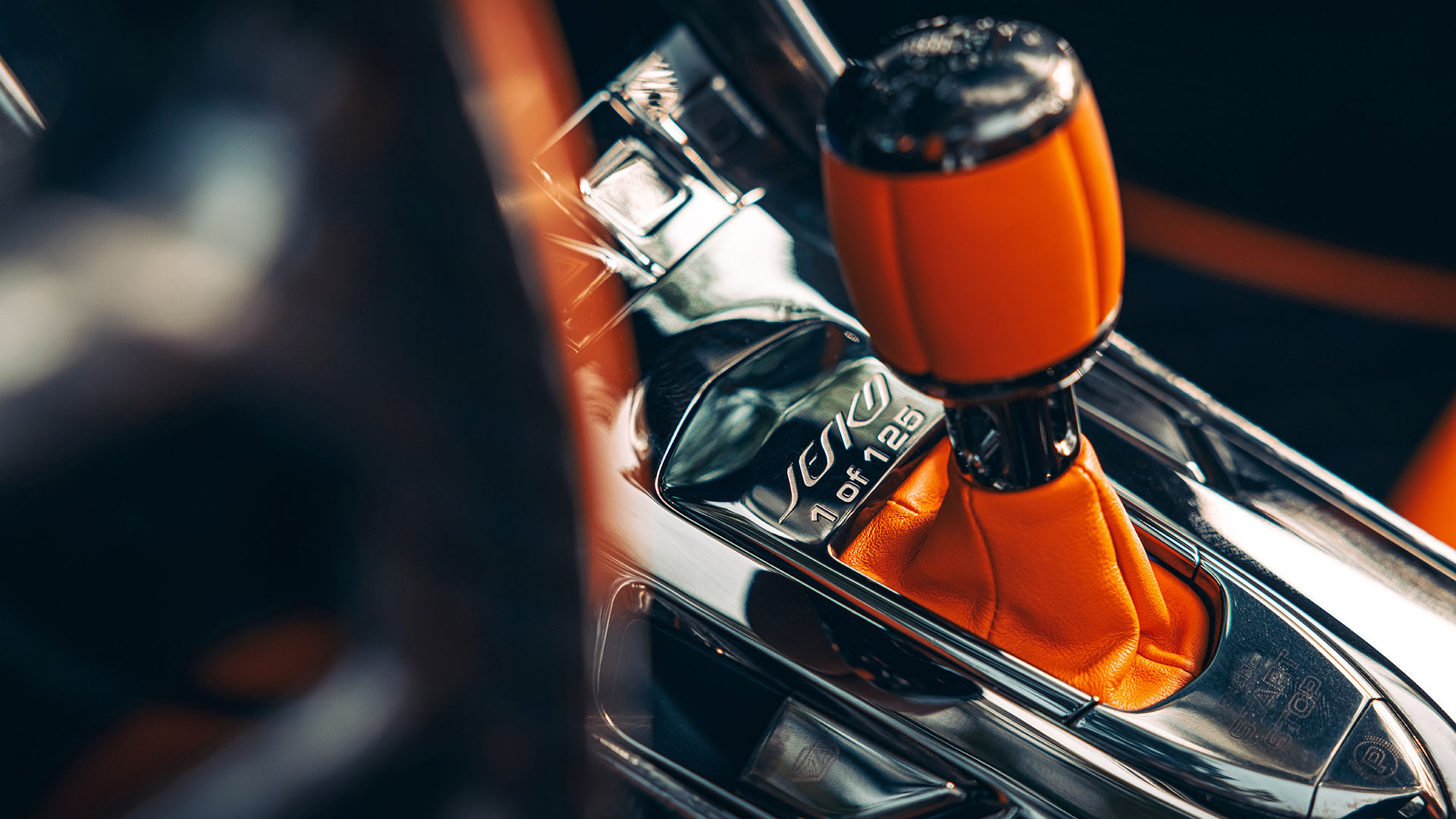
Follow the power flow out of the crankshaft and you’ll find a nine-speed automatic gearbox called Light Speed Transmission (LST) that has seven multi-disk clutches. These are just some of the features Koenigsegg’s pre-series Jesko will let test drivers experience.

While an airstrip is the ideal venue for testing acceleration, the one Koenigsegg has access to is too short to allow the Jesko to reach top speed. Even the three-mile runway at the Johnny Bohmer Proving Grounds in Florida isn’t long enough. Simulations say the Jesko should hit 330 mph, but Koenigsegg still hasn’t figured out where to try it.

As to the livery, Koenigsegg founder Christian von Koenigsegg didn’t choose the orange hue after drinking a big glass of Sunny D or because he’s already looking forward to Halloween. It’s a reference to one of the Swedish company’s first cars, the CCR, which was presented to the public at the 2004 edition of the Geneva auto show in an eye-catching shade of orange named Lava Orange. It was featured in press images and later sold to a private buyer. It traded hands again at an RM Sotheby’s auction held in Milan, Italy, in June 2021, where it sold for €798,125 (approximately $942,400).

Only 14 units of the CCR were built between 2004 and 2006, meaning it’s an exceptionally rare sight. The Jesko will be more common. Production will be limited to 125 units globally, and all of them are already spoken for, though some were claimed by dealers hoping to offer a car to a local buyer, so it might not be too late to get one. However, we hope you’ve started saving: pricing starts at $3 million. Deliveries are scheduled to begin in the spring of 2022.

First pre-series production Jesko ready

The Koenigsegg Jesko was unveiled at the last Geneva Motor Show to date, the 2019 edition, and this new hypercar drew a lot of attention in Switzerland when the covers came off, this was a brutal looking car in true Koenigsegg tradition, with a claimed top speed of 300 mph from what they claim is their lightest and most powerful 5.0-liter twin-turbo V8 engine yet.

Koenigsegg Jesko at Geneva in 2019 – photo copyright Mark Smeyers

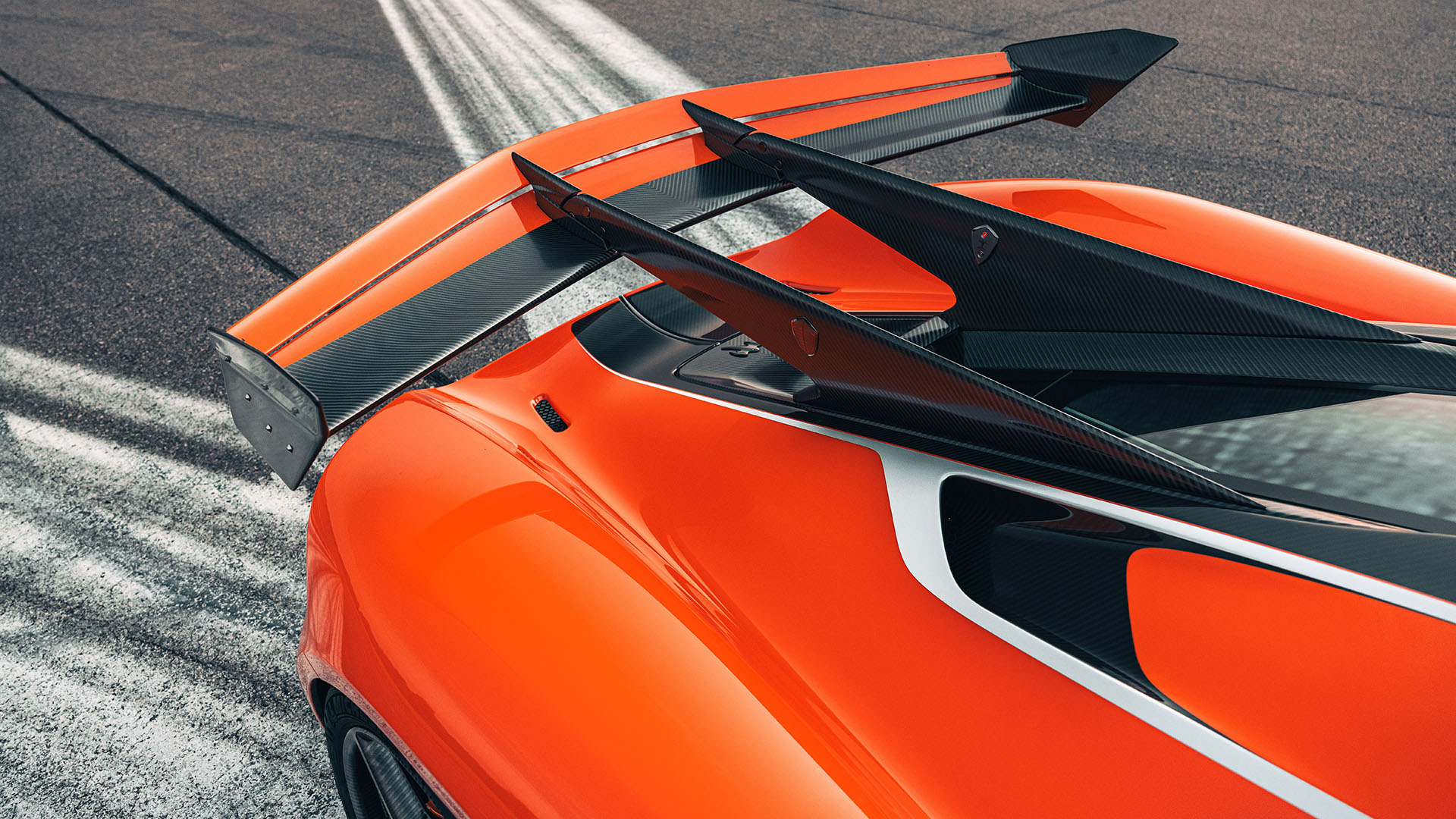
Numbers like 1,600 hp on E85 biofuel and 1,280 on regular gasoline were mentioned, a maximum torque of 1,106 lb-ft required a special 9-speed multi-clutch gearbox built in-house by Koenigsegg at 170 mp the aerodynamic design of this Jesko with that massive rear wing creates 2,200 pounds of downforce … at top speed, this number increases to more than 3,000 pounds!

Koenigsegg Jesko at Geneva in 2019 – photo copyright Mark Smeyers

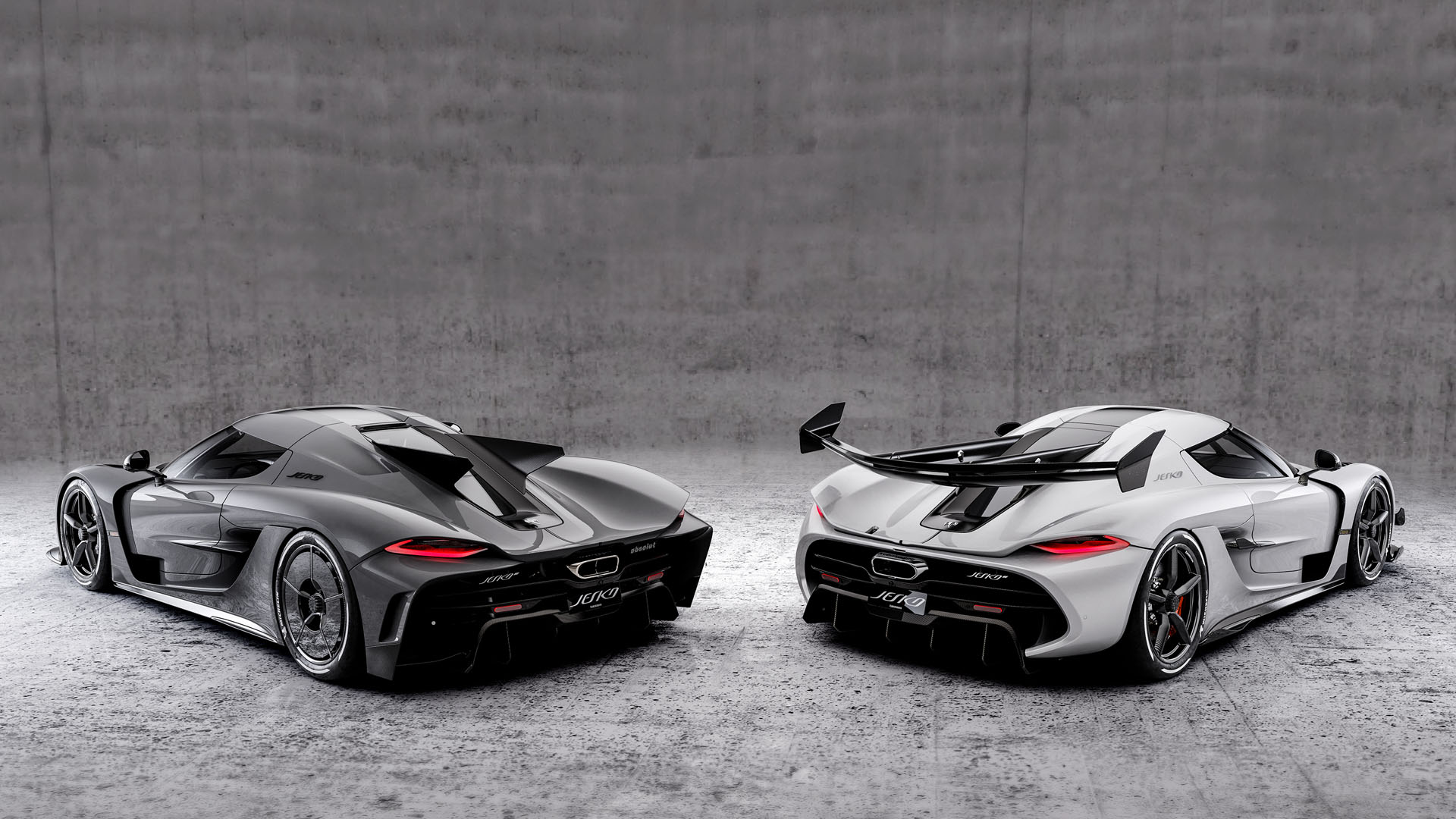
About a year later Koenigsegg unveiled something even more impressive … the Jesko Absolut, built for all-out top speed records, while the ‘regular’ Jesko is more track-focused with her massive front spoiler lip and imposing rear wing with double struts, the Jesko Absolut has been made as smooth as possible, with the least possible drag … a drag coefficient value of only 0.278 Cd has been achieved for a top speed in excess of 330 mph, that is 532 km/h, which would shatter any top speed record to date.

Koenigsegg limited the production for the Jesko to 125 units, priced at US$3,000,000 each with initial deliveries by the spring of 2022, customers will have the option to choose between either the Jesko or the Jesko Absolut trim, if there will be a price difference isn’t mentioned in the official documentation, but I guess if you’re ready to part with $3,000,000 for such an amazing car, a few $100,000 more or less don’t really matter anyway.

The Koenigsegg CCR was also shown at the 2019 Geneva Motor Show – Photo copyright Mark Smeyers

Today we have passed the design and prototype stage for the Koenigsegg Jesko as their first pre-series production car comes off the assembly line … and she is stunning, to say the least, finished in Tang Orange Pearl with silver and carbon-fiber accents, this specific pre-production Jesko is an homage to original Koenigsegg CCR color … a testament to how Christian von Koenigsegg brings the past into the future of his company.

If you look at the amazing cars made by Koenigsegg it might be hard to imagine this hypercar company was founded only 27 years ago, Christian von Koenigsegg started Koenigsegg Automotive AB in 1994 and quickly became a world leader in engineering and manufacturing of extreme performance hypercars, based in Ängelholm in the south of Sweden, Koenigsegg now holds about 400 employees, and they are still expanding as we speak.

CEO and Founder Christian von Koenigsegg states: “We are very excited to showcase this pre-series Jesko in conjunction with the start of production of the 125 Jesko and Jesko Absolut customer cars. As part of our gradual expansion, the Jesko’s pre-assembly begins at an extended 10,000 square meter facility”

To be honest, I wasn’t really blown away by the white Koenigsegg Jesko at the 2019 GIMS in Switzerland, I was fortunate enough to be there at the press conference when Christian von Koenigsegg unveiled the car, and while the aero is extremely wild, the white and green just didn’t work for me, but seeing this Jesko in bright orange changes everything, especially with the orange interior now looking so much better than the plain-looking black upholstery inside the Geneva show car.

Koenigsegg is getting ready to start production of the 125 Jesko and Jesko Absolut customer cars, after almost three years of prototype, testing, redesigning, and preparing for production, and judging from the photos of this bright orange production prototype, there isn’t too much different in terms of overall look compared to the 2019 Geneva show car, and I absolutely love the fact you can still take the top off and drive the Jesko as a convertible … I’m sorry, I like open-top cars, even if they can go over 300 mph.

During final shakedown testing, which Koenigsegg does at very high speeds mind you, it became clear this hypercar handles like no other, thanks to an active triplex damper added to the front suspension, active aerodynamics (that massive rear wing moves!), Michelin tires that have been developed specifically for the Jesko, and the Koenigsegg bespoke Electronic Stability system.

An evolution in DCT, Dual Clutch transmissions, that is yet unseen since its development is the new LST, or Koenigsegg own patented Light Speed Transmission that offers seamless gear shifts, both upshifting and downshifting, a gear change is as fast as the speed of light according to Christian von Koenigsegg, this ‘world’s fastest transmission’ consists of nine forward gears and seven wet, multidisc clutches in a compact, ultra-light package.

Jesko prototype driver Markus Lundh: “The Jesko feels very natural to drive. Because of its seamless shifting, whether up or down, everything just happens much faster. There are no delays, it is very responsive and behaves exactly the way you want it to. For a car of its size and power, it is very agile in the way it reacts to steering and does not spin out even with sudden movements at full throttle”

The Koenigsegg Jesko will come with ‘Autoskin’, first seen on their Regera, at the touch of a button on the remote control, miniaturized hydraulics initially designed to operate aerodynamic systems will engage to open the car’s doors and hoods, for a true touchless entry, but more importantly, it looks amazing at a car event too.

A redesign of Koenigsegg’s very special, signature dihedral synchro-helix door hinge now allows opening slightly outwards and upwards compared to the Regera, unveiling a truly mesmerizing interior in leather, Alcantara, carbon fiber, aluminum, and even glass. The SmartCluster display behind the steering wheel actually rotates when the driver takes a turn, while two SmartWheel touchscreens embedded into the actual steering wheel make several features accessible with just a touch or a swipe.

Controls for seat position and heating are available via the SmartCenter touchscreen. Drivers can find the perfect driving position by matching their carbon fiber seat position with the fully adjustable steering column and pedal box, and whit that amazing von Koenigsegg shield adorned key that can be fitted onto its very own indent on the dashboard, the interior just looks so luxurious and sporty at the same time … this isn’t some Sparton, uncomfortable supercar, but more of an ultra-fast Grand Touring version of a hypercar.

As already mentioned, the first of these $3,000,000 hypercars ‘Made in Sweden’ will be delivered to their fortunate customers by the spring of 2022, I’m really curious as to what special color combination we’ll be seeing on the Koenigsegg Jesko, and just how the split between Jesko and Jesko Absolut will be … will more customers opt for the brutal race-track, LeMans style of the Jesko, or will the Jesko Absolut with her sleeker lines and higher top speed be more popular?

And what about this … will the Koenigsegg Jesko beat the 282.9 mph top speed record of the SSC TUATARA? On paper the Jesko Absolut should be capable of going well over 300 mph, Koenigsegg even mentioned 330 mph for the Jesko Absolut, but what will be the top speed in a real-life environment, on the road, going in two opposite directions … what will the average top speed of the Koenigsegg Jesko Absolut be in that case … only time will tell …

Best V12 Engines Ever Produced

As far as internal combustion engines go, V12 engines are at the zenith. This is while still acknowledging the omnipotent W16 motors seen in today’s Bugatti hypercars, while not forgetting the likes of mainstream automakers – such as BMW and Mercedes-Benz – also having flirted with the idea of series-production V16 engines in the past. With the 16-cylinder power plants essentially synonymous with the French automaker, the V12 is the de facto ruler for the broader spectrum of ultra-high-performance automobiles.

The diversity of this list fully demonstrates the universal appeal that V12s have around the world, to both producers and consumers alike. This unanimous and long-spanning support for the technology has helped to spawn some of the most impressive engines ever produced. The usual suspects are at play here, with Ferrari and Lamborghini making their totally not unexpected appearances. The British – via Aston Martin, Jaguar, and GMA – have shared their own highly impressive interpretations as well, while more conventional brands such as BMW, Mercedes-Benz, and even Toyota have had their say.

For the most part, these engines are naturally aspirated and characteristically rev all the way to the moon. In totality, each and every one of them is nothing short of a legend.

Here’s the shortlist of 10 such engines, curated for your reading pleasure:

Ferrari Colombo V12Ferrari Colombo V12 Engine

Originally designed by Gioacchino Colombo, this engine can trace its roots back to the very first Ferrari-branded model designed by Ferrari Enzo – the 1947 Ferrari 125 S – where it debuted as a 1.5L V12. The core design of the engine would persevere for more than 4 decades; along the way growing in size, having various levels of forced induction, and becoming a dual-overhead-cam configuration with EFI. Many credit the motor’s longevity to its reputation for being bulletproof.

Successful in both road-going and race track derivatives, the list of Ferrari cars this engine has graced has no shortage of automotive icons; the Ferrari 250 Testa Rossa, Ferrari 250 GTO, and Ferrari 365 GTB/4, just to name a few.

BMW S70/2

BMW S70/2 Engine

Despite being produced by BMW, the S70/2 didn’t feature in one of the Bavarian automaker’s own production cars. Nevertheless, it did end up powering none other than arguably the most iconic supercars ever made – the 1992-1998 McLaren F1. The 6.1L naturally-aspirated unit produced 627 hp and was capable of 0-60 mph in just 3.2 seconds, and had a top speed of 240 mph. It wouldn’t be until the next millennium before those figures could be surpassed.

Interestingly enough, BMW wasn’t Gordon Murray’s first choice to supply the engine for his groundbreaking supercar, with collaborations with the likes of Honda and Isuzu falling apart before they would opt for the Munich-built power plant. Whatever might’ve happened if things turned out differently, who’s to know? But what we do know is that BMW got things absolutely spot-on with the S70/2, which continues to be regarded as one of the true and timeless masterpieces in automotive history.

Jaguar V12

Jaguar V12 Engine

Jaguar’s first foray into the world of V12 engines began in motorsport as early as 1951, with its 1964 XJ13 Le Mans race car eventually serving as the trickle-down technology source for its production cars. For the latter, this would begin with a 5.3L naturally-aspirated unit in the 1971 Jaguar E-Type and would even go on to be used by other automakers such as Daimler and Panther. An HE (or “high-efficiency”) version of this engine would be released in 1981 – featuring on the XJ12, XJ-S, and Daimler Double-Six – which improved fuel economy by almost 50% compared to its predecessor, without affecting performance.

In its final iteration, the V12 would evolve into a 6.0L HE unit which produced as much as 333 hp and 365 lb-ft of torque. It was likely to be some variation of this engine which was initially being marketed for use on the Jaguar XJ220, before the British automaker controversially decided on a 3.5L twin-turbocharged V6 engine instead. The last Jaguar V12 engined was produced on April 17, 1997.

Lamborghini V12 L539

Lamborghini V12 L539 Engine

Like Ferrari, Lamborghini also has a long and storied history with V12 engines, having created its very own first version of this power plant for its mid-’60s era Lamborghini 350GT production car. Starting off as a considerably brawny 270 hp 3.5L naturally-aspirated unit, the “Bizzarrini” engine would evolve into a 661 hp 6.5L naturally-aspirated unit and be fashioned by models as recent as the 2010 Lamborghini Murciélago LP-670 SV.

As long as the Bizzarrini engine persisted, we feel that the most significant statement of Lamborghini’s V12 mastery comes in the form of its latest iteration of the engine, dubbed ‘L539’. This power plant would share its debut with the 2011 Lamborghini Aventador, of which it initially powered with 690 hp via a 6.5L naturally-aspirated configuration. With a fresh design, the new engine was over 18 kg lighter than its predecessor and was programmed with a new firing order.  The all-wheel-drive supercar would see significant improvements during its lifecycle, with the latest iteration of the L539 car producing 770 hp in the limited-edition 2021 Lamborghini Aventador Ultimae.

Ferrari F140

Ferrari F140 Engine

If the F140 had only powered the (2002-2005) Ferrari Enzo – the first Prancing Horse model where it featured – it would have been no less significant or legendary than it is today. The 65-degree V12 engine debuted on the Enzo as a 6.0L naturally-aspirated V12 unit which produced a staggering 651 hp @ 7,800 rpm and 458 lb-ft of torque @ 5,500 rpm. Over the years, 6.3L versions of the F140 have powered the likes of the hybrid LaFerrari and the F12berlinetta.

It has since evolved to its current peak as a 6.5L power plant – dubbed the F140 GA – which produces 789 hp @ 8,500 rpm and 530 lb-ft of torque @ 7,000 rpm in the 812 Superfast; this makes it the most powerful naturally-aspirated production car engine ever produced to this day. It is likely that this could be one of the final generations of Ferrari V12 engines – whether it be naturally aspirated, turbocharged, or even hybridized – so appreciate it while it’s still around!

Mercedes-Benz M120 / M297

Mercedes-Benz M120 / M297 Engine

When Mercedes-Benz caught wind of archrival BMW’s side-hustle with Gordon Murray, let’s just say that there was no resting on any laurels going on at their Stuttgart headquarters. With a clever riposte, Mercedes would debut their first-ever V12 engine through the 1993 600 SEC (later to be renamed the S600 Coupé, and frequently referred to as the S-Class). The 6.0L naturally-aspirated power plant was good for 389 hp, 420 lb-ft of torque, and a top speed of 155 mph in its initial configuration.

Not only did Mercedes-Benz one-up BMW by using the engine for their own cars, but they also borrowed a page from their opponent’s playbook and had their M120 engine fashioned for use in the magnificent Pagani Zonda supercar as well. Hand-built and tuned by AMG, the M120 also featured on the Mercedes-Benz CLK GTR race car and also saw its displacement increased to 7.3L for use on the SL73 AMG and CL73 AMG – and at which point it was commonly referred to as the M297.  The most powerful iteration of the M120 features in the Pagani Zonda Revolución, with the non-street-legal car good for 789 hp and 538 lb-ft of torque.

Aston Martin NA V12

Aston Martin NA V12 Engine

With one of the best sounding V12s (and automobile engines, period), the story of how the Aston Martin (naturally-aspirated) V12 came to be is rather more peculiar and convoluted. The project had less, should we say, glamorous beginnings, when things basically started off with the development of a 2.5L naturally-aspirated V6 engine. This particular unit was essentially the brainchild of Suzuki and Mazda, with the latter’s then-majority owner, Ford, then taking the blueprint to Cosworth, who would go on to build the Duratec V6.

Needless to say, the story didn’t end there, and Aston Martin would end up bolting two of those engines together to create the 5.9L naturally-aspirated V12 it would stamp its name on (and market as a 6.0L). Having more in common with a Ford Taurus than owners or enthusiasts would like to admit, the motor produced 414 hp and 398 lb-ft of torque in the 1999 DB7 V12 Vantage. Aston Martin continues to employ a V12 engine to this day, with the 2017 DB11 having fashioned a 5.2L twin-turbocharged version. More recently, the company has referred back to the naturally-aspirated configuration, with a 6.5L unit designed to power its Valkyrie hypercar with over 1,000 hp @ 10,500 rpm (plus an additional 160 hp with its hybrid-electric system).

Toyota 1GZ-FE

Toyota 1GZ-FE Engine

To call Toyota’s 1GZ-FE the “Godfather” of Japanese automobile engines would be neither an understatement nor unbefitting. After all, the venerable V12 from the land of the Rising Sun – which exclusively powers the Toyota Century luxury sedan – is both one-of-a-kind and has a penchant for attracting a particular type of “underworldly” owner in its homeland. It’s the only production V12 engine to come from Japan and still manages to invoke all of the essential philosophies of Japanese craftsmanship – such as reliability, build quality, and refinement.
That being said, it’s certainly not the most powerful engine on this list and remained at around the 300 hp mark during its lengthy production run from 1997-2016. Nevertheless, it remains one of the most unique engines on this list and is no less iconic than its near-1000 hp contemporaries. This engine is prime for swapping into other platforms, with automotive personality Smokey Nagata fitting a twin-turbocharged version to his ‘Top Secret’ Toyota Supra. Thanks in large part to its distinctive engine, the Century remains a status symbol in Japan; in the way a Rolls-Royce Phantom does the same just about everywhere else.

GMA Cosworth V12

GMA Cosworth V12 Engine

It’s impossible to speak about the naturally-aspirated engine in the GMA T.50, without getting into how it’s involved in so much more than just spinning the new supercar’s rear wheels, or about how other design elements of the car are built around it. As impressive as a 12,100 rpm redline sounds, its 654 hp and 345 lb-ft of torque doesn’t sound extraordinary by today’s standards. But rest assured this engine, and this car, are on the cusp of a truly “redefining” moment in automotive history. Crucially weighing at just 178 kg, the engine plays a huge factor towards the T.50’s overall curb weight of just 980 kg – about one-third that of a contemporary supercar or hypercar.

The GMA T.50 is the culmination of decades of Gordon Murray’s aerodynamic and mechanical engineering experience. Part of what makes the T.50 so exciting, is that it incorporates the design and function of the infamous Brabham BT46 “Fan Car.” A gigantic fan –  powered by the camshaft of the engine and coupled with the curved underbody of the BT46 – created an active venturi effect that quite literally vacuumed the car onto the road, and allowed it to corner at barely believable speeds and levels of grip. The T.50 will feature something similar, and likely more advanced. On a road car. We can’t wait to see this in the flesh.

Bugatti 3.5L Quad-Turbocharged V12

Bugatti 3.5L Quad-Turbocharged V12 Engine

This Bugatti engine has had a very decorated career, albeit a short one, which makes it all the more impressive. Featured exclusively on the (1991-1995) Bugatti EB110, this 3.5L quad-turbocharged V12 is responsible for some very notable distinctions. First, it is widely regarded as being one of the catalysts in the revival of the French marque even though it failed to be directly responsible for this. It became the world’s fastest production car of its time, beating the Jaguar XJ220 in the process.

Suffice to say, it grabbed all the headlines, and really, that was the whole point. I mean, for what other purposes would the use of four turbochargers be given the green light for? Sure, it produced a whopping 553 hp and 450 lb-ft of torque, but you would have to argue that this likely could’ve been achieved with a more conventional design. After all, quad-turbocharged engines never really proliferated, and there’s probably good science behind why that’s been the case. Nevertheless, there’s nothing un-iconic about a V12 engine with almost as many turbochargers as you can count on one hand; and we love it all the same.

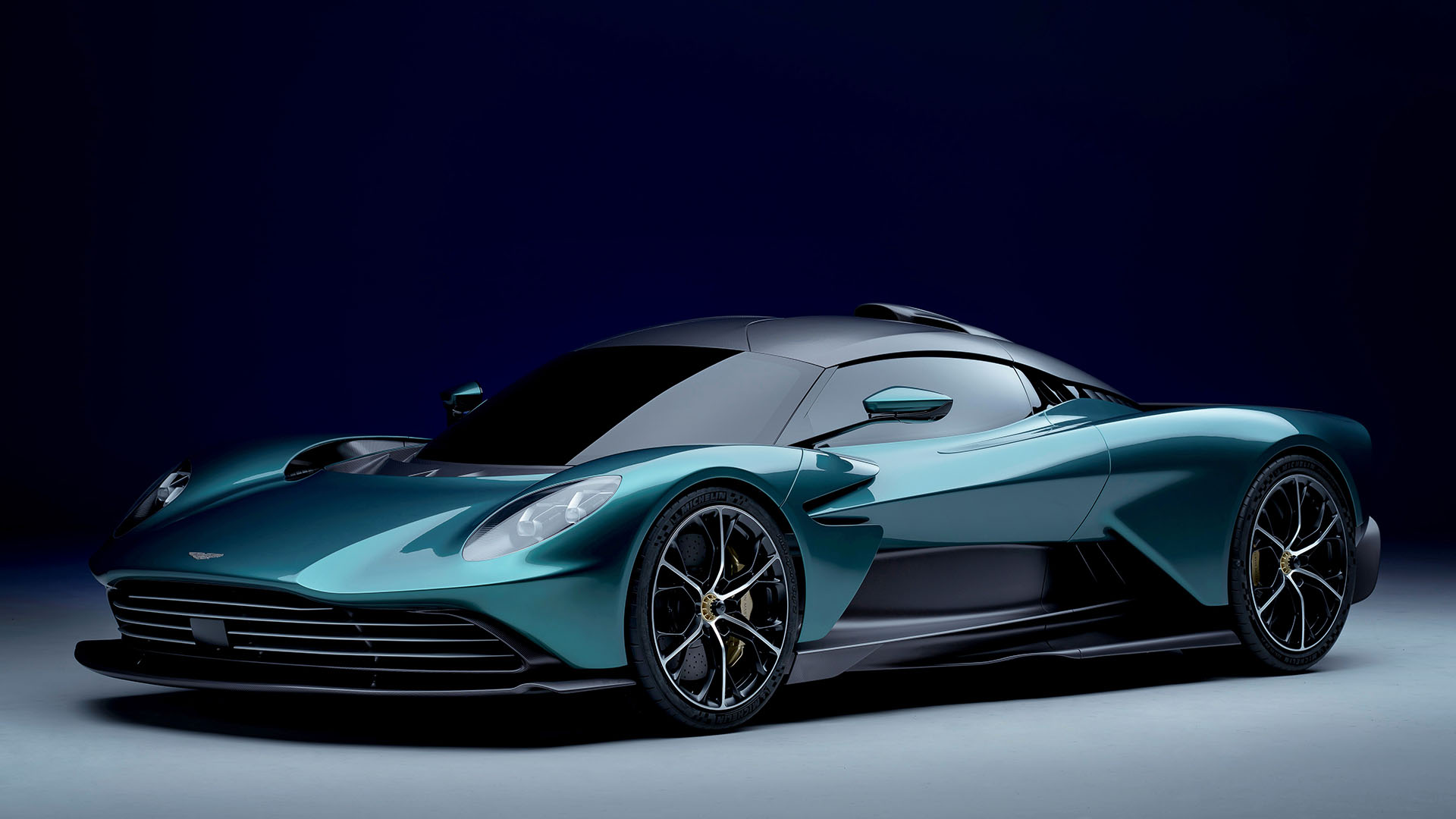
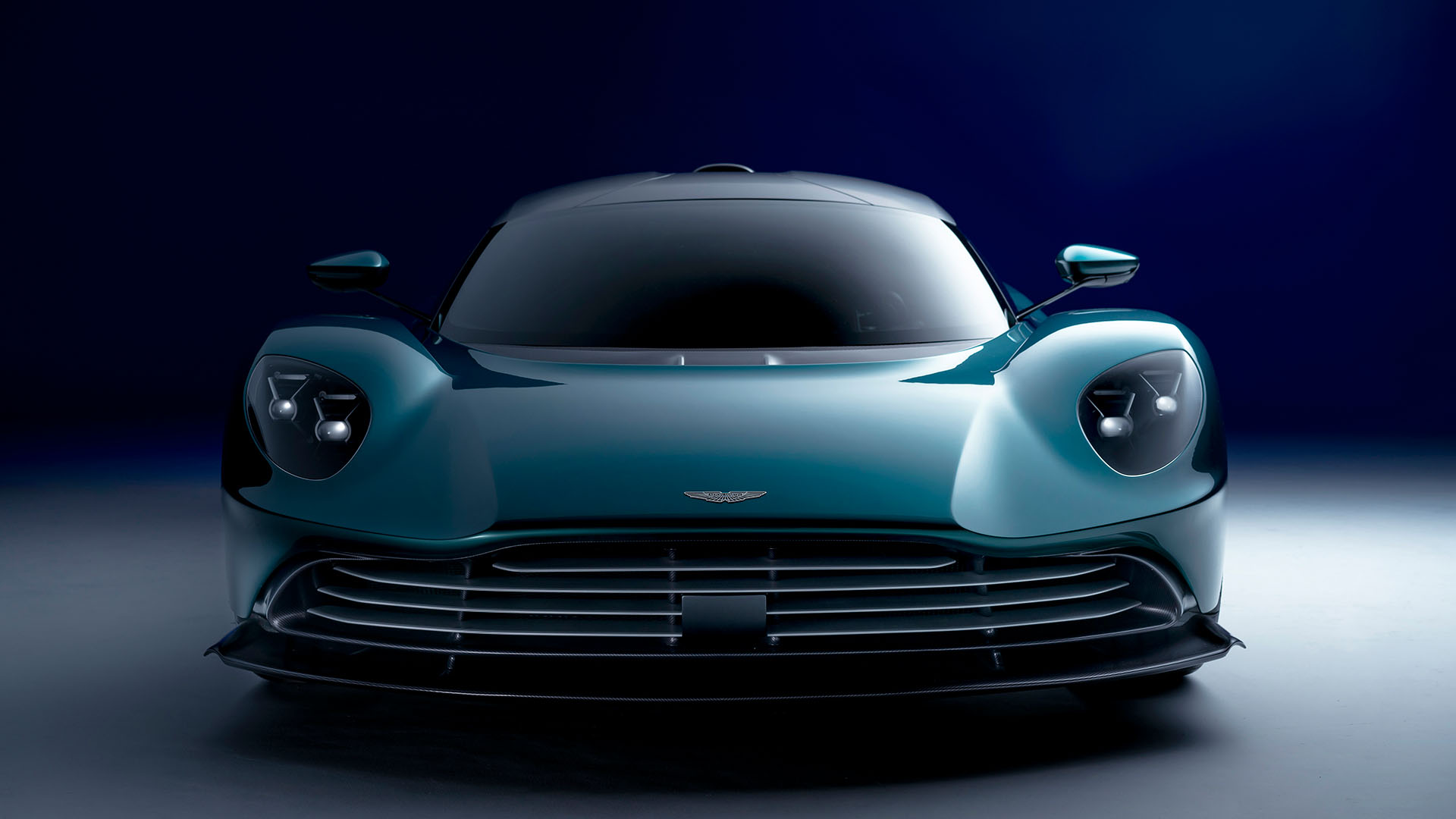
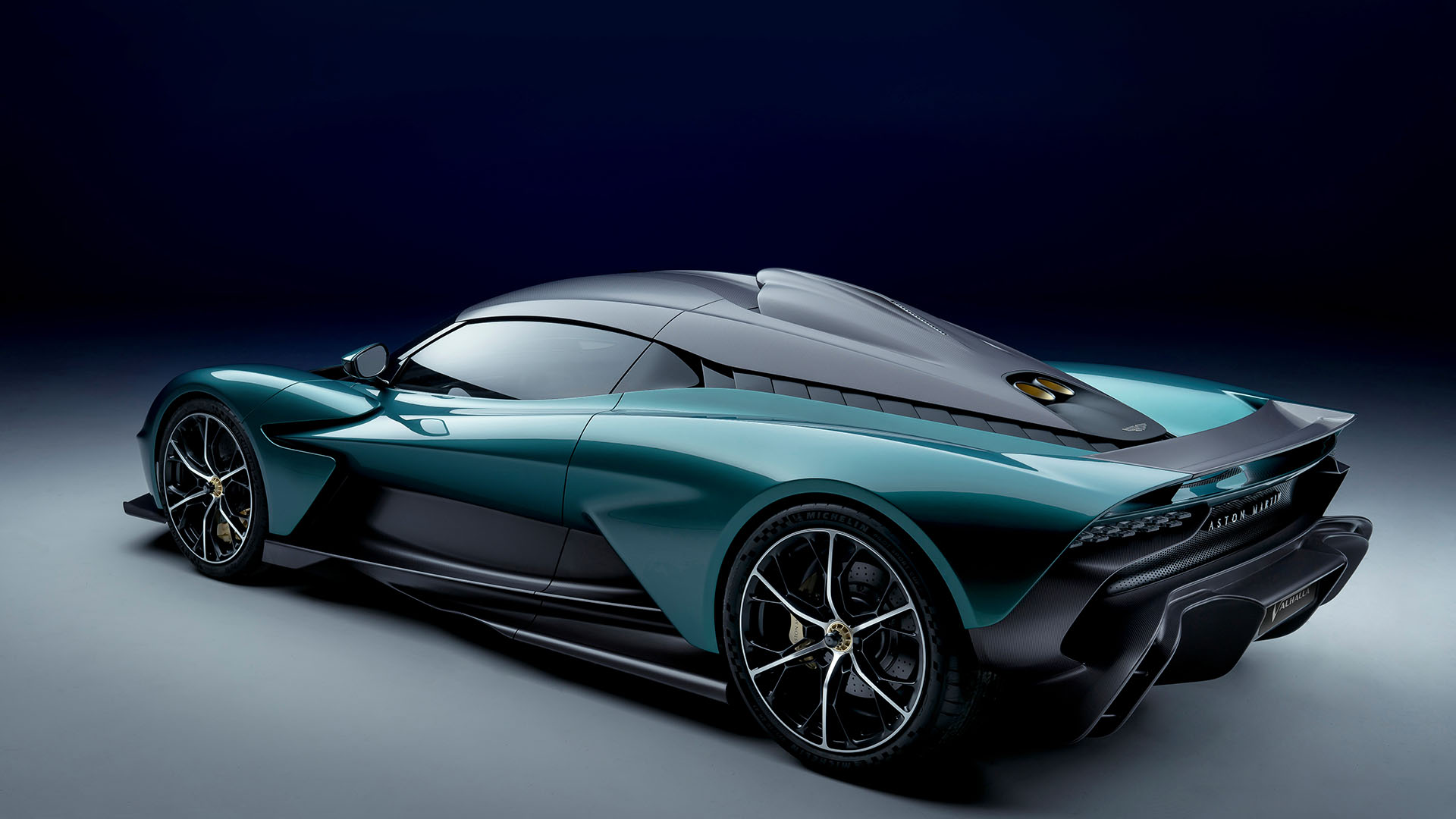
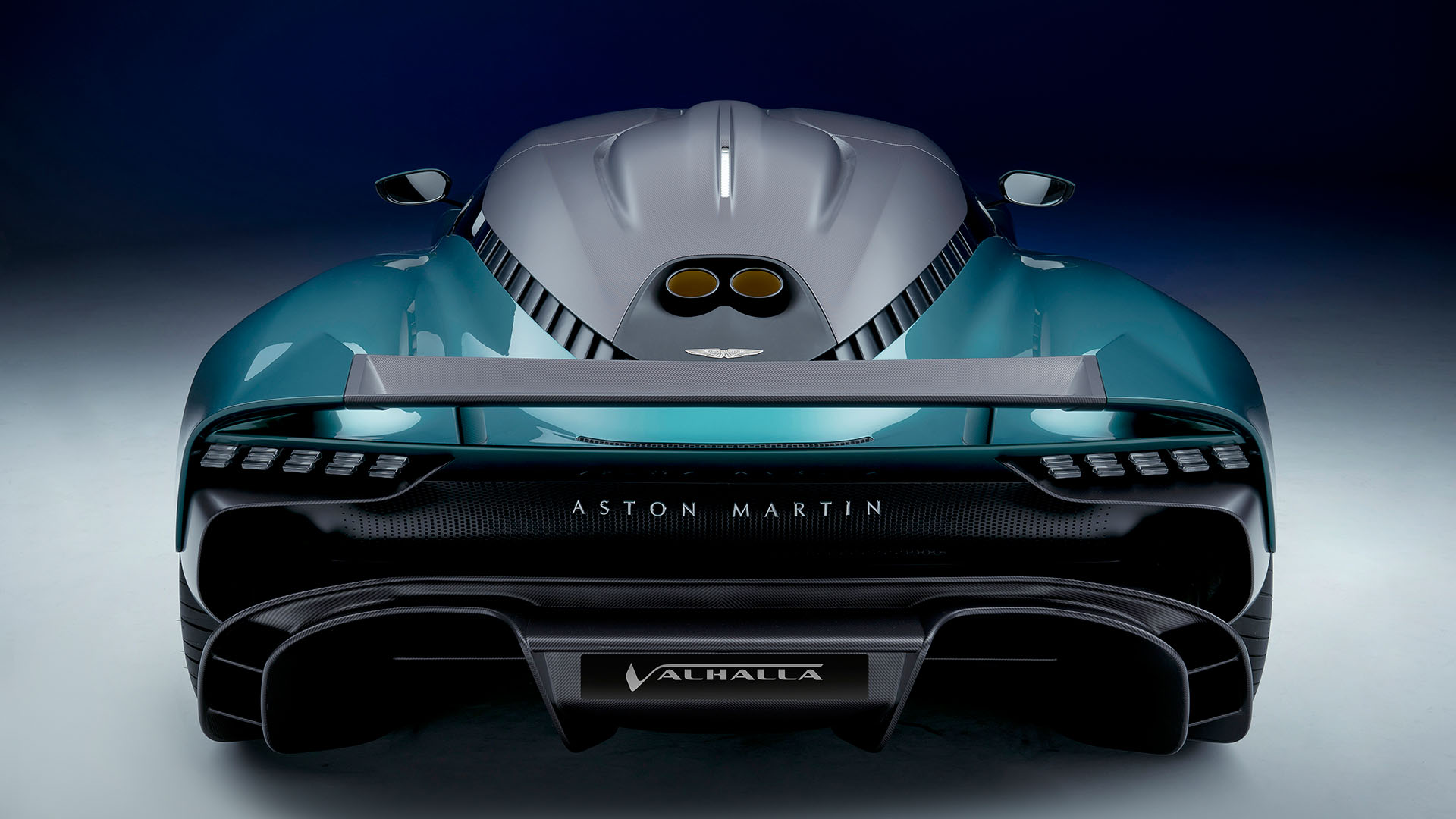
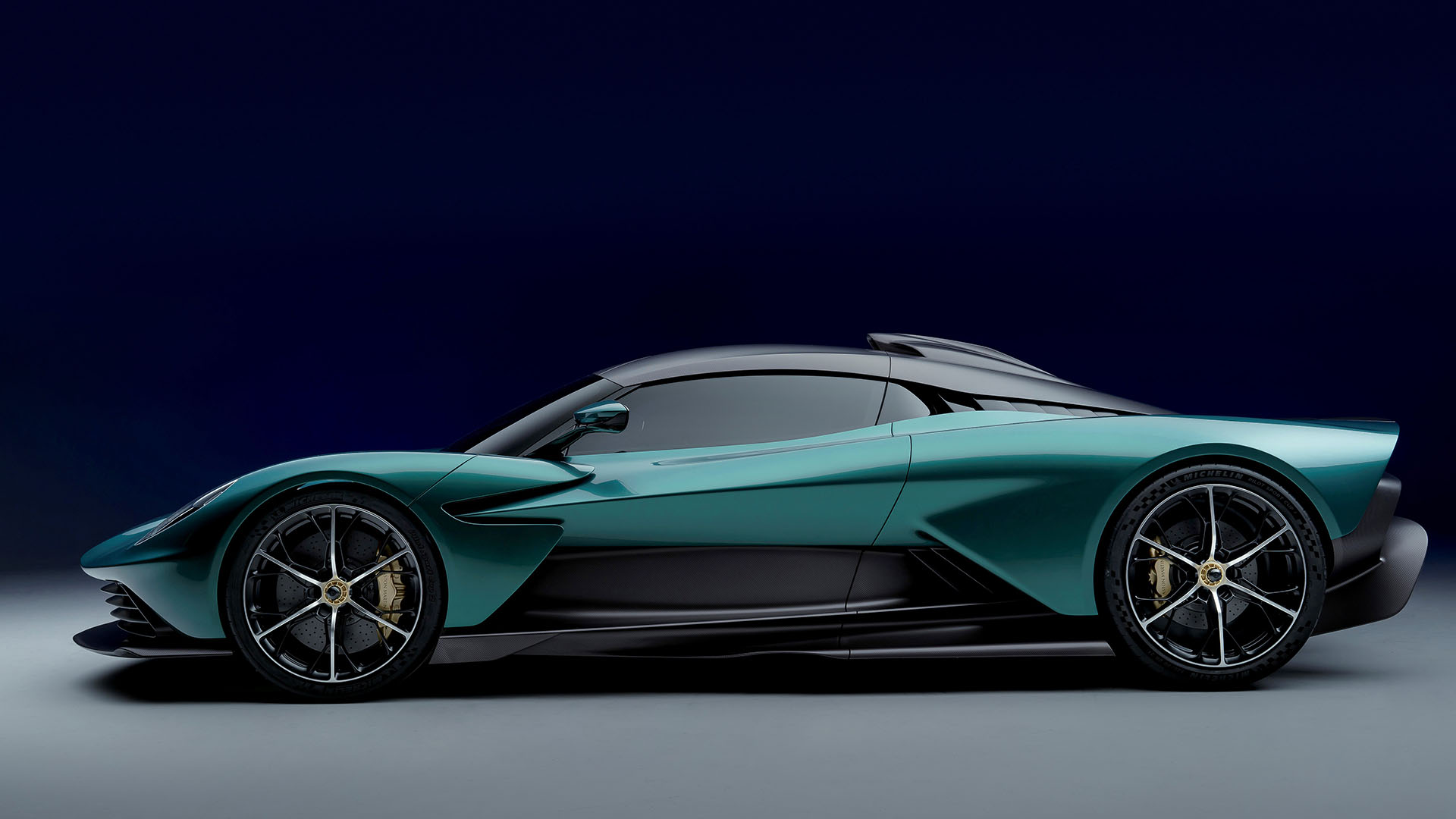
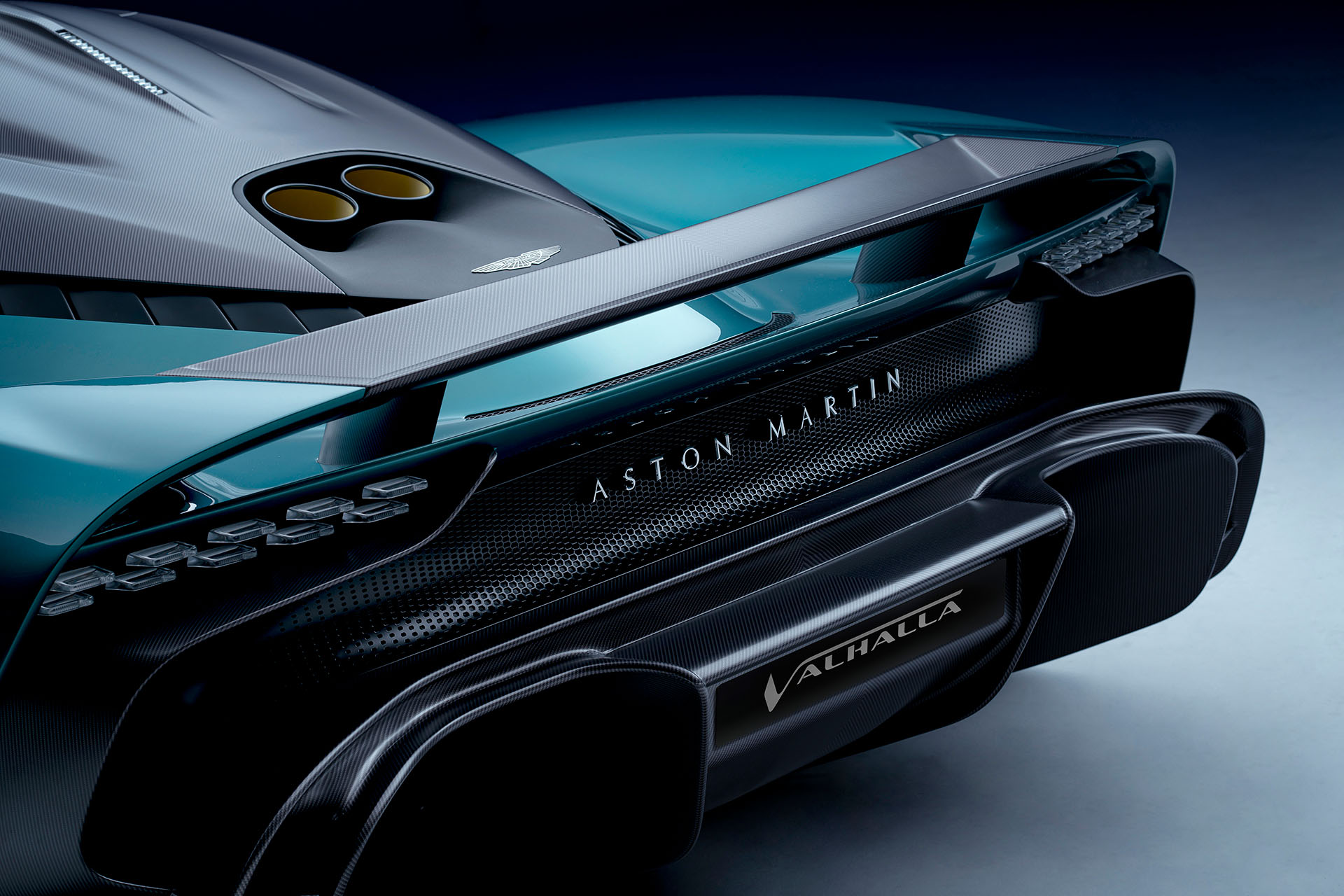
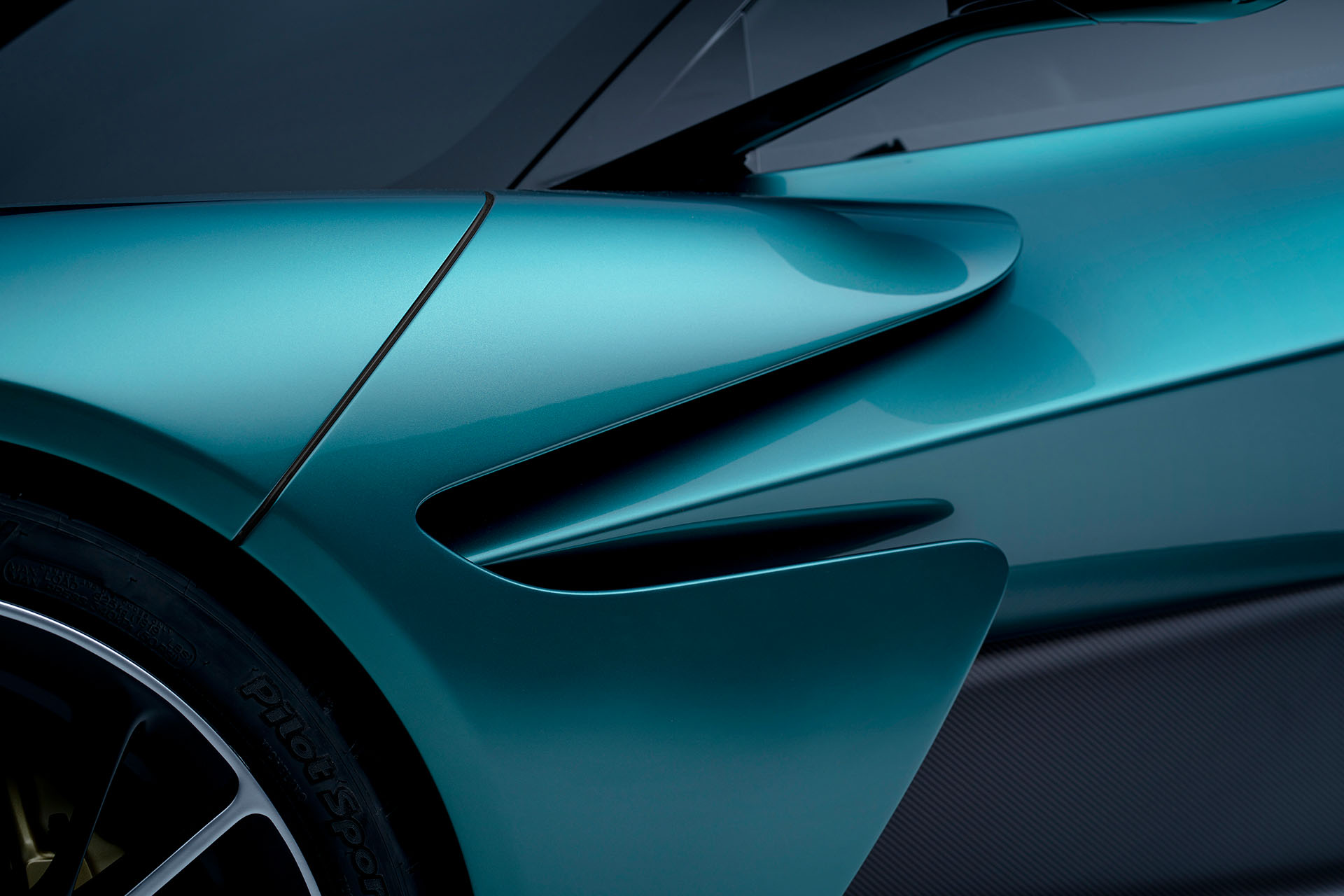
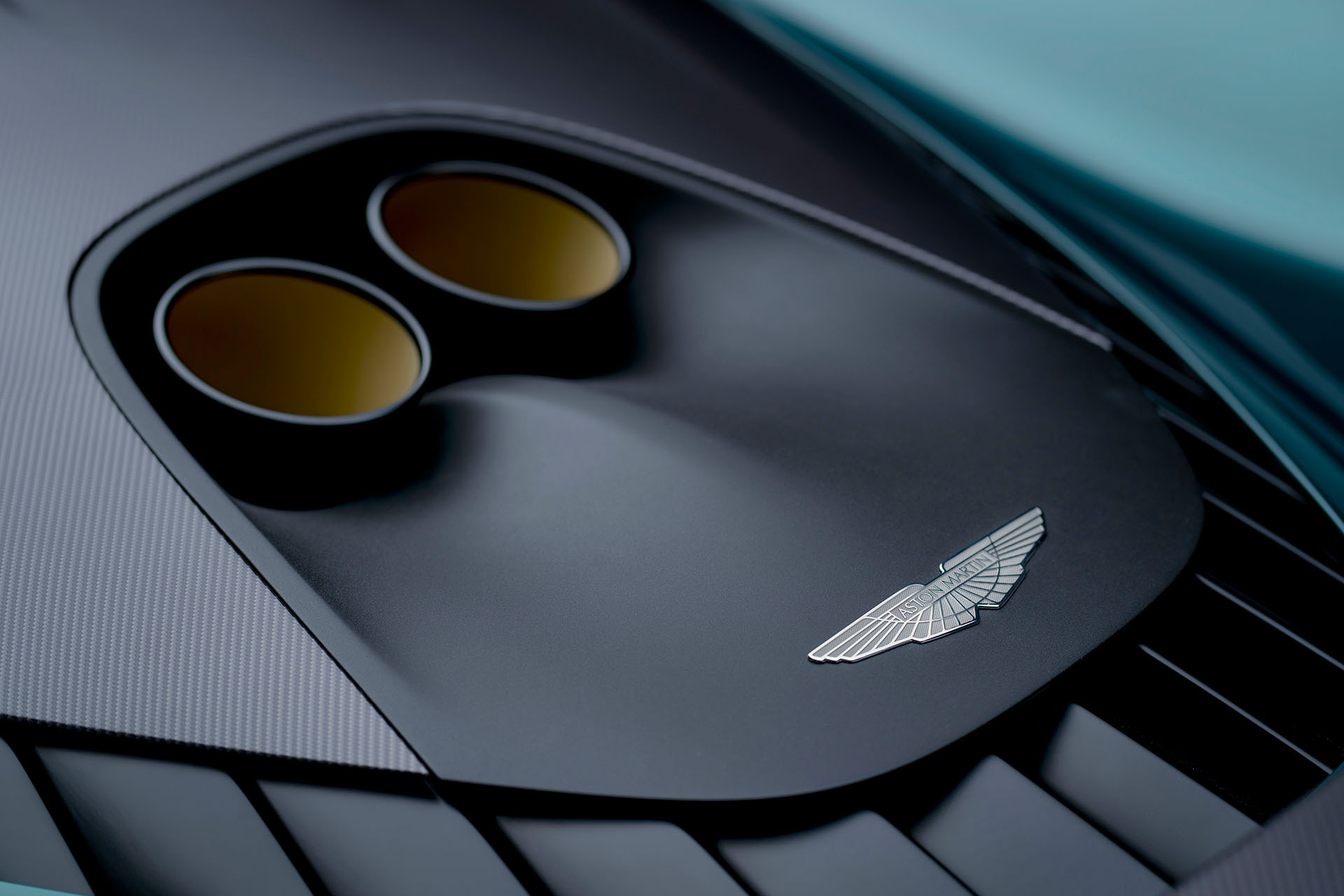
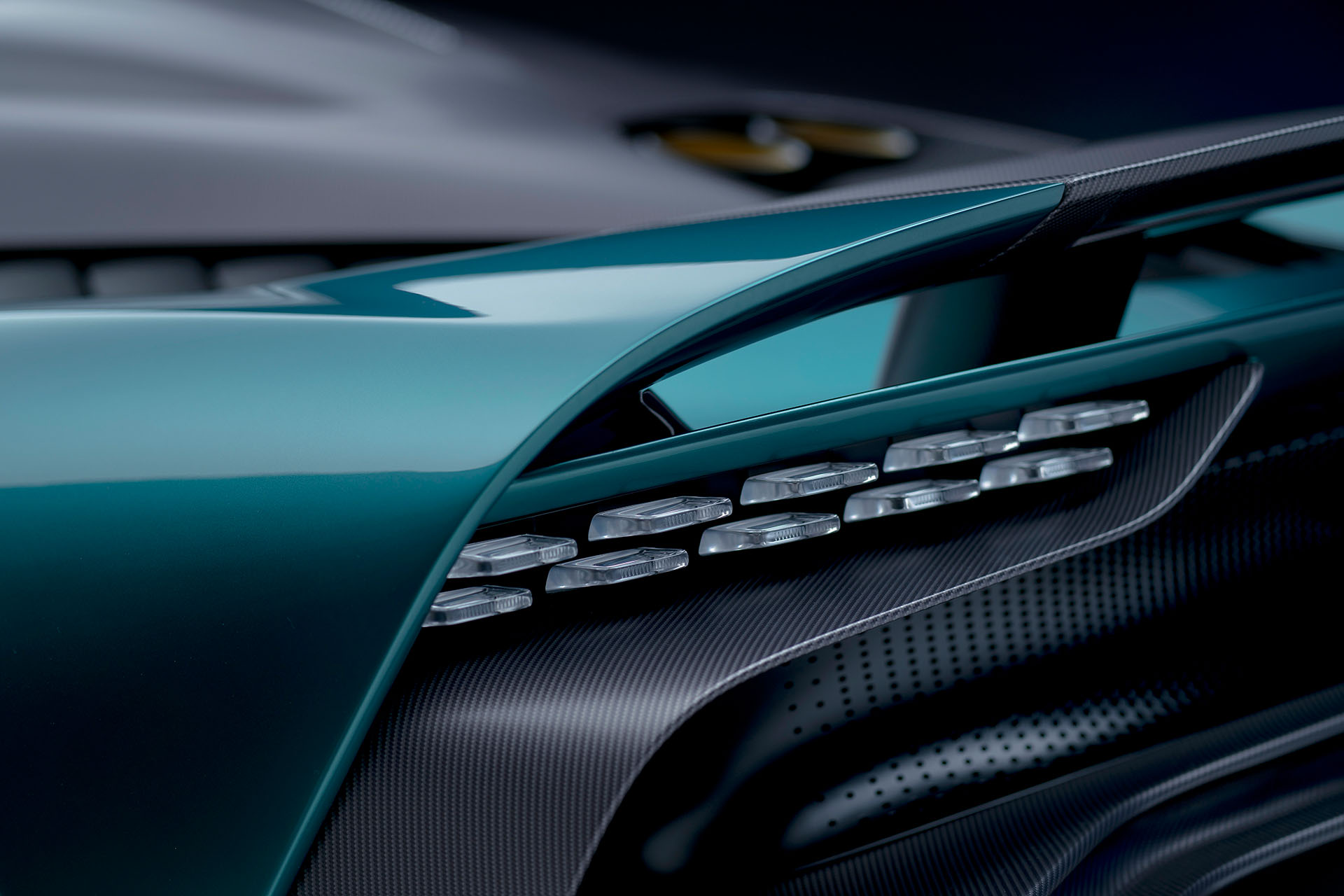
Aston Martin Valhalla, ready for production

The Aston Martin Valhalla concept was introduced at the 2019 Geneva Motor Show, intended to become Aston Martin’s hybrid supercar with an in-house developed V6 engine coupled to multiple electric motors, and while the production of the 150 units has been postponed a few times, as late as 2023, another blow came when rumors surfaced Aston Martin wouldn’t be able to continue the development of their bespoke V6 engine, but instead would turn to a Mercedes AMG sourced V8 for their $3,000,000 Valhalla supercar.

Just about every car manufacturer out there is talking about electrification or at least hybridization, and that’s what Aston Martin’s Project Horizon is all about, the transition from internal combustion engines to hybrid, which will lead to full electrification later on, and not only will the Valhalla be a high-power hybrid, but it will also be Aston Martin’s first mid-engined supercar, a move away from ultra-luxury GT cars they are famous for globally today.

The Aston Martin Valhalla is a showcase of technology, with Lawrence Stroll as Executive Chairman and the return of Aston Martin in Formula One racing, it shouldn’t come as a surprise the Valhalla’s chassis, aerodynamics, and electronics are taken from Formula One experiences, add a mid-mounted V8 engine into the mix with the aid of electric motors, the torque is instant, the Valhalla will offer an amazing driving experience for the 150 fortunate owners that can enjoy this first for Aston Martin.

The total power output on the Aston Martin Valhalla is 950 hp, with 750 hp from the turbocharged V8 engine and the remaining 200 hp from the electric powertrain, and while 4-Liter V8 twin-turbo engine might have been sourced from Mercedes AMG, it is a bespoke unit for the Aston Martin Valhalla, at 7,200 rpm the maximum power of 750 hp goes to the rear wheels only, while a 150kW/400V battery hybrid system uses an E-Motor on the front axle, and a second E-Motor on the rear axle to add 200 hp more.
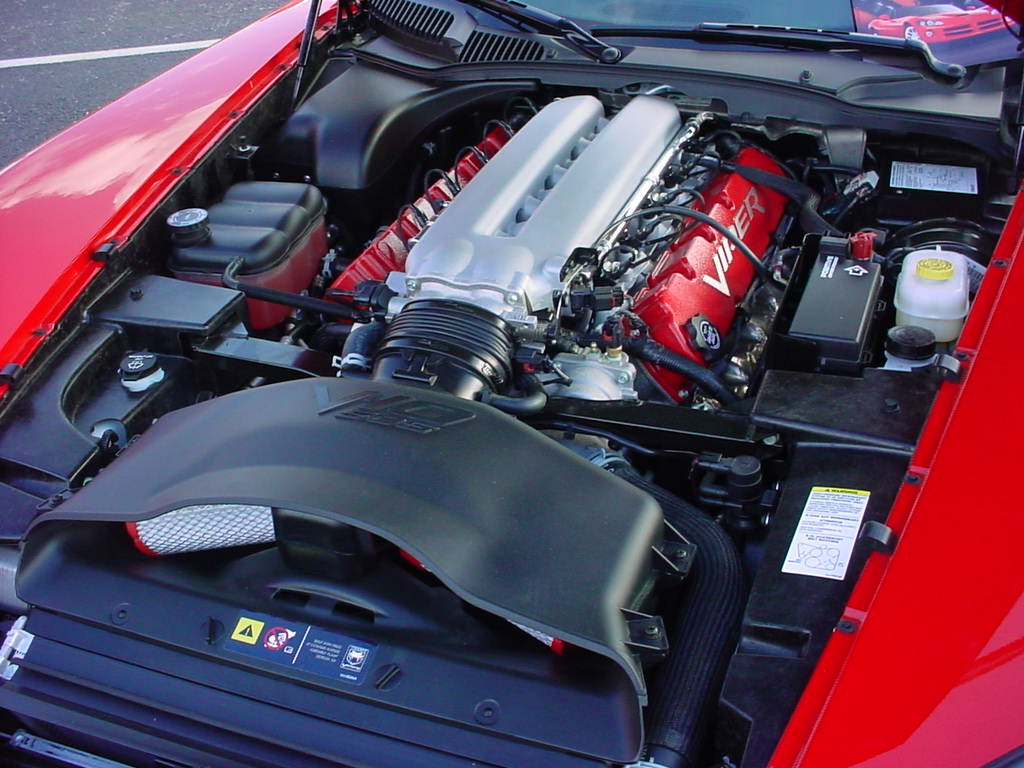
If the driver opts to use EV mode only, there will be power to the front axle exclusively, in all other driving modes, the electric motors are engaged on both axles, in a varying split front to rear, when conditions are right the full-electric power will be sent to the rear axle only, making sure the combined output from the V8 engine and the rear E-Motor offer exhilarating performance and acceleration to the driver.
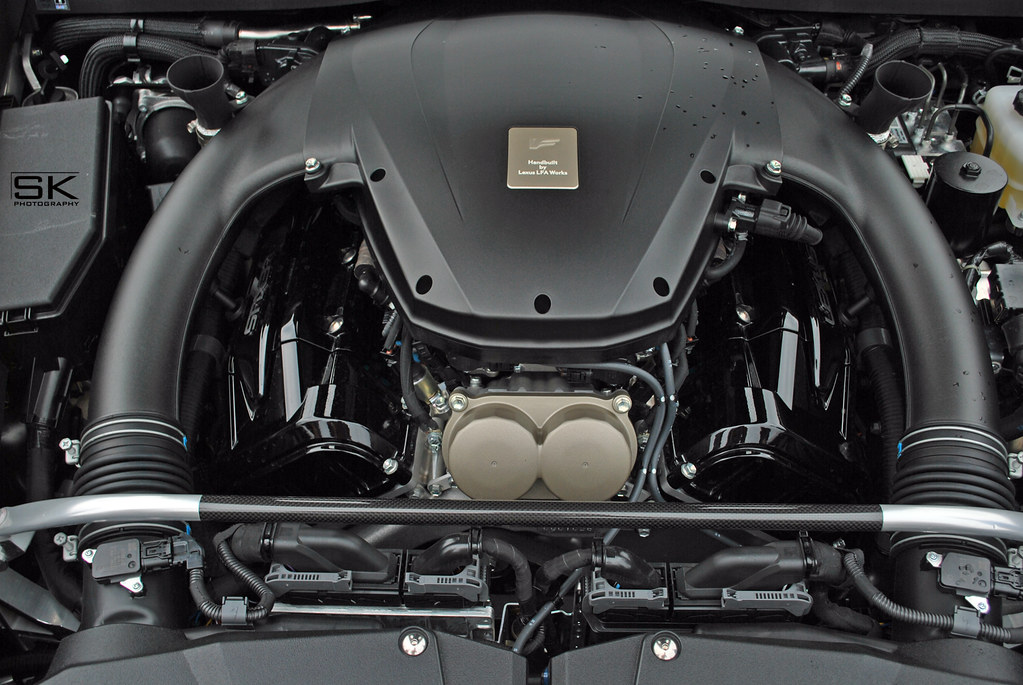
Aston Martin’s CEO, Tobias Moers commented: “Preserving the essence of an exceptional concept car is vital when meeting the challenge of bringing it into production. With Valhalla not only have we stayed true to our commitment to building a world-beating supercar, but we have exceeded our original aims. The result is a pure driving machine – one which exists right at the cutting edge of performance and technology yet allows the driver to feel the emotion and thrill of complete connection and control.”

Being a hybrid, the transmission had to be completely redesigned for the Valhalla, the 8-Speed DCT unit is also bespoke for the Aston Martin Valhalla, there is no real reverse gear, to move backward the electric motors are used, still this transmission comes with an Electronic Limited Slip Differential at the rear for top-of-the-line traction and handling, thanks to the fact the V8 and E-Motors can be in a different gear inside the DCT, the maximum torque of 1,000 Nm is possible.
A totally silent drive is possible in full EV-mode while a top speed of 80 Mph (130 km/h) can be achieved this way over a range of 15 km, but when that big twin-turbo V8 engine comes to join the top speed goes to 217 mph (330 km/h) with an acceleration of 0 to 60 mph in just 2.5 seconds, as this is a street-legal race car, Aston Martin is hoping to set a record time of 6:30 on the famous Nürburgring Nordschleife.
Ralph Illenberger, Head of Powertrain Engineering said: “Valhalla is our first opportunity to really show what we are capable of in a true production sense.  We have created our own bespoke air-to-air charge-cooled, flat-plane crank V8 engine and have combined it with a powerful hybrid system. And, of course, we also have our own bespoke Dual Clutch Transmission – a first for Aston Martin and an essential component both for Valhalla and future Aston Martin models. The result is a truly world-class powertrain for an efficient, ultra-performing supercar.”

The base for the Aston Martin Valhalla is a lightweight carbon fiber tub with F1 inspired pushrod front suspension while the rear suspension is a multilink design, with Multimatic Variable Spring rate and Adaptive Spool Valve (ASV) Damper units, when in ‘Track mode’ the dampers aren’t only stiffer, but the ride height is considerably lowered for maximum downforce, but for more practicality, the front axle comes with a lift system to get onto driveways.

Stopping power comes from large carbon-ceramic disc brakes together with bespoke Michelin tires in a staggered 20-inch and 21-inch, as usual, the tires have been specifically designed for this car which comes in at an overall weight of 1,550 kg, thanks to the experience gained from the Valkyrie hypercar, the aerodynamics on the Valhalla have been optimized to create an impressive downforce of 600 kg at 150 mph giving this car amazing stability at speed and offers high-speed cornering with ease.

When opening the forward-hinged dihedral doors that have cut-outs in the roof for easier entry or exit of the Aston Martin Valhalla, you can be greeted by either an RHD or an LHD configuration as Aston Martin intends to offer both options to their clients, and in case you are too tall to fit into the Valkyrie, you’re in luck as interior space in the Valhalla is larger, and features a touchscreen HMI on the central console with Apple CarPlay and Android Auto. The two seats inside the Valhalla are fixed onto the carbon-fiber tub, instead, both the pedals and the steering wheel can be adjusted to fit the driver, with a raised footwell you’ll get that Formula One feeling behind the wheel of the Valhalla.

For Aston Martin’s Chief Creative Officer, Marek Reichman, Valhalla is an opportunity for the Aston Martin design team to express extreme performance with fresh form and proportion, and to capture the brand’s bold future-forward approach: “When we created the Valhalla concept we were keen to emphasize the design legacy of the Aston Martin Valkyrie and that intent remains unchanged, but the execution has evolved considerably in order to reach production of this all-new car. Though the legacy of Valkyrie is clear, Valhalla is now a more mature, fully resolved piece of design. One which combines the pure aerodynamic function you would expect from a marque competing in Formula One® together with the beautiful form, striking proportions, and exemplary detailing for which Aston Martin is renowned.”

There is no mention in the latest press release about delivery dates for the first customer cars from Aston Martin, but while this amazing looking, classic British Racing Green finished ‘production prototype’ for the Valhalla is production-ready according to Aston Martin, there is still a long way of development to go before the first of the 150 units can be shipped out, I’m sure we’ll be seeing Sebastian Vettel, Lance Stroll, and Nico Hulkenburg behind the wheel of several Valhalla test mules to fine-tune the dynamic properties over the next year or so, and that 2023 date for initial deliveries sounds plausible.