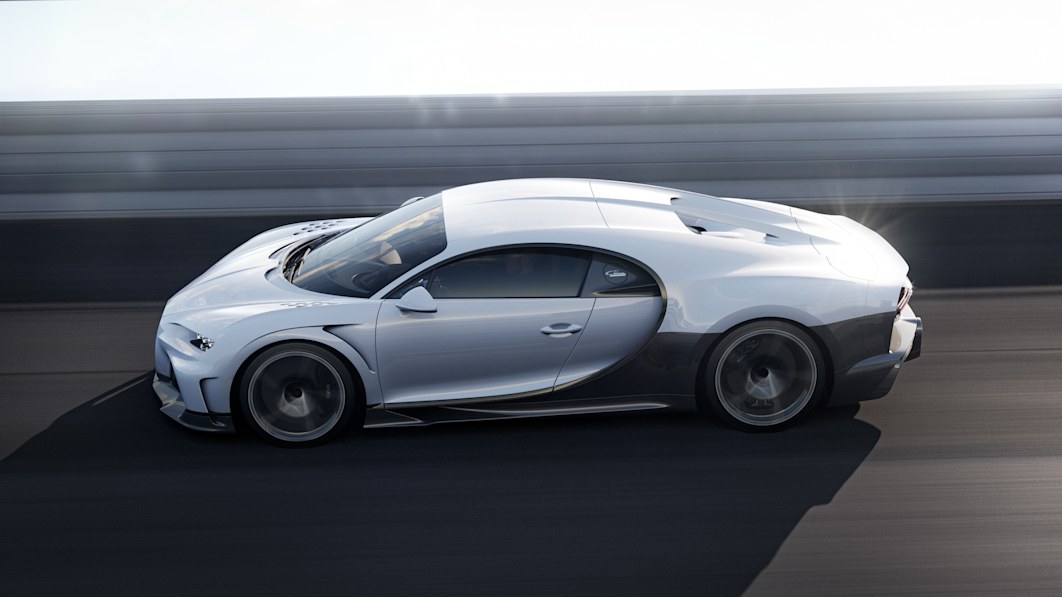
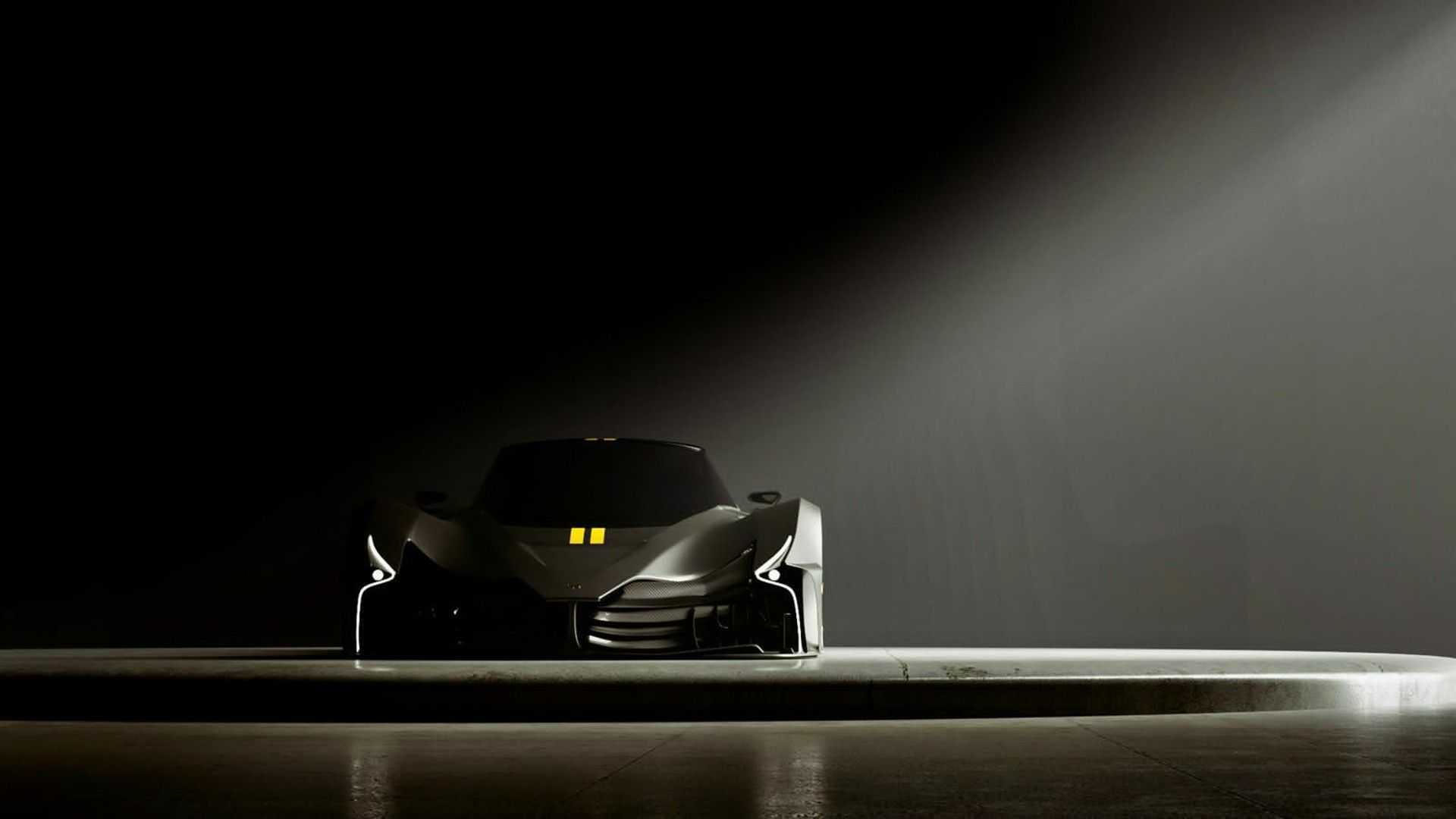
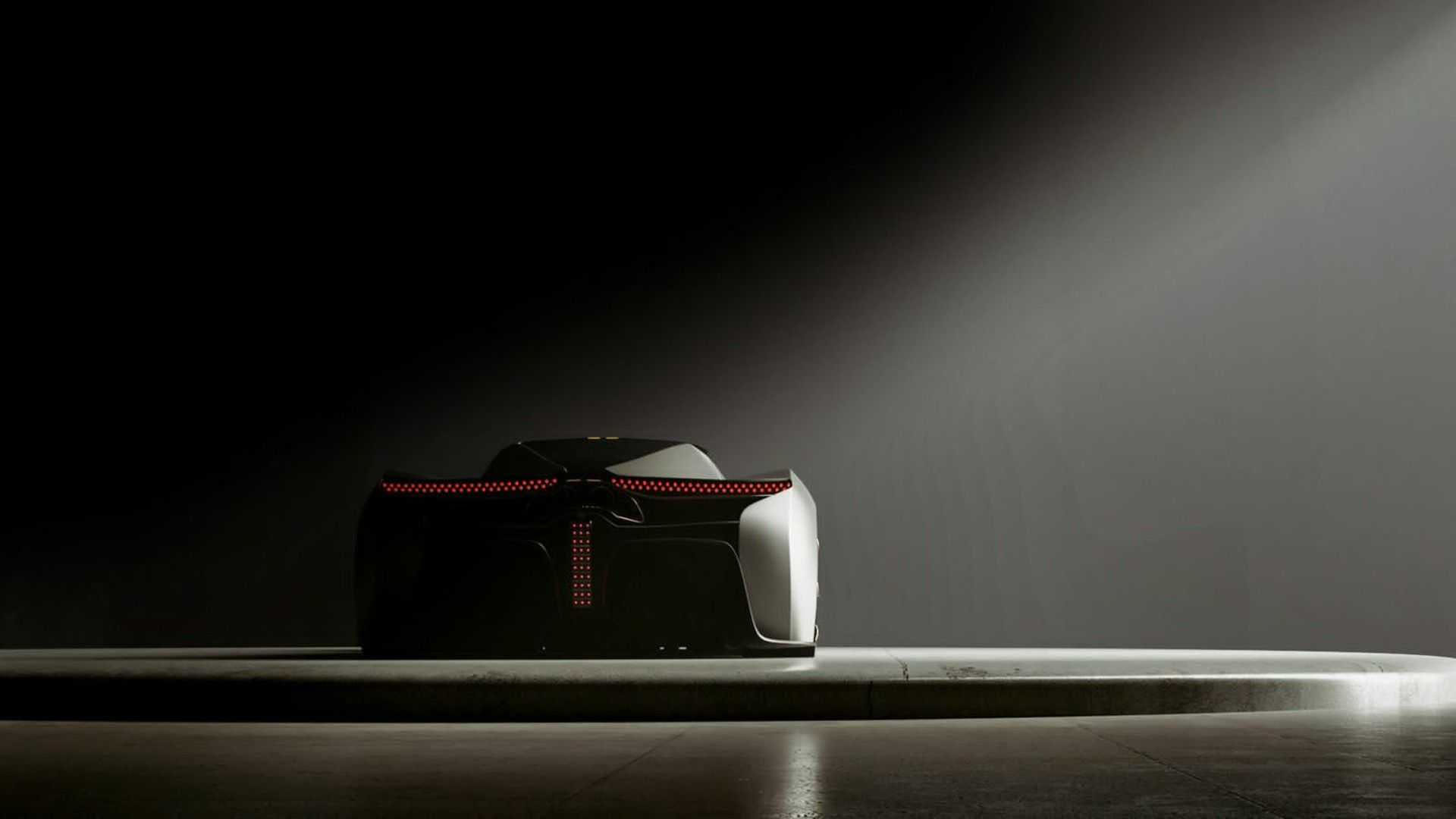
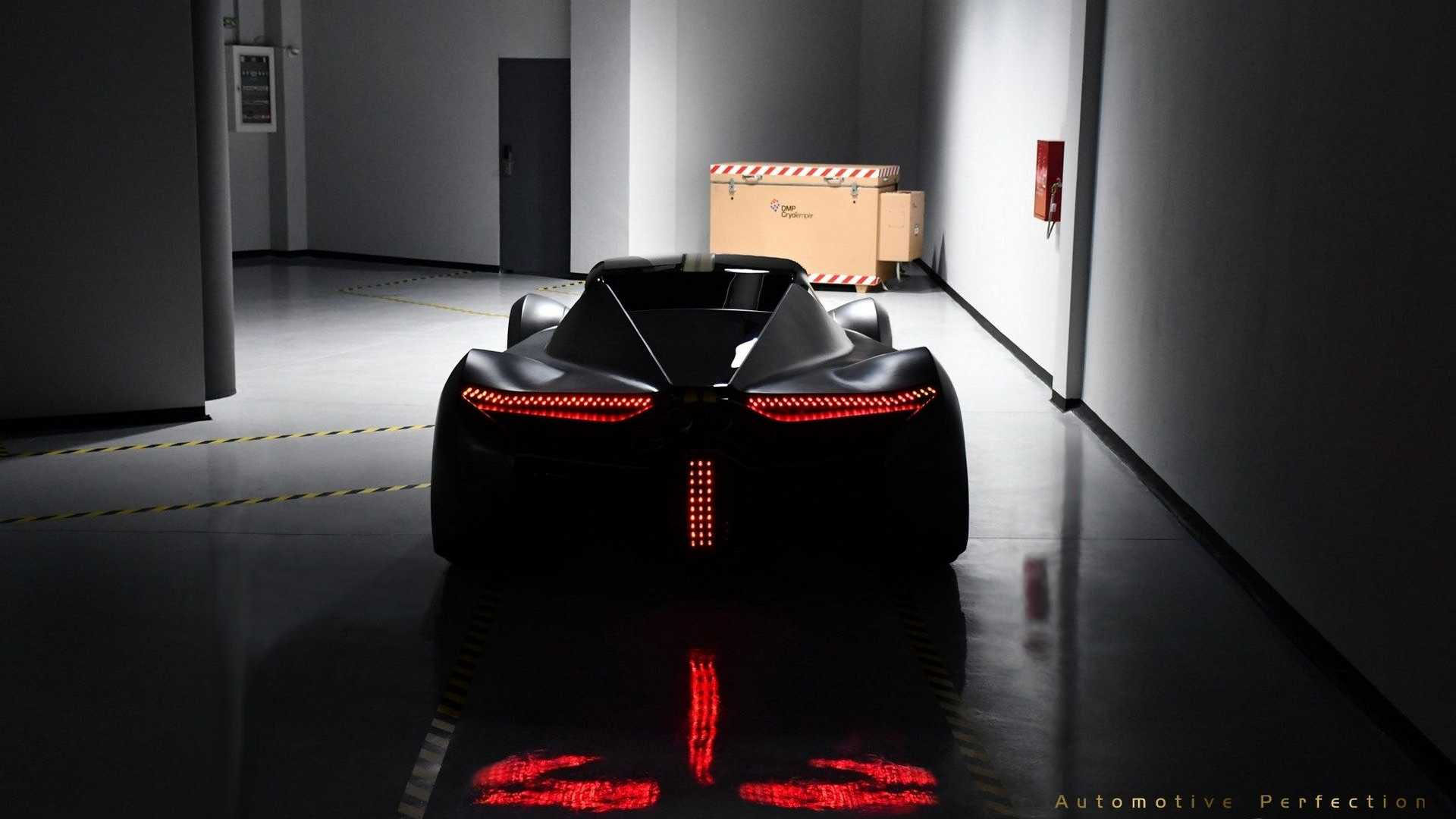
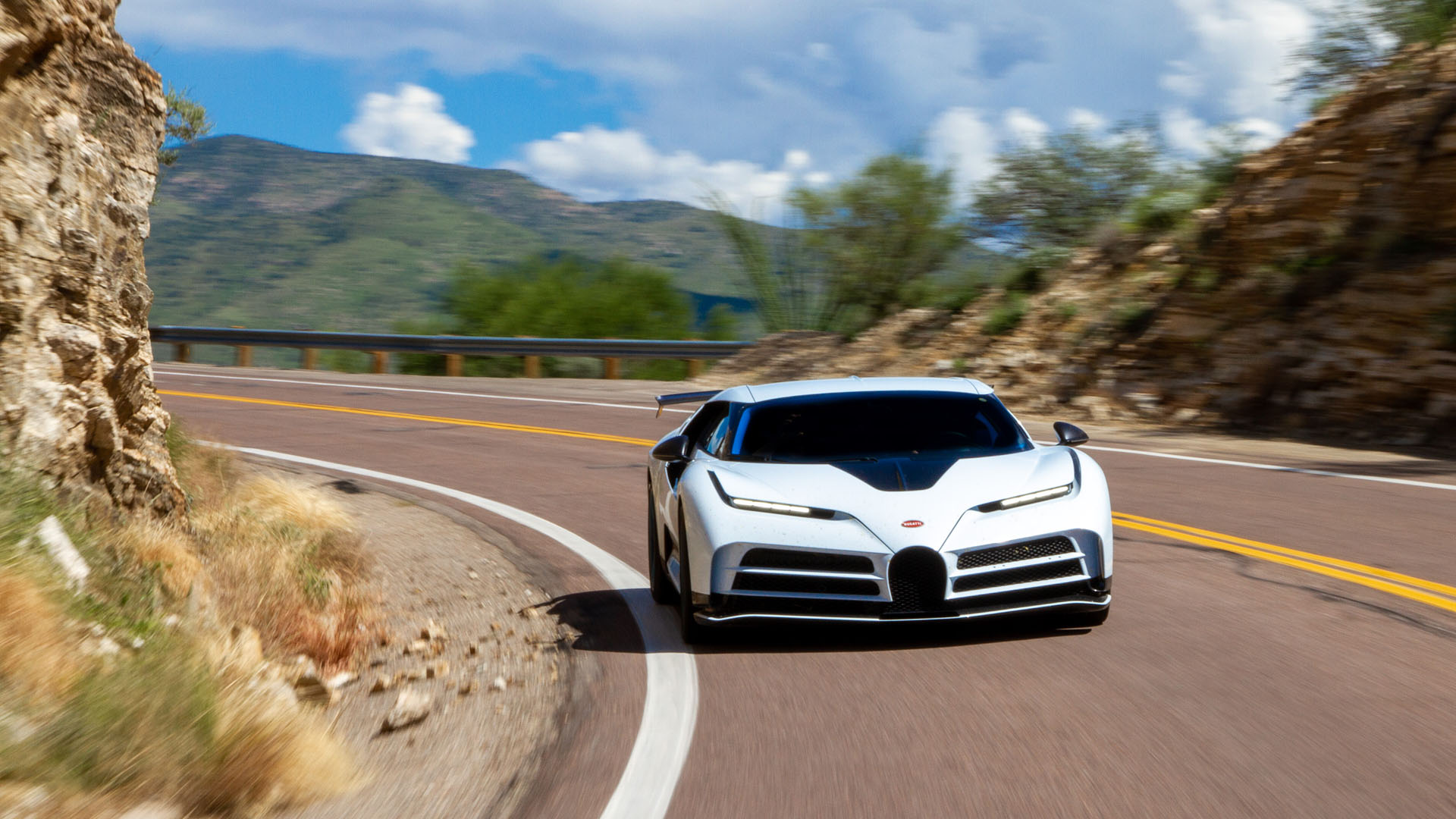
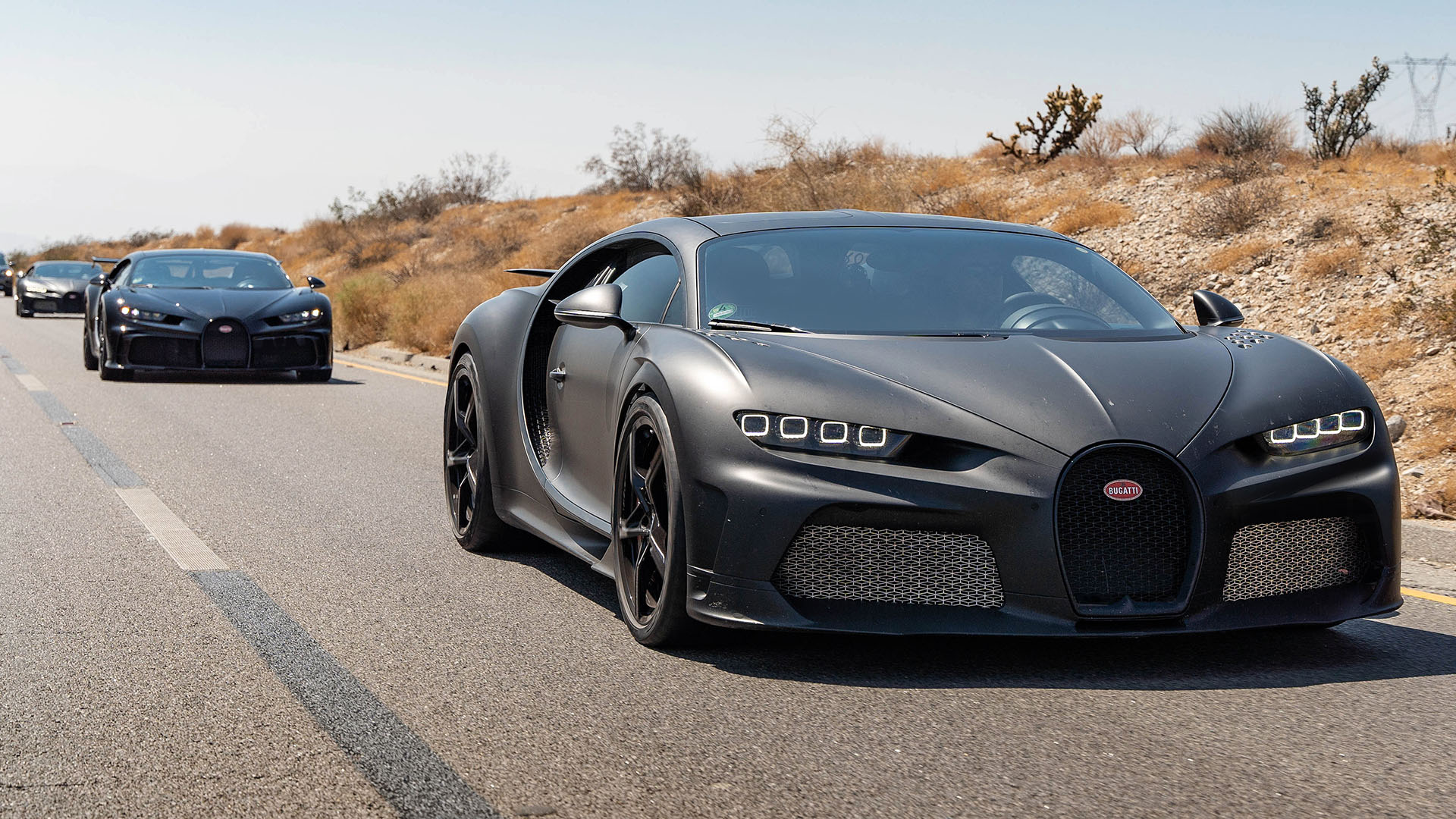
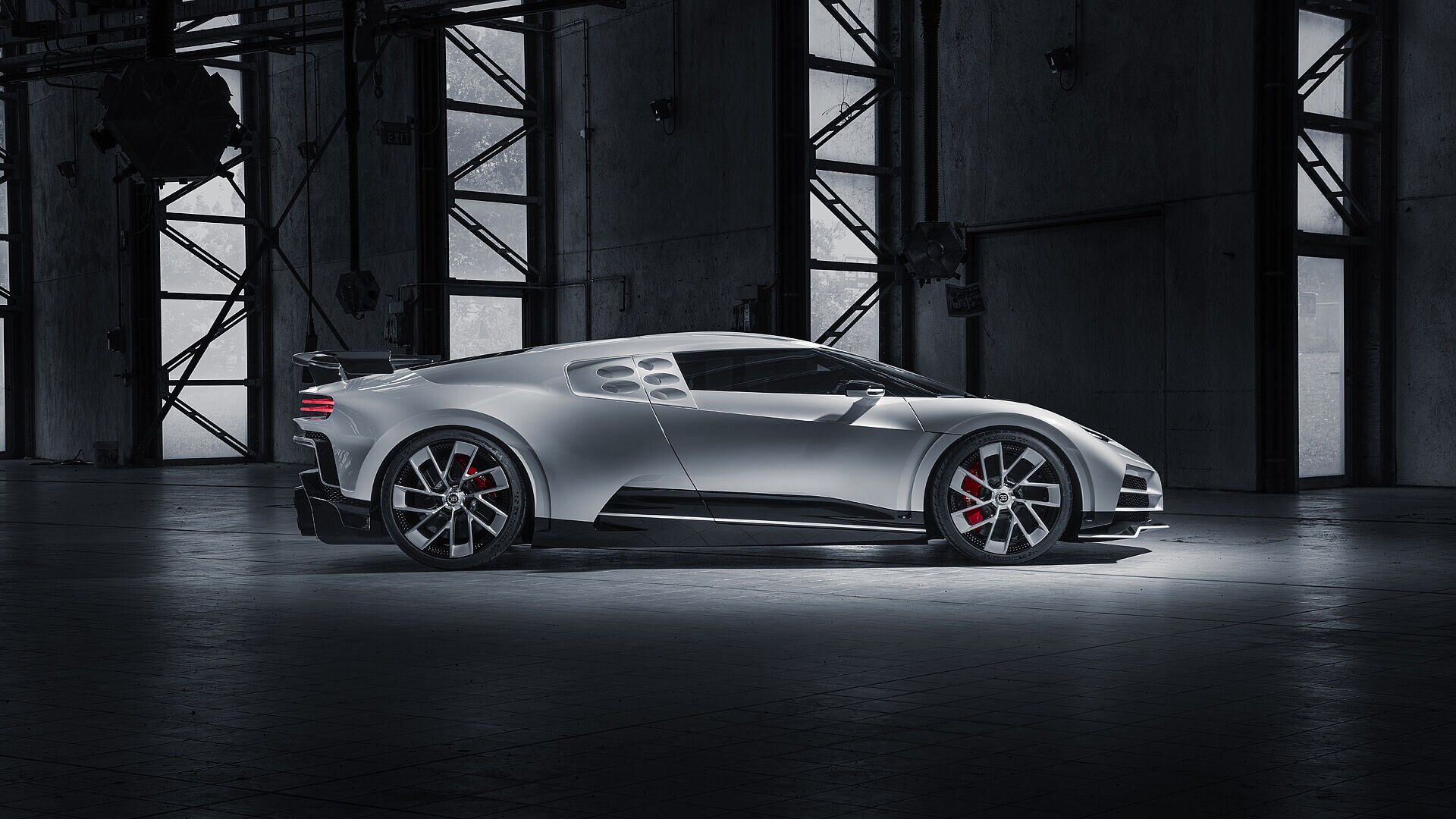
Bugatti’s stunningly powerful Chiron has almost reached the end of the line. While the standard model is sold out, there are still some Pur Sport and Super Sport build slots available for buyers who want to add the hypercar to their collection before it sprints off into the sunset.
Developed to replace the Veyron, the Chiron was unveiled at the 2016 edition of the Geneva auto show with a 1,500-horsepower, quad-turbocharged W16 engine mounted behind the passenger compartment. Deliveries started in March 2017, and the 100th unit was delivered to a customer in the Middle East in May of the following year. Bugatti reached the 250-car milestone in February 2020, and it built the 300th Chiron in March 2021. It said that the final examples of the Chiron and the Chiron Sport are either being built or scheduled to be built.
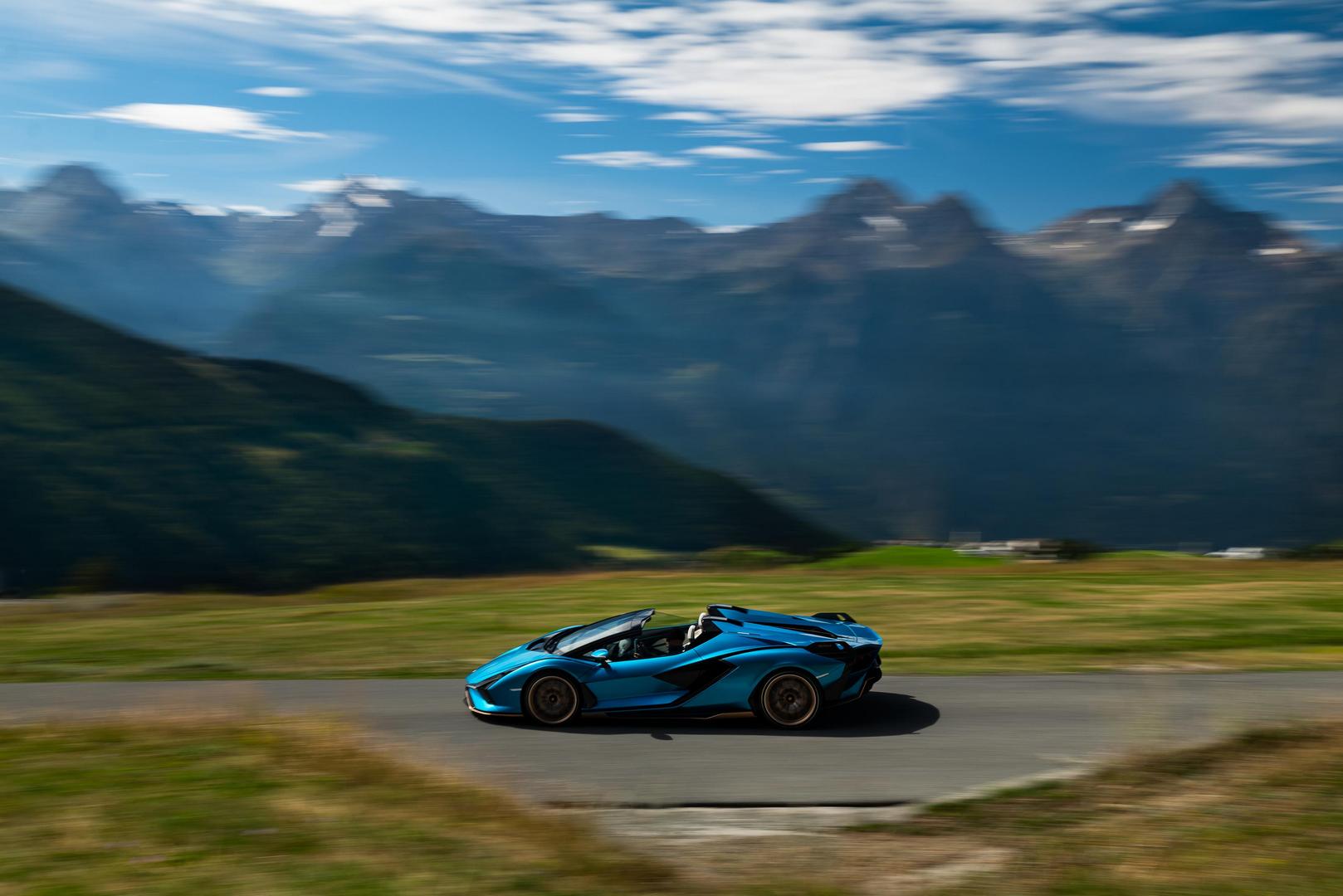
What’s left, then, are less than 40 build slots split between the Pur Sport and the Super Sport (pictured) variants, though Bugatti told Autoblog some of those are slotted for production but haven’t been configured yet. The curtains will close when the final units are built.
There’s no word yet on how long it will take to fill the remaining build slots; Bugatti stressed that demand for the Chiron has increased significantly in 2021. Sales doubled and even tripled in some regions during the third quarter of the year. As for what’s next, your guess is as good as ours. Bugatti is now controlled by Rimac so rumors sketching the outline of an electric model are rampant, though nothing is official. We’ve also heard vague details about a second model line, one that could slot below the Chiron, but those reports also remain speculative.
What’s certain is that something will take the torch from the Chiron.
“We will not just recycle what we have — not restyle the Chiron or hybridize the Chiron. We’re developing a completely new product from the ground up. Everything, because we think that’s the best way to go. That product will have an internal combustion engine,” said Mate Rimac.
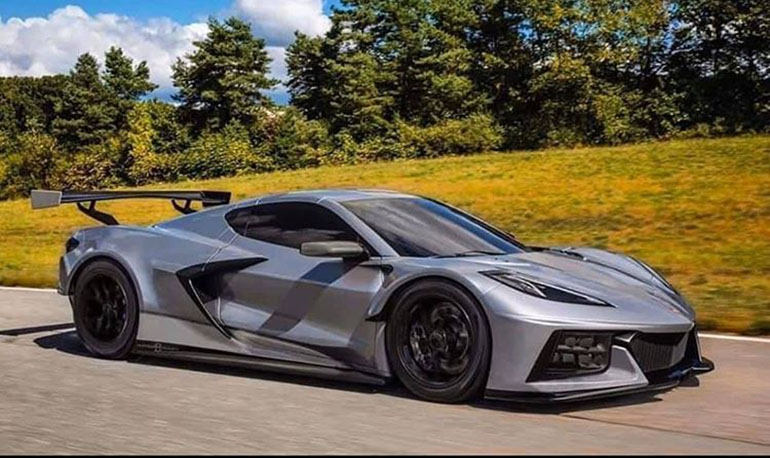
The 2023 Corvette Z06 has been testing recently and we can finally hear what it will sound like. The car will be powered a 5.5L flat-plane crankshaft V8 engine, naturally aspirated. So instead of the deep rumble found on American V8s, the next Z06 will have a high pitch V8 sound like some Ferraris of the past decade. The Ferrari 458 Italia in particular used a similar engine configuration, a flat-plane crankshaft (4.5L naturally aspirated V8).
The upcoming Z06 will also use an 8-speed DCT to send the power to the rear wheels, we still don’t know how much power it will be making but it should be well in the 600hp+ range. The race version (C8.R) has the same engine but power is capped at 500hp. A 700hp+ ZR1 will follow later, the engine will have turbocharging to match Ford’s GT500 while a final 1000hp Hybrid model (Zora) will get even more power thanks to an electric motor(s).
European supercars were known to have some of the most exhilarating sounds in the car industry, but EU politicians saw an opportunity to push their agendas further through the car industry and the rest is history. Ferrari had to ditch the N/A V8 after the 458 in favor of a more emission friendly turbocharged V8. As of now, V8s in Europe are dying left and right, car sounds have been reduced to vacuum cleaner territory and the few car makers still fighting in this lost war have been left to create a barrage of hybrids with insane amounts of unusable power outputs to make up for what is truly lacking.
Meanwhile, the North American car industry has always been a couple of years ‘behind’ EU agendas, after all they need to protect their own interests. Even with tough climate laws in states like California, you are still more likely to buy a V8 as your first sports car (or even work truck…jeez) in the US than any other option. Not because Americans are a bunch of climate hating people, but because – and get this right – V8s are still a thing in America.
Many decades ago the American car industry was built around big engines, big V8 engines in almost every automobile. This culture has managed to barricade itself from political influence that comes from across the oceans in Europe, and why would they risk their hard built economy anyway? It really says a lot when everyday work pick-ups are still offered with V8s like its 1969. And even though the US car industry is slowly shifting towards eco motivated cars like hybrids and BEVs, they have such a diverse market and only a hard written “NO” on the law books will stop the success and favor of V8 cars with the same immediate effect as in the EU.
The current gen Corvette C8 is the world’s most affordable supercar, Chevrolet adopted the mid-engine layout famous among European exotic cars while maintaining the favorable pricing strategy that they have used over the years. The price for a 2022 Corvette starts at $62k, that’s still cheaper than some turbo-4 cylinder European hatchbacks with average specs (the A45 S AMG for example). A C8 Corvette with proper specs will cost you around $81k, while a properly spec’d A45 S AMG will cost you over $90k.
Even better, Chevrolet decided to offer the Corvette C8 across 3 RHD markets namely Japan, Australia and the UK. This is not just some niche LHD to RHD conversion job, its a proper GM factory RHD assembly job making it the first official Corvette model to be offered in RHD. Probably has something to do with the success of the Ford Mustang in RHD markets, the S550 Mustang has of course gone to become the best selling sports car in the world and is no longer a North American only product.
October 25, 2021 / Comments Off on 2023 Corvette Z06 Will Sound Like a Ferrari 458, Just Listen Here!
There is an important reason why performance carmakers will often stick a wing, also known as a spoiler, to the rear of their automobiles. That reason is simply called downforce. As the name implies, it pushes down on the vehicle and keeps it planted on the road as it’s being driven at the very edge of performance limits.
The function in principle is very similar to an airplane wing—only this time, it’s in reverse. The air coming over the car flows beneath the wing, creating lower pressure underneath to force the car down (downforce).
For some automobile manufacturers, the wing adds to the overall aesthetics of the vehicle. Others care less about beauty and instead opt for the largest available wing that offers maximum benefits without too much compromise in overall performance.
Here, you will see some of the biggest wings ever fitted to sports cars, straight from the factory. You can decide whether each one serves the dual purpose of aesthetics and performance or if it’s purely a case of function over form.
#10: Bugatti Chiron Sport
Via Bugatti.
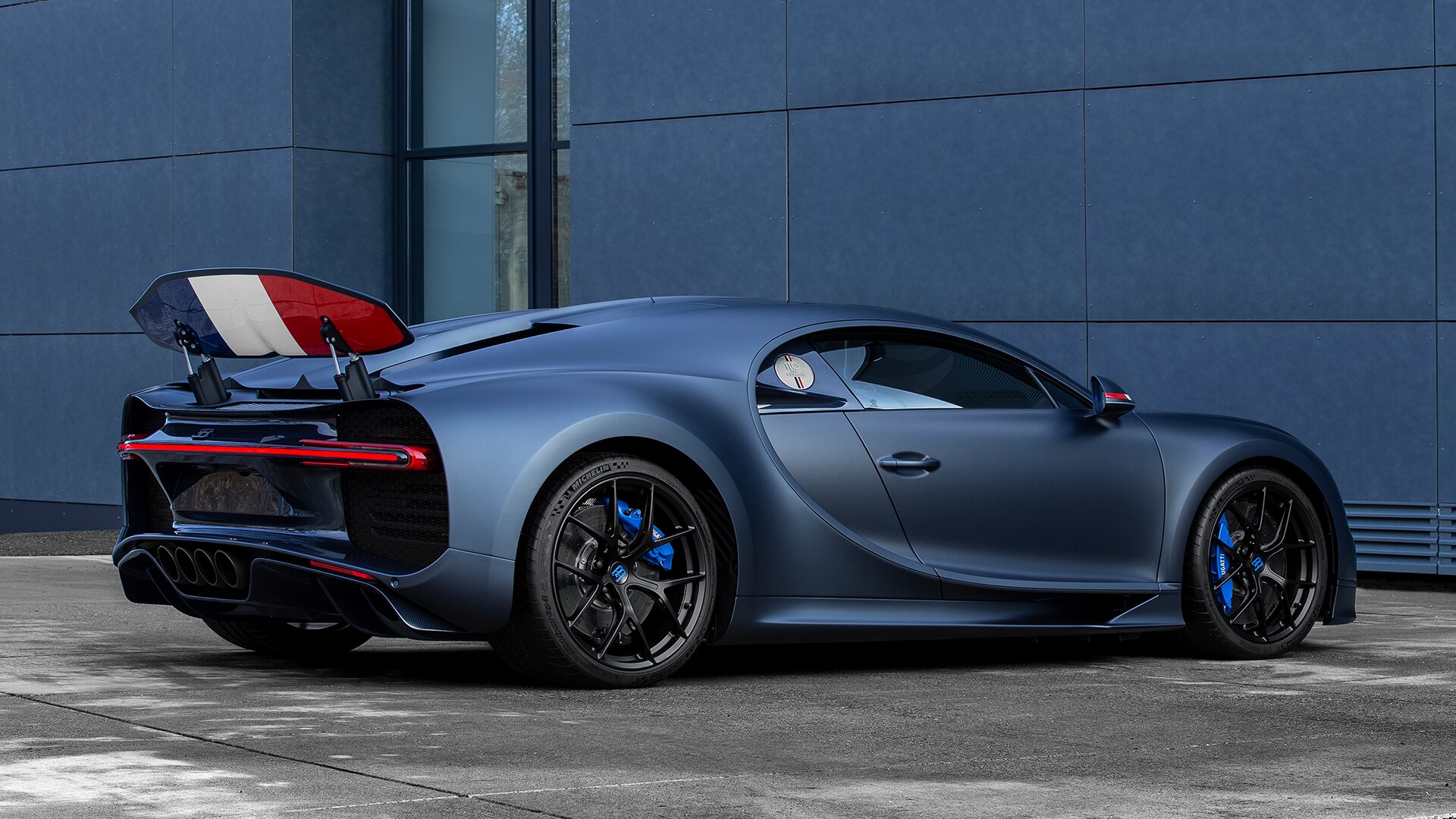
The imperious Chiron Sport followed in the path of the Veyron Super Sport when it debuted in 2018 at the Geneva Auto Show. Here was another car capable of mind-numbing acceleration as it powered on to an electronically-restricted 261 mph top speed.
An impressive feat, no doubt, but another striking feature was how quickly it could scrub off all that forward momentum. The Chiron Sport needs less than 10 seconds and just 491 metres to come to a complete stop from 249 mph!
To achieve this, the 2.2-ton hypercar relies on powerful carbon-ceramic brakes and what has to be one of the largest stock rear spoilers out there today. That massive wing can generate almost 2,000 lbs of downforce when fully deployed. In addition to this crucial function, there’s no doubt the wing, especially in a raised position, gives the Chiron a cool stance, adding to its overall appeal.
#9: 2019 Porsche 911 GT3 RS
Via Traction Life.
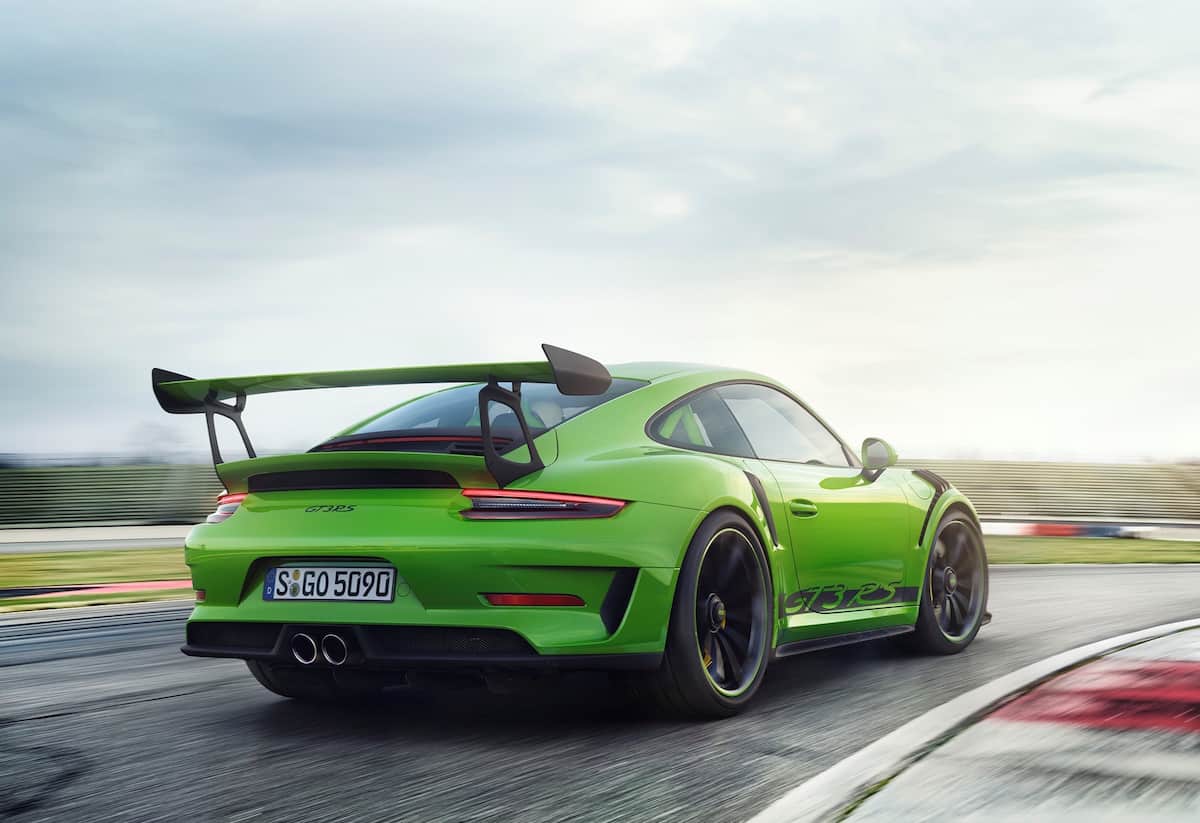
The ‘RS’ badge on any Porsche sports car automatically implies that its natural habitat remains the race track while still remaining road-legal. This seventh-generation 911 GT3 RS is no different and was designed with a singular purpose: maximum performance.
Porsche approached this task with brutal efficiency, and at the time of the car’s debut, it was the most powerful naturally-aspirated Porsche ever made, with a 520-hp power output. That is enough to supply all the oomph this car needs—just like that huge rear wing, designed to help the car with downforce as it whips around corners or hurtles down straights.
The wing, made from carbon fibre, can also be manually adjusted to a ‘performance position,’ creating 40% more downforce than the previous generation 911 GT3 RS. When it’s not called upon to do its thing on the track, that wing is actually large enough to double as a very effective snack table between runs.
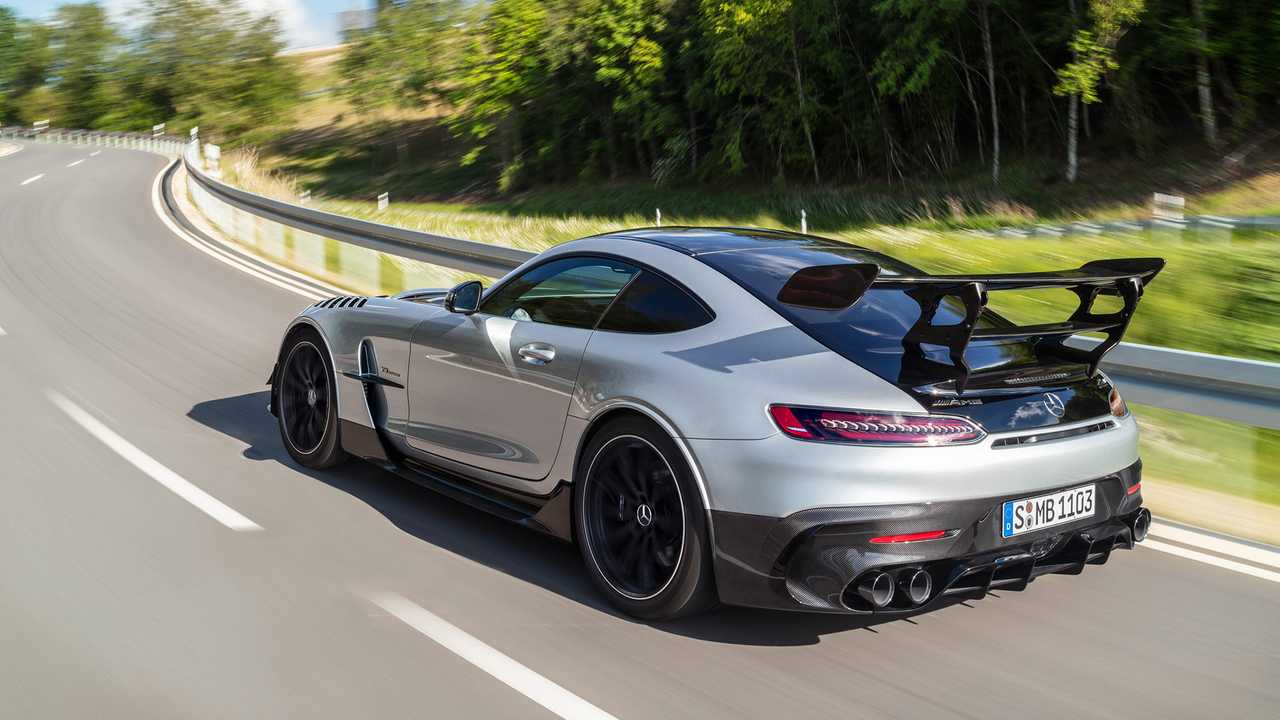
#8: Mercedes Benz AMG GT Black Series
Via Motor1.
As far as performance is concerned, this is AMG’s ‘top dog,’ at least until the arrival of the hotly anticipated AMG One. Everything about the AMG GT Black Series is designed to convey this impression, from its eye-watering $325,000 sticker price to the formidable 720-hp twin-turbo V8 tucked under the hood and the unique twin rear-wing setup.
The setup is not only manually adjustable, but the upper blade has an active aero element that tilts by as much as 20 degrees depending on the driving mode. Altogether, that wing produces as much as 880 lbs of downforce at 155 mph, helping the car stay planted on the road as the driver flirts with its redline.
#7: McLaren Senna
Via McLaren Automotive.
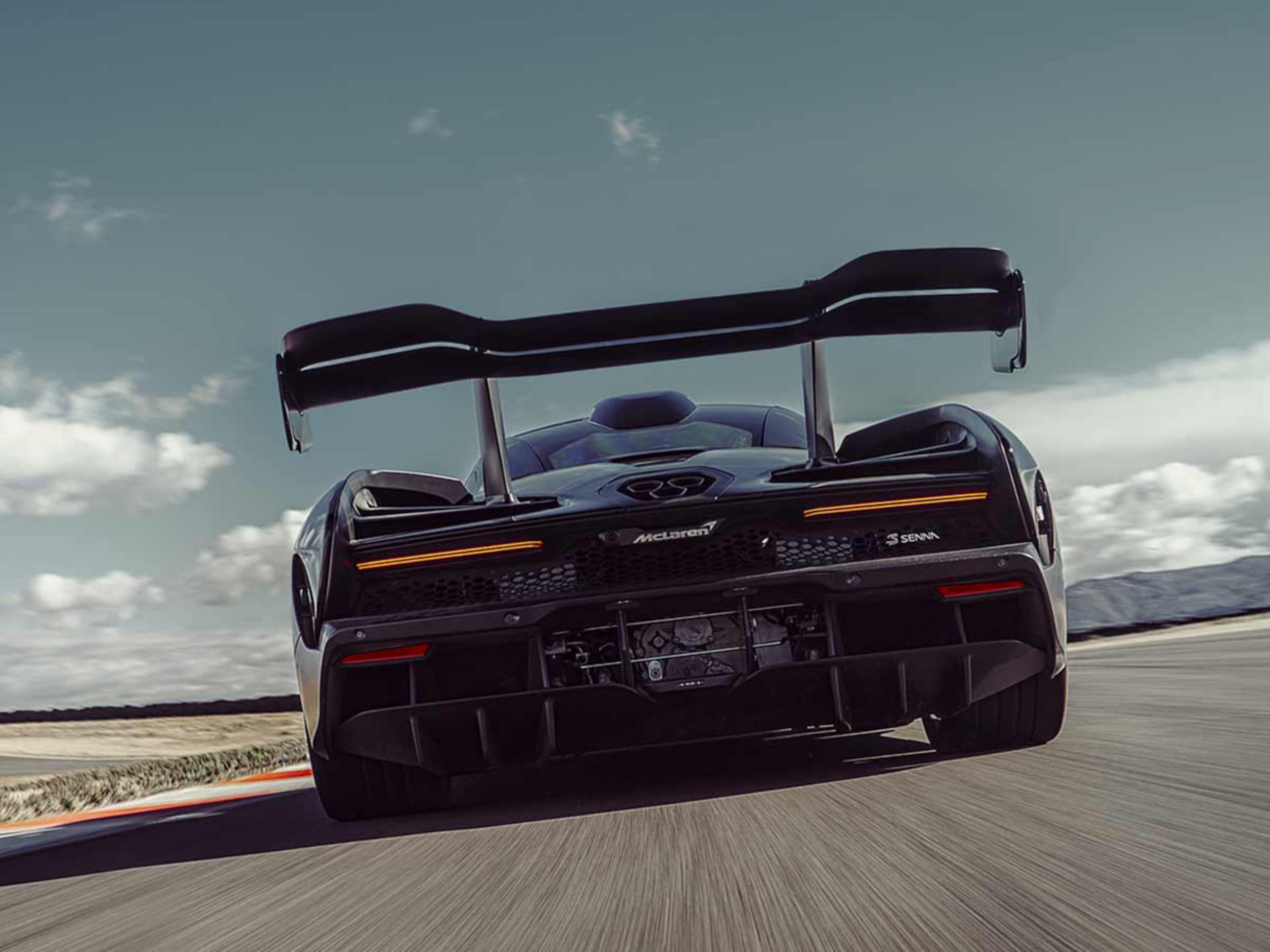
Let’s face it. The McLaren Senna is a pretty ugly supercar, but then again, McLaren did not design the car so we could all fawn over sleek lines and nice angles. No. The focus was on raw performance, and McLaren prioritized this over all else (except maybe if you consider their curious decision to add see-through doors).
The McLaren Senna pushes the boundaries of what a track-focused performance machine should be and manages to do so while remaining road-legal at the same time. A key reason the car handles so well is that humongous wing that almost looks like an afterthought, hanging over the rear end.
That wing changes pitch and helps the car increase downforce, trim drag, or act as an air brake when needed. The dynamics of the wing impressed Top Gear journalists so much they declared it the ‘Wing of the Year’ for 2018.
#6: 2017 Dodge Viper ACR
Via Motortrend.
‘ACR’ stands for American Club Racing and is indicative of the purpose behind the design of this all-American race car. The 2017 Dodge Viper ACR was the last hoorah for the legendary sports car, and what a send forth it was!
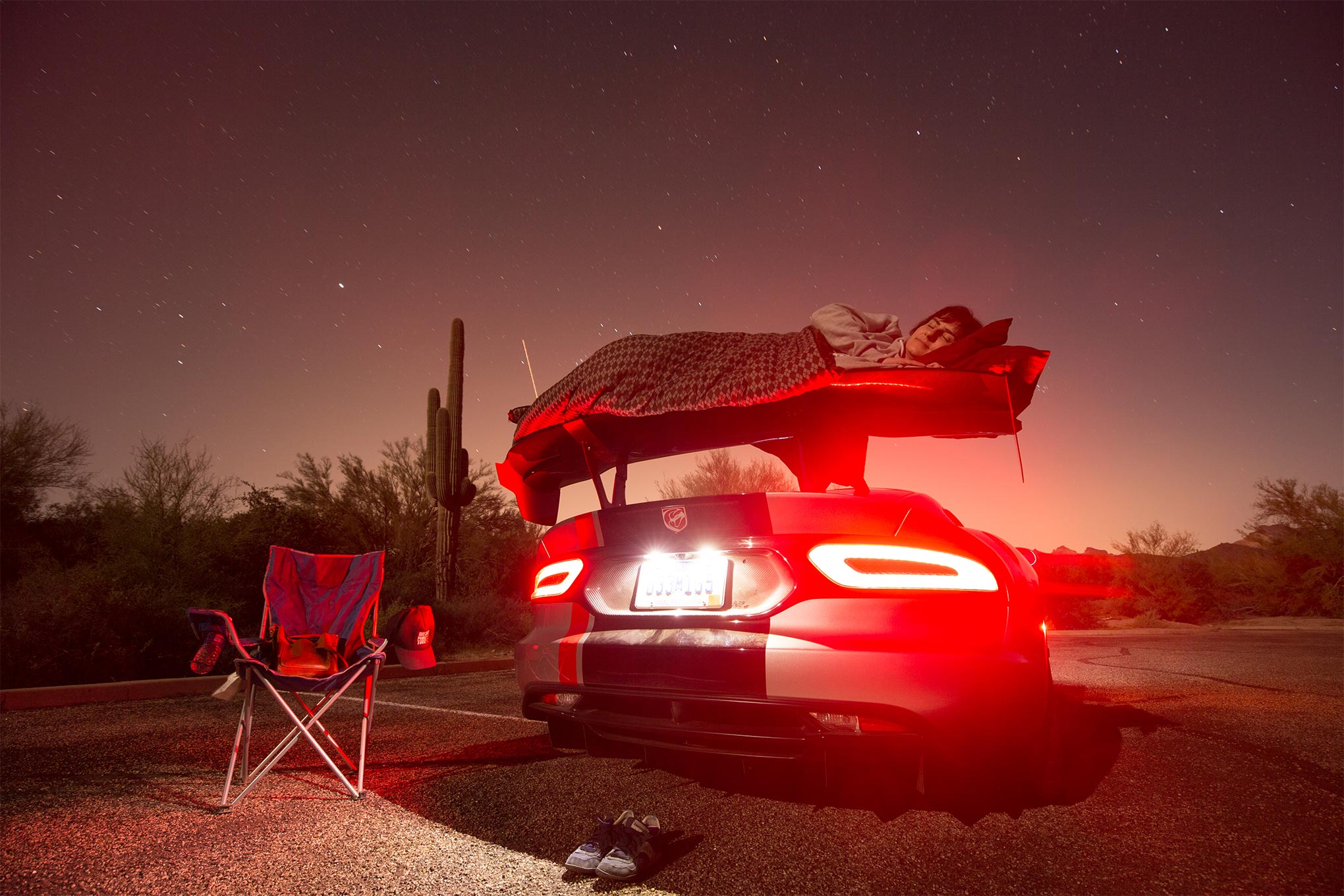
This vehicle boasted custom tires, race-tuned suspension and a massive 8.4-litre V10 that generated 645-hp and 600 lb-ft of torque. Then there was an Extreme Aero Package that delivered almost 1 ton of peak downforce at top speed.
The most prominent part of that package is the massive adjustable dual-element carbon fibre rear wing. As you can see from the image above, the wing can also double up as a camp bed should you, for some reason, opt to spend the night in the open with your Dodge Viper ACR.
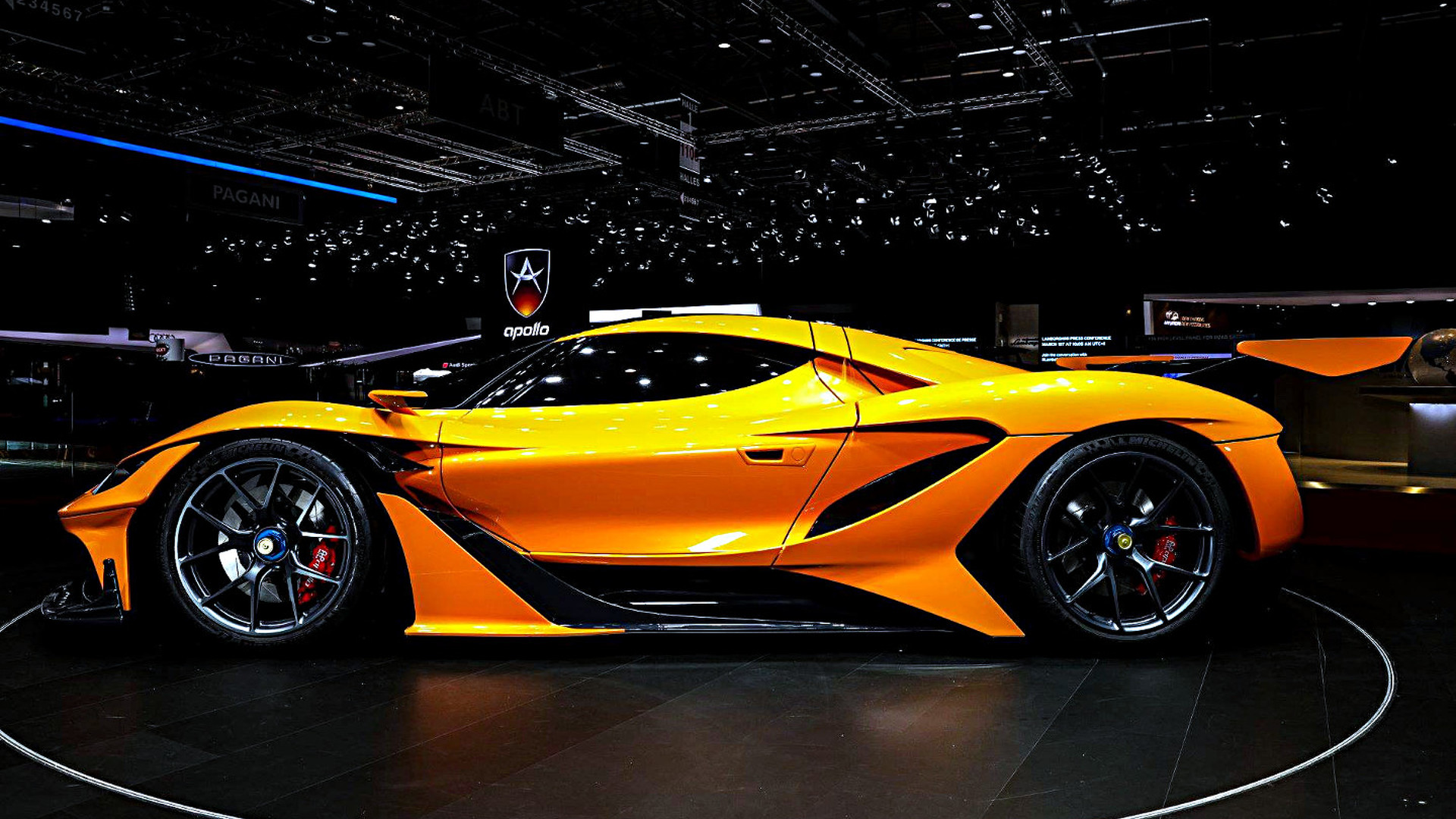
#5: Apollo Intensa Emozione
Via Top Gear.
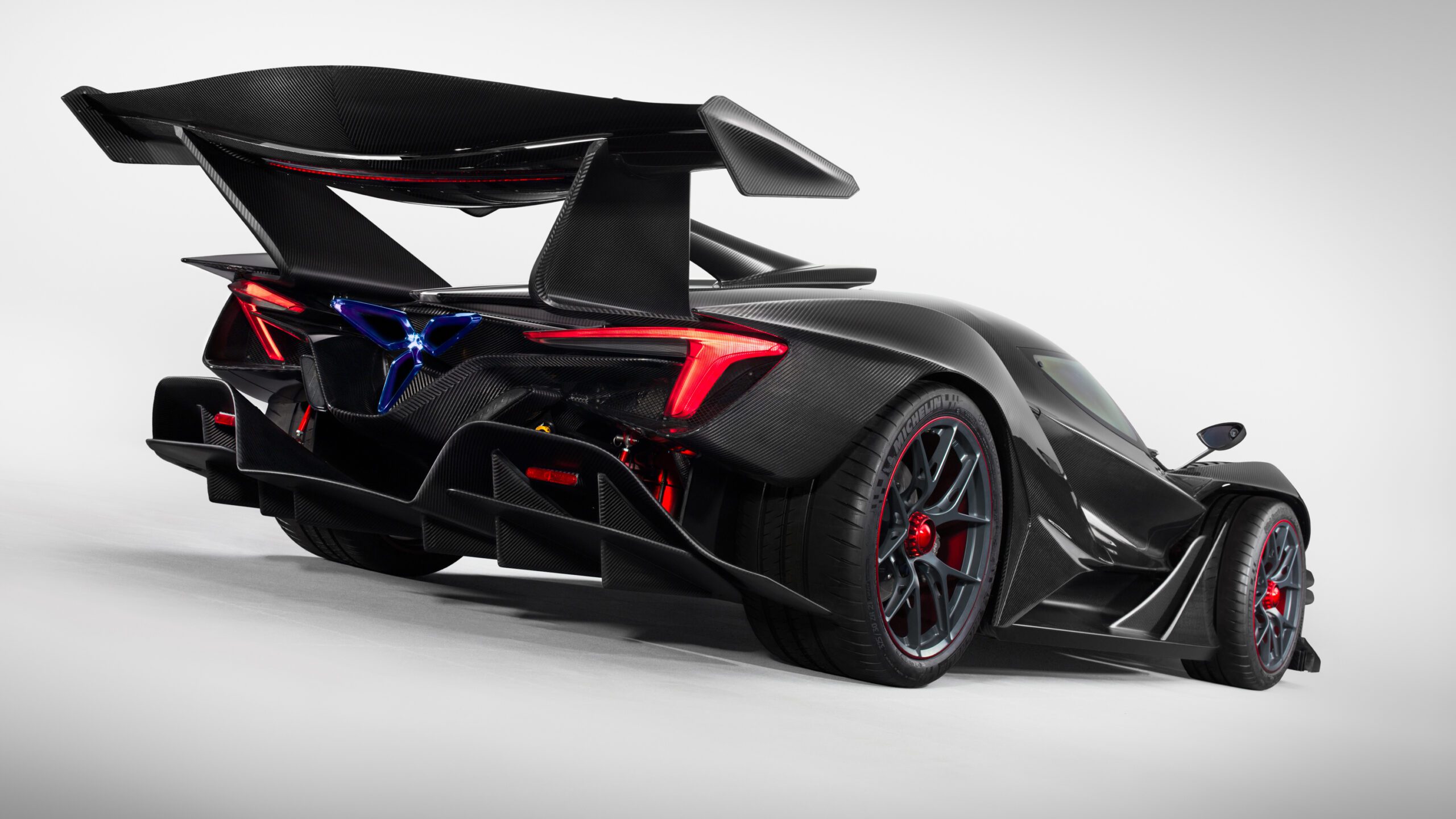
It’s hard to argue against the fact that the Apollo Intensa Emozione (Apollo IE) is one of the most extreme modern cars ever built. Intensa Emozione is Italian for ‘Intense Emotion.’ As the name implies, it is designed to invoke powerful feelings in you as the driver, passenger or just some passer-by gawking at that uber-aggressive profile.
You will immediately notice that gigantic top-mounted wing. Who wouldn’t? It’s not just there for ‘shock and awe,’ though. According to Apollo, it can generate a scarcely believable 2,976 lbs of downforce at 186 mph. That means the 2,755-lb hypercar can theoretically drive upside down, and if that ever happens in the real world, you can be sure that wing will have a primary role to play.
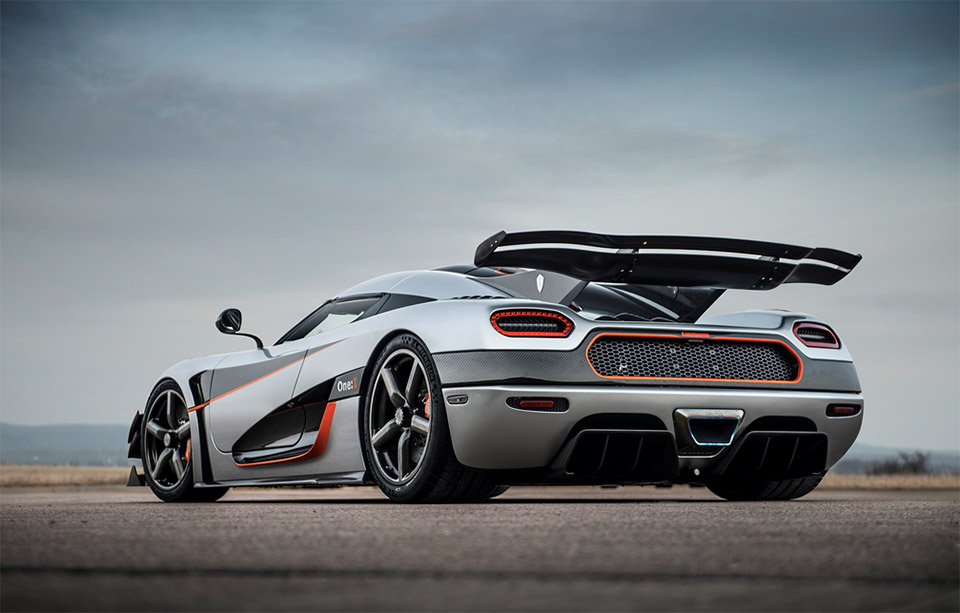
#4: Koenigsegg One:1
Via 95octane.
The Koenigsegg One:1 is a special car indeed, one that offers up approximately one horsepower for every kilogram of the car’s weight (hence the name One:1). What’s more? The Koenigsegg One:1 debuted with what was the world’s first top-mounted, active rear wing.
There is an entire video clip where Christian Von Koenigsegg explains just how unique the wing structure is. The wing moves through various settings as determined by the selected handling mode and throttle/brake use.
It is not your average-sized carbon fibre strip either. This wing is massive and extends well over the rear end of the car. Impressively, the entire structure weighs only 22 lbs, allowing for maximum performance with minimal compromise on the hypercar’s overall weight.
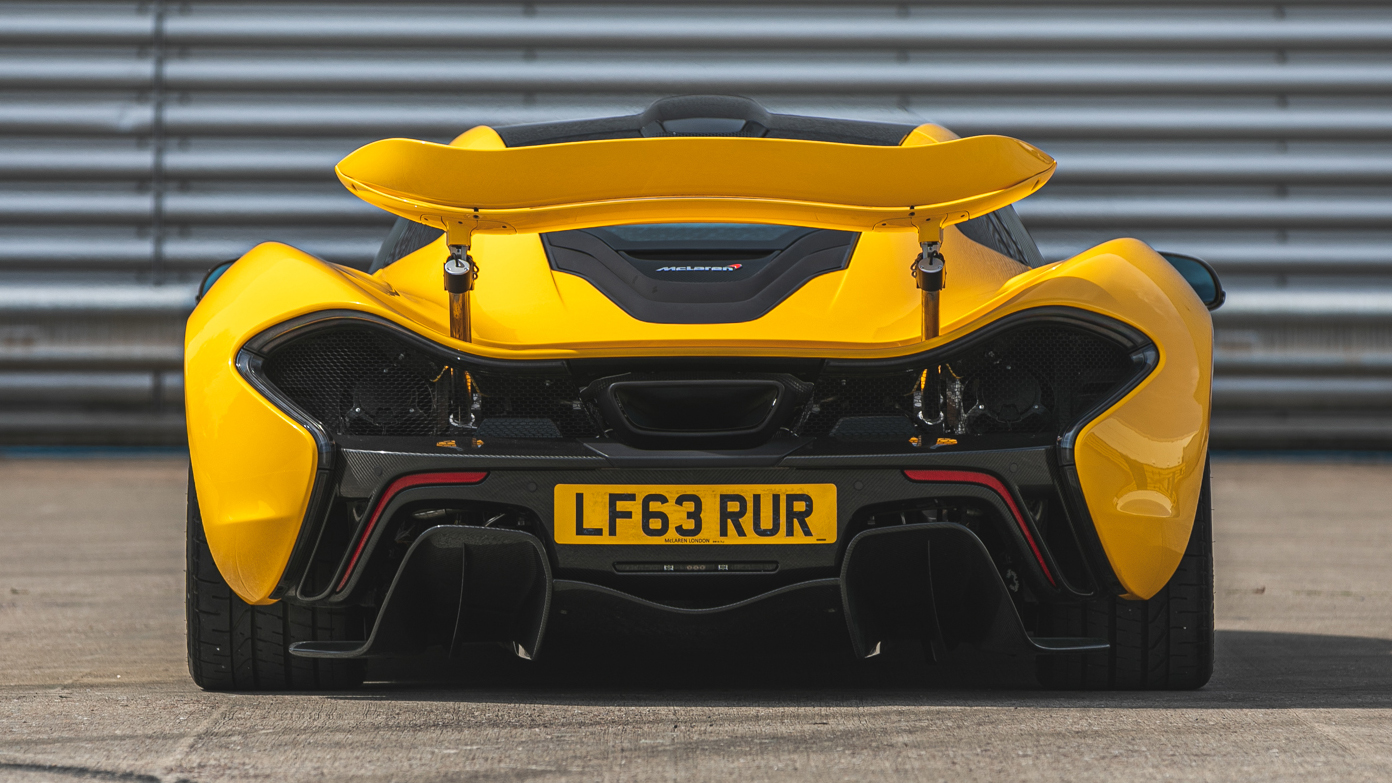
#3: McLaren P1
Via Top Gear.
Have you ever seen a McLaren in race mode? The suspension lowers by 50mm, the rear spoiler rises to 11.8 inches and extends at a 29-degree angle. It reminds one of an attack dog, just straining at its leash and waiting for the ‘go!’ command.
That sweeping wing is one of the most distinguishable elements of the McLaren P1, and it makes a strong case for the fact that downforce does not have to be ugly. The wing has various automatic settings that help the hypercar produce up to 1,320 lbs of downforce. One has to see it in action to truly appreciate how impressive the setup is.
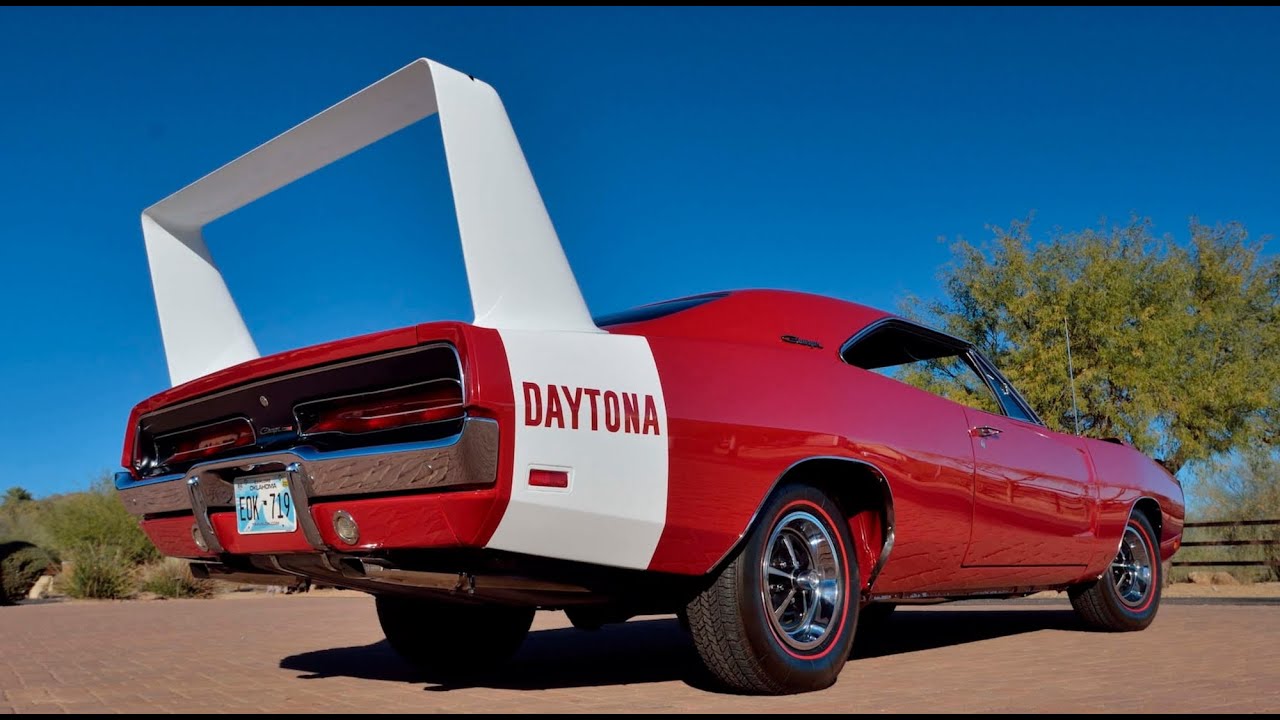
#2: 1969 Dodge Charger Daytona
Via Mecum.
The ‘69 Charger Daytona was one half of the famous Chrysler ‘Wing Cars’; the other half was the 1970 Plymouth Superbird. This car had the most prominent stock wing fitted on any vehicle during that period. Even today, the Charger Daytona has only a few rivals when it comes to that towering structure over the trunk.
The wing was the idea of a certain John Pointer, a rocket scientist who Chrysler later recruited. He was tasked with making the Charger go faster on the racing circuit, and the wing was one of his innovative ideas. It worked too. In 1970, the Dodge Charger Daytona became the first NASCAR racecar to break the 200 mph barrier.
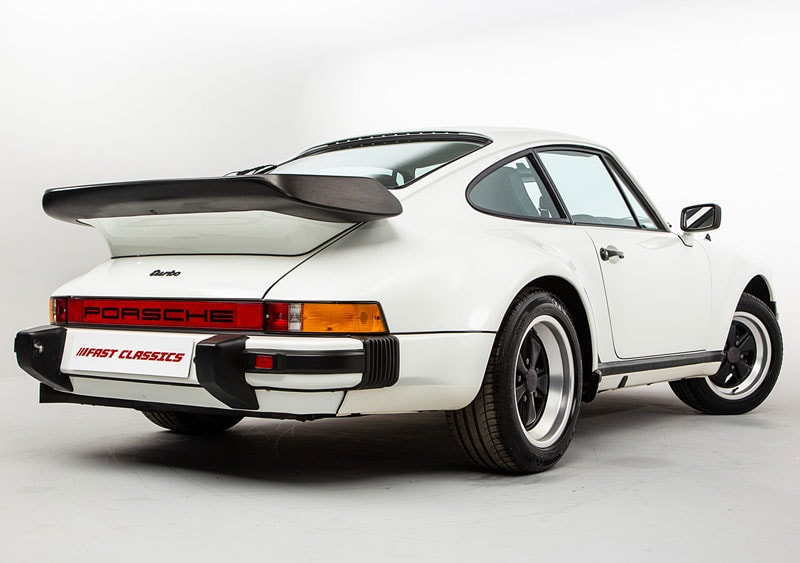
#1: Porsche 911 (930 Turbo) ‘Whale Tail’
Via Old New Club.
This ‘70s sports car is widely regarded as the first Porsche 911 Turbo and was one of the fastest production cars at the time, with a top speed of about 162 mph. The bemusing ‘Whale Tail’ nomenclature directly references the car’s flared rear stance and a huge spoiler that gave the car its distinctive look.
Like all modern performance cars, that wing directed airflow over the car. In addition, its position, directly above the engine bay, also meant that it vented air into the engine, ultimately improving its performance. The ‘Whale Tail’ spoiler was also known as ‘Tea Tray’ at some point in the life of the turbocharged sports car.
October 24, 2021 / Comments Off on The 10 Biggest Wings Found on Stock Sports Cars
Volkner Mobil specializes in motorhomes for the uber rich, the German company offers a wide variety of motorhomes with prices in the millions. They start life as ordinary buses but are then transformed thoroughly after application of high end luxury materials and equipment.
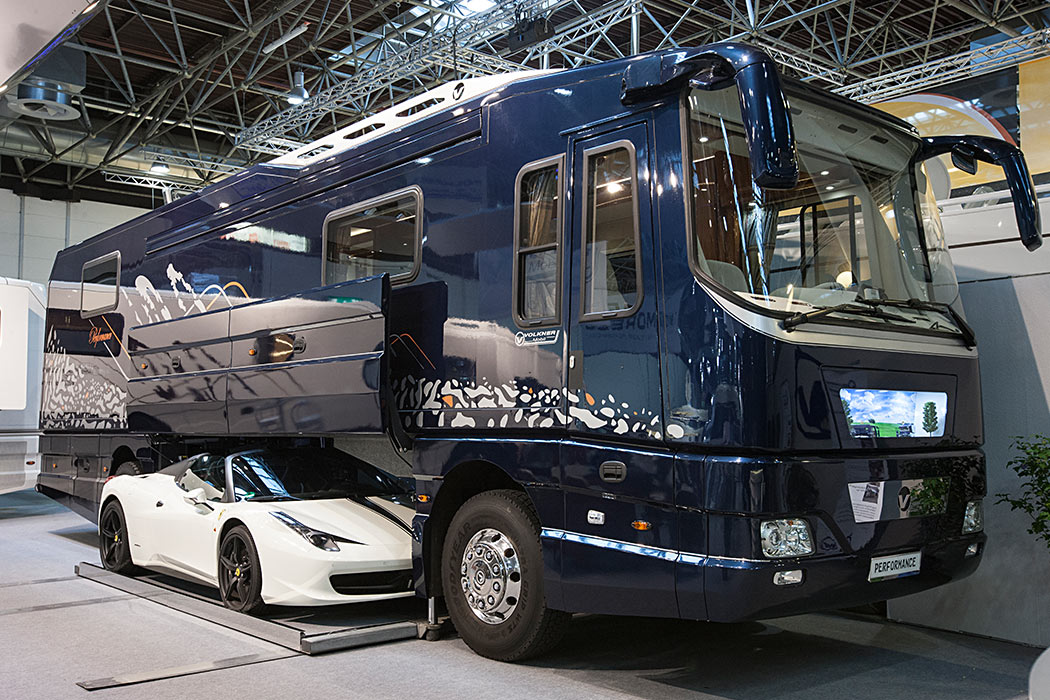
Featured here today is the Performance S model which is specially made for gearheads with extra coins in their wallets. The start price is 1,600,000 euros and can get well into the 2 million euro range after all the options have been ticked. Ideally, ordering one of these is no different than ordering a yacht from scratch. The Volkner Mobil Performance S is yacht on wheels or a road yacht if you will.
The Performance S starts life as a Volvo or Mercedes diesel bus, it measures 12 meters in length, 2.5 meters in width and 3.85 meters in height. But that’s not where the dimensions end, there is a wall-out or slide out feature that extends from the side of the motorhome by 50cm, increasing the interior space from 30 to 35 square meters.
there is a wall-out or slide out feature that extends from the side of the motorhome by 50cm
The company has patented what they call the ‘central car garage’ which is basically a garage inside the motorhome to store your favorite sports car. In our case, the 2.5 million euros Bugatti Chiron is the travel companion. Most sports car enthusiasts will usually take their cars with them on vacation but on trailers, not in this case. More so, the garage can be used as a terrace with chairs and a table for those stop-over picnics or even as a storage for your favorite water and fishing toys.
[embedded content]
The interior can be tailored to suit all needs and is fully customizable, just like a yacht. The motorhome is fitted with top of the line heating systems, air conditioners and 1830 watt solar system – engine heat, diesel engine, gas and electricity are all used as sources of energy to run all systems onboard.
October 23, 2021 / Comments Off on This $4.7 Million Bus Comes with a Bugatti Chiron Inside – Road Yacht
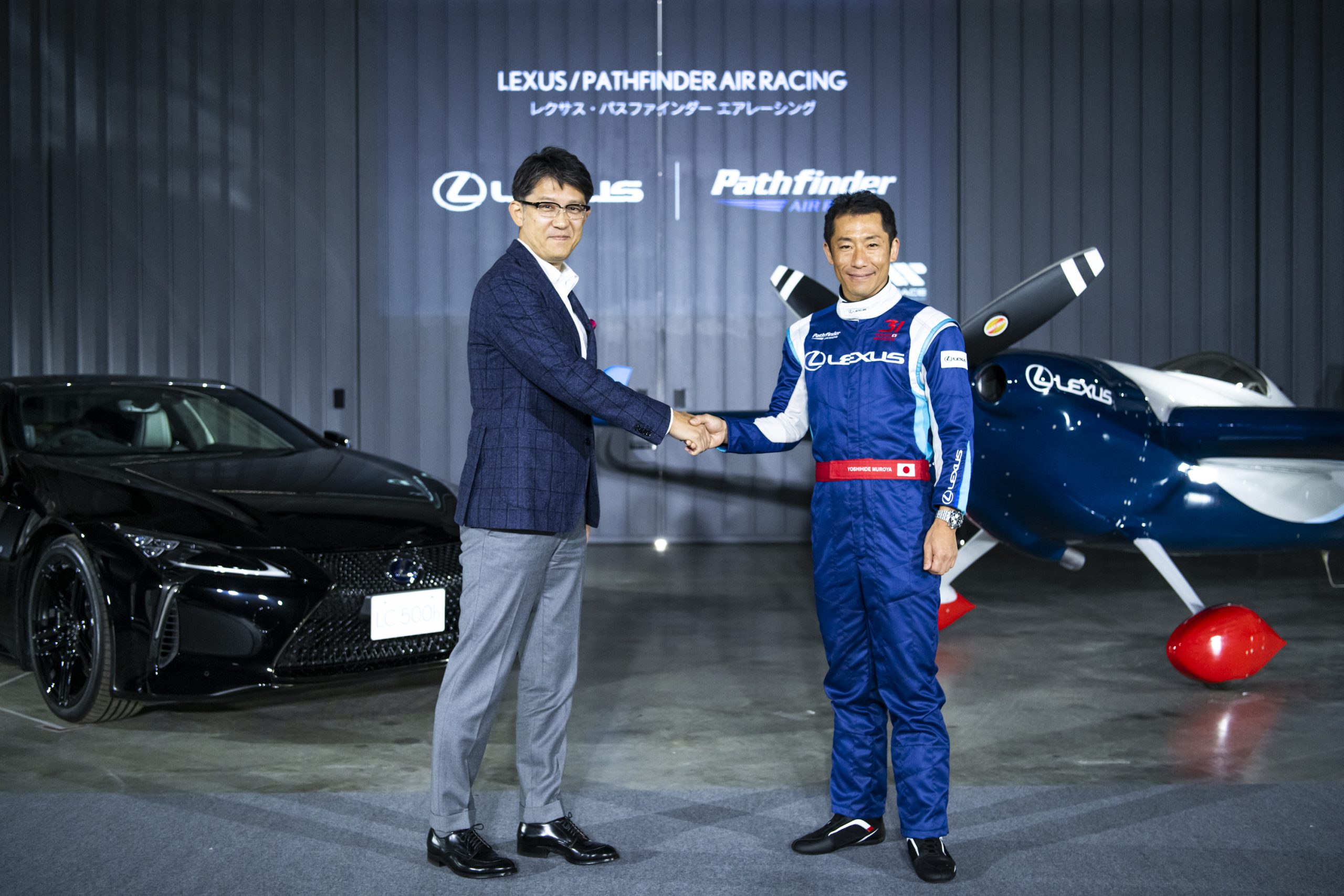
Lexus and Pathfinder Co., Ltd. (Pathfinder) represented by air race pilot Yoshihide Muroya recently announced a team partnership wherein they have both committed themselves into making history by winning the first Air Race World Championship (The Air Race) as well as helping create a better future by helping create an improved carbon-neutral society.
The Air Race is an air race series that will start next year, 2022, but Muroya and Lexus’ partnership started long before. It was back in 2016 when the partnership between the Japan-based, world-renowned air race pilot Muroya and Lexus began. Seeing that Muroya’s values of indomitable attitude and spirit closely aligned with the brand, Lexus has sponsored him since.
Lexus/Pathfinder Air Racing
In 2017, Lexus and Muroya launched a “Technology Exchange Group” to be able to study each other’s technologies regularly and even explore the possibility of new technologies in the field of aircraft and automobiles. The partnership created a joint development of a control column grip for Muroya’s aircraft that used Lexus’s sensitivity technologies. They were also able to find a new way for Muroya’s aircraft to turn using the aerodynamic analysis coming from Lexus vehicle test data.
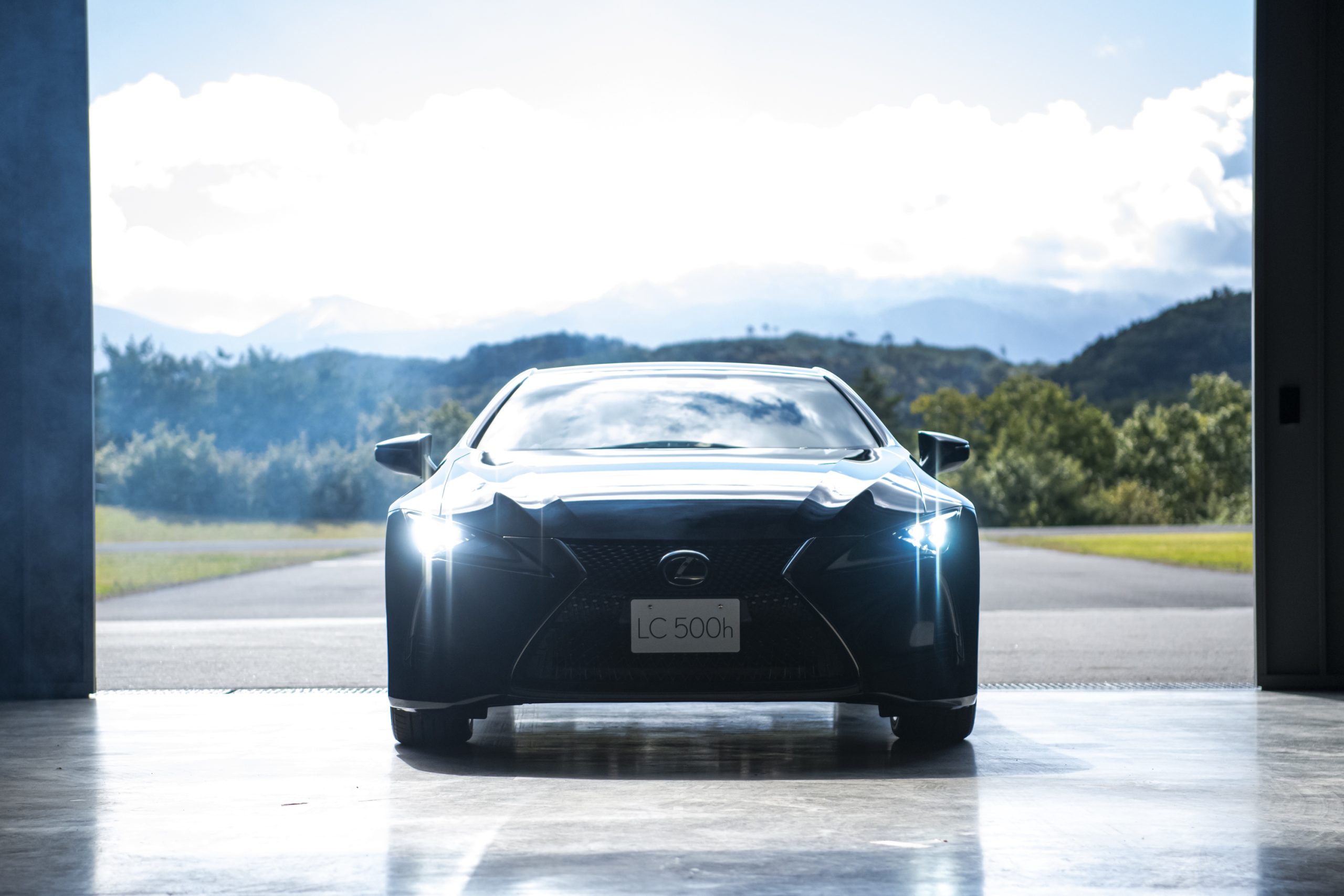
This year, they were able to develop a new carbon-fiber reinforced plastic (CFRP) spoiler by bringing together aerodynamic technology that is used for aircraft design and adopt it to be used in the LC which is sold in select regions.
Lexus/Pathfinder Air Racing
Making History as “Lexus/Pathfinder Air Racing”
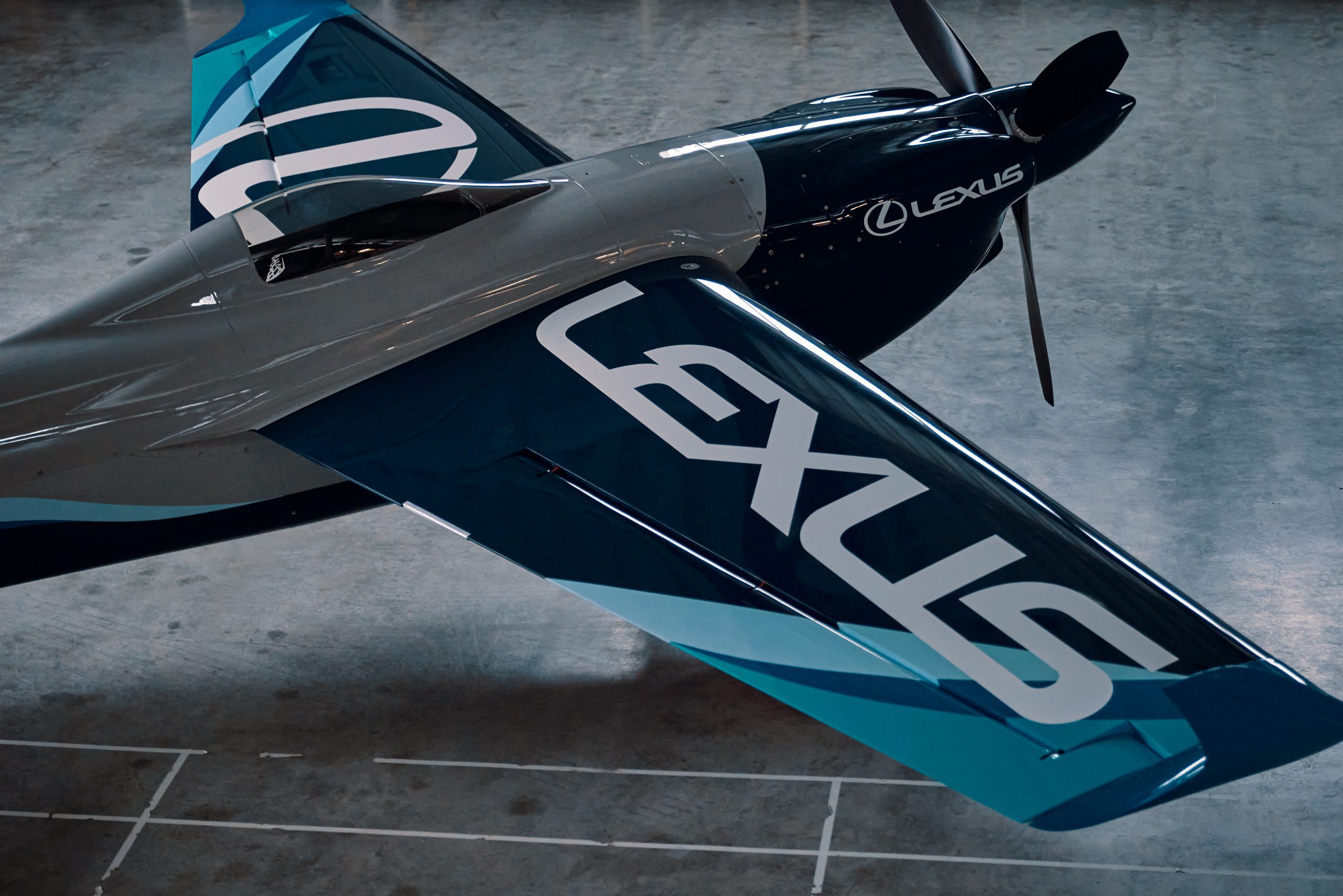
The upcoming debut of The Air Race made Lexus and Pathfinder realize that they need to take their joint efforts up a notch so that their expertise and technologies on both sides will allow them to develop racing machines. This resulted in the establishment of the “Lexus/Pathfinder Air Racing” as a joint race team. Lexus plans to support the development and verification of the technologies in the fields of aerodynamics, ergonomics, and cooling through the technical coordinator, and build a strong team structure that would give them the best chance to secure Muroya’s victory, making history by having the Laxus/Pathfinder Air Racing as the team that won the first championship of The Air Race.
Lexus/Pathfinder Air Racing
The Challenge of a Carbon-Neutral Society
Working on the idea that “grueling air races train people and train technology”, Lexus and Muroya plans to apply the technology that expertise that they developed through the air races to help them create a better society in both fields.
The cooling, weight-reduction, and aerodynamic technologies that they will develop for the air races will help Lexus to create cars that will enable them to reach their goal of creating a carbon-neutral society. Aside from air racing, Muroya will also continue to develop new talent that will eventually create a new generation of mobility. He also plans to be able to create an airfield for testing with the cooperation of Fukushima Prefecture. With the partnership of the two companies, a more carbon-neutral aircraft can be promoted. They will start this by supporting instructional education of light-sports aircraft (LSA) manufacturing. Lexus and Pathfinder will work together towards continuous innovation in both the fields of automobiles and aircraft.
Lexus/Pathfinder Air Racing
“With the strong support of Lexus, we will strive to become the first champion of the new Air Race. I believe that an exciting new story will emerge as fans and team crew come together as one,” shared Air Race Pilot Yoshihide Muroya.
Lexus International President and Chief Branding Officer Koji Sato added, “Lexus will take on the challenge of an exciting air race together with world-class athlete Muroya. With the excitement and smiles that motorsports bring and the gratitude that we learn from athletes as our inspiration, we will tackle from a new perspective the goal of Akio Toyoda, Lexus Brand Holder, to create a better car based on motor sports. Please look forward to Muroya’s and Lexus’s continuous challenge and evolution.”
October 22, 2021 / Comments Off on Yoshihide Muroya and Lexus Team Up To Conquer Air Race World Championship
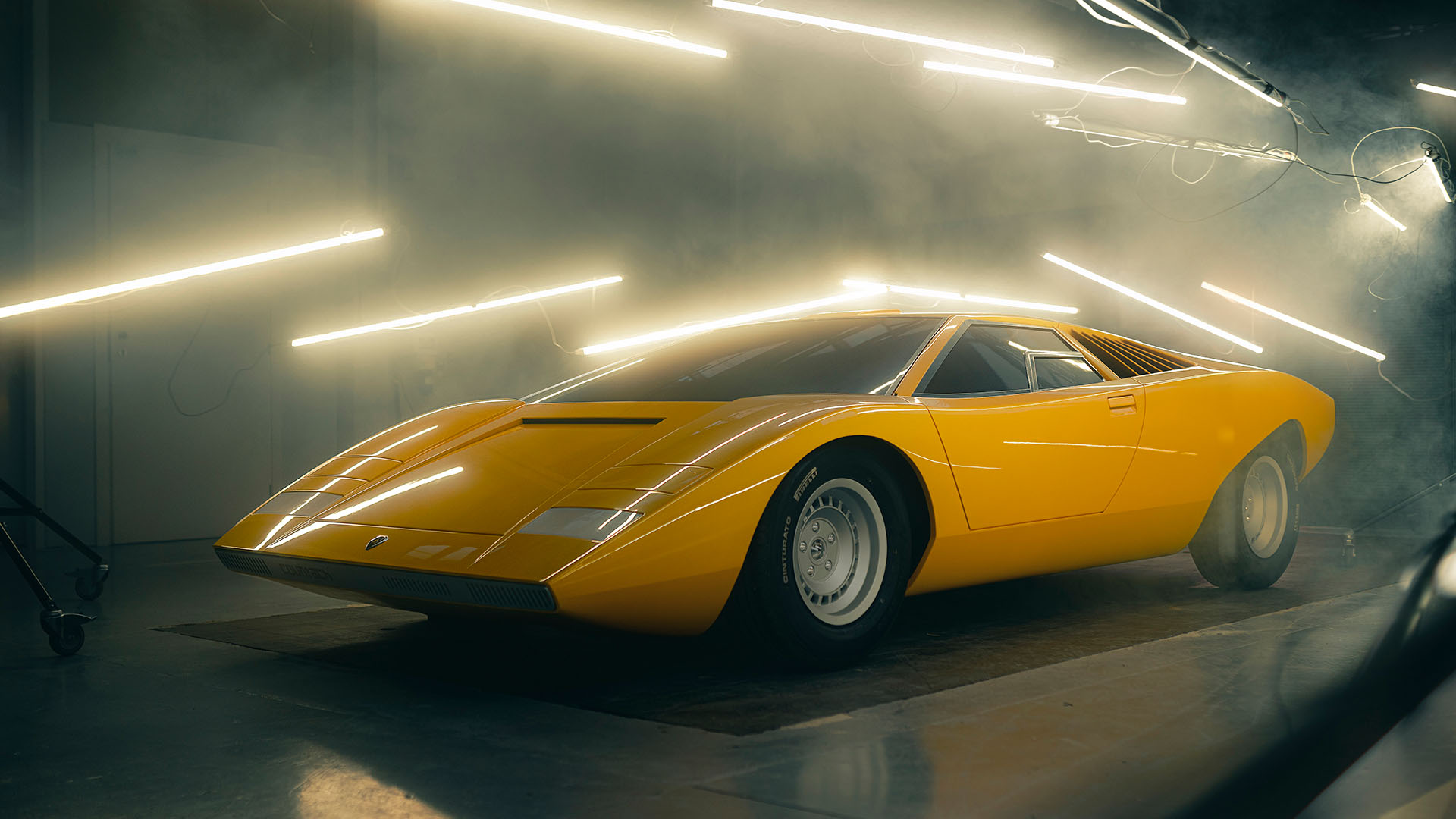
I was almost certain the magnificent 1971 Lamborghini Countach LP500 recreation was a commission by the famous Swiss collector Albert Spiess, and the new video from Automobili Lamborghini SpA on the ‘shakedown’ of this bespoke one-off confirms it, and while the car is currently on display at the factory museum in Sant’Agata, Bologna in Italy, in late November the car will be sent to Switzerland where she will join other iconic Lamborghinis in the Spiess collection, like the 350 GTV, the 350 GTS, the Marzal, a Veneno Roadster, the Zagato 5-95, and believe it or not, the Egoista.
So it’s clear Mr. Spiess already has an incredible collection, and enough money to buy any car in the world it seems, but what if you really want a car that doesn’t exist anymore? What are your options in that case you might ask? The concept of ‘money can buy anything’ might come to mind, and while money can’t buy happiness, it sure can buy a one-off, bespoke build from Sant’Agata, and that’s exactly what Albert Spiess managed to do back in 2019, he convinced Automobili Lamborghini SpA to recreate the 1971 Countach LP500 prototype as true to the original as possible.
It took Lamborghini Centro Style and Polo Storico a total of 25,000 manhours to finalize this amazing one-off, after 50 years the legendary Countach LP500 is back from the dead (the original car was used for crash testing at MIRA in the UK, the wreck was lost over time) and better than ever, a perfect replica to the mm precise, rolling on brand new, but classic looking Pirelli Cinturato tires while the interior is an exact replica of the actual prototype, complete with the ‘computer’ to the left of the steering wheel, now this is truly an homage to the 1971 Countach.
Enjoy this official Lamborghini Countach LP500: The Shakedown video from Lamborghini:
[embedded content]
[embedded content]
October 21, 2021 / Comments Off on The Lamborghini Countach LP500 shakedown
BMW has improved the attributes of its popular M135i xDrive hot hatch, the chassis components of the new BMW M135i xDrive have been upgraded to further enhance the performance.The new BMW M135i xDrive is powered by a four-cylinder unit with BMW TwinPower Turbo technology and delivers a maximum power output of 306hp.
Additionally, the modifications on the bespoke chassis ensure precisely controllable driving experience even when driving on the track whereas the optimised traction enables the driver to take corners easily even at extremely high speeds.
The new model has been equipped with a mechanical limited-slip differential at the front axle, the shortening of the signal path allows the traction to be controlled ten times faster compared to conventional systems during cornering or on slippery surfaces and the standard eight-speed Steptronic Sport transmission improves the overall traction, stability and agility of the vehicle.
The standard equipment list of the new model consists of a Specially tuned M Sport steering and exceptional M Sport brakes. The compact sports car has been fitted with factory 18 inch M light-alloy wheels as standard, 19 inch light-alloy wheels are also available as optional in different designs.
The new model also features a twin-tailpipe exhaust system with a distinctive sound which travels to the interior, individual paint finishes and special paint request can also be incorporated into the manufacturing process where the vehicle is built.
New additions to the range of exterior colors include the M paint shade Sao Paulo Yellow non-metallic, Frozen Orange metallic and Frozen Pure Grey finishes. Special colors require special servicing, technical support work and additional manual processes unlike other paint finishes.
BMW M135i xDrive
October 21, 2021 / Comments Off on 2022 BMW M135i xDrive Stuns in San Paulo Yellow
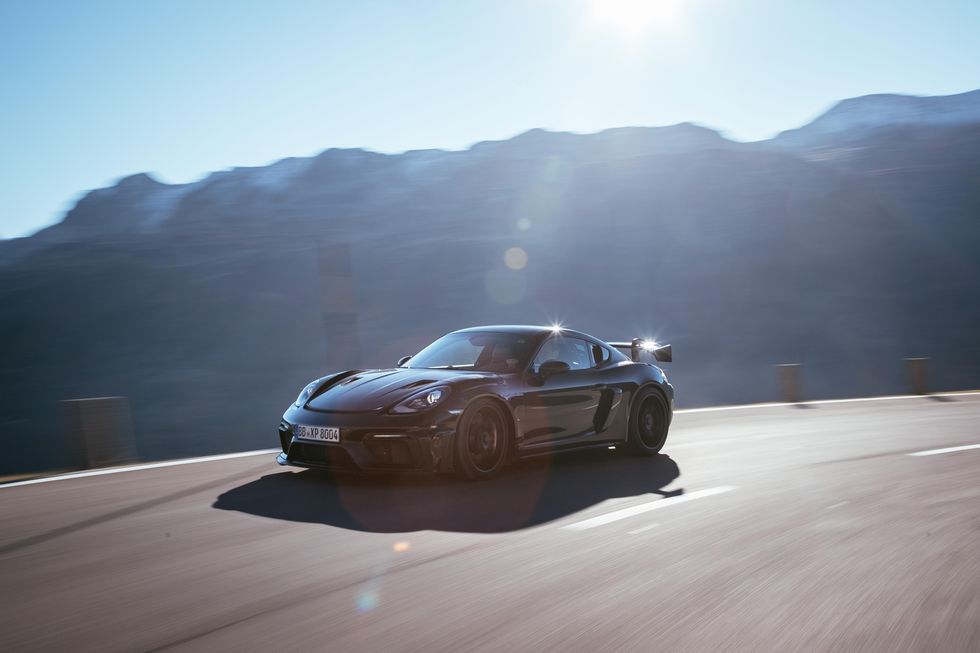
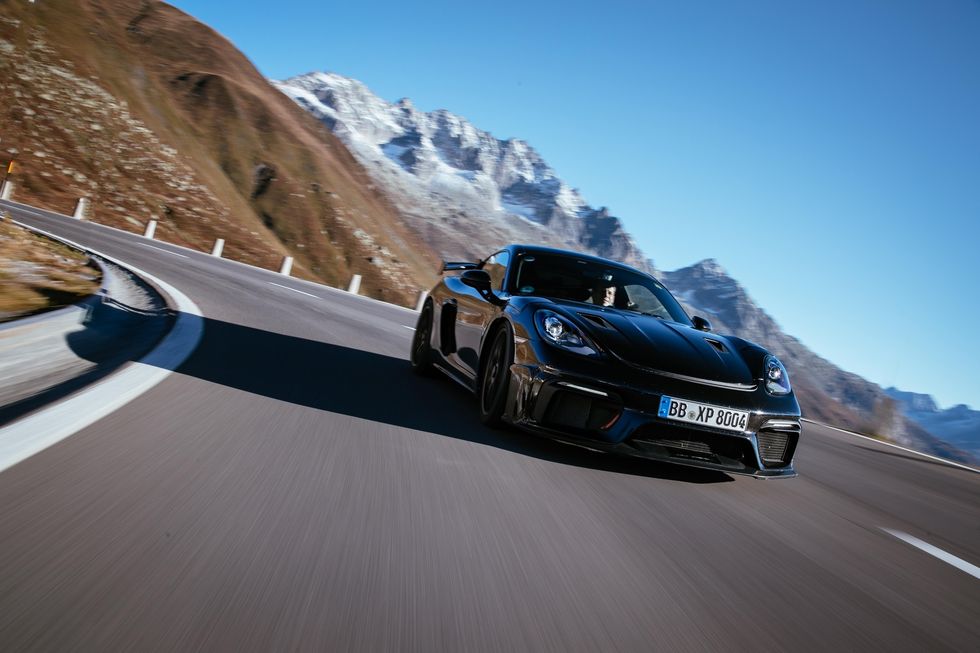
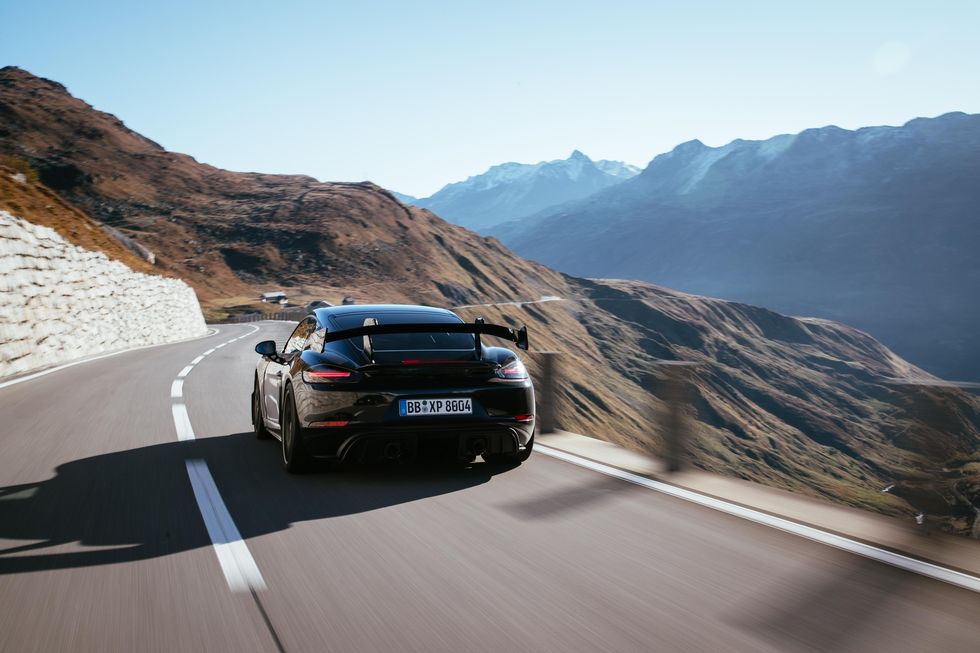
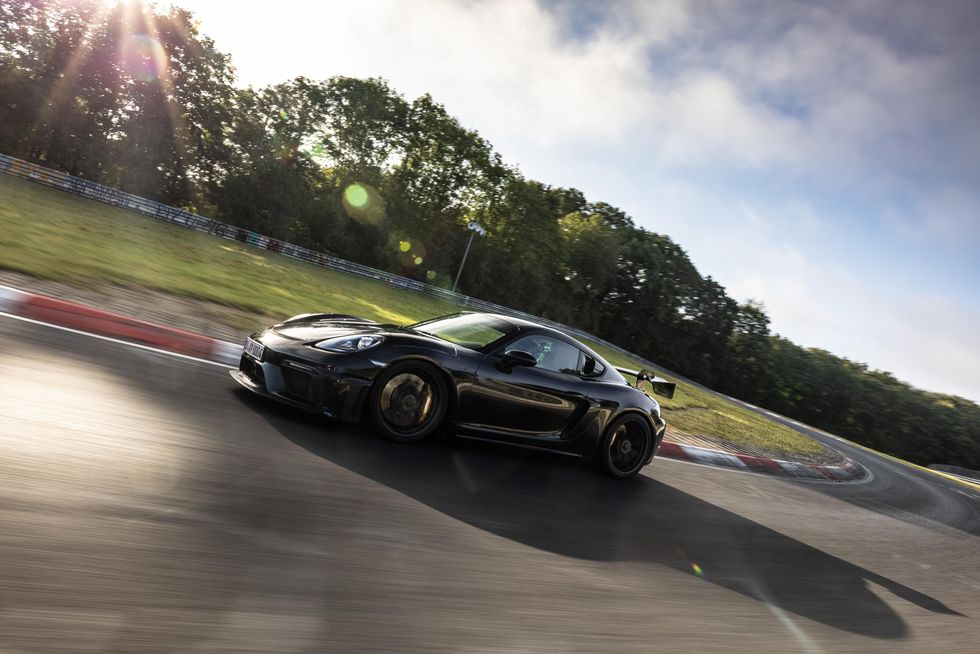
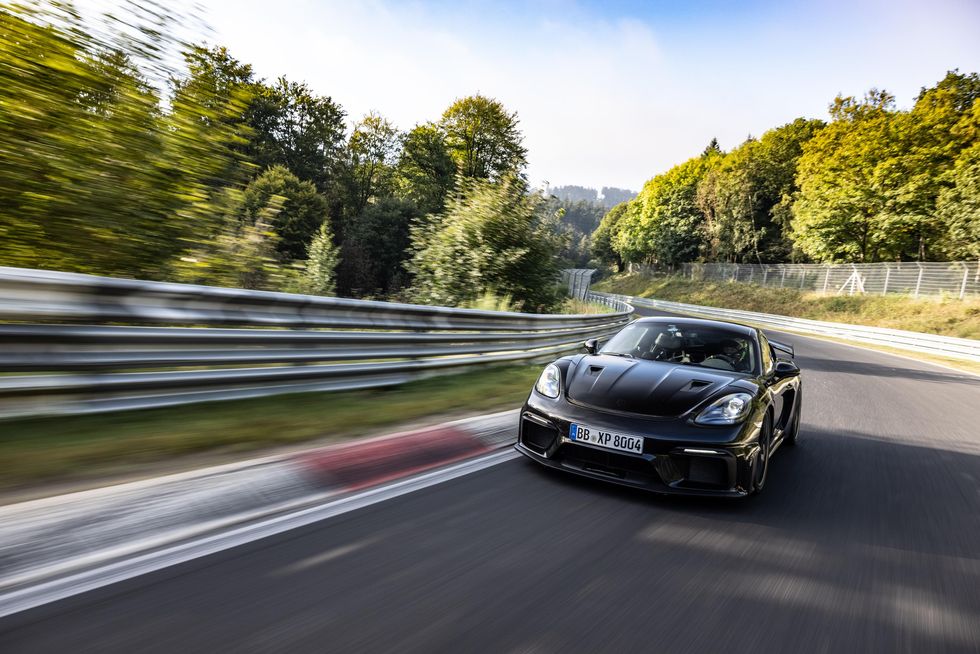
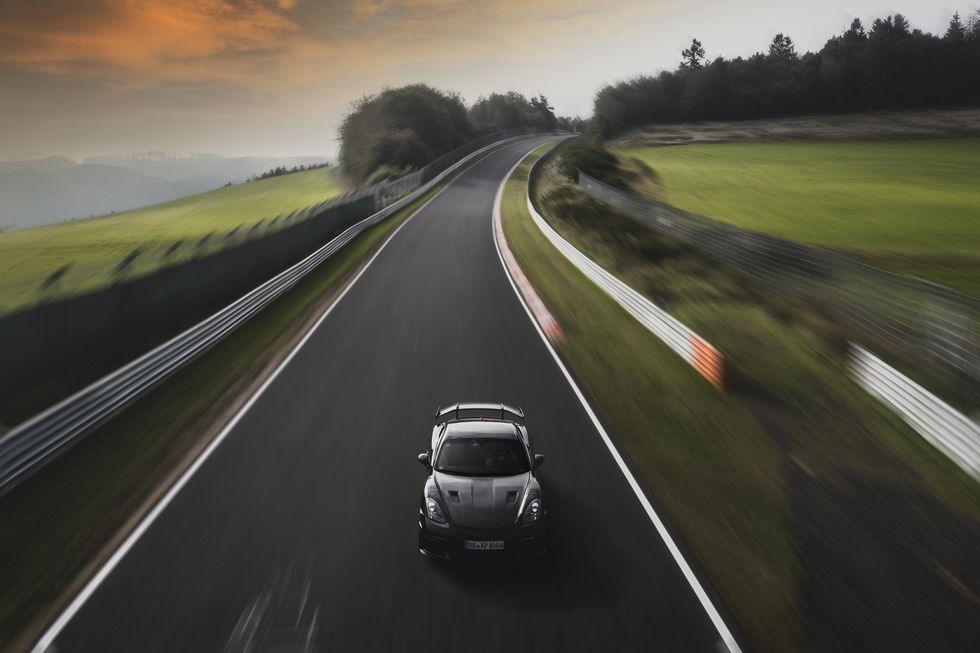
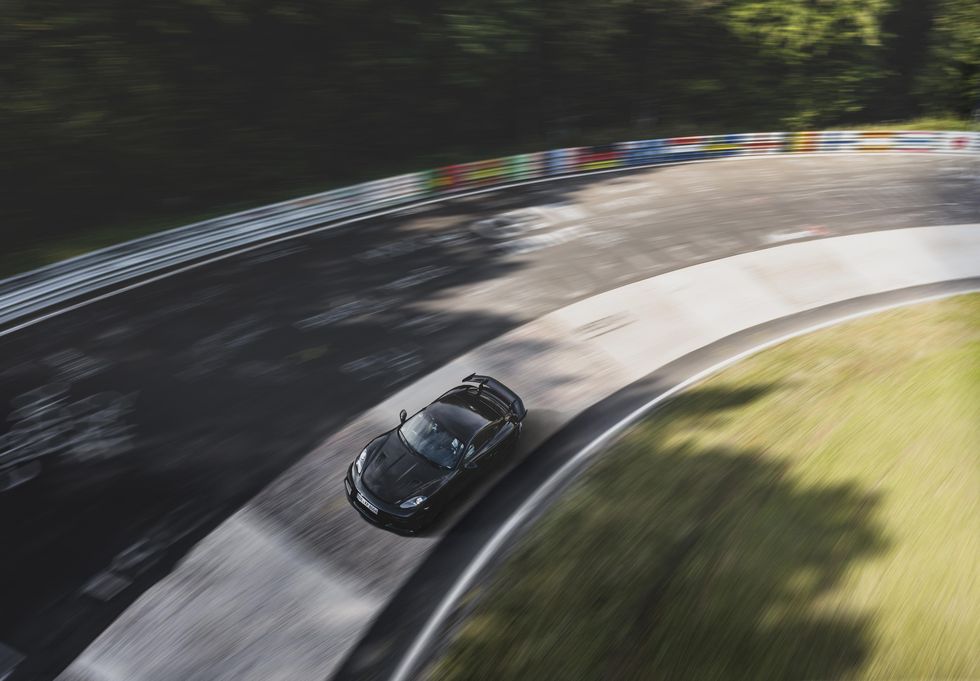
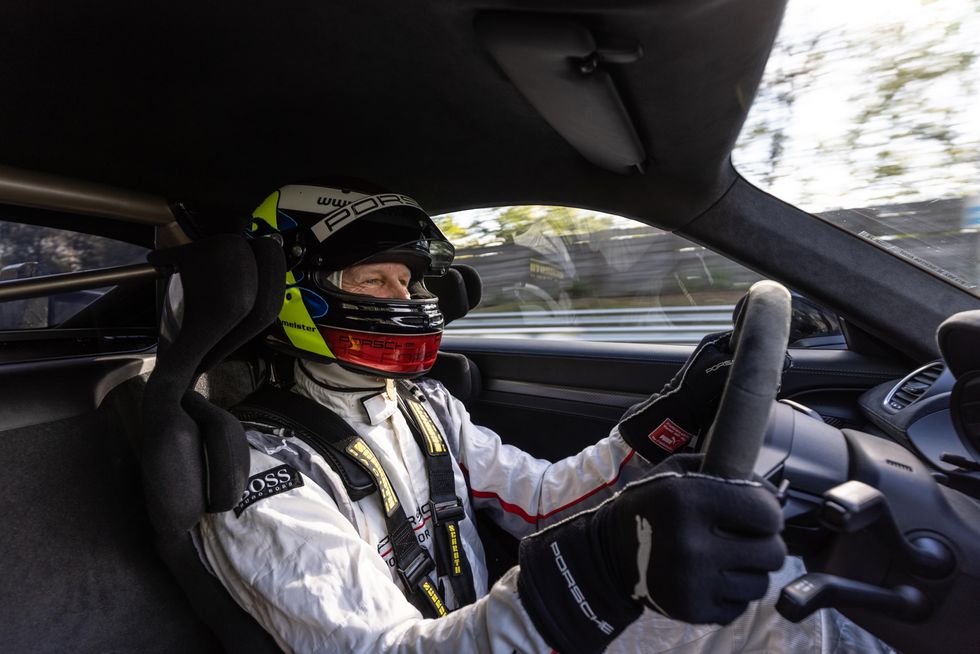
Porsche has revealed photos of the upcoming 718 Cayman GT4 RS, the model impressively demonstrated its dynamic potential on twisty roads and on the race track and the premiere is scheduled for November 2021.
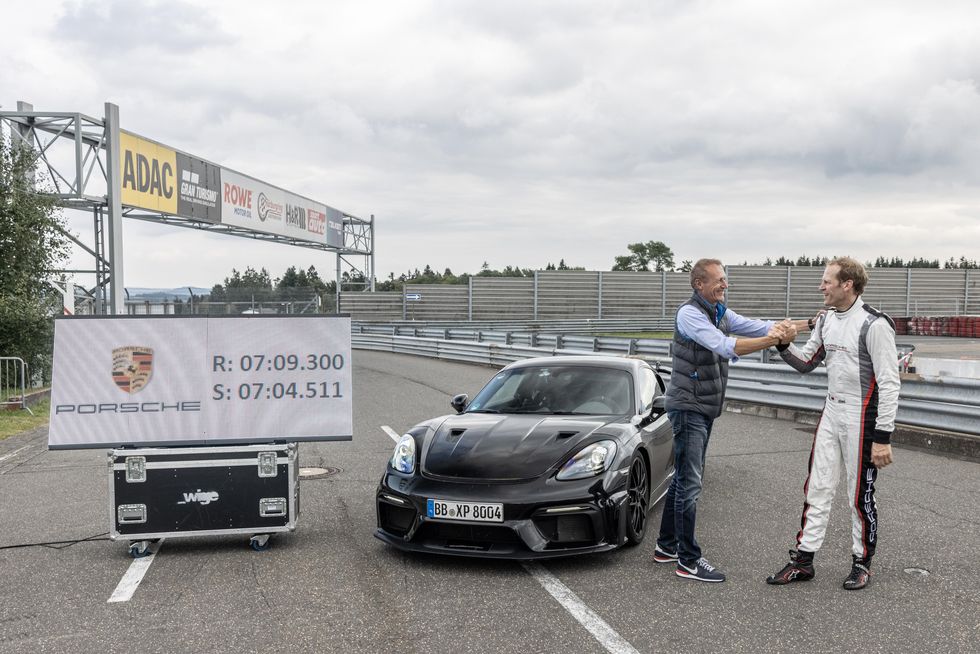
The Porsche 718 Cayman GT4 RS completed the short 20.6 km lap in the Nurburgring-Nordschleife circuit in 7:04:511 minutes, the new record was 23.7 seconds faster than the 718 Cayman GT4.
The vehicle has been equipped with racing seats and optional Michelin Pilot Sport Cup 2 R tires to protect the driver when travelling at high speeds. During development, the new GT4 RS was fitted with lightweight body elements, more downforce, more power and high level of responsiveness and feedback to the driver inputs.
The new Cayman GT4 RS has been designed to perform best on road and on the racetrack and it is currently considered as one of the sharpest vehicle ever developed by Porsche.
More information to be released soon.
Porsche 718 Cayman GT4 RS
October 21, 2021 / Comments Off on This is the 2022 Porsche 718 Cayman GT4 RS
We’ve seen new car building companies being founded almost every day of the year, and some come up with some amazing concepts, usually either as drawings, some as real 3D renders, but barely with a driveable concept or prototype, and most of these companies disappear into oblivion just about as fast as they were created, and Spyros Panopoulos Automotive that is the author of the car we’re discussing today might have fallen into that trap of being a ‘one-day celebrity too, as the only thing we’ve been able to find about this car is a Youtube video … from about a year ago, since then, no update, no rolling concept, no driveable production prototype … but we still wanted to share this car with you.
The no update might have been a little exaggerated, as SP Automotive, based in Greece, was planning to unveil their ‘Chaos’ Ultra Car at the 2022 Geneva Motor Show in March next year, but once again this famous European car show has been canceled, and at this point in time a four-minute teaser video is the only tangible thing we have on Chaos (you can check it out at the end of this article).
The intention by Spyros Panopoulos, when he started SP Automotive in 2019, was to build the most extreme production car in the world, with the best technology possible and as always with these new car builders, it would be the fastest in the world, very limited, built in a unique way … which translates into them charging a small fortune for a car from a manufacturer that has no pedigree, and that nobody heard from before … a perfect business plan, right?
The latest info we received states SP Automotive will be unveiling their Chaos in the very near future, with no Geneva Motor Show to go to, they intend to do a private unveiling party soon, from the video it is unclear if we are looking at some nice 3D renders, or if they actually managed to show a real car, but if we have to believe the scarce information we did find on this car, it looks really, and I mean really interesting nonetheless.
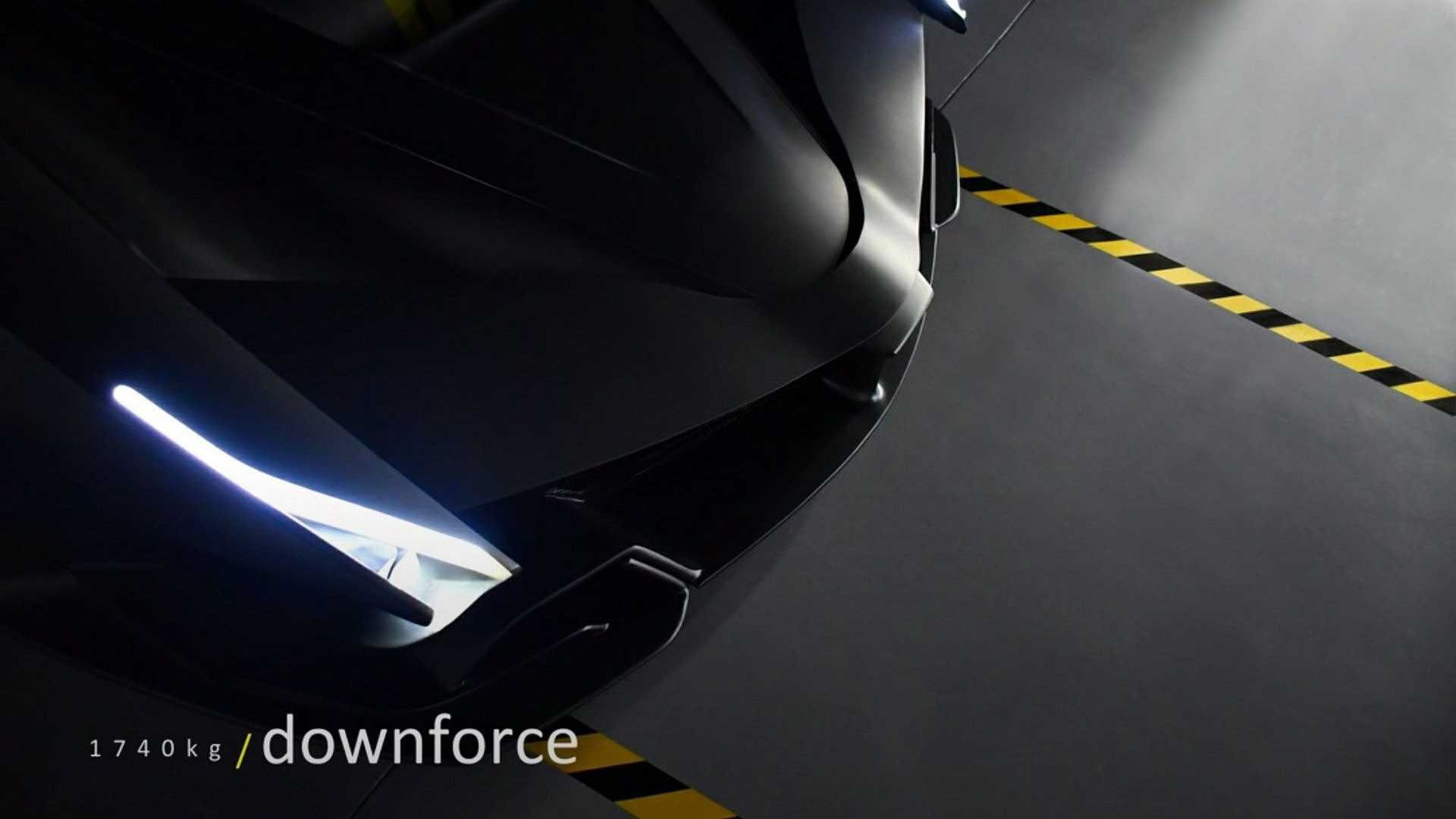
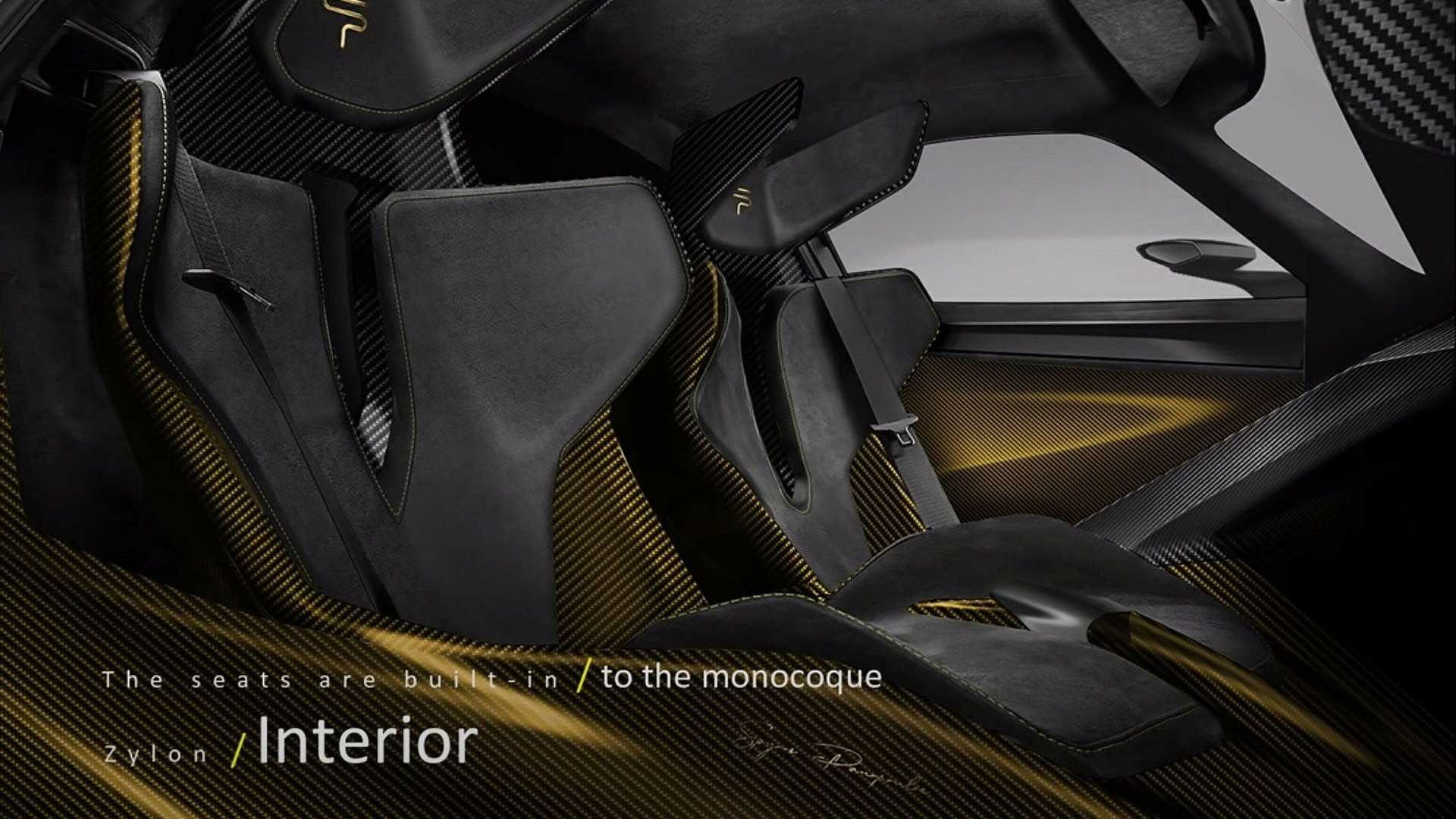
Some really expensive materials have been mentioned on the build sheet for the Chaos, how about using titanium combined with carbon fiber and kevlar for the chassis, while the body would be made from Zylon, which is a high-strength synthetic polymer with an extremely impressive tensile strength. Zylon is a lot stronger compared to carbon fiber, and it even boasts a tensile strength 1.6 times better than Kevlar, it is in fact the strongest manmade organic fiber, about 10 times stronger than steel, those are some pretty impressive figures … but with that kind of strength comes a high price tag too.
And those exotic materials aren’t even the best part, the piece-de-resistance is the engine SP Automotive is telling us about: a twin-turbo V10 with a 4-liter displacement, now I know that doesn’t sound impressive … but get this: power output in the ‘base’ configuration is said to be 2,000 hp, and it gets even better, the top-of-the-line Chaos will come with no less than 3,000 hp with a redline set at 12,000 rpm … that’s Formula One screaming if you ask me, the sound from the Inconel exhaust must be breathtaking.
This translates into some rather amazing performance figures too, a 0 to 100 km/h sprint in just 1.8 seconds, those tires will be having a hard time getting enough grip to put down that impressive acceleration, while SP Automotive claims a top speed of … wait for it … 500 Km/h or 310 mph! I wonder who is delivering the tires that can cope with that, Bugatti is playing with the 400 km/h barrier on their special Chiron versions, but this new company from Greece adds another 100 km/h on top of that.
[embedded content]
[embedded content]
SP Automotive intends to build between 15 to 20 cars each year until the limited production number of 100 units for their Chaos is reached, so they intend to build these over a span of 5 to 6 years then it seems, and the planned to unveil date is set for November 1, 2021 … let’s see what this looks like in real life. Do you really want to know the price of this Chaos … the Base spec with 2,000 hp should be €5,500,000 or about US$6,500,000 … but that impressive 3,000 hp version will set you back a massive €12,400,000, that’s roughly $14,500,000, personally I would buy an entire garage full of Lamborghinis for that kind of money, but that might just be me.
October 20, 2021 / Comments Off on You have super cars, hyper cars, and then there is an ultra car
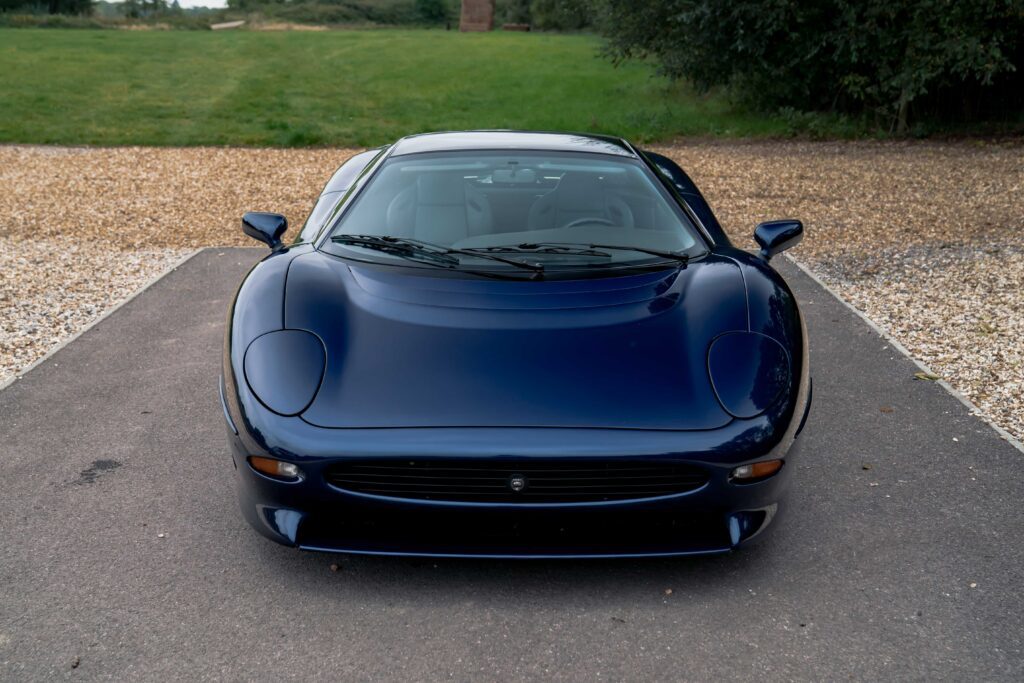
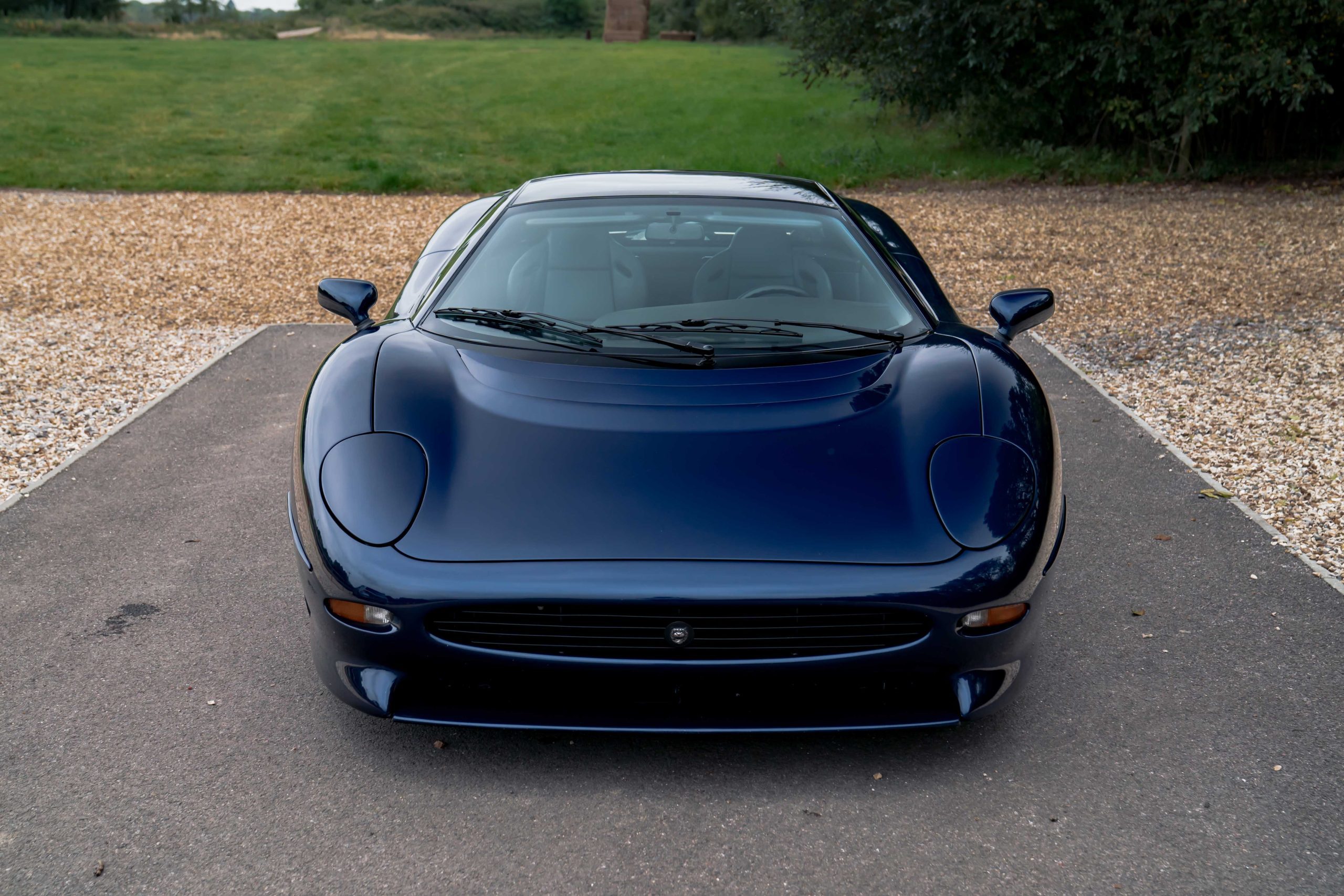
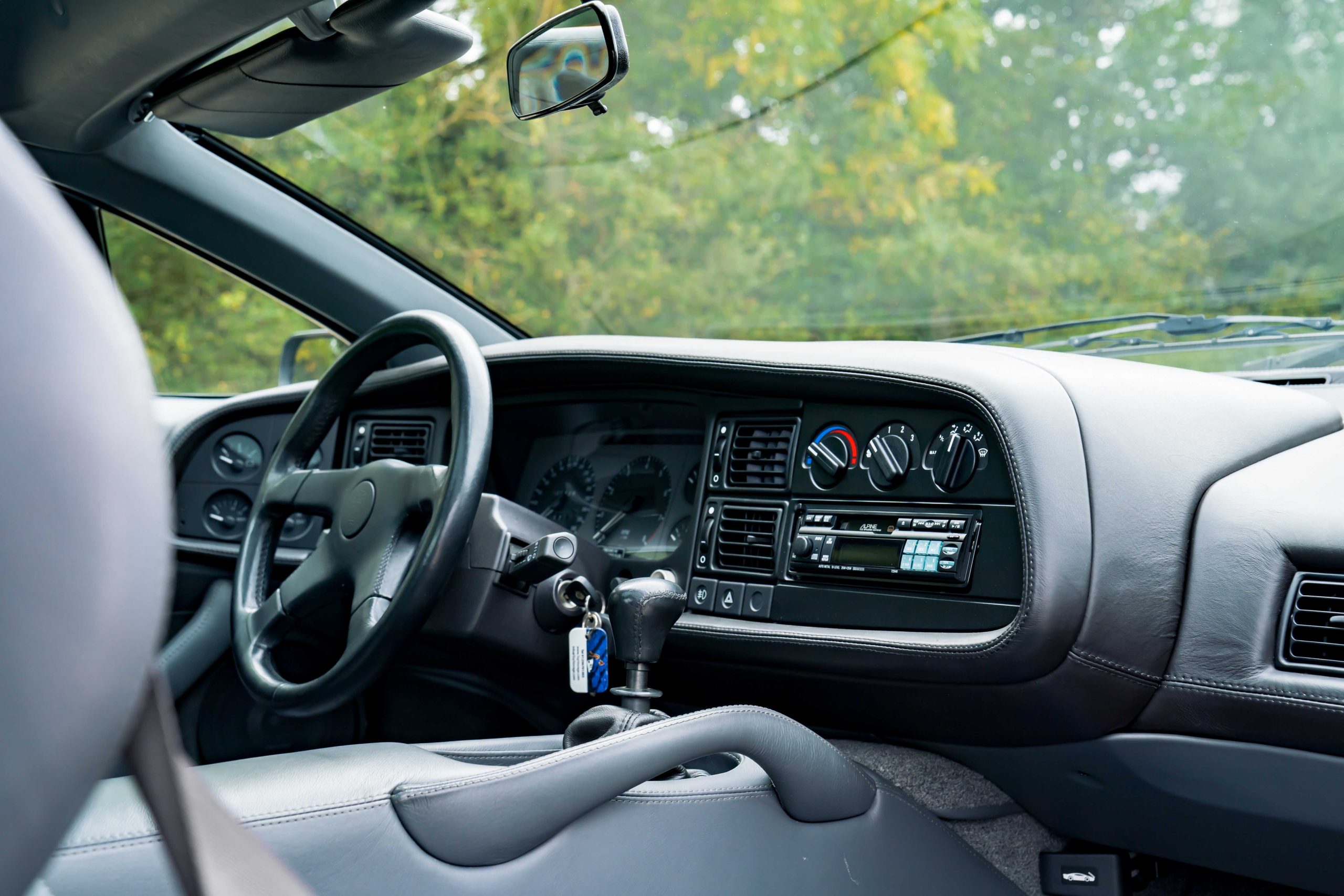
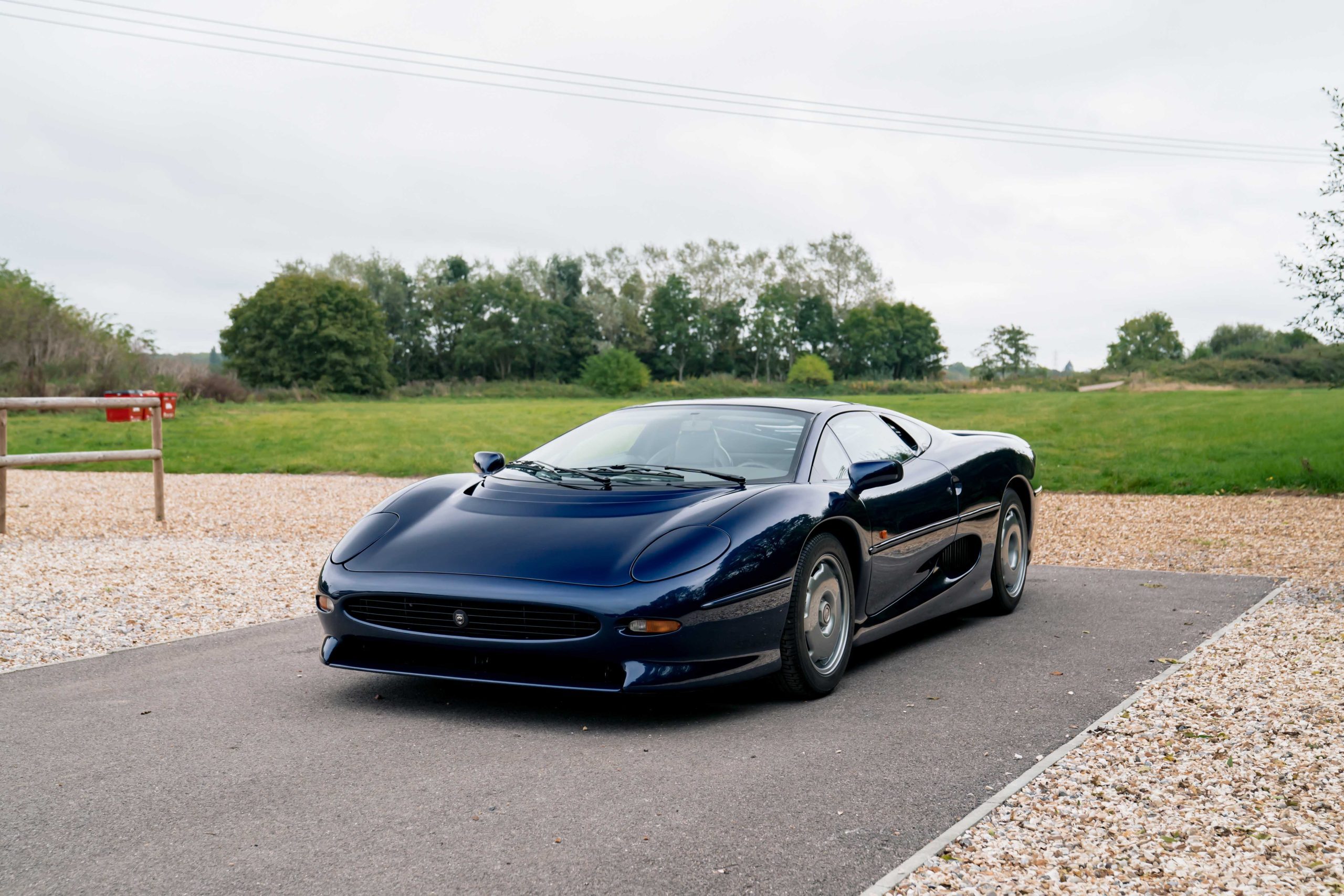
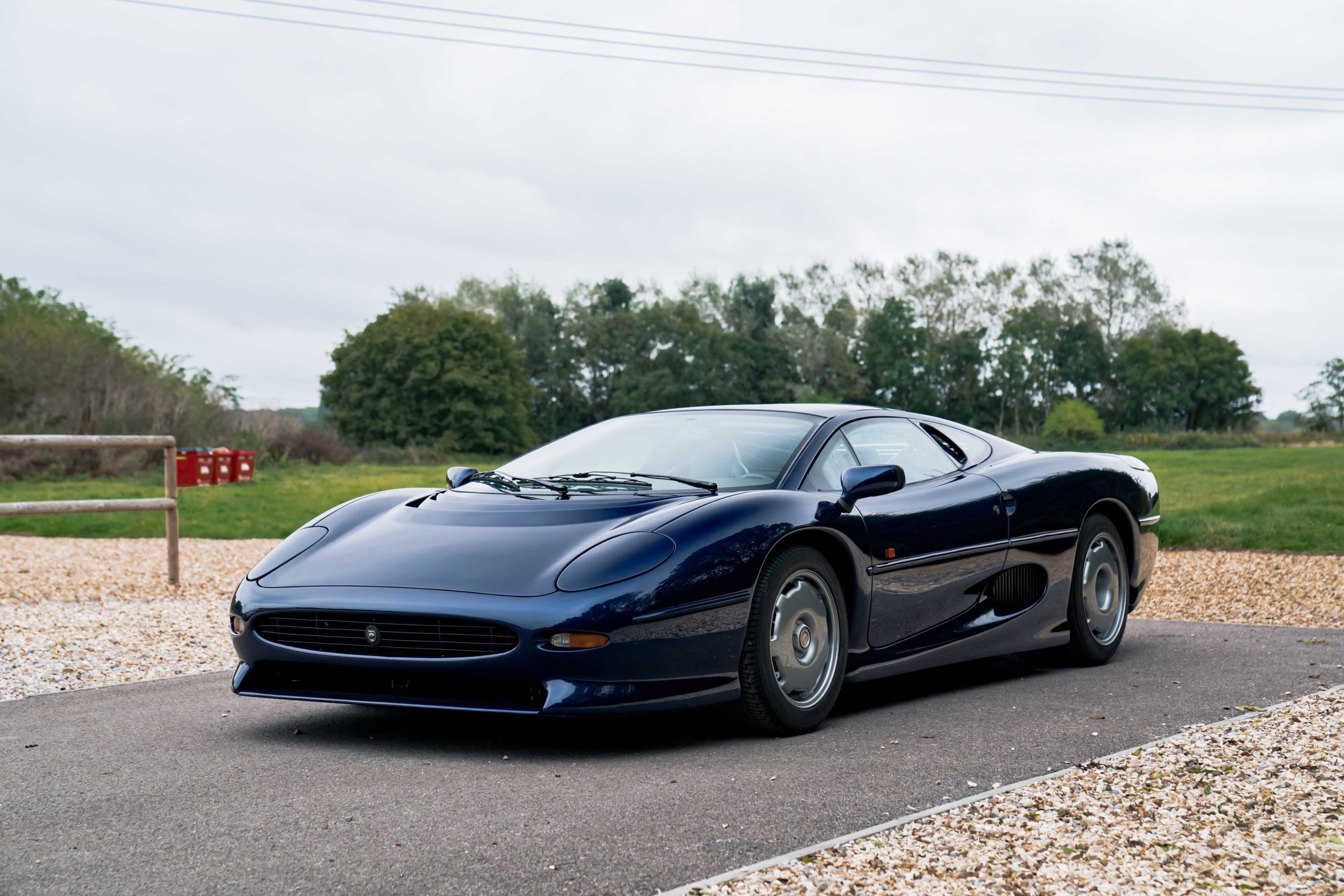
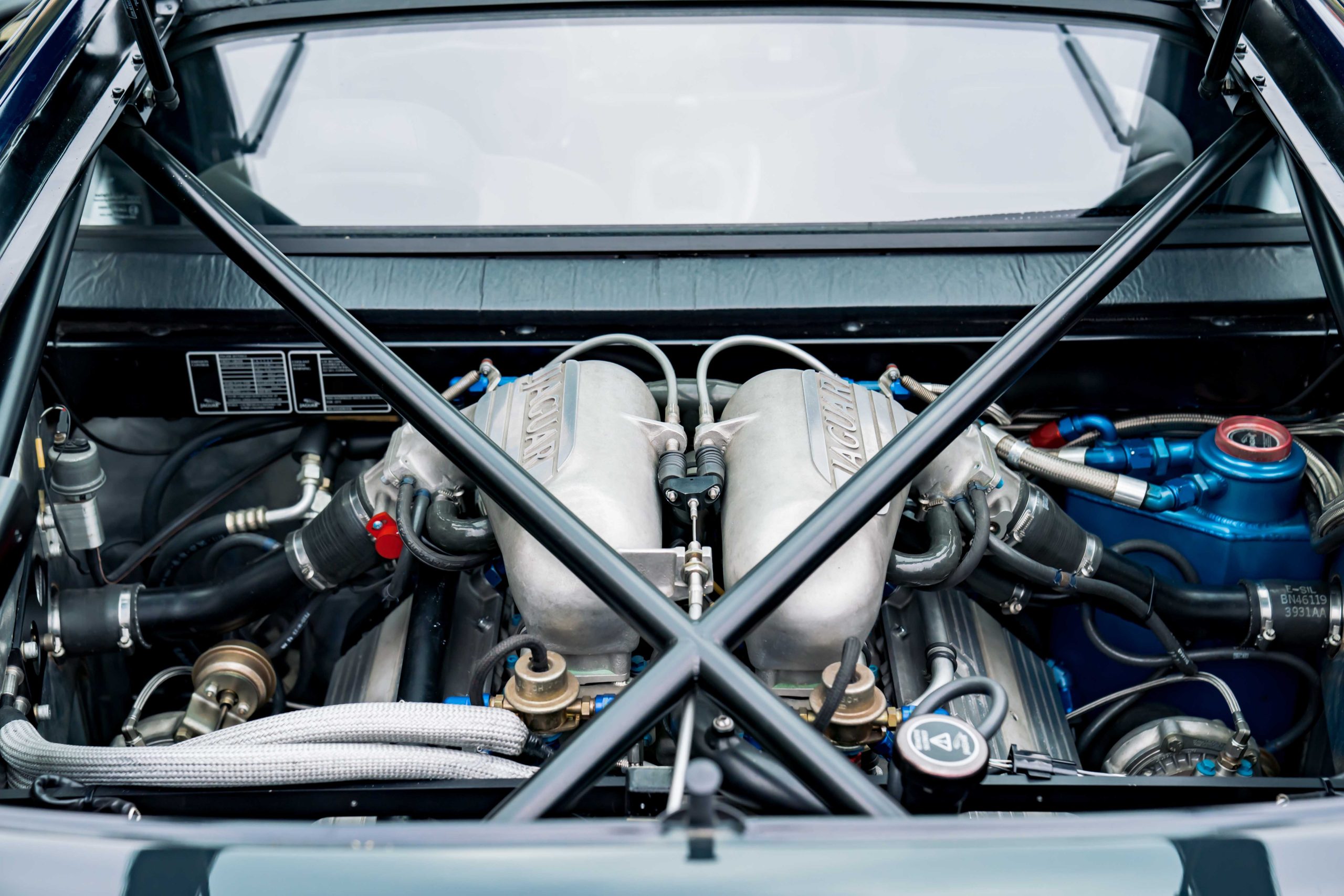
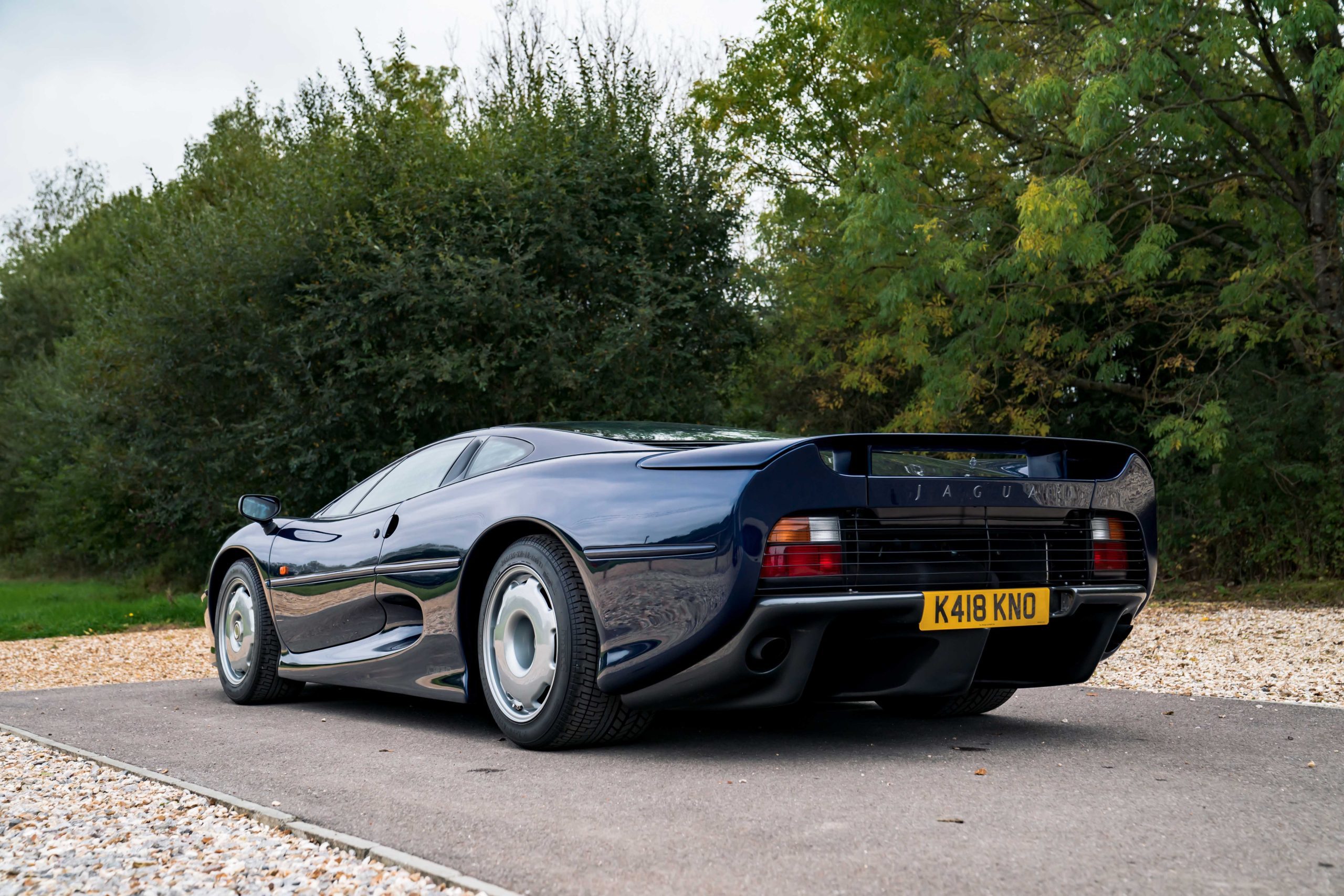
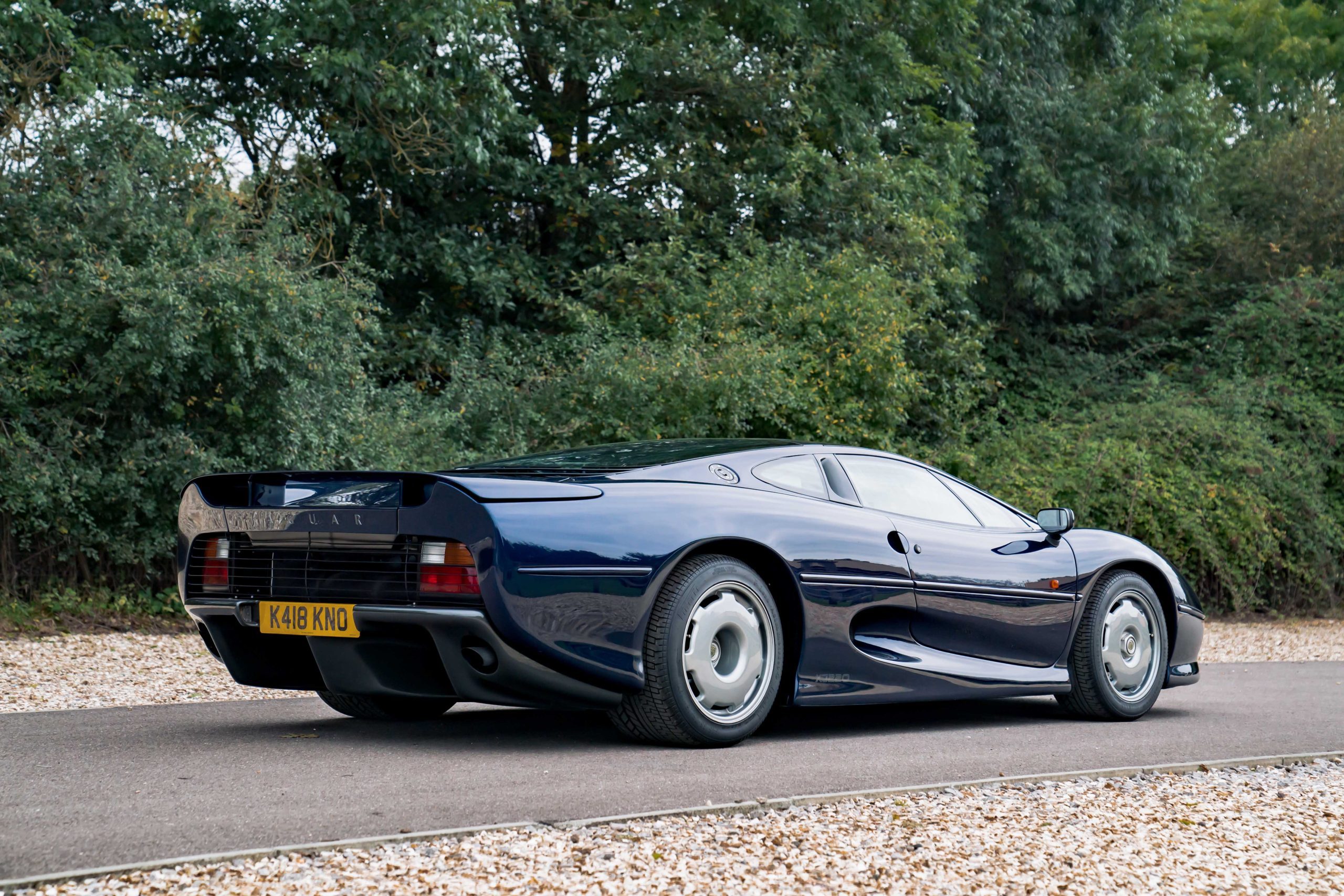
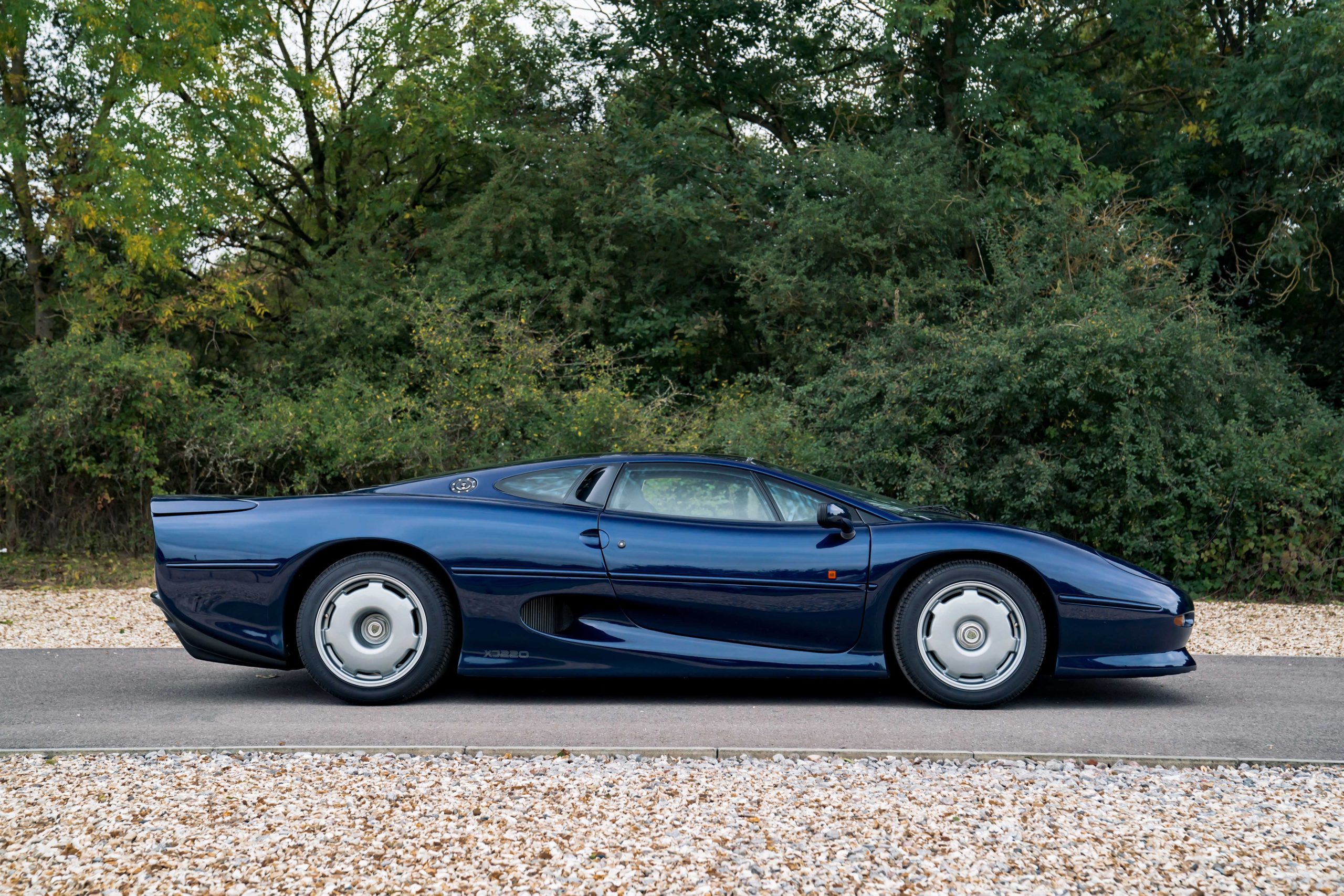
An extremely rare, low mileage 1993 Jaguar XJ220 is on offer at the Collecting Cars global auction website. The example only has 2,652 miles (4,269 km) on its odometer and it will be on offer until Sunday, October 24, 2021.
The XJ220 has a “LeMans Blue” finish and is the 29th out of 285 units produced, including the prototypes. Legendary South African Designer Keith Helfet styled the example and it features a deeply scalloped side air intakes, an upswept tail, and flush headlight covers that dropped down into the nose to display the fixed lenses behind. The example was made by JaguarSport in a partnership between Tom Walkinshaw Racing and Jaguar.
Under the hood of the British supercar is a 3.5-liter twin-turbocharged Jaguar V6 engine, capable of producing up to 542 bhp, and 475 lb-ft of torque, matched with a five-speed manual transmission.
The interior features Connolly leather trimmed sport seats, Nardi steering wheel, electric windows, air conditioning, and even electric and heated door mirrors. One of the most famous design of the XJ220 is the way the dashboard curves around to the driver’s door, having four smaller dials that shows the clock, boost gauge, ammeter, and gearbox oil temperature. It has a fixed glass roof that allows light into the cabin. It is also equipped with an Alpine stereo and an Alpine CD autocharger.
The XJ220 were originally designed as a four-wheel-drive car equipped with a race-bred V12 engine. The first XJ220s that were first produced for the customers started in 1992 and it had a twin turbocharged V6, which is more powerful than the concept car. Without the catalytic converters and with a raised rev limiter, the XJ220 was hailed to be the fastest production car from 1992 to 1998. It recorded a speed of 217.1 mph at the Nardò Ring in Italy. After fitting in the emissions equipment, it had a recorded speed of 212 mph while it was being driven by Martin Brundle.
October 20, 2021 / Comments Off on Collecting Cars Offers 1993 Jaguar XJ220 Supercar
There are countless failed concepts for every production-spec supercar that we get to drool over on public roads. As with any industry, introducing a new product is a gamble where success or abject failure depends on various factors.
Market reactions, design flaws, and production costs are just some of the reasons why supercar concepts are nixed before the final production stage—and while the practice is more prevalent among boutique carmakers, the big automobile names are by no means immune. Here, you will also find a few supercar concepts from established carmakers that never quite made it to production.
Vaporware Supercar Concept #10: Yamaha OX99-11
Via Car Throttle.
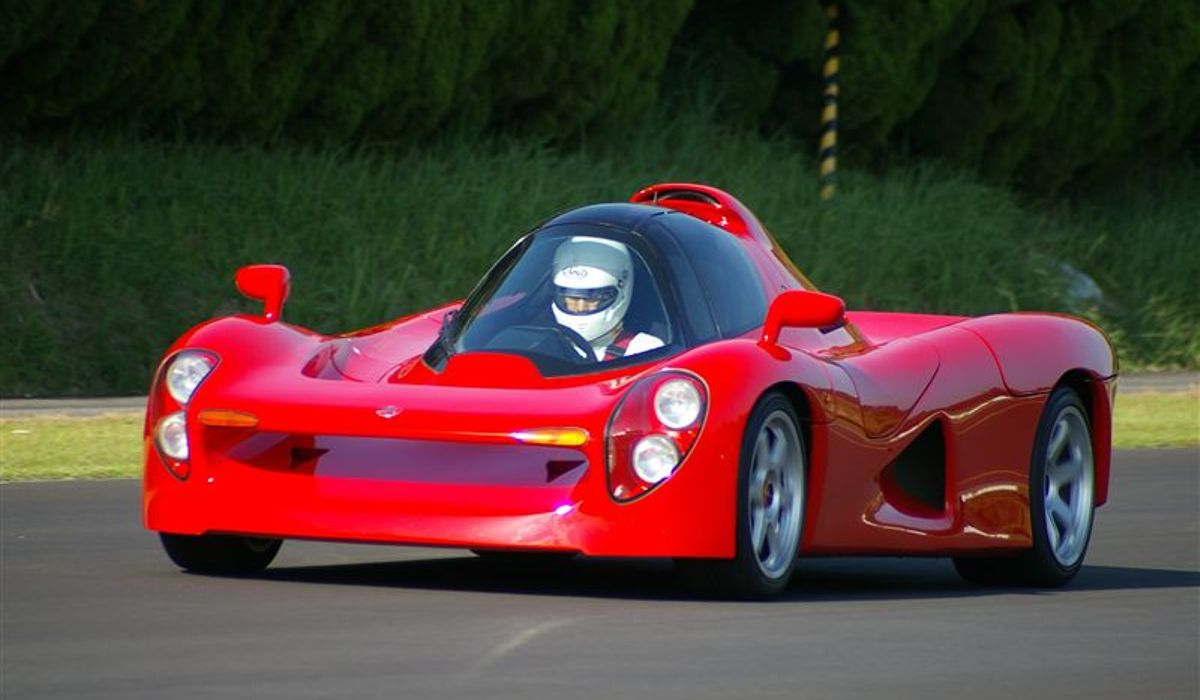
There was so much potential for the development of the Yamaha OX99-11, a street-legal Formula One car for the road. The project was conceived by Ypsilon Technology, a Yamaha subsidiary, and International Automotive Design (IAD), an English Engineering outfit.
The car community was understandably excited by this, and for good reason too. The Yamaha OX99-11 supercar had a unique tandem-style seating arrangement. However, its most impressive feature had to be the Formula One-derived engine, a screaming V12 that could rev to an insane 10,000 rpm!
It looked all set to power its way into production, but sadly, that never happened. After several delays, Yamaha decided to pull the plug on the project in 1994 due to budget constraints. Also, Japan was in the midst of a crippling economic crisis, and Yamaha was not sure if it would ever find customers for the OX99-11 with an expected final price tag hovering around $800,000.
Yamaha did build three functional OX99-11 prototypes, though, and today, they offer a glimpse of what might have been if the car had made it to full production.
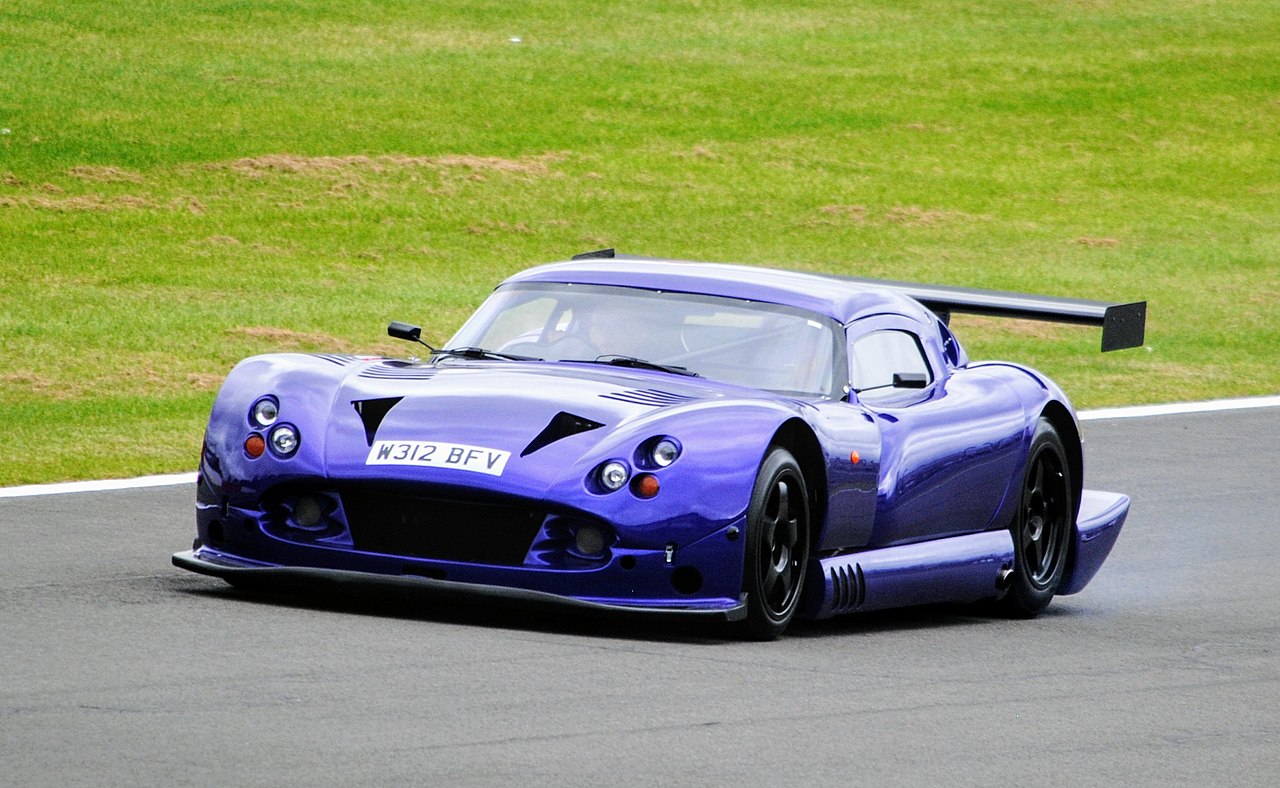
TVR is a British carmaker with a penchant for making extreme road performance cars with little regard for safety. That doesn’t sit too well with US regulators and explains why TVR vehicles are mostly banned in the country.
However, for a company like TVR, even the TVR Cerbera Speed 12 proved to be a little too much—and that’s saying a lot. The car initially started as a development project for a race car meant to compete in the FIA GT Championship.
However, regulation changes rendered the car obsolete before it ever got the chance to hit the tracks. The engineers changed direction then and decided to transform the Speed 12 into a road car.
At its heart was a formidable 7.7-litre V12 with an estimated power output of around 800-bhp. The carmaker accepted deposits from interested customers, and it looked like the project had the green light for production. That was until Peter Wheeler, then-owner of TVR and an experienced driver, took the prototype out on the road and concluded that the car was simply too powerful for the public roads.
It was a potential death trap; a possibility made even starker by the car’s lack of safety features. It marked the end of what could have been a real performance brute on the highways.
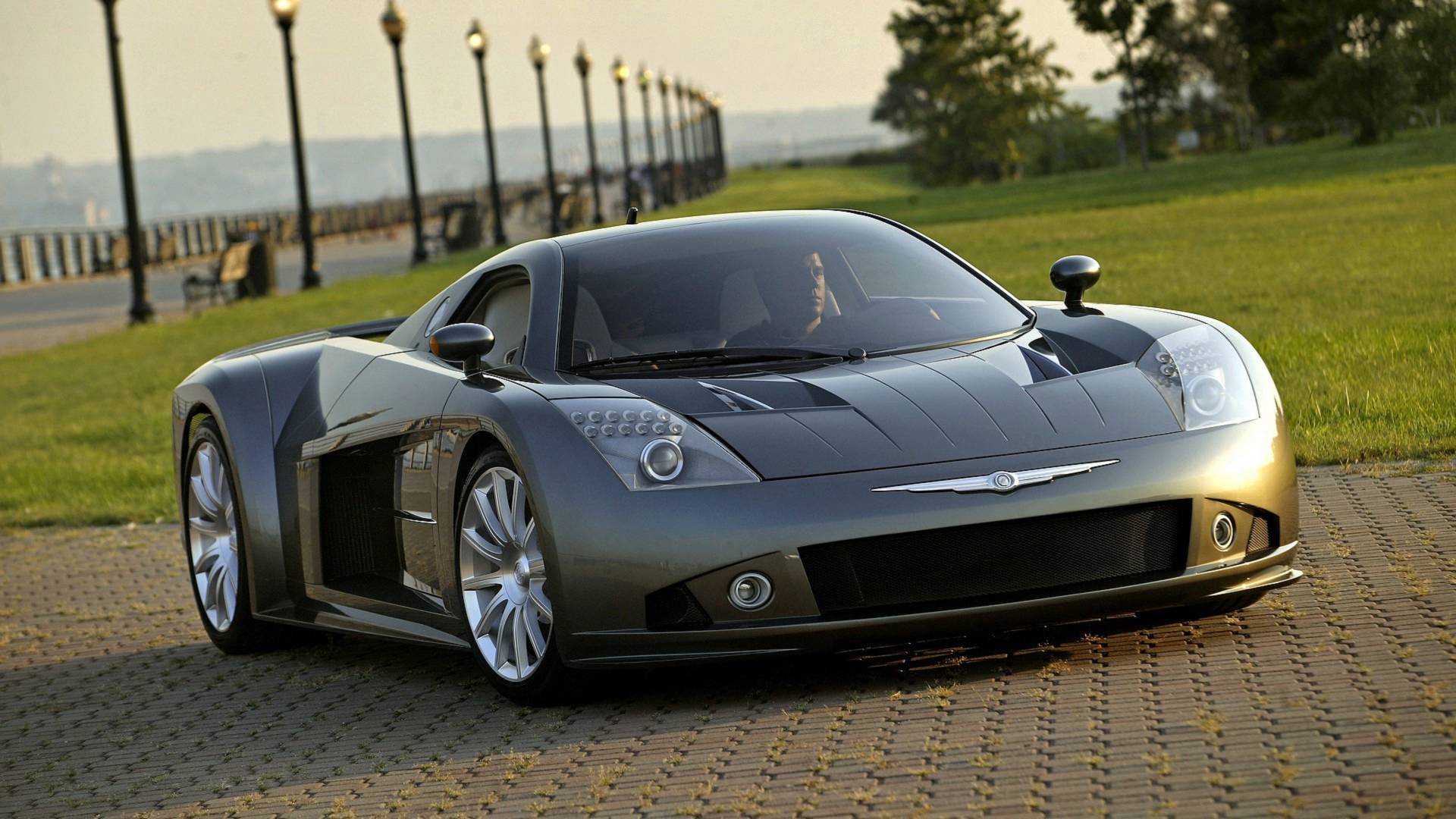
Vaporware Supercar Concept #8: Chrysler ME 4-12
Image via Motor1.
Conceived by Chrysler in 2003, the ME 4-12 had what it took to become one of America’s greatest supercars. Instead, we were left wondering how a car with so much potential floundered and ultimately came to an inglorious end.
The public got its first full glimpse of the vehicle at the 2004 Detroit Auto Show, and Chrysler promised performance numbers that were on par with some of the best supercars of the day. The ME 4-12 was powered by a quad-turbo 6.0-litre AMG V12 that cranked out up to 850-hp. That provided enough juice for a 2.9-second sprint to 60 mph and an insane 6.0-second run time to 100 mph.
The top speed was over 240 mph, about the same as the legendary McLaren F1. The car’s performance, coupled with its eye-catching design, was the stuff of supercar dreams, but in 2005, Chrysler brought us all back to jarring reality with an announcement that the project had been cancelled.
Studies revealed that the development costs of the car, estimated to be in the hundreds of millions (US dollars), were unjustifiable at a time when Chrysler was still rebuilding. In hindsight, maybe they should have gone ahead with the ME 4-12 project, considering that they are still rebuilding today.
Vaporware Supercar Concept #7: Jaguar CX-75
Image courtesy of RM Sotheby’s
The low-slung Jaguar CX-75 was the company’s attempt to reenter the supercar market after a trouble-ridden run for the Jaguar XJ220. The CX-75 was a hybrid-electric supercar concept capable of putting out a thumping 778-hp. It was developed in partnership with the Williams Formula One team.
The CX-75 had diesel-fed micro gas turbines that charged the batteries, which then supplied power to the four electric motors (one for each wheel). In May 2011, Jaguar decided to ditch this revolutionary technology and instead go for a limited CX-75 production run with a more conventional pairing of a forced induction petrol engine with the electric motors.
It was a step down from what was promised during the car’s reveal at the 2010 Paris Motor Show, but even then, Jaguar could not deliver. In December 2012, the carmaker cancelled the project altogether due to the global economic crisis.
A new twist in the tale emerged recently, in March 2021. A Hungarian company, Kinscem, has promised to revive the concept as a fully-fledged production vehicle. The carmaker has set a production date of 2023, but we are not holding our breath for this one.
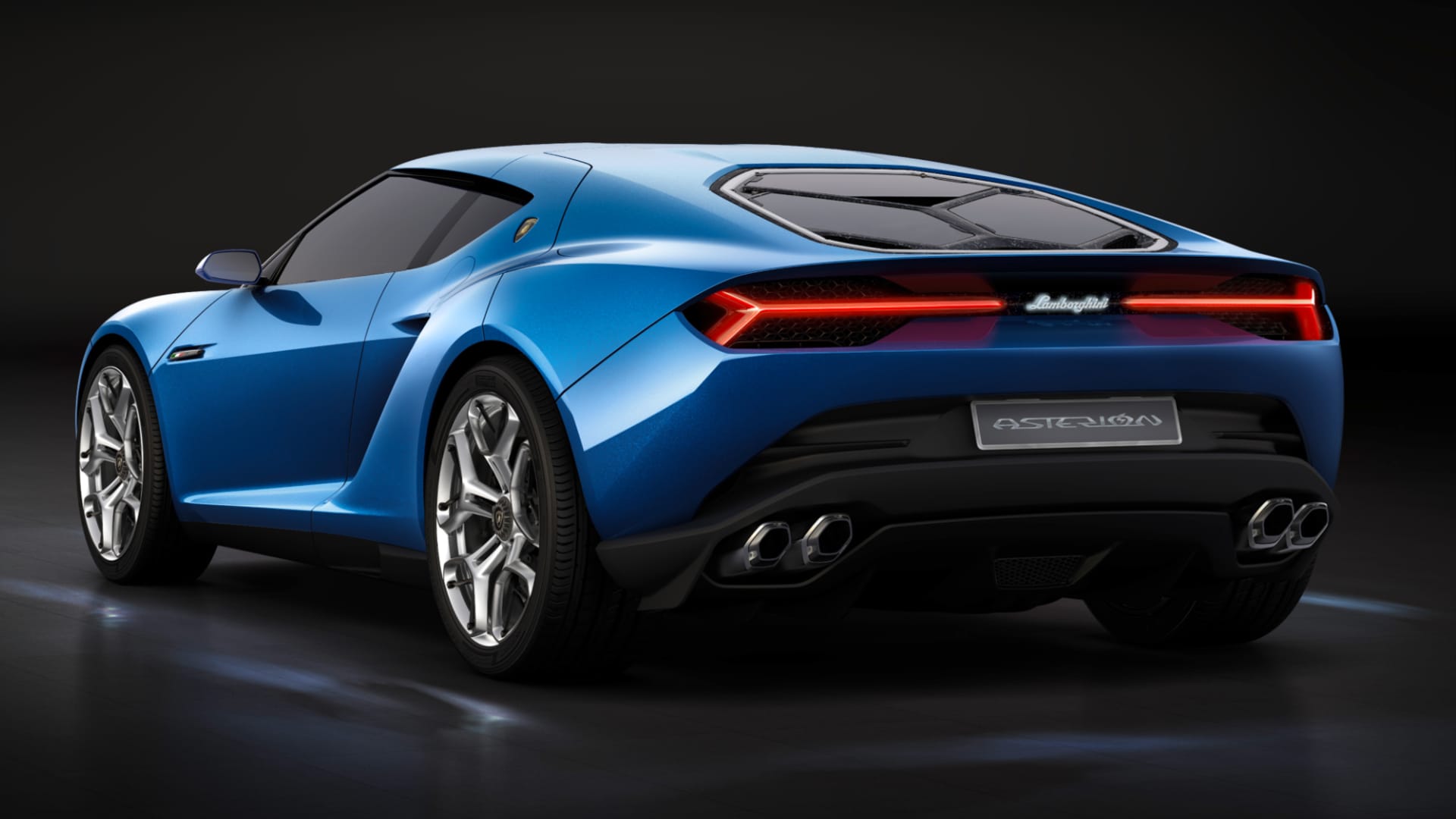
The Lamborghini Asterion was far from your typical Lambo supercar when it was unveiled at the 2014 Paris Auto Show. For one, it was a four-door supercar. More importantly, it featured hybrid technology, which Lamborghini had traditionally shied away from.
The powertrain comprised a 5.2-litre V10 from the Lamborghini Huracan and twin electric motors driving the front wheels. The result was a family-sized supercar that boasted a combined output of 898-bhp.
Lamborghini was prepared to take a gamble on the Asterion, but a lukewarm reception to the supercar changed all that. However, the Asterion remains a concept that might still evolve as Lamborghini repositions itself for a future that’s not wholly dependent on gasoline engines.
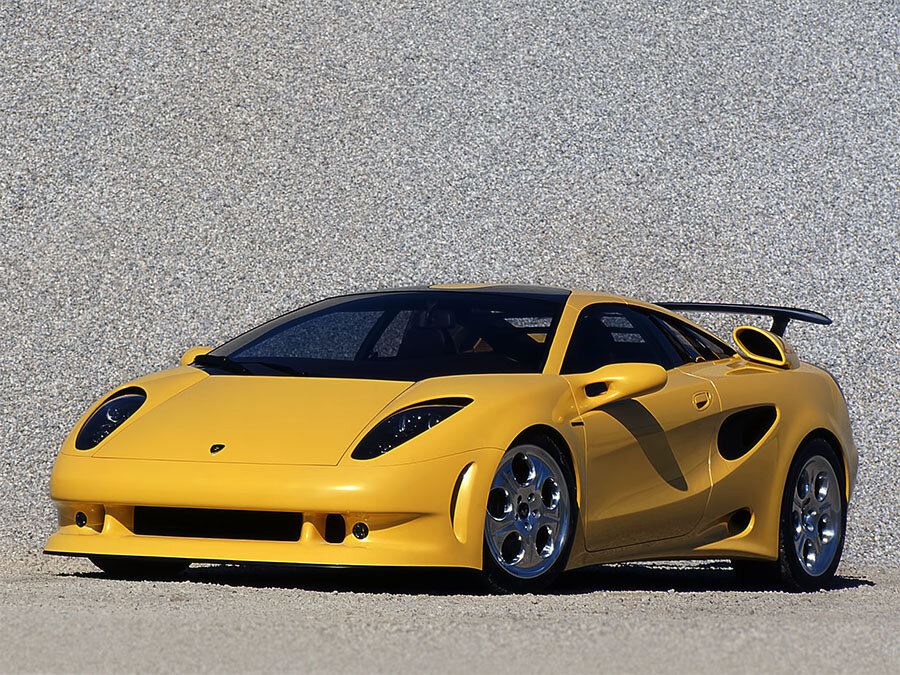
Vaporware Supercar Concept #5: Lamborghini Cala
Image via Supercar Nostalgia.
1994 saw the debut of the Ferrari F355, an entry-level supercar offering. Lamborghini needed a response as its own entry-level car, the Lamborghini Jalpa, was ageing and had been mediocre for most of its production life. That was when the idea of the Lamborghini Cala was born.
The concept was designed by famous Italian design house Italdesign and had a fully functional V10 power plant good for 400-bhp. The Cala was showcased at the 1995 Geneva Motor Show, and Megatech, the Indonesian-based company that owned Lamborghini at the time, seemed poised to put the Cala into production. Unfortunately, the plans were scuttled by crippling financial problems that culminated in Lamborghini’s takeover by Volkswagen Group.
This is one story that had a good ending, though. Volkswagen kept the dream of a V10 Lamborghini alive, and the Cala set the perfect foundation for the Lamborghini Gallardo. This supercar would go on to become one of the most successful Lamborghinis ever made.
The Arrow was poised to fill the shoes left by the ill-fated Gumpert Apollo. It was a big ask, but the Arrow seemed capable, with a mid-mounted, Audi-sourced, twin-turbo 4.0-litre V8 that put out as much as 986-hp and 737 lb-ft of torque.
The designers promised that the engine would be individually tuned to suit each buyer’s requirement but that a sub-3-second sprint and 224 mph top speed were entirely feasible. They also stated that the car would be fully street-legal, allowing the potential owners to enjoy the Arrow on open roads.
Sadly, the project lost steam after its 2016 debut and eventually ground to a halt as Apollo Automobili focused on creating its own separate supercar, the Apollo Intensa Emozione.
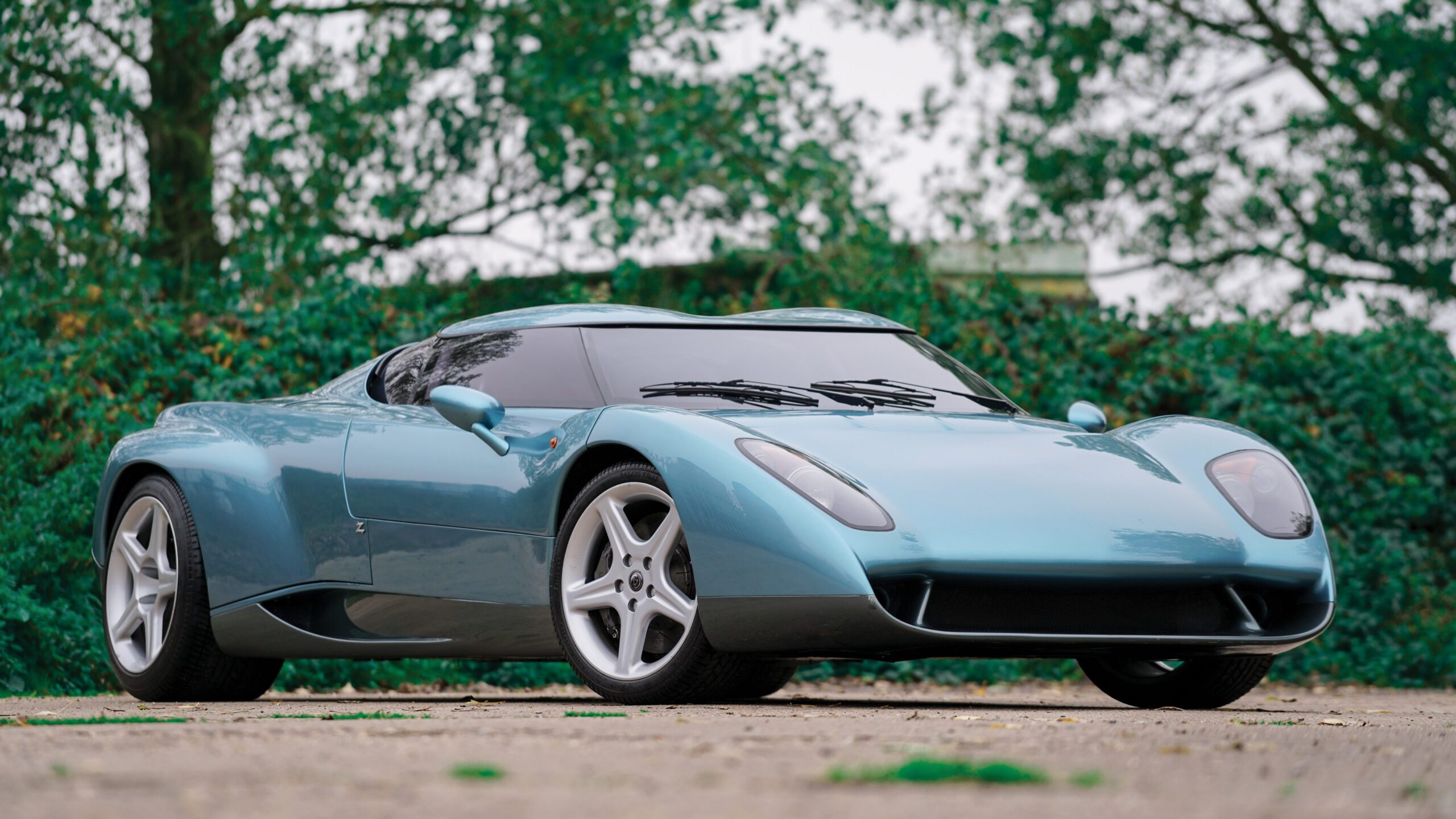
Vaporware Supercar Concept #3: Zagato Raptor
Image via Top Gear.
The 1996 Zagato Raptor was billed as the car that could help inject some new life into the ailing coachbuilder. The Raptor was designed extensively using computer-aided design equipment, showcasing Zagato’s capabilities in this regard.
It was based on the existing Lamborghini Diablo, but a carbon-fibre bodywork (and lack of ABS and traction control systems) made the Zagato almost 660 pounds lighter. That translated to more speed as the Raptor could hit 60 mph in less than 4 seconds—an impressive number for the ‘90s.
The car appeared at the 1996 Geneva Auto Show, and Zagato was hoping it would generate enough interest to warrant limited production. It was supposed to be built at Lamborghini’s Sant’Agata factory, since the carmaker was interested in the project as a ‘stop-gap’ replacement for the Diablo and its planned successor. But that never happened, and the lone concept was limited to occasional appearances at exclusive car meets until it was put up for auction in November 2019.
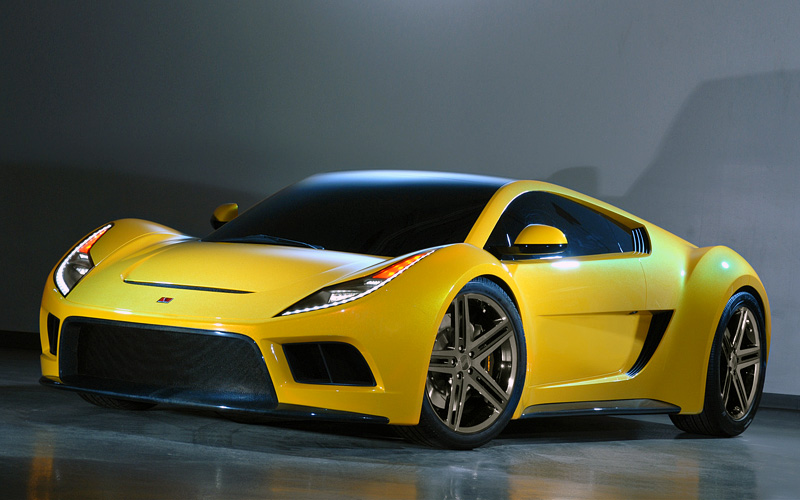
Vaporware Supercar Concept #2: Saleen S5S Raptor
Image via Top Car Rating.
This is another Raptor that spun its wheels but got nowhere. The thrilling car featured prominently in games like CSR Racing and Forza Horizon. Sadly, its real-world appearance is limited to a concept displayed by Saleen at the 2008 New York International Auto Show.
The production-spec S5S (named for its 5.0-litre supercharged engine) was to be fitted with a 650-hp V8 that produced all of 630 lb-ft of torque. It was enough to get the supercar to 60 mph in a claimed 3.2 seconds and on to a top speed north of 200 mph.
An expected retail price tag of $185,000 brought it within reach of a bigger segment of the supercar market than the Saleen S7, which cost a whopping $600,000. All of that mattered little at the end, though, as the S5S Raptor has remained a concept for over a decade.
Saleen still exists as a company—so the chances of seeing this in production form someday, while being an extremely long shot, may not exactly be an absolute zero.
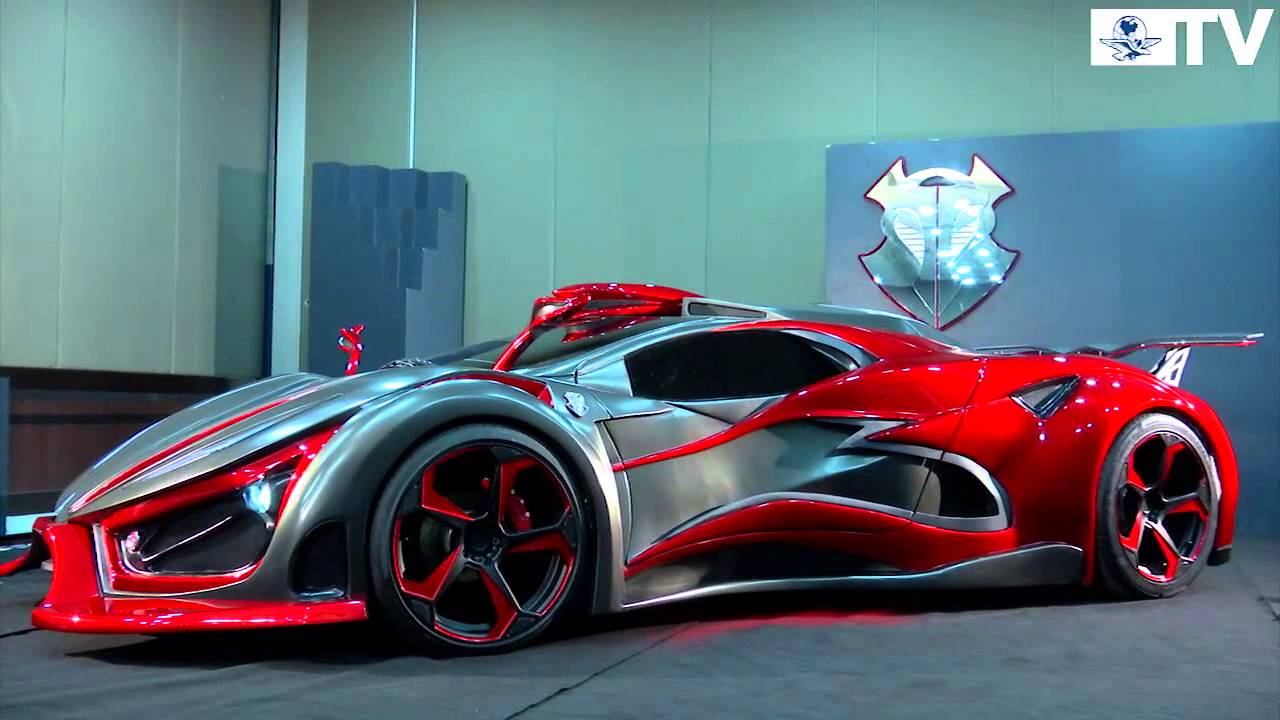
Vaporware Supercar Concept #1: Inferno Exotic Car
Image via TechEBlog.
Mexican carmaker Inferno Automobili set tongues wagging when it announced the Exotic Car (yes, that’s the car’s actual name) in 2015. Billed as Mexico’s first supercar, the Exotic Car will get a twin-turbo V8 capable of 1,400-hp and 670 lb-ft of torque.
In terms of design, this supercar concept is as extreme as it gets, with radical styling and a revolutionary material known as Metal Foam—a zinc-aluminum-silver alloy. According to Inferno Automobili, this material will allow the car to stretch up to a hundred times its original length and bounce right back.
Minor scrapes or accidents will have nothing on this car—that is, if it ever gets produced. There is a dedicated website that includes various technical specifications and contact information, but so far, there’s little sign that the Exotic Car will ever make it to the production stage. A healthy dose of caution is advised if you consider placing a deposit for this one.
October 20, 2021 / Comments Off on 10 Supercar Concepts That Turned Out to Be Vaporware
Porsche has confirmed under no uncertain terms that there will be a 718 Cayman GT4 RS model. This comes after many months of testing camouflaged mule cars (with accompanied spy shots) which had long hinted that the GT4 RS was going to be a real thing – we finally know that this will indeed be the case. Porsche has stated that they are in the process of wrapping up the final stages of testing.
As part of the first phase of this official news, Porsche has released the first sans-camo photographs of the car. Beyond that, not much is really known about the car – that information will be revealed in November, when the car is scheduled to have its full unveiling ceremony. However, we do know one very important thing for sure: it set a blisteringlap time of 7:04.511 at the Nürburgring Nordschleife. This is some 23.6 seconds quicker than the718 Cayman GT4, suggesting that virtually no part of the car was spared the ‘RS’ treatment.
[embedded content]
[embedded content]
The GT4 RS will come equipped with a 4.0L naturally-aspirated flat-6, though Porsche has not yet provided any horsepower figures. Besides being obviously more than that of the GT4, many media outlets are predicting that it could make as much as 500 hp, especially considering the measurable difference in their ‘Green Hell’ lap times. Other telling differences can spotted visually, with the GT4 RS being subject to the customary aerodynamic transformation. This includes a more aggressive front splitter, front fender vents, and a swan-neck rear wing (similar to that of the 992 GT3).
As the ultimate performance model in the 718 range, the GT4 RS will likely follow suit with other existing ‘RS’ models and come exclusively with the PDK transmission. Those who would prefer to opt for a manual transmission will probably have to look at the regular GT4, or wait for Porsche to release some sort of 911R-equivalency for the GT4 RS. On similar grounds, the possibility of a Boxster Spyder RS is also highly unlikely.
Lastly, pricing; yes, we’re still waiting for more details on this subject as well, and it could be a particularly tricky one to predict in the meantime. Needless to say, the GT4 RS is not only well within 911 territory, but it is also just steps away from infringing on the latest GT3. It’s obviously not going to be priced the same as the latter – that would be marketing suicide – but it may as well come pretty close. It’ll be somewhere between the price of a GT4 ($100,200 USD) and GT3 ($161,100 USD), likely on the higher end. Our guess would be a base price of around $140,000 USD. We look forward to providing more details as they become available.
October 20, 2021 / Comments Off on Officially Confirmed: Porsche 718 Cayman GT4 RS
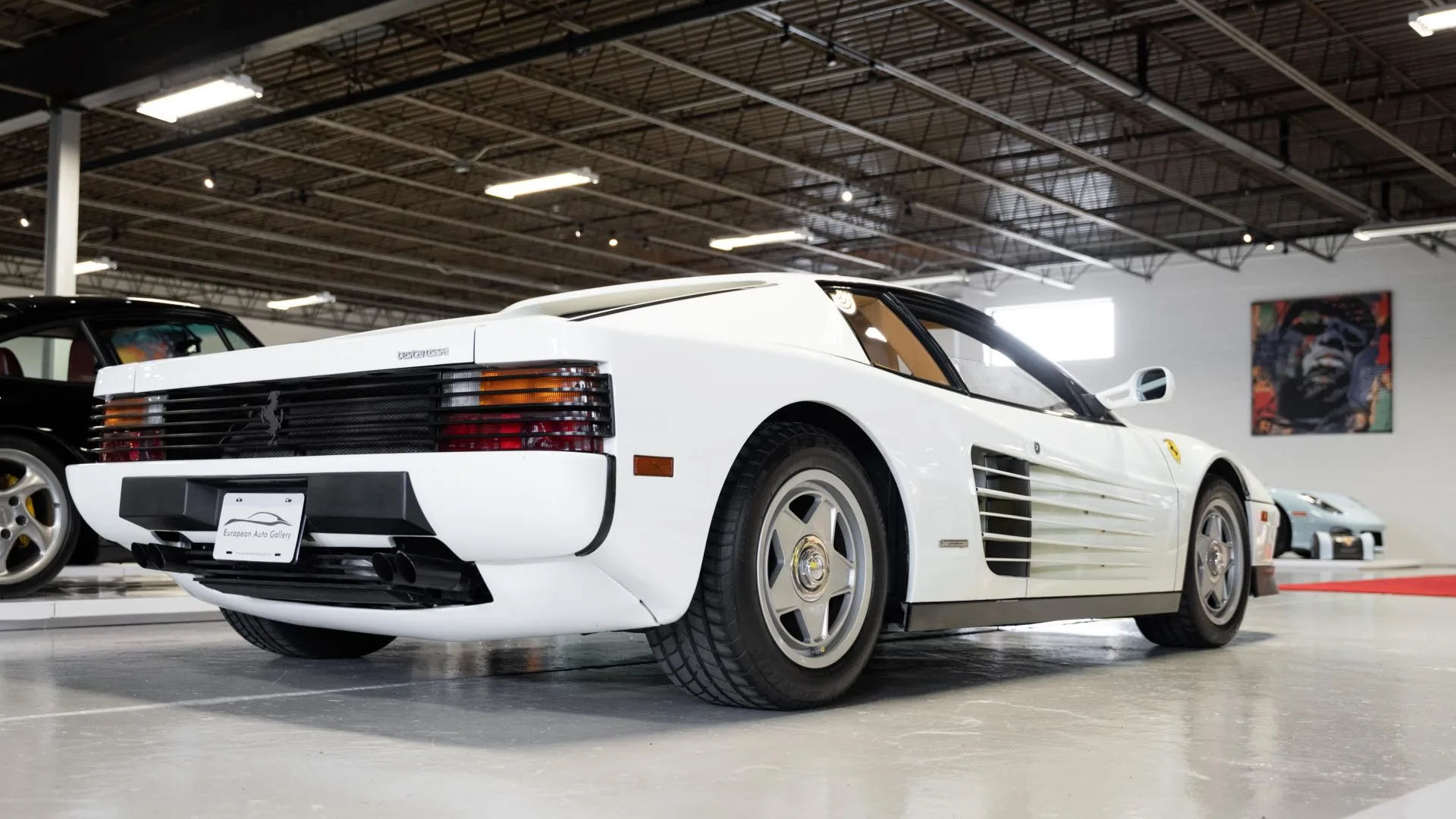
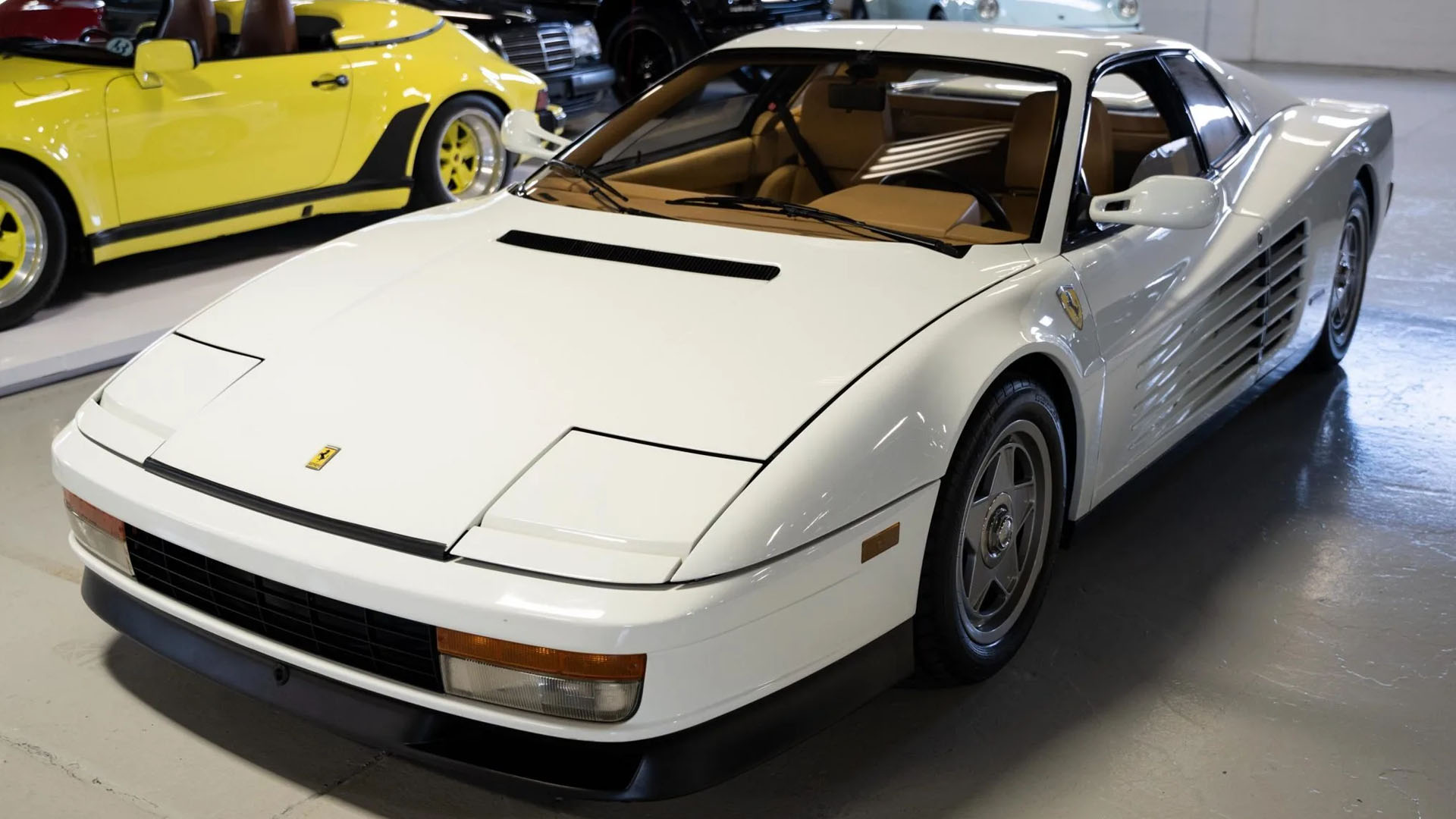
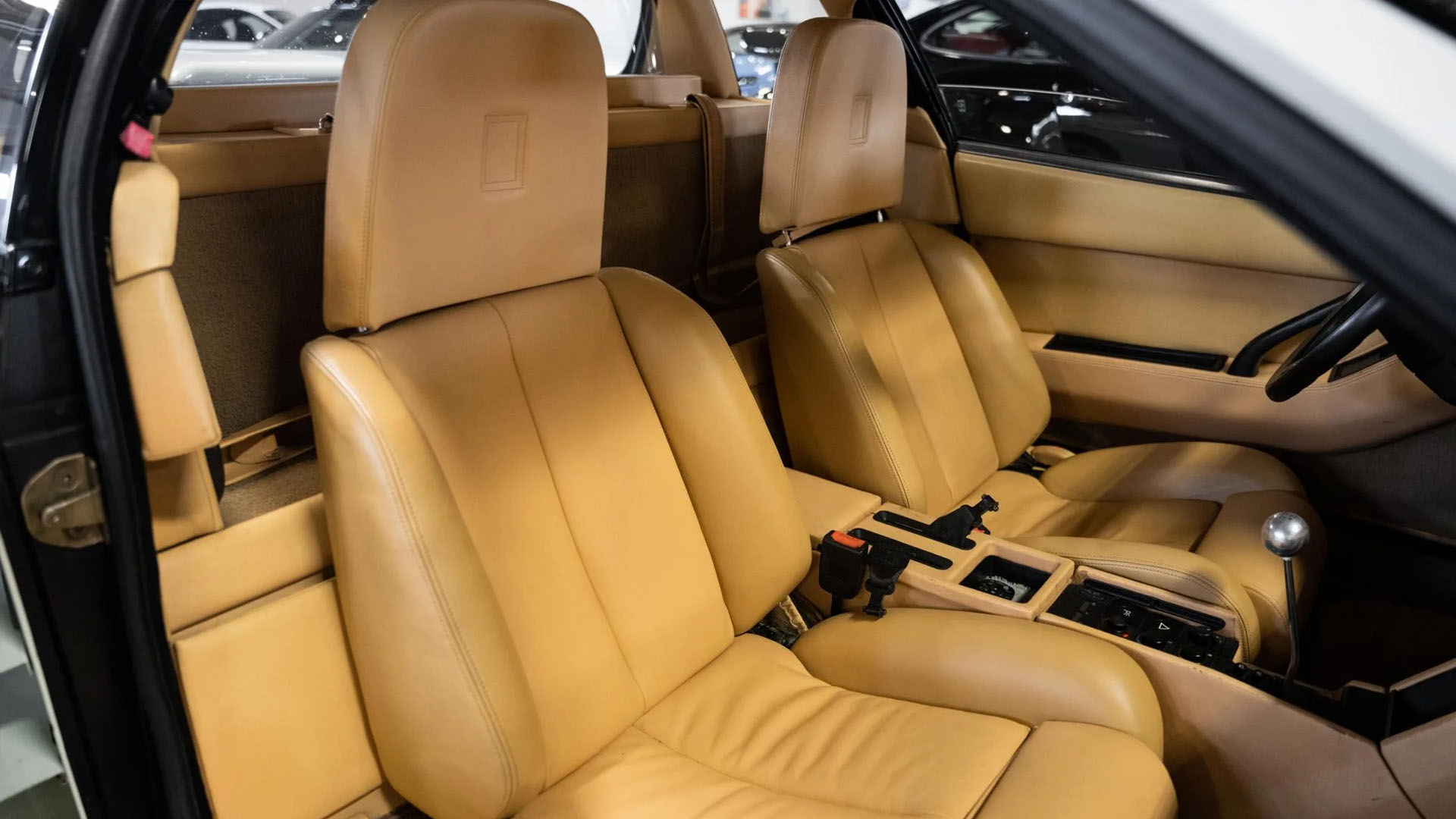
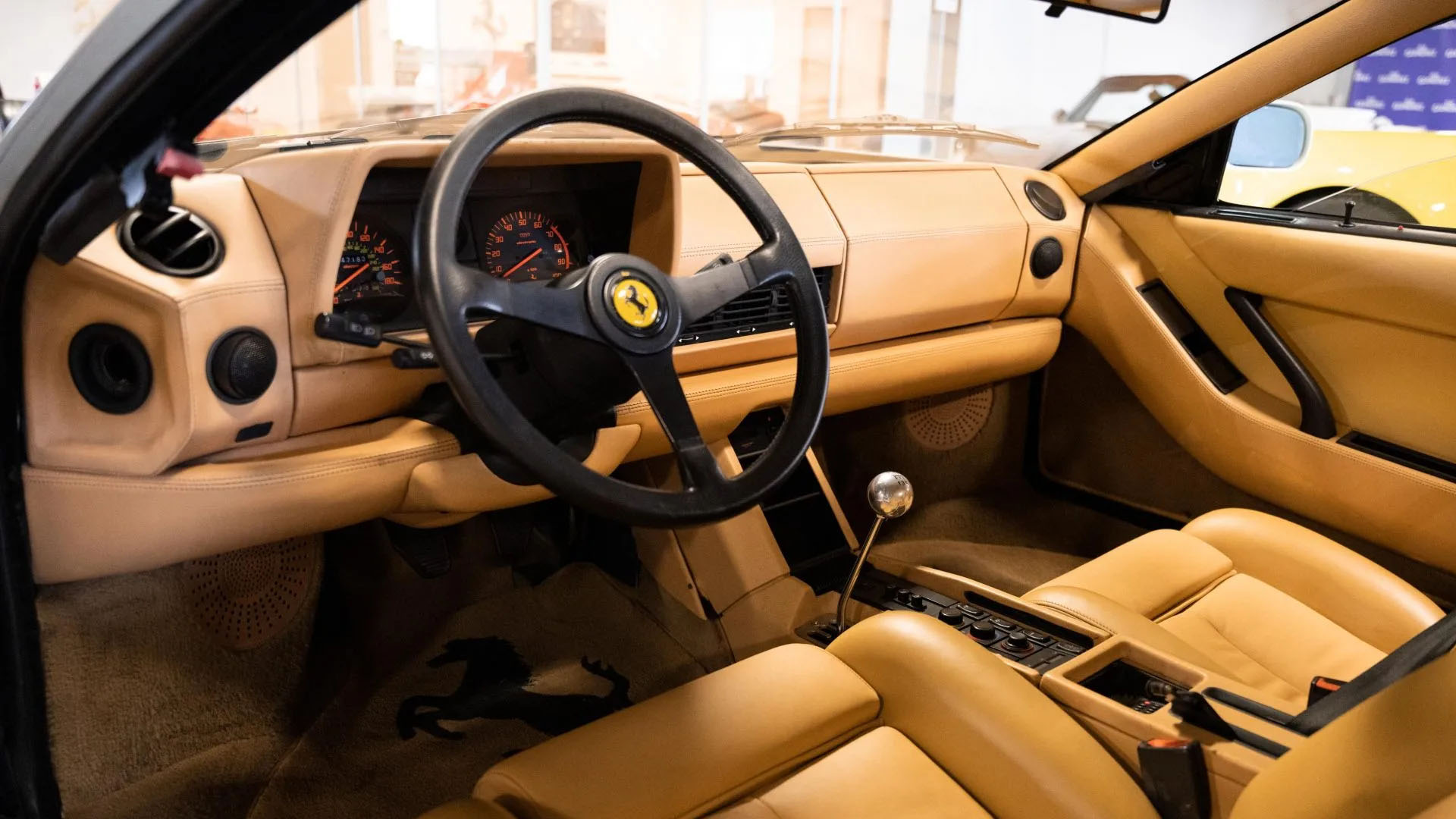
If I see a white Ferrari Testarossa, one TV show comes to mind, the hit series Miami Vice where after his black Ferrari Daytona (a replica based on a Corvette by the way) was blown up and Crocket received a confiscated black Ferrari Testarossa as a replacement, because the black car might have been recognized by thugs, the Miami Police Department decided to repaint the car to white on a tan leather interior, making this specific combination very popular next to the classic Ferrari red.
So when I spotted this BringATrailer auction for a 1987 Ferrari Testarossa, I immediately went back decades and remembered watching Miami Vice on the television one day a week, before I actually bought the entire DVD box with all seasons combined … yep, DVD was the best of the best at that time, I even had a VHS player at one point and several Lamborghini Countach posters on my bedroom walls, the counterpart for the Ferrari Testarossa that was built between 1984 and 1991.
One of the typical features on the white Ferrari Testarossa used for the Miami Vice show was the ‘flying mirror’, the single exterior rearview mirror that was mounted high up on the windshield sill, and only on the driver side … this mirror design was only used on very early production models of the Testarossa, in 1986 Ferrari switched to a more normal position and added a passenger-side mirror too, the car on auction right now is a 1987 model, so she comes with the two mirror setup, but she does have the tan interior too.
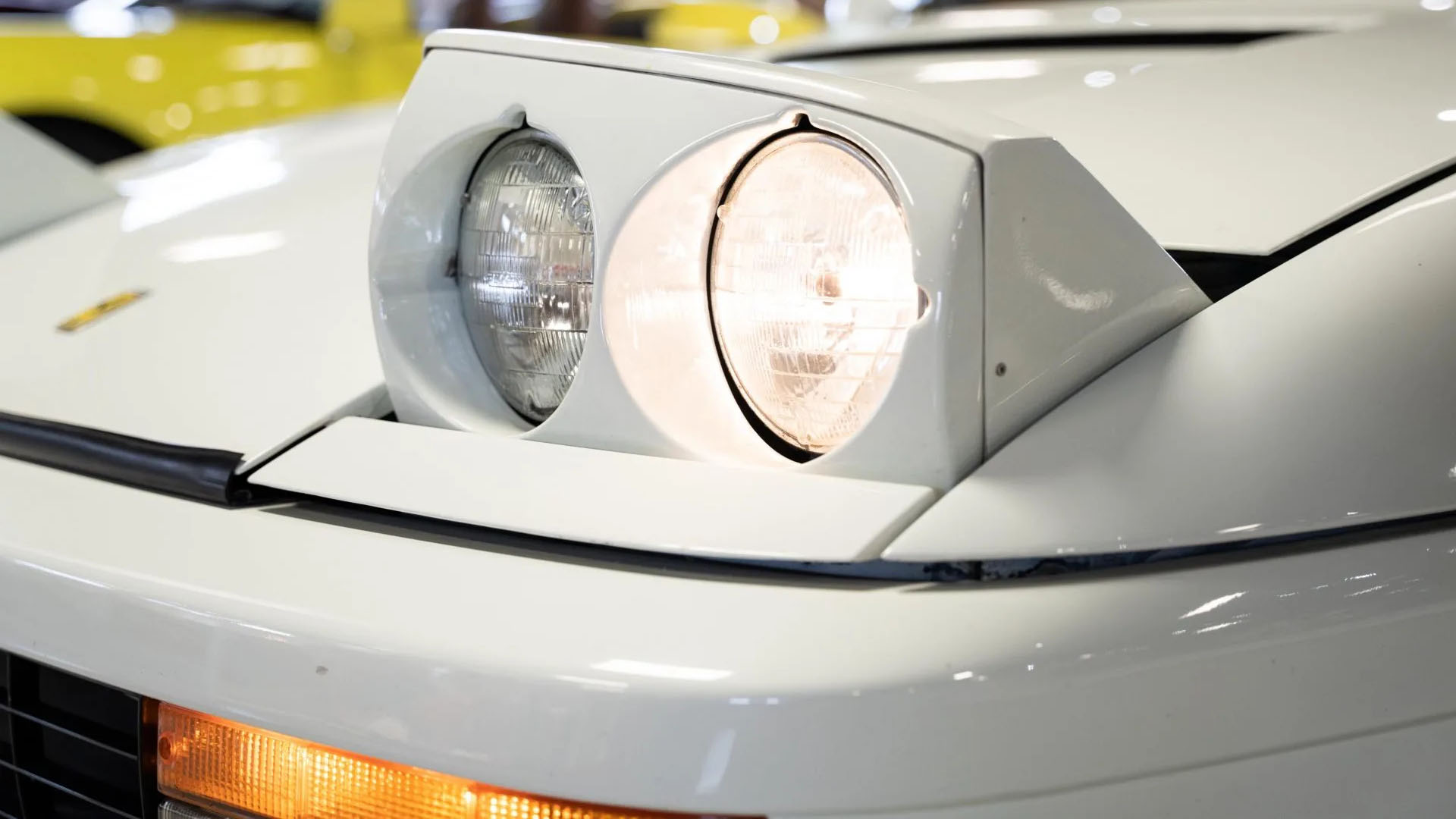
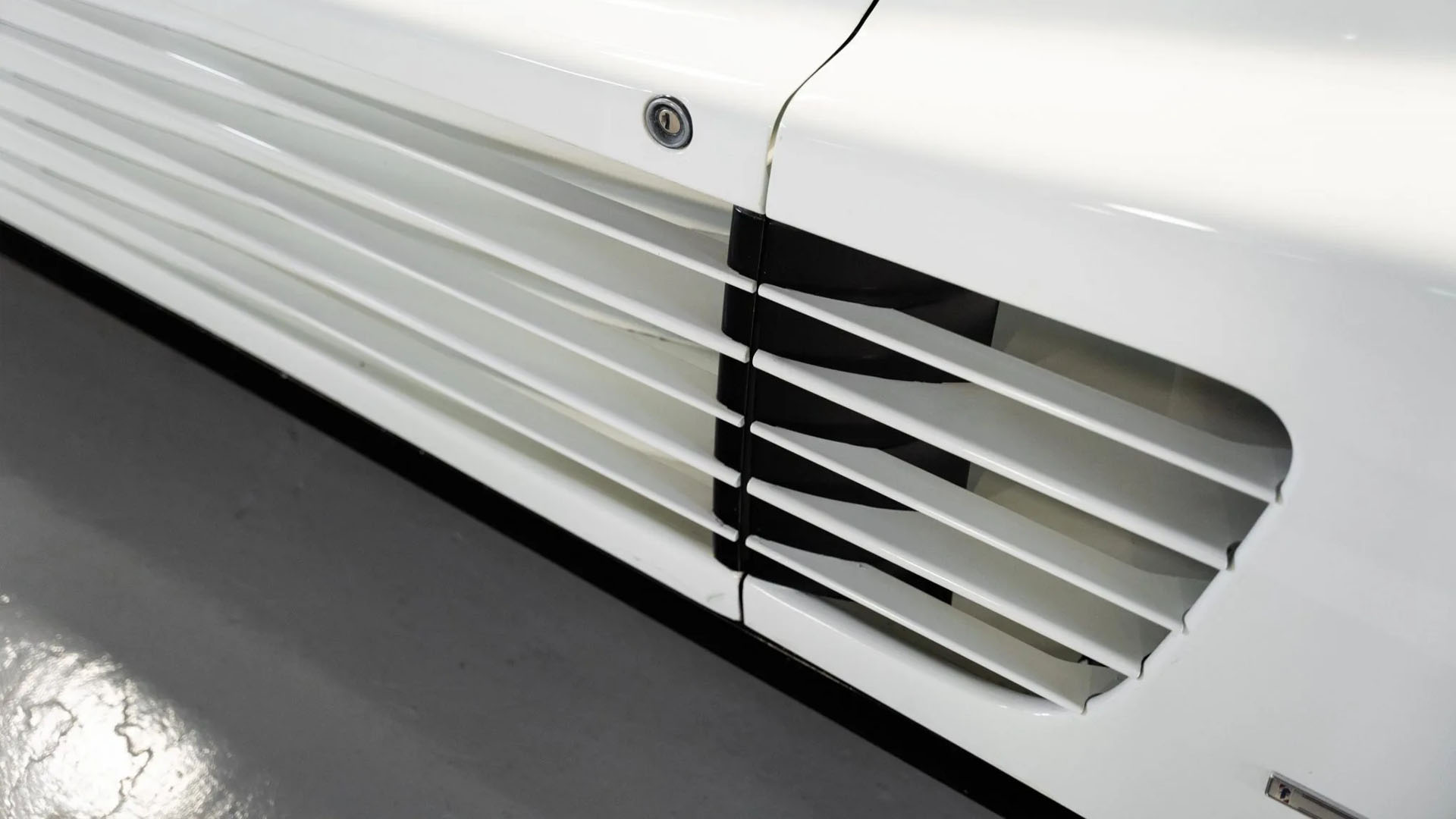
Remember we are looking at a car that is 34 years old now, chassis ZFFSG17A8H0072019 now shows about 47,000 miles on the counter and comes with a clean California title, styled by Pininfarina’s Leonardo Fioravanti, the Ferrari Testarossa comes with the massive side intake with ‘streaks’ that made this car instantly recognizable, and as we are looking at a supercar from the Eighties, we still get popup headlights with four lamps in total.
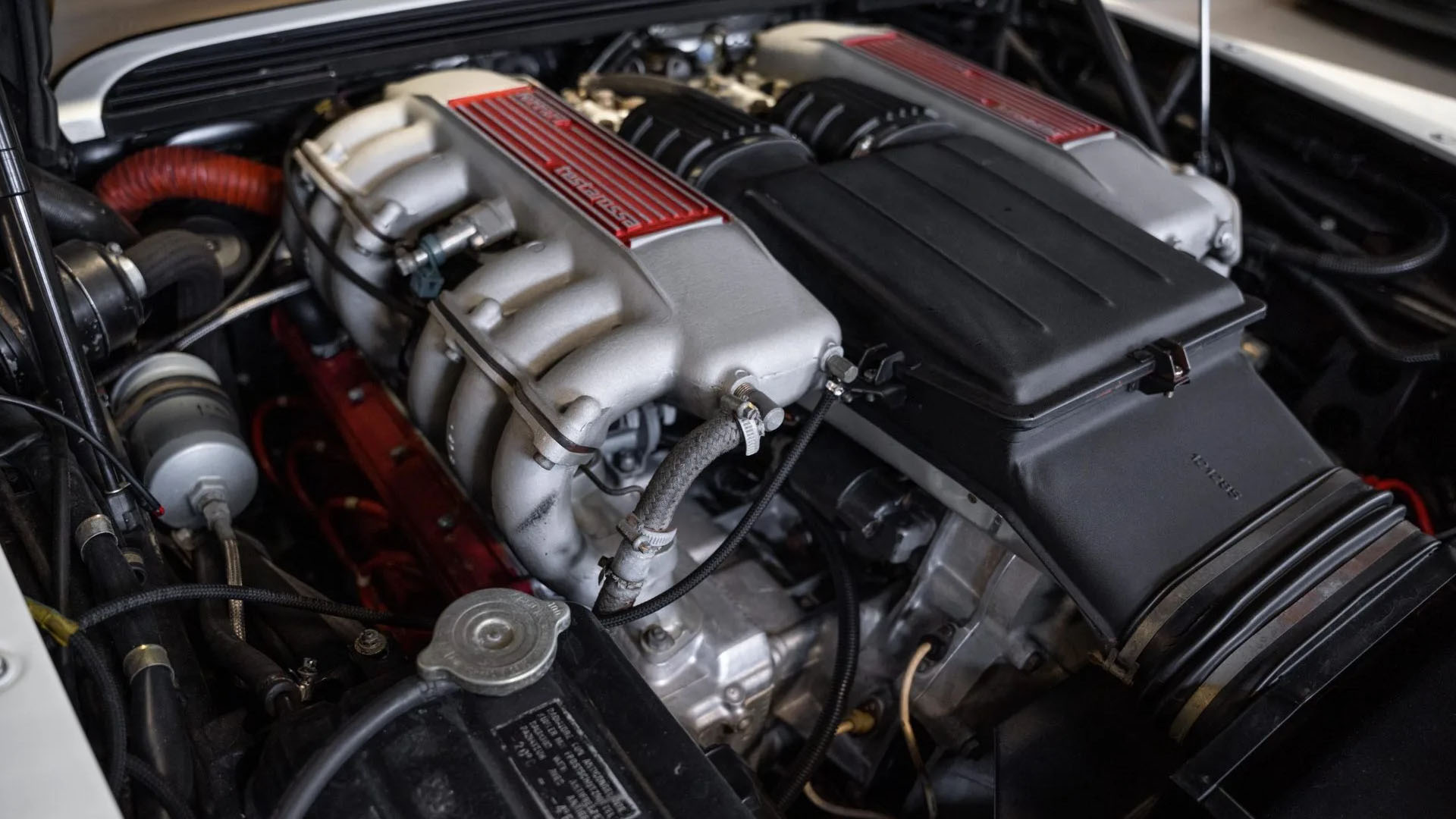
Naturally, we are looking at a five-speed manual gearbox delivering power to the center-lock Cromodora wheels in a mere 16-inch tall version, covered with Dunlop SP Sport tires at 225/50 and 255/50 to the front and rear respectively, a power which comes from the famous 4.9-Liter flat-12 engine with Bosch KE-Jetronic fuel injection, good for 380 hp to the rear wheels only, note that Ferrari already had a four-valve per cylinder setup on the Testarossa from the start, Lamborghini answered with the Countach Quattrovalvole in 1985, now with 455 hp.
On the inside of this Bianco Ferrari Testarossa, we find a natural tan leather interior, the seat bolsters have been redone so they look amazing again, this car comes with power windows, air conditioning, and that stunning gated shifter with the satisfying ‘clunk’ when changing gears while you admire the Veglia Borletti tachometer with her redline at 6,800 rpm, the speedometer inside this Testarossa goes all the way up to 200 mph.
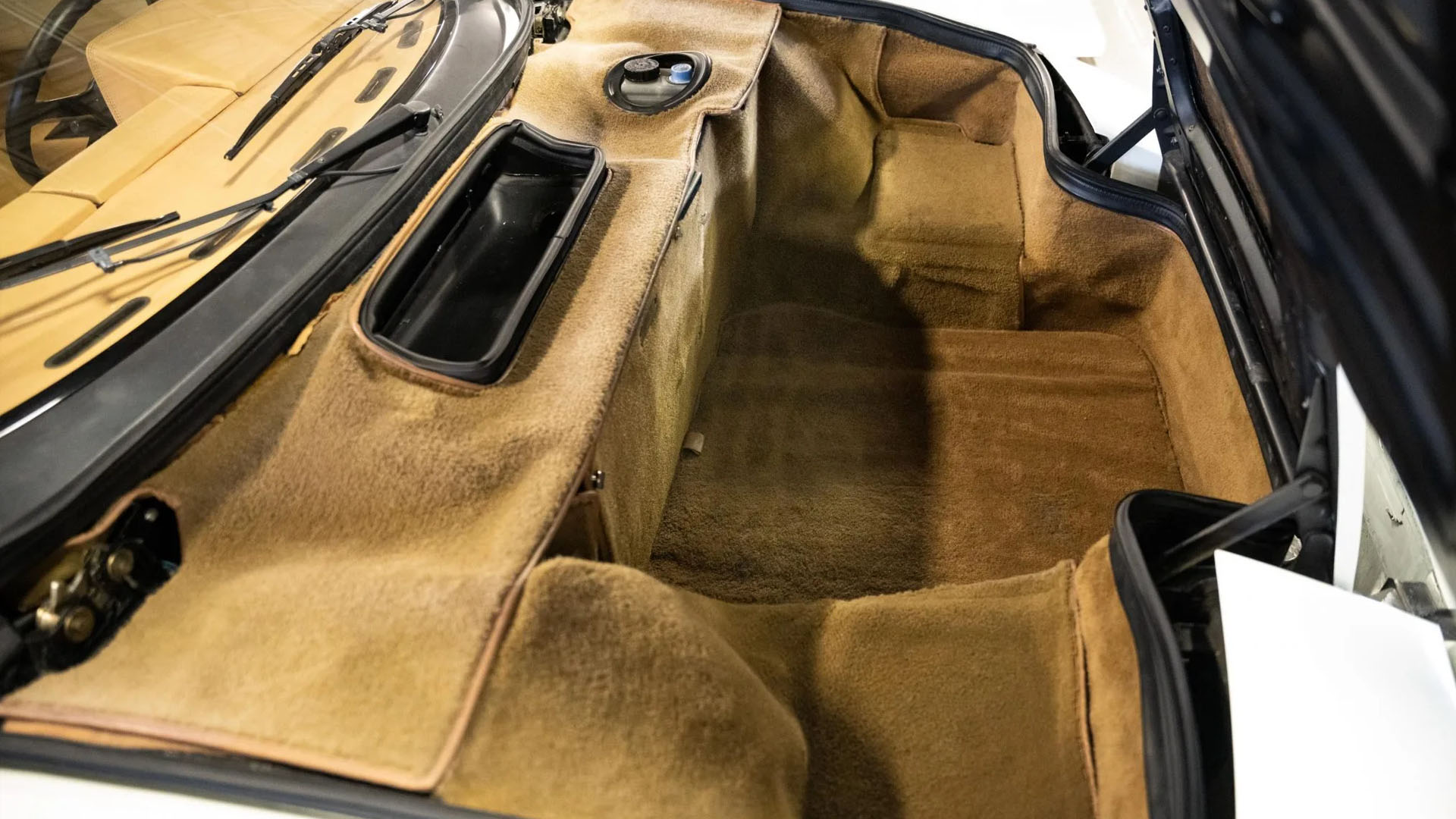
When you open the front hood on the Testarossa you actually gain access to a rather large luggage compartment, trimmed in tan carpet, it can hold quite some material, with the engine behind the occupants, the front made for a nice space to fit bags or other paraphernalia, in style naturally.
This car is now listed at auction by a dealer who bought the car in 2020, the main service has been performed in 2018 by the previous owner that had the car located in California and Georgia before selling it to New Jersey, the Ferrari Testarossa is a classic supercar from a bygone era, together with the Lamborghini Countach and the G-Series Porsche Turbo, these three cars left a mark in the life of an entire generation, and those side streaks became a trademark for Ferrari at that time, using them on the 348 models too.
At the time of writing the bids went up to $95,000 at the BringATrailer auction, which does sound like an interesting deal on such an iconic car, if you are interested in adding this classic to your collection, you should head over to the listing now, as it will end in a matter of hours … good luck.
October 19, 2021 / Comments Off on What does a white Ferrari Testarossa remind you of?
Automobili Lamborghini announced the Sant’Agata Bolognese facility will be powered by biomethane from 2023. The system will reduce the CO2 emissions from the current 37% to 80% and it will also deliver four million cubic metres per year which is around 65% of the company’s current gas requirements.
Lamborghini is involved in a program known as ‘Direzione Cor Tauri’ with the objective of building a more sustainable future from now until 2030. The transformation process is driven by a large investment of €1.5 billion that will ensure the entire range is completely hybrid by 2024 and the introduction of the fourth full-electric model by 2030.
Other projects by Lamborghini include the creation of a park with 10,000 oak trees, bio-monitoring projects with bees, construction of one of the largest photovoltaic systems in Emilia-Romagna, the creation of trigeneration and district heating plant and the launch of a sustainable logistics projects.
October 19, 2021 / Comments Off on How Lamborghini is Tackling Carbon Emissions to Save the V12
Collectively, Porsche is arguably our favorite automaker here at supercars.net and they are most certainly mine, personally. So please bear with me, while you’re being subjected to the extra skip I had in my step while putting together this list (plus the monologue you’re reading right now). Porsche has come a long way since the company basically had to be “rescued” from the jaws of financial capitulation by the Boxster back in the mid ’90s, and has gone on to thrive as one of the world’s most respected car manufacturers.
The company’s first SUV – the Porsche Cayenne, which debuted in 2002 – really took the Stuttgart-based producer to the next level, first by broadening market appeal and then subsequently, expanding their customer base by significant proportions. For us enthusiasts, we really do have the Cayenne to thank for the proliferation of the brand’s performance cars, as the revenues from its sales were instrumental in funding Porsche’s most innovative and inspiring endeavors thereafter.
Fast forward to 2021, and where do we even begin with the brand? There are the fully-electric Taycan sports sedans/crossovers which can do 0-60 mph in as quick as 2.5 seconds. The GT lineup of cars are impressive as ever, with variants of the 718 and 911 being amongst the most revered performance automobiles on the planet, while GTS and Turbo models offer the very best in grand touring cars. The Cayenne continues to excel, offering a wide (and almost excessive) array of trims to cater to just about every taste that’s out there. The relatively new Macan has been tasked with bringing the company success in the increasingly competitive high-performance crossover segment. Perhaps the only model to be struggling right now is the Panamera, due to the significant overlap it has with the Taycan, despite having the opposite drivetrain philosophy.
Needless to say, there is a Porsche model for everyone out there. Here are the best of those, which can be purchased brand new today.
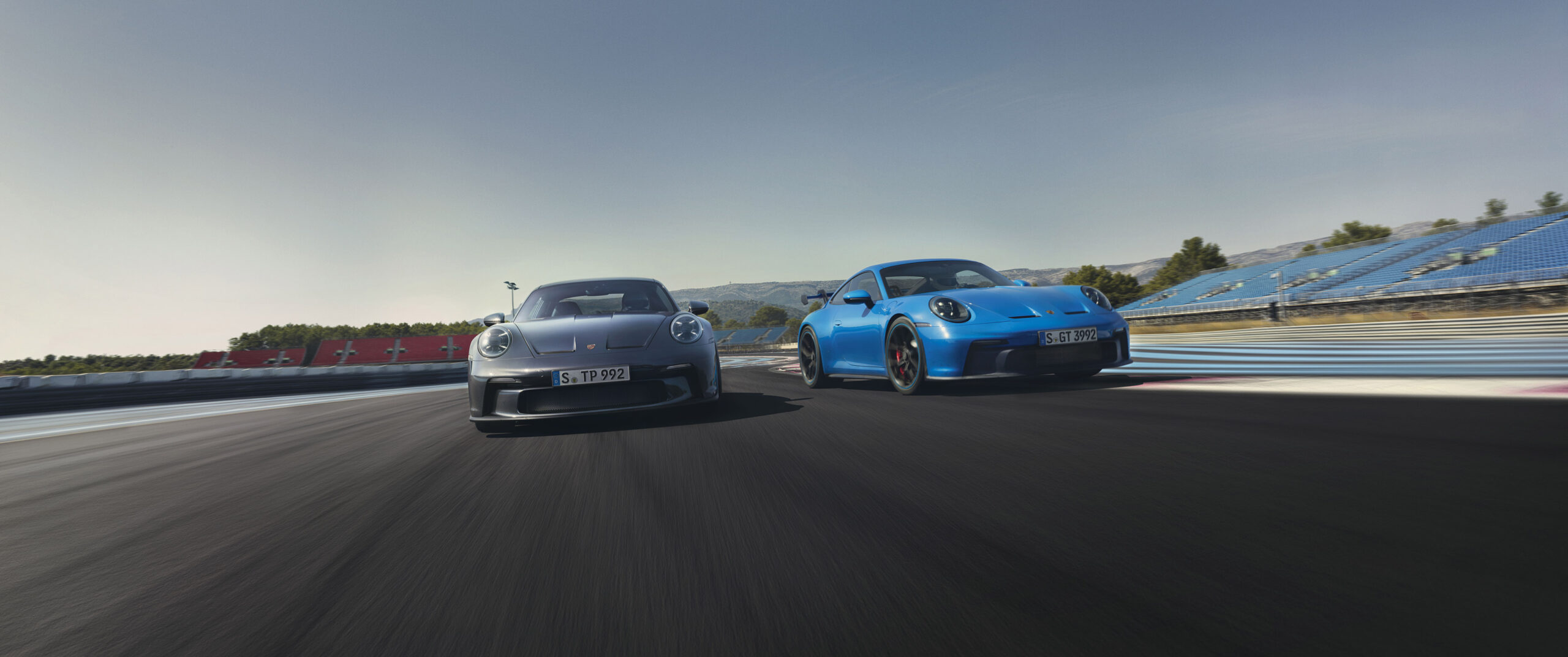
Porsche 911 GT3 (992)
Base MSRP: $180,300 USD (GT3), $180,300 USD (Touring)
Porsche unveiled its new 992-generation Porsche 911 GT3 via digital livestream on YouTube. First deliveries are just starting to trickle in now, making it likely to be designated as a 2022 model. Semantics aside, this new GT3 becomes the seventh iteration of one of Porsche’s most established and beloved automobiles. More importantly, it continues to embody the spirit of previous GT3 models by amalgamating all that is awesome about the 911 – and the Porsche brand – in a single road car.
The automaker has continued the use of the naturally-aspirated 4.0L 9A1 flat-6 power plant in the 2022 Porsche 911 GT3. The only key differences between the engine used in the race car and the one used in the 992 GT3, are the exhaust system and ECU. Otherwise, the two engines share virtually all the same components, such as individual throttle bodies. As such, the new GT3 needed no “sound engineering” and inherently sounds amazing. With its astronomical 9,000 rpm redline, the GT3 produces 502 hp @ 8,400 rpm and 346 lb-ft of torque @ 6,250 rpm.
Overall, the silhouette of the new 911 GT3 remains a largely familiar one – and that’s not a bad thing. In fact, this is probably great news for Porsche and GT3 enthusiasts, who would contend that there was never anything wrong with the previous GT3 in the first place. One of the most visually notable changes is the “swan-neck” rear wing derived from the 911 RSR competition car, which further emphasizes the link between Porsche’s race cars and its road cars. Those who desire something a little less extroverted, but no less capable, may now also opt for the Touring version which had been promised from the very beginning.
Porsche has even gone as far as pricing both cars with the exact same base MSRP, meaning that you only have to worry about making your decision – on what GT3 variant you really want – based on your personal tastes, and not be forced into one because of a difference in price. We see this as nothing but a good thing. Just pick what looks better to you. Which to be fair, might be easier said than done – oh Porsche, you make things so, so interesting.
Porsche 718 Cayman GT4 / 718 Boxster Spyder
Base MSRP: $101,200 USD (GT4) / $98,300 USD (Spyder)
The first iteration of the Porsche Cayman GT4 made its debut in 2015, drawing a conclusion to the third generation of Boxster/Cayman (981). Since that time, the GT4 has become a cult hero amongst purists with its absence of frills (not to be misheard as ‘thrills’), relative affordability and undisputable demi-god-status as one of the ultimate driver’s car. It is a Porsche model that every fan now lusts after. For Porsche’s GT department, the blueprint used in creating the GT4 was simple – a naturally aspirated engine, 6-speed manual gearbox, and access to the 911 GT3 parts bin. Combined with the Cayman’s mid-engine layout and a signature emphasis on performance and driving dynamics, the GT4 became an instant hit.
That was then, and this is now – some things have changed, while others haven’t. Shortly after the release of the 981 Cayman GT4, Porsche ushered in the fourth generation of the Cayman/Boxster (982) in 2016 which are marketed as the 718. The most welcome fact about the new 718 GT4/Spyder models is that they marked the reintroduction of the naturally aspirated 6-cylinder into the Cayman/Boxster series, and for the first time into the 982 generation; many were initially concerned about the possibility of a turbocharged engine being used for the range-topping models, which all the other 718 Cayman/Boxster variants had been using up to that point (until the GTS 4.0 was released, which gets mentioned later).
With the main difference between the two cars being that the GT4 is a coupe while the Spyder is a drop-top, both cars are mechanically identical and benefit equally from the typical GT-treatment we have all come to adore. Like the inaugural GT4, the new GT ‘twins’ once again infringe on Porsche 911 territory with their stunning performance metrics to rival Stuttgart’s own flagship car. However, there is some irony in this as a Porsche GT car has never put an emphasis on padding the spec sheet, and the new GT4 and Spyder are no different. The famed Motorsport division continues to use their cars to highlight the pinnacle of vehicle driving dynamics and enjoyment, so it’s safe to say that we are in for one hell (or two hells?) of a ride.
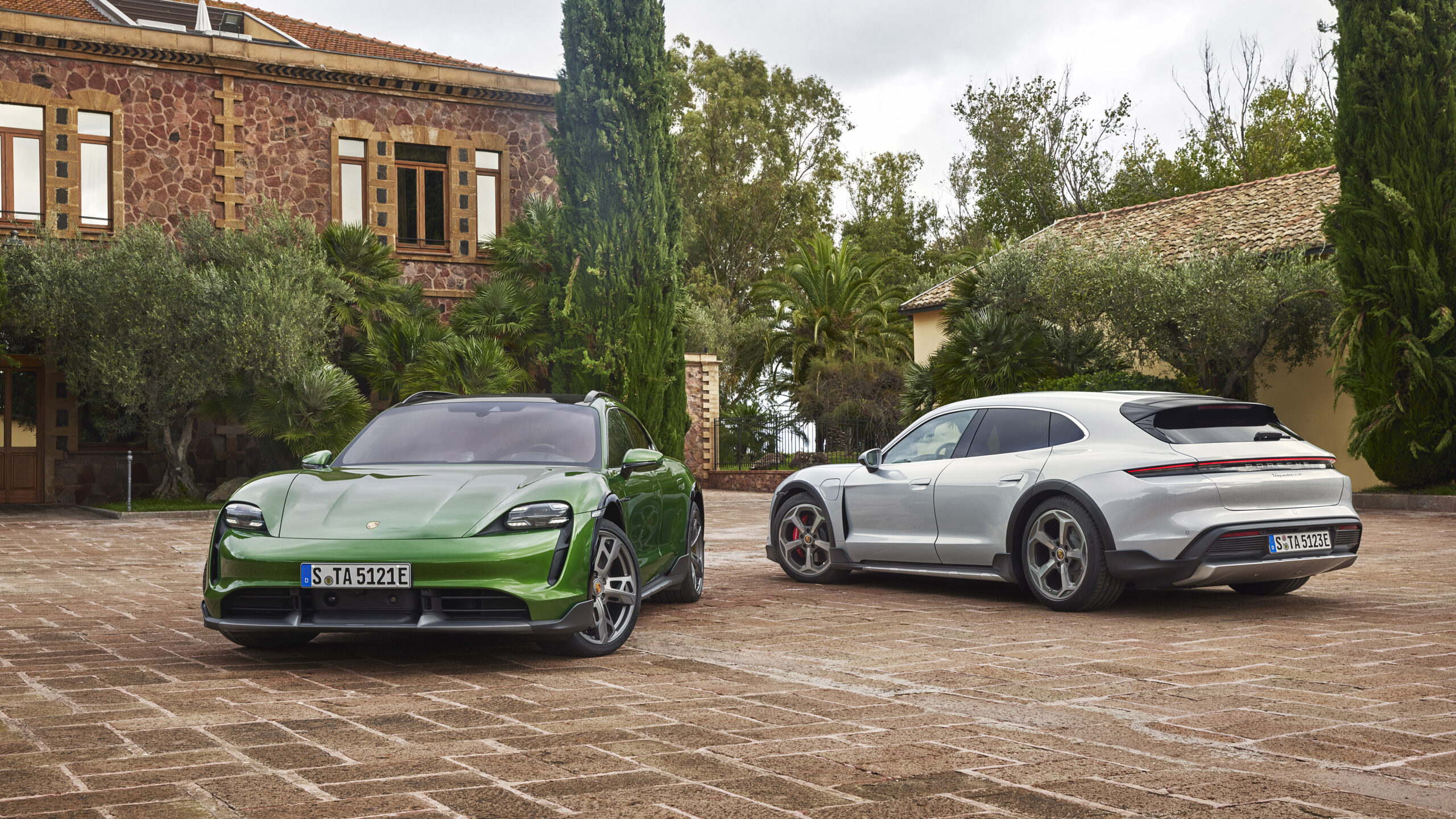
Porsche Taycan (All Models)
Base MSRP: Starting at $79,900 USD (Sedan) / Starting at $90,900 USD (Cross Turismo)
Porsche’s first EV was the statement car of 2020, proving that a future with electrification can still embody the soul of a true sports car in the Taycan Turbo and Taycan Turbo S. Shortly after their release, Porsche added a slightly detuned version of the Taycan in a trim level known as the Taycan 4S. The company has since expanded the Taycan sports sedan lineup with even more versions, including a rear-wheel drive base model, with a future GTS version rumored to be in the works.
With the introduction of the new Cross Turismo range of Porsche Taycan models in 2021, we’ve now entered the second act of the company’s electrification strategy. The Porsche Taycan Cross Turismo carries over the EV-platform and performance from its sedan counterpart, then amalgamates them with the utilitarianism of a sporty crossover/estate. What this means is that you can expect the same 800-volt battery architecture powering the car, with 93.4 kWh as the standard fare on all models (certain sedan trims could be had with a smaller 79.2 kWh pack). The Porsche Taycan Cross Turismo is currently available in four distinct trim levels – 4, 4S, Turbo, and Turbo S – with relative performance figures and standard features across the range, mostly in parallel with that of the sedans.
Now having two distinct body styles and enough trims to satisfy anyone from soccer moms to performance junkies, there are sufficient permutations to create a Taycan for every type of owner and occasion. With the introduction of the Taycan, and now the Taycan Cross Turismo, we’re amidst being ushered into a new age of Porsche cars and a new era for all automobiles. No longer are electric cars something that have to be a compromise. We’re just getting started, and things are only going to get better from here.
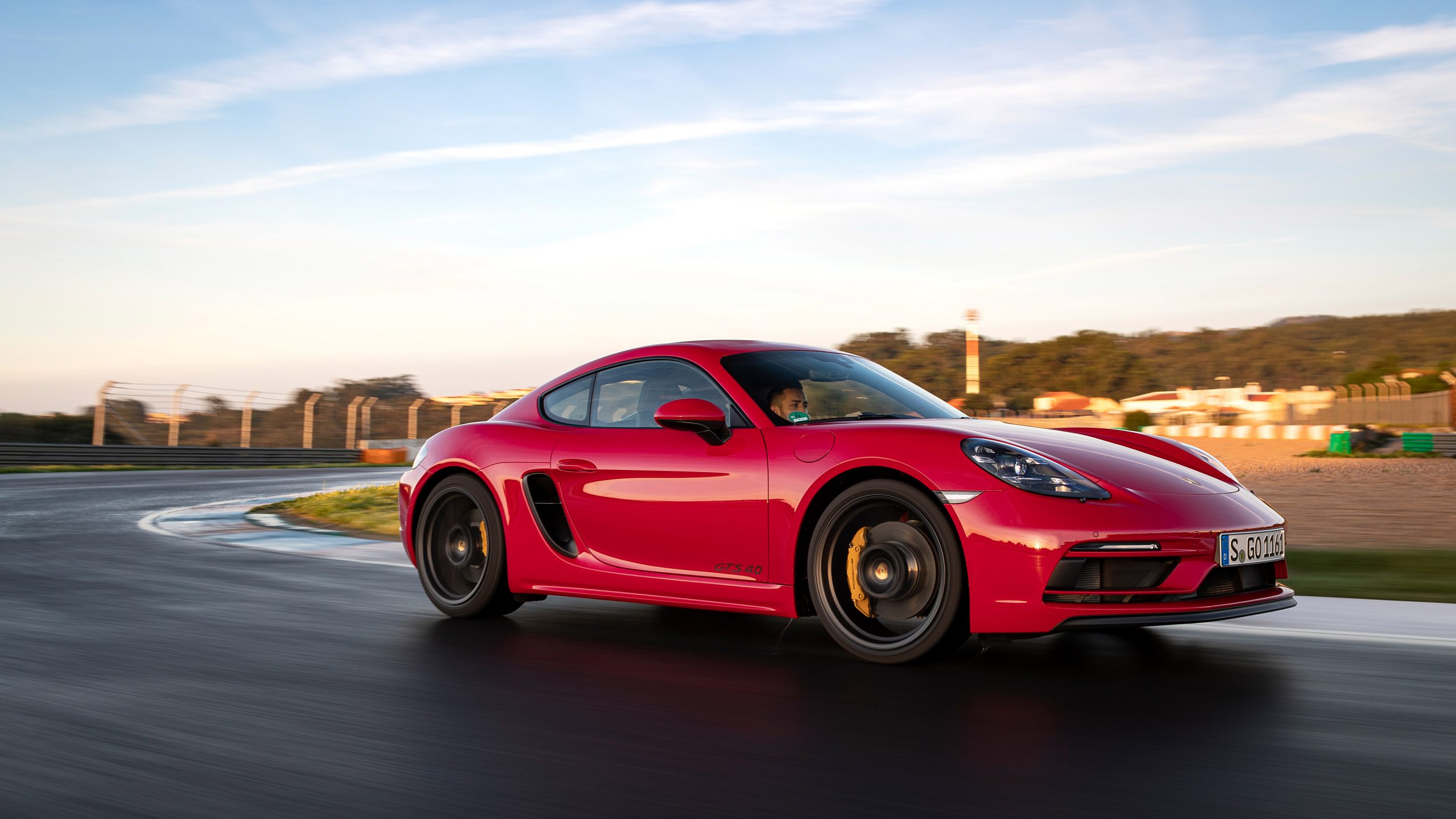
Porsche Cayman / Boxster GTS 4.0
Base MSRP: $88,150 USD (Cayman) / $90,250 USD (Boxster)
In the new 718 Boxster and Cayman GTS, Porsche has replaced the 2.5L turbocharged four-cylinder with a 4.0L naturally-aspirated flat-six engine, pulled from the GT4 and Spyder which were released earlier. The 4-pot turbo engine is still available in every trim level up to the Cayman S/Boxster S, but the new GTS gets the 6-cylinder powerplant, as it should. Granted it is a detuned version of those found in the GT4 and Spyder, making a little less power as it pumps out 394 hp and 309 lb-ft of torque. There’s more good news, too; this car can only be had with a 6-speed manual transmission. It also comes standard with Porsche’s symphonic sport exhaust system – a perfect compliment to its high-revving heartbeat.
Additional upgrades include a ride height that’s 0.8″ lower than the standard car, 20″ wheels finished in black, 13.8″ brake rotors up front and 13″ brake rotors in the rear, and 6-piston calipers. In addition to the performance upgrades, the GTS gets some blacked-out trim, more Alcantara on the inside, plenty of carbon fiber, and two different interior packages: Carmine Red or Chalk. For those who desire a true driver’s car – but are less interested in the hardcore-ness of the GT4 and Spyder – the GTS looks to be a really proper choice. Kudos to Porsche for acting on this opportunity to broaden their potential Cayman/Boxster customer base, while pleasing the company’s most hardcore fans, all at the same time.
Amidst all of these changes, the effort that Porsche makes to be in touch with their customer base has remained as concerted as ever. As if they were eavesdropping on every conversation ever had about the 982-gen, they have gone on to once again answer the wishes of the people with the release of the new GTS 4.0. It’s the ideal stablemate for the GT4 and Spyder models, and slots in perfectly within the 718 roster.
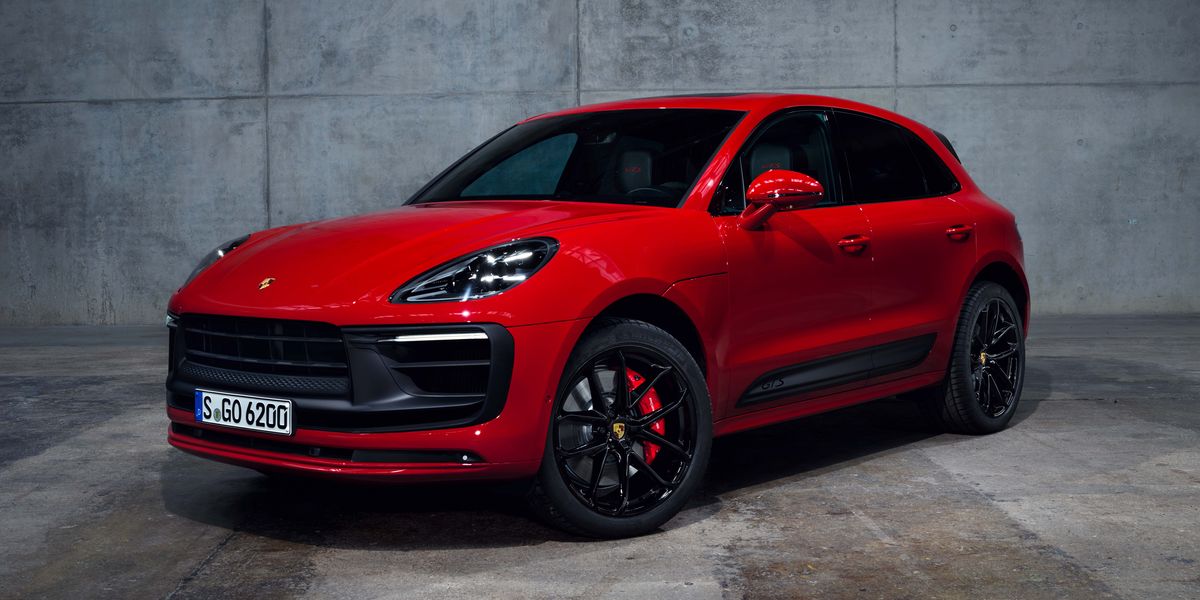
Porsche Macan GTS (2022 MY)
Base MSRP: $79,900 USD
As Porsche continues to refresh the Macan lineup, the company also unveiled an updated version of the GTS late in 2021. Orders for it can be placed now, but deliveries aren’t expected to arrive until early next year where it will be designated as a 2022 model. Currently, the new Macan GTS replaces the now-discontinued Macan Turbo as the highest trim offering; and with that promotion, it has also inherited the latter’s 434 hp twin-turbocharged V6. It’s a bit strange for the GTS to be the top dog in any range of models, yet the Macan GTS still seems to carry on its reputation of really hitting that “sweet spot” relative to other cars. This is in part, due to the fact that the whole Macan roster has been upgraded (with each trim getting an engine “hand-me-down” from last year’s step-up models).
With that being said, all of the new models (including the base and S trims) have been subject to a slight price bump, but not by a substantial amount. In the new GTS model’s case, the base MSRP has only increased by $7,800 over last year’s model, and is still $4,700 less than the outgoing Macan Turbo. That alone builds a pretty good argument to consider the new GTS, but you’re also getting other upgrades such as a retuned adaptive suspension, a revised front and rear end, and updated infotainment and convenience features. Changes aside, you can still expect the same world-class driving dynamics that you would get in a high-performance sports car, but in a crossover SUV.
As a selling point, one could think of the new model as “Turbo performance at a discount”, or a “GTS with Turbo Performance”. Outgoing 2021 models are likely to be offered with price reductions too, but based on all the aforementioned talking points, the new Macan GTS looks like a sure winner and we highly recommend taking a close and hard look at one, if you’re in the market – the premium and the wait, appear to be very much worth it. Either way, it’s a good time for anyone who’s looking to purchase a new Porsche Macan.
October 18, 2021 / Comments Off on Best of the Current Porsche Lineup
McLaren’s rise to the top of automotive stardom has been nothing short of remarkable, and is a relatively recent one at that. It wasn’t even a decade ago, that McLaren had a rather small portfolio of production models which consisted of just a handful of cars made in collaboration with Mercedes-Benz. Granted, even if McLaren had decided to stop making cars at that point, such icons as the McLaren F1 would’ve been enough to keep the McLaren relevant to this day. Thankfully, they weren’t done there, and the company has gone on to release new models at a pace that has been since unheard of in the world of supercar manufacturing.
In this stage of proliferation, McLaren have – by design, or unintentionally – become the world’s V8 engine savants. Despite only producing V8-powered automobiles since as recently as 2011 (via the MP4-12C), few would dispute that claim today. After all, it’s virtually all they know these days, with every single McLaren model – bar the V6-hybrid McLaren Artura – fitted with some adaptation of their M838T or M840T twin-turbocharged V8 motors.
The 3.8L M838T is found in its Sports Series range of cars, which includes the entry-level McLaren 540C and goes all the way up to the indomitable 666 hp McLaren 675 LT. The 4.0L M840T features on all of the Super Series cars, which covers the ‘700 range’ of models, plus the addition of the McLaren GT. In its Ultimate form, the 4.0L unit – dubbed the M840TR – produces 814 hp in the McLaren Senna GTR. The McLaren Speedtail hybrid ‘hyper GT’ produces some 1,035 hp through the combination of an M840T and electric motor.
A myriad of sports cars, supercars, and hypercars have been launched over the past decade, and quite frankly, each new car has been better than the last; something that speaks volumes about the venerable British automaker. While many argue that most of the McLaren range today follows a single “cookie-cutter” formula, we believe that each current McLaren model is unique enough to appeal to a different and specific kind of buyer. The Senna for the millionaire track junkie, the GT for the utilitarian grand touring driver, or the 570S for the pragmatic supercar owner – take your pick, as there’s plenty to choose from in between as well.
Here are the best brand new McLaren cars you can purchase today.
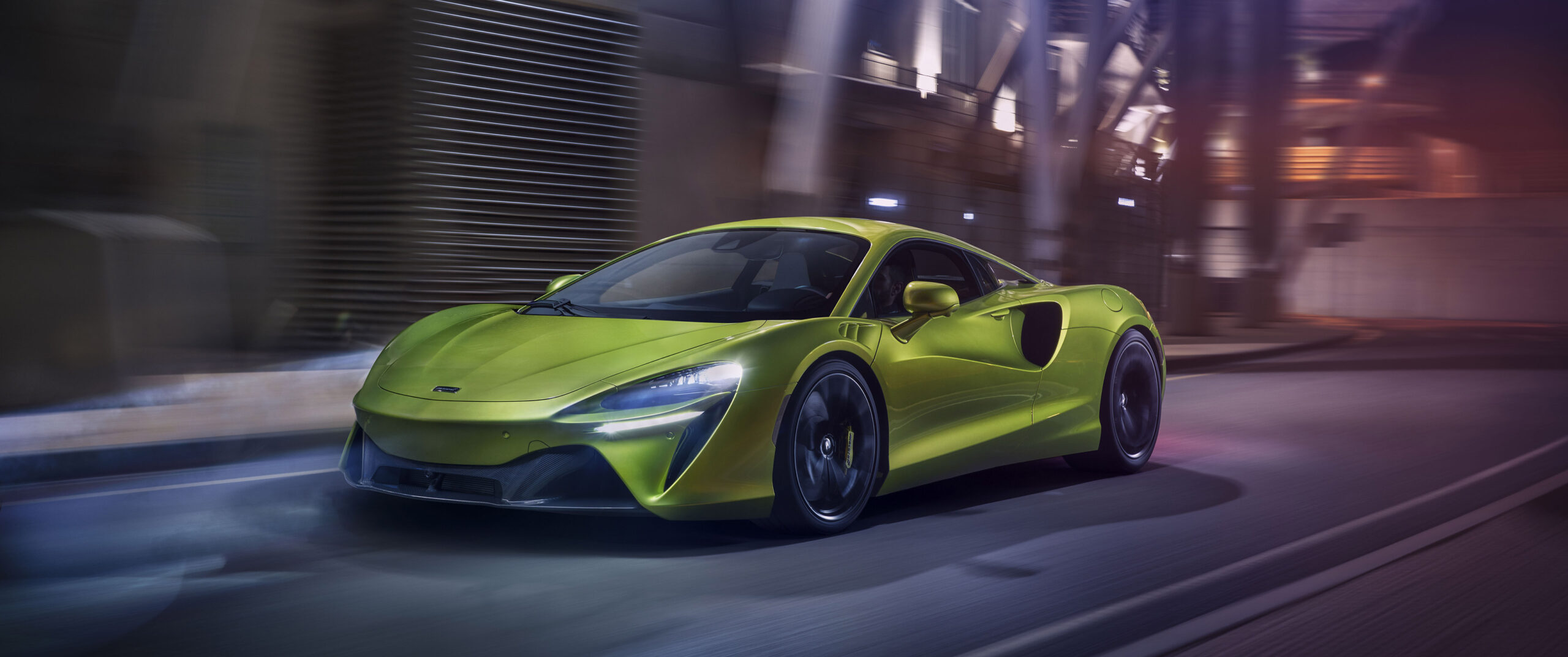
McLaren Artura
Base MSRP: $225,000 USD
The McLaren Artura may not come with a V8 engine like every other car on this list (and indeed the entire McLaren lineup), but it is certainly special, and for all the right reasons. Every ounce of McLaren’s technical expertise and experience has been channeled into making the all-new Artura extraordinary to drive, and wonderfully enjoyable to own. Ever since the 12C revolutionized the supercar segment a decade ago, McLaren Automotive has continued to push the boundaries of supercar innovation. The mission brief for the Artura was even more challenging than its predecessors – to create a series-production High-Performance Hybrid supercar that excels on every level, with performance, engagement, and efficiency sharing equal top-billing.
The engineering and design team approached the challenge holistically – no single part of the process was undertaken in isolation – with ambitious targets set in every area: weight; performance; driver engagement; efficiency; agility; refinement; quality and usability. Every target was met – and in most cases, surpassed – heralding the arrival of the Artura as a next-generation McLaren High-Performance Hybrid that ushers in a new supercar era. The Artura’s hybrid powertrain combines an all-new twin-turbocharged 6-cylinder petrol engine with a game-changing axial flux electric motor (E-motor), all of which is integrated within an all-new 8-speed transmission and a lithium-ion battery pack.
McLaren 765LT
Base MSRP: $358,000 USD, $382,500 USD (Spider)
The McLaren 765LT is the most recent product to join the Woking manufacturer’s esteemed roster of Long Tail variants. Based on the already impressive McLaren 720S, it adds to a growing lineup of track-optimized McLaren supercars. For those unfamiliar with the nomenclature, the LT (short for Long Tail) variants represent the pinnacle of performance for their respective models. Derived from the name is the tradition blueprint of longer body dimensions than its base cars – primarily by way of more aggressive aerodynamics – though the LTs inevitably offer much more than just a cosmetic refresh.
Weight reduction is the primary philosophy at play here. The result is a car that is 176 lbs lighter than the 720S coupé, thanks in part to a titanium exhaust system, bespoke carbon fiber amenities, and the removal of air conditioning and infotainment systems – parts which are in some cases, borrowed from the halo McLaren Senna hypercar. Relatively speaking, power increased by a smaller increment, though by an amount that is perfectly suitable for both the car’s design and its intended application. The efficiency of the engine’s power delivery is also refined, with McLaren stating that a noticeable improvement in throttle response has been achieved to further enhance the car’s precision on the race track. So, what does this all mean at the end of the day? In the McLaren 765LT, you now have a 720S that is lighter, longer, more powerful, more aerodynamic and more hardcore. Quite simply, it’s remarkable.
McLaren GT
Base MSRP: $210,000 USD
So there’s no hint of an SUV, or even anything that could possibly be conceived with four doors or room for a family.” If we can’t make the world’s best SUV, why the hell would we?” stated GT Global Product Manager, Tom Taylor, who reiterated McLaren’s no nonsense approach to any car they produce; one which I personally find very charismatic. There is instead, the new McLaren GT which debuted for the 2020 model year and has continued into 2021 and beyond. The GT – which stands for ‘Grand Tourer’ – is the British automaker’s first attempt at something other than the raw, unadulterated performance conduits they are most known for producing in the past.
Unconventional for a McLaren and for a mid-engined car respectively, are it’s particularly luxurious interior and over 20 cu. ft. of storage space. In spite of its supposed layout handicap, the McLaren GT is not outdone by the likes of Aston Martin with regards to the latter, with plenty of room for bags, skis and a week’s worth of luggage. The new infotainment system also helps to facilitate a comfortable cross-country cruising experience. Traditional grand touring cars are not shy about the shortcomings they are willing to accept in exchange for a heightened level of luxury and refinement; i.e. often heavier and bulkier, with typically softer driving dynamics.McLaren looks to shatter such preconceptions with the new GT.
McLaren Senna
Base MSRP: $1,050,000 USD, $1,430,000 USD (GTR)
When it was first unveiled in late 2017, the Senna proclaimed itself as the ultimate street-legal McLaren. We can go back as early as the 1990s when tracing the Senna’s lineage, with the McLaren F1 pioneering the first production car with full carbon-fibre construction. More than two decades later, its predecessor – the McLaren P1 – gave the British automaker a refreshed sense of supremacy with its redesigned flagship car. Fast forward into the current era of automobiles, and the Senna epitomizes a collaboration of the latest and greatest technologies, while paying tribute to a legend of the past – not so much to a car, as much as it is to a driver; none other than the late F1 driver Ayrton Senna.
The McLaren Senna is the pinnacle of McLaren performance. It combines the three principal matters of a high performance vehicle – aerodynamics, chassis and power – in an unrivaled manner. As a purpose-built track car, it still manages to be road-legal; but don’t expect to have a chance encounter with it at any race tracks or on the street. Due to its spartan interior and physically demanding nature, the car precludes mostly any sense of ‘daily use’ and will require an experienced and capable driver behind the wheel to push the car over seven-tenths on a road course. The car is also a bit of a unicorn with all 500 units having been spoken for. An even more hardcore, non-street-legal version of the car – known as the Senna GTR – was also made available by the company shortly after.
McLaren Speedtail
Base MSRP: $2,250,000 USD
Meet the new Speedtail – an aptly-named addition to McLaren’s UltimateSeries of automobiles. This limited-edition car – of which only 106 examples will be built – represents McLaren’s unyielding pursuit of maximum top-speed. Whereas other McLarens blend handling, acceleration, and driving dynamics in a harmonious package, the Speedtail has a more singular focus. That focus is speed; ludicrous amounts of it. McLaren has labeled the Speedtail a Hyper GT, which seems fitting given the excess of the car and its abilities. More than that, the Speedtail is a car that reminds us that the automotive world serves to inspire and excite us, as much as it does in moving us from one place to the next. Though, in the case of the Speedtail, it moves us unlike anything else out there.
This 1,055 hp car will take you to 250 mph, and then to the Opera, on the same set of tires (to paraphrase McLaren’s spokesperson with a peculiarly interesting name: Wayne Bruce).The McLaren Speedtail hybrid ‘hyper-GT’ produces all that power through the combination of an M840T and parallel system eMotor. This setup – in addition to applying the most genius drag-reduction principles in existence today – has allowed the Speedtail to become the fastest production McLaren ever made.
October 18, 2021 / Comments Off on Best of the Current McLaren Lineup
Bentley is an indispensable member of the British luxury car quadrumvirate (alongside Jaguar, Rolls-Royce and Aston Martin). Headquartered in Crewe, England, the automaker is infamous for its iconic grand tourers and sedans – respectively, the Continental and Mulsanne. Bentley has also recently entered the SUV playing-field with the introduction of its Bentayga, which has quickly become the brand’s best selling vehicle.
For the near future, Bentley has been aggressively preparing its entire roster towards a transition to plug-in hybrid drivetrains. On the more long term battlefront, we can expect fully electric models as well. It looks like Bentley is playing the long game here, as it looks to remain relevant in the years and decades to come.
The uber-luxury automaker did not add any new models to the lineup for 2021, and are in fact discontinuing one of their most iconic cars – the flagship Bentley Mulsanne. Not to worry though, as the Mulsanne is slated for a return in the near future, as part of Bentley’s hybridization initiative.
To pass the time, Mulsanne fans can look forward to a ‘send-off’ version of the car known as the “6.75 Edition” by Mulliner. Mind you, this version is limited to just 30 examples which are more than likely all spoken for by now. Bentley have also added new options and revised some features across the current range, to keep things fresh and enticing.
Here are the best brand new Bentley cars you can purchase today.
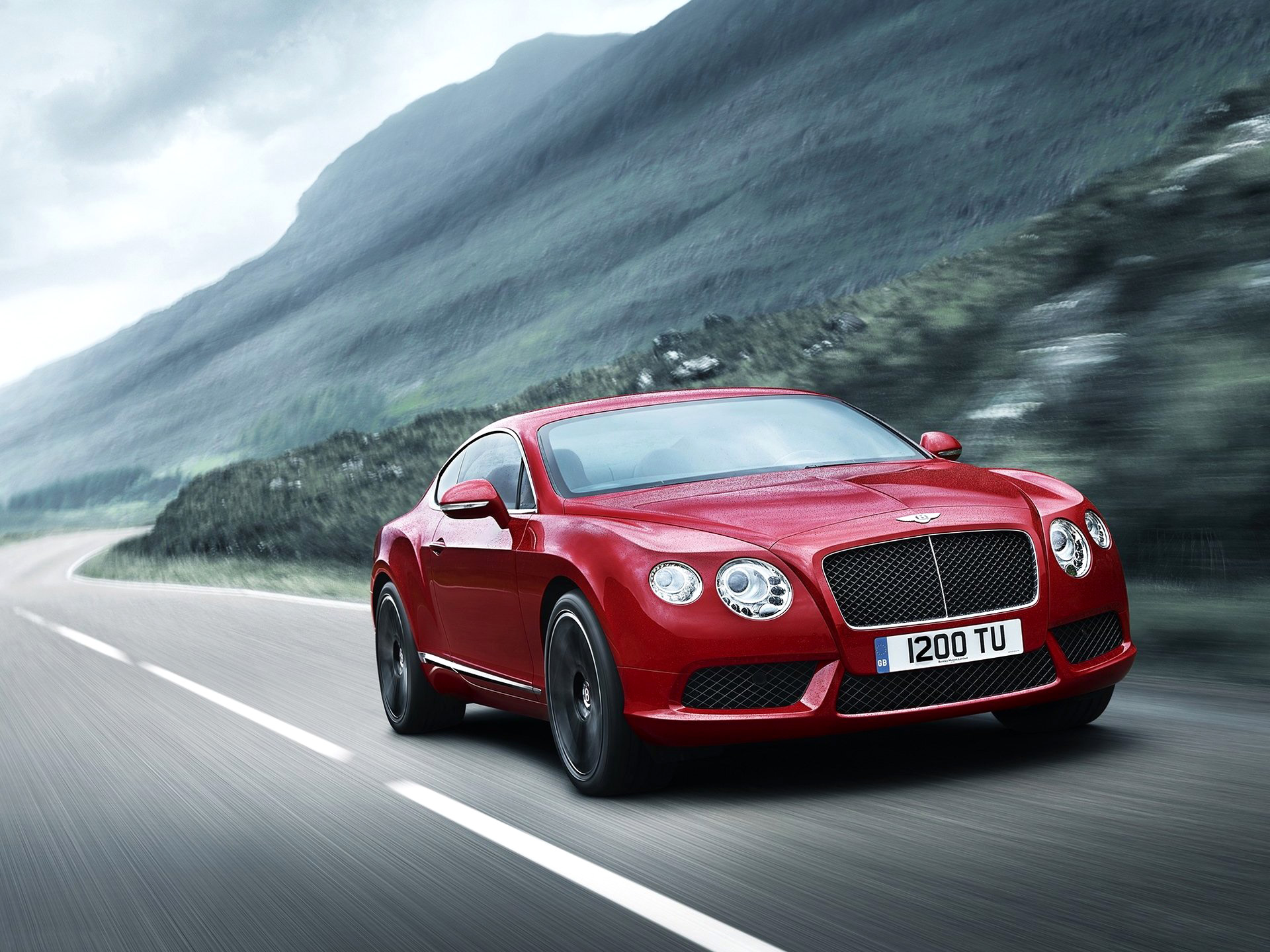
Bentley Continental GT V8
Base MSRP: $206,600 USD (coupe), $227,200 USD (convertible)
With a lively V8 engine delivering irresistibly dynamic performance, accompanied by the sound of its uniquely emotive burble, the new Bentley Continental GT V8 offers a truly engaging driving experience – a grand tourer that makes every journey breathtaking. The Continental GT V8 is exceptionally responsive, delivering powerful yet smooth acceleration, accompanied by the irresistible sound of a Bentley V8 engine. The Bentley Continental GT V8 Convertible offers all of the above, with an exhilarating open-air grand-touring experience also at your beckoning.
I love that Bentley is now offering a “base” Continental GT with a V8 engine. It makes sense and it looks to be really good business on their part. For starters, this variant offers a more engaging and spirited driving experience for those owners who prefer to be the ones driving themselves around; not their chauffeurs. On the business side of things, offering the V8 variant lowers the price of entry just a tad, too. More Continentals for all!
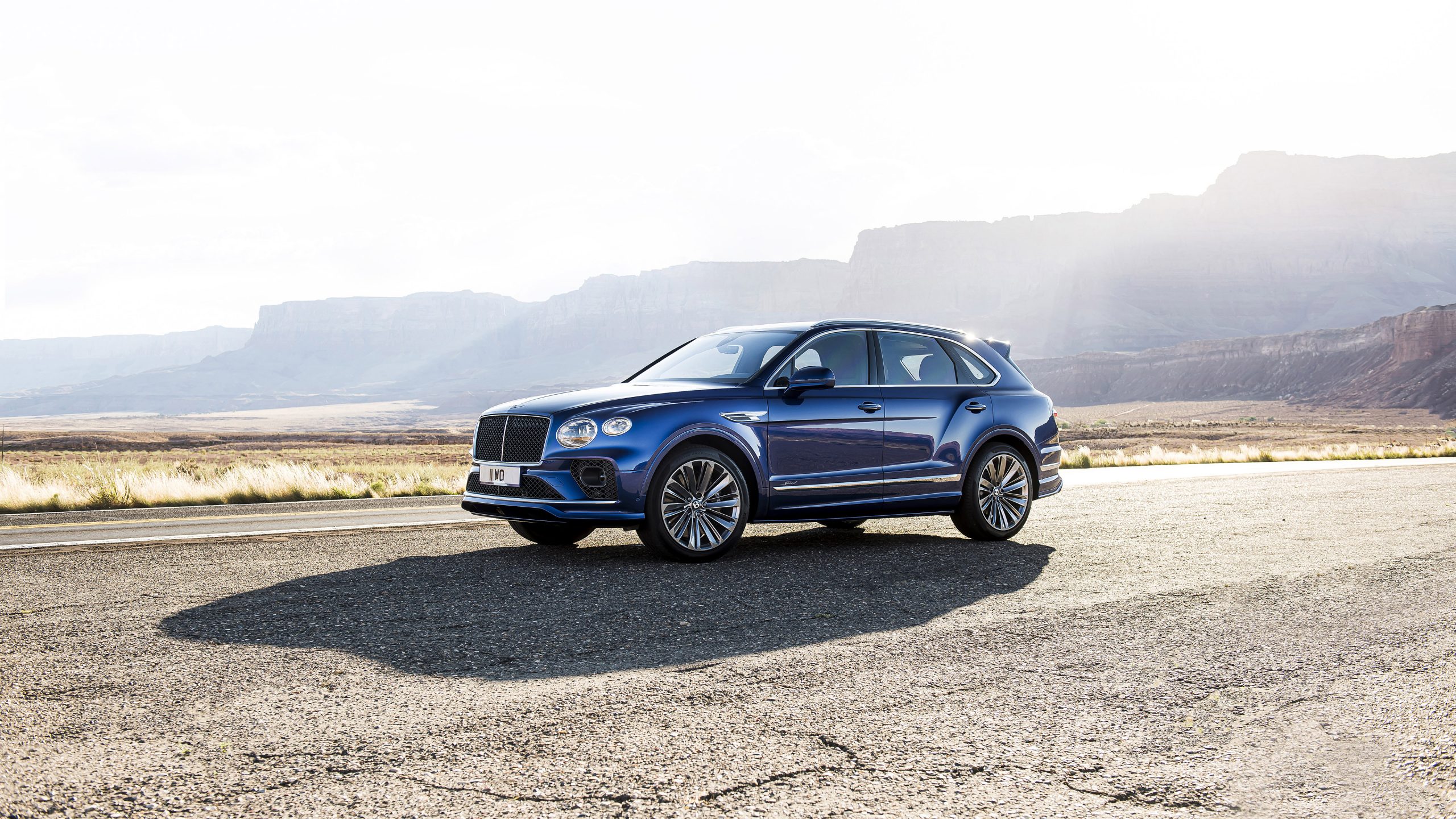
Bentley Bentayga Speed W12
Base MSRP: $245,000 USD
It’s not often that we are picking SUVs as our favorite cars, or lavishing much praise on them. Yet here we are in 2021, with the Bentayga deserving all the plaudits, dare I say. After all, Bentley claims its top-dog Bentayga Speed is the fastest SUV in the world, able to sprint from 0-60 mph in just 3.8 seconds, on its way to a mind-boggling top speed of 190 mph. This is in large part thanks to its manufacturer-special W12 engine – a 6.0L twin-turbocharged unit which produces 626 hp and 664 lb-ft of torque. Believe it or not, it isn’t just about straight line speed either, because this SUV handles better than you would ever expect from a vehicle with its dimensions and weight.
Like so many other premium and exotic automakers, Bentley has brought their A-game to the SUV segment, looking to establish its dominance in this competitive and highly lucrative market. The Bentayga is a midsize crossover SUV which has become the marque’s best seller since it was made available in the 2016 model year. There are two petrol-engine options available in the range; a more-than-capable 4.0L twin-turbocharged V8 and the 6.0L twin-turbocharged W12. Diesel and Hybrid engines are also available, making for a diverse Bentayga roster equipped to suit just about any palette.
October 18, 2021 / Comments Off on Best of the Current Bentley Model Lineup
October 18, 2021 / Comments Off on McLaren Automotive takes to the track at Goodwood Members’ Meeting in celebration of a decade of supercar innovation and success
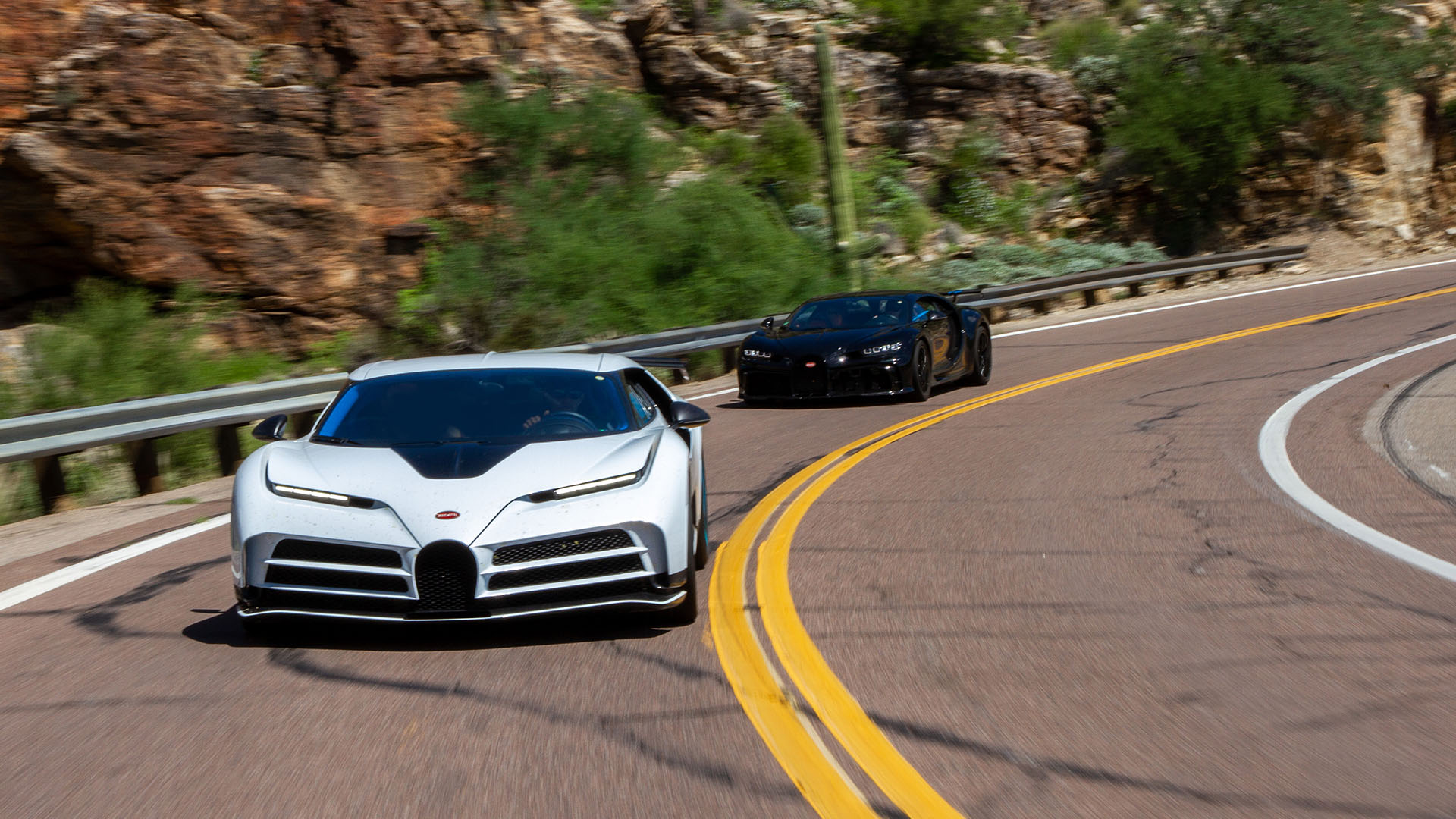
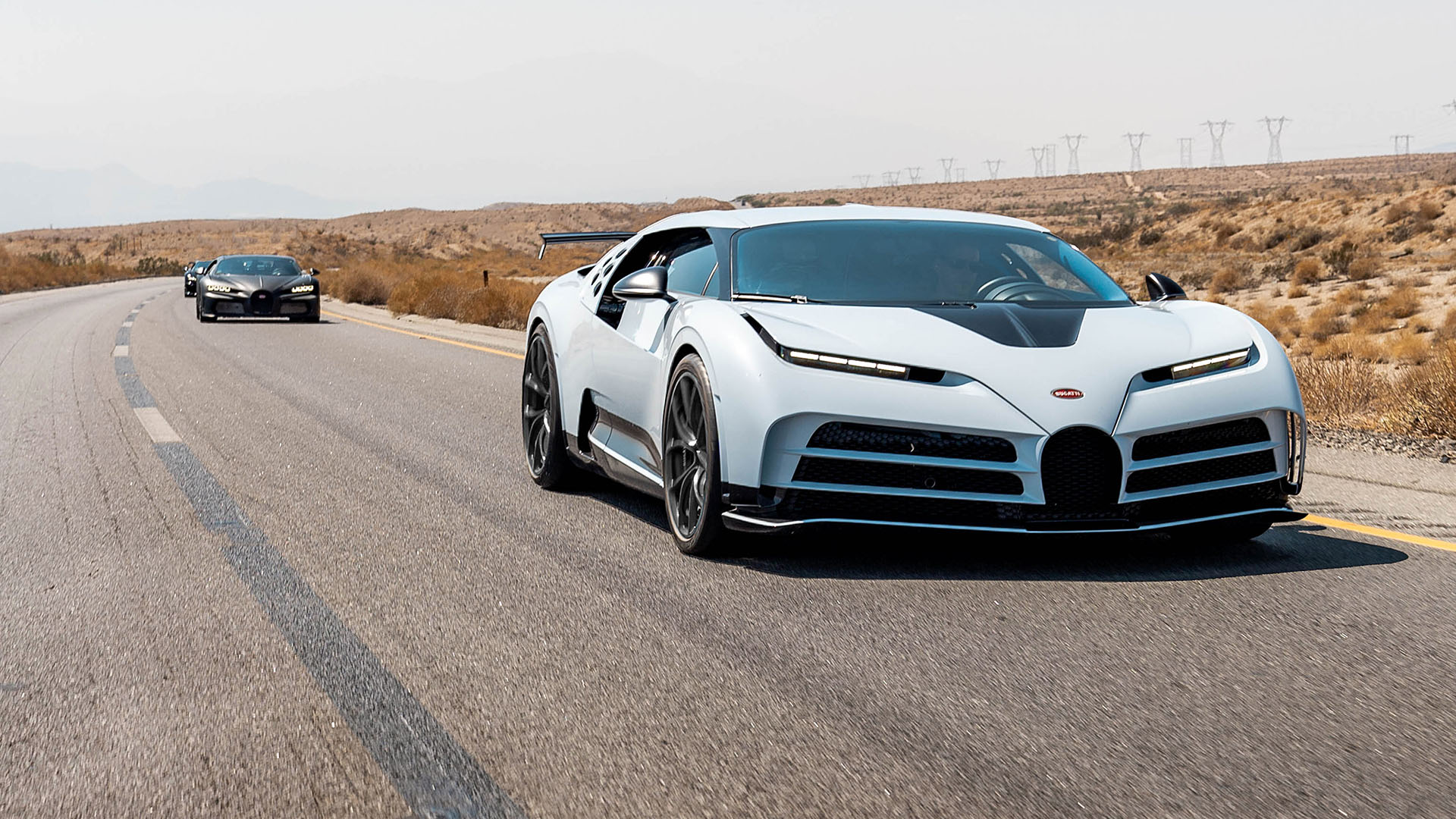
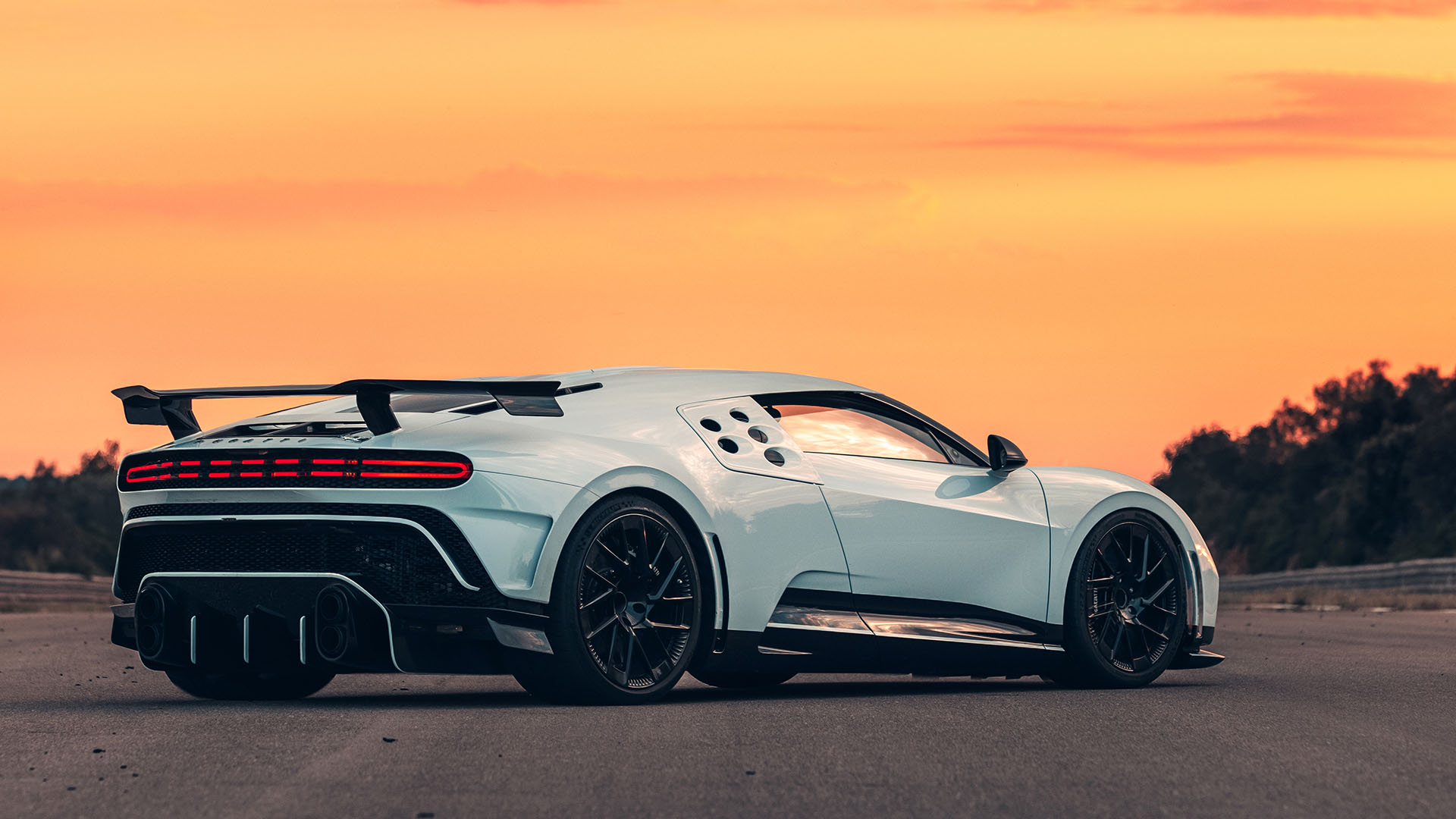
It took Bugatti Automobiles S.A.S. about two years to go from the unveiling of their Centodiece in 2019 to an actual production prototype, and now they are putting this EB110 homage through some horrendous testing to make sure each of the only 10 cars that have been sold to customers, are exactly what those fortunate clients are expecting, a hypercar that’s a perfect balance between speed, performance, and luxury … a super-high-speed GT so to speak, which is exactly what Ettore Bugatti envisioned his cars would be.
A Bugatti has been known for being fast ever since Ettore founded his company back in 1909 in Molsheim, France … and today this philosophy hasn’t changed, making a comfortable hypercar that can outrun just about anything it might encounter on the open road, and while you can do a lot on the computer these days in terms of virtual testing before actually building the car in real life, some things can only be found out by taking a fully functional test mule into the world.
The Bugatti Centodiece is being created by the one-off and few-off projects department at Molsheim, all 10 units have been sold a long time ago, with a base price of €8,000,000 (nearly US $10 million), and it hasn’t been too long ago we published an article on the first production prototype of the Bugatti Centodiece assembled, and once they completed this prototype she faced her inspiration, two of the rarest Bugatti EB110 in the world, a blue EB110S LM and a silver EB110S SC GTS-1, the only two official factory prepared race cars ever made based on the EB110 that inspired the Centodiece.
But that encounter was just to ‘run in’ the new 1,600 PS W16 8-Liter engine, once that was done the bright white prototype was taken into the wind tunnel for the first fine-tuning and ‘stress-test’, which allows the aerodynamics and cooling setup to be tested in a way that wouldn’t be possible on the open road, remember supercars were tested in the Sixties with small tuffs of wool taped to the body and taken onto the road with a follow vehicle to see how those tuffs react to the airflow … those days are gone now, in comes a 9,300 PS engine with an eight-meter propeller generating a wind force larger than a hurricane … in fact, it would allow an airplane to take off easily, so the aerodynamics of the Centodieci better be on point, or this multi-million dollar prototype goes flying into the air.
And it seems Bugatti is bringing the Centodiece to each possible event to draw attention, a rather strange decision as all 10 units were sold back in 2019 already, but that that didn’t stop them from showcasing this amazing automobile at the 2021 edition of the famous Concorso d’Eleganza Villa d’Este event, where the white beauty was joined by a very special, Bugatti blue EB110 … this rare car was once owned by none other than Romano Artioli, the Italian businessman that made the Bugatti EB110 possible back in the Nineties when he obtained the right to use the Bugatti name on a car and built the famous ‘Blue Factory’ in Campogalliano in Italy to make supercars under the brand name Bugatti Automobili S.p.A.
Today we’re back at building hypercars as Bugatti Automobiles S.A.S., with Stephan Winkelmann as the CEO, and while the Bugatti Centodiece was mainly a static beauty on display on the banks of Lake Como, apart from a small parade, things changed considerably for this unique prototype shortly after leaving Italy to head over to Mount Lemon to the north of Tucson, Arizona in the United States of America for high-altitude and high-temperature testing … up to 45°C (113°F).
A convoy of Bugatti hypercars, led by the Centodiece prototype, thunder down State Route 1 while the extreme heat makes the road ahead appear to shimmer, a team of 27 engineers flew to the US to take several Bugatti through their paces in blisteringly hot conditions, the decision to take the cars into the US deserts was made as the temperature can go over 50°C to create an extremely hostile environment for hypercars like the Bugatti Centodiece.
“Testing in the hot, dry desert is a huge help for us in the development process. All Bugatti models have to function perfectly no matter how high the temperature, including the few-of Centodieci. Even if we are only creating ten cars, as with the Centodieci, the testing procedure is just as grueling. Every model has to run flawlessly in all weather and in all traffic conditions,” explains Stefan Schmidt, an engineer in Overall Vehicle Development at Bugatti.
In total Bugatti took 8 cars to California, four units of their Chiron Super Sport, three units from the Chiron Pur Sport, and naturally the bright white Centodiece, which contrasts heavily with the otherwise matt black wrapped hypercars following her for 800 km (500 miles) between California and Arizona … some real-world testing on the Central Pacific Highway passing through San Diego during this road trip.
This test allowed the engineers to take these hypercars to altitudes up to 2,800 m where the air is a lot thinner than on sea level when they took the convoy up Mount Lemons in Tuscon, going over rough roads, hitting stop-and-go traffic, having the cars standing still in the hot sun with the AC on to keep cool. They even managed to shut down a stretch of road to allow high-speed runs at 320 km/h (198 mph), all in an effort to get as much real-world data as possible to make sure this car lives up to her expectations when they get delivered in 2022.
“During hot-climate testing, we focus specifically on the chassis, engine, transmission, thermal management, and electrics as well as on the vehicle as a whole,” reveals Pierre Rommelfanger, Head of Overall Vehicle Development at Bugatti. The team checks interior components and body parts for thermal expansion, look, and feel, leaving no detail unchecked, no matter how small.
After these ‘hot’ test sessions, the Bugatti Centodiece will return to Europe for final high-speed stints and endurance testing, which will add tens of thousands of km to the odometer before the car will be ‘signed-off’ by the development team … only when all the t’s have been crossed and the i’s have been dotted will the production of the 10 Bugatti Centodiece start at Molsheim.
October 17, 2021 / Comments Off on The Bugatti Centodiece is almost ready for production
Bugatti’s heritage-inspired Centodieci is related to the Chiron, but it’s different enough to require its own set of validation tests. After taking on the Nürburgring, the limited-edition hypercar was put through its paces in the scorching heat of the American Southwest’s deserts.
“Testing in the hot, dry desert is a huge help for us in the development process,” explained Stefan Schmidt, an engineer in Bugatti’s overall vehicle development department. “Every model has to run flawlessly in all weather and in all traffic conditions,” he added.
With no less than 27 engineers in tow, the Bugatti team started the hot-weather test in California and meandered east for about 500 miles until it reached Arizona, where temperatures sometimes climb to over 120 degrees. The convoy included eight cars: a Centodieci prototype, three examples of the Chiron Pur Sport, and four examples of the Chiron Super Sport. Each one was fitted with approximately 200 sensors that record various parameters that get sent to the engineers traveling with the convoy and to the development team in Wolfsburg, Germany.
Heat takes a toll on cars in normal driving conditions, but Bugatti went the extra mile to torture its prototypes. It subjected them to low-speed stop-and-go traffic, it reached nearly 200 mph (on a closed track, of course), and it left them sitting in the sun with the air conditioning on. The aim is to see how different components (ranging from the fuel delivery system to the materials used to build the cabin) hold up to extreme heat. The data gathered during the tests was compared to the numbers obtained through simulations to identify areas of concern.
Taking the Centodieci to the American desert was important; it’s notably fitted with an additional air intake near the oil cooler.
“The Centodieci’s newly-developed bodywork, airflow changes, and its engine bay cover manufactured from glass mean the temperature behavior is quite different, especially in such extreme heat conditions,” said André Kullig, the manager of few-off projects at Bugatti.
The firm notes that the Centodieci passed the hot-weather tests with flying colors. It has one final hurdle to clear before it enters production: nearly 20,000 miles of high-speed and endurance testing in Europe. When that’s over and everything checks out, the project will be signed off and production of the 10 examples planned will begin in Molsheim, France. Deliveries should start in 2022, and the model is sold out.
Related Video:
October 14, 2021 / Comments Off on Bugatti’s EB110-inspired Centodieci is one hot step closer to production