All posts in “Supercars”

Supercars, classics, more come to ‘Gran Turismo Sport’ and ‘Forza Horizon 4’

Two years after the release of Gran Turismo Sport, and just over a year after the launch of Forza Horizon 4, both games continue to receive extra content. The latest updates for each game add a slew of new cars, and in the case of Gran Turismo, a new track.

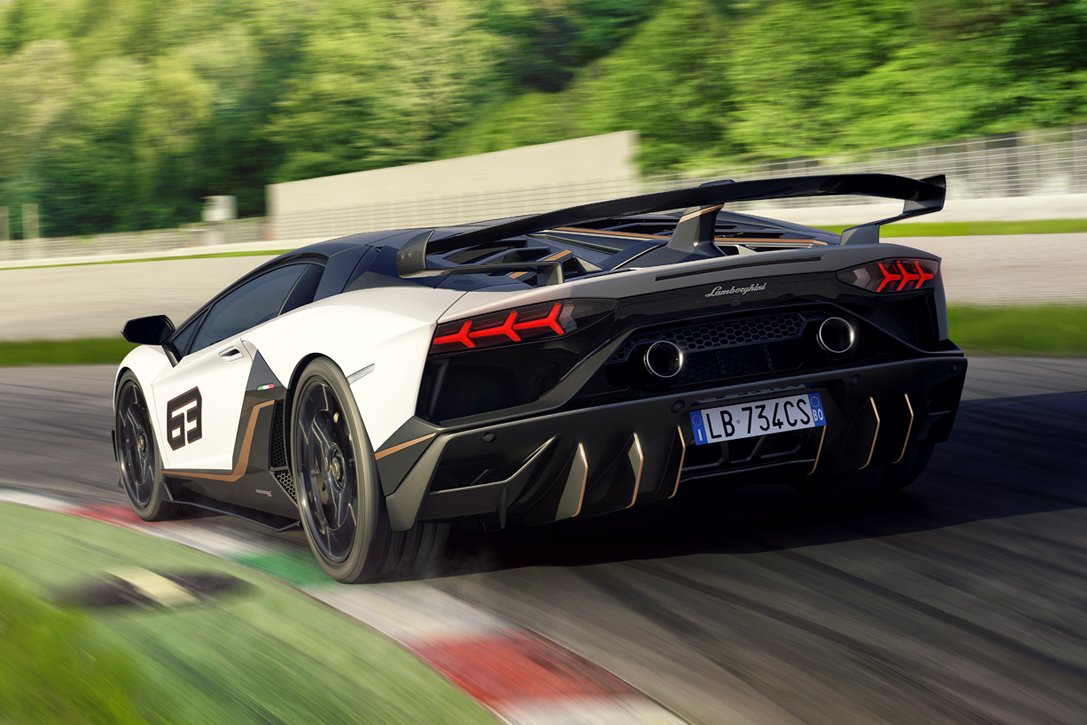
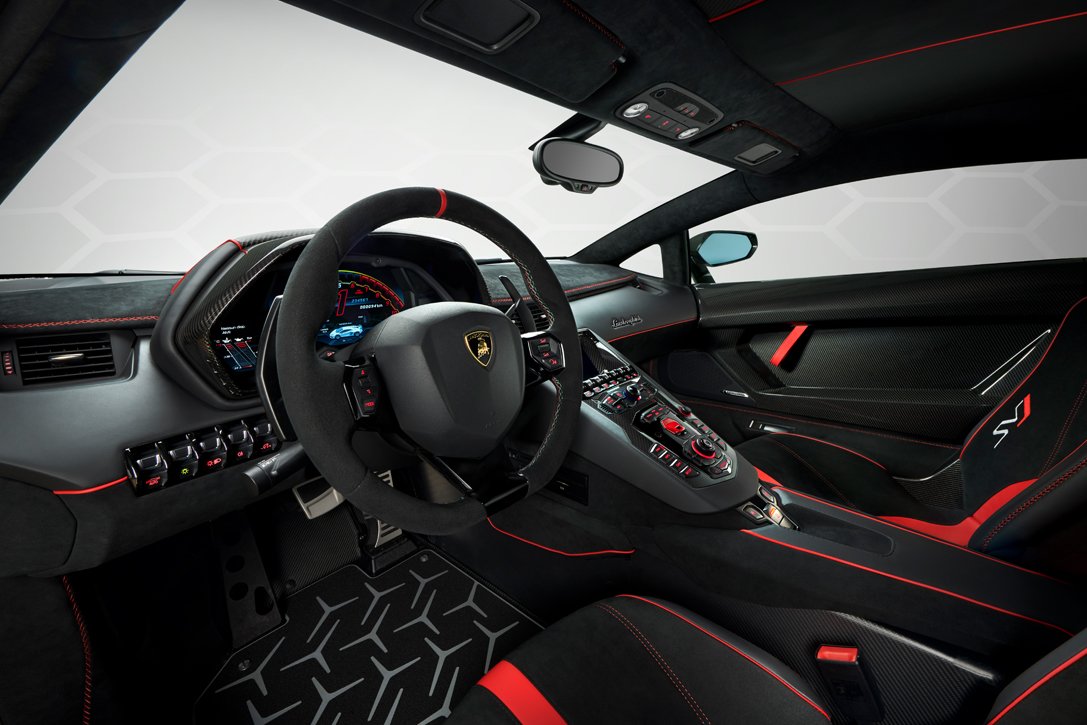
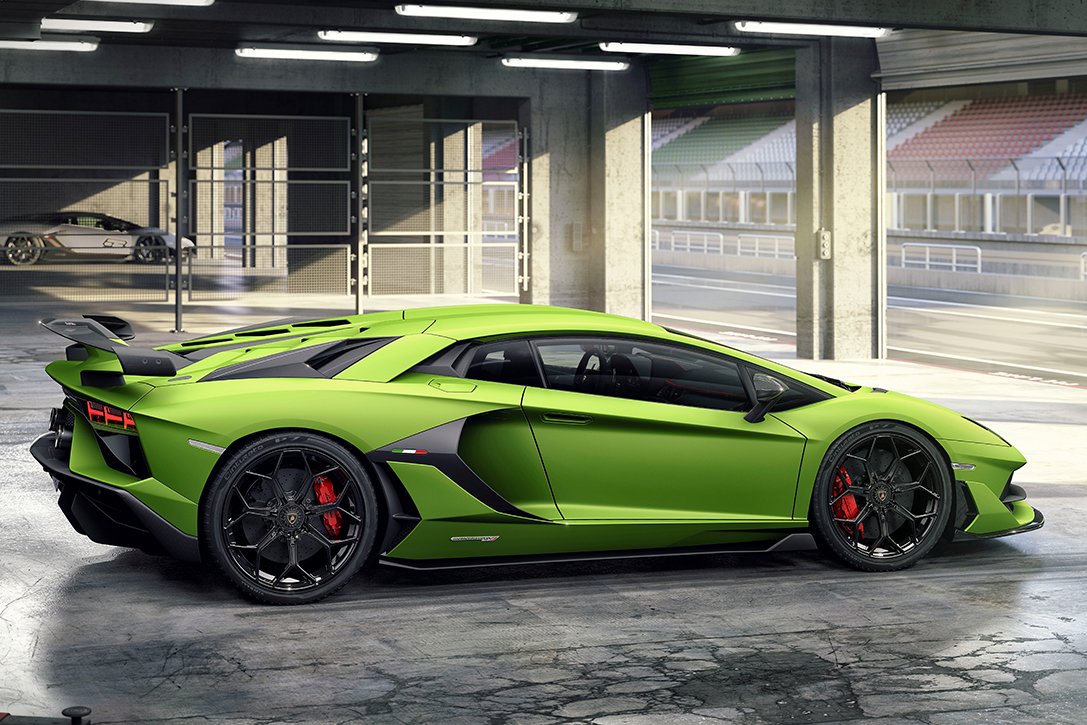
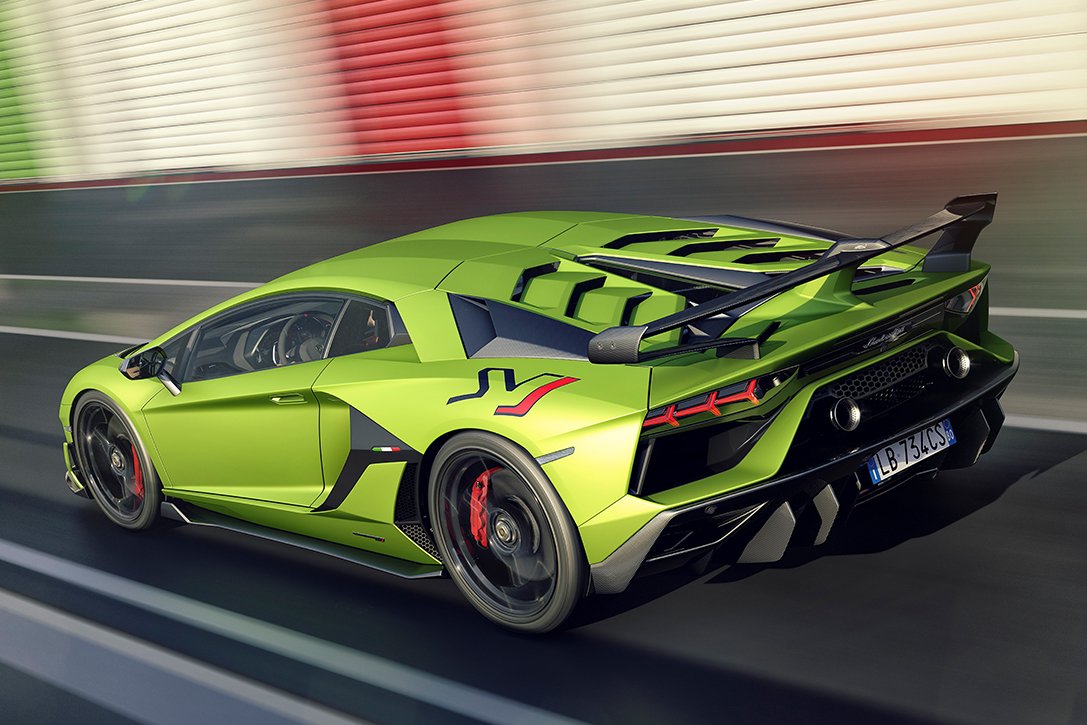
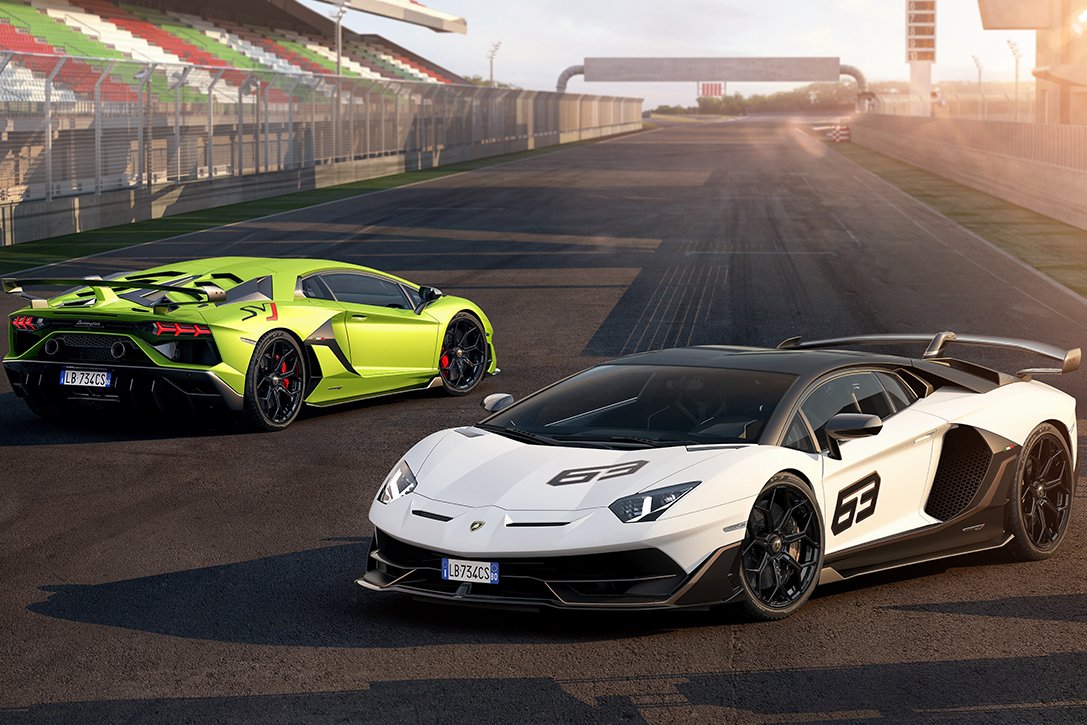
Starting with Gran Turismo the game gets four new cars, one of which is the Porsche Taycan electric sports sedan previewed early in October. Alongside it are some interesting choices including the 2015 Lamborghini Aventador LP750-4 Superveloce, 2015 Mazda Demio (also known as the Mazda2 or the U.S.-spec Toyota Yaris), and the 1971 Mercedes-Benz 300 SEL 6.8 AMG. The latter of those is known better as the “Red Pig,” a huge and powerful touring car. Besides these cars, Gran Turismo adds the famous Spa-Francorchamps race track in both dry and wet configurations, plus a few more single-player race events.

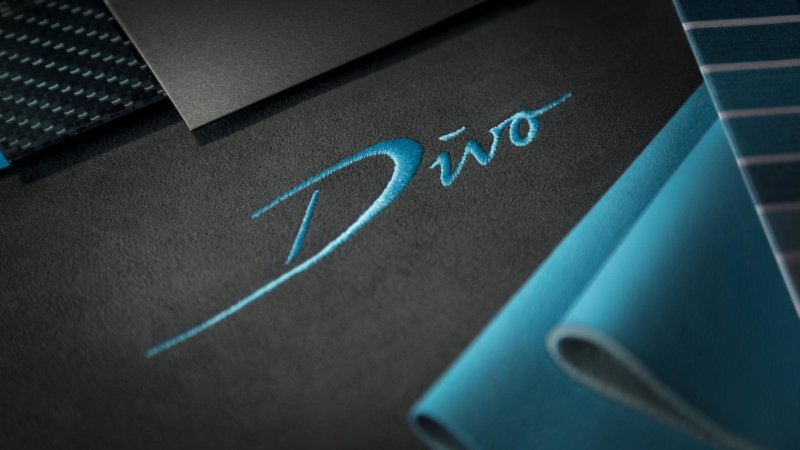
Over in Forza Horizon 4, the latest update adds four new cars as well. Top billing goes to the limited-production and shockingly expensive Bugatti Divo. Then there’s the racing-spec 2008 Koenigsegg CCGT, the V8-powered 2010 BMW M3 GTS, and the Rossion Q1, the American continuation of the Noble M400. The update also adds a some new single-player events to play through. Both game updates are available now.

Lamborghini previews Huracán Super Trofeo EVO and Urus ST-X Lego sets

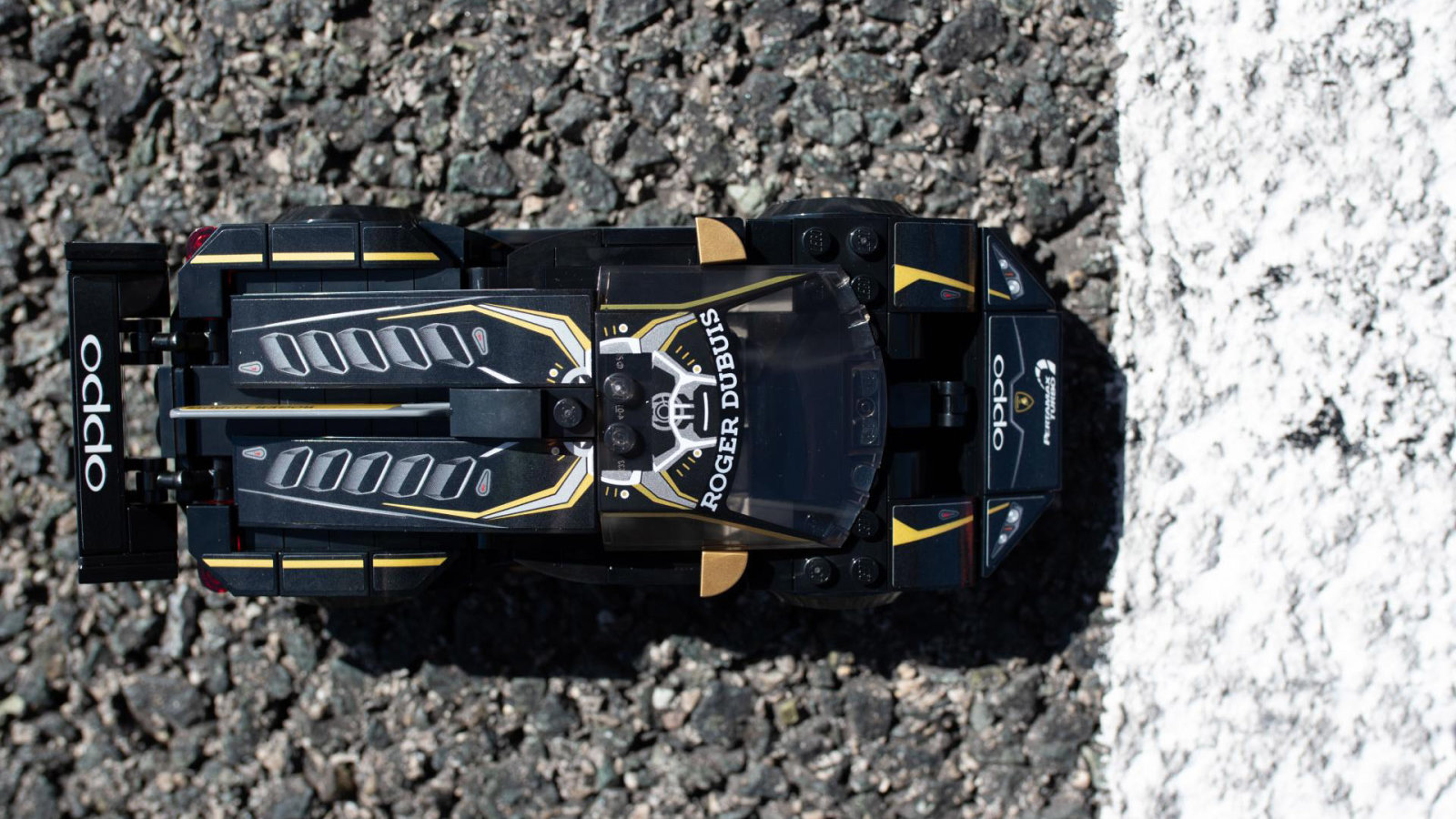
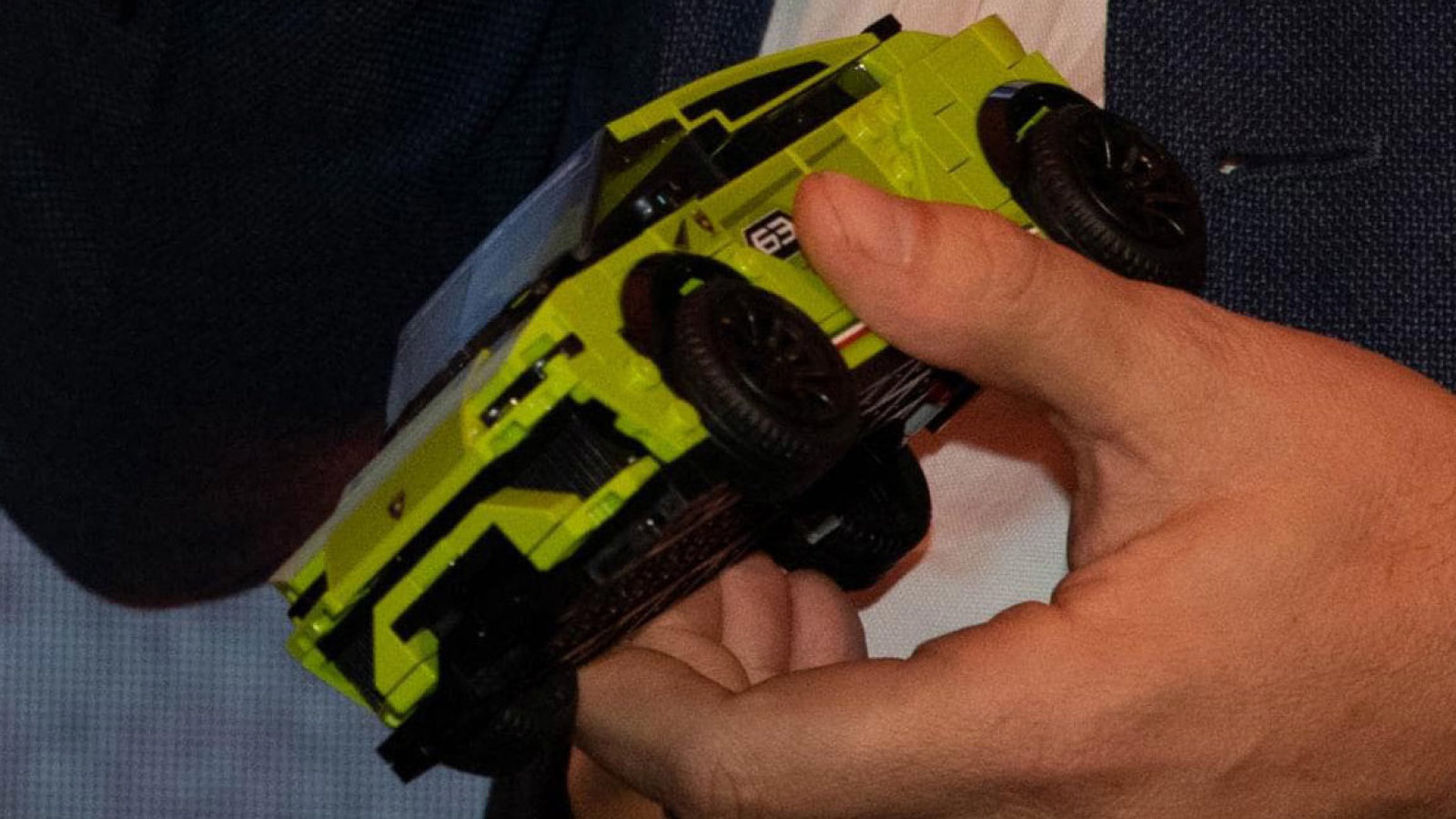
At the Super Trofeo World Finals at the Jerez de la Frontera Circuit in Spain, where world-class athletes put their driving skills to the test in the big kid toys, Lamborghini unveiled two brand-new toys for everybody that are set to launch in 2020. The Huracán Super Trofeo EVO and Urus ST-X are paired for the next Lego Speed Champions set.

The Huracán Super Trofeo EVO is already one of Lamborghini’s most popular racing models and competes in the single-make Super Trofeo series. The Urus ST-X is set to compete in track and off-roading competitions starting in October 2020 at the Misano World Final in an all-new race. Now both of these cars will be available for purchase in Lego form. 

Fortunately, 2020 marks the start of a new chapter for Lego Speed Champions with the evolution to the more accurate ‘8 Studs Wide’ design, and we felt that we could now do the popular brand justice,” Lego Speed Champions design manager specialist Chris Stamp said. “Especially the wide body of the Huracán Super Trofeo EVO. And with the awesome Urus ST-X we also introduce our first Super SUV into the theme, which fans will hopefully be just as thrilled with as we are.”

The Huracán model includes realistic parallels such as the shark fin, air scoop, front diffuser and large wing. It features a black scheme with slick accents and advertising sponsors. The set is 659 pieces in total and also includes starting “lights” and two figurines. Though pricing is yet to be released, the set will be available starting January 1, 2020. Seems like a missed Christmas opportunity, no?

Brabham BT62 adds a Competition spec variant to the mix

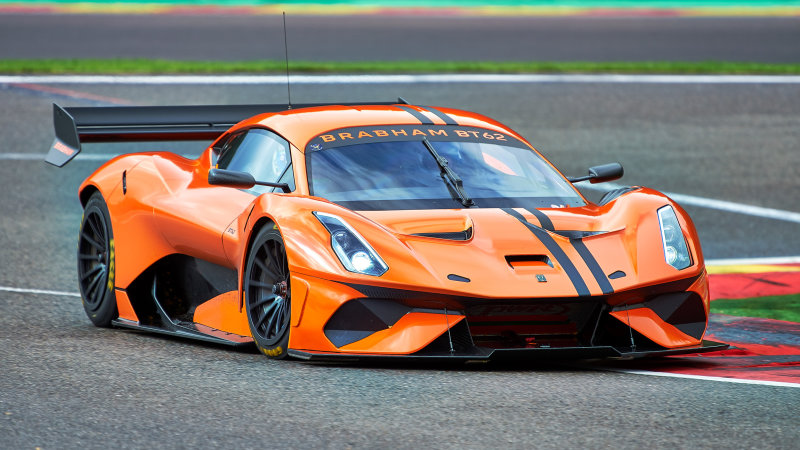
The Brabham BT62 supercar is now available to order in a new Competition spec, in addition to the “Ultimate Track Car” spec and the “Road Compliant” spec. Brabham is still limiting total production of the V8-powered supercar to only 70 units, but now you have options.

Most things about the Competition are the same. It’s powered by the same naturally aspirated 5.4-liter V8 that produces 700 horsepower and 494 pound-feet of torque. This is exclusively mated to a six-speed sequential transmission which sends power to the rear wheels. However, the “Competition” version of the BT62 is stripped back even further than the Ultimate Track Car spec, so maybe they have to change the name? We kid. But still, the Competition is even lighter than the others, as it foregoes exterior paint in favor of a wrap. All the interior trim has been removed, so it’s just bare carbon fiber wherever you look — as of now, there are no photos of the Competition interior, though. It’s also delivered without a passenger seat or maintenance kit. Unfortunately, Brabham has not yet detailed how much weight you save with the Competition. The Ultimate Track Car spec weighs 2,143 pounds.

Due to the de-contenting done here, Brabham actually prices the Competition lower than the other versions of the car. It can be yours for £750,000, or $965,396. That compares rather nicely to the $1.4 million Road Compliant spec. Brabham says that you’ll be able to upgrade from the Competition spec to the Ultimate Track Car or Road Compliant spec at any time of your ownership — just expect to pay for it. You can order a BT62 for track use here, and it can even be had in left-hand drive. However, the Road Compliant car is still not available for road use in the U.S. — it’s designed for European markets.

Shelby American could push the 2020 Mustang Shelby GT500 beyond 1,000 hp

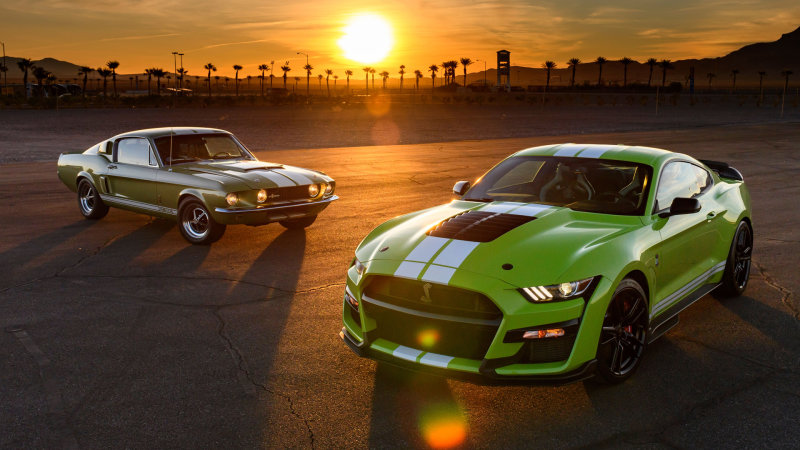
After a daylong media drive, auto media and enthusiasts have only just opened the discussion on the 2020 Ford Mustang Shelby GT500. Nevertheless, the only thing better than the great toy you have in your hands is the potentially greater toy you might one day get. That why, on a trip to the Shelby American Heritage Center during the GT500 launch, CarBuzz asked the folks at Shelby American how far they might push the GT500’s 5.2-liter supercharged Predator V8. Remember, Shelby already gets 800 horsepower out of the 5.0-liter Coyote V8 for its top-shelf Super Snake model, a gain of 340 hp over the current Mustang GT. It wasn’t a Shelby exec who answered the CarBuzz query, however, but Ford Performance marketing manager Jim Owens, who said, “at least 1,000 [horsepower.].” That sounds like an insider’s nod to how much firepower Ford left on the table waiting to be unlocked by a company like Shelby. An even four-figure number would, as with the Super Snake, add 240 hp to the stock GT500 tally.

Don’t expect the Super Snake to go away, though. CarBuzz also asked what such a car might be called, and this time Shelby answered. Company President Gary Patterson told the site that Super Snake belongs to models powered by the 5.0-liter V8. The Predator would need to be christened with something else, which “may be a new name, or may be a name from the past.”

Elsewhere on the same launch, The Drive cornered a Ford exec to ask about the 647-hp Ford GT. The regular, $450,000 GT is clearly Ford’s official halo car, right next to the track-only, 700-hp, $1.2 million GT Mk II. The standard GT has two more years to go to finish production, those years potentially out of the limelight since the coupe retired from racing. In the interim, the GT500’s supergiant star turn could outshine Ford’s intended angels by being the most powerful Ford to leave Dearborn, by being so close to so many GT performance specs, and by not yet having shown what’s its genuinely capable of. The GT500, for instance, is just 0.3 seconds shy of the GT’s 0 to 60 mph time and is faster through the quarter-mile even though the GT500 weighs 900 pounds more.     

The unnamed Ford exec who spoke to The Drive explained the GT’s power figures as mandated by homologation rules, but now that competition concerns are moot, “Maybe we’re not done there.” When the outlet asked if there could be a road-legal GT Mk II or some other more aggressive variant on the way, the exec answered, “You’ll just have to wait.” On one hand, these could be artful deflections to forestall anyone trash-talking the GT for the moment. On the other, we’d be surprised Ford would let the GT stand still for two years in the face of in-house, cross-town, and overseas competition.

Gemballa issues progress report on its in-house supercar

In June this year, Gemballa owner Steffen Korbach announced the German tuner was “planning a thoroughbred super sports car with a unique, aggressive design and engine power considerably over 800 horsepower.” This would be a departure for the Baden-Württemberg company that has spent nearly 40 years fettling products produced by its Stuttgart neighbor, Porsche, just 12 miles away. Korbach said Gemballa needed investor financing to carry out the project, a call that’s seen some success. Having secured initial funds, the company’s decided to release more information as it commences the technical planning phase. 

Potential customers and investors are likely to have seen initial drawings of what’s promised to be “uncompromising, radical, pure, and luxurious,” which we’ll assume are the new images we have here. There’s been quite a bit of reshaping since the last black and white image of a more compact and harder-edged mid-engined rocket. That car gave off Zenvo vibes up front and design thesis track car concept vibes in back. The new visuals loosen up with more curves stretched out over a longer body, and substantial aero work has been done up front. The B-pillar has sprouted a pair of scoops, the jutting diffuser has been tucked under tail. The rear wing arises organically out of the bodywork instead of being appended like a Time Attack appliance, and check out that multi-level and multi-part surfacing on the cross-member. Expect loads of carbon fiber.

We don’t have specs on what kind of engine will make use of the jet stream of air inhaled through those side vents, Gemballa saying for now that there’ll be an internal combustion engine with at least 800 horsepower and no hybrid assistance. Korbach again, taking a shot at electric vehicles: “We’re now concentrating on building one of the last pure sports cars, a modern classic with an outstanding appearance and performance. A pure Gemballa car needs petrol and sound. Not all new trends are cool.” It’s possible there’ll be a manual transmission option sited between the engine and wheels, part of “state-of-the-art drive and aero technology.” No matter, when combined with the lightweight body, Gemballa’s aiming for a 0-62 mile per hour time of under 2.5 seconds, and 0-124 mph in “around 6.5” seconds.

The tuner hasn’t just torn down and muscled up everything from the Cayman to the Carerra GT, it’s sorted through the internals of the Mercedes-McLaren SLR, McLaren MP4-12C, and Ferrari Enzo. All of which is to say Gemballa knows how a supercar is built. If all goes well, a prototype takes the stage early next year — we won’t be surprised at a Geneva Motor Show reveal — with production slated for 2022.

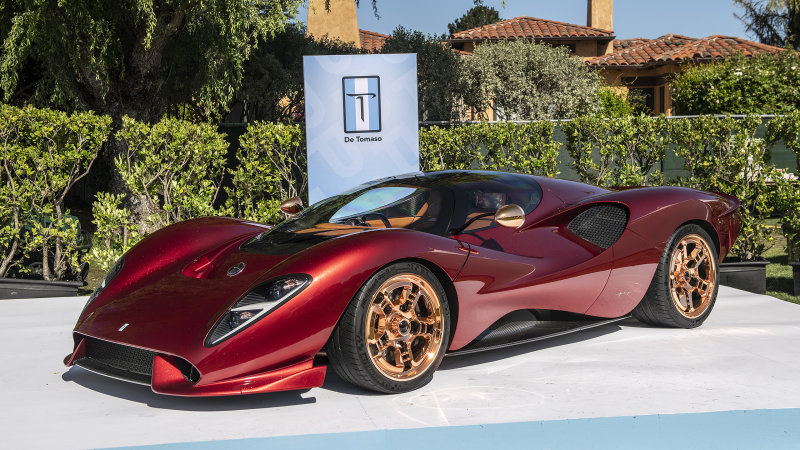
De Tomaso P72 gets a 5.0-liter Ford V8 with 700+ horsepower

All the comments the Hong Kong-based Consolidated Ideal TeamVentures (CIT) have made about resurrecting the De Tomaso brand have stressed the company’s focus on staying true to De Tomaso’s intentions and the values of his car company. The first proof of that came in CIT deciding to pay homage to the practically unknown De Tomaso P70 with the P72, instead of going for the slam dunk with a Pantera facsimile. The second proof comes in the choice of engine for the P72: Ford’s 5.0-liter Coyote V8 further developed by De Tomaso and Roush Performance. From De Tomaso’s first road car, the Vallelunga, to his last, the Guarà, he used Ford engines.

Final output figures will come in north of 700 horsepower and 608 pound-feet of torque thanks to a Roots-type supercharger. Yes, that’s less grunt and gumption than one gets from the 2020 Ford Mustang Shelby GT500, a coupe that costs one-tenth the P72’s 700,000 euros ($842,000 U.S.). But the men behind the project say blinding power figures are “irrelevant to ethos of this project and what we are trying to achieve.” In the words of general manager and chief marketing officer Ryan Berns, “In our opinion the market is now over-saturated with commercially driven ‘limited edition’ models primarily marketed on performance metrics. We have grown tired of this notion and thus took a contrarian approach with the P72.” The point with this car, rather, is “the provenance and the overall experience as a brand and for our clients.”

We can’t judge all of that yet, but the engine looks good on paper. Roush Performance tweaked the two four-lobe rotors in the supercharger for faster operation, better airflow and thermal efficiency, and less noise and vibration. The supercharger provides the power and response De Tomaso wants, along with regulation compliance in the U.S. and Europe. Yet the engine’s still in development as De Tomaso works to reduce the apparent presence of the supercharger, stressing an “old-school American V8 soundtrack” and the naturally aspirated spirit of the Sixties. Roush also added dry-sump lubrication, and it’s planned that the engine’s redline will lie beyond 7,500 rpm. Power gets sent to the rear axle through a six-speed manual gearbox, and we’re told to expect an audio clip soon of the “symphonic exhaust system” that exits atop the rear deck. If done right, the sound “brings one back in time as if they were on the starting grid at Le Mans in 1966.”

Miller Motorcars is the U.S. dealer for anyone still interested, but it seems this is a matter of snoozing and losing; De Tomaso will only build 72 examples of the P72 – hence the name – and the car already has more than 72 people standing in line for the chance to buy.

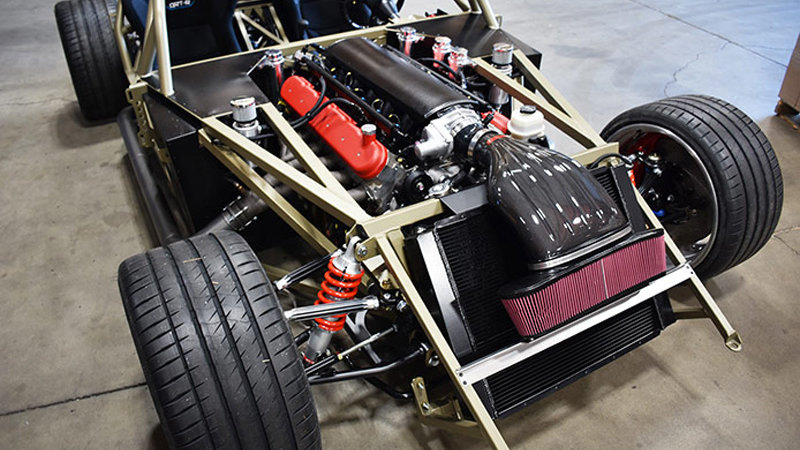
Factory Five developing new supercar with 755-hp LS V12

Factory Five has produced its mid-engined GTM supercar for more than 10 years, that car using C5 Chevrolet Corvette internals wrapped in a steel tube frame chassis and original composite bodywork. The Massachusetts-based company is working on a replacement now, coming to SEMA next month as an engine and chassis, due for debut in February 2020. Called Project Romulan, the chassis is a stretched and widened version of the Gen 3 Type 65 Coupe, otherwise known as the Shelby Daytona Coupe kit car the company sells. Yet whereas the kit car normally uses a Ford-sourced V8, Project Romulan gets a General Motors LS3-based 9.5-liter V12 with LS7 type heads made by Australian company Race Cast. The output: a turnkey 755 hp and 694 lb-ft on pump gas.  

And those numbers aren’t the wildest part. Hot Cars reports Project Romulan comes with a “Star Trek” backstory by way of Gaydon, England. Seems Factory Five benchmarked its supercar specs against the Aston Martin Vulcan. The Vulcan, remember, was a track-only car limited to 24 units, each powered by a 7.0-liter V12 with 820 hp and 575 lb-ft, although a few were converted to road-legal status. In “Star Trek” lore, when most of the once-violent and emotional Vulcans gave up their warfare for logic, as per Spock, a Vulcan faction quit the planet and settled planets Romulus and Remus. One coin, two sides.   

The 580-cubic-inch LS V12 will rev past 6,000 rpm, and Factory Five turned up the engine it calls “our mini Merlin” just a touch for a couple of Facebook videos. It’s mean. And even with an extra 4.5 inches across the chassis and nine more inches of chassis length, the fit is snug. Race Cast also provides the ECM and harness for the motor, Factory Five worked up custom bits like the oil pan and coil mounts. The tuner says the engine “will be available as one part number for anyone building this kit once it’s released.” Compared to a Coyote V8, the LS V12 will put about 140 more pounds on the front — 444 pounds for the Ford V8 vs 584 pounds for the Race Cast iron block V12 — but double-adjustable Koni shocks will do their best to make the weight worth it, and a serious set of Wilwood brakes will manage stopping.  

Factory Five says the super coupe will get a finished carbon fiber body with a new, modern design that needs no additional work. Assuming all goes well, after the February debut, production will begin later in 2020.

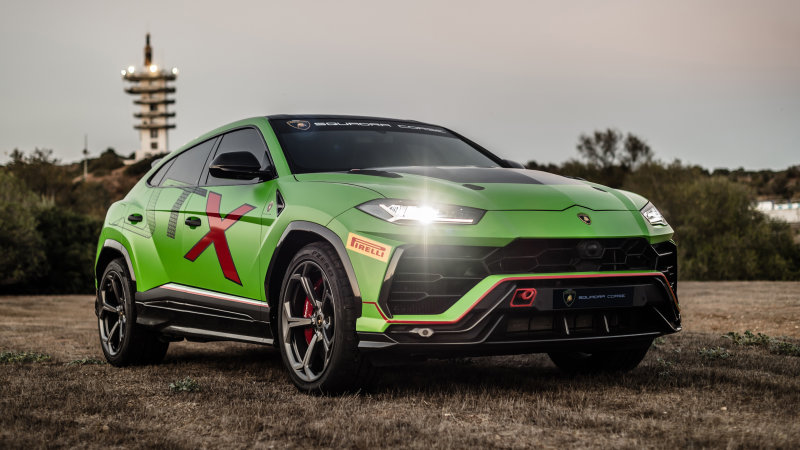
Lamborghini Squadra Corsa previews 830-hp hypercar and racing Urus ST-X

At the conclusion of last year’s Lamborghini Super Trofeo series, the Sant’Agata Bolognese carmaker’s Squadra Corse division unveiled the SC18 Alstom. That was a one-off, customer-commissioned, extreme track car based on the Aventador SVJ, and the first wholesale creation from the racing department. At this year’s series finale in Jerez, Spain, it teased a limited-run hypercar and an evolution of the race-bound Urus ST-X. The hypercar proves a rumor from earlier this month, when a poster at the McLaren Life forum said he was “Going to spec next week and test drive the SVR V12 track version of AV,” that AV standing for Aventador. Lamborghini says the track-only car, designed by the company’s Centro Stile department, will debut next year.

The rumor had posited the hypercar as a ne plus ultra expression of the Aventador’s 6.5-liter V12, and that seems to be the case. Engineers extracted 830 horsepower from the naturally aspirated engine, 70 hp more than found in the SVJ. In place of the road car’s seven-speed, single-clutch ISR transmission, the unnamed hypercar uses a six-speed Xtrac sequential gearbox, and a mechanical limited-slip differential can be adjusted by the driver for preload. The standard Aventador chassis has been reworked around that powertrain for aerodynamic and safety reasons. The front structure’s made of aluminum, a more pliant — and less expensive — material to deal with in case of incidents on the track. The engine’s been wrapped in a steel cage in order to increase torsional and bending stiffness. Airflow improves thanks to dual intakes on the hood, an airscoop over the cockpit, and a stonking rear wing. 

The Urus ST-X has undergone a few changes since its debut last year. The Verde Mantis SUV has been lightened by about 25 percent compared to the production version with “a lighter structure,” a vented carbon fiber hood and rear wing, and a racing exhaust. The cabin’s luxurious appointment are replaced by a roll cage, racing seats, and a fire suppression system. Scheduled to make its race debut at the end of October 2020 in Misano, Italy, the first pilots to get a chance behind the wheel will be winners of the four classes in the Super Trofeo series.

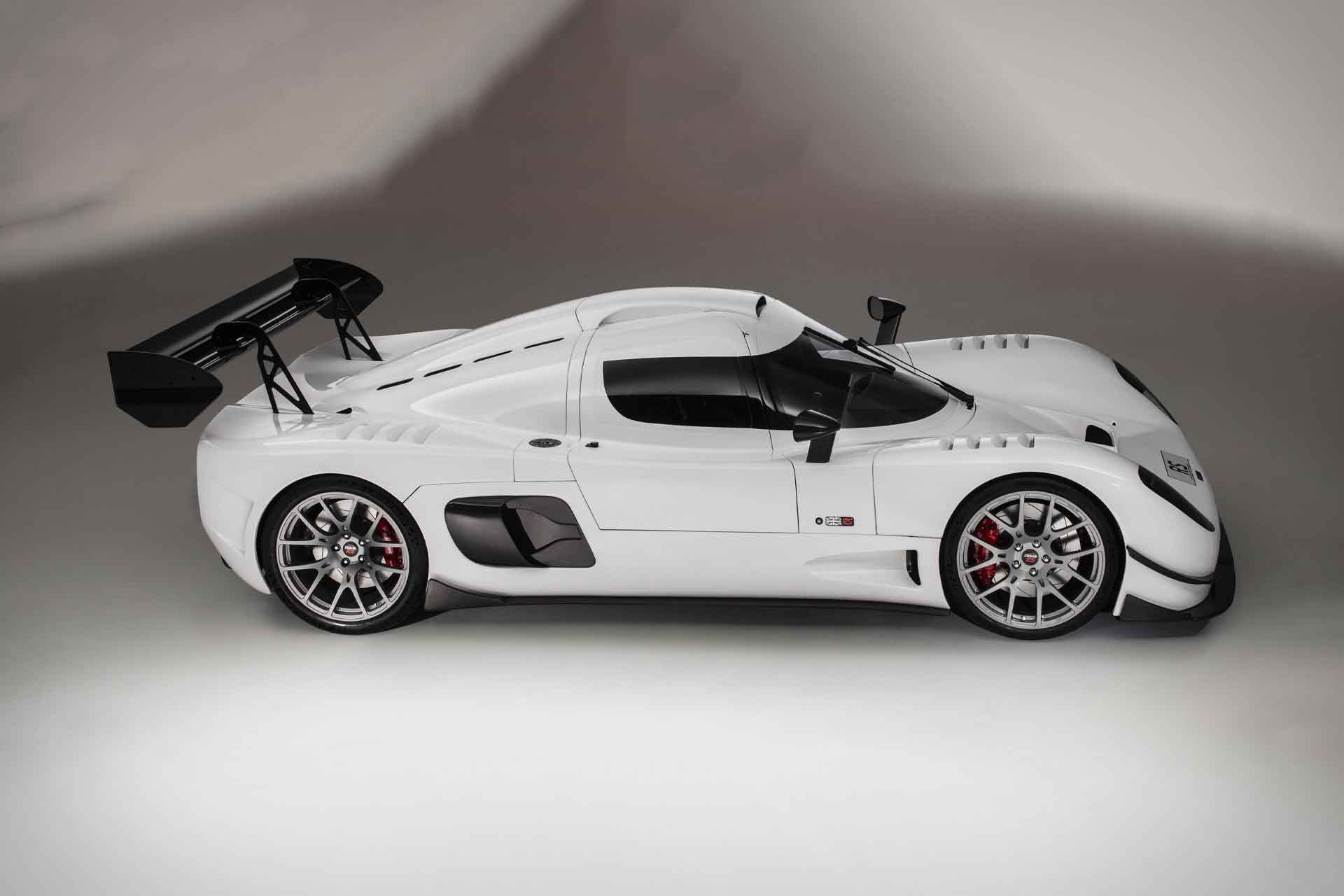
2019 Ultima RS

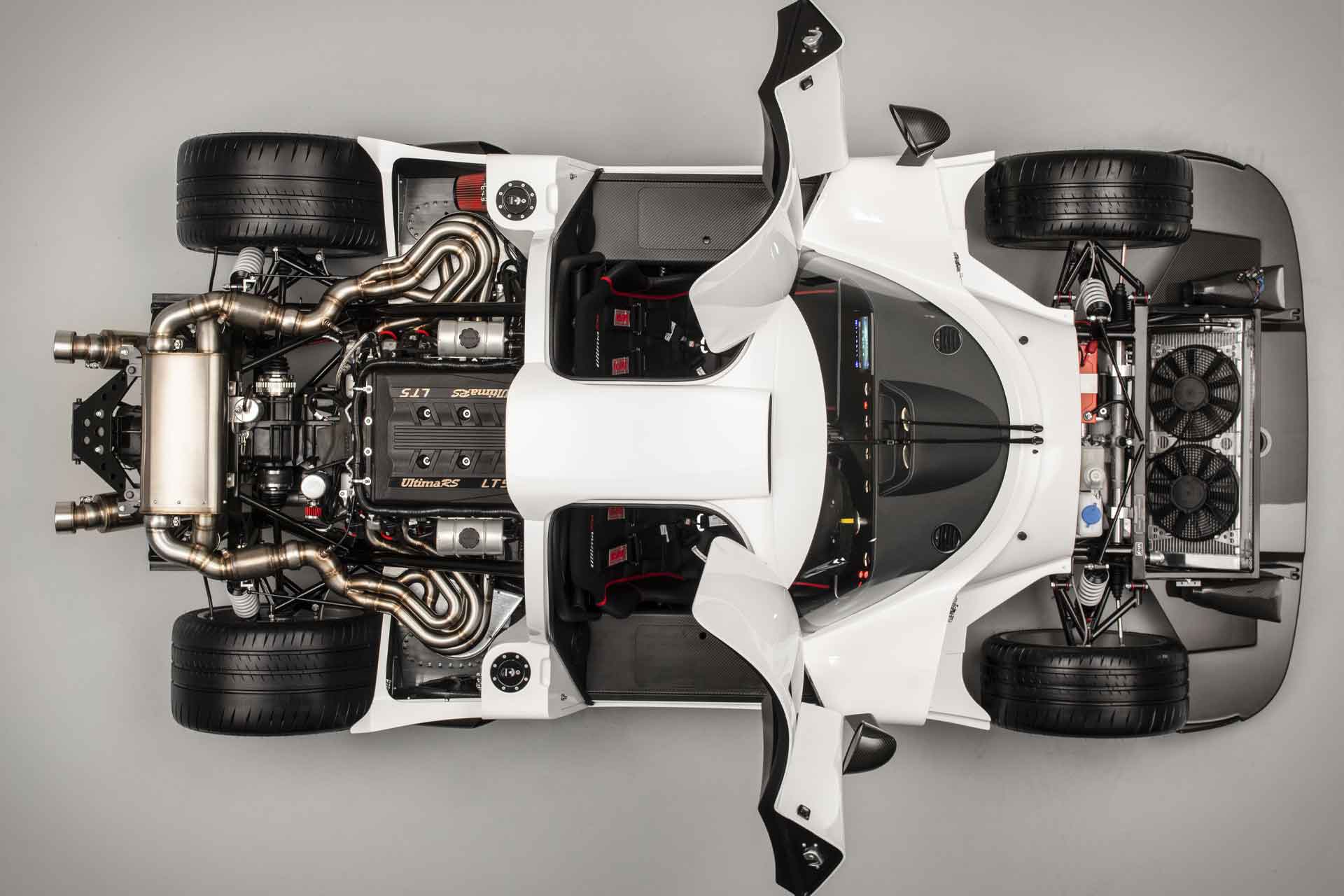
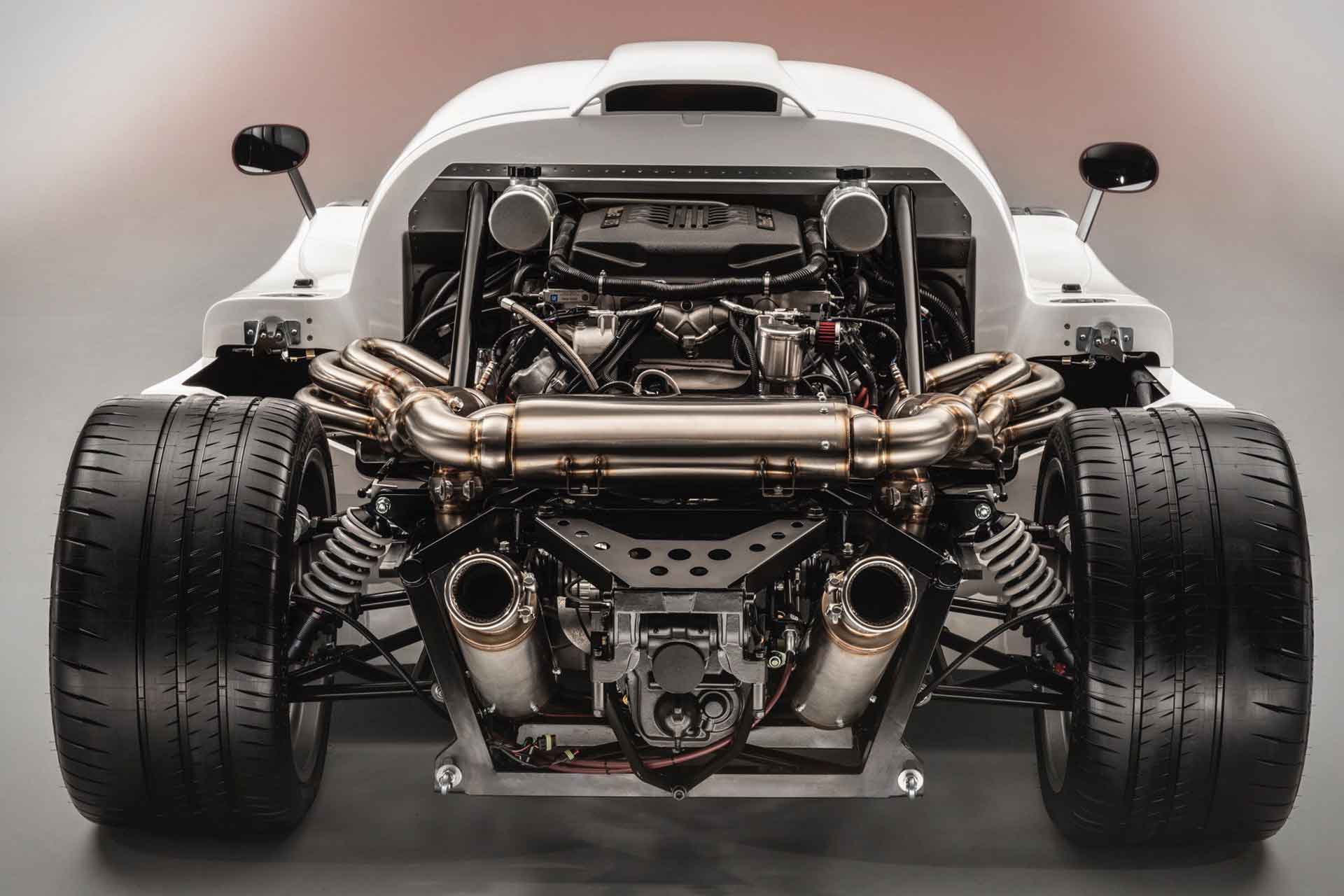
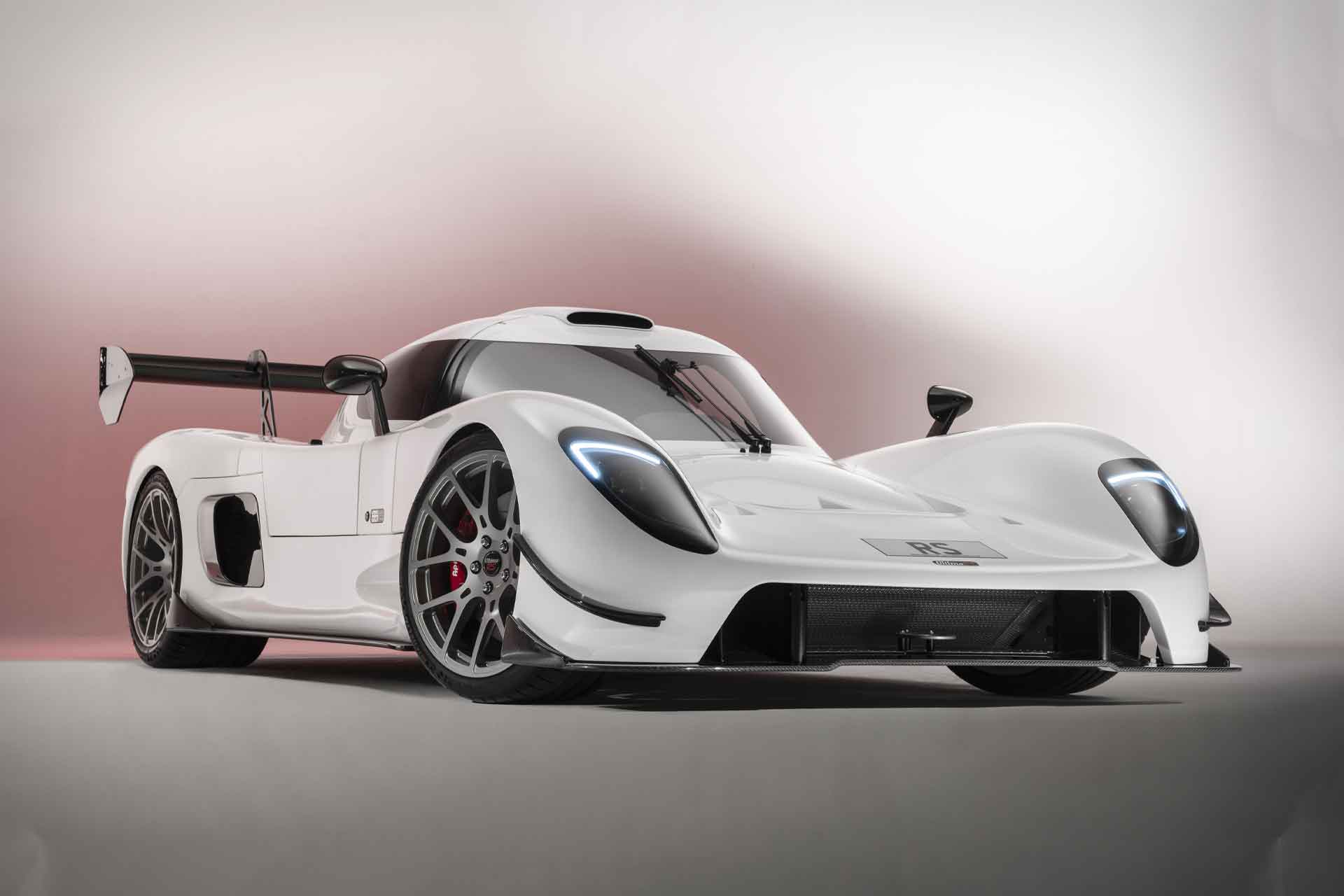
Talking about high-performance supercars, brands to come to mind are aplenty. Well-known names such as Ferrari, Aston Martin, Lamborghini, Bugatti, and others more are the usual suspects. Meanwhile, it’s easy to forget that there are other premium marques out there that can churn out road-ripping monsters. One such beast is the 2019 Ultima RS, which, despite its race-ready good looks, is a street-legal ride.

This British carmaker has been making sleek and powerful automobiles since 1992 and will continue to do what it does best. This clearly shows with their latest model in the spotlight right now. The aggressive appearance and aerodynamic design of the RS imply that it’s ready to race anytime. It’s not kidding around either, because its mid-mounted engine bay can house various configurations of the Chevrolet V8 LT engine. Buyers can start off with a 480-horsepower LT1 and can go up to 800 horsepower with the supercharged LT5.

The awesomeness does not stop there, because Ultima can fine tune the top-tier engine even further. It seems that its engineers can unleash its potential to give owners an insane 1,200 horsepower output. With this option, it takes the 2019 Ultima RS into hypercar-levels of performance and speed. To keep all that power in check, each of its 19-inch bespoke alloy wheels come with AP Racing brakes. Each one is wearing Michelin Pilot Sport Cup 2 tires. Tests show that it can quickly decelerate the vehicle from 100 mph to zero in just 3.3 seconds. Finally, weight reduction is on point with carbon fiber components all around.

Customize yours with Ultima

Images courtesy of Ultima Sports

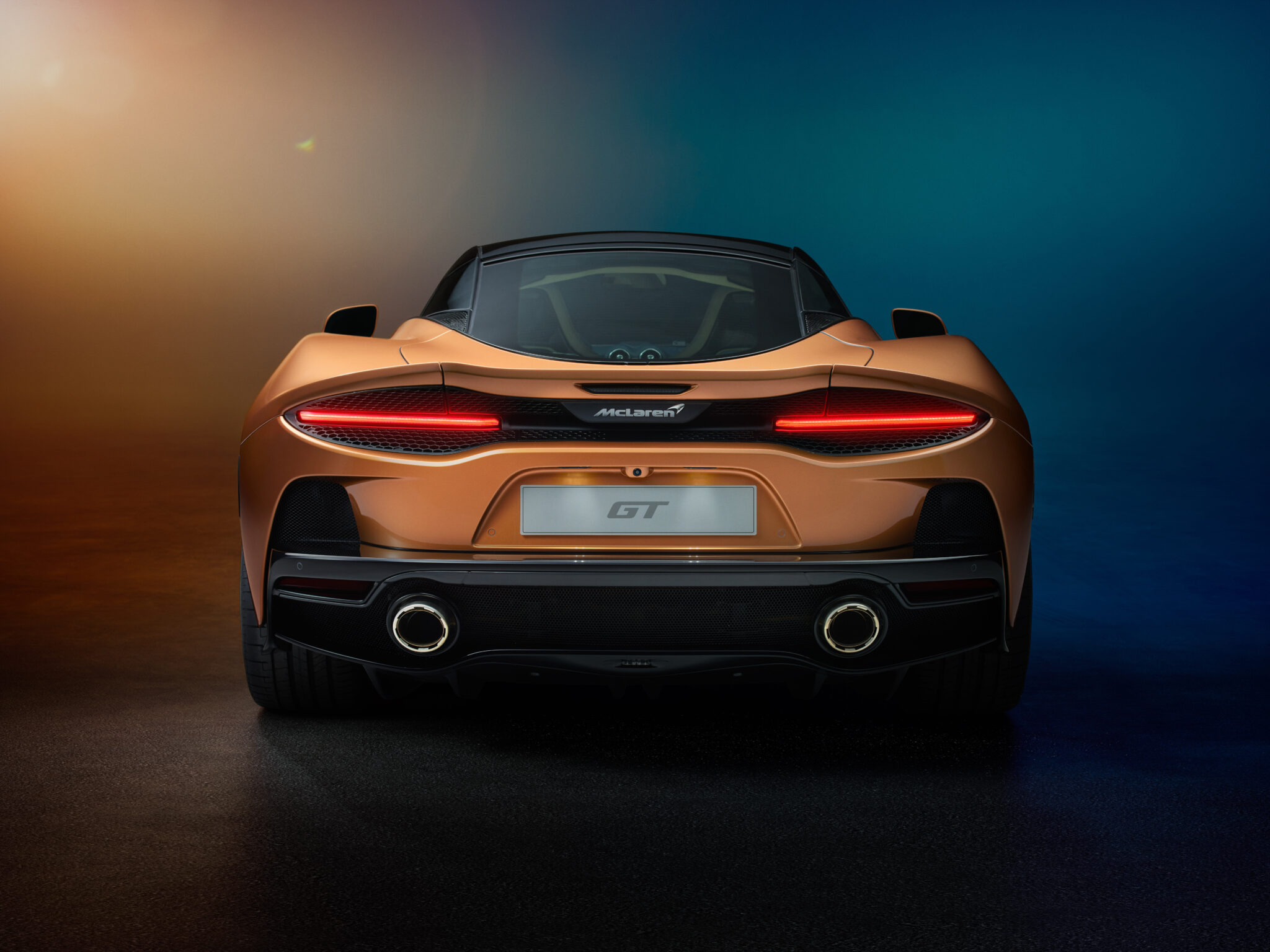
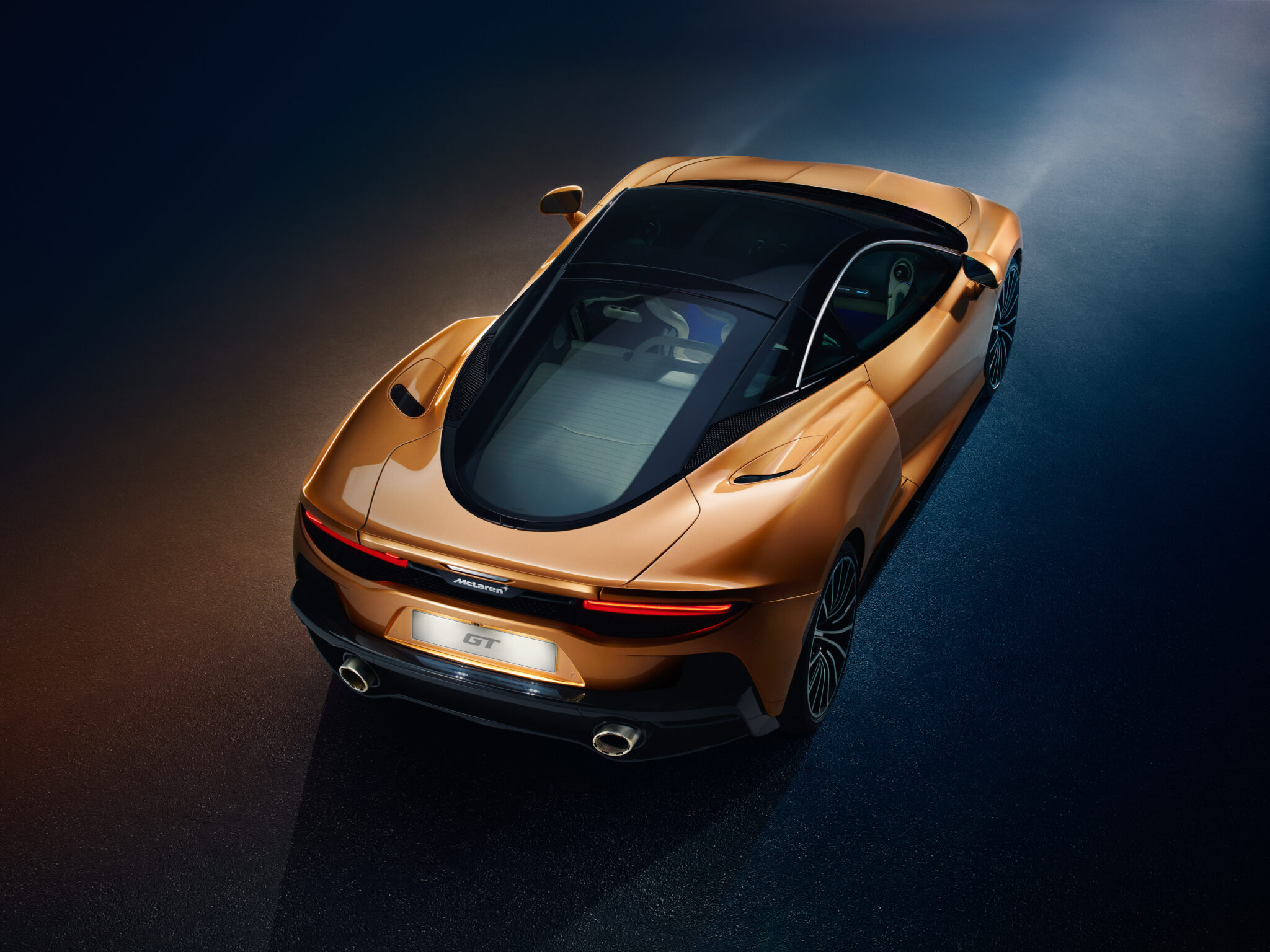
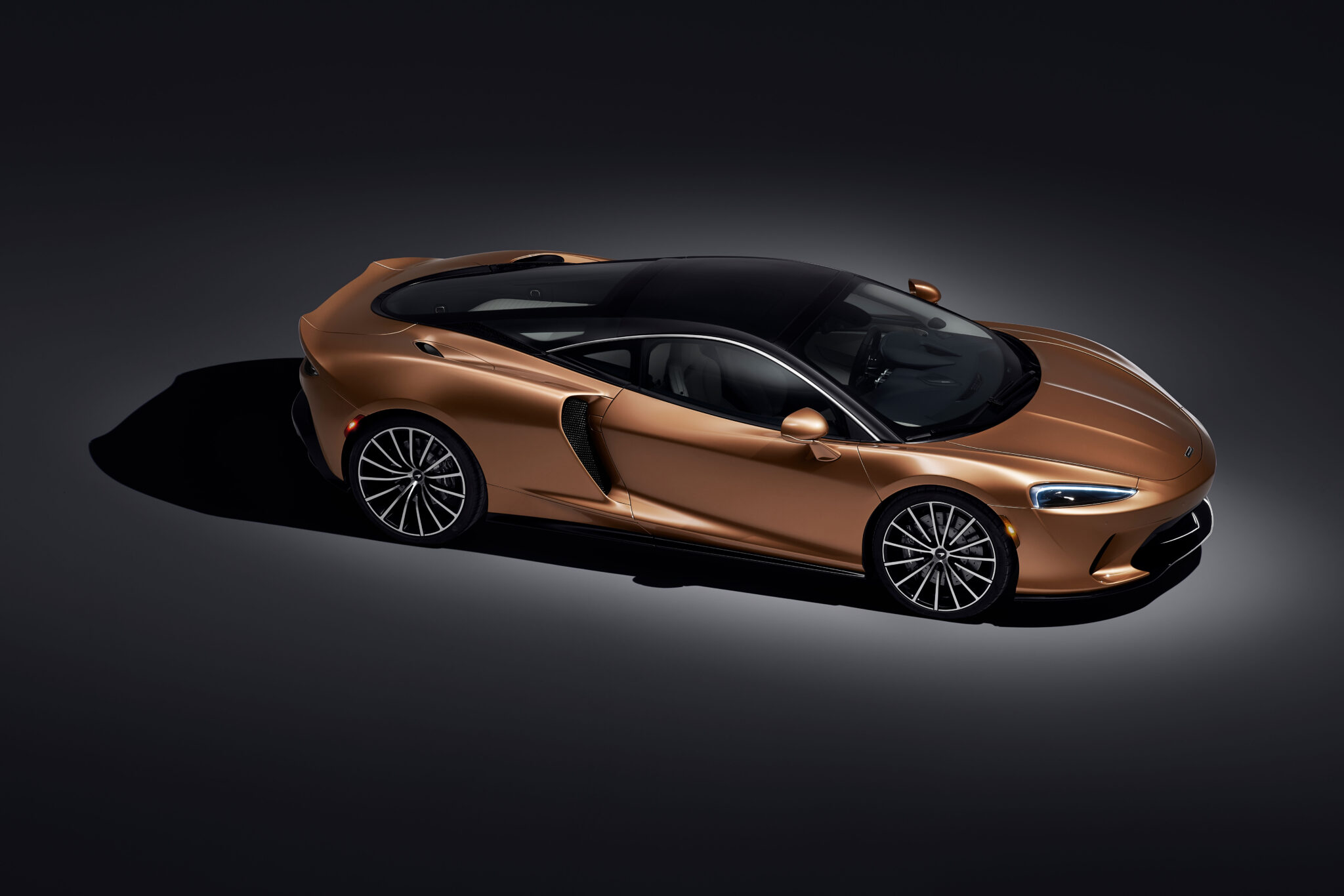
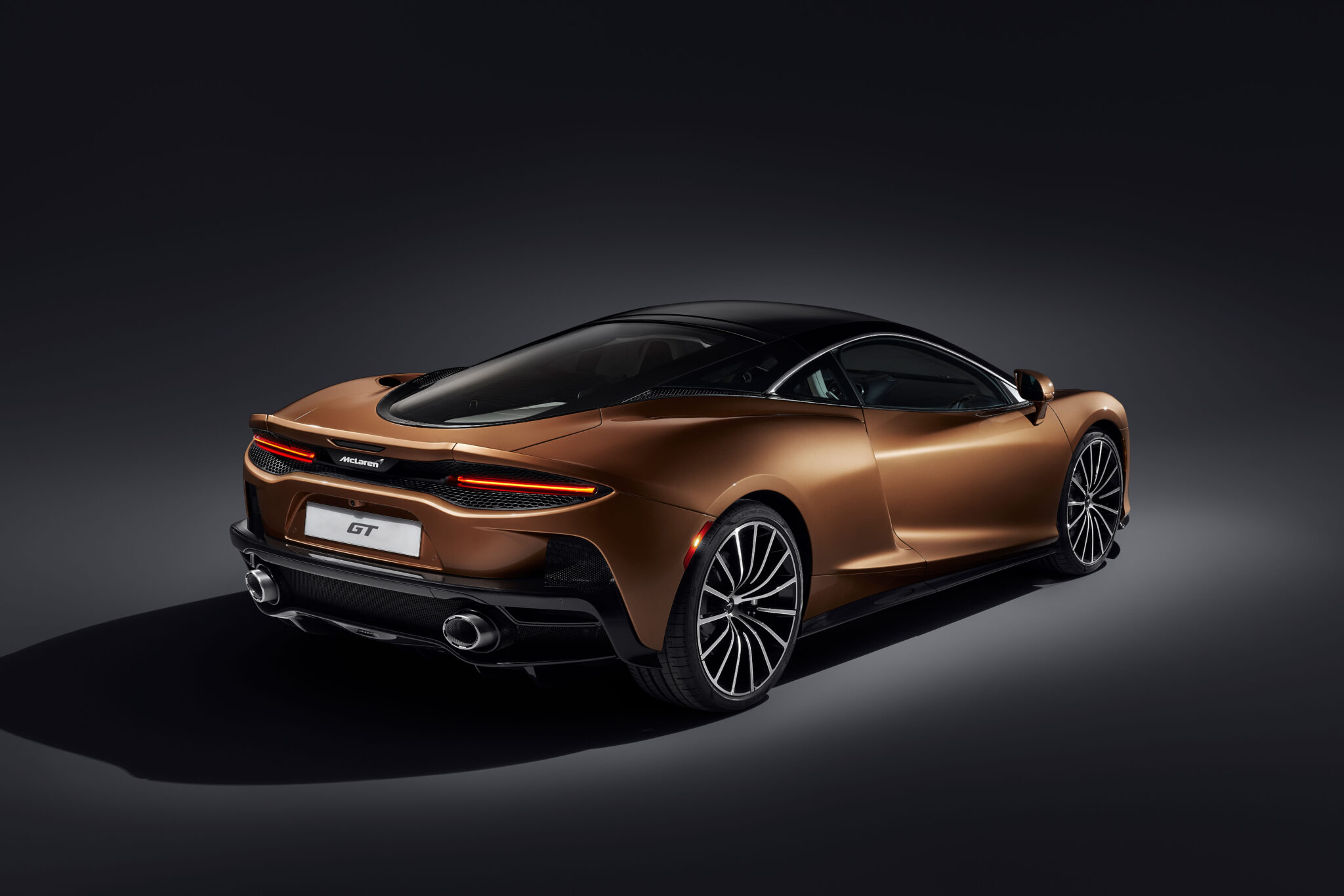
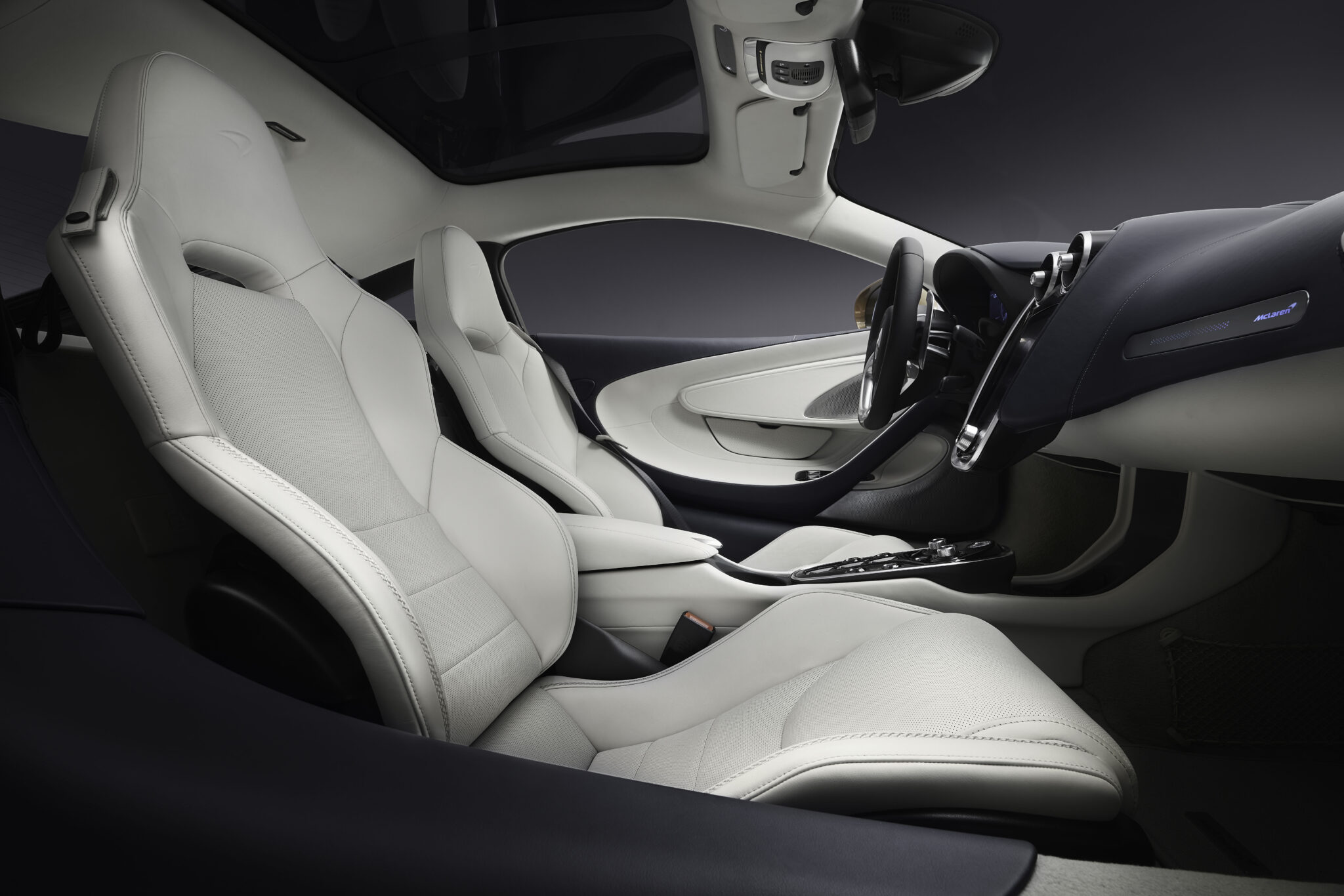
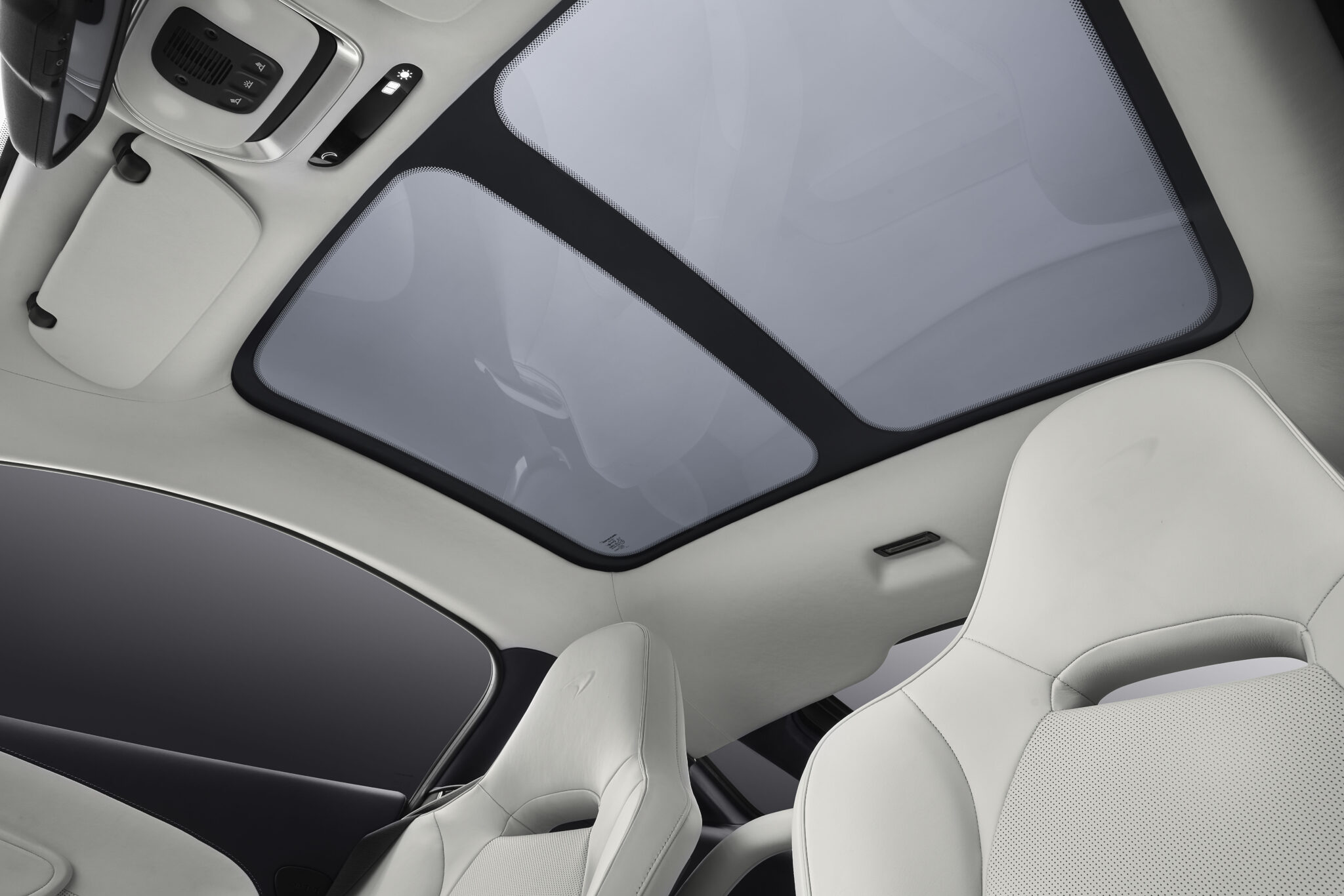
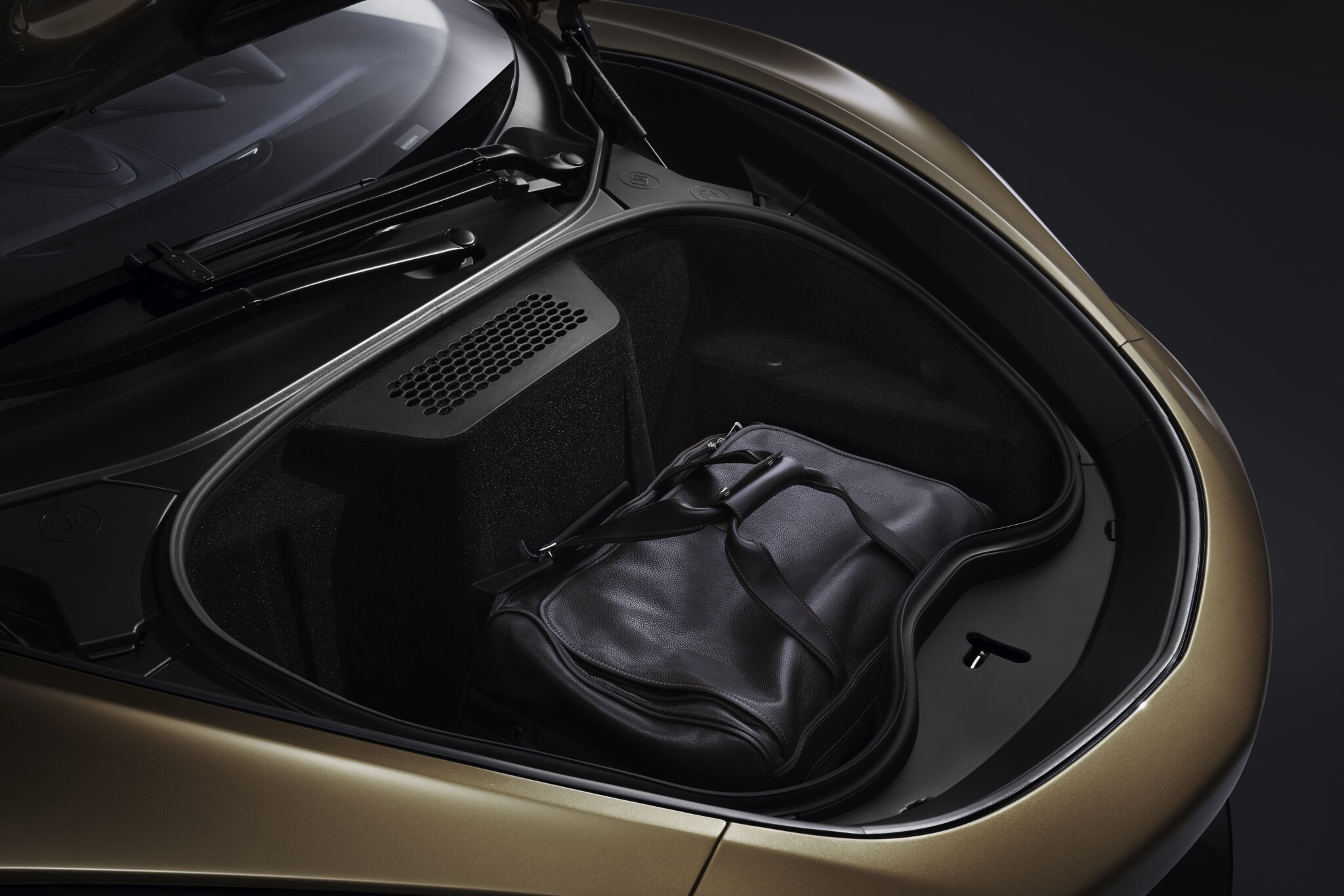
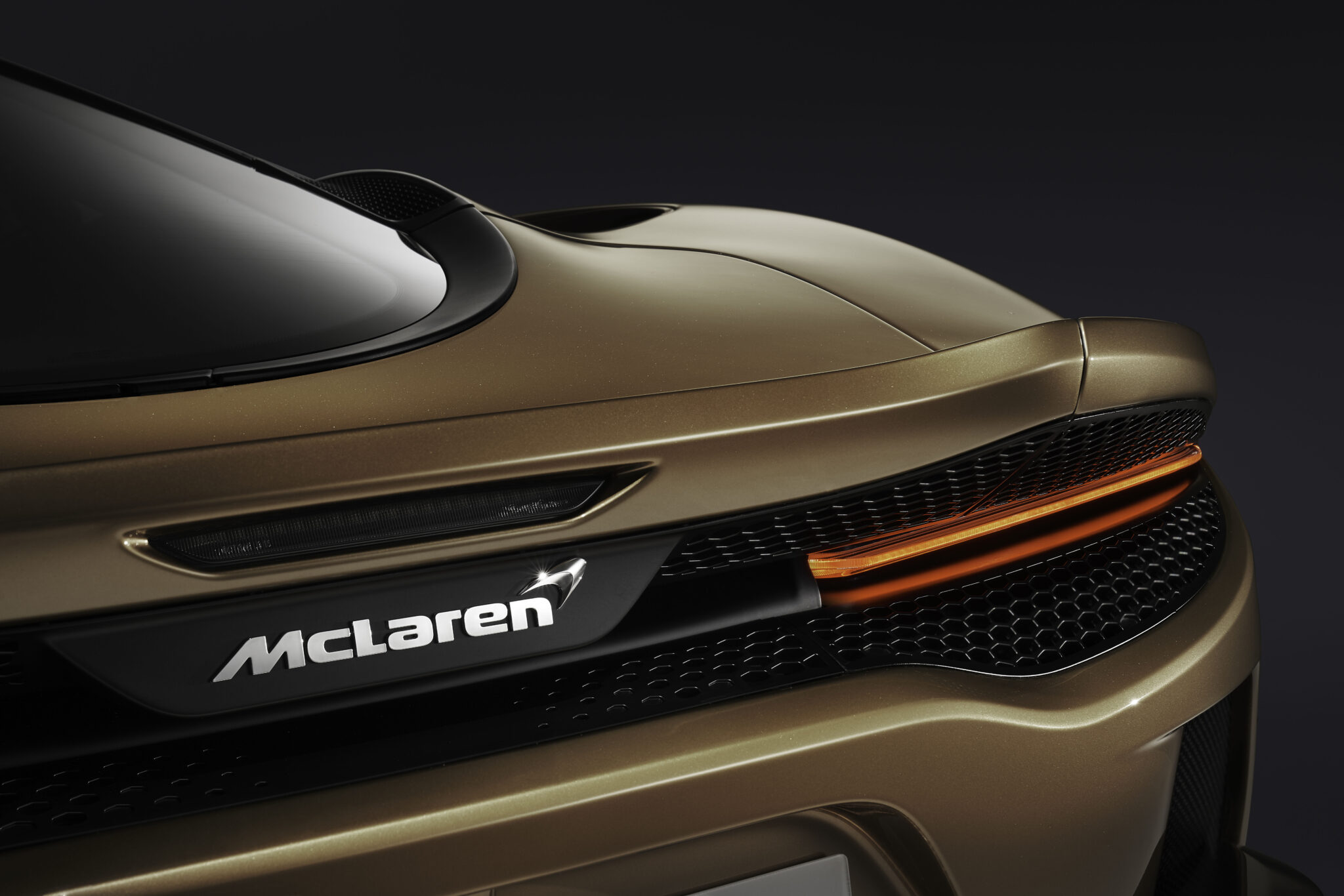
Get Superior Performance And Luxury With The 2020 McLaren GT

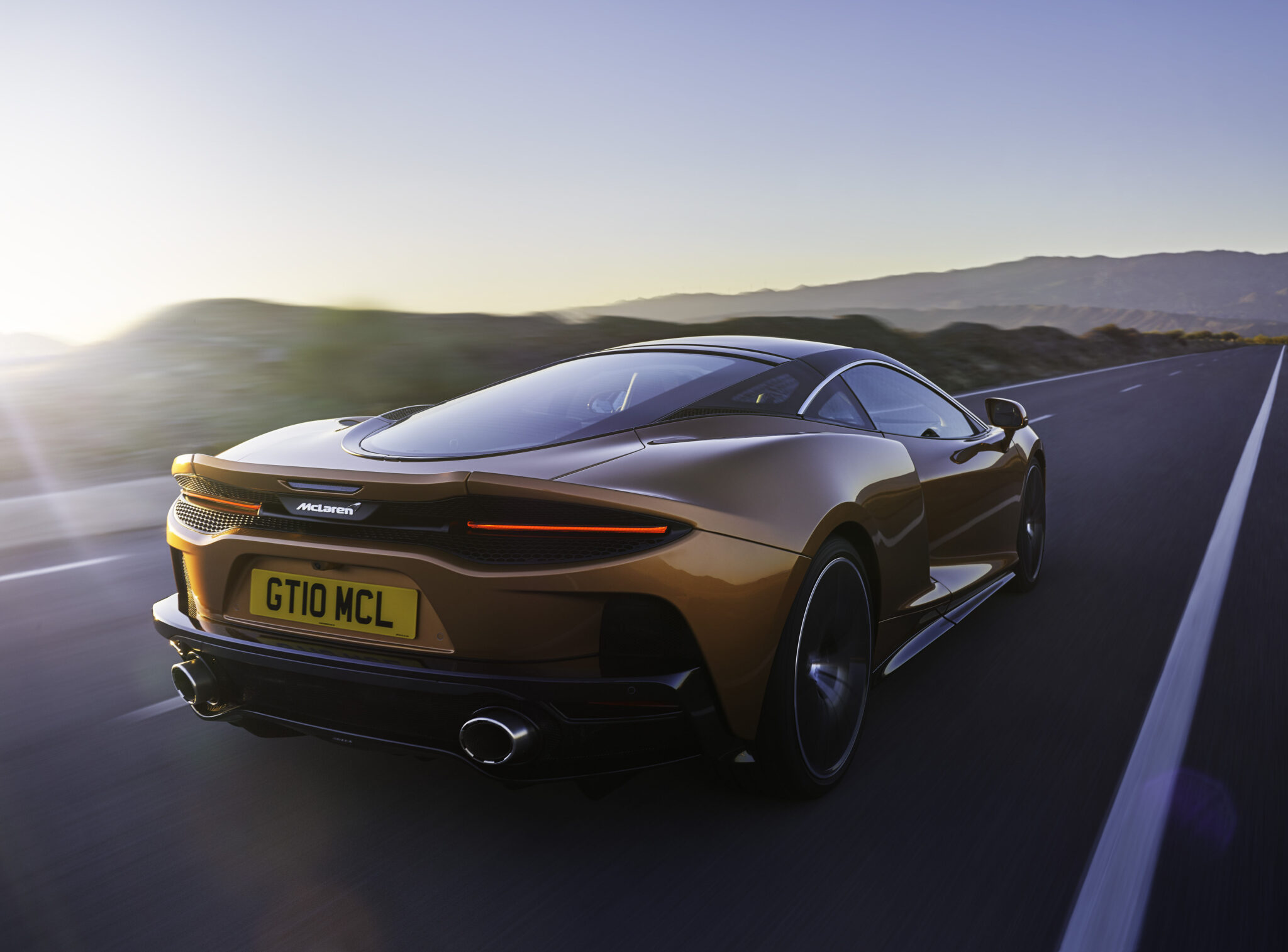
Supercars are some of the most luxurious vehicles that anyone can own. The use of premium materials alongside the talents of engineers and designers, usually result in exceptional machines. As long as buyers have the funds, there’s practically no limit to what can be done. We have one such vehicle that promises exceptional performance, speed, handling, and lavish interior design. Built to take on other grand tourers such as the Ferrari Portofino and the Aston Martin DB11, the 2020 McLaren GT redefines the game.

First of all, the elegant and stunning gold coat of its exterior is already a hint of what’s on offer. This mid-engine supercar is not just a looker, it will impress anyone that takes it out for a spin. Rumbling underneath the frame is a custom 4.0-liter twin-turbo V8 engine, which is capable of pumping out 612 horsepower. Meanwhile, a seven-speed double-clutch transmission should help transfer all that power to the ground. Testing shows that the configuration allows the GT hit 60 mph from a standstill in just 3.1 seconds. Push the pedal to the metal and get up to 203 mph at your own risk.

Cutting-edge technology uses sensors to allow the 2020 McLaren GT to quickly adjust its suspension based on the driving conditions. Dive inside and bask in the comfort of Nappa leather seats and upholstery. Optional upgrades let you deck out the cabin with Alcantara, soft grain leather, and even cashmere. Finally, to keep your passengers happy, its 12.3-inch infotainment is connected to a Bowers & Wilkins 12-speaker audio system.

Only from McLaren

Images courtesy of McLaren

The Greatest Supercars of the 1990s

The Golden Era – Homologation, The Big Mac and the Rise of the Everyday Supercar. Your Ultimate Guide to the Best Supercars from the 1990s

This is our first in a series of posts about the awesome cars of the 1990s. In this post we curate the best supercars from the 1990s, an era stacked with exotic masterpieces. Some of the defining features of the 1990s supercar era includes the amazing McLaren F1 and the revelation that was the Honda NSX as well as the spirit of competition amongst top manufacturers in prototype racing that created some awesome limited run homologation specials for the road.

The high performance supercar market went from niche to mainstream in the 1980s. Supercars like the Lamborghini Countach, Porsche 959 and Ferrari F40 had collectively wowed car fans the world over in the late 1980s and with Wall Street humming and the global economy in good shape, the appetite for exotic cars only grew going into the early 1990s. As the 1990s started, many pundits wondered however whether we had already reached peak car. After the extraordinary supercars of the eighties, many supercar manufacturers entering the nineties asked “how on earth do we follow that?”

It is impossible to talk about the 1990s supercar era and not mention the impact of the mighty McLaren F1. McLaren came along in the mid-90s with the ultimate supercar, the McLaren F1. The F1 did not just beat the other supercars at the time, it blew them away so convincingly that it wasn’t until the Bugatti Veyron came along more than a decade later that its acceleration and top speed records were beaten. It was Gordon Murray, the former F1 engineer and his obsession with weight savings and attention to detail that redefined what a supercar could be. It was like no other supercar before it (or like any other since), a car that redefined what it meant to be a supercar.

At the other end of the spectrum was the Honda NSX. It came along in the 1990s and shook up Lamborghini, Ferrari and Porsche. Here was a major manufacturer known for small compact Honda Civic cars who created a supercar that was easy to drive, was fast and agile and didn’t break down. Anybody could drive it. It forced all the sports car makers to get better and ushered us all into the world of the everyday supercar. Speaking of everyday Supercar, the 1990s saw the 911 Turbo genuinely scare the top players with more than 400 horsepower, all wheel drive and astonishing performance in a daily driver.

On our list of the best 20 cars, no less than six cars raced. In fact, five of the cars on our top supercars of the ‘90s list were expressly built to race and are known as homologation specials. Carmakers had fully embraced the “win on Sunday, sell on Monday” mantra in the early 1990s and channeled vast amounts of money into trying to find racing glory. Racing homologation rules (stipulating that road-going versions of cars had to be manufactured for homologation) inspired automakers to produce these machines. The FIA GT1 class therefore produced some of the best race cars of the mid-1990s and (thanks to those loosely interpreted homologation requirements), some of the wildest street cars too. These included the Porsche GT1, Mercedes-Benz CLK GTR and the insane Dauer 962 LM.

In terms of awesome supercars, the 1990s were the golden age. Fun times indeed. Please read on for our take on the greatest 1990s supercars.

Criteria note: We focused on the first year of manufacture as our criteria for a car making it into the decade. If the car had first been manufactured in the 1980s and was carried over into the 1990s largely unchanged then it belongs in the 1990s (aka Ferrari F40). If it was initially built in the 1980s but was substantially updated or had a sub-model in the 1990s then it could make the 1990s list (aka Ferrari F512 M). 

Author note: This initial article was written by JACK MATTHEWS in May 2017 and was updated by Nick Dellis (with help from car nut Kenny Herman) in May 6th 2019.

20 Best Supercars from the 1990s

Read on for our ranked list of the greatest supercars of the nineties. We discussed whether to rank the cars versus just have an unranked list and realized it was way more fun to have people argue about rankings than not.

Lotus Esprit Sport 350

Lotus Esprit Sport 350

20. Lotus Esprit Sport 350

The best Lotus of the 1990s. Rare, fun, a little underpowered though.

Power: 349 bhp @ 6500 rpm / Torque: 295.0 ft lbs @ 4250 rpm / Engine: 3.5 liter twin-turbo V8 / Produced: 1999 / Base Price: £64 950 / Units made: 50 / Top Speed: 175 mph (281.6 kph) / Acceleration (0-60 mph): 4.7 seconds

Having raced the Esprit in GT2 and GT3 classes, Lotus began to develop a new version of the car to race in GT1 class racing. Development of the car was entrusted to the newly formed Lotus GT1 Engineering group, which included many staff from the recently dissolved Team Lotus. For us however the more impressive Lotus of the 1990s was the 1999 Lotus Esprit Sport 350.

It was the ultimate incarnation of the Esprit. Only 50 were made. Taking the V8 GT further, the Sport 350 was one of the most exclusive Esprits made. It featured the standard-spec V8 with blue-painted intake manifolds. What set the 350 Sport apart from the VT GT was a number brake, suspension and chassis improvements. Lowering the kerb weight was a primary design focus for Sport 350. Apart from the weight reduction, the other major change to Sport 350 was its braking system. While exclusivity was offered with the Sport 350, it is a shame Lotus never tuned the engine beyond its standard specification. This is strange given the fact that every other aspect of the car was up-rated for track use. It was one of the closest cars to emulate the track experience on the road.

Read more: Lotus Esprit Sport 350.

Porsche 911 Turbo S (993)

Porsche 911 Turbo S (993)

19. Porsche 911 Turbo S (993)

All wheel drive. Twin turbo flat six engine. Over 400hp. Ludicrous performance. Porsche delivers a daily driver that destroys supercars. The ultimate air cooled 911.   

Power: 424bhp @ 6250 rpm / Torque: 423 lb-ft @ 4500 rpm / Engine: 3.6 L twin-turbo Flat-6 / Produced: 1997 / Base Price: N/A / Units sold: 183 cars produced / Top Speed: 183 mph / Acceleration (0-60 mph): 4.4 seconds

Considered by many Porsche enthusiasts as the “ultimate 911”, the type 993 represented a unique blend of power and simple elegance. The car had a more streamlined look and was “lower slung” than earlier versions of the 911. The styling was perfect and it is still the best looking 911 series. This was the last of the “air-cooled” Porsche 911s (insert sad face here).

The turbo-version of the Type 993 Porsche 911 was also introduced in 1995 and featured a bi-turbo engine that was at the top of the performance pack for the time. For Turbo 993s the 3.6 liter got twin KKK K16 turbos and made 402 hp although you could customize your order (on Turbo S and GT2 models) to up that to 444 hp. The 993 Turbo was the first 911 Turbo with all wheel drive, essentially lifted from the 959 flagship model.

During the second to the last year of production of the 993 (1997), Porsche offered the 993 Turbo S. The X50 power pack had larger turbos, intake and exhaust upgrades, and a new computer. Power upgrade got it to 424 hp and included extras like carbon fiber decoration in the interior as well as very cool yellow brake calipers, a slightly larger rear wing, a quad-pipe exhaust system and air scoops behind the doors. This was the last of the air-cooled 911 Turbos and our favorite.

Read more: Porsche 911 Turbo S (993).

Nissan R390 GT

Nissan R390 GT

18. Nissan R390 GT

The fastest and most expensive Nissan road car ever developed. 0-60 mph in 3.2 seconds and 0-100 mph in 6.5 seconds. Road car was capable of 220 mph.

Power: 549.9 bhp @ 6800 rpm / Torque: 470.0 ft lbs @ 4400 rpm / Engine: 3.5-litre twin-turbo V8 / Produced: 1998 / Base Price: ~US$1,000,000 / Units sold: 1 (road car) / Top Speed: 220 mph / Acceleration (0-60 mph): 3.9 seconds

The ultra-rare Nissan 390R was basically a detuned Le Mans racer offered for sale to the public at a hefty $1,000,000. Only two were made. It was the fastest and most expensive Nissan road car ever developed was created to comply with the Le Mans GT1 Class regulations which required manufacturers to build at least one street-legal version of the race car.

Unlike many others, Nissan built the road car first and built the racing version from it. The R390 GT1 design was the work of Ian Callum at Tom Walkinshaw Racing. Behind the driver sits the heart of this true supercar, the VRH35L twin-turbocharged 3.5-litre double-overhead-camshaft V8 engine with electronic sequential port fuel injection which produces 549.9 bhp @ 6800 rpm while complying with all European market exhaust gas regulations. R390 GT1 performance as one would expect is staggering and includes a sub 4.0 second zero to 60 mph time and top speed north of 220 mph.

Inside are normal road car appliances such as full instrumentation and leather-covered driver and passenger racing seats. The short-throw gear lever for the Xtrac six-speed sequential gearbox and tiny racing steering wheel are reminders of the close alliance between the road car and the vehicle which captured four out of the top-ten spots in the 1998 Le Mans 24-hour race.

Read more: Nissan R390 GT

Aston Martin V8 Vantage 1990s

Aston Martin V8 Vantage 1990s

17. Aston Martin V8 Vantage

Big, bruising and totally nuts. This twin-supercharged V8 Aston was the most powerful car in the world for a while. Handling sucked, quality was iffy, but it was still very cool.

Power: 550.0 bhp @ 6500 rpm / Torque: 550.0 ft lbs @ 4000 rpm / Engine: Twin Supercharged V8 / Produced: 1993 – 2000 / Top Speed: 186 mph / Acceleration (0-60 mph): 4.5 seconds / Base Price: NA / Units sold: 281 cars made

Bullish, aggressive and in many ways a tad ham-fisted when compared to today’s lithe, delicate yet calmly aggressive Astons, the Vantage battered its way to 186mph with the help of its 5.3-litre supercharged V8 mounted ahead of the driver and sending power to the rear.

The Vantage was one of the cars that emerged during the era of Aston Martin’s ownership by Ford Motor Company, and featured harsher edges to its styling than had been seen on many Aston Martins previously. This styling was taken a step further in 1999, with the release of the Aston Martin Vantage Le Mans. The special edition’s looks came somewhere between that of a bull and a shark, which fit the 600bhp machine’s personality quite well.

Read more: Aston Martin V8 Vantage

Ferrari F512 M

Ferrari F512 M

16. Ferrari F512 M

Last production mid-engine flat-12 model and the final iteration of the famed Testarossa. Updated chassis and engine massively improved performance and driving experience.

Power: 440 bhp @ 6750 rpm / Torque: 368.8 lb/ft @ 5500 rpm / Engine: 4.9 L Tipo F113 G Flat-12 / Produced: 1995–1996 / Base Price: N/A / Units sold: 501 produced / Top Speed: 196 mph / Acceleration (0-60 mph): 4.6 seconds

We chose the F512 M over the 512 TR as our favorite Ferrari Testarossa. The result of constant evolution, the 512M shared almost all of its engineering from the 512 TR that came before it. The F512 M was the last version of the Testarossa.

The F512 M sports had the same 4.9-litre Tipo F113 G longitudinally mid mounted flat-12 engine with 440.0 hp at 6,750 rpm. Most of the changes were limited to slight body upgrades that many consider ruin the lines of the original design. In our eyes it looks better so it got the nod over the 512 TR. The front and rear lamps received a design change. The pop-up headlamps were replaced by two fixed square units. The rear tail lamps were round and the bumpers had been restyled to yield a more unified look as well as the addition of cool twin NACA ducts.

Read more: Ferrari F512 M in detail

Porsche 911 GT3 (996.1)

Porsche 911 GT3 (996.1)

15. Porsche 911 GT3 (996.1)

This is where the GT3 legend begins. Porsche wanted to go racing in the GT3 endurance category and developed this 3.6 liter Mezger engined masterpiece. Thank you Porsche.

Power: 360 @ 7200 rpm / Torque: 273 lb/ft @ 5000 rpm / Engine: 3.6L Water Cooled Flat-6 / Produced: 1999–2001 / Base Price: $90,000 / Units sold: ~1,868 cars produced / Top Speed: 187.7 mph / Acceleration (0-60 mph): 4.5 seconds

The GT3 we love today all started in 1999 with the 996 model GT3 and it all started because Porsche wanted to enter the GT3 class of the FIA. Porsche began investing in developing both the race car and the road-going version which was required by GT class homologation rules and the GT3 was the result. The GT3 became the 996’s range-topping model until a new GT2 was launched.

Based on the 996 Carrera, the 996 GT3 was a really a track focused sports car that was lighter, sharper and more potent than its everyday sports model siblings. To help in the performance stakes, the GT3 the water-cooled flat six was loosely based on the GT1 and got a dry-sump crankcase with an external oil tank making it more powerful and higher revving. Gone were the rear seats, sunroof, air conditioning, radio and a boatload of sound deadening.

Major design changes included a more aggressive front end with larger headlamps shared with the Boxster, a sleeker body, and a more raked windshield. Design and aerodynamic features exclusive to the GT3 included slimmer air vents for the front bumper, a front splitter, new side skirts, a revised rear bumper, new wheels, and massive rear wing.

The GT3 quickly became the choice for drivers because of its remarkably sharp throttle response, better steering, steady balance, and amazing engine. While a Turbo had it beat for outright speed, this was the ultimate drivers Porsche. Its lighter body and race tuned suspension tuning also made it a perfect machine for attacking weekend drivers who wanted a track car.

If you are in the U.S you may at this point wonder why you can’t find any GT3s from the era for sale. Porsche did not bring the GT3 to the United States until 2004 (see the 996.2 model just below).

Read more: 2000 Porsche 911 GT3

Pagani Zonda C12-S

Pagani Zonda C12-S

14. Pagani Zonda C12-S

Brought back the magic to the supercar world

Power: 550 bhp @ 5500 rpm / Torque: 553.2 lb/ft @ 4100 rpm / Engine: Mercedes AMG V1 (7010 cc) / Produced: 1999-2002 / Top Speed: 210.1 mph (338.0 km/h) / Acceleration (0-60 mph): 3.8 seconds / Base Price: NA / Units sold: US$325,000

My favorite car debuted in 1999. Most people think the Zonda was a car from the early 2000s. While it was the 2002 Zonda with the upgraded 7.3-liter V12 that people remember, Pagani had already been successfully marketing the Zonda for three years up till that point. It was originally launched as the C12-S in 1999.

Read more: Pagani Zonda posts / Pagani Zonda C12-S

Dodge Viper RT:10 ‘Phase II SR’

Dodge Viper RT:10 ‘Phase II SR’

13. Dodge Viper RT/10 ‘Phase II SR’

8 liters of truly brutal American muscle

Power: 415.0 bhp @ 5200 rpm / Torque: 488.0 ft lbs @ 3600 rpm / Engine: Naturally aspirated 8 liter V10 / Produced: 1996-2002 / Base Price: US$58,500 / Units sold: NA / Top Speed: 170.0 mph (273.6 kph) / Acceleration (0-60 mph): 4.7 seconds

Some might not consider the original Dodge Viper a supercar, but at the time of its release it was a revelation with its aggressive looks and insane 8-liter V10 engine. The 1996 RT/10 could be referred to as a second generation Viper and it featured a host of upgrades over earlier Vipers produced from 1992 to 1995. It was a much better car. Outwardly the main difference to the 1996 Viper was the absence of side exhausts which were replaced with two standard exhausts exiting the rear. The three spoke wheels were also gone and replaced with 5-spoke counterparts. Inside, the cabin remained largely unchanged, but a removable roof was standard as was sliding plastic panels for the windows. Underneath, the chassis was stiffened, suspension geometry revised and a more robust rear differential was installed.

Our pick of the 1990s Viper’s was the GTS which was launched in 1996. It was a more powerful version of the RT/10 with 450 hp and a new double bubble coupe body. Beyond more power though, the GTS had over 90% new parts compared to the RT/10. In 1997 and 1998 model years the Viper would continue to receive minor updates and the GTS would get second-generation airbags, revised exhaust manifolds, and a revised camshaft for 1997, and the RT/10 would gain a power increase up to 450 hp (336 kW; 456 PS) for 1998.

Read more: Dodge Viper RT/10 ‘Phase II SR’

Toyota GT-One

Toyota GT-One

12. Toyota GT-One

A pure-bred Le Mans car, created specifically to contest the world’s most famous 24-hour race with no compromise in terms of design or engineering. Road version equally nuts.

Power: 600 bhp @ 6,000 rpm / Torque: 479 lb/ft / Engine: 3.6 liter 90-degree V8 twin-turbo / Produced: 1998 / Base Price: US$1,400,000 / Units sold: 2 / Top Speed: 236 mph (380 kph) / Acceleration (0-60 mph): 3.2 seconds

The Toyota TS020, better-known in Europe as the Toyota GT-One, is a pure-bred Le Mans car, created specifically to contest the world’s most famous 24-hour race with no compromise in terms of design or engineering. The engine had its heritage in the twin-turbo V8 which powered Toyota’s Group C cars in the late 1980s.

In accordance with the FIA rules of the day, the GT-One had also to be developed as a legal road car. In fact the differences between the race and road versions were small: in road-going mode, the rear wing was set lower and the suspension ride height was raised. A smaller fuel tank was fitted and the addition of catalytic converters ensured the vehicle complied with emissions regulations. Toyota says the engineers at Toyota Motorsport GmbH created just two ‘production’ TS020 GT-Ones – one is on display in its museum, the other in Japan.

Read more: 1998 Toyota GT-One

Porsche 911 GT1 Strassenversion

Porsche 911 GT1 Strassenversion

11. Porsche 911 GT1 Strassenversion

Porsche wants race. Takes 993-based 911 and grafts it to the rear-end of a 962. Adds twin-turbo 3.2-liter water-cooled flat-six engine capable of developing 600 hp. Done.

Power: 544 bhp @ 7,000 rpm / Torque: 443 ft lbs @ 4,250 rpm / Engine: 3.2-liter twin-turbo flat-six / Produced: 1996-1998 / Base Price: ~US$900,000 / Units sold: 23 / Top Speed: 193 mph (310 kph) / Acceleration (0-60 mph): 3.4 seconds

Porsche management wanted to compete in factory-based GT racing programs. It developed a brand new car. Basically it was 993-based 911 and essentially grafted it to the rear-end of a 962. dropped a twin-turbocharged 3.2-liter water-cooled flat-six engine capable of developing 600 hp. A futuristic 911-inspired carbon fiber shell finished the exterior packaging.

In order for Porsche to enter the highly competitive GT1 category back in 1996, a total of 23 road going-machines had to be built. To be specific there were two 1996 cars, 20 1997 cars and only one variant was built in 1998. The Strassenversion (road going) uses a 3.2-litre twin-turbo flat-six engine which puts out 536bhp and 443lb ft of torque. Now these might not seem like big numbers compared to modern supercars like the Porsche 918, but considering the GT1 only weighed 1120kg, the GT1 could get to 62mph in around 3.4 seconds. Unfortunately the GT1 was routinely beaten on track by Mercedes’ ferocious CLK-GTR. As a result, Porsche – along with a number of other manufacturers – pulled out of the GT1 class for 1999, effectively killing the championship class.

Read more: Porsche 911 GT1 Strassenversion
Ruf CTR-2 Sport

Ruf CTR-2 Sport

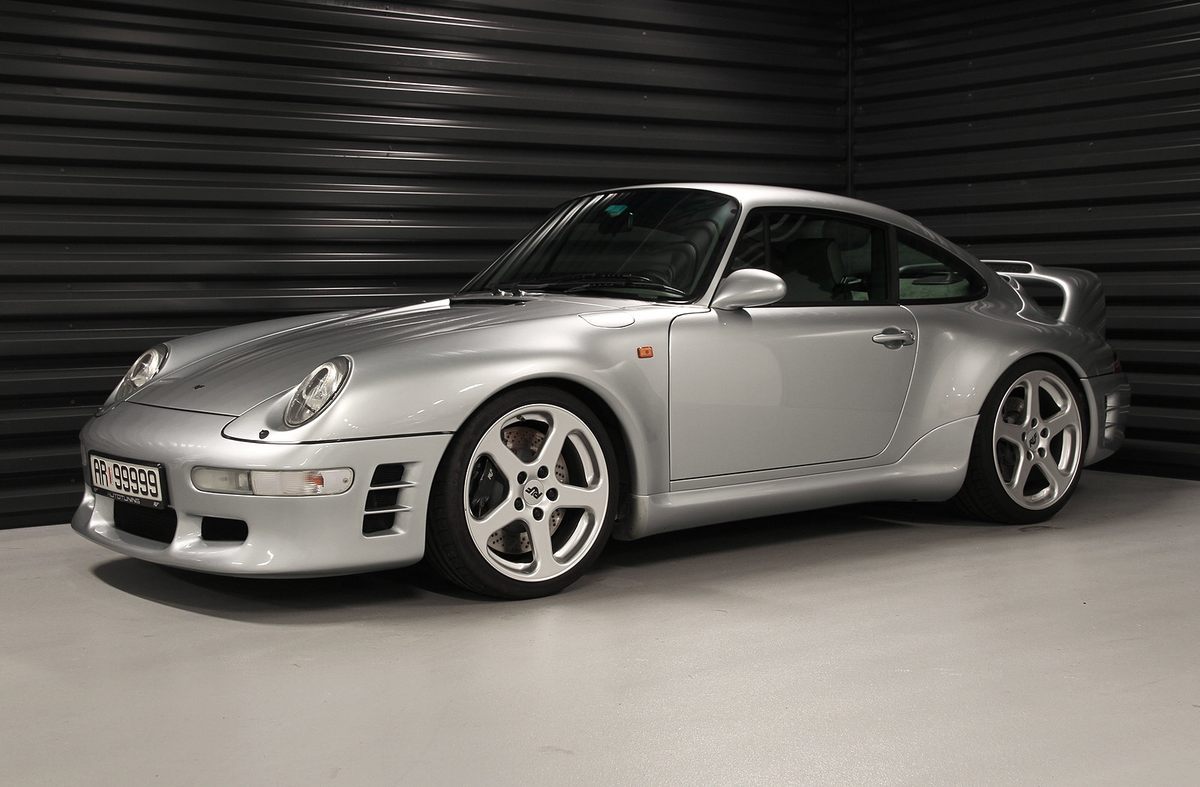
10. RUF CTR-2 & Ruf CTR-2 Sport

Might be based on a Porsche 911, but the Ruf CTR2 is far from a typical German sports car. Almost 520 hp from a Le Mans-derived twin-turbo engine. Straight line monster.

Power: 520 bhp @ 5800 rpm / Torque: 505.2 ft lbs @ 4800 rpm / Engine: 3.6 liter air-cooled twin-turbo flat-6 / Produced: 1995-1997 / Base Price: US$315,000 / Units sold: 16 standard CTR2, 12 CTR2 “Sport” / Top Speed: 220 mph (354 km/h) / Acceleration (0-60 mph): 3.5 seconds

Based on the 993-chassis 911 Turbo the CTR2 featured either the standard rear-wheel drive or an optional all-wheel-drive. It had a totally upgraded and custom suspension system, uprated brakes and integrated roll-cage as well as a very custom and cool wing. The body was made out of kevlar to save weight. The heart of the CTR2 was the race derived air-cooled Porsche 3.6 litre. It had twin-turbos and was based on the engine used in the Porsche 962 Le Mans Group C car. The team at RUF tuned it to produce 520 hp 505 ft lbs of torque.

In addition to the “regular” CTR2 was the CTR2 Sport. Built up from a Porsche 911 Turbo body-in-white, RUF manufactured the CTR-2 Sport for ultimate outright performance. The specially built engine was tuned to produce almost 600 hp depending on boost. Options included a roll-cage, a clutchless RUF EKS transmission, adjustable torque bias, adjustable boost control. This is the ultimate in straight line insanity, able to accelerate to sixty in 3.5 seconds (in 1995) and onto a top speed north of 220 mph. Crazy.

Read more: 1997 Ruf CTR-2, 1997 Ruf CTR-2 Sport
Mercedes-Benz CLK-GTR

Mercedes-Benz CLK-GTR

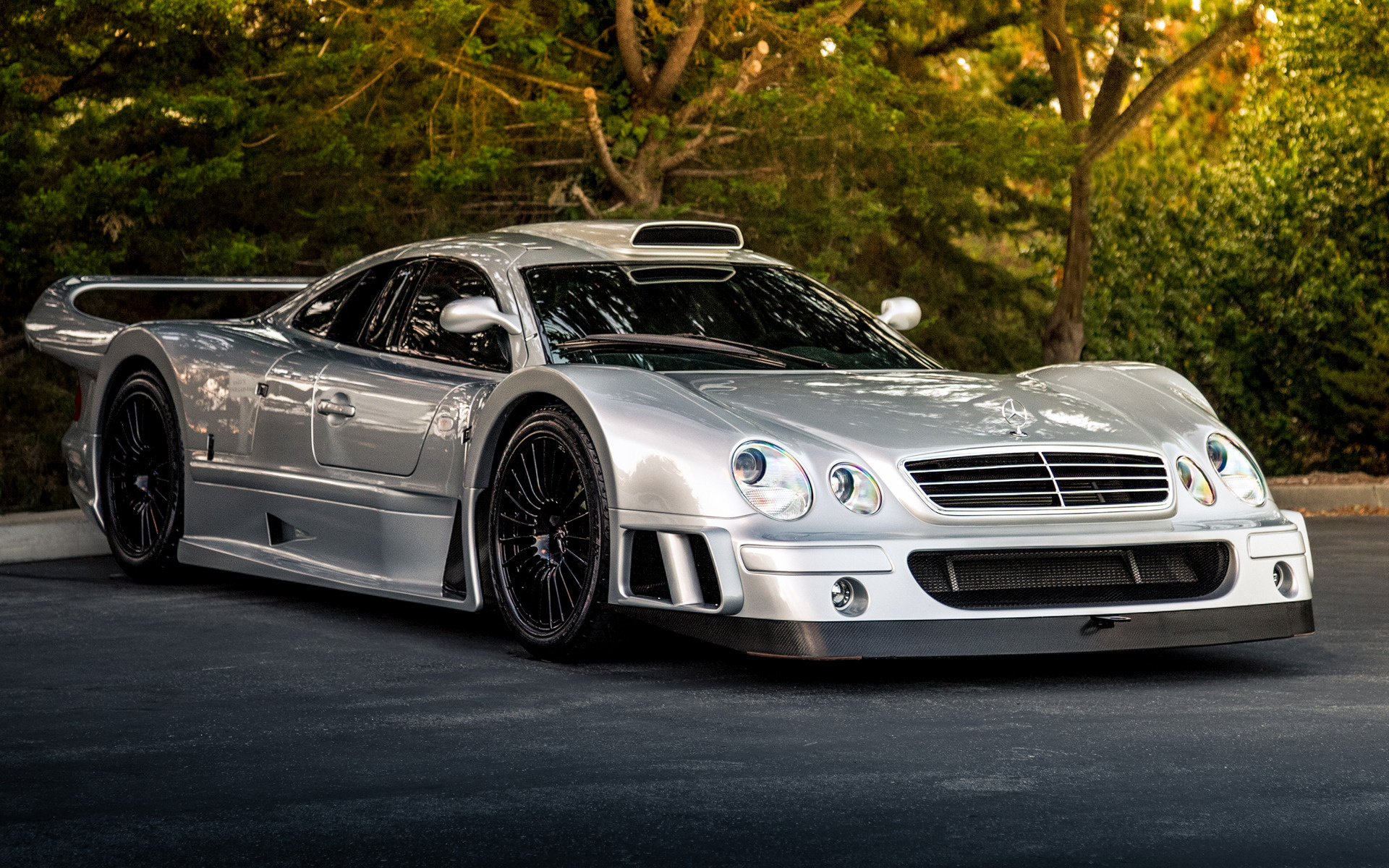
9. Mercedes-Benz CLK-GTR

Homologation special madness by the crazy Germans at Mercedes-Benz. Only car here that can easily do a backflip for those fun “what-the-f**k” moments.

Power: 612.0 bhp @ 6800 rpm / Torque: 571.6 ft lbs @ 5250 rpm / Engine: 6.9 liter Mercedes-Benz M120 V12 / Produced: 1998–1999 / Top Speed: 191 mph / Acceleration (0-60 mph): 3.4 seconds / Base Price: US$1,547,000 / Units sold: 20 coupes, 6 roadsters

The CLK GTR was born out of Mercedes-Benz desire to duke it out against Ferrari and Porsche in the FIA GT Championship. Essentially taking elements of a CLK racer and some road car trimmings and mashing them together, they produced the prototype in time for the 1997 season.

Although the 1999 GT1 class was cancelled, Mercedes-Benz had already promised 25 road-going homologation versions to customers and was obliged to produce these. Customer cars featured a 6.9-litre V12 which produced 604bhp, bestowing the GTR with ballistic performance – 0-60mph took 3.8 seconds, on the way to a top speed of 214mph.

This came at a steep price; despite comforts being kept to a minimum in an effort to save both weight and cost, the production CLK GTR was listed at the time as the most expensive production car ever built in the Guinness Book of World Records, costing $1,547,620.

In 1999, Mercedes-Benz were due to race a CLR – a track-focused version of the CLK GTR – at Le Mans, until in qualifying on the back straight of the Circuit du Sarthe Mark Webber’s car took off, flipping several times as it tumbled into the bushes. In the race itself, a second similar incident took place while Peter Dumbreck was at the wheel, leading Mercedes to withdraw from the event and move away from sports car racing.

Read more: 1998 Mercedes-Benz CLK GTR Straßenversion
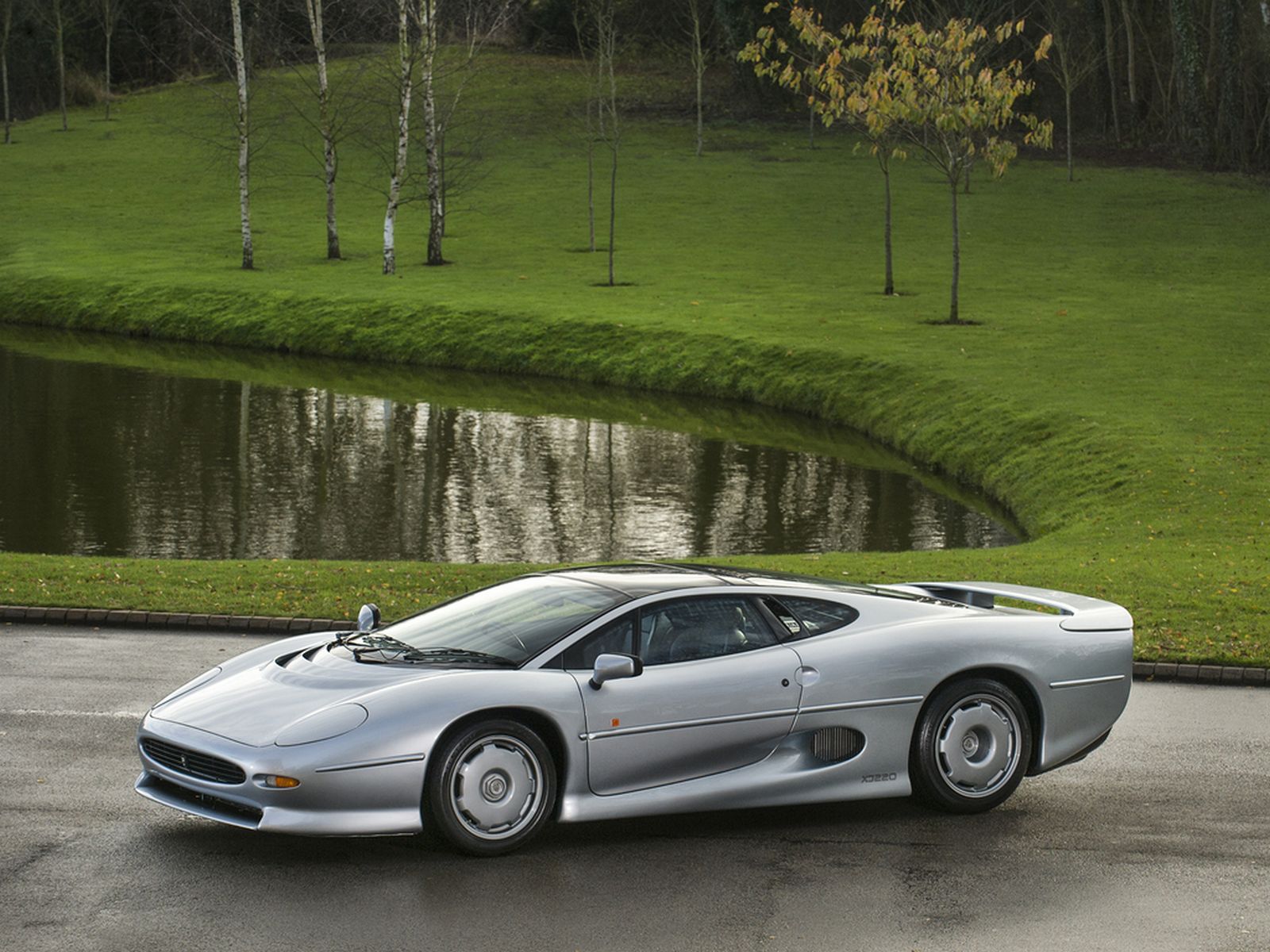
Jaguar XJ220 - Best 90s SupercarsJaguar XJ220 - Best 90s Supercars

8. Jaguar XJ220

Jaguar’s first production supercar, the XJ220 was a bold step. Crappy sounding engine and huge turbo lag. Held top speed record till McLaren F1 came along.

Power: 542.0 bhp @ 7000 rpm / Torque: 475.0 ft lbs @ 4500 rpm / Engine: TWR 6R4 V6 (twin turbo) / Produced: 1992 – 1994 / Top Speed: 217 mph (349.2 kph) / Acceleration (0-60 mph): 3.9 sec / Base Price: US$700,000 / Units sold: 281 cars made

The XJ220 started life as a mid-engine, four-wheel-drive concept car developed by Jaguar employees in their spare time. That initial concept was planned around a V12 powerplant. By the time the first customer cars were delivered in 1992, a twin-turbo 3.5-litre V6 sat mid ship, delivering 542bhp. The basic shape and aims of the car remained the same however.

With a top speed of 212mph, the XJ220 was the fastest production car from its launch through to 1993, when it was topped by another British-built speed machine. This peaked initial interest in the car, but between the 1990s financial recession and the car’s retail price of £470,000, few took up the offer of ownership and only 281 cars were produced throughout its run.

It was handy on the track too; it went straight to the top of the Nurburgring time sheets in 1991, recording a lap of 7:46:36; Hardly surprising, considering it was built with help from Tom Walkinshaw racing.

Read more: Jaguar XJ220
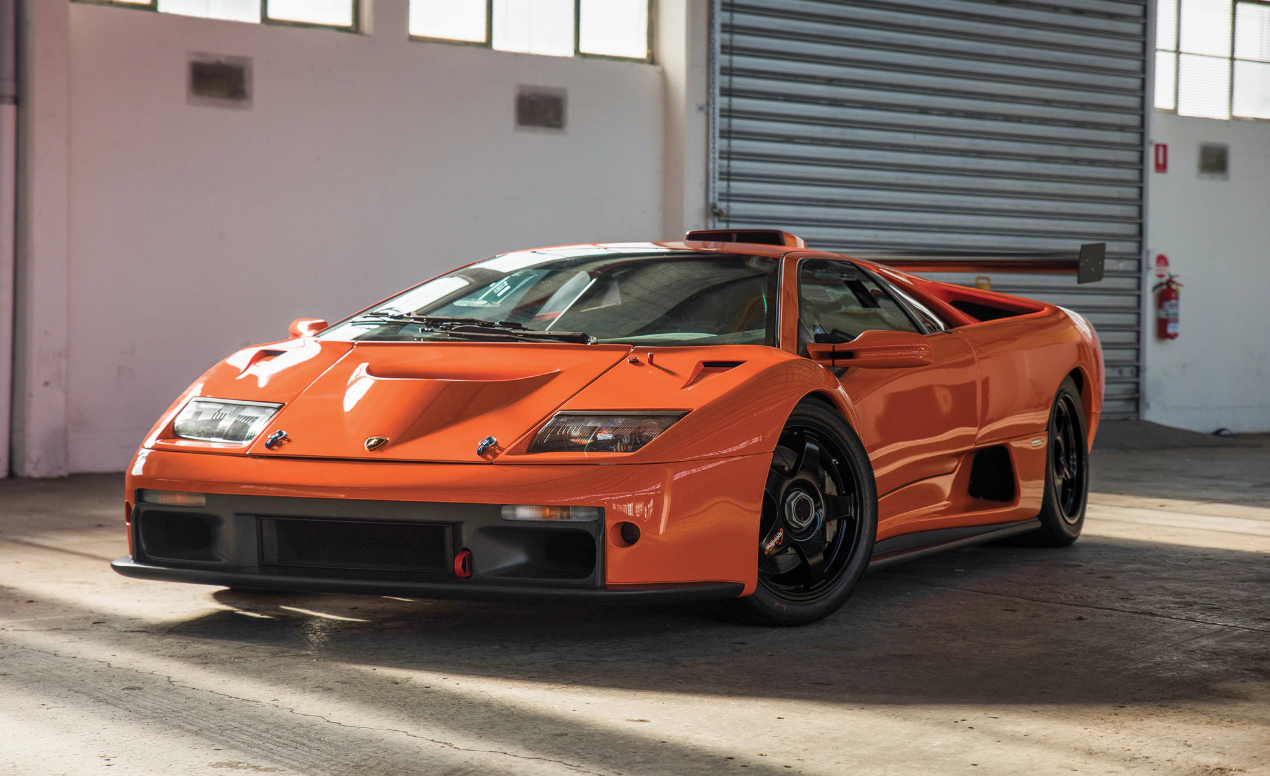
7. Lamborghini Diablo GT

Lighter, faster and better handling than all other Diablos. Race car modifications finally made the outrageous Diablo a serious road racing supercar.

Power: 575.0 bhp @ 7300 rpm / Torque: 465.0 ft lbs @ 5500 rpm / Engine: 6.0 liter 60 Degree V12 / Produced: 1999-2000 (Diablo GT) / Top Speed: 215 mph / Acceleration (0-60 mph): 3.6 seconds / Base Price: US$309,000 / Units sold: 83 cars made

Lamborghini were never ones for making their own job any easier. This is the manufacturer that built the Miura then gave itself the task of following it; they managed that – in terms of impact if not necessarily driving experience – with the incredible Countach. Entering the nineties, they had to do it again.

Enter Diablo, the name literally translating as Devil (check). At launch it was fitted with a 5.7-litre V12 producing 485bhp, enough to launch its sleek and flash, yet still muscular body from 0-60 in 4.5 seconds and on to a top speed of 196bhp.

The Diablo, despite its nefarious name, was somewhat tamer than the car that came before it. It featured carbon fibre in the cockpit, but this was surrounded with luxurious leather trim.

That’s not to say it wasn’t without its evil side, most potent in later iterations the 510bhp SV and the rear-wheel-drive SE30 Jota – featuring that 5.7-litre V12 bumped up to 595bhp and various racing-focused changes that revealed the Diablo’s darker side. Only 15 Jotas were delivered from the factory, though 28 kits were produced, making this one of the rarest Lambos of the era.

Our pick of the litter is the Diablo GT. Lamborghini introduced the Diablo GT in 1998 based on the formula of the SE30 and the SE30 Jota. It combined the modifications of the GT2 race car with the outrageousness of the Diablo to offer serious road racing performance. So much so, it remains as the fastest road-going Diablo ever made by the factory. At the time of delivery in September 1999, the Diablo GT was also one of the fastest supercars as well, reaching a top speed of 215 mph (346 kph). It was easily the best Diablo made.

For the detailed oriented, about is a picture of the GTR. It took the GT and made it even crazier. Interior was stripped bare, it got a full roll cage and things like the stereo, soundproofing, and air conditioning were all removed. Add some Plexiglass windows, a fire suppression system, and single seat with a six-point harness. Hardcore. 

Read more: Lamborghini Diablo GT
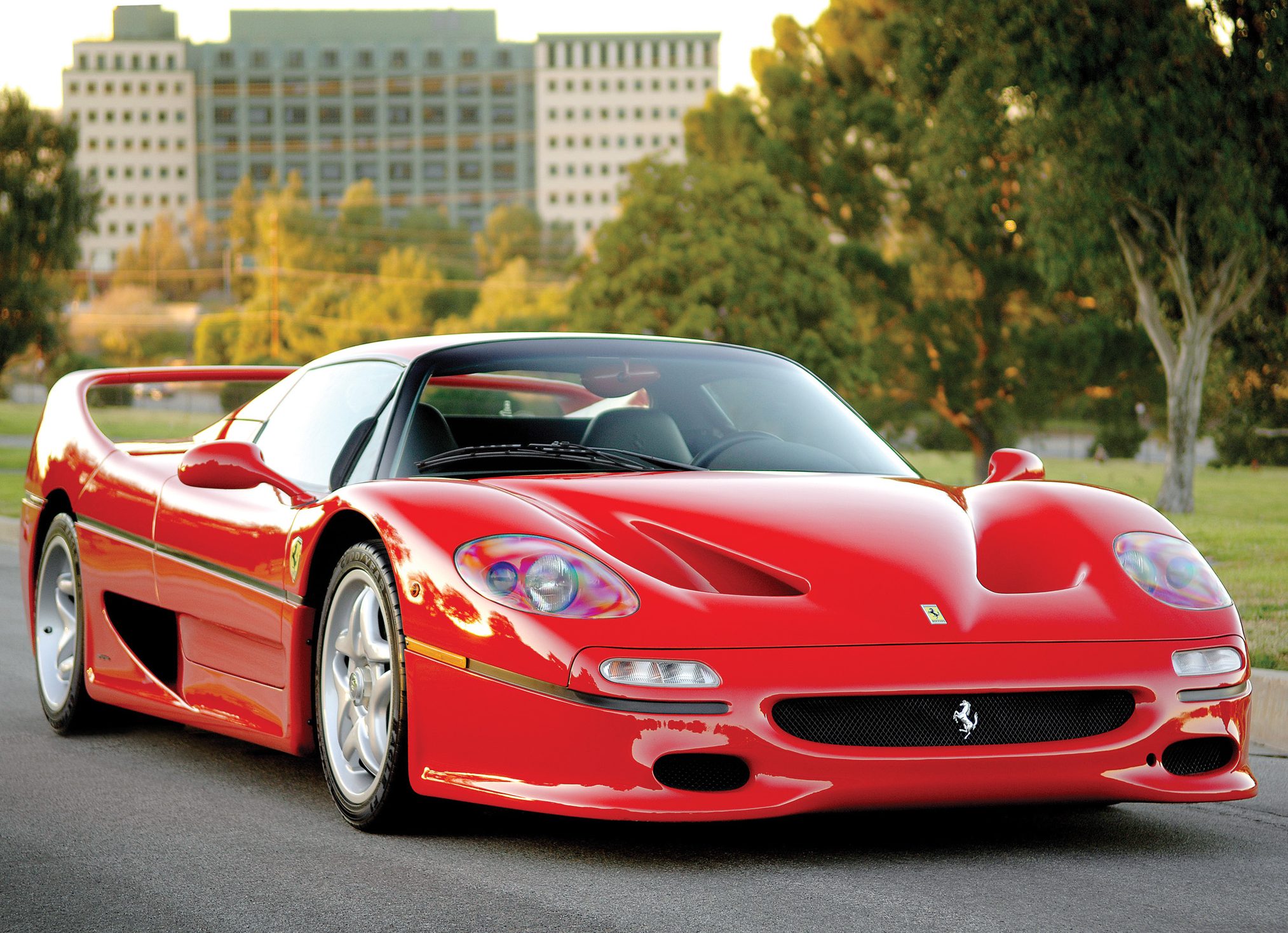
Ferrari F50 Best 90s Supercars

Ferrari F50 Best 90s Supercars

6. Ferrari F50

Ferrari’s most undeservedly underrated supercar. Superb.

Power: 513.1 bhp @ 8500 rpm / Torque: 347 lb/ft @ 6500 rpm / Engine: 4.7 L DOHC 65 degree Tipo F130B V12 / Produced: 1995 – 1997 / Top Speed: 202 mph / Acceleration (0-60 mph): 3.7 seconds / Base Price: $480,000 / Units sold: 349

So far in this countdown, we’ve had a lot of homologation-special racing cars repurposed for the road to meet the entry requirements for their respective championships. The F50 was different in that it featured components of an actual racing car, toned down only slightly for the road.

The Ferrari F50 began life with a tough act to follow. Its predecessor, the F40, had blown the motoring world away through the eighties and well into the nineties. Ferrari had to pull something very special out of their hats to follow Enzo’s final sign off for the company.

Their starting point was one of their old racing engines; the 3.5-litre V12 from the company’s 1990 F1 car. This was bored out to 4.7-litres before being mounted mid-ship in a carbon fibre monocoque chassis.

The resulting machine produced 513bhp, sent to the rear wheels in a car that weighed just 1320kg. The result? 0-60 in 3.8 seconds, a claimed top speed of 202mph and a deafening driving experience that shook owners to their cores. For those seeking an even more visceral experience, the roof could be removed.

Sadly the F50 could never live up to its legendary predecessor. In tests, its top speed came up far short of the F40’s 201mph, and the more bloated F50 was never as pure an experience as the car that went before it. Still, we feel it deserves a place on the list of the greatest supercars of the nineties.

Read more: Ferrari F50
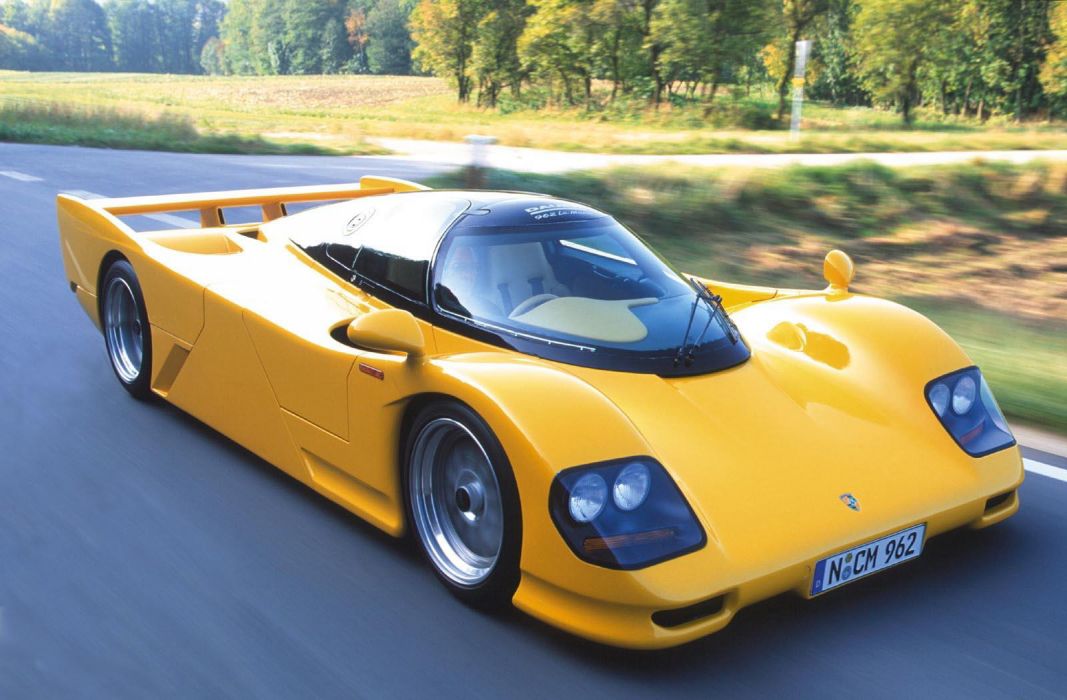
Dauer 962 Le Mans

Dauer 962 Le Mans

5. Dauer 962 Le Mans

Dauer showed up to Le Mans with road and race versions and promptly won. FIA changed the rules to make sure the 962 wouldn’t be back in 1995. Now that is badass.

Power: 730.0 bhp @ 8250 rpm / Torque: 517.0 lb/ft @ 5000 rpm / Engine: 3 liter water-cooled twin turbo flat-six / Produced: 1994 / Base Price: $1,200,000 / Units sold: 13 / Top Speed: 253 mph (405 kph) / Acceleration (0-60 mph): 2.7 seconds

One of the weirder footnotes in Le Mans history is the Dauer 962, which won the race in 1994 thanks to some creative rulebook interpretation.

From 1983 forward, the Porsche 956 and its 962 IMSA spec version dominated for a decade. Porsche manufactured nearly 150 956/962s and sold many of the cars to private teams. Dauer took a handful of these Porsche 962s and modified them for street use. It is one of the most extraordinary cars to be sold for the streets, but that’s what allowed Porsche to enter the 962 in the GT category at Le Mans in 1994.

Of the companies that have produced a 962 road car, the most successful has been Dauer. After displaying their first 962 at the 1993 Frankfurt Show, Dauer partnered with Porsche to manufacture a contender for the 1994 24 Hours of LeMans. At the 24 hour race, Dauer showed up with both a road version and race version of the Porsches 962, a design which had already won Le Mans six times. After winning the race, the FIA declared it would be creating rules to make sure the 962 wouldn’t be back in 1995. However, with a Le Mans win under their belt, and with support from Porsche, Dauer continued to build their road-going 962.

Read more: Dauer 962 Le Mans.
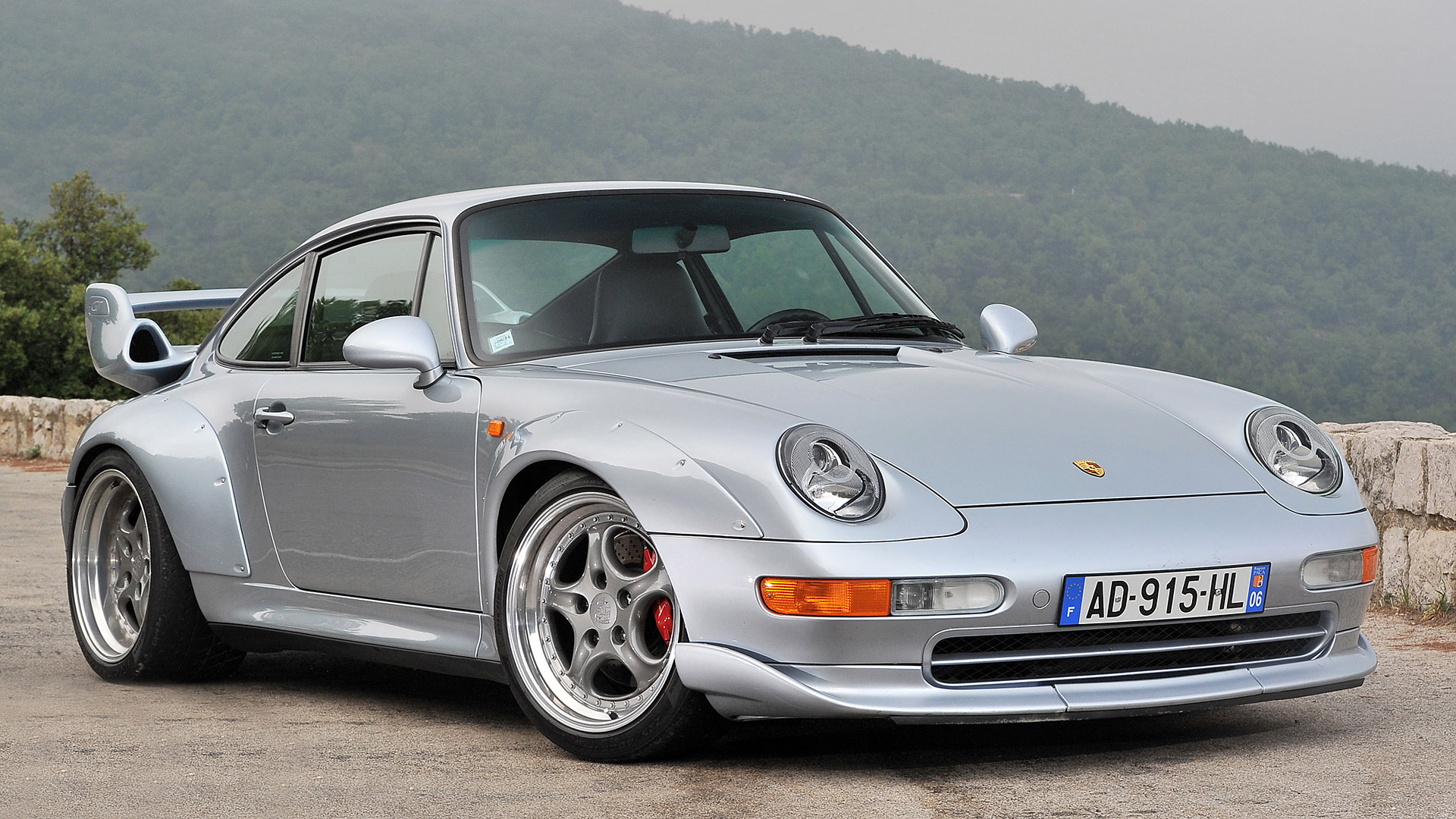
Porsche 911 GT2

Porsche 911 GT2

4. Porsche 911 GT2

Wide arches, rear wheel drive, Turbo engine. GT2 craziness begins here.

Power: 444 bhp @ 6000 rpm / Torque: 431.5 lb/ft @ 4500 rpm / Engine: 3.6 L twin-turbo Flat-6 / Produced: 1995–1996 / Base Price: NA / Units sold: 57 cars produced / Top Speed: 187 mph / Acceleration (0-60 mph): 3.7 seconds

I dread to think what the nineties supercar scene would have been like had it not been for homologation requirements. The track-focused, road-going 911 GT2 was introduced in 1993, initially to meet the requirements for GT2 regulations.

The formula of ultra-light, high-power and track credentials seemed to strike a chord with Porsche’s customer base, as the German marque kept the twin-turbo track rocket on its order sheets all the way through to 2012.

424bhp came courtesy of the rear-mounted 3.6-litre power plant, fed air through neatly-positioned intakes at either end of the GT2’s colossal rear wing. Other contemporary road-going 911s of the day also had four-wheel-drive, though this was scrapped in the GT2 in favour of racier rear-wheel-drive.

This made the 993-generation GT2 quite the handful on track or on the road, and a certain level of driving prowess is required to keep one pointing in the right direction over a “spirited” series of bends. You know is good when it gets a top 20 finish in our best Porsche’s ever list.

Read more: 1998 Porsche 911 GT2
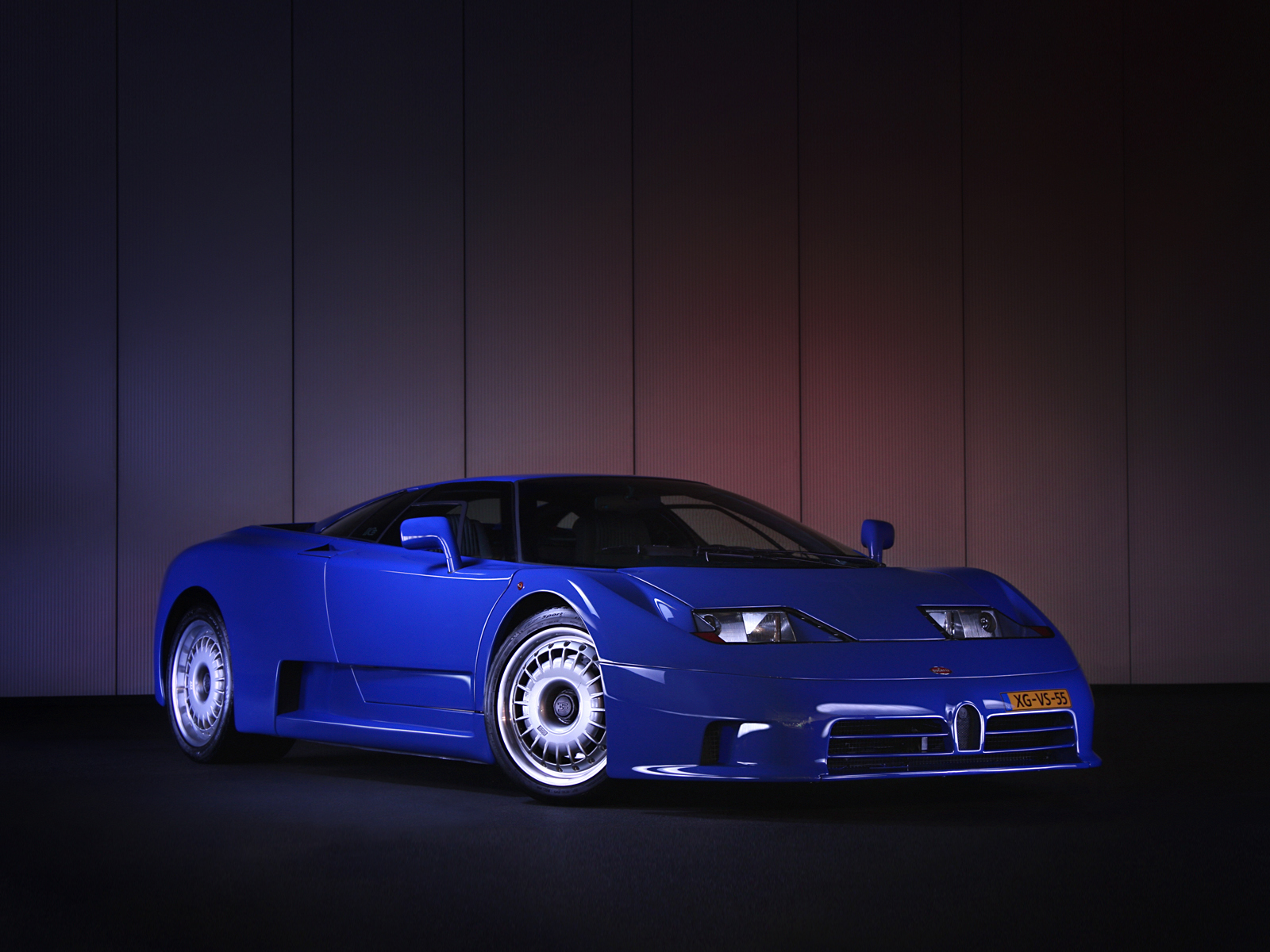
Bugatti EB110

Bugatti EB110

3. Bugatti EB110

With a quad turbo, 3.5-litre V-12 the Bugatti EB110 GT seemingly defined the term “supercar”. It was one of the most technologically advanced cars of the 1990s.

Power:  650.0 hp @ 8000 rpm / Torque: 477 lb/ft @ 4200 rpm / Engine: 60 Degree quad-turbo V12 / Produced: 1992 – 1995 / Top Speed: 217 mph / Acceleration (0-60 mph): 3.35 seconds / Base Price: US$380,000 / Units sold: 31 cars made

Initially revealed on the company’s founder, Ettore Bugatti’s 110th birthday in 1991, the EB110 came to be the last Italian-produced Bugatti before VAG took over the troubled automaker.

These days the Bugatti name stands purely for all-out speed and refinement, and though the EB110 was never a record breaker at the top end of the speed stakes, topping out at 216mph in the era of the McLaren F1, it was capable of reaching 62mph in just 3.2 seconds in 1992 Supersport trim – one of the fastest cars of its era over that dash.

That rapid acceleration was mostly thanks to the Bugatti’s 3.5-litre, quad-turbo V12, which transferred 604bhp to the road through all four wheels.

There’s something really appealing about all of the little design details on the EB110 which could be easily overlooked; from the cluster of circular air intakes just behind the doors, to the elegantly simple interior, all the way down to the gearshift layout positioned on the transmission tunnel, keeping the gear knob uncluttered.

Read more: Bugatti EB110
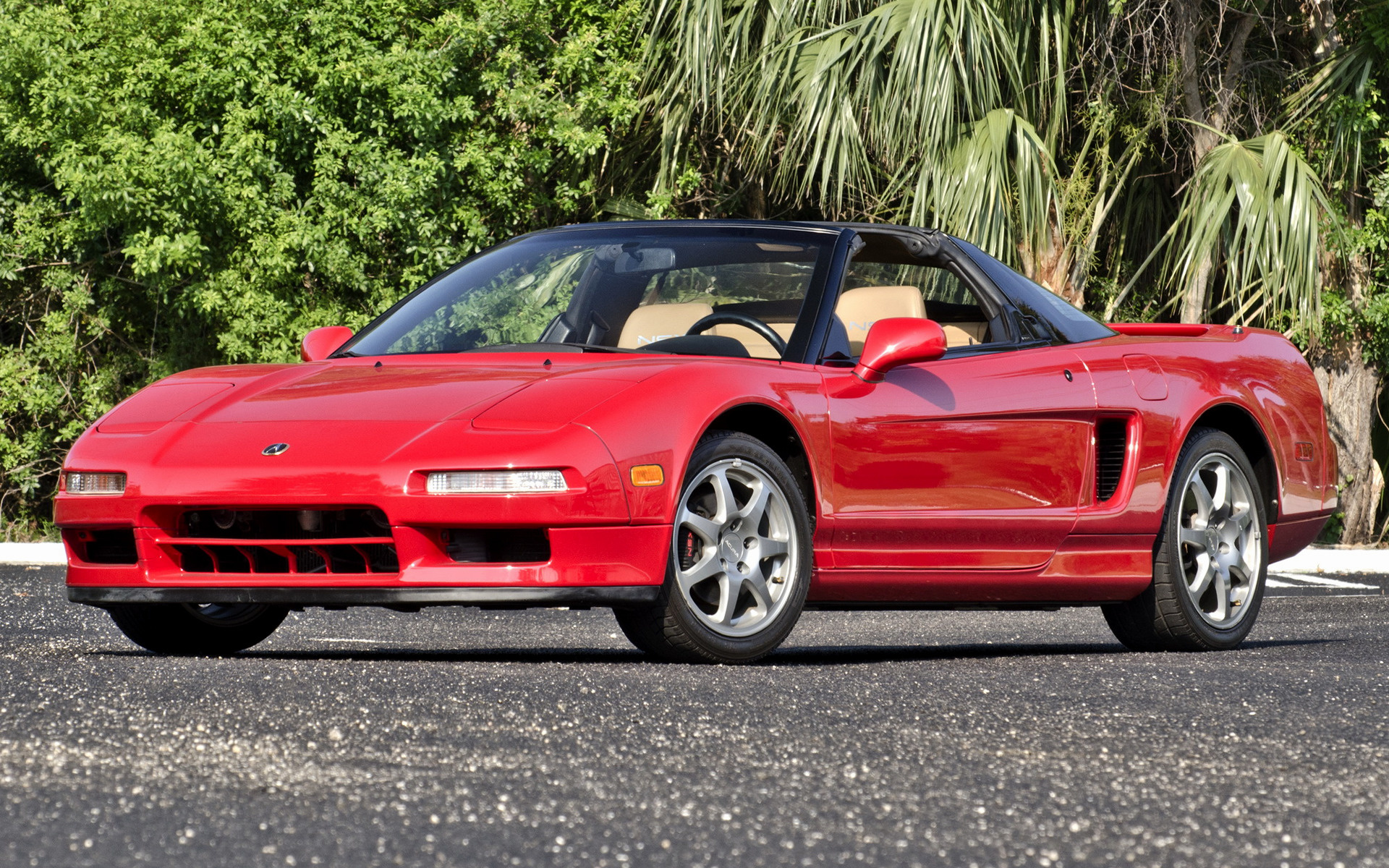
Honda / Acura NSX

Honda / Acura NSX

2. Honda / Acura NSX

The car that shook the supercar world. A supercar that could be driven every day, didn’t break down and anybody could drive. Thank this car for today’s supercars being usable.

Our Pick: 1998 ACURA NSX-T / Power: 290 bhp @ 7100 rpm / Torque: 224 lb/ft @ 5500 rpm / Engine: 3.2L VTEC 6 Cylinder 290 hp / Produced: 1990-2005 / Top Speed: 162.2-mph / Acceleration (0-60 mph): 4.8 seconds / Base Price: $88,725

1991 saw the launch of a supercar that caused a shock across the whole automotive scene. With the NSX project, Honda set out to build a true supercar that had none of the ergonomic issues or reliability problems that plagued exotica at the time.

Sold under the Acura brand in the States, and the Honda brand across the rest of the world, the NSX featured a 3.0-litre V6 with Honda’s trademark VTEC technology supplying the power, mounted mid-ship with extra consideration to the positioning of the seats and fuel tank for optimal weight distribution.

Honda’s pedantic construction of the car paid off; famous fans of the NSX included none other than Ayrton Senna himself, and the handling was enough to take the fight to the supercar elite of the day and cement the NSX’s place in supercar history – even becoming the reference point for a certain McLaren still to come on our nineties list.

Our pick of the range is the 1997 NSX-T. Acura increased the DOHC 24-valve VTEC V-6’s displacement from 3.0 liters to 3.2 and replaced the five-speed manual with a six-speed box for 1997. That meant 290 horsepower and 224 pound-feet of torque from the normally aspirated, 8000-rpm-redline engine. The immediacy of the NSX’s reflexes is matched with elegance and phenomenal precision and the engine’s flyweight reciprocating assembly loves to rev.

Read more: Honda/Acura NSX
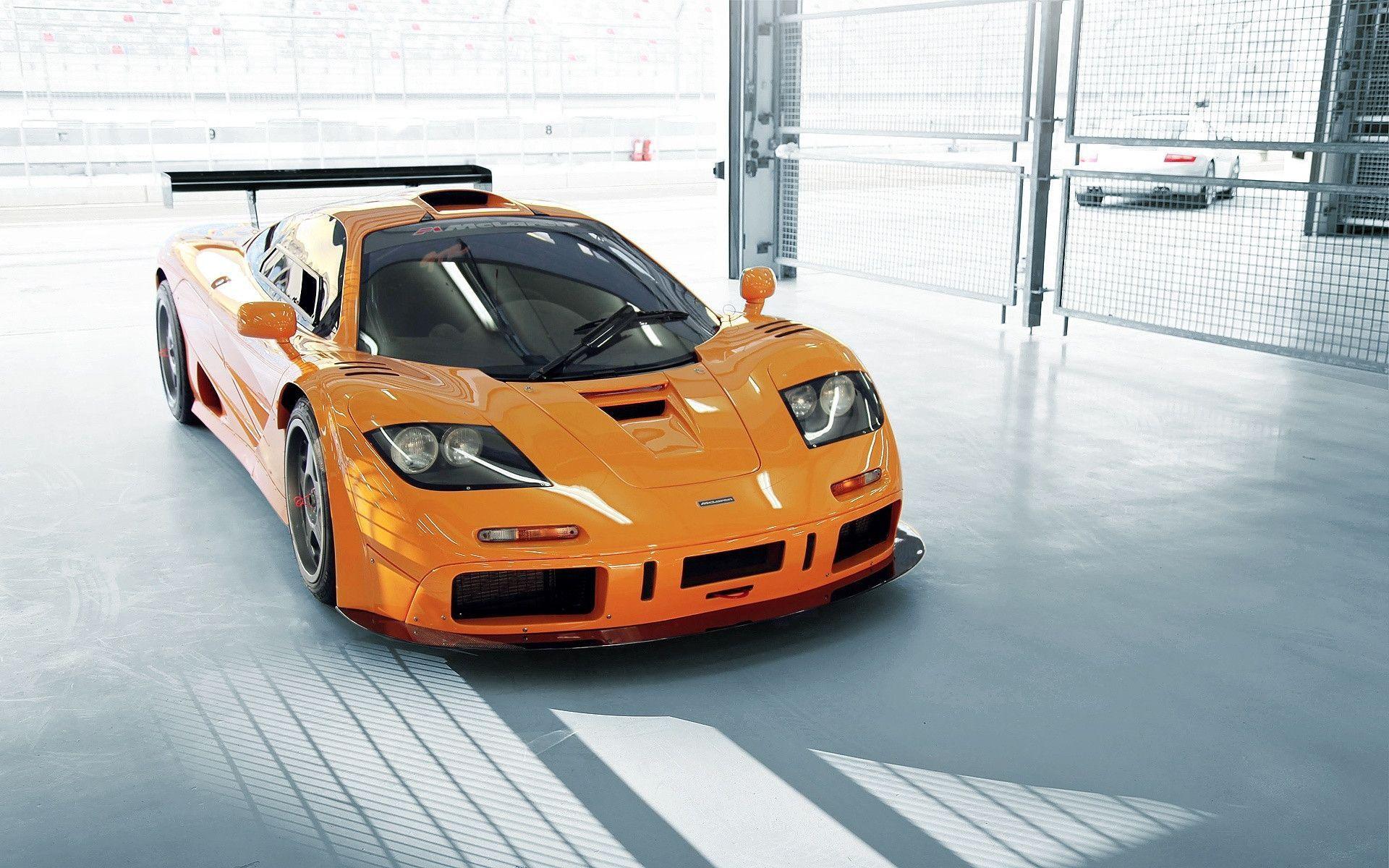
McLaren F1

McLaren F1

1. McLaren F1

The best ever. Period. The end. Obsessive focus leads to the creation of the greatest supercar of all time.

Our Pick: McLaren F1 LM / Power: 671 bhp @ 7800 rpm (F1 LM) / Torque: 520 lb/ft @ 4500 rpm (F1 LM) / Engine: 6.1 L (6,064 cc) BMW S70/2 V12 / Produced: 1993–1998 / Top Speed: 240.1 mph (386.4 km/h) / Acceleration (0-60 mph): 3.2 seconds / Base Price: ~US$650,000 / Units sold: 106 cars

If cars like the Ferrari F40 and Porsche 959 began the chase for something beyond the supercar, then McLaren birthed it with the F1. Gordon Murray’s masterpiece was for a long time the fastest production car ever made. Its top speed of 240 mph puts much of even today’s supercar crowd to shame, and ergonomic features like the driver-centered, three-seat cockpit have rarely been seen since.

The technical challenge of getting a road car to such incredible speeds was one unlike any other manufacturer had undertaken. McLaren, after initially seeking out Honda power given the two company’s success together in Formula One racing, eventually settled on a 6.1-litre BMW V12. This was mounted in the middle of the car, and put 618bhp through the rear wheels.

The F1 was also the first production car to use a carbon fibre monocoque chassis, and gold famously lined the engine bay to aid with heat dispersal. This effort paid off, granting the F1 a staggering 0-60 time of 3.2 seconds and that all-important 240 mph top speed.

After delivering 100 customer cars McLaren stopped production after seven prototypes, 64 road cars, 5 special F1 LMs (built to commemorate victory at Le Mans in 1995), three F1 GTs (road going versions of the long tail 1997 F1 GTR race car) and 28 F1 GTR road cars. Of these, the Sultan of Brunei owns the most, and has two very special black F1 LMs with striking Pininfarina graphics as well as an exact replica of the F1 GTR that won LeMans.

Read more: All McLaren F1 posts

Save

Save

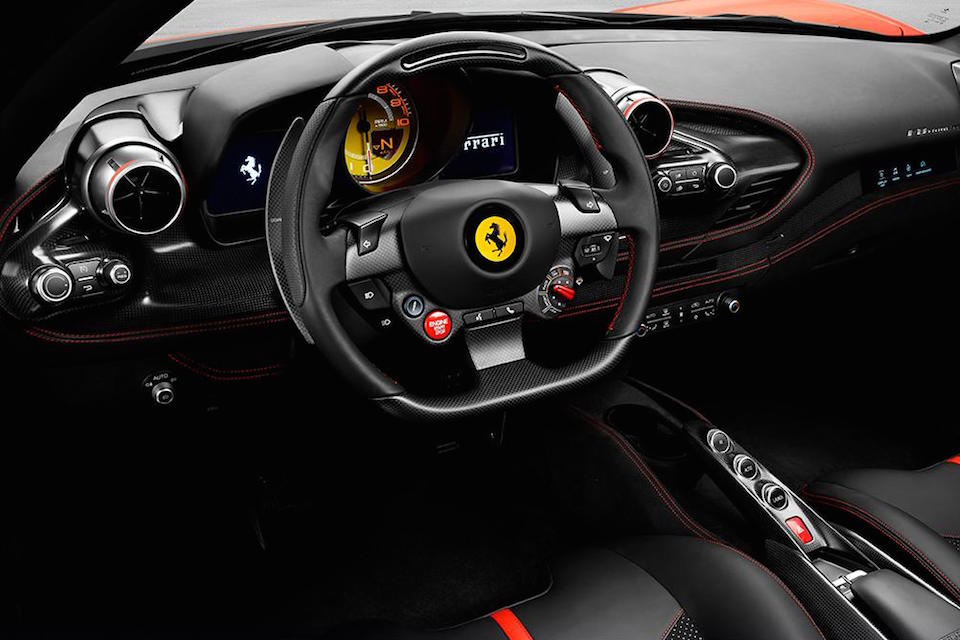
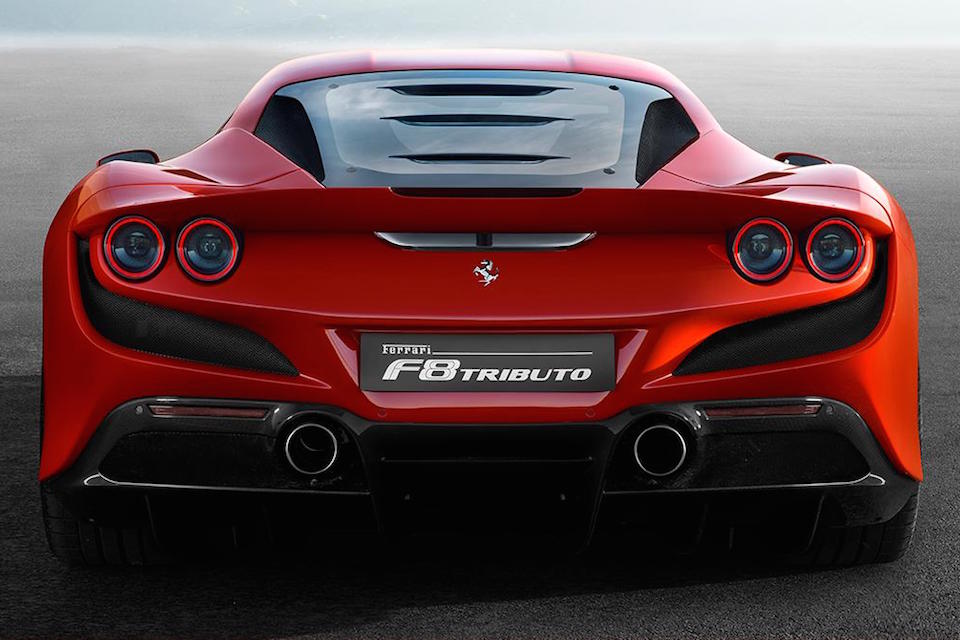
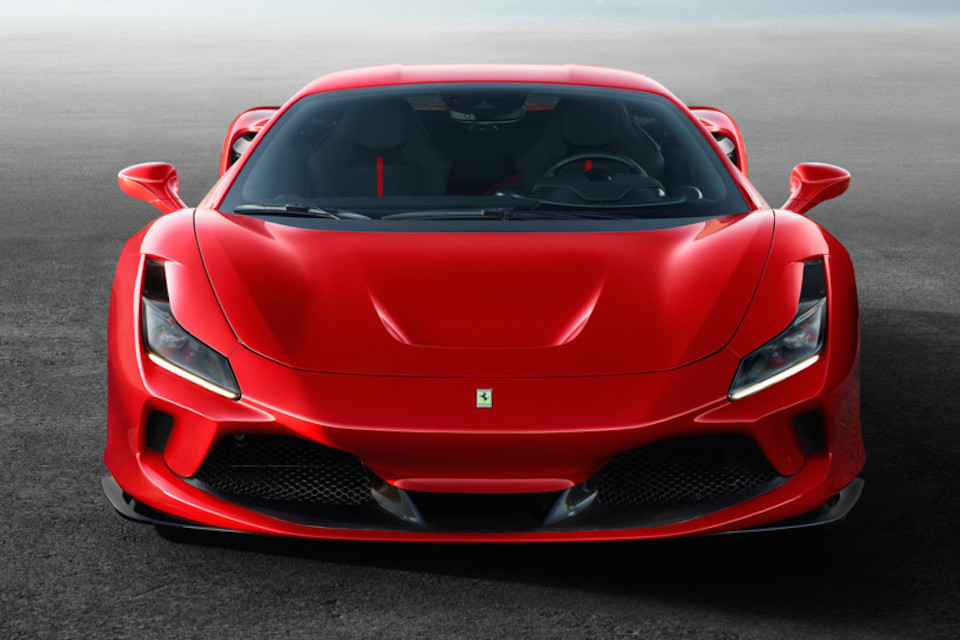
2020 Ferrari F8 Tributo

Earlier this year, the 2019 Detroit Auto Show ended up shaking up the automotive industry with stunning debuts. Just when we’re thinking that the dust is starting to settle, the 2019 Geneva Motor Show pops up. Moreover, it is brimming with jaw-dropping entries. One of the biggest showstoppers is the 2020 Ferrari F8 Tributo. It’s certainly a beautiful supercar, but what lies under the hood is the reason for all the hype. According to the Italian carmaker, this is the most powerful V8 model to date to roll off their assembly line.

The brand describes it as “a celebration of excellence” and “represents the highest expression of the company’s classic two-seater Berlinetta.” Backing up their big claim is a 3.9-liter V8 engine that produces 710 horsepower with 568 lb-ft of torque. Furthermore, testing shows that this newcomer can manage to sprint from zero 0 62 mph in 2.9 seconds. Boasting a top speed of 211 miles per hour, this is one mean machine that will tear its rivals to pieces.

Borrowing some elements from the 488 Pista, the 2020 Ferrari F8 Tributo pays homage to some of its predecessors. The quad taillights is a subtle throwback to F430, while see-through Lexan mid-engine cover reminds us of the F40, Needless to say, but these small details will likely resonate with fans of the prancing pony. Information still remains scarce, but we now sources reveal that new brake-cooling intakes are available. Meanwhile, the new Ferrari Dynamic Enhancer gives owners more control over its handling. Overall, this is one supercar to watch out for when it comes out.

Images courtesy of Ferrari

Discover more from Ferrari

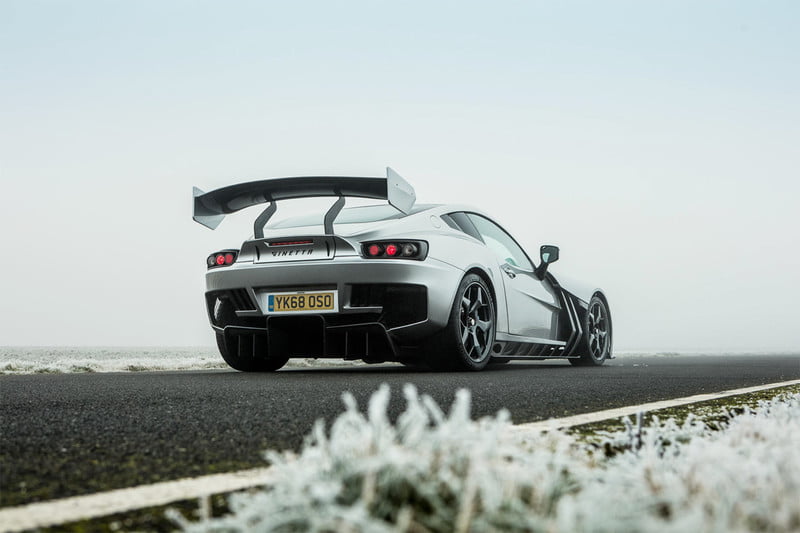
2020 Ginetta Akula Supercar

Right here is UK automaker Ginetta’s official “flagship road car” for 2020. Let’s get one thing out of the way: Ginetta’s latest road beast doesn’t have all the bells and whistles its competition has. If you’re looking for McLaren, Apollo, and Aston Martin, look elsewhere. The Ginetta Akula Supercar is a blistering ride in its own right. It’s a supercharged street-legal vehicle with the aerodynamic finesse of racecars.
For most of its lifespan, Ginetta has focused on Le Mans-ish type equipment made specifically for racing. Far from ejecting those conventions, it’s clear Ginetta has found a way to integrate them into the Akula. So, you get a 6-liter V8 engine and a super-light carbon fiber body. The result is a monstrous road foe with the gracefulness of a ballerina at just 2,535 pounds heavy.

Don’t be surprised, then, that the word “Akula” means “shark” when translated from Russian to English. In Sanskrit it means “transcendental,” which might be just as apt a name, frankly. The coat of paint (“Typhoon Black”) lines up more with its marine origins, though. And the tail looks exactly like a hammerhead’s; the headlights, too, are interwoven into this meaning, snout-like facade.

Ginetta chairman Lawrence Tomlinson they designed the Akula to “cut through the air like a shark through water,” adding that “the car unquestionably means business, and I’m proud to be manufacturing a car of such significance in the U.K.”

The Ginetta Akula will cost $371,234, but as the images below make clear, that’s just par for the ride’s incredible aesthetic and performance.

MORE INFO HERE

Photos courtesy of Ginetta

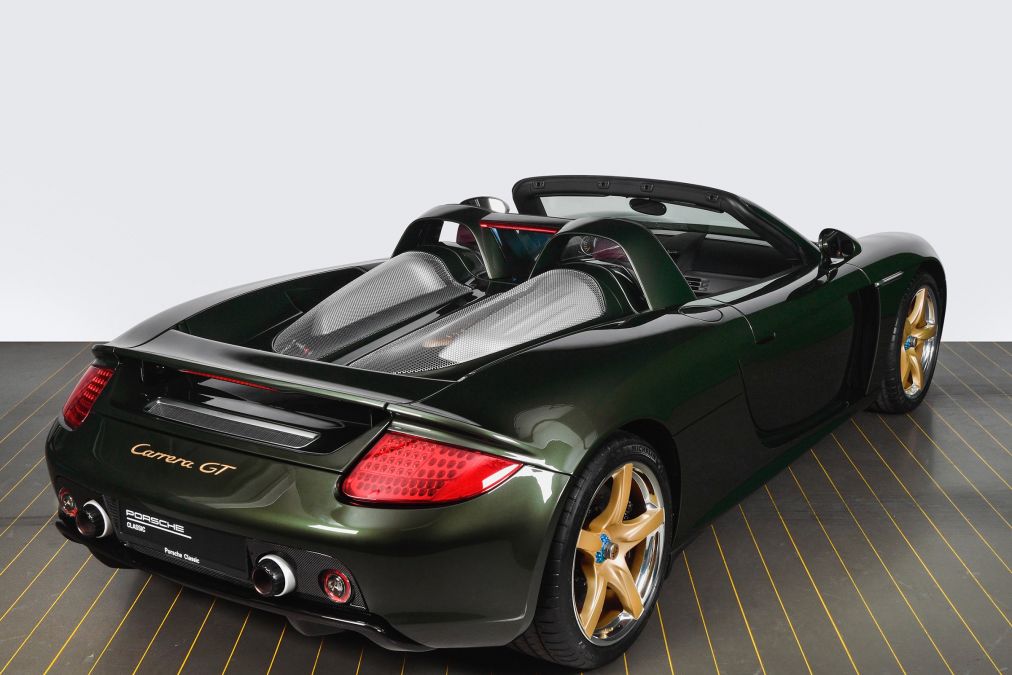
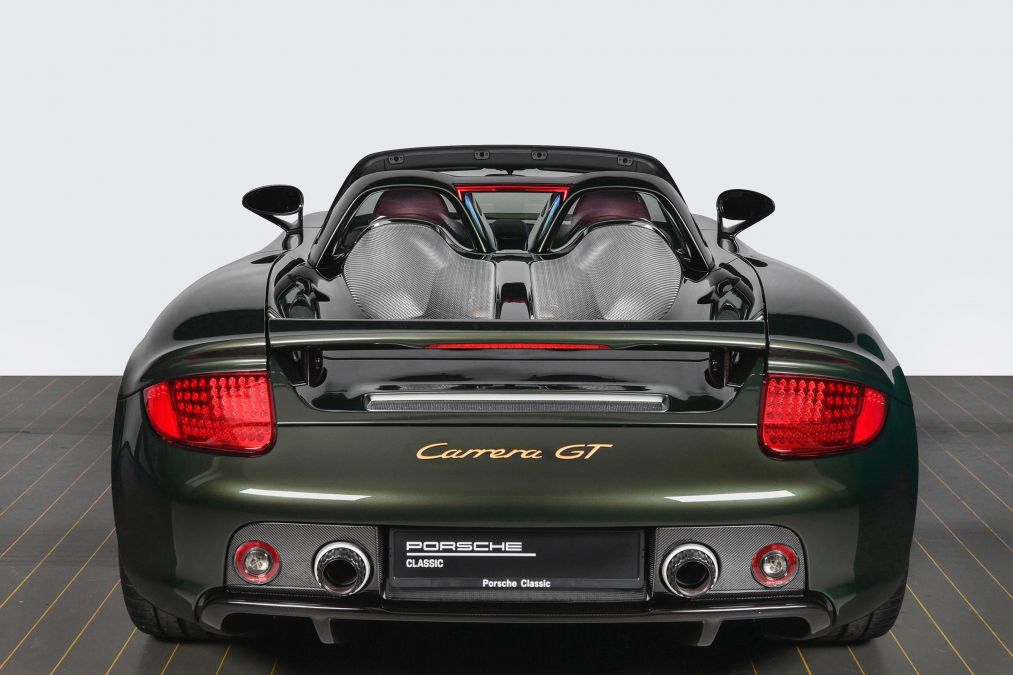
The Porsche Carrera GT By Porsche Classic Is A Masterpiece

If you’ve been reading some of our recent articles, the unveiling of the Porsche Cayman GT4 Rallye was a big announcement. It marks the return of the German automaker to its rally racing days and it’s exciting. Now we welcome a vintage specimen that underwent a remarkable transformation that results in pure classy nostalgia. What makes this restoration extra special is the participation of the original manufacturer. The result is a spectacular Porsche Carrera GT overhaul that doesn’t hold anything back.
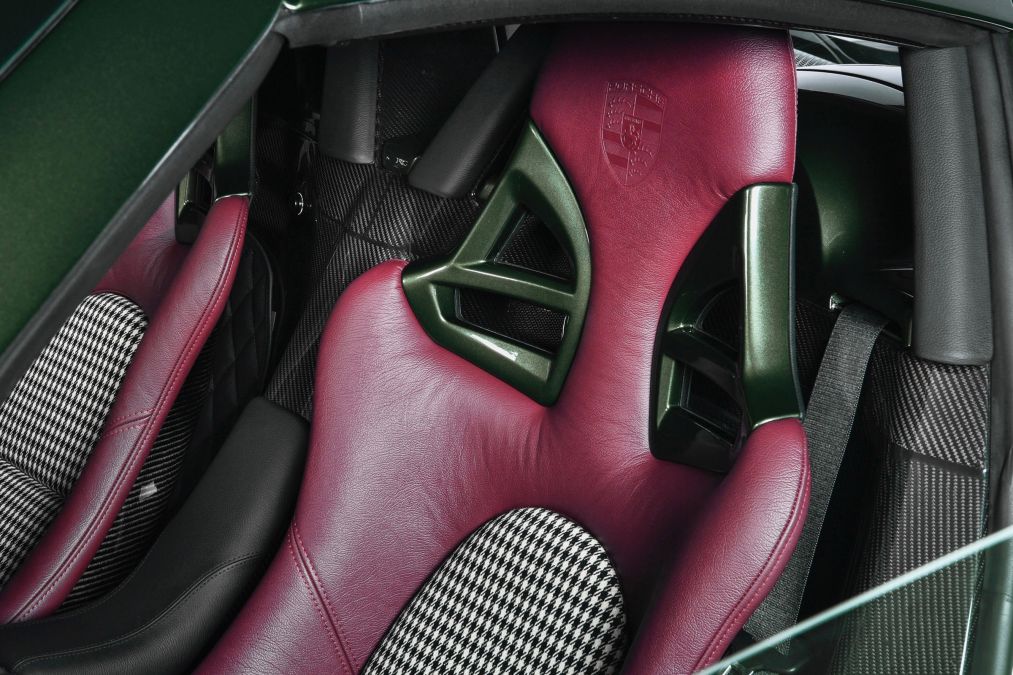
Looking at this beautiful supercar and its hard to imagine that it made its debut around 15 years ago. So technically speaking, this already qualifies as a vintage model. Yet, it’s possible to mistake it for a recent release thanks to remarkable efforts of the folks from Porsche Classic.

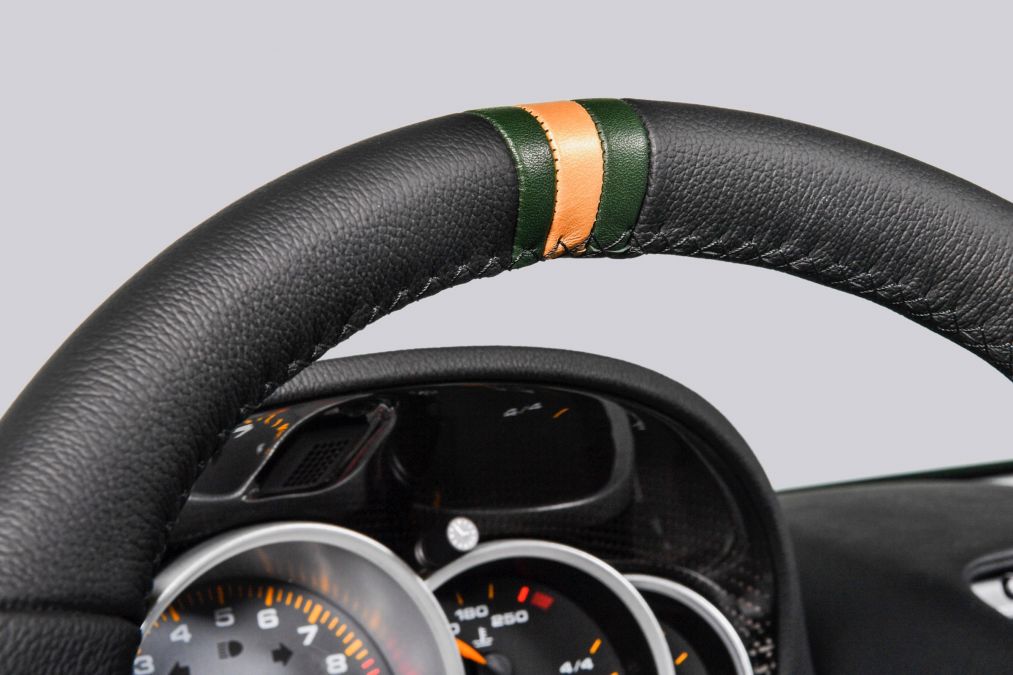
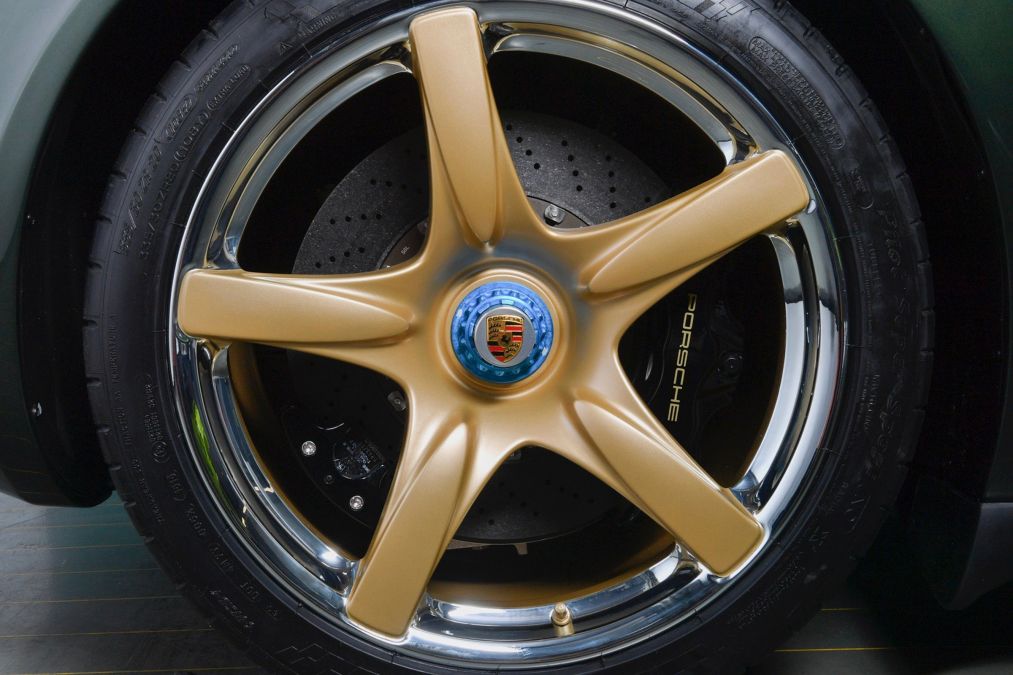
This challenging restoration highlights out the eye-catching design of the Carrera GT, albeit with some subtle difference. It now sports an exclusive Oak Green Metallic coat. This new color was not an available option during its original launch. Other than the eye-catching paintwork, it now wears four bespoke BBS magnesium wheels with an extra touch.

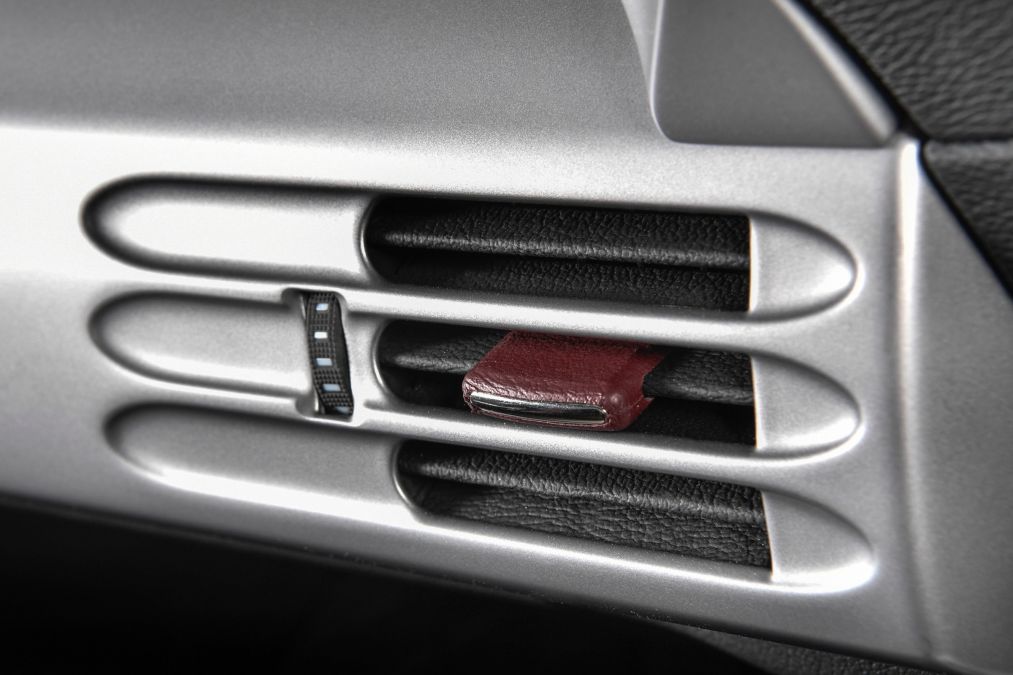
In order to achieve the perfect look for its polished rim ring, the team followed a different approach. To keep the wheel structurally sound, a layer of silver with a special coating of lacquer was necessary. This alternative engineering process ensures that everything is resistant to oxidation. Equally important is the 350 hours spent by the shop to recondition all of the carbon fiber components of the Porsche Carrera GT.

Images courtesy of Porsche

Only From Porsche Classic

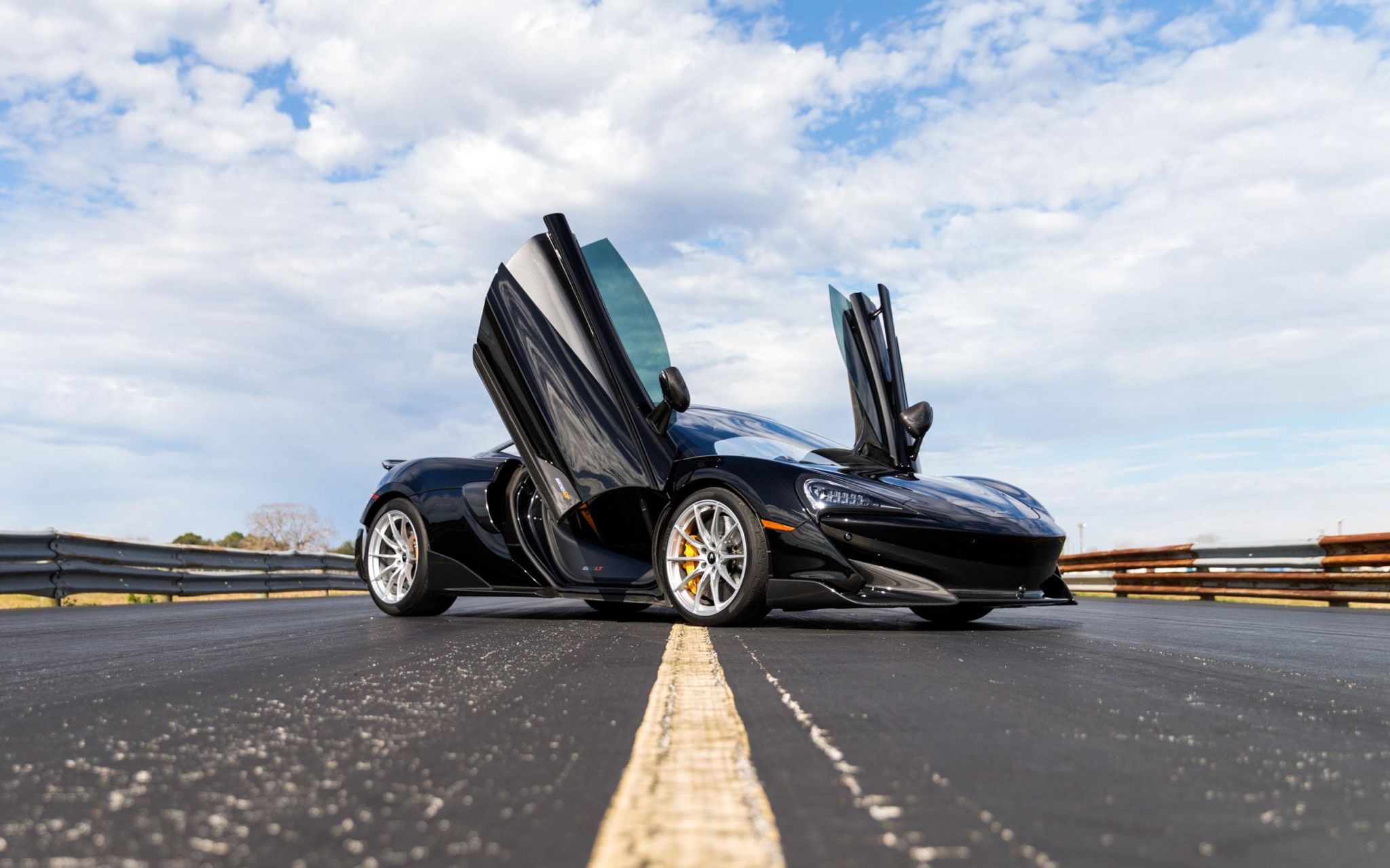
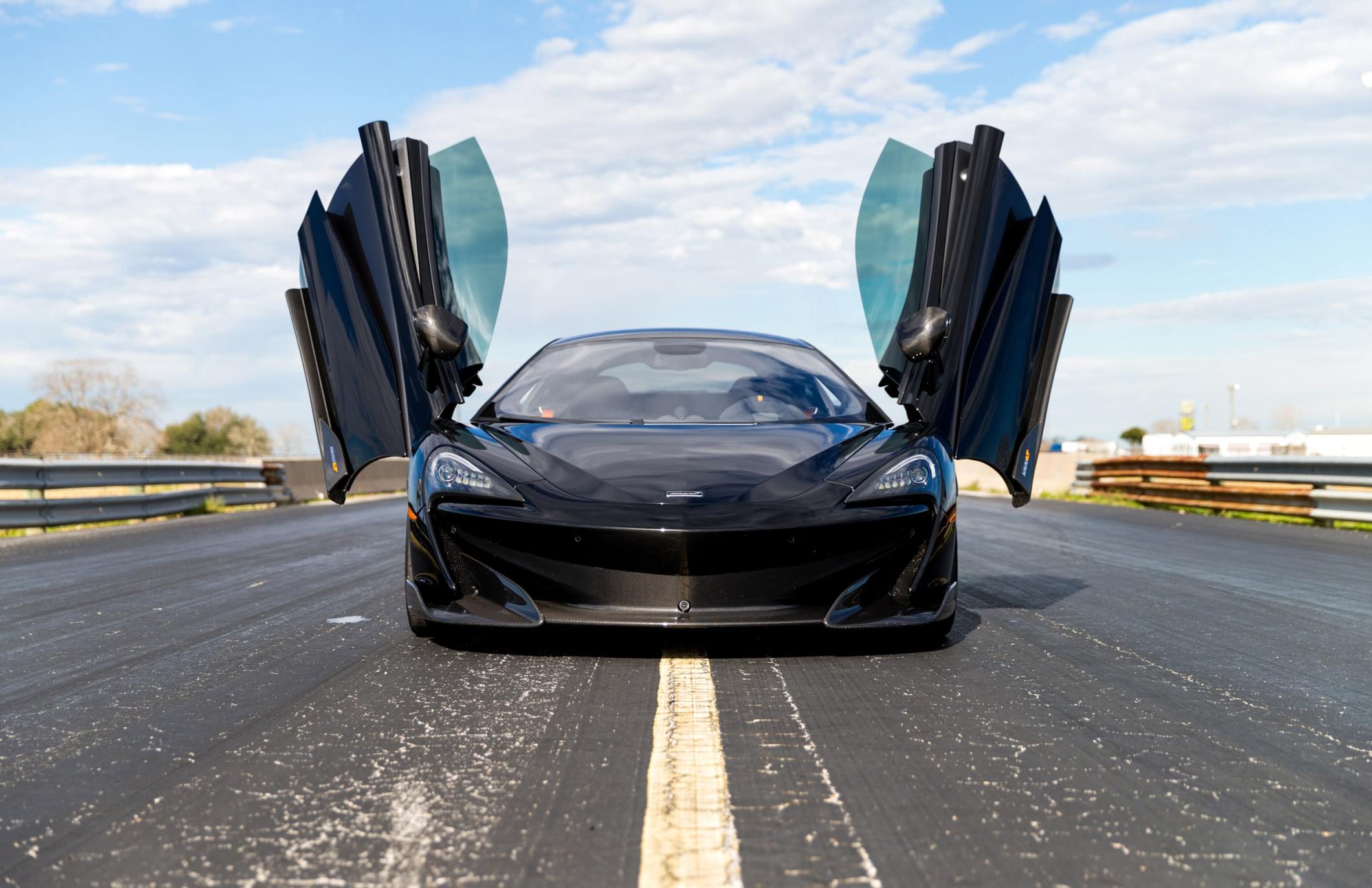
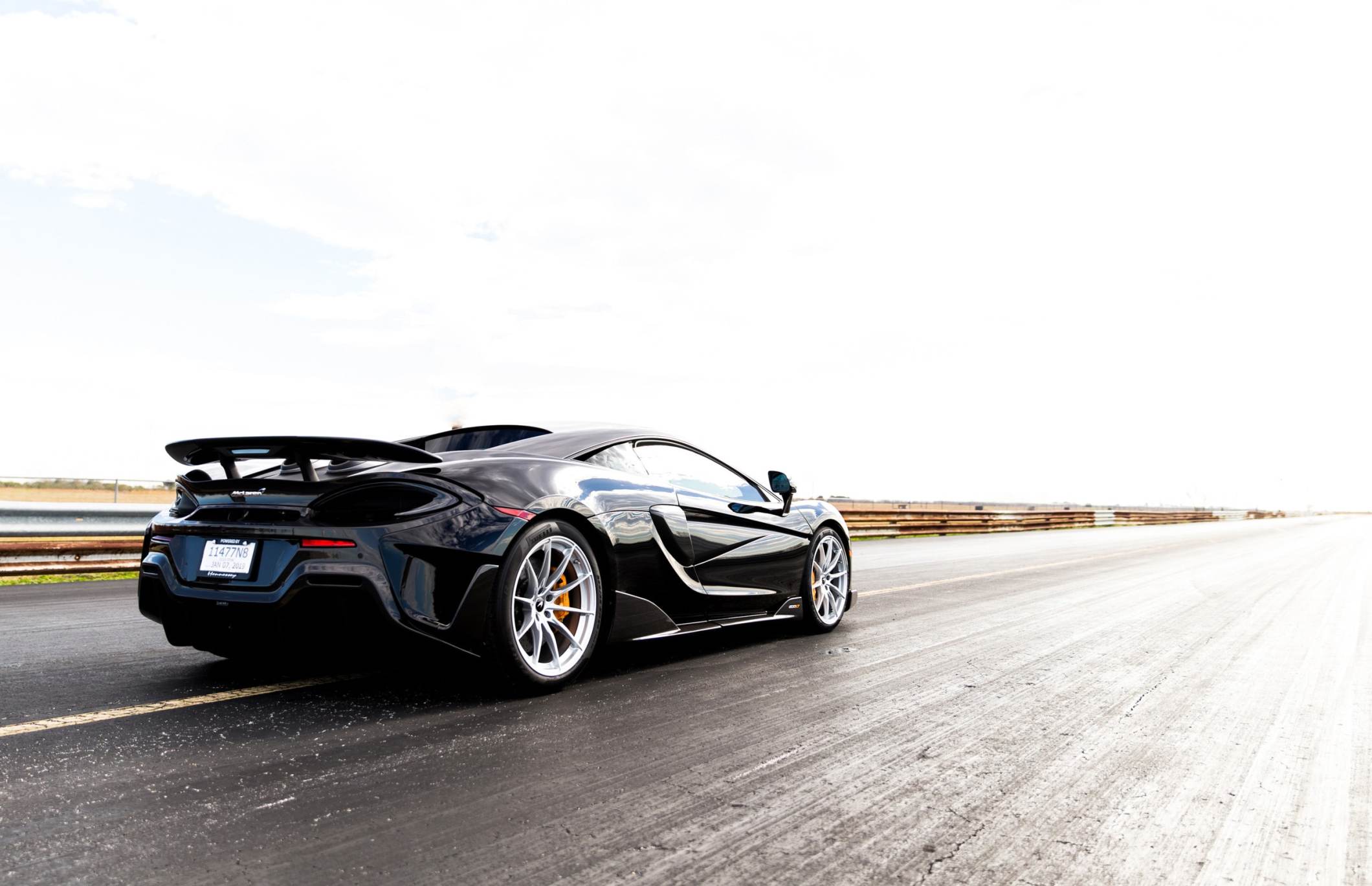
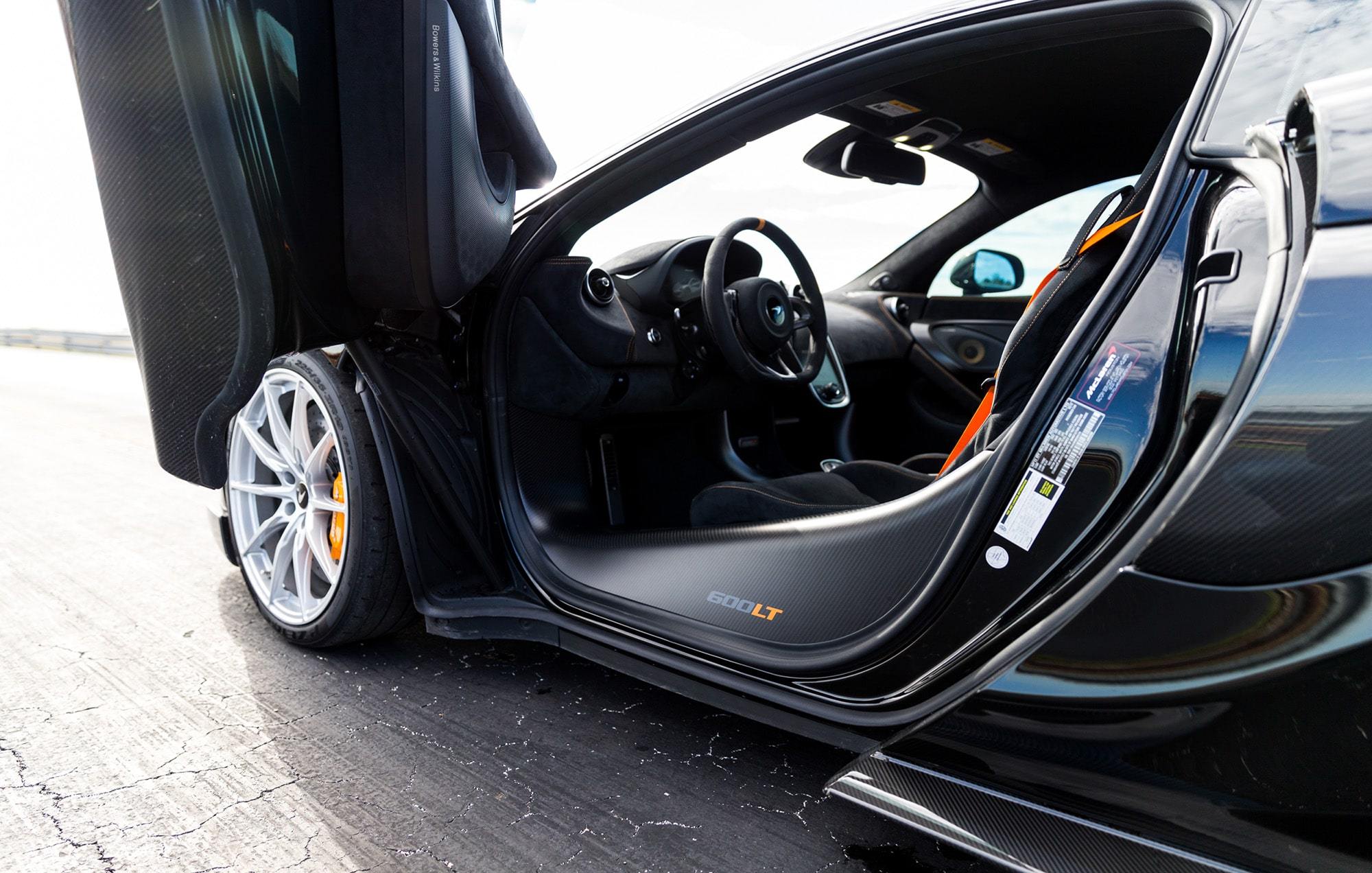
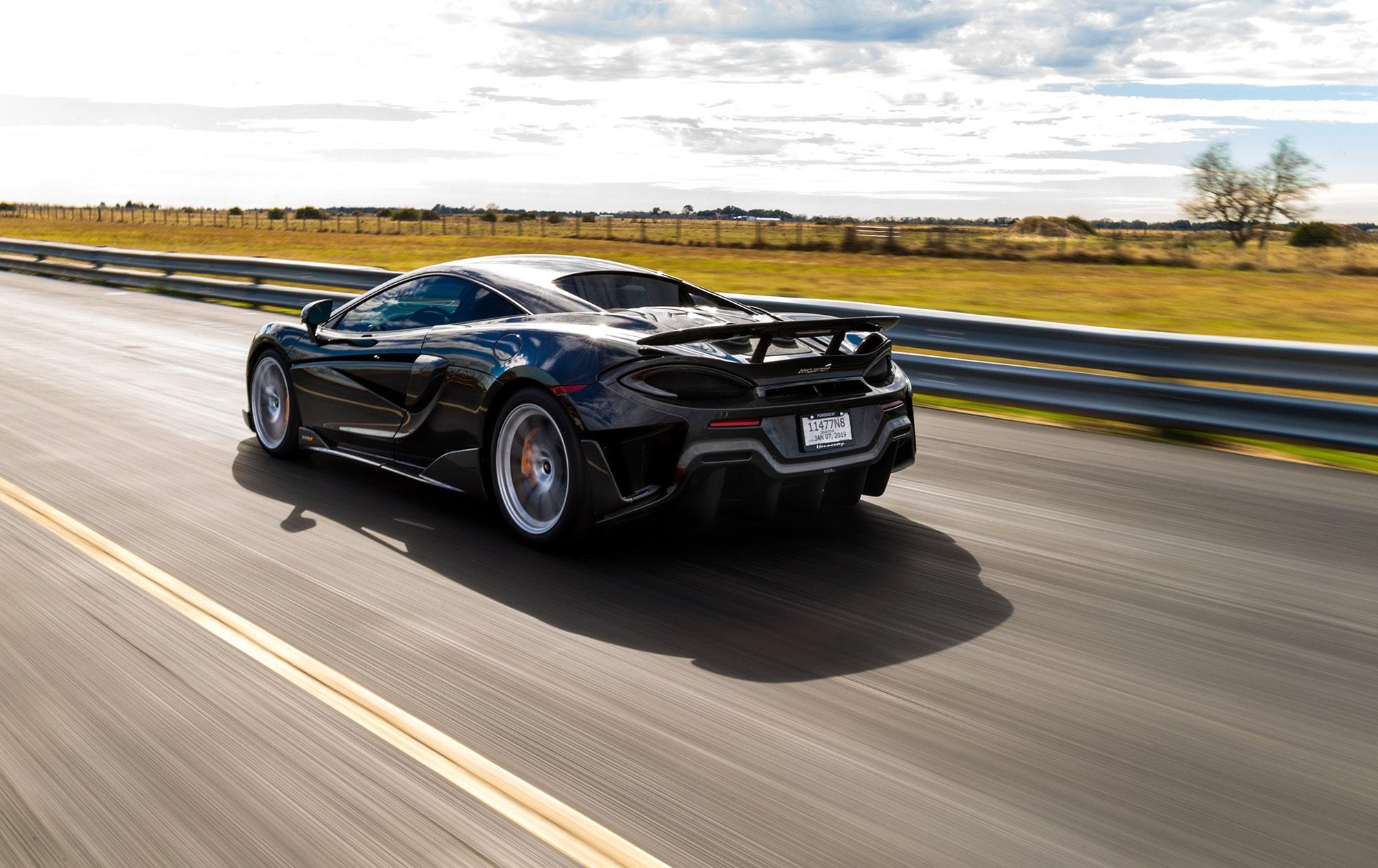
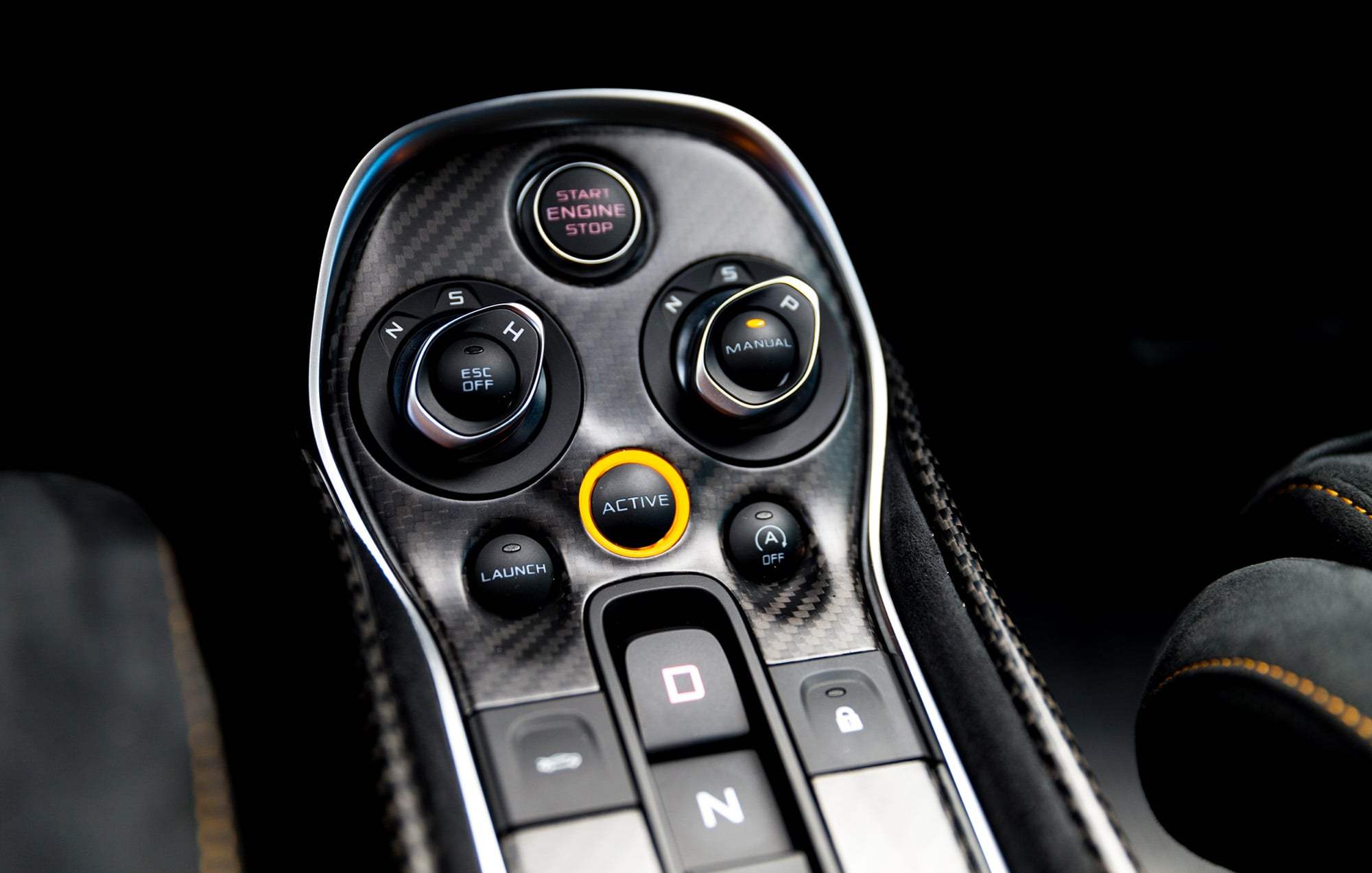
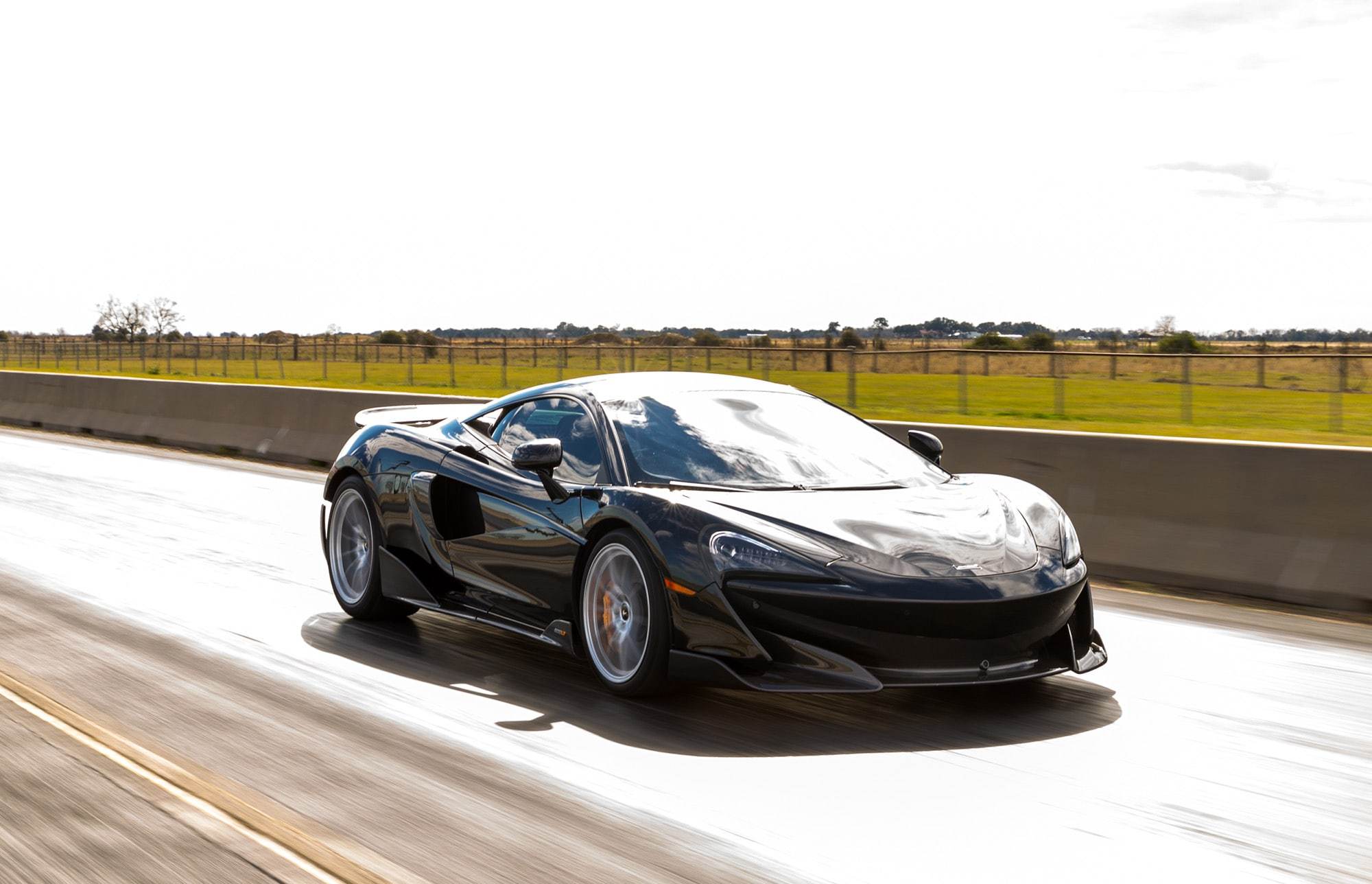
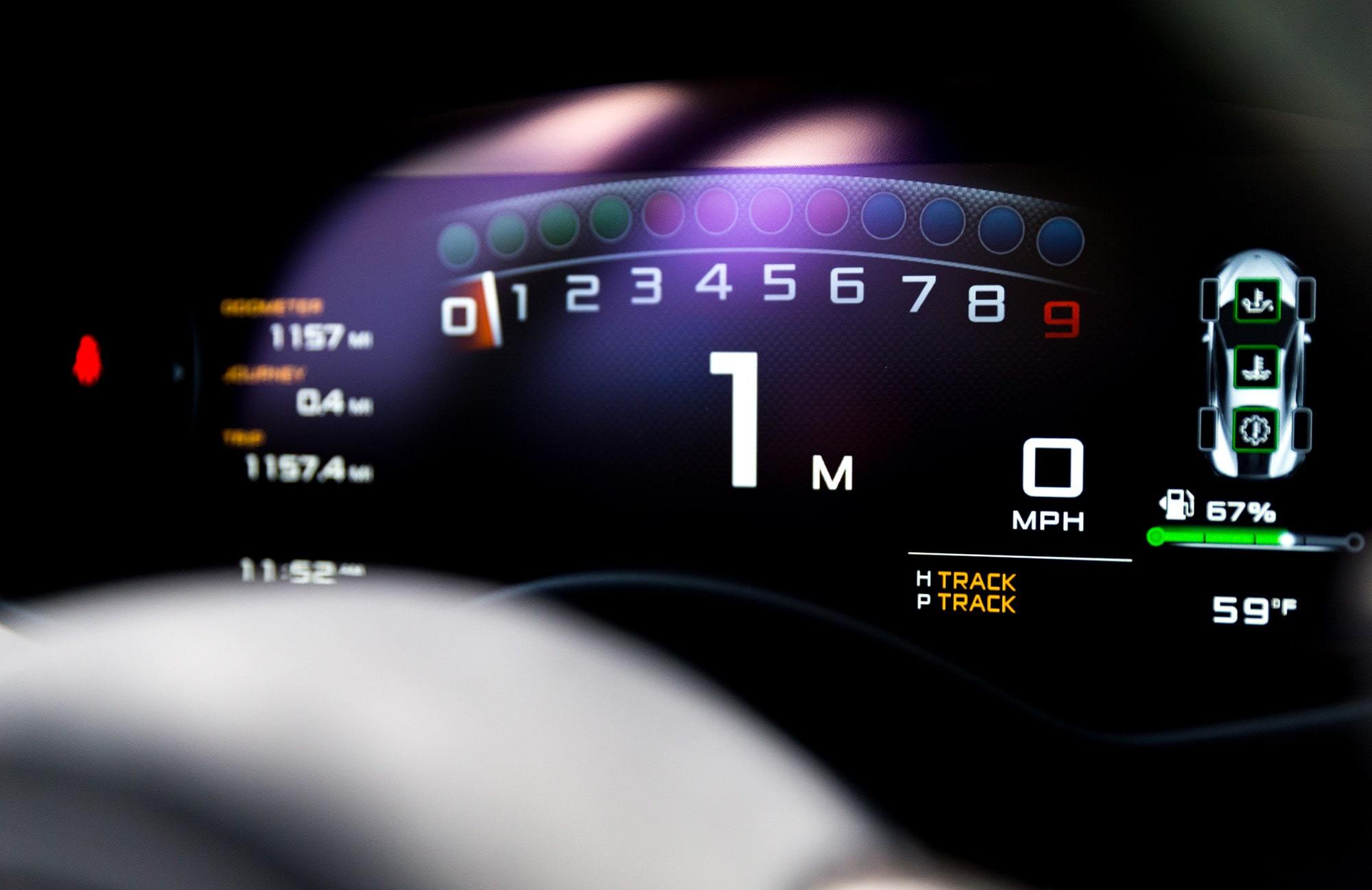
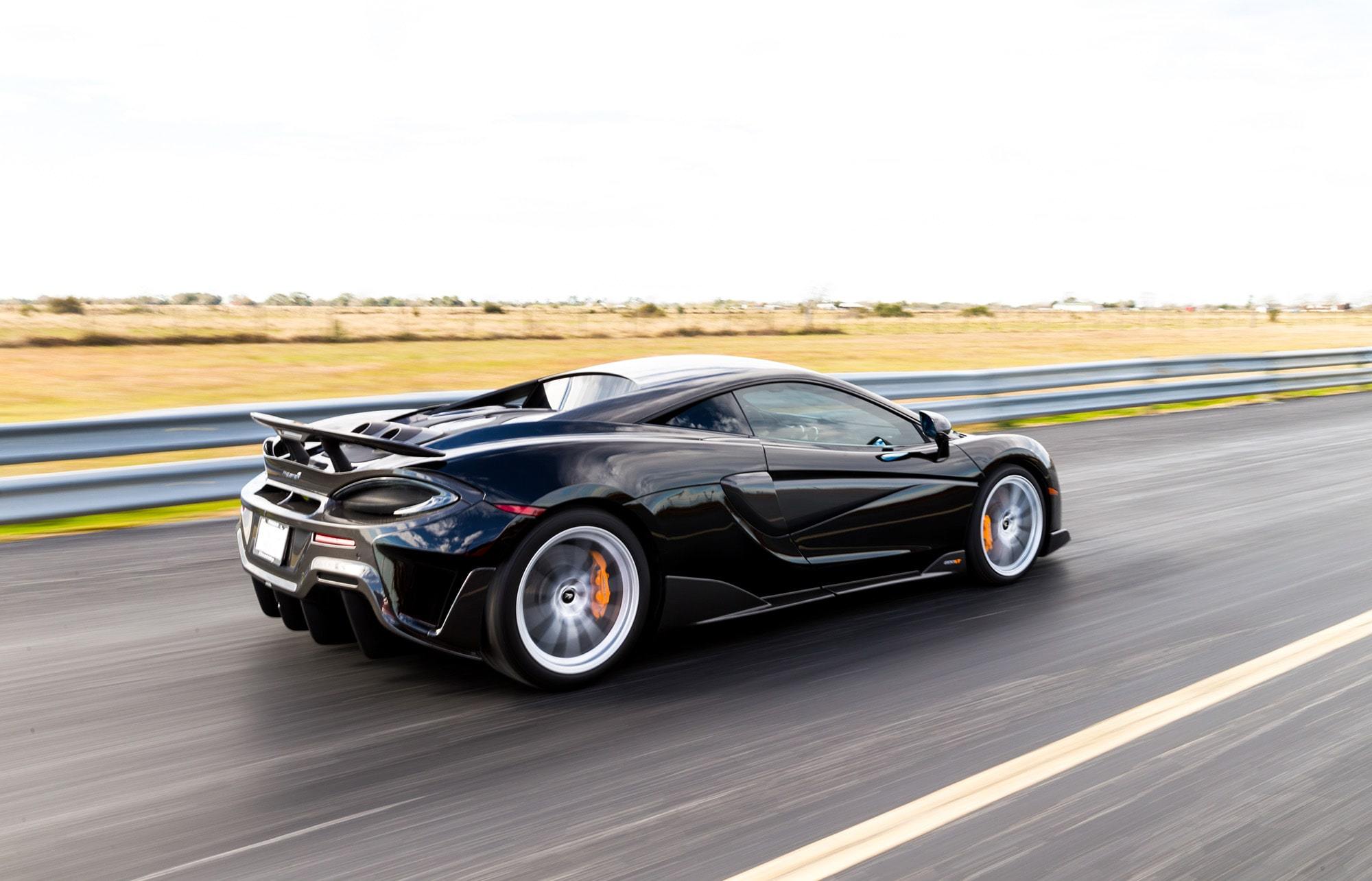
Hennessey Performance Unveils The 2019 HPE800 McLaren 600LT

It’s been barely a month since we witnessed the arrival of the 2019 McLaren 600LT Spider. So, imagine our surprise to discover the existence of the 2019 HPE800 McLaren 600LT by Hennessy Performance. Everyone is aware that the stock model is nothing short of a beast, but upgrades are always exciting. Therefore, let’s go on a tour to explore the changes that elevate the everything the supercar has to offer.

Just like in recipes, adding some special sauce can really enhance the flavor. Essentially, we are referring to a bump in power. As such, the existing 592-horsepower 3.8-liter twin-turbo V8 engine gets a significant nudge up to 800 hp. This project is far from the insane overkill of the 2,000-hp 2005 Ford GT from the folks over at Heffner Performance. We still can’t fathom how the staggering number of ponies under the hood can still make it a street-legal ride. Nevertheless, let’s get back to what makes this British number so special.

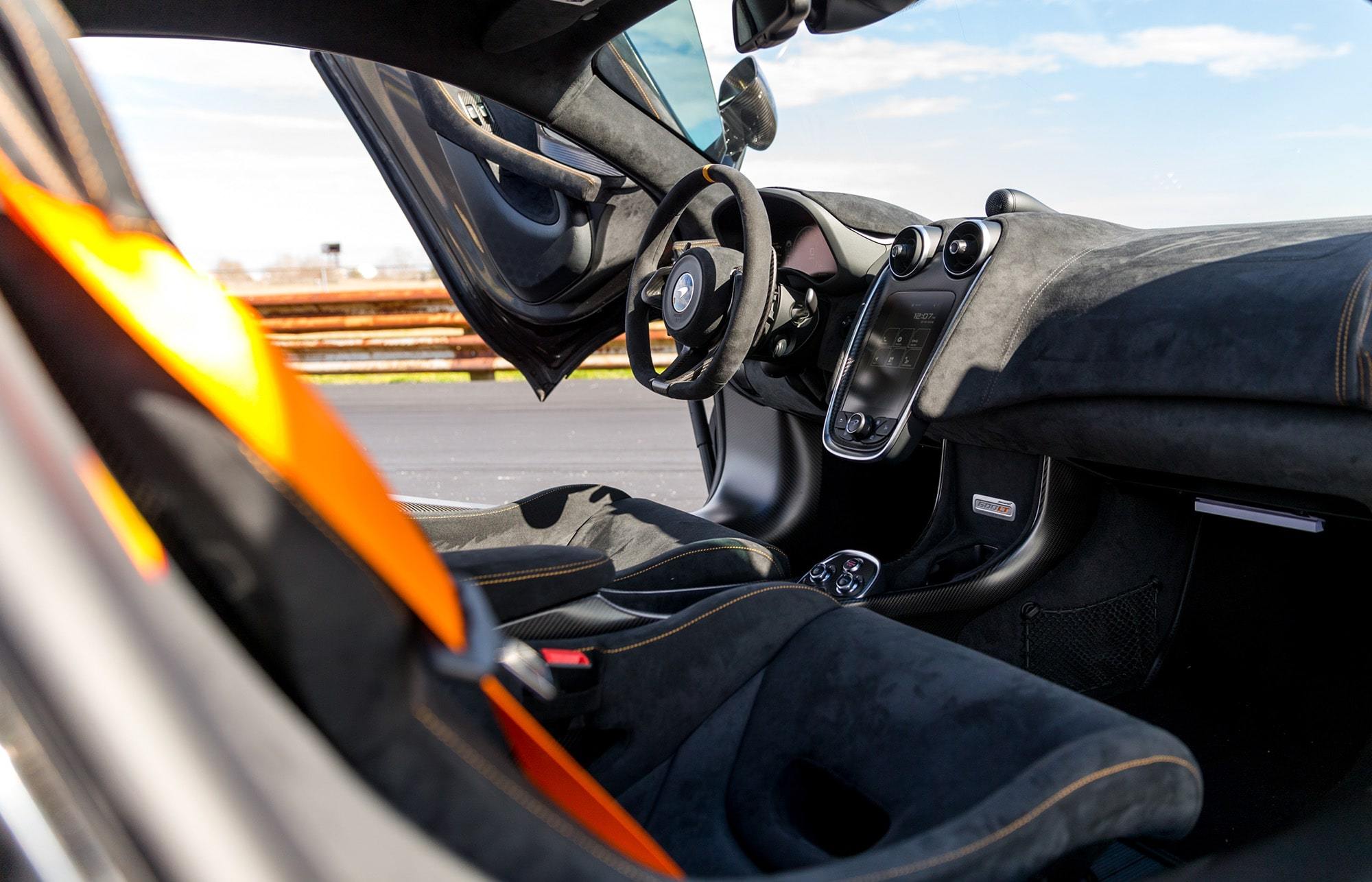
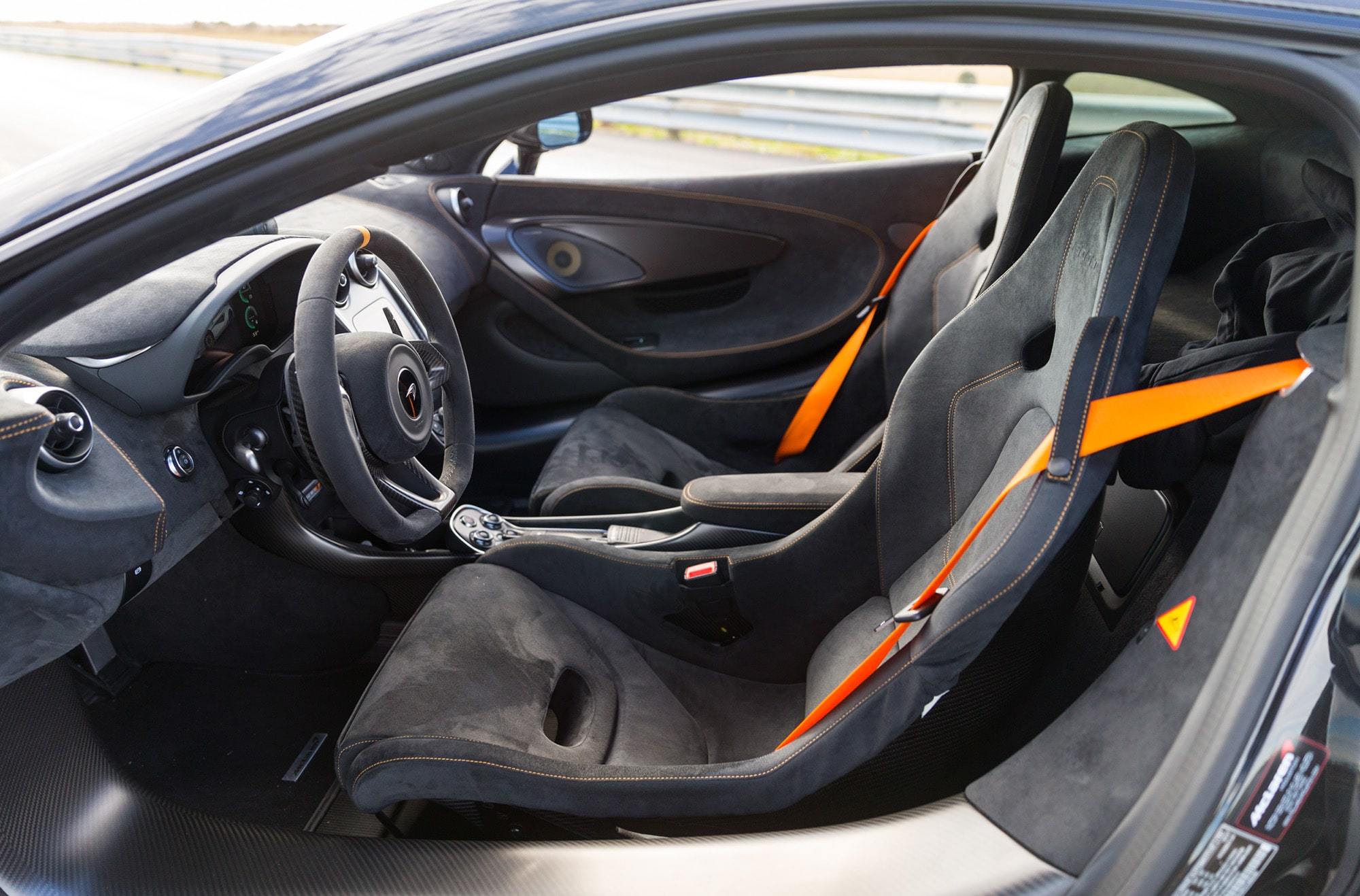
While details surrounding its upgrades are scarce, sources claim that the existing carbon fiber MonoCell II chassis is now lighter. Experts from Hennessey Performance wants to make the 2019 HPE800 McLaren 600LT ready for the track and at home on the streets. Given that the stock vehicle is already a masterpiece of design, it’s good to see minimal changes to its appearance. Aesthetic-wise, the exterior is immediately recognizable as the latest longtail. Likewise, the cabin flaunts plush Alcantara upholstery that oozes opulence all the way. We can’t wait to learn more about this custom in the future.

Images from Hennessey Performance

Hennessey Performance

How to Protect Your Exotic Car

Having an exotic car is a big responsibility. You spent a lot of money on this vehicle, and now it’s up to you to keep it running and looking great. The last thing you want is to walk outside one morning to find that your brand new exotic car has a large scratch on it or end up getting into an accident with your car. So, with that in mind, here are a few ways you can better protect your exotic car and keep it in great condition for a long time to come.

A Good Coat of Wax

Let’s start with the basics. A good coat of wax can go a long way towards protecting your car from minor scratches or scrapes. To get a good coat of wax, you won’t want to take your car to the local car wash that promises a free coat of wax. Rather, you’ll either want to buy some high-quality wax and apply it yourself or take your exotic car to a professional detailer. Putting the wax on yourself is a long process, but one that is well worth the effort. You can learn more about how to apply a coat of wax the right way here. If you don’t have the time for something like this, be sure to take your car to a professional.

Protection from Bad Weather Elements

Adding a coat of wax will help to protect your car, but there’s still more you can do. One of the biggest hazards to your exotic car is bad weather. Wind knocks tree branches down, salt on the road wears down the outside of your car, or hail could pelt your vehicle. Any time your car is outside you are providing Mother Nature with a chance to do some damage.

This means you want to limit the amount of time that your car remains outside. This doesn’t mean you need to drive it less – but rather, it means you need to think about where and how you’re storing your car between drives.

For people with a garage, the answer is simple – just park your exotic car inside. But some of us aren’t lucky enough to have a garage that is big enough built into our homes, so we have to find other solutions. One answer is to look at metal carports. Metal carports are structures that you can easily build on your property that will help to protect your car while it’s parked.

If this doesn’t work for you, consider at least getting a cover for your car. Car covers will protect against the more minor weather conditions like rain and snow, along with protecting it from debris in the wind. You’ll still want to be careful about parking underneath trees during bad weather, but a car cover is better than nothing when it comes to protecting your exotic car.

Perform Regular Maintenance

The next thing you should think about is performing regular maintenance on your exotic car. If you spent a lot of money on an exotic car, chances are you’re already concerned about maintenance. Still, it doesn’t hurt to have a reminder. Make sure that everything is running well with your car before you take it out. This will make it less likely that you’ll end up in an accident and cause a large amount of damage to your car. Here are some basic car maintenance tips if you’re unsure of where to start.

Drive Safely

Speaking of avoiding accidents, it’s important to remember that you need to drive safely. It’s tempting to push your limits when you have an exotic car. Being able to go faster is one of the reasons you bought it. But if you end up in an accident that totals your car, you won’t be too happy. So keep your speed under control and always obey the rules of the road.

Get Your Exotic Car Insured

Finally, you need to make sure that your exotic car has insurance. No matter what you do, there is always a chance that some harm could come to your car. When this happens, you’ll want to know that your insurance will cover the costs, rather than having to pay them out of pocket. Getting insurance for your exotic car is a little different than for regular cars, so check out this guide for more information.

Don’t Take Any Chances

You love your exotic car, so don’t let something happen to it because you didn’t take enough precautions. Protect your exotic car from the weather elements, drive safe, and when all else fails, make sure you have insurance. If you can do this, your exotic car will be around for you to enjoy for many years.

2019 Aston Martin DB11 Volante

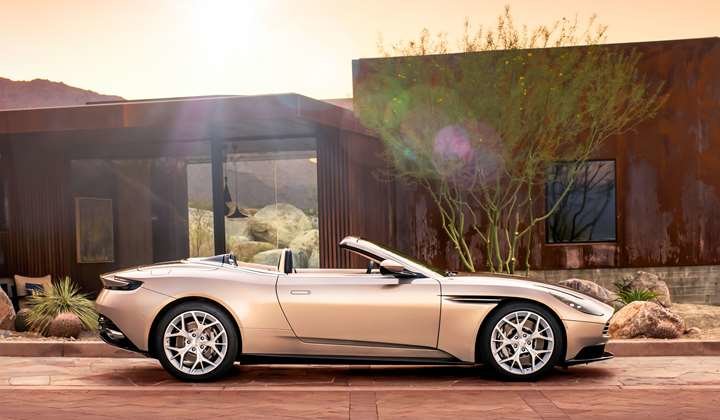
If you’re looking for a grand tourer that checks the list on both luxury and performance, you might gravitate toward German brands such as Mercedes-Benz, Audi, Porsche, or BMW. Nobody can fault you for that since the aforementioned manufacturers set the bar high for the competition. Yet, we can’t help but point out that if you want something with a hint of English elegance, then the 2019 Aston Martin DB11 Volante will deliver automotive excellence.

Exotic cars already look splendid in fixed-roof configurations, but you can’t resist the added appeal of convertible variations. The DB11 Volante apparently agrees with the statement and flaunts a sleek design that looks amazing with the top in place or retracted. This four-seat grand tourer innately boasts an attractive aesthetic synonymous with the marque.

The 4.0-liter twin-turbocharged V8 engine generates 503 horsepower and 513 lb-ft of torque. This is paired with a rear mid-mounted 8-speed automatic gearbox with an electronic shift-by-wire control system. It’s enough to take the vehicle from a standstill to 62mph in a little over four seconds.

For those who are wondering about a V12 trim, it’s unavailable on this model. According to the carmaker, the default setup compensates for the missing power with outstanding handling. Moreover, Living up to its legacy, the 2019 Aston Martin DB11 Volante flaunts a stylishly posh interior. Copious amounts of leather adorn the dash, seats, and doors.

Aston Martin

Photo courtesy of Aston Martin

Ferrari 488 Pista Spider

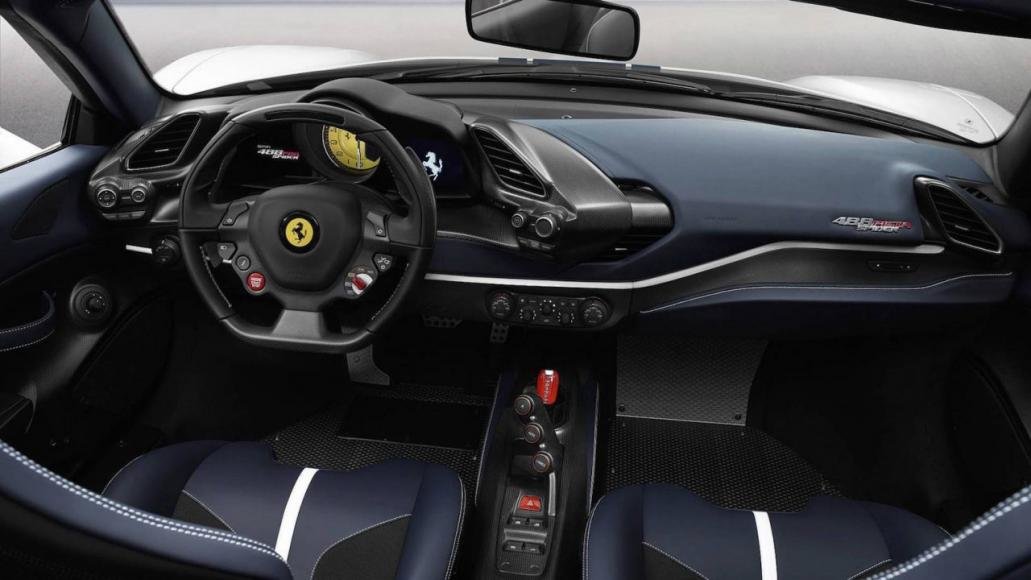
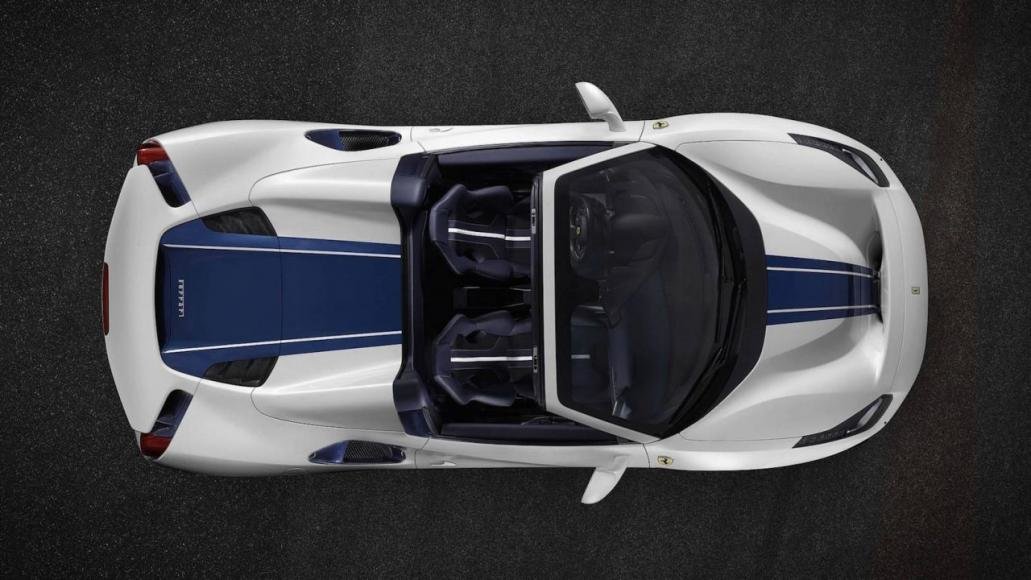
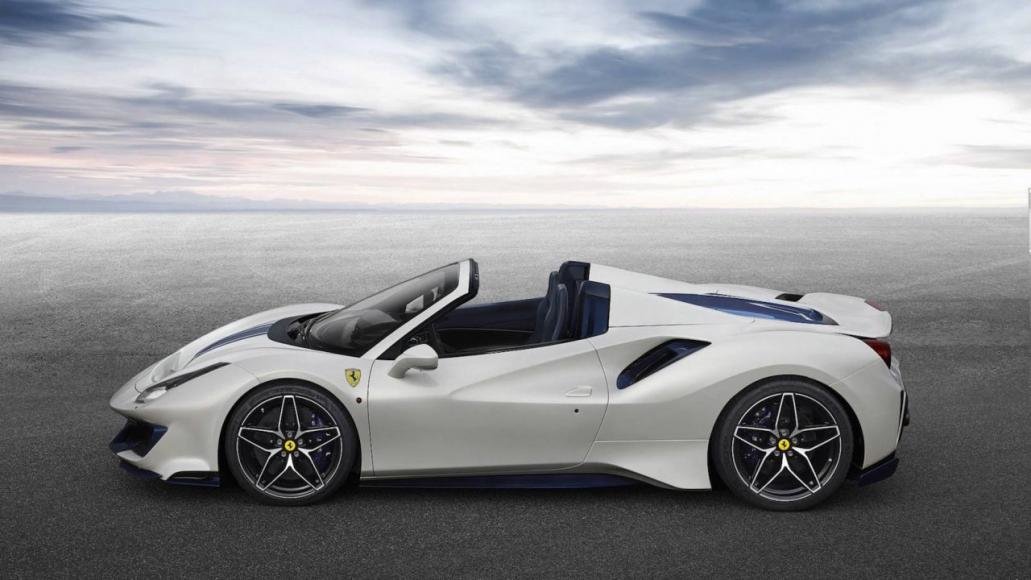
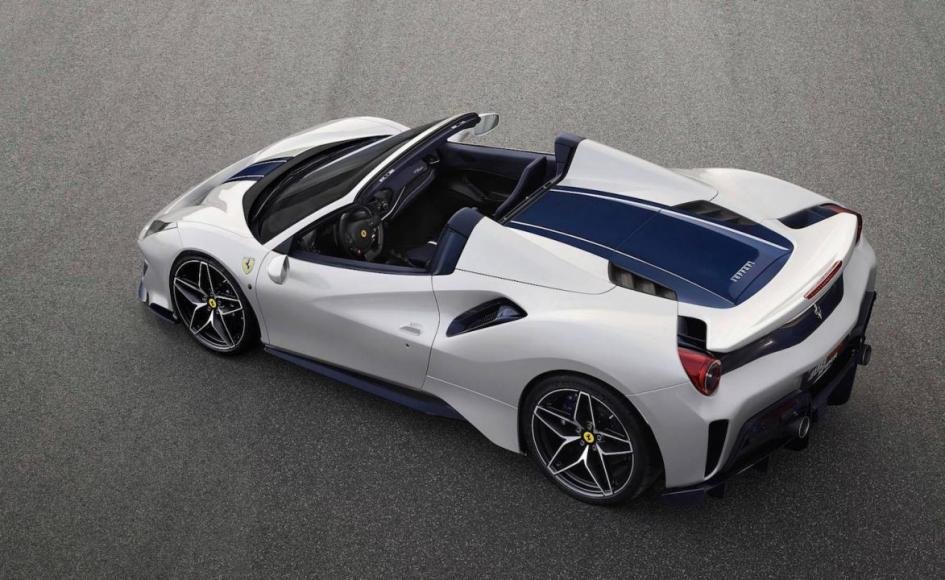
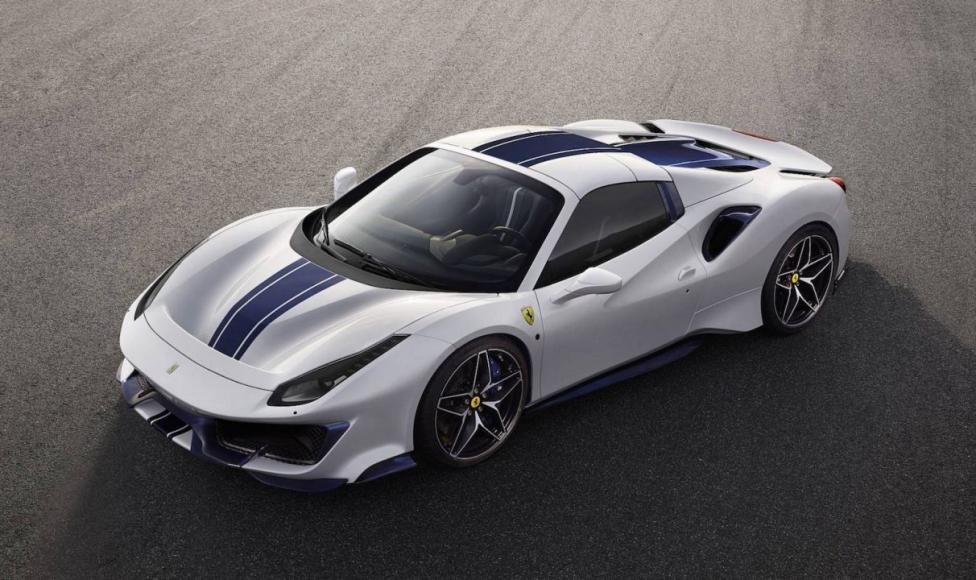
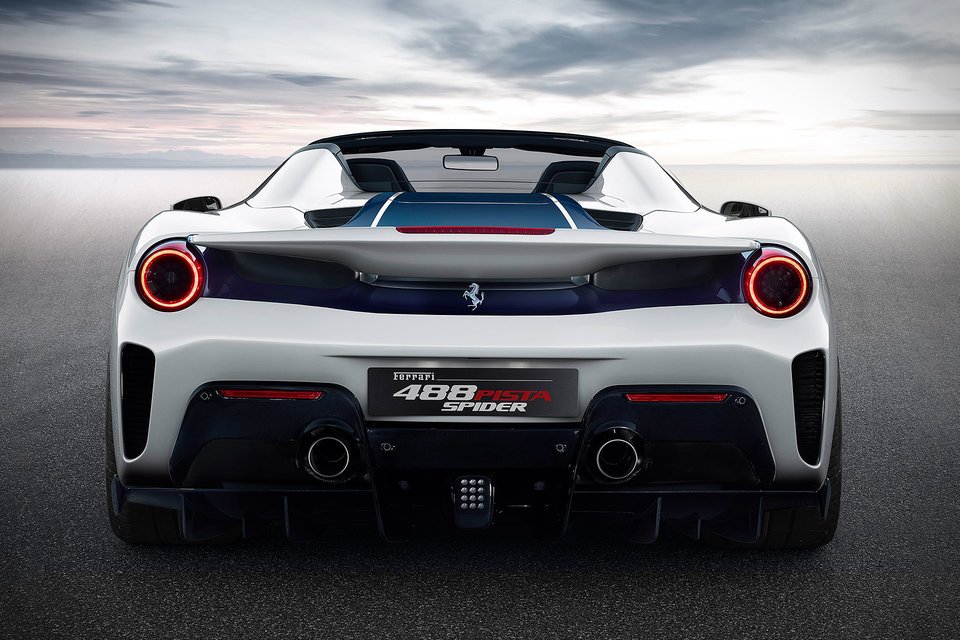
Who doesn’t love cruising the along the highway with the top open and the wind and sun in your face? Well, we do, and apparently, a certain Italian manufacturer is on the same boat as well. Over the weekend, an Italian luxury marque took the covers off of its latest concept convertible—the Ferrari 488 Pista Spider. It flaunts a luxurious white coat with a bold blue racing stripe right down the middle.

Auto junkies quickly pointed out that the recently unveiled supercar is recognized as the prancing pony’s 50th high-performance luxury drop-top model. The roadster’s streamlined chassis and carbon fiber body result in a manageable weight of 3,036 lbs. Its frame tempts us with flowing curves that sit above four 20-inch diamond-finished alloy wheels. Additionally, you also have that option to swap them out for a lightweight carbon fiber selection.

The Ferrari 488 Pista Spider’s mid-mounted 3.9-liter twin-turbo V8 unleashes 711 horsepower and 568 lb-ft of torque. With a top speed of 211 mph, the roadster accomplishes 0-62 mph sprint within 2.85 seconds. The plush interior flows with style thanks to the generous amounts of carbon fiber and Alcantara, while the floor mats use aluminum plates. We are crossing our fingers that it finds its way into production lines soon.

Ferrari 488 Pista Spider

Photos courtesy of Ferrari

2019 Lamborghini Aventador SVJ Coupe

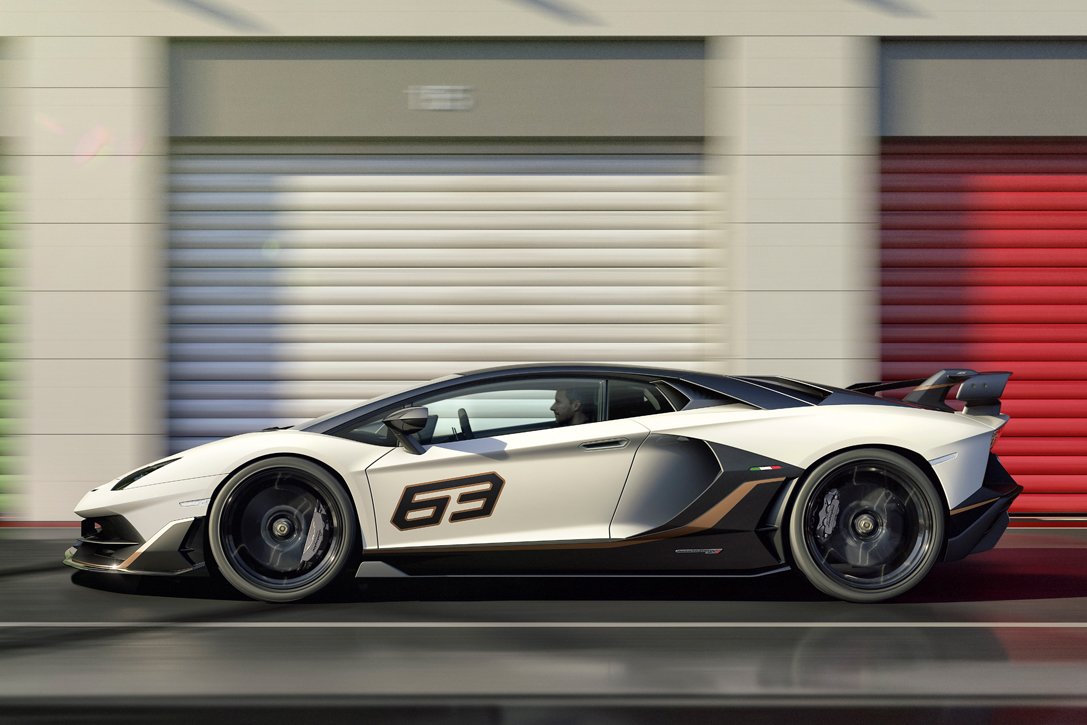
This year’s Pebble Beach Concours d’Elegance was graced by the unveiling of something new from an Italian luxury sports carmaker. It surprised attendees with yet another rework of one of its wildly successful range of supercars. Those in attendance caught the exclusive reveal of the limited edition 2019 Lamborghini Aventador SVJ Coupe.

We all thought that the S version was already the ultimate production model to sate our desires. However, it seems we were mistaken. It looks like the company doesn’t want to rest on its laurels just yet. Additionally, there are clear plans to push everything to the absolute limit.

What owners will get is the breathtaking craftsmanship and performance of the original. It then comes with some secret sauce to spice it up a notch. Taking some of the innovative tech found on the Huracan Performante, the Aventador SVJ will reportedly produce more downforce than its predecessor. This is apparently possible via a system of active mechanical flaps. All of which can automatically adjust to control air flow around its frame.

Lamborghini made sure that it can accelerate from 0-62 mph within 2.8 seconds. Furthermore, it achieves a top speed of 217 mph. This is clearly possible through a 6.5-liter 770 horsepower V12 engine with 531 lb-ft of torque on board. If this is something up your alley, then it might be prudent to make reservations as early as now since only 900 will be offered.

Reserve one now

Photos courtesy of Lamborghini

Bugatti Divo will be a $5.8 million hypercar with an appetite for corners

Too much is never enough, especially when you’re talking about Bugatti supercars. The Divo is the next step in Bugatti’s continuing history of building the most covetable vehicles on the planet. Based on the existing 1,479 horsepower Chiron, the Divo is intended to be lighter in weight and significantly quicker around corners. Oh yes, and it’s almost massively expensive, with a starting price of approximately $5.8 million. If you want one, hurry up, because only 40 will be produced.

“Happiness is not around the corner. It is the corner. The Divo is made for corners,” says Stephan Winkelmann, President of Bugatti Automobiles S.A.S. “With the Divo, we want to thrill people throughout the world. With this project, the Bugatti team has an opportunity to interpret the brand DNA in terms of agile, nimble handling in a significantly more performance-oriented way.”

Little to no details have been released about the Divo ahead of its official introduction this August at Monterey Car Week. The powertrain will likely be carryover from the Chiron, which means the quad-turbocharged W12 will be there in all its decadent glory. The body could be significantly different, however, in keeping with Bugatti’s promise that the car has been honed to go around corners at physics-defying speed.

As for the name, it might conjure up images of a certain 1970s-80s band, but the Divo is named after Albert Divo, a French racing driver who twice won the Targa Florio while piloting a Bugatti race machine.

Related Video: