All posts in “Sports and Outdoors”

We Bet Ralph Lauren Will Love These New Running Shoes

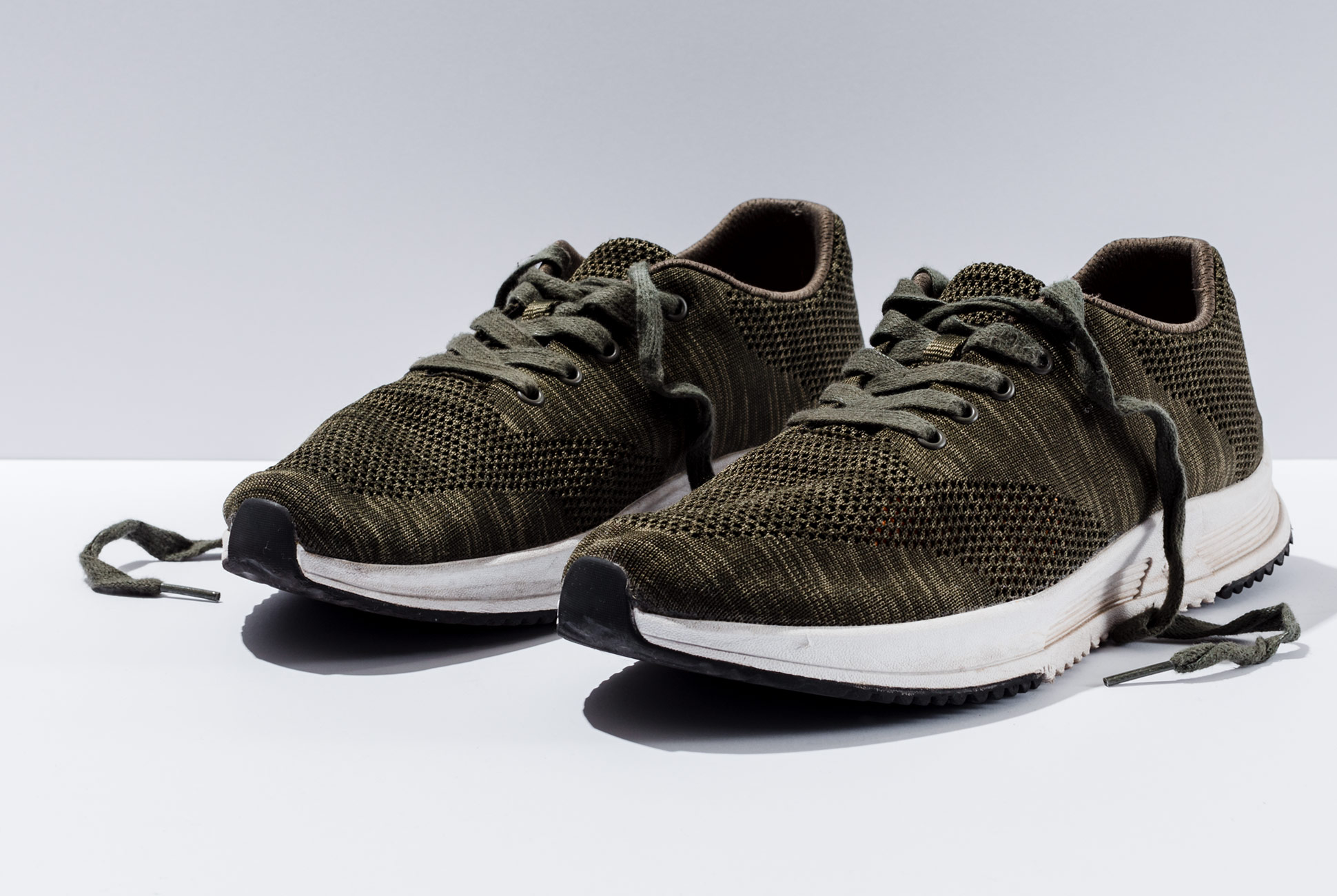
Ralph Lauren has been spotted numerous times leaving prominent fashion events like the CFDA (Council of Fashion Designers of America) or his runway show during fashion week wearing Salomon trail running sneakers. So when we saw these new Salomon x District Vision Mountain Racers, we immediately thought of him. If they aren’t already there, we can only guess that they’ll quickly become a staple in Lauren’s closet. Beyond the fashion appeal, this collaborative sneaker will appeal to trail runners everywhere. We were so impressed and excited about the shoe that it made it won our annual GP100 product award and is featured in the GP100 issue of our print magazine.

District Vision makes some of the best running sunglasses out there — they seamlessly combine performance and aesthetics. The brand’s socks, tees and other gear quickly sell out after release, so if you’re interested in the Mountain Racer, act fast. District Vision worked with Salomon to create a sneaker that looks to be a combination of the S/Lab Sense 7 and Sense Ride with laces. A Salomon Contagrip rubber makes up the outsole and shock-absorbing, yet lightweight molded and injection EVA foam provides cushion in the midsole. A woven, water-resistant upper protects your toes from snow, sleet and other unfortunate weather conditions. The kevlar toe cap offers ample rock and root protection, so you’re not in the market for a new pair of sneakers after just 100 miles.

You can pick up the new Mountain Racer in two colors: a red, white and blue or a navy, bright orange and black.

I’ll Wear This Weird Techy Crewneck Pullover Every Day

Last year, when The North Face released the Ventrix jacket, it hyped up the launch by partnering with Maggie Rogers, a rising musician who gained popularity after impressing Pharrell Williams with a song that, according to Vogue, took her 15 minutes to produce. Rogers appeared in a video alongside Jimmy Chin, Alex Honnold and Emily Harrington — all wearing the new jacket — while her track “Split Stones” played in the background. The knotting of Rogers’ cultural relevance with the Ventrix was an edgy move for The North Face and one that proves the brand is aiming to engage with more than mountain climbers and backpackers.

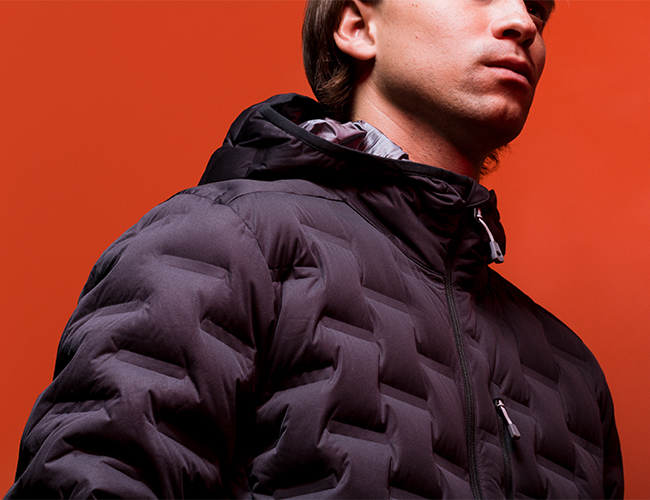
But the Ventrix jacket is technical outdoor apparel, not something cooked up purely to be trendy. It fits into a subcategory of synthetic insulating jackets called “active insulation,” a designation that denotes puffy jackets designed to be extremely breathable so that they can be worn during high-output activities like ski touring and hiking. The idea is to eliminate the annoyance of stripping and putting back on layers. Ventrix does this incredibly well, thanks to an innovative design that includes small perforations in the polyester fill that open and close with motion to contain and release heat.

The North Face may have wanted us all to think that the new jacket was cool, but it knew all along that it also worked too (Ventrix won spots on Gear Patrol’s “Best Synthetic Jackets” list for 2017 and 2018). But take away Rogers’ song, and the flashy video and what we’re left with is a puffy jacket that looks a lot like other puffy jackets. This year The North Face expanded Ventrix technology into what amounts to a full collection of upper layers (and a pair of insulated knickers). There are anoraks, vests, running jackets and updated versions of last year’s models as well as one notable standout: a crewneck pullover.

The Ventrix Crew draws itself away from the rest because it doesn’t look like something you’d climb a mountain in. It imparts more of a streetwear vibe; its collar is angular and almost space-age-y, and it’s available only in muted colors (Vaporous Grey, TNF Black, Beech Green) that pose a stark contrast to the old-school-outdoors reds and yellows that the brand chose for the other Ventrix models. It’s more in line with the lifestyle-outdoor crossover styles that are popular in Japan and other Asian markets. In a word, it’s cool.

But again, it also works, and that’s why I can’t stop wearing mine. Depending on the day, I might wear it to the office with a pair of jeans and Red Wing boots or to my local ski hill underneath a shell jacket. Earlier this fall I wore it as an outer layer during a 16-mile hike up and down Mt. Marcy in the Adirondacks. Between trips, I live in a city and commute to and from work by bike all year long; the Ventrix Crew gives me the warmth without the sweat, and I don’t have to dress like a hiker to get it.

Note: Purchasing products through our links may earn us a portion of the sale, which supports our editorial team’s mission. Learn more here.

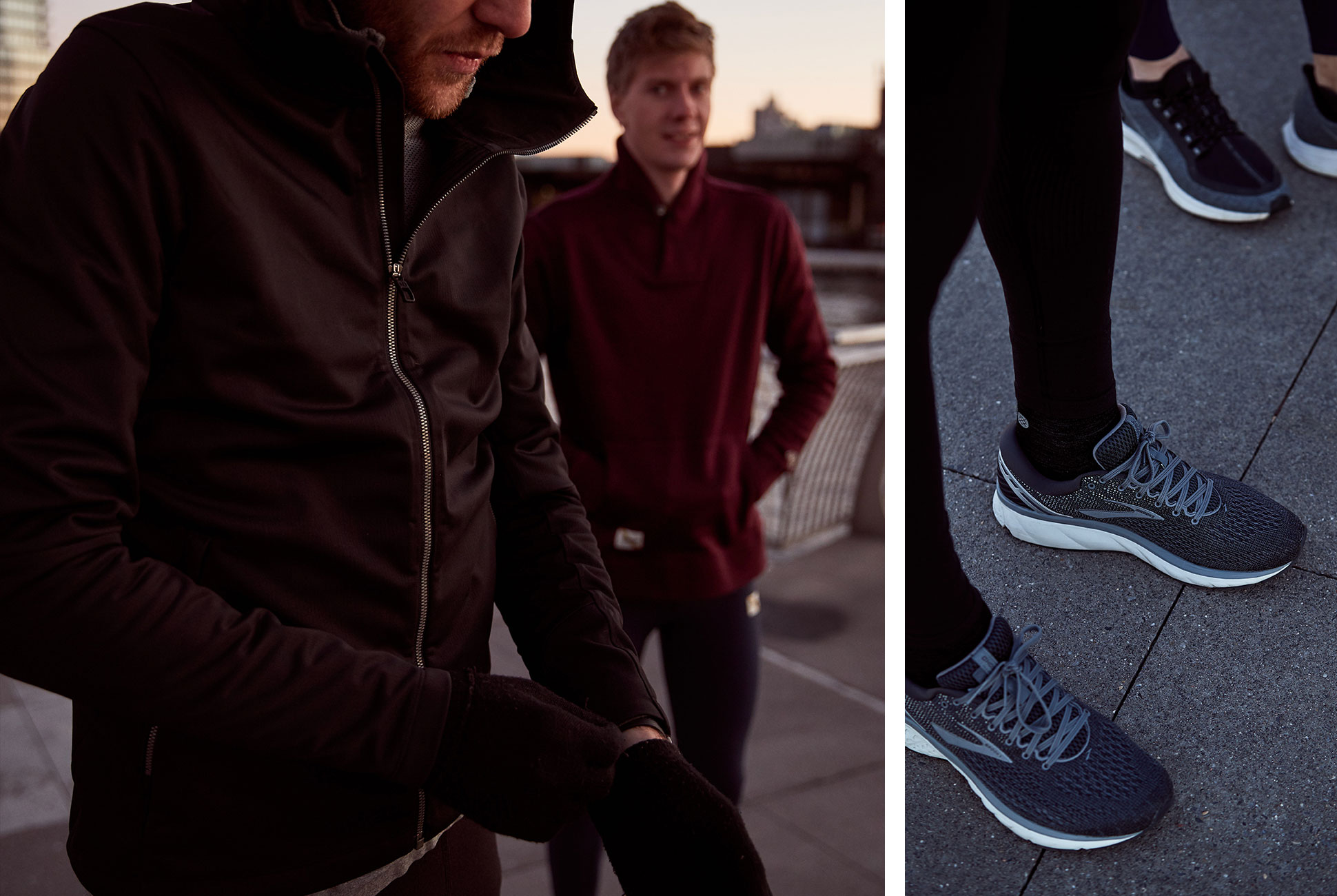
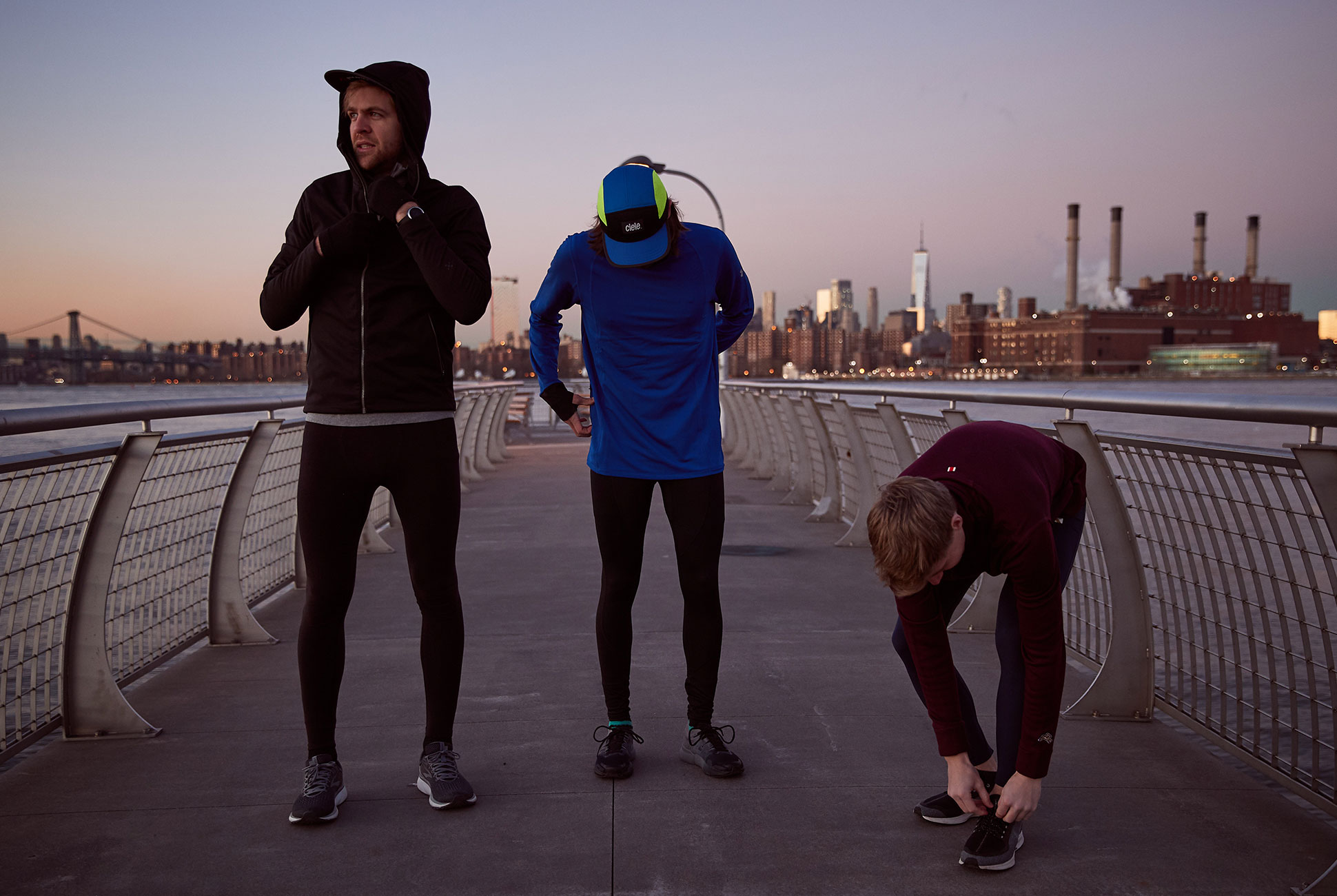
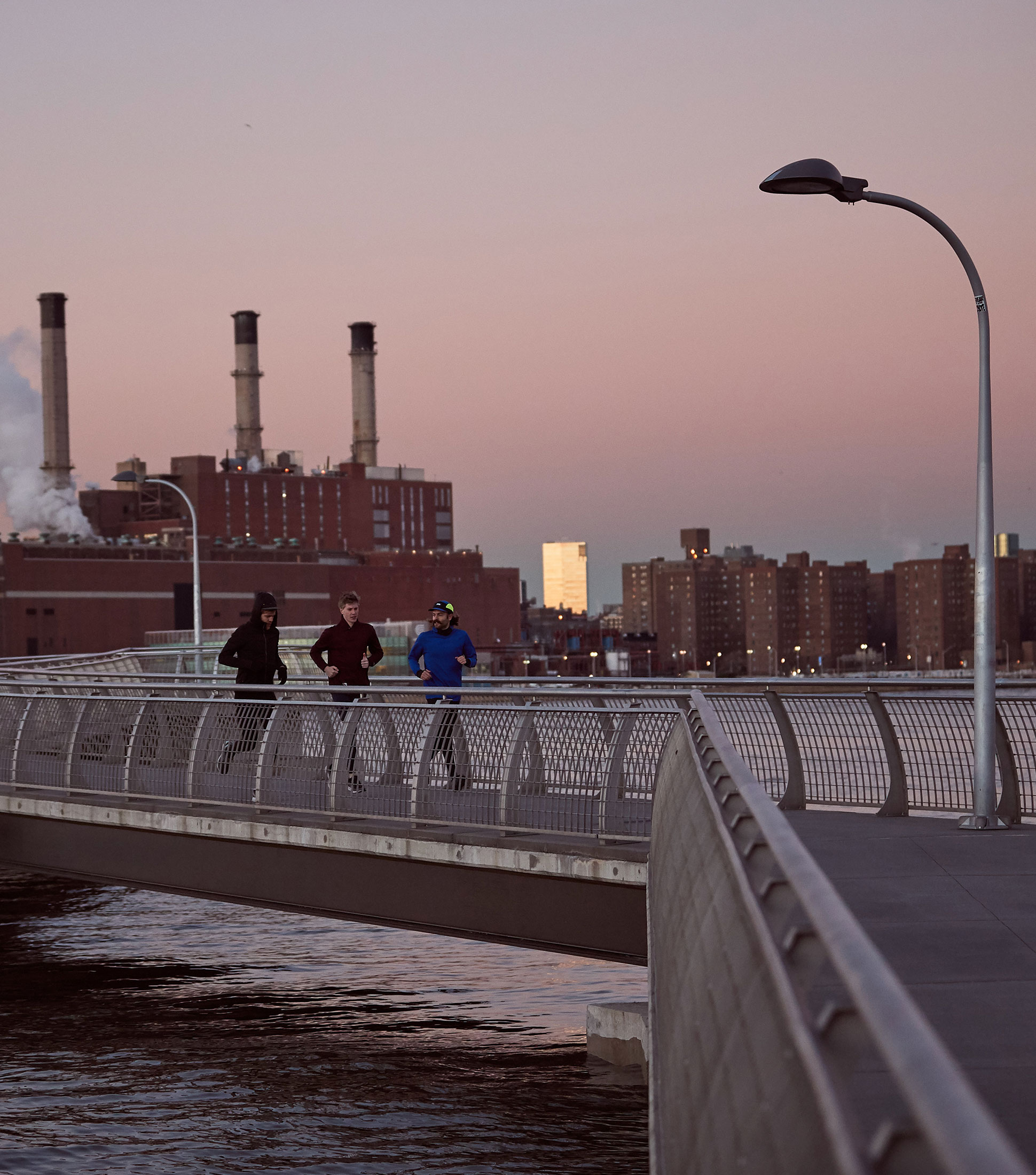
The Best Winter Running Kits of 2018

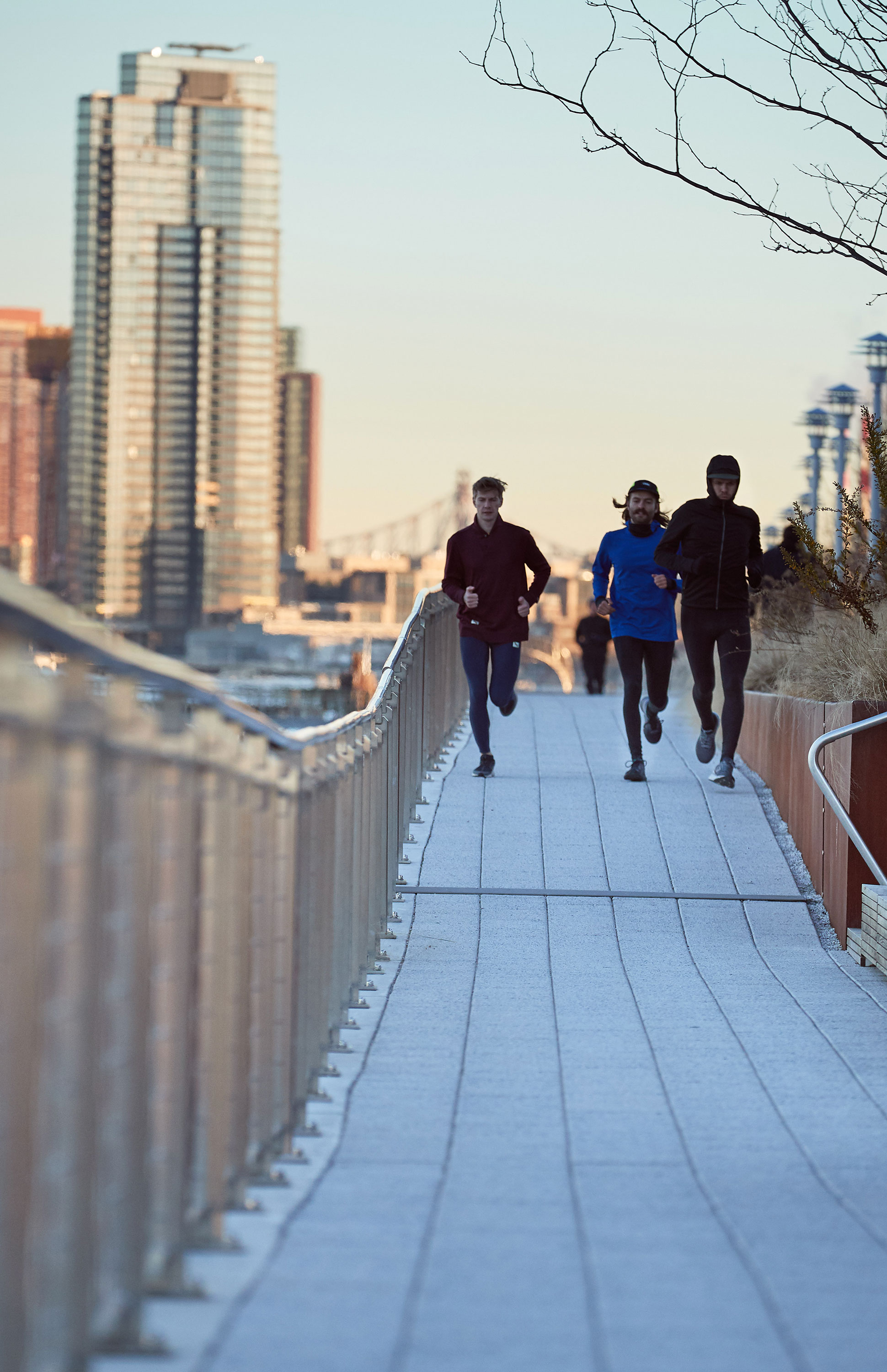
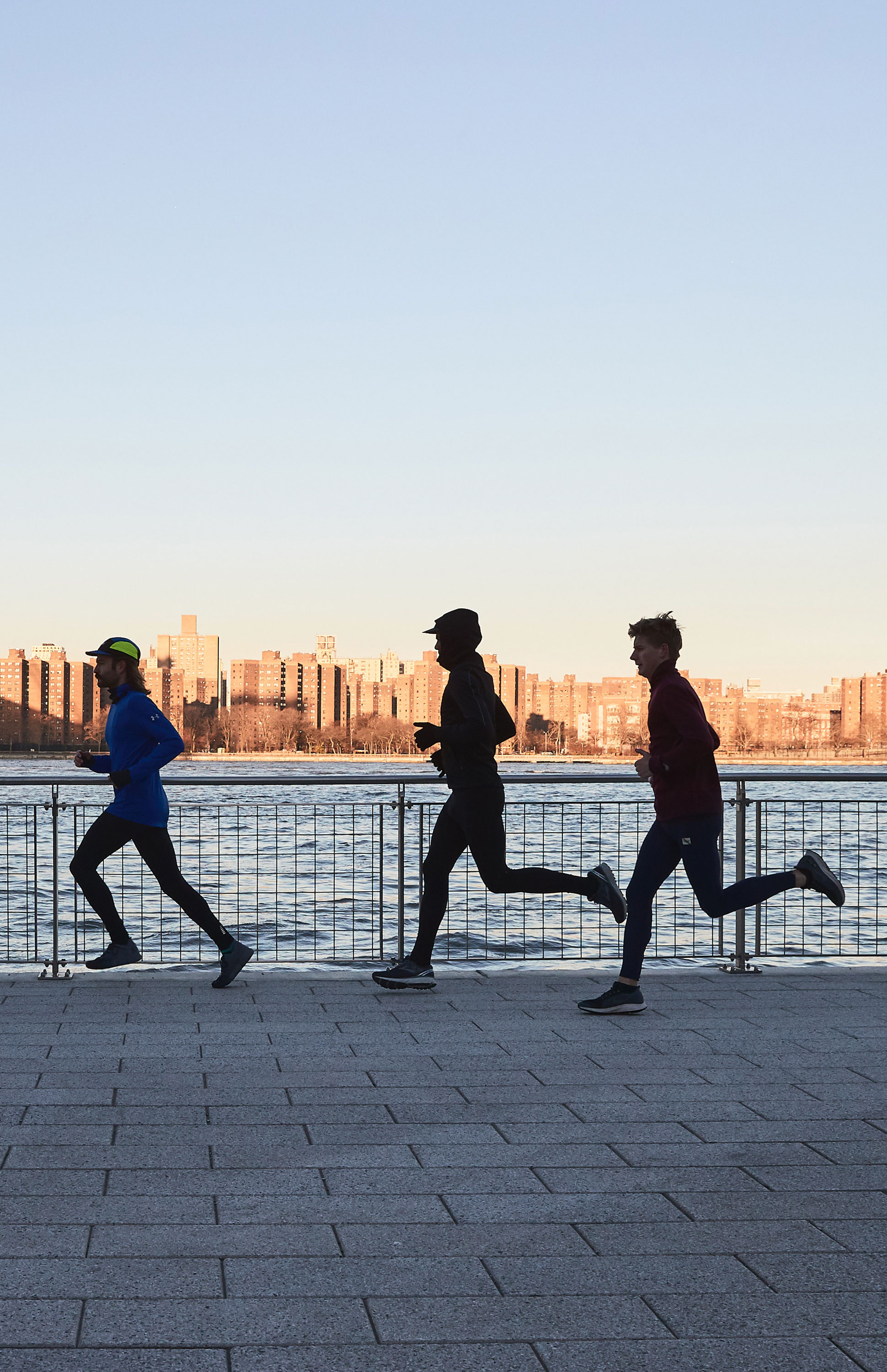
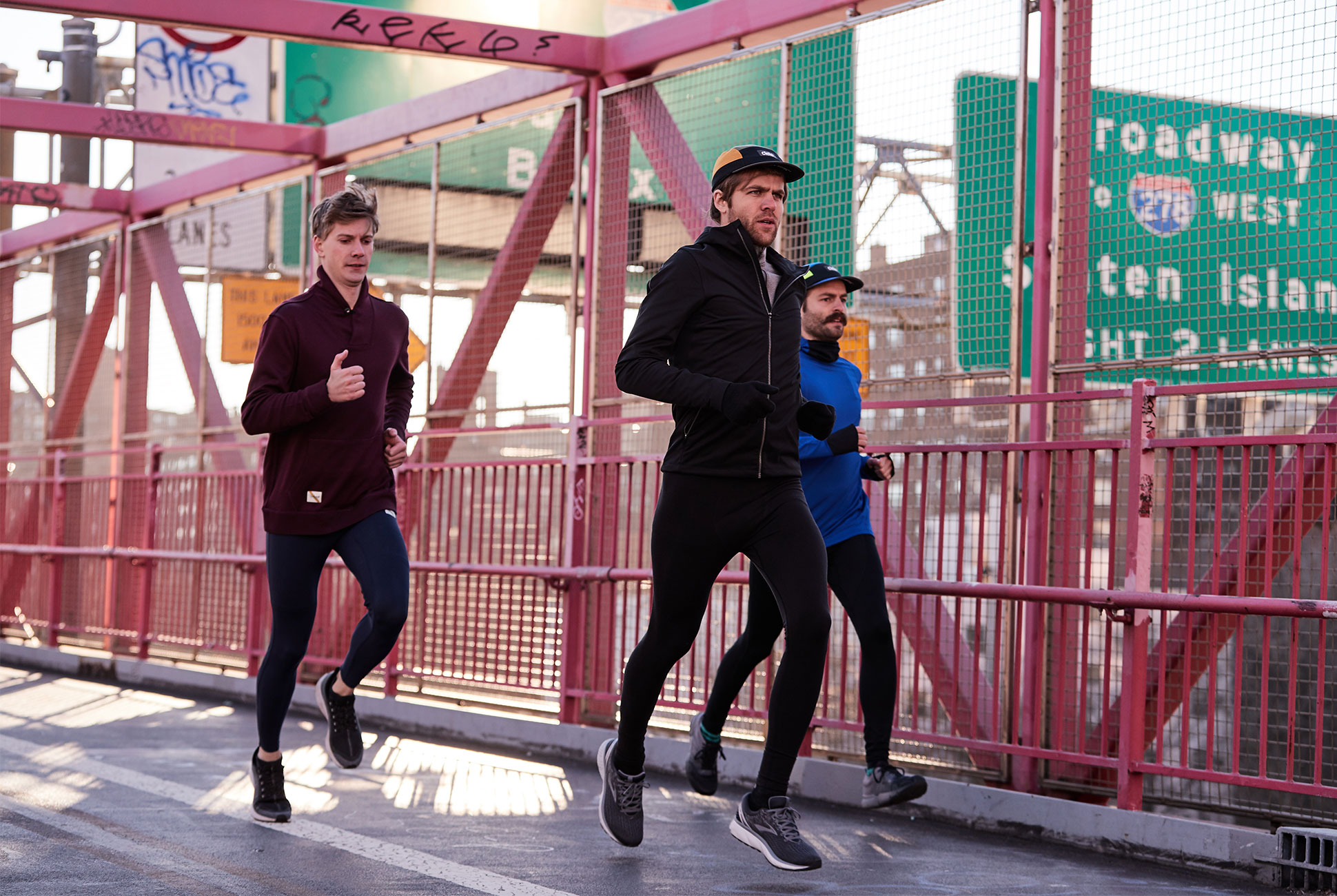
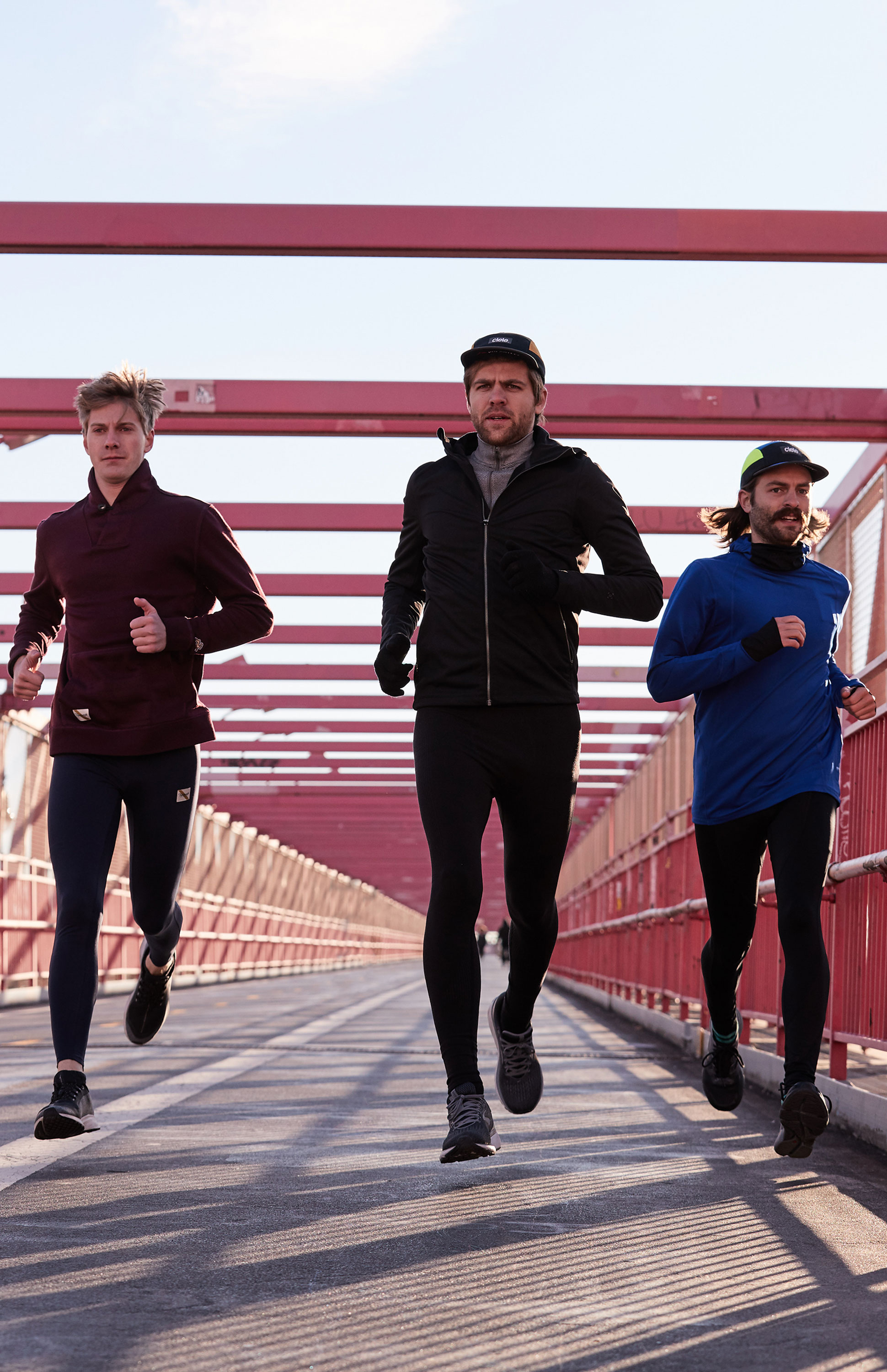
There’s a subtle beauty to running the morning after it snows. The thin film of snow that covered the streets the night before has been plowed, but it’s still quiet on the roads, and the early morning sun reflects off the snowbanks, brightening the dreary winter mornings. When that happens, we take advantage of it, no matter how many layers we have to wear.

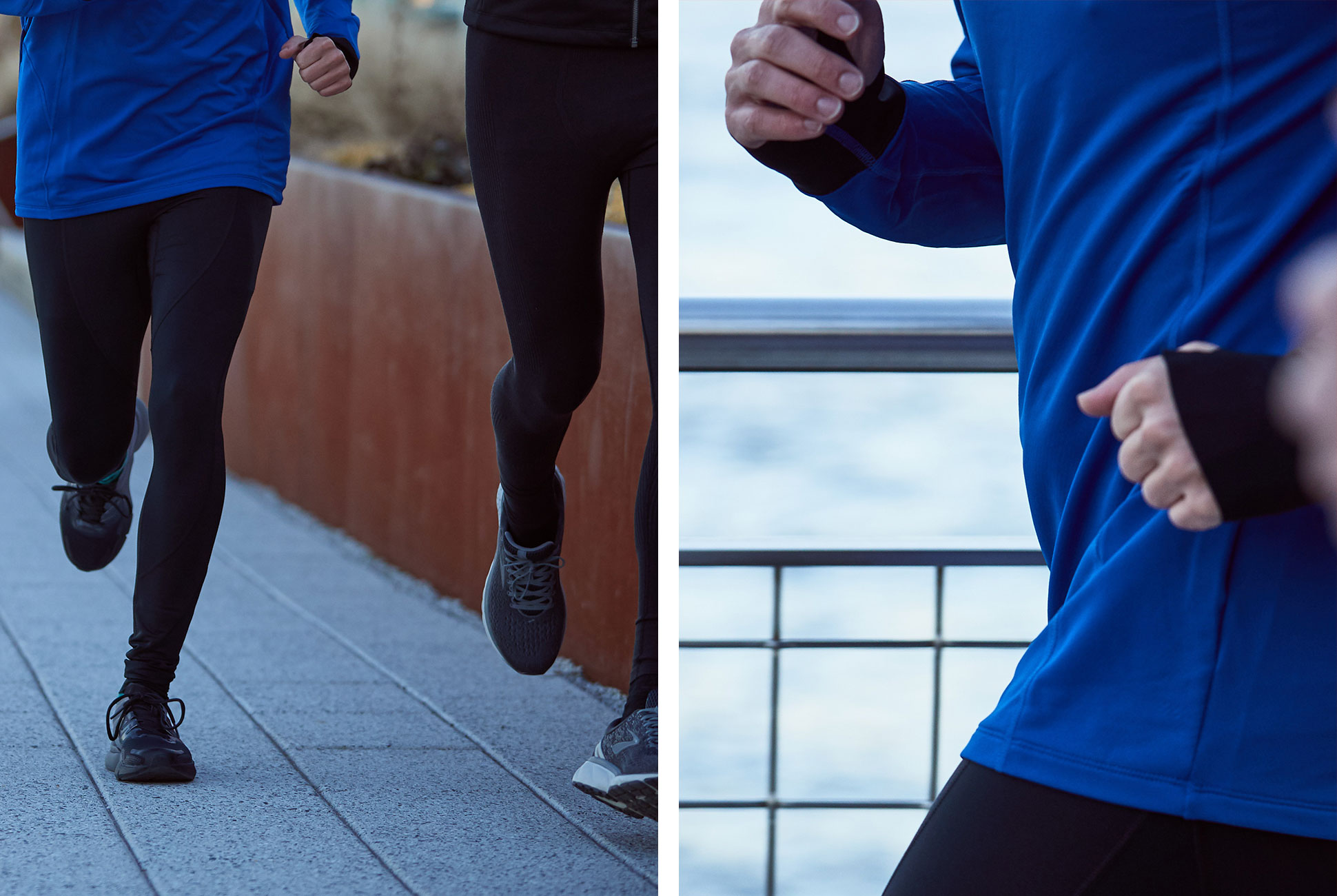
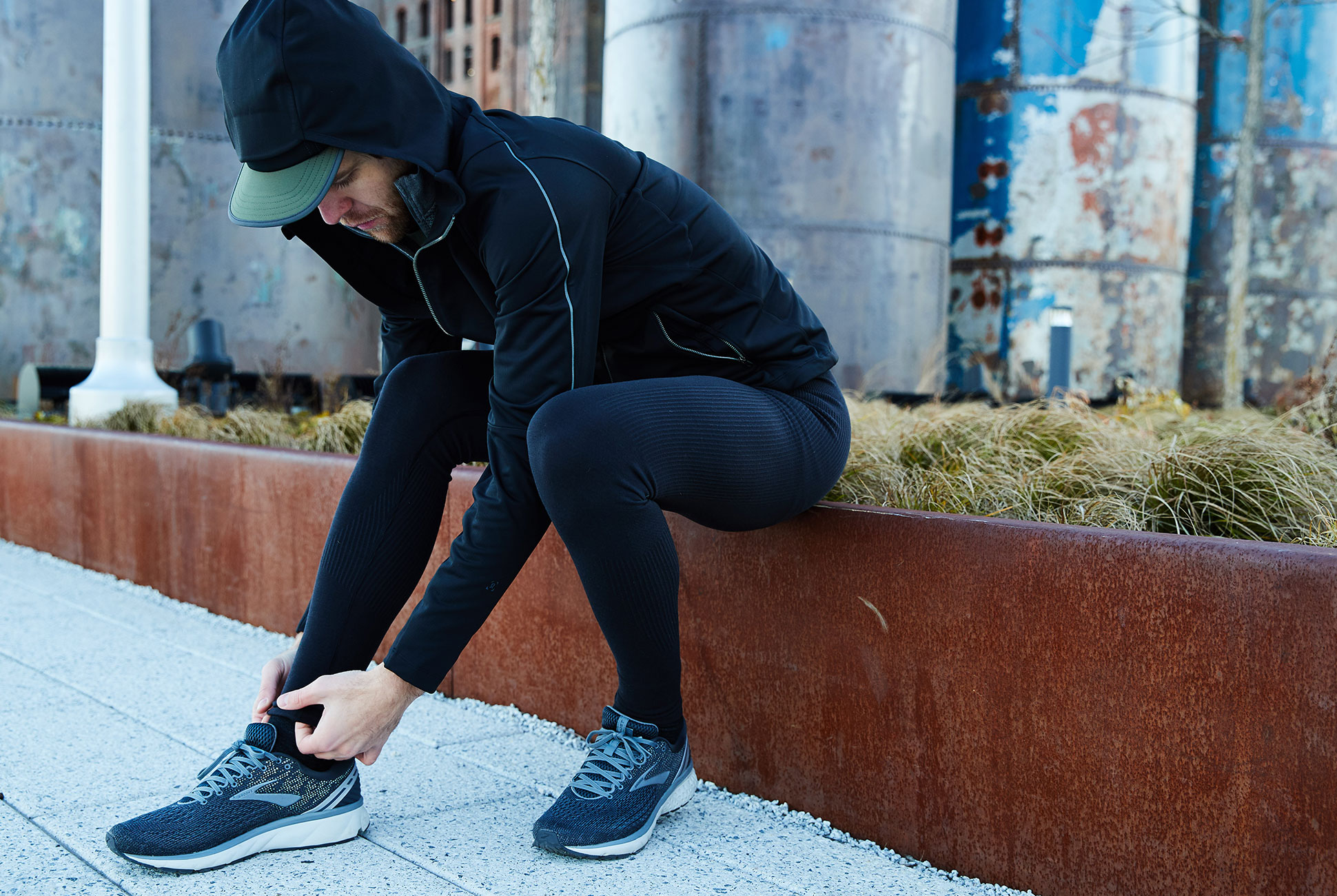
But tackling a run on such mornings requires preparation. You need to set your alarm, lay out your winter kit, then head to bed. When the thermometer reads 33 degrees, you need fleece-lined leggings, thick, yet sweat-wicking socks, a base layer, followed by a vest and then perhaps a jacket as well depending on wind conditions. You’ll need gloves and hat as well that are warm but breathable.

No matter what the temperatures drop to, if you hate running on the treadmill, layering up is really the only thing you can do. But the feeling is worth it. Embrace it. Embrace the crisp air. Let your lungs acclimate, and let your eyes stop watering. Push through the initial shock and you’ll be rewarded with a stillness and peacefulness that can only be earned on frigid mornings by sucking it up and getting after it.

To help you do just that, we collected three of the best deep winter running kits on the market. We can’t guarantee you’ll want to get out of bed and hit the streets, but you’ll definitely be warm if you do.


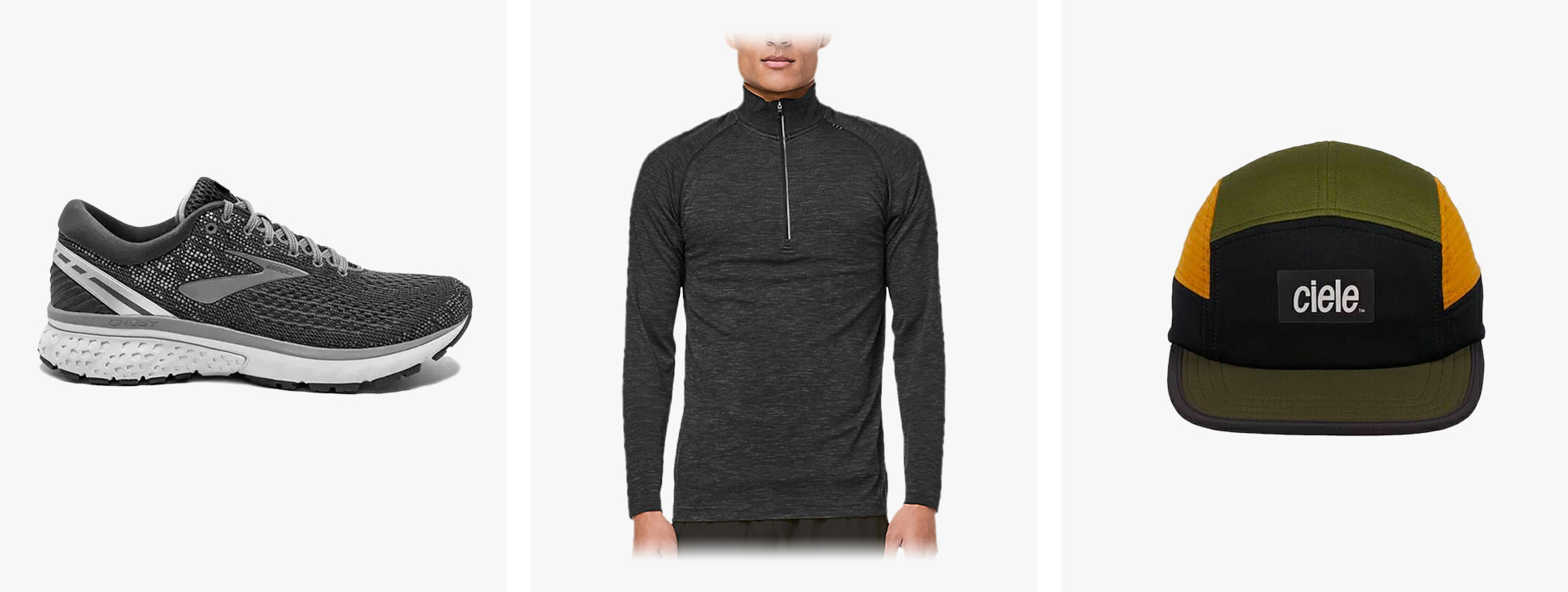
Metal Vental Tech 1/2 Zip by Lululemon $98
Fleece Back Soft Shell by Lululemon $198
Keep the Heat Thermal Tight by Lululemon $98
Ghost 11 by Brooks $120
Polartec GoCap by Ciele $50


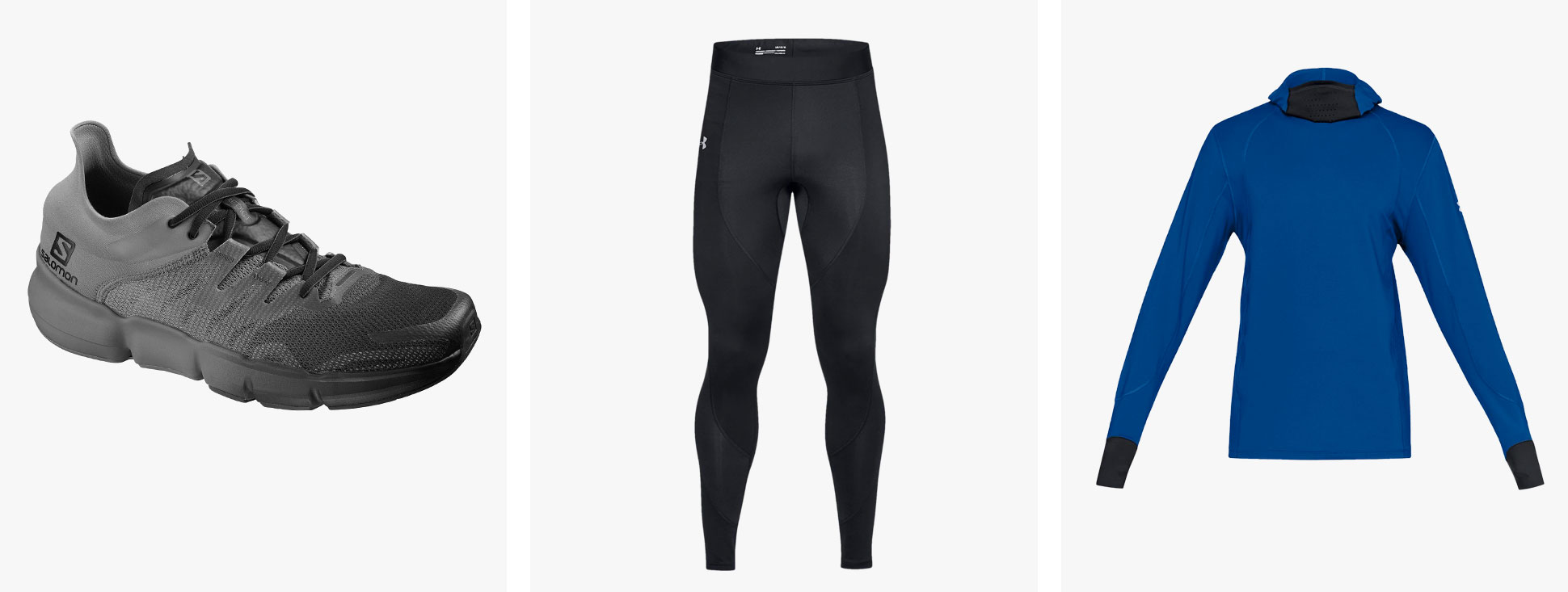
Under Armour ColdGear Reactor Run Balaclava by Under Armour$100
UA Storm Launch Printed by Under Armour $85
ColdGear Reactor Run Tights by Under Armour $90
Predict RA by Salomon $160
Polartec GoCap by Ciele $50


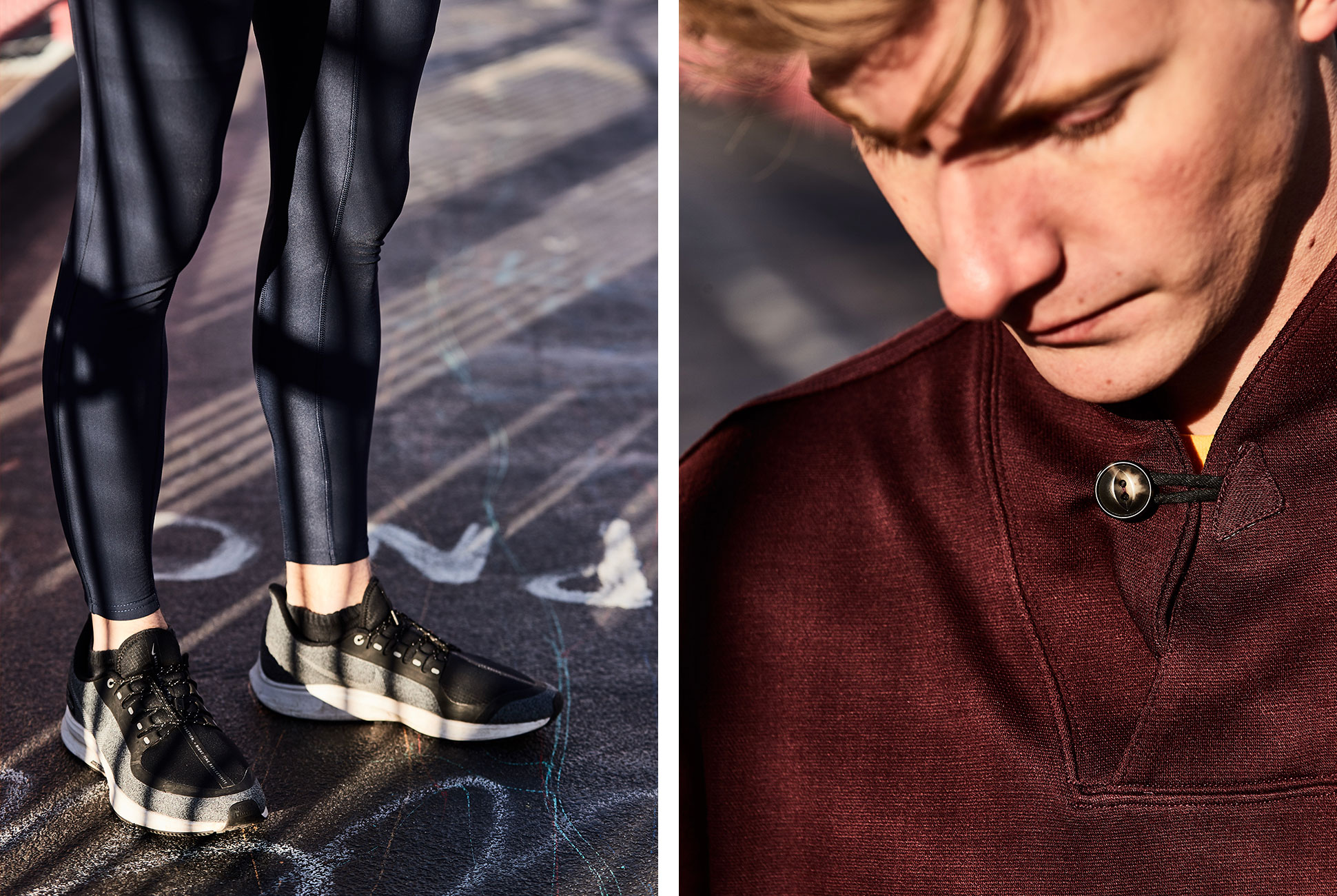
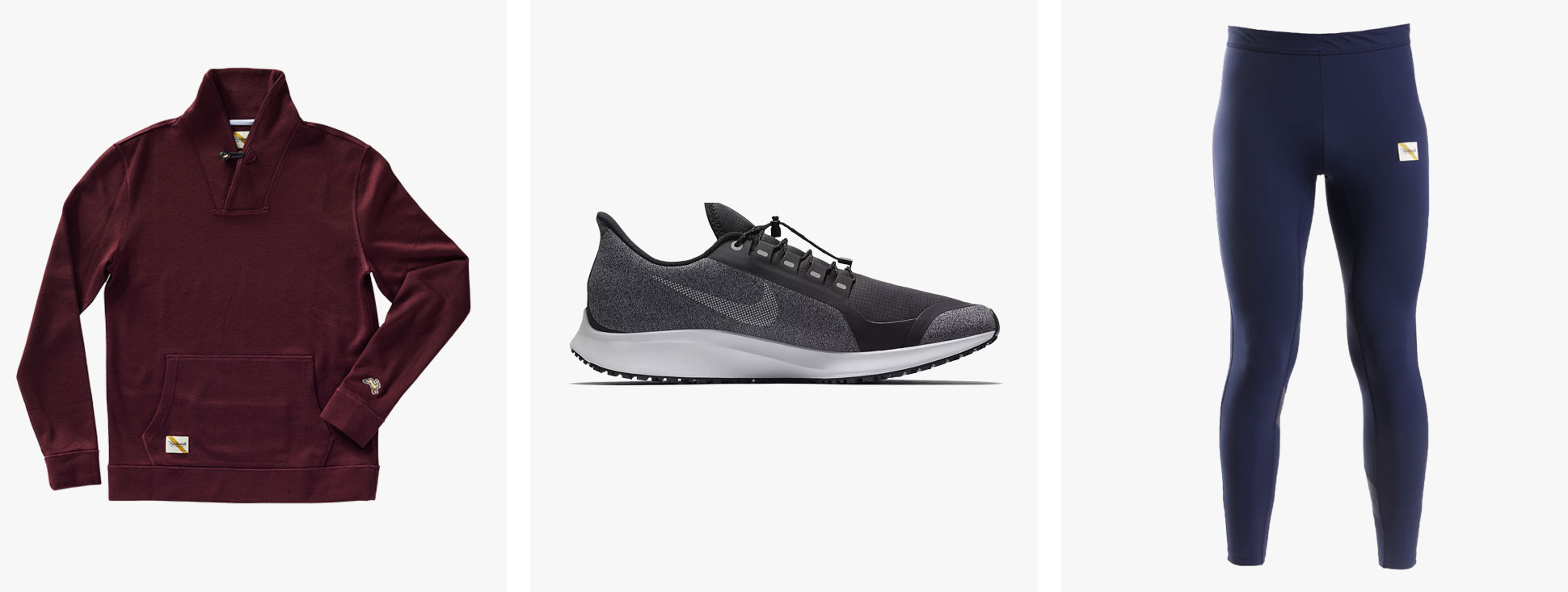
Emil Shawl by Tracksmith $148
Turnover Tights by Tracksmith $128
Brighton Base Layer by Tracksmith $88
Air Zoom Pegasus 35 Shield by Nike $130

Note: Purchasing products through our links may earn us a portion of the sale, which supports our editorial team’s mission. Learn more here.

The New Adidas Ultraboosts Are Every Bit as Amazing as We’d Hoped

When Adidas launched the Ultraboost back in 2015, I remember sliding through the crowds of people down on Wall Street to get a look at the brand new shoe. It was the first shoe of its kind to offer so much responsive feedback (you feel an energy return from the ground that keeps you going over many miles) with a knit upper. Over the years, there have been many iterations and colors, often quick to sell out, but Adidas hasn’t made any massive changes to its golden child — until now. Starting this week, Adidas releases the new Ultraboost 19 with a plethora of updates and tweaks.

Since 2015, Adidas has integrated itself into the running community and culture. Head to Adidas Runners.com and you can sign up for the running group in your home city. Once you’re there, you’ll find captains, coaches and more, all designed to help get you out running more. Adidas tapped that international community of runners to get feedback on the original Ultraboost and to test out new versions.

Number 19 is rebuilt from the ground up with 17 individual new parts including an updated Boost foam, a 3D heel frame, and a torsion spring underfoot. The foam supposedly provides 20 percent more BOOST compared to version one and the mix of materials in the Primeknit upper looks remarkably different from past models. The external heel frame is another visual piece that has changed, but the shoes still feel lightweight, weighing in at 10.9 ounces (0.1 ounces lighter than other models). The 10-mm heel drop stays the same and the continental rubber outsole also remains. The new version will only come in a white/black/pink color. Place your order on Saturday, December 15th to get the latest pair. And then, keep an eye on the calendar as more colors will go on sale come February 21, 2019. A little way out, but it’s good to keep track of these things.

Someone Please Buy This Historic Road Bike So I Don’t Have To

To the uninitiated, this bike looks just like any other road bike. You may have a similar-looking one tucked away in your garage. You might see look-alikes at yard sales. But this bike holds a historic value that is not easily understood by a glance at its frame. It requires a closer look, a deeper dive.

The name Lighthouse Cycles, for most, will not hold any sort of significance. But the name behind the brand might: Tim Neenan. Specialized fanatics will likely recognize the name. He’s the designer behind some of the first (and most popular) Specialized bikes like the Sequoia, Expedition, Allez and perhaps most notably, the famed Stumpjumper — the first commercial mountain bike ever produced. Neenan built the first Stumpjumper prototype and was the one to convince Mike Sinyard, Specialized’s founder, to put the bike into production.

Though Neenan’s Lighthouse frames never garnered the attention of builders like Rock Lobster and Independent Fabrication, they are of the highest quality and were (and are) well known on the central coast of California. You can find little pockets on deep cycling forums gushing about Lighthouse Cycles, but you won’t find any mentions on major publications or popular alt cycling sites like The Radavist. What’s more, Neenan recently retired from frame building, which means his frames will likely go up in value. Currently, one of his custom builds is available on eBay for an absolute steal. It’s built with Shimano Ultegra Di2. The wheels are built around White Industries hubs. The stem and bars are FSA K-force carbon fiber. For the price, the bike is well-kitted. Factor in that it’s a piece of cycling history, and you can’t go wrong at double this price. And, as they say, better you than me.

From the Seller: This is one of Tim Neenan’s last bikes before he retired. Tim has a long and rich history with custom bicycles and this bike is an excellent example of his work. It is fillet brazed with a mix of Columbus Zona and Life tubing. Top and down tube are oversized with a wall thickness of 7-4-7. The bike is equipped with Shimano Ultegra 6770 10 speed Di2. The wheelset features custom-assembled White Industries hubs laced with DT Aerolights onto Velocity A23 rims. Tires, Continental GP 4000. Handlebars, FSA KForce carbon. Brakes, Tektro R559 long reach.

This bike is in outstanding condition. It has never been crashed or abused. It has never seen a drop of water (at least that falls from the sky).

This Small Tasmanian Brand Is Making Some of Our Favorite Bar Tape

The Magazine

Let us take you on a journey of the world. Each issue of the Gear Patrol Magazine comes packed with adventures, guides and stories exclusive to the magazine. Stunningly designed, printed on high quality stock and ready for your coffee table. Biannual. $39.

The Newsletter

Get GEAR PATROL in your inbox with the DISPATCH, including Today in Gear and all our new stories. Daily, 5pm. Free.

The 15 Best Gifts for Snowboarders

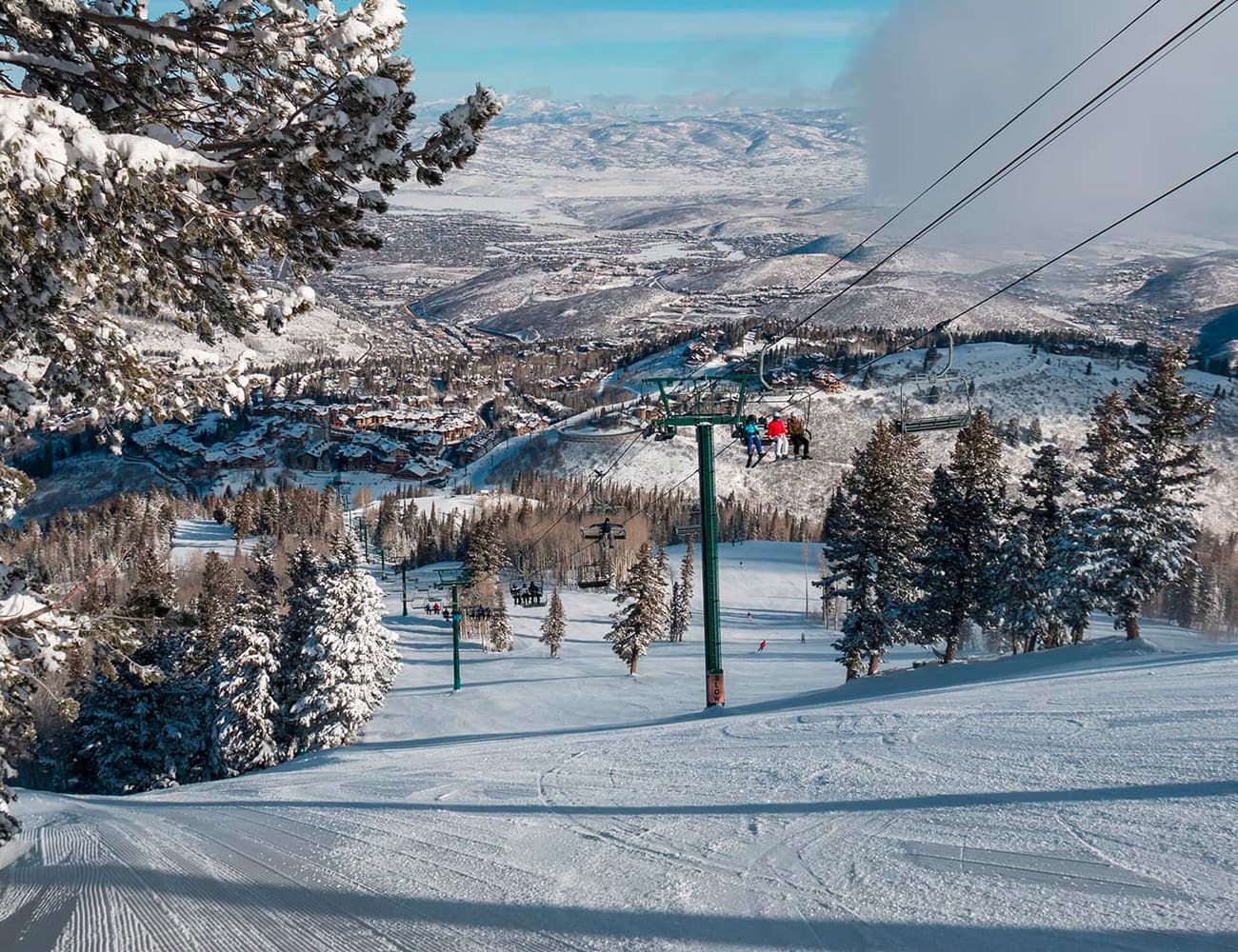
Shopping for snowboarders is actually surprisingly easy. Pretty much anything that values style and performance equally will do. But if you want to provide a truly excellent gift for the snowboarder in your life, that requires a bit more expertise. But fear not, we have you covered. We’ve collected 15 of the best gifts for snowboarders this year, including some of the most innovative snowboard products to ever hit the market.

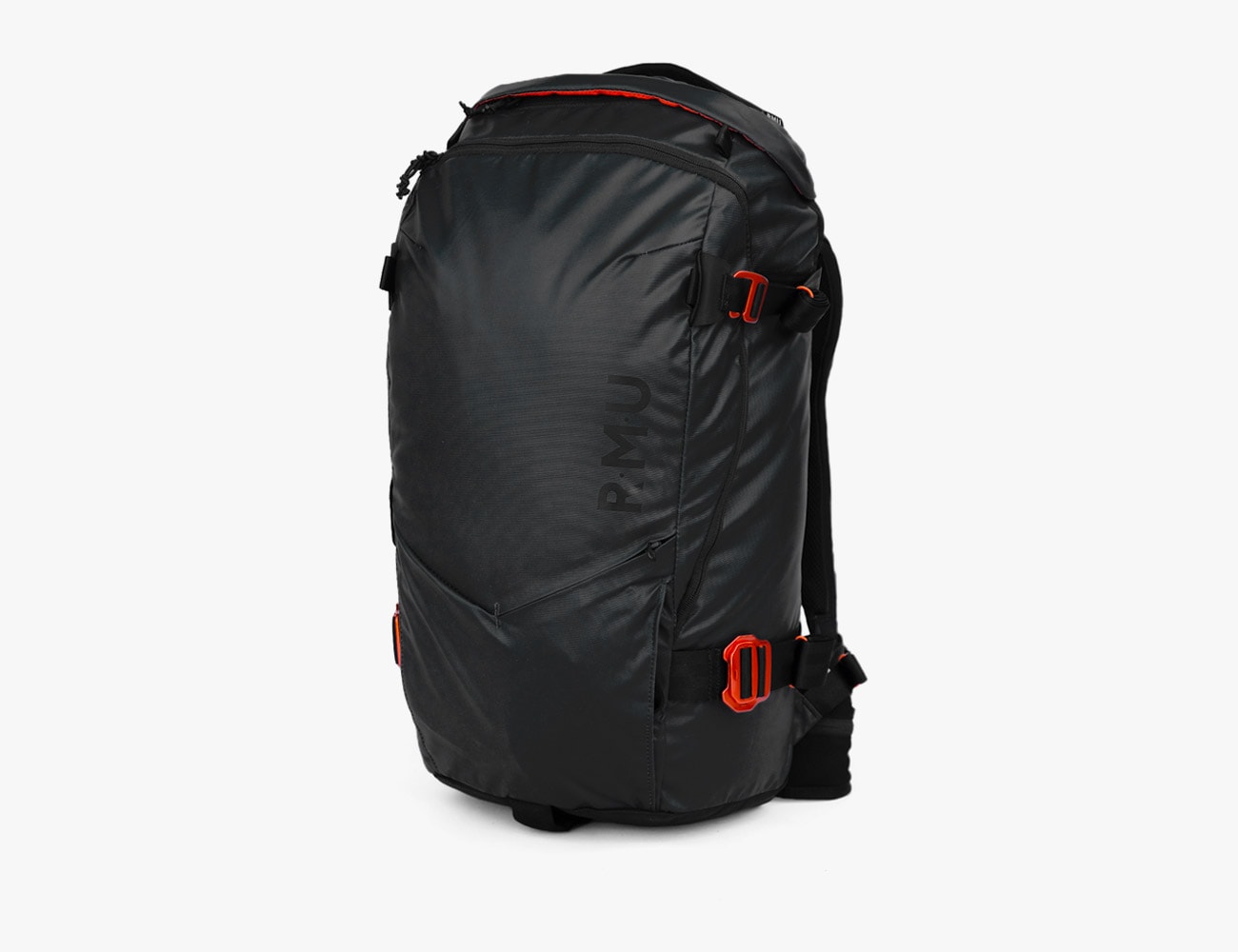
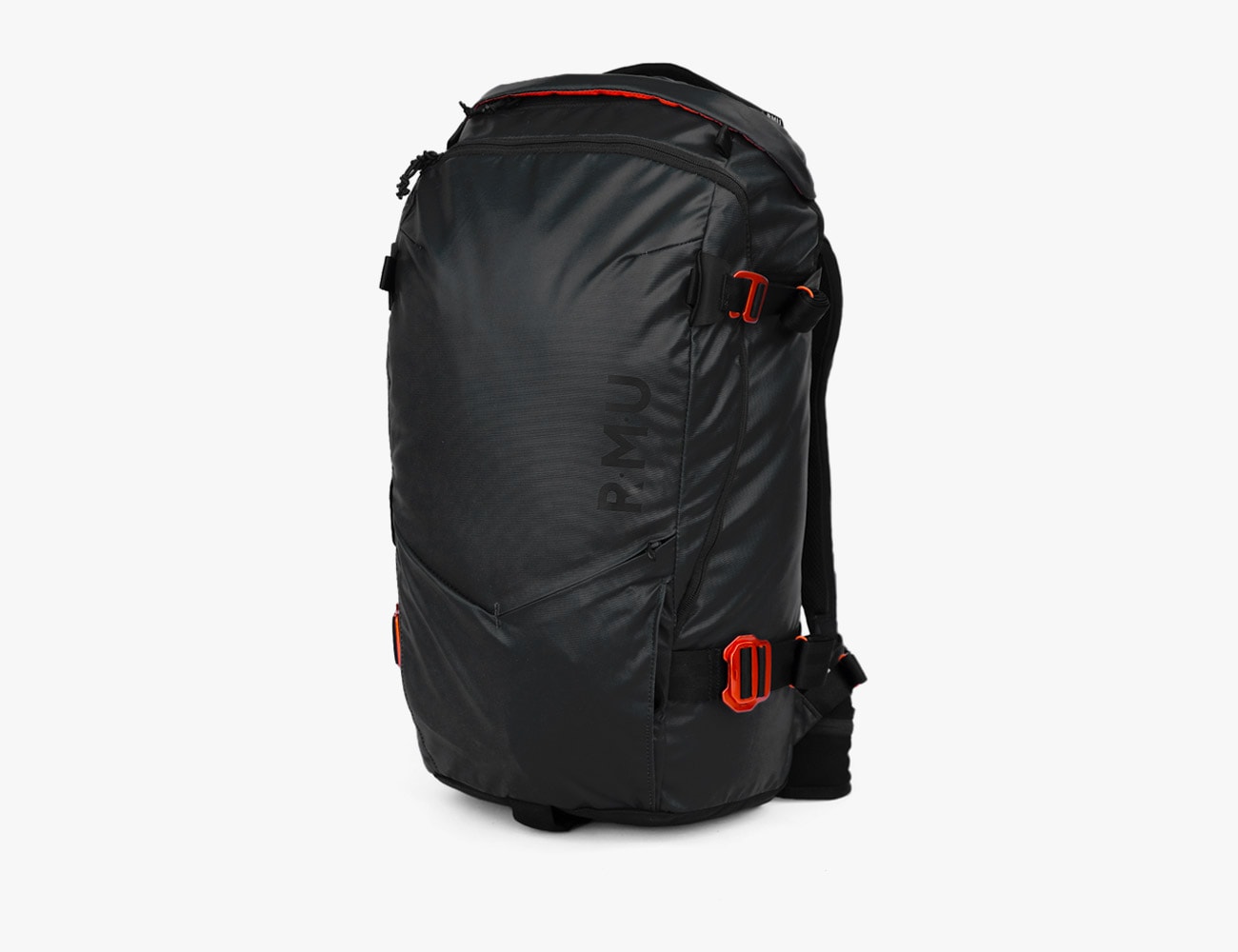
RMU Core Pack

RMU’s Core Pack is an excellent backcountry pack, but it also functions well as a carry on bag. It has 35 liters of space with plenty of organizational pockets for odds and ends.

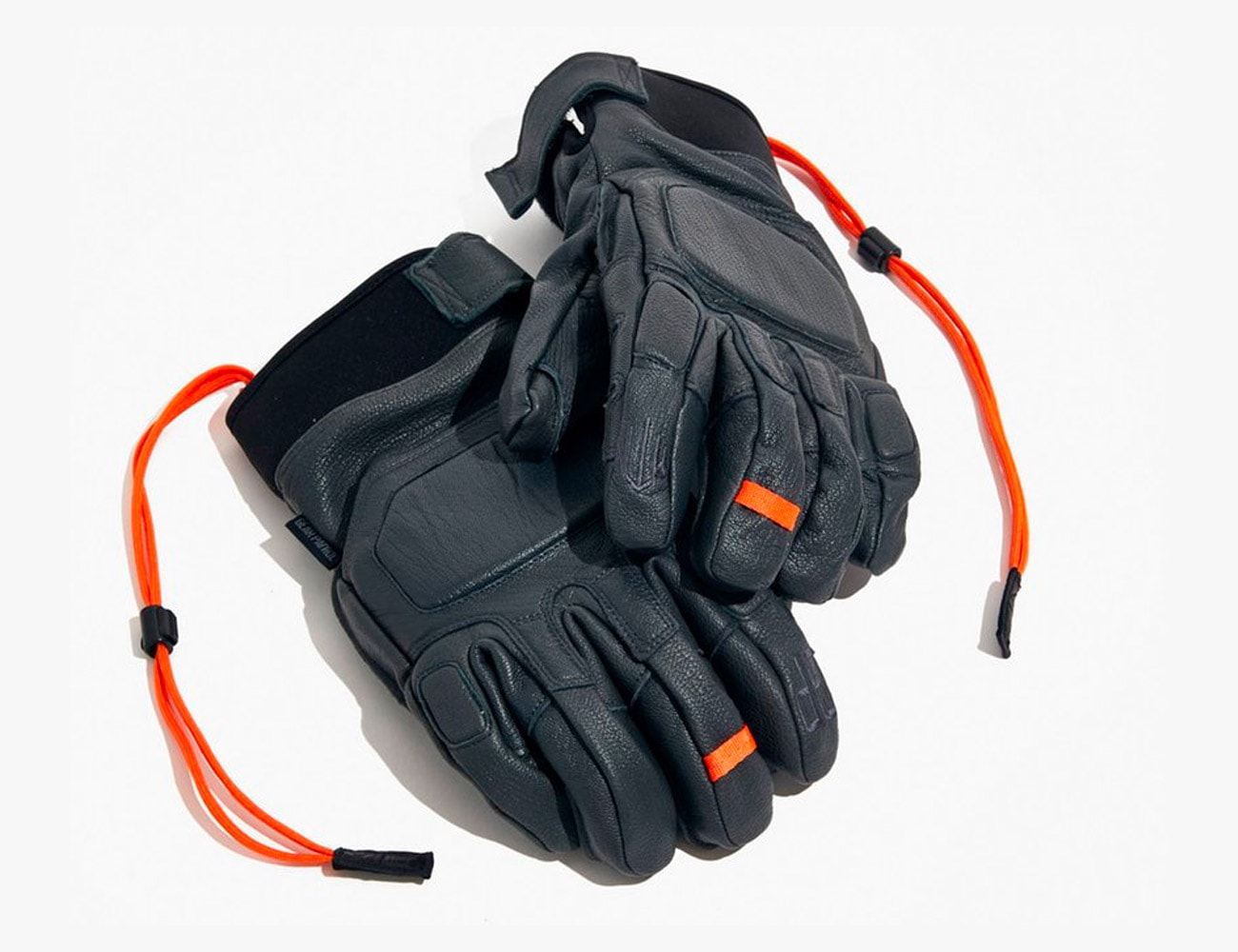
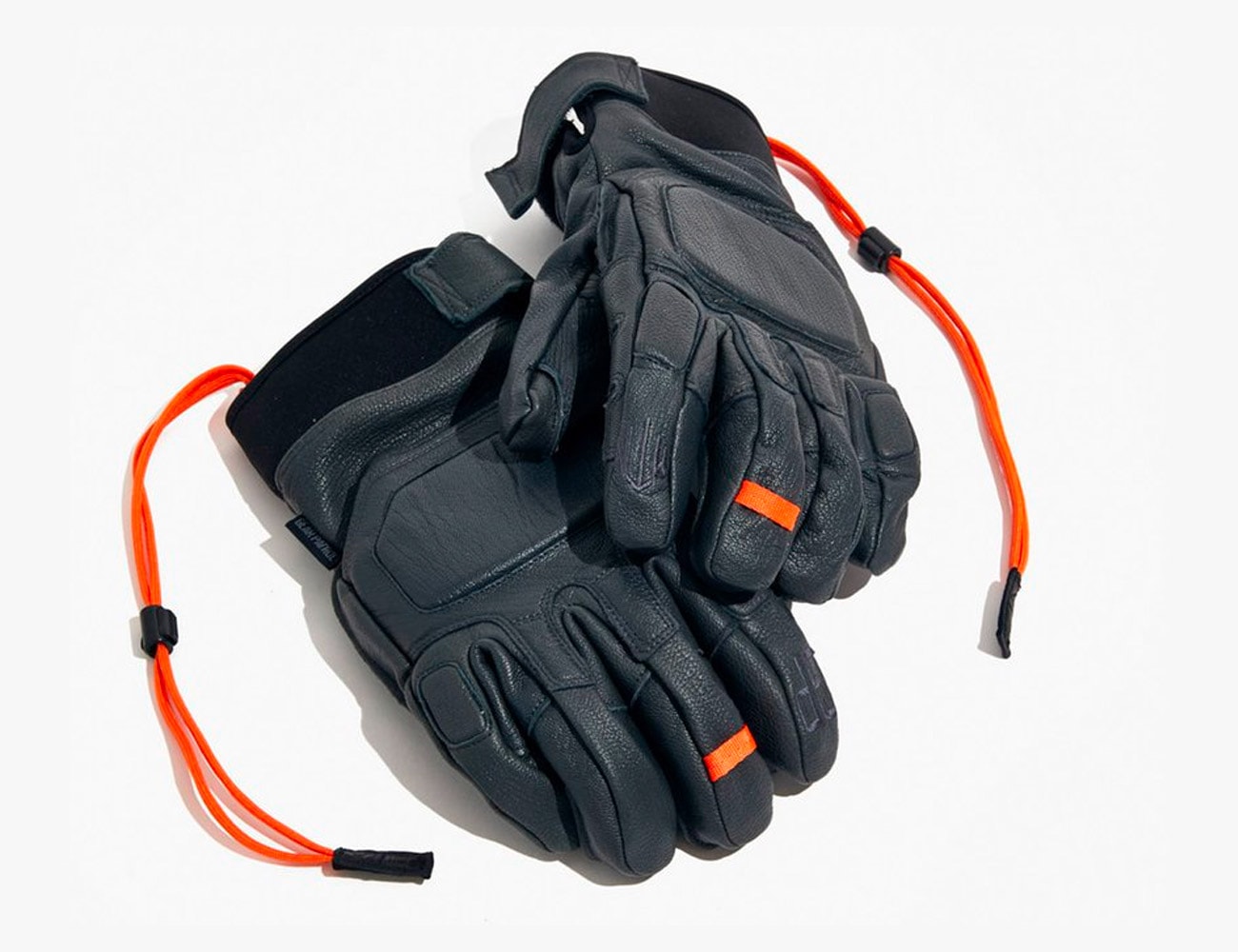
Gear Patrol x Mountain Standard Utility Glove

For our collaboration glove with Colorado-based Mountain Standard, we overlooked no detail. High-quality leather, a neoprene cuff and Primaloft insulation mean your hands stay dry, warm and stylish.

Ikon Pass

For the dedicated rider, the Ikon Pass is the ultimate gift. It’s a season pass that grants you access to resorts all across the globe. Some of the headline destinations include Niseko United in Japan, The Remarkables in New Zealand, Valle Nevado in Chile and Mammoth Mountain in California, but there are tons more as well. Chances are, there’s a resort near you.

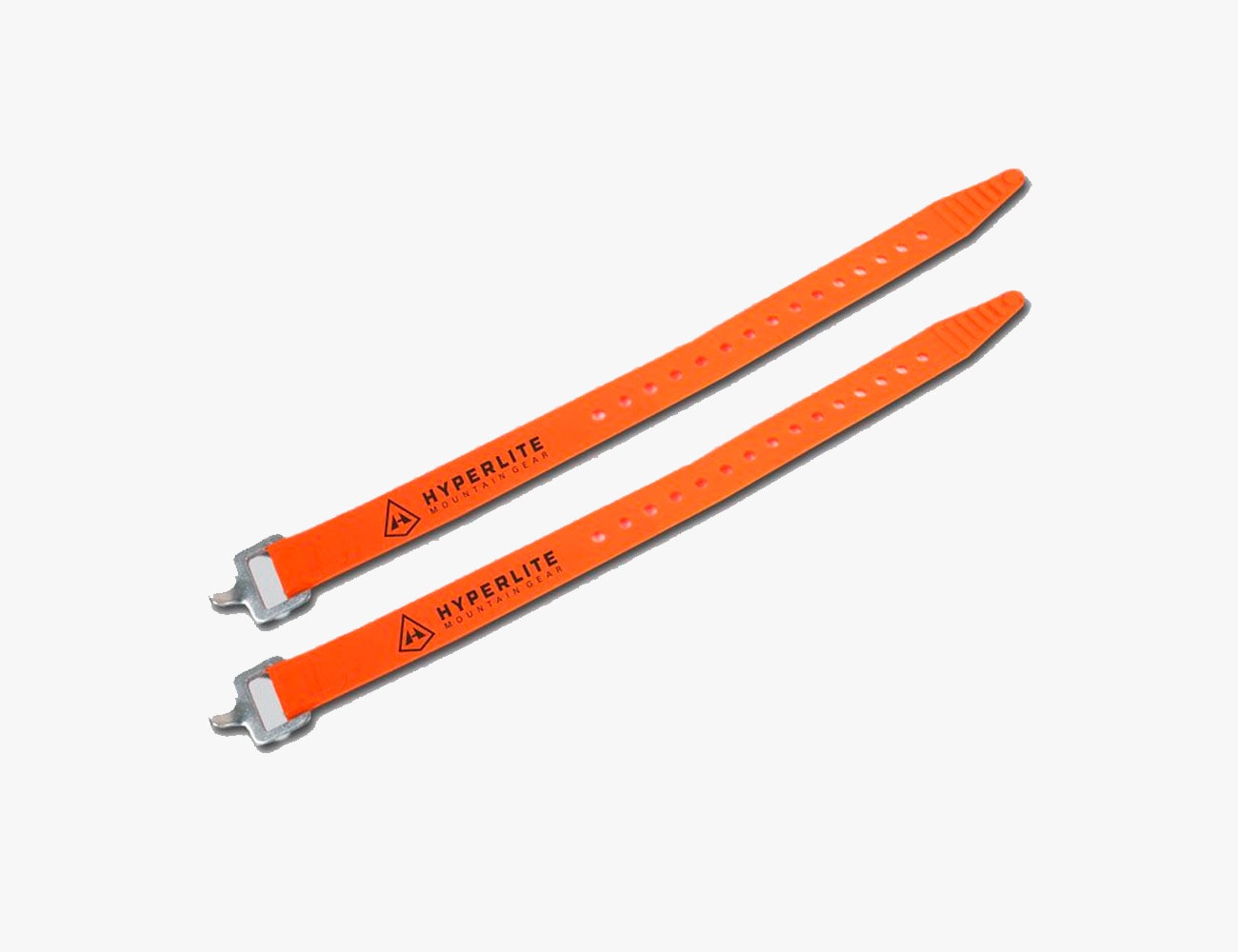
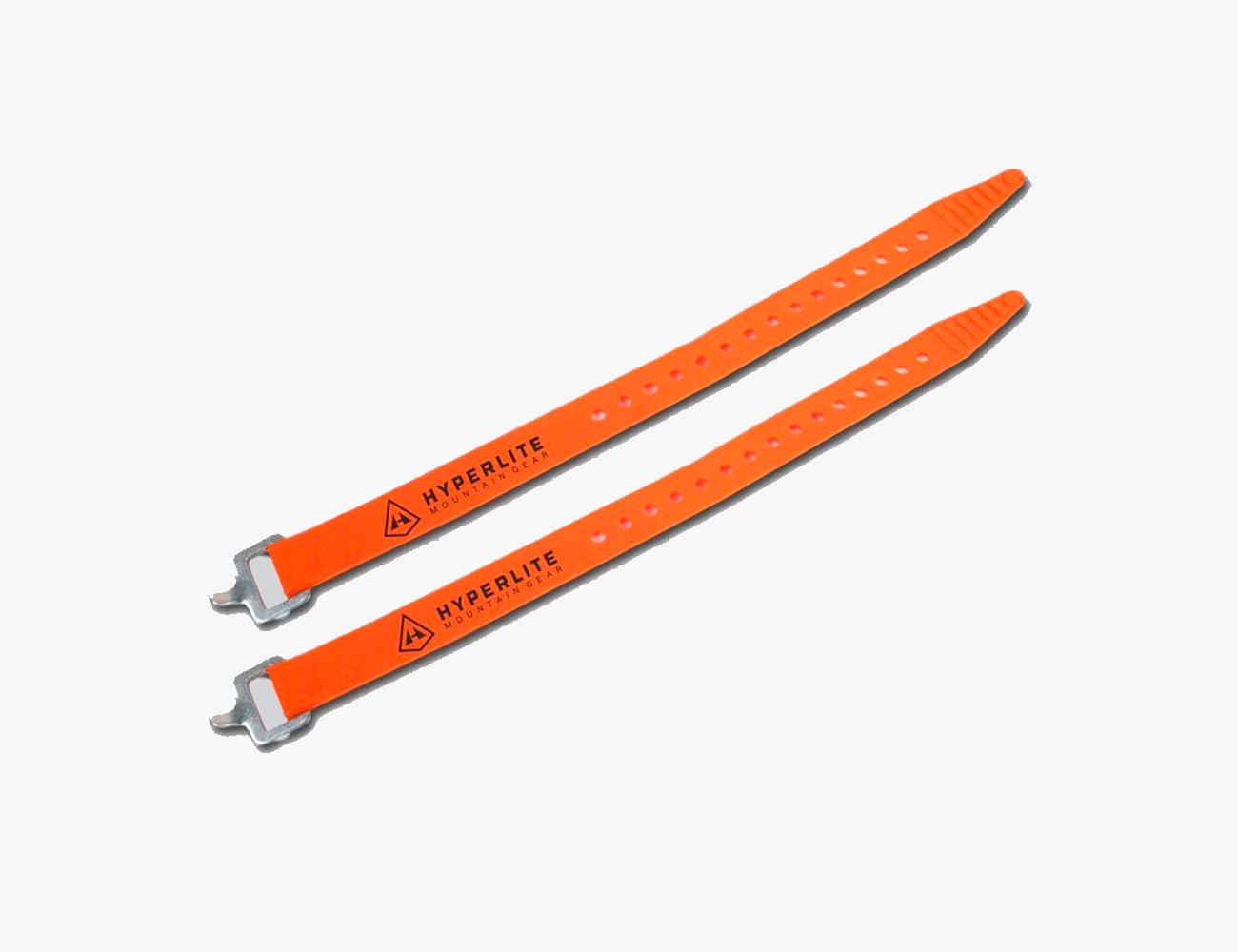
Hyperlite Mountain Gear Ultamid Pole Straps

These flexible rubber straps are great for everything from lashing extra gear to your pack to stepping in as a toe strap in the event of a failure.

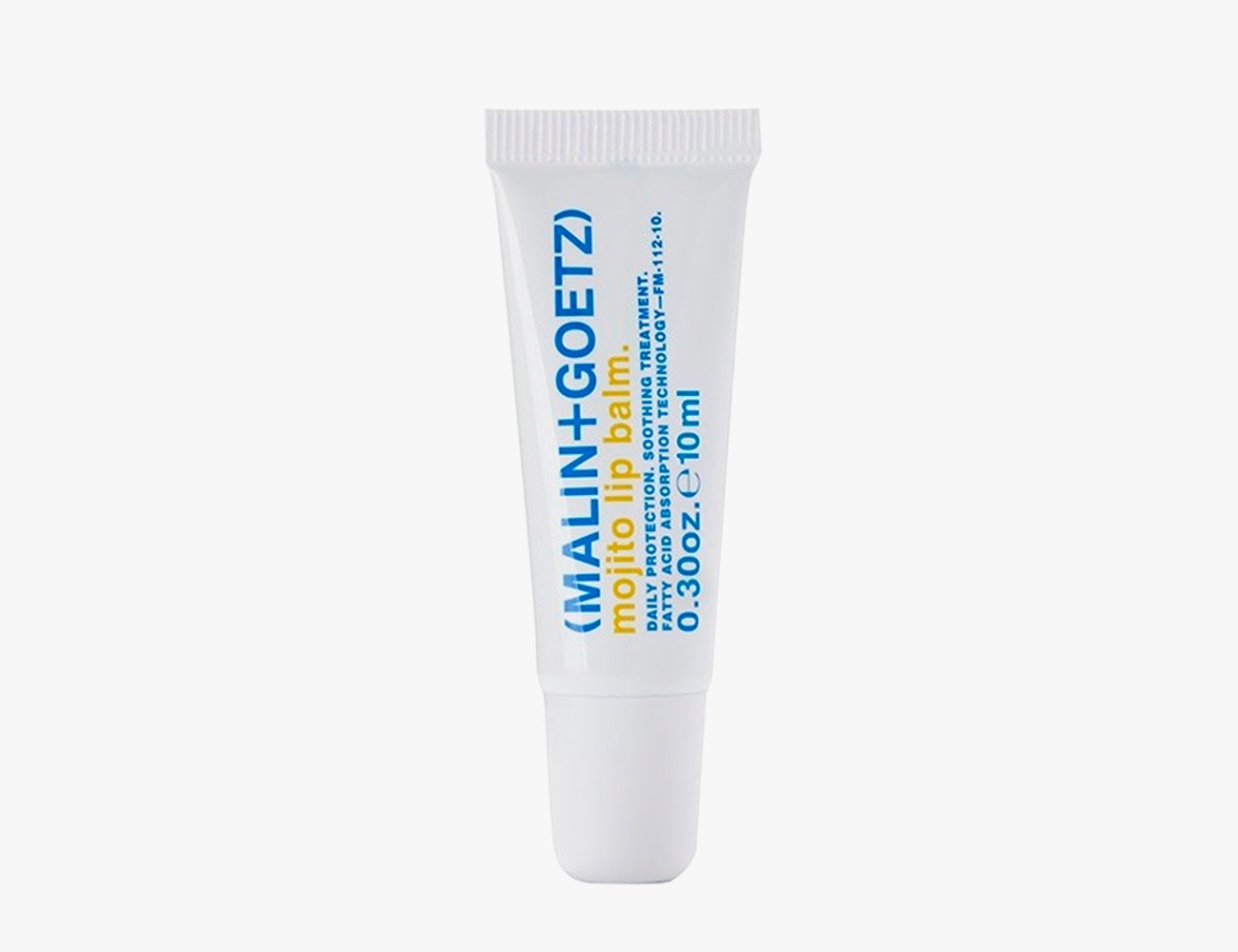
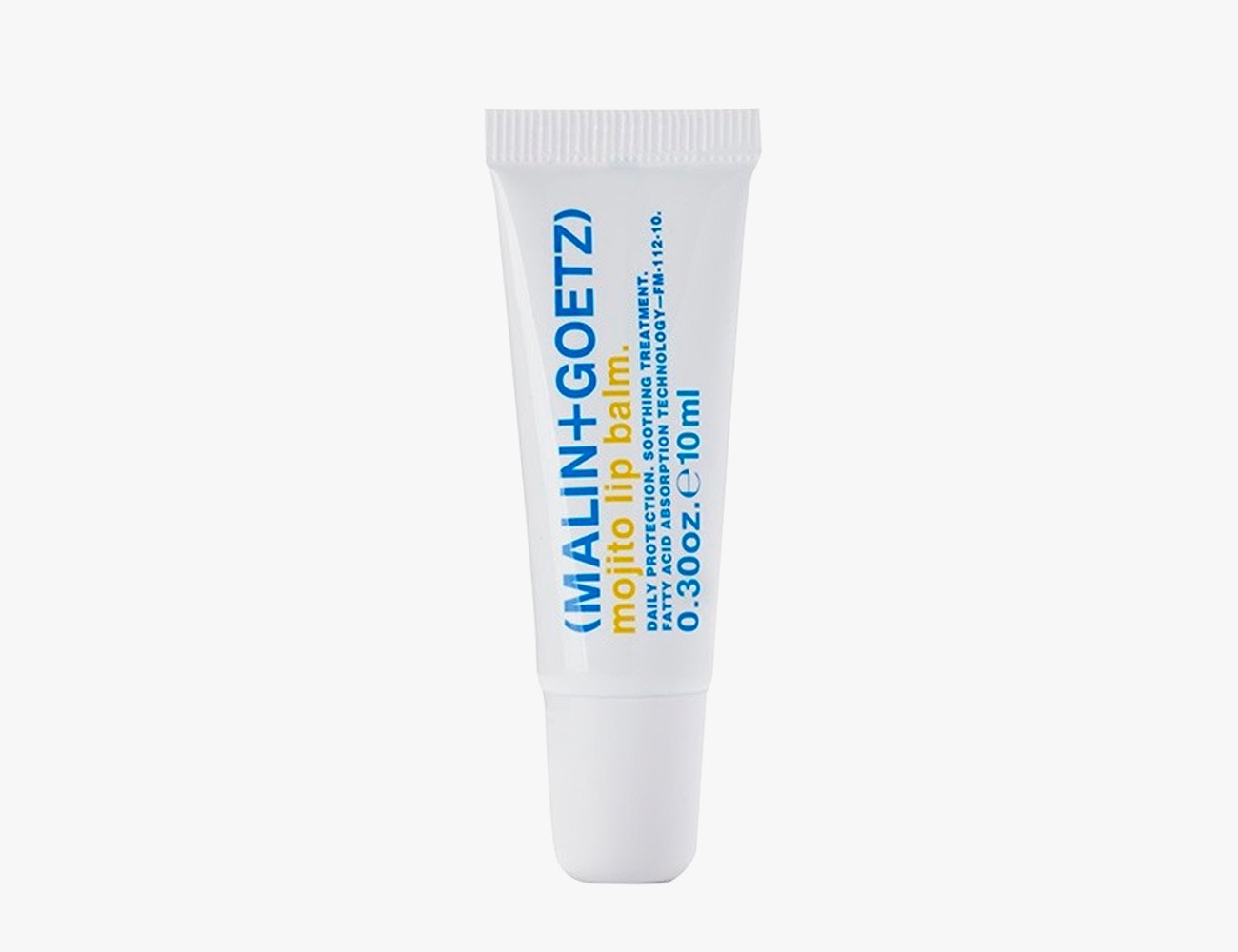
Malin+Goetz Mojito Lip Balm

Never ride without lip balm in your pocket. This Mojito lip balm from Malin+Goetz is some of the best out there.

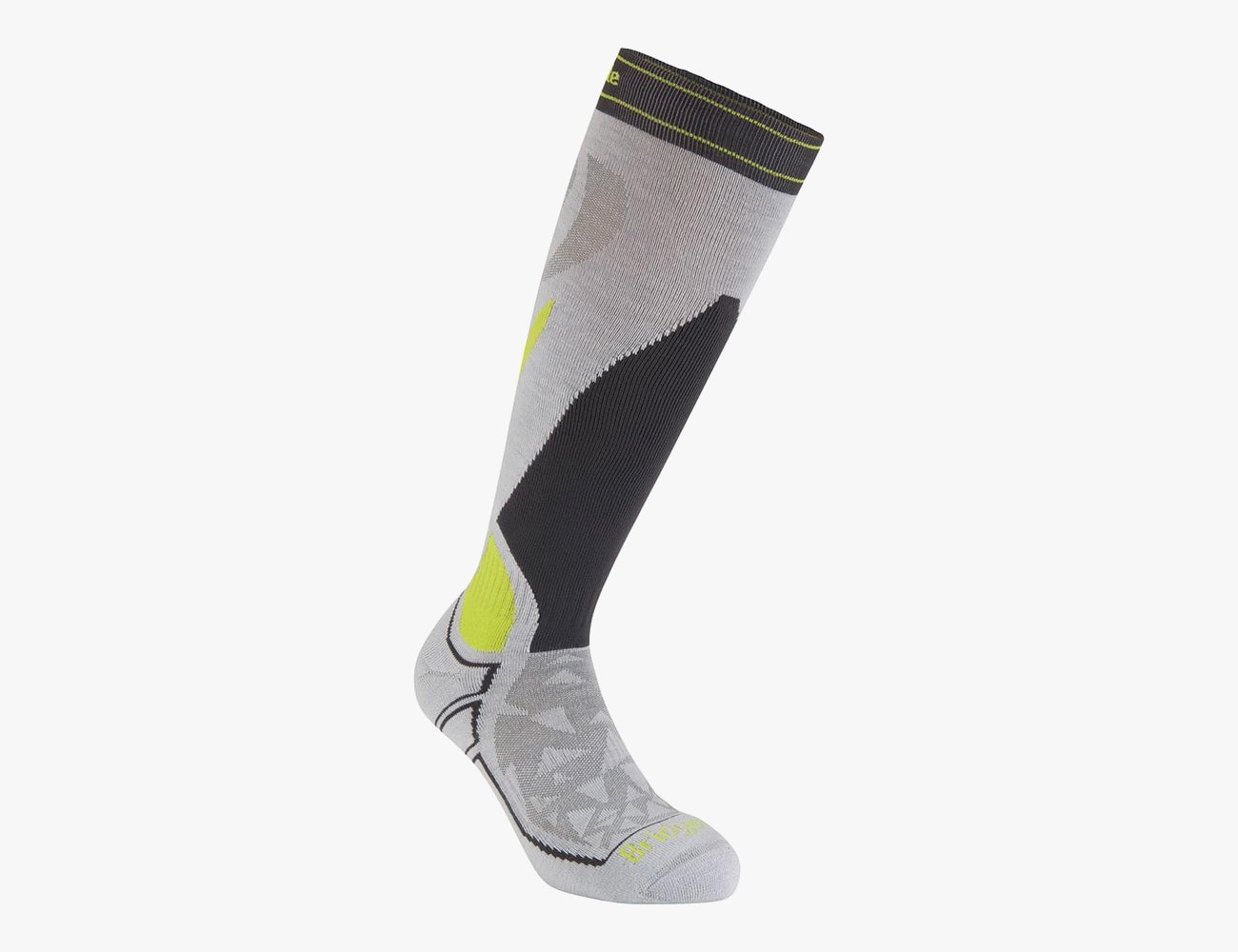
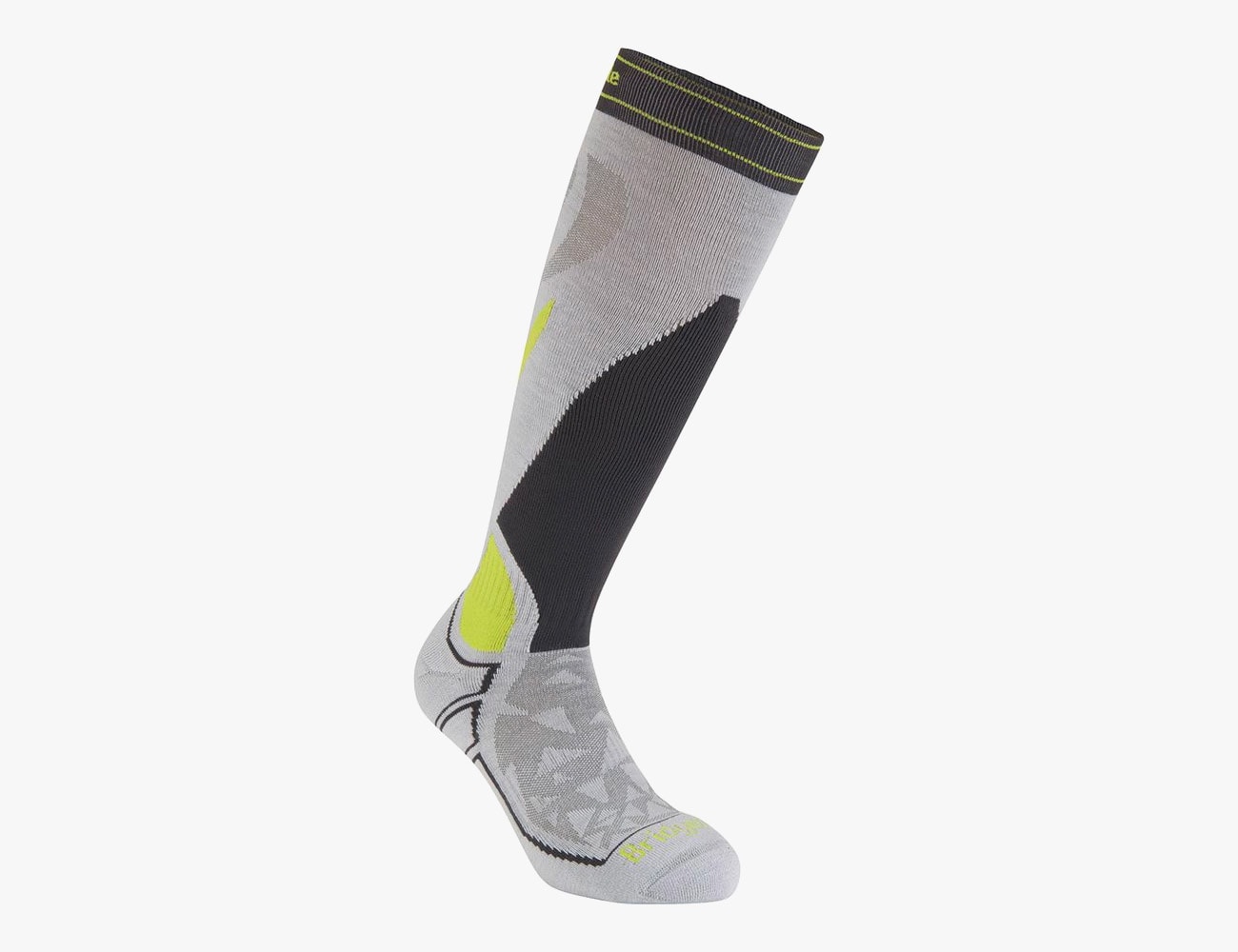
Burton AK Endurance Sock

When you’re out on the hill all day, having a merino wool sock that will keep your feet warm, dry and comfortable is of the utmost importance. But fit is not to be overlooked as well. Burton’s AK Endurance sock is among the best in its class and will help you squeeze in those last few laps before calling it a day.

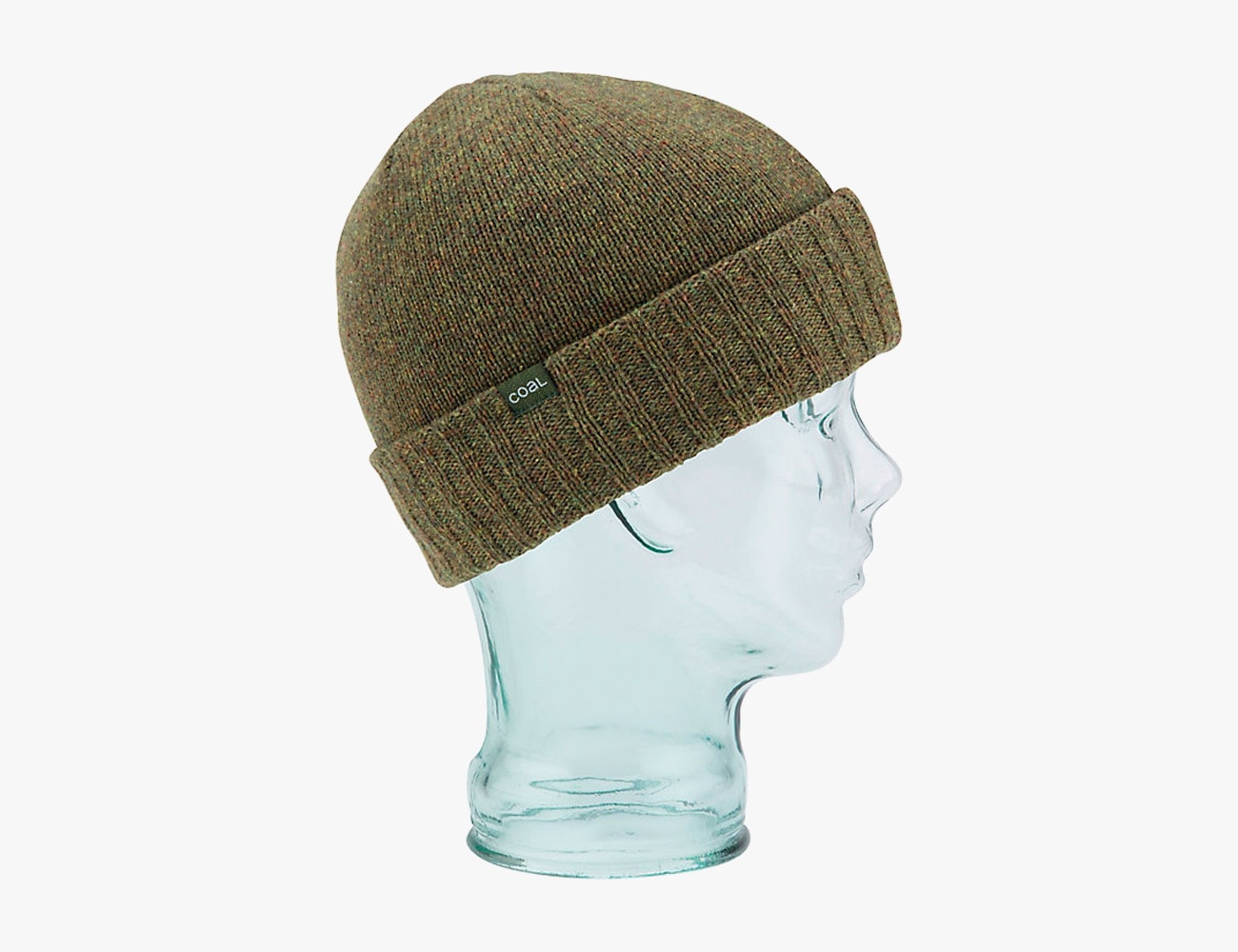
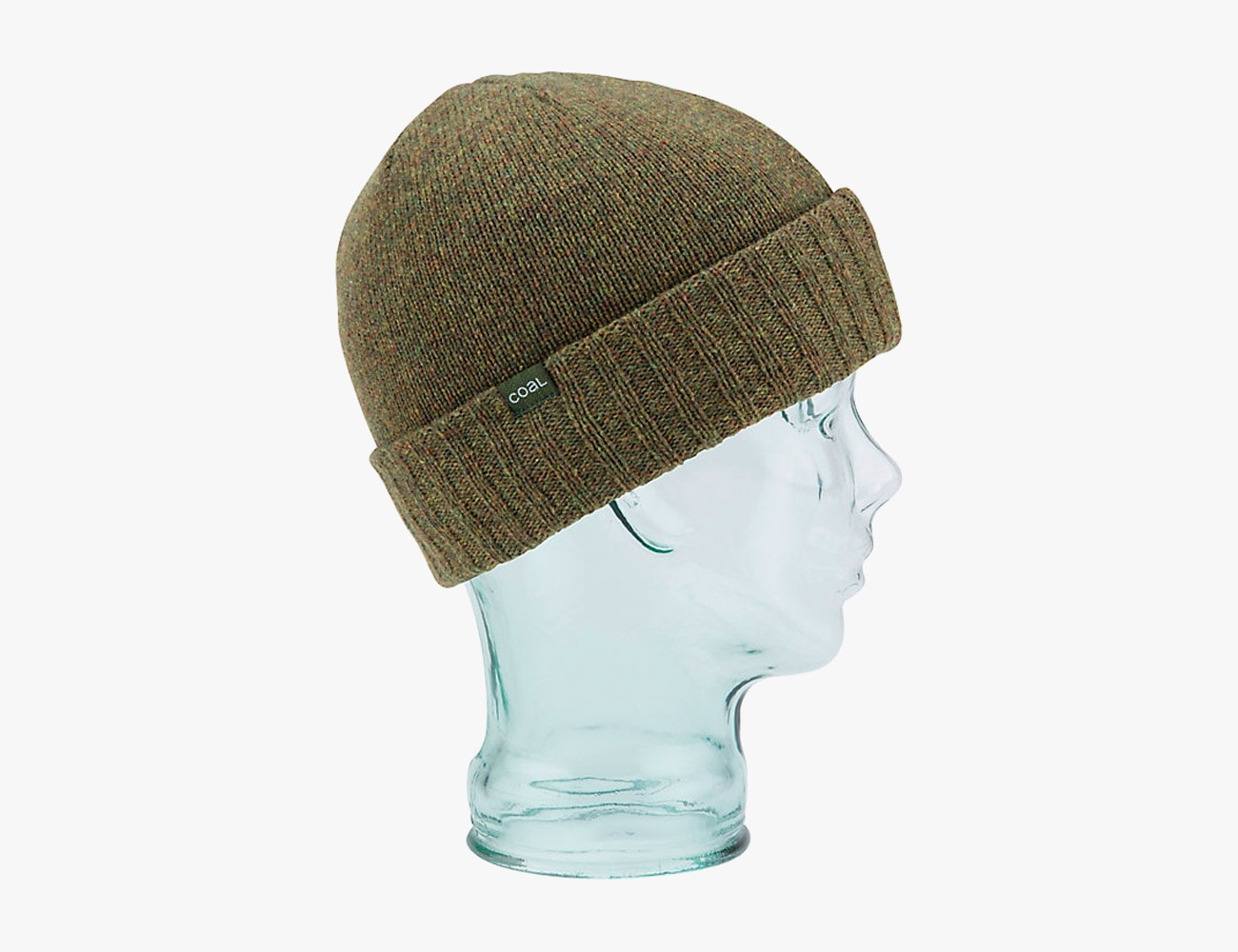
Coal The Rowan Beanie

Whether you wear this beanie around town or up on the slopes, it’ll keep your head warm without sacrificing on style. Coal has been ingrained in the snowboard culture since the early aughts, and owning one of its hats is requisite for any serious snowboarder.

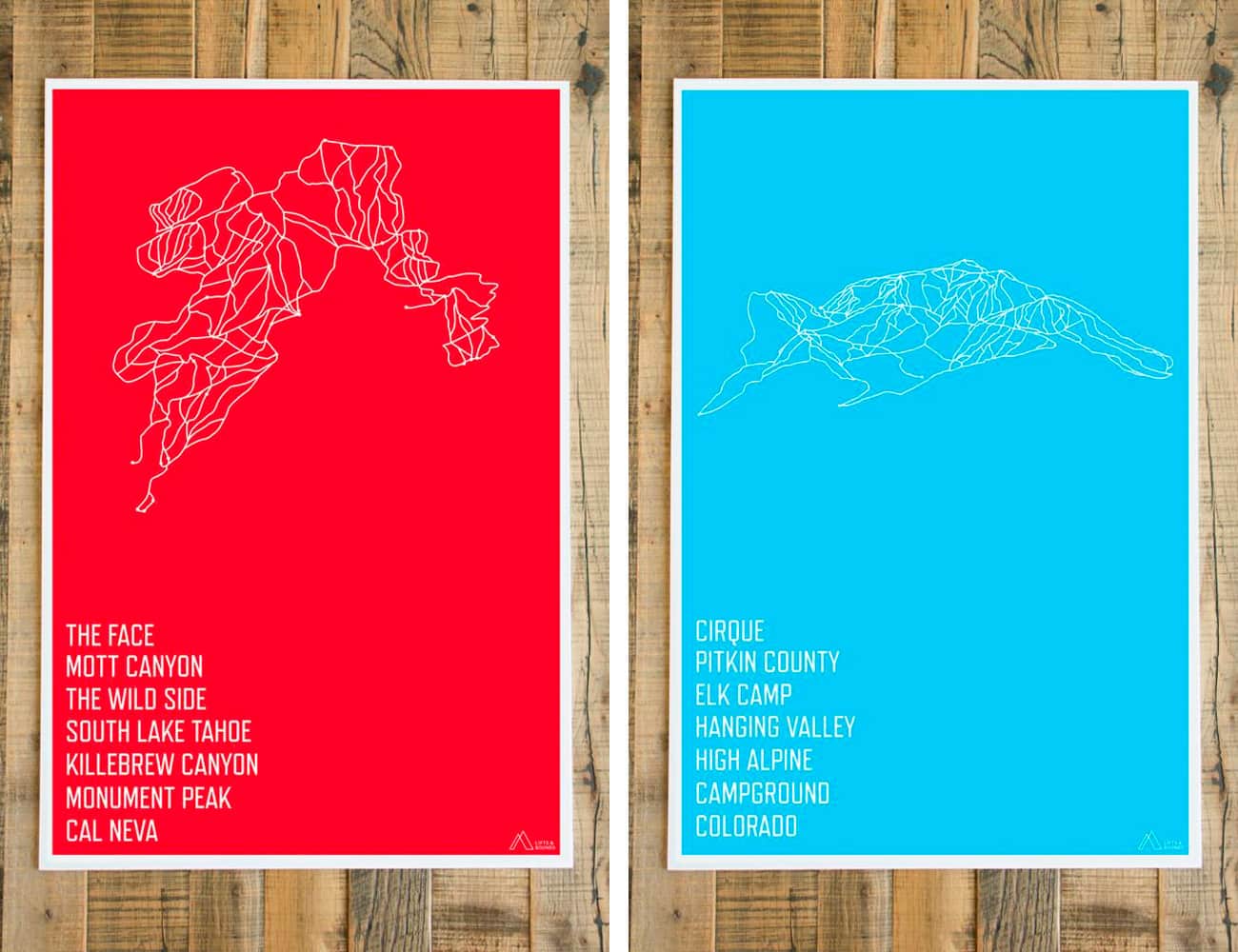
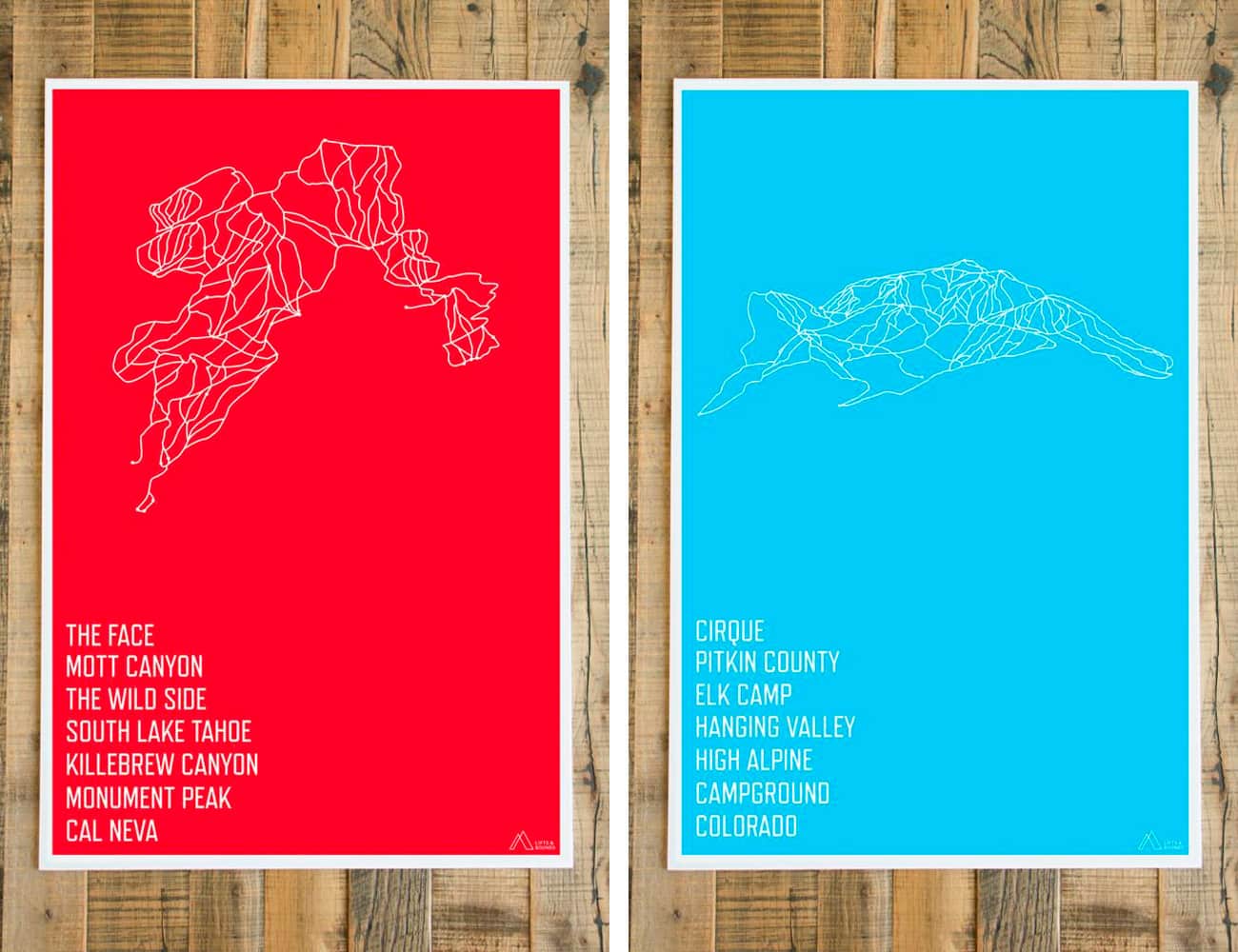
Lifts&Bounds Resort Series Poster

Take the slopes home with these graphic posters from Lifts&Bounds. A handful of the most prominent resorts in the country are available in graphic form and include an outline of the resorts’ trail systems as well of some of their most famous trail names.

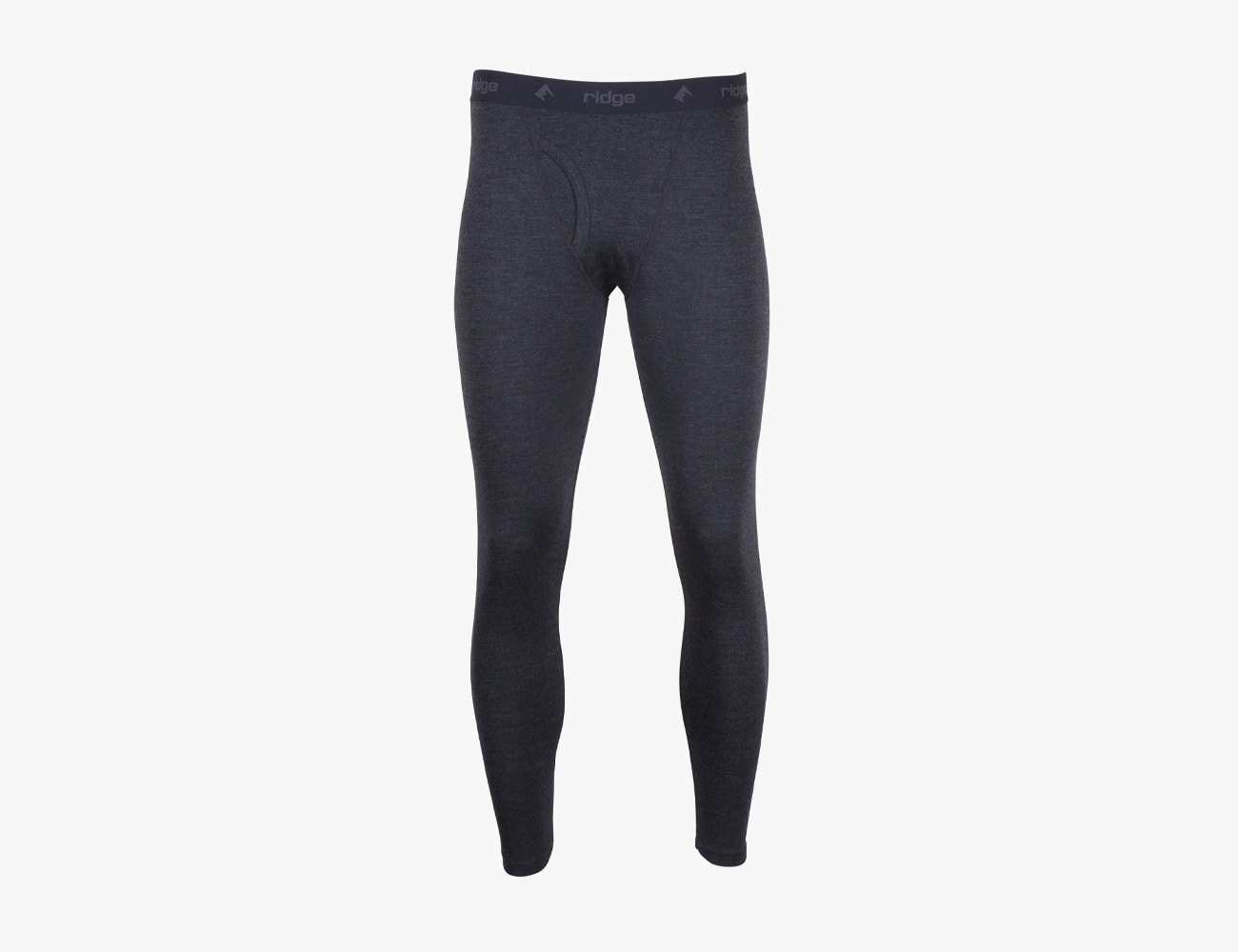
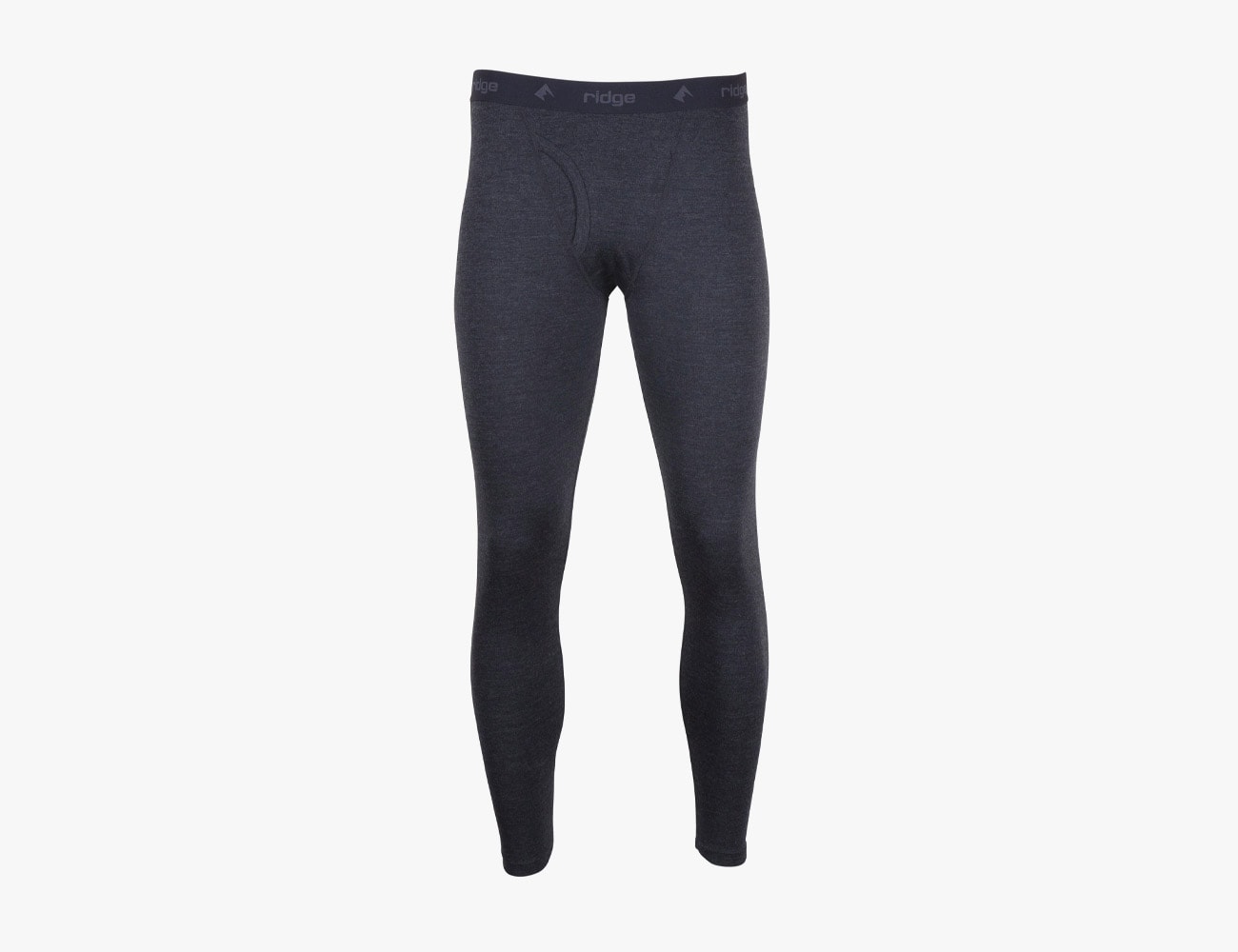
Ridge Inversion Heavyweight Merino Bottoms

For high-performance merino wool baselayers without any of the typical high price tags, Ridge Merino is the way to go. The brand’s Heavyweight Merino bottoms are ultra warm and ultra soft. They help to regulate temperature and wick moisture better than synthetic bottoms, plus they’re anti-microbial. Oh yeah, and they’re only $80.

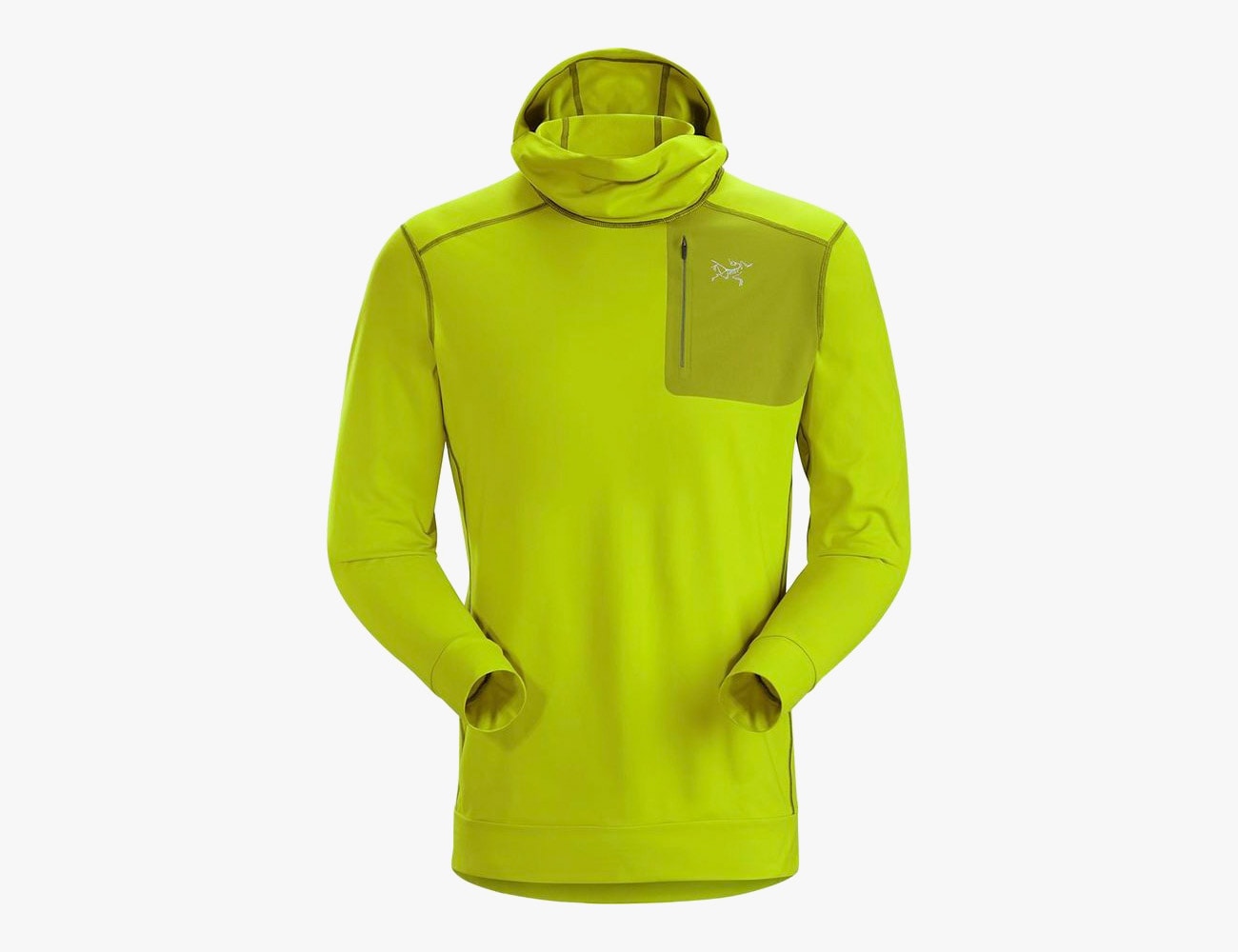
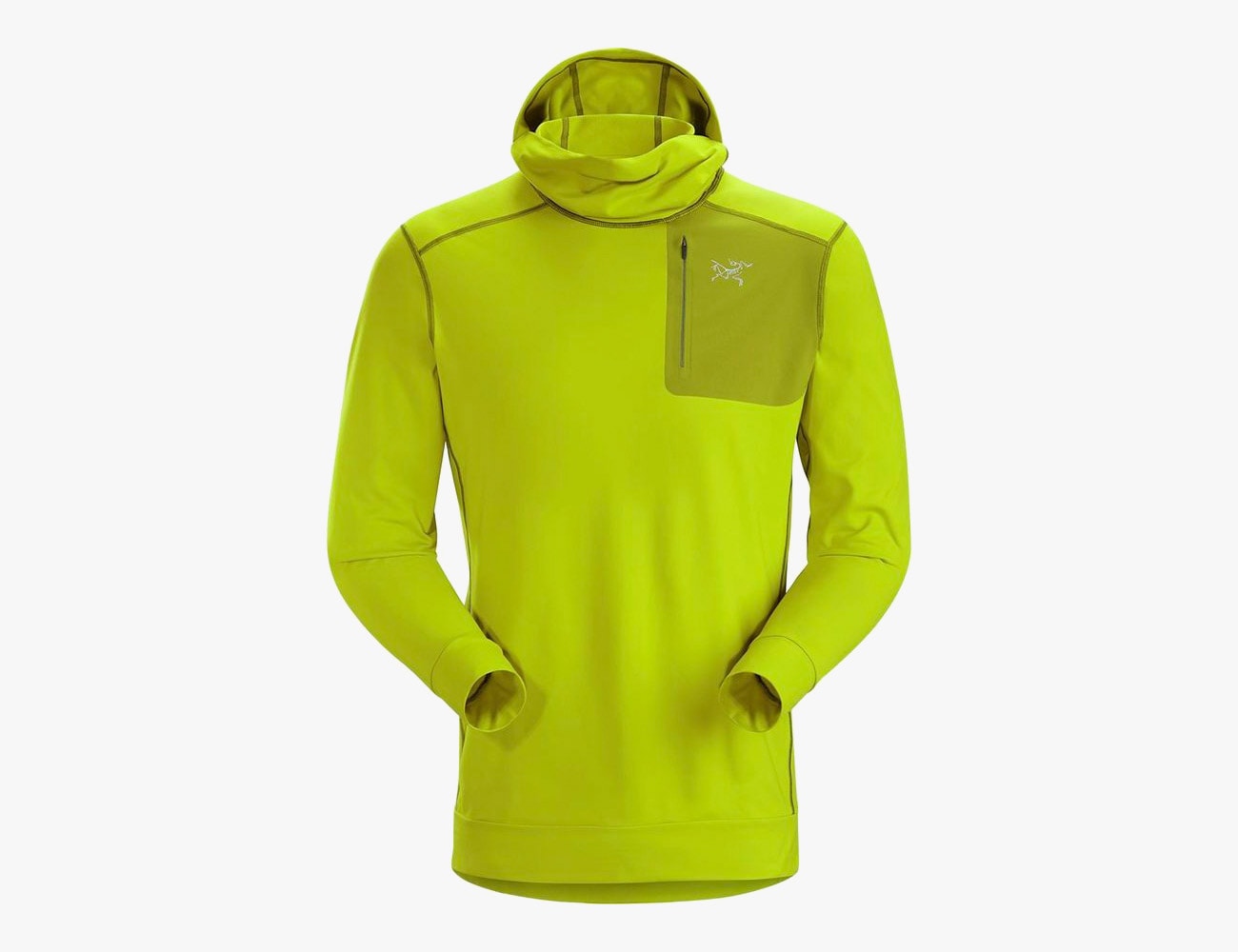
Arc’teryx Stryka Hoodie

One of our editors swears by the Arc’teryx Stryka hoodie for all of his backcountry adventures. It’s impossibly stretchy and super warm without being too warm.

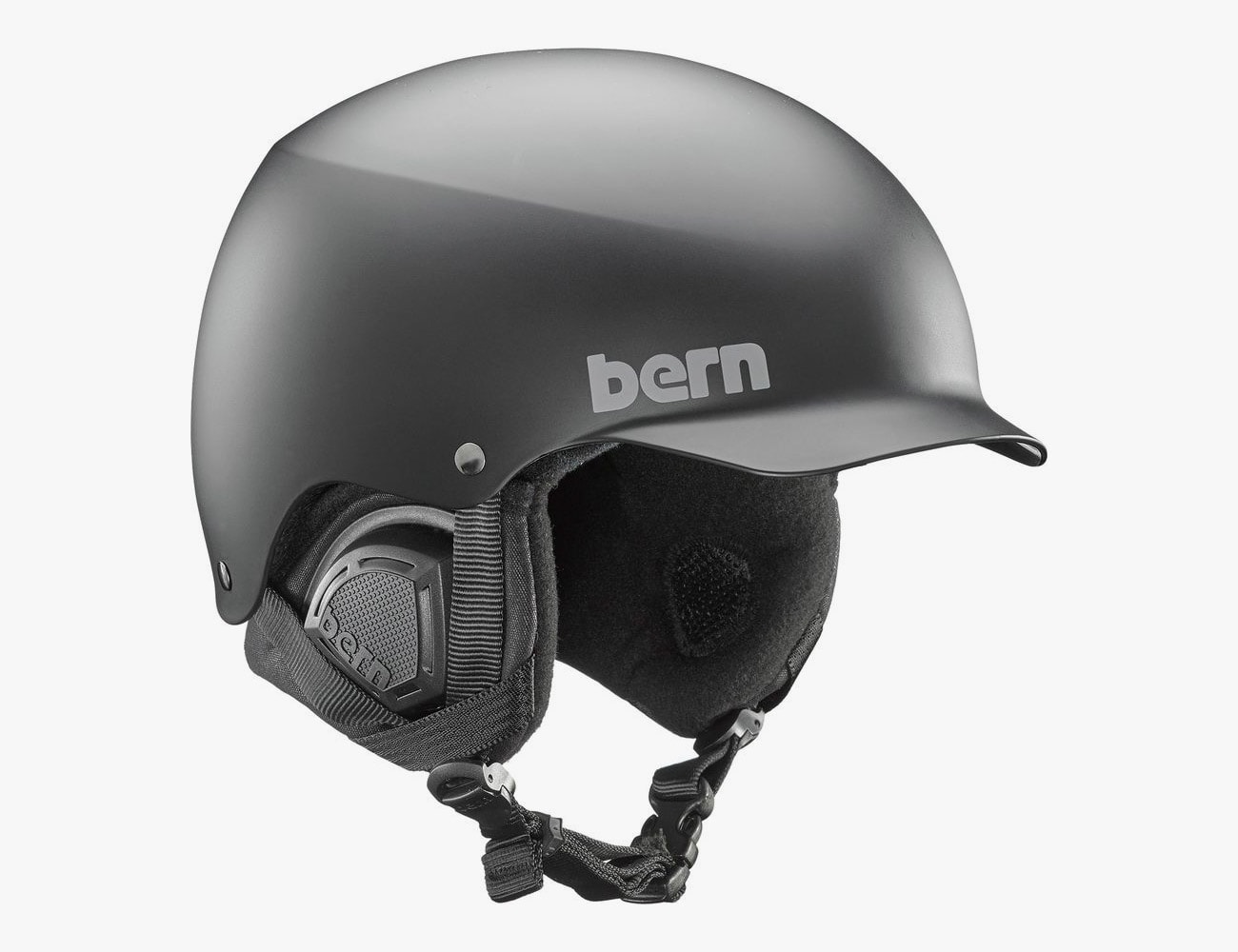
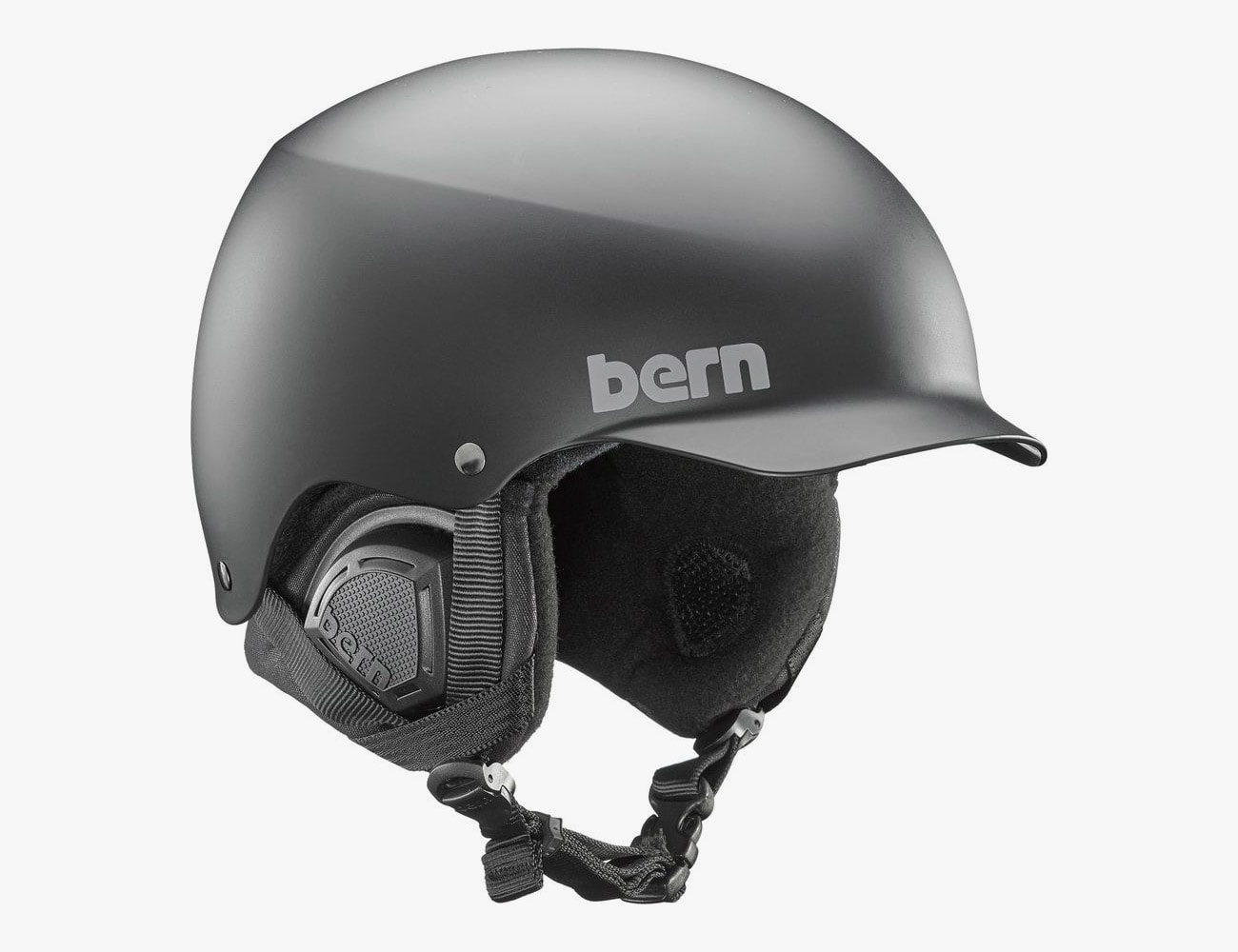
Bern Baker EPS MIPS Helmet

For the best in safety technology, opt for a helmet with MIPS. The liner helps to reduce multidirectional impacts commonly associated with concussions. The Baker EPS offers MIPS safety while still providing plenty of style.

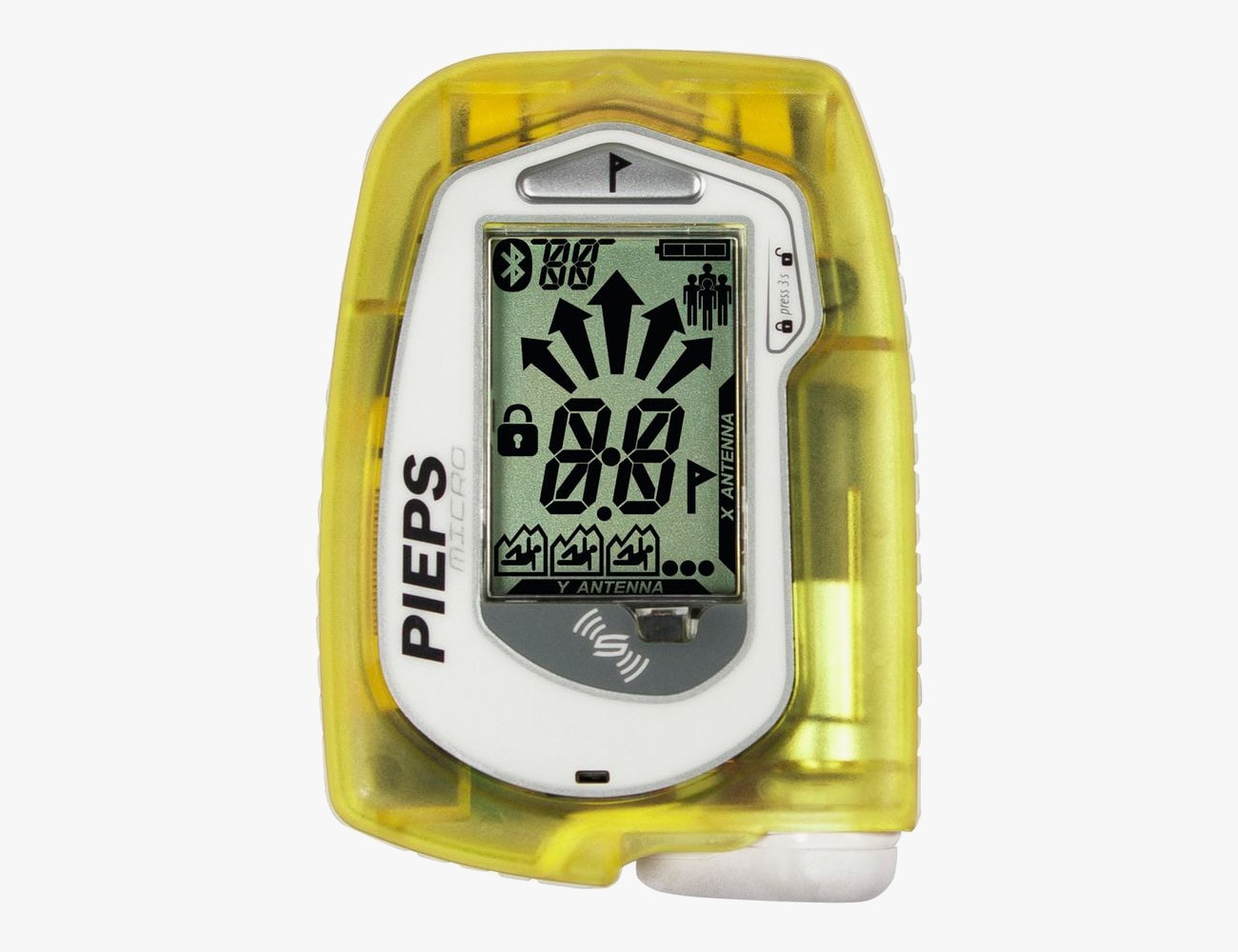
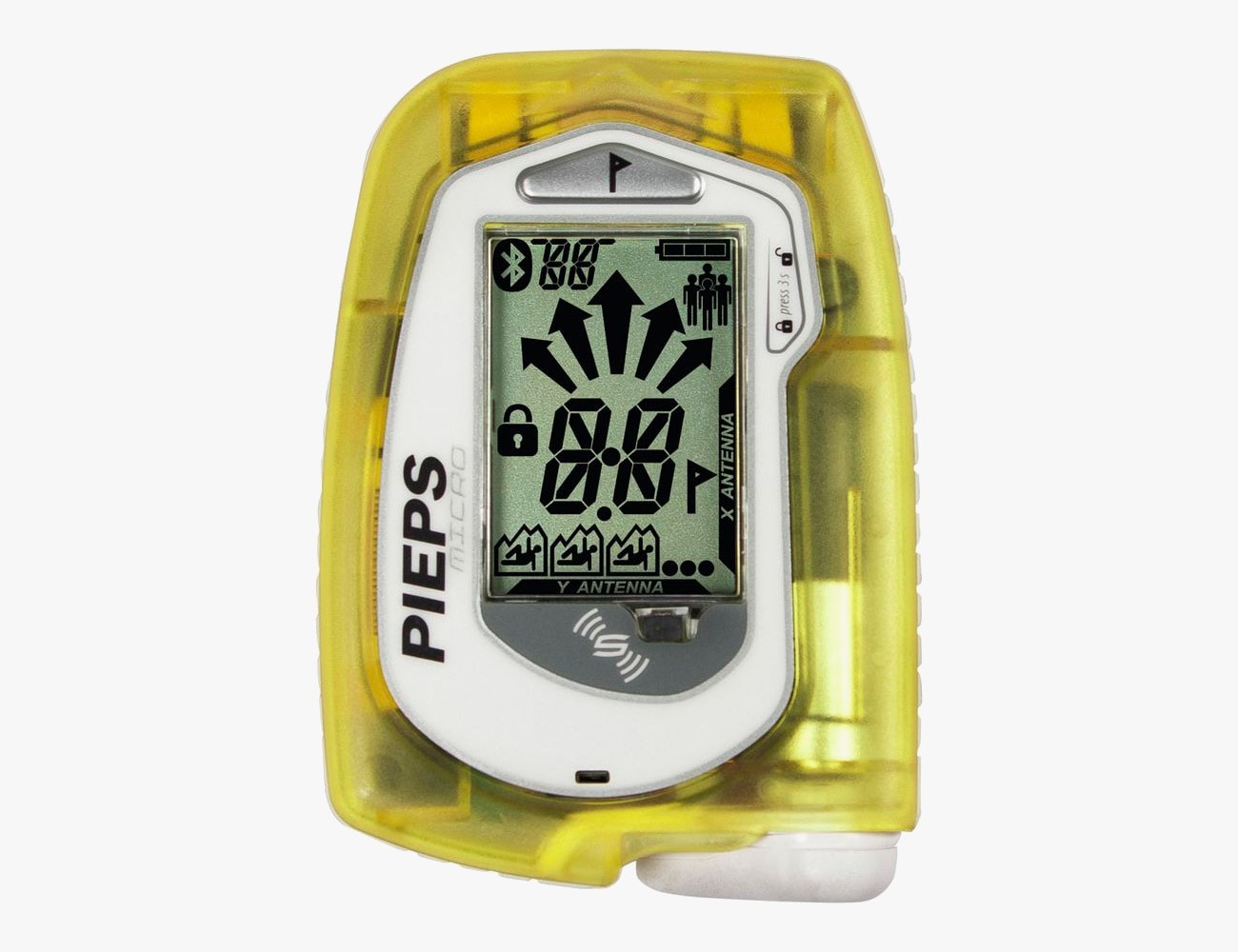
Pieps Micro BT Beacon

The Pieps Micro is one of the smallest, most powerful avalanche beacons on the market. Unlike many avalanche beacons, the Micro is just that — tiny. You’ll hardly notice that you’re wearing it. And in the event of the worst case scenario, the Micro automatically goes into search mode when taken out of its holster.

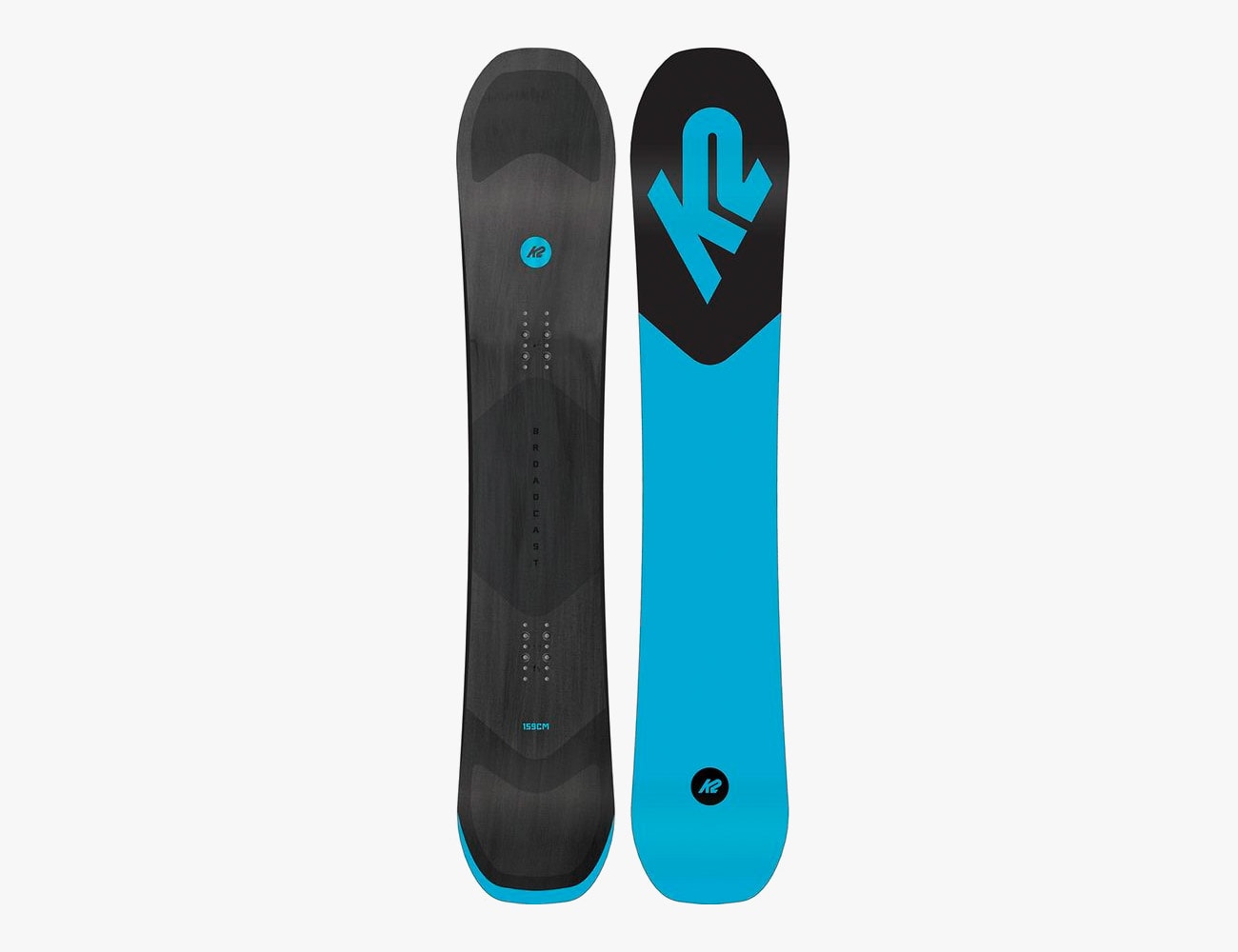
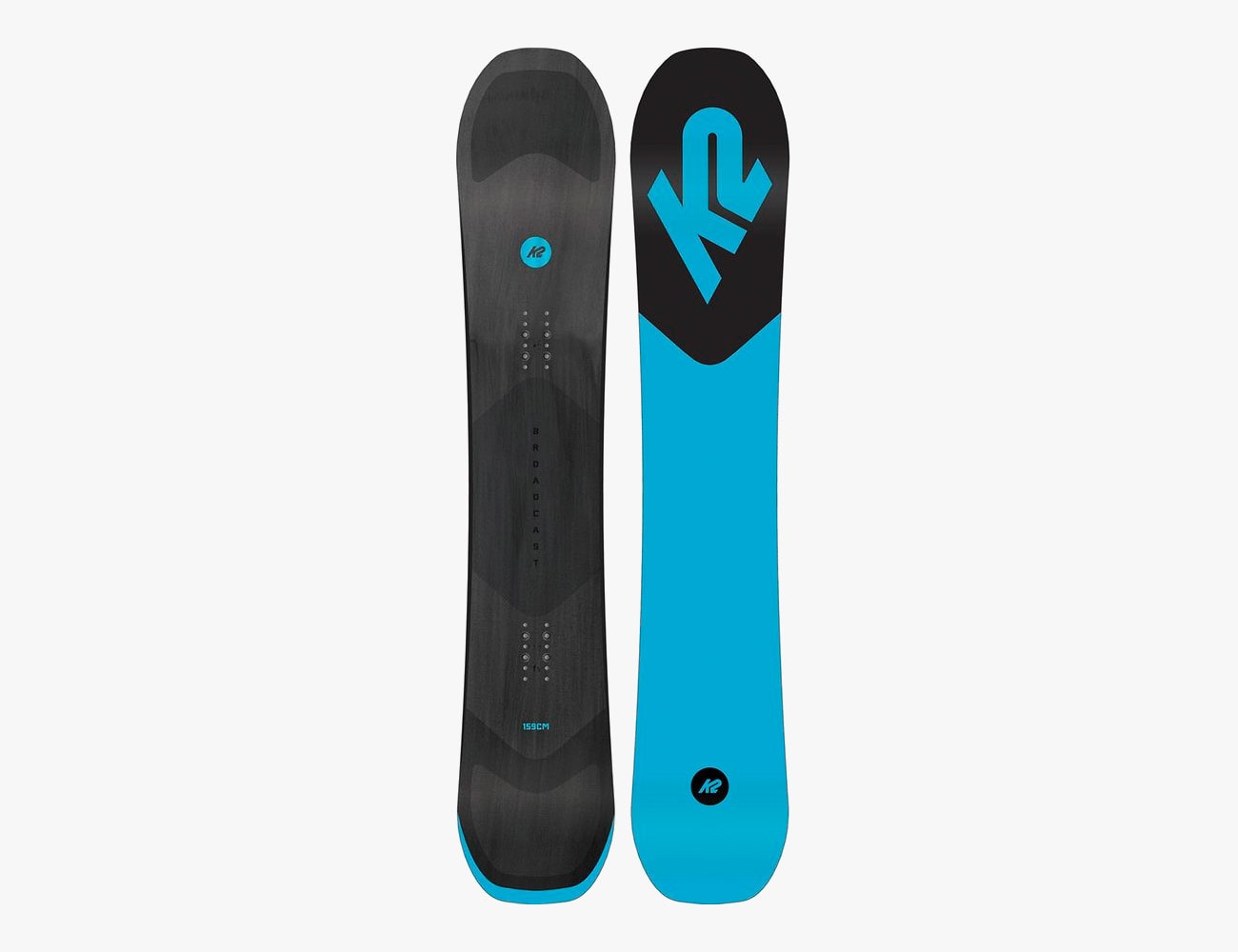
K2 Broadcast

K2’s Broadcast is about as close as it gets to the proverbial quiver killer. The Twin Combination Camber allows you to blast through crud and crust while still maintaining fantastic control and edge hold in the turns.

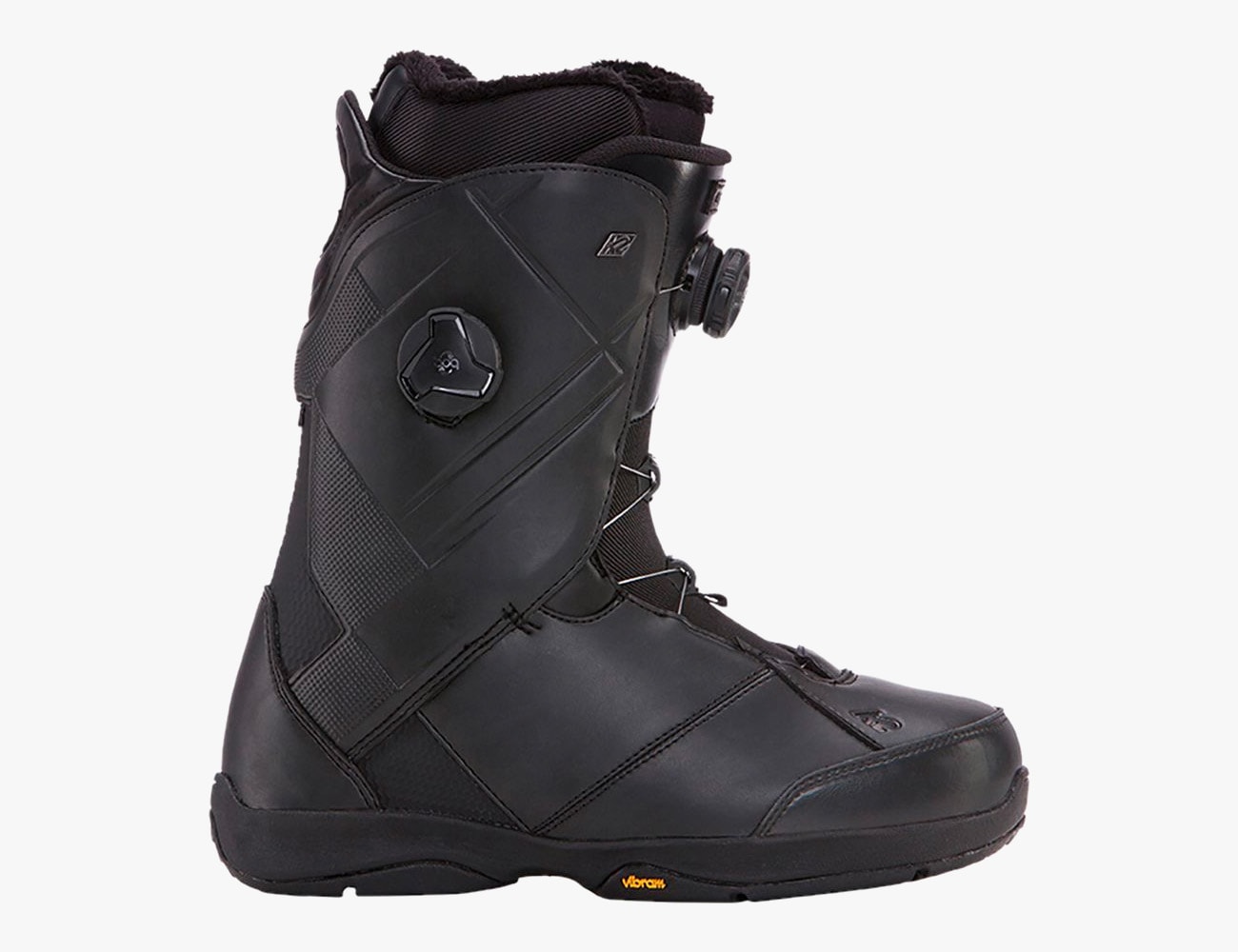
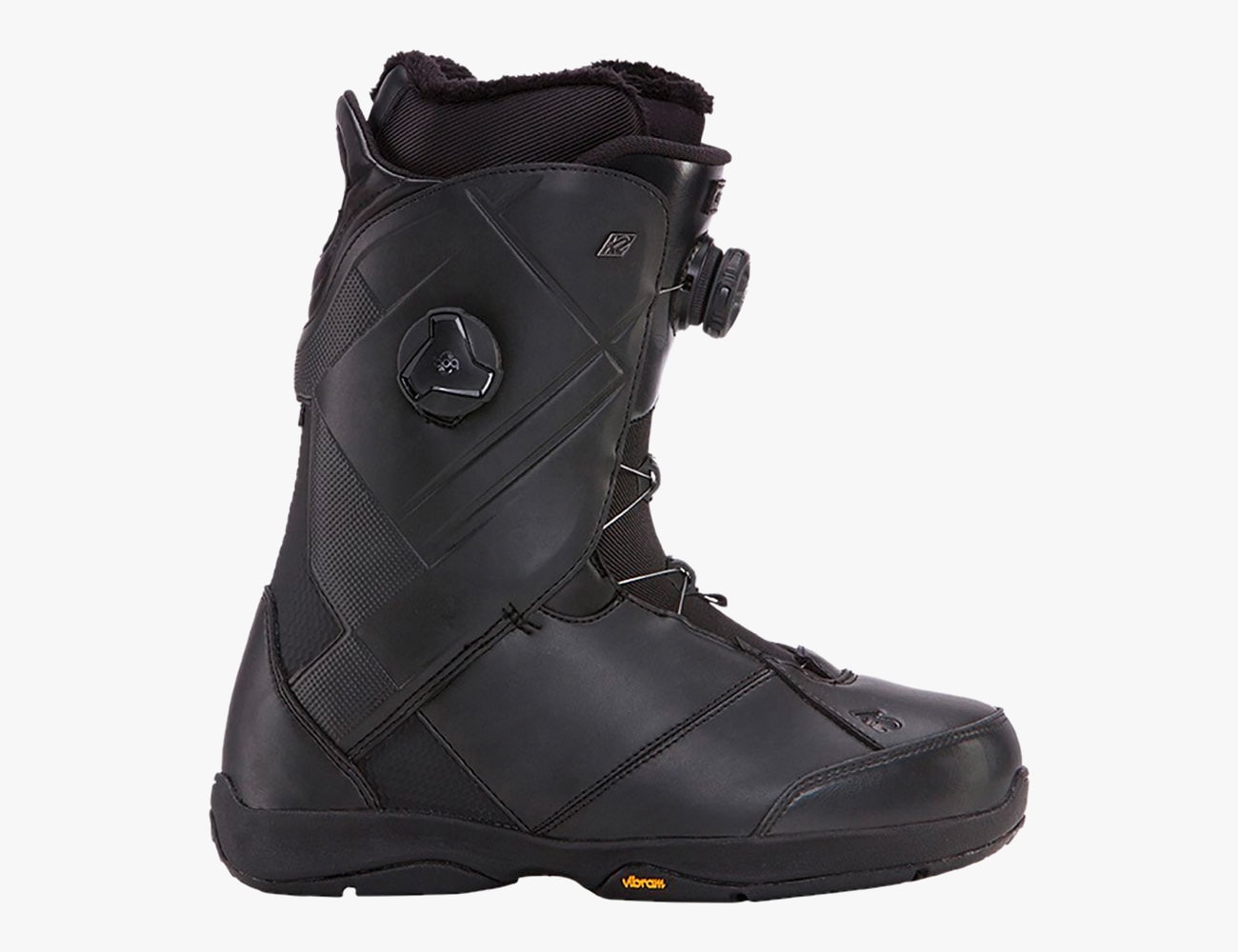
K2 Maysis Heat

No one likes cold feet. That’s why K2 developed the Maysis Heat, a high-performance heated snowboard boot that actually works. Don’t let sub-zero days on the hill scare you off any longer.

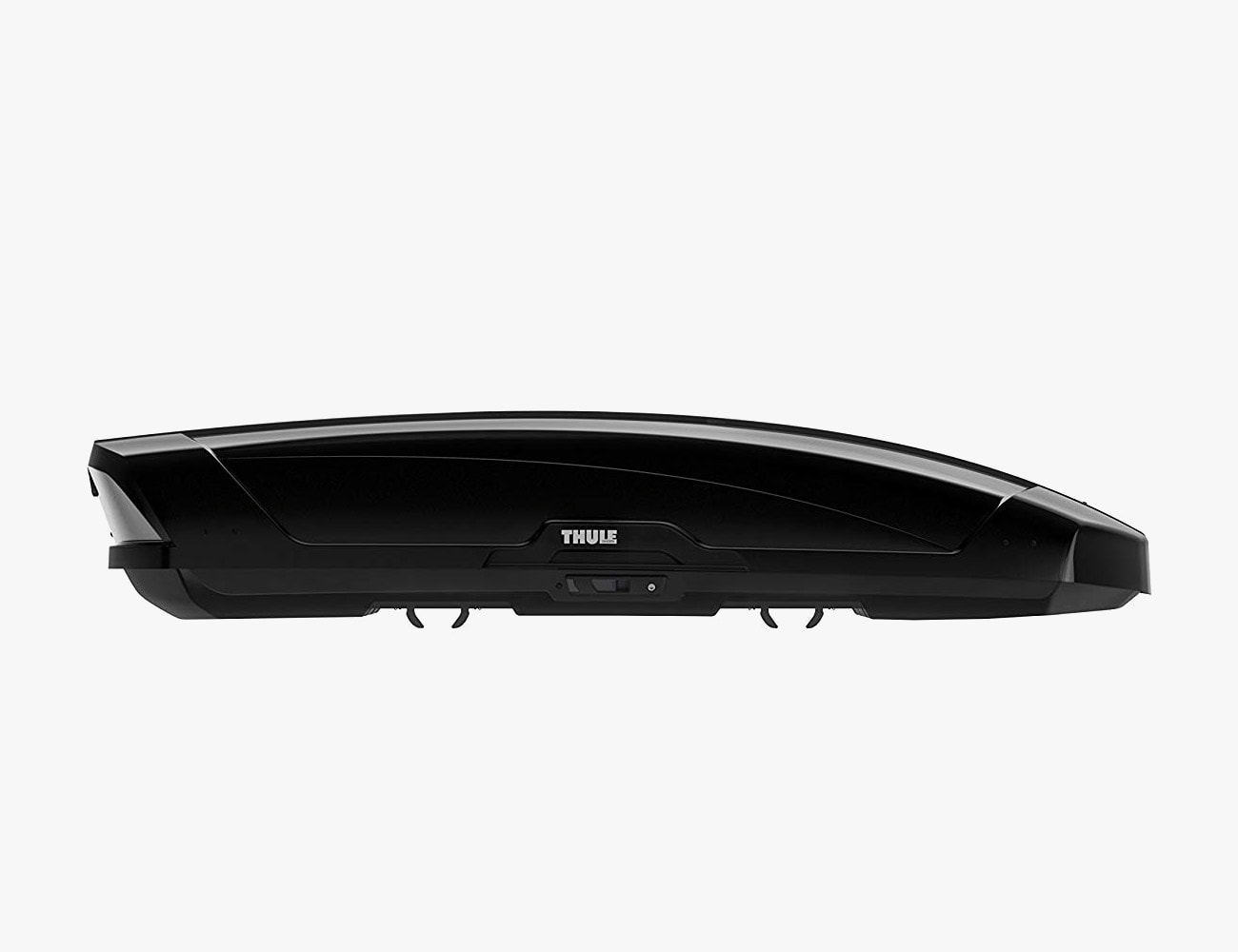
Thule Motion XT Alpine

End the days of torturing the trunk of your car with snow and grime from your snowboard. Thule’s Motion XT Alpine offers room for multiple boards, boots and helmets without killing your car’s aerodynamics and gas mileage.

Note: Purchasing products through our links may earn us a portion of the sale, which supports our editorial team’s mission. Learn more here.

How to Perform at Your Best According to Pro Runners

Being a professional athlete can seem like a dream world — it’s like achieving all your childhood goals and becoming the Michael Jordan you always believed you could be. But in order for athletes to perform at insane levels, they work insanely hard and they typically have a routine that allows them to perform at those levels come game day or race day.

Although recovery is trending in the everyday world (nap rooms, CBD relaxation oils, more handheld massagers), it’s been a crucial necessity for athletes for years. Sleep is the first line of defense, followed by eating right and exercising properly. Sound like something you’ve heard before? Aisha Praught Leer, a Jamaican Steeplechase Gold Medalist says, “It’s our job, so obviously we can afford to sleep.” While eight hours of sleep might not make you the best soccer player, runner or triathlete in the world, it will almost definitely help you perform better at your next match.

Each athlete has his or her own routine to prepare for an upcoming challenge, and after spending the day with three elite Under Armour athletes, we had the chance to hear what works for them.

Rachel Schneider, Pro Miler

Schneider had two big wins this year: silver at the Athletics World Cup in London and the Falmouth Road Mile. The middle-distance runner trains in Flagstaff and finished up her track season this year at the Long Island Mile in New York, taking second place. To keep performing at her peak, she does “a lot of mobility drills to enhance proper mechanics,” Schneider says. “I’ve had a lot of foot fractures, and doing proper mechanics has totally helped with injury prevention. It’s something we spend hours on every week and it’s super repetitive, but it’s so helpful.” In addition to mobility, foam rolling, Normatec and meditation are common practices. “I just started using the app called Headspace. Apparently, a lot of people are familiar with [it], and I’m a little late to the game,” Schneider says.

Aisha Praught Leer, Jamaican Steeplechase Gold Medalist

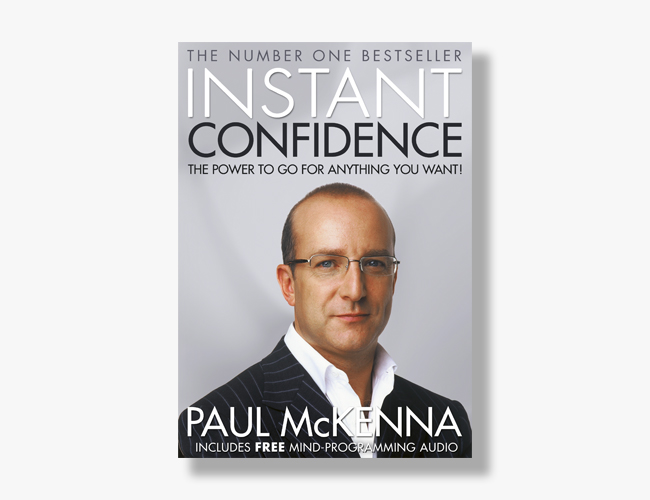
The Commonwealth Games Champion and Jamaican National Record holder trains in Boulder, Colorado and is extremely regimented. She eats the same thing for breakfast (and second breakfast) every day, logs many hours of sleep and runs at the same time every single day. In addition to all of that, she focuses on mobility for injury prevention and when race day is around the corner she adds another item to her schedule. “I also get a little pre-race anxiety,” Leer says. “In 2016, I got this meditation, it’s from 2003 and I listen to the same meditation, ten days leading into a competition: Paul McKenna’s ‘Confidence.’ It sounds a bit more hypnosis-bases, but I listen to it every night for at least a week before a big race. It’s brainwashed me for years into believing that I’m this confident superhero or something like that.”

Patrick Casey, Pro-Miler

Casey takes a slightly different approach to prep for race day. While he typically focuses on the same cross training, foam rolling and weights, he acknowledges that, “I have a hard time doing nothing. And that’s part of the job sometimes. So I play video games and I tell myself that’s cross-training,” Casey says. “I honestly think it helps my running because it’s a way where I can sit down and put my feet up and let my mind not think about running. I’ll get my friends in the headsets so I feel social and I don’t have to leave the house.” As for his favorite game currently? Call of Duty.

The 11 Best Down Jackets of Winter 2018

These top picks for lightweight, innovative down jackets will keep you warm from when the leaves fly until the snow melts next spring. Read the Story

Note: Purchasing products through our links may earn us a portion of the sale, which supports our editorial team’s mission. Learn more here.

You Need to Know About This British Cycling Brand

These days, it seems like no matter what route you choose you’re bound to run into more than a handful of riders bearing Rapha’s scripted logo and signature pink. Don’t get us wrong — we’re big fans of Rapha — but if you want to stand out in the pack, you’re better off with a lesser-known company, like Velobici.

The company was founded in 2010 by Chris Puttnam, who gave himself one strict parameter for the brand to adhere to: everything had to be produced in England. The notion came from Puttnam’s family history — his father owned a local knitwear factory during a time when Britain’s textile industry began its overseas transfer. Today, Velobici’s fabrics are knitted in Nottinghamshire, and individual pieces are constructed in Leicestershire. All of the smaller details like zippers and reflective materials are also produced in England.

After locality, Velobici’s emphasis is on balancing style with performance, off-bike and on. In addition to every piece cyclists need — jerseys, bibs, jackets, gilets, baselayers, socks, caps — the company produces a collection of casual knitwear, t-shirts and more. All are made with premium materials and designed to handle riding yearlong, in any condition imaginable. Most bear the brand’s signature VB mark, a logo you aren’t likely to encounter in your local bike shop, and certainly not on your local hill climb (unless you live in England, of course).

5 Gear Picks From One Of The West’s Top Running Shops

If you ask a local in Bend, Oregon about the best spot to pick up a pair of running shoes, they’re likely to mention FootZone. Located in Downtown Bend, FootZone has been the go-to since 1995 if you need shoes, want to talk to experts or just need to grab a handful of gels before heading out for a run.

Bend has a rich running culture with miles of trails, and many elite trail runners call Bend home. Even elite road runners like Shalane Flanagan (winner of the 2017 New York City marathon) and Ian Sharman have spent time in Bend. The seemingly infinite miles of trails make this a spot that outdoor lovers can’t miss.

The shop is run by Teague Hatfield, who has been involved since the very beginning — “I’ve owned it since 1999, but have been here since day one,” he says.

FootZone opened when running was just starting to become a thing to do, and specialty running stores began to open up around that time — catering to audiences in larger cities first, then seeping into the suburbs. Back then, Bend was only about 32,000-33,000 people, and there was a need for an approachable store that was going to tell you exactly what you needed in a running and walking store. “We were the first ones in Bend to do the specialty run-thing,” Hatfield explains. “I had been exposed to that up through Bellingham and Seattle, and I was getting into running at the time and loved everything about it — whether it be the biomechanical side or fit side, customer service or retail side, all of them worked for me.”

Despite enjoying all aspects of buying and selling running shoes, Hatfield wasn’t a big runner growing up. “I was a team sports guy in high school and early college, and running for me was something I started doing because I needed to stay active,” he says. “Most people realize along the way that really what’s best about [running] is that it makes you a happier person, [and] helps you manage the rest of your life better.”

While Bend may have been on the smaller side when FootZone opened up, it’s now a buzzing town with elite runners in the area 365-days a year. “Stephanie Howe (ultra trail runner), Ian Sharman (now an ultrarunning coach), Mario Mendoza (five-time USA Trail National Champion) and Denise Bourassa (ultramarathoner) all used to live here and all kinds of triathletes like Linsey Corbin and Heather Jackson,” Hatfield says. Luckily, many of the athletes are willing to stop by the store for a special occasion, give a talk and even work in the store. “Max King has worked at the shop for many years, runs a workout for us and even works on the floor.” The ultramarathoner leads a Tuesday night performance group. When superhero Shalane Flanagan’s second book with Elyse Kopecky came out, both happened to be in Bend to the benefit of the locals. “We had the pleasure to host Shalane and Elyse for events to celebrate the kickoff of their book, but also, let’s face it, Shalane’s a pretty unique one as far as the running community goes.” She was the first American female to win the New York City marathon since 1977 — at 37 age. “Her success as a US runner is amazing. We love it at the shop and our community loves it.”

You’ll catch Hatfield hosting a handful of events each year (in addition to weekly workouts and group runs), including the heavily attended and competitive ‘I Like Pie’ event, which is held around Thanksgiving. It epitomizes what the running store stands for. “It doesn’t allow people to take themselves too seriously. The pie baking contest is probably more serious than any type of competition in the event itself,” Hatfield says. The second Sunday in June, FootZone will host its 19th annual Dirty Half. When the event first started, there weren’t many trail running events in the Northwest that were under 50K (roughly 31 miles). “We were just trying to do something that was fun, felt like it embraced poking fun at the events scene, and trying to make sure everything is geared toward hosting an awesome event. Have fun and have a beer after,” Hatfield says.

Teague Hatfield’s Gear Picks

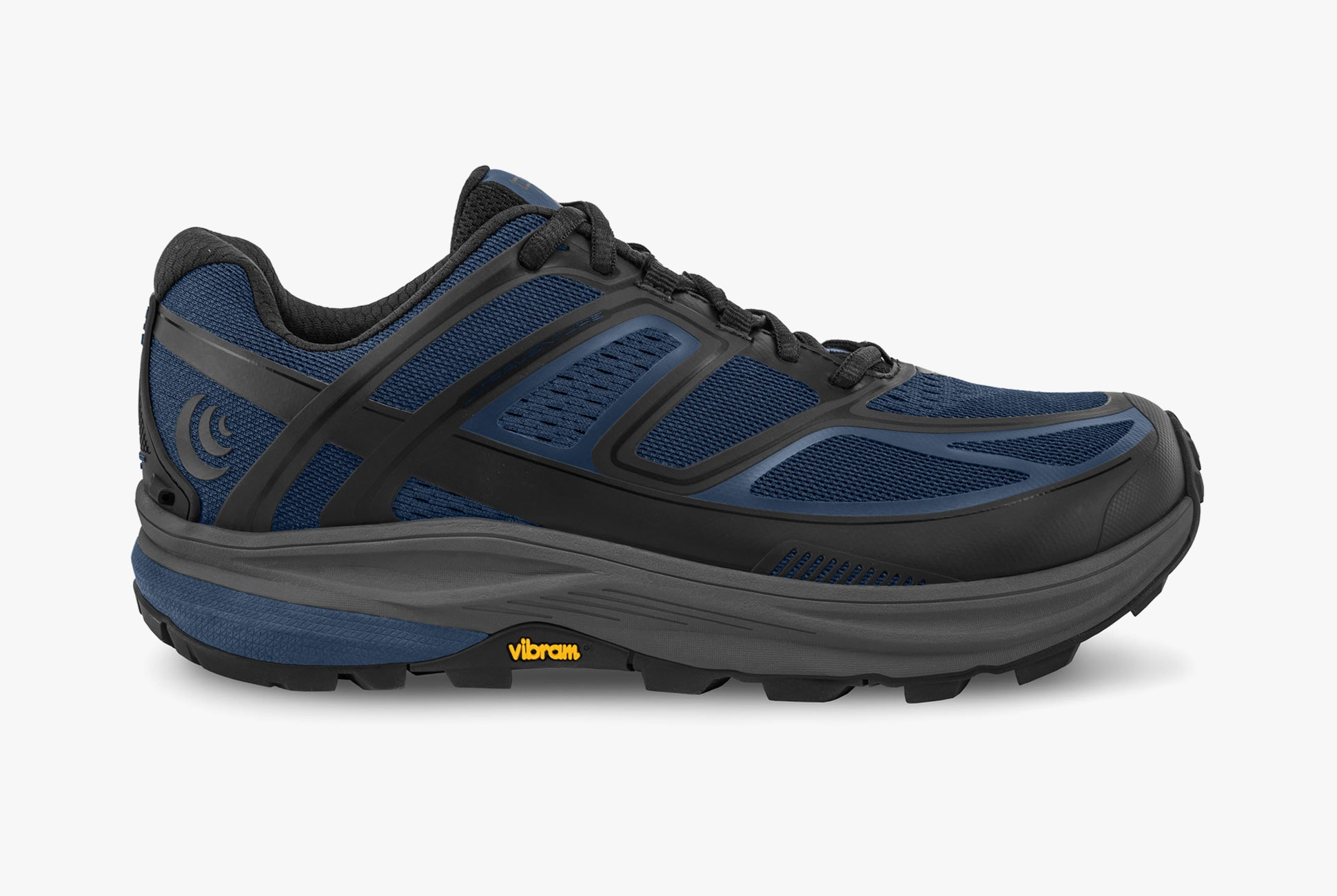
Topo Ultraventure Trail Shoe

“Topo’s an emerging brand making some great-fitting shoes and the Ultraventure is maybe its best shoe yet with awesome traction and plenty of cushion and protection for most runners.”

Brooks Levitate 2

“The Levitate continues to impress with a durable, responsive polyurethane midsole for cushioning that is truly unique.”

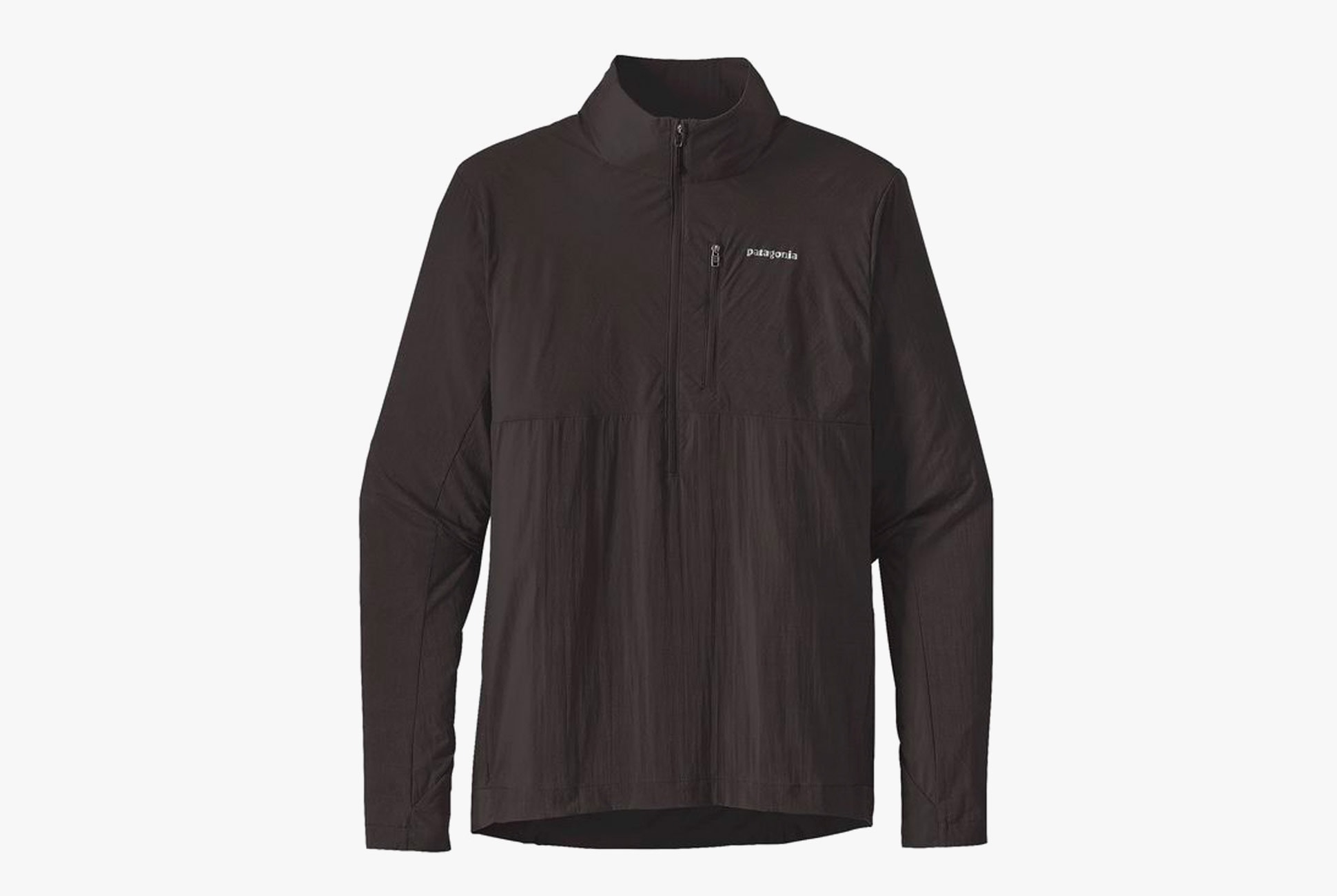
Patagonia Airshed Pullover

“Not quite a shirt, not quite a jacket, but the perfect layer for (the majority of the time) when you don’t need a fully waterproof jacket.”

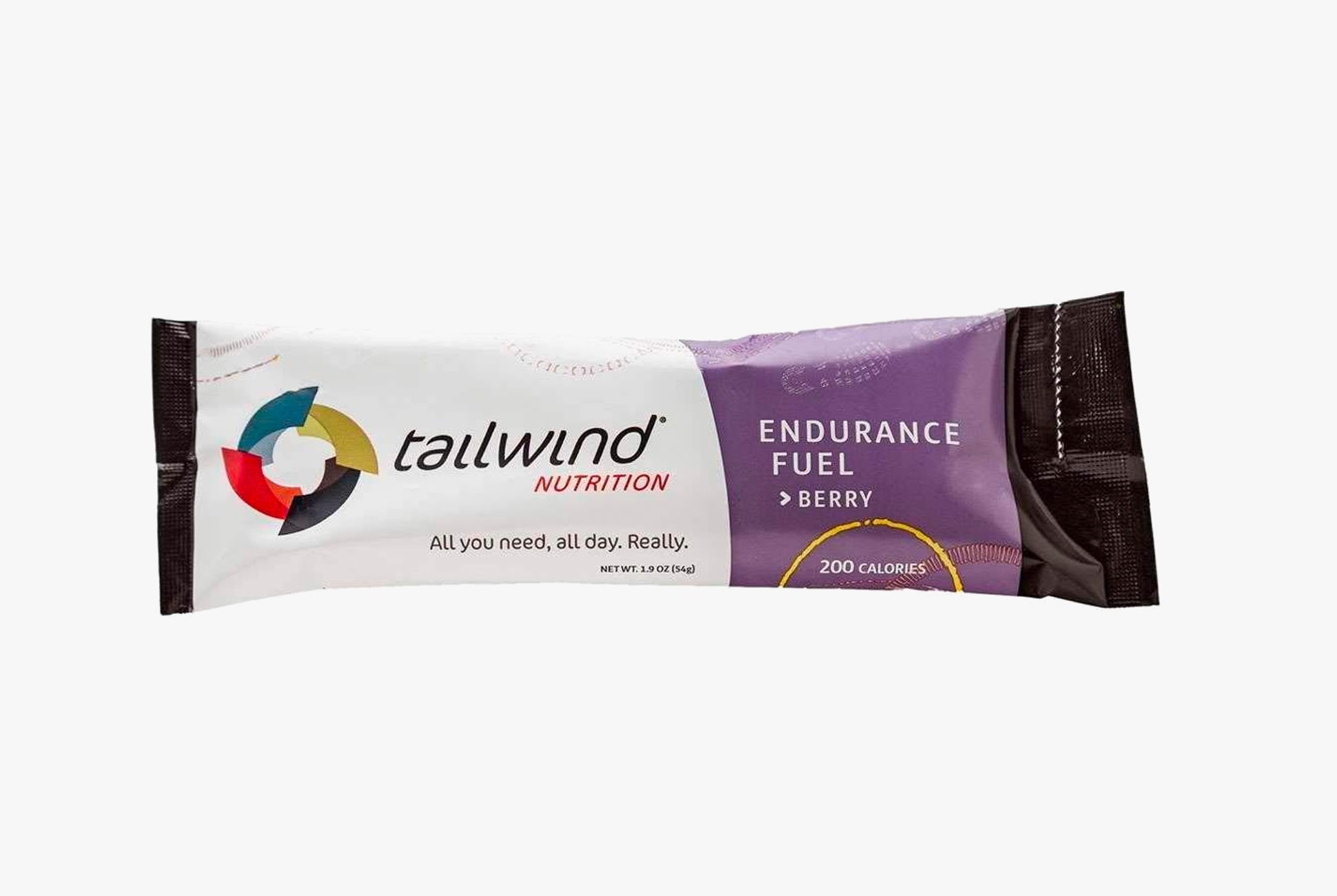
Tailwind Endurance

“Standard fuel for many endurance-minded folks here at FootZone. Calories and electrolytes in one handy drink mix that doesn’t mess with your gut.”

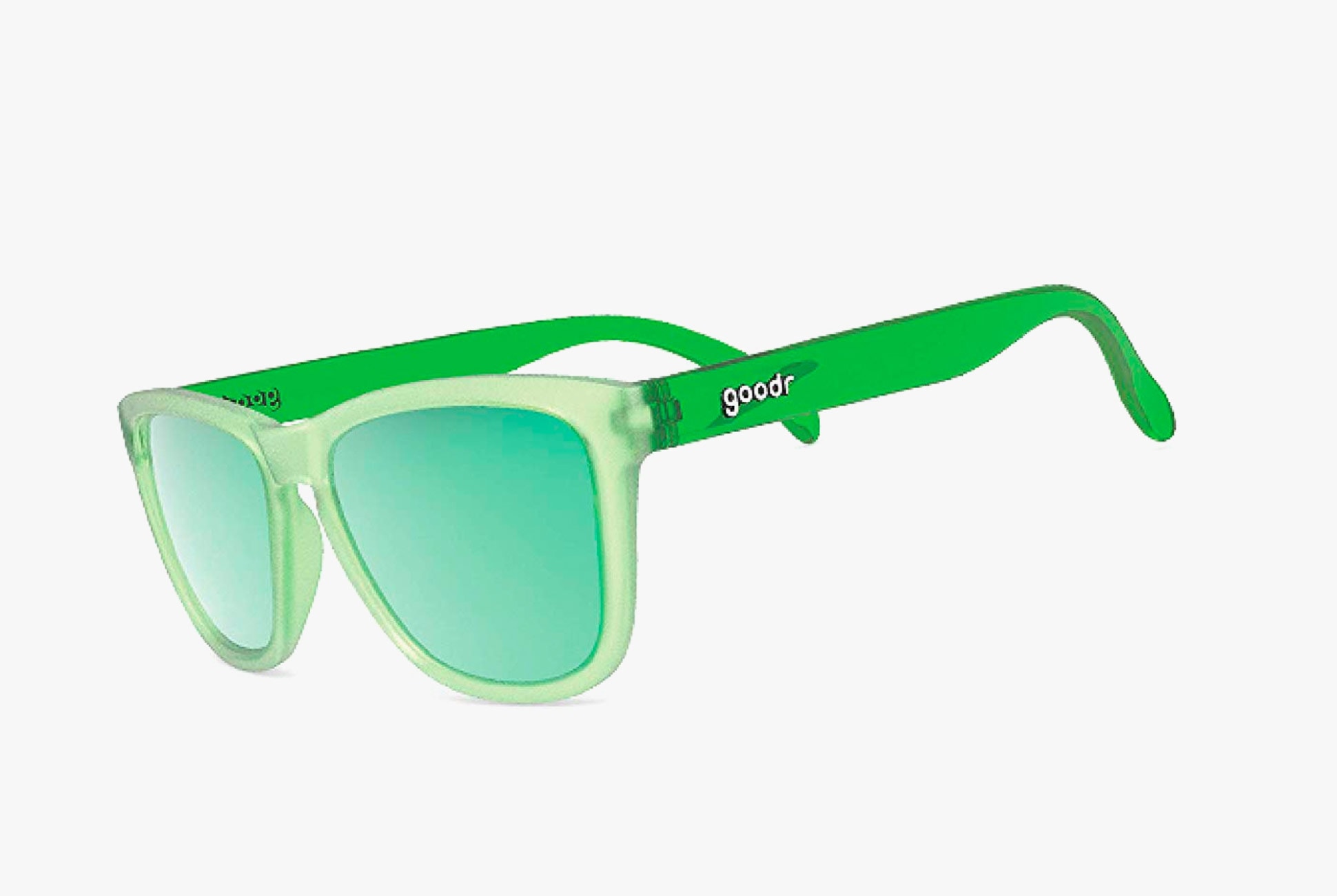
Goodr Sunglasses

“Now in three styles, these are colorful, light, comfortable and priced so you get a pair for everyone.”

Note: Purchasing products through our links may earn us a portion of the sale, which supports our editorial team’s mission. Learn more here.

Now You Can Test Arc’teryx Gear for Free

Buyer’s remorse is real. It can be fleeting, like when you order a sub-par meal at a restaurant, but with larger purchases, it’s deflating. It sucks to invest in an expensive backpack only to find out that the zippers are faulty, or to pick up a new pair of running shoes and blow through the toe in a matter of weeks. We aim to help you avoid these situations by providing thorough and informative reviews, but what if you want to try something out for yourself? Arc’teryx has a plan for you, and it’s called the Gear Library.

Outdoor gear rental programs aren’t uncommon; local outfitters, as well as big players like REI, manage extensive collections of everything from tents and backpacks to snowshoes and stoves for short-term use. But these are set up more to benefit those who don’t own these items rather than inform a future purchase. Arc’teryx’s model can work that way too, but it sees its Gear Library more as a venue for people to experiment with items they’ve maybe never used, or try out something new to see if it integrates with the system they already use. Testing is the purpose, although it’s undeniable that Arc’teryx, as a high-end outdoor brand, also hopes that these experiences will eventually lead to purchases.

Gear Libraries are located in various Arc’teryx stores (call your local location to find out if it’s participating in the program). Loans can be kept for up to four days — enough time for a long weekend trip — and the collection includes backpacks, footwear and apparel from the brand’s long distance running, mountain days, splitboard touring and backcountry ski touring collections.

How Professional Athletes Help Design Outdoor Gear

From Issue Seven of Gear Patrol Magazine.

The phrase “designed by athletes” isn’t new. In many ways, it’s worn out, or, at the very least, misleading. Athletes and ambassadors provide support to nearly all gear makers, but how much pull do they actually have? Do they sit down to sketch plans for a new down jacket or simply suggest minute changes to an already-built prototype? Do they actually have a say at all or are individual endorsements mandated in the fine print of binding contracts?

The answer isn’t entirely clear. Athlete beta exists on a spectrum that isn’t straightforward or explicit, but there are companies that recognize that the things most hardcore users want can also be what the rest of us need. It’s how we get seemingly kooky ideas like insulated mountain shorts or category-blending products like a climbing pack adapted for running.
These items are born from a mingling of necessity and desire, and the stories describing their creation are as compelling as the final products themselves. We asked four professional athletes who have played the role of designer to take us behind the curtain on how their favorite products came to be.

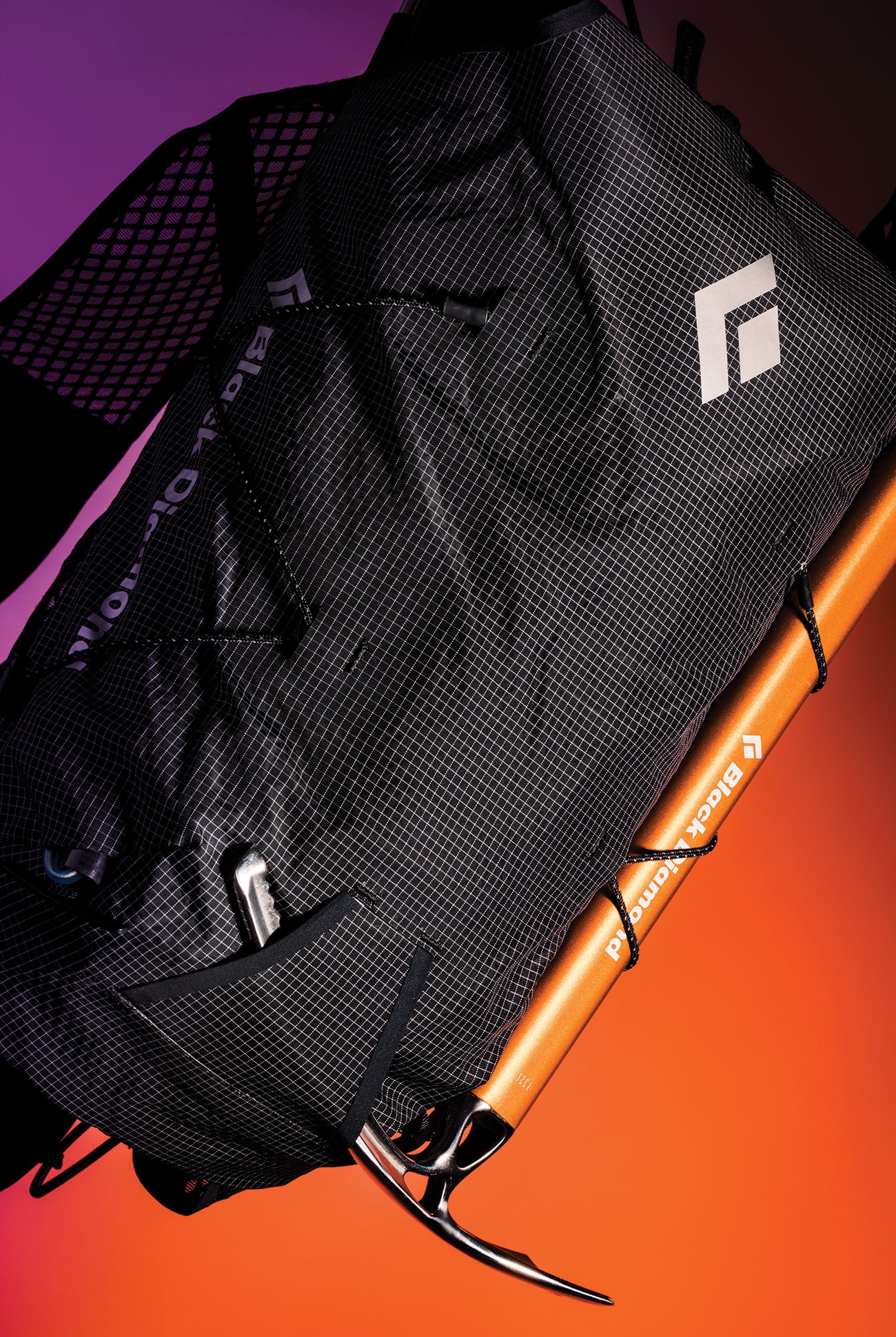
Black Diamond Distance Pack
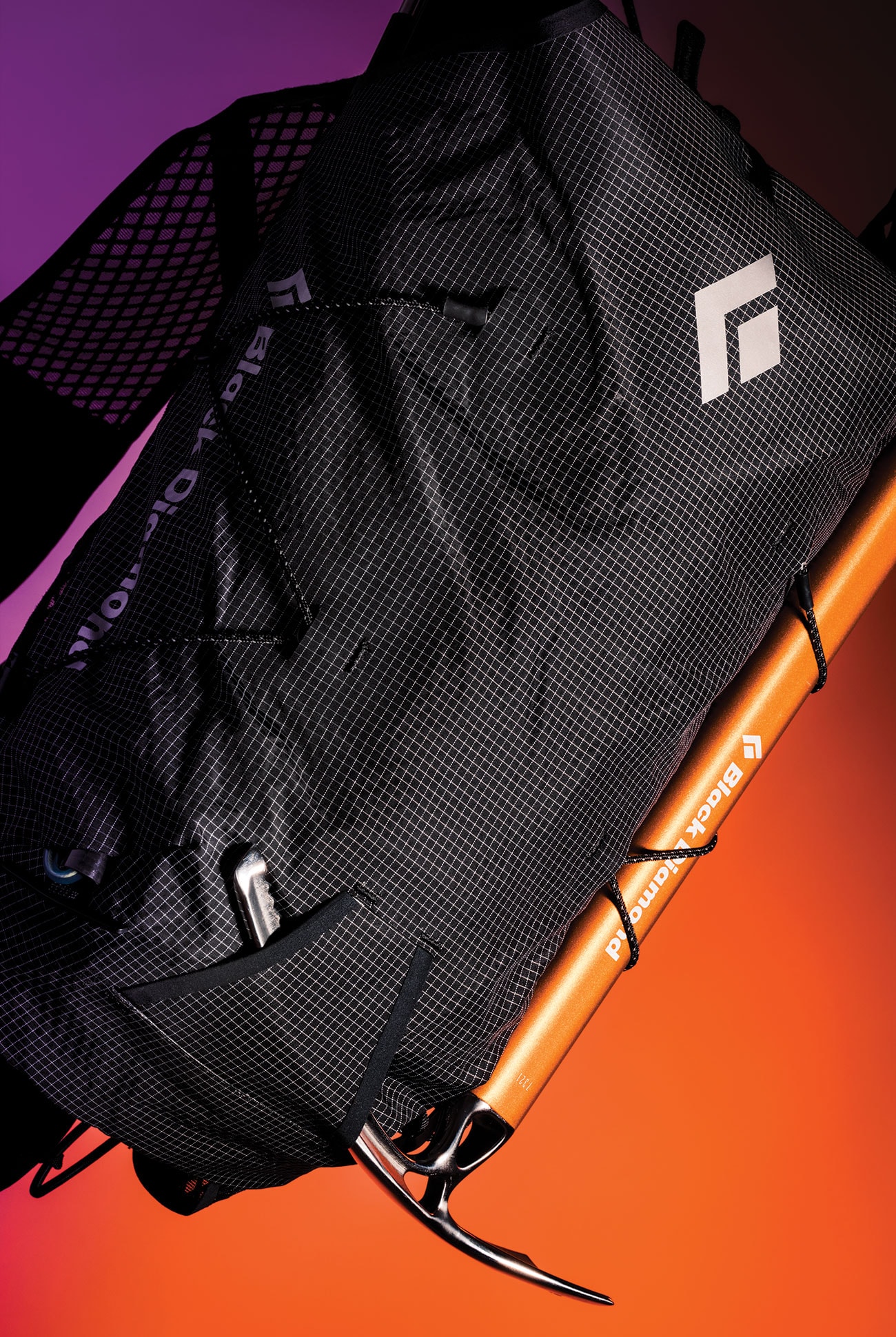
“We started with this idea of building a hybrid. I loved Black Diamond’s Blitz Pack, which is a light alpine 20-liter pack. Essentially, what we wanted to do was to shrink the Blitz and… add that vest component to make it so it wouldn’t bounce and you’d be able to carry stuff up front. Basically so that you could run with a Blitz pack.
“So the idea for the pack was to have it be runnable but also keep all the alpine components — a more durable fabric, ice-axe attachments, a really sleek way to stash poles once you start to climb or scramble. We wanted to maintain Black Diamond’s mountain DNA so that it wouldn’t just be another running vest on the market, and also not a regular climbing back. A true hybrid.
“One of the things I appreciated most was that [the designers] at Black Diamond really understood when I would say something. It’s hard to communicate things — this toggle, this pocket. They really got it and translated it to the prototypes that we were making along the way. They kind of put the ego aside. We were making something that wasn’t completely different, but it brought a different point of view, and Black Diamond trusted me with sharing that vision.” — Joe Grant, Ultrarunner

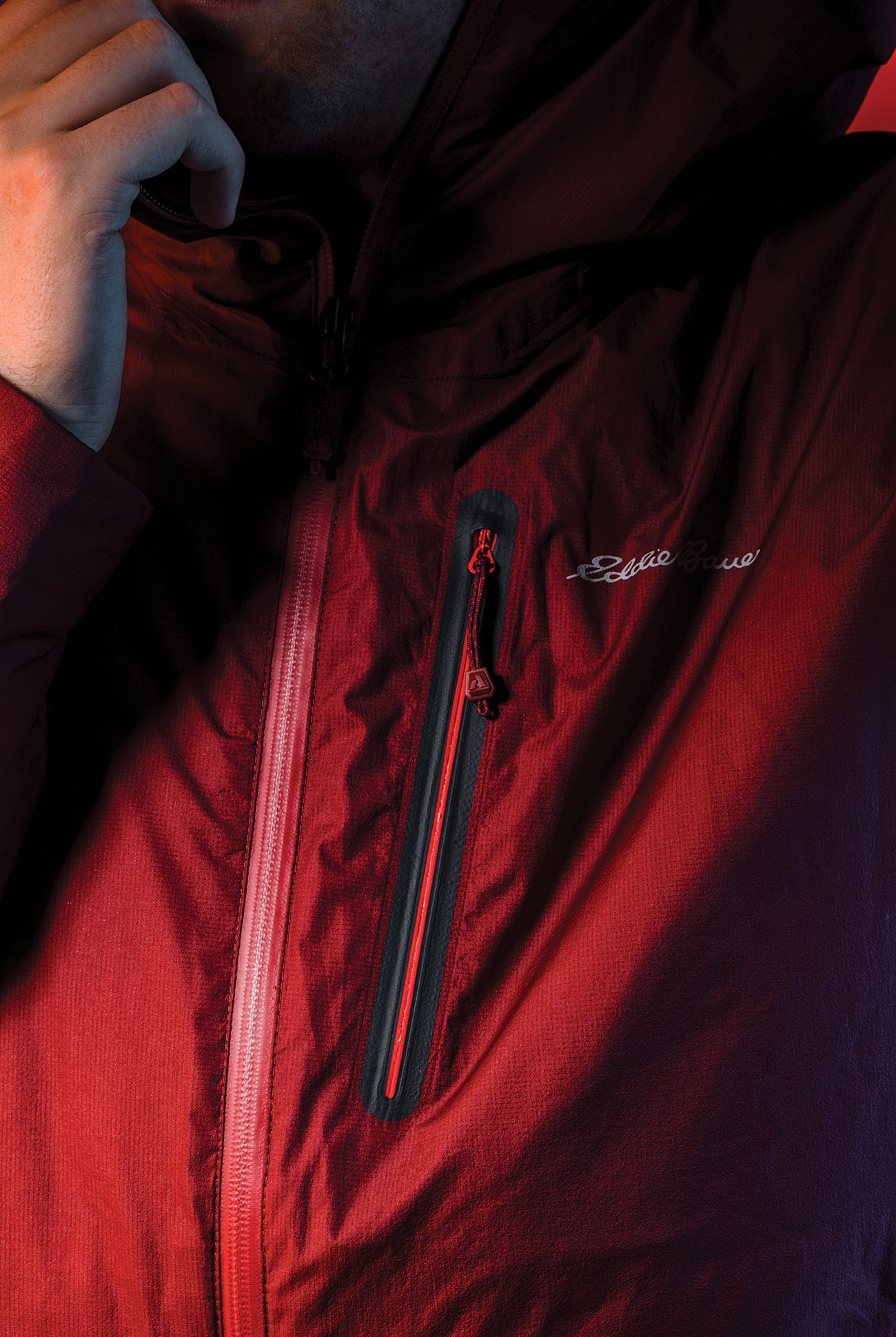
Eddie Bauer BC EverTherm Jacket
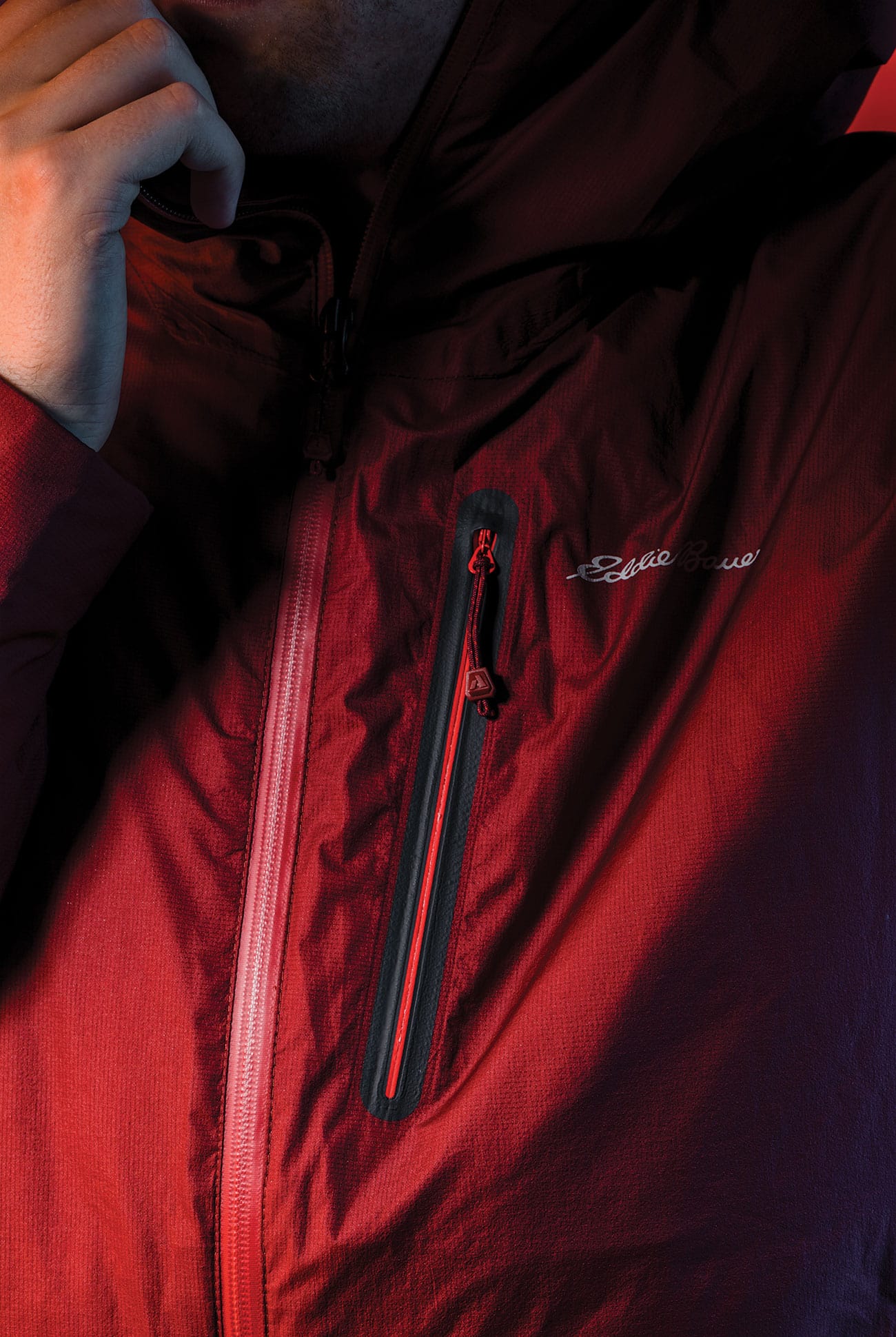
“I remember Patagonia came out with a down jacket years ago called the Primo, and it was a regular down-cluster insulated hardshell. I thought it was the coolest thing ever. I bought one and brought it to Eddie Bauer and was, like, ‘We need something like this.’ I remember getting full eye-rolls from people — they were, like, ‘You’re crazy, you live in the Cascades. You want a hardshell but with down inside it? That’s just going to wet out and clump up.’ But I pushed it and pushed it.

“I work on Mount Rainier nine months of the year, so I get pelted by rain, wet snow, dry snow, super-cold temperatures and wind. I need something that’s going to last for a long time that I’m going to wear a lot — so I need venting, I need to be able to move in it, to exercise hard in it. But it’s got to be tough and it’s got to have real water protection, not a random shell that goes in the bottom of my pack. I need something that actually works hard, all the time.

“When [Eddie Bauer] came up with the concept to make down into sheets and to have the DWR on the down clusters, it was really cool. We put it in a jacket that was easy to build, easy to test and was marketable. That was the first product that came out. But the question was, ‘What’s next?’ The BC EverTherm is the latest and greatest rendition of this perfect all-mountain jacket that I’ve been trying to get. It’s as close as I’ve seen to the best ski shell, belay jacket, do-it-all working-person’s mountain jacket. This jacket has evolved over ten years. I really wanted a down jacket, but I also wanted performance characteristics of a synthetic insulator, and I definitely wanted a hardshell, but without the heaviness of a hardshell. That’s what the BC EverTherm is.” — Seth Waterfall, Mountaineer

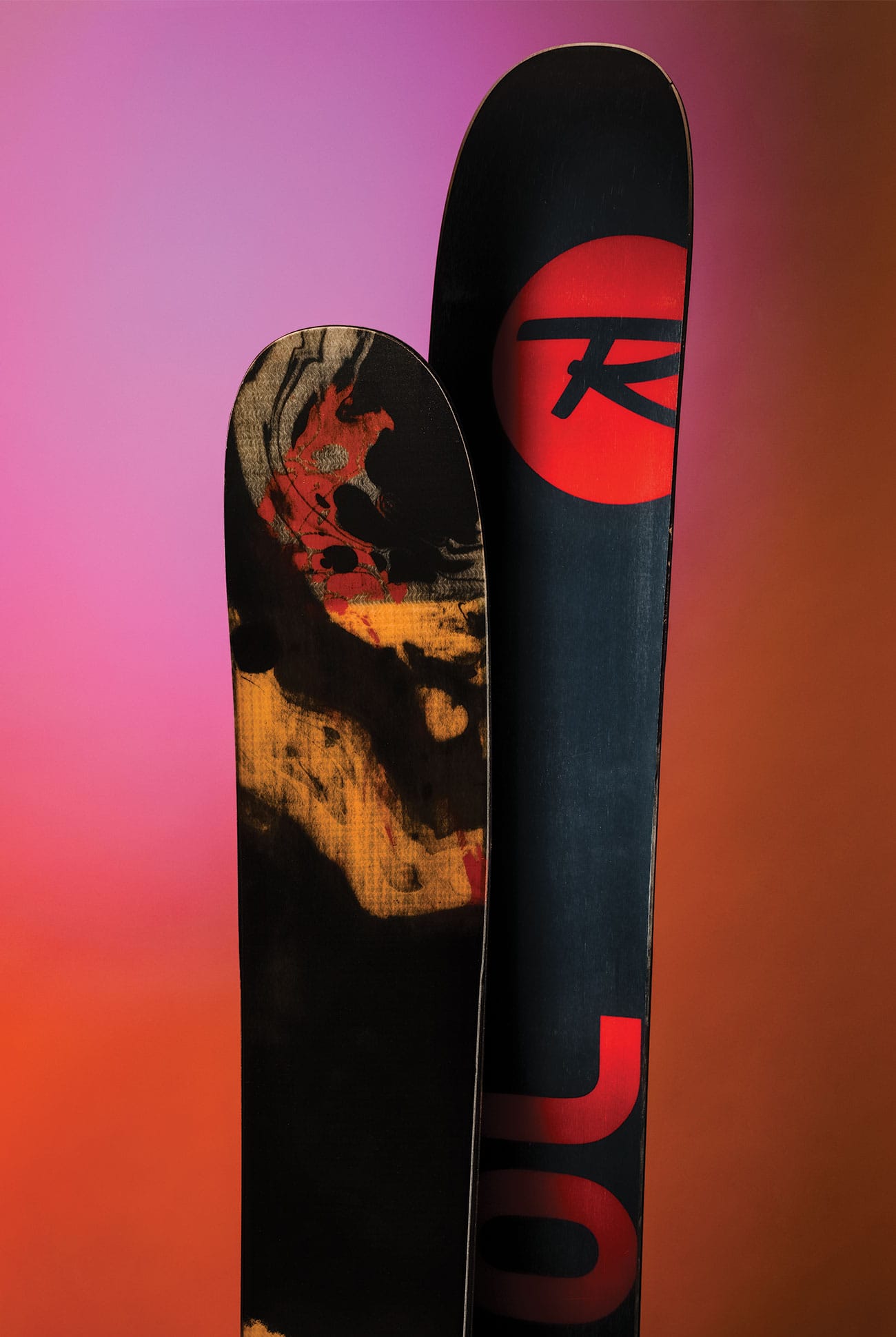
Rossignol Black Ops 118 Ski
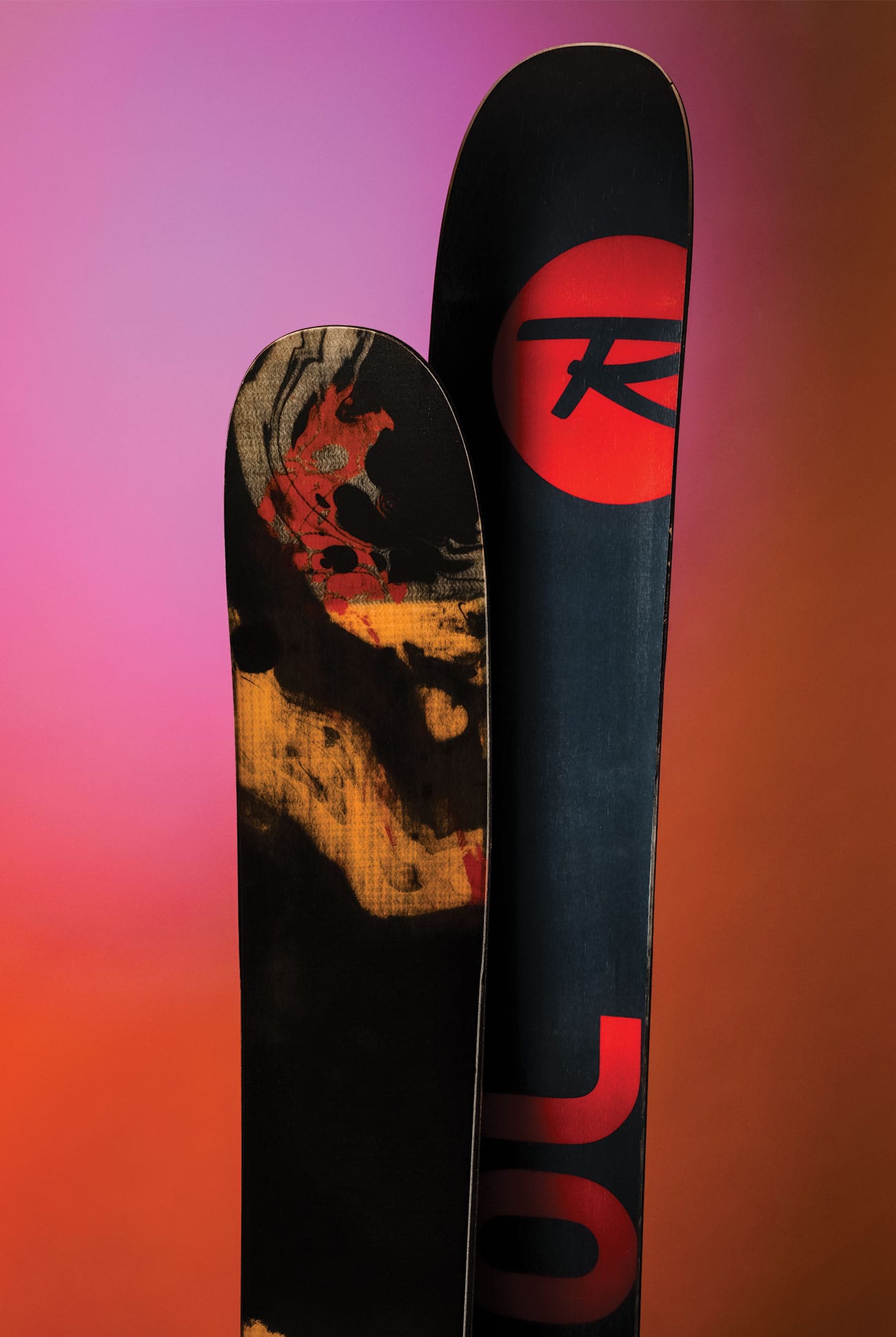
“Chris [Logan] and I were filming with Level 1 Productions and we didn’t have a ski that helped us ski the way we wanted to. We wanted a wider ski that you could land switch on that and was better for skiing deep pow.

“We hounded [Rossignol] for over two years. I got the cover of Freeskier’s Buyer’s Guide on a pair of [Rossignol’s 2013] Sickles after they had stopped making them. It was like 200+ Brand New Products! and the guy on the cover is skiing on outdated shit. Maybe that was part of it. Maybe they didn’t want their top two guys skiing on old skis that they weren’t even selling anymore. That doesn’t look too good for the new line if the top dudes aren’t even using it. I don’t know what the turning point was or what gear switched, but they decided to make our ski.

We gave the designers dimensions, the turning radius that we wanted and examples of skis that, in our opinion, looked good. We wanted a cambered underfoot and a rockered tip and tail so that we could have a bit more of a landing pad. Essentially, we gave them all the basic information and they sent us our first prototype and we were like, ‘Don’t change a thing on that ski. That’s the exact ski that we want.’ The Black Ops that we have now is identical to the very first prototype they ever sent us, but it’s made with production-quality materials.” — Parker White, Skier

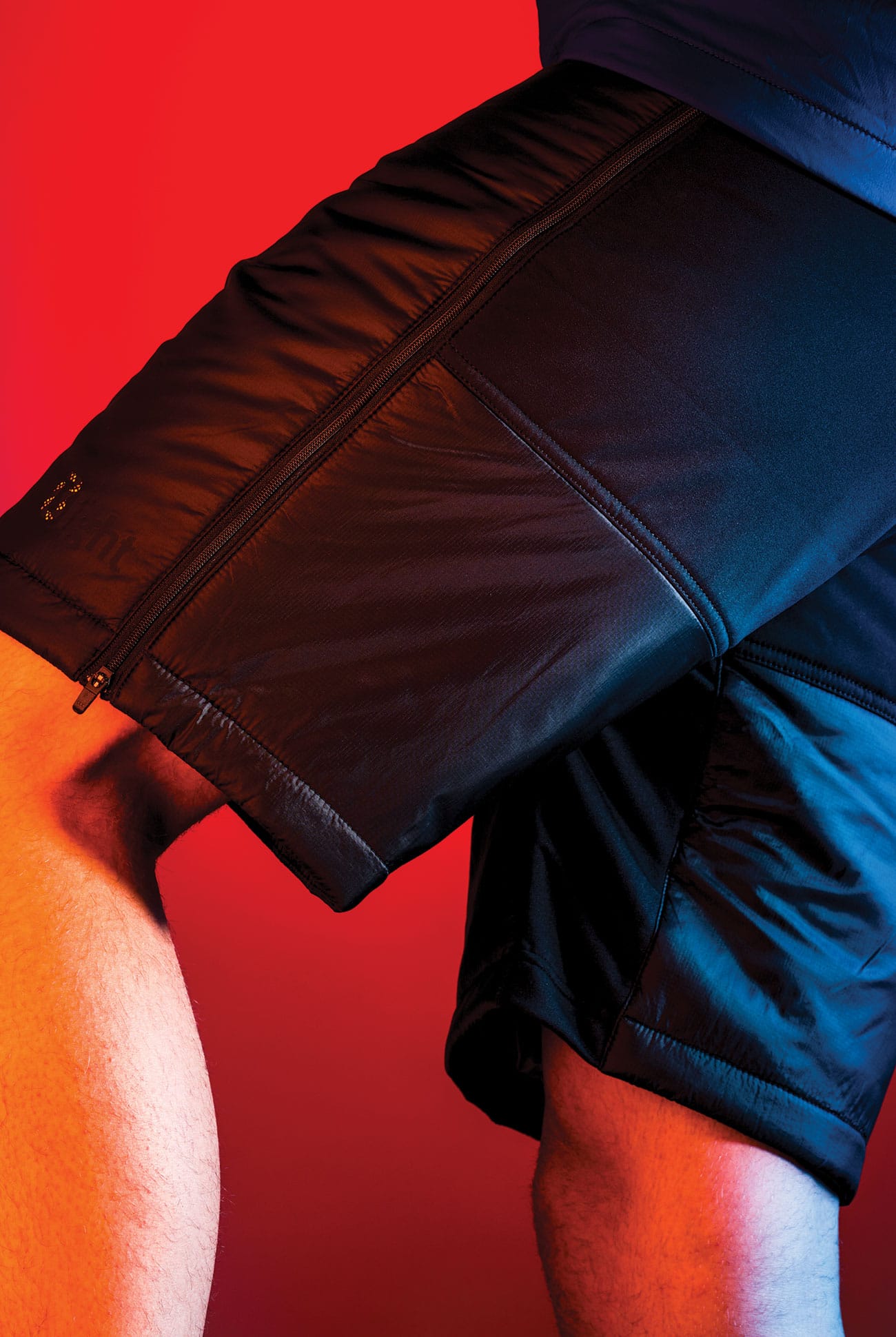
Bight Gear Men’s Glacier Short
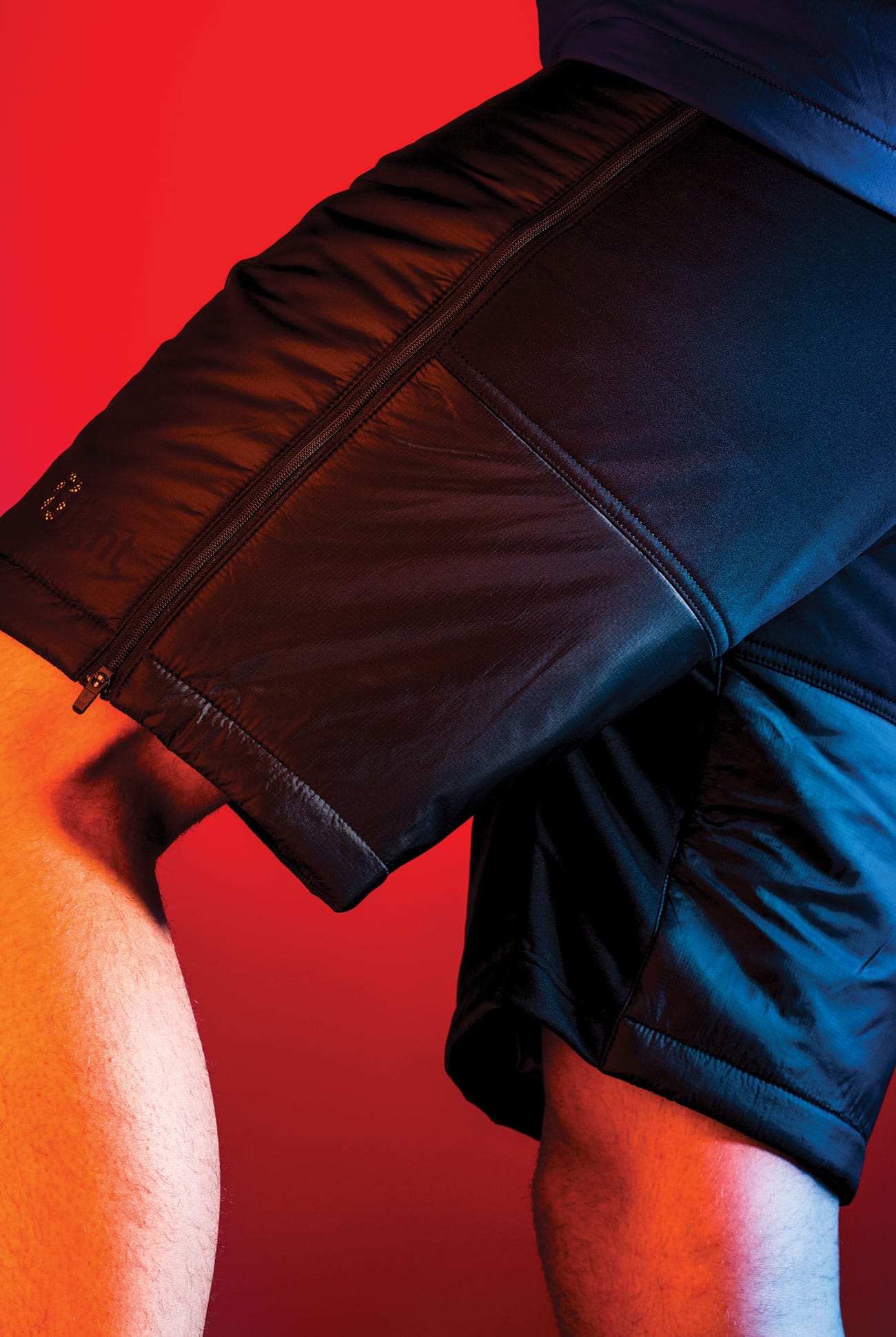
“There was a guide that worked for [Rainier Mountaineering Inc.] that found three-quarter length zip-off long johns when he was in Norway and I thought that was a great idea. Because if you want to take your long johns off after a cold night going into a warm day, like we tend to see on Mount Rainier, you have to take your boots and crampons and harness off. Having full side-zip long underwear was attractive to me because there are nights that I want to wear them, but I get too hot later in the day, so oftentimes I leave them behind and just end up being cold.

“I couldn’t find them on the Internet or anywhere else, so I toyed around with cutting off my long johns and just wearing long john shorts. A couple years ago, I found a pair and cut them off. Then I bought some zippers and tried to sew them myself. I’m no seamstress — they didn’t turn out that well — so I took them down to an alterations shop and told them what I was looking for. The woman was like, ‘What are these things?’

“When Peter [Whittaker] started Bight, he wanted to try different pieces and to pursue some different ideas. We started throwing stuff out there and I brought in that pair of long underwear and a PrimaLoft short that La Sportiva was making that was too hot for what we were doing. No one was into it, Peter wasn’t even into it — they all thought I was crazy. They were like ‘Deal with the long johns or don’t wear them.’

“So I started leaving the shorts in my kit bag at Camp Muir and people would try them and find they were functional. Gradually, Peter started prototyping for the first round of Bight gear, working with Polartec and their insulation, and he was trying to make gear that was designed with input from the people who lived in it. So they decided that we could make these [shorts] out of a thinner material with some stretchy panels for a better fit. What they came back with was the Glacier Short. You can put them on over your climbing pants, they have the full side zips so you can put them on over or under your harness and still finagle your way out of them.” — Mike King, Mountaineer

Note: Purchasing products through our links may earn us a portion of the sale, which supports our editorial team’s mission. Learn more here.


Buying Guide: Athete Input

From Issue Seven of Gear Patrol Magazine.

The phrase “designed by athletes” isn’t new. In many ways, it’s worn out, or, at the very least, misleading. Athletes and ambassadors provide support to nearly all gear makers, but how much pull do they actually have? Do they sit down to sketch plans for a new down jacket or simply suggest minute changes to an already-built prototype? Do they actually have a say at all or are individual endorsements mandated in the fine print of binding contracts?

The answer isn’t entirely clear. Athlete beta exists on a spectrum that isn’t straightforward or explicit, but there are companies that recognize that the things most hardcore users want can also be what the rest of us need. It’s how we get seemingly kooky ideas like insulated mountain shorts or category-blending products like a climbing pack adapted for running.
These items are born from a mingling of necessity and desire, and the stories describing their creation are as compelling as the final products themselves. We asked four professional athletes who have played the role of designer to take us behind the curtain on how their favorite products came to be.

Black Diamond Distance Pack

“We started with this idea of building a hybrid. I loved Black Diamond’s Blitz Pack, which is a light alpine 20-liter pack. Essentially, what we wanted to do was to shrink the Blitz and… add that vest component to make it so it wouldn’t bounce and you’d be able to carry stuff up front. Basically so that you could run with a Blitz pack.
“So the idea for the pack was to have it be runnable but also keep all the alpine components — a more durable fabric, ice-axe attachments, a really sleek way to stash poles once you start to climb or scramble. We wanted to maintain Black Diamond’s mountain DNA so that it wouldn’t just be another running vest on the market, and also not a regular climbing back. A true hybrid.
“One of the things I appreciated most was that [the designers] at Black Diamond really understood when I would say something. It’s hard to communicate things — this toggle, this pocket. They really got it and translated it to the prototypes that we were making along the way. They kind of put the ego aside. We were making something that wasn’t completely different, but it brought a different point of view, and Black Diamond trusted me with sharing that vision.” — Joe Grant, Ultrarunner

Eddie Bauer BC EverTherm Jacket

“I remember Patagonia came out with a down jacket years ago called the Primo, and it was a regular down-cluster insulated hardshell. I thought it was the coolest thing ever. I bought one and brought it to Eddie Bauer and was, like, ‘We need something like this.’ I remember getting full eye-rolls from people — they were, like, ‘You’re crazy, you live in the Cascades. You want a hardshell but with down inside it? That’s just going to wet out and clump up.’ But I pushed it and pushed it.

“I work on Mount Rainier nine months of the year, so I get pelted by rain, wet snow, dry snow, super-cold temperatures and wind. I need something that’s going to last for a long time that I’m going to wear a lot — so I need venting, I need to be able to move in it, to exercise hard in it. But it’s got to be tough and it’s got to have real water protection, not a random shell that goes in the bottom of my pack. I need something that actually works hard, all the time.

“When [Eddie Bauer] came up with the concept to make down into sheets and to have the DWR on the down clusters, it was really cool. We put it in a jacket that was easy to build, easy to test and was marketable. That was the first product that came out. But the question was, ‘What’s next?’ The BC EverTherm is the latest and greatest rendition of this perfect all-mountain jacket that I’ve been trying to get. It’s as close as I’ve seen to the best ski shell, belay jacket, do-it-all working-person’s mountain jacket. This jacket has evolved over ten years. I really wanted a down jacket, but I also wanted performance characteristics of a synthetic insulator, and I definitely wanted a hardshell, but without the heaviness of a hardshell. That’s what the BC EverTherm is.” — Seth Waterfall, Mountaineer

Rossignol Black Ops 118 Ski

“Chris [Logan] and I were filming with Level 1 Productions and we didn’t have a ski that helped us ski the way we wanted to. We wanted a wider ski that you could land switch on that and was better for skiing deep pow.

“We hounded [Rossignol] for over two years. I got the cover of Freeskier’s Buyer’s Guide on a pair of [Rossignol’s 2013] Sickles after they had stopped making them. It was like 200+ Brand New Products! and the guy on the cover is skiing on outdated shit. Maybe that was part of it. Maybe they didn’t want their top two guys skiing on old skis that they weren’t even selling anymore. That doesn’t look too good for the new line if the top dudes aren’t even using it. I don’t know what the turning point was or what gear switched, but they decided to make our ski.

We gave the designers dimensions, the turning radius that we wanted and examples of skis that, in our opinion, looked good. We wanted a cambered underfoot and a rockered tip and tail so that we could have a bit more of a landing pad. Essentially, we gave them all the basic information and they sent us our first prototype and we were like, ‘Don’t change a thing on that ski. That’s the exact ski that we want.’ The Black Ops that we have now is identical to the very first prototype they ever sent us, but it’s made with production-quality materials.” — Parker White, Skier

Bight Gear Men’s Glacier Short

“There was a guide that worked for [Rainier Mountaineering Inc.] that found three-quarter length zip-off long johns when he was in Norway and I thought that was a great idea. Because if you want to take your long johns off after a cold night going into a warm day, like we tend to see on Mount Rainier, you have to take your boots and crampons and harness off. Having full side-zip long underwear was attractive to me because there are nights that I want to wear them, but I get too hot later in the day, so oftentimes I leave them behind and just end up being cold.

“I couldn’t find them on the Internet or anywhere else, so I toyed around with cutting off my long johns and just wearing long john shorts. A couple years ago, I found a pair and cut them off. Then I bought some zippers and tried to sew them myself. I’m no seamstress — they didn’t turn out that well — so I took them down to an alterations shop and told them what I was looking for. The woman was like, ‘What are these things?’

“When Peter [Whittaker] started Bight, he wanted to try different pieces and to pursue some different ideas. We started throwing stuff out there and I brought in that pair of long underwear and a PrimaLoft short that La Sportiva was making that was too hot for what we were doing. No one was into it, Peter wasn’t even into it — they all thought I was crazy. They were like ‘Deal with the long johns or don’t wear them.’

“So I started leaving the shorts in my kit bag at Camp Muir and people would try them and find they were functional. Gradually, Peter started prototyping for the first round of Bight gear, working with Polartec and their insulation, and he was trying to make gear that was designed with input from the people who lived in it. So they decided that we could make these [shorts] out of a thinner material with some stretchy panels for a better fit. What they came back with was the Glacier Short. You can put them on over your climbing pants, they have the full side zips so you can put them on over or under your harness and still finagle your way out of them.” — Mike King, Mountaineer

Note: Purchasing products through our links may earn us a portion of the sale, which supports our editorial team’s mission. Learn more here.
This Unassuming Backpack Is the Last Travel Bag You’ll Ever Buy

From Issue Seven of Gear Patrol Magazine.

The days of international backpackers lugging hyper-technical bags might be a thing of the past. Soft-adventure travel is on the rise, and naturally, luggage design from outdoor brands is following suit with a slew of duffel-suitcase-backpack hybrids that don’t look like they came straight out of the woods.

These hybrid suitcases have a few hallmark features, including a clamshell opening, a 40L capacity and a handful of different carrying options, backpack straps included. While a number of traditional outdoor brands have brought examples to market, there’s only one you need to know: Evergoods, a Montana-based backpack brand founded by GORUCK and Patagonia alumni.

Evergoods’ Civic Transit Bag 40L, or CTB40, has all of the features listed above. But more notable is what it lacks — clutter, fuss, an over-smattering of pockets designed to hold everything yet fit nothing. It even lacks any sort of obvious logo. The CTB40 is sleek, minimal and impeccably designed from the inside out.

One of the bag’s signatures is a clothing-compression strap system called Flex-Fold, a four-sided flap with stretchy corners that keeps your clothing from getting snagged in the zipper closure and plays very nicely with packing cubes. There’s also a separated and fully suspended laptop pocket, comfortable fixed shoulder straps and an ultra-durable, water-resistant exterior that owes its performance to 500d, silicone-coated nylon.

You could say that the CTB40 looks like some sort of space-age jet pack, something NASA might issue to the first colonists of Mars, which is fitting because we’re pretty sure Evergoods just defined the future of adventure luggage.

CTB 40 by Evergoods $289

But if you’re looking for other options, or just can’t get on board with the Evergoods aesthetics (you’re wrong, but O.K.), we’ve also included a handful of the other options out there for a similarly styled travel bag. None quite hit that goldilocks middle ground of durability, performance and style that the Evergoods bag does, but maybe you need something in a bag that we’ve overlooked.

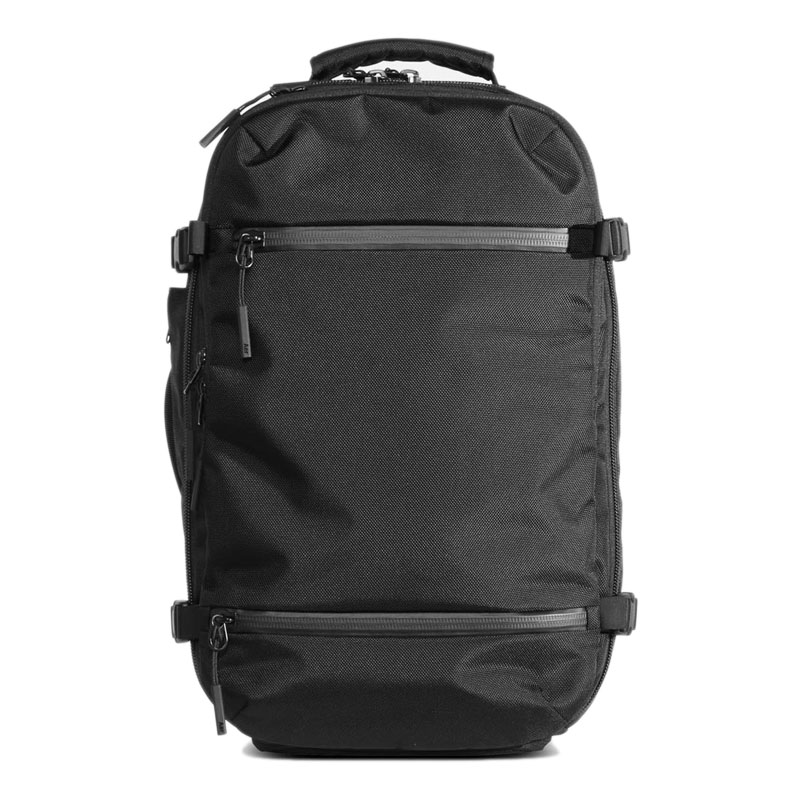
Travel Pack by AER $220

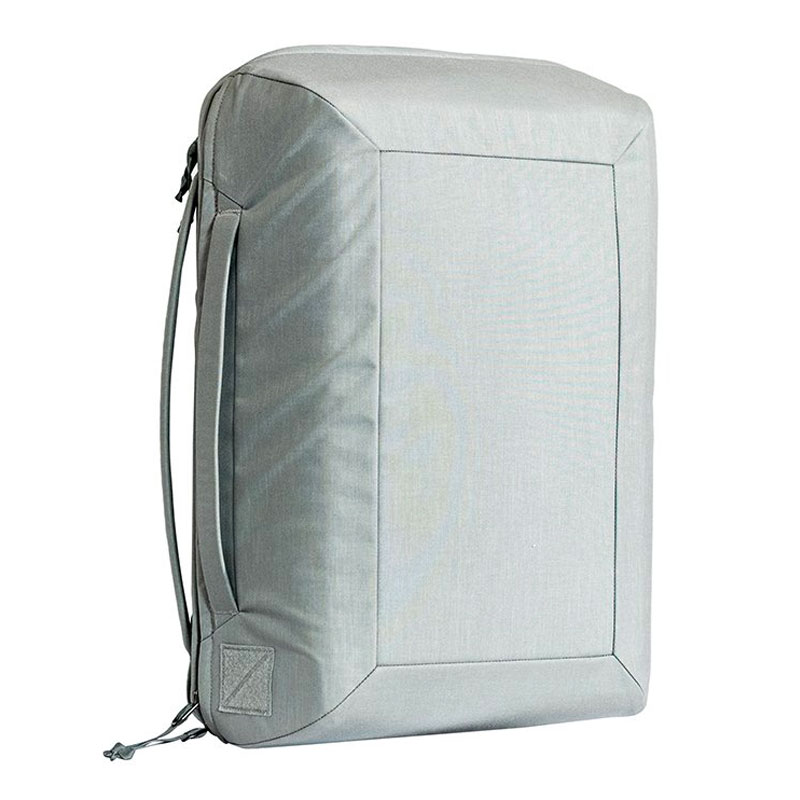
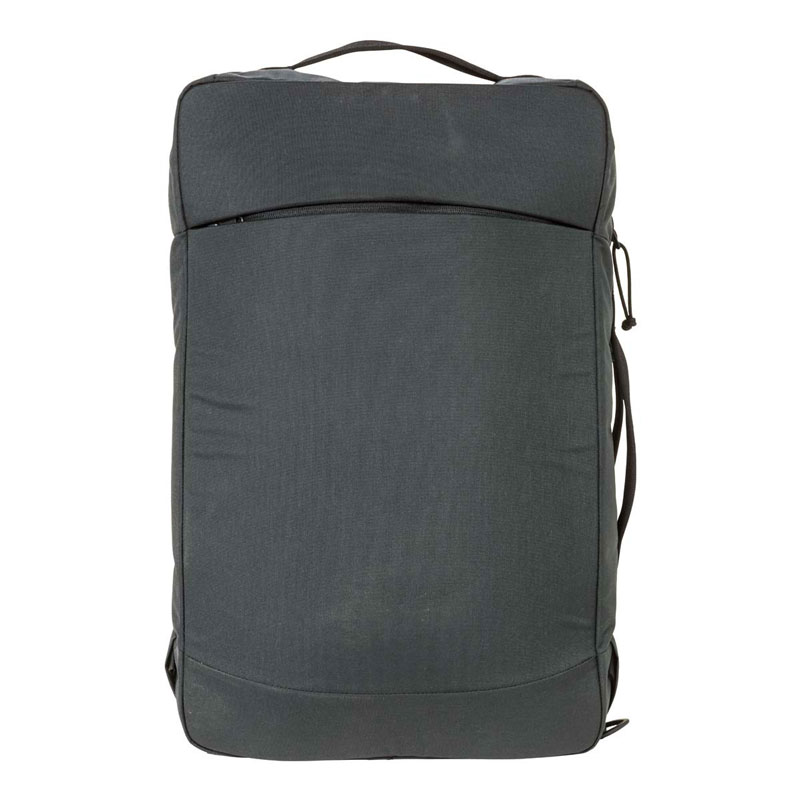
Mission Rover by Mystery Ranch $185

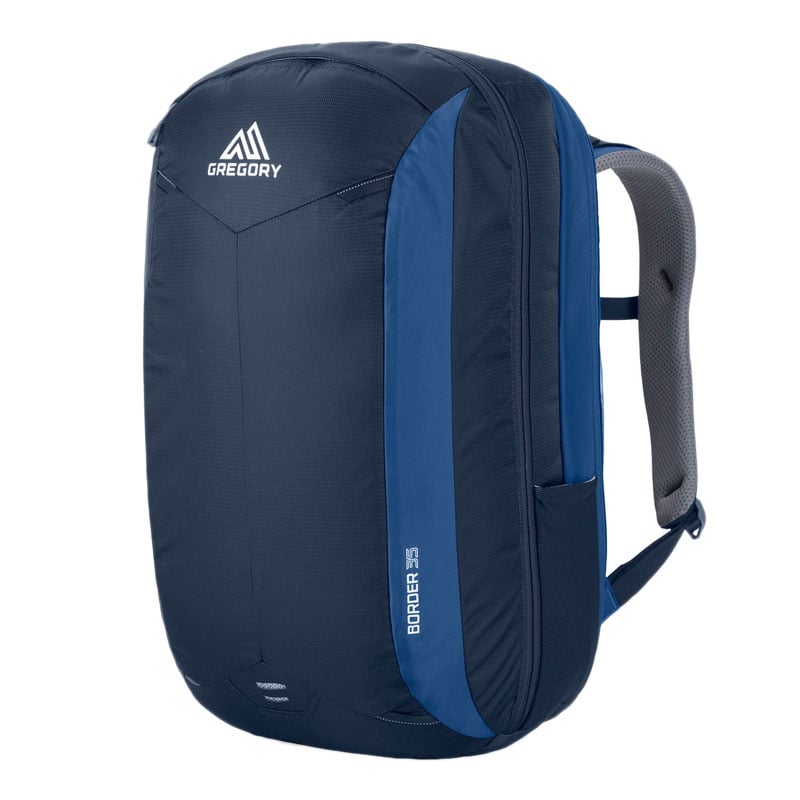
Border 35 by Gregory $140

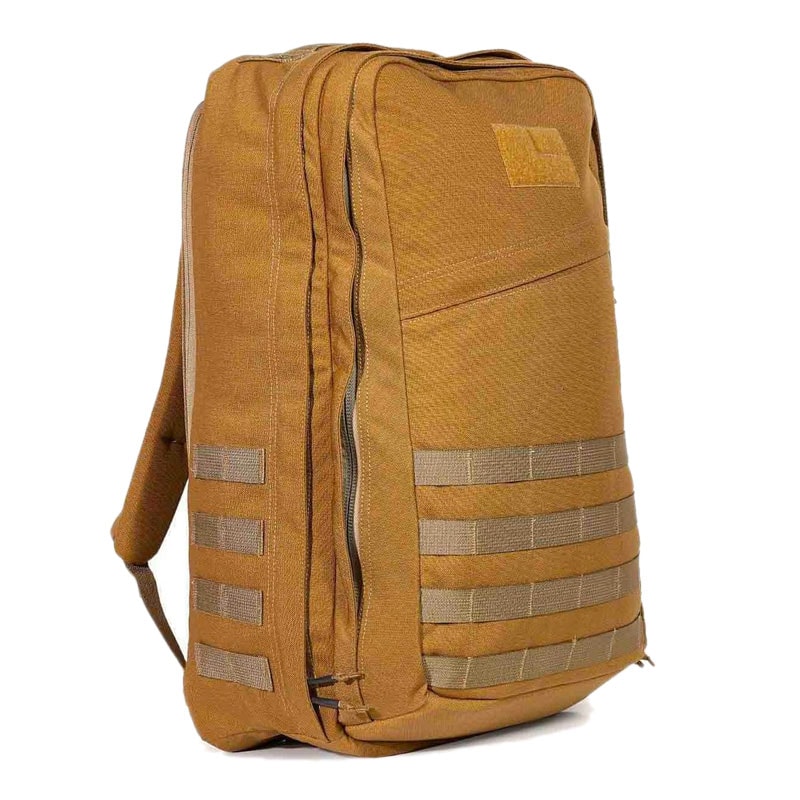
GR2 by GoRuck $495

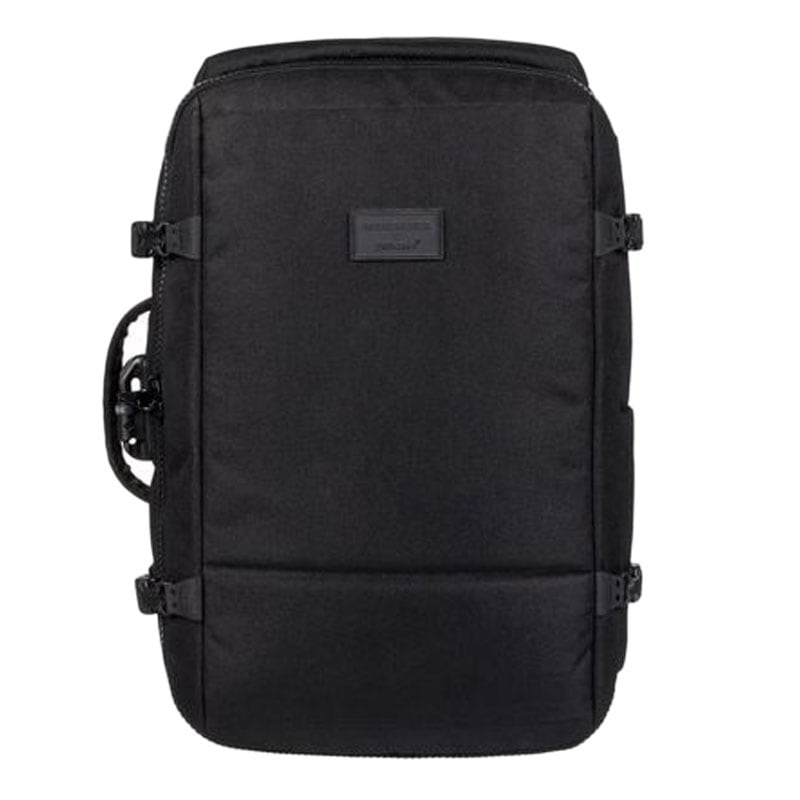
40L Anti-Theft Carry On Pack by Pacsafe x Quiksilver $190

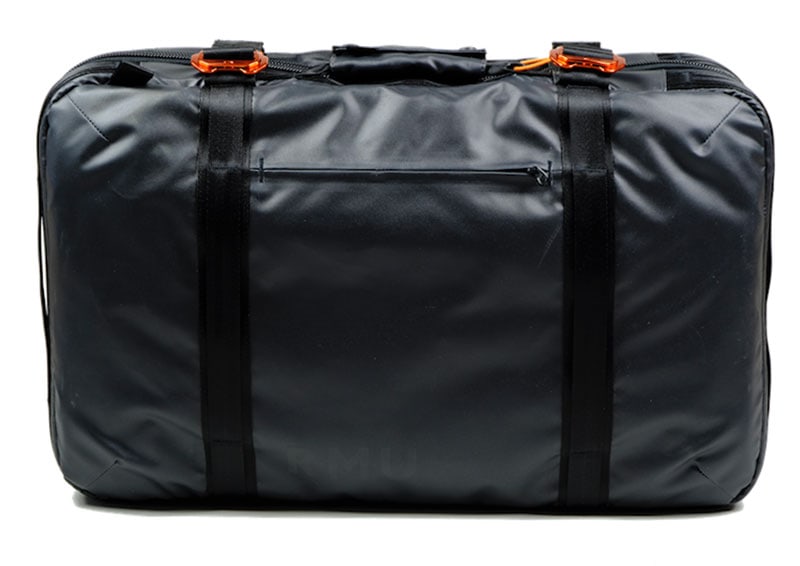
BRFCS by RMU $200

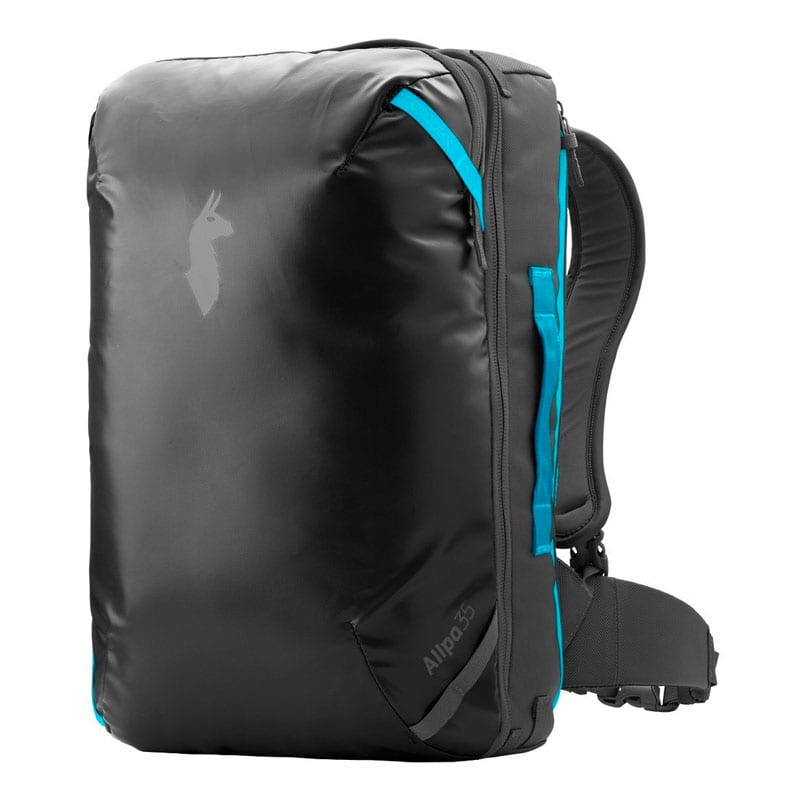
Allpa 35L Travel Pack by Cotopaxi $210

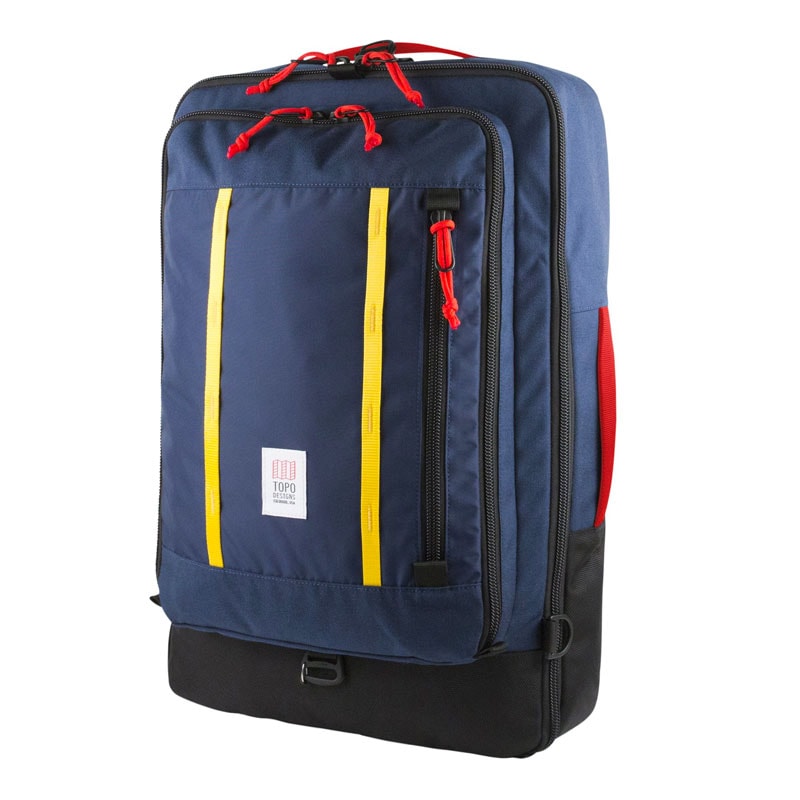
Travel Bag 40L by Topo Designs $229

Evergoods provided the CTB 40 for review.

Note: Purchasing products through our links may earn us a portion of the sale, which supports our editorial team’s mission. Learn more here.
Our Favorite Wool Slippers Just Launched a Blacked Out Model

The Magazine

Let us take you on a journey of the world. Each issue of the Gear Patrol Magazine comes packed with adventures, guides and stories exclusive to the magazine. Stunningly designed, printed on high quality stock and ready for your coffee table. Biannual. $39.

The Newsletter

Get GEAR PATROL in your inbox with the DISPATCH, including Today in Gear and all our new stories. Daily, 5pm. Free.

This Is the Hangboard Alex Honnold Swears By

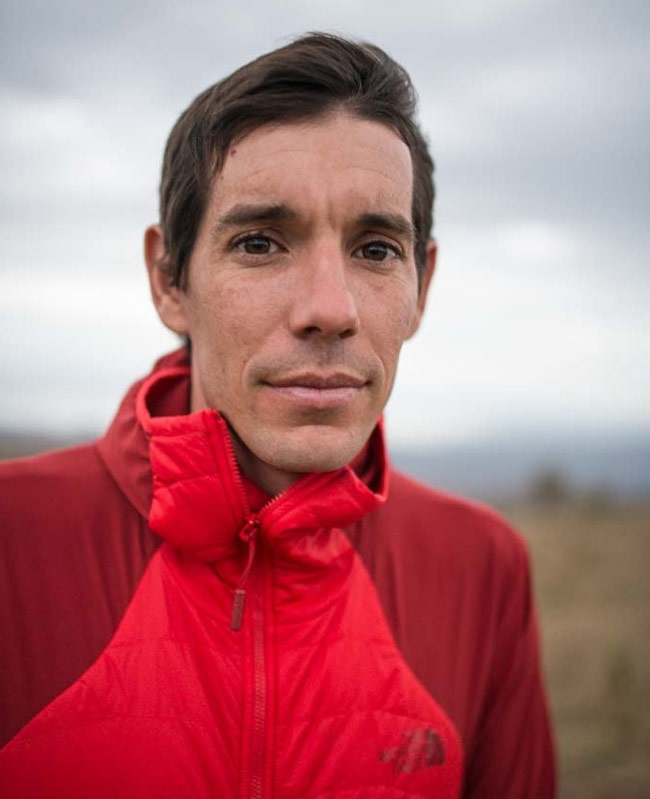
If you’ve been to the movies lately, or even watched some commercials, you might have heard about Alex Honnold’s newest film, Free Solo. Just as palm sweat-inducing as the last one, A Line Across the Sky, Honnold once again demonstrates his acute and intense focus on summiting the next big wall. Free Solo provides an intimate view at Honnold’s personal life as he prepares to go after a free solo of Yosemite’s 3,000-foot El Capitan via the Freerider route.

The National Geographic Film directed by Jimmy Chin (who also stars) and his wife, Elizabeth Chai Vasarhelyi, provides viewers with a behind-the-scenes view of where Honnold trains, sleeps, eats and dates. For the past 11 years, Honnold has lived in his van. That means, like most things in Honnold’s life, he gives his gear a thorough look through and test before committing. As an athlete sponsored by The North Face, Honnold has plenty of shirts, shorts and hoodies, but there are lots of other gear items stuffed in the corners of his tricked-out van that our team was fascinated by.

Honnold perfects every single climb before he heads out to attempt it. From visualization to strength training and grip training, not one thing goes unthought before the big day. To help dial his grip strength, Honnold keeps a hangboard in his van, which our team caught after seeing the film. The Beastmaker 2000 has been around since 2008, but started on a very small scale. “There are still just four of us in the company,” Dan Varian, one of the co-founders of Beastmaker explained via email. But now, this hangboard “is one of our best sellers. Many of the world’s top climbers use the board to train on because it offers a variety of grips in a compact and ergonomic training platform.” Since Honnold lives in a 2016 Ram ProMaster Cargo Van, it makes sense that he’d want something that’s not insanely large and bulky to store.

The board is not for beginners, which is why the 1000 series is the absolute best seller, according to Varian. “It’s aimed more at beginner to intermediate climbers who are looking to start training, rather than the 2000 which is more for seasoned climbers wishing to work a weakness.”

The wooden texture won’t hurt your fingers, but is still plenty grippy. With all the pieces built from wood, the brand aims to be “as carbon neutral as possible,” Varian says. “We are 99-percent plastic free, and we recycle all our sawdust into briquettes. Our energy is from renewable suppliers. This year we have donated £6,000 (roughly $7,696) to tree planting schemes in Yorkshire to help offset our wood use and postage, too.” You can pick up one of these boards online and get it shipped anywhere in the world. Then go work on your own El Cap.

Note: Purchasing products through our links may earn us a portion of the sale, which supports our editorial team’s mission. Learn more here.
Not All Hiking Boots Should Be Worn in the City

In recent years, interest in outdoor apparel and equipment has surged far beyond the typical crowd of hikers, skiers, climbers and campers. It’s moved from mountain towns through suburbs, into cities and even onto fashion runways. Outdoor gear has always been cool, but it would seem that now it’s been made official.

But the thing is, not all of it is designed for use in places like New York and LA. Rain jackets, puffy jackets, backpacks — yes. Ice axes, crampons, avalanche beacons — probably not. Making the distinction isn’t always so clear though, and one big grey area is outdoor footwear. Yes, boots and shoes designed for scrambling over boulders and tramping endless miles can be worn on city sidewalks, but the heavy-duty construction can also take a toll on your feet when the only surface you walk on is concrete.

But that doesn’t mean you can’t find footwear that balances outdoor style with features fit for town. It’s this idea that Jon Tang uses as the foundation for his footwear brand Fronteer, and perhaps the best example of this is his Geotrekker. The Geotrekker looks like a serious approach shoe with a lugged sole, rubber toe cap and an upper made of suede and ballistic nylon, but keeps all-day comfort in mind. It doesn’t have a shank, a feature in hiking footwear that provides support and protection from jagged rocks, which means it isn’t so stiff that it’ll leave your feet feeling like you climbed to 14,000 feet when all you did was head downtown. It’s also available in two new colors, and they might be Fronteer’s best yet.

The 15 Best Gifts for the Snowboarder

Shopping for snowboarders is actually surprisingly easy. Pretty much anything that values style and performance equally will do. But if you want to provide a truly excellent gift for the snowboarder in your life, that requires a bit more expertise. But fear not, we have you covered. We’ve collected 15 of the best gifts for snowboarders this year, including some of the most innovative snowboard products to ever hit the market.

RMU Core Pack

RMU’s Core Pack is an excellent backcountry pack, but it also functions well as a carry on bag. It has 35 liters of space with plenty of organizational pockets for odds and ends.

Gear Patrol x Mountain Standard Utility Glove

For our collaboration glove with Colorado-based Mountain Standard, we overlooked no detail. High-quality leather, a neoprene cuff and Primaloft insulation mean your hands stay dry, warm and stylish.

Ikon Pass

For the dedicated rider, the Ikon Pass is the ultimate gift. It’s a season pass that grants you access to resorts all across the globe. Some of the headline destinations include Niseko United in Japan, The Remarkables in New Zealand, Valle Nevado in Chile and Mammoth Mountain in California, but there are tons more as well. Chances are, there’s a resort near you.

Hyperlite Mountain Gear Ultamid Pole Straps

These flexible rubber straps are great for everything from lashing extra gear to your pack to stepping in as a toe strap in the event of a failure.

Malin+Goetz Mojito Lip Balm

Never ride without lip balm in your pocket. This Mojito lip balm from Malin+Goetz is some of the best out there.

Burton AK Endurance Sock

When you’re out on the hill all day, having a merino wool sock that will keep your feet warm, dry and comfortable is of the utmost importance. But fit is not to be overlooked as well. Burton’s AK Endurance sock is among the best in its class and will help you squeeze in those last few laps before calling it a day.

Coal The Rowan Beanie

Whether you wear this beanie around town or up on the slopes, it’ll keep your head warm without sacrificing on style. Coal has been ingrained in the snowboard culture since the early aughts, and owning one of its hats is requisite for any serious snowboarder.

Lifts&Bounds Resort Series Poster

Take the slopes home with these graphic posters from Lifts&Bounds. A handful of the most prominent resorts in the country are available in graphic form and include an outline of the resorts’ trail systems as well of some of their most famous trail names.

Ridge Inversion Heavyweight Merino Bottoms

For high-performance merino wool baselayers without any of the typical high price tags, Ridge Merino is the way to go. The brand’s Heavyweight Merino bottoms are ultra warm and ultra soft. They help to regulate temperature and wick moisture better than synthetic bottoms, plus they’re anti-microbial. Oh yeah, and they’re only $80.

Arc’teryx Stryka Hoodie

One of our editors swears by the Arc’teryx Stryka hoodie for all of his backcountry adventures. It’s impossibly stretchy and super warm without being too warm.

Bern Baker EPS MIPS Helmet

For the best in safety technology, opt for a helmet with MIPS. The liner helps to reduce multidirectional impacts commonly associated with concussions. The Baker EPS offers MIPS safety while still providing plenty of style.

Pieps Micro BT Beacon

The Pieps Micro is one of the smallest, most powerful avalanche beacons on the market. Unlike many avalanche beacons, the Micro is just that — tiny. You’ll hardly notice that you’re wearing it. And in the event of the worst case scenario, the Micro automatically goes into search mode when taken out of its holster.

K2 Broadcast

K2’s Broadcast is about as close as it gets to the proverbial quiver killer. The Twin Combination Camber allows you to blast through crud and crust while still maintaining fantastic control and edge hold in the turns.

K2 Maysis Heat

No one likes cold feet. That’s why K2 developed the Maysis Heat, a high-performance heated snowboard boot that actually works. Don’t let sub-zero days on the hill scare you off any longer.

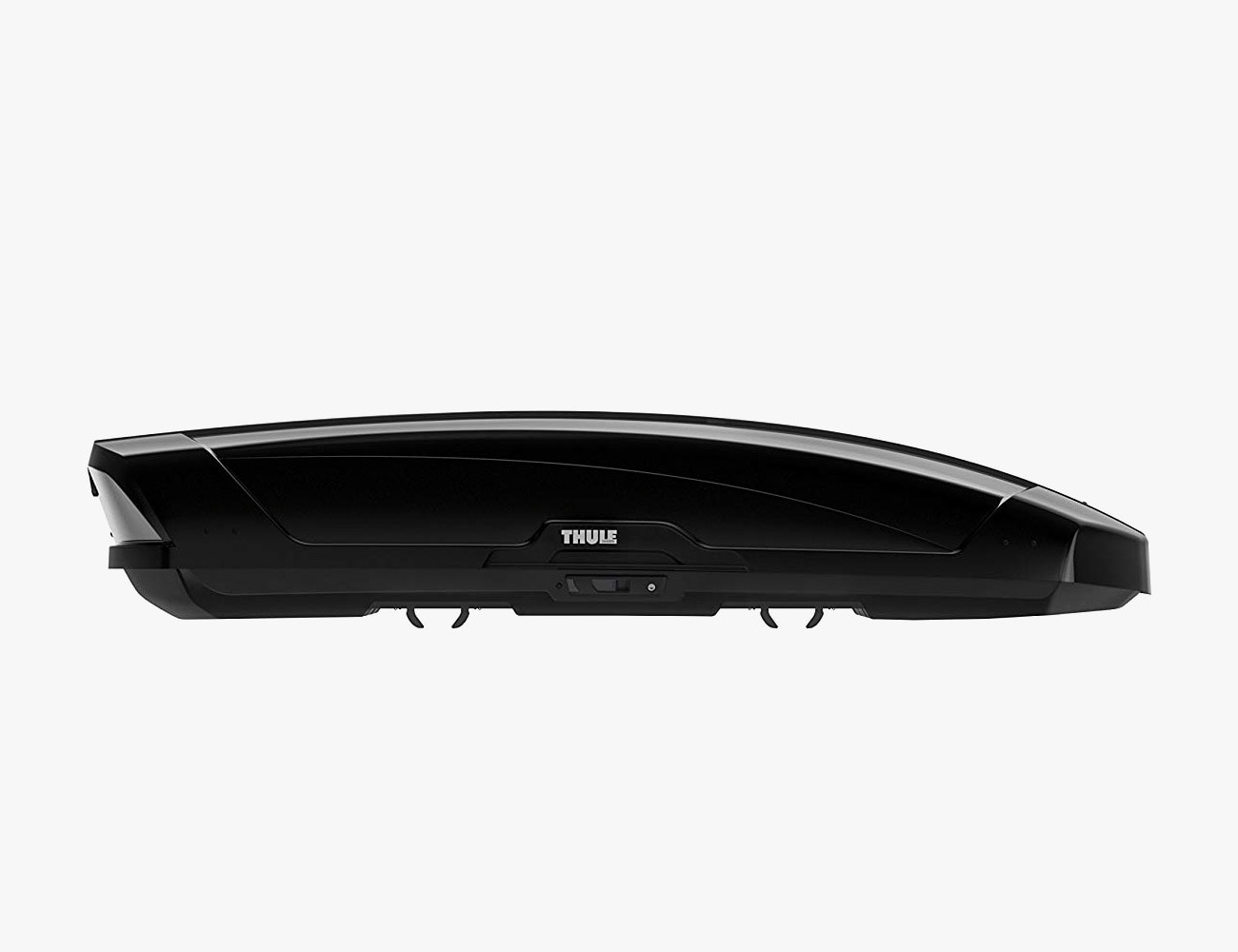
Thule Motion XT Alpine

End the days of torturing the trunk of your car with snow and grime from your snowboard. Thule’s Motion XT Alpine offers room for multiple boards, boots and helmets without killing your car’s aerodynamics and gas mileage.

Note: Purchasing products through our links may earn us a portion of the sale, which supports our editorial team’s mission. Learn more here.
These 11 Military-Issued Items Are Also Available to Civilians

The most advanced tech pieces in the outdoor industry tend to start as a product developed for the military and then trickle down to civilians from there. While consumers can’t always buy military-grade items, many brands with military contracts also create consumer-facing products that are still durable enough to last through raids, desert marches and the wear and tear that comes from active duty. Here are 11 items that you can buy right now from brands making gear for our nation’s military troops.
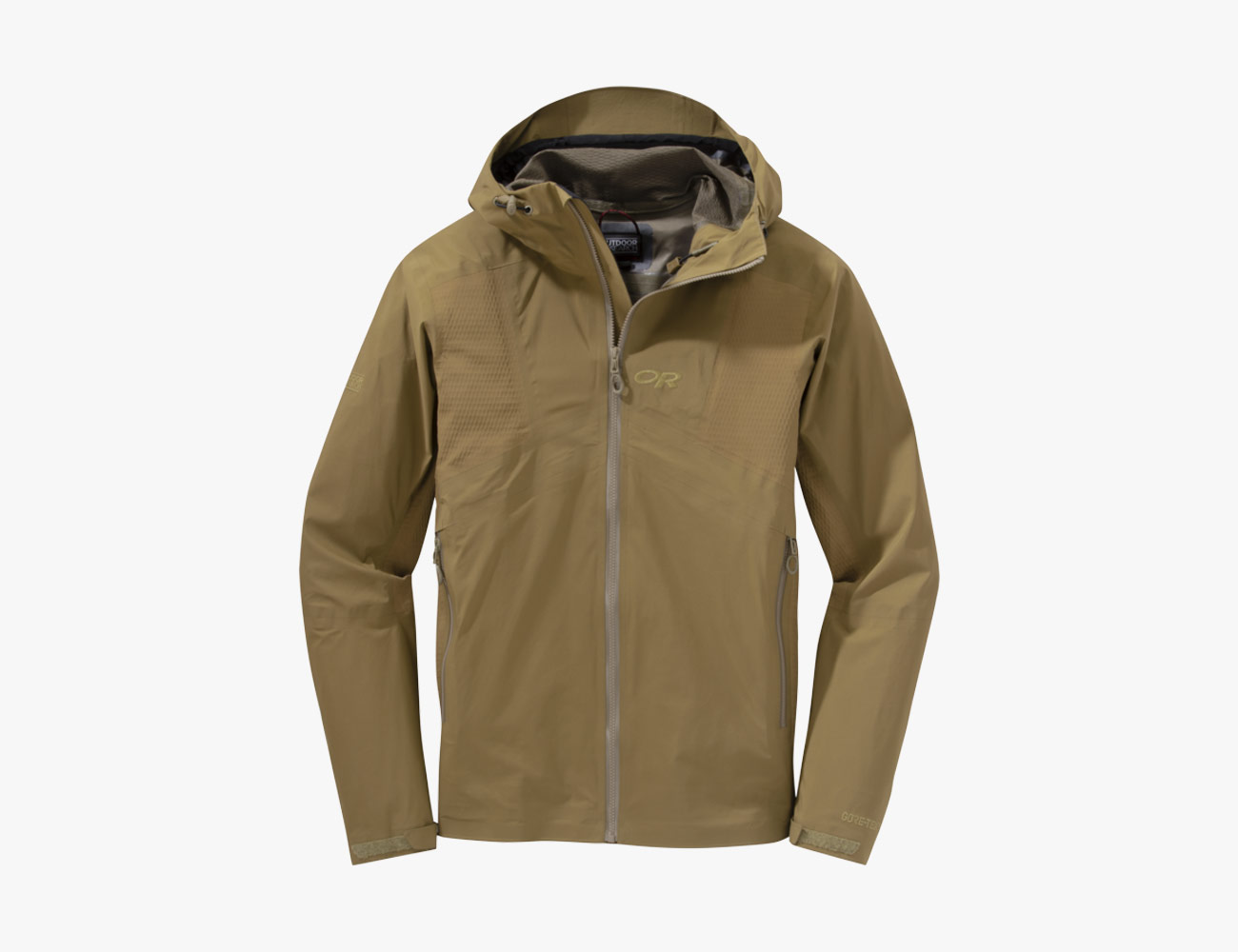
Outdoor Research Infiltrator Jacket

Offered in grey or khaki, the Infiltrator jacket is part of the larger Infiltrator Collection and is meant to perform in tactical situations. This piece has a durable, stretchy Gore-Tex fabric (designed specifically for military use) and is paired with fully taped waterproof seams. Despite all that technical fabric, the jacket is still lightweight and breathable. It also comes with a combat helmet compatible halo-hood.

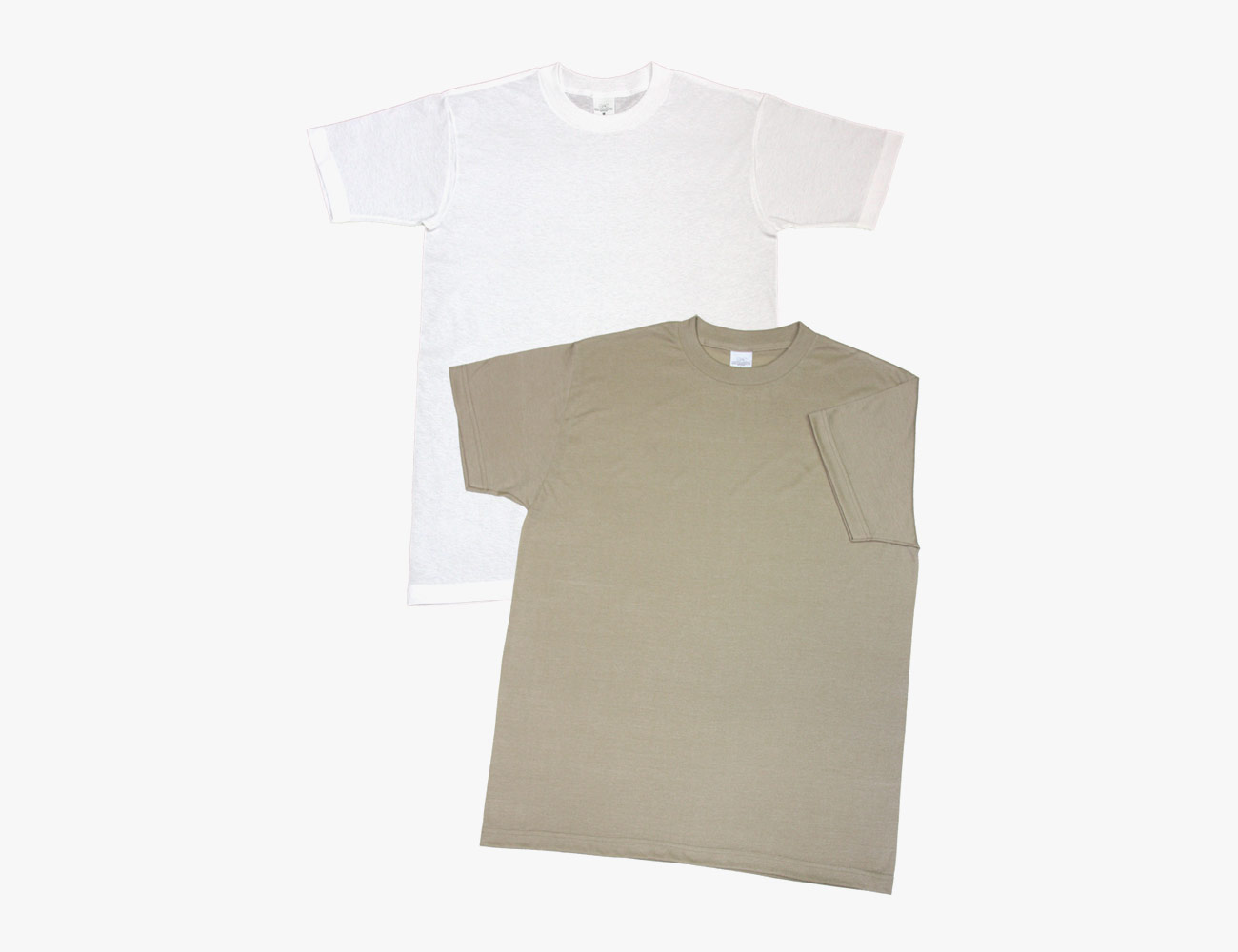
Campbellsville Apparel Company T-Shirts

Campbellsville Apparel makes only a handful of garments, but it supplies cotton briefs and undershirts to all branches of the US military as well as sweatshirts and sweatpants to the Marine Corps and Air Force. The shirts and other pieces are simple yet practical — and you don’t need to enlist in order to add them to your own daily kit. Best of all, the basic white cotton t-shirts are only $12 per 3-pack.

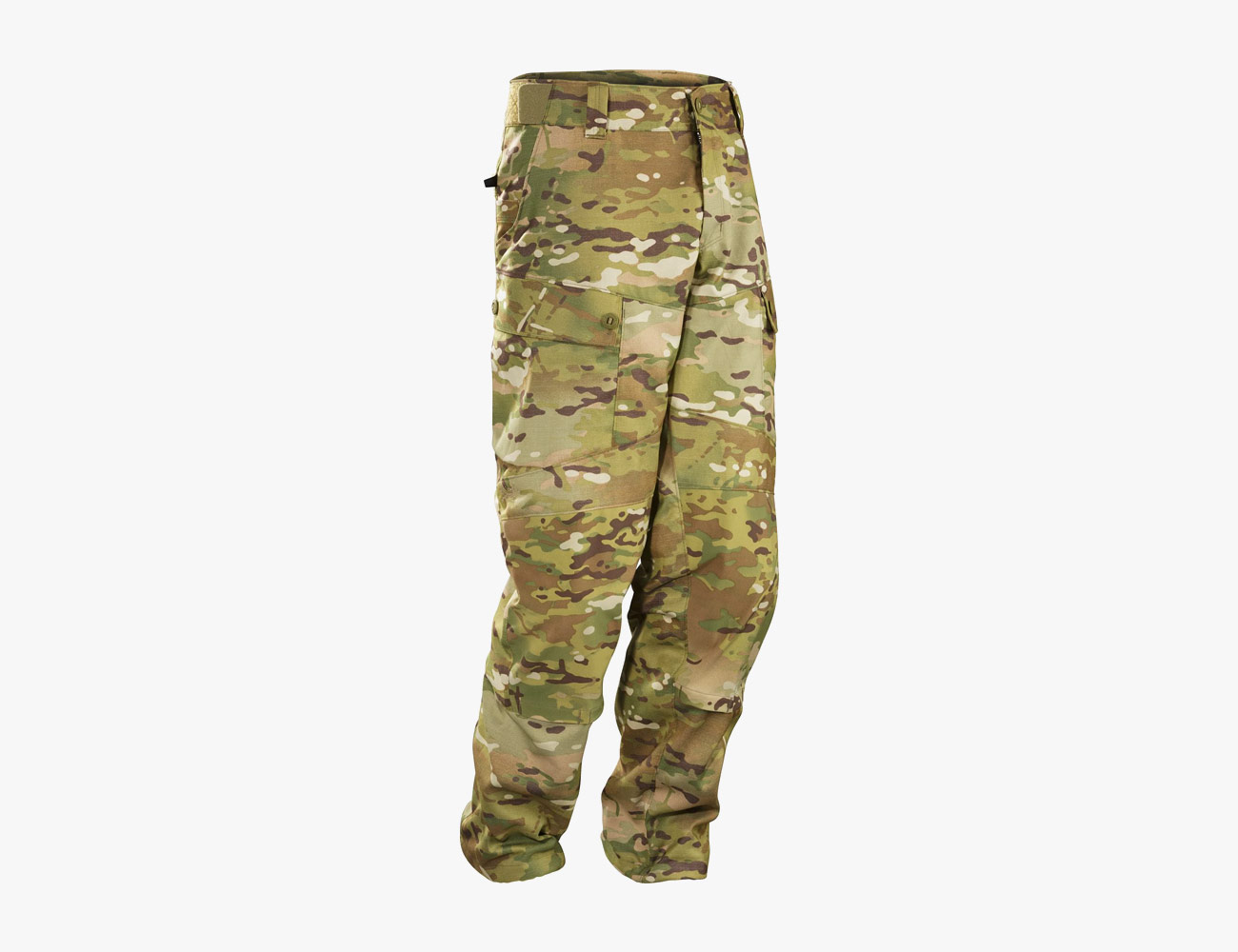
Arc’teryx LEAF Assault Pant LT Multicam

The Assault Pant LT is the same pant that the military wears during direct action or special reconnaissance tasks in more tropical weather. The GORE Katana no melt/no drip material and TWEAVE Durastretch fabrics keep the pants lightweight and long-lasting. Kneepad inserts, liners and reinforced knees provide durability where the pants are likely to wear out first. A drawcord around the ankles keeps the pant legs tight around boots.

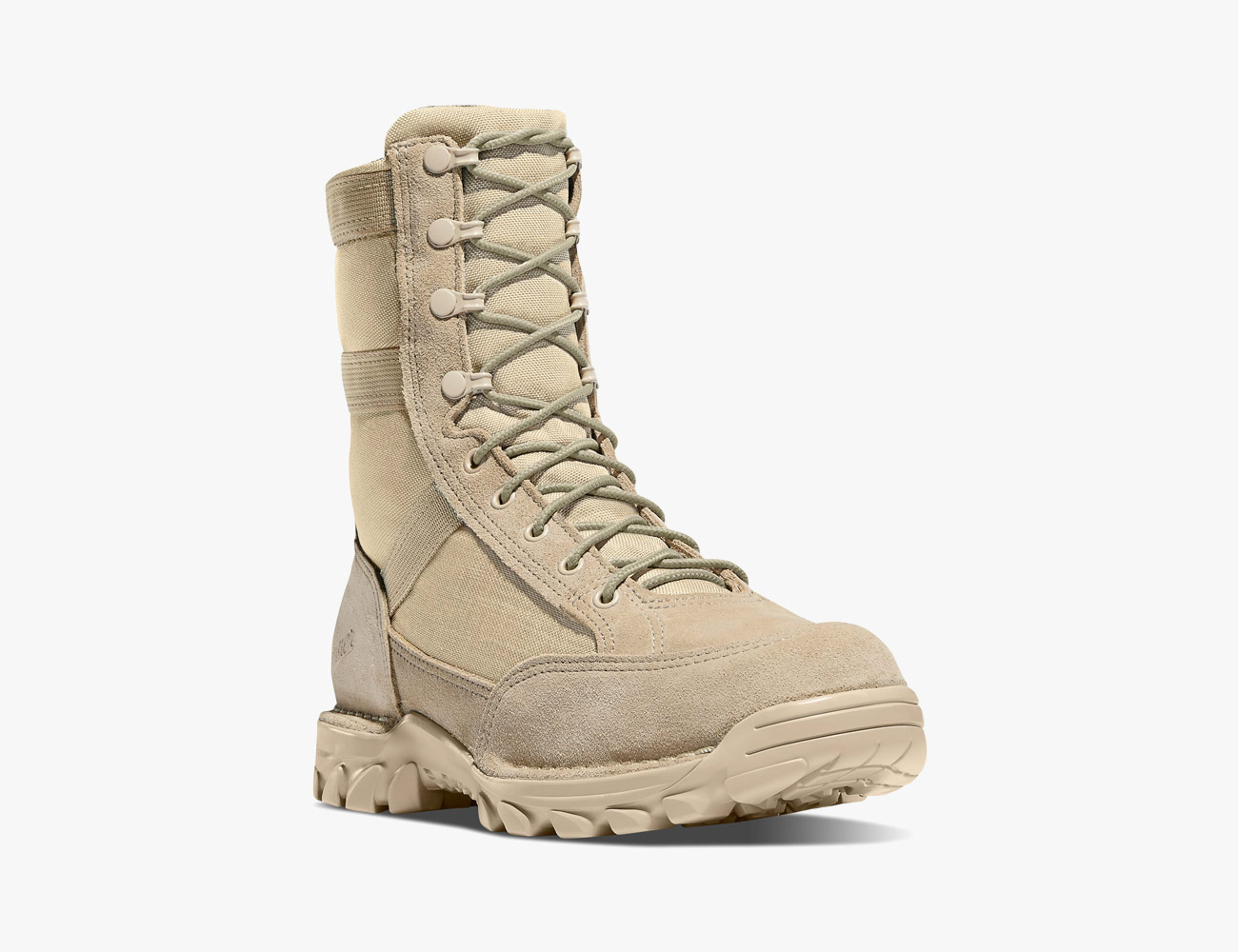
Danner Rivot TFX

Think how fast you wear through your shoes, then imagine marching all over the world in that one pair. Danner’s 56-ounce non-insulated boots are built to last a lifetime. The athletic fit leaves a little breathing room for your toes. Plus, the sole offers serious traction on the pivot points, meaning you can easily change direction without slipping up. The Rivot TFX also features a Gore-Tex liner, which will keep your foot dry and comfortable through a full spectrum of weather conditions.

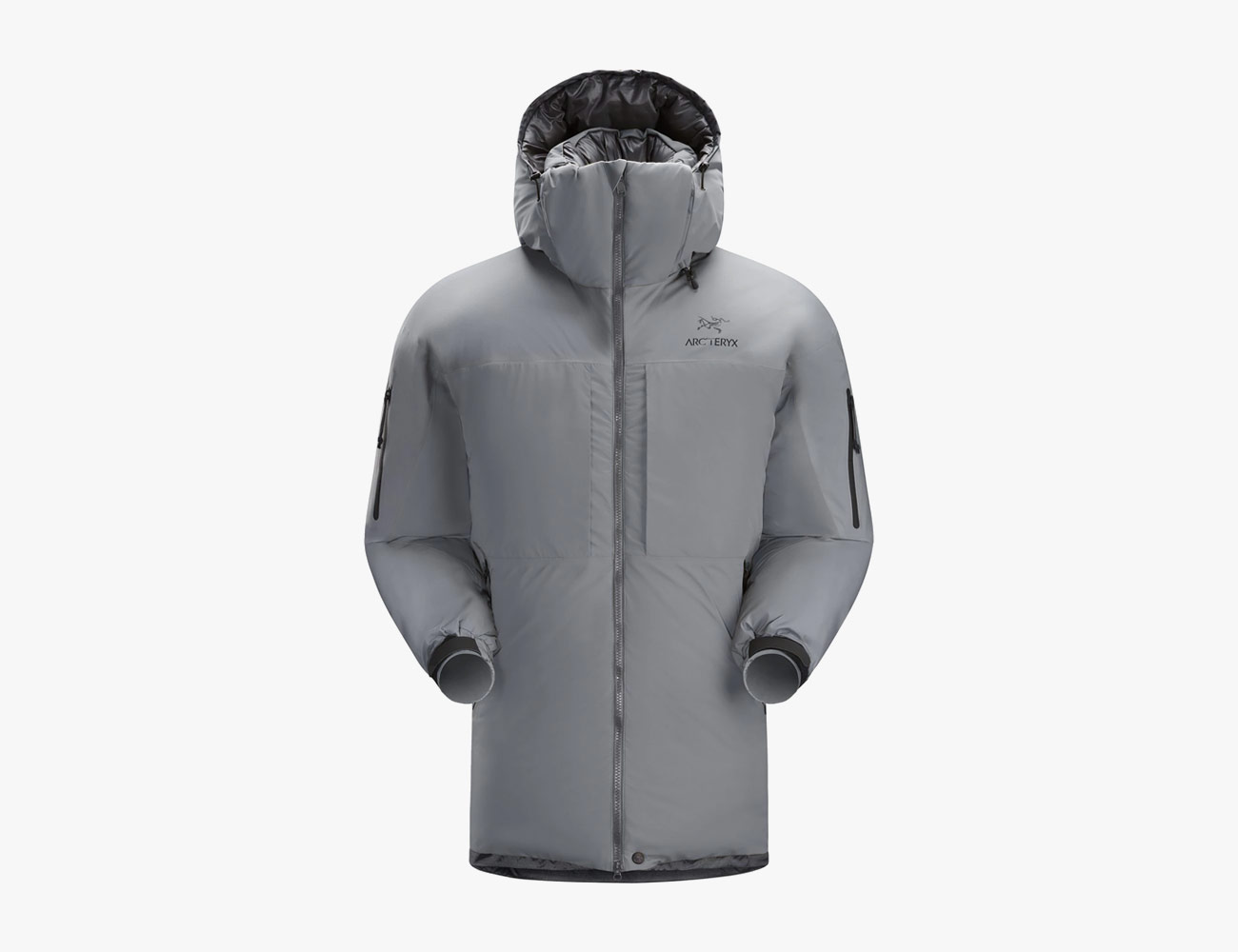
Arc’teryx LEAF Cold WX Parka SVX

The Cold WX Parka SVX is the ultimate down jacket. For frigid days and missions, it has a removable goggle-compatible insulated hood — plus a variety of pockets inside the coat, under the arms and on the hand and chest to hold everything you could possibly need. It was designed specifically for special reconnaissance tasks, but could easily work for frigid days in the city.

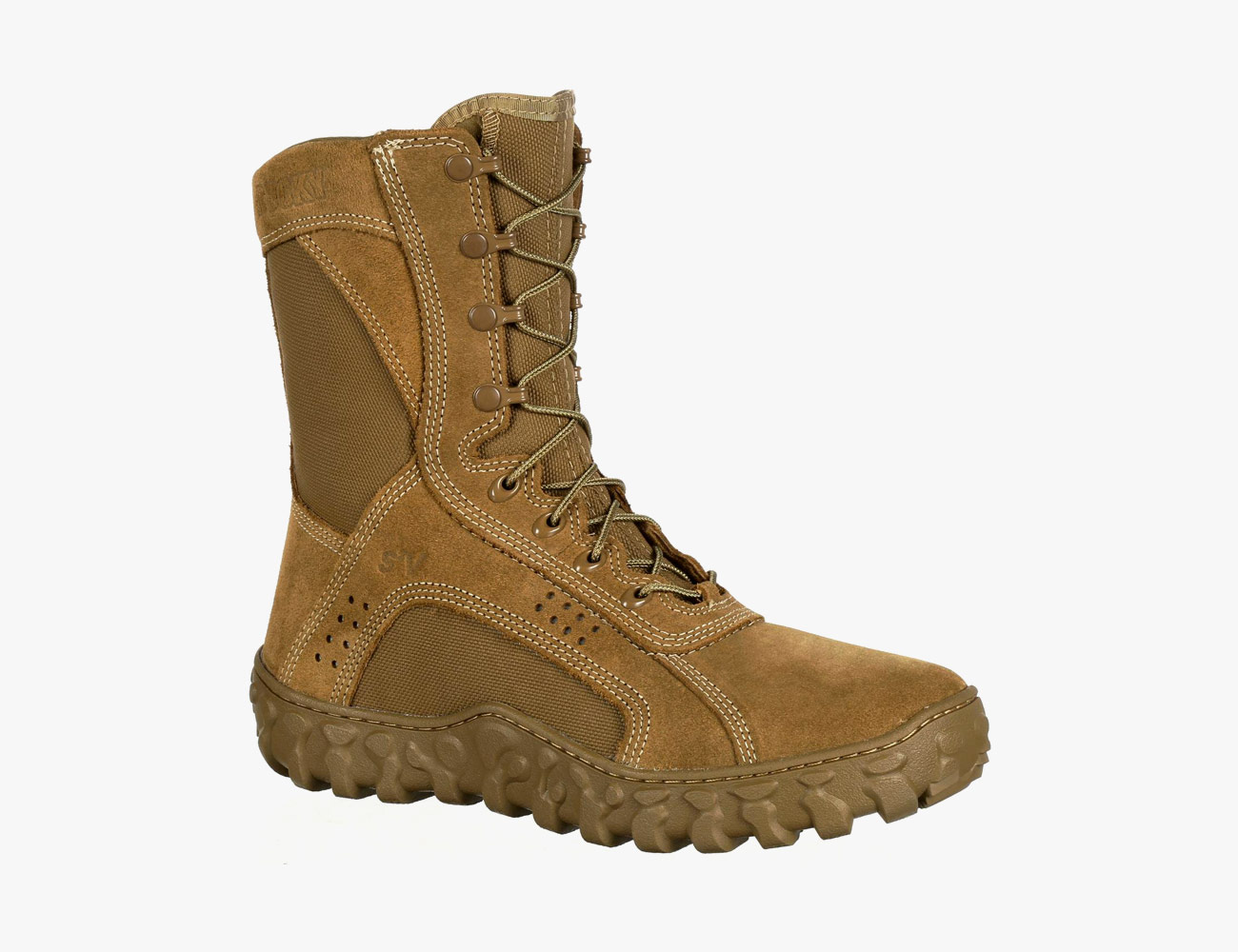
Rocky S2V Tactical Military Boot

Rocky’s S2V Tactical boots are lined with durable and abrasion-resistant Cordura nylon, are coated with PTFE for flame-resistance and are crafted with water-resistant leather. The Vibram sole provides much-needed comfort and traction for when you’re on your feet all day, and the S2V Sieve technology allows air to make its way through your boots. The technology also allows water to drain easily out of the boot whether you’re walking through streams or dumping water on yourself to stay cool. The boots are also Berry Compliant, which means that they’re made in the USA with American-made components.

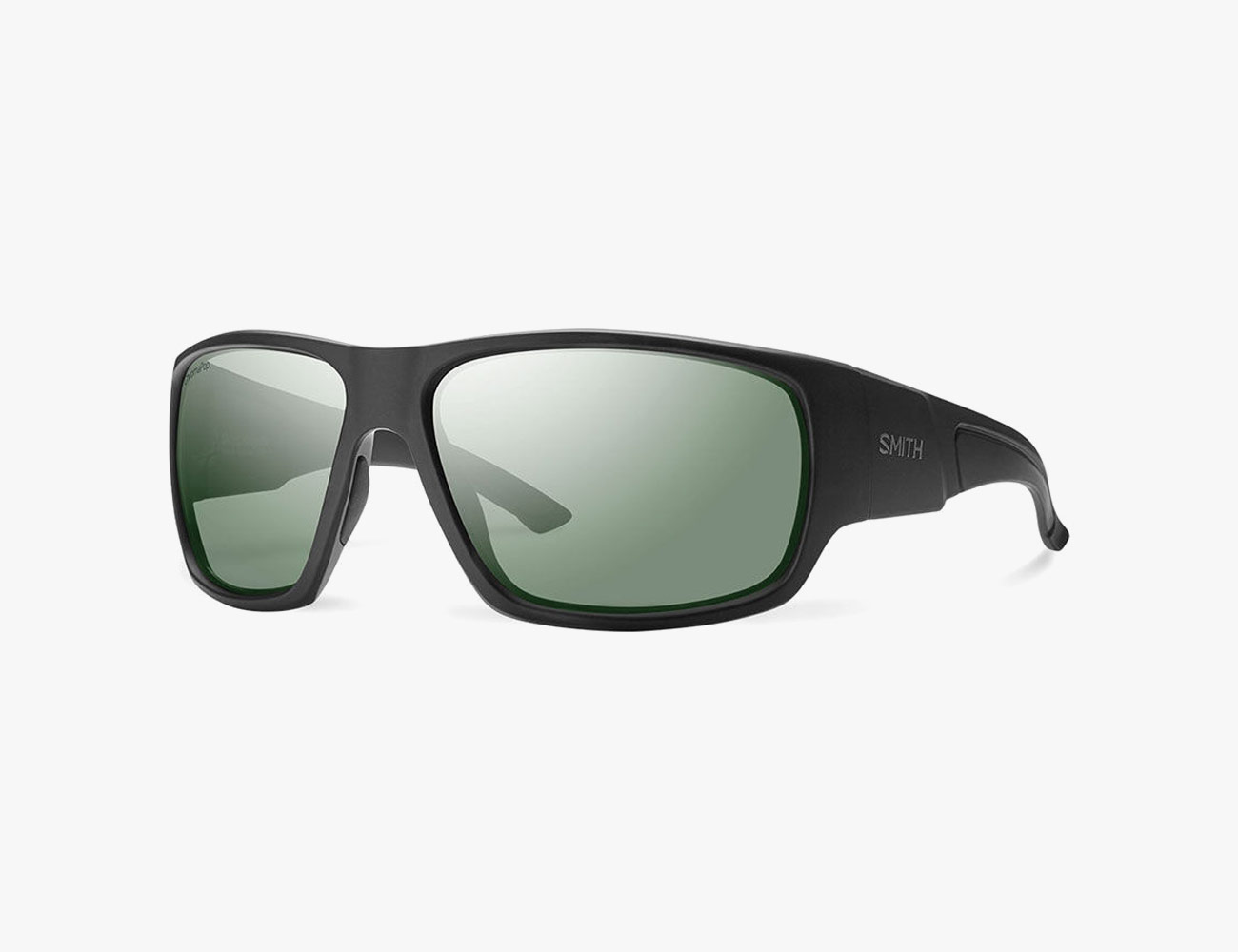
Smith Dragstrip Elite

Smith’s Dragstrip sunglasses provide ample coverage paired with photochromatic Chromapop lenses which pull out colors and highlights in a variety of lighting conditions. The Megol nose pads and temple tips secure them to your face even when you’re sweating, or when it’s way too cold for anything to stay put. Plus, they come with a lifetime warranty.

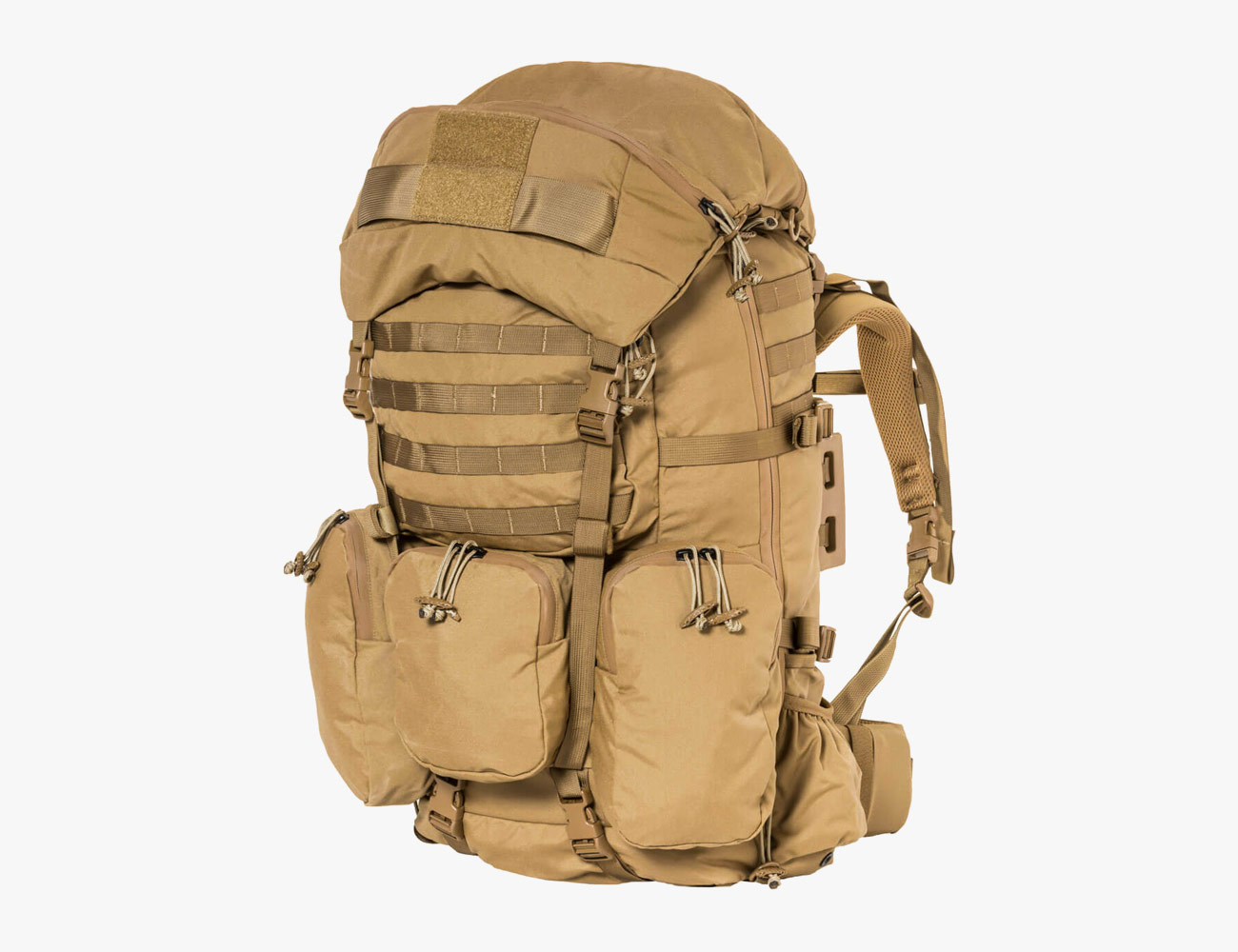
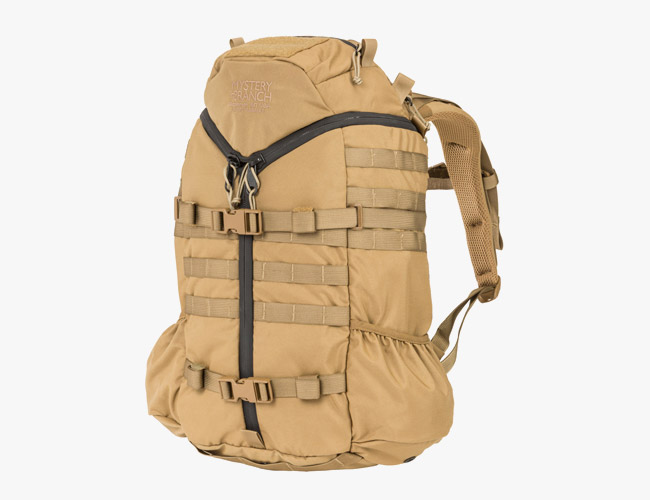
Mystery Ranch Blackjack 80

Modeled after the standard issue Spear Patrol packs for the United States Special Operations Command, the Blackjack 80 is Mystery Ranch’s consumer-available version. The carbon frame and abrasion resistant Cordura fabric mean it’s both long-lasting and lightweight. The four external pockets have easy-to-access top-open zippers, and the pack also has a removable lid that acts as an additional waist pack. This bag is also Berry Compliant.

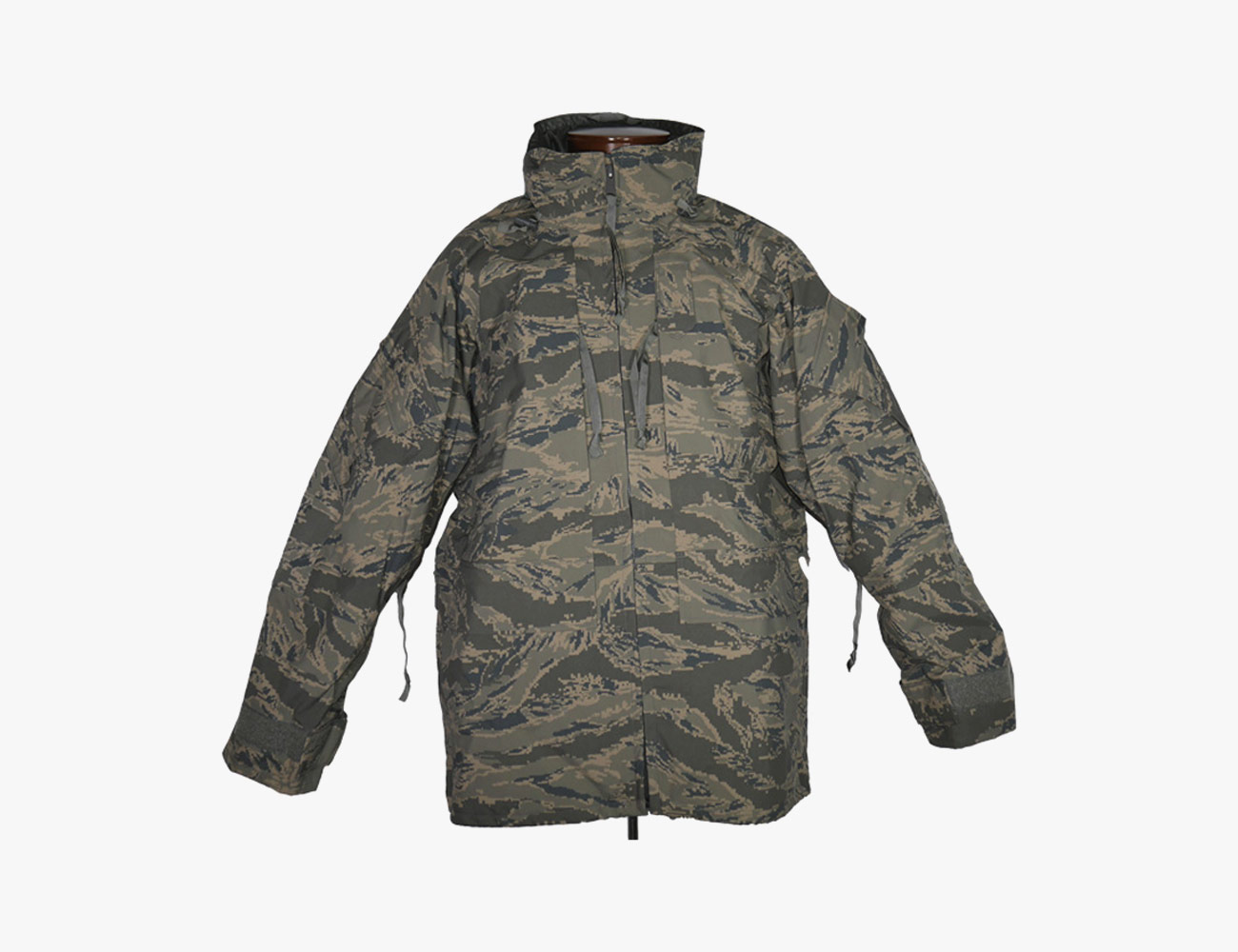
Valley Apparel AF APECS Parka

Not everything from Valley Apparel L.L.C is available to consumers, but this Gore-Tex lined camo jacket made for the Air Force is. A high neck hides the roll-n-stow hood, and the sealed seams provide weather protection from all elements. You’ll need to email the brand to get the correct sizing and purchase, but when you do, you’ll have an Air Force-standard Gore-Tex jacket.

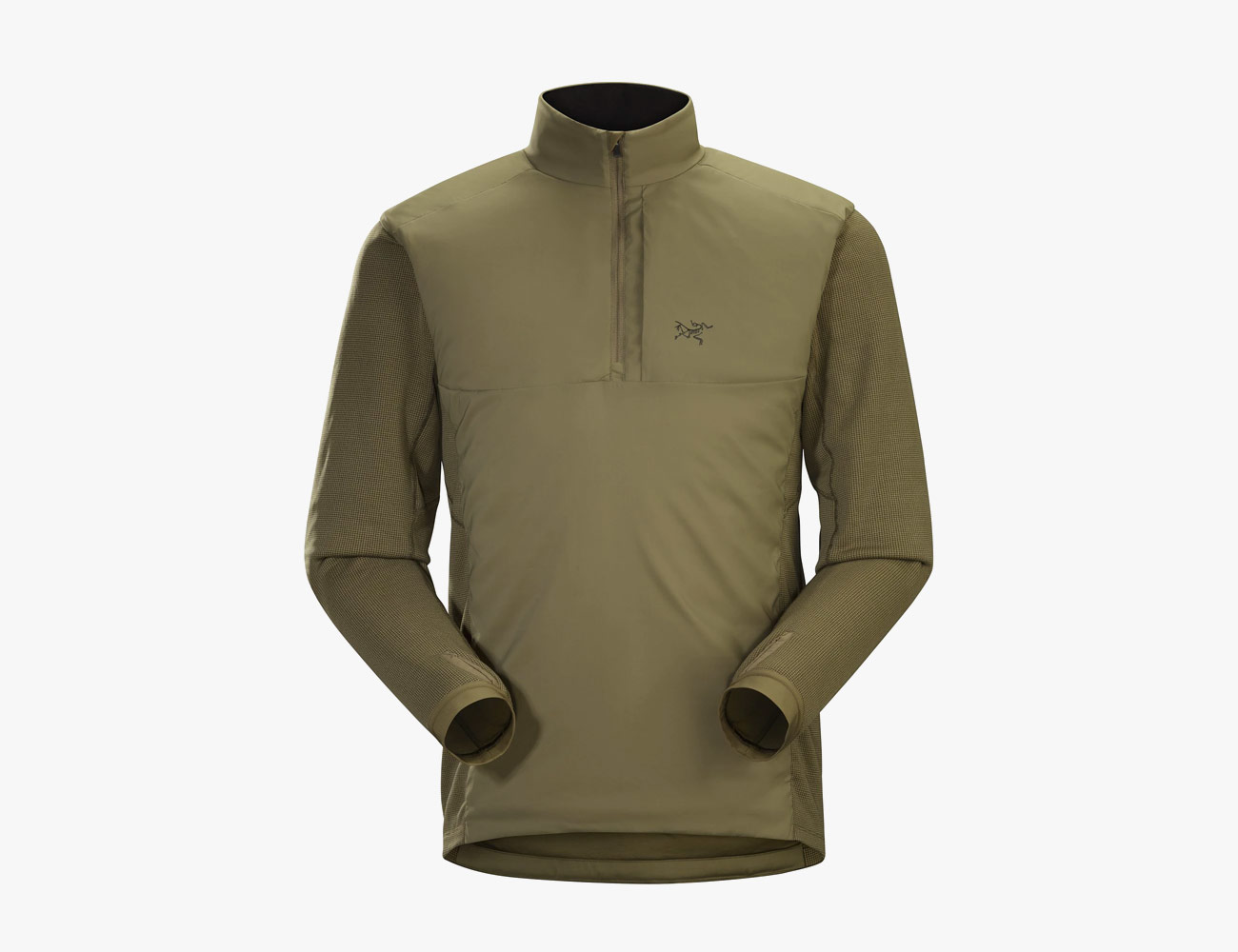
Arc’teryx LEAF Naga Pullover AR

This mid-layer is designed to be worn underneath a waterproof shell or body armor. It’s a quarter-zip pullover with thumb holes, which provide some hand protection without gloves. The easy-to-access chest pocket keeps essential items close, and it comes in two colors: jet black and a dusty olive.

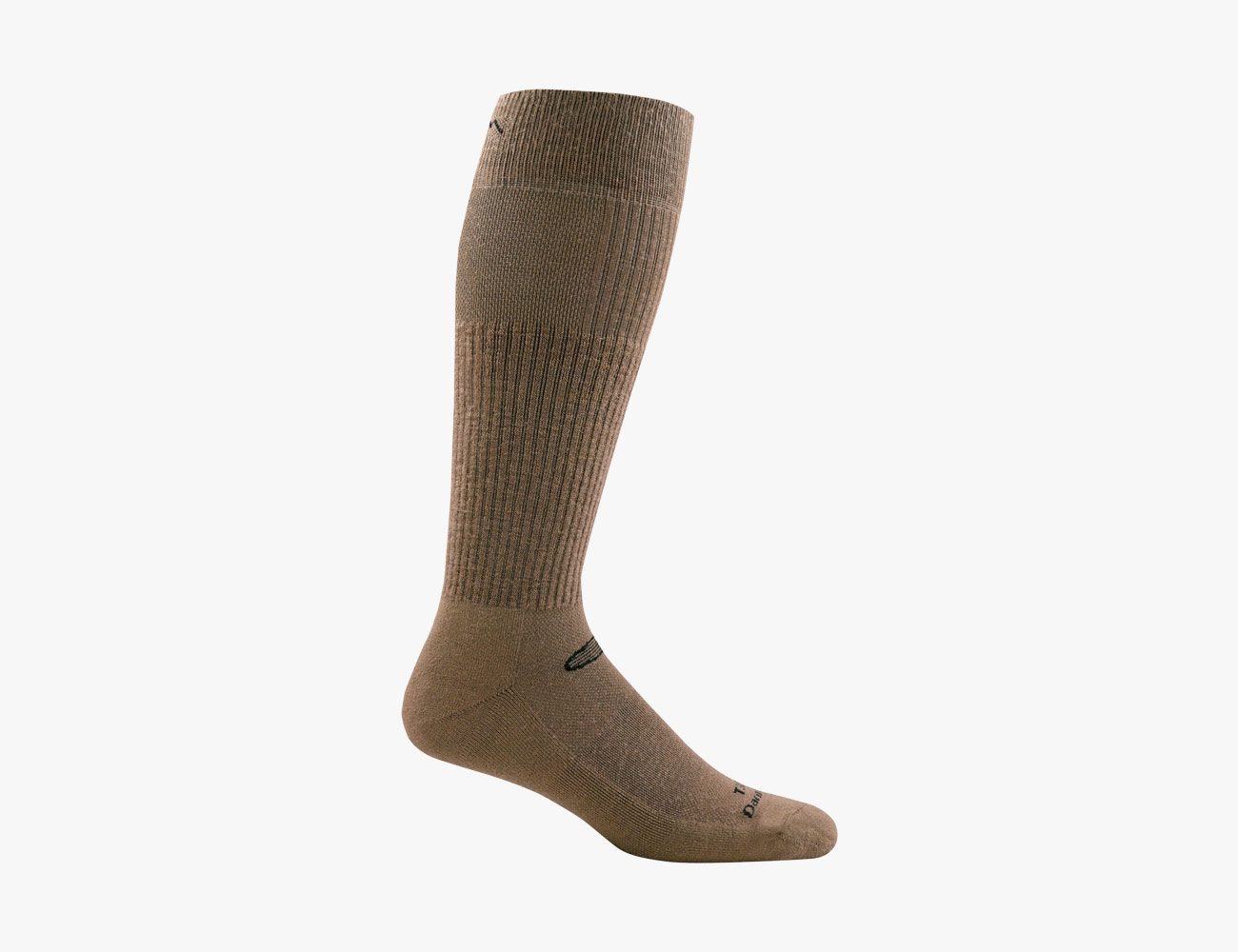
Darn Tough T3005 Tactical Mid-Calf Light Cushion

Darn Tough’s hiking socks feature 1,441 stitches per square inch, and the military-grade seamless versions do as well. There’s no slipping or bunching, they’re breathable and most importantly, they’re incredibly durable. They’re made from merino wool which means that they are naturally moisture-wicking and anti-microbial.

5 Tougher-Than-Hell Military-Inspired Backpacks

Go far beyond the capabilities of ordinary civilian backpacks. Read the Story

5 Gear Recommendations from One of the Northeast’s Best Outdoor Stores

With a population of just 1,080, Keene, New York is considered small by most standards. However, it’s located right near the High Peaks Wilderness, a part of the Adirondack Park which has the famed 46 high peaks and sees up to 10 millions visitors each year.

Nestled just on the outskirts of the small village is an A-frame-style building that wouldn’t look out of place somewhere like Cape Cod. It has clapboard siding and the words “The Mountaineer” are written prominently in slab font. The exterior does little to belie its importance. The family-run sporting goods shop opened in 1975 and has been serving the greater Adirondacks ever since as the region’s premier outdoor gear shop. In fact, its influence reaches far beyond the Adirondack region. The Mountaineer is one of the best outdoor gear shops in the country.

The Shop was founded by the McClelland family, and Vinny McClelland helped hammer in the nails and put up the wood walls. However, shortly after the shop opened, he moved up to Alaska in search of another family story. He had always been fascinated by his grandmother’s stories about his grandfather’s mine in Prince William Sound, so he ventured up there and ended up staying for about 12 years. Eventually, he grew to miss the seasonality of the Adirondacks. “The mountains, the people; they really are wonderful and deeply ingrained in my ethos and spirit,” McClelland told Lynsey Dyer on Tent Talk.

The shop sells everything for the adventure-inclined. Hunt for top of the line mountaineering, hiking, fly fishing, camping, rock and ice climbing, trail running and backcountry skiing products in the shop. The team of ten has outfitted adventurists that travel everywhere. “We’ve developed relationships with people from all over the world, literally,” McClelland says in Tent Talk. “We send people out into extreme conditions and not everyone goes to the top of Everest, we send people to shop in Montreal, but we need to be comfortable if we send somebody out in equipment, or boots or clothing, that it’s going to work for whatever the condition is and they’ll be comfortable.”
If you’re lucky enough, you might just get one of the Mountaineer bandanas. The accessory has been on each of the Seven Summits. It’s been to the top of Everest and Kilimanjaro, as well as each of the Adirondack’s 46 peaks. Happy customers send thank you notes and pictures back to the shop (in fact, there’s even a thank you note from Patagonia’s Yvon Chouinard), which used to be prominently displayed… until the store ran out of room. You can spot them along the back walls, in the bathrooms, even going up the stairs. To help showcase more of the bandanas, the team posts pictures on the Instagram account, The Mountaineer Bandana.

What gear are the team members at The Mountaineer stoked on right now? We asked them to pick out their top gear picks right now.

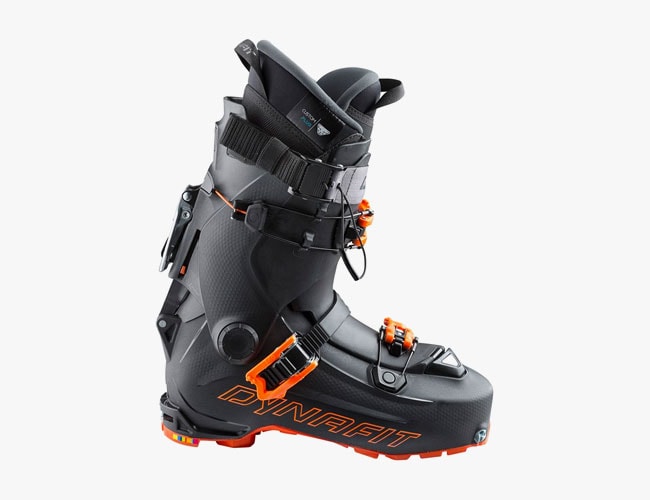
Dynafit Hoji Pro Tour Boot

“The one thing in ski department I think is pretty cool is a boot from Dynafit, called the Hoji,” Mike ‘Kaz’ Kazmierczak says. Typical alpine touring boots are expected to ski well, be light, warm and more, whereas a regular ski boot does one thing — “it keeps you attached to the binding and you ski.” When you get into alpine touring, the list of must-haves gets longer. “[Dynafit] worked with athletes and developed a boot that is the best compromise of weight and ski performance that the industry has probably ever seen. The unique thing is the touring mechanism on the boot,” Kaz says. Normally, you buckle up the boots, go uphill and then have to undo buckles to set yourself up. Most boots have a ski or walk mechanism on the back with lots of moving parts, but with the Hoji boot, you buckle it once to go skiing and then simply lift and close a lever at the top of the boot. “It’s pretty genius the way they do it.”

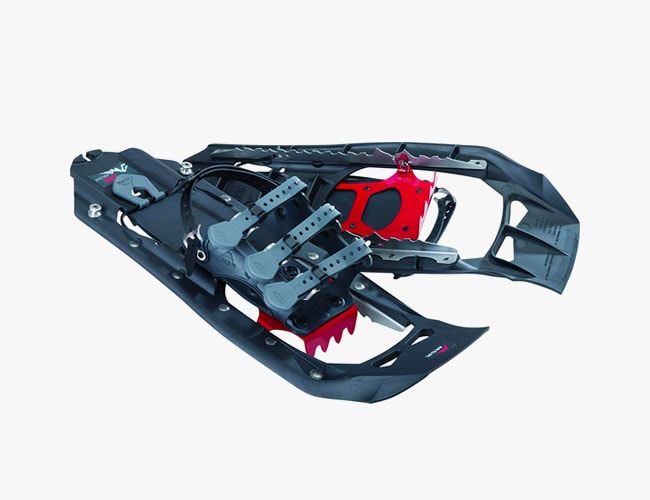
MSR Evo Ascent Snowshoe

“We should talk about the MSR Evo Ascent Snowshoe,” Dustin Ulrich says. “That’s the only one that we sell here, and it’s also the snowshoe we have in our rental or demo fleet. If you want to go up into the High Peaks during winter and there are more than eight inches of snow in the woods, a snowshoe or ski is required. Lots of people don’t have that, so we rent out snowshoes.” Pretty much every weekend in winter the snowshoes are on loan, Ulrich says. “They’re heavily abused. We equate a season of renting to five years of use. [We] have some of the same snowshoes in our rental fleet for five years,” which basically equates to about 25 years of use. “We stand by that product because it holds up so well. It’s lightweight, durable and the only one we’ve been able to find that holds up in the demo fleet.”

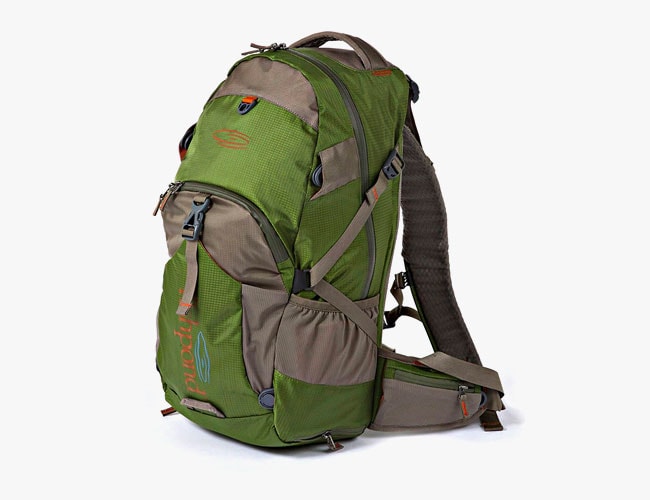
Fishpond Bitch Creek Tech Pack

While we’re a bit out of fly fishing season, Kazmierczak likes the Fish Pond brand. “They make all soft goods for fishing, but out of recycled commercial fishing nets.” The design and simplicity receive high marks from Kazmierczak — the brand knows what its customers want. “One pack we’ve carried off and on is the Bitch Creek Tech pack. The neat thing about it is that it’s modular and you can change out pieces on the pack,” Kazmierczak says.

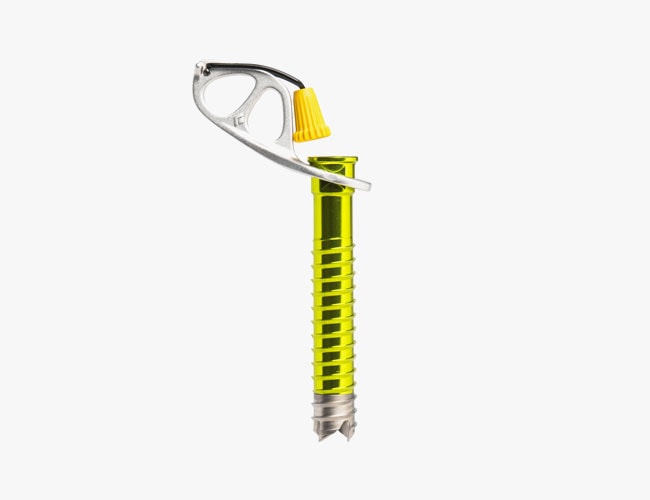
Black Diamond Ultralight Ice Screw

Nick Gulli has been at the store for 22 years and handles most of the rock climbing and ice climbing sales. These “ultralight ice screws are new this year and pretty cool,” he says. “It’s a lightweight aluminum ice screw with a new aluminum hanger on it, a new ratcheting system to start and take out. It’s definitely an update, but different than old steel screws. It’s not a replacement, and not everyone needs these.” Since it’s so lightweight, they do lose a bit of durability in the long run, and they won’t replace your old steel ones, but “[they are a] great option when weight really does matter, and you need to cut ounces and pounds,” Gulli says.

Black Diamond Camalot Ultralight

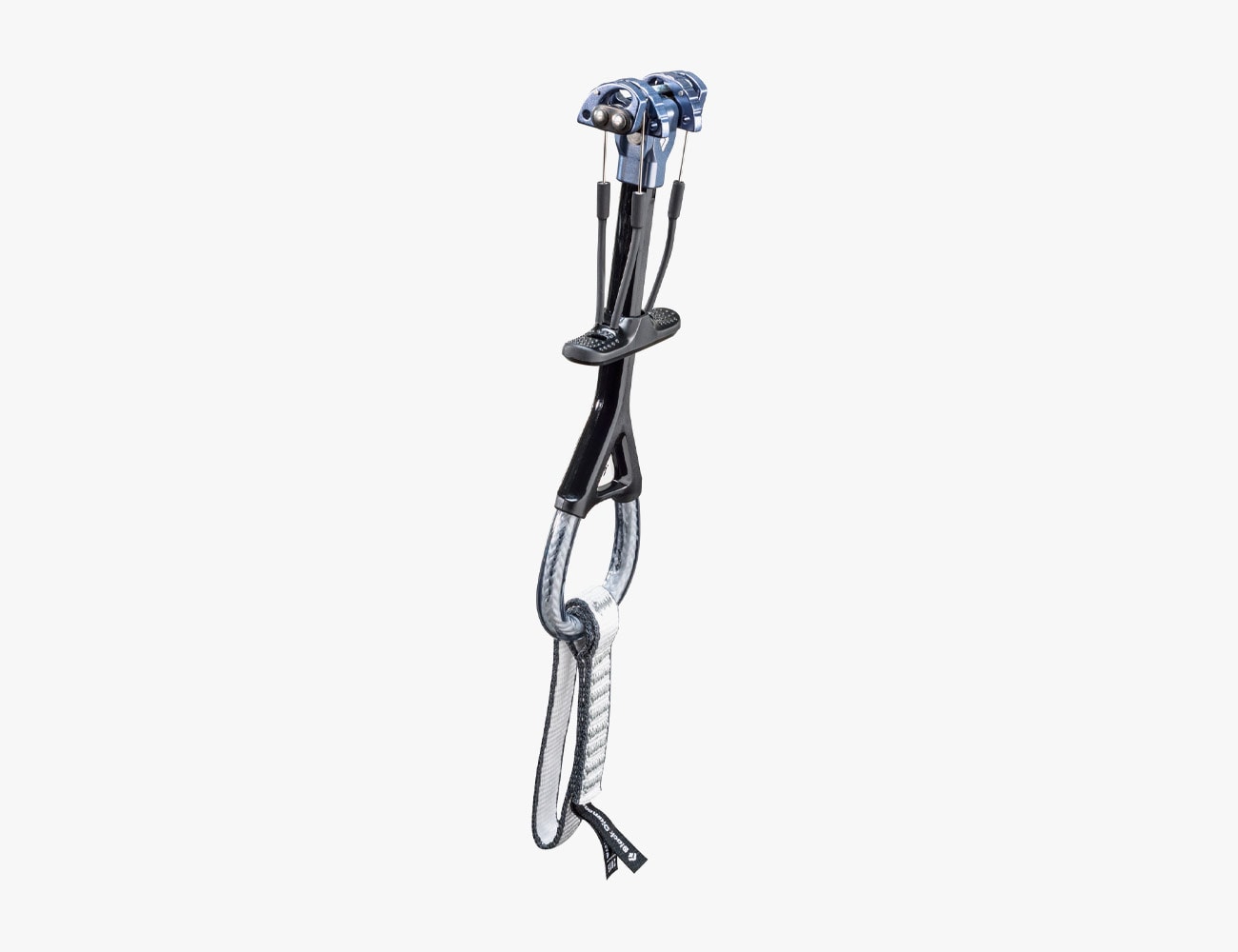
Gulli also recommends these ultralight cams from Black Diamond. “It’s very within the line of what we’re talking about — they’re not a replacement, but ultralight.” They are made with aluminum for the lobes of the cam, but it’s constructed in a way that cuts down on weight. “At end of the day, saving a pound on everything you normally carry [can] make a difference on a big trip. A pound hanging off your harness is a lot,” Gulli says.

Note: Purchasing products through our links may earn us a portion of the sale, which supports our editorial team’s mission. Learn more here.