All posts in “Sports and Outdoors”

The 6 Best Water Shoes for Men

When you think of water shoes, you might picture a colorful mesh material upper and a flimsy rubber outsole bottom outsole — those kicks you’d slip on as a kid to play in the wave pool. But these days, brands have reinvented the water shoe, giving it more durability underfoot while maintaining that breathable, quick-dry construction up top. The pay-off? Not only can you wear this footwear while kayaking, fishing or trekking across streams and rivers, but you can also wear them for light hikes, giving you even more freedom to explore new spots mixed with wetlands and dry trails.

Matt Schroer, a gearhead and account manager for the outdoor e-retailer Backcountry, spent a lot of time on rivers as an aquatic biologist. He’d often hike to bodies of water and then spend the day boating or standing in them. In other words, he’s had plenty of experience testing out the shoes that get you through both uneven paths and wet patches. “A lot of people go to the river in boots, or trail runners or, if they’re kayaking, paddle shoes with neoprene and just a little rubber underneath,” he says. “But I’ve never found any of those to work that well.”

The type of water shoe Schroer does say suits amphibious adventures and dusty hikes alike: a closed-toed shoe with ankle support, sturdy rubber lugs for a no-slip step and construction that lets H2O out, so your feet dry fast. One thing he says you probably want to skip: Gore-Tex finishes, because while they work wonders on keeping water out, they’re good at keeping water in, too.

For those days you plan to hit the trail, trek through water or take a hike to your kayaking, boating or cliff jumping destination, here are the top water shoes to protect your feet and keep you comfortable.

Best for a Lightweight Fit: Merrell Choprock

This shoe might sound delicate at less than two pounds, but it’s super durable thanks to the grippy Vibram lugs on the bottom. The rubber reinforced toe also helps protect against trail debris like rocks and sticks. To make it quick-dry, you get a synthetic mesh material up top — which provides airflow for hot days and plenty of stretch for a soft feel — and vents under the midfoot to let water out. Tested on a particularly wet hike, walking through rivers and streams and reaching a waterfall pool, these shoes stood up to slippery rock traverses and dried quickly between crossings. You can easily go sans socks with these, but Schroer suggests a neoprene slip-on for an added shield against sand or pebbles. (Try the NRS Hydroskin 0.5 Sock.)

Best for Ankle Support: Astral TR1 Merge

Schroer’s number-one go-to for being on a river all day, then trekking through the wilderness: this ankle-height hiker. The water-friendliness is all in the canvas construction and mesh tongue, which allows it to dry out fast. You can also remove the odor-controlling insole if you get soaked and have a little time to bask in the sun. And thanks to laces up the ankle and an extra grippy sole, you can still take on technical hikes after you explore streams or lakes. Schroer even likes the high cut for cliff jumping.

Best for More Breathability: Keen EvoFit One

When you’re walking along a shoreline or hanging at the beach post-hill climb, you probably want a lighter shoe that allows for air to fly through and your feet to breathe easy. Enter this sturdy sandal from Keen, which has extra traction on the bottom so you won’t slide around on light treks. The sock-like design means they fit your foot, offering seamless stretch for any direction you step. You also get water repellency, odor control and no-tie laces. Schroer suggests this option for days you’re spending lots of time kicking back on a boat, especially when you want to chill out and enjoy the breeze and a beer pre- or post-activity. Just be aware you may catch some pebbles during walks, in which case you can give ’em a little shake out.

Best for a Sneaker-Like Feel:Olukai Inana

If beach running and training are as much your speed as trail hopping and river navigating, this shoe is for you. Tested and approved by lifeguards in Hawaii, the Inana offers everything you need from a water shoe, including a mesh upper, a perforated and water-repelling footbed and a midsole with drainage holes. The rubber lug-laden outsole and soft cushioning underfoot ensure a combo of performance and comfort, too.

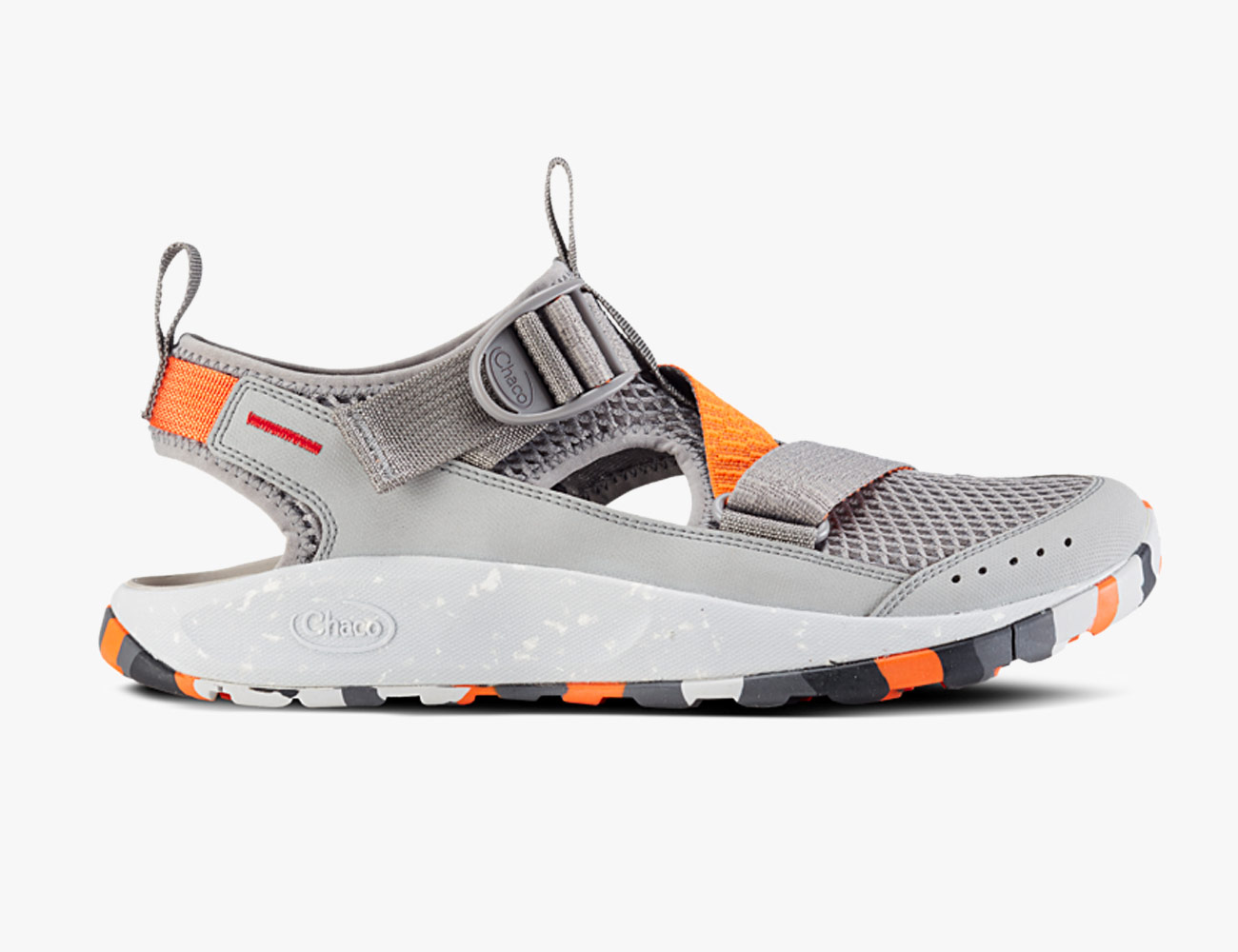
Best for Arch Support: Chaco Odyssey

“I love Chacos; they take years of abuse,” says Schroer, who suggests them for easier trail treks and time on the beach or in a kayak. While most of Chaco’s lineup does not have toe protection, this pair offers more than your typical sandal with synthetic reinforcement. It also has a lightweight mesh and polyester webbing overlay, which doesn’t take away from the shoe’s barely there feel on top. Underneath, you get a strong foundation for the toes, right up to the arch and down to the heel. To finish it off, there’s a gender-specific midsole and antimicrobial coating—perfect for sweaty, salty days.

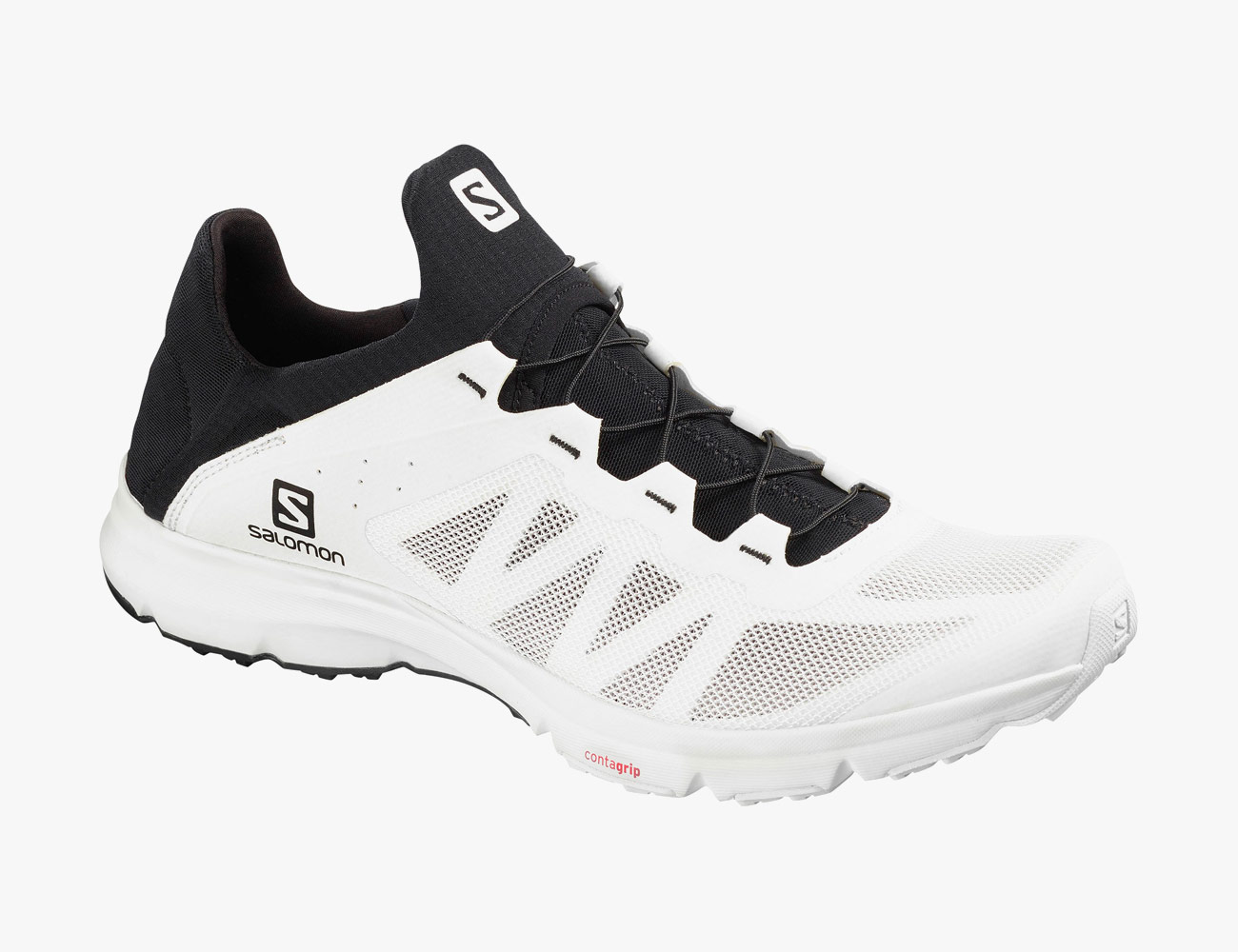
Best for All-Over Protection: Salomon Amphib Bold

These Salomons may look like trail running shoes, but don’t doubt their water-handling capabilities. The lightweight mesh upper hugs your foot so everything stays in place when you’re on the move, but it also dries out quickly, especially with its anti-water liner. The cinch lacing system means you don’t have to worry about tying them when you go from water to land. What’s more: say you take ’em off for a boat ride and you’re done adventuring for the day — you can slip them right back on, thanks to the collapsible heel that makes for even easy on-and-off wear.

Note: Purchasing products through our links may earn us a portion of the sale, which supports our editorial team’s mission. Learn more here.

These Are the Best Knives of the Year, According to Experts

Over the past weekend, more than 1,000 exhibitors from around the globe convened in Atlanta, Georgia for Blade Show. Put on by Blade Magazine, a long-running publication with a focus on collecting, Blade Show is the largest annual knife show in the world and brings together both large-scale manufacturers and small-batch custom knifemakers. The weekend came to a head on Saturday night with the Knife of the Year Awards, which recognize the best new knives of the year. In previous years, a group of industry professionals voted by ballot to select winners, but 2019 was different: a select panel of anonymous judges made their choices based on utility, design, creativity, materials, aesthetics, feel and more.

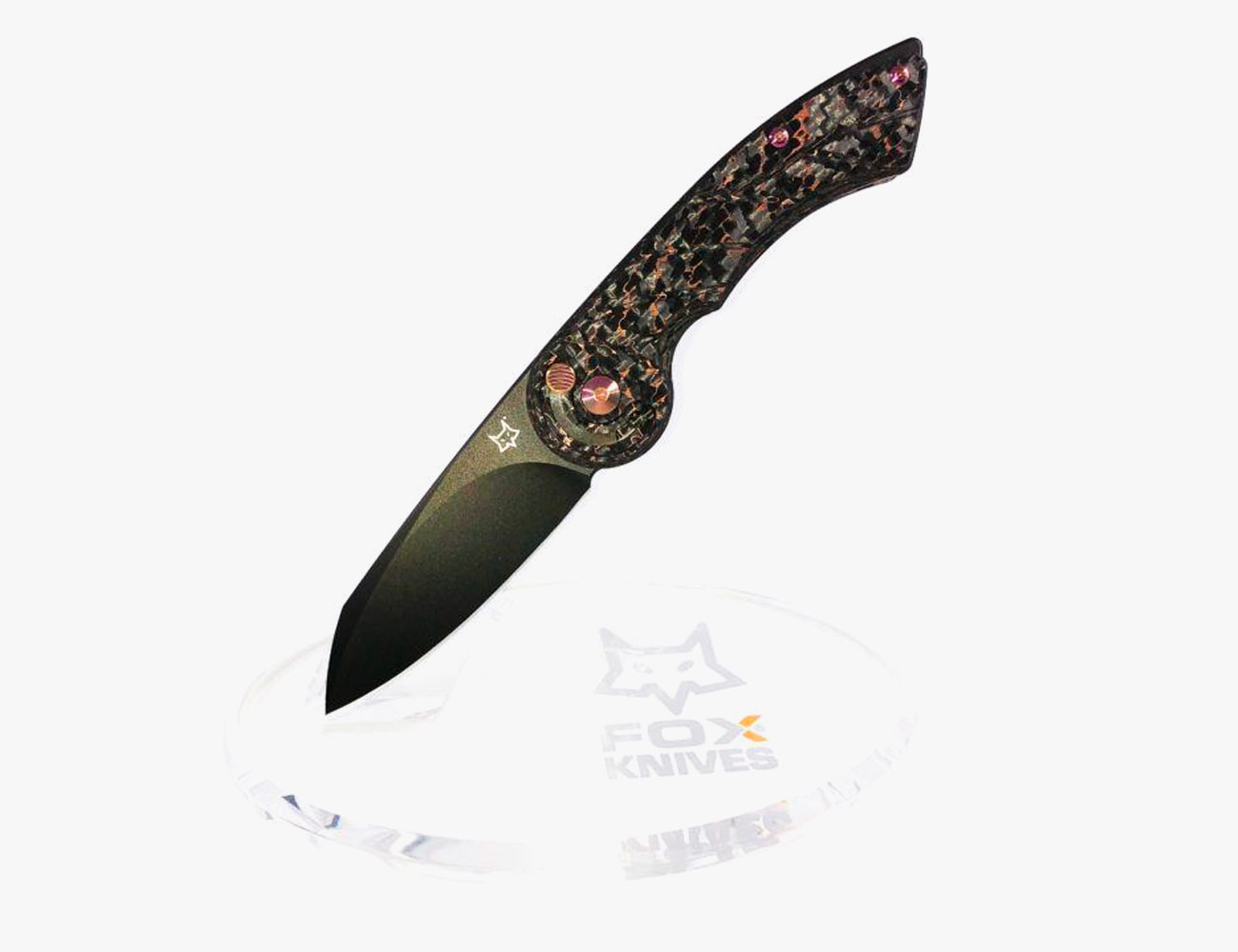
Overall Knife of the Year: Fox Knives Radius

Fox Knives is no stranger to the Blade Show awards; it took home the top prize last year with its carbon fiber frame lock Suru. This year the Italian knife maker turned heads with the Radius, which features a patent-pending opening mechanism consisting of a stud that slides along a semicircular track to open and close the blade. It’s unique and, according to the judges, effective too.

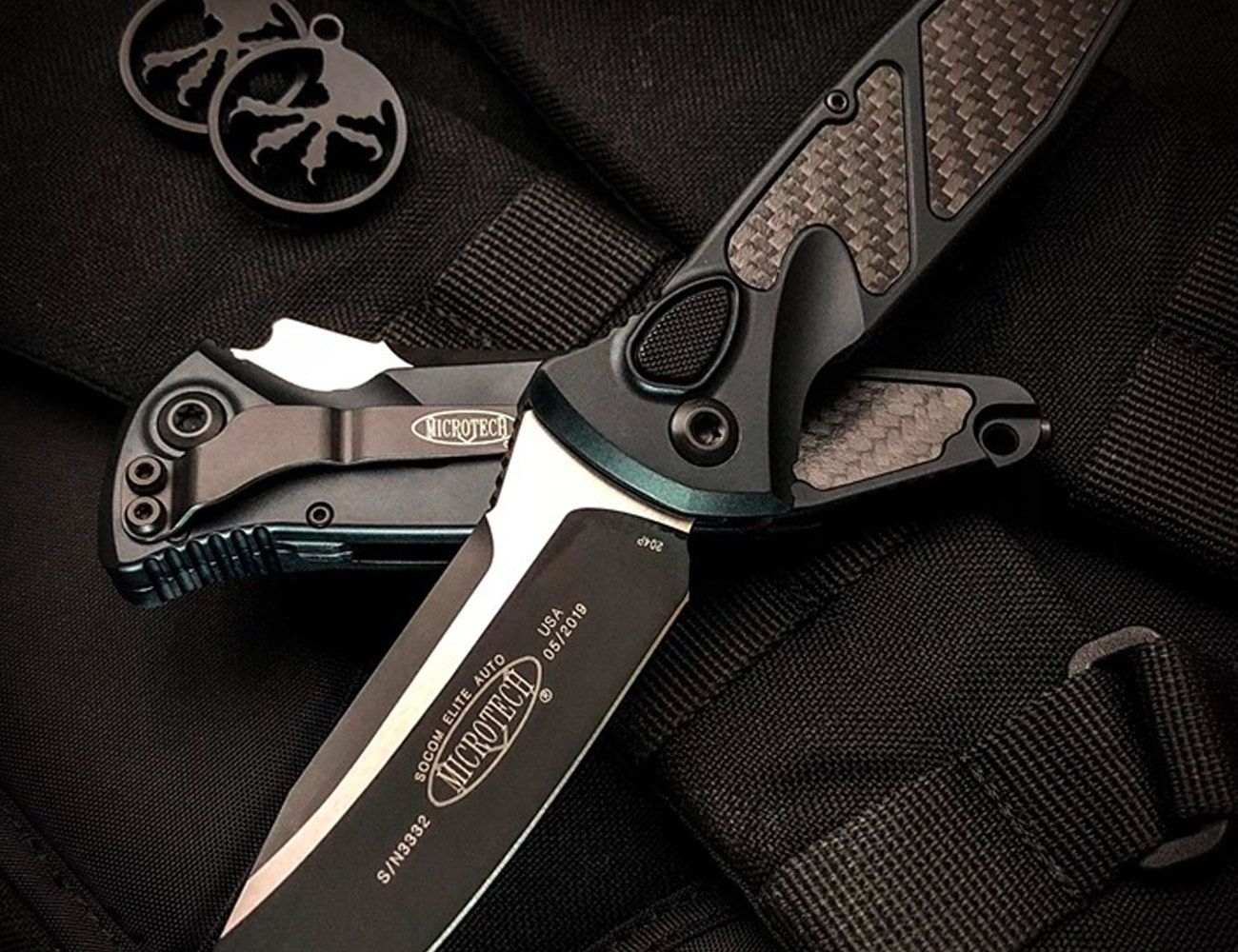
American-Made Knife of the Year: Microtech SOCOM Elite

Microtech’s SOCOM Elite is well-known in the tactical world (the original debuted in 1996). It’s a lightweight, effective clip-point with a blade that’s nearly four inches long and either an automatic or manual mechanism. For Blade Show, Microtech showed off a new version with updated materials, including new carbon fiber handle inlays.

Video: The James Brand “Ellis” Review

Watch more of This Week In Gear video reviews.

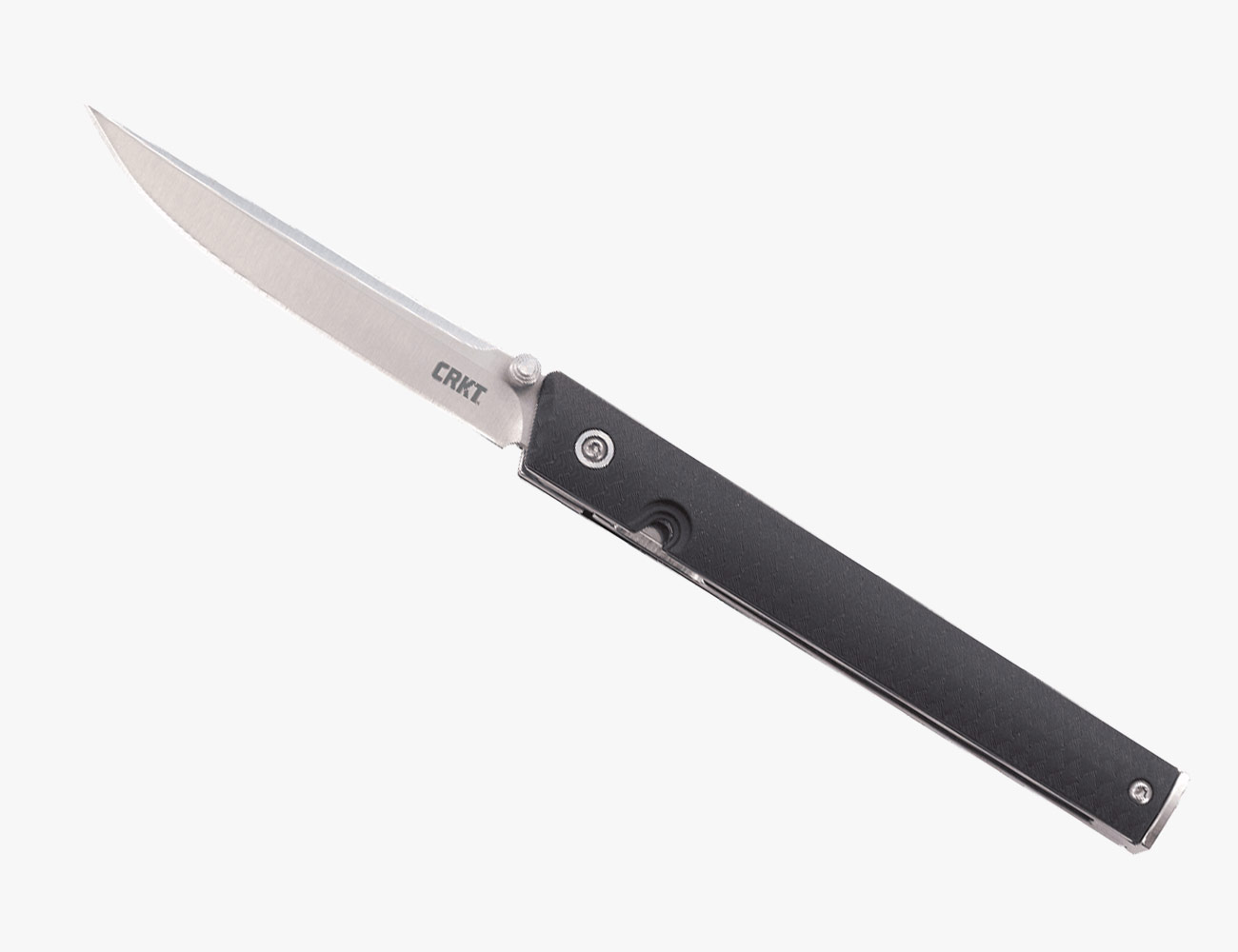
Best Buy of the Year: CRKT CEO

As its name suggests, the CEO is a gentleman’s pocket knife. CRKT made it long and slender so that, like a pen, it’ll fit comfortably in a pocket next to a wallet or phone and not draw too much attention to itself either. Its blade is just over three inches long, and its handle is made of glass-reinforced nylon that almost has the look of carbon fiber. Best of all, you need not be a CEO to snag one: it only costs $50.

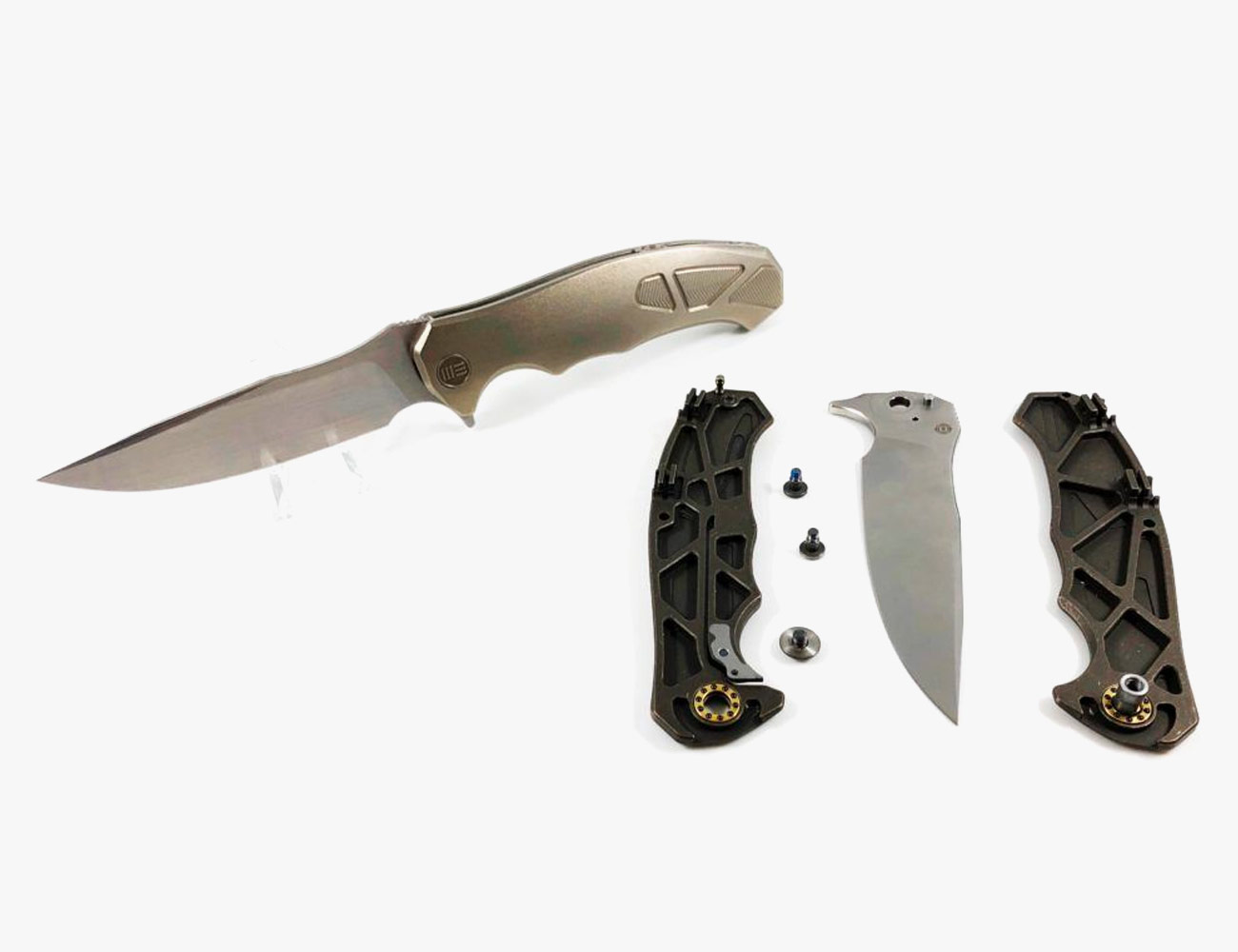
Most Innovative Imported Design: We Knife Co. 037

Innovation isn’t always loud and in your face, and it’s certainly not in China-based We Knife Co.’s 037 folder, which is sleek and understated in the best ways. The 037, which was designed by Kellen Bogardus, has a 4.07-inch blade and titanium handle scales, and what’s under the hood impresses just as much: smooth ceramic ball bearings and an impressively simple construction.

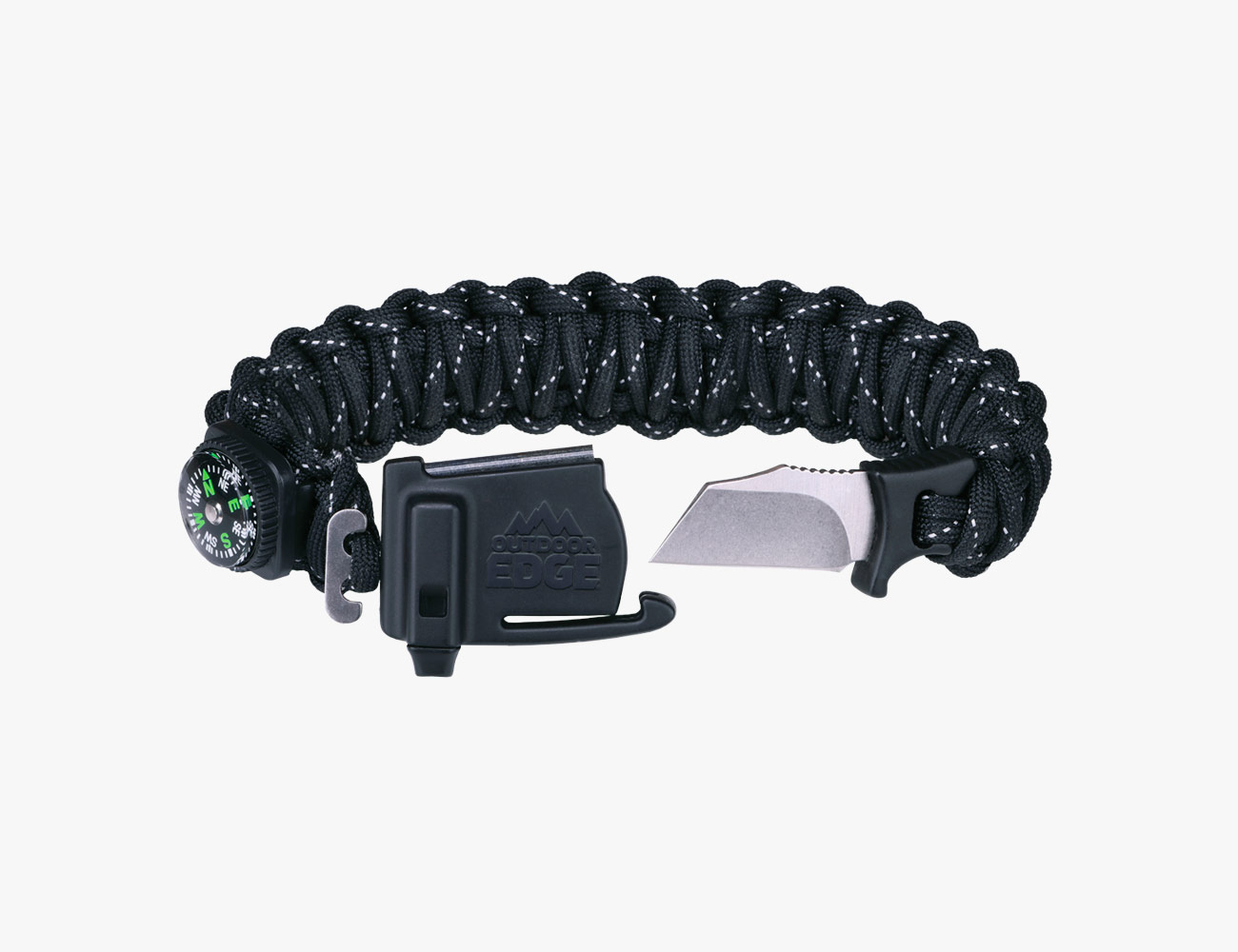
Best Accessory of the Year: Outdoor Edge Paraspark

Like many survival bracelets, the Paraspark’s main body gets its form from a length of paracord. It also includes a compass, a whistle and a Ferro rod, but its most interesting feature is a clasp that doubles as a tiny knife and sheath. The blade is a 1.3-inch sheepsfoot.

See the rest of the Blade Show Knife of the Year award winners here.

Note: Purchasing products through our links may earn us a portion of the sale, which supports our editorial team’s mission. Learn more here.

How These Stylish Shades Saved a Father-Son Fishing Trip

I’ve been testing Costa’s polarized Spearo sunglasses, a suave tortoiseshell frame set with green mirror polarized glass lenses, and I’m head over heels. After a couple of road trips, a handful of hikes and 20-plus days on the river, these casual adventure shades have become my all-time favorites.

The fit, style and optics have combined to win my affection. The castor oil-derivative bio-resin frames (points for sustainability!) are slightly oversized. And the easygoing style is underlined by a notched nose bridge and sculpted logo-embossed arms. The fit is true medium. Grippy nose pads and inner arms have kept these shades secure on the sweatiest of hikes. Each temple is perforated with a tiny hole, so you can attach Croakies and save the Spearo’s from being sacrificed to the river gods. And on a recent father-son fishing trip, my Costas were the hero we needed to save us from an empty line.

A trout darts to the surface of the cerulean creek — a tiny brown torpedo materializing from nowhere. The fish wallops my dad’s dry fly, and upon discerning duplicity, instantly spits it out and disappears. I let out an inarticulate, garbled groan, equal parts excitement and despair. Thinking my constipated caveman yodel a signal to strike, my dad yanks the rod a second too late, slingshotting a fishless fly into the air.

“When you see a fish take the fly, you’ve got to set the hook,” I tell him for the third time, heart pounding at the near miss. “Immediately. They’re quick and I can’t yell fast enough.”

“I just can’t see the fly,” confesses my father, shrugging sheepishly. It’s his first day of fly fishing, and he’s doing remarkably well. He hasn’t caught a fish yet, but he hasn’t lost a fly to the overhanging tree branches, either. After a quick lesson, he’s getting the hang of it. The fish are biting, at least. He just can’t see them.

“Here,” I remove my Costa’s and hand them carefully to my dad. “The green lenses will help. But please be careful, I love these things.” I’m a fan of the glass lenses. Not only do they offer unrivaled optical quality, but they also have a welcome heft to them – in stark relief to cheap, flimsy gas station knockoffs. Available in both glass and cheaper plastic, Costa’s premium 580 lenses filter out yellow light while amplifying reds, greens and blues, all while defending against UV and High-Energy Blue Light. While I’ve not put these lenses through any lab tests to support Costa’s technical claims, both my dad and I have been thoroughly impressed with the Spearo’s optics where it counts the most: on the river.

We trade, and I put his sunglasses on and snort. His brown-lensed shades darken the scene, muddling colors, whereas the polarized green Costas add a crispness, allowing one to easily distinguish between the latte-colored foam and the tiny, feathered, beige fly drifting downstream.

Sure enough, within ten minutes, my dad hooks an eight-inch rainbow — his first-ever fish on the fly. A whoop escapes my lips. He lands the trout, grinning like a little kid, and I can’t help but feel that our roles, at least for a moment, have been reversed.

Costa provided this product for review.

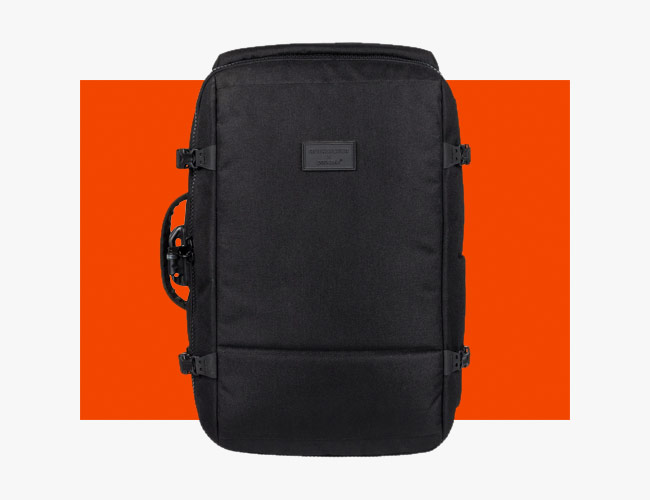
Kind of Obsessed: I Found the Perfect Carry-On Weekender

I’m constantly traveling for my job, and few weekenders have ever impressed me. Now, I’ve found the perfect travel pack. Read the Story

How Lasers and Other Futuristic Recovery Tools Might Actually Help Your Fitness

Everyone has a plan until they get punched in the mouth, or, in my case, get a *wince* back injury.

In my 20s I ran to and from work for fun, did an Ironman and my first 50-mile trail race, and generally couldn’t be bothered to talk about things like plantar fasciitis, which seemed to me to be something you got by not taking running seriously enough. Years and a handful of injuries later (some quite severe), I find myself taking a very different approach to health and my body in particular. There isn’t a one-size-fits-all approach to wellness; for me, it almost meant getting my L5 and S1 vertebrae fused. But then a very wise doctor suggested I chill out for a while and try meditating before jumping into back surgery, and that lump of advice led me down the winding path of health and recovery that I’m on today.

One significant element of that has been to construct a mini physical therapy studio in my home. Rubber bands, foam rollers, a yoga mat, an exercise ball were just the beginning — there are books about the relationship between back pain and anger as well as the positive benefits of relaxing herbal teas and motivational quotes. There’s a new way of thinking about the body and the stresses I put on mine. And then there are several pricey devices that raise eyebrows at TSA, as well as those of some science-minded people who aren’t yet impressed by the clinical evidence. As anyone who has been injured will tell you, feeling good in your body has no price, and a little belief (plus a little science) can go a long way.

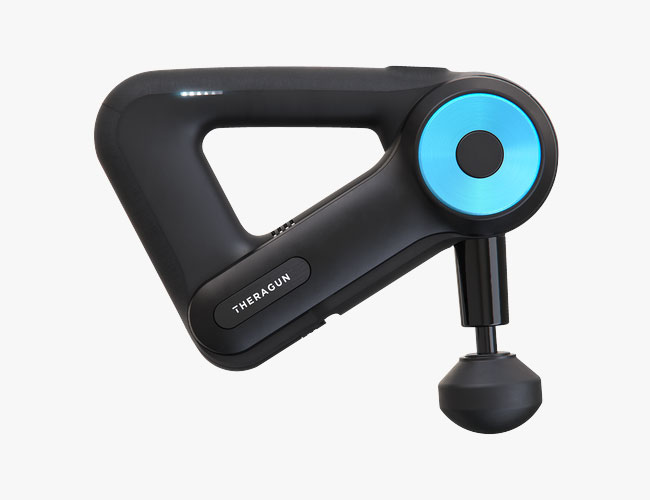
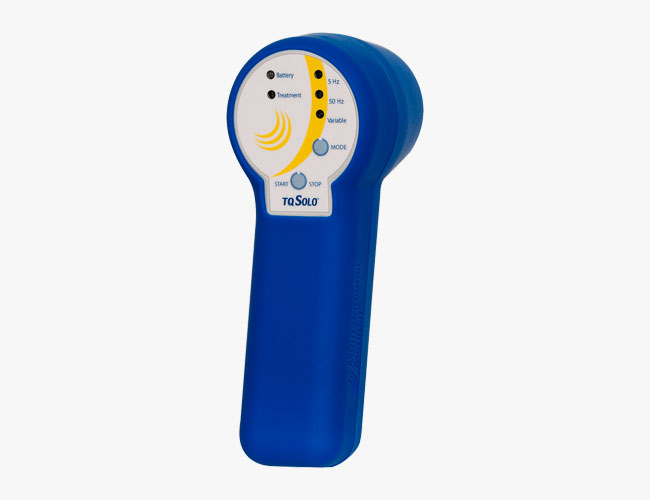
During recent months I’ve tried three supposedly cutting-edge recovery devices — the Marc Pro Plus, Theragun G2 Pro (the G3 has since come out), and the Terraquant TQ Solo cold laser — each of which is available for use at home and has some degree of therapeutic value. I tested them out and did some research about the science behind them, so what you have below is my experience and a brief look at what clinical evidence exists.

A word of caution about considering whether something “works”: It’s always important to ask, for what exactly? The companies selling these products typically make either very narrow or very broad claims about their potential, depending on how much science there is and whether the FDA approves them for specific treatments. Broad claims tend to be easily defensible, while narrow claims will get you in trouble with regulatory bodies if they’re not true. Remember, while pharmaceutical companies might invest billions into a blockbuster drug in the hopes that it will produce equally large returns, it makes less sense for a company to put money into expensive clinical trials for something like a personal massager, which people like because it feels good.

As somebody who has found himself at both of the opposing ends on a scale of physical activity (endurance athlete at one, barely sitting up in bed at the other — my experience with these tools yields the following wisdom:

Be patient and compassionate with yourself. Injuries often erase years of “base” you’ve built up, and trying to get back to who you once were is often counterproductive. Create a new path.

Read the research yourself. Studies can be complex, but you can usually understand the gist of it by reading them over twice.

Be safe. Read the manuals and check in with a doctor and physical therapist to get their opinions before trying to deal with an injury at home. Ideally you’d do as I did and add at-home treatment to an existing routine with a doctor and physical therapist. (Remember that if you’re not injured, there are places you do not want to point a Theragun at or stimulate with electricity.)

Try everything. Read all the books, try different movement techniques, and if a product makes you feel better and it’s safe, then buy it — even if the science isn’t all there.

Marc Pro Plus

What It Is: The Marc Pro Plus is an electrical muscle stimulation device intended for pain relief and muscle recovery. You’ve probably heard of electrical muscle stimulation or used it in physical therapy, and there are a few other consumer-facing machines out there from Compex and Power Dot that occupy a similar space. This is not to be confused with TENS, or transcutaneous electrical nerve stimulation, which stimulates the nerves and tries to confuse the brain into ignoring sensations of pain. Instead, the primary function of Marc Pro is to cause the muscles to contract using what they describe as “unique, non-fatiguing muscle contractions that allow your body to recover faster and reduce pain.”

The voice of Marc Pro, in addition to a handful of athletes and trainers like CrossFit athlete Noah Ohlsen and mobility expert Kelly Starrett is Gary Reinl, director of National Accounts and Professional Athletic Teams for Marc Pro and H-Wave, the side of the business that deals with medical devices. He’s also known as @TheAntiIceMan on Twitter, and wrote Iced! The Illusory Treatment Option and has taken a strong stance against RICE (rest, ice, compression, elevation), which was conventional wisdom for the better part of three decades and now appears to be bogus. (Gabe Mirkin, the doctor who invented it, wrote the intro to Reinl’s anti-ice book.)

Reinl is worth mentioning because he likes electric stimulation for the same reason he dislikes ice: Whereas ice and rest cause stressed or overused muscles to congest and, in the case of injury, atrophy, activating the muscles sets off what he calls a “muscle activated recovery cascade,” which includes increasing circulation and angiogenesis (the creation of new blood vessels). The pre-RICE advice of “walking it off” is actually the right idea.

“It’s the muscle activation — the ‘walking it off’ — that solves the problem,” Reinl says. “Stim lets you do it without stressing the damaged tissue without control. Say you rolled your ankle. How do you walk it off without stressing the damaged site? That’s why stim wins the contest of muscle activation.”

The Marc Pro Plus has both a low frequency, which through muscle contractions is meant to improve circulation and angiogenesis for everyday recovery, and a high frequency, which offers pain relief by disrupting a particular function within the nerve.

What The Science Says: The science on Marc Pro and electrical muscle stimulation is the best of the three devices on this list, with evidence suggesting that it does what it says it does in both trials that support the effectiveness of electrical muscle stimulation as a treatment as well as a trial specifically with the Marc Pro.

For example, one study showed that electrical muscle stimulation improved muscle thickness and knee extension strength after surgery in patients with acute ACL tears. In a study specifically on the Marc Pro, subjects who combined exercise (calf presses) with electrical stimulation had improved strength and reduced feelings of fatigue compared to groups that did not use the device.

My Take: I use the low setting frequently on muscle groups near the low back. My general function and range of motion have increased, but I’ve also been working on posture and movement with the Alexander Technique and other physical therapy methods, so it’s harder to pinpoint one specific type of therapy as the sole cause of progress. The high setting on the Marc Pro Plus offers exceptional pain relief, but my primary focus is improving movement and range of motion, not relieving pain.

Theragun

Overview: You may recognize Theragun from the slow motion Instagram videos of tanned flesh bouncing in concentric waves beneath the gun’s massage heads. These clips are everywhere. The updated version is supposed to be 50 percent quieter, but the one I have is deafening — it’s like the 20-year-old air compressor I keep in the back of my Jeep in case of a flat. But the noise is not without purpose: the motor drives the arm, mounted with one of the various attachments that come with the gun, against your body. It creates what Dr. Jason Wersland, DC, founder of Theragun, calls percussive therapy, or “a deep muscle treatment using rapid and long vertical strokes into the muscle tissue causing a neuromuscular response.”

Wersland developed the Theragun after a disc-related injury to his neck in a motorcycle accident. He used it on muscles affected by the injury, for instance, his right trap, right tricep, and right bicep. He recommends using it before a workout, during a workout, and after a workout.

In brief, this thing is basically a badass personal massage gun with 16 millimeters of amplitude (that figure refers to how much it moves up and down), delivering up to 60 pounds of force at up to 40 percussions per second.

What the Science Says: The style of treatment in question is “percussive massage therapy,” which is a new category created by Theragun, Hyperice, and a handful of lesser-known brands. (New-ish: Who among us hasn’t, while giving a massage, used the “hacking” style of tapotement from Swedish massage?) The intended outcome, according to Theragun, is to “improve performance and recovery” and offer “natural pain relief.”

So does it do that? There aren’t any clinical trials on the Theragun itself, but there is a body of literature about massage, generally, and what it points to is that scientifically-proven benefits are mostly about reducing anxiety and depression — because massage is relaxing and being touched feels good. Part of the reason for this — and this is important for the Theragun — is that vibration has a relaxing effect on muscles because it overwhelms the nervous system with lots of stimuli. This is relaxing, feels good, and offers pain relief. To try it on for size, point the Theragun at a tight calf muscle and leave it there: it hurts for a second or two, and then the muscle totally gives up.

My Take: It’s ridiculous and very loud, but I love this thing. I use it twice a day — in the morning when I wake up and a few hours before bed — and find that it’s super relaxing. I like to think of my at-home physical therapy practice as teaching my body to relax after several years of injuries. The more I do it, the more it comes naturally. This tool helps.

Terraquant TQ Solo Cold Laser

Overview: I first came across cold laser, or low-level laser therapy (LLLT), or photobiomodulation, when a friend at my office with a similar low back disc injury brought a black case over to my desk, opened it up and asked if wanted to try a $2,000 handheld laser for pain relief. Of course I did.

The TQ Solo is a handheld laser producing radiation at wavelengths of 640, 875, and 905 nanometers, which includes both visible and infrared light. It’s called “cold” laser because the light it’s emitting is at energy densities low enough that they won’t heat up, or in extreme cases, cut through, tissue.

For a thorough explanation of how it works, read this paper from the Annals of Biomedical Engineering, which, be warned, is extremely complicated. The paper covers the origins of laser research for health purposes, which dates back to an experiment in the 1960s in which a scientist in Hungary used a helium-neon laser to stimulate hair growth and wound healing in mice. As the paper points out, what’s happening when the light hits your body isn’t known for sure, but it’s certainly doing a lot at the level of molecules, cells, and tissues. Lab research suggests that it may heal by acting on the mitochondria, increasing the production of ATP (adenosine triphosphate), and setting in motion a variety of other cellular processes that are useful for bringing health back to a damaged area. Applying these learnings in the lab to actual human conditions remains the challenge today for cold laser (more on that later).

I spoke with John Bruno, manager of the Sports Medicine Division at Multi Radiance Medical, the company that makes the product. He says that most people buy the laser to control their pain. “They’re using it for pain associated with inflammation, pain associated with arthritis,” he says. “When you look at the indications for laser therapy, it’s for the temporary relief of muscle and joint pain, arthritis, relieving stiffness, promoting the relaxation of muscle tissue, and increasing local blood circulation.” Bruno is pretty careful about what he says about the laser because the FDA governs his claims.

What The Science Says: A complicating factor, as the same paper points out, is that “wavelength, fluence, power density, pulse structure, and timing of the applied light” are all factors in whether the treatment seems to work, which means you need a great deal of expertise and precisely the right application to get a positive outcome.

This is an issue in the human studies on cold laser, which show that while it may have some anti-inflammatory effects and may help with short-term pain relief, the results of the studies are very much mixed, with it working and not working in some cases, and being counterproductive in others. (Animal studies, on the other hand, have shown promise with the short-term treatment of skeletal muscle injuries.) Overall, there’s probably a bright future where laser is used to treat a wide variety of issues, but right now there seem to be a lot of reasons to question whether clinicians have enough knowledge to use it effectively.

My Take: I’m a sucker for really cool explanations of the mechanism of action, so I find laser exciting and think the results in animals are promising. When I used it, I did notice some pain relief in the low back, but I wouldn’t line up to be a brand ambassador.

Note: Purchasing products through our links may earn us a portion of the sale, which supports our editorial team’s mission. Learn more here.

The 10 Best Yoga Mats for 2019

A mat is a mat, right? Not when it comes to yoga. In yoga, your mat is your private space. It’s where you come to find zen, strength, relief — whatever it is that drives your yoga practice. But it’s hard to get there when you have a mat that messes with your flow. Even the most blissed-out yogi is going to get pissed off if their hands start sliding or their wrists feel like they’re planted directly into a wood floor. “If you practice regularly, you must invest in your own mat,” asserts Kristin McGee, a Peloton yoga instructor.

Most yoga mats look pretty similar, but there are subtle differences in thickness, material, texture and grip or stickiness that can affect how you move. That last attribute is one of the most essential elements for yogis: “A mat needs to have that good grip from the beginning,” says McGee. “If you find you’re sliding way too much, it’s not a good sign.” All that extra movement is going to distract you from being present and focusing on your flow — the whole point of yoga.

A textured mat will typically provide more traction, but the material can affect the grip factor as well. “Most mats are made with polyvinyl chloride (PVC),” says Kevin Schaefer, gearhead and yoga instructor at outdoor e-retailer Backcountry. PVC was the OG sticky mat. But now, there are more eco-friendly mats made from natural and recycled rubber or other natural materials that provide just as much grip. “Rubber is my go-to—it’s firm and great for balancing poses, but with some thickness, so it’s comfortable when you are embracing the floor and gravity.”

Comfort is another major factor for yogis, and a mat’s thickness determines that. “Your travel mats can be as thin as 1mm to the mid­-plush thickness of 3mm,” explains Schaefer. “Your usual home mat is going to be around 3­ to 6mm in thickness. And if you want some extra comfort, you can go 7mm-plus.” Some people need more padding than others, so it’s crucial to figure out what feels good to you (and your joints).

A good mat can be an investment, but it’s worth it. “If you take care of them, yoga mats can last for quite a long time — at least five years!” says McGee. That means wiping it down after you practice (every time would be great, but at least once a week) and giving it a deeper scrub and letting it hang dry once a month, she adds. McGee recommends the Jo&Sha Yoga Cleansing Wipes.

But a yoga mat doesn’t have to break the bank. Here are a variety of winners for all wallets, whether you’re looking for a budget intro option or one to take on the go.

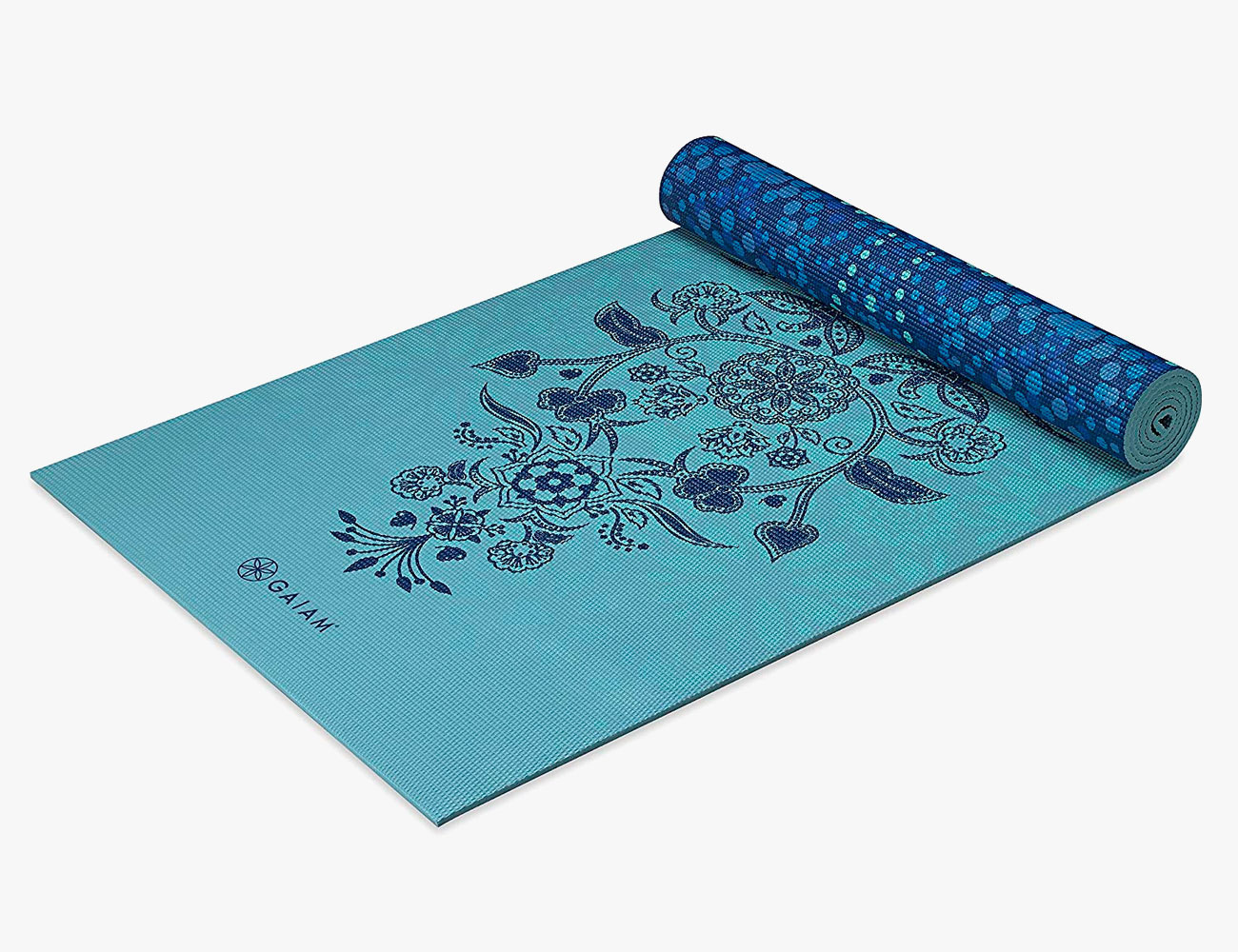
Best Beginner Mat: Gaiam Yoga Mat Premium Print Reversible Extra Thick Mat

If you’re new to yoga, you don’t want to drop $100 on a mat before you’ve even figured out your personal preferences. That’s why Gaiam’s mat makes for a great entry point. It’s the standard mat size, 24 inches wide and 68 inches long. It’s five millimeters thick, giving you two millimeters more cushioning than a regular mat. And it’s made from non-toxic PVC foam, which provides a non-slip surface (in most classes, at least; the sweatier you get, the more likely you’ll be to lose traction on this mat). Coming in at under $40, it’s a solid deal — especially since it’s reversible, essentially giving you two styles to rock for the price of one.

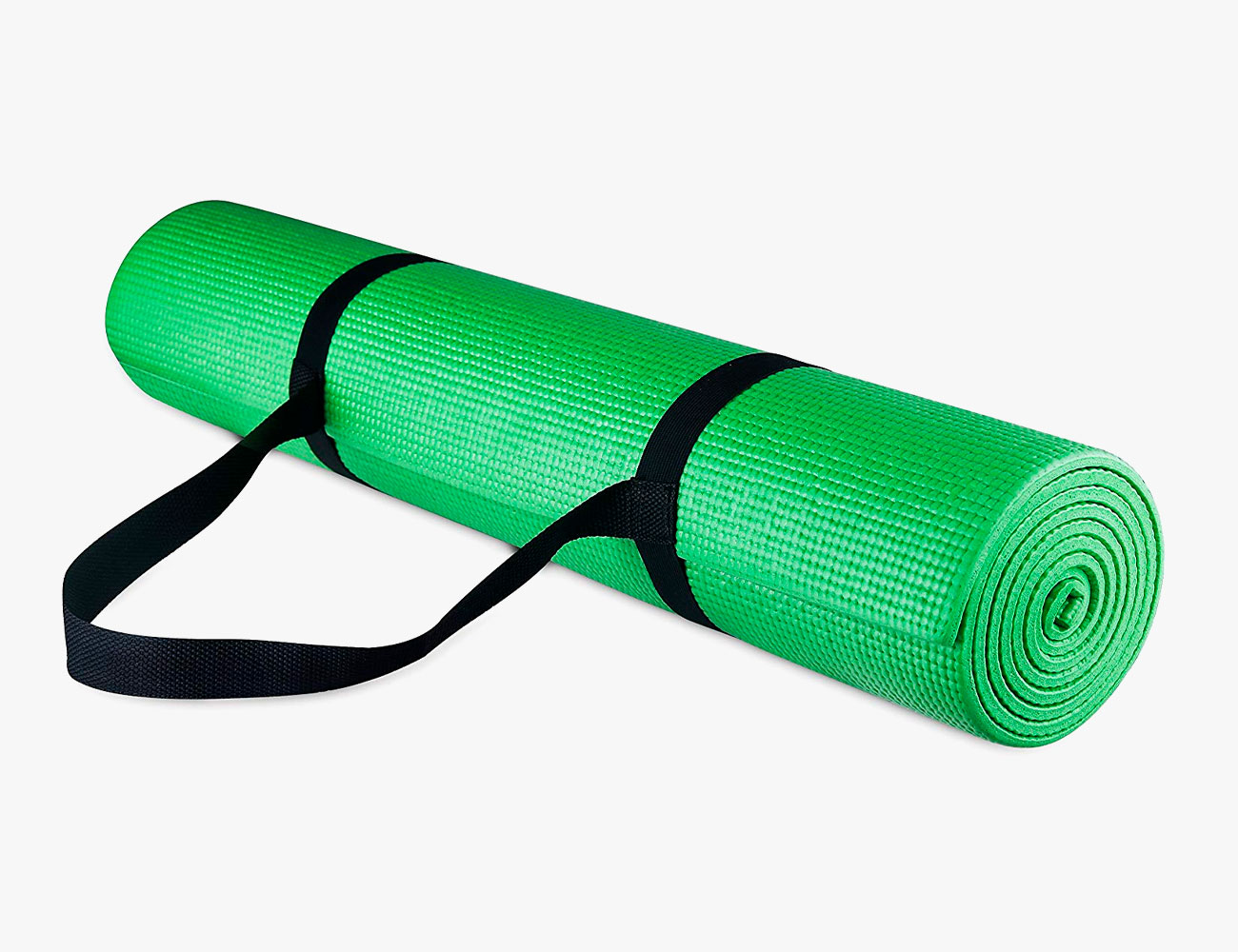
Best Affordable Mat: BalanceFrom GoYoga Mat

For beginners and casual yogis, it’s OK to opt for a budget mat — as long as it doesn’t sacrifice function for savings. BalanceFrom’s GoYoga mat has a lot in common with the Gaiam: it’s the same size, it’s just a millimeter thicker, and it’s also made from lightweight, high-density foam with double-sided non-slip surfaces. It may not have the cache or durability (this type of foam tends to flake over time) of some of the pricier options, but you could replace it six times over and still ring up under the total cost of a name brand.

Best for Hot Yoga: Aurorae Synergy 2-in-1 Yoga Mat

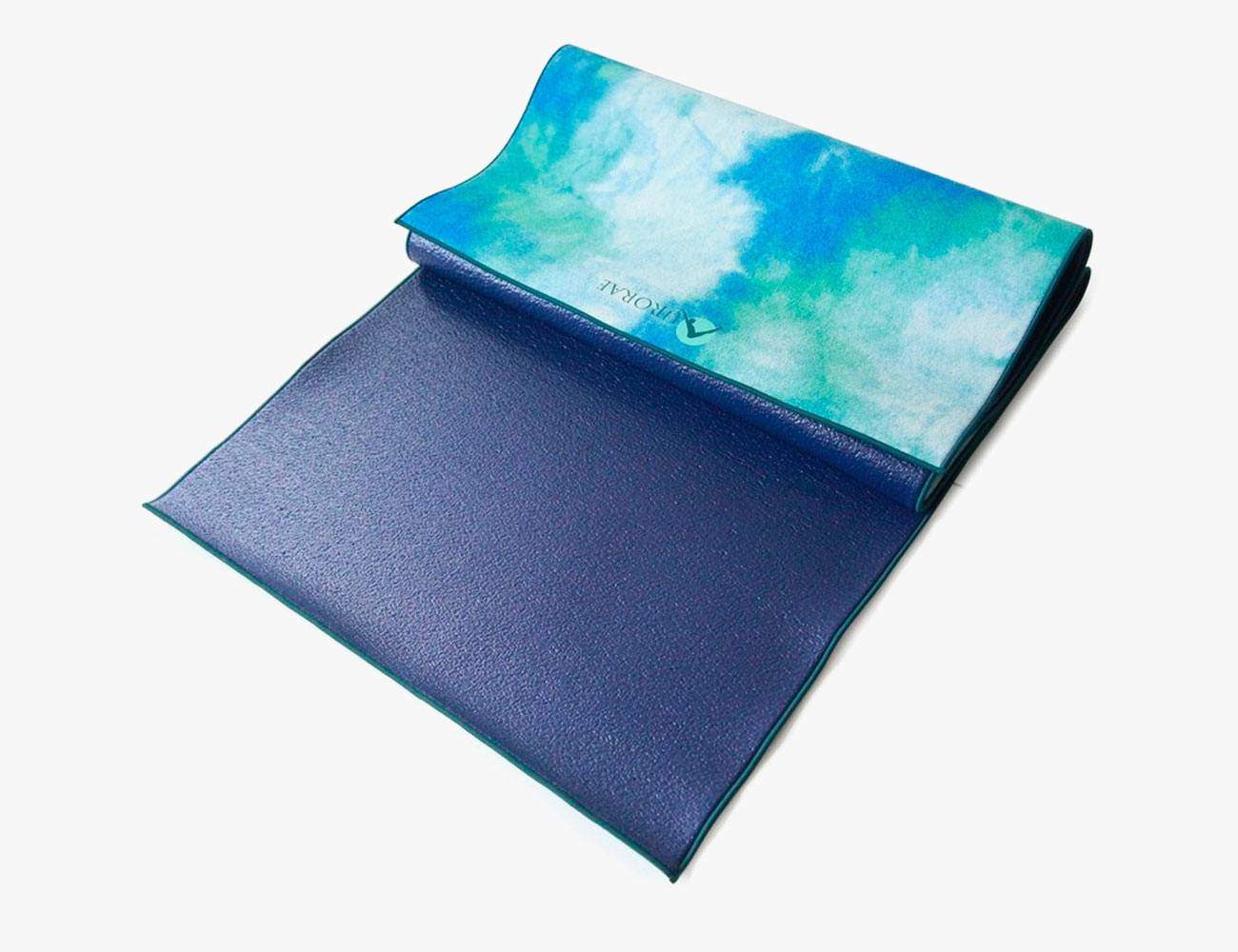
There’s nothing less graceful than slipping and sliding around your mat, which is why excellent traction is especially crucial when you add high-sweat conditions to your practice. The Aurorae Synergy is layered with a non-slip, super absorbent microfiber towel to keep your hands and feet from losing their grip. And the more you sweat, the grippier the mat gets; in fact, the brand recommends spritzing it with water before class to max out the sticky benefits. Underneath, there’s a comfortable 5mm of mat made from Polymer Environmental Resin (PER), a biodegradable synthetic material. Plus, you can flip the mat over, for a more traditional surface, if you’re in a non-heated class.

Best Thick Mat: Lottus Life Natural Jute Fiber Yoga Mat

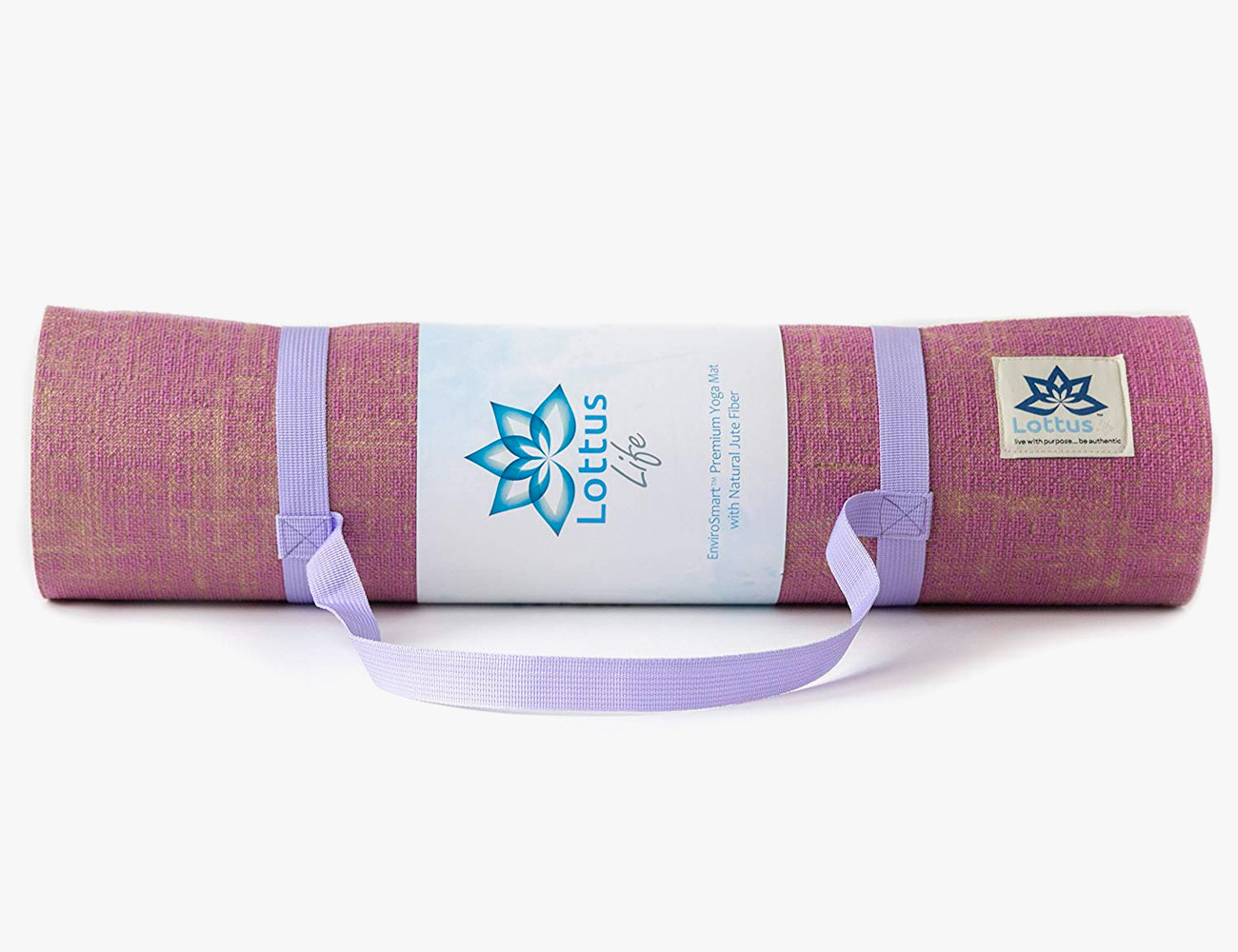
If you’ve got knee, wrist or ankle issues, you might prefer a mat that puts a little more cushioning between you and whatever surface you practice on — especially if you’re on something like concrete, which has approximately zero give. This mat’s memory foam-like padding, made from environmentally friendly materials woven with natural jute fibers, comes in at 8mm thick, enough to supply a solid cushion but not so thick that you find yourself sinking right into it. Those jute fibers, which are antifungal and antimicrobial, provide some grip for your skin. They may feel scratchy at first, but they soften with use.

Best Thin Mat: Lululemon The Reversible Mat

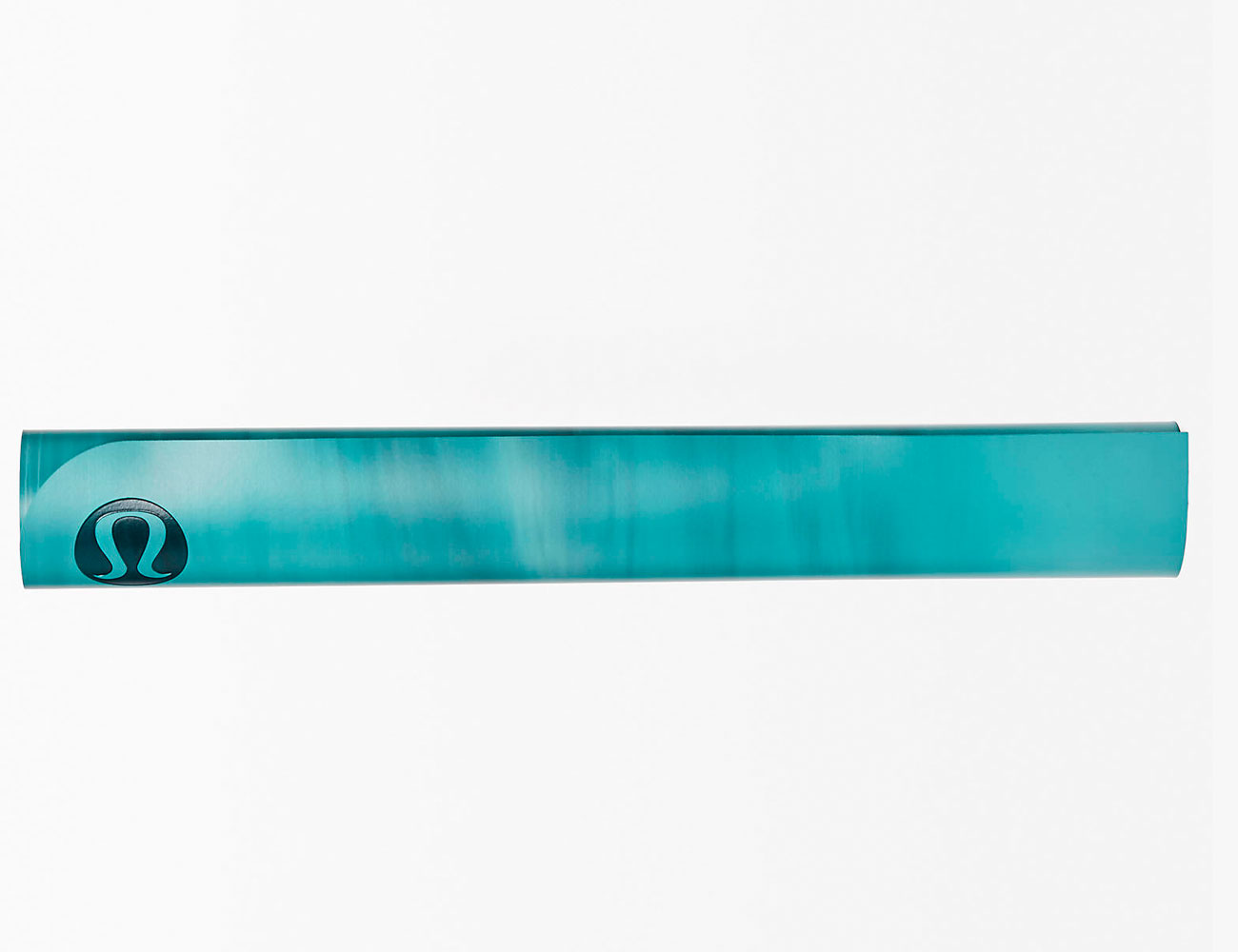
Lululemon’s skinny mat is just 3mm thick, an ideal option for yogis who really want to feel rooted in the ground. How you use it is a choose your own adventure: if you like traction via texture, practice on the spongy natural rubber side (it’s made with an antimicrobial additive to keep it from getting grunge-y); if you prefer a smoother non-slip surface, flip it to the side with a polyurethane top layer, which wicks and absorbs moisture. Or use both, depending on what type of class you take or how your body feels. Oh, and if you like to spread out during your flow, you’ll really appreciate the extra 3 inches of length and 2 inches of width offered by this mat.

Best Eco-Friendly Mat: JadeYoga Harmony Mat

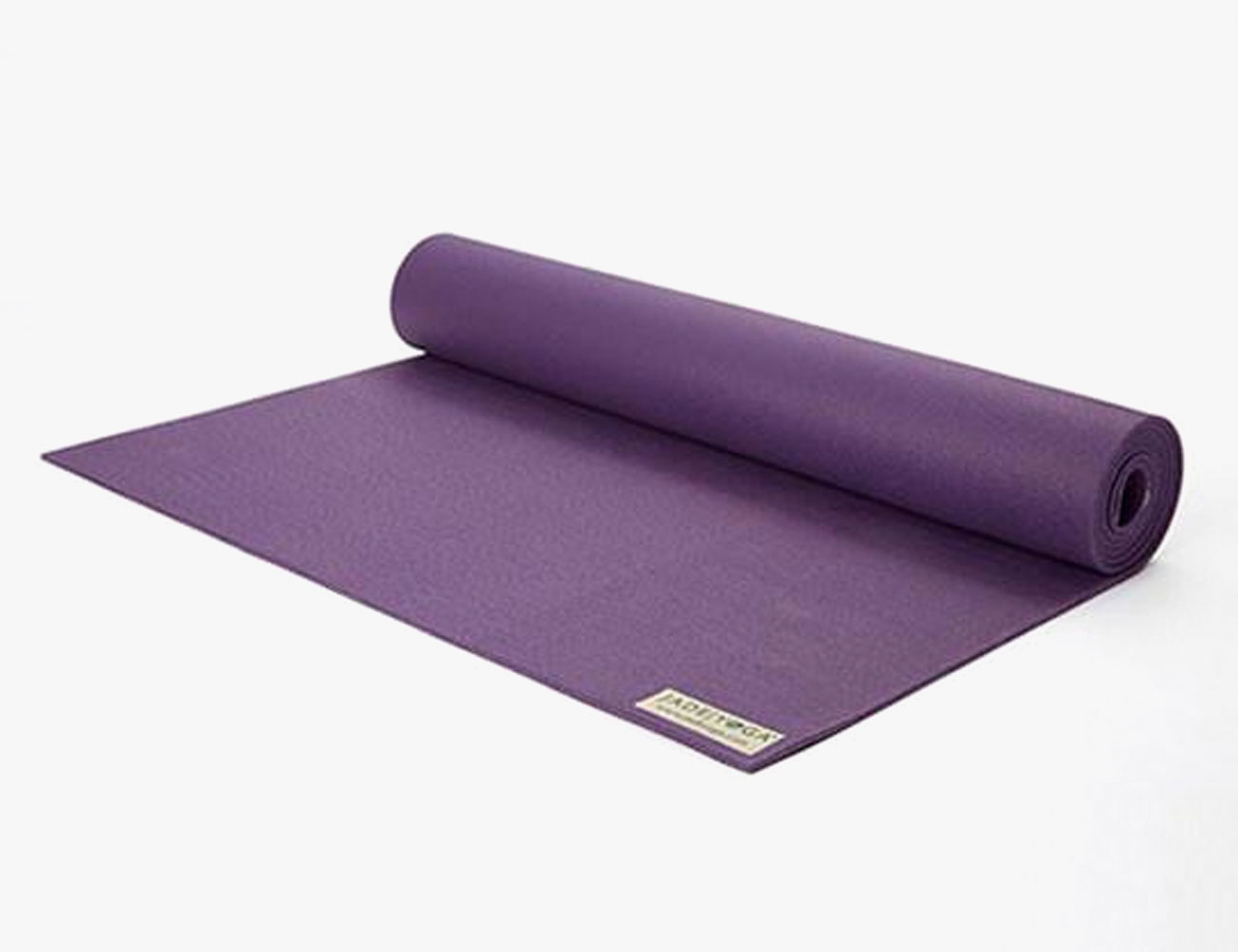
Jade Yoga’s best-selling mats are as ubiquitous in yoga classes as Lululemon shorts (in fact, you’ve probably rented one of these at a local studio). That’s because they’re known for their superior grip — the mat’s “open-cell” design means the porous material soaks up sweat and any other moisture as you flow. The brand is also known for their commitment to sustainability: the mats are made from natural rubber, a renewable resource; produced in the U.S., in compliance with all U.S. environmental, labor and consumer protection laws; and contain no PVC, EVA or other synthetic rubber. Plus, for every mat sold, Jade plants a tree through their partnership with Trees for the Future.

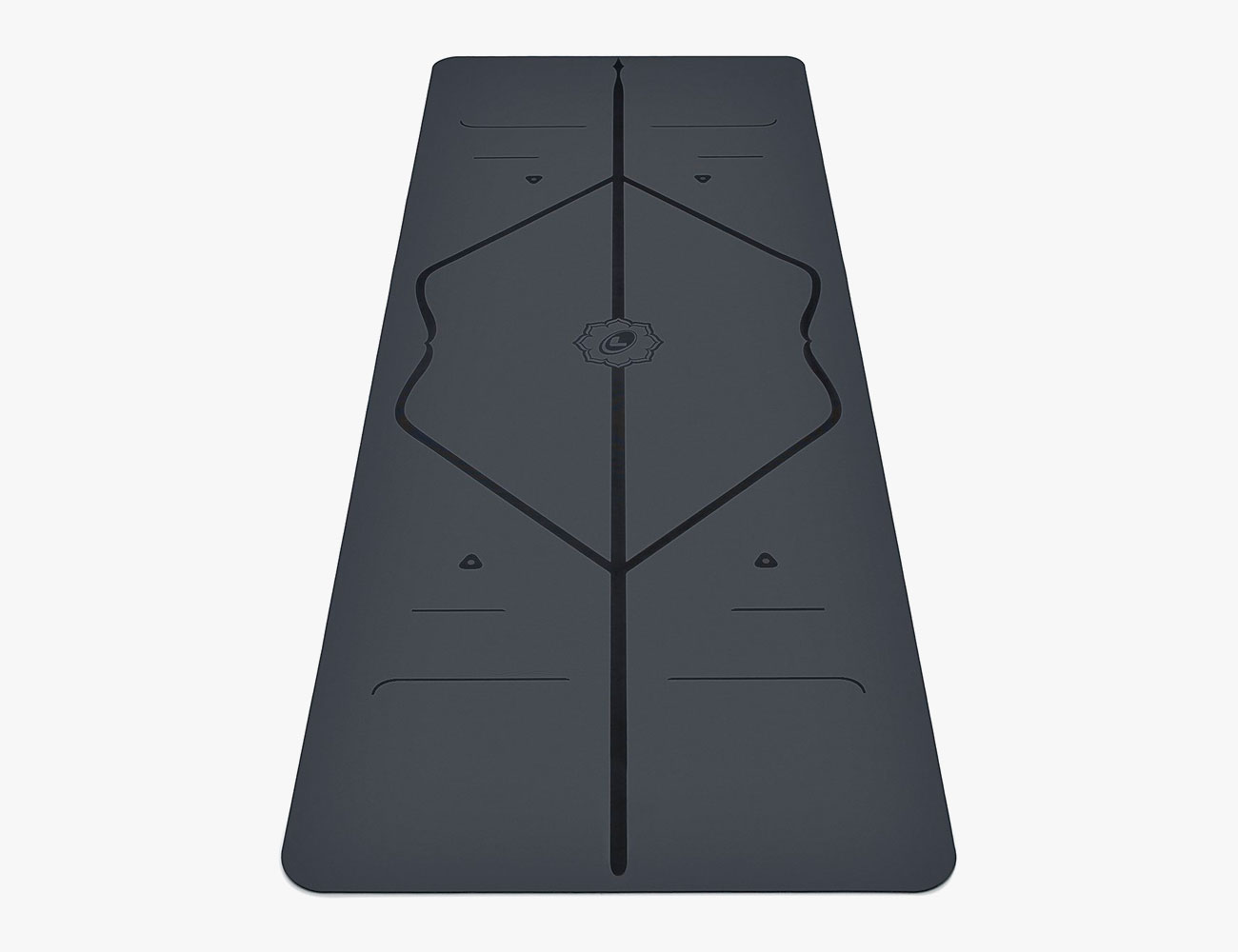
Best Yoga Mat With Alignment: Liforme Yoga Mat With Alignment Lines

There’s no way to get all the body benefits of yoga if you’re not nailing the right form. Liforme’s yoga mat helps you stay centered — literally — with smart markings that point out where your hands, feet and center should be for proper positioning. (The marks are etched right into the surface of the mat, so they’ll be there as long as you are.) This mat is on the slimmer end of the spectrum at 4.2mm, but there’s an extra felt portion sandwiched between the natural rubber layers that provides additional support and stability. And at nearly 73 inches long, there’s plenty of room for you to deepen those lunges.

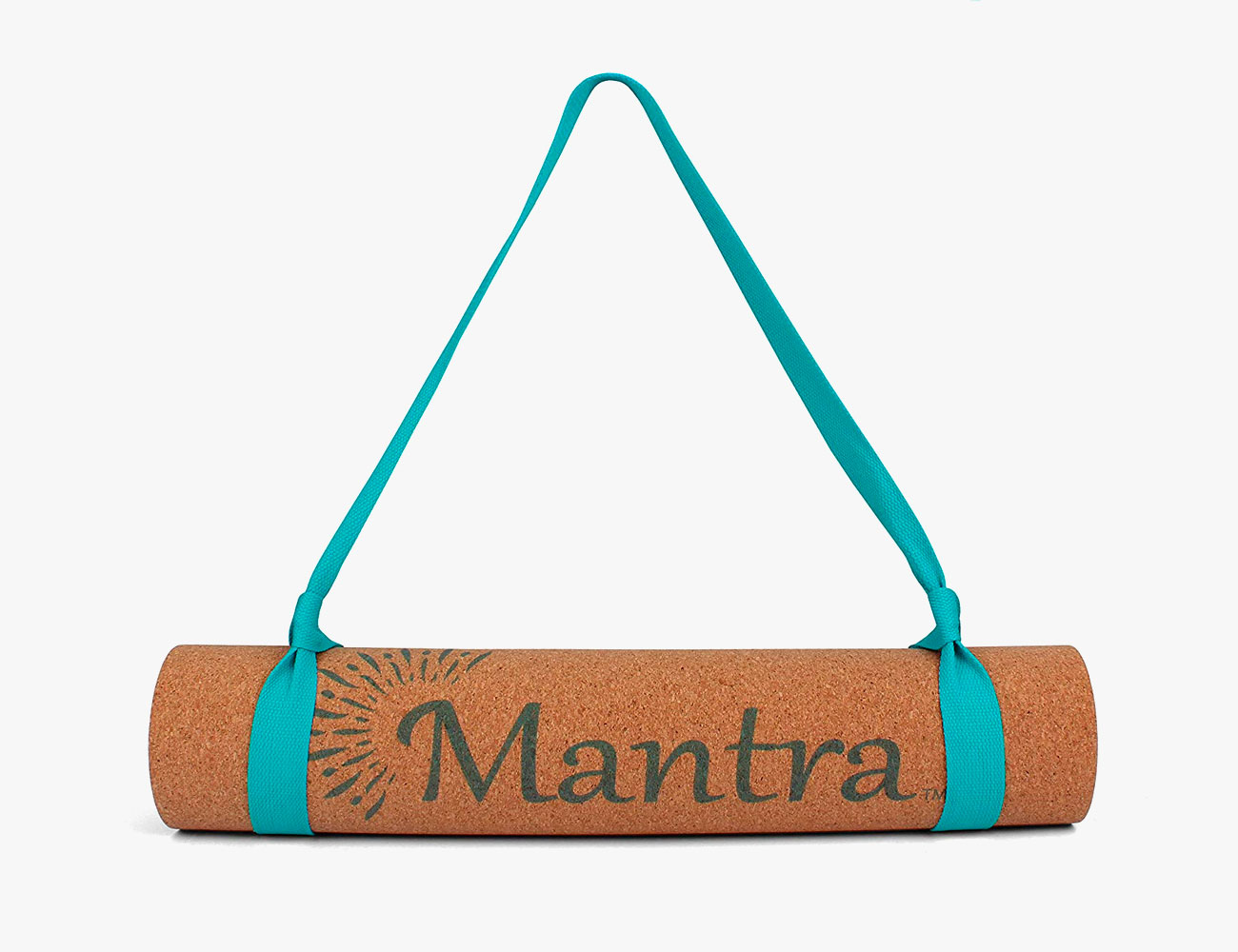
Best Cork Yoga Mat: Mantra Cork Yoga Mat

For all the rubber mats you’ve used or looked at, have you ever considered cork? The material serves just as much of a purpose in the studio as it does in a wine bottle (…even if that purpose is a little different). Cork is naturally antimicrobial, preventing bacteria, mold and mildew from growing on your yoga mat, and it even tends to repel dirt, hair and dust. It also gives great grip — the more moisture the natural surface absorbs, the stickier it gets. Mantra’s 5mm mix of cork and rubber is extra dense, which will boost your stability and put a little more joint protection between you and the floor.

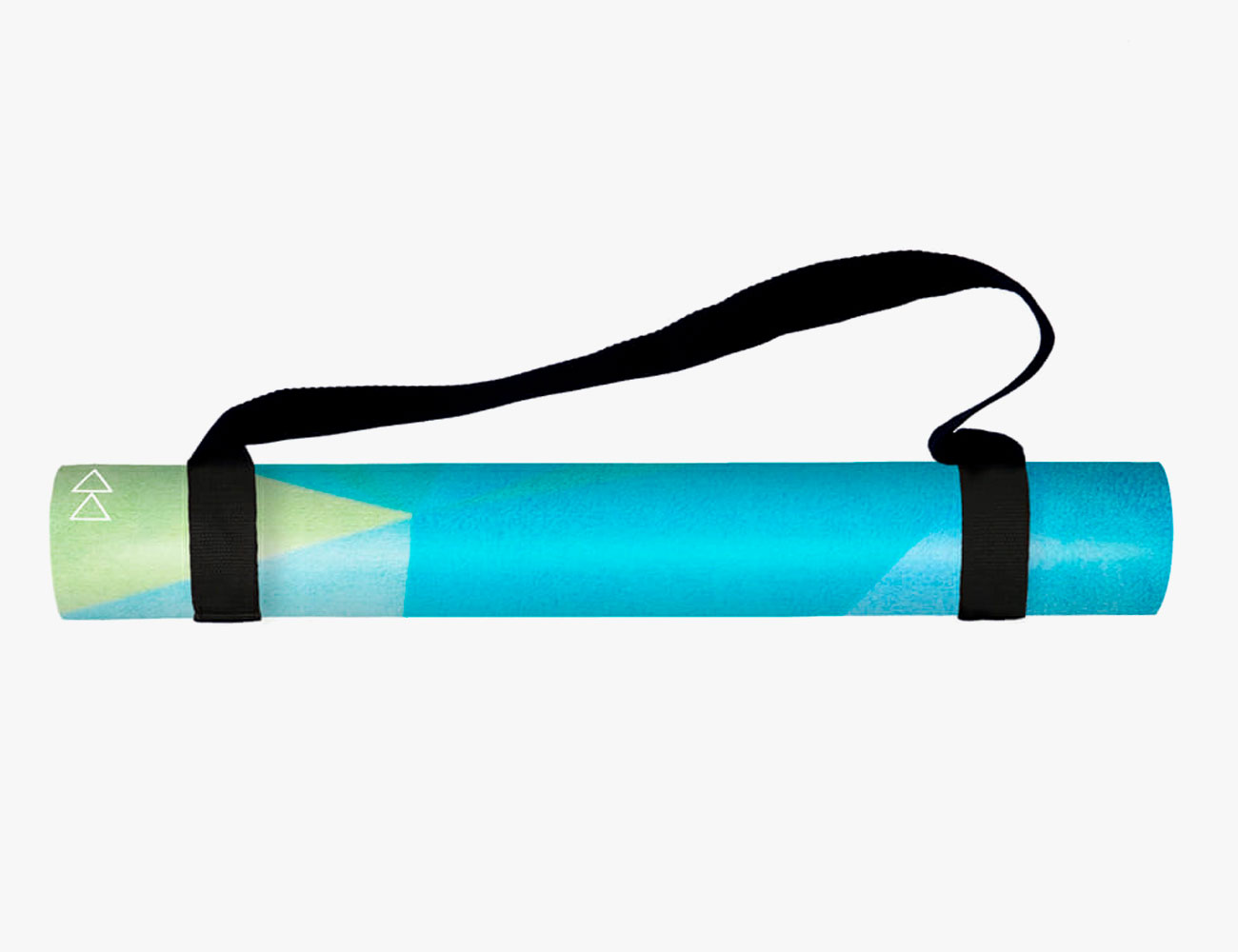
Best Travel Mat: Yoga Design Lab Commuter Mat

One of the best parts of yoga is that you can practice anywhere — you just need a mat that can make the trek, too. That’s why Yoga Design Lab created this super portable hybrid towel/mat. The top layer is absorbent suede microfiber (made from recycled plastic bottles), which soaks up moisture so you can stay in position. The base is made from natural tree rubber and just cushy enough to protect your joints, even though the whole mat is a mere 1.5mm thick. With so little bulk to manage, it couldn’t be easier to fold the entire thing up and stash it in your bag, backpack or suitcase.

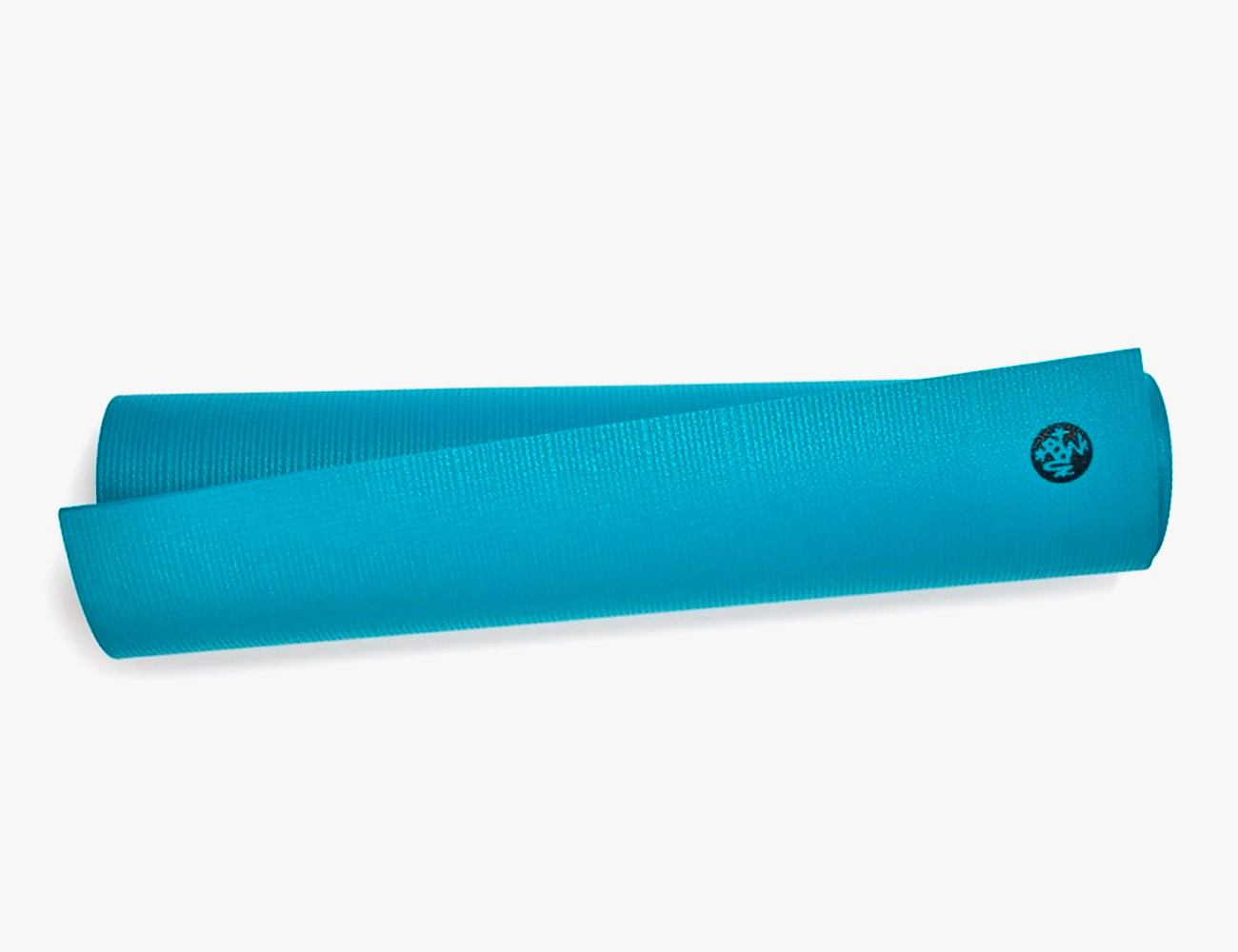
Best All-Around Mat: Manduka Pro Yoga Mat

At 6mm thick and slightly longer and wider than average, the best-selling Manduka Pro has a little bit of everything. The fabric-like finish is grippy, the closed-cell surface keeps moisture and sweat from seeping into the material, and the high-density cushioning keeps you comfortable and stable whether you’re practicing savasana on a hardwood floor or working tree pose on top of carpet. But the real selling point is the lifetime warranty; the brand will replace your mat if it shows any signs of manufacturer defects or irregular wear. It’s such a popular mat that the company also has a lighter 4.7mm option and a grippier version for hot yoga.

A Beginner’s Guide to Yoga

Thinking about trying yoga? Here’s everything you need to know about the history, styles, risks and benefits before you get started. Read the Story

Note: Purchasing products through our links may earn us a portion of the sale, which supports our editorial team’s mission. Learn more here.

The Best New Knives and EDC of May 2019

Some product launches are predictable — most spring and summer collections have already been released, revealing faster running shoes, lighter camping gear and everything necessary for playing in the water. Some items don’t come out in season-timed launches though, like pocket knives and EDC tools.

The companies and designers that make these items work year-round, and manufacturers that roll out as many as 50 new knives and multi-tools per year spread them out over that period of time, so there’s something new to ogle every week. It’s our mission to keep you up to speed with the release of knives and tools that have the potential to become your next daily sidekick or a worthy addition to any collection. In case you missed one, we’ll round up our findings here in one concise, easy-to-scroll article.

In May, the EDC brand Quiet Carry produced its first fixed-blade knife, Benchmade updated its slipjoint Proper Family, Spyderco expanded its popular Dragonfly line and more.

Quiet Carry Current

grey_placeholder

Quiet Carry is among a host of newer everyday carry-focused knife brands, and its latest model is its first fixed blade ever. It’s called The Current, and it’s 7.23 inches long with a 3-inch blade. That might be considered small, but Quiet Carry employed a drop-point design with a deep shape and full belly that calls to mind a miniature chef’s knife. The Current debuted on Kickstarter, where it raised over $31,000, but it’s already available at Quiet Carry’s website for $185 or $195, depending on the finish.

Benchmade Carbon Fiber Proper

grey_placeholder

Benchmade released the Proper Family of knives as a simple take on the classic everyday folder. Initially available with various blade shapes, the Proper is now getting a handle upgrade in the form of carbon fiber. The lightweight material gives these classic slip-joint pocketknives a refined and stealthy look that’s markedly modern.

Spyderco Dragonfly 2 Emerson

grey_placeholder

Spyderco fans may recognize the Dragonfly name, but they’ve never seen its blade in this unusual shape. That hook on the spine is called an Emerson Opener, and it’s meant to provide a means of unfolding the blade quickly. To deploy it, the user draws the knife out of a pocket from the clipped position. When the hook catches the pocket’s fabric on the way out, it pulls the blade open. It’s an uncommon feature, and a convenient one in place of a flipper tab in a knife this small; the Dragonfly 2 Emerson’s blade is 2.28 inches long.

Leatherman Signal in New Colors

grey_placeholder

On the heels of its most significant release in years with the Free, Leatherman revealed a subtler upgrade to its outdoor survival-oriented Signal: color. Blue, tan and grey are the new handle hue alternatives to the standard black of the Signal’s previous iterations. Everything else about the multi-tool remains the same: It packs 19 implements including a saw, Ferro rod and emergency whistle.

Note: Purchasing products through our links may earn us a portion of the sale, which supports our editorial team’s mission. Learn more here.

The Rock’s New Gym-Centric Earbuds Are More Proof His Stuff Doesn’t Suck


The Rock, a.k.a. Dwyane Johnson, announced his latest collaboration with Under Armour today, an addition to his successful line of headphones. The UA True Wireless Flash – Project Rock Edition earbuds are Bluetooth compatible, easy-to-connect and practically storm-proof. The winged ear tips help these stay put throughout deadlifts, sled pushes and as many pull-ups as you can do.

While we have yet to test, we can’t argue with his product track record, and we’re excited to run them through the wringer in our own Iron Paradise. Pick up a pair today on UnderArmour.com.

Gear Patrol also recommends:
Jabra Elite Active Ture Wireless Sport Earbuds ($190)
Apple AirPods ($199)
Master Dynamic MW07 ($299)
Today in Gear

The best way to catch up on the day’s most important product releases and stories. Read the Story

Everything You Need to Start Free Diving

If you like to hold your breath underwater, freediving could be for you. It’s an extreme sport where athletes challenge themselves to dive as deep as they can without any supplemental oxygen or dive tanks. Basically, it’s scuba diving sans any equipment. While it may seem simple to do, it does take training and technique. Taking a course with an expert is a good way to get introduced to the sport. The Professional Association of Diving Instructors (PADI) offers classes for beginners that will teach you the basic principles of freediving, and then you’ll learn how to hold your breath with the goal of helping you reach 90 seconds. From there, instructors recommend you get in touch with your local dive center to figure out where to go.

To get an insider’s perspective, we tapped Perrin James, free diver turned spear fisherman turned videographer who travels around the world to find interesting sea creatures. You can check out his work online and on his Instagram which is filled with deep blue pictures from his latest off-the-grid location. The majority of his work is in conservation, commercial, documentary TV or documentary-style movies.

Here are James’s recommendations for the gear you’ll need to get started — and what’s worked for him for years.

Freediving Fins

Moana Carbon Fiber Hybrid Blades

James uses carbon fiber hybrids made by his friend Brad at Head Hunter Spearfishing. “Out of all the gear we use in the water, your fins are what’s going to make the biggest difference when pushing deeper depths or going the distance.” James has about five different pairs for all different types of dives. Longer, stiffer blades are best when pushing depths while softer, shorter fins are ideal for dives where you might cover more ground like the Caribbean, and they put less pressure on your knees and ankles when swimming miles.

Wetsuit for Freediving

Speargun Covi-Tek 3.5mm 2 PC Wetsuit

No matter where James travels, he’s pulling on a 3.5mm wetsuit.”Even in warmer climates, your body loses so much heat that if you’re not properly insulated, your dive times and breathe holds will become increasingly more difficult as the day goes on because of loss of body heat,” James says. He wears this camo Riffe suit or a Patagonia surf suit. While many companies claim that the patterns on the wetsuits will help you get closer to the fish, James disagrees. “Personally I wouldn’t buy into any of that. It’s all about the way you move underwater.”

Mask and Snorkel for Freediving

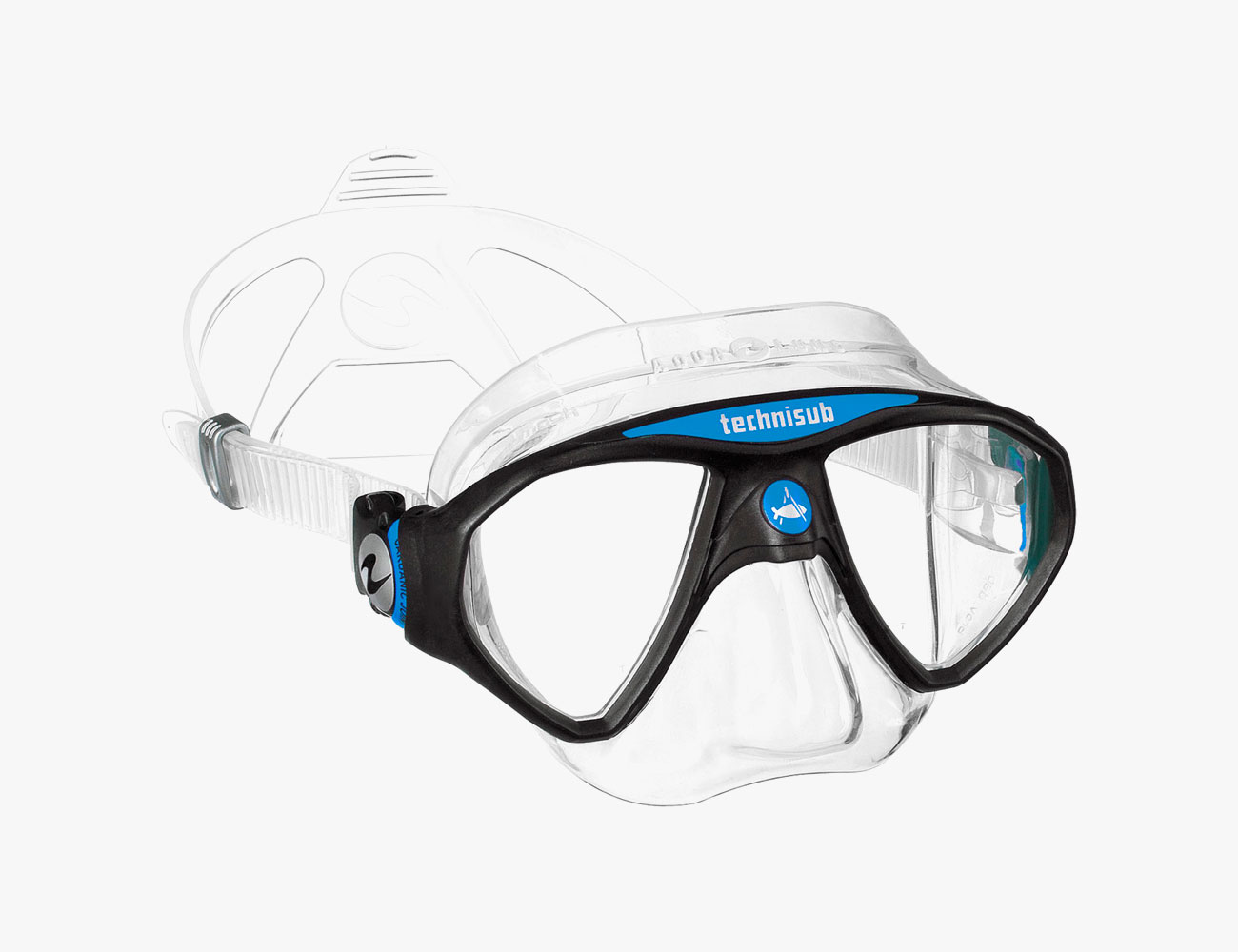
Aqualung Micro

Your mask is the most important piece of equipment, James says. “Lower volume equals less air necessary to equalize and release the pressure that builds up against your mask and then your face. So essentially you’re breathing out of your nose into your mask when dropping atmospheres.” James has been using the same Aqualung Micro for the past 10 years. “The best mask is the one that fits your face the best,” James says. Pro tip: put toothpaste on the inside for a few days to burn out the inside film that causes these masks to fog up.

Sunglasses

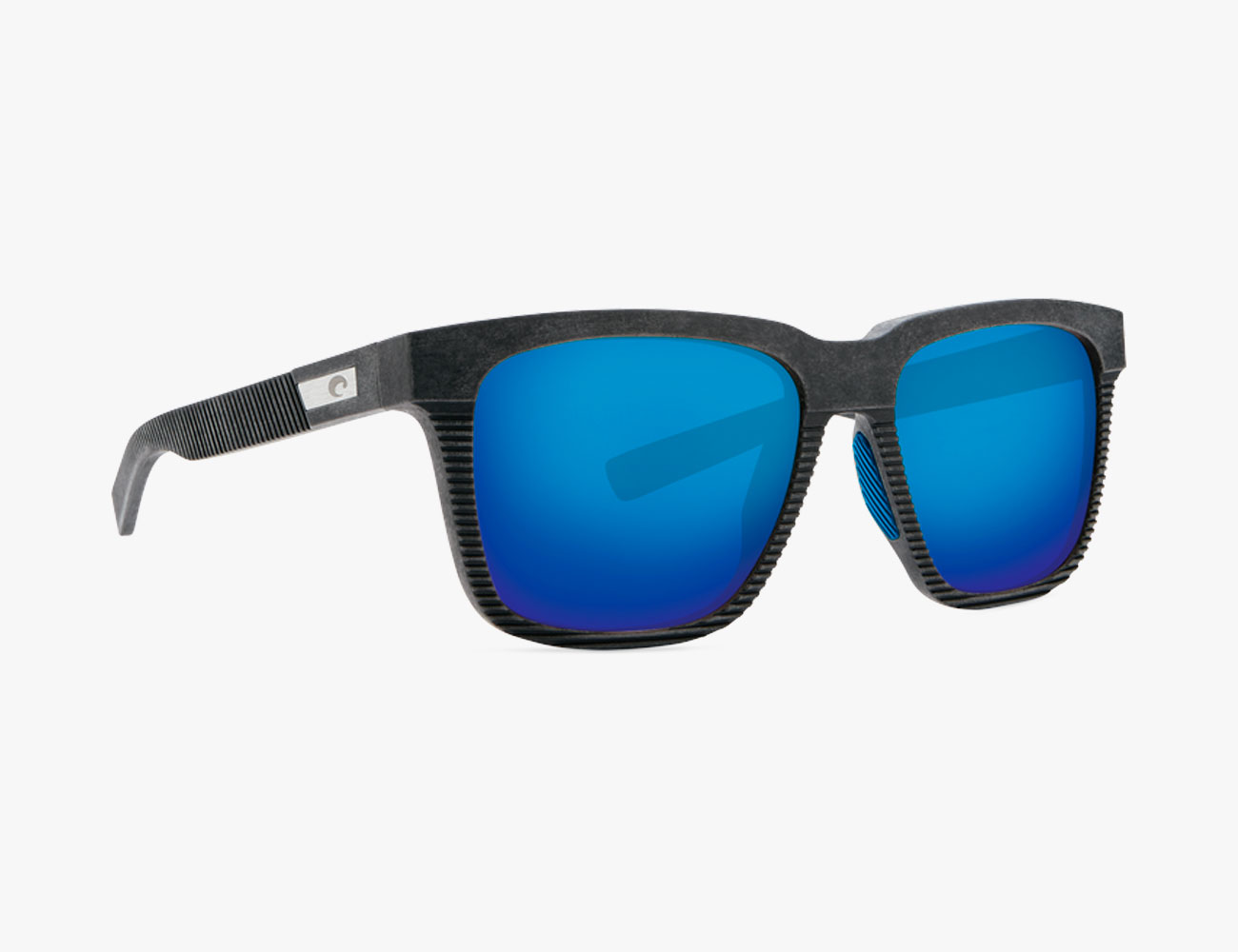
Costa Del Mar Pescador

“Polarized glasses are one of the best things you can own when you’re on the water constantly,” James says. His choice is the Pescador from Costa, which is made from recycled fishing nets.

Underwater Camera

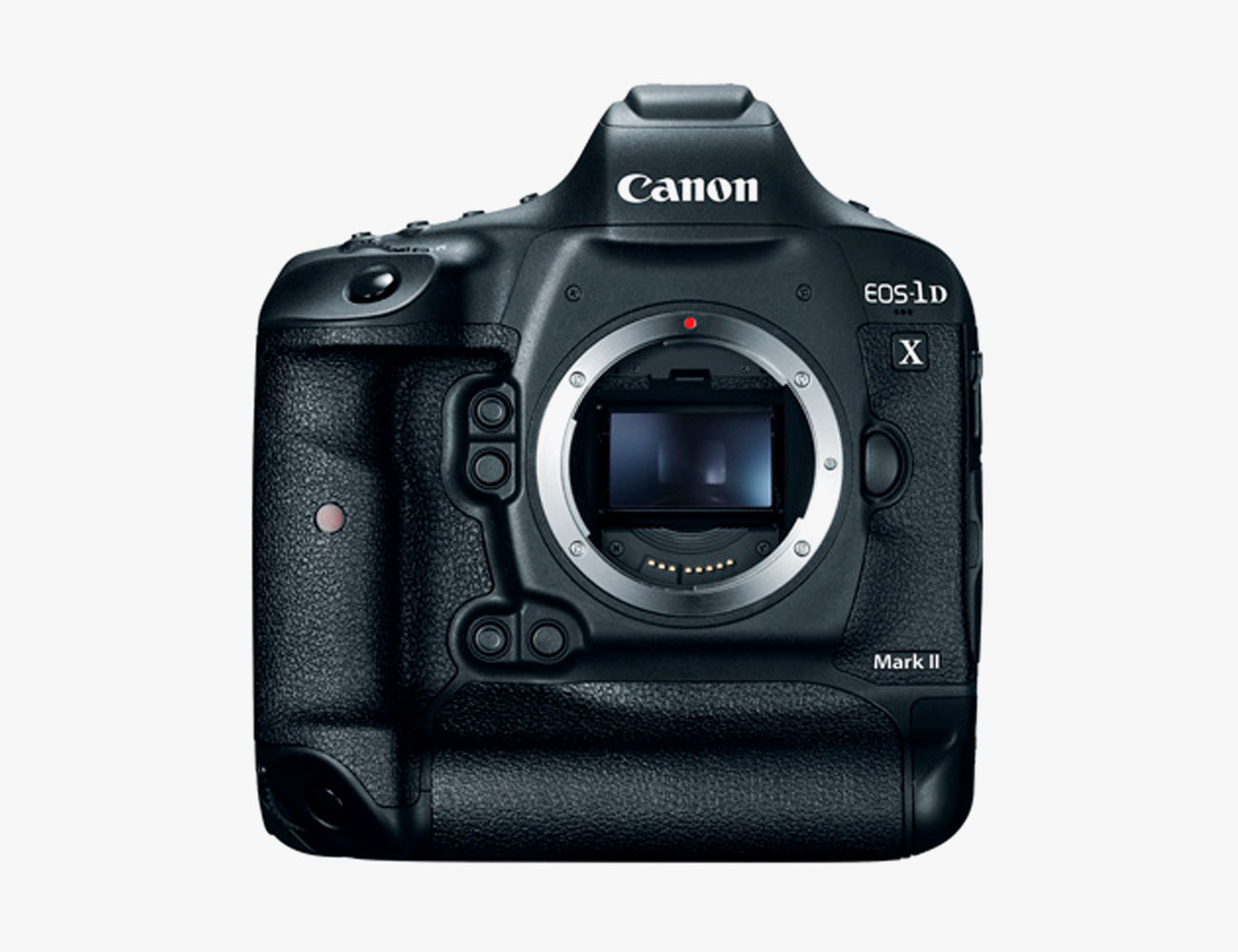
1DX Mark II

“I’ve got a handful of cameras but my favorite one for underwater use is either my 1D X Mark II setup in a Nauticam housing or Red Gemini in the same kind of dive housing,” James says. While his tools depend on the water conditions and where he’s shooting, he’s partial to that setup. As of late, he’s also been shooting with 11-24 Canon L rectilinear lens paired with a 1D X setup for macro. “It’s been really fun shooting a scene ultra wide while shooting tiny objects for cutaways,” James says. As for his drone of choice, James reaches for the Inspire 2 with the Zenmuse X7 raw camera. “The little setup constantly blows my mind on quality and speed,” James says, but that’s not without some issues. “I’ve had DJI batteries catch on fire while charging.”

| || |

Note: Purchasing products through our links may earn us a portion of the sale, which supports our editorial team’s mission. Learn more here.

This Lightweight Windbreaker Is Perfect For Variable Spring Conditions — and Just $60

The Magazine

Each issue of Gear Patrol Magazine is a deep dive into product culture. Inside, you’ll find seasonal buying guides, rich maker profiles and long-form dispatches from the front lines of product design. The stunningly designed Gear Patrol Magazine is ready for your coffee table. Quarterly. $39

The Newsletter

Get the best new products, deals, and stories from across the world, in your inbox daily.

All the Tips and Gear You Need to Transition Into Trail Running

Trail running has long been a part of the everyman’s life in active cities such at Santa Fe and Denver, but it’s now becoming a trend, even in urban areas that have less access to great trails such as New York City.

When push comes to shove, all you really need to go trail running is a pair of sneakers and nature, of course. But to make sure you’re properly set for the challenge, we chatted with a few experts to get you prepped and geared up. There’s a lot out there to choose from, after all.

The Experts

To find out what gear you need, and what gear you don’t, we tapped three experts in the trail running field: Golden Harper, founder of Altra, Scott Jurek, an ultra runner who recently nagged the title of the FKT (that’s fastest known time in runner-speak) on the Appalachian Trail and Bryan Dayton, a Brooks Off-Road Runner and third-place finisher at the 2018 Leadville 100 (one of the most prestigious ultra-running races).

Vocabulary

Running is running — there’s not a ton you need to know. But in the trail running world, some terms can sound intimidating. Familiarize yourself with the following info and you’ll feel like an expert before you even get started.

Right of Way: You’ll come across a variety of groups of people on the trail, and it’s best to know who to move over for. Cyclists yield to runners and runners yield to hikers.
Trail Etiquette: If you’re coming up behind someone and are ready to move around them, simply say ‘on your left,’ and then pass them on their left.
Vertical: On the trail, miles upward toward the summit (a.k.a. vertical) is not equal to the total mileage of the run. Three miles on the trail could equal 10 miles on the road in terms of difficulty. If you’re a beginner, avoid trails with excessive elevation.

Types of Trails

Where you live will determine the types of trails you’ll be running on. “The best trail is the one closest to you,” Harper says. He also filled us in on what types of trails you’re likely to find, depending where you live.

Mountain West: When you think trail running, you think of the mountains. The ones found here are generally hard packed, don’t have a ton of mud and offer lots of vertical. Steep is a real thing here. You’ll cover a variety of conditions from the bottom to the top of the mountain (it might be sunny and 70 at the bottom, but windy and 40 at the top).
Midwest down to South: While this area might be as flat as a pancake, the trails found here offer mixed conditions depending on the season and particular state. You won’t really find rocky footsteps with extreme footing or a ton of vertical, but you will deal with more slippery-ness than someone running in the mountain west.
Upper Midwest, Northwest and Northeast: Most of the northern parts of the country, like New England, the Pacific Northwest, and the Great Lakes region, tend to have trails that are floppy — more mud and a soft, mushy terrain. There’s normally more grass found on these trails as well.
Desert: From San Diego to Arizona, New Mexico to Texas, you’ll find dry, hard, sandy trails — and these are especially hard on shoes.

The Gear

“When transitioning from road to trail running, hydration and fuel are critical,” Dayton says. “Your time out on the trail can quickly double and you may not be near your car,” so having food available to you is of utmost importance. Otherwise, the grand differences lie in the weather and altitude changes. Be sure to check both frequently, so you know what to expect before you go out, and let someone know where you’re going, Dayton advises. Last but not least, the right running shoes are essential.

Sneakers

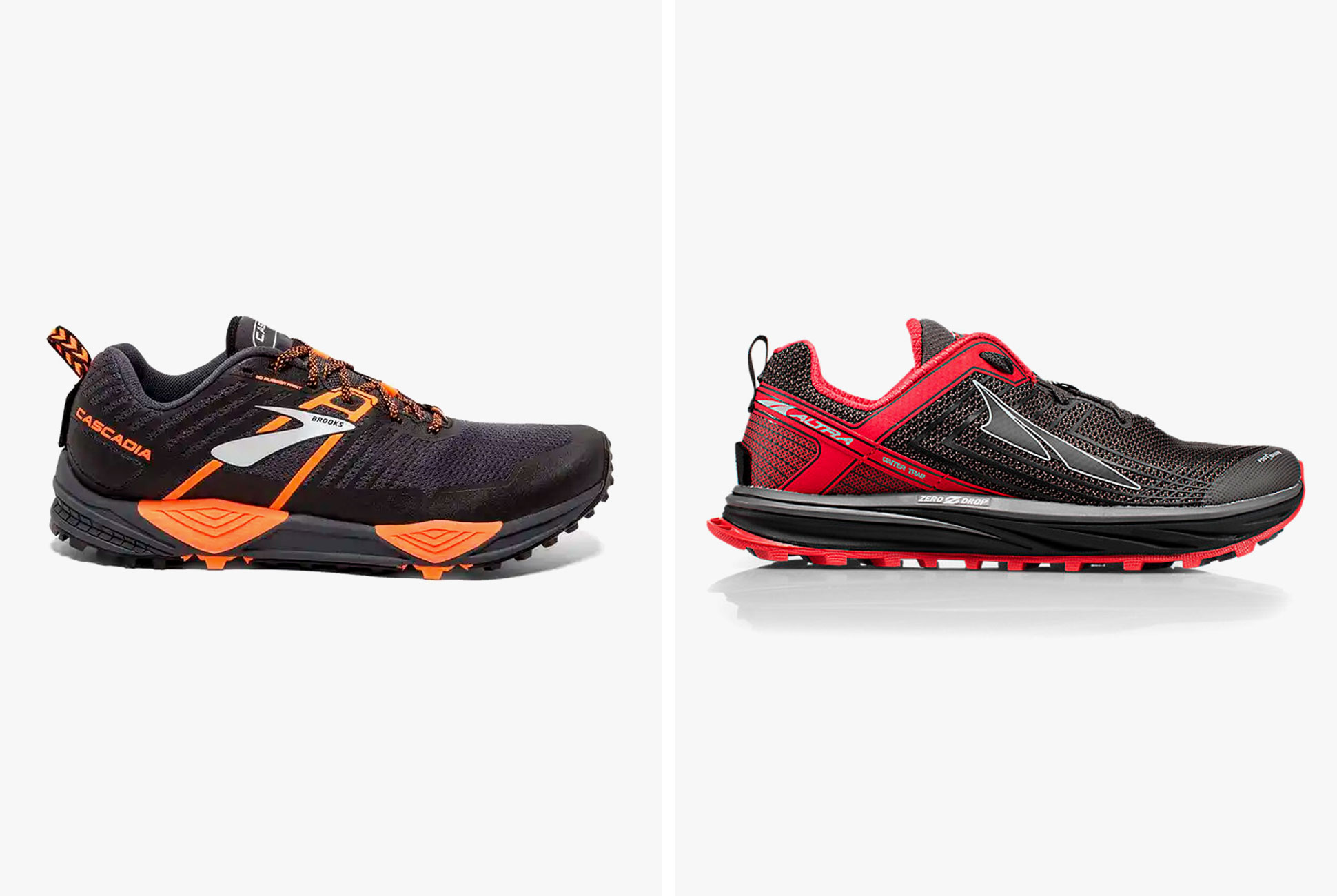
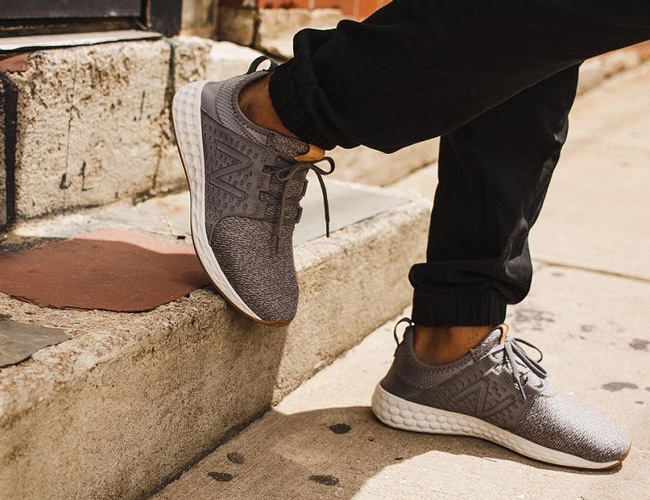
“For a beginner, the first thing is that [the trail shoe] is comfortable,” Harper says. “You’ll put your foot in a more challenging environment than on the road, so comfort is the most important thing. It should feel barefoot, relaxed and free.” Trying on sneakers is the best way to do that, and while you’re chatting with the sales associate, bring up the types of trails you’ll be on. “Match the type of shoe to the type of trail you run on — so, with rocky mountains, you don’t need a shoe with really big lugs,” Harper explains. “For the Northeast, where it’s wet and floppy, you’ll want big lugs to keep you upright in slippery terrain,”

“One of the biggest features I like to have is a lower heel height,” Jurek adds. “The heel differential is lower than most road shoes, so I like something in the three- to five-millimeter heel drop — it keeps the foot closer to the ground and gives me a more stable platform to push off and land. New trail runners tend to think, ‘I want to protect myself completely from the trail,’ but having some sense of feeling is important.”

|

Waistpack + Water

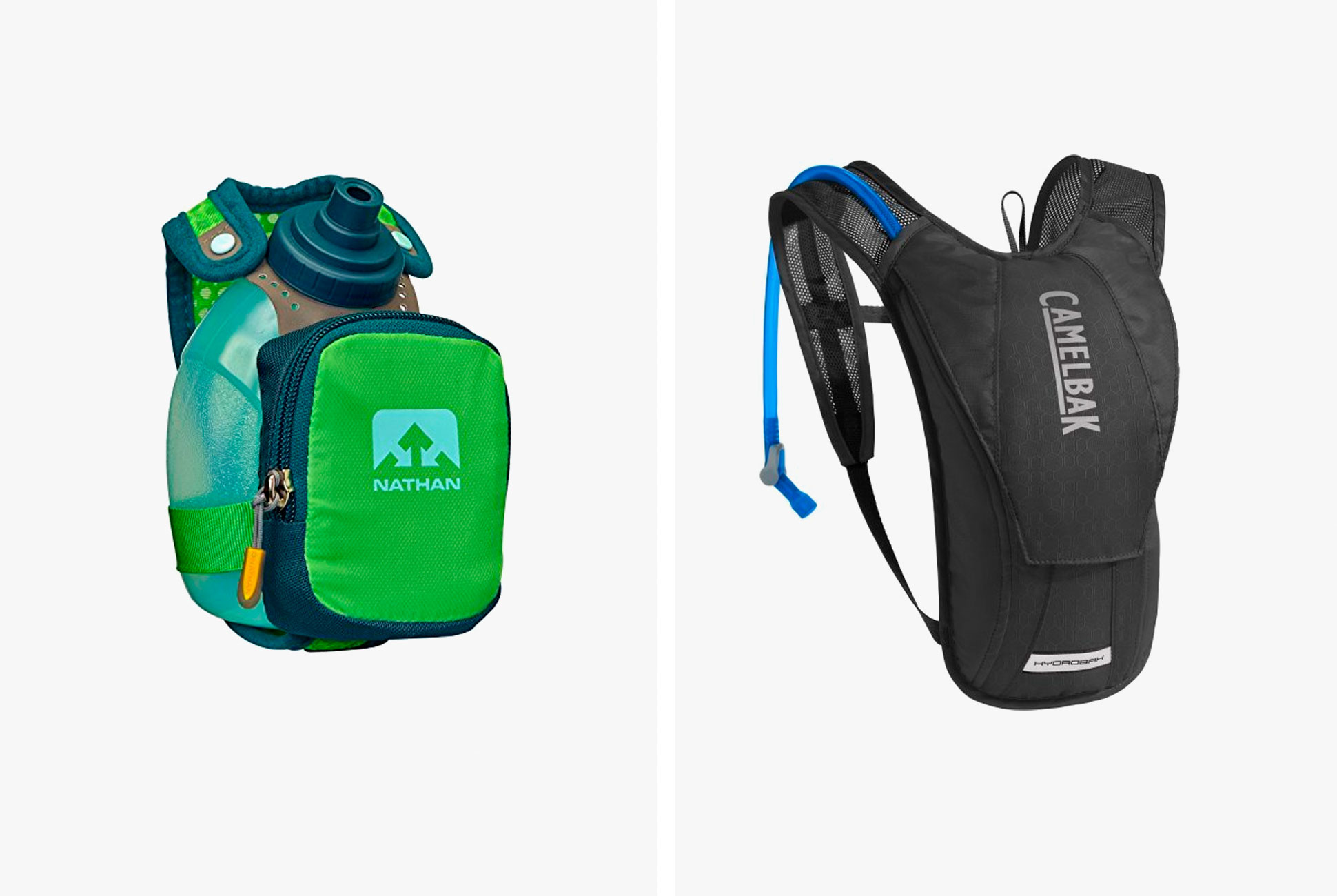
While you don’t necessarily need anything beyond proper shoes, it’s smart to bring water with you, especially if you’re not familiar with the trail. You can use something as simple as a handheld water bottle with space for your keys, or something more intense like a hydration pack.

|

Snacks

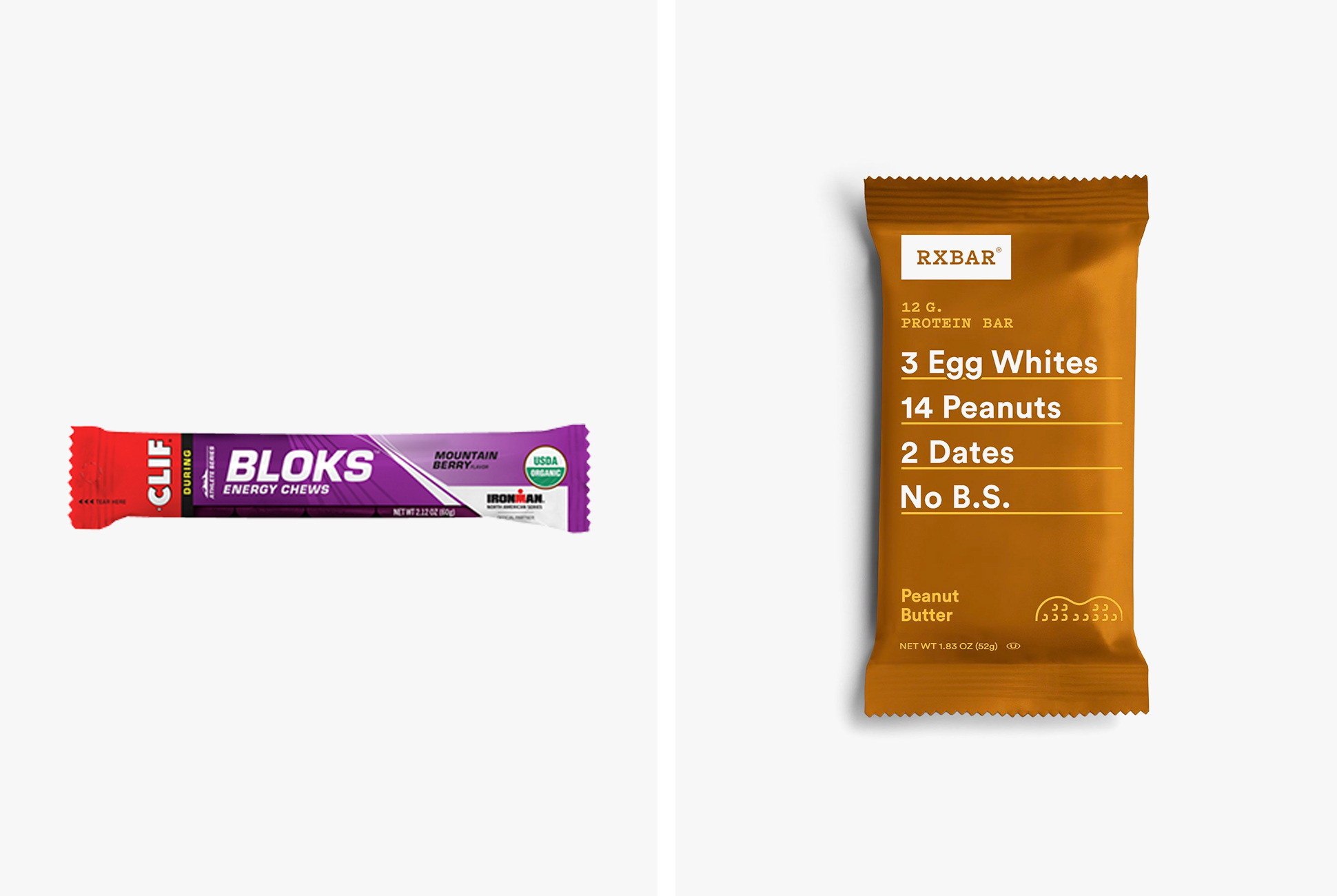
If you’re heading out for a heavy-duty trail run, it’s best to pack a few snacks. If the trail ends up longer than anticipated or you slow down and are out longer than you planned, reaching for these gummies or electrolytes will keep your energy up. You can also bring real food if you want — apples and peanut butter, grapes or anything your body craves when you’re outside.

|

Watch

There is something to be said about running into the woods and enjoying the silence. It’s not often that we disconnect, but trail running can be your chance to do just that. You can detour from the following gear advice if you’re looking to totally get off the grid.

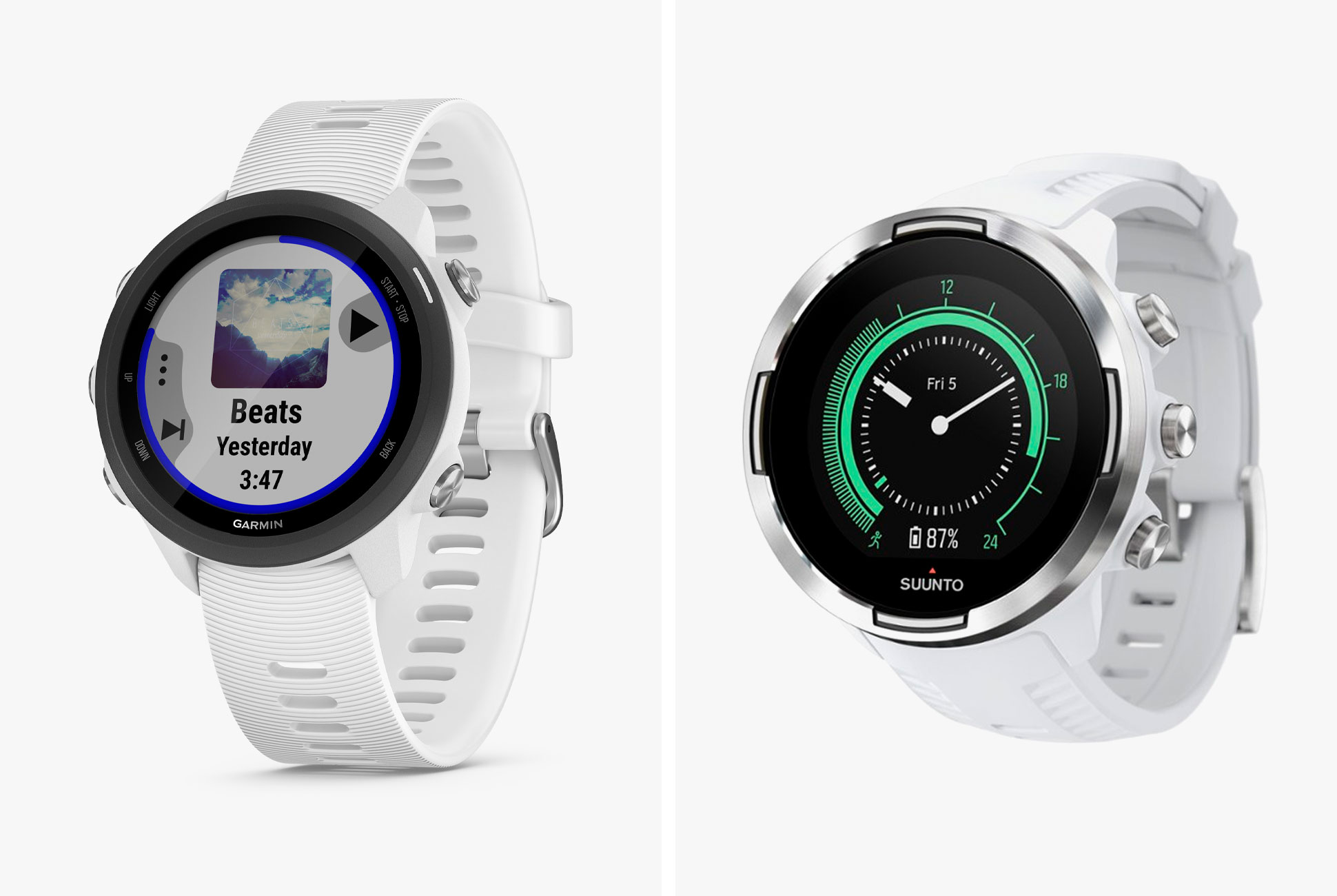
If you do want to keep track of where you’re going, and maybe even drop breadcrumbs to get you back to the starting point, begin with a basic GPS watch. While some watches like the Garmin Fenix 5S offer amazing GPS and battery life, beginners may want to work up to something on that level. Better to make sure you actually like running with a tracker — and trail running itself — before making a serious investment.

|

Running Shoes to Wear All the Time

The only shoes you’ll want to wear all summer long. Read the Story

These New Sunski Shades Deliver From the Mountain to the Bar


Finding the perfect set of frames can be challenging. But once you find the ones that fit your face just right, you’ll never want to let them go. Sunski dropped a new pair this week that will make you re-think your past choices. The Topeka comes in two tortoise shades and works on the mountain, in the car and anywhere else you take them. Beyond the sunnies’ good looks, technical performance features like grippy nose pads and slightly tapered arms keep them on your face through sweat and rain. Polarized lenses protect from glare, and the lightweight recycled plastic frames come with a lifetime warranty.

Shop these new sunglasses for $68 on Sunski’s website today.

Gear Patrol also recommends:
Huckberry Weekenders ($35)
Electric Stacker ($180)
Vuarnet VL1315 Glacier Sunglasses ($640)
Today in Gear

The best way to catch up on the day’s most important product releases and stories. Read the Story

Rabbit and Goodr Team Up to Get You Ready to Race


All you need to run a 5K, 10K, half or full is the proper pair of shoes, plus a pair of shorts and a tank. Rabbit and Goodr, two under the radar running brands, worked together to create a race day kit complete with a navy blue singlet ($50), Lucky Rabbit’s Foot sunglasses ($25) and your choice of either 5-inch or 3-inch shorts ($50). You can pick up the bundle today on Rabbit.com or Goodr.com Pair with speedy running shoes, and you’re ready to tackle any distance.

Gear Patrol also recommends:
Janji Cambodia Collection Race Kits ($54+)
Tracksmith Race Day Kit ($60+)
Doxa Run Singlets ($63)
Today in Gear

The best way to catch up on the day’s most important product releases and stories. Read the Story

The Best Bike Racks of 2019 for Any Vehicle

Last Updated May 2019: We’ve updated this buying guide with new bike racks for 2019. Links and prices have also been updated. This guide provides our choices for the best bike racks available now. Inside, you’ll find options for trunk-mounting bike racks, trailer hitch bike racks and rooftop bike racks.


Introduction

Whether you’re headed on a weekend trip, to the local trail system for a lunch ride or the top of your favorite descent, a good bike rack is crucial. It’s no fun to have to fold down your back seat to wrestle your bike into the back, twisting the handlebars and taking off the front wheel in the process. Just returned from a particularly muddy ride? Hopefully, you have a tarp.

The bike rack is your space-saving alternative. It’ll free up your car’s interior for the rest of your gear, your dog, or a riding partner, or two, depending on the capacity of your rack. There are many types of bike racks, and the ones that follow here are, in our opinion, the best available.

The Best Bike Racks of 2018

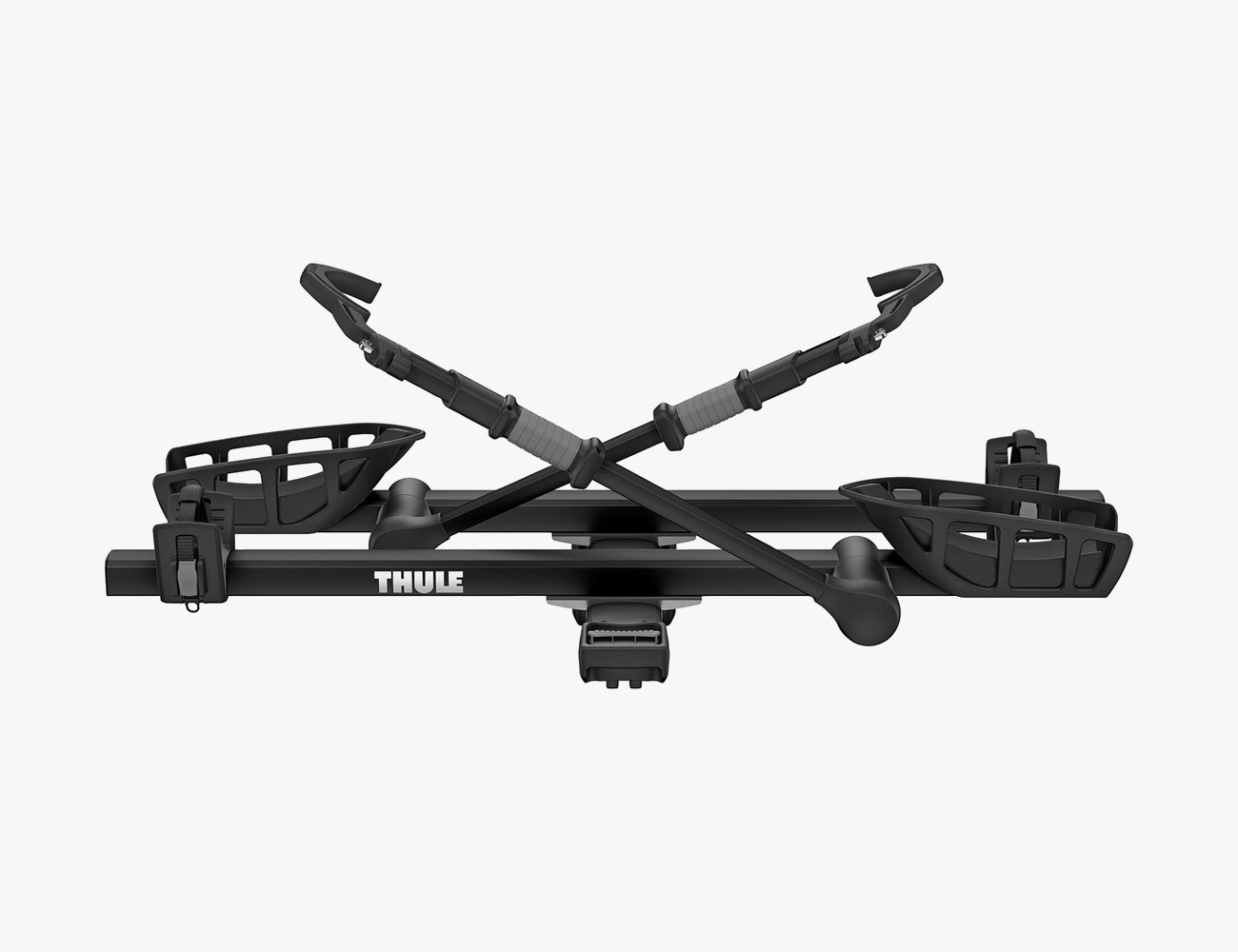
Thule T2 Pro XT

Best Overall Bike Rack: The T2 Pro XT is Thule’s premium tray-style, hitch-mount bike rack. It’s pricey but offers best-in-class features in a very user-friendly build. Front wheel ratcheting arms and rear wheel straps secure bikes that weigh up to 60 pounds without any frame contact. If you need to access the trunk space while the bikes are on the rack, the double-jointed mechanism can tilt your load away so that your car door is free to swing up and open. Best of all, if your crew is more than two people you can get an extension that adds two more bikes.

Saris Bones 3

Best Budget Option: Saris’ Bones bike rack is an awesome affordable option that’ll work for most riders’ needs. The rack attaches to almost any vehicle with rubberized, paint-friendly contact points and ratchet-equipped straps. It’s made from strong injection-molded plastic and has space for three bikes. If your car doesn’t have a trailer hitch and you don’t want to spend too much on a rack, this is the one to get.

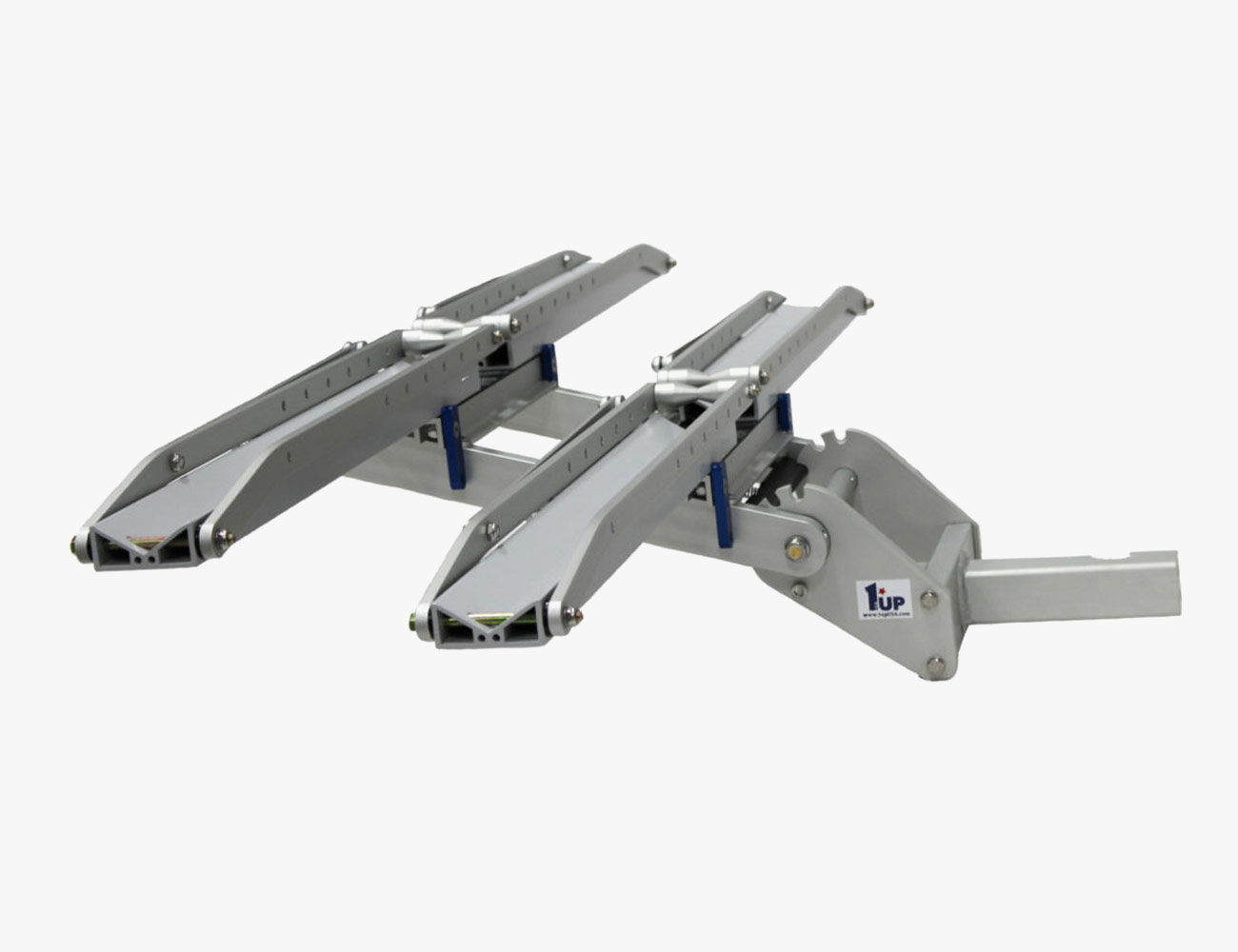
1Up 2″ Super Duty Double

There’s a reason that virtually all luxury SUVs in Jackson, Wyoming (and many other mountain towns) can be spotted kitted with 1Up racks on the back. They are the top of the line when it comes to hitch-mount bike racks. They’re built in Dickeyville, WI from lightweight aluminum and like tyhe Thule T2, features an expansion bolt that eliminates virtually all wobble that many hitch-mount bike racks suffer from. 1Up Super Duty Double racks are also compatible with tire sizes from 16″ to 29″ and up to a 52″ wheelbase.

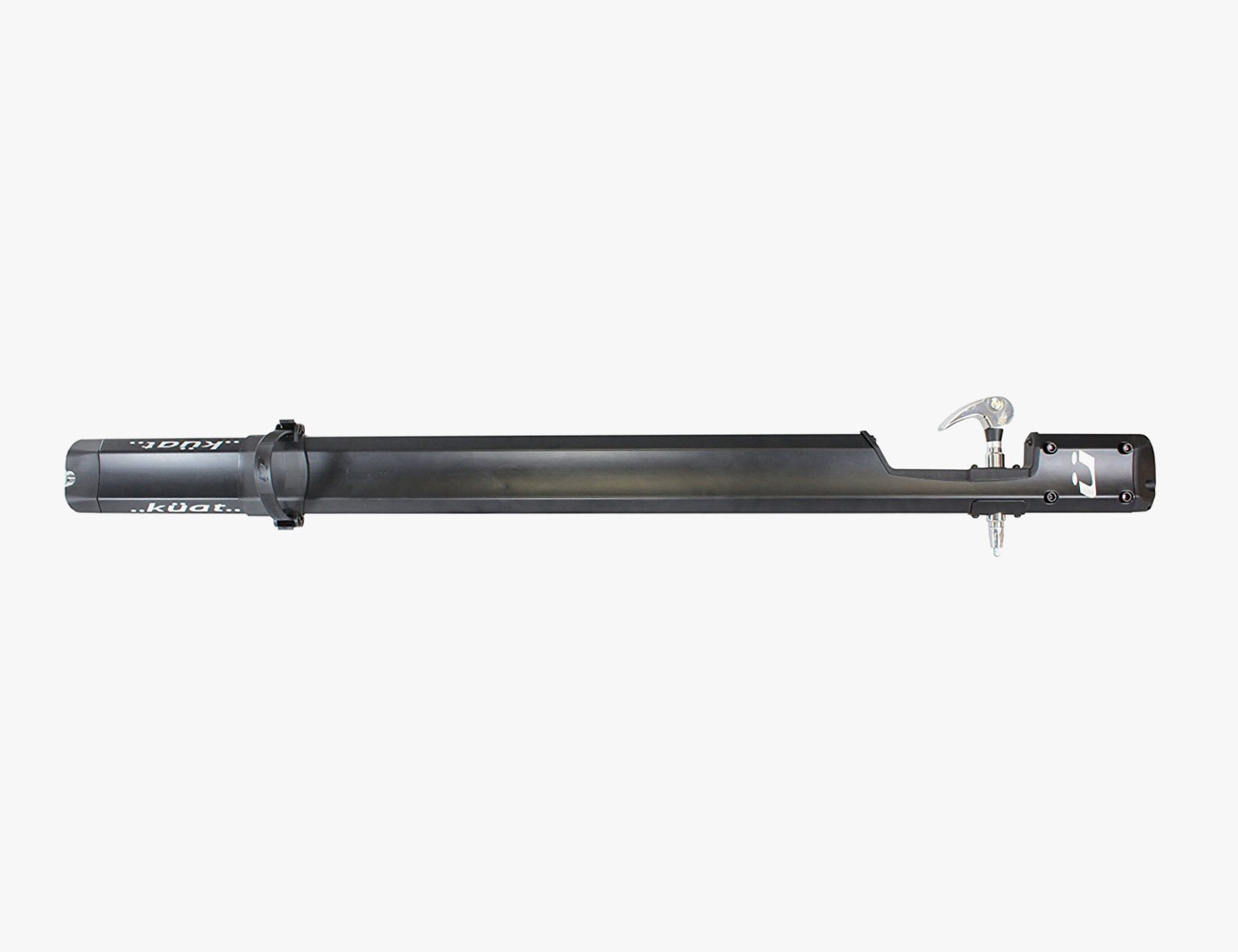
Kuat Trio

For riders who want a rooftop rack but are intimidated by the prospect of having to lift a bike high to strap it down, there’s Kuat’s Trio bike rack. The Trio is sleek and easy to use, with an intelligent fork mount system that will adjust to hold bikes of all sizes. The rear wheel secures with a ratchet strap, and the rack includes a built-in bike lock that deploys from the end. It’s also quite affordable.

Thule UpRide

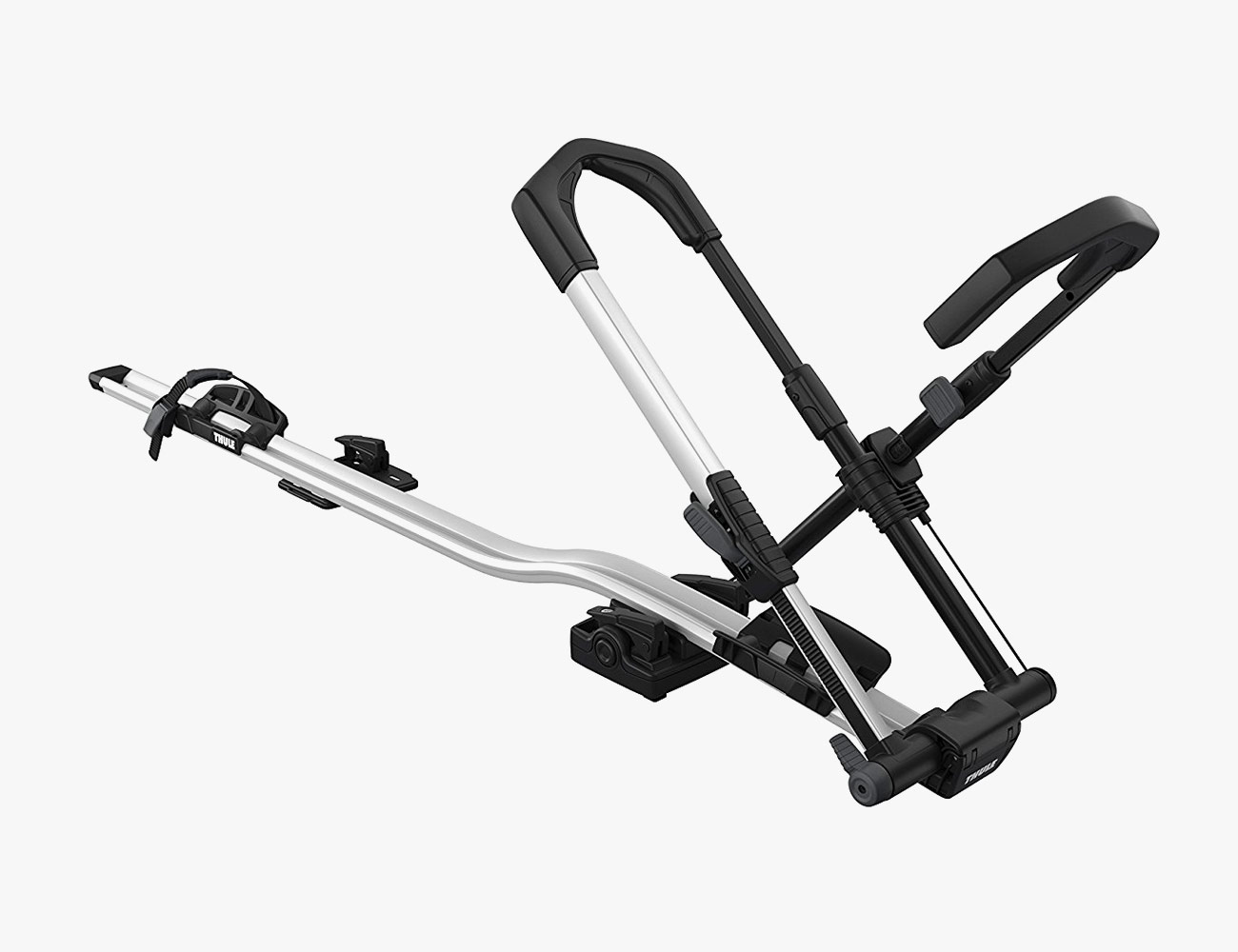
Thule’s newest single-bike roof rack is an award winner, and rightly so. The UpRide lets riders leave the front wheel attached, securing it with two adjustable arms that hold it firmly in place. It does this without any contact with the frame, so it’s a good option for owners of pricey carbon bikes. With this system, the UpRide can accommodate frames of all shapes, sizes and suspensions.

Yakima Dr. Tray

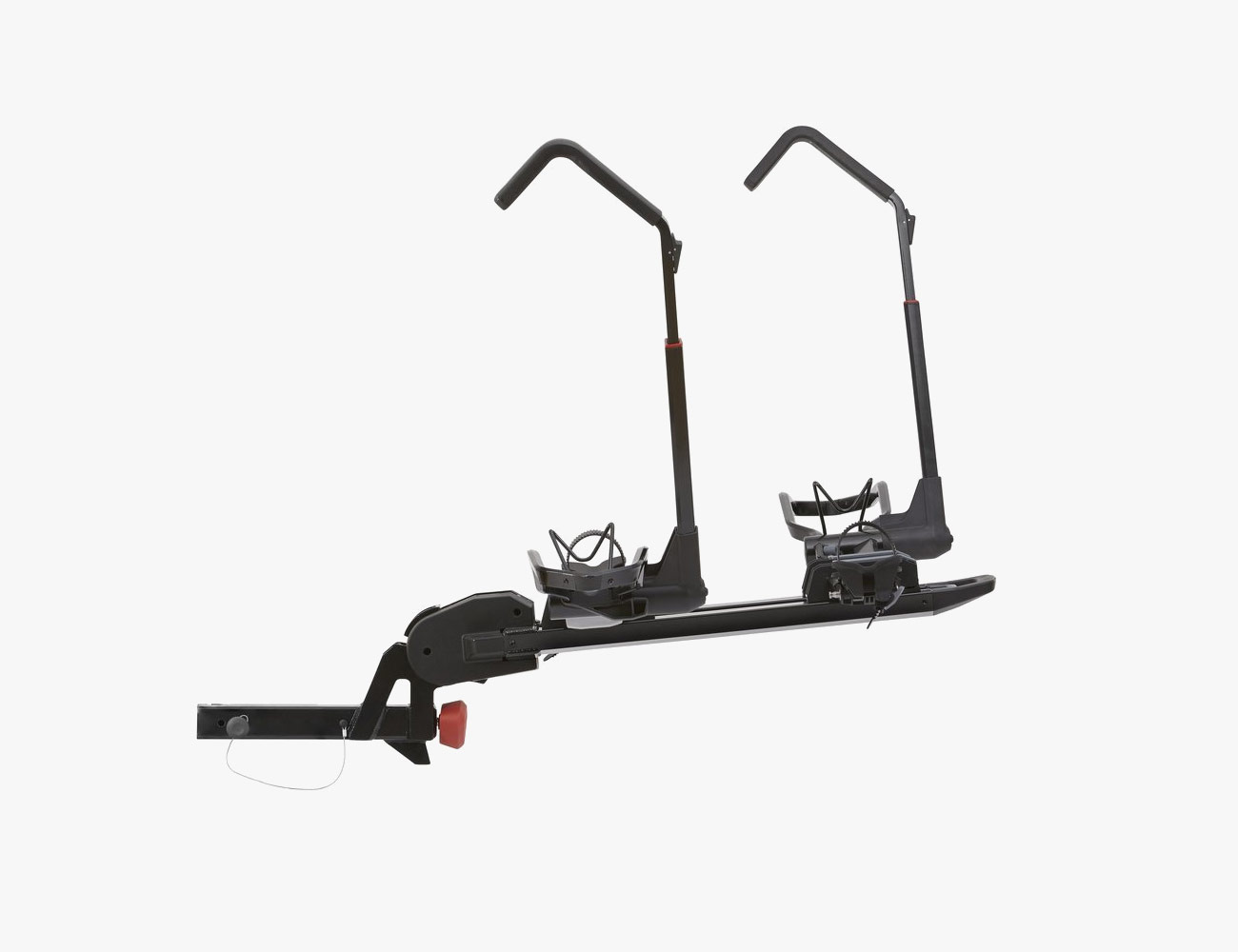
The Dr. Tray is, hands down, one of the most stable hitch-mount bike racks we’ve ever used. The mechanism that attaches the rack to the hitch receiver utilizes a built-in wedge that eliminates any unwanted movement and sway. The trays are also infinitely adjustable, allowing you to position both bikes exactly where you want them and eliminate any chance of them rubbing against each other. When not in use, the tray folds up and locks in place with the squeeze of its handle.

Yakima HangOver

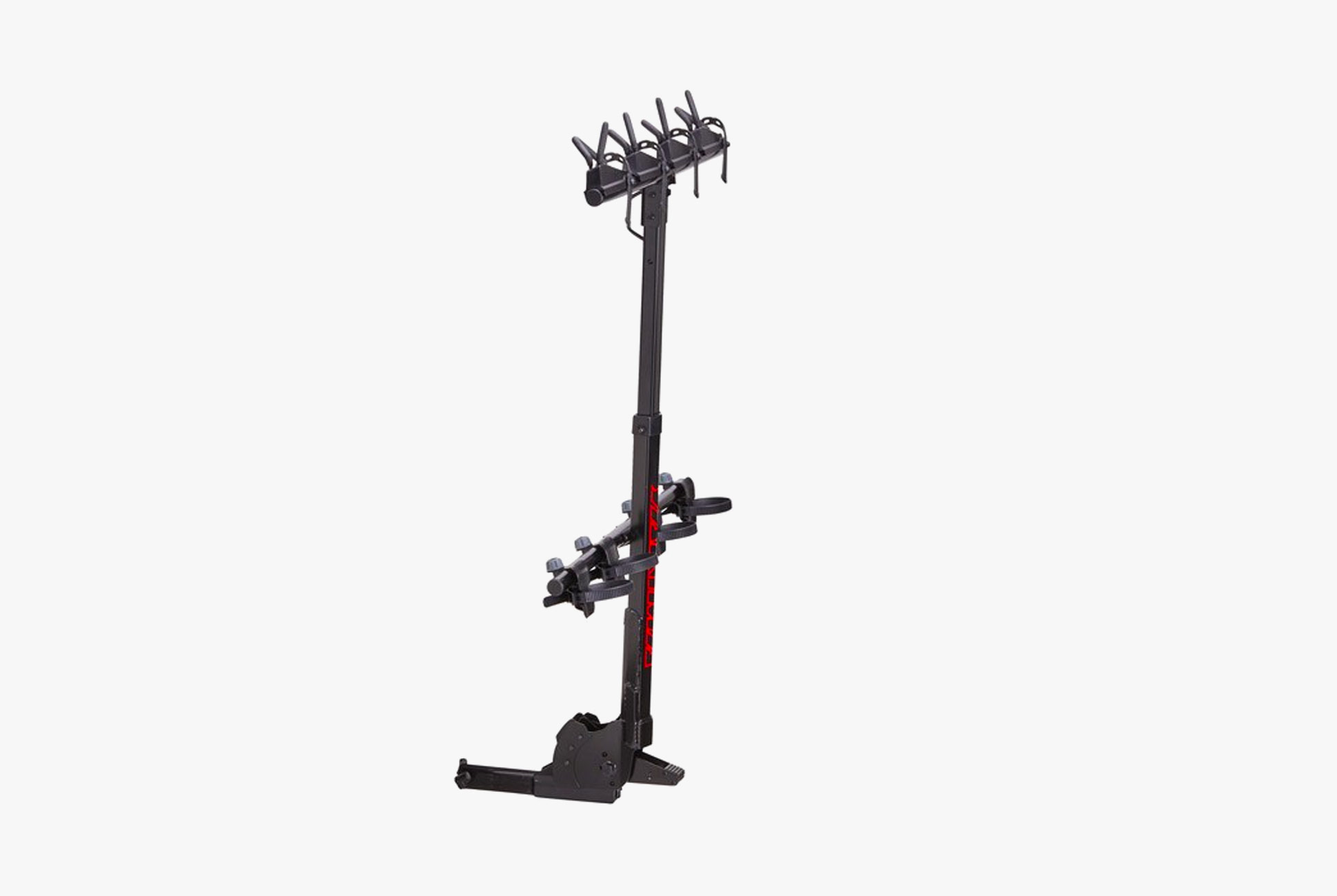
Yakima’s new HangOver is a hitch-mounted rack that stacks bikes vertically rather than horizontally, positioning up to four or six bikes (depending on rack size) upright and next to each other behind your vehicle. By positioning the bikes this way, Yakima squeezes as many bikes as possible behind a car or truck without adding too much to the overall length of your rig. The HangOver has a foot pedal to adjust the angle of the rack and provide convenient access to a tailgate or trunk, even when fully loaded with bikes. It’s a setup that’s ideal for mountain biking — yes, the HangOver is mountain bike only — families or larger groups that don’t quite need a trailer yet.

Note: Purchasing products through our links may earn us a portion of the sale, which supports our editorial team’s mission. Learn more here.

The Best Sun Shirts of 2019

The very phrase ‘sun shirt’ is a shade oxymoronic, no? I, for one, would rather be bare-chested in the summer sun. Unfortunately, the rewards for going shirtless are agonizing sunburns, increased risk of skin cancer and refusal of service at all of my favorite restaurants. Not exactly worth the fleeting feeling of freedom. Sun shirts are a necessity. And while they vary in style, weight, stretch, cut, fabric and intended use, they all have a single common goal: to protect the skin from ultraviolet rays.

Understanding UPF Ratings

You’ve probably come across the acronym ‘UPF’ by now, and if you want to skip the schooling and get straight to the product recommendations, feel free to jump to the bottom of this article where I’ve detailed nine of the best sun shirts available right now. Otherwise, welcome to UPF 101.

“UPF (Ultraviolet Protection Factor) is a standard that measures the effectiveness of sun protective fabrics,” explains Corey Simpson, Patagonia’s Communication Manager of Product and Sport Communities. “It is a specific standard for fabrics. SPF (Sun Protection Factor) is a standard specifically for sunscreens.” It’s easy to get those similar acronyms mixed up, but it’s crucial to distinguish between the two. In a paper for the Skin Cancer Foundation, researchers Peter Gies and Alan McLennan point out that a UPF rating denotes how much ultraviolet light penetrates through a fabric. And unlike SPF ratings, which only measure for harmful UVB light, UPF ratings consider UVA and UVB, both of which can contribute to skin cancer.

When shopping for sun protective clothing, you’ll find that UPF ratings range between 15 and 50-plus. A UPF rating of 20 is decent — it means that 1/20th (five percent) of UV rays pass through a fabric. 50-plus is generally the highest rating you’ll see used with regards to outdoor clothing and it references a permeability factor of 1/50 (two percent) or less.

Gies and McLennan detail how fabric density, type, color, weight and thickness are key in determining these UPF ratings. A classic white cotton t-shirts score a measly five on the UPF scale, dropping down to three when soaked. On the far end of the spectrum, jeans earn a whopping 1700. What’s more, they point out that initial UPF ratings can change over time: washing a garment can actually shrink existing gaps in the fabric weave, henceforth curtailing the percentage of UV rays that can pass through. Excessive wear will do the opposite, as fabric weakens, tears and stretches over time. Unsurprisingly, UPF ratings can also drop when fabrics are wet.

A Note on Care and Sunscreen

While experts still recommend the use of sunscreen in conjunction with protective clothing, sunscreen can actually be detrimental to your sun shirt over time. “Our UPF garments do not require any special care,” says Simpson. “But we do recommend washing them to keep any body oils, sunscreens and other contaminants out of the fabric in order to get the most out of the garment.”

How We Tested The Best Sun Shirts

Over the past month and a half, I’ve been wearing sun shirts every single day — and most nights, too. I’m a firm believer that if a shirt is comfortable enough for me to sleep in, I’ll like it just fine during the day. I’ve been wearing these sun shirts while hiking, scrambling and fly fishing in the foothills of California’s Sierras. Of the fourteen shirts I tested, I picked my nine favorites. A few elements helped these sun shirts stand out as winners including hoods, lightweight and sweat-wicking fabrics, plenty of stretch and quick-drying in the water.

Here are nine of the best sun shirts available right now.

Patagonia Capilene Cool Daily Hoodie

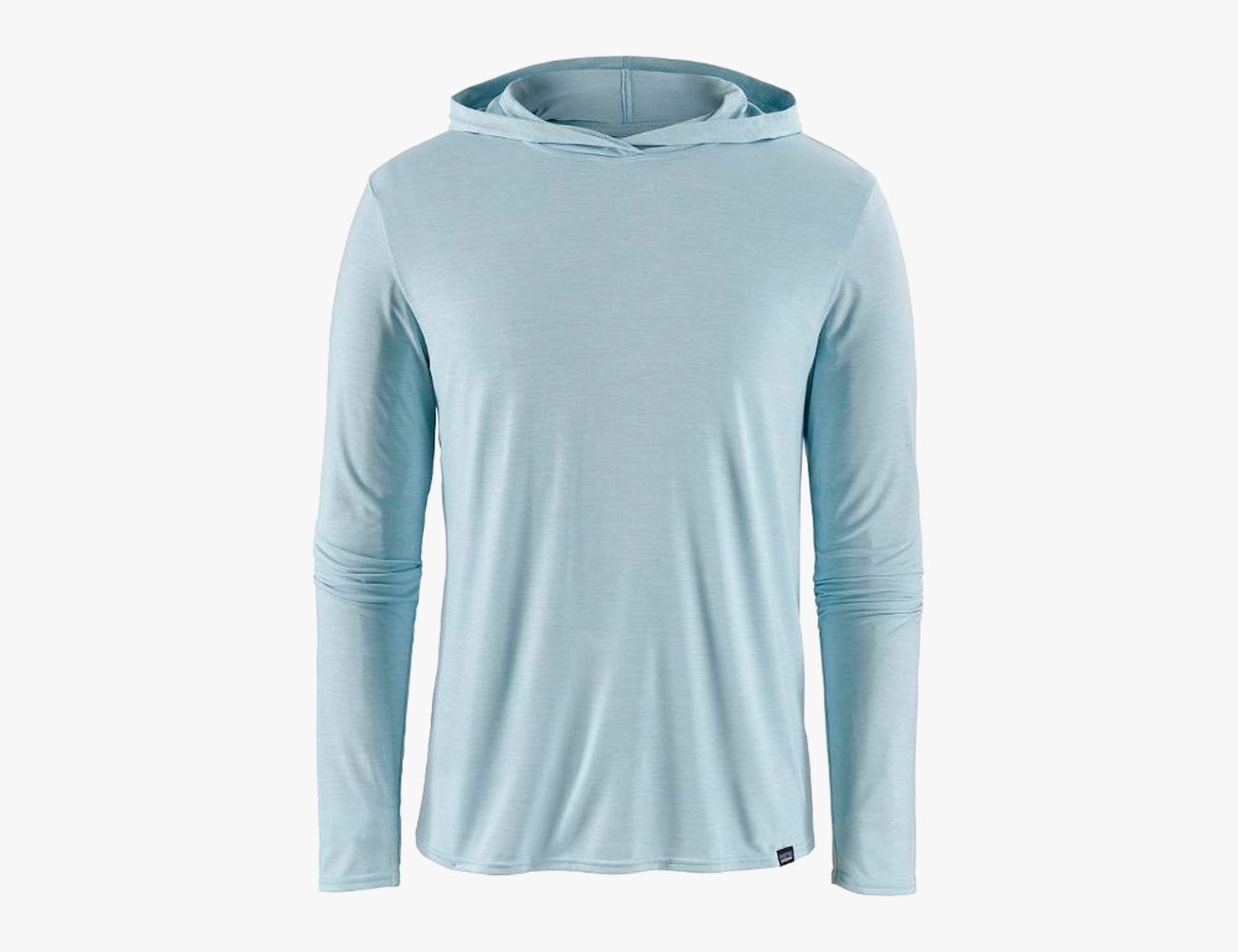
The amphibious, quick-drying Patagonia Capilene Cool Daily Hoodie is tailored to multi-sport summer days that switch from trail to river and back again. Not only is the relatively affordable UPF 50+ hoodie treated with odor-obliterating Polygiene, but it’s also knit from Bluesign-approved recycled polyester and stitched in Fair Trade Certified factories. This was my favorite sun shirt from the entire batch.

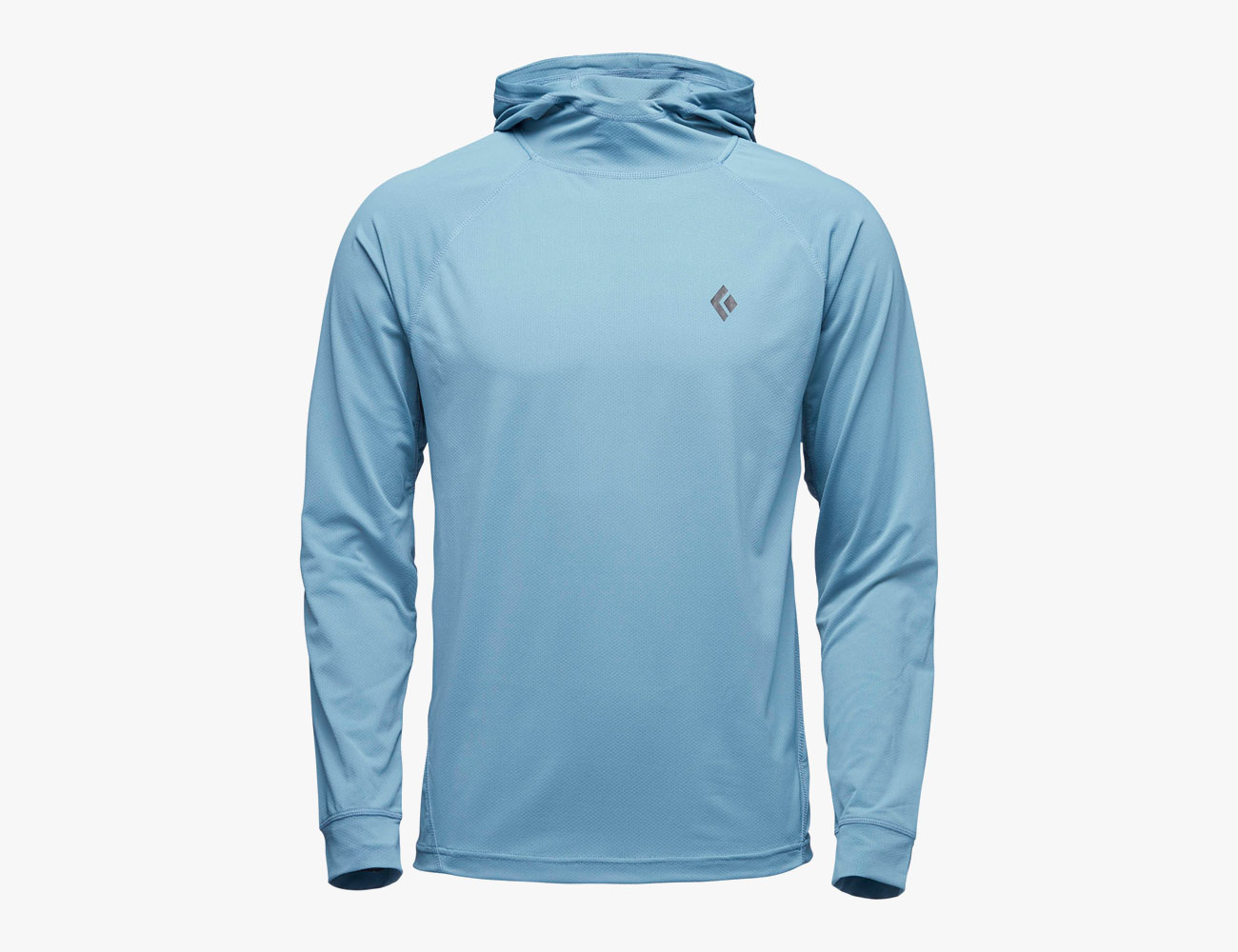
Black Diamond Alpenglow

For the climbing crowd, it’s hard to beat Black Diamond’s Alpenglow Hoody — the UPF 50+ sun shirt is crafted from a Polygiene-treated, polyester blend called ‘BD.cool,’ which minimizes stink and keeps you from overheating on long days in the desert. The under-the-helmet hood was the best of the test: it offers sufficient neck coverage without strangling the wearer and the durable fabric provides welcome coverage without cloying weight.

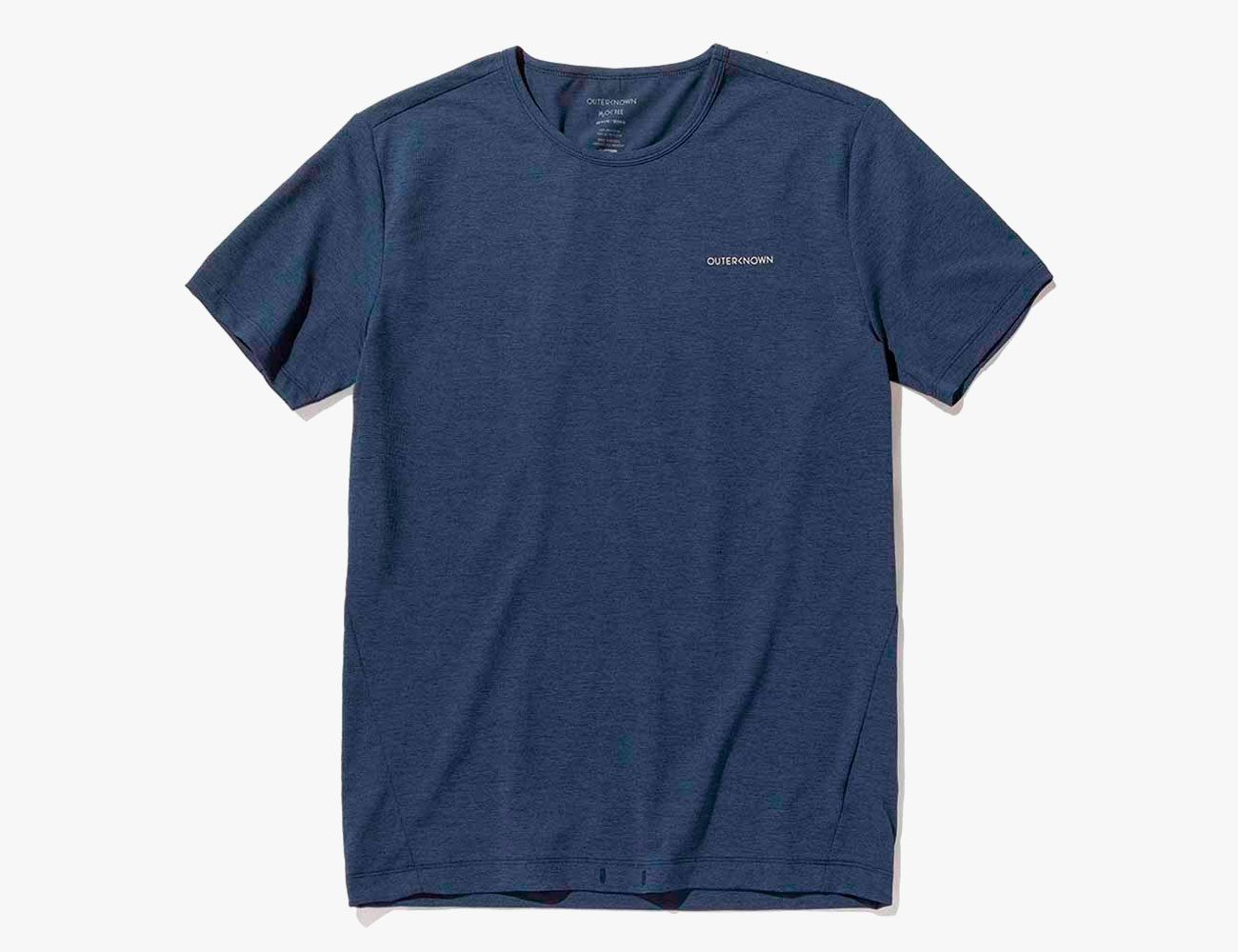
Outerknown H2OK Tee

Though stylistically similar to any high-end crew-cut t-shirt, Outerknown’s H2OK has a waterman’s DNA, which is no surprise, as this ocean-ready hybrid tee comes directly from the labs of surfing’s undisputed GOAT: Kelly Slater. The UPF 30+ sun shirt is crafted from a 100-percent polyester blend with a quick dry finish and the hem has a couple of subtly stitched holes for you to tie in your board shorts if the waves are pumping.

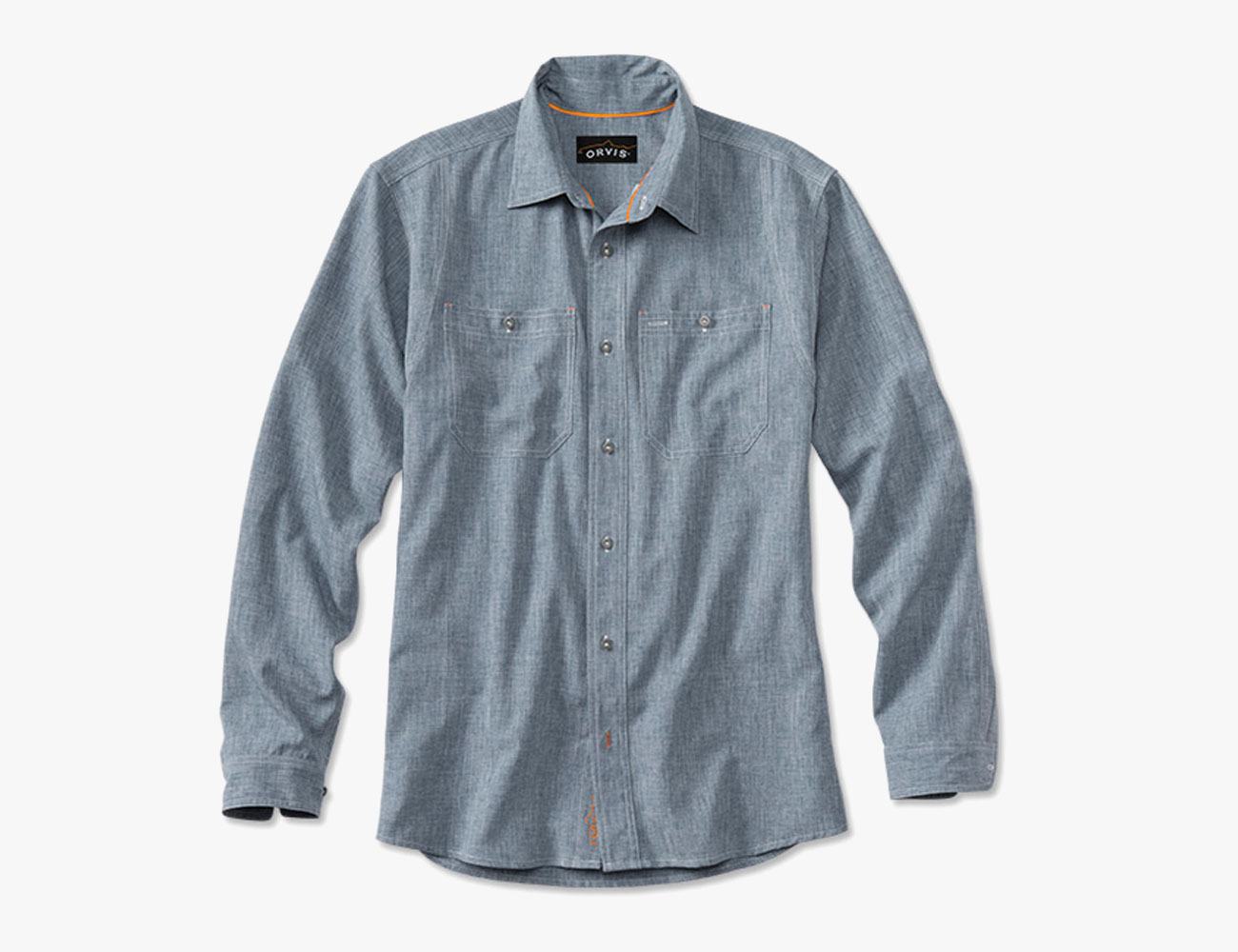
Orvis Tech Chambray

You don’t need to be a fly fisherman to love Orvis’ UPF 30+ Tech Chambray Long Sleeve — though it certainly doesn’t hurt. Best-in-test pockets, a covert sunglasses wipe and stretchy, quick-drying fabric solidified this piece as our favorite hoodless shirt for long days on the river, while the casual button-down vibe means you don’t have to swap out of your nerdy fishing duds once the rod’s put away.

Toad & Co. Debug Lightweight LS

Toad & Co.’s UPF 20+ lightweight Debug Long Sleeve boasts Insect Shield technology, an anti-bug treatment that keeps pests at bay for 70 wash cycles, yet is unnoticeable to humans. Although the thumbhole-equipped Debug is admittedly on the heavier side for a sun shirt, the jersey material is also hands down the comfiest in this round-up thanks to a polyester blend spiced up with an unexpected ingredient: recycled coffee grounds.

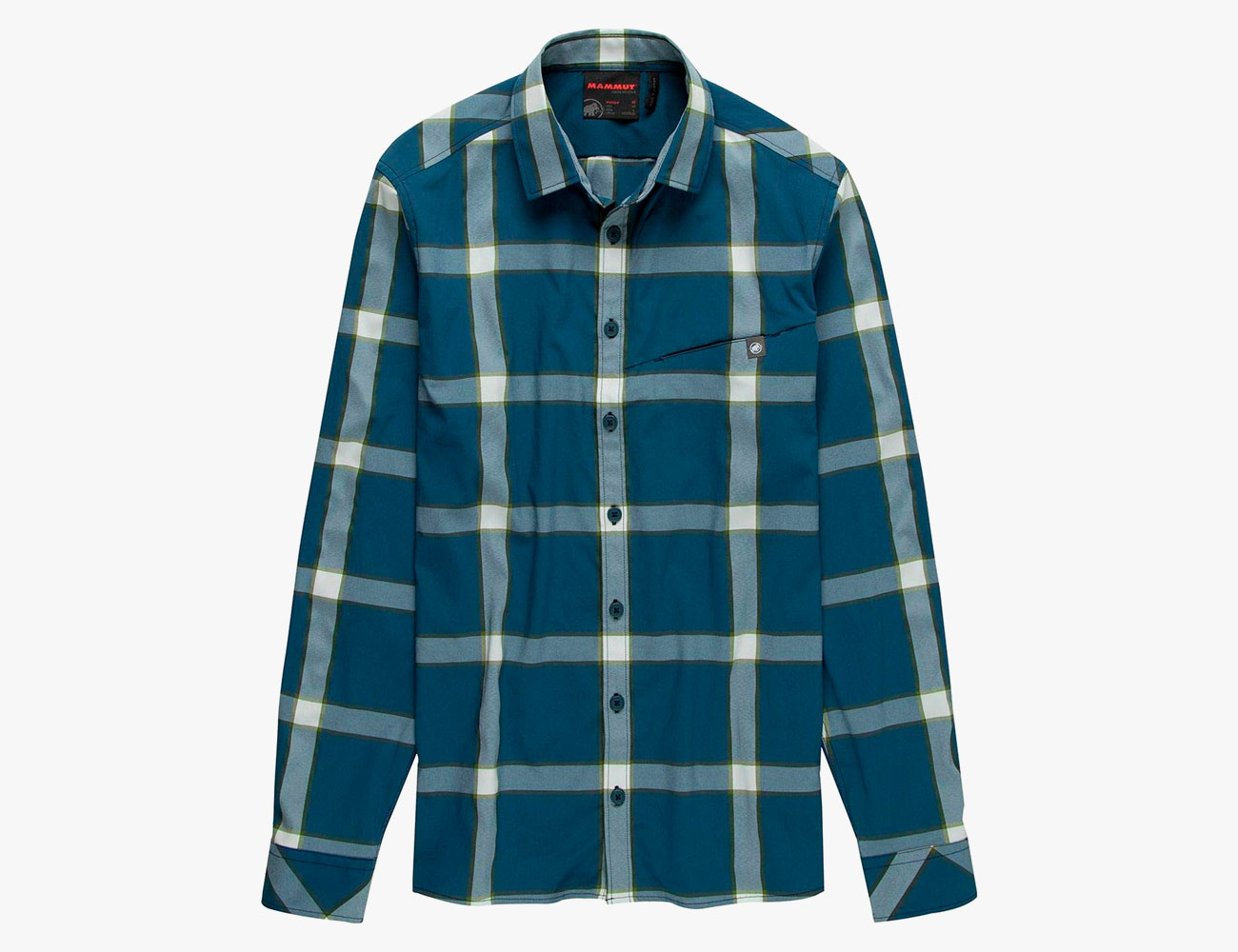
Mammut Mountain Longsleeve

Mountain Longsleeve is an adventure-ready chameleon disguised as a run-of-the-mill flannel, one equally at home at semi-casual gatherings and semi-rad escapades in the sun. An oversized plaid pattern as well as smart cuffs and buttons bring style to the forefront, while the stretchy, Polygiene-treated, UPF 40+ polyamide blend fabric is more than prepared for a little perspiration.

Buy Now: $119

Icebreaker Cool-Lite Compass Short Sleeve

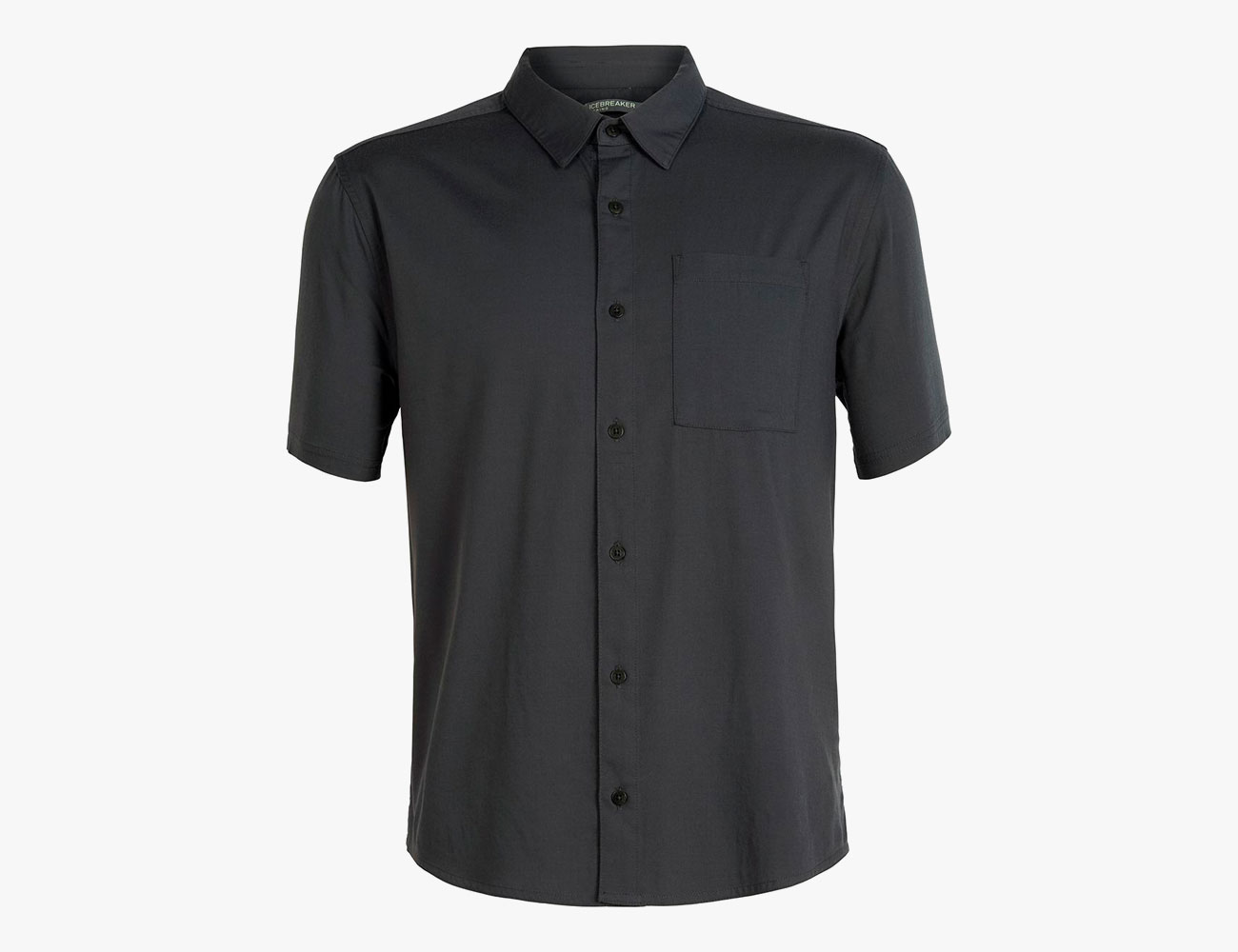
Natural sun protection (averaging UPF 30) is on tap with the featherweight Cool-Lite Compass Short Sleeve, which blends Icebreaker’s go-to merino wool with tencel and lycra for a stretchy, soft and breathable button-down. Ready for a backpacking trip to the tropics or a muggy camping trip stateside, the Cool-Lite earns points for versatility and style—the only blip is that the price is tough to swallow.

Outdoor Research Astroman

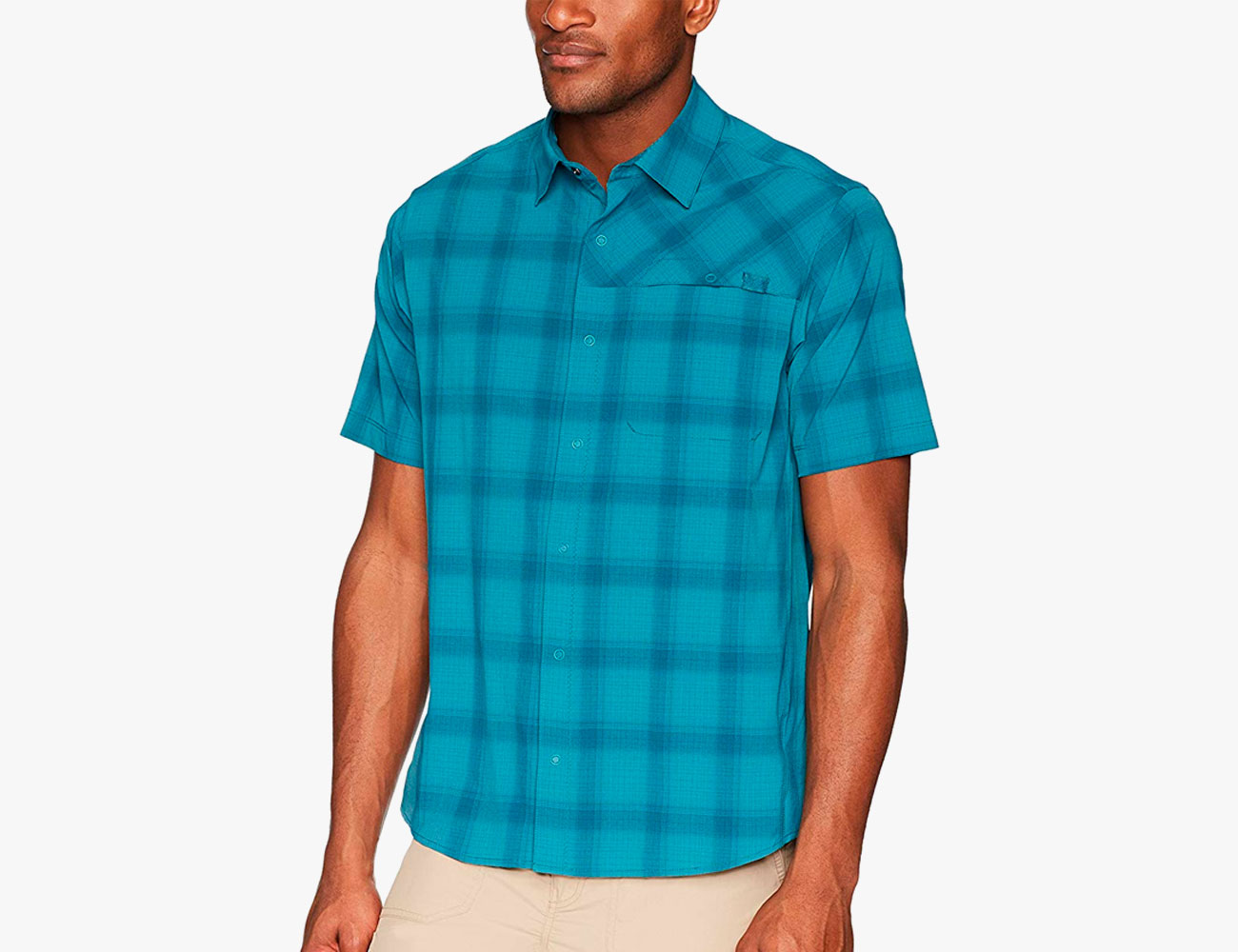
A longstanding lightweight favorite designed with climbers in mind, the Astroman is stitched from an ultra-thin nylon and spandex blend — at 5.4 ounces (size large), the Astroman short sleeve is so compact that it’s our top pick for adventure travel, backpacking, etc. The UPF 50+ button-down offers even more protection than your average sun shirt, as the collar flips up, snapping into a bizarre-looking turtleneck that’s actually blissful on sun-soaked adventures.

Columbia PFG Terminal Deflector Zero

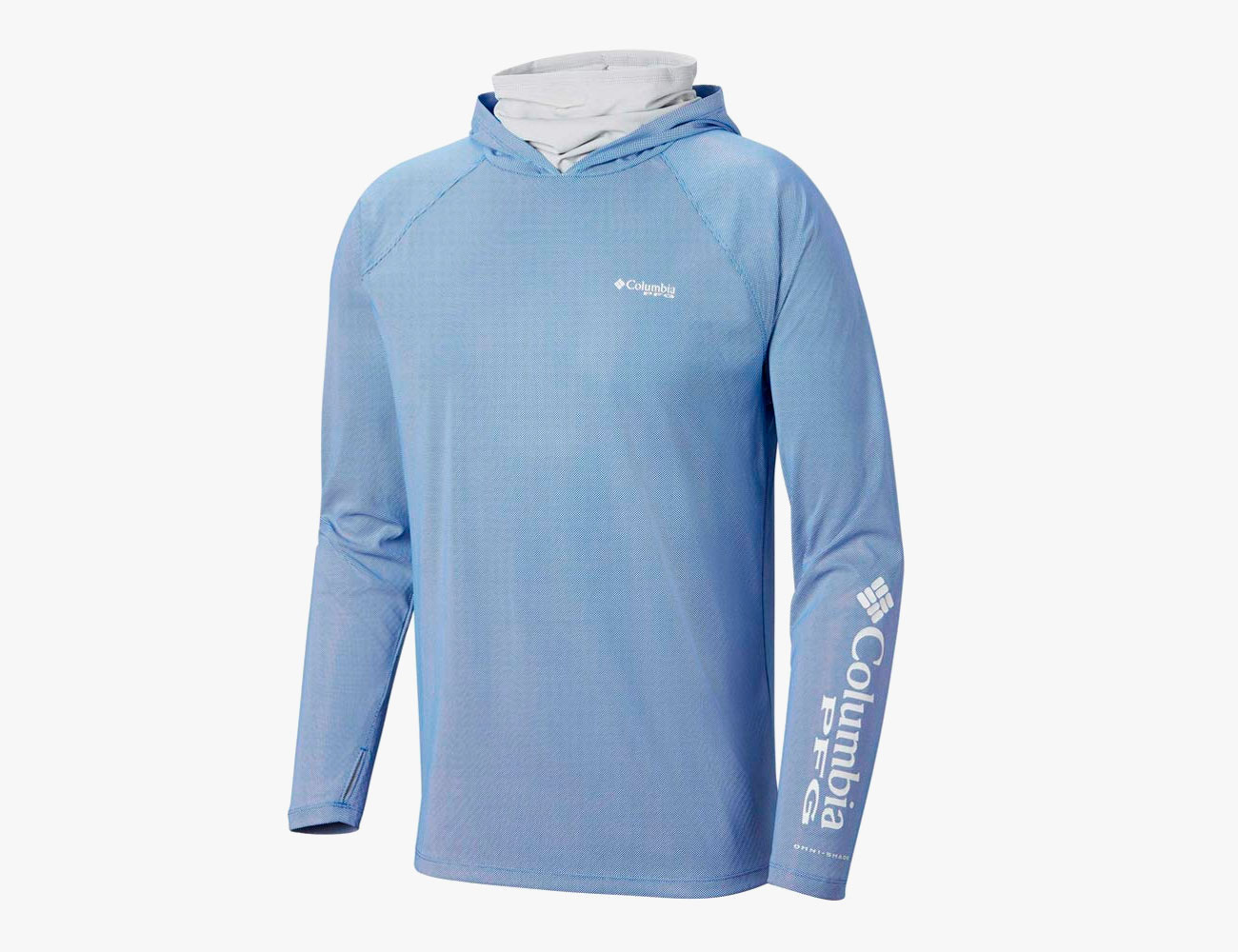
Columbia equipped this UPF 50+ angler’s essential with an internal mesh neck gaiter, which helps keep both bugs and reflecting rays off of the face. Deflective points on the fabric exterior (Omni-Shade) and sweat-reactive rings on the fabric interior (Omni-Freeze) suggest that the Terminal Deflector Zero Hoodie be omnipresent on both your saltwater and freshwater fishing trips.

The 16 Best Running Shorts

This guide to the best running shorts of summer 2018 provides picks for the best running shorts for each type of runner and also offers tips and advice to know before you buy. Whether you’re looking for split shorts, 5″ or longer than 7″, we have you covered. Read the Story

Note: Purchasing products through our links may earn us a portion of the sale, which supports our editorial team’s mission. Learn more here.

Kind of Obsessed: I Found the Perfect CrossFit Sneakers and I’m Never Looking Back

I was bitten by the CrossFit bug five years ago and, since then, it’s been one WOD (workout of the day) after another. While my exercises are constantly on rotation, my pair of sneakers is not. I was working through a hefty number of Reebok Nanos, as are many CrossFitters, but then I found the Altra HIIT XT 2. No other shoes that I’ve tested have proven to be as comfortable and durable as these during my CrossFit and basketball workouts.

From my first step into the HIIT XT 2.0 shoe, I knew I loved the wide toe box for toe spread and the roomy feel. And, they’re extremely stable for heavy lifts. Despite the brand’s running-heavy history, the HIIT XT is built specifically for cross training.

CrossFit footwear has to live up to the diversity in workouts (from burpees to thrusters): you typically need a more stable platform, zero drop (or flat, in terms of the drop from heel to toe) and a sturdy upper that won’t shred when you’re climbing a rope. The HIIT XT 2 checks these boxes well, making it easy to do things like box jumps, squats, lunges and deadlifts. The foot-shaped toe box gives the shoe ample stability, which helps you keep a steady base when trying to hit a new lifting PB (personal best). The durable reinforced mesh upper is abrasion-resistant to withstand all that rubbing from ropes, scuffs from dumbbells and barbells.

The toe boxes of most training shoes are narrow, but Altra believes that your toes should be able to spread out along the footbed of the shoes as if you were barefoot. This wider toe contact adds balance to your performance and allows you to grip the ground more than in a standard training shoe, which provides more security in moves like squats. My compound lifts never felt so sturdy — thanks to the flat profile, I felt like I was on solid ground.

I consistently also reach for these shoes for the basketball court. The wrap of the shoe’s outsole, along the sides, adds stability during vital lateral movements, like slides, and during defensive and agility ladder drills. Starting, stopping and cutting are easy. And when I have to move quickly to head to the other side of the court, these Altra shoes shine during runs — harking back to the reason they were designed in the first place. In all of the CrossFit shoes I’ve tested, none make me feel as confident as the HIIT XT 2s during any workout.

Altra provided this product for review.

Kind of Obsessed: I Found the Perfect Carry-On Weekender

I’m constantly traveling for my job, and few weekenders have ever impressed me. Now, I’ve found the perfect travel pack. Read the Story

Lululemon’s Latest Collaboration is Perfect for Weekends

Robert Geller x Lululemon

Lululemon’s Latest Collaboration is Perfect for Weekends


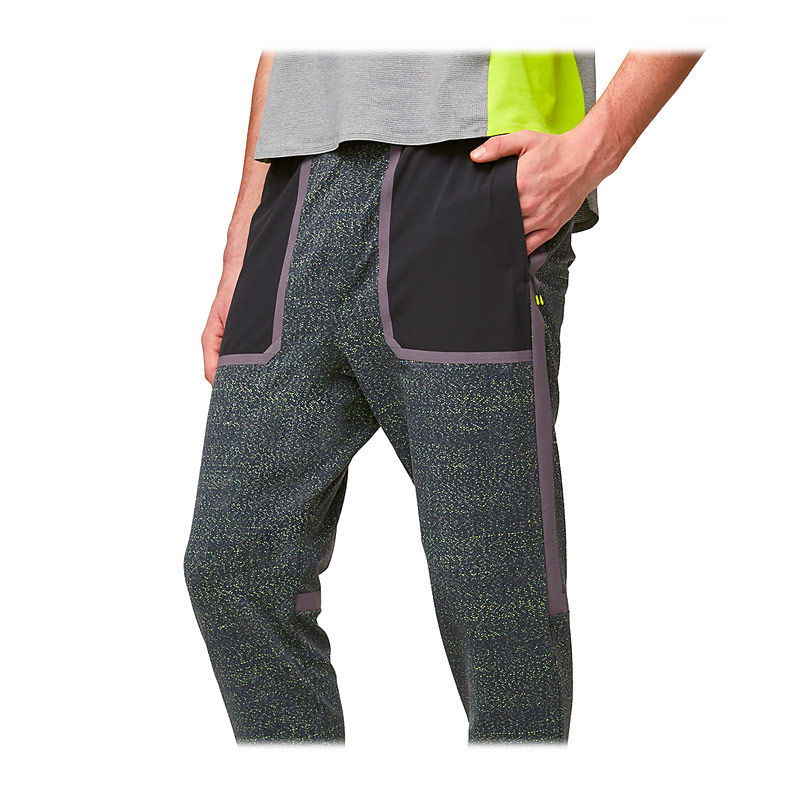
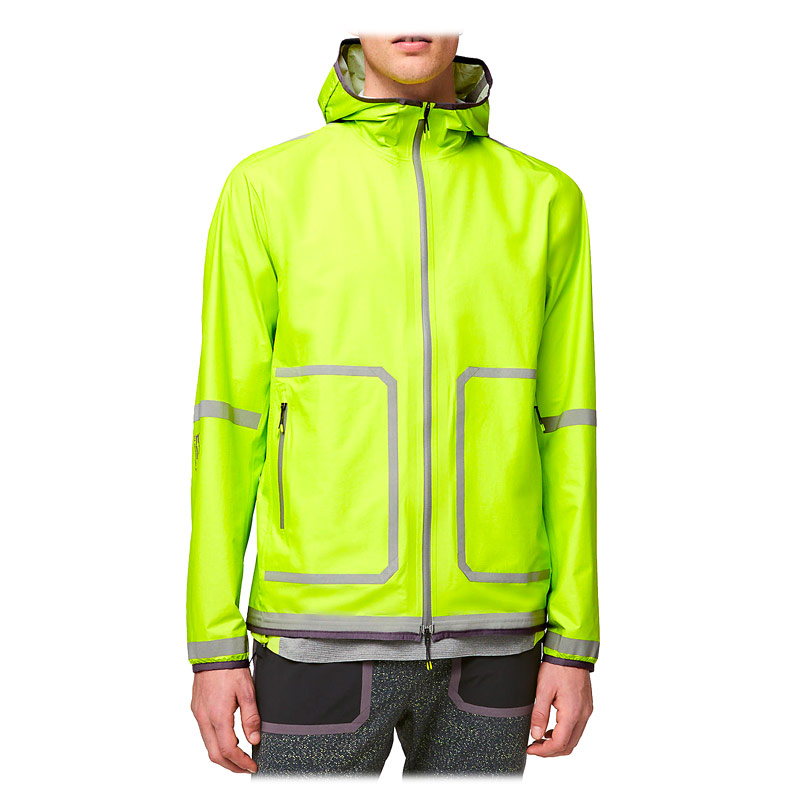
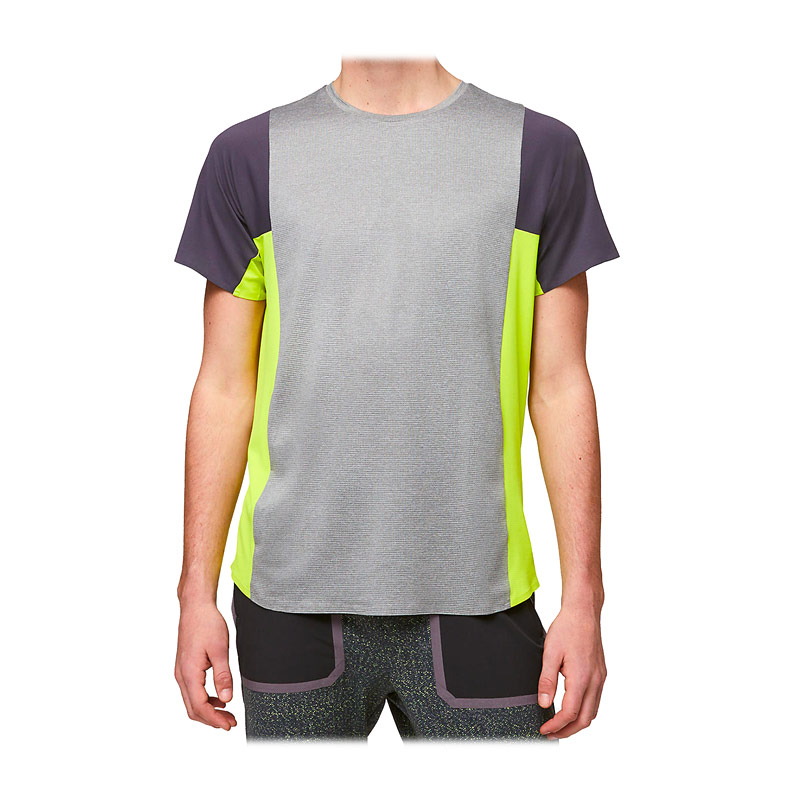
Lululemon and fashion designer Robert Geller teamed up to create the Take the Moment line full of functional pieces from joggers to tees to rain parkas. Geller looked inward for inspiration — starting with his passion for soccer and his family. He grew up in Germany playing soccer and continues that trend with a group that meets every Saturday, which is always followed by meeting his wife and kids for lunch, so what he wears has to go between the two instances without speed bumps. Geller frequently travels to Japan for work and he needed something that was minimally designed but could go from morning runs to design houses and the collection does just that.

We tested a few of the pieces and were impressed with the stretch, breathability and step-in comfort. The tee is an excellent choice for rock climbing given its loose fit and just the right amount of stretch in the shoulders. The joggers are ideal to and from the gym during inclement weather, thanks to DWR-treated pockets.

Shop the 12 piece-collection today on Lululemon.com.

Take the Moment Pant by Lululemon x Robert Geller $148

Take the Moment Jacket by Lululemon x Robert Geller $248

Take the Moment Short Sleeve by Lululemon x Robert Geller $78

Take the Moment Short 6-Inches by Lululemon x Robert Geller $98

The Best Satellite Messengers for When You’re Off the Grid

It seems like another satellite or off-network communicator debuts on Indiegogo or Kickstarter every month but trust us: if you break an ankle in the woods, you’ll want to get help ASAP, and you probably don’t want to rely on a startup’s potentially iffy tech. We didn’t break any limbs while testing the following devices, but we did go off the grid with a backpack full of electronics to see what works, how complicated these brightly colored beacons are — this would matter if you couldn’t walk — and which is best for different uses.

Spoiler alert: no dinky startup gizmos made the cut. But, a few companies that were formerly in start-up mode have broken through with great product, and you will find those devices, from the likes of Beartooth and GoTenna as well as Somewear and Bivystick, in our reviews below.

Of course what you care about is which widget might save your carcass in the wild, or which is just a handy tool for communication sans cell reception. To answer that, we have to kick a question back to you: what do you want this thing for? Do you need one at all?

Should You Buy a Satellite Messenger Device?

To help you boil down your answer, consider how far from civilization you’re planning to trek and for how long. And, directly linked to that question: how much money do you want to spend?

If you’re going climbing in a faraway place like the Himalayas, the answer is simple: spend more to have a device that’ll reliably fire out an SOS, no matter what. Then again, if you’re dirtbagging your way to Kathmandu and never intend to stray too far from humankind, then all you need is a tool to help you scrimp on cell charges — maybe a foreign SIM is all you need. Then again, that math changes, too, depending on if your goal is to stay in digital touch with a friend who’s also traveling with you, or someone (or multiple someones) back home.

Types of Satellite Messengers

Think of the devices in this buying guide as falling into three distinct camps.

The first camp is the extreme one, satellite communicators that don’t need a smartphone to work. The big names here are Spot and Garmin. With both Spot and Garmin you can send and receive messages, but they do require subscription services that can get expensive. All three that we tested don’t need to tether to a cell phone to send messages, and that can be important if keeping a cell phone charged is yet another hassle you don’t want to sweat. We’ll dig into the weeds of these individual devices and their pros and cons, but the three we tested are mostly ideal for when you’re going somewhere genuinely remote.

The second camp is very much like the first, except cell phones are required. These are satellite beacons from Somewear and Bivystick. Unlike the Spot and Garmin devices, these do require pairing with a phone. They either have exceedingly limited messaging input of their own, or none at all; like the wire coming into your house on a landline phone. Input is all on your cell phone — these devices just provide the connection.

Lastly, GoTenna and Beartooth also pair with your phone, but they don’t talk to satellites at all. Instead, they have far more in common with old-school walkie-talkies. They’re essentially two-way radio signalers that send messages back and forth on their own networks. (In reality, they’re more complicated than that, and we’ll explain how — and why you need to care, below.)

Terms to Know

Networks: There are two main satellite networks that North American users should be aware of: Globalstar and Iridium. The latter is the closest network to being truly global. That doesn’t mean it will work everywhere, but it’s the better bet if you plan on going to the extreme ends of either pole or parts of central Asia and Africa — or northern Alaska, for that matter.

Mesh: You know how your home or office Wi-Fi network has a limited range, but you can add a repeater to extend that reach? That’s a mesh network. The more repeaters you add, the farther you can extend that network, and it can piggyback on existing cell towers to extend the range further. Imagine that a daisy-chain of these repeaters were all dispersed around a mountain, extending cell service from a tower into the backcountry; that’s how mesh works.

Tracking: Most of these devices allow you to send an automated updated GPS waypoint to another device or email address. Whoever is on the receiving end — friend, family, loved one — can know precisely where in the world you are by clicking a link to a map that displays your actual geographical location. That might be important if you’re about to enter a crux pitch of a climb, bomb a Class IV rapid, or begin a multi-day fat bike trip in southern Utah. You can send tracking updates at the push of a button or set the device to leave them at pre-specified time intervals like a virtual breadcrumb trail.

Offline Maps: For the most part these devices offer bread-crumbing of your travel on an offline map you download via an app on your phone. This is handy for not getting lost, though the clarity and granularity of detail are nowhere close to what you’ll find from a quality paper 7.5-minute topographic map, some standalone GPS units, or apps like Viewranger. Unless you’re navigating through a featureless desertscape, the offline maps do provide enough major geographic features to aid basic navigation but don’t expect to figure out precisely which sport route is the 5.10 by them.

Who’s Texting Me?: This isn’t a term, but it’s important to know that every one of these devices, even the ones that do pair to your phone, send out messages from another ten-digit phone number, rather than using the number of your own cell phone. The person you want to send help — or just say hi to — has to know that number! It’s pretty basic, but you’re going to want to establish an address book for the device before you depart.

Service Contract: You know this one. Yep, these devices frequently have activation fees, service contracts and the rest, just like major telcos. We’ll explain for each device, since how much you want to pay — how about nothing?! — may dictate which device you feel you truly need.

SOS Button: Some of these devices have a dedicated button for sending an SOS to authorities with your coordinates. It’s a life-or-death tool — devices that lack that output simply aren’t emergency beacons, because they cannot alert people or authorities that you’re in trouble without being tethered. Again, consider why you are making this purchase — if it’s for just-in-case-it-all-goes-pear-shaped emergencies, you want that SOS button, full stop.

The Best Sattelite Messengers Available

Editor’s Choice: Garmin InReach Mini
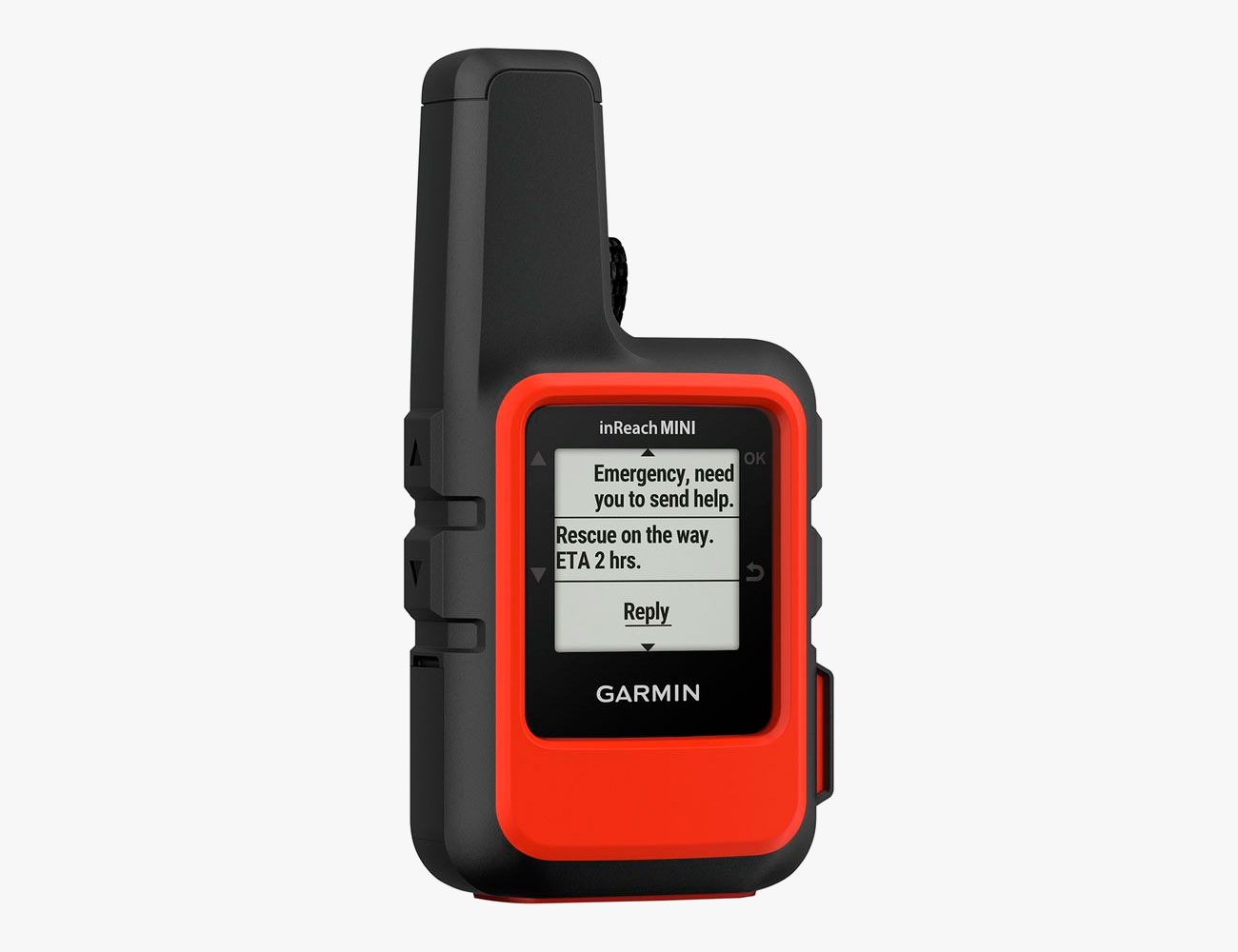
Best for: Going fast and light.
Learning Curve: 4/10

The Mini wins on one obvious level: it’s tiny. Compared to the Somewear and Bivystick it’s as little as half the size, and it’s positively Lilliputian compared to its big brother, the Explorer+. Note, however, that we did find that meant weaker reception under dense foliage, so we’d factor in connectivity and likely trip use case before going with the Mini. In the Rockies? Likely you’d have zero issues. But testing in New York’s Catskills, even before deciduous forests had fully leafed out, at times, it took a good five minutes to be able to tether and send/receive. The big brother Explorer+ powered up and locked in seconds, by contrast.

Like the Explorer+, the Mini uses the same ecosystem, but it lacks a color screen or mapping. While you can send and receive messages on the Mini, it lacks even a joystick/mouse input mechanism, so it’s far easier to choose the canned messages already baked into its interface. Luckily, as with the Explorer+, the menus are a snap to master, and there’s a big SOS button on the side that sits under a safety door to avoid accidental pressing.

The preferred way to send customized messages is via the Earthmate app, accessed from a phone that’s paired to the Mini. There you can also access offline maps (download before you depart), and this also enables tracking on your phone, as long as the Mini has satellites locked in. But on that front, we’d like an obvious way to know when satellite communication is reliable or shaky, although, as with the Explorer+, you do get an audible signal when a message went through.

Note that, as with other devices here, recipients will see messages as an SMS, but if you can get your contacts to register a Garmin inReach account, they’ll also see the messages in their e-mail inbox. Downsides? Battery life, for one, isn’t as robust as with the Spot X or Explorer+, and the same cost concerns enumerated on the Explorer+ review apply here since you have the same plan options to choose from.

Membership: Annual or monthly
Map Sharing: Yes
Weight: 3.5 ounces
Dimensions: 4 x 2 x 1 inches
Durability: Submersible in 1 meter of water up to 30 minutes
SOS Button: Yes
Battery Life: Rechargeable; in tethered/standby mode sending tracking at 10-minute intervals: 50 hours

Spot X
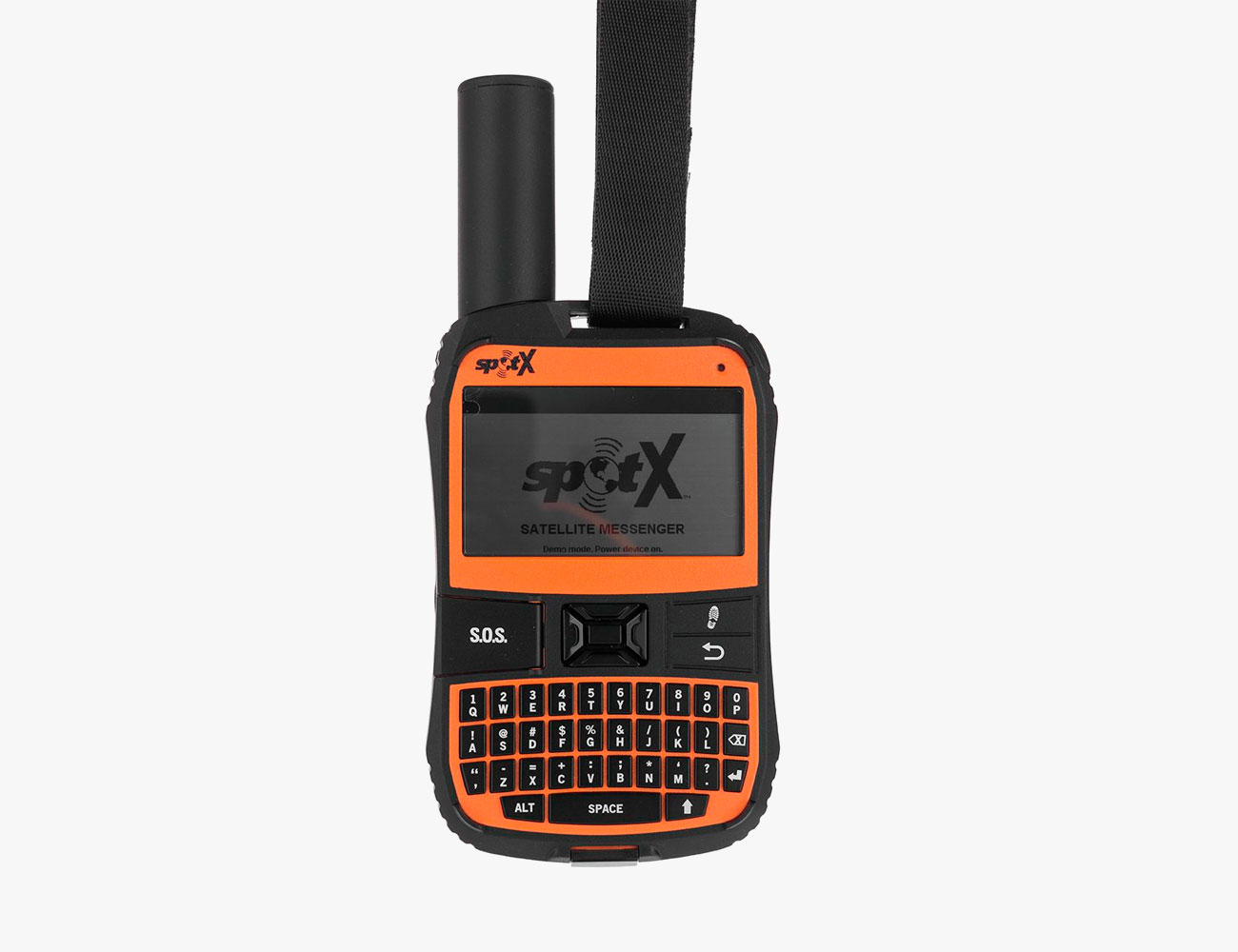
Best for: Mainland US Wilderness only.
Learning Curve: 7/10

The Spot X is the latest in a series of Spot communicators that use the Globalstar network. Ironically Globalstar doesn’t offer global coverage or even communication over the entirety of North America. That won’t matter for users in the lower 48, but do note that the bulk of Alaska isn’t fully covered.

Even if you’re only planning on using the Spot X in Montana or Mississippi, the weakest facet of the Spot X experience isn’t coverage; it’s usage. There’s no tethering via Bluetooth to a smartphone, the actual UI is confusing rather than logical, and all messages and other inputs are via a very weakly designed QWERTY keyboard. It’s worse than anything Blackberry ever produced, and the hard, oddly spaced keys make input exceedingly frustrating. You might even mull not calling for help just to avoid having to hunt and peck out a communique.

Further, inputting an address book requires creating an online account and then populating that address book manually, since there’s no way to sync this from a phone. Then you have to use the desktop Spot Device Uploader app while plugged into the Spot X.

While the Spot X pairs to satellites well, even under cloudy skies or surrounded by relatively thick forest, and can send messages to individuals via SMS (under its own dedicated phone number) as well as to social media, and lets you send an emergency SOS, it still feels outdated. In addition to lacking phone pairing, it doesn’t have its own native mapping, as others like the Garmin InReach Explorer+ do. That’s frustrating because if it cannot pair to a phone, then at least it would ideally function as a standalone GPS. It has a compass, but that’s not the same as a map identifying your location.

Is there still a good use case for the Spot X? Sure. If you’re an alpinist on a budget and want a standalone send/receive unit that’s relatively affordable, with lower carrying costs than the Garmins below, the Spot X is a logical pick (though the Garmin Mini is also worth considering). Its lowest price Flex Basic plan is $15/month with a one-month minimum and an annual fee of $25. For that, you get up to 20 custom messages (ones you compose yourself) and unlimited check-in/predefined messages. Breadcrumb style tracking is only at 10-minute intervals, where your location gets pinged to your in-group, but for $40 you can set up that interval to every 2.5 minutes — that’s far cheaper than the $100 Garmin wants to charge for an increased interval.

Membership: Annual or monthly
Map Sharing: Yes
Weight: 6.7 ounces
Dimensions: 6.5 x 2.9 x 0.9 inches
Durability: Submersible in 1 meter of water up to 30 minutes
SOS Button: Yes
Battery Life: Rechargeable; in tethered/standby mode sending tracking at 10-minute intervals: 240 hours

Garmin InReach Explorer+
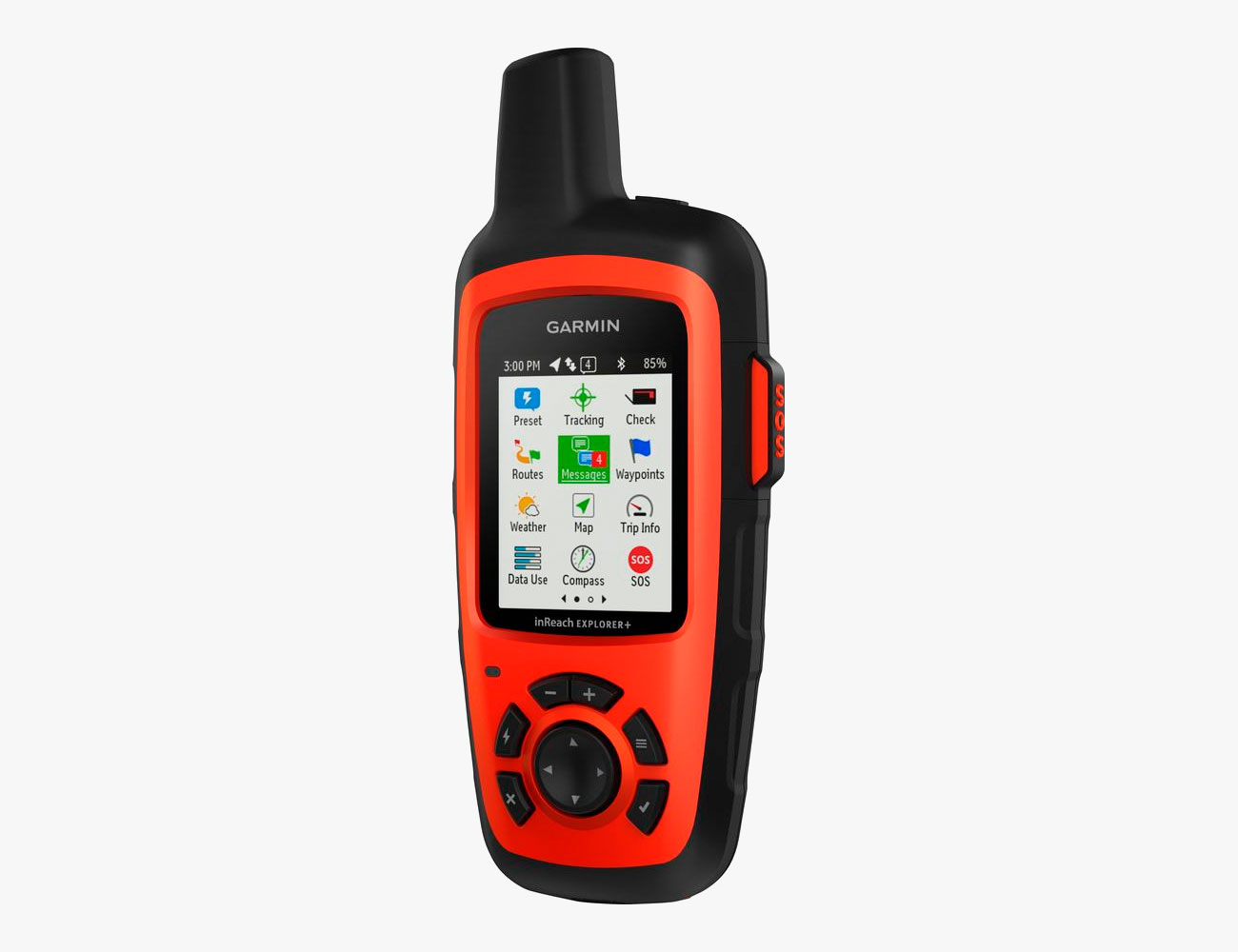
Best for: The back of beyond.
Learning Curve: 4/10

Both the Garmin Mini and this Explorer+ use the Iridium satellite network, which, as we explained above, has far more coverage than the Spot X’s Globalstar network. But there’s another reason to want the Explorer+ over the Spot X — phone app pairing, which the Spot X doesn’t offer. Download the free Earthmate app and input for texting and other tasks is blessedly simple on the Garmin. You can also post directly to social media (though see the below caveat on that). Recipients can even receive messages as both SMS and emails (if they create an InReach account), and that’s nice because a single message can come through to them on multiple channels, and therefore you can feel surer they’ll get the note. After a message has gone through a sound indicates that it was sent successfully. (Not every device here makes that quite as obvious.)

If your phone battery is dead, you can still output free, canned messages such as “I’m going to be late” using the mouselike pad of the Explorer+ unit, then picking the message you want via the full-color TFT screen on the handset. The fact that it displays color when every other unit with a screen only has hard-to-see monochrome makes a huge difference. And oddly, given the Spot X’s crude keyboard, we’d actually prefer to use the canned messages of the Garmin because navigation to them with over-large buttons and sending them takes all of five seconds and is dead simple — even while wearing liner gloves we were able to output messages. Like the unit itself, the Earthmate App is very straightforward and features offline maps.

We’re less excited about the option to create a custom trail of your own. You can’t just grab a GPX file from the web or another app. Instead there’s a somewhat complicated way to do this on a desktop computer, and the fact that you cannot even do this on the Earthmate app on your phone is disappointing. Likewise, while you can share posts to social media, you have to set that up on a desktop computer as well. Note, too, that Explorer+ is the most costly unit tested, and it’s big — basically the size of an old-school in-home cordless handset. Still, we found that it tethered to satellites faster than any other unit tested here, and its built-in barometer means it yields fairly precise altitude data, which can also help in wayfinding.

The Explorer+ is overkill if you’re not heading deep into the hinterlands. It’s also expensive. But you can either get a month-to-month plan, which runs as low as $15 or an annual contract, which drops the monthly charge to $12 but you’re on the hook for a full year. Even on the cheapest plan, you have to think about costs: you can send unlimited preset messages, but each personally composed message costs an additional $0.50. Every location ping costs $0.10, so you’re nickeled and dimed during use. Finally, if you want location pinging out to your posse at faster than the default 10-minute intervals you have to step up to the Extreme plan that costs a whopping $100/month (with pinging every 2 minutes).

Membership: Annual or monthly
Map Sharing: Yes
Weight: 7.5 ounces
Dimensions: 6.5 x 2.7 x 1.5 inches
Durability: Submersible in 1 meter of water up to 30 minutes
SOS Button: Yes
Battery Life: Rechargeable; in tethered/standby mode sending tracking at 10-minute intervals: 100 hours

Bivystick
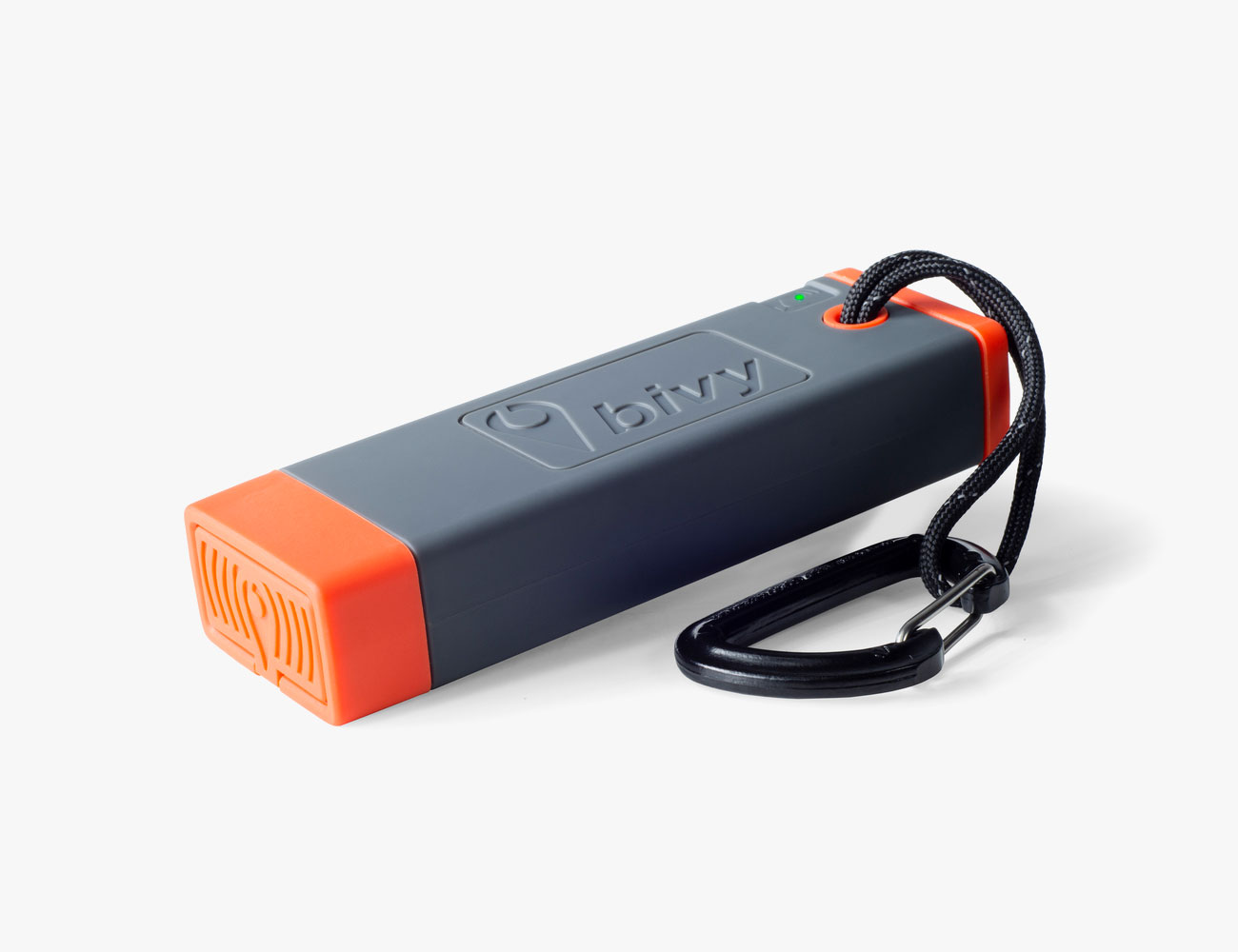
Best for: Affordable satellite communication
Learning Curve: 4/10

As with every satellite device here save the Spot, Bivystick uses the Iridium network. We found it roughly mid-pack for finding and linking with satellites, taking as long as five minutes under cloudy skies on hemmed-in trails but far quicker in an open field. Luckily you’re not left to guess, because the entire interface is via the Bivy app on your smartphone, and there’s a useful signal strength indicator on the upper right of that app’s home screen.

Speaking of the app, it’s one of the better facets of the system, and navigation and use are dead simple. Want to download a custom map? Tap the button with the three lines in the upper right-hand corner of the home screen and “Offline Maps” is one of the menu items. There you can see your maps, or download a new one, and you can navigate via the app to anywhere on the globe and zoom in or out to adjust the scale of the map you want to create; then tap download.

The Bivystick is relatively cheap, too. It costs $18/month, and there’s no signup charge or annual fee. Instead, the plan rolls over every month, and for that cost, you get ten credits. Every action, such as a text, a weather update and each two-hours of tracking at ten-minute intervals costs a credit. Unused credits roll over for up to 30 days, but even if you never re-up, every subsequent message is just $0.50, which equates to peace of mind at an affordable price. It’s big, but it does also function as an external charger for a phone, headlamp, etc.

One primary concern, however, is that unlike all the other devices that pair to a phone, the Bivystick lacks a dedicated SOS button, so you really must have a charged phone to call for help. A lesser annoyance, but a real one nonetheless, is that there’s no changing LED to indicate when your phone is paired, nor is there a noise to alert you when a text has gone through. That’s a minor beef, but a legit one. When you need to know you’ve been heard, but you’re perhaps otherwise engaged in, oh, saving your hide, a simple beep can alleviate some fear.

Membership: Monthly
Map Sharing: Yes
Weight: 7 ounces
Dimensions: 1 5/8 x 5 5/8 x 1 1/8 inches
Durability: Submersible in 1 meter of water up to 30 minutes
SOS Button: No
Battery Life: Rechargeable; in tethered/standby mode sending tracking at 10-minute intervals: 400 hours

Somewear
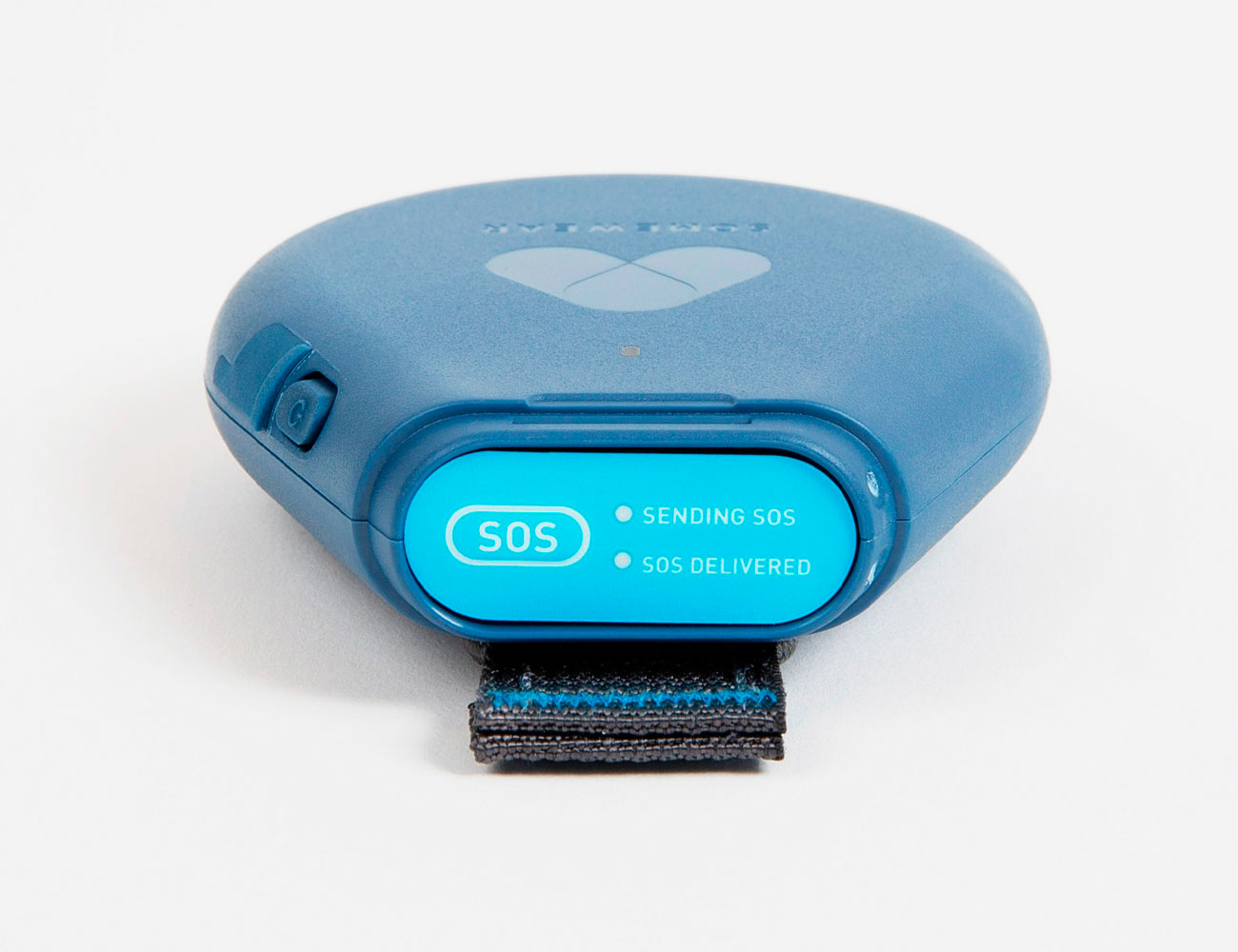
Best for: Affordable satellite communication
Learning Curve: 4/10

The Somewear unit is smaller and lighter than the Bivystick but is very similar in function. You use your phone, not the Somewear itself, for almost every function. There’s one exception: at the top there’s a removable cap with an SOS button underneath. Hold the button for six seconds to get search and rescue on its way. This is a significant advantage over the Bivystick, which has no physical way to put out an SOS — you have to use a paired phone for that. However, the cover on the Somewear SOS isn’t hinged, so it can pop off and potentially get lost at the bottom of your pack, or tumble into the dirt while you’re mountain biking. Sure, you have to hold the button beneath that lid for a solid six seconds so a hinged lid might get in the way, but still, this is a design flaw.

Beyond that, however, the Somewear is smart. The app is easy to use, and seeing satellite signal strength from the Iridium network is indicated clearly on the app home screen. The thread history of messages also looks exactly like it does on any cell phone, and access to your contacts (should you accede permission to the app) makes adding new messages easy. But know that they’ll see the message as coming from a different phone number and to reply they’ll be asked to create a Somewear account, but as with joining Garmin, that also means that messages from you will be duplicated to their email account as well as bounce in as an SMS. Additionally, Somewear recently enabled automated location pings as frequently as once per minute (over the course of an hour).

One thing we really like: Somewear has the most straightforward method for sending your location to a recipient. There’s a small “map pin” icon adjacent to the text input window. Tap it, and you send your GPS location. It couldn’t be easier.

Lows? While you can download offline maps, you can’t create a waypoint track to follow. Yes, you can enable live tracking, but that’s different from being able to download a trail that already exists and follow the breadcrumbs. It also cannot double as a backup phone battery, though it is considerably smaller and lighter than the Bivystick.

Like the Bivystick, Somewear is affordable once you’re in the club. There’s no activation fee and you get 20 messages or 150 location pin drops a month for $15/month. But note that you have to actively pause a monthly plan to keep it from rolling over, and unlike the Bivystick, a plan has to be in place to get the Somewear to work; no ad-hoc 50-cent-a-message plan exists for the Somewear.

Membership: Monthly or annual
Map Sharing: Yes
Weight: 4.2 ounces
Dimensions: 3 x 3.6 x 0.8 inches
Durability: Submersible in 1 meter of water up to 30 minutes
SOS Button: Yes
Battery Life: Rechargeable; in tethered/standby mode sending tracking at 30-minute intervals, 264 hours

GoTenna Mesh
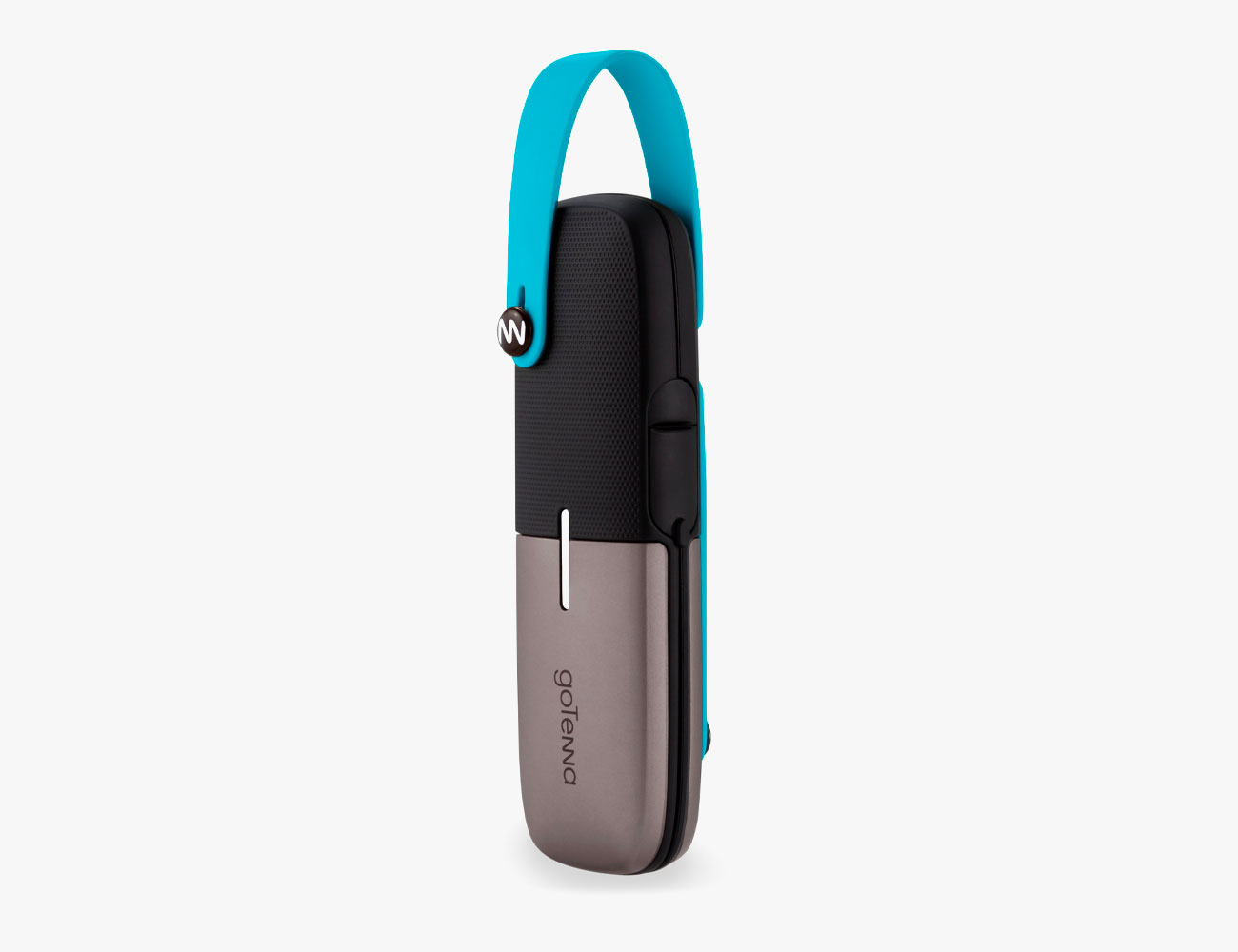
Best for: Saving on cell phone roaming charges; keeping a big group connected.
Learning Curve: 3/10

While Somewear makes it super simple to share your location, the menu structure of the GoTenna Mesh app tells you it’s designed for keeping a spread-out group consistently aware of each others’ coordinates. Why does this matter? Say you have a big crew of twenty folks on a Via Ferrata trip in Italy’s Dolomites; the fast group strikes out ahead, and the slow group trails. If there’s a GoTenna in each group, the two leaders of each party can stay in touch and send requests like “Location Sharing Auto-Share,” so every message between each party would include a pin drop and mapped location, or “Attach My Location,” to volunteer that information. Or “Location Requests Auto Accept,” which would ensure anyone in your party would be able to find your location just by sending you a message.

Yes, that does mean the GoTenna supports offline mapping, and you can download these maps easily within the app. GoTenna, however, isn’t a satellite communicator. It’s more like a walkie-talkie, using radio signaling to bounce between two or more GoTenna devices. Use the GoTenna app on your phone paired to the GoTenna to send and receive messages. Unlike the Beartooth device, dozens of GoTennas spread out work like the repeaters of cell phone towers or Wi-Fi area networks, strengthening the entire network.

The downside is range. Any single GoTenna is a weaker tether than the Beartooth, with a maximum reach of about four miles between two fixed points in an open area. Still, connectivity is consistently solid. In the densest forest, we could still text over about a half mile of range, and much greater range than that in the open, especially when one part of the party could go higher. And we really like the GoTenna phone interface that shows text delivery confirmation.

Spend another $10/year and GoTenna Plus provides more granular topo maps and the ability to group chat with up to six people at once. It also adds constant, automatic location pings as frequently as once a minute, and the ability to harness a cell network as a last-mile connection. Meaning: GoTenna User A, in the woods and beyond cell service could use GoTenna User B’s cell connection to hopscotch an SMS to non-GoTenna user, C, somewhere back in civilization.

Membership: Optional annual
Map Sharing: Yes
Weight: 1.7 ounces
Dimensions: 5 x 1.25 x 0.5 inches
Durability: Dust, water resistant
SOS Button: No
Battery Life: 27 hours in standby

Beartooth
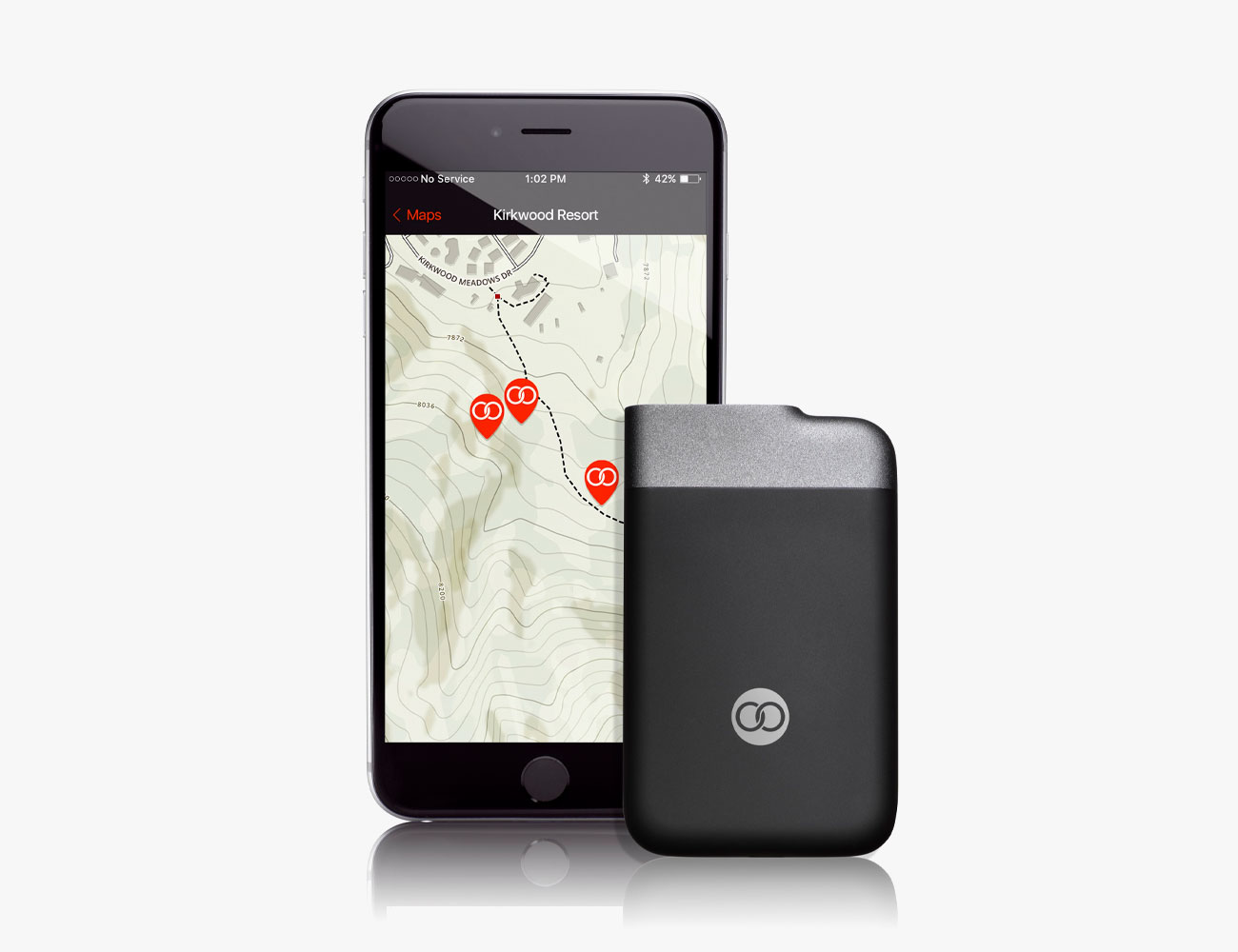
Best for: Having a backcountry walkie-talkie via your smartphone
Learning Curve: 4/10

Beartooth devices are different than GoTenna in one fundamental way — they’re not designed on a mesh network principle. Instead, they’re best thought of as walkie-talkies, with each Beartooth paired to a phone, enabling that phone’s user to talk directly to another Beartooth user, or to several. Right: not just text but voice. But this isn’t a phone replacement; you don’t have a conversation so much as the ability to tap a virtual button on the Beartooth app, pause a half second, then speak; once you release the button, the app sends a voice recording. (It’s a lot like sending a voice message over SMS from a phone or Apple Watch.) If you’re standing above a couloir on a sketchy belay, being able to talk is a definite plus, even if the sound of these recordings is about as scratchy as noise from a ridiculously battered turntable playing haggard used-record store hits from the mid-70s. Who cares? It’s voice, it’s immediate, and it beats having to thumb type.

The other key asset Beartooth offers is a greater range — up to ten miles for a text in direct line of sight. While we didn’t try that full distance, we did see that Beartooth has a longer range than GoTenna.

Like GoTenna, Beartooth also lets you share location information, though there’s no upgraded map service like GoTenna Plus, so the maps are still relatively basic. And there’s no tracking function or bread crumb service to ping recipients automatically like GoTenna. And, Beartooth is more expensive.

On the upside, Beartooth has far longer battery life, and the ability to function as a battery backup for your cell phone, so it’s a better tool for extended forays into the wilderness, especially if your group is relatively small or likely to spread out.

Membership: None
Map Sharing: Yes
Weight: 4.5 ounces
Dimensions: 2.44 x 4 x 0.49 inches
Durability: Dust, water resistant
SOS Button: No
Battery Life: 4 days in standby
The Best Hiking Boots Available
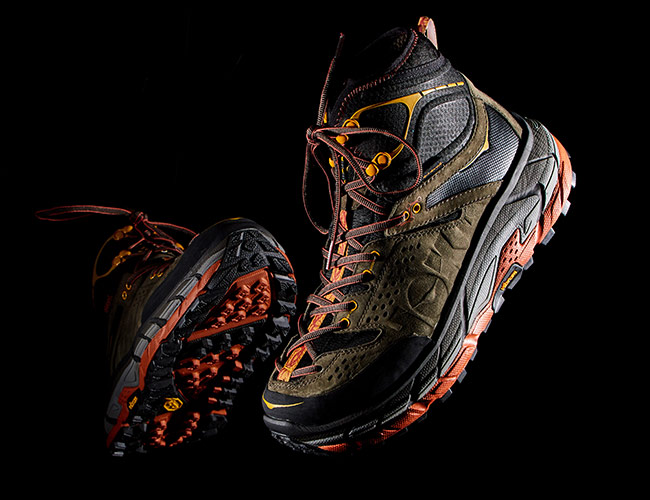
Unlike concrete sidewalks and gravel paths, the trail calls for hardened and supportive footwear to combat dirt, mud, jagged rocks and streams. The answer is hiking boots and hiking shoes, and these are the best available. Read the Story

Note: Purchasing products through our links may earn us a portion of the sale, which supports our editorial team’s mission. Learn more here.

The History of Surfing in 6 Surfboards

Eric “Bird” Huffman keeps the entire history of modern surfing in a 4,000-square-foot corrugated tin prefab structure in San Diego. Around 1,200 surfboards cover the walls and ceiling of Bird’s Surf Shed, narrating the entire evolution of the sport from 10-foot-long single-fin Balsa guns up to the short, modern thrusters. Huffman, who’s been paddling out for over 50 years and working at surf shops for just as long, sees each piece as part of a larger chronicle. “Each board becomes part of the story — who shaped it, where it was ridden, how, when and where it was made.”

1944

9’8 Planing Hull

Shaped by Bob Simmons

“The majority of boards then were made by a surfer for a surfer, and each area in California would have maybe two or three gurus that had a slightly different take on designs. Simmons was considered to be a pretty revolutionary shaper. He was a knowledgeable guy, really into hydrodynamics. This was his personal board. It’s solid balsa, probably sixty pounds. It was designed to rise up out of the water with a hydrofoil effect. Simmons was at the forefront on design. I bought it from the guy who had purchased it from Bob himself.” — HF

Material: Balsa Wood
Fins: Single Fin

1966

10’0 Gordon & Smith

Shaped by Skip Frye

“This was something of a Golden Age. After the Gidget movie era of the late Fifties and Sixties, surfing pretty much took right off. Society was exposed to the cultural aspects in various ways. At first, it was friendly, fun and light. Then surfers themselves got a bit of a reputation for being kind of beatniks and eventually hippies because they lived an alternative lifestyle. Surfing was first and other responsibilities were based upon them being able to surf. This board is foam and fiberglass. It has a stringer made of wood and the fins were, for the most part, permanently attached to the board. Removable fins were just starting to come into play, mostly so [the boards] would pack easier when they were shipped, but they became a performance-enhancing system. The surfing level had improved quite a bit because the equipment had improved in terms of design and material. Gordon & Smith was one of the largest producers of the time.” — HF

Material: Polyurethane Foam and Fiberglass
Fins: Single Fin

1972

6’9 Hansen

Shaped by Joe Roland

“There was a dramatic shift from longboarding to shortboarding basically bought on by the Australians called the Shortboard Revolution. One year the boards were 9’6 to 10’2. The next year they were 9’0 and then half a year later, they were sub-seven. Surfers were building their own boards, taking the materials and getting creative for more aggressive surfing. It put a lot of companies out of business. Nobody would ride boards over a certain length. Major surf shops closed and the whole sport changed quickly. Hansen wasn’t as big a label as Hobie or Dewey Webber, but the quality was on par, if it didn’t surpass it. And, it came out of the San Diego area, which was a hotbed [for shaping] because of the diversity of waves — reef waves, sand- bottom beaches and point waves. It really lends itself to developing surfboards.” — HF

Material: Polyurethane Foam and Fiberglass
Fins: Single Fin

1973

5’6 Fish

Shaped by Steve Lis

“Steve Lis was a kneeboarder. I grew up as a kneeboarder as well. We would ride waves on our knees on shorter boards. It was frowned upon by the general surfing populace and drummed up all kinds of derogatory terms, like “half-man.” But, kneeboarders pushed the limits of wave-riding; you could fit yourself into parts of the wave that had not been so accessible. Steve Lis came up with the design of a fish, which was a specific twin fin — very short, high volume, flat board with speed. It had similar width, float, stability but a much shorter length than what people were riding. People thought it was a trend because it faded away, but it returned in the late Nineties. I put on an event called “a fish fry” where everybody got together at the beach, had tacos and rode fishes. To this day, a fish is a standard board in everybody’s quiver. This particular board has no label; Lis never had a brand. It was an underground time. A lot of the boards were garage-built and having a label was somewhat dubious, marking you as someone who didn’t have the know-how or creativity to get boards built for you on the side.” — HF

Material: Polyurethane Foam and Fiberglass
Fins: Twin Fin

1986

6’8 Bill Barnfield Surfboards

Shaped by Bill Barnfield

“Simon Anderson was a World Tour surfer who developed the thruster setup with three fins. Bill Barnfield, a premier shaper in Hawaii all through the Seventies and Eighties, latched onto that design very quickly in the early Eighties and tweaked it a little bit to work better in Hawaiian waves and larger surf. There were major changes to surfing again later in the Eighties. It became very style-conscious and commercialized. There was a lot of money in the industry and the integrity of surfboard-building started to suffer from the masses of people surfing. Unfortunately, the clothing, the posing, the look [of being a surfer] became more important than the function of the surfboard. But Barnfield remained dedicated to the performance and quality.” — HF

Material: Polyurethane Foam and Fiberglass
Fins: Thruster

2018

5’6 Firewire Evo Helium

Designed by Daniel Thomson

“The biggest change in the last fifteen years has been revisiting designs and trying to further them. There’s a wide variety of different shapes of boards and, most importantly now, variety of materials. Surfboards are not earth-friendly. Everything about them is petroleum-based. Now, finally, people are working toward a more sustainable board. Firewire is using plant-based epoxy and wood and their EPS foam — while still foam — is stronger. These boards are not hand-shaped, but built off templates with a computer overseas. Daniel Thomson, who goes by “Tomo,” created this board. He’s the most innovative shaper that I’ve dealt with, harkening all the way back to Bob Simmons. He’s studied hydrodynamics and incorporated formulas into building boards. The [boards are] unorthodox looking in terms of the outlines, designs and bottom contours. But there’s performance benefits. All boards flex nose to tail, but these actually flex rail to rail as well. They have a parabolic wooden rail built around the perimeter of the board that gives a whole other dimension. The Evo Helium is the Swiss Army knife of surfboards. You can ride it in two foot to solid overhead waves. You have to have the fundamentals of surfing down because the board is somewhat technical.” — HF

Material: Paulownia wood, Polystyrene Foam and Epoxy Bioresin
Fins: Convertible, three or Four Fin Set Up

The 8 Best Items for Running in the Rain

April showers bring May flowers, which is ideal for your #seenonmyrun Instagram posts, but unpleasurable for long runs. If you’re running an early summer or late spring race, your training block is in full swing, which means you’ll have to brave whatever elements the weather gods decide to throw for the next 90 days. To make sure you’re adequately prepared for running in the rain, we have eight pieces of essential gear that’ll keep you warm as you slog through the mileage. Whether you’re sneaking in a quick speed workout on the track or bumping up your weekly mileage on a Sunday, these pieces will help you stay mentally on track.

Waterproof Hat

Lululemon Lightspeed Running Hat: This lightweight hat keeps snow, rain, sleet and any other precipitation out of your eyes so you can knock out your long run on days where the weather is less than ideal, plus it comes in six colors. In any snowstorm, you’re going to want a hat to keep the water out of your eyes so you can check your mileage at every street corner.

Waterproof Running Shoes

Under Armour Hovr CGR Mid Connected: The Michelin rubber outsole on these Cold Gear Reactor sneakers from Under Armour is the same as the rubber found in your tires, so that you won’t slip over grates or ice. The storm technology fabric on the upper won’t wet out, which makes it ideal for running in the rain as well as the cold, and it’s still breathable for when the weather starts to warm up.

Mittens or Gloves

Tracksmith NDO Mittens: The merino wool in these mittens will stay warm even when wet. On a recent nine-miler, I wore these through snowy conditions meaning the exterior layer wet out, but the merino wool lining kept my hands warm despite the falling temperatures. The magnetic fasteners on the cuffs are a nice touch, so they stick together when you’re not using them.

Waterproof Jacket

Patagonia Storm Racer Jacket: The Storm Racer Jacket was built for trail running, meaning it’s lightweight, breathable and waterproof. There aren’t any pockets on the jacket, which can prove problematic. However, it’s hard to find an exterior layer that can fend of weather like this one. I never feel clammy or sweaty inside, aside from the actual sweating that happens during a workout.

Wool Socks

Smartwool PhD Pro Endurance Print Crew Socks: These socks were designed by Rob Krar, an ultrarunner, meaning they’ll support your feet over hundreds of miles. The indestructawool fabric will hold up and stay warm even when damp. Mesh venting on the top of the foot lets toes breathe, so the inside of your shoe doesn’t become a sauna.

Waterproof Wallet

Nite Ize RunOff Wallet: If you’re running alone, it’s always good to have a form of money — credit, debit or cash — on you, in addition to your keys, an ID and possibly your health insurance card. The Nite Ize RunOff wallet is compact enough to stuff in a pocket, but will also clip to your waist belt and will keep everything dry when running in the rain. It’s rated to IP67, meaning it’ll keep your belongings in the clear for up to 30 minutes.

Waterproof Pants

The North Face Flight Winter Pant: If you like to run in shorts, but want to avoid them getting soaked, throw on these pants. The FlashDry fabric wicks away sweat from the inside, plus it’s treated with DWR to repel raindrops.

Sweat-Wicking T-Shirt

Adidas Tivid Tee: Under your jacket, you’re going to want a breathable tee or long sleeve, depending on the wind and temperature conditions. This Adidas tee with Climalite technology works to keep you dry from the inside out.

Note: Purchasing products through our links may earn us a portion of the sale, which supports our editorial team’s mission. Learn more here.

Why You Don’t Need Recovery Sandals

Recovery used to be about doing nothing, taking a day off after going really hard at, say, a lacrosse game or track meet. In the last five years, though, “recovery” has ironically become something you do — something that requires effort, as opposed to, well, none.

While I fully subscribe to the benefits of a massage, a stretch class, or scheduling in more naps after a particularly brutal workout or long-distance race, one trend I can’t get on board with is recovery sandals. Most are puffy, bland and remind me of the Dad-shoes of the 90s. Yes, they are way more supportive than super flat flip-flops, they feel good right out of the box, and the slides can help reduce stress on your feet, knees and back — all areas that typically need some relief post-run — but, regardless, they’re pretty polarizing.
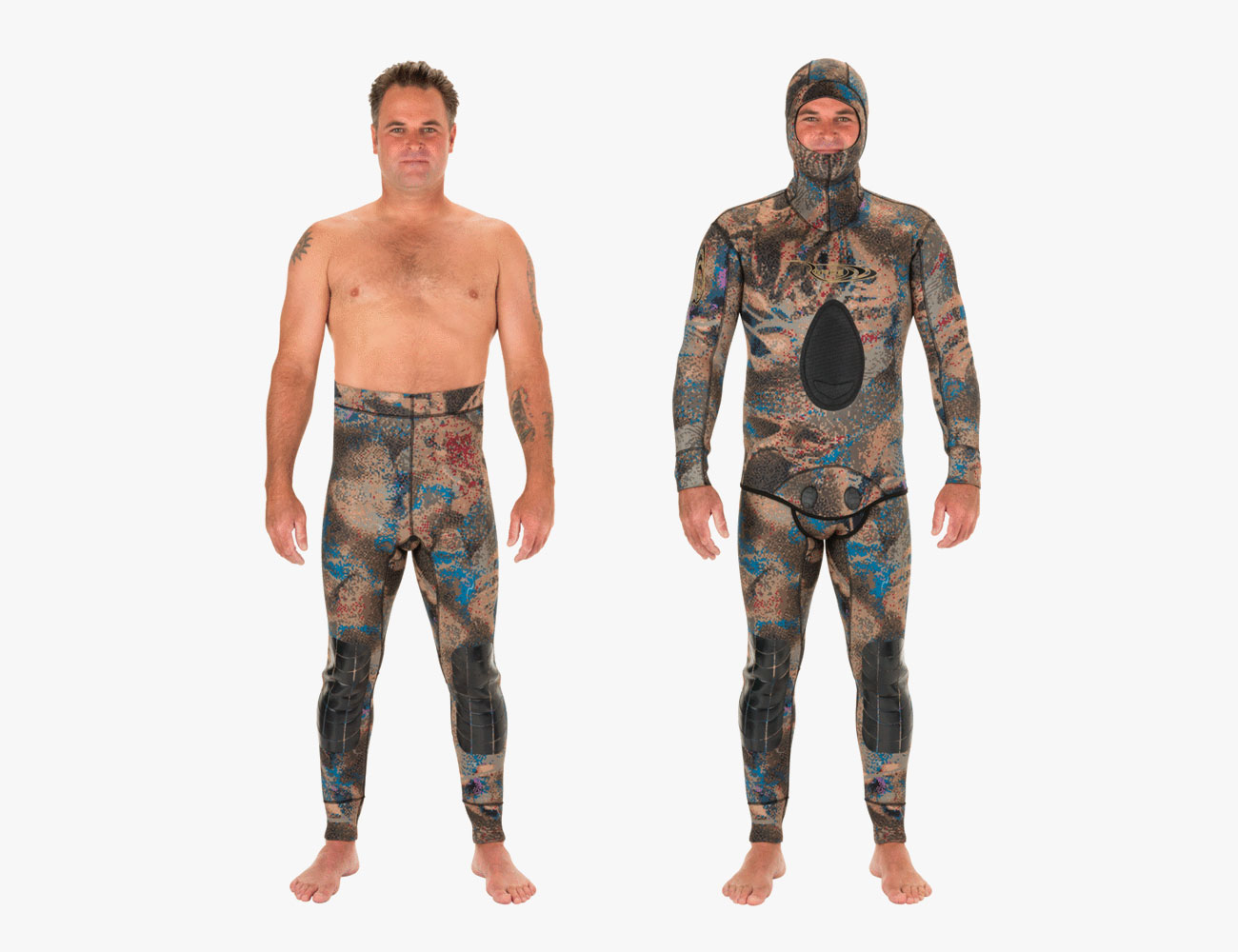
The Argument for Recovery Sandals

Think back to when it was cool to wear the Adidas Adilette slide (to be honest, it’s cool again now) — the iconic three stripes across the band were a staple on every soccer field sideline. It’s that same idea — a silhouette that lets your foot splay and rest — but new versions are paired with more than just a flat piece of EVA. They have shock-absorption, arch support and high-tech materials. Most recovery sandals today have the voluminous foam of a sneaker underfoot, which helps absorb more impact than flip flops. Pair that boost with arch support (also unlike most flip flops) and hydrophobic materials, so you can wear them in the shower or sweat in them. They’ve become over-engineered as a means to offer your feet a relaxing place to rest up and are quickly populating the marketplace, given the rise in interest in recovery. I’ve worn a pair of Superfeet’s newest Aftersport sandals and have to admit, they are extremely comfortable. The Goldilocks foam feels like your feet are on pillows yet somehow supported along the sides.

The Argument Against Recovery Sandals

We’re going to call it: placebo effect. The secret behind most recovery tactics is that you have to believe in them. From ice baths to compression socks, if you think that something works, it just might help you. But, for the record, the only things that can actually help you recover are sleep and proper eating. As someone who has written about health and fitness for over five years, I know that, but it doesn’t stop me from hopping in an Epsom salt bath after a grueling long run, applying muscle rub products and using a Theragun massage tool at the end of the day.

Verdict: So, should you try recovery sandals? If you’re already spending $50 on a pair of unsupportive sandals, it might be worth looking into swapping for a couple of well-cushioned ones if you don’t mind the design, like Oofos’ Ooriginal Sandal ($50) and Hoka One One’s Ora Recovery 2 Slide ($50). But, if you’re like me and already have it in your head that there’s no chance these sandals can do anything to help you, well, recover, your money is better spent on a sports massage.