All posts in “Reviews”

The New Mercedes-Benz A-Class Punches Way, Way Above Its Entry-Level Weight

The Mercedes A-Class has been thriving in Europe since 1997 as a small, rather upright and plain-looking hatchback. The fourth generation of the car finally comes to the United States early next year, with a considerably improved sedan profile that will fit in nicely with the rest of the lineup. Like the entry-level CLA coupe and GLA crossover before it, the A-Class is meant to entice new buyers to the brand, lowering the barrier to entry without compromising a sense of mystique that the Mercedes badge brings to the driveway.

The Good: The A-Class has typically Mercedes-like tight construction and build quality. It’s also got terrifically low road and wind noise, thanks to its stellar coefficient of drag, and fully competent handling. The new infotainment system is the best on the market right now, folding in augmented reality and artificial intelligence for the first time in a car in a truly meaningful way.

Who It’s For: Mercedes makes no bones about the fact that the A-Class is meant to be a new gateway to the brand for young professionals, hopefully luring as many away as possible from similar entry-level luxury models on the market. Its brand strategy aside, I think the car’s for anyone who would simply want a well-equipped, attractive small car no matter what their demo happens to be.

Watch Out For: It won’t take much effort to turn what will likely start as a $30,000 car — the price isn’t disclosed yet — into a nearly $50,000 car, once you start ticking off the boxes. That’s to be expected, though, and ultimately it’s probably still worth it to most buyers. Also, despite being highly intuitive, systems like MBUX still require a bit of configuration and a few days grasping their logic and their own preferences for how they like to be used. There’s a lot going on in this car, even beyond MBUX, so there’ll be a learning curve.

Alternatives: Prediction: Entry-level luxury will be the new premium battleground. Given that Mercedes rolled out the new MBUX entertainment system in their most affordable product, that could prompt other companies to start introducing top-shelf tech farther down the lineup to draw in younger buyers. The A-Class’s closest competitors:

• Audi A3 (starting at $31,950)
• BMW 3 Series (starting at $34,900)
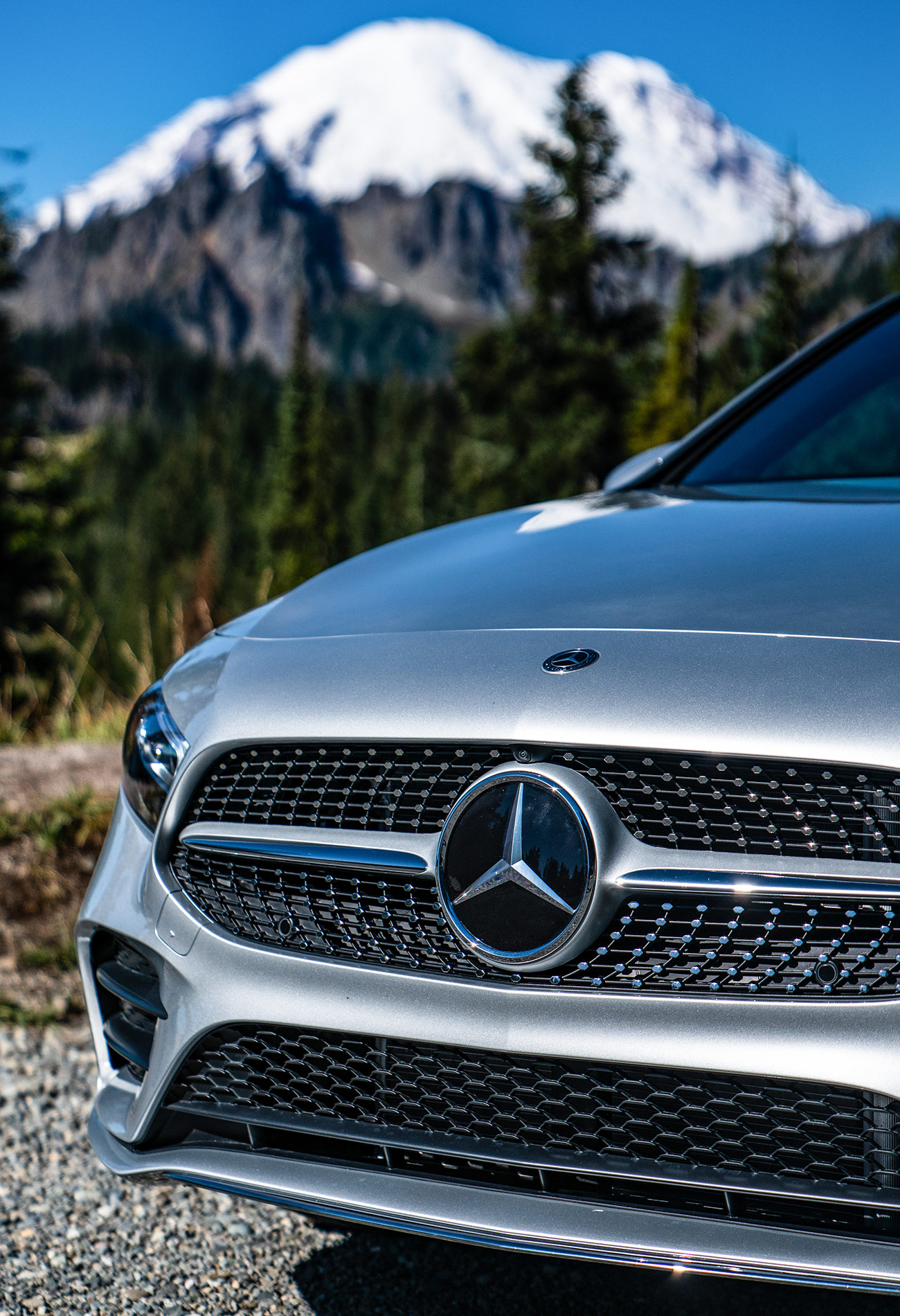
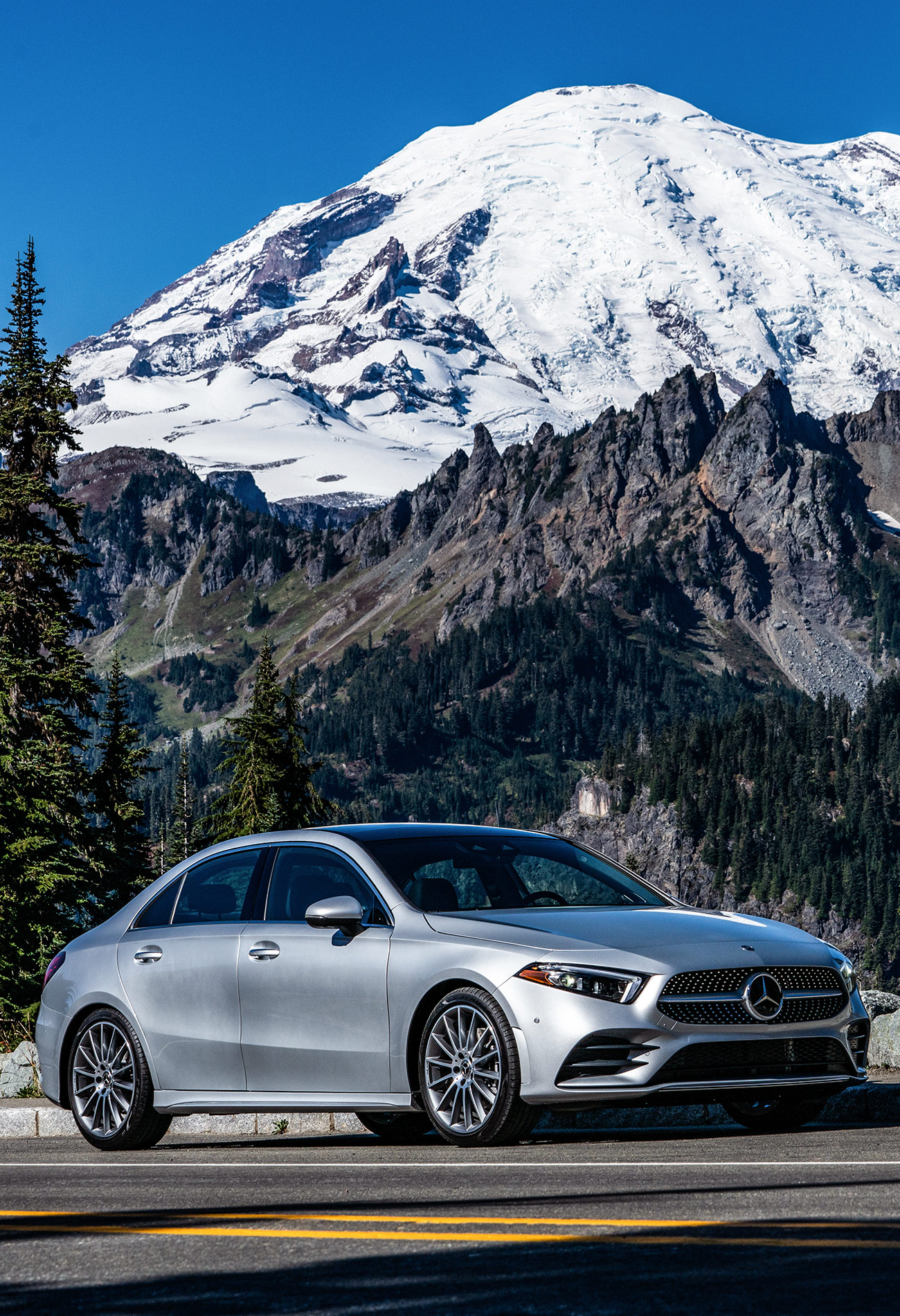
Review: My first instinct while driving the A-Class around Seattle and Mt. Rainier was to compare it to the new Volkswagen Jetta. They’re essentially the same idea, approached with a similar aesthetic: a small, modern sedan infused with solid German engineering, though one leans economy and one premium. This pattern exists in every vehicle on the road, of course, since every model has counterparts as competitors both up and down the spectrum. But I settled on the Jetta because it’s also new, I had recently driven it and I deemed it an exceptionally good redesign. The heart of my question was whether, if I closed my eyes while driving the A-Class (a move I don’t really recommend) would I actually be able to tell the difference?

Since the answer isn’t remotely surprising, I’ll skip the drama: Yes, you’ll be able to tell the difference. Sometimes premium alternatives are just window-dressing: nice leather, design tweaks and, say, navigation. But that gap is closing as more economy cars increasingly have more premium features, a trend that parallels the trend, noted earlier, of entry-level premium cars getting those goodies some time ahead of the big mac-daddy flagship vehicles. (In this case, the MBUX infotainment system rolling out in the A-Class rather than a GLS-Class SUV or S-Class sedan.) But other times the jump from a $25,000 Jetta (options maxed out) to a base, $30,000-ish A-Class is much more. That’s the case with the A-Class. It’s not the equivalent of a nicely appointed economy car being positioned as a Mercedes when everyone knows it ain’t. The A-Class commends itself to the title of a true MB.
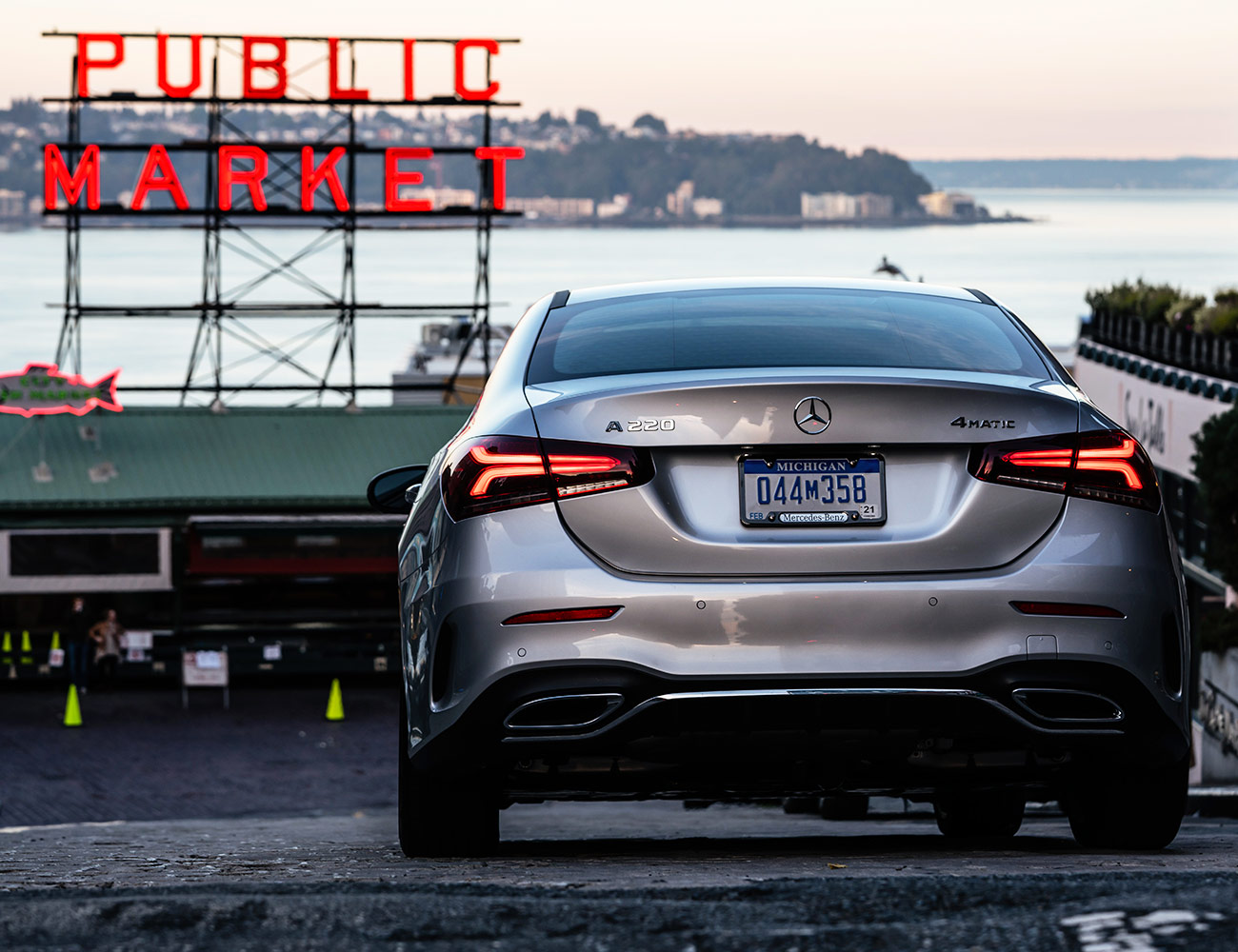
The reasons (i.e. the things you notice behind the wheel) have to do with deep-tissue engineering and the bumper-to-bumper design of the vehicle. It’s far quieter than an equivalent economy car, thanks to its advanced sound-deadening strategies and its exceptionally good aerodynamics. (The European-spec model set a new record for coefficient of drag, at 0.22. The U.S. version is just a bit above that.) It also handles better because of its advanced suspension tuning and the stiffness and rigidity that Mercedes has so much experience with. At the pedals, you feel the dual-clutch transmission smoothly managing the 188 hp and 221 lb-ft of torque, to the Jetta’s 147 hp and 184 lb-ft, delivered through a conventional automatic. So it’s far more motivated in the performance department.

But the A-Class uses those qualities as mere starting points, continuing on to bury higher-end economy underlings and its direct competitors in the luxury market. This comes down to a few additional elements, beginning with MBUX. The new infotainment system, a ground-up user interface design deployed in a system powerful enough to handle its dynamic graphics with ease, deploys artificial intelligence to grasp your natural-language queries and commands and augmented reality to spice up the navigation experience. It also goes a few extra steps to allow users to make fairly complex queries, such as asking for restaurants in certain categories but with bonus criteria (“not downtown,” for instance, or “more affordable”). It’s in direct competition with Siri and Alexa in this respect, but it doesn’t risk overlapping utility and there’s no “ecosystem investment” that you’re betraying by asking your car for recommendations instead of your usual go-tos. Plus, of course, you have immediate integration into the car’s navigation. It’s all nicely packaged up, modern and engaging. It’s fun to use. Throw in the optional semi-self-driving capabilities that have trickled down to its level, and you also have a car that’s relaxing and unstressful to drive when you need it to be.

But it’s also fun to drive when you want it to be, in a way that larger and heavier cars tend not to be. It’s tossable, without feeling unsteady. Finally, it’s fun to be in even sitting at stoplights, thanks to its sharp design both inside and out. It’s always baffled me that more expensive cars tend to be better designed, since there’s plenty of talent to go around and only so many car companies, but it’s true, and entirely visible in the A-Class. It looks right and as a result, feels right. It hasn’t lost the playful energy of the perpetual kid brother, which it will shoulder throughout its life, but it’s absolutely a grown-up’s car in every dimension.

Verdict: With the stellar MBUX system and marching orders to expand the brand’s base, the A-Class offers, in the end, a terrific value: industry-leading tech packaged up with all the creamy goodness that is the Mercedes experience. This isn’t a bargain-basement product; it’s a proud addition to a strong lineup.
What Others Are Saying:

• “The A-Class is in many ways a more compelling option than the larger C-Class. It’s arguably more attractive, just as nice to drive and offers a more robust in-car tech experience with cabin appointments that are still properly befitting of a Mercedes-Benz. It’s what the CLA-Class should have been all along. It won’t carry that sub-$30,000 price point, but make no mistake, you’ll get what you pay for.” — Steven Ewing, Roadshow

• “This is the best-riding small Mercedes yet, even on the larger 19-inch wheels and tires. The wheel control and damping is excellent, and the car shrugs off expansion joints and misaligned slabs on the highway with a composure the current CLA could never muster; the structure feels a good deal more rigid than that of the CLA, too. Our cars had upgraded cross-drilled brake rotors, and, well, they stopped fine.” — Erik Johnson, Autoweek

• “If you’re in the younger age bracket and the prospect of owning a car as luxurious and feature-rich as a Mercedes-Benz seems impossible, that prospect might now be able to become a reality. While the A-Class is the company’s most affordable model, that doesn’t mean it feels cheap in any way. Rather, it feels like the premium product that it is.” — Chris Chin, Digital Trends

2019 Mercedes A 220 4MATIC Sedan Key Specs

SPEC1: turbocharged 2.0-liter inline-four
Transmission: seven-speed dual-clutch
Horsepower: 188
Torque: 221 lb-ft
Top Speed: 130 mph
Read More Gear Patrol Reviews

Hot takes and in-depth reviews on noteworthy, relevant and interesting products. Read the Story
Note: Purchasing products through our links may earn us a portion of the sale, which supports our editorial team’s mission. Learn more here.

What Makes These Simple Water Bottle Cages Worth $70?

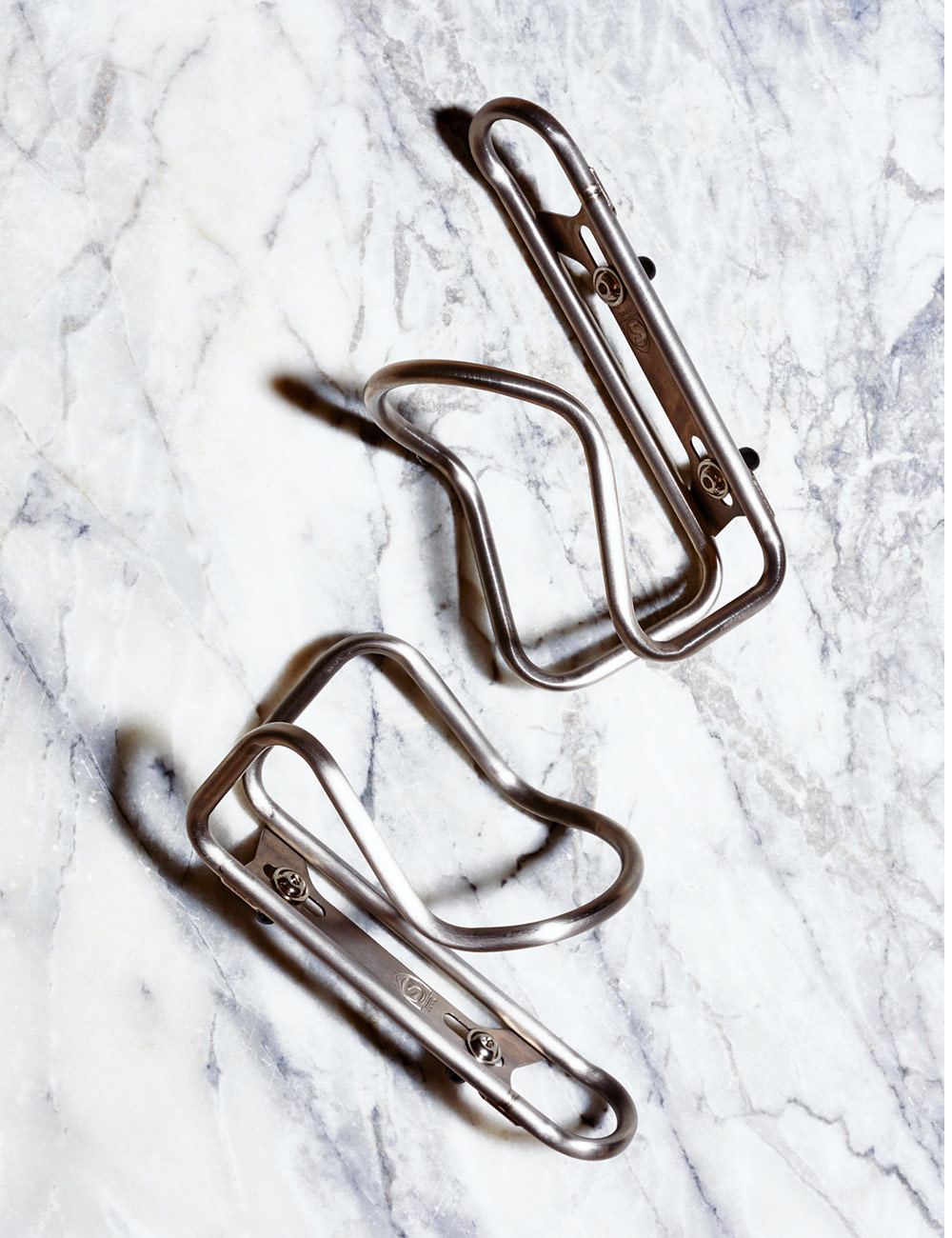
After much anticipation, and an announcement to the brand’s blog earlier this year, Silca’s Sicuro titanium water bottle cages are finally available for purchase. Titanium water bottle cages have long been the gold standard for cyclists looking to save weight on their bikes, but at $70, is Silca’s version worth it compared to the other competition in the marketplace?

The Good: Titanium water bottle cages won’t scratch your water bottles like carbon ones will. They’re lightweight, durable and look great on just about any bike. Silca’s Sicuro cages are also made in the US.

Who They’re For: The Sicuro cages are for cyclists who are serious about each detail that goes on their bike. Casual cyclists will likely be fine making due with something more affordable. But if you’re counting ounces on your bike, and want something unique, these are for you.

Watch Out For: There’s really not much to be concerned about with the Sicuro bottle cages. If you’re in the market for new water bottle cages, or just bought a new bike and want to outfit it with the best of the best, there isn’t anything worth mentioning that would convince you to go another route.

Alternatives: The most obvious parallel is the King Cage titanium water bottle cage ($60). There are many similarities in construction and shape. A cheaper option is Blackburn’s Swerve titanium bottle cage ($55) which also shares many similarities in design.

Review: Titanium water bottle cages are nothing new. Ron Andrews of King Cage has been making them for decades. As has Blackburn. But, like any product, there is always room for improvement. With the Sicuro cages, it’s the details that make them so noteworthy. For example, the elongated mounting holes. The elongations in the mounting holes allow for fore and aft adjustments, something that the other alternatives don’t offer. Silca is also utilizing a laser welding technique adopted from the aerospace industry for the construction of the cages. It’s the first time that the technique has been applied in the cycling industry, and it allows Silca to offer a 25-year warranty on the cages.

Verdict: On the surface, the Sicuro water bottle cage is a simple product. It’s a few bends in a titanium rod welded together to form a water bottle cage. But when you look closer, at the incremental improvements over the existing designs, the benefits start to come into view — and the $70 price tag starts to become justified. It’s more expensive than the other options in the marketplace, but if you break it between now and 2043, Silca will make it right.

Read More Gear Patrol Reviews

Hot takes and in-depth reviews on noteworthy, relevant and interesting products. Read the Story
Note: Purchasing products through our links may earn us a portion of the sale, which supports our editorial team’s mission. Learn more here.

These Are the Most Beautiful Wireless Earbuds You Can Buy

Master & Dynamic’s first pair of true wireless earbuds – the MW07s – don’t look like anything else out there. They’re made of stainless steel and handcrafted acetate, the latter being the same material used in high-end sunglasses. Each earbud packs a 10mm beryllium driver to deliver excellent and expansive sound. And the charging case, which charges via USB-C, is made of stainless steel and looks like it’s bulletproof. At $300, the MW07s are almost twice as expensive as Apple’s AirPods, but how do they compare?

The MW07s will be available this September. And you can order the acetate in four different colors: matte black, grey terrazzo, steel blue and tortoiseshell.

The Good: The MW07s look, feel and fit amazing. The earbuds come with swappable silicon earbuds and earwings so I never had any issues with them falling out. The audio quality is very good with a wide soundstage, which I really like. The tactile button controls on the actual earbuds are simple and straightforward to use. And the charging case is excellent; it charges with the same USB-C cable I use with my smartphone laptop, and it has LED lights to indicate its battery life, as well as the battery life of the individual earbuds. They have built-in optical sensors that, similar to AirPods, will play/pause the audio you’re listening to when you place or remove the earbuds from your ears. There’s no app to download or deal with – the MW07s work straight out of the box.

Who They’re For: Anybody who values great sound and design, and is willing to shell out $300 for a pair of true wireless earbuds. They’re OS agnostic, perfectly suited to work with an Android or iPhone. Even they are IPX4, I wouldn’t recommend working out or running in these earbuds.

Watch Out For: The obvious downside is price – the MW07s are at the tippy-top of the price range for true wireless earbuds. Other than that, the only real qualm I had was that a wall adapter wasn’t included in the box, which seems a little ridiculous for a pair of $300 earbuds.

Alternatives: In the $300 price range, there are several premium audio brands making true wireless earbuds. There are the new Sennheiser Momentum Earbuds, which I haven’t tested, as well as B&O’s Beoplay E8. If you’re looking for sport-focused earbuds, I’d recommend Sony’s WF-SP700Ns or Jabra’s Elite Active 65t. However, AirPods are still the best pair of true wireless earbuds, in terms of the total package (which includes price), especially if you have an iPhone.

Review: The most important thing to consider with any true wireless earbuds is fit, because if they don’t fit in your ears, well, they aren’t going to work for you. And pretty much every pair of true wireless earbuds that I’ve tested has fit differently. Jabra’s Elite Active 65t run tight, for example, while Bose’s SoundSport Free kind of hang out of your ears. We know that AirPods don’t fit in everybody’s ears. And for me, I know that something that looks like Bang & Olufsen’s Beoplay E8, they aren’t going to fit me well. Master & Dynamic’s MW07s fit me perfectly.

In the three weeks that I’ve been testing the MW07s I haven’t had one issue with the way they fit. And I don’t think that will be unique to me. Similar to Samsung’s IconX (2nd-gen) and Sony’s WF-SP700Ns, the MW07s take advantage of both silicone eartips and silicone earwings, so they grip in and around the ear cannel. And despite looking a little bulky when you hold in your hands, the MW07s fit neat and tidy; they don’t look they’re hanging out of your ears like Bose’s true wireless earbuds.

The MW07s are built with Master & Dynamic’s signature beryllium drivers and they sound pretty great. I’m not a true audiophile, but if you pressed me I’d say that the MW07s produce a slightly wider soundstage than AirPods – midrange and high frequencies are crisp and clear – but I’d also have to concede that the difference in sound quality between them and AirPods is subtle, hardly night and day. And that’s not a knock on the MW07s, but more of a testament to how great Apple’s two-year-old wireless earbuds still are.

Forget the high price tag of the MW07s for a second and, I swear, these are my favorite true wireless earbuds that I’ve tested.

Yes, a key feature of the MW07s is their excellent sound quality, but, for me, these earbuds are more about style and flair – “personality” – which they have heaps of. The MW07s are gorgeous, obviously, with an exterior made of beautiful acetate. The MW07s that I tested (which are photographed in this article) are grey terrazo, which I liked but if I could do it all over again I would probably opt for the steel blue; those look really special. And because the exteriors are cut from sheets of acetate, each earbud is going to look a bit different. So that’s neat.

Another standout feature is the charging case, which is made out of stainless steel and looks like a badass bullet case. Yes, it looks cool but it also feels better designed than pretty much all other charging cases that I’ve encountered. That’s because it has three LED lights built into its front, which light up different colors depending on its battery level. Green is full charged. Red is dead. And yellow is somewhere in-between. Also, the left- and right-most LED lights represents the power level of the left and right earbuds, while the middle LED light shows the battery level of the case. Again, it’s thoughtful and well-designed.

In terms of functionality, the MW07s just work. And I love that about them. They connect like any other Bluetooth device – there’s no quick pair feature, unfortunately – and from there they have built-in optical sensors and can automatically start/stop when you place or remove the earbuds from your earbuds, just like AirPods. There’s no app to deal with, which I found a godsend, although this also means that there’s no “Find My Earbuds” feature or the ability to tweak the earbuds’ EQ settings.

Forget the high price tag of the MW07s for a second and, I swear, these are my favorite true wireless earbuds that I’ve tested. They work and fit extremely well, plus the look and design of these blow AirPods and pretty much all other true wireless AirPods out of the water. Yes, $300 is very expensive, especially when you consider that the sound quality isn’t that much better/different than AirPods ($159) of Jabra’s Elite Active 65t ($180). However, you’re paying for more than just sound quality with MW07s. You’re paying for style and personality (and the higher-end materials). And just like some people will never understand buying a t-shirt that costs $50 when they can get “virtually” the same thing for $12, there will also be people who will never comprehend shelling out $300 for a pair true wireless earbuds.

Verdict: The MW07s feel refreshingly uncompromising. They’re beautiful and badass (especially with the charging case), and if you don’t like the expansive sound signature that Master & Dynamic is know for – well, tough luck. They are easy to use and will fit most people’s ears. The inclusion of the USB Type-C charging port makes them feel modern.

As far as the price, $300 is very expensive, especially when you consider that the sound quality isn’t that much different than AirPods ($159). However, you’re paying for more than just sound quality with MW07s. You’re paying for style and personality, and the high-end materials, of course. And if you value all that stuff, you’ll probably be over the moon with these MW07s.

Key Specs

Drivers: 10mm beryllium
Battery: 3.5-hour per earbud, 10 hours from the charging case
Connectivity: Bluetooth 4.2
Water Resistance: IPX4
Charge: USB Type-C
App: none

Read More Gear Patrol Reviews

Hot takes and in-depth reviews on noteworthy, relevant and interesting products. Read the Story

Note: Purchasing products through our links may earn us a portion of the sale, which supports our editorial team’s mission. Learn more here.

The Miata Is Mazda’s Best Car. Now They’ve Made It Even Better

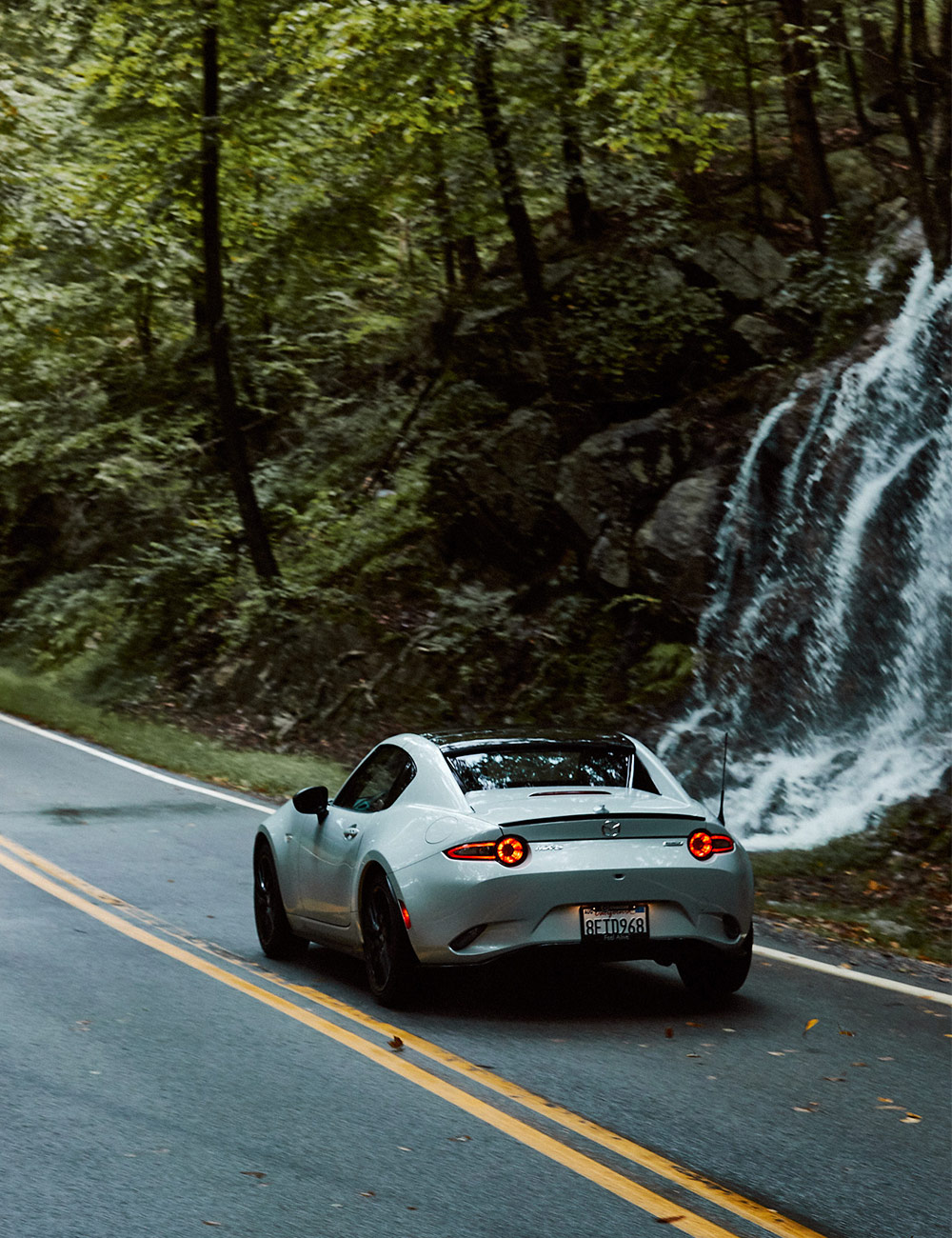
Mazda has half a dozen distinctly different models across its lineup, from a full-size SUV to multiple sedans to a four-door hatchback. None of them, however, get the same amount of fanfare as the MX-5 Miata roadster, especially when an all-new version comes out. The MX-5 represents Mazda’s ethos, the company’s heart and soul. It’s the only car Mazda builds that is uniformly put under a high-intensity microscope, scrutinized by enthusiasts to make sure every box is ticked and every target hit. When the latest-generation MX-5 was unveiled and driven, it seemed as though Mazda had hit another home run — or at least cracked the ball deep into the outfield.

Everything about the 2015 MX-5 was all anyone could have hoped for — except for one thing. The engine. It wasn’t bad by any measure, it just fell short on matching the superb handling of the chassis carrying it. There were cries for more power; the engine, at 155 horses, warranted those cries. In tight and twisty corners the powerplant felt right at home, but if you showed it any sort of straightaway it ran out of steam in the top end. When the Miata could come out and play, few other cars can match its fun-factor, but at streetlight drag races, the excitement was over.

For 2019 Mazda transformed the MX-5. There isn’t a new design or refreshed look, all they did was give the little roadster the hotrod treatment and batted this one over the stadium nosebleed section into the parking lot. Instead of 155 horsepower, the new car makes 181.

The Good: The famous lightweight construction, the steering, the planted cornering, the new and improved lively engine… The list could go on.

Who It’s For: The practical purist who still enjoys the thrill of driving and who thinks ‘connectivity’ refers to clutch and steering feel.

Watch Out For: If you have an eye on the 2019 RF model, prices start around $33,000 and climb quickly after that, creeping closer to the $40,000 mark.

Alternatives: As far as small, affordable rear-wheel-drive coupes go, it’s a slim grid. The base model MX-5 falls in the territory of the Fiat 124 Spider (a car it shares a platform with) and its compatriot Subaru BRZ. Until the recent engine upgrades, the MX-5 was outmuscled but made up for it by carrying less weight. Now that it has the power to match Fiat and Subaru fanboys have even less of an argument.

• Fiat 124 Spider ($24,995)
• Subaru BRZ ($25,595)

Verdict: I’d like to be able to say Mazda left itself no room to improve the MX-5 after this much-needed update, but I’m sure its very well-paid engineers are already staring at blueprints that’ll prove me wrong. I’d like to see Mazda flex some muscle and go all-in on a lightweight next-generation instead of adding more power, but for now, the ND MX-5 is all the car you need to put a smile on your face.

Review: The Mazda MX-5 takes a lot of flak for being ‘tiny’ and ‘cute’ and, historically, the people that think that aren’t wrong. The current generation MX-5 aimed to cure the latter with a sharp, edgy redesign, but its pint-sized stature can still be a turn-off for most. But, when people ask me what’s my favorite of all the cars I’ve driven, time and time again, I walk past all of them in my mind’s garage and go to the MX-5. And that’s before Mazda beefed up the engine and gave it 30-ish more horsepower and a higher redline.

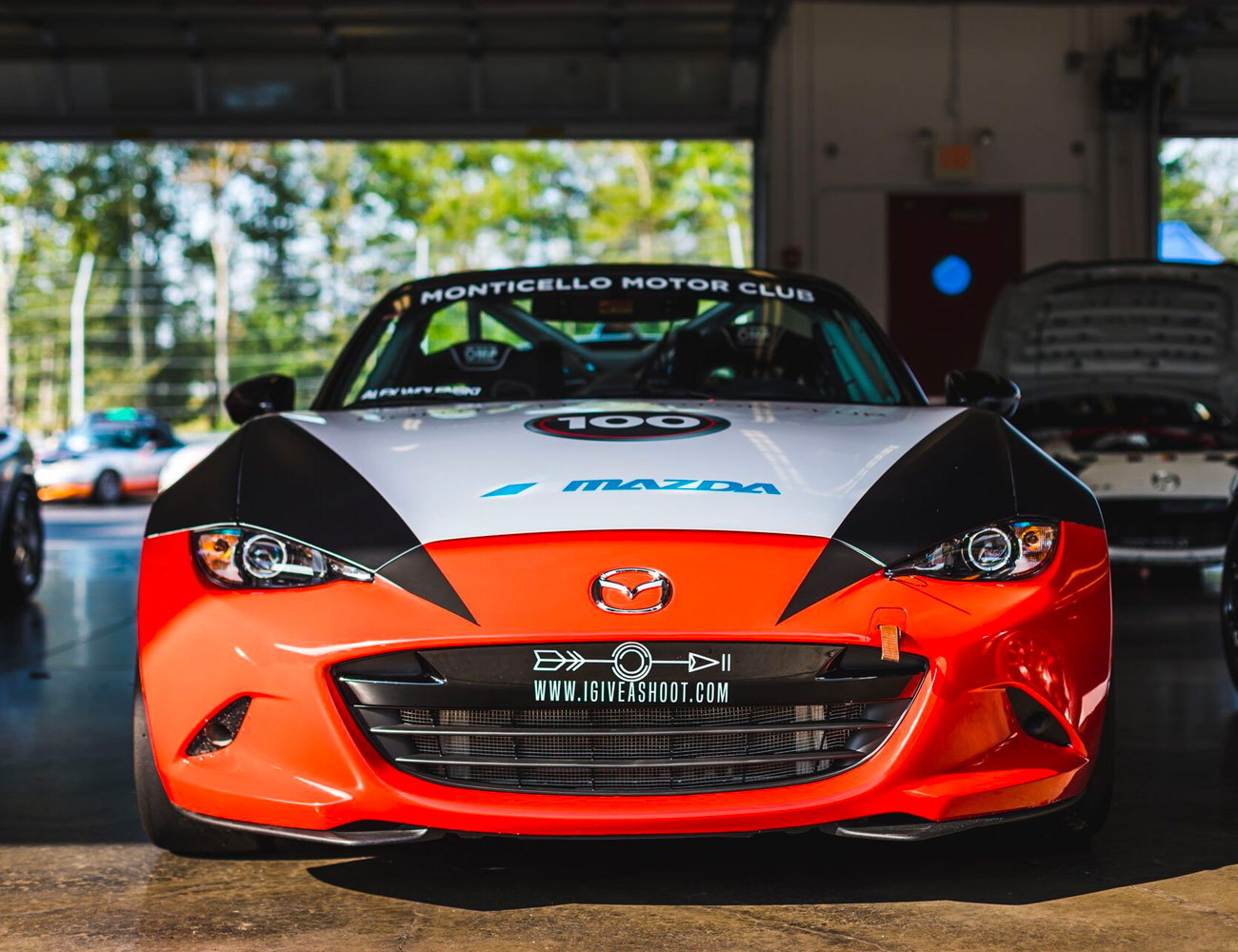
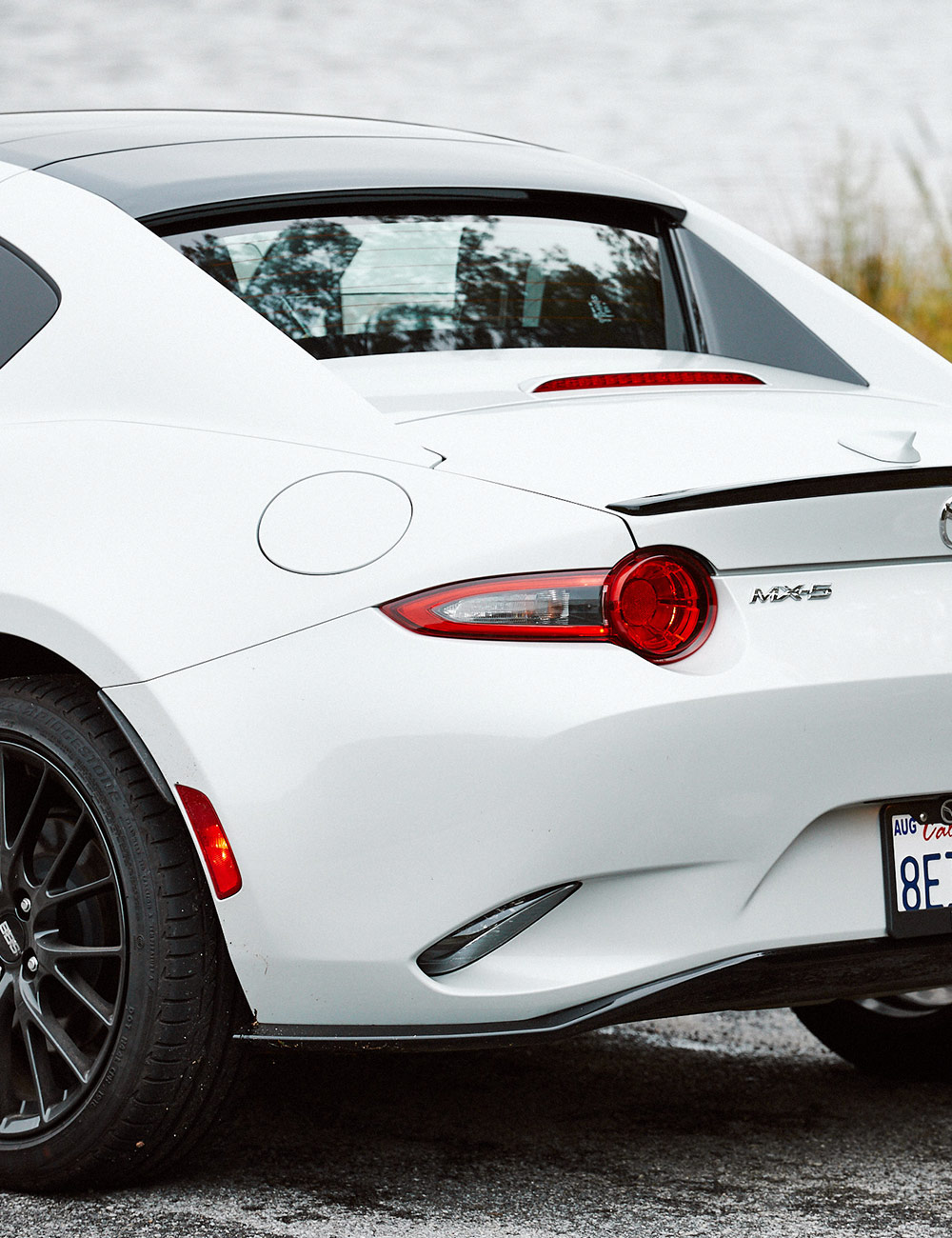
There are other cars more thrilling to drive, some are unforgettable experiences in their own right, but none of them are as rewarding as the MX-5. There’s no electronic torque-vectoring all-wheel-drive system or advanced GPS-guided active suspension to keep you on the road — it’s just you and one of the most direct and communicative steering and chassis setups on the road. Mazda transformed the MX-5 for 2019, but as you can tell from the photos, it looks identical to the outgoing 2018 model and that’s because the only thing that needed addressing was the engine.

When the ND generation MX-5 broke cover and hit the road, it weighed almost the same as the original Miata and was down on power from the previous generation, but Mazda says that was intentional. Mazda was aiming to get the newest MX-5 to resemble the first MX-5 as much as possible, so the power-to-weight ratio needed addressing. The side-effect of that tune-down was that the car’s chassis outperforming its engine. In reality, on open roads, that imbalance was only noticed at the top-end. Otherwise, there was still very little to complain about, with either the engine or the car as a whole.

As great as the first-round ND was, Mazda wanted to address the complaints about power. Engineers set about revising lightening the crankshaft, flywheel and the other guts of the engine to raise the redline from 6800rpm to 7500rpm. All of that sounds negligible in the grand scheme of things, but what it does is spread the engine’s power band and give it more breathing room to put the 181 horsepower to use. Where the old ND lost momentum around the 6000rpm mark, it now pulls all the way to the new redline — territory the outgoing MX-5 didn’t seem comfortable in, but the 2019 model revels around.

Mazda’s mission objective with the MX-5 is always to make the most distilled version of a sports car while keeping it approachable and friendly. It’s one of the few cars on the road in which you can get within whispering distance of its cornering limit corners and still feel safe and within the boundaries of sensibility. Try to find the same edge in a 700-horsepower McLaren or even a 444-horsepower Audi RS5 and you’ll find your own limit of nerve before the car’s. The new, more powerful MX-5 is as friendly and rewarding as ever, now it simply comes with more room to stretch its legs.

What Others Are Saying:

• “The Mazda MX-5 still offers some of the best driving feel on the road thanks to a balanced chassis and excellent handling. The 2019 model offers more enthusiast-friendly top-end power, more flexible steering wheel positioning and new standard and optional safety tech.” — Antuan Goodwin, Cnet

• “All of the changes amount to a superb roadster that’s even more fun to drive and easier to live with. From the perspective of someone who owned a 2016 model, the 2019 is worth considering. The updates are big enough to make it a superior car that’s more refined yet retains the Miata’s legendary playfulness. ” — Stephan Ogbac, MotorTrend

• “No surprise that the Miata is the same darling in a canyon road as it ever was, with just enough compliance in the suspension to engage the driver and just enough grip to allow for predictable, progressive behavior at its approachable limits.” — Joseph Capparella, Car and Driver

Key Specs: 2019 Mazda MX-5

Engine: 2.0-liter inline four
Horsepower: 181
Torque: 151 lb-ft
Red line: 7,500 rpm
Weight: 2,345 lbs
Price (MSRP): $25,295 (base0

The Mazda MX-5, Triple Distilled

Every Mazda MX-5 since 1989 has rolled off the production line in Hiroshima, Japan. Some just go on to bigger and better things. Read the Story

Note: Purchasing products through our links may earn us a portion of the sale, which supports our editorial team’s mission. Learn more here.

The Chevy Colorado ZR2 Is a Muscular, Veritable Competitor to the Toyota Tacoma

Chevrolet’s Colorado ZR2 is a sporty, aggressively-styled, versatile and premium trim mid-size truck. It transitions from being a jaunty, all-terrain off-roader to quick, smooth and confident on-road performance without complaint. The ZR2 has redefined the mid-size truck segment for U.S. manufacturers. It has provided a veritable American competitor to the iconic midsize truck, the Toyota Tacoma.

The Good: The ZR2 has a muscular, sporty, and stylish exterior. It is outfitted for serious off-roading while delivering nimble on-road handling. Multimatic DSSV shocks provide a smooth ride come what may. There are ample customization options. It does offer 4G LTE wifi.

Who It’s For: The active truck enthusiast who wants to leave the pavement behind, but needs a truck to function on pavement five days per week. This person can afford to splurge, but can’t quite afford to splurge on an F-150 Raptor.

Watch Out For: Poor gas mileage. Superficial dealer options that can get pricey. Chevy’s heavy hand with the badging and detailing. Given the price point, more than double that of the base Colorado, it could use a power upgrade.

Alternatives: We should see other aggressive, premium and off-road capable, mid-sized trucks such as the Ford Ranger Raptor in the near future. But, right now, the competition is limited to:

• Toyota Tacoma TRD Pro ($42,660, base)

• Ford Ranger Lariat ($33,305, base)

Verdict: I’d prefer a little more sand in the pants on the power front, given the sticker price and the atrocious gas mileage. But, it will be hard to top the Colorado ZR2’s coolness and versatility, until some other options hit the American mid-sized market.

Review: Chevy branded the Colorado ZR2 as a “segment of one.” That’s largely true. Ram abandoned the mid-sized segment altogether. Ford has waded back in with the new Ranger but has yet to offer a comparable performance version. The one real competitor in the mid-sized (but still quite large) off-roader segment is the Toyota Tacoma. With the ZR2’s chiseled exterior and better on-road dynamics, there may not be much of a competition.

Appearance is everything in car buying. The ZR2 looks cool. Multiple people told me that unprompted over a week while driving it. It was a smash hit on Instagram, by my account’s standards. The base Colorado holds its manhood cheap before it. It is almost, but not quite, too cool. Keep in mind that Chevy is liberal with its badging and decals. Even modest accessorization could push the ZR2 from “aggressive and shark-like” to “someone is totally vaping in there.”

The ZR2 is built to be an off-roader, a Jeep Wrangler of the truck world if you will. It has an off-road chassis, skid plates, rock sliders, a factory installed lift and tapered front end for better obstacle clearance. Multimatic DSSV shocks eliminate off-road and on-road bone jarring. Large, accessible switches lock the front and rear differentials, more accessible than the small 4WD knob to the left of the steering wheel. It’s capable enough for people who want to leave the pavement. It looks the part for people who want to cruise the pavement.

It drives well on the road, where most car-reviewing takes place. The ZR2 is quick and nimble by truck standards in every-day driving. The eight-speed automatic is smooth and geared for performance. I got caught out in too high a gear once in a week’s worth of driving. It felt smooth, even on craggy Detroit-area roads. Road visibility was adequate.

Cracks do show when you push the ZR2 to road driving limits. The acceleration delivers a great 7 or 8. When you floor it to go to 11, it stays at 7.5. Tight corners bring out some truck-like handling. The ZR2 felt squirrelly and tippy on the highway and in a rainstorm. It was hard to see over the hood or off the passenger side while parking. My strategy for getting the ZR2 into a standard space was to go a foot farther than I thought I should and pray.

The interior is comfortable. It doesn’t have the same cavernous feel as the full-sized Silverado but the crew cab was spacious enough. The leather seats felt cushy and supportive. Oddly for an American truck, the cup holders felt small, more can-sized than Big Gulp. The short bed felt voluminous enough for most cargo needs. The factory suspension lift can complicate everyday use — entry and exit required hopping. I had to extricate my son from his car seat because it was too high for my wife to do so.

The ZR2 juxtaposed high- and low-tech features oddly. My tester had remote keyless entry and a detached physical key to enter into an already worn looking ignition. I shifted into park with a dated, palm-sized shifter, then had the truck display remind me not to forget whatever was in the rear seat, either a yoga mat or a 12-month old. The ZR2 is 4G LTE wifi equipped, so the 2018 badass can still stop, drop, and handle some work stuff mid-rock climb.

Gearing the car not to sip fuel makes for better driving. But, as one would anticipate, the gas mileage disappoints. The EPA rates the ZR2 at only 16/18 mpg. I scraped 15 mpg in real driving, after a long highway stint.

The ZR2 offers a robust base to build your custom truck from. However, your money may go farther in the aftermarket. My tester had the “Midnight Special Edition” package. That was $3,425 for black paint, black aluminum wheels, a sport bar ($1145 on its own), and a black bow tie. It also had the “Premium Interior Package” for $750. This was the “Interior Illumination Package,” whatever that meant, and all-weather floor liners that were ill-fitting and showed major wear on a truck with less than 5,000 miles. Toss in an additional $135 for just the highly polished exhaust tip, and include your untoward joke here.

Paradigms don’t change overnight. Tacoma fans won’t abandon their trusty premium steeds en masse. But, the ZR2 drives better and, even before the upcoming “Bison” edition goes on sale, looks better. You may catch some wandering eyes when their TRD Pros are out of eyeshot.

What Others Are Saying:

• “It’s a weird feeling hopping into such an aggressive-looking off-road machine and having it drive like a finely-tuned performance crossover, but that’s really how the ZR2 feels on asphalt.” – Brian Silvestro, Road and Track

• “It was the perfect spot to see how much we could throw at the Colorado ZR2. Turn the dial to four-wheel drive, lock the differentials and the Colorado ZR2 was ready to climb any hill or power through any trail we could find.” – Marc Carter, The Torque Report

• “The tippy-toed stance—along with reshaped front and rear bumpers—deliver eye-opening approach, breakover, and departure angles that let the Chevy pretend it’s a Jeep Wrangler with a bed out back.” – Lawrence Ulrich, The Drive

2018 Chevrolet Colorado ZR2 Key Specs

Engine: 3.6L-liter V6; 2.8-liter turbodiesel I-4
Transmission: 8-speed automatic; 6-speed automatic
Horsepower: 308; 191
Torque: 278 lb-ft; 369 lb-ft
Weight: 4,745 pounds
0-60: 7.1 seconds
Fuel Economy: 16 city mpg / 18 highway mpg

Read More Gear Patrol Reviews

Hot takes and in-depth reviews on noteworthy, relevant and interesting products. Read the Story

Note: Purchasing products through our links may earn us a portion of the sale, which supports our editorial team’s mission. Learn more here.

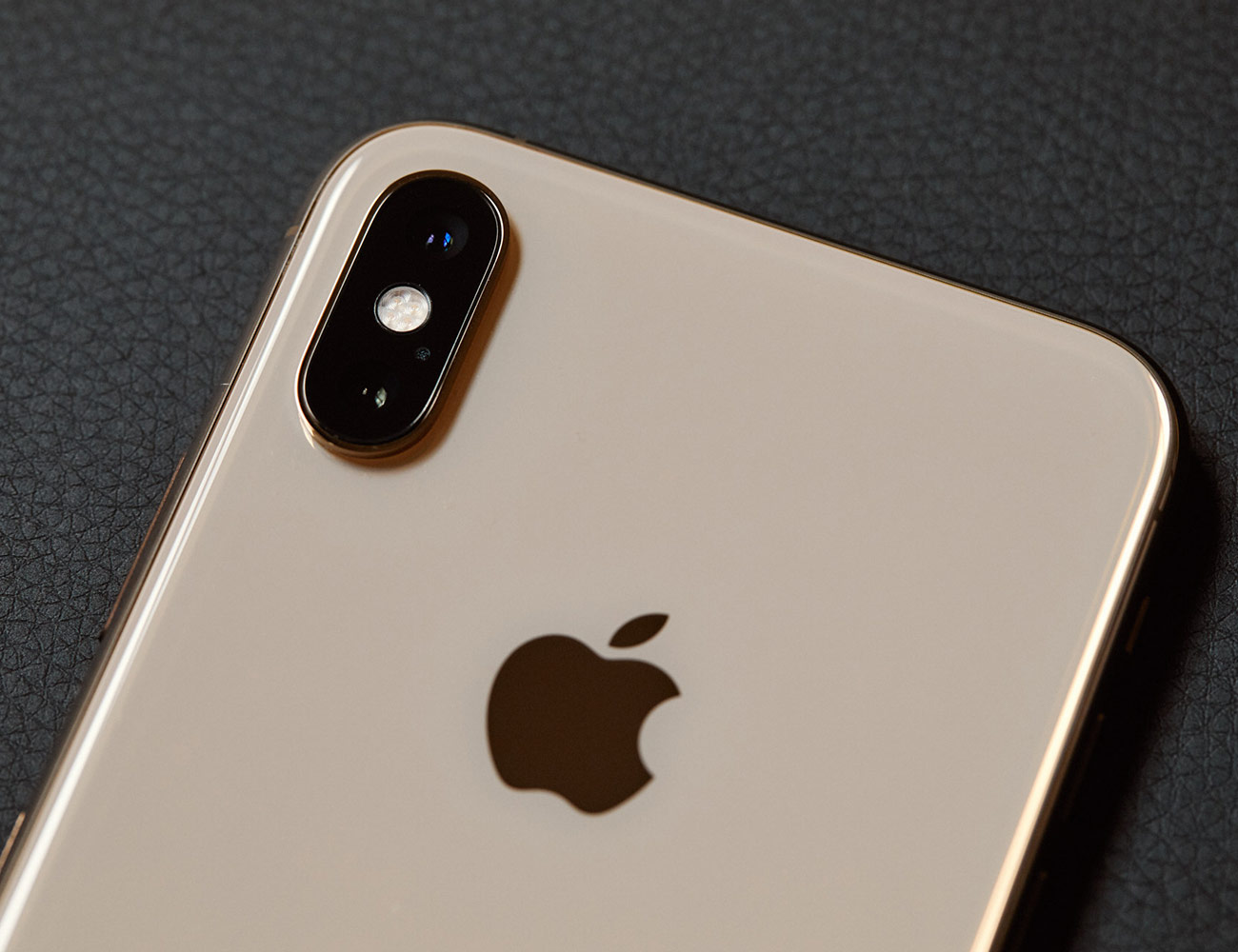
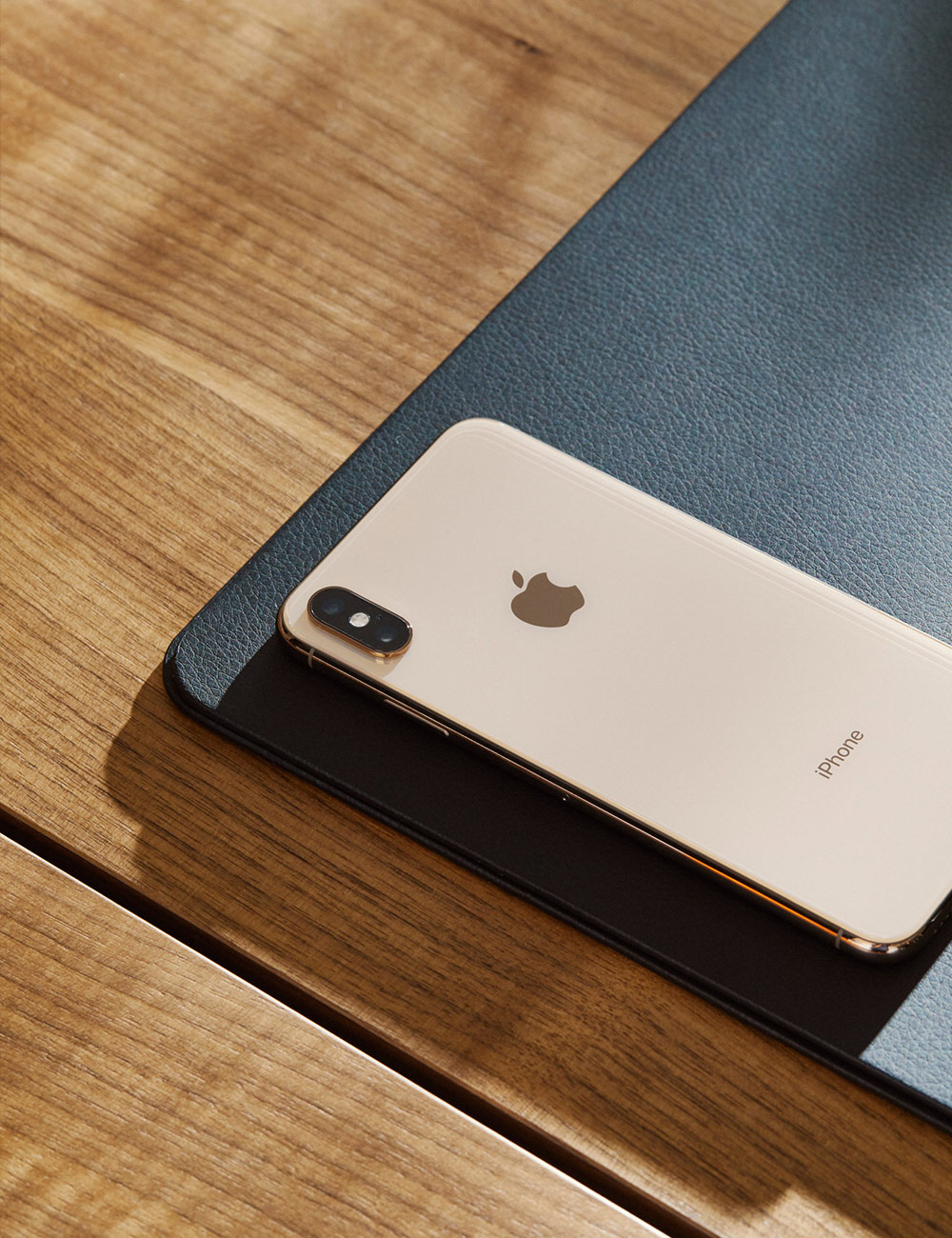
iPhone XS Review: Should You Upgrade to Apple’s Best-Ever iPhone?

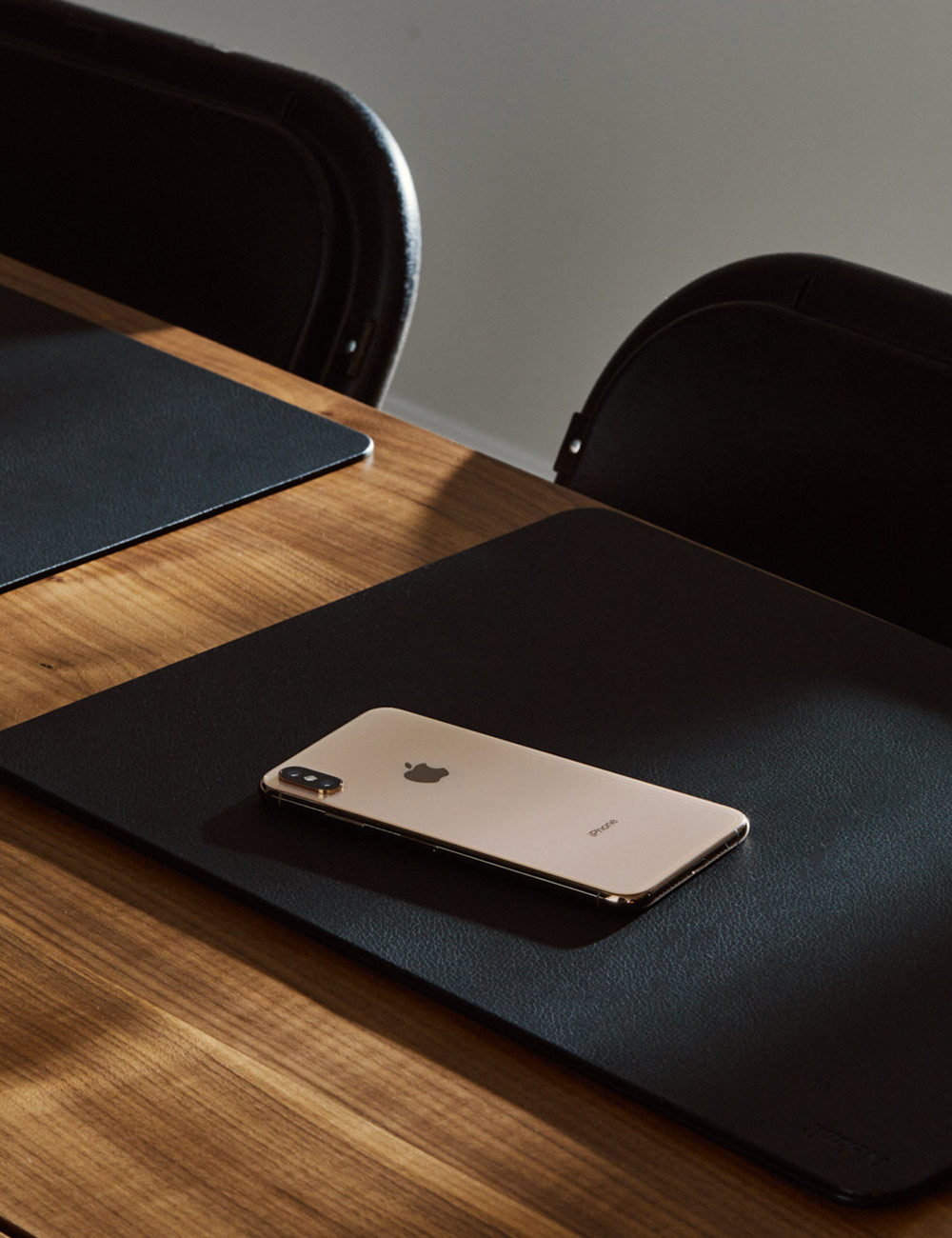
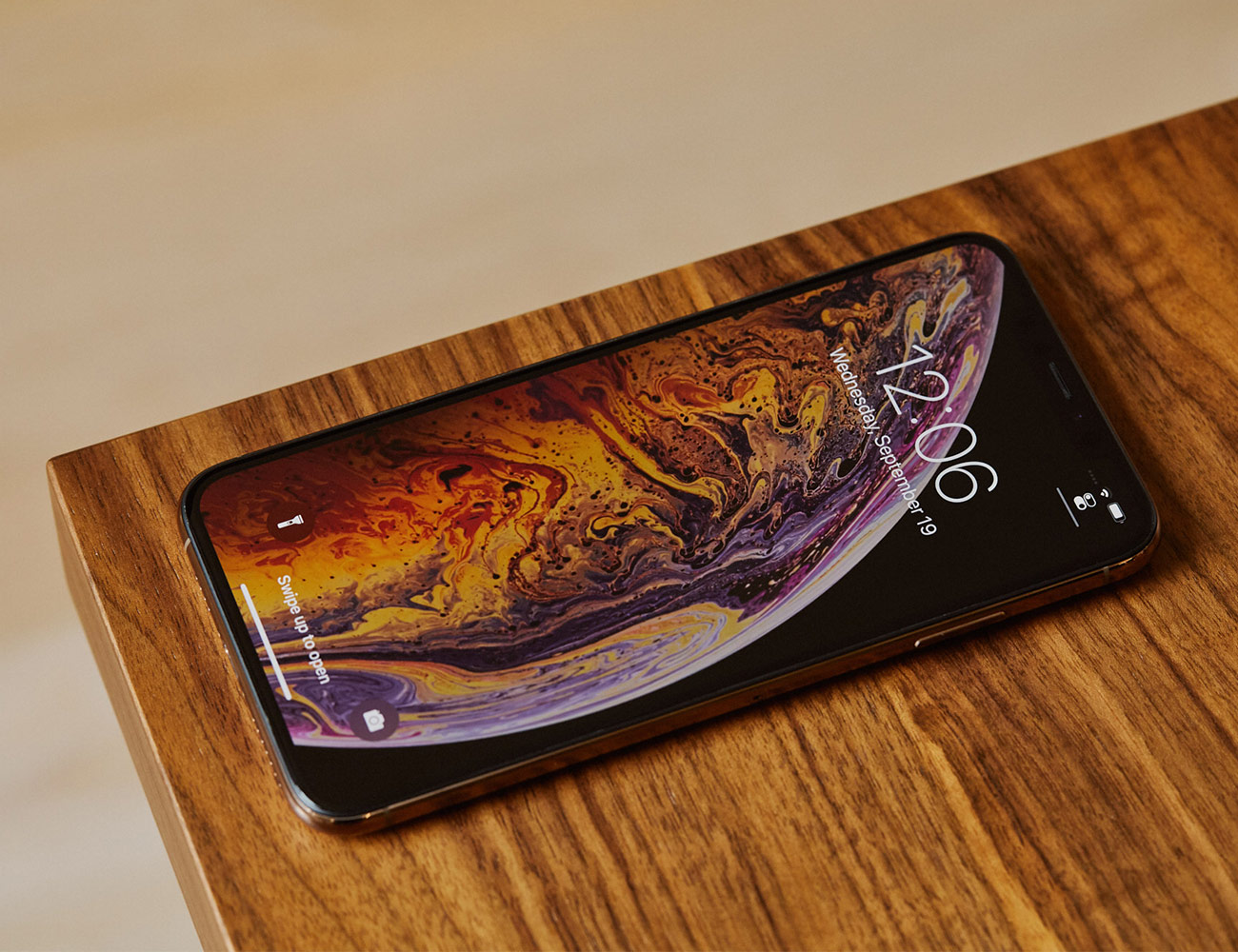
Apple took the look and feel of last year’s iPhone X, updated it in a number of key ways, and produced two next-gen smartphones: the iPhone XS ($999+) and iPhone XS Max ($1,099+). The iPhone XS is essentially the same size as year’s iPhone X – both have a 5-inch screen – while the iPhone XS Max has a “Plus-sized” 6.5-inch screen. Besides size, the iPhone XS and iPhone XS Max are virtually identical in terms of specs. And compared to last year’s iPhone X, the iPhone XS and XS Max feature a lot of the expected: a faster processor, a better camera system or a longer-lasting battery. The new models are definitely the best and most advanced iPhones that Apple has created, however, the question is – is that enough for you to upgrade?

Editor’s Note:We had both the iPhone XS and XS Max in the office, however, since they are virtually the same exact iPhones, save for their size, we primarily used the smaller iPhone XS for the purpose of review.

|

The Good: The biggest difference from the iPhone X to the iPhone XS and the iPhone XS is with the cameras. The cameras’ specs might not have changed – you still get 12-megapixel standard lens (f/1.8) and a 12-megapixel telephoto lens (f/2.4 aperture), both with optical image stabilizers and the collective ability to shoot 4K video up to 60 frames per second – but the wide-angle sensor on the iPhone XS and XS Max is actually 32 percent larger and they have an all-around better image processing system, called Smart HDR, which enables the camera to capture a number of photos simultaneously, at different exposures, and then combine them into one high-quality image. Essentially, the iPhone XS and XS Max are able to capture more detailed photos with more contrast.

The iPhone XS and XS Max are decked out with the new A12 Bionic processor which makes them noticeably faster than the iPhone X. They are more energy efficient and thus have a better battery life, too; compared to the iPhone X, the iPhone XS has a battery that lasts roughly 30 minutes longer, while the XS Max lasts a more substantial 90 minutes longer. There are other improvements, which are subtle, such as a stronger and more water-resistant body; dual-SIM support for world travelers or other people who need a secondary phone line; and they have better speakers. Oh yea, and the iPhone XS and XS Max come in gold, which is a first.

Who They’re For: The iPhone XS and XS Max are for anybody who needs the latest and greatest iPhone right when it comes out. Also, if you have an older iPhone 7 Plus or before, you’ll really notice the difference in speed, display and the camera quality of these new iPhones.

Watch Out For: There’s not a lot to “watch out” for, but it’s worth reiterating that the new iPhone XS and XS Max have some striking similarities to the iPhone X. They essentially have the same exact screens.They have the same hand-feel, too, other than the fact that the iPhone Xs Max is obviously larger. The notch is still there and, therefore, the top of the screen can at times feel underutilized. There’s no 3.5mm adapter included in the box this time around, meaning Apple is twisting the knife even further into those who love their analog headphones. And they are, again, very expensive smartphones.

Alternatives: One of the things that went under the radar with the iPhone XS and XS Max, is that Apple also discontinued last year’s iPhone X – you can’t buy new ones (at least from Apple anyway). The iPhone XR is several hundred dollars less expensive and has most of the same features, except for the nicer OLED display and telephoto lens.

Review: It might seem like a little thing, given that Apple’s latest iPhones are so similar to the iPhone X, but the new models offer up a real difference: choice. For the first time in nearly two years (since the iPhone 7 and 7 Plus) you can buy Apple’s flagship iPhone in one of two sizes. This is great for those with small and big hands, or simply those who want to watch Netflix or Hulu on the biggest iPhone screen possible.

As somebody with small hands and who frequently wears slim-fitting jeans, I primarily used the iPhone XS, although I also played around with the iPhone XS Max. The important thing to remind yourself is that they are essentially the same iPhone. True, but iPhone XS Max has a bigger and longer-lasting battery, but the iPhone XS’s battery is no slouch either, and I’m not sure that’ll tip the scales for too many people. It really comes down to whether you want a smaller or bigger iPhone, and if you’re willing to pay extra for the big one.

As mentioned above, the iPhone XS and XS Max are both marked improvements over the iPhone X when it comes to capturing photos and shooting video. Thanks to the upgraded camera sensor and better image processing system, photos look crispier, more colorful and have so much more detail. I was able to take photos of buildings and my friends, facing the sun, and the photos didn’t get blown out. The bright background didn’t bleed into my subject like it did with my iPhone X. And low-light photos were way more usable, more colorful and more detailed. Videos look better in much the same way.

Portrait mode is also improved on the iPhone XS and XS Max. One of the standout differences is that the A12 processor allows these new iPhones to adjust background blur or bokeh afterward, which Samsung’s Galaxy S9/S9+ and Note 9 also are able to do, although working it is easier on the new iPhones.

It’s important to note that the iPhone XS and XS Max definitely have the best cameras that have ever been featured in an iPhone, but that doesn’t mean they feature the best smartphone cameras. The Pixel 2 and 2 XL are still the kings of the smartphone camera world, taking the most accurate, true-to-life photos (and that’s probably only going to get better with the impending launch of the Pixel 3 in early-ish October). I, myself, had been using the Samsung Galaxy Note 9 and, when comparing the two, tended to prefer its photos over the iPhone XS. A key point of difference, however, is that Samsung’s smartphones tend to take more saturated photos, which are pretty but not as accurate as Google’s or Apple ‘s smartphone cameras – which looks best is essentially a matter of preference.

(We’ll have a smartphone camera review in the near future that breaks down the iPhone XS’s and XS Max’s skills compared to their competition. I’ll link to that review when it goes live – here.)

The iPhone XS and XS Max have been upgraded in several other ways, but those improvements probably won’t drastically change how you use the smartphone. The processor is really fast and impressive, and it also will probably allow the iPhone XS and XS to be much better at running advanced apps, such as ones that dabble in AR and VR, but your everyday use – checking email, scrolling through Twitter or Instagram, and sending messages – that’ll be largely unchanged. A colleague and I have actually been using the new iPhones for over a week, me the iPhone XS and him the iPhone XS Max, and we both kind of agreed: they feel pretty darn similar to an iPhone X.

Part of the reason why the two new iPhones feel so similar is that Apple just rolled out iOS 12, which is available on both devices, and so it doesn’t really matter as much if you’re using the iPhone X, XS or XS Max – all going to have the new features, like Screen Time and Group Notifications, and also feel snappier than before.

Verdict: The iPhone XS and XS Max are the most powerful iPhones ever and they’re also the iPhones with by far the best cameras. However, don’t expect it to feel drastically different than an iPhone X. If you have an iPhone X, there are really two reasons why you’d upgrade to these new models. One, if you want a bigger smartphone and thus you’d go for the iPhone XS Max. Or two, you take a ton photos and videos and want the iPhone with the best camera. If you haven’t upgraded from an iPhone 8/8 Plus or before, on the other hand, these new iPhones are an expensive-yet-worthwhile upgrade.

What Others Are Saying:

• “Given the lack of radical design changes, Apple wants you to focus on the camera, and just how good it is. And, well, it is pretty good. All the improvements made to the iPhone’s new processor let you snap HDR — high dynamic range — photos without worrying about shutter lag. It also means your photos will look a lot better in environments adverse to photography. Bright blue skies won’t look washed out, and low-light images will feel more alive and saturated thanks to the camera combining multiple exposures into a single photograph.” — Patrick Lucas Austin, TIME

• “What I find most interesting is that the two things responsible for that step forward — the A12 system (including the same Apple Neural Engine) and the much larger new wide-angle camera sensor — are included in the upcoming iPhone XR, which, for the same amount of storage, costs $250 less than than the XS and $350 less than the XS Max. I suspect there are a lot of people out there who don’t care about the telephoto lens on the XS and who don’t see much if any difference between the XR’s LCD display and the XS’s OLED one who are looking at these prices thinking they must be missing something. They’re not.” — John Gruber, Daring Fireball

• “I would not rush out to spend another $999 on the XS if you have a X, but if you’re already deep into a preorder, don’t worry: you will love the iPhone XS. It is, indeed, more iPhone, and it will probably hold up for years to come. I definitely prefer the Pixel 2’s camera, but the iPhone XS isn’t that far behind, and it’s still a significant improvement over previous iPhones.” — Nilay Patel, The Verge

Key Specs

Size: 5.8-inch (XS), 6.5-inch (XS Max)
Display: Super Retina HD display
Processor: A12 Bionic chip, next-generation Neural Engine
Rear Camera: dual 12MP wide-angle (ƒ/1.8)and telephoto lenses ƒ/2.4; 2x optical zoom; digital zoom up to 10x
Front Camera: 7MP (ƒ/2.2)
Durability: Rated IP68
Capacity: 64GB, 256GB or 512GB

|

Read More Gear Patrol Reviews

Hot takes and in-depth reviews on noteworthy, relevant and interesting products. Read the Story
Note: Purchasing products through our links may earn us a portion of the sale, which supports our editorial team’s mission. Learn more here.

The Ford EcoSport 4WD Is a Solid City Car for Adventurers

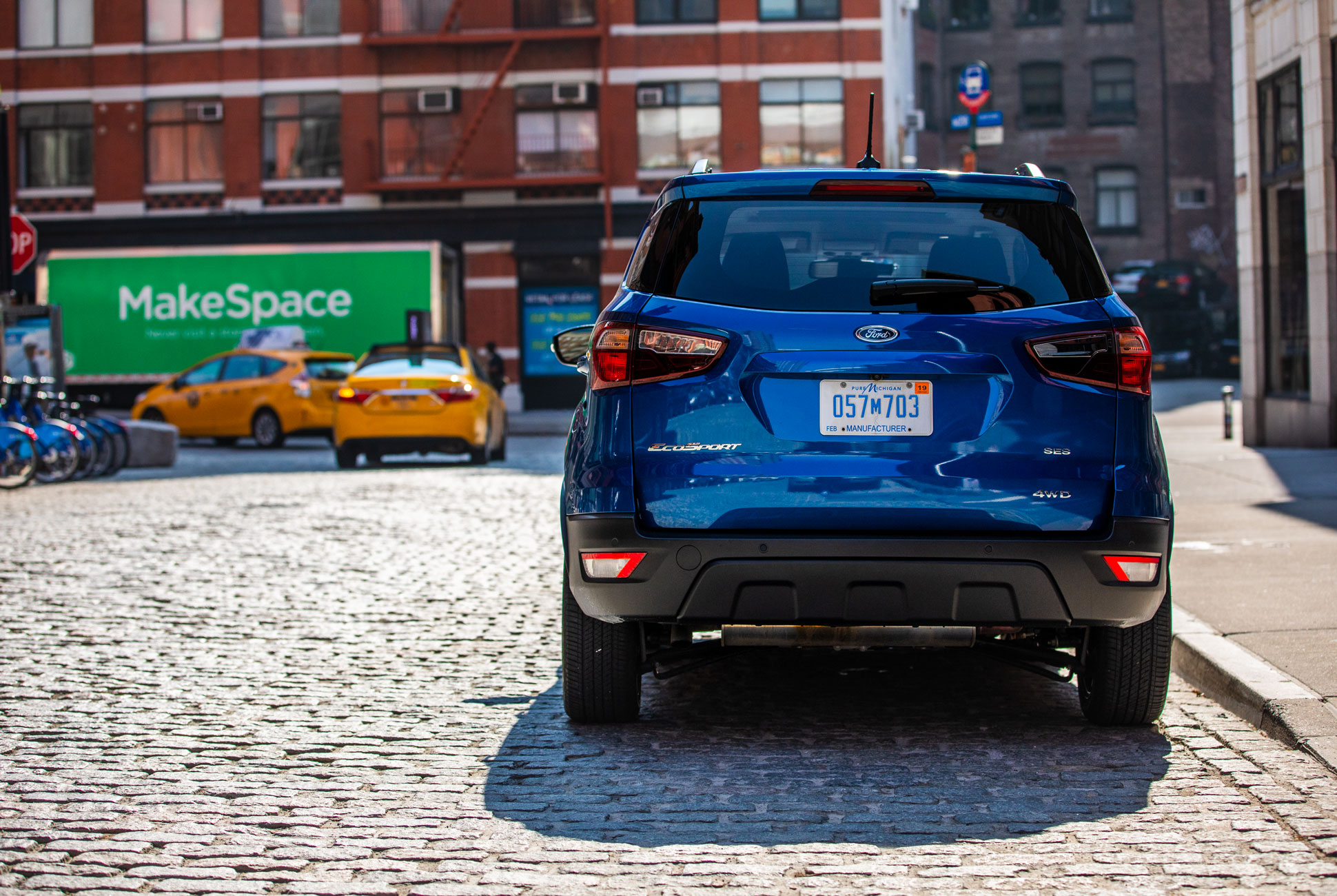
Ford’s latest addition to the mini SUV family is the EcoSport (pronounced ‘echo’ sport). This is a car built to get city dwellers out of town for the weekend: it’s small yet capable, squeezing into tiny parking spots that are normally saved for the town’s smart cars. Its roof is slightly lower than a typical compact SUV, but you still get that elevated feeling from the road. The backseat leaves much to be desired, but for young adults without kids and other couples, this economy car could fit all the right boxes. While the car has technically been around in Europe and South America since 2003, this is the first year that it was presented to the U.S. market.

The Good: It’s small yet mighty, and packs a heavy punch in terms of storage. The middle seats fold down so you can easily fit two bikes in the trunk. The roof rack rails with crossbars provide an added layer of storage that urbanites will appreciate. Getting in and out of the car is a breeze thanks to extremely upright seating that’s plenty comfortable for long car rides. “If you have an Alexa account and have the Ford and Alexa app on your phone you can ask Alexa what’s the forecast [while driving],” Joe McCarty, brand manager for the Ford EcoSport says. “The flip side is that from your phone and Alexa device you can say ‘Alexa, start my car’ and it’ll start remotely. The 110-volt conventional outlet in the backseat is key, along with the two USB ports in the front seat.

Who They’re For: There are two main targets for the EcoSport. “First is millennials, who want a good-looking car that’s capable, affordable and able to stay connected to the social scene,” McCarty says. Young adults that are starting to have children need a car that’s going to grow with them. “The other end is empty nesters or baby boomers who do not need [that much space in a car], so they downsize,” McCarty says.

Watch Out For: The swing-out tailgate — it opens horizontally rather than vertically, like a hatchback — making it difficult to parallel park and access cargo. When parking you have to leave some space behind you, or there’s no chance you can get inside. If you have a parking spot, garage or driveway, this isn’t an issue.

Anyone sitting in the front seat who is 5’10” or taller will have to push back the seat, removing any leg room that once existed in the second seat. While the back seat could work for car seats and small children with short legs, as soon as your kid is out of a booster, you’re going to have to find a car with more legroom.

Alternatives: As the category of small SUV continues to grow there are many alternatives out there with better fuel efficiency and slightly more space in the backseat (albeit not that much). EcoSport only gets 27 mpg in the city and 29 mpg highway, which is less than all the others here. Other comparable sub compact cars include the Honda HR-V, the Chevrolet Trax or the Mazda CX-3.

Review: My first thought when I checked out the Ford EcoSport was that it looked like a large SUV that was smooshed. I imagined two large chocolate chip cookies on either end, squeezing the EcoSport between them like it was vanilla ice cream. What I quickly realized was that its looks are practical: it was a breeze to parallel park thanks to the compactness.

Before I headed out through the tunnel to New Jersey I set up my phone and navigation, which took no longer than five minutes. The eight-inch screen pops out of the console in an abrupt way, which makes it great for easily checking the next turn and not so great for those design-minded. The wifi hotspot — somewhat unusual to find in this price range — was a saving grace as well. “Technology is a key tenant of this vehicle [so the car is] packed with it,” McCarty said. The SYNC 3 infotainment system worked great with CarPlay from Apple, calling out my next turn. If you have an Android phone, the system should work just as well, McCarty shared.

Packing for a weekend away proved to be more difficult than I anticipated since it took me way longer than it should have to figure out how to open the trunk. I gathered my parents to help with the job. It took several walks around the car with flashlights in hand to try and figure out what button to press for the trunk. There’s no lever on the driver’s side, nor is there a button on the key fob. Finally, I just gave up and watched a YouTube video and quickly realized that Ford hid the release in the right taillight. Clever, but I couldn’t help but wish that there was a hatchback opening so I didn’t have to swing out the trunk door every time I wanted to get something in or out.

Navigating through city streets and the Lincoln tunnel and over George Washington Bridge was a breeze with the EcoSport. It’s agile and easy to steer, with plenty of feedback. While I am definitely not looking to get a car in the city, the EcoSport showed me just how easy it can be — as long as you find the right parking meter.

Once I got out of the city, the three-cylinder turbocharged engine left something to be desired. The roar of the engine was not a delightful purr, but rather an intense noise that was definitely not welcome. I avoided speeding up quickly to try and eliminate any noise issues.

The car I tested included the cold weather package ($2750), Preferred Equipment Group 300A ($320) and a four-wheel drive. The cold weather package included heated side view mirrors, steering wheel and seats. While the 68-degree weather might not seem like perfect testing conditions, the rain and mist combination that plagued the weekend produced plenty of mirror fogging.

The car’s shining moment occurred when I decided the car could be a great way to get bikes up and out of the city. The back seats fold down flat and with their front wheels off, two bikes fit in the back of the car. There was still room for a change of clothes (for post-biking), a pump and all the snacks and fuel two people could need for a 50-mile ride. I was impressed with how much the back seat could store and can see why the EcoSport would work as a workhorse for carrying all your adventure gear of choice to the great outdoors.

Verdict: If you’re looking for a car that will get you in and out of a city comes with four-wheel drive, powerful wifi and an easy-to-use in-house computer, the Ford EcoSport is for you. If loading up your trunk every weekend to get out camping, biking, hiking and all the other activities that are so much easier to do out of the city is your goal, the EcoSport makes it easy. As a beginner, entry-level car, it has many redeeming qualities, especially for young families or those with infants, but it’s worth investigating more if you’re not willing to spring for the add-ons.

What Others Are Saying:

• “The EcoSport’s modest horsepower delivers feeble acceleration. And the transmission has to work hard to make any meaningful progress, resulting in frequent and uneven shifts. A stiff and jittery ride detracts from the driving experience, as does the buzzy engine and road noise that contribute to an uncomfortable cabin din. The vehicle’s 24 mpg overall is unimpressive for such a small SUV.” — Consumer Reports

• “The EcoSport tries to blend the economy-minded traits of subcompacts and the sporty-lifestyle attributes of crossovers. While this mini-ute is neither very economical nor sporty, it is surprisingly useful. It can tow up to 2000 pounds and has a high seating position as well as appealing infotainment options featuring both Apple CarPlay and Android Auto. On the downside, the back seat is cramped. In addition, the EcoSport is painfully slow no matter the engine choice and fuel economy is poor.” — Eric Stafford, Car and Driver

• “That said, the EcoSport’s on-road manners are a pleasant surprise. Even with my Titanium tester’s upgraded 17-inch wheels, the tiny Ford delivers a smooth, compliant ride. Small pavement imperfections are easily soaked up by the nicely tuned chassis, and the EcoSport’s pothole suppression is probably the best in its class. Steering response is about average, and overall levels of feedback are pretty low, but none of that is unexpected in this size and price class. The dynamic doll of the group is still the Mazda CX-3, and you’ll find more overall powertrain refinement in the Honda HR-V and Hyundai Kona, but I’d definitely rather drive an EcoSport over a Chevrolet Trax or Toyota C-HR.” — Steven Ewing, CNET

Key Specs

Engine: 2.0-liter four-cylinder
Transmission: 6-speed auto with select shift
Horsepower: 166
Fuel Economy figures: EPA Estimated City/Highway: 27/29

Read More Gear Patrol Reviews

Hot takes and in-depth reviews on noteworthy, relevant and interesting products. Read the Story
Note: Purchasing products through our links may earn us a portion of the sale, which supports our editorial team’s mission. Learn more here.

Review: Which New iPhone Is Right for You?

Apple took the look and feel of last year’s iPhone X, updated it in a number of key ways, and produced two next-gen smartphones: the iPhone XS ($999+) and iPhone XS Max ($1,099+). The iPhone XS is essentially the same size as year’s iPhone X – both have a 5-inch screen – while the iPhone XS Max has a “Plus-sized” 6.5-inch screen. Besides size, the iPhone XS and iPhone XS Max are virtually identical in terms of specs. And compared to last year’s iPhone X, the iPhone XS and XS Max feature a lot of the expected: a faster processor, a better camera system or a longer-lasting battery. The new models are definitely the best and most advanced iPhones that Apple has created, however, the question is – is that enough for you to upgrade?

Editor’s Note:We had both the iPhone XS and XS Max in the office, however, since they are virtually the same exact iPhones, save for their size, we primarily used the smaller iPhone XS for the purpose of review.

|

The Good: The biggest difference from the iPhone X to the iPhone XS and the iPhone XS is with the cameras. The cameras’ specs might not have changed – you still get 12-megapixel standard lens (f/1.8) and a 12-megapixel telephoto lens (f/2.4 aperture), both with optical image stabilizers and the collective ability to shoot 4K video up to 60 frames per second – but the wide-angle sensor on the iPhone XS and XS Max is actually 32 percent larger and they have an all-around better image processing system, called Smart HDR, which enables the camera to capture a number of photos simultaneously, at different exposures, and then combine them into one high-quality image. Essentially, the iPhone XS and XS Max are able to capture more detailed photos with more contrast.

The iPhone XS and XS Max are decked out with the new A12 Bionic processor which makes them noticeably faster than the iPhone X. They are more energy efficient and thus have a better battery life, too; compared to the iPhone X, the iPhone XS has a battery that lasts roughly 30 minutes longer, while the XS Max lasts a more substantial 90 minutes longer. There are other improvements, which are subtle, such as a stronger and more water-resistant body; dual-SIM support for world travelers or other people who need a secondary phone line; and they have better speakers. Oh yea, and the iPhone XS and XS Max come in gold, which is a first.

Who They’re For: The iPhone XS and XS Max are for anybody who needs the latest and greatest iPhone right when it comes out. Also, if you have an older iPhone 7 Plus or before, you’ll really notice the difference in speed, display and the camera quality of these new iPhones.

Watch Out For: There’s not a lot to “watch out” for, but it’s worth reiterating that the new iPhone XS and XS Max have some striking similarities to the iPhone X. They essentially have the same exact screens.They have the same hand-feel, too, other than the fact that the iPhone Xs Max is obviously larger. The notch is still there and, therefore, the top of the screen can at times feel underutilized. There’s no 3.5mm adapter included in the box this time around, meaning Apple is twisting the knife even further into those who love their analog headphones. And they are, again, very expensive smartphones.

Alternatives: One of the things that went under the radar with the iPhone XS and XS Max, is that Apple also discontinued last year’s iPhone X – you can’t buy new ones (at least from Apple anyway). The iPhone XR is several hundred dollars less expensive and has most of the same features, except for the nicer OLED display and telephoto lens.

Review: It might seem like a little thing, given that Apple’s latest iPhones are so similar to the iPhone X, but the new models offer up a real difference: choice. For the first time in nearly two years (since the iPhone 7 and 7 Plus) you can buy Apple’s flagship iPhone in one of two sizes. This is great for those with small and big hands, or simply those who want to watch Netflix or Hulu on the biggest iPhone screen possible.

As somebody with small hands and who frequently wears slim-fitting jeans, I primarily used the iPhone XS, although I also played around with the iPhone XS Max. The important thing to remind yourself is that they are essentially the same iPhone. True, but iPhone XS Max has a bigger and longer-lasting battery, but the iPhone XS’s battery is no slouch either, and I’m not sure that’ll tip the scales for too many people. It really comes down to whether you want a smaller or bigger iPhone, and if you’re willing to pay extra for the big one.

As mentioned above, the iPhone XS and XS Max are both marked improvements over the iPhone X when it comes to capturing photos and shooting video. Thanks to the upgraded camera sensor and better image processing system, photos look crispier, more colorful and have so much more detail. I was able to take photos of buildings and my friends, facing the sun, and the photos didn’t get blown out. The bright background didn’t bleed into my subject like it did with my iPhone X. And low-light photos were way more usable, more colorful and more detailed. Videos look better in much the same way.

Portrait mode is also improved on the iPhone XS and XS Max. One of the standout differences is that the A12 processor allows these new iPhones to adjust background blur or bokeh afterward, which Samsung’s Galaxy S9/S9+ and Note 9 also are able to do, although working it is easier on the new iPhones.

It’s important to note that the iPhone XS and XS Max definitely have the best cameras that have ever been featured in an iPhone, but that doesn’t mean they feature the best smartphone cameras. The Pixel 2 and 2 XL are still the kings of the smartphone camera world, taking the most accurate, true-to-life photos (and that’s probably only going to get better with the impending launch of the Pixel 3 in early-ish October). I, myself, had been using the Samsung Galaxy Note 9 and, when comparing the two, tended to prefer its photos over the iPhone XS. A key point of difference, however, is that Samsung’s smartphones tend to take more saturated photos, which are pretty but not as accurate as Google’s or Apple ‘s smartphone cameras – which looks best is essentially a matter of preference.

(We’ll have a smartphone camera review in the near future that breaks down the iPhone XS’s and XS Max’s skills compared to their competition. I’ll link to that review when it goes live – here.)

The iPhone XS and XS Max have been upgraded in several other ways, but those improvements probably won’t drastically change how you use the smartphone. The processor is really fast and impressive, and it also will probably allow the iPhone XS and XS to be much better at running advanced apps, such as ones that dabble in AR and VR, but your everyday use – checking email, scrolling through Twitter or Instagram, and sending messages – that’ll be largely unchanged. A colleague and I have actually been using the new iPhones for over a week, me the iPhone XS and him the iPhone XS Max, and we both kind of agreed: they feel pretty darn similar to an iPhone X.

Part of the reason why the two new iPhones feel so similar is that Apple just rolled out iOS 12, which is available on both devices, and so it doesn’t really matter as much if you’re using the iPhone X, XS or XS Max – all going to have the new features, like Screen Time and Group Notifications, and also feel snappier than before.

Verdict: The iPhone XS and XS Max are the most powerful iPhones ever and they’re also the iPhones with by far the best cameras. However, don’t expect it to feel drastically different than an iPhone X. If you have an iPhone X, there are really two reasons why you’d upgrade to these new models. One, if you want a bigger smartphone and thus you’d go for the iPhone XS Max. Or two, you take a ton photos and videos and want the iPhone with the best camera. If you haven’t upgraded from an iPhone 8/8 Plus or before, on the other hand, these new iPhones are an expensive-yet-worthwhile upgrade.

What Others Are Saying:

• “Given the lack of radical design changes, Apple wants you to focus on the camera, and just how good it is. And, well, it is pretty good. All the improvements made to the iPhone’s new processor let you snap HDR — high dynamic range — photos without worrying about shutter lag. It also means your photos will look a lot better in environments adverse to photography. Bright blue skies won’t look washed out, and low-light images will feel more alive and saturated thanks to the camera combining multiple exposures into a single photograph.” — Patrick Lucas Austin, TIME

• “What I find most interesting is that the two things responsible for that step forward — the A12 system (including the same Apple Neural Engine) and the much larger new wide-angle camera sensor — are included in the upcoming iPhone XR, which, for the same amount of storage, costs $250 less than than the XS and $350 less than the XS Max. I suspect there are a lot of people out there who don’t care about the telephoto lens on the XS and who don’t see much if any difference between the XR’s LCD display and the XS’s OLED one who are looking at these prices thinking they must be missing something. They’re not.” — John Gruber, Daring Fireball

• “I would not rush out to spend another $999 on the XS if you have a X, but if you’re already deep into a preorder, don’t worry: you will love the iPhone XS. It is, indeed, more iPhone, and it will probably hold up for years to come. I definitely prefer the Pixel 2’s camera, but the iPhone XS isn’t that far behind, and it’s still a significant improvement over previous iPhones.” — Nilay Patel, The Verge

Key Specs

Size: 5.8-inch (XS), 6.5-inch (XS Max)
Display: Super Retina HD display
Processor: A12 Bionic chip, next-generation Neural Engine
Rear Camera: dual 12MP wide-angle (ƒ/1.8)and telephoto lenses ƒ/2.4; 2x optical zoom; digital zoom up to 10x
Front Camera: 7MP (ƒ/2.2)
Durability: Rated IP68
Capacity: 64GB, 256GB or 512GB

|

Read More Gear Patrol Reviews

Hot takes and in-depth reviews on noteworthy, relevant and interesting products. Read the Story
Note: Purchasing products through our links may earn us a portion of the sale, which supports our editorial team’s mission. Learn more here.

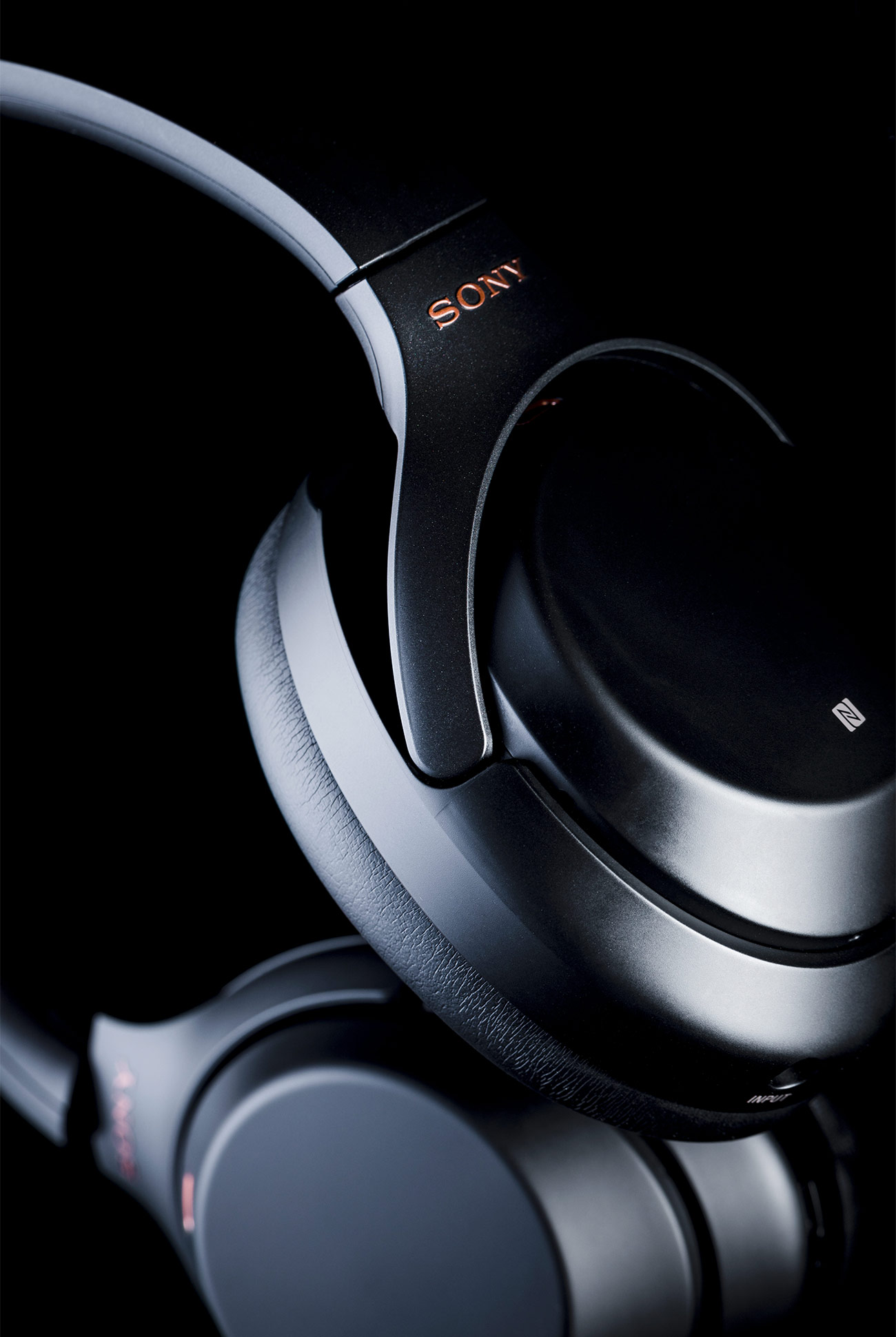
Sony WH-1000XM3 Review: The Best Noise-Canceling Headphones for Cross-Country Flights

The Sony WH-1000XM3 headphones are the company’s flagship noise-canceling products, which were released mid-2018 and carry high expectations. They are the next generation models to Sony’s WH-1000XM2, which we had previously picked as the best noise-canceling headphones, even beating out the Bose QC35 II. Even though they share a striking resemblance to their predecessor, Sony claims that the WH-1000XM3 are better in almost every way. They feature a new chipset – Sony’s HD noise-cancelling QN1 processor – that gives them four times the noise canceling ability of the 1000XM2, according to Sony. They supposedly sound better. And the WH-1000XM3 feel updated to 2018 standards with the inclusion of USB-C charging and the ability to quick charge – 10 minutes of charging fuels up to five hours of additional playtime. The Sony WH-1000XM3 cost just under $350, which is exactly what the Sony WH-1000XM2 had previously been going for.

|

The Good: The active noise-canceling ability and audio quality are the Sony WH-1000XM3’s two standout features. Simply put, you won’t find headphones better at noise-cancellation; while the audio sounds accurate and spacious, it’s also completely customization thanks to a fairly intuitive app. The Sony WH-1000XM3 are the best noise-isolating headphones that I’ve ever tested, too – put them on, even without noise-canceling turned on, and you’ll barely hear anything. The design of the Sony WH-1000XM3 has been tweaked so that they’re a little more comfortable than the WH-1000XM2: the new model has slightly softer earpads and a more form-fitting headband. The long battery life, quick charging and ability to charge with the same charger as my MacBook Pro – all these are modern conveniences that make traveling a little easier.

Who They’re For: Anybody looking for the best noise-canceling headphones of 2018 – these are absolutely the best. And if you a bunch of other new gadgets, most of which will charge via USB-C, then these headphones will add a level of simplicity when it comes to charging cords you need.

Watch Out For: Besides being fairly expensive – though they’re still not the most expensive noise-canceling headphones you can buy – the Sony WH-1000XM3 have the potential to feel too complicated for some people. The app allows you to adjust the sound signature in almost too many ways, although most people will probably decide on one setting and never touch the app again (or just never mess with the app at all). This app lets you play around with the levels of ambient noise, too — though it’s cool this level of “tweaking” can be a rabbit hole.

Like the Sony WH-1000XM2, the Sony WH-1000XM3 also have swipe gestures on the right earcup, enabling you to play/pause, skip tracks and even access your smartphone’s virtual assistant by touching the right earcup. Sony says that it has made these swipe gestures more accurate and easier to use, but I couldn’t tell that much of a difference. And let’s be honest: swipe gestures aren’t for everybody.

Alternatives: The two alternatives that also offer excellent sound quality and noise cancellation are the Sony WH-1000XM3’s predecessor, the Sony WH-1000XM2, and its main rival, the Bose QC35 II. Both are decently cheaper, at around $300 than the brand-new Sony WH-1000XM3.

Review: Noise-canceling headphones are really designed for people in noisy environments, such as planes, buses or in office settings, and so that’s exactly how I tested the Sony WH-1000XM3. I took them on a recent trip to Seattle with me – about a five-hour flight from New York – and listened to the headphones nearly the whole time. I also listened to them for the past week in and around the office and commuting on the train. Bottom line: the Sony WH-1000XM3 are just impressive, and almost scary-good at blocking at the noise.

I can’t confirm Sony’s claim that the Sony WH-1000XM3 are four times better at noise-canceling than the Sony WH-1000XM2 – those previous models were (and still are) damn good noise-canceling headphones – but the new models are definite upgrades in the noise-cancellation department. It starts with their passive noise-isolating, as the earcups on the Sony WH-1000XM3 are nicer and create a much tighter seal on your ear. This seal is so effective that even when no music is playing and the headphones are turned off, they’re still really good and blocking at the noise.

Turn the noise-cancellation on and the Sony WH-1000XM3 are simply fantastic. On my flights, they blocked out everything. The loud, continuous hum of the plane’s engine. The small dog whining a few rows behind me. And the flight attendants asking if I wanted peanuts or small pretzels. Everything. The only sounds I could hear – just a little – were the frequent ping of the pilot announcing that turbulence was in our future. Also, there’s very little sound bleed, which should appease your neighbors and make you less insecure about blasting Underoath.

Another thing that stands out on the Sony WH-1000XM3, even after listening to them for just a little, is their sound quality. They just sound good. A criticism could be that they naturally sound a little bass-heavy, but so many noise-canceling headphones do that, and because the sound is so adjustable (again, because of the app) you can tweak the bass however you want. Also, the ability of the Sony WH-1000XM3 to handle midrange and high-frequencies is just great and makes the soundstage of the tracks feel that much grander. In Marc Henney’s in-depth review for Rtings.com, he wrote, “the mid-range performance is excellent. The entire range shows a well-balanced and even response, which is important for the accurate reproduction of vocals and lead instruments.”

Aside from the sound quality and the noise-canceling, the other key change that really makes the Sony WH-1000XM3 feel different is the addition of a USB-C charging port. The fact that I can charge the headphones with the same charger I’ve been using on my MacBook Pro and the Galaxy Note 9 that I’ve been testing instantly makes the Sony WH-1000XM3 feel like a better travel companion. Yes, the ability to quick charge is convenient, but because their battery life is so great – well over 20 hours – it wasn’t something I really noticed.

As mentioned above, there are few things to nitpick at with the Sony WH-1000XM3. If you didn’t like the way the Sony WH-1000XM2 fit on your ears, you probably won’t like these either. Even though they are comfortable, the moderately tight fit of the earbuds will take its toll (at least it did for me) and you’ll probably experience some ear fatigue. They run warm, too, as many other over-ear headphones also do. The swipe controls can be a little sensitive; I would occasionally skip tracks or pause the music when I touched and adjusted the headphones.

Verdict: The Sony WH-1000XM3s are a solid step above the Sony WH-1000XM2s, which had previously had been our pick for “best overall noise-canceling headphones” in terms of sound quality and noise-canceling ability. The design and feel are pretty identical to their predecessor, admittedly, and they still aren’t quite as lightweight or as comfortable as the Bose QC35 II. However, if noise-canceling ability and sound quality are must-haves, no other headphones pack a better one-two combo than the Sony WH-1000XM3. Throw in their advanced features, sound customization and ability to charge via USB-C (which very few headphones actually do), and these headphones feel as close to the future as you can get.

What Others Are Saying:

• “As for music playback, the addition of an analog amplifier has also worked wonders. I was already a big fan of the 1000XM2, but the Sony WH-1000XM3 are clearly better. The first thing that hit me was that Sony has come up with a cleaner, firmer sound. Instruments and vocals are all fuller and better defined. Everything they do comes across more clearly and deliberately. The bass department, in particular, is tighter and offers a greater sense of attack. There’s a real sense of vitality to the way Ry Cooder hammers the ivories in Buena Vista Social Club’s ‘Pueblo Nuevo’.” — Ced Yuen, Trusted Reviews

• “So, that being said, unless you’re a style-savvy frequent traveler in need of the most comfortable and best-looking headphones or someone stuck in a crowded office who needs to make the occasional phone call, you should probably save some money by picking up the Sony WH-1000XM2 – they’re nearly as good and now even less than they were before thanks to a recent price drop. ” — Nick Pino and Becca Caddy, TechRadar

• “The Sony WH-1000XM3 are great headphones for commute and travel and a decent option for most use cases. They have an excellent battery life, great wireless range, and one of the best noise canceling that we’ve measured so far. They also have a sleek new design that’s a bit more comfortable than the previous models. They isolate a bit more and leak less than the often compared Bose QuietComfort 35 II, and they have more customizable features. However, they’re not quite as comfortable as the Bose, and their default sound can be a bit too bass-heavy for some, but on the upside, you can EQ them via the app.” — Marc Henney , Sam Vafaei and Yannick Khong, RTINGS.com

Key Specs

Driver: 1.57-inch dome
Frequency response: 4 Hz-40,000 Hz
Battery Life: 30 hours
Charge: USB-C
App: Headphones Connect (iOS, Android)

|

Read More Gear Patrol Reviews

Hot takes and in-depth reviews on noteworthy, relevant and interesting products. Read the Story
Note: Purchasing products through our links may earn us a portion of the sale, which supports our editorial team’s mission. Learn more here.

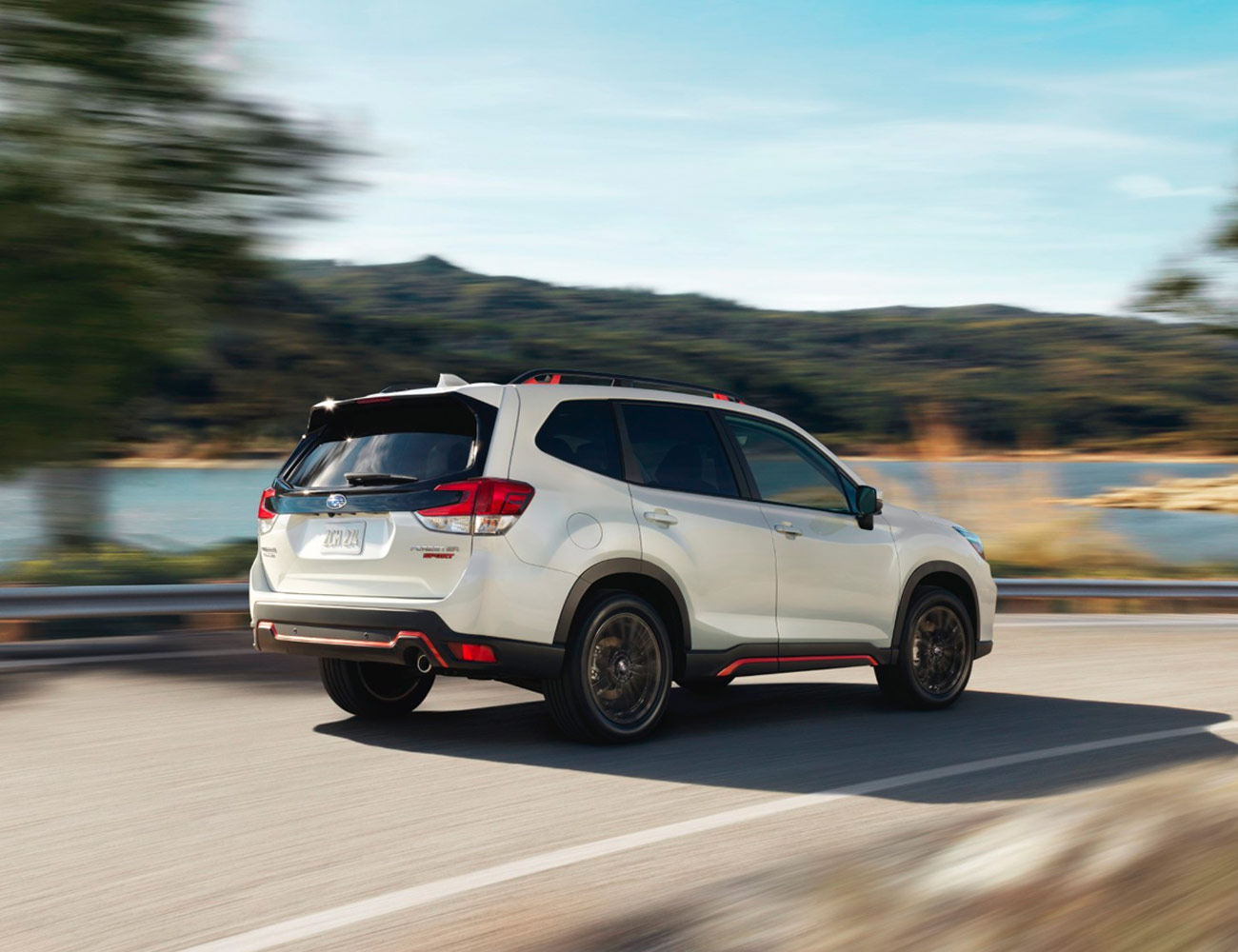
The All-New 2019 Subaru Forester Retains its Capable, Affordable Boxiness

The Forester is Subaru’s compact crossover SUV. Taller and more of a traditional SUV than the Outback, the Forester is well-regarded for its safety, reliability and off-road ruggedness. Subaru redesigned the Forester on a new platform for the fifth generation. Much of the charm carries over from the popular fourth generation. Options for an upgraded powertrain and a six-speed manual transmission do not.

The Good: Subaru’s reputation for reliability. Strong resale and residual values. Precise steering. Active torque vectoring in corners. Excellent visibility. Impressive safety technology suite. Solid low-mid grade off-road capability. Easy access with wide rear doors and trunk opening.

Who They’re For: Mountain town dwellers, active lifestyle enthusiasts and folks with snowy winters. Forester owners need off-road capability, but not specifically for off-roading. Buyers skew older and more female than the Outback. Dog ownership and previous Subaru ownership are strong possibilities.

Watch Out For: Power is only adequate. The base trim is missing essentials. Safety and fuel economy tech may annoy you. The Forester Sport is heavy-handed with the orange.

Alternatives: Other versatile and family-friendly compact crossover SUV options in this price range include:

• Honda CR-V ($24,250, base)

• Ford Escape ($23,940, base)

• Toyota Rav4 ($24,660, base)

Verdict: The plucky 2019 Forester brings character, toughness, and practicality at a reasonable price. It’s safe. It should have outstanding resale value. Driving one, unlike most of the compact crossover SUV segment, may inspire you to get outdoors and leave life’s mundanity behind. If the Forester is not on a young family’s shortlist for their first practical car, it should be.

Review: Subaru brought media members to Asheville, one of the nation’s most prominent “Subievilles,” to test the redesigned 2019 Forester in its natural environs. The fourth generation Forester proved a sales phenom, doubling its sales volume over the previous generation. To build on that success with the fifth generation, Subaru wants to attract younger buyers. More young families. A smaller percentage of retirees clogging two-lane highways in New England and the Northwest.

I was an ideal test subject for the Forester’s appeal. I’m a 34-year-old male. I’m married. I have a one-year-old. My wife and I are currently in the market for a family car in the $25,000-$30,000 range. I have not run out to my local Subaru dealership and L.L. Bean outlet yet, but call me impressed. The 2019 Forester is versatile, charming, practical and safe. It’s equipped for almost any activity that isn’t driving like a complete knob.

Subaru equipped the Forester well for its natural habitat, windy mountain roads both paved and unpaved. Steering was spot on. Active torque vectoring allowed for relatively flat cornering. The Forester often felt more secure than I did handling sharp, poorly labeled mountain turns. The standard AWD took on a bumpy mountain trail with equanimity. The X-Mode, 8.7-inch ground clearance and hill descent control handled a basic off-road course without issue. The ride was quiet. The suspension absorbed most of the punishment. I did hit my hotel room jacuzzi after a day of driving, but that was because I’m a little prince. My back felt fine.

The Forester is practical. The SUV keeps its “modern cubic form” for this iteration. In non-PR-speak, the Forester is boxy. Boxiness offers advantages. Big windows with narrow pillars and a high seat offer excellent visibility. Boxy also means a lot of cabin and cargo volume within a small, easy to park footprint. Wider doors and a vertical C-pillar provide easy access to the rear seating area. That will please car-seat toting parents, grandparents, and concupiscent teenagers alike. Subaru separated the taillights, permitting a super-wide cargo opening for a compact SUV. That Venn diagram sliver of Forester owners who golf will be thrilled.

Subaru emphasizes safety. The Forester features the latest in Subaru driver assistance technology. The dual-camera EyeSight system, including pre-collision braking and lane keep assist, is standard on all Foresters. The top-of-the-line Touring model will have Subaru’s DriverFocus distraction mitigation system that uses facial recognition technology to detect drowsy or inattentive driving (the same system can also save driver settings by sight). Limited and Touring Foresters also get LED steering responsive headlights. Remember that such technology is good, but not flawless. Curvy roads produced frequent lane departure dings. We also had one instance where the pre-collision braking engaged prematurely when a car some distance ahead turned abruptly.

Millennial buyers do like fuel economy. That means more money for avocado toast. The 2019 Forester improved to all but best in class at 26/33/29 mpg combined. The FWD version of the Honda CR-V gets 34 mpg highway. Subaru pairs that economy with a large 16.6-gallon fuel tank, which in theory should provide nine hours and 550 miles of continuous highway driving. You will require a pit stop before the Forester will. The auto stop/start feature did not bother me. It may bother you. You can disable it, but you have to keep turning it off every time you drive.

Campers will be pleased to know that pitching a tent on a Forester’s roof is now a Subaru-sanctioned activity. When parked on level ground, the Forester’s roof is rated for up to 700 pounds, which should be enough to cover two standard-sized adults in a tent. The aggressive orange detailing and contrast stitching from the Sport trim will also ward off hunters.

Orchestrated media rides emphasize the car’s strengths and mask its weaknesses. It’s no surprise we spent little time on straights and major highways. Subaru did give the 2.5L base engine a horsepower upgrade to 182hp from 170hp. But, that’s now the Forester’s only option. Subaru dumped both the turbo and the six-speed manual from the lineup. Power is adequate for most purposes. A sport mode and transmission that mimics a standard automatic under heavy acceleration help a bit. But, the Forester is missing some oomph. The engine emits a groan of exertion when going uphill or having a daft automobile writer floor it. Appreciate the Forester at a leisurely pace.

A plurality of Forester buyers ends up at the second-tier “Premium” trim. That is the sensible move. An extra $2,500 adds essentials such as X-Mode for off-roading and weather, roof rails, power seats, a leather steering wheel and shift knob, a tolerable sound system, Starlink and 4G LTE Wifi capability. However, Subaru doesn’t lux out its cars. Moving beyond those trims is mostly peripherals and extraneous detailing. Do you need black alloy wheels and paddle shifters? DriverFocus is great, but maybe not great enough to make the $34,250 Touring trim worth it.

2019 Subaru Forester Key Specs

Engine: 2.5-liter horizontally opposed four-cylinder
Transmission: Lineartronic CVT
Horsepower: 182
Torque: 176 lb-ft
Weight: 3,449 pounds
MPG: 26 city/33 highway/29 combined

Read More Gear Patrol Reviews

Hot takes and in-depth reviews on noteworthy, relevant and interesting products. Read the Story

Subaru hosted us in Asheville to experience the new Subaru Outback.

Note: Purchasing products through our links may earn us a portion of the sale, which supports our editorial team’s mission. Learn more here.

Zenbivy Light Bed Review: The Sleeping Bag for Restless Sleepers

Sleeping bags don’t see a lot of innovation. Sure, the bags of today are lighter, warmer and more water-resistant than ever. But beyond these relatively-hidden material upgrades, outdoor sleep systems aren’t much different in concept from the bedrolls and blankets that were used by cowboys, explorers and soldiers for decades: it’s a sack-like form made out of warm material, and it folds or fastens on one side. Zenbivy has a different take on the sleeping bag.

The brand launched last year with a successful ($120,648) crowdfunding campaign and a sleep system that it referred to as “the world’s first freestyle sleeping bag.” In Zenbivy’s case, “freestyle” means multi-configurable; the bag is two pieces and through different combinations of zippers and cinch cords, can be used in a variety of ways. Now the company is back with its second bag, the Light Bed, and this time it’s lighter, more packable and more adaptable.

The Good: Zenbivy knows where its strong point is: configuration and versatility. The sleeping bag, no, quilt — even the company is quick to point out this modified classification — can be used as a mummy bag, as a rectangular bag, as a free-floating blanket and everything in between. Why is this good? Because it integrates directly with your sleeping pad; because a tubular shape doesn’t confine you; because you can stick your legs out of both sides; because even though it’s rated for 25 or 10 degrees, you can still get away with using it in the 60s. Also, the Light Bed packs down small (to about the size of a large grapefruit).

Who It’s For: Ultralighters have long been proponents of quilts over sleeping bags, but zipperless sleep systems are gaining ground and edging into the mainstream. Zenbivy’s Light Bed will help the trend with its two-piece design. The “sheet” attaches to a sleeping pad so that campers don’t have to sleep directly on that material, and the system can be set up to one’s liking from there. It’s a solid point of entry for those who feel confined by traditional mummy bags and aren’t all-in on quilts. Who is it for? Mummy haters, and the ultralight-curious.

Watch Out For: Zenbivy doesn’t pull its punches in grappling with mummy-style sleeping bags. It fights well too, but leaves one major flank wide open by adding a degree of setup to the equation. If you want the Light Bed to be anything but a stand-alone quilt, you’ll need a sleeping pad, and you’ll need to strap the sheet component to it with a series of straps. Then, depending on the mode you’re going for, you’ll have to fiddle with the hook-and-loop system to get the quilt in place. For some this extra effort won’t weigh against the prospective versatility; others may view the added steps as undesirable excess after a long day on the trail. Another small item to note is that while the Light Bed packs down quite small, it doesn’t come with a small stuff sack.

Alternatives: The closest alternative to the Light Bed isn’t a sleeping bag, it’s a quilt. Enlightened Equipment is a favorite amongst thru-hikers, and its Revelation ($270) is most like the Light Bed in construction. Therm-a-Rest has also been placing bets on backcountry quilts recently, and its Corus ($250) is most like the Light Bed in its ability to function with a sleeping pad.

Review: I’ll admit, when I saw Zenbivy’s first sleep system, I brushed it off as a gimmick. I’d always gotten by with my mummy bag in hot and cold temperatures and have never fallen off my sleeping pad. The strange sheet with a hood and all the cinching and the three separate zippers threw me. I wrote it off as just another wacko Kickstarter project that was boldly attempting to remake a timeless piece of gear that had already proven itself over and over again. Funding withheld, close tab.

Then a year later, Zenbivy appeared in my inbox again. I hadn’t thought about it during the between time and yeah, I was a little surprised that it was still around. Hell, even the reviews were strong. Okay, I thought, I’ll give Zenbivy Round 2 some consideration.

Right off the bat, the Light Bed seemed different. Hooks and loops replaced the zipper system, and I could better envision how the bed could function as a stand-alone quilt and also as a fully-adjustable sleeping bag. The hood still looked big and goofy, but that it detached made this factor agreeable in my mind. It probably helped that I had recently dug myself into a rabbit hole of internet forums filled with users raving about the benefits of backpacking with quilts instead of sleeping bags.

Fast forward two weeks and I’m schlepping my way up a section of Vermont’s Long Trail, racing against a setting sun with hopes of getting to a particular secluded pond in time for a swim and a beer before dark. We did make it in time for those things, but not with much daylight to spare for setting up camp.

Two ideally-spaced pines made for prime hammock real estate; the other members of my group set up their tents in a flat rectangle of ground created by the foundation of a long-demolished structure, perhaps an outpost leftover from long-gone days of unregulated logging.

Prepping my bed to put inside the hammock required some more attention as this was my first experience with Zenbivy’s dual-component setup. (I chose to use a sleeping pad to avoid hammock cold-butt; if you’ve slept in one, you know what I’m talking about.) The Light Bed’s “sheet” piece fits over a mattress like a fitted sheet does with your bed at home, but with the addition of two buckle-equipped straps. Attempting to keep everything off the ground below made the routine slightly awkward, but other than that it was just a small additional step in mattress prep.

I half-monitored my friends as they went about their business. Camping’s not a competition, but I had more experience than them, and an “outdoorsy guy” reputation to live up to. Prepping the Light Bed then called for me to decide on a sleep mode — I expected temperatures to drop into the 50s, so I went for the mummy bag. Connecting the quilt’s various hook and loops and cinching the bottom taught into a closed sack is easy enough, and I’ve struggled harder against faulty zippers that snag in the light fabrics of sleeping bag interiors. Whatever time I lost in this extra prep — I’ll call the race to set up base camp a draw — was worth it for a sleeping bag that was fully integrated with my pad. Not all was well though.

We filled the rest of the night with camping clichés — a fire, hot dogs cooked on sticks, s’mores, a bottle of whiskey passed around until empty, late night stargazing back by the pond — and passed into our individual slumbers as the coals faded into ash. I don’t remember falling asleep, but I do remember waking up drenched in sweat. The temperature hadn’t dropped at all, it had gone up, and my 25-degree Light Bed suddenly felt like a heat well. In my pre-awake state, I searched for the familiar zipper near my left shoulder but fumbled when I encountered the hooks and loops instead. Then I set about unhooking all but a few of these fasteners to get myself into quilt mode, which proved to be a more exacting task than I would’ve thought. I ended up leaving a few attached and slept the rest of the night like a starfish wearing a sweater, and was quite comfortable.

My first night sleeping in Zenbivy’s Light Bed provided the ideal example of why this fresh take on outdoor sleeping is great and also outlined where some of its faults lay. Without the adaptability provided by the quilt’s various points of attachments, I would’ve been left to either swelter or fully expose myself in my hammock. That said, switching “modes” on the fly required some effort. Having exit points on both sides provided a level of comfort I won’t forget though, and I’ll continue to tunnel into the world of camp quilts.

Verdict: The Zenbivy Light Bed is a unique outdoor sleep system with multi-configuration at its core. Its two-piece construction, which hinges on a hook-and-loop fastening system, makes it far more adaptable than a sleeping bag or a trail quilt but also more complicated than either.

Key Specs

Fill: 800-fill HyperDRY down
Weight: 1 lb 13 oz (25-degree, size regular)

Read More Gear Patrol Reviews

Hot takes and in-depth reviews on noteworthy, relevant and interesting products. Read the Story
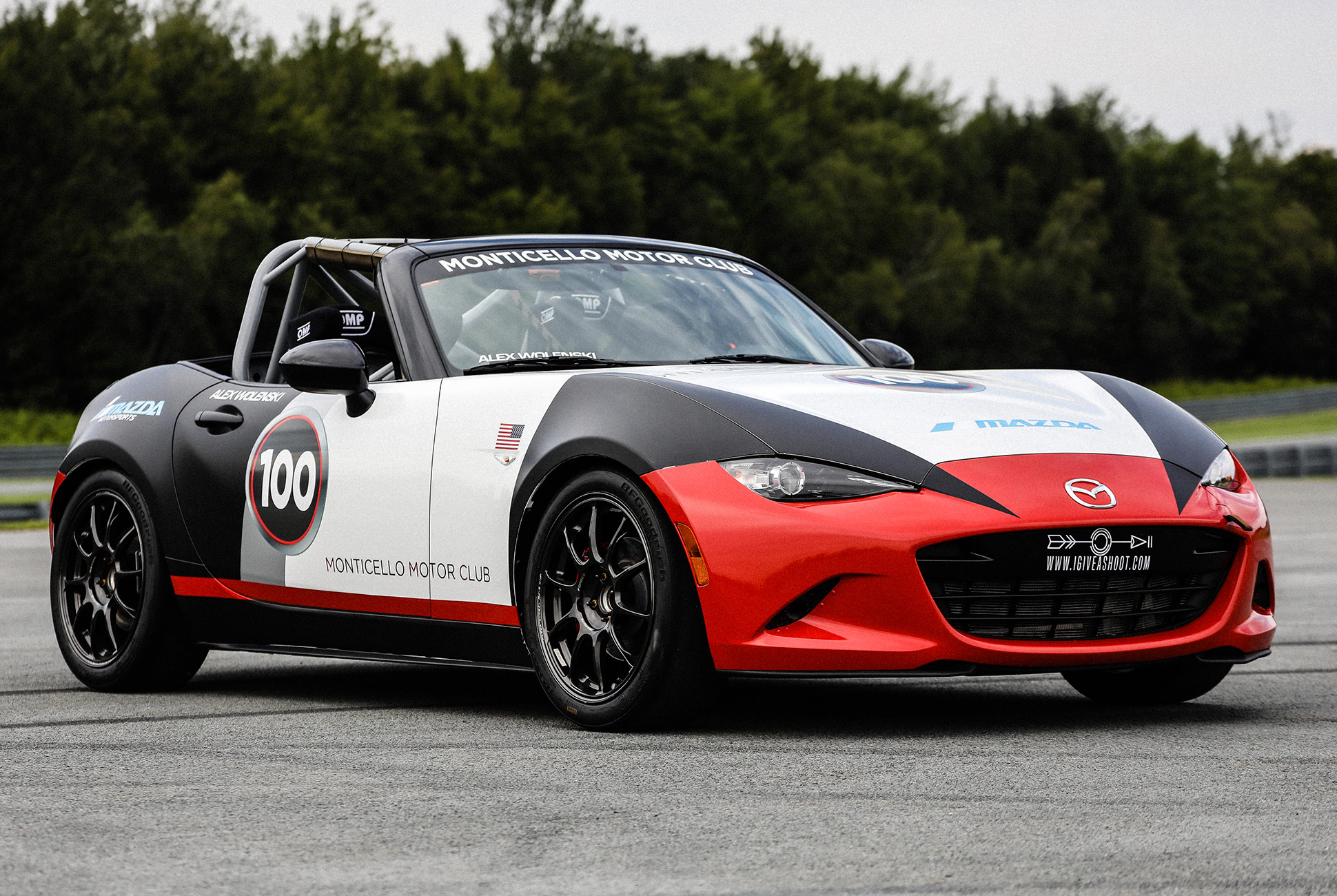
Note: Purchasing products through our links may earn us a portion of the sale, which supports our editorial team’s mission. Learn more here.

The 2019 Mercedes-Benz Sprinter Van Is Built For Both Utility and Adventure

This is the third-generation of the Sprinter, which originally rolled out in 1995 and came to the U.S.A. in 2001. The outgoing second-generation launched in 2006, so after 13 years it was indeed high time for an update. The 2019 Sprinter makes big leaps forward in terms of the available technology, overall interior quality and sheer variety of choice available to customers. There are no fewer than 1,700 different configurations according to Mercedes, and that’s not even taking color, seating, engine and HVAC options into account. Bottom line, the possibilities are seemingly endless when it comes to the Sprinter and that’s exactly what the folks at Mercedes-Benz Vans hope to convey to potential customers. It’s always been a highly adaptable platform ready to be whatever people need it to be, but now that platform is quite advanced right off the lot as well. By rolling out their new MBUX (pronounced M-B-U-X, not em-bucks) infotainment and navigation system in the Sprinter, Mercedes-Benz is showing a lot of confidence not only in their vans but also the communities that buy them.

The Good: There’s so much going on with the Sprinter it is hard to keep track of all the good things about it. That being said, the fact that is very easy to drive and maneuver thanks to featherlight electronically boosted steering is right at the top of the list as it makes it much less intimidating to those buyers who may be new to full-size vans. The new MBUX system and the stylish dash in which it is housed are also very impressive and monumentally important.

Who They’re For: Who the Sprinter is for largely comes down to which body style is chosen. However, regardless of whether a customer selects the cargo van, passenger van or cab/chassis form they’re likely to be the type of person who wants to get shit done, do it right the first time and they’re willing to pay a premium to make it happen.

Watch Out For: As is the case with any Mercedes-Benz vehicle, the price of a Sprinter is easily driven up by options, so it’s best to keep an eye on how many boxes get ticked on the configurator, especially if you’re planning to use the Sprinter as a jumping off point for a custom adventuremobile.

Alternatives: There are certainly less expensive van platforms out there — the Ford Transit and RAM Promaster are the direct competitors that come to mind. However, neither vehicle offers nearly the level of refinement and next-generation technology that the Sprinter does.

• Ford Transit Connect ($34,550, base)

• RAM Promaster ($32,895, base)

Verdict: The third-generation Sprinter brings a new level of connectivity and luxury to the adventuremobile market. Previously buyers had to turn to aftermarket outfitters to get the kind of tech that MBUX now offers out of the box. More comfortable, safer and full of amenities for passengers right out of the factory: that’s the 2019 Sprinter in a nutshell and of course it’s still ready to work hard regardless of the task. This is indeed the Mercedes-Benz of vans.

Review: It’s no small thing that Mercedes chose the third-generation Sprinter as the second product, after the A-Class sedan which is also arriving in the USA before the end of the year, to feature their new MBUX infotainment system. All of the MB Vans employees I chatted with in Charleston were visibly and genuinely excited about the new Sprinter. And why shouldn’t they be? The USA is their second largest market behind Germany and it’s growing rapidly. That’s one of the many reasons they invested over $500 million to expand the footprint of their assembly facility in North Charleston and turn it into a factory where Sprinter vans are built from the ground up. Yes, that means that now when you buy a third-gen Sprinter you’re buying a vehicle made here, not just assembled here. The new factory and the 1,300 people it will employ by the end of 2020 are certainly cause for excitement, but that was only one of many reasons for the MB Vans team was constantly smiling.

Once I climbed up into the driver’s seat of a 15-passenger Sprinter 3500, I quickly understood why. The improvements over the previous Sprinter as well as the advantage held over comparable competitors is immediately apparent. The seat is properly comfortable and trimmed with quality leather. The steering wheel is exactly the kind of chunky and enjoyable tiller you’d expect to find in any Mercedes product. In the center of the dash lies the showpiece of the new Sprinter, an available 10.25″ display flanked by stylized air vents. Its appearance is top notch, but what makes it great is that Mercedes is finally offering touchscreen capability. Response times are quick and menus are easy to navigate, though I found myself using the intuitive steering wheel controls with my thumbs in an effort to keep my eyes on the road.

Still, because of how easily the Sprinter drives now I didn’t struggle to keep it in the lane when I was operating one handed and zooming in on the map via the touchscreen. Perhaps this was part of the decision-making process at Mercedes, to wait to offer a giant touchscreen in such a large vehicle until they were able to offer a car-like driving experience that didn’t make multitasking a risky proposition. Adaptive cruise control and lane keep assist are also part of the equation, and work just as well one would expect from any Mercedes passenger car, so there is that additional level of safety that potential customers should take into account. Truly this Sprinter is as accessible as it gets for someone new to the segment and that’s absolutely by design.

Again, the excitement when talking to various MB Vans representatives was very apparent when discussing the growth of the segment and the way folks in the U.S.A., particularly outdoor enthusiasts, are flocking to the Sprinter. The specialized trade segment and fleet vehicle segment are indeed their bread and butter, but when I showed a number of reps photos of a friend’s fully decked out 4×4 Sprinter, their eyes lit up. “We love to see this,” said one gentleman. “This is so cool to see people make a Sprinter their home and make it their own.” Indeed you could opt for a Sprinter in cargo van form, throw a mattress in the back and be living with the same level as comfort as a number of folks in studio apartments in San Francisco or Manhattan. However that’s the most basic approach to van life there is — obviously the adventuremobile outfitting community takes it way, way further than that.

For camping enthusiasts, Mercedes has essentially made the Sprinter a mobile smart home. A 4G LTE WiFi hotspot is integral to the MBUX system and includes Mercedes’ own version of Siri or Google Assistant that responds to “Hey Mercedes.” After using that prompt to perk up the ears of the virtual assistant you can say things like “I’m hungry” and you’ll get a list of nearby restaurants on the screen or “I’m hot” and voila, the temperature is lowered. Of course, it’s not perfect and the system does get tripped up, but it is an adaptive system and will learn your speech pattern as times goes on, further refining how it responds to your commands. More than a couple of times I had to remind myself I was driving a 12-passenger Mercedes van, not one of their three-row SUVs. For something that you could feasibly live a comfortable life in, whether over a weekend, months or for a full 365 days a year, the ride quality is shockingly compliant.

For a vehicle of this size it’s just unreal how smooth it drives and with the optional 360-degree camera system to assist me, I didn’t break a sweat when maneuvering it in a particularly tight spot I pulled into to get a photo. What the crew at MB Vans has managed to do is make the most capable and customer friendly full-size van ever by adding in more elements from Mercedes’ passenger cars and removing the less enjoyable aspects of a commercial van. It sure does get the imagination going and I can’t wait to see what outfitters do with this new platform, especially once the 4×4 variant arrives in a couple months time.

What Others Are Saying:

• “A number of driver assistance systems keep things copacetic out on the open road, including the all-important (and standard) Crosswind Assist, which greatly improves stability, especially at higher speeds.” – Steven Ewing, Roadshow

• “While I’d hesitate to call a full-sized van “brisk”, you won’t be nervous when entering the highway.” – Dan Heyman, AutoTrader

2019 Mercedes-Benz Sprinter 2500 Key Specs

Engine: 3.0-liter diesel V6
Transmission: 7-speed Automatic (9-speed available with gas engine)
Horsepower: 190
Torque: 325 lb-ft
Weight: 6,096 lbs (as tested)

Read More Gear Patrol Reviews

Hot takes and in-depth reviews on noteworthy, relevant and interesting products. Read the Story
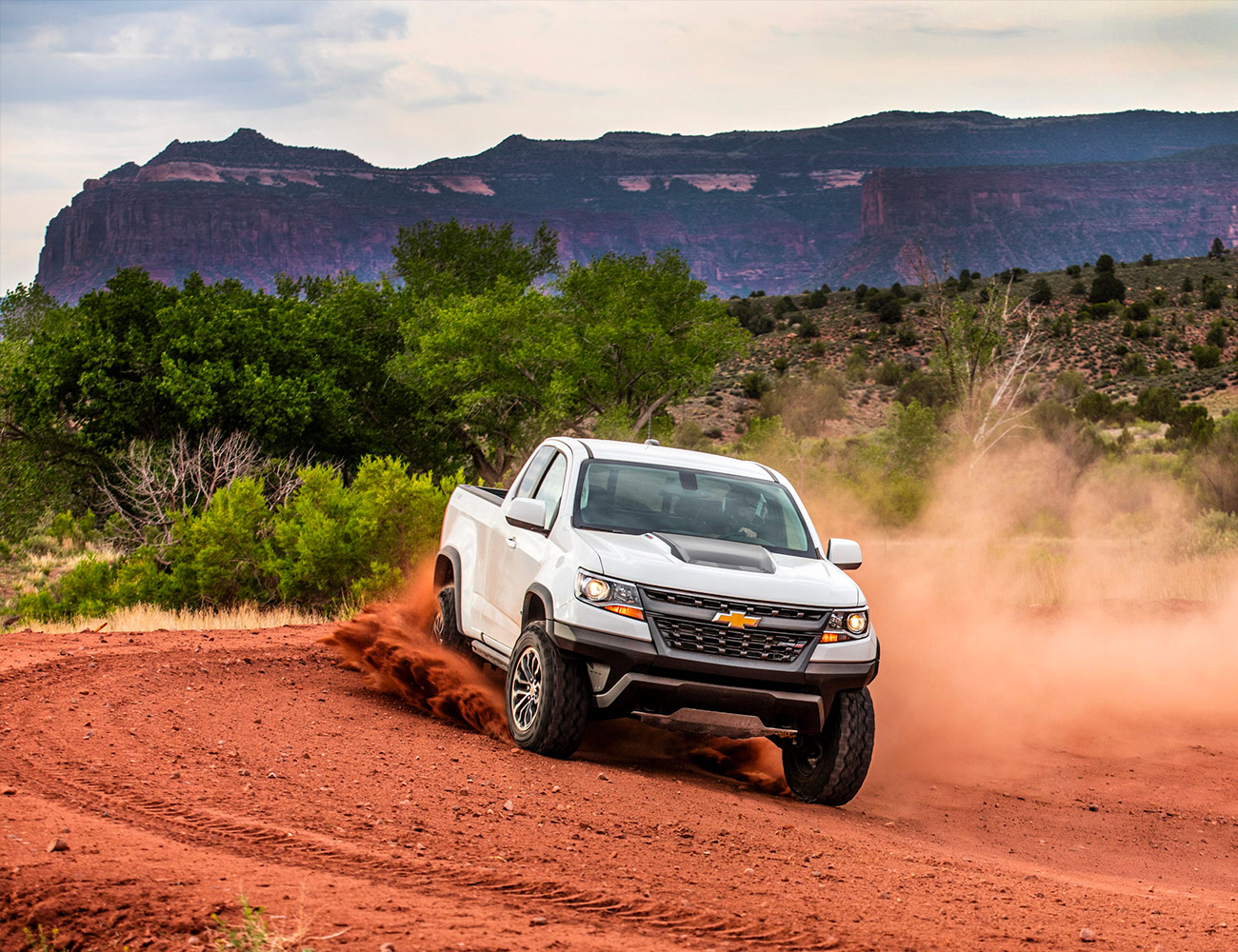
Note: Purchasing products through our links may earn us a portion of the sale, which supports our editorial team’s mission. Learn more here.

This Is What Goes in to a $60,000 High-Performance Mazda MX-5

Every Mazda MX-5 since 1989 has rolled off the production line in Hiroshima, Japan. Hundreds of thousands go to dealers around the world and from there they wind up in the hands of first-time drivers, in garages of avid enthusiasts and, as Mazda will proudly point out, countless MX-5s find their way to even greater things like motorsport. Just a little over 100 a year, however, go straight from Japan to Long Road Racing in Statesville, North Carolina where the fun and affordable roadsters more than double in price from $25,295 to $58,500 and become official Global MX-5 Cup cars.

Fifty-eight thousand, five hundred dollars — for a Miata? That’s more than a Mercedes E-Class, an Audi SQ5 SUV or any car in Volvo’s current lineup for that matter. There are no monumental power gains. They only lose about 34-lbs and the changes made render the cars illegal to drive on public roads. In a glass-half-empty world, you pay nearly $60,000 to ruin a perfectly good road car. But from where Mazda and LRR are standing, and anyone who’s strapped into one can tell you, it’s money well spent because it transforms into one of the most affordable ways in the world to get your hands on a brand-new factory certified and sanctioned race car.

Once the mechanics get their hands on a bone-stock MX-5, they completely strip the car down to the bare frame — that’s really where the transformation begins. Seam seals, sound insulation, the factory seats, the factory fuel tank, anything that with no business being on track for race day is left in the scrap heap.

The mechanics set to work welding in an FIA, SCCA and NASA approved roll cage, race seats and harnesses, a removable racing steering wheel paired with a digital motorsport dash and Multimatic race suspension and DSSV shocks developed using tech from Mazda’s prototype endurance racer. And that’s just to name a few of the 250 performance parts added to make the car race ready. However, the factory 2.0L four-cylinder engine, six-speed manual and differential are sealed and get bolted back in. That way, when these cup cars face each other on track, it’s a level playing field and down to driver skill.

Usually, when you send a car to speed shop, you expect massive power gains, dramatic weight loss and swollen body panels shrink-wrapped around steam roller-wide tires. Using the MX-5 as a canvas, LLR doesn’t need to add power and the weight that’s put back in is all race necessary like the cage and larger fuel cell but keeps the weight down low. Tossing everything else means the center of gravity is somewhere in the transmission tunnel and with slick racing tires at each corner, the MX-5 — a car with already phenomenal handling and response — becomes a cartoon of itself.

All of the car’s best qualities are exaggerated — it feels featherlight and glued to the tarmac in turns. It doesn’t have mountains of power, but on grippy slicks, you can get on the throttle hilariously early and start accelerating out of corners as soon as you dare. Your feel bolted directly to the floor, you can feel every slide, bump and lift, but it’s not exhausting. Everything in the cockpit is close, but not cramped — it’s an intimate space. It’s the very essence of the MX-5, triple distilled. It’s an all-out factory race car for a relative bargain.

Key Specs

Horespower: 155
Torque: 148 lb-ft
Weight: 2,300
Transmission: Six-speed Manual
Price: $58,500

Read More Gear Patrol Reviews

Hot takes and in-depth reviews on noteworthy, relevant and interesting products. Read the Story
Note: Purchasing products through our links may earn us a portion of the sale, which supports our editorial team’s mission. Learn more here.

My Family Thought Durangos Sucked. Could the 475-Horsepower SRT Change Their Mind?

My family hated Durangos. We had a bad experience with the first generation Durango (a black 1998 with a V8 and an automatic four-speed transmission), but I’ll get into the plight of our tank later. The 2018 Durango SRT is a far cry from our former family car. It’s a mouthy, rebellious and at times unwieldy motor barge that’s as giggle-inducing as it is terrifying — and it seats six plus luggage. But could it win my family back? Could it challenge my family’s dedication to Toyota? A trip to southern Vermont in the 2018 Dodge Durango SRT, family in tow, was the only way to find out for sure.

The Good: A family-oriented SUV clad in Alcantara leather with a 6.4L V8 shoved into the front… that rockets you from 0-60 in 4.4 seconds shouldn’t exist. It’s impractical. But that doesn’t mean it isn’t tremendously fun. The suspension, steering, throttle response and transmission are all tunable with the press of a button. The interior is refined, sophisticated and comfortable. In fact, my mom remarked that sitting in the rear seat “feels like sitting in a first class airline cabin.”

Who It’s For: Admittedly, the Durango SRT isn’t for everyone. If you’re looking at a three-row SUV because you need space to haul your family and all its gear around, you won’t get the most out of the SRT. (In fact, your best bet is probably the Subaru Ascent.) But if you like the sound of a punchy V8 and a perfectly tuned exhaust, you’ll find little to complain about in the Durango SRT.

Watch Out For: The infotainment system takes a minute to get used to. (There are a host of additional buttons and options you get when you opt for the SRT trim level of the Durango.) Also, you likely won’t get the most out of the Durango SRT unless you take it on the track a handful of times. It’s chock full of technology designed for just such occasions: massive Brembo brakes, launch control, Pirelli Scorpion tires and a genuine track mode.

Alternatives: The most obvious comparison is the Jeep Grand Cherokee SRT ($68,145+), which is slightly smaller and slightly more expensive. From there, you’re looking at the Chevrolet Tahoe RST ($78,450) which offers fewer horsepower and a more expensive price tag.

Review: The 1998 Dodge Durango was our second family car. The first was a first-gen Ford Explorer. With the arrival of my sister, my parents were looking for more space, more safety and a car that would be durable. The Durango fit the bill — or so it seemed. There were a few happy years. The truck was a tank, and the third row of seats in the back was my personal cabin. But after countless trips to the dealer for maintenance on the transmission, my father resorted to telling my mom, “Don’t come home with it.” That’s right. On that final trip to the dealer, we left the Durango there. And instead drove home in a 2004 Chrysler Pacifica. My family had terrible taste in cars for a bit there.

With the stigma of a poor transmission and endless maintenance ingrained in me, I was certain that the Durango SRT would suffer the same fate as our family car. That the SRT badge would simply be lipstick on a pig. But I was wrong.

To be fair, the SRT is a great deal different than the 1998 Durango that carted my sister and me to school and back. It’s a racecar. Well, it’s the closest thing to a race car that I’ve ever driven. And it has some race-car-esque parts. And it’s definitely the fastest family-worthy SUV out there. The interior is luxurious — the seats are vented with Alcantara suede seat inserts; there are two built-in, flip-up entertainment screens behind the passenger and driver’s seats. Had this been the case in the ’98, my sister and I surely would have fought less.

There are no words for the joy that comes from using launch control in a three-row SUV. It’s madness. And the Durango deserves every ounce of credit for providing that joy. But part of me feels that the Durango SRT lacks the ruggedness of the original. Famously, in our family at least, on a particularly snowy day, my mom was out driving the ’98 when the brakes locked up. She was on a hill and slid down the entire thing until she hit a parked car at the bottom. The parked car came out the worse of the two. The Durango was spotless. Like completely spotless. Not even a scratch. Of course, had she been in the SRT, the brakes wouldn’t have locked up. But what if they had? Would the SRT have displayed the same resilience? Maybe. But there’s a feeling you get in the SRT. Maybe it’s just the ludicrous speed, or the lavish interior car design. Either way, the SRT doesn’t feel like a tank.

Verdict: Would I buy the 2018 Durango SRT? If I had the money and the need to cart the kids around to soccer practice and a deep desire to be the badass dad at all of the PTO meetings, then yes. The car is a riot, and it handles surprisingly well for its size.

What Others Are Saying:

• “It might be tough to make a case for the Durango SRT to frugal parents such as my dad because of its $64,090 starting and $73,360 as-tested price. But really, it is a performance bargain.” — Christian Seabaugh, Motor Trend

• “I completely understand the appeal of a practical passenger vehicle with a little extra burble, which is why I really dig the $44,000 Durango R/T. It couldn’t catch the SRT around a race track, but it would leave you with a nice-sounding practical SUV and enough money left over to buy a real muscle car.” — Andrew P. Collins, Jalopnik

Key Specs

Horsepower: 475 hp
Engine: 6.4-liter HEMI V8
Transmission: 8-speed automatic; all-wheel drive
0-60: 4.4 Seconds
Towing capacity: 8,700 lbs
Tire size: P295/45R20
Curb weight: 5,510 lbs

Note: Dodge provided the 2018 Durango SRT for review.
Read More Gear Patrol Reviews

Hot takes and in-depth reviews on noteworthy, relevant and interesting products. Read the Story
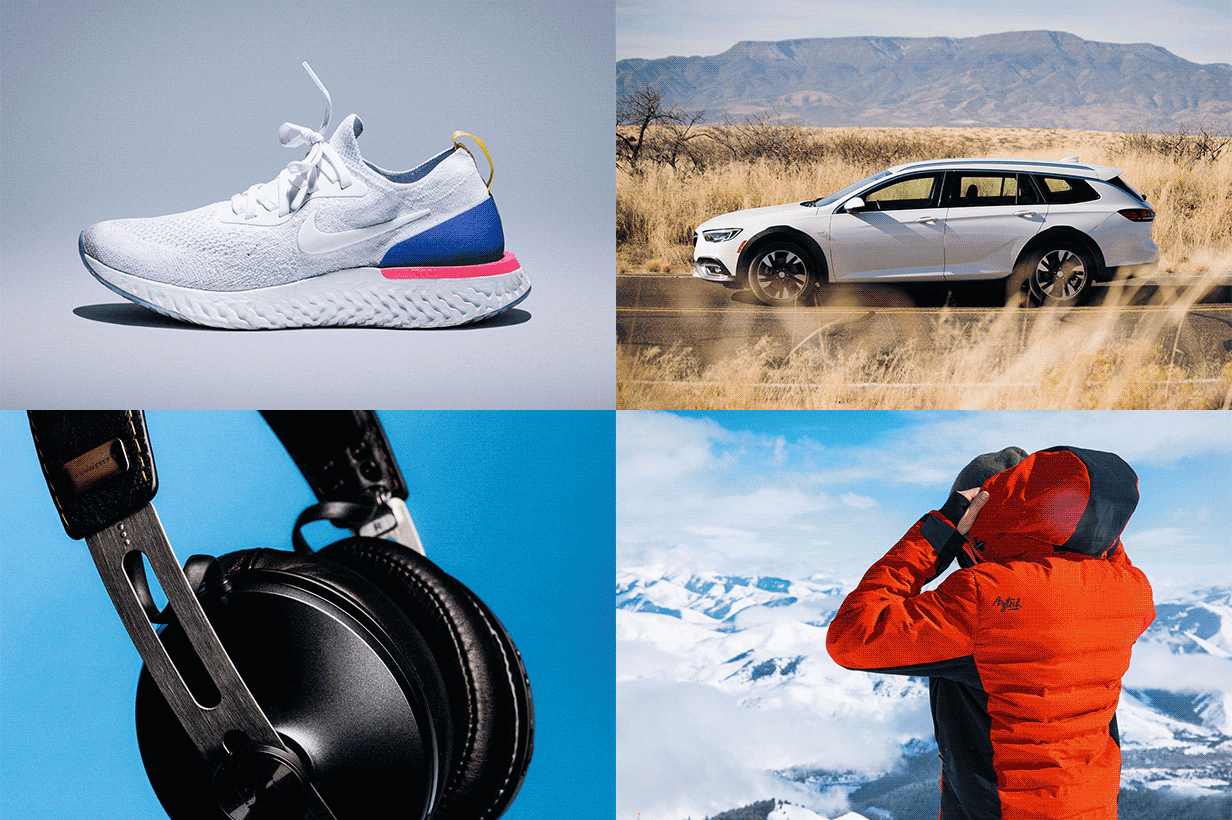
Note: Purchasing products through our links may earn us a portion of the sale, which supports our editorial team’s mission. Learn more here.

These Noise-Canceling Headphones Look Like Bose QC35s, But Are Half the Price

The wireless noise-canceling headphone market is more saturated than ever, which is great for consumers because there are more options. It also means that you don’t necessarily have to pay $300+ for a solid pair of headphones. Enter Skullcandy’s first wireless noise-canceling headphones, Venue, which cost $180. As an audio company, Skullcandy has had a stigma for being geared towards younger crowds, specifically those involved with outdoor or extreme sports, but it has taken a more bespoke, fashion-focused line with these noise-canceling headphones. The Venue headphones come in either black or white and lack the giant skull logo (although a small skull is there) that the company is known for. However, the Venue headphones have a couple neat tricks, including fast charging and compatibility with Tile’s app so you can easily find them in case they’re misplaced.

The Good: The noise-canceling ability of Skullcandy’s Venue headphones is its standout feature, as it does an admirable job of blocking out most ambient noise whether you’re listening to music or not. The headphones have a number of on-button controls that let you do things that normally require you to break out your smartphone, such as play/pause and skip tracks. There’s a quick access button for your smartphone’s virtual assistant, too. Even though the Venue headphones still charge via micro-USB, it can still fast charge: a 10-minute charge gets you another five hours of juice. For those comfortable using the Tile app, the headphones essentially act as another Tile device so you can track them down if they’re lost.

Who They’re For: Anybody who wants noise-canceling headphones, but doesn’t want to spend more than $200. The black models are bespoke and have virtually no branding on them, so you might be able to pass them off as Bose or Sony headphones.

Watch Out For: These aren’t audiophile-grade headphones and the audio quality won’t blow you away. When listening to more expansive tracks with a range of vocals and instrumentals, the midrange and high-end can sound muddled. The audio can bleed through when played at high volumes, meaning your neighbors can hear you. There aren’t any swipe gestures – which is a good thing – but the controls aren’t super intuitive, so you’ll need to at least read the owner’s manual once (or twice). The earpads are comfortable, but the build quality of the headband doesn’t feel premium. Headphones aren’t collapsible, so they’re not as travel-friendly as they could be.

Alternatives: There are plenty of other noise-canceling headphones to choose from, however, most will be more expensive. If sound quality and noise-canceling are most important for you, go with the Sony WH-1000XM3 ($349) or Bose QC35 IIs ($349). If you’re looking to spend even less on noise-canceling headphones, Anker’s Soundcore Space NC ($100) are also a very good, even though their audio quality and overall design leaves a little to be desired.

Verdict: Skullcandy’s foray into the noise-canceling realm is a solid first effort. The Venue’s active noise-canceling ability is particularly impressive, even if its audio quality won’t blow you away. The on-earcup controls could be more intuitive and I wish they were collapsible (aka more travel-friendly), but there’s a lot to like about Skullcandy’s Venue headphones. The Tile integration is nice for those who tend to misplace your headphones and the quick-charge ability is super convenient. Listen, these won’t beat Bose’s and Sony’s high-end models in many competitions, admittedly, but for half the price that’s kind of expected. Plus, the bespoke, all-black design might even get some people to mistake them for said Bose or Sony headphones.

What Others Are Saying:

• “Venue’s sound is very clear. There is some sound bleed when ANC is activated — you can hear what someone’s listening to through Venue if you’re sitting close to them. Still, we found the noise-canceling far better with Venue than with Beats Solo.” — Lauren Barack, PUBLICATIONNAME

Key Specs

Impedence: 32 ohms
Driver: 40mm
Frequency Response: 20Hz – 20KHz
Total Harmonic Distortion: <0.1% (1mW/500Hz)
Battery Life: up to 24 hours

This definitive guide to the best noise-canceling headphones of 2018 explores everything you need to know before buying your next pair of headphones. Read the Story

This Is Polaroid’s Most Advanced Instant Camera – And It Has Portrait Mode

The Polaroid OneStep+ ($160) is the company’s newest instant camera, and if you think it looks similar to its predecessor, the OneStep 2 ($100), that’s because it does – the two cameras are virtually identical. However, the OneStep+ adds way more advanced features that instant film enthusiasts will dig. It’s the first Polaroid instant camera to have two lenses, a portrait lens and the OneStep 2’s standard lens, so you can shoot super close-ups (from close as as one foot away) with background blur. It’s the first Polaroid instant camera to have built-in Bluetooth and also a companion app.

This app, called Polaroid Originals, allows photographers to shoot instant film photos in a number of different ways. They can shoot double exposures (two photos in a single frame) or with the “light painting” effect they can shoot photos with all kinds of crazy light effects. There’s a manual mode, too, that allows them to completely control things like the aperture and shutter speed, and they can also turn the flash on/off. And there’s also a self-timer mode, so you can set the OneStep+ down on a tripod or countertop and use your phone as a remote shutter button to take selfies. Essentially, it’s a more advanced instant film camera that gives photographers more creative options.

At $160, the OneStep+ is the most expensive instant camera that Polaroid makes, so to consider buying it you should probably be an advanced photographer or just somebody really into instant film photography. One such person is Jarry Truong, Gear Patrol’s Associate Videographer — I gave him the Polaroid OneStep+ and two sleeves of instant film (black and white) to play around with over this past weekend. Afterward, I asked him what he thought about the camera.

Question: What experience do you have shooting instant film cameras?

Jarry Truong: I use the Fuji Instax Wide. I have that as my personal camera, but I’ve used an older version of the Polaroid. My girlfriend has the original one. So you could say [the OneStep+] is a little mix of the competitor and Polaroid’s new version.

Q: So what are your initial thoughts about the OneStep+?

JT: It’s nice to have manual control over instant film. Instant film is usually a Pandora’s box when you open it. You don’t really know what you get until you shoot it. Now that you have control over things like double exposure or manual controls, it’s really nice. One downside that’s a little bit cumbersome, like you said, is that it’s weird having the phone out and then trying to compose your photo through the tiny viewfinder and still hit the shutter button on your phone. I’m not sure if that’s a UI/UX design problem, whereas it could be nice if you could set it to a specific mode that you want and then just hit the shutter button from your camera.

Q: Of the new features that you don’t normally get in an instant film camera, which was most interesting?

JT: I did enjoy Portrait mode – it was really nice. One caveat is that you do have to get pretty close for the background blur to come out, but it is really sharp and it’s a wonderful photo. It’s easy to switch into Portrait mode from Landscape mode, as it’s just a flick of a switch on top of the camera. The other modes are a little more difficult to get to just because you do have to pull out your phone.

Q: Did you try Manual mode in the app? What did you think?

JT: Yeah. It’s cool to see that you can meter. And you change the settings from aperture to shutter speed, and if you wanted to do double exposure, it’s in that Manual mode as well. One camera that a lot people weren’t a fan of was the Fuji Instax Square SQ10, and that’s because it went too digital. For an instant film camera that’s a big no-no. It’s taboo, basically, as you were able to see what you were shooting and then print it out. And you could even give it a color grade beforehand, by adding contrast or saturation, and that defeats the purpose of what instant film is to a lot of people.

Q: So you like that, with this camera, you don’t know how the photo is going to turn out?

Q: You want to shoot and then you kind of don’t know what you’re going to get. Just like using the double exposure [with this camera]. I didn’t know how it was going to look, but you kind of compose to what you think it will be. That’s the beauty of [using] film.

Read More Gear Patrol Reviews

Hot takes and in-depth reviews on noteworthy, relevant and interesting products. Read the Story

Note: Purchasing products through our links may earn us a portion of the sale, which supports our editorial team’s mission. Learn more here.

The Upstart Genesis G70 Is a Truly Worthy BMW Competitor (Updated with Pricing)

Updated September 19, 2018: Genesis has released pricing figures for the G70 sedan’s six trim levels: Advanced, Elite, Prestige, Dynamic, Sport M/T (manual transmission) and Sport. The entry-level car, dubbed 2.0T Advanced, sports a 252-horsepower 2.0-liter turbo four and will start at just $35,895.

Other trim levels feature a combination of the 2.0 turbo or a 365-horsepower twin-turbo V6, automatic or manual transmissions and all-wheel drive. AWD will be a $2,000 option on all trims but is not available with the manual transmission. At the top of the price spectrum will be the Sport trim level car equipped with the V6 — the 3.3T Sport — which will cost $50,495.

You’ll read below that the G70 is a direct competitor to the likes of BMW’s 3-Series. Car and Driver points out that the G70 prices above also reflect over a $5,000 discount compared to comparable BMW cars. That’s… significant.

The Genesis G70 will be available in dealerships this week.

Previous Coverage:
The bold run at the premium-luxury segment from South Korea’s Genesis continues with the mid-sized G70, a spry and sporty model that in no way feels like the product of a novice carmaker. It’s just too good.

Of course, it’s not really a novice carmaker. The young brand — this is its third vehicle, and third sedan, in as many years — has the not-insignificant business chops, deep engineering bench and hefty funding of Hyundai Motors behind it, as well as the benefit of having had that parent company take the learning-curve hit with its largely unsuccessful (in the U.S. anyway) Equus sedan over the last decade. But still, it’s entering a ridiculously tough venue. Going up against the likes of Lexus, BMW, Audi and Mercedes for U.S. dollars — carmakers that are giving our own hometown heroes Cadillac and Lincoln plenty of grief — leaves very little margin for error. There can be no mistakes with their cars, no weak spots whatsoever in design, build or performance.

Has the G70, available in both a twin-turbo V6 or a turbocharged inline-four, got the chops to run with the big dogs — or, more specifically, the mid-sized dogs — in the shape of the BMW 3, the Mercedes C-Class, and Audi’s A4? Yeah, frankly, it does.

The Good: This is the lowest and widest car in its class, which means the seating position — also unusually low within the car — lends a true sports-car feel to the drive. It’s the first thing I noticed when I got in, and it generated an immediate visceral effect. It just felt right. The second thing I noticed: How that low center of gravity impacts handling. The car feels terrifically flat and steady, thanks in part to that quality. The visibility is also great, thanks to its modest A-pillars, the downward-curving hood and the increased road view generated by — again — that low stance. Also, I’m a big fan of the buttery-smooth six-speed manual transmission. It’s a rare treat in a mid-sized sedan these days — or any car, for that matter — and Genesis insiders confide there’s no business case for it. But it’s such a pleasure, and absolutely among the last truly modern cars you’ll be able to find with one. If the realities of sharing your car with friends and family preclude going all-in on rowing your own, the automatic is perfectly crisp and responsive, especially with the paddle shifters employed.

Who They’re For: The line-topping G90 two steps above the G70 is a proper luxury cruiser — a chauffer-ready waft-mobile that, like its S-Class, A8, and 7-Series counterparts — will ensure that you arrive at work refreshed. You’ll be in a safe place; cared for, with that glint of well-being in your eye. Good for you! The mid-range G80 — shorter, spryer-er — will energize you for your work day. You’ll arrive ready to take on the world, kick butt and still be your best self. With the G70 — well, you just won’t show up for work at all. Screw that. This is a driver’s car, so that’s what you’re going to do with it.

Watch Out For: The optional perforated, quilted, contrast-stitched leather seats look fantastic, but draw grit, crumbs and general schmutz like nobody’s business. Other than that, there’s precious little to complain about with this car, which is a testament to the seriousness with which Genesis is taking its craft.

Alternatives: As mentioned, this car is aimed squarely at the Audi A4, the Mercedes C-Class and the BMW 3-Series, so that’s your direct competitive set. But there are plenty more options, including the Cadillac ATS and ATS-V, the Lexus IS, the Acura ILX or TLX and even the Alfa Romeo Giulia. Indeed, those infernal crossovers aside, this is still the hottest segment among true driving enthusiasts.

Review: I drove the G70 in and around Monterey, California, during the annual Pebble Beach Concourse D’Elegance car show in late August. As you may know, this show — once primarily a vintage car show — is now ground zero for car porn of all stripes, from the classics to the rediscovered sleepers up through the mega-hypercars of today. My point is that there are plenty of cars to admire and ogle while here — yet somehow, this admittedly relatively mainstream luxe ride still drew its share of eyeballs. Partially that’s because people have known the car was coming, and my borrowed samples were among the first in public. (At least three gaggles of car nuts queried me about it, beyond the appreciative glances I received while driving.) But the other part of the equation is that it’s simply a lovely car, with nice proportions, clean lines and enough character to set it apart. The low and wide stance and the powerful grille also give it a subtly aggressive exterior look. People genuinely seemed to dig the car, and that bodes very well for it.

Of course, there’s only so much supercar traffic I can take, so I headed for Big Sur every chance I got. There the demanding curves — largely absent of traffic in the wee hours of Saturday morning — proved a fine match for the G70. Its light weight made it feel tossable without feeling like you couldn’t reel it back in when you needed, and its electrically assisted steering and responsive transmission, whether the manual or the automatic — I took each down there — were always ready to power me out of the turns, with the manual’s well-modulated clutch release effortlessly synced up and completely absent any audible or haptic hiccups during those rare moments of hesitation, while, say, second-guessing your gear selection and slipping into and then immediately out of one on the fly. That’s when you risk embarrassing yourself. The G70 never embarrassed me.

Both engines were easy to enjoy, with the four-cylinder producing barely any lag even if its 260 lb-ft of torque couldn’t quite keep up with the 376 lb-ft in the V6. Still, they each acquitted themselves well, if slightly differently, in the more dynamic stretches of CA-1. Both engines come with an AWD option, which can transfer power almost entirely to the rear wheels as necessary to maintain traction. You also have multiple modes depending on the model you get — including Comfort, Sport, Eco, and Custom — and there’s even have a launch control function in the rear-drive automatics.

Inside, the nicely firm leather and supportive seats kept me as planted as the car in Big Sur, and the overall quality is exceptional — easily competitive with the class-leaders from Germany. The 15-speaker, 600-watt Lexicon audio system, cranking from both my iPhone and Sirius XM, generated a robust and satisfying audio experience for my solo bombing runs down to Le Grande Sur, as nobody in their right mind actually calls it. The audio system has about as many modes as the car itself, which in turn has its own mix of trim levels available, including Advanced — counterintuitively, the base model — Elite and Prestige. So pay attention to what you’re doing when ordering (and driving) this car.

Verdict: Genesis has taken an interesting strategy in its lineup rollout. First, hit all three sedans, then the SUVs and crossovers — three of which are due by 2021 — that seem to be fueling so much demand among consumers. That means that, in short, if it can build its base with customers excited about what many argue is a fading body style — and, in fact, cut its teeth on that style — the SUVs and crossovers could be titanic home runs. What does that mean for the G70? Well, it means the third one is the charm, to twist a phrase, and this car has plenty of charm.

What Others Are Saying:

• “Lighter and nimbler than the Kia, it’s also more handsomely designed and better executed throughout. Its solid chassis, refined demeanor, and vice-free behavior when pressed hard all measure up to the high standards that prevail in this class.” — Kevin Wilson, Car and Driver

• “The V6 is the same engine used in the Genesis G80 Sport and Kia Stinger, but this may be the best application of it yet. The G70 is lighter than the other cars, and its chassis is well equipped to handle the engine’s power. The base four-cylinder engine is less thrilling, providing only adequate thrust. But that engine is available with the manual transmission and, because the four-banger weighs less than the V6, the front end feels more responsive in corners. So, while the V6 is more thrilling in a straight line, the four-cylinder offers a more rewarding overall driving experience.” — Stephen Edelstein, Digital Trends

• “So, the new 2019 Genesis G70 checks all the major luxury sport sedan boxes with attractive styling, a well-trimmed cabin filled with tech and extremely capable performance chops. But the question remains: Will it matter? To those who hold brand prestige in high regard, it likely won’t, because nothing will be able to rip them away from the Audi rings, BMW roundel or Mercedes three-pointed star. But for those looking to break from the crowd and want a genuinely competitive alternative, the G70 is certainly worth your consideration.” — Jon Wong, CNET Roadshow

Key Specs

Specifications: 2019 Genesis G70

Engines:  DOHC turbocharged inline four-cylinder; twin-turbo V6
Transmission: 8-speed automatic; 6-speed manual (2-liter only)
Horsepower: 252; 365
Torque: 260 lb-ft; 376 lb-ft
Weight: 3,580 lbs (RWD 2-liter) up to 3,887 lbs (AWD V6)

Price: $35,895

Read More Gear Patrol Reviews

Hot takes and in-depth reviews on noteworthy, relevant and interesting products. Read the Story

Note: Purchasing products through our links may earn us a portion of the sale, which supports our editorial team’s mission. Learn more here.

It’s Surprisingly Fun to Shave With Gillette Labs’ New Heated Razor

In every aspect but one, my morning last Thursday was pretty standard. I woke up, made coffee with my boyfriend, figured out what I was going to wear and got in the shower. But when I shaved — a task that I’ve performed thousands of times using a myriad of different tools over the past 15 years — it was unlike any experience I’d ever had before.

That morning was my first time using the new heated razor from Gillette Labs, a new operation founded by the shaving behemoth that’s been making The Best a Man Can Get since 1901. This razor, limited quantities of which were made available to the public Tuesday via an Indiegogo campaign, has turned a somewhat annoying quotidian grooming chore into something I look forward to.

Because while a heated razor sounds like another silly gimmick that Big Shaving is using to separate you from more of your hard-earned money, it’s actually a carefully considered and surprisingly well-made product. And, more importantly, it’ll give you the most comfortable goddamned shave you’ve ever had.

The Good: You know the reassuring warmth of having a hot towel wrapped around your face before a straight-razor shave? The heated razor brings that same warmth to every stroke. The soothing sensation is so good it almost makes you forget you’re dragging razors against your face.

Who They’re For: If you’re the kind of guy who has to shave every day but you’re not thrilled about it, this razor can help take some of the sting out of the ritual. But the sensation is so decadent that if you default to business class or you’ve ever ordered bottle service, chances are you’ll like this, too.

Watch Out For: It’s only available with a five-blade razor (and a four-pack of cartridges costs $19.99), so if you’re susceptible to ingrown hairs or your skin gets irritated easily, this may not be for you.

Alternatives: There are none. There’s nothing else like this on the market right now.

Review: In my time shaving, I’ve tried everything from old-school double-aged safety razors to self-cleaning electric foil shavers. And I’ve used all of these devices out of a sense of obligation. Putting my best face forward means hiding my regrettable facial-hair pattern, so I shave more often than I don’t.

But from the first pass at the four days of scruff I accumulated to test the heated razor, I could tell that it was the kind of thing I’d actually want to use. And like all great products, it’s been carefully engineered that way.

The razor comes mounted on a heavy titanium charging base that feels solid and looks pretty luxe. Inside, a magnet keeps the razor upright and its lithium-ion battery full of juice: a full charge can last up to six shaves. It’s waterproof, so you can take it into the shower, or rinse the blades out under your sink faucet. And what’s more, the blades used in the special cartridges for this razor are the thinnest Gillette has ever machined.

While all of that is perfectly laudable, the prize-worthy innovation here is a heated bar positioned just underneath the blades that warm up in less than a second. Press the power button and the temperature goes from room temperature to 113 degrees. If that’s not warm enough for you, hold down the button again, and it increases to 122 degrees. Those numbers might seem arbitrary, but they were carefully selected after a global hunt for the right amount of heat.

“We know from all of our research that every face feels heat differently, and so we’ve optimized these two levels to address the greatest number of consumers that we could around the world,” said Steph Niezgoda Moss, senior engineer on Gillette’s product innovation team, in an interview. “So it’s not just in the U.S., but we’ve gone and done testing in other countries, and we hope that these are really the two optimal levels that will satisfy the most people.”

Gillette Labs has been working on this razor for at least two years (it filed a patent for a heated razor in March 2016), but it doesn’t seem quite finished innoventing just yet. One of the reasons the company is launching this product in Indiegogo is so it can collect feedback for other Gillette Labs products. (If you don’t manage to get your hands on razors from the first limited first shipment, don’t worry: more are coming to the market next spring.)

Verdict: Like guacamole and the iPhone Xs Max, Gillette’s heated razor is, as the kids might say, a little extra. But it’s a little extra in the best possible way, because its main feature makes it feel genuinely good. You can get a close shave without having the blades heated to a perfectly calibrated warmth, but it won’t feel like someone who cares about your well-being is hugging your face.

Simply put, this razor is what it feels like when finding pleasure in the little things gets taken to the nth degree. Or in my case, the 122nd degree.

Key Specs

Fast: The heated razor gets warm in less than a second.
Hot: Users can select from two temperatures: 113 or 122 degrees.
Slim: The special razor cartidges feature Gillette’s thinnest blades ever.
Powerful: The lithium ion battery will stay charged for up to six shaves.

Read More Gear Patrol Reviews

Hot takes and in-depth reviews on noteworthy, relevant and interesting products. Read the Story

Note: Purchasing products through our links may earn us a portion of the sale, which supports our editorial team’s mission. Learn more here.

The Light L16 Is (Probably) The Smartphone Camera of the Future

The Light L16 is a compact camera, about the size of several smartphones fused together, that uses different combinations of 16 lenses of varying focal lengths to capture individual high-resolution images. Its major feat is offering a huge zoom capability of 28mm to 150 mm in such a small package, as well as granular control of the camera settings entirely through the rear touchscreen. The technical achievements are significant: compressing long-focal-length lenses into a slim body through mirror-intensive folded optics, and software that can merge images from different sensors into usable final shots. The question is whether it’s worth it – does the L16 provide a benefit that conventional cameras, whether smartphone, compact, or interchangeable-lens, cannot match?

The Good: The wide zoom range of 28mm to 150mm provides great versatility when composing shots, and the robust 52-megapixel final product, stitched together from different combinations of the lenses and sensors on the face, gives you a lot to work with while editing. This includes a high dynamic range of 13 stops, achieved by taking multiple exposures at different values, and the depth-of-field control that allows you to shift focus later. (The images are shot at f/15, but adjustable down to f/2.) Also, the integration of all controls, save the shutter button, and the five-inch touchscreen makes for a very clean, attractive design.

Who They’re For: Photography enthusiasts who like to travel light, but want more versatility than just a smartphone can provide. It’s also for well-heeled early adopters, those willing -— or excited — to invest in radical new technology and exploit its innovation in clever and creative ways, and be willing to deal with compromises that may emerge. In short, you have to not just want a compact new camera; you have to want this one.

Watch Out For: Lots of things: 1) that $2,000 price tag is extraordinarily steep for what’s essentially a pocket camera. 2) Processing artifacts, as when images from multiple lenses are digitally combined, leading to slight mismatches in alignment and exposure. 3) Real-world usability, which suffers slightly as a result of the touchscreen integration of functions. If you’re shooting in a hurry, having to make exposure changes via a touchscreen is always a slowdown compared to mechanical controls on the camera body. 4) Poor low-light performance: Much like smartphones, the camera loses its edge when the sun goes down. 5) The fact that people will stare at you. The array of lenses on the front looks distinctly insectoid, drawing the curious or revolted. On the other hand, that makes it quite a conversation-starter, for sure. 6) Finally, it even feels kind of alive, too, with the mirrors in the folded-lenses twitching almost constantly as they try to focus on subjects. That can be distracting, and kind of creepy.

Alternatives: Other compact and versatile cameras that are competitive with the Light L16 include: Sony RX100 VI ($1,199), Canon Powershot G3 X w/ Electronic Viewfinder ($950) and Panasonic Lumix ZS200 ($750)

Review: I traveled with the L16 on several trips and found it enjoyable in many ways to use – and frustrating in just as many other ways. To start, the performance range is absolutely there, compressing legitimate 150mm optical zoom capability into a lean box, thanks to the mirrors and horizontal light tubes at the longer lenses that bounce light around a bit before directing it to each sensor. Typically, a 150mm lens will be much larger and longer, so that compression allows you to do quite a bit more kinds of shooting without humping all the extra gear around. It also does indeed offer a sizable dynamic range, so you can shoot scenes with large variances in light and dark subjects and get good results, though overall low-light performance isn’t great.

The camera incorporates 16 separate camera modules in all—five 28mm modules, five 70mm modules, and six 150mm modules – 10 or more of which it will use to generate different exposure settings, establish a depth map for later focus adjustment, and to punch up resolutions. Because of all this mass, it’s more of a chore to lug around than you might think. While compact, the L16 is still pretty heavy, given the density of the packaging. It’s not something you can stuff into your pocket without noticing all the time—though that’s less true if you’re using a jacket pocket, rather than just, say, cargo pants. This is one of the few times I’d advocate for a secure sleeve you can attach—phone-nerd style—to your belt. Hate all you want, but that’s probably the best way to tote a flat brick around.

Photo comparison: How does the Light L16 compare to a mirrorless camera? Check it out. The above photos are taken with the Light L16 (left) and the Sony A7RII (right).

In terms of usability, it’s mostly a win. The camera has a big, bright rear LCD, with good shutter-button placement and a solid grip area to the right. When you pull it out to shoot, you wake up the Android-powered device by tapping the power button, and then hit the shutter to take a photo. (You can leave it on more or less permanently, as with a smartphone.) You can choose auto, manual, shutter-priority, or ISO-priority modes—there’s no aperture priority since it captures a range from f/2 to f/15. Set focus and exposure via a tap on the LCD or simply allow it to center-focus, which is my usual strategy. (In that case, you find the area you want to be most properly exposed -— the sky, say -— push the button halfway to lock it in, then recompose the shot how you like.) To zoom, you swipe up and down, and the readout scrolls through the millimeter ranges in increments of one, so you can dial it in very precisely. If you instead want to dig into the image folder, you need to enter a passcode first, which can be annoying if you’re spending a day actively shooting, checking photos, etc. To put it back to sleep, just tap the power button again. Overall, it’s quick and easy enough to use that the camera itself was never a deterrence or a hindrance to getting the shot.

In many ways, the Light L16 feels like a solution in search of a problem – technology that exists because someone figured out it could exist, not because they arrived at it organically while trying to solve a problem.

Image-processing and editing is another story. You can do some basic image developing to the JPGs in the camera itself, and you can offload images from the 256GB onboard storage via Bluetooth for quicker uploading to social channels -— though at the moment that’s reserved for Windows and Android devices. Because the images have an adjustable focus, you can only do that via Light’s proprietary image editing software, Lumen. It’s a bare-bones tool that’s rather slow and clunky, and no match for the likes of Adobe Lightroom, the world’s go-to photo editor. The image files are huge, which explains the challenge. It’s so slow, in fact, that I could barely hang with it while it opened files, reacted to editing clicks and then took a relative eternity to export the photos. (Unlike Lightroom, it only exports one image at a time.) I eventually settled on a hybrid workflow – if I knew the focus was right, I simply went straight to Lightroom. Otherwise, I’d adjust focus, export, then do the bulk of my editing in Lightroom. That was also good because Lightroom has a greater range of tools, including the incredibly useful “highlights” adjustment for tamping overexposed areas of the image.

The real test, of course, is image quality. In good lighting conditions, you’ll get great results – crisp images with excellent exposure, color and contrast, all of which can be nicely pushed in assorted directions after the fact. In less-than-ideal conditions, your results will vary. There were plenty of shots that felt strained and not quite there in terms of detail and focus. Part of this you can dial out just by getting used to the camera. For instance, tight zoom work at 150mm pretty much demands a solid mounting, either via a tripod or resting the camera on something. Others are simply the system being pushed and strained by the lighting conditions or the fairly limited sensor sizes.

On the most basic level, the camera works as advertised -— it provides the versatility of a larger rig in a small package, and it integrates modern user-interface technology and smartphone functionality in the service of making pictures. Does the final product meet or exceed the investment? That depends on what you’re looking for. If you’re a serious photographer who demands sharpness across the field, excellent low-light capability and pinpoint accuracy in color and exposure, then no, this camera isn’t for you. If you’re an enthusiast who doesn’t need that level of performance, then you might be pretty happy with it, assuming your pockets are deep enough to take the financial hit. It’s easy enough to tote around and generally better than a smartphone. If you’re purely a recreational shooter who just wants decent images produced automatically, there are plenty of compact, entry-level DSLR and mirrorless cameras that offer equivalent zoom capabilities in packages that aren’t truly that much larger and heavier. Indeed, a current smartphone comes pretty close to most of what the L16 can do, all things considered.

So ultimately, the question is what narrative the L16 is trying to sell, and which one you’re most interested in buying. At the moment, to me, it’s predominantly a really cool hardware and software story, but not quite enough of a true photography story.

Verdict: In many ways, the Light L16 feels like a solution in search of a problem – technology that exists because someone figured out it could exist, not because they arrived at it organically while trying to solve a problem. But even if that’s true — and I don’t truly think it is, after speaking to company leadership — it’s okay, because this is merely the first iteration of a fairly radical idea. There’s no doubt the technology will improve and come down in price, weight and complexity, in addition to being exploited in other commercial and industrial fields, including automotive, security and drone work. For now, the question is not whether the camera would replace pro-grade camera gear for serious shooters — there’s no chance of that — but simply whether it would be in any way an attractive alternative to a conventional camera or a smartphone for casual use. The answer to that: well, mostly yes.

Key Specs

Dimensions: 6.5 x 3.3 x 0.94 in. (165 x 84.5 x 24.05 mm).
Weight: 15.3 oz. (435 g)
Screen: 5″ FHD touchscreen
Tripod mount: Standard 1/4″-20tpi
Lenses: 16 individual modules, including 5 at 28mm and ƒ/2.0; 5 at 70mm and ƒ/2.0, and six at 150mm and ƒ/2.4
Sensors: 16 individual 13MP sensors
ISO sensitivity: 100 – 3200
Shutter speed: 1/8000 to 15 sec
Exposure modes: Auto, Manual, ISO priority, Shutter priority
Shutter release modes: Single-frame, self-timer, 3 and 6 shot burst
Flash: Dual-tone LED (no sync port/shoe)
Image formats: LRI, JPEG
Megapixels: Up to 52 million+ (52+ MP)
Capacity: 256GB

Read More Gear Patrol Reviews

Hot takes and in-depth reviews on noteworthy, relevant and interesting products. Read the Story

Note: Purchasing products through our links may earn us a portion of the sale, which supports our editorial team’s mission. Learn more here.

The All-New 2019 Cadillac XT4 Ticks the Right Boxes for $36,000

The Cadillac XT4 is an all-new subcompact SUV from GM’s luxury brand. A new chassis and 2.0-liter turbocharged engine has been designed to make this five-seater balance the line between efficiency and fun-to-drive engagement. It’s the first in Cadillac’s plan to launch a new model every six months from now until 2020.

The Good: Driving engagement isn’t winning awards, but it’s quite satisfactory in case a fun backroad is encountered during a journey. Plenty of cabin room to satisfy four occupants without compromise. Stylish exterior goes a long way to make the XT4 stand out.

Who They’re For: Shoppers looking for the utility of a crossover without the need to go full-SUV. Also, anyone who’s eager for something slightly upscale, though that prestige is only skin-deep here.

Watch Out For: The middle-of-the-road interior. We know Cadillac can create a premium luxury environment, so it’s a downer that the XT4 doesn’t deliver anything special.

Alternatives: Most of the cars threatening the XT4 are overseas rivals. These include:

Volvo XC40 ($33,200, base)

BMW X1 ($33,999, base)

Mercedes GLA 250 ($33,950, base)

All three will be superior in terms of luxury appointments and possibly performance, too. Styling gives the XT4 some edge, however.

Verdict: The Cadillac XT4 is a perfectly satisfactory crossover that ticks the right boxes in looks, comfort and convenience, but doesn’t grab the brass ring the automaker was reaching for. As the trailblazer for a new product portfolio initiative, it’s a solid yet conservative entry that won’t disappoint buyers, just as long as they come in with the right expectations.

Review: Have you ever heard someone say that a product is “The Cadillac of…” whatever type of product it is? There’s good reason for that. Cadillac’s reign as the top luxury brand in the US spanned nearly an entire century. With a track record like that, it’s easy to understand how the brand becomes shorthand for high quality.

These days, however, GM’s luxury arm has a lot of competition from other marks both foreign and domestic, and something had to change. Cadillac came up with a 10-year plan to revitalize its image, and the XT4 crossover is a large part of that plan’s acceleration.

“We’re very much back in the luxury conversation,” says Steve Carlisle, President of Cadillac, who say the initial phase of the 10-year plan succeeded in establishing Cadillac’s brand identity. Now, a growth in portfolio – as well as other strategies – kick off with the XT4. As a frontrunner of a new future, it’s a very conservative entry, but it doesn’t explode out of the gate.

The Cadillac XT4 is all new from the ground up, built on a freshly developed subcompact SUV platform and paired with a new 2.0-liter turbocharged engine. Caddy endeavored to make a vehicle that satisfies the brand’s standard of luxury, is engaging to dive and still retains the convenience provided by a crossover.

The XT4 is an optimistic move in the segment, especially thanks to its styling. The exterior is clean, with a solid facia highlighted by striking headlamps with cascading LED daytime running lamps. These give the graphical profile a very sharp countenance that supports the broad grille. Same goes for the rear, with its tail lamps that ride up the car’s edges, framing the back hatch. Everything in between is suitable enough, which seems to be the prevailing issue throughout the XT4: not much going on in the “in-between” parts.

Let’s take the interior, for an example. The driver position gets its due attention, but things start to fall off from there. It’s also where the premium experience begins to falter. The wheel, though chunky, feels light, regardless of driving mode. Behind it, two standard gauges besiege a digital information screen that conveys useful information but is light on configuration. It falls on the eight-inch infotainment screen to be the technological centerpiece, but in this cabin, it feels disproportionally small and particularly lonely on a dashboard that doesn’t have much else visually going on.

To be clear, all of this works just fine – the system has both touch and rotary dial interfaces, is easy to use, and has Apple CarPlay and Android Auto compatibility – it just doesn’t sell the luxury experience as well as competitors. Same thing for the gauge cluster information display. It does its job, but is just very matter-of-fact, performing its function without style or grace. There’s something to be said of a clean cabin bereft of the multiple, mission-control-style displays that test driver attention limits to their extremes, but the presentation underwhelms.

That’s not to say its all bad. The XT4’s surfaces rarely resort to filling spaces with hard plastics, filling the negative space with rubbery touch points that present a comfortable environment and absorb sound. Seat memory is available as well as some light lumbar-area massaging, but it’s a forgettable feature. What is handy is the adjustable support and bolstering that can be tailored with the twist of a knob. There’s also a great deal of tech baked in like all the connectivity OnStar makes available, including in-car wifi. Adaptive cruise control, a collision warning safety system and a companion phone app are other welcome highlights.

If the flash is where the XT4 missteps, practicality and performance are areas where it regains its footing. Underneath the surface is a solid crossover that suits four to five passengers with ease. Both front and rear occupants have decent head-and-legroom to utilize, plus 22.5 cubic feet of rear cargo volume.

Cadillac kicks of a “Y” model strategy with the XT4, in which its trim levels branch off to either favor comfort or performance. All start at “Luxury” but either head down the road towards “Sport” or towards “Premium Luxury,” with the top-tiers being “Platinum” and “V Series,” if the vehicle necessitates that. With the XT4, it’s the Sport model that presents the vehicle in the most distinguishing light.

All XT4s are also powered by a new 2.0-liter four-cylinder engine that delivers 237 horsepower and 258 pound-feet of torque. Married to a new nine-speed automatic gearbox, power is sent to either all four wheels or the front two, depending on drive mode. Notably, the new engine has a series of special engineering features to balance performance with efficiency while the automatic gearbox is developed for “nearly imperceptible upshifts.” They ride on a MacPherson strut front and five-link independent rear suspension, with the Sport getting Continuous Damping Control, or CDC.

The difference made by the CDC is palpable between the models, with the Luxury XT4 riding appropriately smoother than the Sport. When engaged in any sort of dynamic driving, the fun you have is up to how you want to approach it. When I encountered a windy road, I wasn’t too sad that I didn’t have a sports car to attack it. The 2.0-liter power plant performed with the right expectations, getting the crossover up to speed without considerable delay, and actually climbing high in the speedometer in a crafty way; it was easy to get to highway speeds without noticing.

Cadillac’s nine-speed transmission is particularly special. Mashing the throttle evokes distinct shifts, but left to do its job in either a light cruise or driven aggressively, the gearbox was an unsung background hero throughout it all. I tend to be wary of many-geared transmissions, particularly when examples like Lexus’s 10-speed has proven to be indecisive and distracting. This nine-speed was very much the opposite.

In fact, the one hiccup of the otherwise satisfying drive experience was the all-new electro-hydraulically controlled braking system. It’s meant to be more efficient and to prevent brake fade, as well as assisting in emergency braking situations. For whatever reason, specific to the Sport models I drove, these brakes didn’t provide sufficient stopping power when pressed, an issue that wasn’t in the Luxury version I drove. Perhaps these pre-production test vehicles weren’t properly calibrated, but it’s worth noting that in the model designed for sprightly driving, I wasn’t confident in its brakes.

Ultimately, though, the Cadillac XT4 is a solid crossover that perhaps bears too heavy a burden being the vehicle to lead the charge of Cadillac’s new era. Starting at $35,790 ($40,290 for the Premium Luxury and Sport models), it’s in a price range on par with its competitors, leaving it to rely on its charm to make it stand out. It just might not be enough to bank on.

2019 Cadillac XT4 Key Specs

Engine: 2.0-liter turbocharged inline-four-cylinder
Transmission: nine-speed automatic
Horsepower: 237
Torque: 258 lb-ft
Weight: 3,660 lbs

Read More Gear Patrol Reviews

Hot takes and in-depth reviews on noteworthy, relevant and interesting products. Read the Story

Note: Purchasing products through our links may earn us a portion of the sale, which supports our editorial team’s mission. Learn more here.