All posts in “Cars”

These 6 Cars Have Been Named the Best in the World – Read Our Reviews Now

The 2018 New York Auto Show is underway, and as part of the festivities winners of the World Car of the Year award winners have been announced. Jurors include 82 automotive journalists from two dozen countries (including, it should be said, our very own Eric Adams). The Toronto-based non-profit organization, which has been operational since 2004 is chaired by Peter Lyon of Forbes. World Car Awards is “dedicated to ensuring that it is carried out with the utmost objectivity, credibility, and integrity.” Furthermore, not all the below are for sale in all markets: “By its nature, WCOTY includes some vehicles that may be unavailable in individual regions, and excludes others whose availability may be limited to those regions.”

World Car of the Year

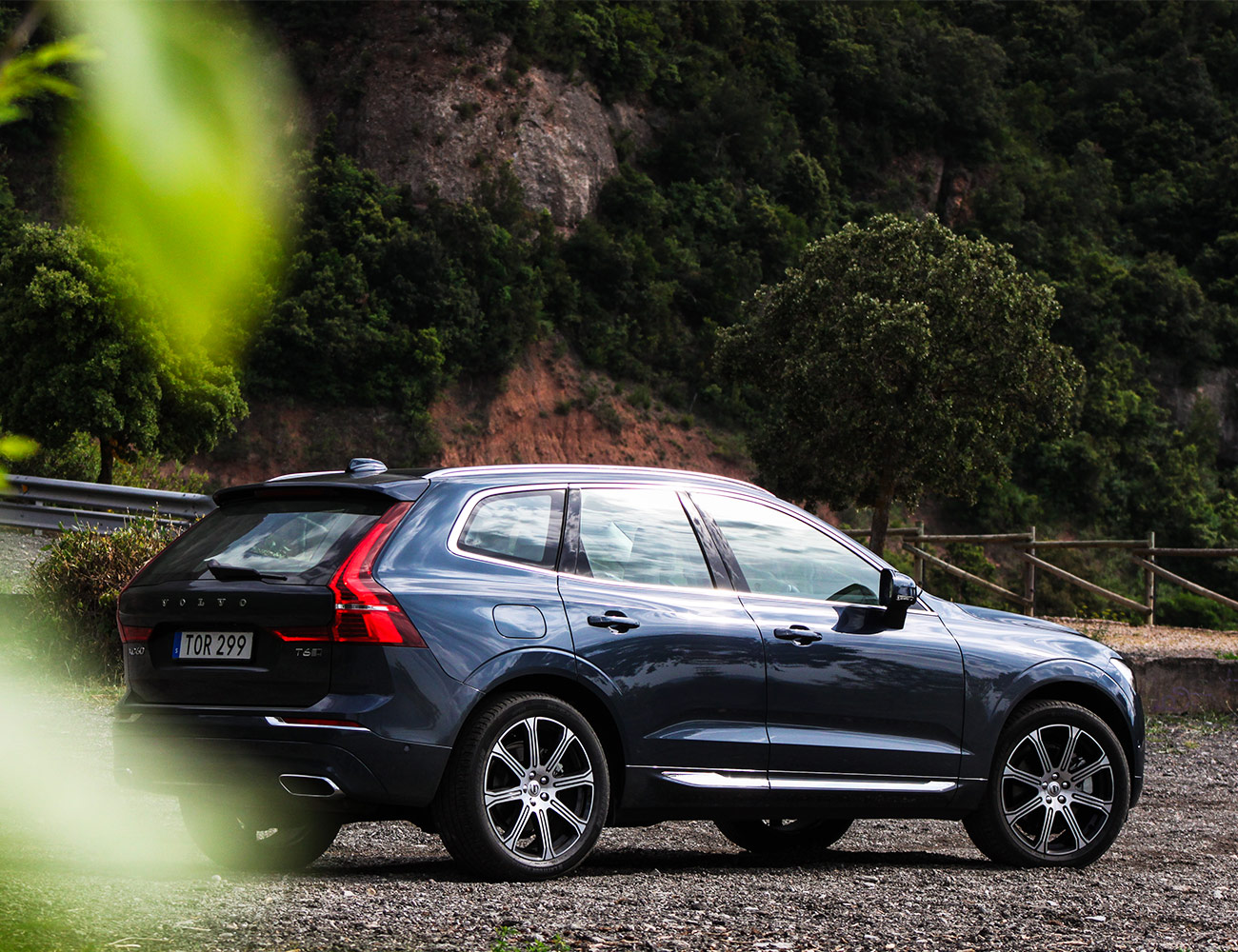
2018 Volvo XC60 “It is stunningly beautiful amidst a background of bland competition — the sheet metal is outstanding, but inside design really shines, especially with the optional driftwood trim.” – Nick Caruso, Associate Editor

Read the official statement here.
Two Reasons to Like the 2018 Volvo XC60 (And One Major Reason Not To)

Two Reasons to Like the 2018 Volvo XC60 (And One Major Reason Not To)

In a world of bland crossovers, the XC60 stands out — but it doesn’t handle like it should.

World Luxury Car of the Year

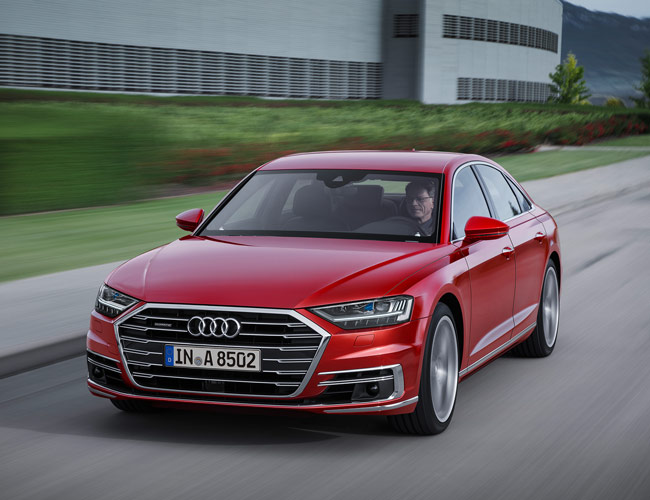
2018 Audi A8 “The headlining feature, which Audi calls “traffic jam pilot,” marks the biggest step towards full autonomous driving from any of the big three German brands. And yet, it’s incredibly disappointing, because it’s packaged in a car that looks as overly serious and terminally clinical as the Audi A8.” – Bryan Campbell, Staff Writer

Read the official statement here.
No Matter How Tech-Laden the Audi A8 Is, the S-Class Will Always Look Better

No Matter How Tech-Laden the Audi A8 Is, the S-Class Will Always Look Better

Audi just launched the most technologically advanced production car they’ve ever put on the road.

World Performance Car

2018 BMW M5 “The M5 has always been the flag-bearer of hard-charging, track-ready performance sedans. With these changes — which of course merely add onto the changes present in the new 5-Series — it retains that title.” – Eric Adams, Contributor

Read the official statement here.
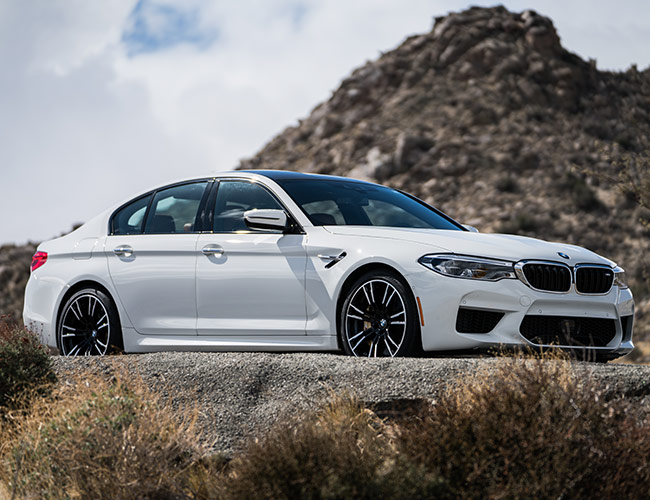
The 2018 BMW M5 Retains the Title of Ultimate, Berserk Sport Sedan

The 2018 BMW M5 Retains the Title of Ultimate, Berserk Sport Sedan

BMW’s renowned engineering backs it all up, offering sharp, precise handling and plenty of power when you want and need it, but it also offers quite a bit of white-knuckle fun for those who like…

World Car Design of the Year

2018 Range Rover Velar “After many miles of cruising the gorgeous tarmac of rural Norway — amid the fjords and the deer-crossing signs — we tackled a variety of off-road challenges that included a climb straight up a ski mountain trail that’s clearly meant to be traversed when there’s already 36 inches of powder on top of it in order to smooth out the ride. No matter.” – Eric Adams, Contributor

Read the official statement here.
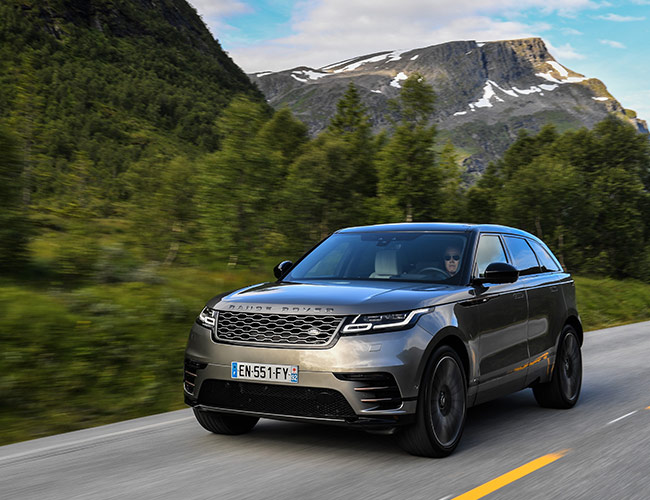
The Elegant New Range Rover Velar Is an Off-Roader for Design Lovers

The Elegant New Range Rover Velar Is an Off-Roader for Design Lovers

Unlike other manufacturers, Land Rover builds vehicles suited to specific personalities.

World Green Car

2018 Nissan LEAF Whatever America’s official stance on the state of our climate it is, every other country’s thoughts are abundantly clear, seeing as how the Nissan Leaf is one of the best selling cars around the globe. And now, after an in-depth study, Kelley Blue Book has awarded the Nissan Leaf the 5-Year Cost to Own Award.” – Andy Palmer, President and CEO, Aston Martin

Read the official Green Car statement here.
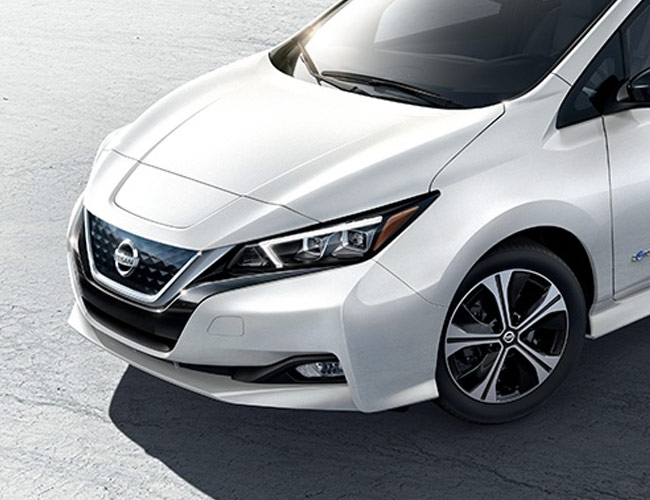
One of the Best Selling Cars in the World Is Also One of the Cheapest to Own

One of the Best Selling Cars in the World Is Also One of the Cheapest to Own

After an in-depth study, Kelley Blue Book has awarded the Nissan Leaf the 5-Year Cost to Own Award.

World Urban Car

2018 Volkswagen Polo “My first car was a Volkswagen Polo Mk1. Before that, I had two motorcycles. I left school at 15 and started working at 16. I had a 12-mile journey to work and my mom and dad weren’t going to get up every morning — but I needed transport, and it wasn’t going to be a push bike (bicycle).” – Andy Palmer, Aston Martin President and CEO

Read the official Urban Car statement here.

Talking Watches, Cars and Hi-Fi with Aston Martin CEO Andy Palmer

Talking Watches, Cars and Hi-Fi with Aston Martin CEO Andy Palmer

Aston Martin CEO Andy Palmer lives the life of a charmed gearhead: he owns and races Astons, travels the world talking about cars and under his watch, Aston Martin has become one of the fastest-growing…

More from the New York Auto Show

The best way to catch up on the day’s most important product releases and stories. Read the Story

This Is Volkswagen’s New Pickup Concept. Here’s Why They Should Make It

This year’s New York International Auto Show (NYIAS) seems to be a cavalcade of normal cars and refreshes. Not that that’s a bad thing, but there aren’t any really genuine surprises — except for one: Volkswagen’s Tanoak concept, a pickup based on the brand’s new Atlas crossover. Who the hell saw that coming?

Being spawned from the Atlas, this new truck concept features VW’s astoundingly versatile MQB platform and is, thus, a unibody construction, rather than body-on-frame, a rarity in the truck segment save for Honda’s Ridgeline. The brand says it’s powered by a 276-horsepower gasoline V6 and sends that power to all four wheels via an eight-speed automatic. That’s a perfectly reasonable, if staid setup that sounds suspiciously production-ready.

Except, as it so plainly states in the Tanoak’s press release, it won’t be coming into production, at least not anytime soon: “Although there are currently no production plans for the Atlas Tanoak, Volkswagen is keen to gauge the reactions of buyers and media, since pickup trucks are one of the biggest volume segments in the US.” According to VW’s North American CEO Hinrich J. Woebcken, “It all depends now if [the US] market will appreciate more unibody pickup trucks.”

Well, Volkswagen currently has the aforementioned Ridgeline to look to for guidance. Though its sales figures aren’t close to touching some of its body-on-frame cohorts, the truck did manage to snag about ten percent of the mid-size truck market, as of July 2017. That’s hardly a flop. And though the Ridgeline’s unibody construction hindered its towing capacity somewhat, it bolstered aspects like fuel economy, ride quality and cargo space. For the vast majority of truck buyers who come up far short of using their vehicle’s full capacity, it’s not a bad trade-off.

Here’s another thing to consider: It wasn’t so long ago that most SUVs were body-on-frame. Fast-forward to today, and the market is flooded with crossovers that ape the body-on-frame SUV look but have unibody constructions. Clearly, consumers now realize the benefits those unibody cars have. Is it so far-fetched to believe the same could be said of trucks someday? You don’t know until you try, VW.

The Honda Ridgeline, Reviewed

Using the same platform as the Odyssey, the Ridgeline is a clever take on the classic pickup. Read the Story

Mazda Has the Best Looking Car on Display at NYIAS 2018

Wading through the sea of crossovers and varying sizes of SUVs at this year’s New York International Auto Show, I found that Mazda tucked away an absolute gem of a concept car. And it’s just a hatchback. The Mazda Kai Concept debuted at the Tokyo Motor Show late last year but compared to the rest of the cars on display in New York, it had the cleanest, sexiest design of all — and it’s now even new.

Mazda’s KODO design language (present in full force on the Kai) is the brand’s statement of intent to move further upmarket. But, as proven by the new $30,000 2018 Mazda 6, that doesn’t necessarily mean Mazda will forget its roots and values and start inflating its price tags. The Mazda 6 showcases a dialed down example of the design of the Kai Concept. However, Mazda needs to go all in and just put the Kai into production.

As it is with most, if not all concept cars, that’s easier said than done. Still, the Kai concept doesn’t have cartoonishly massive wheels or a letterbox-sized windshield — it’s actually not that far off from the current Mazda 3 hatchback. Aside from the bullet-shaped camera side mirrors and those incredible deep-set Iron Man arc reactor headlights, the Kai looks production ready.

Overall, the design relies on close to zero character lines, using the body’s natural curve to get the KODO look across. It’s clean, uncluttered and, honestly, from the front wheels back it comes looks like something Bertone would pen for Ferrari. Mazda does say that the Kai concept is what future Mazdas will look like. Why wait, Mazda? Stop slowly trickling in the Kai details to the lineup. Go all in and send this to production.

Today in Gear

The best way to catch up on the day’s most important product releases and stories. Read the Story

Two of the Best Looking SUVs on the Market Get More Power and Double In Price

It’s no secret the SUV market is an industry cash cow. The segment is constantly expanding with new options from every automaker and a quick stroll around the New York International Auto Show this year will show you all the proof you need. So then it’s no surprise automakers like Jaguar and Maserati are doubling down on their brand new luxury SUVs and giving them supercar levels of performance. Both the Jaguar F-Pace SVR and Maserati Levante Trofeo get massive V8 engines and over 500 horsepower.

Jaguar saw fit to bolt in its supercharged 5.0-liter V8 engine for the F-Pace SVR, giving it a grand total of 550 horsepower and 502 pound-feet of torque to play with. But, if you think that’s impressive, Maserati just unveiled the Levante Trofeo, which borrows the 3.8-liter twin-turbo V8 from Ferrari and gets a unique tune, putting 590 horsepower and 538 lb-ft of torque to all for wheels. SUVs are officially entering supercar territory.

Of the two, Jaguar was the only one to announce pricing. The all-new F-Pace SVR will have a $79,990 price tag hanging on it, a full $38,000 over the base F-Pace. Since the base-level Maserati Levante starts at $74,790, it’s anyone’s guess as to how much of a premium the Italian brand will tack on.

Today in Gear

The best way to catch up on the day’s most important product releases and stories. Read the Story

Lincoln’s Masterful New Aviator is the Rebounding Company’s Strongest Look Yet

You have to admire Lincoln’s savvy in its protracted, dogged pursuit of brand rebirth. Not only has it produced consistently high-quality products in recent years – including, most recently, a crisply redesigned Navigator – but it has wisely learned from its mistakes, steadily abandoning, for instance, confusing naming schemes (MKS, MKX, etc.) in favor of actually memorable names, such as the [reborn] Continental and the upcoming Nautilus. If only some other companies would take note. (Ahem: BMW X2 sDrive28i, BMW X5 xDrive40e iPerformance, BMW X4 M40i M-Performance…)

Now we have the Aviator, also a reborn mid-sized SUV, now slotted between the Navigator and the new Nautilus. Unveiled at the 2018 New York International Auto Show, the machine is easily the best of Lincoln’s recent design efforts, offering an elegant, timeless look inspired – as the name suggests – chiefly by the golden age of aviation. It is built on a rear-drive platform and will offer power of both the twin-turbo and hybrid variety. Lincoln Design Director David Woodhouse, during a walk-around preview of the new SUV ahead of the auto show, cited the Hughes H-1 Racer as a particular influence.

That airplane, a spectacularly beautiful 1930s design with hints of Art Deco influences of its own, finds its lines echoed in the new Aviator. “The fast-falling roofline and the rising rocker line give its silhouette an airfoil shape,” Woodhouse explained, noting that in spite of that tapering effect, they were able to retain comfortable seating for six-foot-tall adults in the third row by relaxing the higher stadium seating configuration that’s popular with three-row SUVs. “The color here – we call it Flight Blue – has its inspiration in the Air Force, and the badging on the side similarly recalls airfoils and aviation in its design.”

The vehicle also finds inspiration on the horizon – literally. Designers wove in wide, flat lines to both interior and exterior, including a sweeping horizontal crease from front to rear and a dashboard configuration that’s wide and accentuates the horizontal distribution of interior elements. “It generates a feeling of equilibrium and balance,” Woodhouse said. “I equate it to walking out to the beach for the first time and experiencing a feeling of calmness.”

Overall, design is also masterfully proportioned, with no exterior elements overwhelming the look, and a sense of scale that masks the vehicle’s generally significant proportions. Credit this to the design team’s pursuit of a visual impact that’s seductive rather than aggressive, Woodhouse said. “It’s more Monica Bellucci than Predator,” he joked.

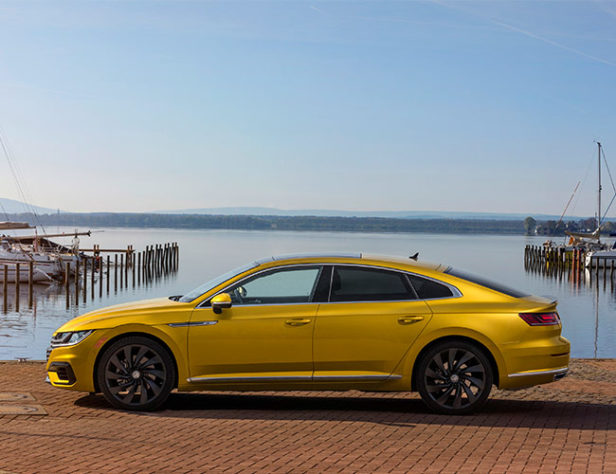
Save Money, Skip the R-Line Upgrade and Get the Standard Volkswagen Arteon

Volkswagen just announced it’ll debut the R-Line package next week at the New York International Auto Show, but when the Arteon goes on sale later this year, you should save your money and skip that option box. Read the Story

The All-New Sierra AT4 Brings GMC’s Luxury Off-Road

The 2018 New York International Auto Show is ramping up and GMC is the latest manufacturer with an enticing announcement. The 2019 GMC Sierra now comes with an AT4 trim package, which gives the luxury pickup the tools it needs to bring you off-road and keep you in the lap of luxury at the same time.

A first for the GMC brand, the AT4 package is not too far off from what you get with Chevy’s Z71 package. The 2019 Sierra AT4 gets a two-inch suspension lift on off-road-tuned Rancho shocks, 4WD as standard with a two-speed transfer case and a locking rear differential, plus skid plates to protect it all, if and when you do take down a dusty trail. A 5.3L V8 also comes standard, but you can opt for a 6.2L V-8 or Duramax 3.0L inline-six turbo-diesel.

For extra help off-road 18- and 20-inch all-terrain tires are available but if you’re sure you’re going to see dirt in this thing tick the option box for the mud terrain-rated Goodyear Wrangler Duratrac tire. The hill descent-control and traction select system features will also come in handy.

To keep you comfortable in the cabin, the Sierra AT4 gets the acres of leather GMC is known for, including a few exclusive trim pieces. Driver assist systems — lane change alert with side blind zone alert, front pedestrian braking and low-speed forward automatic braking — are also available as options. However, the pièce de résistance is the industry-first carbon fiber bed out back, which helps shed weight and makes bed corrosion a thing of the past.

The Sierra AT4 isn’t on the Ford Raptor’s level when it comes to off-road capabilities. However, concerning refinement and comfort on the road less-traveled, it doesn’t look like the Sierra At4 has a match. GMC didn’t announce pricing, but the current All-terrain package for the Sierra lands just above the $2,600 mark, so expect the AT4 option to above that.

Today in Gear

The best way to catch up on the day’s most important product releases and stories. Read the Story
Lincoln Is Finally Bringing Back Suicide Doors, Essentially Making Everyone’s Dreams Come True

There have been many seminal moments in automotive history: the dawn of Henry Ford’s assembly line concept and higher daily pay rates; the onset of seatbelt and airbag requirements; DeLoreans traveling through time. There are design milestones too, the most important of which — and this is not up for debate — is the introduction of suicide doors on the 1961 Lincoln Continental. I’ll allow that the birth of the 911 and E-Type (or possibly the addition of side strakes to the Testarossa and maybe any Aston Martin you can mention) also qualify as monumental touchstones of beauty, but nothing eclipses the elegance of rear-opening slab doors on one of the bar-none best looking cars that will ever exist.

Which makes the heavily-substantiated rumor that Lincoln is bringing back the suicide door literally the best news (concerning ultra-specific details on under-purchased, premium-grade luxury cars) I’ve read in recent memory (read: the last couple months). Indeed, it’s been a rocky week for Lincoln news — just a few days ago, it was reported that the Continental was being axed due to slow sales. Now, with this firmer news that it’ll instead be continued with rear-hinged doors, I’m elated. The company shared its plans to build cars with rear-hinged rear portals at a meeting with Lincoln dealers over the weekend.

Here are some additional truths: the new Continental, introduced last year, really is one of the best premium cars you can purchase today. It’s a massive leap forward for the brand, which had been flailing for decades before its recent reinvention. Indeed, the new Continental flagship, with its vastly improved tech, superior cabin appointments and lovely driving dynamics, paved the way for the equally astounding Navigator SUV. At launch, the only I found lacking in the new Continental was its styling, which is decidedly retro-modern like the rest of its siblings but relatively conservative to the segment in general, especially in contrast to what I had been hoping for. I had been hoping for suicide doors.

The Continental had been teased for years, most plainly with a V12-powered concept car at the 2002 Los Angeles Auto Show. It featured suicide doors. Later, in 2015 and 2016, the brand began teasing a total comeback, which it desperately needed, partially with another Continental concept car. That one didn’t have suicide doors. But, as a lifelong Ford fan, I held out hope for a vintage callback to see its way into dealerships, even as my brand loyalty began to wane. Considering the forward-thinking designs promised by the 2002 show car, my hopes couldn’t have been higher. So when the new Continental finally debuted, I was very excited; that it more closely resembled the 2015 car left me a little disappointed. I firmly believe that had Lincoln returned to market with suicide doors on their sedan, they’d have won the American luxury war, hands down. The brand has been doing well, but a perfect car could have surged them to the top of the heap and beyond.

So the new Continental we got was only a 90 percent effort, nearly 100 percent of which is great. Adding suicide doors now, after the fact, will help boost the car’s standing in its segment, but I’m not convinced it’ll become as good as it initially could have been. That said, the only other maker on the road boasting production-car rear-hinged doors is Rolls-Royce, which is itself a bit of a vintage callback: decades before the ’61 model, the Continental was a direct competitor, and in some cases more expensive than, Rolls-Royce cars. The new Lincoln costs at most about 25 percent what a decent Roller brings.

Lots of folks will call this a gimmick, but I truly don’t see it that way. I see suicide doors on a Continental as reclaiming the car’s mojo, as getting its groove back. There were Contentials before the ’60s, but the car didn’t become an icon until then. This is the proper retro-modern engineering detail the company needs to stand out.

Read my review of the 2017 Lincoln Continental here.

Today in Gear

The best way to catch up on the day’s most important product releases and stories. Read the Story
The Ford Expedition Makes a Triumphant Return and Is Joined by an All-New SUV for the US

Ford is doubling down on the growing SUV market, not only by finally updating the Expedition for 2018 but also by introducing the all-new EcoSport micro-SUV. The big, three-row SUV was due for an update and with the introduction and success of the Lincoln Navigator, it was only a matter of time before Ford passed the architecture down to the blue-collared version. The EcoSport, on the other hand, bookends the other side of the spectrum as the smallest SUV the brand has ever produced.

Pricing for the base Expedition lands just above $50,000 while the top trim level starts at $75,000. The bad news is there’s no V8 available; for now, the only engine option is the 3.5-liter EcoBoost V6 coupled to Ford’s 10-speed transmission which should help with highway driving and towing.

The EcoSport, while new to our shores, has been selling well in Europe for years and adds to Ford’s mission in expanding its SUV lineup in the U.S. It’s officially categorized as a ‘subcompact SUV’, but the EcoSport looks like a lifted hatchback, and not nearly as awkwardly sized and proportioned as crossovers tend to be. Pricing for the lil’ guy starts just under the $20,000 mark and the top trim comes in at $25,740.

What’s most interesting about the announcement, however, is to which demographics these two polar-opposite SUVs are being marketed. Ford says the “full-size Expedition meets Millennials’ growing demand for more space; adventuresome EcoSport enters North American market in the fastest-growing automotive segment – subcompact SUVs – as many Baby Boomers look to downsize.” If true, that marks a significant shift in the thinking of which age groups are buying which cars, since most crossovers to date have targeted young millennials with an active lifestyle. Either way, there’s no reason to think trends in sales will change anytime soon, so both of these SUVs, no matter how different, will sell ridiculously well.

Today in Gear

The best way to catch up on the day’s most important product releases and stories. Read the Story
Toyota Is Going After the Volkswagen Golf and It Might Just Pull It off

The last time a Toyota Corolla hatchback received this much fanfare, Ronald Reagan was in office and Michael Jackson was serenading us over the radio waves with Billie Jean. The early ’80s wasn’t the last time we saw a hatchback from Toyota, but, since Scion dissolved and Toyota absorbed the five-door iM, it was only a matter of time before the Japanese brand slapped its highest selling name on the back. This isn’t a lazy badge-engineering job, though. The 2019 Corolla hatchback looks like it has the potential to be Toyota’s latest weapon in its campaign to be fun and entertaining again.

Based on Toyota’s new platform, the Corolla’s dimensions are nearly identical to the Volkswagen Golf, give or take an inch here and there. A new 2.0-liter inline four can be paired with an optional lightweight six-speed manual that Toyota equipped with rev-matching technology. Toyota’s heart is definitely in the right place.

Now, it’s easy to throw all that enthusiast-focused engineering into a tiny car and market it as a return to greatness, but Toyota’s recent run of form would suggest the new Corolla stands a fighting chance against the relatively unchallenged VW hatch. The Japanese brand recently refreshed its TRD lineup, announced the return of the Supra and formed the GR division, where Toyotas will go to get tuned and upgraded by Gazoo Racing — think of it as Toyota’s AMG.

Today in Gear

The best way to catch up on the day’s most important product releases and stories. Read the Story

Volkswagen’s New SUV Will Be More Advanced Than the Audi Q7 and Come at a Discount

When a car or SUV is launched in Europe or the UK with no immediate mention of it coming to the U.S., there’s always a chance that it won’t. Such is the case with the 2018 Touareg, Volkswagen’s five-passenger luxury SUV.

VW recently announced the new Touareg will be the brand’s most advanced SUV yet, but there was no mention of it being US-bound, just that “the largest markets for what is now the third generation of the Touareg are China, Europe and Russia.” With that said, VW SUVs historically haven’t sold that well on Ameican soil (some think it’s due to their awkward-to-pronounce names), aside from the all-new “>three-row Atlas SUV, which has been a home run. However, the recent news that there will be a five-passenger version of the Atlas built in VW’s Chattanooga, Tennesee plant suggests not only will we get the new Touareg (as a baby Atlas) but the US might even get it at a discount, down from $50,000, because there won’t be any international shipping involved.

If the new Touareg (or whatever it is named when it comes to the US) is built to the same standard as the one recently unveiled for Europe, it’s primed to be more tech-forward than the current Audi Q7 it’s based on. The U.S will likely get the 336 hp 3.0-liter turbo at the very least — that engine will send power to all four wheels through an eight-speed transmission. For the first time, a VW SUV will also utilize rear-wheel steering to make high-speed lane changes more stable and improve maneuverability at parking-lot speeds. Another first is will be an air-suspension setup, lifting the SUV’s ride height nearly three inches. And you’ll need that if you spec the off-road pack which adds extra driving modes, a larger capacity fuel tank and underside skid plates.

The cabin is where you’ll notice the biggest change with the addition of VW’s new Innovision Cockpit system. A 15-inch center-mounted touchscreen now compliments the 12-inch dash screen, combining to make a completely digital, nearly buttonless driver interface compatible with Android Auto, Apple Car play and will act as a wifi hotspot.

Again, VW hasn’t made the call yet, but with its push to become an SUV-only brand, with U.S being one of the largest SUV markets in the world, it’s a safe bet. Volkswagen has announced it’ll be building a similarly sized SUV within our borders. Whether that will be Europe’s Touareg but with an easier-to-pronounce name, we’ll have to wait and see.

Great SUVs that are available Now

This list of the 10 best SUVs under $50,000 serves as a guide to one of the most popular consumer automobile segments and includes important terminology and recommendations for almost every driver.Read the Story

5 Used Top-Trim Sports Cars Worth the Extra Money

Editor’s Note: We love scouring the internet for reasons to spend money we don’t have on cars we daydream about owning, and these are our picks this week. All prices listed are bid amounts at the time of publishing.

When you play the numbers game on paper, the high-performance top trim model is always going to look the best. In reality, that’s not always the case. For instance, the base 911 won’t let you down if you decide to save the money over the turbo or GT3 RS. Want the BMW M2? Spring for the MW M240i instead — it’s nearly identical and is a few grand cheaper.

Sportier isn’t always better, but there are a few cars out there that are miles ahead of the next model down — they’re worth the splurge. Here are five sports cars you should spend the extra money because they are that much better than their standard stablemates.

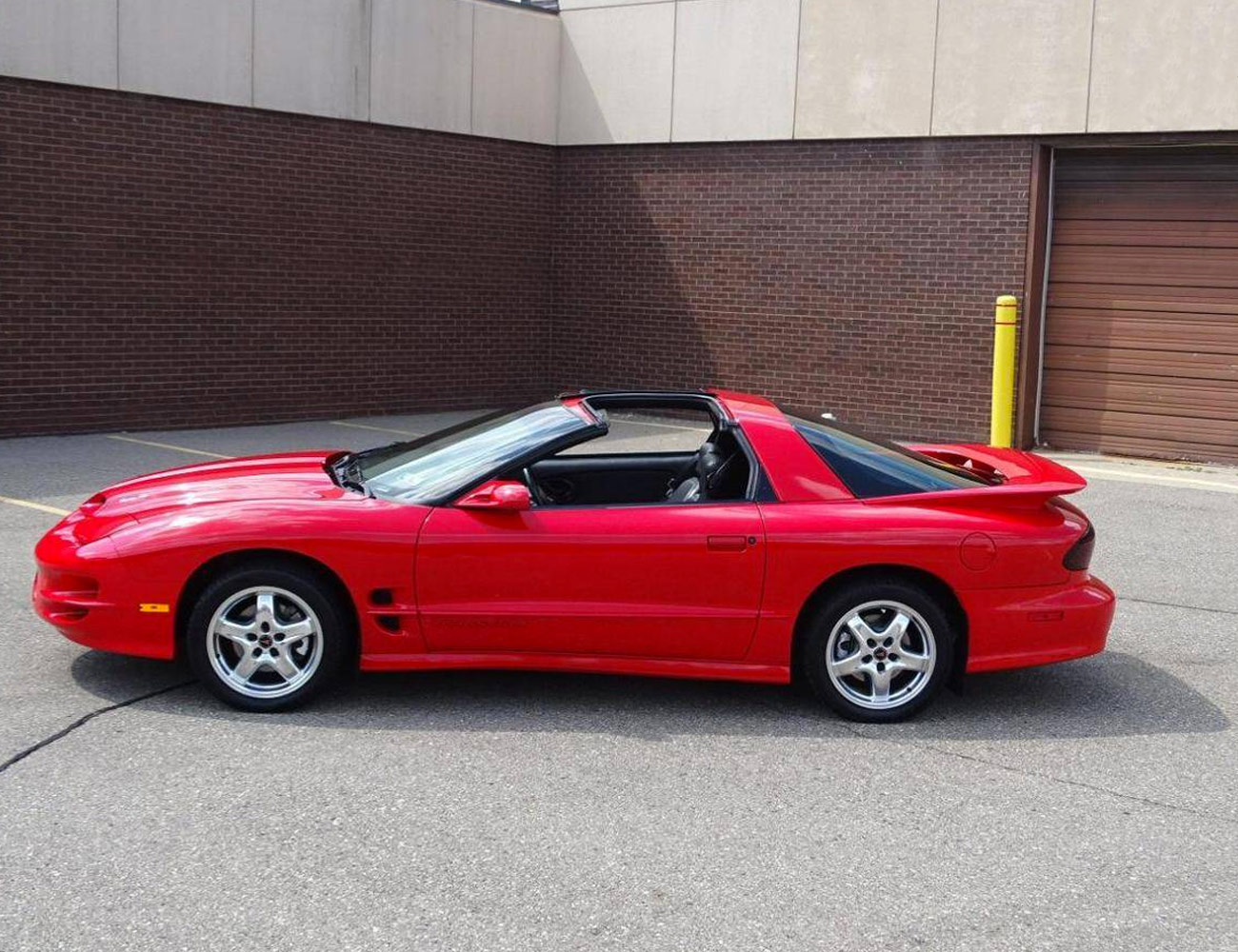
2001 Pontiac Trans Am WS6

Mileage: 31,862
Location: Dearborn, Michigan

What we like: I’ve always been a fan of the Trans Am WS6 (and I’m not alone). The Trans Am took up GM’s muscle car duties when the Camaro took a hiatus in the early-aughts, but it was more than just a drag strip regular. GM gave the top-of-the-line Firebird a genuine suspension package to match the 305 horsepower Corvette engine under the hood. You could say it was the forebear to today’s generation of track day-bound Amercian sports cars from Ford and Chevy.
From the seller: “Not only did they do a ton of styling to the car but the WS6 model packs a punch under its hood and translates power courtesy the WS6 suspension package. Under the hood of this beast is a 5.7-liter LS1 V8 pushing out a bold 325 horsepower.”
What to look out for: Common consensus on this generation Trans Am is that the electricals suffer failures more often, especially the headlight motors and window motors. On higher mileage examples fluid leaks can be common as well.
Second opinion: “The Trans Am is a heavy hot rod that’s easy to manage in corners. The latest WS6 handling package features three-valve shocks for greater bounce control and better high-speed stability on course pavement. It’s Corvette performance for a minivan price.” — Motor Week

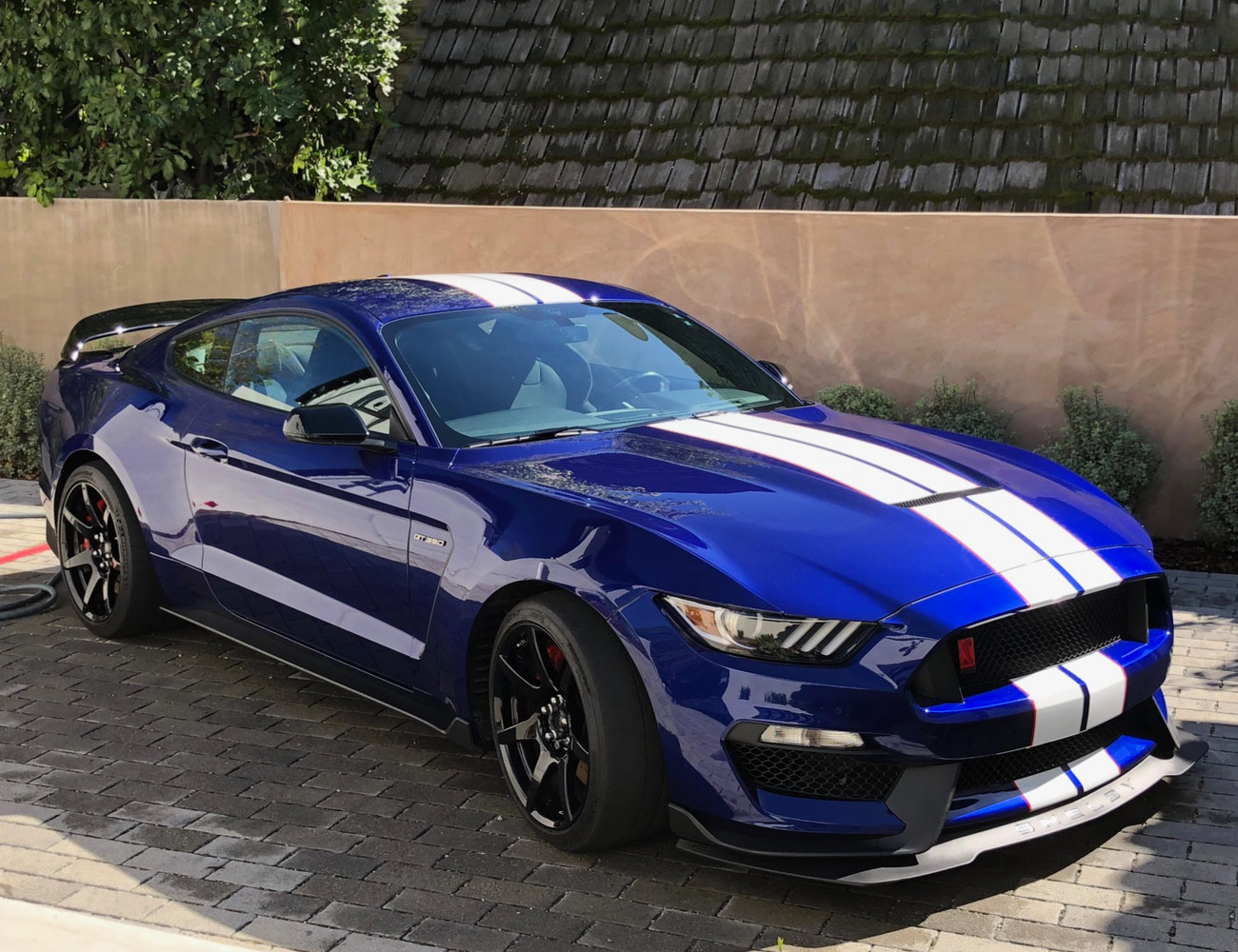
2016 Ford Mustang Shelby GT350R

Mileage: 5,949
Location: Los Angeles, California

What we like: The standard Mustang is, of course, an icon. It’s a wonderful car to experience, but to own one every day takes a lot of patience and compromise. More plainly, it may not be worth it. The GT350/R on the other hand, with its high revving Voodoo V8 and incredible sound and driving dynamics changes that. The GT350R sits next to the Mazda MX-5 on my list of cars that are wonderfully entertaining to drive close to or at their limit.
From the seller: “Factory options include a racing stripe and the Electronics Package, which consists of dual-zone air conditioning, navigation and CD player. The 5.2-liter DOHC V8 is mated to a six-speed manual gearbox and features a flat-plane crankshaft. As an R model, this car features 19-inch carbon fiber wheels, track-oriented suspension and aerodynamic enhancements.”
What to look out for: There was a major problem with faulty transmissions and overheating diffs on 2016. Before diving into a GT350/R make sure this is rectified.
Second opinion: “The GT350R comes standard with all the Track pack items, plus a functional front splitter, taller rear wing, underbody belly pans with a real diffuser and side skirts, all said to produce twice the downforce of a Porsche 911 GT3. Of course, the model-specific carbon-fiber wheels and tires add their benefits to the mix. The corner speeds that felt a little dicey and dancing and on the limit in the base GT350 could be taken 10-15 mph faster.” — Chris Walton, Motor Trend

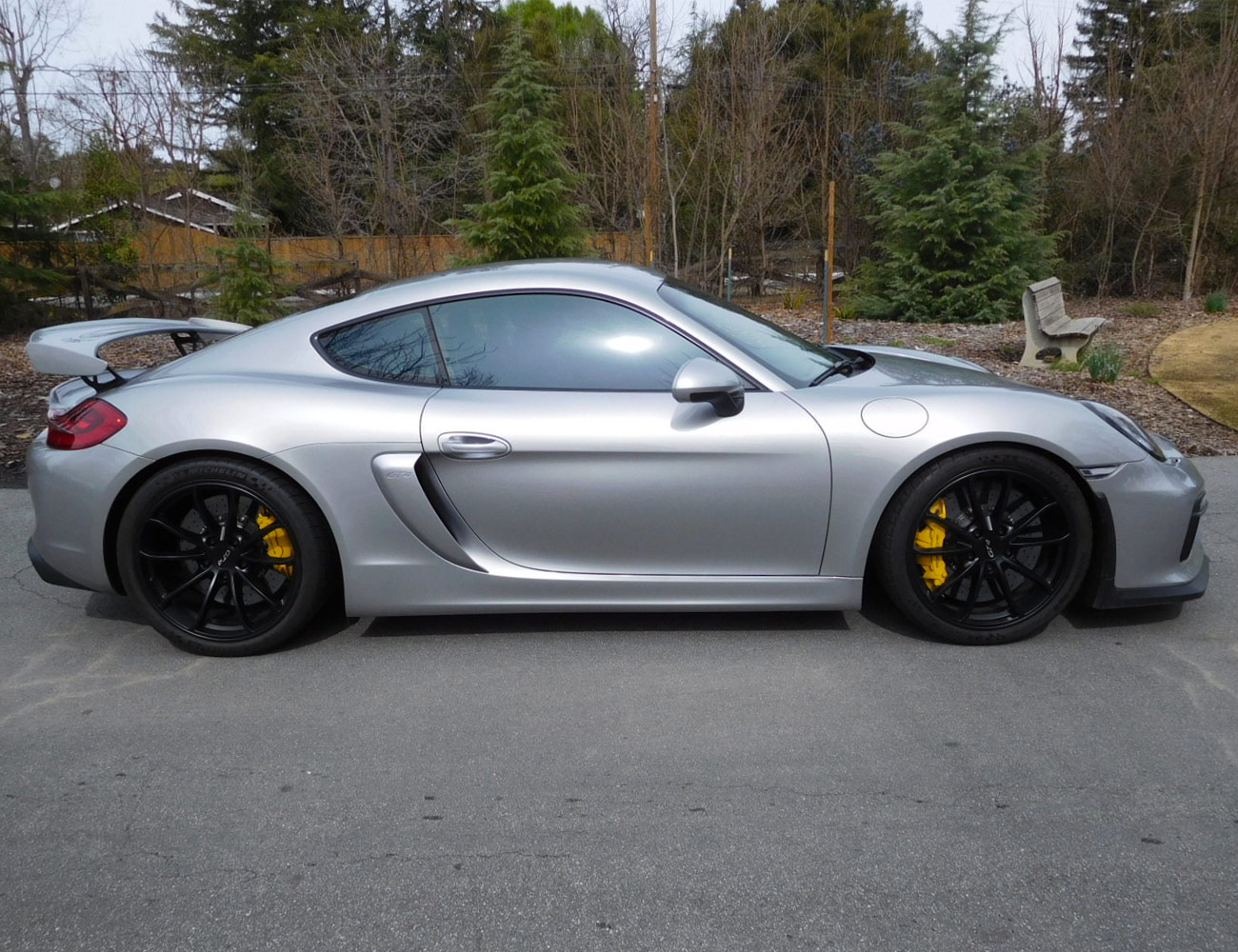
2016 Porsche Cayman GT4

Mileage: 6,926
Location: Atherton, California

What we like: Between the sound, the way it drives and the way the driver interacts with the car so directly, almost organically, the GT4 is a what a car looks like inches away from perfection. The base-level Cayman is a mesmerizing and an incredibly capable car in its own right, but that just shows how stellar the hot-rodded GT4 is.
From the seller: “Finished in GT Silver Metallic over black leather, the car is equipped with over $26k in options, including carbon ceramic brakes, the Sport Chrono package, Porsche Communication Management (PCM), lightweight bucket seats, carbon fiber interior trim and more. Power is provided by a 3.8-liter flat-six that was derived from the contemporary 991 Carrera S engine and mated to a six-speed manual transmission. An Akrapovic titanium exhaust was added along with a lightweight flywheel, clutch, pressure plate, release bearing, and a custom transmission gear set from Sharkwerks.”
What to look out for: No major maintenance problems have been reported yet.
Second opinion: “The Cayman GT4 manages the neat trick of being both reassuringly familiar and radically different. Nobody with prior experience of any GT-badged 911 is going to be either offended or surprised by the way the über-ized Cayman drives, or the clinical competence with which it deals with the all-important business of being thrashed around a racetrack” — Mike Duff, Car and Driver

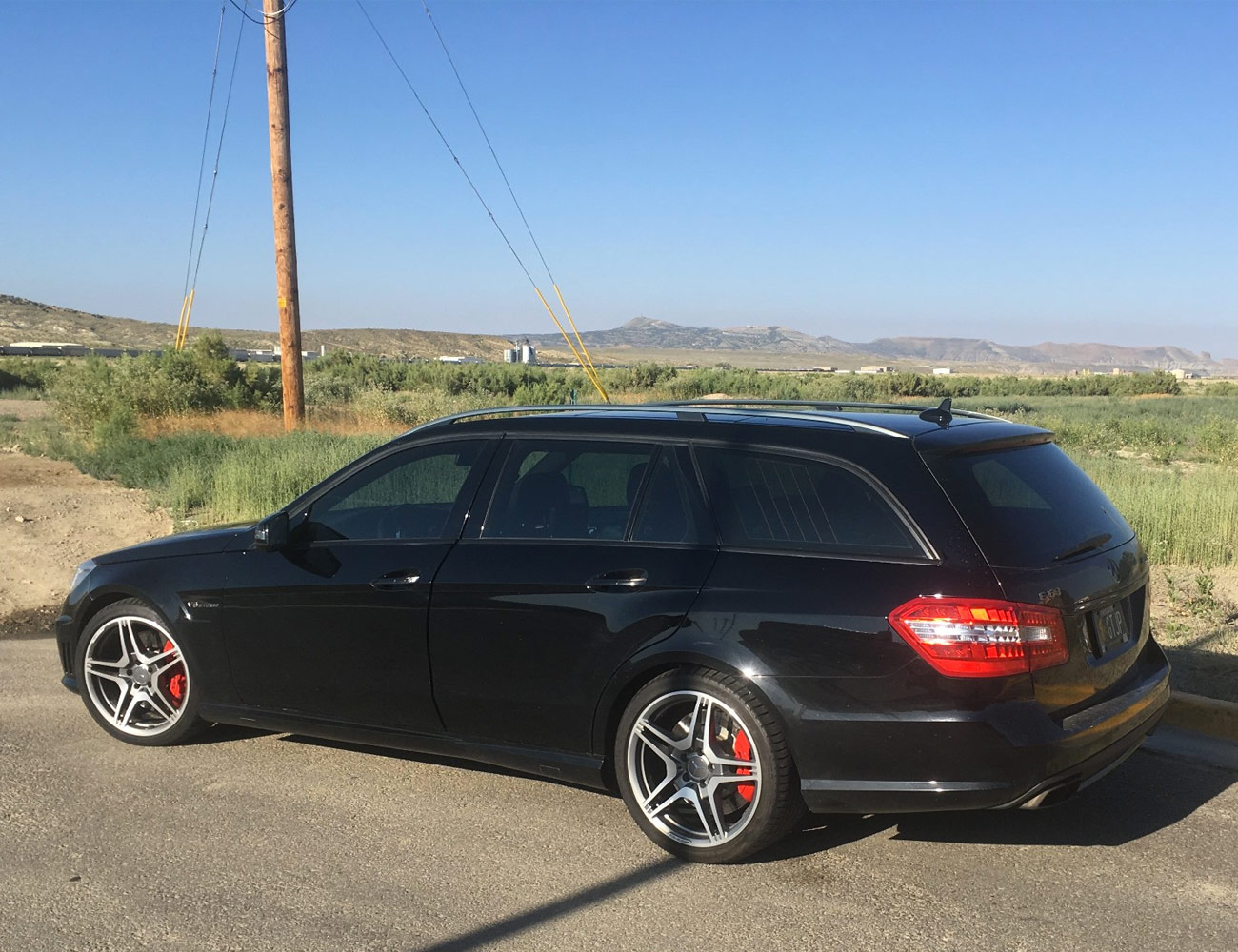
2012 Mercedes-Benz E63 AMG Wagon

Mileage: 60,317
Location: Wayzata, Minnesota

What we like: Wagons are a rare sight as it is, but seeing muscle wagon is a joy few get to experience. Any time the the practicality of a wagon is combined with raw power, it shows everyone that wagons are> cool. And wagons that can do massive burnouts inbetween school runs are even cooler.
From the seller: “Since purchasing the car the seller had the Renntech R1 package fitted by their Mercedes dealer. The package includes an ECU tune, Renntech sports muffler, BMC air cleaner and an intercooler pump. The modifications reportedly increase the 5.5-liter V8’s output to 696 horsepower and 801 lb-ft of torque.”
What to look out for: The E63 wagon’s transmission can develop a “jerkiness” over time that can easily be fixed with a plug-in computer reset at the dealer. Spark plugs may cause a misfire, though Mercedes issued a recall to fix the problem.
Second opinion: “So complete is the joy of ripping off 12.1-second quarter-mile times in a wagon with room for five and the family dog that you’ll actually look forward to long excursions. It’s as if ‘Big Daddy’ Don Garlits had a drag car purpose-built for Take Your Children to Work Day.” — Andrew Wendler, Car and Driver

1999 BMW M3 Convertible

Mileage: 116,649
Location: New Fairfield, Connecticut

What we like: The E36-era 3-Series and M3 are the black sheep of BMW’s mid-sized sedan family. They came across as an exercise in cost-cutting, and the overall refinement of the E36 suffered because of it. But, if anything, that makes picking up an E36 a little bit easier these days because they’re less desirable. Driving wise, the base 325i was okay, but in M3 trim you got a whopping 92 more horsepower, an extra 44 lb-ft of torque and dialed in suspension.
From the seller: “It is powered by a 3.2L inline-six paired to a five-speed manual transmission and modifications include clear turn signals and side markers, HID headlamps, an M50 manifold, and an aftermarket stereo system.”
What to look out for: “Problematic items include the water pump used on ’95, ’96 and some ’97s. It had a plastic impeller that tended to fail after 60,000 miles. Replacement pumps with metal impellers are available, however. All M3s should be checked for cylinder compression, and a cooling system pressure check performed to ensure the radiator neck isn’t cracked. Check that there are no overrev codes on the computer. Automatic car washes should be avoided, as the engine-management computer is susceptible to flooding.” — Motor Trend
Second opinion: “The M3 has always been a well-balanced convergence of performance hardware, such as a high-revving engine, stiff sports suspension, vicelike brakes, tasteful body modifications and discrete badging. BMW‘s motorsport background was evident in the M models, and the M3 was the most affordable of the bunch.” — David Newhardt, Motor Trend

In the Market for a Brand New Car?

Choosing one among the endless many is no easy task. Moreover, since the average price for an SUV 2017 was just under $40,000, it’s a decision that shouldn’t be taken lightly. To cover all the bases, we bumped the budget up to $50,000 and chose the best new SUVs you can buy in 2018. Read the Story

A Quick Guide to Selling Your Car

Next to your house or apartment, your next most significant earthly possession is probably a car. And, unless it’s a complete heap of junk, your car is probably worth a sizeable chunk of change, which begs the question ‘how do I sell my used car?’ If and when you decide to dive into the used car market to offload it, either to upgrade or make a lateral purchase, you’ll want to get every penny for it that you can. But it’s not as simple as uploading a camera phone photo, listing its mileage and sitting back to watch bids flood your inbox.

Randy Nonnenberg, founder of Bring a Trailer, one of the fastest-growing online car auction communities, has seen his fair share of success stories and failures. At any given moment on BaT, you may see a 1967 Toyota 2000GT listing at $560,000 next to a 2002 Volkswagen Eurovan Westfalia Weekender going for $5,000. However, as stunning and jaw-dropping as your car may be, it more than looks to sell. Nonnenburg stresses, “it’s not just about the car magazine glamour shot, with the sun going down behind it.” He explained the nuances that go into listing and selling a car, regardless of whether it’s a gem or a junker.

Photos, photos and more photos. They don’t necessarily have to be professional photos. We have a tutorial on the site about how you take great photos of your car with lighting and pretty low-tech cameras. The presentation is important, but on BaT we also ask for photos underneath the car, the technical details, under the hood, under the carpets and all through the car. Our bidders love to see that stuff and we place a high bar on the seller being able to do that.

Keep detailed service history. Given that a lot of these cars transact long-distance, the more information out there, the better. You don’t want any mystery or weird questions remaining — bidder confidence is what makes the price go up. Historical records are really important. Paperwork, more photos are key in BaT listings. They’re not really glamorous, but they provide a lot of information about maintenance, accidents, repair work or restoration.

Did the car live an interesting life? Sharing a lot about what the ownership of the actual car was like is really important. Stories that go along with the car do amazingly well on BaT too, like the old lady who bought a ‘Vette brand-new and owned it for 60 years. That backstory went across and people go totally wild for those and bid those cars really high when they have a seller story to go with them. So digging into the history and story of a car is helpful, if it has one.

Where has your car been? Has your car been in a salt belt area or is it a California or Arizona vehicle? It’s ok, wherever the car has been, but if it’s been in more rust-prone areas, taking extensive photos and learning where your car might be particularly susceptible to rust [is necessary]. And showing it. Because if you can show that you car is either rusty or clean, it really helps with bidder confidence.

Transparency and friendliness are key. Once contacted, the seller needs to have an open attitude, to be responsive. We have the comment section, and we coach and encourage sellers to be in there all the time and just be friendly and available because potential buyers usually pull back from mysterious or absent sellers. Being a cool, even-keel person is something the car industry needs more of these days. Engagement is paramount, which is why eBay auctions can be shady and Craigslist is super scary. You don’t know who the seller is.

In the Market for a Brand New Car?

Choosing one among the endless many is no easy task. Moreover, since the average price for an SUV 2017 was just under $40,000, it’s a decision that shouldn’t be taken lightly. To cover all the bases, we bumped the budget up to $50,000 and chose the best new SUVs you can buy in 2018. Read the Story

Cadillac’s New Offensive on Audi, BMW and Mercedes

The slow-selling Cadillac CT6 just received the upgraded performance and styling it deserved from get-go. From the ATS and CTS to the behemoth Escalade, it’s generally accepted that Cadillac can make an outstanding car, but for some reason, they can’t steal sales away from Deutschland. Now, with a healthy amount of design language borrowed from the Escala concept introduced at Pebble Beach in 2016 and an all-new 4.2 -liter twin turbo V8 engine, the CT6 now has a fighting chance.

The refreshed flagship sedan now comes in a V-Sport trim to sit above the standard version. Let’s be clear though, the ‘standard’ version comes with 500 horsepower, but it’s the upgraded V-Sport engine putting 550 horsepower and 627 lb-ft of torque to all four wheels making all the headlines.

Giving credit where credit is due, it’s about time Cadillac is more aggressive putting the stunning styles of its concept cars into production. On the other hand, the inside-V twin-turbo might be all-new to Cadillac, but BMW, Audi and Mercedes have been using that architecture for quite some time and with incredible success. However, it just goes to show that engine layout is the way forward and it’s also worth noting this is one of the first high-profile instances in a long time that GM gave Cadillac some juicy engineering before the precious Camaro and Corvette.

Speaking of the Corvette, its home in Bowling Green, Kentucky is precisely where Cadillac is assembling the all-new engine, and by hand no less. Similar to the AMGs coming out of Affalterbach, the Caddy engines will be stamped and signed by the factory worker who built it too. I also want to point out this is just one more dot to connect with my theory about Cadillac testing the top-secret next-generation Corvette engine, but I’ll wait a little longer to say “I told you so.”

Is the Next Generation Corvette Engine Right In front of Us?

The new engine for the secretive C8 Corvette may be hiding in plain sight and it’s not outrageous to think so. Read the Story

Essential Gear For an Overland Adventure

Last Updated March, 2018: This post has been updated with new picks for 2018. Prices and links have also been updated.

“It’s not about the destination, but rather the journey” — or something like that — is the age-old maxim. If that’s true, and if you’re a gearhead, really there’s no more satisfying way to journey than via expedition-ready overland rig. And as manufacturers continue to offer up off-road-ready vehicles straight from the factory, the call of the overland trip grows louder, and adventure arrives more easily.

If you’re ready to answer the call, there are a few things you should put on your shopping list. Aside from your basic camping gear, survival tools and your standard vehicle maintenance essentials, you’ll want an array of gear that will keep you high and dry (in a good way) and your truck or SUV from getting stranded. The list quickly becomes expensive, but it’s better to invest now than be stuck later.

Rhino-Rack Base Tent 2500

“Home is where you park it” — a timeless adage that Rhino-Rack Base Tent 2500 takes seriously. The Base Tent 2500 can be used as a free-standing tent or in conjunction with the Sunseeker 2500 Awning to create a full-on ‘back porch’ setup off the side of your overlander. There are four doors for easy access, plus the tent acts as a thermal barrier from the sun when it’s hot and has a PVC waterproof floor for when the weather gets wet.

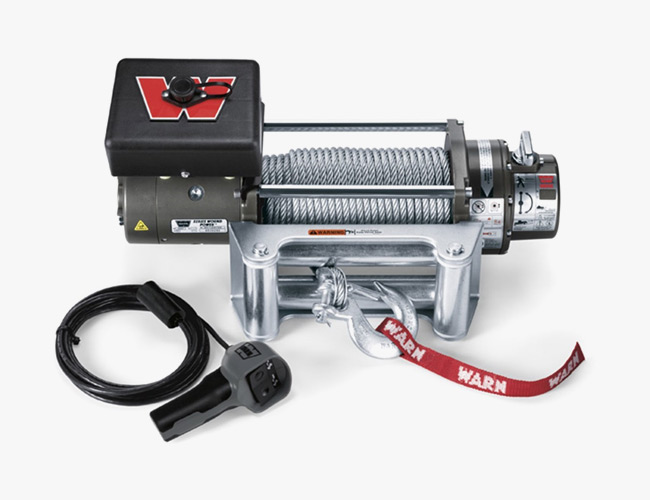
WARN M8000

overland-gear-gear-patrol-warn-wrench

The value of a good winch is immeasurable, and WARN has been making some of the finest recreational off-road winches since 1959. The M8000 has become a mainstay in the off-road community for decades for its value, effectiveness and simplicity. WARN suggests you pick a winch with 1.5 times the pulling capacity as your vehicle’s GVWR, so while the M8000 is great for smaller off-roaders like the Jeep Wrangler or Nissan Xterra, if you’re driving something a bit more burly you should consider jumping up in capacity.

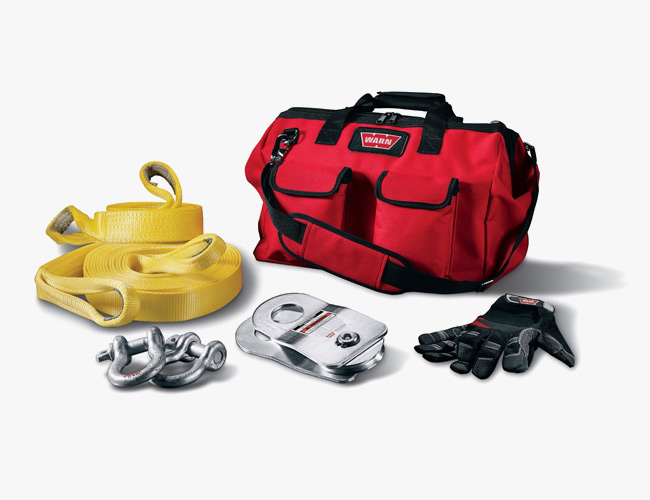
WARN Medium Duty Winch Accessory Kit

overland-gear-gear-patrol-wrench-kit

Your winch won’t do you much good if you don’t have the right accessories. This kit from WARN comes with everything you need: D-shackles, a tree protector, a 30-foot tow strap, a snatch block, gloves and a heavyweight bag with room for more winching accessories you amass over the years.

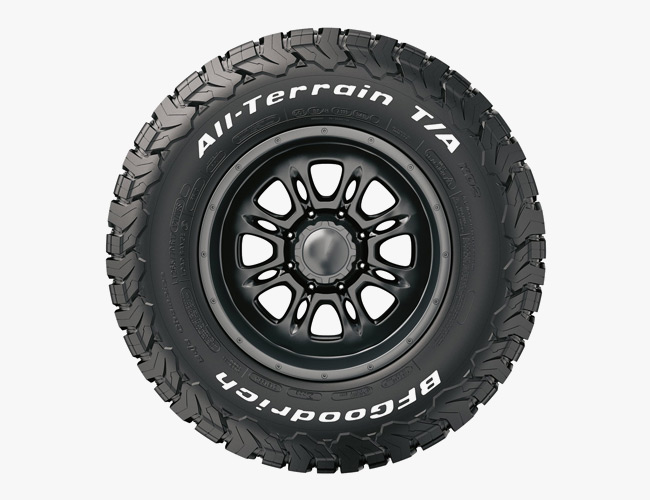
BFGoodrich All-Terrain T/A KO2

overland-gear-gear-patrol-bf-goodrich

The BFGoodrich All-Terrain T/A KO2 makes for one hell of a winter tire, but its off-road accolades are not to be forgotten. The BFG All-Terrain tire was the original all-terrain tire and has remained a favorite since its debut in late ’70s. The latest generation combines both on-road manners and off-road capability with a sturdy sidewall construction and long-lasting tread.

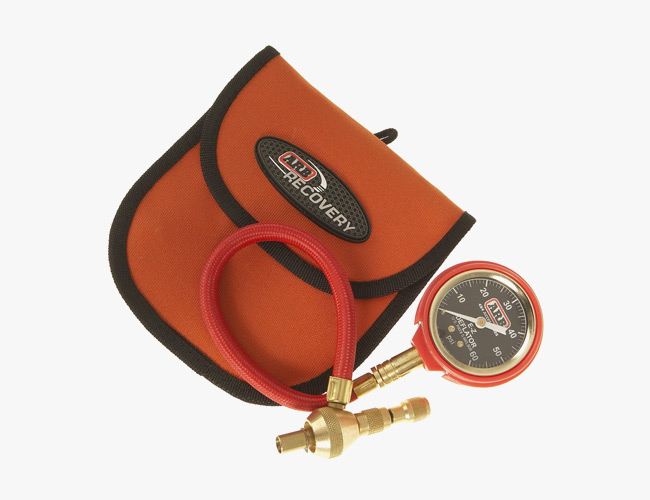
ARB ARB505 E-Z Deflator

overland-gear-gear-patrol-arb-deflator

It’s likely you’ll encounter rock or sand at some points on your overland excursions. For maximum traction you’ll want to let out air from your tires. This deflator from ARB will remove the valve core from the tire for quick deflation.

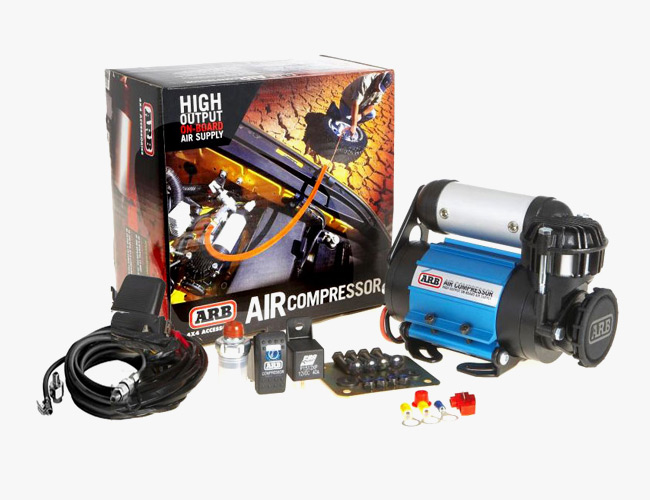
ARB CKMA12 Air Compressor

overland-gear-gear-patrol-arb-air-compressor

Because you won’t want to run on deflated tires for the entirety of your journey, you’ll want to add an air compressor to your shopping list as well. This unit (also from ARB) is light, compact and can be easily installed under the hood of your truck or SUV.

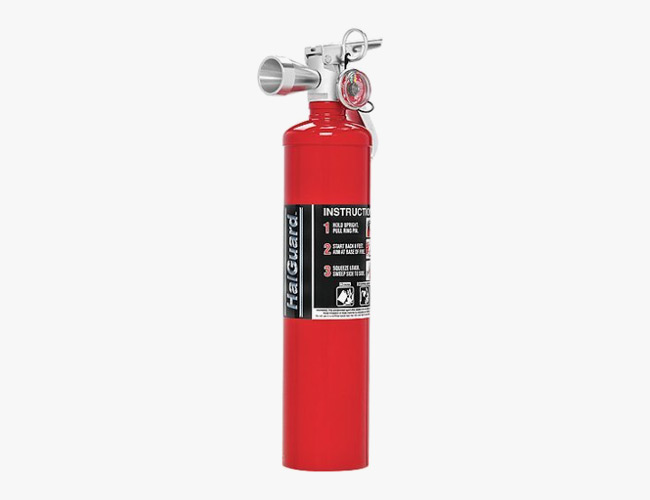
H3R Performance HG250R

overland-gear-gear-patrol-hal-gard

Though rare, vehicle fires do happen, and be they caused by fuel or electronics, you want to be covered for both. H3R makes some of the best extinguishers for vehicles of all types and are rated for “Class B” (liquids) and “Class C” fires (electrical).

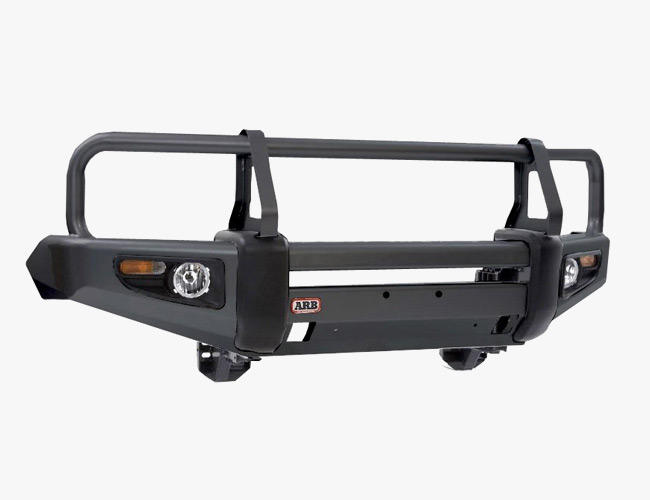
ARB Deluxe Bull Bar

overland-gear-gear-patrol-arb-bull-bar

A bull bar is not just a menacing aesthetic enhancement (let’s face it, that’s a big part of the draw), but it also makes for a mounting point for any extra lights or winch you want to add to your rig. But a well-built bull bar will also help protect your truck — you do not want to hit a deer or tree and deal with the resulting damage. Once again, off-road powerhouse ARB comes in with a solid accessory that is available for a variety of popular overland vehicle choices.

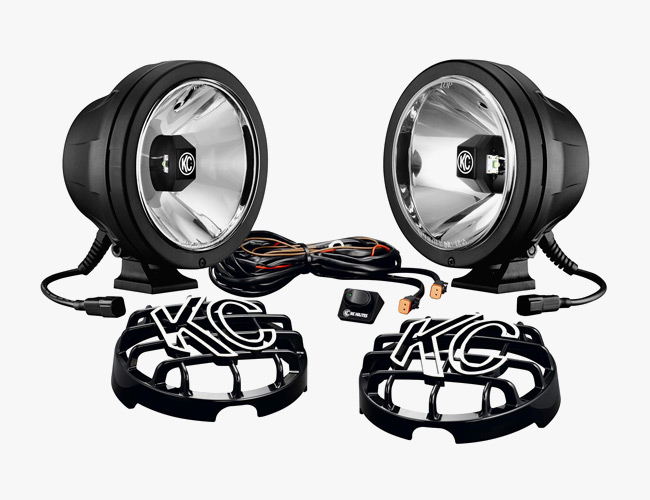
KC Pro-Sport Gravity LED

overland-gear-gear-patrol-kc-pro-led

If you need to tackle terrain at night, you’ll want as much visibility as you can get. KC has long been a go-to for off-roaders in need of a little more light, and their LED option should not disappoint — they’ll give you the extra visibility you need to see upcoming obstacles without drawing much power from your vehicle.

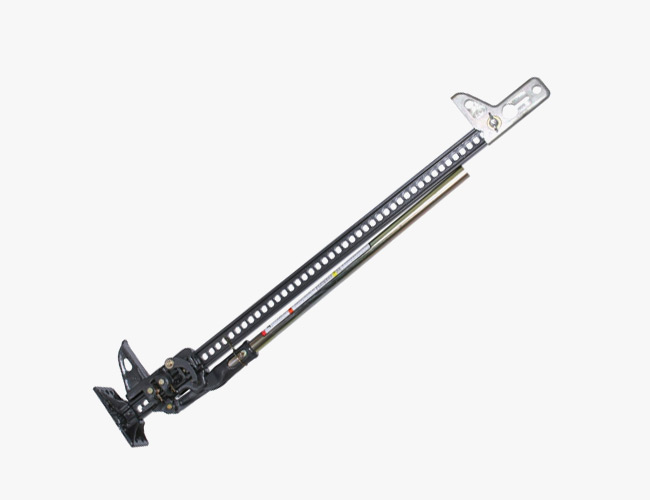
Hi-Lift XT-485 Jack

overland-gear-gear-patrol-lift-jack

We’ll let Expedition Portal explain at great length why the Hi-Lift Jack is one of the most important pieces of equipment to have on an overland trip, but it boils down to this: in addition to being used as a jack, it can be used as a heavy-duty clamp, as well as a “come-along” for winching your vehicle out of trouble in case your winch is out of commission.

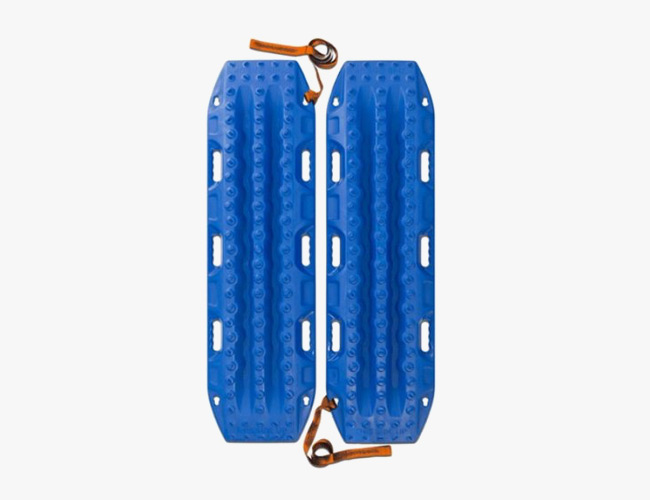
MaxTrax MKII

overland-gear-gear-patrol-max-trax

There’s an old trick that you can use some old carpet or your car’s floor mats to get unstuck in the snow and ice. The MaxTrax uses the same principle of temporary traction but is more durable in case you get stuck in something more harrowing than a little snow and ice.

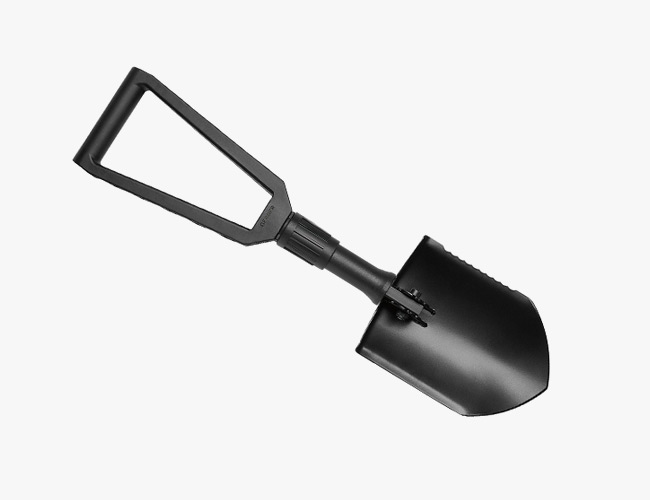
Gerber E-Tool Folding Spade

overland-gear-gear-patrol-gerber-spade

Lightweight, compact and sturdy, this folding survival shovel from Gerber is ideal for digging your way out of sticky situations without taking up too much room in your truck or SUV.

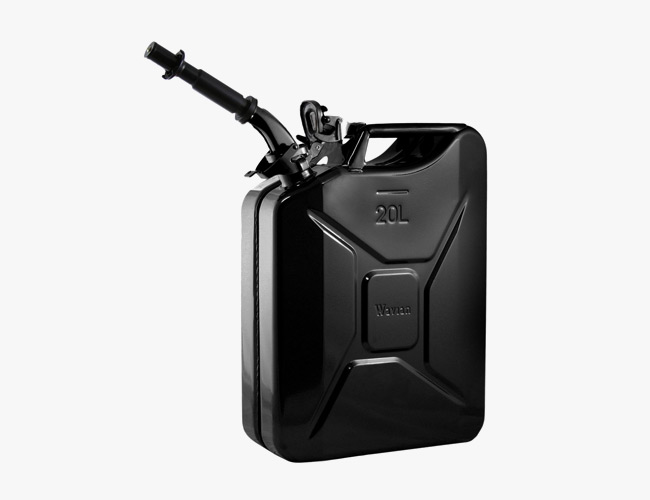
Wavian NATO Jerry Fuel Can

overland-gear-gear-patrol-fuel-can

A good jerry can (or two) is a necessity for increasing your range out in the middle of nowhere. This modern take on the classic metal jerry can retains the solid build quality of the original but is also EPA and CARB compliant.

Husqvarna Curved Handle Hatchet

overland-gear-gear-patrol-husqvarna

Aside from basic fire-building duties at camp, a good hatchet will be useful for clearing any fallen trees and excessive vines on the trail. This option from Husqvarna is compact, lightweight and is made from hand-forged steel and a hickory handle. In a pinch, the flat side of the head can be used as a hammer.

Magellan eXplorist TRX7

magellan-explorist-gear-patrol-650

Magellan has been in the GPS game for 30 years, but the TRX7 is the brand’s first foray into hardcore 4×4 navigation. It comes preloaded with maps, over 44,000 off-road trails from National Parks and public lands as well as other points of interest. In addition, it allows you to record your own trails and data (which Magellan also uses to improve its maps) and see ratings of trails from other explorers, who can log information like incline difficulties and the depths of water crossings.

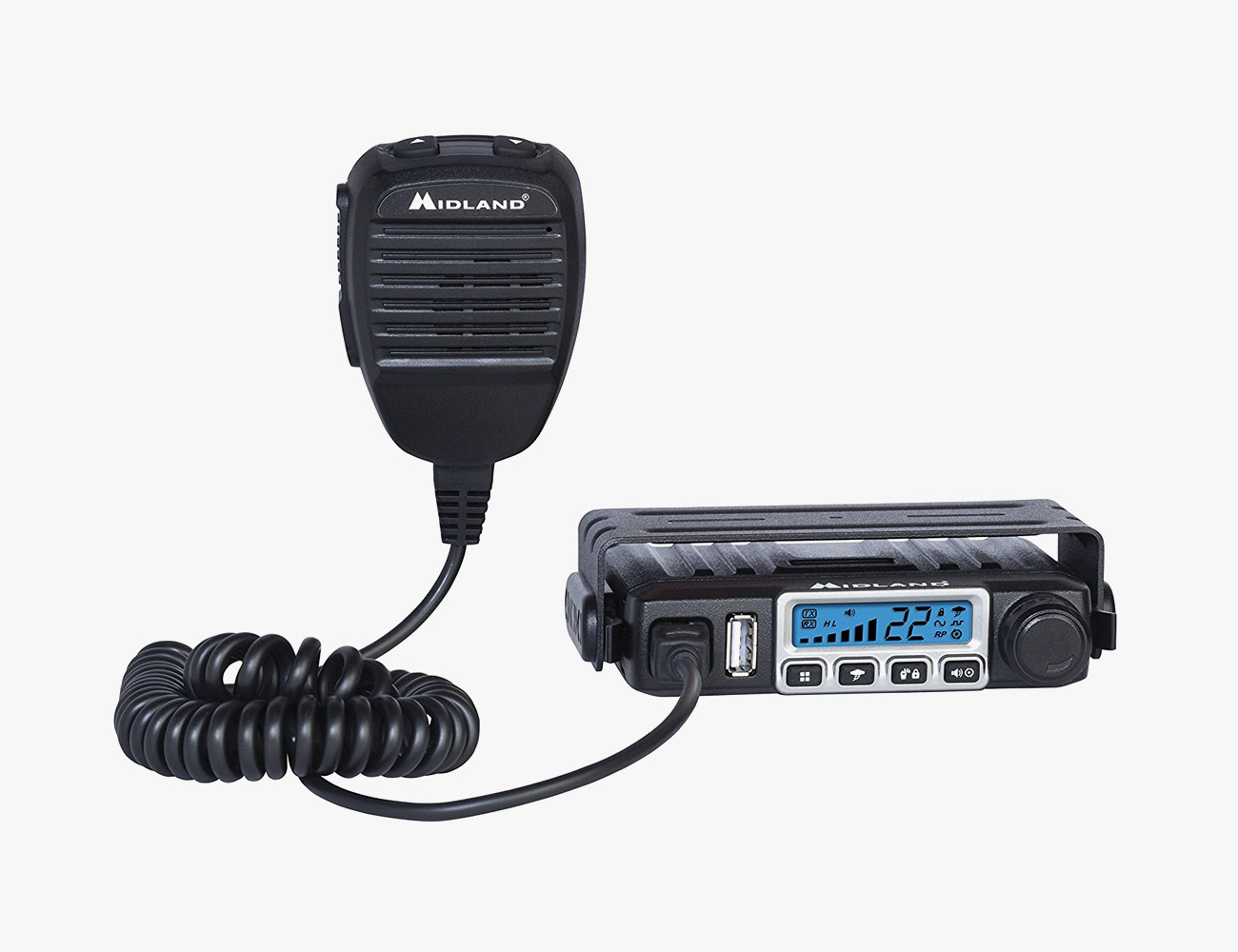
Midland MXT115 2-Way Radio

Getting to the campsite is only half the adventure. Hiking, mountain biking and kayaking all await once you get there, but when you leave your base camp, it’s always a good idea to have a line of communication open. The Midland Midland MXT115 2-Way Radio keeps a line open with the walkies you brought and even has NOAA weather channels with alert and weather scan to keep you informed and ready.

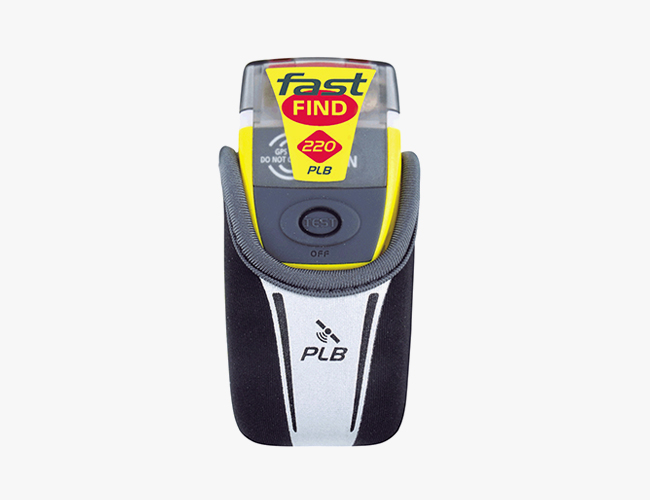
McMurdo Fast Find 220

fast-find-gear-patrol-650

While it’s a good idea to have your overland rig outfitted with a HAM Radio, as a backup or last resort, a personal locator beacon (PLB) is a no-brainer. While it lacks the messaging service of higher-cost PLB devices, the McMurdo Fast Find is simple, and will alert a search-and-rescue team via COSPAS-SARSAT of your location within minutes of activating.

Best SUVS Under $50,000

Deciding on a single SUV is no easy task. And since the average price for an SUV 2017 was just under $40,000, it’s a decision that shouldn’t be taken lightly. Read the Story

The Used Cars We’d Buy Right Now For $10K

It’s not an insignificant amount of cash, 10 grand. In the world of used cars, though, it can be a fortune if you find a hidden gem — a feat easier said than done. It helps if you have a team of car-crazed writers doing the searching (and if they’re not actually spending any money). We combed the internet again to find our dream cars of the month: what we’d pick up if we had a budget cap of 10 large and were able to follow our dreams. If you do pick up one of the cars below, drop us a line so we can arrange a ride?

2005 Land Rover LR3 SE

The best thing about used Land Rovers is how cheap they are. The Land Rover LR3 (called Discovery everywhere besides North America) is one of the finest off-road vehicles in existence, and still has the old design language from when Land Rovers were boxy and utilitarian. Most can be had for less than $10,000 — why are they so cheap you ask? Well, although they’re extremely capable at overlanding, they’re still British, and therefore quirky and unreliable. My father had one of these back when they were new and I remember how notoriously scary the air suspension could be. Generally, riding in the LR3 felt smooth, like gliding on a cloud of comfort, but at any given moment the air suspension had the potential to fail and the car would be clapped out and dragging ass. Ideally, if I were to own one of these, the first thing I would do is replace the air suspension with conventional shocks and springs. — Hunter Kelley, Associate Designer

Mileage: 74,749 miles
Original MSRP: $46,750

1981 Datsun 280ZX 2+2

A hatchback Japanese sports car with four seats for under $10k? Plus fuzzy seat covers? Count me in. The 280ZX is just quirky enough to be endearing while still bringing plenty of performance to the table —- all with room for the dog. A 2.8-liter inline six is mated to a five-speed manual transmission and was good for 138 horsepower when it rolled off the showroom floor. Sure, the navy blue interior is less than desirable, but just look at that gauge cluster! — AJ Powell, Assistant Editor

Mileage: 112,183 miles
Original MSRP: $11,299

2007 Dodge Magnum R/T

I actually said “oh, baby” out loud when I found this ad. When this sucker debuted in 2005, I was in heaven too: the allure of a HEMI-powered wagon was hilarious and awesome to me. And when my five-foot-nothing sister-in-law drove one as a service loaner, I couldn’t believe her luck; in fact, I was super jealous. The V8 underhood is rated at 340 horses and scooted the big guy to 60 in under six seconds — no slouch for an all-wheel-drive station wagon. (The high-performance SRT-8 topped out at 425 horses, however.) This one would be great if you want huge amounts of space and a lot of grunt but don’t care much about good looks. — Nick Caruso, Associate Editor

Mileage: 77,827 miles
Original MSRP: ~$31,000

1990 Volkswagen Corrado G60

I’m not usually a FWD advocate but I’ll make an exception for the Corrado. It’s not far-fetched to think it’ll be a collector car sometime soon seeing as how it only existed for a few years between the second and third generation Sciroccos, and it was an affordable performance car to boot. Especially a rare, Nugget Yellow supercharged G60 model like this one. It was pretty much a hot-rod Golf GTI and, dare I say, a better car than the smaller hot Golf. – Bryan Campbell, Staff Writer

Mileage: 79,600 miles
Original MSRP: $17,900

2012 Volvo C30 T5

When I graduated college, I drive my two-door Focus (no ABS, five-speed, SVT suspension) out to LA, where I lived in squalor for nigh on half a year. I wanted a lot of things then, chief among them the then-new C30. I’d see them zipping around the city, and allowed myself the humble daydream of a hatchback upgrade. More recently, I had the pleasure of driving a P1800E owned by Volvo themselves, to which the C30 is a spiritual successor. The brand has always done safety right, and its styling philosophy has been sufficiently quirky as well. In back are two seats that fit adults and lay down for copious storage. This T5 version features a turbo five-cylinder example with around 220 horsepower, hustling the coupe to 60 in the mid-six-second range, which is enough to make it somewhat of a sleeper too. — Nick Caruso, Associate Editor

Mileage: 103,237 miles
Original MSRP: $25,000

2002 Mercedes-Benz CL600

Yes, a nearly $110,000 discount. That’s depreciation of over 90 percent. The 5.8-liter V-12 is good for 362 horsepower and 391 pound-feet of torque, which shoved this 4275-pound cruiser to 60 in under six seconds. A computerized, hydraulic suspension system stains to keep it level in the turns. There’s enough expensive stuff under the hood that something is guaranteed to go wrong, and when it does it’ll be outrageously costly. (Probably why the original asking price was “14,500 or best offer.”) But the allure alone of a V12 luxury coupe is so, so tempting… — Nick Caruso, Associate Editor

Mileage: 135,799 miles
Original MSRP: $120,000
The 10 Best SUVs Under $50,000

Boost your budget and follow our advice. Read the Story

7 Design Insights from McLaren Automotive Design Director Rob Melville

R

ob Melville has been on his feet and on his game all day at the Geneva Motor Show, doing interview after interview inside McLaren’s large, luxurious lounge next to the Roll-Royce booth on the Palexpo convention center floor. It’s mid-afternoon and we’re sitting in a small room tucked in a hallway off the bar area, and he seems glad for a moment of quiet. But when we start talking design, Melville launches in with gusto — he’s proud of his craft, and for good reason.

I’d spent the three days prior to our conversation driving a caravan of McLarens across five countries in a 900-mile road trip from the UK to Switzerland, admiring the countryside as much as the sinewy beauty of the various cars at our disposal. The 570S, 570 GT, 570S Spider and 720S we drove are all Melville’s designs, as are the new Senna and wild Senna GTR Concept at the show. In a world awash with curvy and aggressive supercars, their shapes and lines stand out as something different — something purposefully, functionally beautiful. As I spoke with him about his design philosophy and what it takes to create the insane shapes for the British brand, Melville, in an eloquent lilt, waxed on about classic cars, architecture, running shoes and virtual reality.

Melville’s McLaren designs are informed directly by biology.
When we grow up we’re surrounded by nature — and you have this intuition for why a bird’s wing works or why a teardrop is the way it is. The way stones are formed by the sea — hydroformed — or formed by the air.

When we talk about biology in the P1, 570 and 720 it’s [as though] you have the chassis — that’s the skeleton — or the lungs, which are the radiators. Then you’ve got the skin and the aerodynamic profile. Senna is [the result of asking] “how do you bring every last drop of performance out of a road car?” Our ability to analyze [the laws of aerodynamics] and understand them have informed our decisions on the car.

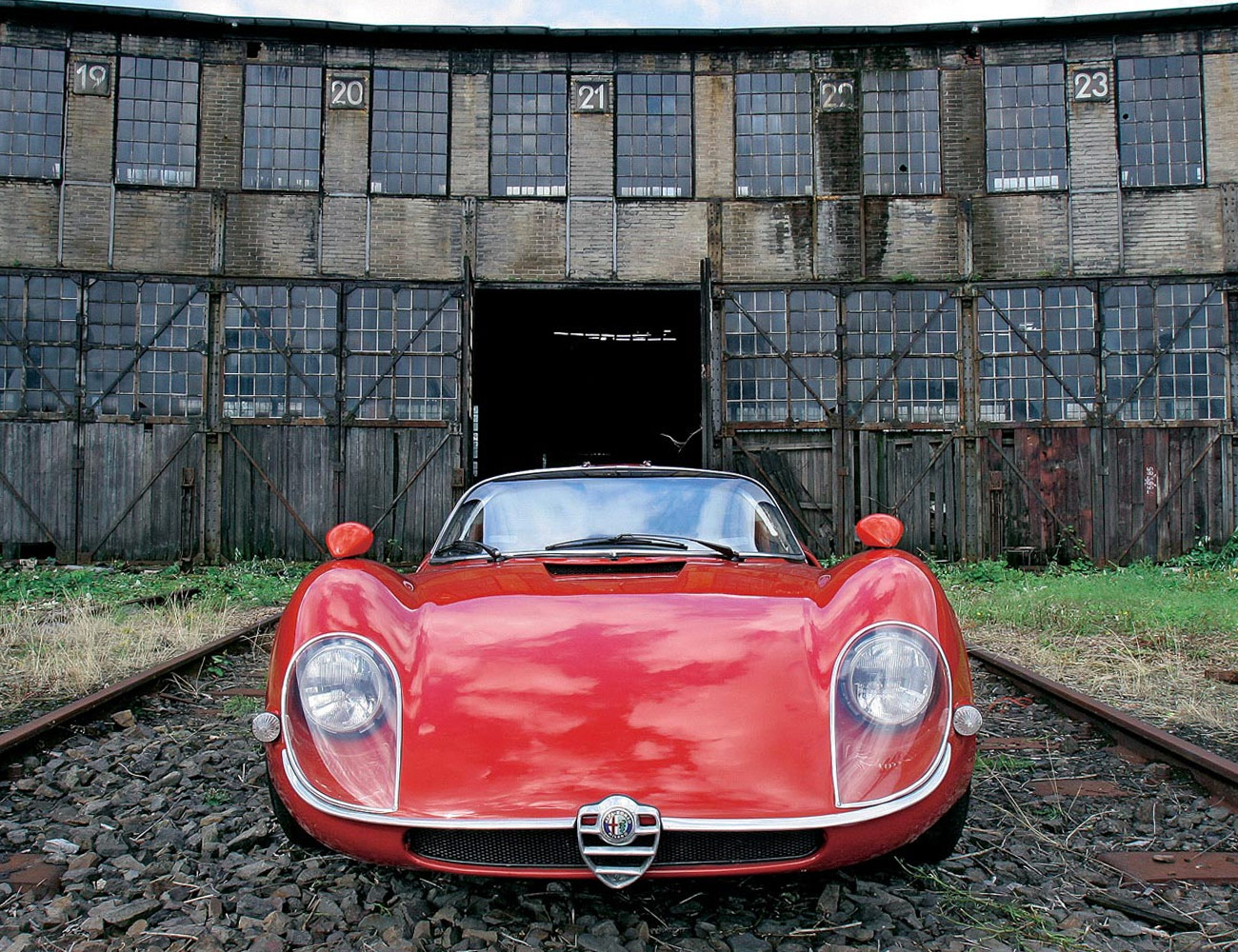
The Alfa Romeo Tipo 33 Stradale

They just don’t make ’em like they used to.
I think within the automotive [industry] it’s hard to find other examples [of the biological approach]. You’d probably have to go back in time, I think, to find them: Facel Vegas, my favorite car of all time the Alfa Romeo 350 Stradale. Really just so shrink-wrapped … so muscular, but big, bold, simple volumes. And you can see that intuition with the lines and profiles is based on [designers] growing up and being surrounded by nature.

In the modern day [this approach] is kind of gone in terms of that visual intuition. I’m sure they’re equally as efficient. I bet if you were to measure them the old cars are higher up; the tires are tucked up into the body. As a pure basic approach, I don’t think [the industry as a whole] is as close as they were. I think McLaren stands out for that alone.

Nike Allyson Felix Track Spike; photo by Nike

Nike and other shoe designers have directly utilized biological designs in concepts.
In terms of product design, I find some of the things Nike have done quite interesting. They’ve done some concept track shoes about two or three years ago. They were 3D printing the soles to take weight out — ultra lightweight. The actual structure goes up around your foot so you don’t have any lateral slip. It’s got a whole bone structure thing going on [after] you’ve taken all the weight out of those studs or spikes around the bottom. That’s probably the best example I can think of in terms of products where you can see a clear connection.

If you go around design colleges you see a lot of people working on [things like] high heel shoes. [Architect] Zaha Hadid did some based on that principle. You can see it’s carved away, completely abstract volume of what a shoe is. Everything [on top] was all blocked in; everything [on the bottom] was all open. It’s kind of like reversing the graphics.

Zaha Hadid’s architectural designs employed an inside-out philosophy.
Zaha Hadid has inspired quite a lot of the cars we’ve done. She was quite artistic in her approach. Shapes are kind of really fluid with integrated functionality. So one of my favorite buildings is the cultural center in Baku, Azerbaijan. The steps that lead up to it eventually become the building itself, and it’s based on the italic writing of the region so it’s got a cultural context. At the same time it blends out into the public landscape, so you’re already walking on the building and eventually, it peels up and you’re walking inside. There’s this beautiful depth.

Heydar Aliyev Center — Baku, Azerbaijan; photos by Iwan Baan & Helene Binet

Then when you’re inside that theme continues and … on the floor molds up into the ceiling and lights go from the floor all around. Very thin LED strip lights. You have this seamlessness, blurring the boundaries and it’s engaging. Kind of makes you go “wow.” I’ve never been, but I’ve done virtual tours and things. I never get out of the office. [laughs]

There are two ways to begin a car design.
The definition of design is ‘people who make drawings of things to explain how they work.’ To me, design is where art and science meet. I think you can approach it from either end. Sometimes, when we draw something it just looks stunning — people go, “oh we could make that work; how do we engineer it?” The other way is to come up with a complete package first and very quickly envision what the attributes are. You can approach it that way and say, “okay, can we make it look beautiful?” At McLaren, we try to do both, because … they’re all supercars. They [need impressive] downforce, feedback, grip, dynamics and needs to be beautiful. It can be brutal and functional or it can be beautiful and functional. Both can have an appeal.

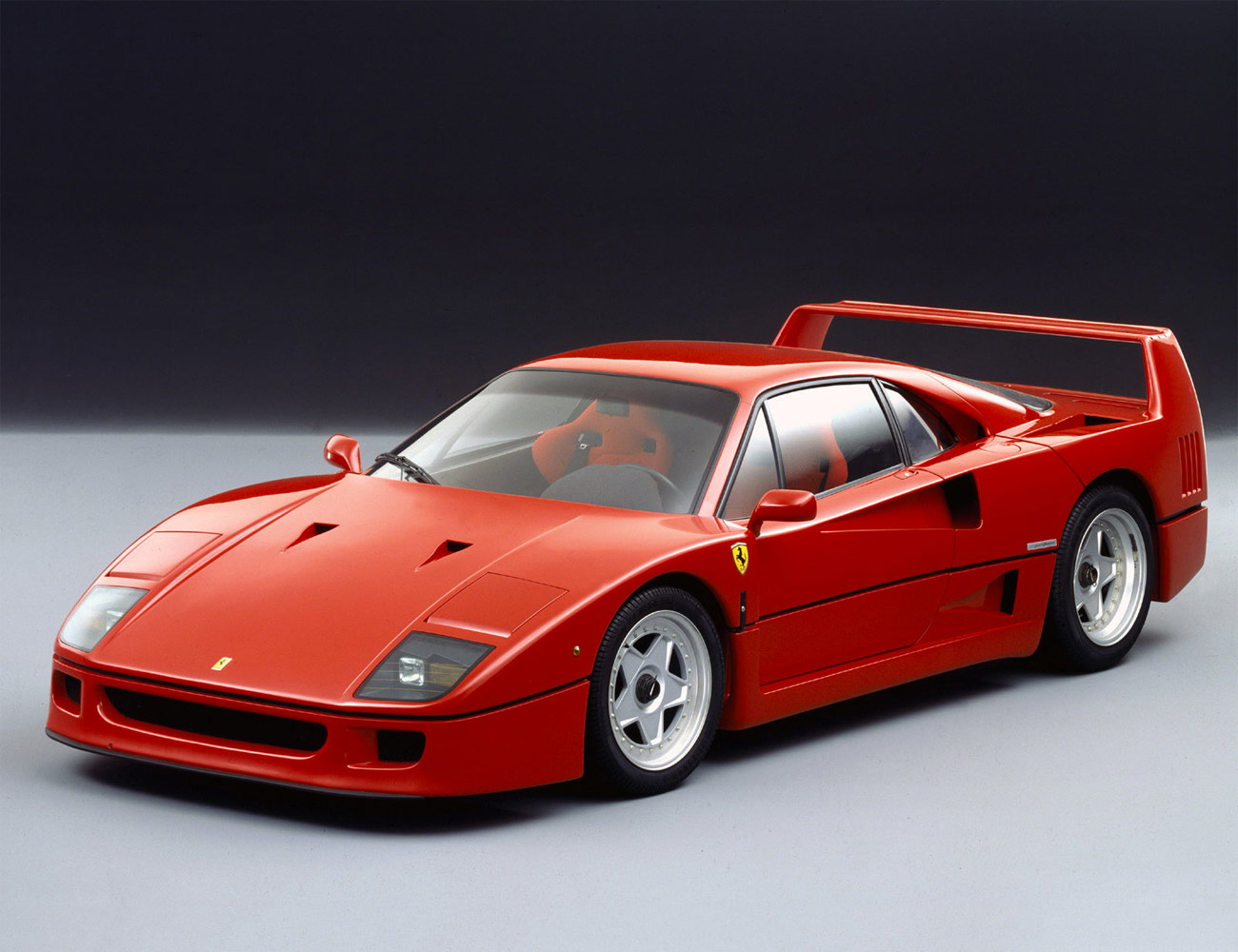
The Ferrari F40

Go back to the [Ferrari] F40 in the past and … it was as aerodynamic as Ferrari could make it at the time. And I think with McLaren, the F1 was also as aerodynamic as we could make it at the time. It had a lot of great attributes — low base of screen (windshield), low cowl so you had great visibility.

So you can approach it from either side. Again, we’re trying to blur the boundaries. We don’t want to be a silo of “well, this is a beautiful drawing,” because to me that’s styling — [then] we’re just drawing shapes. We could do some ergonomic studies; a lot of the design studios will have an ergonomist to engineer some aero. But at McLaren we work so close together – we literally sit next to the engineers. It’s far more holistic.

Aerodynamics dictate that McLaren radiators are oriented sideways. Isn’t that inefficient?
You need a lot of air. Ideally, I’d have [the radiator] positioned perpendicularly to the airflow; direct into the airflow. As a designer you want it to be efficient, simpler but better. Any opportunity to square them up, we say, “let’s do it if it’s more efficient.”

The McLaren Senna GTR Concept; photo by Nick Caruso

If you break it down into two parts, one is ‘where do you start in terms of design thinking’? They can come from either way: a measured approach or an artistic approach. Then there’s ‘where does is start in terms of a toolset’? If we’re going to start in the studio, ideally we’d have a basic package: does [the car] have two people? Does it need one seat? Three seats? We can do that with studio engineers.

The McLaren design studio is extremely advanced, right?
The latest technology we’ve gotten in is being installed as we speak: the VR headset. [That technology] has] been in the news for years now. But what we’re doing differently is we’ve developed a tool that’s just for McLaren. The question was ‘how do you redefine what a designer’s desk should be for this day and age’? You’ve got a headset on your desk.

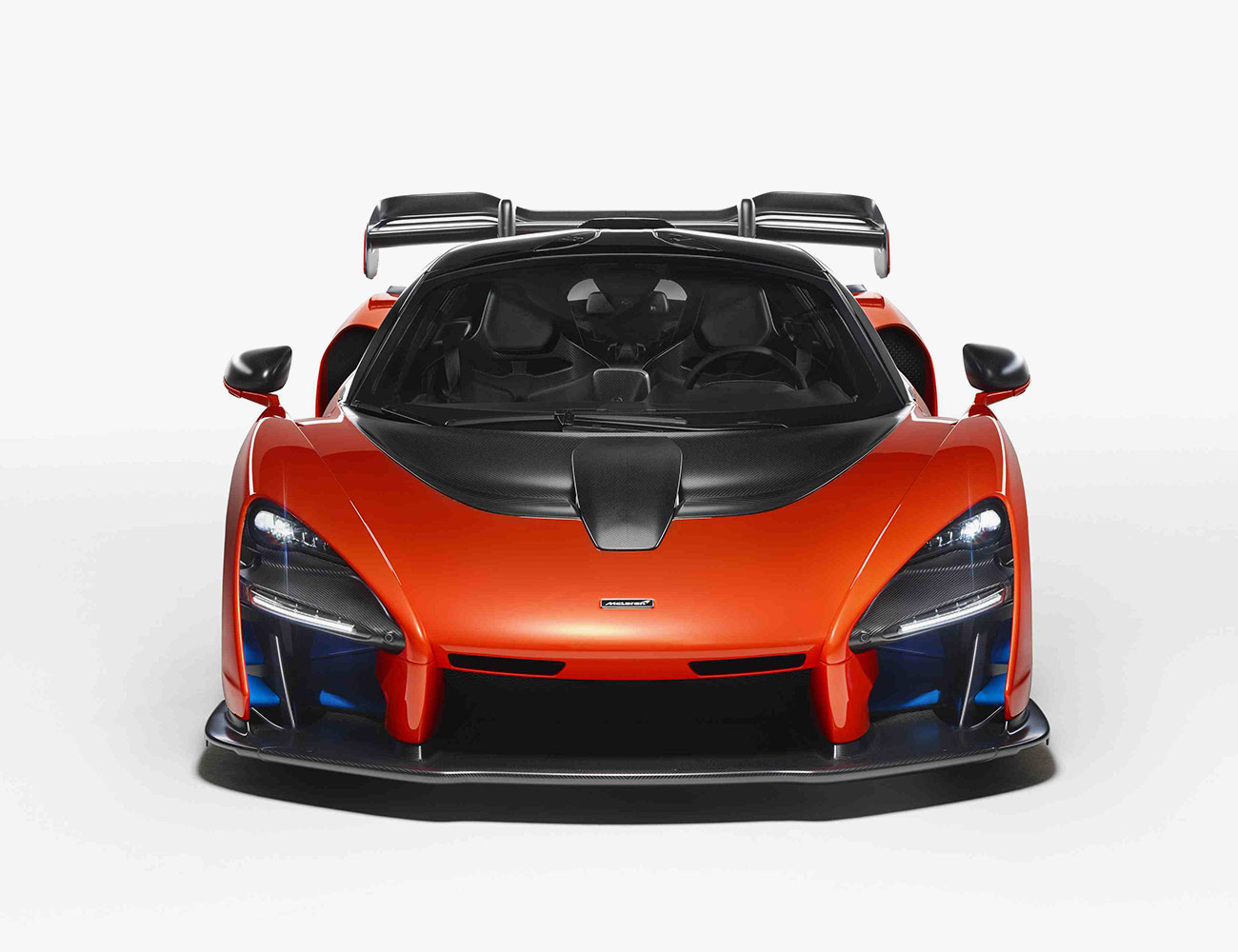
The McLaren Senna; photo by McLaren Automotive

Ultimately, we need to get from an idea to a surface. Where we’re really strong too is that intuition. My aim is to give everyone the tools to maximize creativity.

You plug yourself in, and get the engineering package in 3D in real time. [You can see] every nut and bolt; you can go all the way down through the steering column if you wanted to. In the old days, we’d do a tape drawing. [In VR] you can sketch, build up the center lines, curves and sections of the car. Then click and go full size and stand outside, looking at the car full size then go back down to the scale model. I’m just in my little world.

Talking Watches, Cars and Hi-Fi with Aston Martin CEO Andy Palmer

Aston Martin CEO Andy Palmer lives the life of a charmed gearhead: he owns and races Astons, travels the world talking about cars and under his watch, Aston Martin has become one of the fastest-growing automakers in the world. Read the Story

5 Cars That Are Great For Camping

Editor’s Note: We love scouring the internet for reasons to spend money we don’t have on cars we daydream about owning, and these are our picks this week. All prices listed are bid amounts at the time of publishing.

To go overlanding is one thing. To go overlanding and actually be comfortable the entire time, sequestered in a mobile base camp, is another level. To achieve the missions, you could take a Jeep Wrangler and pack it with camping gear until the weld seams start to burst, or you could get an overlander that’s ready to be camped in right from the get-go. It’ll save you the trouble of worrying about heat or shelter. (By my count is two of your top three priorities in the wild, but you can always haul a jug of water to take care of number three.) These five used cars are raring and ready for a weekend in the mountains, the desert or wherever you want to take them.

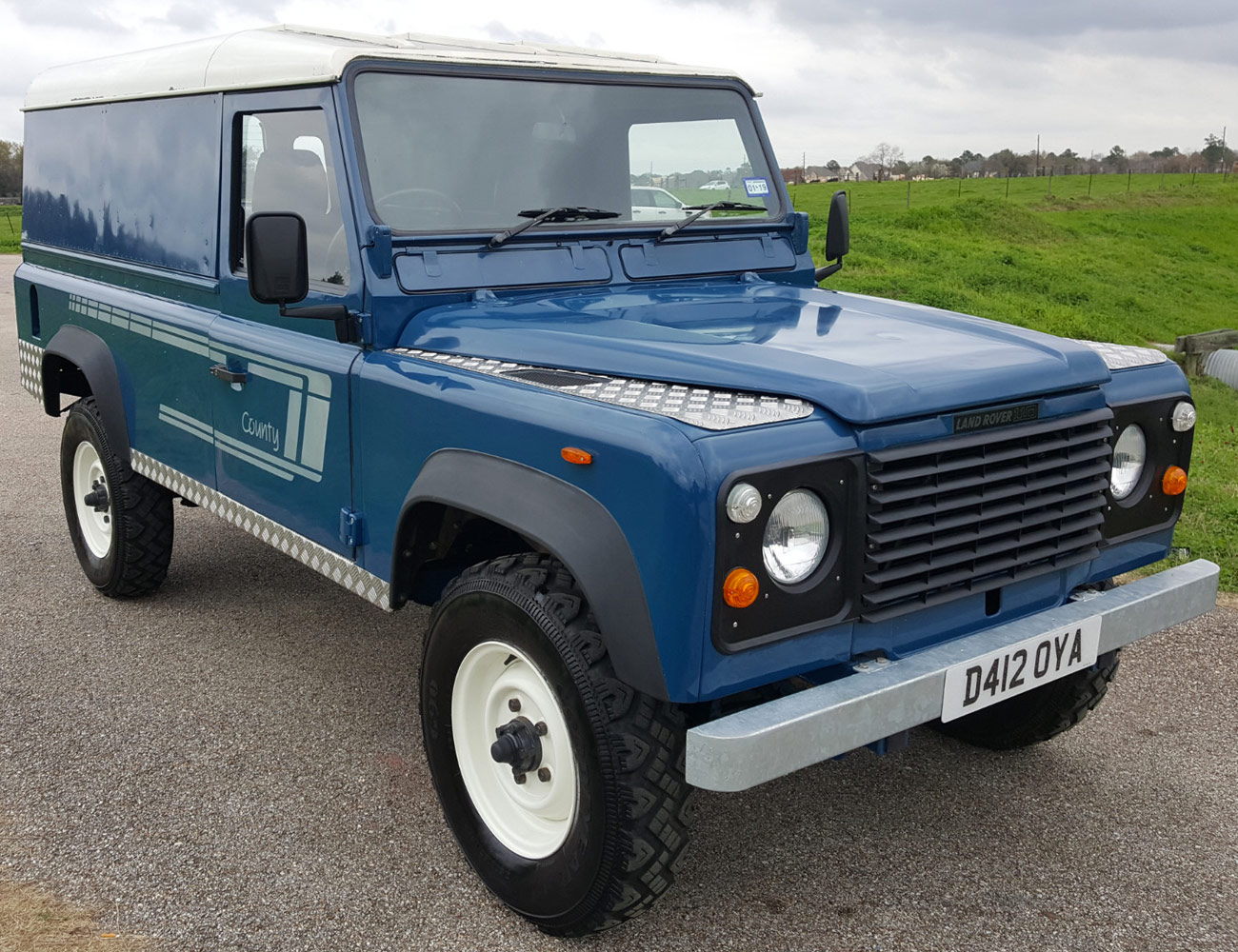
1987 Land Rover 110

Mileage: 203,000
Location: Spring, Texas

What we like: Defenders are characteristically bare-bones — this one is no different. It has been restored under the hood and the interior but, it’s still rugged and ready to be beat on, abused and filled with gear over a weekend.
From the seller: “The 2017 restoration is said to have been performed with original specifications in mind. Work included sandblasting, sealing and painting of the frame, repair of the bulkhead and door bottoms, and new paint along the passenger side lower panels and rear of vehicle. The 110 is fitted with an adjustable tow hitch. The full-length galvanized roof rack with rear ladder pictured above is not currently fitted, but will come with the vehicle.”
What to look out for: Normally, rust can be an issue with Defenders of this vintage but this particular example has been sandblasted, repainted and restored, including a rebuilt engine.
Expert opinion: “Off-road, the Defender is enormously capable, but it takes much more effort from the driver than is needed in a modern, electronically controlled off-roader, not least in finding – and selecting – the right gear in difficult conditions. One thing that has made it much easier to drive in extreme situations is the engine’s stall control. At crawling speeds, it is possible for the driver to lift off the pedals altogether and let the stall control inch the vehicle forward..” — Steve Sutcliffe Autocar

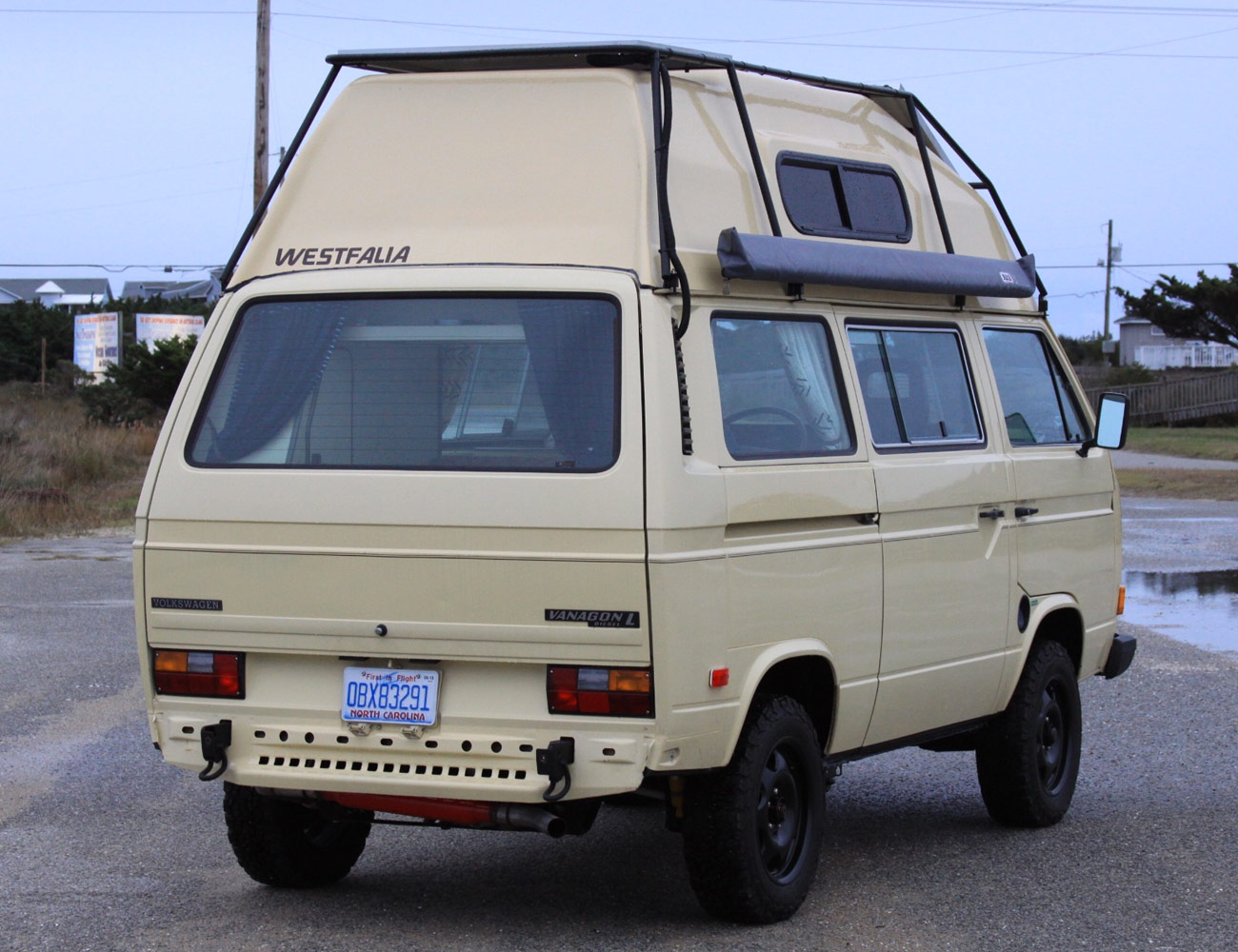
1983 Volkswagen Vanagon Westfalia Diesel

Mileage: 139,000 (TMU)
Location: Mount Sidney, Virginia

What we like: The original Westfalia diesel engine wasn’t that great, and even the rebuilt 1.9-liter unit in this camper is fairly gutless, but the extra add-ons might make up for it. The upgraded suspension, tires, kitchenette, 200-watt solar charging system with roof panels, 200 amp-hour house battery, Blue Sky solar controller with maximum power point tracking, NOCO Genius Gen1 10-amp onboard battery charger and ARB awning make this one well-equipped light-overlander.
From the seller: “The North American High Top and custom rack were added by the seller. A 7-foot ARB awning is attached above the passenger side sliding door to provide shade and weather protection. The seller added the solar panels/charging system within the past 10 months. BFG KO2 tires, including a full-size spare, were mounted to Mercedes CLK-style powder-coated wheels in the last 2k miles.”
What to look out for: Poor tune-up condition, malfunctioning oxygen sensor, poor oxygen sensor ground, faulty values from coolant temp sensor, throttle switch and idle control components are among the most common problems but fairly easy to fix.
Expert opinion: “They are strong running, and produce about 30% better fuel economy than a typical gasoline-powered Vanagon. However, these vehicles have many of the shortcomings of all the older Vanagons (the shifter system for example), and the cost and trouble of converting one of these to the newer turbo diesel power plant is formidable.” – GoWesty.com

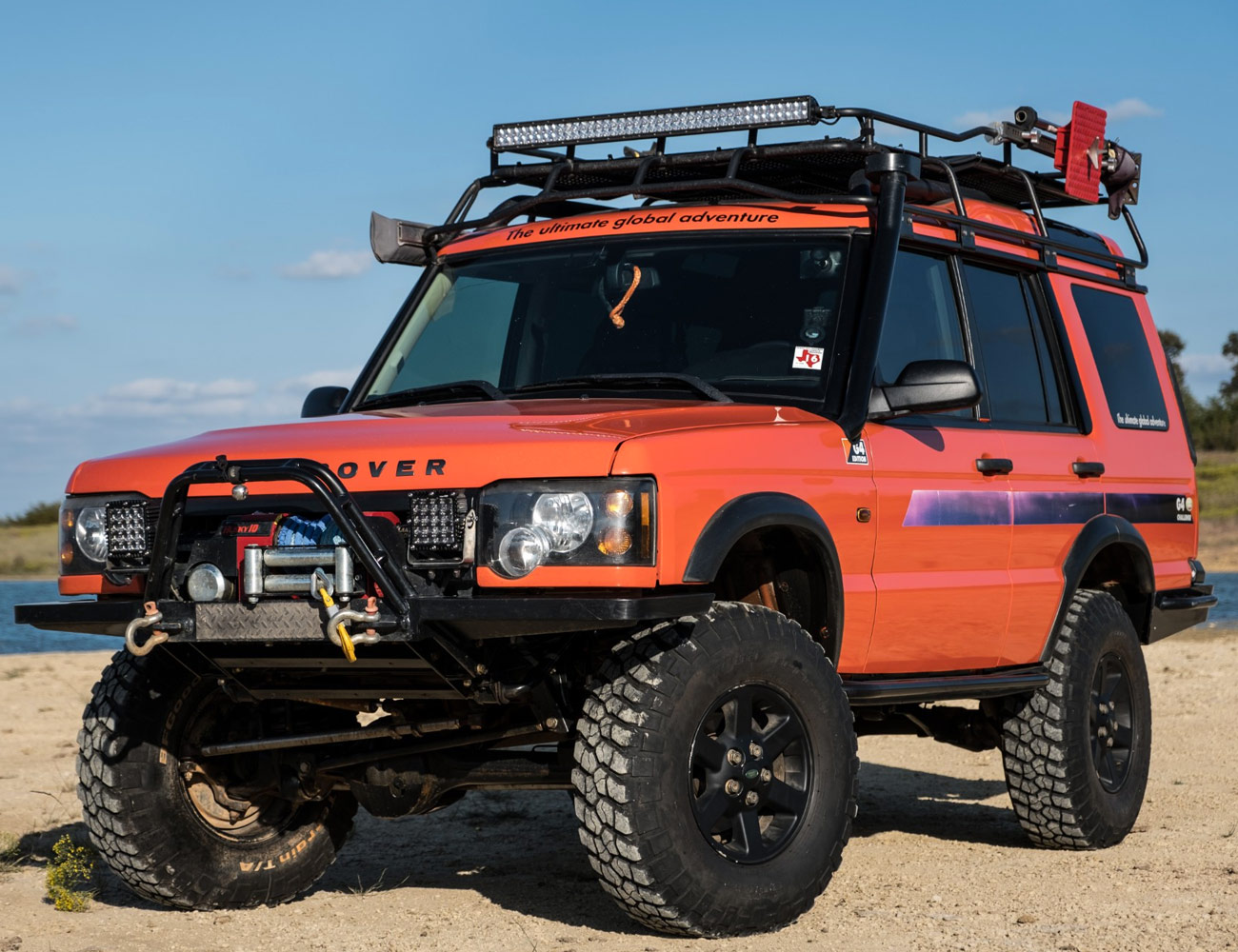
Modified 2004 Land Rover Discovery G4 Challenge

Mileage: 110,000
Location: Denton, Texas

What we like:This Discovery is too good to not include in this week’s Found even though it’s already been mentioned. That being said, when we first saw this excellent off-roader, it was only going for $8,000 — now it’s going for over $15,000.
From the seller: “This 2004 Land Rover Discovery is one of 200 G4 editions produced in conjunction with the G4 Challenge event, and has been modified for off-road use by the current owner. Finished in Tangiers Orange over black vinyl, this truck carries various RTE Fabrication off-road armor components and has been lifted with an RTE Fabrication lift kit, Fox shocks, and numerous owner suspension modifications. Power comes from a 4.6L V8 that is backed by a 4-speed automatic transmission, and upgraded axles, gears, and a locking differential have been added by the seller.”
What to look out for: Discoverys of this vintage can have problematic head gaskets and a few small mechanical problems, but this G4 Challenge special edition has been so extensively redone, rebuilt and upgraded, it’s practically a new vehicle altogether.
Expert opinion: “Discovery’s interior is as distinctive as its exterior. It too was completely redesigned for 1999 to reduce British eccentricity. But British luxury abounds. The seats are comfortable in either Duragrain or leather. The driver’s seat affords excellent visibility and there’s lots of headroom. Land Rover calls its elevated seating the ‘Command Driving Position,’ and it does afford a commanding view of off-road driving situations. .” — Autoblog

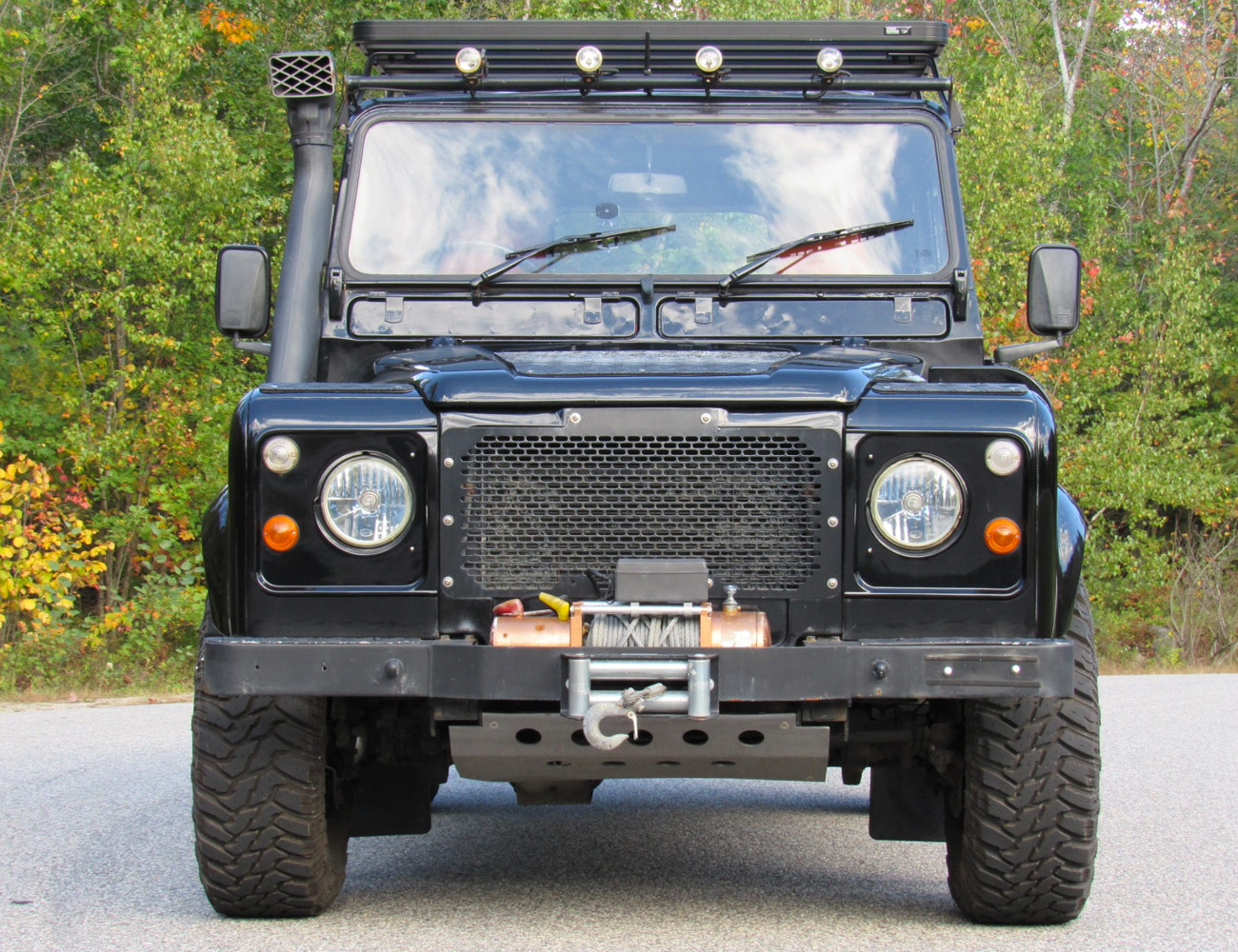
1989 Land Rover 110

Mileage: 121,000
Location: Kennebunkport, Maine

What we like:When looking into buying a Defender, you have to understand you are getting the bare minimum of what a car provides. There’s zero luxury. But that lets you and the truck focus on getting where you need to go that much better. It’s a tool — not precision instrument — and it gets the job done the way it is, stock. to have a snorkel, built up roof rack and a refined engine compartment — those are the luxuries of a Defender.
From the seller: “A full-length Front Runner Slimline II roof rack has been added, as well as four new, larger-diameter spotlights to the existing light bar The truck retains the modifications and upgrades installed prior to being sold on BaT in June 2017, including the aftermarket front bumper with the orange-coated 13,000-lb. winch, snorkel, chequer plating, rock sliders and the Cooper Mud Terrain tire and steel wheel combination.”
What to look out for: Sadly, as great as this Defender looks, the engine can be the biggest problem. Cracked bores, camshaft rattling and timing belts can be problem areas.
Expert opinion: “Confined cabin, not enough seat adjustment, appalling on-road dynamics, possibly the worst turning circle outside of an Airbus A380, a removable face CD player from the early 90’s, poor insulation and cabin refinement. My special favourite deserves mention too – the driver’s window needing to be open to properly use the steering wheel. The list of quirks goes on. Few vehicles, however, can do what the Defender can, and even fewer can do it with the same innate sense of style. A Toyota LandCruiser 70-Series is just as tough and just as fit for purpose, but it can’t even begin to match the Defender’s incredible street cred..” — Trent Nikolic Car Advice

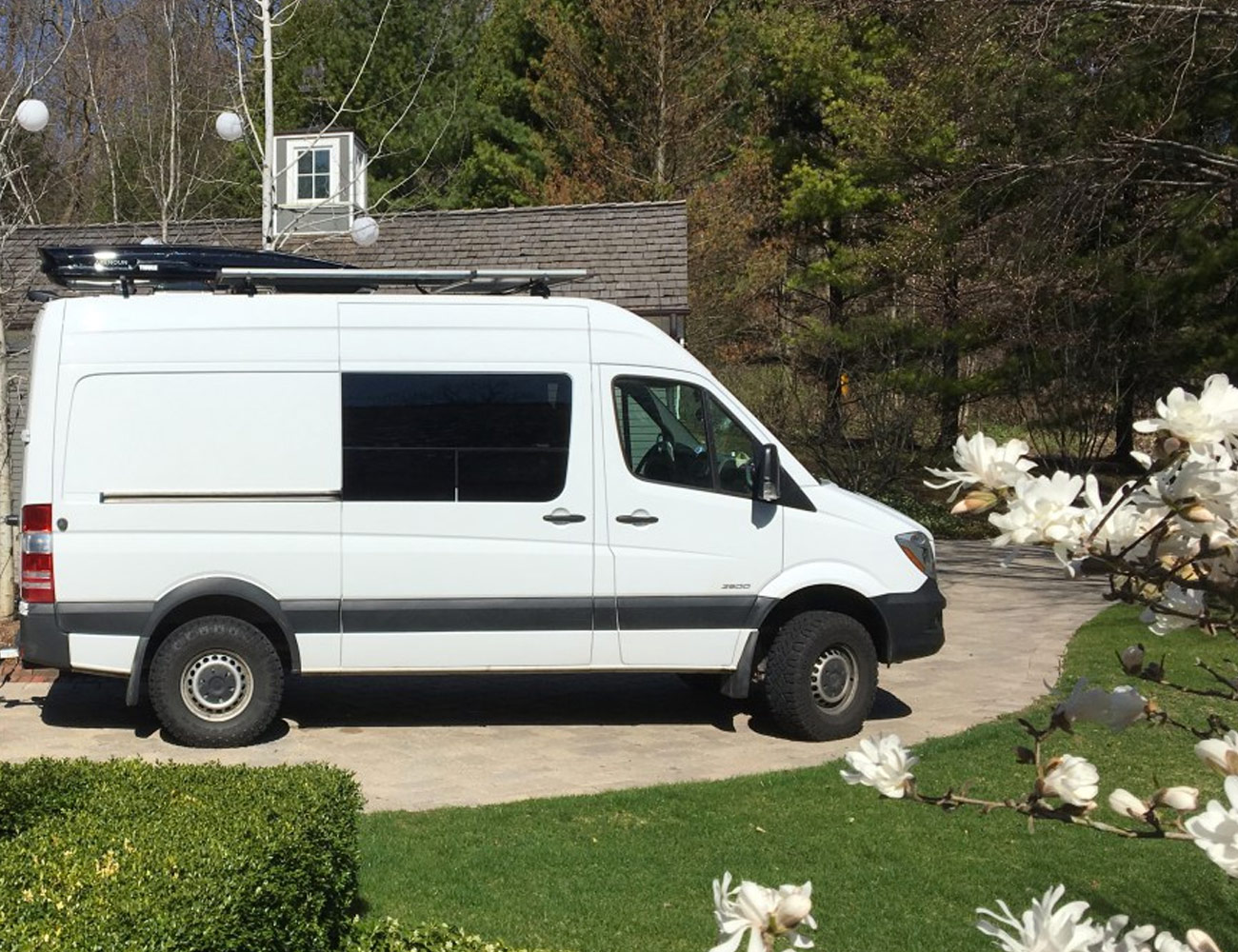
2016 Mercedes Benz Sprinter 4×4 Custom Build

Mileage: N/A
Location: Boulder, Colorado

What we like:From the factory, the Sprinter 4×4 makes an incredible camper vehicle. It was, after all the chase vehicle that saved us in along the way from Seattle to Alaska. Even stripped out, the Sprinter makes a great mobile campsite — one look at this Sprinter’s interior and you should know you have a Four Seasons on four wheels, with four-wheel-drive.
From the seller: “Includes: Espar Bunk Heate, two 160-Watt GoPower solar panels, Go Power 2000 Watt Pure Sine Wave, inverter/100 amp charger, refrigerator, sink/stove combo, convertible bed and table/couch area, lots of Storage space under benches, full height closet, and in kitchen, designed with re-purposed Barn Wood.”
What to look out for: This model is still young so most ‘problems’ could be circumstantial and hard to detect any ‘common’ faults.
Expert opinion: “Having proved itself a worthy off-roader, we couldn’t help but wonder who exactly might buy the Sprinter 4×4. Mercedes didn’t exactly answer the question, but it did tell us that the vehicle—which starts at $44,475 for a short-wheelbase, low-roof cargo model—is already sold out through September of this year. And while we sort of feared an encounter with a pissed-off ursine or a huge truck full of dead trees headed for the lumber mill, we discovered that this van is a tool essentially without competition. If you have a large family and live in a remote area, or maybe you need huge, weather-tight cargo capability and often trudge through sludgy construction sites, the Sprinter 4×4 is the only way to go..” — Alexander Stokloska Car and Driver

Trailers Great For Camping

Somewhere between the luxury of an RV and the essentials-only tent experience, sits the sweet spot of off-road trailers. Read the Story
The Fantastic-Looking Arteon Fastback Sedan Nearly Outdoes Audi’s A4

It’s not so easy to tell the difference between economy and luxury car brands anymore. Sure, sit in a Hyundai Elantra and a Mercedes-Benz C-Class back-to-back and you’ll probably be able to discern which is which, but automakers have shown an increased motivation to step out of their corners and into segments they previously had no business being in, largely in the name of brand building or profit-chasing. That’s why we’ve got a $30,000 Mercedes and a $70,000 Kia both for sale in 2018. Strange times we’re living in.

Volkswagen, on the other hand, seems to be stuck somewhere in the middle. Traditionally a maker of not-quite-economy cars and SUVs, they’ve fluctuated in the last decade between cheaping out on the U.S. market Jetta and Passat and offering insane, expensive options like a 12-cylinder executive sedan with Bentley parts (the defunct Phaeton) and a twin-turbo diesel V10 luxury SUV (for now, the Touareg still exists; the diesel V10 does not). The first two were relative successes despite their abandonment of VW’s core customer group, and the latter two were spectacular sales flops despite their bravado and relative value for what you got.

So where does that leave the legally-beleaguered brand in 2018? Well, it’s still not quite so clear, as evidenced by the all-new Arteon, Volkswagen’s replacement for the gorgeous but flawed CC. To find out if this Vee-Dub is worth buzzing about before its U.S. market introduction, I took a weekend road trip up Sweden’s snow-covered Eastern shore in a top-of-the-line Euro-spec model.

Verdict: Volkswagen’s budget grand tourer is an all-around impressive package — one that looks fantastic, rides comfortably and competently, packs impressive technology and proves VW can make a luxurious car (almost) as well as its corporate sibling Audi. But despite offering a decent discount over the more prestigious luxury brands, the question remains: who in the U.S. is going to shell out $40K or more to buy one?

The Good: It’s hard for any car to stand out from the crowd when finished in dark gray paint with dark gray wheels, but my goodness the Arteon does its darnedest. Volkswagen’s designers have penned a truly fantastic-looking fastback, one that’s more reminiscent of an Audi A5 Sportback ($42,600) or Tesla Model S ($74,500) than it is of a Passat.

Subtle touches add to the overall appeal of this big VW, such as the gorgeous LED running lights that flow seamlessly into the massive grille, and the aggressive stamped metal of the hood. The Arteon also uses Audi’s sequential LED turn signals, a feature I hope makes it to the U.S.-bound version because it’s a neat party trick for those lucky enough to sit behind the Arteon’s wide, confident rear end in traffic.

The interior is slightly less “whelming” than the exterior, but still a handsome and well thought out place to spend ample time. Anyone who’s been in a European Passat in the last few years will recognize the full-width vent design with a slightly cheap-looking clock placed front and center, but the rest is a masterpiece in (relatively) affordable quality. Soft touch plastic, metal and genuine leather line every surface you’re likely to touch, and the cabin is incredibly spacious for a car with such an aggressive roofline, especially in the rear seats, where even above average height adults have decent headroom and almost S-Class levels of legroom.

Another high point is Volkswagen’s suite of technology available on the Arteon, which you may notice borrows heavily from Audi. The optional full-width “Digital Cockpit” (not to be confused with the “Virtual Cockpit” of the four-ringed brand) is stunning to look at and to use and keeps your eyes firmly in front. I wish the same could be said about the massive central touchscreen, but thankfully the clumsy volume controls will be replaced with real knobs and buttons on the U.S. version. There’s also a garrison of active safety features that work smoothly, such as lane keep assist, adaptive cruise control, blind spot monitoring and more.

2019 Volkswagen Arteon

Engine: 2.0-liter turbocharged four-cylinder
Transmission: seven-speed dual-clutch automatic (eight-speed automatic for U.S. market)
Horsepower: 268
Torque: 258 lb-ft
Weight: 3696 lbs
0-60: 5.5 seconds

Once again, the Volkswagen Group’s tried-and-true powertrain delivers, as the 2.0-liter turbocharged four-cylinder and seven-speed DSG dual-clutch automatic transmission offer decent power (268 horsepower) and familiar usability, including sharp shifts and a 0-60 time of less than six seconds. It’s a shame the U.S. only gets the traditional eight-speed automatic as a gearbox, as the DSG is well-suited to this car.

Who It’s For: The Arteon is for a very specific, very important buyer: the Chinese businessperson.

Its long wheelbase, vague name and sharp looks make it perfect for the modern Chinese market, but savvy U.S. buyers will be getting a heck of a deal on a new car if they opt for the Arteon. This is a great-looking, German quality grand tourer aimed at those who couldn’t care less about badge snobbery, all for the price of a certified pre-owned Audi.

Watch Out For: Though the powertrain provides ample thrust and quick shifts, it’s devoid of almost any character, including sound and that indescribable “it” factor that some engines just have. This is no sports sedan, no matter what its low, wide, aggressive stance suggests. Handling is competent but lackluster: this is a car better suited to long highway routes and meandering country roads than it is to your favorite set of switchbacks.

Though VW has promised me the U.S. market Arteon will be “much cheaper” than the European version, you should still be wary of trim and option prices sending this car easily into Audi territory. The Swedish market car I drove stickered at over $60,000 USD at current exchange rates. If you’re paying that much for a VW… well, maybe don’t.

Alternatives: An estimated price of $35,000 to start puts this VW among some tough competition, most notably the luxury fastback sedans such as its cousin the Audi A5 Sportback ($42,600) and the BMW 4 Series Gran Coupe ($43,300). I’d also throw the new $70,000 Kia Stinger into the ring, which offers a better driving experience than the VW (and many luxury cars) for a very enticing price. The excellent but humble Honda Accord ($33,010) could be an extremely reasonable competitor too.

Pro Tip: For the best (and most value-conscious) result, skip the optional all-wheel-drive system if you live anywhere with decent weather, and instead spend on tech and style options. The Arteon is at its best when being sat in and looked at, so put your money there. Also, skip the multiple preset driving modes and use the individual settings to set the steering to sport and the adaptive suspension to comfort. You’ll thank me later.

What Others Are Saying:

Car and Driver: “The Arteon’s best face is quite literally that: a coupe-like mug that looks as if it could grace a new Scirocco rather than a largish sedan to sit above the Passat in VW’s lineup.”
Automobile Magazine: “For those more tempted by substance rather than badge, the Volkswagen Arteon, which can be outfitted with enough kit and caboodle to challenge those luxury alternatives, is sure to be a strong alternative when it arrives the U.S. in 2018.”
Motor Trend: “Things get stiffer in Sport mode, but overall this is a car meant for long-trip comfort. It isn’t really a performance sedan, so the mode can’t perform magic. The weight of the steering is good, but actual feel leaves a bit to be desired.”

You Could Get an Audi A4, or You Could Buy the New Volkswagen Passat GT and Save $7,000

Based on a concept Volkswagen brought to Automobility LA in 2016, Wolfsburg gave the new sporty Passat GT the green light. Read the Story
You Can (and Should) Now Reserve The Unbeatably Stunning Polestar One for $2,500

If Volvos Were Gorgeous Mutants

You Can (and Should) Now Reserve The Unbeatably Stunning Polestar One for $2,500


After an attention-grabbing European debut at the 2018 Geneva International Motor Show last week, Volvo‘s standalone performance offshoot Polestar has opened the floodgates for potential customers to claim their very own limited-run Polestar One grand touring coupe. In person, the Polestar One is so good looking, smooth and well-proportioned that it seems to bend space-time; I stood in one spot staring at the show car, hypnotized for longer than I care to admit. The thought of driving one is mesmerizing as well: with a combined 600 horsepower, the clever powertrain promises to move the car with the best of GTs.

Actual pricing stats are still unavailable, but it has been suggested that the car will elicit a ~$175,000 price tag on the upper end when it finally hits roads, allegedly in 2020. That price, however, is quite dubious, since Polestar is said to be considering leaning heavily into a subscription model, according to Autoblog. (Volvo has already launched a car-subscription program, Care by Volvo, available now on its exquisite XC40 compact SUV, which I reviewed late last year.) In the meantime, potential customers in 18 countries can now make fully-refundable $2,500 deposits to secure an example.

Read About the Polestar One’s Grand Tourer Competition
Lexus LC 500: Read the Story
Aston Martin DB11: Read the Story

Mercedes-Benz S-Class Coupe: Read the Story
Today in Gear
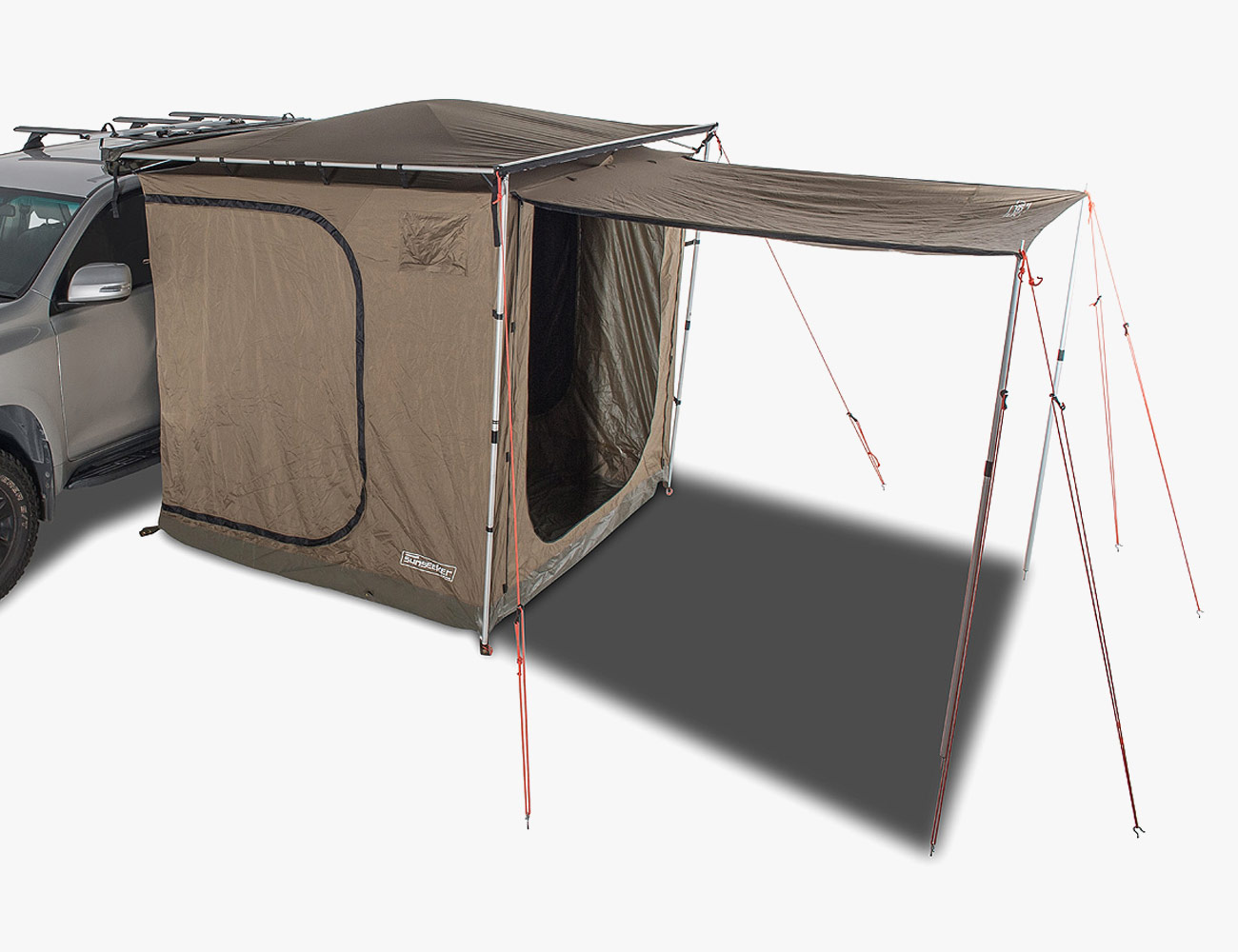
The best way to catch up on the day’s most important product releases and stories. Read the Story