All posts in “Cars”

How to Sell a Car Successfully

Next to your house or apartment, your next most significant earthly possession is probably a car. And, unless it’s a complete heap of junk, your car is probably worth a sizeable chunk of change, which begs the question ‘how do I sell my used car?’ If and when you decide to dive into the used car market to offload it, either to upgrade or make a lateral purchase, you’ll want to get every penny for it that you can. But it’s not as simple as uploading a camera phone photo, listing its mileage and sitting back to watch bids flood your inbox.

Randy Nonnenberg, founder of Bring a Trailer, one of the fastest-growing online car auction communities, has seen his fair share of success stories and failures. At any given moment on BaT, you may see a 1967 Toyota 2000GT listing at $560,000 next to a 2002 Volkswagen Eurovan Westfalia Weekender going for $5,000. However, as stunning and jaw-dropping as your car may be, it more than looks to sell. Nonnenburg stresses, “it’s not just about the car magazine glamour shot, with the sun going down behind it.” He explained the nuances that go into listing and selling a car, regardless of whether it’s a gem or a junker.

Photos, photos and more photos. They don’t necessarily have to be professional photos. We have a tutorial on the site about how you take great photos of your car with lighting and pretty low-tech cameras. The presentation is important, but on BaT we also ask for photos underneath the car, the technical details, under the hood, under the carpets and all through the car. Our bidders love to see that stuff and we place a high bar on the seller being able to do that.

Keep detailed service history. Given that a lot of these cars transact long-distance, the more information out there, the better. You don’t want any mystery or weird questions remaining — bidder confidence is what makes the price go up. Historical records are really important. Paperwork, more photos are key in BaT listings. They’re not really glamorous, but they provide a lot of information about maintenance, accidents, repair work or restoration.

Did the car live an interesting life? Sharing a lot about what the ownership of the actual car was like is really important. Stories that go along with the car do amazingly well on BaT too, like the old lady who bought a ‘Vette brand-new and owned it for 60 years. That backstory went across and people go totally wild for those and bid those cars really high when they have a seller story to go with them. So digging into the history and story of a car is helpful, if it has one.

Where has your car been? Has your car been in a salt belt area or is it a California or Arizona vehicle? It’s ok, wherever the car has been, but if it’s been in more rust-prone areas, taking extensive photos and learning where your car might be particularly susceptible to rust [is necessary]. And showing it. Because if you can show that you car is either rusty or clean, it really helps with bidder confidence.

Transparency and friendliness are key. Once contacted, the seller needs to have an open attitude, to be responsive. We have the comment section, and we coach and encourage sellers to be in there all the time and just be friendly and available because potential buyers usually pull back from mysterious or absent sellers. Being a cool, even-keel person is something the car industry needs more of these days. Engagement is paramount, which is why eBay auctions can be shady and Craigslist is super scary. You don’t know who the seller is.

In the Market for a Brand New Car?

Choosing one among the endless many is no easy task. Moreover, since the average price for an SUV 2017 was just under $40,000, it’s a decision that shouldn’t be taken lightly. To cover all the bases, we bumped the budget up to $50,000 and chose the best new SUVs you can buy in 2018. Read the Story

A Legendary Team Brought Back an Iconic American Performance Car

Like the differences between the classic style of Steven McQueen and the outrageousness of Alexander McQueen, flashy exotic supercars have a time and a place. But it’s hard to beat the iconic design and performance of America muscle cars, which is where this Mustang GT350 comes into play.

It’s a freshly built continuation of the legendary 1965 Shelby GT350 and it’s being produced by the team responsible for the original Mustang race car from the mid-60s — the Original Venice Crew. Ted Sutton, Jim Marietta and Peter Brock worked out of Shelby American’s original Venice location where that company turned wrenches and shaped fenders on the very first R-Model GT350 back in the ’60s. Now OVC is picking up where Shelby American left off and doing it all again for a new batch of 1965 GT350s.

OVC finds original K-Code Mustangs, strips them down to bare metal, cleans them back up and rebuilds them exactly as they were in the ’60s — as track-dominating performance cars. What’s more, because they’re legitimate Mustangs with actual VINs, it’s completely legal to drive them on the street. Still, OVC only plans to build 36 examples of these modern rendition 1965 GT350 competition-spec cars.

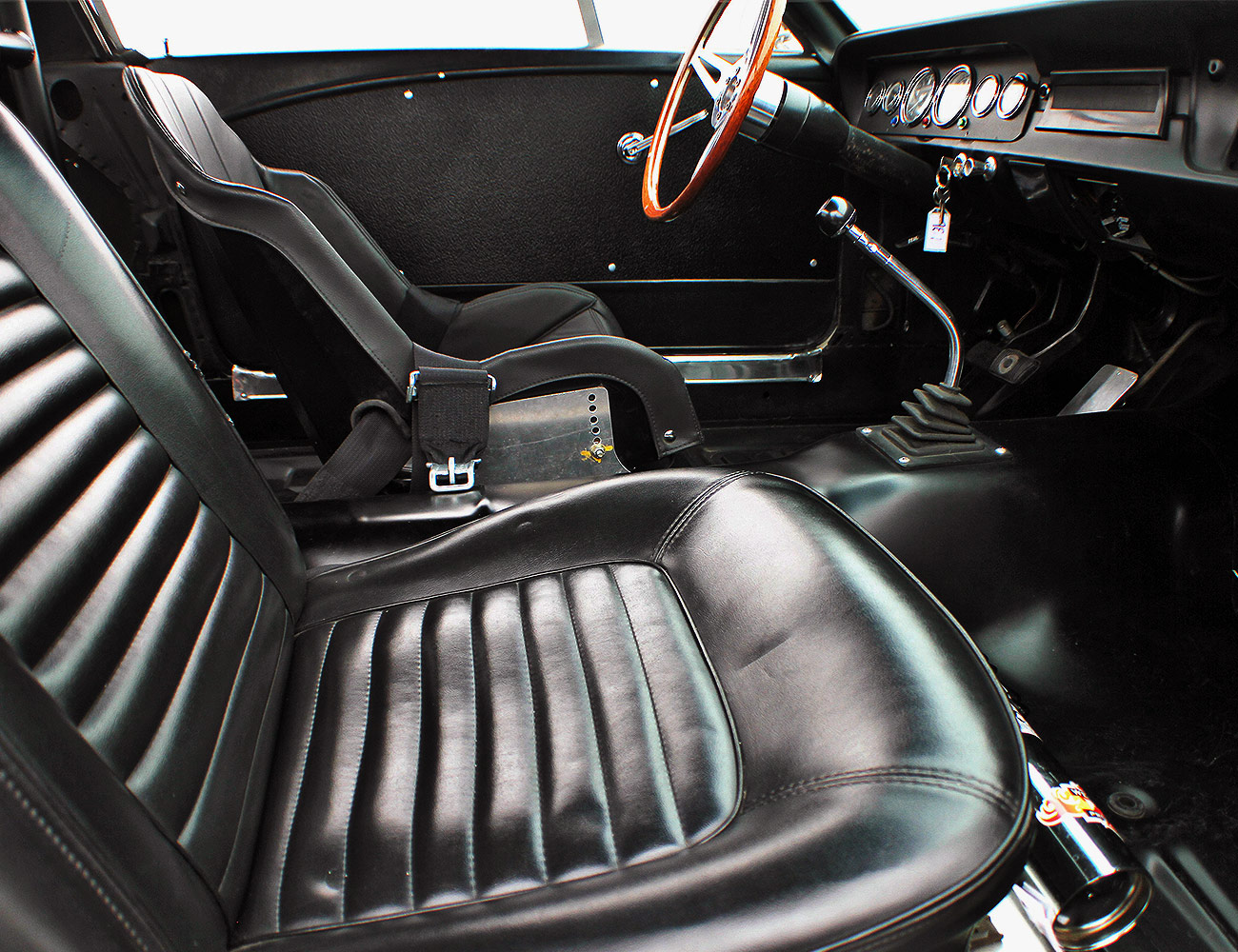
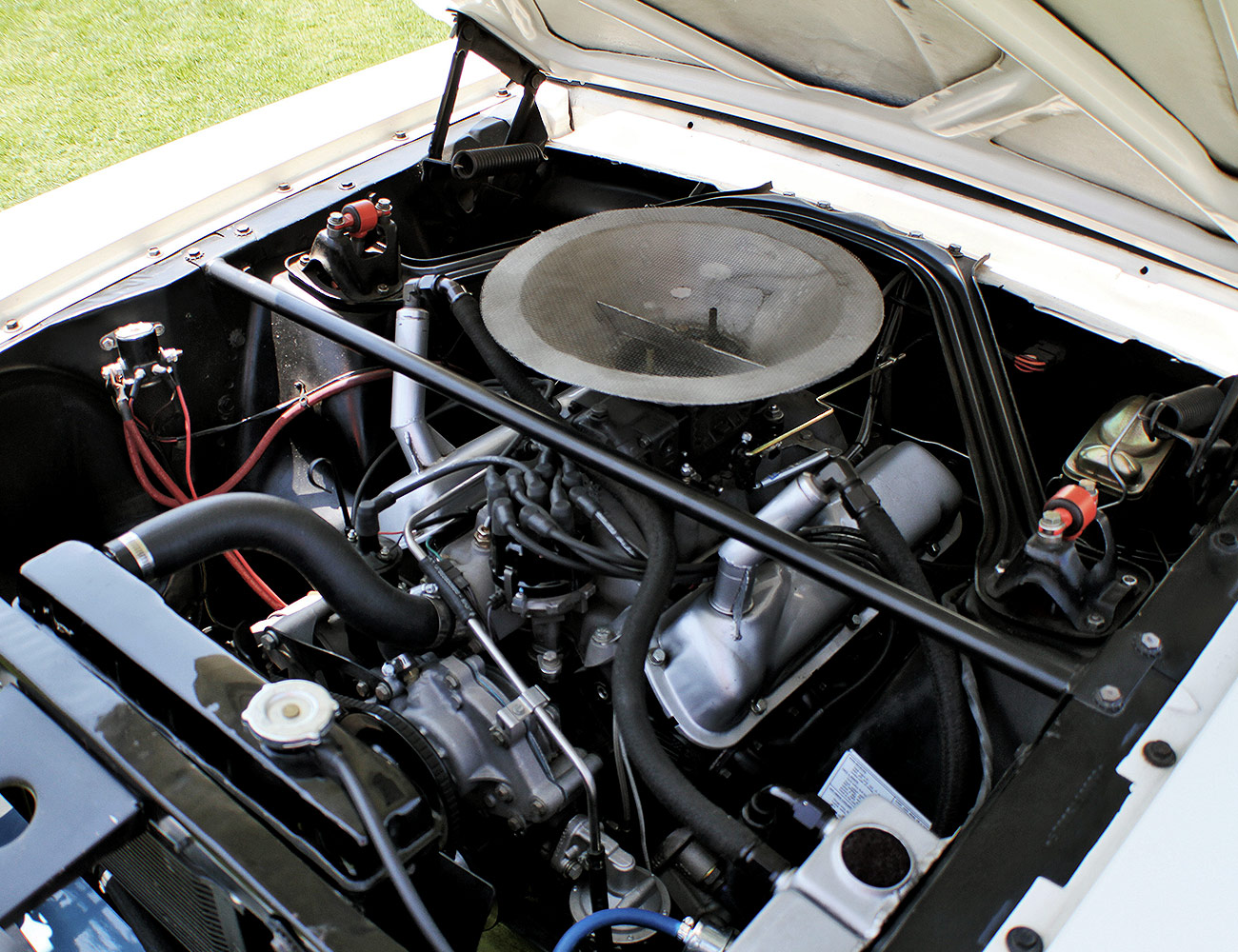
Under the hood of this 2,800-pound fastback is a reworked 289 cubic-inch engine with around 450 horsepower on tap (up from the original car’s 306 hp). All of that grunt is routed through a period-correct, four-speed manual gearbox and out to the rear wheels. Grab the thin-rimmed, wood steering wheel and you can skip the gym for the day, because there’s no power steering — this is your workout. On track, the GT350 is everything you hope and imagine it to be. The car feels simultaneously brilliant and brash, and the best way to drive it is to grab it by the scruff of its neck and wring it out.

This updated ’65 GT350 has a few more tricks up its sleeve compared to the original cars. For one, you can spec this Mustang with independent rear suspension, giving it modern handling characteristics and a more planted feel in corners. The OVC team also took the liberty of revising and updating the front bumper, rear window and rear quarter glass. The rest is as it was in ’65, replete with Wimbledon White paintwork, topped with classic blue racing stripes.

Open the door and feel the mechanical clunk of the button as the heavy metal door swings away from body of the car. The cockpit beckons you into its bucket seat and it’s almost as if you’re time traveling back a half-dozen decades. Turn the key and you can hear air being sucked in through Holley carburetor just before the engine barks to life. It’s an analog and raw mechanical process that’ll brighten anyone’s day: a race car on public streets providing a V8 rock concert to a five-block radius. It’s loaded with style and history, which puts it in a different league than any exotic that might cross your path.

It should be said, a car like this doesn’t come cheap. Should you manage to find an original 1965 Shelby GT350R, expect to pay anywhere around $650,000 and even over $1,000,000. If that goes over your budget, OVC will sell you one with a starting price of just $250,000 — since you’re actually unlikely to find a real GT350R, this is your best shot at owning one for far less. PLus, it’s essentially the same as the original anyway. Hell, the rear fenders are being hand-formed by the same guy who did so to the cars back in 1965.

A More Modern Ford

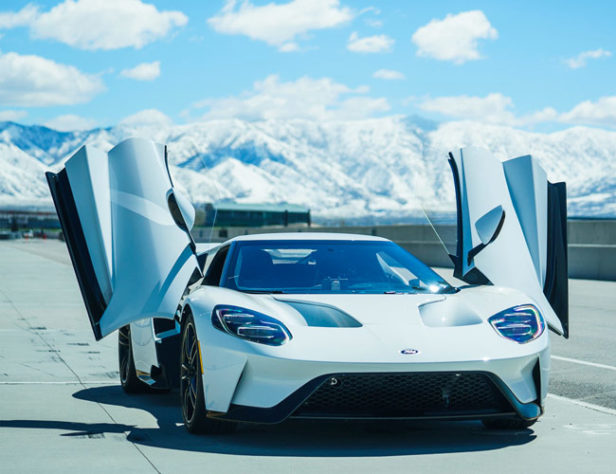
The best Ford has to offer, all in one mind-blowing car. Read the Story

40 Photos from Luftgekühlt, the Air-Cooled Porsche Gathering of Your Dreams

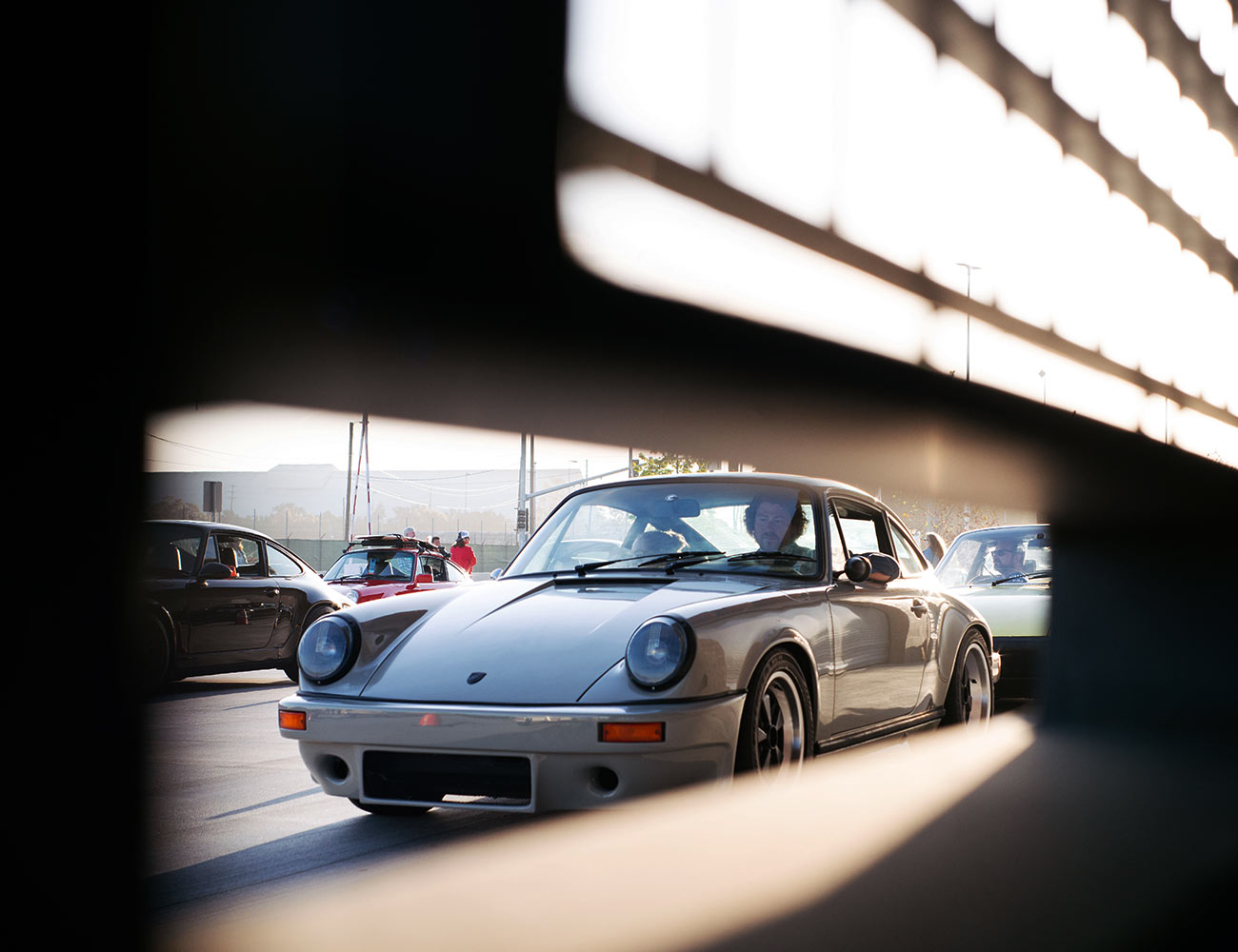
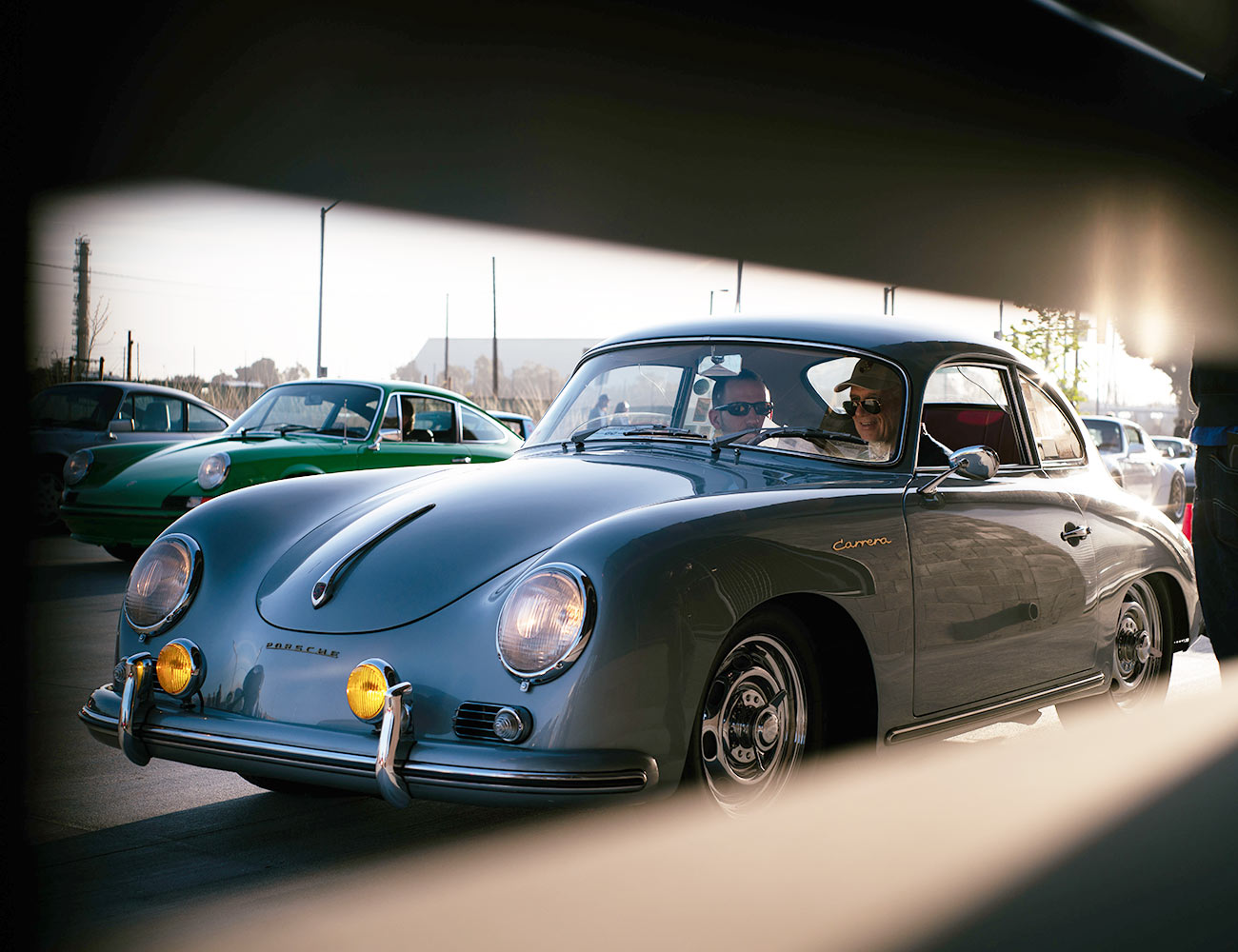
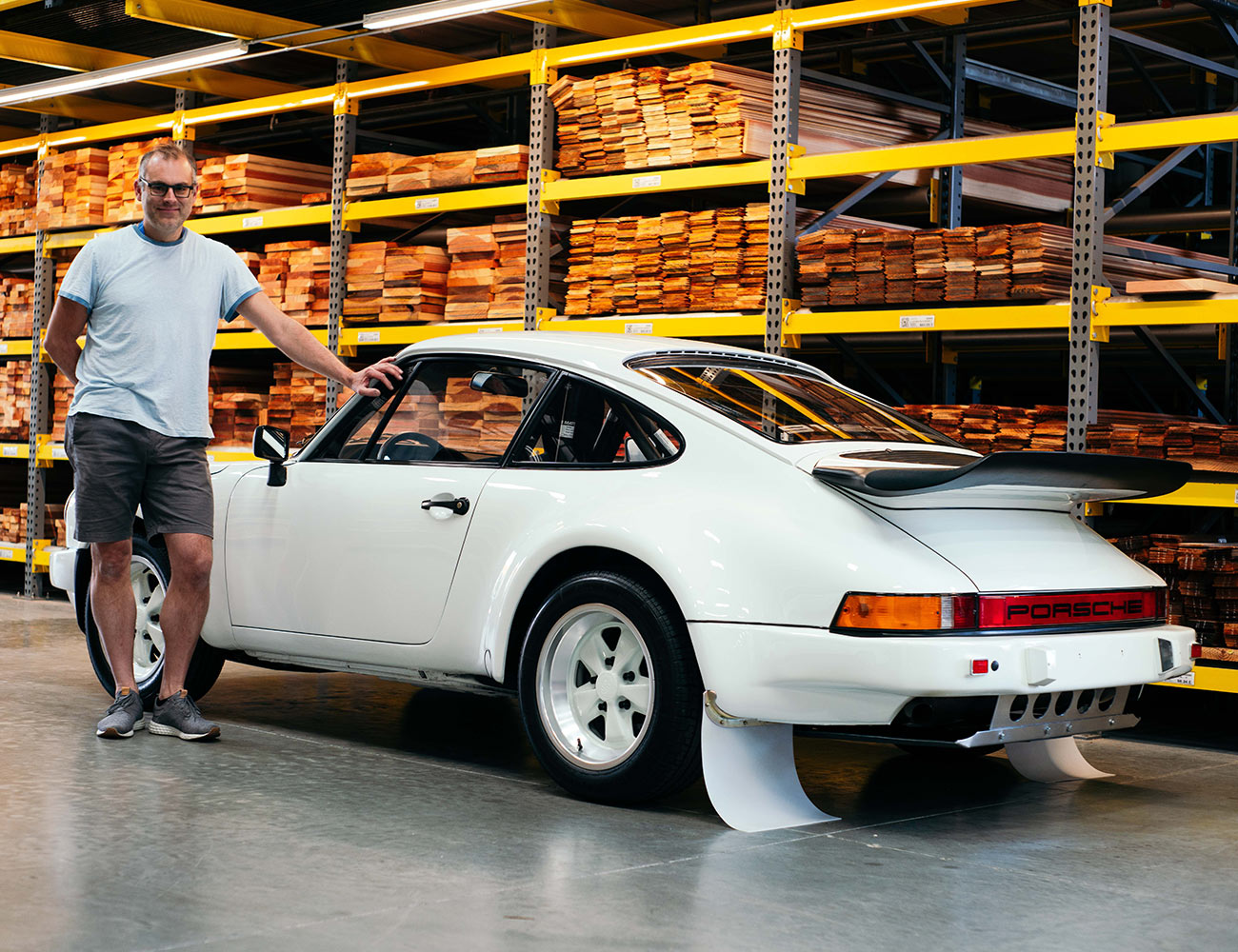
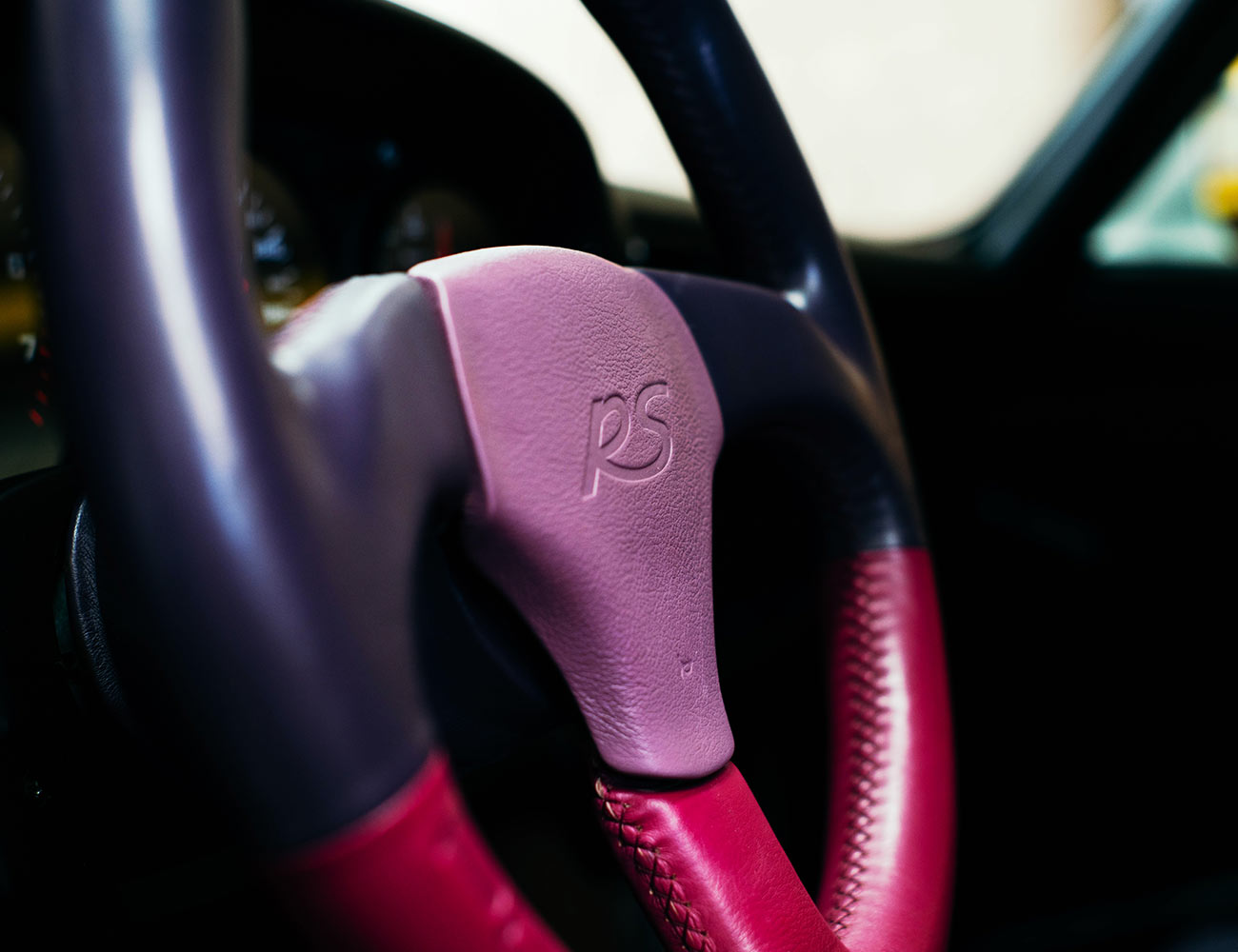
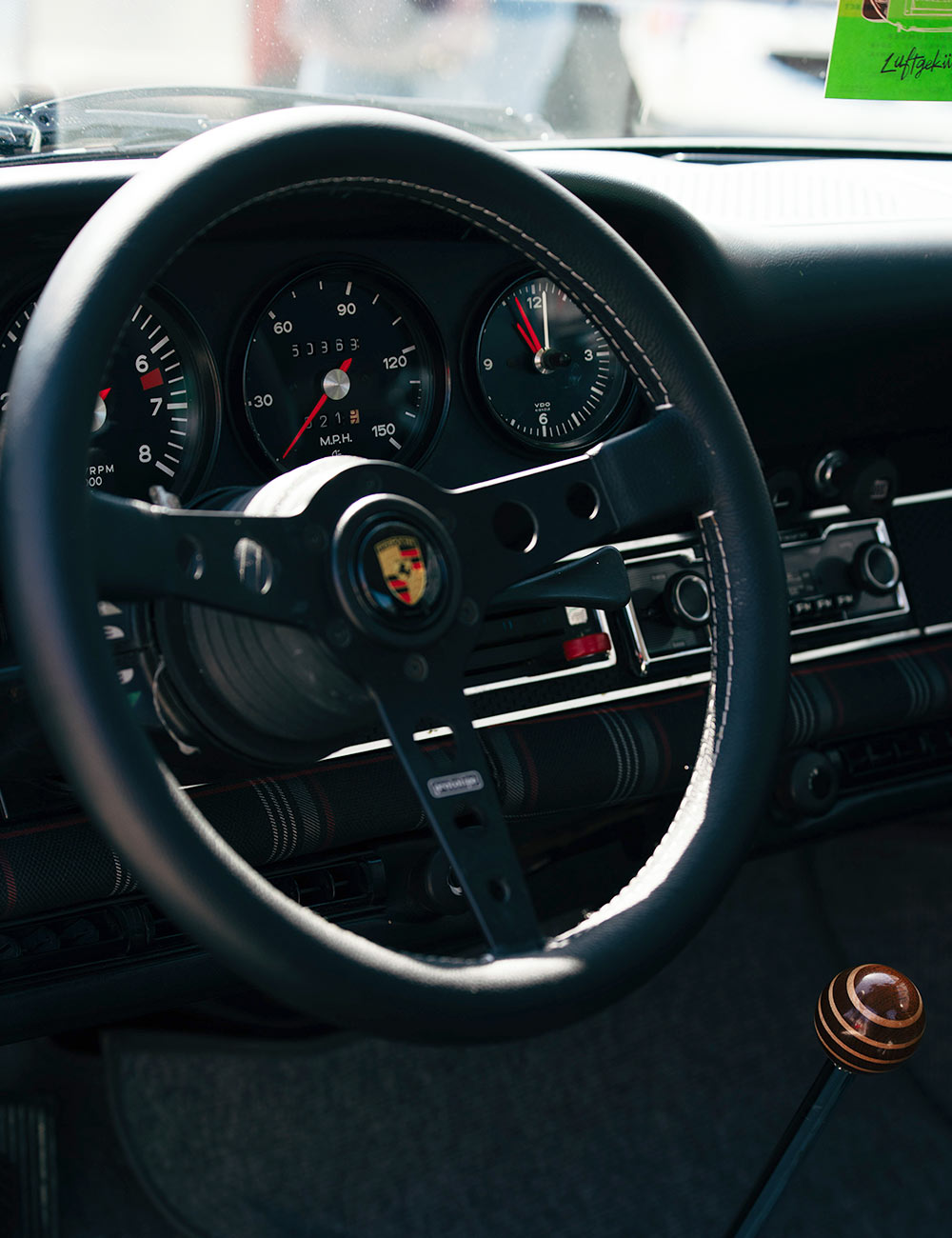
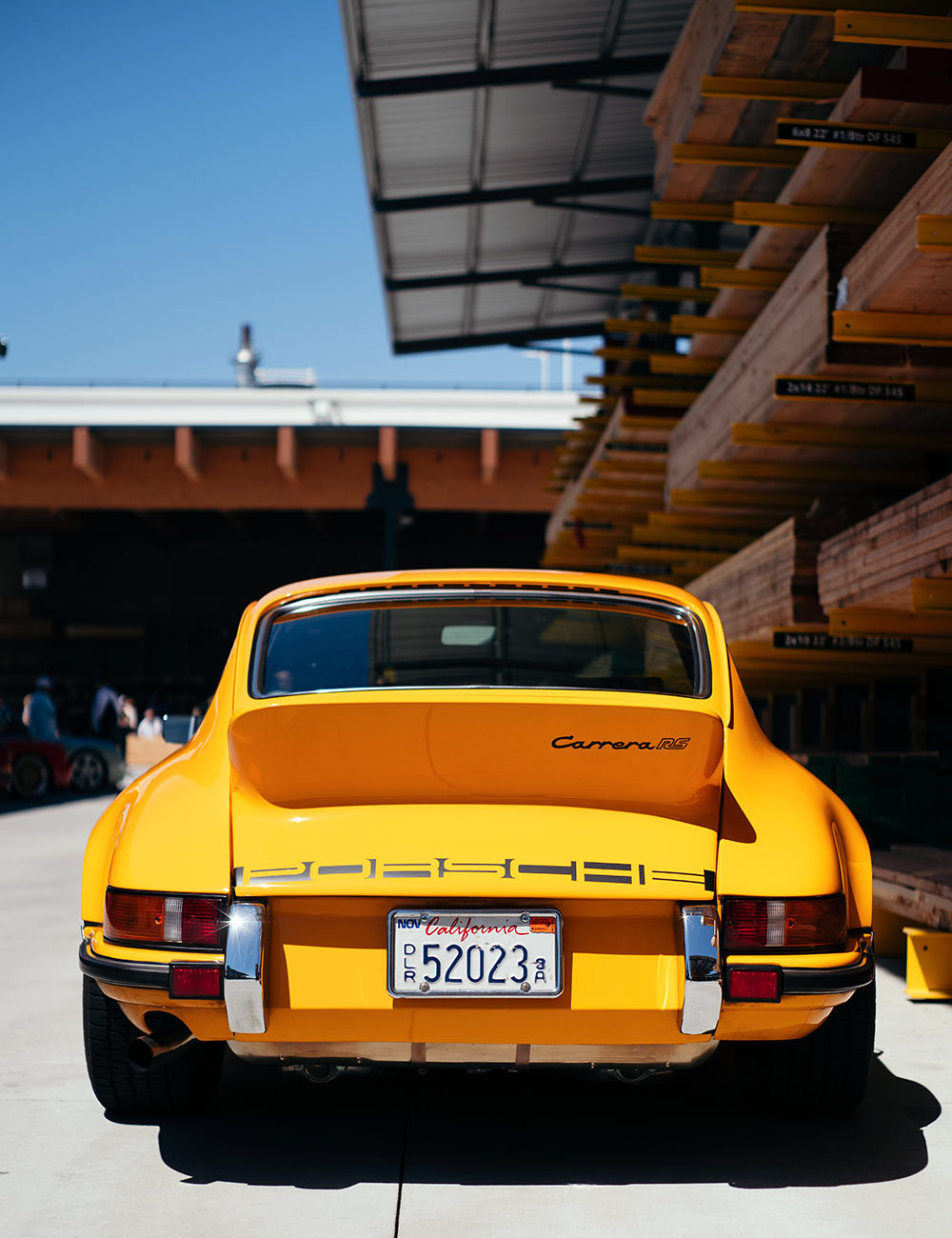
Luftgekühlt is so much more than a car show. It’s a community gathering, not just for those of us with a “mildly” unhealthy obsession with air-cooled Porsches, but for also for anyone remotely curious about the history of the brand. Though experts and Porsche legends are in attendance, casual observers and “noobs” are equally as welcome. The only prerequisite is a passion for Porsche.

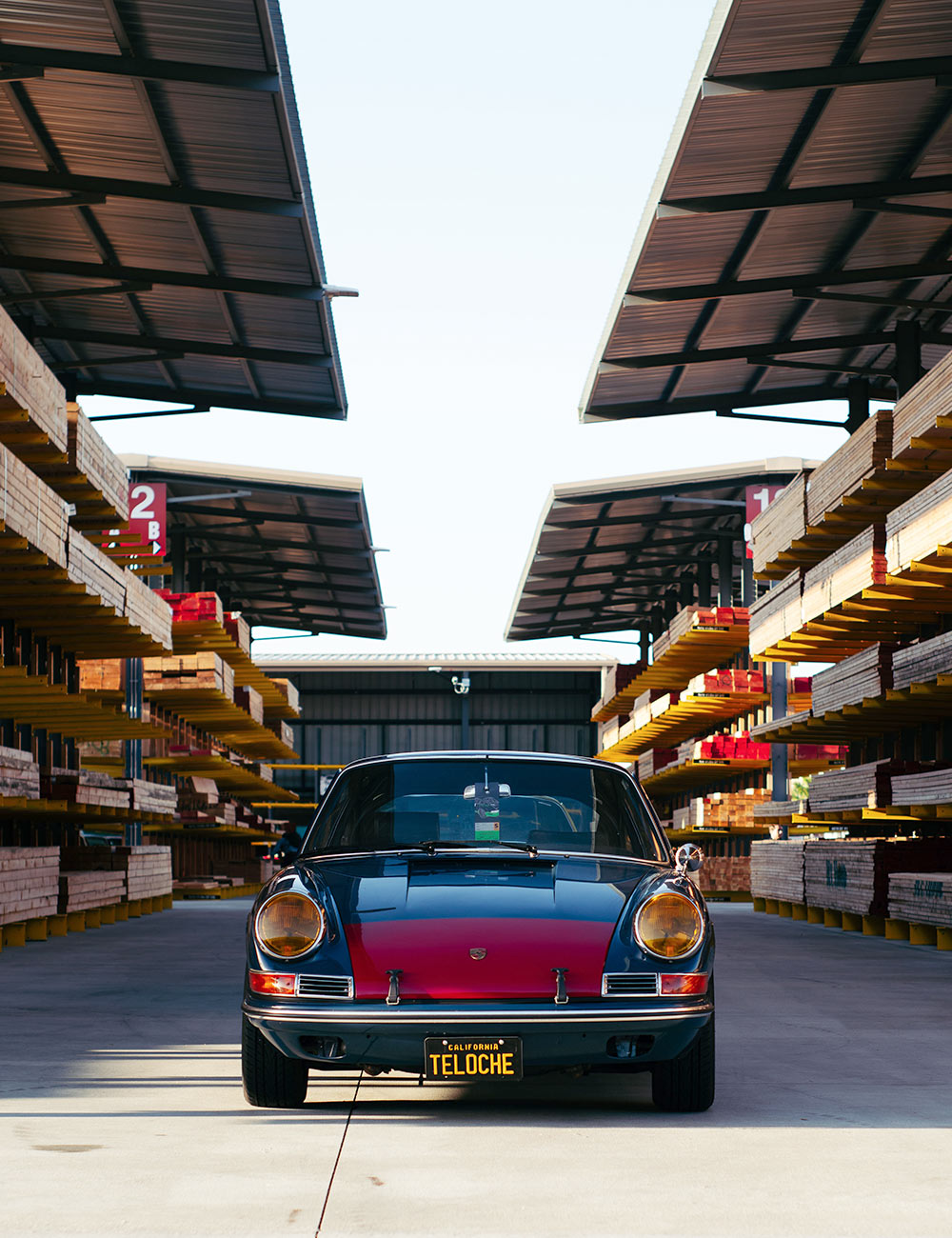
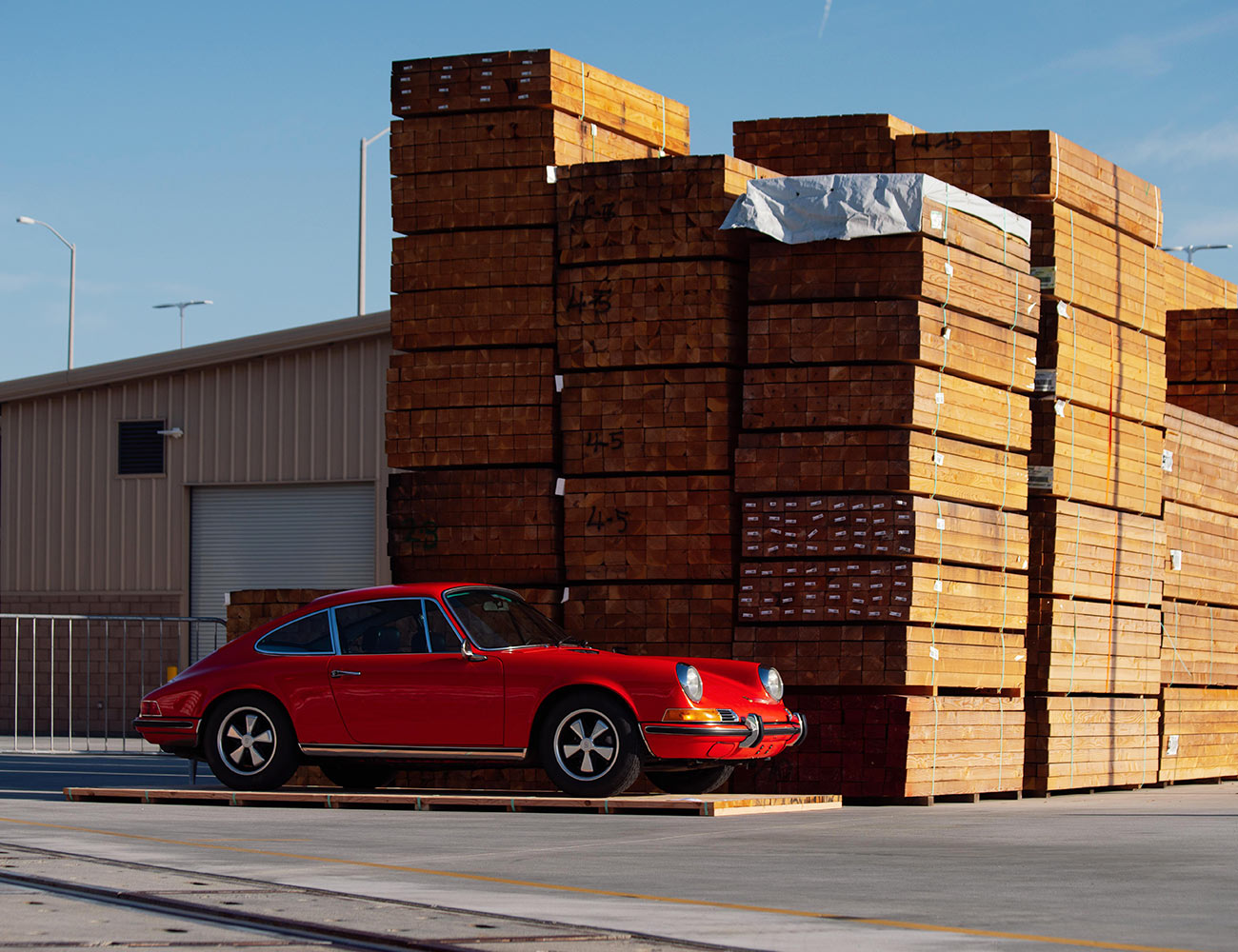
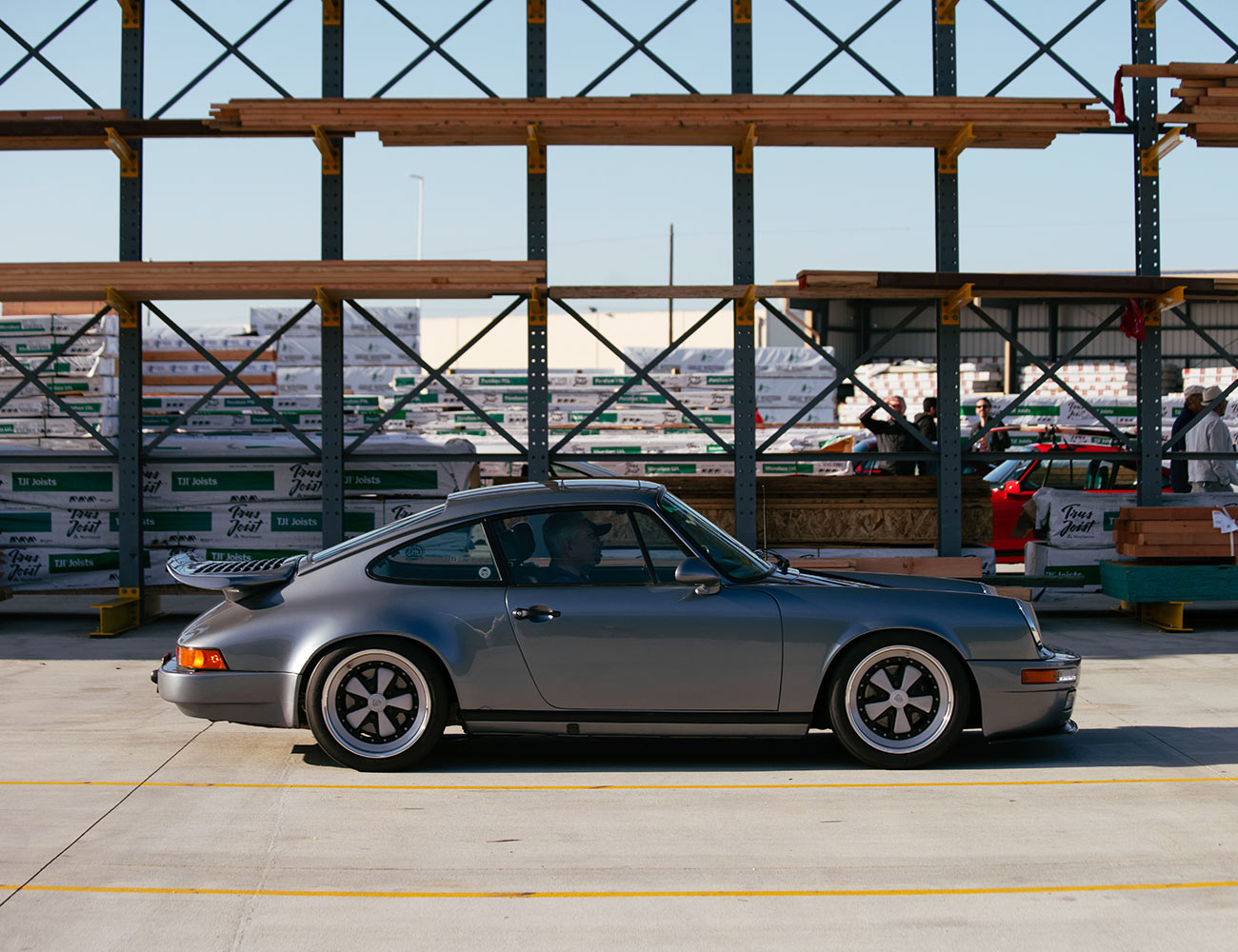
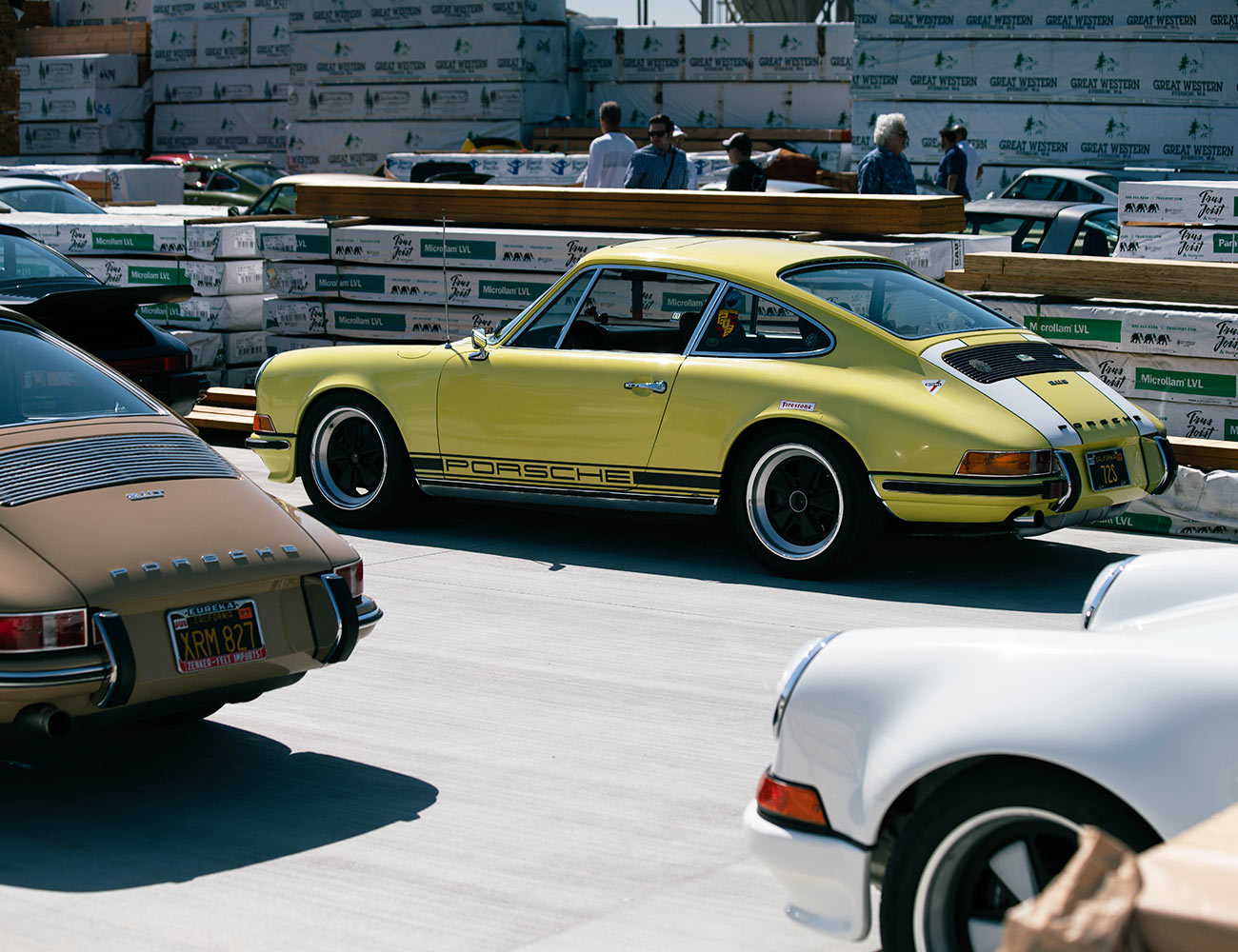
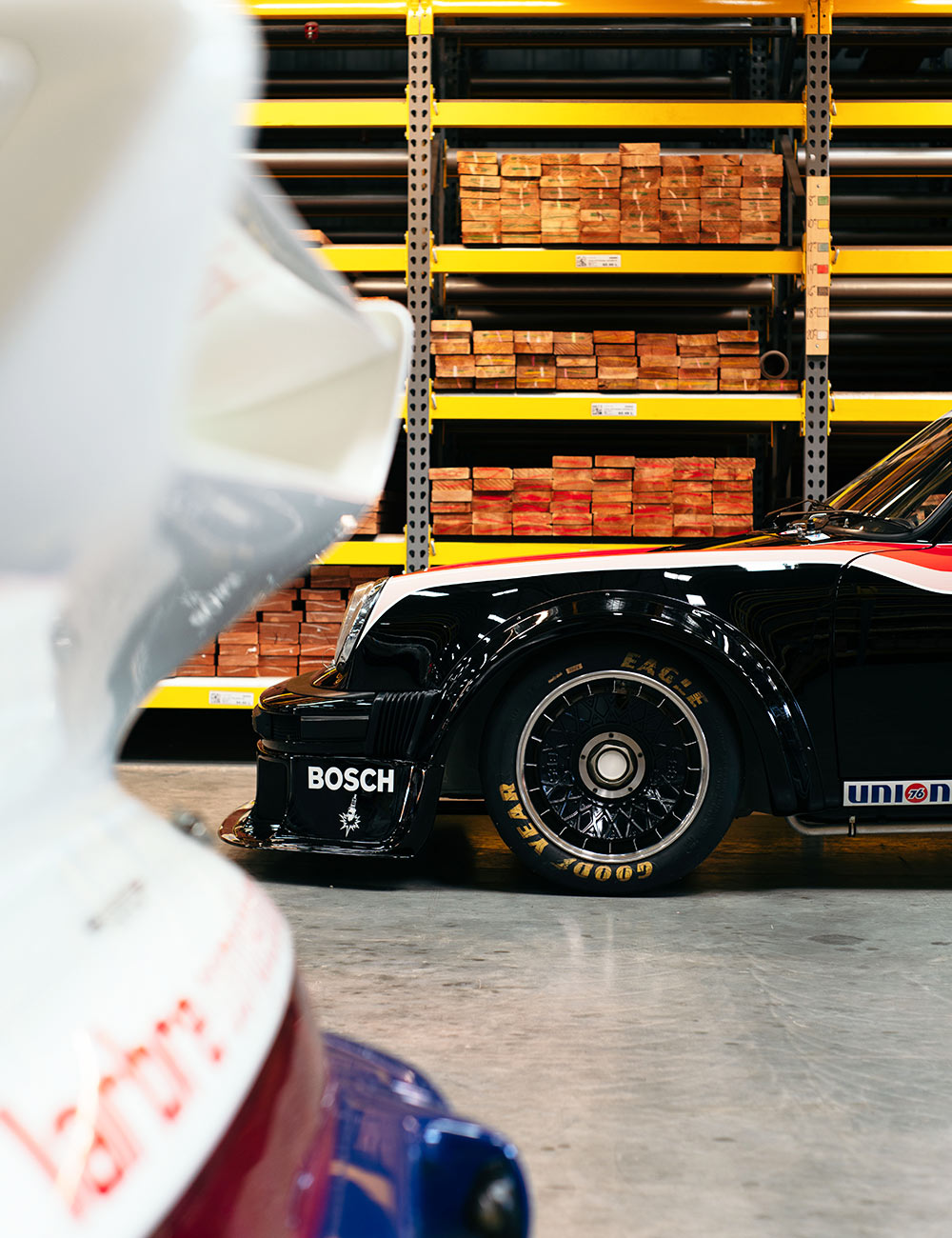
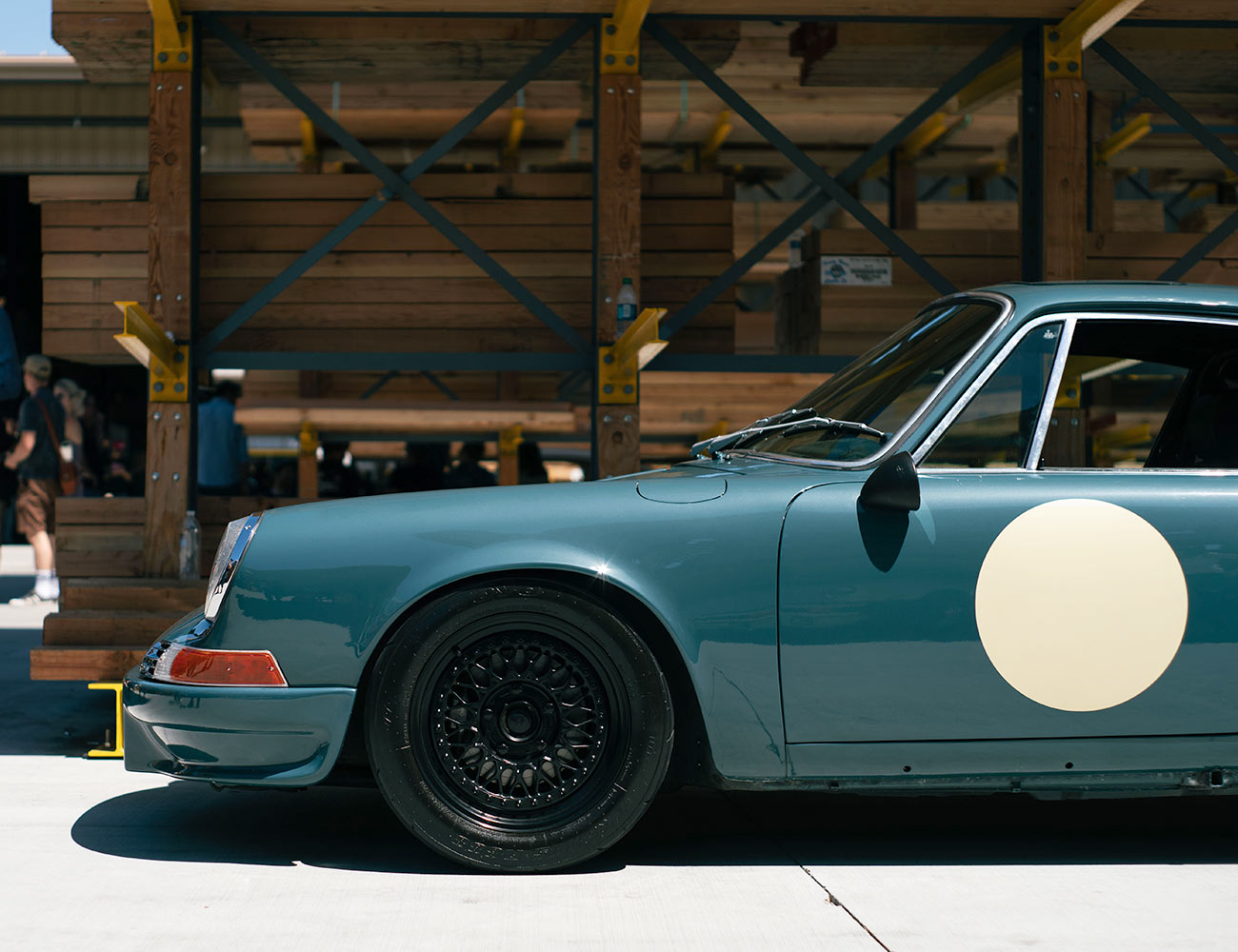
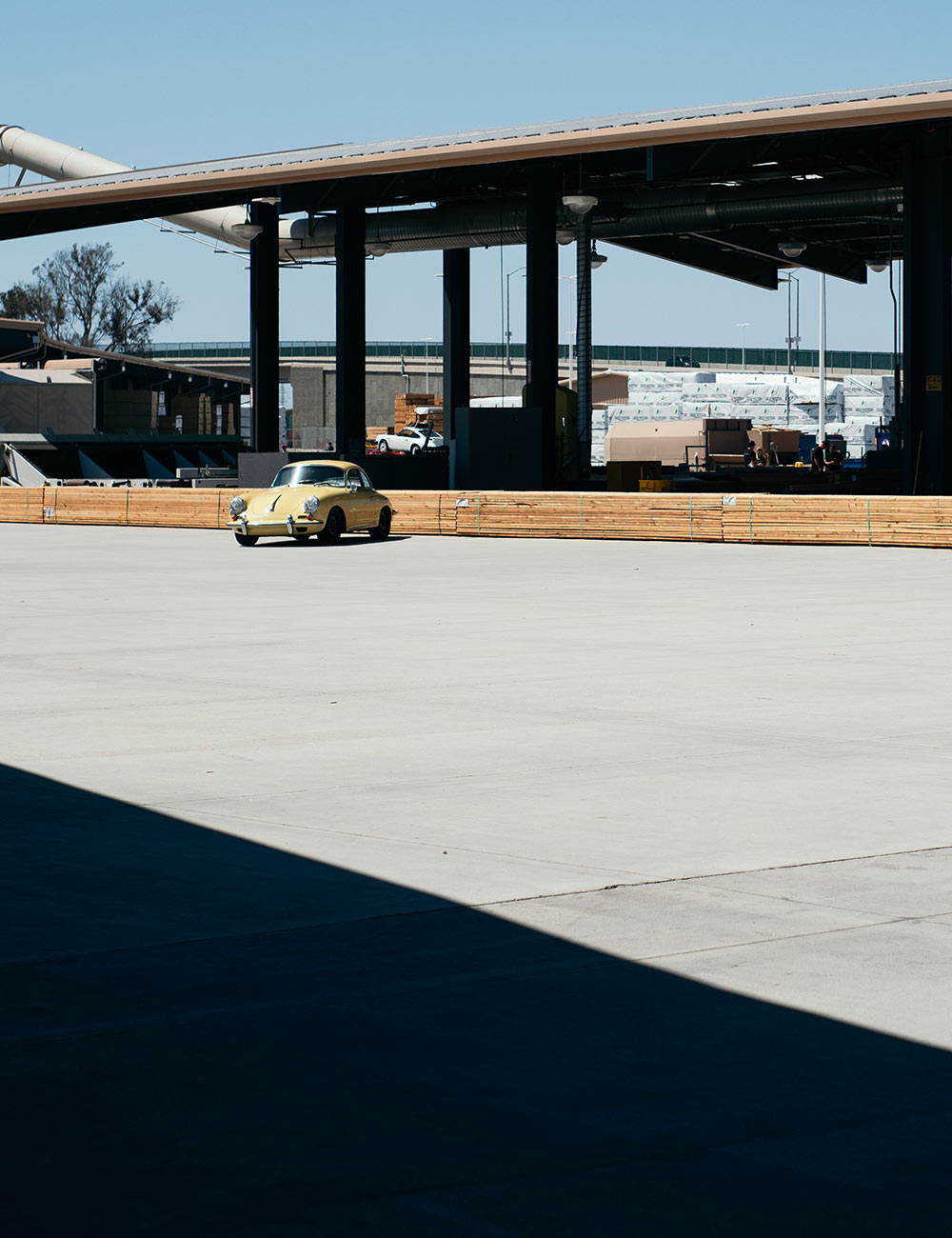
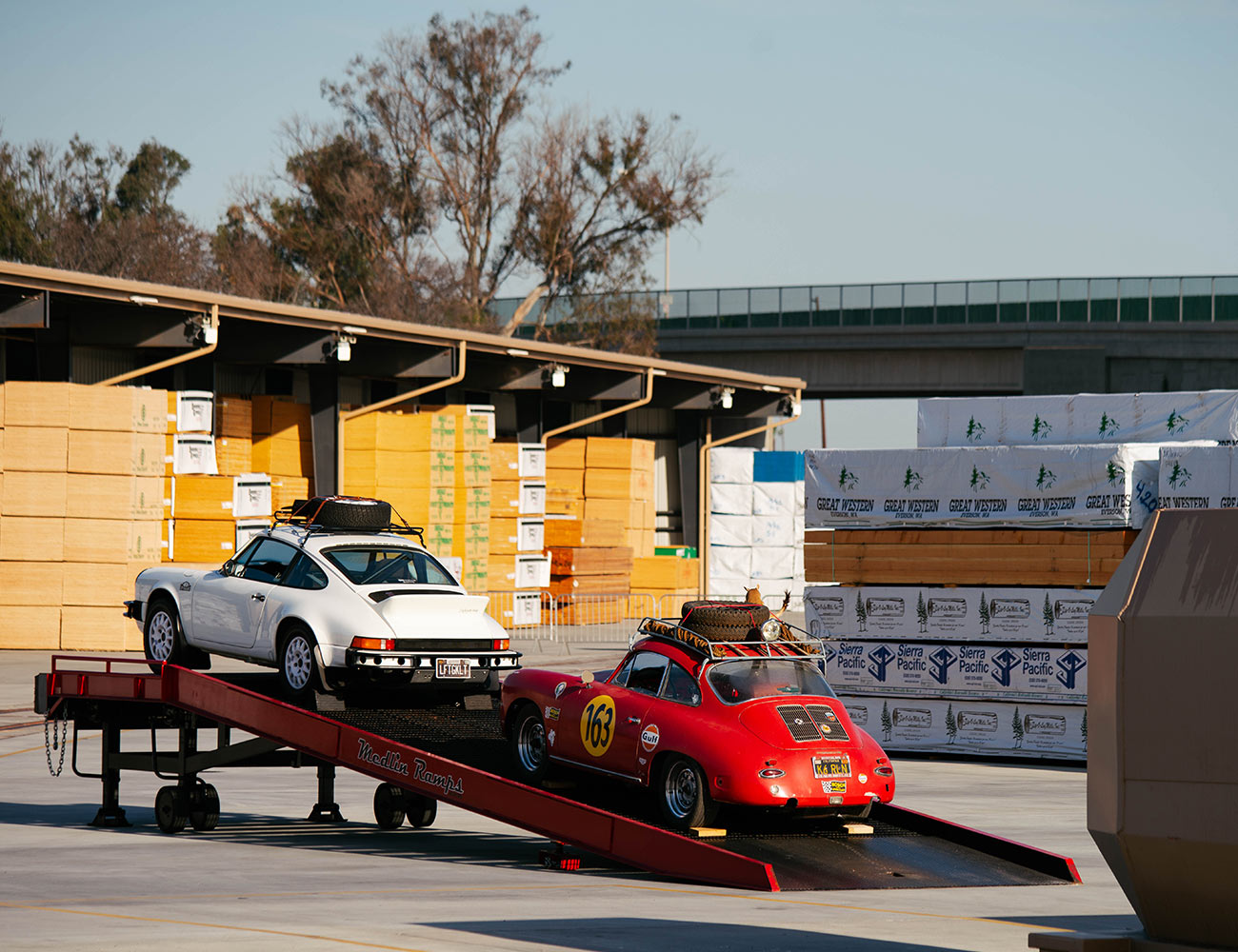
Pulling some of the rarest Porsches out of poorly lit museums and climate controlled garages and sticking them outside in a lumberyard might seem an odd choice, but Luft, as it’s called, is a stroke of genius. As they have done each year since the first gathering in the Deus parking lot in Venice Beach, event organizers Patrick Long, Howie Idleson and Jeff Zwart outdid themselves.

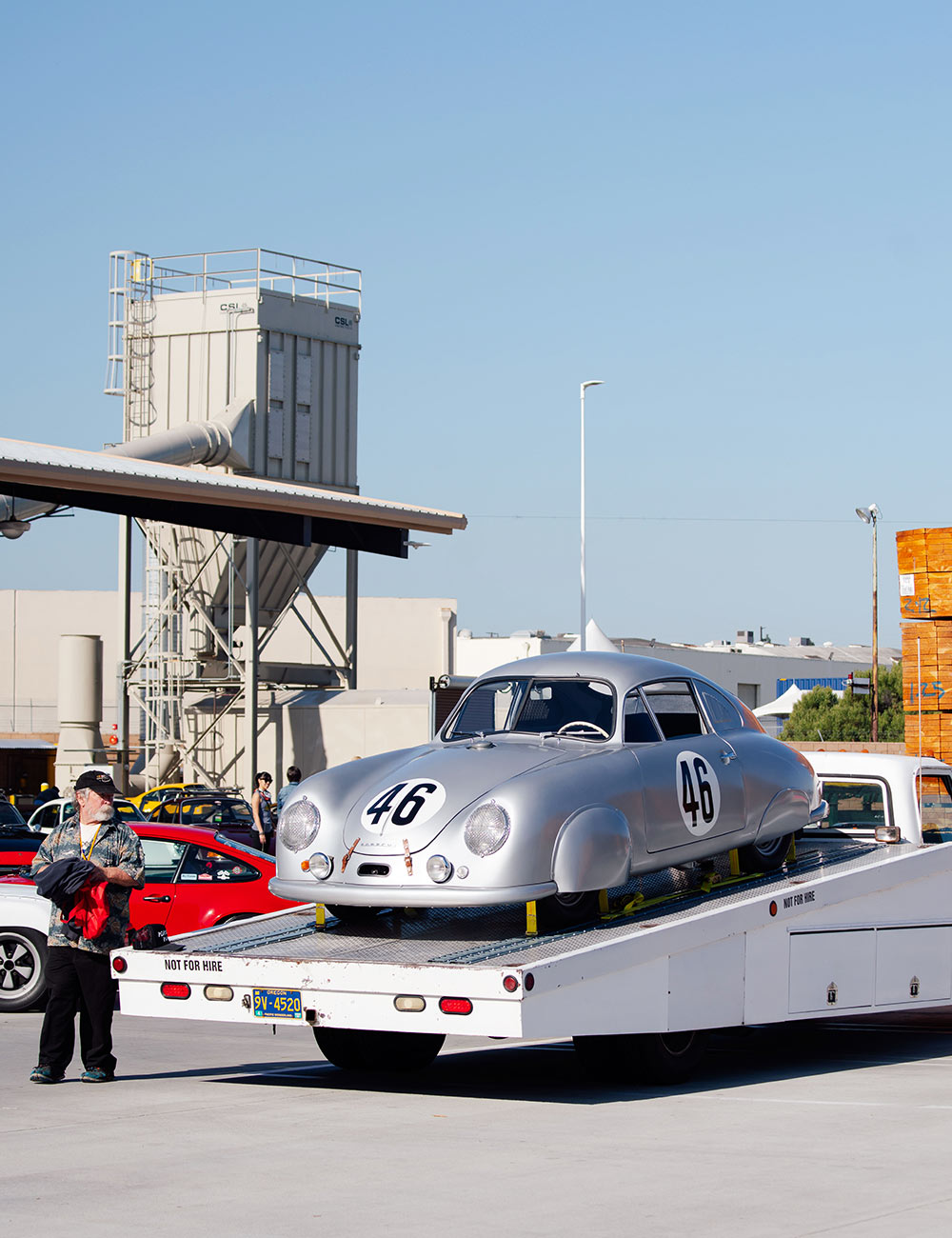
This year’s Luft 5 was the largest of these shows yet, both in crowd size (some 3,500 tickets were sold and an estimated 4,500 people attended) and in venue size. Newly opened 18-acre Ganahl Lumber in Torrance, California, played host to the event — an appropriate pairing for sure. The Ganahl Lumber Company was founded by Austrian immigrant Christian Ganahl in 1904 and the foundation of Porsche as we know it today was laid on the grounds of a re-purposed sawmill in Gmund, Austria between 1944 and 1949. There, the first 53 Porsche 356s were built among the wood and sawdust, so it was quite special to see one of the last “Gmund coupes” in its element once again, especially alongside a smattering of later-model 356s that can also trace their roots back to that sawmill.

Zwart said, “Venue was central to everything — to keep things fresh, especially with all the various cars.” When chatting with Long about his favorite thing about the show in general his face lit up and he answered, “The people who cut their own path, stuff that’s painted the wrong color… I love it. Originality.”

Oowners who had secured placement for their cars in the lumberyard showed up at the crack of dawn for load in. The stream of cars was steady all the way until the main gates opened to the public at 9 AM.

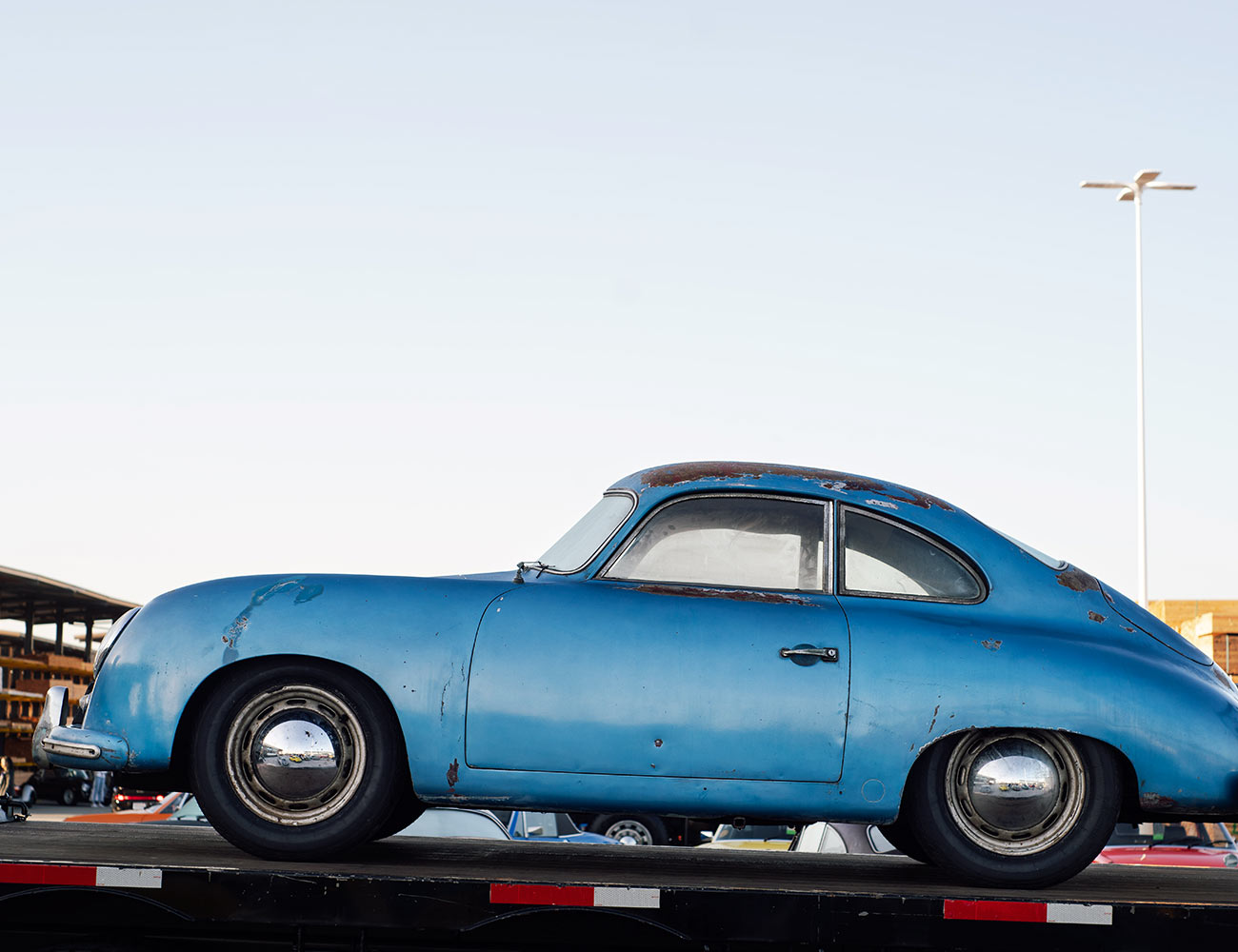
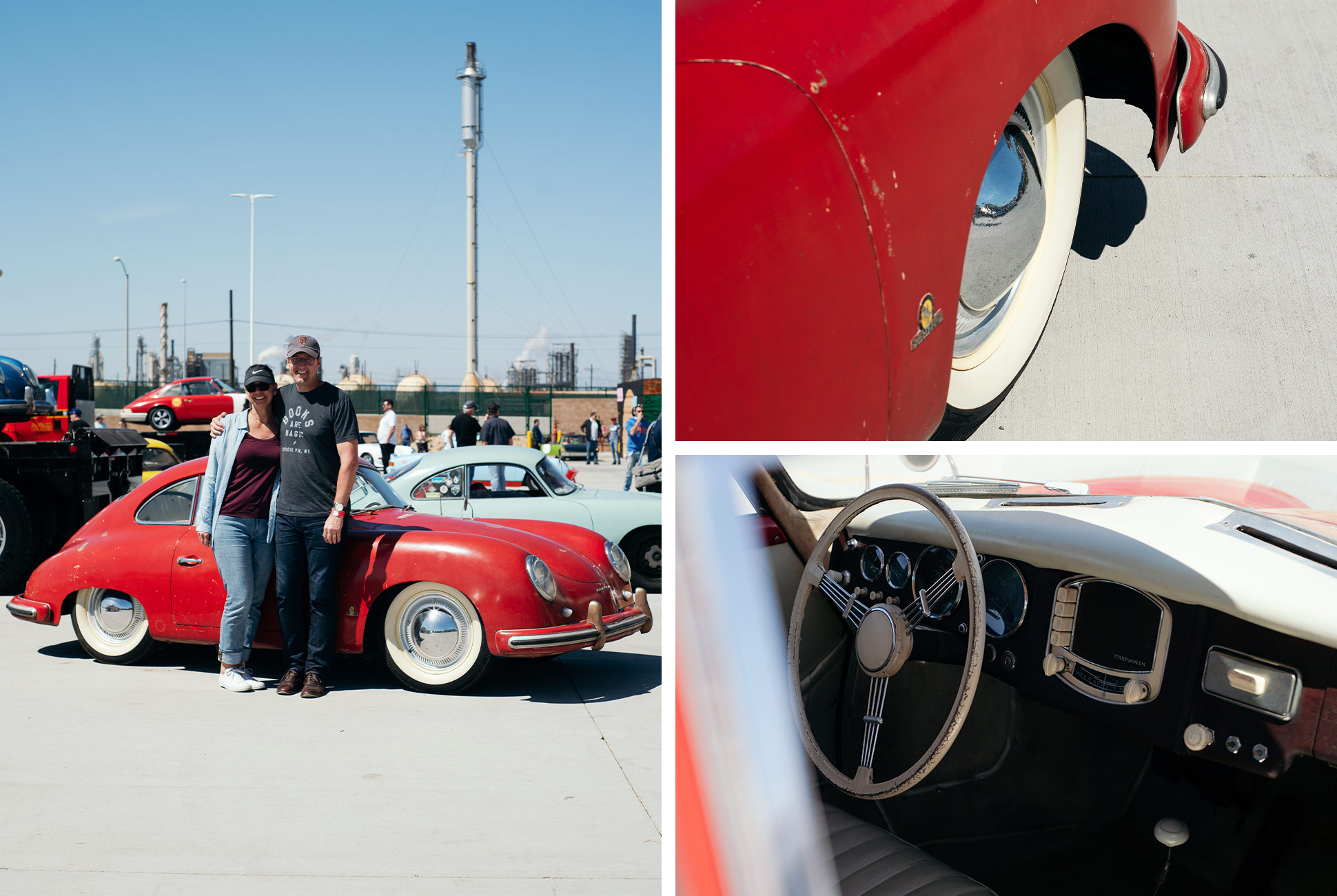
This 1953 Pre-A survivor car was rightly put on a pedestal where one could ogle its perfect patina.

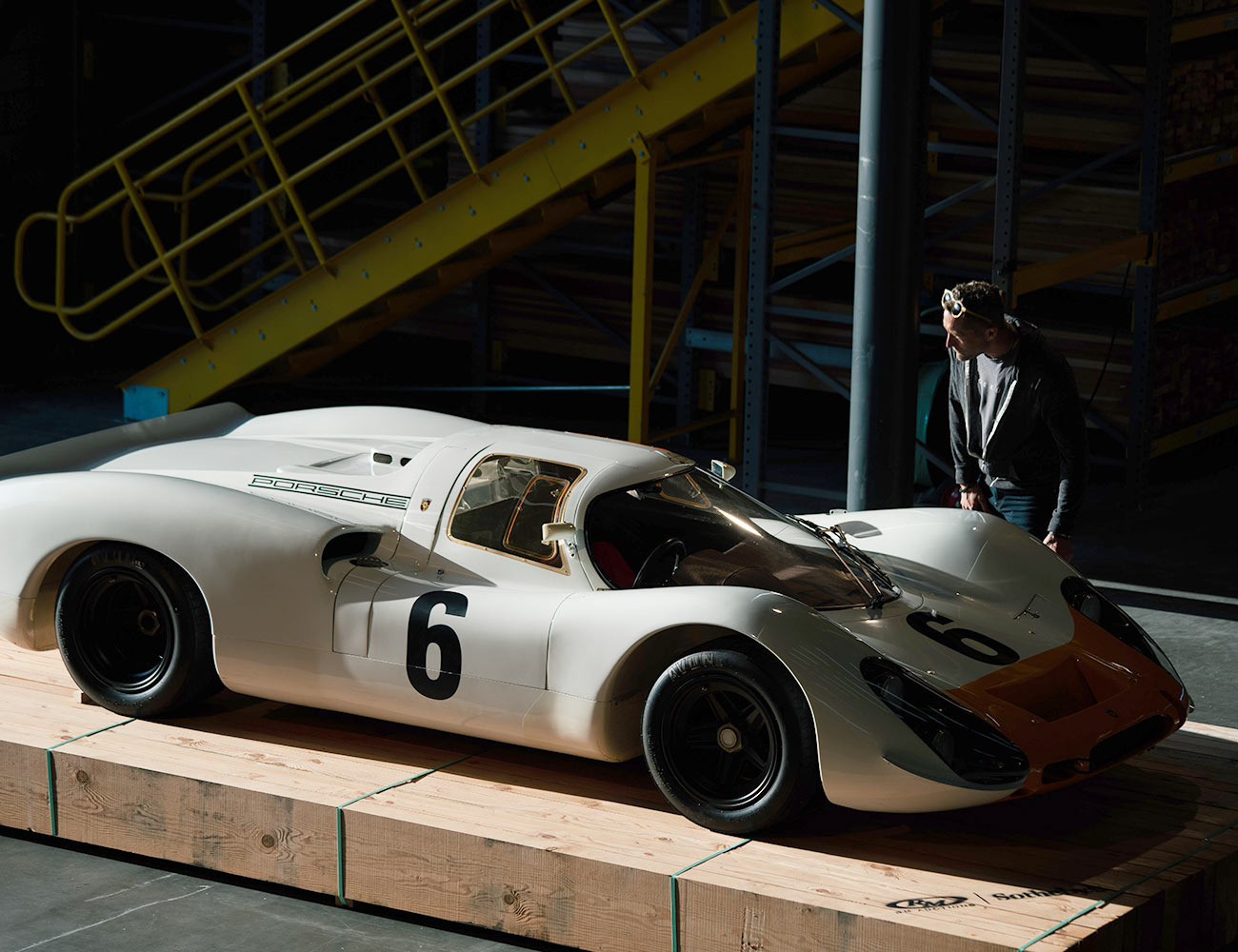
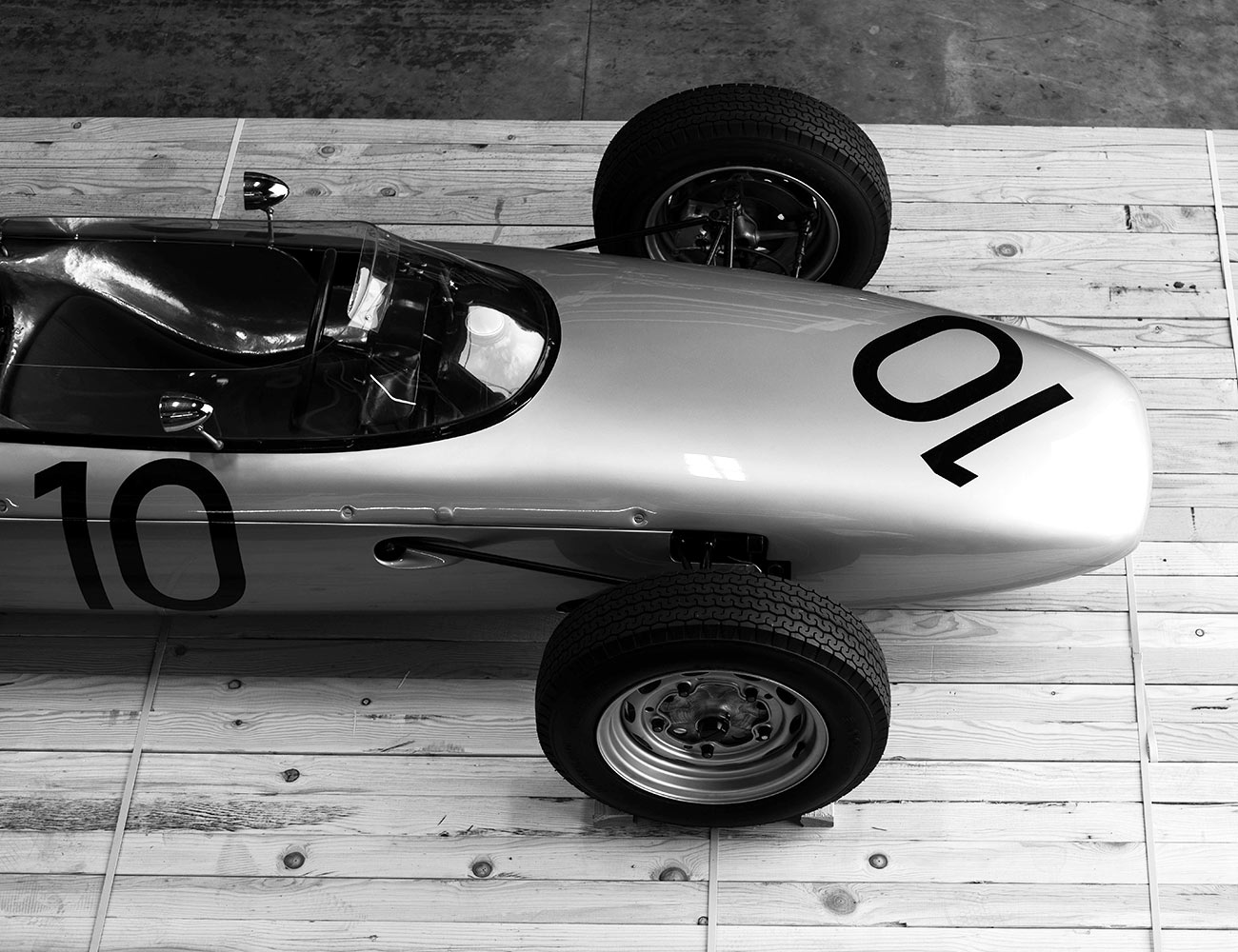
908K chassis number 10 once driven by storied racing driver Vic “Quick Vic” Elford stopped people dead in their tracks all day long. For the briefest of moments, it once more roared to life with Vic behind the wheel, bathing the whole lumber yard with the sonorous sound of the flat-eight. This rare short-tail werks prototype will go to auction later this year with RM Sotheby’s where it’ll probably take in a pretty penny.

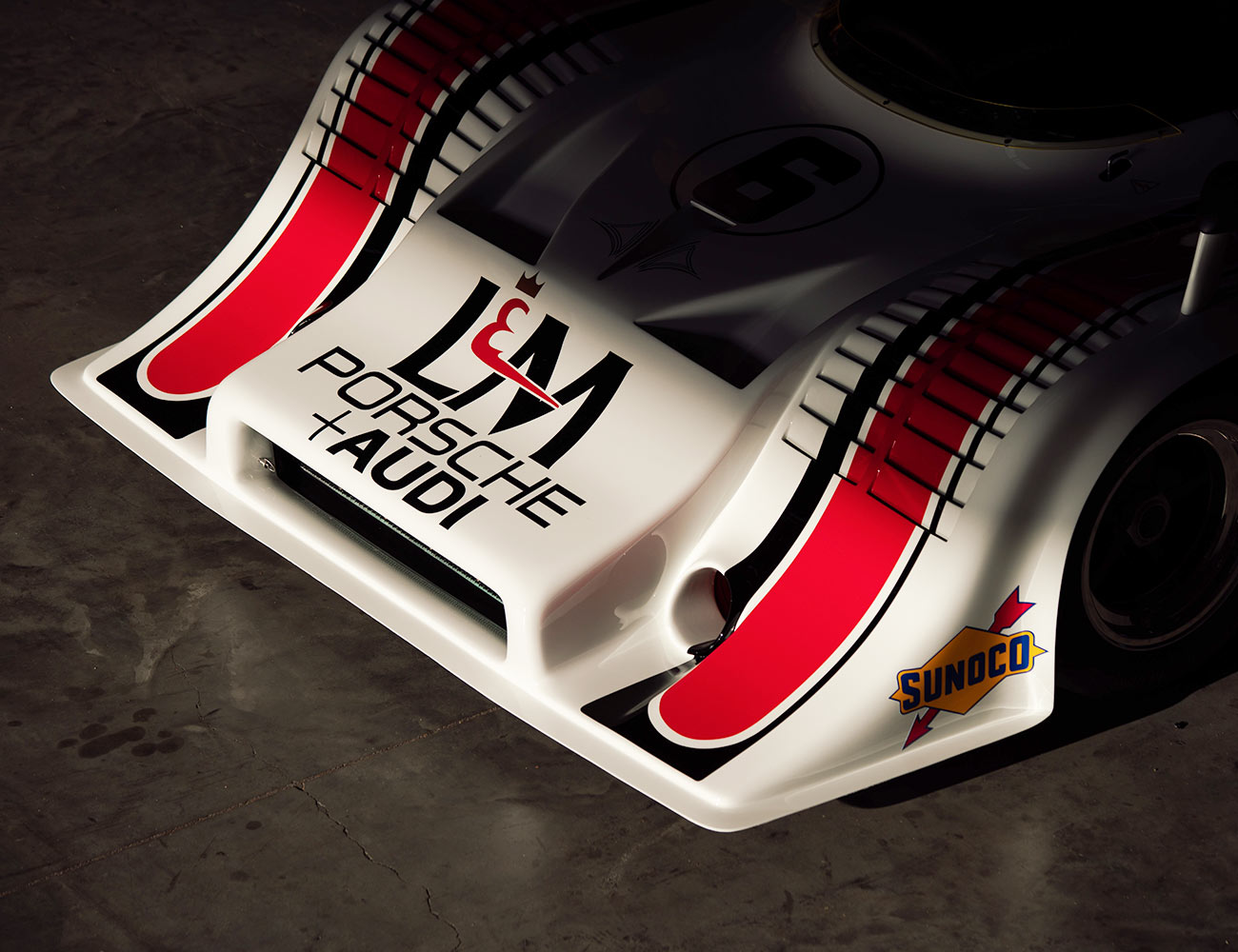
When Porsche turned their attention to Can-Am racing in the ’70s they did so with the utmost ferocity. With virtually no regulations in the American racing series, Porsche was free to build the most bat-shit crazy race car they could conceive — the result was this 917/10. The twin-turbocharged five-litre flat-12 produced close to 1,000 horsepower and 663 lb-ft of torque all in car that weighs just 1,690 pounds.

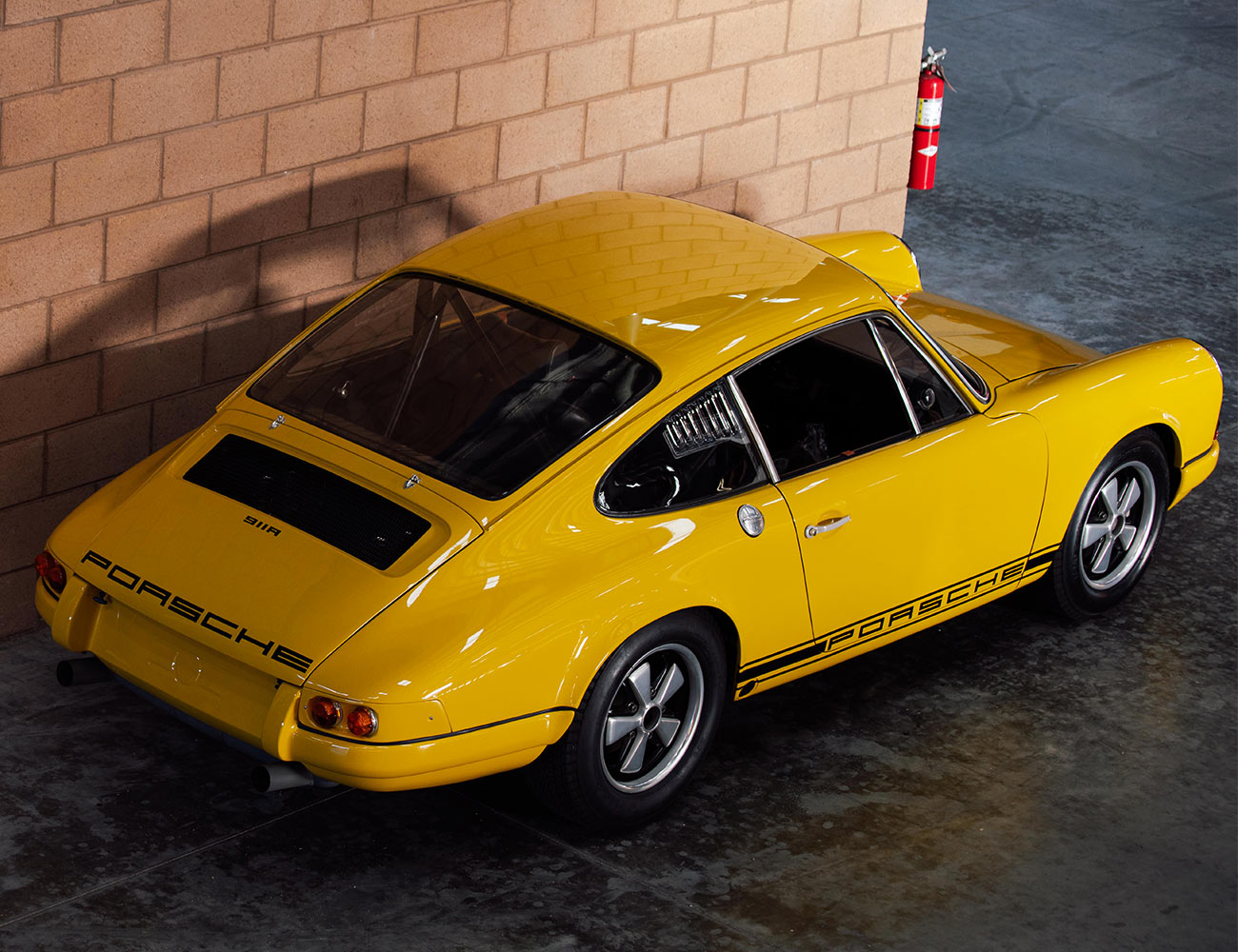
The last of four 911 R prototypes built in 1967, currently owned by famous racer Bruce Canepa.

This 1996 RUF BTR did battle with other 1990s supercars like the Ferrari F50 and Jaguar XJ220 both in real life and on many a Playstation.

This is the best story from Luft 5?. The 1953 356 shown here wouldn’t have been at Luft had some random person not come up to owner Matt Clawson to suggest he check it out. Clawson’s father and a friend had bought the car after they returned home from WW2 and wanted to get into racing. They promptly blew the engine and as a result of fire damage the once beige car was painted red and the car has remained the same ever since. Clawson came home from the hospital in this car as a baby, rode in it to school before it sat under a sheet in Northern California. Years later, Clawson trailered it down to San Clemente, where it was tuned up but not restored. It’s beautiful and unique: Clawson’s father and friend installed the handmade wood dash because they were sick of burning themselves touching the metal when racing. Oh, and that Telefunken radio works — it’s as rare as the car itself.

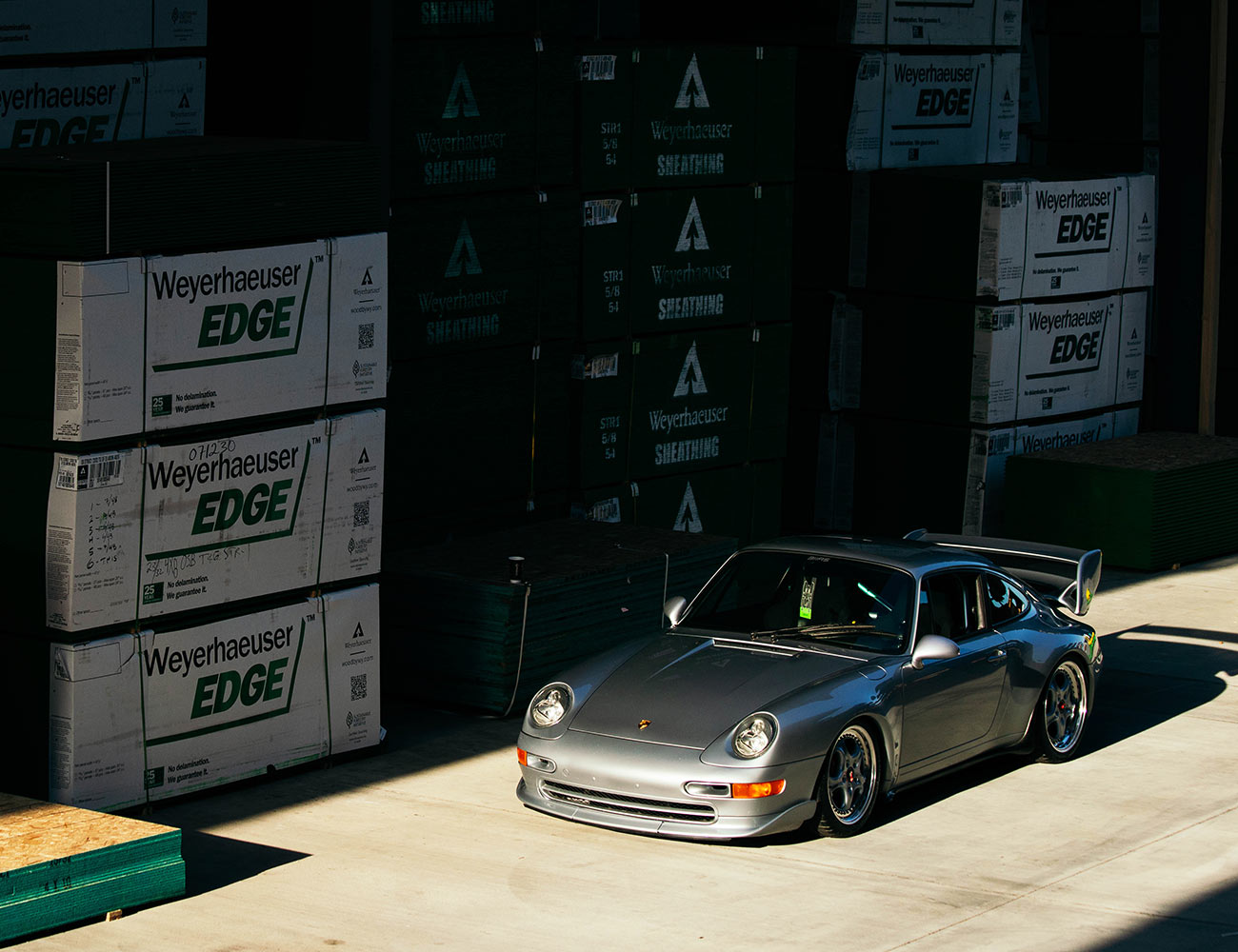
The pinnacle of air-cooled 911 race cars, the 993 GT2.

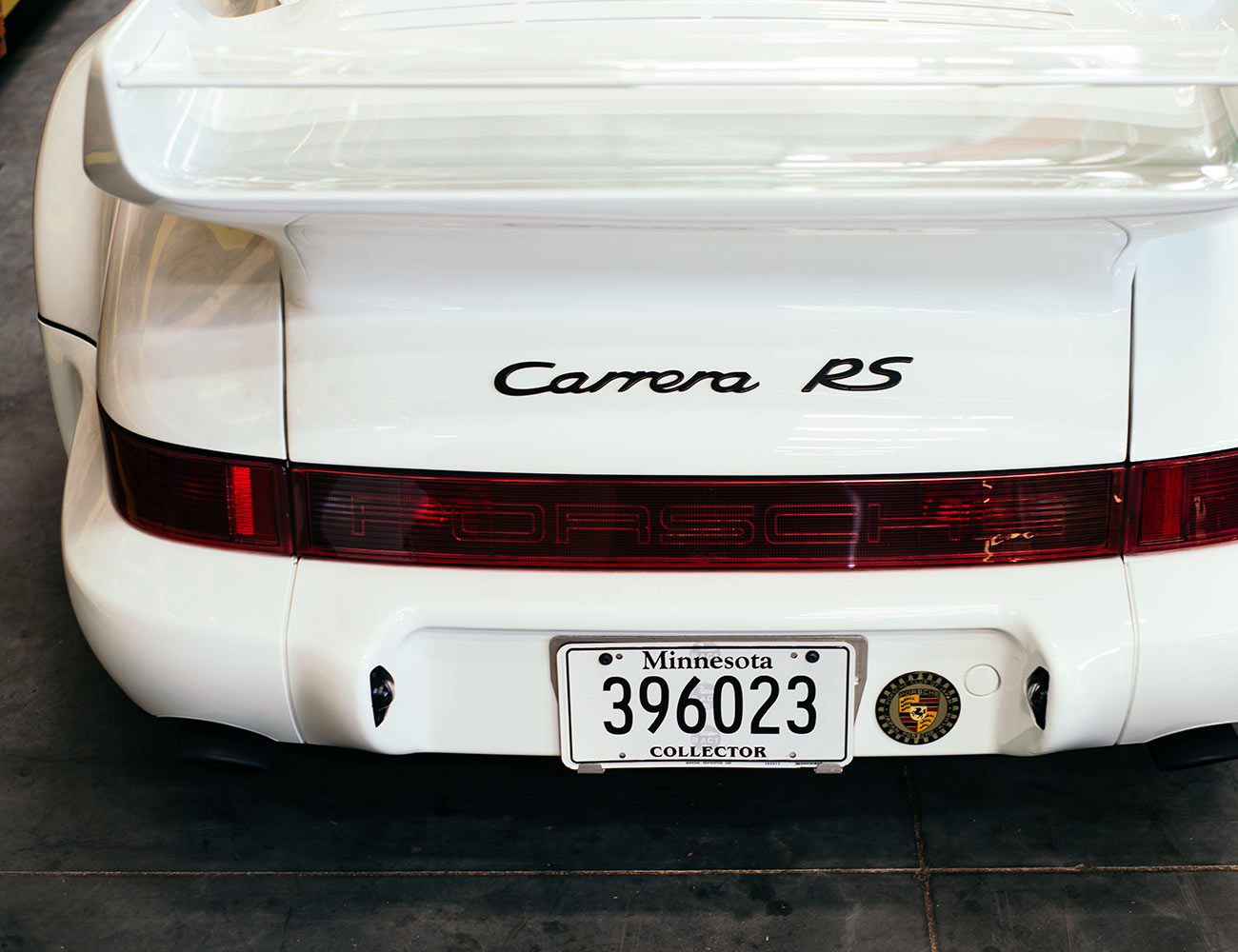
There were many 964s at Luft 5 to celebrate the model’s 30th anniversary, but this LeMans class winning 964 3.8 RSR is simply on another level.

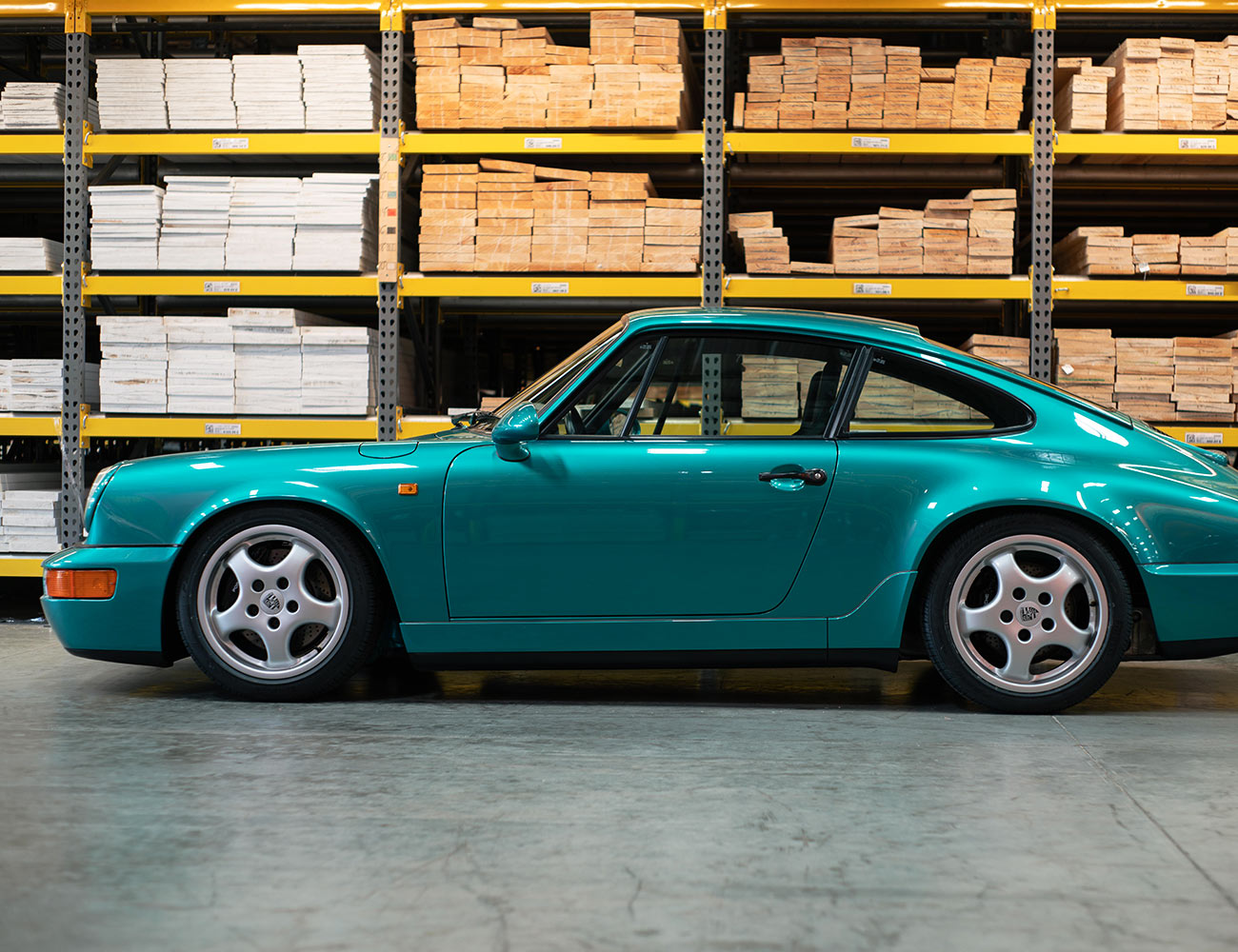
The only 964 to wear Tourmaline Green. Stunning.

The flat-eight under this beautiful bodywork was good for 190 horsepower in 1964. Having this 804 on display was a nice tip of the cap to legendary driver Dan Gurney passed away earlier this year. Gurney won the French Grand Prix in July of 1964, gaining Porsche their only World Championship qualifying F1 victory as a constructor and another non-WC win at Solituderennen near Stuttgart.

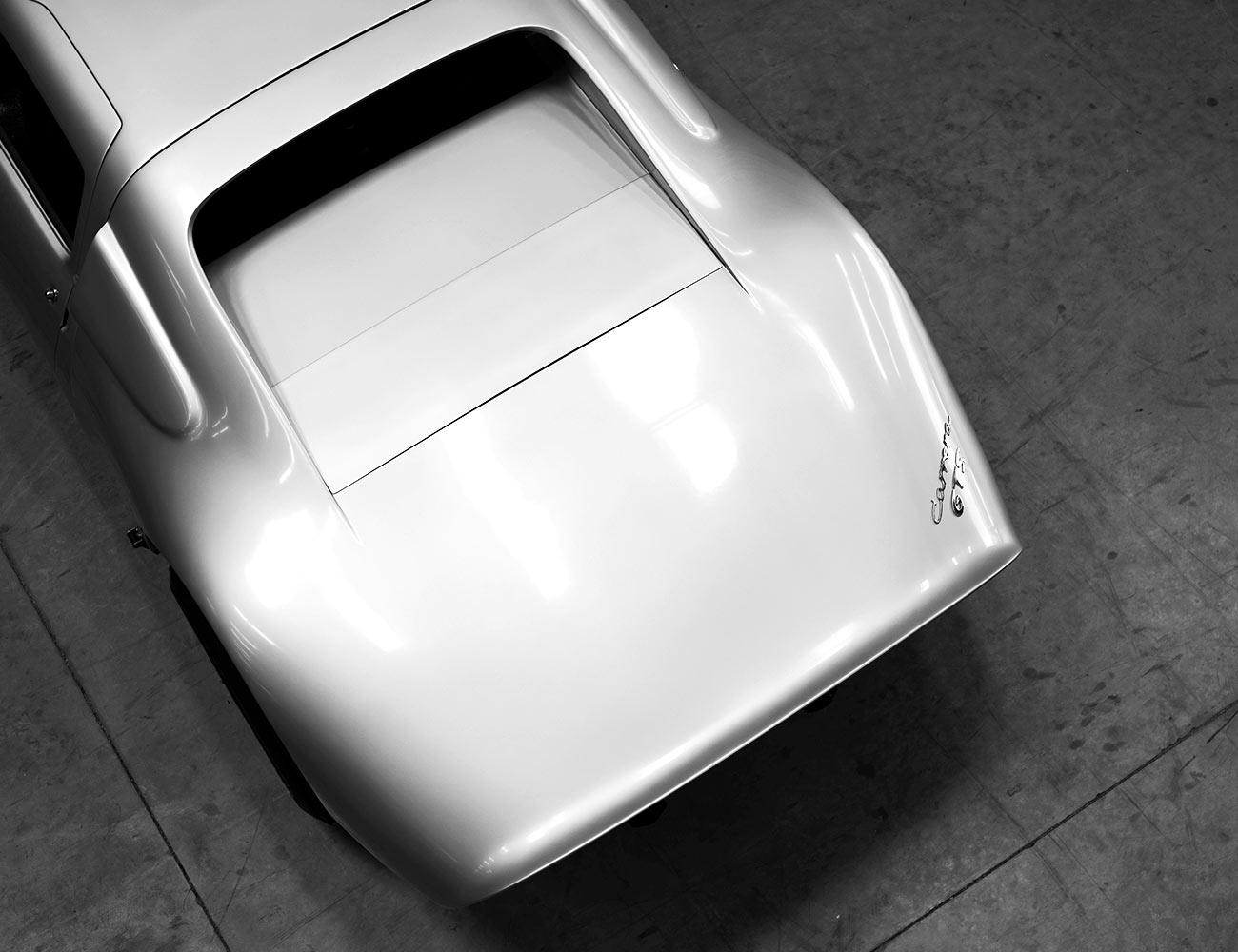
The beautiful fiberglass bodywork of the 904 never ceases to amaze. 106 street legal 904s were built and sold in 1964. They only cost $7,245 then.

Gmund SL 063, the first Porsche to race and win at LeMans. The legend of Porsche in motorsport begins here and Mr. Outlaw himself Rod Emory restored this beautiful racer for the owner back in 2015.

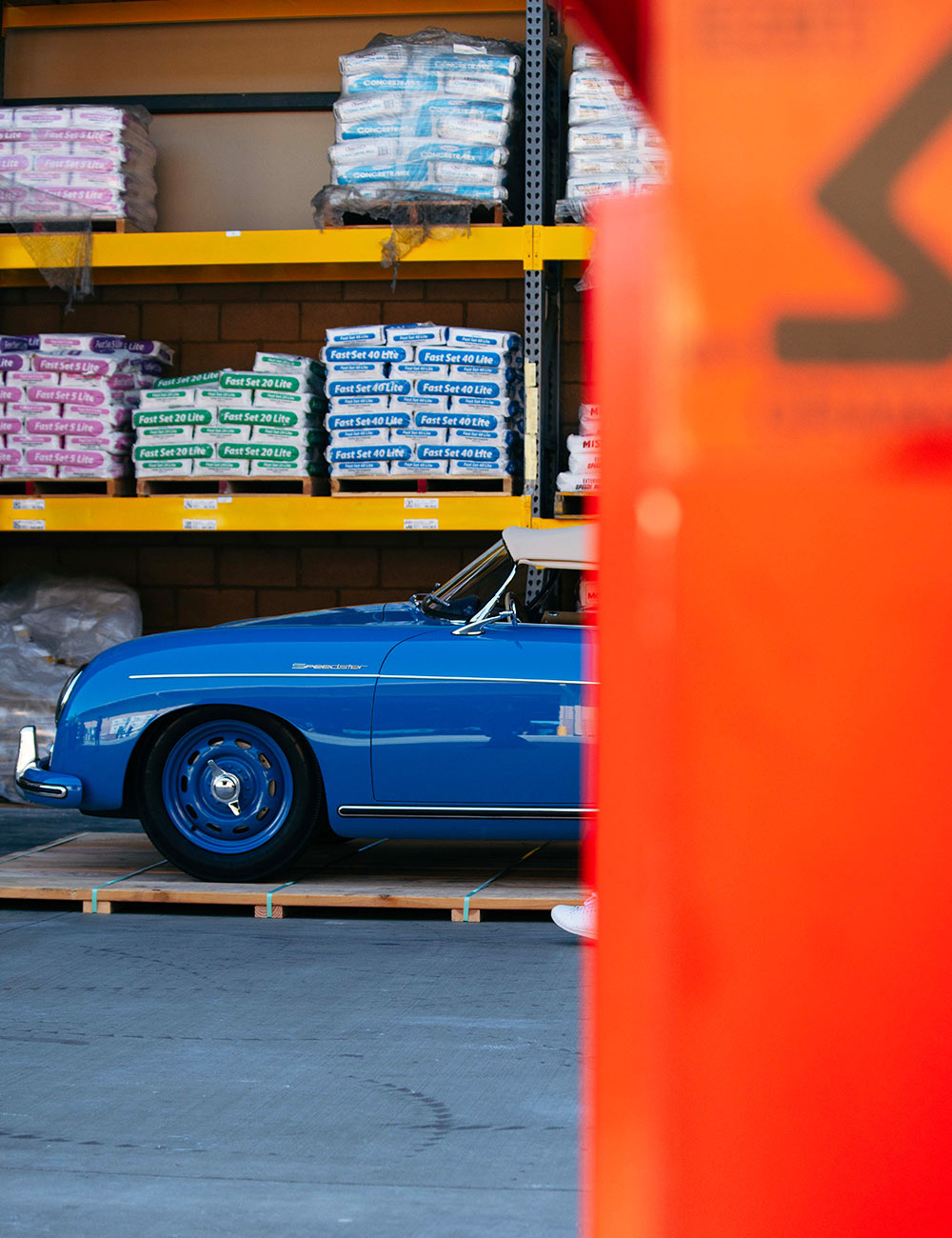
“Speedster Blue” is the best color for a Pre-A Super.

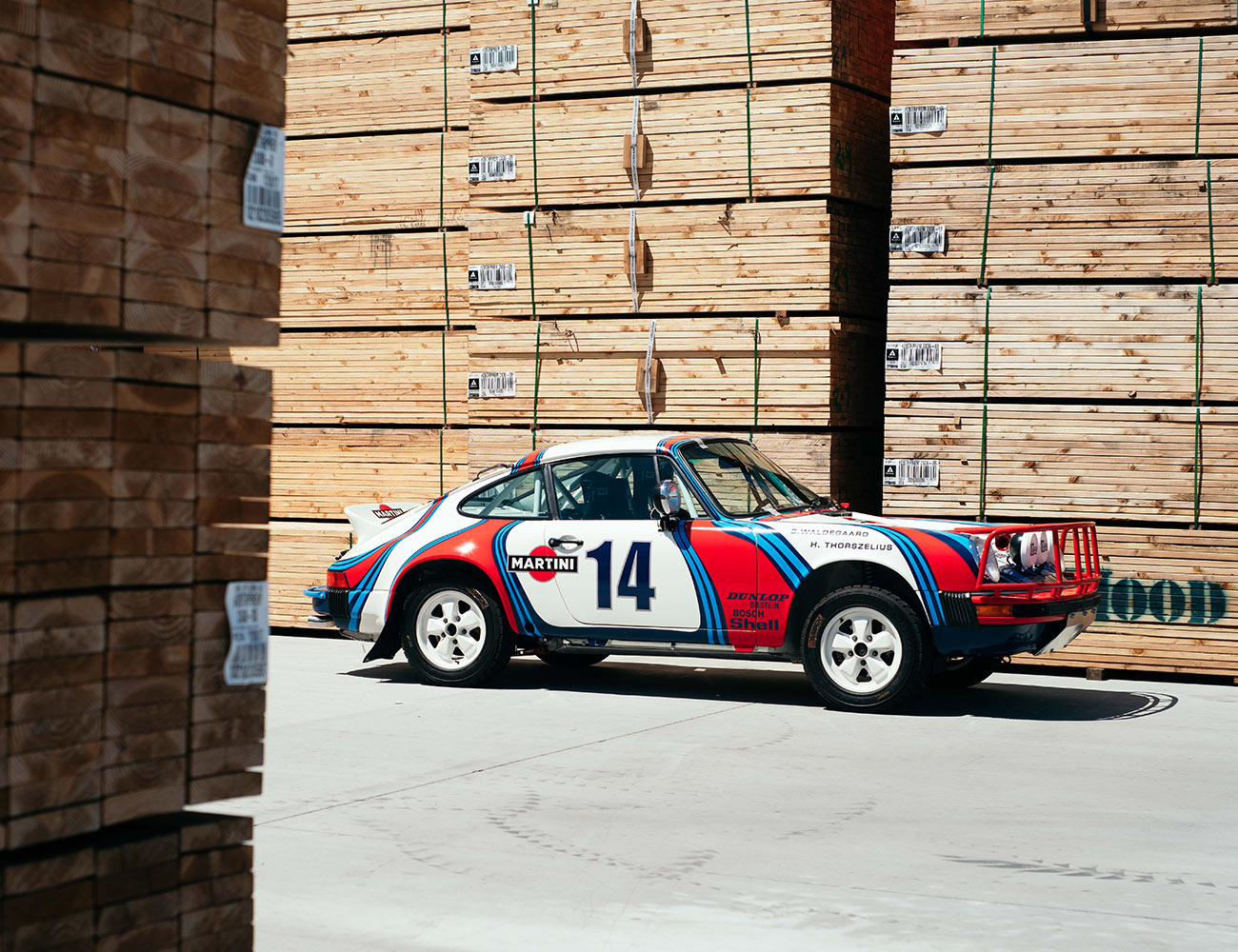
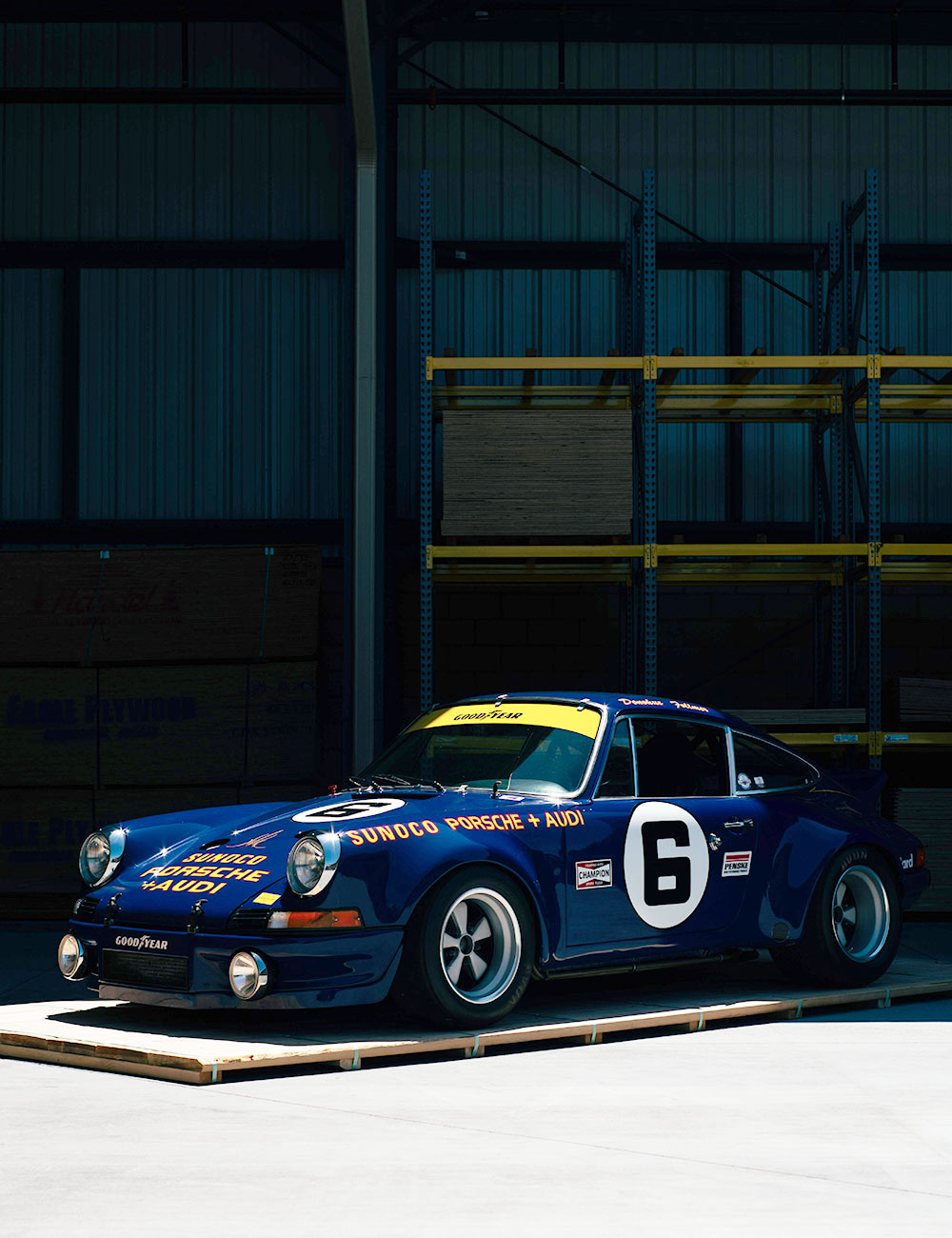
The Fullmer/Donahue Sunoco RSR takes home the best livery award for Luft 5.

More Iconic, Museum-Quality Porsches

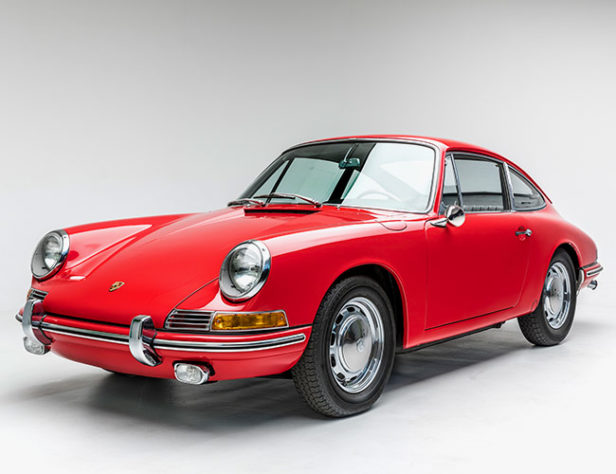
The Petersen Museum exhibit is called “The Porsche Effect” and will run for an entire year, through January of 2019. Read the Story

This Pristine, 1993 G-Wagen is an SUV Purist’s Dream

This almost completely flawless G-Wagen is one of the more recent vehicles to benefit from the 25-year import rule; it was just introduced to our shores after being bought from a dealer in Italy, of all places. Especially in contrast to the newly and completely updated G-Wagen, this ’93 is an exercise in simple utility, as the military vehicle was originally intended to be.

The recognizable, boxy exterior (note that there are some hood dents) belies a cloth-upholstered interior bedecked with a manual gearbox that controls a 3.0-liter diesel straight-six. As is custom with the G-Wagen, three locking differentials manage torque and power to all four wheels, which are laden with knobby road tires from BF Goodrich. Everything is in working order, and over its 25-year life, this truck has traveled only 103,000 miles. One aftermarket modification: a CD player. Click through to see more pics than you could possibly need, including a multitude focused on just the undercarriage, and to learn a few more details of its history.

SUVs have had a strange trajectory, from being utility-only trucks to ranch-luxury vehicles to boring consumer behemoths to unethical gas guzzlers to, once again, luxury flagships. This G-Wagen is, as far as I’m concerned, exactly what an SUV should be: a straightforward, extremely capable machine operated (hopefully) by a knowledgeable and equally-capable driver. Something that can be worked on, something that will take you anywhere and something that doesn’t need massaging seats and rear entertainment packages to be viable. At $17,000, it’s a steal compared to the dorky, lame, charlatan “SUVs” on the road today. Plus, it’s just so clean. And this vintage G-Wagen, despite sharing looks with any other example in a 20-year range, has such chiseled presence. Someone, please buy it, drive it and love it.

Note: as this is an auction vehicle, price is subject to change after publish.

The Used Cars We’d Buy Right Now For $10,000

We took on the arduous task of window shopping for our favorites at the moment, and if we had to choose, we’d say these are the best used cars for the $10,000. Read the Story

The Used Cars We’d Buy Right Now For $10,000

Nostalgia is one hell of a drug. It’s a great motivator too, especially when you’re looking to fork over $10,000 for a used car. That amount of money will (probably) land you a desirable vehicle that’s around 20 years old — prime glory day fodder. We took on the arduous task of window shopping for our favorites at the moment, and if we had to choose, we’d say these are the best used cars for the $10,000.

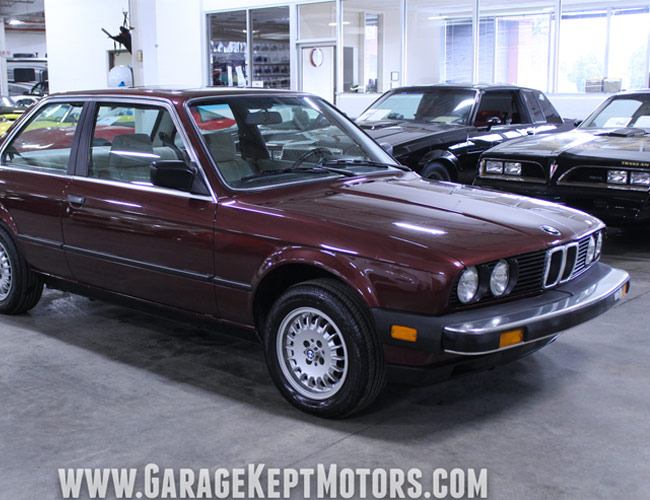
1984 BMW 318i

Though my ideal E30 includes four doors and the brilliant engineering that is BMW’s viscous coupling, this 1984 318i will do the trick for $8,500. This five-speed manual example is near-pristine and, rather miraculously, is free of the typical E30 dash cracks. According to the seller, it was “originally owned by a US Air Force pilot who often had it parked in the hangar at Kent County International Airport.” It includes the original manuals and a “folder full of service records.” Though I have a hard time believing that it was never driven in the winter, for a 24-year-old car, it looks to be in pretty perfect shape. — AJ Powell, Assistant Editor

Mileage: 105,692 miles
Original MSRP: $16,430

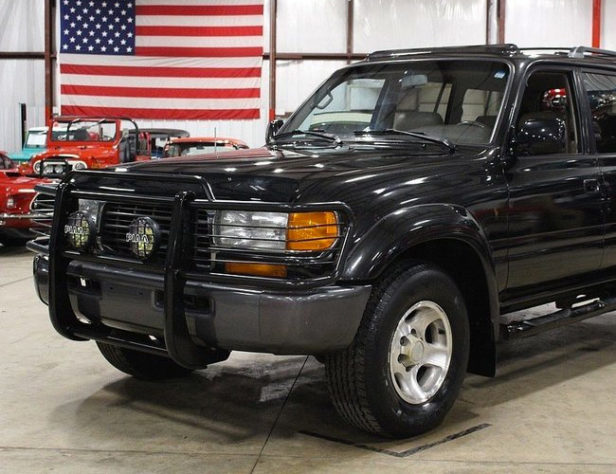
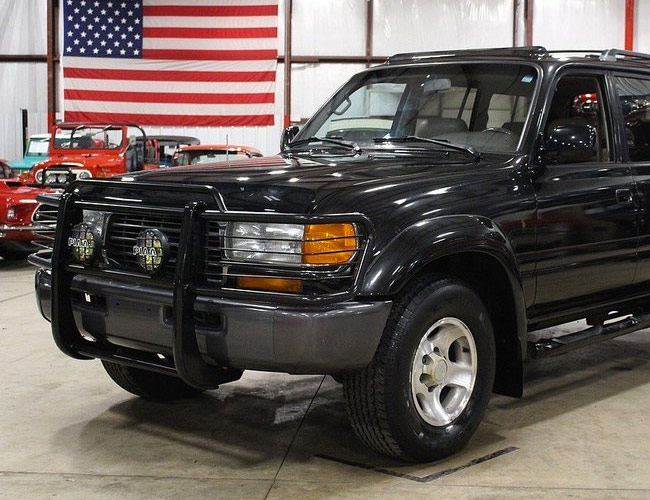
1995 FJ80 Toyota Land Cruiser

A loaded, black, mid-Nineties Toyota SUV with a brush guard? This truck is the embodiment of my badass daydreams — since I’m perpetually stuck in the decade in which I came of age. Its aesthetic calls to mind movies like Heat; it reminds me of an age when top-end SUVs were Toyotas, not Bentleys. Never mind that there are a quarter-million miles on the odometer or that the wheel is worn smooth and the leather is cracking. This Land Cruiser is made so well that (with proper maintenance that respects its SUV-heyday heritage and on- and off-road cred) it’ll last three times as long. Not to mention it’s for sale not far from where I grew up in Michigan and sails in well under our budget limit. Put me behind the wheel and I’ll feel a little nostalgic and a lot like a king.– Nick Caruso, Associate Editor

Mileage: 258,228 miles
Original MSRP: $39,085

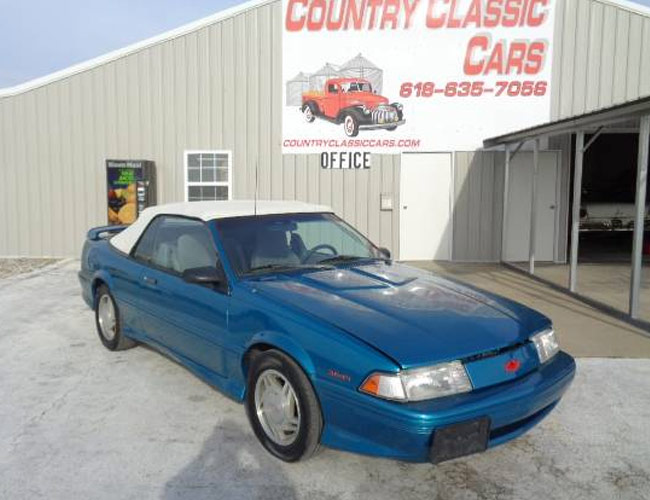
1993 Chevrolet Cavalier Z24

While there are many more practical car options for driving across the country, the thought of cruising down the highway in a convertible is ultimately the thought that wins out. There’s plenty of time to soak up the sun and blast the music on back roads and freeways alike. Chevys are workhorses, and while the mileage sounds low (we read it off the odometer in the picture), who really knows if the car will survive through the Great Smoky Mountains or all the way to Key West. Part of the fun of a road trip is never knowing where you might get stuck, right? I’ve heard there are some great car mechanics between here and Savannah. — Meg Lappe, Staff Writer

Mileage: 123,931 miles
Original MSRP: $12,975

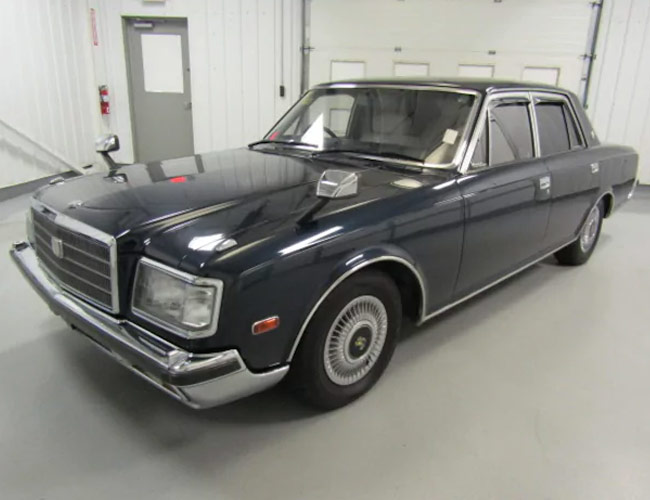
1991 Toyota Century Sedan

I drove this very Toyota Century (or one nearly identical to it) for an upcoming story on JDM imports. Of all the incredible cars I drove during that trip, though, this Century left the most lasting impression. Which is strange. I like small, quick, agile cars. The Century is not small. It’s definitely not quick. Chris Farley was more agile as Matt Foley. Of all the cars I’ve ever driven, the one I can best compare it to is a Bentley Mulsanne: both the Century and Mulsanne waft along very gently, and no matter if you’re going very fast (in the Bentley) or very slow (in the Toyota) you do not actually feel any acceleration. None. You don’t really feel the steering, either. You just sort of… float into a new direction. The interior is dead silent. The Century’s seats are also incredible. They’re wool instead of leather because it doesn’t get hot or cold and it doesn’t squeak when you sit down (or fart). The back seats recline electronically, a feature most luxury cars today don’t even have. Another feature they don’t have? Electronically-opening smokers’ windows. So help me, I’d restart that disgusting habit again just to use them.– Andrew Connor, Staff Writer

Mileage: 88,690 miles
Original MSRP: 5,663,000 Yen (Probably about $56,000 today)
The 10 Best Used Car Models from 2007 to 2019

CarGurus features “unbiased car reviews and over a million opinions and photos from real people.” They’ve determined that these are the best used cars right now. Read the Story

First Impressions: We Drive the All-New Mercedes-Benz G 550 and AMG G 63

We drove the new Mercedes G550 and AMG G 63 in southern France this week. It’s the first new version since the rugged machine launched in 1979. It’s had updates, of course, but this is the first time they really started over with it. Our full review will post next week, but here’s a quick taste to whet your appetite. – Eric Adams

Who It’s For: Depends on which model we’re talking about. If it’s the G 550, you’re into sunrises, long runs on the beach, and hard-core off-roading. If it’s the AMG G 63, you’ve never actually seen a sunrise, you go to the beach mostly to burn off a hangover, and you enjoy blasting past lesser machines on the highway at triple-digit speeds while towering three feet above everyone else.

Updates: Well it’s been 40 years so pretty much everything is updated. But the highlights are a new front axle design that improves stability both on-road and off, all the safety and driver-assist features the G-Class never had, and the barest hint of aerodynamic tuning to minimize the ever-present wind noise as much as possible without compromising the car’s signature look.

Verdict: Two thumbs up if you’re in the G550; two middle-fingers up if you’re rocking the AMG.

Key Specs
Engine: 4.0-liter twin-turbochanged V8
Transmission: nine-speed automatic; front, center and rear locking differentials
Horsepower: 416; 577 horsepower
Torque: 450; 627 lb-ft
Price: TBA
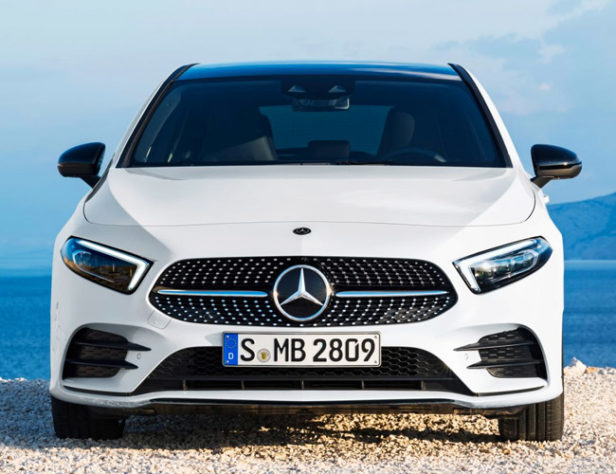
The 2019 Mercedes-Benz A-Class Finally Shows Its Face

After months of hints, teases and a slow trickle of information, Mercedes finally unveiled the new 2019 A-Class. Read the Story

5 Incredibly Unique Cars That’ll Stand Out In Any Parking Lot

Editor’s Note: We love scouring the internet for reasons to spend money we don’t have on cars we daydream about owning, and these are our picks this week. All prices listed are bid amounts at the time of publishing.

The push for more SUVs and crossovers in every manufacturer’s lineup is only increasing as the days go on. At the same time, silhouettes of modern vehicles are merging into some common denominator lacking any inspiration — it’s becoming harder to simply find your car in a parking lot without using an app or the ‘find’ button on the fob. A quick way to get around driving a solid chunk of metal monotony is to consider one of these unique cars that’ll definitely stand out on the road.

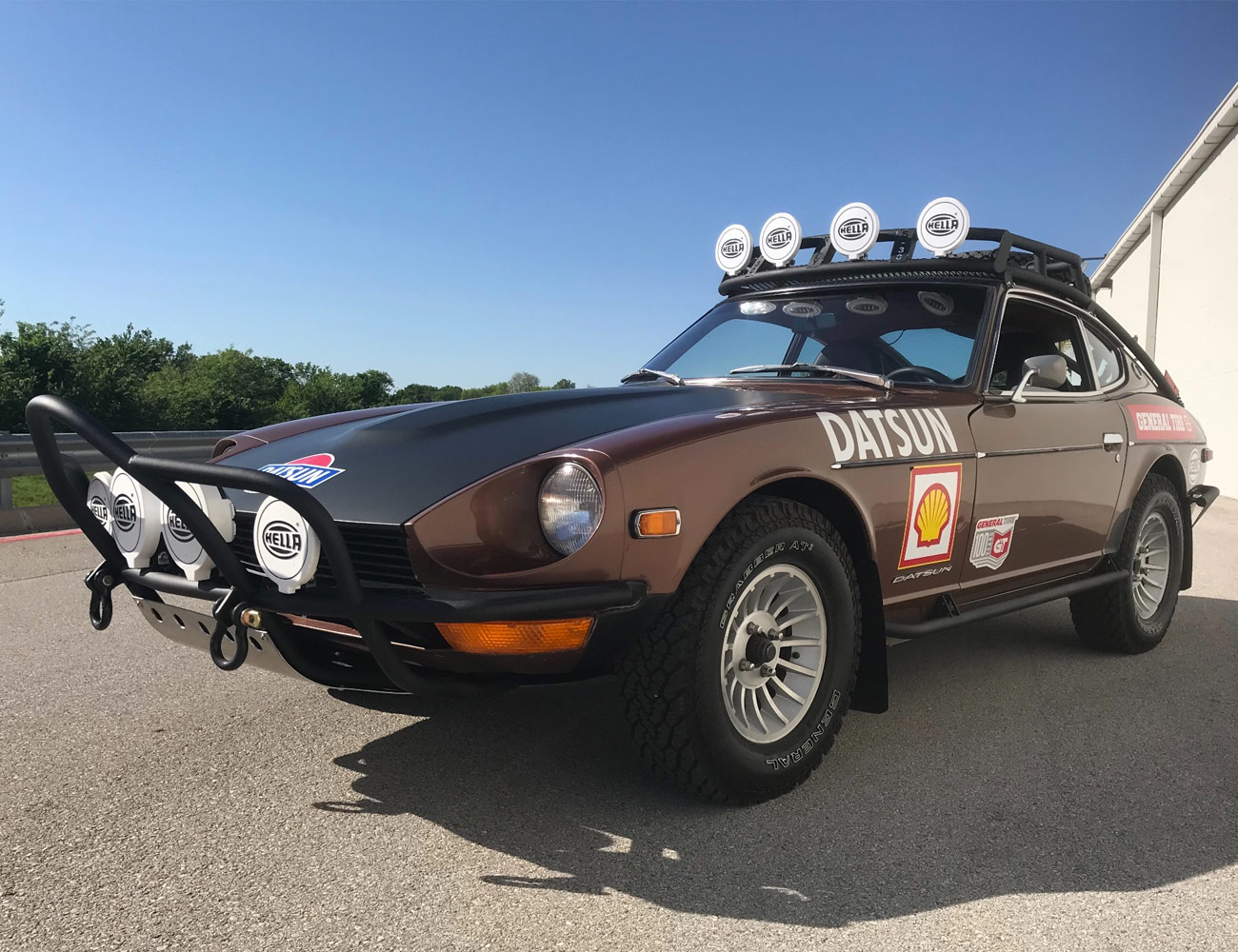
Safari-Style 1973 Datsun 240Z

Mileage: 61,000 shown
Location: Madill, Oklahoma

What we like: For whatever reason there’s been a rise in Safari-tribute cars, the most popular of which is the Porsche 911. There’s just something incredibly appealing about cars that weren’t originally meant to go off-road modded to hell and back to do so. There’s a sense of humor about the process, but more importantly, it highlights the fact that the car is getting as much use as mechanically possible, both on- and off-road.
From the seller: “This 1973 Datsun 240Z was acquired by the selling dealer in 2017 and subsequently built into a Safari rally tribute car by the selling dealer. The work was completed in-house with components sourced from a local off-road fabrication shop, and highlights include a custom roof rack with spare tire carrier, tubular bumpers, skid plates, Hella lights, Western wheels with General Grabber all-terrain tires, leather racing seats, period graphics and more.”
What to look out for: “Rust is the Achilles’ heel for these cars, but accident damage and previous negligent owners are also on that podium. Datsun sold 148,115 240Zs in the United States, but they were “cheap” sports cars for a long time, and many fell into uncaring or incapable hands.” — Colin Comer, Road and Track

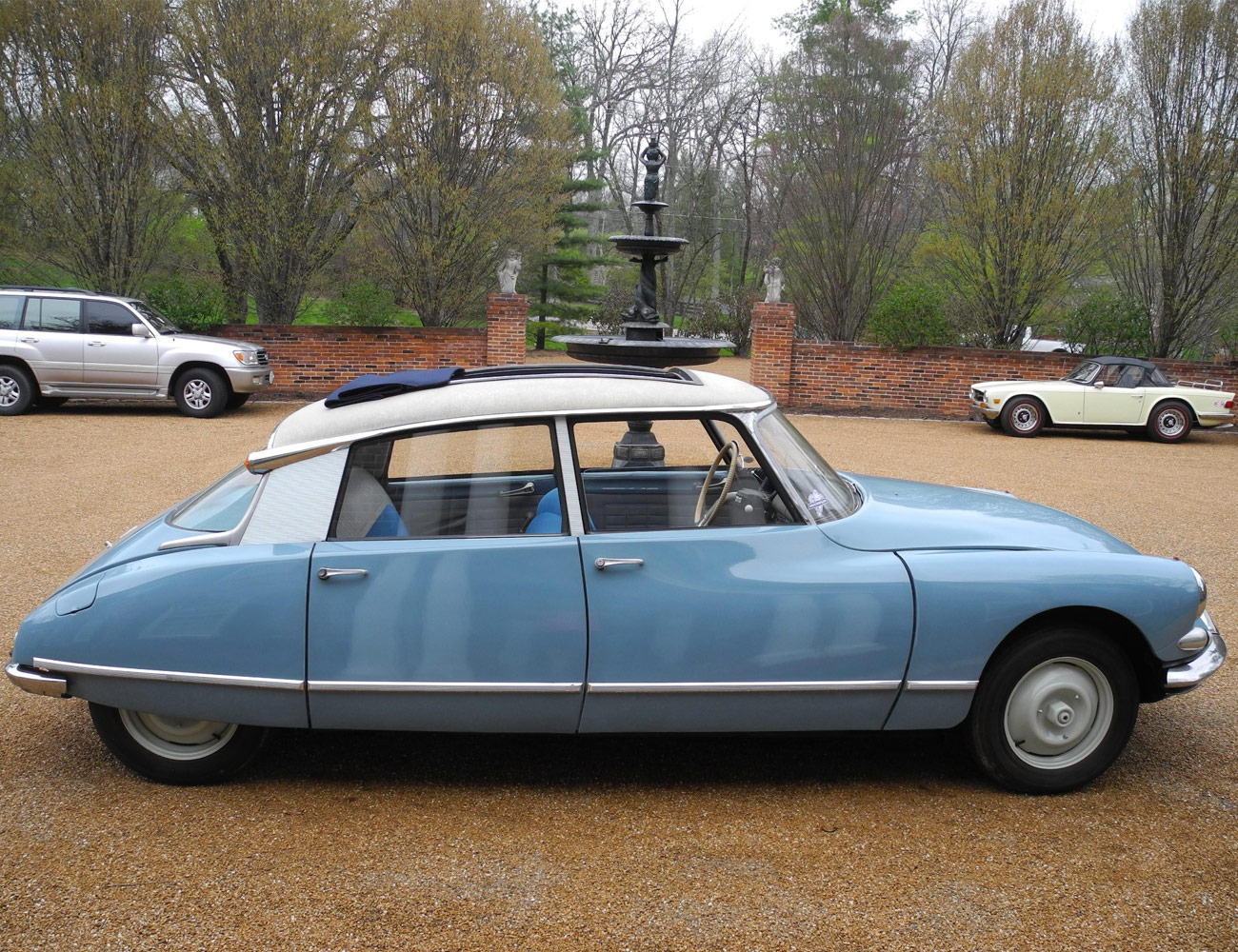
1961 Citroen ID19

Mileage: 67,000
Location: Saint Louis, Missouri

What we like: If you’re really looking to stand out in a crowd, but in an incredibly stylish and classy way, there are few better ways to accomplish that than an old Citroen. This one is in a beautiful shade of powder blue with a matching interior. That’s where Citroen might win this game, because not only is the exterior a head turner, but its interior design is among the best, too.
From the seller: “The car has been repainted in its original color and was recently acquired by the selling dealer after spending eight years in the Pennsylvania collection of its previous owner. Work performed since included replacement of the headliner and R & R of the hydraulic distribution block as well as a flush of the hydraulic system.”
What to look out for: Rust along the side rails is quite common on these cars. Look for bubbling in the paint — it’s a dead giveaway there’s serious corrosion underneath.

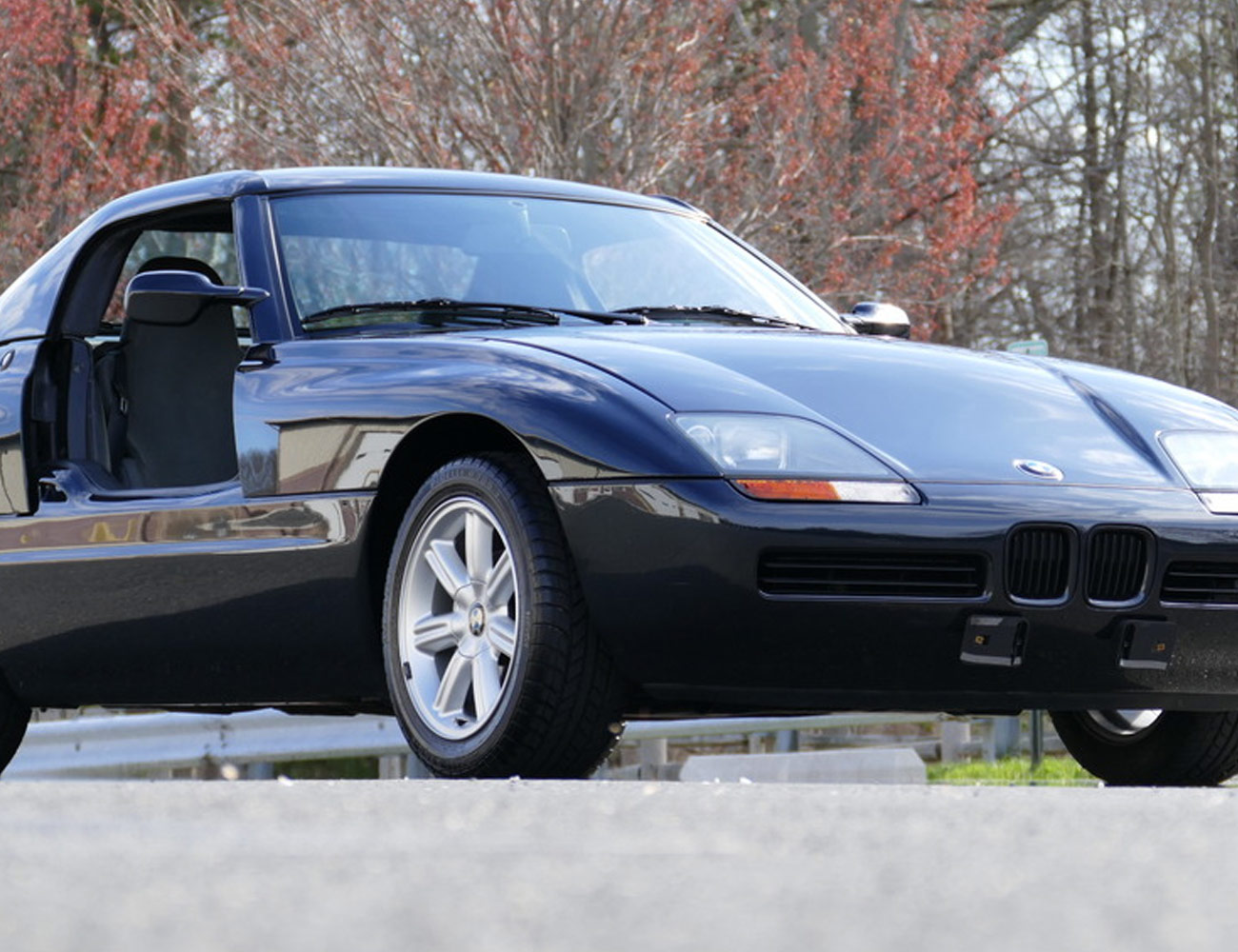
1990 BMW Z1

Mileage: 9,863
Location: Neptune, New Jersey

What we like: There are ‘millionaire doors,’ there are ‘billionaire doors‘ and then there are BMW Z1 doors.
From the seller: “The vertically-retracting doors are unique to the design of the Z1, which along with the side panels, were constructed from GE’s Xenoy injection-cast thermoplastic. The panels are mounted to a sub-structure of galvanized pressed steel, from which they can be removed for repair, replacement or simply to change color.”
What to look out for: Since most of the usual rust problem areas are made with fiberglass and plastic that’s not a problem. The unique vertical-opening electric doors might need adjusting as the gears and mechanisms can wear out over time.

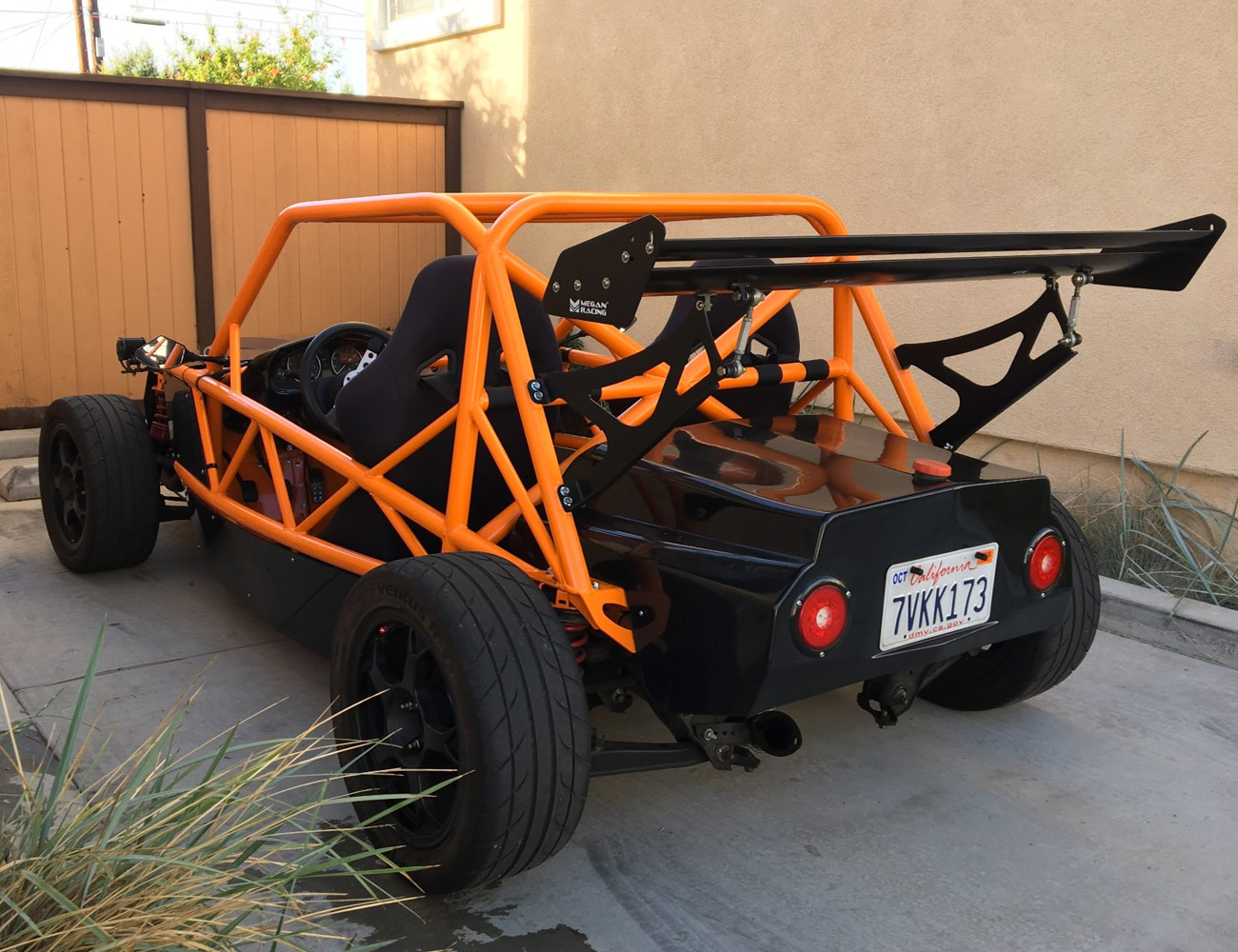
2016 Exomotive Exocet Race Turbo

Mileage: 114,000
Location: Gardena, California

What we like: Over the past three decades, the Miata has established itself as a fun lightweight sports car and doesn’t need extra power to get the job done. But what if you gave it more power and stripped away even more wight? What the Exomotive Exocet Race Turbo essentially exists as a cartoon version of the Miata, which sounds like a pretty good time.
From the seller: “The tube-frame chassis features welded steel floors and was professionally powder coated in RAL 2008 orange with black fiberglass fairings. Plexiglass side panels from Flyin’ Miata protect the cockpit from debris and a Megan Racing dual-plane adjustable rear wing is mounted on Exomotive brackets.”
What to look out for: This is a kit car built based on a Mazda Miata and has been almost completely rebuilt, so it’s hard to say what to look out for.

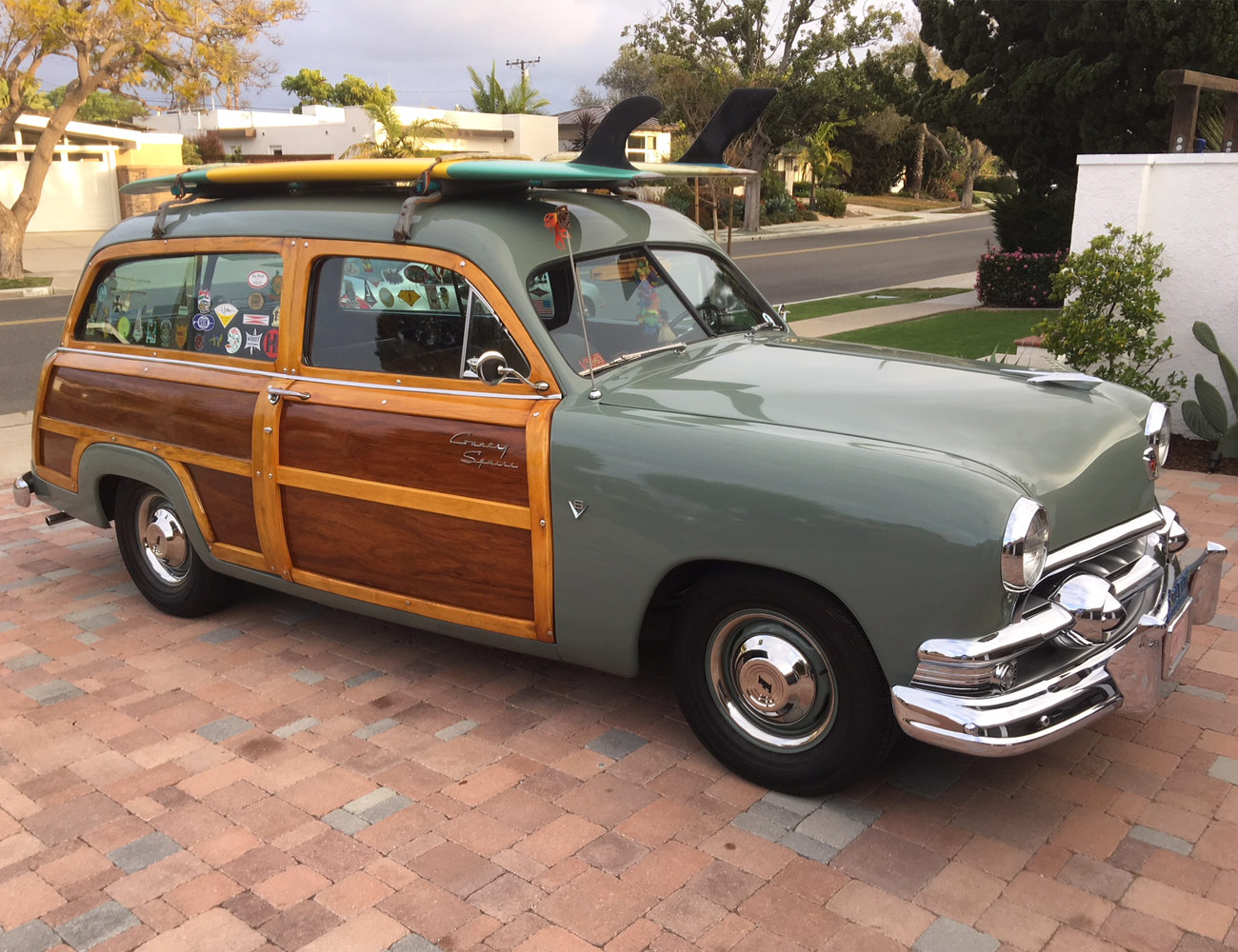
1951 Ford Country Squire Wagon

Mileage: 8,000 (TMU)
Location: Costa Mesa, California

What we like: Considering how sharp, edgy and angled modern car design is, it wouldn’t be too hard to stand out in a rounded, soft, wood-paneled two-door wagon. The overall paint scheme is fairly neutral, but a well kept Squire ‘Woodie’ Wagon exudes cool compared to today’s cars.
From the seller: “The car wore a red repaint when acquired by the seller, who proceeded to have it refinished in its present 1947 Mercury Shoal Green Grey. The contrasting wood trim was refreshed under the guidance of Ron Heiden of Heiden’s Woodworking, a project which involved stripping, sanding, and recoating with 22 sanded layers of West Marine spar varnish.”
What to look out for: These were originally meant to be affordable beach cars so while the engine may be a durable workhorse, the body panels and details can be a little shoddy. Be on the lookout for loose bolts, panel gaps and make sure to varnish the wood panels once a year.

Industry Experts Rate the Best Recent Used Cars

CarGurus features “unbiased car reviews and over a million opinions and photos from real people.” They’ve determined that these are the best used cars right now. Read the Story

Volvo’s New Cloth Seats Are the Best Thing to Happen to Automotive Interior Design

Earlier this week, a wondrous thing happened: it came to light that Volvo’s upcoming (and extremely pretty) V60 wagon would come with the option to spec plaid cloth seats. Yes, plaid. Volvo calls it “Blond City Weave Textile Upholstery,” and it isn’t some boldly-colored tartan cropped from a Scotsman’s golf pants. Rather, it’s a clean, dignified interweaving of black and white stripes. It’s the kind of fabric you’d expect to see on a Danish lounge chair. Which is refreshing.

As good as automotive interiors have gotten in recent years, color and material choices for seats have become predictable. Most luxury cars will only give you the option of leather in black, beige, brown, gray, or white. Now, there’s nothing necessarily wrong with having leather in a safe, neutral color choice, but not having the option for anything else both limits the creativity of the buyer and leaves us with a homogenous, if a somewhat bland selection of automotive interiors.

Then there’s this issue: leather is actually not that great of material for car seats. Leather seats tend to get painfully hot in the summer and uncomfortably cold in the winter. They often squeak, are rarely all that comfortable, and even if you maintain them, they will eventually fade and crack from use. Patina looks lovely on bags and boots but not in a car. Fabric seats may not seem luxurious — they’ve long been associated with economy cars — but they do not have all these issues. In fact, the Toyota Century — the epitome of automotive luxury in Japan — opts for wool over leather pretty much for these reasons.

So fear not the use of textile over leather in your luxury wagon, and embrace the use of plaid. It may seem out of left field — and it sort of is today — but plaid interiors have shown up in history’s most celebrated cars. One of the earliest notable examples is the Mercedes 300SL of the 1950s, a car many consider to be the original supercar. The pattern then had a more of a resurgence in the ’70s and ’80s and showed up in performance cars like the Porsche 911, Lotus Esprit and Golf GTi.

The latter is really the only other car today that offers the pattern on its seats, so the new option in the V60 is an incredibly welcome one. Two cars isn’t a trend, but one can only hope other car manufacturers take a good long look at how well these two cars pull off the pattern and realize they’re missing out on a great design opportunity. We already said every American should buy the new V60; when they do they should make the decision to go plaid.

Today in Gear

The best way to catch up on the day’s most important product releases and stories. Read the Story

A Legendary Brand Is Back To Take On Aston Martin and Ferrari

Making a name for yourself in the modern automotive world — an established pantheon of greats, legendary names and massive corporations that mostly began when the automobiles were just starting to gain popularity — is nearly impossible. Only an incredible few have made a big enough name for themselves in the past couple years to make an impact (the name Tesla might ring some bells). Breaking into the upper echelon of the supercar arena (and to be taken seriously) is even harder. Luckily, the Brabham name already proved it could take on cars from Ferrari and McLaren and win, which is why the all-new Brabham BT62 track-only supercar is creating a stir.

If you’re expecting a car built in collaboration with a bigger brand, powered by an engine borrowed from an already great performance car, look elsewhere. The BT62 was designed and built from the ground up by Brabham engineers, and so was the 5.4-litre naturally-aspirated V8, which spits out 700 horsepower and 492 lb-ft of torque to the rear wheels. Factor in the 2,143 lbs worth of carbon fiber and kevlar the BT62 is made from, and you can see why the BT62 already looks like a threat the establishment. Outside of the cars raw power, the designers and aerodynamicists were able to shape the BT62’s body, fins, vents and wings to coax 2,645 lbs of downforce out of the air moving around the car, stats McLaren, Ferrari and Aston Martin go after with their own track-only specials.

There’s no doubting the seriousness of this car or the company’s intentions: Brabham plans on eventually bringing the BT62 to Le Mans to compete in the famed 24-hour race. Until then, if you want one for yourself, it’ll cost you just over $1,600,000. And that’s if all 70 examples haven’t been spoken for already.

More Legendary Super Cars

The ’80s were the dawn of the modern supercar; the ’90s went straight to Happy Hour. Read the Story

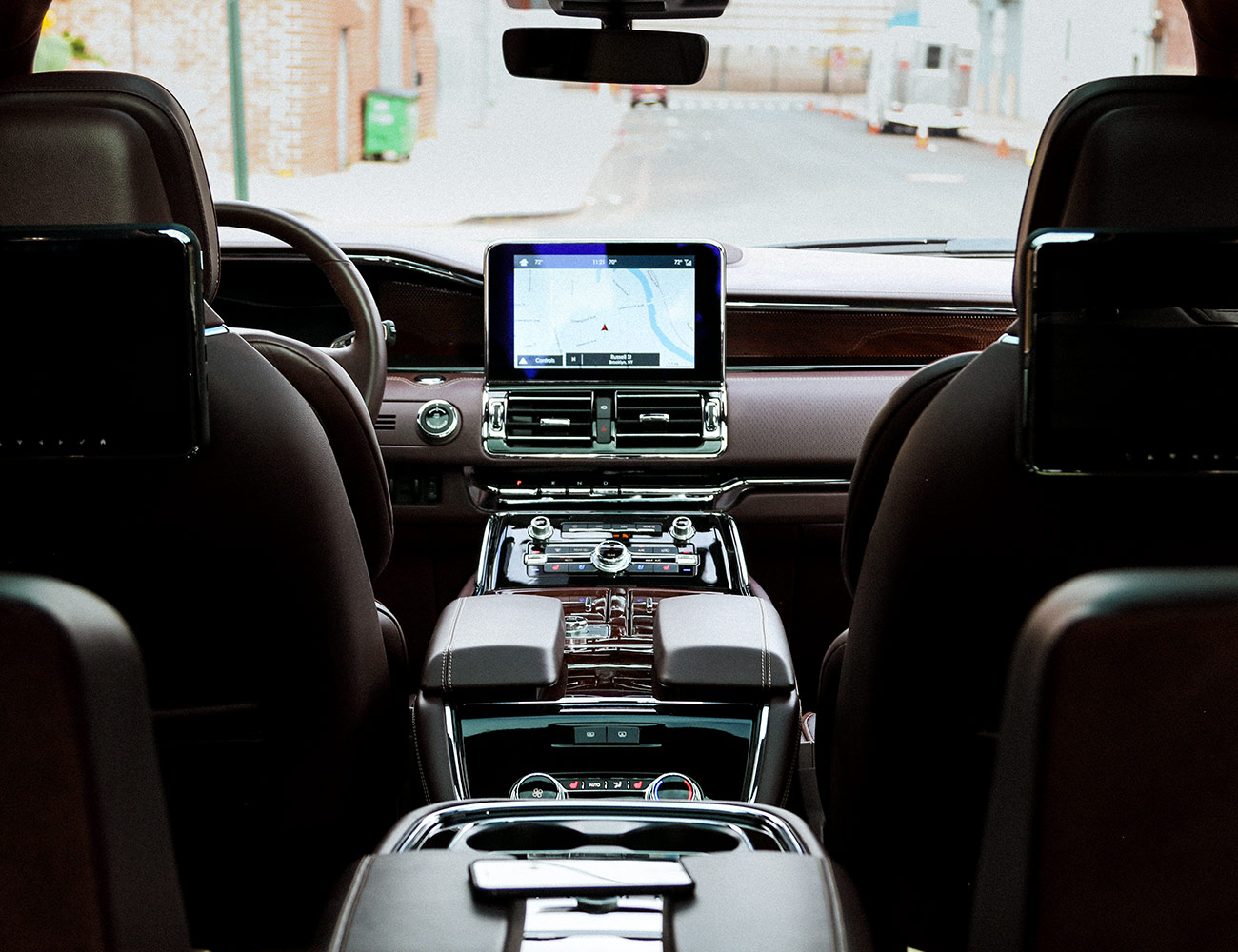
The 7 Best Premium Car Infotainment Systems You Can Buy

If you’re shopping for a premium car, you want the best technology systems and interfaces available, yet manufacturer features infotainment systems geared toward different drivers. This guide explores the seven best premium infotainment systems currently on the market, including history of the technology, future advances and more.

Prefer to skip directly to the picks? Click here.

Introduction

Infotainment — a clunky but now industry-standard portmanteau of “information” and “entertainment” is the umbrella term describing the main technological interface of a car. This is where all core electronic functions, like stereo, navigation, HVAC, etc., are controlled. Though simpler infotainment systems are available in many vehicles at all price points, they are fixtures in premium cars that serve as the vehicle’s welcome mat. They offer bright, dynamic visual centers that perk up when you climb aboard, delivering elegant swooshes of sound and graphics and glittering logos before depositing you on the system’s home screen.

Thanks to advances in user interfaces, computational power and display tech, infotainment systems have become exceptional across the board, but this is our guide to the best of the best — the rock stars of the premium infotainment world.

About Our Expert
Eric Adams is a writer, editor and photographer based in eastern Pennsylvania. His subjects include automotive, travel, technology, gear, health and fitness, aviation, general science and astronomy. In addition to Gear Patrol, he has edited and/or written for Men’s Health, Popular Science, Wired and many other publications. He is on Instagram as @ericadams321.

History of the Infotainment System

In-car audio, navigation and vehicle-control centers have come a long way in just the last decade. At around the turn of the 21st century, onboard information systems in cars were bland, uninspired LCD interfaces that were limited as much by the quality of the display hardware as they were by the division of all the systems it aimed to control. So in most cases, you had only rudimentary graphics, little color and not much to control outside of primitive, CD-based navigation and audio systems. But throughout the Aughts, vehicle systems grew more integrated, and the interfaces used to access them more advanced.

Mind you, dashboard interfaces have always lagged behind other consumer electronics by several years. Smartphones — the gold standard for display systems and fully integrated technology — have far shorter development cycles and product lifespans, with new models coming out annually. Those devices are generally limited to one to two years of moderate use. Systems designed for automotive use, on the other hand, take several years just to design and develop for a single car — especially when multiple vehicle systems are involved — and they have to perform to higher standards of durability and longevity. Cars need to withstand prolonged exposure to heat and cold, for instance, and they have to last 10 years or more.
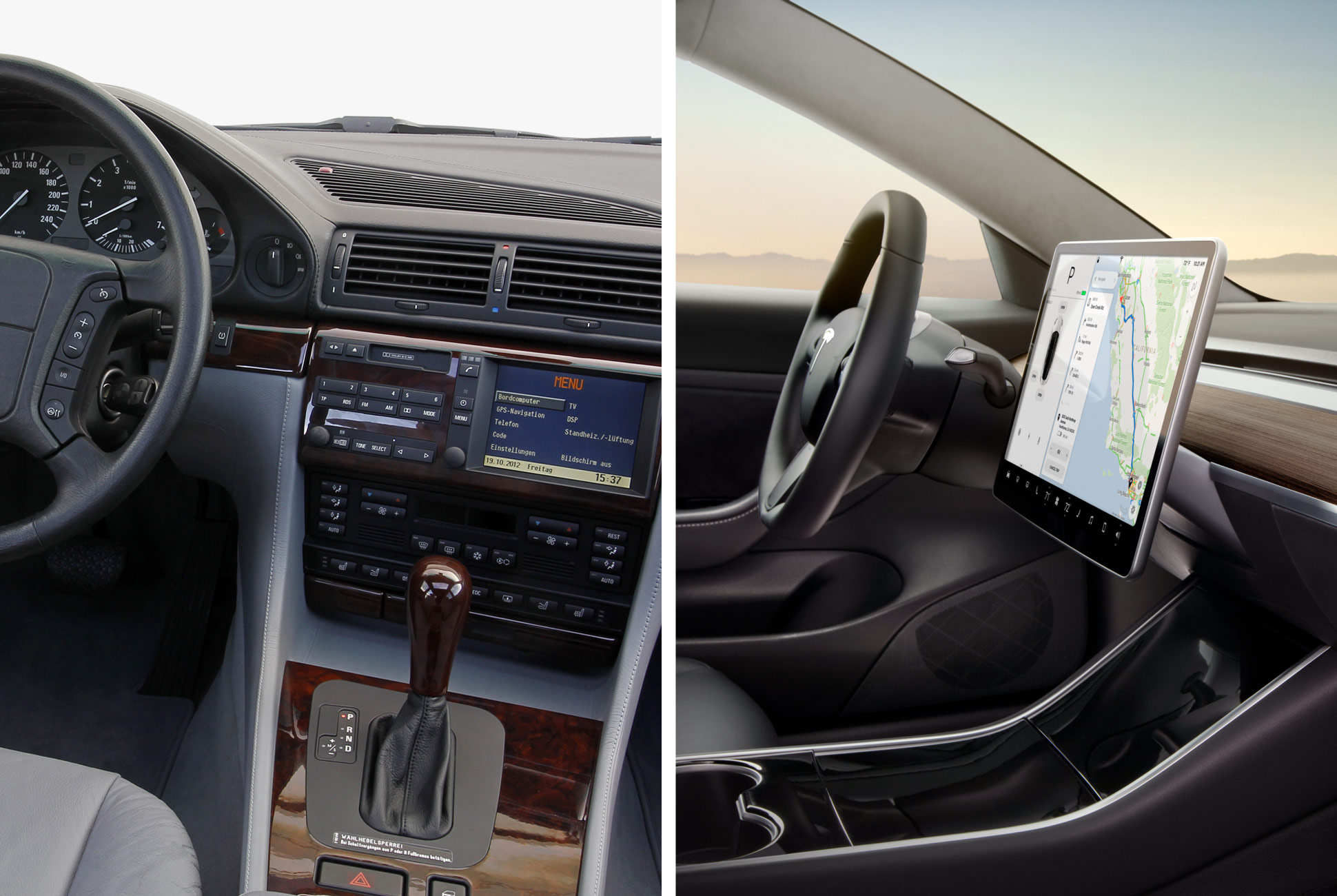
They also have to be exceptionally reliable and free of any and all glitches, which in a car can spell disaster. (“Can’t access your air conditioner? Too bad!” is not an option.) For all of these reasons, infotainment systems are now very nearly military-grade technologies. But as those systems have achieved such performance, they’ve also brought numerous new capabilities along with them. In today’s systems, car owners can with a few taps on the screen make calls, search destinations, access vehicle cameras for easier parking or off-roading, control seat massagers, analyze track-racing performance, adjust suspension settings, dial-in audio performance and many other things. The infotainment center is increasingly becoming the car’s do-everything hub. Look no further than Tesla for proof — all of its models have central displays that handle every vehicle function, in some cases with the only physical buttons present on the dash being those required by law, such as hazard lights.

Exciting Advances and the Future of Infotainment

We’re in the midst of a steady convergence of the automotive and computer industries. Though this is mostly manifested in electric cars and semi- and fully-autonomous vehicles now in development, it’s also present in the infotainment systems, which draw much inspiration — and brainpower — from those who’ve honed interfaces in the digital realm. That relationship will only grow more intense as the years go by, and as a result, in-car experiences will make immense technological leaps forward.

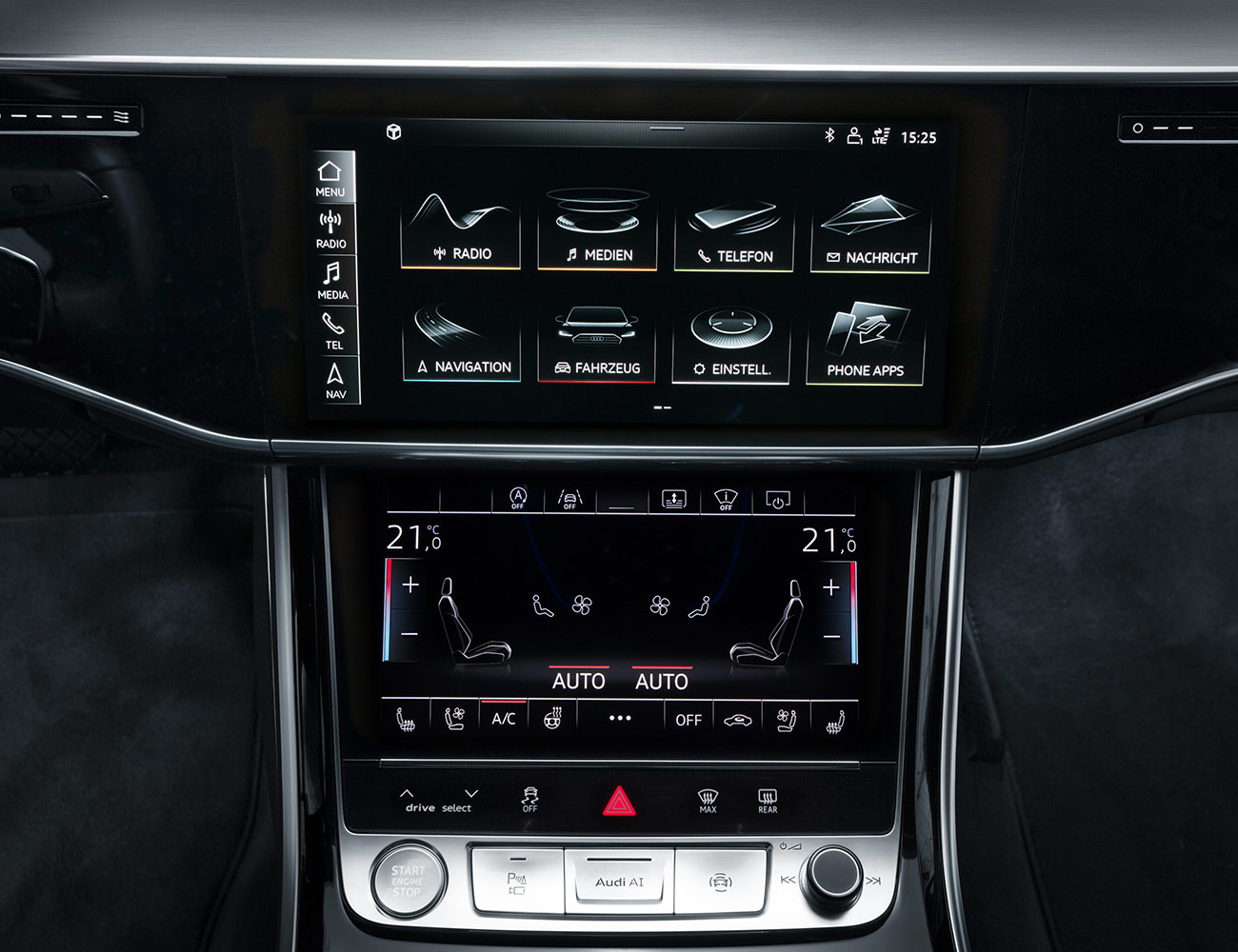
In the near future, there are two standout systems on the horizon. Audi’s newly redesigned A8, the flagship sedan coming to the U.S. later this year, will bring with it a new MMI (Audi-speak for “multimedia interface”) that features dual touchscreens with a subtle haptic feedback mechanism designed to ease interactions, natural-language voice control and a routing system for the navigation that analyzes previous drives to determine the best — or simply preferred — route to a destination. Meanwhile, Acura’s new RDX crossover will have a unique and intuitive new touchpad interface that replicates the geometry of the screen above it, so instead of using the pad to aim a cursor on the display, your finger placement will simply correspond directly with the “buttons” on the screen. If the target is on the bottom left of the screen, just aim your finger to the same area of the pad and press. It’s instant and doesn’t require hunting around for a cursor or lit-up tile.

Looking beyond these systems, we’re already seeing concept cars that have digital displays stretching the entire width of the vehicle — the better for providing information and entertainment in the age of self-driving cars — and there are even concepts that remove the actual windows completely, allowing movies and games to be displayed in their place, for an all-encompassing experience while the car chauffeurs you through traffic on the way to work.
But before all that comes along — autonomy is still decades from widespread adoption, after all — augmented reality will arrive in vehicles to give infotainment systems a major boost. BMW, for instance, is developing augmented-reality glasses that provide drivers — and motorcycle riders, in particular — with data streams right in their field of view. So instead of having to glance down to various displays on your dashboard or in your instrument cluster, the information will be right in front of you, perhaps even integrated into the landscape around you. Navigation instructions will appear on the road ahead of you; audio tracks in the sky above. Though it will start with glasses or goggles, augmented-reality displays will eventually migrate to the vehicle windows, in all directions.

How will you interact with these interfaces? Lots of ways — through voice commands and gesture controls, for starters. BMW’s 7-Series and 5-Series sedans already allow you to control your audio system and call-answering with specific hand and finger movements that it detects with cameras mounted above the dashboard. What’s to come after all this? Mind control, maybe?

Ultimately, it’s quite possible that even the infotainment head unit will go the way of the 8-track, replaced completely by virtual displays.

The Current State of Infotainment

Until then, though, there is much to learn about the latest and greatest infotainment technologies that you can opt for right now. In the descriptions below, note that there are variations within each manufacturer’s lineups. The top-end models — the Audi A8 sedan, the Mercedes S-Class — tend to have the most features, of course, but because all the cars are on different production cycles within each company, they may leapfrog each other in capabilities in order to stay the most current. So at any given time, an entry-level model, for instance, may feel better equipped and more modern than even the top-end flagships, simply because its release date is more recent. Also, packages vary even within individual models, with some capabilities coming standard (backup cameras, say) while other enhancements (head-up displays) are optional. Lastly, and perhaps most importantly, because each infotainment packages can vary even within a manufacturer’s lineup, pricing varies widely from system to system depending on what features you select and what car you purchase. Still, the below guide speaks to each system’s strengths.

The Best Premium Infotainment Systems of 2018

Best Organized: Acura ODMD 2.0
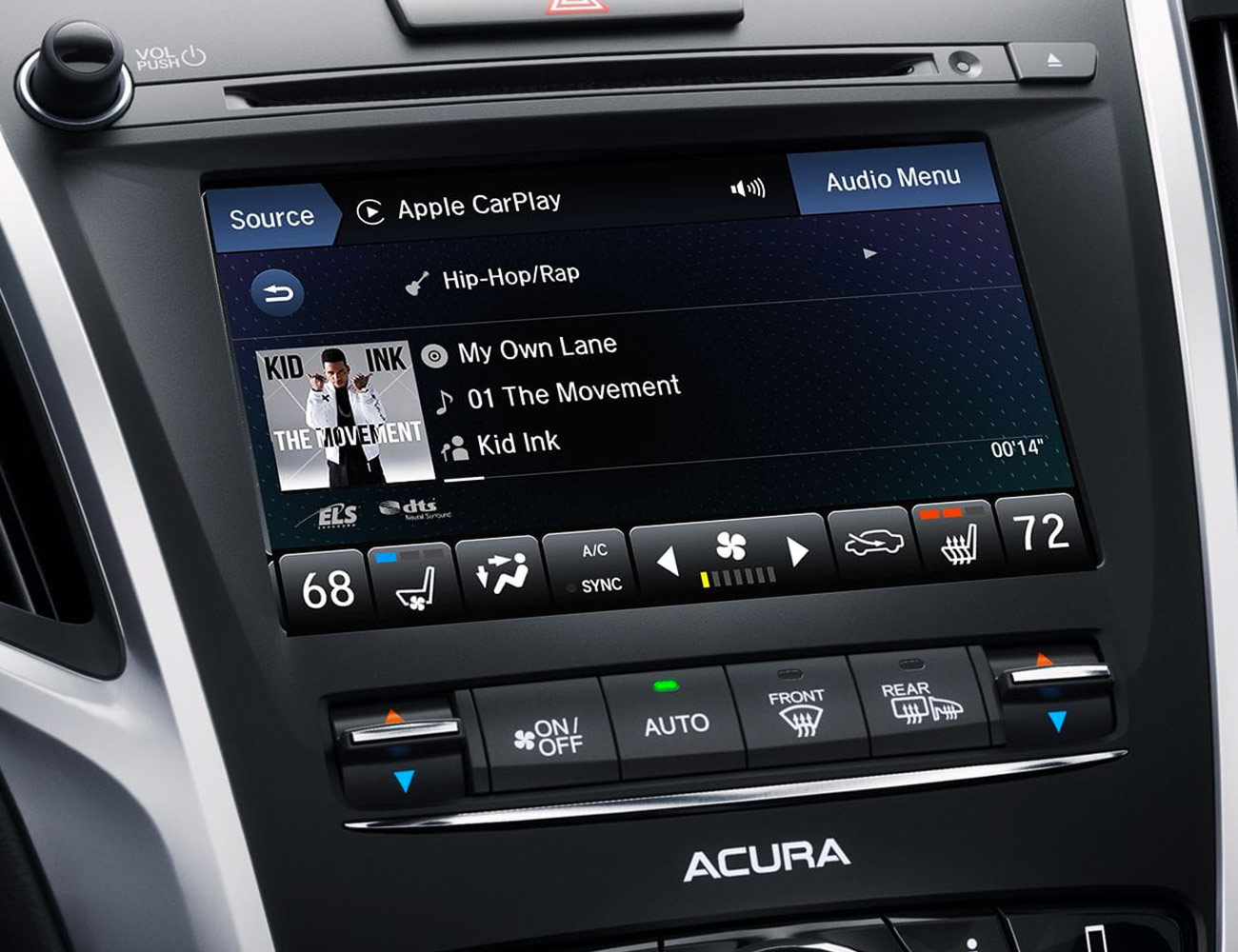
Acura is all about speeding up its interfaces these days — not just in terms of their responsiveness, but also in usability. It’s worked to prioritize information based on what features people use most, and making it easy to get where you want to go. The company’s recently updated On Demand Multi-Use Display 2.0 — appearing first in the TLX sedan and the MDX three-row SUV — includes faster processing and improved access to functions via improved menu structures.

What’s Good: Dual screens. In models that offer it — it’s standard on the TLX and MDX — the strategy places navigation, backup camera views, phone, and Apple CarPlay or Android Auto into the top screen, comfortably within the driver’s line of sight, and audio, climate controls on the lower touchscreen. This means there’s less clutter in each screen, and faster access once you get the hang of it — particularly thanks to the simplified menu system introduced in the current generation.

What to Watch Out For: Dual screens. (Yes, they’re good and bad.) I’ve driven many Acuras with the dual screen setup, but I still find my hand hovering indecisively for a beat while I work to remember which screen does what. Actual owners will quickly get over this, but newcomers to the car and guests might find it befuddling at first.

Design and Interface: The systems are controlled via touchscreen interfaces, and the dual-screen arrangement allows for continued access to climate controls even when connected to Apple CarPlay or Android Auto, which in other vehicles often requires flipping back and forth between the smartphone interface and the native interface to make changes elsewhere. Overall, the look of the system is sleek and modern, yet efficient and clear when it needs to be.

Special Features: The new version features clearer capacitive displays as well as faster response times from the upgraded software — up to 30 percent quicker. This means you don’t have to endure those extra milliseconds of hang time after you press the button, which can, in reality, be quite frustrating. The systems also support Apple CarPlay and Android Auto, through the top screen.

Verdict: Acura’s system used to look like a bad Powerpoint presentation, but in recent years it has modernized to the point of being vastly more functional and appealing. ODMD 2.0 has been a breath of fresh air, and the upgrades coming out in the new RDX promise to jack up its usability even higher.

Best Controls: Audi MMI and Virtual Cockpit
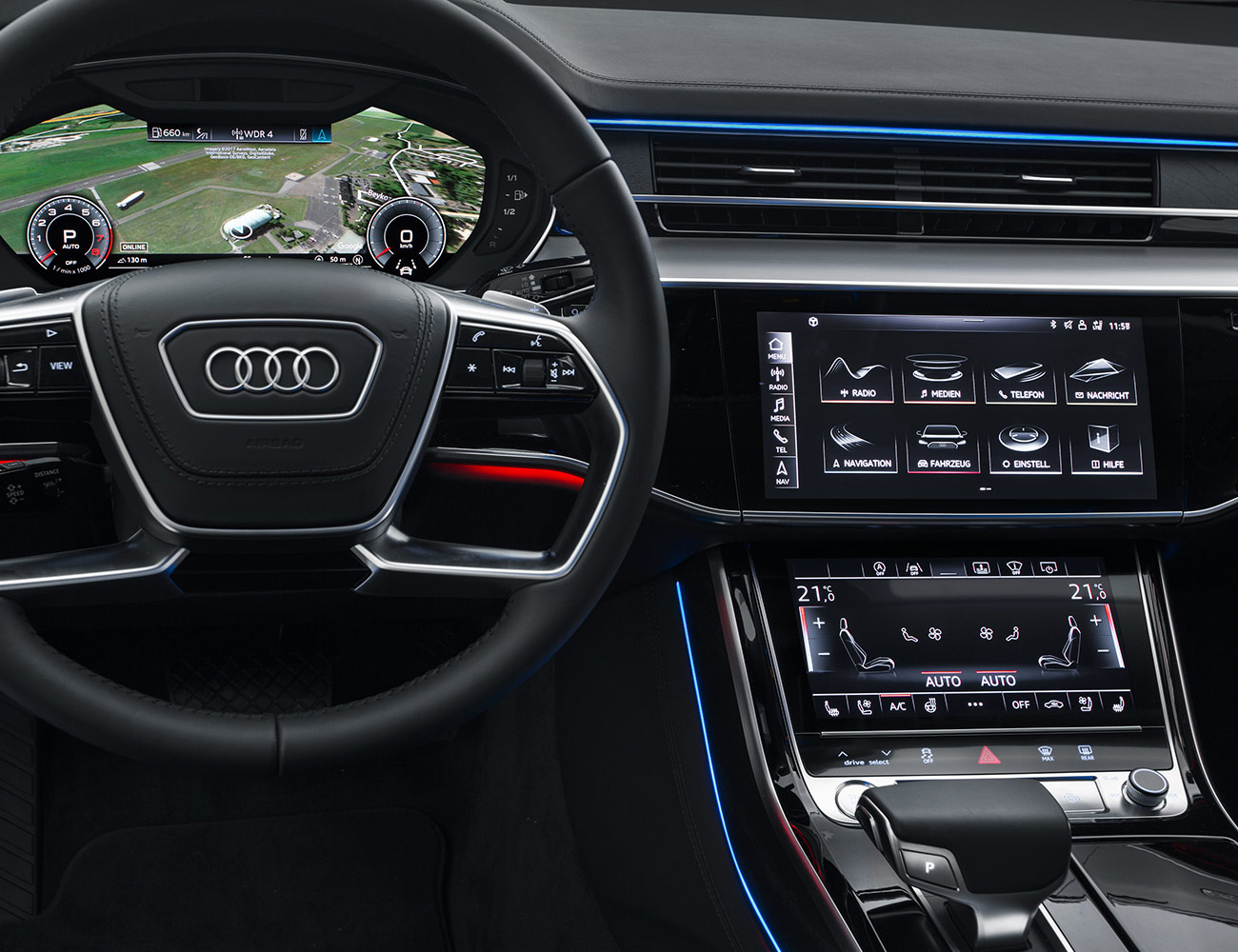
Audi’s MMI interface is one of the best in the business, featuring smartly designed touchpads and input dials, super-smooth Google-based mapping and a virtual cockpit that allows for better-than-average customization of the layout and appearance in the display directly in front of the driver.

What’s Good: Google-based 3D mapping provides excellent, familiar context when navigating new environments, particularly in cities. Its touchpads are also very smartly designed with, in some cases (depending on the specific model’s available real estate and the vehicle’s place in the Audi hierarchy) dedicated buttons for numerals. But all provide handwriting recognition for speedier inputs of destination or favorites info.

What to Watch Out For: Voice commands can be terrific aids, but only if you remember the precise way your system likes to hear its instructions. Audi’s systems include a list of 30 or so commands you can enter vocally, but you’ll only likely use a few with any real frequency. Keeping the list handy in the car for the first few months of ownership will help you internalize more of the commands.

Design and Interface: As with all manufacturers, the systems vary from car to car but typically retain the core functionalities. When combined with Audi’s new Virtual Cockpit display, the dashboard becomes IMAX-worthy in terms of beauty and is functionally in-depth.

Special Features: If you opt for the connectivity feature, the car will provide hotspot functionality as well as local traffic and weather, news and other features. The hotspot is particularly useful while traveling, as sometimes it pulls in a better signal than your own smartphone can thanks to its more robust antenna system.

Verdict: Audi’s current MMI is a notably excellent system, particularly the gorgeous Virtual Cockpit display when in map mode. There, the Google Earth imagery helps orient you to your surroundings and lets you keep better tabs on your route. This system, though, is now several years old, and the version rolling out with the new A8 later this year will hopefully revitalize it.

Most Innovative: BMW iDrive
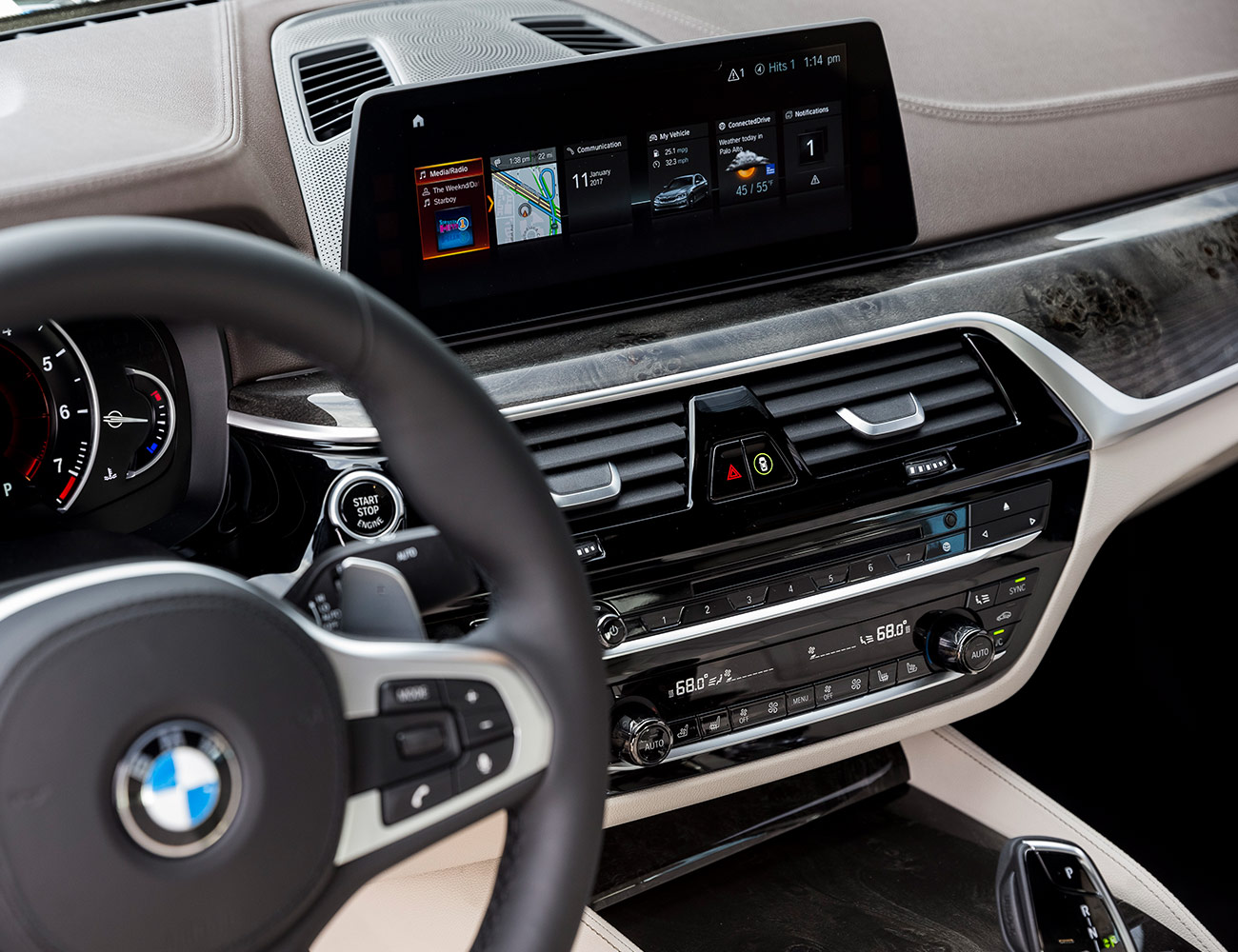
BMW’s iDrive system has evolved into the smooth, sophisticated interface everyone expects from BMW. Its combo joystick/dial allows crisp navigation of the menus, while voice controls, its new gesture controls — first appearing in the 5-Series and 7-Series — and a modest smattering of physical buttons help plug the gaps in its use. Most importantly, its overall organization and design feels like it’s from a company that has learned a thing or two along the way.

What’s Good: The big knob: a straightforward single-point interface with the system, which can be easily augmented via alternative buttons and gestures. It remains the signature feature of the system, and over the years BMW has honed its look, feel, and action pretty much to perfection. The buttons surrounding the knob offer familiar shortcuts — home, back, etc. — and everything works briskly and efficiently to get you where you want to be with little fuss.

What to Watch Out For: Interface overload. When you have the option of talking, touching, pressing and gesticulating to control it, a system designed to simplify interactions can actually end up cluttering your console. That’s not such a big deal with owners, but for those new to the car, it can quickly become overwhelming.

Design and Interface: The newest versions feature larger head-up displays in front of the driver, and the company has also recently added — first in the X3 crossover — touchscreens with moveable tiles to enhance customization. The graphics are also crisp and modern, with nicely legible text and icons, helping minimize distraction during use. The system’s voice control also incorporates natural language comprehension, so you can just speak to it casually without having to constantly bone up on a bunch of pre-scripted commands and instructions.

Special Features: Obviously, the gesture control system is the big trick here. With this, users can execute a variety of discrete motions with their hands to adjust the audio volume (a slowly spinning finger), answer or reject calls (a swiping motion), or execute customizable commands — a two-finger jab can be programmed to take you home, mute the volume, etc. At first, it feels kind of silly, then it feels like the future.

Verdict: iDrive has consistently been among the highest quality infotainment systems out there. It got off to a rocky start years ago and became something of a whipping-boy for haters thanks to its initial awkwardness, but it got over that period quickly and remains a solid, intuitive system. The fact is, sometimes with dynamic, high-end infotainment controls, users struggle with basic controllability. iDrive simply isn’t that. You get in, and you get it.

Best Design: Jaguar/Land Rover Touch Pro Duo
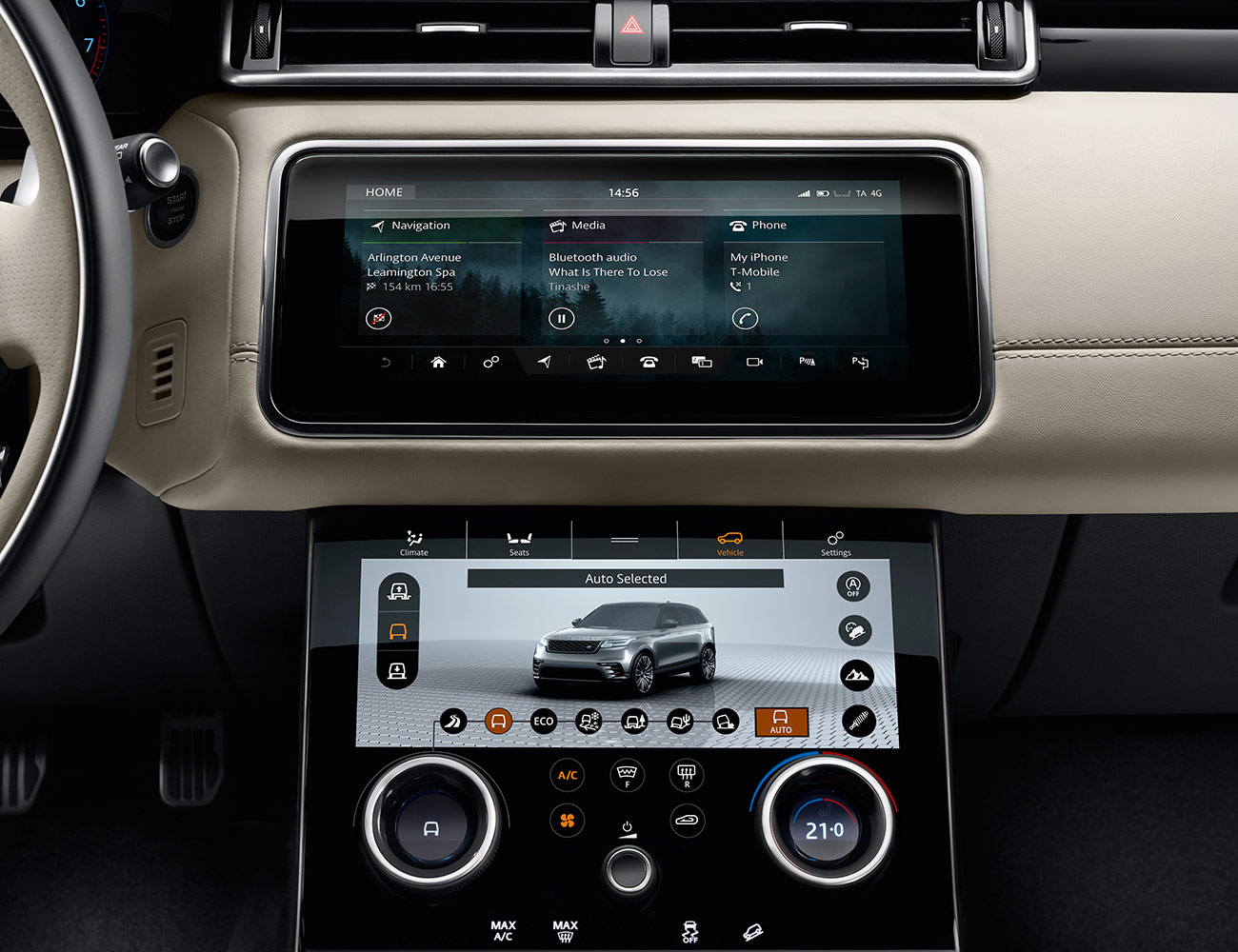
Jaguar/Land Rover’s newest infotainment system appears in the Range Rover, Range Rover Velar, and Range Rover Sport, as well as the new I-Pace electric SUV. But the system really owes its success to its visual kinship with the Velar, the high-design SUV ride that’s both streamlined and minimalist yet still a fully capable Range Rover. Similarly, the Touch Pro Duo system, which debuted with the Velar, is both gorgeous — even when turned off — and simply an excellent interface for its vehicles.

What’s Good: Land Rovers and Jags are together cut from a different cloth, with a uniquely British flair. The infotainment system reflects that with its clarity, ease of use, and visual appeal. In the Velar, two high-def 10-inch touchscreens anchor the system, with the upper screen divided into three panels — media, navigation, and phone — and the lower screen focused on vehicle systems, including climate control and the off-road-oriented Terrain Response system. This lower panel operates without the dynamic flash of the upper screen, meaning it’s a steady presence and always ready for direct, immediate action.

What to Watch Out For: Systems that rely on vast expanses of glass tend to draw a lot of smudges and fingerprints when in use — and they can also generate a good bit of glare. Resistance to these hazards is embedded in the glass coatings — and it indeed seemed glare-free even in direct light — but the smudging remains a minor issue. Keep a microfiber cloth handy and give it a little polish every now and then. Also, capacitive-touch controls, such as those found in this system, can be prone to accidental activation. But this didn’t emerge as a real problem during testing.

Design and Interface: Of all the touch-oriented systems, this one has perhaps the most familiar and smartphone/tablet-like interface. It looks and behaves like its handheld counterparts, allowing easy swiping left or right to change screens and pinch-to-zoom while scanning maps. It also possesses an exceptionally sleek construction that blends in perfectly to the console that surrounds it. Even the dials are high-tech, with the two primary ones featuring embedded LCD displays that can change function from temperature to massage seat settings to the off-road mode selection.

Special Features: An Intel quad-core processor keeps things brisk and responsive, and persistent connectivity allows for a stream of news and weather reports, as well as the ability to send your location and ETA to a chosen contact via email or text message. On arrival, the maps will convert to a 360-degree interactive view of your environment that includes street-level imagery to help you orient yourself, find parking, etc. Finally, there’s a Planner app that lets you program your route in advance from a smartphone and upload it straight to the car.

Verdict: Thumbs-up. The system sets a high bar that in many ways exceeds that of all its competitors. A key part of the reason for this is that the system is engaging, intuitive and, frankly, fun. It makes you feel like it was designed just for you, and that’s a tough thing to do.

Best Content: Lexus Enform
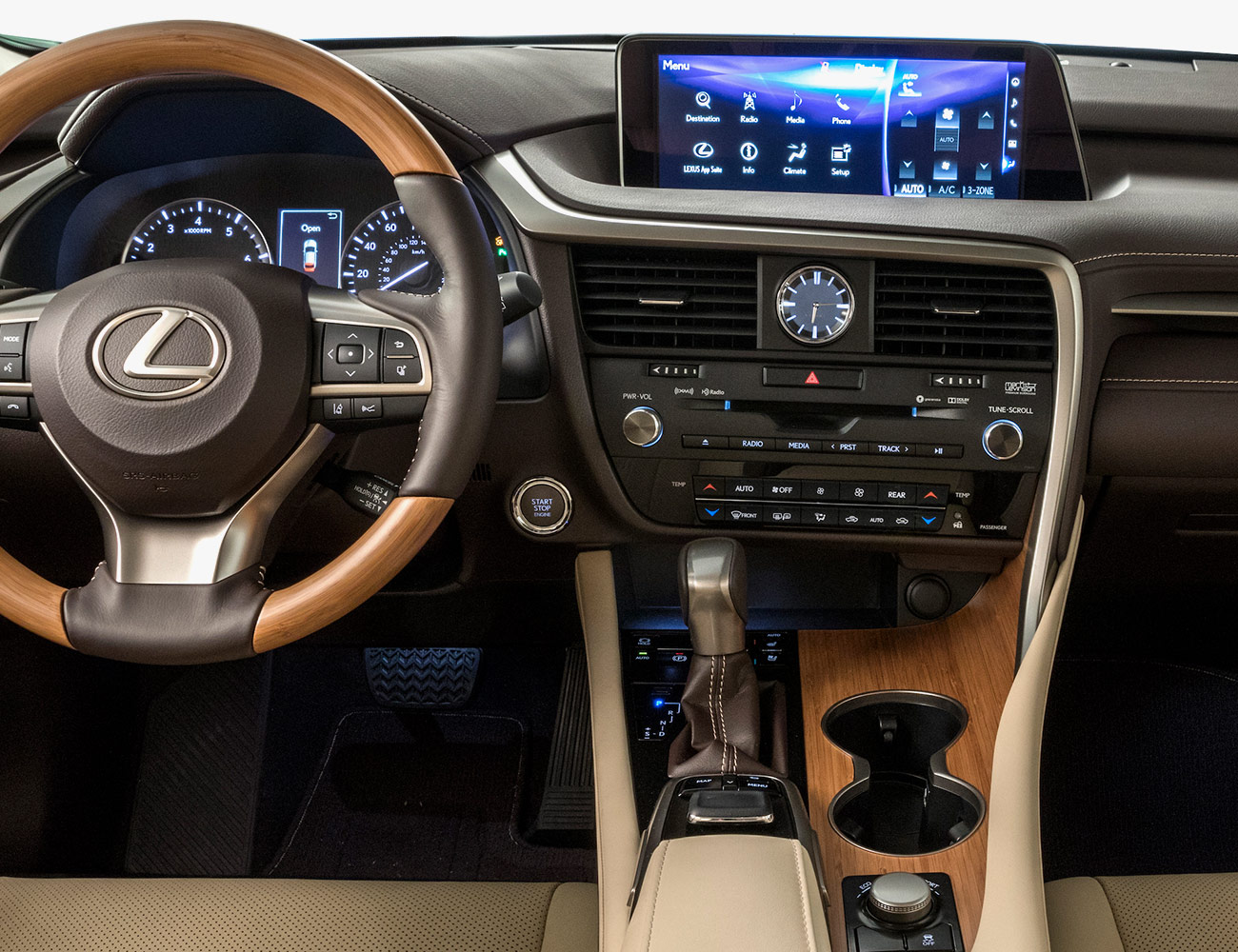
In addition to including the expected baseline of capabilities — Bluetooth, navigation, etc. — the Lexus Enform infotainment system brings a lot of cool surprises to the table, including 10 years of complimentary emergency assistance and a wide roster of third-party apps that help you immediately customize your entertainment and information options. Plus, its onboard connectivity option keeps everything updated and current automatically.

What’s Good: The app system provides access — via the optional connectivity package — to a variety of familiar services, including Yelp, Slacker, Pandora, NPR, and sports, news, and financial information. You can also order movie tickets, book restaurant reservations, find gas and lodging quickly and easily, and generally search for services or destinations you need.

What to Watch Out For: Be wary of overreliance to even these top-shelf onboard information systems. Even though they are updated persistently, in my own sampling of such systems they haven’t always been the last word on what’s available — whether it’s restaurant options or gas locations. Sometimes it’s better to double-check via a broader smartphone search than to rely on an app with a database of uncertain provenance.

Design and Interface: Particularly in the flagship LS, Lexus’s infotainment design and assorted interfaces are all very high quality. The LS boasts a large 12.3-inch center display, as well as a staggeringly good 24-inch head-up display. You can even program in a customized image to greet you when you enter the car. The steering-wheel controls and the dynamic touchpad are also fluid and intuitive in practice.

Special Features: The big trick up Enform’s sleeve is Dynamic Navigation, which uses the onboard connectivity to monitor traffic while deciding on routing options, provide points-of-interest that are of actual interest to you and stay updated with new map content.

Verdict: Lexus undeniably produces a quality product from bumper to bumper, and this is just as true with the infotainment system. It’s not particularly exciting or energetic in its presentation, but overall the look and feel is very smart and upscale.

Best Integration: Mercedes-Benz COMAND
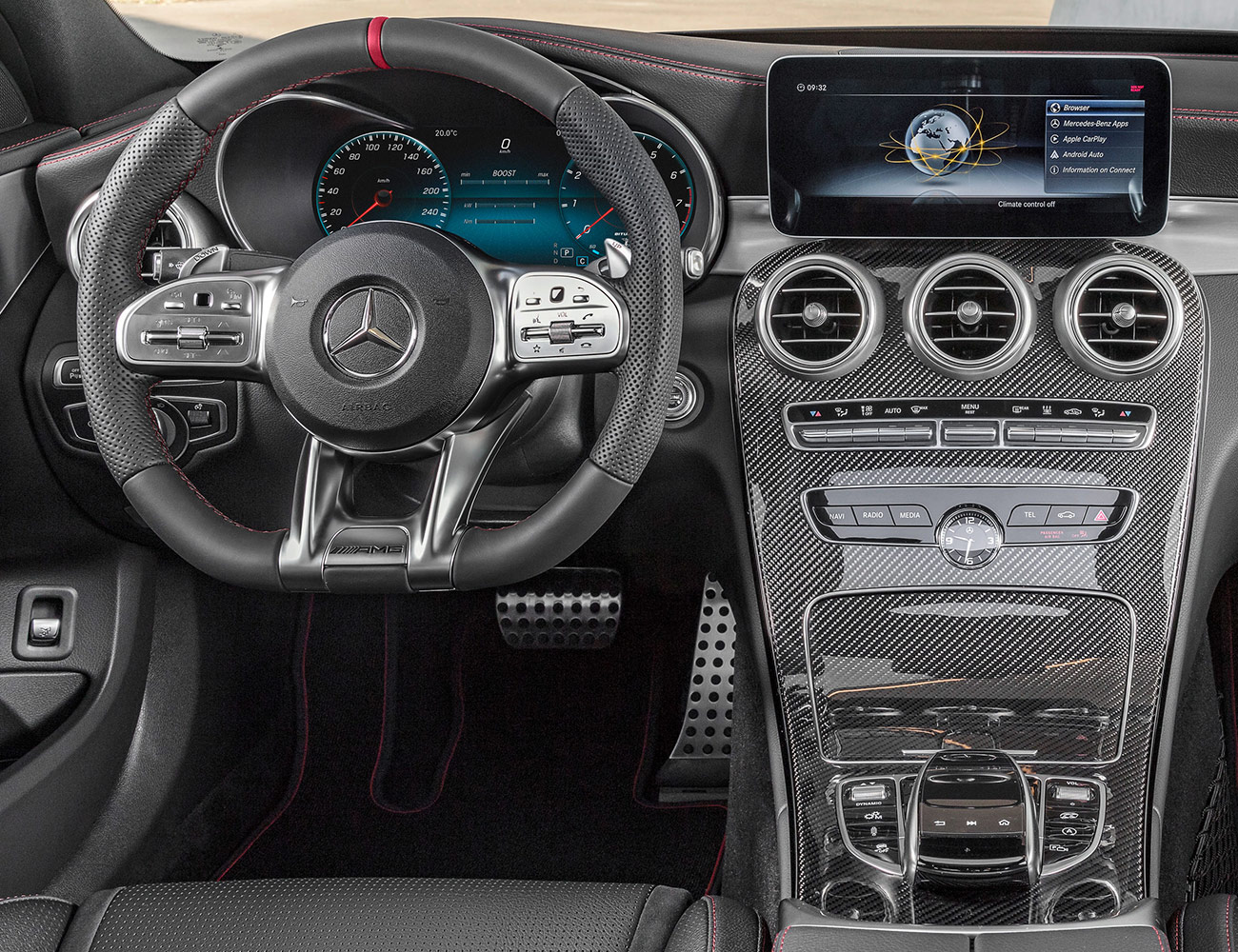
The Mercedes COMAND infotainment system is a classic example of the challenges associated with keeping such systems current. Introduced in the early 2000’s it has been updated along the way but never completely replaced — a huge process that required deep-tissue integration into new vehicles. Fortunately, the company revealed its new MBUX system at the Consumer Electronics Show in Las Vegas in January, though it won’t begin its rollout until the new A-Class arrives this fall. While the COMAND system is really showing its age, with outdated graphics, a cumbersome scrolling-tile system in most applications and no touchscreens, it does still have a lot going for it.

What’s Good: The current system does indeed do a great job of integrating all the vehicles’ systems, and that’s no small achievement. Access to all vehicle systems is quick and easy, and crossover compatibility — for instance, muting the audio when a call comes in — is exceptionally well executed. It also helps that the Mercedes Mbrace suite of connectivity functions gives a modern set of capabilities to the system, including remote access and assorted Internet-based audio services.

What to Watch Out For: The lack of a touchscreen is the current systems biggest drawback, especially considering that Apple CarPlay and Android Auto were designed around such interfaces. But the primary controller is quick and easy enough to help compensate.

Design and Interface: The newest display technologies — the wide display in the recently refreshed S-Class, for instance — make the system menus and assorted screens look pretty great, thanks to their high contrast and glossy feel. The controller and touchpad, which permits handwriting recognition, are comfortably placed and work really well with the system, allowing quick navigation and data entry. Voice controls help, as do the new micro-touchpads found on some models’ steering wheels. These Touch Control Buttons allow you to quickly swipe in various directions with your thumbs — or press to make selections — to control the multimedia system.

Special Features: In the case of the S-Class, the widescreen cockpit display includes both the instrument cluster and the COMAND screen, providing a seamless digital cockpit effect. It’s customizable, so you can fine-tune the appearance to suit your tastes.

Verdict: Its time has come, and fortunately Mercedes is finally replacing the system. The new one, MBUX, looks like it could be one of the best available when it starts appearing in new vehicles. Until then, new Mercedes buyers may not exactly be excited by the current system, but it’s still perfectly functional and useful. It gets the job done, if little else.

Least Pretentious: Porsche PCM
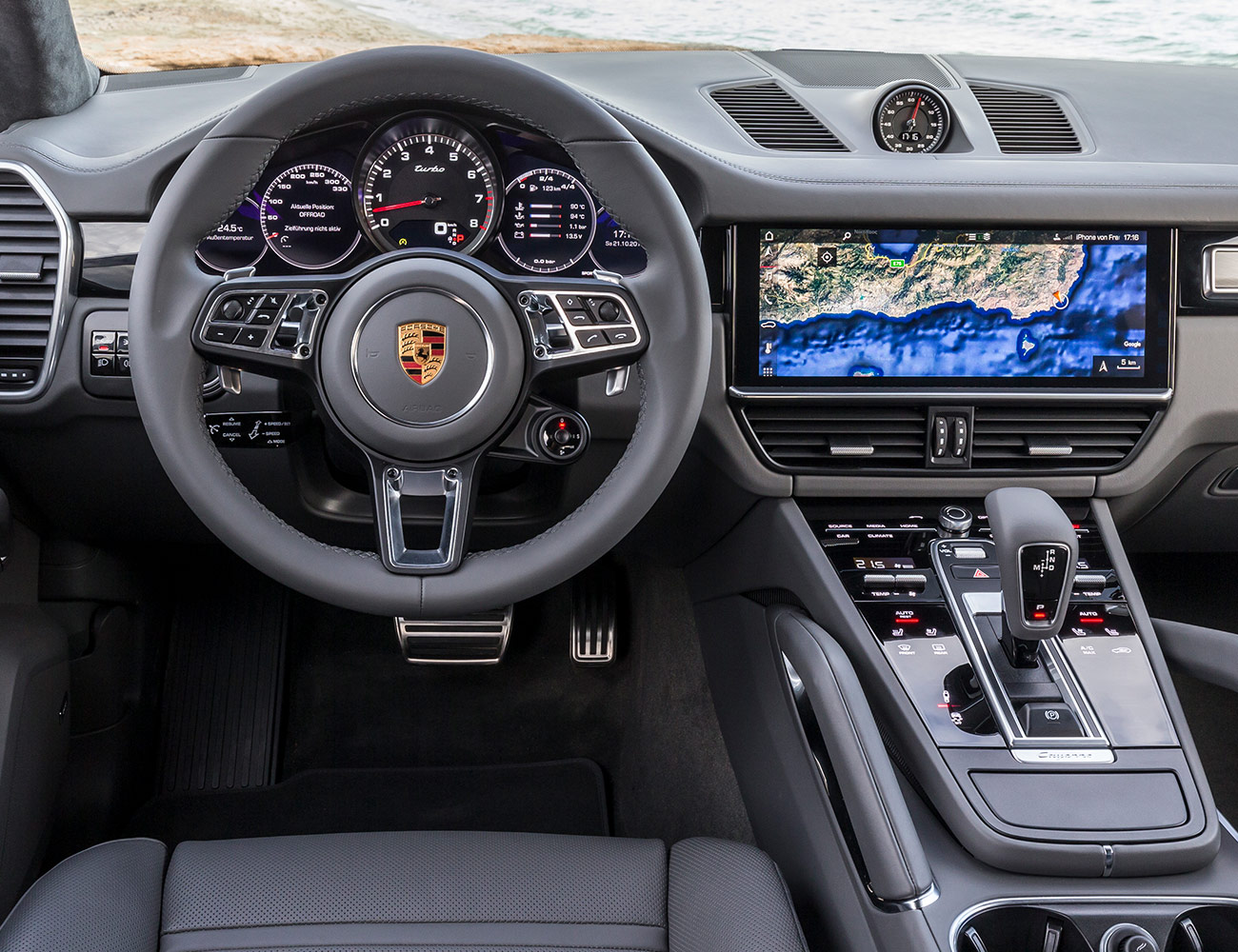
Porsche drivers don’t spend a lot of time fussing over dancing graphics and things like handwriting recognition. Porsche drivers care about going fast. Everything else is a distraction. So it makes perfect sense that of the premium infotainment systems out there, Porsche’s would be the most straightforward and packing the least window dressing. The latest Porsche Communication Management systems look great, mind you — but they cut straight to the chase whenever possible. I like that.

What’s Good: The system’s bright, high-definition screen — up to 12 inches in some models, including Panamera — features a proximity sensor that can detect your hand’s presence near the screen and whisk away visual clutter, allowing for full-screen presentation of a function without a lot of extraneous buttons present. The home screen design and customizable widgets provide high flexibility and immediate access.

What to Watch Out For: Just keep your eyes on the road. Fortunately, Porsche’s infotainment interfaces are designed to present minimal distraction as well as minimal interference when you are trying to use them.

Design and Interface: Everything in Porsche’s PCM is clear and comprehensible at a glance, which is important in enthusiast driving. The systems vary from car to car but share basic functionality and input systems, including touchscreens and voice command functionality. They fit in seamlessly with the vehicles without drawing attention to themselves. Again: no distractions.

Special Features: An internal hard drive sounds pretty old-school, but what better way to store your racetrack playlist without your smartphone banging around the console? There are also app-based features available through Porsche Connect — the car’s optional connectivity system: Porsche Car Connect lets you access vehicle data from your smartphone, control vehicle functions like firing up the air conditioning and send route information straight to the car. Also available: smartphone apps that let you record video and vehicle data while off-roading or on the racetrack.

Verdict: PCM has long balanced between basic, contemporary functionality and service to enthusiast drivers. Its current system meets all expectations and even throws in some bonus features for the driving enthusiasts, via the smartphone apps and various data tracking. It’s precisely what a Porsche infotainment system should be.

The 10 Best SUVs Under $50,000
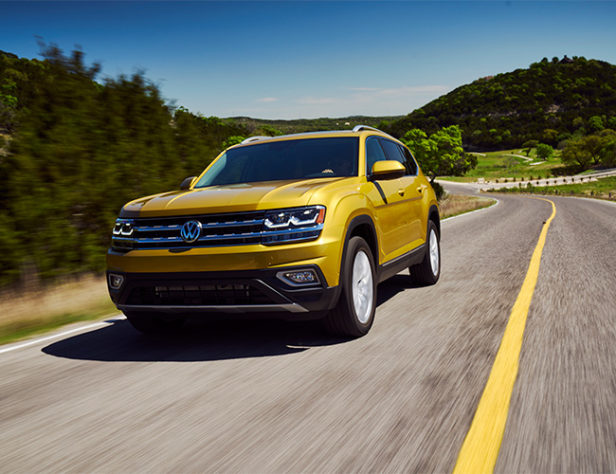
The average price for an SUV 2017 was just under $40,000 — to cover all the bases, we bumped the budget up to $50,000 and chose the best new SUVs you can buy in 2018. Read the Story


Porsche’s, Gas-Saving Family-Hauling SUV Has Enough Power to Tear a Hole in the Earth

Let’s get this out of the way: nowadays a 4.7 second 0 to 60 time is not mind-bogglingly quick. No, there are plenty of cars that can do the 60 mph jaunt in less time. But let’s not forget how fast a sub-five second 0-60 time is — for perspective, that’s on par with a ’90s Ferrari 355 (incidentally my editor’s dream car). So in an SUV, more specifically, one that doesn’t even purport to be a performance car, that’s one hell of a sprint.

See, the New Porsche Cayenne E-Hybrid is ostensibly a green car. It’s a plug-in hybrid with a claimed range of 27 miles running only on electric power. The electric motor is coupled to a single-turbo V6, putting out a combined 455 horsepower 516 lb-ft of torque. More impressively, you get the full 516 lb-ft of twist at just 1,000 rpm, way down low in the rev range, so from the very onset of stepping on the pedal you’ll be pinned back in your seat, grinning and fully convinced of the performance accolades of modern hybrids.

But that’s only if you’re feeling like a loon and driving in one of the two sport modes. The Cayenne E-Hybrid also operates in a few, more sensible modes. The aforementioned all-electric mode is one, but the electric motor and gas engine can work in conjunction to return better MPGs. There’s also an “E-Hold” mode which will run on just gasoline power, conserving electric energy, as well as “E-Charge” which boosts the power output of the V6 to charge up the electric motor.

Today in Gear

The best way to catch up on the day’s most important product releases and stories. Read the Story
When It Comes to the Driver’s Seat, Spending More for Less Can Be a Good Thing

W

hether you’re comfortably cruising down the highway or driving around town, and especially when you’re hunting apexes out on a track, you need direct and clear communication with your car. The steering wheel and pedals are obviously the most immediate way the driver can affect his car, but it’s the seat — the biggest point of bodily contact in the vehicle — through which the car communicates back. In a big, soft luxury car, that feedback isn’t as critical; in a sports car driving at the limit, there can’t be any mixed messages. If the car gets out of shape going into a turn and you can’t feel it beneath you, your situation will go south and fast.

Americans spend around 300 hours a year sitting in their cars, so manufacturers invest time, money and man-hours making the captain’s chair an absolutely perfect fit for each car’s intended purpose. Even so, if a performance car is in need of a seat upgrade, Recaro products are the industry standard.

Chances are if you’ve sat in a modern day sports car, a Recaro was cradling you. Although the Stuttgart, Germany-based company started life as a coachbuilder, it’s been exclusively making seats for cars, airplanes, boats and trains since the early ‘60s. Recaro has worked with more than 40 automotive manufacturers over the decades and bolted its seats into dozens of cars as factory equipment. Its seats have graced icons like the BMW 2002Tii, Porsche 911, Mercedes-AMG SLS, Shelby Mustang GT350 and Lancia Delta HF Integrale. Recaro continues to work with a handful of manufacturers supplying sports seats from the factory, but its main business is in the aftermarket, offering even better solutions and seats to upgrade your car when the stock seat offerings just don’t cut it.

The new Sportster GT is the next step in the evolution of Recaro’s most iconic throne and, like any well made, well thought out car seat, there’s a specialized team of engineers and designers behind it. But unlike an all-out 30-way adjustable, heated and ventilated messaging luxury car seat, the Sportster GT focuses on minimalism, lightweight, efficiency and endurance for long distance drives. Michael Murto, Senior Manager of Engineering, explained the new aftermarket seat has been in development for quite some time: “The original Sportster has been on the market since 2006, but the development process, from ideation to completion was a 24-month process. The Sportster GT was an additional nine months.”

And just because there’s less actual ‘seat’ in the GT compared to other sporty chairs, the process isn’t any easier — in fact, it’s quite the opposite. “The composite back shell is mounted to a metal frame, the seat cushion, backrest and recliner [mechanism]. That [whole assembly] went through rigorous development cycles, regarding advanced FEA analysis and crash tests. The seat is designed with the best of the best global automotive standards, the strictest regulatory requirements and of course, Recaro’s DNA and design.”

Through real-world testing, customer feedback and input from racing drivers from around the world, Recaro fine-tunes foam placement both for comfort and to amplify that vital car-to-driver transfer of information. That’s why Chevy uses Recaros in the Camaro ZL1; Porsche for the 911 GT3; Cadillac in its V-Series. However, if you don’t have any of those cars sitting in your garage, the Sportster GT is easy DIY upgrade you can bolt into your car for $1,299 and push it just a little bit closer to high-performance machines.

Another Noteworthy Captain’s Chair

If you’re buying a new car, save time, money and stress. Skip all the frivolous extras and focus on the seats. You won’t regret it. Read the Story
The Most Affordable Way to Dominate a Weekend Off the Grid

Shunning emails, ignoring your smartphone and planning a trip with a destination well outside of any cell service — that’s the modern vacation. It’s the only way to truly decompress. You could easily spend a couple of thousand dollars on flights, hotels and ground transportation each time you go off-grid; alternatively, you can just pick up this 1986 Volkswagen Vanagon Syncro Westfalia for around $5,000 over on Bring a Trailer and have a mobile cabin whenever you want.

The four-wheel-drive pop-up camper comes with the stock 2.1-liter flat-four and four-speed manual transaxle with a factory granny gear and locking rear differential, but includes a few upgrades like larger door mirrors, aluminum fuel injection rails, and small interior revisions. However, it’s the Vanagon’s interior amenities that transform the experience from merely “sleeping in a van” to a campsite on four wheels.

The fiberglass pop-up roof is the most recognizable feature of the camper, but the extra space it affords is necessary to make full use of the kitchenette, complete with a sink, two-burner stove and mini-fridge. The back seats fold flat to create a sleeping area and the front passenger and driver’s seat swivel to make use of a stow-and-go dining table. In other words, you have your travel and accommodations all in the same square footage, so cancel that Airbnb, pick a direction, drive and live comfortably for a weekend off the grid.

Essential Gear For Overlanding

You’ve got your camping supplies and your truck — now here’s the gear to keep from getting stranded. Read the Story
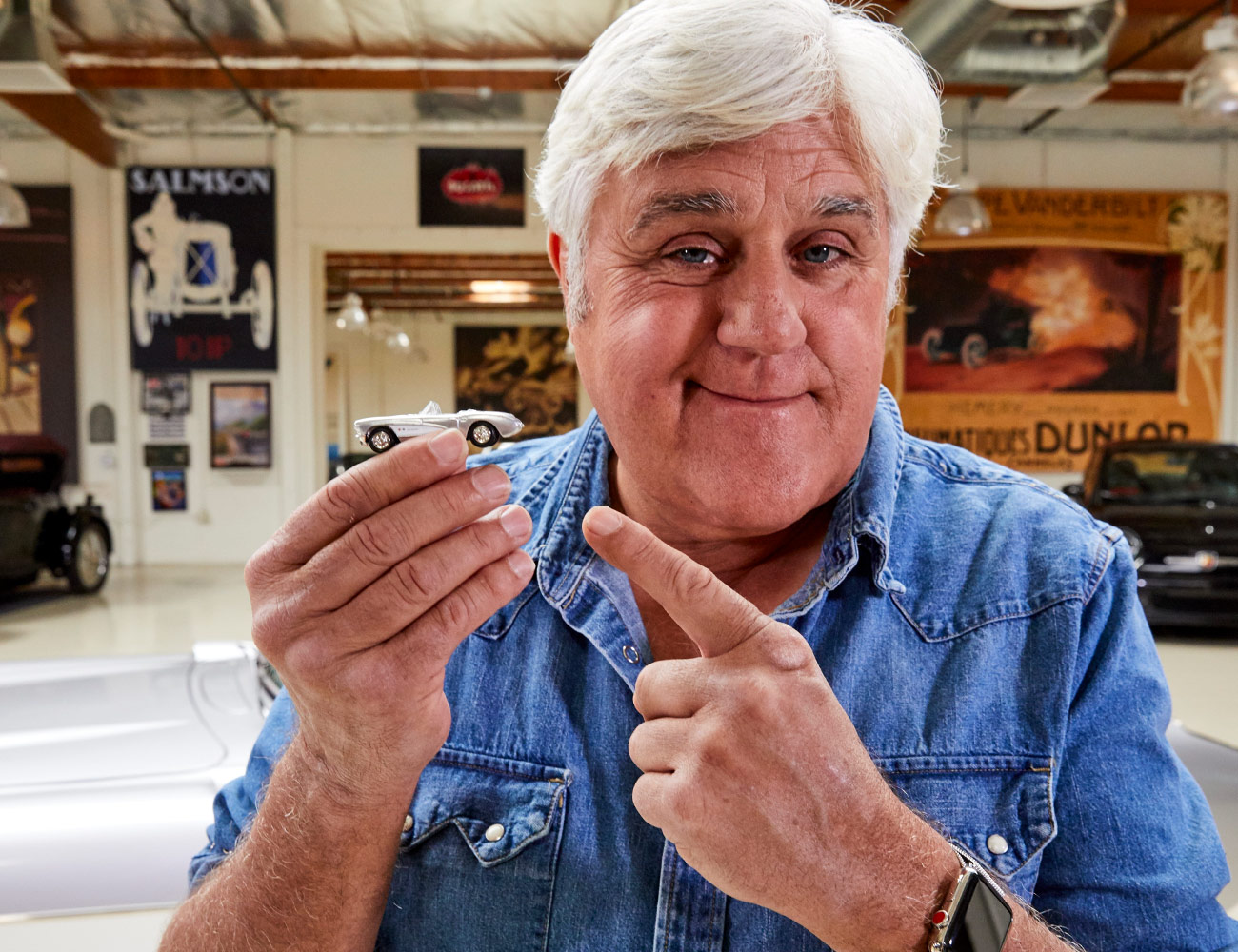
Jay Leno Talks to Us About Hot Wheels and Vintage Car Buying Advice

I

t’s no small thing that Jay Leno’s car-guy life in many ways outshines his long, storied and successful career as one of the most famous and recognizable entertainers in history. When you talk to him, it’s easy to forget that Leno wore a suit and tie and rubbed elbows with every famous person in the world for decades, or that he helmed a lucrative stand-up comedy career for even longer. Leno just talks like a car guy, and in case you’re wondering, on the phone, he even sounds like he’s wearing all denim.

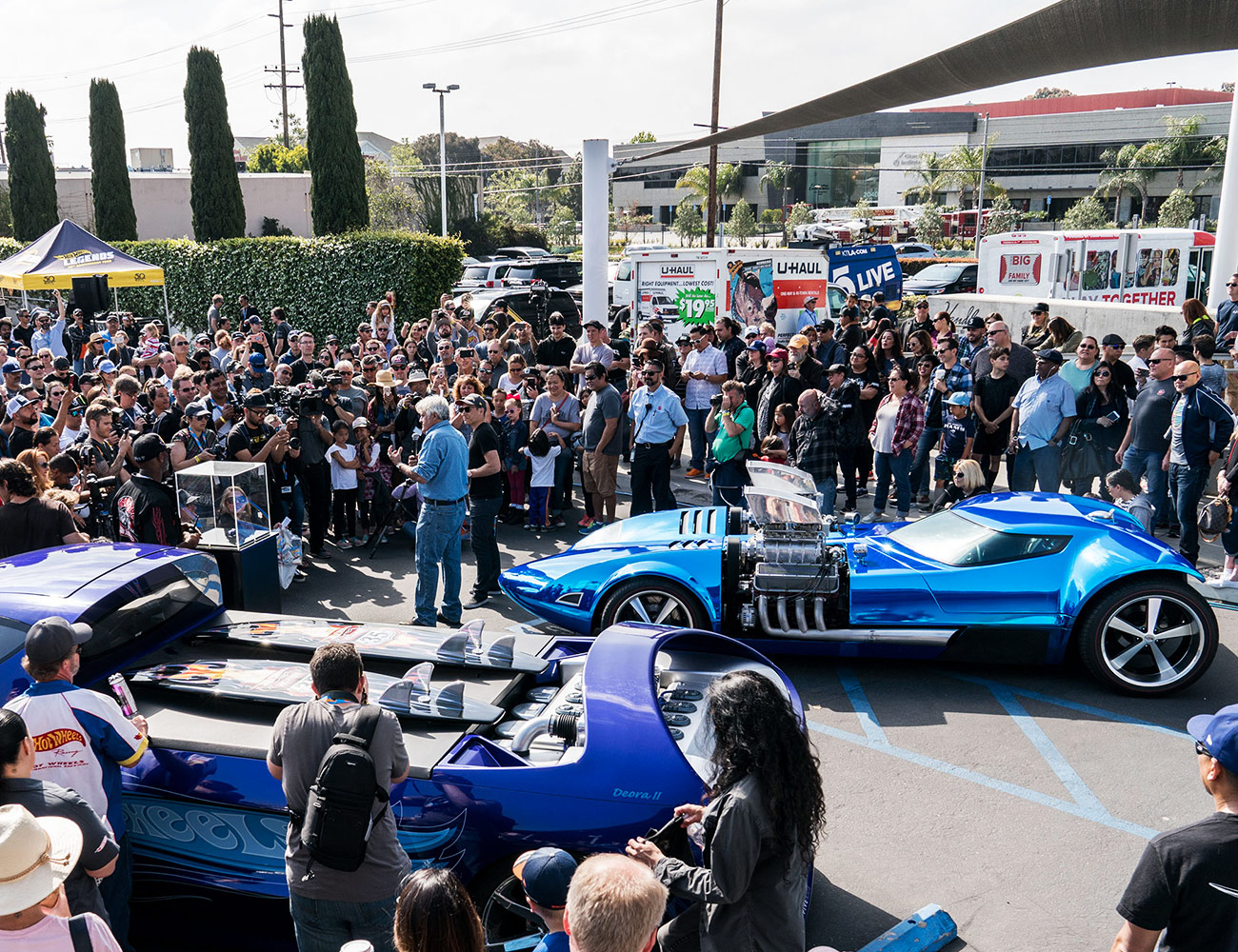
I spoke to Leno last week, just days before he took the stage in sunny California at the Hot Wheels Design Center to host the Hot Wheels Legends Tour kickoff event. The series of car meets, which will take place across the country in the following weeks, is “in search of life-size cars worthy of being immortalized into a Hot Wheels 1:64 diecast car.” The deal is, bring your Hot Wheels-worthy ride — whatever kind of car, whatever kind of style — to an event and you have a shot at it being memorialized forever as a tiny, detailed, $1 model. (Find details about the tour on the official Facebook event page, here and register your own car in an upcoming event, here.)

Leno spoke at length about what he values in Hot Wheels (we agree that as a cultural icon, there may not be another product quite as fun and nostalgic — at least for car guys); he waxed on about the people behind some of the favorite real cars in his massive, famous collection; and he even shared some advice about starting a collection of your own.

Q:

You’ve had a longstanding relationship with Hot Wheels?

A:

They asked me to pick four of my cars they could make into a Hot Wheels Jay Leno collection, and that was fun. They built a running version of the Darth Vader car we had on the show, and that was kinda fun too. It’s just car guys hanging out. You know, so much of the [Hot Wheels] design team are real designers from Ford, Chrysler, so you wind up talking cars. It’s like guys talking sports, really.

Q:

Maybe if you’d concentrated on collecting just Hot WHeels you wouldn’t need such a big garage.

A:

Well, probably would because I’d have a gazillion. They’ve built, like, four billion, so I’d try to have at least one billion here. That’d take up a lot of space. The cool thing about them is they’re still a buck. They were a dollar in 1968 and they’re the same price now. It’s a real high-quality model. When you roll them you realize the wheels spin easier because of the high-tech bearing they use. That’s what makes them so fascinating to me. Because there are a lot of other car models out there but they’re off — they kind of resemble a ‘66 Corvette, but not really. They’re a little bit off. That’s what so amazing about [Hot Wheels]: they’re so amazingly accurate, and they’re so small.

Q:

They’re little rolling memories.

A:

You can put them in a drawer and pull it out in twenty years. I’m not sure kids would have the same affection for a video game. Try and find a Nintendo from the ‘80s that still works. That’s the difference. The Hot Wheels, you pass on and on and on.

Nowadays kids go places virtually, but we had to go places in reality. That makes it a little more interesting.

If you grew up with Hot Wheels and you see the one you bought in 1968 when you were eight years old and it’s still a dollar, you’re gonna buy it again. That’s what makes it fun.

Q:

Have you personally seen any of the cars?

A:

No, I’m anxious to see them. It’ll be interesting to see what shows up. There will be lowriders, there will be street rods, there will be every kind of wacky — this is Southern California, where it all started. So there should be some interesting, unusual types of vehicles there. I’m sure a lot of the old guys will bring up stuff from the ‘30s, ‘40s, ‘50s, ‘60s, as well as slammed Hondas and Lexuses and all kinds of stuff. It’s wide open, it’s not a snobby car show where it’s only ‘pre-1960’ or whatever. It can be anything – it can be a modern car you’ve heavily modified. So we have no idea what’s going to show up. It’s actually more fun than giving everybody a list of rules and regulations.

Q:

We talk a lot at GP about relatively modern Japanese cars becoming super popular.

A:

That’s what really makes it interesting because you have a new generation of cars that are more tech than mechanical and they’re welcome too. I’m sure you’ll see some custom Priuses and some electric cars as well. We had a Prius on the show – a guy put in a big block Chrysler engine. Hilarious.

Q:

What makes cars special?

A:

Well I think a lot of it has to do with the memories. Some people like a particular car not because it’s technically interesting or supposedly important or an outrageous design. It’s because it’s the car that grandpa took them to get ice cream in every Sunday. If your grandpa had a ‘77 Cadillac and grandpa would get the car meticulous… When you see one on the road you’re going to say to yourself, “I’m gonna get one of those one day because I rode in one of those every Sunday from age six to twelve.” I have a lot of cars like that.

Jay Leno and Chris Down, a Senior Vice President at Hot Wheels, brief the crowd at the Legends Tour kickoff event last wekend. Photo by Mattel.

I bought a car from an old lady – she called me up, had a ‘51 Hudson Hornet. She [and her husband] bought it new in ‘51. The only car they had. [Her husband] died in ‘96 and she’s 94. So I bought it from her. I restored it; took us two years. I call her up — she’s 96 — I asked if she’d like to go for a ride and she says, “oh, can I bring my kids?” Well, the kids are 72 and 74. So I go out there; they’ve got her in a blindfolded … and she starts crying. She sits in the front, and her kids sit in the back… [and] the kids start poking each other. She turns around and just starts smacking the crap out of them. “I told you two…!” Just hitting them as hard as she can in the head. And the three of them are laughing so hard. The kids started telling me how in the ‘60s when their dad would drive them to school in the ‘51 Hudson they were so embarrassed because they didn’t want to be seen in this old car which is now a classic.

She died when she was 104. She had so much fun and had all these great memories. Whenever I take that car out I think of that day with her. Just whacking the crap out of this 70-year-old man and the three of them just laughing. For a lot of people, it’s not the car; it’s the memories.

Q:

Anything you’ve got your eye on now for your collection?

A:

I’m just fixing all the broken stuff now. Every now and then something catches your eye. I had an old man call me up — he lived in Beverly Hills. He had an old ‘67 Chrysler Imperial two-door coupe with twin air conditioners front and back. So I go over to his house and he’s got this long, winding driveway, and I get to the top. He’s 93 and has an ascot and a smoking jacket. It turns out this guy was a movie producer who produced African American movies for African American audiences. They were real movies, but that was when theaters were segregated, and he had all these black movie stars’ pictures all over the house.

He brings me into his house, which looks like something that hasn’t been touched since the 1950s. I see a picture of this beautiful woman that looked like it had been taken in the 1940s. “That’s my wife,” he says. “Is she still alive?” I asked. He says, “oh, she’s here. You know, she doesn’t look like that anymore.”

He takes me to the garage and opens the car next to [the Imperial] — he was so afraid he was going to have an accident that he ought every spare part you can imagine for the car. And obviously, now I have to buy the car! The story is so unbelievable and that’s what makes it fun. So whenever I take my ‘67 Imperial out, I think of Leo.

Q:

Our readers love finding great vintage cars…

A:

Here’s my advice if you’re trying to find an old car. Go to the oldest gas station you can find… and ask the guy if there’s anyone who used to come in a lot who hasn’t been in a while. Most gas stations have a story – ‘an old lady has a ‘68 Chrysler; she hasn’t been in a couple of years.’ Try and find that person. That car is probably still around. Gas stations are a good place to go, especially if they’re full service with a lift and whatnot.

I always look for cars in rich neighborhoods because rich people take care of cars. At least they keep them in the garage and out of the sun so the upholstery isn’t all cracked. That’s where you’ll find the most interesting stuff. I had a lady call me. She bought a ‘66 Lincoln Continental brand new and she still had it. She only drove it a thousand miles a year. Only lived three miles from my house, I never knew the car was there; I went over to look at it and bought it. A brand new ‘66 Lincoln…

Every Automotive Emblem, Explained

Excerpt of next up story. Read the Story
4 Affordable Four-Door Cars To Buy Before They Become Classics

Editor’s Note: We love scouring the internet for reasons to spend money we don’t have on cars we daydream about owning, and these are our picks this week. All prices listed are bid amounts at the time of publishing.

This week, Ford announced it would stop investment in its sedans and small hatchbacks in the US in favor of crossovers, SUVs and Trucks. So it stands to reason that the practical four-doors of our era might become sought after in years to come. VW has recently made a similar declaration, and it wouldn’t be too far-fetched to think other automakers will follow similar paths in the name of turning a better profit. We’re on the cusp of a new age in the American automotive landscape; so, while these four-door cars may not seem much now, give them a few years. People will be clamoring for them in a desperate attempt to escape the dull, lifeless army of oddly sized compact SUVs roaming the earth.

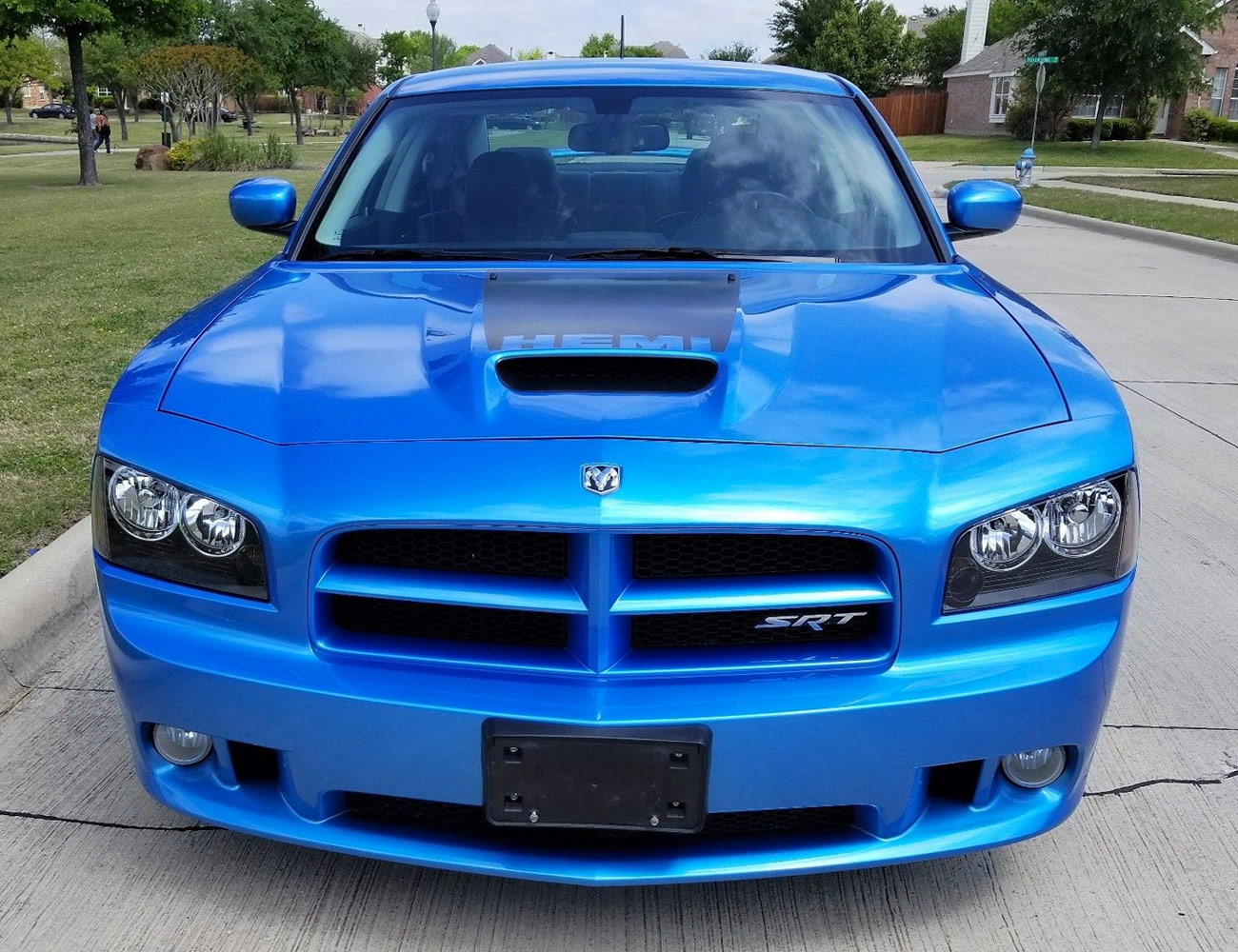
2008 Dodge Charger SRT8 Super Bee

Mileage: 49,437
Location: Frisco, Texas

What we like: As American sedan population dwindles, we’ll look back on cars like this Charger and wonder what became of our automotive sense of humor. Granted, it was only special edition paint, accents and graphics that made the Super Bee ‘special,’ but there’s also a 6.1-liter Hemi V8 up front.
From the seller: “This SRT limited edition Super Bee was purchased new in Plano, TX, [as] a one-owner American muscle car in flawless condition. A lot of these cars end up in the hands of drivers who abuse them or heavily modify them, often making the car barely road-worthy. This is not that car. ”
What to look out for: Owners of 2008 Dodge Chargers have reported rough shifting. It can be easily fixed with a software update, but it’s recommended you get it inspected before getting the PCU flashed — it’s also possible the trouble could be mechanical on higher mileage models.

2006 Mitsubishi Evolution IX

Mileage: 45,000
Location: Brooklyn, New York

What we like: It used to be that for a car to hold its value as a classic, it had to be bone stock. But, based on how modified Porsche 911s and BMW M3s now sell for well over what you’d expect, that way of thinking seems to have changed. This Lancer is heavily modified by a legitimate tuning shop — I get the feeling that won’t matter down the line. Plus, now that Mitsubishi has completely bastardized the Lancer nameplate by slapping it on a crossover, it’s almost guaranteed the older Lancer Evos will become more precious than they already are.
From the seller: “Car is fully built and has no issues whatsoever. It is a turnkey car and go. Comes with Viper Alarm GPS Tracking security system. The car is 100 percent daily-able and reliable.”
What to look out for: The owners of average Evo IXs have reported problems with engine cooling, but with the number of modifications under the hood of this IX, including the upgraded intercooler, that shouldn’t be a problem.

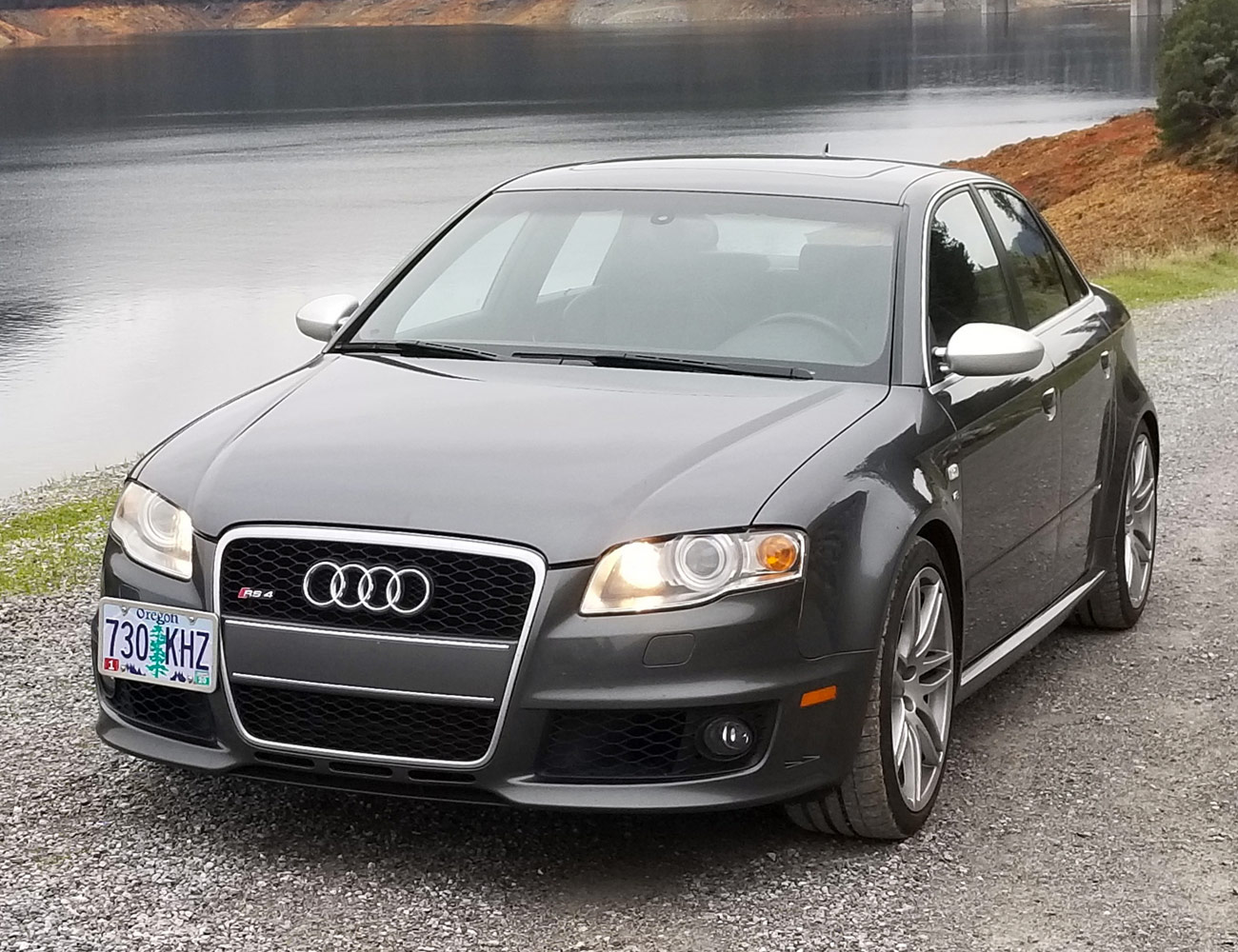
2007 Audi RS4

Mileage: 73,430
Location: Portland, Oregon

What we like: 2007 was the first year the US saw the RS4 despite the V8 sports sedan being in its second generation globally. Since fewer than 2,500 RS4s were sold in the States, this is a rare find. Not only does it have relatively low miles on the clock, it’s also completely bone stock.
From the seller: “This 2007 Audi RS4 is one of fewer than 2,500 B7 examples sold in North America over two model years and features a naturally-aspirated 4.2-liter V8, six-speed manual gearbox, and all-wheel drive with Torsen differentials. Finished in Daytona Grey Pearl over black leather, this example shows just over 70k miles”
What to look out for: Because of the architecture of the direct injection engine, carbon build-up is a problem. The intake manifold gets the worst of it and needs to be removed for cleaning, otherwise the car will suffer from power loss and a rough idle if the build-up gets bad enough.

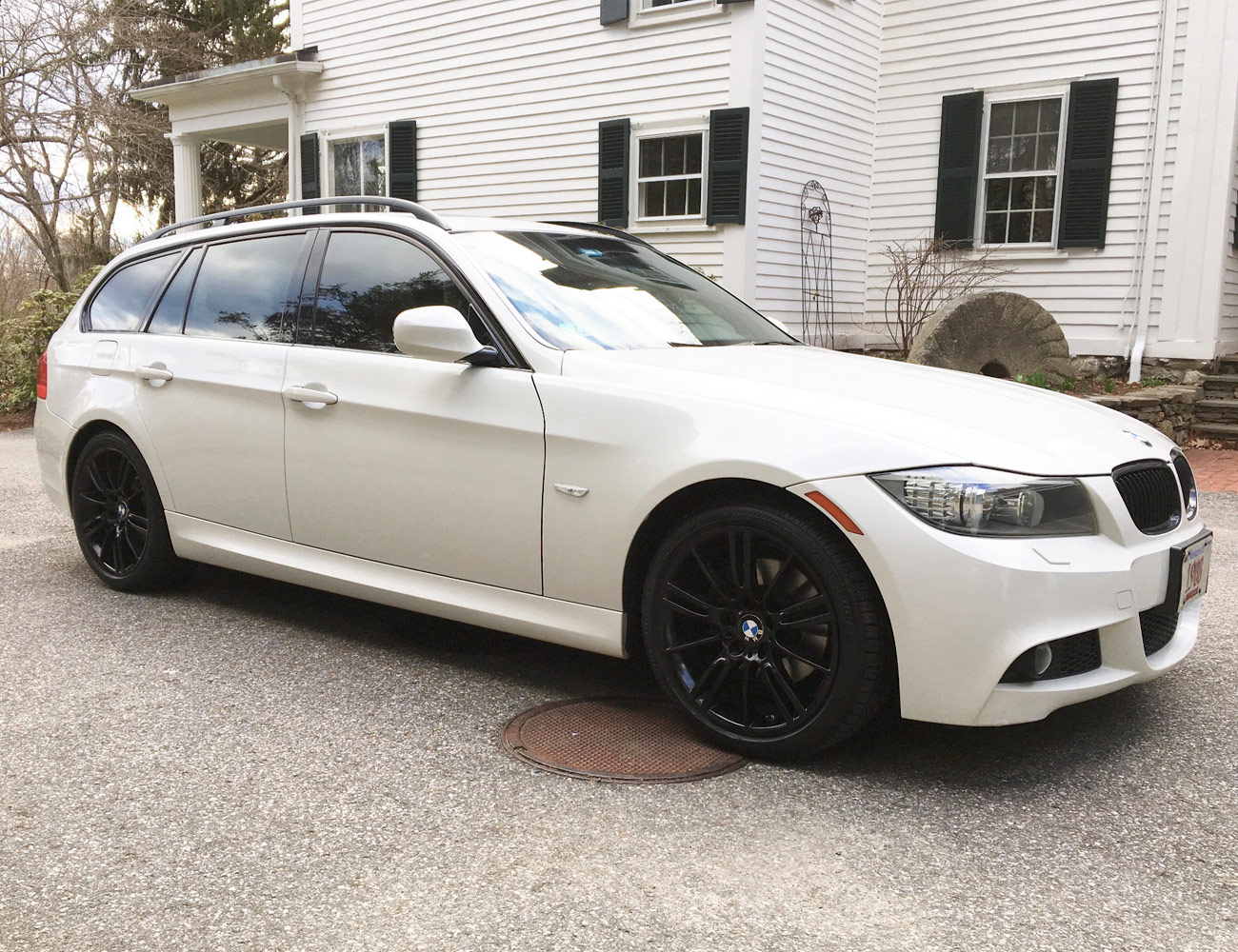
2010 BMW 328i xDrive M-Sport Wagon

Mileage: 101,179
Location: Wayland, Massachusetts

What we like: Vintage BMW wagons always seem to go for higher prices on eBay Motors and sites like Bring a Trailer. That’s probably because vintage BMWs are fantastic cars anyhow, but adding the wagon factor only makes them more desirable. This particular example is only one of three in this color combo in the US. An E92 wagon might not sound like much now, but if buying trends surrounding its older relatives are anything to go by, enthusiasts will throw money at a car like this in 20 years or so. I’m not saying you can make a massive profit off of this car as an investment, but I am confident it won’t depreciate all that much as time goes on.
From the seller: “Finished in Alpine White over Saddle Brown Dakota Leather, this wagon is equipped with the M-Sport package and is reported to be one of three examples delivered to the US market from 2009-2012 in this combination.”
What to look out for: There are a few recalls to keep an eye out for so check to see if the previous owner has remedied them or not, but one of the most common problems is a leaky valve cover gasket. Inspect the lower engine area for any rogue oil.

Has it Really Come to This?

Ladies and gentlemen, we’re now on the threshold of a modern Malaise era. Read the Story

This Euro-Spec MX-5 Is Stunning. Thankfully, Its Paint Is Available in the US

When Mazda announced the new special edition MX-5 RF Sport Black, there was a collective agreement in the Gear Patrol office that its ‘Eternal Blue Mica’ color (the only paint available for the special edition) is stunning — especially against the black wheels and black leather interior.

My next thought was “it’s a shame we don’t get the Sports Black here in the States.” Then after a quick search, I found, rather embarrassingly, that we can, in fact, order a regular RF in Eternal Blue Mica in the US. Which means you get the best paint color without paying extra for the special edition premium. (The standard soft-top Miata only comes in red, white, black and two different shades of grey; the Blue Mica only comes on Grand Touring RF. Why are you making so difficult to get this color, Mazda?)

Eternal Blue Mica looks like a mirror reflection of a clear sky on a sunny day. On a $30,000 targa-top convertible sports car, it’s almost too fitting. Do yourself a favor, buy a new Mazda Miata RF, and spec the Grand Touring trim with Eternal Blue Mica paint.

Today in Gear

The best way to catch up on the day’s most important product releases and stories. Read the Story
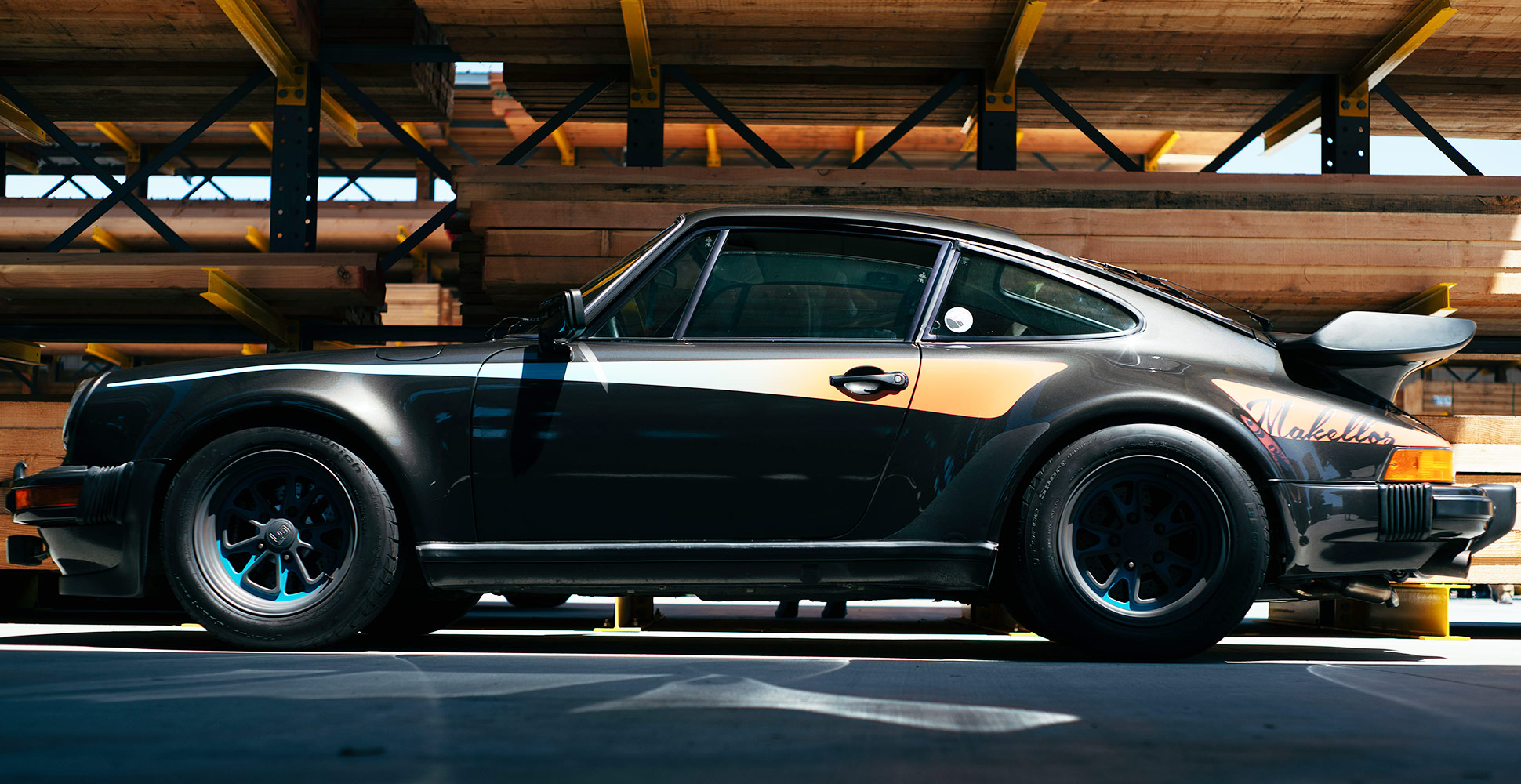
Continuously Making Handcrafted Cars For 110 Years Is No Easy Task

D

rive past a suburban neighborhood still being developed and, most likely, you’ll see bare house frames made of wood. In fact, I’d be willing to bet that when those houses are eventually completed and furnished, they’ll be filled with wood-framed couches, wooden tables and chairs, bookcases and countless more home decor expected to last a lifetime thanks to that one fundamental material. We have used timber as structural support and design for centuries because the fibrous resource is incredibly pliable, yet sturdy and strong. It’s soft to the touch but has no problem providing a solid foundation, which, if taken care of, will continue to do so for generations. That’s precisely Morgan Motor Company‘s philosophy: an undying dedication to building car frames with Ashwood.

To say Morgan Motor Company hasn’t strayed far from its roots would be too much an understatement even for your average Englishman. Henry Frederick Stanley Morgan worked at and owned an automotive service garage in Malvern, Worcestershire, England (the same town in which the current factory is located). Morgan lived in Herefordshire, the next town over, and needed a cheap and easy way to get back and forth. In 1909, he put his engineering and automotive background to use and built himself a one-off three-wheel car. But what started off as his simple, one-of-a-kind-personal commuter car turned into a handful of examples for friends and family — then, neighbors and strangers requesting three-wheelers of their own.
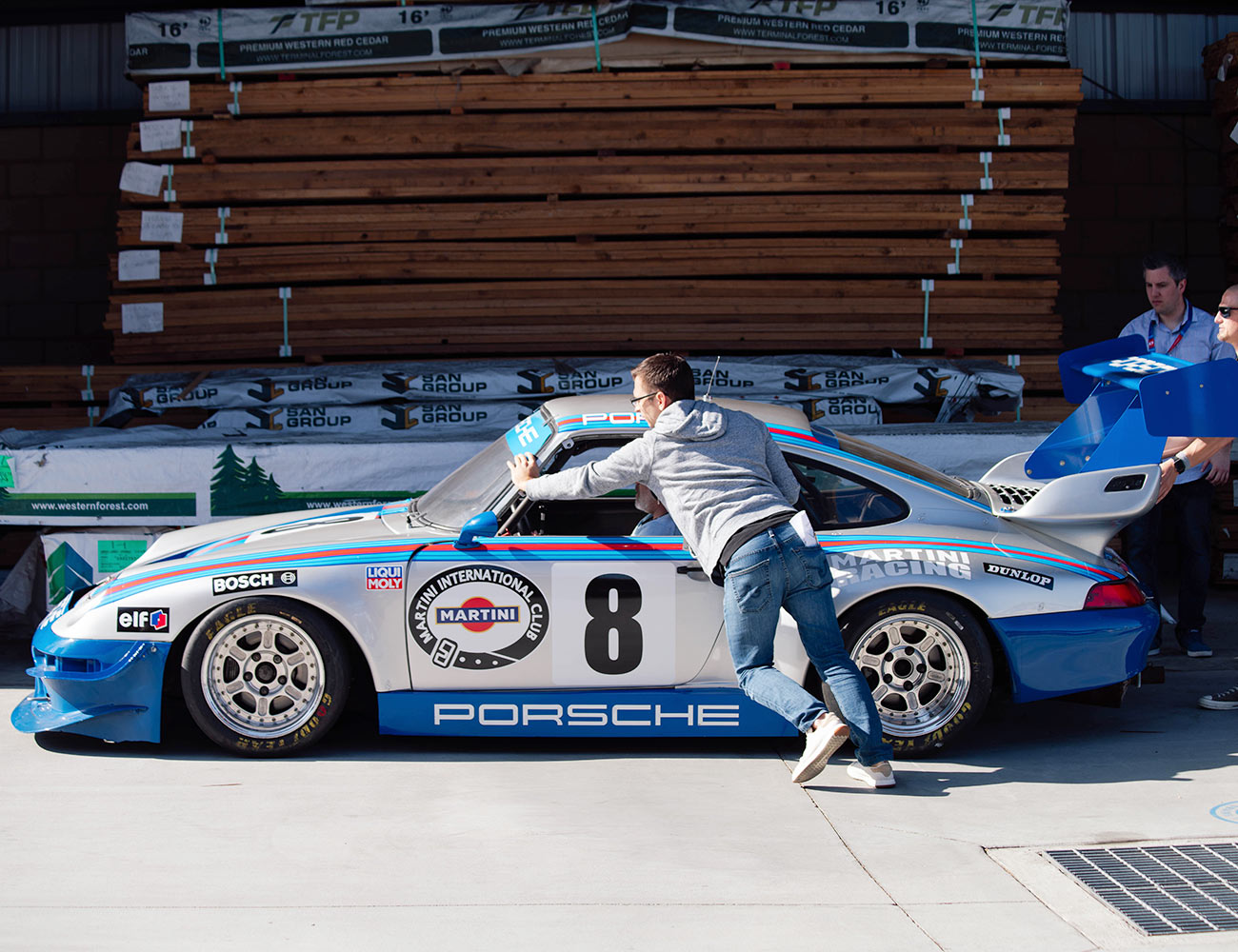
Morgan’s Three-Wheeler, was affordable to build, own and operate, making it something of a unicorn back at the turn of the 20th century. The average car puttering around the UK in 1909 was incredibly expensive to buy and ridiculously complicated to operate, so few people knew how to run them. Only the wealthy could realistically afford the lifestyle, often with personal drivers. The Morgan Three-Wheeler brought motorized transportation to the people in England — what we’d label today as ‘disrupting the industry.’

“For us it’s the best way we know how to build a sports car, and it’s what our customers want. They want a car built by hand, with traditional methods and not by robots.”

The Three-Wheeler stayed in production until the 1950s, when, James Gilbert, Morgan Motor Company Head of Press and Media, explains, “they effectively became redundant. They were no longer needed for the purpose they were produced for. Very affordable four-wheeled vehicles came along and replaced the three-wheeler.” Those vehicles include Morgan’s 4-4, which began production in 1936 and eventually surpassed the Three-Wheeler in purpose and performance.
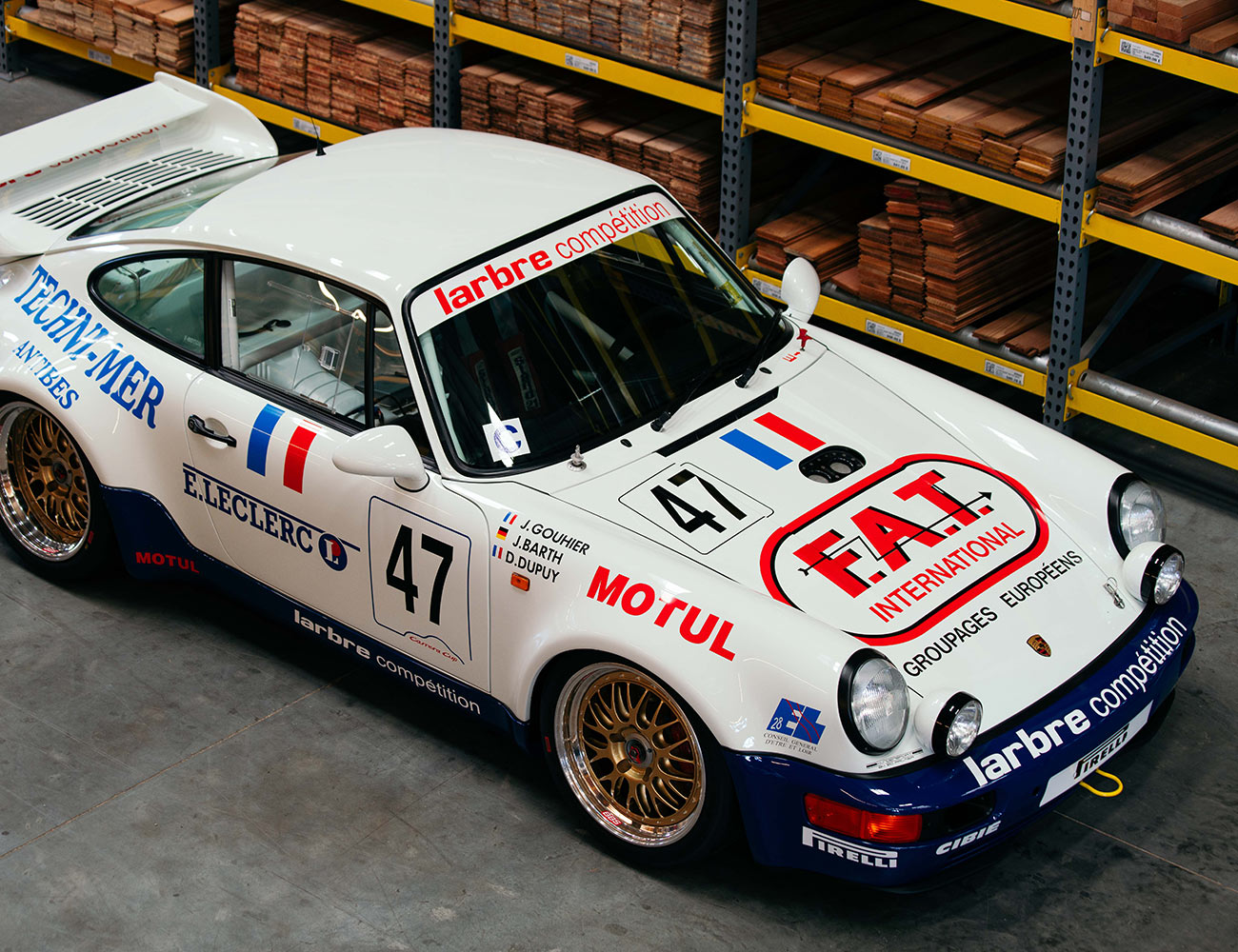
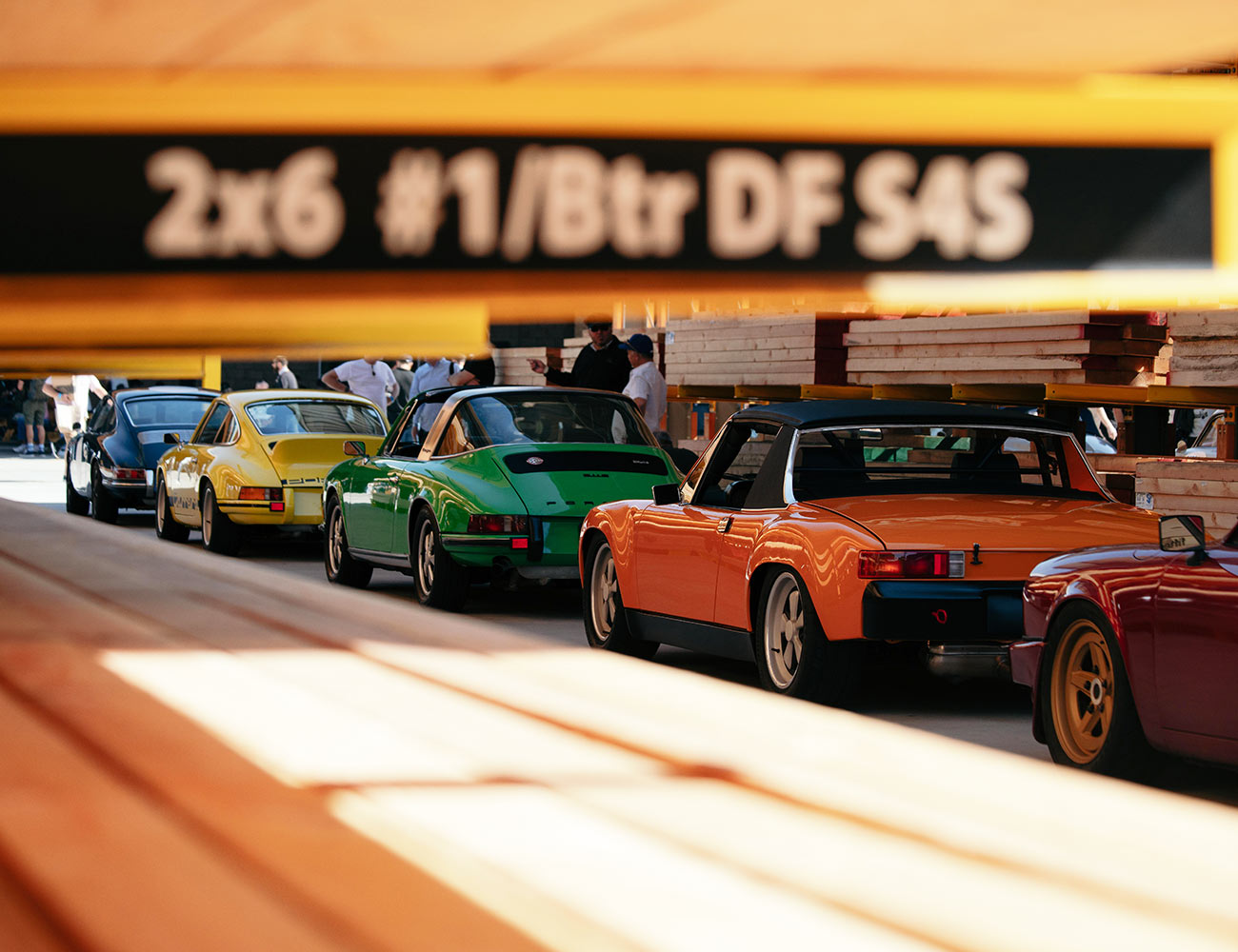
“We continued, throughout the 20th and into the 21st-century, building what we would refer to as four-wheeled proper sports cars: lightweight, a range of engine sizes, but all incredibly fun to drive; used on race tracks, trials, on the road, touring all around the world.” Like other long-standing, successful, small-batch British sports car makers, Morgan found a signature recipe and stuck with it. “We were using what were, at the time, quite common methods of manufacturing in terms of coachbuilding: using an ash frame, metal body panels and then, [later], a ladder frame chassis. That’s now incredibly unique. We’re now one of the very few car manufacturers using traditional craftsmanship methods. And that’s what’s kept Morgan very much alive.”

Snooty, modern car owners might think that Morgan is merely a bunch of stubborn, archaic mechanics hanging out in England’s West Midlands, but Gilbert defends Morgan’s archaic methods as preserving the company’s essence. “For us it’s the best way we know how to build a sports car, and it’s what our customers want. They want a car built by hand, with traditional methods and not by robots.” The idea of using wood as a structural component in a modern car seems almost too crazy to be true, but Gilbert explains the science behind it, saying, “it keeps the cars very lightweight, which is one of the most appealing aspects of a good sports car. Wood is also very easy to work with for creating a body frame, and it’s incredibly durable as well. If you can imagine the wood as a coat hanger, we then drape the aluminum body panels over it, it becomes a quite rigid structure.”

Amidst the recent wave of handmade “artisan” products like denim, leather goods and knives made by countless new brands touting ‘craftsmanship’, Morgan has been ahead of its time — not nearly as conservative and old-fashioned as one might expect. That’s not to say Morgan isn’t aware of the changing automotive world. What’s kept the manufacturer relevant and interesting is that it combined old-world methods with modern techniques over the years to move into the future and still preserve what makes Morgan special. “We’ve kept what’s important about Morgan alive, whereas other manufacturers have sold their soul to become bigger. But we’re by no means a museum where they still build old cars. Our new cars are built with a traditional philosophy that also looks at how we can constantly evolve, improve and weave in new technology.” What Gilbert is referring to is cars like the Aero line and the all-electric Morgan EV3 three-wheeler which that’s into production later this year. The EV3 is a modern spin on the first vehicle Morgan produced and based on the more recent 2012 iteration. And, even though it has an all-electric powertrain and carbon fiber body panels, it still utilizes an ash frame.

“That’s what you’ll see from the company going forward. We’ll continue to bring in new technology and at the same time push our craftsmanship… and the boundaries of what a traditional sports car can be in the 21st century.” As a car company with around 200 employees on site, making around 800 cars a year, increasing appreciation for traditional, passionate attention to detail will only help low volume manufacturers like Morgan. “For us, the longer we continue to stand out as maker of traditional, fun sports cars, the more we’re going to appeal to the people. As cars get more sanitized and boring, and you start to see autonomous [vehicles], people will forget how to drive, the importance of driving, that it can be fun. And you’ll see the small British manufacturers [like Morgan] prosper. People will look back to us as a nod to when driving was fun.”