All posts in “Cars”

My 8 Gear Essentials For Surviving an Off-Road Desert Race

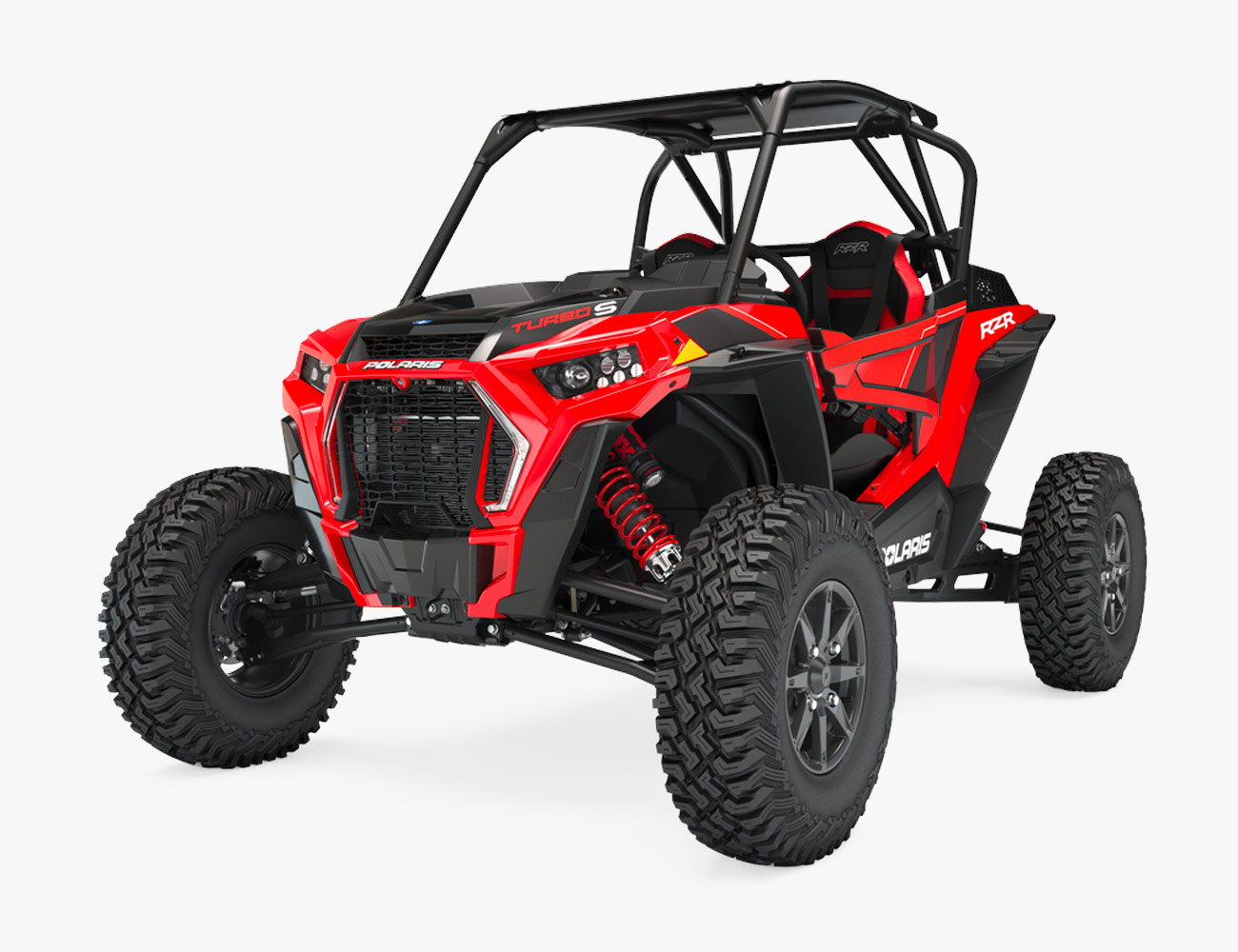
Going by the way of smooth, paved asphalt and piloting a modern, road-legal car, it’ll take you just under seven hours to get from Las Vegas to Reno, Nevada. Your luxurious, climate-controlled cocoon of leather and carpet can effortlessly glide over the ribbon of road connecting those cities regardless of the searing sun, triple-digit temperatures and gusts of wind carrying buckets of desert dust. It’s almost too easy. But try to get from one of the casino-laden cities to the other without using any roads at all, as fast as you possibly can, while fighting off dehydration, silt beds waiting to swallow wheels, blind turns preceding cliffs and suspension arm-hungry boulders… that’s a different story. Coincidently, The Best in The Desert Vegas to Reno, which at 540 miles is the longest off-road race in the US, puts on just such show. I attempted to finish it in a relatively stock Polaris RZR Turbo S.

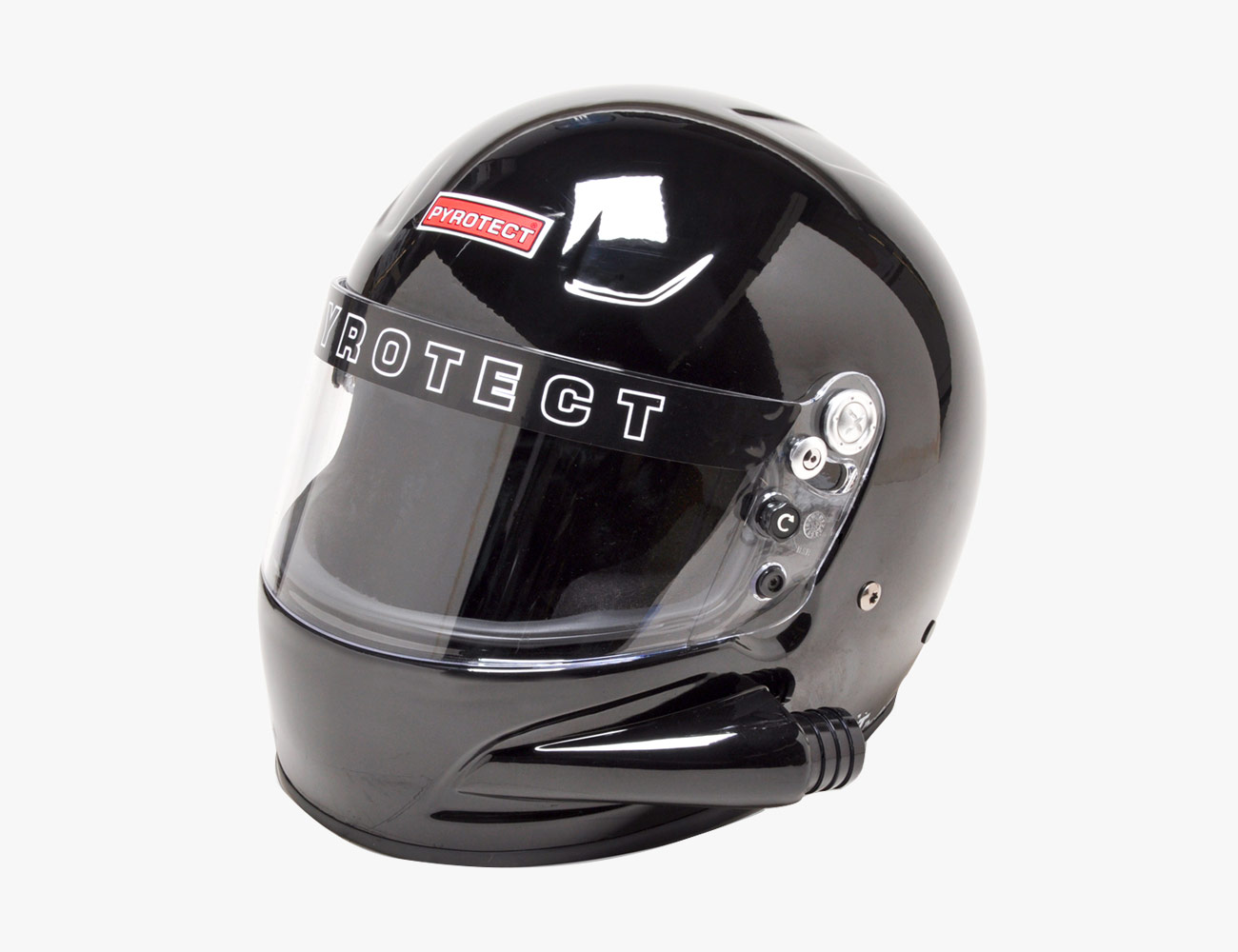
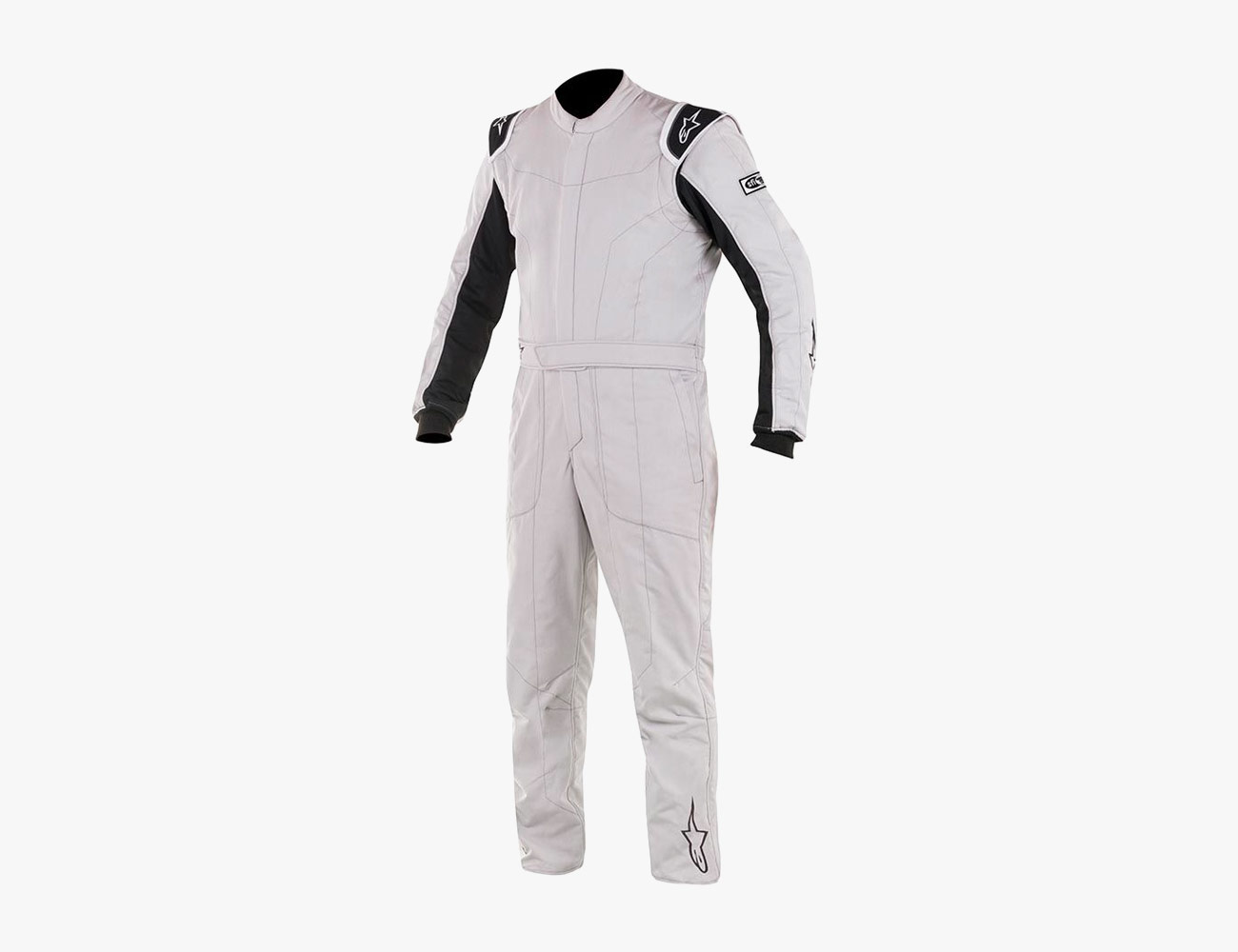
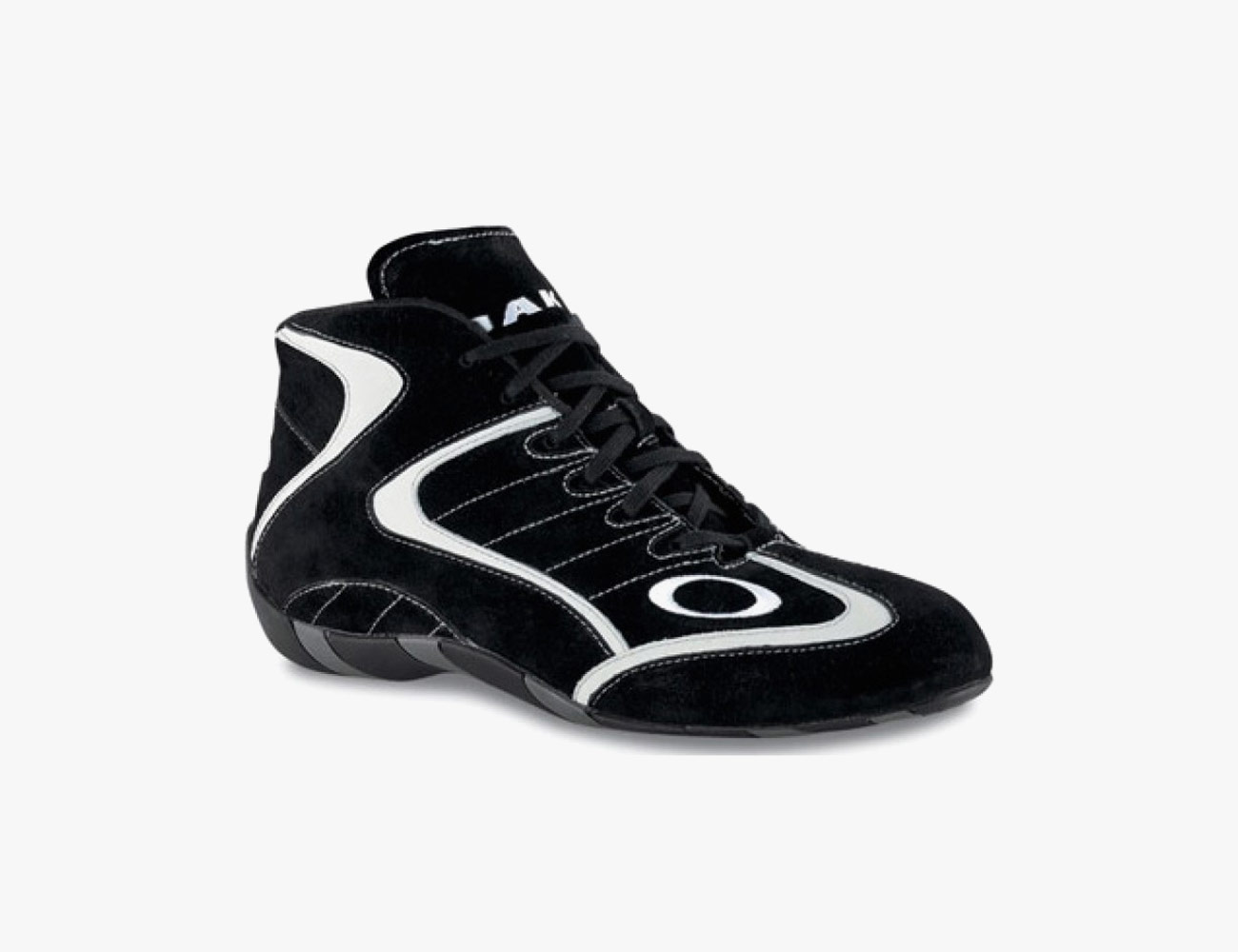
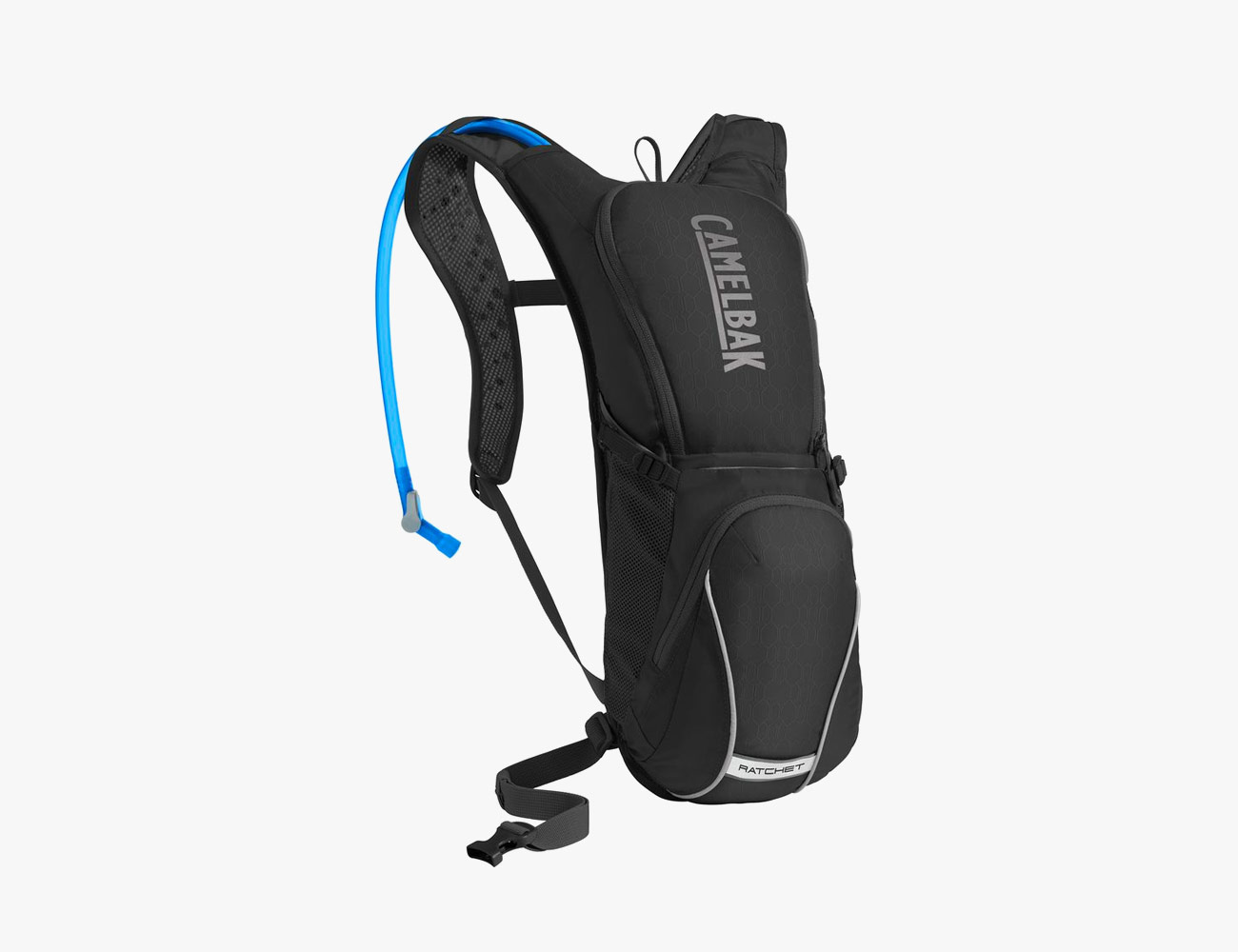
By “stock,” I mean the only things added to the RZR were to make it race-safe and compliant — an extensive, reinforced roll cage, race seats and safety belts, removable-steering wheel, race fuel cell, radio, safety lights and fire extinguisher system. Other than what the regulations deemed necessary, everything on the Turbo S was factory-spec — there were no mechanical upgrades. Meaning the suspension, engine, transmission, ECU and basic chassis rolled up to the starting line the same as they were on the showroom floor. My co-pilot and I, on the other hand, were in need of necessary optional extras. Fireproof suits, gloves and driving shoes and a ventilated race helmet were baselines; on top of that, we needed a way to communicate to the pits and, as we found out 50 miles into the 580-mile race, food and water, just in case we got stuck out in the desert. This is the gear we brought along to attempt America’s toughest off-road endurance race.

Polaris RZR XP Turbo S

Pyrotect Pro Airflow Helmet

PCI Race Radios Offroad Helmet Wiring Kit

Alpinestars GP Race Suit

Alpinestars Tech 1 Race Glove

Oakley Race Mid Boot

CamelBak Ratchet 6L Backpack

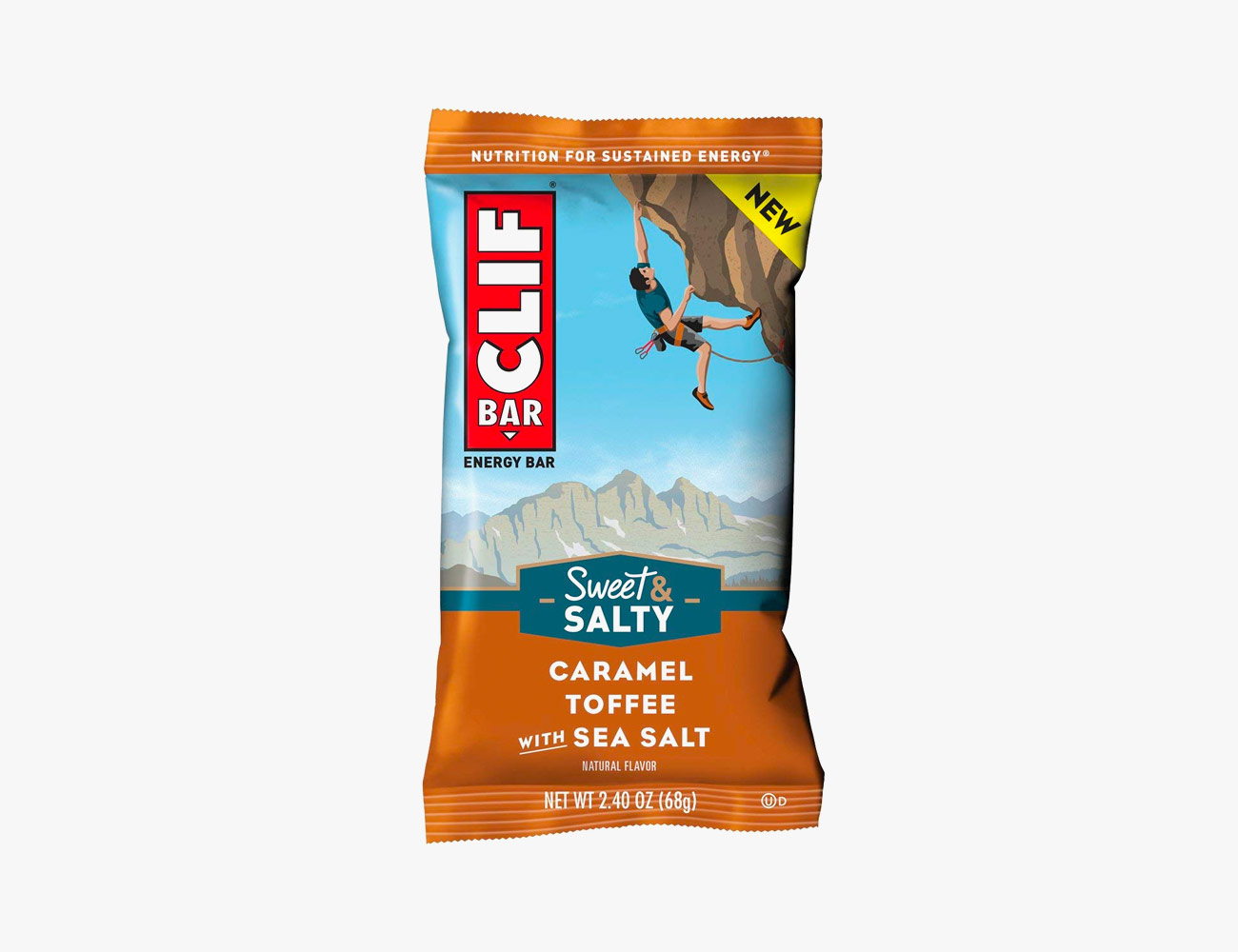
Cliff Bars

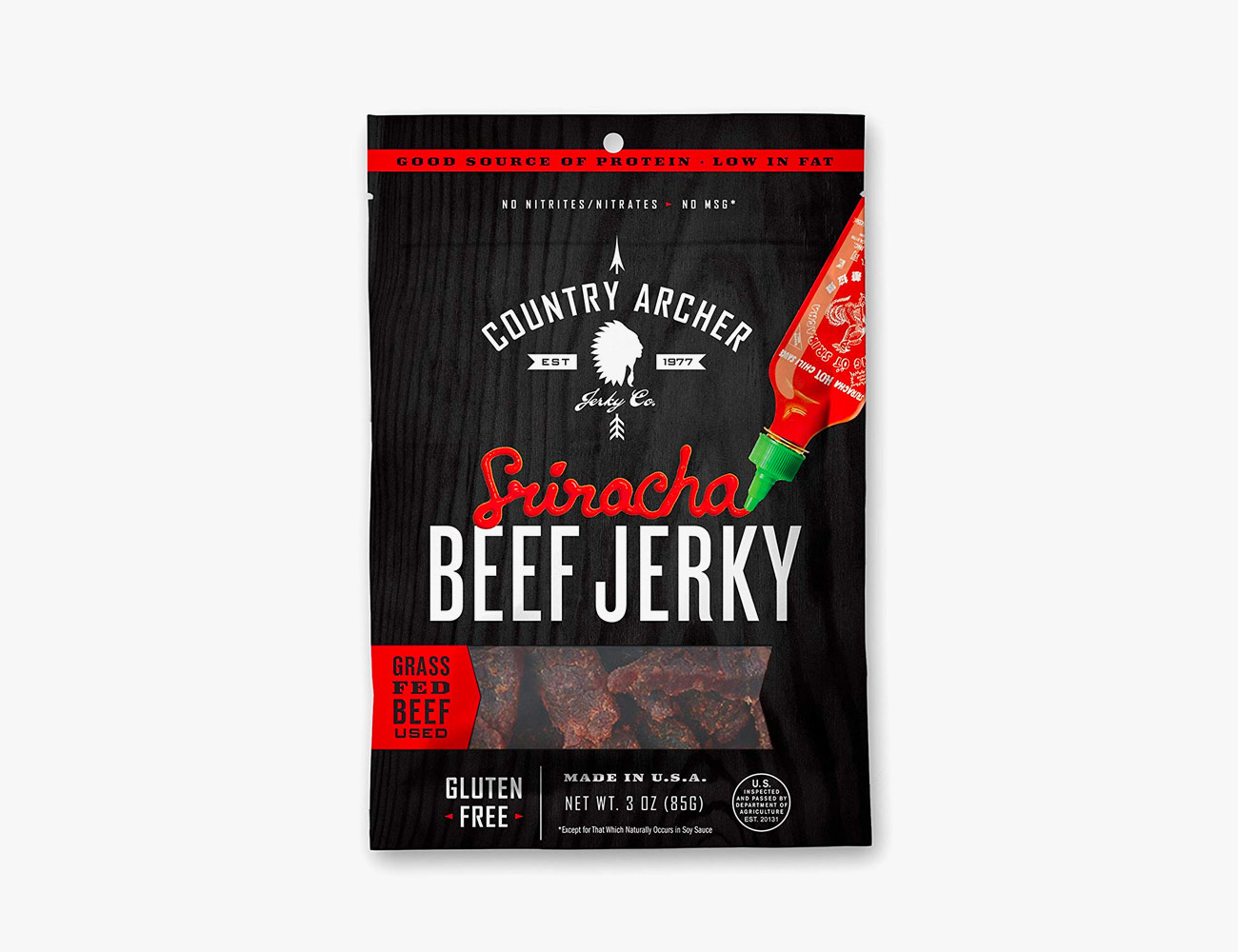
Country Archer Beef Jerky

The 6 Best Family Cars That Are Still Cool

Becoming a parent is the best time of your life, except when it comes to car buying. Practical concerns intrude upon that beautiful relationship between driver and machine. Your next car will be roomier, less responsive and a little less fun. Truth be told, so will you. Here are six vehicles family vehicles that still offer a little bit of fun, or enough practicality to be worth sacrificing it.

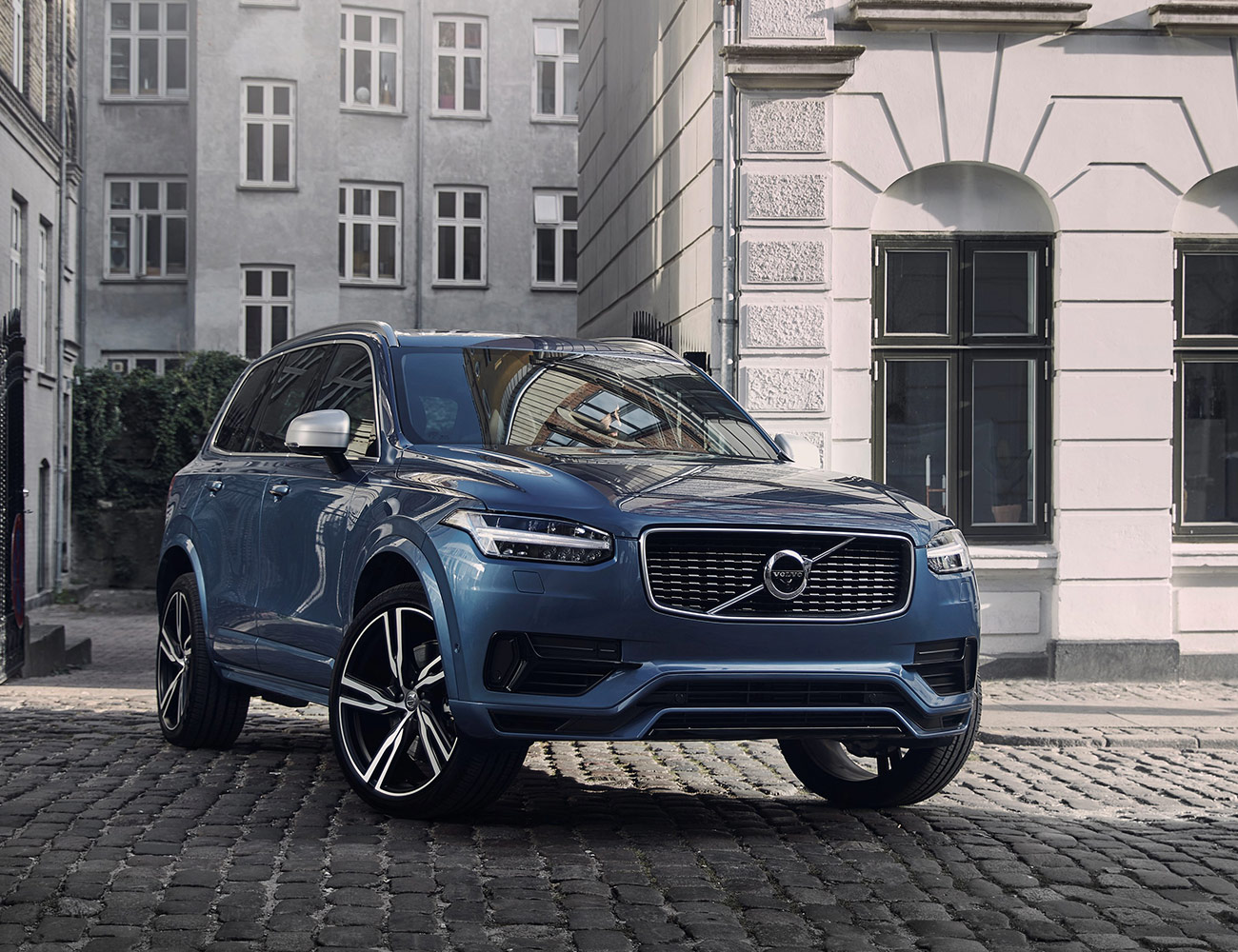
The Standard SUV: Volvo XC90

That catalog-perfect Brooklyn family carts Noah and Aiden around in an artfully worn Volvo 240 Wagon. A real family, however, can’t be bothered with rust, sourcing 30-year-old engine parts and 1980s fuel economy. That family needs the Volvo XC90. Classic Volvo charm and Scandinavian style. Modern Volvo engineering.

Like every Volvo, the XC90 is safe. It comes with Volvo’s City Safety and Run-Off Road Protection and Mitigation packages. It features a rigid safety cell made from “ultra high strength boron steel,” which sounds formidable. The XC90 is versatile. It can seat up to seven. It offers 85.7 cubic feet of cargo space with the seats down. There’s a clean base model to compete with Audi and a lux “Inscription” trim with Nappa leather and Linear Walnut wood. You can level up to the $104,900 “Excellence” version if crystal gear shifters and rear-seat luxury are your bag. The T-8 Plug-in Hybrid blends power and efficiency with a combined 400hp and 27 mpg highway rating.

Why It’s Still Cool: The XC90 offers the premium feel of a luxury SUV, the practicality of a family car and the right amount of understatement. It makes a strong impression that is not “I’m trying too hard” or “I’m overcompensating for something.”

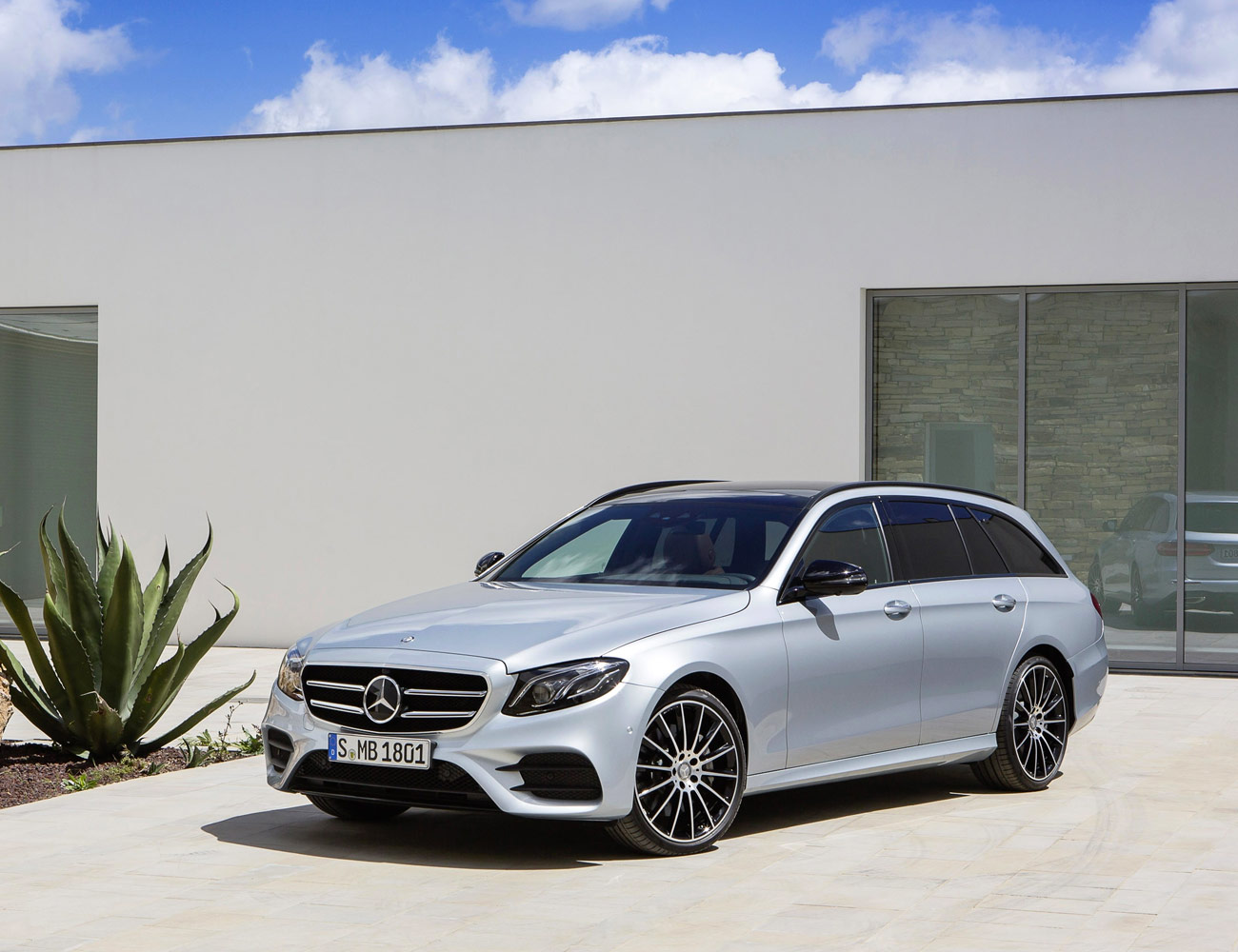
The Station Wagon: Mercedes-Benz E400 4MATIC Wagon

Let’s face it. A hot hatch is not happening with kids. Neither is a Mercedes AMG E 63 S wagon — as a parent, releasing the 603hp Kraken on an unsuspecting Porsche is no longer a thing you do. The weary parent requires comfort and ease. Perhaps a little aromatherapy? A massage for that strained lower back from kid lifting? Ambient lighting? Consider the E400 4MATIC Wagon.

Performance? It’s a Mercedes. The air suspension delivers a quiet, velvety ride. It behaves with the gravitas and precision of a Mercedes Benz. The 3.0L V6 puts out 329hp and 354lb-ft of torque, enough for a respectable 5.0 seconds from 0-60. Driving a Mercedes can feel like driving the future. That’s true in the safety features. The PRE-SAFE system will brace you for impact, close the windows and sunroof and even emit pink noise to protect your hearing if a collision is imminent. The cargo space, up to 64 cubic feet with seats folded, is ample. The car seats up to seven with rear-facing fold up seats. What child (or adult) does not enjoy rear-facing fold up seats?

Why It’s Still Cool: SUVs are for the masses. Wagons are for discerning drivers. A Mercedes wagon was John Lennon’s choice when it was time to settle down and start adulting.

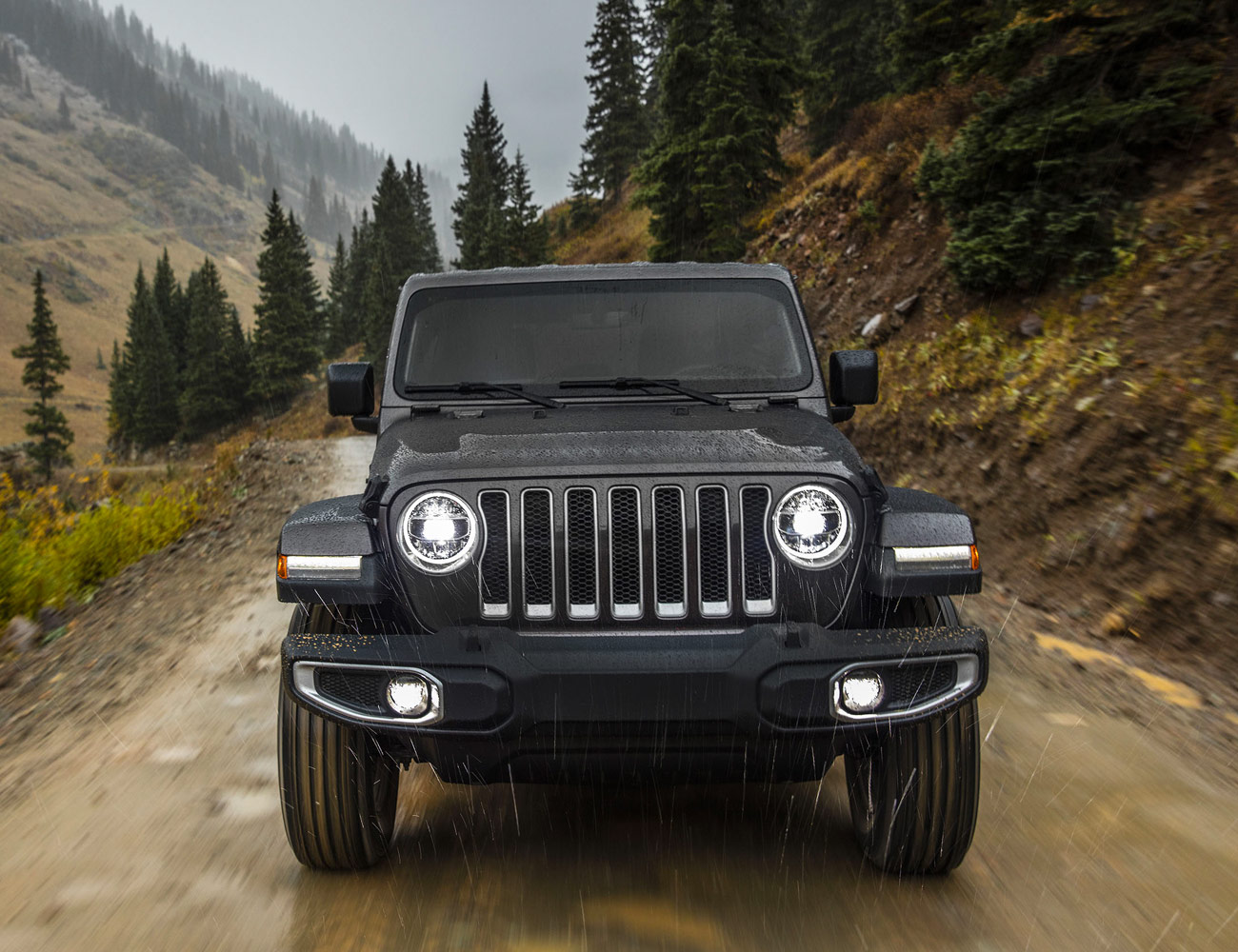
The Rugged Parental Transport: 2019 Jeep Wrangler Unlimited

The Jeep Wrangler has become a sales phenomenon. The Unlimited, which adds two doors to the standard Wrangler, annoyed purists at the start. But, it transformed the Wrangler from an awesome but impractical single person’s car into a viable kid porter without sacrificing the charm and off-road capability. Many of those purists grew up, met someone, and procreated. The four-door variant became the Wrangler of choice.

With the new JL generation, Jeep made the Wrangler an easier car to own. On-road handling is far less boaty. The soft-top no longer presents a nightmare of zippers and velcro. The doors, now made from lighter weight aluminum, take less effort to remove. The proper four-wheel drive will leave you whistling, rather than white-knuckling, through winter weather. The spare tire remains at the back (where it belongs) but has been lowered for better visibility. The engine options – 2.0L four-cylinder (270hp) and 3.6L V6 (285hp) – deliver adequate power. Trim it how you wish. Don’t buy the automatic. You want the six-speed.

Why It’s Still Cool: You and your brood are too busy hopping along sand dunes freed from the oppression of doors and windscreen (also now easier to lower) to explain.

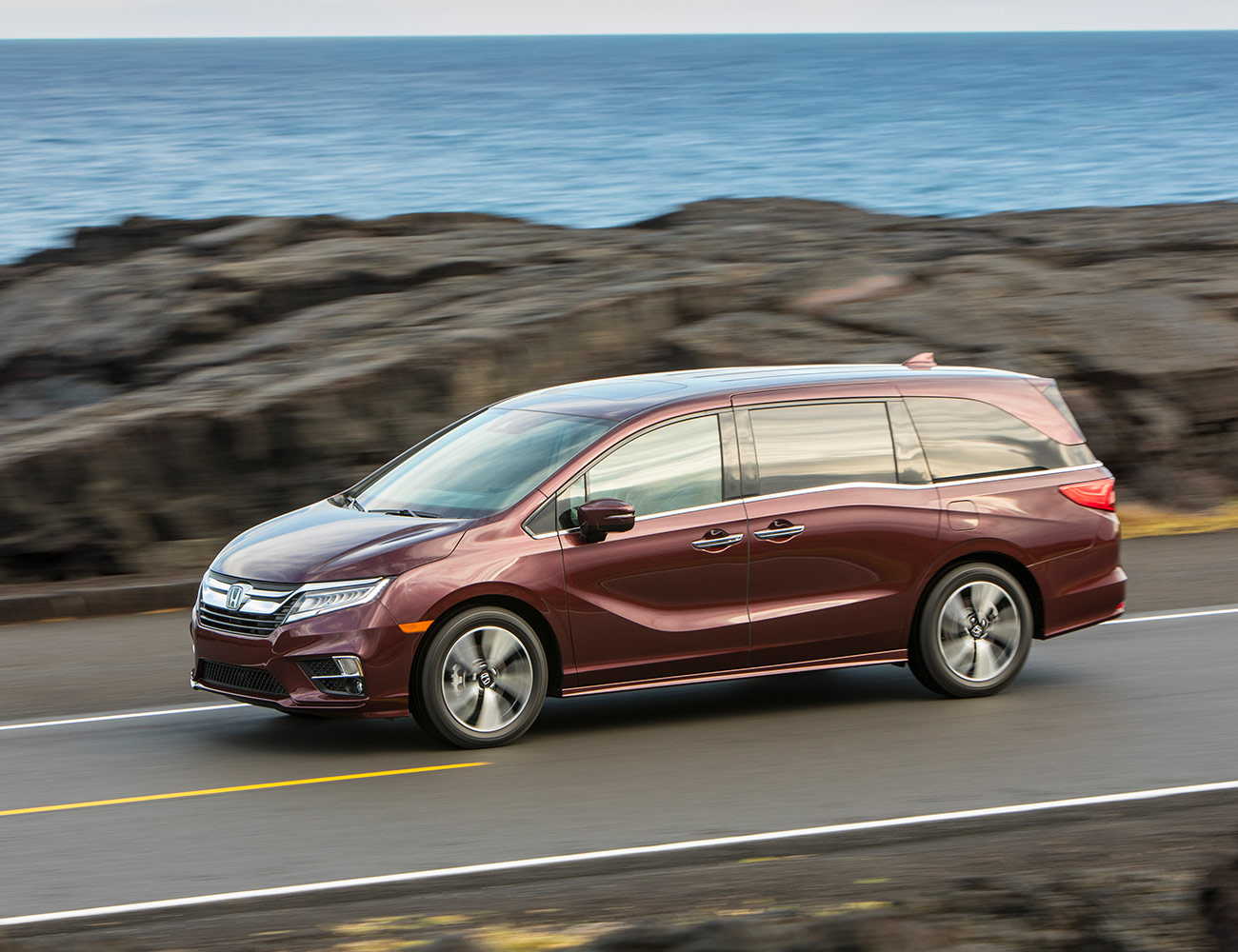
The (Gasp!) Minivan: Honda Odyssey

Parents bought minivans in the 1980s and 1990s. Kids who found them dismal then are now having their own kids and opting for super-cool third-row crossovers. To be blunt, those crossovers are de facto minivans lifted a few inches — they don’t do the job as well, and your offspring, on the off chance they look up from their phones, will find them just as dispiriting. Think differently. Dispense with your vanity. Consider the car that meets your family’s needs, the Honda Odyssey.

Who says minivans can’t be awesome? The Odyssey has streamlined styling and can be outfitted with 19-inch wheels and rad Obsidian Blue paint. It can seat up to eight people in different configurations. It can have up to a stupendous 144.9 cubic feet of cargo capacity for all of your cool stuff. The 280hp Honda V6 engine can be tuned into a 1,000hp burnout machine for the ride back from the school run. The Odyssey even has paddle shifters on the base trim, because sure, why not?

Why It’s Still Cool: The Odyssey is loaded with “parent cool” features. There’s a CabinWatch rear view camera with night vision. There’s CabinTalk which can override rear speakers and headphones. Did your children tear into Nacho Cheese Doritos like rabid bears? There’s a built-in vacuum cleaner for that. Feel like having one of those lime LaCroix cans you bought from Costco? It’s waiting there chilled… in the built-in cool box.

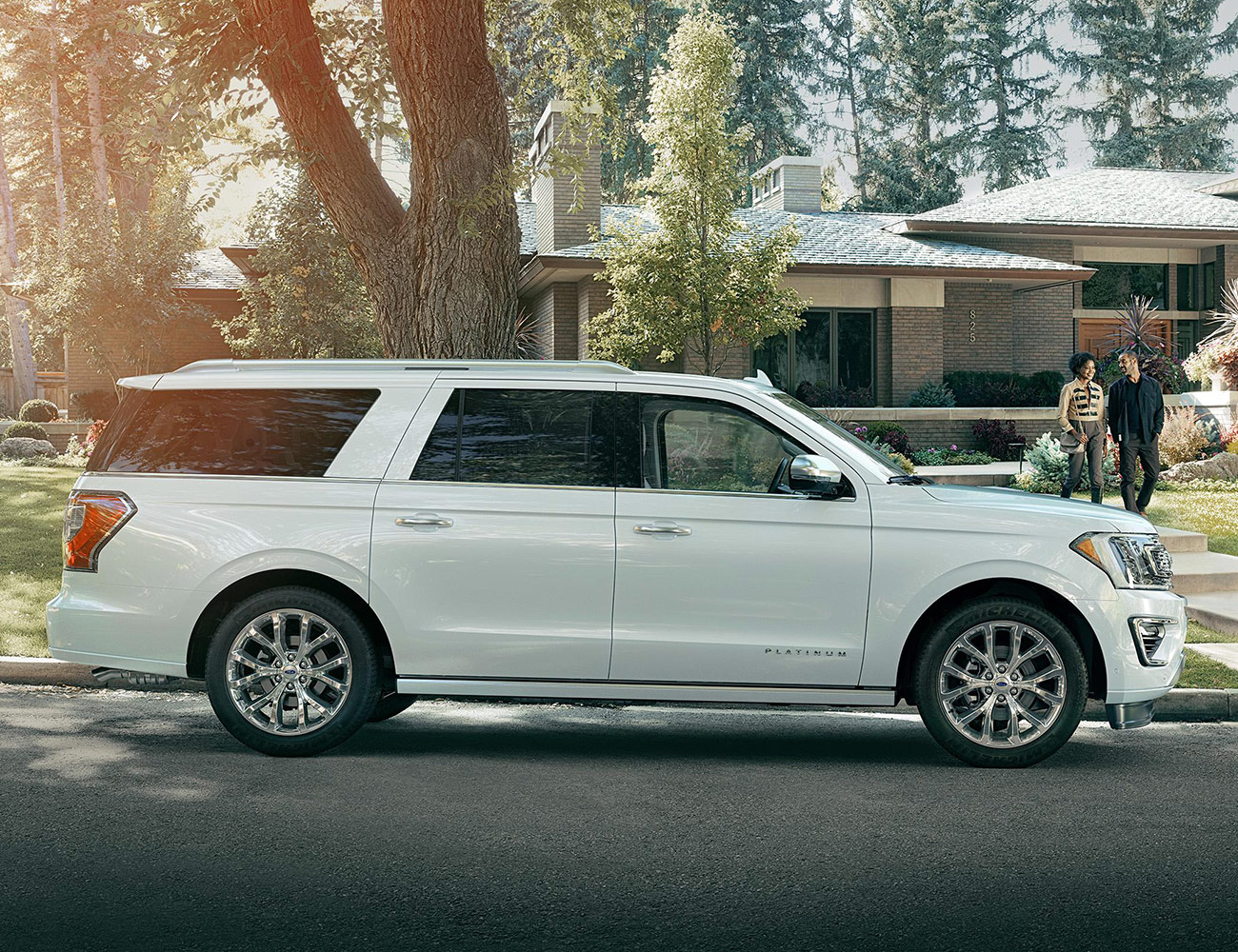
The Full-Size Family SUV: 2018 Ford Expedition


The Lincoln Navigator or Mercedes GLS will give you the luxury land yacht of a car reviewer’s dreams. That vessel will cost very near six figures. It will be more fit for transporting VIPs than withstanding kids spilling. Consider the redesigned Ford Expedition. An XLT can be outfitted well for less than $60,000. It can store eight adults in relative comfort and 15 of their beverages. One poor sod will get coffee or a bottle of water, but not both.

Redesigned is the operative word. You get the best of recent Ford engineering. The non-Platinum 3.5L V6 still produces 375hp and 470 lb-ft of torque with a 10-speed transmission. It does so efficiently for this segment. The 4×2 version gets 20 mpg combined. It can tow up to 9,200 lbs. The Expedition has Ford’s Safety Canopy and SOS Post-Crash Alert systems. It also offers an “advanced cargo management system” to optimize space usage behind the rear seats.

Why It’s Still Cool: The Expedition is formidable, well-engineered and fit for purpose. Your only risk of looking like a doofus is parallel parking.

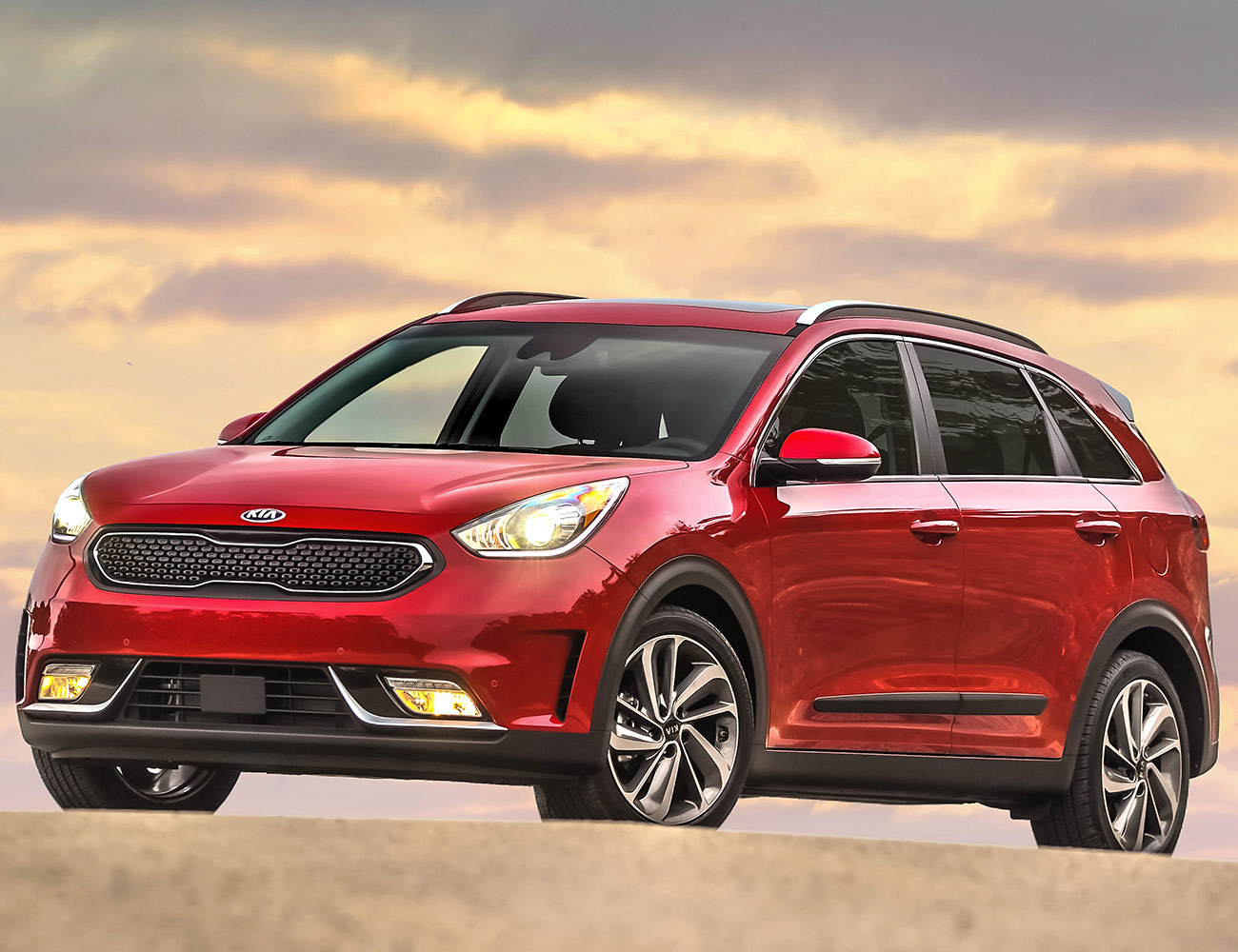
The Eco-Conscious Kid Hauler: Kia Niro

Some parents care about the environment their kids will inherit. Others care more about gas expenditure than torque and throttle response. That’s okay. Kia has a crossover designed just for them, the Niro. The Kia Niro is incredibly fuel efficient. The base FE version of the 1.6L four-cylinder hybrid gets 50mpg combined, which is Toyota Prius territory. The tarted up models with 18-inch wheels still get a quite respectable 43mpg. The 139hp combined isn’t peppy, but it will transport the family to Point B from Point A with ease.

The Niro offers characteristic Kia value. It can offer many of the passive and active safety features and comforts (heated and ventilated seats) of fancier cars. Those features come at a low cost. The FE trim begins at just $23,340. Even a luxed out “Touring” version will struggle to top $34,000.

Why It’s Still Cool: The Niro eschews the dorky styling associated with many EVs and Hybrids, particularly the Prius. It’s not a shrill advertisement for your environmental views. It’s not an invitation for gas-guzzling drivers to get aggressive. It’s a normal, decent looking crossover. What’s not cool? Hanging out at the gas station more often than every 500 miles or so.

The Toyota Land Cruiser Is Outdated and Overpriced

I’m not saying the 2019 Toyota Land Cruiser is a terrible SUV — it’s actually not half bad. It does standard SUV things decently enough. It’ll go off-road, haul a family in comfort, fit gear for a weekend and, with a 8,500-lbs towing capacity, it can even bring a few toys along for when you get wherever you’re going.

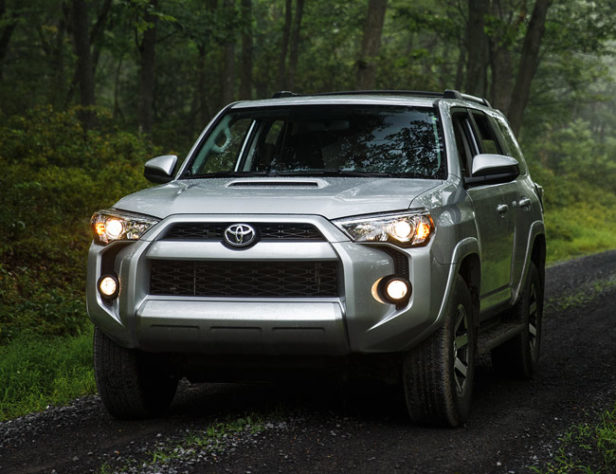
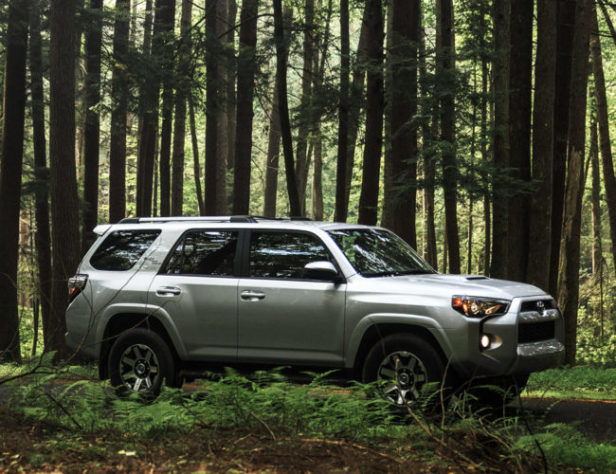
Realistically speaking, if you’re in the market for a new Toyota overlander or camping vessel, you’re probably looking at the Toyota 4Runner because, compared to the Land Cruiser, its big brother, you’ll save at least $40,000. If it’s a luxurious land yacht you’re after, I can guarantee the similarly priced Mercedes GLS or Range Rover Sport don’t have nearly as much plastic and rubber laid out in the interior. And neither of those cars have gone ten years without an update. For $85,000 you can hop in a 2019 Land Cruiser and remember what 2008 was like.

The original Land Cruiser was a stripped out overlander, through and through. It competed against the Jeep, the Bronco and the Defender — and kept them honest. But talk to any serious overlanding enthusiasts and they’ll quickly point out that the 4Runner has taken up that mantle in recent years. It’s entirely capable off-road and when you do take it into the dirty stuff you don’t have to worry about soft, expensive leather getting soiled and torn. In the Toyota range, the Sequoia, which uses the same 5.7-liter engine as the Land Cruiser, fits the roomy, semi-luxurious bill — for only $49,000. At that price, it’ll sting a lot less knowing you have the same infotainment setup as a Rav4. What Toyota effectively did over the years is create two trucks — the 4Runner and Sequoia — that were better at being both the things the Land Cruiser is intended to be, and then sold them each for nearly half the price.

To say nothing more about its own brand relatives, at $85,000 for a Land Cruiser, Toyota has priced itself out of the competition. Compounding the problem (though this works in your favor if you’re still itching for a J200 generation Land Cruiser) are Land Cruiser resale values. The problem is not at all that they’re low-quality vehicles; they’re not. But the second-hand market simply communicates more accurate prices — the Land Cruiser should cost around $30,000 under what it does now.

The Best SUVs Under $50,000

Choosing one among the endless many is no easy task. Moreover, since the average price for an SUV 2017 was just under $40,000, it’s a decision that shouldn’t be taken lightly. To cover all the bases, we bumped the budget up to $50,000 and chose the best new SUVs you can buy in 2018. Read the Story

The Ford Ranger Raptor Gets Beaten to the Punch

Concept cars rarely make it to production for myriad reasons: a committee may deem the design too aggressive or there may be a lack of necessary tech or a failure to meet safety regulations. Even the fully functional one-off designs Jeep brings to the Easter Safari never see the light of day in full form. And earlier this spring at SEMA, when Chevrolet showed off the Colorado ZR2 Bison concept, built in collaboration with American Expedition Vehicles, there was a similar bittersweet assumption — ‘a fantastic idea, too bad we’ll never see it on the road.’ Well, today Chevy pulled a fast one on everybody and announced the Colorado ZR2 Bison will go on sale in January 2019.

There’s no word on pricing yet but with the already off-road worthy Colorado ZR2 priced at $43,495 don’t be surprised if the Bison AEV trim closes in on $50,000. Moreover, the Colorado ZR2 Bison will be the only hardcore off-road midsized pickup option come 2019 since Ford is holding out on releasing the Ranger Raptor. (Even though we know it’s coming.)

At first glance, the Bison looks like it will be well worth the money. Giving overland experts AEV the go-ahead to modify the ZR2 was the wisest decision Chevy made. The production Bison doesn’t get the bed rack, air compressor and water tank introduced on the concept and the snorkel in the pictures isn’t a factory option (AEV will be happy to add one aftermarket), but it’s an impressive package nonetheless.

Protecting the oil pan, fuel tank, transfer case and front and rear locking differentials are five hot-stamped boron steel plates. The perfectly sized front and rear bumpers made from stamped steel increase approach and departure angles — nearly the entire front wheel is visible from head-on. AEV threw in a two-inch suspension lift and a 3.5-inch wider track over the Z71, recovery points and winch for good measure.

The question now is not which Colorado to get (the Bison is the right choice), but picking between the relatively docile 3.6-liter V6 or the 2.8-liter Duramax diesel with 369 lb-ft of torque. Decisions, decisions.

Justifying the Most Expensive Subaru Ever is Actually Pretty Easy

In the modern world of performance cars, unless a manufacturer announces some massive horsepower bump or a new record-breaking top speed, no one gets out of bed. For the masses, unless the performance can be quantified and seen as a large number on a piece of paper or a computer screen, it might as well not exist. The 2019 Subaru WRX STI Type RA is not a modern sports car by that definition. Compared to the standard STI, this special edition has only five more horsepower, the same amount of torque and drops only 68 lbs — but comes with a $12,900 premium. The only number really worth boasting about is 6:57.50: the time Richie Stanaway set at the Nürburgring Nordschleife, making the STI the fastest four-door around the legendary track. Hence this special edition which, as a tribute to Stanaway’s car, is named RA for “Record Attempt.”

It’s easy to turn your nose up at the much more expensive Type RA for being only marginally different on paper than the standard STI. The only way to get close to justifying the price hike is to sit in the driver’s seat and string a couple corners together in one of the best-handling Subarus ever — even if it’s also the most expensive Subaru ever. Because those simple numbers don’t tell the whole story.

The Good: $12,900 is a lot for a measly five horsepower bump and a 68-lbs diet, but what you’re really getting is a professional chassis tune from Subaru’s performance masterminds — the way the Type RA tackles turns is unbelievable. And what the Type RA lacks in superlative power figures and exhaustive lightweight techniques, it makes up for in intelligence in design. Instead of adding more power, which takes a toll on the innards of an engine and drivetrain, Subaru spent R&D on reinforcing the pistons and other components and slotting in sodium-filled exhaust valves to better handle the heat.

Watch Out For: If you’re looking for anything other than a driver’s car, look elsewhere. Aside from the Recaro seat and steering wheel, the interior of the Type RA is lacking and fairly dated for how long this generation WRX has been out. Only 500 examples will be built.

Who It’s For: Diehard Subaru fans enthusiasts.

Alternatives: Once upon a time the Mitsubishi Lancer Evo was Subaru WRX STI’s closest competitor. These days it’s a little tougher to find a direct competitor for an AWD four-door sports car. With the Ford Focus RS out of production, the Audi RS3 and Volkswagen Golf R come to mind. The Audi is a few grand more expensive, albeit with nearly 100 horsepower more. The VW, on the other hand, is down only 20 horses to the Subaru, but it’s also lighter and $10,000 less expensive.

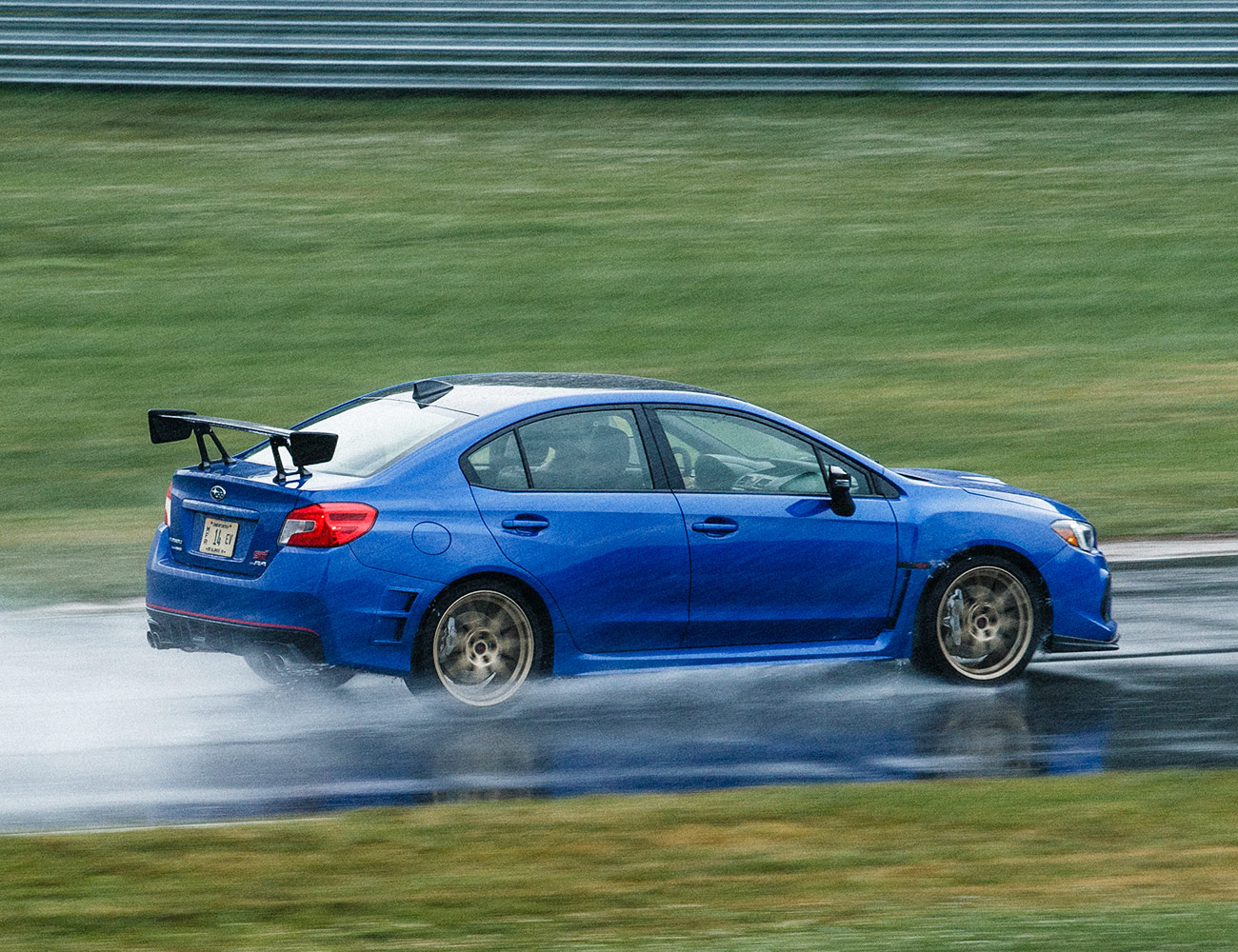
Review: You won’t be impressed by its horsepower or torque figures compared to the standard STI. Even in an age where light weight is earning equal performance priorities as overall power, the 68 pounds Subaru shaved off to make the RA probably won’t do anything for you either. The 6:57.50 lap time Richie Stanaway set around the Nürburgring? That specially-built, stripped-out STI punched 600 horsepower to the wheels, — so it’s the most irrelevant number of all. Where does Subaru get off slapping a $12,900 premium on an STI with some carbon fiber? What makes the Type RA any better than a “base” STI? Despite the cavernous hood scoop, gold wheels and carbon fiber rear wing, the answer is restraint, subtly and focus.

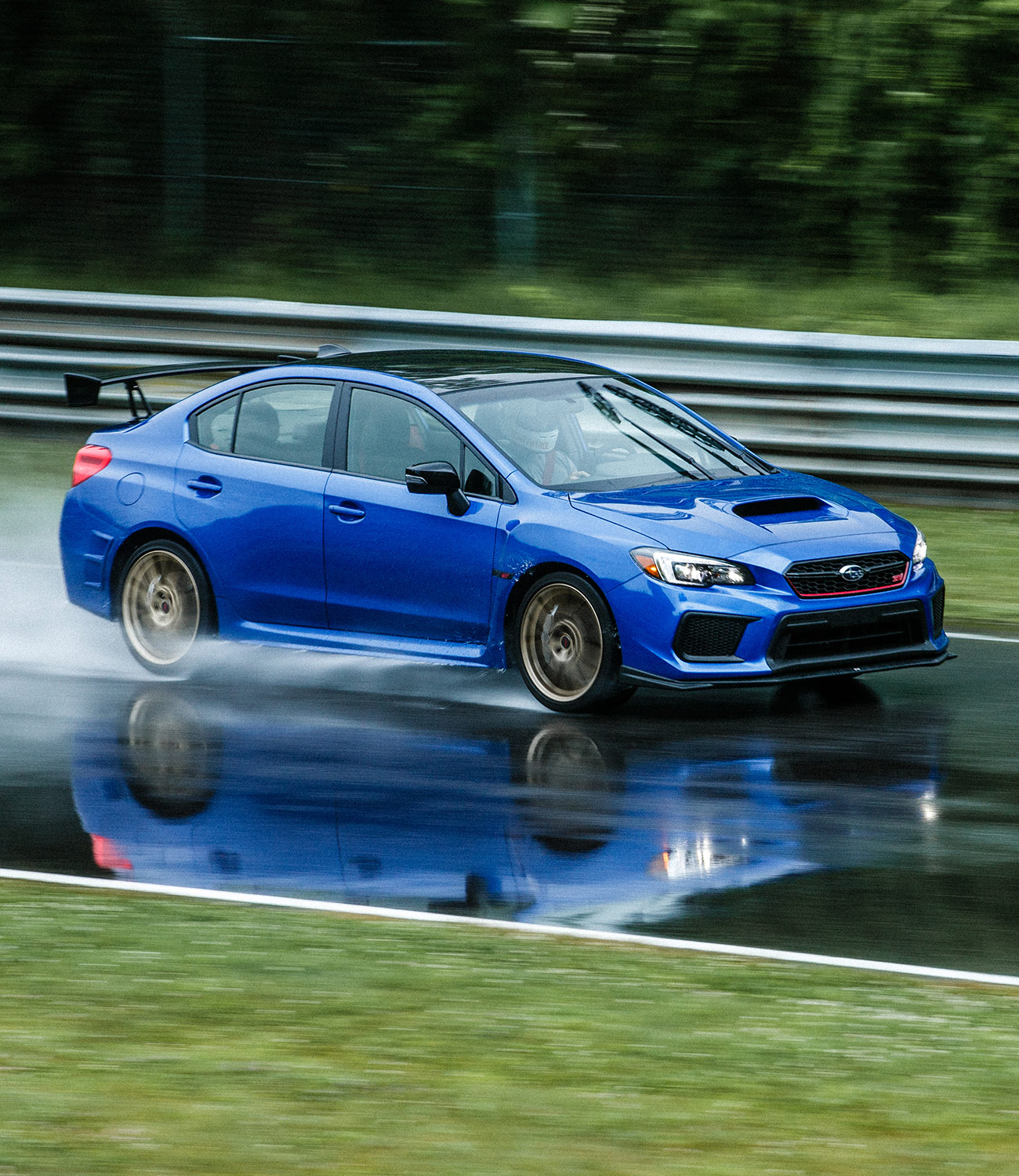
Leaning on the throttle out of turn six towards the downhill and front straight at Lime Rock Park race track, a deluge of rain pounded the RA’s windshield and its wipers fought a losing battle. I didn’t need more power. Traction, stability and predictability were far higher on my priorities list, and the Subaru delivered. Generally, the best drivers’ cars allow you to get comfortably close to the limit; adding more power just moves that threshold farther away. That’s the Miata has such a cult following. When the ND generation hit the road, Mazda was able to cut the weight, and so they cut power to keep the limit more in balance. (Miata has since added power, but 180hp isn’t exactly outrageous).

Subaru could have gone the easy route like so many other car companies do to their performance models and flash the ECU, dial up the turbos or bore out the engine. With Subaru’s expertise, it could have easily added a whole Miata’s worth of power. Instead, the engineers reinforced the pistons to withstand prolonged punishment and threw in motorsport-derived sodium-filled exhaust valves to hold up under full heat. They tuned the suspension, lightened and stiffened up the chassis with a carbon fiber roof and shed weight by ditching the spare tire and deleting the rear passenger armrest. Admittedly, Subaru could’ve decreased weight further, but again, this is a tribute to a race car, not an actual one. Go too far in that direction and you’ll hear every rattle and every pebble bouncing off the road will.

Out the a nearly-flooded Lime Rock track or on significantly drier mountain roads in upstate New York, the STI Type RA never felt out of control or nervous. A substantial portion of the RA’s premium goes toward carbon fiber extras and functional aerodynamics. And a majority of the extra money Subaru is asking you to spend goes toward upgrades that are dedicated to handling and road holding — the part of the car you can’t measure or appreciate until you get to that first turn. A fine-tuned suspension, performance-oriented rebound rates, smarter differentials and better power curves start to make that extra $12,900 look like money well spent.

Verdict: Subaru is asking the modern market to believe that $12,900 can be better spent on handling upgrades than power upgrades — a tough sell for many. After all, how can you brag about handling? Quoting horsepower and torque figures sound cool. In reality, anyone outside of a driving enthusiast won’t appreciate what Subaru did with the Type RA (and even then, we’ll still complain. We always complain) because $12,900 is a big number to tack on to an already great car. Not many people will understand why it’s worth it, but Subaru knows — that’s why it’s only building 500 examples. The WRX STI Type RA isn’t for everyone. But those who get it won’t be disappointed.

Key Specs: 2019 Subaru WRX STI Type RA

Engine: 2.5-liter turbocharged Flat-Four
Transmission: six-speed manual
Horsepower: 310
Torque: 290 ft-lbs
Weight: 3,400 lbs lbs
0-60 mph: 4.6 seconds

Read More Gear Patrol Reviews

Hot takes and in-depth reviews on noteworthy, relevant and interesting products. Read the Story

Note: Purchasing products through our links may earn us a portion of the sale, which supports our editorial team’s mission. Learn more here.

Everything You Need to Know Before Buying a Used Toyota MR2 Spyder

What if I told you that you could buy a reliable, mid-engine sports car for just a few thousand dollars? You might think I’m talking about the Pontiac Fiero (and point and laugh). I am not. You might think I’m talking about the first or second generation MR2. You’re close, but both aren’t as reliable as you’d think and they’re increasingly becoming expensive collector’s items. No, I’m talking about the MR2 Spyder, the oft-forgotten third generation MR2 produced from 2000 to 2007.

The Spyder is the unloved son of the bunch and there are probably a few reasons for that. It forewent the iconic pop-up headlights for big, sort of frog-like headlamps and the roof was done away with completely (no t-tops here). There was no artificially aspirated version, either, unlike the first gen that was made available with a supercharger and the second gen that got a turbo. Moreso, we have yet to become truly nostalgic for the Spyder’s era, not in the way we have for sports cars of the ’80s and ’90s.

But the MR2 Spyder was the end of an era. There wasn’t another small, affordable mid-engine sports car that came after it and there probably never will be. Modern safety regulations would never really allow for that. There’s a good chance more people will catch on to that fact, so it’s worth considering buying one now while you can still get it dirt cheap. Before you do, though, here’s everything you should know.

Performance

Let’s consider the MR2 Spyder next to is contemporary from the time, the NB Miata. Though the MR2 had less horsepower from its naturally aspirated inline-four (138 hp compared to the Miata’s 140), it was around 150 pounds lighter, proving an even better power-to-weight ratio than the golden standard for small sports cars. It was a couple inches shorter than the NB, but has a wheelbase more than seven inches longer, its wheels pushed as far the corners as possible. This, according to Car and Driver, helped provide a more stable handling experience than the two previous iterations of the MR2 that were notoriously prone to snap-oversteer.

Performance-wise, a 2001 Motor Trend review pitted it head to head with the Miata and found it to outperform in acceleration, braking and in a slalom. According to the author, Matt Stone, “When pushed, the MR2 tends to pivot more around its mid-point; when the back comes around to the left, the front is moving to the right at the same time, as if a big push pin were stuck right through the floor… this is an amazingly sophisticated chassis, considering its price.” Stone went on to praise the car’s responsive steering and feel, though ultimately he said he thought the Miata was ultimately more fun. Still, there’s no getting around the MR2’s handling prowess.

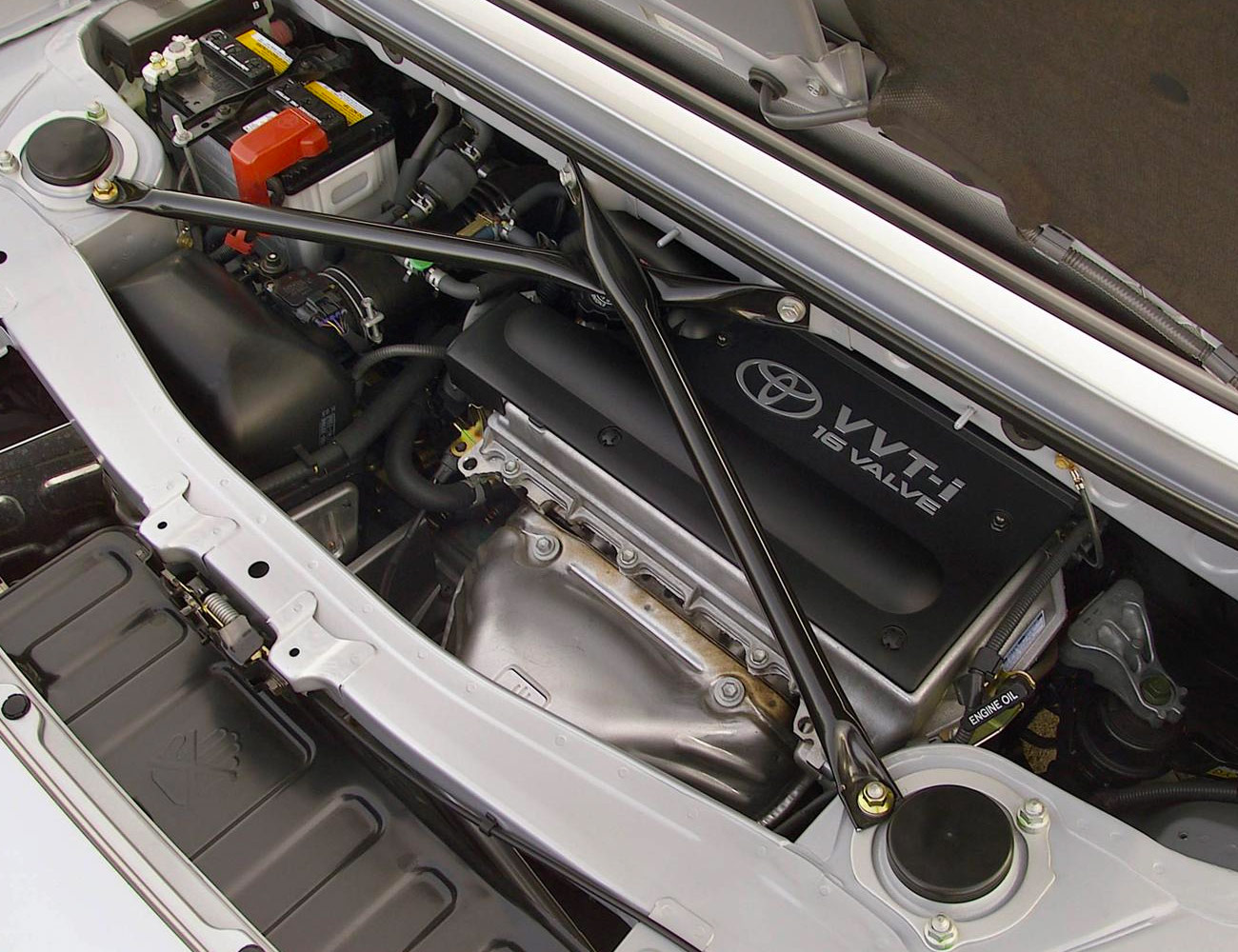
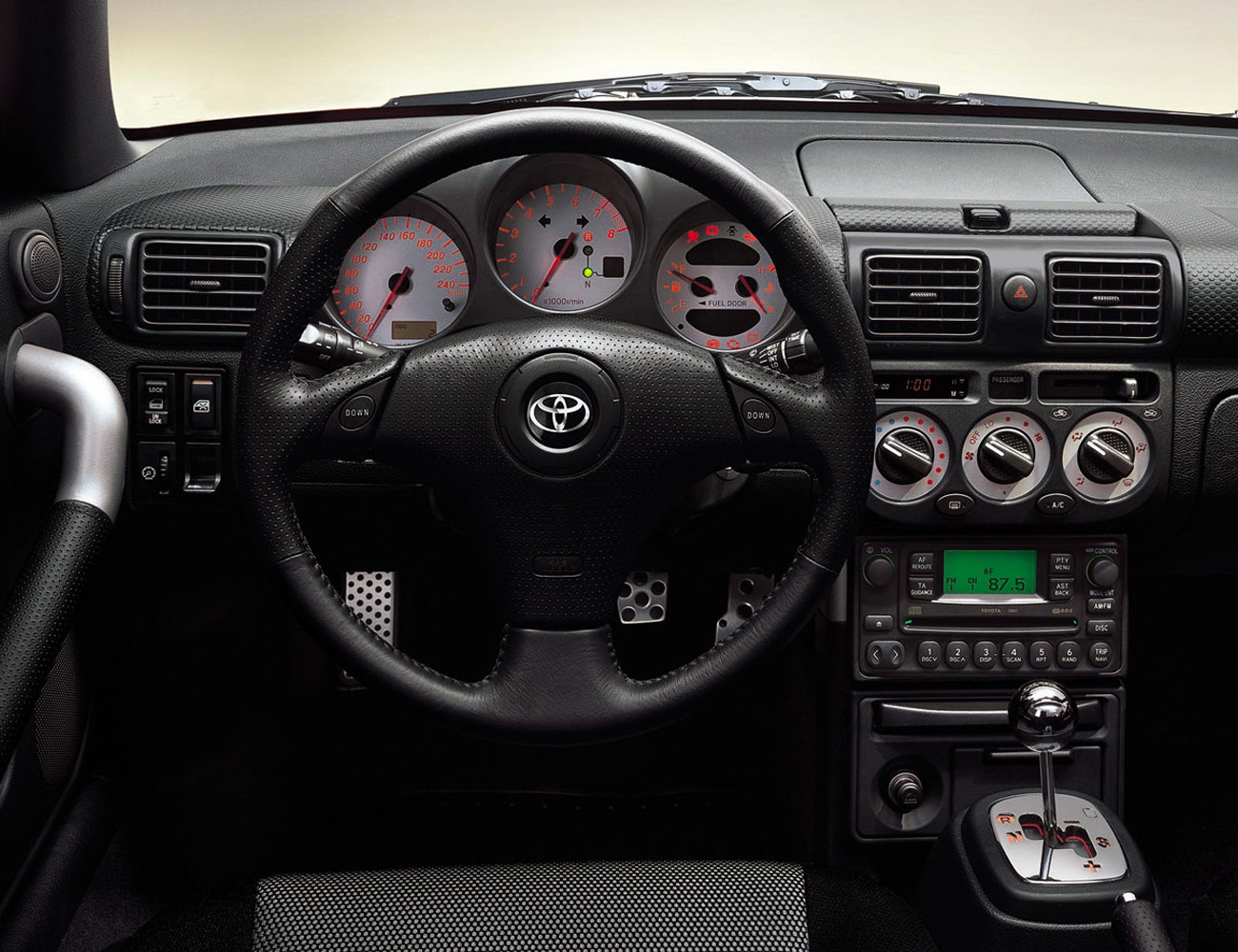
Unlike previous versions of the MR2, the Spyder only came with one engine, and it was a modest one: the 1ZZ-FED, a 1.8-liter naturally-aspirated four cylinder. It is, essentially, a slightly more powerful version of the 1ZZ engine you’d find in a Corolla or most other Toyota’s from the time. That came coupled to your choice of either a traditional five-speed manual transmission or a six-speed automated manual transmission. To be clear, this not an automatic with a manual mode like many modern transmissions; it’s a sequential manual (thus no H-pattern) with an automatic clutch and no third pedal. Either way, the Spyder had a claimed 0-60 time of 7.2 seconds, so while it wasn’t exactly a powerhouse, by all accounts its fun to push to the limit, like a Miata or Toyota GT86.

Potential Issues

Because the Spyder’s engine was basically a mass-market economy car engine from an automaker known for reliability there isn’t a ton to worry about, but there are a few points of concern. Some owners on forums have reported problems with the “pre-cat” system. This system is comprised of ceramic internals that can become brittle and disintegrate over time, sending debris into the main catalytic converter, and reducing exhaust flow and power at higher RPM. This problem is apparently more common in model years ranging from 2000 to 2003 (though a possibility in younger cars).

Issues with the pre-cat system can ultimately cause damage to the engine, so consider buying a car where the pre-cat system has been removed or doesn’t show signs of failing. Some owners have also reported engines burning a significant amount of oil, so be conscious of that as well; according to the same forum post, this is more common in 2003 and older cars. And, while we’d recommend going with a manual transmission car (pretty much just on principle), if you do opt for the sequential manual keep in mind that it’s a more complex beast and thus more prone to malfunction.

Since the roof is vinyl and can deteriorate over time, pay attention to this when looking at a used example to buy. What’s more, since the drop-top takes up a lot of space behind the seats, there isn’t much cargo space in the MR2 Spyder. There’s a cubby compartment behind the seats, as well as a small, approximately two cubic foot cubby in the frunk, about half of which is taken up by a spare tire. In short, don’t plan on too many grand tours in this thing.

Key Specs:

Engine: 1.8-liter four-cylinder
Transmission: 5-speed manual; 6-speed automated manual
Years produced: 1999-2007
Horsepower: 138 hp @ 6,400 rpm
Torque: 128 lb-ft @ 4,400 rpm
Weight: 2,195 lbs
MSRP when new: $23,558
Expect to pay now: $6,000 to $12,000

Mercedes-Benz Introduces EQC Crossover, Its First All-Electric Production Vehicle

With the unveiling of the EQC crossover, Mercedes-Benz is stepping squarely into the ring with its first full production, all-electric vehicle. At the same time, they’re launching a whole new automotive division, called simply EQ. This new mid-size  SUV is all wheel drive and powered by a pair of electric motors, one up front and one in the back. Its 200-mile range is pretty impressive and so are the other numbers: 402 horsepower and 564 pound-feet of torque. The interior, details and design language all draft off the latest iterations of the current lineup. The forthcoming EQC will be ready for public consumption at some point in 2020.

A Damn Fun, Affordable, Stripped-Down Overlander from Polaris: the Polaris General

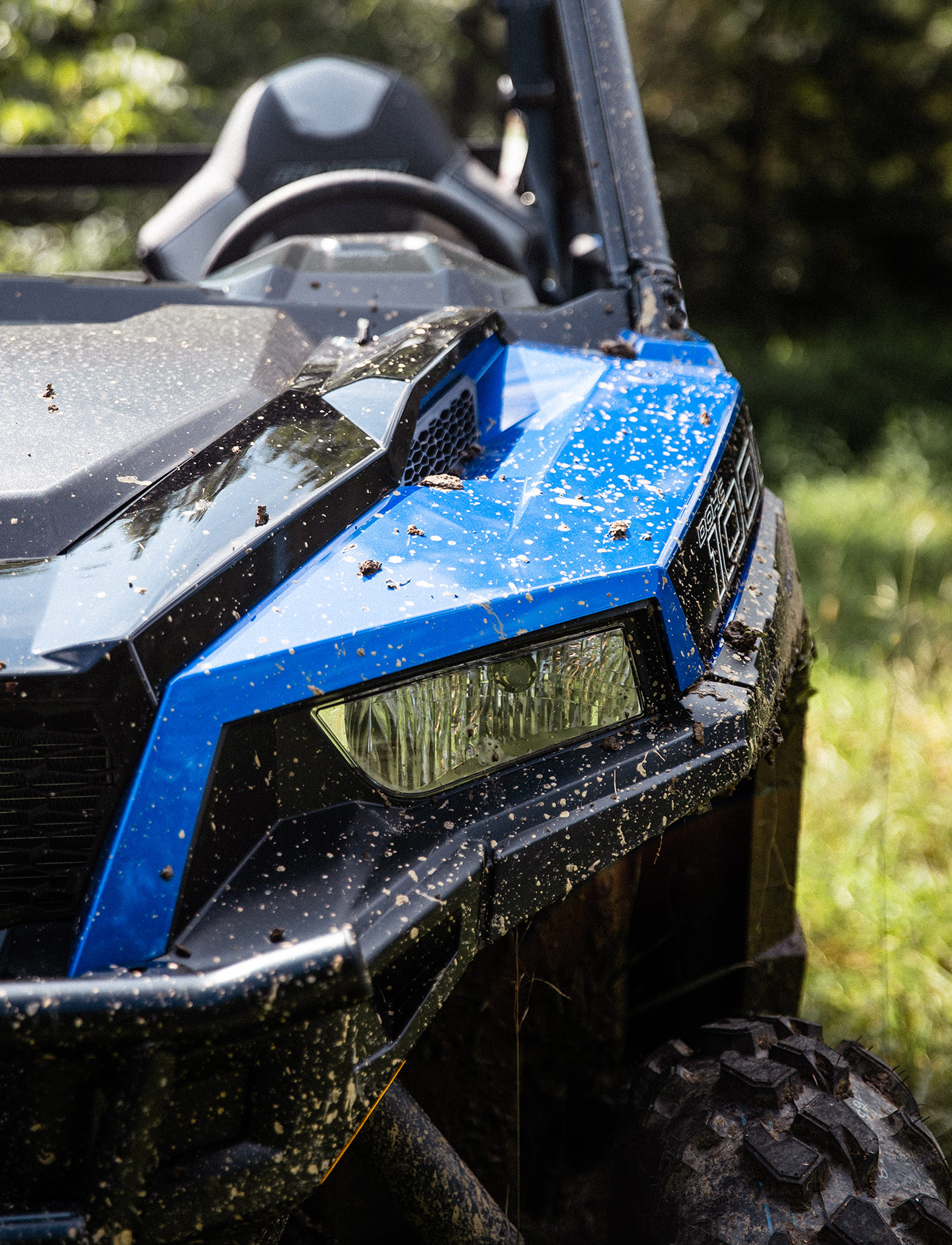
When you think of side-by-sides or UTVs, you’ll most likely conjure up images of a roll cage jacked up on an arm’s length of suspension travel, shod with massive tires ripping around desert dunes and tearing through a mountain trail. Or, you’ll picture a seasoned ranch hand puttering along mending a fence or moving hay bails. If you’re in the market for a UTV it’s understandable to see one as too extreme, over the top and unnecessary and the other as dull and joyless. The Polaris General lives at the 50-yard line between the company’s performance-centric RZR and its workhorse Ranger.

The Good: Slinging the General around the surrounding trails and property at the Main Line Overland Festival, it quickly became abundantly clear how a UTV like the 180 horsepower Can-Am Maverick X3 XD S turbo was complete overkill. Unbelievably fun, yes. But, is that much power needed to entertain yourself on a gravel back road or rock crawling path? No. The 100 horsepower the General sends to all four of its wheels is more than enough to get the back end to step out, get you into all sorts of trouble and get you out of that trouble when you come face to face with a boulder or log crossing.

Who It’s For: Overlanders, and active lifestyle types. Considering it’s not too raucous, the General was designed with weekend warriors in mind. It has enough power to keep you on your toes, a utility bed, significant payload capacity, 1,500-lbs winch and the ability to add optional racks, cargo boxes, light bars and tougher rims.

Watch Out For: One problem with Polaris performance UTVs is they inherit the upright seating position from the Ranger. The proper posture works fine when you’re putting the machine to use as a docile cargo hauler, but the minute you want to switch to hooligan mode, the higher seat position multiplies the “we’re about to tip over” feeling.

When it comes to getting the machine optioned exactly as you need it, prices start to climb. The base model doesn’t come with much and a $1,500 jump to the Premium trim only gets you the 4,500-lbs winch, front bumper and painted body panels (which you’ll probably scratch up immediately). The $20,299 Deluxe edition buys you a roof, MTX sound Bar and Fox podium shocks on top of what the Premium offers. And that’s just the two-door model, the four-door starts at $21,299. So if you can live without the bells and whistles, the smart buy is to go with the base and add the roof, cargo boxes and racks, which start around $250.

Alternatives: The most direct competitor to the Polaris is the Can-AM Commander. It certainly looks more aggressive and has better base-level storage options, and the General-equivalent model price is $3,000 below the Polaris. However, the Polaris comes out on top with better suspension, more power and a higher cargo capacity, which, all things considered, are key aspects if whether you’re doing some light off-roading or hailing camp gear.

Review: Cutting through narrow trails, crawling over boulders, logs and splashing through boggy mud pits, the General seemed right at home on the dirty side of this year’s Mid Atlantic Overland Festival. But the machine’s dual personality is what sets it apart from the rest of the lineup. When it wasn’t thrashing trails or picking up a front wheel while the back two swung around, the UTV’s ‘utility’ shined through, hauling gear and taxiing people from one side of the campground to the other, to the bonfire and back again. When I wanted to have fun, I had fun. When I needed to tend to a few festival responsibilities, it was right there, willing and able, with one major caveat.

As much as the General champions being the 50-50 mix of the RZR and Ranger, I was split between the two- and four-seater depending on where I was going or what I needed to do. Going for the win at this year’s rock-crawl hill climb challenge or tackling the boulder-strewn trails along the property outskirts? Two-seater. Giving rides across the grounds to campsites, hauling a keg or two to the bonfire or putting the bed to use as skybox seating for the film festival? Four-seater. The longer wheelbase of the four-seater brought out the best of the utility side of the General, but on obstacle trails, the wince-inducing scrapes and slides of knee-high stones and logs along the side rails were enough to permanently appoint it to workhorse status.

Verdict: Just like a Jeep, as an affordable, stripped-down overlander, the General makes a lot of sense. Again, like a Jeep, the base model is incredibly capable fresh from the showroom floor. But if you want the real weekend warrior-mobile with Moab trail tackling suspension, light bars, roof racks, crash bars and cargo boxes, you’d better be prepared to shell out extra cash on top of the MSRP. The General will do what you ask of it and it’ll put a smile on your face the entire time, but that’s entry-level. If you want to make extracurricular overlanding activities easier, it’s pay to play.

What Others Are Saying:

• “On one particular day, we logged just over one hundred miles on some really tight, rough trails at Anthracite Outdoor Adventure Area in Coal Township, PA. The General was really comfortable, providing us with a comfortable ride and spoiling us with some kicking tunes streamed via Pandora through the Bluetooth MTX audio.” — Lance Schwartz, UTV Driver

2019 Polaris General 1000 EPS Key Specs
Two-seater
Engine: 999cc Twin Cylinder
Transmission: Automatic PVT
Horsepower: 100
Torque: 65 lb-ft
Payload Capacity: 1,100 lb
Weight: 1,491 lbs (dry)
Price: $16,299(base)

Four-seater
Engine: 999cc Twin Cylinder
Transmission: Automatic PVT
Horsepower: 100
Torque: 65 lb-ft
Payload Capacity: 1,280 lb
Weight: 1,857 lbs (dry)
Price: $21,299(base)

Read More Gear Patrol Reviews

Hot takes and in-depth reviews on noteworthy, relevant and interesting products. Read the Story

Note: Purchasing products through our links may earn us a portion of the sale, which supports our editorial team’s mission. Learn more here.

Polaris General Review: A UTV For the Overland Enthusiast

When you think of side-by-sides or UTVs, you’ll most likely conjure up images of a roll cage jacked up on an arm’s length of suspension travel, shod with massive tires ripping around desert dunes and tearing through a mountain trail. Or, you’ll picture a seasoned ranch hand puttering along mending a fence or moving hay bails. If you’re in the market for a UTV it’s understandable to see one as too extreme, over the top and unnecessary and the other as dull and joyless. The Polaris General lives at the 50-yard line between the company’s performance-centric RZR and its workhorse Ranger.

The Good: Slinging the General around the surrounding trails and property at the Main Line Overland Festival, it quickly became abundantly clear how a UTV like the 180 horsepower Can-Am Maverick X3 XD S turbo was complete overkill. Unbelievably fun, yes. But, is that much power needed to entertain yourself on a gravel back road or rock crawling path? No. The 100 horsepower the General sends to all four of its wheels is more than enough to get the back end to step out, get you into all sorts of trouble and get you out of that trouble when you come face to face with a boulder or log crossing.

Who It’s For: Overlanders, and active lifestyle types. Considering it’s not too raucous, the General was designed with weekend warriors in mind. It has enough power to keep you on your toes, a utility bed, significant payload capacity, 1,500-lbs winch and the ability to add optional racks, cargo boxes, light bars and tougher rims.

Watch Out For: One problem with Polaris performance UTVs is they inherit the upright seating position from the Ranger. The proper posture works fine when you’re putting the machine to use as a docile cargo hauler, but the minute you want to switch to hooligan mode, the higher seat position multiplies the “we’re about to tip over” feeling.

When it comes to getting the machine optioned exactly as you need it, prices start to climb. The base model doesn’t come with much and a $1,500 jump to the Premium trim only gets you the 4,500-lbs winch, front bumper and painted body panels (which you’ll probably scratch up immediately). The $20,299 Deluxe edition buys you a roof, MTX sound Bar and Fox podium shocks on top of what the Premium offers. And that’s just the two-door model, the four-door starts at $21,299. So if you can live without the bells and whistles, the smart buy is to go with the base and add the roof, cargo boxes and racks, which start around $250.

Alternatives: The most direct competitor to the Polaris is the Can-AM Commander. It certainly looks more aggressive and has better base-level storage options, and the General-equivalent model price is $3,000 below the Polaris. However, the Polaris comes out on top with better suspension, more power and a higher cargo capacity, which, all things considered, are key aspects if whether you’re doing some light off-roading or hailing camp gear.

Review: Cutting through narrow trails, crawling over boulders, logs and splashing through boggy mud pits, the General seemed right at home on the dirty side of this year’s Mid Atlantic Overland Festival. But the machine’s dual personality is what sets it apart from the rest of the lineup. When it wasn’t thrashing trails or picking up a front wheel while the back two swung around, the UTV’s ‘utility’ shined through, hauling gear and taxiing people from one side of the campground to the other, to the bonfire and back again. When I wanted to have fun, I had fun. When I needed to tend to a few festival responsibilities, it was right there, willing and able, with one major caveat.

As much as the General champions being the 50-50 mix of the RZR and Ranger, I was split between the two- and four-seater depending on where I was going or what I needed to do. Going for the win at this year’s rock-crawl hill climb challenge or tackling the boulder-strewn trails along the property outskirts? Two-seater. Giving rides across the grounds to campsites, hauling a keg or two to the bonfire or putting the bed to use as skybox seating for the film festival? Four-seater. The longer wheelbase of the four-seater brought out the best of the utility side of the General, but on obstacle trails, the wince-inducing scrapes and slides of knee-high stones and logs along the side rails were enough to permanently appoint it to workhorse status.

Verdict: Just like a Jeep, as an affordable, stripped-down overlander, the General makes a lot of sense. Again, like a Jeep, the base model is incredibly capable fresh from the showroom floor. But if you want the real weekend warrior-mobile with Moab trail tackling suspension, light bars, roof racks, crash bars and cargo boxes, you’d better be prepared to shell out extra cash on top of the MSRP. The General will do what you ask of it and it’ll put a smile on your face the entire time, but that’s entry-level. If you want to make extracurricular overlanding activities easier, it’s pay to play.

What Others Are Saying:

• “On one particular day, we logged just over one hundred miles on some really tight, rough trails at Anthracite Outdoor Adventure Area in Coal Township, PA. The General was really comfortable, providing us with a comfortable ride and spoiling us with some kicking tunes streamed via Pandora through the Bluetooth MTX audio.” — Lance Schwartz, UTV Driver

2019 Polaris General 1000 EPS Key Specs
Two-seater
Engine: 999cc Twin Cylinder
Transmission: Automatic PVT
Horsepower: 100
Torque: 65 lb-ft
Payload Capacity: 1,100 lb
Weight: 1,491 lbs (dry)
Price: $16,299(base)

Four-seater
Engine: 999cc Twin Cylinder
Transmission: Automatic PVT
Horsepower: 100
Torque: 65 lb-ft
Payload Capacity: 1,280 lb
Weight: 1,857 lbs (dry)
Price: $21,299(base)

Read More Gear Patrol Reviews

Hot takes and in-depth reviews on noteworthy, relevant and interesting products. Read the Story

Note: Purchasing products through our links may earn us a portion of the sale, which supports our editorial team’s mission. Learn more here.

LEGO Built a Life-Size Bugatti Chiron That Actually Drives

We’re here with bad news. No matter how hard you try, you’ll never build the most impressive LEGO vehicle. Why? Because LEGO just claimed that title with this life-size Bugatti Chiron. What’s crazier? It actually…

The Bowlus Road Chief Is Your New Dream Apartment

The world of travel trailers is just as remarkable as its off-road counterpart. What the on-road behemoths lack in go-anywhere capabilities, they make up for with an unimaginable level of luxury, design and beauty. Case in point: the brand new Bowlus Road Chief.

Starting at $137,000, or $739 a month, the Road Chief already sounds more enticing than a standard Manhattan apartment. Go through the list of creature comforts — heated floors, cell service booster, two-burner Italian cooktop — and it’s also apparent it’s it’ll beat the city living space on the luxury front too. When you step up to the Endless Highways edition, the price jumps to $219,000 or $1,156 a month, which, again, considering the all the potential front porch views easily beats the concrete jungle.

For the extra $82,000, the Endless Highways edition gets wood flooring, built-in wifi, a Lithium-iron-phosphate battery good for seven days on one charge, a storable 120W Solar Panel and an aluminum front porch among a whole host of material upgrades.

It won’t be able to handle rougher mountain passes like a dedicated overland trailer, but the mirror finish aircraft-grade aluminum shell and 3,500lbs (Endless Highway edition) mean most medium-sized SUVs and trucks can handle the task of towing it. It might seem like a massive financial mission, but if you’re house hunting and can’t decide on a neighborhood, or timezone for that matter, you could save a few hundred thousand dollars and just pick up one of these for a jet age house on wheels.

This Will Be the Last Non-Hybrid Lamborghini V12

UK dealership H.R. Owen Lamborghini revealed a full image of the upcoming Lamborghini Aventador SVJ today on its Instagram page. The only problem is the landmark car wasn’t supposed to be unveiled until later this week During Monterey Car Week. Sant’Agata could be in the midst of furiously typing up a terse email, letting the H.R Owen know it screwed up… or it might have given the London based dealer special permission to post the official image. Unclear.

What is known is the Aventador SVJ, which currently holds the Nürburgring production car lap record at 6:44:97 minutes, will be Lamborghini’s last non-hybrid V12 supercar. That’s right, Lamborghini is finally giving in and joining the semi-electric ranks with Ferrari, McLaren and Porsche. What kind of power the next car will come up with is entirely speculative at this point, but expect the numbers to be higher than the SVJ’s 760 horsepower and 531 lb-ft of torque.

Keeping in line with Lamborghini tradition this hot-rodded version of the already insane Aventador gets upgraded everything. Lamborghini Active Aerodynamics, the four-wheel steering system, all-wheel, drive and traction control are all specifically tuned to rein in the SVJ.

As for the next generation Lamborghini V12, some sources say we won’t see it until 2022, but even though it’ll come with an extra boost from electric power, the current engine is expected to make one last appearance. Keep in mind this power plant is also the first new V12 from the ground up since the Miura. The fact that Lamborghini is looking to overhaul it so soon after the next model is just as mind-blowing as the hybrid announcement. It’s hard to believe the engineers at the Factory will squeeze more than 760 horsepower out of the next engine, but then again, no one saw the hybrid switch coming so soon either.

The Best (and Mostly Affordable) Classic Cars You Can Buy From 1985-1995

Enthusiasts are constantly on the hunt for the best classic rides you can get your hands on for a reasonable price. And who can blame us, as the classic car market continues to suggest that some bubbles may never actually burst? Of course, classic car investing isn’t an exact science, or else everyone would be doing it. But if you’re looking for the best combination of affordability, performance and personality without sacrificing modern tech comforts and old-school simplicity the ‘80s and ‘90s are calling, grasshopper.

Specifically the period from (mostly) 1985 to 1995. Horsepower figures from the era won’t blow anyone’s socks off these days, but that’s never really been the point, has it? During that era, American automakers were busy making up (or trying to) for the shortcomings of the Malaise era, Japanese brands were riding a wave of cash towards their peak years, and the Germans were doing what they always do: making great cars. The Italians, Swedes, and Brits were also getting in on the fun, churning out some of the best-loved models some of these companies ever produced.

Don’t get me wrong: there was a lot of crap produced in this era, especially right here at home. But the highlights are impossible to ignore, so let’s take a trip down memory lane.

United States

The 80s and 90s saw traditional muscle cars take new forms, an unexpected contender become king of the quarter-mile overnight, and some sought-after classic SUVs take on new identities and capability.

Ford Mustang
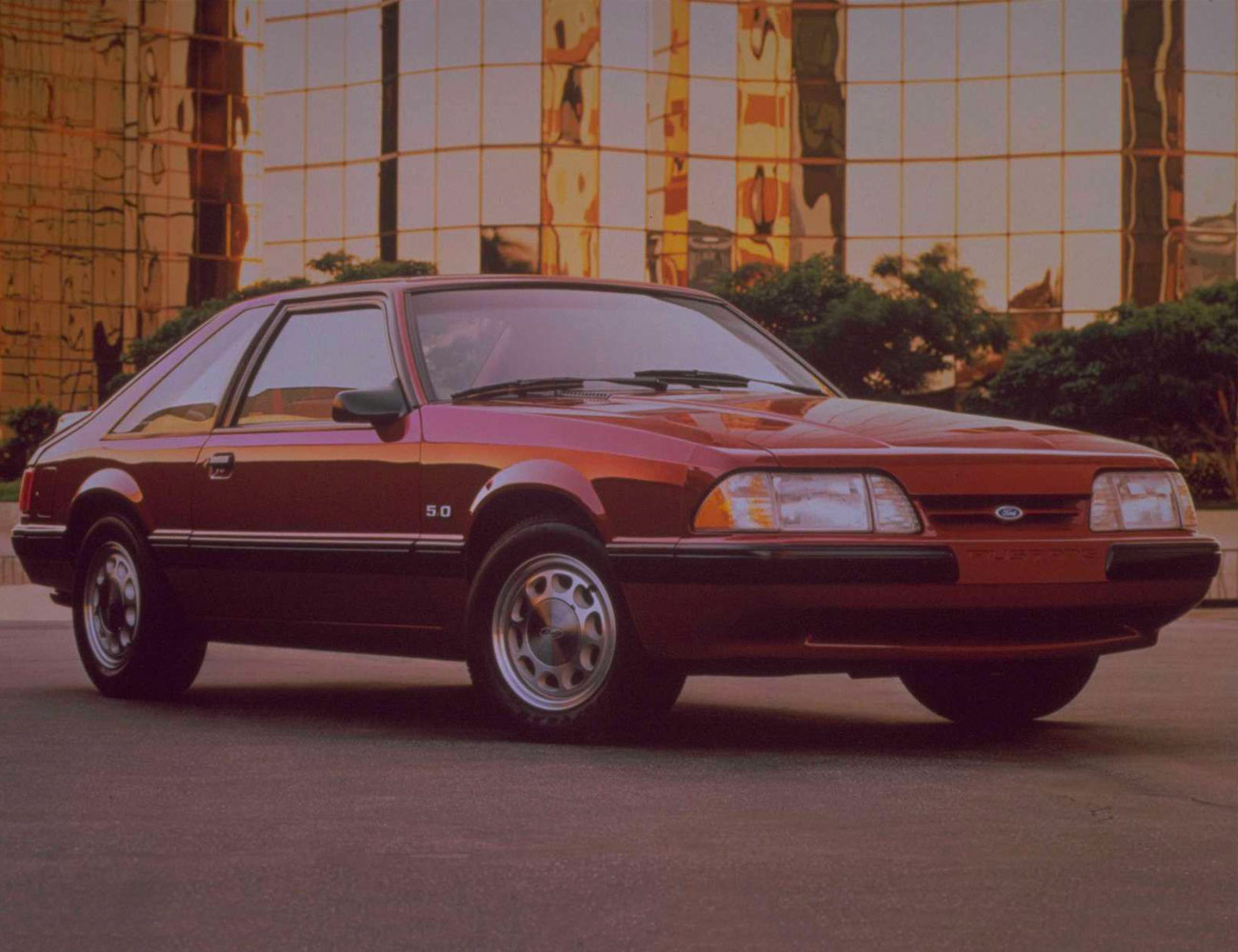

Ford’s underpowered “Fox Body” Mustang has been a favorite of tuners and drag strip amateurs for decades, and they’re still pretty darn cheap. The 1987-1993 version, also the last of its kind, featured the venerable 5.0-liter (really 4.9-liter) V8 which made 225-horsepower and 300 lb.-ft. of torque, small numbers these days but easily pushed sky high with some simple modifications. Here’s a sub-63K-mile example of a 5-speed GT convertible for less than $10,000. Cheap drop-top speed, thy name is Fox Body.

1987 Buick GNX
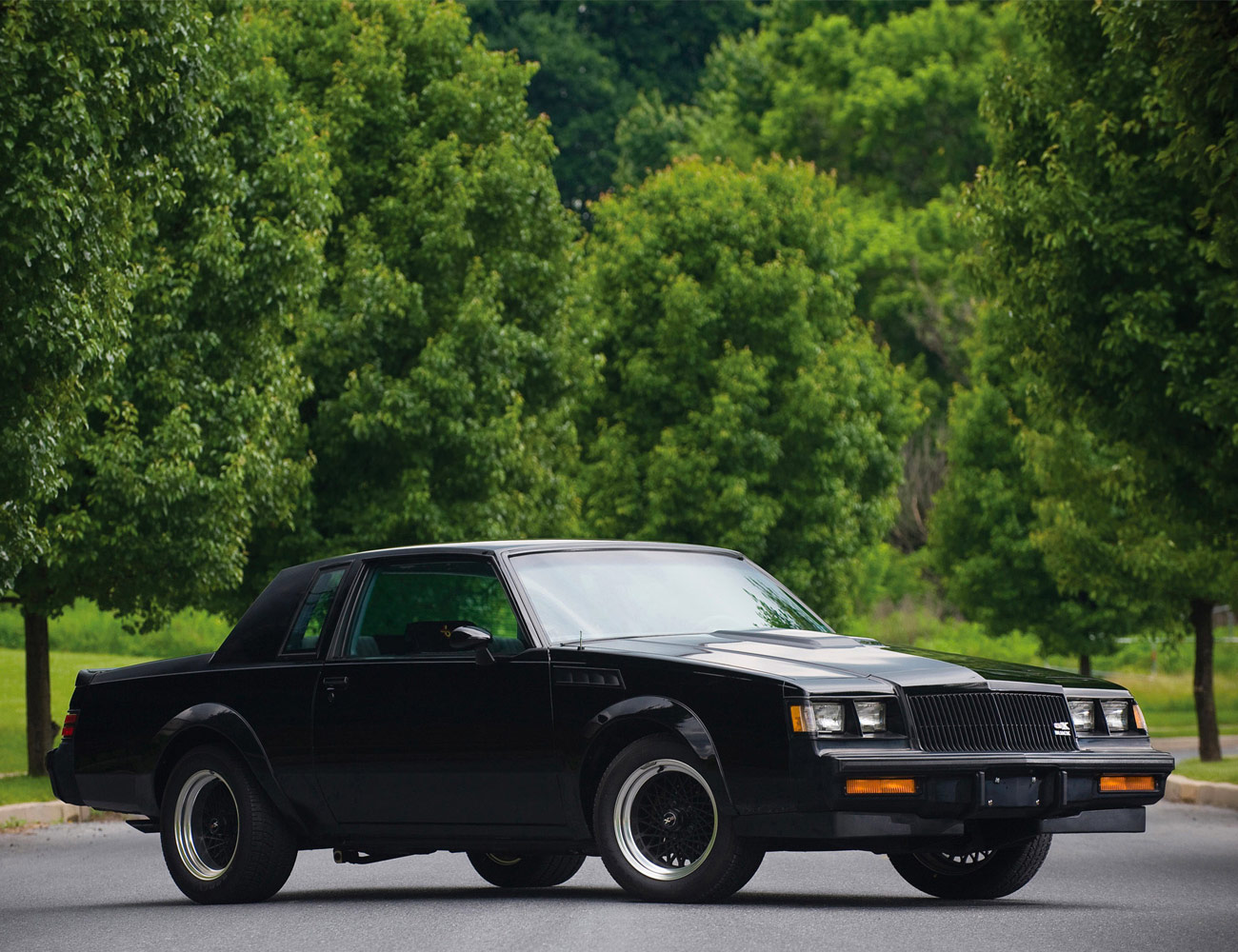
Want the true 80s muscle car king of the hill? You won’t find it from Ford, Chevy, Dodge, or Pontiac. Nope, the decade’s most powerful, most kickass drag strip monster was a Buick. Specifically, the 1987 Buick GNX, which came in any color you wanted, so long as it was black. Nicknamed “Darth Vader” by die-hard enthusiasts, 547 examples of this blacked-out, turbocharged 1987 Regal Grand National were sent off to McLaren – yes, that McLaren – for some serious tuning, and returned with 300 horsepower and 420 lb.-ft. of torque from the boosted 3.8-liter V6. That was good for a 0-60 mph time of 4.6 seconds, almost half a second faster than the freakin’ Ferrari F40 and Porsche 911 Turbo! It also boasted a faster quarter mile time than those two European legends, setting it in 12.7 seconds at 113.1 mph. That’s seriously fast, even by today’s standards, and was only bested by Chevy’s own Corvette ZR1 on its own soil, in an example of what was absolutely favorite child syndrome at GM. The lone GNX available on Hemmings is sitting at a cool $110,000, which is completely insane, but you can have a similarly badass albeit less powerful Grand National from the same year like this one for a fraction of the cost.

Jeep Cherokee, Grand Wagoneer and Wrangler
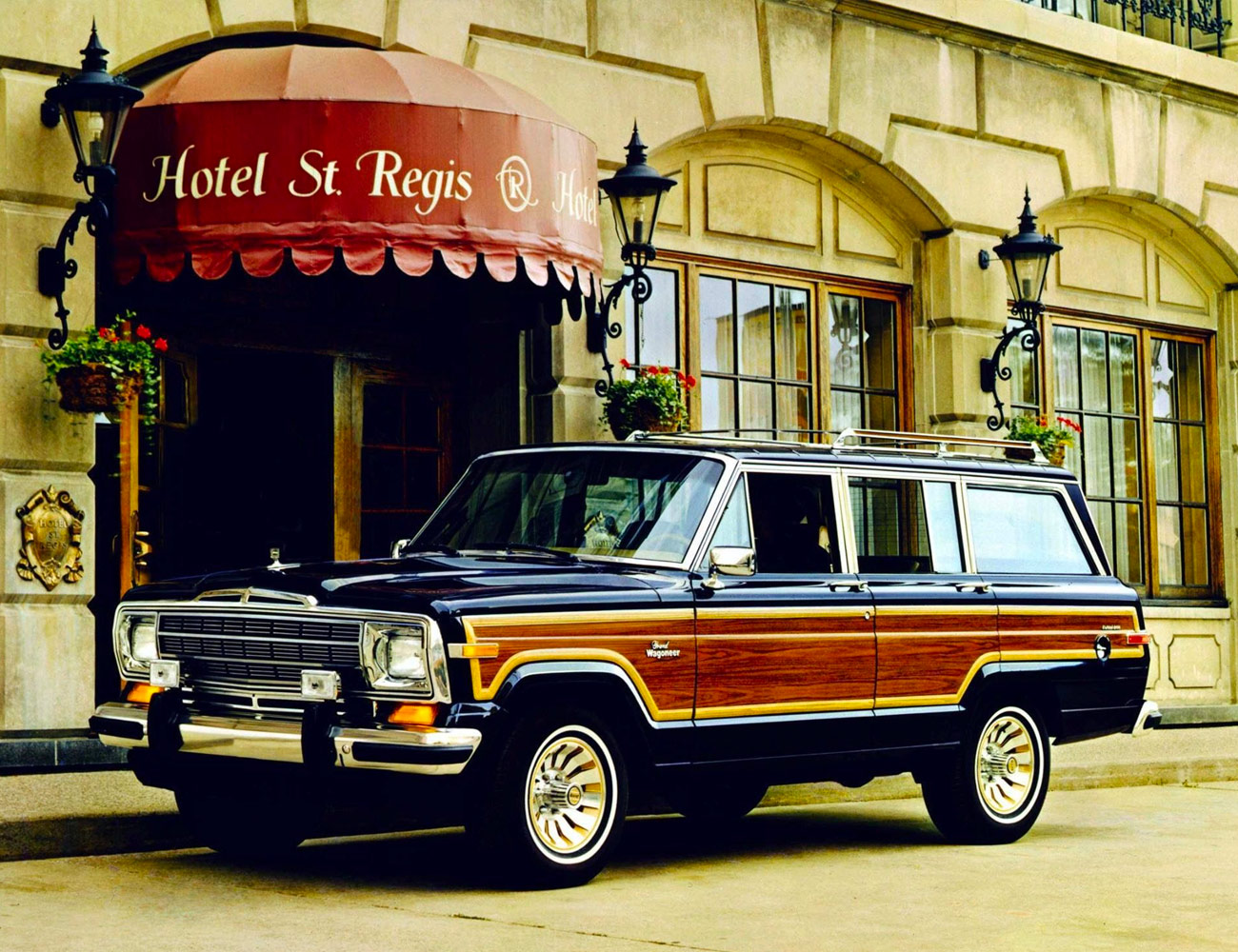
Boxy muscle cars not your style? How about some of the most beloved Jeep models ever made? Both the Jeep Cherokee XJ and Grand Wagoneer were either born or totally re-vamped in the mid-1980s, and remain some of the most sought-after SUVs as both classics and platforms for serious off-roading. The fan-favorite CJ7 (later dubbed Wrangler) also reached its last and best year in 1985, with 80s-tacular variants like this Renegade before going all square-headlight with the YJ model in 1986 until 1995. If you’re not a round-headlight purist, you can get some very clean, very capable examples of the YJ for a serious discount.

| |

Japan

Supra. RX-7. NSX. Samurai. 4Runner. These were all born or heavily improved from 1985 to 1995. Need I say more? Japan was riding an economic boom in the 1980s, boasting a four percent average annual GDP growth, which is something rarely seen in any country throughout history. Without boring you with an economics lesson, that means that Japanese companies were exporting more than ever and had lots of cash to play around with. So, thankfully for us all, they decided to have some fun with it. And all of these are U.S.-market examples. There’s a whole new world of Japanese performance now opening up thanks to cars from the era becoming eligible for import to the U.S., as we’ve covered extensively.

Toyota Supra
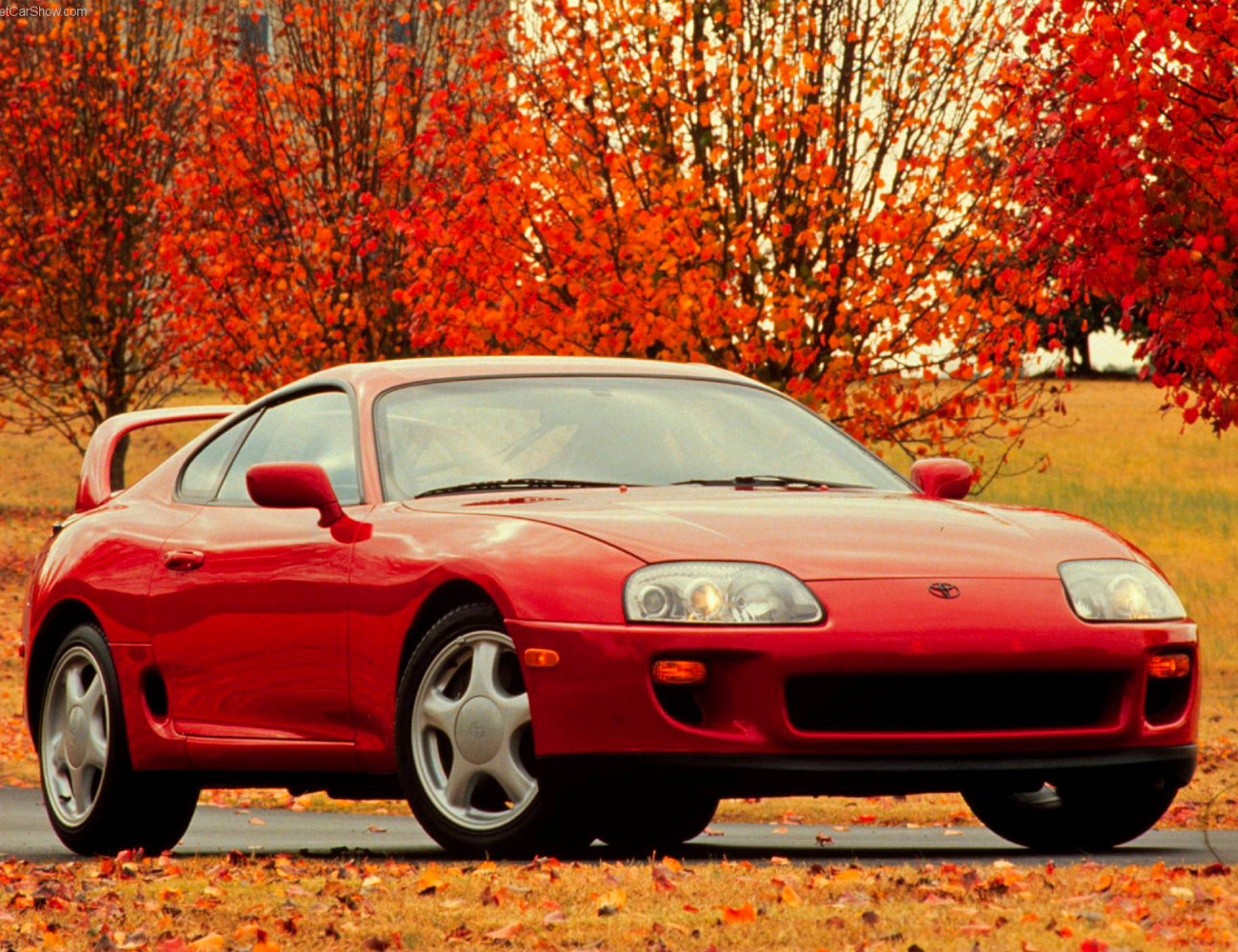
The rear-wheel drive Toyota Celica gained a Supra variant, then the Supra spun off on its own, got two turbochargers to play with, and had a final act as the legendary Mark IV from 1994 onwards. That’s why “Supra” is often the first and last name in Japanese performance, and why so many people are so excited that a new one is finally coming around. While MKIV prices are skyrocketing, you can have a clean MKII or MKIII example for less than $20,000 easily.

| |

Mazda Miata and RX-7
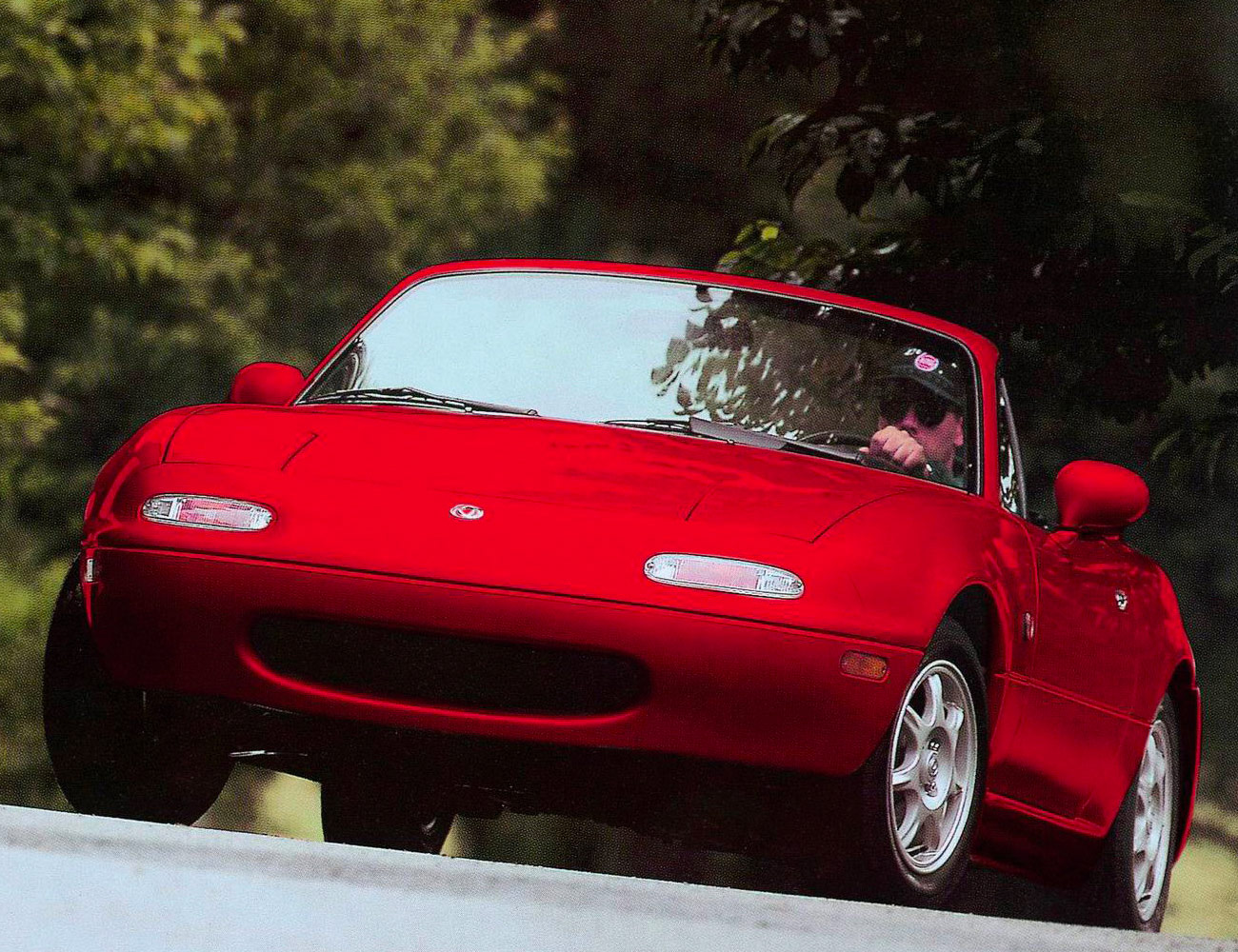
Mazda was hitting its stride in the late 80s and early 90s too, which led to the debut of the world’s favorite roadster, the MX-5 Miata in 1990. How about a clean, low-mileage original example of one of the most famously fun-to-drive cars of all time with a heaping helping of Japanese reliability for less than $8,000? No problem, says Miata. The little Japanese brand that could was also at peak crazy at the turn of the decade, replacing the forgettable (but still fun) second-generation rotary-powered RX-7 with the legendary third-generation from 1993 onwards. The latter RX-7 (FD, as it’s known by enthusiasts) is riding on the same 90s Japanese performance car bubble as the Supra, but clean, 2nd-gen examples can be had for chump change and come in a convertible.

|

Suzuki Samurai, Toyota 4Runner and Tacoma
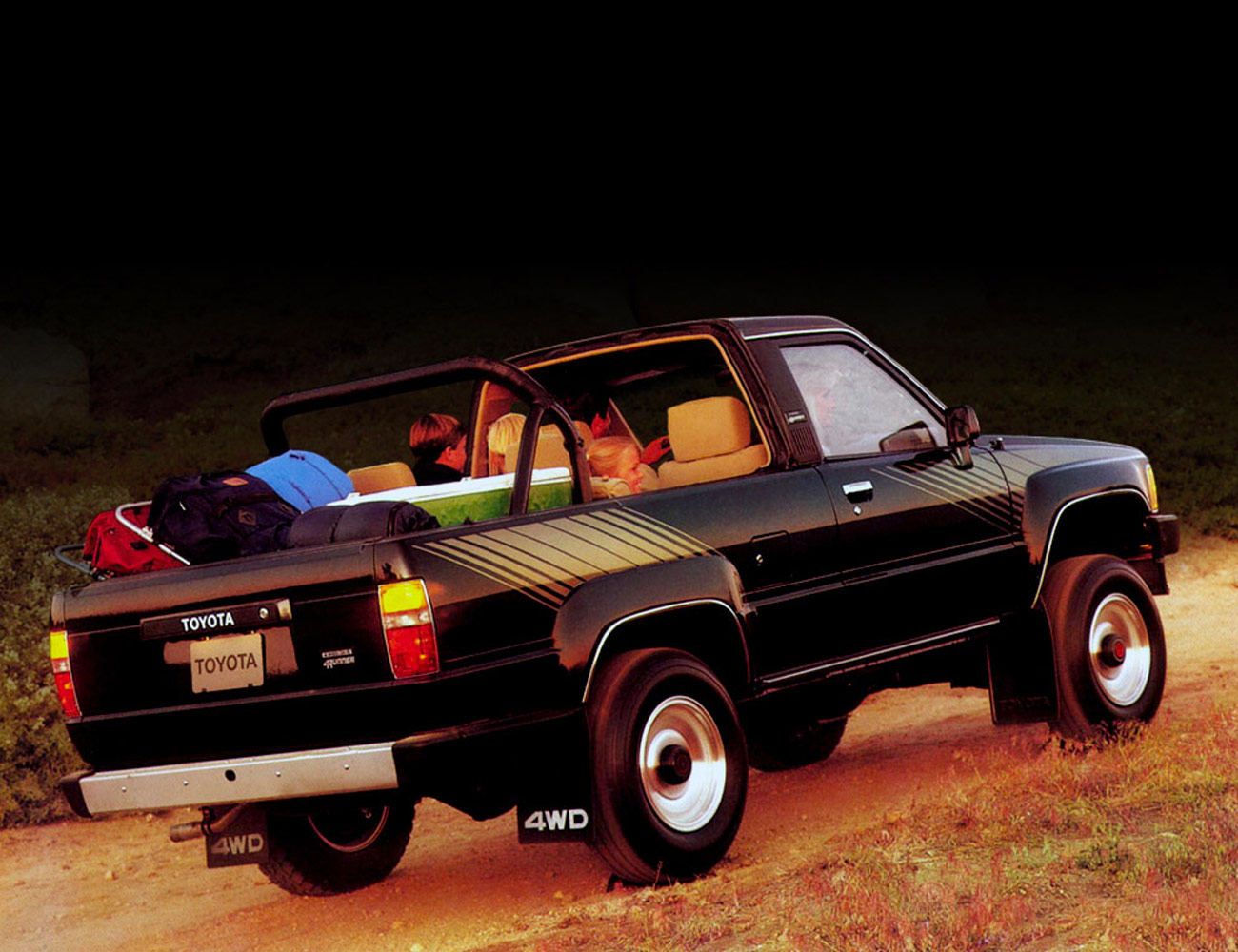
The 80s and 90s also saw the introduction of some fun off-roaders from the Far East, namely the Suzuki Samurai and Toyota 4Runner and Pickup. The fun and funky Samurai provided a pint-sized, economical alternative to the Wrangler, while the 4Runner merged off-roading fun with a removable hard-top and room for five, now both available for less than $13,000 easily. Even Toyota’s humble Pickup, which morphed into the best-selling Tacoma, can be found for a similar price, and if you get one in black, you can live out all your Back to the Future fantasies minus the DeLorean and Christopher Lloyd.

|

Honda CRX and Acura NSX
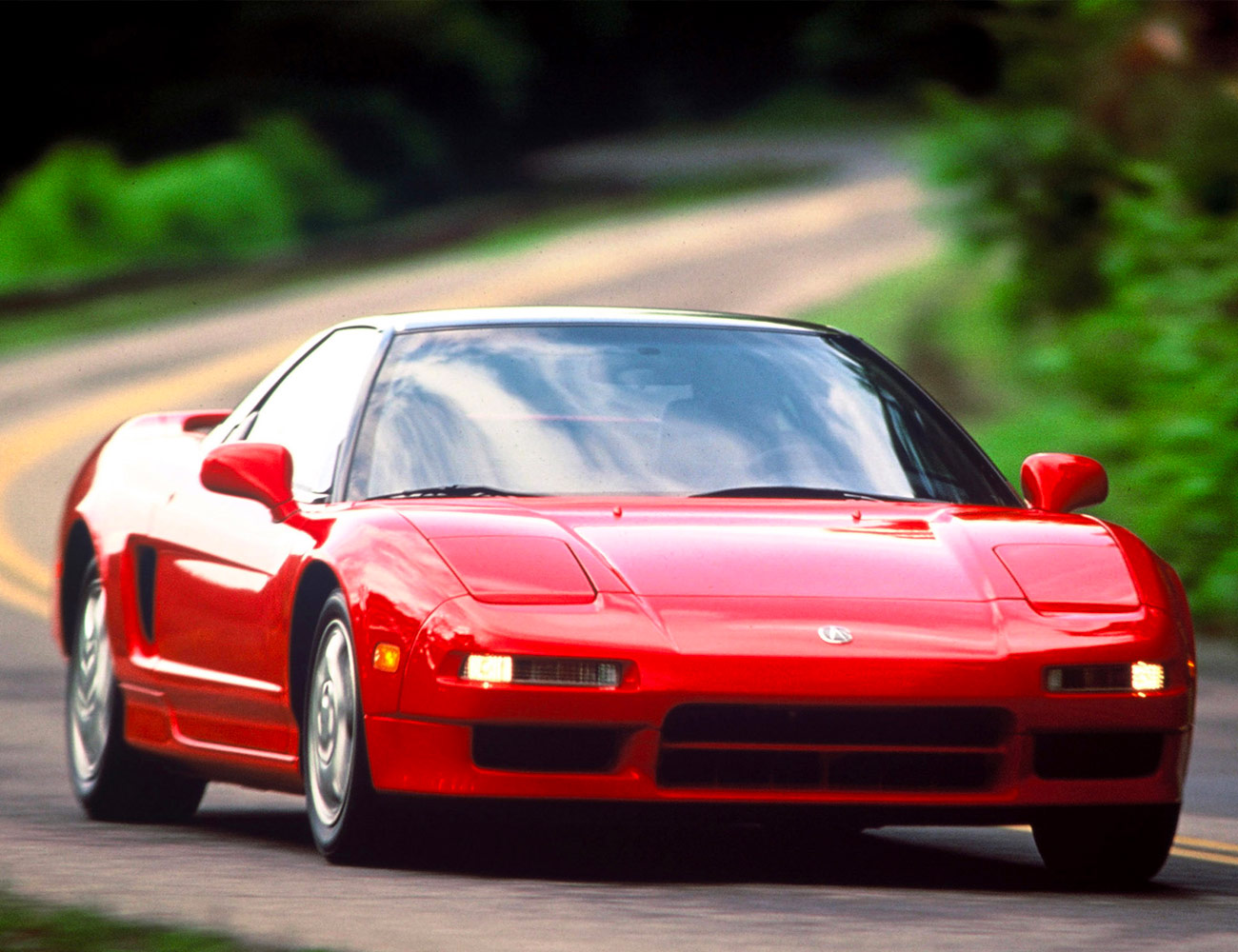
And how could I forget to mention Honda? The little moped maker that could put out such fan favorites as the frugal-but-fun CRX Si and the world-beating NSX (under the new Acura marque) within a few years of each other, proving there was almost no car they couldn’t make. This low-mileage, non-Si CRX is currently sitting at $4,100 at auction, and while original, unmolested NSXs can push six figures, you can still find a solid early example for less than $50,000.

|

Europe

While America was busy finding itself and Japan was in the midst of a coke-fueled cheap performance fever dream, Europe was doing what they’ve damn near always done: building solid, well-engineered cars with an established pedigree.

Porsche 911, 944 and 928
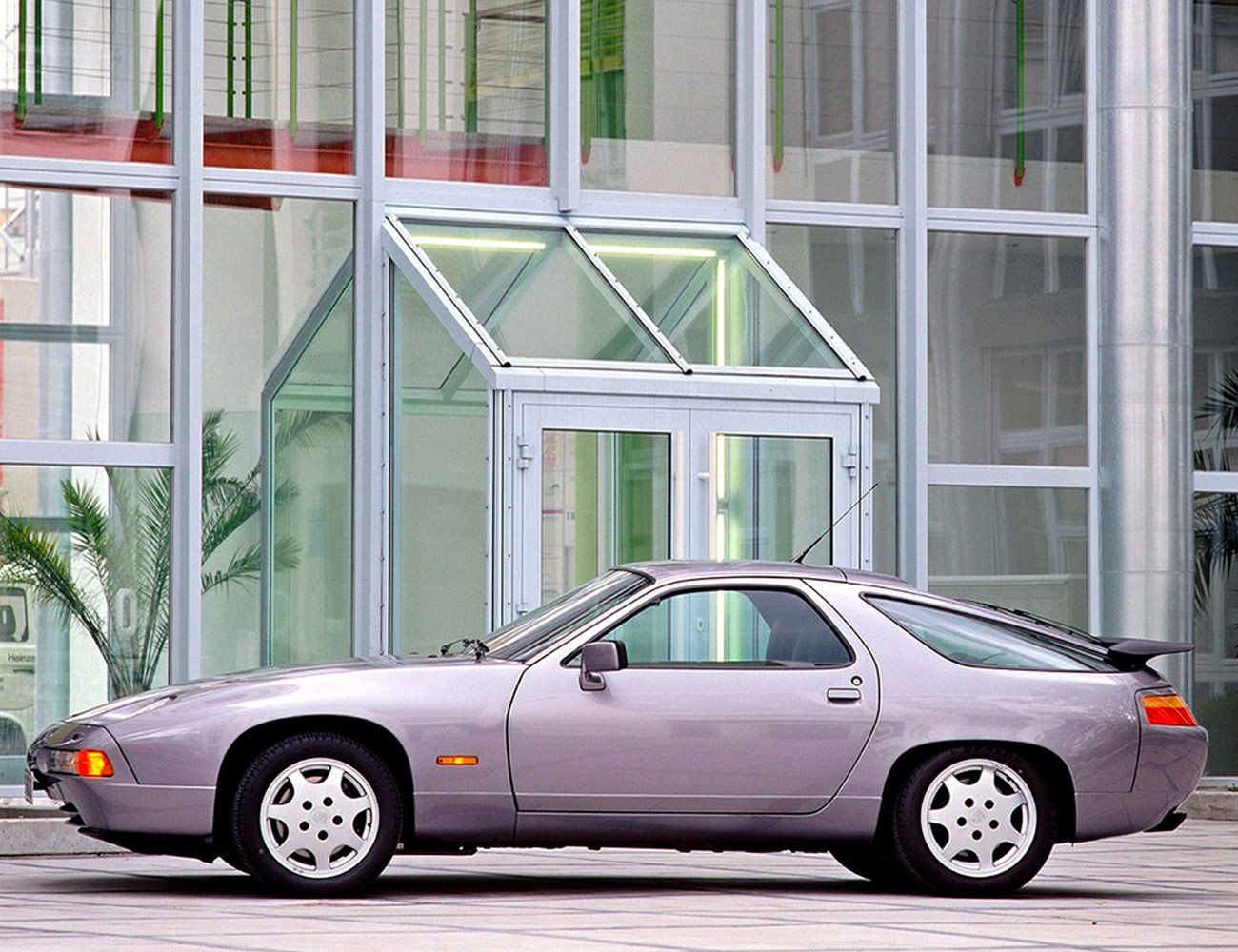
Don’t want to chase after insanely high-priced examples of the last air-cooled 911 ever made? That’s fine, have a front-engined Porsche instead and you’ll have 90 percent of the driving fun for a fraction of the price. Porsche took all the cash it had made from the popular 911 over the years and spun off a series of sports cars, none of which lasted beyond the 1990s. Clean examples of the 80s-tastic 944 can be had for less than $10,000 (though Turbo models are spiking in price), and if you’re lucky, the opulent, V8-powered 928 Grand Tourer can be yours for less than $15K at current bid price. Not a bad entry point to one of the world’s most storied sports car brands.

| |

BMW 325i and Mercedes-Benz S-Class
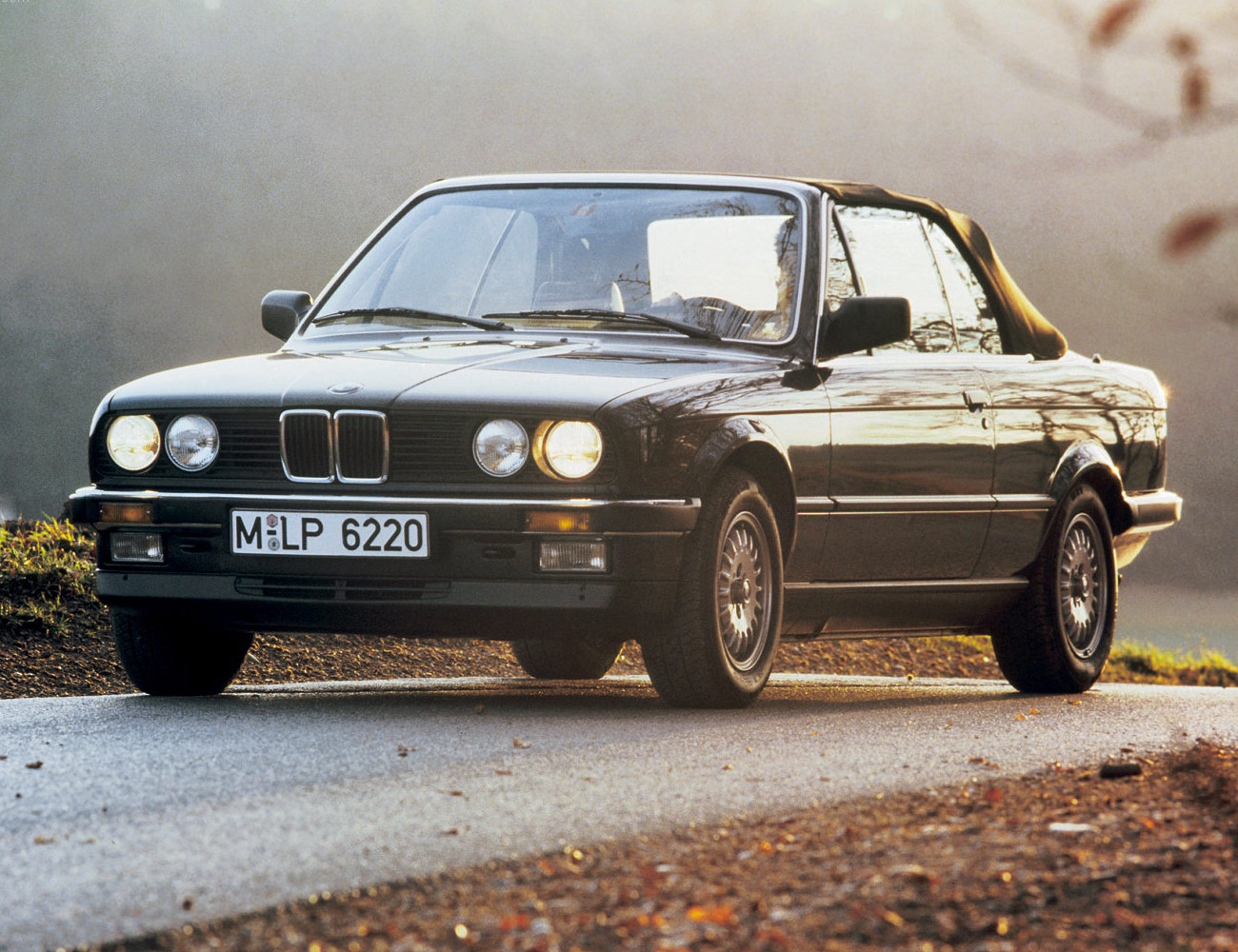
If Bimmer or Benz is more your speed, how about the E30 3 Series, the most celebrated affordable enthusiast car in the world behind only the Miata. Forget the over-valued original M3 and opt for the inline-6-powered 325i (now legal to import from Europe in wagon form!) or all-wheel drive 325ix, a perfect starter rally car. If a three-pointed star has always guided your dream car inclinations, give the S-Class, still the large luxury sedan king, a spin for less than five digits.

|

Ferrari Mondial
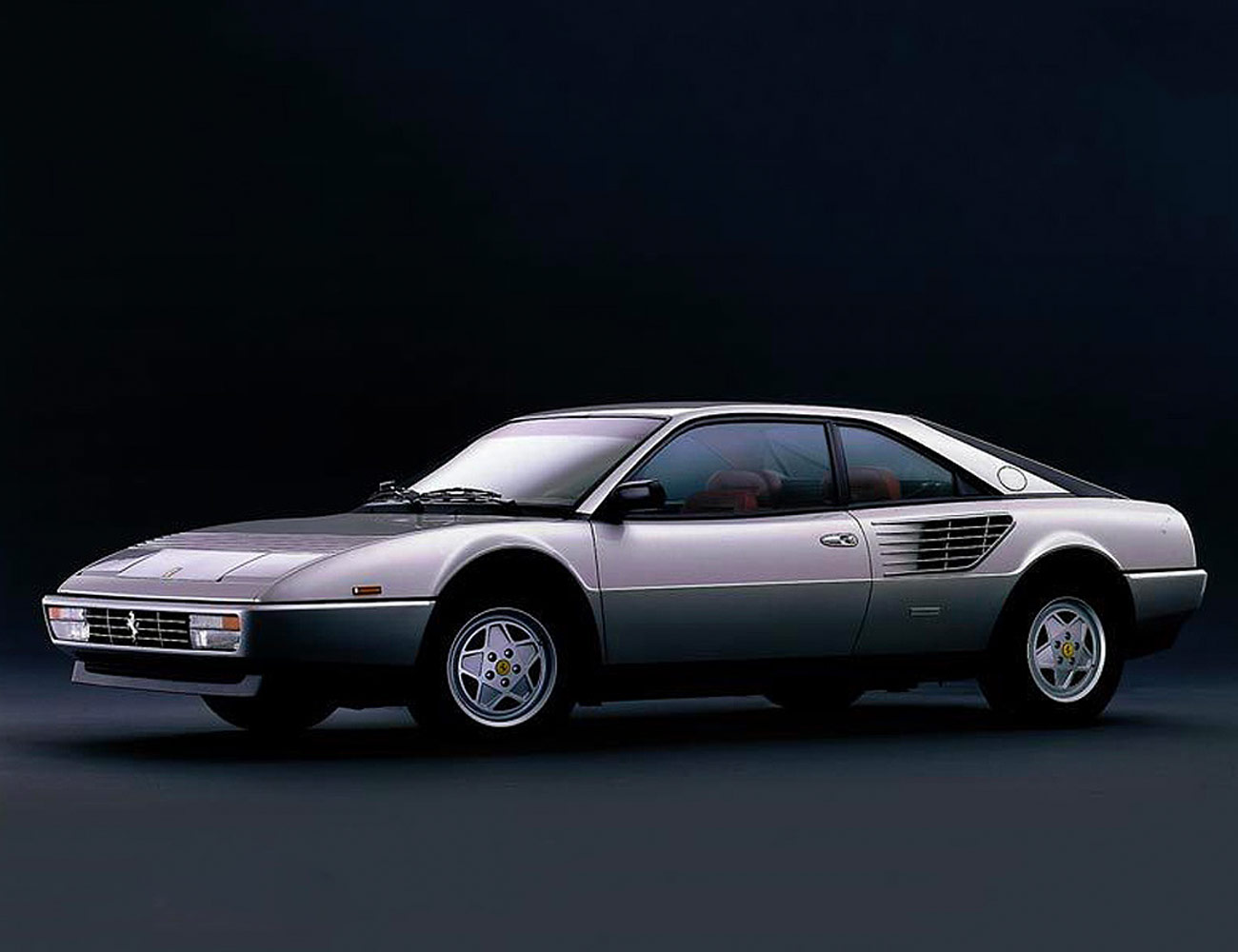
From elsewhere in Europe, there are still some awesome, unique cars to be had. If you really, really need to have a Ferrari, you can have the Mondial for less than $50,000. Sure, it’s easily the worst Ferrari ever, but that’s like being the worst player on Real Madrid. You’re still up there, baby.

Volvo 240
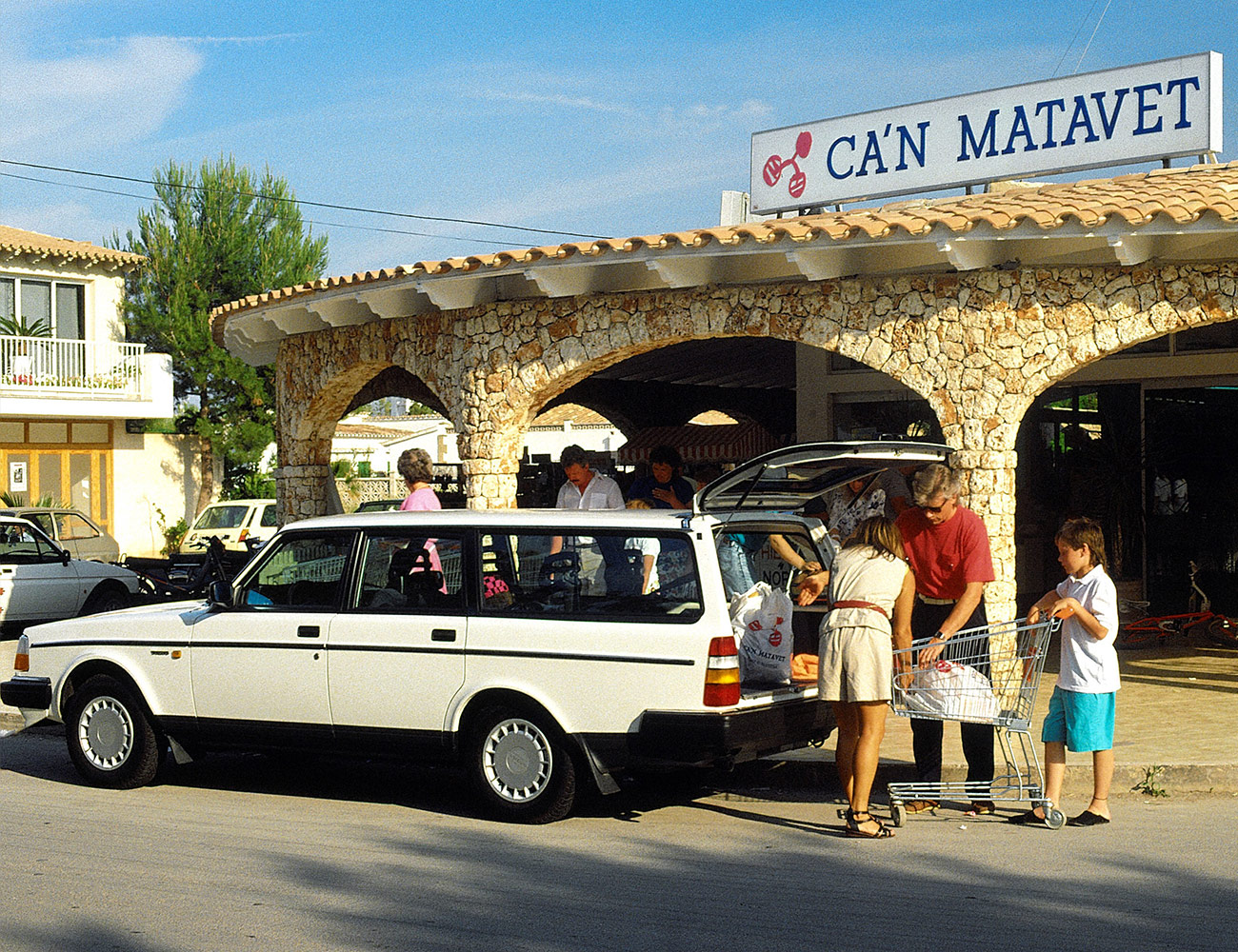
Sweden was also tinkering with and perfecting two of their most iconic nameplates, though neither is likely to set your hair on fire with outright speed straight out of the box. The charmingly honest and unbeatably reliable Volvo 240 was reaching its twilight (and best) years by the turn of the decade, and if you’re looking for something old, slow, and filled with personality, there’s hardly a better car for pennies on the dollar, like this super clean 1990 sedan for $600 currently at auction. Yes, literally $600.

Saab 900 Convertible
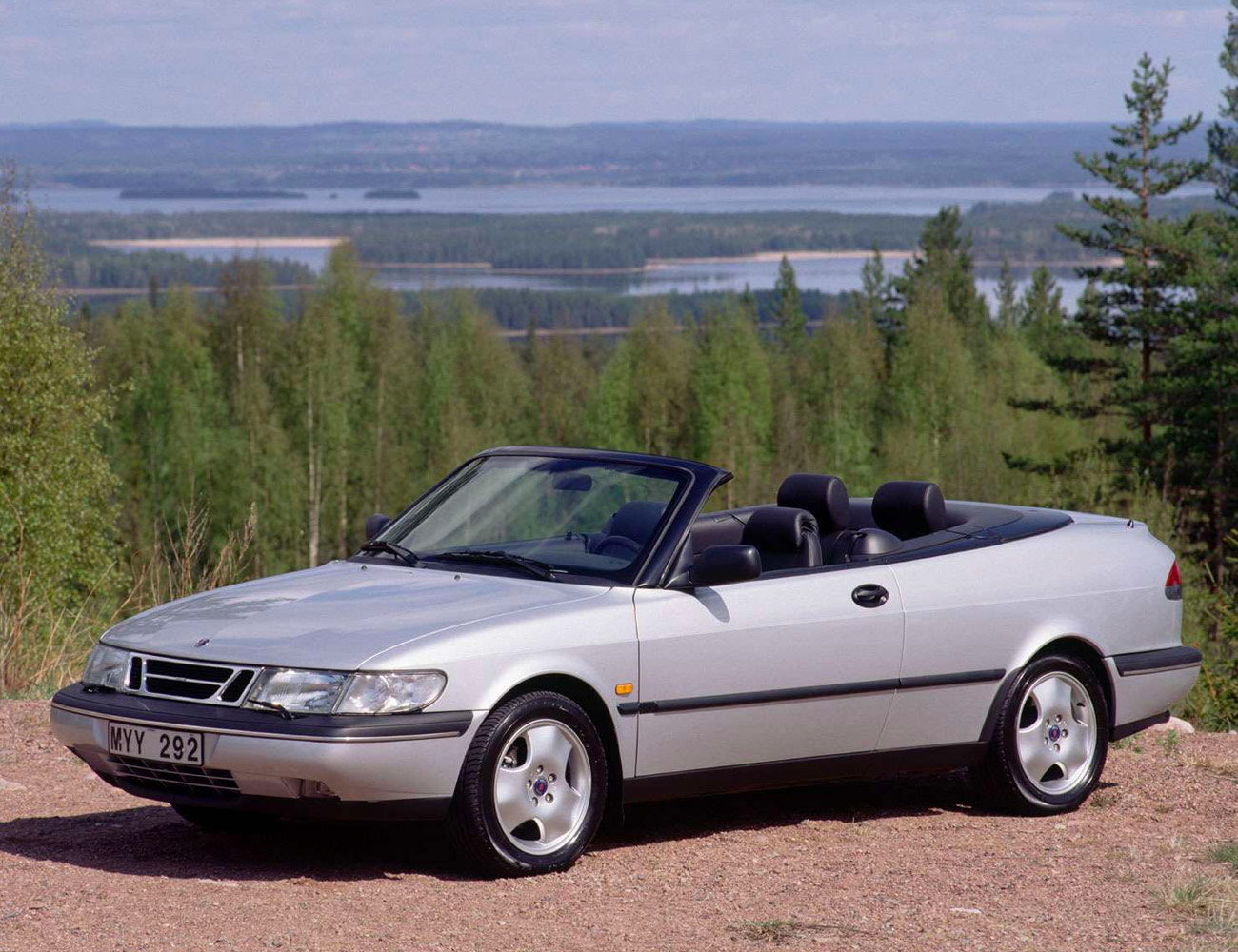
The same period also saw the twilight years of Saab’s best model ever, and one that’s near and dear to my heart because I just bought one 2 months ago. The 900 Turbo was the first mass-produced turbocharged car, a format that many modern vehicles have adopted, and remains one of the quirkiest, most beloved cars of all time by its many devoted fans. Late models like this 1994 convertible provide the best combination of Saab weirdness and modern performance and amenities, making up to 185 horsepower by the time it was retired that year and replaced with a new model.

The 20 Best Selling Cars and Trucks in America This Year

Read Our Reviews

The 20 Best Selling Cars and Trucks in America This Year


This year has been a long, strange trip peppered with unpredictability, but if there’s one thing we all could’ve called it’s that trucks and crossovers continue to dominate the market. Kelley Blue Book took a look at the sales figures of the best selling cars in America so far in 2018 and, surprise, 14 of the top-20 are trucks and crossovers. The other six? Those slots go to practical Japanese sedans. There’s no hiding the American consumer’s preference when it comes to cars — utility and practicality are clearly priorities. These are the best selling cars and trucks in America.

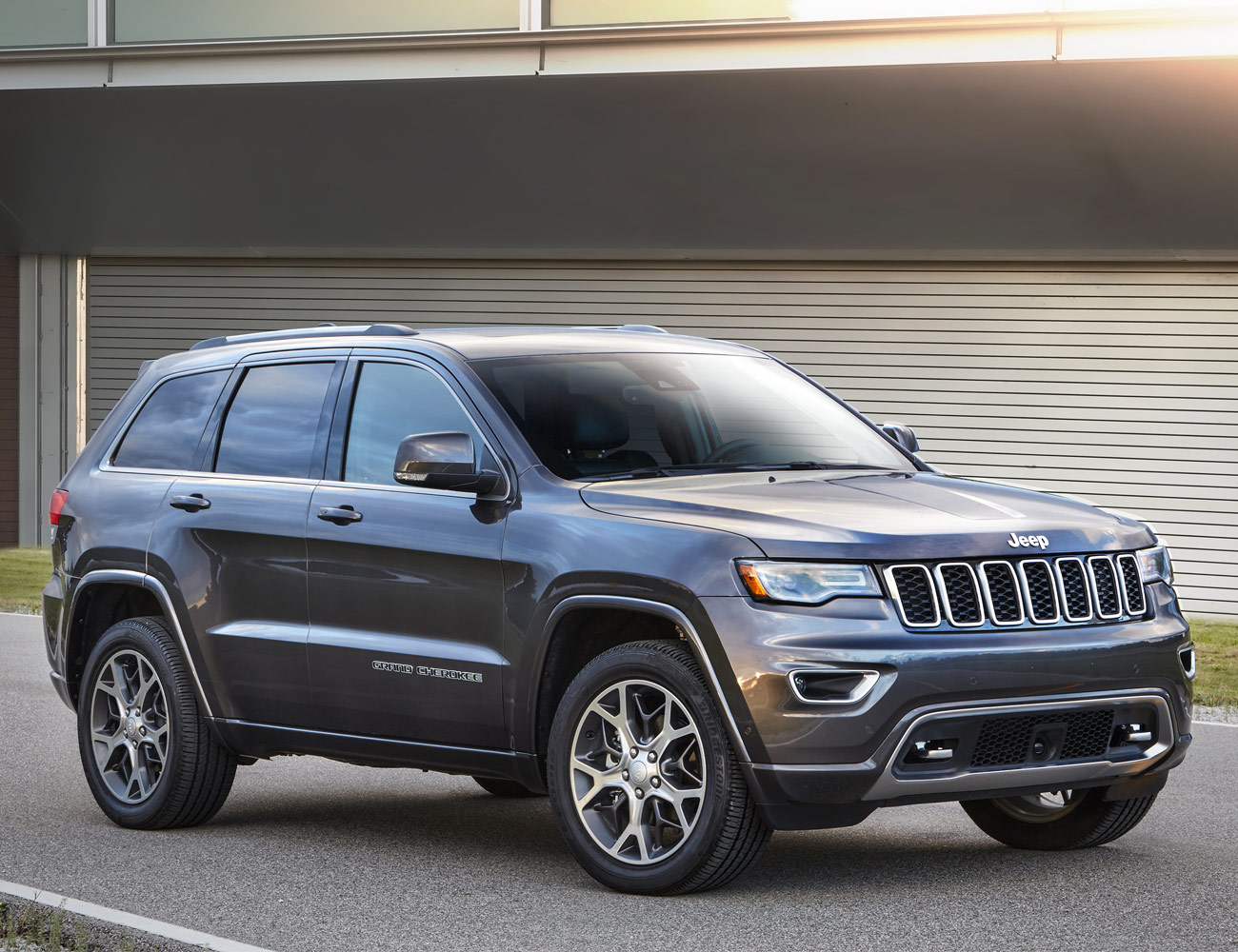
Jeep Grand Cherokee

Total Sold in 2018: 109,313

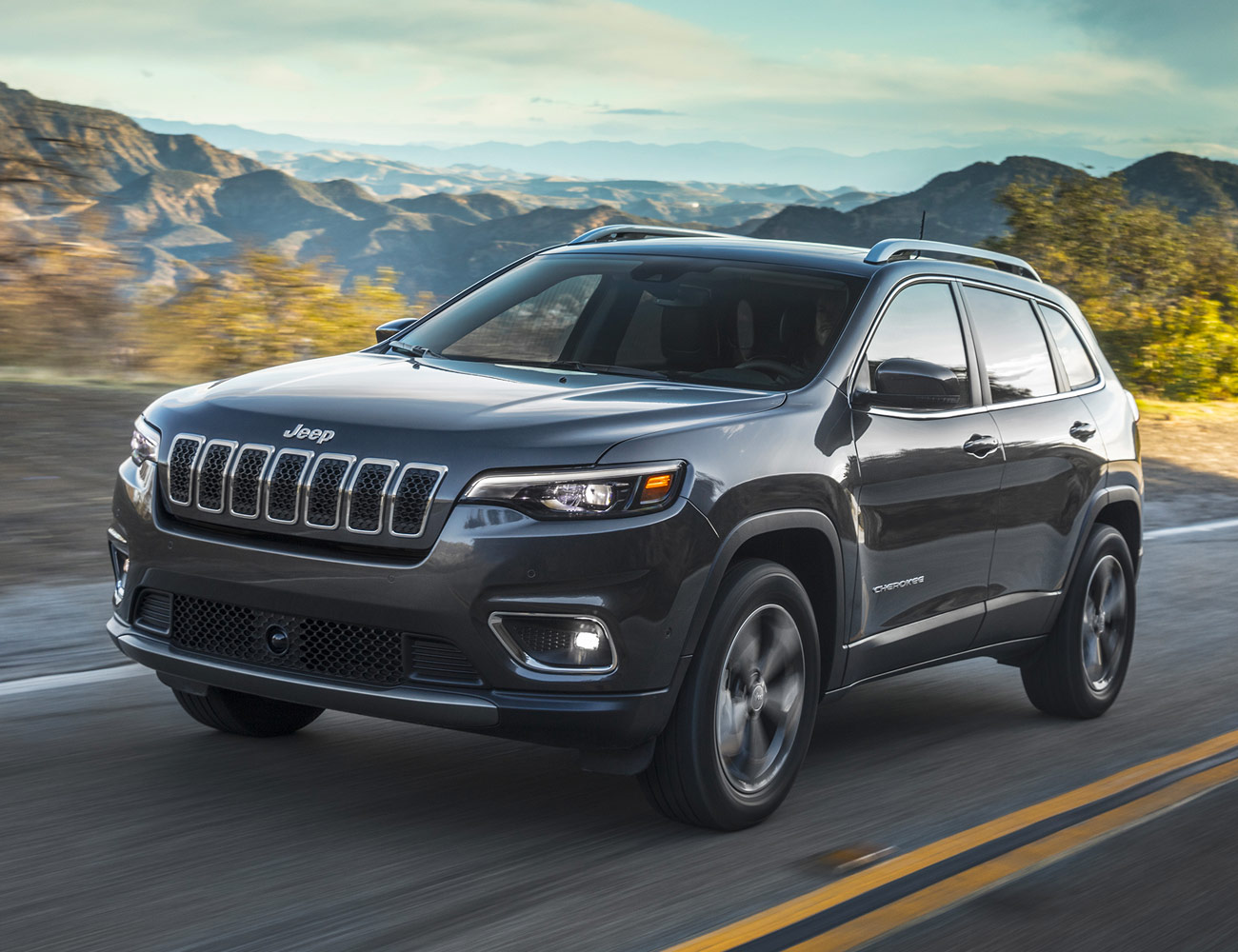
Jeep Cherokee

Total Sold in 2018: 113,719

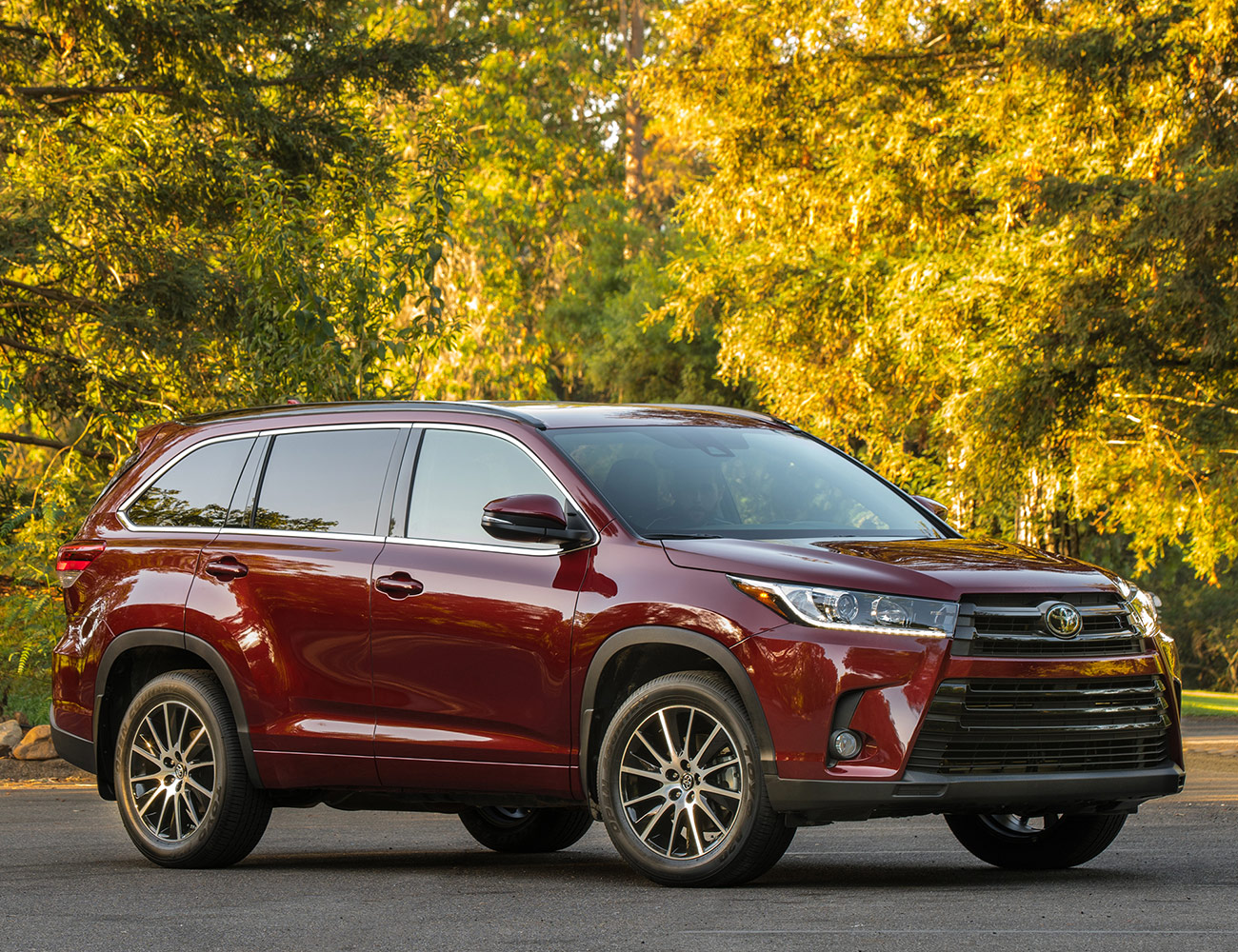
Toyota Highlander

Total Sold in 2018: 114,254

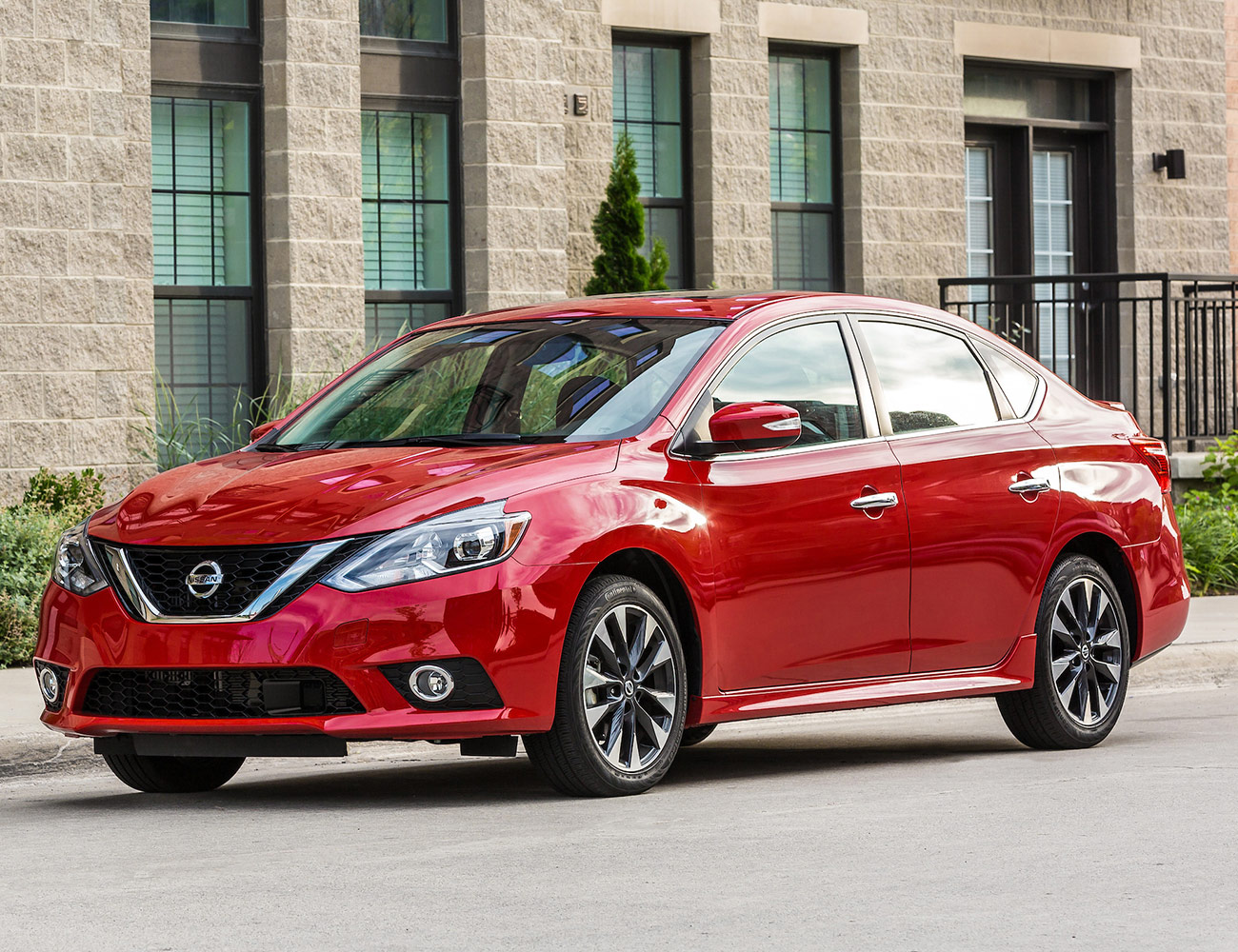
Nissan Sentra

Total Sold in 2018: 115,676

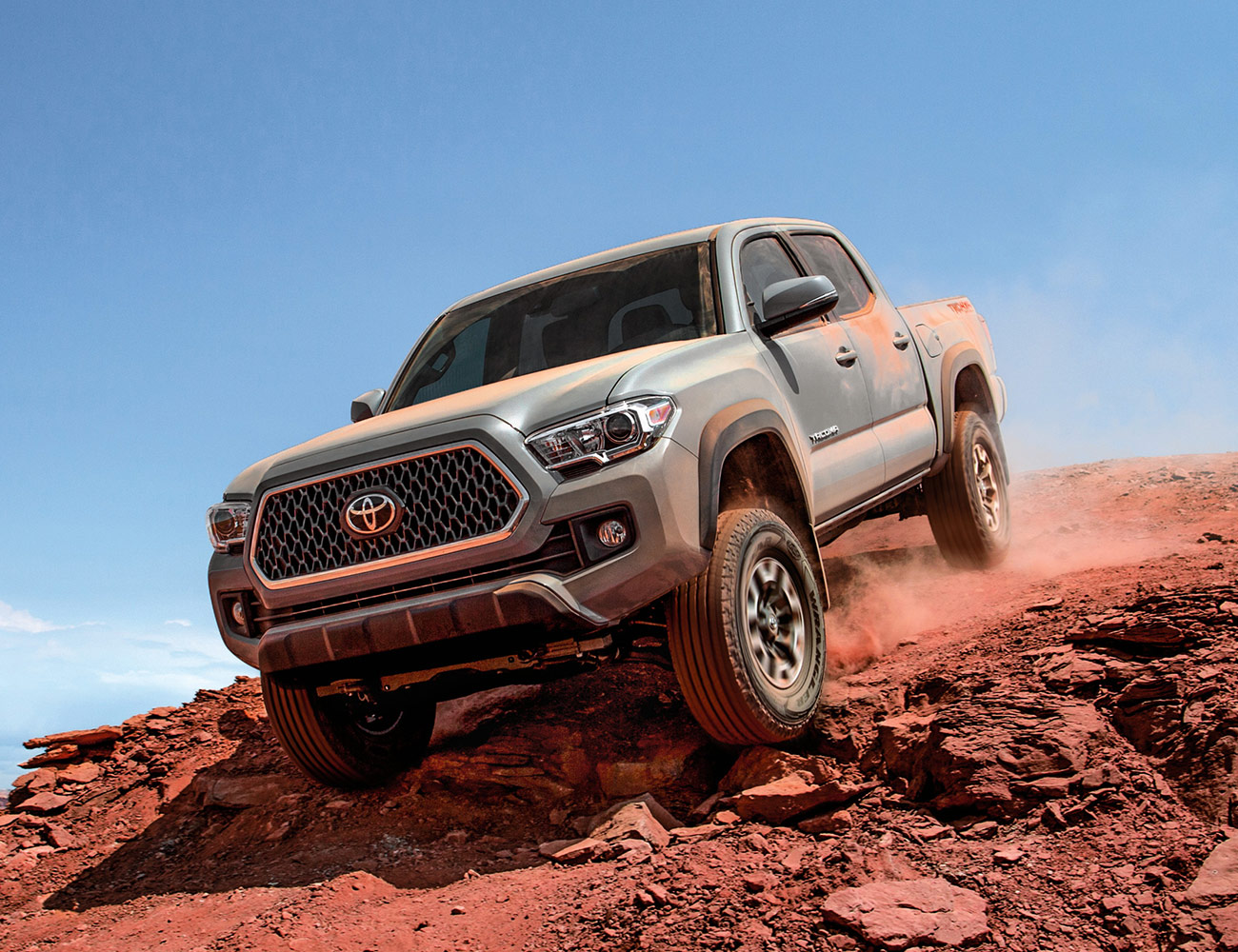
Toyota Tacoma

Total Sold in 2018: 116,266

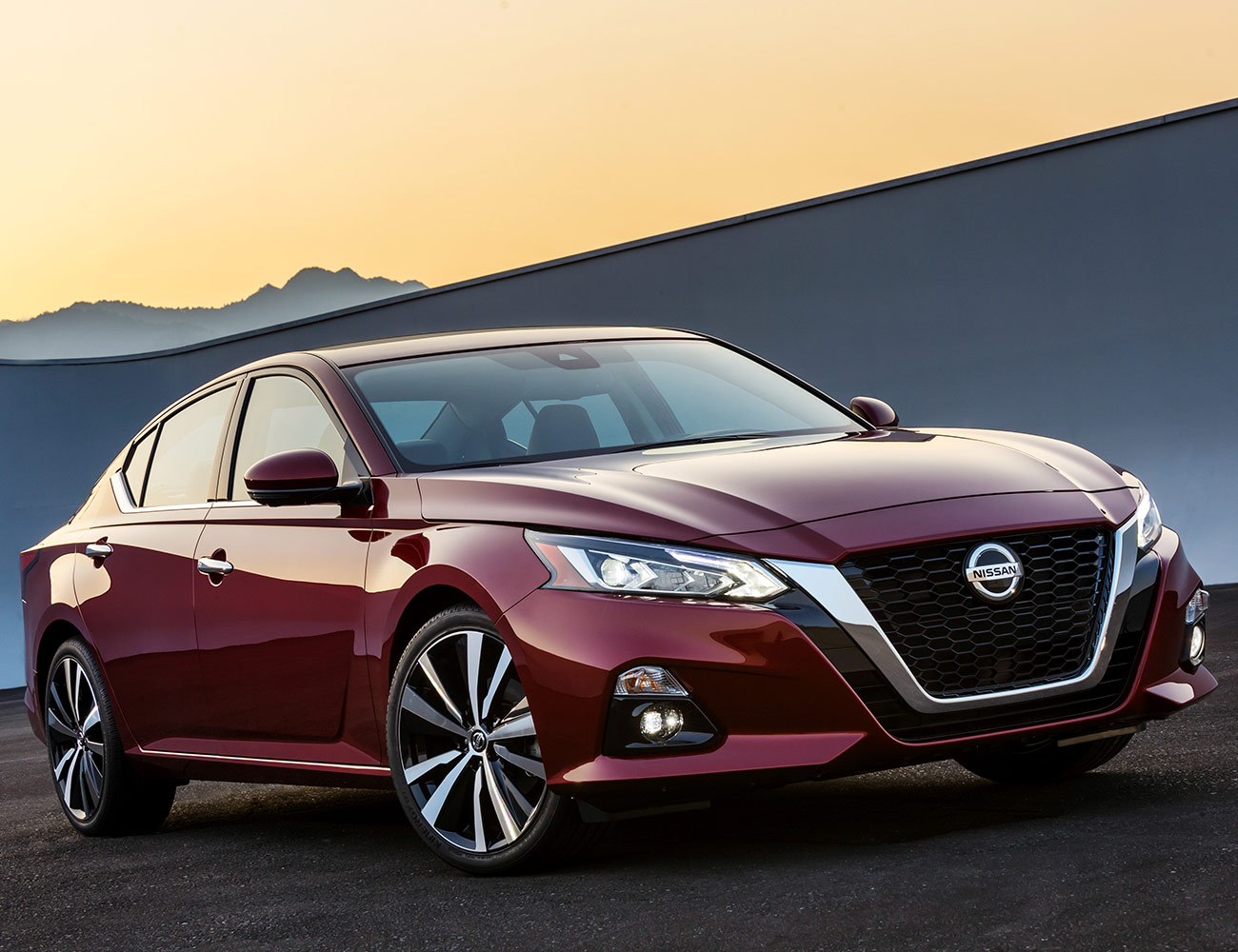
Nissan Altima

Total Sold in 2018: 123,792

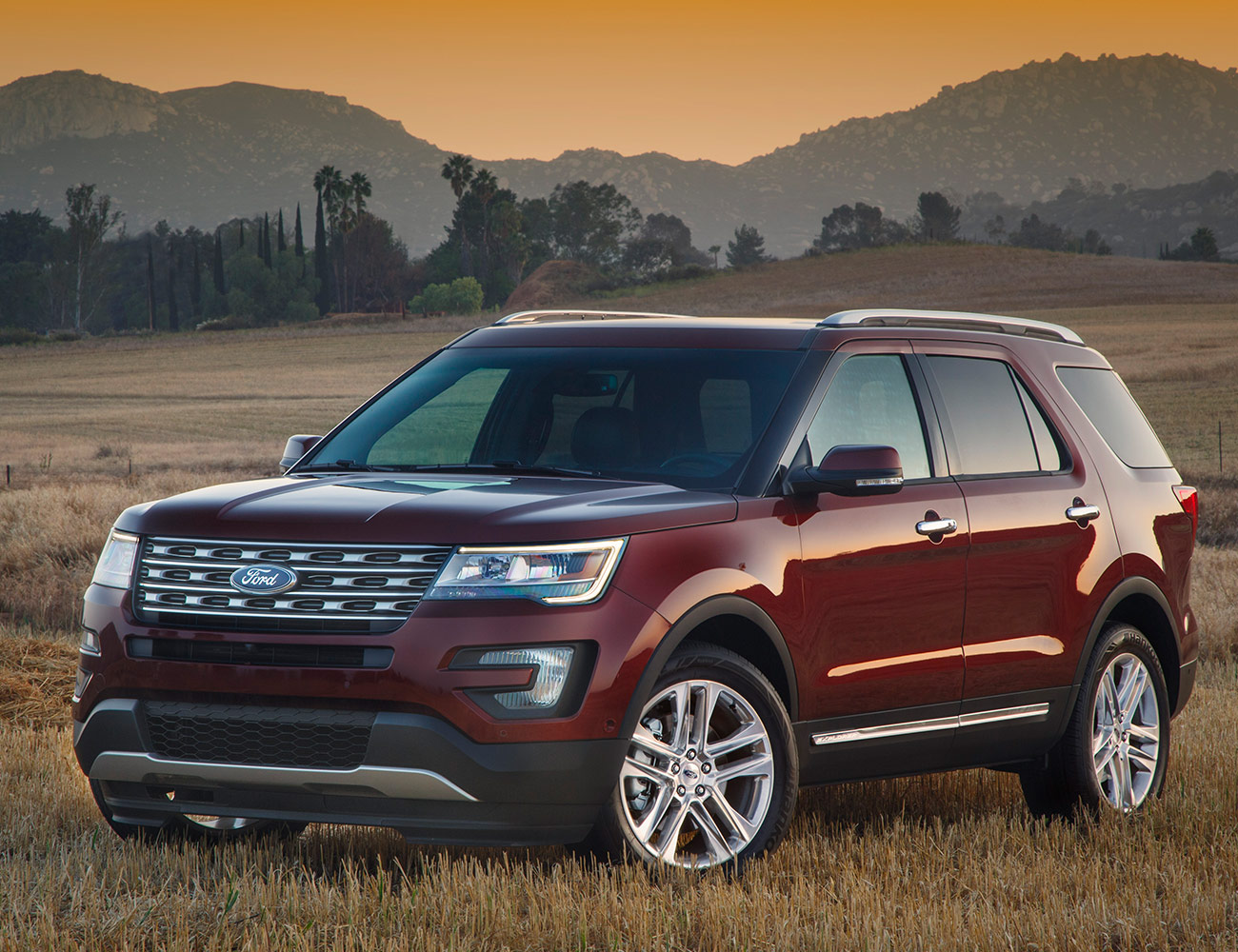
Ford Explorer

Total Sold in 2018: 128,706

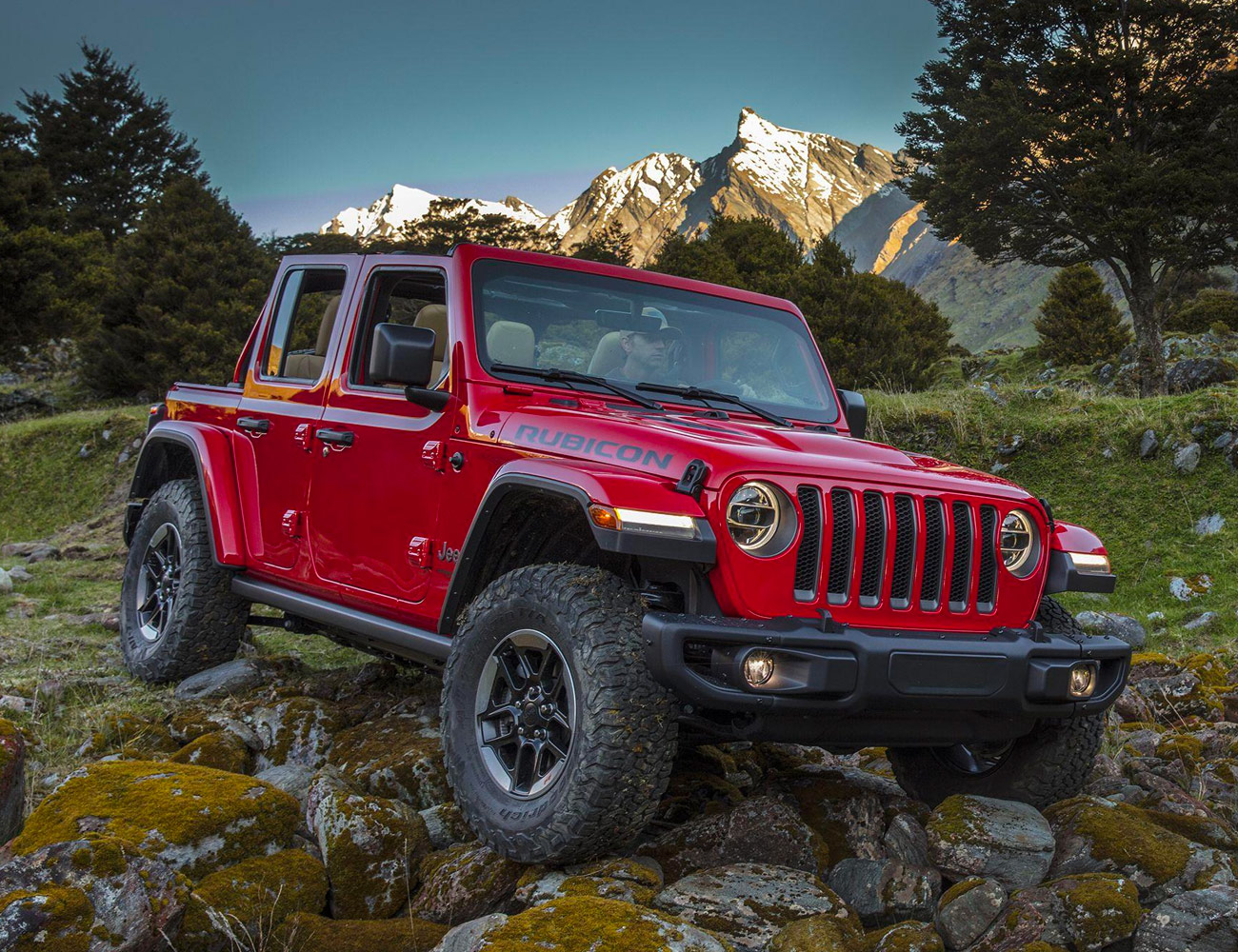
Jeep Wrangler

Total Sold in 2018: 133,492

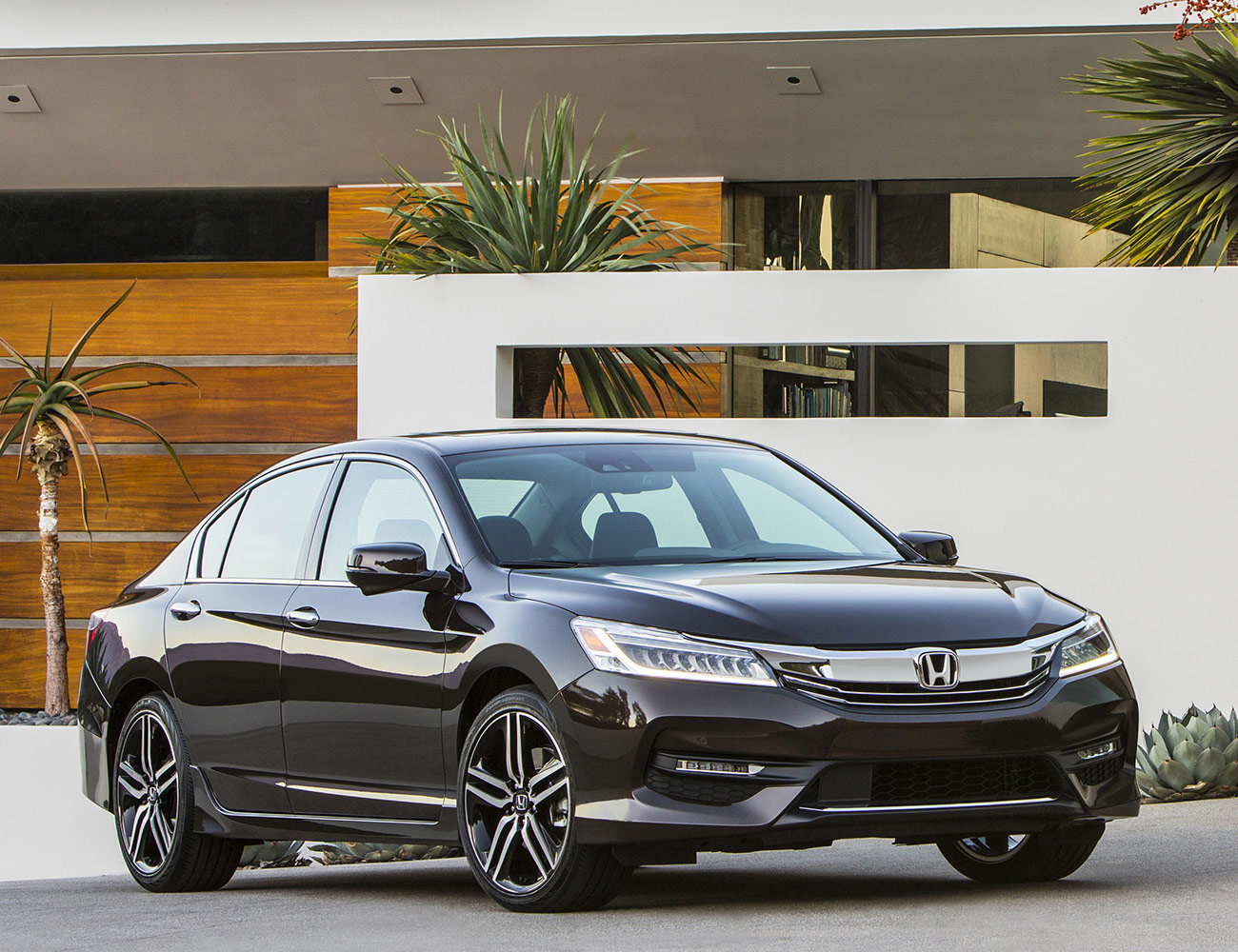
Honda Accord

Total Sold in 2018: 138,290

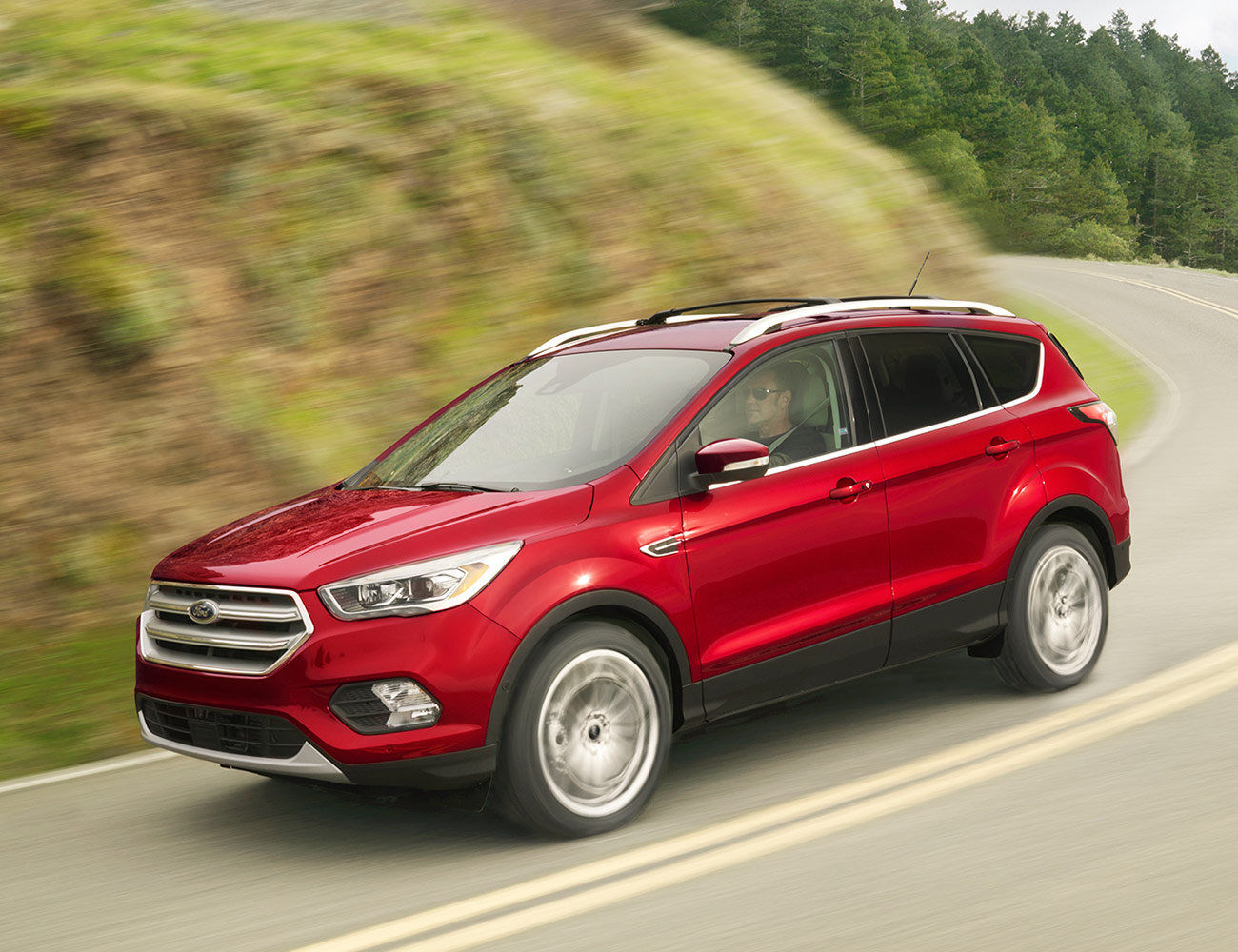
Ford Escape

Total Sold in 2018: 144,627

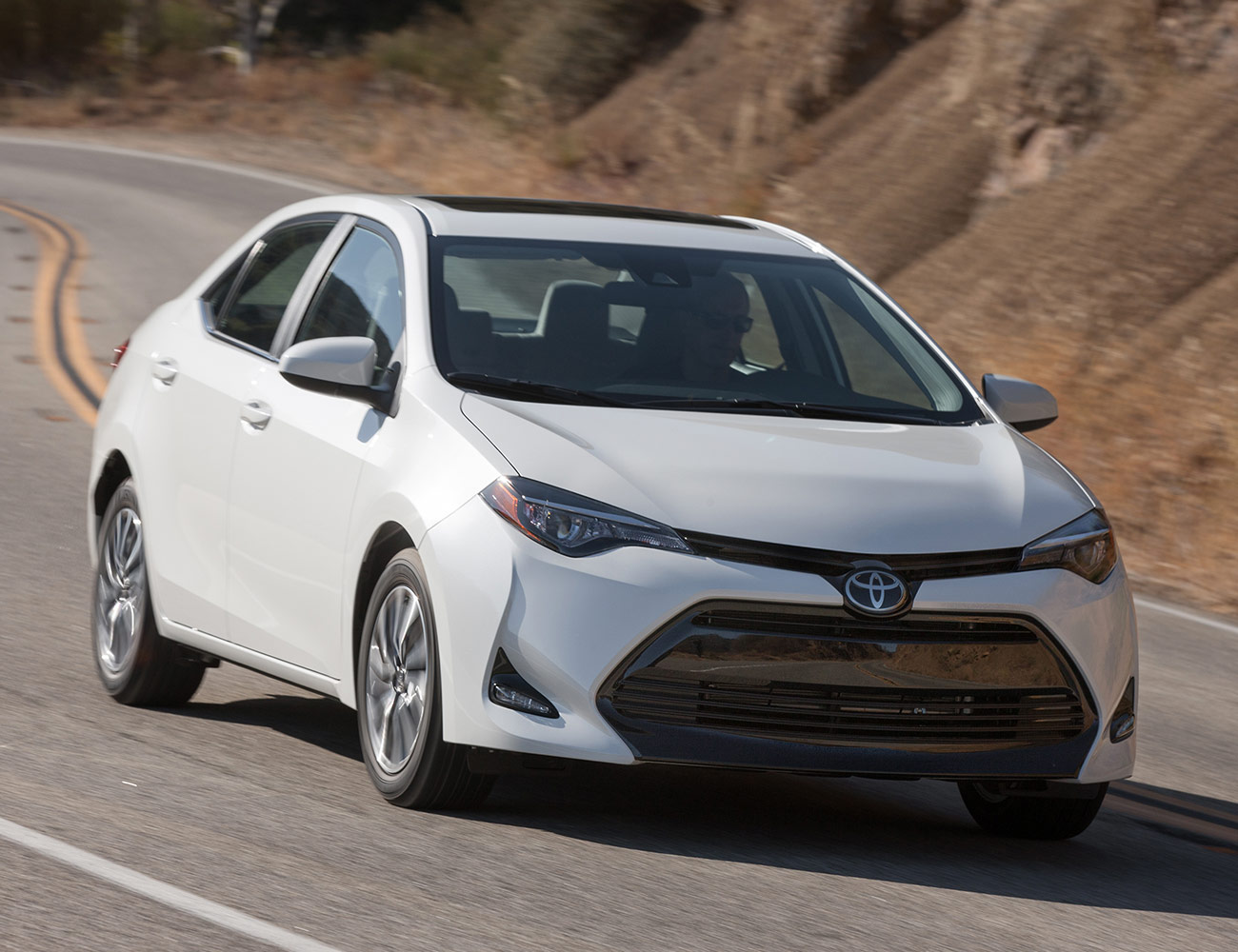
Toyota Corolla

Total Sold in 2018: 149,805

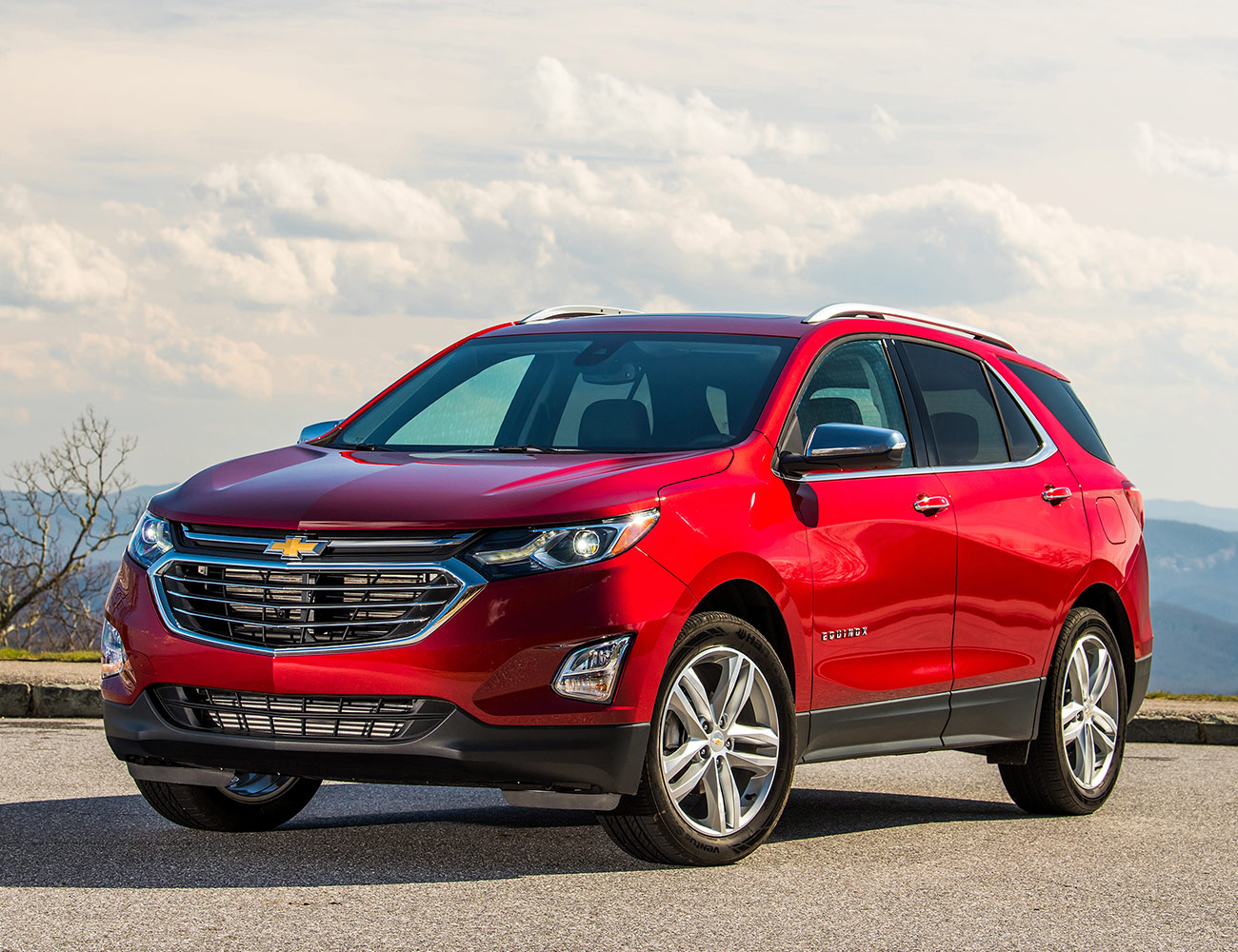
Chevrolet Equinox

Total Sold in 2018: 156,365

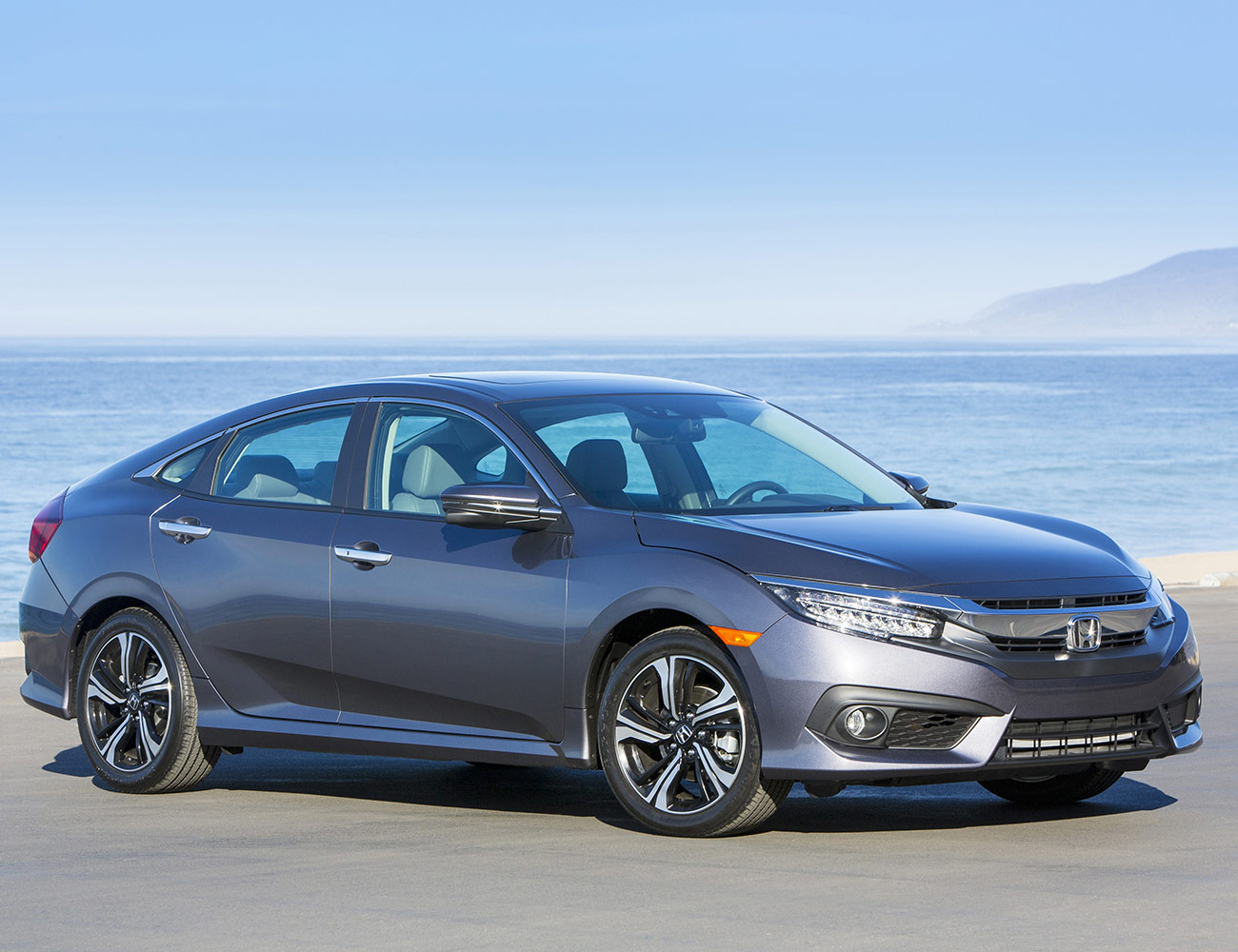
Honda Civic

/a>

Total Sold in 2018: 176,242

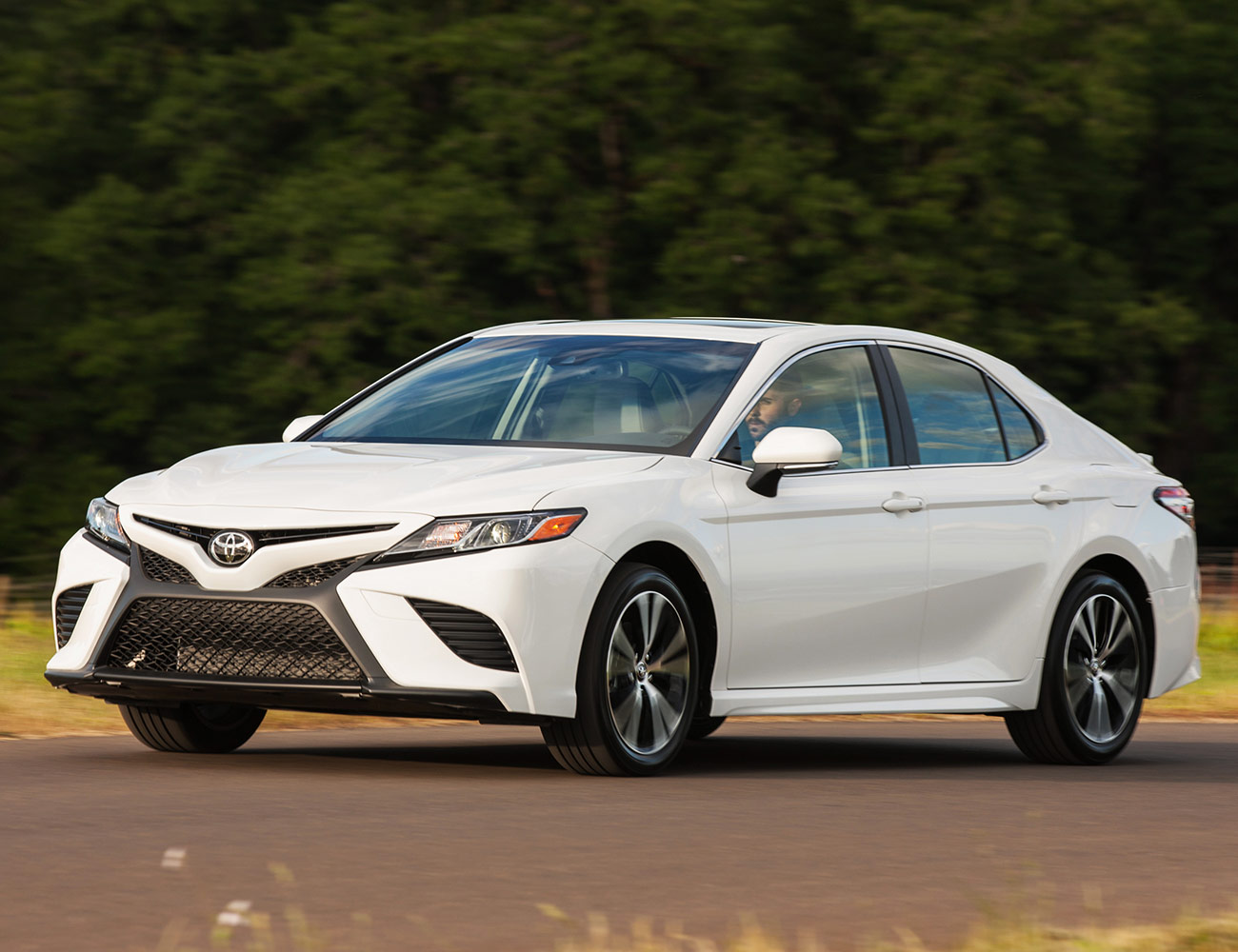
Toyota Camry

Total Sold in 2018: 178,795

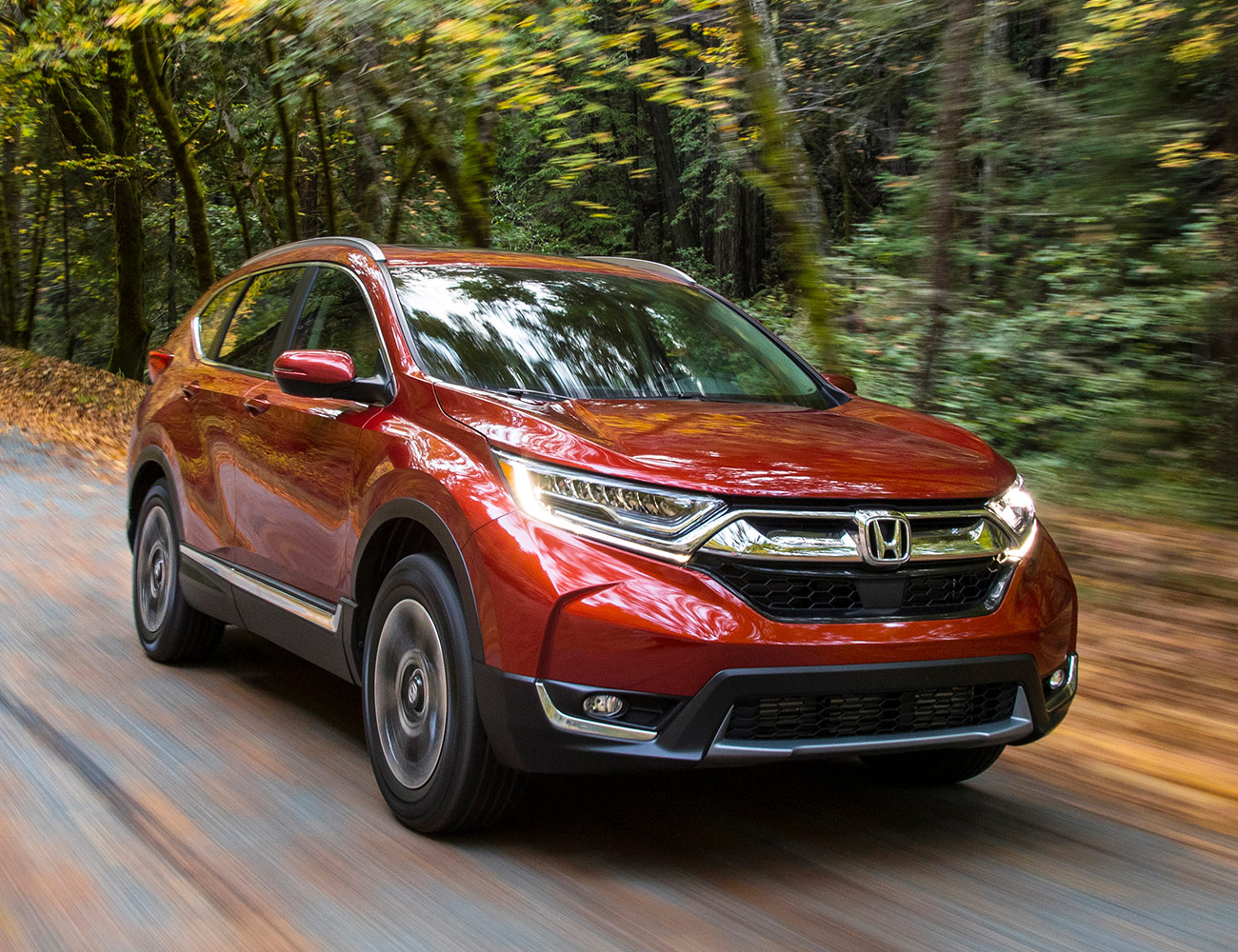
Honda CR-V

Total Sold in 2018: 179,580

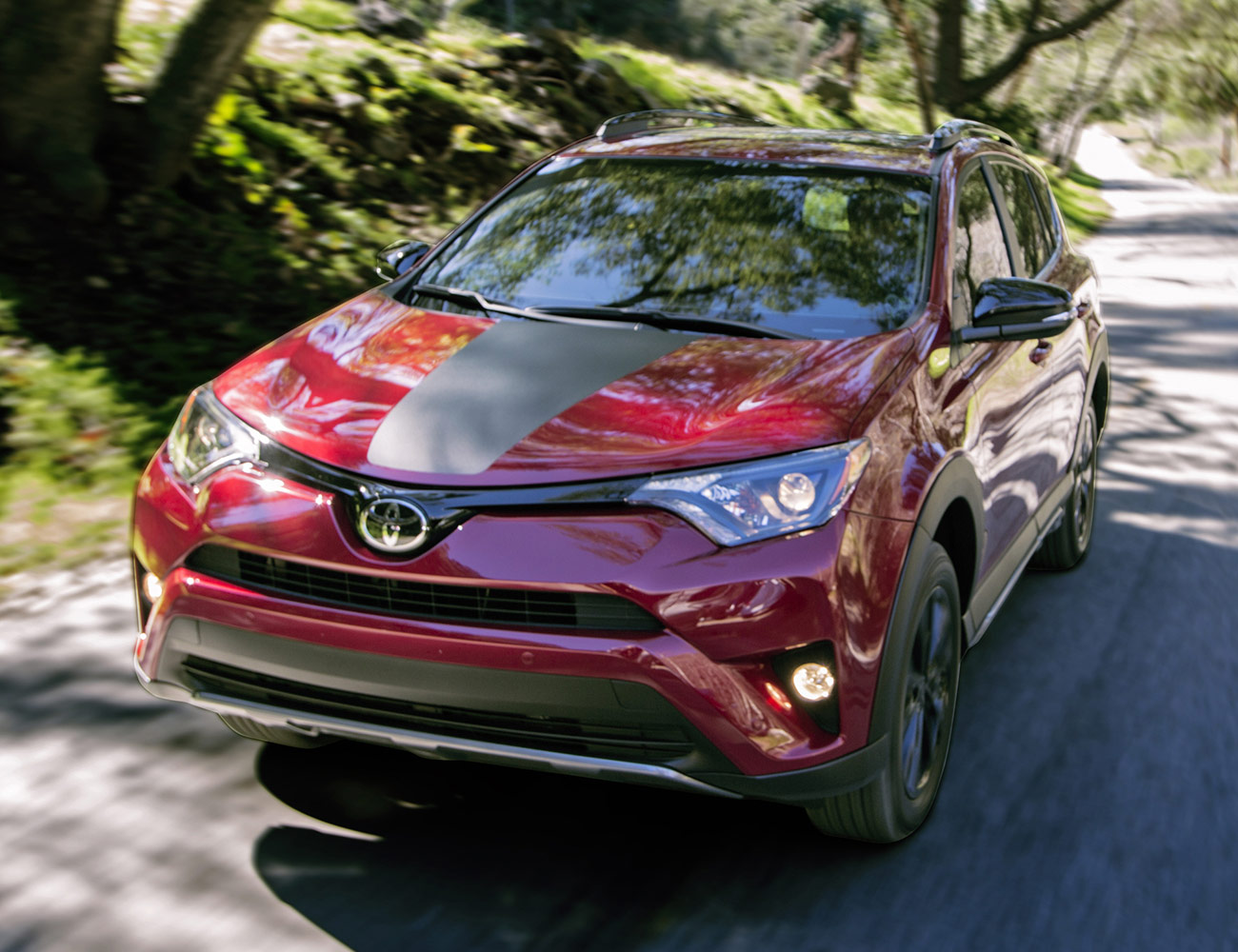
Toyota RAV4

Total Sold in 2018: 198,390

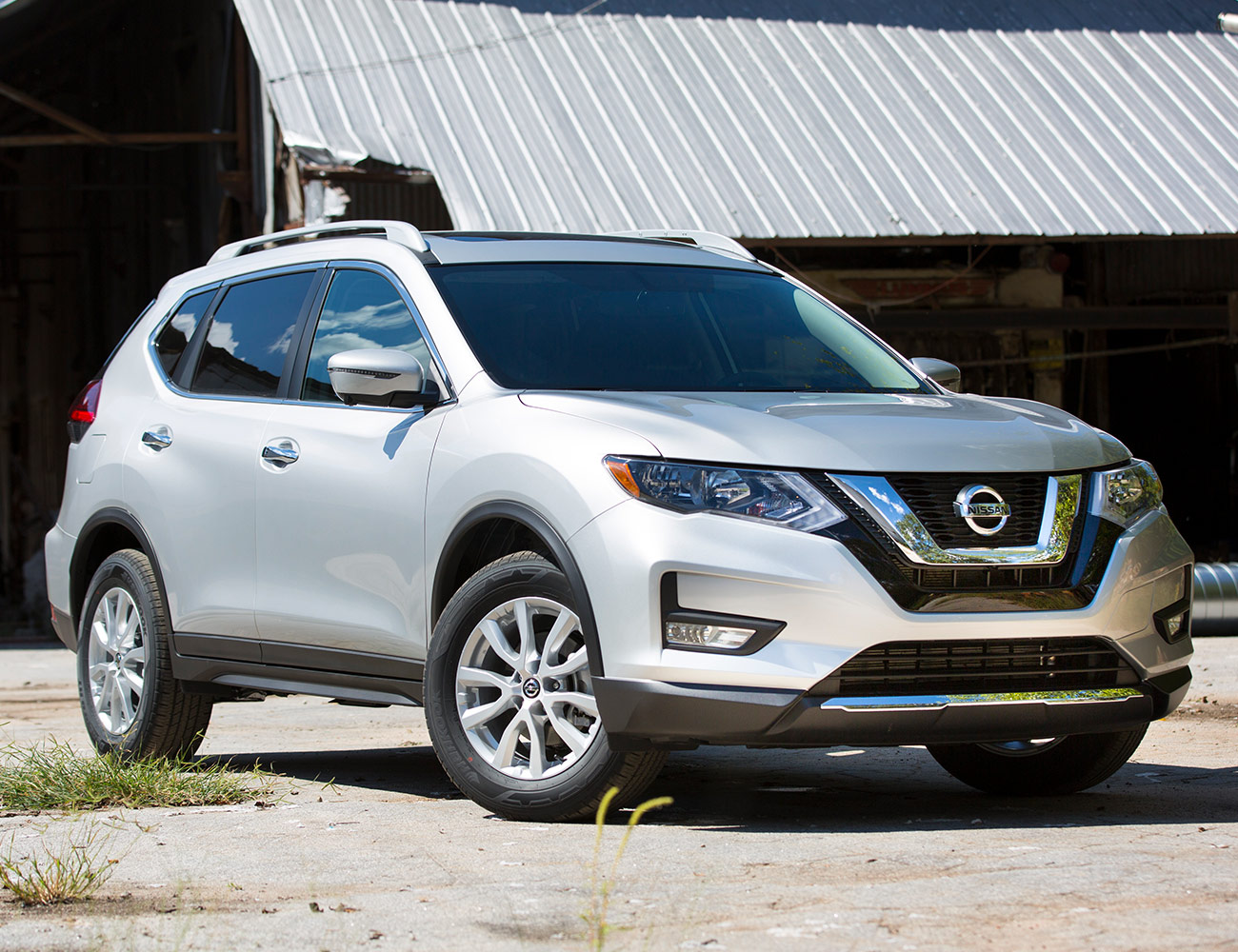
Nissan Rogue

Total Sold in 2018: 215,202

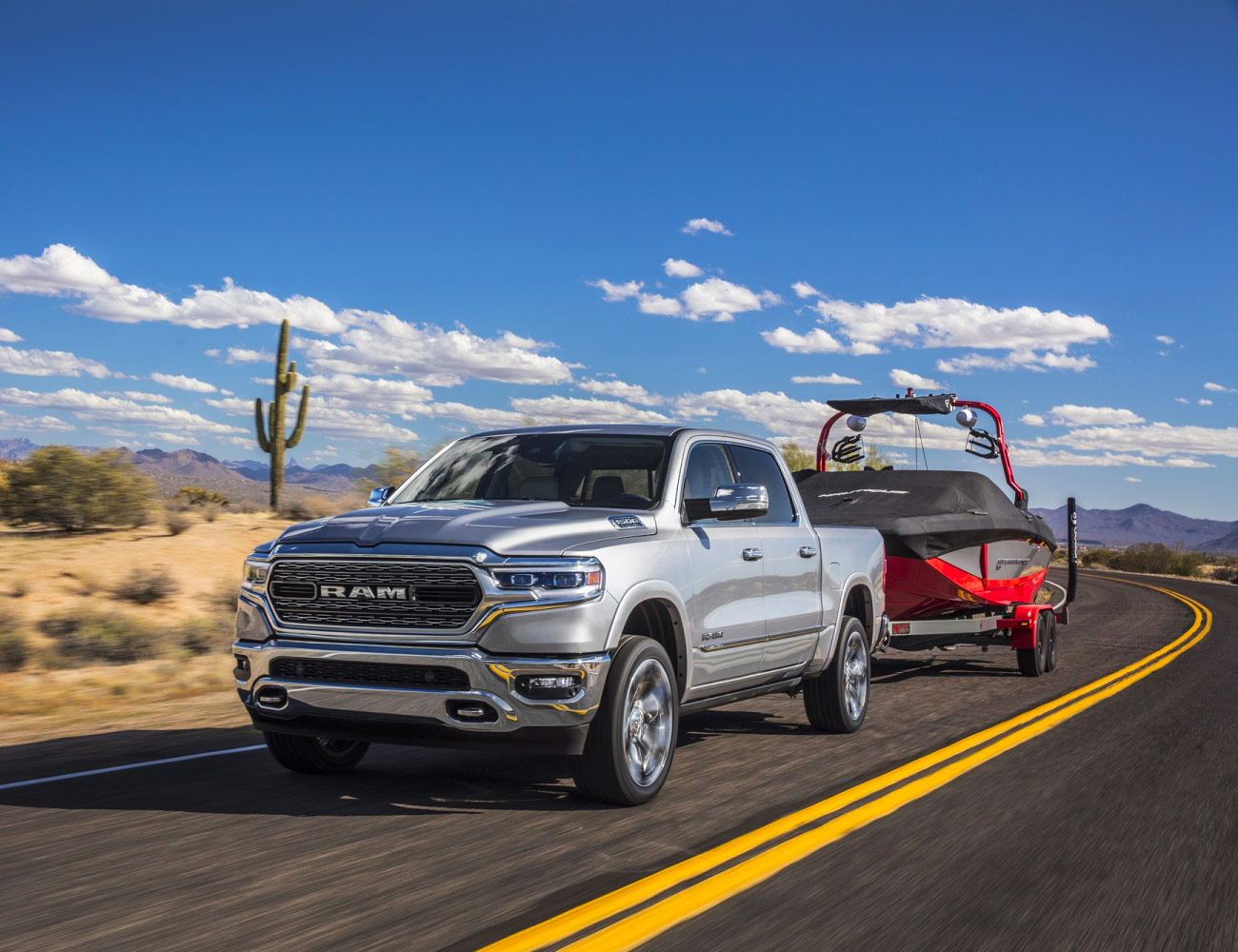
Ram Pickup

Total Sold in 2018: 233,539

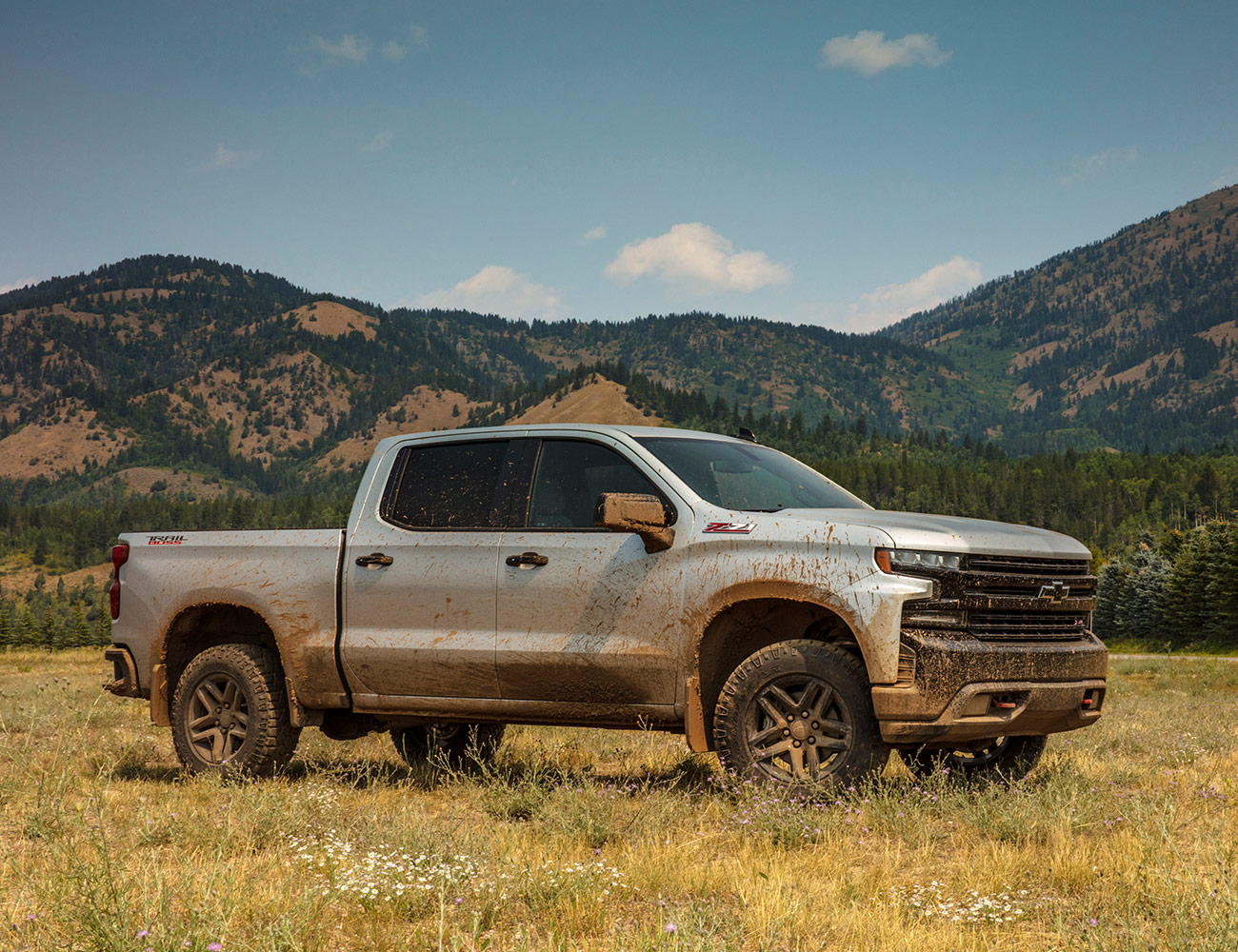
Chevrolet Silverado

Total Sold in 2018: 291,074

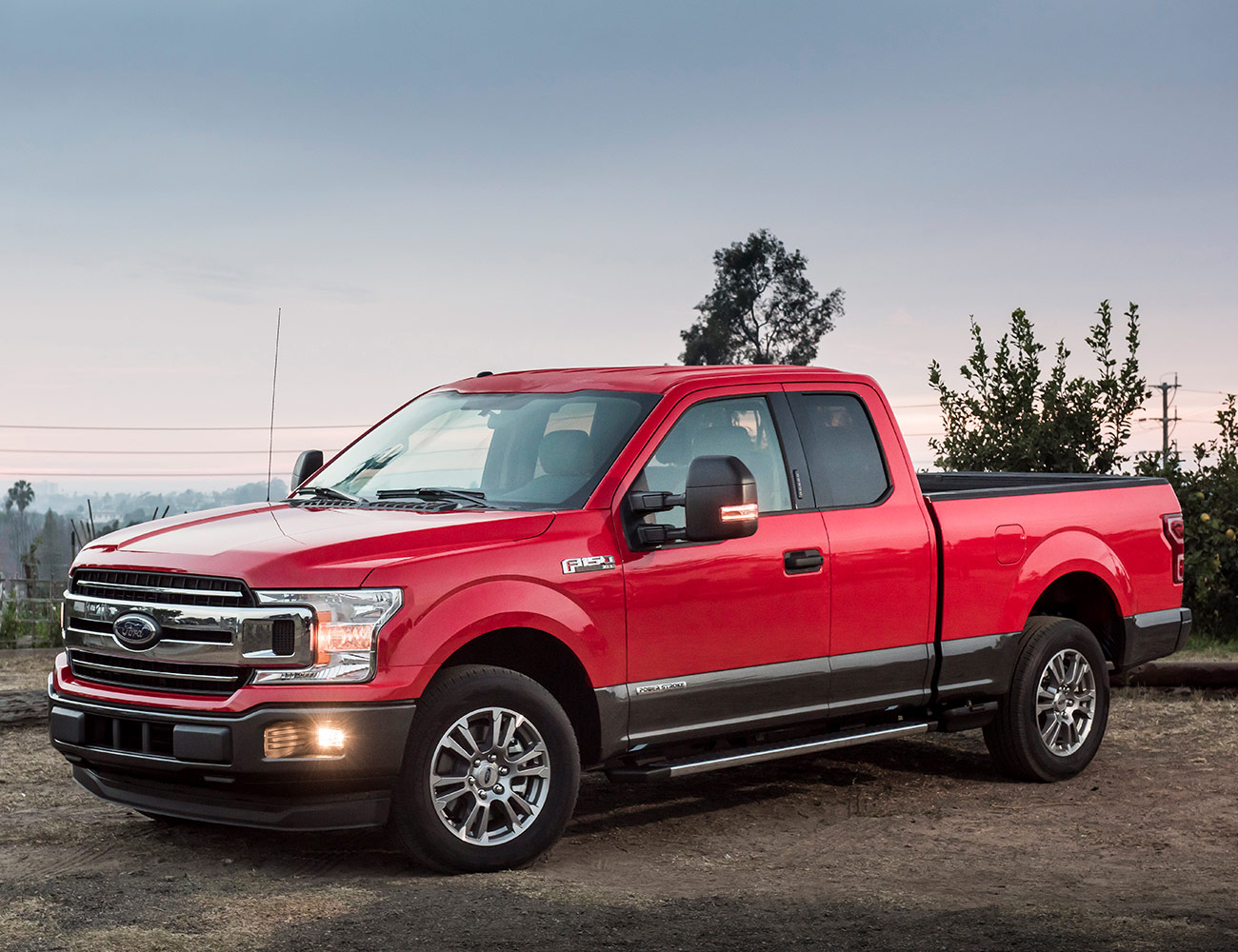
Ford F-Series

Total Sold in 2018: 451,138

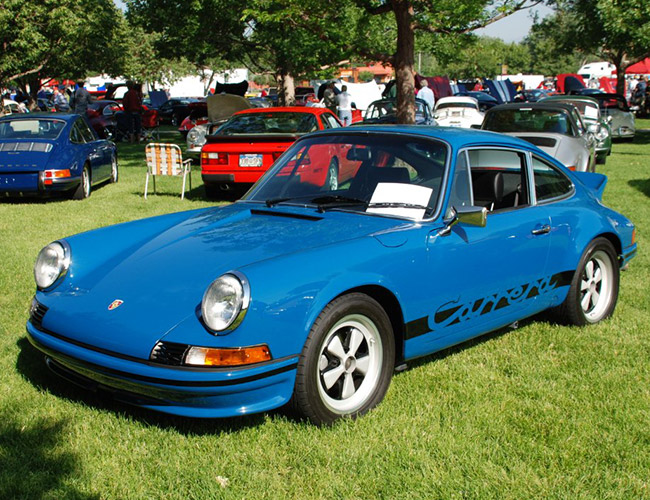
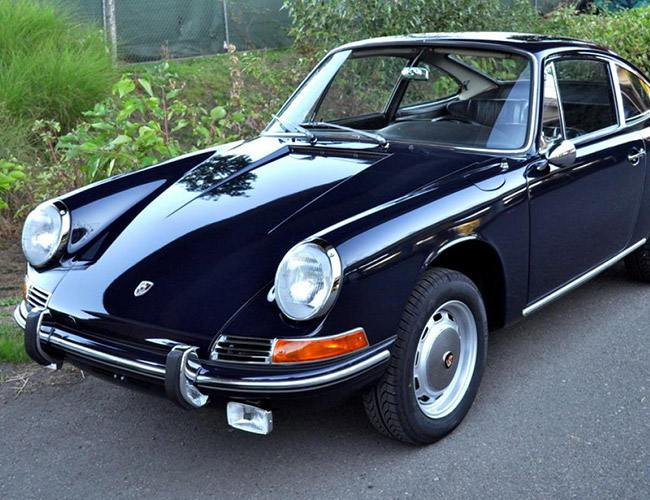
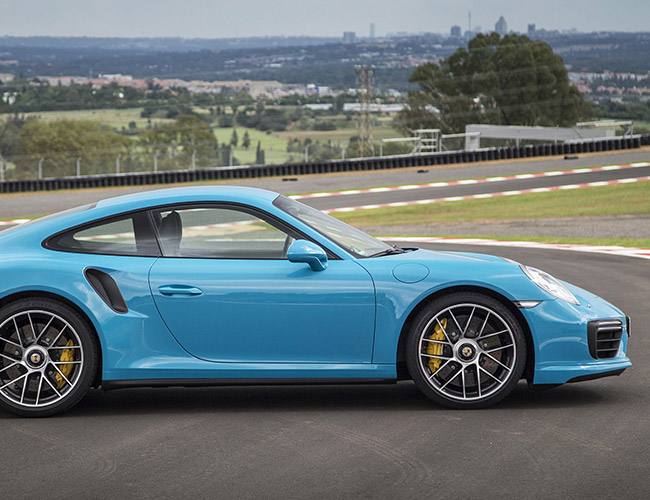
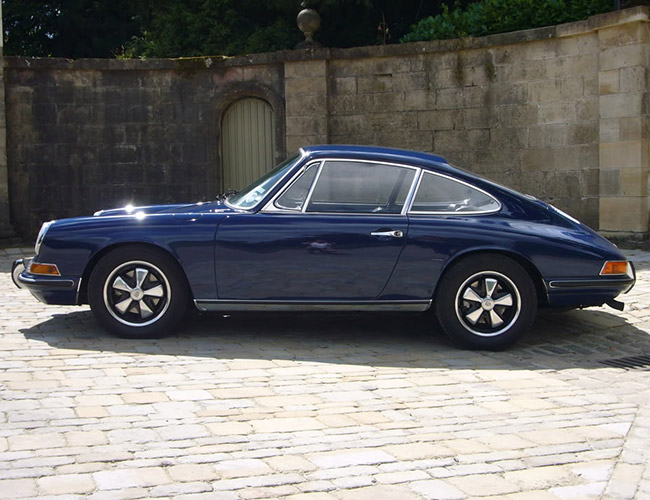
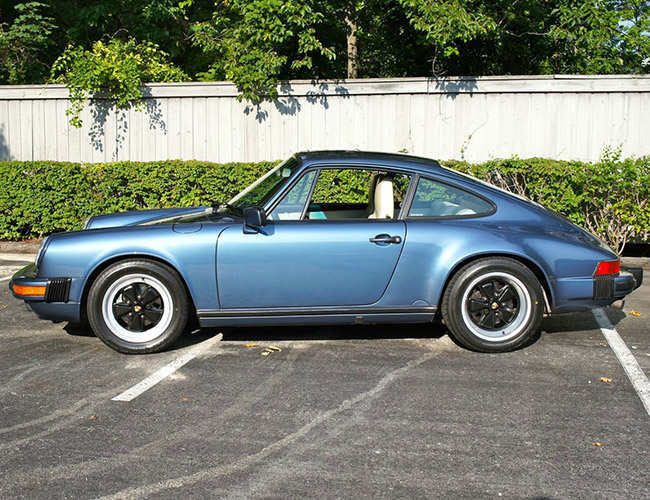
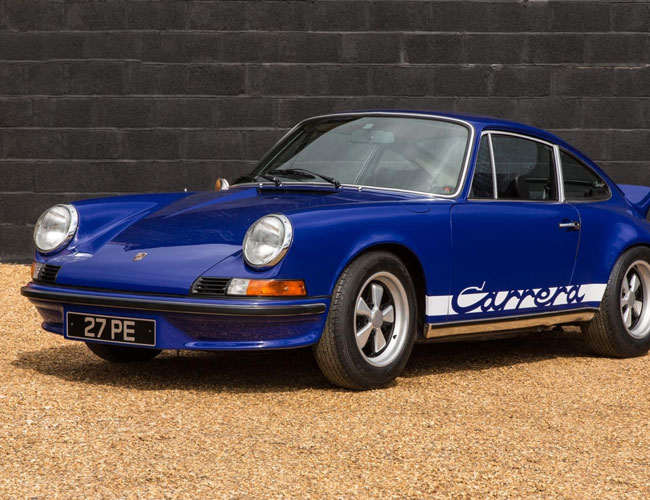
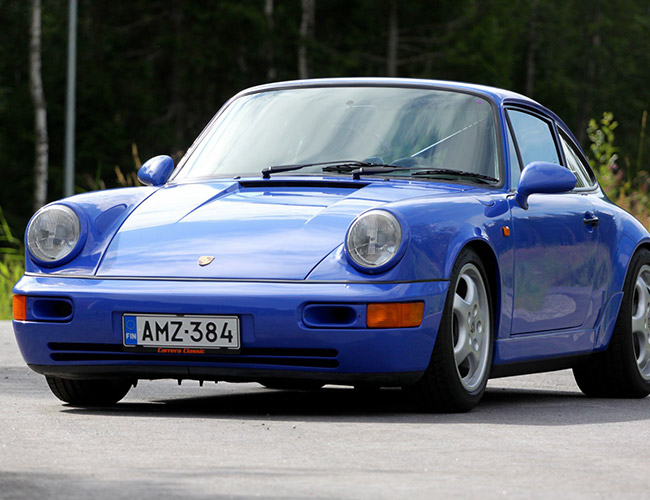
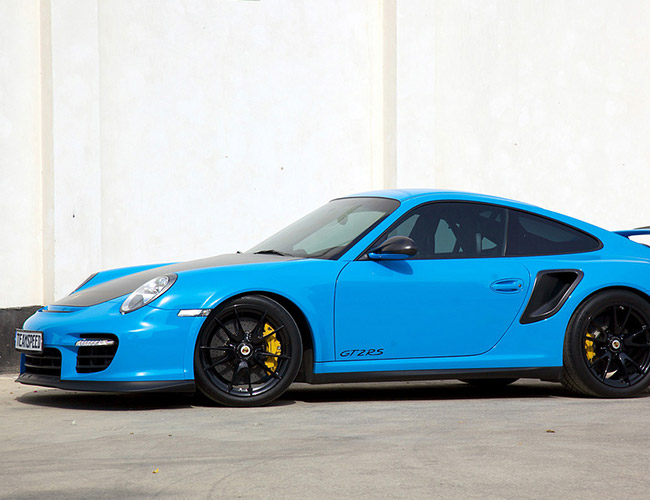
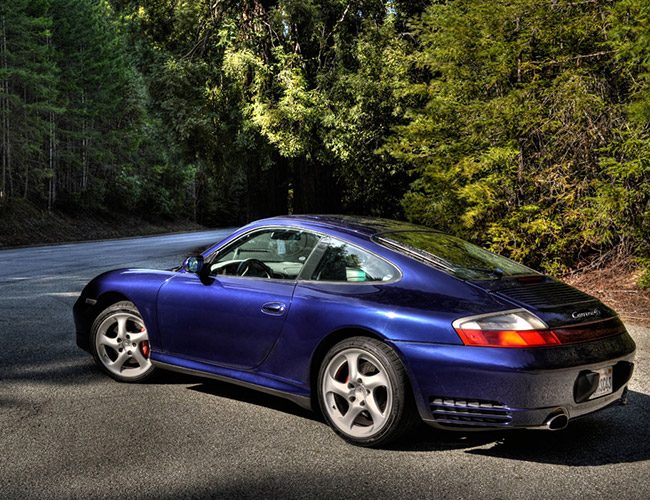
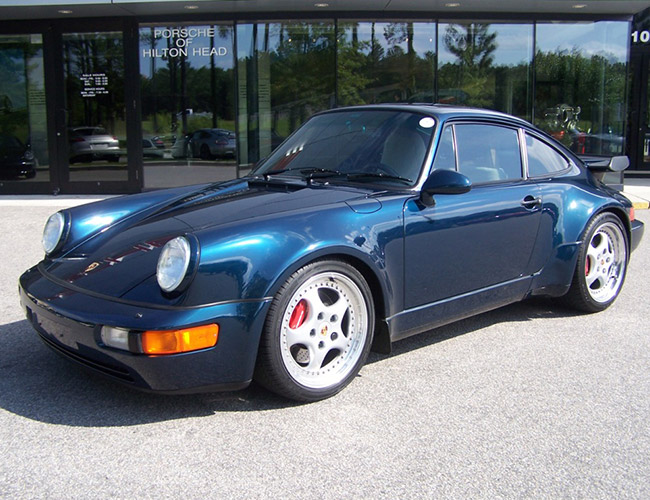
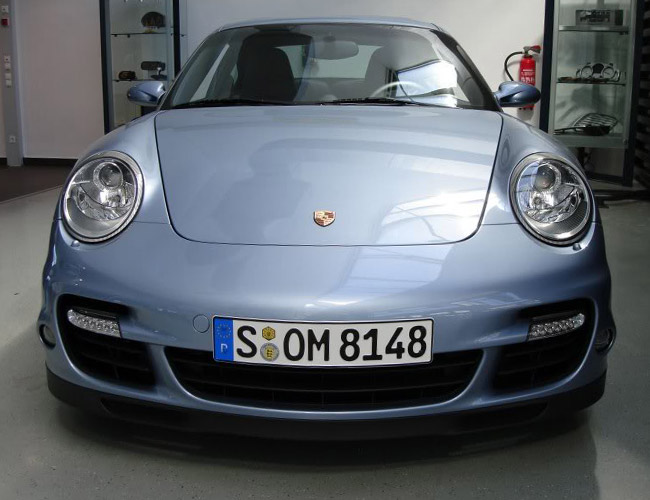
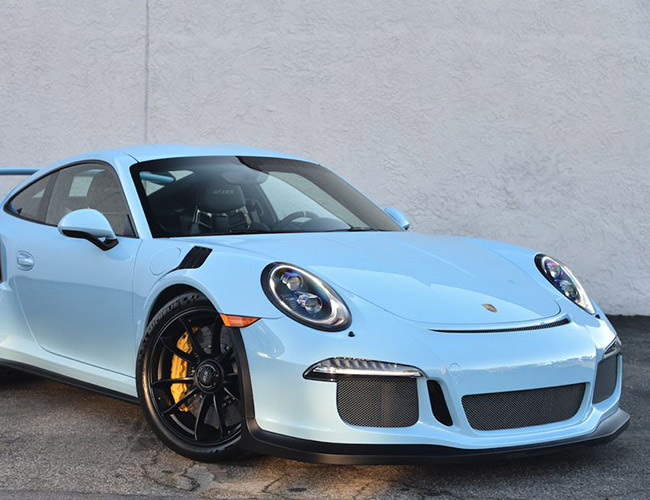
A Definitive Ranking of Blue Porsche 911s

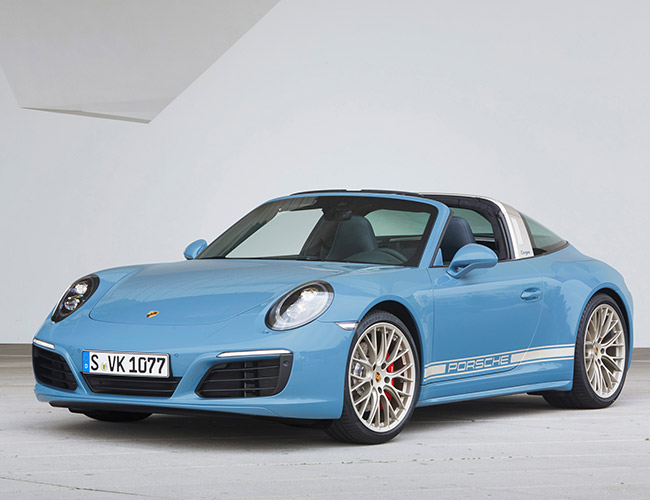
It’s a bit of an understatement to say that Porsche has a thing for the color blue. Since their start in 1931 they’ve released well north of 70 unique shades that have adorned everything from the 356 to the Cayenne. But no car has benefitted from Porsche’s Eiffel 65 tendencies more than the 911. Somehow the car feels like it was meant to be coated in blue since it started rolling off the line in ’63. The most recent of these being 911 Targa Design Edition, released earlier this week in Etna blue, a flat, light-toned callback to an original paint chip from the 356. We liked the color, but was it the best blue? An argument ensued and after a couple hours and a few broken bones, we ended up with a list, provided below with context where necessary.

1. Oslo

Oslo-Rennlist

Oslo is a great place. It’s the capital of the world’s fourth-happiest nation and home of the oldest ski museum in the world. It’s also the best 911 blue paint chip there’s ever been. It’s dark but not too dark, vibrant but not too vibrant, flat but not boring. It works best on air-cooled versions with lots of brightwork, but catch a 997 turbo in Oslo and you’ll realize why it’s number one.

2. Aga

Aga

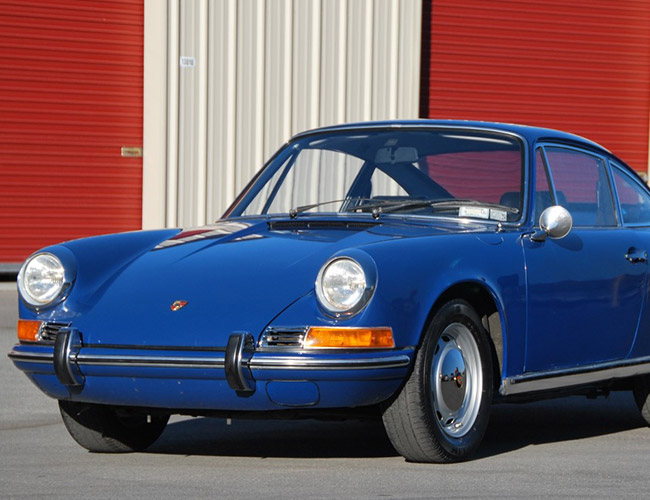
Like a navy blue suit, Aga’s part of the reserved old guard that helps keep pre-’70s 911s classified as timeless.

3. Miami

Miami

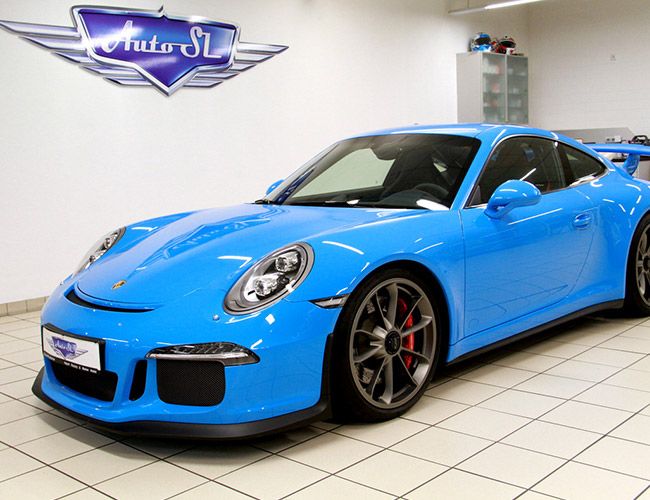
King of the modern Porsche blues, Miami stays just on the right side of obnoxious.

4. Albert

Albert

Albert’s the very serious, slightly moody member of the Porsche blue set. There’s definitely a hint of purple but it works perfectly.

5. Petrol

Petrol

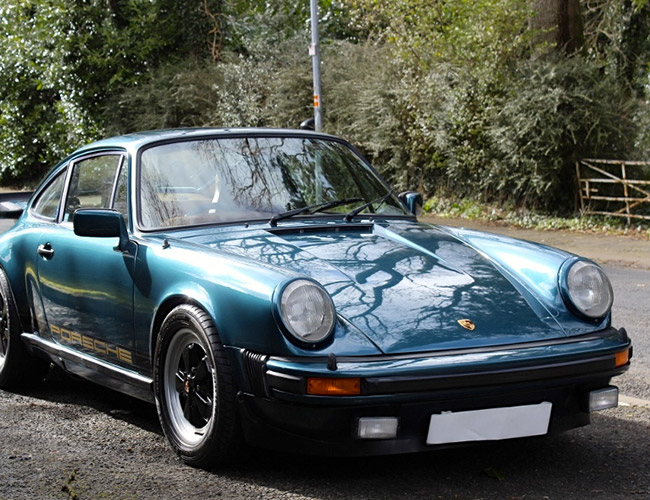
If you scroll (very) far down this list you’ll see how Porsche can screw up the blue-green mix, but Petrol is the perfect execution of it. Get it on an aggressively ’80s 930.

6. Ossi

Ossi

Like, 99 percent the exact same as Albert, but with a little less of that cool purple tinge.

7. Mexico

Mexico

Porsches aren’t visually very loud; a $200,000 Turbo S will look pretty pedestrian next to a $160,000 Audi R8. That is, unless you paint it Mexico Blue. If you want a blue Porsche and are a cocaine enthusiast, this is your car.

8. Etna

Etna 1

9. Baltic

Baltic

10. Dalmation

Dalmation-2

Like if Albert Blue got drunk and decided to let loose a little.

11. Maritime

Maritime

12. Riviera

Riviera

13. Lapis

Lapis

A not-quite-as-good-but-still-pretty-great Aga.

14. Amazon

Amazon

Not even sure this is technically blue, but it’s great.

15. Fountain

Fountain

And Those That Missed the Mark…

73. Gulf

Gulf

Unless you’re being paid by Gulf and have a couple of orange stripes to complement it. Gulf blue just doesn’t quite work. (The RSR is an exception.)

74. Horizon

Horizon

Just get silver.

75. Ipanema

Ipanema

Some terrible mix of blue and green that was conceived solely to complement a central-Florida tan.

The Best Ways to Modify a Porsche, According to a Pro

If you just bought a classic, or even a newer Porsche, and want to make it your own, take some advice from Master Porsche modifier, Rod Emory. Read the Story

In a World Plagued With Dull Car Colors, Volkswagen Is Offering 40 Different Hues

Look out your nearest window to all the cars parked on the street. What do you see? White? Black? Silver? A slightly different silver? Maybe red or blue? This is an unfortunate truth about modern cars: they’re usually offered only in a few safe, staid shades, with maybe one or two fun options thrown in.

There’s probably a good reason for this: according to Kelly Blue Book, the most popular car color in the U.S. is white, followed by black and silver. The article further states that unpopular colors are more likely to negatively impact resale value. It’s not a stretch, then, to figure that this factors into the decision process when buying a new car and that carmakers don’t think it’s worth it to offer anything other than four shades of white, three shades of silver and two shades of black.

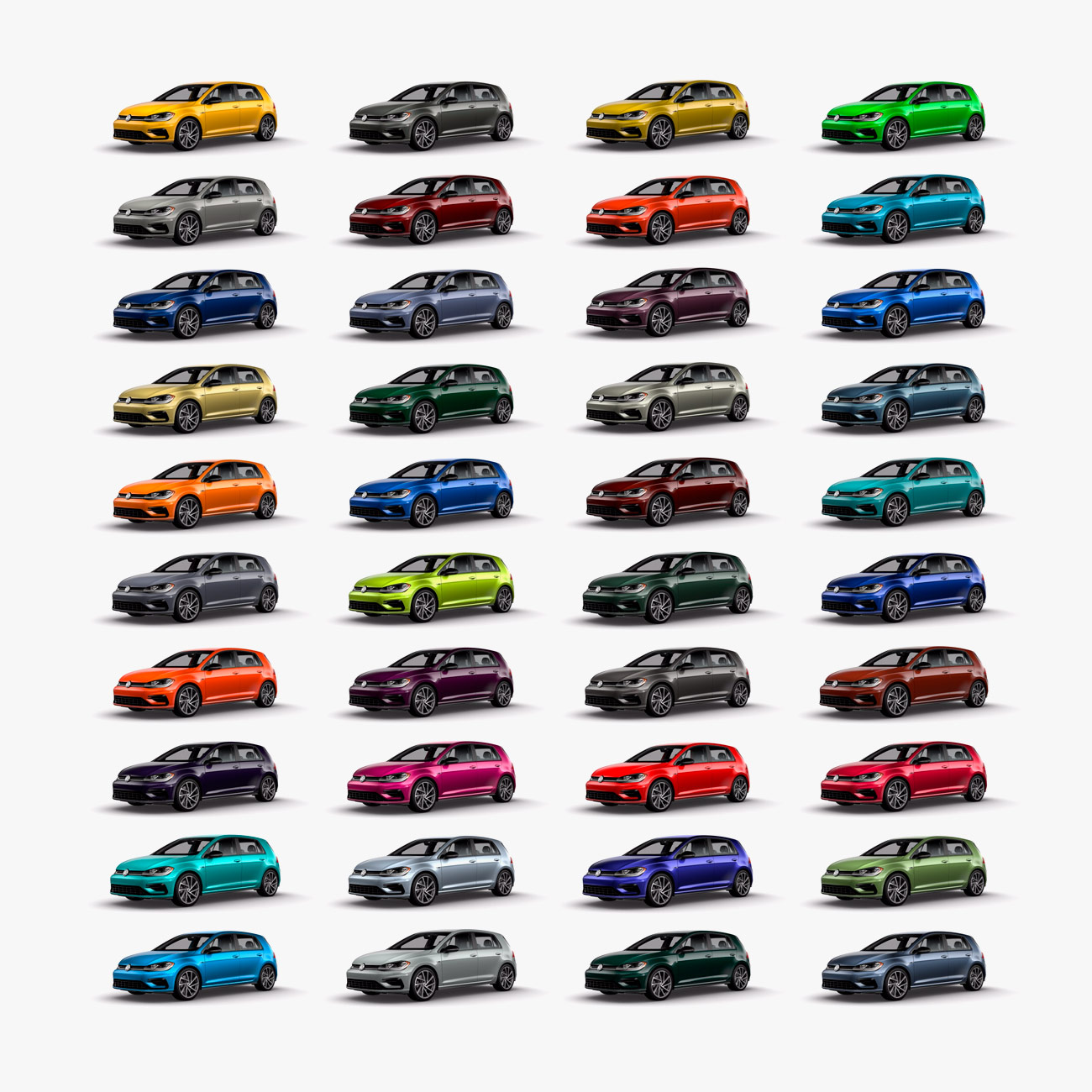
But that’s boring as hell, and Volkswagen seems to see a problem with this. As such, the automaker has announced the introduction of the “Spektrum Program” to the United States, which allows consumers to pick between a whopping 40 different hues — a veritable Sherwin-Williams worth of color. There are a couple of caveats, though: the program is only available on the Golf R, and it’ll tack an extra $2,500 onto the price.

Still, Volkswagen’s Golf R is a superb hot hatch and is likely betting that greater choice in color is going to appeal most to the enthusiast crowd. What’s more, most of the colors are plucked from the enthusiast cars of VW’s past Viper Green Metallic, for example first debuted on the MK3 Scirocco then later showed up on the Lamborghini Huracán. Meanwhile, Deep Blue Pearl was the headlining color option for both the MK4 and MK5 R32. Then there’s Mars Red, which made its debut on the original Golf GTI — that ought to tug at most V-Dubbers heartstrings.

There’s also yellow. There’s orange. There are multiple versions of teal. There’s even purple and magenta. And if vivid ain’t your thing, there are still plenty of great, classy hues here, including three shades of forest green and a couple of different takes on slate blue. Any of them are better than white.

According to Volkswagen, an online configurator allowing buyers (or dreamers) to spec these colors will go up soon, and to get one, you’ll have to go down to your local dealer and order it. Once an order is placed, your car will be delivered in two to four months. Now, Volkswagen, tell us: what does one have to do to get it painted up “Harlequin” style?

The ‘Ferrari’ from ‘Ferris Bueller’s Day off’ Is up for Grabs

Before we begin, I would recommend putting this on in the background for ambiance. Got it going? Good. The 1961 Ferrari 250 GT California. Less than 100 of them were made. My father spent three years restoring it. It is his love. It is his passion.

And it’s his fault somebody didn’t lock the garage, because now it’s heading for auction.

Okay, so this is not actually a 1961 Ferrari 250 GT California, but it is one of the three Ferrari California replicas made for filming the 1986 classic Ferris Bueller’s Day Off. (What, you thought they sent an actual Ferrari careening out of a window?) The car is, technically, a Modena GT Spyder California, made by California-based Modena Design, built upon a custom tube chassis (made by Indy car builder Bob Webb) and powered by a 5.0-liter V8 engine. So, not exactly a Ferrari but still convincingly beautiful and up for some shenanigans.

Of the three cars built for the movie, this is one of the two working examples built (the third was just a rolling shell sent out the aforementioned window). It was acquired by the president of Modena Design Neil Glassmoyer, who subsequently restored it (which only took nine months, not three years) after the shooting of the film. The odometer shows 1,520 actual miles, though whether or not somebody tried putting it into reverse to bring that number down is anyone’s guess.

Thing is, a real 250 GT California would cost you millions at auction (like, try in the neighborhood of $18 million), but this car is expected to fetch somewhere between $250,000 and $300,000 when it goes on sale later this month in Monterey. When you think about it, is that so much to pay for a functioning and iconic piece of ’80s movie history? (Sure beats that crumbling shoe from Back to the Future II). As a wise man once said, “if you have the means I highly recommend picking one up.”

The Centurion Classic Was the First Modern SUV

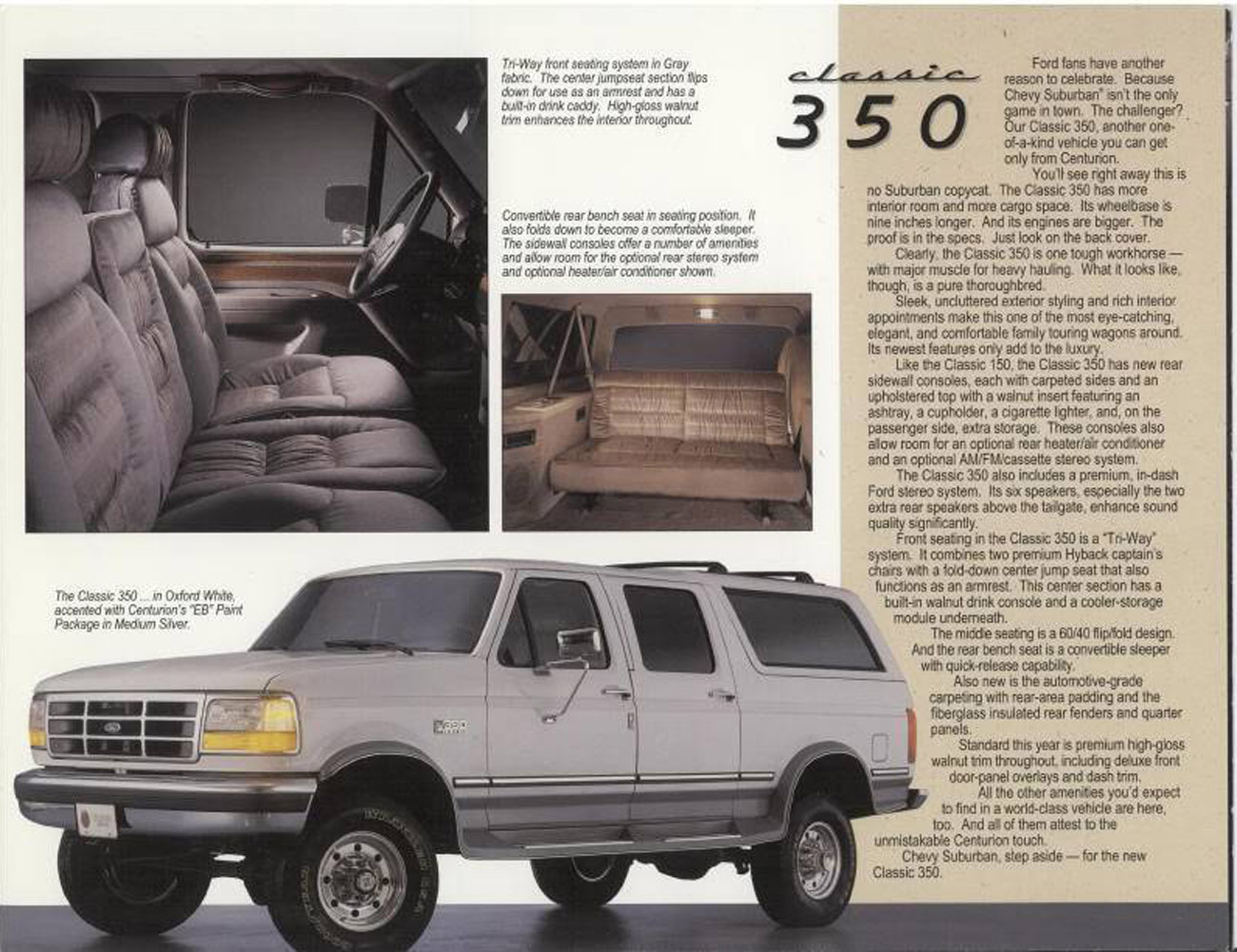
When you think of the modern full-sized SUV, what comes to mind? All the latest tech, four-wheel-drive, three rows of seats, room for at least six or seven adults and long enough to rival a stubby school bus? All those features have been commonplace in SUVs for the better part of 30 years, but there was one family hauler that made an extra leap — one that wasn’t (technically) made by any of the big manufacturers. Centurion Vehicles took then-contemporary Broncos and F-350s and converted them into SUVs to rival the Chevrolet Suburban and Jeep Grand Wagoneer when Ford apparently couldn’t be bothered to do so itself.

As far as a four-door, three-row SUV goes Ford didn’t build its own until the Expedition in 1997, which was followed by the even larger Excursion in 2000. Until then, Chevrolet was uncontested after the Jeep Grand Wagoneer all but disappeared in ’91. To give Ford a presence in the segment, Centurion Vehicles, an outfit which specialized in Ford vehicles, converted F-350 pickup trucks by tacking on Bronco rear quarter panels, hardtops and tailgates, then shortened wheelbases to taste. In the end, the Centurion Classic C350 (and smaller C150 based on the F-150) went toe-to-toe with the Suburban, which say on a shorter wheelbase (140 inches, which was still nine inches longer than the Suburban yet carried a one-ton chassis). Up front, the C350 used either a 7.3-liter diesel V8 or 7.5-liter gasoline V8 for power while the smaller C150 made due with 5.0-liter and 5.8-liter V8 engines.

Where the Centurion separated themselves from the pack and pushed the SUV envelope is the vehicles’ interiors — and their lists of standard equipment. Captain’s chairs for the driver and front passenger were par for course, but instead of a bench seat for the middle row, the Centurion had a second pair of individual leather thrones. And where most three-row SUVs today more or less cram the third row in the trunk, the backbench passengers sat comfortably with nearly as much leg room as the row in front. Moreso, the third row laid flat into a pseudo-bed — Rolls-Royce can’t even brag about offering that. And when it came to creature comforts, the Centurion was equipped with a cooler, CB radio, six-inch color TV and a VHS player.

It would seem Ford caught on to how much money it was losing in the segment that’s now one of the biggest cash cows in the industry. In 1996 Ford dropped the Bronco and introduced the Expedition, bringing an end to what was America’s first luxury SUV. It might have been an aftermarket conversion, but the gargantuan Centurion C350 and C150 SUVs will go down in history as game changers.

The 10 Best SUVs Under $50,000

Choosing one among the endless many is no easy task. Moreover, since the average price for an SUV 2017 was just under $40,000, it’s a decision that shouldn’t be taken lightly. To cover all the bases, we bumped the budget up to $50,000 and chose the best new SUVs you can buy in 2018. Read the Story

This GMC Short Bus Was Turned Into a Camper

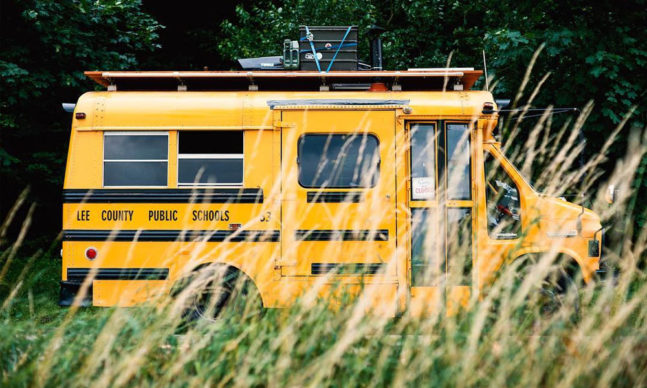
From the outside, this looks like your average GMC short bus. Inside, however, you’ll find the work of a German filmmaker and tattoo artist, who completely transformed the bus. It’s filled with interesting features we’re…

Damn the Purists. This Is the Porsche You Want

Editor’s Note: We love scouring the internet for reasons to spend money we don’t have on cars we daydream about owning, and these are our picks this week. All prices listed are bid amounts at the time of publishing.

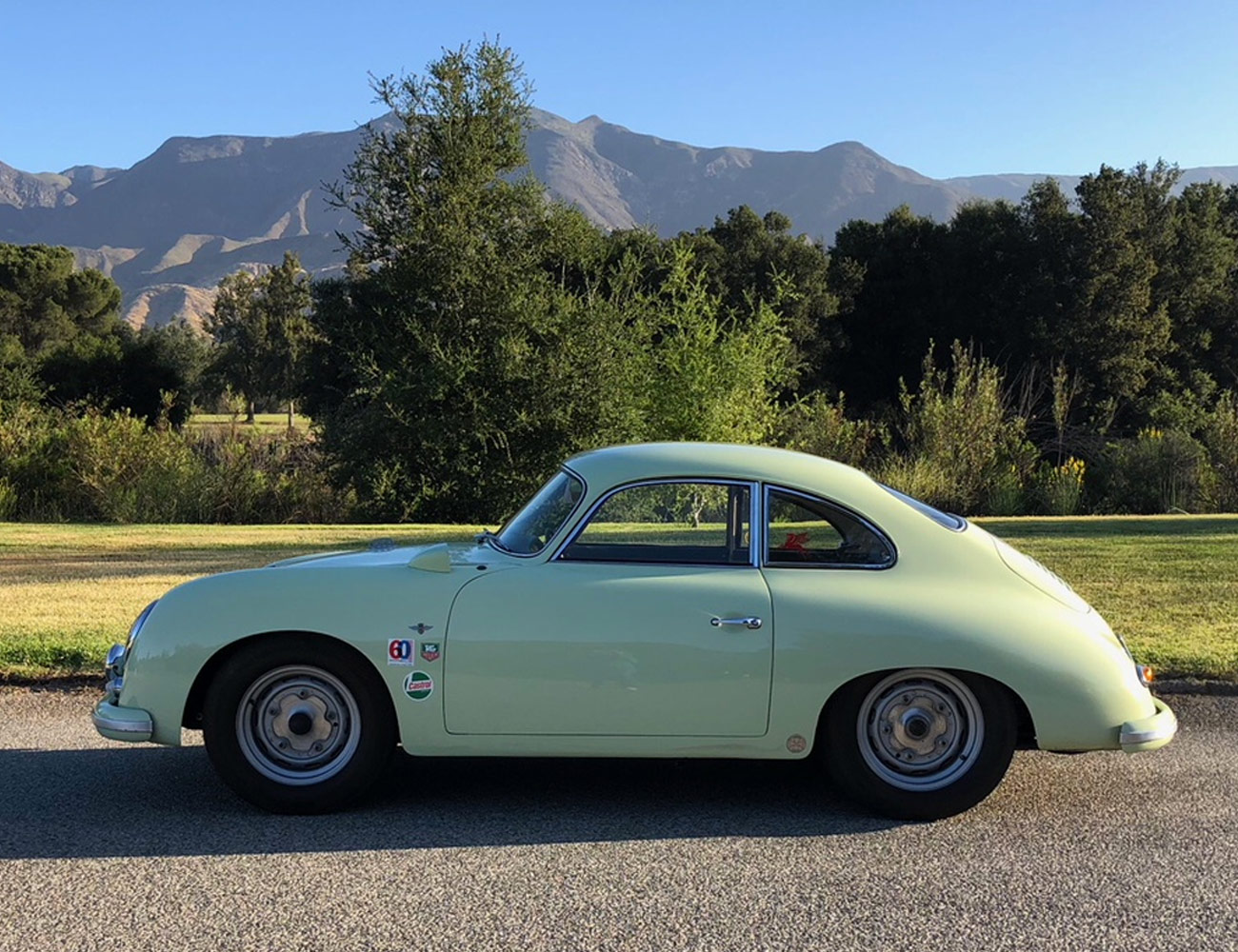
Porshe purists can be some of the most finicky enthusiasts and collectors when it comes to deeming what Porsche is worth what. They’d recommend that, if you have the capital to do so, by all means, buy a car just as it was the day it left Stuttgart — there’s nothing quite like experiencing a genuine time-hop of that magnitude. However, for the rest of us who enjoy the thrill of driving over period-correct accuracy, yet still fawn over the classic lines of vintage cars, there are hot rods and resto-mods.

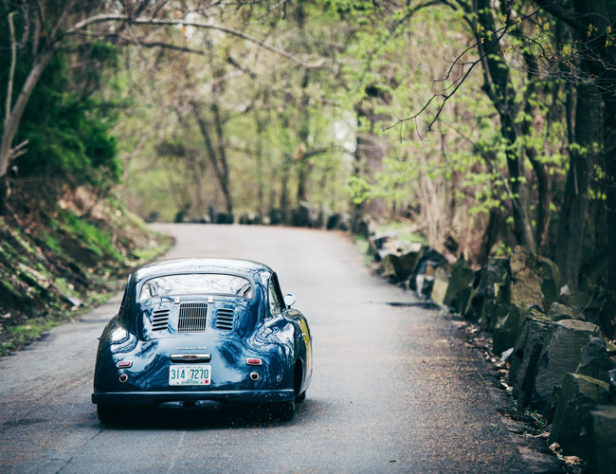
Dubbed ‘Outlaw Porsches‘ because even the thought of modifying a 356 is considered sacrilegious in some circles, hot-rodded or resto-modded 356s garner their own cult following. Bigger engines and brakes, better handling and more power, all under a guise of what looks like a stock 356 (to the untrained eye) provides a drive like no other. Yes, it’s nothing like it was the day it left the factory, but you can still argue if Porsche had the resources, an Outlaw Porsche is exactly what they would have built instead.

What We Like: Some builders and tinkerers go to extremes when getting their hands on classic cars, to the point the vehicle that went under the knife and the one that leaves the garage are so far removed from each other it hurts. The trick is to modify and upgrade the car in a way that most wouldn’t be able to see at first or second glance. This 356 hits the mark by pulling all the best parts from the contemporary Carrera, GT and Speedster models in a such a sophisticated way that it almost looks natural — like Porsche rolled this one out of the factory themselves back in 1959.

From the Seller: “This 1959 Porsche 356A Coupe was finished from the factory in rare ‘sonderfarbe’ Glacier White with a brown leatherette interior according to the included Certificate of Authenticity. The car has been modified in the style of the factory Carrera and GT models with features like the louvered engine lid, through-the-hood fuel filler, GT fender mirror, deleted rocker moldings and Speedster style seats.”

Watch Out For: This is fairly well-sorted build by the looks of it, but because it still uses an older Porsche engine, oil leaks are par for course. With that said, smaller drips here and there aren’t much to worry about; it’s when puddles appear on the garage floor you should start to worry.

Original Review: “It’s not quick by latter-day Porsche standards. Even so, a properly prepared 356 can be a joy to drive, with light and precise handling that means B-road progress can be rapid if you’re the committed type – although in anything but a 356C you have to dial in extra braking time thanks to drum brakes.” — Classic Motoring

Engine: 1750cc Flat-four
Transmission: four-speed manual
Location: Ojai, California
Mileage: 22,915