All posts in “Cars”

Watch Now: An Oven for Pizza Idiots, the 2019 BMW X7 & More

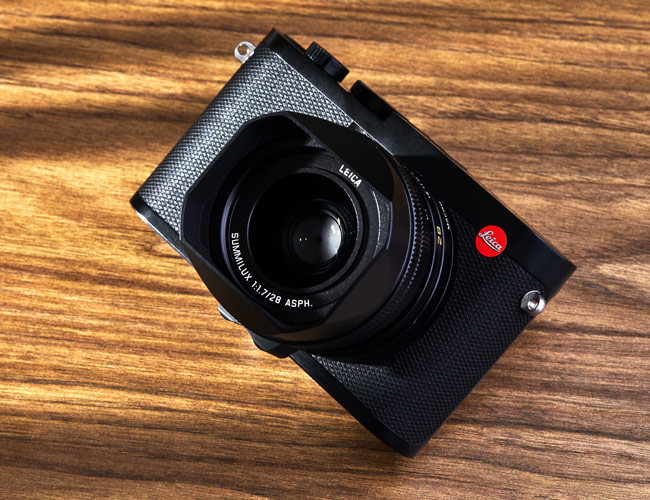
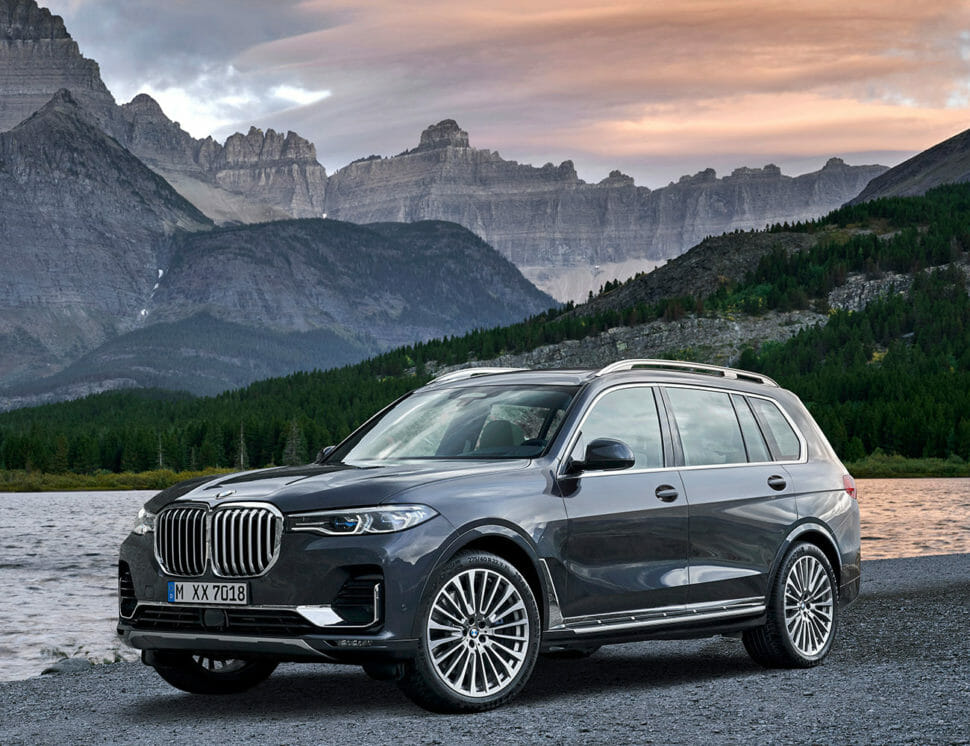
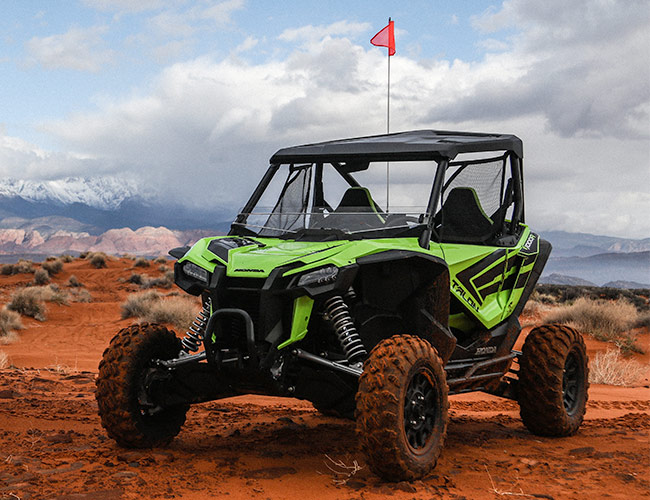
In this episode of This Week In Gear: Eric Yang and Will Price test Breville’s countertop pizza oven, Henry Phillips discusses the $5K Leica Q2 and Nick Caruso raves about the all-new BMW X7. Also in this episode, a Bryan Campbell reviews the Honda Talon side-by-side – in 30 seconds – and AJ Powell explains why the Sennheiser Momentum True Wireless earbuds are the last thing he bought.

This episode of This Week In Gear is presented by Crown & Caliber: the convenient online marketplace for pre-owned luxury watches. Visit crownandcaliber.com/gearpatrol to get $175 towards any watch purchase until May 31st.

Featured Products

Breville the Smart Oven® Pizzaiolo

“This thing is fuckin’ awesome at what it does. It works for the pizza idiot to the pizza savant.”

|

Leica Q2

“All the improvements feel iterative, deliberate and genuinely helpful to the end user. The Q was my general price-no-object recommendation for a great camera for basically everyone. The Q2 takes that place no problem.”

|

2019 BMW X7

The X7 very well may be everything great about BMW, fully realized.

|

Honda Talon SxS

“Add an exciting application of DCT technology and it’s fair to say that while the Talon 1000R and 1000X aren’t necessarily game changers, they’ve sure as hell raised the bar.”

|

Sennheiser Momentum True Wireless Earbuds

“I believe the Momentum earbuds could replace each headphone in my current rotation — including my Bowers & Wilkins P5 on-ear headphones.”

|

Note: Purchasing products through our links may earn us a portion of the sale, which supports our editorial team’s mission. Learn more here.

This 1989 Nissan Skyline Will Make You Forget All About the New Supra

These days, buying a vintage Toyota Supra will set you back more than buying a new one. Instead of making a tough choice between a ’90s Supra and a down payment on a house, why not save some money and get even more attention at the local meetup with this JDM legend 1989 Nissan Skyline R32 on sale at Japanese Classics right now for a more reasonable $16,495?

Now, this isn’t the famous GT-R “Godzilla” Skyline R32; that car can be quite a bit more expensive. But the GTS-t Type M is still a rather special version. It has a turbocharged 2.0-liter inline six that delivered 212hp and 195lb-ft out of the box.It’s rear-wheel drive (the GT-R is AWD) and weighs just 2,844 pounds, which puts it near the power-to-weight ratio of the beloved Honda S2000.

This Skyline R32 comes with a five-speed manual and right-hand drive (because, y’know, it’s imported from Japan). When new, this car accelerated from 0-60mph in 5.9 seconds, which is amazingly quick for 1989.

While the Skyline R32 is a known favorite of tuners, this example is virtually 100-percent stock beneath the skin, even down to the clutch and the exhaust. The body also appears to be in excellent shape for a car this age not kept behind glass. It even has a still-functional factory-spec retractable front splitter.

This R32 does have 131,000 miles on the odometer, but don’t consider that a weakness. After all, if you’re buying a 30-year-old Japanese car you plan to drive, you want one that’s been driven regularly and well-maintained.

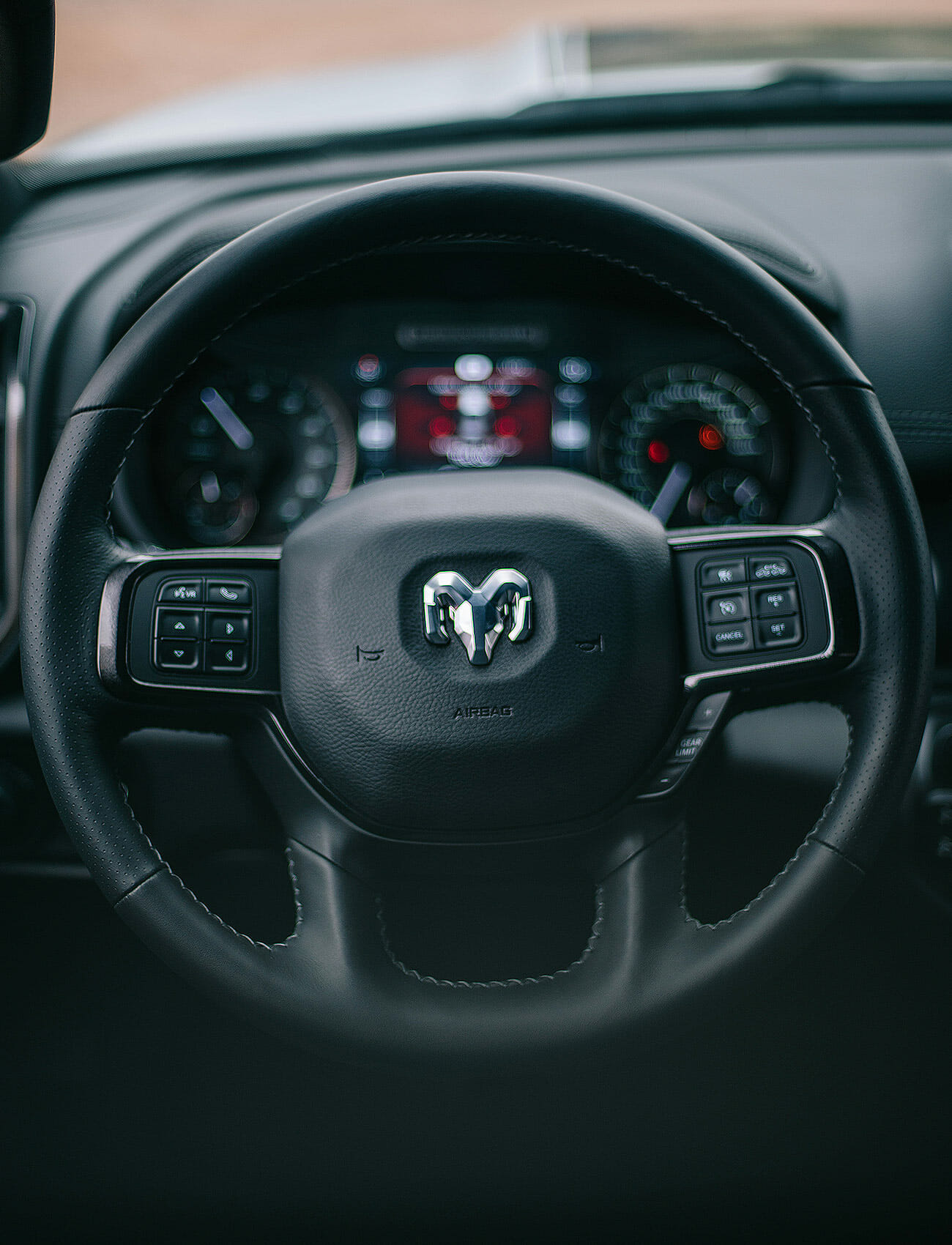
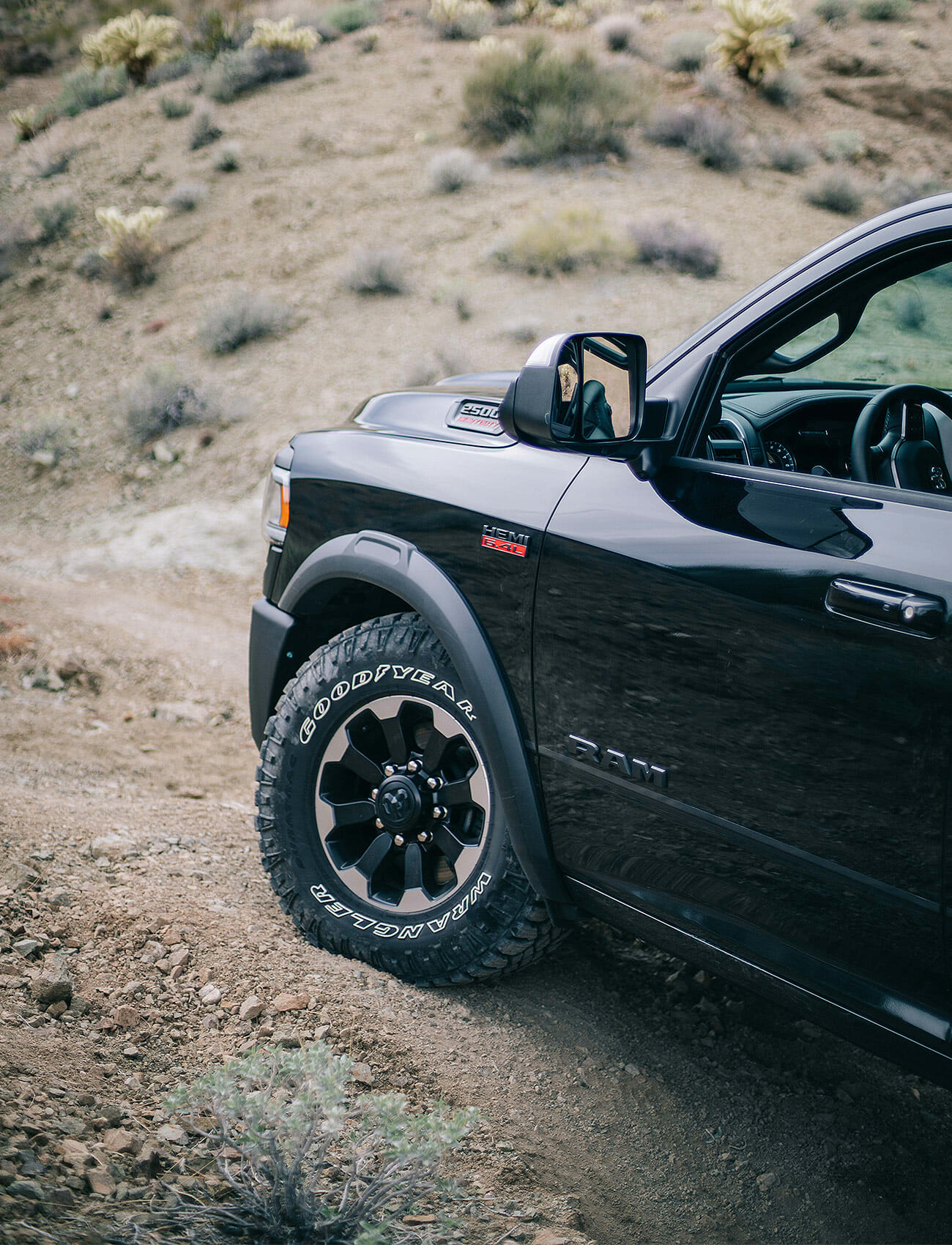
The 2019 RAM Power Wagon Is the Most Capable Pickup You Can Buy

Americans aren’t big on compromise. If we find ourselves at a fork in the road, with one choice only made at the exclusion of another, our instinct is to turn said fork into a spoon so we can scoop up both options. How else do you explain the longstanding boom of the pickup truck market? Pickups are the most popular American vehicle and, you could argue, the best: expensively developed, overbuilt and packed with standard features. The new crop of RAM Trucks is a great example, ranging from well equipped 9-5 duty rigs to luxurious haulers with premium cabins that put certain luxury car companies to shame.

And of the entire Ram truck lineup, the 2019 Power Wagon is the most compromise-averse, a highly capable three-quarter ton off-roader that offers a 17 speaker Harmon-Kardon audio system, blind-spot monitoring, adaptive cruise control and automatic emergency braking. This isn’t just having your cake and eating it, too; it’s having your cake, eating it, then crawling over inhospitable, hardscrabble desert in comfort and luxury to go steal everybody else’s cake.

The Good: This truck has incredible off-road capability, especially for a ¾ ton pickup. It’s also the only vehicle in America to come with a winch from the factory, and thanks to a synthetic cable (instead of steel) that winch is lighter for 2019 but still rated to 12,000 pounds. The available 360-degree surround view camera will no doubt be clutch in tricky off-road situations. The new 8-speed transmission a huge improvement over the old 6-speed.

Who It’s For: The truck guy who wants to be able to tow and haul as well as climb and crawl. A spacious crew cab is the only option, meaning there’s plenty of room for friends and family to enjoy the ride; people who look at a Jeep Rubicon Unlimited and think “not enough room for people or stuff” might land in a Power Wagon, given its combination of size and legit off-road capability.

Watch Out For: This is a three-quarter ton pickup, so obviously it’s big. Visibility over the hood and to the sides is good on the pavement, but off-road you’ve really got to use your mirrors when maneuvering, or the camera system if so equipped. The truck has lost some weight over the previous generation, which is impressive, but it still runs on a 6.4L Hemi and drinks fuel accordingly. The dash-mounted rotary gear selector takes some getting used to vs the old column mounted lever.

Alternatives: There isn’t no alternative: the Power Wagon is the only three-quarter-ton off-road specialist. Drop down to a half-ton and you have the Ford Raptor, the Chevy Silverado Trail Boss and the Power Wagon’s kid brother, the RAM Rebel. In some ways, given the Power Wagon’s very special set of (off-road) skills, a Wrangler Rubicon Unlimited or the forthcoming Gladiator Rubicon seems a better comparison.

Review: My first taste of the 2019 Power Wagon came deep in the Nevada desert, so close to the Arizona border that my phone kept switching between time zones. Out here, going from a trespasser to a target can happen quickly, so it was good the Ram folks had secured permission for the local trails to demonstrate the redesigned Power Wagon’s off-road capabilities.

Going into the experience I assumed the truck, while looking properly badass, was simply too big to be enjoyed anywhere but a wide-open space, like a mud pit, and certainly couldn’t be the extra-capable trail machine as advertised. And though I was right about the size — the three-quarter ton Power Wagon had a crew cab and a 6-foot-four-inch bed — my concerns about its capabilities were proved unfounded within minutes. Good visibility, great mirrors, and a surprisingly generous turning radius (even with the front and rear differentials locked) made maneuvering the Power Wagon up a steep, boulder-strewn hill a cinch. I didn’t even have to unlock the front sway bar for the first ascent, but I would soon find myself in a spot where doing so was mandatory. The ability to simply push a button and gain serious articulation capability will never cease to blow my mind. It’s expected in a Land Rover or Wrangler Rubicon, but having that feature in a full-size pickup was a welcome surprise.

Another welcome surprise: discovering you can still cheat your way into a cheaper Power Wagon by adding the Power Wagon “package” to the entry-level “Tradesman” RAM 2500. As was the case with the previous generation truck, you can start with a Crew Cab 4×4 2500 Tradesman for $39,850, then tick the Power Wagon option box for $7,995. This can get you into a Power Wagon for under $50,000, and leaves room to add a few choice options before hitting the $52,900 base price of the off-the-shelf Power Wagon. Personally, I’m a big fan of building one out based on the humble Tradesman trim level, since certain details on the factory Power Wagon — grille, giant RAM letters on the tailgate, and graphics on the side of the truck bed — aren’t to my taste. Sure, these things can be removed from the truck with little effort, but the Tradesman Power Wagon’s under-the-radar look has a cool “sleeper” factor all its own. Had I been rolling around Wyoming and Utah in an ostentatious truck heavy on the graphics, I imagine I would have missed out on the nods, waves and questions at the gas pump.

Having eaten up major miles in the Tradesman Power Wagon, I can say that while a 12-inch screen, heated and cooled seats and adaptive cruise control are nice to have, the basic 4-inch unit with Bluetooth, cloth bench seats (with fold up console!) and regular cruise control gets the job done just fine. Road-tripping in the truck was a nice reminder that, while we may hate making compromises, once in a while it’s good to take stock of what you really need to get the job done. Then, just go with what works rather than trying to have it all.

Verdict: Whether you opt for the well equipped Power Wagon from the factory or start with a 2500 Tradesman then add the Power Wagon package and options a la carte from there, you’re getting a lot of truck for your money. There simply isn’t another three-quarter ton pickup that can do all the things the Power Wagon does so well. For once, it seems, a company has made sure their lofty advertising quotes are backed up across the board.

This is certainly not a truck for everyone, especially those living in dense urban areas just looking for a capable weekend off-roader. But for those with the lifestyle to dig what this truck does, they’ll be glad they can round up four or five friends, tow a large boat to a lake and then charge to the top of the nearest mountain, just for the hell of it.

Specs:
Model Year/Brand/Model: 2019 RAM 2500 Power Wagon
Purchase URL: www.ramtrucks.com
Price: $52,450 (As tested)
Engine: 6.4-Liter V8
Transmission: Eight-Speed Automatic
Horsepower: 410 hp
Torque: 429 lb-ft
MPG: 18/23 City/Highway

Ram hosted us and provided this product for review.

Read More Gear Patrol Reviews

Hot takes and in-depth reviews on noteworthy, relevant and interesting products. Read the Story
Note: Purchasing products through our links may earn us a portion of the sale, which supports our editorial team’s mission. Learn more here.

Volvo is Giving the V60 Wagon Polestar Performance

For its tuned-up production vehicles, Volvo works with Polestar performance. The pair’s latest creation is the turbo-charged, super-charged, V60 sport wagon. A 2-liter gas motor spins the front wheels and an electric motor drives the rear for a total of 415 horsepower. That’s powerful! It’s also got Ohlins suspension & over-sized Brembo calipers—which is pretty aggressive for a grocery getter, don’t you think?

This Might Be the Ultimate Custom Defender

A Note on Pricing: The going prices for these cars are accurate at the time of publishing but may change the longer the classified ads are live.

Between cars from East Coast Defender, Icon 4×4 and Arkonik alone, there’s certainly no shortage of custom Land Rover Defenders out there. The downside to those unique and insanely detailed builds is their price tags regularly crest the $250,000 mark. This 1993 Land Rover Defender 130 200Tdi, on the other hand, might be your chance to own a decked-out Defender without completely annihilating your bank account.

The most subtle parts of this Defender build are the 2.5-liter turbodiesel inline-four and the Alpine white paint. From there, everything seems to be over the top but never crosses the line in to ostentatious. In addition to the natural brawniness of the Defender 130, this build comes with fender flares, a new front bumper replete with a 10,000-lb winch, a roof rack, a snorkel and auxiliary lights — all of which sits on powder-coated 18-inch Land Rover Sawtooth wheels wrapped with 37-inch Federal Xplora M/T tires. While Defenders are known to have barren, straightforward interiors, this example provides a little more luxury than usual with custom Armagnac and charcoal stressed leatherette upholstery.

As of this writing, this Defender is going for $39,000, but with the amount of work and upgrades that’s gone into this build, it probably won’t stay that low for long. However, seeing as how it’s a private build and not from one of the more famous outfits like Icon 4×4, and that it has 71,000 miles on the clock, it’s safe to assume the price tag won’t hit the same quarter-million-dollar heights. So, barring any unexpected aggressive bidding wars, you could be looking at a hell of a deal for a custom restomodded Defender.

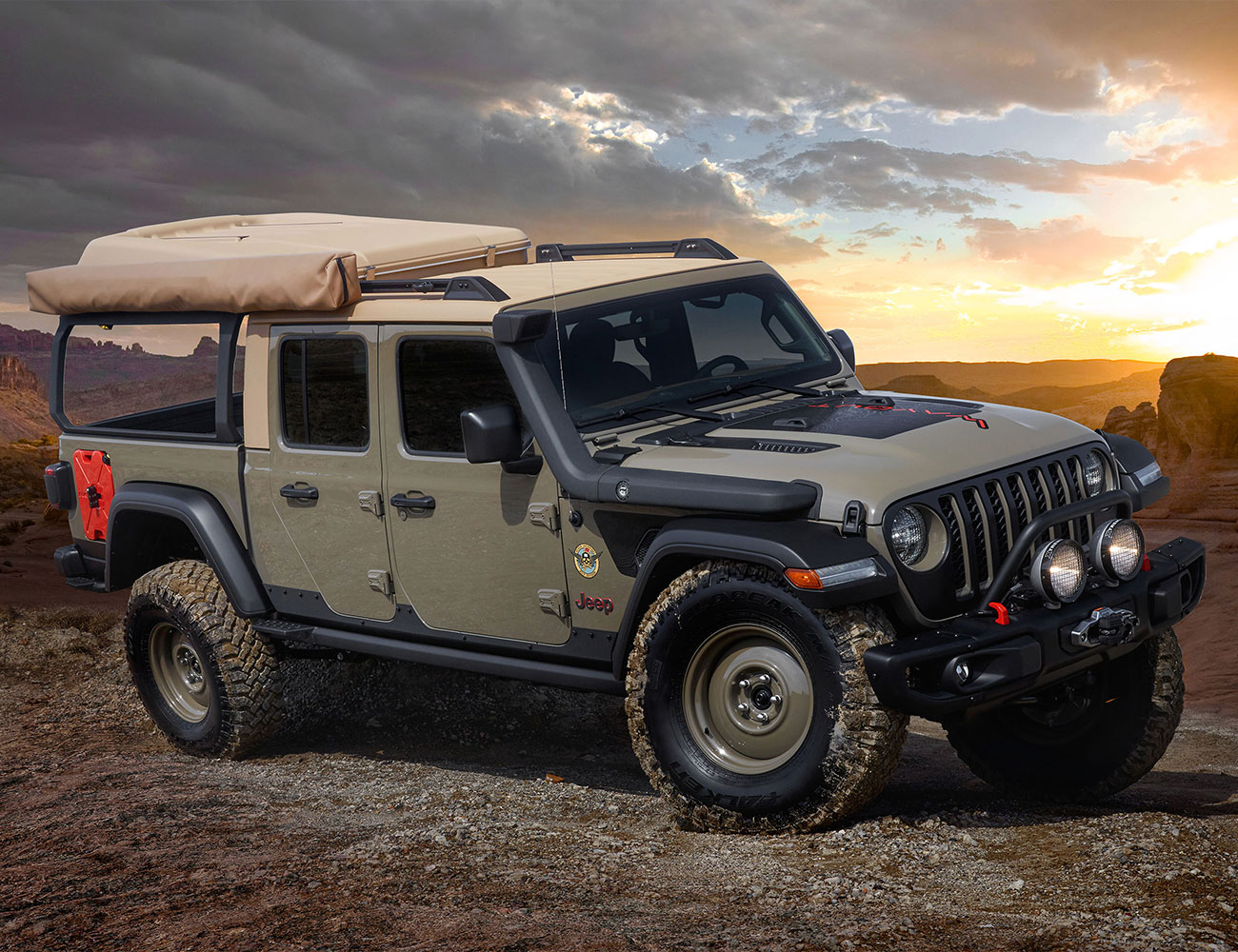
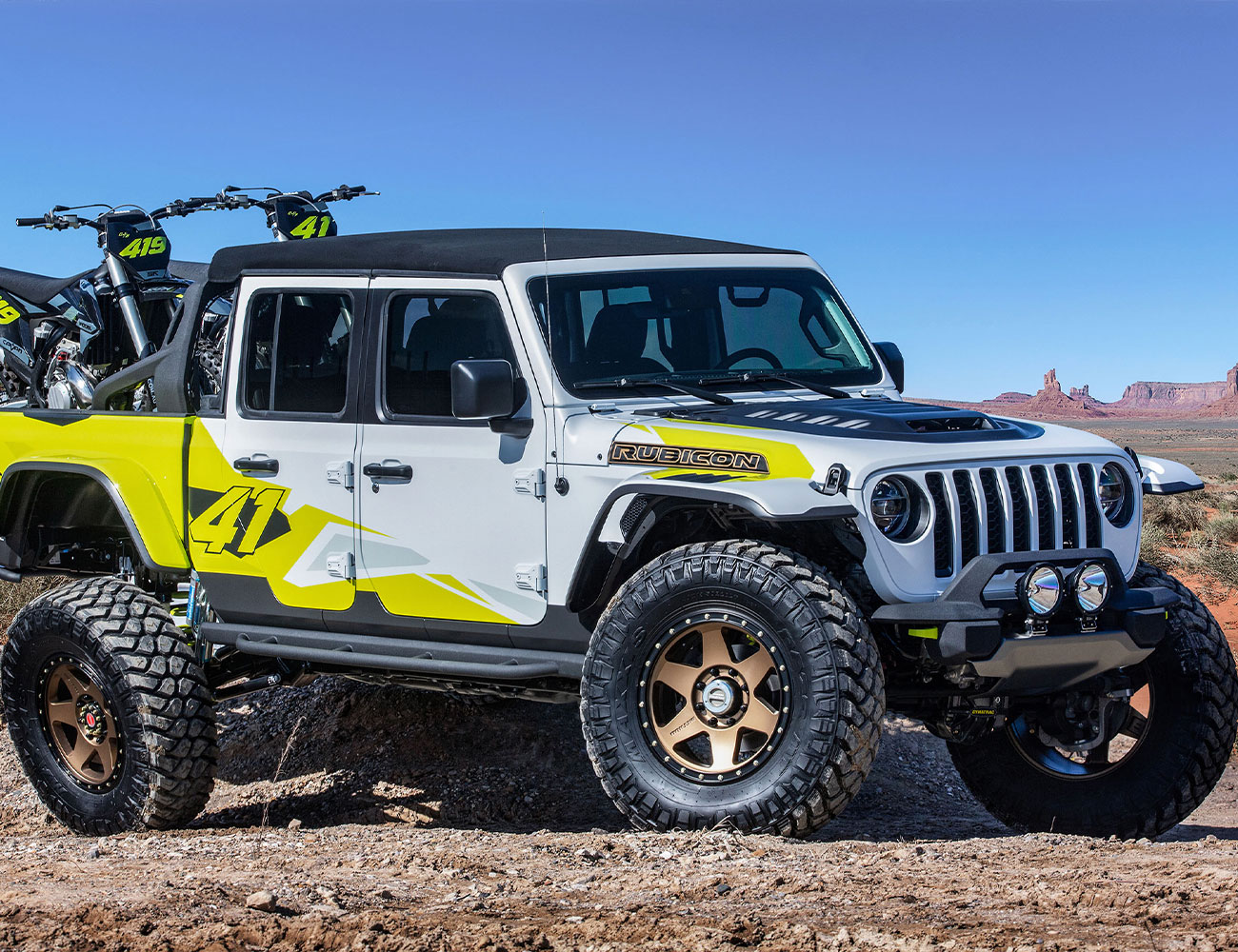
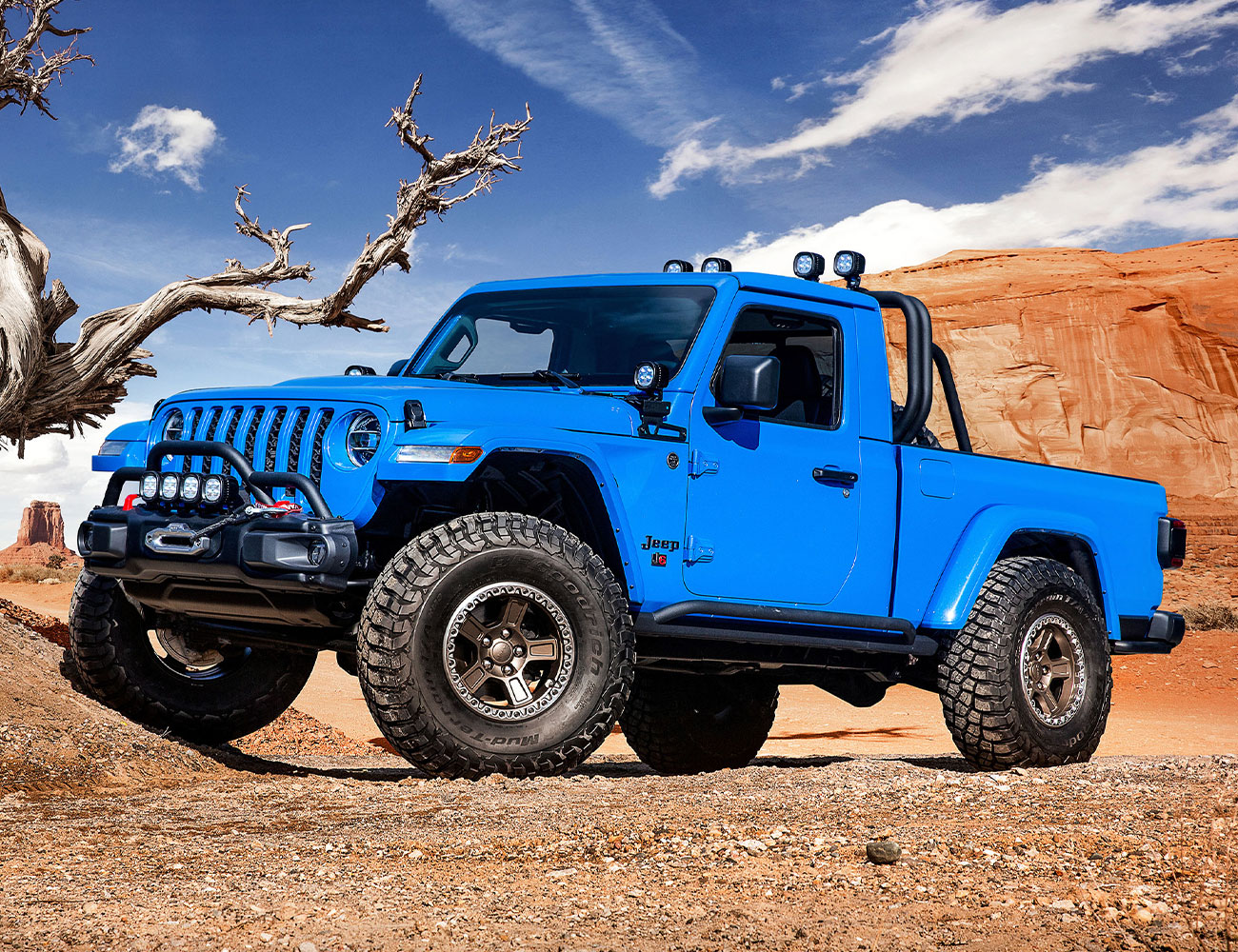
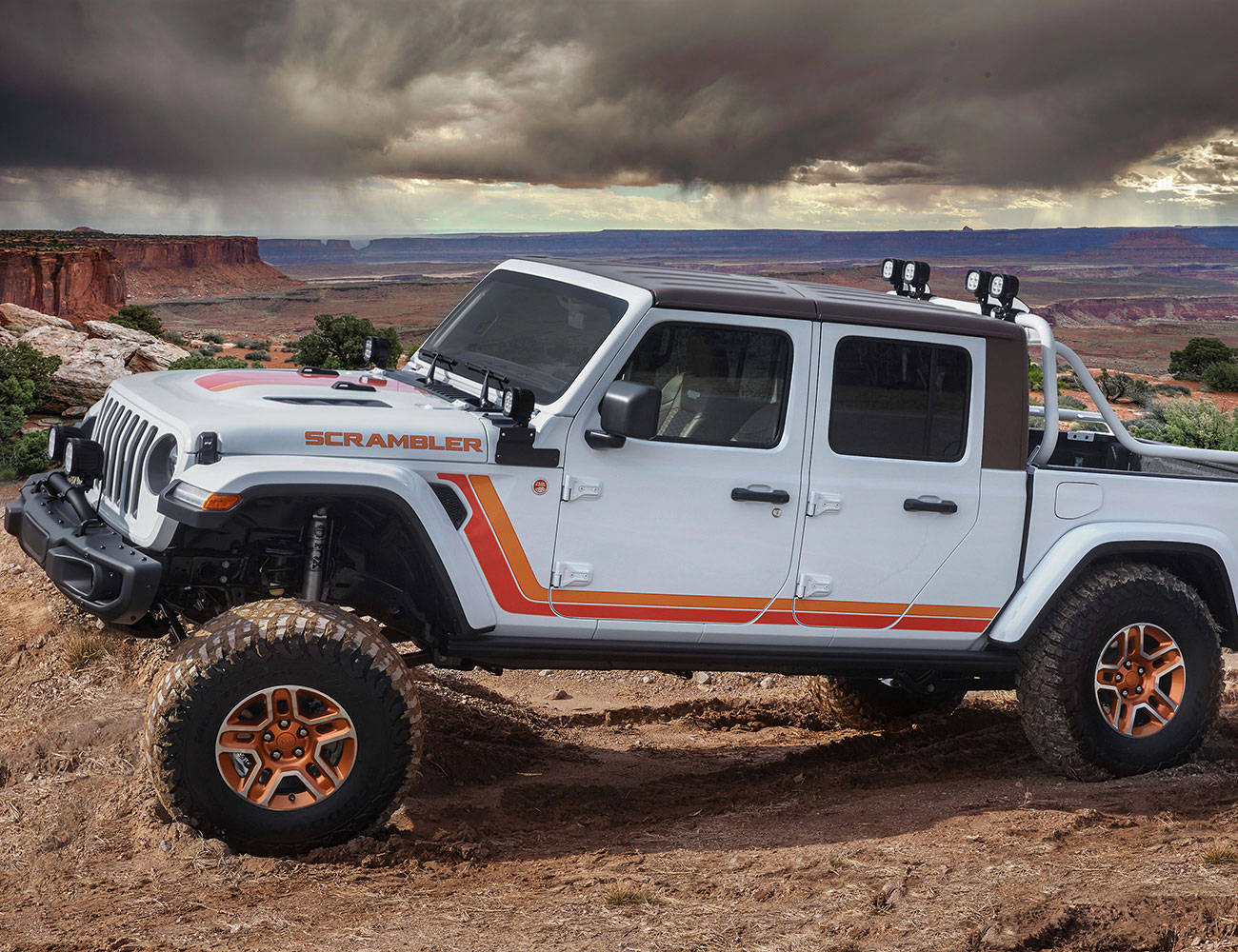
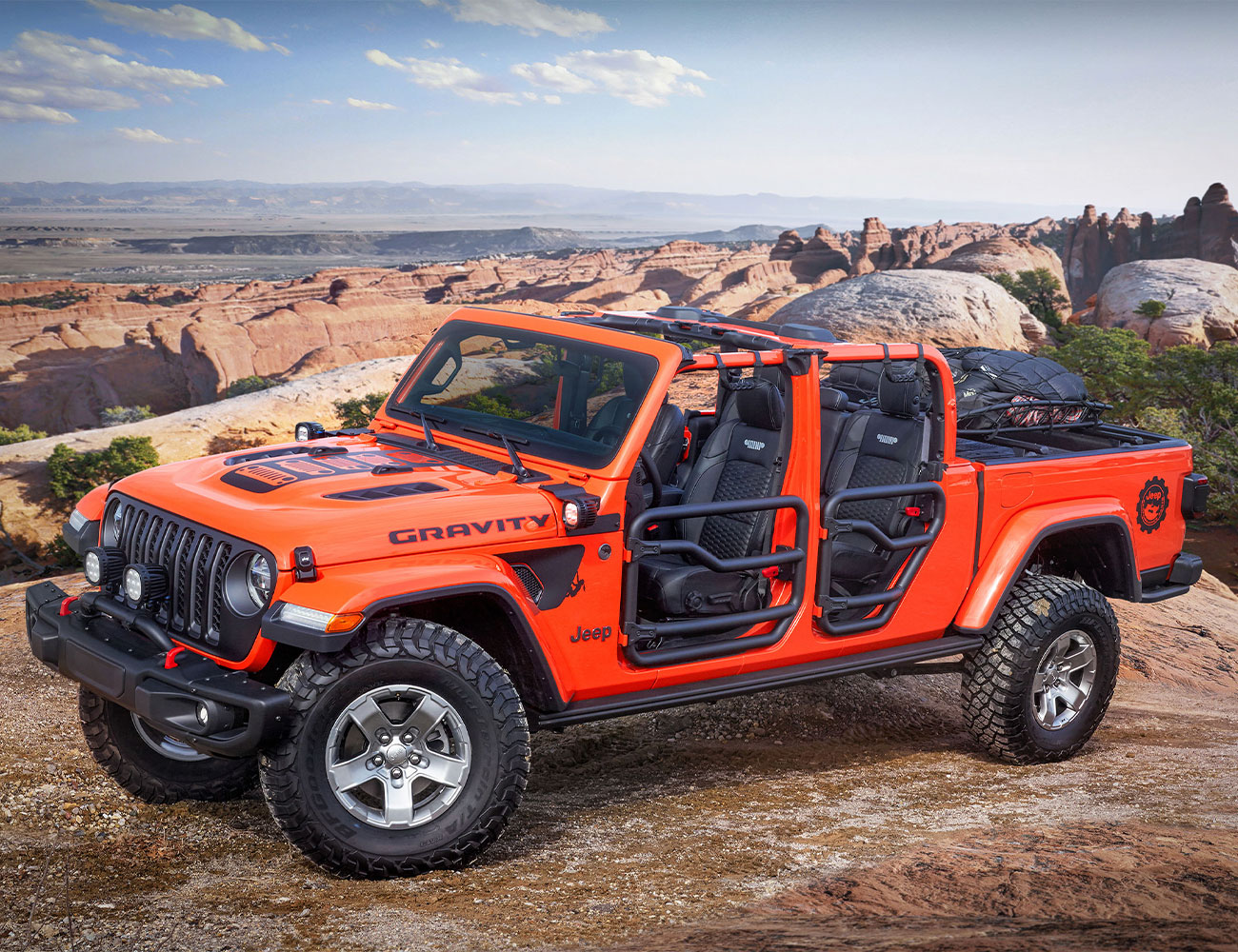
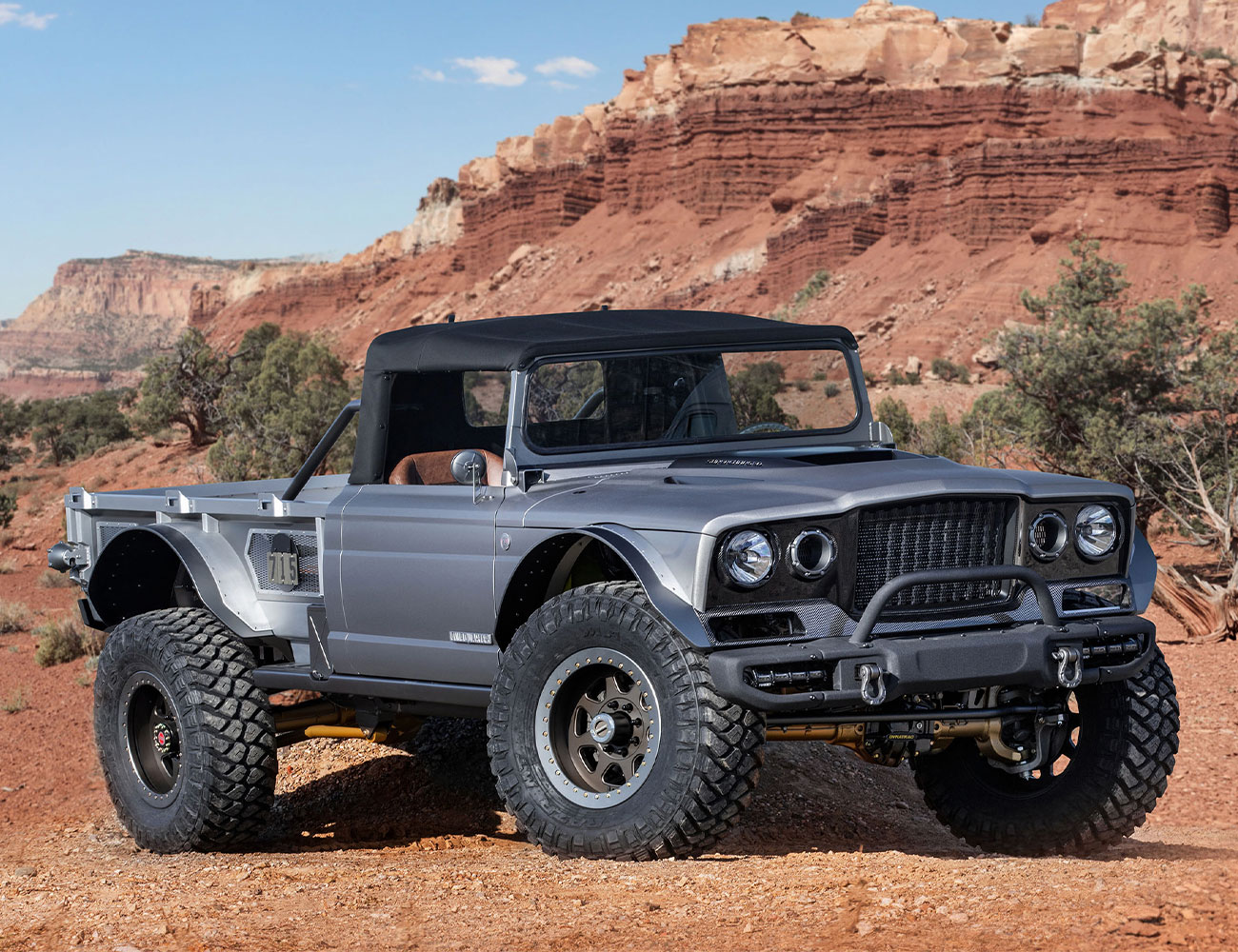
The 2019 Easter Jeep Safari Concepts Will Make You Want a Gladiator More

The biggest news to come from Jeep this year is easily the release of the long-awaited Gladiator pickup truck, so it makes sense it’s the star of the show at this year’s Easter Jeep Safari in Moab, Utah. Each year Jeep brings a handful of working concepts to show off at the off-road gathering — some are too extreme to become a reality, others subtly hint at what Jeep has in the pipeline.

Five of the six 2019 concepts are based on the Gladiator, with one being a restomod military truck. Like in year’s past, peppered throughout the group are some fairly odd additions and options, like an external, flush-mounted fuel can storage and see-through truck bed walls, but the light bars, bed rack and tent are entirely feasible — some are already available. If even a fraction of the more extreme ideas Jeep plans to bring to this year’s Easter Jeep Safari makes it to production, the Gladiator’s desirability factor will skyrocket even more.

Wayout

Considering how much camping gear Ford is making available for the Ranger, it’d be a smart move for Jeep to push the over-bed rack and tent. As the dedicated overlander, the Wayout seems to be one of the more plausible concepts of the group. Jeep already has a huge following in the adventure lifestyle community, and it’d be wise to lean into that following even more, before the Ranger and new Tacoma TRD get a good foothold in the next year or two.

Flatbill

The Flatbill is easily the loudest concept of the six, in more ways than one. Not only does the Flatbill sport bright neon motocross-inspired graphics, but the truck bed is designed to haul a pair of dirtbikes as well. The tailgate detaches and two wheel ramps slide out for loading and unloading the desert toys.

J6

One of the two vintage-styled concepts, the J6 takes inspiration from ’70s-era Jeeps but is adorned with modern Mopar performance parts. The two-door concept gets a removable hard top, a two-and-a-quarter-inch steel roll bar, 10 five-inch 4,800-lumen LED lights and it all rides on a two-inch lift kit, 37-inch tires and 17-inch beadlock wheels. And, for extra off-road protection, the front bumber and rockrails are reincorced with two-inch steal tubing.

JT Scrambler

If it wasn’t already obvious, the JT Scrambler is the second heritage-inspired concept of the group. The Scrambler pulls its looks from the ’80s-era CJ8 with “Punk’N Metallic Orange and Nacho body-side stripes” on a white body and accented with a tan hard top. The JT scrambler also gets a two-inch lift kit, 17-inch wheels wrapped in 37-inch rubber and a Mopar cold air intake and cat-back exhaust to help move 3.6-liter V6 move everything along. And, if the 4,800-lumen LEDs weren’t enough, the JT Scrambler gets a pair of seven-inch 8,000-lumen LEDs on the front bumper to light the trail.

Gladiator Gravity

The Gladiator Gravity is a little more niche than the other concepts in its focus, but most of what you see on it is ready to order. Aimed at the rock climbing community, th Gravity concept sports Mopar cross rails over the bed, a cargo carrier basket for gear storage and a Mopar/Decked truck bed storage system for lockable cargo space underneath with dual sliding drawers.

Five-Quarter

Jeep started with a 1968 M-715, this Gladiator-based military vehicle and went to town upgrading everything from the chassis and drivetrain to the storage capability. Jeep reinforced the original frame, replaced the out-dated leaf springs with a modern link/coil setup and replaced the old axels with aDynatrac Pro-rock 60 in the front and a Dynatrac Pro-rock 80 axle in the rear. It all sits on 20-inch beadlock wheels and unapologetically massive 40-inch tires. Best of all, the Five-Quarter gets its power from 707 horsepower supercharged 6.2-liter V8 from the Hellcat.

Why Doesn’t Toyota, Which Spurred the Electrification Craze, Have any Pure EVs in the Works?

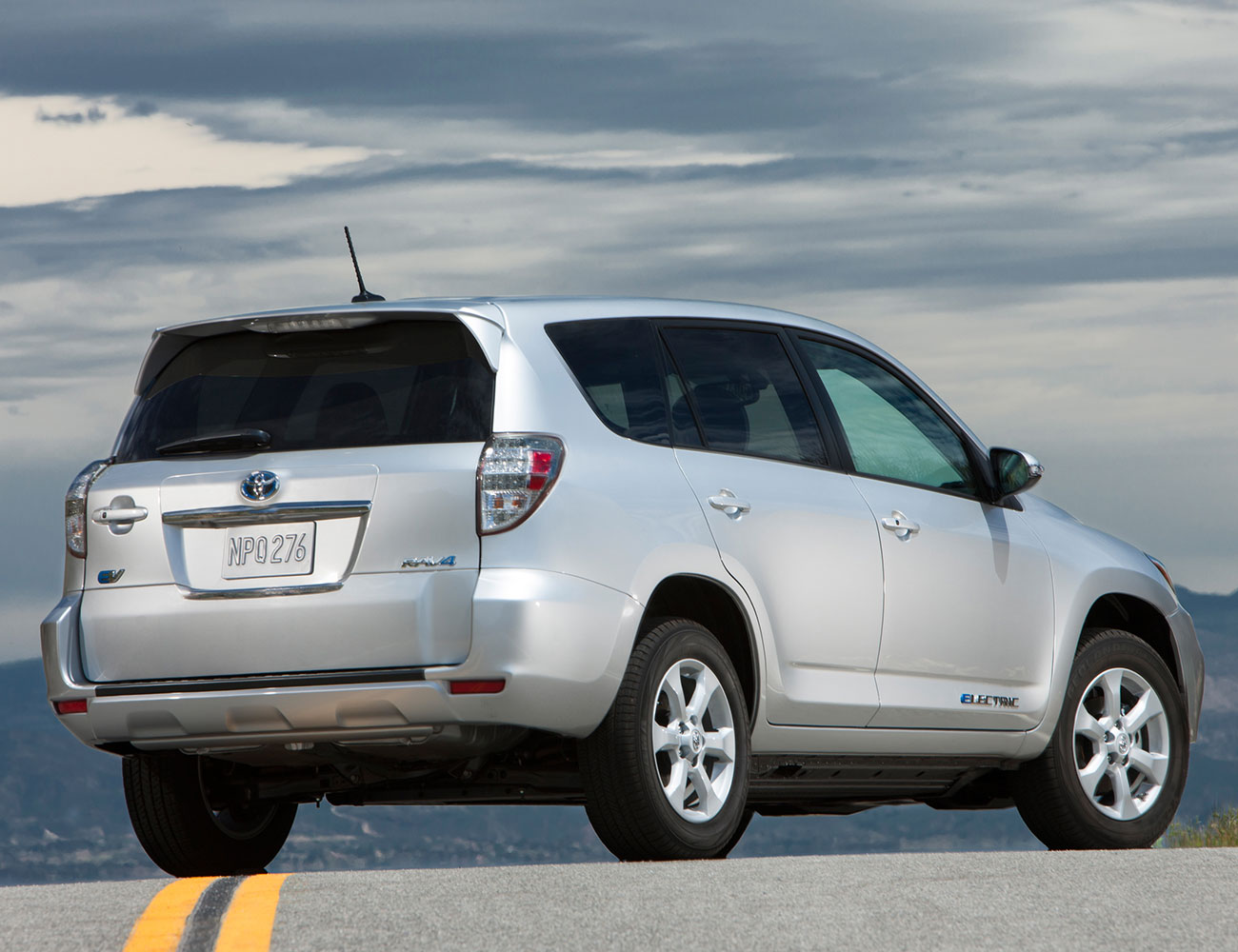
With the debut of its hybrid-electric Prius, in 1997, Toyota spurred a movement toward automotive electrification that can be traced directly to modern EVs like the Tesla Model Y and Rivian R1T. But more than two decades after its groundbreaking hybrid, Toyota has fallen behind the movement it helped kickstart, with no full battery-electric vehicles on offer since dumping the Rav4 EV in 2014 — and none in the works. Instead, Toyota plans to stick to a range of hybrids and hydrogen fuel cell vehicles. Even its luxury division, Lexus, remains at the concept stage for full electrification while rivals Mercedes and BMW prepare to roll out full-electric production crossovers. Is Toyota simply ignoring the obvious electric future? Or is the Japanese manufacturer playing a long game by betting on hydrogen-electric technology?

Some Toyota skepticism about EVs may be warranted. Those cars have yet to prove profitable, particularly at the affordable end of the spectrum. (Development of all-new platforms doesn’t come cheap.) Battery tech and components remain expensive. Before tax subsidies, the cheapest competitive EVs — those with the features and range buyers demand — still run around $35K or more. Toyota is a value brand, and one could argue the value simply isn’t yet there for EVs compared to internal combustion cars. Other value-conscious brands planning bold EV initiatives, like Ford and VW, can offset loss leaders with massive sales of F-150 pickup trucks and Atlases.

Toyota still has a dominant market share. The Rav4 is the best-selling car in the U.S. outside of pickup trucks from Detroit’s Big Three; add the Camry, Corolla, Tacoma and Highlander, and Toyota boasts five of the top 15 bestselling cars in the U.S. Toyota isn’t watching its customers flee to expensive Teslas. Perhaps it can wait for EV demand to materialize.

Toyota RAV4 EV

For those who would argue Toyota has a moral imperative to move forward with electric vehicles given concerns over climate change, know that EVs are not a panacea. While they are significantly more efficient than gasoline vehicles and have zero tailpipe emissions, the batteries that power them require environmentally destructive mining for rare earth metals, and they draw power from the U.S. grid, only 17 percent of which is powered by renewables, which means EVs still boast a significant carbon footprint across their total product lifecycles. Despite what you may read on Tesla vanity plates, buying electric at the moment is more like an e-cigarette for carbon than going cold turkey.

Where Toyota is investing is hydrogen fuel cells. Japan is looking to showcase itself as a “hydrogen society” during the 2020 Olympics in Tokyo. Hydrogen offers some distinct advantages over battery electric. First, there’s no charging time as with a battery; you fill a car with hydrogen in a few minutes like you would gasoline. Next, there are no huge, cumbersome battery packs, which make it a more viable fuel source outside the automotive realm for planes, ships, work vehicles and more.

But hydrogen has substantial technological and logistical hurdles. It needs to be produced, for one. And once the hydrogen is created, it must be stored by compressing it, liquifying it, or through chemical alteration. If production happens off-site, the hydrogen also needs to be transported. Logistically, a wide-scale adoption of hydrogen would require massive infrastructure investment.

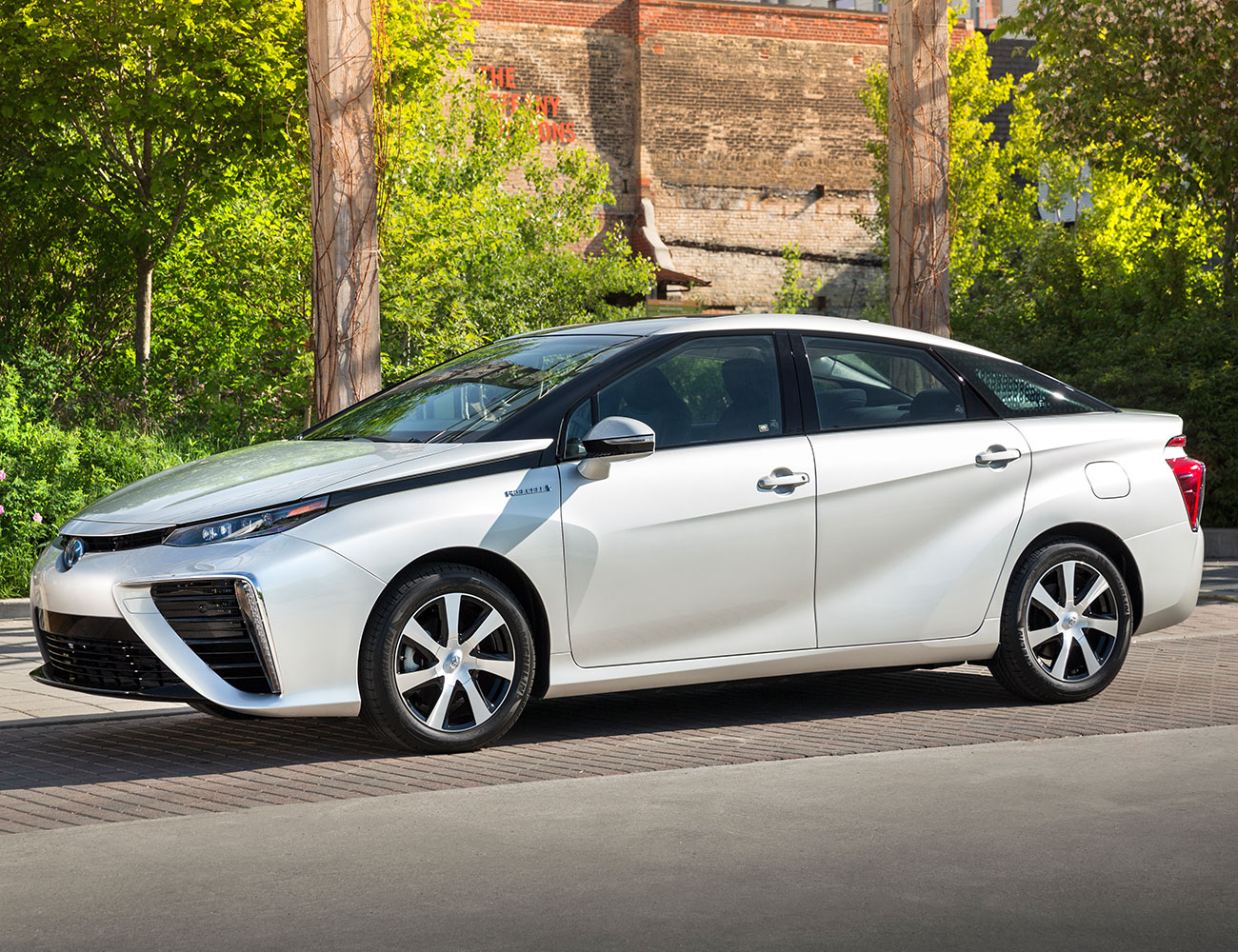
Toyota Mirai

And making hydrogen fuel cell cars affordable (let alone desirable) is a far more daunting challenge than for EVs. Toyota needs significant tax incentives to push the cost of fuel-cell-powered Mirai down to around $60,000. For the same price as a Tesla Model 3 Performance, you can get a dorky-looking Mirai with just 151 hp and and a modest 9.4-second 0-60 mph acceleration time. And a similar refueling time to gasoline-powered cars means very little when there’s only one hydrogen station in all of North America not located in California.

The future of electric mobility will be multifaceted. There will be battery electric vehicles. There will be hydrogen-powered vehicles. There will be a significant push toward more efficient mass transit. All automakers are dealing with the pressure to forge the future amid huge uncertainty, not to mention bold, headline-grabbing competition from upstarts like Tesla and Rivian. But maybe Toyota alone can afford to stay flexible, let others eat the costs, and allow the future play out as it will. But it’s a plan with huge inherent risk: that of being left behind.

More Electric Vehicles

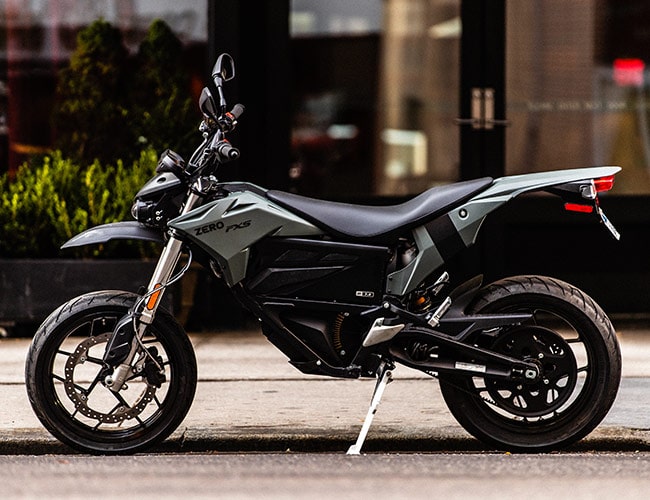
The 2019 Zero FXs is one of the entry-level models in Zero Motorcycle’s all-new 2019 lineup. It is aimed at the city-dwelling rider and designed for quick commutes and short rides. Read the Story

Watch This Week In Gear, Episode One: We Review the All-New Porsche 911, Apple Airpods & More

Welcome to the premiere episode of Gear Patrol’s first video series: This Week In Gear, the ultimate news show for gear enthusiasts.

As the definitive executive briefing on what’s new in product culture, every week we’ll be talking shop about the latest and best gear, from outdoor & fitness, automotive and tech to home, style, grooming and watches. Hosted by Editor-in-Chief Eric Yang, every episode will feature insights from Gear Patrol staff experts as well as field tests, interviews, buying advice and beyond.

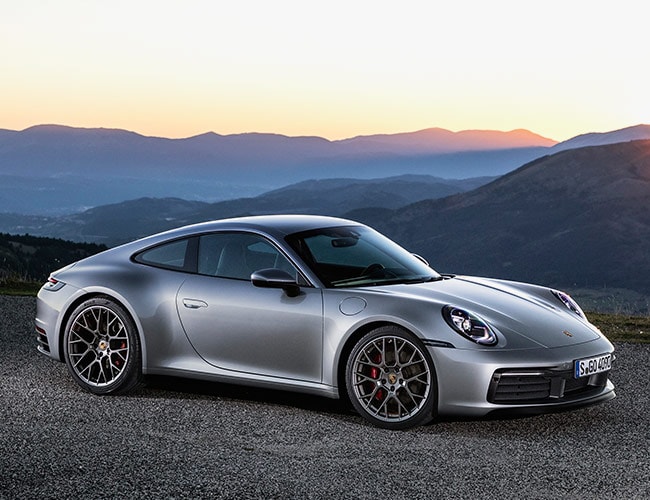
In this episode of This Week In Gear: Nick Caruso gives a rundown of the all-new 2020 Porsche 911 Carrera S; Tanner Bowden introduces The James Brand Ellis multitool; Jacob Sotak explains just how hugely advanced the Orvis H3 fly rod is; and Tucker Bowe describes what’s new in Apple’s second-generation AirPods. Also in this episode, a lightning-round Q&A with Staff Writer Meg Lappe.

This episode of This Week In Gear is presented by Crown & Caliber: the convenient online marketplace for pre-owned luxury watches. Visit crownandcaliber.com/gearpatrol to get $175 towards any watch purchase until May 31st.

Featured Products

2020 Porsche 911 Carrera S

Porsche’s all-new 911 is, as expected, a tremendous performer.

|

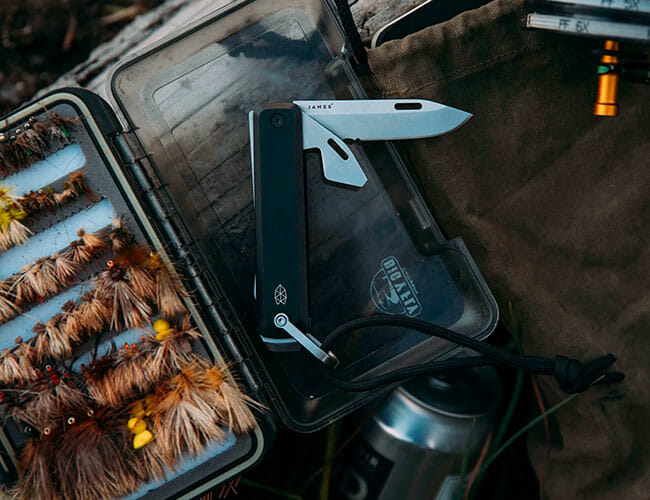
The James Brand ‘The Ellis’

The brand’s first multi-tool is a gorgeous shot across the Swiss Army Knife’s bow.

|

Orvis Helios 3D 8-Weight 9′ Fly Rod

“Without a doubt, the most scientifically accurate rod ever produced.”

|

Apple AirPods with Wireless Charging Case

The second-generation earbuds feature incremental tweaks, which means they’re still great.

|

Advertisement

Note: Purchasing products through our links may earn us a portion of the sale, which supports our editorial team’s mission. Learn more here.

Part Coffee Shop, Part DIY Garage: Behind the Scenes with Atlanta’s Brother Moto

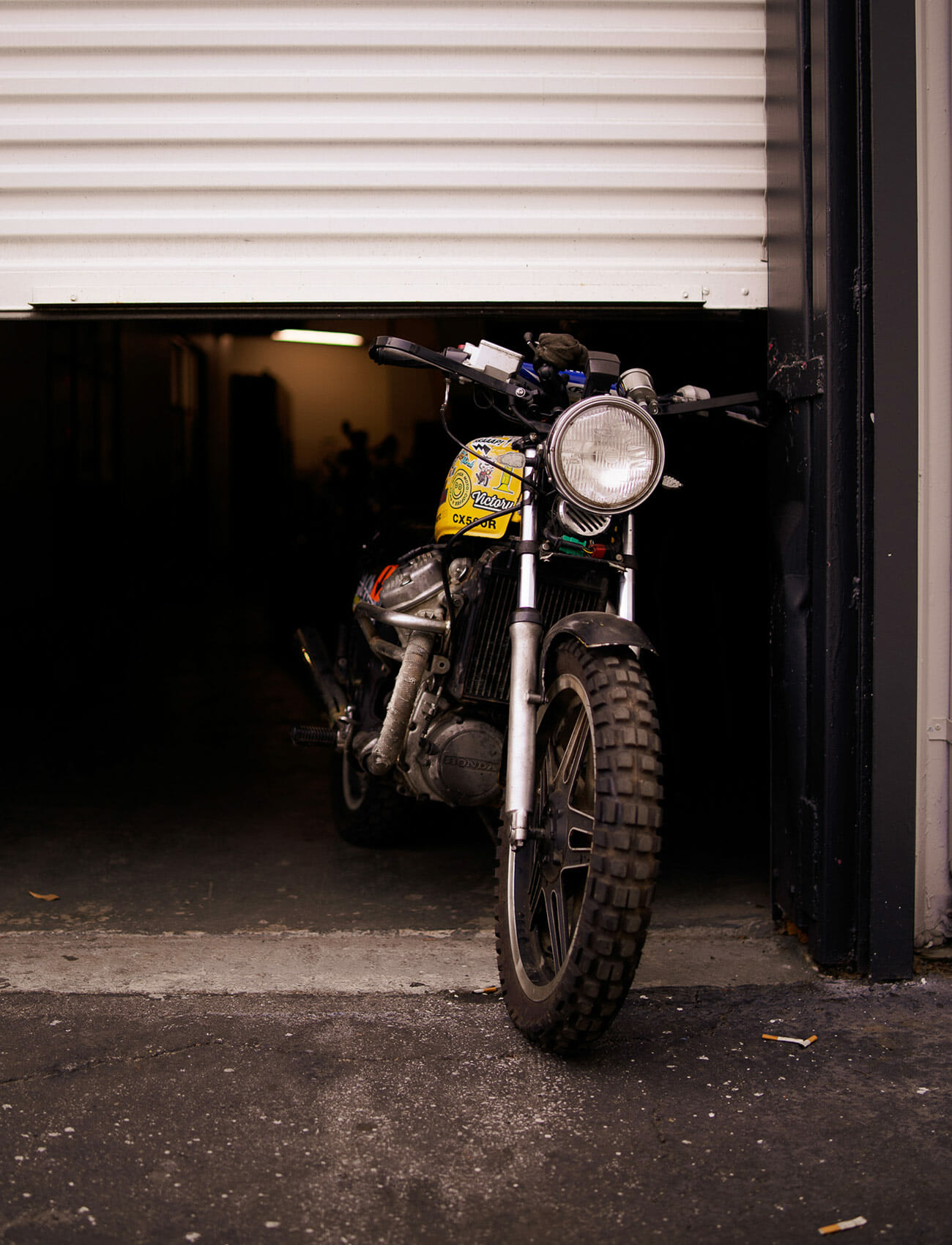
Take a drive through Atlanta’s Cabbagetown neighborhood and you’ll see the contrast: mixed-use developments shooting up among historic homes. Brother Moto, situated in a nondescript warehouse that stands in opposition to shiny new buildings on Memorial Drive, takes this duality one step further — it’s part coffee shop, part motorcycle workshop. Confused yet? Think of it as a community clubhouse: a dream garage where people can work on their bikes and have their friends over for a killer cup of coffee.

Brother Moto is the brainchild of Jared Erickson and Bobby Russell, who were brought together by motorcycles and mutual friends. “We both live in the city and have bikes. The bikes always broke down so we ended up working on them together and always wished we had a space to work on them,” Erickson says.

About seven years ago, the pair opened the first Brother Moto location in East Atlanta Village. Not long after, zoning issues forced them to close shop and relocate to their current location in Cabbagetown, where they’ve been cruising since 2017.

“We try not to be too cliquey,” says Erickson, who owns a Royal Infield, a Continental GT and an old Honda CX5000. “There are a lot of vintage bikes in here, but we accept any type. Some of these groups, they don’t get that, or don’t want to. Maybe they’re not open enough, I don’t know.” Brother Moto hosts a weekly ride to Victory Sandwich Bar, a local eatery about two miles away. “It’s been really cool for the community, just getting new riders out, or people curious about bikes,” Erickson says.

Members pay a monthly fee to access the workshop, equipped with specialty tools and a welding area. “It’s nothing too elaborate, but something you’d find in most builder garages,” Erickson says. He grew up working on cars and had a dad who kept a great garage, so when it came time to stock the garage at Brother Moto he thought, “Well, what would I want?” He must have hit the nail on the head, because over 120 riders are members.

Even customers who don’t work on bikes come for the coffee and community vibe. The warehouse’s softened industrial aesthetic doesn’t hurt, either. The flooring is concrete, the ceilings are exposed, the walls are black and white and a neon sign that says “Moto” provides the quintessential hipster beacon for Instagram. Floor-to-ceiling windows connecting to the garage give coffee shop goers the chance to peer in at the bikers at work. It’s cool and edgy, but warm enough that you feel at ease. A shipping container flanks the back of the space, serving as the coffee counter where surprisingly friendly baristas skillfully whip up espresso beverages.

The coffee itself comes from nearby Radio Roasters, which furthers Brother Moto’s sense of community. In the shop, head manager Zach Gordon-Kane applies a bartender’s touch to the espresso beverages. They change seasonally, but a recurring hit is the Chockwork Orange — a latte infused with chocolate and orange syrup, playfully garnished with a Terry’s chocolate orange slice. There’s also the Hometown, a nod to the Atlanta-based giant, blending Coca-Cola and espresso with vanilla. But even for those who don’t like frilly drinks, the espresso classics are smooth and balanced, easy to drink. It would be easy to assume that coffee takes a back seat to the motorcycles, but that’s not the case.

Brother Moto regularly organizes pop-ups in the coffee shop with vendors that include local food makers without brick-and-mortars. It once hosted a pop-up with LA-based tattoo artist Coral Monday, who was visiting Atlanta — not your usual pop-up. “It’s just been kind of fun to bring in a different crowd,” Erickson says. You hear on the street, ‘Oh, Brother Moto motorcycles, I may not be cool enough to go there, I’m kind of scared, I don’t ride a bike.’ So we want to use the pop-ups as a way to bring in different people that can come here to grab a cup of coffee and just hang out.”

Looking forward, Erickson hopes to replicate the Brother Moto concept in other cities. “There’s a motorcycle culture, and different cities will have different aspects of it,” he says. “Maybe it’s not a coffee shop, maybe it’s a bar.” What probably won’t change: cool bikes and good vibes.

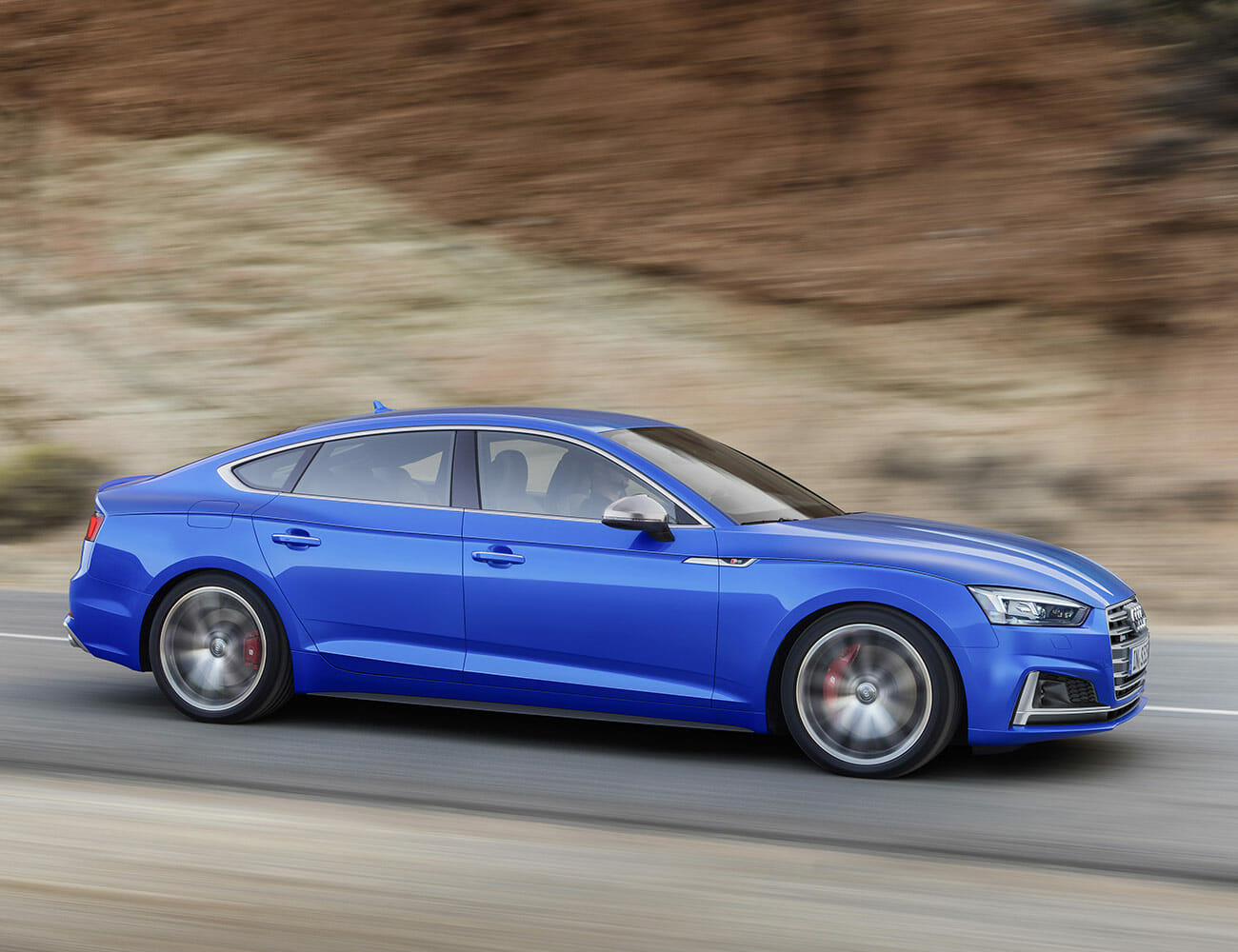
2019 Audi S5 Sportback Review: This Excellent Sportback Is the Future of the Sedan

When Audi brought the A7 to market in 2010 it was heralded as a bold take on the traditional sedan. Four frameless doors and a sleek rear hatch gave the A7 a sporty silhouette that still looks fresh today — especially in the guise of the fresh new second-generation A7. Audi may not have invented the five-door liftback, but they’ve certainly elevated it to new heights with the A7 and its S7 and RS7 variants. But not everyone needs the space or refinement of an executive-class vehicle; for those who want the A7’s style at a more accessible price point there’s now the S5 sportback, based on the A4 sedan but with the A5 coupe’s commanding design language.

The A5 Sportback has been on sale in Europe since 2009, but only made it to the U.S. market in 2017 as a 2018 model. The S5 variant, like its larger S7 stablemate, is a sportier variant of the A-badged car. I prefer the S7 to the even sportier RS7 and suspected I might feel the same about the S5 compared to the RS5 I tested in March of 2018. After a week with a Tango Red Metallic S5 Sportback I can confirm my suspicions were correct.

The Good: Nobody has figured out the 5 door liftback look quite like Audi. The S5 Sportback is enjoyable to look at from every angle. The design doesn’t try to do too much: there are creases and sporty flourishes in the right places, but it isn’t shouting. This car can fly under the radar even in metallic red paint — and with the kind of power the 3.0T V6 puts out, it’s easy to fly. It’s funny to consider a car with 354 horsepower and 369 lb-ft of torque as the “sensible” choice, but that’s where we’re at in 2019.

Who It’s For: People that want an S4 Avant even though Audi has stopped offering sporty wagons in the U.S. Also, anyone who wants the driving experience of a mid-size sport sedan but with more versatility, and who likes to go fast but look subtle while doing so.

Watch Out For: I like the interior of the S5 Sportback (shared with the current A4) but there’s some longing for the next generation design and tech found in the A6, A7, and Q8. As you may expect, this being a German car, options will move the base price from “Reasonable” to “How much?!” without breaking a sweat.

Alternatives: Though Mercedes-Benz kicked off the trend with the CLS, they don’t currently compete in the midsize sportback segment in the U.S. That leaves BMW, which offers the 4 Series Gran Coupe and 3 Series Gran Turismo. Both top out at 320 horsepower and even with the optional M-Sport package don’t achieve the same special feeling of the S5 Sportback, though they do handily outperform the S5’s 35 cu-ft of cargo space with 45.9 and 56.8, respectively.

Review: When you’ve got the keys to a Quattro-equipped Audi and a winter storm bearing down on your favorite mountain resort a couple of hours away, there’s only one thing to do: get while the getting’s good. I shot out of LA just as the sun began its climb over the San Bernardino mountains, early enough for the freeways to be sparsely populated with cars. I’d already had a few days to enjoy Audi’s suite of driver assistance technology, primarily the adaptive cruise control and active lane assist. Both admirably reduce fatigue when traffic starts crawling and keep things in check while traffic is flowing. In the wee hours of the morning, though, I had no need for these advanced systems; it was just me, the turbocharged V6 and six lanes. Those six would eventually become four, then three, then two.

As the hours wore on I came to appreciate more aspects of the car. The interior isn’t as fresh as Audi’s latest design but it’s a great one in its own right, with high-quality materials, tasteful design choices and Audi’s comfortable sport seats with adjustable bolsters at both levels. This “Prestige” trim level came with Audi’s virtual cockpit cluster, which I kept in “Sport” configuration for the large tachometer set dead-center. You can also show a full Google Earth map display on the cockpit, but that’s better suited to the center-mounted tablet-style screen. Of course, Audi could do away that tablet screen entirely, like they do in the TT and R8, but the right-seat occupant might feel left out, this being a grand tourer and all.

Some may question the validity of a sportback as a true grand tourer, but the joyous way this car gobbles asphalt puts that debate to rest. The second-gen S5 Sportback was certainly built with American consumers in mind, offering plenty of comfort in one mode and impressive performance in another. My favorite combination for a balanced driving experience: Steering: Auto; E-Diff: Dynamic; ACC: Auto; Suspension: Auto; Engine/Trans: Dynamic; Engine Sound: Dynamic. Should choosing your own adventure prove to be too much of a headache, you can simply select from the pre-set Comfort, Auto or Dynamic modes.

The S5 Sportback doesn’t have particularly great steering feedback; leaving it in “Auto” lets the computer decide when to slide towards comfort or dynamic feel, and it actually does a good job of choosing based on how you’re driving. The optional rear sport differential, though, should stay set to Dynamic to maximize cornering capability through the magic of torque vectoring. Similarly, the eight-speed automatic plays best in Dynamic: shifts are crisp, power is delivered predictably and the car just keeps pulling thanks to all the low-end torque. (Keeping Engine Sound in Dynamic is self-explanatory — and I’ll go on record saying the authentically visceral noises made by the S5 Sportback exhaust are superior to those of the RS5, which sound too much like a video game.)

By the time I reached the snowline, the storm hadn’t quite blown out as early as expected. A road closure slowed me down, but the S5’s surefootedness guaranteed me turns in fresh powder that day. Slow and steady won the race, but I can only imagine what fun the last 45 minutes of the drive would have been with a set of proper winter tires on the car. But even with the lower ride height that comes with the optional adaptive sport suspension, the S5 Sportback got me through without flinching.

Verdict: The S5 Sportback isn’t perfect, but it’s damn close. Where if falls short, it’s close, and where it succeeds, it soars. It’s the perfect everyday driver whether your commute is 15 minutes or two hours. If you can afford to shop in this price bracket, the S5 Sportback deserves to be on your list.

What Others Are Saying:

“This swoopy S5 looks cooler than the traditional A4 or S4 sedans, and the hatchback configuration makes it more functional, to boot. Plus, it has four doors, so you can easily throw backpacks and grocery bags (and, you know, people) in the rear seats – no need to flip the front seats forward, like in a two-door A5/S5 Coupe. If I were shopping Audi A4/A5/S4/S5 models, this S5 Sportback is definitely the one I’d buy.” – Steven Ewing, Motor1

“The steering has a sharper and heavier feel to it in comparison with the A5, that shouldn’t be confused with a harsh suspension. In fact, until those rare moments when the clouds of traffic part along with the clouds in the northwest sky, the S5 doesn’t differ much in feel from its milder sibling, only offering a slightly meaner growl from the exhaust. When pressed, the S5 delivers flat cornering along with a solid kick in acceleration.” – Jay Ramey, Autoweek

Specs:
Model Year/Brand/Model: 2018 Audi S5 Sportback
Purchase URL: www.audiusa.com
Price: $67,900 (As Tested) $54,400 (Base MSRP)
Engine: 3.0-Liter V6 Turbo
Transmission: Eight Speed Tiptronic Automatic
Horsepower: 354
Torque: 369 lb-ft
0-60 mph: 4.5 seconds
MPG City/Highway/Comb Est.: 21/24/30

Audi provided this product for review.

Read More Gear Patrol Reviews

Hot takes and in-depth reviews on noteworthy, relevant and interesting products. Read the Story
Note: Purchasing products through our links may earn us a portion of the sale, which supports our editorial team’s mission. Learn more here.

If You Want a Deal On a New Luxury Car, Start With These

It doesn’t take a well thought out, intensive google search to see how expensive brand-new luxury cars are, today. With full-sized sedans like the BMW 3-Series and Mercedes C-Class cresting $60,000 with certain trims and options, it could explain why the used car market is booming right now. But if you’re on the market for a new car and want something modern (not everyone likes classic cars), iSeeCars.com released a study you can use as a cheat sheet to get deals on one-year-old luxury cars.

The study shows the cars most likely to be returned within one year of ownership, and the ones who top the list are luxury brands like BMW, Mercedes and Land Rover. Now, this doesn’t necessarily mean the cars are bad, car buyers or lesses in this segment tend to stick with what’s cutting edge, the newest of the new. The quick turnaround, however, works out insanely well for anyone shopping on the secondhand market.

Even with such low mileage, and barely being one-year-old, depreciation hits luxury cars reasonably hard. iSeeCars.com lists the Mercedes C-Class, BMW 3-Series, Land Rover Discovery Sport and the Range Rover Evoque as the cars most likely to be returned within a year and even though they’re not brand-new you can find 2018 model-year examples of each of those $10,000-$20,000 under their original MSRP. So if you want a luxury car, have a desire to save a heap of cash and don’t mind an already slightly broken-in driver’s seat, this is list is the right place to start shopping.

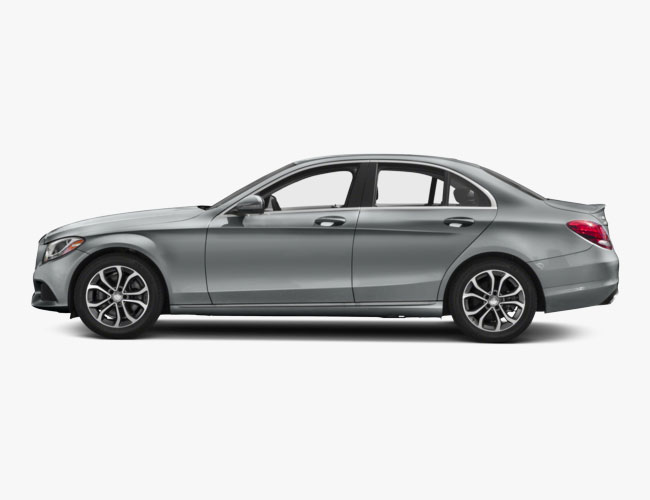
Mercedes-Benz C-Class

Percentage Resold Within a Year: 12.4%

BMW 3-Series

Percentage Resold Within a Year: 11.8%

Land Rover Discovery Sport

Percentage Resold Within a Year: 11.8%

Land Rover Evoque

Percentage Resold Within a Year: 10.9%

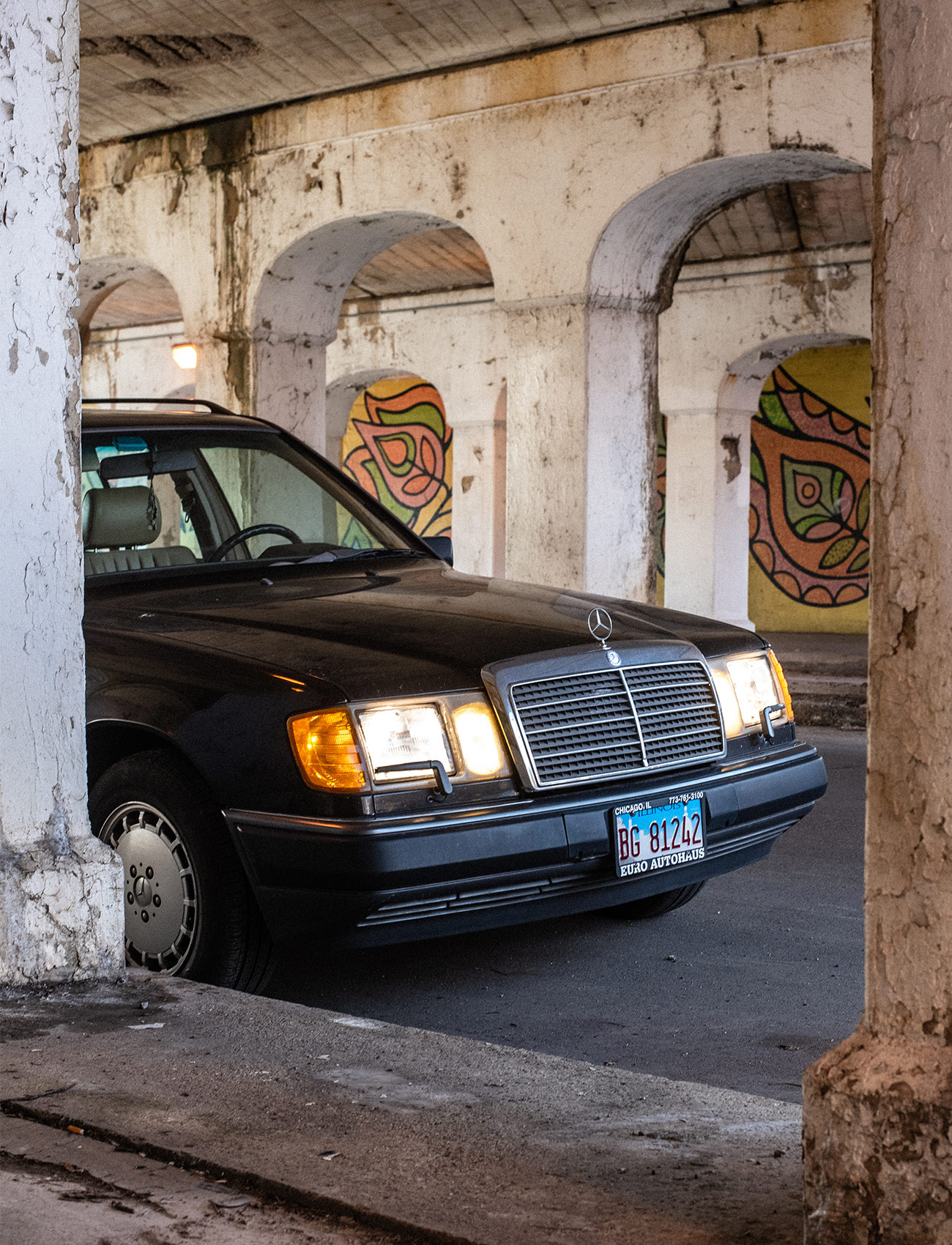
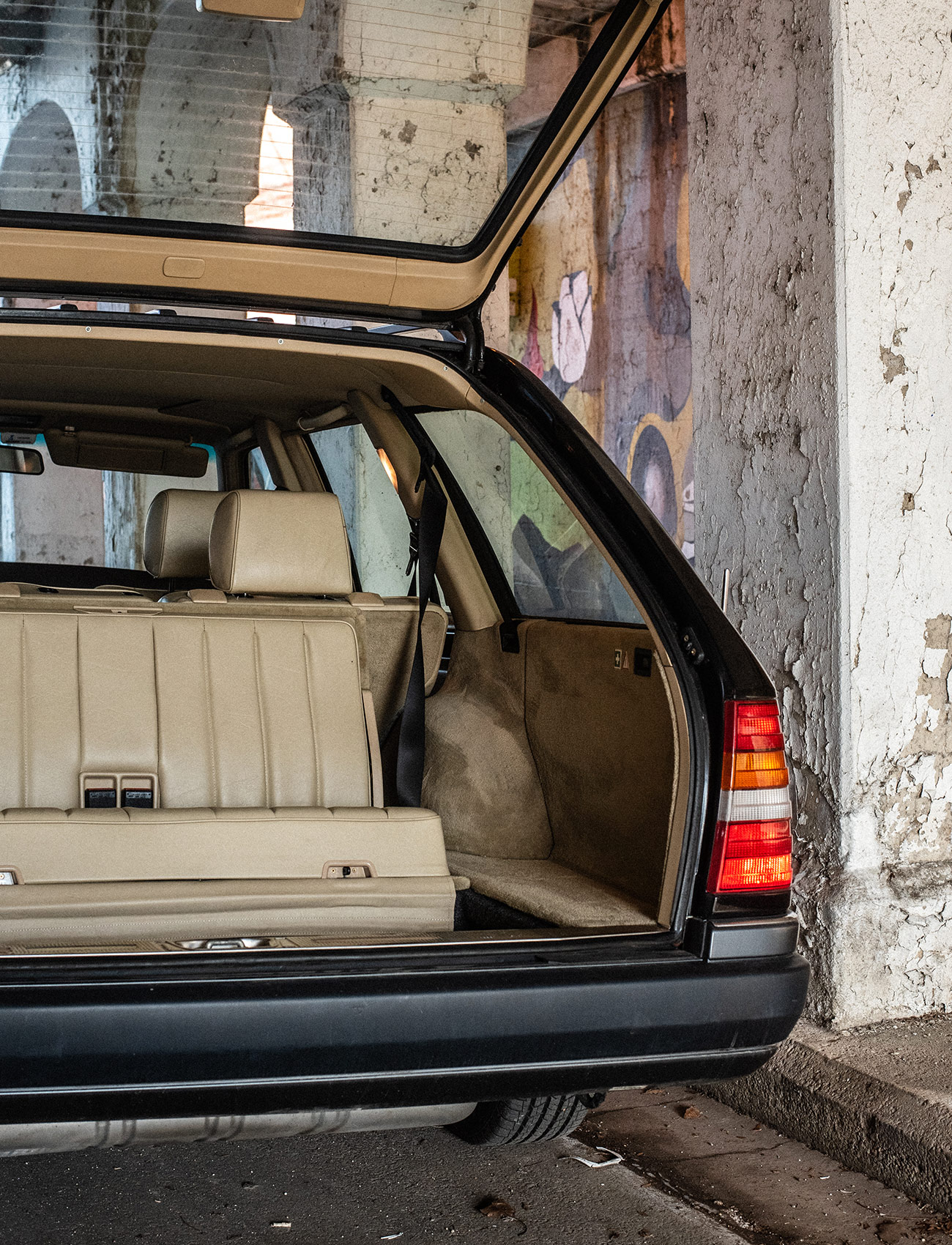
This $2,350 Mercedes-Benz Wagon Is the Ultimate Classic Daily Driver

When car enthusiasts talk about old Mercedes-Benzes it always comes out wistful — a twinkle in the eye and a “they don’t make ’em like they used to” tone, which probably has to do with how often they throw around the word “over-engineered.” Usually it’s the classic, dogmatic old-Merc screed about building a car to a standard not a cost, and a manufacturing ethos that places value on quality and reliability. And they’re right — mostly.

Hence, the myth of the bulletproof Mercedes-Benz. As I own a 1990 Mercedes 300TE wagon, built on the purportedly indestructible W124 chassis and regarded as one of the last of the “over-engineered” Benzes, I can attest that rumors of its reliability have been greatly exaggerated. In my month-and-a-half of ownership I’ve had to take the car to my mechanic twice; both times he handed the key back and said, “I’m sure I will see you again soon” in his vaguely Eastern European accent.

It’s not that old Benzes are particularly unreliable, it’s just that old cars in general aren’t reliable. And hell, W124’s weren’t even infallible from the factory, even if the myth states that Mercedes-Benz in the late 20th century cracked the code to automotive invincibility. The M103 inline-six engine is known to eat through head gaskets, and cars built between 1993 and 1995 were fitted with “bio-wire” wiring which departed this mortal coil full decades sooner than the engineers intended. This doesn’t even account for leaks and electrical gremlins, of which there are plenty.

I only say all this because it’s important to temper your expectations with an old Benz. Because if you anticipate that the car will occasionally let you down, you’ll have one of the damn finest vintage daily drivers you can buy upfront for $2,350. (Well, that’s what I paid for mine, anyway.)

In the early ‘90s, the 300TE wagon was the crown jewel of the suburban elite, especially given that its base MSRP was $49,650 — roughly $97,500 in today’s money for a fairly staid and simple family car. Experience it in the metal nearly 30 years on, and you start to understand why.

Mercedes really did set out to build the best car it could at the time. The design brief for the W124 was essentially to make the preceding W123, another icon of Mercedes-Benz’s “overbuilt” era, but better. That mostly consisted of using the best materials possible and getting as detail-oriented as one could at the time, then introducing technologies that improved the overall experience without being gimmicky.

Consider the tailgate: It features a “soft close” mechanism that latches the rear hatch gently and automatically, without the need to put in the physical force required to close a typical car door. Similarly, the headrests in the front seats are adjusted electronically, saving the trouble of reaching backward and fiddling with some little button or switch like a peasant. I mean, could you imagine? I sure couldn’t. Not after owning this car.

There’s also the suspension, which is one of the most magnificent things on this car. It’s a hydraulic, self-leveling system that, in the clichéd words of so many automotive journalists (this one included) “irons out the bumps in the road.” Truly, the smoothness encroaches into the realm of Bentleys and Rolls-Royces. The self-leveling feature also accommodates for a loaded rear end, keeping the back from dragging along the ground when you have full-grown occupants in the rear-facing third-row jump seats. Yes, this old wagon can seat seven people, with a reasonable amount of legroom, so if you’ve got #squadgoals, this is the car for you.

The W124 offers a buttery-smooth driving experience, from the steering to the transmission to the suspension. The car also filters out an incredible amount of road and engine noise, forming a cocoon of excellence that shields you cacophony of the outside world. In fact, the car’s interior is often considered the star of the show.

This is something I noticed while researching YouTube videos on the W124. Generally speaking, one can expect a certain level of uniformity of video style depending on the car being featured (and the car owner making the video). Subaru WRX drivers like doing “snow donuts” while chomping on vape pens; Italian exotic owners storm through European tunnels; Mustang owners tend to crash into crowds of people. But W124 owners enjoy posting videos of the car’s interior as it gently wafts down country roads. These videos are typically free of music, the audio comprised entirely of the faint whisper of the inline six engine and the satisfying clicking of the turn signals, like automotive ASMR.

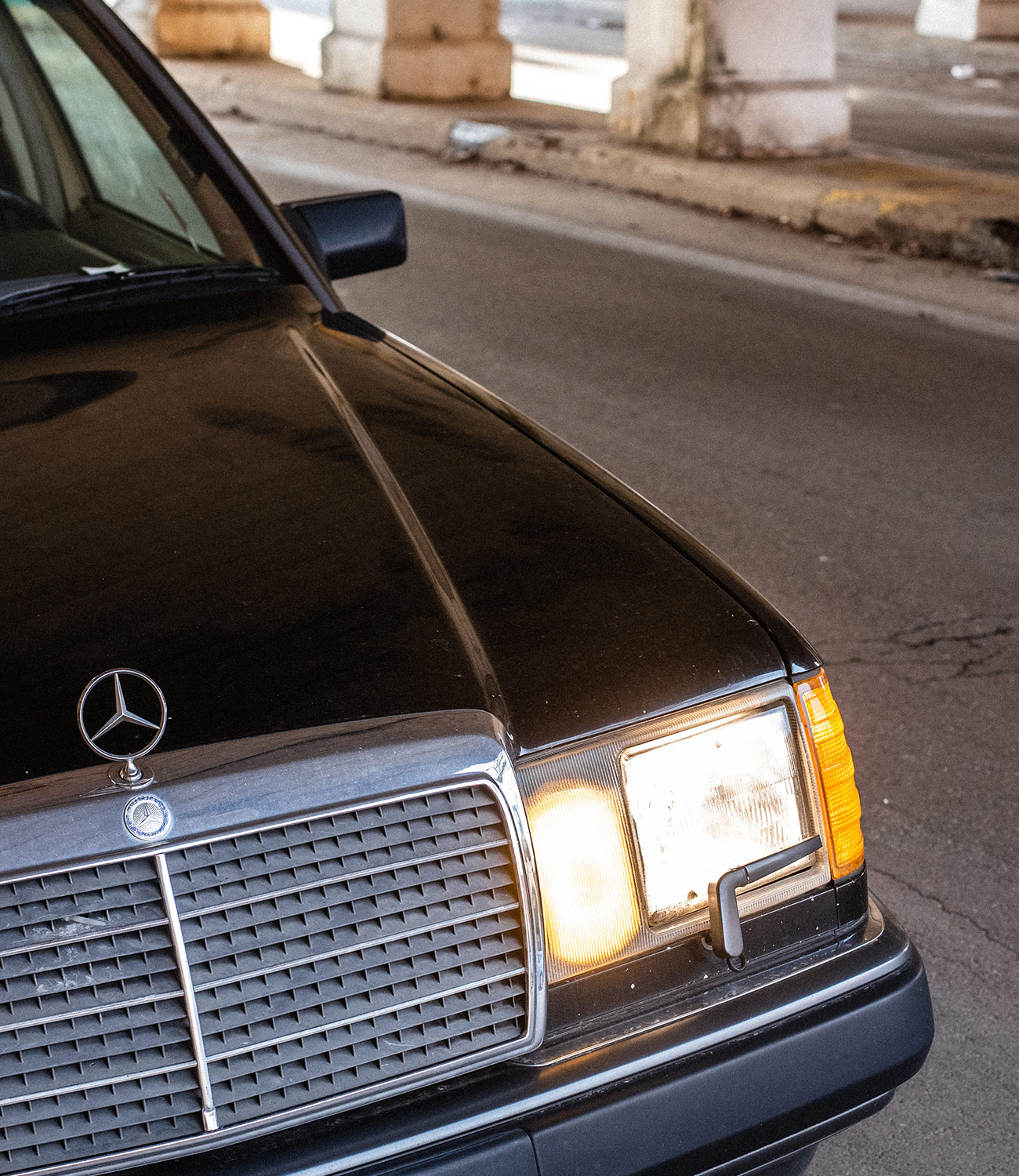
But it’s the stylish simplicity, arguably the calling card of the W124, that most contributes to the sensation of serenity and peace. The interior makes you yearn for a bygone era of restraint in automotive interior design. There are only a few functions, all simple, each having its own dedicated rocker switch on the dash, engaging and disengaging with a satisfying tactile click. The steering wheel is a basic black circle devoid of buttons; the gauges are, in typical German fashion, lacking any semblance of nonsense or frivolity. The exterior projects just the right amount of substance and no more. There’s none of the peacocking you see in the style of newer Benzes, just sufficient flare from the grille and hood ornament to convey a tasteful amount of stealth wealth. (When it was new, anyway.)

The ultimate satisfaction from this car lies in the calm, orderly manner in which it gets you from point A to point B. Being a city dweller with a busy life, that counts for a lot, and any opportunity to navigate Chicago’s sea of potholes and inattentive drivers in peace is greatly appreciated. The fact that this comes from a car that’s almost thirty years old is remarkable, and finally makes the nebulous concept of over-engineering feel clear. It’s one I can certainly appreciate, even if my mechanic’s prophecy about seeing me again soon proves true.

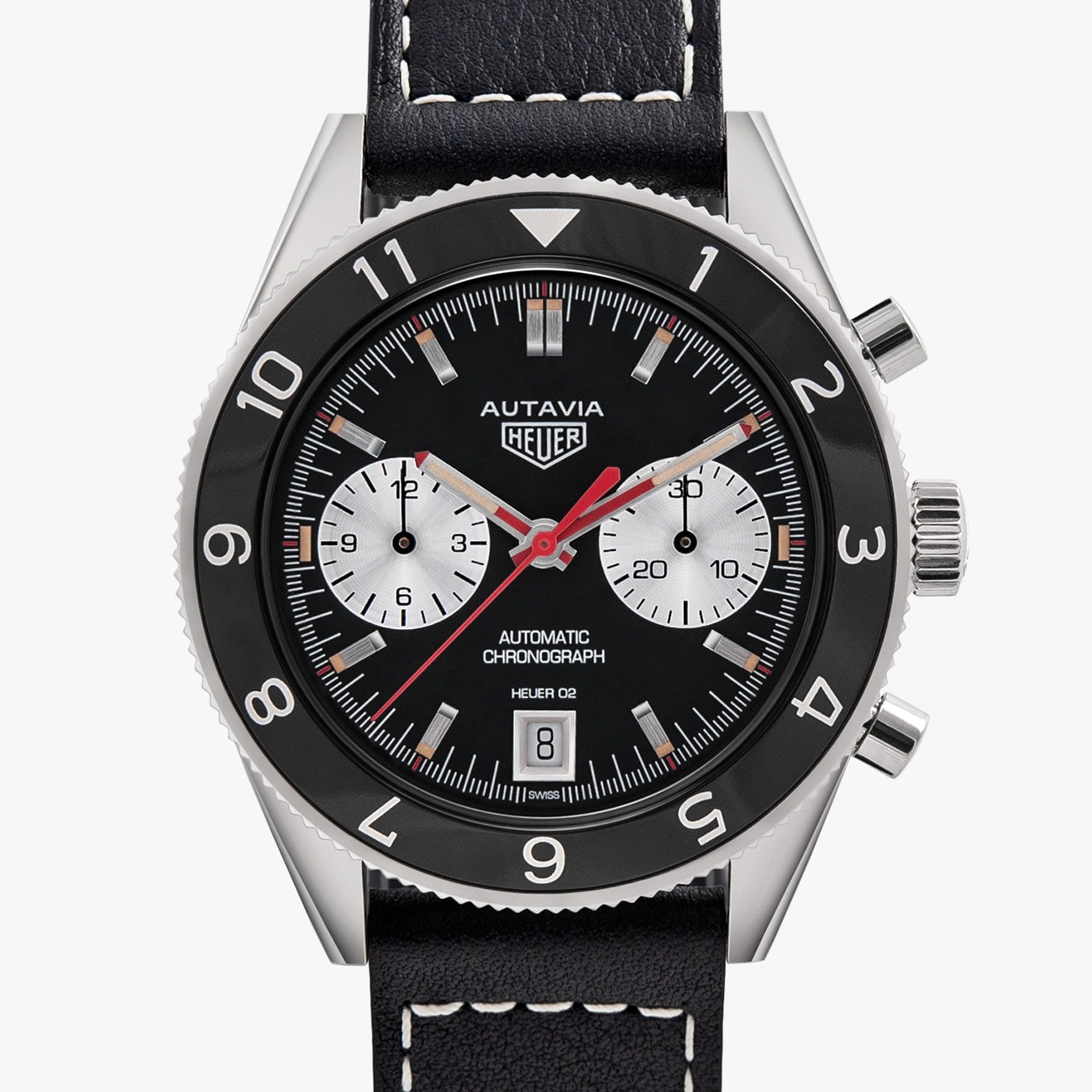
TAG Heuer Autavia 1972 Re-Edition

Most watches have some sort of heritage built into them. But the TAG Heuer Autavia 1972 Re-Edition has more than most. The name Autavia comes from TAG Heurer’s history in auto racing and aviation — “AUT” from “auto” and “AVIA” from “aviation.” The 42mm 1972 Re-Edition is fashioned after the iconic 1972 Heuer Autavia 1163V Viceroy but contains modern updates like a two-register dial layout, a sapphire case back and a date window at 6 o’clock. This modern automatic chronograph update is a commendable addition to the Autavia family. Learn More: Here

The Best Used Wagons Under $10,000 Right Now

A Note on Pricing: The going prices for these cars are accurate at the time of publishing but may change the longer the classified ads are live.

Wagons were once one of the most popular types of car on America’s roads. With the advent the U.S. Interstate System in the ’50s and ’60s, and the subsequent rise of road tripping culture, the grand touring qualities and massive cargo space of the wagon put it in prime position to be our nation’s car of choice. Since then, it’s lost its “cool” factor and fallen from grace — which makes it perfect budget pick-up for nostalgia seekers or simply drivers tired of the cookie-cutter crossovers parked across America’s dealerships. Here, some of the best wagons we could find for less than $10,000.

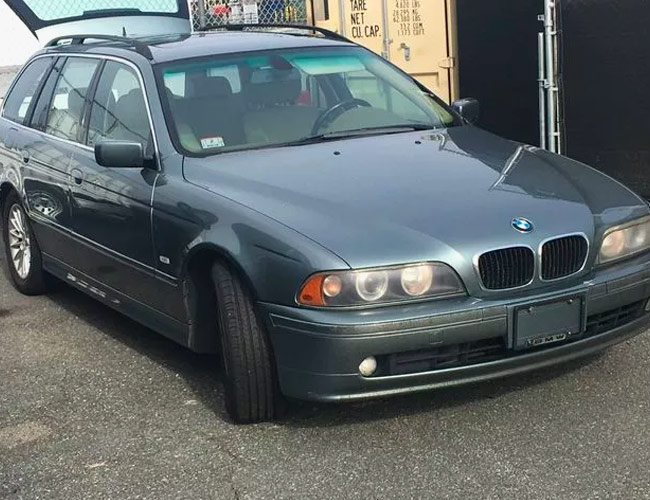
2002 BMW 540i Touring

What happens when you take a massive, Bavarian-built eight-cylinder engine and pair it with rear wheel drive, one of the best sport sedans in the business and then put a wagon hatch on it? One of the most attractive and most powerful sport wagons, well, ever. These highly functional beasts may have been designed for family-hauling on the Autobahn, but purists know wht lies beneath hood. — Kyle Snarr, Head of Marketing

Mileage: 126,000 miles
Original MSRP: $46,750+

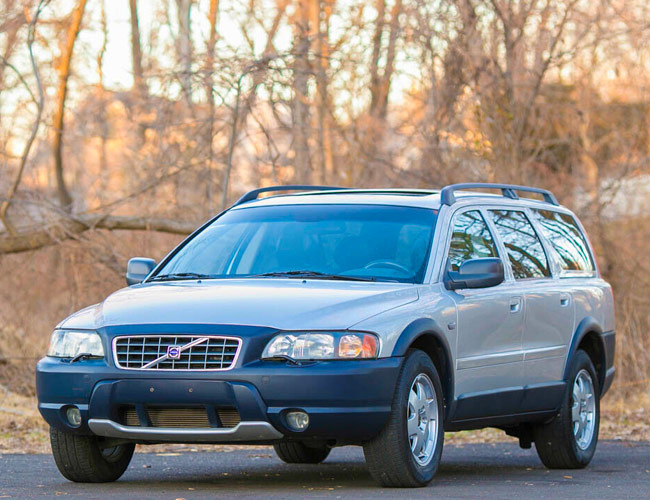
2003 Volvo XC70 AWD

Beating the utility and comfort of the Volvo wagons is difficult. Ergonomic interiors that don’t skimp on creature comforts are matched well with good ground clearance and AWD capability. I owned a 2001 S60 with the same engine in this XC70 and found that even up over 100,000 miles, regular maintenance was all that was necessary for reliable daily driving, despite the low-pressure turbo system burning up coils. The extra cargo room is an obvious bonus as is the minty leather interior and well-maintained dash and cockpit. It’s a great option for long-distance trips or people moving. — Jacob Sotak, Content Director, Commerce

Mileage: 70,612 miles
Original MSRP: $36,000 +

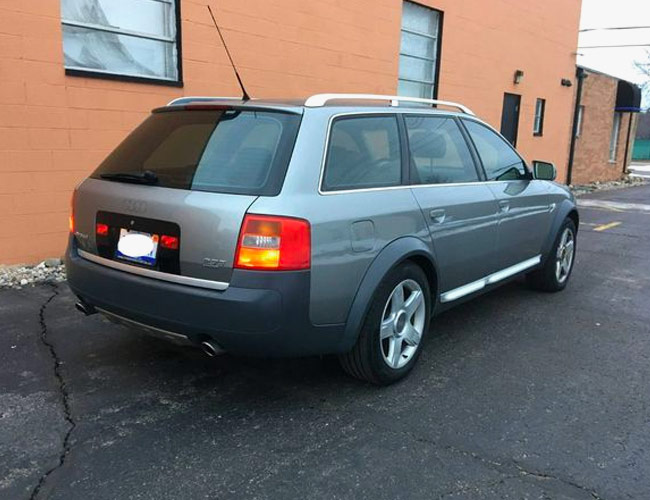
2003 Audi Allroad 2.7T

The Audi Allroad is a certified sleeper car but not in the traditional sense; it doesn’t blow the doors off of sports cars with an insane amount of horsepower. The Allroad looks like any other mundane wagon, but underneath, you’ll find raised suspension and quattro all-wheel-drive. It’s essentially a rally car with cargo space.

One of the previous owners of this Allroad already did the job of replacing the unreliable air suspension with conventional springs and swapped in a new timing belt. And it come with a manual. Yes, please. — Bryan Campbell, Staff Writer

Mileage: 97,650 miles
Original MSRP: $39,950+

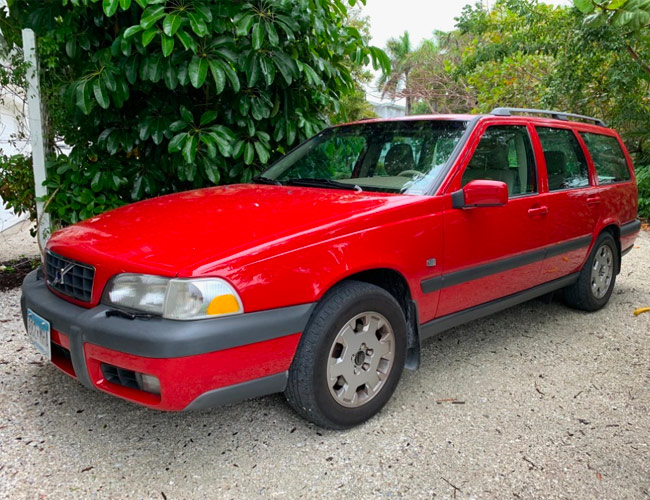
2002 Volvo V70 XC

I drove one of these in college, and my dad and I spent an entire summer poring over online forums to fix and tweak a handful of little issues we found within the car. Was the car reliable? Not really. Did it handle well? Not especially. But between working on the car myself, hauling friends out to secluded trailheads and long drives around Michigan’s Upper Peninsula, I developed a special kind of attachment. I’d buy this car again. — Andy Frakes, Editorial Assistant

Mileage: 101,000 miles
Original MSRP: $29,450+
Note: Purchasing products through our links may earn us a portion of the sale, which supports our editorial team’s mission. Learn more here.

This Is Ultimate Starting Point For an Adventure Van Project

If you’re looking to start an adventure vehicle project, it might be tempting to go the obvious route and pick up a Land Rover Defender, Toyota Land Cruiser or VW Westfalia. They’re the go-to overlanders for a reason, and end up as decked-out overlanders and mobile campsites more often than most trucks — as bone stock, they’re already incredibly capable of handling multi-day trips and dirt trails. However, if you’d prefer a more unique route for your adventure vehicle, this 1979 Volvo C202 Laplander 4×4 is the way to go.

If it wasn’t immediately obvious, the Volvo C202 Laplander 4×4 started life as a utility truck for military use as the L2304, first for Sweden (because, well, it’s Volvo), after which the Norwegian Army, the Royal Netherlands Army and Saudi Arabia took orders. The C202 is stripped-down for civilian use, but it’s a blank canvas for your wildest overland upgrade dreams.

The C202 already has requisite ground clearance, massive tires, a snorkel and a cavernous cargo area — all you have to do is get creative. The rear center-facing seats fold up and out of the way, but a twin-sized bed and a countertop and kitchenette would quickly transform the area into a cozy living space. The removable hard top might make it tricky for a roof rack or rooftop tent, but if you build up the living space inside, you’ll have the option to sleep under the stars, weather permitting.

As for the driving portion of your adventure, you won’t be setting any land speed records with the 82 horsepower four-cylinder engine, but between the part-time all-wheel-drive and big beefy BFG all-terrain tires, you’ll have no problem trucking up mountain trails to find the perfect campsite.

Finding an adventure to get your dream overlander project started isn’t difficult. A quick Google search and you’ll be tripping over more Defenders, old Broncos and Tacomas than you know what to do with. But, if you want to stand out from the rest of the adventure community crowd and still have a go-anywhere vehicle, this 1979 Volvo C202 Laplander 4×4 is up to the task.

2020 Jeep Gladiator Review: a Historic Nameplate Makes a Remarkable Return

When was the last time you saw a Jeep pickup truck? For younger generations, probably never. After all, the last was built in 1992 — the Cherokee-based Comanche — meaning the mere idea of one is almost 30 years old. As a result, most of those who see the new Jeep Gladiator, which is based on the newly redesigned Wrangler, might be startled by the fact that such a thing even exists. Elder enthusiasts and true aficionados of any age, however, will feel pangs of nostalgia and even delight. Both a Wrangler and a pickup? Wondrous indeed.

What’s Good: The Gladiator retains almost all the Wrangler’s off-road capability save for slightly diminished breakover and departure angles, and comes in four different configurations: Sport, Sport S, Overland and Rubicon. So it’s a fully legitimate trail-basher, with the added bonus of the utility bed out back. As with the Wrangler, the details throughout the vehicle are truly marvelous. It’s got all of its donor model’s coolest features, including the fold-down windscreen and readily removable doors, but also a few tricks of its own, like rear seats that flip up to reveal a voluminous storage bin that looks suspiciously like a built-in rifle case but in fact can be partitioned however you like.

Who it’s for: Folks who like to haul stuff and explore, or explore and haul stuff. The new midsized pickup, about to enter showrooms, is 31 inches longer than the longest Wrangler, the four-door, and its wheelbase stretches 20 inches. This makes room for a full five-foot bed that can carry whatever you need—topsoil, camping gear, lumber—though not quite enough space to haul sheets of plywood or drywall. Leave that to the full-size pickups. Besides, while those guys are refinishing their basements, you’ll be out conquering trails and scrambling over rock beds.
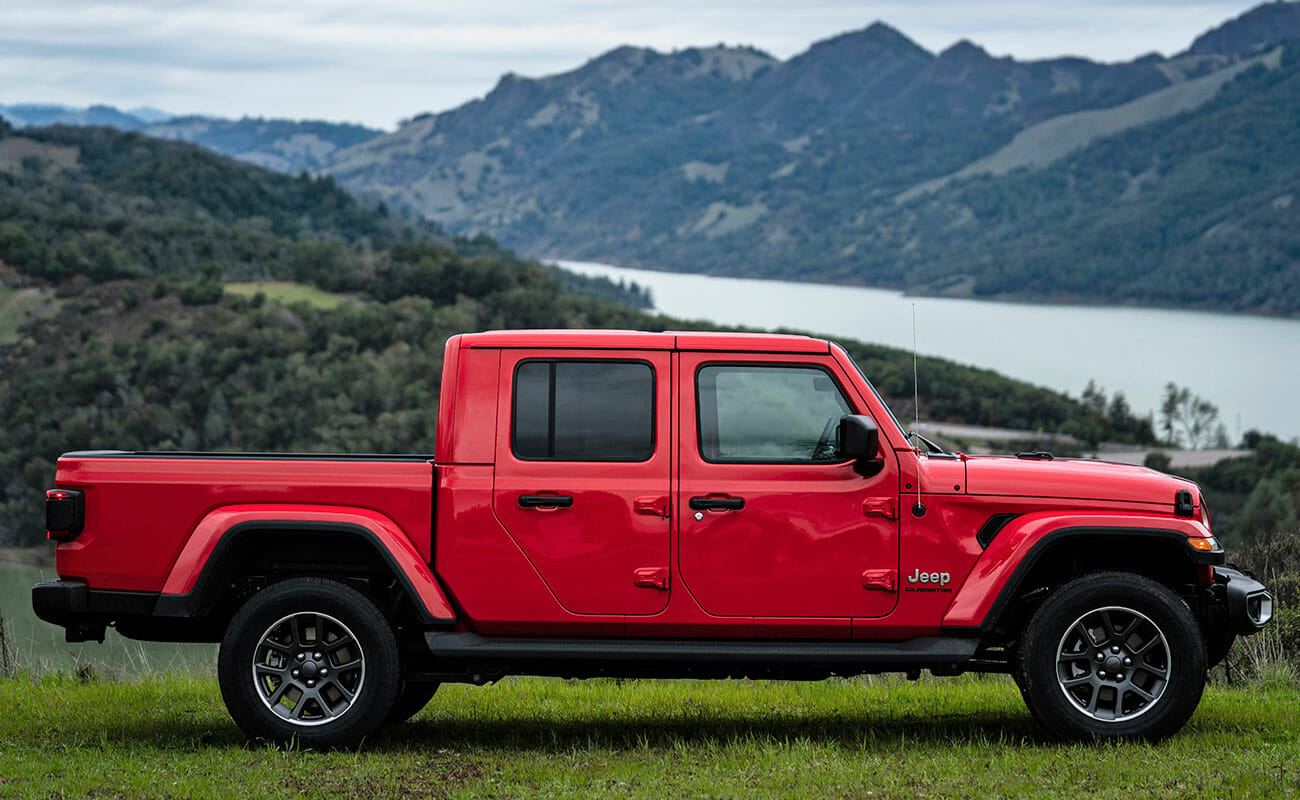
Watch out for: Road handling. While it’s absolutely a beneficiary of the improved ride qualities that debuted in the new Wrangler, it’s still a Jeep riding high on large tires with a suspension optimized for off-roading. This becomes particularly noticeable in the turns, where the Gladiator’s extra length further hampers handling. In the end, it’s fine in a straight line and of course brilliant off-road, but once you’re into a twisty stretch, your stomach might struggle with the extra body roll.

Review: Gladiator revives a fabled nameplate used in a Wagoneer-based pickup between 1963 and 1972. But while, as a Jeep, it’s obligated to live up to its heritage, more important is the truck’s appeal to modern users. In that sense, the Gladiator delivers, both in modern metrics like connectivity and baseline comfort and the nuances that make Jeeps, Jeeps. Out of the gate, it comes powered by a 3.6-liter Pentastar V6 that delivers 285 horsepower and 260 lb.-ft. of torque. (A diesel V6 will arrive next year.) Those numbers might feel low by current truck standards, but they more than deliver at the midsize level, particularly given that the powertrain is optimized for low-end torque and slow-and-steady rock crawling. To help fuel economy, it features engine stop-start and a smooth eight-speed transmission. The manual six-speed option, though, is a joy to drive, especially with gear ratios that allow for stress-free low-speed maneuvering without the constant threat of stalling.

I drove the Gladiator across a stretch of northern California that included substantial coastal cruising. It did fine in the straights, with only modest tire roar from the 33-inch tires and the kind of wind noise you’d expect from the boxy design. As with the Wrangler, neither were significant enough to impede conversation or strain your senses. In the twistier parts of the drive, the longer wheelbase and the general off-road-oriented geometry made for greater degrees of body roll than might be comfortable. Trundle through at modest speeds and you’ll hardly notice it; put any energy into your drive, though, and you might start to feel it as the miles, and curves, stack up.
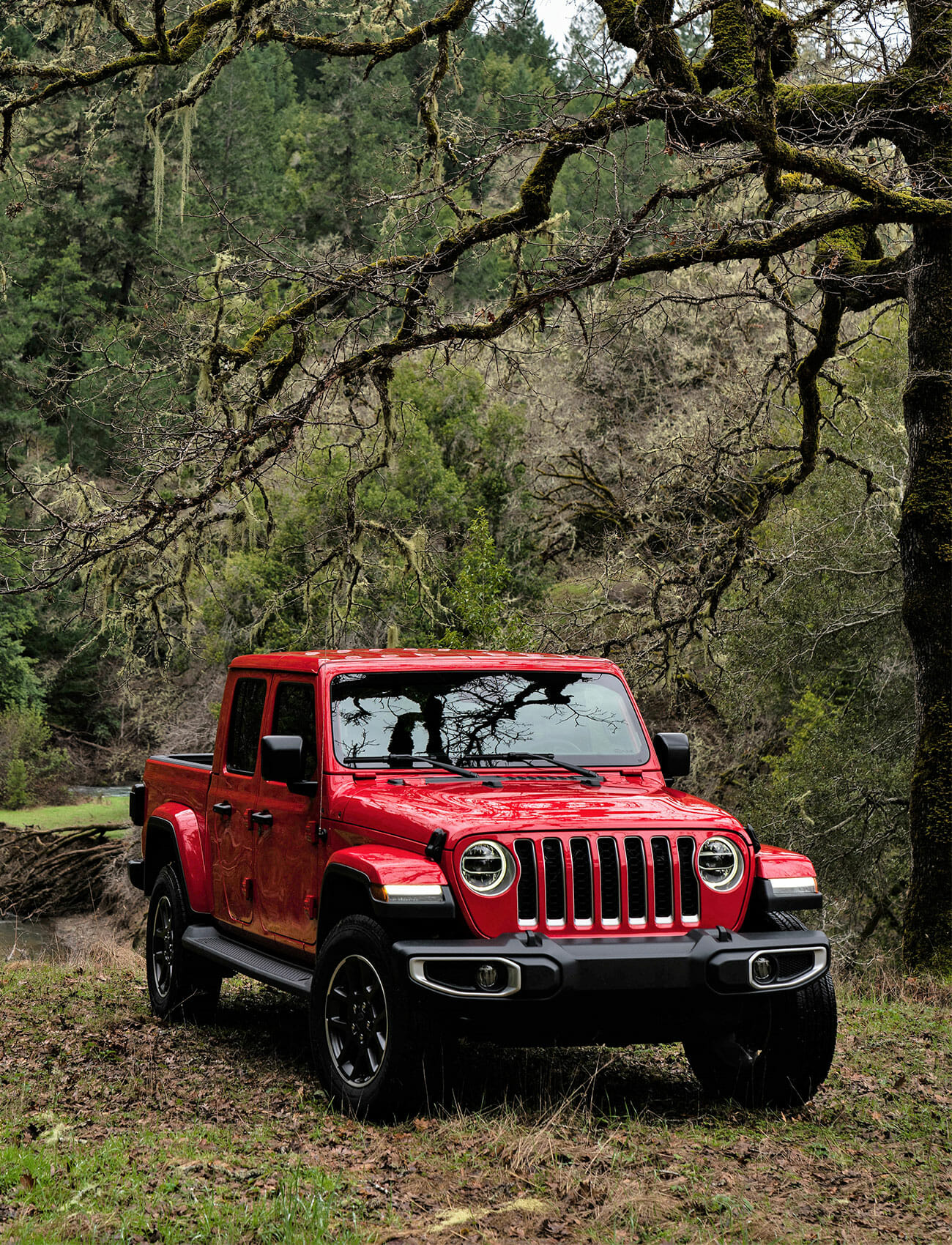
By far the best part of the drive was the off-road portion, which included the kind of scrambling that makes beginners go pale. The stiff, body-on-frame Gladiator managed significant boulder fields, mud-slogging, and extreme angles with ease, making the mission exceptionally fun. Credit, of course, goes to the Wrangler-derived engineering, which in the Rubicon trim includes a Rock-Trac 4×4 system with heavy-duty Dana 44 axles with a 4LO ratio of 4:1, with locking differentials. An electronic sway-bar disconnect improves wheel travel, and rock rails will protect the body panels from dings and dents. Sport and Overland trims come with the Command-Trac 4×4 system, including a two-speed transfer case with a 2.72:1 low-range gear ratio and limited-slip rear differential for better torque and grip in low-traction environments.

In the real world, all this means the Gladiator can get you out of virtually any jam you can think of, and in my trials it proved no less confidence-inspiring than the new Wrangler. It does this while also throwing in details both clever and thoughtful for the die-hard Jeep community, including a full-size spare tire mounted under the bed, in a space that’s also capable of holding up to a 35-inch tire, given that so many owners make upgrades of that sort as soon as they get hold of their machines. (The fenders can also accommodate 35-inch tires.) There’s also pickup-specific features, including under-rail bed lighting, integrated tie-downs and Jeep’s Trail Rail Cargo Management System, which enhances customizability of cargo storage and anchor points. You can opt, as well, for a spray-in bed liner and a tonneau cover.

Inside again echoes much of the Wrangler’s design and organization, which are exemplary and functional, including large buttons usable even while wearing gloves and a center stack that neatly consolidates key functions. Standard and optional safety features include blind-spot monitoring and rear cross-path detection, cameras for improved off-road situational awareness, and even adaptive cruise control. The fourth-gen Uconnect system offers Apple CarPlay and Android Auto as well as navigation and assorted streaming apps.
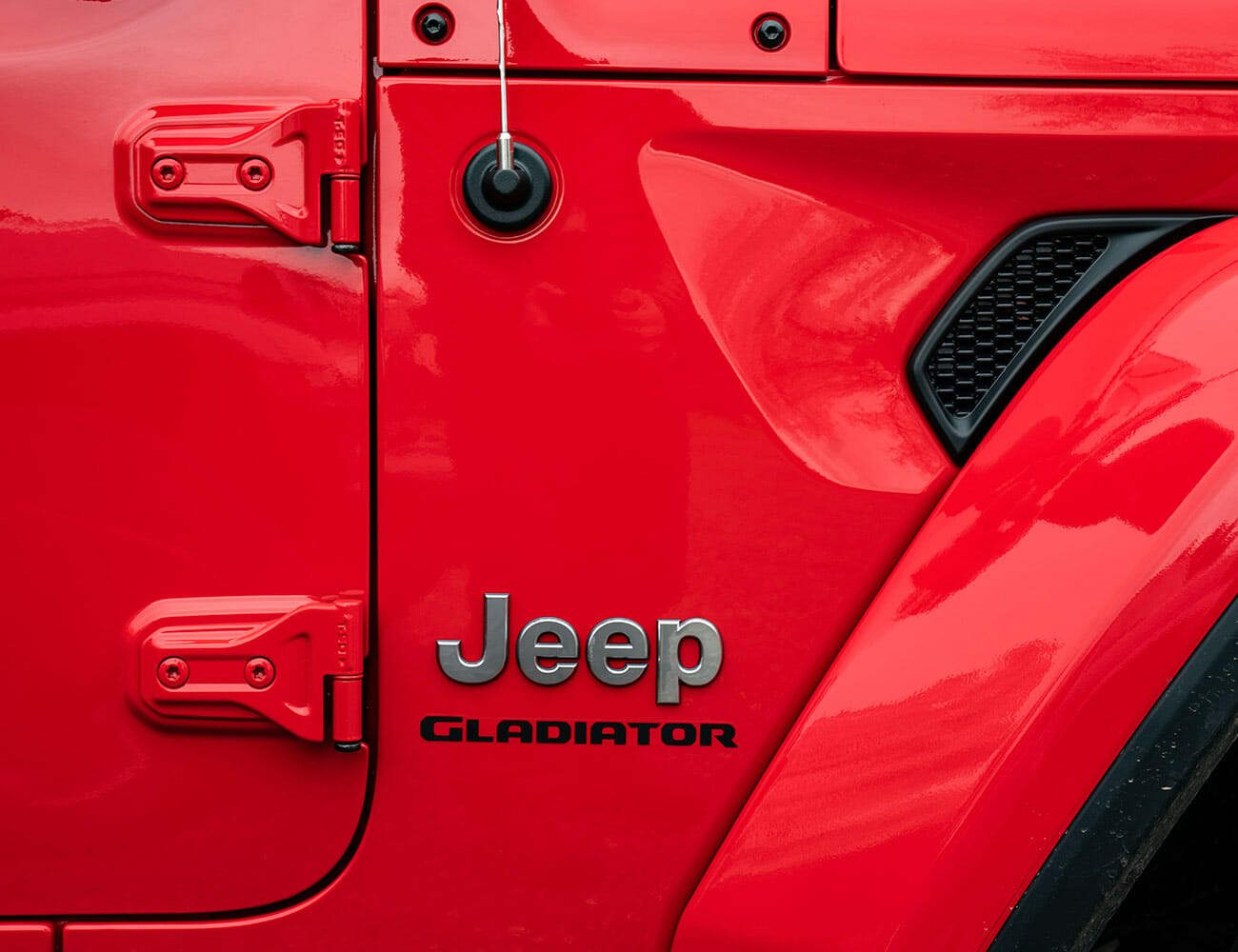
This keeps the retro-feeling Gladiator decidedly modern, making it usable on a daily basis even if some of that stuff ceases to matter when you leave the pavement. Yes, the Gladiator is a pickup truck, and a good one at that, but even the most cursory glance tells you it has a greater, muddier mission in mind.

Verdict: For all its successes as both an off-roader and a truly useful pickup truck, one of the greatest things about the Gladiator has to be its utterly unique look. It’s got both the retro panache of the Wrangler and the distinction of being the only pickup truck on the market that doesn’t essentially look like all the other pickup trucks on the market. That’s a huge differentiator, and will make those who drive this to dinner or the Depot the center of attention in a way that will make them the envy of those thundering around in F-150s or Rangers, Silverados or Colorados, Tundras or Tacomas.

That seals the deal: the Gladiator rocks.

Specs:
Year / Make / Model: 2020 Jeep Gladiator
Purchase URL: www.jeep.com
Price: Sport $33,545; Sport S $36,745; Overland $40,395; Rubicon $43,545
Engine: 3.6-liter Pentastar V-6
Transmission: 8-speed Automatic or 6-speed Manual
Horsepower: 285 hp
Torque: 260 lb-ft
Fuel Economy (City / Highway / Combined): 17 / 22 / 19
Towing / payload: Up to 7,650/1,600 pounds
Ground clearance: 11.1 inches
Fording depth: 30 inches

Jeep hosted us and provided this product for review.

Read More Gear Patrol Reviews

Hot takes and in-depth reviews on noteworthy, relevant and interesting products. Read the Story
Note: Purchasing products through our links may earn us a portion of the sale, which supports our editorial team’s mission. Learn more here.


The 10 Slowest-Selling Cars in America Last Year

When the tastes of the average car buyer evolve, entire segments and styles of cars can take a hit while others swell in popularity. America’s current obsession: large SUVs and mid-sized crossovers, far removed from the years that saw sedans and wagons flying off dealership lots.

According to a report from USA Today that lists the slowest selling cars of last year based on data from Kelley Blue Book, it’s clear just how unpopular some cars are, especially sedans.

When manufacturers determine the number of cars to allocate to specific dealerships, they factor in the regions’ preferences, the assumed popularity of the car and how quickly they think the dealership can sell them. If all goes well, some vehicles will only be on the lot for a few days, maybe a couple of weeks, with the average car only staying put for around a month.

If manufacturers get wrong or if the type of vehicle just isn’t what the buyers on the market are looking for, months can go by, or in the case of the Mitsubishi Lancer in the number one spot, possibly years — it was discontinued in 2017 and dealers are still trying to get rid of them. Looking at the rest of the list, however, it doesn’t look good for luxury sedans and small cars. Maybe, in a few years, preferences will shift again, but for now, these are 10 of the slowest selling cars in America last year

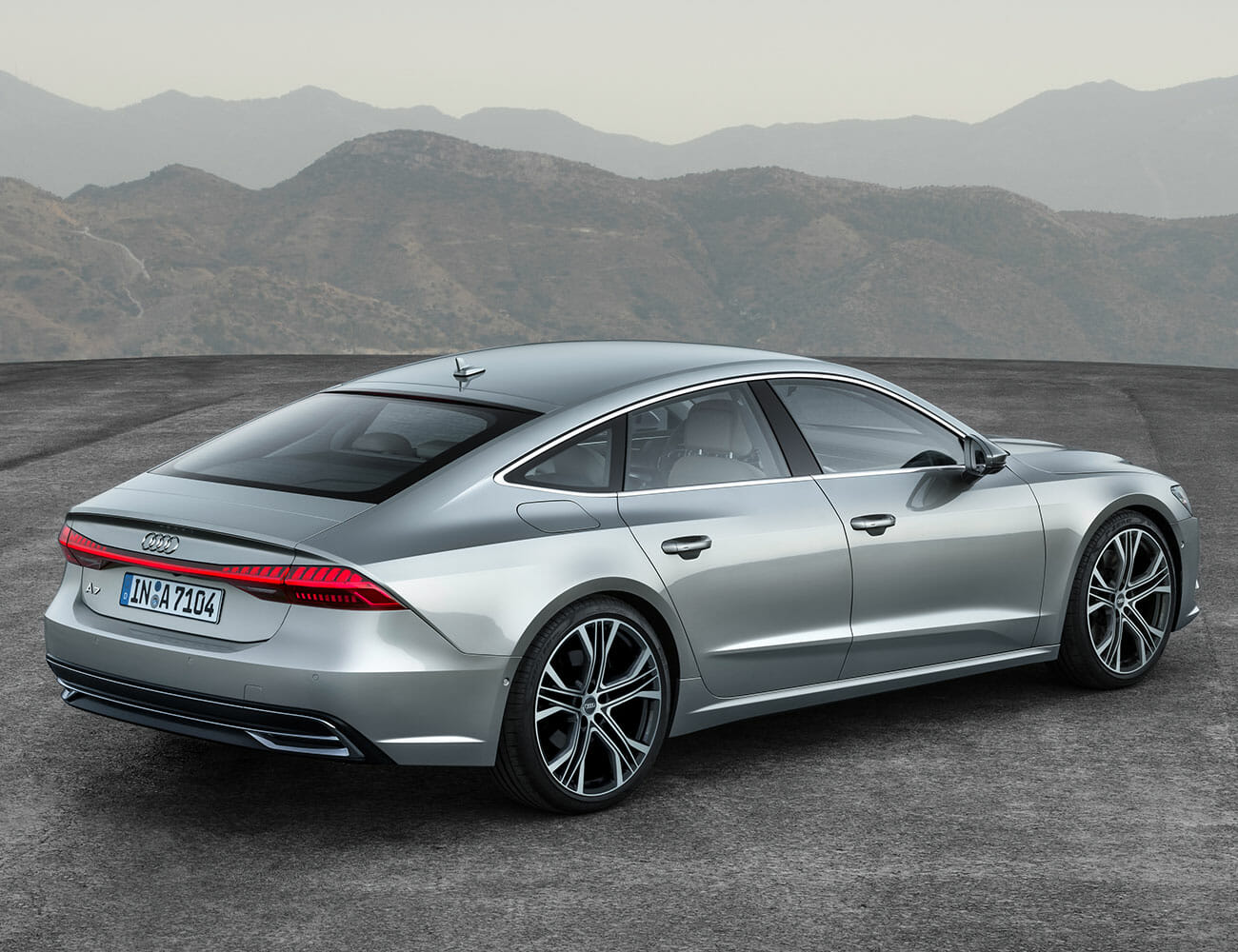
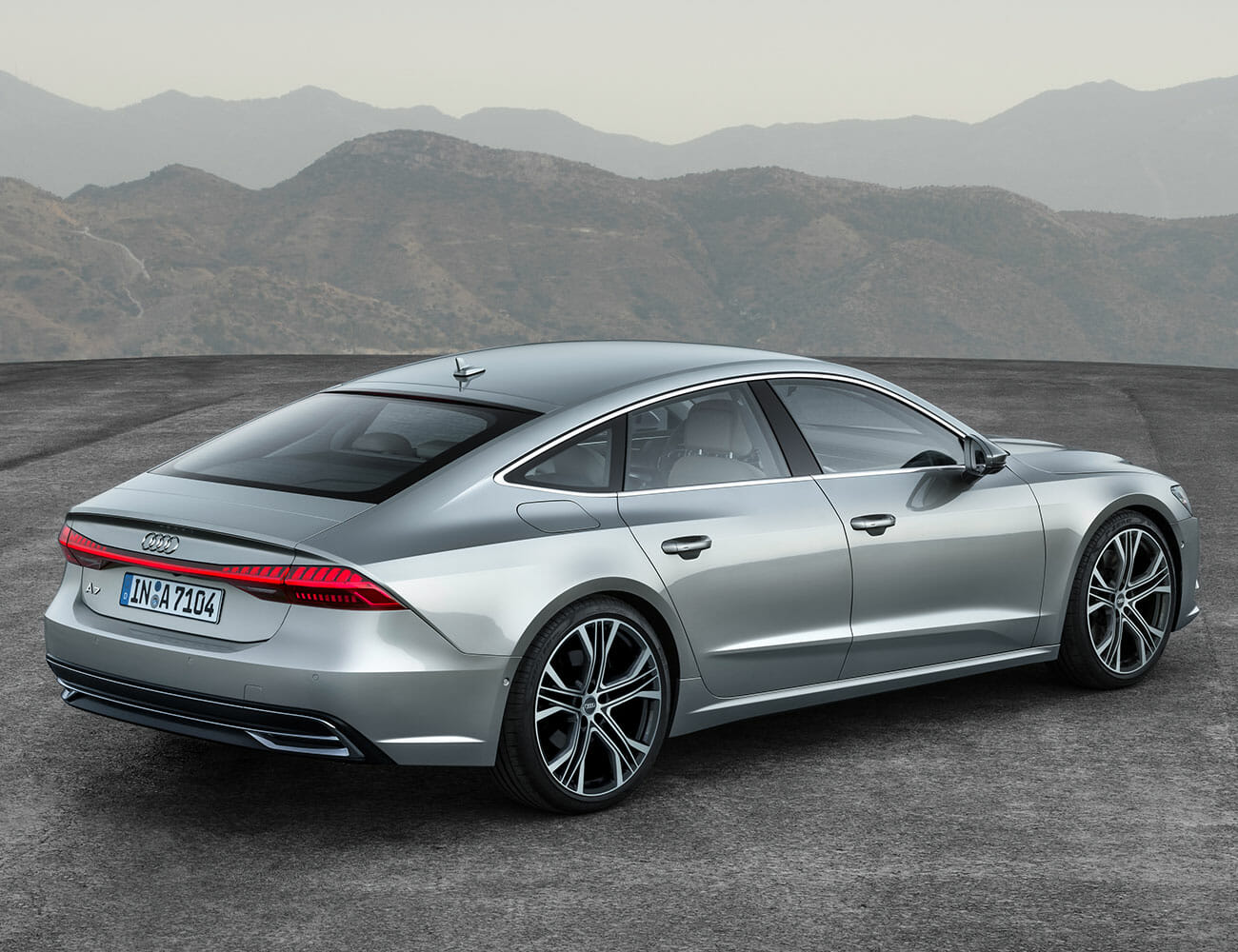
10. Audi A7

Average time spent the lot: 143.6 days
Sales in 2018: 3,852

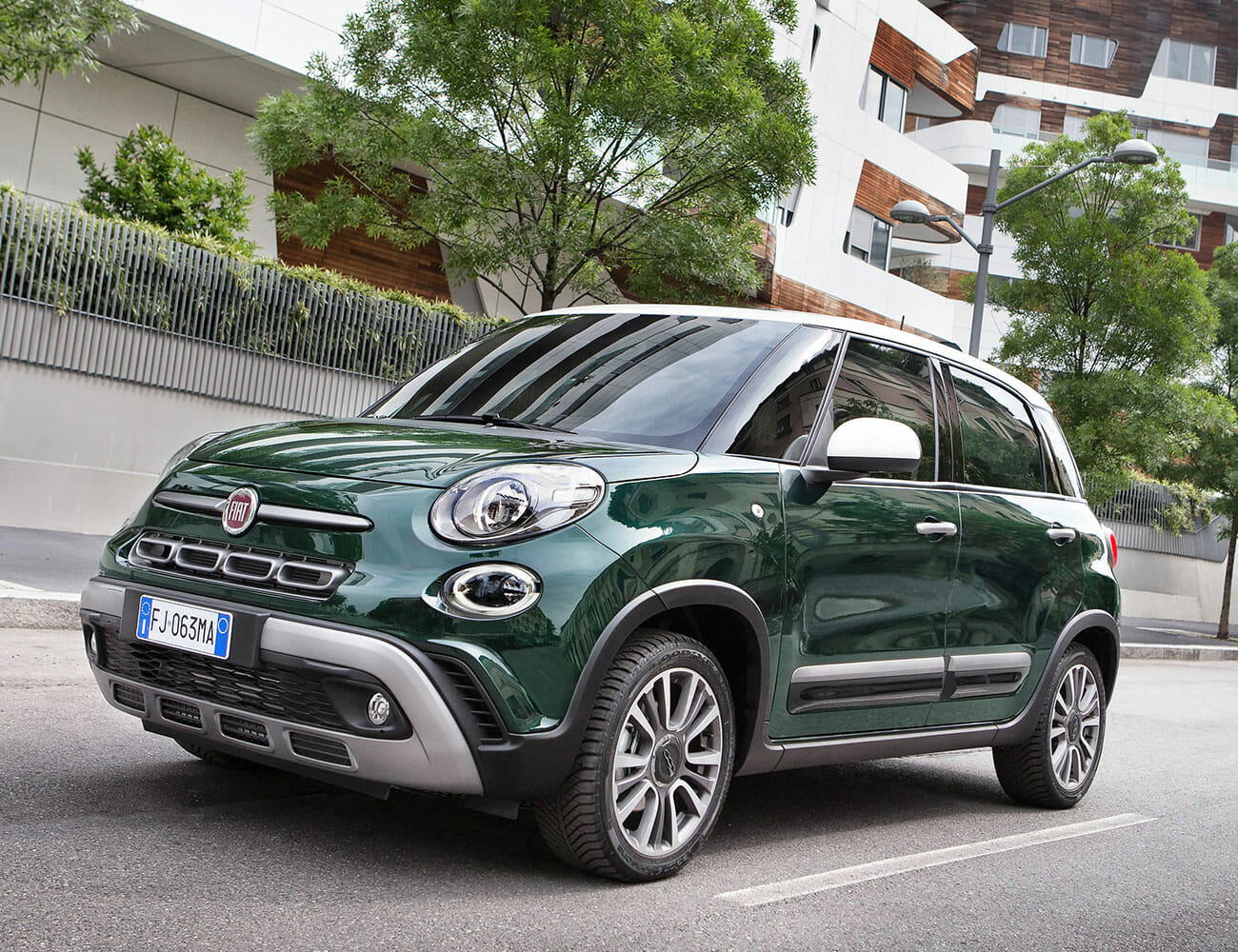
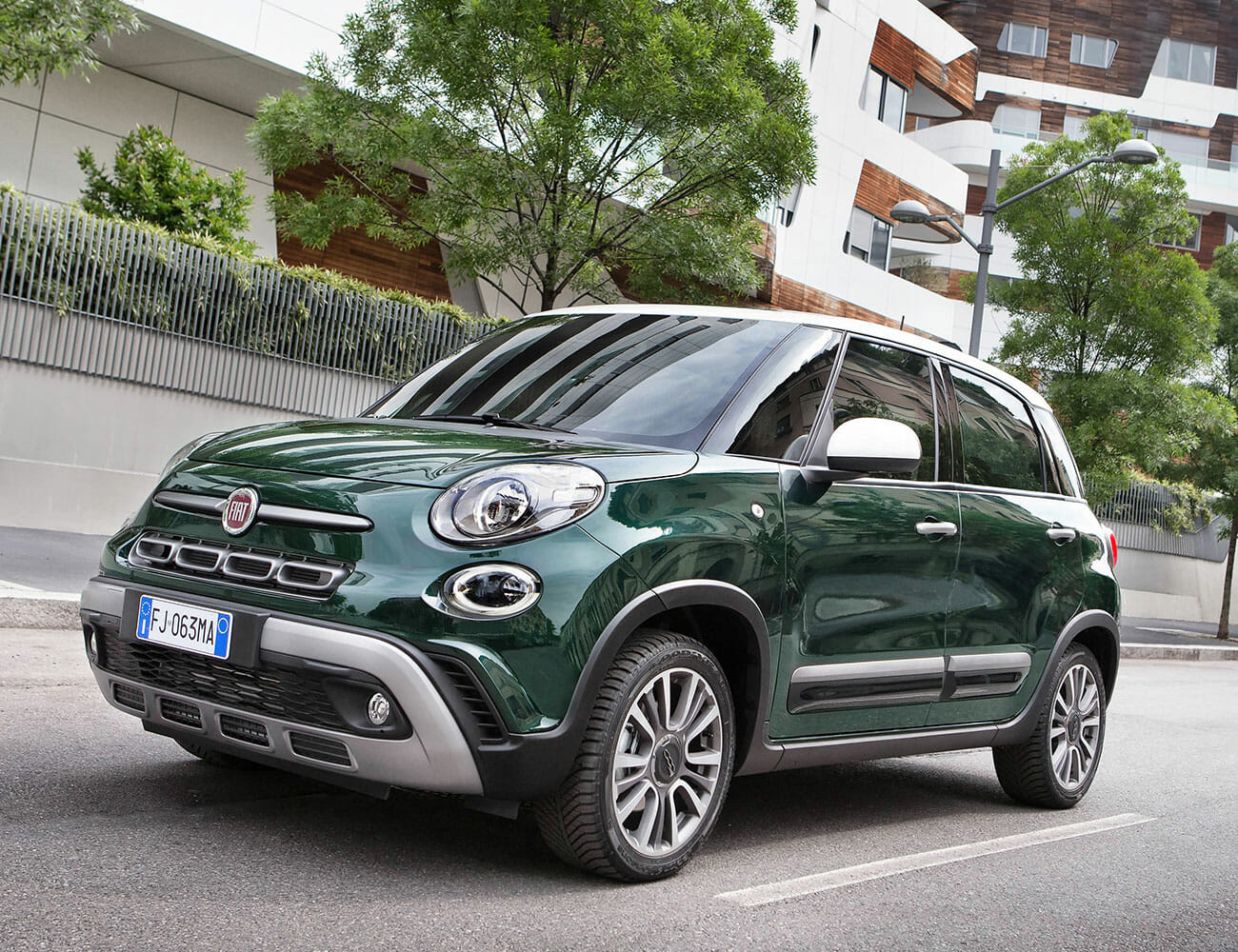
9. Fiat 500L

Average time spent the lot: 146.2 days
2018 sales: 1,413

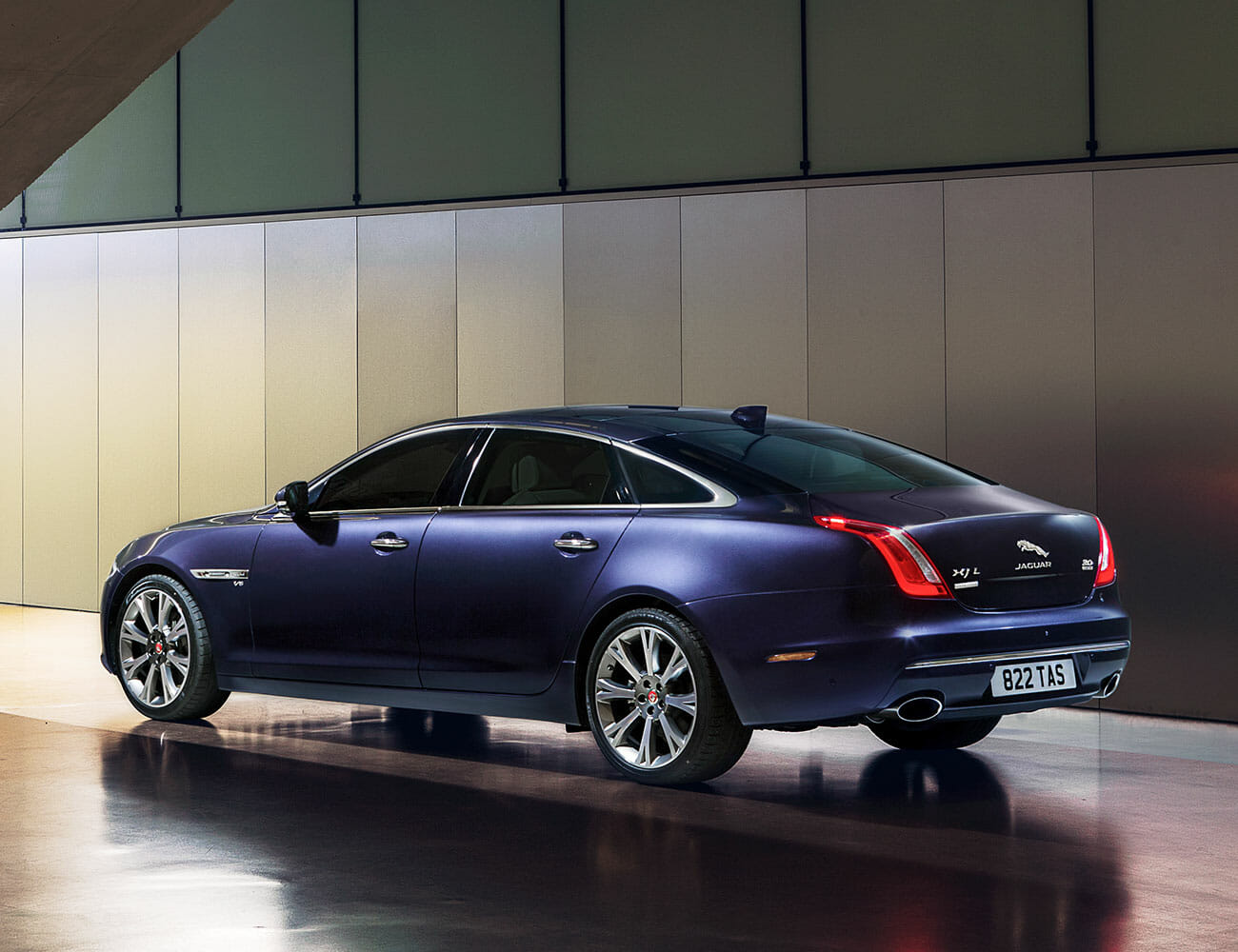
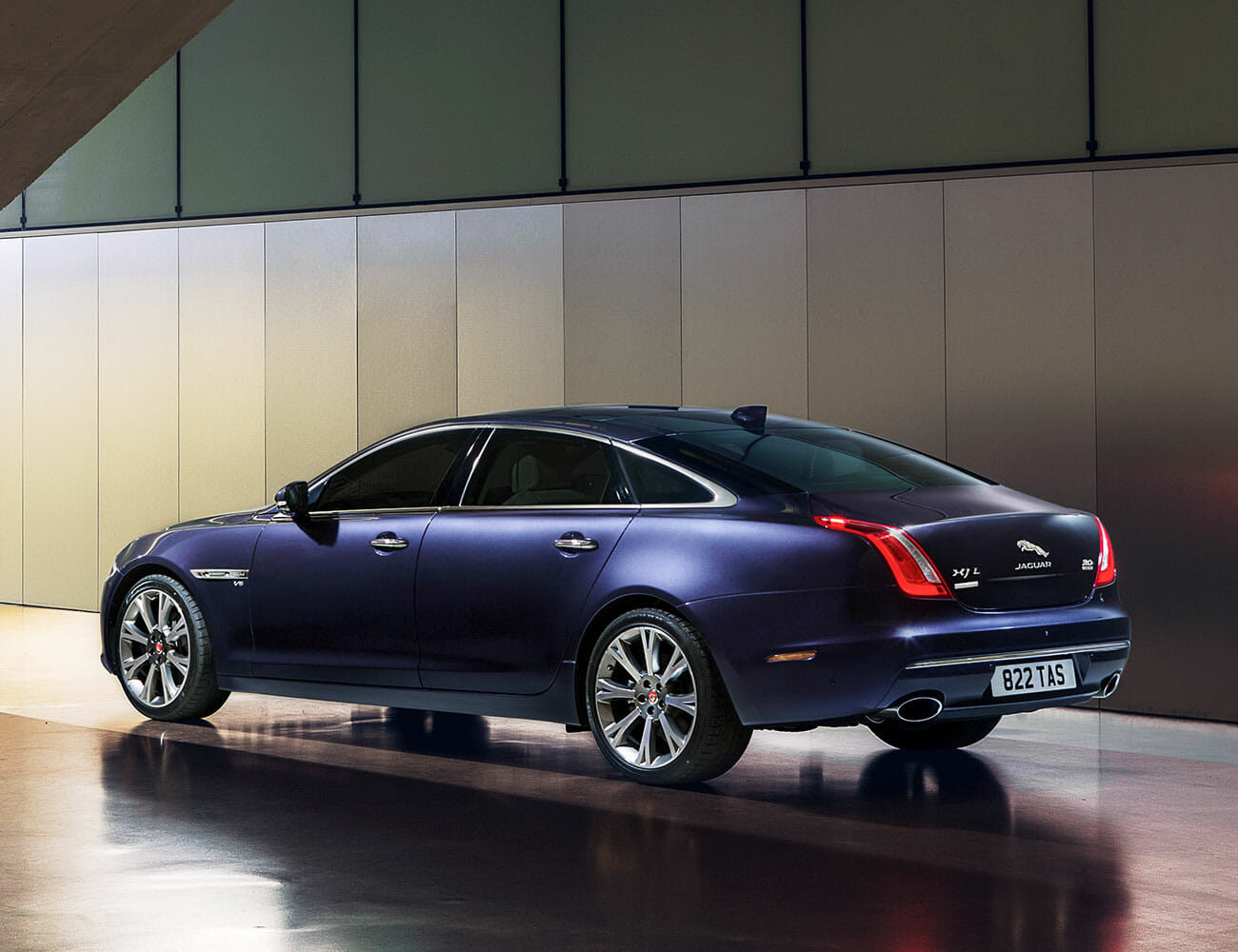
8. Jaguar XJ

Average time spent the lot: 146.3 days
2018 sales: 1,579

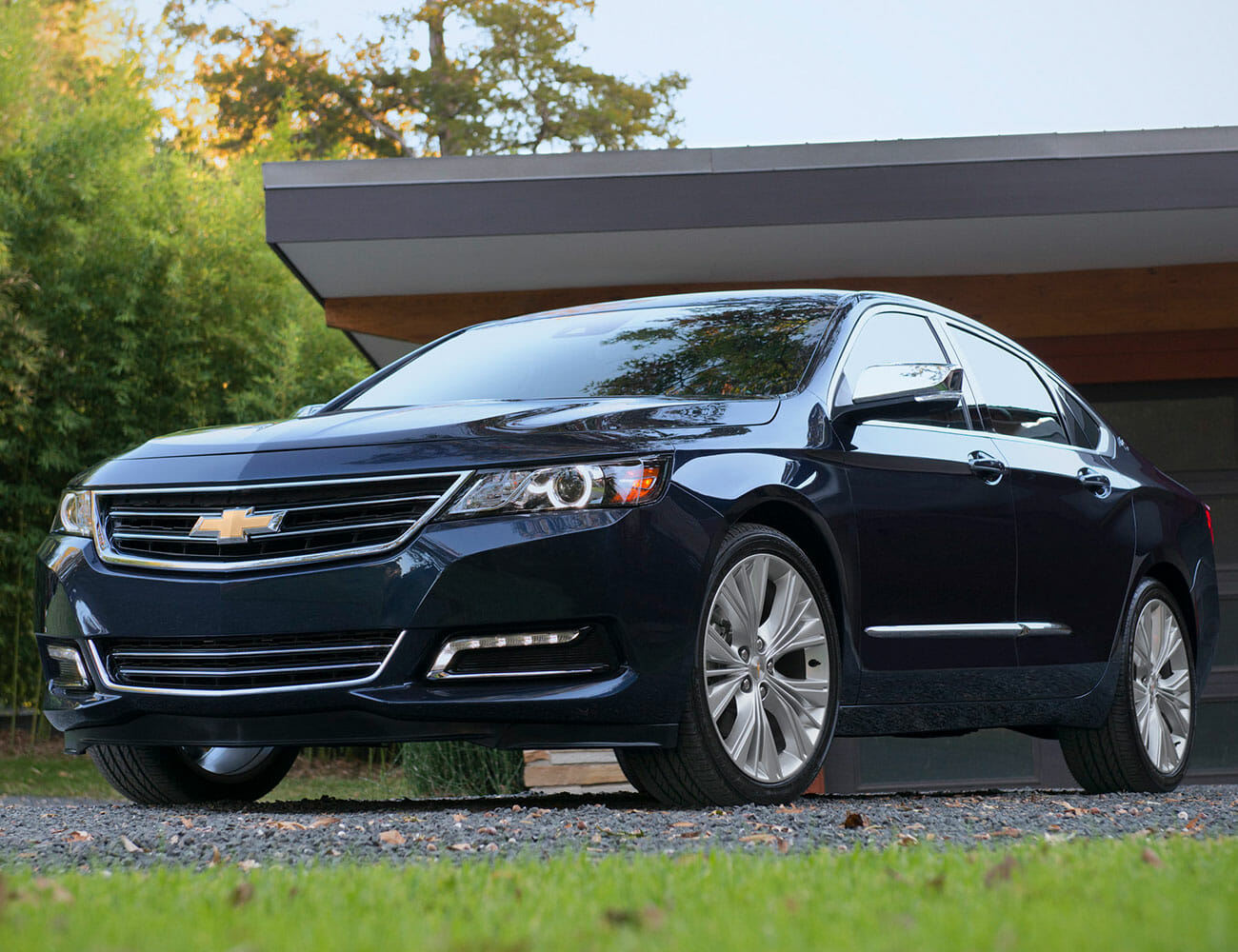
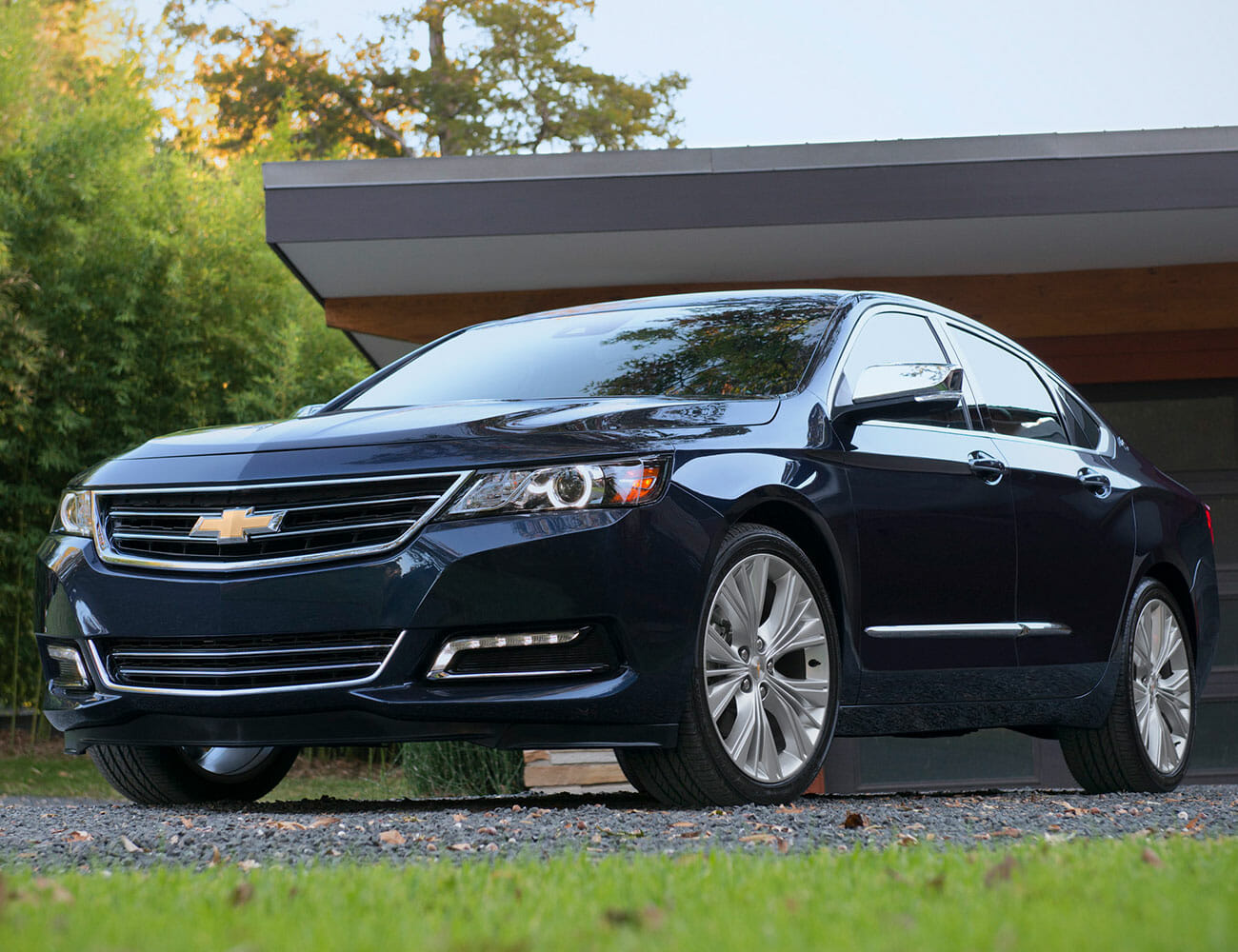
7. Chevrolet Impala

Average time spent the lot: 147.7 days
2018 sales: 56,556

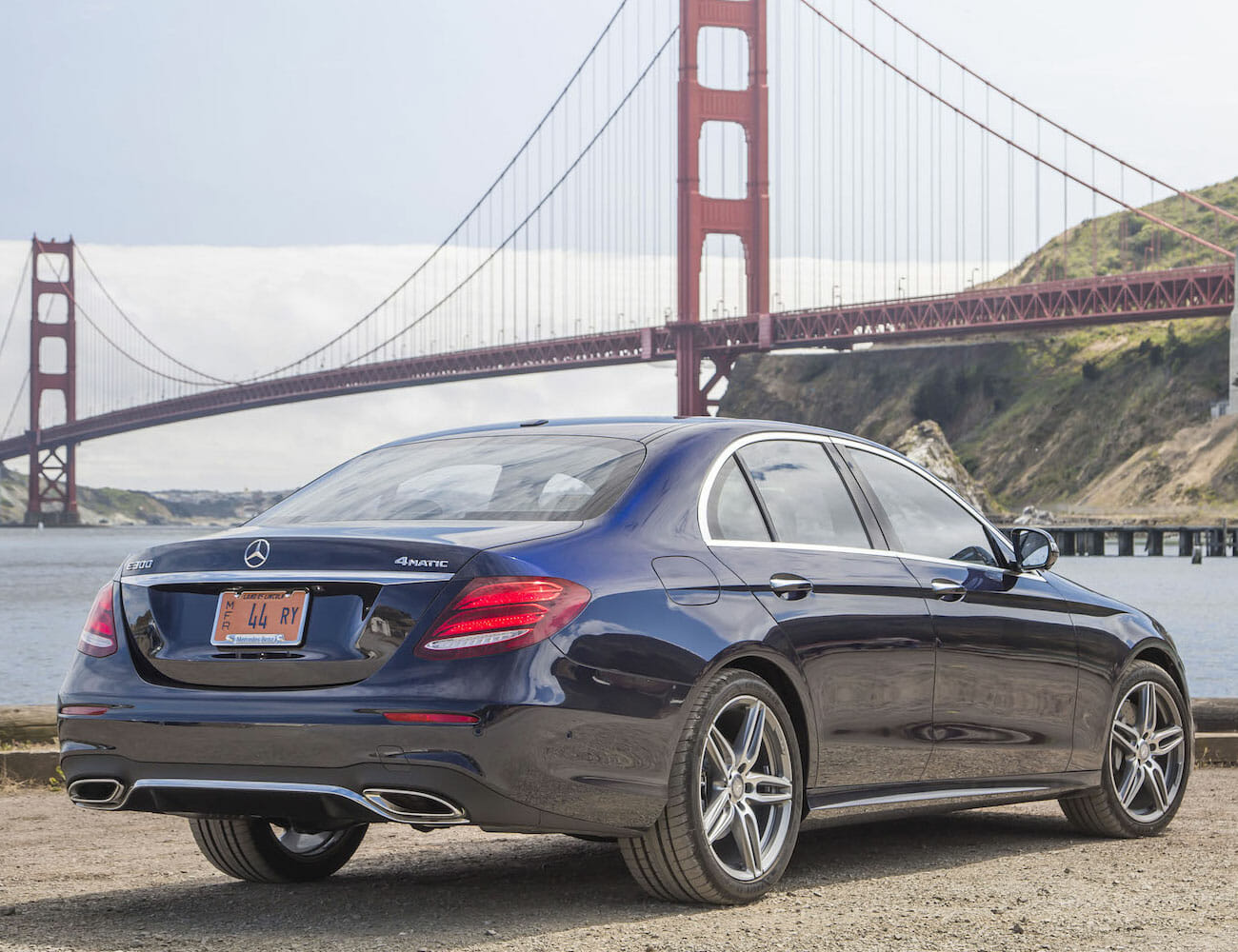
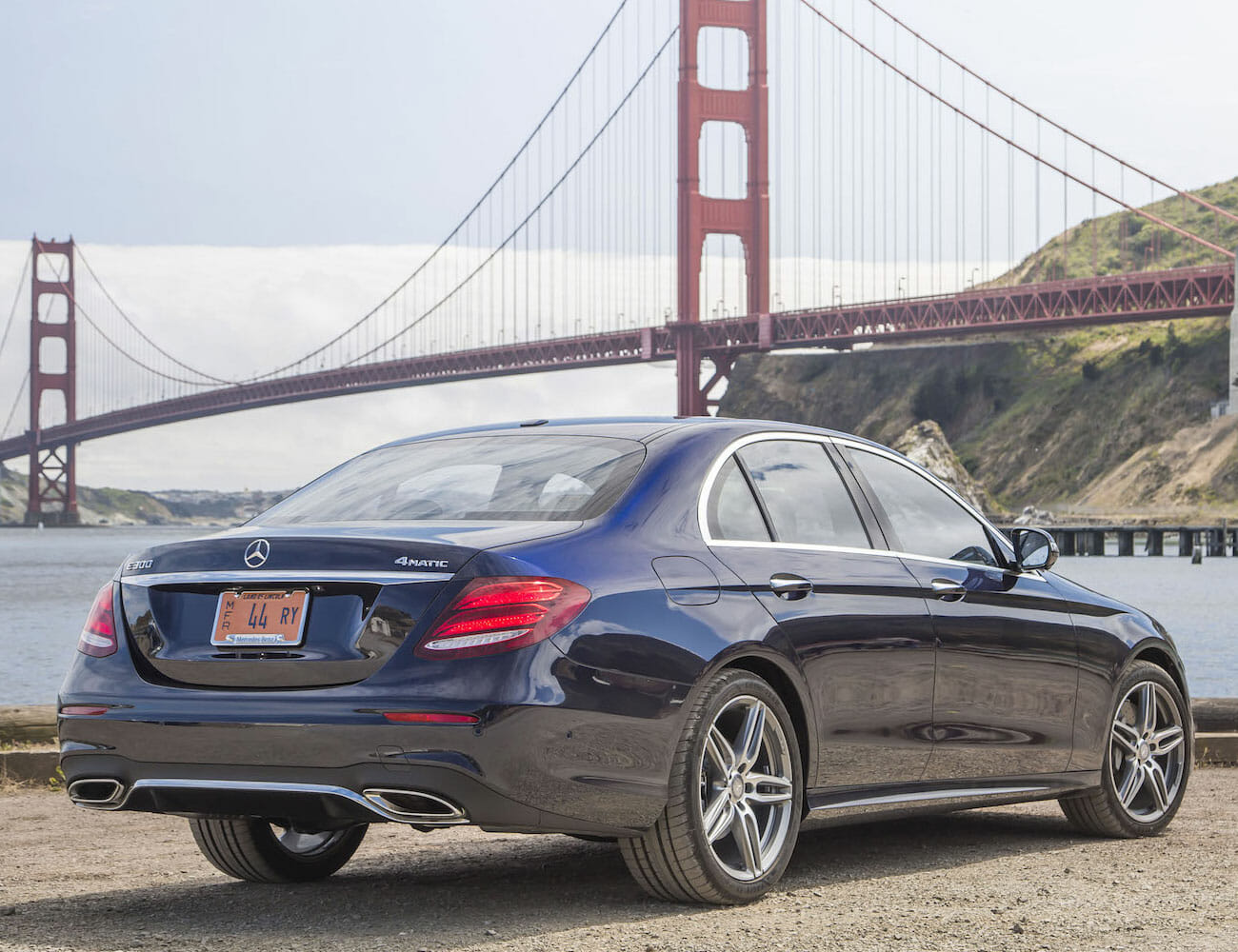
6. Mercedes-Benz E-Class

Average time spent the lot: 156.1 days
2018 sales: 47,936

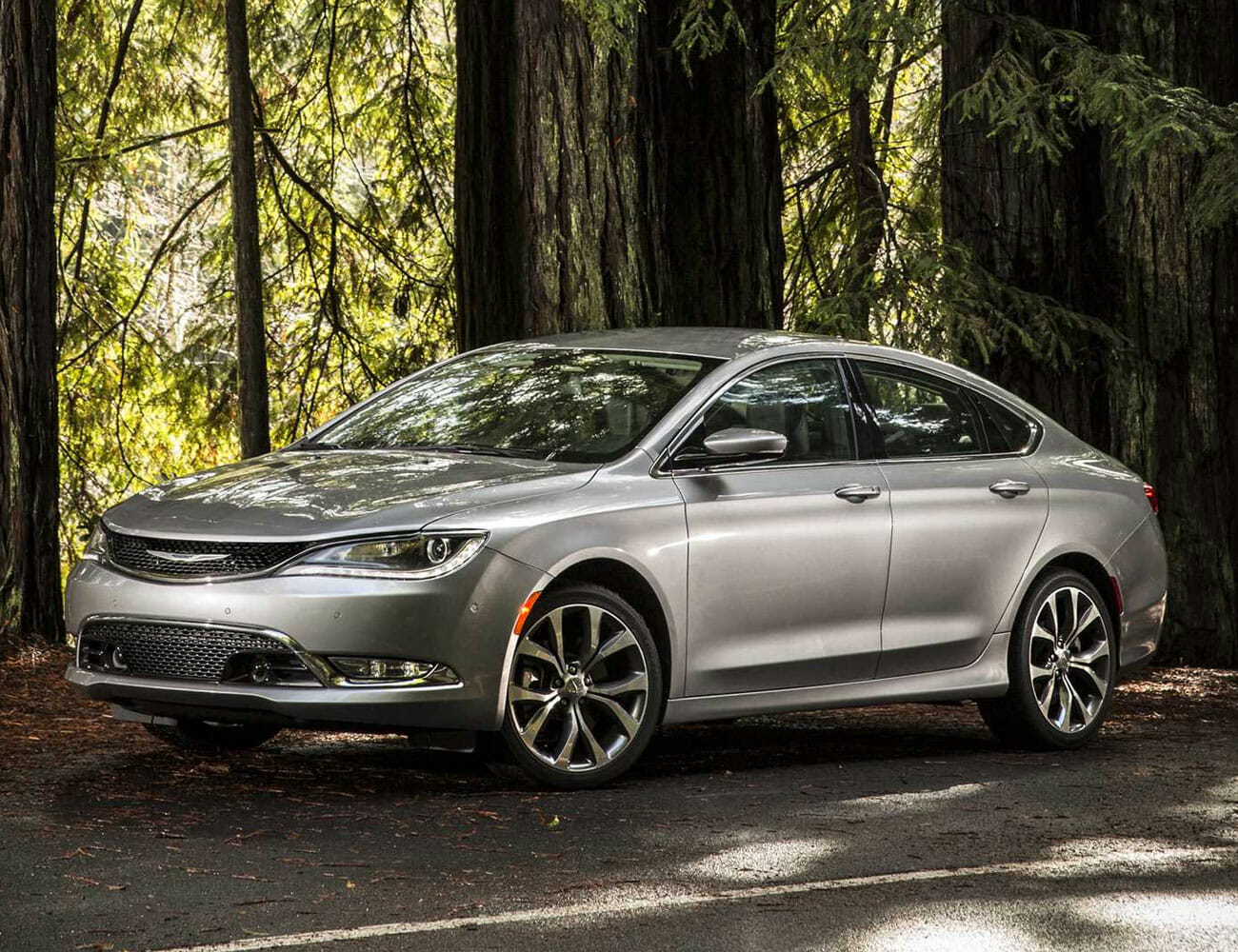
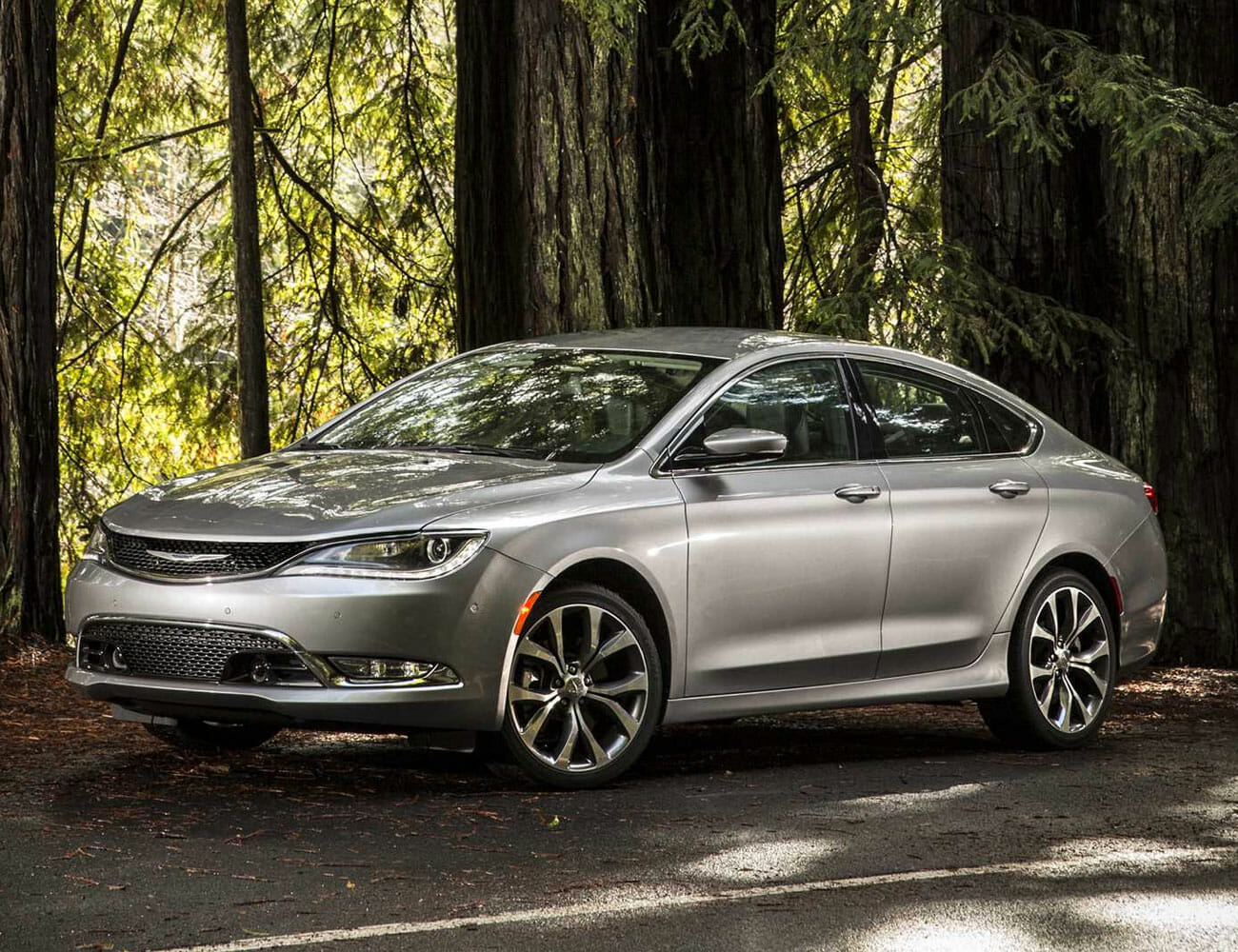
5. Chrysler 200

Average time spent the lot: 157.6 days
2018 sales: 1,043

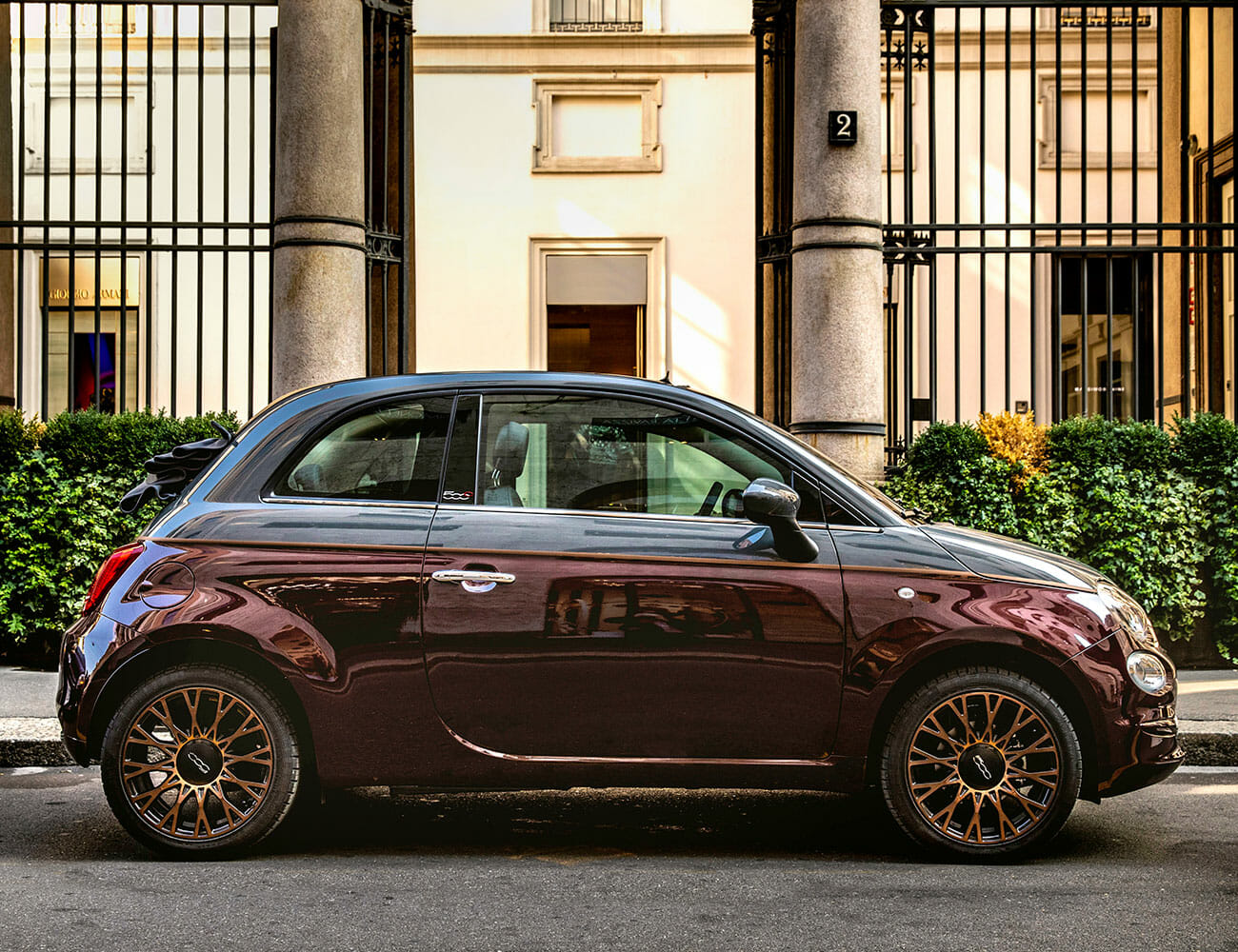
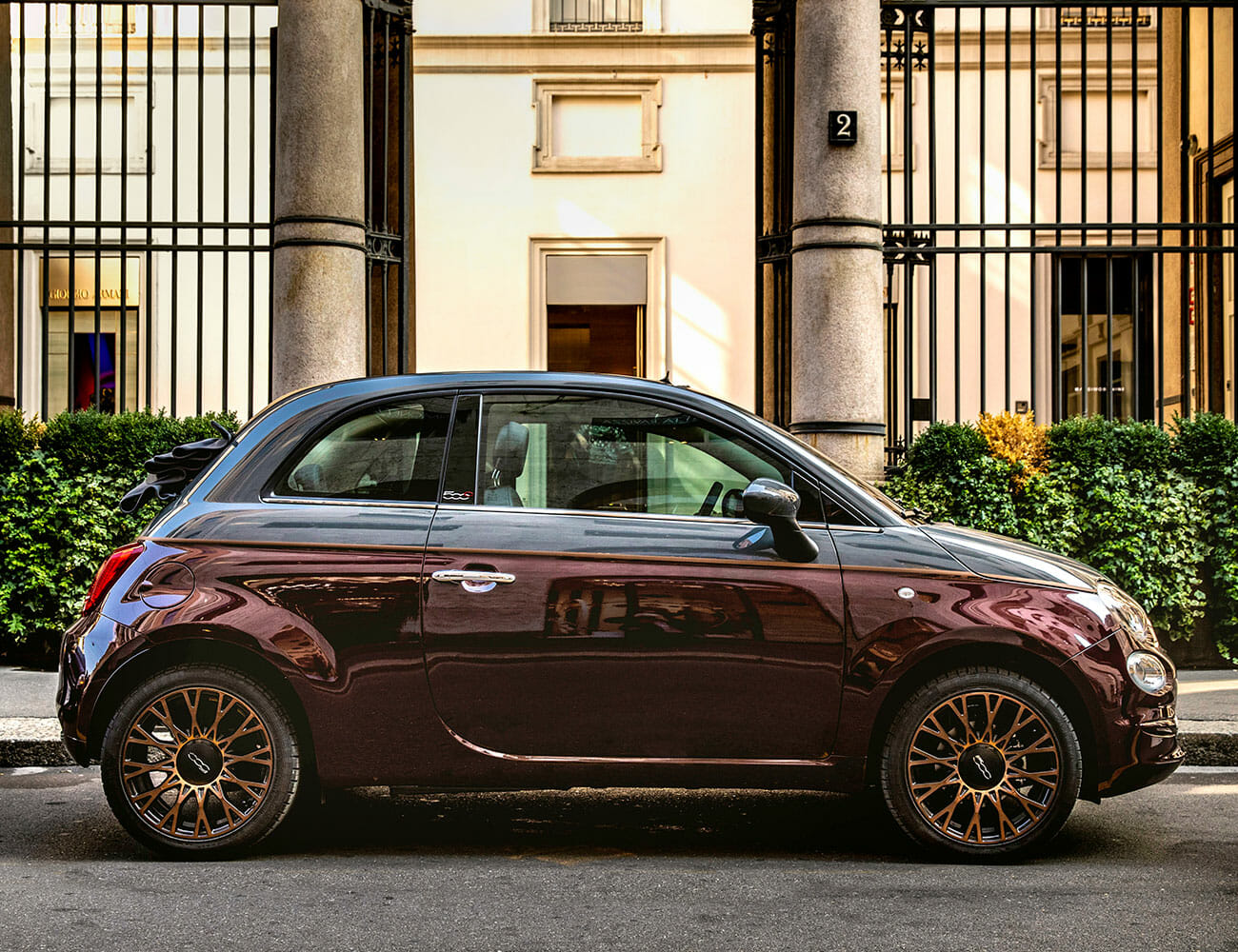
4. Fiat 500

Average time spent the lot: 160.3 days
2018 sales: 5,370

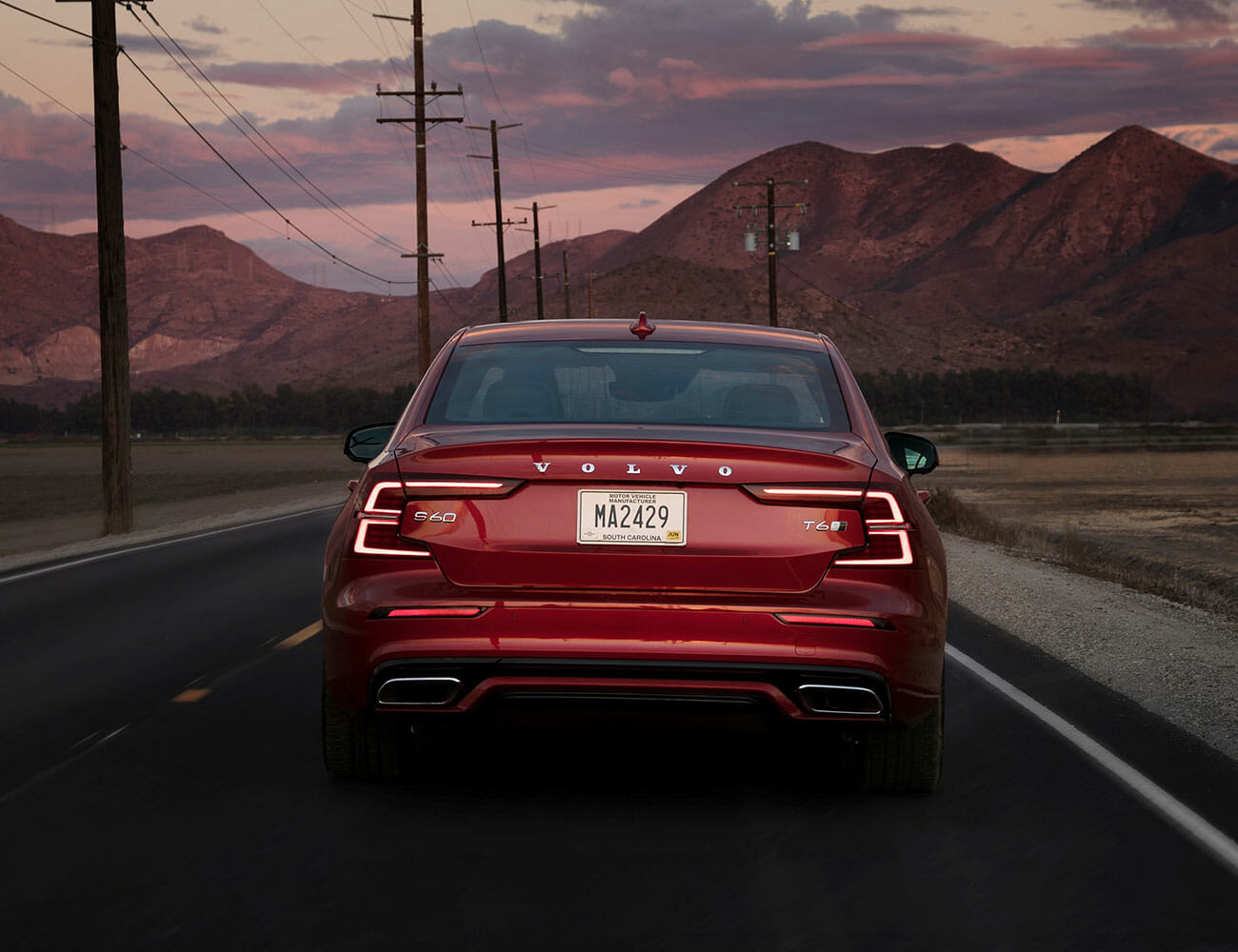
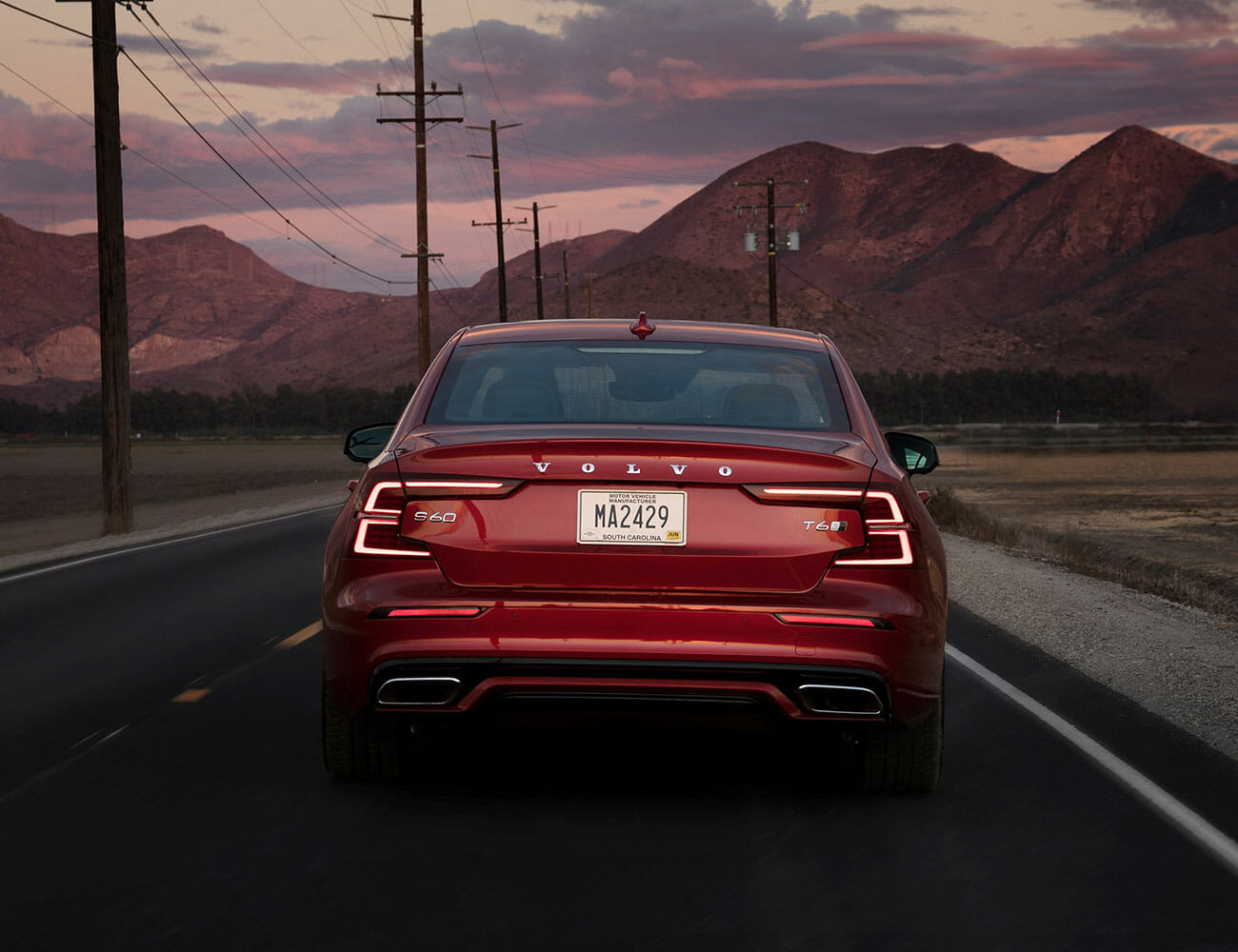
3. Volvo 60 Series

Average time spent the lot: 177.9 days
2018 sales: 11,876

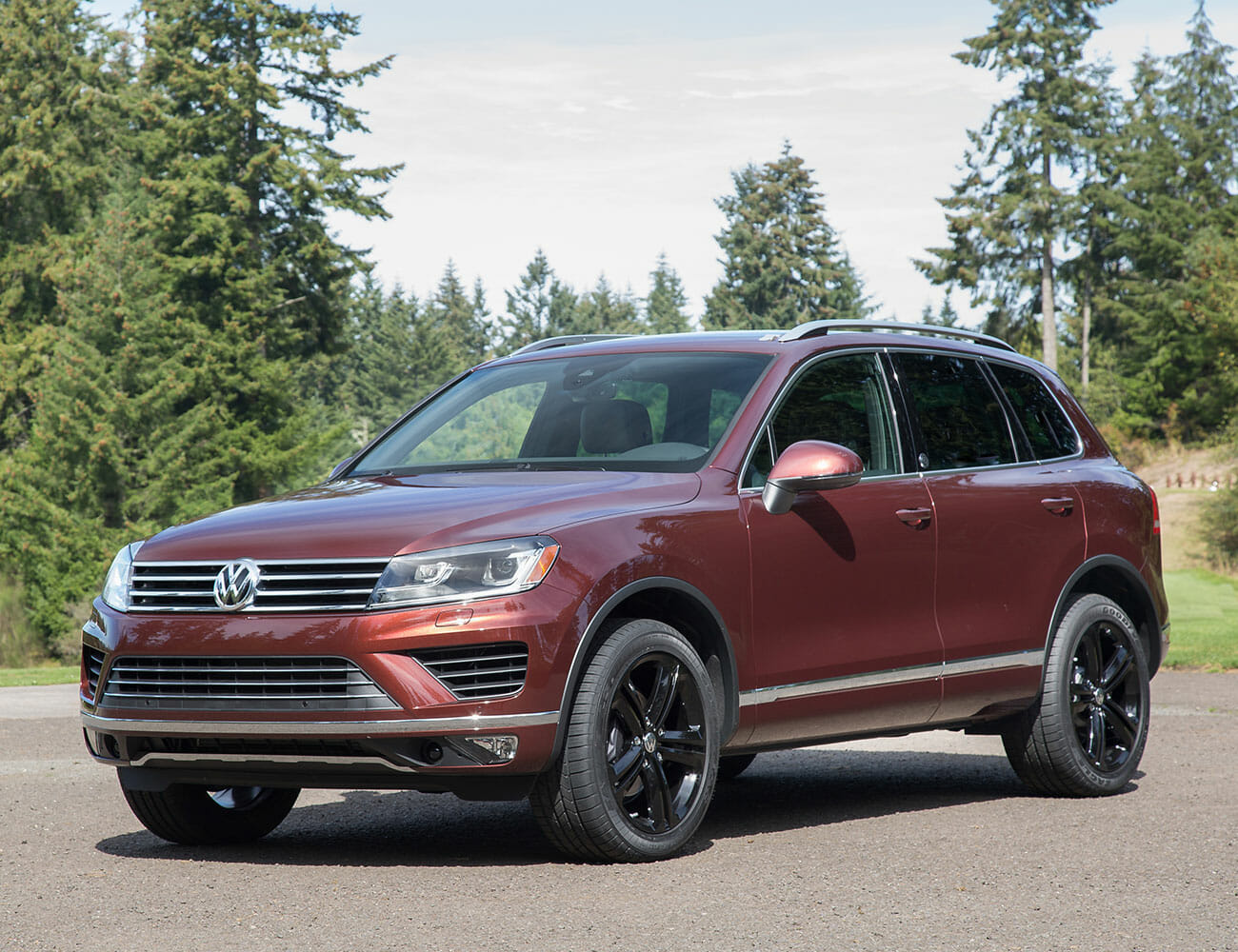
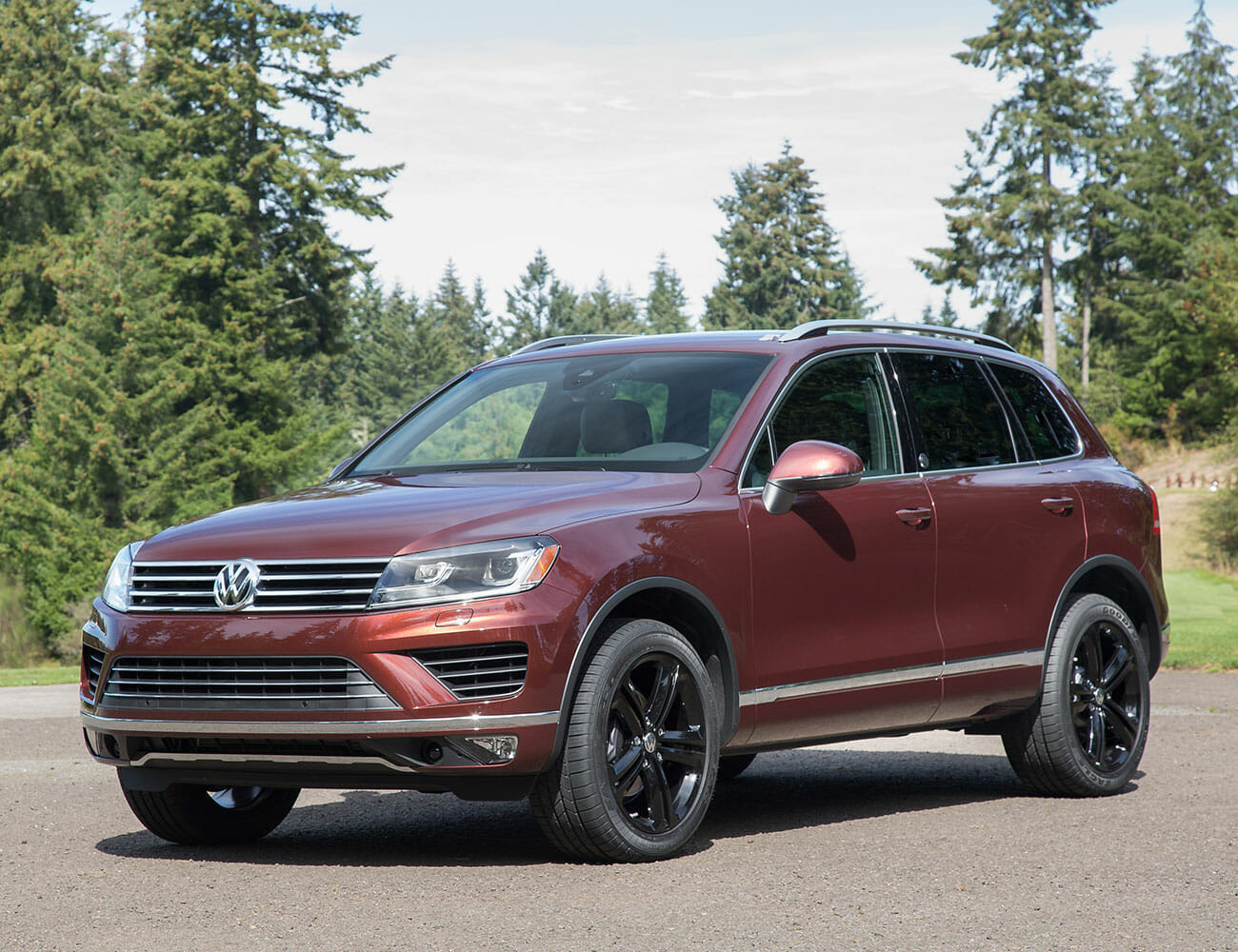
2. Volkswagen Touareg

Average time spent the lot: 194.1 days
2018 sales: 2,022

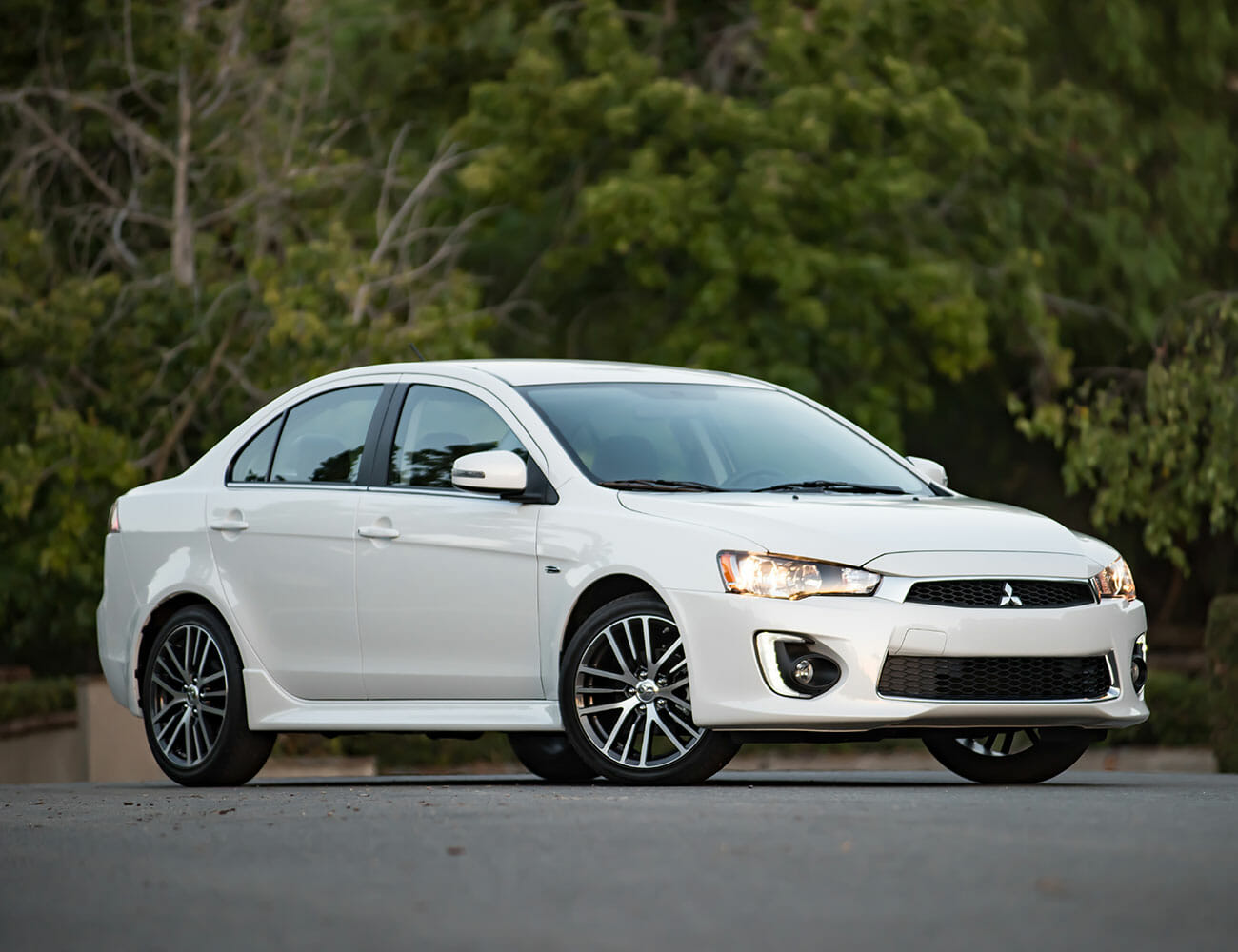
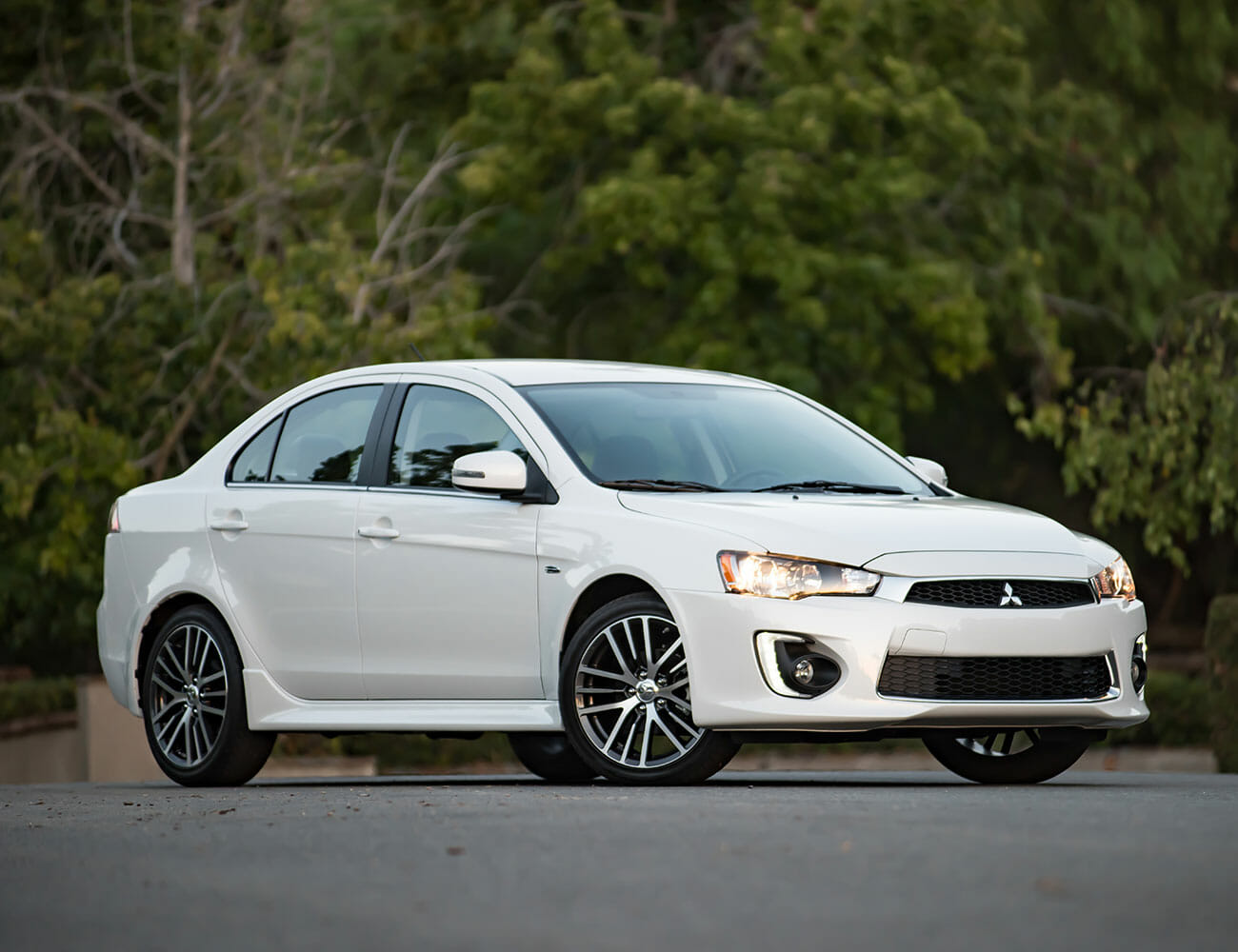
1. Mitsubishi Lancer

Average time spent the lot: 195.3
2018 sales: 3,351

The 10 Most Overlooked Cars in America Last Year

When the tastes of the average car buyer evolve, entire segments and styles of cars can take a hit while others swell in popularity. America’s current obsession: large SUVs and mid-sized crossovers, far removed from the years that saw sedans and wagons flying off dealership lots.

According to a report from USA Today that lists the slowest selling cars of last year based on data from Kelley Blue Book, it’s clear just how unpopular some cars are, especially sedans.

When manufacturers determine the number of cars to allocate to specific dealerships, they factor in the regions’ preferences, the assumed popularity of the car and how quickly they think the dealership can sell them. If all goes well, some vehicles will only be on the lot for a few days, maybe a couple of weeks, with the average car only staying put for around a month.

If manufacturers guess wrong, months can go by — or in the case of the Mitsubishi Lancer in the number one spot, possibly years — it was discontinued in 2017 and dealers are still trying to get rid of them. Looking at the rest of the list, however, it doesn’t look good for luxury sedans and small cars. Maybe, in a few years, preferences will shift again, but for now, these are 10 of the slowest selling cars in America last year

10. Audi A7

Average time spent the lot: 143.6 days
Sales in 2018: 3,852

9. Fiat 500L

Average time spent the lot: 146.2 days
Sales in 2018: 1,413

8. Jaguar XJ

Average time spent the lot: 146.3 days
Sales in 2018: 1,579

7. Chevrolet Impala

Average time spent the lot: 147.7 days
Sales in 2018: 56,556

6. Mercedes-Benz E-Class

Average time spent the lot: 156.1 days
Sales in 2018: 47,936

5. Chrysler 200

Average time spent the lot: 157.6 days
Sales in 2018: 1,043

4. Fiat 500

Average time spent the lot: 160.3 days
Sales in 2018: 5,370

3. Volvo 60 Series

Average time spent the lot: 177.9 days
Sales in 2018: 11,876

2. Volkswagen Touareg

Average time spent the lot: 194.1 days
Sales in 2018: 2,022

1. Mitsubishi Lancer

Average time spent the lot: 195.3
Sales in 2018: 3,351

The 2018 Jeep Wrangler Rubicon Gets a Boost

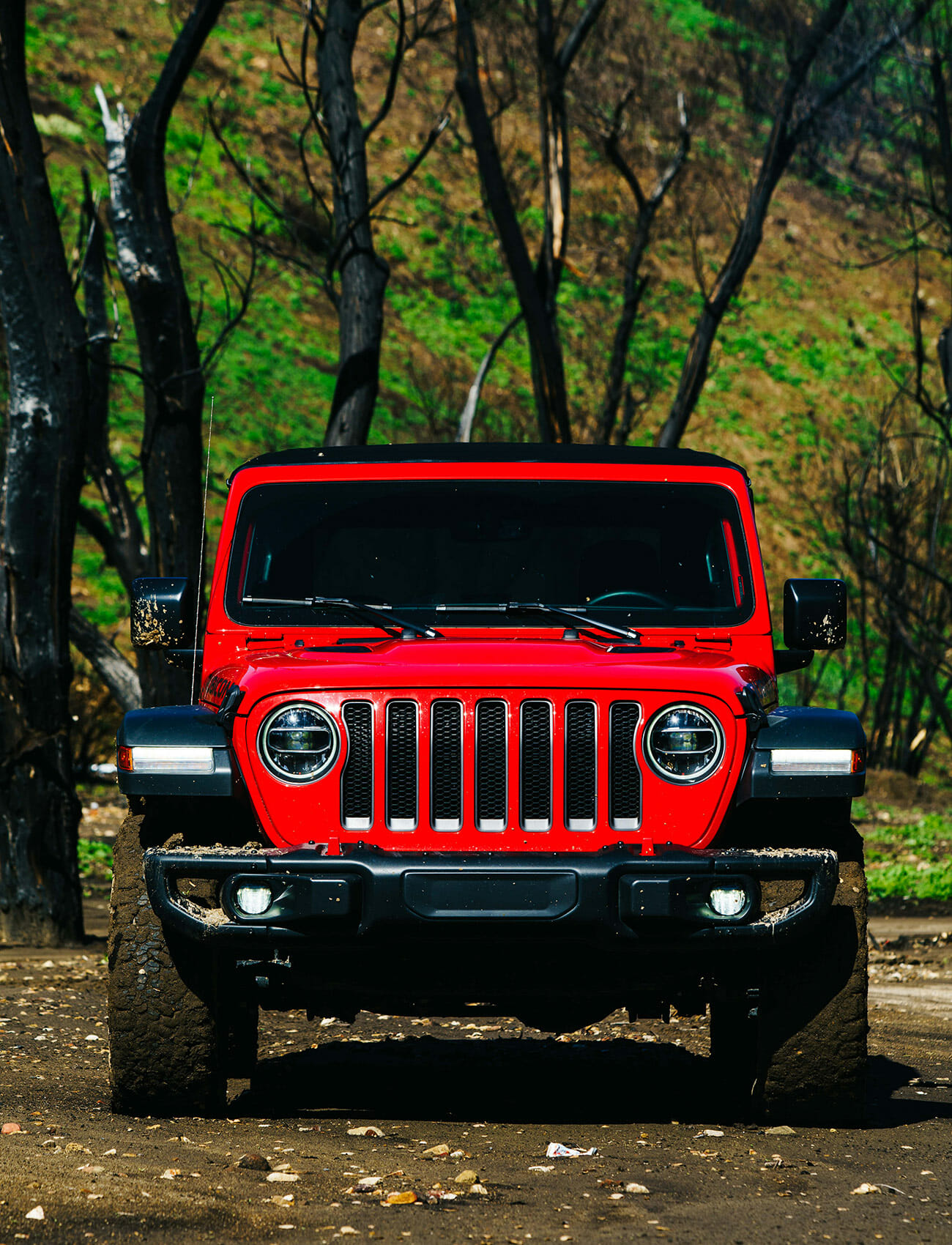
Unless you’ve been living under a rock (or crawling over them in your old 4×4 while living off the grid) you’ve heard about the redesigned 2018 Jeep Wrangler. You can tell at a glance that the new Wrangler has grown in all the right ways, and when spotted next to the previous generation “JK” Wrangler, the latter appears outdated and cheap. All the traditional Wrangler cues are there: exposed bolts for removing the doors, a grille comprised of seven vertical slats that taper slightly backwards at the top (a nod to the “YJ” Wrangler), and a windshield that folds down, but now with greater ease than ever. The new Wrangler is still the same capable-as-hell off-roader it’s always been, especially in Rubicon form, but finally modern: Jeep so thoroughly addressed the truck’s longstanding gripes that the Wrangler no longer needs excuses made for it.

The Good: Until the diesel powerplant arrives, the 2.0-liter turbocharged four-cylinder is the engine to get: the extra 35 lb-ft of torque it claims over the V6 also comes on 1,800 rpm earlier. Merging into highway traffic is no longer a sweat-inducing adventure, and at cruising speeds the 2.5-inch wider track vastly improves stability over previous generations. The last Wrangler Rubicon I drove, a Wrangler JK, was hairy above 65 mph, but the new Wrangler JL feels solid as can be, even at SoCal six-lane speeds. In addition to the new turbo-four engine, the interior is completely redesigned and finally looks and feels premium, with upscale features like a heated steering wheel and FCA’s excellent 8.4-inch touchscreen, now available in the Wrangler as a $1,200 option. It’s Apple CarPlay- and Android Auto-ready, offers Wi-Fi connectivity and provides a crisp view from the backup camera that looks through the middle of the spare tire mounted at the center of the tailgate. Same old Wrangler, all-new benefits.

Who It’s For: Few vehicles enjoy the Wrangler’s broad cross-generational appeal, though the Rubicon-badged two-door is more of a specialist vehicle intended for serious off-roading. Opting for the two-door over the four-door Unlimited gives a more compact package (easier to live with in cramped urban areas) that somehow manages to deliver a livable backseat, even for passengers of the 6’3 variety. If you’re looking to get out and explore, don’t need to haul a bunch of cargo and aren’t constantly driving friends or family around, the two-door Wrangler is for you.

Watch Out For: New technology will always cost extra, and that’s true for engines. Downsizing from the V6 to the four-cylinder turbo will cost you $1,000 — and since the eight-speed automatic transmission is the only option for that engine, add another $2K. That’s a $3,000 premium for the smaller engine, and with safety options and interior appointments, the Rubicon’s price tag can push well past $50K.

Alternatives: Nothing new with an intact warranty can touch the Wrangler Rubicon in terms of performance. A Toyota 4-Runner TRD-Pro is currently suffering from the old age problems that the previous generation Wrangler had, but it competes with the 4 door Wrangler anyway. If you’re looking for two door off-road fun from the factory, the Wrangler Rubicon is (and should be) your only option.

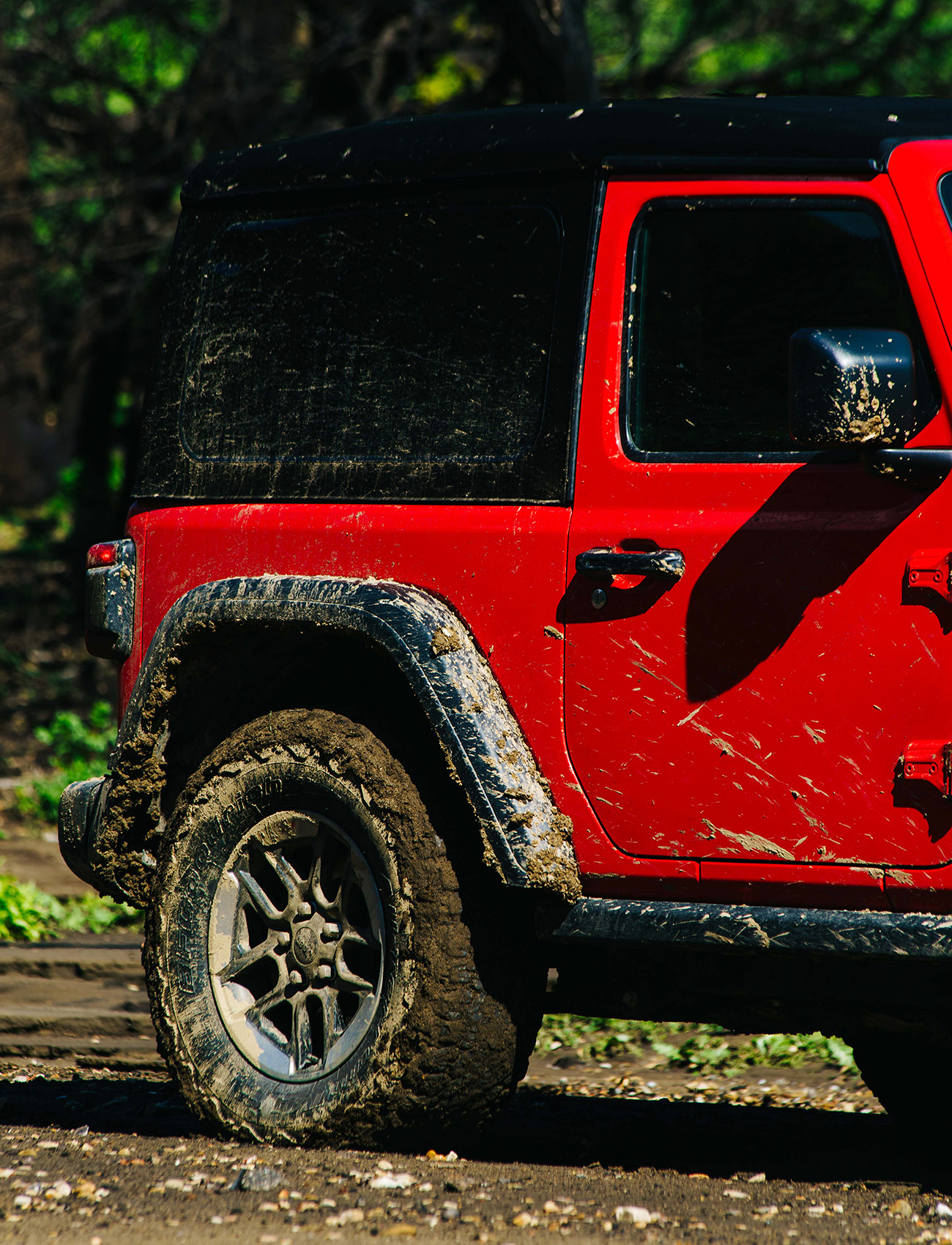
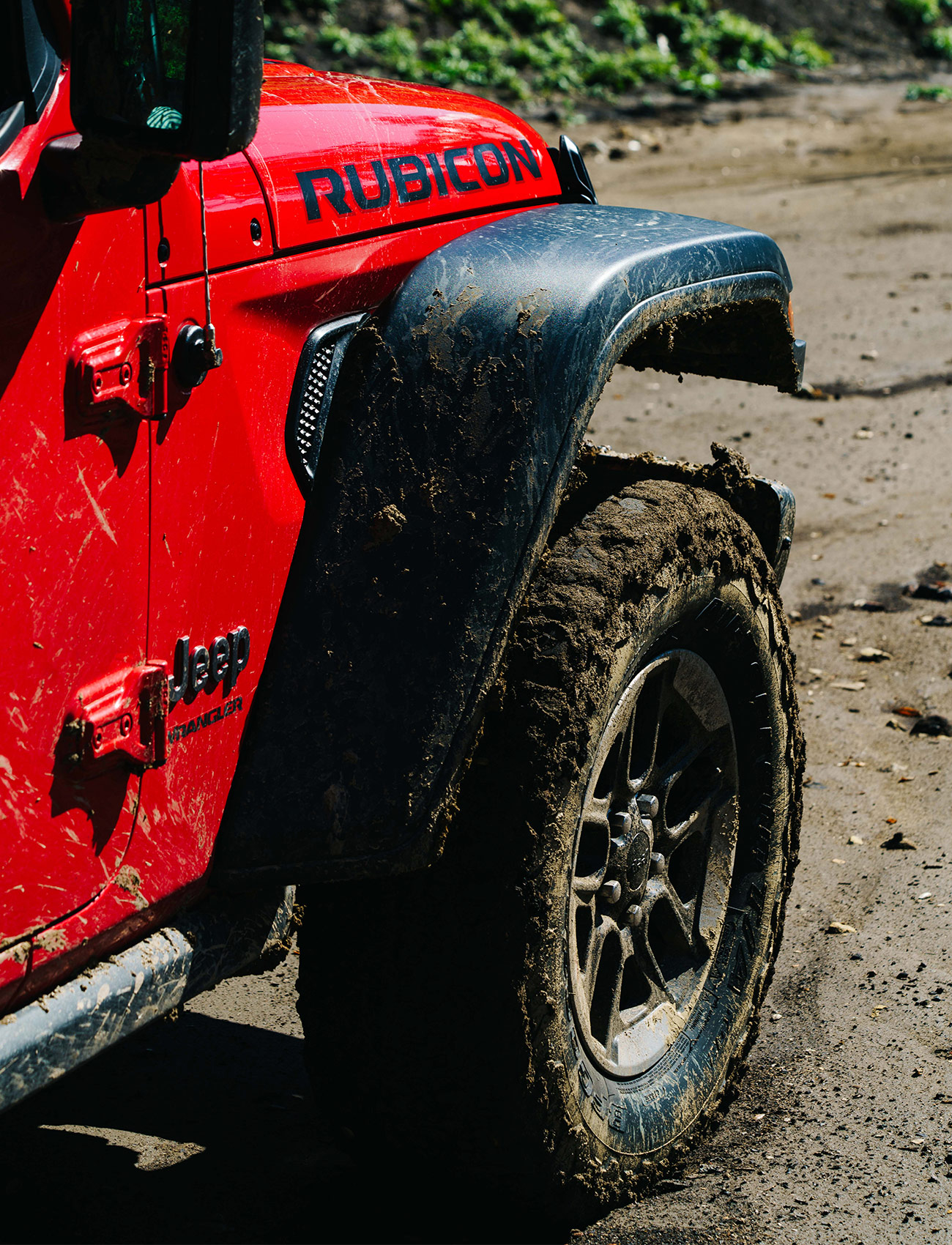
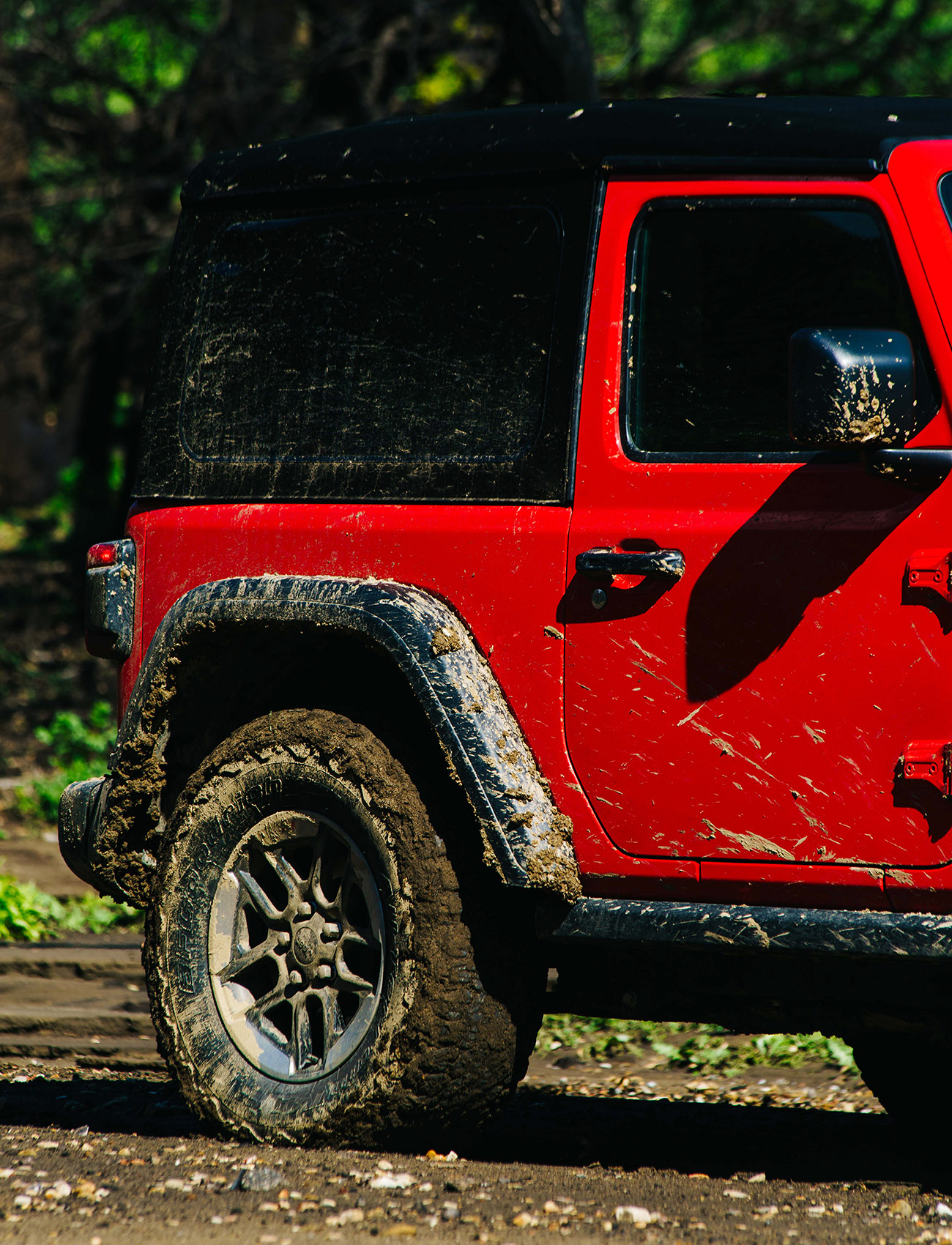
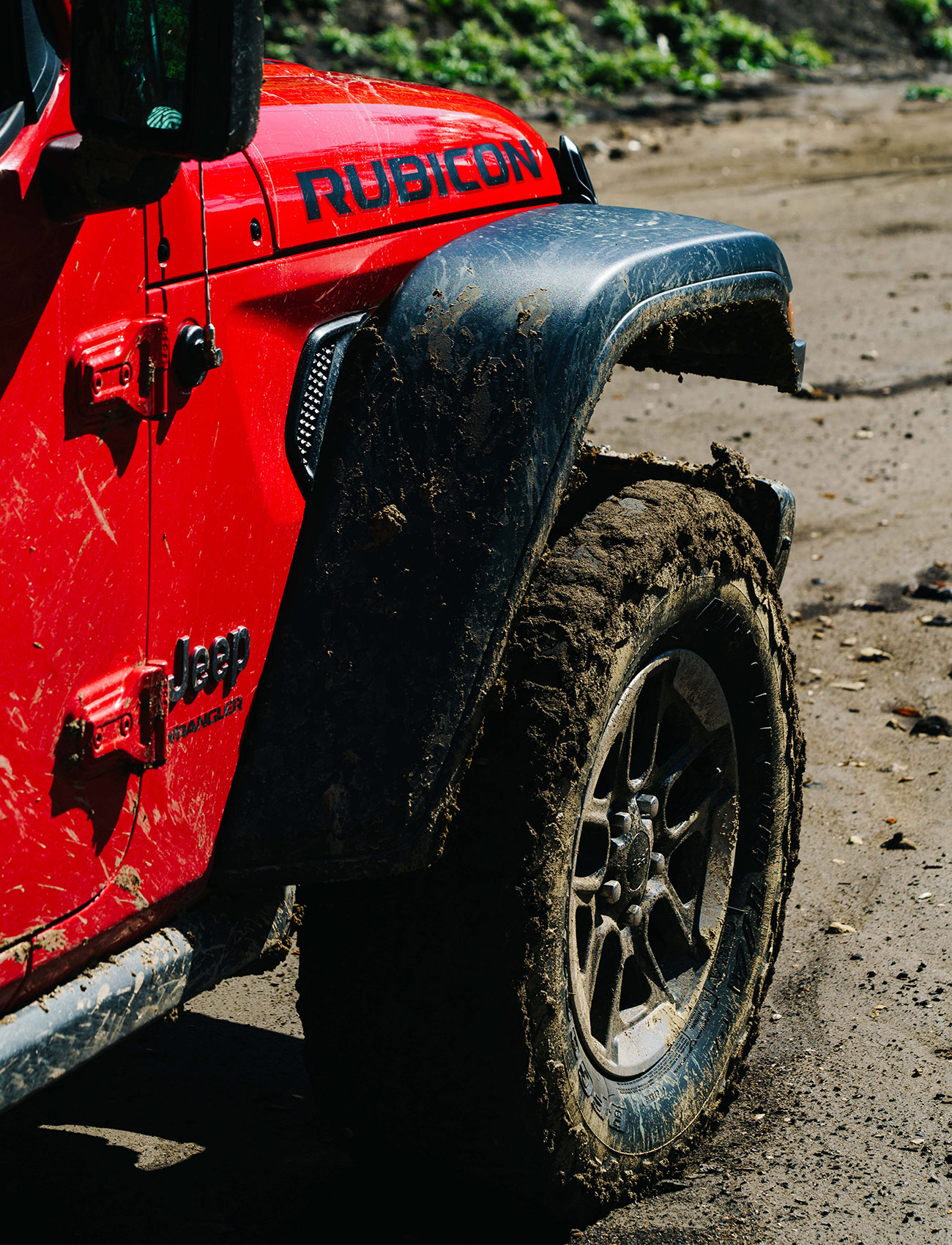
Review: During my week with the Rubicon, typically sunny LA days in early February were replaced with deluge after deluge. Perfect. The Firecracker Red paint gave the updated silhouette an extra pop, and since the Wrangler shape looks especially proper covered in mud, it was fortunate that to play in. Solid front and rear Dana 44 axles are the gold standard in durability and the Wrangler’s can be easily locked, either in unison, or just the front, with a dash-mounted switch. With a new 4.10 drive ratio and the E-Torque mild hybrid assist, crawling is remarkably breezy, even for a Wrangler — I simply chose to idle through deep mud and over various steep obstacles. You can also up the speed using Jeep’s version of off-road cruise control to moderate the pace via buttons on the steering wheel. This is the kind of stuff that was confined ton pricey Land Rovers just a few years back.

I prefer to do things the old fashioned way, with my right foot and aiming for smooth inputs. The E-Torque helps here, too: it’s smooth, not jumpy, and doesn’t make the throttle overly sensitive. Moderating off-road crawl speed was easy. Of course, this being a two-door vehicle with a turbocharged engine, I had to turn off all the nannies and get it sideways. It’s clearly no drift machine, but chucking the truck into a low-grip corner and using the turbo’s low-end boost to kick out the backside on exit was plenty enjoyable. This isn’t a Raptor or even RAM Rebel, but something tells me we’ll be seeing a Baja-oriented Wrangler (or Gladiator) in the near future.

The on-road experience required some rewiring of my brain. Driving previous generation Wranglers on a Los Angeles freeway, especially Rubicons with knobby 33-inch off-road tires, was a white-knuckle affair. Not so in the new Wrangler. There’s still some sway from the softly sprung off-road suspension, but it’s remarkably composed. When the roads were dry and the visibility good, I took to driving the Rubicon like a hot hatch — like a WRX or GTI that had been given the ultimate safari car treatment. It’s not fast, but it is quick to respond, to overtake a vehicle or simply to put some distance between you and traffic. Speeding in a Wrangler Rubicon: it’s a brave new world folks.

Verdict: This is the best Wrangler yet. I can say that with confidence even though I haven’t driven every generation of the car. I’ve been a passenger in all the previous iterations, and the limitations of those vehicles was obvious even from the left seat. With the new Wrangler, Jeep has fixed the most glaring drawbacks — spartan infotainment, twitchiness at speed, a dowdy interior — with a heaping dose of modern technology and design.

Only the Porsche 911 enjoys the same kind of ceaseless incremental improvement as the Wrangler. With the Jeep crowd unabashedly on board, the new Wrangler should have no trouble finding success with a wide audience, and the Rubicon will certainly mint new off-roading enthusiasts who also like to keep an eye on their MPGs while they cruise back to the suburbs — for once, in both quiet and comfort.

What Others Are Saying:
“Optimized tradition is the whole story with the new Wrangler. You won’t find any drastic departures from the original recipe here: The axles are still solid, the roof and doors still come off, the body still bolts to the frame. Everything that makes people exuberantly, irrationally love the Wrangler is still here. It’s just been finessed in a way that won’t jostle a die-hard’s sensibilities.” – Bob Sorkanich, Road & Track

“What you won’t know, until you experience this Jeep for yourself, is how livable it’s become. The quivering structure, gale-force wind noise and crappy HVAC system? All banished. The pathetically slack steering, Richter-scale column shake, torpid handling, and shimmying over bumps? Also remarkably improved. For the first time in history, the Wrangler isn’t a chore to drive on pavement.” – Lawrence Ulrich, The Drive

Specs:
Model Year/Brand/Model: 2019 Jeep Wrangler Rubicon
Purchase URL: www.jeep.com
Price: $37,945 (base)
Engine: 2.0L 4Cyl Turbo w/Mild Hybrid Assist
Transmission: Eight Speed Tiptronic Automatic
Horsepower: 270 hp
Torque: 295 lb-ft
MPG: 18/23 City/Highway
Read More Gear Patrol Reviews

Hot takes and in-depth reviews on noteworthy, relevant and interesting products. Read the Story
Note: Purchasing products through our links may earn us a portion of the sale, which supports our editorial team’s mission. Learn more here.
The 2019 Jeep Wrangler Rubicon Gets a Boost

Unless you’ve been living under a rock (or crawling over them in your old 4×4 while living off the grid) you’ve heard about the redesigned 2019 Jeep Wrangler. You can tell at a glance that the new Wrangler has grown in all the right ways, and when spotted next to the previous generation “JK” Wrangler, the latter appears outdated and cheap. All the traditional Wrangler cues are there: exposed bolts for removing the doors, a grille comprised of seven vertical slats that taper slightly backwards at the top (a nod to the “YJ” Wrangler), and a windshield that folds down, but now with greater ease than ever. The new Wrangler is still the same capable-as-hell off-roader it’s always been, especially in Rubicon form, but finally modern: Jeep so thoroughly addressed the truck’s longstanding gripes that the Wrangler no longer needs excuses made for it.

The Good: Until the diesel powerplant arrives, the 2.0-liter turbocharged four-cylinder is the engine to get: the extra 35 lb-ft of torque it claims over the V6 also comes on 1,800 rpm earlier. Merging into highway traffic is no longer a sweat-inducing adventure, and at cruising speeds the 2.5-inch wider track vastly improves stability over previous generations. The last Wrangler Rubicon I drove, a Wrangler JK, was hairy above 65 mph, but the new Wrangler JL feels solid as can be, even at SoCal six-lane speeds. In addition to the new turbo-four engine, the interior is completely redesigned and finally looks and feels premium, with upscale features like a heated steering wheel and FCA’s excellent 8.4-inch touchscreen, now available in the Wrangler as a $1,200 option. It’s Apple CarPlay- and Android Auto-ready, offers Wi-Fi connectivity and provides a crisp view from the backup camera that looks through the middle of the spare tire mounted at the center of the tailgate. Same old Wrangler, all-new benefits.

Who It’s For: Few vehicles enjoy the Wrangler’s broad cross-generational appeal, though the Rubicon-badged two-door is more of a specialist vehicle intended for serious off-roading. Opting for the two-door over the four-door Unlimited gives a more compact package (easier to live within cramped urban areas) that somehow manages to deliver a livable backseat, even for passengers of the 6’3 variety. If you’re looking to get out and explore, don’t need to haul a bunch of cargo and aren’t constantly driving friends or family around, the two-door Wrangler is for you.

Watch Out For: New technology will always cost extra, and that’s true for engines. Downsizing from the V6 to the four-cylinder turbo will cost you $1,000 — and since the eight-speed automatic transmission is the only option for that engine, add another $2K. That’s a $3,000 premium for the smaller engine, and with safety options and interior appointments, the Rubicon’s price tag can push well past $50K.

Alternatives: Nothing new with an intact warranty can touch the Wrangler Rubicon in terms of performance. A Toyota 4-Runner TRD-Pro is currently suffering from the old age problems that the previous generation Wrangler had, but it competes with the 4 door Wrangler anyway. If you’re looking for two door off-road fun from the factory, the Wrangler Rubicon is (and should be) your only option.

Review: During my week with the Rubicon, typically sunny LA days in early February were replaced with deluge after deluge. Perfect. The Firecracker Red paint gave the updated silhouette an extra pop, and since the Wrangler shape looks especially proper covered in mud, it was fortunate that to play in. Solid front and rear Dana 44 axles are the gold standard in durability and the Wrangler’s can be easily locked, either in unison, or just the front, with a dash-mounted switch. With a new 4.10 drive ratio and the E-Torque mild hybrid assist, crawling is remarkably breezy, even for a Wrangler — I simply chose to idle through deep mud and over various steep obstacles. You can also up the speed using Jeep’s version of off-road cruise control to moderate the pace via buttons on the steering wheel. This is the kind of stuff that was confined ton pricey Land Rovers just a few years back.

I prefer to do things the old fashioned way, with my right foot and aiming for smooth inputs. The E-Torque helps here, too: it’s smooth, not jumpy, and doesn’t make the throttle overly sensitive. Moderating off-road crawl speed was easy. Of course, this being a two-door vehicle with a turbocharged engine, I had to turn off all the nannies and get it sideways. It’s clearly no drift machine, but chucking the truck into a low-grip corner and using the turbo’s low-end boost to kick out the backside on exit was plenty enjoyable. This isn’t a Raptor or even RAM Rebel, but something tells me we’ll be seeing a Baja-oriented Wrangler (or Gladiator) in the near future.

The on-road experience required some rewiring of my brain. Driving previous generation Wranglers on a Los Angeles freeway, especially Rubicons with knobby 33-inch off-road tires, was a white-knuckle affair. Not so in the new Wrangler. There’s still some sway from the softly sprung off-road suspension, but it’s remarkably composed. When the roads were dry and the visibility good, I took to driving the Rubicon like a hot hatch — like a WRX or GTI that had been given the ultimate safari car treatment. It’s not fast, but it is quick to respond, to overtake a vehicle or simply to put some distance between you and traffic. Speeding in a Wrangler Rubicon: it’s a brave new world folks.

Verdict: This is the best Wrangler yet. I can say that with confidence even though I haven’t driven every generation of the car. I’ve been a passenger in all the previous iterations, and the limitations of those vehicles were obvious even from the left seat. With the new Wrangler, Jeep has fixed the most glaring drawbacks — spartan infotainment, twitchiness at speed, a dowdy interior — with a heaping dose of modern technology and design.

Only the Porsche 911 enjoys the same kind of ceaseless incremental improvement as the Wrangler. With the Jeep crowd unabashedly on board, the new Wrangler should have no trouble finding success with a wide audience, and the Rubicon will certainly mint new off-roading enthusiasts who also like to keep an eye on their MPGs while they cruise back to the suburbs — for once, in both quiet and comfort.

What Others Are Saying:
“Optimized tradition is the whole story with the new Wrangler. You won’t find any drastic departures from the original recipe here: The axles are still solid, the roof and doors still come off, the body still bolts to the frame. Everything that makes people exuberantly, irrationally love the Wrangler is still here. It’s just been finessed in a way that won’t jostle a die-hard’s sensibilities.” – Bob Sorkanich, Road & Track

“What you won’t know, until you experience this Jeep for yourself, is how livable it’s become. The quivering structure, gale-force wind noise and crappy HVAC system? All banished. The pathetically slack steering, Richter-scale column shake, torpid handling, and shimmying over bumps? Also remarkably improved. For the first time in history, the Wrangler isn’t a chore to drive on pavement.” – Lawrence Ulrich, The Drive

Specs:
Model Year/Brand/Model: 2019 Jeep Wrangler Rubicon
Purchase URL: www.jeep.com
Price: $37,945 (base)
Engine: 2.0L 4Cyl Turbo w/Mild Hybrid Assist
Transmission: Eight Speed Tiptronic Automatic
Horsepower: 270 hp
Torque: 295 lb-ft
MPG: 18/23 City/Highway
Read More Gear Patrol Reviews

Hot takes and in-depth reviews on noteworthy, relevant and interesting products. Read the Story
Note: Purchasing products through our links may earn us a portion of the sale, which supports our editorial team’s mission. Learn more here.
Reviews

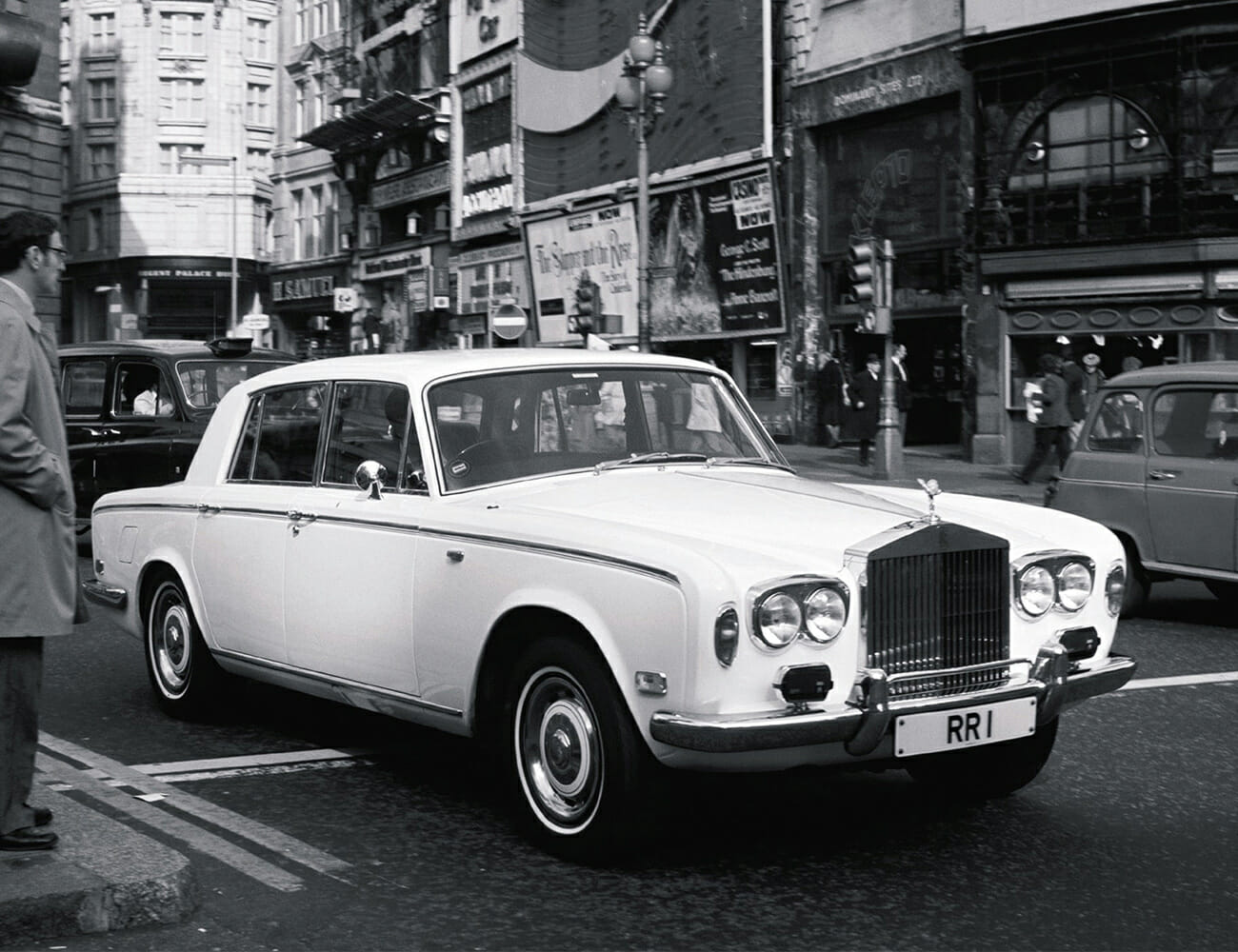
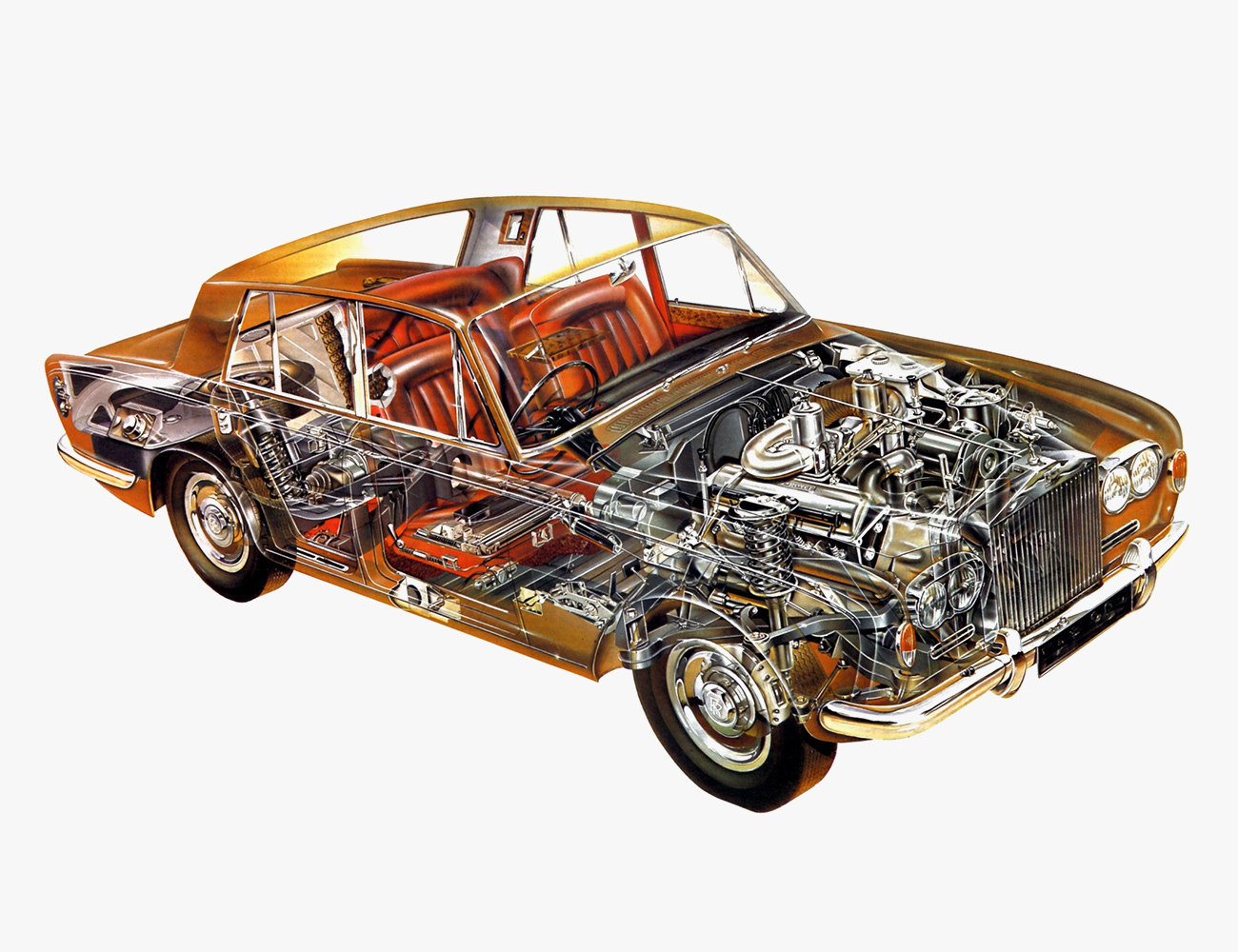
Now Is the Time to Buy a Vintage Rolls-Royce Silver Shadow

A Rolls-Royce is fabulous wealth, automotified. The materials are luxe. The craftsmanship is exquisite. The very ethos of the brand is unattainability. What if I told you a Roller was, in fact, very attainable? The Silver Shadow is one of Rolls-Royce’s defining vehicles. It’s a pure distillation of everything that has made Rolls-Royce great. Buying one has become almost stupidly reasonable compared to much of the luxury car market.
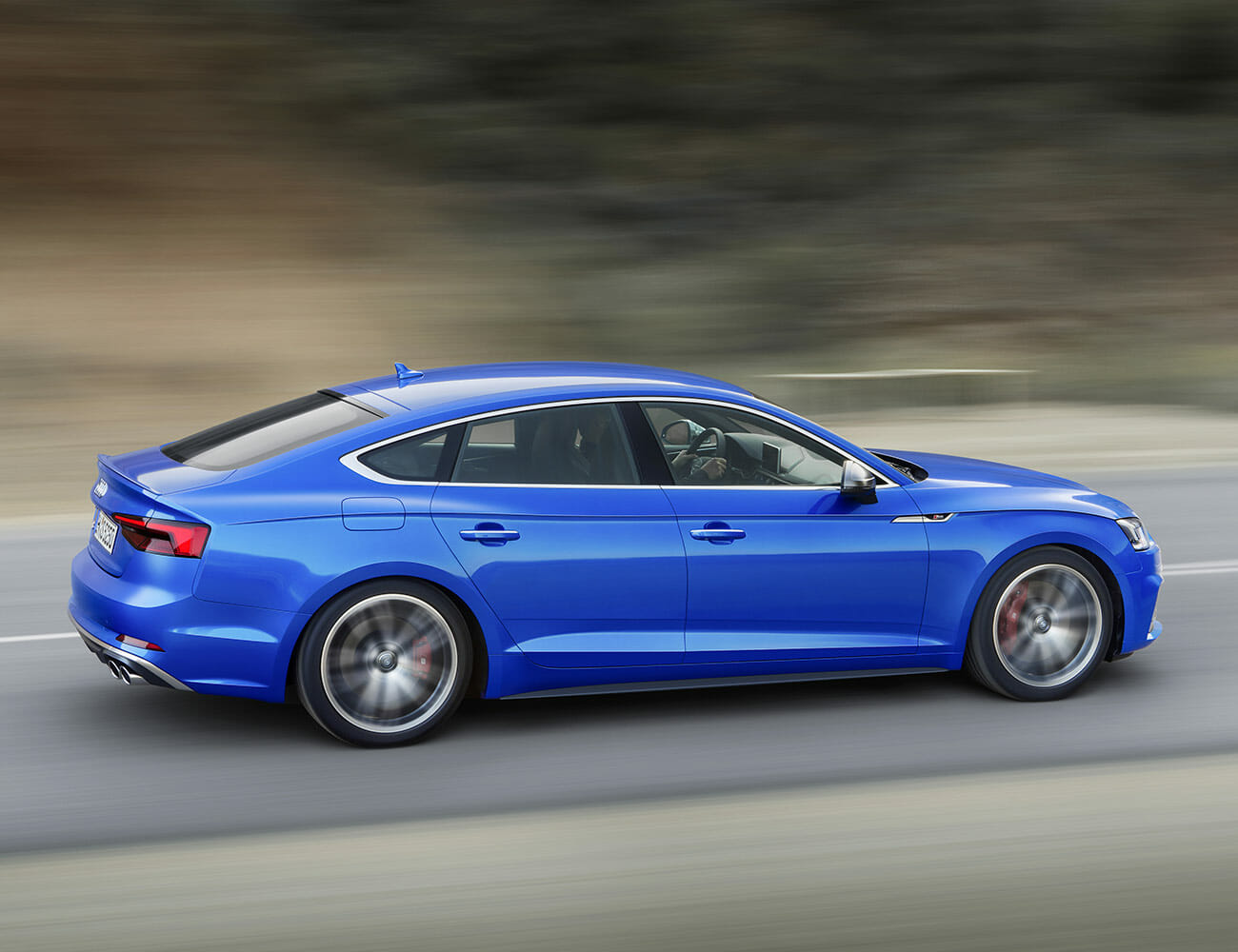

Rolls-Royce produced the Silver Shadow from 1965 to 1980 in sedan, coupe, and convertible forms. It represented a shift from coach building to modern car production and was the first Rolls-Royce to use a unified body/chassis construction. This allowed Rolls-Royce to reduce the size and shed bulk while offering more passenger and cargo volume. It had a Citroën-sourced hydropneumatic, self-leveling suspension delivering impeccable ride quality.

Aesthetically, the Silver Shadow is a classic Rolls-Royce with lacquered wood on the dash, sumptuous leather seats, and the Spirit of Ecstasy above the grill. But it’s refined. It strikes the right balance of being opulent without being gaudy. Unlike some of Rolls-Royce’s present range, you don’t need to be addressed as “Crown Prince” or “Kardashian” to pull off owning one.

Is the Silver Shadow cool? Yes. Steve McQueen drove one in The Thomas Crown Affair. While that famed arbiter of car coolness never owned a Silver Shadow, both Freddie Mercury and Andy Warhol bought 1974 Silver Shadows. Tellingly, neither ever sold theirs.

You can find a Silver Shadow for super cheap. Still running, auctionable examples can go for less than $15,000. You can find Silver Shadows for even less. Even a barely broken-in, sub-10,000 mile version can gavel for less than $30,000. The price isn’t a knock on the car’s quality. It’s a testament to it. Rolls-Royce ended up making more than 30,000 Silver Shadows because demand was so high.

A Silver Shadow will need some TLC. Vintage luxury parts don’t come cheaply. You will be dealing with 40-50-year-old British electrical work. But, it’s also getting a vintage car with stateliness and elegance for much less than, say, an SL Pagoda Mercedes would set you back. A Rolls-Royce stored in a wealthy person’s garage has probably taken much less of a beating than say a manual transmission BMW M5 will have.

With that TLC, a Silver Shadow can still be quite formidable. English car collector Harry Metcalfe took the 1969 wedding duty cruiser he bought on eBay for about $5,400 on a 2,000-mile trek to the Arctic Circle during winter.