All posts in “Buying Guides”

The 12 Best Sweat-Wicking Running Shirts Available

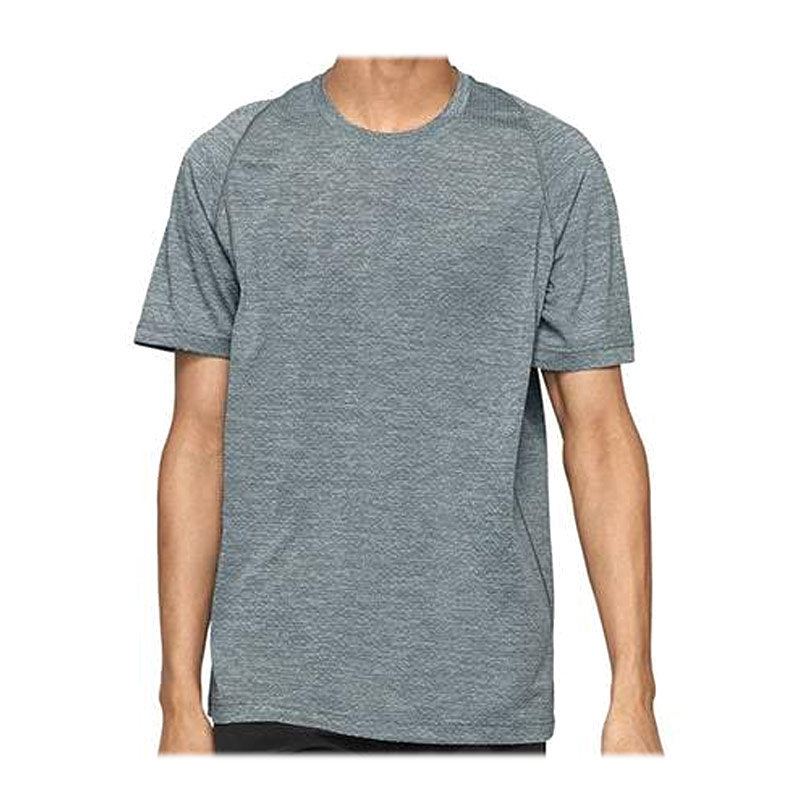
The temperatures are rising and the hours of daylight are increasing — and you know what that means? The outdoor running season is here. The only problem with is that with outdoor running comes exhausting heat. Thankfully, a better running shirt can make it slightly more manageable. Whether you head outdoors 365 days a year, or default to treadmill running once the thermometer reads below fifty, you should add one of these twelve sweat-wicking shirts to your workout drawer. No one likes to see a sweaty cotton shirt on the street nor in the coffee shop, so upgrade your t-shirt game now to avoid that embarrassment.

The Test

Here in New York, we’ve had a few unusually hot and humid days — in other words, perfect days to test out lightweight and sweat-wicking t-shirts. The test consisted of running in all of them over dirt, road, sand and pavement, to compare and contrast the feel, weight and how quickly the sweat dried up. Shirts were washed to see how well they stood up to a washing machine, and also timed to see how quickly they dry after being soaked. We ranked the shirts from quickest drying to slowest.

The Shirts

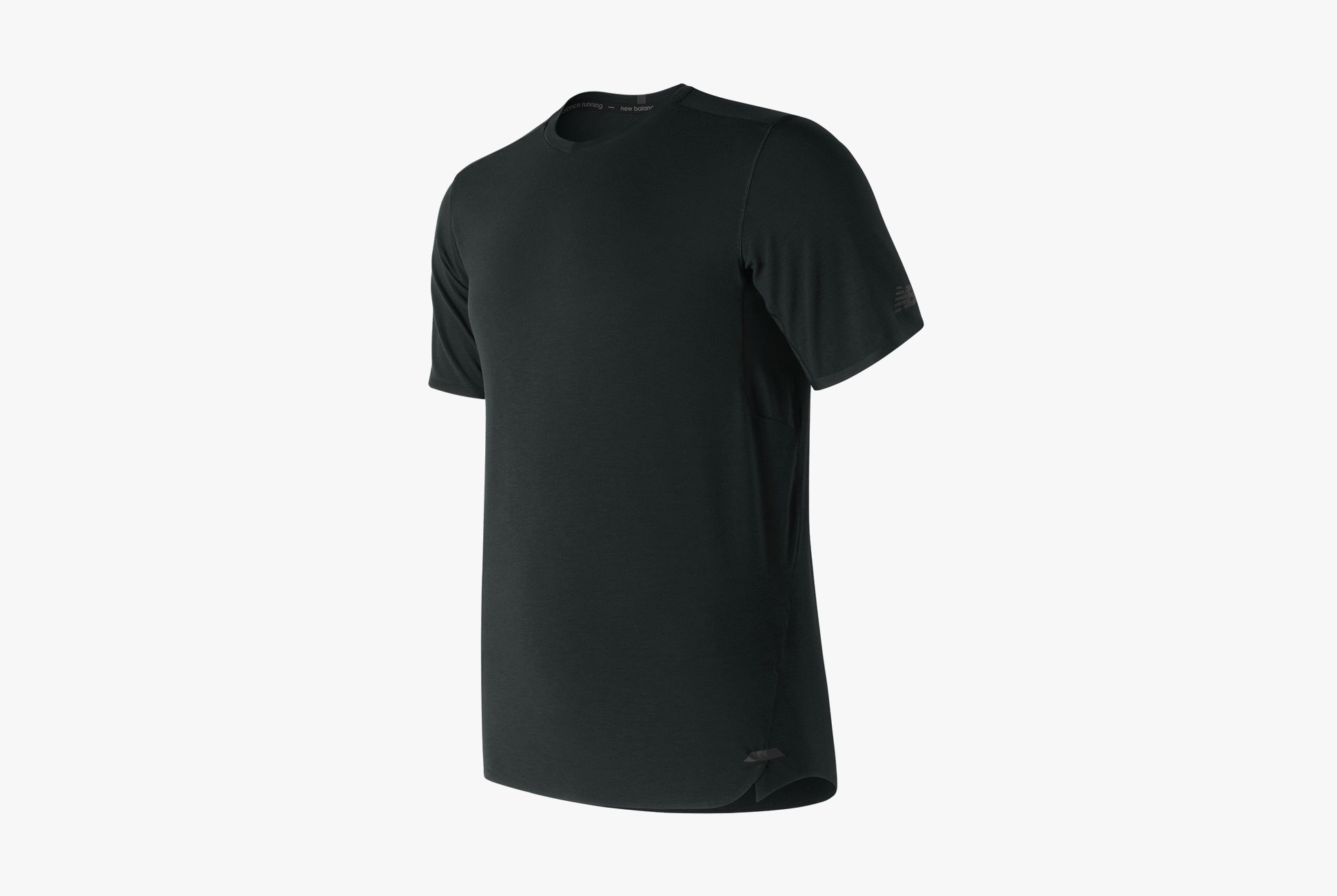
New Balance Q Speed Short Sleeve


The Q Speed is the thinnest and lightest of all the shirts I tested. The stretch knit polyester and nylon fabric features a bonded construction, so there’s zero chafing. Although with fabric this feather-light, that’s to be expected. One thing to watch out for: it’s so thin that there’s a chance it can get a little staticky — not a problem once you start sweating in it.

Patagonia Windchaser
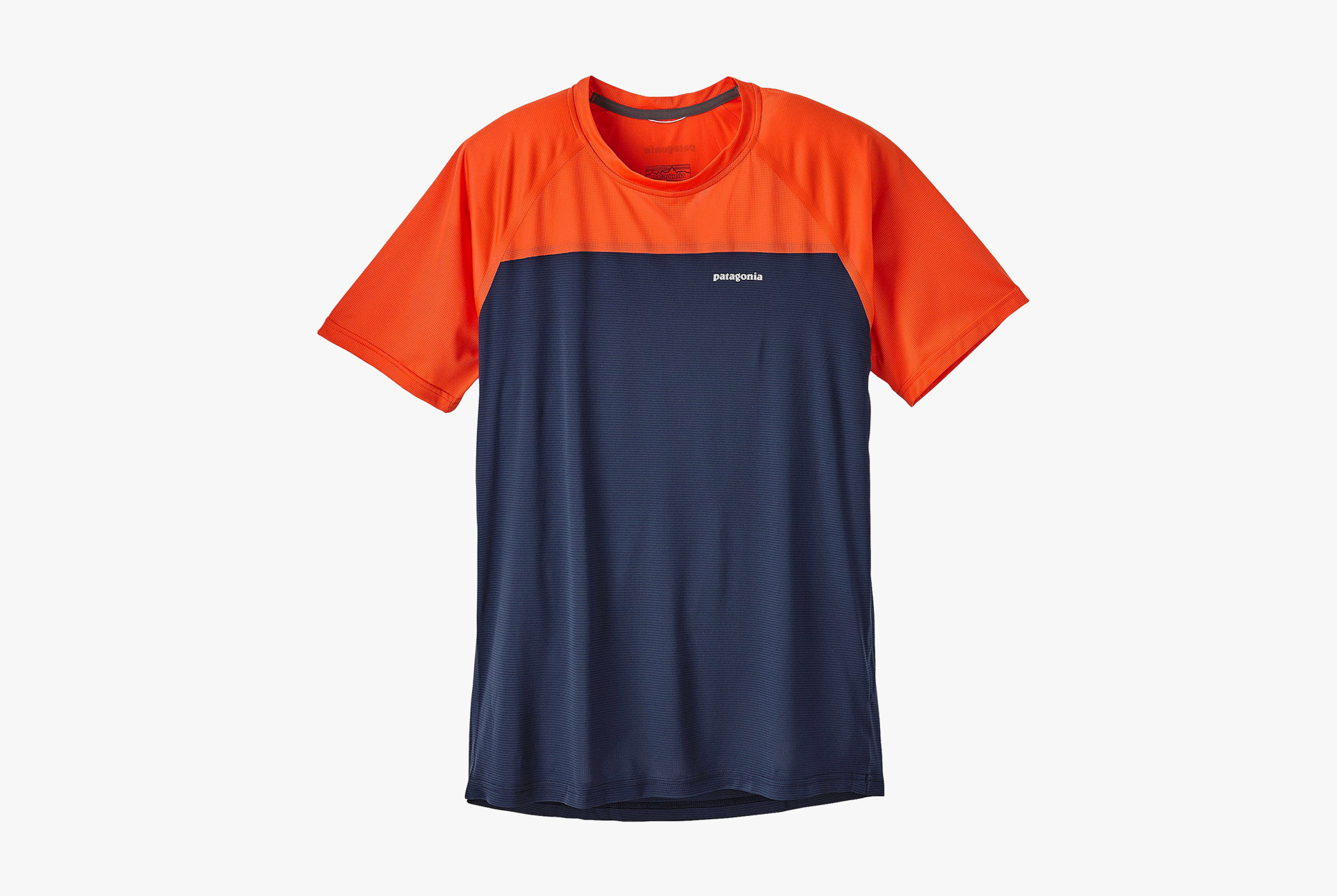


Made from recycled polyester, this moisture-wicking shirt is as ideal for a long hike on the Pacific Crest Trail as it is for a 5K. The reinforced shoulders and wide neck allow for compatibility with backpack straps — which means if you’re run commuting, this shirt is a good pick. It’s also infused with Polygiene odor control, so there’s never a worry if you sweat in it a lot thanks to the odor control. Just hang it up and wear it again and again. It’s built for ultramarathoners, so no matter what distance you’re running, you should be all set.

The North Face Better Than Naked Short Sleeve
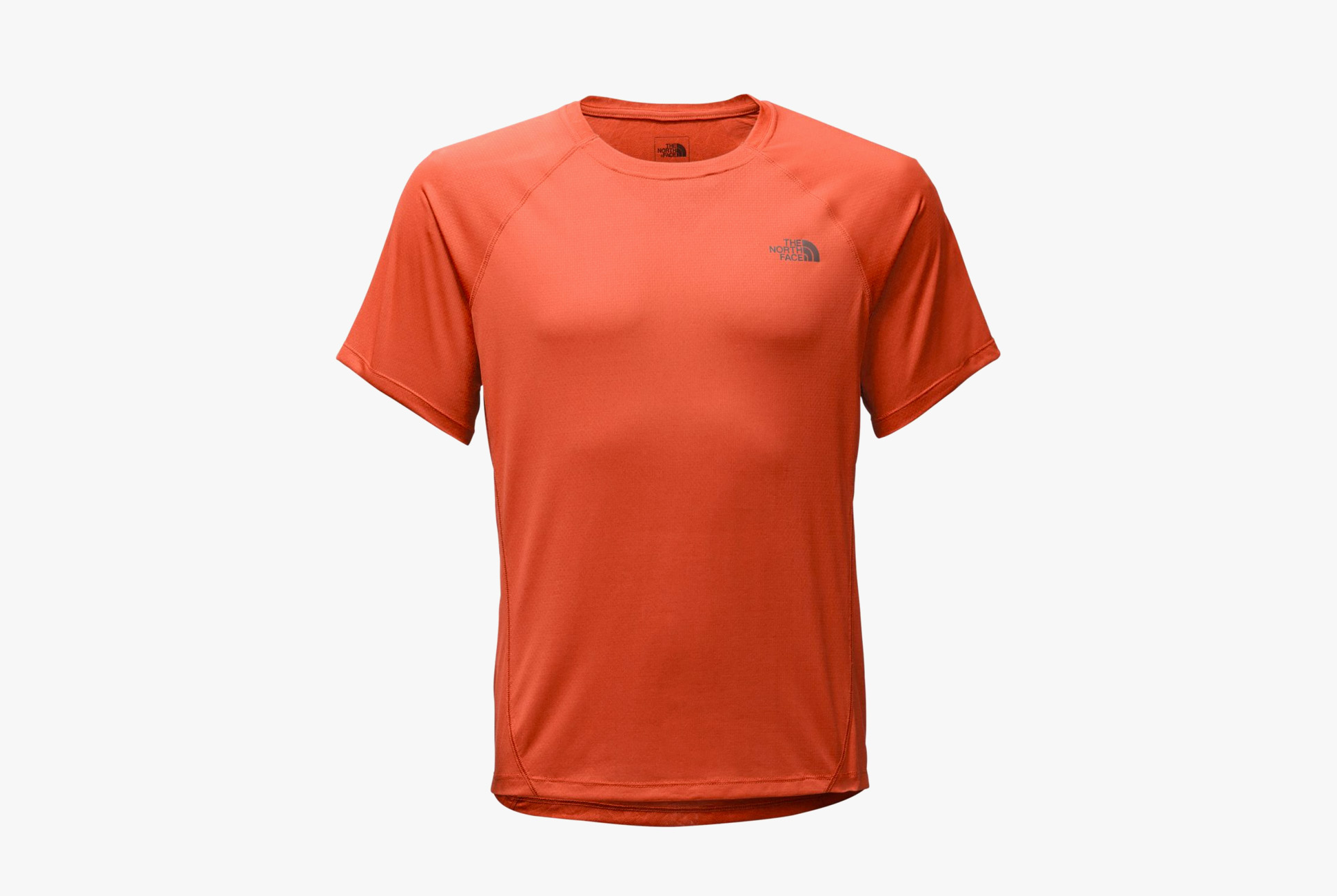


We loved the thin hand feel, and the uber stretchy neck and shoulders in this shirt designed to help runners run forever. While you’re not quite naked, if you hold it up to the sun, you can pretty much see through the stitch-free material. Ultrarunner Rory Bosio swears by the shorts and skort of the same material because they never chafe and are super lightweight. We would have to agree that the shirt does the same.

Asics Gel-Cool Short Sleeve
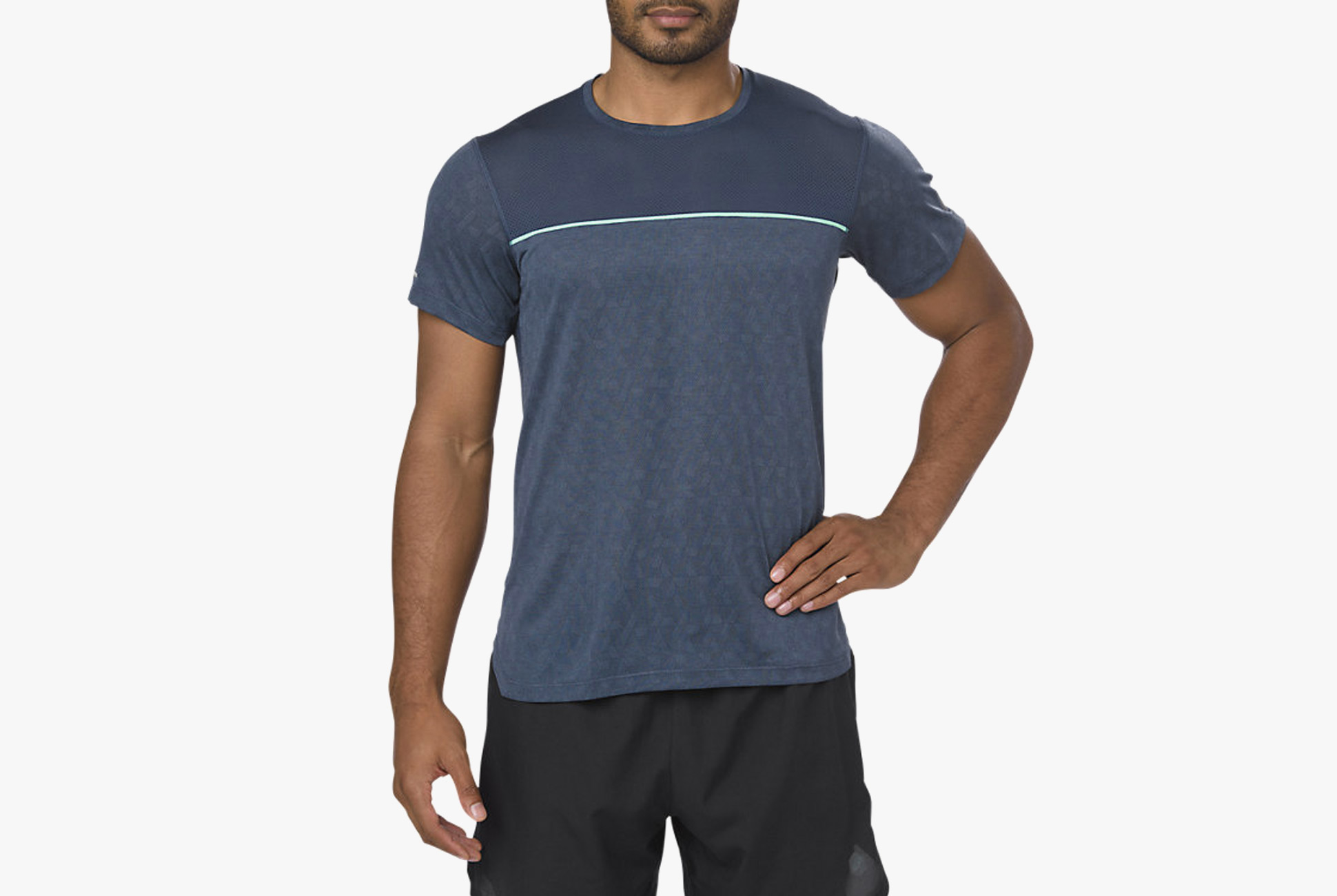


Built by the same people who have made shoes for marathoners and sprinters alike for years, it’s no surprise that Asics knows a thing or two about sweat-wicking t-shirts. The 3D zoning on the back, a vertical line of fabric down the spinal column, allows for sweat to escape and simultaneously cools the entire area. This paper-thin fabric is almost see through it’s so light. The style of the cut-up side mimics the style of split shorts, something you’ll commonly see among elite or hardcore runners.

Outdoor Voices Cool Runnin’s Tee
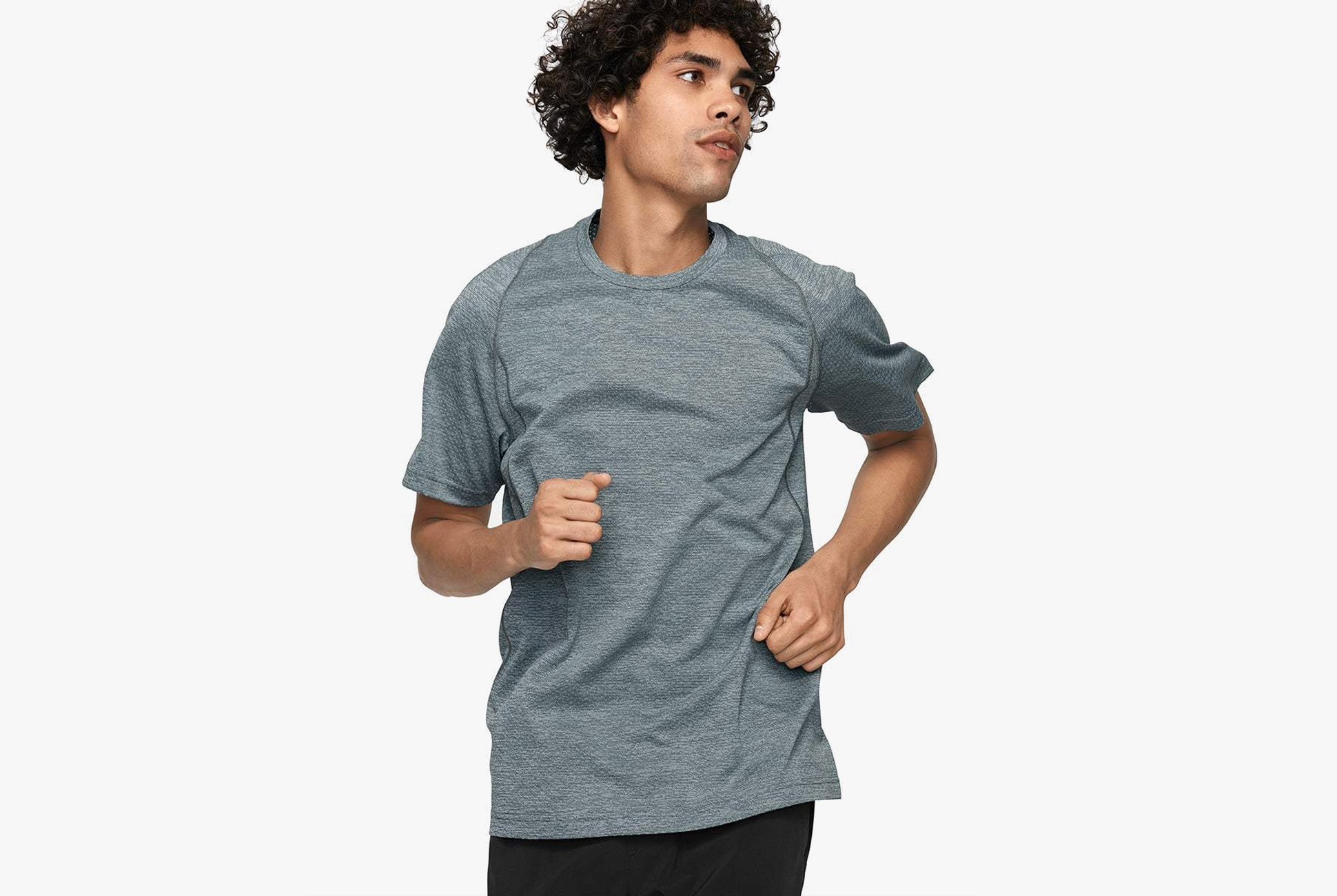


Made from 100-percent recycled polyester, this mesh-looking tee offers enough breathability for you to feel any light breeze, but not so much that you’re colder with each passing stride. While the material looks exactly like the mesh jerseys we all wore for high school sports uniforms (up close, trust us), it feels way better. I wouldn’t have wrinkled my nose every time I had to be the opposing team in a scrimmage if I had been wearing a Cool Runnin’s Tee.

GapFit Sport T-Shirt
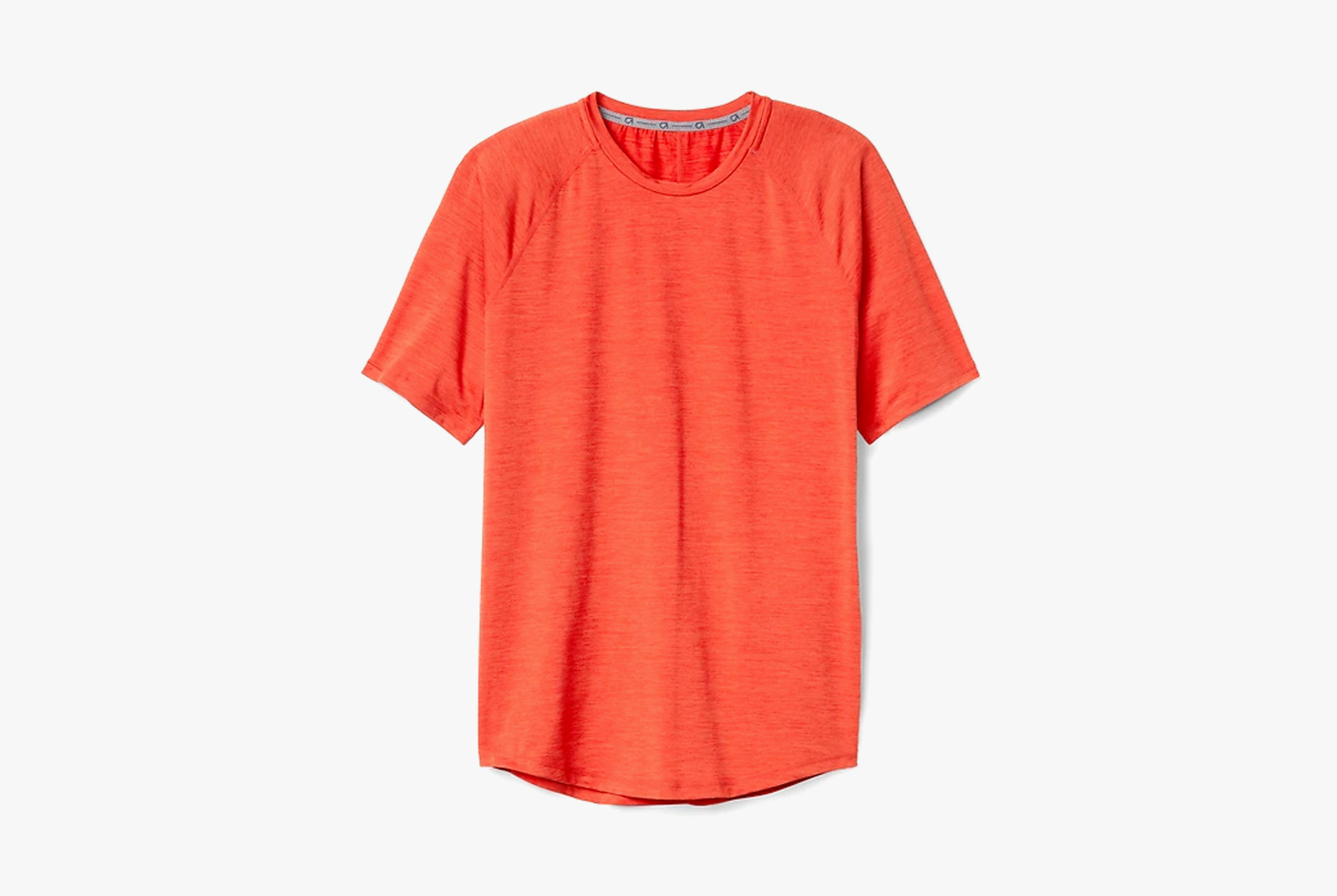


Just like most of what Gap does, this tee is easy, fits well and does what it claims. It’s incredibly soft for just how sweat-wicking it is (it dried faster than the Tracksmith Tee filled with merino wool, which we found surprising). The seams in this aren’t sealed, but the breathable jersey knit with gDry wicks away sweat before any chafing can occur. After a particularly brutal loop on the local trail, the tee didn’t stick to my back like some others did.

Tracksmith Harrier Tee
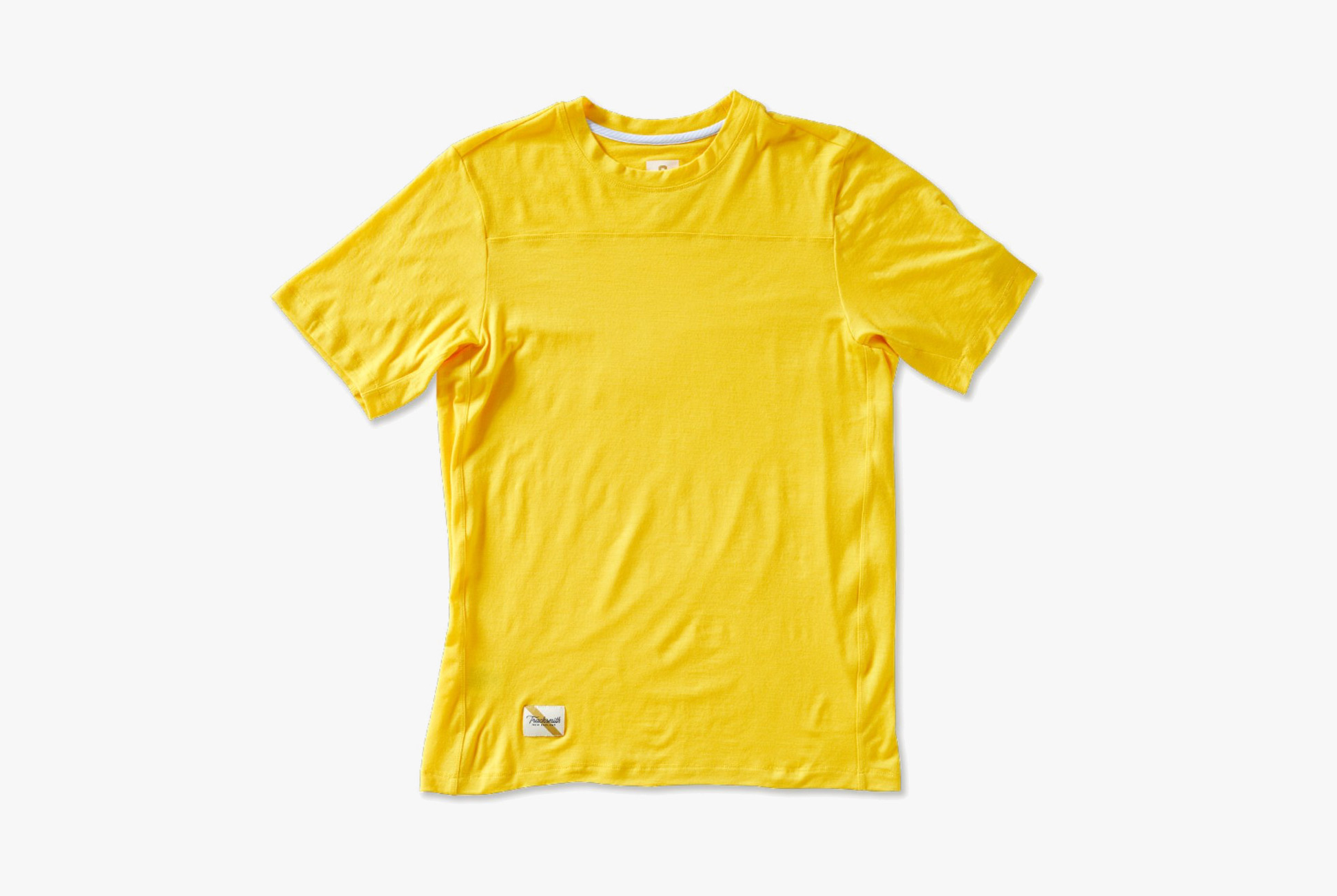


Offered in a variety of bold colors (yellow, purple, bright blue and green), this merino and elastane blend is a fan-favorite for Tracksmith employees, and after testing, we can see why. The simple tee is devoid of any superfluous designs and pretty much all logos, except for a small rabbit on the left sleeve cuff and a Tracksmith logo near your right hip bone. It’s inspired by Boston winters and springs, and is built to keep you warm on frosty mornings, while also wicking away sweat brought on by midday runs. The merino is slightly scratchy at first, but after a few good wears and a wash, you’ll hardly notice. Slightly longer short sleeves allow for a bit more coverage, so it’s a good shirt to alternate with a tank so you don’t get a farmer’s tan.

Rhone Celliant Short Sleeve
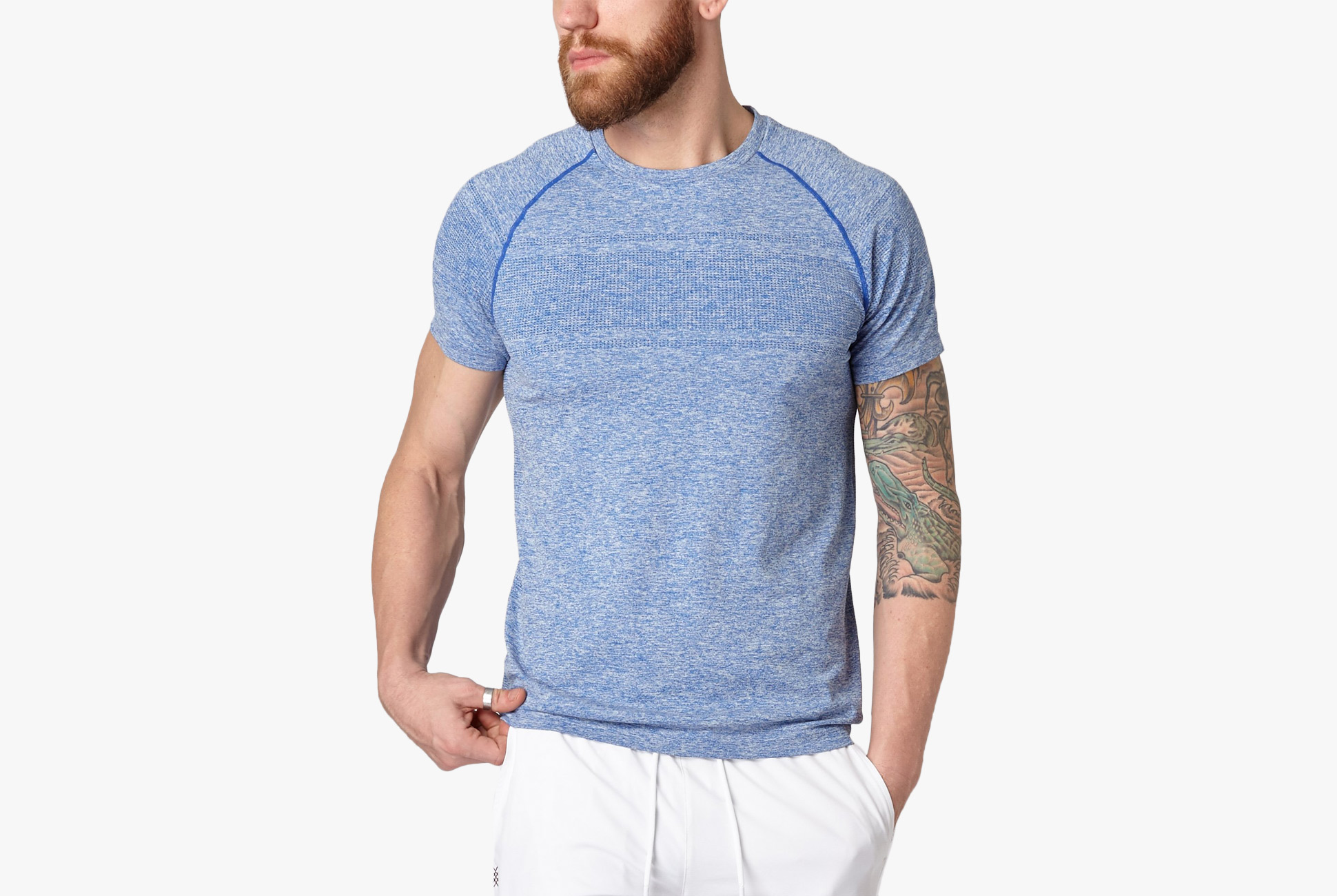


One tester called this a surprisingly great shirt. With its Lululemon vibes, the just for men brand, Rhone, launched its Celliant technology earlier this year. The seamless construction makes it breathable and extremely stretchy, and thanks to SilverTech threads, there’s never going to be a worry about odor-causing bacteria post-sweat sesh.

Endeavor Evolution Tee
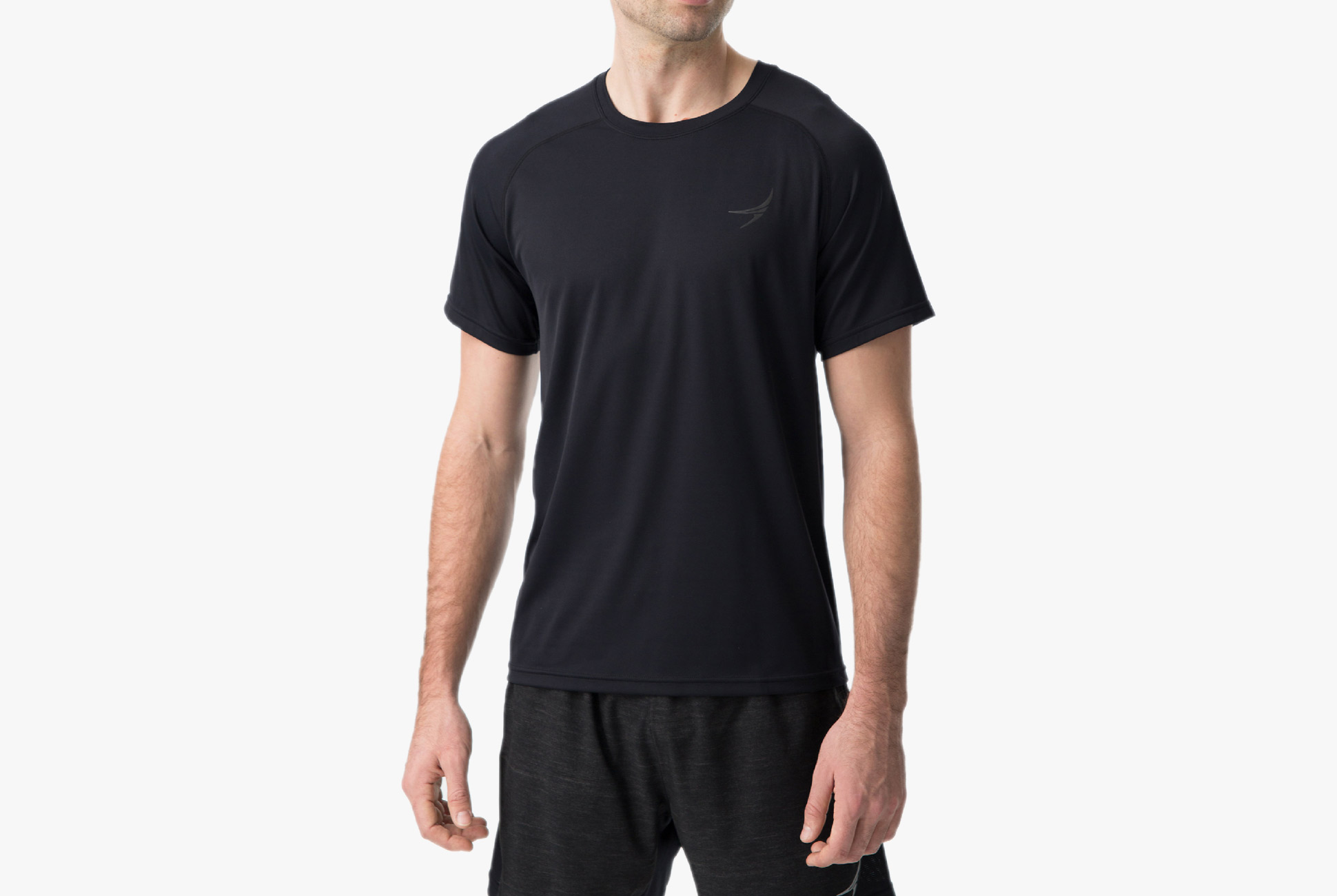


The relaxed and comfortable fit is ideal to wear all day long, especially since the nylon and polyester blend fabric with DryForce technology handles your sweat like a champ. The added perforations under the arms make it breezy, almost to the point where I forgot I was wearing a shirt. Testers also wore this fabric in an indoor cycling class, where you’re guaranteed to sweat buckets and found it to be one of the more comfortable shirts to wear during that type of workout.

Lululemon Metal Vent Tech Suge Short Sleeve
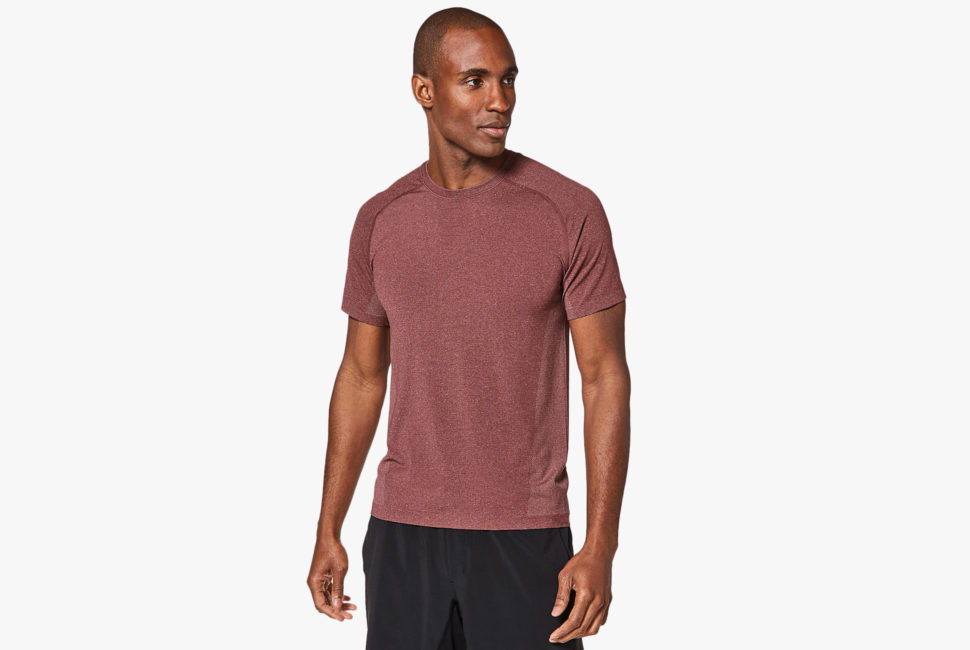


Wearing this in the wind was key — it didn’t feel incredibly breathable when I initially threw it on. The Silverescent technology with X-static helps stop stink, while the lack of seams minimizes chafing. In comparison to others on this list, it’s a lighter-weight fabric than the merino wool options, but similar to the Endeavor tee with the side perforations.

Under Armour HexDelta
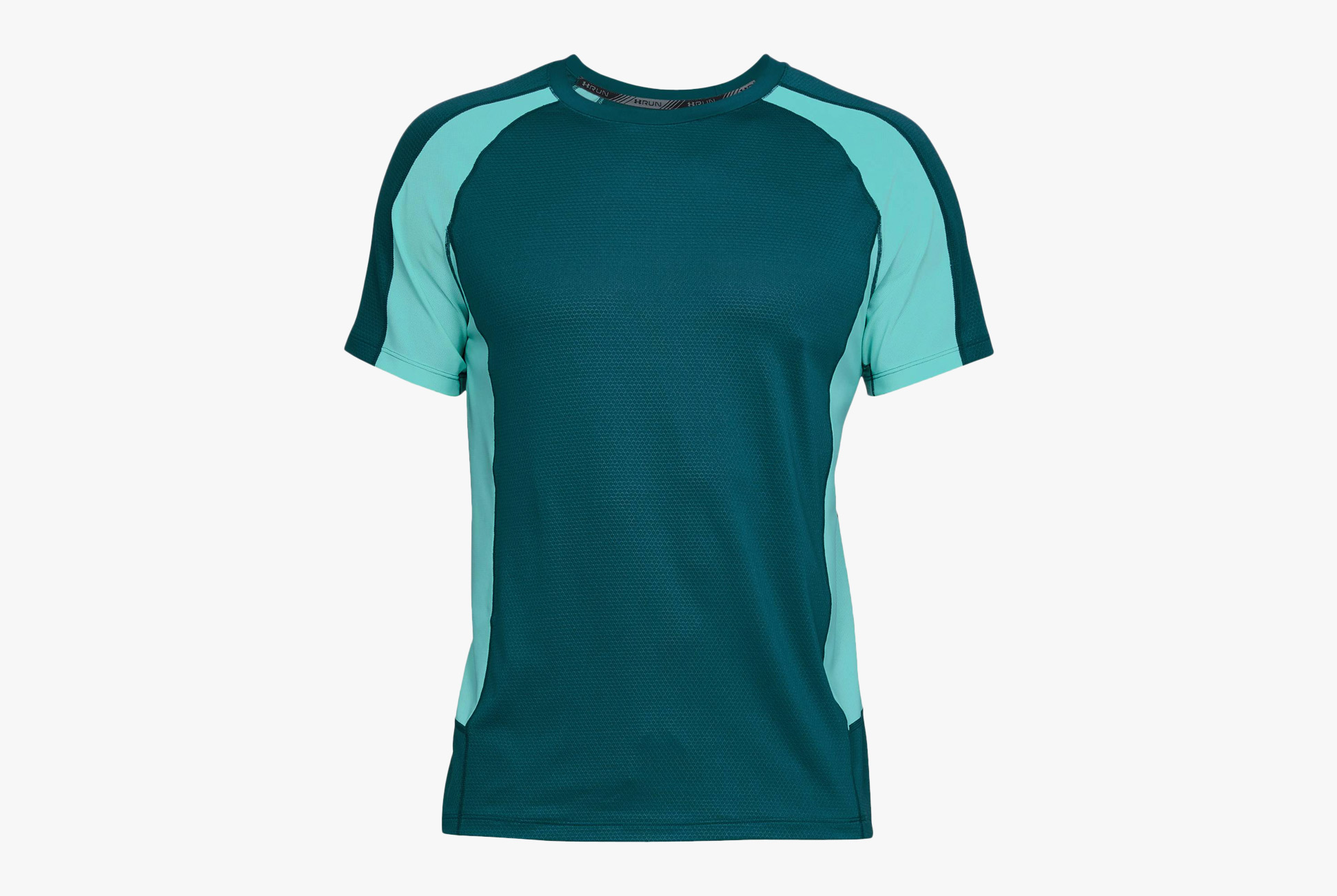


The hex pattern is clearly visible, helping to trap a minimal amount of heat for those not quite spring mornings, but yet still breathable during a run. The shirt is light enough that it moves with a heavy breeze, but still dries quickly during particularly sweat-inducing days.

Filson Sport T-Shirt
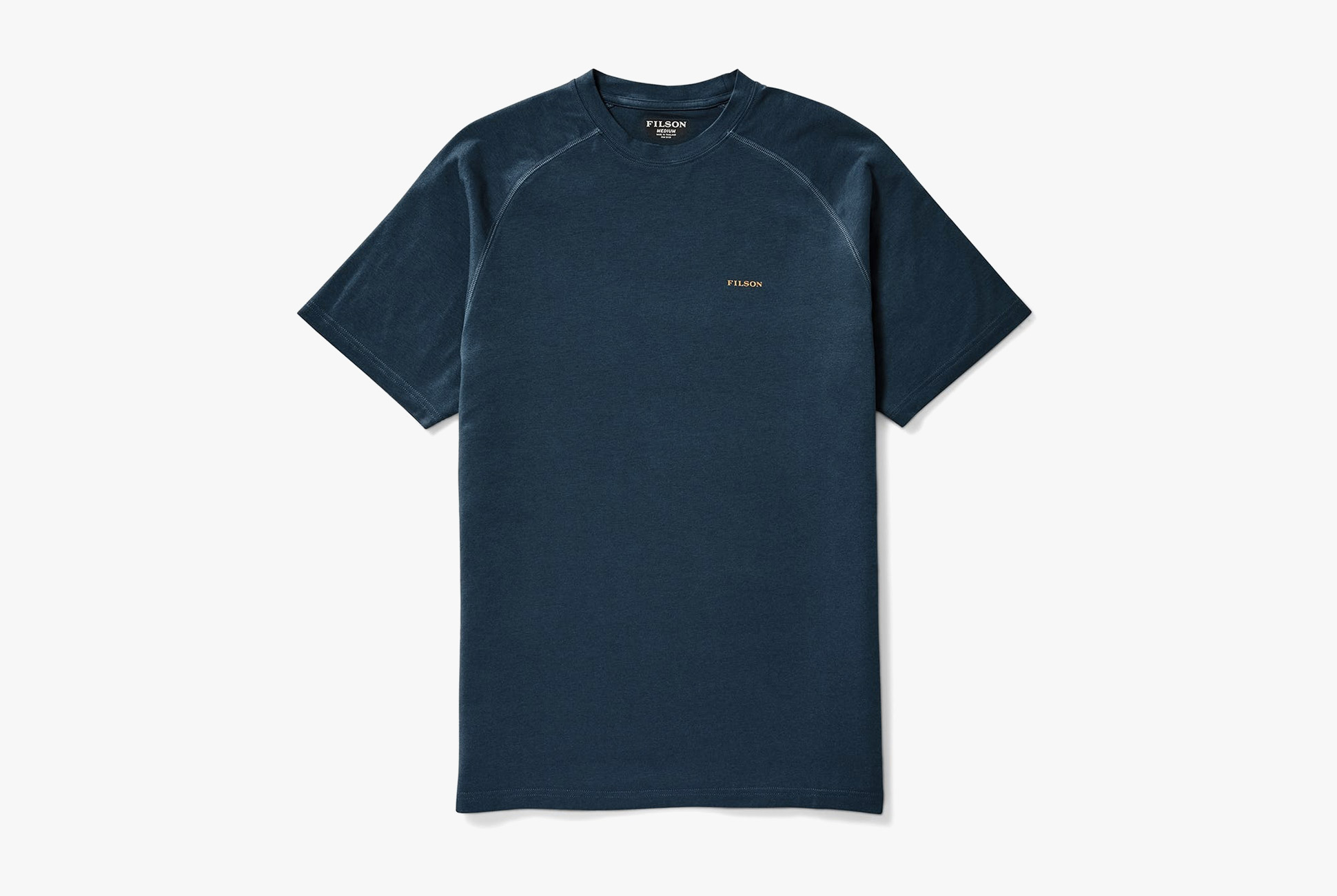


The thickest of all the tees we tested, this one is ideal if you like having a little heft to your shirts. Sometimes the flimsy ones just don’t cut it for training runs. UPF 50+ means you can do more than just run in it — take it on the boat, into town and up the mountain — it’s built to take on the challenge. While running, the shirt moves well with you, not bouncing up and down or swaying to an annoying degree. And the three-fabric blend of cotton, rayon and spandex are softer than pretty much every tee on here.
Read More Gear Patrol Reviews

Hot takes and in-depth reviews on noteworthy, relevant and interesting products. Read the Story
6 Brands to Upgrade Your Running Gear That Aren’t Nike

Nostalgia should have no bearing on running. Running doesn’t care that your high school cross country team took home a state championship in ’98. Running doesn’t care that you ran your fastest mile in a funny logo tee that you picked up at a thrift store for 50 cents. Running doesn’t even care that the charity emblazoned on the front of your latest free cotton tee actually does a lot of good work for the world (when it’s not spending money on cheap shirts).

The only thing that running does care about is you. Your stride, pace and heart rate, and also the moisture evaporating off your body, the amount of irritation a seam is causing as it rubs against your skin. Clothing is important in running, and comfort should be taken seriously.

Maybe your favorite/lucky/prestigious cotton t-shirt is comfortable enough to run in; if so, that’s great. But know that cotton is almost wholly frowned-upon and that there are better options out there, constructed with performance materials like polyester and merino wool. Don’t expect the typical flash and neon of the last generation’s running apparel either; today, there’s a pack of young brands that are introducing a higher standard for style in athletic gear. This is the new running apparel — it’ll keep you cool, warm, dry, loose and fit. The transition doesn’t have to be an emotional one– that ragged old t-shirt will be at home waiting for when you return from your late afternoon run.

Satisfy


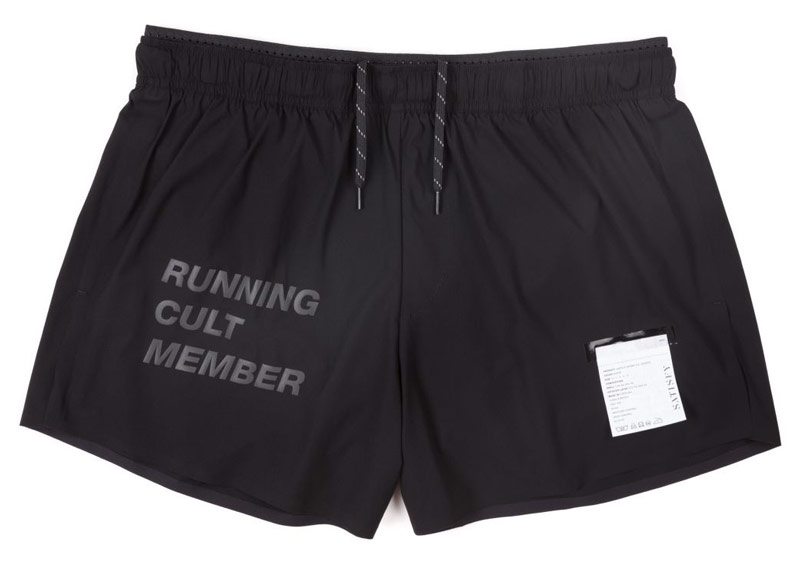
Before Brice Partouche founded Satisfy, he was a skateboarder and a punk rocker. Then he founded a denim brand that morphed into a record label. Running is his latest target, and he’s injecting the sport with his own definition of culture. “If you went into a running store, it was all performance, winning and bravado. I felt there was a need to celebrate the daily ritual of running and that’s how Satisfy was born.” Each new collection brings fashion-forward cuts and bold, printed statements. This year, affirm your status as a runner with the Justice Sprint Shorts or the Mesh Singlet and “LEAVE THEM ALL BEHIND.”

Start with This: Justice Sprint Shorts $166

Tracksmith


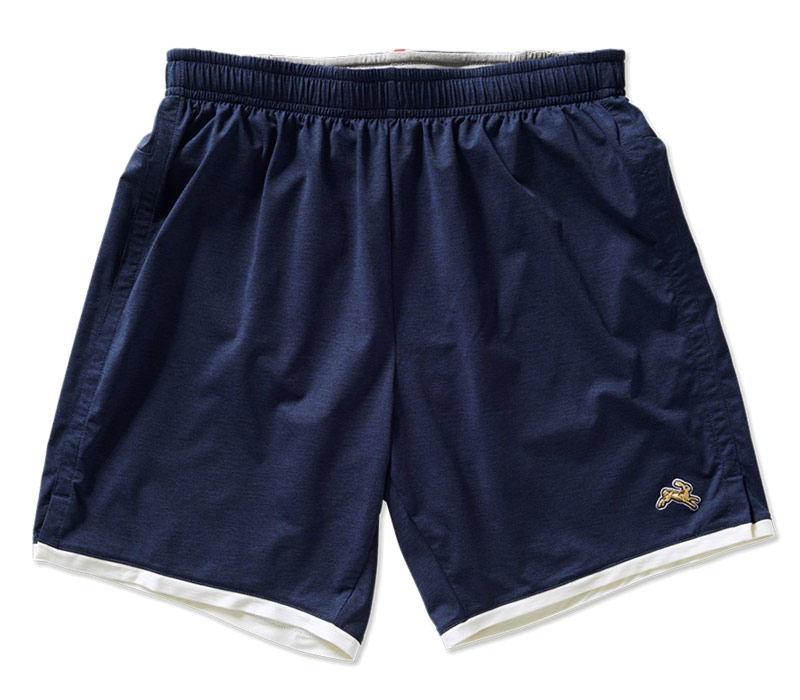
Tracksmith is based in New England, where it can draw from a wellspring of Ivy League inspiration and running history to create its decidedly retro aesthetic. That, paired with top-tier materials, has helped the brand push running clothing to be simple, clean and stylish instead of loud and hectic. Its latest collection continues this tradition. One notable product from the new line is the 7″ Sessions Short, which is a slightly longer take on one of the company’s most loved pieces. The short is constructed with Italian-made Veloce fabric that emphasizes lightness and stretch.

Start with This: 7″ Session Shorts $64

DOXA


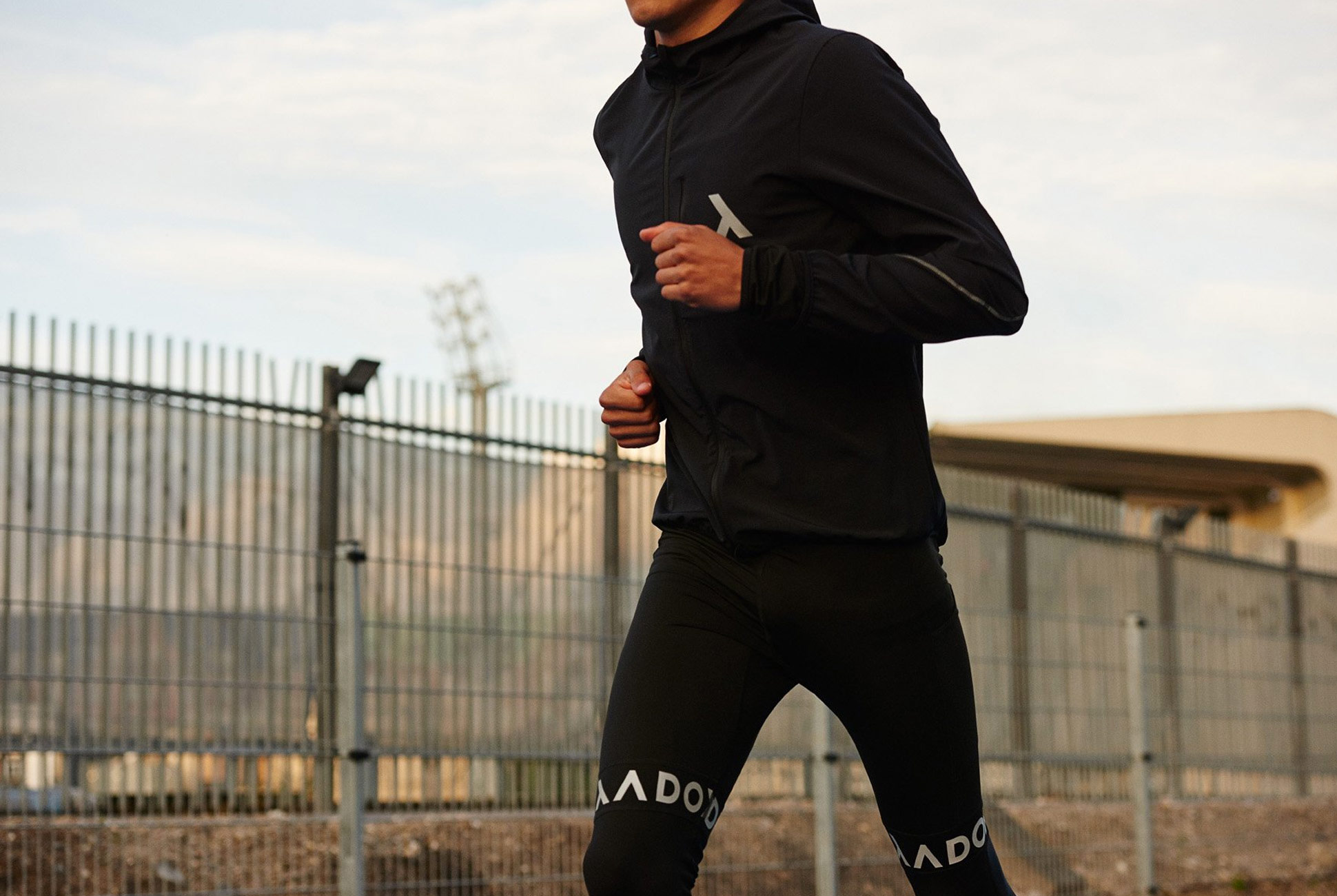
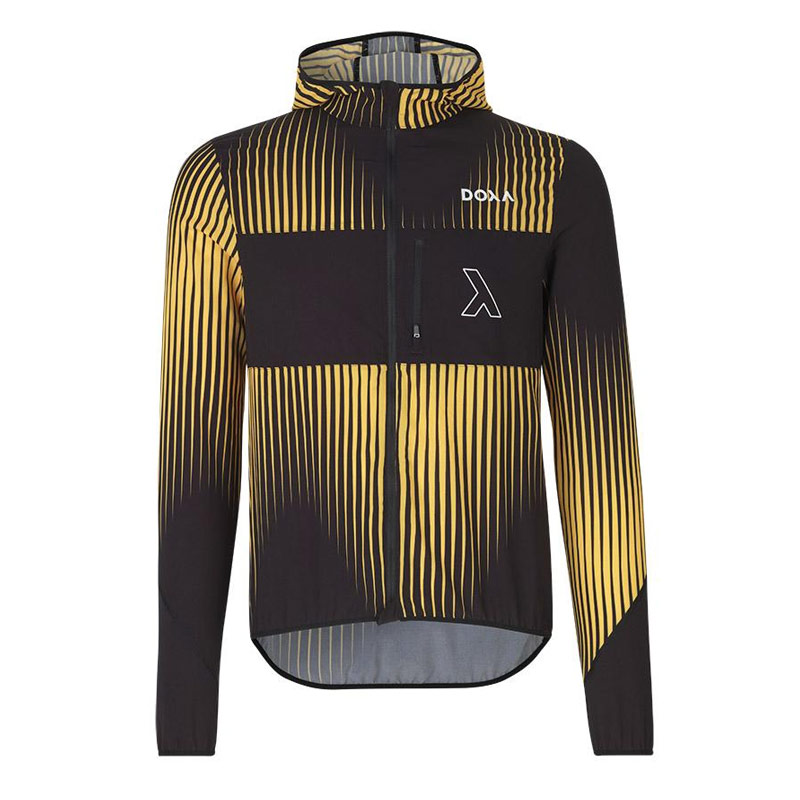
Mash together performance apparel design with ’80s hair metal aesthetics, and you’ll get something close to DOXA. Its entire line bucks the neon-infused convention typified by the big brands and embraces an alternative version of flash associated with the speed of running. Its latest collection, called Power Generation, features bold optical patterns printed on a lightweight fabric made in Italy.

Start with This: Jevin Jacket $191

Janji


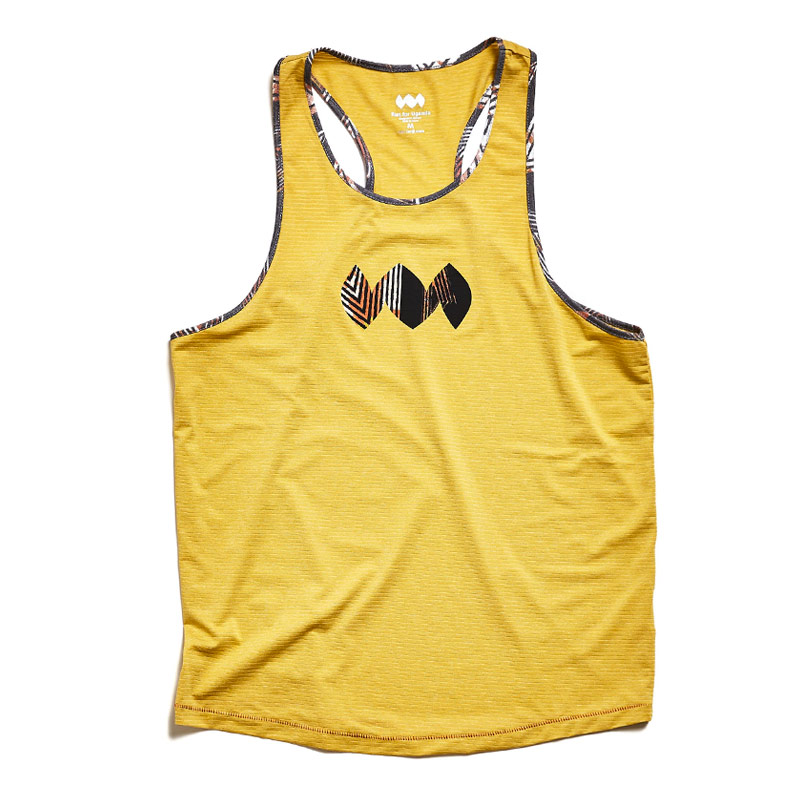
Janji’s core mission is a social one; the Boston-based brand donates part of its profits to provide clean drinking water for people in less-developed countries. It also creates design elements drawn from experiences had while running in those places to integrate into each technically-crafted piece. Western Uganda’s Toro Kingdom inspired its latest singlet, which contains micro-perforations that provide supreme levels of wicking capabilities and breathability.

Start with This: Fast Twitch Strata Singlet $48

Outdoor Voices


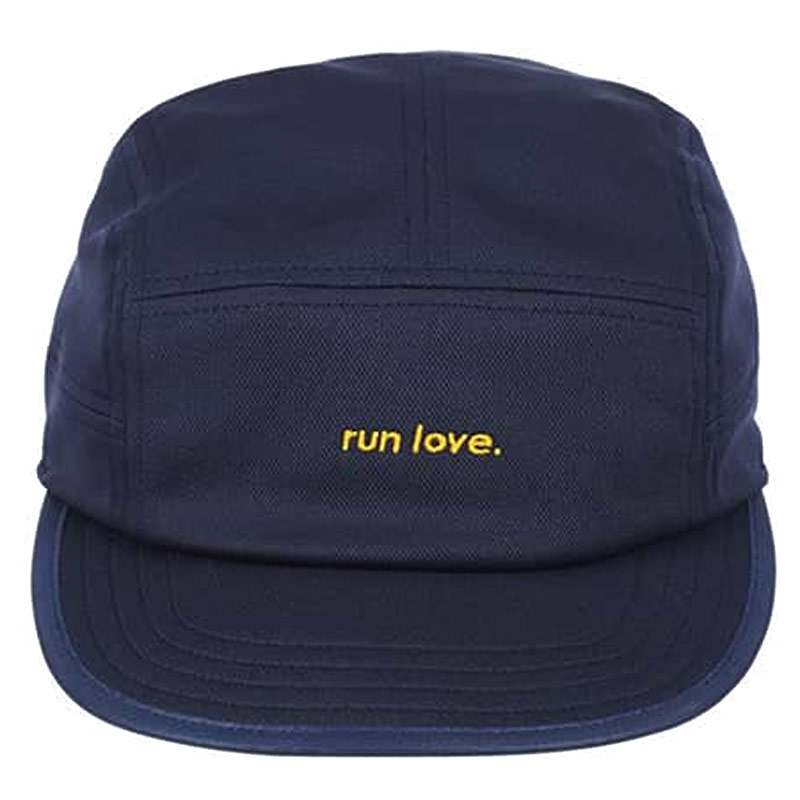
In the past few years, Outdoor Voices has carefully edged its way into the athleisure space with premium iterations on everyday staples like the basic t-shirt. The brand does so with a casual mentality and a tonal color palette, but the materials it uses in each piece are anything but conventional. OV has recently expanded into activity-specific gear, and its new collection of running apparel is sure to please whether you run in it or not. Expect all-weather stretch, superlight breathability, and ultra-soft tactility. Try the new Cool Runnin’s Tee for mesh that isn’t scratchy and looks good enough to wear on a daily basis.

Start with This: Cool Runnin’s Tee $45

Ciele Athletics


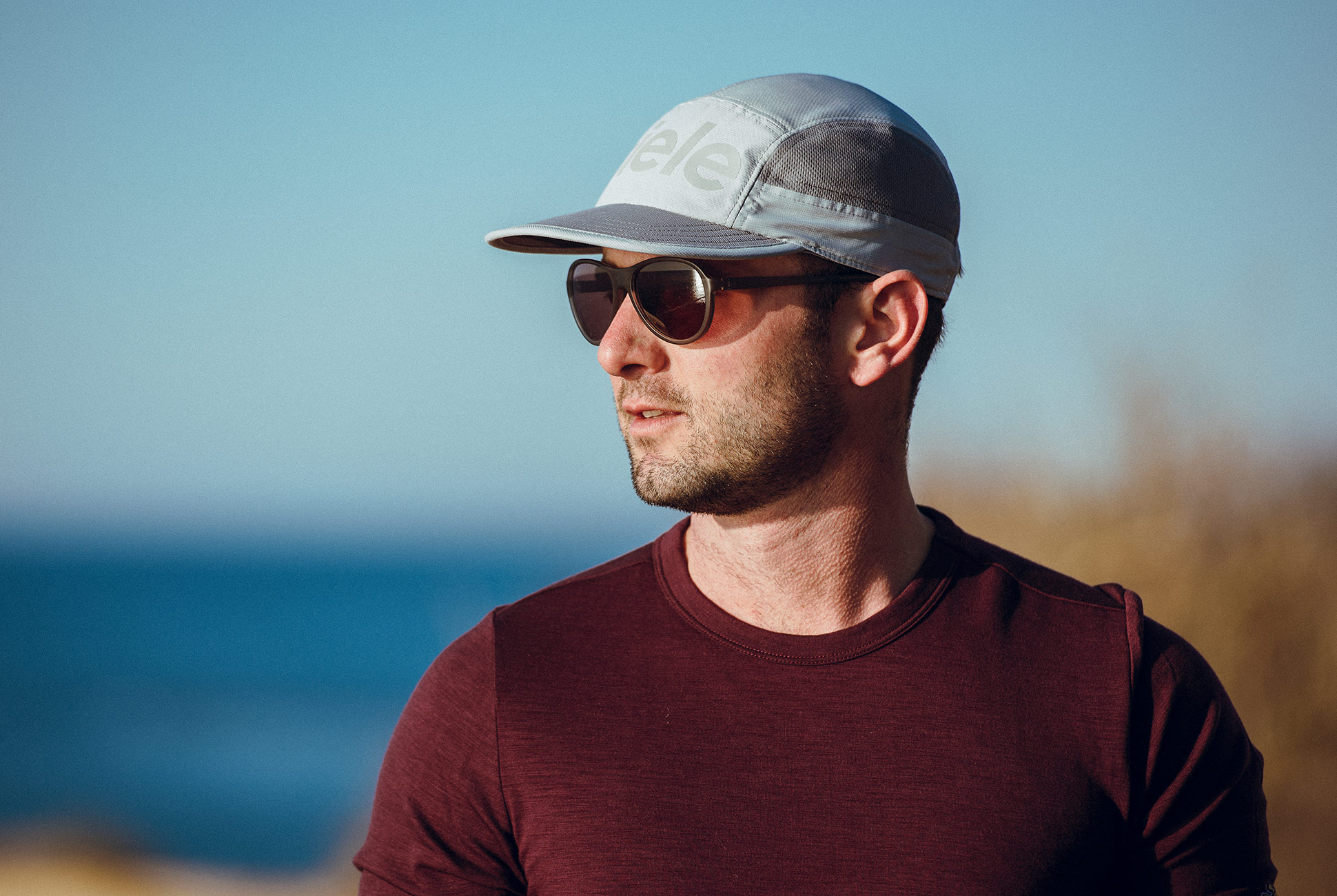
Owning a hat just for running can seem unnecessary, but take to your preferred loop in one specifically designed for active motion, and you’ll soon realize why that’s not true. Montreal-based Ciele makes some of the finest running hats available. They’re constructed from ultra-wicking COOLwick fabric and offer UPF +40 sun protection. Many also feature reflective hits on the front and back to keep you safe when running at night. Available colors tend to range from bright and funky to cool and muted, and the offering changes with the seasons.

Start with This: GoCap $40
9 Running Shoes You’ll Want to Wear All the Time

The only shoes you’ll want to wear all summer long. Read the Story

Note: Purchasing products through our links may earn us a portion of the sale, which supports our editorial team’s mission. Learn more here.

Interested in Boxing? Here’s Everything You Need to Start

Jab, cross, punch, duck! Your first boxing class can be intimidating, to say the least. Suit up with wraps and gloves, then get ready to kick the BOB dummy, punch the bag, or aim for your partner’s mitts. Whatever it is you’re aiming at, a boxing workout tests all of your muscles — especially your core — and will leave you drenched in sweat. We talked to seven pros to help you channel your inner Muhammad Ali.

The Vocabulary

Boxer Stance: Stand with feet parallel and hip-width distance apart, hands in fists close to face. Take your right foot back behind your left so left shoulder is facing your opponent or the bag. Stay light on your feet.

Jab: Start in boxer stance. Take a slight step forward as you extend left arm towards bag or opponent, fingernails facing down. As soon as your fist makes contact pull it back to start, and bring your feet back to hips-width distance.

Cross: Start in boxer stance. Start to straighten right arm with fingers and thumb facing toward the ground in a fist. Pivot right knee forward in the same direction as fist, twisting hips. Use the power from your hips to quickly make contact with the bag and then return to start.

Hook: A punch thrown with both the right and left hands, where you start outside the body and punch toward the midline of your body.

Upper Cut: Another punch thrown on both the right and left (typically called a front uppercut and back uppercut). You make a scooping motion with this punch.

Pro Tip: We highly recommend you arrive early to your first class. It’s not uncommon for the instructor to only review the punches before class starts. While it’s always best to let the teacher know if it’s your first time attending, knowing the terms above will act as a solid primer before your first class. (All of the terms above are for right-handed fighters, as opposed to left-handed ones, or Southpaw boxers. )

The Experts

We chatted with Kendall Toole, a founding trainer at Rumble Boxing in Los Angeles, Jess Sims, a trainer at Shadowbox in NYC, Rob McCullough, trainer at UFC Gyms, and Rise by We instructors Leonit Shaashua, Liv Adler, Mark Sayer and Maurice Hood.

The Gear

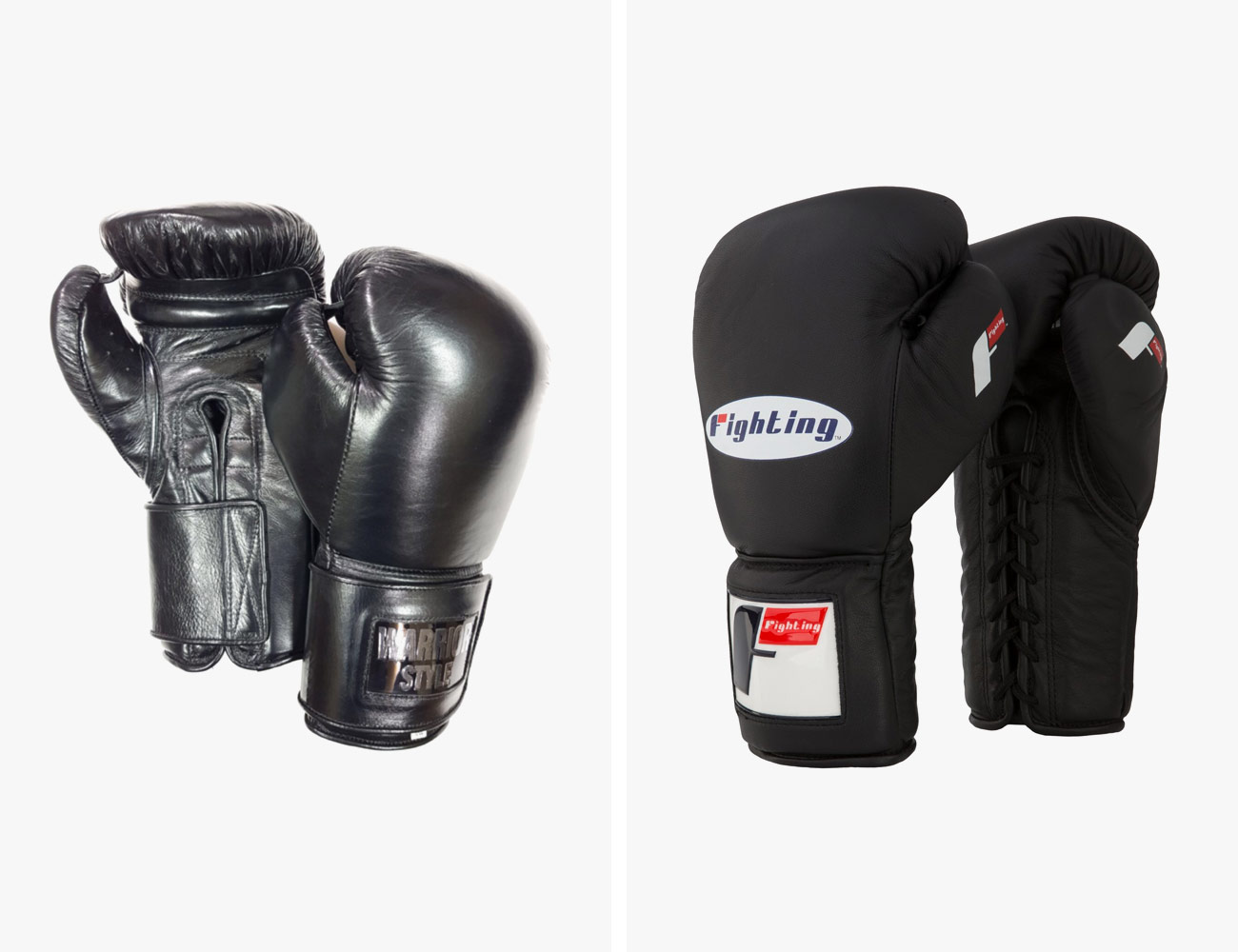
Gloves

While you can likely get find gloves at the boxing studio, they’re going to stink. “When you first start to train, you need only one pair of gloves, and they should be 14 to 16 ounces and allow you to make a proper fist,” Sayer says. “I’ve used a dozen brands over the years and my current favorite by far is Warrior Style. They allow you to make a proper fist.” What to look out for: “Cheap gloves will often only allow for what I call the ‘hitch-hiker fist,’ meaning the thumb up and not close to the proper closed position,” Sayer says.

Fighting Sports 12-ounce lace-ups are what Liv Adler, NASM CPT certified and registered USA Boxing Amateur fighter, recommends. “They feel broken in the second you put them on — not stiff and are a close fit to your hand,” she says. “They give me excellent wrist support and aren’t bulky or heavy feeling. They’re great for beginners and they’re only $100.” And when you’re ready to upgrade to something a little fancier and more technical than those gloves, Adler says Winnings gloves are the best. “These gloves start at $400, but they’re a perfect boxing glove. If you can afford it, this would be my number one recommendation.”

|

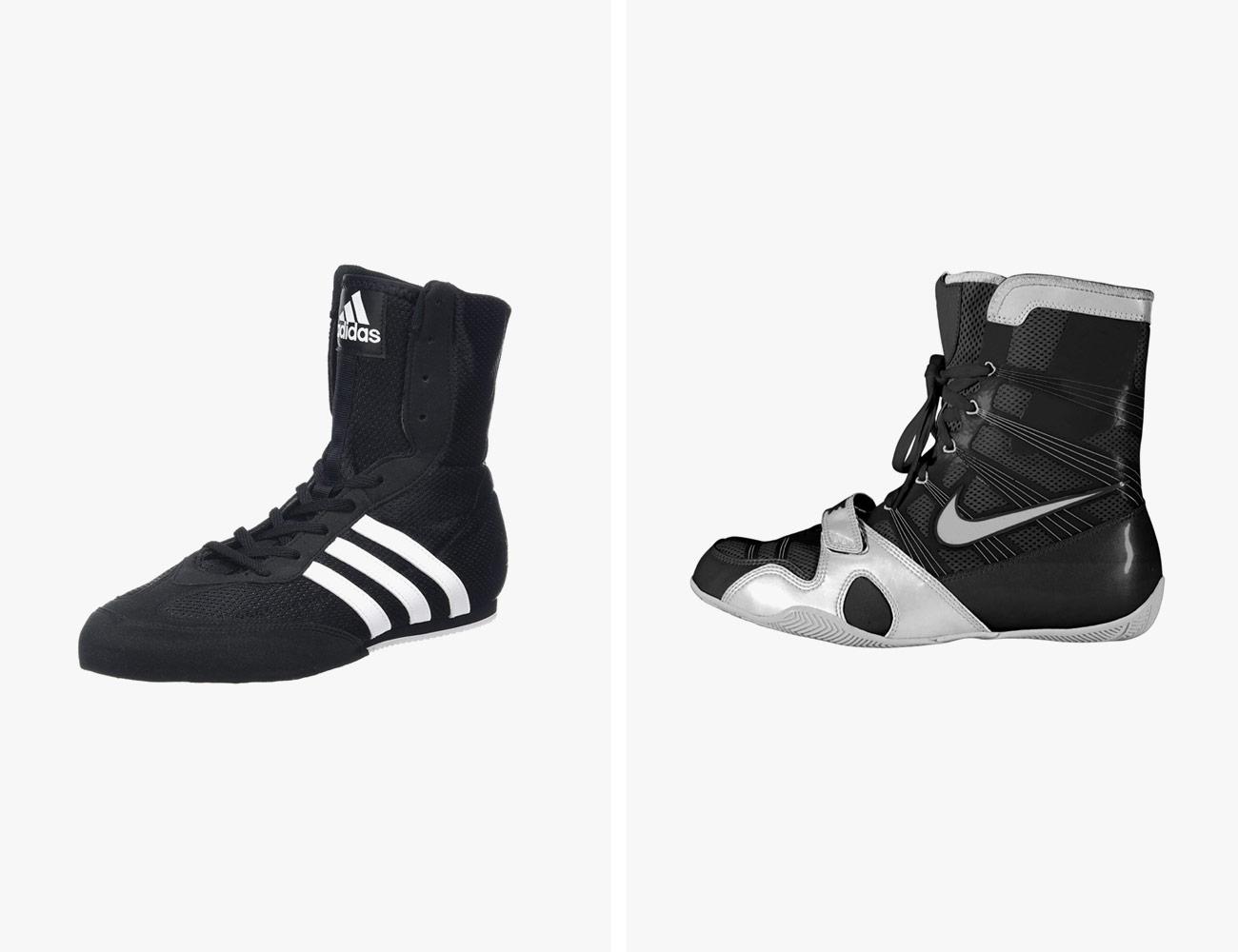
Shoes

“Just like you wouldn’t wear regular sneakers to a spin class, you’d ideally get a pair of boxing shoes because you need a lightweight, supportive, flexible shoe with good grip,” Sims says. “As far as boxing shoes go, I like Adidas the best, especially the Adidas Box Hogs,” Hood, a USA Boxing certified coach, says. “They feel as light as feathers and have great ankle support, which makes it easier to move around the ring.”

“When buying boxing boots, it’s essential to have a thin and flexible sole to keep you light on the toes. These Nike Hyperko boxing boots are swaggy and stylish. Opt for the classic black and silver, or go crazy with neon,” Toole says.

|

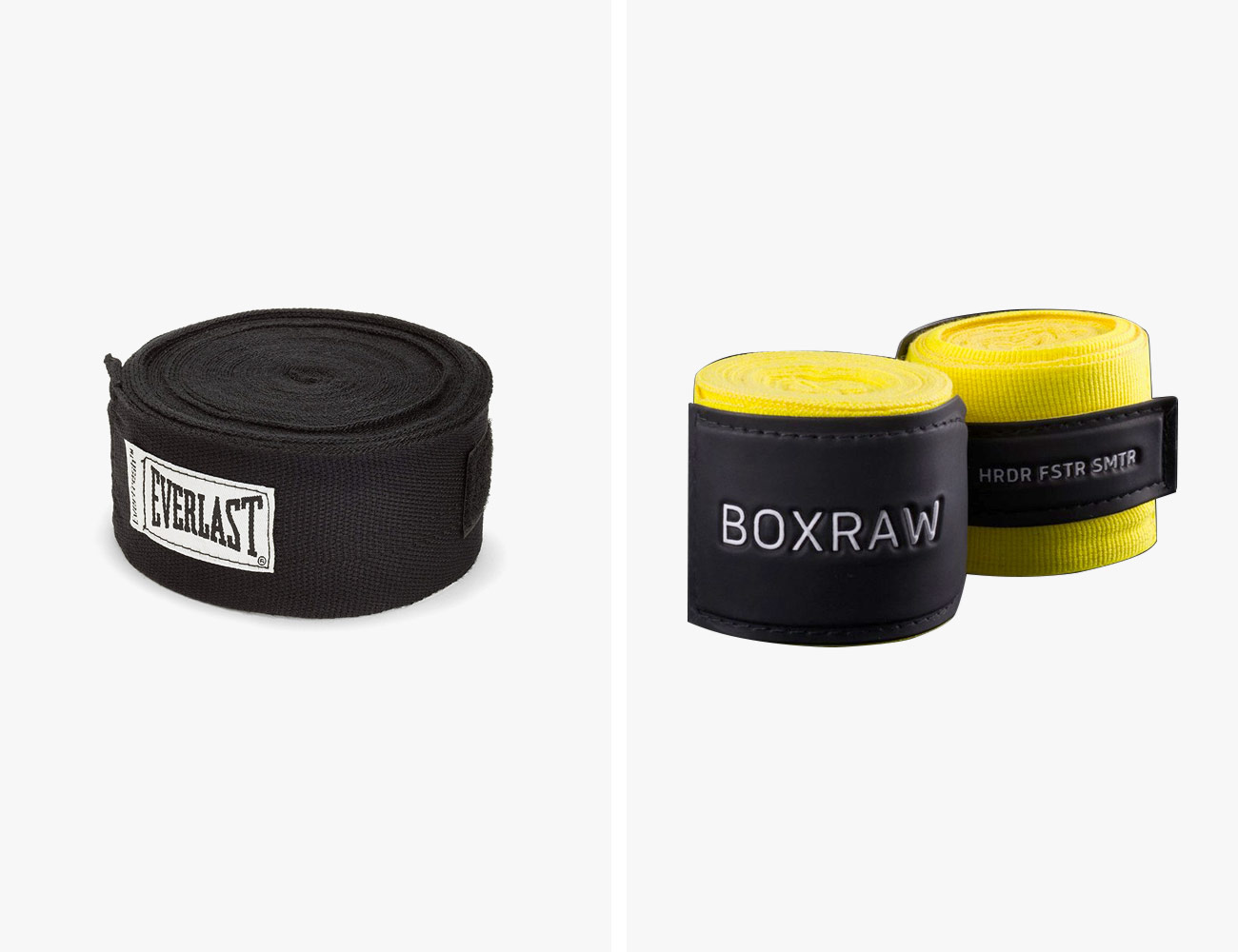
Wraps

Handwraps are your first line of defense and protection against the bag or mitts, and will also help dilute the stinky smell of used gloves if you aren’t quite ready to make that buying decision. Adler likes the Everlast 180 hand wraps because they’re “always 180 cm in length — never shorter — soft and don’t get messed up in the laundry.”

“My all-time favorite wraps [are the] BoxRaw yellow wraps,” Toole says. “The fabric holds up very well in the wash (always use a garment bag to prevent tangles!) and the velcro has a great sheen and thickness to it, that gives a little extra support to the wrists.”

And in terms of how to put them on — you can always opt for quick wraps, ask the head trainer, or check out YouTube for a how-to video, Sims recommends.

|

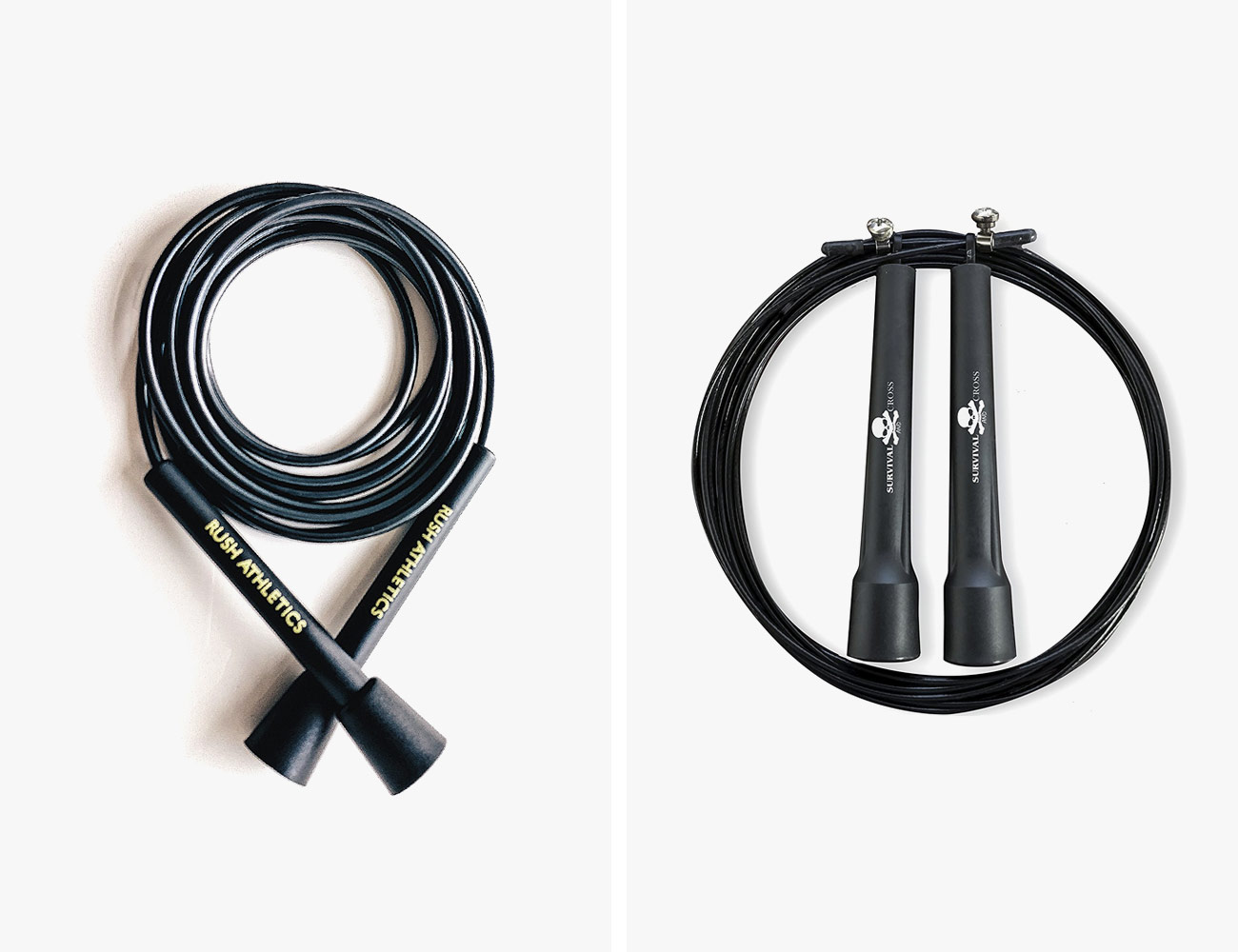
Jump Rope

This simple tool is one you should definitely have. “It’s cheap, portable, and crucial to help you understand being on your toes, and works your stamina,” Sims say.

|

Everything You Need to Start CrossFit

Our three experts tell you everything you need to know before day one in the CrossFit box. Don’t worry, it’s not all heavy metal.Read the Story

10 Classic Sneakers that Cost Less than $60

Ask someone on the street to name the first sneaker brands that come to mind and they’ll start somewhere around Adidas and end near Nike. These brands, while classic and iconic, can often run you over a hundred dollars for their kicks. If you have a thing for exorbitantly priced shoes, keeping them pristine, and collecting/selling them, we salute you. But there’s also a handful of classic alternatives that won’t have you dropping a full paycheck to purchase. These shoes can be had for less than your international roaming charges — $60, tops. And they’re essentials for a reason: despite updates and new colorways, the originals remain in high demand. Grab one, two or three.

Contribution by Caitlyn Shaw and John Zientek.

Superga 2750 Cotu Classic

The Italian shoemaker Superga has made the classic 2750 sneaker since 1911. Today, this clean canvas sneaker represents the epitome of affordable, lean luxe.

Puma Suede Classic

essential-sneaks-gear-patrol-puma

Puma began as a small shoe factory and had its first big success providing sneakers to the 1928 Olympic athletes. The Suede Classic is an understated-yet-elevated footwear companion.

Vans Authentic Core Classics

essential-sneaks-gear-patrol-vans

When the Vans Authentic came out in 1966, only 12 customers bought them directly from the factory. They then became popular within the SoCal skate scene in the 1970s and are now ubiquitous in skate circles.

Adidas Samba Classic

essential-sneaks-gear-patrol-samba

Bavaria-born Adidas “started in a washroom and conquered the world.” These iconic sneakers are the standard for indoor soccer and have been so since the 1940s. They also go great with a pair of jeans.

Converse Chuck Taylor All Star

essential-sneaks-gear-patrol-chuck

Converse named their rubber, high-top basketball sneaker the “All Star” in 1920. Almost 100 years later, people are still wearing these sneakers. They may have recently received a modern (and more expensive) update, but the originals will always be on our list of favorites.

Keds Champion Originals

Keds just turned 100 years old. And while it may not have made America’s first “sneaker,” these were one of the first rubber-soled shoes to carry the name. As with Vans Authentics and Chucks, it’s hard to imagine this silhouette and white colorway going out of style.

PF Flyers Center Hi

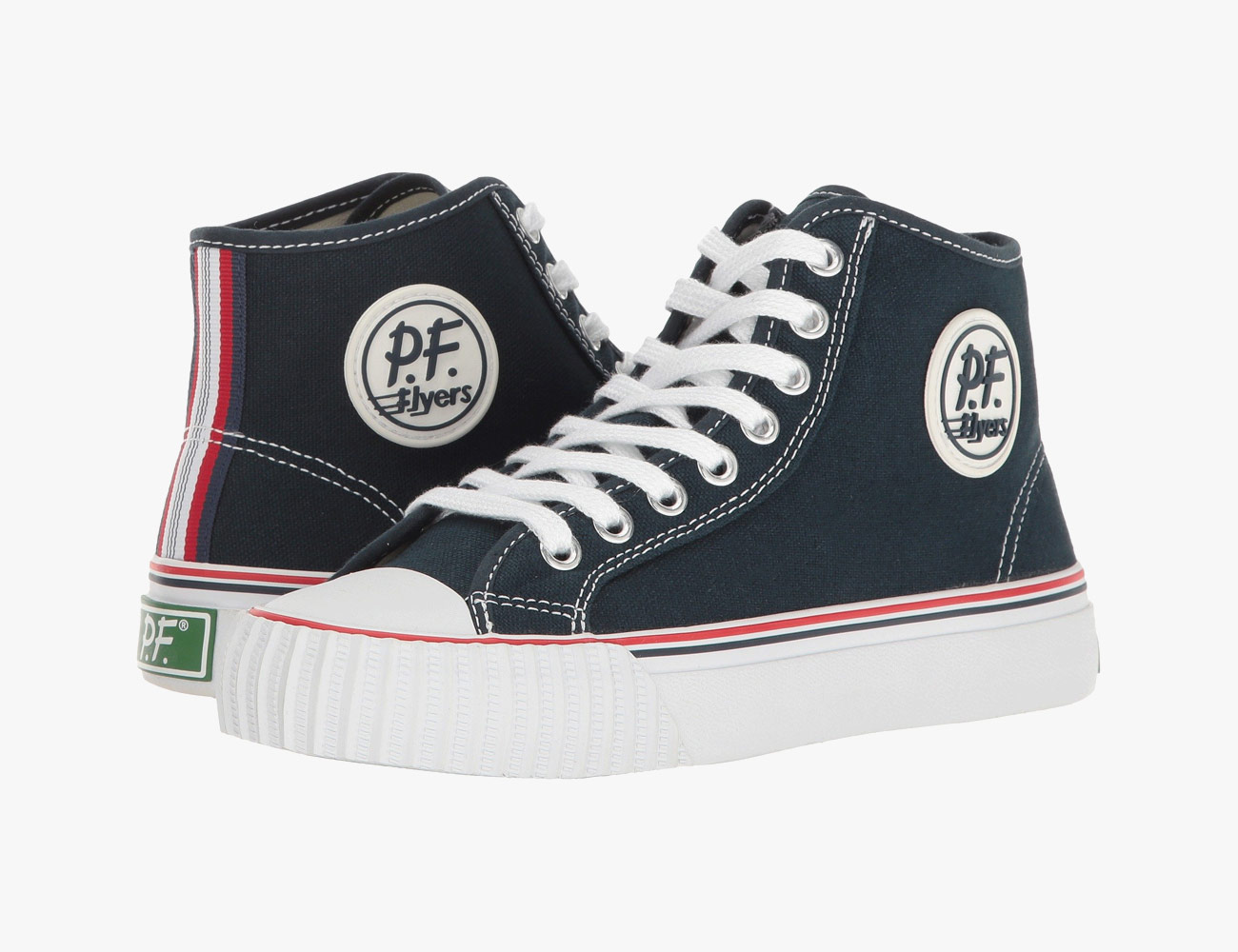
PF Flyers gained popularity in the 1950s with its iconically chunky, rugged sneakers — which are still produced today, and with the same crowd-pleasing Posture Foundation insert that provides ample comfort and support.

Reebok Classic Nylon

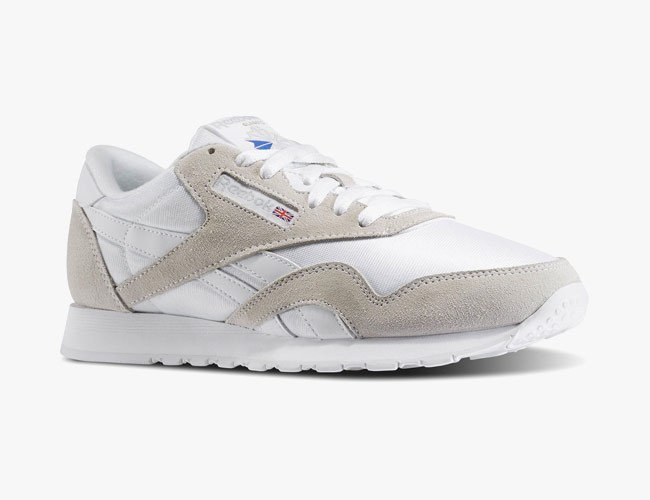
The ’80s never die with the shiny nylon on this classic Reebok. It’s tempered by soft suede, which balances out the two-toned body without losing the spirit of the revered and reviled decade.

New Balance Classics ML574

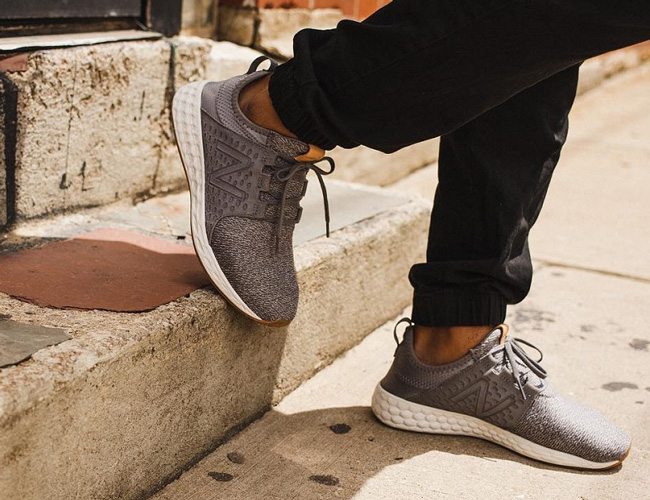
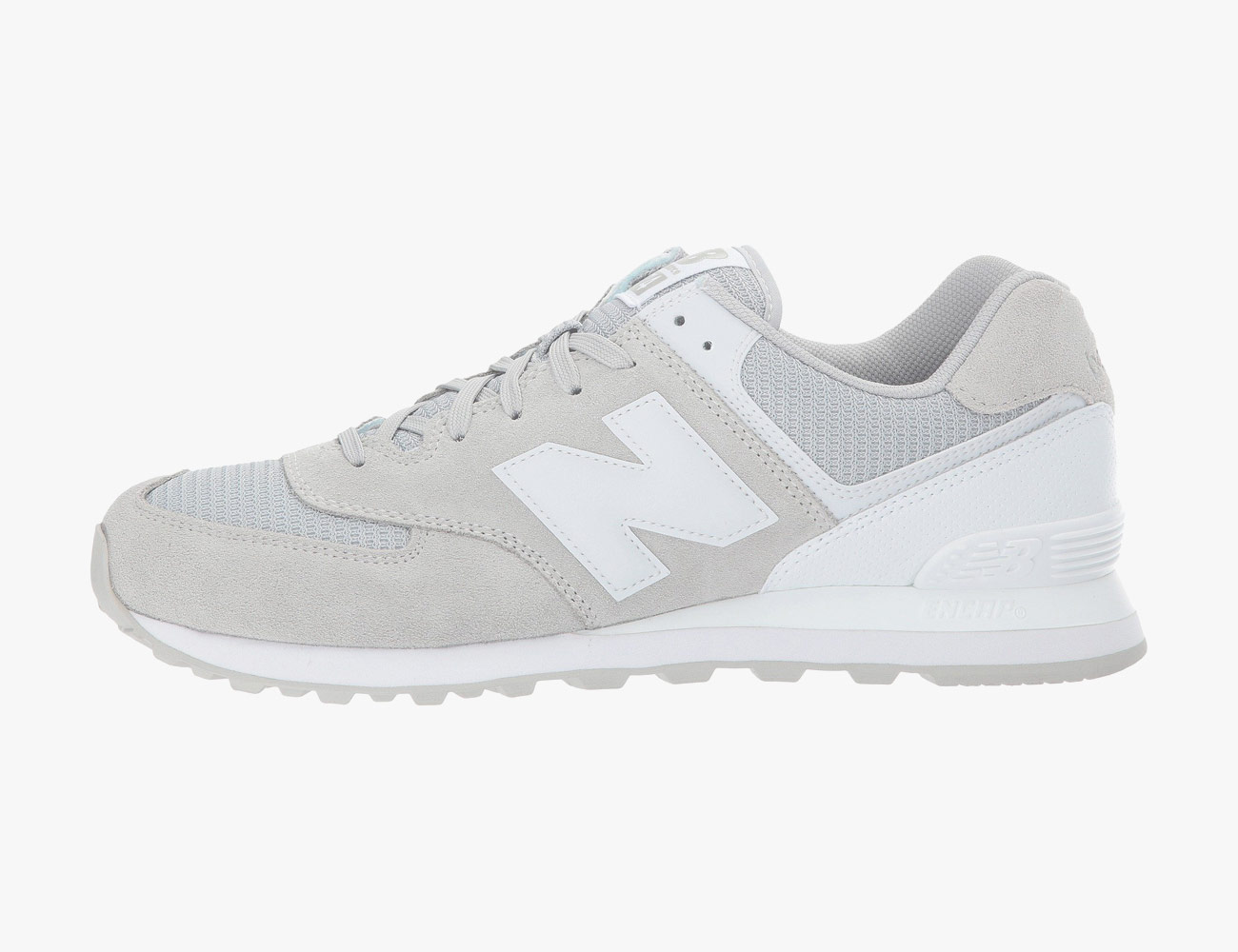
Founded in 1906 as the New Balance Arch Support Company, New Balance mainly sold supports until 1960, when it manufactured the world’s first ripple-sole running shoe. The 574 was introduced in 1988 and quickly became one of the brand’s most popular models.

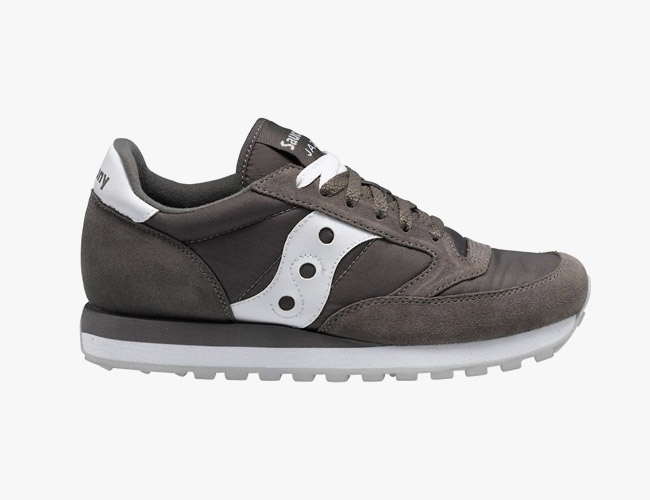
Saucony Jazz Original

essential-sneaks-gear-patrol-sauc

Saucony has been around since 1898 and was named after the creek on which the factory resided. Saucony’s self-proclaimed “signature silhouette,” the Jazz, was designed in 1981, and it’s still popular today. It’s comfortable enough for everyday wear, but perfectly suited for activities like hiking.

All the Boots You Need

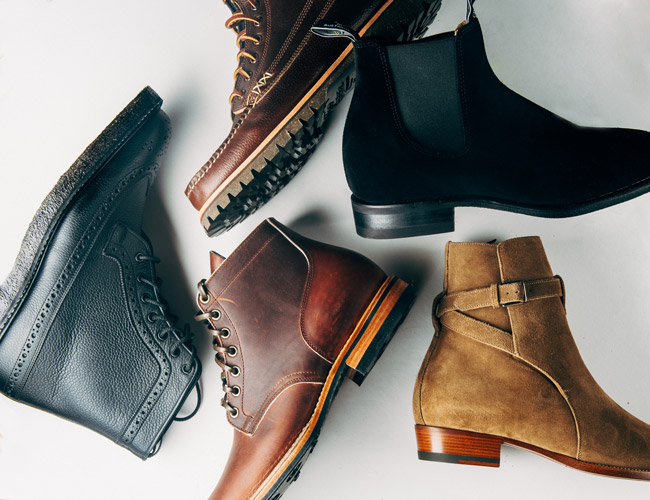
This guide to the best boots for men covers nine different categories, including work boots, Chelseas, chukkas and more. Read the Story

7 Sport Sunscreens For Summer That Actually Work

The weather is heating up, and the layers are coming off, which means that it’s time to start slathering on sunscreen during your outdoor pursuits. To help you pick out the very best sunscreen that can handle all the outdoor activities you do, we tapped a handful of experts to hear what hype to believe in the sunscreen world, and what to look for in each small bottle of protection. After all, sunscreen is your first defense against aging, and who really wants wrinkles right now?

The Experts

To get a better idea of what ingredients to look for and what products to avoid, we talked with Tammy Lisi, Beyond Coastal’s formulation chemist and Dr. Elizabeth K. Hale, MD, the Senior Vice President of the Skin Cancer Foundation.

“For a sport sunscreen, one should look for ingredients like Avobenzone and Octocrylene,” Dr. Hale says. When you think of waterproof ingredients, zinc oxide likely comes to mind thanks to all of those lifeguards in the 80s with their white sunblock-covered noses — but you need more than just that. “You should look for at least one mineral active, [like] zinc oxide and/or titanium dioxide. To achieve water resistance and higher SPF, these actives cannot be used alone. [When] used with actives like octocrylene and homosalate we begin to achieve coverage desired for an active lifestyle,” Lisi says.

As for ingredients to avoid, Lisi recommends that people “steer clear of PABA and oxybenzone for various reasons. Avobenzone can react with iron and turn your whites orange, and is forbidden to use with zinc oxide.” It’s also worth noting that new research has shown that oxybenzone has adverse effects on coral reefs, so it’s best to avoid sunscreens that contain it if possible.

Stick, Lotion or Spray?

“Stick products often achieve lower SPF levels with more water resistance easily,” Lisi says. And you have to be careful with the ingredients in sticks if you have sensitive skin. “The big downside of sticks is that people prone to acne can struggle with the high levels of occlusive ingredients in these products,” Lisi says. Whereas lotions contain more water and oil-soluble ingredients, “by taking advantage of the oil and water portions of the formulation, we can get closer and closer to completely blocking potential damage from the sun’s rays. Overall, it is fairly easy to achieve good coverage on face and body when using a lotion-type sunscreen,” Lisi says. As for sprays? “In a no-wind environment, spray shows the best skin coverage and ease of use,” Lisi says. But Lisi cautions that in a windy environment, “sprays are too lightweight for proper application.” Depending on where you’re applying and re-applying, the success of the lotion depends on you.

The Picks

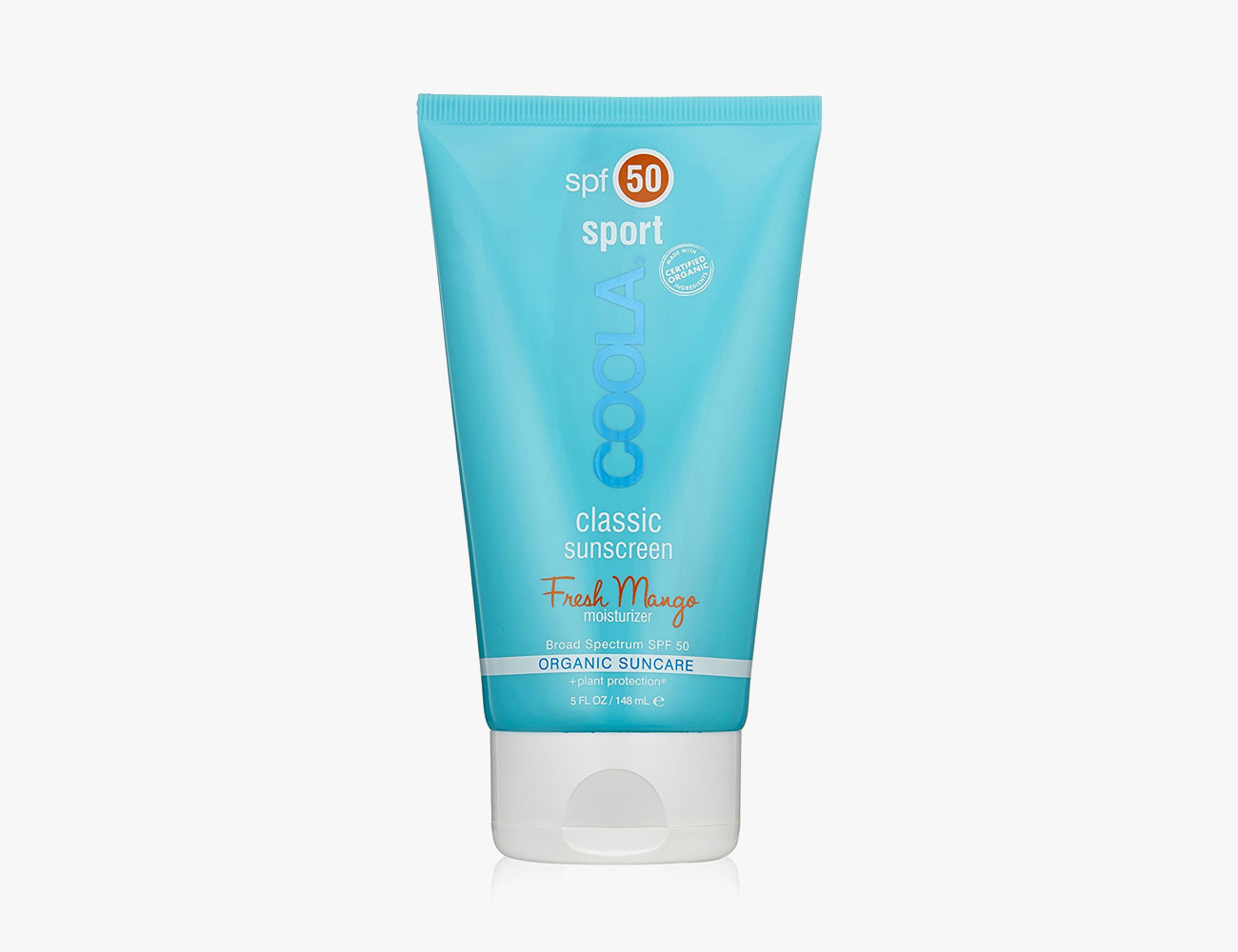
Coola Sport Body SPF 50 Organic Sunscreen Lotion

This contains both avobenzone and octocrylene, both of which are recommended by Dr. Elizabeth K. Hale. The water-resistant base filled with Agaze leaf extract and avocado butter are both great for your skin, but still needs to be applied every 80 minutes.

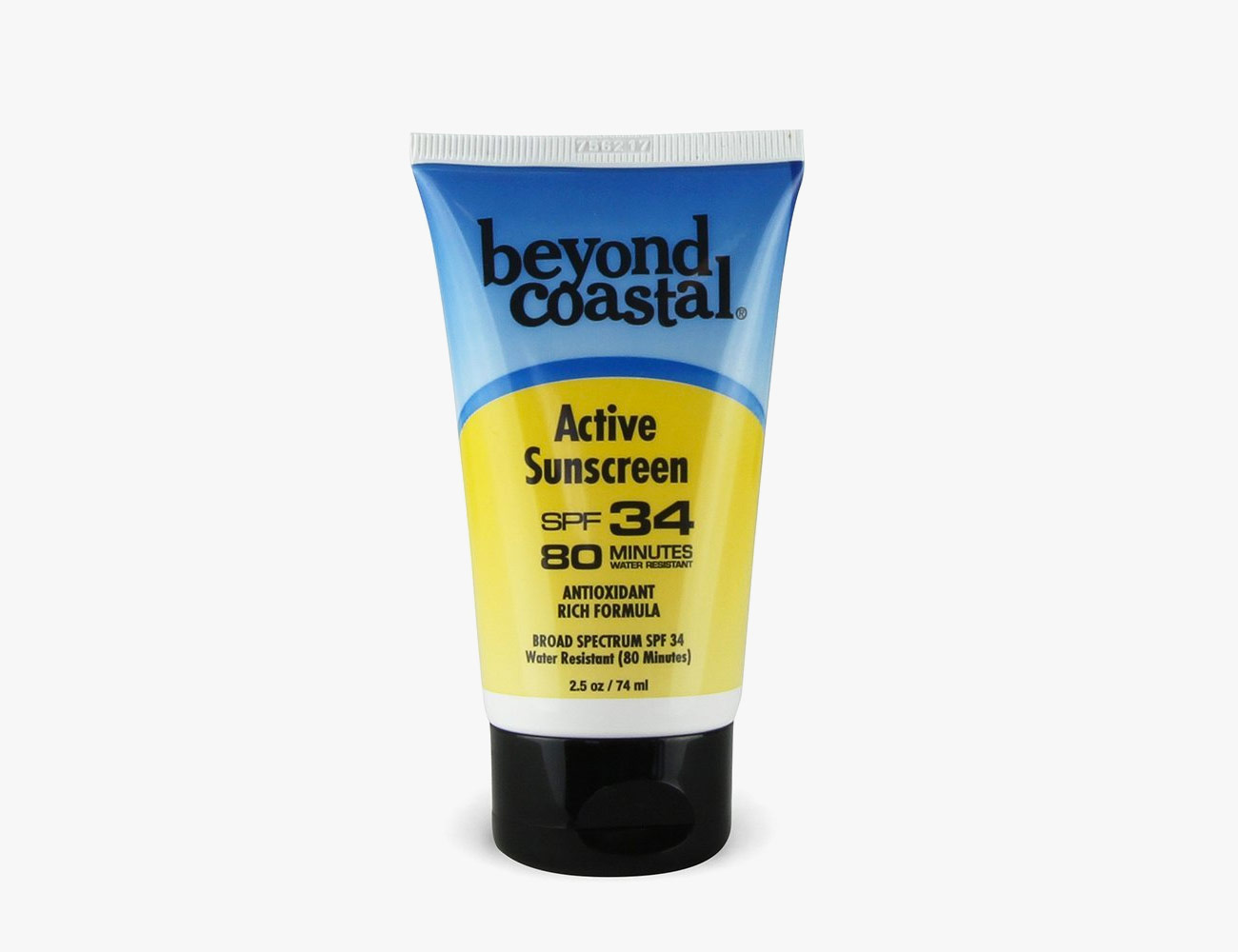
Beyond Coastal Active Sunscreen

The combo of avobenzone and octocrylene comes together again, this time with açaí fruit extract, aloe vera leaf extract and rosehip oil. You’ll have to reapply this lotion every 80 minutes, but the non-greasy, fast-absorbing characteristics of this lotion will have you stashing it in your gym bag for all outdoor frisbee games.

Bare Republic Clear Sunscreen Gel Sport

All of Bare Republic’s products are free of chemical additives like oxybenzone and pumped full of good-for-you natural extracts. In this SPF 30 sunscreen, the ingredient list almost reads like a fruit salad: pomegranate seed oil, raspberry fruit extract, natural coconut and mango essential oils. Again, be sure to re-apply after 80 minutes of activity. It works just as well during a run as it does during a beach volleyball game.

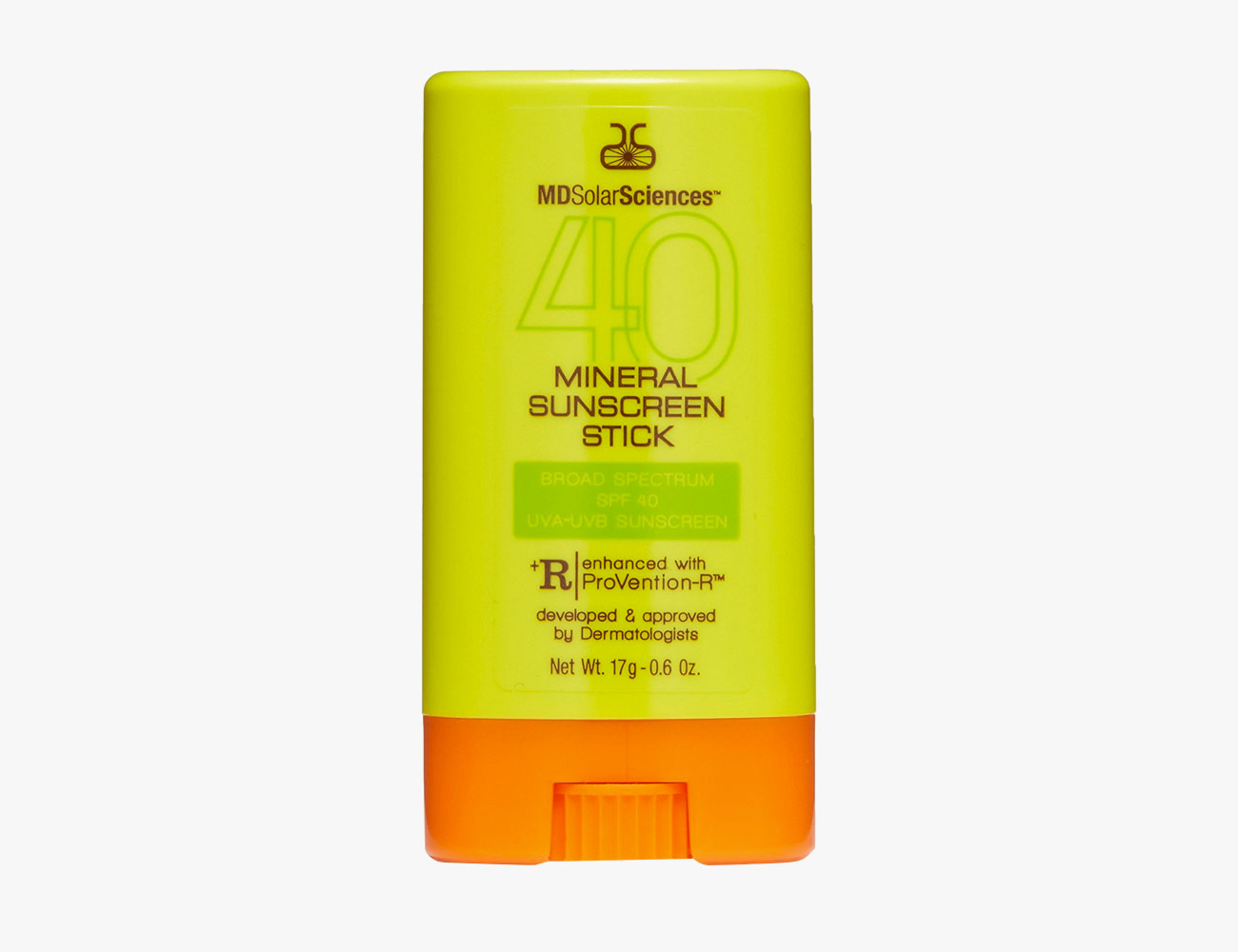
MDSolar Sciences Mineral Sunscreen Stick Broad Spectrum SPF 40

If you’re looking to avoid oxybenzone, this all-natural mineral sunscreen stick has you covered. The lightweight solid lotion is easy to apply in public areas, unlike some mineral sunscreens that goop up all over your skin. This SPF 40 stick works on all skin types and is also oil free and filled with vitamin C. Be sure to re-apply every 80 minutes.

Neutrogena Cooldry Sport Sunscreen Lotion

Thanks to Micromesh technology, this SPF 70 lotion is chemically engineered to allow sweat to pass through your skin, meaning your body can cool down without feeling extremely greasy. Again, you’ll have to re-apply every 80 minutes when swimming or sweating, but this one is also PABA-free.

Supergoop! Everyday Sunscreen

If you love the smell of sunscreen, this spray is for you. The SPF 50 protection is boosted with vitamin C to help protect your face and body from those pesky free radicals. This non-aerosol mist is easy to apply all over. Remember to re-apply every 50 minutes.

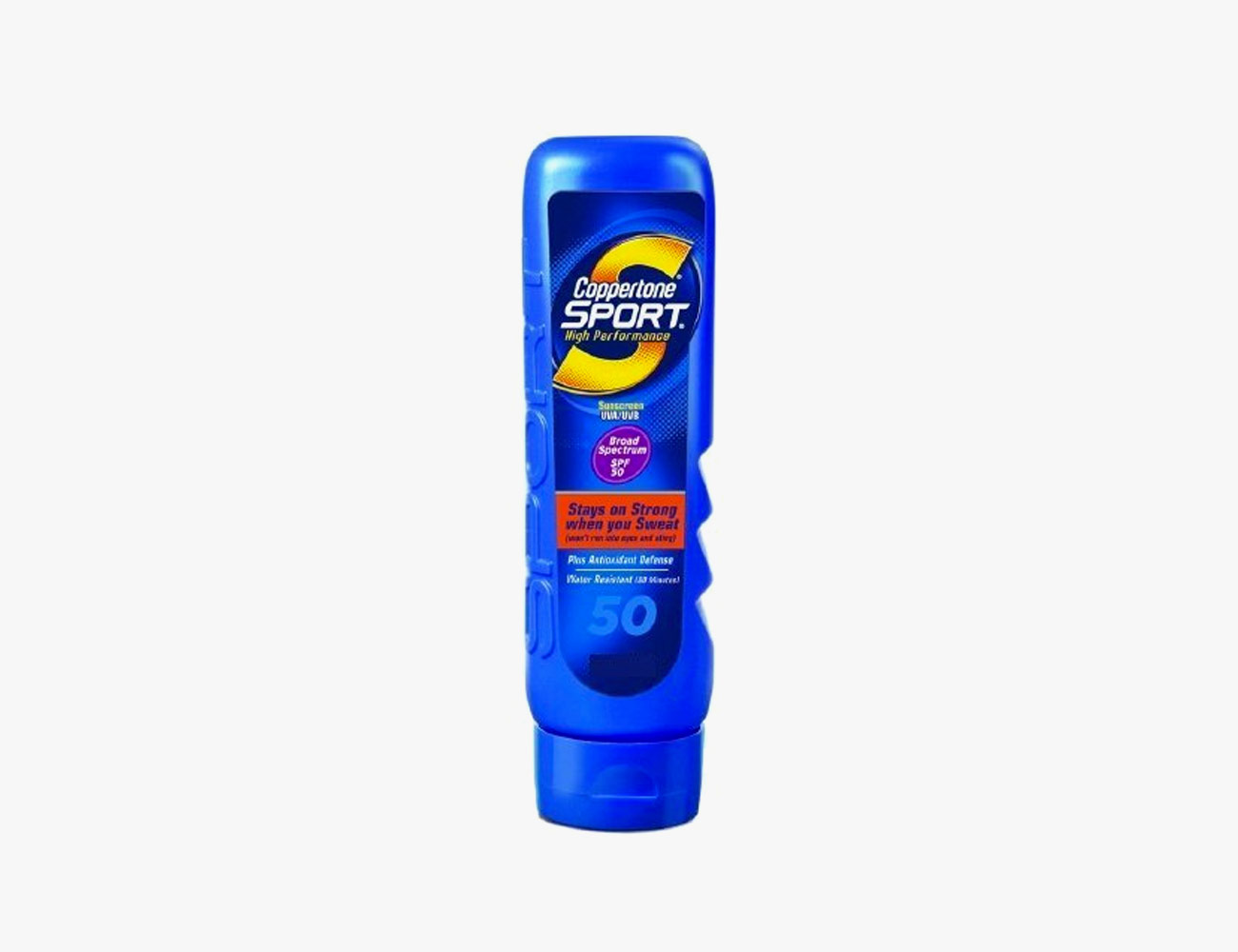
Coppertone Sport Water Resistant Sunscreen Lotion

This is one of Dr. Hale’s favorites. “I use a base coat of lotion and then the spray to reapply,” she says. It’s PABA- and oil-free and rated at SPF 50. You’ll also need to re-apply this one after an intense hour and twenty minute game of bocce.

Read More Gear Patrol Reviews

Hot takes and in-depth reviews on noteworthy, relevant and interesting products. Read the Story
What Ultra-Runner Rory Bosio Packed for the World’s Toughest Trek

The GR 20 in Corsica is often referred to as the “toughest trek” in the hiking world. But for ultra-runner and The North Face athlete Rory Bosio, it’s just another notch on her belt. Bosio recently ran the 125-mile GR 20 in just 50 hours. She’s a badass runner that spends her days working as a NICU nurse at UC Davis, and runs in the wild on her days off.

As one of the most technical and challenging trails in Europe, the GR 20 required some training, support and top-notch gear. Bosio runs for anywhere from three to five hours at a time and tries to get outside SUP’ing, swimming and cycling as often as she can.

We caught up with Bosio to ask her what gear is crucial for her training, and for taking on feats like the GR 20.

Rory Bosio’s Gear

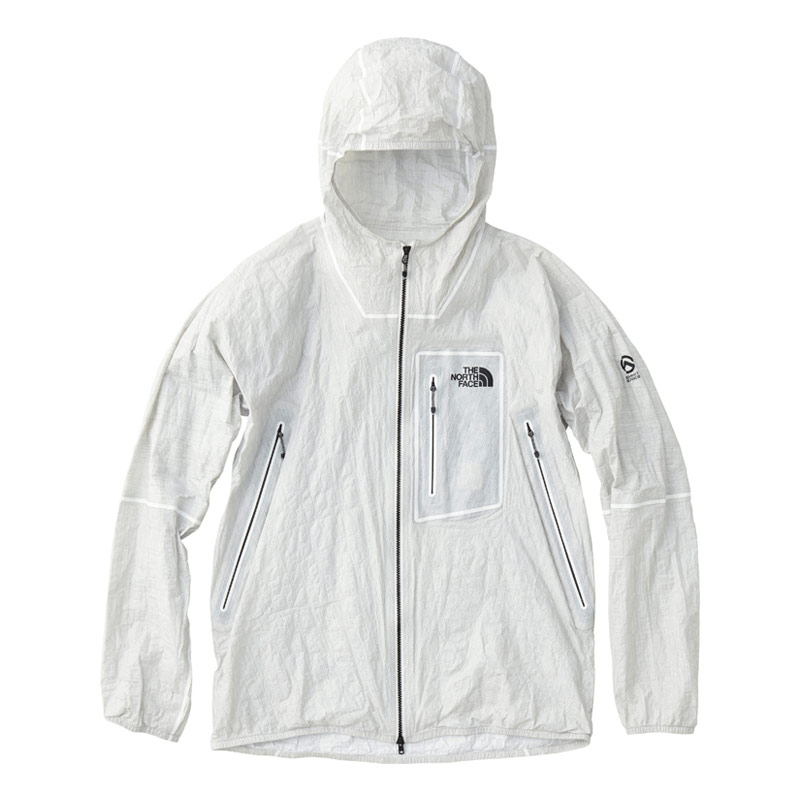
The North Face Hyperair Gore-Tex Trail Jacket


“I always have this in my pack. It’s a security blanket. It stinks to be soaking wet with hours left to go on a long run. This jacket is the primo lightweight, but fully waterproof jacket.”

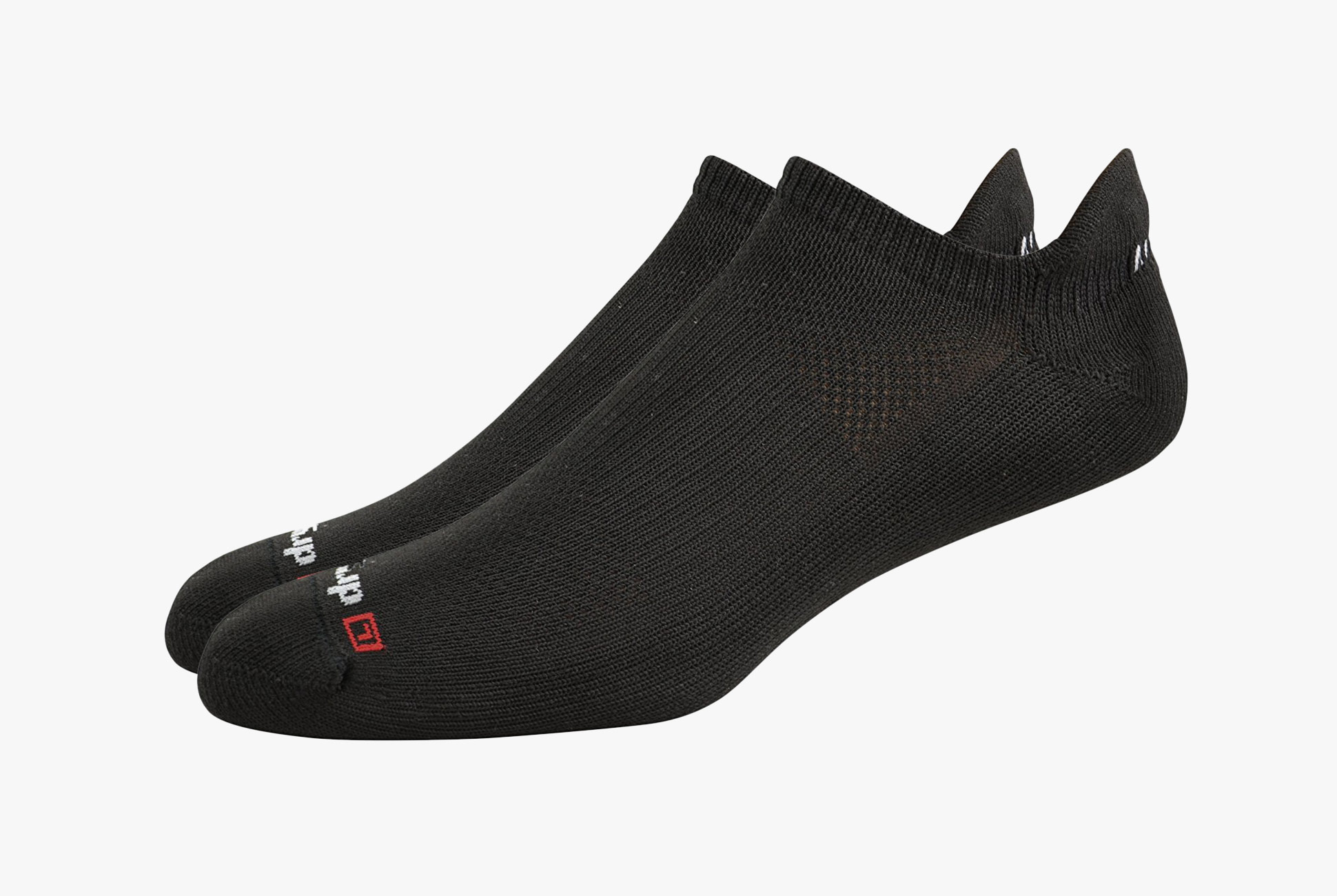
DryMax Socks


“The best socks. I never get blisters (or rarely).”

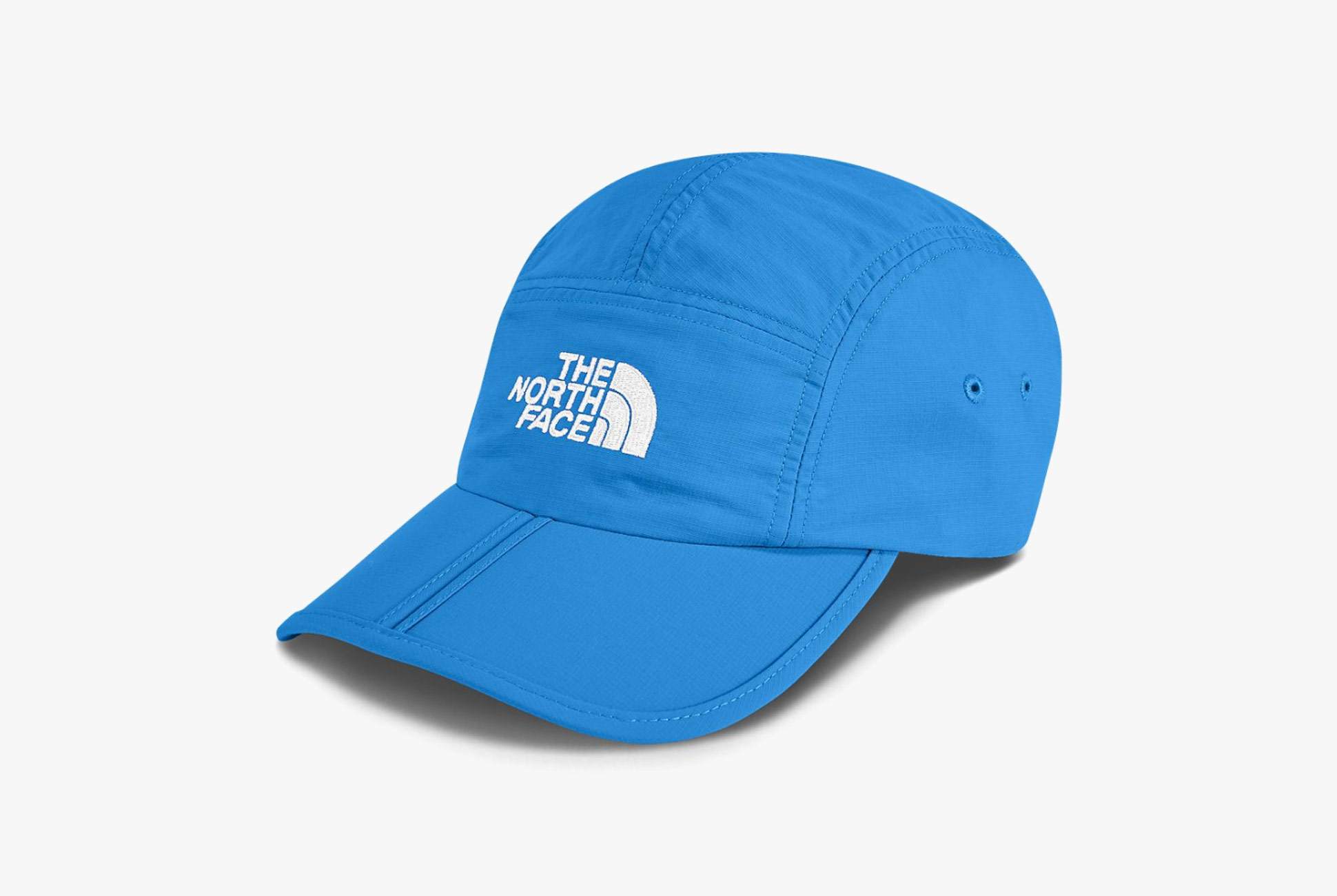
The North Face Runner’s Cap


“I’m firmly in my 30s, and don’t want to look like a vintage handbag when I’m an octogenarian.”

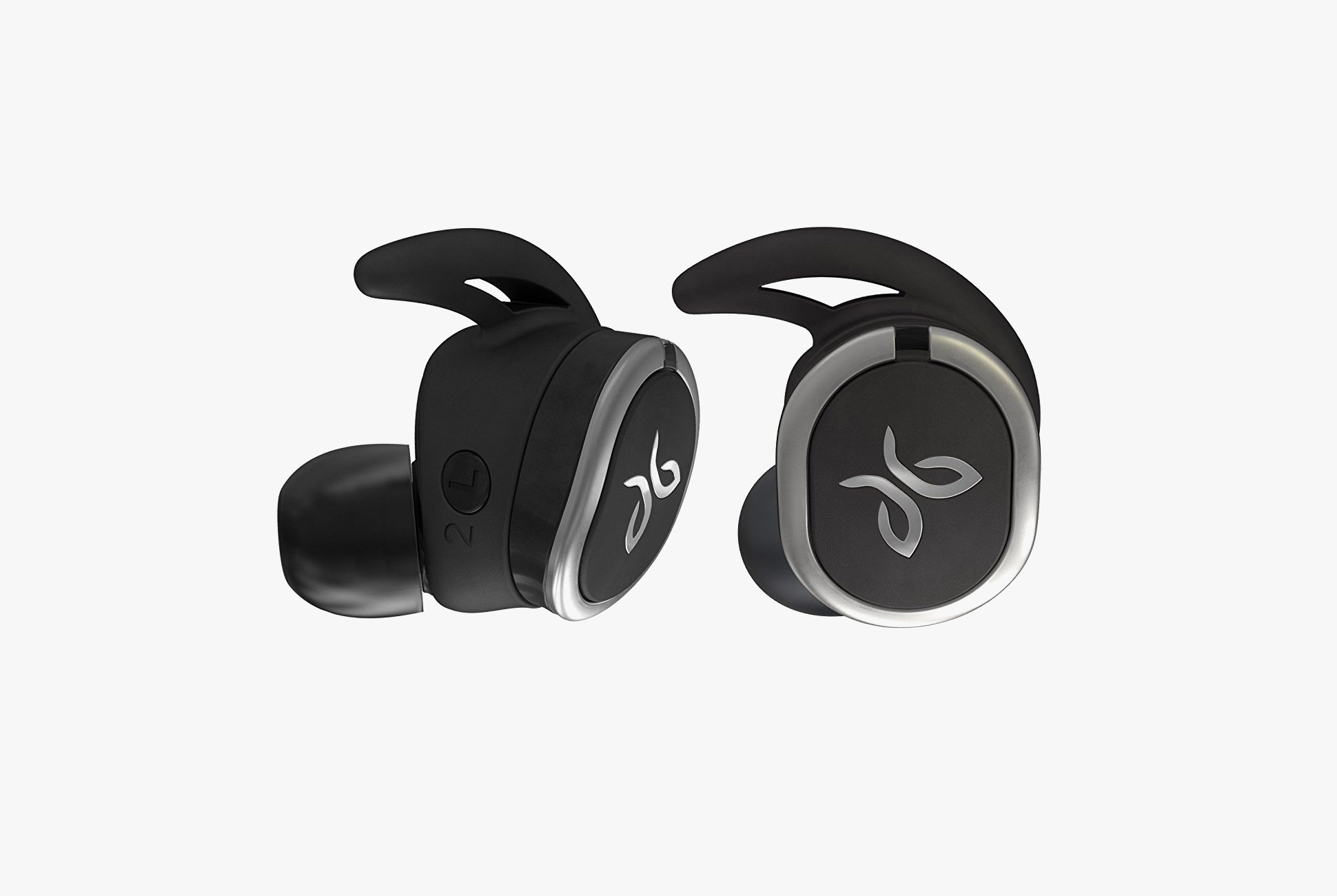
JayBird RUN Wireless Ear Buds


“I love listening to music/podcasts for portions of my trail time. These buds are small and wireless. I dig them.”

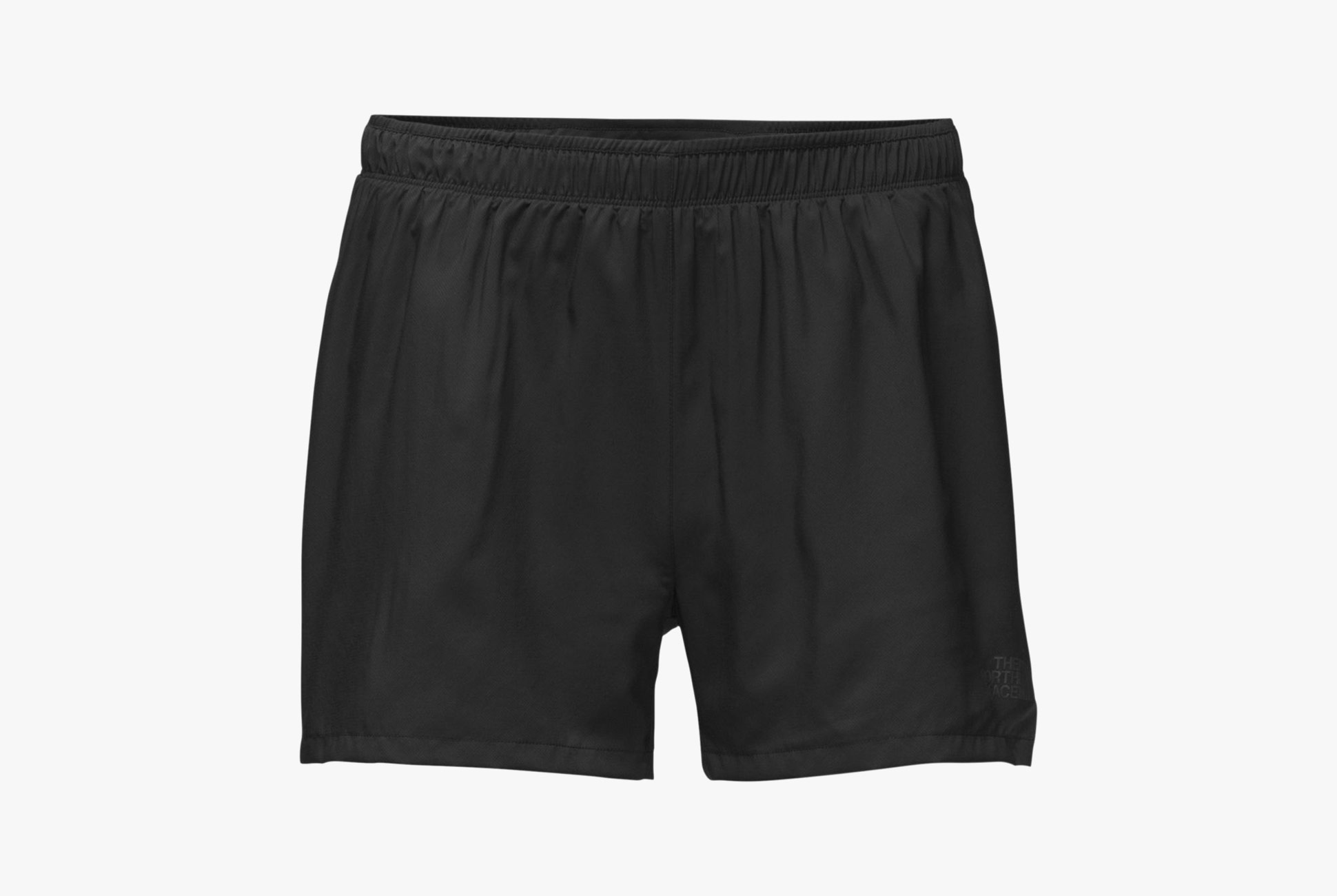
The North Face Better Than Naked Shorts


“I exclusively run in these two items [short + skort]. I love the wide waistband and feel of the fabric — it’s lightweight and never chafes.”

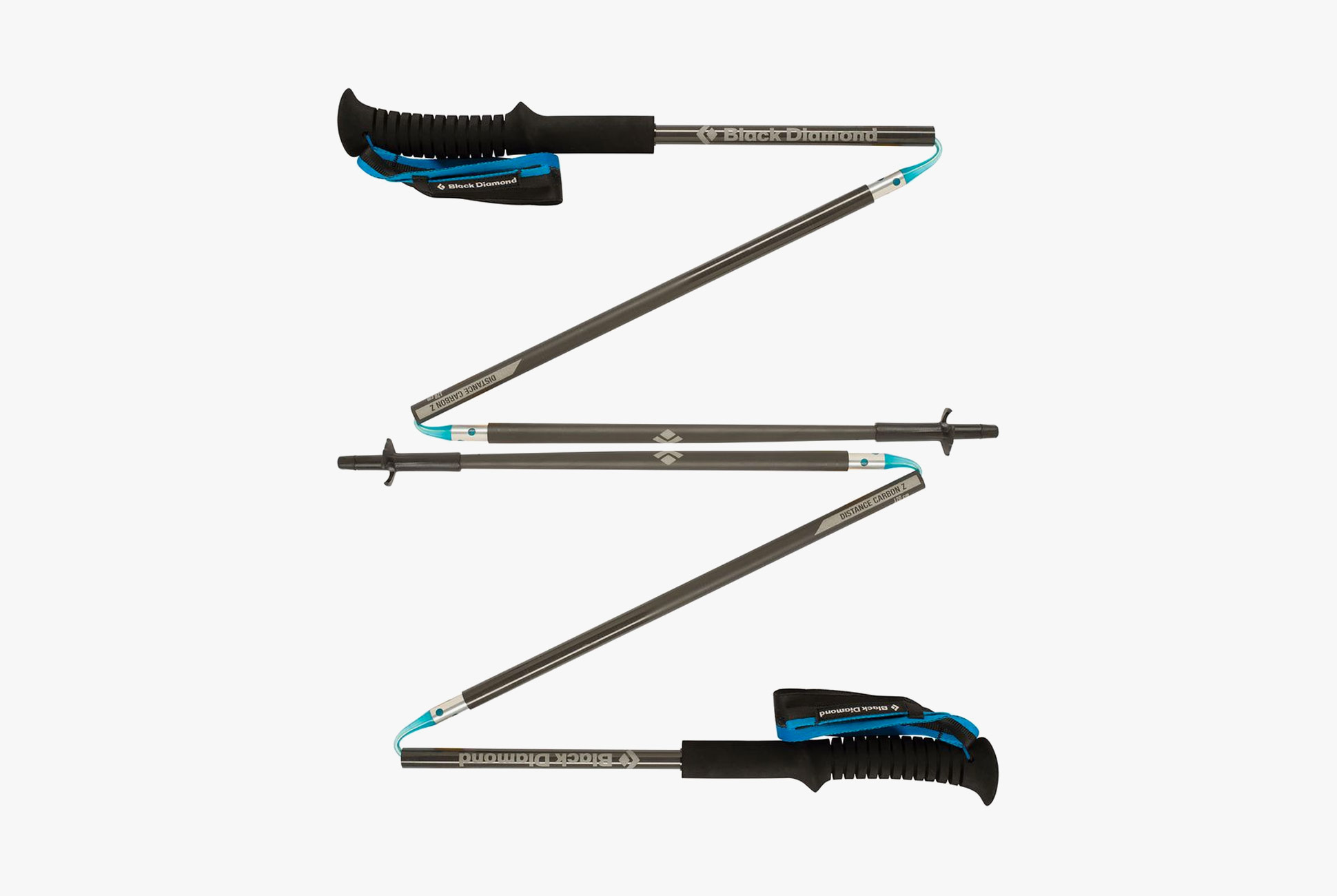
Black Diamond Collapsible Lightweight Poles


“When running in the Alps or steep terrain, these break down to about 13 inches long so that they can be stowed in the pack.”

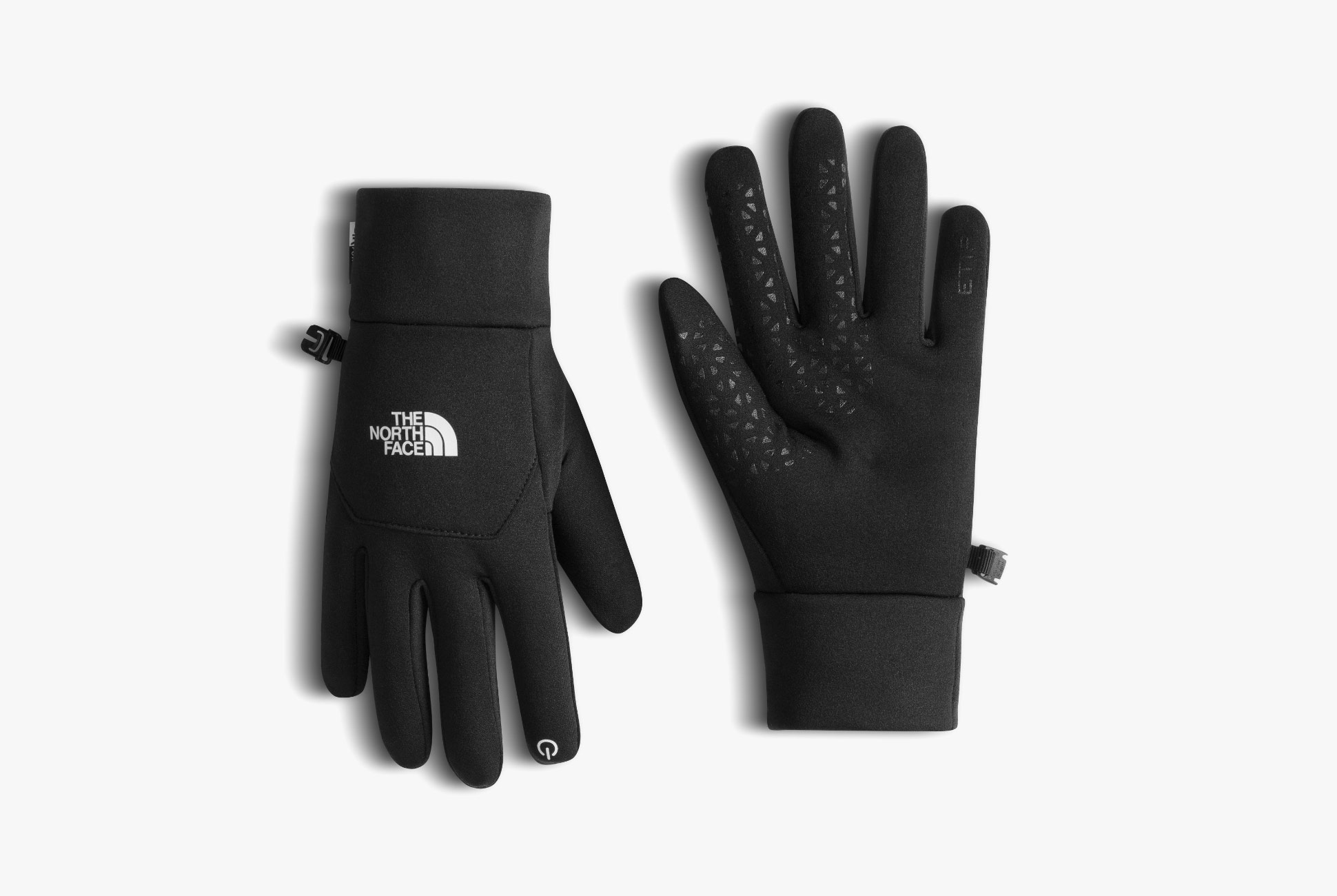
The North Face Etip Runner’s Gloves


“I always have a pair of lightweight gloves in my pack (even in summer), as my hands get cold and that’s the worst!”

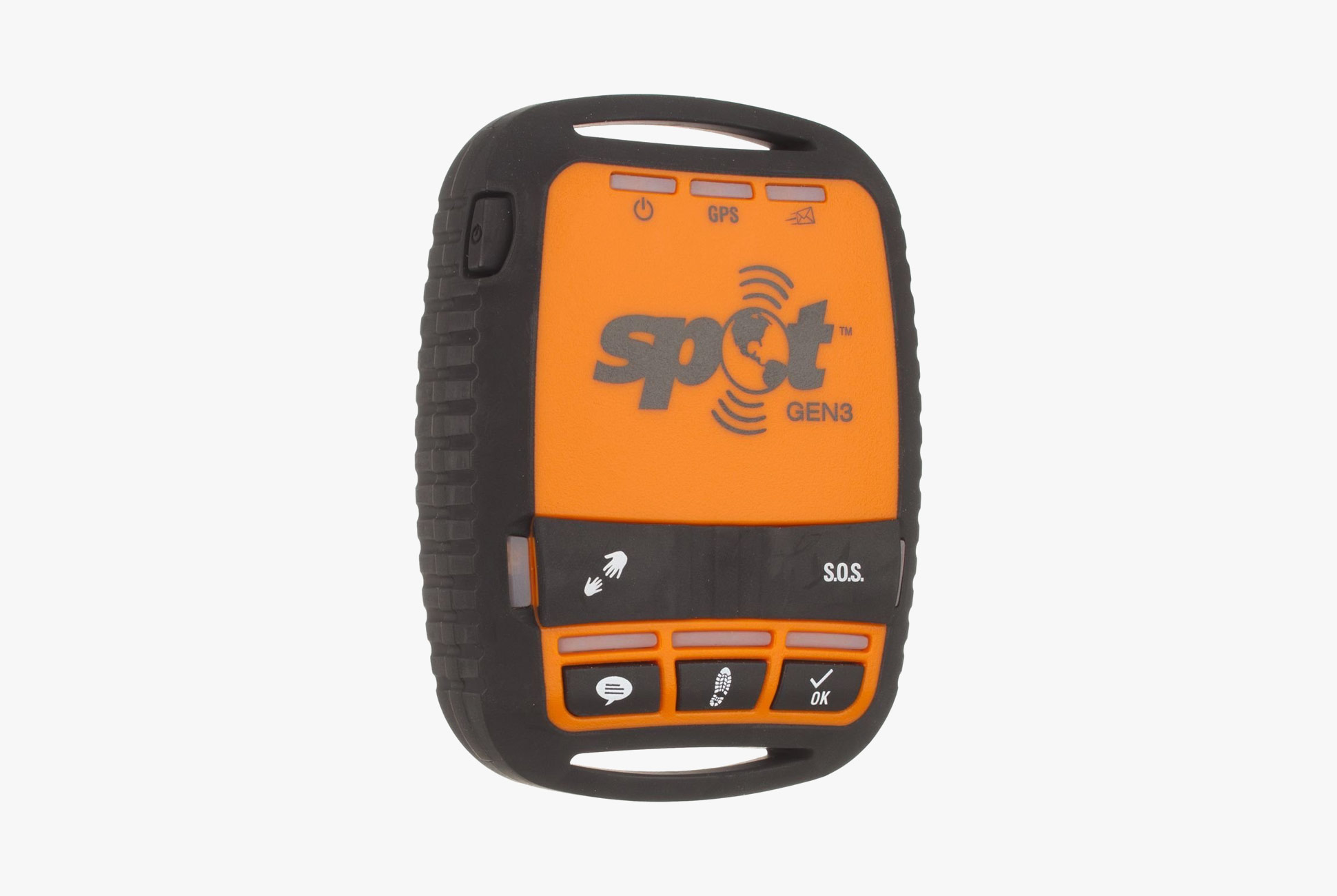
SPOT Tracker


“This GPS device tracks your position so family and friends can follow along online. Also, it has an SOS function, so if I’m up shit creek, I can activate search and rescue. I only carry this when I’m really out for a long adventure where I’m very isolated.”

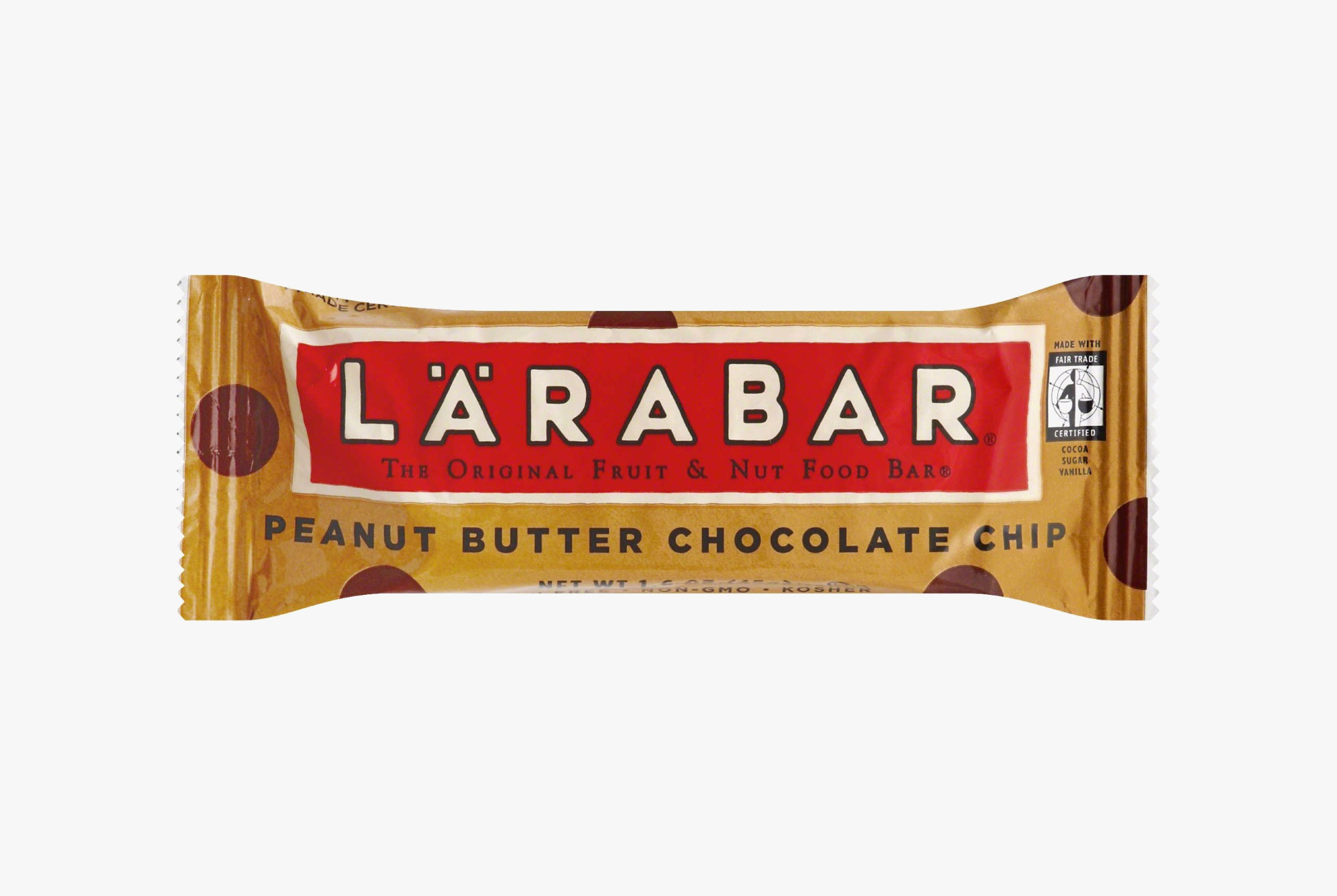
Lara Bars


“I eat a variety of foods while running. In training, I avoid most bars and gels (I always avoid gels. I’m gelled out. It goes in like goo, comes out like goo). In general, I like more whole foods; less science experiment-types of foods with ingredients I can’t pronounce. I like that there are only two ingredients in Larabars: dates and nuts.

Coca-Cola


“Coca-Cola mixed with a little water is my hydration choice, [and it goes] straight into my Camelbak bladder. When I ran across Corsica, I drank 20L of Coke over 2 days. Enough to kill a pony, and make my dentist very rich.”

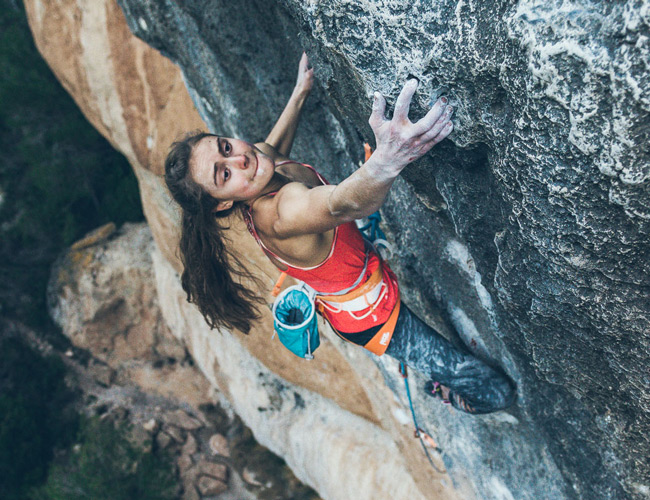
Meet Margo Hayes

Margo Hayes is single-handedly changing the climbing game, and she’s only 20. Read the Story

The 5 Best Online Flower Delivery Services You Should Use Immediately

A few years ago, I tried to order flowers online for a friend’s birthday. Thirty minutes and about twenty dollars in hidden service fees later, I placed my order. It never arrived, because the advertised one-day shipping didn’t exist.

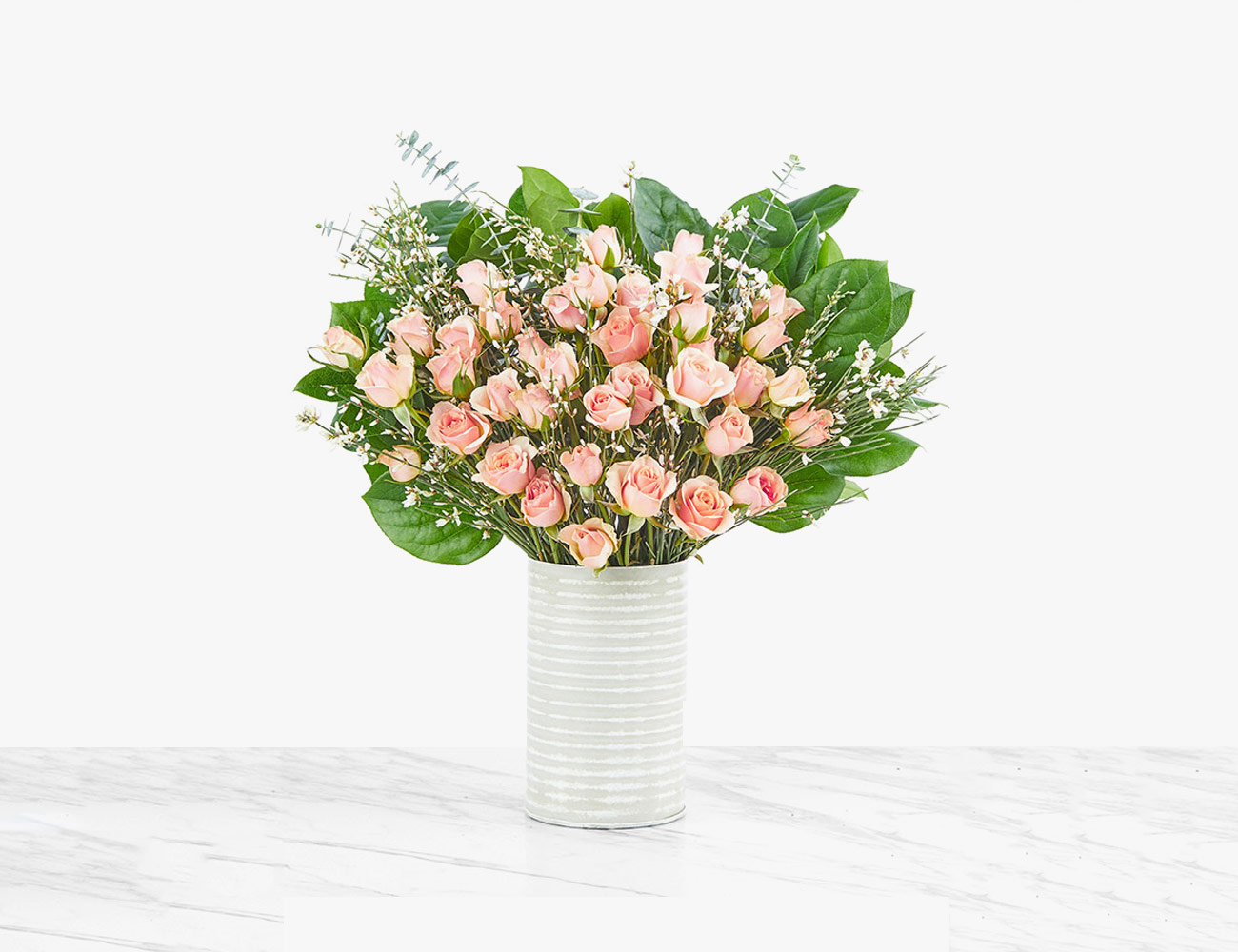
The world of online flower delivery today is drastically different. A variety of services offer gorgeous bouquets, plus approachable, transparent prices and quick, easy delivery. Below are the five best ones around, all personally tested and vetted by our team. Time to make Mom proud.

BloomThat

Price Range: $35+
Delivery Options: Next day delivery is available nationawide, and same-day shipping is available in NYC, San Francisco and L.A.
The Basics: BloomThat offers an impressive range of floral arrangements, from plant-it-yourself kits to literal person-sized bouquets.
Special Deal: Take 15% off through Mother’s Day with the exclusive code GEARPATROL15.

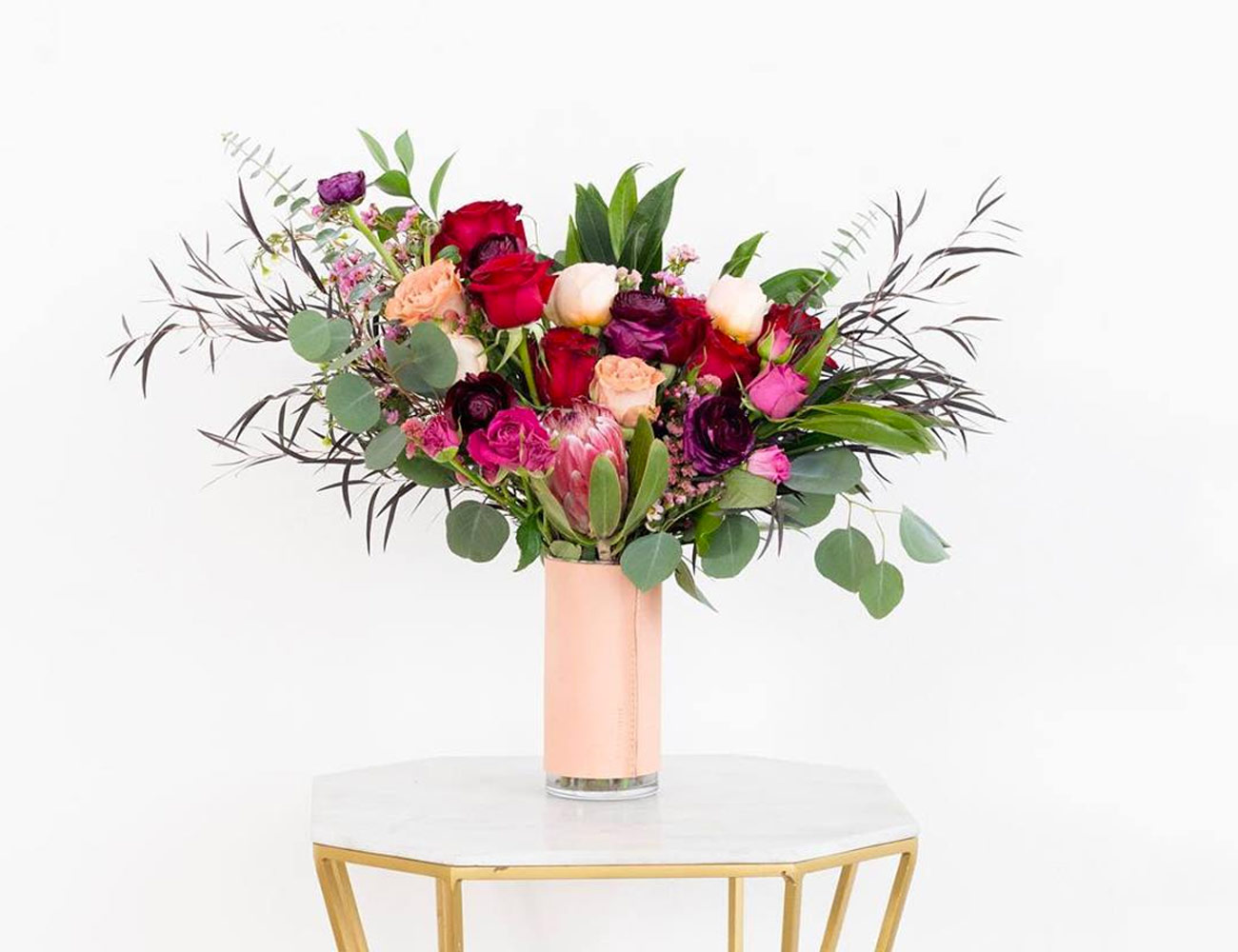
Farmgirl Flowers

Price Range: $48+
Delivery Options: The lower 48.
The Basics: Farmgirl offers a variety of floral arrangements, snacks, and gift boxes, all ethically sourced and beautifully packaged in burlap. Just put in your zip code to see what’s available in your area. Two insider tips: The Peony by the Pound was one of the best-selling flower arrangements last year and when you select With Heart: Every Mother Counts Farmgirl Flowers donates $10 to Every Mother Counts. It’s basically two gifts for one.
Special Deal: Take 10% off your purchase with code Gearpatrol10 through May 13th.

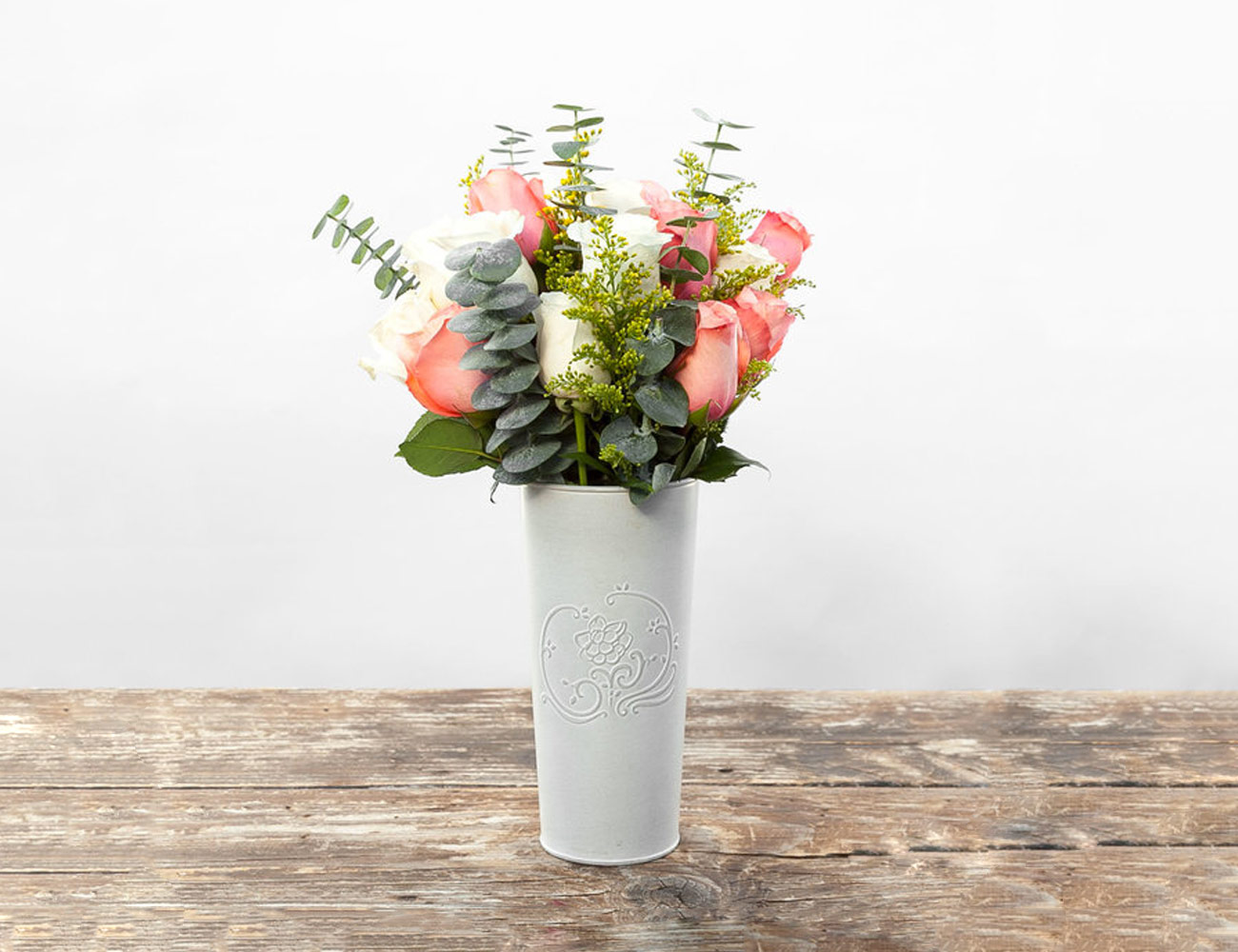
The Bouqs Company

Price Range: $40+
Delivery Options: Shipping is available Tuesday-Saturday in all 50 states, and is free with a (free) membership. Times vary per bouquet.
The Basics: The Bouqs Company’s bouquets are so beautiful that brides are known to order them for weddings. The service offers sustainably grown, farm-direct bouquets from local artisans, all clearly marked with a price and delivery date so there are no surprises at checkout.
Special Deal: Take 15% off through May 9th with code REALMOMS15.

Amazon

Price Range: $25+
Delivery Options: Free shipping for Prime members; same day and schedule flower delivery depending on location.
The Basics: Amazon has a wide variety of fresh flowers available for two-day delivery, plus the ability to add on candy and other small gifts. Use it to order a bouquet, or order single flowers to make your own bouquet for a personal touch.

Urban Stems

Price Range: $35+
Delivery Options: Same-day delivery is available in New York City, D.C., Philadelphia, Austin and Baltimore. Next-day shipping is available in the lower 48 states.
The Basics: Urban Stems offers a range of gift boxes, plants, and bouquets, all clearly marked with prices and delivery options before you get to the checkout page.

Note: Purchasing products through our links may earn us a portion of the sale, which supports our editorial team’s mission. Learn more here.

The Perfect Post-Workout Hoody

These sweat-wicking hoodies are warm enough to make crisp mornings easier to palette and breath well enough to make the post-workout sweaty feeling practically disappear. Each is ideal for busy days when you only have 30-minutes (max!) to get to the gym before running out to tackle the errands of the weekend.

Whether it’s a hoodie, crew neck or zip up, each sweatshirt will make running around from the gym to the cafe to the grocery store a little more enjoyable.

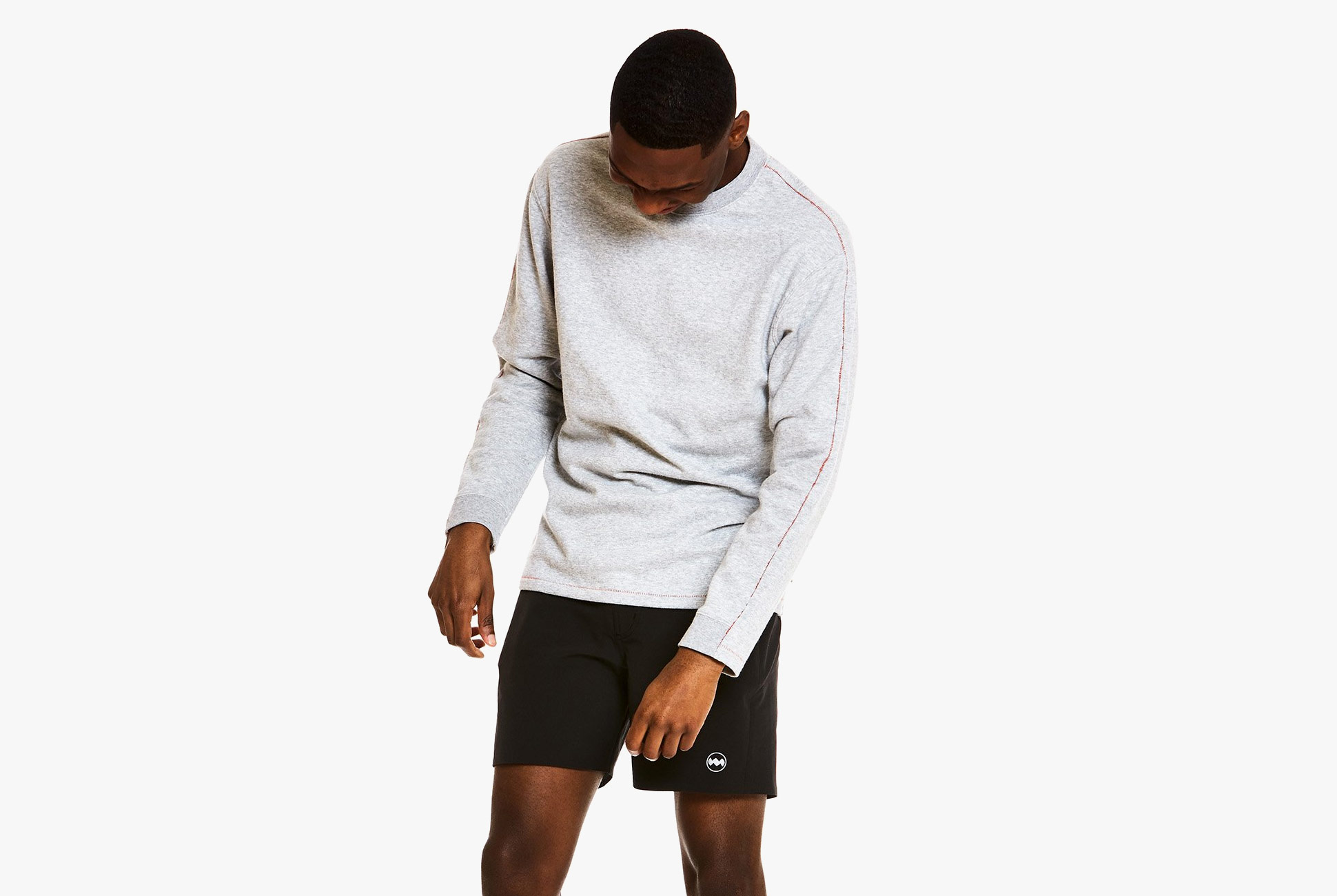
Janji Layover Crew


Boston-based Janji creates performance apparel that stands out from the crowd — the brand is known for its bold patterns. This crewneck pullover made from terry cotton and a poly blend has a red accent stripe that mimics the lines on a track.

Outdoor Voices CloudKnit Hoodie


The cloud-like fabric of the Outdoor Voices CloudKnit performs during warm-ups and shines after a cool down. It’s buttery soft, takes the chill out of brisk morning workouts and stays cool during a bike ride home from the office. The midweight hoodie comes in five neutral colors that are sure to work with all of your gym gear.

Lululemon Pulse Slub Pullover Hoodie Lightweight Rulu


Lululemon’s Pulse Slub is a stretchy and sweat-wicking pullover that fits slim and can easily layer under a coat or a puffy vest.

Toad & Co. Debug Solaer Hoodie


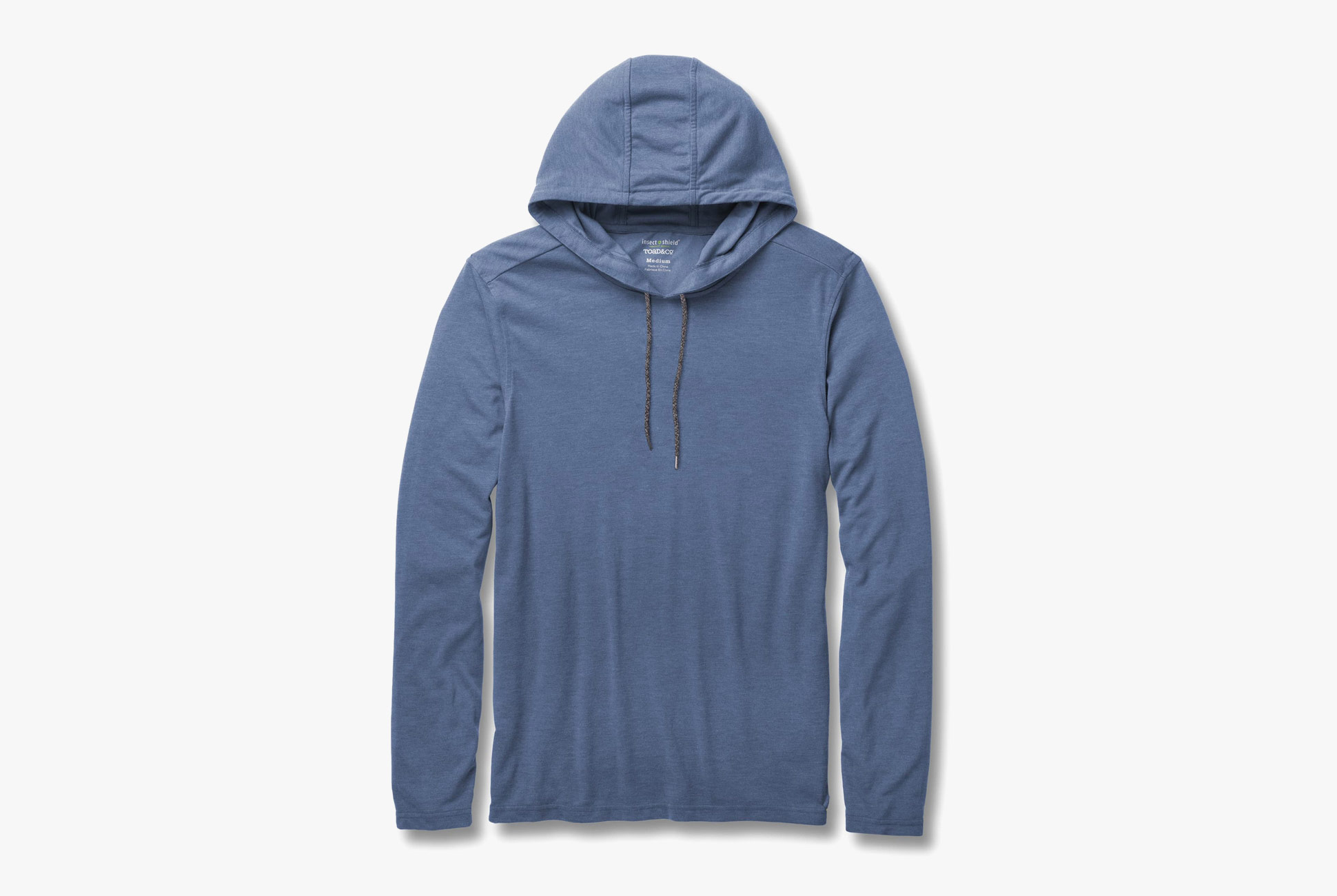
This worn-in hoodie screams beach-life, but has the superpower to withstand bugs, moisture and the sun. It’s UPF 20+, wicks away sweat and prevents odor, and is treated with insect shield technology to keep the mosquitoes away, so you don’t have to sit quite so close to the fire. Throw this lightweight layer in your bag to wear after surfing or swimming.

Saysky Merino Tech Running Sweat

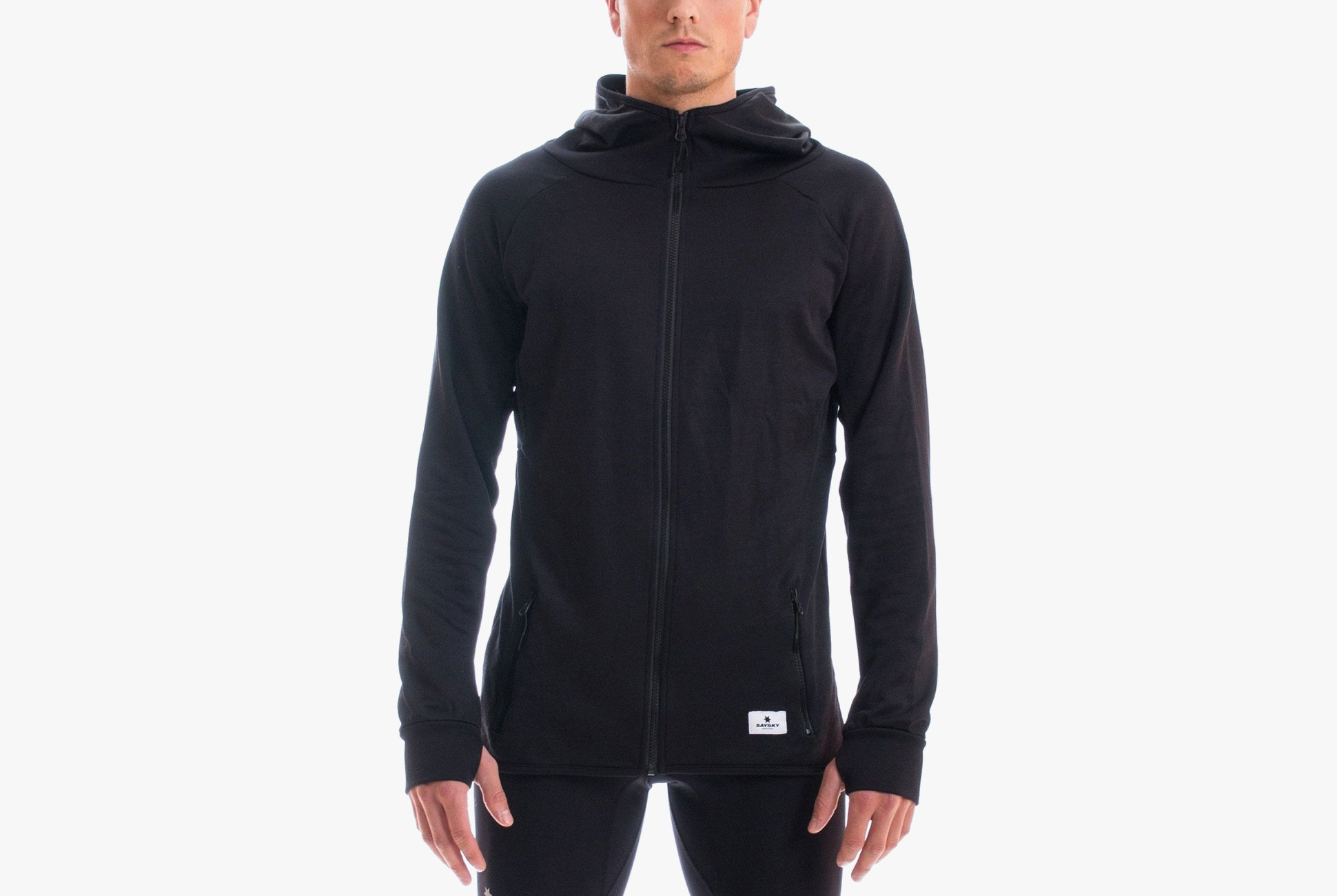
The Saysky Merino Tech sweatshirt is durable, crafted from a blend of Australian merino wool (on the inside) and a polyester outer, meaning it’s warm and can be worn virtually every day without concern for odor. (One of our editors did this, and no one in the office even noticed!)

Rabbit Zippit


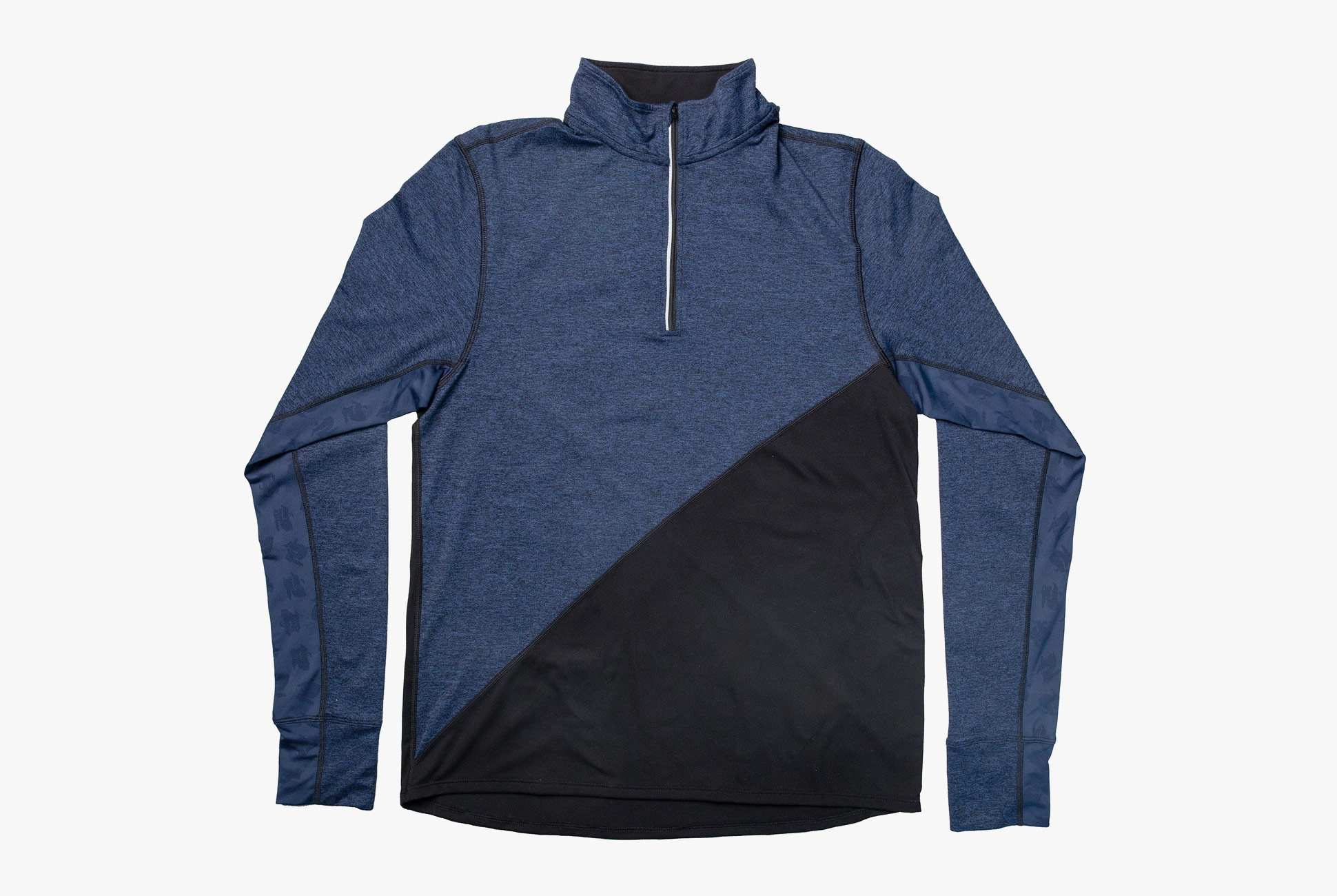
The slightly higher neck and a touch of reflectivity are nice additions to what at its core is a simple pullover. The diagonal stripe is reminiscent of an old-school track jersey and adds a bit of character.

Under Armour Storm Sweater Fleece


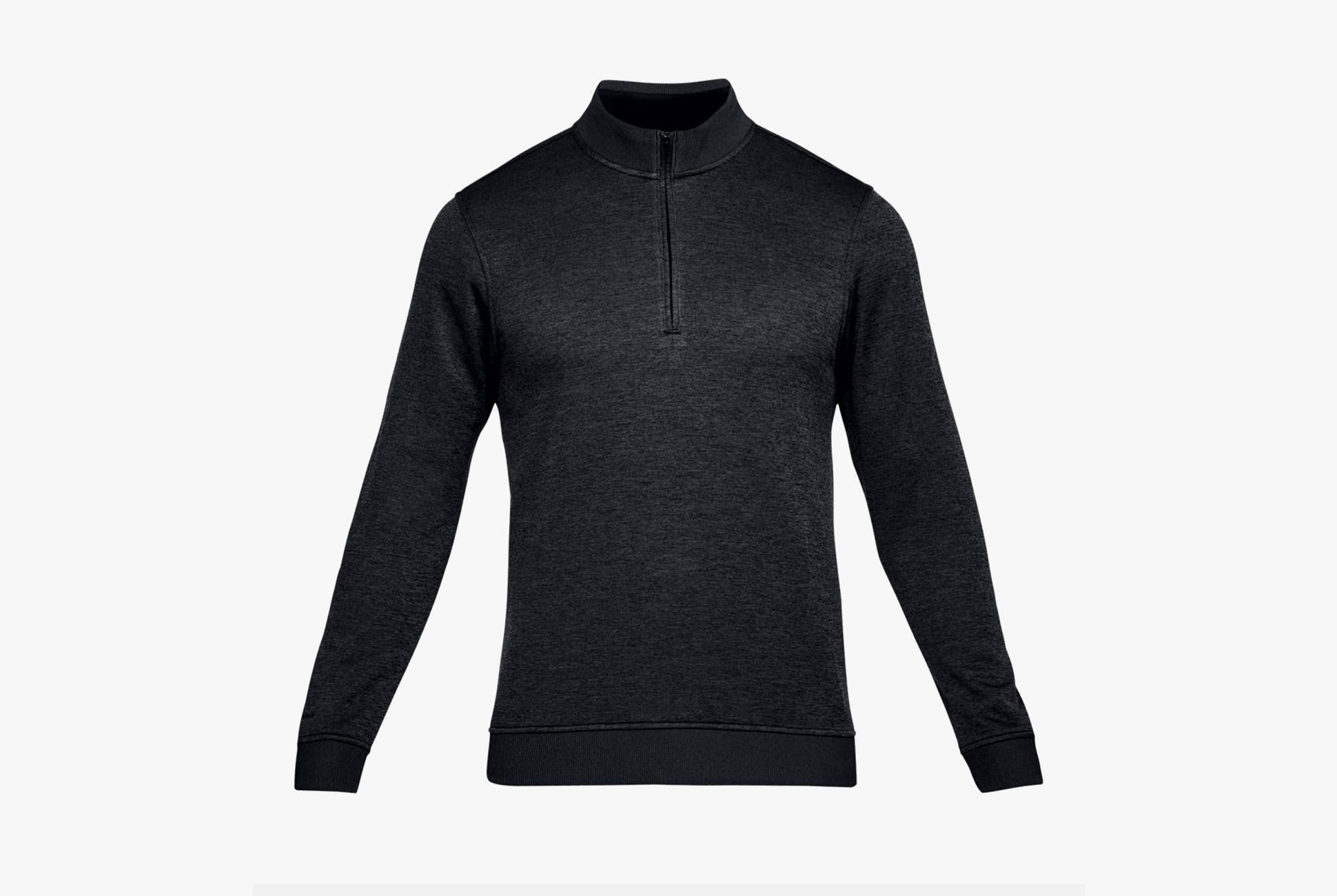
Under Armour’s Storm Sweater moves like a long sleeve technical tee, repels water and elevates any gym look. We won’t judge you for wanting to wear it to a business meeting either.

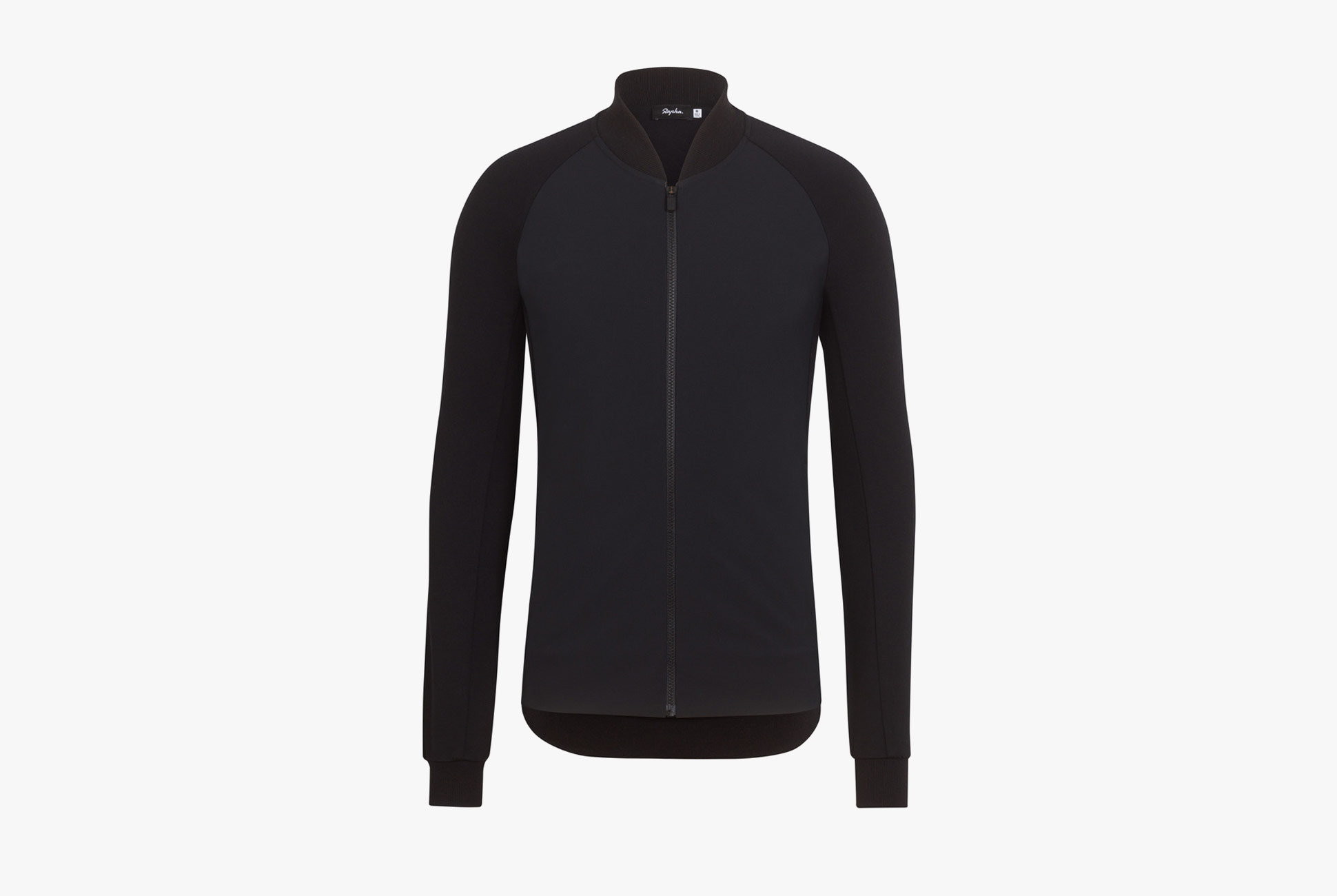
Rapha Track Jacket


This full-zip piece is built with merino wool and slides seamlessly over any performance apparel you’re already wearing. The front panels block wind whether you’re on a bike or walking around town. When paired with a basic white tee, it’s the perfect weekend athleisure attire.

The Best Commuter Bags You Can Buy Now

Last Updated May 2018: We’ve updated our guide to the best bags for commuting with all new picks as well as updated links and prices.


Introduction

Bike commuting has become a culture in and of itself. And rightfully so — even though the journey from home to work may only last for a small fraction of the day, its ease and success or total failure can define everything that happens afterward.

It’s important to prepare for this crucial part of the day. Once you’ve got a bike (here’s some advice on that), and a helmet, the next most important piece of equipment to consider is the bag. It’ll have to hold everything you need to get you through the day — your phone and computer, notebooks, a tablet, a camera, spare clothing, your favorite pocket knife — and it should do so with optimized organization, on-the-go comfort, just-in-case weatherproofing and no shortage of style. The final choice is highly personal, and whether that means a backpack, messenger bag or briefcase, remember that by default the commuter bag will be the one you use most, and no concessions should be made in seeking perfection.

Buying Guide

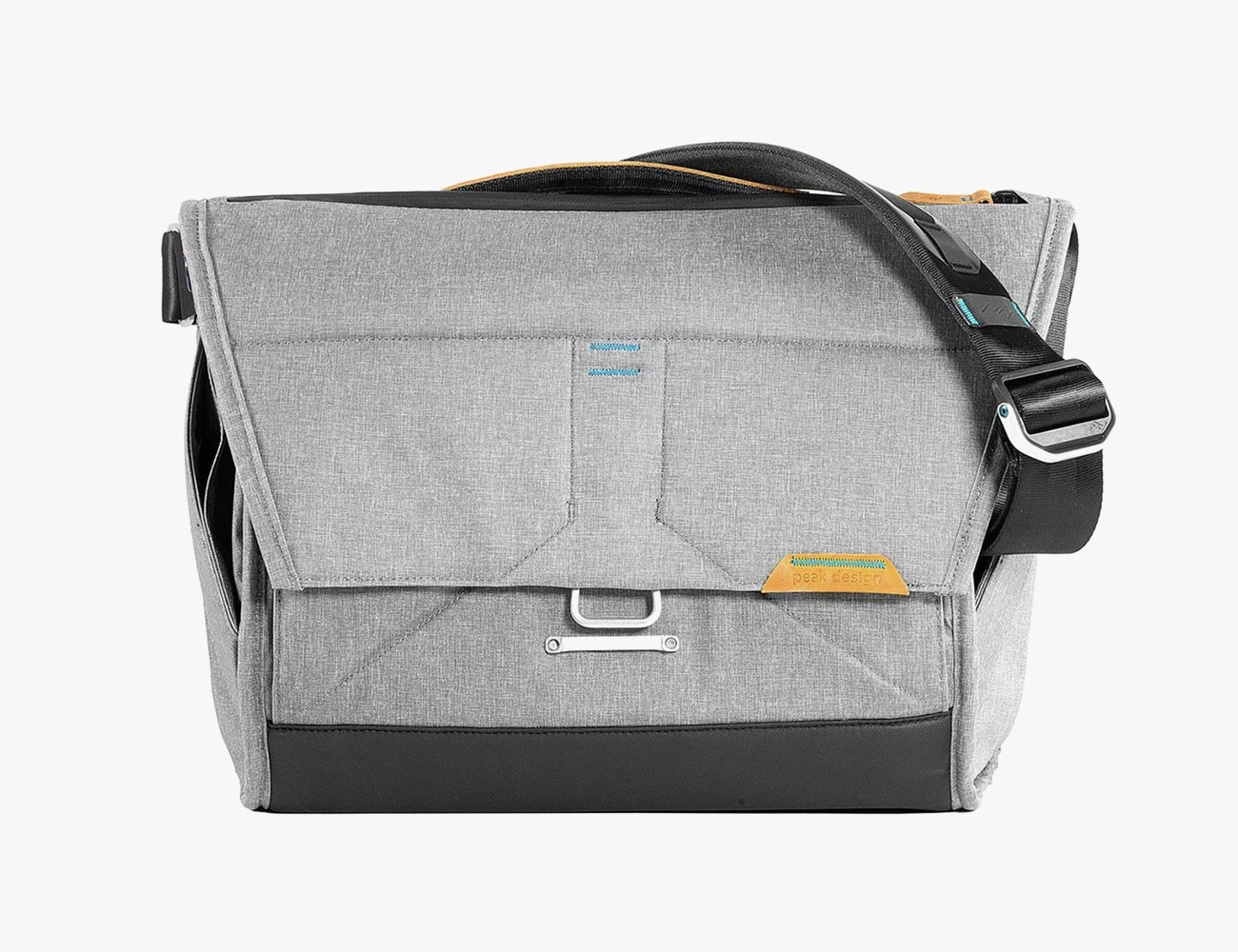
Best for Camera Owners: Peak Design Everyday Messenger

Peak Design began its dominance as a photography accessory maker with its Capture clip in 2011. In 2015, Peak Design jumped into the bag business and released the Everyday Messenger, which became Kickstarter’s most-funded bag, ever. For good reason too — the Everyday Messenger, although designed with photographers in mind, is geared to carry anything: laptops, tablets, books, a bike lock — anything. The key to this is smart, removable and customizable interior paneling and a selection of pockets and access points. The bag also allows for multiple carry styles and its soft-looking exterior is weather resistant, making it a solid choice for your commute.

|

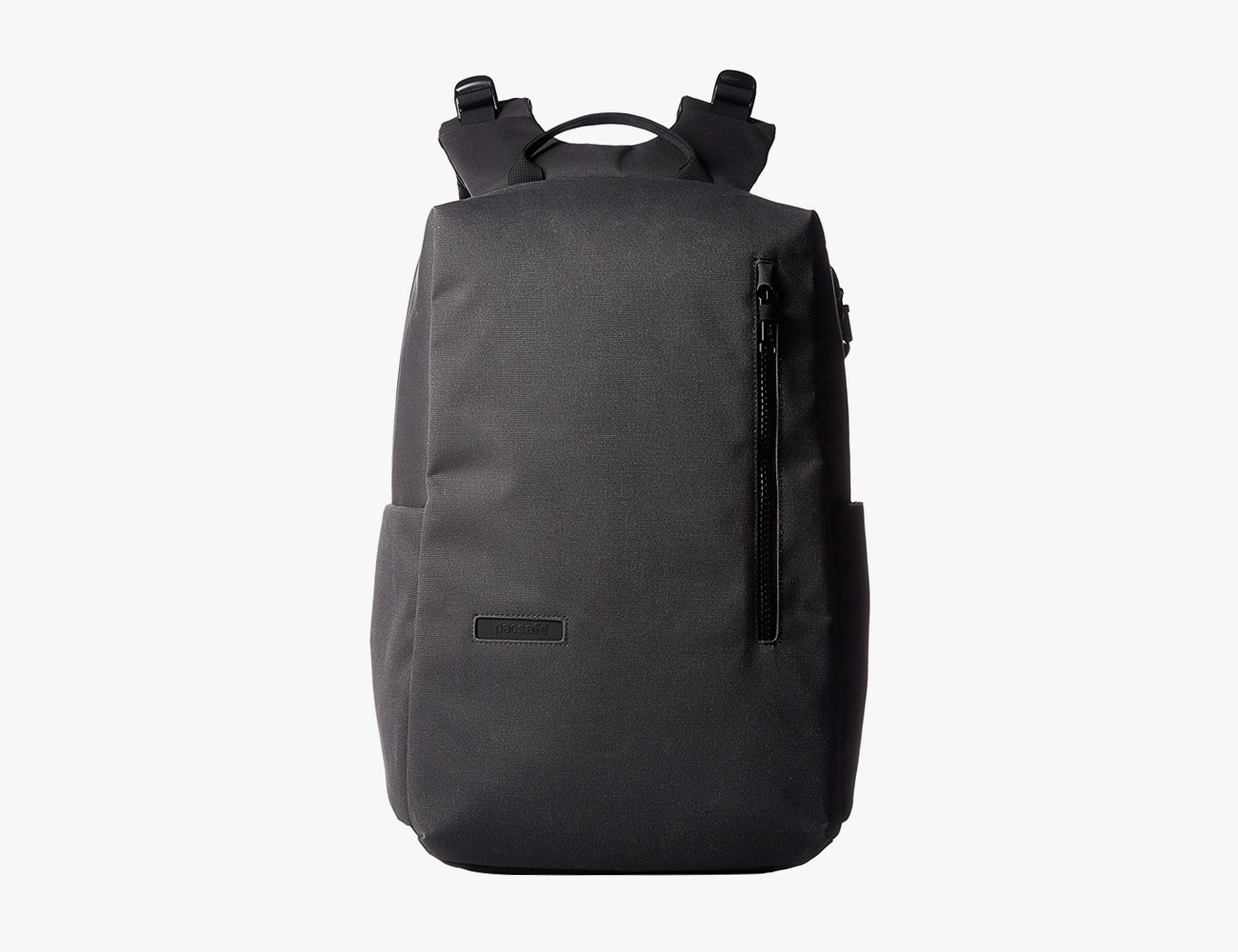
Best Anti-Theft: Pacsafe Intasafe Anti-Theft 20L Laptop Backpack

Heedless pedestrians and open car doors aren’t the only hazards a commuter faces on the way to and from the office; theft can also be an issue. Pacsafe has made a mission of thwarting would-be thieves through the design of its bags. At surface level, the Instasafe Backpack is an attractive bag with a minimalist style that has all the requisite features of a commuter pack: laptop and tablet sleeves, a water bottle pocket, internal organizing pockets for keys, a wallet and more. The security factor is hidden, but present — the backpack has slash-resistant straps, a chainmail mesh front, pickpocket-proof zippers, RFID blocking pockets and a lockable security strap.

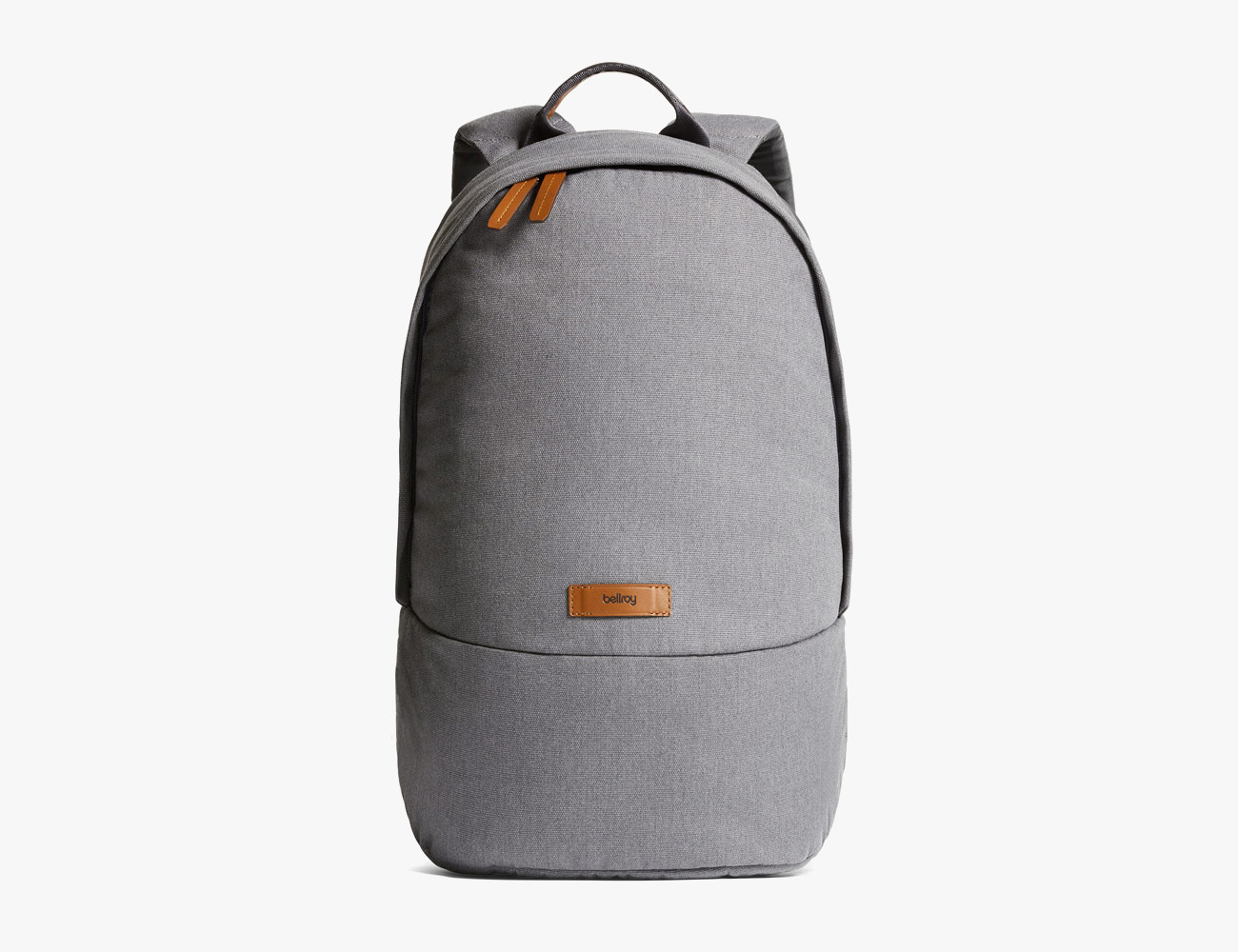
Best Minimal Backpack: Bellroy Classic Backpack

Bellroy can take a backbreaker of a wallet and make it smaller than a deck of cards, so it makes sense that it can also apply some thoughtful organization to the bag on your back. Its Classic Backpack calls back to what you might’ve carried on the school bus growing up, but it’s decidedly sophisticated. Inside, the Classic has padded sleeves for a laptop and tablet (or notebook) as well as a handily-placed holder for your favorite writing utensil. There are also two organizing pockets — one interior, one exterior — for your other daily essentials. Unlike the backpacks of memory though, the Classic is built with an ergonomic back panel that contours to and wraps around your body for an always-comfortable fit.

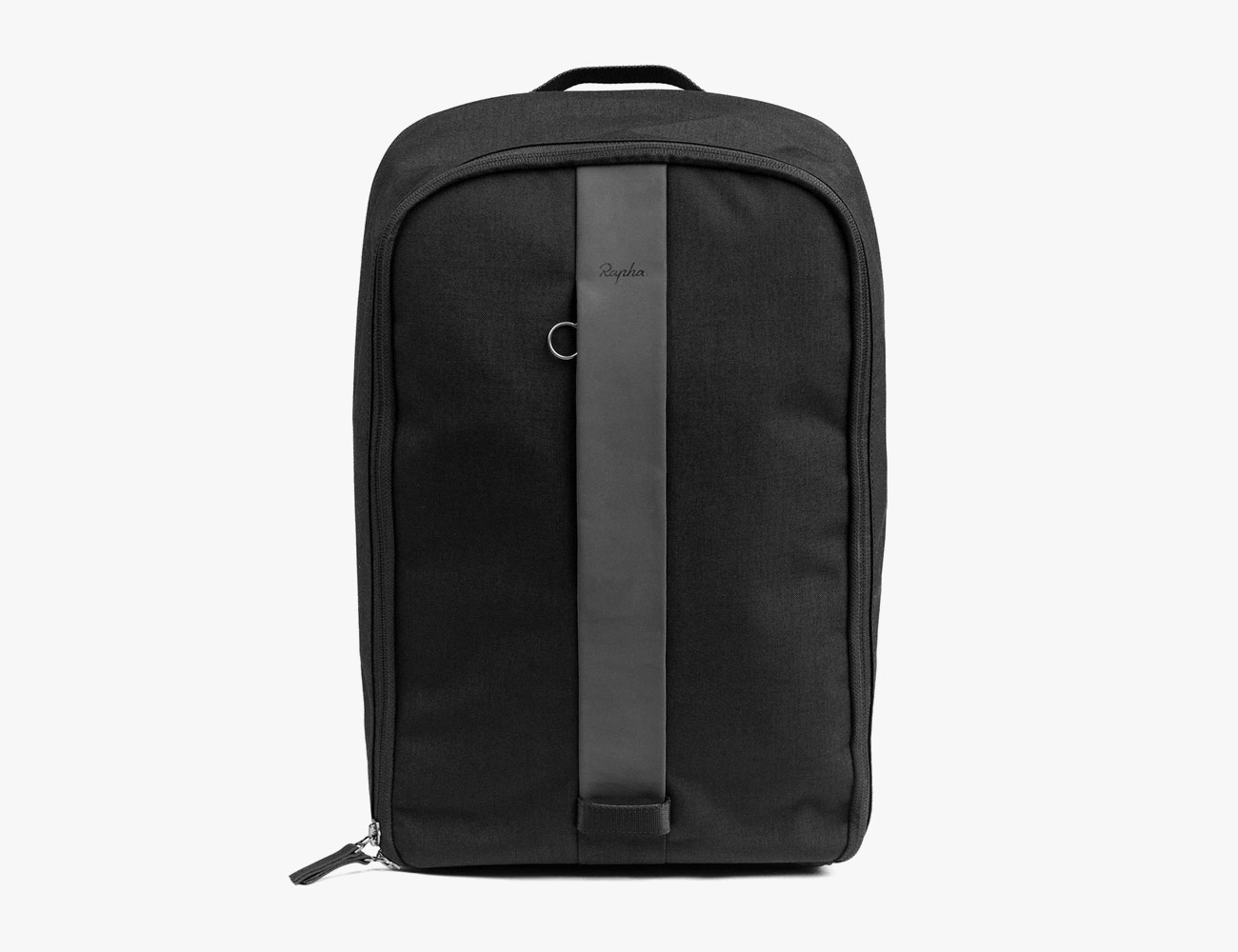
Best Cycling-Dedicated Backpack: Rapha Small Backpack

If you put a high premium on minimalism and style, Rapha’s aptly-named Small Backpack is a great carry option for the work week. The Backpack is designed with cyclists in mind and features padded back paneling that anticipates the hunched-over curve of a rider’s spine. Inside is a padded, 15-inch laptop sleeve as well as a removable padding. The main body of the backpack is made from Cordura nylon that will stand up to years of abuse and is water-resistant, and features a reflective stripe up its exterior.

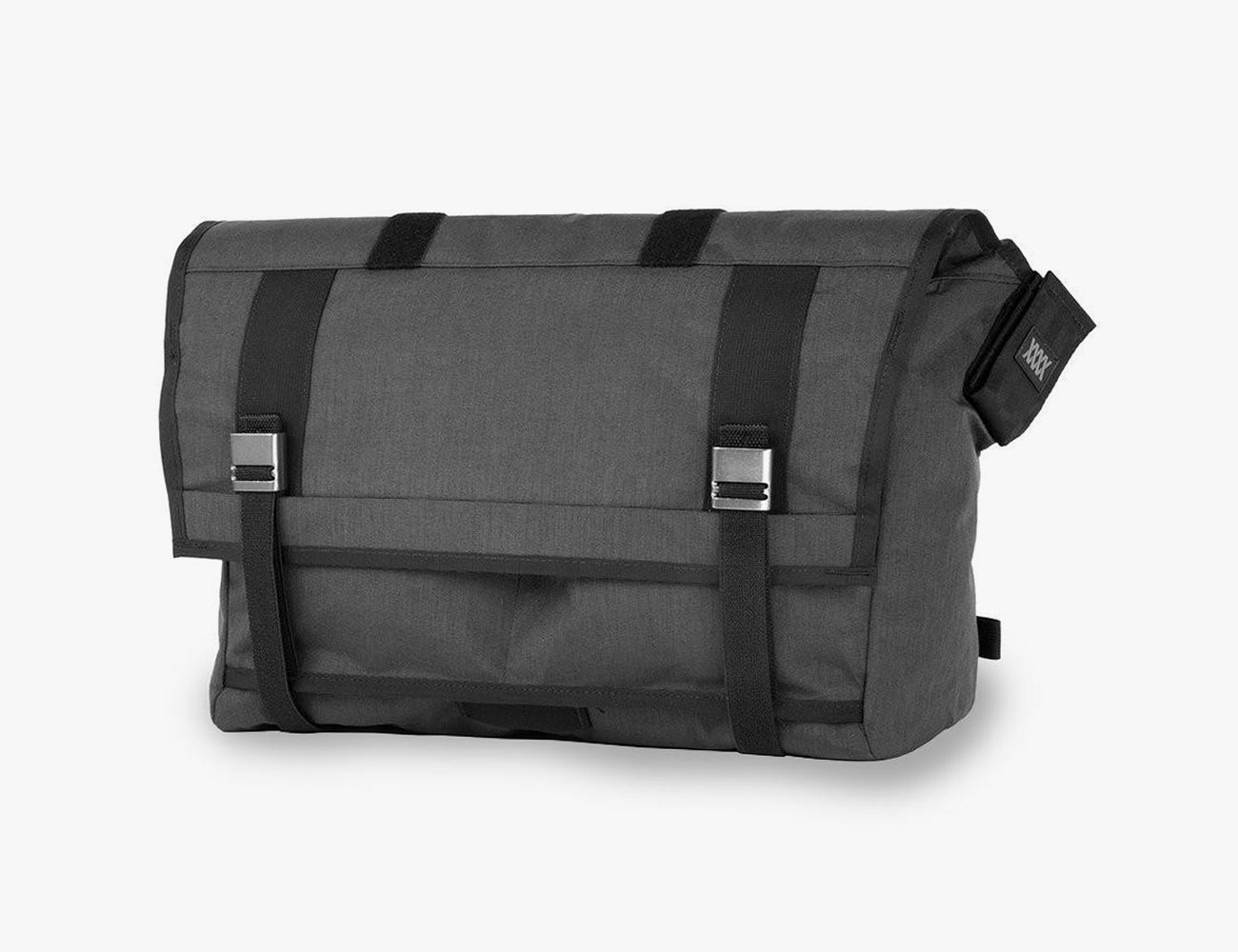
Best for Unpredictable Weather: Mission Workshop The Monty VX

At 21 liters of volume, The Monty is Mission Workshop’s smaller messenger bag, but it packs plenty of storage for the necessities of daily urban travel. Those include two spots for a laptop, internal zippered pockets and two easy-access pockets underneath its main flap, which can be used to close the bag just so, or with a roll. The Monty VX also comes set up with Mission Workshop’s Arkiv closure system, a modular strap that lets you add additional pouches and pockets to the bag through the brand’s ecosystem of products.

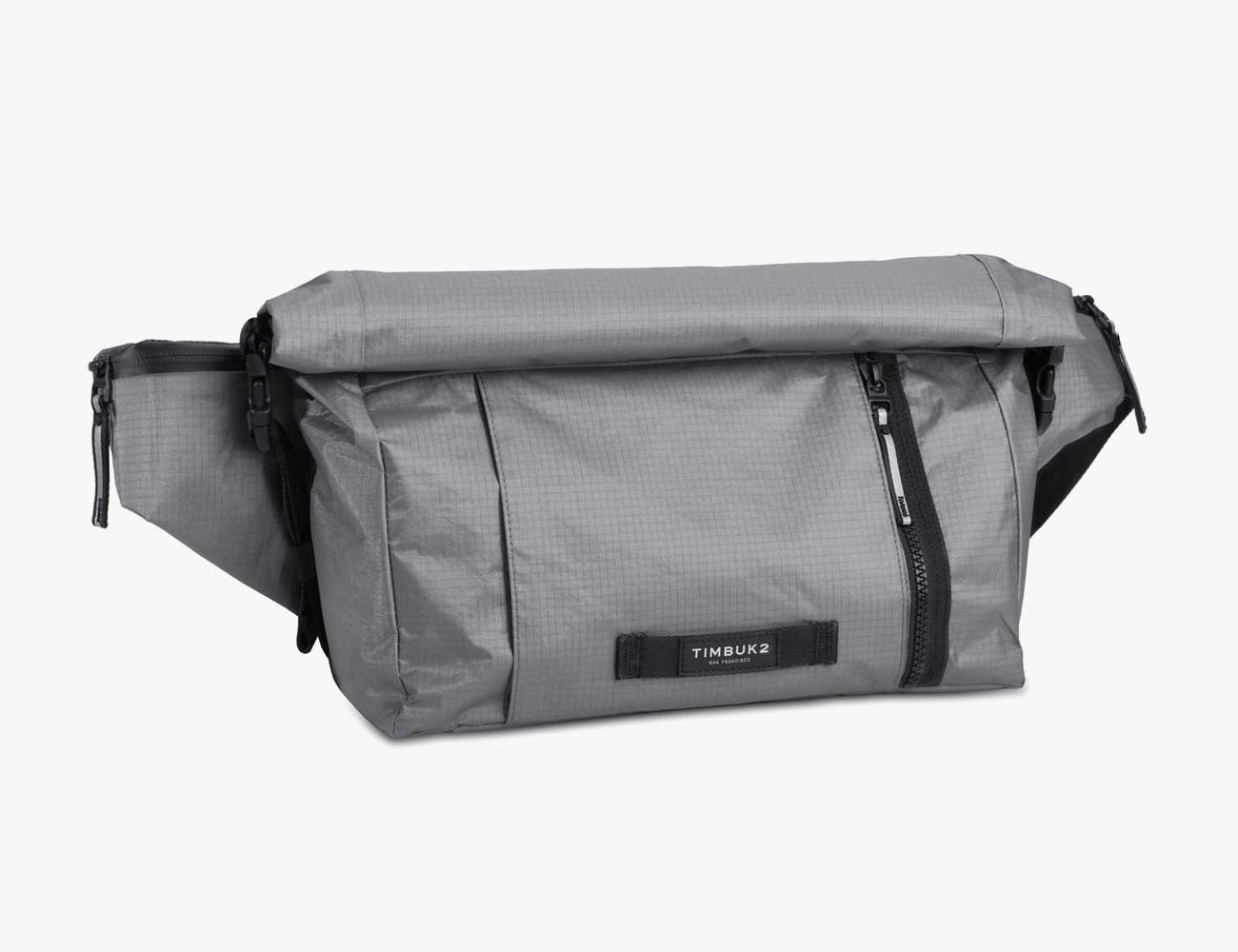
Best Budget Option: Timbuk2 Mission Sling

Tyvek, flash spun high-density polyethylene fiber, is routinely used to create things like hazmat suits and those concert wristbands that are impossible to tear off. Timbuk2 recently used it to create a new line of bags, one of which is the Mission Sling. Tyvek makes the bag lightweight but keeps it durable and weather-resistant at the same time. It’s crushable, yet sturdy when packed. The Mission Sling’s main compartment is accessed with a zippered roll-top closure — this system also helps the bag expand to accommodate more stuff when necessary — and a rear-facing quick access zip.

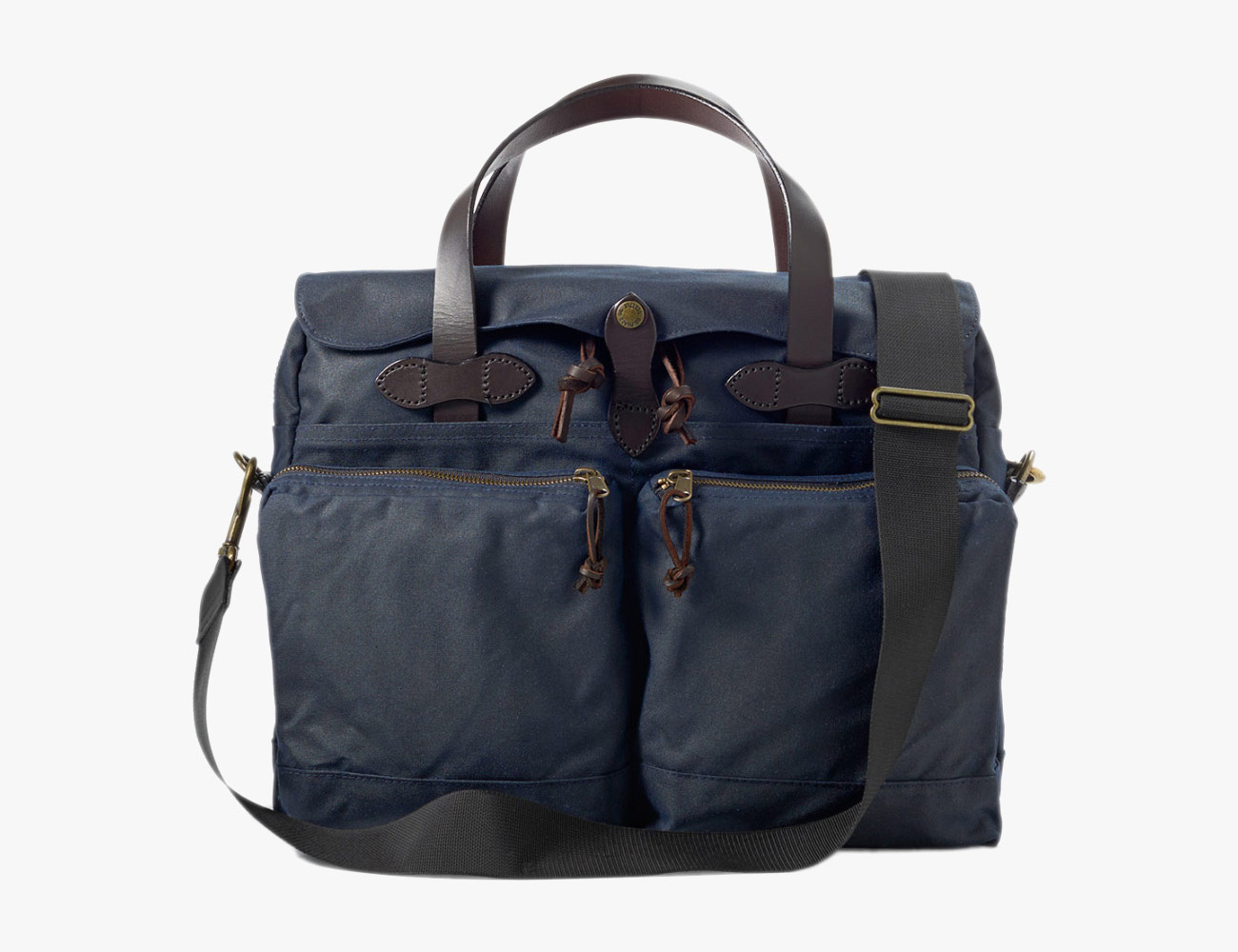
Best Briefcase: Filson 24-Hour Tin Cloth Briefcase

In many ways, the briefcase has become outdated. Backpacks, now more widely accepted as an appropriate work bag, are more comfortable, more convenient and typically offer more capacity and organization. But there’s still something to be said for the briefcase; it offers slightly more refinement than a pack or shoulder bag, and some, like Filson’s 24-Hour Tin Cloth Briefcase, aren’t stuffy at all. Filson used its famous water-resistant canvas to give the case all-weather performance, and its fully-lined interior has all the organization a working man needs. Drop it into a bike basket or wear it across the body and get to your meeting.


The Best Beginner Road Bikes Under $1,000

If you’re looking to get into road cycling, this is the place to start. You don’t have to spend two full paychecks in order to get a taste of what it’s like to ride on skinny tires. Read the Story

Note: Purchasing products through our links may earn us a portion of the sale, which supports our editorial team’s mission. Learn more here.

48 Perfect Gifts for the Active Mom

This year Mother’s Day falls on May 13th, which is right around the corner. Picking out the perfect gift to honor the mom in your life — whether she’s your mother, your wife, sister, aunt, or friend — can be tricky. It’s one day she should feel especially pampered, taken care of and thanked. To help you jump-start the tenuous process of finding a gift, we asked 15 active moms (and one future mom) what one gift they would love to receive and added a couple alternates as well. Pair your gift with breakfast in bed (if possible), and you’re sure to win the day.

Melissa Johnson-White, 3-Time Olympic Trials Qualifier, mom of one

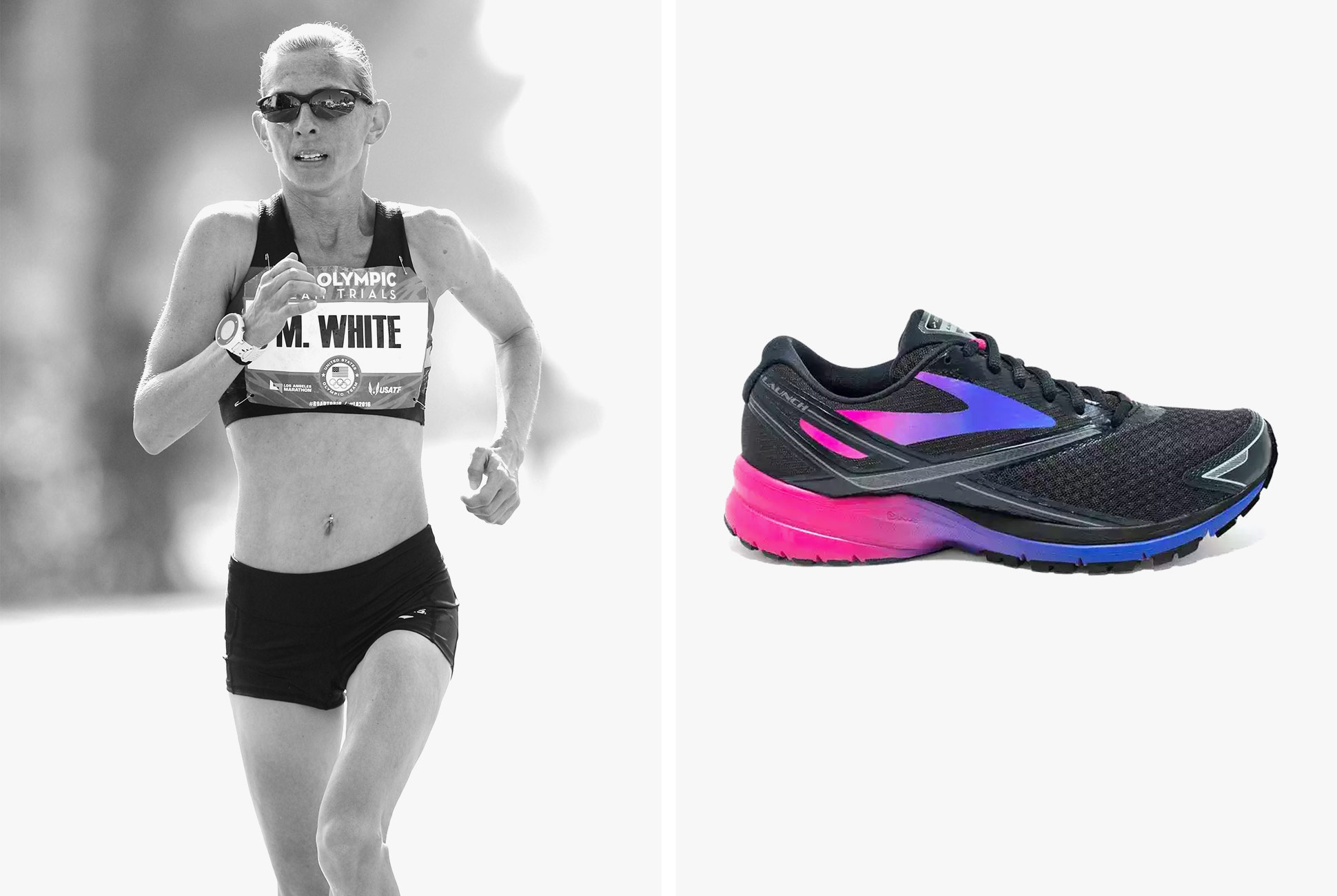
“As an active mom, my days are filled from morning to night! On Mother’s Day I’d love a few minutes of extra sleep, a new pair of Brooks Launch and a babysitter so I can blast a long run, and brunch with my family to fuel up. As a mom, being able to have some time for myself to get a run in is priceless.”

Check out Melissa’s coaching and PRs: here.

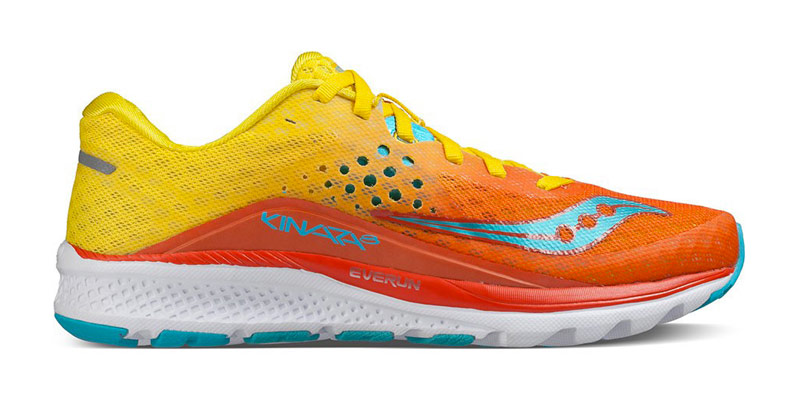
Kinvara by Saucony $110

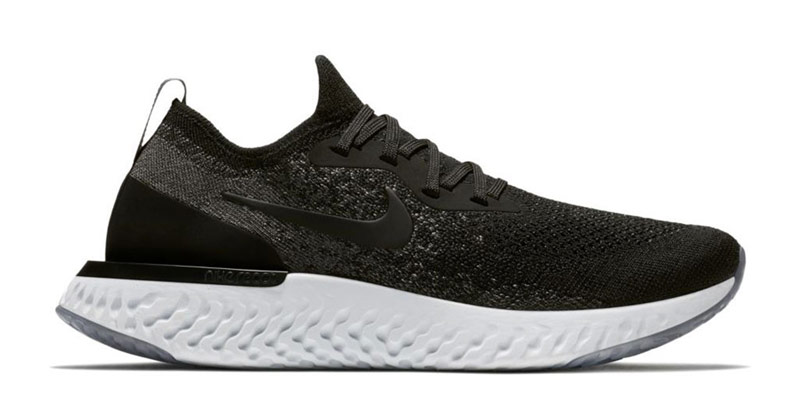
Epic React by Nike $150

Jessica Tondre, Runner, mom of two

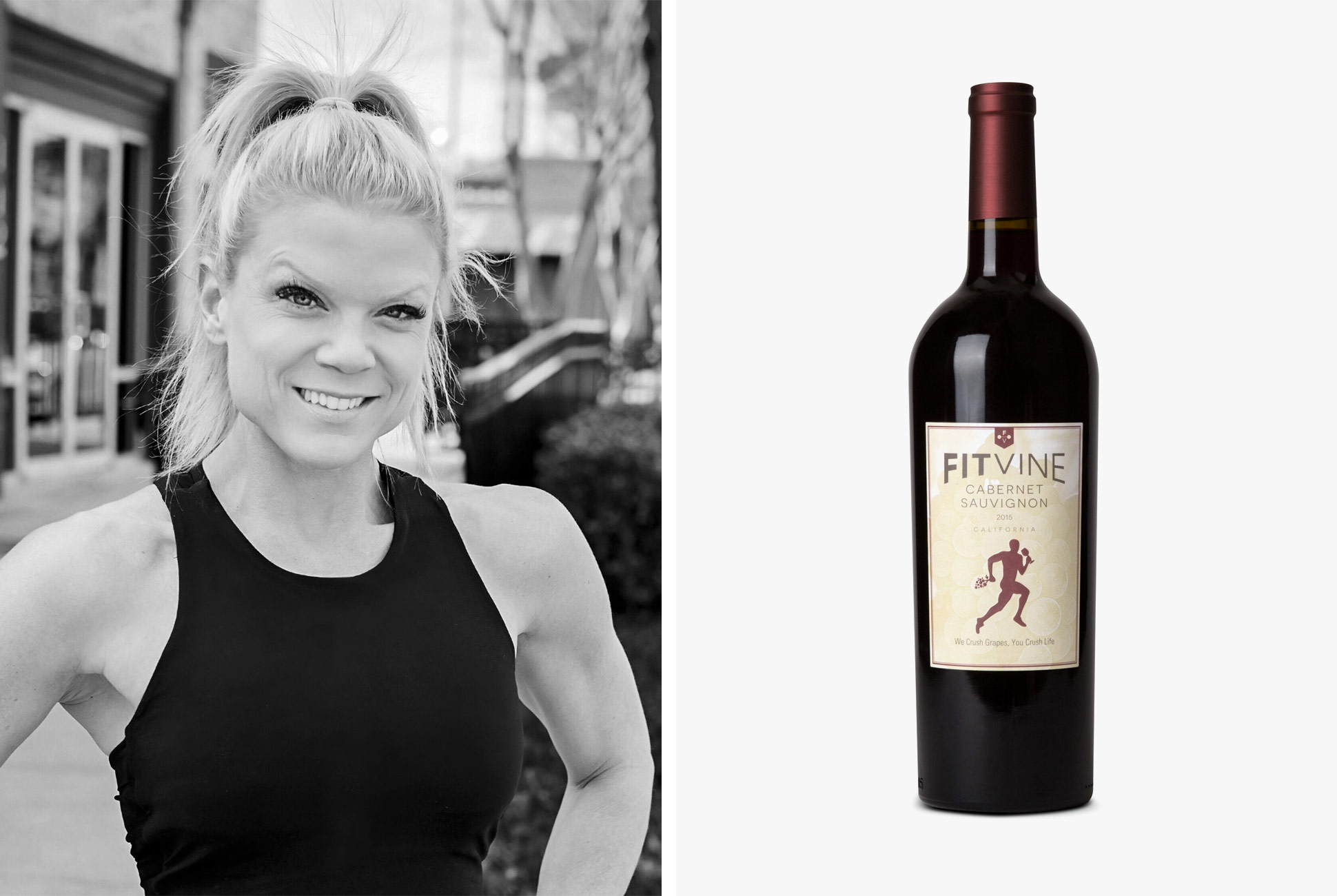
“Being a mom means I’m always on the go and I’m never off the clock. I’m fortunate that I have amazing kids but every now and then the stress of the week makes me crave a glass of wine! Many moms, athletes and runners shy away from wine because of the high sugar, empty calories and how it makes them feel the day after. I’ve found that with FitVine I feel great and it fits into my clean eating lifestyle without making me feel like I’ve gotten off track. No matter if it’s a kid activity, a long run or a gym workout, I feel okay about having a glass!”

Check out Jessica’s race calendar, recipes and more: here.

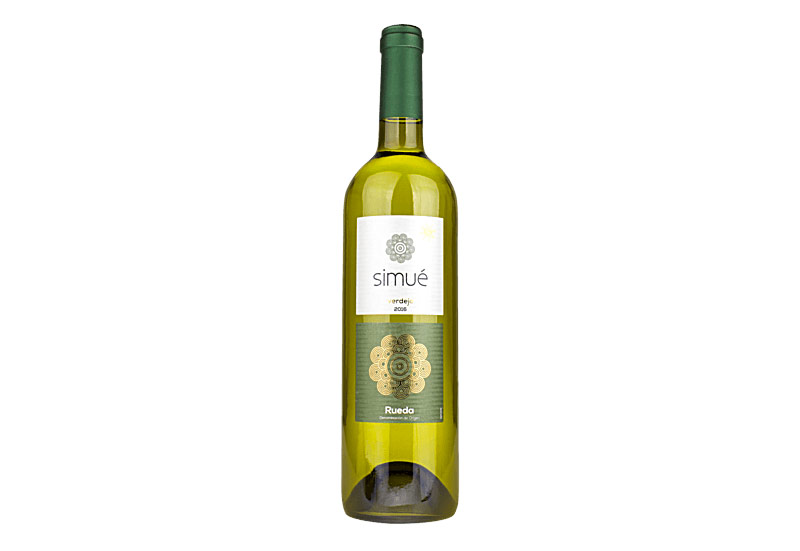
2016 Verdejo by Simué $12

Bottle Club by Cellars Wine Club $29/shipment

Jenna Wolfe, co-host of Fox Sports First Things First, mom of two

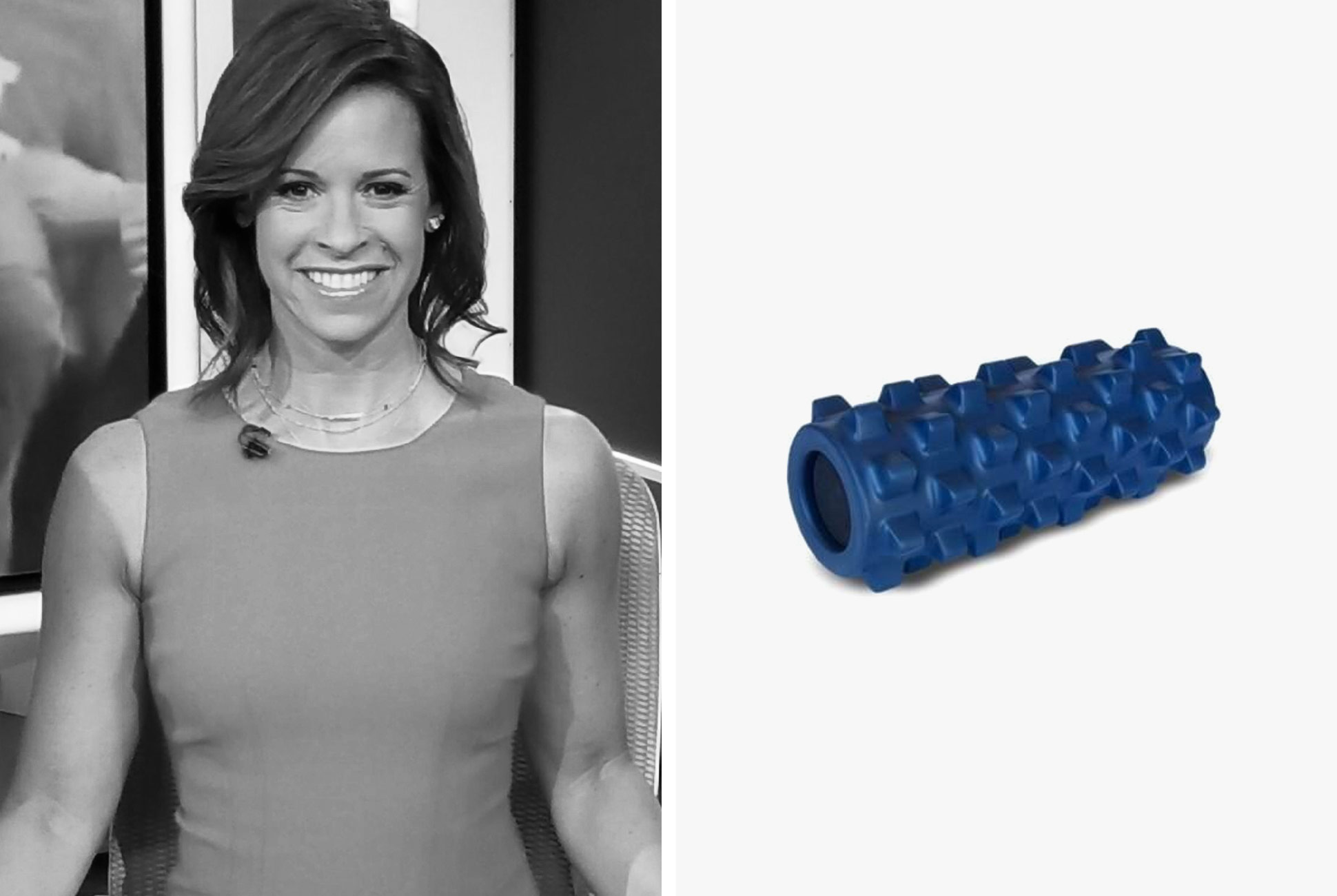
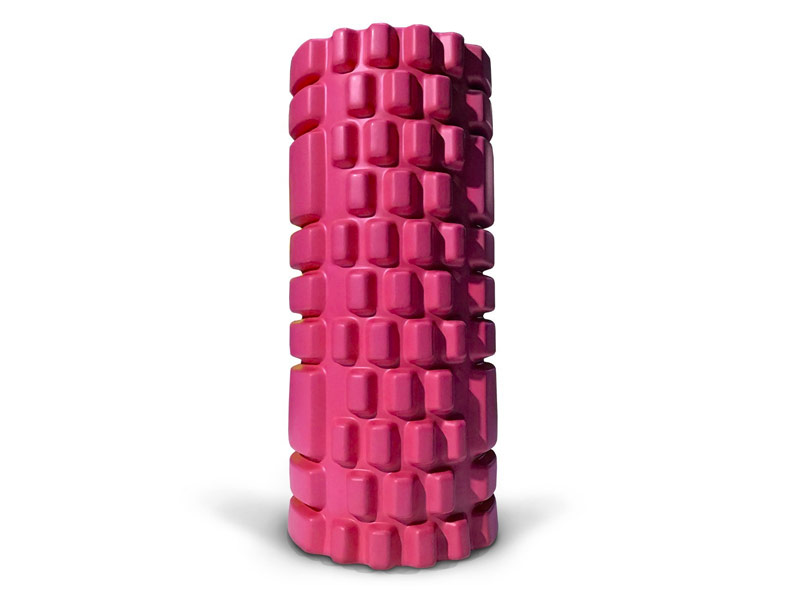
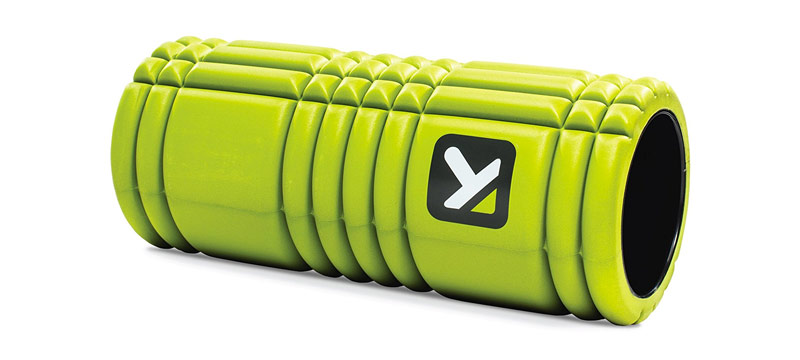
“Amidst my juggle as a mother of two energetic young girls, a co-host of Fox Sports, FirstThingFirst, writing and other career obligations, I still prioritize daily workouts and self-care. One of the best gifts I ever received is my RumbleRoller foam roller. It’s practical, efficient and gets the job done. I have used other foam rollers but the RumbleRoller is ideal for active moms that need a deeper tissue massage, as the high profile bumps break up discomfort from tight muscles and help keep me loose. Their compact-size roller and beastie ball are also staples in my gym bag and carry on bag for travel.”

Check out Jenna’s workouts: here.

Foam Massage Roller by 321 Strong $22

GRID Foam Roller by TriggerPoint $39

Emily Jenson, Backcountry Gearhead, mom of two

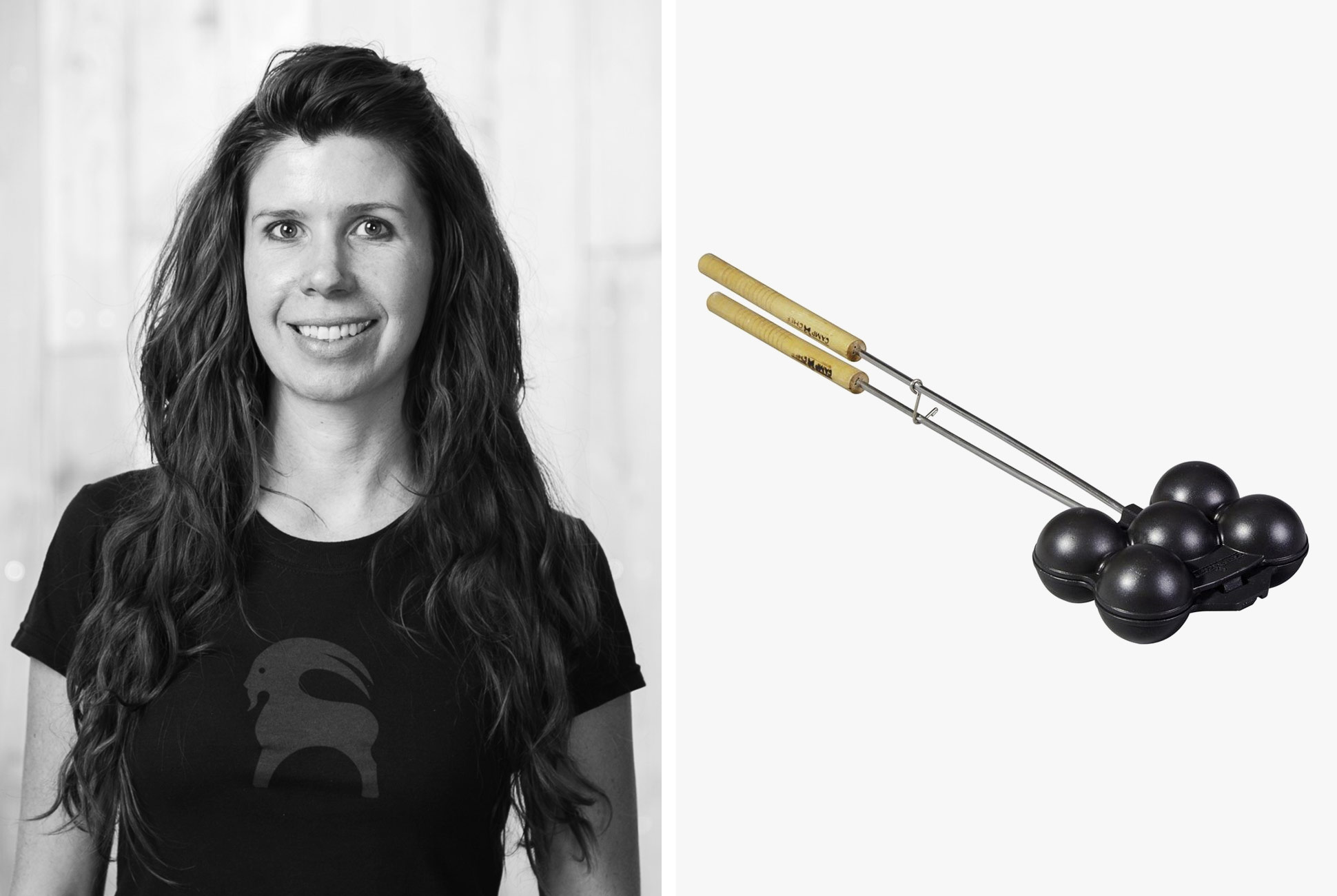
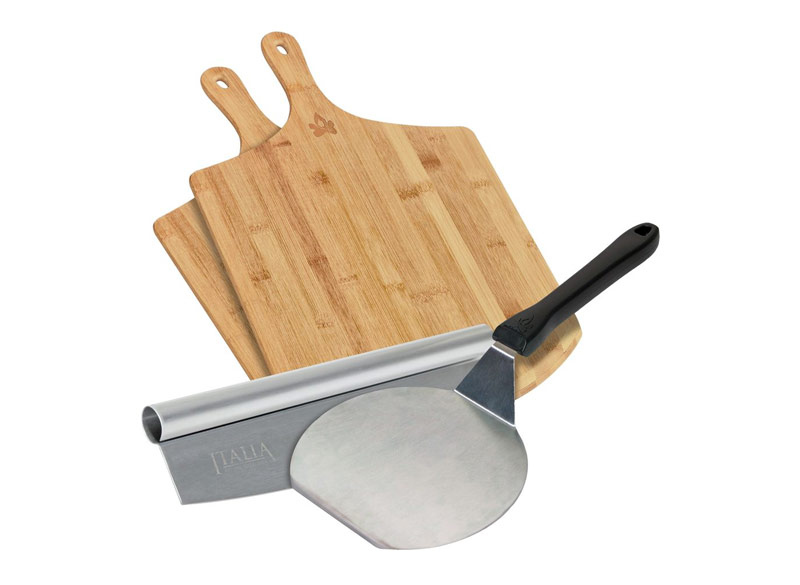
“As a Gearhead and mom, I want my kids to be involved and excited for camping, so I’m always on the hunt for cool camping gadgets and cooking tools. These get the kids helping out with the work, while still having a lot of fun. The Camp Chef Puff Cooking Iron is super fun for kids of most ages and really easy to use. Having a couple of these in my camping kits would be delicious fun for everybody.”

Check out Emily’s gear picks: here.

Italia Pizza Kit by Camp Chef $50

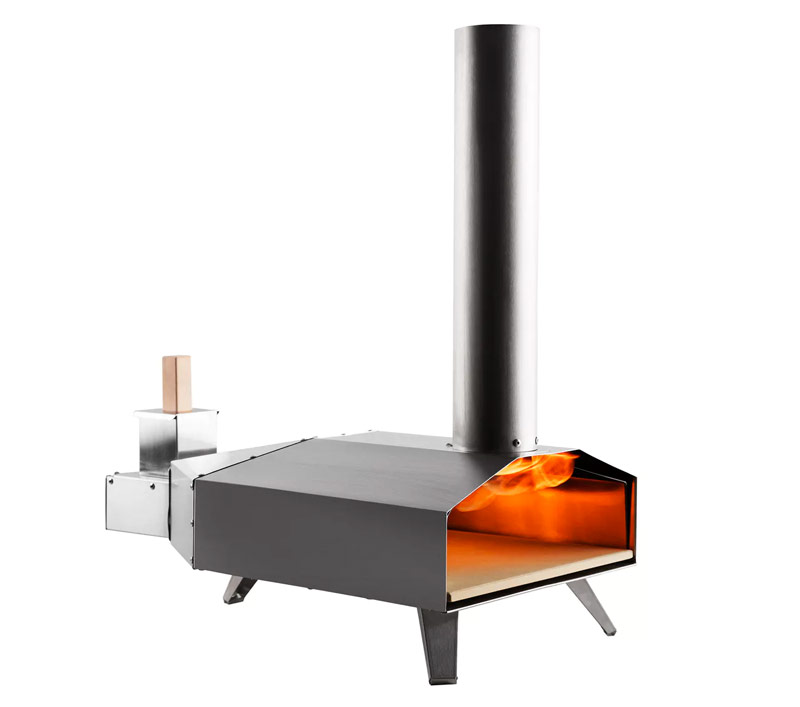
3 Wood-Fire Pizza Oven by UUNI $300

Jen Segger, Global Enduance Coach, mom of one

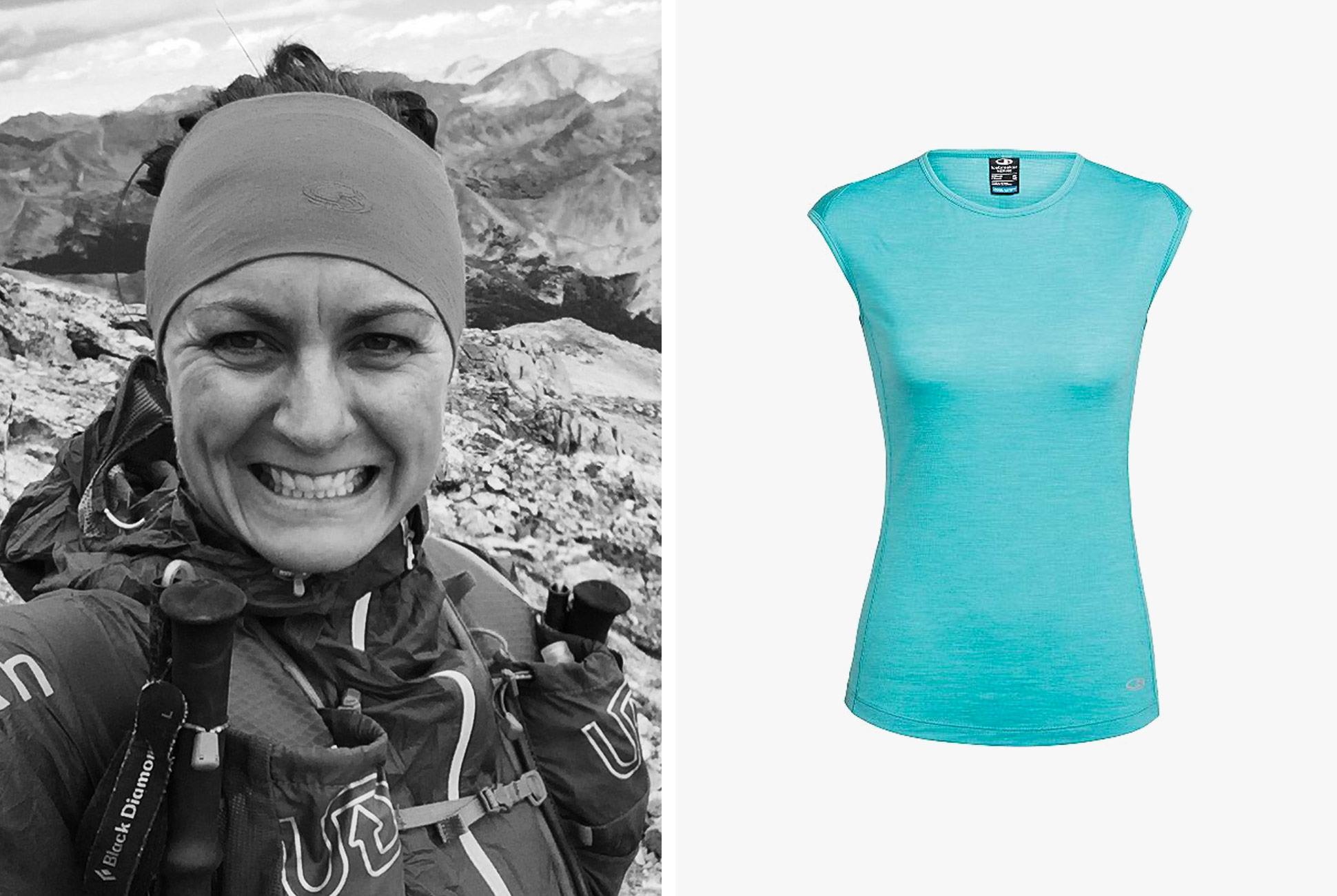
“A gift that combines functionality with femininity… a new tank would be the perfect Mothers Day gift. As I shed layers from winter training, a bright and vibrant Icebreaker Cool-Lite Comet Lite cap Sleeve Tee to take to the trails would be a great new versatile piece for spring running. The capped sleeve system is ideal for temperature regulation in mixed and variable conditions.”

Check out Jen’s endurance coaching and adventures: here.

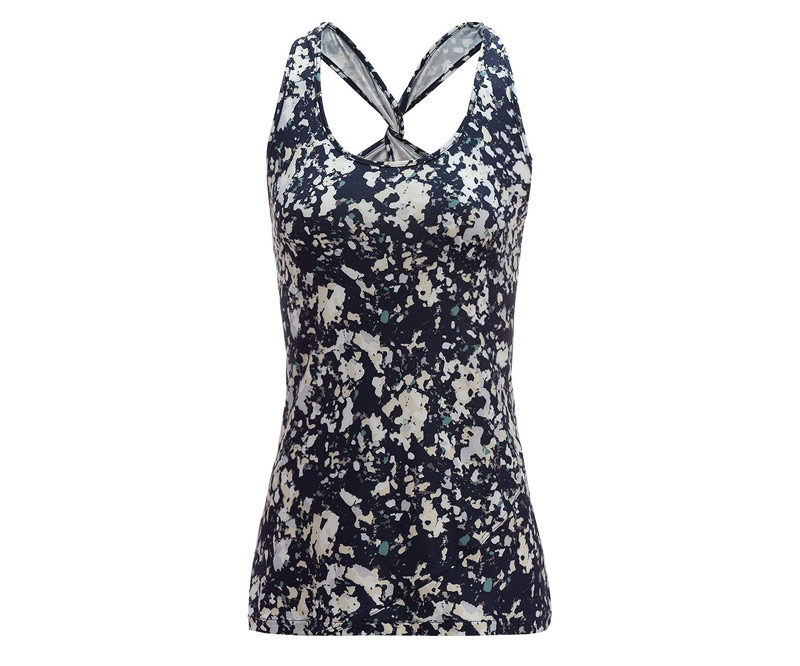
Flow Tank by Backcountry $40

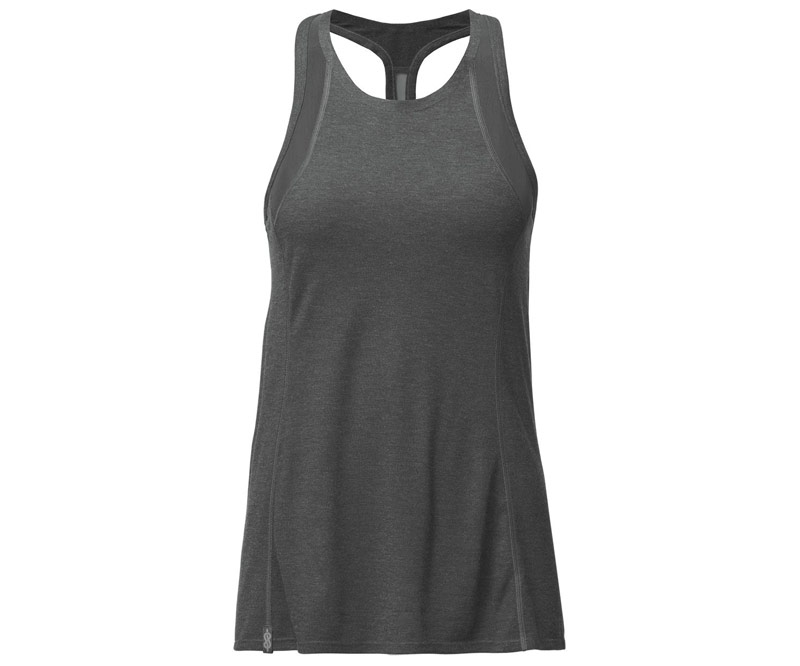
Beyond the Wall Tank by The North Face $60

Meredith Kessler, professional triathlete, Red Bull athlete and mom of one

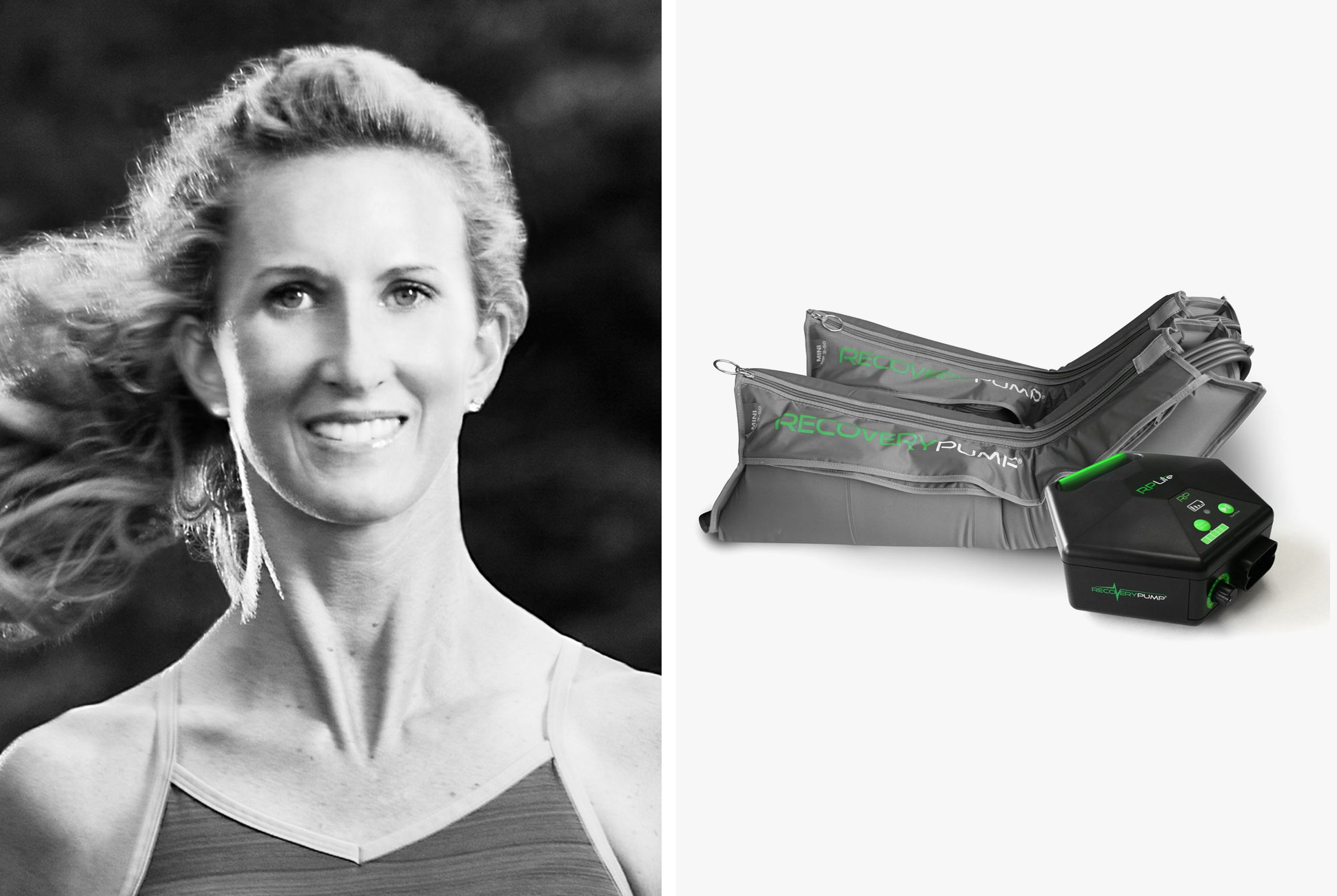
“This is the ultimate recovery equipment for muscular pain and body aches from being an active mom and/or human! The research behind this portable compression system has shown it to be a fast, simple and effective way to relieve workout fatigue and bolster recovery time so you can do it all over again day after day! So powerful, yet so light at just 2.2 pounds.”

Check out Meredith’s upcoming races and blog: here.

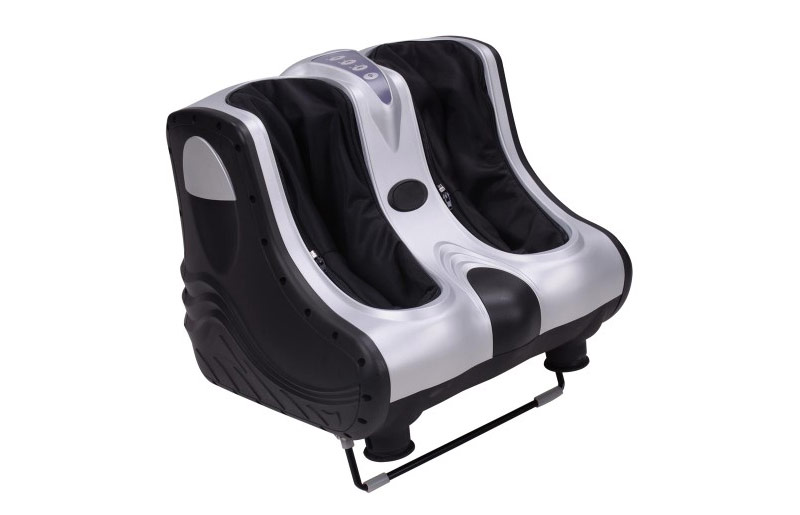
Heat Kneading Leg and Foot Massager by Yescome $XX

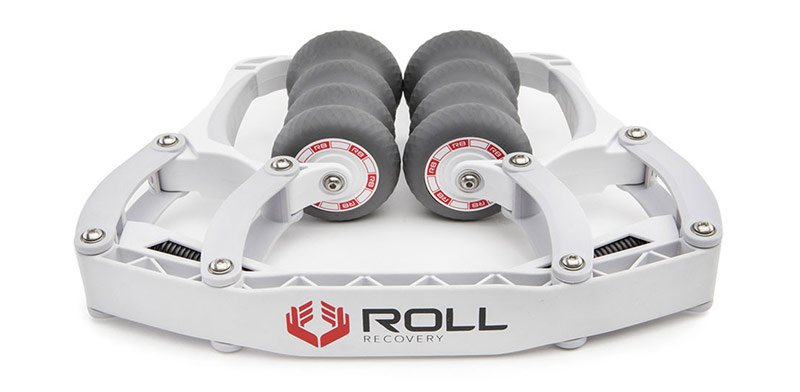
Recovery R8 by Roll $129

Erin Isakov, founder of Erin Snow and mom of three

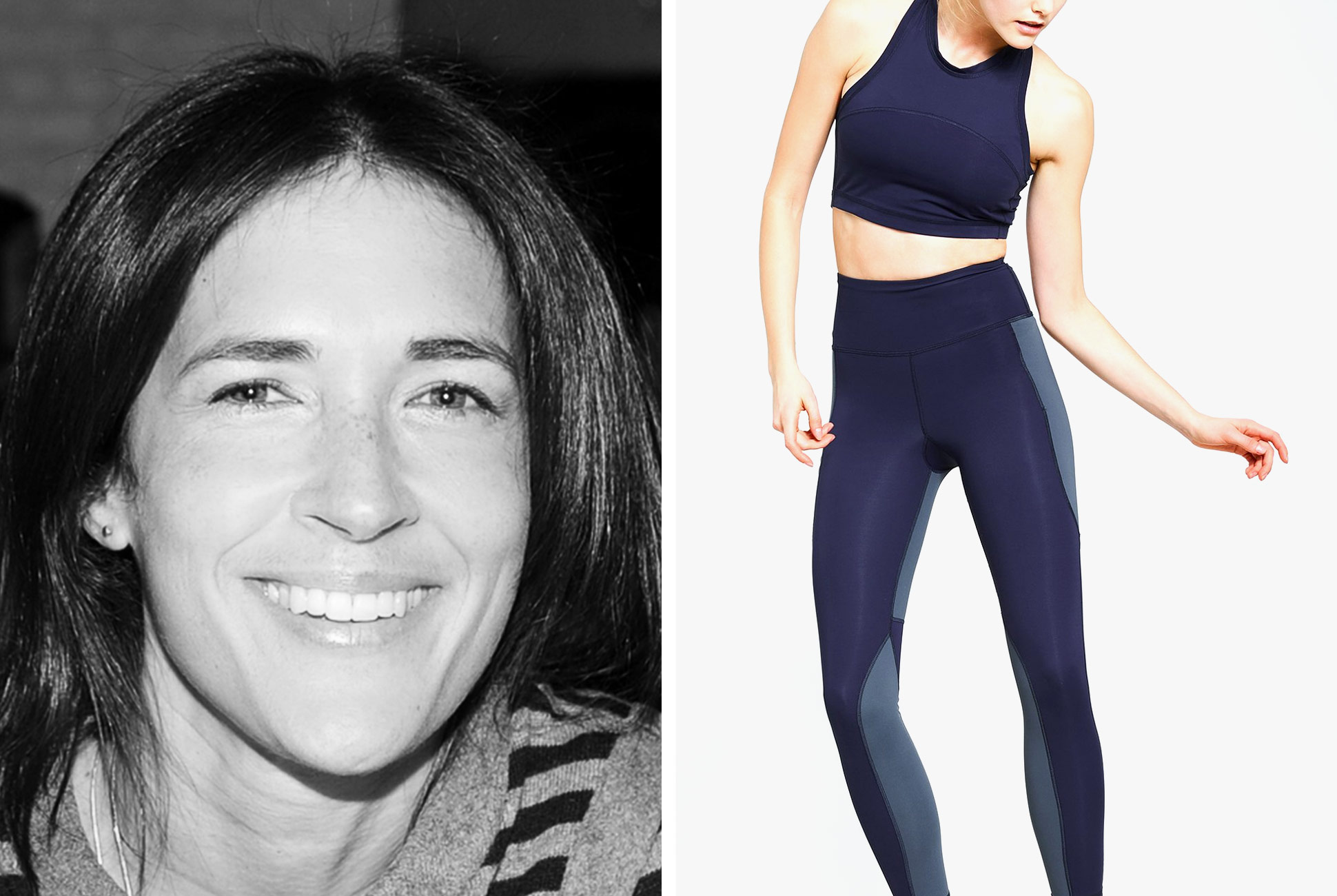
“Mother’s Day is the time when I switch over from skiing to outdoor tennis, hiking, sailing and water sports. It is also the time that I start working hard in my garden. I have a tradition with my three children that we usually go to a plant nursery together to select three different perennial flowers. Every year our garden grows in a meaningful way. I also indulge myself in some gear to take part in my favorite spring/summer outdoor activities. This year in honor of my love of all things nature, I am grabbing a pair of Erin Snow Peri Shorts in Navy Floral and a Raven Crop Top in Navy. The top is made from recycled nylon and the shorts are printed using an earth-friendly method. I can use this outfit for tennis, hiking, paddle boarding and throw on a windbreaker for sailing. Something to feel good about and help me enjoy some of my favorite activities with my favorite little people.”

Check out all of Erin’s fitness gear: here.

Compression Socks by COMRAD $21

Color Block by Vim & VIGR $33

Lisa Edlund, Backcountry Gearhead, mom of three

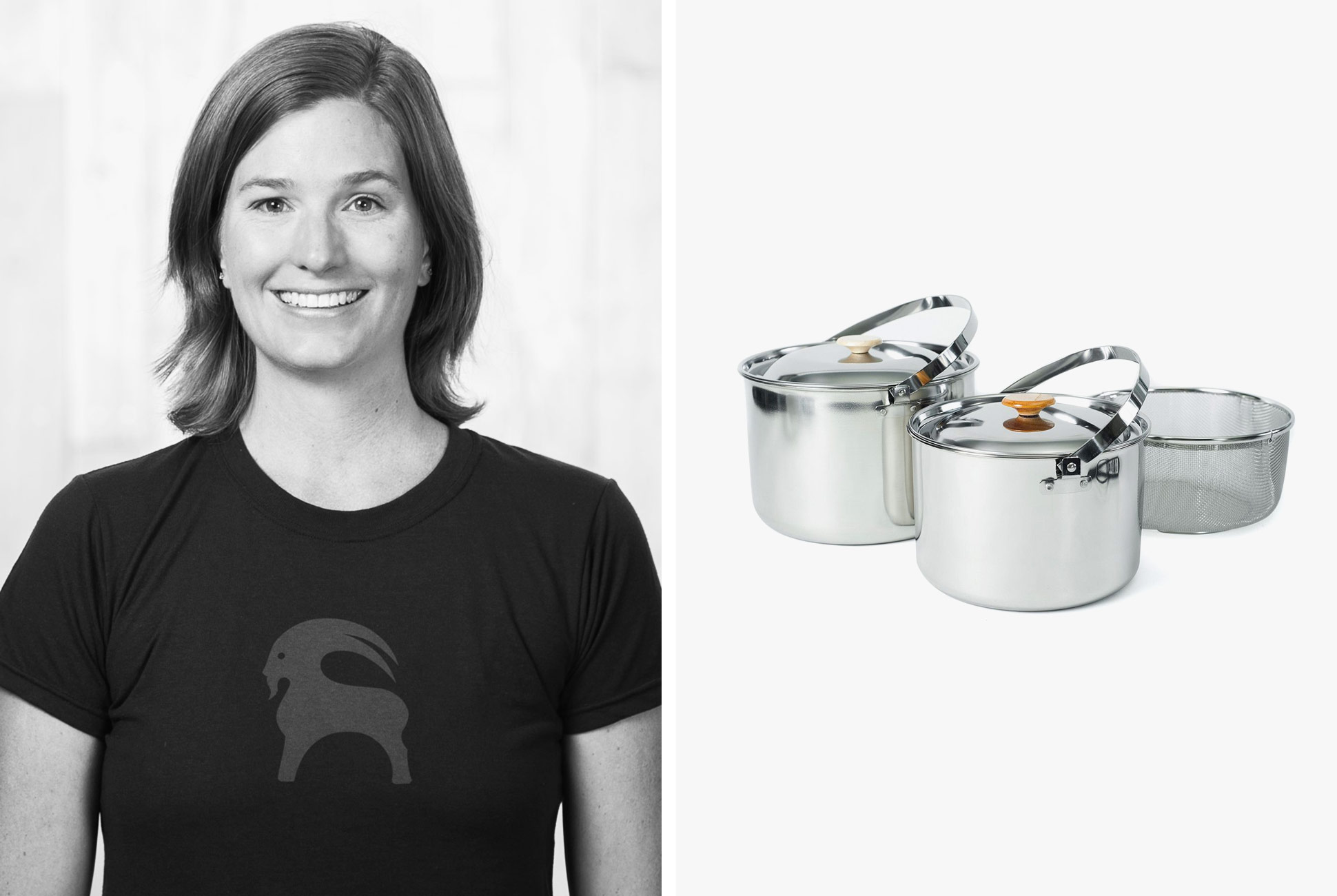
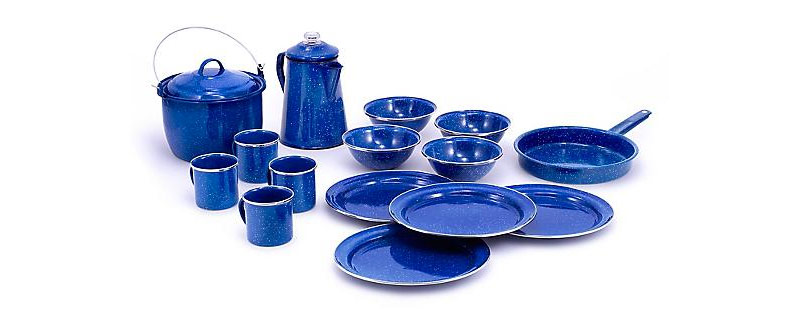
“As a mother of three hungry and active teenagers, outdoor cooking is a priority for me. This cookset is not only beautiful, but incredibly functional. The nesting pots with integrated strainer is the perfect size for basecamp and will free up some room in my kitchen box. I can’t wait to cook my famous poached salmon with spaghetti marinara after a long hike!”

Check out what Lisa’s currently testing: here.

Stainless Pioneer Camp Set by GSI Outdoors $110

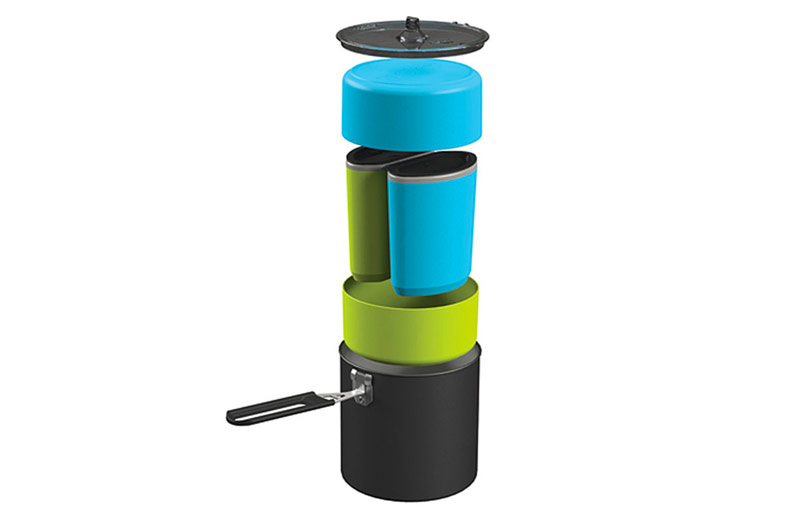
Trail Lite Duo System by MSR $70

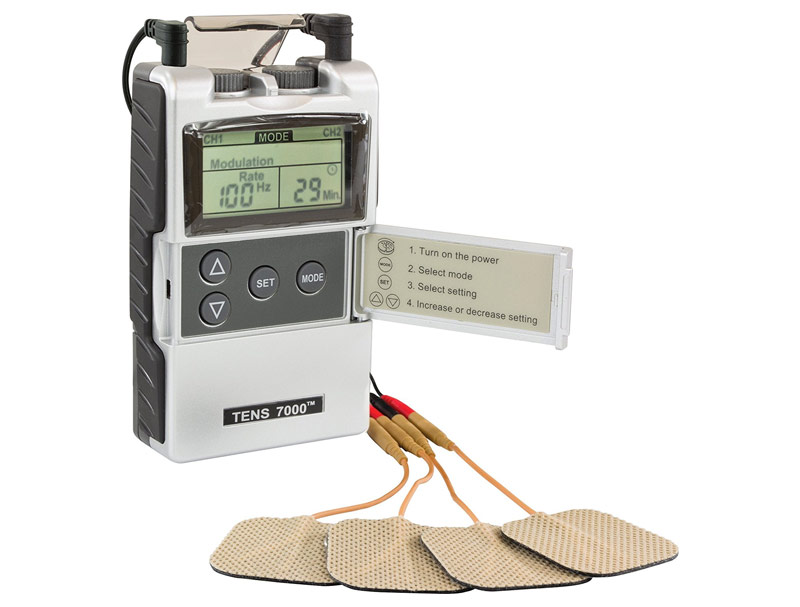
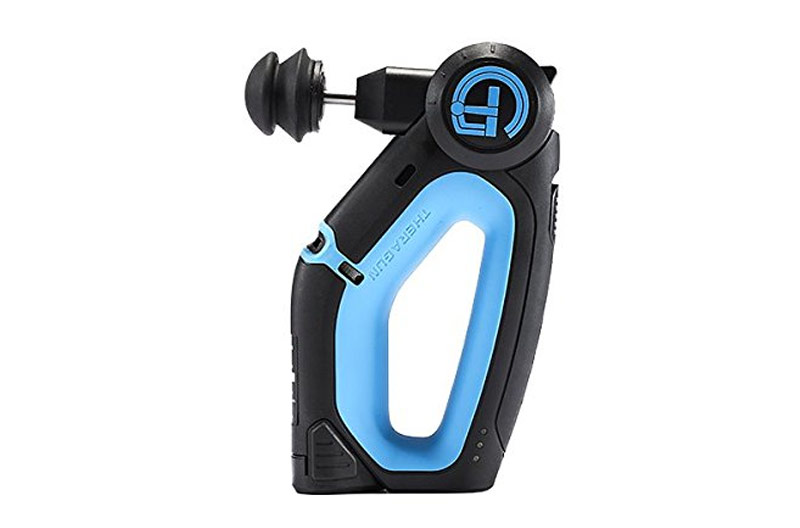
Juliet Starrett, co-founder of MobilityWOD, World Champion, CrossFit athlete, mom of two

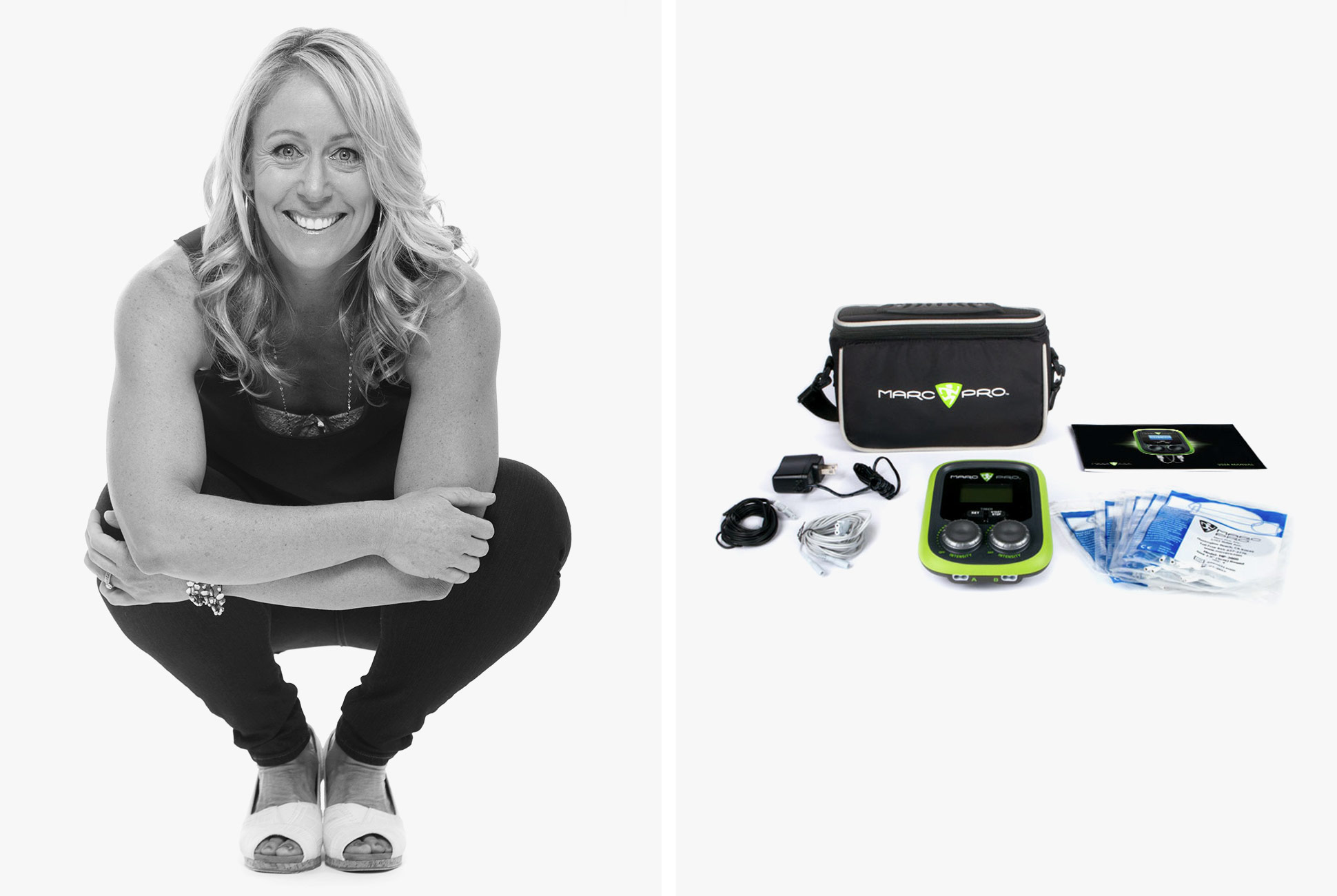
“Professional and recreational athletes alike are both working at levels of intensity that would have astounded us even a decade ago. And yet the rule remains simple, “You cannot cheat your physiology.” What you can do is facilitate and enhance the way your miraculous body already handles congestion and its ability to recover after strenuous sport, hard training, and vigorous activity. MarcPro is unmatched in its ability to reduce the “session cost” to the citizen athlete. This means we can train and play harder because our bodies have recovered faster and are ready to go again.”

Check out Juliet’s fitness programming: here.

TENS 7000 by Roscoe Medical $26

G2PRO Professional Massager by TheraGun $599

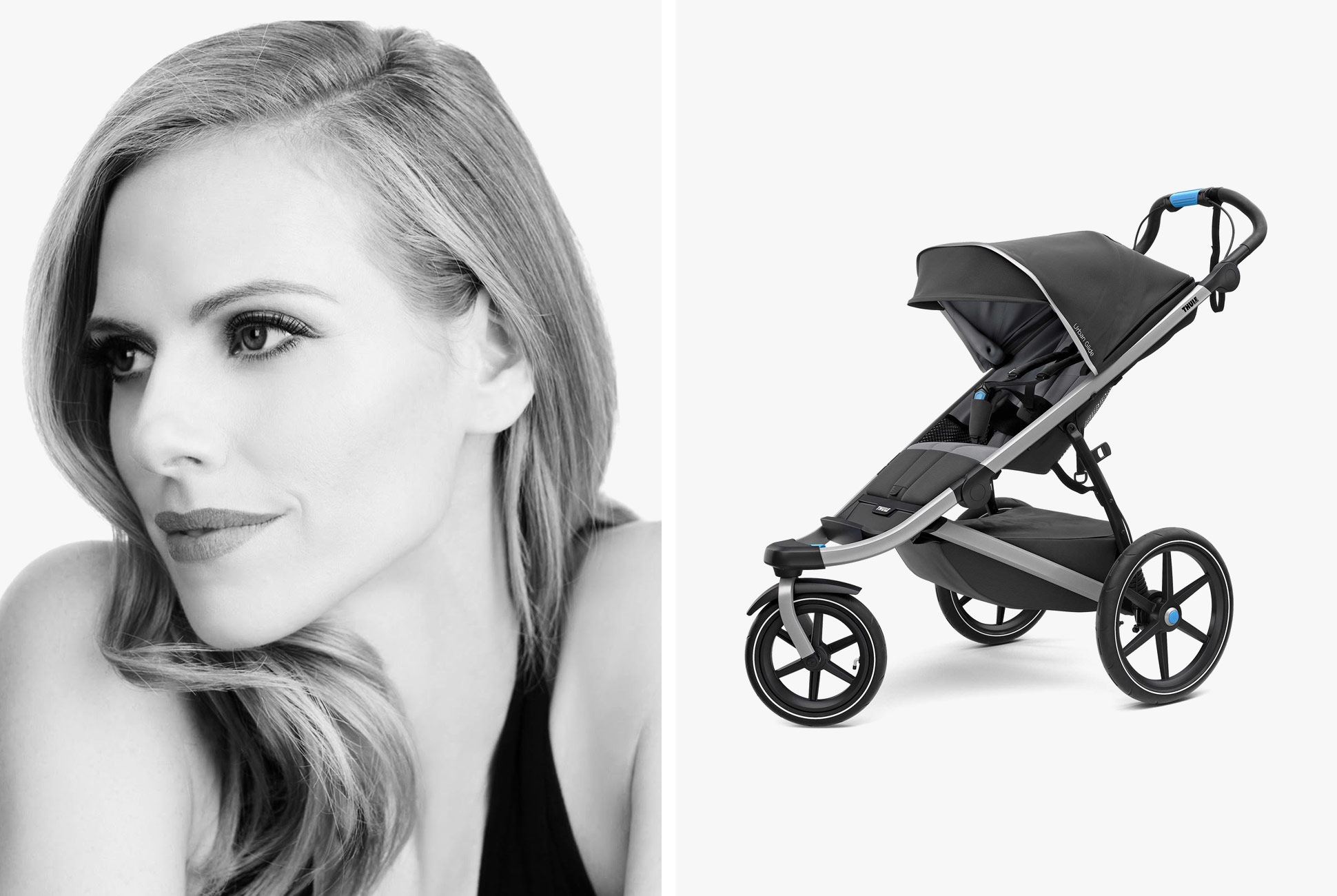
Christina Caruso, mom of one

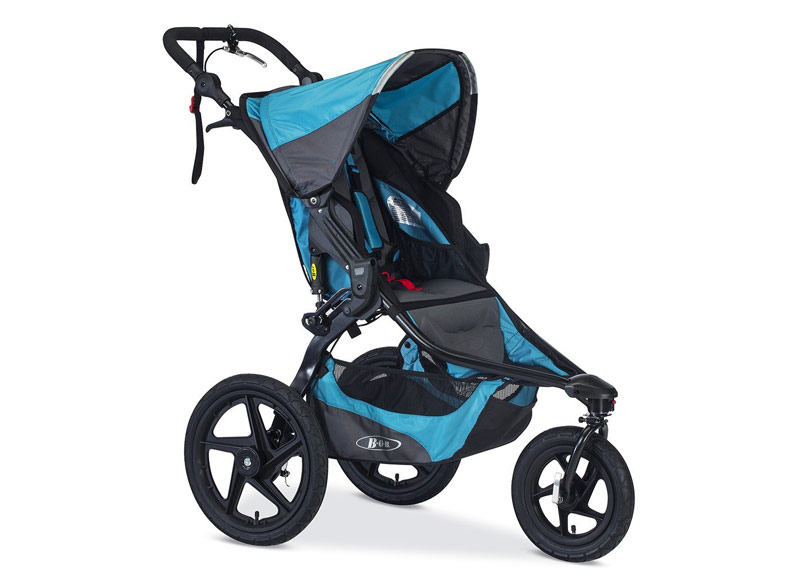
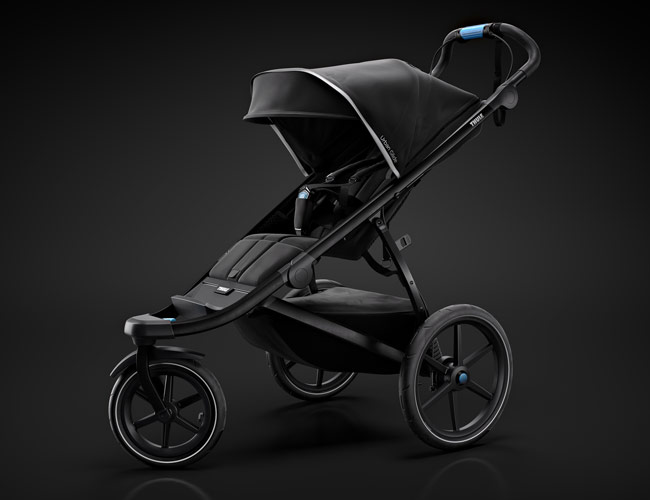
“From the Miami boardwalk to the sandy beaches of the Jersey shore and the bustling beat of our track in NYC, baby and I are staying fit and on the go with the Thule Urban Glide 2 jogging stroller. I’m always out and about walking/jogging and this jogger looks like it can handle anything. It’s super lightweight, glides with ease and folds and stores with one hand. It sounds like a win to me!”

Check out Christina’s healthy living endeavors: here.

Revolution Pro by BOB $500

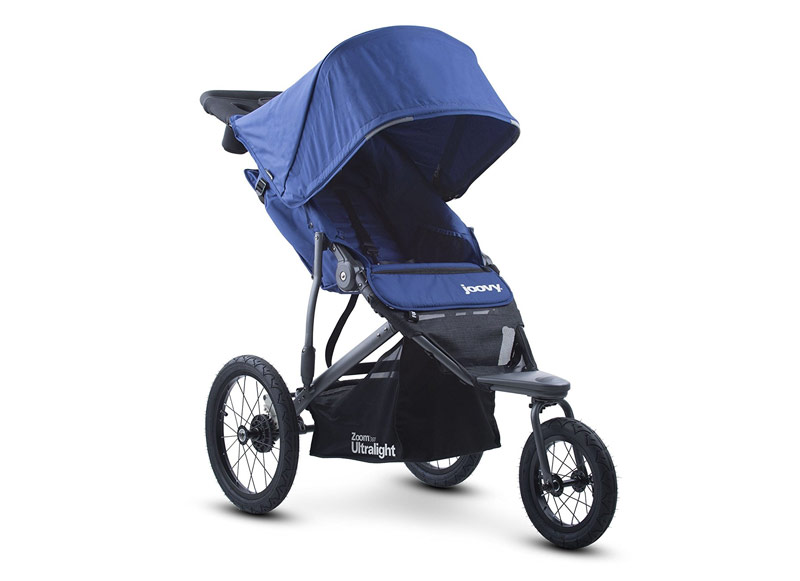
Zoom 360 Ultralight by Joovy $220

Stephanie Bruce, Hoka One One athlete and mom of two

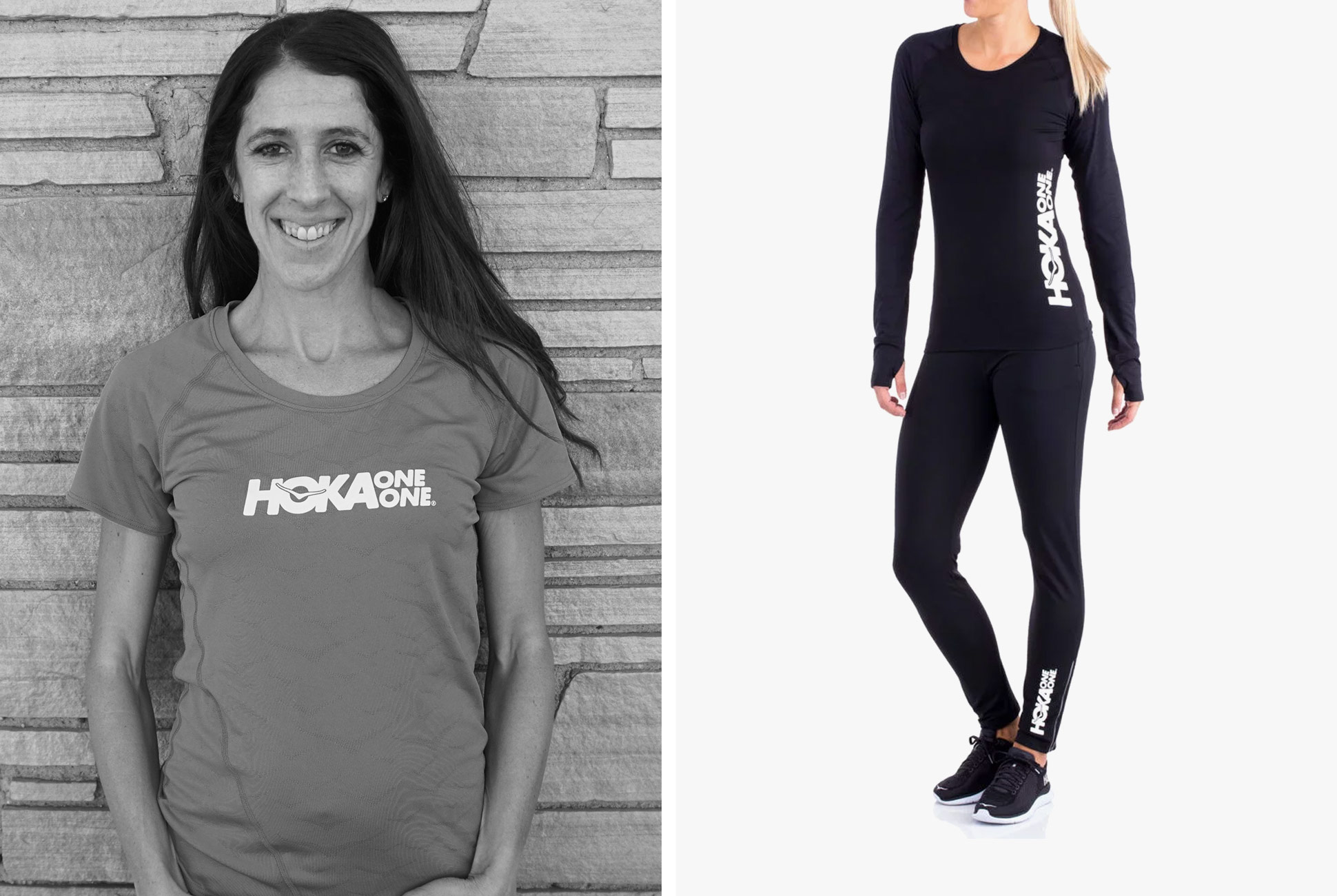
“HOKA Smarty Pants Sweats. I recommend these pants for moms, because every mom needs a solid pair of comfy sweats to live in. After working, training, and trying to manage your household, kids, and sanity a good pair of Smarty Pants Sweats makes you feel at home. They’re lightweight, form-fitting but stretch to your comfort. I pretty much live in these sweats.”

Check out Stephanie’s coaching, camping and race recaps: here.

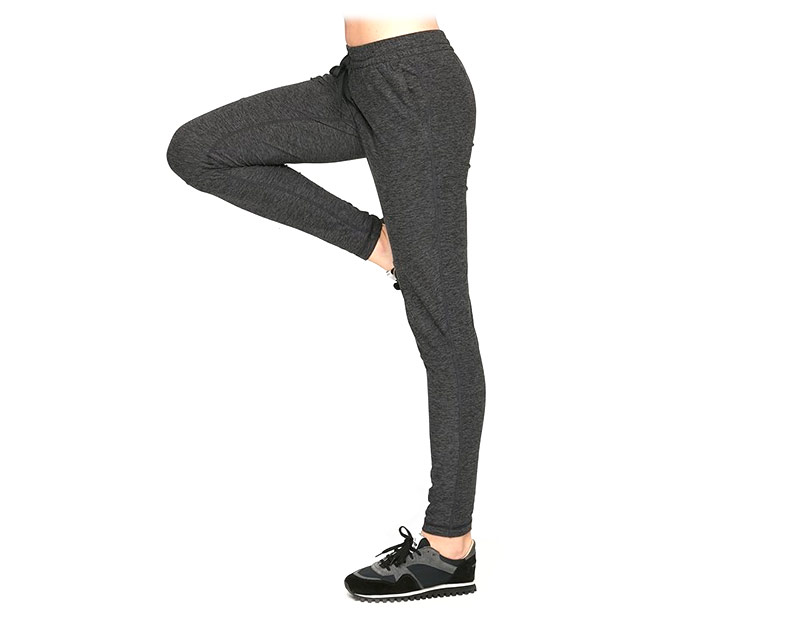
Cloudknit Sweats by Outdoor Voices $85

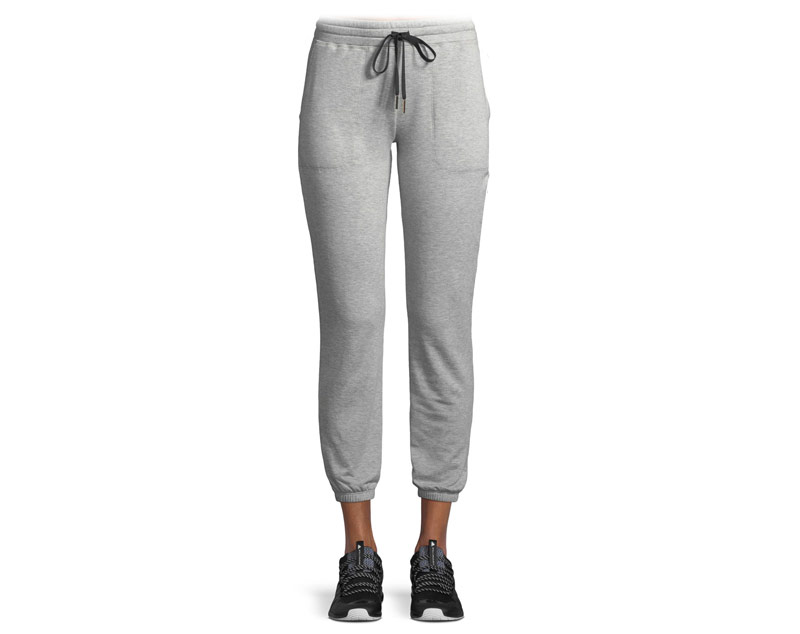
Living Easy Sweats by Beyond Yoga $100

Astrid Swan, Barry’s Bootcamp instructor and soon-to-be mom of one

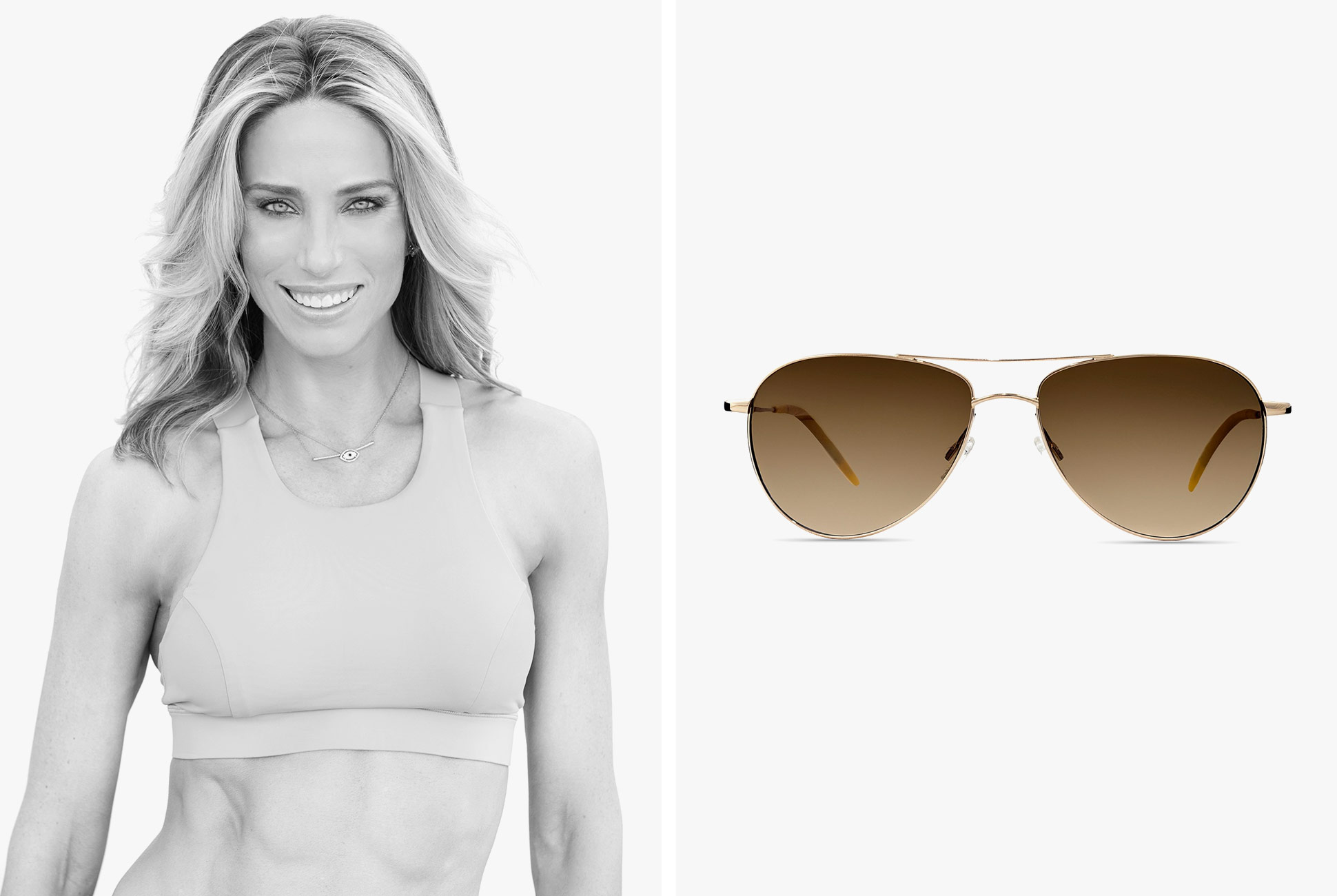
“For Mother’s Day I would love a pair of new Oliver Peoples aviator sunglasses. Mine got stolen and I need a pair to drive in and take walks with the baby without squinting!”

Check out Astrid’s classes: here.

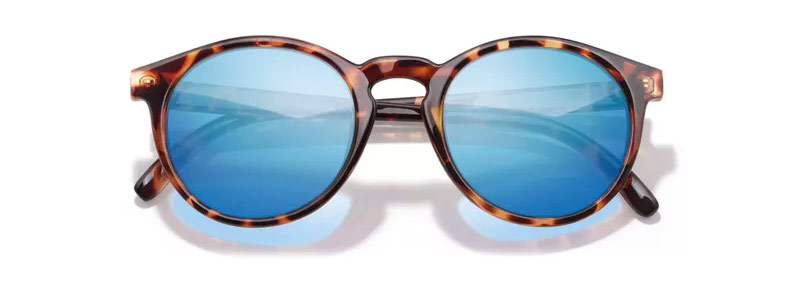
Dipseas by Sunski $55

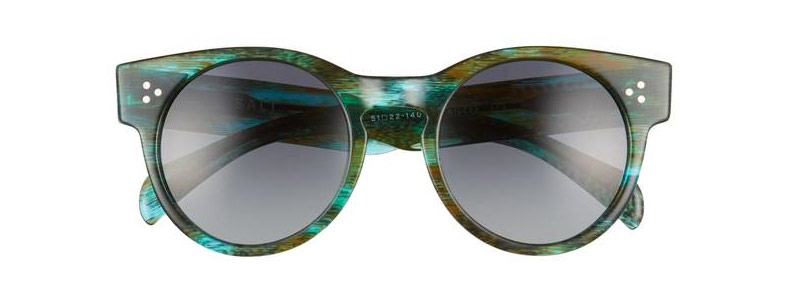
Wilcox 41mm Polarized Bold Round Sunglasses by SALT $415

Mirinda Carfrae, IRONMAN World Champion, and mom of one

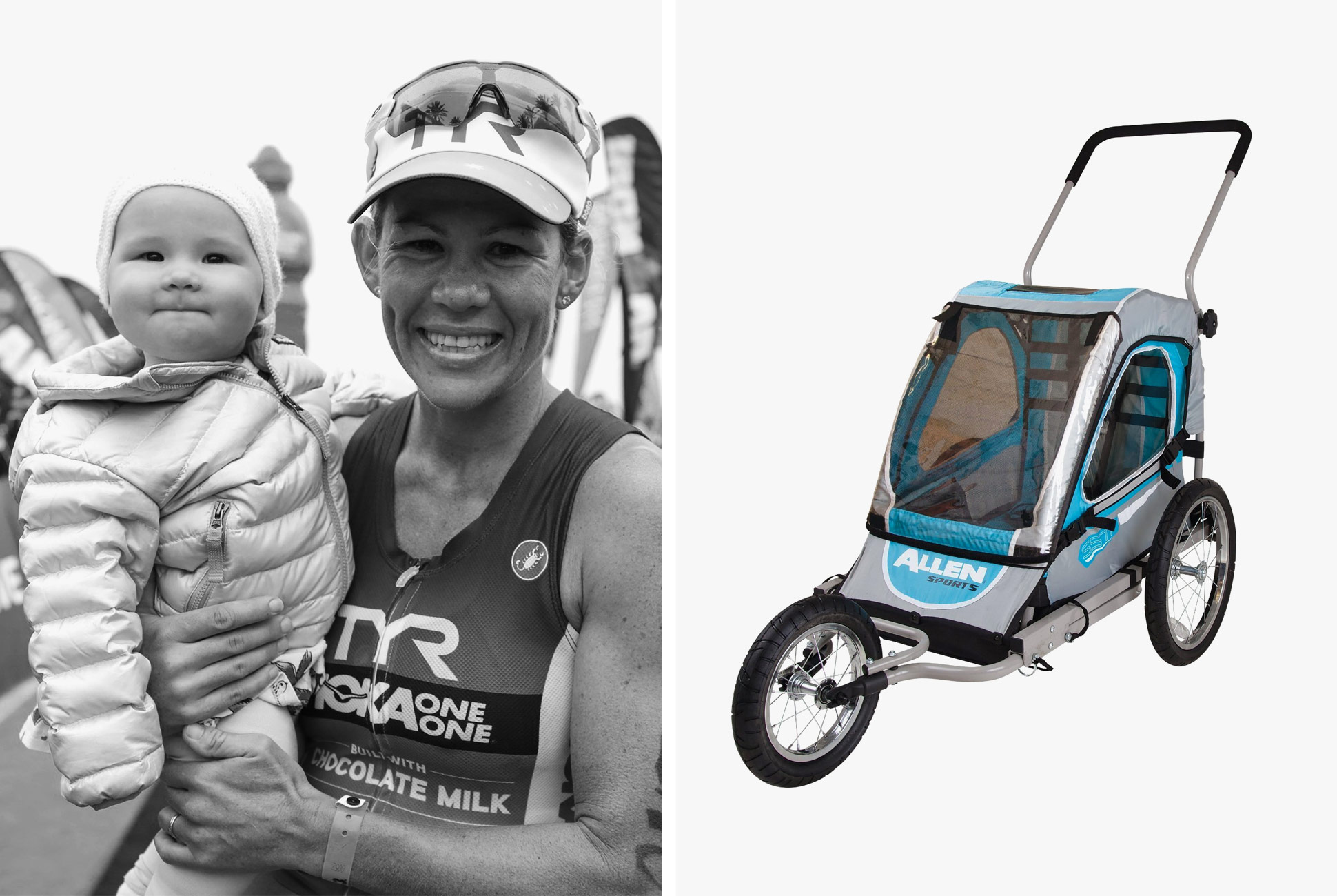
“My go-to gear is centered around our new addition to the family. The Allen Sports trailer/jogger is constructed of lightweight aluminum with easy assembling, which is key when traveling solo with Izzy for racing. I use the two-child trailer because we never travel light! With so many events and people around, the bug screen sun shade has been great to be able to create some privacy for my daughter. I can’t wait to start using the trailer hitch this summer.”

Check out Mirinda’s race results and schedule: here.

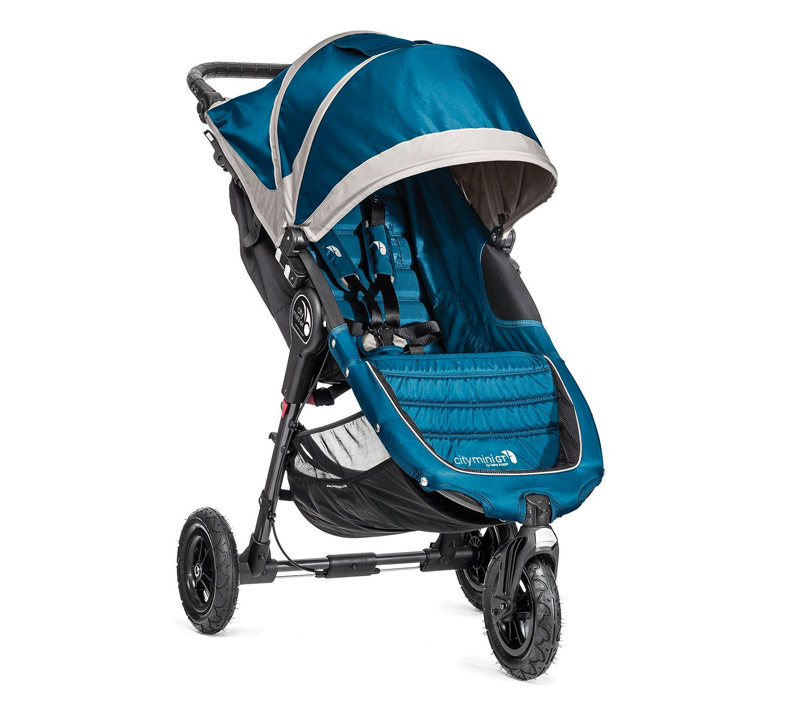
City Mini GT by Baby Jogger $306

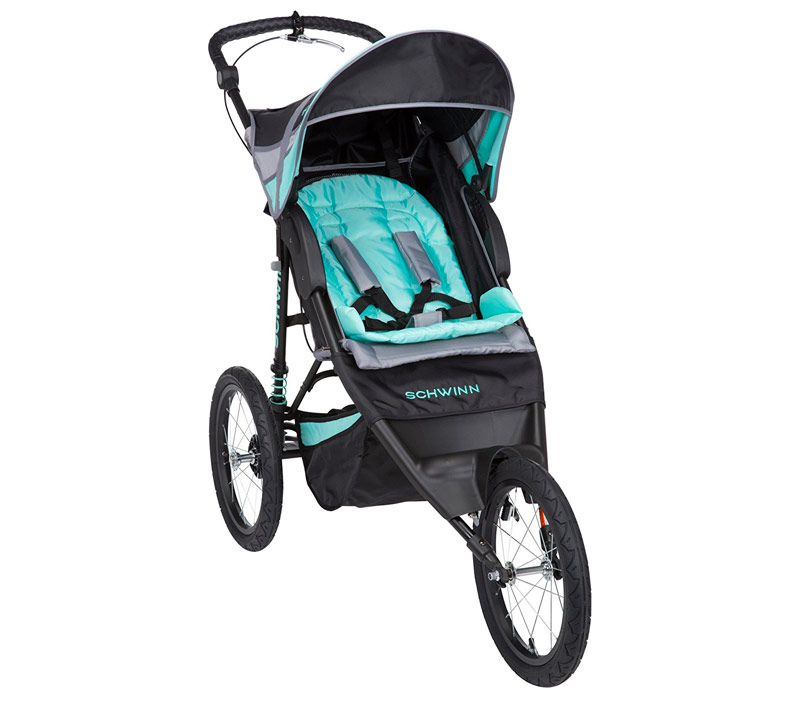
Arrow Jogging Stroller by Schwinn $220

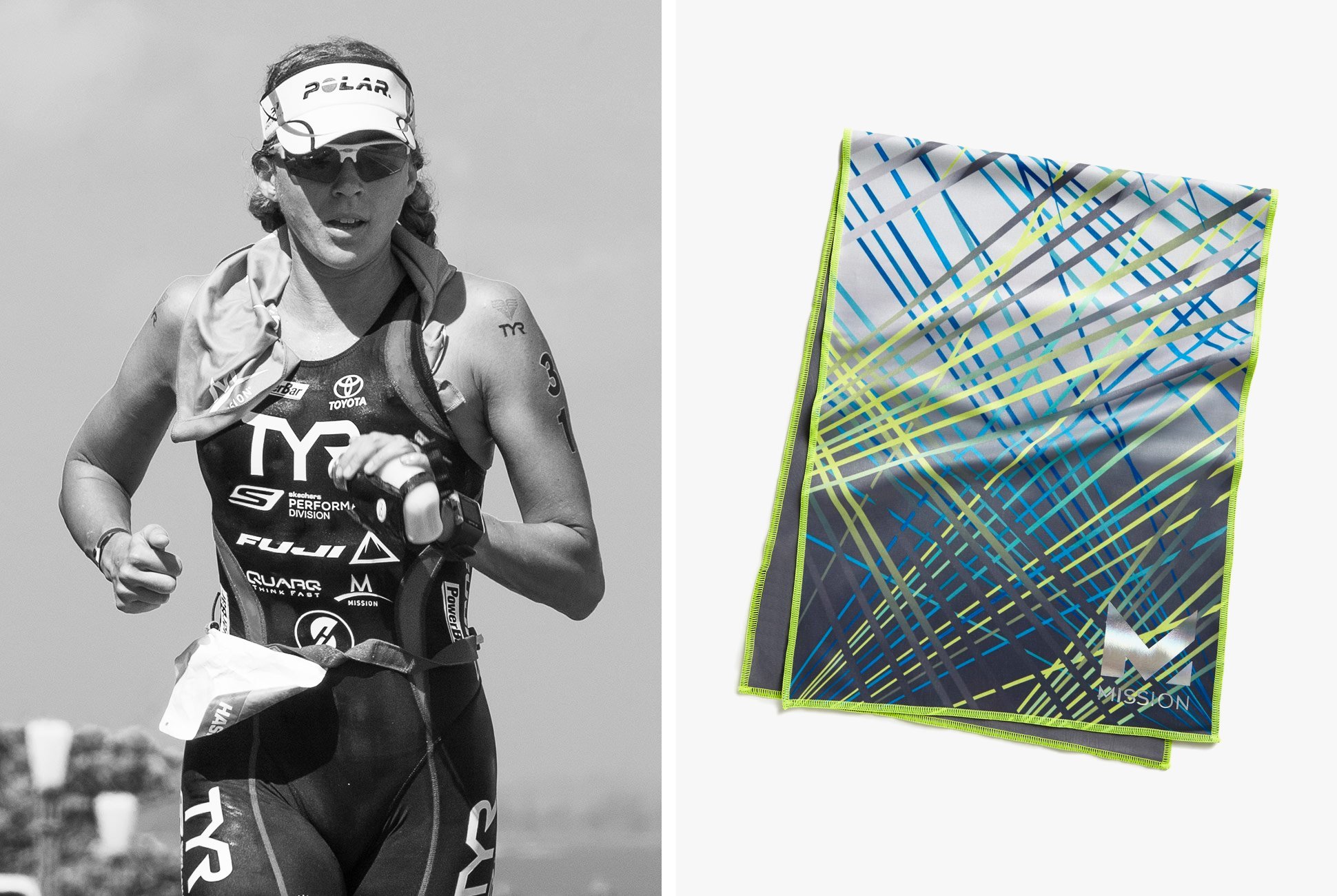
Sarah Haskins, triathlete, Olympian, and mom of one

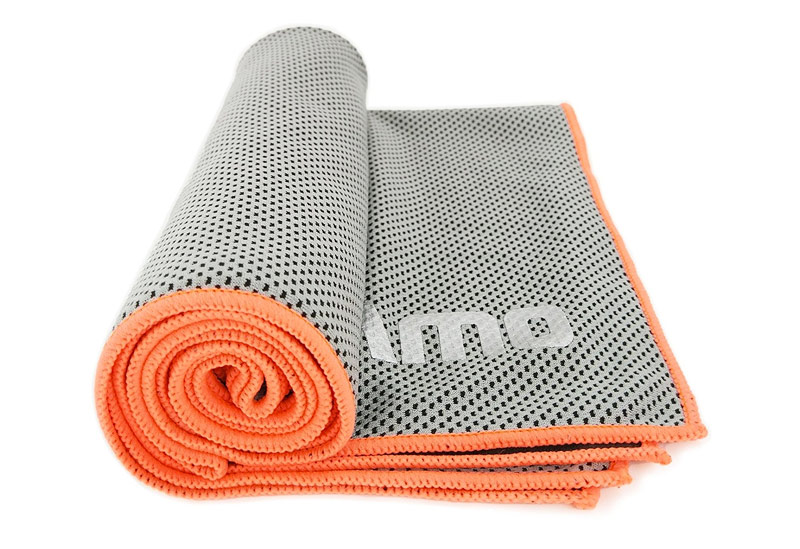
“Every mom on the go needs the MISSION Max Instant Cooling Towel. You simply wet it and it will keep you cool for hours. It’s super soft, machine washable and perfect to take on the summer heat.”

Check out Sarah’s races and blog: here.

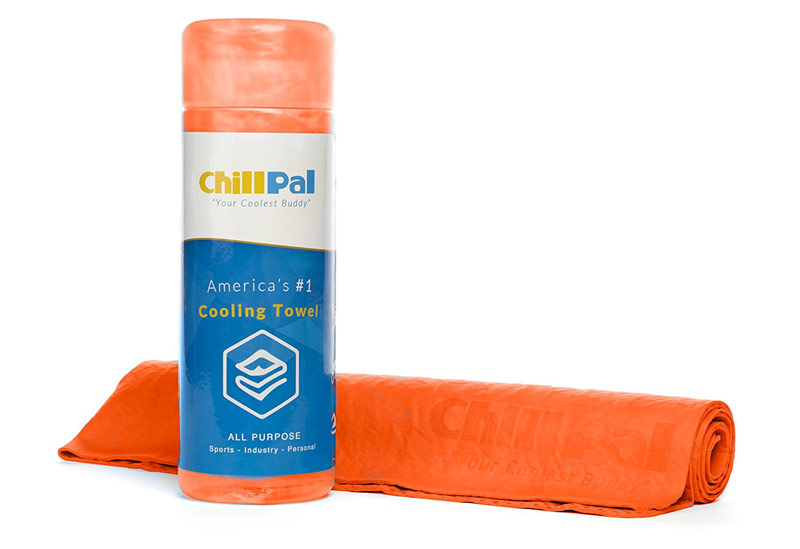
The Original Chill Pal Towel by Chill Pal $12

Cooling Towel by Alfamo $8+

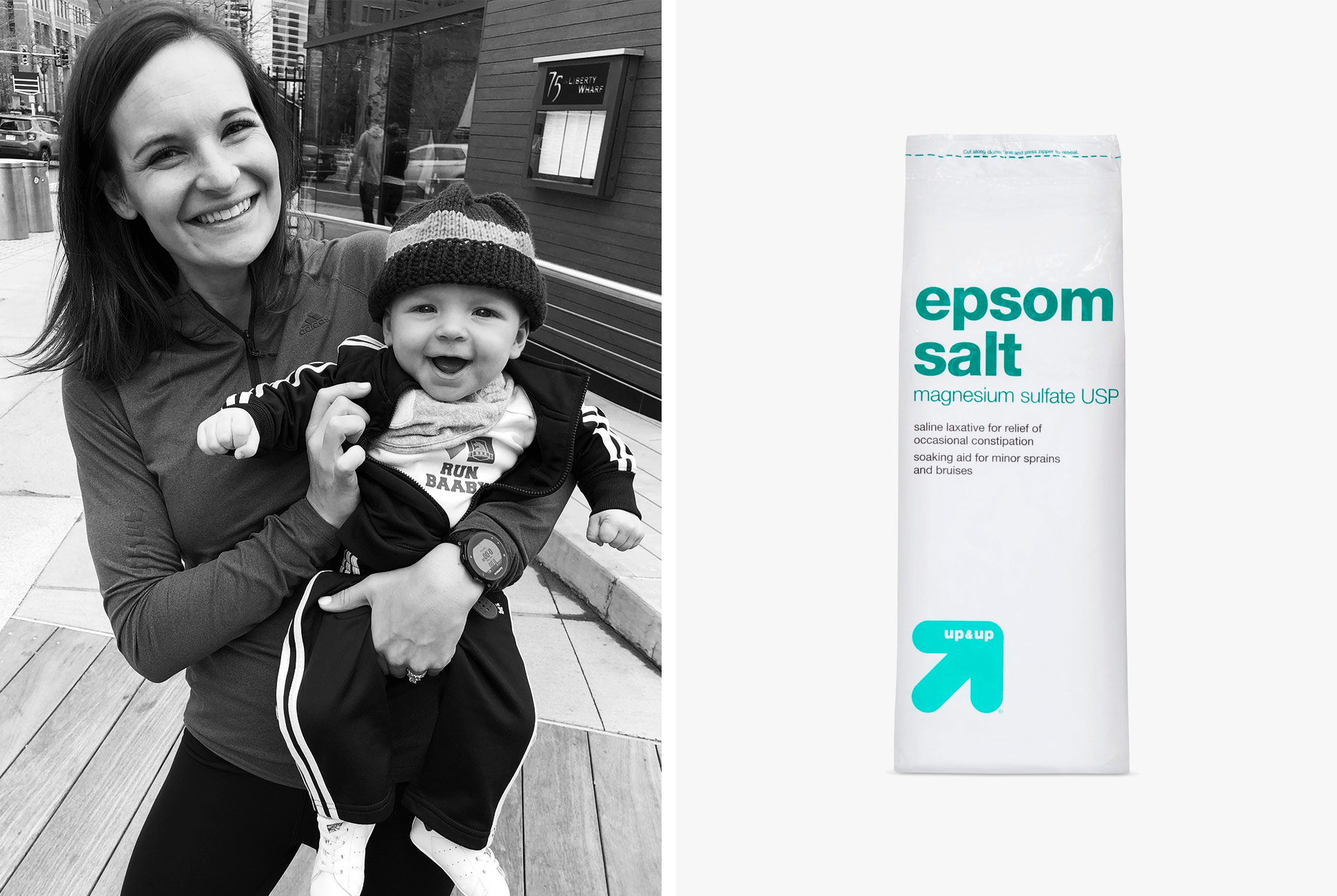
Amanda Nurse, Heartbreaker Run Coach, Adidas ambassador, and mom of one

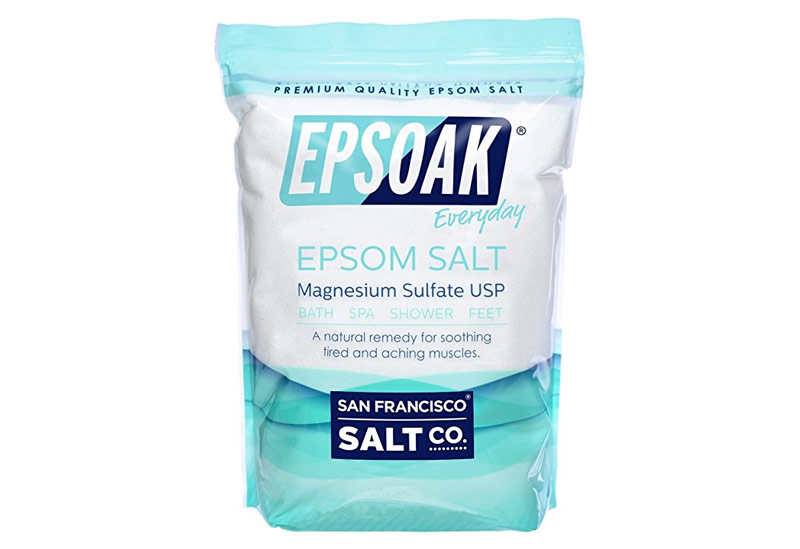
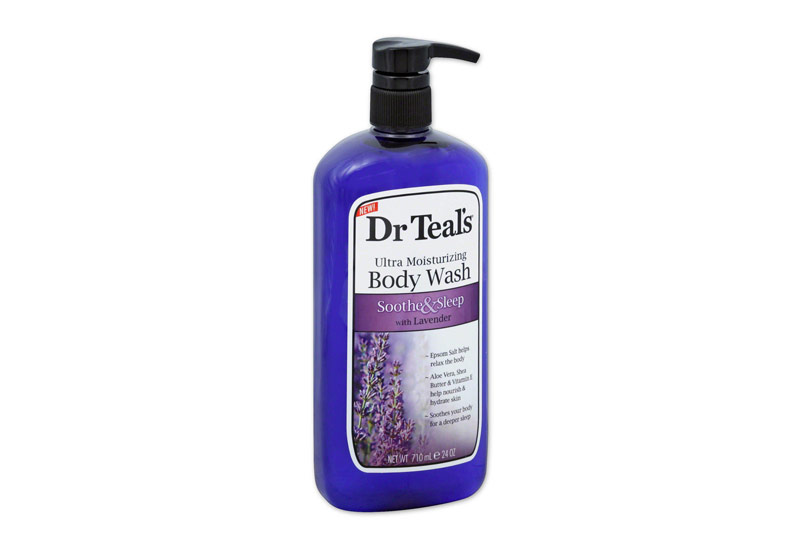
“Epsom salts are great for a relaxing bath (alone!) and for sore muscles.”

Check out Amanda’s upcoming classes: here.

Epsoak Everyday by San Francisco Salt Co. $28

Soothe & Sleep Lavender Moisturizing Body Wash by Dr. Teal’s $6

Kimmy Fasani, Pro Snowboarder, Lululemon elite athlete, and mom of one

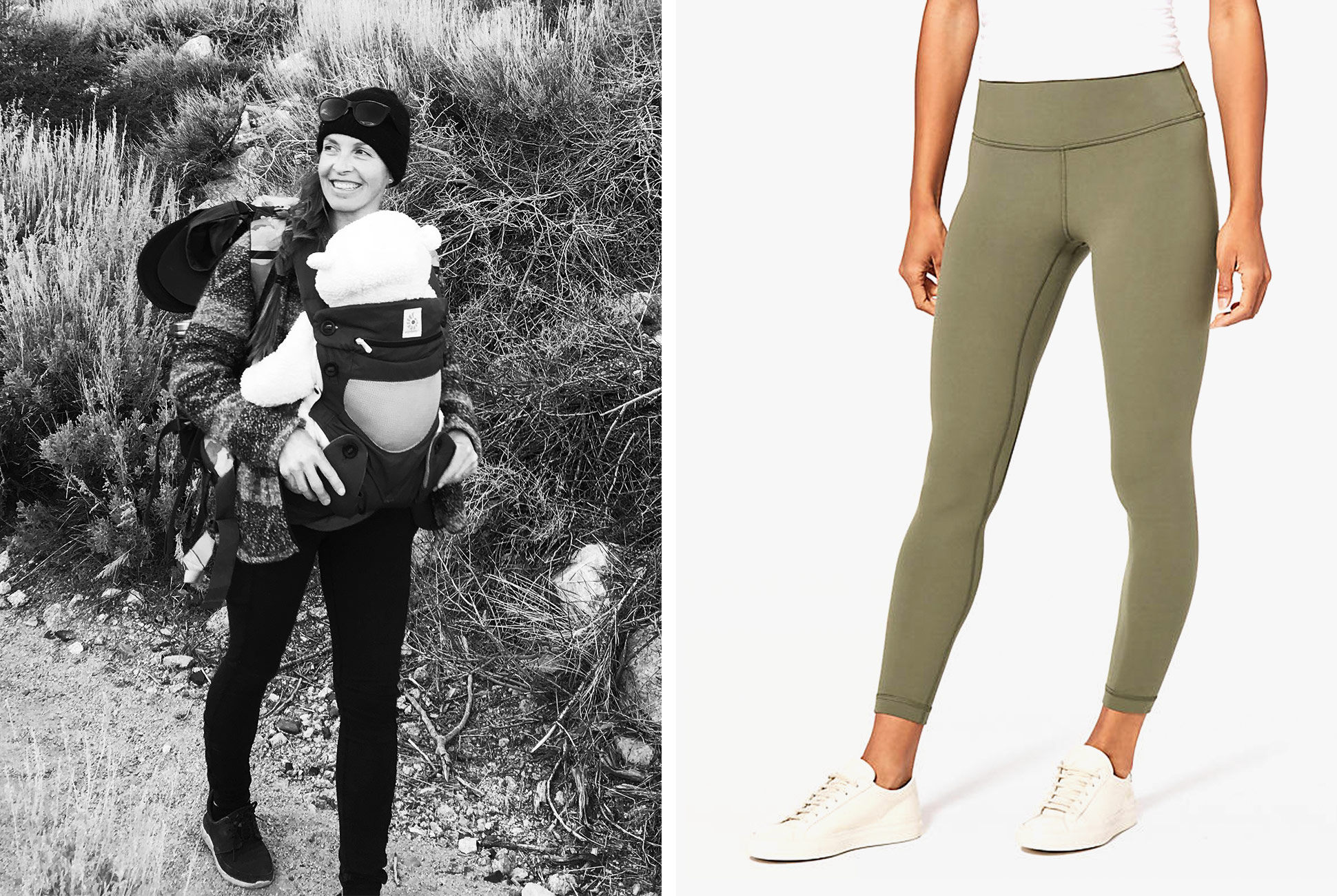
“Lululemon’s Align Pant is my go-to gift. They are buttery-soft and allow me to go through my day feeling covered and secure — whether I’m hiking, rock-climbing or flowing through my practice. As a mom, I need to be able to take care of my newborn with no distractions, and these offer just that.”

Check out Kimmy’s latest travels and blog: here.

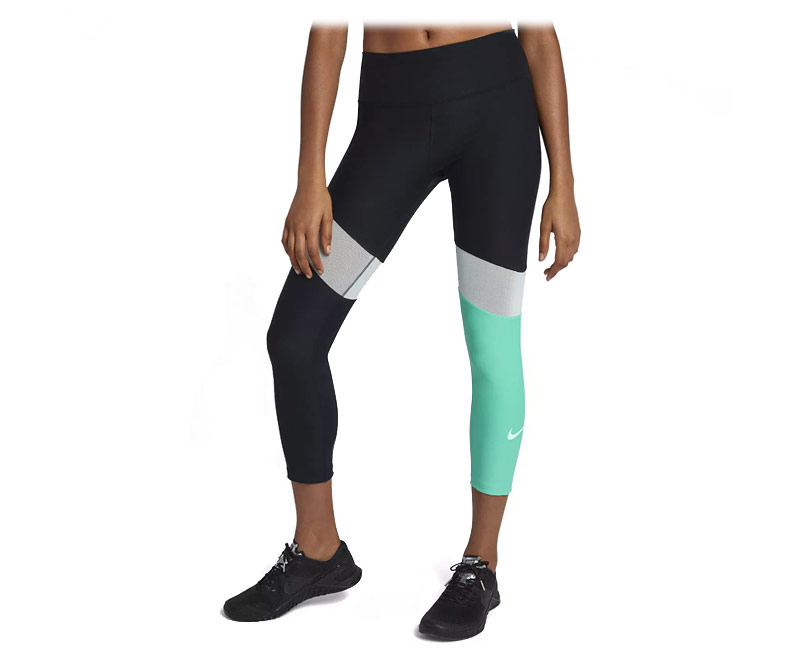
Training Power Crops by Nike $55

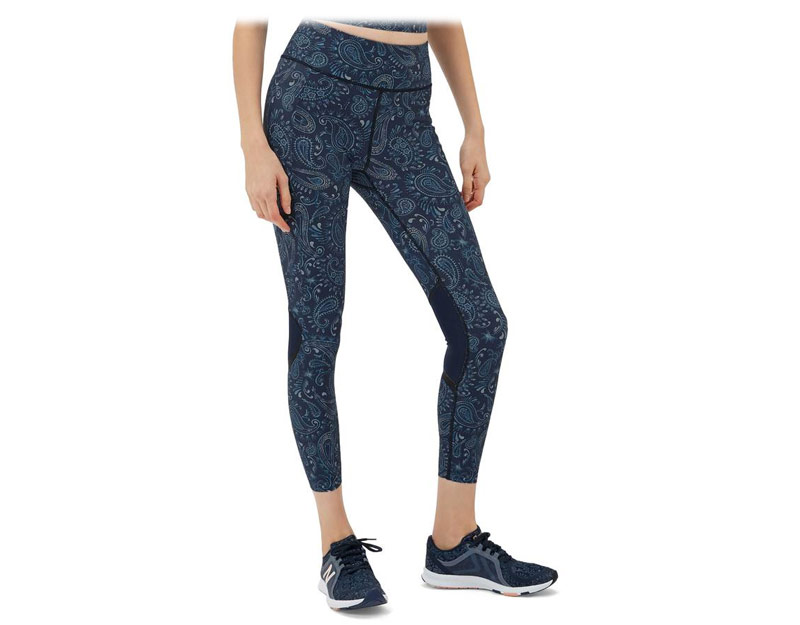
Zero Gravity Ankle Leggings by Sweaty Betty $135
Best Running Strollers

There’s no reason to let your running schedule go downhill once a little one comes along. With all the running strollers out there, there’s no shortage of ways to buckle the kid in and get running. Read the Story

How to Buy a Vintage Watch

Last Updated April, 2018.

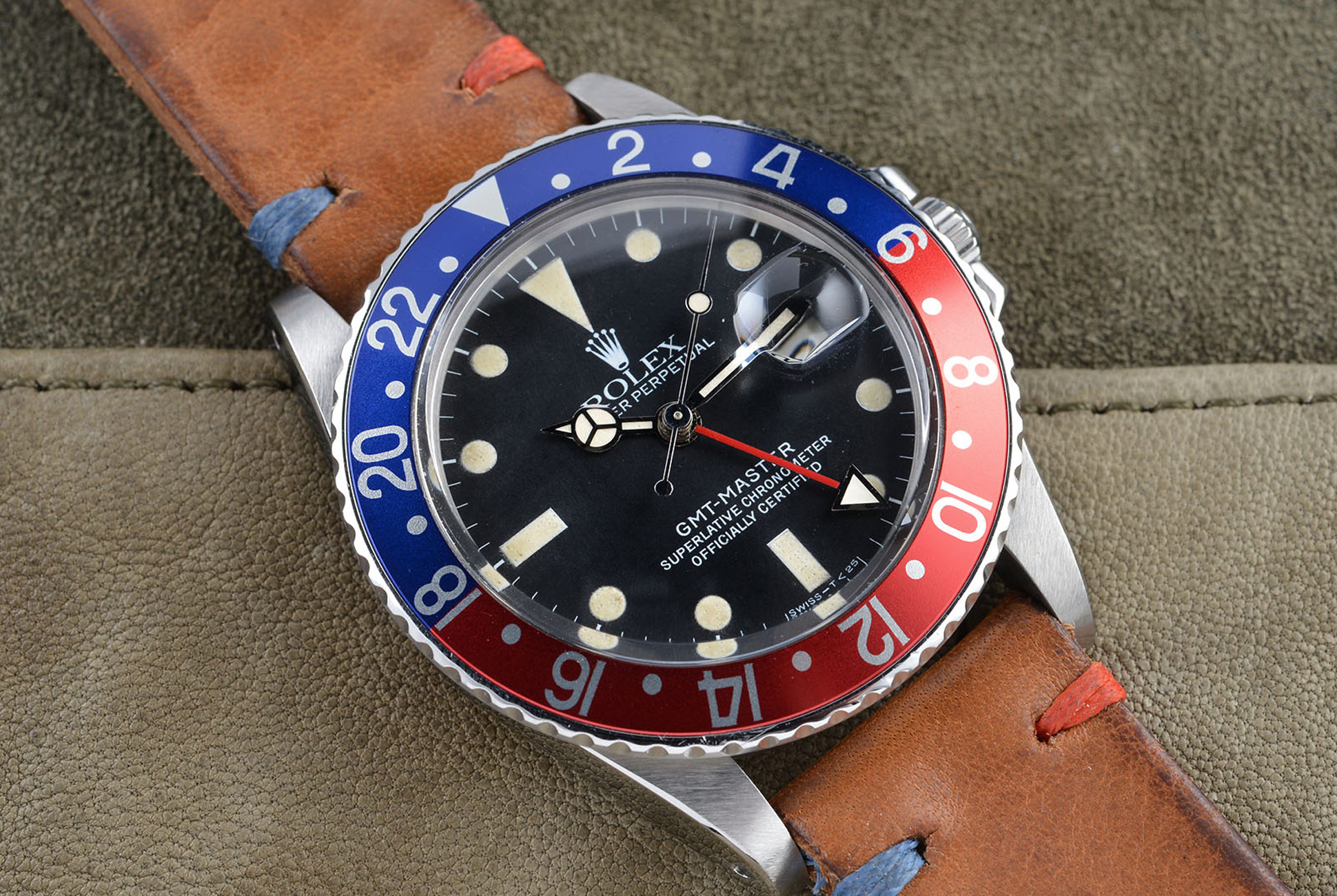
A vintage 1966 Rolex GMT-Master is far from perfect. The painted markers may be discolored, cracked or, at the very least, lack their luminescence. The rotating bezel might not ratchet; the acrylic crystal is likely scratched. Set alongside a modern Rolex GMT-Master II, with its ceramic ratcheting bezel, sapphire crystal, solid bracelet and 100-meter water resistance, there shouldn’t be much of a contest. The new watch is the one to get, right? Wrong.

Vintage watch buying is enjoying incredible popularity, thanks to a community of savvy collectors, great internet resources for both learning about and buying old watches, and a nostalgic yearning for quality products from an era before planned obsolescence. Old watches also represent great value, the chance to wear a piece of history and, if you’re lucky, a good investment. Not to mention, they just look cool.

Why Vintage?

If you have $2,000 to spend, you could drive down to Bloomingdale’s and walk out with a quartz TAG Heuer or Longines that would serve you well for many years. Or you could buy a 1962 LeCoultre Memovox with an in-house manufacture movement featuring a mechanical alarm complication from one of the most respected names in watchmaking. The latter watch will be more unique, garnering a lot more looks and compliments than a TAG that half your co-workers are wearing; on top of that, you’ll know that you’re wearing a piece of history that is still as reliable today as it was 50 years ago.

And while we don’t recommend buying a vintage watch as a retirement strategy, there is some merit to holding onto material investments as part of your portfolio. You can plop $20,000 into a mutual fund and hope your fund manager isn’t a crook, or you can find a 1973 Audemars Piguet Royal Oak, the legendary watch that single-handedly saved one of the most storied brands in haute horlogerie. There are no sure bets in vintage watch investments, but recent auctions have proven that certain brands and some specific references are reliable — certain Rolexes and almost any Patek Philippe, for example.

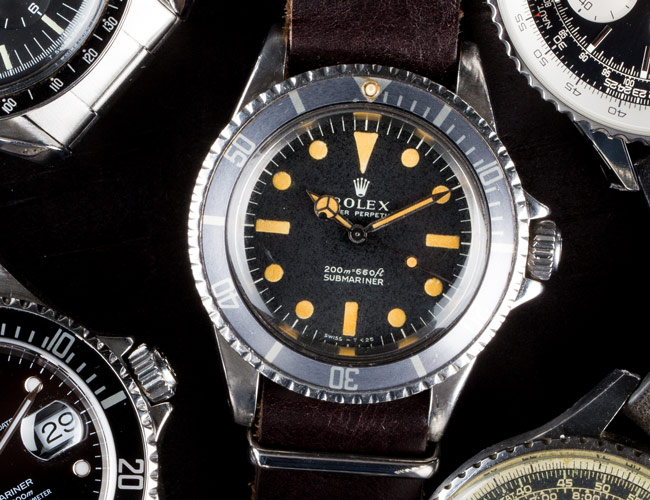
The most interesting vintage watches are those that were developed for a specific purpose: the so-called “tool watches“. Rolex made its name building such timepieces, like the Submariner (diving), the Milgauss (nuclear research) and the Explorer II (spelunking) — vintage examples of which are consistently top picks among collectors. Because timepieces used to be legitimate pieces of kit, many of these great old tool watches were actually bought and used for the purposes for which they were designed, which only adds to their mystique, value and stories. That GMT-Master? Designed in 1954 for the first transcontinental pilots of Pan Am airlines.

It’s no coincidence that most brands are releasing new watches that trade on the designs of their forebears. The timepieces of the 1950s and ’60s were simply gorgeous. Tonneau cases, bombe lugs, domed crystals and gilt dials all marked the ascendancy of the wristwatch, which reached its zenith around 1970. The Omegas, Heuers and Jaegers from those decades set the standard for design — one that is still followed to this day. And despite the fact that many older watches are considered too small for the modern wrist, by the late ’60s, diameters consistently approached the 36-40mm sweet spot that fits most men well even today.

What to Expect From a Vintage Watch

“Owning a vintage timepiece is a lot like owning a vintage car, without the oil leaks,” says James Lamdin of Analog/Shift. “There is a reasonable amount of preventative maintenance that should be factored in (most non-complicated timepieces require a basic checkup and tune every couple years), but then again, a new piece should really get the same treatment as well.

“It is also important to note that vintage watches will never be as accurate as a modern piece (particularly quartz), but that doesn’t matter,” Lamdin adds. “Owning a mechanical timepiece is about experiencing the measurement of time, not just telling it. And much like crank windows and carburetors, there is an undeniable charm that resonates throughout the experience.

“Expect to form a relationship with your vintage watch — they each have a character all their own, something that soulless, mass-produced modern watches (and automobiles) lack most of the time. It may take a little more effort to keep running properly, but again, like a vintage automobile, it repays you in spades when you take it out for a spin.”

How to Do It

Step 1: Educate yourself.

The vintage watch market is rife with fakes, so-called “frankenwatches”, and unscrupulous sellers. Do your homework. Talk to collectors, join web forums and ask questions; learn about the watches you’re interested in. Post photos and solicit feedback. Spaces like the Vintage Rolex Forum and the Military Watch Resource are great places to elicit help. Sites like On the Dash and HODINKEE often focus specifically on vintage timepieces and are perfect places to glean knowledge on a daily basis.

Step 2: Get hands-on.

Condition is the biggest differentiator in vintage watches and can mean the difference between a $4,000 watch and a $7,000 one — an investment-grade piece and an also-ran. You might be surprised to learn that, when buying a vintage watch, original condition is paramount. Does the lume on the dial match that on the hands? If not, chances are the hands or dial have been replaced. Are the edges of the case smooth or sharp? It’s better to have a watch with its original finish, despite the scratches that come with age, rather than one that was polished to death.

Step 3: Check the serial number.

You can use the serial number to check for the watch’s age. If possible, make sure that the movement number lines up with the case vintage. “Frankenwatches” are those with mismatched or replaced parts, pieced together to make a complete timepiece or improve its appearance for the unsuspecting buyer. These can mean great bargains if you’re just looking for a cool old watch to wear, but you should always know the truth about what you’re getting.

Step 4: Buy the seller.

Get references, ask for a “proof photo” of the watch you want to buy (a photo taken of the watch on that day’s newspaper, with a handwritten note with the seller’s name) and talk to the seller on the phone. There are numerous watch sale forums online, but there are also reputable individual dealers, both local and online. While they tend to be more expensive, they also tend to sell better products — watches that are serviced and authenticated. Analog/Shift and Matthew Bain Inc. are good examples of dealers that can help you, for the right price.

Three Vintage Watches to Collect

OMEGA Speedmaster Professional

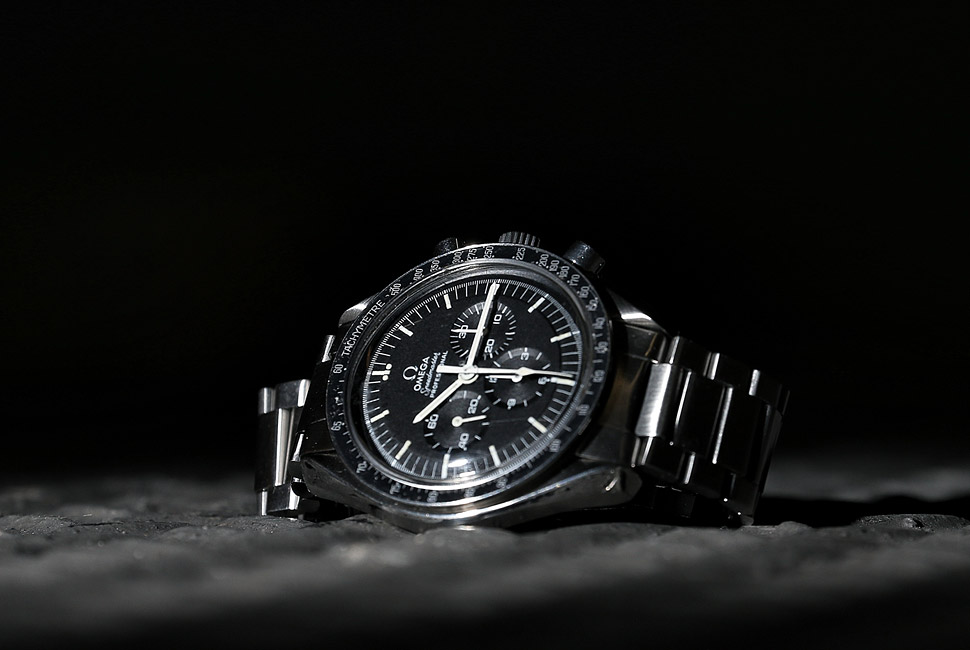
This handwound chronograph was the first watch worn on the Moon and a must-have for any collection. Prepare to spend more for a “Pre-Moon” example.

Rolex GMT-Master


Developed by Rolex for Pan Am airlines, this watch was the first to display two time zones simultaneously. Overlooked for years, this model’s value is going up quickly.

Heuer Autavia

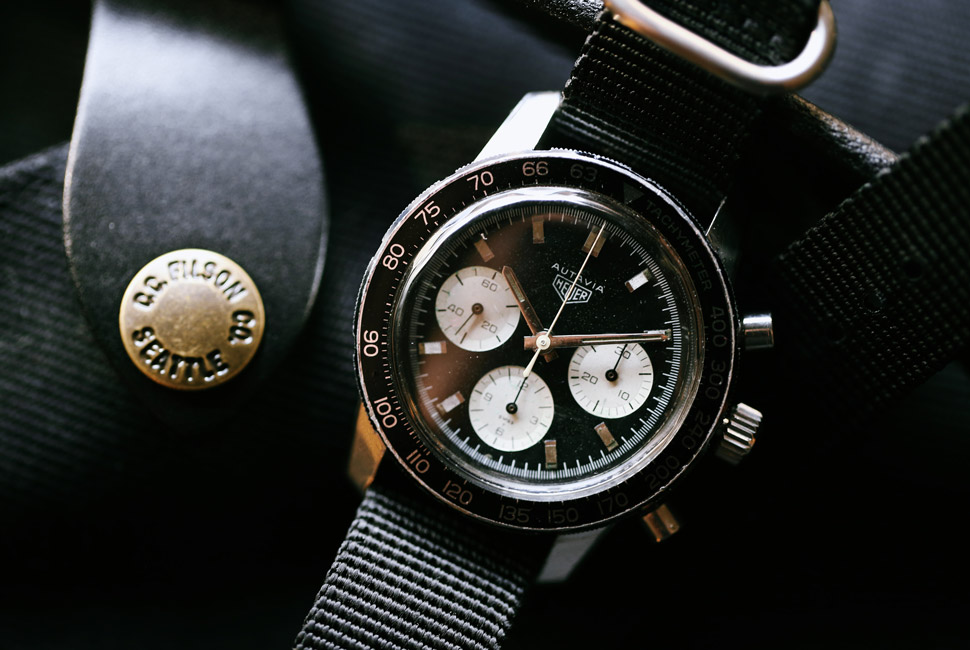
The real deal from the pre-TAG days, the Autavia was Heuer’s automotive and aviation watch. The Viceroy versions were offered as a cigarette brand promotion in the 1970s and can be found at reasonable prices now.

The Best Vintage Watches to Collect

grey_placeholder

According to three vintage watch experts. Read the Story
The 6 Greatest Adventure Motorcycles You Can Buy Today

Sportbikes are great for high speeds and getting low in turns; dirt bikes are right at home threading through dense wooded trails and slingin’ dirt. But, if you were to ask either to do the other’s job, they (and you) would quite literally fall flat.

With the looks and utility of a capable off-roader and the balance and handling of a sport-standard, adventure motorcycles are a bipartisan look at how to tackle paved roads and dirt. With a set of purpose-balanced tires (not too knobby, not too slick) an adventure motorcycle will handle a long-haul tour across the country and then confidently set off down a forest service road in search of a quality campsite. Like the crossover in the four-wheeled world, the adventure motorcycle segment is rapidly expanding thanks to its sportiness and utility — and there are now more options than ever (to take you wherever).

Adventure Touring

Home Is Where the Dirt Is

Even in the adventure bike world, there are varying degrees of dirt dedication. If you find yourself off the road more than on, the “adventure touring” category is where to look. These are the bikes you’ll see teams decking out for the Dakar Rally. But in stock trim, though these bikes are more than capable on asphalt, they prefer to be roosting all day, caked in dirt.

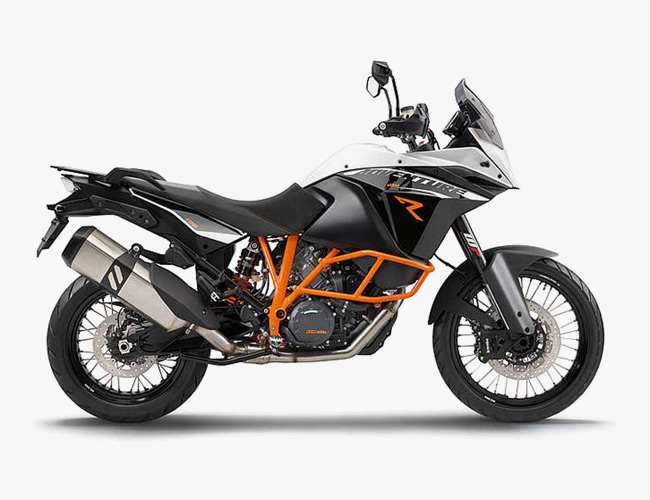
KTM 1290 Super Adventure R

best-adv-bikes-gear-patrol-ktm2
According to KTM, the Super Adventure R is the “the world’s most advanced Travel Enduro chassis.” Not many would dispute that claim, and the Adventure R is a straight-up off-road superbike. The 148 horsepower 1,301cc engine is never left wanting for power, even if you find yourself at 14,000 feet. And while dirt and gravel are where the Super Adventure R sings, with the advanced level of adjustable fuel mapping, traction control and suspension, it’s hard to find the KTM out of its element.

Engine: 1,301cc V-Twin
Horsepower: 160
Torque: 118 lb-ft
Weight (dry): 478 pounds
Rider Modes: Street, Sport, Rain, Off-Road

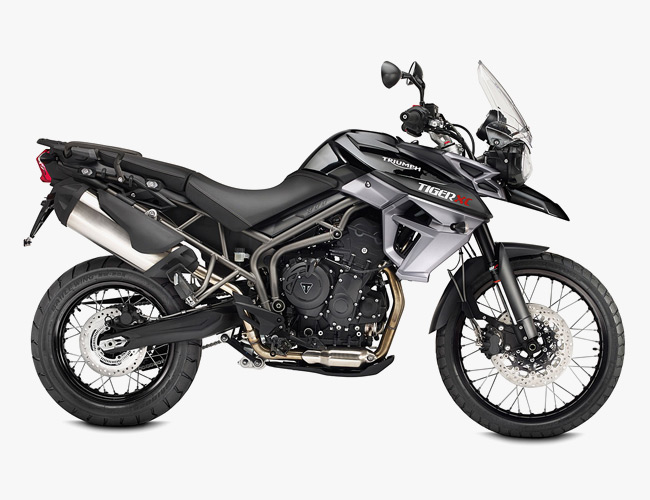
Triumph Tiger 800 XCx

best-adv-bikes-gear-patrol-triumph2
Light weight, manageable power and rider-focused electronic systems make the Tiger 800 XCx Triumph’s best off-road handling bike ever. The 800cc inline-three 58 lb-ft of smooth, even torque via a ride-by-wire system is enough to keep things exciting on the pavement and predictable in the dirt. But one of the highlights of the Tiger is the defeat-able ABS. In Off-Road Mode, ABS to the rear wheel is switched off, allowing for better rotation, tighter turns and a little more fun under braking. Pound for pound, the Triumph Tiger 800 XCx is one of, if not the best middleweight adventure bike on the market.

Engine: 800cc In-Line Three-Cylinder
Horsepower: 95
Torque: 58 lb-ft
Weight (dry): 450 pounds
Rider Modes: Road, Off-Road, Off

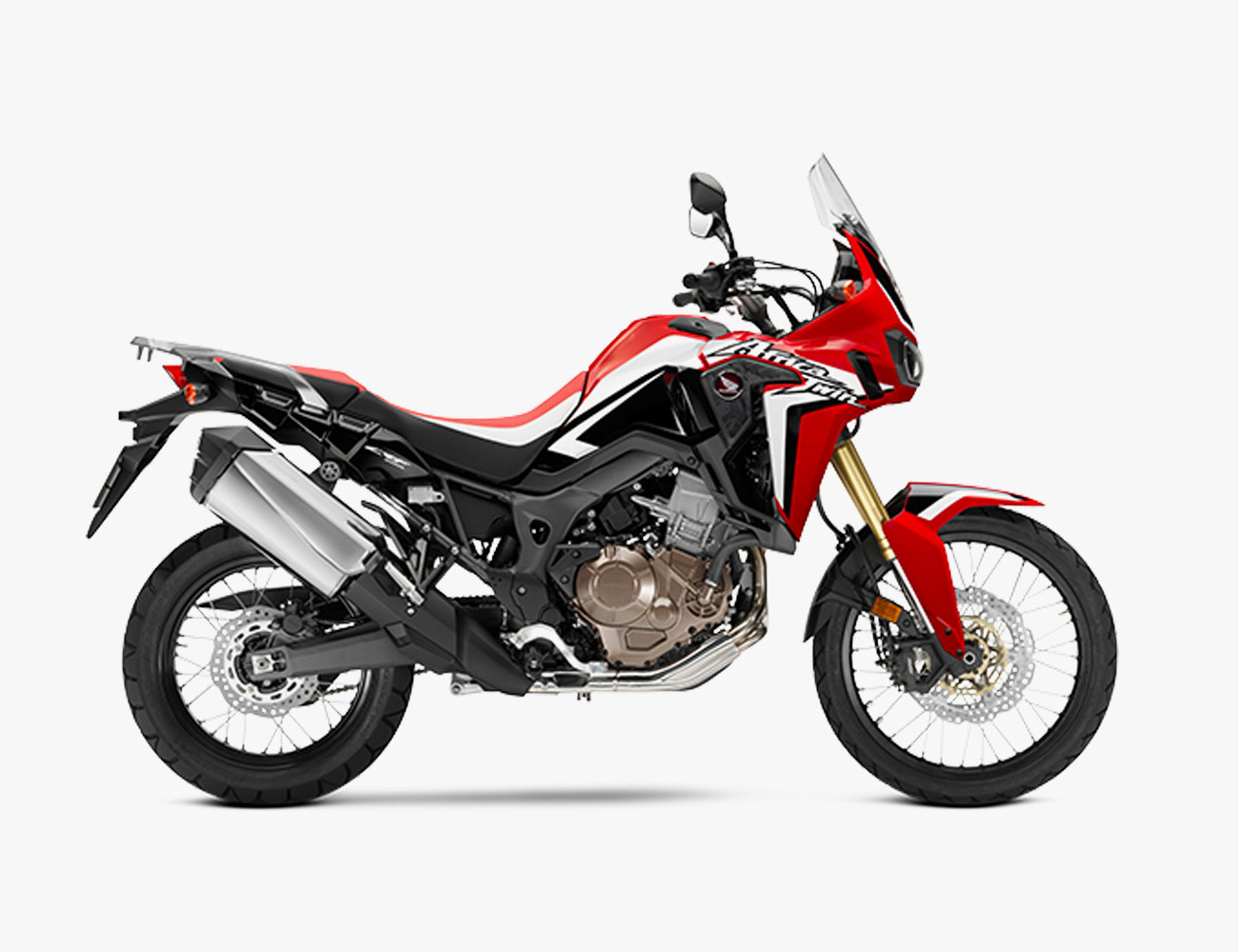
Honda Africa Twin


The Africa Twin is an incredibly capable bike. The chassis and suspension shine thanks to the incredible engineering at work. regardless if you choose the DCT or six-speed manual transmission, as a package, the Africa Twin is a seriously well-sorted machine. Regardless of transmission choice, it won’t disappoint adventurers keen on piloting a direct descendant of a Dakar winner, down any dusty path.

Engine: 998cc Parallel-twin
Horsepower: 94
Torque: 72 lb-ft
Weight (fully-loaded): 511 pounds
Rider Modes: Normal, Sport (Level-1, -2, -3)

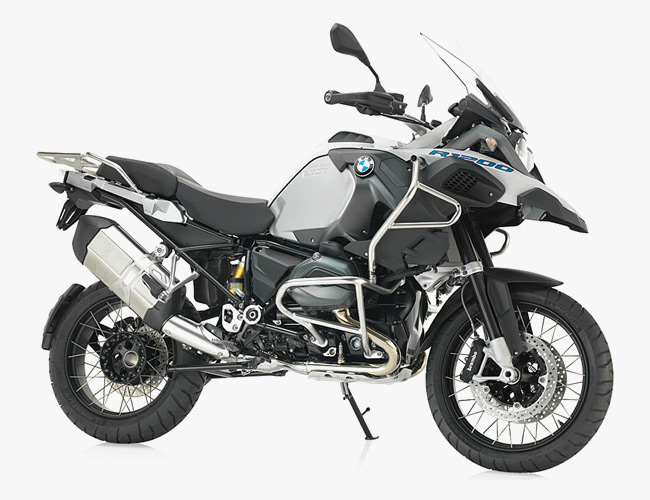
BMW R1200 GS Adventure

best-adv-bikes-gear-patrol-bmwr12003
30 years of perpetual refinement, iconic exposed cylinders, minimalist styling and aggressive body work lets you know the BMW R1200 GS Adventure isn’t just some weekend warrior’s plaything — it’s the bike you choose in a post-apocalyptic Mad Max scenario. With 125 horsepower and a 400-mile range, the only foreseeable limits are the rider. Electronically adjustable ABS, traction control and suspension means that, fully loaded panniers or stripped naked, the R1200 GS Adventure is one of the best-handling and most versatile bikes, on road or off.

Engine: 1,170cc Air/Oil-Cooled Flat-Twin
Horsepower: 125
Torque: 92 lb-ft
Weight (wet): 580 pounds
Rider Modes: Rain, Road, Dynamic (On Road), Enduro, Enduro Pro (Off Road)

Adventure Sport Touring

Pavement Preferred

For the majority of the world’s population that has to navigate city blocks and cabbies before they can spin a wheel on dirt trails, the adventure sport touring segment makes more sense, day to day. Shorter suspension travel than a full-on adventure bike, but more utility than a stiffer sport bike, adventure sport touring bikes could live their entire life on pavement, and with street tires, make for decent commuters. But why hinder their potential? Slap some knobbies on ’em and hit some backwoods two-tracks.

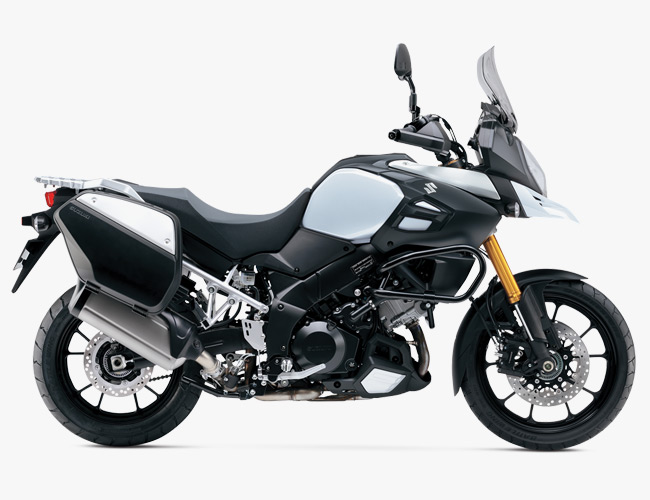
Suzuki V-Strom 1000 ABS

best-adv-bikes-gear-patrol-suzuki2
At a fraction of the price of most of its competitors, the Suzuki V-Strom 1000 ABS makes big-ticket tech more attainable. With ABS, two-stage traction control and adjustable suspension, the V-Strom stands apart at its price point. At $12,999, it’s hard to ask for more. With proper dirt tires, you can throw an entire mountain at the V-Strom and it’ll take it in stride.

Engine: 1,037cc 90-Degree V-Twin
Horsepower: 99
Torque: 76 lb-ft
Weight (Wet): 511 pounds
Rider Modes: TC1 (low sensitivity), TC2 (high sensitivity), Off

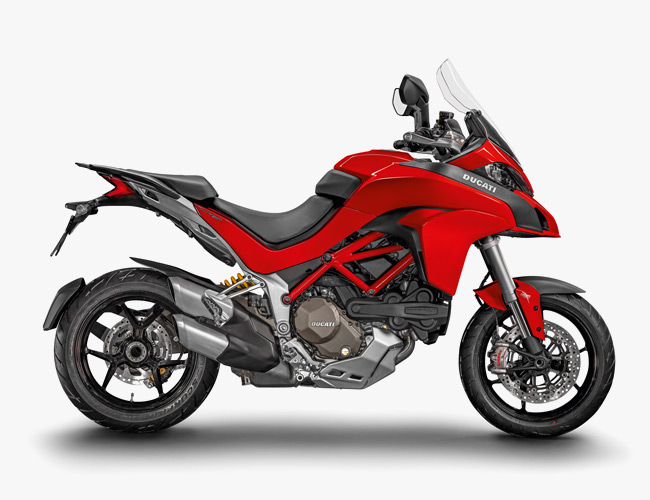
Ducati Multistrada 1200 Enduro

best-adv-bikes-gear-patrol-ducati2
The 1198cc 152 horsepower V-Twin hints at superbike performance, and there’s no doubting the Multistrada’s track capabilities. It may sit tall, but its balance only lends itself to total versatility — the quirky Italian style is just a plus. The reworked Testastretta engine with Desmodromic variable timing and dual spark ignition, combined with ABS, four ride modes, traction control, double sided swing arm and semi-active suspension makes the Multistrada 1200 the most advanced bike in Ducati’s lineup.

Engine: 1,198cc 90-degree L-Twin
Horsepower: 152
Torque: 94 lb-ft
Weight (dry): 496 pounds
Rider Modes: Sport, Touring, Urban, Enduro
Something More Commuter Friendly

Navigating any concrete jungle can be hell — especially if you call the asphalt wilds your commute. Read the Story

Expert Picks: 7 Excellent Roof Racks for Hauling Gear

Long road trips and overlanding adventures are only done right when you pack until your vehicle is almost overflowing. But if you’re playing Tetris with bags and your truck is bursting at the welds, chances are you won’t be able to see anything out the rear window — and that’s not safe. Roof racks are great for spreading gear to the often unused and underutilized space on the roof, but also for storing gear that won’t fit in your car to begin with. Paddleboards, mountain bikes and kayaks should all ride topside, especially after a long weekend of hard use.

We spoke to Tom Henwood of Main Line Overland to see what the pros are using and what’s popular on today’s market. “The best roof rack is the best design for a given application, rather than a particular brand. We help customers select racks and storage systems based on what they intend to carry on their travels, where they intend to go, etc. We look for componentry that maintains a low profile and low center of gravity for off-road driving, so we often choose aluminum roof racks to keep weight down up top.”

Why Use a Roof Rack?

Whether you have a sedan, a truck or SUV, the interior cargo space can always fill up quicker than you think. And while the average person doesn’t need a roof rack 24/7, like winter tires, they are an incredibly useful asset to have on hand if you’re overlanding, going on a long road trip, moving to a new house or just going up to the lake for a day. If you’re going to be strapping things to the roof of your car, do the job right — don’t be that guy hauling a kayak that’s barely holding on with slowly loosening twine. Per Hendwood’s philosphy above, it’s best to use solid, lightweight hardwear that’s designed to carry loads — not barely roped-together guesswork.

Buying Guide

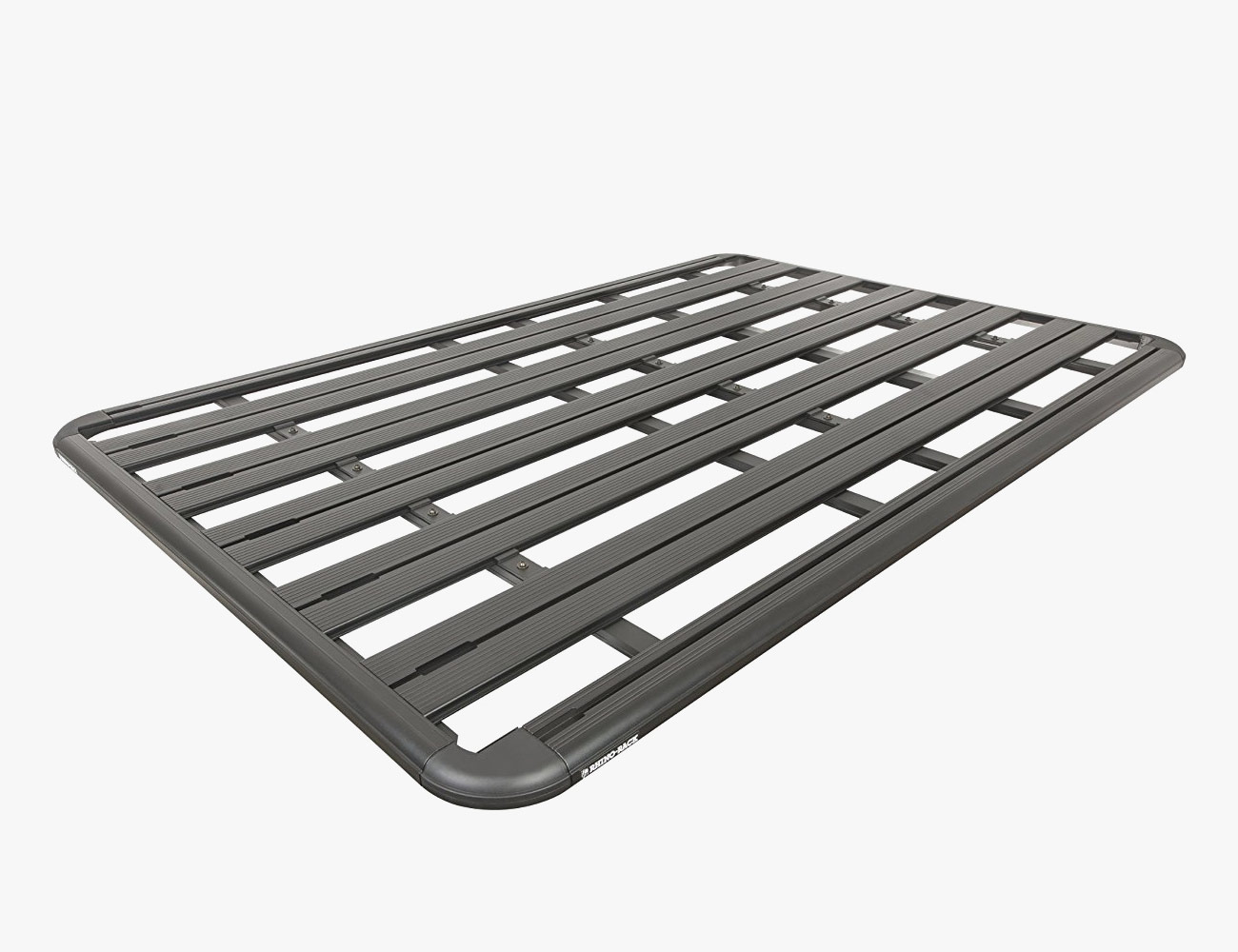
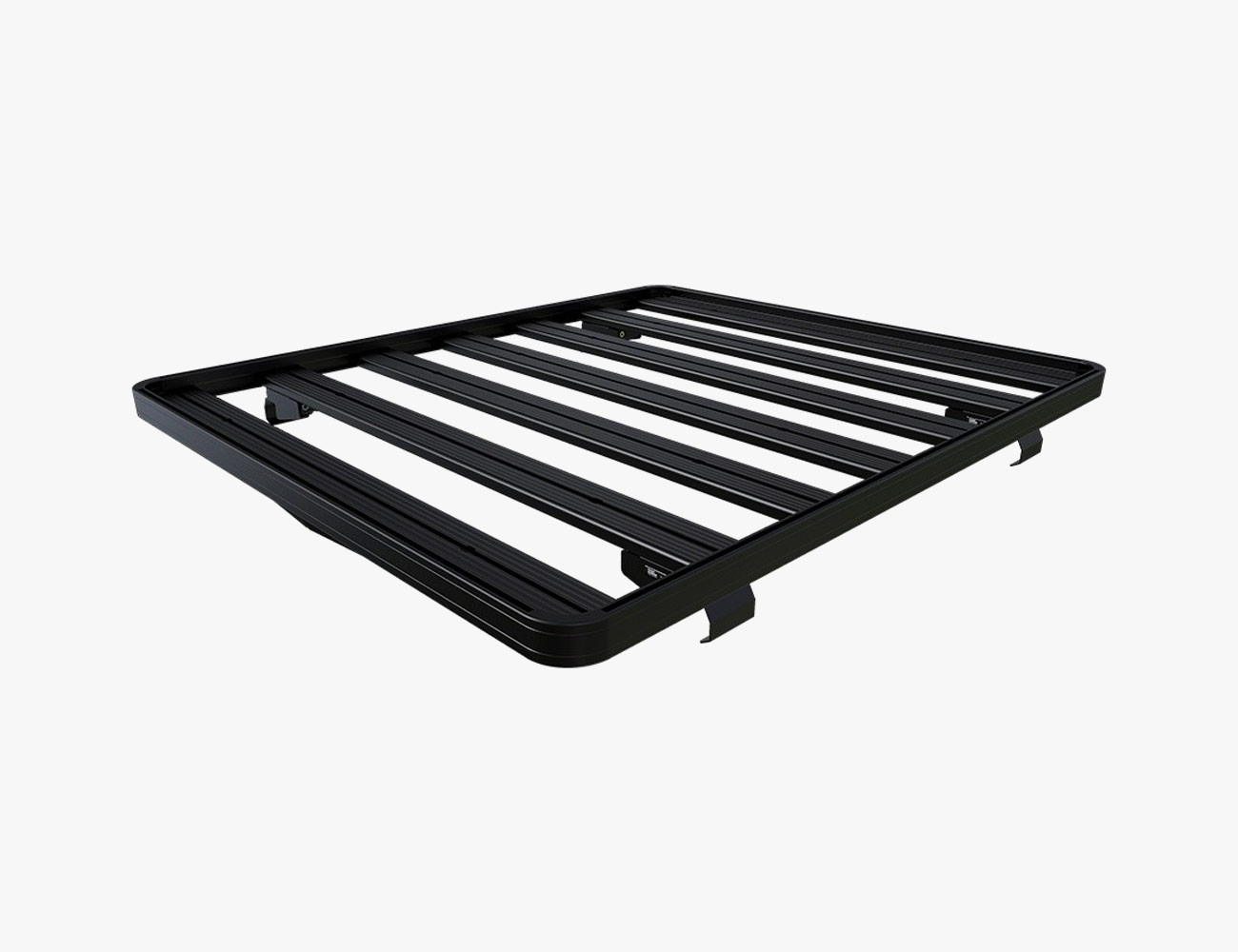
Rhino Rack Pioneer Platform

Best All-Around Roof Rack:
Based on its versatility, strength and durability, it’s hard to beat the Pioneer Platform range. “We’re running Pioneer Platforms on our Defender 110 and third-gen Tacoma builds, and we have found their system to be durable, affordable, easy to assemble and highly adaptable to a range of uses,” Henwood tells us. “We’ve loaded them with fat bikes, road bikes, camping cargo and with the Rhino Rack Batwing Awning set-up. They do what we ask of them with minimal added weight.”

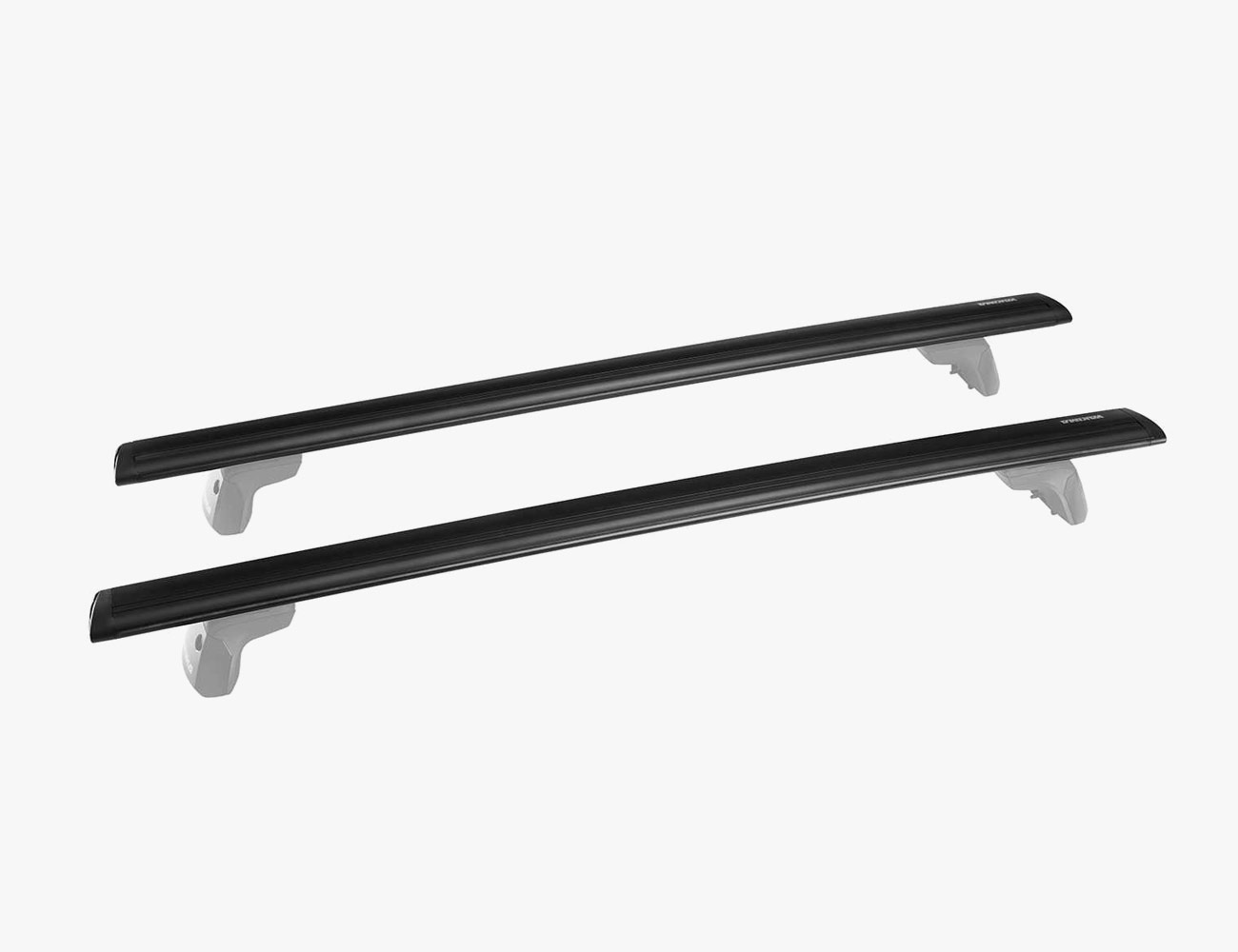
Yakima Jetstream

Best Budget Roof Rack :
For the price, the Yakima Jetstream is hard to top. Made from lightweight aluminum, an aerodynamically-minded design to lower wind noise and drag and the ability to work with a range of mounts, the Jetstream has the highest bang-for-buck factor on this list. It’s also available in three sizes and colors.

Front Runner Outfitters Grab-On Slimline

Best Roof Rack For SUVs:
With such a high number of SUVs on the market, finding a one-size-fits-all roof rack is nearly impossible. But if there is one rack that towers above others in design and usability, it’s Front Runner Outfitters’ Grab-On Slimline. “We have installed several of these Slimline racks on late-model Land Rovers, and their clean, classy look seems well-suited to most SUVs, especially the Land Rover LR4. Front Runner has a ton of bolt-on accessories as well, so you can carry your axe and shovel — or even a slide-out stainless prep table — in secure style.

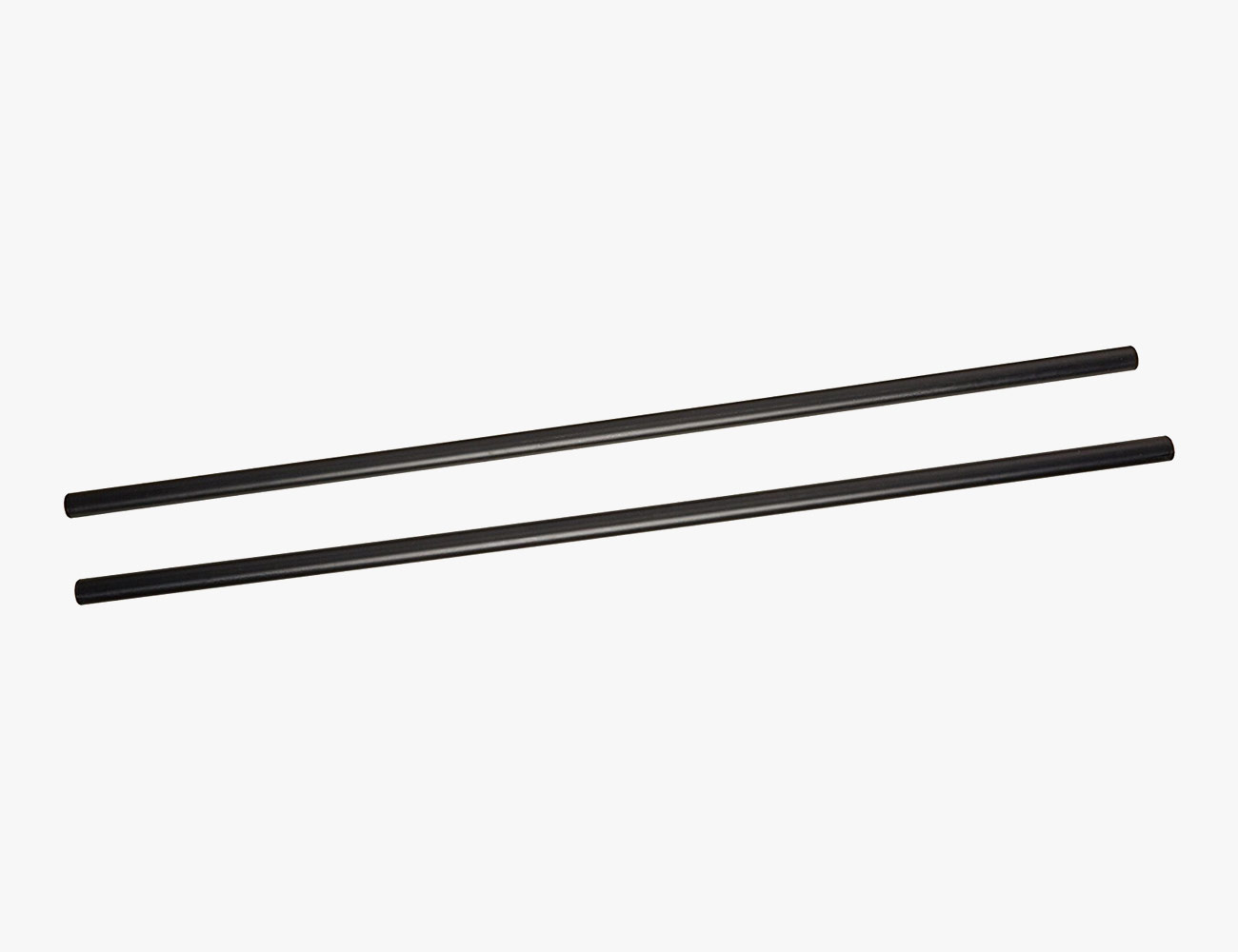
Yakima Round Bars

Best Roof Rack for Sedans:
Seeing a full-on roof rack bolted to the top of an overlander or SUV shouldn’t be a surprise to anyone. For more modest sedans, however, they look a tad out of place. Which is why the Yakima Round Bars make a great alternative. You won’t be carrying fully stocked coolers, kayaks and mountain bikes all at once with your four-door anyway, so there’s no need to go overboard. “We have been using Yakima Load Bars and Storage Boxes for years, both for ski and bike trips, and now even for rooftop storage on our Four Wheel Campers. The Yakima system is proven, classic and adaptable for smaller cars.”

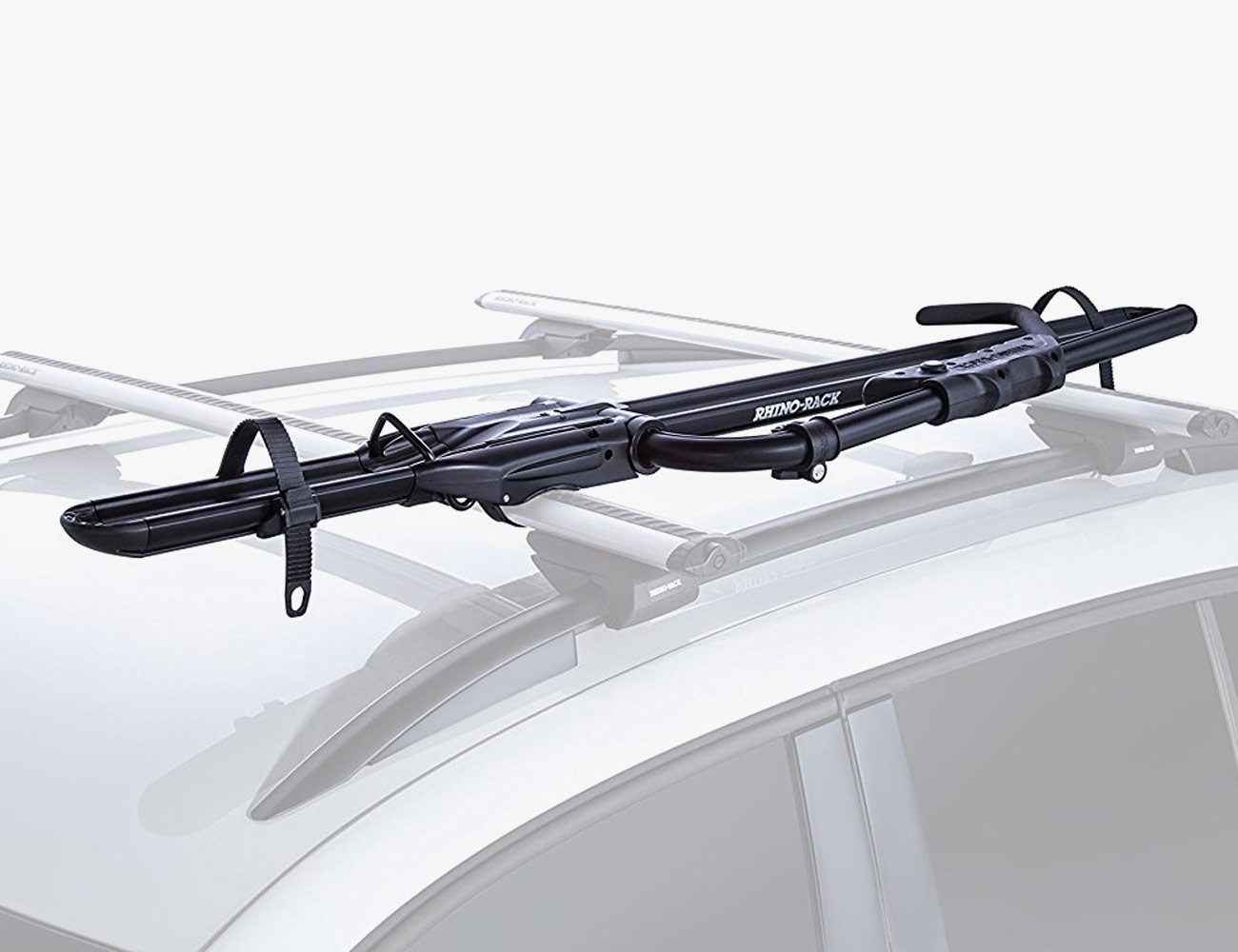
Rhino-Rack Hybrid Bike Carrier

Best Mountain Bike Hauler:
Getting a mountain bike secured safe and sound should be an easy and effortless task. Some systems require you to take off the front wheel, but that’s time spent not hitting the trails. “Rhino Rack’s Carrier is quick and easy to use … with a positive, lockable arm. [And you can keep] both wheels on the bike. The kit can be used with slim-shod roadies and gravel grinders or the wider MTBs and fat bikes.”

Thule Hullavator Pro Kayak Carrier

Best Roof Rack for Water Sports:
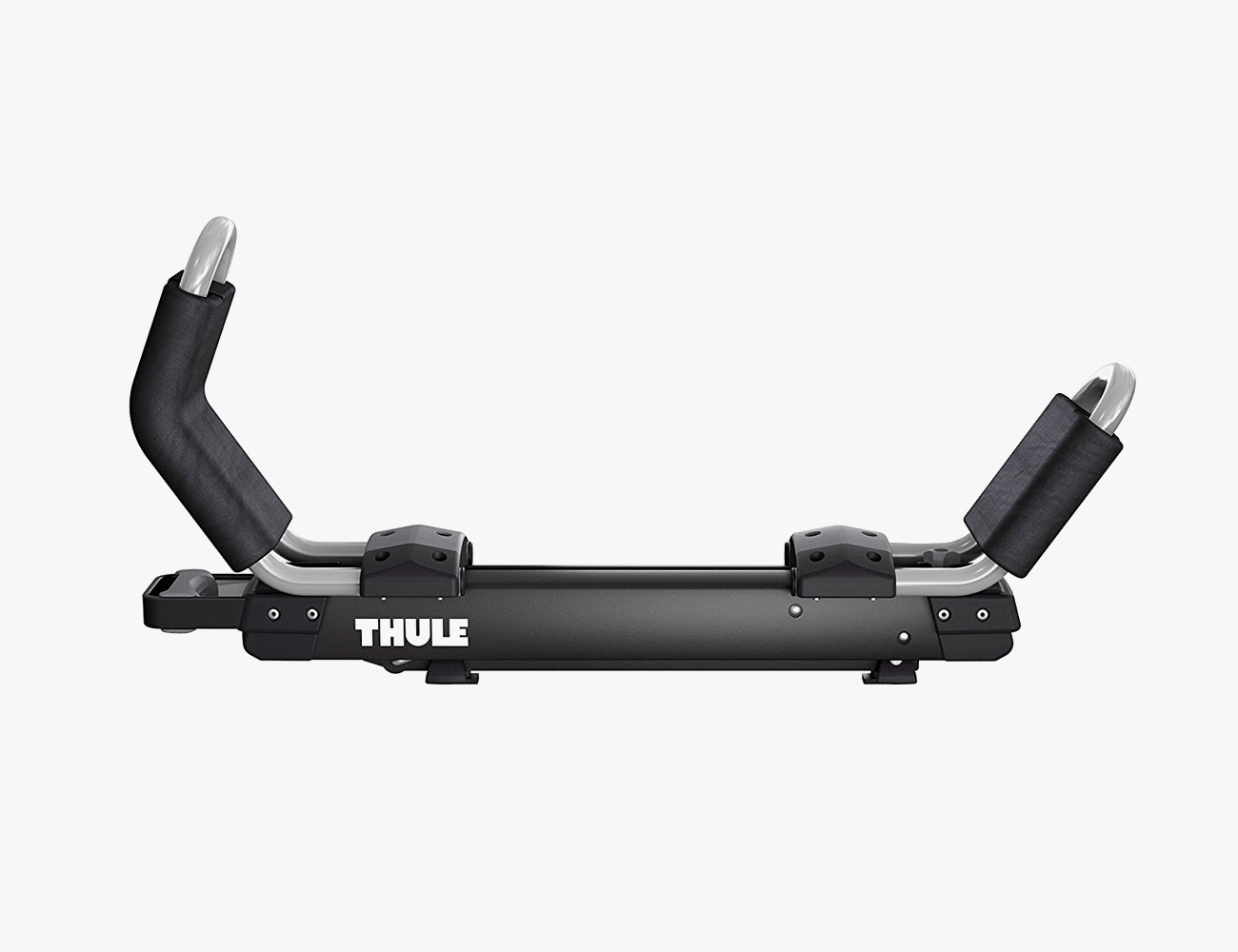
Kayaks are a little tougher to secure to the roof of a truck than mountain bikes. The Thule Hullavator Pro Kayak Carrier uses cassette-like side loading system to turn what might be a two person job into a quick and easy activity. “Our Four Wheel Pop-up Campers customers love the Thule Hullavator Pro Kayak Carrier for mounting kayaks, and they make life so much easier with vehicles with a tall roof. The system allows you to load from the side with less lifting and straining, which is key after a long day on the water.”

Aluminess Roof Rack

Most Outrageous Roof Rack:
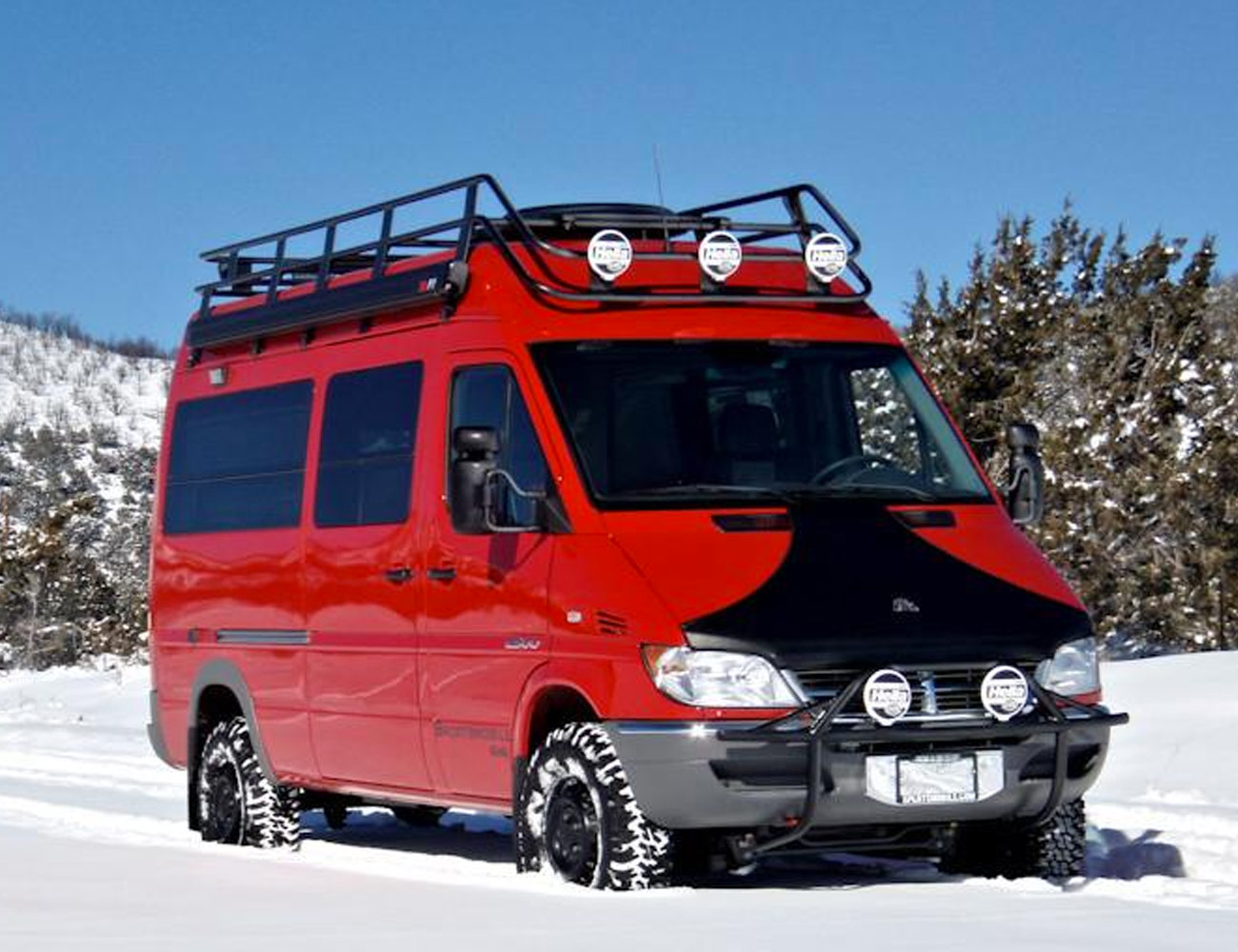
If you’re looking for a serious overland adventure or #vanlife upgrade, the Aluminess Roof Rack is the only way to go. It handles any gear and cargo you can think to throw up there. Moreover, outfits like Main Line Overland can customize it to fit A/C units, solar panels and satellite TV. “A full-length Aluminess Mercedes Sprinter Roof Rack is highly customizable and provides a massive amount of storage capacity. The optional side ladder makes it easy to mount the walk-on roof for strapping on loads and enhancing your perspective at roadside stops. You could probably even host a Bushwick rooftop party on one of them.”

Now Get an SUV to Go With That New Roof Rack

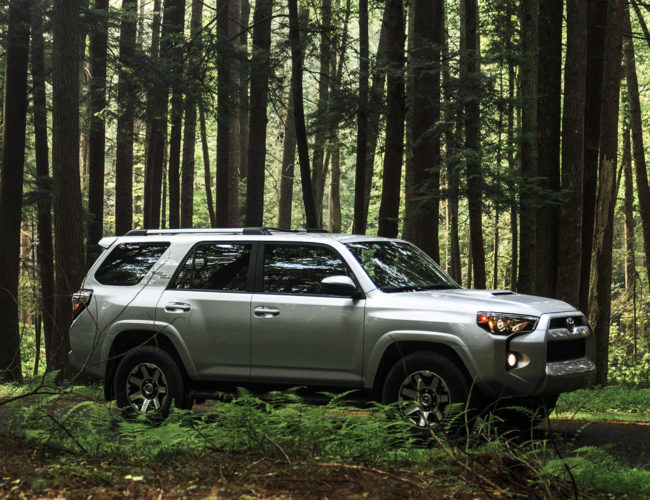
Choosing one among the endless many is no easy task. Moreover, since the average price for an SUV 2017 was just under $40,000, it’s a decision that shouldn’t be taken lightly. To cover all the bases, we bumped the budget up to $50,000 and chose the best new SUVs you can buy in 2018. Read the Story

The Used Bikes We’d Buy Right Now Under $500

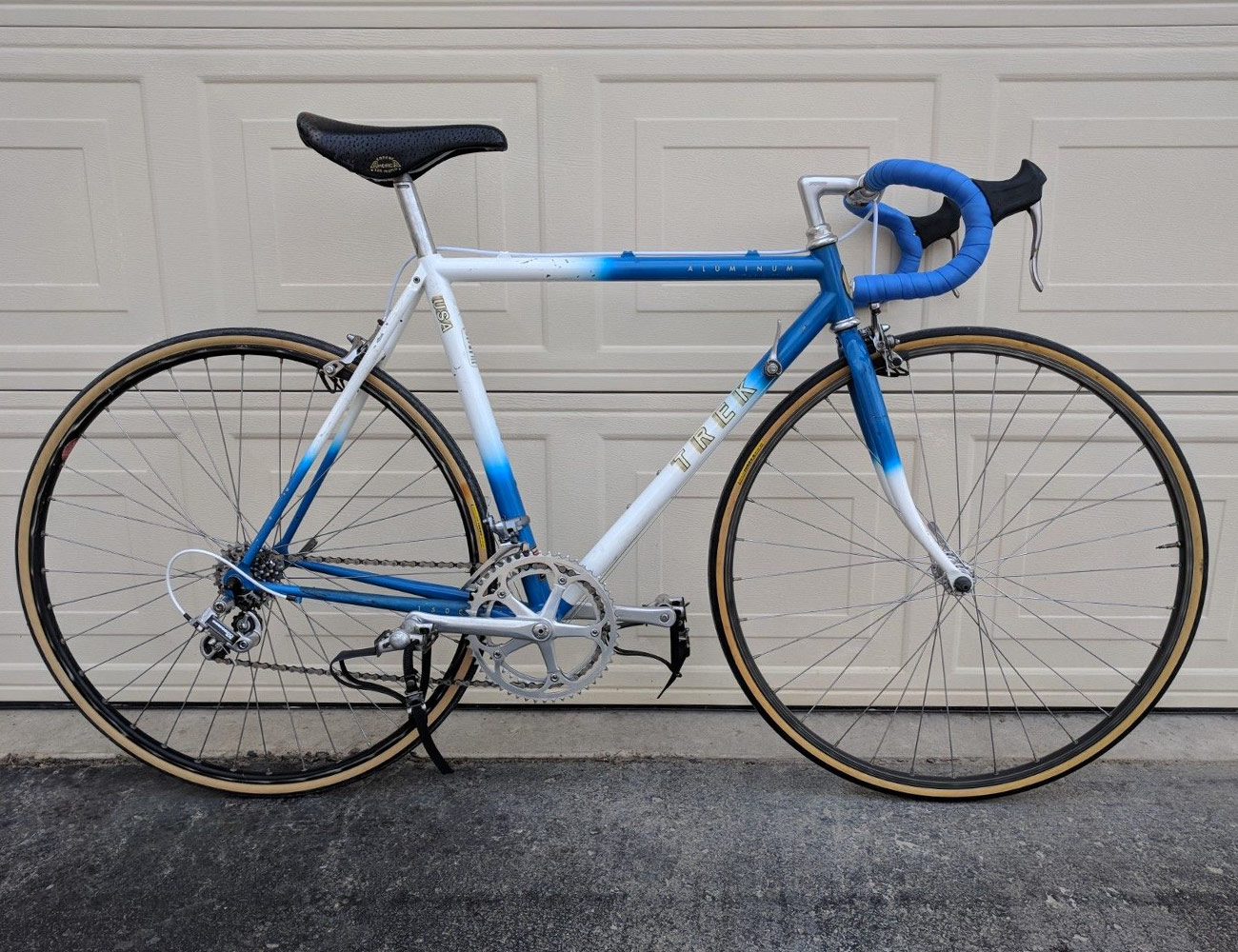
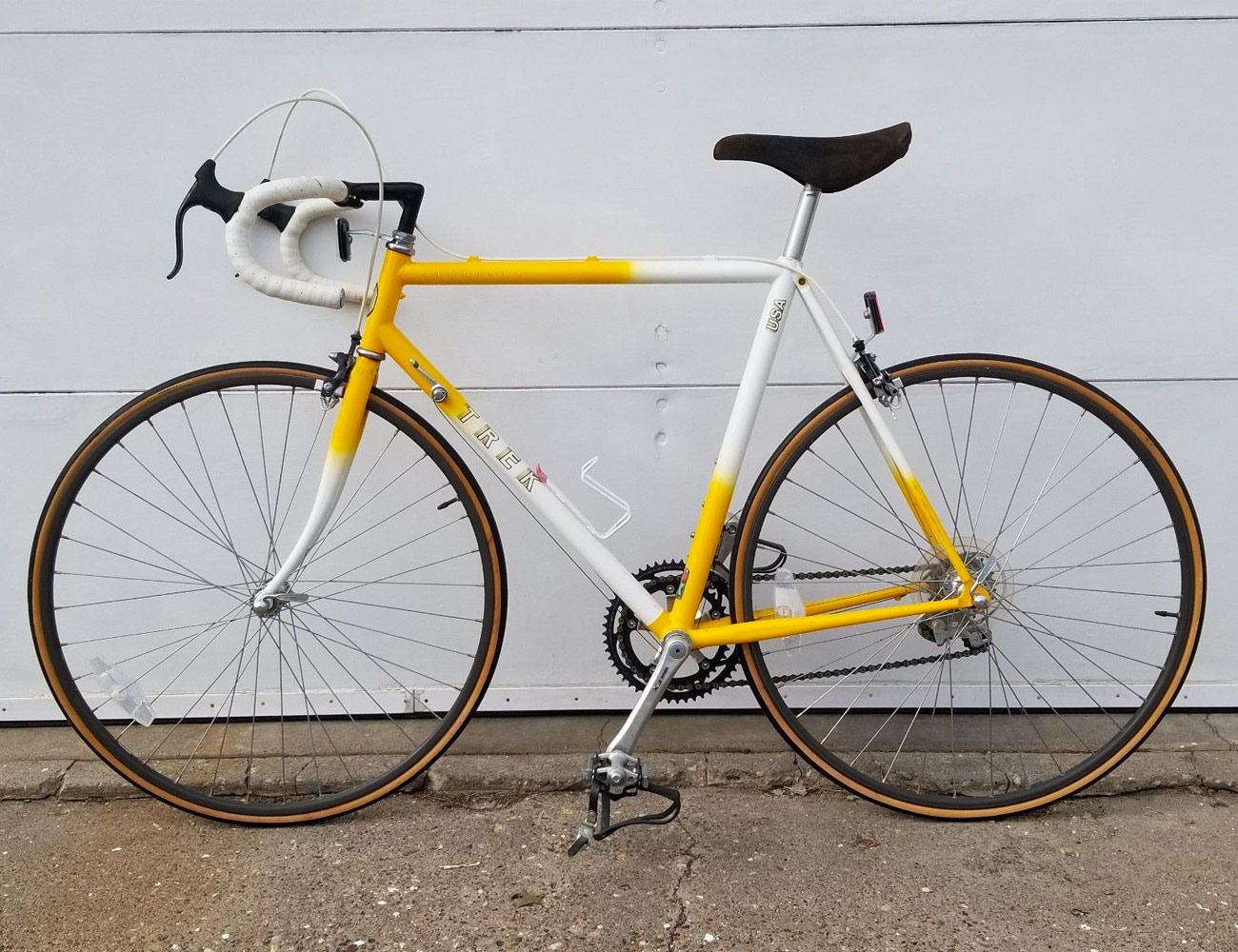
When it comes to affordable vintage road bikes, Trek reigns supreme. The brand made tons of quality steel and aluminum road bikes in the USA before moving most of the production overseas. Its road bikes made from steel and aluminum are a great purchase, but by no means are they the only option. Bianchi frames (as well as many other Italian bike makers), can be found for cheap on the used market and maintain their quality like no other. We scoured the web to bring you seven great options for a vintage road bike, all under $500.

Additional contribution by Meg Lappe.

Trek 500

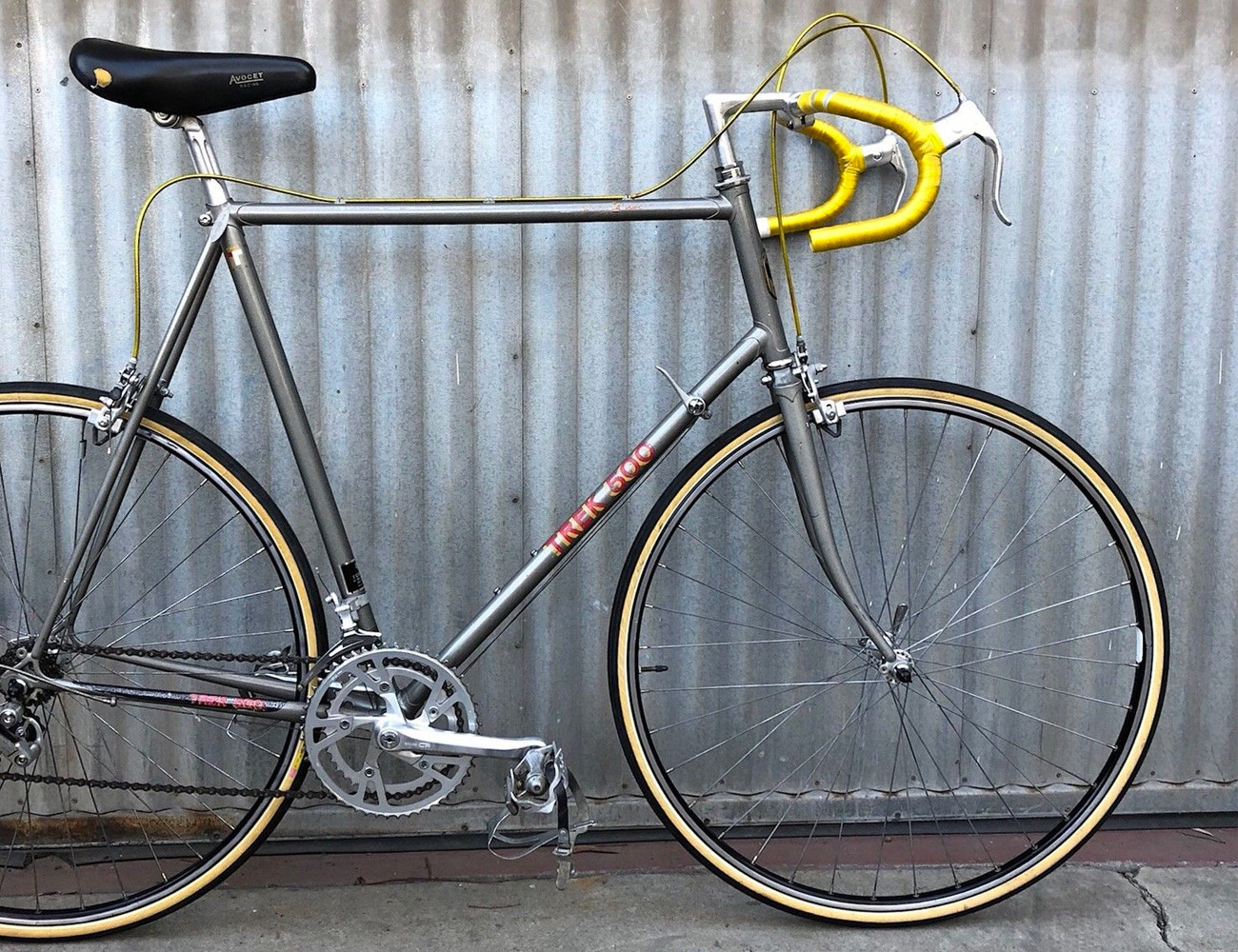
Though a bit big (63.5CM), if this bike fits you, it’s a great buy. Maillard hubs and Sakai cranks are just two of the features that make it worth the money.

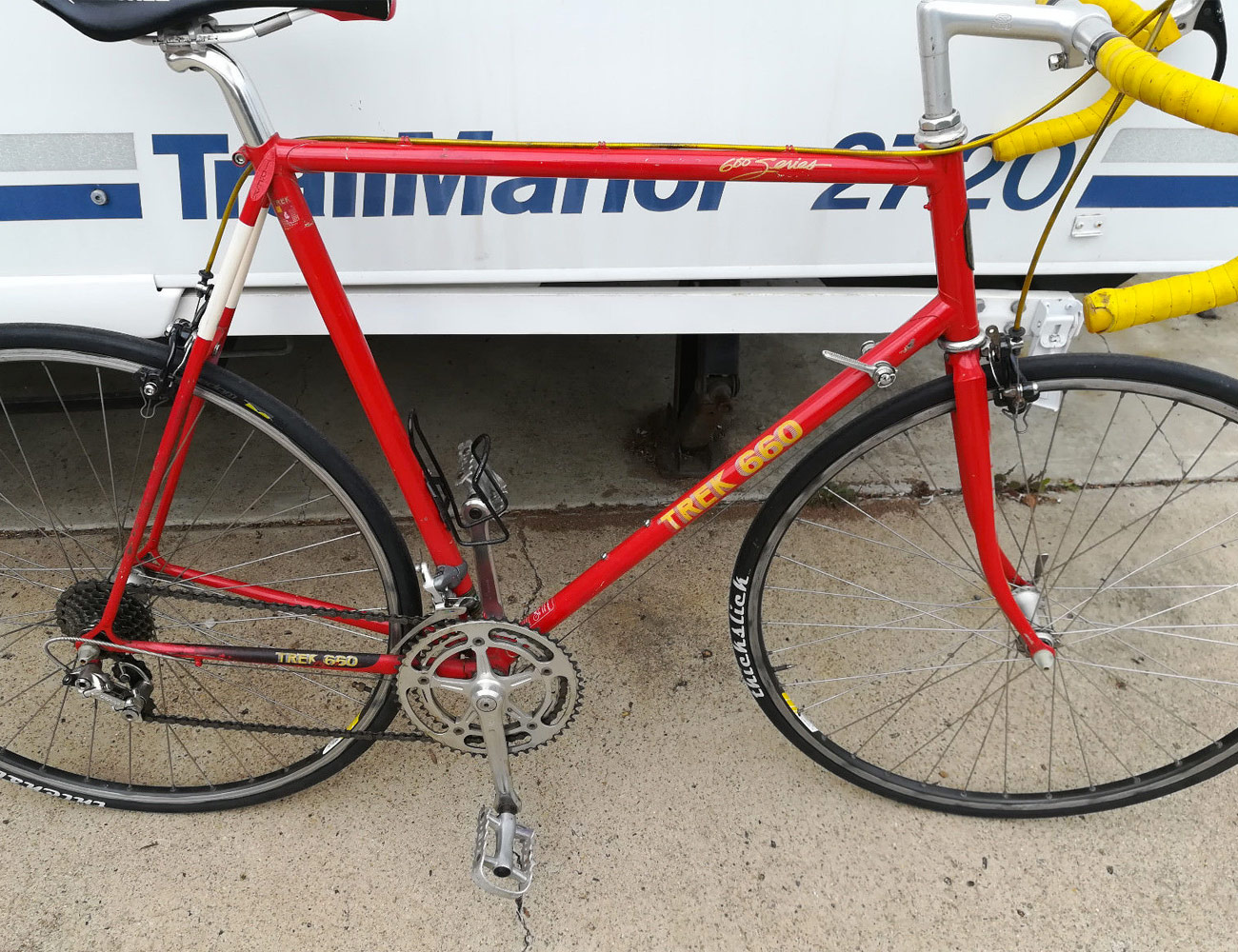
1984 Trek 660

A bike from the era when Trek was still making most of its bikes in the US. A mix of Campy and Shimano parts paired with Reynolds steel tubes oozes classic performance.

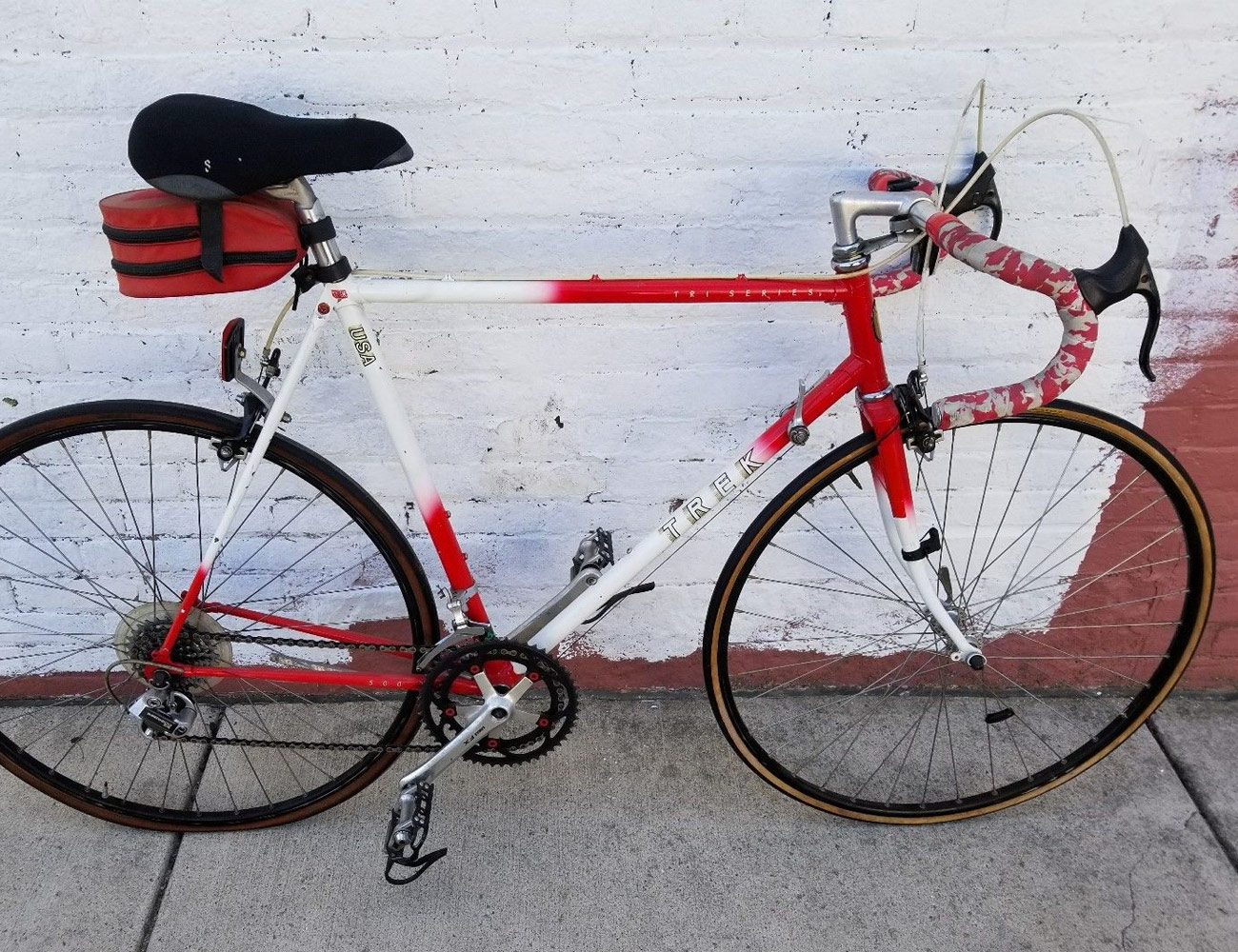
Trek 500

Another excellent example of a Trek 500. Built from Reynolds 531 tubing, this Tri Series version features a classic Trek paint scheme.

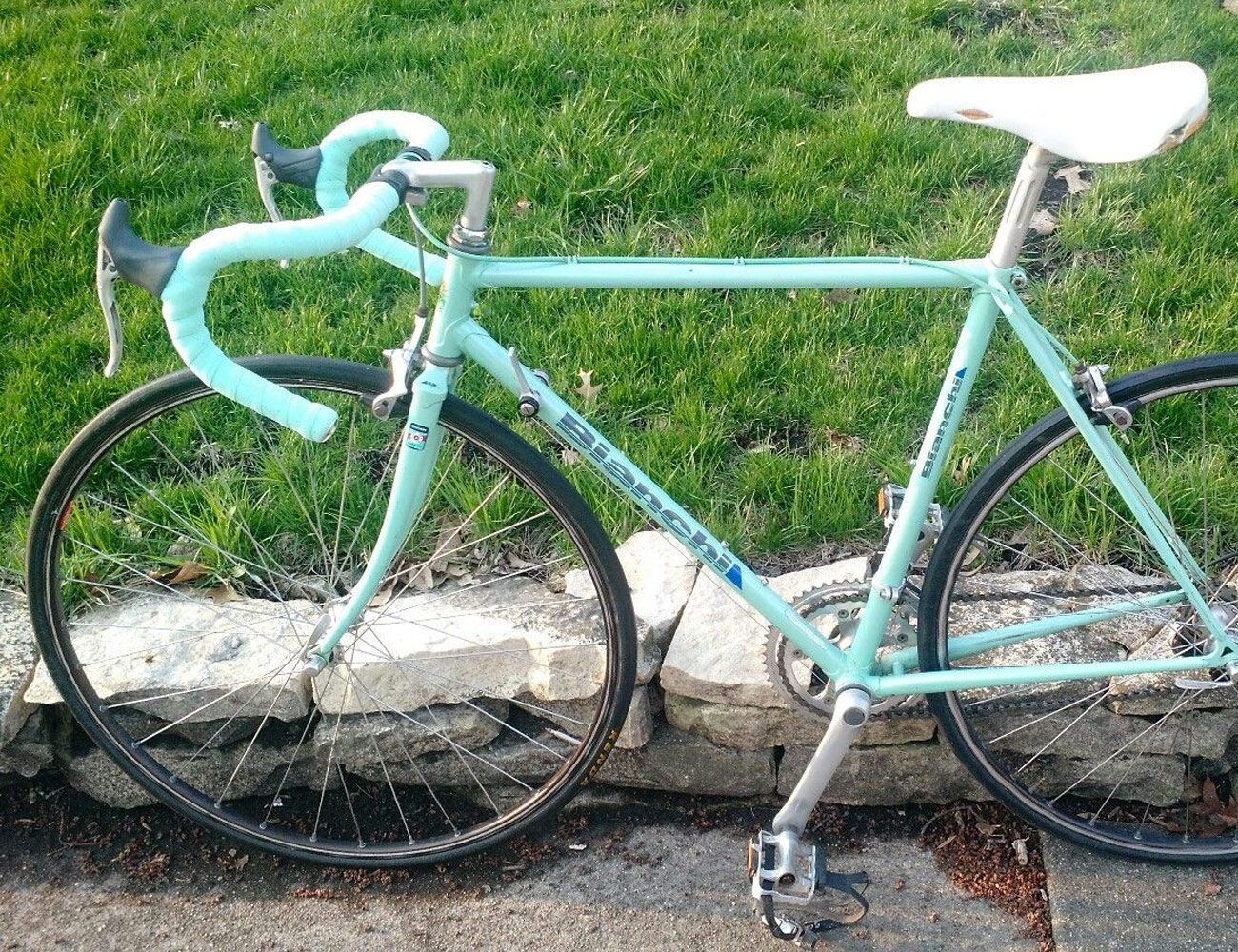
Bianchi Celeste

No one does vintage road bikes like the Italians, and it doesn’t get much better than this Bianchi. It features the brand’s classic mint colorway and a Shimano 105 groupset.

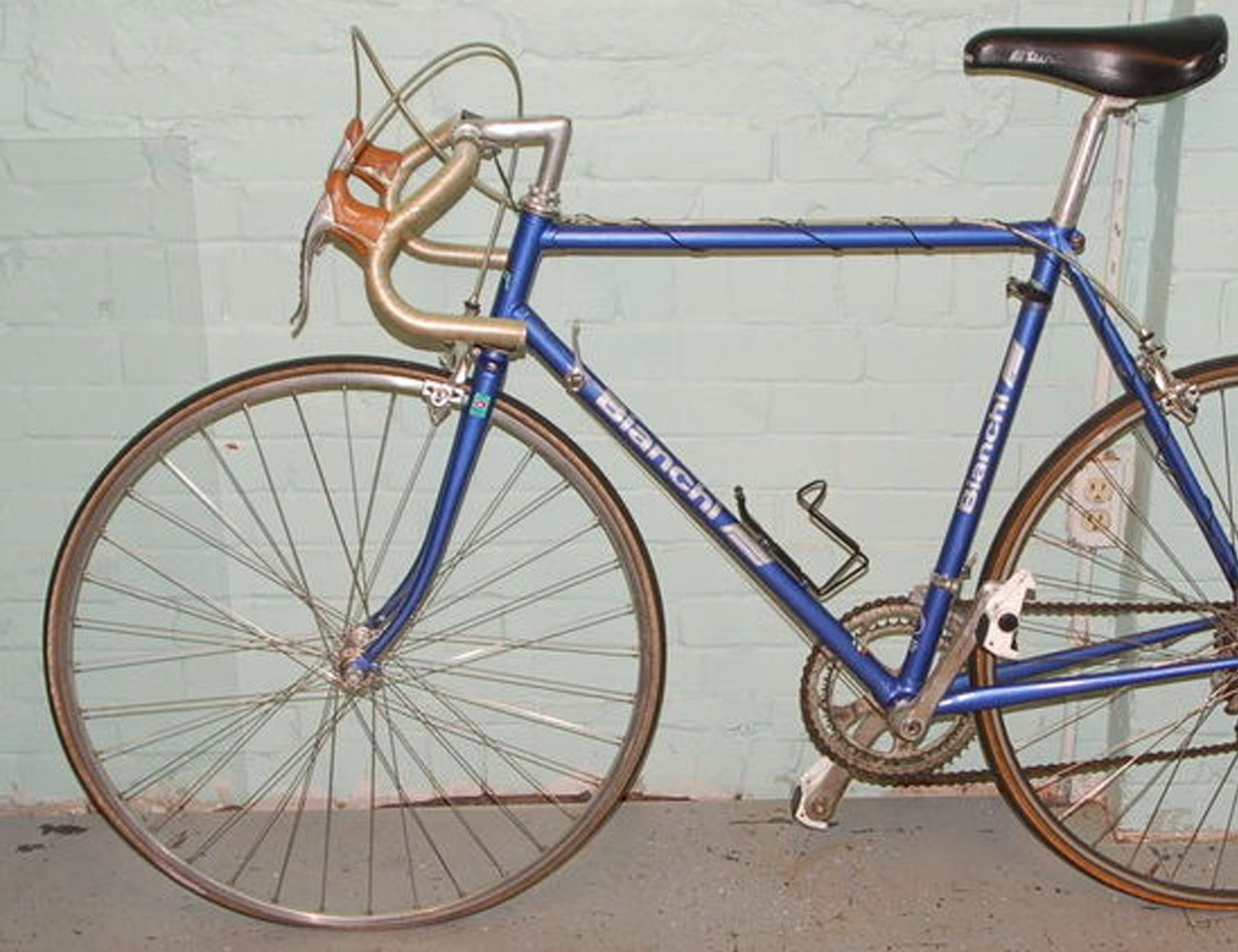
Bianchi Gipiemme Turbo Super Classic

Columbus steel is about as good as it gets, particularly when paired with a Bianchi head badge.

Trek 1500

According to the seller, this bike was restored to near-pristine condition. It features True Temper T2 steel tubing and a Shimano 600 groupset.

Trek Aluminum Racing

We may have saved the best for last: A made-in-USA aluminum Trek racing bike. Like others on the list, it features one of Trek’s classic color schemes, but is paired with a unique Suntour groupset and is built from Trek’s own aluminum tubing.

Beginner Road Bikes

If you’re looking to get into road cycling, this is the place to start. You don’t have to spend two full paychecks in order to get a taste of what it’s like to ride on skinny tires. Read the Story
The 11 Best Camp Chairs of 2018

Editor’s Note: This post has been updated with our picks for 2018. You can still find picks from previous years picks on page two.

There are many styles of camping. Some people go off the grid in Patagonia. Others park their van and camp wherever they can find a parking spot with a view. But no matter what, at the end of a long day of backpacking, fishing, hunting or even just swimming in the lake nearby, every camper likes to take a load off, and the cold, hard ground won’t cut it. There’s a camp chair for everyone; collapsible seating ranges from heavy, relatively luxurious chairs you’ll need a car to tote around to ultralight chairs that can slot snugly into a backpack. These are our favorites for kicking back outdoors.

Additional contributions by Tanner Bowden, Tucker Bowe, AJ Powell and Meg Lappe.

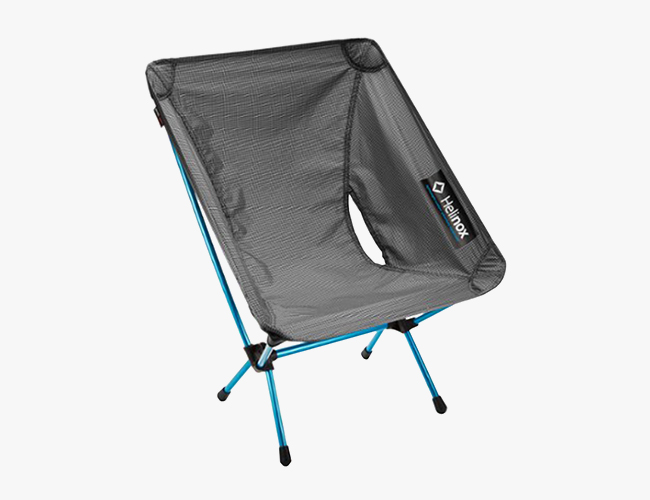
Helinox Chair Zero

helinox-gear-patrol-650

Best Lightweight Technical Option: Released last year, the Helinox Chair Zero is the lightest four-legged camp chair on the market. It weighs in at just over a pound and offers a seating height of 11 inches. The Chair Zero is also extremely easy to set up: its frame is made from one tent-style, shock-corded pole and the seat itself is one piece of ripstop polyester.

Weight: 1 pound 1.6 ounces
Materials: ripstop polyester, anodized DAC aluminum
Seat Height: 11 inches
Packed Dimensions: 3.9 x 3.9 x 13.8 inches
Weight Capacity: 256 pounds

Crazy Creek Hex 2.0

crazy-creek-gear-patrol-650

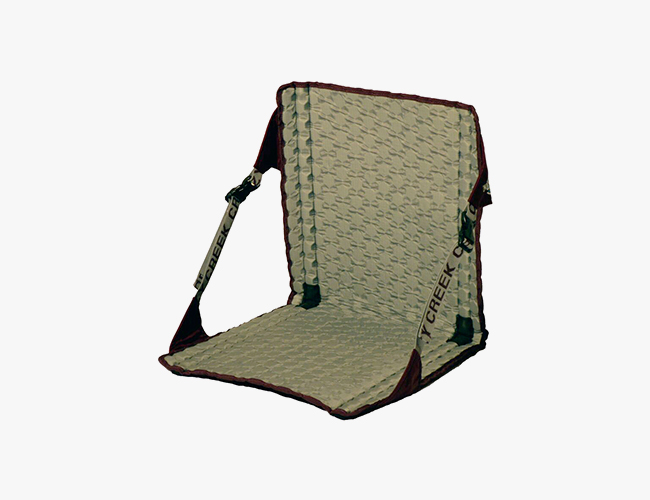
Best Durable and Lightweight Option: Crazy Creek’s foam and fabric chairs have been providing back support for campers in every environment for over 30 years. The Crazy Creek Hex 2.0 is dead simple, and that’s a good thing. It consists of one piece of fabric folded at a 90-degree angle and held together by two nylon straps. It’s light and affordable, and best of all, because there are no aluminum poles to bend, it’s incredibly durable. You can fold it, roll it and jam it into whatever you’re using to pack your gear.

Weight: 1 pound 5 ounces
Materials: Ripstop nylon, carbon fiber stays
Packed Dimensions: 4 x 16.5 inches
Weight Capacity: 250 pounds

NEMO Stargaze Recliner Luxury

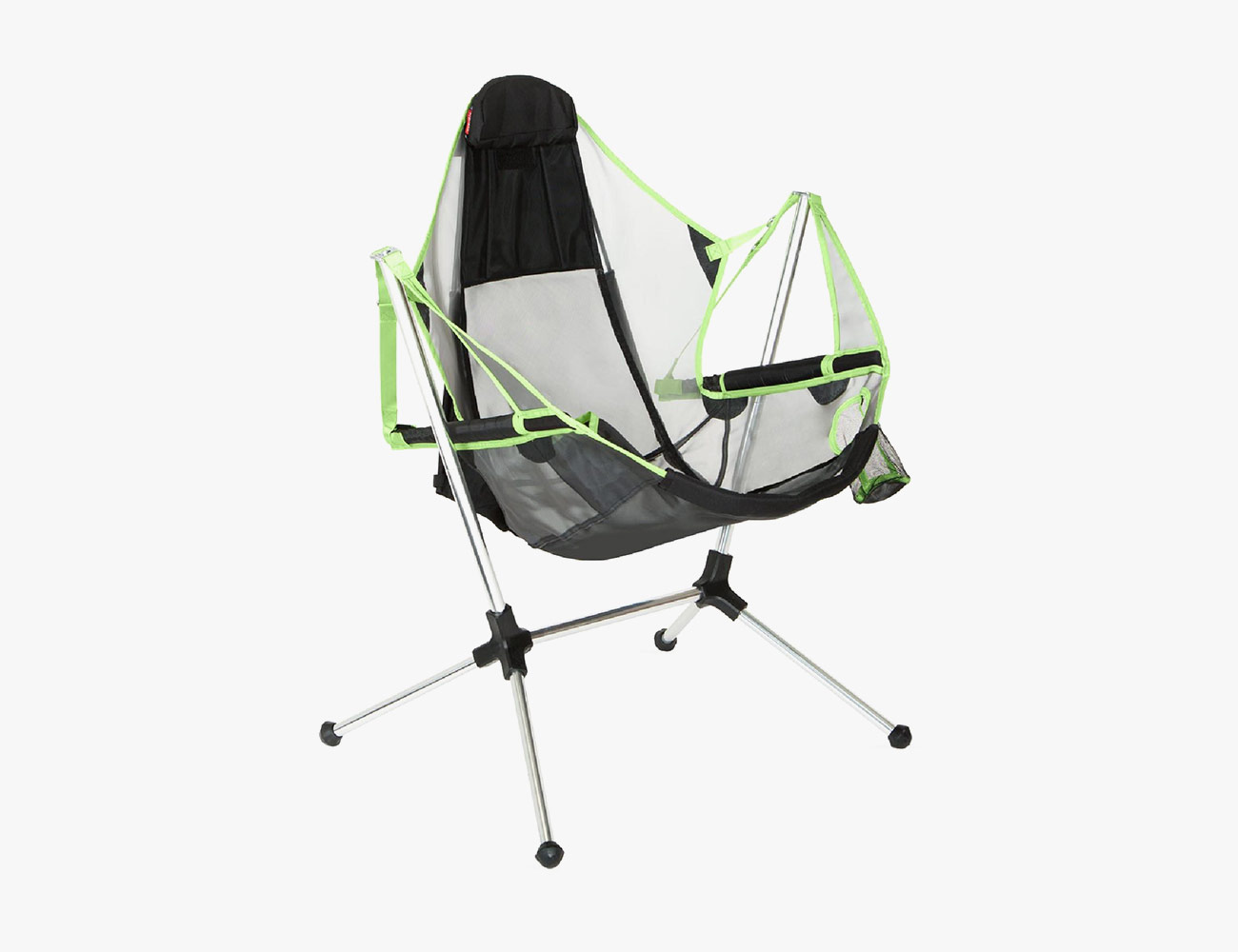
Most Comfortable: Here it is, the Cadillac of camping chairs: the Stargaze Recliner Luxury. NEMO built its entire Stargaze line with comfort in mind — each one is a free-swinging seat suspended between a set of lightweight aluminum poles. The Luxury takes comfort to the max though, with a supportive headrest that’ll let you gaze into the depths of the Milky Way for hours without developing a crick in your neck. All that comfort comes at a price — the Stargaze Luxury is probably too heavy for longer treks and will take up plenty of space in your backpack, but it’s great for car and boat camping where you don’t have to worry about weight. It’s like a portable La-Z-Boy; don’t be surprised if you find yourself waking up in it in the morning.

Weight: 6 pounds 5 ounces
Materials: Water-resistant nylon mesh, aluminum
Packed Dimensions: 7 x 24 inches
Weight Capacity: 300 pounds

Burton Chair One

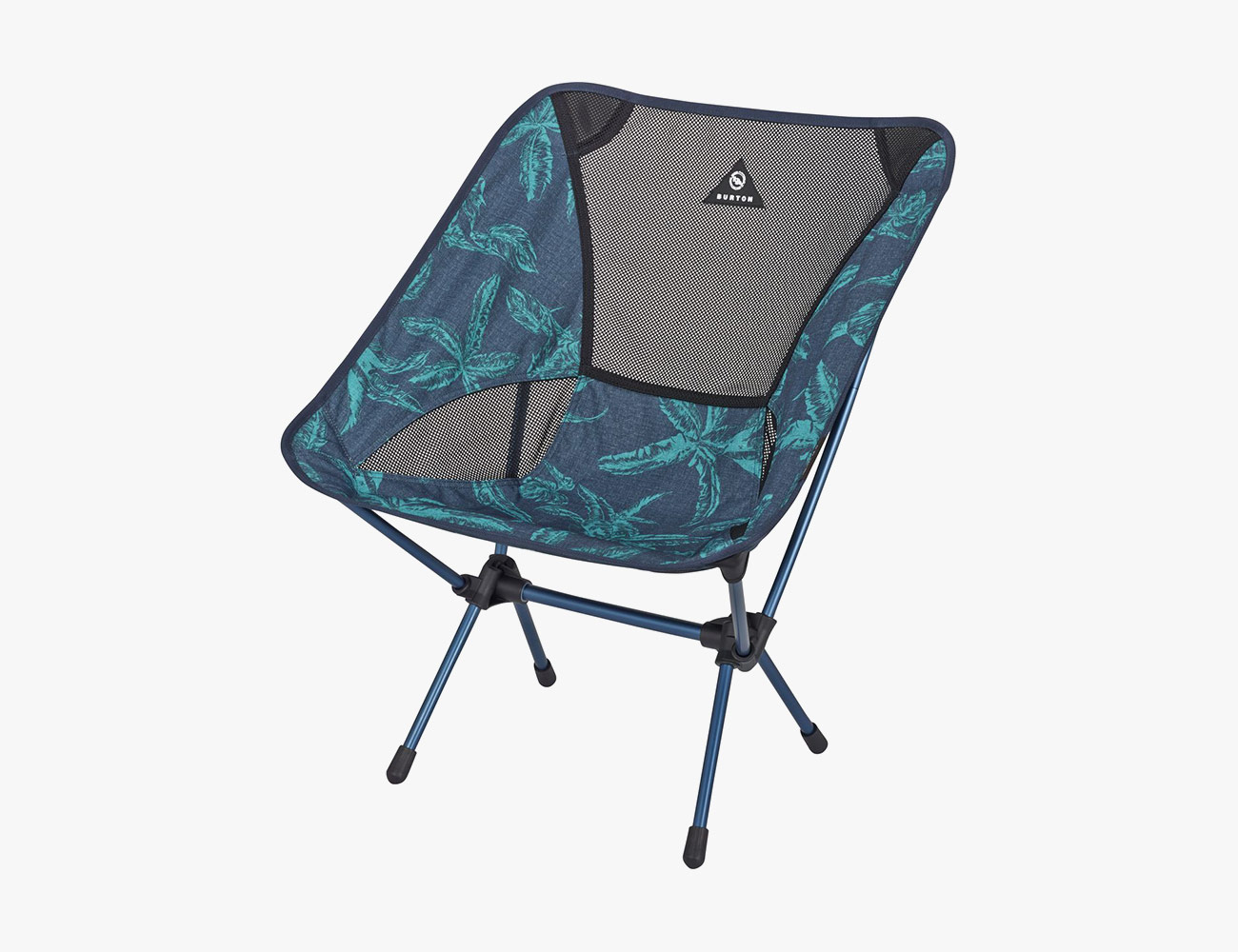
Best Blend of Performance and Style: In recent years, Burton, the brand most known for bringing snowboarding into the mainstream, has been making a push into the camping category. It’s done that in the only way it knows how — with style and ease. The Vermont-based company collaborated with Big Agnes and Helinox to create this dressed-up Chair One. It’s equipped with all the lightweight function as the original Chair One but the polyester seat is printed with Burton’s funky patterns, which help hide some of that tech with a welcome layer of fun.

Weight: 1.9 pounds
Materials: 600D plain weave polyester, aluminum
Seat Height: 13.5 inches
Packed Dimensions: 14 x 4 x 5 inches
Weight Capacity: 320 pounds

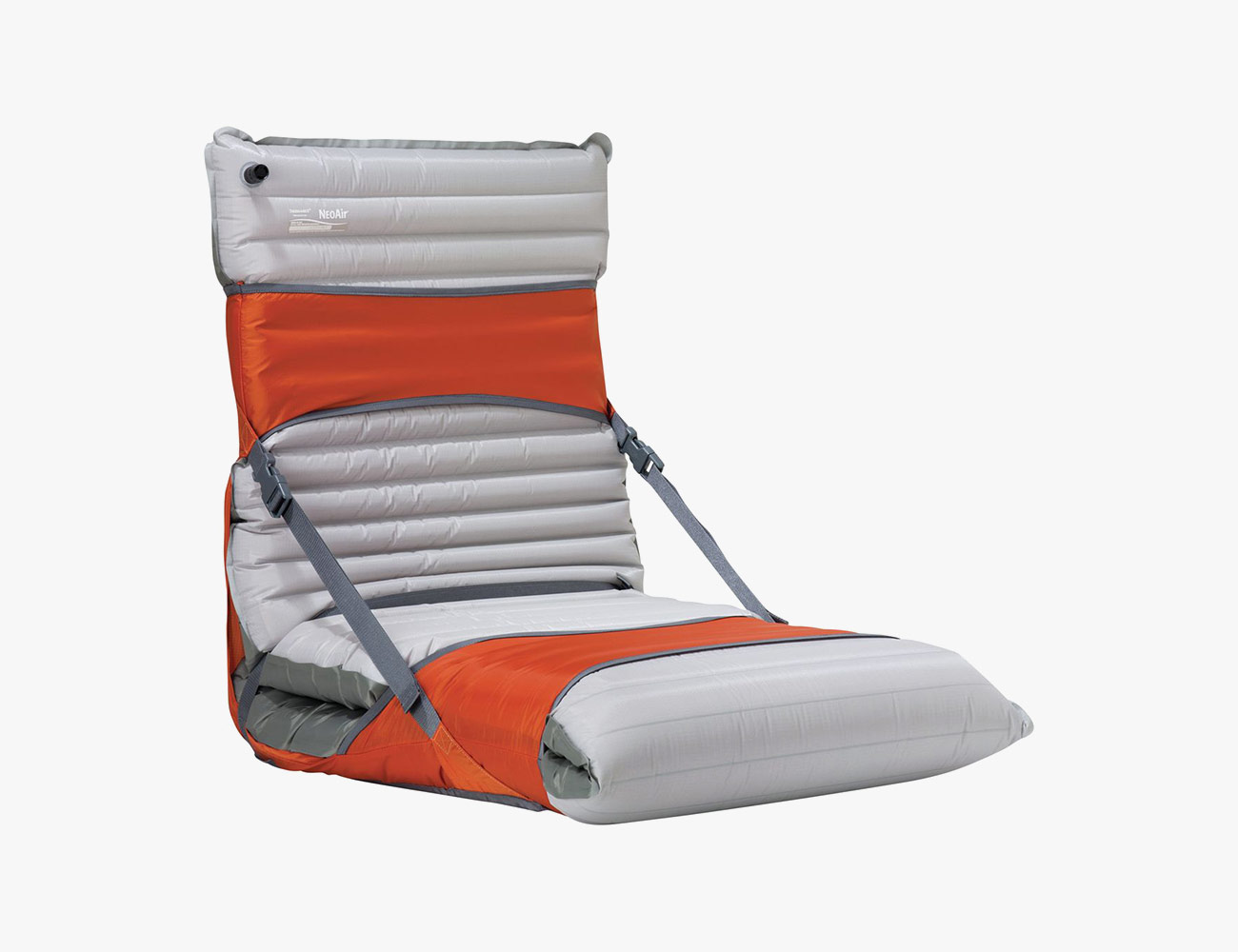
Therm-a-Rest Trekker Lounge Chair

Best Ultralight Option: Most self-affirmed ultralight backpackers wouldn’t even consider bringing along something so luxurious and unnecessary as a chair, but Therma-Rest’s Trekker Chair isn’t really a chair at all. It’s more of a sling that turns the sleeping pad that’s already in your pack into a chair. The Trekker Chair is made with 100 percent polyester ripstop fabric that protects your pad from abrasions while keeping it folded up on itself in an L shape that’s perfect for sitting at the end of a long day. It packs down small and only weighs 10 ounces — surely even a pure minimalist could find room in an outside pocket to tote this chair along on the trail.

Weight: 10 ounces
Materials: polyester
Seat Height: 4 inches
Packed Dimensions: 4 x 20 inches

Alite 4-Legged Mantis

alite-gear-patrol-650

Best for #CampLife: Alite’s Four-Legged Mantis is another camp chair that places as much emphasis on style as it does technical features. Like Helinox’s chairs, the Mantis is constructed with a four-legged aluminum frame that gets your butt off the cold ground and provides back support up to just below the shoulders. Additionally, the San Francisco-based company offers a lifetime guarantee on its camp chairs; if you ever have an issue with one, simply send it back and the brand will repair or replace it.

Weight: 1.9 pounds
Materials: 210D ripstop nylon fabric, aluminum
Seat Height: 8 inches
Packed Dimensions: 17 x 5 x 5 inches
Weight Capacity: 250 pounds

GCI Outdoor Big Comfort Stadium Chair

Best for Campground Camping: Picnic tables are great for giving your legs a rest but spend too much time seated on a wooden bench and your back will be screaming. GCI’s created a solution with the Stadium Chair — it’s constructed specifically to perch on picnic table benches and stadium bleachers so that you can give your back a break while you’re hanging at basecamp or watching the game. The chair secures to the seat with a rotating L clamp and folds up on itself for transportation much like a typical beach chair.

Weight: 4.2 pounds
Materials: nylon mesh, polyester fabric, aluminum
Seat Height: 4 inches
Packed Dimensions: 8 x 22.8 x 7.1 inches
Weight Capacity: 330 pounds

Kelty Low Love

Best Two-Person Chair: Camping isn’t always a solo endeavor. In fact, it’s often double the fun with more than one buddy. If you happen to head out with your significant other, your patience might be tested and will leave you questioning, will this last the weekend? This chair is here to help. At the end of a long day of hiking, pull this loveseat out. While this isn’t the lightest of chairs, it’ll fit two people, and you both can lean back to enjoy the views, making it all the better to check out the sky and rest your achy legs and back. 

Weight: 15 pounds 6 oz. 
Materials: 600D polyester 
Seat Height: 13.5 inches
Assembled Dimensions: 44 x 23.5 x 31.5 inches
Weight Capacity: 500 pounds

Alps Mountaineering King Kong Chair 

Best Backyard Chair: Sometimes you don’t have to wander much farther than your own backyard to experience the great outdoors. It makes a great addition to any car camping experiences you have coming up — and pretty much forever since the chair has a lifetime guarantee.

Weight: 12.5 pounds 
Materials: 600D polyester 
Seat Height: 18 inches
Packed Dimensions: 7 x 41 inches
Weight Capacity: 800 pounds

GCI Freestyle Rocker

Best Rocking Chair: Picture yourself sitting lakeside with a beer in hand, feeling tired, yet fulfilled after a successful long day of hiking. Are you sitting still or rocking back and forth? There’s something to be said about a rocker on a porch (or better yet, on a dock). While rocking chairs are definitely not for the carry-in, carry-out type, throw this in the back of your pick-up and enjoy a few calming undulations anywhere you go.

Weight: 12.1 pounds 
Materials: Powder-coated steel 
Seat Height: 19.7 inches
Packed Dimensions: 25 x 4.9 x 34.8 inches
Weight Capacity: 250 pounds

Moon Lence Compact Ultralight Portable Folding Chair

Best Budget Chair: This small, yet mighty chair comes in its own carrying case, meaning the legs won’t get tangled along with everything else in your backpack. Made from lightweight aluminum, it’ll go anywhere you want to take it. The waterproof fabric is easy to clean and at $30, it’s hard to find another well-built chair that’ll survive more than just one adventure at that price point. 

Weight: 2 pounds
Materials: 1000D oxford cloth
Seat Height: 15 inches
Packed Dimensions: 14 x 4.2 x 5 inches
Weight Capacity: 242 pounds

The Best Outdoor Products for Backyard Cookouts

With the melting of the last patches of snow and the lengthening of the daylight hours, grilling season begins. It’s the best time of the year for outdoor cooking — that age-old tradition of using real fire to roast meat and veggies and infuse them with the flavors of wood and smoke. The fully-cooked result tantalizes the senses and caters to our most primal desire for nourishment; a millennia-old connection with fire that’s embedded in our genetic code.

To fully harness grilling season, it’s best to plan ahead to make certain that your backyard cookout setup is dialed before the Memorial Day Weekend rolls around (it’s closer than you think). The grill is the foundation of any outdoor gathering, but the requisite equipment for a proper cookout goes beyond the centerpiece cooking appliance.

There are plenty of kitchen and home goods companies that supply all the additional accessories needed for a well-rounded event, but if crossover versatility is something that you to take into consideration when making purchases, look to outdoor brands instead. Products made for camping employ high-quality materials developed specifically for rigorous outdoor use — they’re durable, weather-resistant and lightweight by design. But they’re not just built for exploring the mountain ranges, forests and deserts — there’s a place for outdoor products in the backyard and local park too. All of the characteristics that make these items great for backpacking and car camping make them well-suited to outdoor feasting as well. Here are 11 of the best to consider adding to your system before the summer is in full swing.


Chairs: Stargaze Recliner by Nemo Equipment $180
Not all camp chairs fold small and sit on the ground; this one is big, free-swinging and as comfortable as a La-Z-Boy.

Table: Table One Hard Top by Helinox $140
Part of the fun of outdoor eating is that furniture isn’t required, but for those who like a firm surface to eat on this packable table does the trick.

Rugged Bluetooth Speaker: Megablast by Ultimate Ears $201
Bring the music outdoors without worrying about the speaker taking a tumble off the table, or getting soaked in the rain should it go forgotten outside.

Cooler: Tundra 45 by Yeti $300
On hot days, beverages must be cold, and this cooler keeps ice frozen for longer than that red Igloo ever will.

Pocket Knife: No. 10 Corkscrew by Opinel $20
A pocket knife is always handy to have in a pinch — this one’s equipped with a corkscrew for hydration emergencies.

Beer Growler: 64oz Growler by Hydro Flask $65
If your favorite microbrewery hasn’t begun to can its latest pilsner, you can always drop it into a vacuum-insulating jug for the same level of portability.

Tableware: Deluxe 10-Inch Plates by GSI Outdoor $7 each
Plastic and paper plates may be affordable, but they’re also flimsy and create a lot of unneeded garbage. These enamel plates are dishwasher safe and look good enough for the kitchen table too.

Drinkware: Party Cups by Mizu $16 (set of two)
As with tableware, drinking vessels that last will cut down on waste and save you money in the long run.

Lighting: BaseLantern XL by BioLite $130
This lantern provides plenty of light when the sun gets low and can emit it in a full spectrum of color to create a more celebratory ambiance.

Headlamp: Spot Headlamp by Black Diamond $40
Grilling after dark? The best way to keep an eye on your food’s readiness is with a headlamp.

Fire Pit: Pack and Carry Fireplace by Snow Peak $110
When it gets dark, the grillmaster can often be left on his own to monitor the meat. Bring your guests back outside with a good old-fashioned campfire.
10 Outdoor Products All City Dwellers Should Own

By design, outdoor products are meant to bring the comforts of home into the wilderness in lightweight, durable and waterproof packages. But these qualities also make them perfect for daily urban life. Here are 10 items that translate easily between the mountains and the city. Read the Story
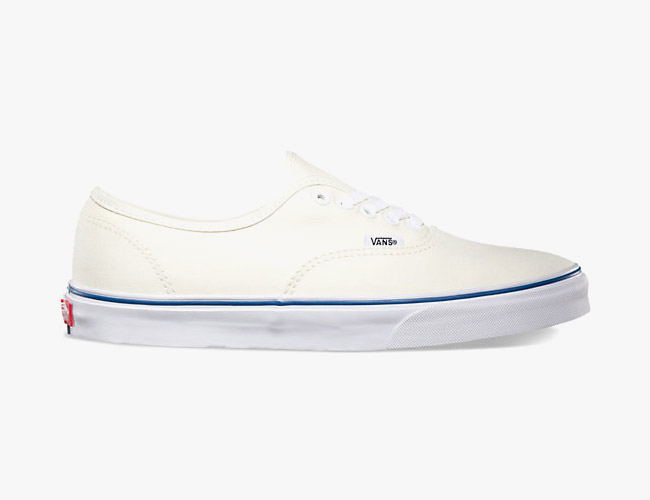
Note: Purchasing products through our links may earn us a portion of the sale, which supports our editorial team’s mission. Learn more here.

6 Actually Waterproof Backpacks

If your commute, run, hike or ride takes you outdoors in inclement weather, then a waterproof backpack is a must. There’s no point in risking a laptop or notebook full of ideas ruined by the rain, and it’s a simple fix to avoid. There are tons of water-resistant bags on the market, but to be safe, go waterproof. We tested seven of the best waterproof bags on the market to see how they fared in a downpour.

Water-proof vs. Water-resistant
Most bags and jackets are coated with some form of DWR, or Durable Water Repellant. “It’s made from hydrophobic particles suspended in a solution,” Heidi Allen, VP of Marketing for Nikwax says. “This is applied to fabrics and materials both at the factory level and in the home to make them water-repellant.” While you’re likely familiar with this coating on your belongings, the bags included in our buying guide go beyond just DWR. TPU coatings are the main feature and are the big difference between waterproof and water-resistant bags. We looked for backpacks that could almost submerge in water and keep everything inside dry (in some cases the bags are fully submersible).

The Test
To make sure these bags hold up to anything the weather throws at them, I mimicked heavy rain conditions by putting them in the shower. In each pocket, I placed a tissue and a sticky note with “TEST” written on it (to make sure the ink didn’t run). I then placed all of the bags on the ground of two showers and turned the water on to see how each fared. The power of the shower is essentially a very heavy rainstorm. Every minute I rotated the bags or the spout of water to make sure each bag had its time to shine under terrible conditions. After six minutes, I shook them out and evaluated the dryness of the notes and tissues. One overarching theme: the outside pocket of waterproof bags should hold nothing that can’t get wet — it’s the inside that does all the waterproofing work.

Black Ember V4 Pack

With an IPX06 waterproof rating, this bag offers a lot of protection from water, except when submerged. The minimalist all-black design has two pockets in front that open to the same pouch. While the handles and padded shoulder straps held water, the interior tech sleeve stayed dry. With one towel wipe the front of the bag was dry as well, so you don’t have to worry about water pooling if you happen to leave it out in a rainshower.

L.L. Bean All-Conditions Waterproof Day Pack

With a roll-top, tapered seams and a TPU coated top panel, the L.L. Bean All-Conditions pack brings a lot of features to the table and also boasts IPX6 waterproof rating. Again, do not submerge. There are a few outside pockets: two stretch mesh hip pockets and an external shove-it pocket with drainage holes. Take note: the holes mean that nothing that can’t get wet should go in there. The easy-to-access small zipper pocket that’s near your head when the bag is on stayed 100 percent dry. The underside of the flap top was damp after testing, but the inside tissue and note were dry.

Sea to Summit Rapid 26L Drypack

While the colors offered in the Rapid 26L are a bit bright, this pack is truly minimalist and works great in harsh weather conditions. As the name suggests, you can go from Sea to Summit without fearing the bag will let water in. The abrasion-proof outer material is a TPU laminate, and the roll top seals with a clip, making it hard to penetrate. After 11 minutes, this bag and all of its pockets stayed dry. The straps aren’t as waterproof, but they’re also ventilated and breathe well on the trail. As for the inside, the interior was completely dry, and there are no exterior stash pockets for water to creep inside.

Trew Truce Drysuit Drop-Liner

One of the more attractive waterproof bags, this bag comes with a seam-sealed liner crafted from laminated fabric. The outside nylon shell fabric comes with the bonus of reflectivity, which is ideal for any commute. The bag has a drawstring closure under the top flap. After the six-minute test, all the pockets inside were dry, meaning you can depend on this bag to keep your phone (and other small electronics) safe. The front zip pocket suffered from the same dampness as every other backpack did, but the inside liters stayed dry.

Arc’Teryx Granville Backpack

In four muted, yet distinct colors, this Arc’teryx pack is the only bag that isn’t entirely sealed in some way. The flip top has magnets that keep both sides of the flap down, and the waterproofing only works if you have the bag on your back, attached to a bike, or upright on the ground. While this one laid on the ground with all the others, the electronics pocket in the back stayed dry, as did the pocket that’s right under the flip top lid. There was a small amount of water pooling in the bottom of the bag, but again, it laid flat, and there’s no way to secure the top all the way.

Patagonia Stormfront Roll Top Pack 45L

While this bag is also nonsubmersible, it was the driest of all the bags tested, even after I had to adjust the roll top because it wasn’t entirely closed when I first placed it in the shower. The uber-bright orange is a lot to get used to, but the bag also comes in a more subtle black and grey. It’s just one massive pocket, so you can max it out with towels, suits, sneakers, hiking gear, food — really whatever you need to bring with you when there’s a chance of rain. The 800-denier nylon with single side TPU and DWR finish mean everything stays as dry as the desert.

Best Rain Jackets

A lot has changed since heavy, unbreathable plastic rain slickers were standard all-weather apparel; today’s rain jackets are lighter, softer, more breathable, stretchy and more waterproof than ever. Read the Story
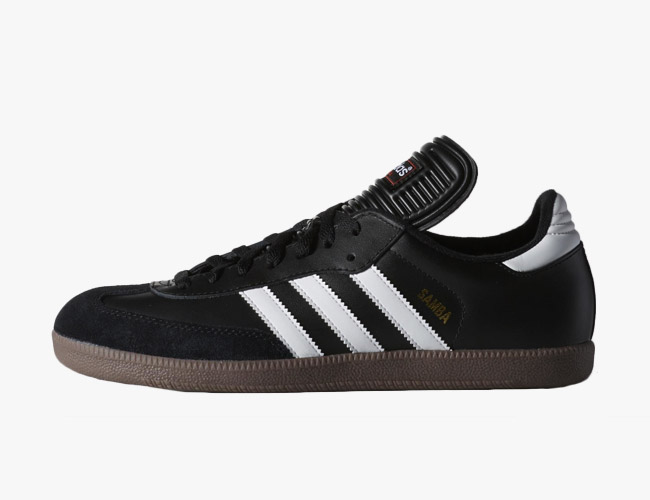
The Best Water Bottles of Every Type

This guide provides information on the best water bottles of every type, from insulated to collapsible.


Introduction

Water is the source of life and has been carried in portable vessels for years, but it wasn’t until hikers and outdoorsman started to use Nalgene’s lightweight and durable scientific containers to carry consumables that water bottles caught on as an everyday and outdoor item. The Rochester, New York-based company’s own scientists used its products for camping in the Adirondacks in the 1960s, and as the conservationist movement caught on in the 1970s, Nalgene started branding its products with the label Nalgene Outdoor — the modern day water bottle had arrived. As the fight against single-use plastics continues, water bottles have expanded from the realm of camping and backpacking and into everyday life. Today, no everyday carry kit is complete without a reusable, durable, leak-proof water bottle.

How We Tested Them

Water bottles are among the few items that every member of the Gear Patrol team, including not only our writers and editors but also our photographers, designers, social media coordinators and marketers use on a daily basis. Over the years we’ve collectively tested countless bottles during our everyday office lives.

Beyond that, the outdoors team has made a consistent effort to test new bottles as they come out in every type of situation. We’ve used them at the office, on mountain biking jaunts to New Jersey, backcountry ski treks in Grand Teton National Park, a climb up Mt. Rainier and beyond. We’ve evaluated each bottle for crucial faults like leaks as well as short- and long-term durability issues. More subjective matters such as aesthetics and feel-in-hand we assessed as a team before arriving at a joint conclusion.

Types of Water Bottles

Nalgene’s plastic water bottles were the first to catch on as an everyday carry item. Concerns over BPA (bisphenol A) and other harmful by-products found in plastic products revealed a gap in the market and spurred other brands to construct water bottles made of stainless steel and glass. Water bottles have become super durable, colorful and temperature-regulating thanks to vacuum insulation. There are a lot of resealable drinking vessels available to consumers today in a variety of materials that range in volume from 16 to 64 ounces and beyond.

Plastics are the lightest but are less durable than metal, can sometimes retain flavors and come with concerns about chemicals leaching into the liquid (although most plastic water bottles today are safe to use). Metal bottles can be heavier, but they are easy to clean (most are dishwasher safe) and don’t retain any flavors or odors. Insulated bottles are ideal for maintaining the desired temperature of a beverage but are bulkier and heavier due to their double-walled construction. The type of bottle that you decide on depends primarily on what its intended use will be.

Buying Guide


Buying Guide

Best Non-insulated Narrow Mouth: Miir 27oz Bottle

Miir’s 27-ounce non-insulated bottle brings a design-forward approach to the simplest type of water bottle without using gimmicks or a fancy paint job. The bottle is made from 18/8 medical-grade stainless steel and doesn’t retain flavors; there’s no metal aftertaste either. The bottle’s cap is leak-proof and uses a unique handle design that makes it easy to grab and clip to bags, unlike those of many other small mouth bottles. The less-bulky body size means it’ll fit in a cup holder too.

Best Non-Insulated Wide Mouth: Klean Kanteen Wide Mouth Water Bottle

Klean Kanteen’s Wide Mouth Water Bottle is as fundamental as a non-plastic water bottle gets. Its body is made of stainless steel, which is flavor- and odor-resistant, easy to clean and BPA-free. Its lid is molded plastic, leak-proof, and nearly indestructible (meaning you can trust a carabiner won’t rip through it). The wide mouth can accommodate backcountry water filters too. Put a dent in it? Hammer it out and keep on drinking.

Best Insulated Narrow Mouth: Mizu V8

Insulated water bottles are preferable for their ability to keep contents cold or hot, but adding double-walled technology can quickly make a bottle bulky, even at lower volumes. Mizu’s V8 gives the best of both worlds, with a 26-ounce capacity that betrays its size and insulating capabilities. The V8 also earns points for the availability of different lid styles, even though its standard gives the bottle a beautiful and clean aesthetic.

Best Insulated Wide Mouth: Yeti Rambler 18oz

Like Yeti’s coolers, its everyday water bottle, the Rambler, is an ultra-durable vessel that’ll keep a beverage cold or hot for longer than it’ll take to finish. Yeti’s double-walled insulation is constructed of high quality 18/8 stainless steel. The leak-proof cap features a sturdy and simple handle design that has room enough for more than just a single finger, and its wide mouth means your nose won’t get in the way when your thirst calls for a chug. The Rambler’s uncomplicated cylindrical design and flush lid make it a standout among similar insulated bottles. (The Rambler is available in greater volumes too.)

Best Collapsible Bottle: Hydrapak Stash

Collapsible water bottles border on gimmicky, but a good one can stand up to the titanium-walled and insulated heavyweights with its unique utility. Hydrapak’s Stash is a good one. The main body of the Stash is made of soft and flexible BPA- and PVC-free thermoplastic polyurethane (TPU), but its top and bottom are a rigid plastic, which allows for easy drinking (despite the bottle’s unsupportive body material) and lock into each other when collapsed. It can also remain standing on its own when filled, which is the downfall of other collapsible bottles. Full, the Stash is as big as any other liter-sized water bottle; empty and collapsed, the Stash is less than a fourth of its original size, freeing up all the space in your bag that other bottles will continue to occupy even when empty.

Most Affordable: Nalgene

Nalgene products were first developed for use in science labs, but the company may very well be responsible for bringing everyday water bottles into the modern life and helping to reduce the use of throw-away plastics. Its water bottles have been widely-used for years and remained popular even as insulated vessels carve out their space. The Tritan is Nalgene’s no-frills classic; it’s a hard-sided plastic bottle with a wide mouth, plastic screw-top lid and easily-legible measurements in milliliters and ounces.

Best Flask: Platypus Platy Bottle

Platypus’ soft flask-style bottle is a great alternative for distance hikers and others with a focus on saving weight. The Platy is a two-liter flexible flask made of BPA-free polyethylene with a simple twist-off cap. The main benefit of this super-minimal water bottle is that it’ll take up less space as its contents are consumed, freeing up space in your bag.

Best for Running: CamelBak Nano Handheld

Technically, CamelBak’s Nano Handheld is precisely what its name implies: a handheld water bottle. But it also isn’t, because you don’t need to hold the bottle per se — CamelBak’s X-Grip straps the bottle securely in your hand, freeing you from the chore of an active grip and letting you focus on the run. The bottle itself is a lightweight 17-ounce soft flask that stows easily when empty, and on the opposite side of the hand strap is a small zippered pouch that has enough space for running essentials like your keys, a credit card or gels.

Best for Cycling: Specialized Water Bottles Purist

Specialized’s bicycle manufacturing eclipses the fact that it’s been making sport water bottles since 1978. There’s a good chance you’ve quenched your thirst with one of its bottles too, as much of its business involves customization. The Purist is constructed with a glass-like non-permeable barrier fused to its interior, which prevents the malleable material from retaining tastes and getting moldy as other soft plastic bottles are prone to do. It’s also available with one of three different types of active valve lids.

Best Growler: Hydro Flask Beer Growler

Hydro Flask’s 64-ounce Beer Growler is a major upgrade from the glass jugs you’ll ordinarily find at breweries. Hydro Flask’s growler is equipped with double-wall vacuum insulation and lined with stainless steel, which doesn’t retain flavor and is easy to clean. Its lid is equipped with a rigid, easy-pour handle and is designed specifically to maintain carbonation too. That helps if you aim to transport beer up a mountain, or even just in the car to a casual gathering, and if your drinking destination is hours away, no worries — the insulated construction will keep whatever’s inside cold for hours and hours.


Buying Guide

How Your Fitness Tracker Is Failing You

Fitness trackers are advertised to revolutionize health by providing us with enough data to eat less, exercise more and stay slim and trim. But do they actually work? The answer is yes, and no. Read the Story
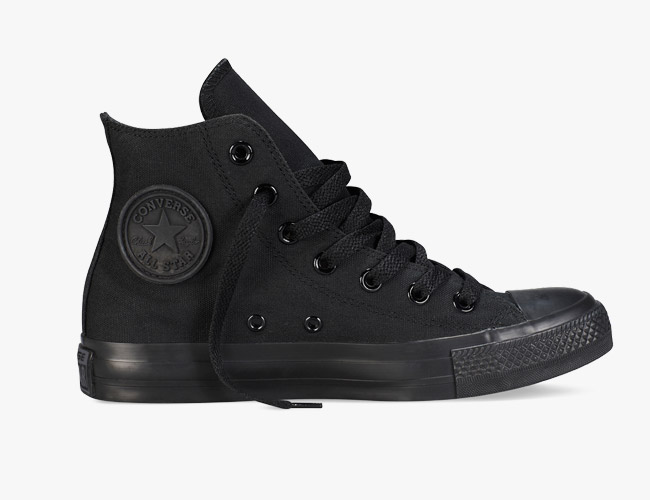
Note: Purchasing products through our links may earn us a portion of the sale, which supports our editorial team’s mission. Learn more here.

All the Gear You Need to Run Commute

Run commuting takes a particular type of crazy. As someone who dabbles in it, I get it. It’s a bit aggressive to strap a pack on your back filled with everything you need for the day and hit the streets full-stride. But the perks are many: no subway fee, no feeling like a sardine — they add up quickly. It’s an easy way to build up your mileage and it’s often faster than driving if you live in a congested city.

I’ve run commuted off and on for the past nine months in New York City. Most recently, I’ve been commuting from Brooklyn to our office in Manhattan (just over 5-miles), and I’ve learned that with a little prep and the right gear, it’s one of the faster ways to get from point A to point B. I also chatted with a handful of run-commuting experts: Michael Wardian, an American marathoner and ultramarathoner who lives in DC and regularly commutes eight miles to his office; Gordon Wright, president of Outside PR in California, who has run up to 15.4 miles to (and from!) work during training periods; Matthew Imberman, a run coach for Brooklyn Distance Running and an antique jewelry dealer who runs 10 miles to or from work year-round; Marco Anzuares, head cross country coach at City College and professor of Health and Exercise Science, and Ben Taylor, who runs one to three times a week, about three miles each way in Burlington, VT.

What to Know Before You Go

Before heading out for the first time, our experts recommend taking the time to plan everything out. Figure out if it’s easier to run home as opposed to running to work. Can you leave everything at your office and pick it up the next day? Depending on the distance you’re running, and how many times a week you want to run, there’s a variety of options. And like anything else, you’ll have to test everything out a few times to find out what works best for you. The trick is that there’s no right way to run commute — it’s more about figuring out what makes your life easier and let’s you sneak in those extra miles.

A few insider tips: Don’t overcommit.”You can do half-commutes,” Wright shares. “I more often drive part-way to work, park the car, and run around six miles. After work, I’ll get in the same run apparel or fresh ones I’ve stashed and run back to my car.” According to Imberman prep is also key, “I typically take clothes to work at the beginning of the week, so I have stuff to change into, and then I leave some running gear at work so I can run home.”

As for food, if you like to bring a lunch, I recommend bringing in as many of your weekly meals as you can at once on Monday and then not worrying about it for the rest of the week. Packing food every single day gets tricky, and all of the bouncing around the food will do makes anything liquid a no-no. “I’m a brown bagger most days, especially for breakfast and lunch, and transporting fruit running is the trickiest thing to solve. I run with berries in my hands with paper towels stuffed in the case and then re-apply the rubber band to them,” Wardian explains. “I try to keep everything packed in plastic bags. I’ll bring oatmeal and organic baby food to add to it. I slide bananas in the outside pockets [of my backpack] and wrap fruit in a shirt and plastic, so if it does gush, it’s not going to ruin my clothes.” If all that sounds like a hassle, buying lunch is the most straightforward solution.

The Gear

Backpack

The most essential piece in your run commute kit is the one that transports everything — your backpack. You want a backpack that has a breathable back panel, since you will sweat carrying everything, as well as one that adjusts to your body. Tightening all of the straps keeps the bag in a comfortable place, so there’s no chafing against your neck or lower back. “I use the Journey 20L [from Nathan],” Wardian says. “It’s a practical bag for running — it’s a roll top, with a shell that comes over it, so if it dumps, everything is protected.” Looking for a bag with enough pockets is critical.

“I’ll use my Ultimate Direction Fastpack to pack clothes, a small lunch, keys, wallet, ID badge, etc.,” Taylor says. I too tested the same pack and was a big fan of how many pockets it has. Keeping track of keys, credit cards and other small essentials is simple with pockets along the straps.

If you’re looking for something a little sleeker that doesn’t scream ‘I ran here’ try the Lululemon Surge Run Backpack II. With just two connection points across your chest, there’s not as much sweat that pools on your lower back, making it a lighter, breezier pack than most.

|

Packing Cubes

If you have to wear something professional and wrinkle-free to work, look into garment sleeves. “Your load is going to be heavier, but Eagle Creek makes a terrific, lightweight garment sleeve that cuts down on any wasted space and still protects your suit and shirt from wrinkling,” Wright says.

“I find rolling [a suit] works better than folding it. Folding it gets creased and depends on how hard you go and how floppy your backpack is,” Wardian says.

|

Waterproof Jacket

“I run commute year round, and it helps to invest in some lightweight, packable layers for the winter; a decent running pack/vest or shorts with a variety of pockets if you aren’t planning on lugging gear,” Imberman says. A waterproof jacket that doubles as a rain cover for your bag is also essential.

“I usually always have a waterproof jacket of some sort in my bag, and a space blanket, which is crazy because I’m not that far from civilization, but it could save your life,” Wardian says.

|

Socks

You’ll want some comfortable sweat-wicking socks that’ll go the distance with you. Wardian likes to run in Injinji socks, and I love the softness of the newest Balega Blister Resist socks. Use whatever works best for you, and bring an extra pair.

|

Shoes

You’re going to need a good pair of running sneakers. Run in the shoes you’re going to race in if you’re using this time to bulk up your mileage for race day. “Right now I’m using the HOKA One One Challenger 4 ATR, and the whole all-terrain line is made for commuting due to the shoes’ versatility and cushioning,” Wright says. “It’ll eat up whatever you throw at it and is a no-worries shoe.”

Whatever shoes work for you, make those your go-to pair for run-to-work days and add whatever you need to add to them to make them comfortable. Keep in mind that you’re also carrying a load, confusing the muscles in your body. Your Saturday or Sunday long runs will start to feel amazing without that extra weight, and on race day you’ll be thankful for the weight training. “I need to ensure my whole body stays in balance while on the run,” Anzures says. “I use Currex Run insoles in my Skechers Performance running shoes to keep my ankles and running posture in alignment.”

|

Reflectivity

Depending on your work hours and the season, it might be dark when you run. You’re going to need some reflectivity, whether that’s a vest or a headlamp or a blinking light that clips onto your hat. “I use a NoxGear safety vest to stay visible for morning runs or right after dusk,” Anzuares says.

“I have a reflective vest, and my backpack has some reflectivity on it. Nathan makes a flashing light that I’ll sometimes run with on my bag. Now I’m using a Petzl headlamp if it’s dark. The nice thing is I have lighting for most of the route, so I don’t have to worry about it as much,” Wardian shares. He also recommends adding 3M reflective tape to your gear if you don’t have anything reflective.

|

Post-Run Cleanup

If you have a shower at work, that’s great. “When I first started, there was no such luxury [as a shower], so I had to figure out how to not smell all day,” Wardian shares. “Especially if I have to meet clients, there are ways to do that. So, find a gym close to the office where you can shower, and usually, most offices have some personal space, so I’d put a suit and a couple of shirts, underwear, socks, ties, belt and a nice pair of shoes to change into when I need to look professional.”

If showering isn’t an option, there are always body wipes or cleansing sprays that you spray on and wipe off with a towel. “In the warm months, baby wipes and a bottle of witch hazel can work wonders, as can a small highly absorbent packing towel,” Imberman says.

|

The Best Summer Running Kits for Men

Athletic apparel should perform whether you’re running a 5k or a marathon. But it should also by stylish enough to be seen in public after. Read the Story
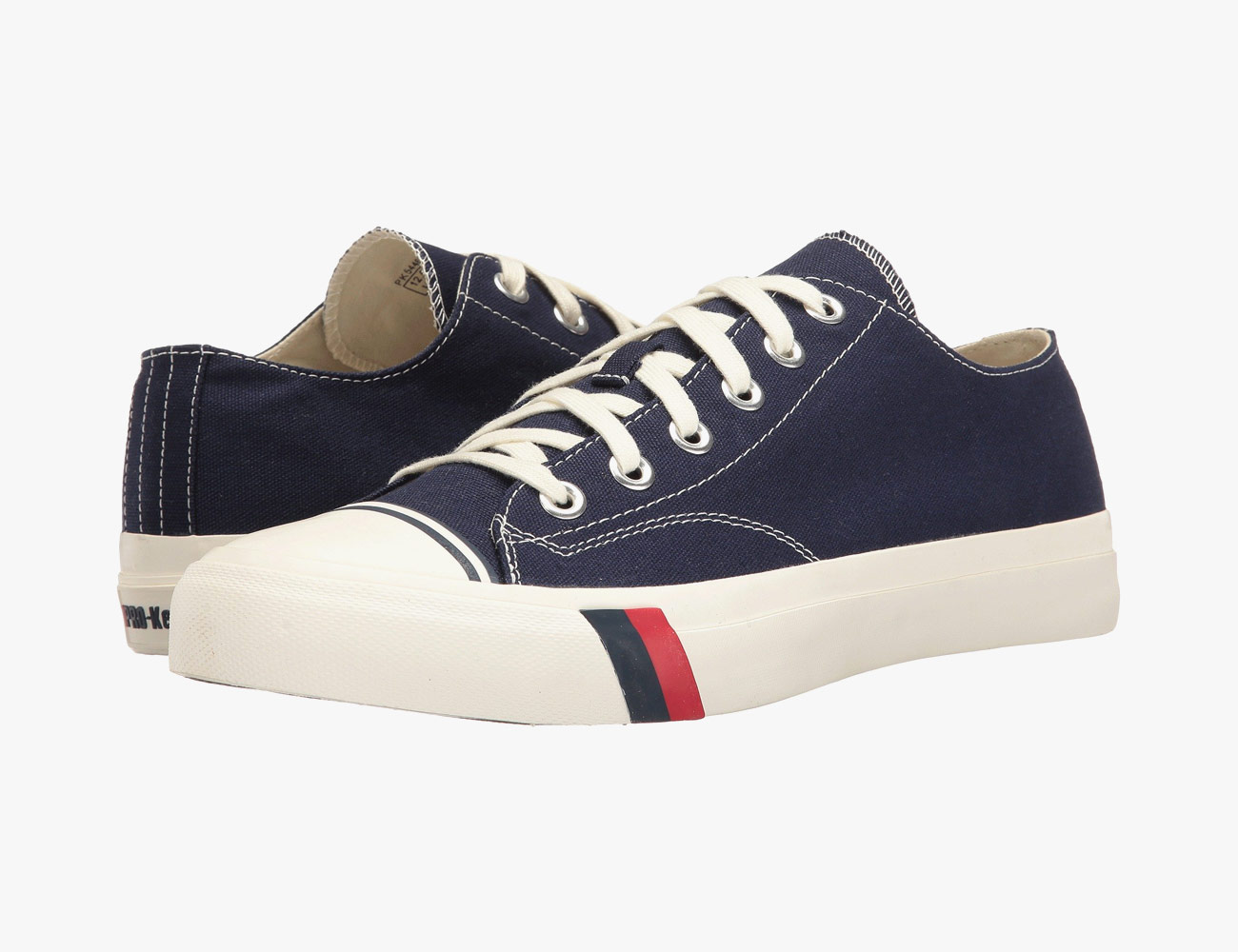
Note: Purchasing products through our links may earn us a portion of the sale, which supports our editorial team’s mission. Learn more here.

Your Favorite Outdoor Brands Offer Better Products in Japan, Here’s How to Get Them

It’s a little-known secret that your favorite outdoor brands like The North Face, Snow Peak, Montbell and Columbia, all make products that are only available in Japan. This happens because the brand may not feel like the market for a product exists in the U.S., or because they are testing the waters in Japan before they bring a product to the global market, or in the case of The North Face’s Purple Label, they simply want it to remain Japan-exclusive.

But that doesn’t mean that these products are simply “off limits.” Thanks to a service called ZenMarket, the forbidden Japanese fruit is finally available in the U.S. To use ZenMarket, follow the steps below as outlined by our style writer John Zientek. If you’d like to learn more about the service, you can check out the full story on ZenMarket here. Below, we’ve picked out some of our favorite Japan-only outdoor items.
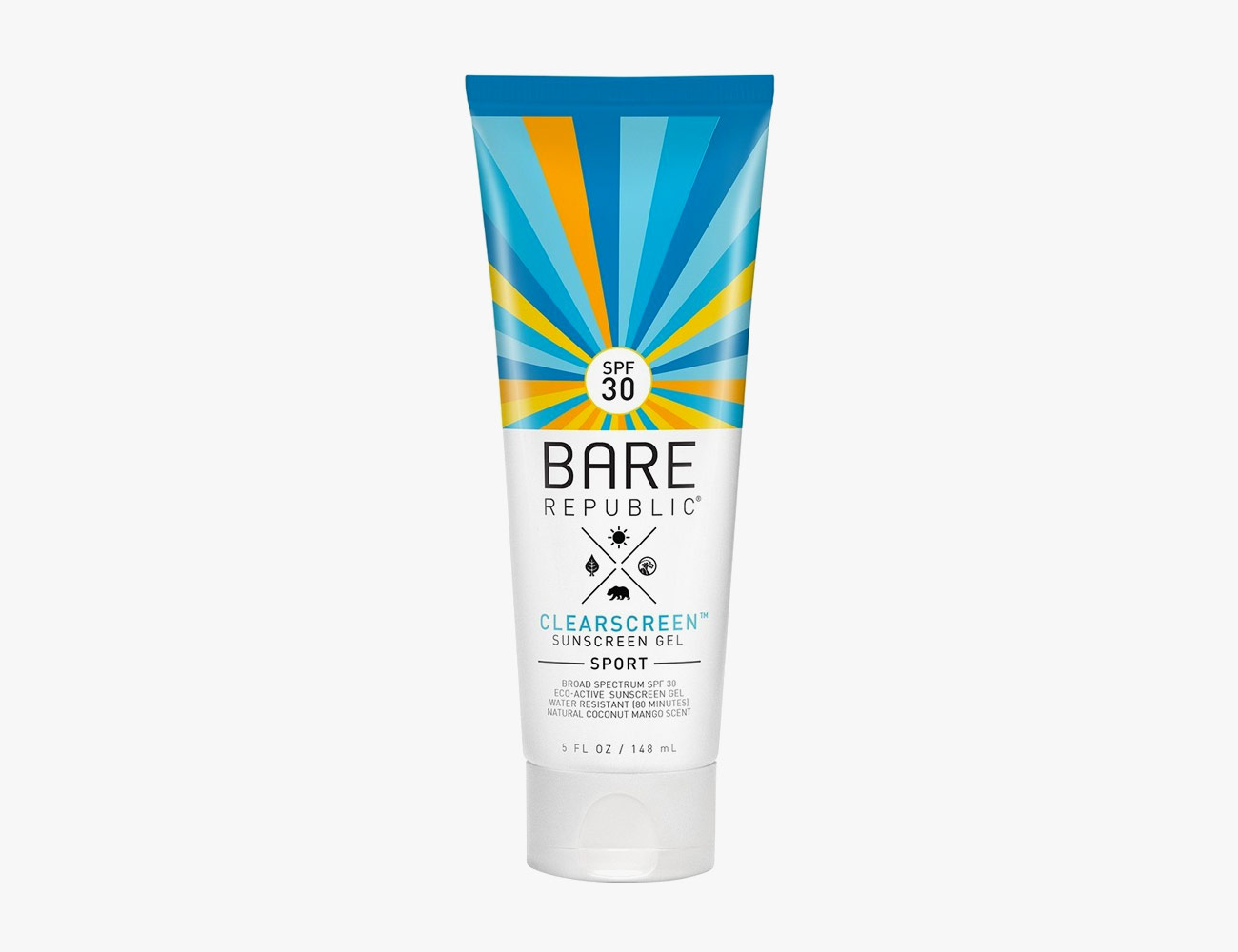
How to Buy Goods From Japan Using ZenMarket

Shop on ZenMarket. Use ZenMarket to browse sites like Rakuten, Yahoo Auctions and Amazon, or enter the URL of a site you want to shop.

Get a quote. If the item is available for purchase, add to your cart and ZenMarket will confirm the price and availability of the item.

Pay or Deposit Funds. If your item is immediately available for purchase, pay the confirmed price. If you are bidding on an auction, you must first deposit funds to your ZenMarket account to place a bid. The ZenMarket service fee is a flat rate of 300 Yen (less than $3).

Wait a couple days. ZenMarket will order your item and wait for it to be delivered to its warehouse. If you were shopping an auction, ZenMarket will buy your item from the seller and wait for it to be delivered (may take longer according to individual sellers).

Choose the shipping method. After your item arrives at the ZenMarket warehouse, choose your shipping method, specify your address and wait for confirmation of the shipping price. If you are ordering more than one item, you can choose to have multiple items shipped in the same box.

Pay for shipping. Complete the interaction by paying for shipping on your boxed items.

Receive your package. Depending on your shipping method, your item should arrive in one to two weeks.

Ask questions at any point. If you need assistance, simply type questions into ZenMarket’s convenient chat. ZenMarket employees can communicate with auction sellers, help you find items in Japanese online marketplaces, check your items upon arrival to the warehouse (and send photos) or explain any confusion that may arise in the process.

What You Should Buy From The North Face

While The North Face’s rare, Japan-only Purple Label gets all of the attention, there are plenty of products that are equally as cool available from the brand’s regular Japanese website.

Emergency Jacket by The North Face ~$483
Made from Dyneema, the Emergency Jacket is lightweight, ultra-durable and waterproof.

Zephyr Cardigan by The North Face ~$282
The Zephyr Cardigan is a stylish, high-performance jacket that uses The North Face’s Ventrix active insulation.

Red Point Very Light Tee by The North Face ~$221
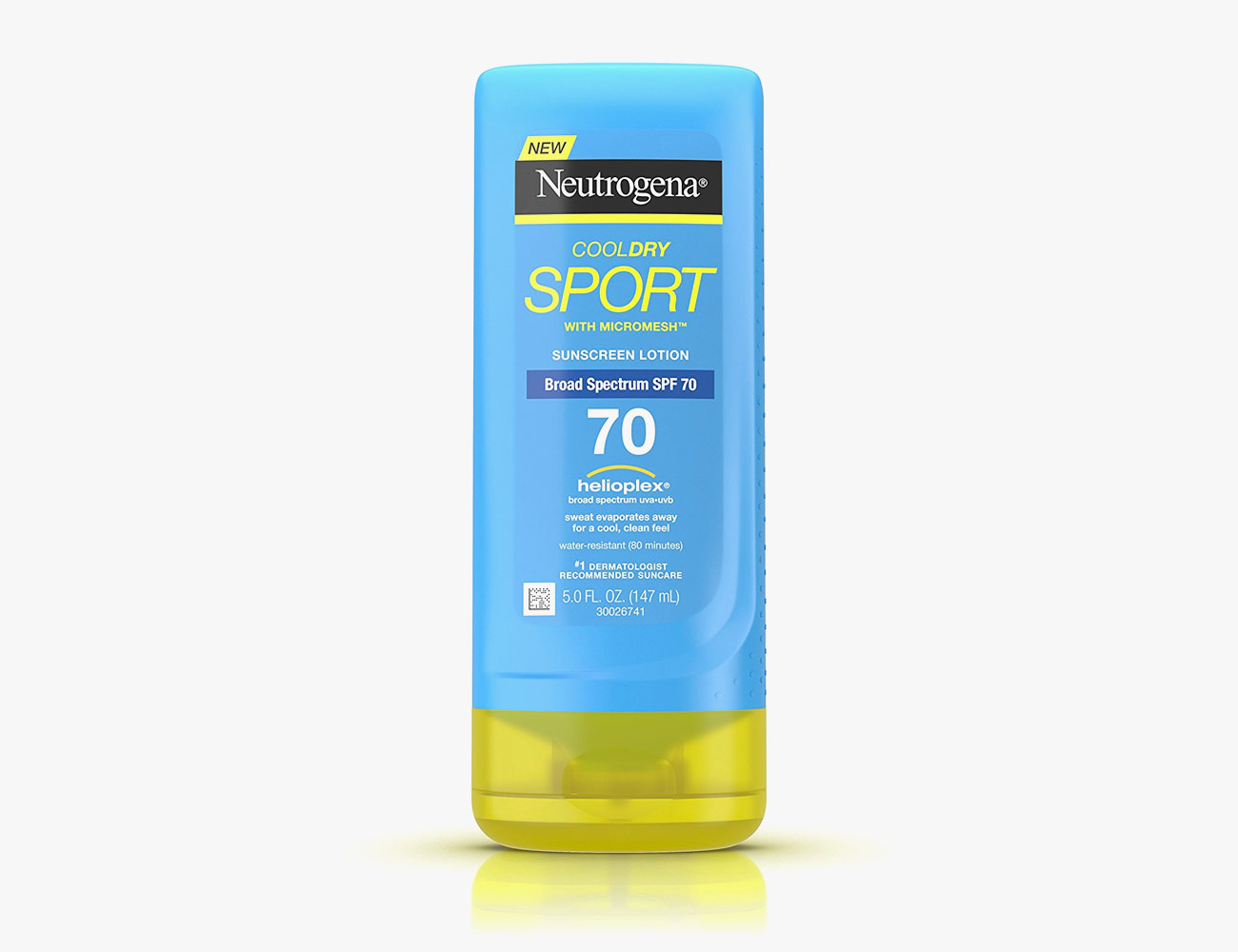
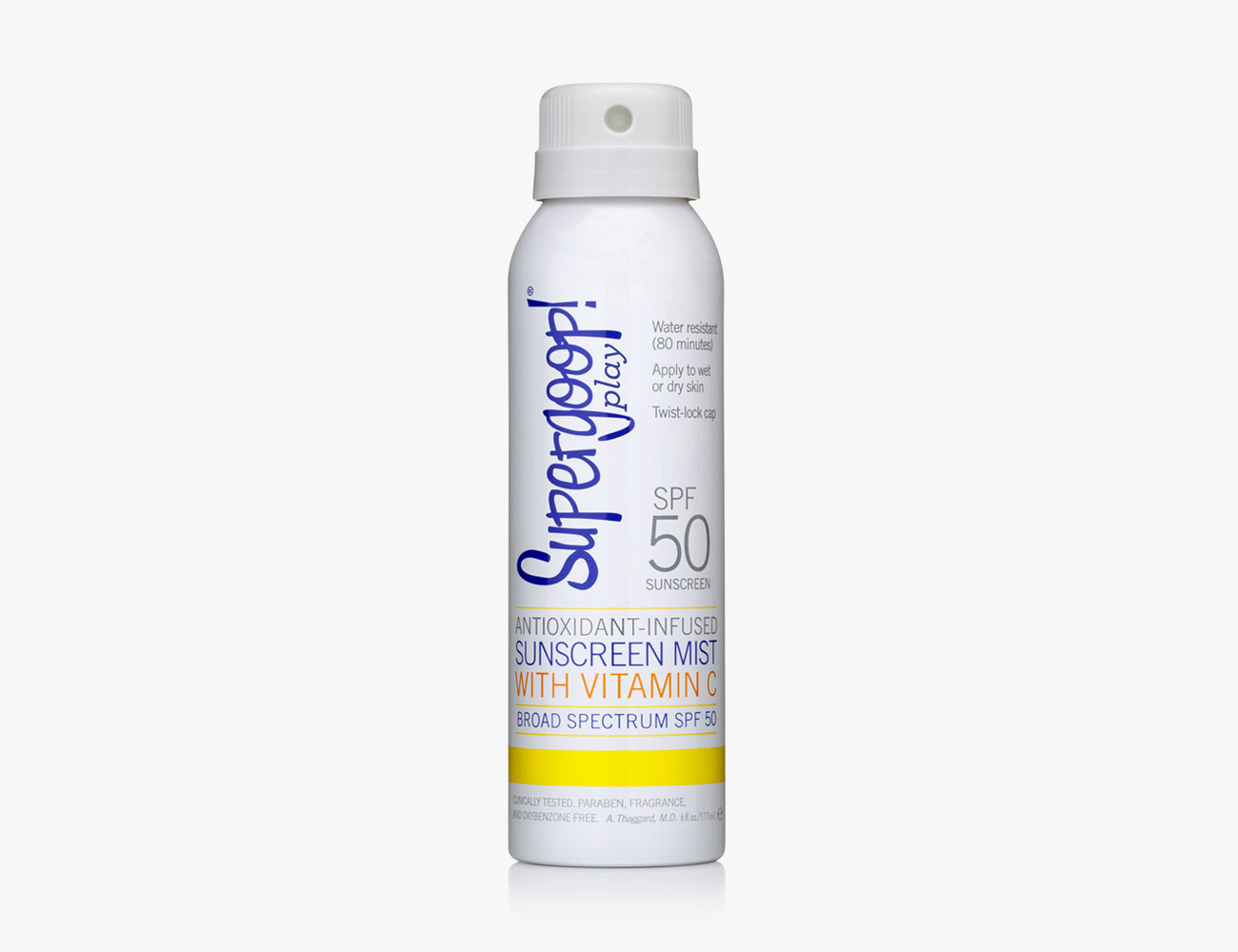
A short sleeve down-insulated shirt!

XP Fuse Box by The North Face ~$211
Made from X-pack fabric, the XP Fuse Box is water resistant and has room for a 15-inch laptop.

What You Should Buy From Snow Peak

While Snow Peak remains a trendy, outdoor-lifestyle brand in the U.S., in Japan it’s a full-blown outdoor brand making everything from ultralight tents to high-end bicycles. In addition to what you see here, the brand’s extensive collection of bags is also worth a look.

SUSD-2 by Snow Peak ~$13,025
Who knew Snow Peak made a bike?

Military Sleeping Bag by Snow Peak ~$184
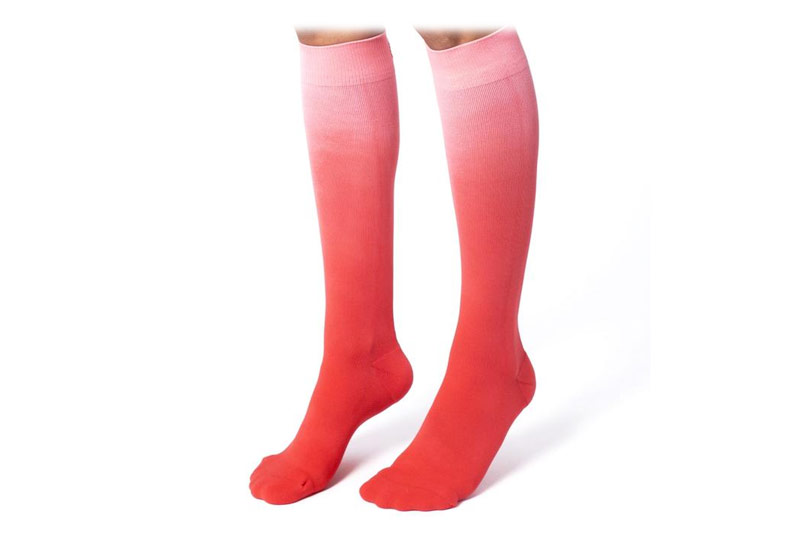
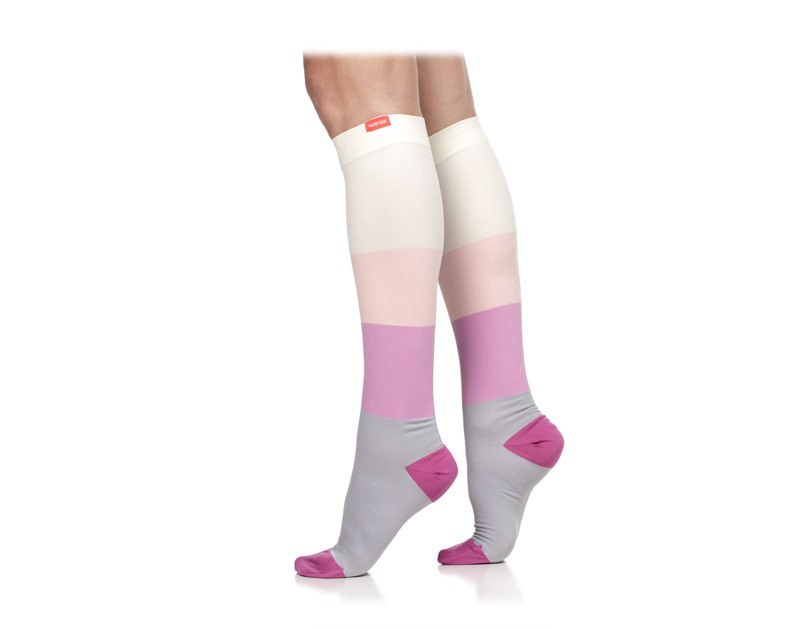
As its name suggests, this sleeping bag is inspired by the military and is insulated with synthetic fibers.

Fal Pro.air 2 by Snow Peak ~$436
While Snow Peak offers tents geared toward car camping in the U.S., its backcountry-appropriate tents like this one are only available in Japan.

What You Should Buy From Columbia

In contrast to the brand’s U.S. presence, Columbia is incredibly trendy in Japan. So trendy in fact, that like The North Face, Columbia offers a Japan-only collection called Black Label. It’s loaded with stylish outdoor lifestyle products that are filled with technical features, but don’t sacrifice on style.

Bennett Runner Jacket by Columbia Black Label ~$242
The Bennett Runner is made from ripstop nylon and features Columbia’s Omni-Tech membrane.

Cypress Point Anorak by Columbia Black Label ~$191
This pullover anorak is lightweight, breathable and features a DWR coating.

Wedder Garden Jacket by Columbia Black Label ~$221
This jacket is inspired by Columbia’s classic Multi Pocket Fishing Vest.

Carbonate Brook Vest by Columbia Black Label ~$252
This vest is based on the vest that Columbia President Gart Boyle made her husband in 1960.

What You Should Buy From Montbell

While many of Montbell’s products are available in the U.S., one notable collection isn’t: cycling. In Japan, Montbell offers a full range of cycling products from jackets to gloves.

Cycle Dry Shell by Montbell ~$233
This cycling jacket uses Gore-Tex’s Shake Dry membrane.

Cycle Rain Shoe Cover by Montbell ~$43
These waterproof booties are ultra-stretchy and feature a waterproof zipper in the back making them easy to put on.

Cycle Rain Pants by Montbell ~$177
While intended for cycling, these Gore-Tex pants can easily be used hiking or running as well.

What You Should Buy From Burton

Like other brands on this list, Burton also offers its own Japan-only collection called AK457. It represents the brand’s most technical products (not unlike its AK collection in the U.S.), including bags, base layers and outerwear. We’ve picked out a few of the highlights, but the full collection is worth a look.

AK457 Guide Pack 31L by Burton ~$313
Burton’s AK457 pack is equally well-suited to backcountry pursuits, travel and the everyday commute.

AK457 Duffel Bag 105L by Burton ~$280
If you need to carry your entire wardrobe with you on a trip, this is the bag to get.

AK457 Base Layer Hi Neck Fleece by Burton ~$168
This fleece features a scuba-style hood and is made from Polartec Power Stretch Fleece.

AK457 Micro Fleece Pant by Burton ~$317
Whether you’re snowboarding or runinng errands, a pair of fleece pants is a necessity.

AK457 Packable Down Jacket by Burton ~$343
High-quality, minimally branded and black — what more could you want from a down jacket.

AK457 Mid Fleece Pant by Burton ~$209
Made from Polartec’s Hi Loft fleece, these make the perfect base layer for ultra-cold days.
6 Red Wing Heritage Styles You Can’t Buy in America

Meet the Mil-1 Congress Boot, the Canoe Moc, the Lineman Boot and more. Read the Story