All posts in “buying guide”

My 8 Gear Essentials For Surviving an Off-Road Race Across Nevada

Going by the way of smooth, paved asphalt and piloting a modern, road-legal car, it’ll take you just under seven hours to get from Las Vegas to Reno, Nevada. Your luxurious, climate-controlled cocoon of leather and carpet can effortlessly glide over the ribbon of road connecting those cities regardless of the searing sun, triple-digit temperatures and gusts of wind carrying buckets of desert dust. It’s almost too easy. But try to get from one of the casino-laden cities to the other without using any roads at all, as fast as you possibly can, while fighting off dehydration, silt beds waiting to swallow wheels, blind turns preceding cliffs and suspension arm-hungry boulders… that’s a different story. Coincidently, The Best in The Desert Vegas to Reno, which at 540 miles is the longest off-road race in the US, puts on just such show. I attempted to finish it in a relatively stock Polaris RZR Turbo S.

By “stock,” I mean the only things added to the RZR were to make it race-safe and compliant — an extensive, reinforced roll cage, race seats and safety belts, removable-steering wheel, race fuel cell, radio, safety lights and fire extinguisher system. Other than what the regulations deemed necessary, everything on the Turbo S was factory-spec — there were no mechanical upgrades. Meaning the suspension, engine, transmission, ECU and basic chassis rolled up to the starting line the same as they were on the showroom floor. My co-pilot and I, on the other hand, were in need of necessary optional extras. Fireproof suits, gloves and driving shoes and a ventilated race helmet were baselines; on top of that, we needed a way to communicate to the pits and, as we found out 50 miles into the 580-mile race, food and water, just in case we got stuck out in the desert. This is the gear we brought along to attempt America’s toughest off-road endurance race.

Polaris RZR XP Turbo S

Pyrotect Pro Airflow Helmet

PCI Race Radios Offroad Helmet Wiring Kit

Alpinestars GP Race Suit

Alpinestars Tech 1 Race Glove

Oakley Race Mid Boot

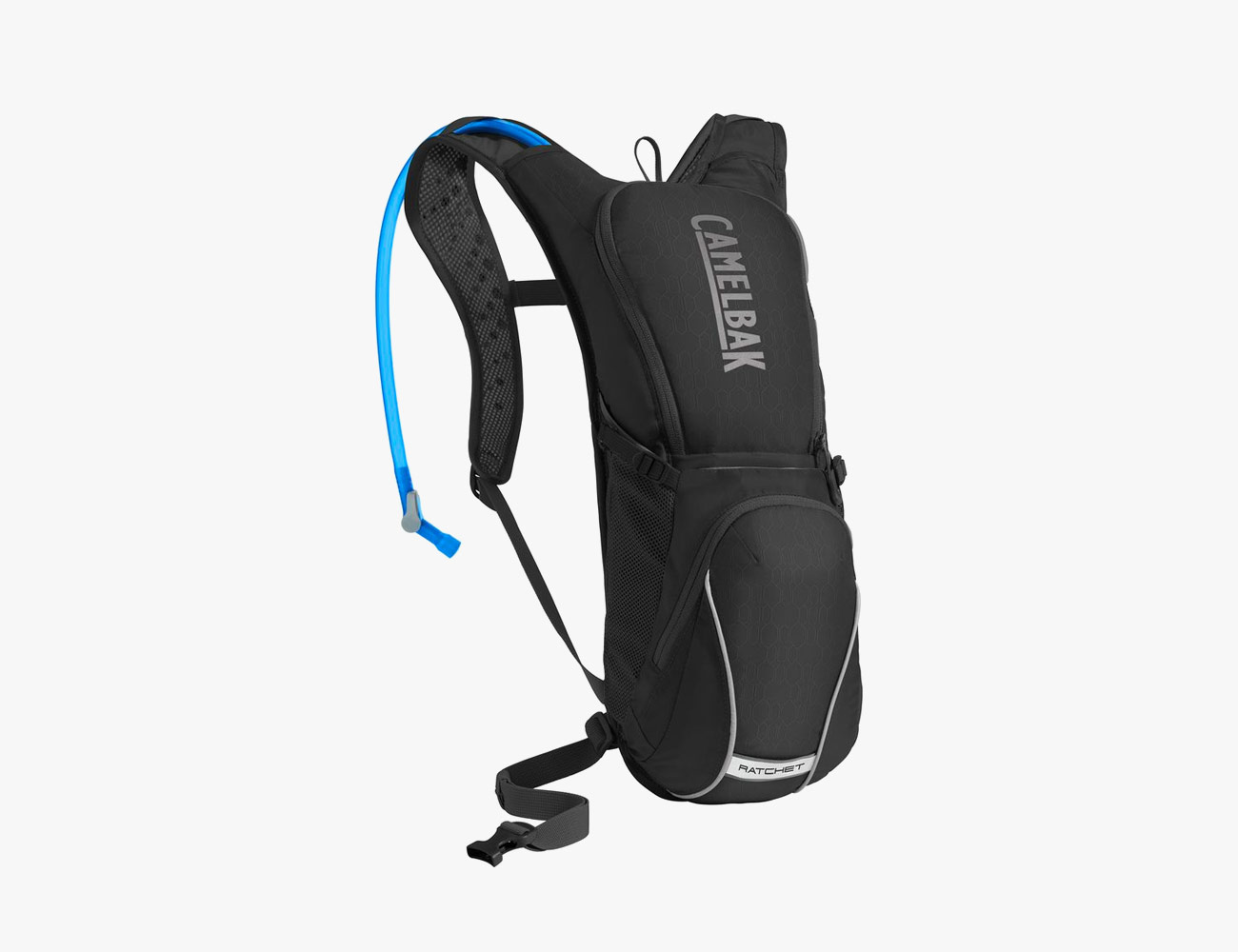
CamelBak Ratchet 6L Backpack

Cliff Bars

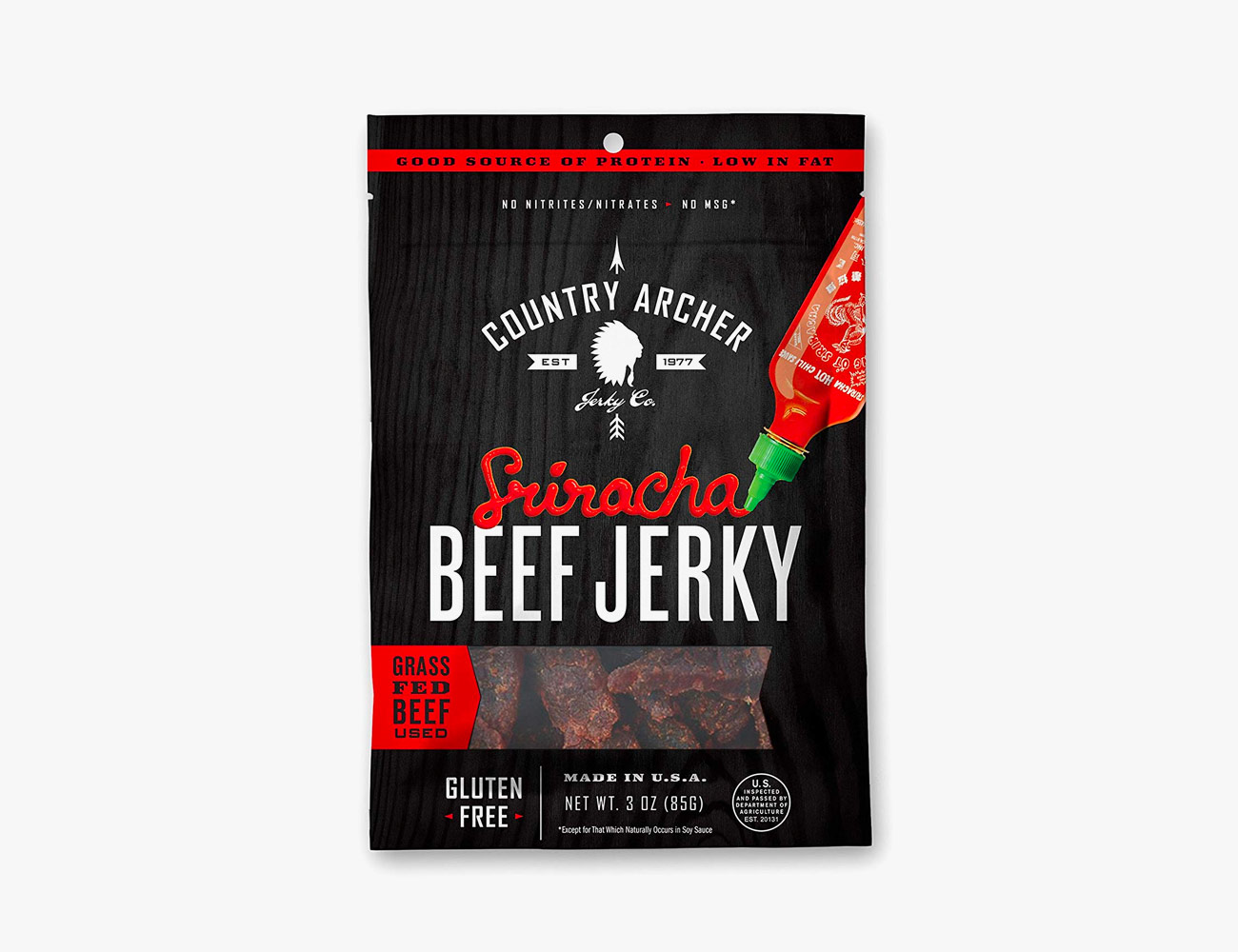
Country Archer Beef Jerky

Can Knockoff AirPods Challenge the Real Deal? We Had to Know

W

e can go on and on about how great Apple AirPods ($159) are and how they’re arguably Apple’s best first-generation product ever. (Better than the first iPod or the first iPhone? Possibly.) The fact that they were released in 2016 and, without being updated or replaced by a second-generation product, are still the most popular true wireless earbuds out there speaks volumes.

Of course, in the roughly two years since Apple released its AirPods, there have been quite a few other true wireless earbuds that have been also hit the market. Many are good, with different features, styles, fits and sound signatures that some people will definitely prefer over Apple’s AirPods. It’s well documented that AirPods don’t fit in everybody’s ears, for example, and I still wouldn’t work out with my AirPods; they’re not sweat-resistant.

Most of the best true wireless earbuds are in the $150 to $200 price range, so at $159, Apple’s AirPods are right in the middle of the pack. Still, they aren’t cheap. And if you lose or break one, that’s gonna run you another $69. If you really want AirPods, but don’t want to pay that much, there are other options out there. You’ve probably seen them while scrolling through the product purgatory that can be Amazon.com: AirPods selling for a fraction of their normal price. Only they’re not AirPods at all. They’re knockoffs. Fake AirPods.

You won’t see many knockoffs that look like Bose’s, B&O’s or even Jabra’s true wireless earbuds. You will see a lot of AirPod lookalikes, however; imitation is the highest form of flattery. These knockoffs are made by companies that you’ve likely never heard of — I hadn’t — but because they’re super cheap, some starting at just over $10, you might be tempted to pull the trigger and click “Add to Cart.” So should you? What’s the catch?

The thing with these AirPod knockoffs, or so I realized after researching them, is that they disappear. Vanish. You can save a product page and then come back to it a day later, sometimes even less, and there’s a “404 error” page and you’re meeting one of Amazon’s many beautiful dogs. Is it sketchy? Absolutely.

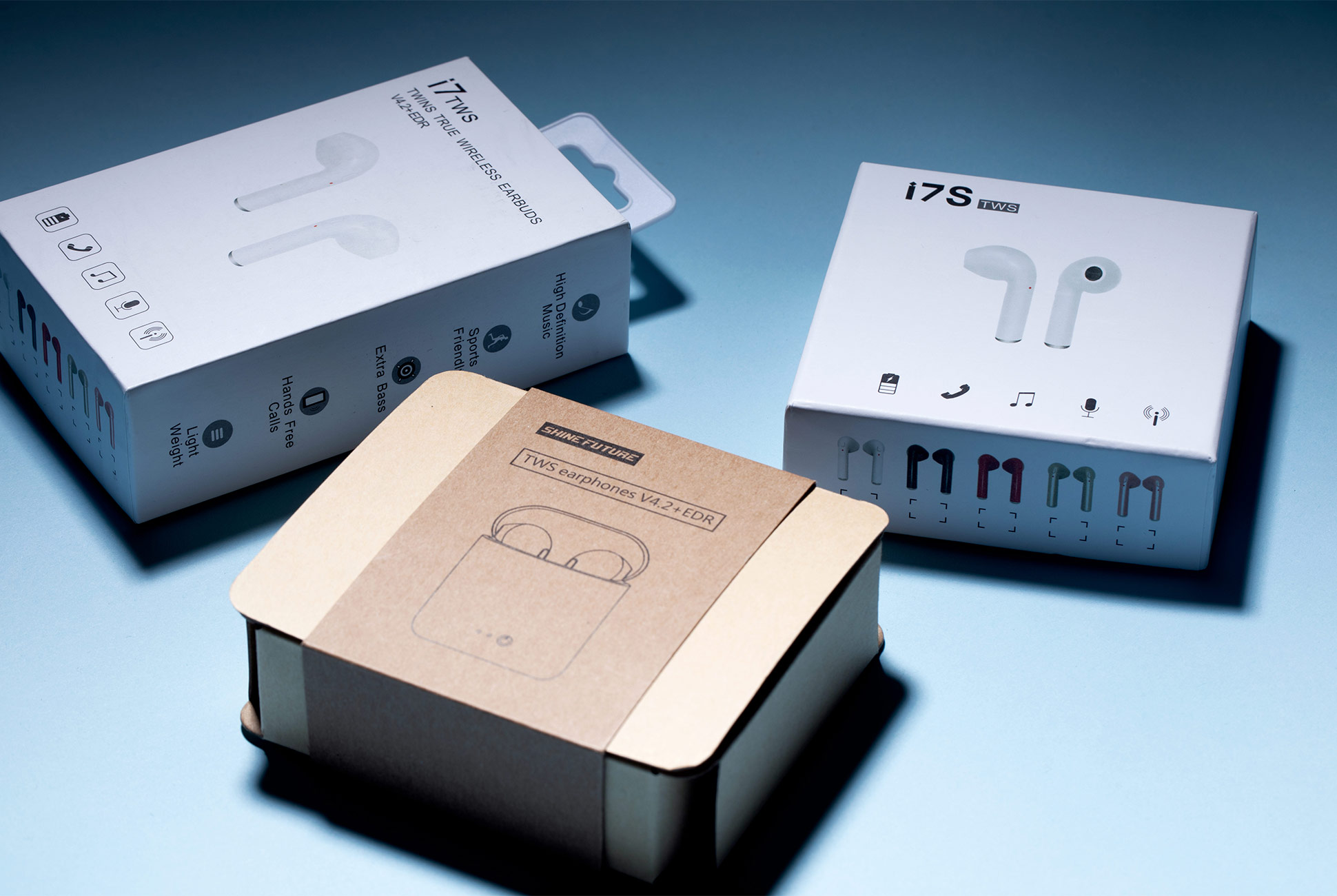
Still, I was intrigued enough to pull the trigger and purchase three sets of knockoff AirPods. All were priced between $20 and $30 and made by companies, likely fake, that I had never heard of: “Gianny,” “To Toplay” and “Chyu.” When they arrived and I started to play around with them, it became apparent that despite looking different and coming in different packaging, all three knockoffs were made by the same company.

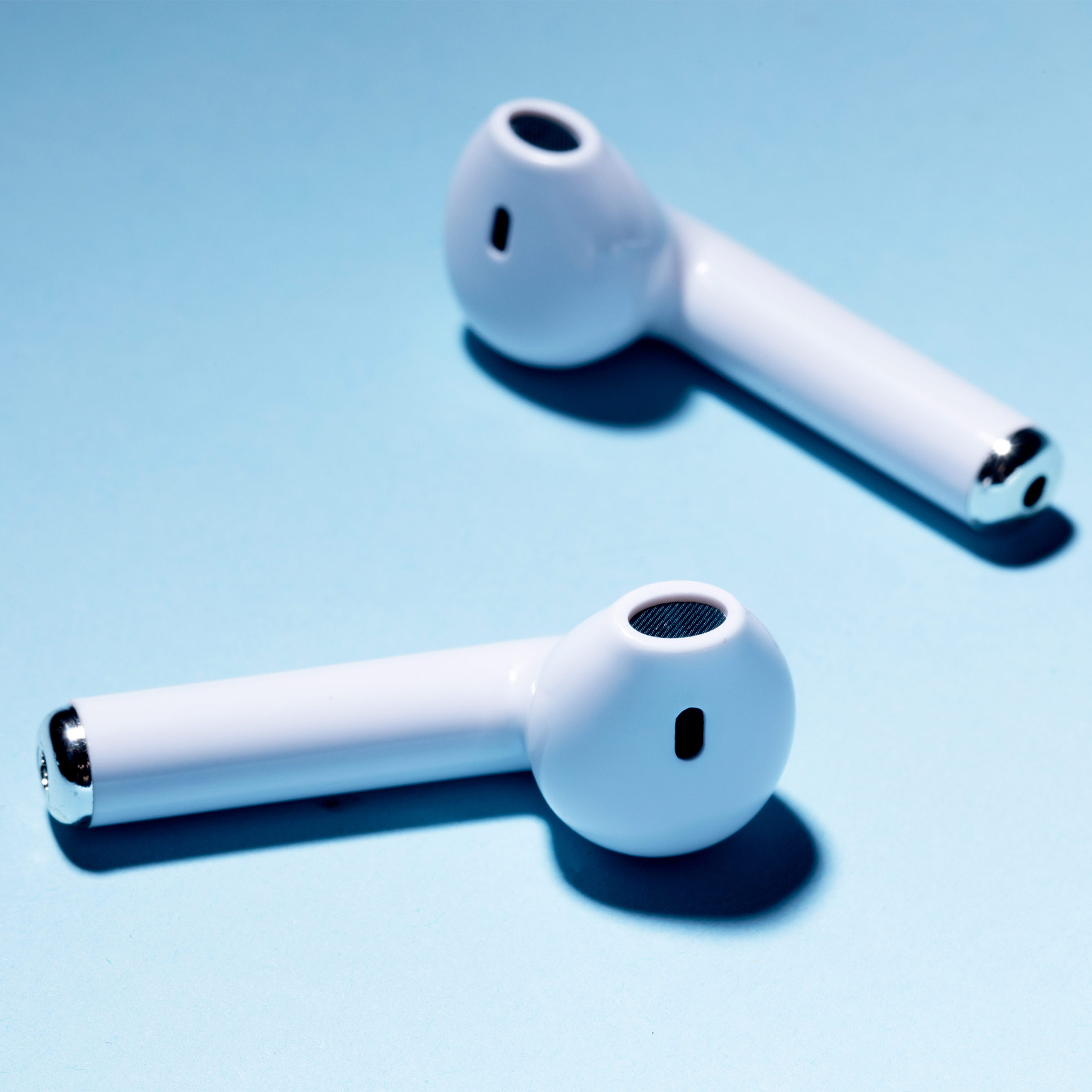
When pairing, they all were named either “TWS-i7” or “tws-i7.” They were all much bigger than AirPods — probably double the size — and had one “multifunction” button on the side of each earbud. These buttons were used to pair the earbuds, as well as to play/pause and skip tracks. The instruction manuals that came with each knockoff pair were all a bit different, with amusing grammatical mistakes. “Dust-proof mesh” was advertised as a key feature in all of them, which was hilarious.

AirPods Vs Knockoff AirPods: The Big Differences

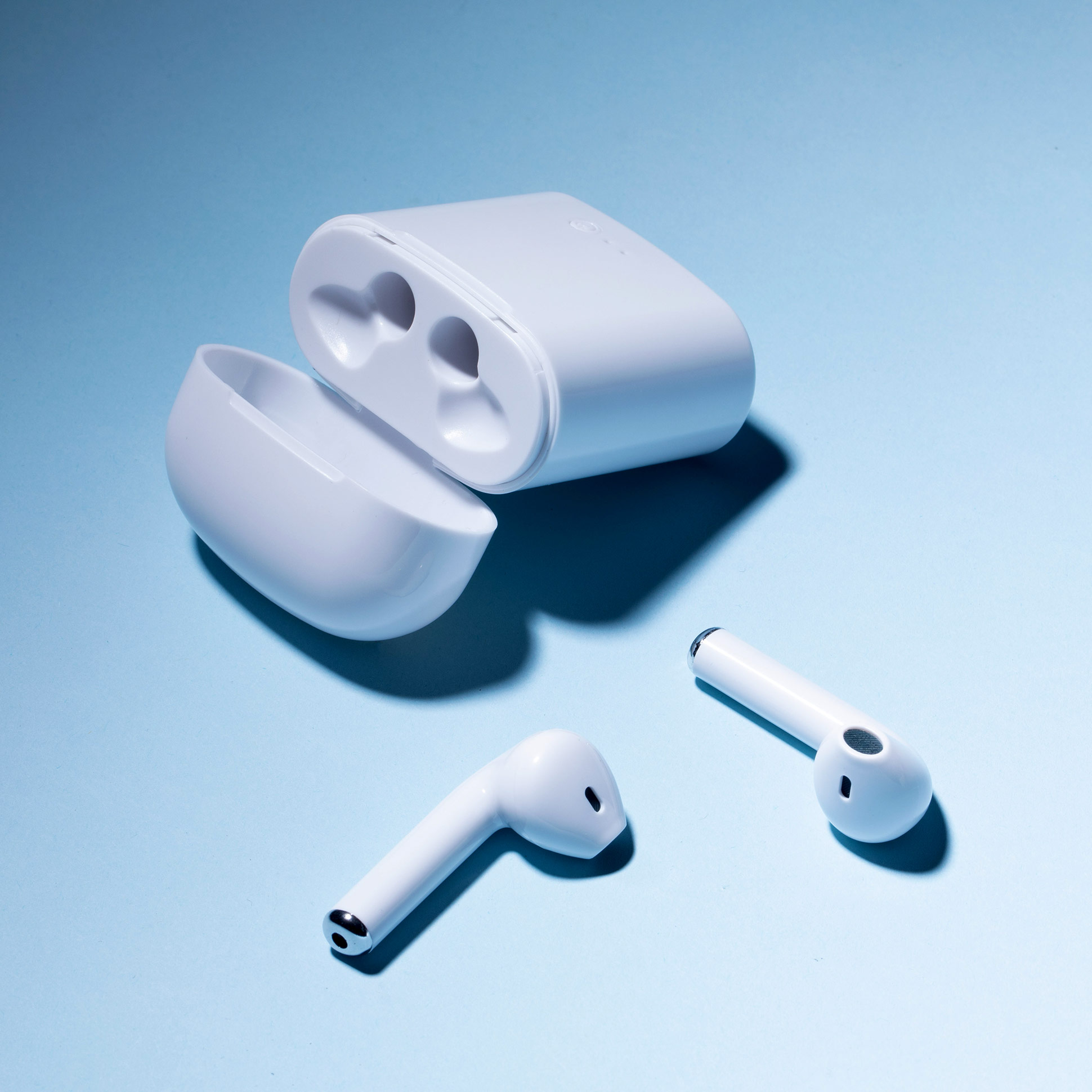
Not small. Each knockoff AirPod was roughly twice the size of an AirPod. Basically, unless you’ve never seen an AirPod before, nobody is going mistake these knockoffs for real AirPods. In fact, you might even get some more awkward gazes; people looking at you and thinking, “that doesn’t look right.”

Lights? Different from Apple AirPods, all three knockoff pairs had lights built into each individual earbud. These lights flickered blue and red every few seconds. It wasn’t super noticeable in the daylight, but it was a different story when the lights went out.

No quick pairing. None of the knockoff AirPods had Apple’s W1 chip to help instantly pair with my iPhone. To pair, I had to go the old school route through Bluetooth Settings.

Physical buttons. None of the knockoff AirPods had optical sensors, so they wouldn’t automatically turn on and off when I put them in or took them out of my ears. To turn each earbud on or off, I had to manually press and hold the “multifunction” button.

Less charge. The battery life of each earbud was not extraordinary, lastly around 1.5 hours, which is half as good as what you’d get with Apple’s AirPods.

Zero bass. As for as sound quality, none sounded quite as good as Apple’s AirPods. Sound quality was passable, but there was a notable lack of any kind of bass.

No Lightning port. The AirPod knockoffs that come with a charging case require a micro-USB connection, so you won’t be able to use your Lightning cable. These are definitely not “MFi-certified” by Apple.

Editor’s Note: As stated before, none of the Amazon links to the below knockoff AirPods are still live — they all direct to “404 error” pages. This underlines the sketchy nature of even shopping for fake AirPods. All the below links point to an Amazon search page. The below prices reflect what I paid for each knockoff AirPods.

AirPod Knockoffs #1: To Toplay Wireless Earbuds


Thoughts: Of the three knockoffs, these were probably the most AirPod-like, as they came with a charging case and were white. Pairing was seamless and straightforward. The multifunction button worked well; a tap on either earbud played/paused the music, while a longer press would skip tracks.

Should You Buy? No. These earbuds are still huge. Plus they light up blue and red, so very few people are going to mistake these for AirPods.

AirPod Knockoffs #2: Chya Earbuds Mini Twins


Thoughts: I had the most trouble with these knockoffs. Pairing them to my iPhone was a nightmare. Despite it being the same pairing process as the other knockoffs, these individual earbuds didn’t want to play together, and it took me numerous attempts to get the audio playing out of both earbuds. The multi-function button on either earbud was erratic; most times a short press would skip tracks instead of play/pause. Also, these knockoffs didn’t come with a charging case. Instead, the earbuds were loose in the box and required a pin-like dongle, which I needed to stick into the bottom of each earbud to charge. It was bizarre.

Should You Buy? Please no. Hard pass.

AirPod Knockoffs #3: Gianny Bluetooth Earbuds


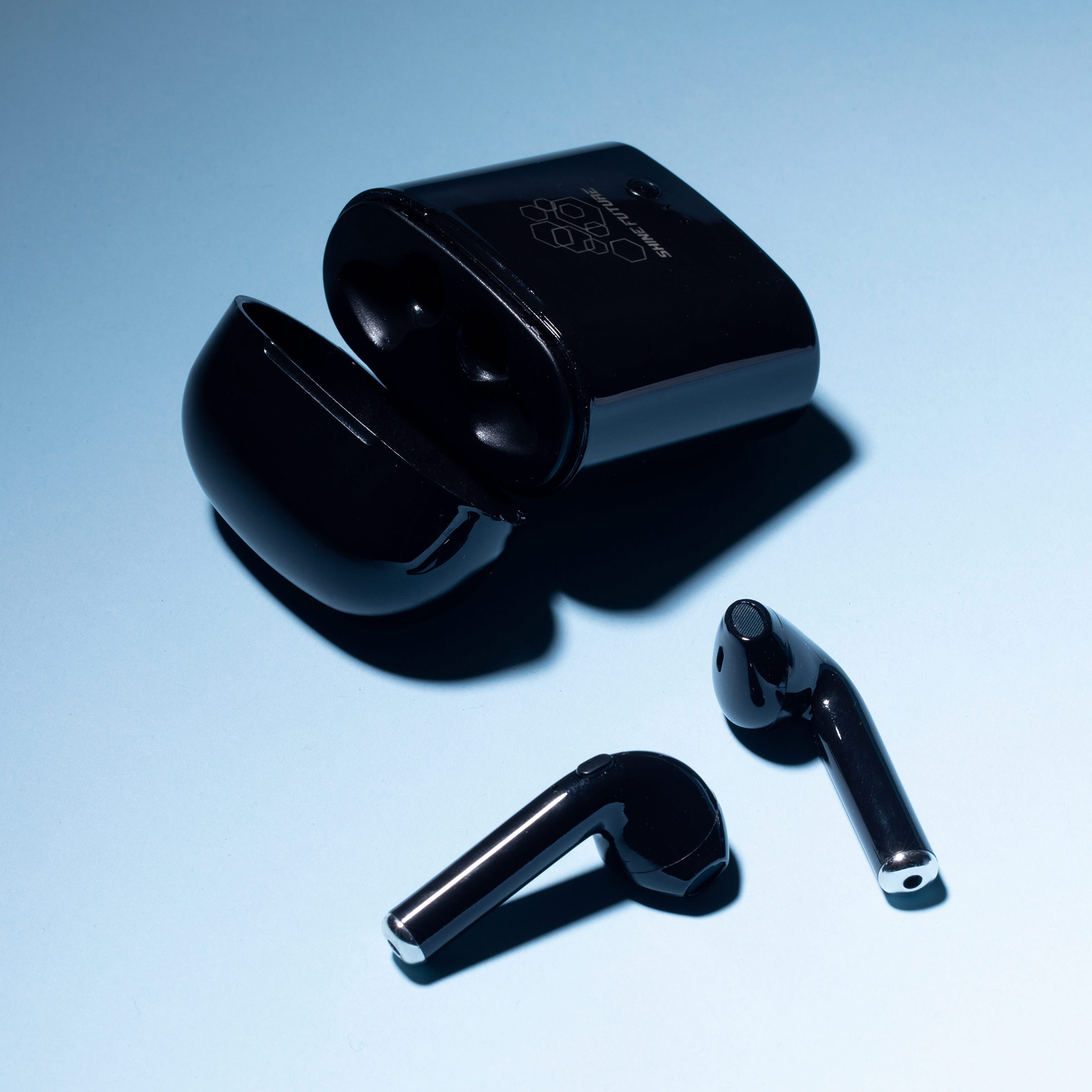
Thoughts: There’s a niche market for black AirPods and, if you’re willing pay extra, companies like ColorWare will professionally paint them for you. So, in that sense, these knockoffs are decently neat, but they’re essentailly just black versions of the To Toplay earbuds (knockoffs #1). They’re large and come with a bulky charging case. The biggest difference, however, is that these knockoffs came with a set of silicone wingtips, so I could make each earbud fit more securely; it’s a nice a little add-on if you’re going to exercise with these knockoffs.

Should You Buy? Not unless you are desperate. Although these were probably the pick of the bunch (the extra silicone tips push the scale in their favor), the black colorway doesn’t make them look any cooler in your ear — in fact, they stand out even more.

The 12 Best Cigars to Smoke in 2018

To novices, smoking a cigar can be more intimidating than fun. This definitive guide to the best cigars of 2018 covers everything you need to know before you buy your next cigar, including basic etiquette, know-how and a breakdown of best cigars across different price points and flavor profiles.

Prefer to skip directly to the picks? Click here.

The Short List

Best Cigar for Beginners: Nat Sherman Sterling Series
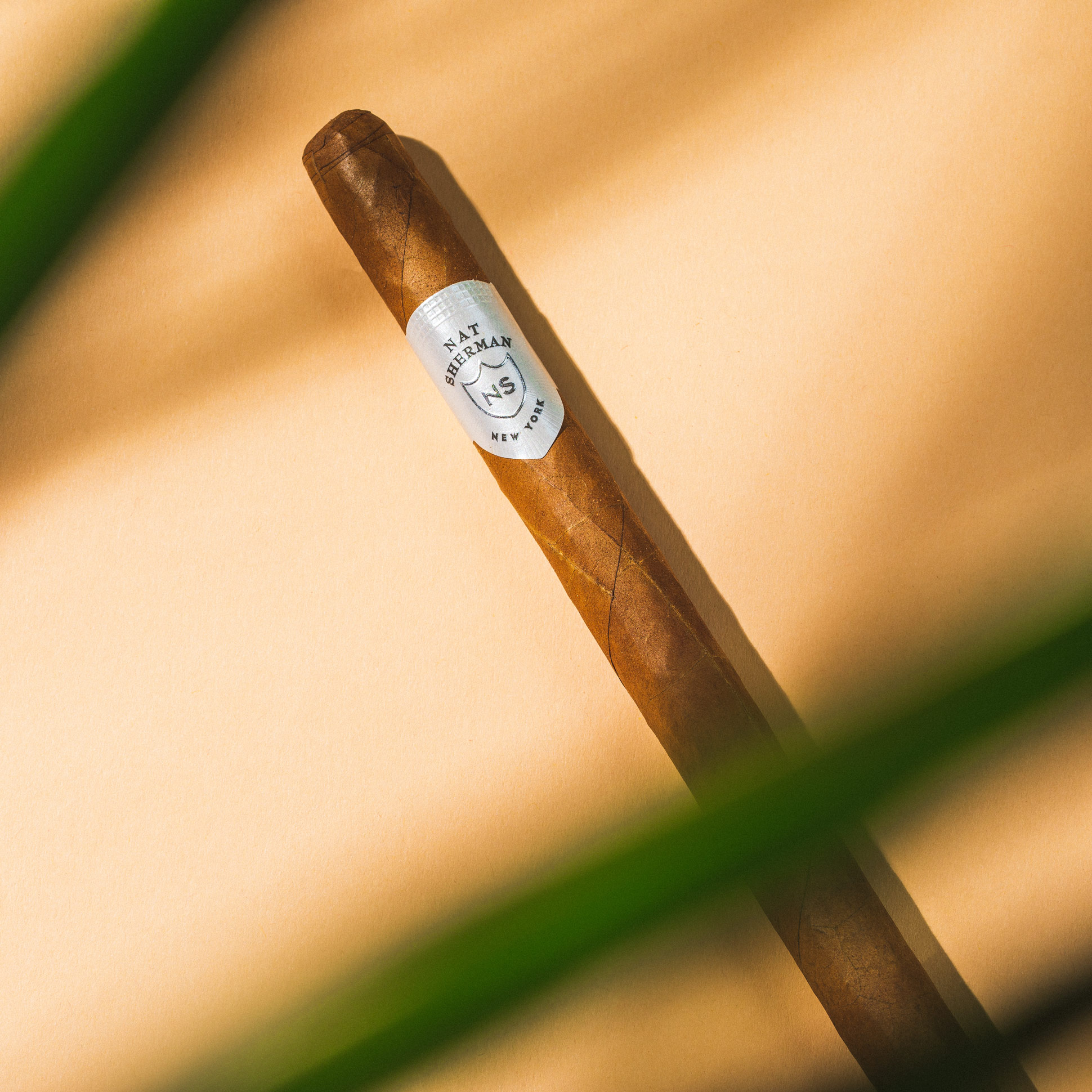
An approachable, balanced, and affordable cigar with fantastic construction. A prime example of the pleasant nuance of a Connecticut wrapper.
Tasting Notes: Connecticut wrappers impart a creamy, buttery flavor, with notes of cocoa, wood, and toasted bread. This cigar in particular is the perfect pairing with a cup of coffee.
Filler: Dominican
Binder: Dominican
Wrapper: Ecuadorian-grown Connecticut
Price: $132+, box of 10

Best Cigar for the Money: Davidoff White Label Short Perfecto
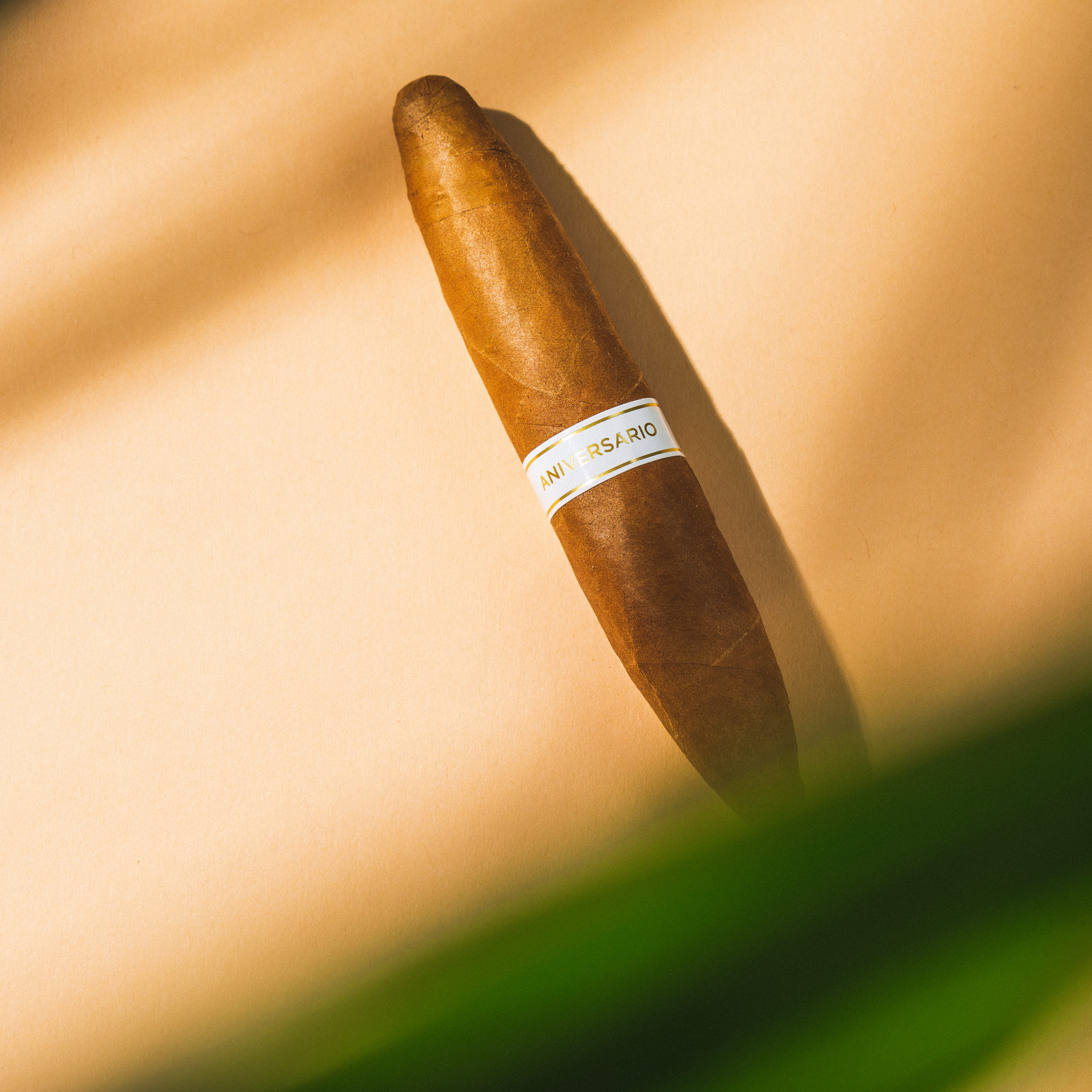
The quality of the tobacco here is extremely high, and it’s a benchmark of construction. It’s smaller than other Davidoff cigars, meaning it won’t won’t break the bank, and it is an excellent example of a mild-bodied cigar that’s still rich and complex.
Tasting Notes: Starts with hay and buttery smoke, transitioning into earthiness and even a touch of pepper spice in its final third.
Filler: Dominican Republic
Binder: Dominican Republic
Wrapper: Ecuadorian-grown Connecticut
Price: $18+

Best Cigar for Special Occasions: Illusione Epernay
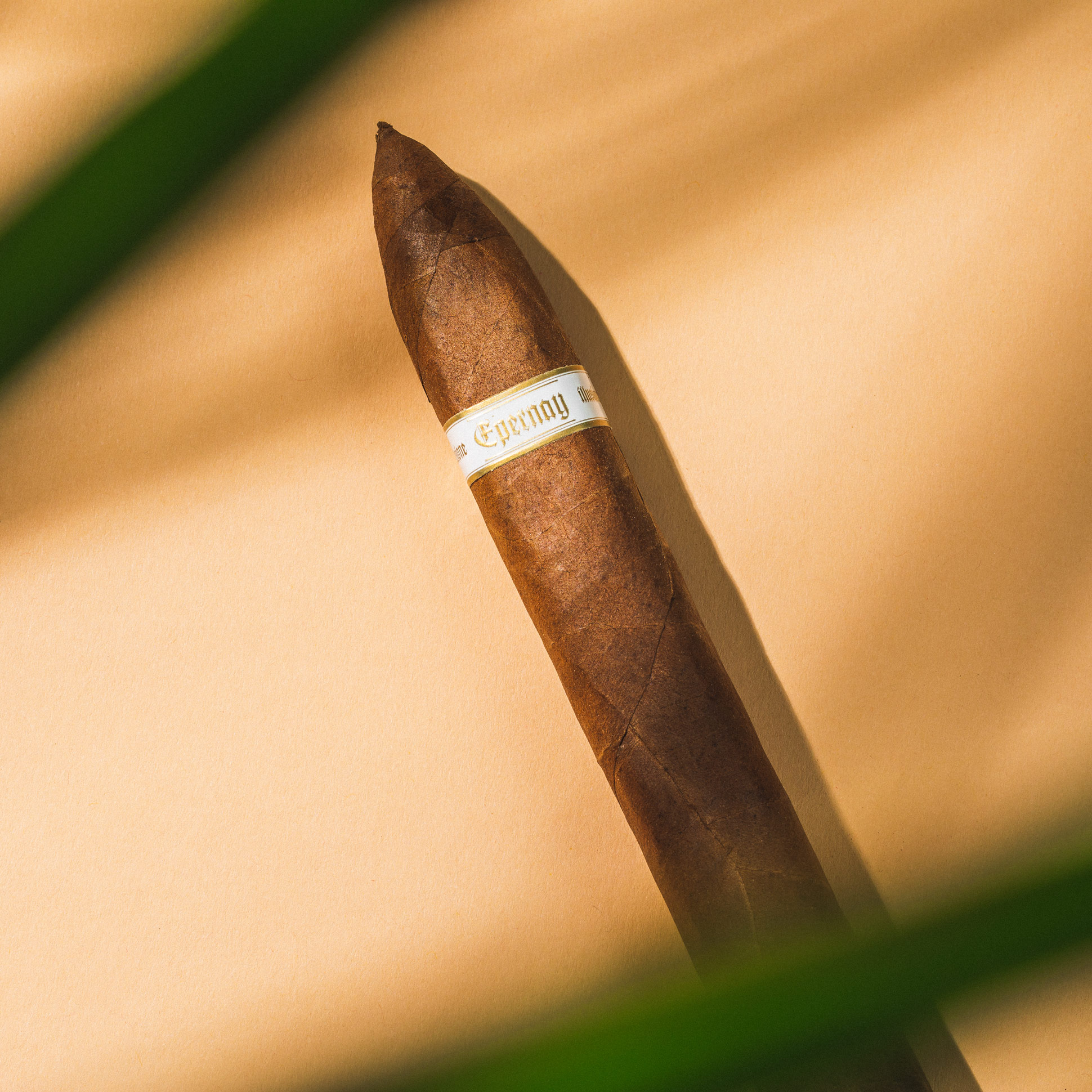
This box-pressed cigar was designed to cater to the European profile — it’s milder than many Americans prefer — and it was named for the famous Champagne region. Just like a bottle of bubbly, it might be best saved for special celebratory moments.
Tasting Notes: Distinct floral notes give way to honey, coffee and cedar.
Binder: Nicaragua
Filler: Nicaragua
Wrapper: Corojo, Nicaragua
Price: $230+, box of 25

The Best Bourbon Whiskeys You Can Buy in 2018
Everything you ever wanted to know about America’s favorite brown spirit, including, of course, the best bottles you can actually buy. Read the Story

Introduction

T

o novices, smoking a cigar — hell, just venturing into a local cigar store to buy one — can feel more daunting than fun. The mechanics of properly smoking one (how to draw without inhaling?) don’t come naturally. Faux pas (when to ash the thing?) abound. And then there’s the basic question of which cigar, in a room stuffed with boxes of the things, to buy.

You’re not imagining it: cigar smoking is full of tradition, ritual and enigma. The good news, says Pierre Rogers, is that cigar smokers form a natural, welcoming community — acolytes not just to the rolled leaf, but to lighting them up together.

Cigar smoking is full of tradition, ritual and enigma. The good news is that cigar smokers form a natural, welcoming community.

Community is Rogers’s purview. He’s the founder of PuroTrader, the world’s largest peer-to-peer cigar trading platform, hosted in an online service that also includes community-created cigar ratings, forums and blog posts. Rogers created the service as a searchable e-humidor for collectors after discovering that someone had stolen a single cigar out of a prized box he’d been saving for over a decade. “Initially, we set out to create a way for every collector for free to build an online humidor — a way to catalog their own collection, take notes on each cigar, and then make it searchable. You could log on and look at anybody’s humidor, anywhere in the world. The inevitable conclusion to that was, ‘You got something I want — how do we make that happen?’” he says.

The service’s soul rests upon this shared community. “It’s the best community in the world,” Rogers says. “No offense to wine guys or Scotch guys. But to my knowledge, cigar guys are the only guys in the world that do cigar bombs” — when a random stranger sends the greatest cigars they can get ahold of, with the expectation only of “paying it forward” to the next unwitting smoker. “If anybody’s ever been out smoking cigars, there’s a good chance they’ve met some random stranger, and there’s a good chance that person has just straight up given them a random cigar. It’s happened to me a ton of times. You don’t saunter up to the bar and someone hands you a Macallan 21. But with cigars, it happens commonly.”

So while curious amateurs can certainly learn the hobby on their own, there’s a great chance their local cigar shop is full of resident smokers willing to help out — and, barring that, they can be found online with a few strokes of the keyboard. It won’t take long to immerse themselves in all of the other great things about cigar smoking: the craftsmanship of the cigar itself, more authentic conversation, and even what Rogers calls the “forced meditation” that comes with taking the time to sit down and take some deep, slow draws of fragrant smoke.

Still, a baseline of knowledge will help you focus on those pleasures and making new friends, rather than discerning the difference between a V cut and a straight cut. So I asked Rogers to give me a rundown of cigar etiquette and basic knowledge, along with the cigars he loves most, across a range of prices and through the common categories of mild-, medium-, and full-bodied. Consider them a good starting place to figure out what you like and don’t like.

Cigar Terms to Know

Wrapper: The single leaf that literally wraps the outside of the cigar. It imparts around 60 percent of the cigar’s final flavors. Its flavors have to do with its country of origin, the way it’s grown (in the sun or shaded) and the type of tobacco plant. Different examples include Connecticut, maduro, claro and oscuro.

Filler: The innermost leaves rolled within a cigar, almost always a blend of different types of leaves.

Binder: The tobacco that helps hold a cigar together. It must be the strongest leaf in a cigar, but also imparts flavor.

Ring Gauge: The diameter of a cigar, measured by sixty-fourths of an inch. The bigger the ring gauge, the bigger the diameter.

Head/Cap: The end of a cigar that is cut and put in your mouth. Make sure not to cut off the entire cap, which will unravel the wrapper.

Foot: The end of a cigar that is lit. Smell this end before lighting to get a whiff of all the tobacco inside.

Strength and Body: Are not the same. The strength of a cigar has to do with how powerfully its nicotine affects the smoker; the body has to do with the impact of the cigar’s flavors in the mouth, its mouthfeel, and its overall richness.
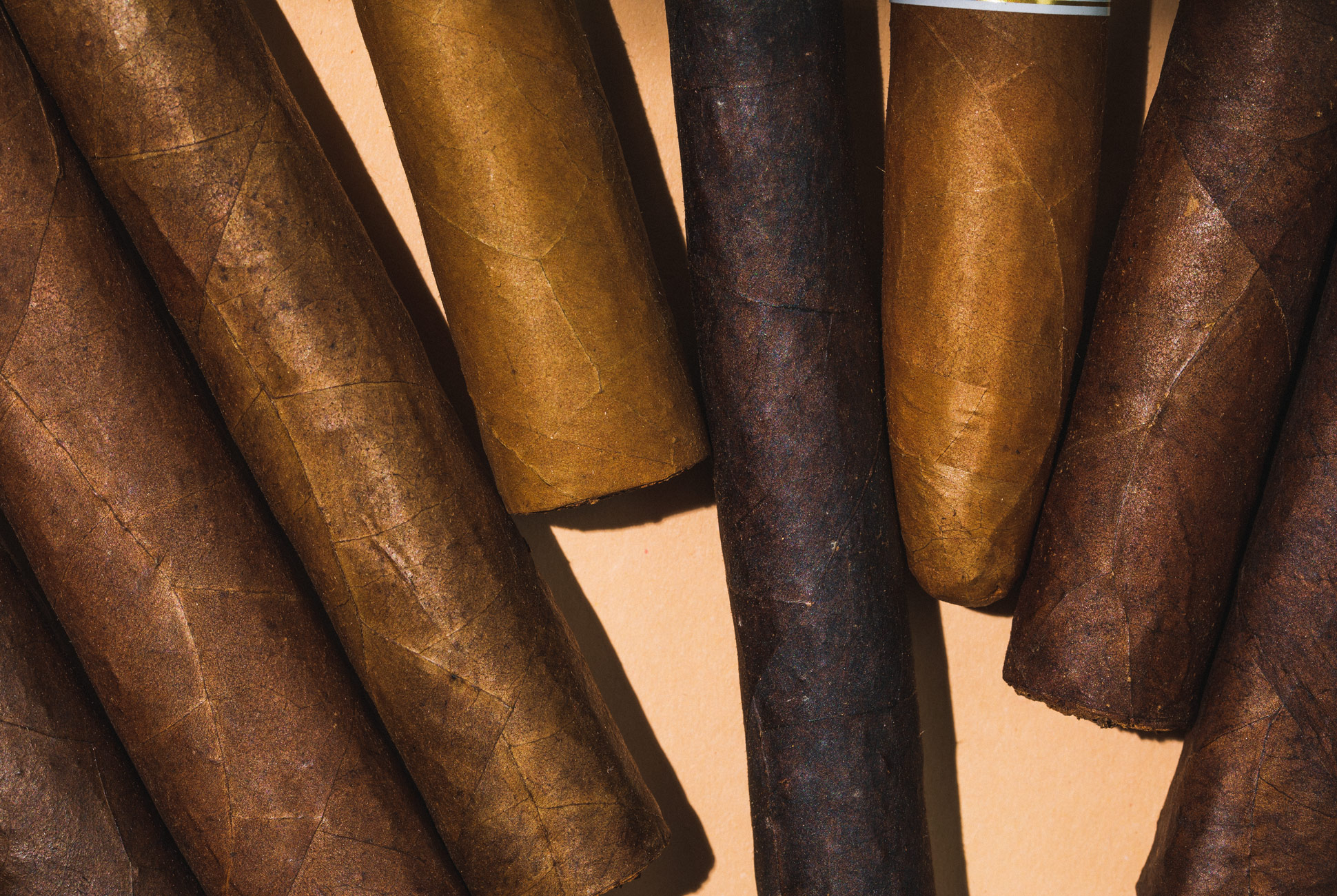
A cigar’s wrapper imparts around 60 percent of the cigar’s final flavors. Its flavors have to do with its country of origin, the way it’s grown (in the sun or shaded), and the type of tobacco plant.

How to Smoke a Cigar

Step 1: Cut the cigar.

“Before you light it, you’ve got to cut it. The trick with a cut is when you look at any cigar, any shape, you can see where the roller has rolled an extra cap line between the wrapper of the cigar and head of the cigar. When you cut, you want to cut just above that line. You’re only removing the cap. You’re not cutting into the wrapper. If you cut into the wrapper, i.e. you cut a little too much off of the top, it will start to unravel and fall apart in your mouth. There are several different kinds of cuts: A straight cut is the classic way to do it.” — Pierre Rogers

Step 2. Toast the foot.

“[Use] a match or a butane lighter. You want to use the heat, not the flame. You want the cigar to be a quarter inch to an inch above the flame, and you want to toast the foot of that cigar. Rotate the cigar and toast. You should be literally toasting it. Browning just the edges, just barely. Don’t get any char or flame on the wrapper. — Pierre Rogers

Step 3: Draw and rotate.

“Once it’s evenly toasted, still using just the heat, draw and rotate. That should only take a moment to light it if you’ve properly toasted it, since the cigar is primed to make that happen. The different types of tobacco in there are meant to be smoked in a linear fashion; you don’t want a third of the bottom to be lit, because then you’re only tasting that one piece, and destroying the profile. Another obvious but overlooked tip: when using a match to light, let the head burn off, and only use the stick of wood to light the cigar. Allow the sulfur head to dissipate, because you don’t want to pull any of that into the cigar.” — Pierre Rogers

Step 4: Keep the cherry cool.

“One of my tips about maximizing the enjoyment of any cigar, cheap or expensive, new or old, is to keep the cherry cooler. You do that by taking long, slow, easy draws on the cigar. Don’t take short pulls where you heat up that cherry. That’s a way to create acidity, acridness, and a burnt carbon taste. — Pierre Rogers

Step 5: Taste the cigar.

“Allow the smoke to come into your palate from the tip of your tongue, front to back and side to side. You don’t want to push all that smoke out too rapidly. Just gently exhale the smoke. Obviously, with cigars, you’re not inhaling. It’s just for the flavor. So think about how that flavor hits your tongue. Start with the basic ones. Is it salty? Sweet? Bitter? Sour? Those are basics. We tend to all agree on those things. — Pierre Rogers

Step 6: Ash the Cigar

“The best way to do it is a light touch on the bottashtray ash tray, and roll the cigar to let the ash fall off. The real reason you do it is to control the temperature of the cherry, the lit part. You want to keep it well lit but cool. There’s a perfect ratio. If you don’t smoke your cigar fast enough, because there are no additives in a cigar, it’ll go out. The cherry gets too cool. However if you start puffing away on it, and the cherry becomes really bright, it becomes bitter and acrid, and you don’t want that. So there’s this balance that you’re always trying to strike between keeping your cherry fully lit but as cool as possible.” — Pierre Rogers

The 10 Best Scotch Whiskies

best-mid-range-scotch-gear-patrol-lead

We spoke with experts and consulted our liquor cabinets to find 10 of the best mid-range ($50-$100) Scotches — and to help you navigate the sea of single malt whiskies. Read the Story

Best Mild Cigars
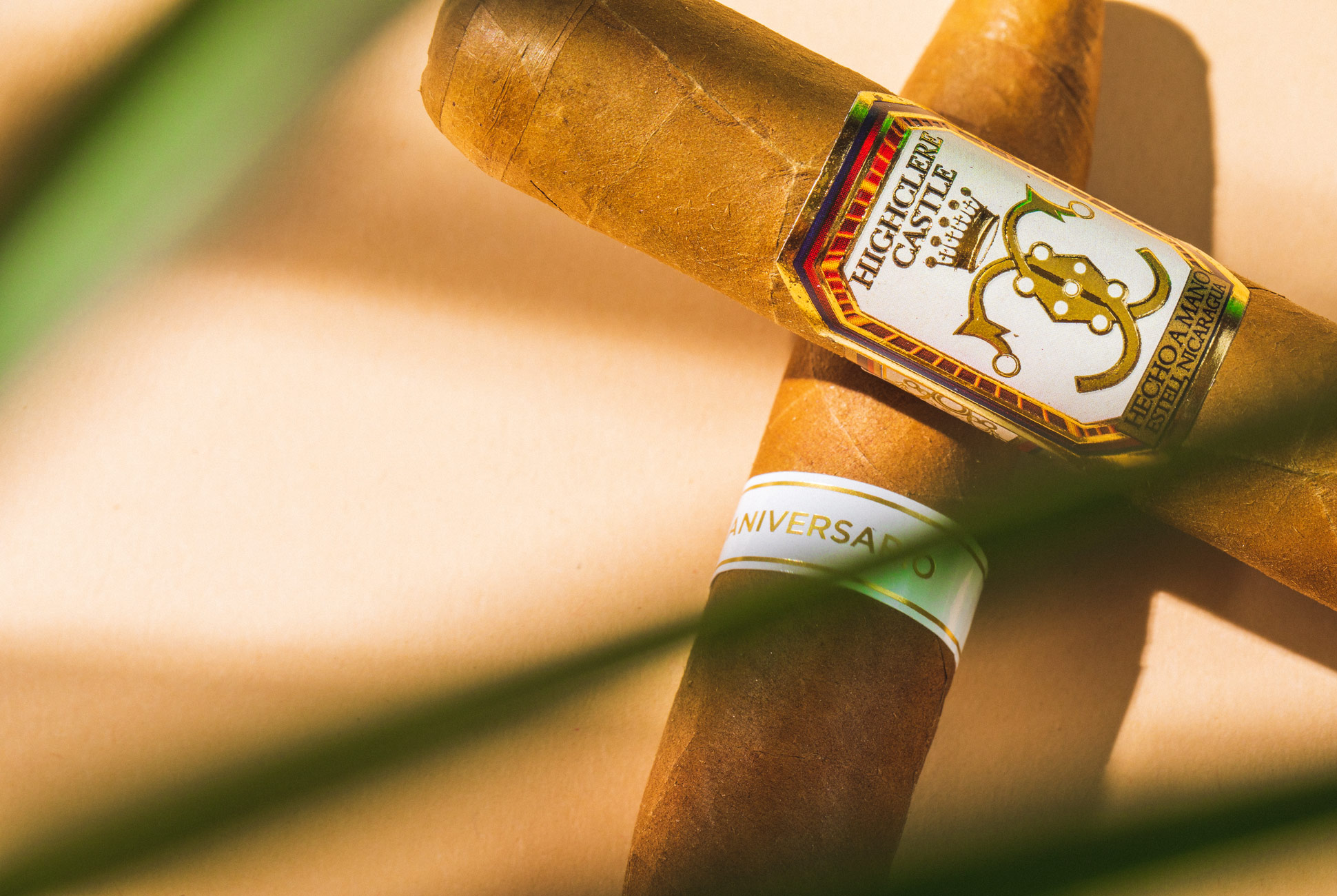

“A mild cigar is similar to a great cup of coffee with a touch of half and half in it,” Rogers says. “It’s warm and rich, but it’s also soft and very approachable.” According to him, the best examples come from the Dominican Republic; they also tend to have a Connecticut wrapper, which is golden and light in color. “The flavor tends to be very subtle and soft,” Rogers says. “No sharp edges, no bitterness. Something that on a fresh palate with nothing in your stomach you can really enjoy, and it won’t disrupt your day. That’s what a great mild cigar is to me.”

Nat Sherman Sterling Series

Most Approachable Mild Cigar: An approachable, balanced, and affordable cigar with fantastic construction. “They do a great job with all the finesse that goes into it — the branding, packaging, and the nuance of the cigar itself — and at a very reasonable price point,” Rogers says. It’s a prime example of the pleasant nuance of a Connecticut wrapper.
Tasting Notes: Connecticut wrappers impart a creamy, buttery flavor, with notes of cocoa, wood, and toasted bread. This cigar in particular is the perfect pairing with a cup of coffee.
Filler: Dominican
Binder: Dominican
Wrapper: Ecuadorian-grown Connecticut
Price: $132+, box of 10

Davidoff White Label Short Perfecto

Best Short Smoke: “Davidoff is the Mercedes-Benz of cigars,” Rogers says. That means high quality — at a high price. The quality of the tobacco inside is extremely high, and it’s a benchmark of construction. But this smaller cigar won’t break the bank, and it is an excellent example of a mild-bodied cigar that’s still rich and complex.
Tasting Notes: It starts with hay and buttery smoke, transitioning into earthiness and even a touch of pepper spice in its final third.
Filler: Dominican Republic
Binder: Dominican Republic
Wrapper: Ecuadorian-grown Connecticut
Price: $18+

Foundation Highclere Castle
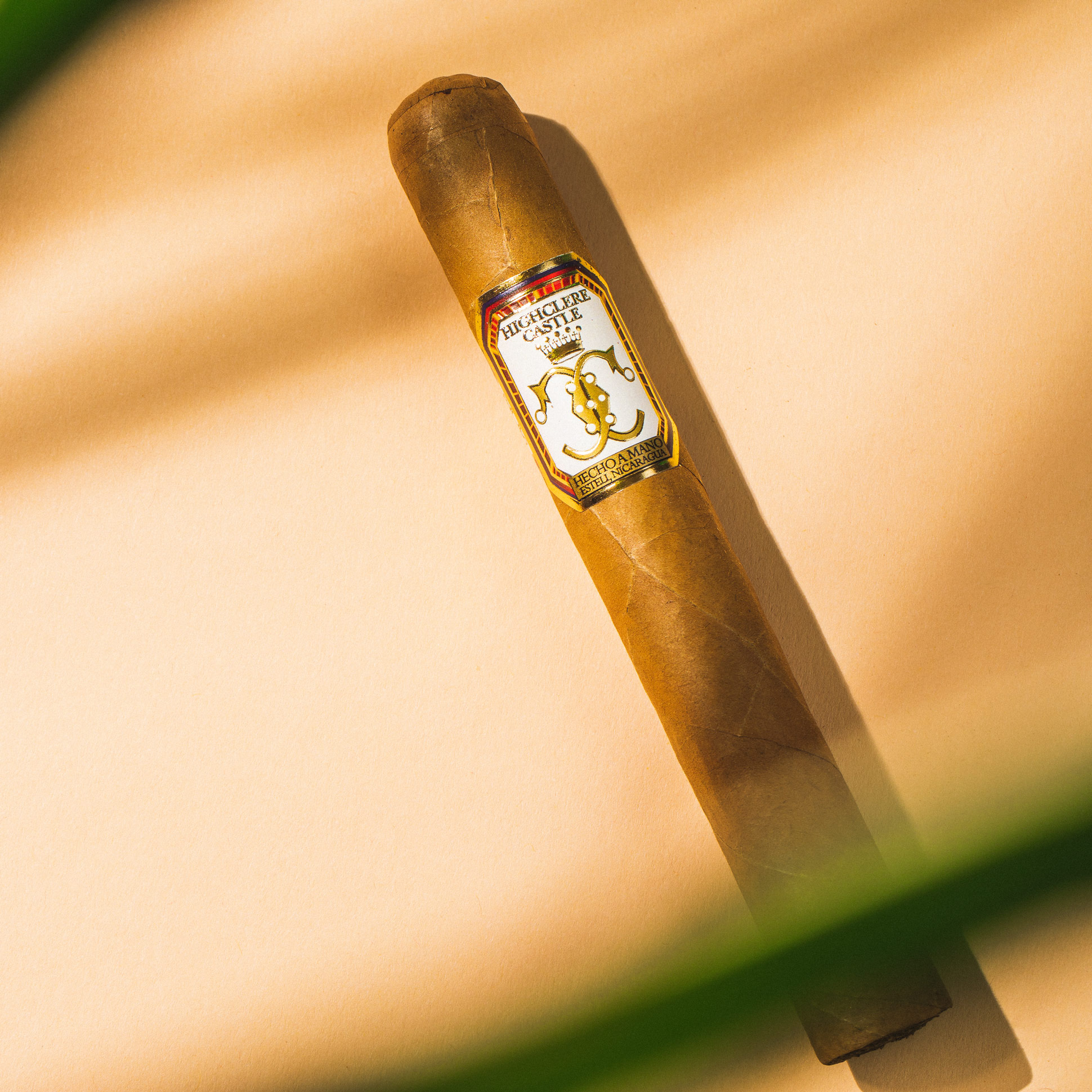
Best Mild Yet Complex Blend: Nicholas Melillo, the founder of Foundation Cigar Company, hails from “the great state of Connecticut.” That means he has a great appreciation for the light-colored wrapper that bears the Connecticut name, and the creamy smoke it produces. The Highclere Castle uses Nicaraguan filler and Brazilian binder to add complexity to the mild flavors.
Tasting Notes: Creamy, with pepper, citrus, and leather.
Filler: Nicaragua
Binder: Brazil
Wrapper: Ecuadorian-grown Connecticut
Price: $216+, box of 20

Best Medium Cigars
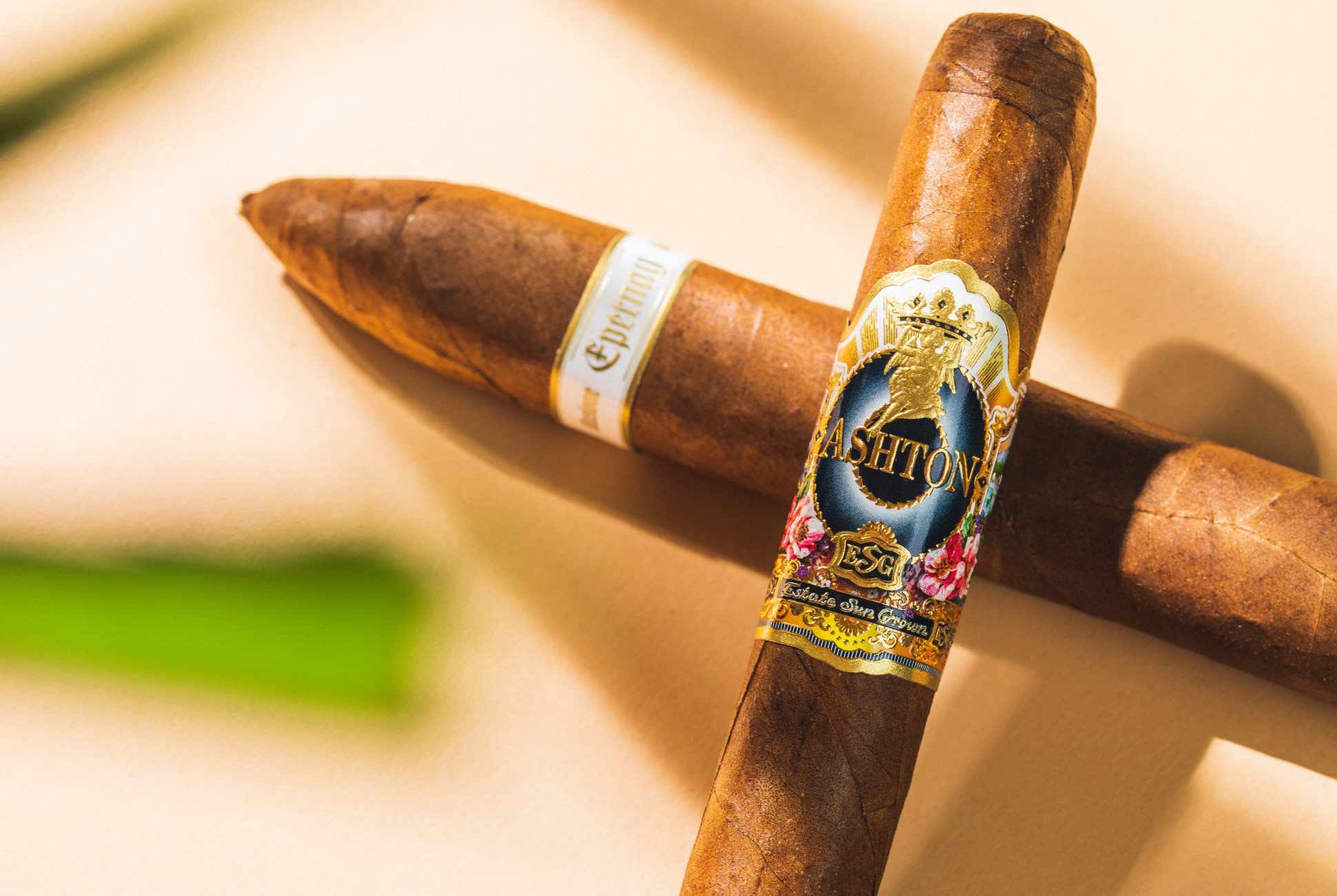

An increase in the body of the cigar has a lot to do with with how its smoke feels in your mouth. “Is there an oiliness there? A richness?” Rogers asks. “Wine people call it mouthfeel, and it’s no different with cigars.” Medium cigars are what most people end up smoking — they’re a great middle ground. “It provides enough strength that can be paired nicely with everything from a coffee to a bourbon. Flavors tend to be richer, the mouthfeel warmer and oilier. The smoke tends to be denser and richer,” Rogers says.

Illusione Epernay

Best Box-Pressed Cigar: “This is a fantastic box pressed cigar,” Rogers says, indicating its squared-off shape from quite literally being pressed into a box. It was designed to cater to the favored European profile — milder than Americans prefer — and named for the famous Champagne region. And just like a bottle of bubbly, it might be best saved for special celebratory moments.
Tasting Notes: Distinct floral notes give way to honey, coffee and cedar.
Binder: Nicaragua
Filler: Nicaragua
Wrapper: Corojo, Nicaragua
Price: $230+, box of 25

Tatuaje Tattoo Series
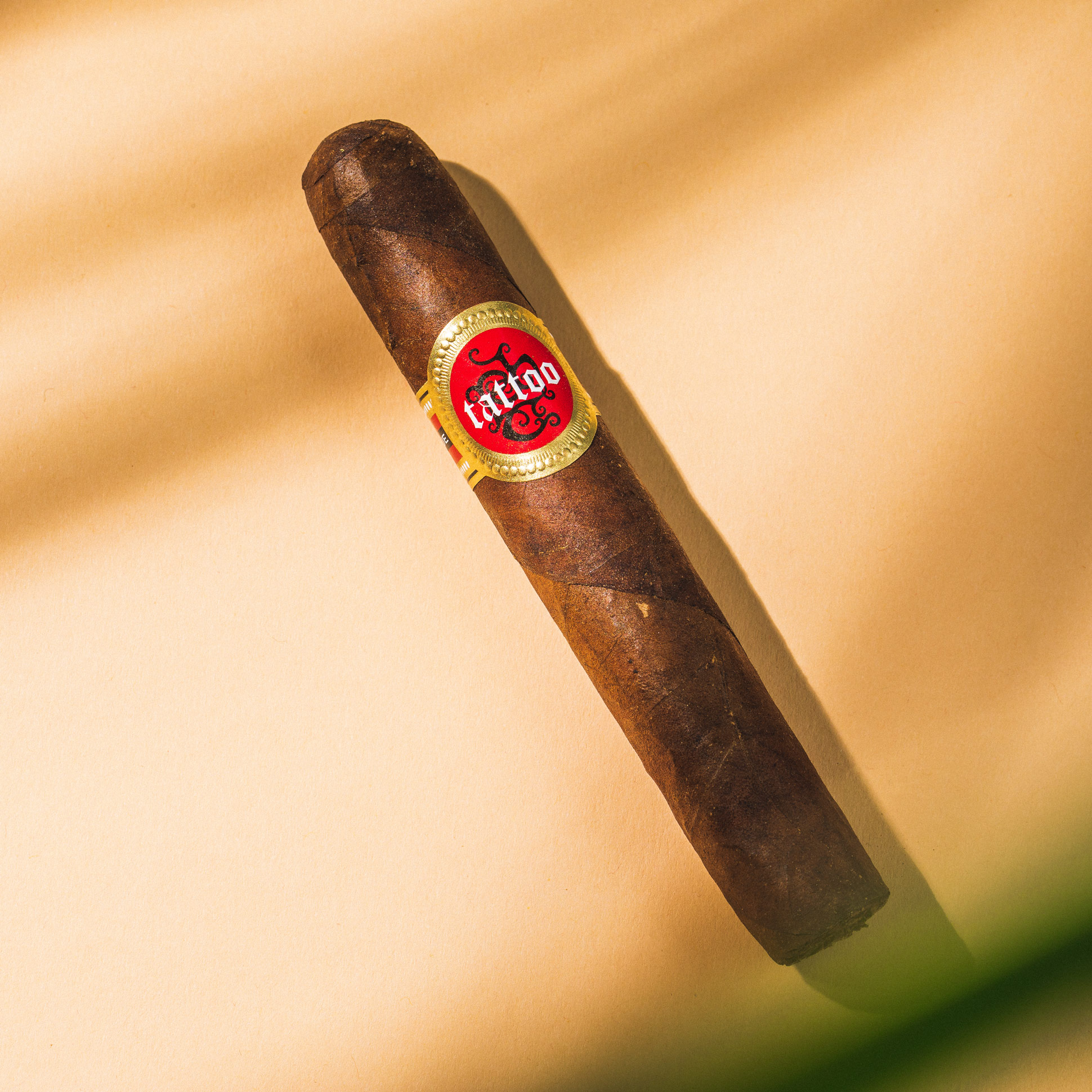
Best Spicy Cigar: Founder Pete Johnson and master blender Don ‘Pepin’ Garcia are well respected for making cigars that consistently receive high scores from reviewers. The secret may be “Cuban-esque” flavors, stemming from Cuban-seed Nicaraguan-grown tobacco.
Tasting Notes: More spice and pepper than other medium-bodied cigars, though it also features cocoa, sweet cream and cedar notes.
Binder: Nicaragua
Filler: Nicaragua
Wrapper: Habano, Ecuador
Price: $146+, box of 50

Camacho BG Meyer Gigantes
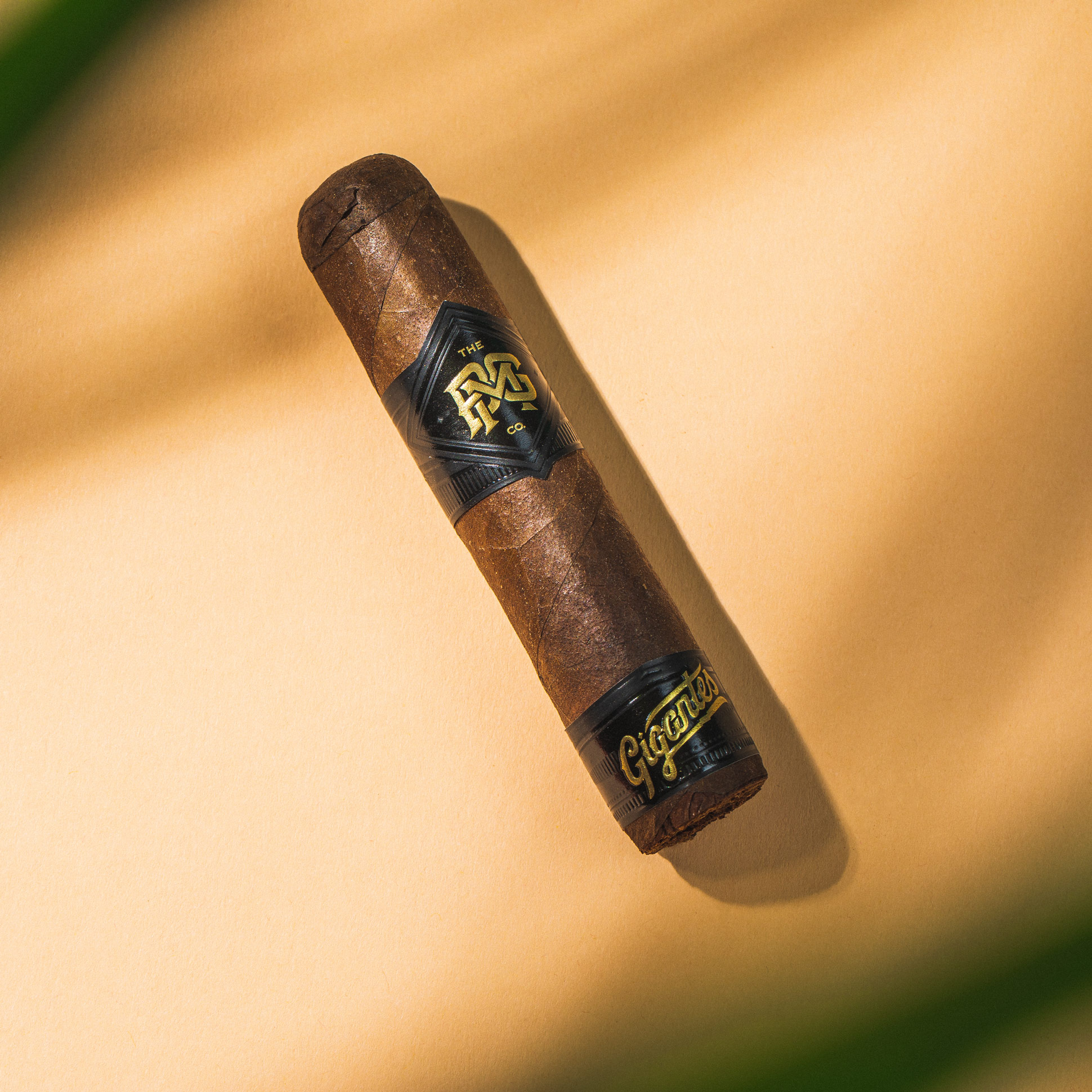
Best Big Stick: Part of a bolder series of cigars made by Camacho, the Gigantes is a play on the 6-inch by 54-inch cigar format, with a large ring gauge. But bigger cigars aren’t necessarily more intense: a larger size means more airflow and less density of the tobacco.
Tasting Notes: Grassy and earthy, with subtle spice, mocha, woodiness, and a berry sweetness.
Binder: Brazil
Filler: Nicaragua, Dominican Republic
Wrapper: Habano,
Price: $33+, pack of five

Padron 1926 Series
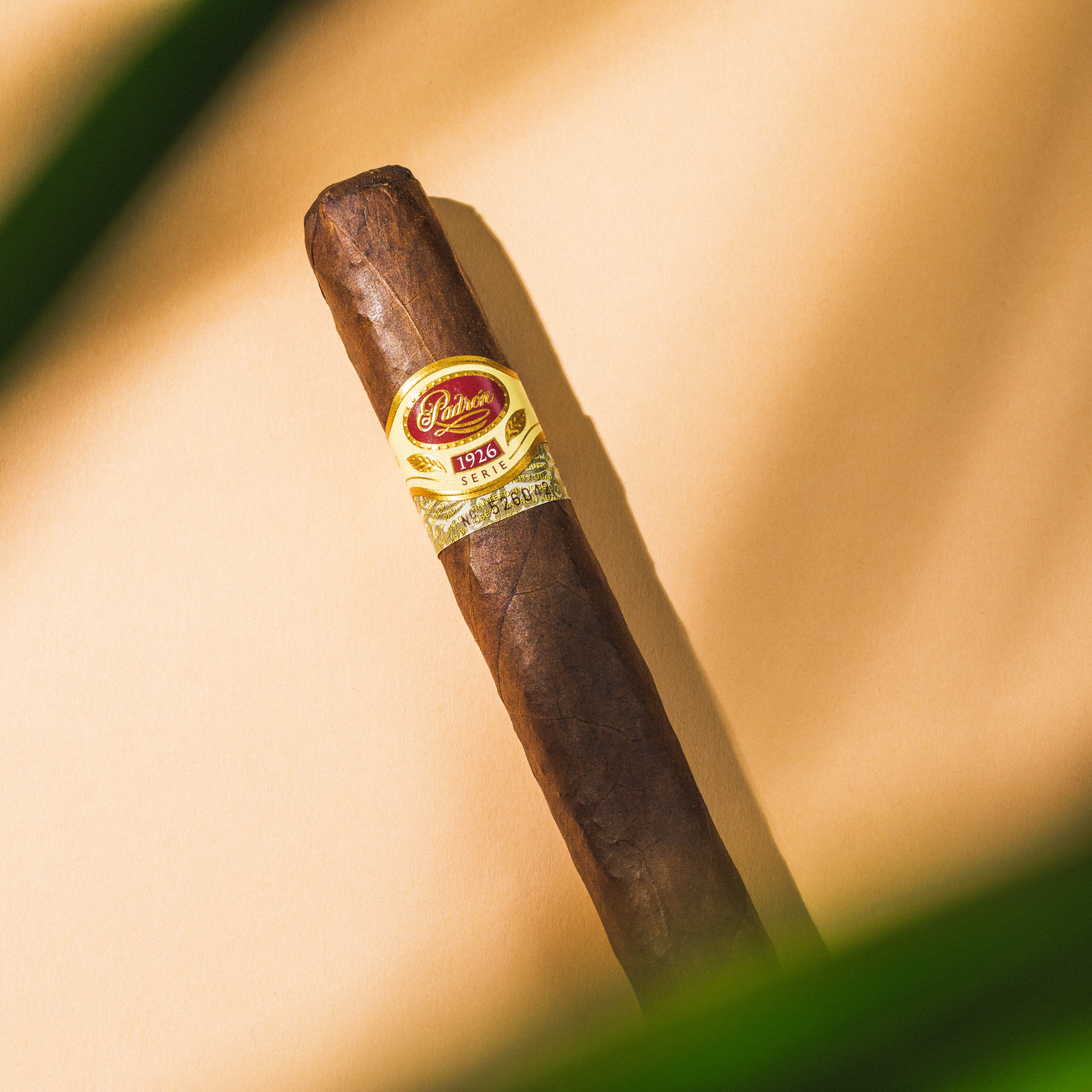
Best Mellow Smoke: Padron is a beloved cigar-making institution, founded by Jose Orlando Padron, a Cuban refugee living in Miami, in 1964. The 1926 series is their most limited, and the natural wrapper version (as opposed to the darker, pungent maduro) is a mellow, smooth smoke.
Tasting Notes: Caramel sweetness, a cedar-y tang, and notes of black and cayenne pepper.
Binder: Nicaragua
Filler: Nicaragua
Wrapper: Natural, Nicaragua
Price: $56+, pack of four

Ashton ESG
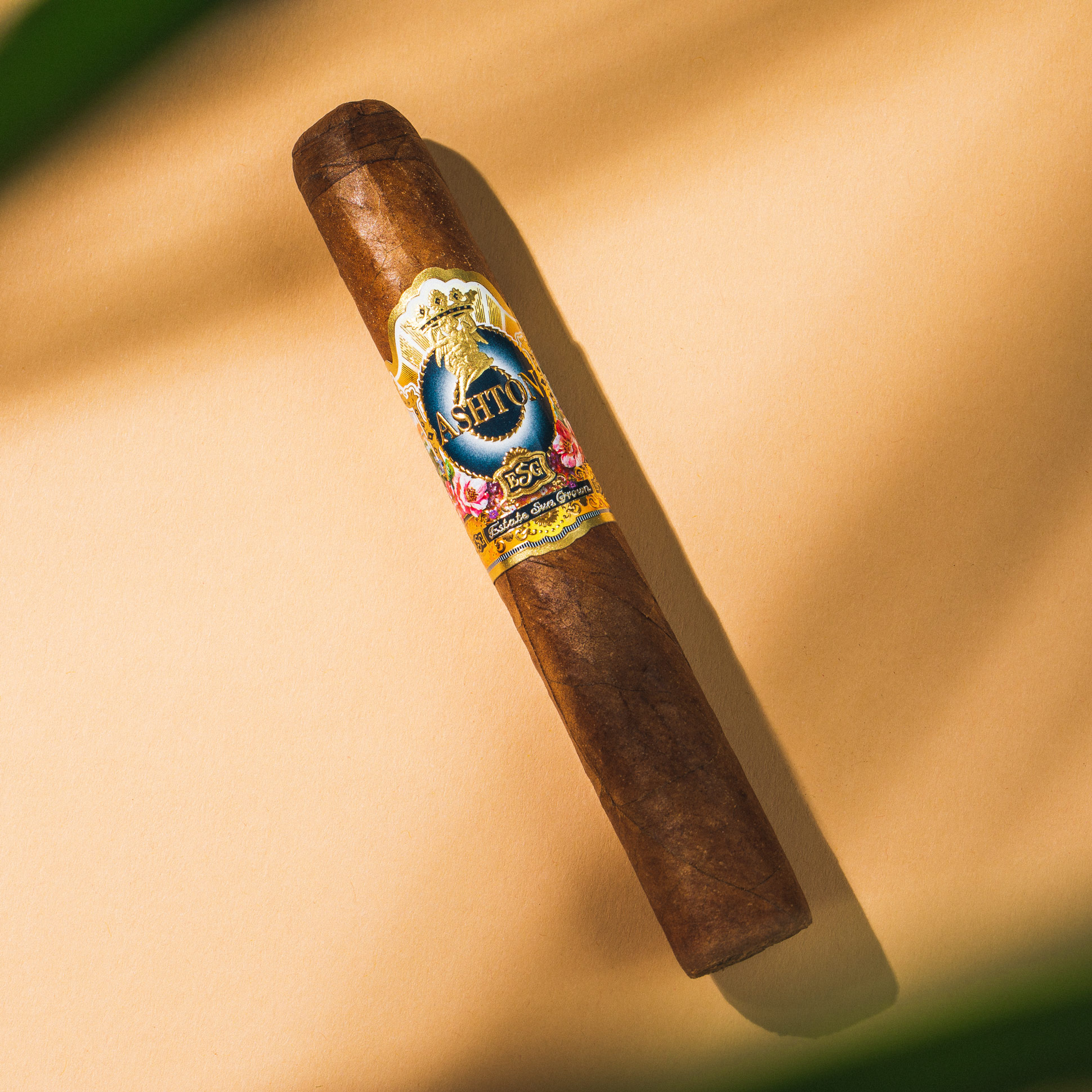
Most Balanced Smoke: While Ashton is generally thought of as an entry-level cigar, the ESG (Estate Sun Grown) jacks up the price tag. “Because of that high cost, it doesn’t get fair press,” Rogers says. Its sun-grown wrapper (as opposed to the more common shade-grown) creates a more oily, pungent leaf.
Tasting Notes: Oily nuts, leather, earth and cedar, with a light, creamy smoke.
Binder: Dominican Republic
Filler: Dominican Republic
Wrapper: Sun-grown, Dominican Republic
Price: $20+

Best Full-Bodied Cigars
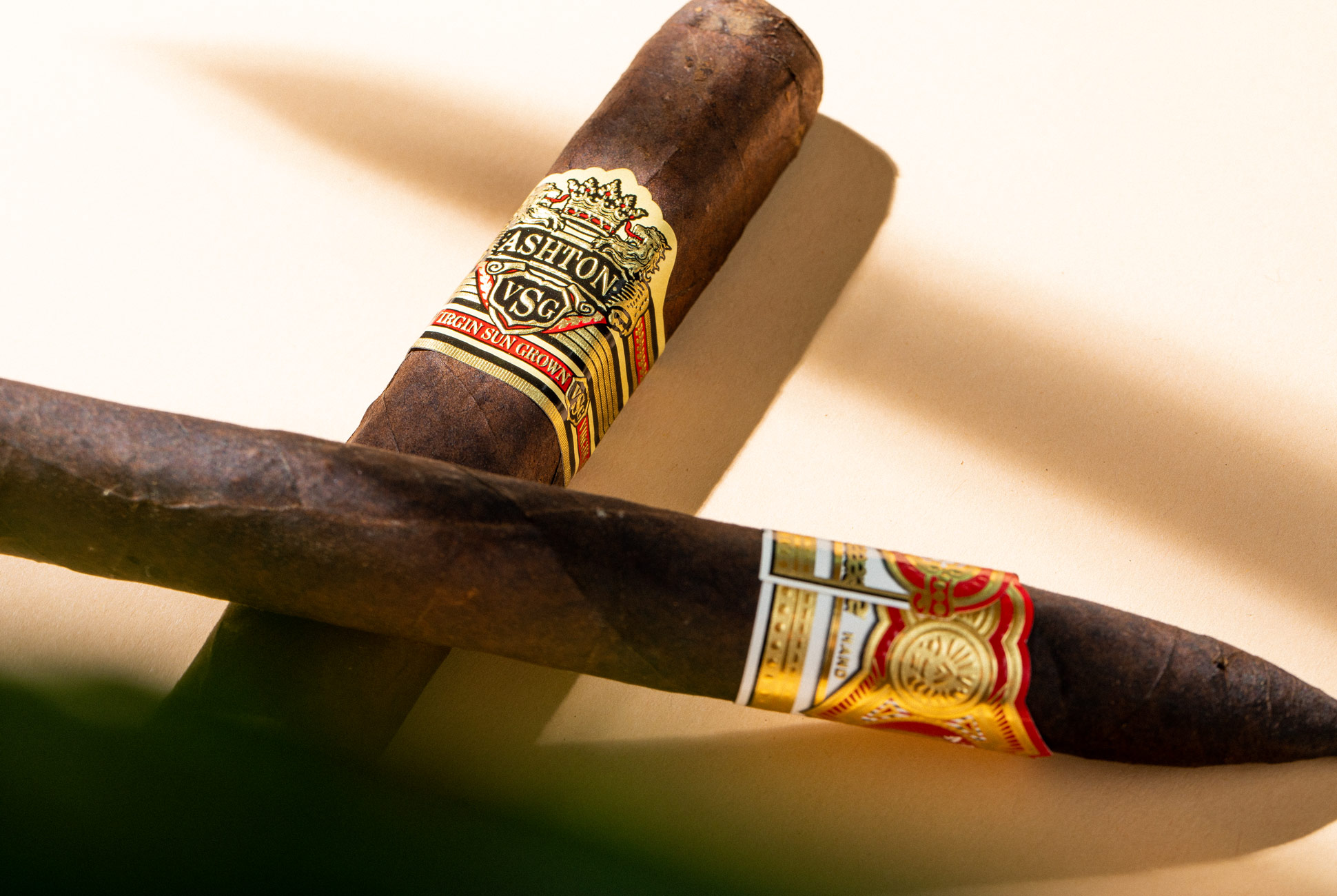

Full-bodied cigars can go in a few different directions, particularly, becoming spicy. “You can have a few different kinds of spice,” Rogers says. “A white pepper, black pepper, or even a cayenne pepper.” Those larger flavors can hold their own against a steak dinner or a peaty Scotch. “But the key here remains balance. Strength is not flavor. When you smoke that cigar, you want the palate to be full of flavor. Rich, complex. That’s what makes a great full cigar — not the strength,” Rogers says.

Arturo Fuente Anejo
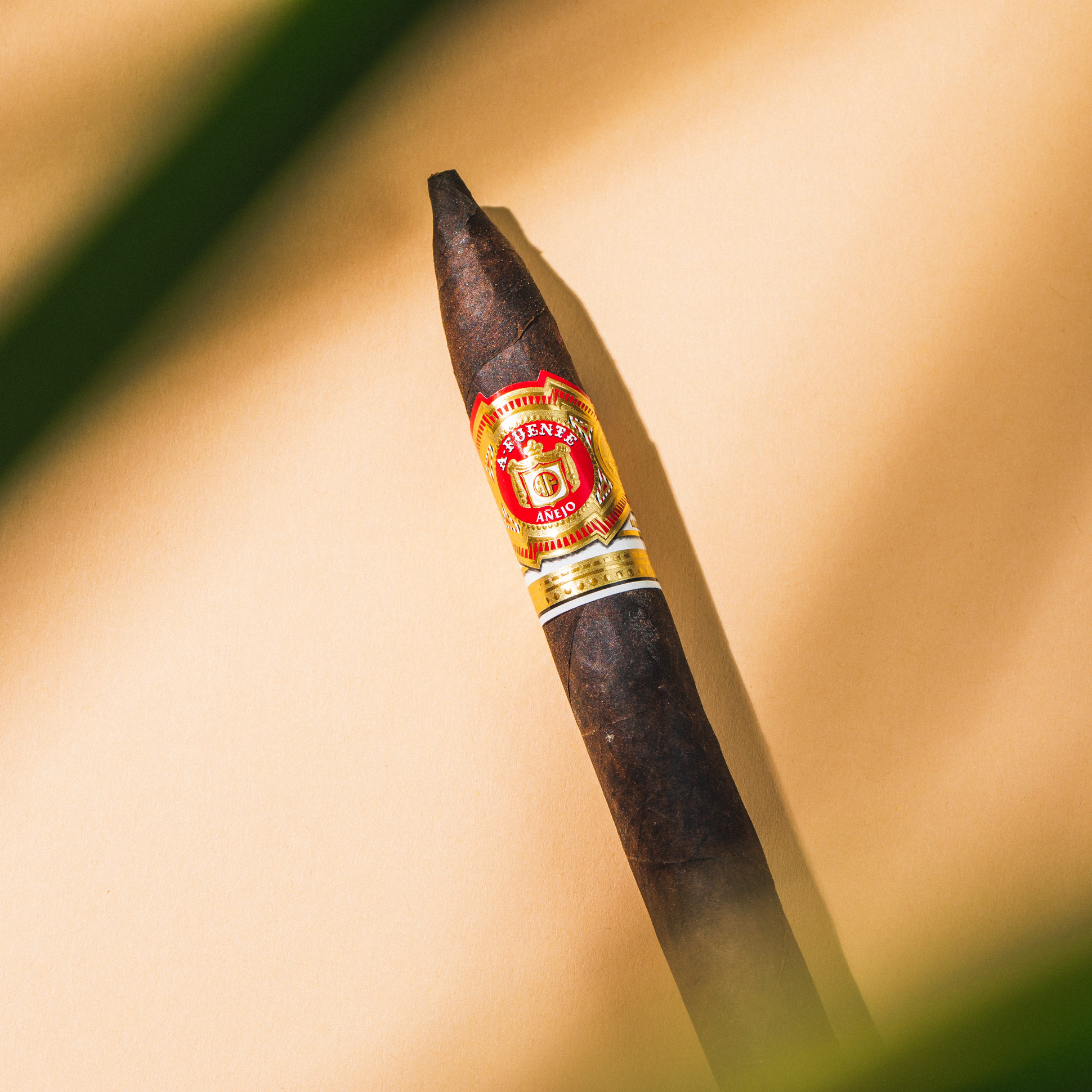
Best Cognac Barrel-Aged Cigar: In 1998, the OpusX’s downfall was to cigar smokers’ benefit: After Hurricane Georges created a shortage of wrapper tobacco, the brand switched to Connecticut broadleaf maduro wrapper aged in Cognac barrels, and the Anejo was born. The OpusX returned, of course, but the Anejo stuck around, treasured for the sweetness that wrapper layered atop the spicy, robust binder and filler.
Tasting Notes: Cognac, oily sweetness, butter and nuts.
Binder: Dominican Republic
Filler: Dominican Republic
Wrapper: Connecticut Broadleaf aged in Cognac barrels, America
Price: $10+

Padron Series 3000 Maduro
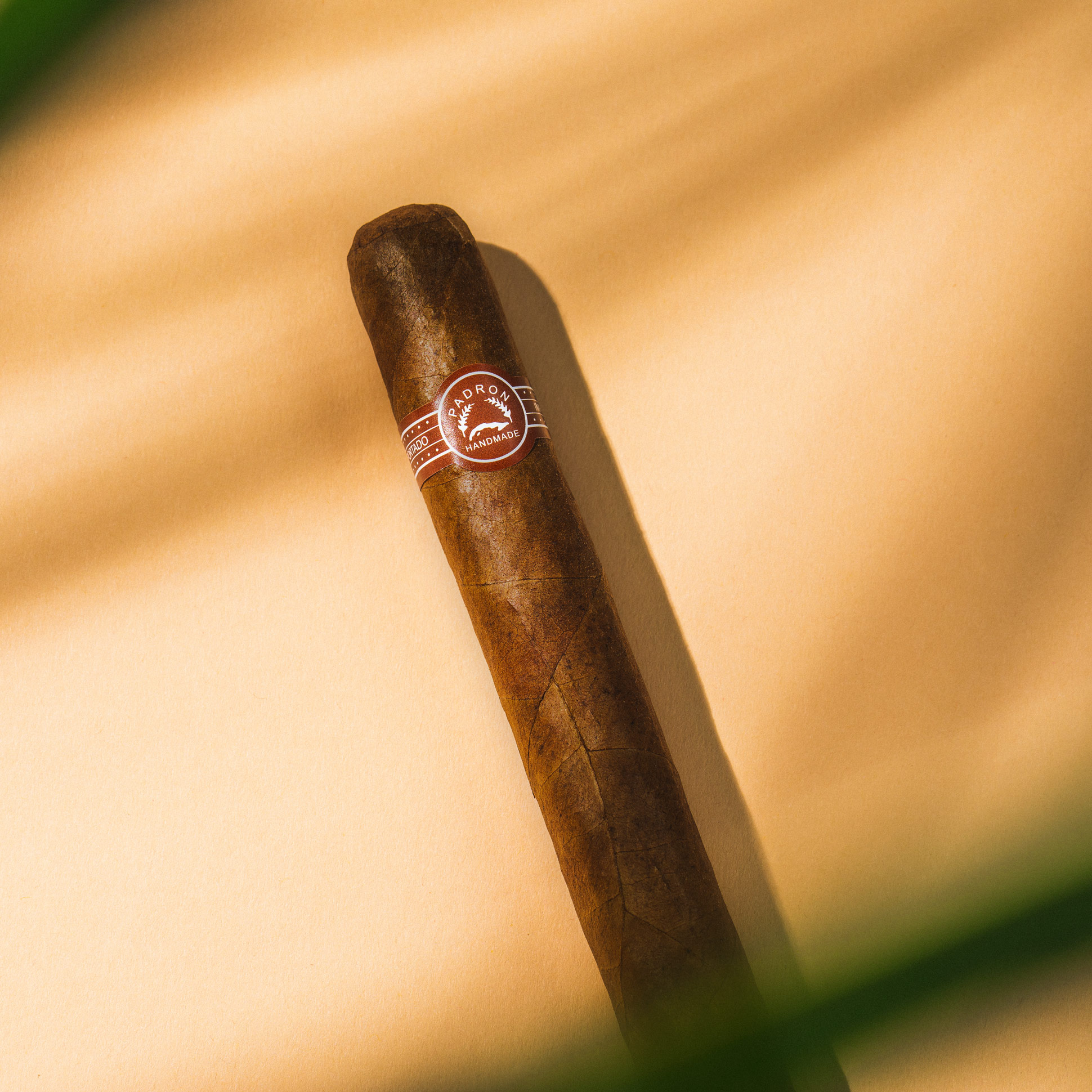
Best Maduro Cigar: Padron grows its own maduro wrappers rather than sourcing them, then wraps them around long-aged Nicaraguan binder and filler. The result is one of the most balanced full-bodied cigars around.
Tasting Notes: A “barnyard” earthiness that gives way to cocoa sweetness and oily nuttiness.
Binder: Nicaragua
Filler: Nicaragua
Wrapper: Nicaragua
Price: $7+

Ashton VSG

Best Affordable Full-Bodied Cigar: This is Rogers’s pick for an affordable, full-bodied cigar, with plenty of flavor and solid construction despite Ashton’s entry-level price. Its bold flavors are thanks in part to a sun-grown Ecuadorian wrapper that’s oily and rich.
Tasting Notes: Cedar, espresso, and dark chocolate.
Binder: Dominican Republic
Filler: Dominican Republic
Wrapper: Sun-grown, Ecuador
Price: $12+

Fuente Fuente OpusX

Best Collector’s Cigar: When it was released in 1995, the OpusX proved that Dominican-grown, Cuban-seed tobacco could be the best in the industry. Ever since its release, it’s been considered one of the best full-bodied cigars on the market, and is a collector’s favorite.
Tasting Notes: Cayenne pepper and leather.
Binder: Dominican Republic
Filler: Dominican Republic
Wrapper: Dominican Republic
Price: $13+

The 13 Best Tequilas You Can Buy in 2018

This definitive guide explores everything you need to know about the world’s most popular agave spirit, including a list of the best bottles and brands to seek out. Read the Story

Note: Purchasing products through our links may earn us a portion of the sale, which supports our editorial team’s mission. Learn more here.

Hip Packs Are Back — Here are 11 Worth Buying

Fanny packs, waist packs, hip packs — whatever you call them, the ubiquitous 90s accessory is back. While fashion designers are incorporating them into their runway shows, the real place the hip pack shines is in motion. Whether on the trails or on the road, a waist pack is an easy, lightweight alternative to a hefty backpack or a hydration pack while riding. The fanny packs of years past filled with pens, snacks and an autograph book (let’s be honest, I never wore mine anywhere besides Disney), have been updated with pockets and longer-lasting fabric.

While you can sport one of these pretty much anywhere, the two places where you’ll get the most use out of them is on day hikes and mountain bike rides. When you’re hiking up a mountain, there’s absolutely no need for you to carry a huge pack. All you need is a water bottle, snacks and an extra layer — all of which can fit in a hip pack.

For ripping up trails, a hip pack is an easy way to ditch cumbersome backpacks. Any core repair items and snacks can go in the pack along with pressure gauges, tools and CO2 canisters. Some hip packs for cycling now come with hydration options inside, so you can fit water in there as well. It’s an easy way to take a load off your back.

Hiking Hip Packs

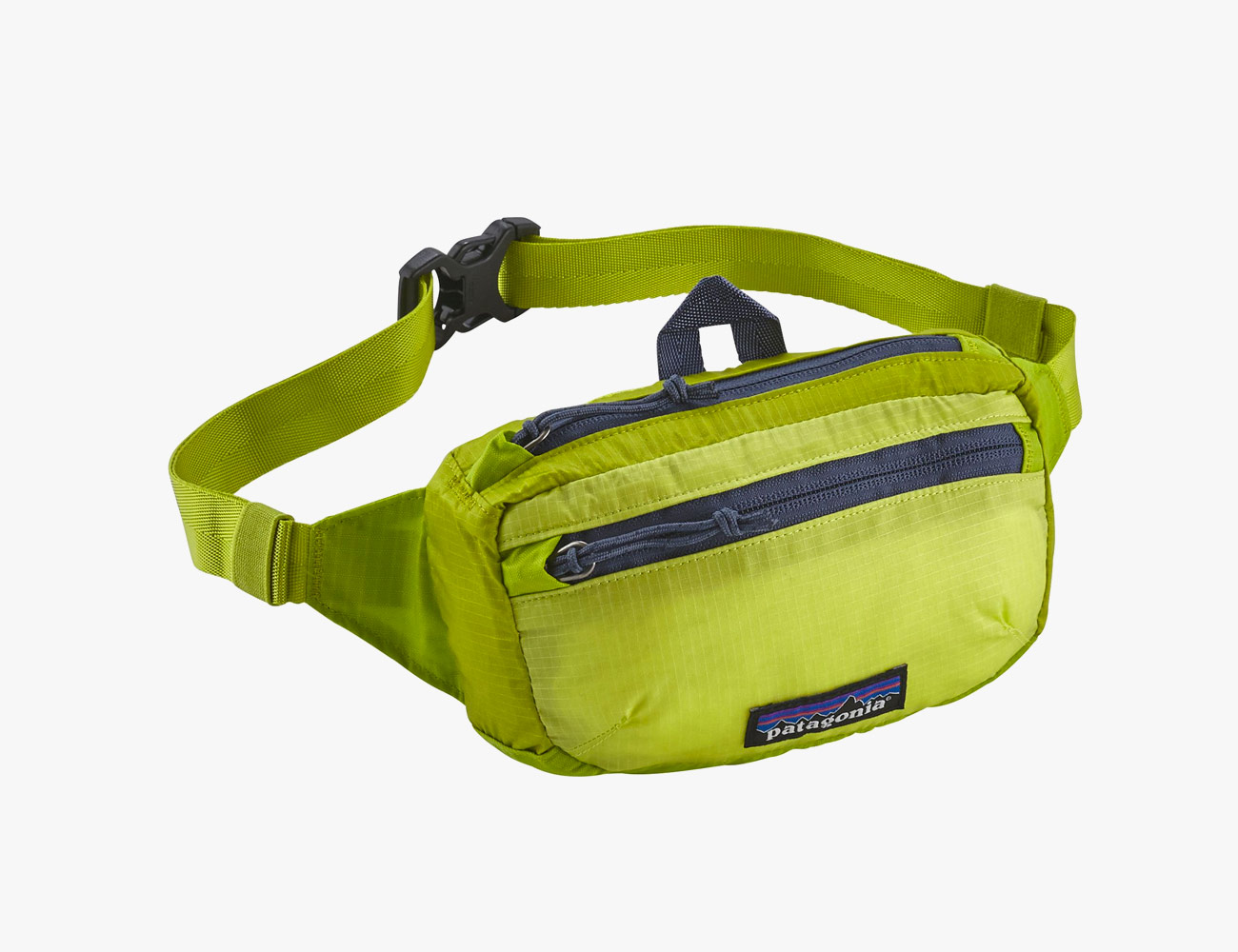
Patagonia Lightweight Travel Mini Belt Bag

Patagonia’s pack folds up into itself, so you can stash it in a larger pack for traveling purposes until the day calls for its usage. The ripstop nylon fabric and padded back further add to the pack’s durability and comfort respectively.

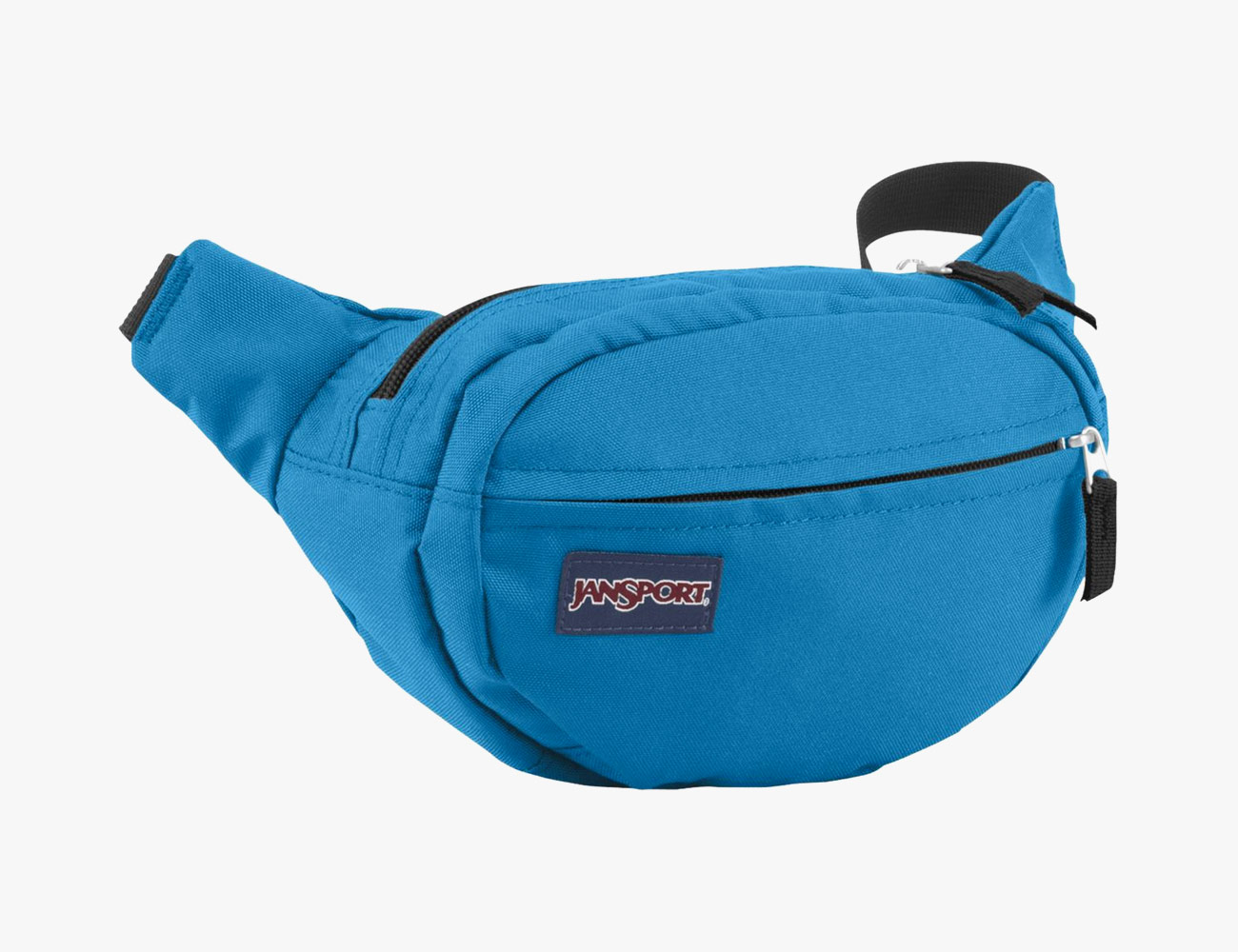
JanSport Fifth Avenue 2L Lumbar Pack

The JanSport Fifth Avenue pack is one of the originals. It’s simple and durable, and features two liters of space. If you happen to brush up against any rocks, the 600D polyester material will take it in stride.

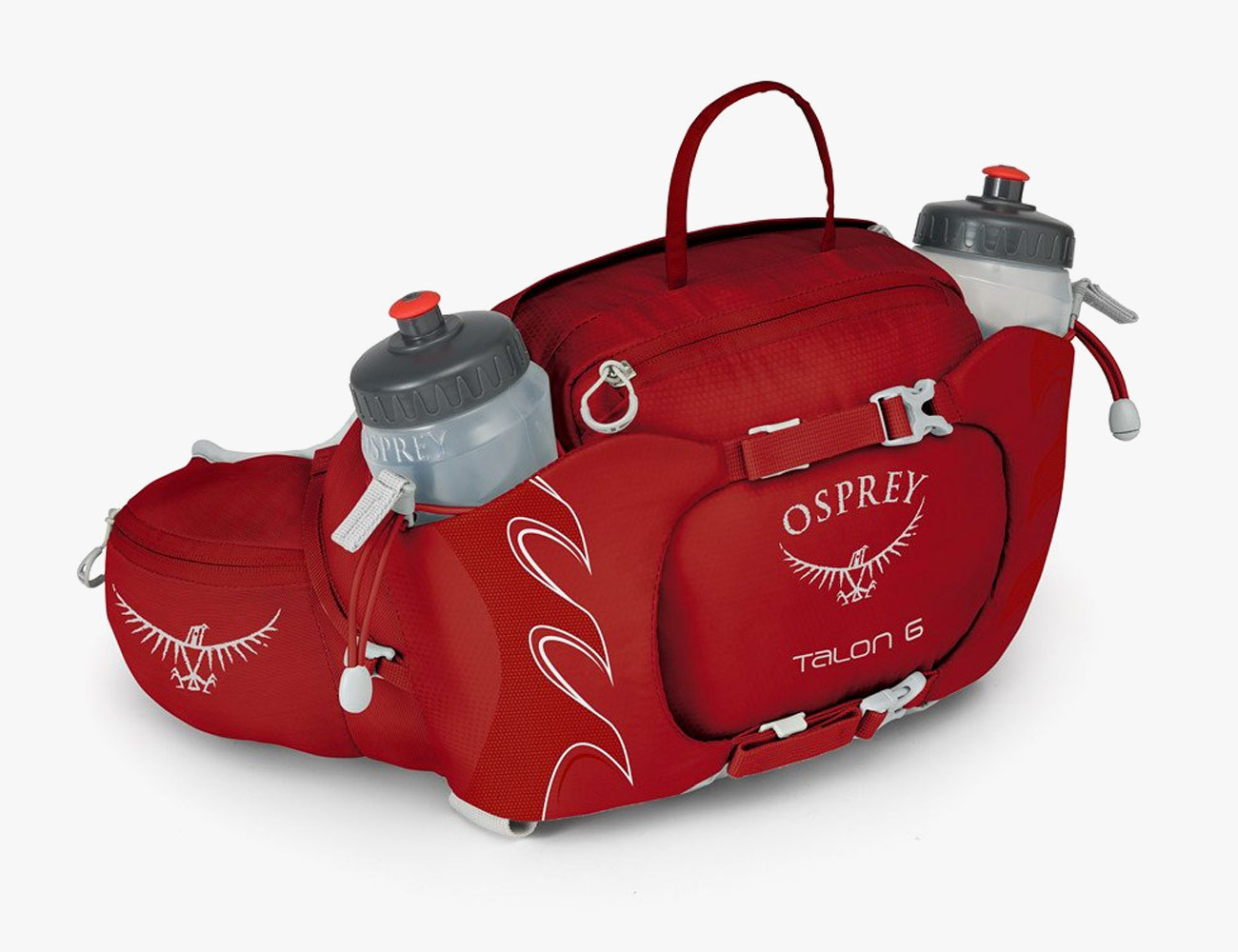
Osprey Talon 6

The dual pockets on the Talon 6 are ideal for water bottles, and the extra pockets along your hips hold all the tiny essentials like keys or a pocketknife.

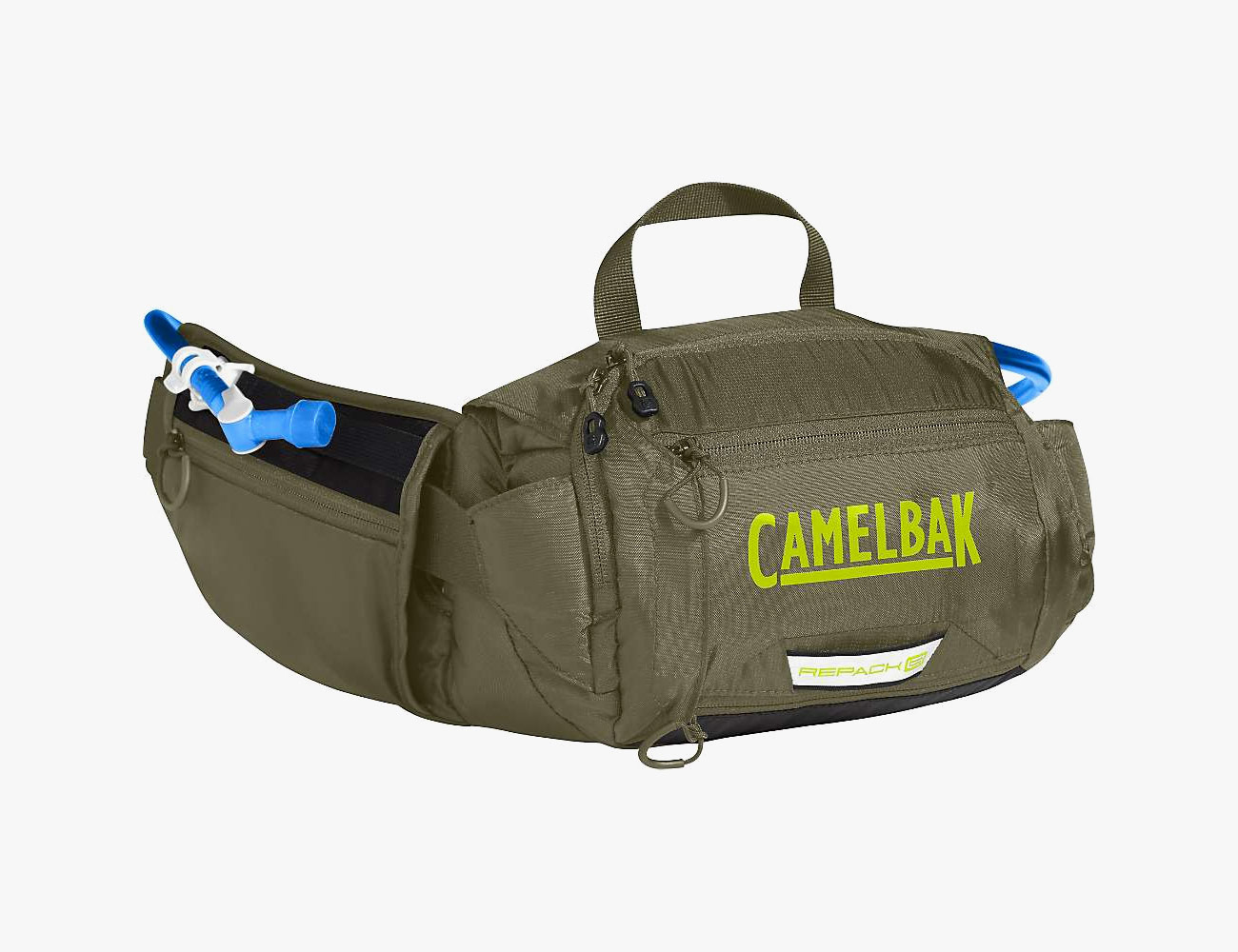
Camelbak Repack LR 4 Hydration Pack

A hip pack that stores your phone and water is gold. A magnet keeps the hydration straw in place so you don’t have to worry about it dragging on the ground or getting stuck in the trees.

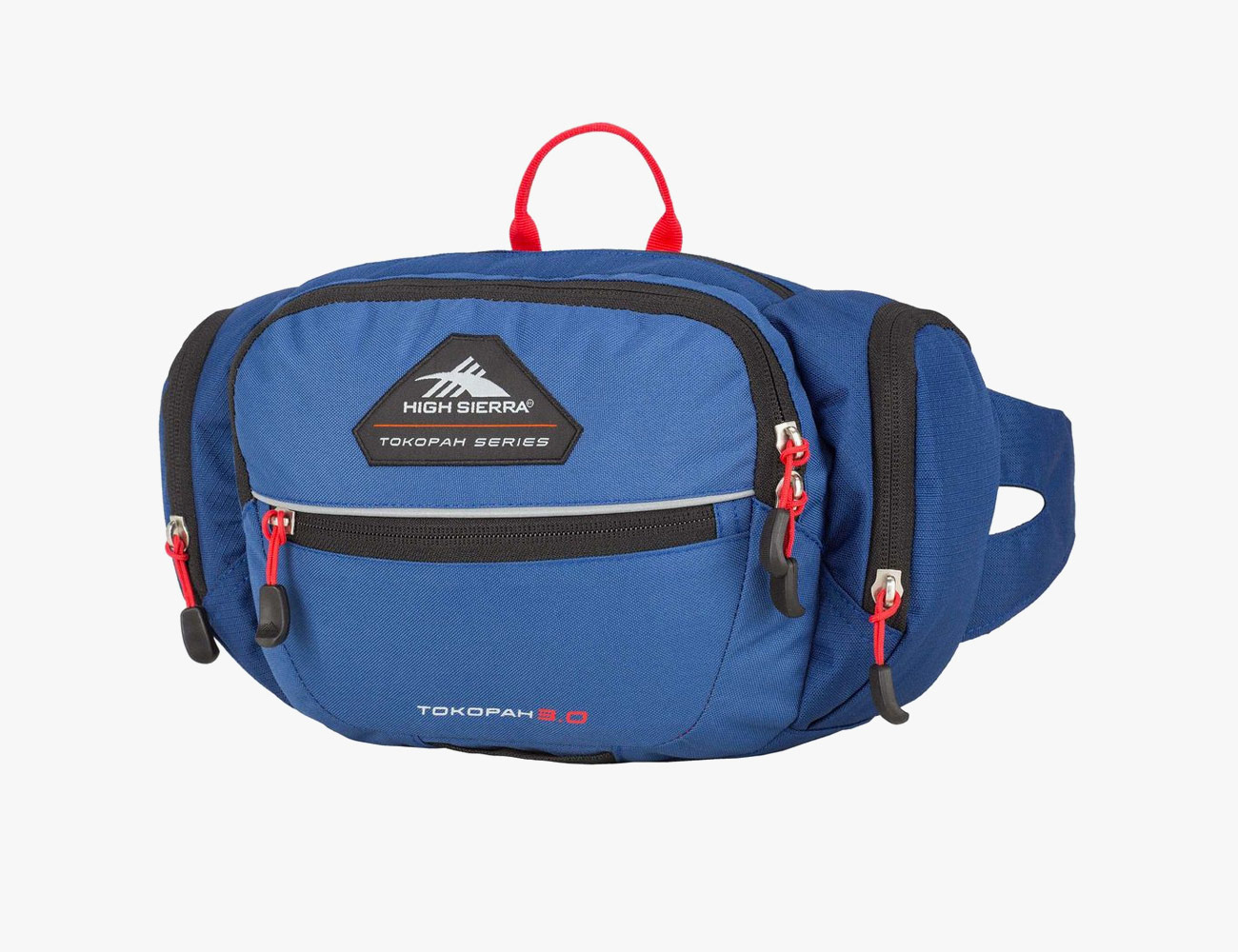
High Sierra Tokopah 3L Waistpack

This pack features four individual pockets. There are separate ones for your sunnies, phone, keys and any layers you take off. The reflective attachments are key if you’re hitting the trails early in the day or coming down late at night.

Biking Hip Packs

Mission Workshop The Axis

We tested The Axis on the Kingdom Trails in Northeastern Vermont, and it continuosly impressed each tester who gave it a try. The minimalist design combined with rugged materials makes for a pack that’s easy to wear and comfortable all day long.

Eagle Creek RFID Tailfeather Waist Pack

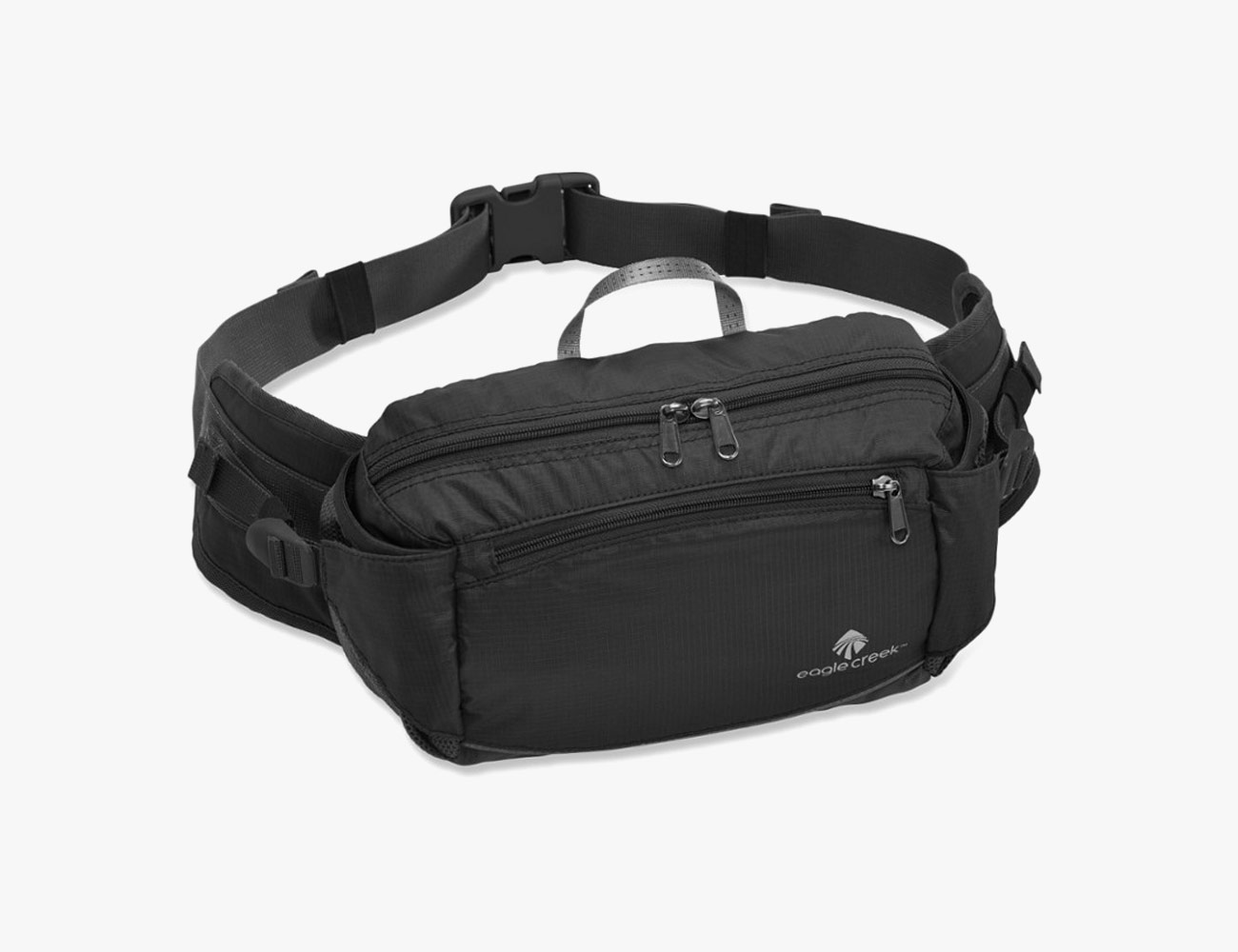
Eagle Creek’s packing cubes keep us organized when we’re traveling, and the brand is bringing that same mentality to its hip packs. Thanks to lockable zippers, you don’t have to worry about your things falling out, and the padded breathable mesh back channel keeps the air circulating.

Deuter Pack Pulse Four Exp

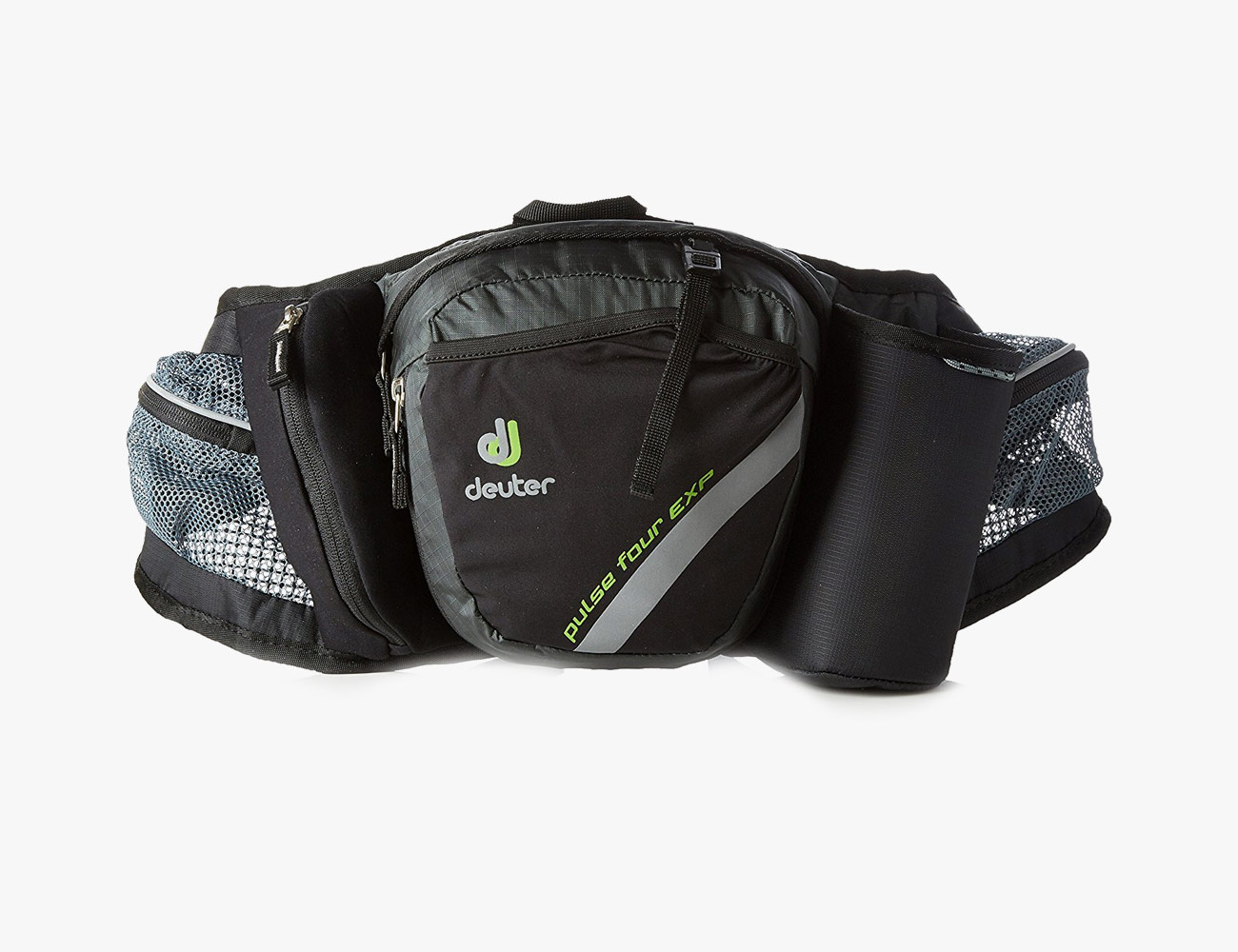
With a dedicated water bottle pocket, phone pocket and space for an additional layer, the Pack Pulse Four Exp allows for plenty of organization. The ripstop material and three-liter capacity make this ideal for the bike.

Dakine Hot Laps 2L Hip Pack

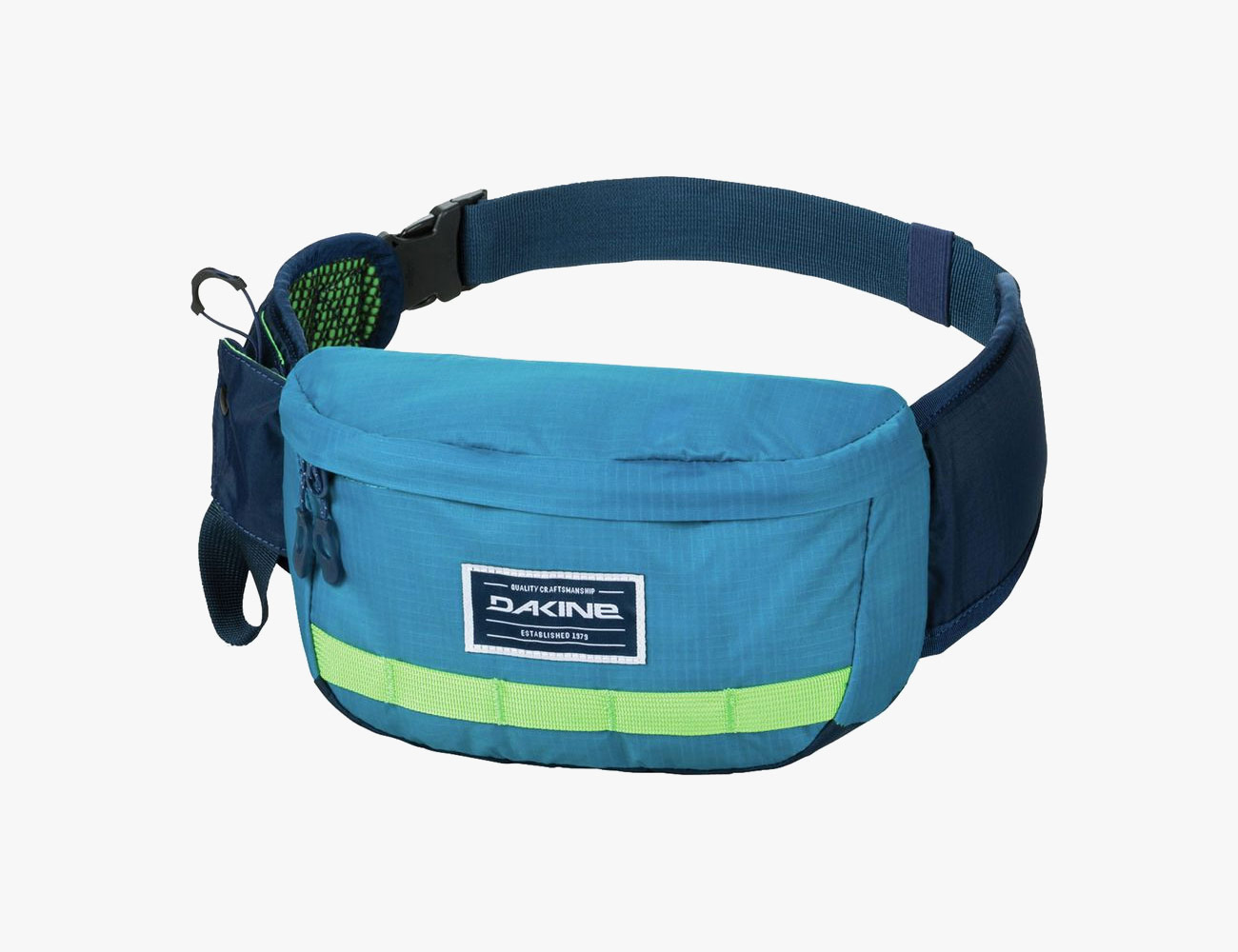
The Hot Laps pack is perfect for singletrack laps. Dakine cracked the code on the ideal hip pack: abrasion-resistant fabric, a fleece lined pocket and loads of internal pockets. Pop out the bonus side pocket and throw in an extra water bottle if needed.

EVOC Hip Pack Race 3L

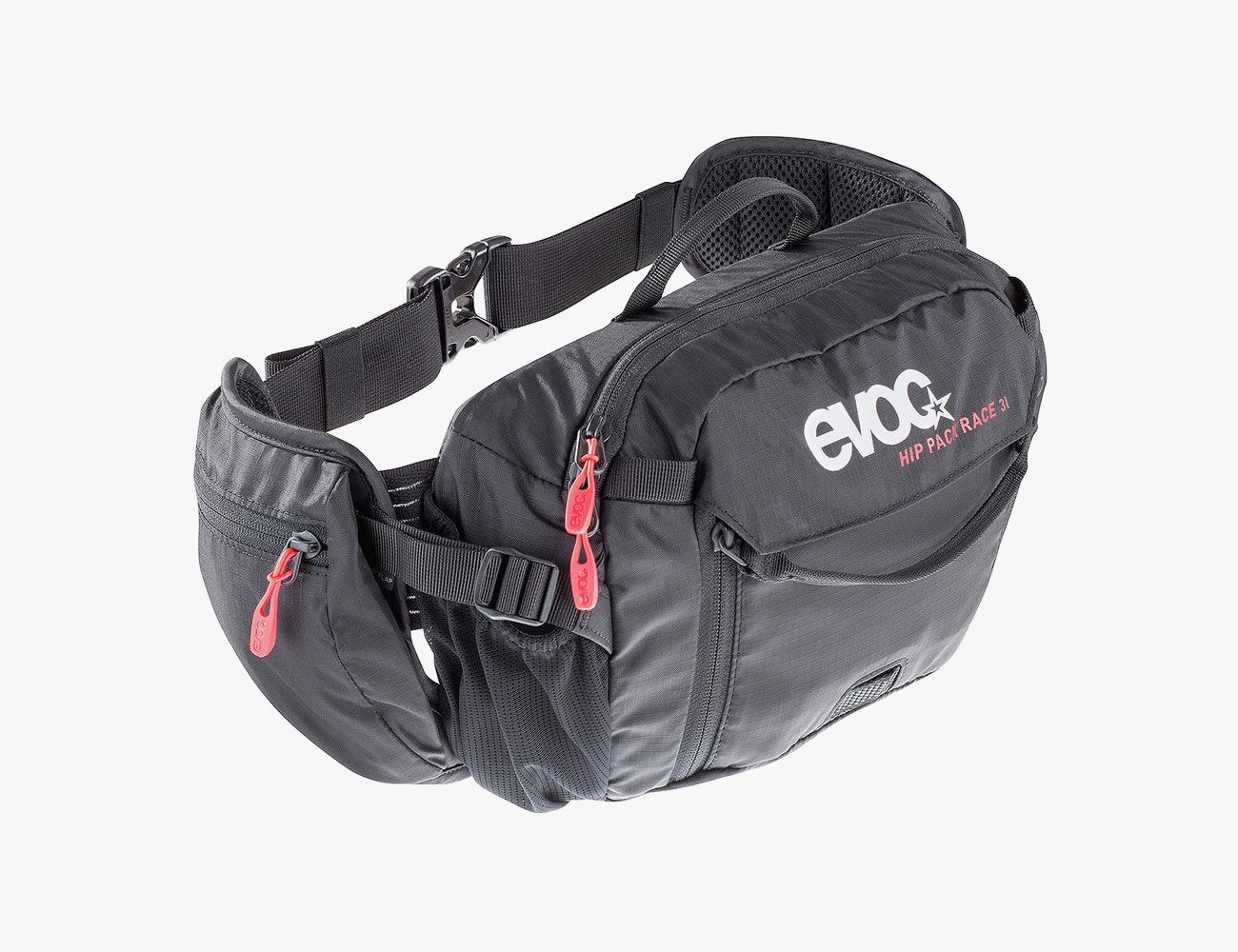
The EVOC Hip Pack Race 3L is a pro at keeping your back cool thanks to a ventilated flap system — simply tighten the cord to keep it closer to your body or add some slack to feel a breeze.

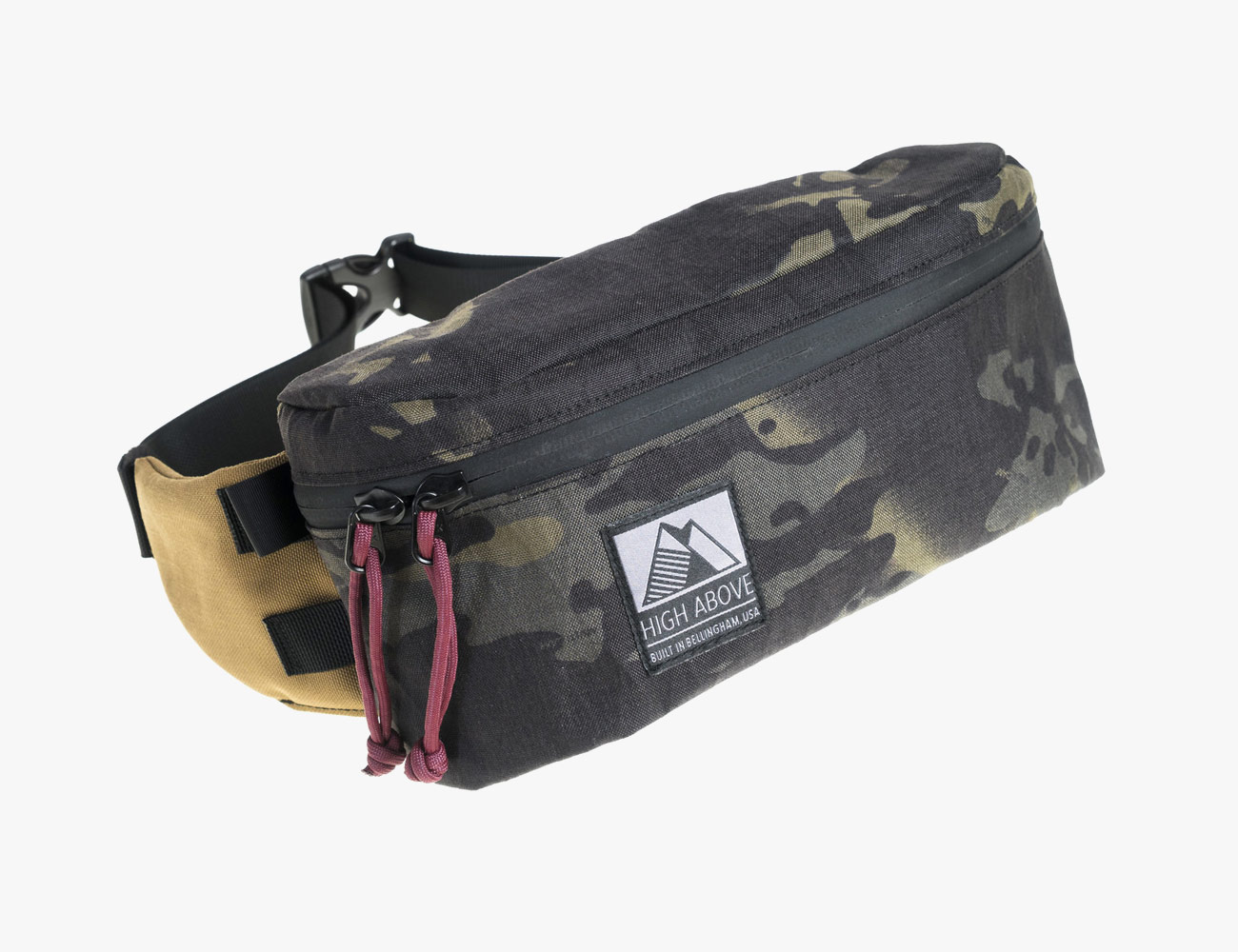
High Above V.3 Cascadia

High Above mountain bike hip packs are some of the best on the market. And they’re serious pieces of outdoor gear — despite the tagline and lighthearted feel of the brand’s website. Each High Above hip pack is designed and sewn in Bellingham, Washington. They come in three different models that vary in size and can be outfitted with an optional water bottle holder. Each material that High Above uses has been obsessed over and combined into a product that’s built to go the distance.

Best Enduro Mountain Bikes We tested the six best enduro mountain bikes and enduro bike gear on the market to determine which one reigned supreme. Read the Story
Note: Purchasing products through our links may earn us a portion of the sale, which supports our editorial team’s mission. Learn more here.

5 Travel Essentials Tumi’s Creative Director Doesn’t Leave Home Without

For frequent flyers, travel is simply endured. And those that do it best know how to dodge (or at least limit) its negatives — jet lag, loud children, lost luggage, boredom. Victor Sanz, Creative Director for Tumi, has made dampening the blow of these trials his trade.

The products he designs are simple in form but absurdly specific. Tumi’s luggage makes use of tracking software in case your bag is lost or stolen, a patented (and very proprietary) ballistic nylon material, a zipper redesigned to make jams all but eliminated, the exclusive use of one of the world’s strongest thermoplastics and more. Tumi and Sanz aim to make luxury not for luxury’s sake, but for utility and longevity.
On top of being involved in every step of product design and development, Sanz, as you’d guess, does a fair bit of traveling himself. Here’s the gear he doesn’t leave home without.

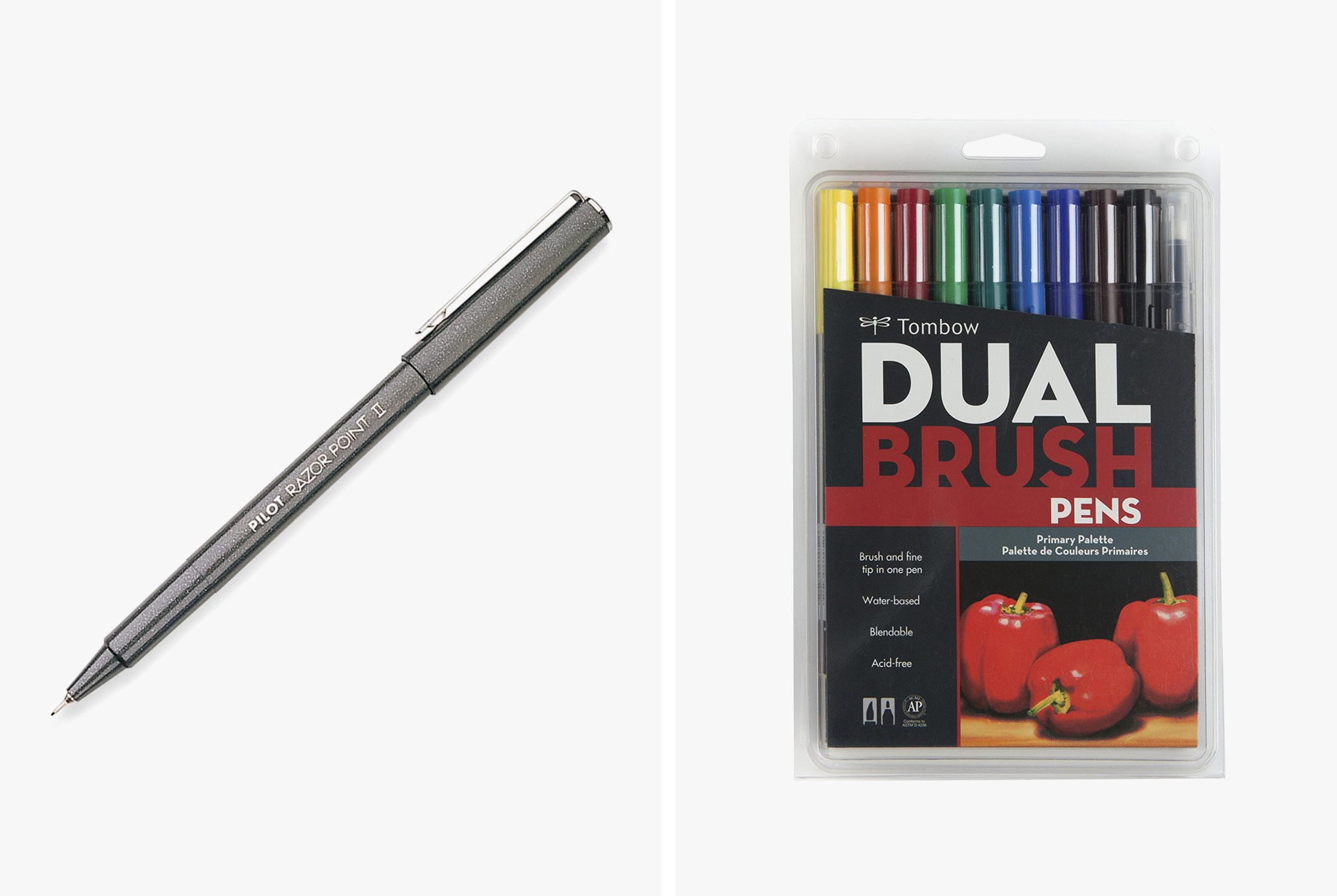
Pilot Razor Point II Pen & Tombow ABT Paint Markers


“I tend to shop at different levels and I don’t limit myself to only high fashion or what’s of the moment. Over the years I’ve been editing my kit and I found that these two tools have become the easiest and quickest for me.”

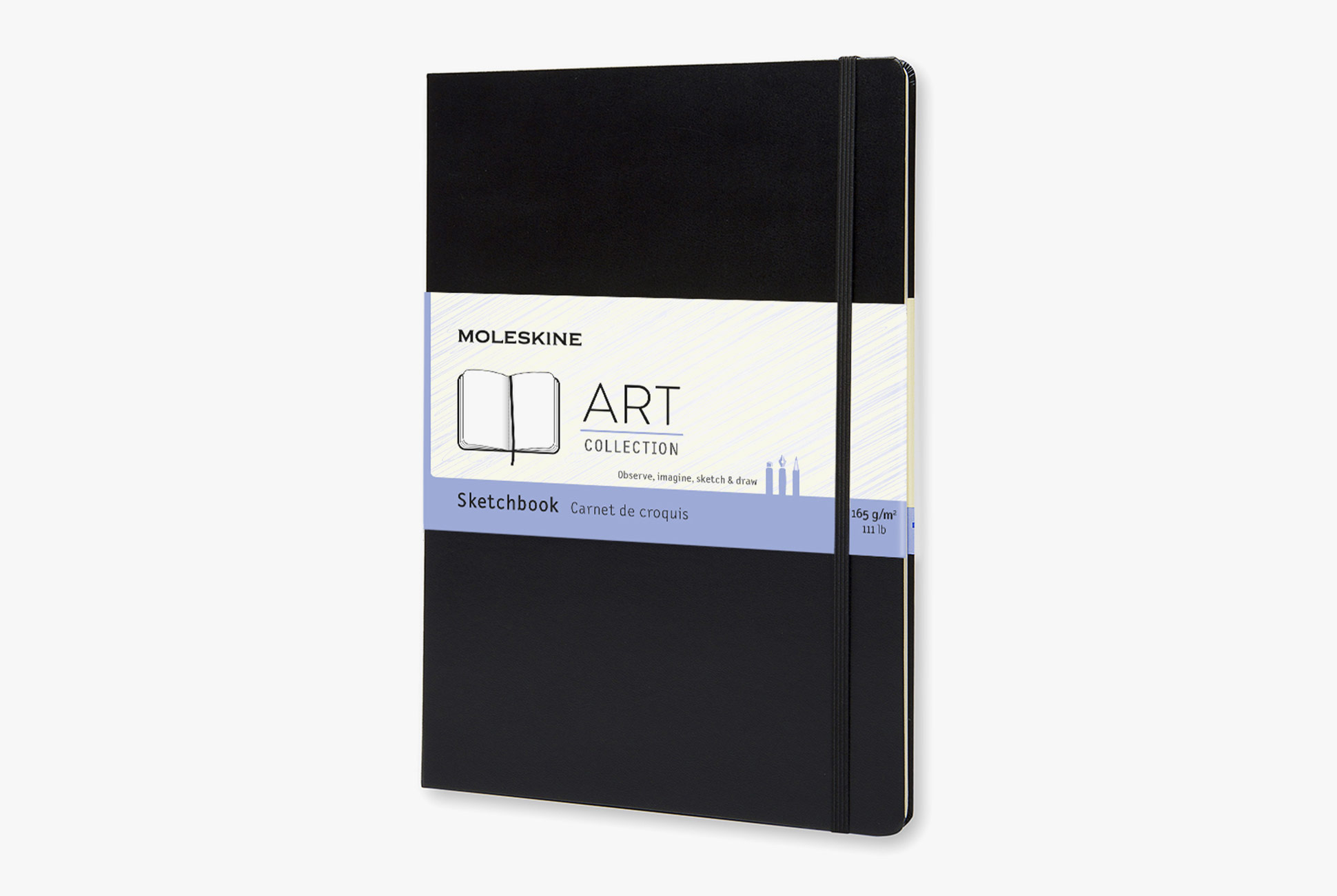
Moleskine Sketchbook


“It’s always by my side. I’m constantly getting inspired and it becomes my diary, notebook, and place to keep my ideas.”
Apple AirPods


“I aim to carry as little as possible when I travel without sacrificing the tools I need. [AirPods] are very convenient and take up such little space — perfect for when I’m on the go. Music is also integral to my creative process so being able to be on the go without wires is key.”
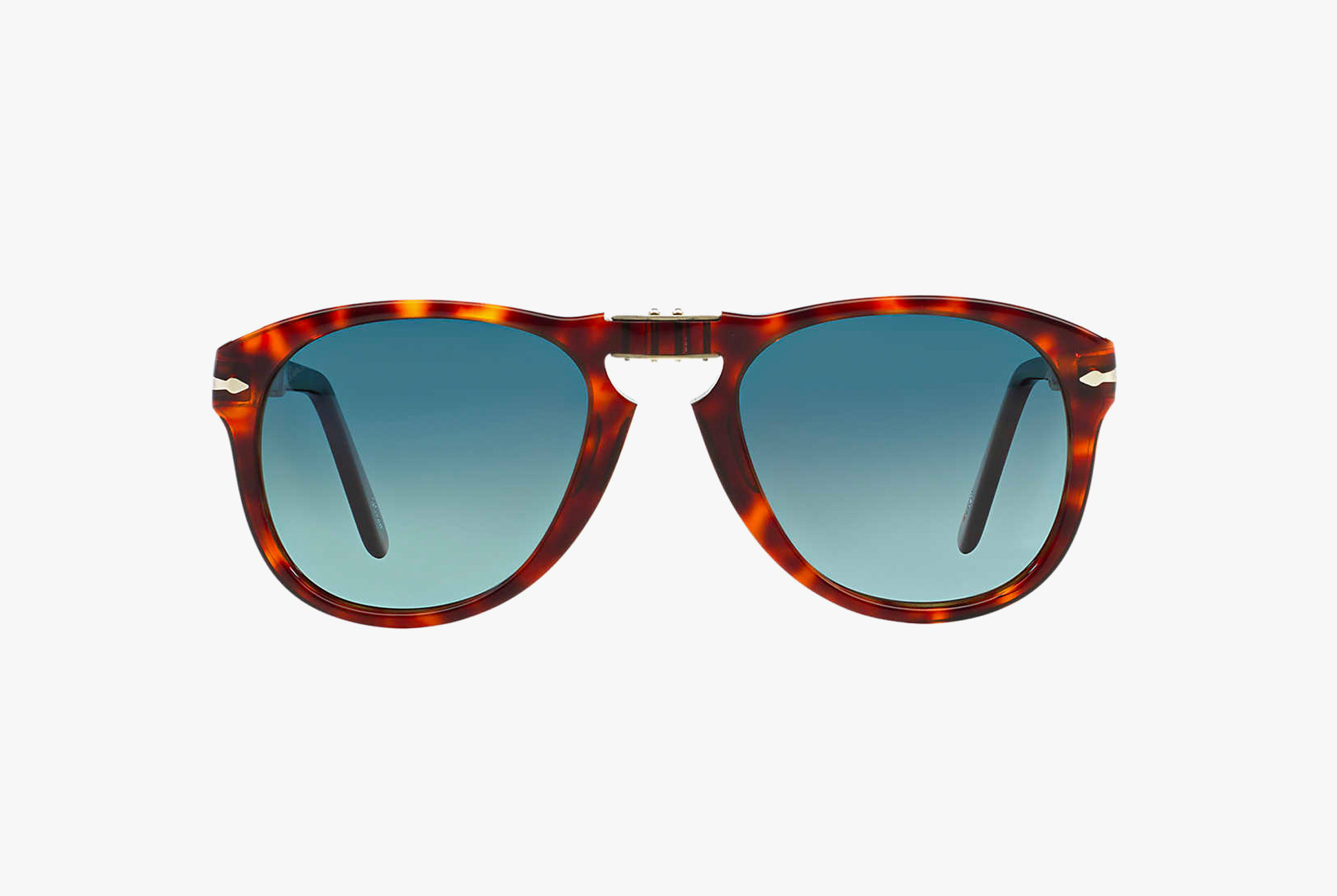
Persol Foldable Sunglasses


“They are timelessly chic and fantastic for traveling. Also, jet lag is a real thing and having a good pair of shades always seems to assist with recovery.”

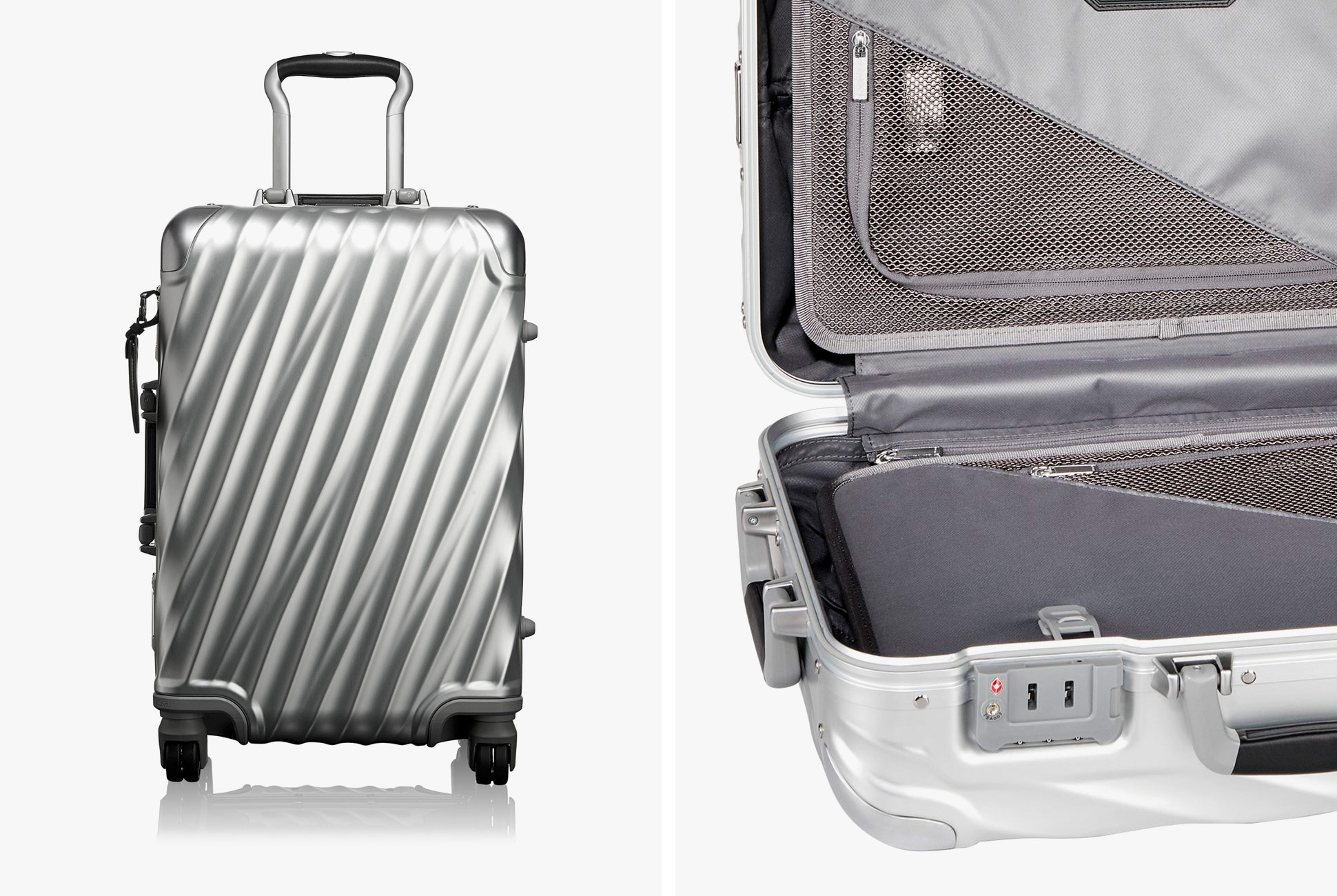
TUMI International Carry-On (in Silver)


“When I’m not traveling with a new prototype or design, our 19 Degree International Aluminum Carry-On has become a staple in my travel routine. It never fails me.”

12 Tools the Best Pitmasters Can’t Grill Without

Somewhere between science, art, time and a bit of madness, there’s barbeque. Smoke, indirect heat, wood and charcoal are all that’s required to call something barbeque, but its apparent simplicity belies a beast of a cooking conundrum. How do you juggle temperatures, 12-hour cook times (or longer), constant fire maintenance, and seasoning on what could be a 300-pound hog split down the middle? Years of practice and, more attainable, the right gear. Below, four renowned pitmasters gathering at the Windy City Smokeout later this year discuss the gear that gets them from butcher to pull-apart, black bark-laden masterpieces.

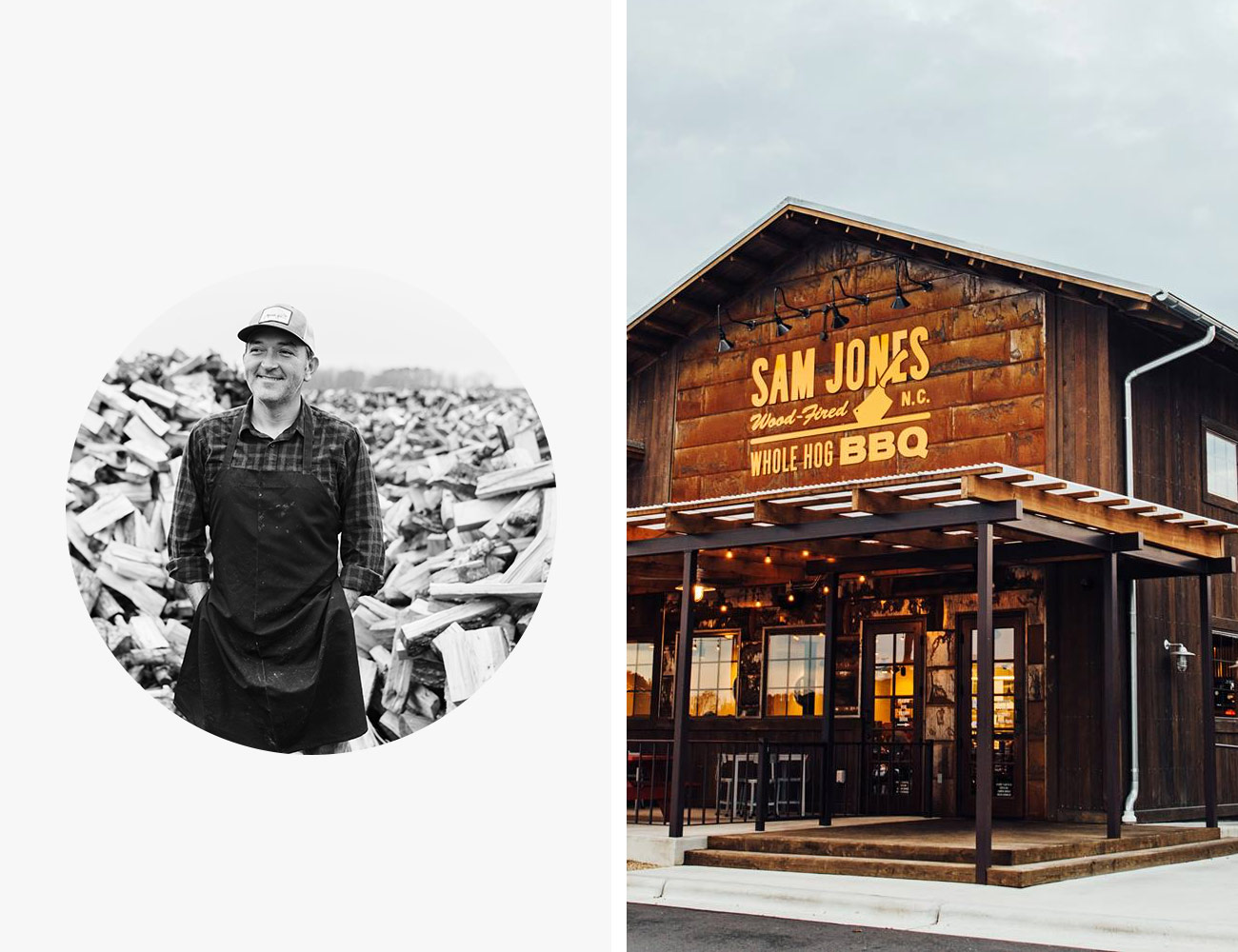
Samuel Jones

Pitmaster, Owner, Sam Jones BBQ | 715 W. Fire Tower Rd, Winterville, NC 28590

In the barbeque world, the Jones family needs little introduction. Proprietor and pitmaster at his eponymous temple to whole hog barbeque, Sam Jones is the son of Pete Jones, who opened and operated the James Beard Award-winning Skylight Inn BBQ for 60-some-odd years. The Jones family are proliferators of Eastern North Carolina whole hog-style barbeque, a style with a keen focus on drawing out the pig’s natural sweetness and balancing it with a generous helping of vinegar and spices.

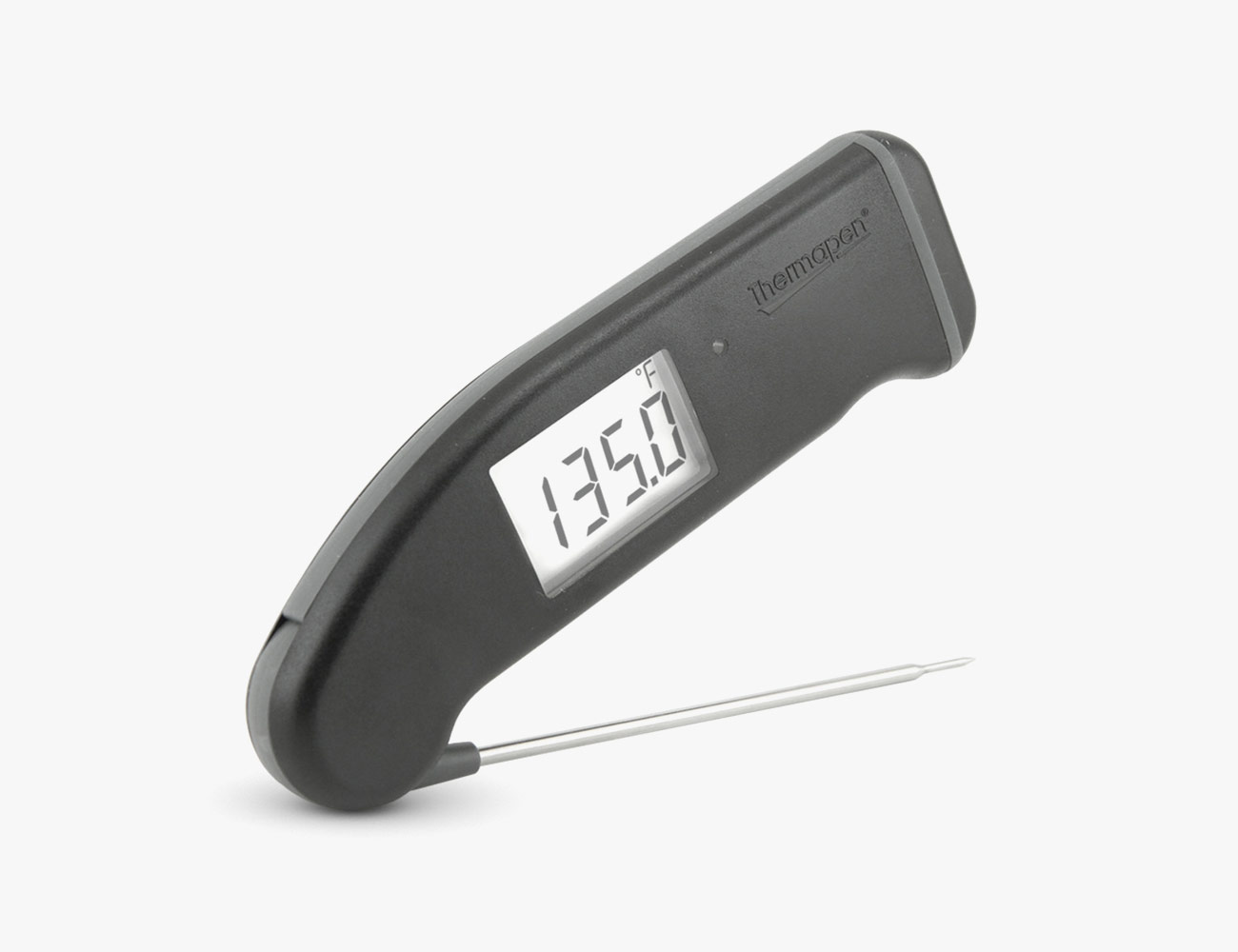
Thermopen MK4

“I was a guy raised by a family of BBQ men that never used thermometers. Everything was about touch. However, I’ve learned that [thermometers] aren’t a sign of inexperience, but more so a speedometer. I prefer the Thermopen MK4. It reads in just a few seconds. This is important because the longer your grill or pit is open, the more heat is escaping it. The MK4 is also waterproof. For around $100, it’s money well spent.”

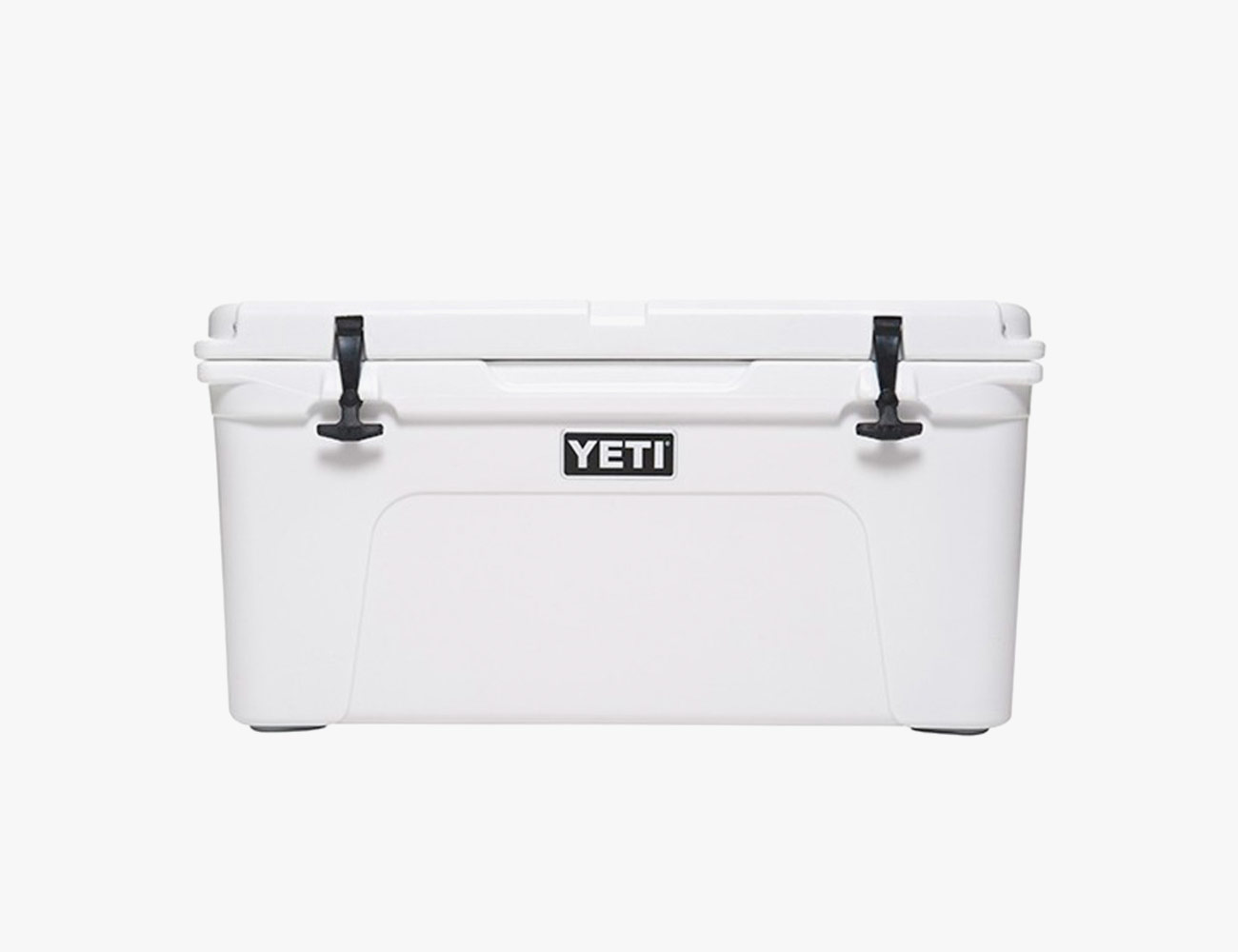
Yeti Coolers

“Anyone manning a grill or pit outside needs a good cooler. I’m not saying just any cooler. I’m saying get a Yeti. I’m a Yeti man through and through. The first two pieces I’d suggest would be the Flip 24, and the Tundra 65. The Flip is awesome because you can throw it on your back and go regardless of what you have in it. You never have to worry about it leaking. I have used the Tundra for both keeping meats and veggies cold, and for holding cooked meat. The Tundra 65 is just the perfect size cooler. Most recently, we transported a cooked half hog in a Tundra 125 for three hours to find it only lost 9 degrees of internal temp.”

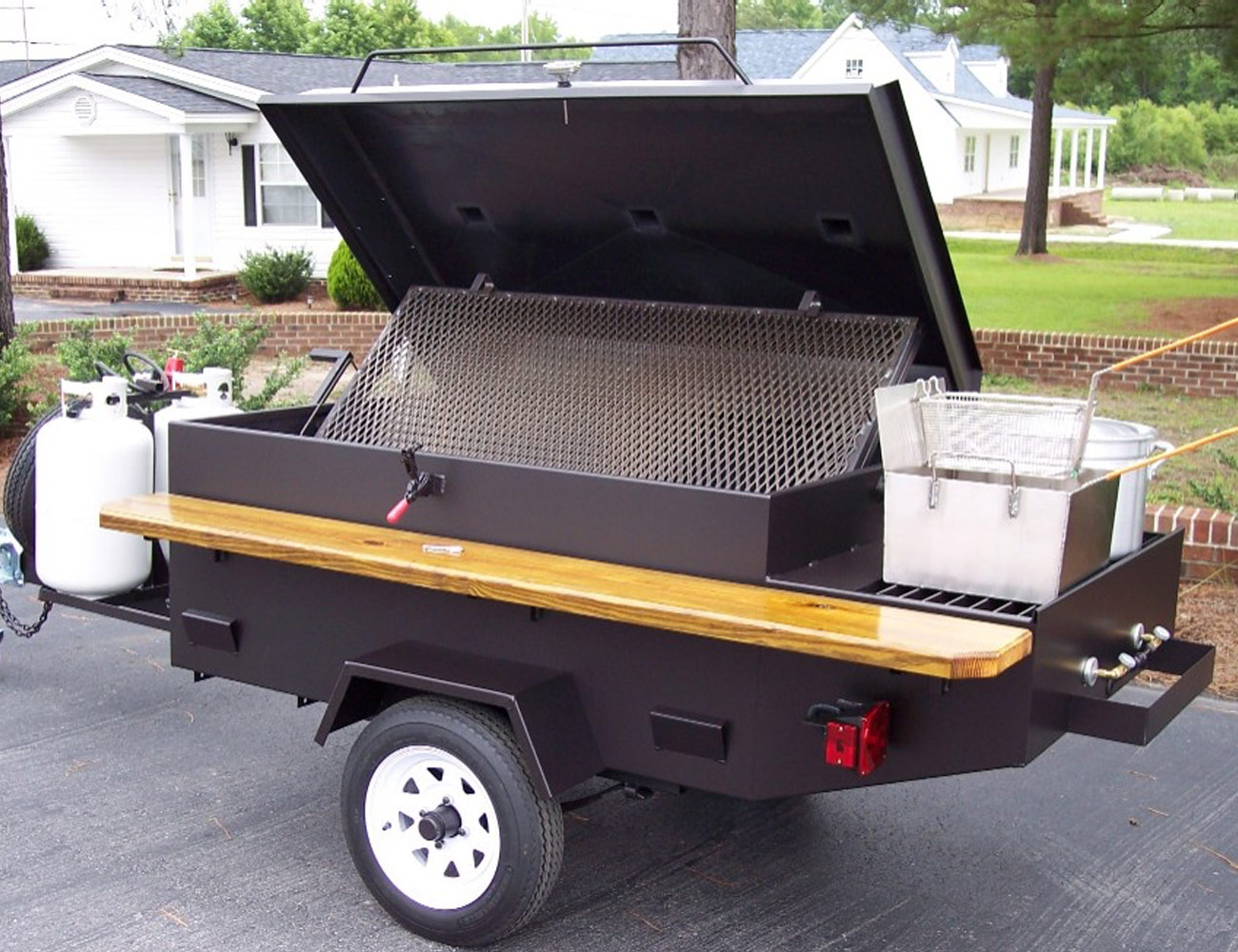
BQ Whole Hog Pit

“Melvin Whitman at BQ Grills in Elm City, North Carolina, and I put our heads together some years ago to create what I think is the perfect grill and pit. It accommodates a whole hog, but it also has a removable heat deflector that enables you to grill. It uses only wood coals, or charcoal. It is produced in several sizes and variations. I have three generations of this unit. I personally like the 68 by 48 inches for the whole hog.”

Jonathan Fox

Co-Owner and Co-Pitmaster, Fox Bros Bar-B-Q | 1238 DeKalb Ave NE, Atlanta, GA 30307

Apart from being one of the South’s best barbeque joints, Atlanta’s Fox Bros Bar-B-Q is something of an invasive species in Georgia — instead of leaning on sweet ketchup and vinegar bases the state holds as its own, the Fox brothers smoke Texas-style ‘cue. The joint does many things well, but its rubbed-down ribs and brisket are why you fight Atlanta traffic to sit down at a picnic table and feast. Jonathan Fox and his identical twin opened up the spot in 2007 and have raked in award after award since; they’ve also featured in publications like USA Today, Southern Living and Maxim.

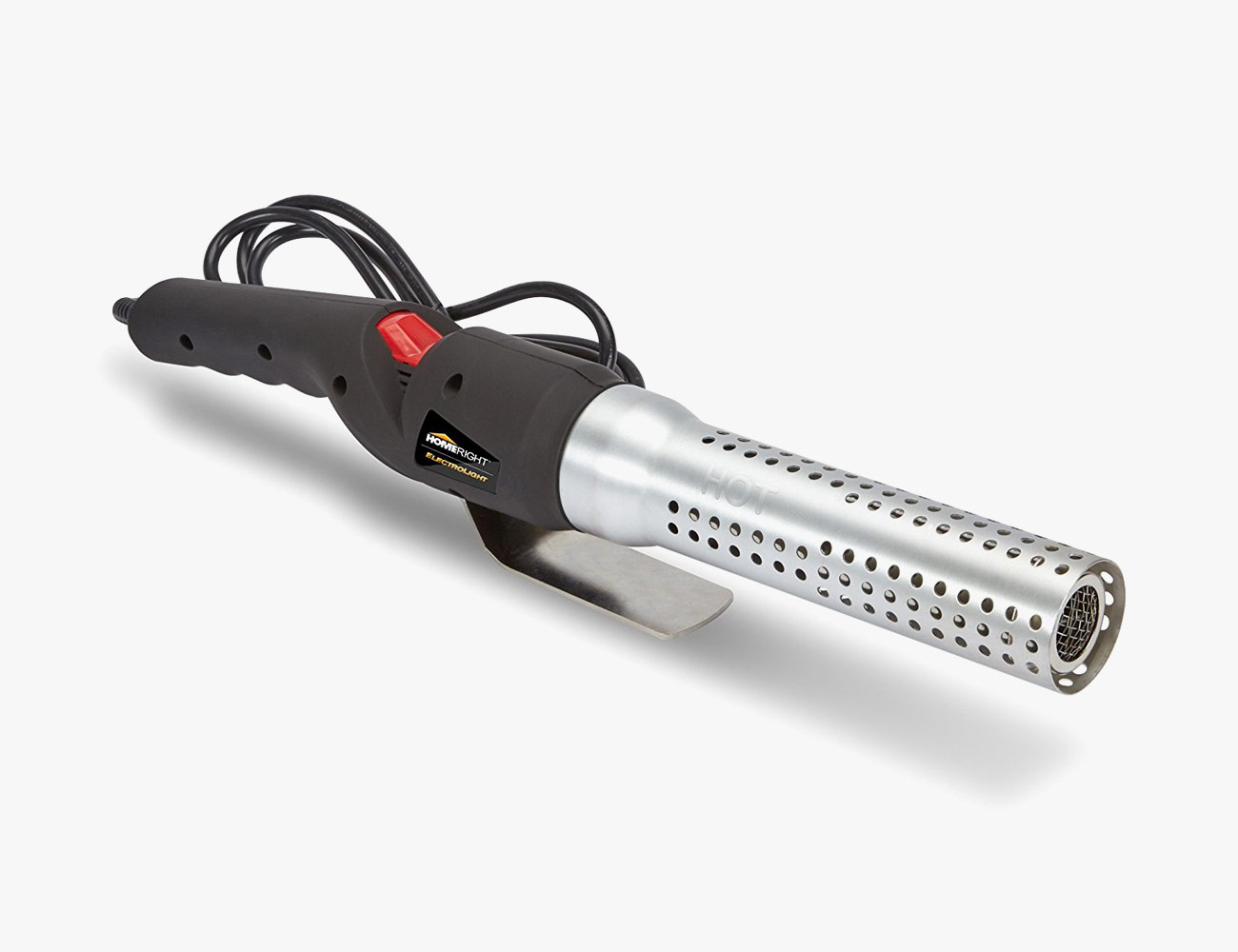
Home Right Electro Light Fire Starter

“When I am looking to fire up my charcoal grill, or even my smoker, the hard part is lighting a fire. In a pinch, you can easily use an oil-soaked piece of paper or keep buying starting sticks, but one item I found that is reusable is the Home Right fire starter. This piece of equipment uses super-heated air to light charcoal in less than one minute. So many uses both indoor and outdoor. When people see it in use, they are immediately asking questions about it.”

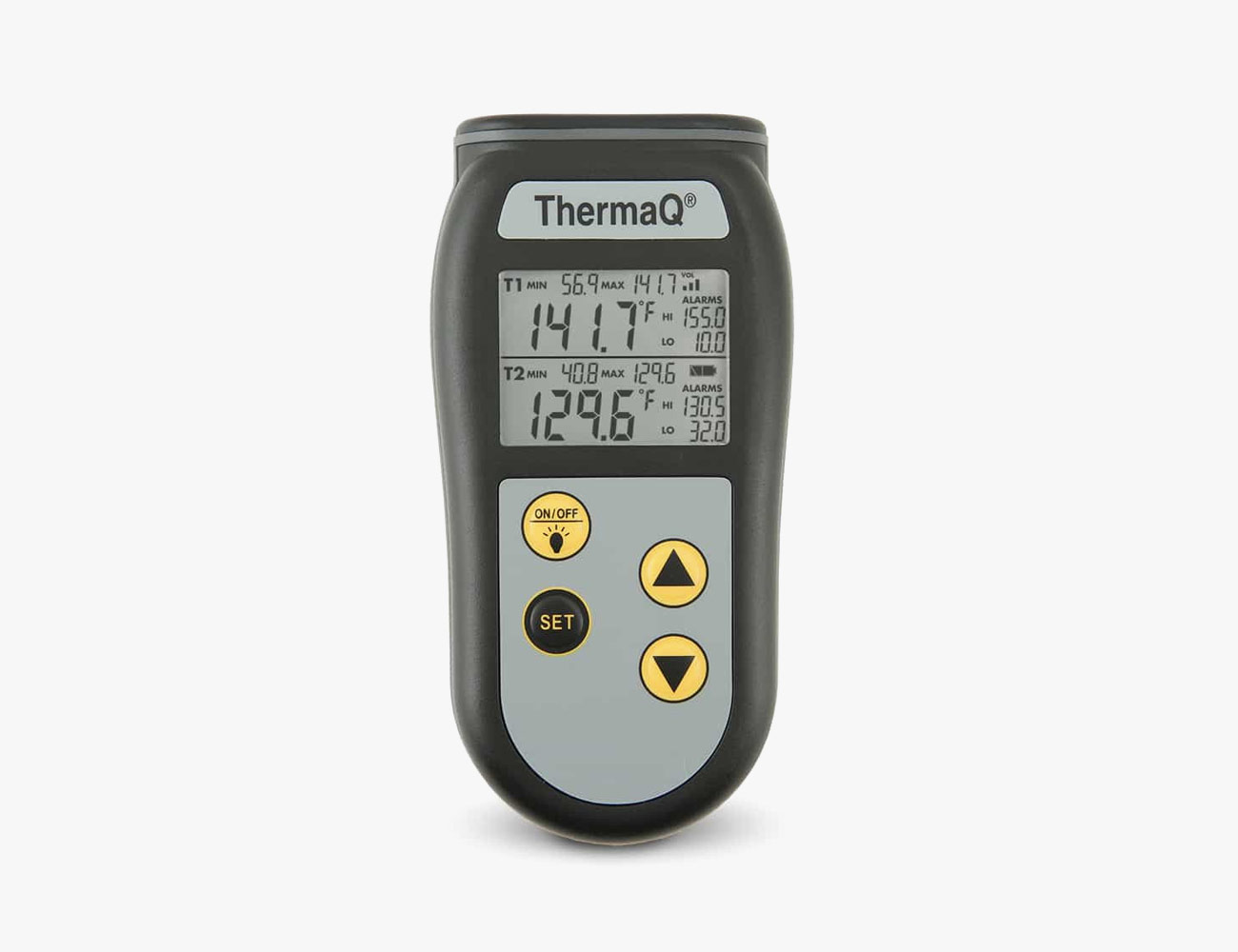
ThermoWorks ThermaQ

“In my kitchen at home, or at an event on the road, probe thermometers can always be found with me. The ThermaQ Wi-Fi is one of the best I have found, and I have tried and broken a ton over the last 15 years. It costs more, but you really get what you pay for. It stands up to the rigors that are the barbecue lifestyle. With the Bluetooth features you can even receive updates on your phone. Where was that 15 years ago.”

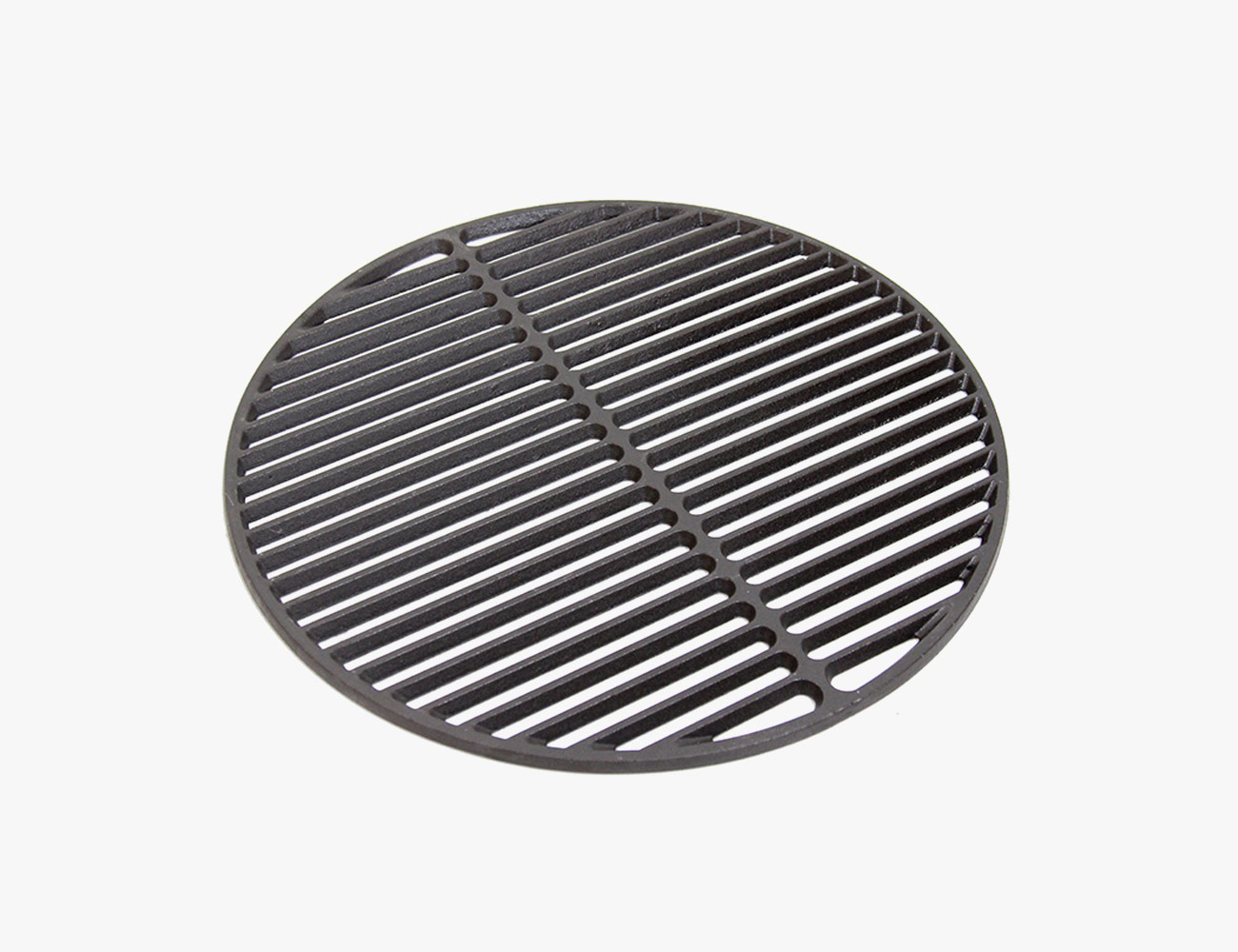
Big Green Egg Cast-Iron Grate

“Whenever I fire up my grill, there are a few things I always grab. First is my Big Green Egg cast-iron grill grate. I cook a lot with cast iron in the kitchen of my home so why not continue that on the grill. It holds heat whether you are cooking over direct heat or when you are cooking indirectly.”

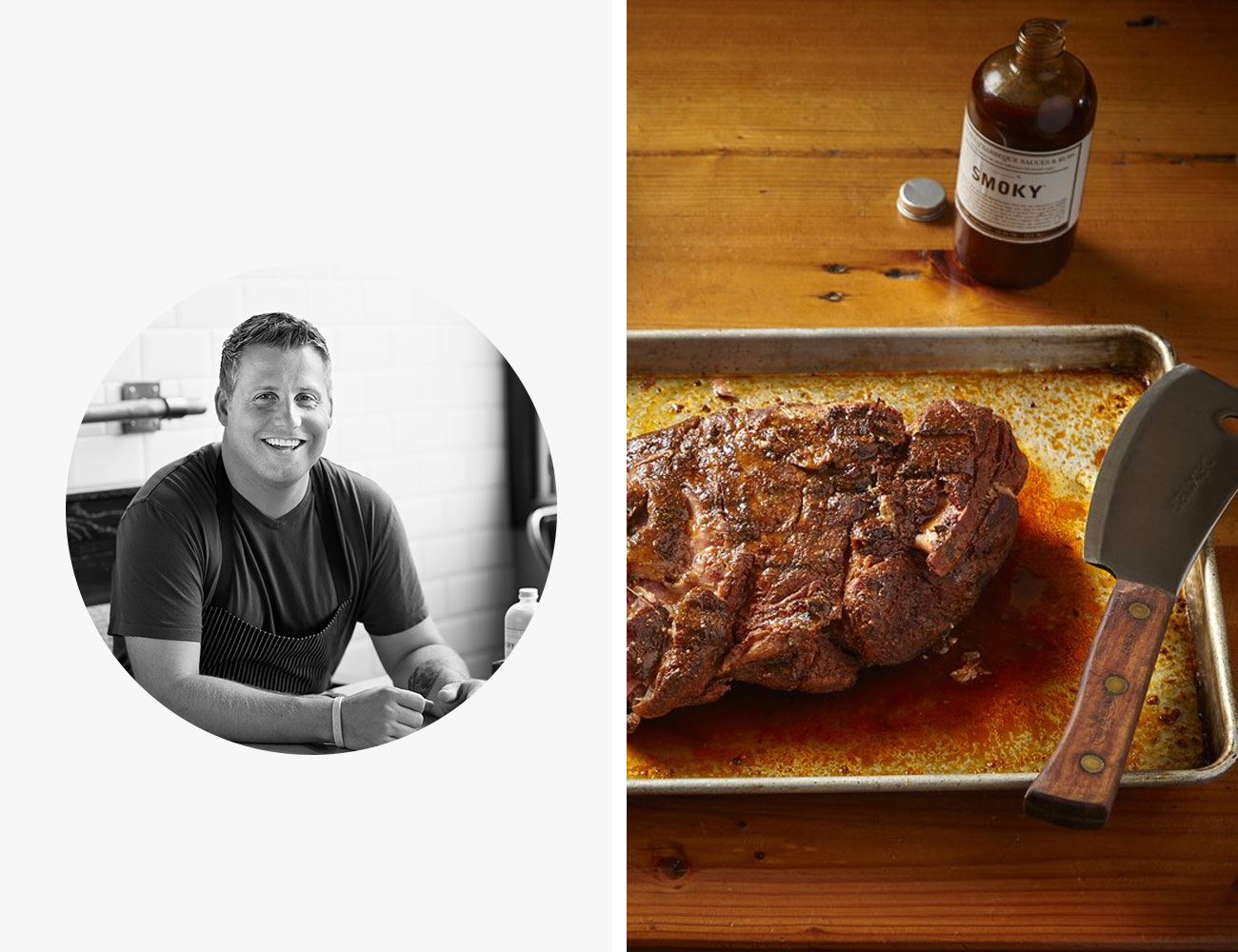
Charlie McKenna

Chef and Owner, Lillie’s Q | 1856 W. North Ave. Chicago, Illinois (more locations here)

Though he may operate out of Chicago, Charlie McKenna’s roots remain firmly planted in the barbeque belt. McKenna learned the craft first by watching his grandmother (to whom his restaurant is named after) cook Southern dishes during his childhood, and later cooking in professional kitchens in Miami, New York and eventually Chicago, where he’s built his restaurant empire. The conflux of McKenna’s Deep South-Big City education made itself known when he took home a W at the hallowed Memphis-in-May World Championship Barbecue festival.

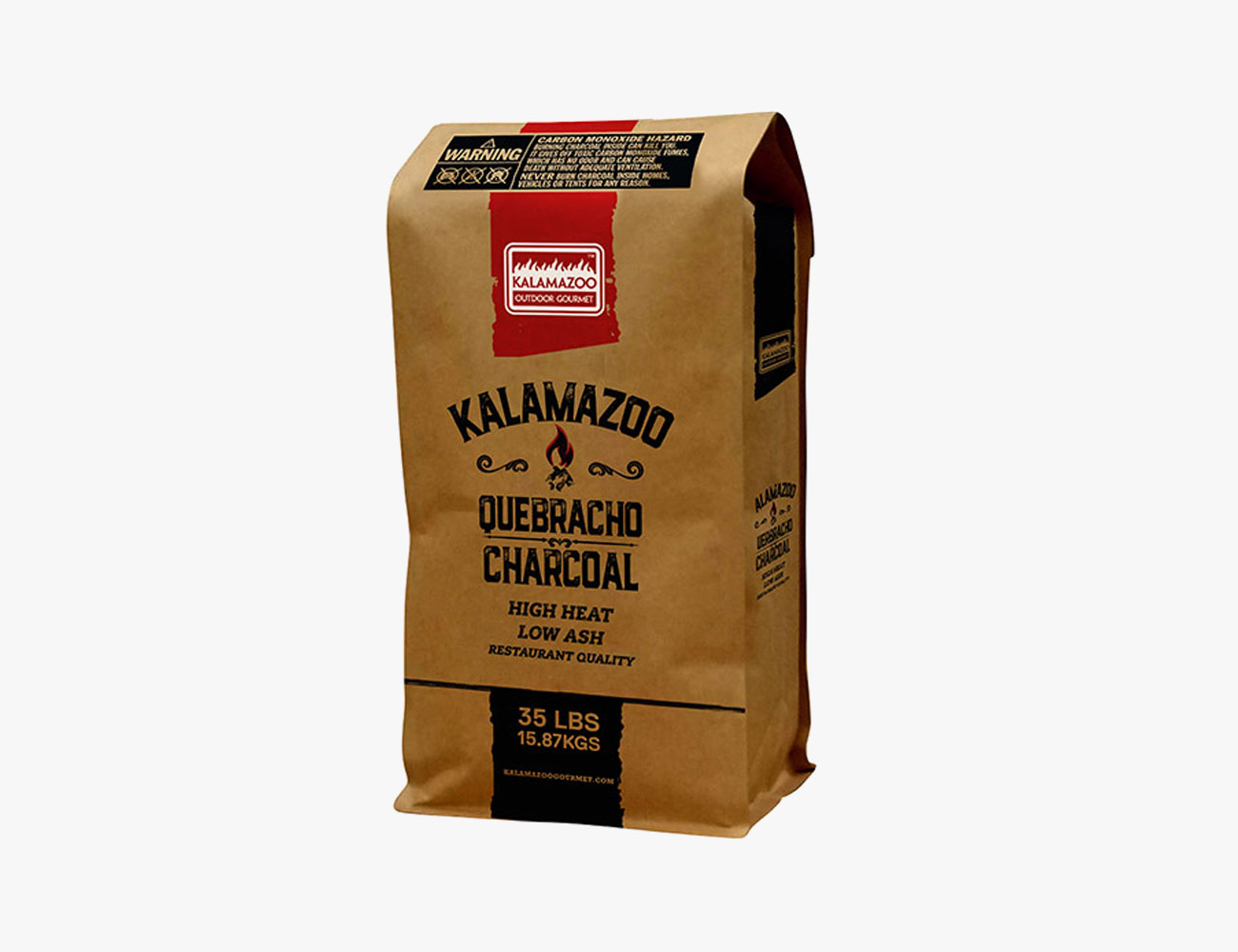
Kalamazoo Quebracho Charcoal

“It is quebracho, which comes from a tree native to South America. It burns longer and hotter than other charcoal, so you can use less at a time. It also doesn’t leave as much ash as other charcoals, so cleanup is easy which is always a plus.”

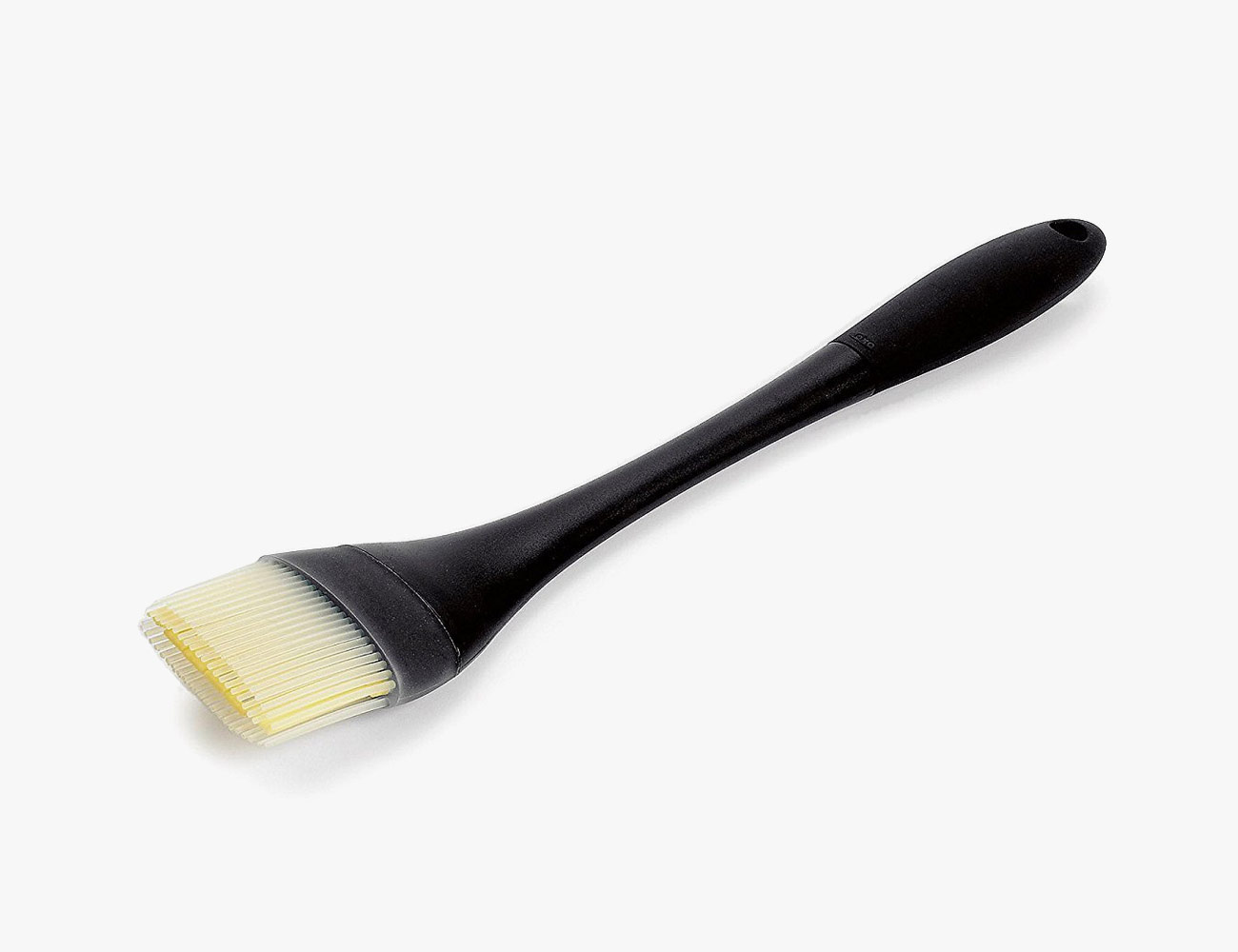
OXO Silicone Basting Brush

“These are great to use when basting grilled items with a BBQ sauce, butter or whatever marinade you’re applying. The silicone bristles don’t burn, clump or fray, which makes application easy and your brush will last much longer. These are also much easier to clean than traditional basting brushes especially from sticky BBQ sauces — it’s even dishwasher safe.”

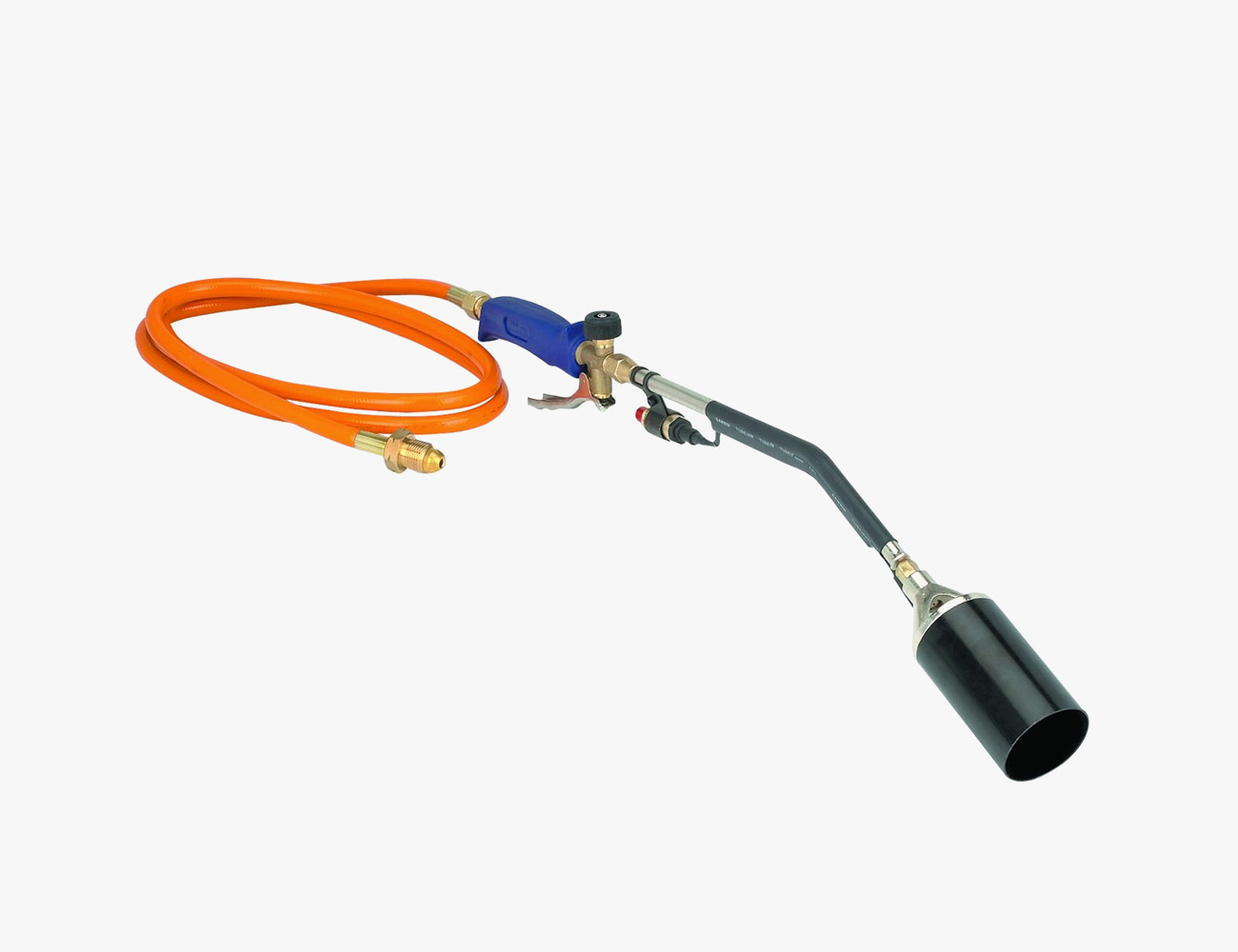
Harbor Freight Propane Torch

“This torch hooks up directly to the propane tank, and it can light your charcoal or wood in less than one minute. I only cook with live fire and I like to light it as quickly as possible. Less time lighting the fire leaves more time to work on your recipe. This tool is amazing. It might be a little intimidating to some, but it’s a game changer once you get the hang of it.”

Doug Psaltis

Chef and Partner, Bub City, Co-founder, Windy City Smokeout | 435 N Clark St. Chicago, IL 60654

Psaltis came to barbeque later than most, and from Long Island of all places. But he did not come without a résumé that included the likes of French Laundry, two Alain Ducasse restaurants (at which he was the first ever American named Chef de Cuisine) and Country, which he led to earning a Michelin star every year he was at the helm. Bub City, his first foray into barbeque in a professional sense, is a shrine to all things whiskey and slow-smoked meat.

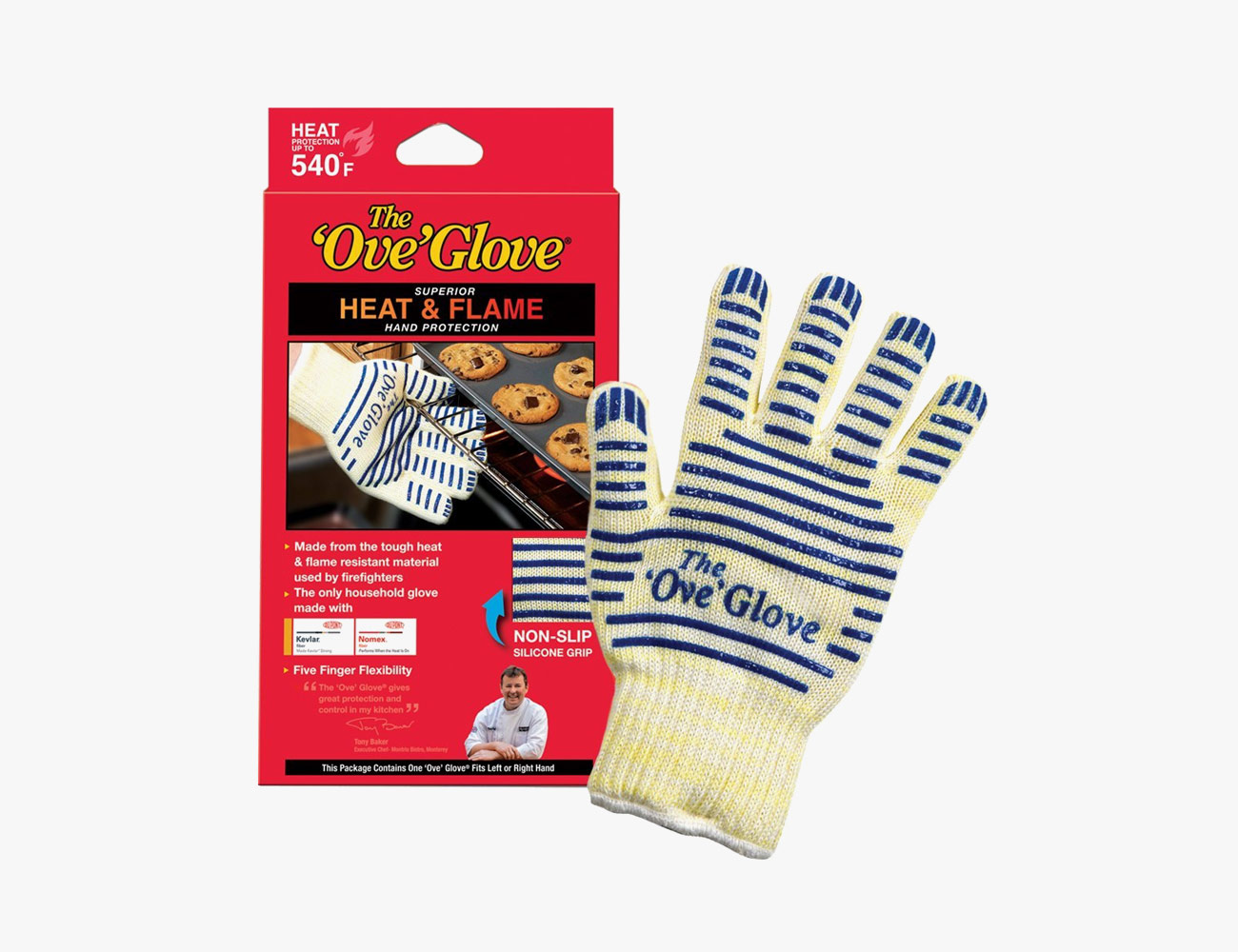
The ‘Ove’ Glove Hot Surface Handler

“These gloves can withstand heat over 500 degrees Fahrenheit, which is crucial when retrieving meat from the smoker. Layer them with latex gloves on top for a fit that’s not bulky and allows you to perfectly handle brisket without breaking its bark.”

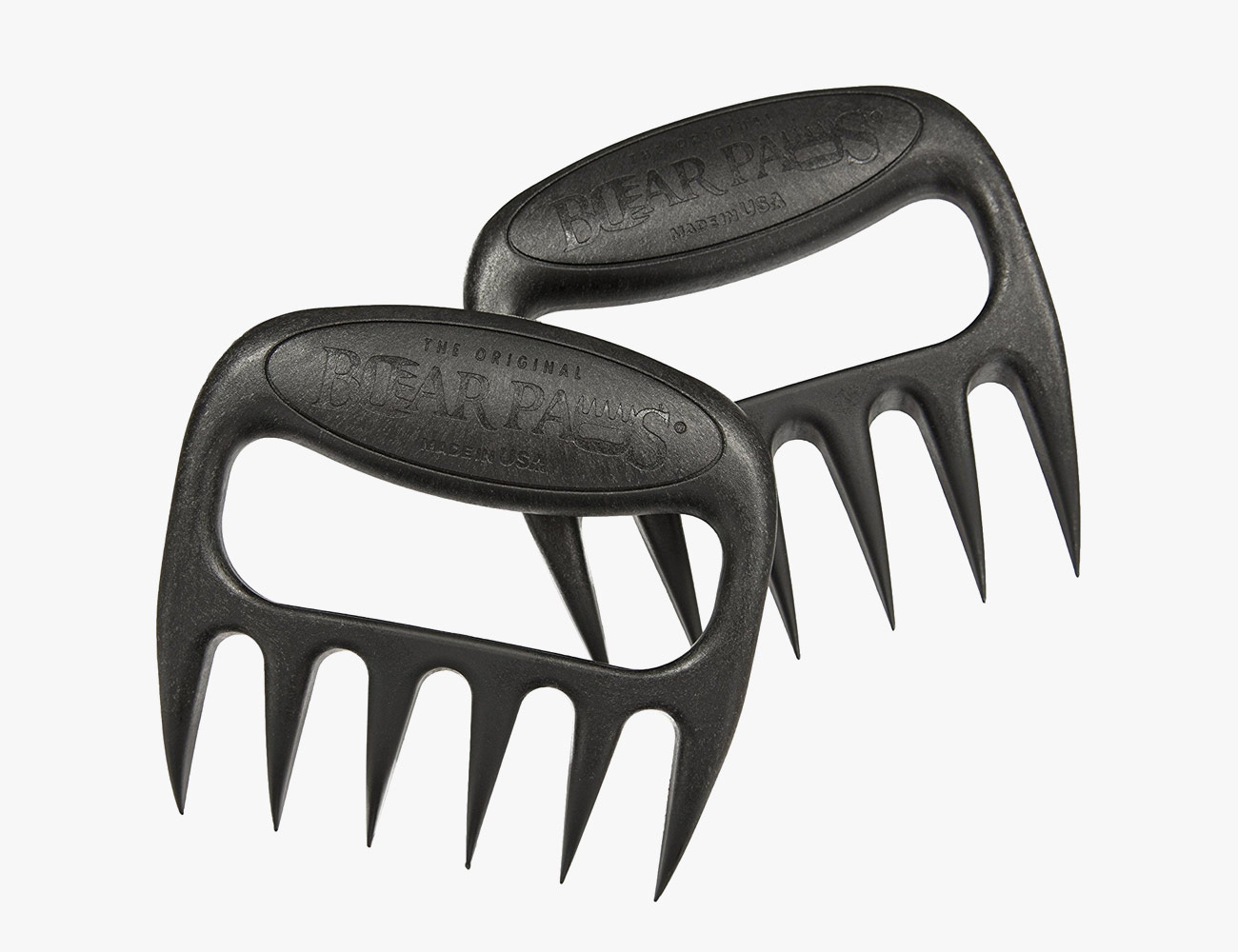
The Original Bear Paws Shredder Claws

“These shredding claws do it all — act as utensils to handle and lift meat off the grill or out of the smoker, then shred and pull however you see fit. They’re super sharp and the grasp makes them extremely easy to use.”

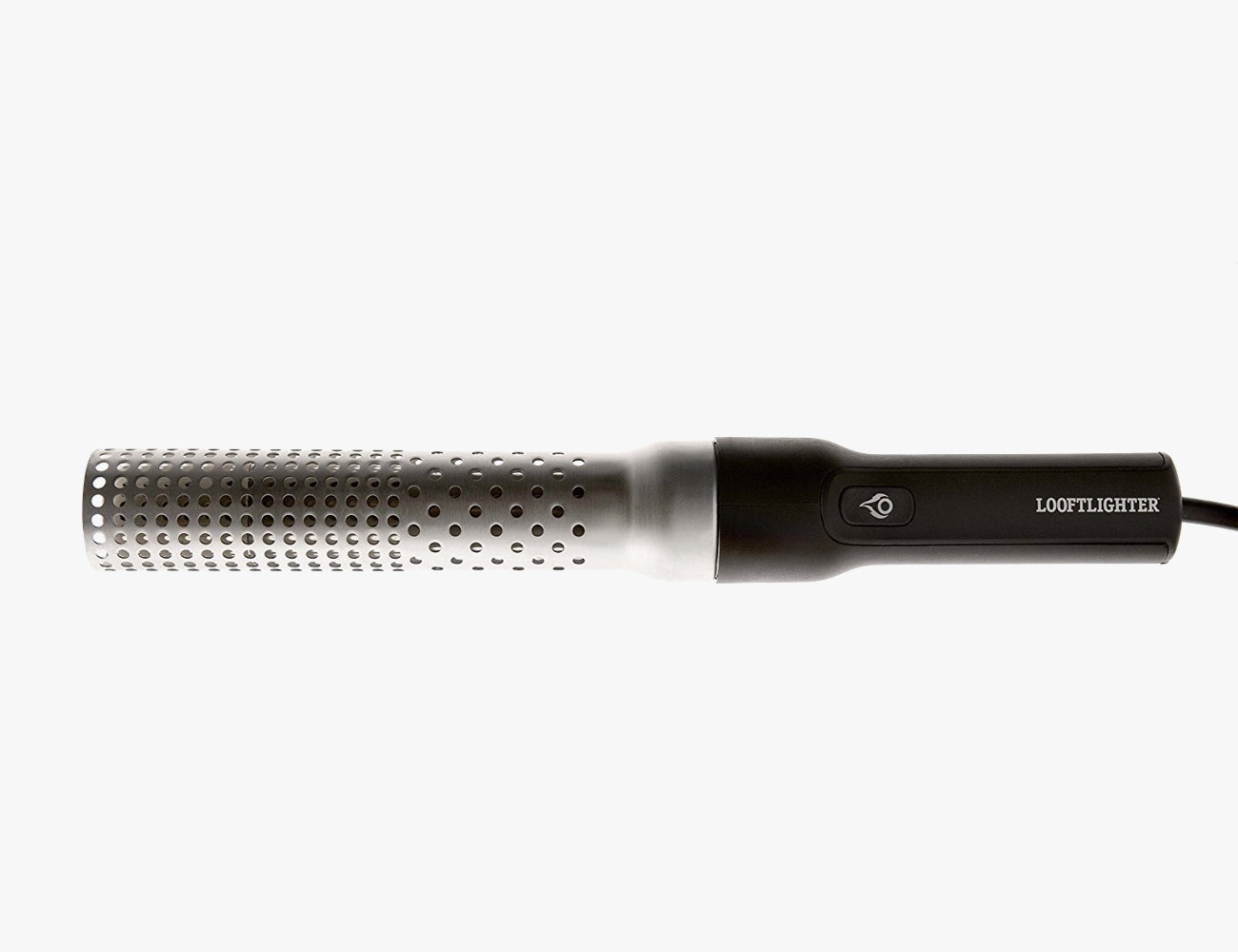
Looftlighter Charcoal Starter

“I’m a fan of the Looftlighter — it looks like a giant hairdryer — which I use it at home to start my charcoal. It cuts down on the time and hassle of lighting coals but you’re still guaranteed those charcoal sears and smoky flavor that we all love with BBQ.”

16 Tools That World-Class Chefs Can’t Cook Without

From a lava stone molcajete to a disposable thermometer to a very, very old-school pasta maker, these four professional chefs reflect on the gear they couldn’t do their jobs without. Read the Story

The Coffee Gear You Probably Don’t Need, According to an Expert

Part of Gear Patrol‘s mission is to get our hands on as many products as we can, test them and let you know what’s worth pulling your wallet out for and what’s just smoke and mirrors. Because of this, we sometimes see ourselves as experts in a product realm. When speaking about all things coffee with James McLaughlin, I did not feel this way.

The President and CEO of Intelligentsia Coffee was not thrust into his position because of a strong handshake and bright smile (though he has both). He earned the title by working at nearly every level of the coffee industry — including moving his family to Brazil to take over a coffee farm, and eventually turn that coffee farm into a respected grower of specialty coffee in a country traditionally overrun with mass-produced schlock. He served as Intelligentsia’s Director of Green Coffee, Roasting and Quality Control before becoming its frontman, and sits on the board of World Coffee Research, an enormous collaborative effort bringing scientific rigor to coffee. In other words, McLaughlin is an actual expert.

I sat down with him at Intelligentsia’s Highline Coffee Bar with a specific goal in mind — figure out which fringe coffee products that scream “Do I really need this?” are worth buying into, and which are all talk. Here, McClaughlin outlines eight pieces of coffee gear that make us ask that question, and what he thinks of them.

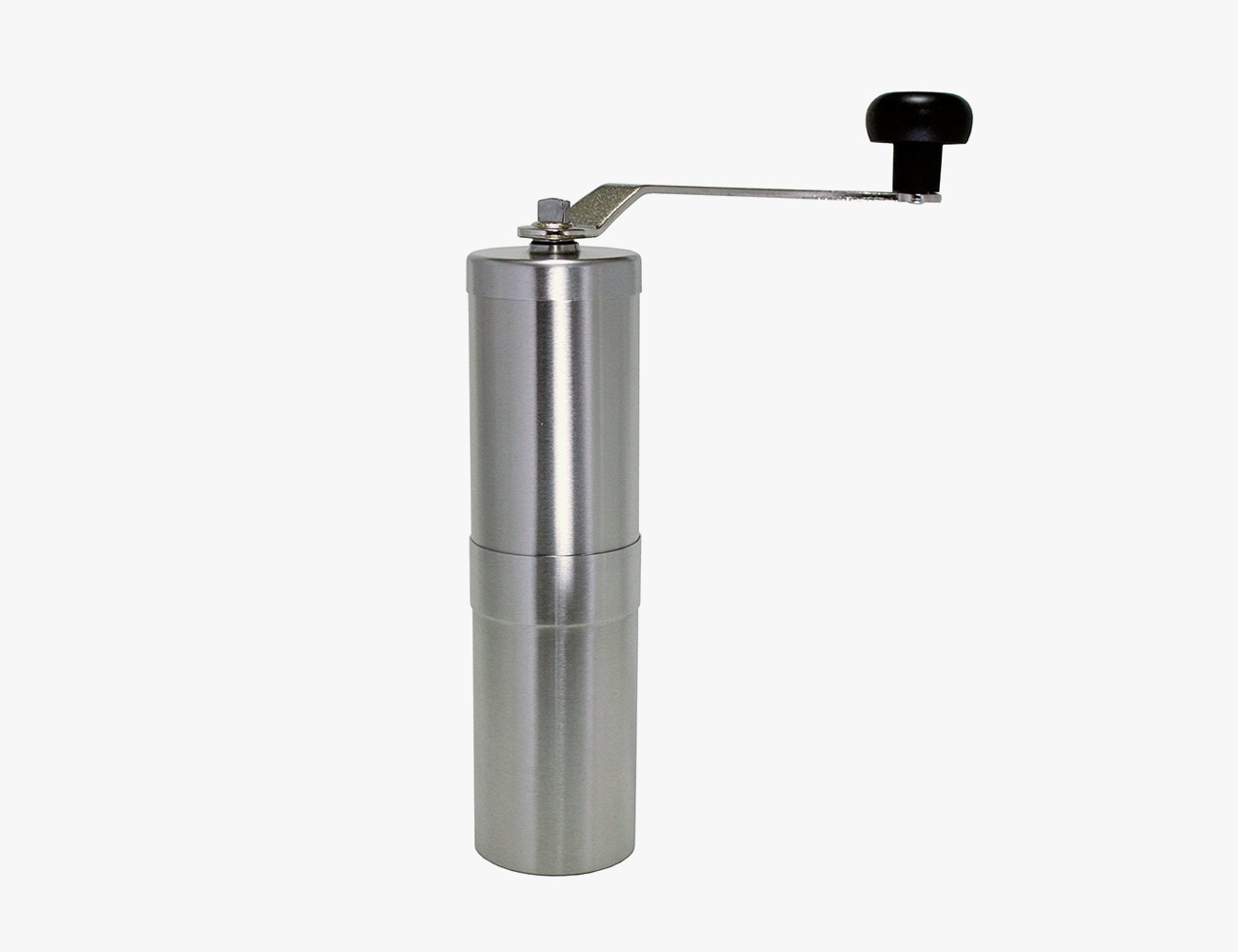
Do You Need a Hand Coffee Grinder?

Verdict: “I’m generally sleepy in the morning and I don’t want to stand there grinding. I mean, a hand grinder can be good and provide good, consistent grinds. We sell a Japanese one that’s excellent, and really it’s a matter of personal preference. Some people like the ritualistic, sort of manual nature of the hand grinder. To me, a good electric burr grinder gives you comparable grind quality at the push of a button. It’s more important you get a burr grinder than anything else, blade grinders make for pretty sub-par cups of coffee.”

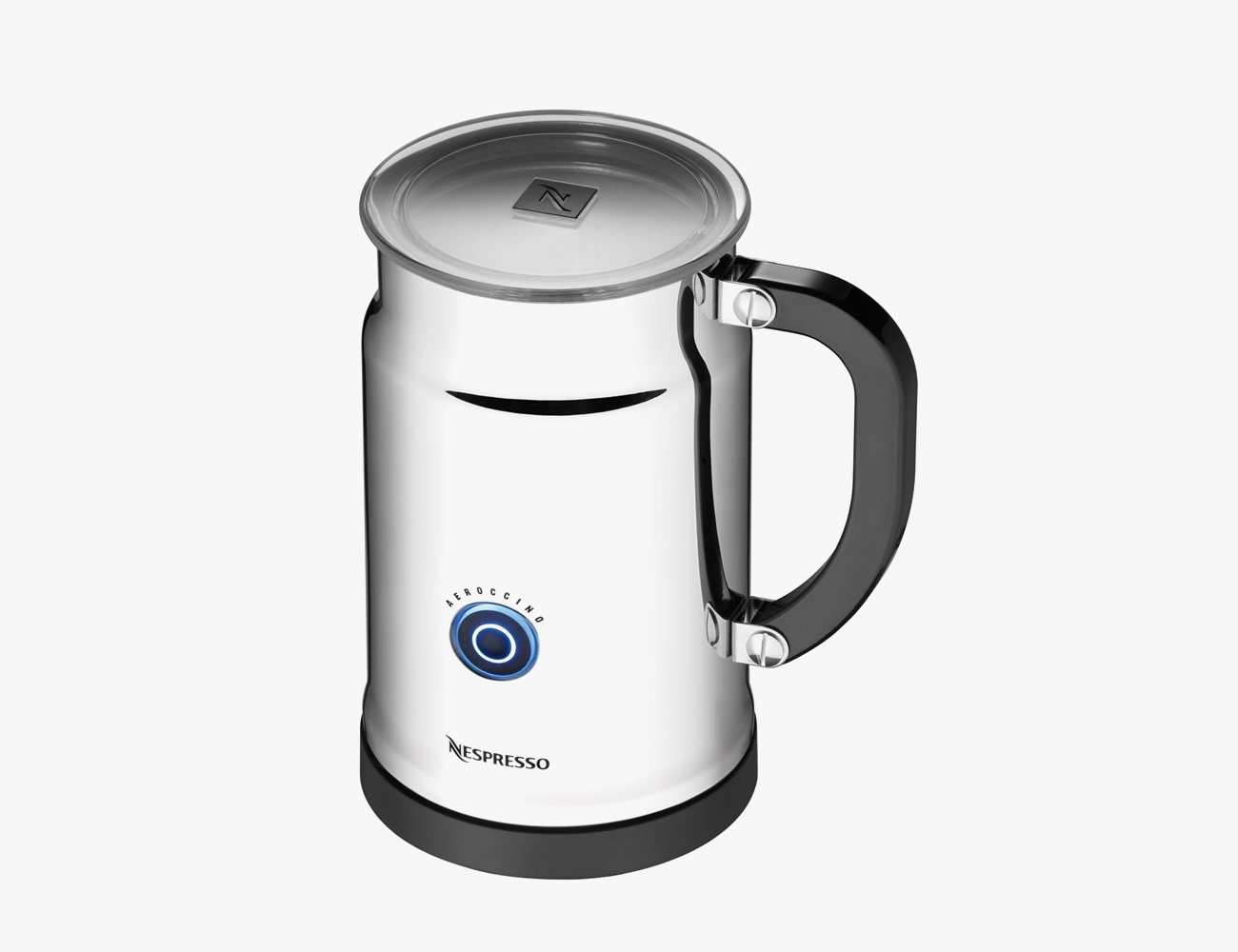
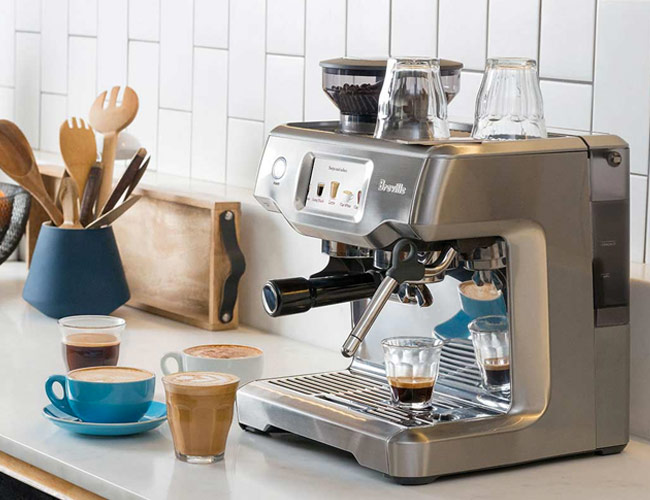
Do You Need a Milk Frother?

Verdict: “They’re fun — you know, having the froth on top of a cup of coffee is a bit different, but they’re not worth investing a lot in I don’t think. It’s not a requirement, and it’s not really what you’re going to get in a cafe at all, but I guess it can be used for a bit of a change up. I don’t personally use one.”

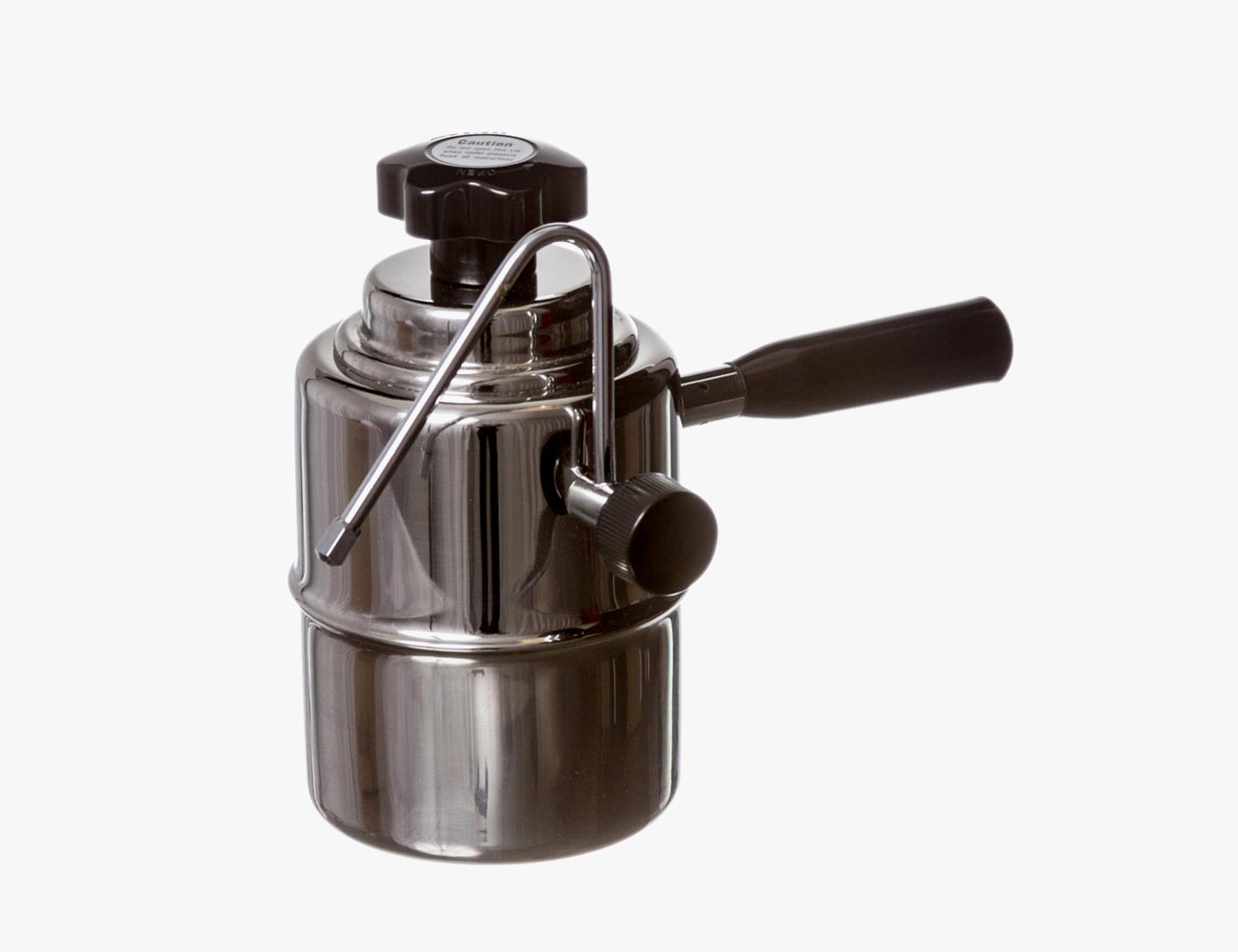
Do You Need a Milk Steamer?

Verdict: “You can teach yourself how to steam milk like a barista much more quickly than you could teach yourself how to pull a proper shot of espresso out of a manual machine. It’s certainly superior to imitation milk frothers, though a bit more involved. I say why not, but only if you’re going to teach yourself how to use it correctly.”

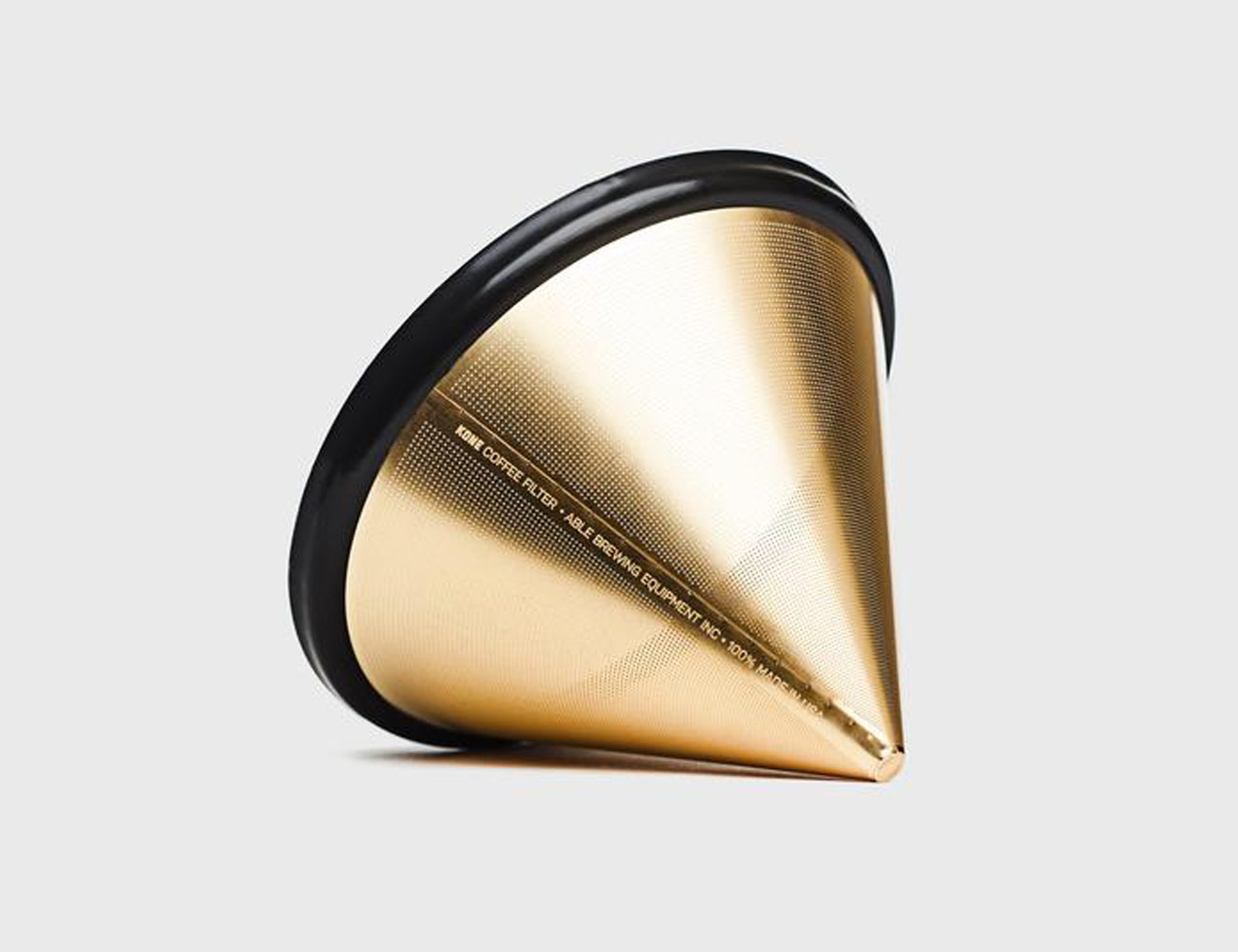
Do You Need Gold Filters?

Verdict: “I’m definitely familiar with the product, but I’m not familiar with any reasons for needing a gold-plated brewer, filter or cup. I imagine it works fine, like any decent filter, but I don’t view it as something you have to have in the kitchen, or something that makes an astounding difference either way.”

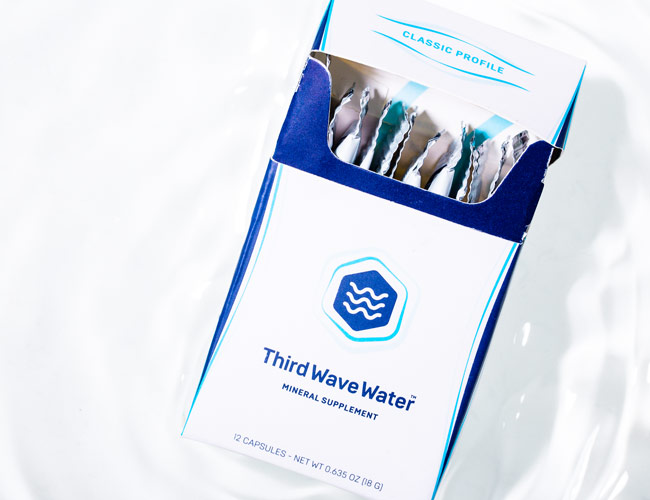
Do You Need Third Wave Water?

Verdict: “Coffee is largely water, obviously, and at all of our shops and cafes we’ve got treated water using a commercial system. It strips all the minerals and whatever else is in the water and re-mineralizes it with our own special concoction. Depending on where you live in the country, having something to soften your tap water is actually pretty important. When we do events in other cities [Intelligentsia is Chicago-based], we’ll take the Third Wave Water packets with us and put them into distilled water to get a properly minerally-balanced water for brewing. If you’re looking to geek out, it’s well worth it. Just add it to distilled water if you can.”

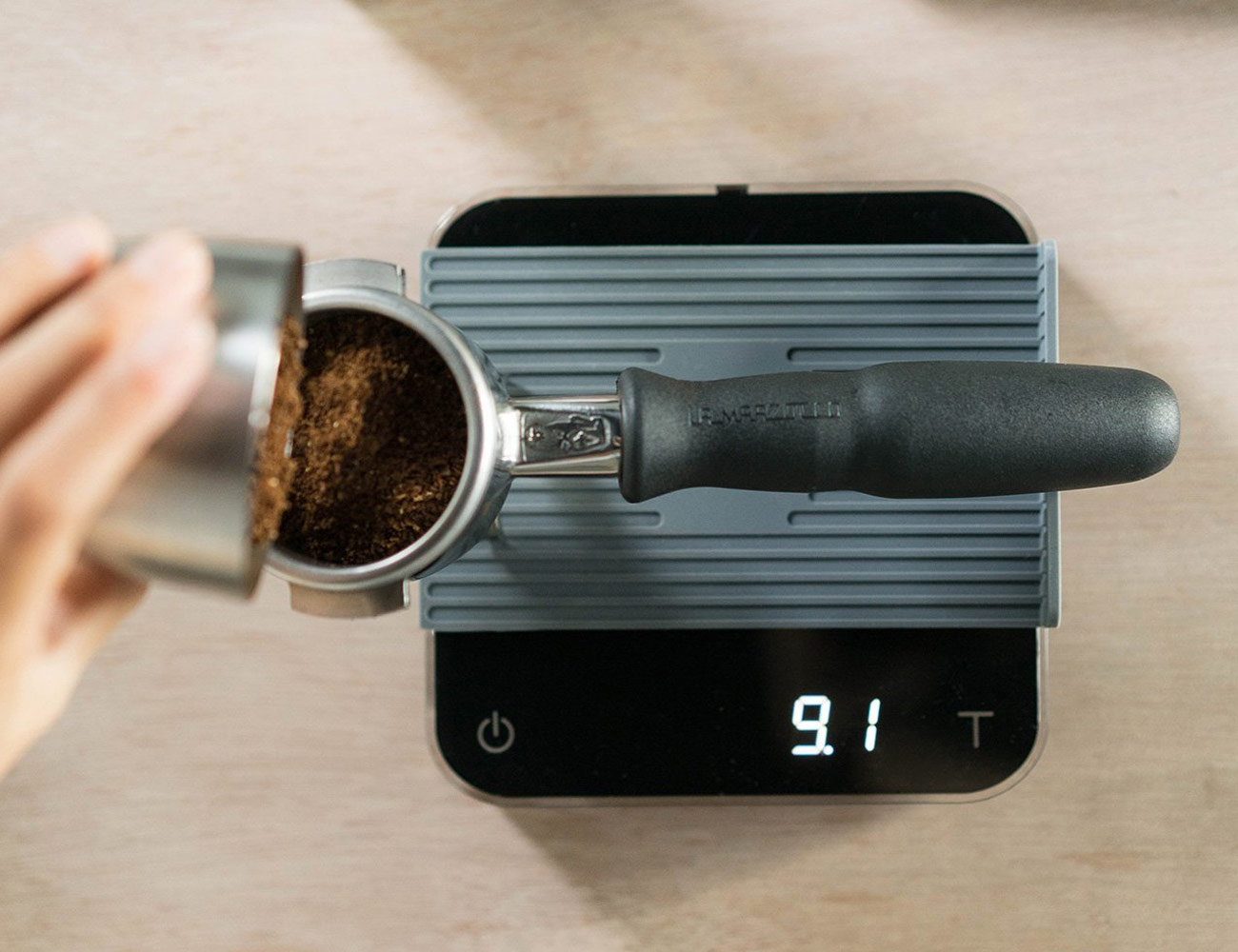
Do You Need a Coffee Scale?

Verdict: “Scales are great. They’re phenomenal tools. They are absolutely necessary if you’re going hard into coffee — you know, dialing in the ratio of coffee to water and further. You have to have it. When you’ve left the realm of “I just want a great cup of coffee in the morning” and entered the realm of flavor manipulation and focusing really hard on extraction.”

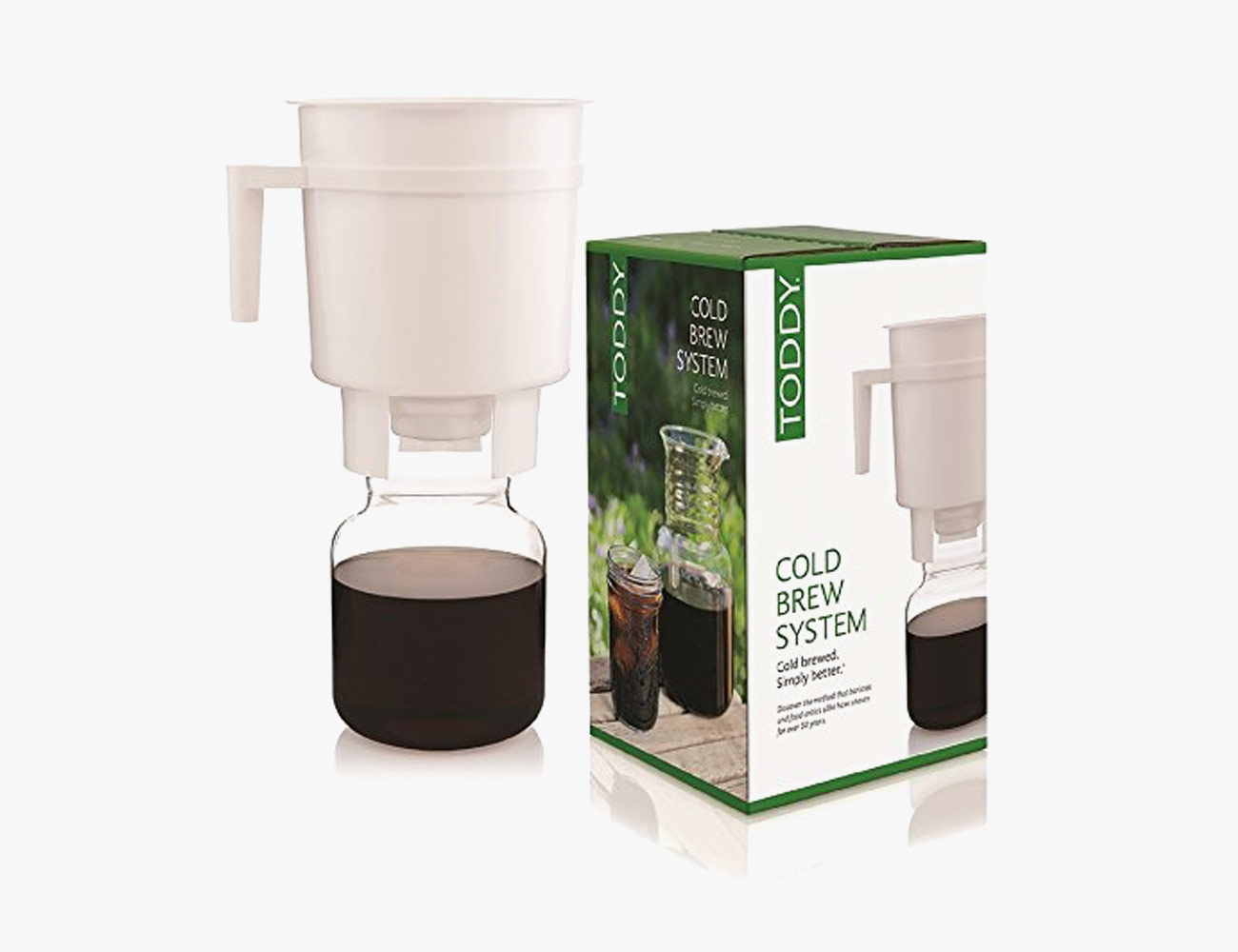
Do You Need a Cold Brew Maker?

Verdict: “I think it’s worth it if you’re already really, really into cold brew. It simplifies the process and it’s cleaner. Cold brew is obviously super popular these days, and I think it makes your life easier, but there are obviously plenty of ways to make it. Having a specific product to make your cold brew just provides an ease of execution, cleanliness and convenience that lends to making more of it.”

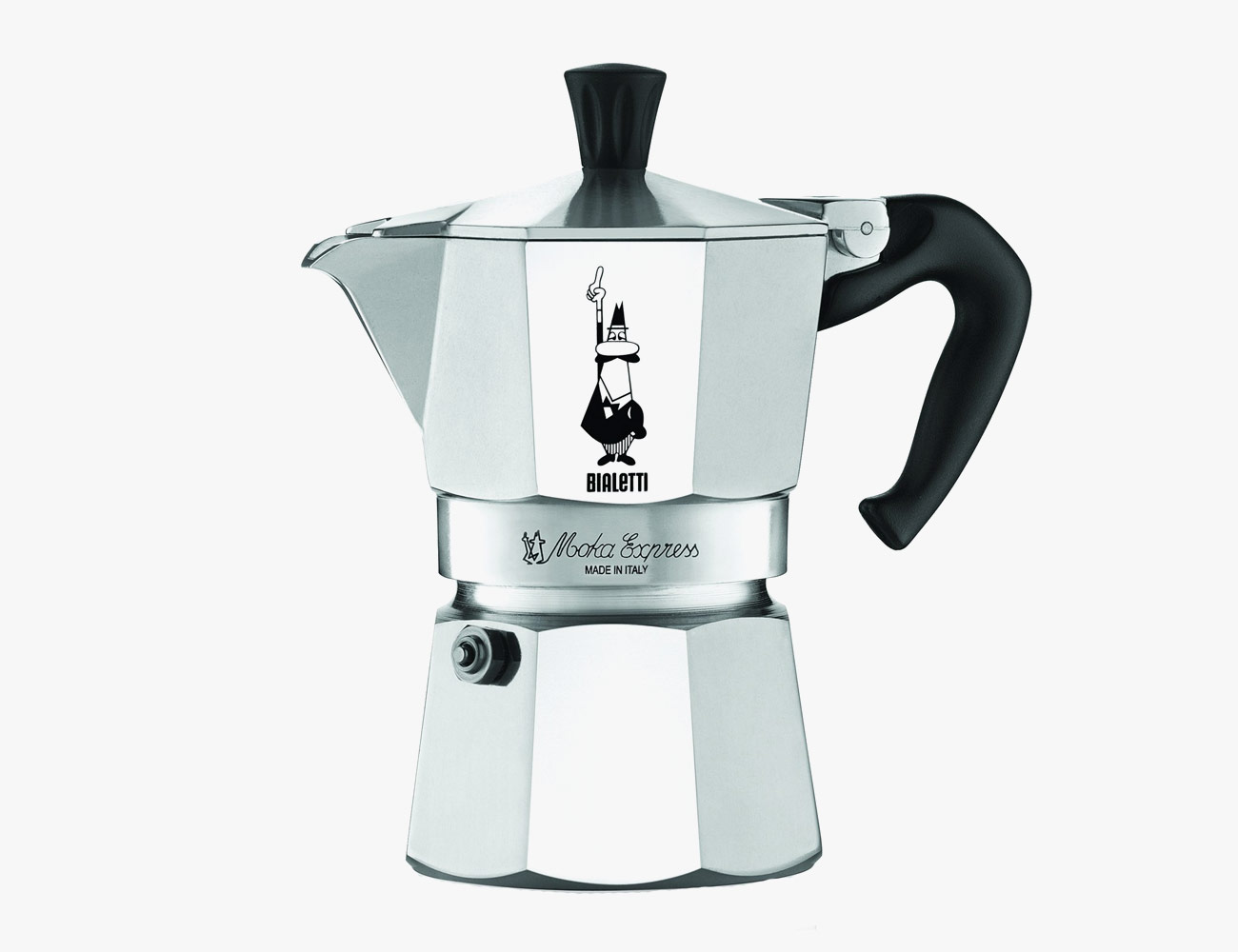
Do You Need a Moka Pot (Stovetop Espresso Maker)?

Verdict: “Making espresso at home is very difficult. Making good espresso at home is very, very difficult. I personally own a stovetop maker, but I don’t think it’s a 100 percent representation of espresso at all, but it is closer than a home drip. It’s incredibly difficult to get a consistent product out of it. I consider myself to be a coffee geek, and I still feel like there are more bad days than good days with it. Where I’m like “Wow, I over or under-extracted it and forgot to take it off the stove.” I take it to an extreme and even I struggle with it. But again, it’s closer to espresso than a drip, so I still suck it up and use it.”

The Best New Coffee Products of the Year, According to Coffee Experts

The Specialty Coffee Expo is one of the largest gatherings of coffee experts on the planet – these four products are their favorite new innovations and designs in the coffee world. Read the Story

4 Wildly Impractical Vehicles I Want to Buy Right Now With a $10,000 Budget

Editor’s Note: We love scouring the internet for reasons to spend money we don’t have on cars we daydream about owning, and these are our picks this week. All prices listed are bid amounts at the time of publishing.

In the most regrettable way, I’m back in the market for a car. Suffice it say that flash floods, deceptive standing water and a hurried morning commute do not mix. (More specifically, buckets of rainwater and the engine of my now dead 2002 BMW 325i.) Could I have taken a different route? Taken my time? Not assumed it was a fordable depth for a sports sedan? Yes, yes and… duh. Hence, “regrettable.”

So this week’s Found is, admittedly, a bit selfish. The best catharsis I can manage right now is to share my next-car search. In the long run, these are wildly impractical, but at the moment seem fun enough actually to pull the trigger on. Would any of these turn into their own source of regret after, say, a month of daily use? Perhaps, but they’re pretty tempting right now.

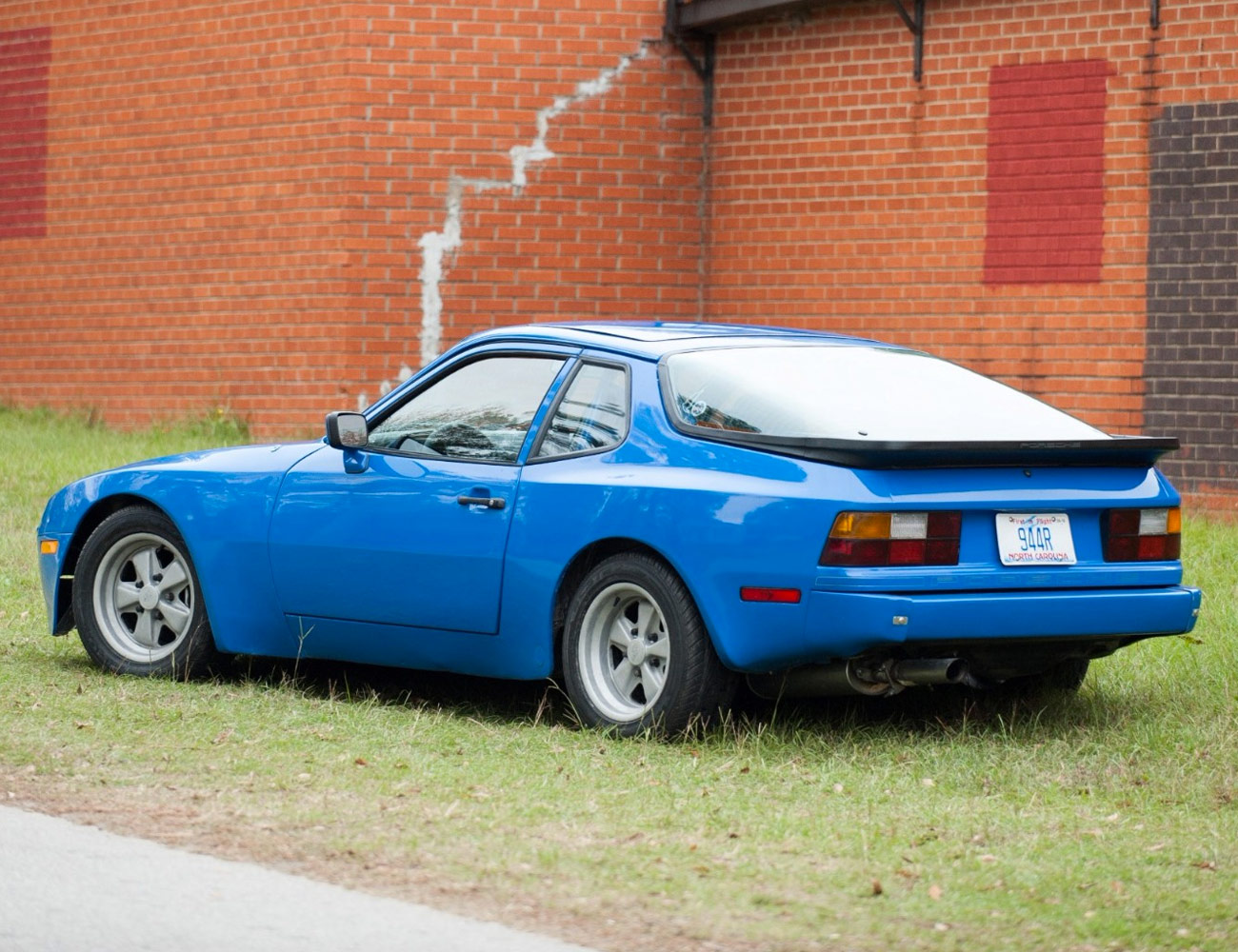
Modified 1984 Porsche 944

Mileage: 29,000 (TMU)
Location: New Hill, North Carolina

What I like: Most of the car is refurbished, replaced or rebuilt to look like what you’d get if Porsche had built an ‘R’ version of the 944 (which they should have done). It reminds me of the Cayman GT4 — one of my favorite cars of all time.
From the seller: “This 1984 Porsche 944 was purchased by the seller five years ago and subsequently built into a street-legal track car. The 2.5-liter inline-four was rebuilt to stock specs and sends power through a torque tube to a five-speed manual transaxle. A new clutch was also installed, much of the suspension was rebuilt, the brakes were gone through, a repaint in a custom color was conducted, and a four-point roll bar was installed.”
What to look out for: Like you should for any car this age, keep an eye out for bad seals and leaking fluids. In regards to the 944 specifically, there have been a few recalls worth noting.

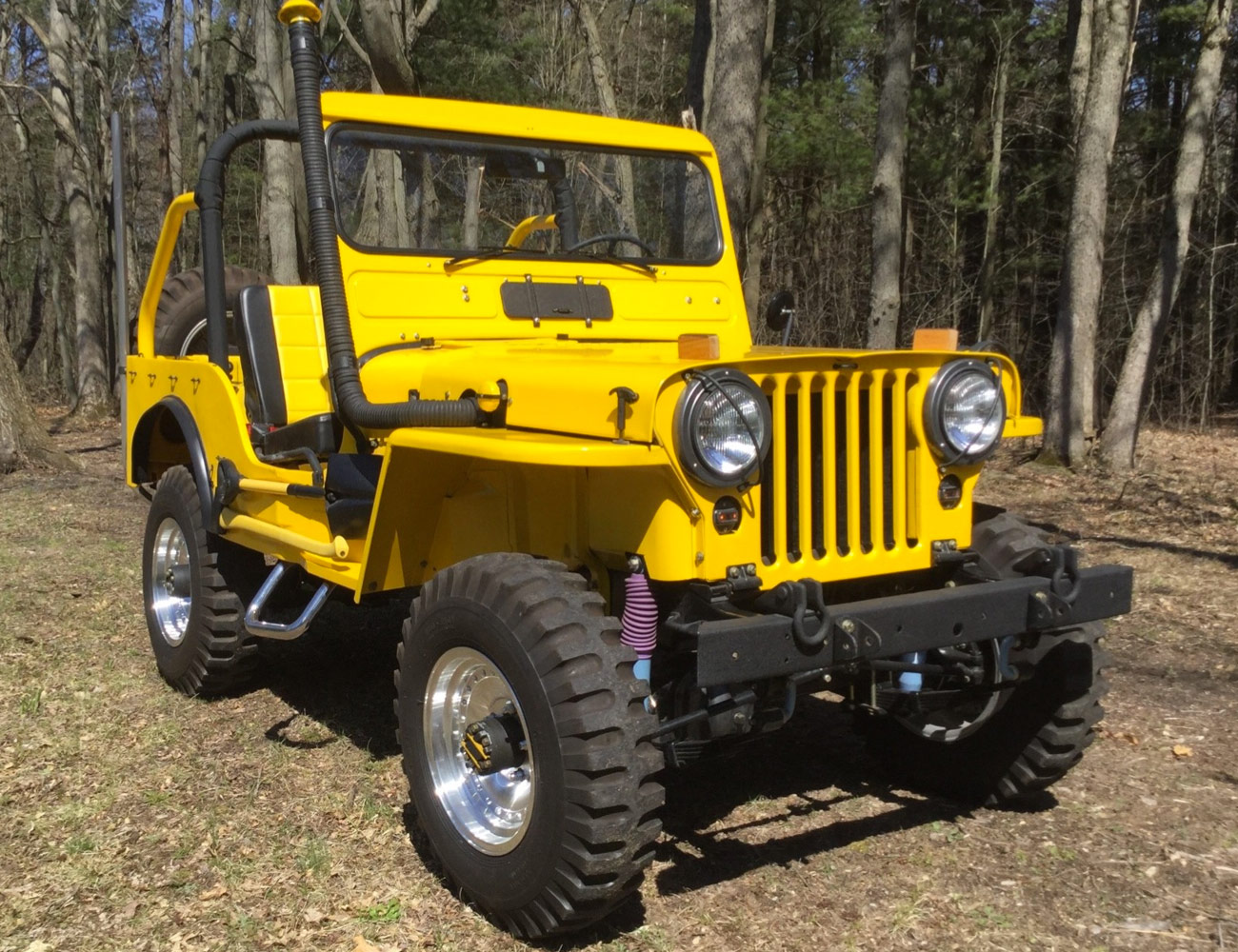
1952 Willys M38

Mileage: 462 (TMU)
Location: Comstock Park, Michigan

What I like: I’ve recently come to admire snorkels.
From the seller: “This 1952 Willys M38 was purchased as a military-spec example by the seller in 1996 and subsequently underwent extensive refurbishment to its exterior sheet metal, tub, frame, brakes, steering, exhaust and 24-volt electrical system. Modifications include a new old-stock military deep-water fording kit as well as modern gauges, lighting, and wheels.”
What to look out for: Typically, the electrical systems on old Willys are the main headache, but this particular lil’ guy under went a full refurbishment, including an electrical system swap.

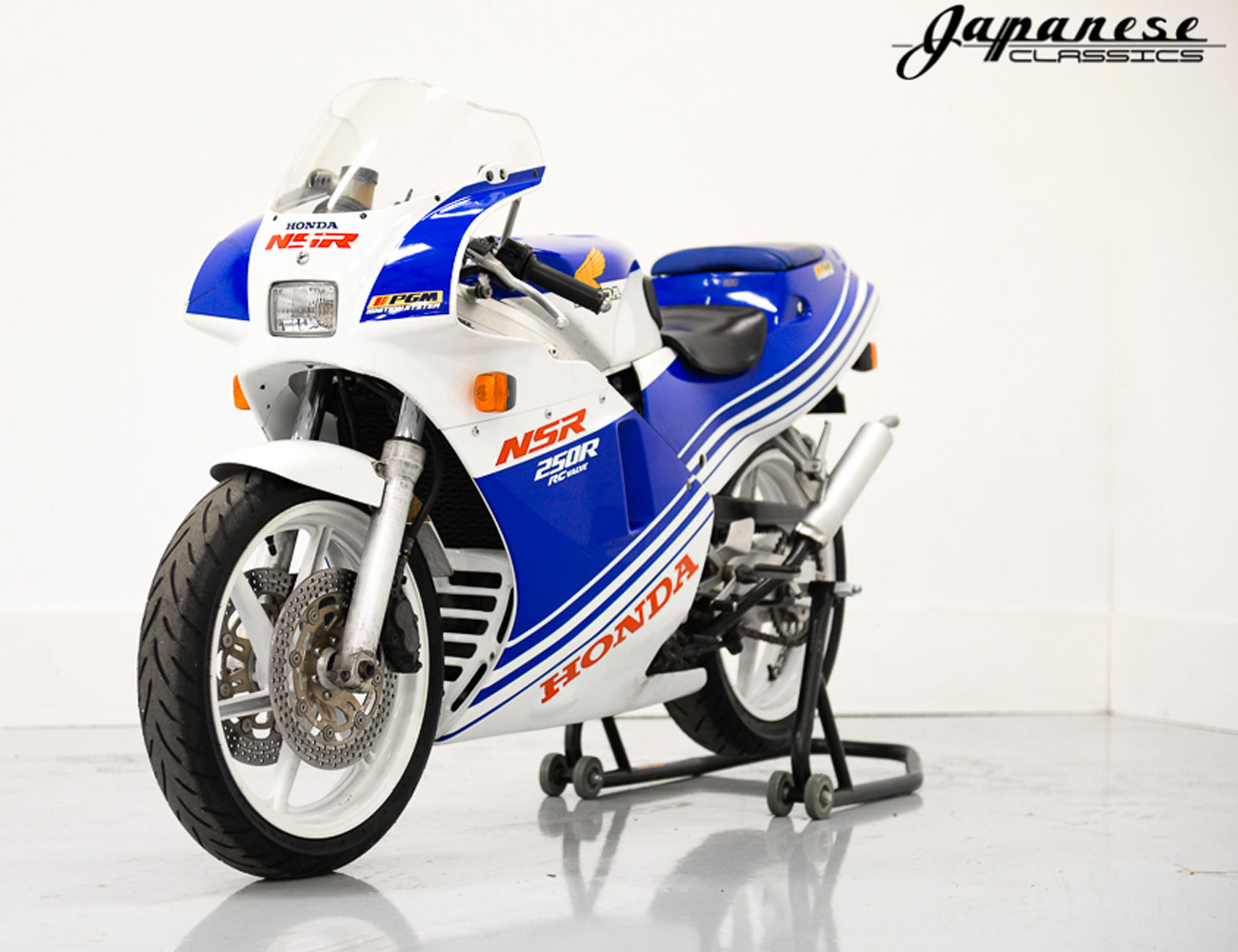
1989 Honda NSR250R

Mileage: 7,000
Location: Richmond, Virginia

What I like: The late-’80s styling is hard to resist, even if it is a two-stroke — I’d be mixing my own gas everytime I fill up. Still, a 249cc 90° V-twin with an 11,500 rpm redline is a pretty fantastic and rare sound this side of the pond.
From the seller: “The NSR is powered by a 249cc 90° V-twin liquid-cooled two-stroke with crankcase reed valve induction via twin naturally aspirated carburetors. The two-stroke is fitted with a kick start that fires right up and idles nicely. The 11.5K redline comes up quickly with the rev-happy V-Twin.”
What to look out for: The main problem with an imported bike like this is when you do need parts you’ll be waiting for them to ship from the other side of the globe via small mail-order operations. If you spot certain parts starting to show their age, anticipate the worst and order ahead.

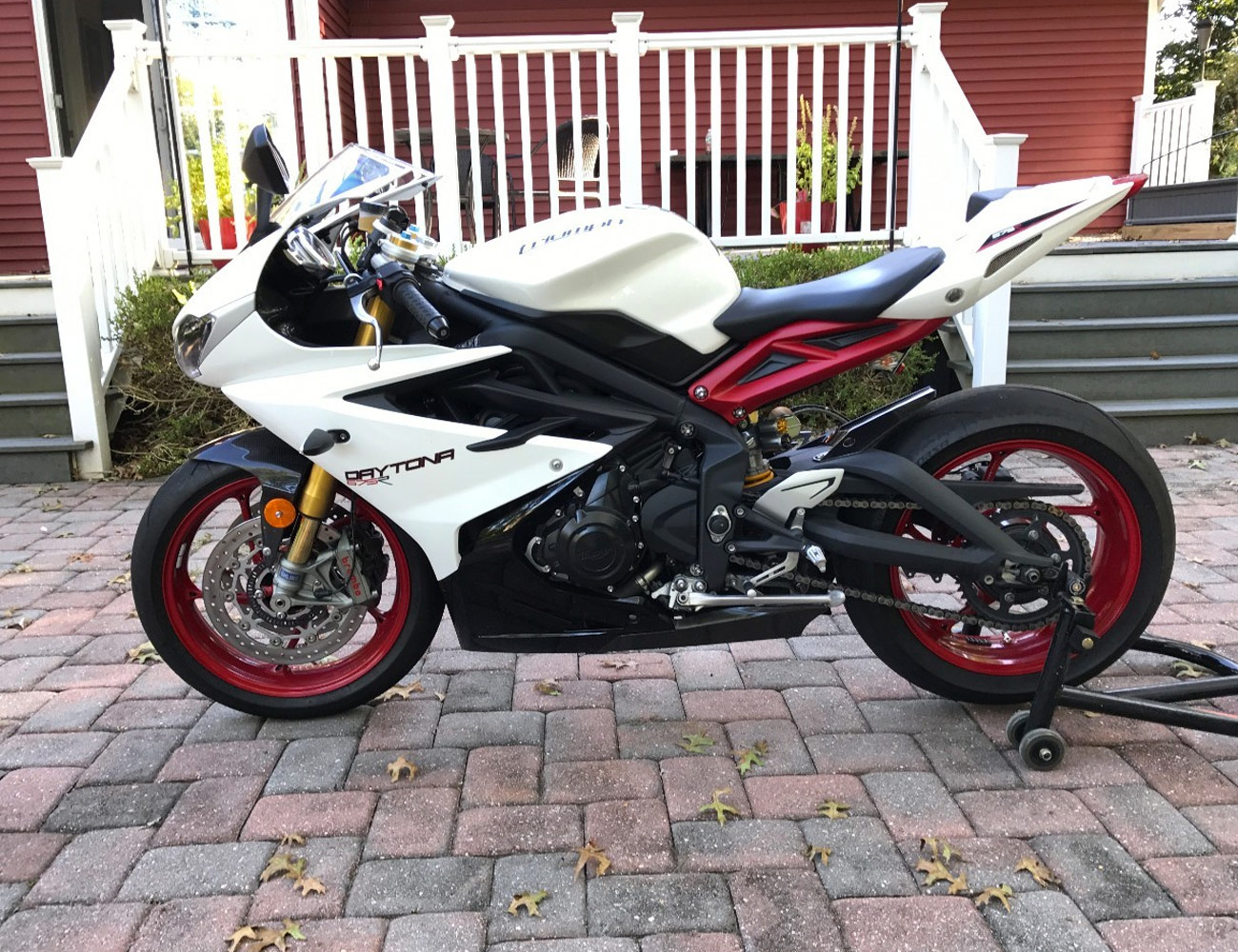
2014 Triumph Daytona 675R ABS

Mileage: 9,000
Location: Freehold, New Jersey

What I like: I was never a fan of the way 600cc inline fours sound — they’re just too whiny, but the Triumph’s triple gets away with sounding like a bigger engine than it actually is. I’m also a sucker for red trellis frames.
From the seller: “Extras include Triumph painted seat cowl, trickle charger, rear stand, rubber tank grip, R&G rear bobbins, Competition Werks rear fender eliminator and Taylor Made … carbon fiber bodywork [and] racing exhaust system, reducing overall weight by about ten pounds. All stock parts are included. Mechanically and cosmetically flawless, never laid down or tracked. Garaged and covered, professionally maintained with all scheduled services performed and documented.”
What to look out for: Most of what goes wrong on the ’14 Daytona 675R is reconciled by a recall. It’s a fairly young bike to find massive part failures at this point in its life.

What the Rest of the Team WOuld Get for $10,000

If we had a [limited] blank check, this is what we’d pick up. Read the Story