All posts in “News”

Lexus Unveils the 2020 RC F With Track Edition Leading the Way

Now A Serious Contender

At the North American International Auto Show in Detroit, Lexus unveiled the 2020 RC F lineup. At the top of the RC F line is the Track Edition Lexus has already teased. 

All versions of the RC F for 2020 feature less weight, stiffer suspension, revised styling, Michelin Pilot Sport 4S tires designed specifically for the car, and better aerodynamics. The new car gets more power, too. It has the same 5.0-liter V8 but the power is now 472 horsepower and 396 lb-ft of torque. Also, due to stiffer engine mounts more of that power makes its way to the wheels. 

The standard RC F can make a 0-60 mph sprint in just 4.2 seconds. The RC F Track Edition can do it in a quicker 4 seconds. Both the regular RC F and the Track Edition get electronic Launch Control as standard equipment. 

The RC F Track Edition doesn’t get more horsepower or torque, but it does get larger 19-inch BBS alloy wheels, a lot more carbon fiber throughout the car, carbon ceramic brakes, titanium muffler, new front splitter, and large fixed rear wing. Inside, the Track Edition gets red leather, Alcantara, and carbon fiber to sportily spruce up the cabin. 

Lexus managed to remove 176 pounds from the Track Edition version of the car over the previous version of the vehicle. That’s a ton of weight. It should be evident in the turns as well as in straight line performance. 

Lexus will start production of the new RC F models in 2019. Pricing for the cars has not yet been announced. 

Audi Will Build Production Version of PB18 e-tron

An All-Electric, German Supercar

Audi confirmed in a recent interview that it will take the PB18 e-tron concept car that it showed off last year and make a production model. The all-electric supercar is a model that wowed everyone when it appeared at Monterey Car Week.

However, I didn’t expect it to actually become a production car. With that said, Audi is pushing hard for EV development, and this is one way to continue that progress. 

Audi’s Global CEO Bram Schot told Autoweek Netherlands that the company would make 50 of the unique EV supercar. He also said the car would be launched in the next two years. 

Schot didn’t let slip many details about the car. If it has performance specifications close to the actual concept, the vehicle could have 671 hp and 612 lb-ft of torque. Audi claimed the car could go from 0 to 62 mph in just two seconds. I hope the production car will be that powerful and fast or even faster. 

Powering the concept car was a 95-kilowatt-hour battery that provided enough juice for about 310 miles of range. Audi claimed that the 800-volt charger allowed the battery to reach full capacity in about 15 minutes. 

I don’t know if we should expect the production car to have more impressive or less impressive technology than the concept car. My first instinct is to suggest it would be slightly less impressive. However, with the way EV technology is developing, I wouldn’t be surprised if Audi could squeeze a little more performance out of the design by the time the car came to market. 

According to The Supercar Blog, the car will be a precursor to the new Audi R8, which it says will be a 1000 hp all-electric supercar. 

Another Supra Leak With Images and Possible Price

No Supra Secrets

Toyota will officially debut the Supra at the North American International Auto Show in Detroit, but there might be nothing left to discuss at that point.

According to new information via SupraMKV, the price of the new Supra will start at $49,990 for the base model. The next trim level up is called Premium, and it will have a price starting at $53,990. The trim level after that is the Launch Edition. It will start at $55,250.

Of course, all of these prices have not been confirmed by Toyota, so there’s a chance that they could be incorrect. SupraMKV also leaked a couple new images of the whole car in all its sporty glory.

Supra leaked image and priceSupra leaked image and price
Image from SupraMKV

All of the trim levels have a 3.0-liter six-cylinder engine. The Launch Edition is the pre-order version of the car, according to Jalopnik. The site says the model is based on the Premium version of the car with a few additional aesthetic changes. 

The starting price of the Supra sounds very reasonable when you look around the industry at other sporty coupes. If the prices are correct, we could see most potential buyers being pleased with it. 

While it’s nice to keep getting all of these leaks on the Supra, I almost wish people would be able to keep some of it to themselves. There won’t be much for Toyota to reveal in Detroit. With that said, I’m going to keep reporting on the leaks because, well, the Supra is awesome, and I want to know more about it. I’m looking forward to the official reveal. 

Toyota Mexico Reveals the Supra Ahead of NAIAS Official Debut

Here’s the Full Look

In a whoops moment, Toyota Mexico tweeted a video of the new Supra before its official debut at the North American International Auto Show in Detroit.

The video was tweeted with the message (translated to English), “Our new #Supra arrived in Japan!, and this is the story that #AkioToyoda tells us about its return,” according to Jalopnik. Toyota Mexico took the tweet down. 

Jalopnik grabbed some screenshots before Toyota removed it. They’re the images shown. Also, it looks like Carscoops somehow has the video up on its YouTube Channel. It’s shown below The screenshots that Jalopnik share seem to coincide with the video. 

[embedded content]

While this video appearing is probably a pretty big nightmare for Toyota, it’s not like we didn’t mostly know what the car looked like. The company has been teasing shots for ages, and camouflaged versions of the car have appeared everywhere. 

With all the spy shots, renderings, and teasers floating around, you have a pretty clear image of what the Supra is going to look like. What’s still under wraps are all the car’s details. The Supra will share many of its parts with the new BMW Z4.

What isn’t known for sure is how much of it will be shared and if the power will be the same for the engines and all the other little things like that. Toyota will reveal that at the auto show in Detroit. Until then, you can gaze at these images and watch the video above. 

The Future of Watchmaking Is Here: Ressence to Produce the Revolutionary Type 2

There’s plenty of chaff in the watch-news space (“Brand X Releases Same Old Watch, Now With a Blue Dial!” — sound familiar?) but far less wheat. Truly exciting horological developments, the kind that get everyone in the office furiously pinging one another from across the room with a frenzied “Have you seen this???” are rare. But with the news that Ressence’s Type 2 will go into production, we’re dealing with just that type of Really Big News announcement.

Ressence, perhaps the most futuristic of independent watchmakers, is finally bringing its e-Crown concept into the world by putting the Type 2, which incorporates the e-Crown tech, into development. We were so excited by the e-Crown concept at SIHH 2018 that we included the timepiece in our GP 100 roundup, our list of the 100 Best Products of the Year. Now that the Type 2 is going to be, you know, an actual thing, we can only think of one question: When do we get to play with it?

In case you missed the news cycle last year, here’s what’s so special about the Type 2, from our previous coverage:

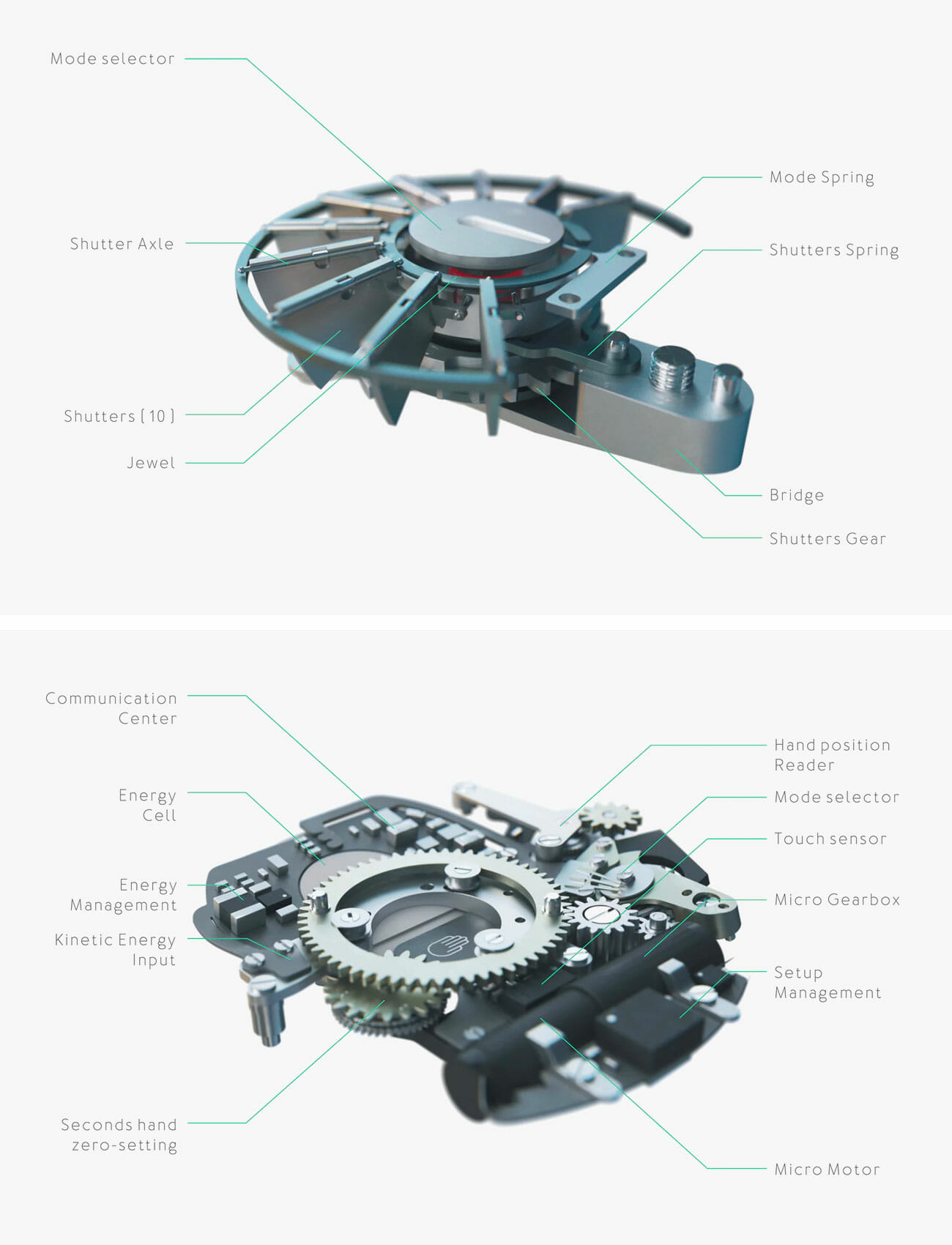
“Like those GPS and radio-controlled quartz pieces, the new Type-2 e-Crown Concept can automatically set itself to the correct time, but it’s important to note that unlike those watches, the e-Crown doesn’t rely on outside signals. Instead, you set the time as you normally would, then the electro-mechanical system will use that time as a reference, then self-regulate. So when the watch stops running and you pick it up again, it will know what the correct time is, then automatically adjust when you tap the watch crystal. The watch can also connect to your smartphone via Bluetooth, meaning users can adjust time zones via an app when traveling. While the electric components in the watch rely on a battery, they’re able to be juiced up via solar charging, so there’s no need for battery changes or a charging cable.”

Ressence is the brainchild of founder Benoît Mintiens, and the company employs the seemingly endless intellectual power of Tody Fadell, the brain behind both the iPod and Nest. Only Ressence, with its incredible level of engineering and technical talent, could turn technology as radical as the e-Crown concept—possibly the most significant change in timekeeping technology in the past century—into an actual, wearable watch. Of course, whether this particular marriage of mechanical watch movement and smart technology actually signals the broader future of watchmaking remains to be seen (as with all bleeding-edge tech, it remains incredibly expensive to produce in these early days), but the more important takeaway is that steps in a truly new direction are finally being taken. This is real innovation and bold risk-taking, and it’s exciting to see.

To wit: when a prototype version of the e-Crown Concept hit the office last year, it drew no shortage of gawkers staring, prodding, and examining it like the watch was some alien technology sent back from the future. No one could quite believe that it was real, that it worked, but there it was, right in front of us. Now, having worked out some of the last design quirks, the Ressence Type 2 with e-Crown technology will finally be available for purchase to the general public (read: the general public with $48,800 to spare), proving that Ressence wasn’t just talking a big game, but is ready to stand behind its designs and bring the future into the present, for everyone to marvel at and enjoy.

Key Specs

Availability: April, 2019
Pricing: $48,800
Dial Colors: Grey (Type 2G) or anthracite (Type 2A)
Lume: Super-LumiNova on indices, markings and hands
Case Diameter: 45mm
Case Depth: 12mm
Water Resistance: 1 ATM
Movement: Customized ETA 2892/A with ROCS 2 system and e-Crown

Superformance Will Build Production Version of Shelby GR-1 Concept

Dreams Do Come True

The 2004 Ford Shelby GR-1 concept car first made it into the public eye in 2004 at Pebble Beach as a clay model. In 2005 Ford had a full concept car version that it showed at the North American International Auto Show. Despite a lot of enthusiasm, there was no way it would ever become a production car. 

That has changed thanks to Superformance. The Californian company specializes in building complete, rolling chassis replica cars. Most of its cars were vehicles built in the 1960s. Recently, the company announced at the Petersen Automotive Museum in Los Angeles to the media it would start building the Shelby GR-1 concept car. 

Superformance teamed up with Shelby American. The companies will work together to build both gasoline and electric versions of the car. Details of the model are scarce, but Vince Laviolette, vice president of Shelby American did say the car will be “very fast,” according to Car and Driver. The CEO of Superformance, Lance Stander, said, “We’re shooting for a two-second Shelby.”

I assume that means two seconds to 60 mph. If that’s the case, all I have to say is that I want one. Superformance will build around 200 of the cars thanks to the 2015 Low Volume Motor Vehicle Manufacturers Act.

However, the company has to wait for the government to finalize the laws before it can start building or ever really deciding what powertrain to put in the car. With that said, you won’t need to worry about buying one of these for a couple of years. You should probably start saving your money. It will most likely be a pricey automobile. 

Toyota Teases the Supra One Last Time, Maybe

Tease Much, Toyota?

The 2020 Toyota Supra will debut at the North American International Auto Show in Detroit on January 14 at 9:40 am EST. Toyota couldn’t help itself, though. It had to tease its super hyped up sports car one last time before the official reveal. The company posted the image above to its media site with a short message about the upcoming reveal. 

The company also provided a link where you can watch a live stream of the reveal. This link will allow journalists and other interested parties partake in the debut of the model without actually being at the show. 

Toyota’s new Supra is one of the most hyped up vehicle reveals in a long, long time. The company has just exacerbated the buzz around the car by slowly letting information and teaser shots trickle out. Frankly, it’s been a little ridiculous.

However, it’s nice to see that the company has a sense of humor about its new sports car and all the buzz it has around it. They had a somewhat silly line in their latest teaser that said simply, “We promise, this is the last teaser* … *subject to change.” 

That makes me think Toyota might just do something else one last time. At this point, I’m fine with that. It doesn’t matter what else the company teases or hints at, the Supra is coming on Januar 14, and I’ll be ready to check it out when it comes. 

Lexus RC F Track Edition Teased

Something Very Fast This Way Comes

On January 14, Lexus will showcase the new RC F Track Edition at the North American International Auto Show in Detroit. Today, the company teased an image of the car and a short video on its YouTube channel. It’s going to be a real killer. 

The car should compete better with the BMW M4, Audi RS5, and Mercedes-AMG C63. While all the good specs and information will be held until the official debut, you can get a glimpse of the car and hear its raucous V8 roaring in the video. 

The image teased gives you no real info. It’s just of the rear wing affixed to the trunk lid. It’s a carbon fiber unit with the Lexus F logo on the end. The wing looks great and should give the rear-driven car a bit more downforce when it’s rocketing around a racetrack. 

Little is known about the Lexus RC F Track Edition. It will likely be full of carbon fiber bits. The big V8 may have a tune of some kind, making even more horsepower than the regular RC F. The engine sure sounds good in the video. If Lexus engineers had their way with the V8 it should make more than the 467 hp the current model makes.

I’d expect Lexus also did some fussing with the cooling system, maybe the air intake system, and definitely the exhaust system. You can expect the RC F to be lightweight and wicked fast. 

[embedded content]

Sim Racing – Now An Official Motorsports Discipline

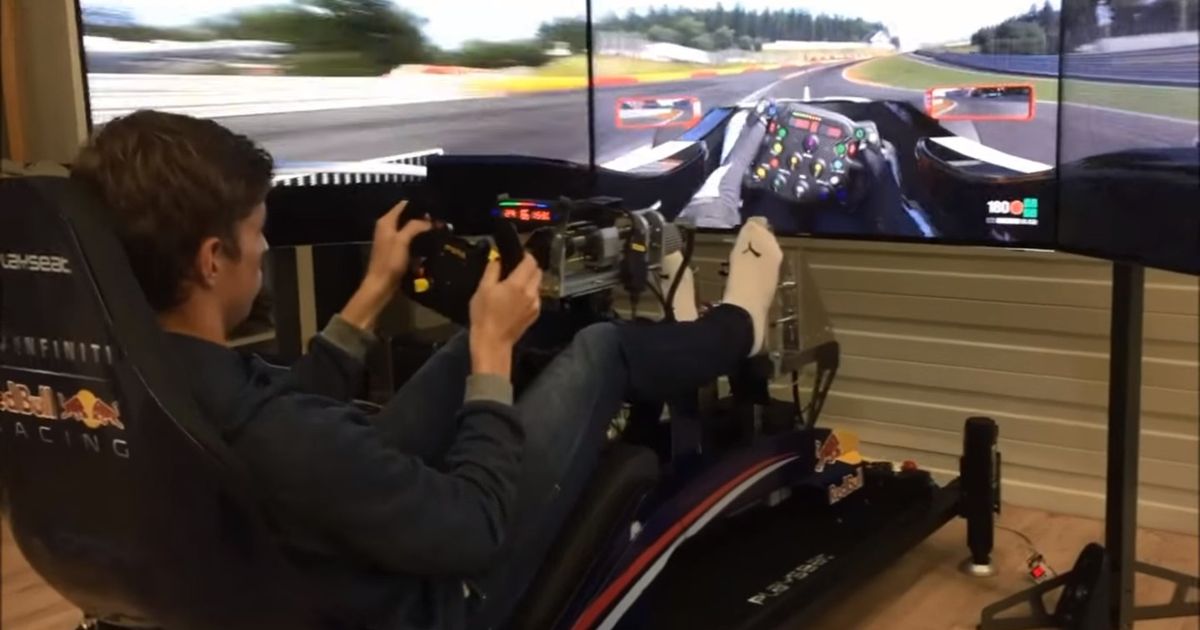
Pictured above: Mario Andretti in a Red Bull Racing F1 simulator

Sim Racing Officially a Recognized Motorsports Discipline in Germany

Germany’s motorsports governing body – Deutsche Motor Sport Bund (DMBS) – has declared Sim Racing as an official motorsports discipline. To me, this comes as no surprise as these days the proliferation of technology has blurred the lines between what is real and what is well… simulated, I suppose. In fact I myself am a sim racer and the part owner of a sim racing rig/business – so, this also comes as wonderful news.

Sim Racing

Sim Racing

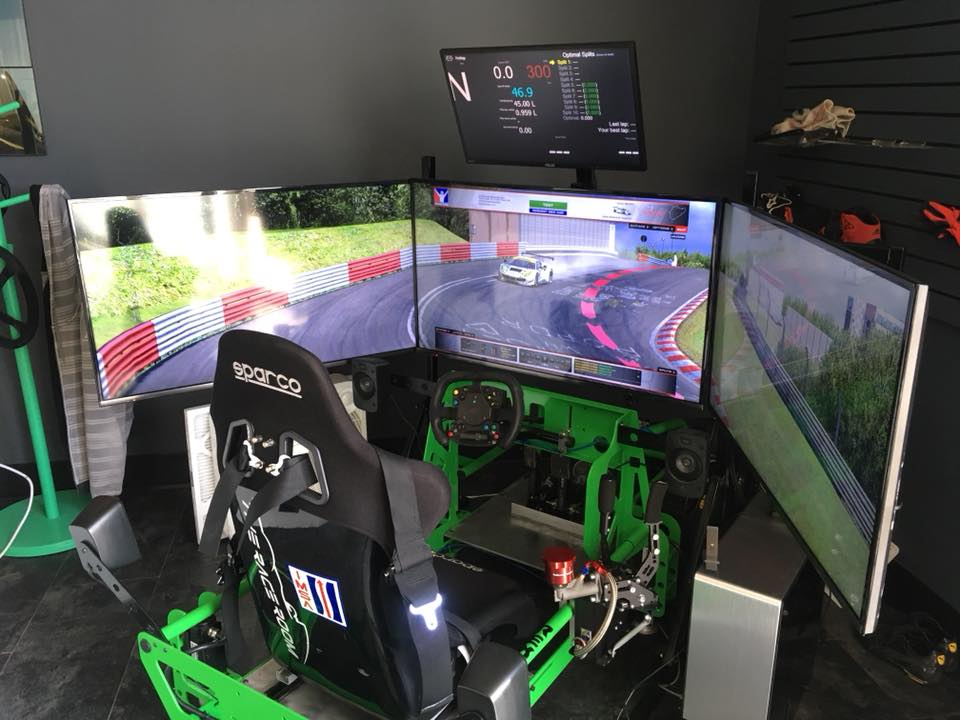
Pictured above: Our business’ racing simulator rig

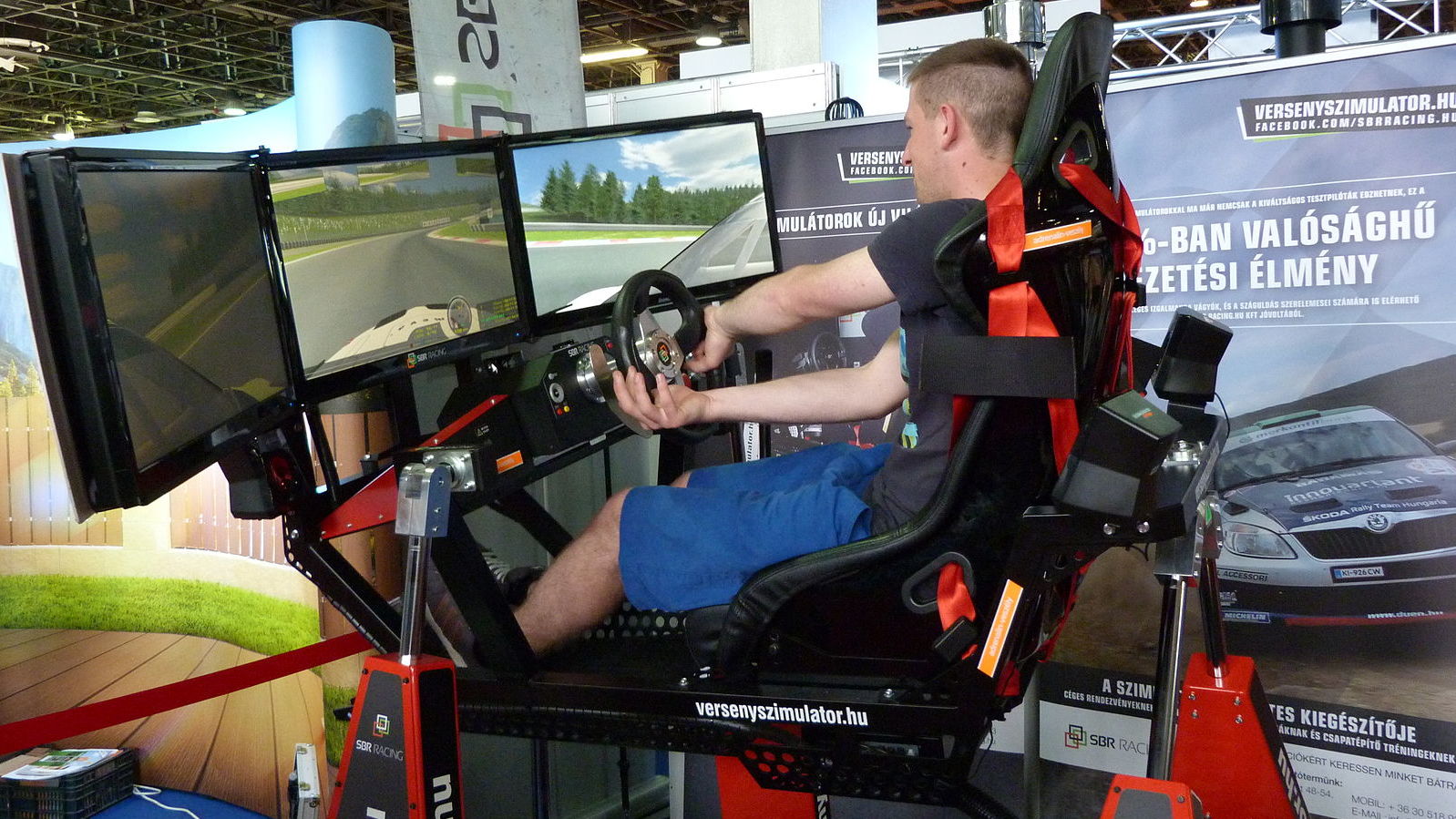
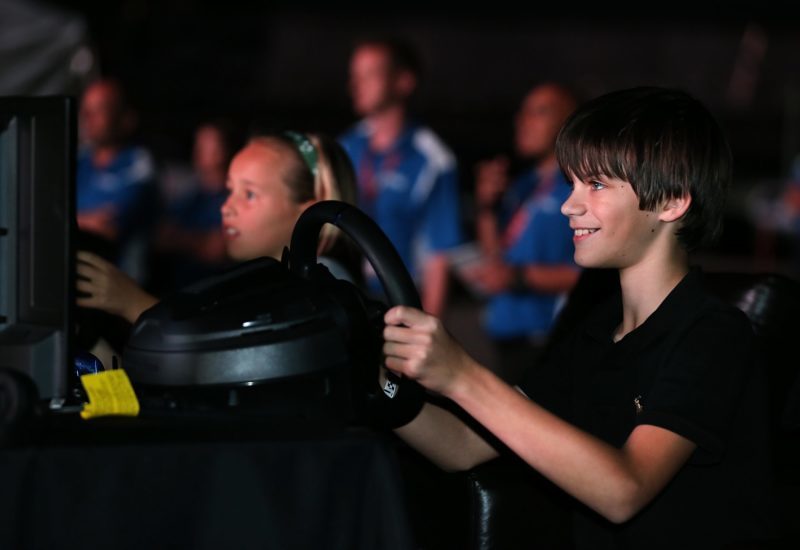
Racing simulators – via a combination of software and hardware peripherals – have benefited immensely from these ongoing advancements. Platforms such as iRacing, Assetto Corsa, Forza Motorsport and Gran Turismo provide the playing field on which users can experience and race a variety of real-world cars and tracks. Peripherals such as direct steering motors, motion actuators, hydraulic pedal systems and VR headsets generate tactile realism and provide the level of immersion necessary to make you feel like you’re controlling a real car, from inside a real cockpit.

Gone are the days when racing-inspired programs were just your kids’ video games, with their only connection to the real world being the themes on which they were based. The level of detail, accuracy and “true-to-life” physics modelling in the aforementioned platforms is such that racing simulators are renowned as a legitimate training tool for many of the world’s top real life racers.

Sim Racing

Sim Racing

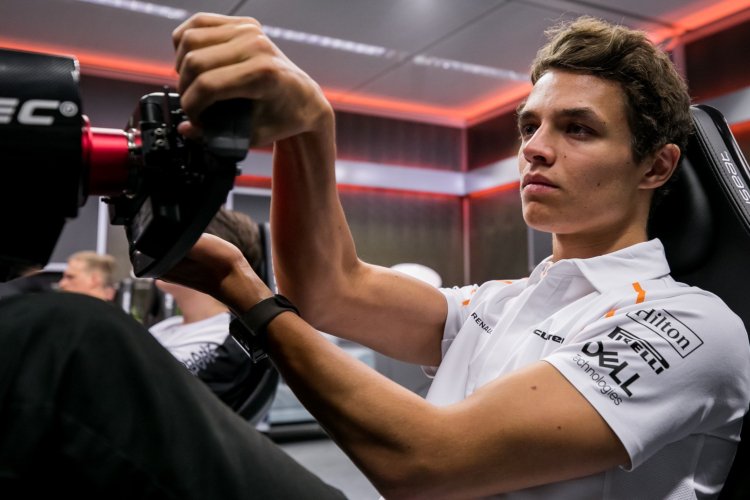
Speaking from personal experience, I can say that this is certainly the case. For example – if you’re both fortunate and good enough –  you might find yourself in a race with the likes of Formula 1 drivers, such as Lando Norris and Max Verstappen in the sim racing world. Out of your own curiosity, you can also view their online profiles (in this case, on iRacing.com) and see that they’ve dedicated a significant amount of hours and laps into the platform.

You can also see that they’re putting down lap times which humbly remind you why they’re professional F1 drivers – and you’re not…not yet, anyways – and perhaps more importantly, that the simulator has accurately reflected this. Lando Norris has also gone on the record to credit sim racing in having played a key role in developing his driving skills, on his journey to become an F1 driver. His instagram account for example, has media related to his home-based simulators for which he clearly shows much enthusiasm.

Sim Racing

Sim Racing
Sim RacingSim Racing

Pictured above: Lando Norris and Max Verstappen (2nd) in racing sims

The DMBS’ decision to give sim racing this much recognition is a step in the right direction, and hopefully propagates its popularization on a more international basis. Already, Formula 1 and Formula E have their own dedicated eSports leagues while titles such as iRacing and Gran Turismo are known to have afforded the top talents in their respective pools with professional opportunities in real-world racing. Being a dedicated sim racer can be financially lucrative at the highest levels too, should one decide that they prefer to keep their racing online, rather than outside.

The fact that sim racing can stand on its own as a motorsport discipline – in a country where motorsports is extremely popular – is proof that it is a legitimate and proper platform in which one can train and compete in motorsports. This is in addition to the fact that sim racing has some very notable benefits to it; no barrier to entry (age, experience, etc.), relatively low financial costs vs. real racing (free gas, tires, brake pads, engines, repairs, etc.), and no real-life risks of physical harm to either car or driver.

While it could still be some time before sim racing is considered more than ‘just another video game’ by the mainstream community, I can only see things getting better as time goes on and advancements continue to improve and promote the genre.

Sim Racing

Sim Racing

You Can Still Buy a Brand New Lexus LFA

Who Knew Lexus Would Have Trouble Selling These

Many regard the Lexus LFA as one of the best supercars ever made. Lexus only made 500 units, and I assumed those 500 sold out quickly. I was wrong. Despite the fact that Lexus hasn’t made the LFA since 2012, there are still seven brand new LFA supercars for sale in the U.S., according to Carscoops

Lexus mentioned months ago that it still had 12 LFAs in stock. Since that time, five of the cars sold. That leaves seven still sitting on dealer lots across the country. 

The LFA was a revelation when it came out in 2011. People had to wait a long, long time for it to come but once it did, it wowed many in the automotive press and consumers.

With that said, it had a price tag of $400,000. Perhaps that was too much for potential buyers. Today the car can be found for around $350,000 and some exceptional models are reportedly priced at $500,000. 

With all that said, the LFA came with one of the best V8s ever produced by a Japanese automaker. The 4.8-liter V8 made 552 hp and 352 lb-ft of torque. It was a free-revving engine with an exhaust note that could give you chills. 

I would imagine someday these cars will be worth a lot more than their original price tag. They’ll be a collectors car I would imagine. At the moment, though, it seems there are few willing to fork over the money for the car. If you’re one of the willing few, you have seven cars to choose from. 

Could the Koenigsegg Agera Successor Appear in Geneva This Year?

A New Koenigsegg Sooner Than You Think

Supercar manufacturer Koenigsegg made a very public announcement in June of 2018 that a successor to the Agera was coming. Since then, we heard nothing. The name Ragnarok made the rumor rounds, but then that seemed unlikely. Now, a new rumor suggests the car will appear at the 2019 Geneva Motor Show, according to CarScoops

Koenigsegg has yet to say a word about whether or not the car will appear in Geneva. I doubt the company will respond. Instead of saying anything, it will just slowly let out a stream of teaser images. They will be a lot like the one back in June of last year to get people’s blood pumping. 

What Will the New Car Be?

According to information from CarScoops and the Swedish publication Dagens Industri, the Agera successor will be a super-limited edition car with only 125 units made in the entire world. Of those 125 cars, 72 are said to be already purchased. 

What the car will actually have and look like is still a bit of a mystery. However, I’ll tell you what’s known or at least believed to be the case.

The car should get an updated version of the twin-turbo 5.0-liter V8 that’s in the Agera. It should have 1,440 hp or more. While your guess is as good as mine as to the top speed, you can bet that Koenigsegg will try to beat its previous record of 277.9 mph. 

Other than that, there isn’t much to report, so you’ll have to gaze at the image above and dream of what the Agera successor will look like.

2020 Lamborghini Huracan EVO Images Leaked

Here’s Your First Look

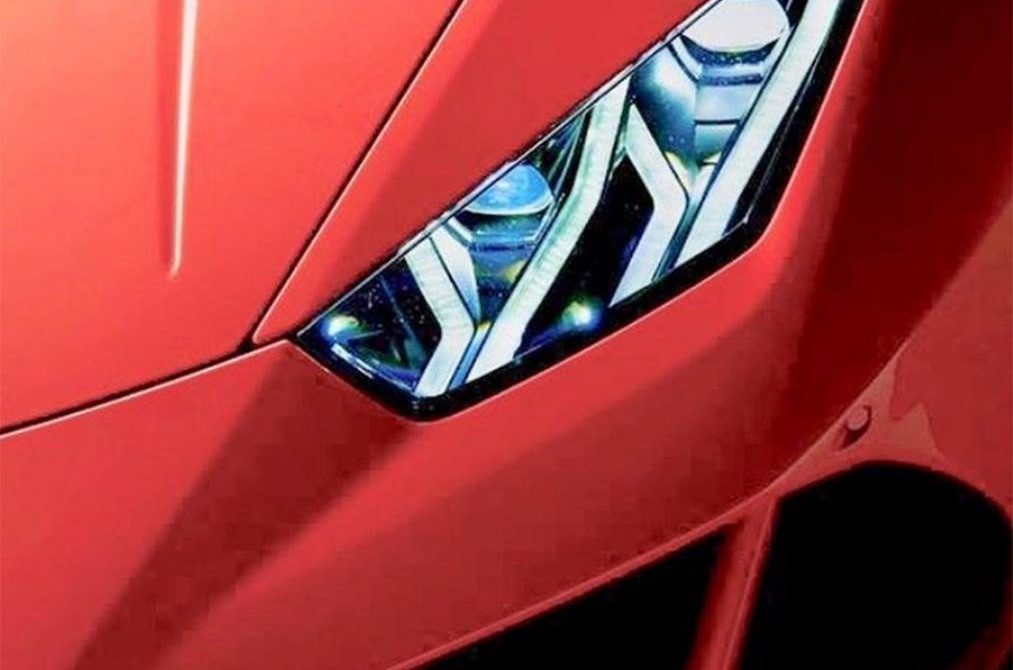
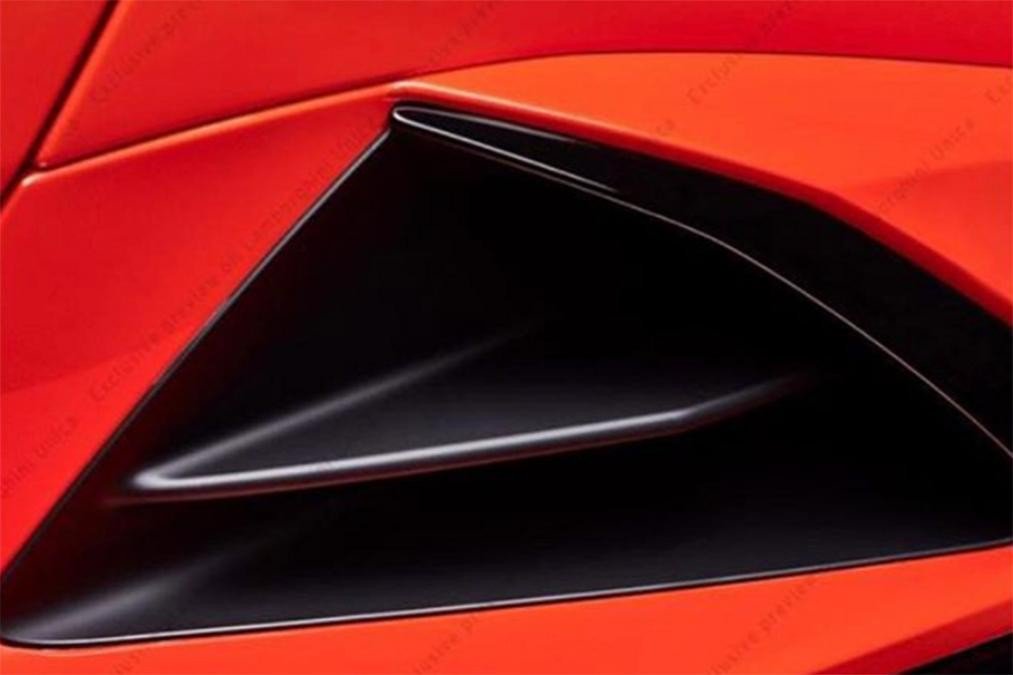
The 2020 Lamborghini Huracan EVO was teased earlier this week on the Unica app. Those images were the two close up shots you see below. Now, it seems another image of the full car, shown above, has made its way onto the wonderful World Wide Web. 

The new leaked image come from Huracan Talk. The shot shows that the car will have a center-exit exhaust and a short wing at the back as opposed to the Huracan Performante’s large wing.

The thread on Huracan Talk says the car does not have Lamborghini’s active aero ALA system. However, The Supercar Blog reported that the 2020 Huracan EVO will have the ALA system, but it won’t be quite as extreme as the one on the Performante. 

The publication points to the ALA logo at the bottom of the engine cover to show that the car will, in fact, have the system installed. 

Other changes include a pretty much all new rear fascia. The rear of the car as a whole looks more aggressive. Also, the leaked image gives you a good look at the new and absolutely gorgeous five-spoke wheels. The new image along with the two teasers, which can be easily viewed at Driver’s Magazine, gives you a pretty good idea of how the entire model will look. Overall, it’s a beautiful machine. 

The Huracan EVO will likely use the 5.2-liter V10 engine that is in the current model. Lamborghini could always revamp certain parts and components of the engine to make it spin faster and produce more power. I think the new model should get a bump over the current car’s 620 hp. I don’t think 650 hp is too much to ask for, but then that may be a little greedy.

2020 Lamborghini Huracan EVO2020 Lamborghini Huracan EVO
Image from Driver’s Magazine
2020 Lamborghini Huracan EVO2020 Lamborghini Huracan EVO
Image from Driver’s Magazine

McLaren 720S Spa 68 Collection Celebrates Bruce McLaren’s Legacy

Only Three Cars Will be Made

To commemorate 50 years since Bruce McLaren secured the first Grand Prix victory for McLaren, the company will build a limited edition 720S Spa 68 Collection model. McLaren Brussels commissioned only three of the cars, and no more will be built. 

Built by McLaren Special Operations (MSO), the cars get several special touches that identify them as part of the Spa Collection. All three of the cars will feature a Bespoke Anniversary Orange paint job to match the car that won the 1968 Belgian Grand Prix at Spa-Francorchamps.

The seats have the racetrack outline embroidered on the headrests. The racetrack outline is also featured in front of the rear wheel arch. Carbon fiber sill covers feature the words “1st McLaren F1 victory Belgian Grand Prix 9th June 1968 – Bruce McLaren” on them. The ignition key also pays homage with bespoke keys painted in the same color as the rest of the car and “Spa 68” text. 

Additionally, the car features MSO five-spoke lightweight wheels painted satin black. This contrasts from the bright orange paint job. Inside, there’s McLaren Orange contrast stitching to give the car plenty of visual flare inside the cabin. From a performance standpoint, McLaren did not alter the cars.

Bruce McLaren’s win in 1968 was the start of McLaren’s motorsport history as a true contender. The win in 1968 was actually Bruce McLaren’s fourth Formula 1 victory, but it was the first in his own car with his fledgling team. That win set McLaren on the right track. Since then, the team would go on to win eight World Constructors’ Championships and 12 World Drivers’ Championships.

The Spa 68 Collection cars were available from McLaren Brussels. However, at the time of McLaren’s press release, two of them already had buyers. The third is likely to follow suit if it has not already. 

Porsche 718 Cayman GT4 Clubsport Breaks Cover

A Track-Only Model to Thrill You

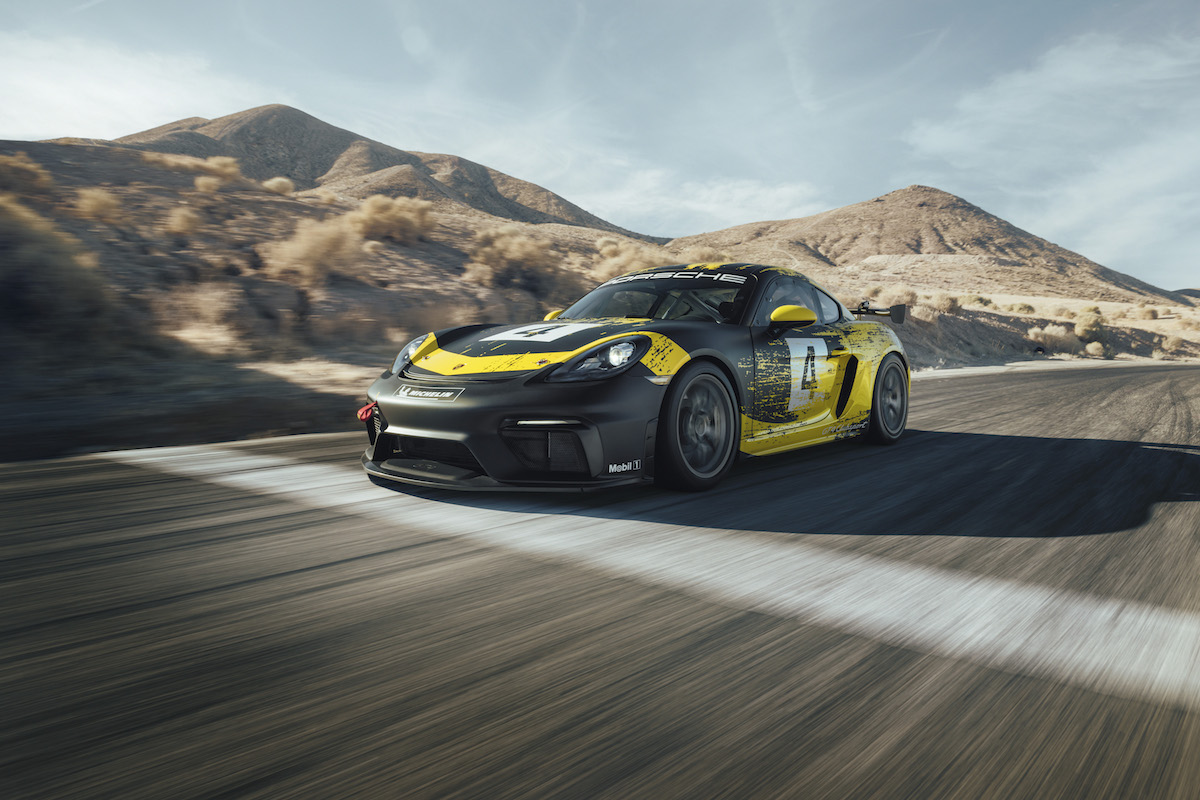
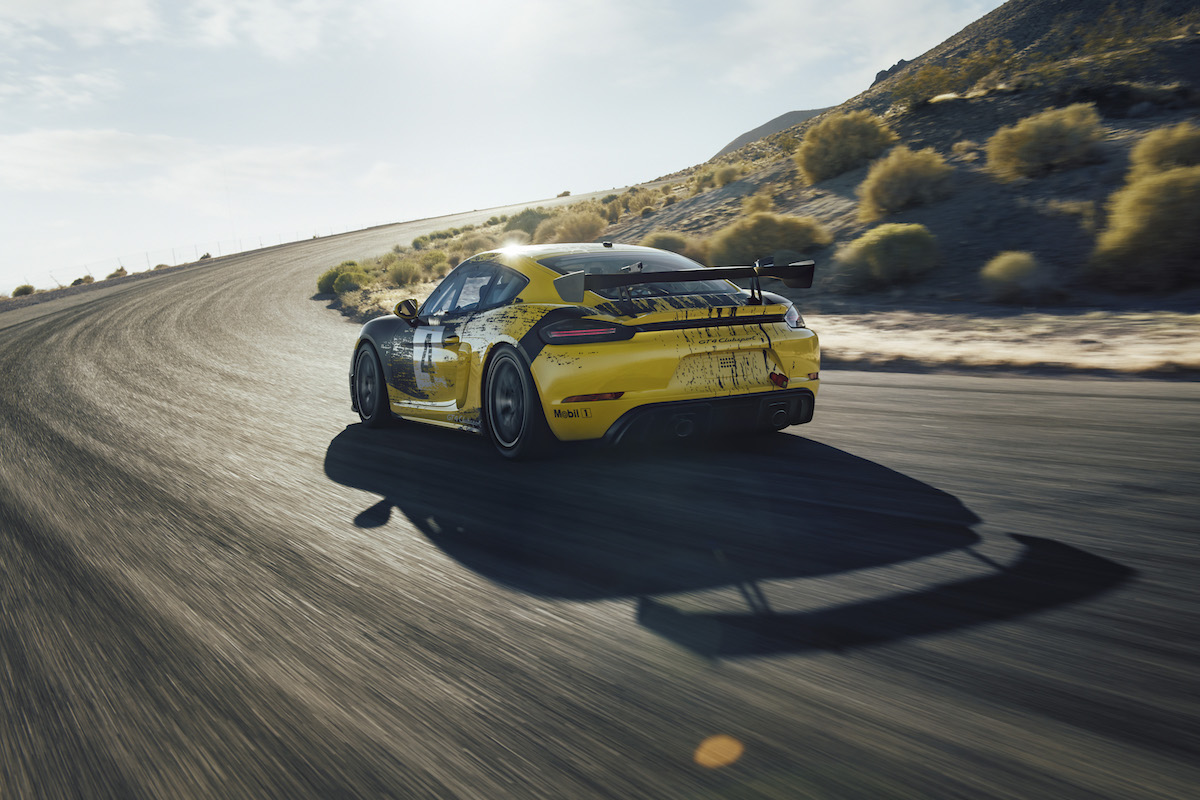
Prepared by Porsche Motorsports, the new 718 Cayman GT4 Clubsport is a track car that offers supreme performance chops. Porsche offers it in two forms: the “Trackday” model for amateur racers and the “Competition” model for national and international racing. 

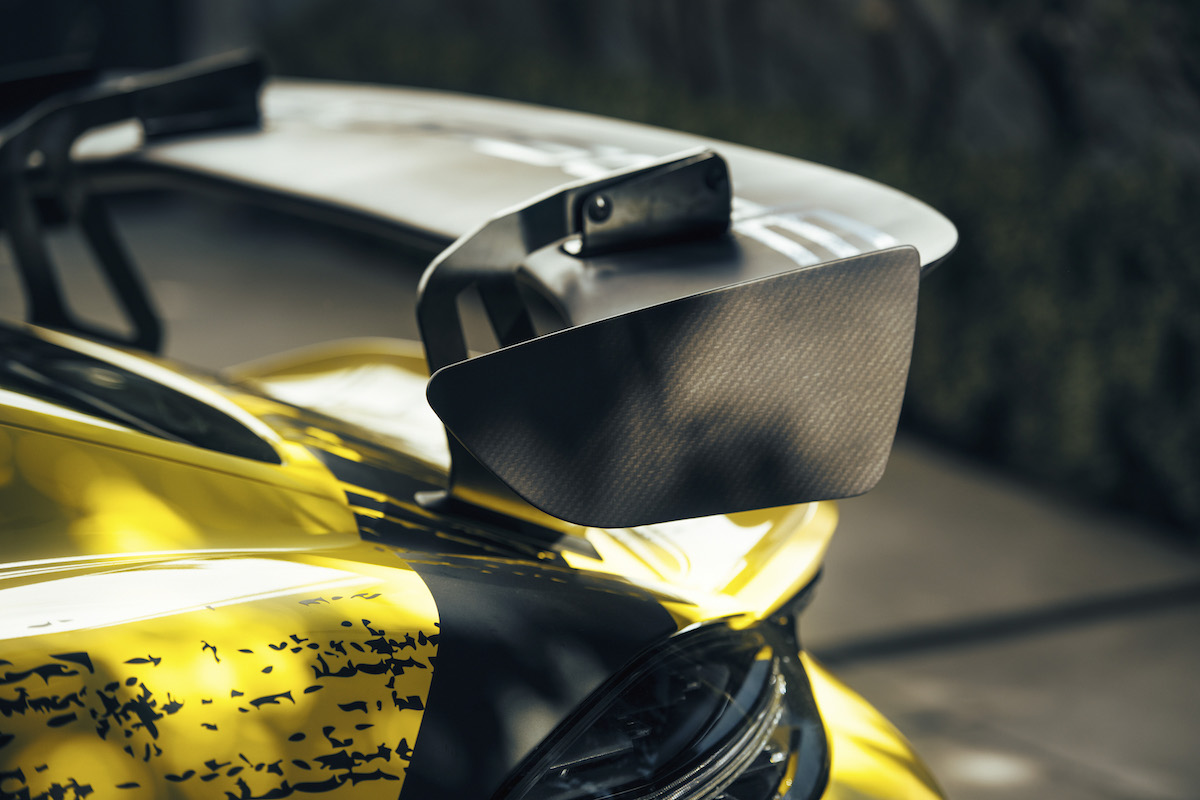
The Cayman GT4 Clubsport features natural-fiber composite material. This is a first of any production race car ever to use natural-fiber. Porsche crafted the doors and rear wing from an organic fiber mix. The company makes this mix from a unique blend of agricultural products. This gives the composite similar characteristics to carbon fiber. 

Around the back of the vehicle is the 3.8-liter flat-six engine that powers the car. It makes 425 hp, which is a boost of 40 hp from previous models. 

The Trackday version of the car gets non-adjustable shock absorbers; ABS, ESC, and traction control settings that are more forgiving; air conditioning; and some additional safety features. Porsche equipped the Competition model with three-stage adjustable shocks, 115-liter safety fuel tank, adjustable brake balance, integrated air-jack system, automatic fire extinguisher system, and a quick release racing steering wheel.

Both versions of the cars are available for order now and can be shipped anywhere in the world. The Trackday version starts at 134,000 Euro (about $152,000). The Competition version starts at 157,000 Euro (about $178,000).

Porsche 718 Cayman GT4 ClubsportPorsche 718 Cayman GT4 ClubsportPorsche 718 Cayman GT4 ClubsportPorsche 718 Cayman GT4 ClubsportPorsche 718 Cayman GT4 clubsportPorsche 718 Cayman GT4 clubsportPorsche 718 Cayman GT4 ClubsportPorsche 718 Cayman GT4 Clubsport

Could BMW i8 Replacement Come Soon?

A New Electrified BMW Supercar? Yes Please

It seems BMW’s affinity for electrified powertrains will extend to new supercars in the future. There have been a few rumors of BMW working on a new EV supercar, but now it seems more likely. BMW R&D boss Klaus Froehlich sat down with Autocar and one of the topics he discussed is an electric supercar or at least a hybrid supercar much like the i8. 

“If you are an engineer, once in your life, you want to make a super-sports car,” Fröhlich told Autocar. “I think partial electrification will enable that.”

He pointed to the fact that BMW has the ability to build high-powered electric drive units, super light carbon fiber chassis, and high-performance gasoline engines. He said those three elements could be combined to make a supercar. 

What Will it be Like?

According to Autocar, the new model could compete directly with Ferrari and McLaren. It would have a much larger gasoline engine paired with high-powered electric motors and a carbon fiber chassis much like the i8’s. The car should have 700 hp so it can edge out the M8’s 620 hp and put the car at the top of BMW’s M-Division lineup. 

2011 BMW i8 Concept Gallery2011 BMW i8 Concept Gallery
An i8 replacement would be much more powerful.

That 700 hp mark sounds like a lot until you consider that Froehlich told Autocar the electric motors BMW produces should make 197 hp and 378 lb-ft of torque. Froehlich also said that BMW’s M-Division will eventually go fully electric, but that hybridization will play an important role moving forward.

With all that Froehlich said during the interview in mind, it’s clear that BMW sees electric cars as the future for high-performance vehicles. While BMW hasn’t officially released anything that explicitly says the i8 will be replaced by a much more powerful supercar, Froehlich’s interview is a clear sign of where things are heading. 

HODINKEE Just Collaborated with Hermès on Two Beautiful New Limited Edition Watches

If you’re a regular GP reader, you may have come across our piece on watch fonts recently, in which one of our favorite examples of a beautiful typeface was that used on the Slim d’Hermès, an ultra-thin offering from the storied French brand. This is a beautiful, elegant watch, and one of our favorite dress pieces.

Today, HODINKEE has announced a collaboration with Hermès to produce two special limited edition watches, one of which is a new version of the time-only Slim d’Hermès. Just in time for HODINKEE’s 10-year anniversary, the project is the first time that Hermès has collaborated on a mechanical wristwatch, and only the third time the brand has partnered with another company on a timepiece. A project three years in the making, the collaboration saw HODINKEE founder Ben Clymer working closely with Hermès Creative Director Pierre-Alexis Dumas to develop a special edition (actually, two special editions) that would capture the essence of what HODINKEE values in a watch — something thin, elegant and made in-house.

“This is just the third collaboration for Hermes in this space — and we are incredibly humbled that HODINKEE is now able to be a part of Hermès’s storied history of timepieces,” explained Ben Clymer. “As Hermes’s Creative Director Pierre-Alexis Dumas said just a few weeks ago to me, ‘Hermès is famous for “not” working with others,’ — I am truly proud to be working with a brand that has set the standard for quality and luxury for so long — and one that I’ve long admired.”

Though talks between the brands began more than three years ago, it took some time to decide which Hermès pieces would make the perfect basis for the collaboration — finally, the right watches presented themselves in the form of the Slim d’Hermès and the Slim d’Hermès GMT. “We knew when we started this conversation three years ago, that it would take time to find the right moment to work together,” continued Clymer. “When the Slim d’Hermès was released a couple years ago, and the GMT this year, we knew we had the right canvas to work on together.”

Both time-only and GMT versions of the Slim d’Hermès for HODINKEE feature exclusive blue dials and blue alligator straps in a color created especially for the collaboration with HODINKEE. The crystals are smoked to give the watches a vignette look, and the dials feature the Philippe Apeloig-designed numerals that we love so much. Each watch is numbered and engraved “EDITION HODINKEE” on the back, and features a sapphire case back to view the beautifully finished manufacture caliber H1950.

This is an extremely limited run of watches, and only 100 pieces of the Slim d’Hermès have been produced, as well as 24 Slim d’Hermès GMTs (the 24 references Hermès’s address at 24 rue du Faubourg Saint-Honoré in Paris). The time-only piece retails for $7.650, while the price on the GMT is $14,700.

Koenigsegg Regera Made From Naked Carbon Fiber

This Incredible Koenigsegg Regera is a Carbon Masterpiece

Koenigsegg just announced that they have produced the world’s first ever car made of ‘Koenigsegg Naked Carbon’ – and are taking orders to build more.

Appropriately dubbed ‘KNC’, the extreme carbon fiber makeover on this Regera is as much about the process as it is about the product. All ‘normal’ Regeras are in fact, already made out of ‘normal’ carbon. KNC involves a special process which has been developed over several years – it is incredibly tedious, time consuming and expensive.

The end product of this process is what we now know as KNC – a type of carbon that is especially gorgeous and even lighter than what we are used to. Each body panel is sanded down to the weave by hand, providing the carbon with a unique texture which is emphasized even more by the omission of the lacquer finish we see in other exposed carbon examples. Coupled with the absence of body paint, the KNC body panels shave about 20kg off the Regera.

Koenigsegg also claims that KNC is stronger than regular carbon fiber, being less susceptible to scratches, chips, cracks et al. It has also been ‘weather-tested’ to ensure that it won’t deform due to extreme temperatures, whether (no pun intended) they be of the hotter or colder variety.

The Koenigsegg Regera ‘KNC’ is unchanged mechanically, most notably retaining the same 1,479-horsepower engine used in other Regeras. Having said that, it is feels almost surreal that the performance figures aren’t what makes this particular Regera so special.

Koenigsegg CEO, Christian von Koenigsegg sums it up best:

“It’s not unusual for a customer to specify their car with visible carbon fibre. It’s a beautiful material from a visual perspective and our customers love to show what the car is made from. KNC takes the idea of visible carbon fibre to a whole new level, revealing a beautiful lustre and a very silky finish.

The Koenigsegg philosophy has always been about exploring extremes. It’s great to extend that idea to a whole new way of finishing and presenting a car.”

Now that the KNC process looks to be nailed down, perhaps we will see this on other offerings such as the Agera.

The All New Porsche 911 (992) – Everything You Need to Know

The new Porsche 911: more powerful, faster, digital

The German automaker has unwrapped its powerful new 911 on the eve of the Los Angeles motor show, offering folks a first real look at the eighth generation of one of the motoring world’s most recognizable rear-engined icons. It is the eighth generation 911, codenamed the 992 (see all historical models here). This is a big deal, it isn’t often we get a new 911 so when we do we like to obsess. 

The basic structure and footprint of the 991 Porsche was carried over for the 992, but the new Porsche wears updated bodywork that (as expected) evolves the 911 shape rather that do anything too rash. Save for the front and rear fascias, the body is made entirely from aluminum, too. It looks more planted to me, a more muscular look and better stance than the outgoing 991. It has wider arches covering 20-inch wheels up front and 21-inch wheels down back, while the front end has been stretched out by 45 mm (1.77 in) to give it that slightly wider stance. All 911s will now have this wider body (previously it was only the all-wheel drive models). On the outside, we also love the cool electrical pop-out flush doorhandles which mean the side is completely flat as well as the rear end which is modern and old school at the same time.

The new cars have the same twin-turbo 3.0-liter used in current Carrera models. The flat-six turbocharged engine has been further developed and is more powerful than ever before. It gets an improved injection process and a new layout for the turbochargers and charge air cooling system. It is a turbocharged 3 liter flat-six unit with 444 hp in both the 911 Carrera S and Carrera 4S which is up 23 horsepower over the outgoing 991 car. Torque numbers haven’t been released yet. Also standard for 2020 is a brand new eight-speed dual-clutch transmission (Porsche says there will be a manual, but won’t say when).  

Performance-wise, all of this adds up to some great numbers. The rear-wheel-drive Carrera S gets to 60 mph in 3.5 seconds and the all-wheel-drive Carrera 4S does it in 3.4 seconds. The optional Sports Chrono package shaves a further 0.2 seconds of those times. For those counting, that puts the Carrera 4S half a second behind the current GT2 RS. I bet that real world performance will feel markedly better than even those impressive numbers suggest when compared to the current 991. 

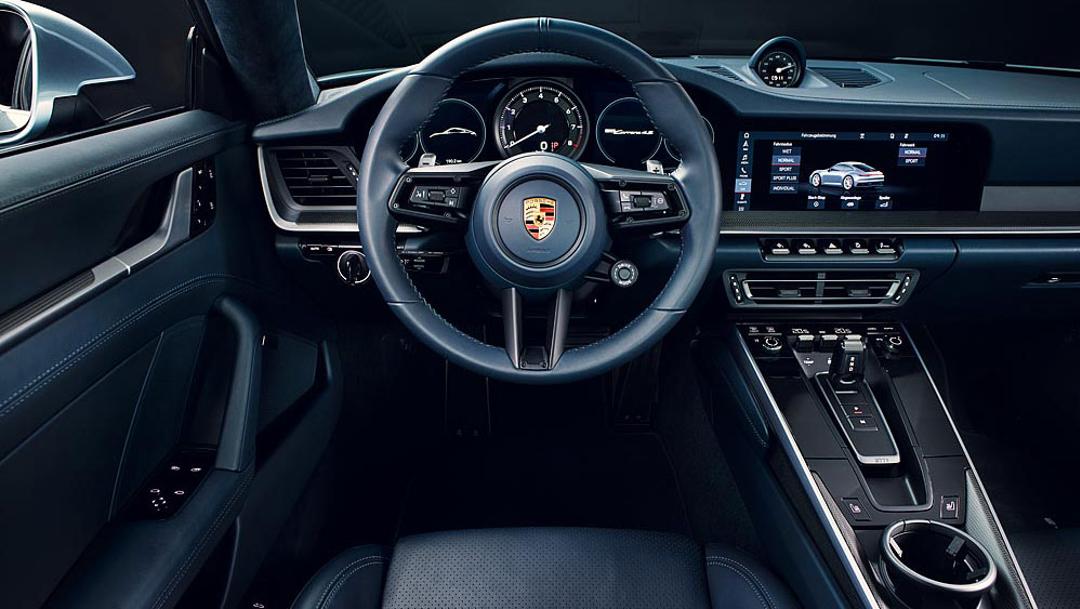
The redesigned interior brings plenty of modern touches for the digital era, spearheaded by a new 10.9-inch center touchscreen. This is a seven-inch upsize from the previous model and displays software like Porsche’s Road Trip planning app with its curated routes, the Porsche 360+ lifestyle assistant, and the web-based emissions calculator. The instrument cluster, meanwhile, is apparently inspired by 911s from the 1970s era, with a central rev counter flanked by two smaller, freeform displays. For the first time, the 911 is complimented by exclusive digital products that go with the car: the Porsche Road Trip app for extraordinary road trips, the Porsche 360+ personal assistant which is a web-based Porsche Impact emissions calculator for neutralizing your individual carbon footprint. 

As always the new 911 gets a host of new technology upgrades. Additional highlights include the new assistance systems, including Porsche Wet mode to make driving on wet roads even safer, and Night Vision Assist with thermal imaging camera, as well as comprehensive connectivity – which now also uses swarm intelligence. In a world first, Porsche has developed Wet mode, included as standard. This function detects water on the road, preconditions the control systems accordingly and warns the driver, who can then set up the vehicle for a particular emphasis on safety, by simply pushing a button or using the mode switch on the steering wheel (Sport Chrono Package). The warning and brake assist system, also fitted as standard, detects the risk of collisions with moving objects and initiates emergency braking if necessary. Night Vision Assist with a thermal imaging camera is optionally available for the 911 for the first time. The adaptive cruise control option includes automatic distance control, stop-and-go function, reversible occupant protection and an innovative autonomous Emergency Assist function.

Prices for the 2020 Porsche 911 Carrera S start at $113,200, while the 4S starts at $120,600. Orders are open, but deliveries won’t start until summer of 2019 in the U.S. 

Photo Gallery

Videos

The new Porsche 911: Exterior & Interior Design.

[embedded content]

The new Porsche 911: First Driving Footage.

[embedded content]

The New Porsche 911 – Highlight Video

[embedded content]

Porsche 911 (992) Announcement

Unmistakably committed to the Porsche design DNA, a much more muscular look, and an interior featuring a 10.9-inch touchscreen monitor, the new 911 is timeless – and modern. Intelligent control and chassis elements as well as innovative assistance systems combine the masterfully uncompromising dynamism that the classic rear-engine sportscar is famed for, with the demands of the digital world.

The next generation of flat-six turbocharged engines has been further developed and is more powerful than ever before, with 331 kW (450 PS) in the S models. The drive efficiency has been increased by way of an improved injection process and a new layout for the turbochargers and charge air cooling system. The power is delivered by a newly developed eight-speed dual-clutch transmission. Additional highlights include the new assistance systems, including Porsche Wet mode to make driving on wet roads even safer, and Night Vision Assist with thermal imaging camera, as well as comprehensive connectivity – which now also uses swarm intelligence. The 911’s features are rounded off by three exclusive digital offerings: the Porsche Road Trip app for extraordinary tours, the Porsche 360+ personal assistant, and the web-based Porsche Impact emissions calculator for neutralising your individual carbon footprint.

Carrera S models start from 450 PS

The turbocharged flat-six engine of the 911 Carrera S and 911 Carrera 4S now produces 331 kW (450 PS; 911 Carrera S: Fuel consumption combined 8.9 l/100 km; CO2 emissions combined 205 g/km; 911 Carrera 4S: Fuel consumption combined 9.0 l/100 km; CO2 emissions combined 206 g/km). This corresponds to an increase of 22 kW (30 PS) compared with the previous model. Both 911 models beat the four-second mark for acceleration from zero to 100 km/h: the rear-wheel-drive Coupé needs 3.7 seconds and the 911 Carrera 4S with all-wheel drive just 3.6 seconds. This makes both cars 0.4 seconds faster than the previous model in each case. This advantage is increased by a further 0.2 seconds with the optional Sport Chrono Package. The top speeds are now 308 km/h (911 Carrera S) and 306 km/h for the all-wheel-drive version. The fuel consumption (NEDC-correlated) of the 911 Carrera S is 8.9 l/100 km, while the 911 Carrera 4 S records this figure as 9.0 l/100 km.

Clear design language, unmistakable identity

The exterior design is completely new and emphasises the leap in performance for the 911 type 992. Significantly wider wheel housings arch over the 20-inch front wheels and 21-inch rear wheels. The rear end is now the same width across all models, highlighting the slimline centre section. At the front, the body is 45 mm wider. Flush integration of the electrical pop-out handles in the doors emphasises the tapered and smooth side contour. Between the new LED headlights, a bonnet with a pronounced recess evokes the design of the first 911 generations. The rear is dominated on all models by the significantly wider, variable-position rear spoiler and the seamless, elegant light bar. Apart from the front and rear sections, the entire outer skin is now made from aluminium.

The completely new interior is characterised by the clear and straight lines of the dashboard with recessed instruments. The 911 models from the 1970s provided the inspiration here. Alongside the central rev counter – typical for Porsche – two thin, frameless freeform displays supply information to the driver. The centre screen of the PCM is now 10.9 inches, and can be operated quickly and without distraction thanks to the new architecture. Located underneath this there is a compact switch unit with five buttons for direct access to important vehicle functions. In terms of digitalisation, the 911 takes the next step into the future with permanent connectivity as well as new functions and services. The standard PCM features include online navigation based on swarm data as well as Porsche Connect Plus.

<a class="fancybox fancybox-gallery" href="https://porschenewsroom.s3.amazonaws.com/porsche_newsroom/produkte/911/992/992-press-release/b-p18_0874jpg/f98ba974-ed8b-4808-a217-79e889b14faa_teaser_original_720.jpg" data-id="" data-fancybox-lowres-url="https://newsroom.porsche.com/download/?id=f98ba974-ed8b-4808-a217-79e889b14faa&size=low" data-fancybox-description="911 Carrera 4S (992), 2018, Porsche AG
911 Carrera 4S: Fuel consumption combined 9.0 l/100 km; CO2 emissions 206 g/km” data-header=”Foto”>911 Carrera 4S (992), 2018, Porsche AG

New assistance systems increase safety and comfort

In a world first, Porsche has developed Wet mode, included as standard. This function detects water on the road, preconditions the control systems accordingly and warns the driver, who can then set up the vehicle for a particular emphasis on safety, by simply pushing a button or using the mode switch on the steering wheel (Sport Chrono Package). The warning and brake assist system, also fitted as standard, detects the risk of collisions with moving objects and initiates emergency braking if necessary. Night Vision Assist with a thermal imaging camera is optionally available for the 911 for the first time. The adaptive cruise control option includes automatic distance control, stop-and-go function, reversible occupant protection and an innovative autonomous Emergency Assist function.

Digital applications: “Road Trip”, “360+” and “Impact”

Porsche Road Trip” supports car enthusiasts in planning, organising and navigating special trips. The curated routes it offers include exclusive hotel and restaurant recommendations as well as points of interest and viewpoints along the route.

Porsche 360+” has the goal of allowing the customer to enjoy the Porsche experience even while away from the vehicle; the heart of “Porsche 360+” is a personal lifestyle assistant that is available to customers around the clock. The assistant is intended to make everyday life easier and exclusive experiences possible.

Porsche Impact” is an emissions calculator. It calculates the financial contributions that Porsche customers can pay to offset their CO2 footprint. They themselves can choose the internationally certified climate projects in which to invest. The projects available are spread out all over the world and focus on wind, hydro and solar power, as well as forest protection.

992 Porsche 911 Press Release

The eighth generation of an icon: World Premiere in Los Angeles

The new Porsche 911: more powerful, faster, digital

Stuttgart, Germany. Sensation in Los Angeles: the Porsche 911 is now entering the eighth generation. The new 911 celebrated its world premiere on the eve of the L.A. Auto Show. It continues to set the standard when it comes to exclusive sportiness. Unmistakably committed to the Porsche design DNA, a much more muscular look, and an interior featuring a 10.9-inch touchscreen monitor, the new 911 is timeless – and modern. Intelligent control and chassis elements as well as innovative assistance sys- tems combine the masterfully uncompromising dynamism that the classic rear-engine sportscar is famed for, with the demands of the digital world.

The next generation of flat-six turbocharged engines has been further developed and is more powerful than ever before, with 331 kW (450 PS) in the S models. The drive efficiency has been increased by way of an improved injection process and a new layout for the turbochargers and charge air cooling system. The power is delivered by a newly developed eight-speed dual-clutch transmission. Additional highlights include the new assistance systems, including Porsche Wet mode to make driving on wet roads even safer, and Night Vision Assist with thermal imaging camera, as well as comprehensive connectivity – which now also uses swarm intelligence. The 911’s fea- tures are rounded off by three exclusive digital offerings: the Porsche Road Trip app for extraordinary tours, the Porsche 360+ personal assistant, and the web-based Por- sche Impact emissions calculator for neutralising your individual carbon footprint.

Carrera S models start from 450 PS

The turbocharged flat-six engine of the 911 Carrera S* and 911 Carrera 4S now pro- duces 331 kW (450 PS). This corresponds to an increase of 22 kW (30 PS) compared with the previous model. Both 911 models beat the four-second mark for acceleration from zero to 100 km/h: the rear-wheel-drive Coupé needs 3.7 seconds and the 911 Carrera 4S with all-wheel drive just 3.6 seconds. This makes both cars 0.4 seconds faster than the previous model in each case. This advantage is increased by a further 0.2 seconds with the optional Sport Chrono Package. The top speeds are now 308 km/h (911 Carrera S) and 306 km/h for the all-wheel-drive version. The fuel consump- tion (NEDC-correlated) of the 911 Carrera S is 8.9 l/100 km, while the 911 Carrera 4 S records this figure as 9.0 l/100 km.

Clear design language, unmistakable identity

The exterior design is completely new and emphasises the leap in performance for the 911 type 992. Significantly wider wheel housings arch over the 20-inch front wheels and 21-inch rear wheels. The rear end is now the same width across all models, high- lighting the slimline centre section. At the front, the body is 45 mm wider. Flush inte- gration of the electrical pop-out handles in the doors emphasises the tapered and smooth side contour. Between the new LED headlights, a bonnet with a pronounced recess evokes the design of the first 911 generations. The rear is dominated on all models by the significantly wider, variable-position rear spoiler and the seamless, ele- gant light bar. Apart from the front and rear sections, the entire outer skin is now made from aluminium.

The completely new interior is characterised by the clear and straight lines of the dash- board with recessed instruments. The 911 models from the 1970s provided the inspi- ration here. Alongside the central rev counter – typical for Porsche – two thin, frame- less freeform displays supply information to the driver. The centre screen of the PCM is now 10.9 inches, and can be operated quickly and without distraction thanks to the new architecture. Located underneath this there is a compact switch unit with five but- tons for direct access to important vehicle functions. In terms of digitalisation, the 911 takes the next step into the future with permanent connectivity as well as new functions and services. The standard PCM features include online navigation based on swarm data as well as Porsche Connect Plus.

New assistance systems increase safety and comfort

In a world first, Porsche has developed Wet mode, included as standard. This function detects water on the road, preconditions the control systems accordingly and warns the driver, who can then set up the vehicle for a particular emphasis on safety, by simply pushing a button or using the mode switch on the steering wheel (Sport Chrono Package). The warning and brake assist system, also fitted as standard, detects the risk of collisions with moving objects and initiates emergency braking if necessary. Night Vision Assist with a thermal imaging camera is optionally available for the 911 for the first time. The adaptive cruise control option includes automatic distance control, stop-and-go function, reversible occupant protection and an innovative autonomous Emergency Assist function.

The 911 Carrera S costs from 120,125 euros in Germany and the 911 Carrera 4S from 127,979 euros, including VAT and country-specific equipment. The new models can be ordered now.

Digital applications: “Road Trip”, “360+” and “Impact”

“Porsche Road Trip” supports car enthusiasts in planning, organising and navigating special trips. The curated routes it offers include exclusive hotel and restaurant recom- mendations as well as points of interest and viewpoints along the route.

“Porsche 360+” has the goal of allowing the customer to enjoy the Porsche experience even while away from the vehicle; the heart of “Porsche 360+” is a personal lifestyle assistant that is available to customers around the clock. The assistant is intended to make everyday life easier and exclusive experiences possible.

“Porsche Impact” is an emissions calculator. It calculates the financial contributions that Porsche customers can pay to offset their CO2 footprint. They themselves can choose the internationally certified climate projects in which to invest. The projects available are spread out all over the world and focus on wind, hydro and solar power, as well as forest protection.

The consumption and CO2 emission values were determined in accordance with the new Worldwide Harmonised Light Vehicle Test Procedure (WLTP). The NEDC values derived from this should continue to be specified for the time being. These values cannot be compared to the values determined in ac- cordance with the NEDC measuring procedure used up to now.

Further information on the official fuel consumption and official, specific CO2 emissions of new passen- ger cars is available in the “Guidelines on fuel consumption, CO2 emissions and power consumption of new passenger cars” [Leitfaden über den Kraftstoffverbrauch, die CO2-Emissionen und den Stromver- brauch neuer Personenkraftwagen], which are available free of charge from all sales outlets and from Deutsche Automobil Treuhand GmbH (DAT).

New Porsche 911 Infographic

New Porsche 911 InfographicNew Porsche 911 Infographic
Lamborghini SC18 – A One-Off Lambo

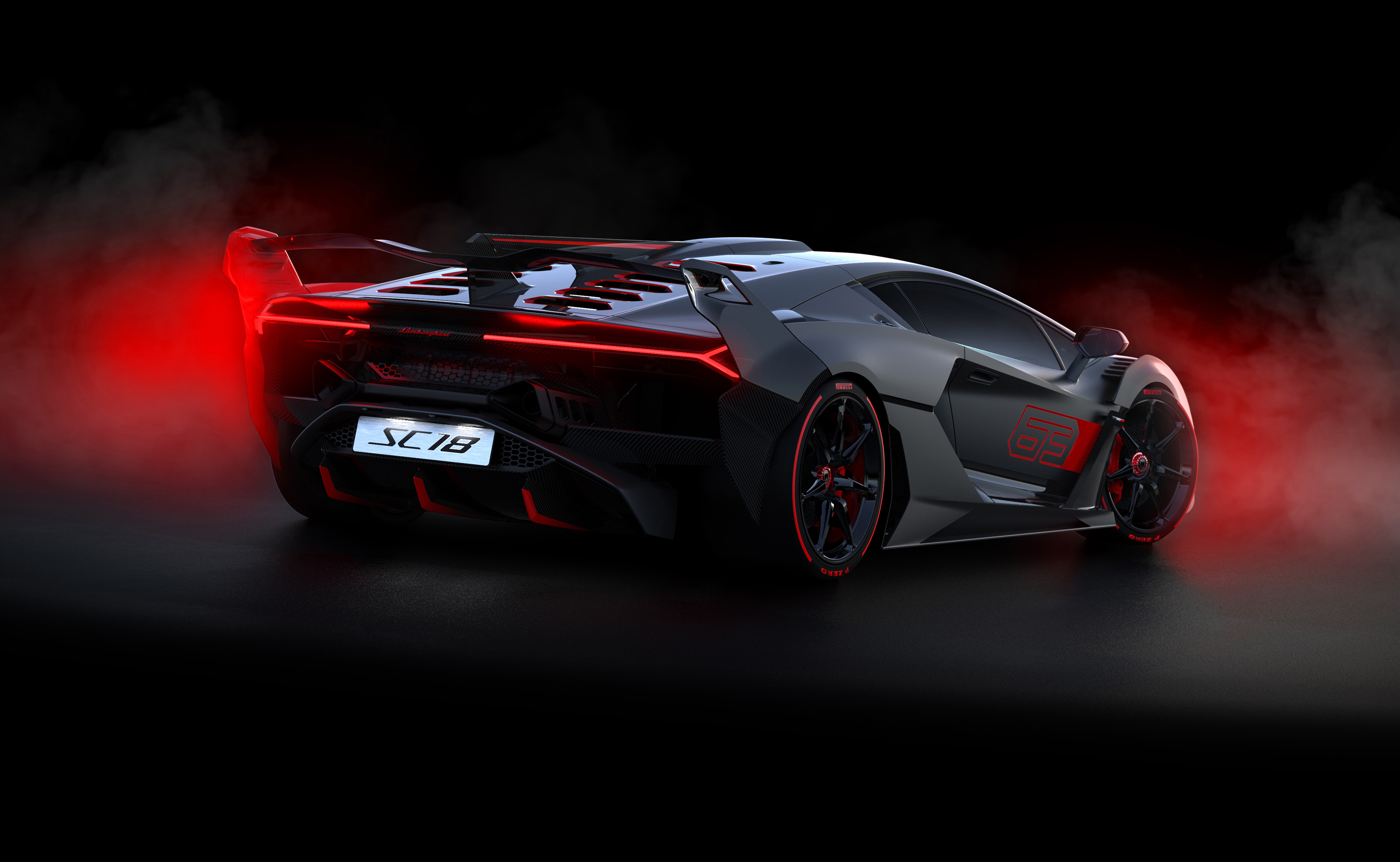
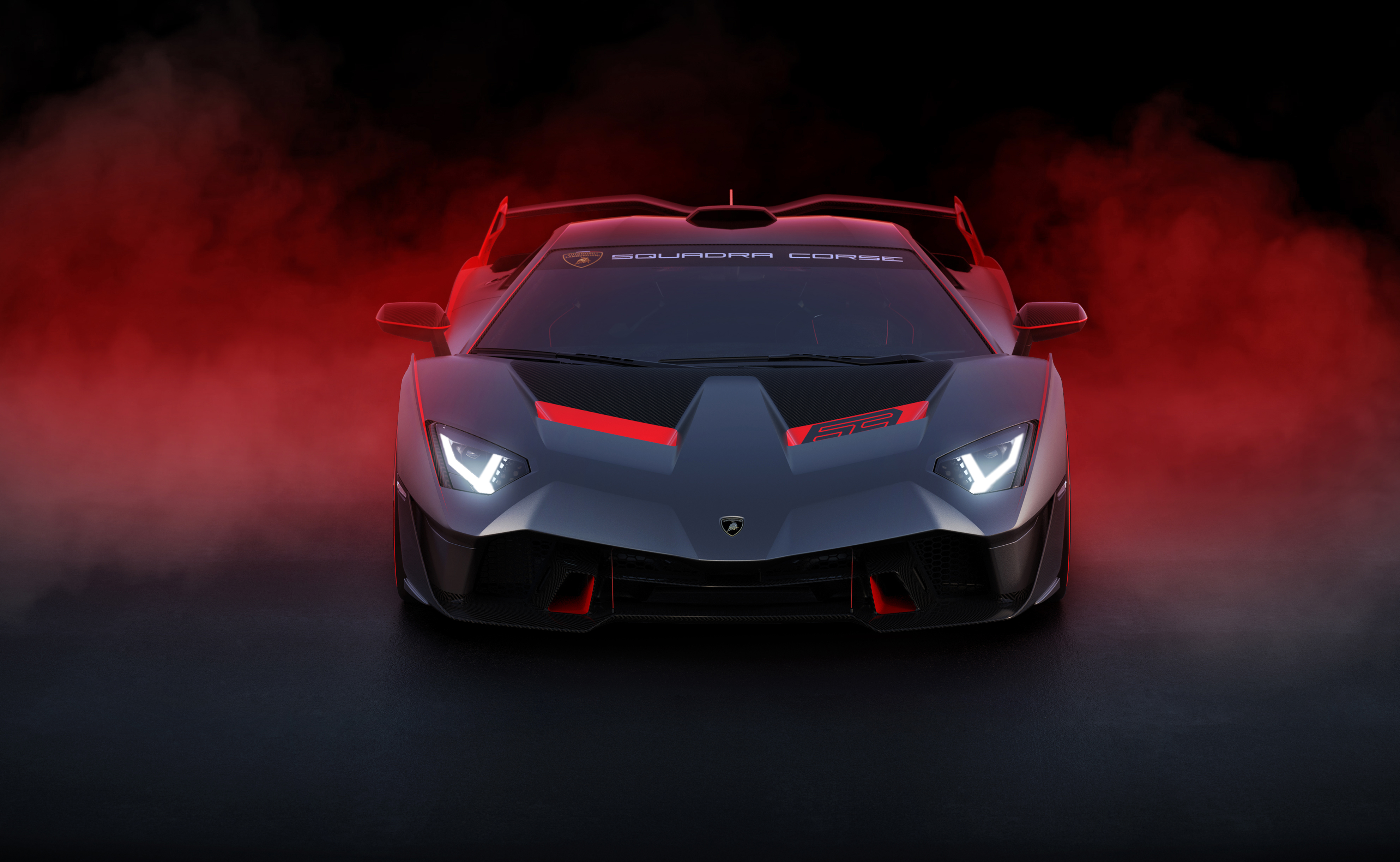
Bespoke Lamborghini SC18 Built by Squadra Corse

The Lamborghini SC18 is the latest iteration of what we hope becomes a perpetual lineage of limited-edition and one-off raging bulls. In a relatively short and recent time in Lamborghini’s storied history, we have been treated to the likes of the Veneno (20 were made), and the one-off Egoista and Aventador J.

Commissioned by a very fortunate client, the SC18 is designed to be a completely road-legal car that maximizes track-oriented performance. It therefore seems serendipitous that Squadra Corse – Lamborghini’s racing division – would be the creator-in-chief for this bespoke project.

The canvas on which the SC18 would be imagined is the Aventador SVJ, which most notably is the donor of a 6.5L naturally-aspirated V12 engine; good for over 759-horsepower @ 8,800 rpm and 531 lb-ft of torque @ 6,750 rpm. A single clutch transmission with semi-automatic gearbox delivers power to the SC18’s all-wheel-drive system.

While the chassis is also shared with the SVJ, most of the body elements that are visible have been replaced with pieces that are inspired by the marque’s GT race cars such as the Huracan GT3 and Huracan Super Trofeo EVO. As such, the extensive use of carbon fibre and ultra aggressive splitters, vents and diffusers adorn the car with its massive rear wing providing the final exclamation point. A staggered wheel setup is used for the SC18, with Pirelli-wrapped 20” and 21” center-locking wheels used in the front and rear respectively.

There are no official figures at this time for the SC18 as far as performance and pricing are concerned.  We expect that acceleration will be mostly similar, if not the same, as the ‘regular’ Aventador SVJ’s 0-62 mph time of 2.8 seconds, as well as its top speed of 217 mph. With lighter and more aggressive aero bits, we are guessing that the improvements will be most noticeable during the most demanding and g-force-inducing situations at the racetrack.

As for pricing, we don’t expect that type of information to be common knowledge given the nature of this project. With today’s production hypercars demanding 7-figure price tags, one can only begin to speculate what the client has shelled out for their Mona Lisa on wheels. Well, with its custom exhaust which offers a completely “unique” sound, I’m sure he or she is ultimately very happy with what they got.