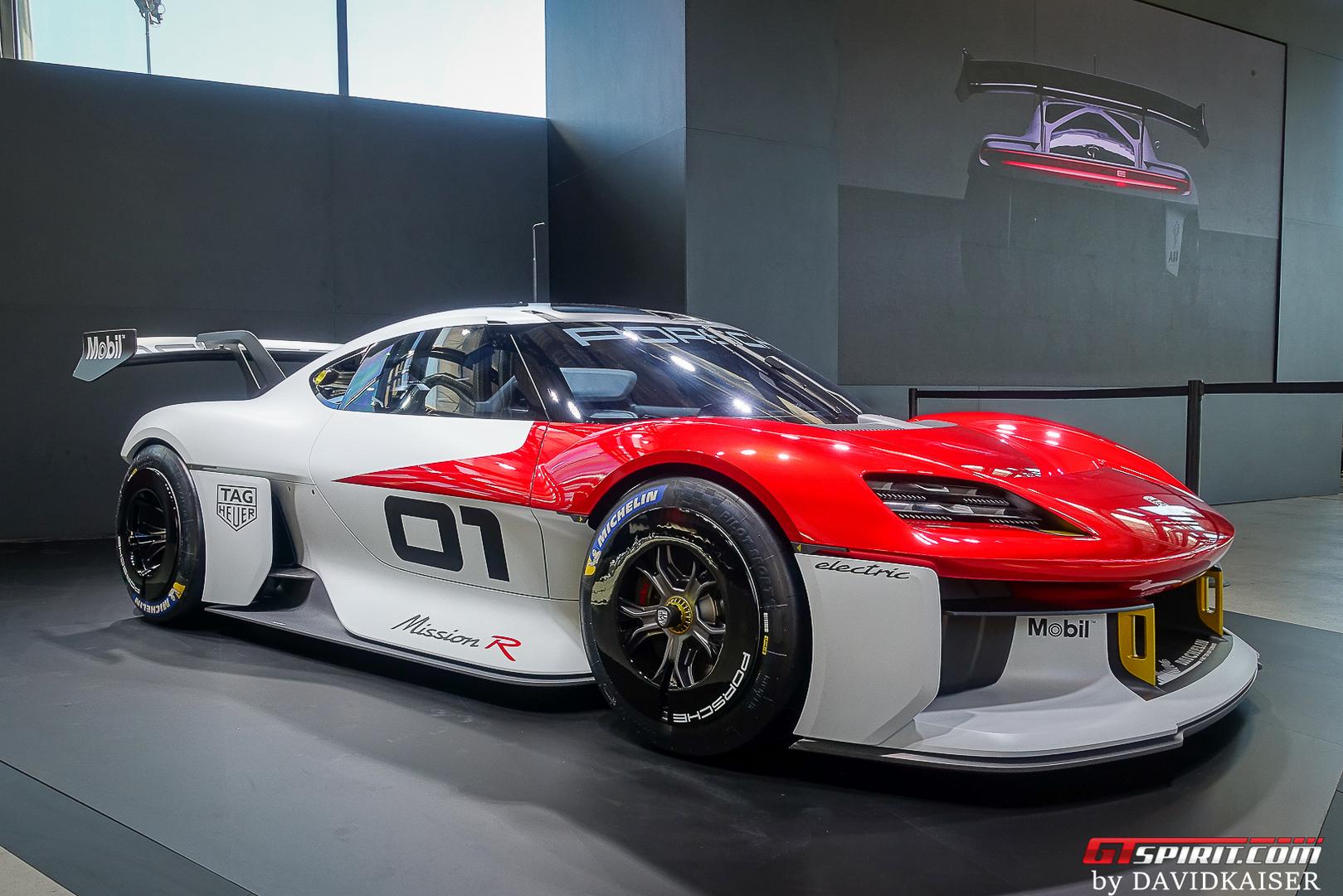
The new Porsche Mission R is the latest all-electric vehicle from Porsche AG. This time however, it comes in form of a GT racing car, effectively previewing the future of Porsche GT racing but also hinting at what the future Porsche GT road cars will utilize as a powertrain. The model features add-ons parts made of natural fibre reinforced plastic (NFRP) which creates 85% less CO2 compared to carbon fibre. The natural fibre material has been used on the front splitter, the side skirts and on the diffuser.
The Mission R has two electric motors at the front and rear, altogether producing 1088hp in Qualifying Mode and 680hp in race mode. 0-100 km/h is achieved in just 2.5s while the top speed is limited to 300km/h. Lap times are at per with those of a GT3 Cup car. The 900v battery can be charged from 5-80% in just 15 minutes thanks to Porsche Turbo Charging.
The electric racing car features a new roll-over protection concept; a cage structure made of carbon fibre reinforced plastic (CFRP) to protect the driver incase of an accident. The carbon cage has been fitted on the roof and its visible from outside through the transparent segments.
The exterior features natural fibre reinforced plastic on the doors, front and rear wings, sill/side panels and on the rear center section of the vehicle. The natural fibres are based on agriculturally produced flax fibres, they are light as carbon fibre and deliver stiffness with a low weight of less than 10%.
The carbon cage was named ‘Exoskeleton’ by the engineers who designed it, the cage combines high protection potential for the driver with low weight and features some transparent surfaces as well as a removable escape hatch for the driver based on FIA requirements for racing vehicles.
The vehicle has been equipped with advanced Porsche Active Aerodynamics (PAA) which can adapt to its characteristics optimally to what the driver is doing on the track and a Drag Reduction System (DRS) consisting of three louvres in the air intakes on each side and an adjustable two-section spoiler.
The Mission R has been fitted with 18 inch magnessium Cup centre lock wheels , the wheels are flow-optimised and consists of smooth carbon aeroblades and milled five twin spokes. The wheels have been moiunted on Michelin tyres measuring 30/68 on the front axle and 31/71 on the rear axle.
The model features a brake-by-wire braking system with a control unit to control the interaction between the hydraulic and the electric brakes known as brake blending. With a high output of 800kW, the brakes are subjected to a lower load and could be reduced in size.
Additionally, the vehicle is started with a battery status of 85% (SoC) and recuperation is possible which means more than 50% of the energy can be re-used depending on the race track.The model also features an Electric Power Steering (EPS).
Porsche Mission R
1 of 11
September 10, 2021 / Comments Off on Porsche Mission R: The Future of Porsche GT Cars, Electric with 1000hp+
This is the new 5th generation 2022 Subaru WRX, now built on the Subaru Global Platform. Output has been increased to 271hp and 350nm of torque from the new FA24 turbo 4 engine.
These are mainly US specs, JDM cars could adopt the CB engine used on the new Levorg…maybe as a CB20. They could also use the FA20F which already produces 295hp in the previous WRX S4 VAG that was exclusively sold in Japan.
There is a new GT trim with 6 speed manual or a “Subaru Performance Transmission” automatic…basically a fancier CVT. The CVT is now 30% quicker on upshifts and 50% quicker on downshifts, comes with a rev match feature and variable torque distribution. The CVT also gets an electronic parking brake.
Overall length is now 4668 mm (amazingly still shorter than the Levorg) and 1826 mm wide. Previous WRX VA was 4635mm (length) x 1795mm (width). New WRX is wider thanks to new bigger fenders made of aluminum at the front. All fenders now have the same flares with a garnish finish like the Outback, a trend that is very popular with Japanese SUVs.
Jump inside and you are greeted by a massive 11.6” screen just like in the Outback/Legacy. Recaro seats have a new design that is completely different from the VA generation, driver seat has 8-way power adjustments. Suspension retains struts at the front and double wishbone at the rear.
Drivers will have Comfort, Normal, and Sport modes all controlled by electronic dampers. New Drive Mode Select has over 430 settings to use on the steering feel, damper settings, SI-Drive settings etc. The rest are the usual safety tricks…eyesight, pre-collision detection, cruise control etc. An 11-Speaker Harman Kardon sound system makes its way back into the new WRX.
17 or 18 inch wheels are available depending on the trim. Again these are US specs and we could see entirely different specs on the JDM cars which tend to come with more options to please the home market.
2022 Subaru WRX GT
September 10, 2021 / Comments Off on 2022 Subaru WRX GT Revealed with Improved Interior, 6 Speed Manual
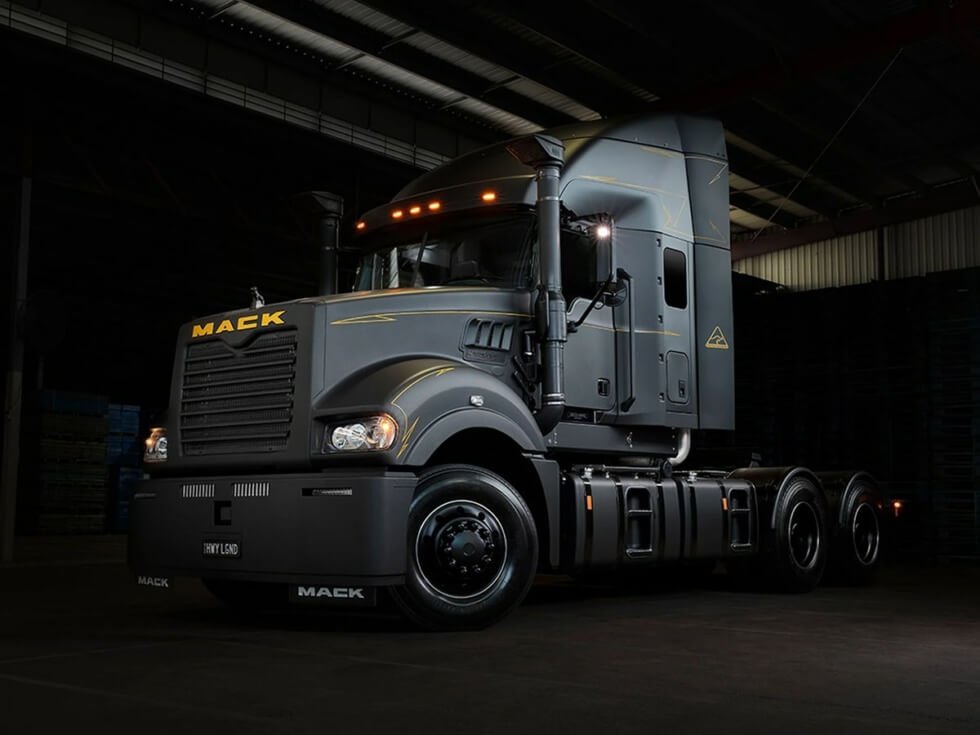
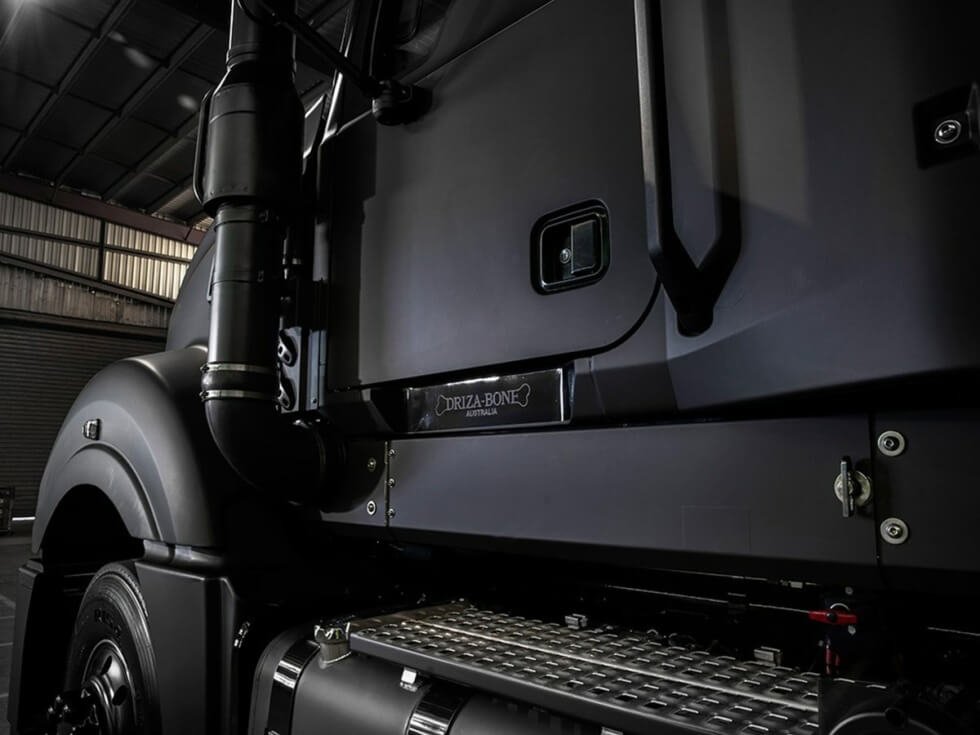
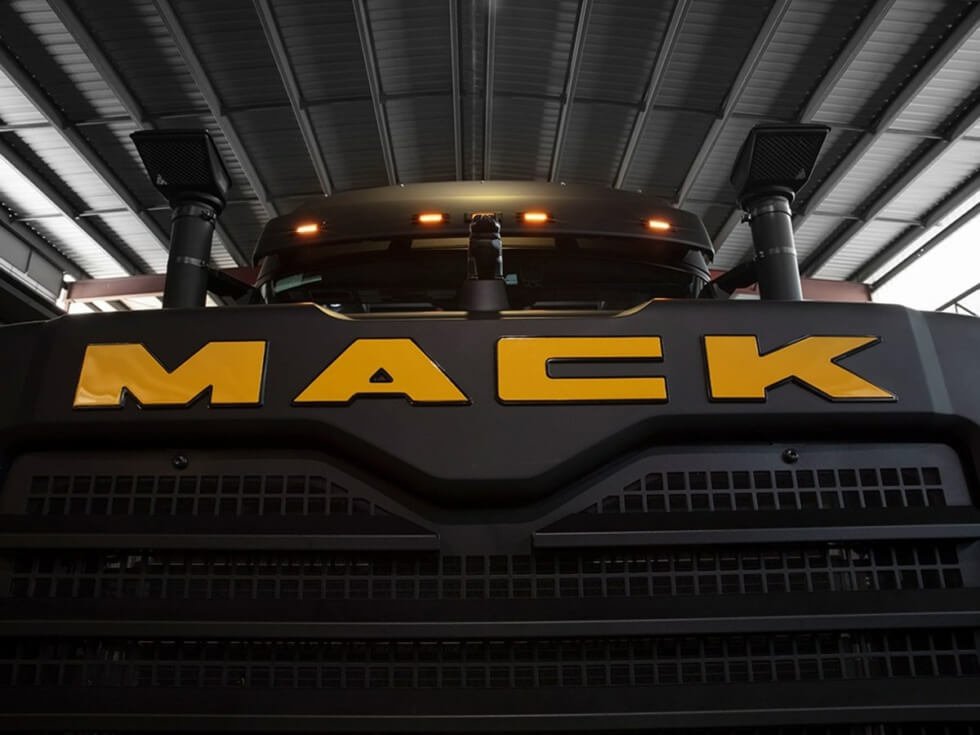
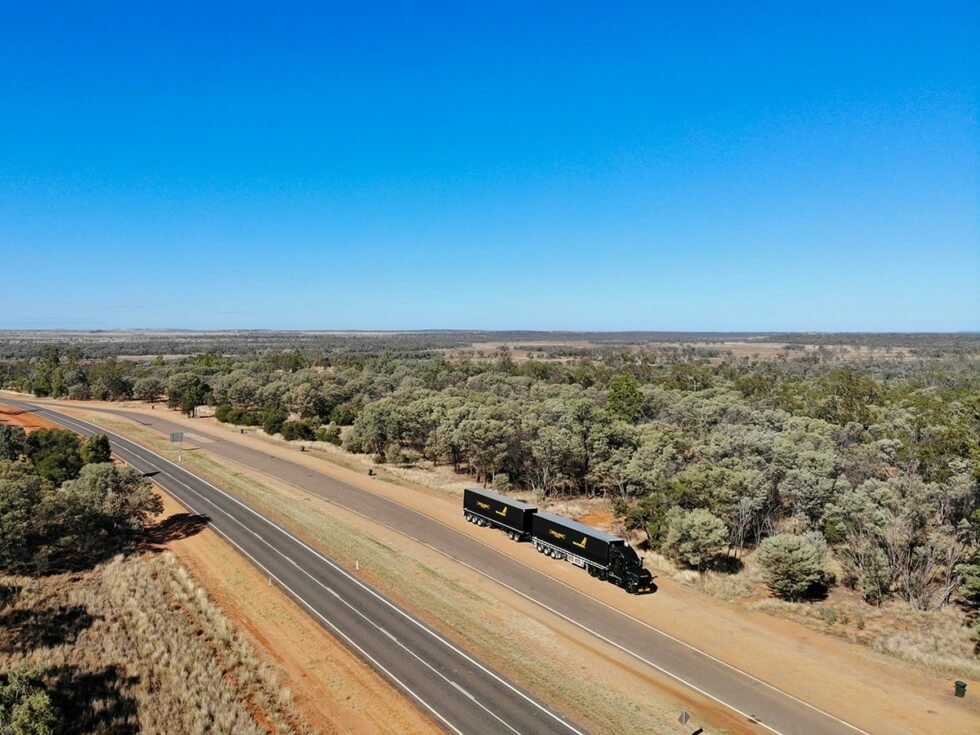
We’re no strangers to odd collaborations every now and then, but more eager to talk about some unique ones. One just happened to drop and it’s the Driza-Bone x Mack Trucks Super-Liner. Here we have an iconic Australian clothing brand, while the other is an American truck manufacturer. Despite their different markets, both are ready to promote their respective wares.
They’re doing this via one heck of a road trip starting from Brisbane all the way to Mt Isa to join the rodeo. This creative project is the brainchild of Driza-Bone creative director Justin O’Shea. This massive undertaking demands an equally-sized platform, which comes in the form of a customized Mack Truck Super-Liner.
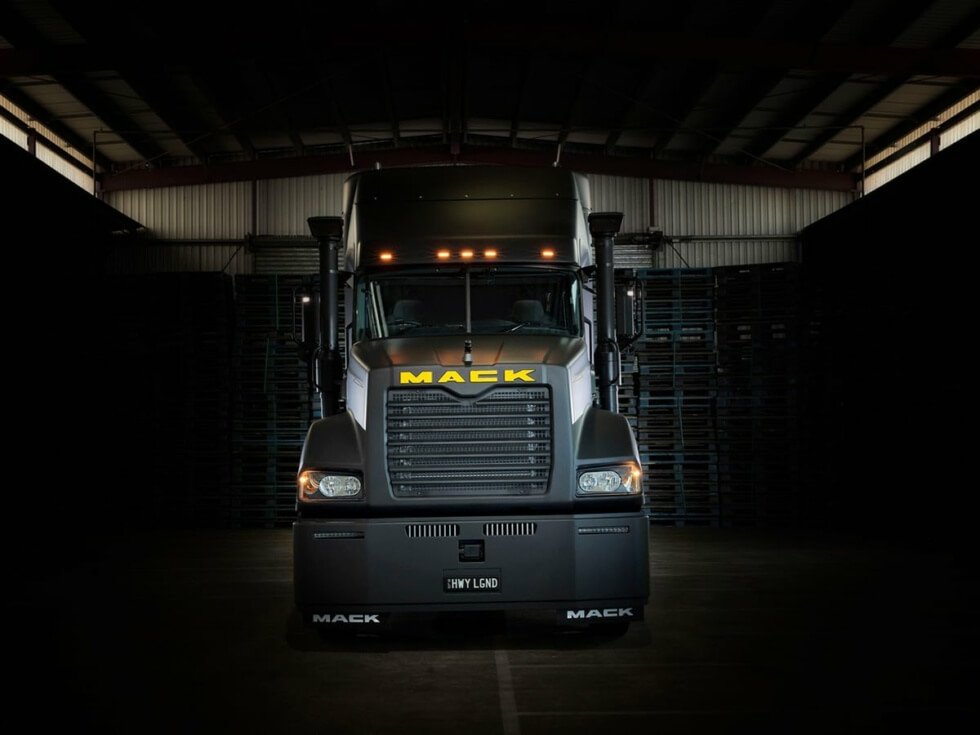
In an interview, he claims the inspiration came from his childhood. Growing up in a mining community, trucks are a regular fixture. Those who have seen a Mack Truck Super-Liner up close have an idea of how gargantuan these can be. This 18-wheeler receives a blackout makeover that adds to its imposing outline.
Now, this is how you make an impact! With its towering size, you bet people will notice this hulking beast as it drives by. There are several towns along the way and the publicity it generates will be one-of-a-kind. Driza-Bone is recognized for its tough apparel which somehow matches the beefy ruggedness of Mack Trucks.
This 85-foot big rig is going for a stealthy style with its matte black palette. Instead of shiny chrome accents, the behemoth features hints of yellow which surprisingly gives the dark canvas of its body a nice pop of contrast. The Driza-Bone x Mack Trucks Super-Liner is a must-see for those at the rodeo.
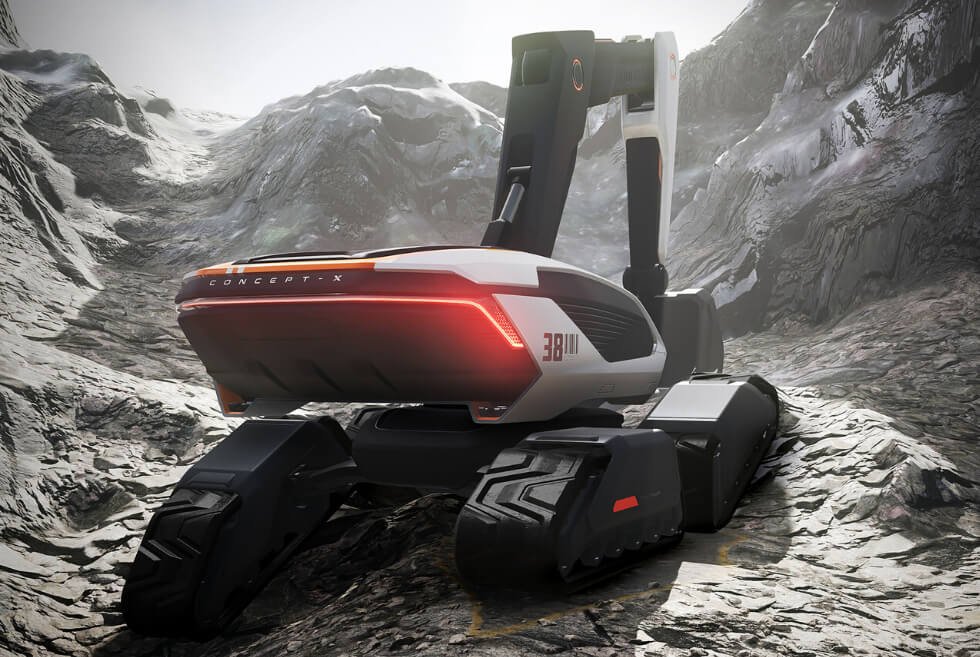
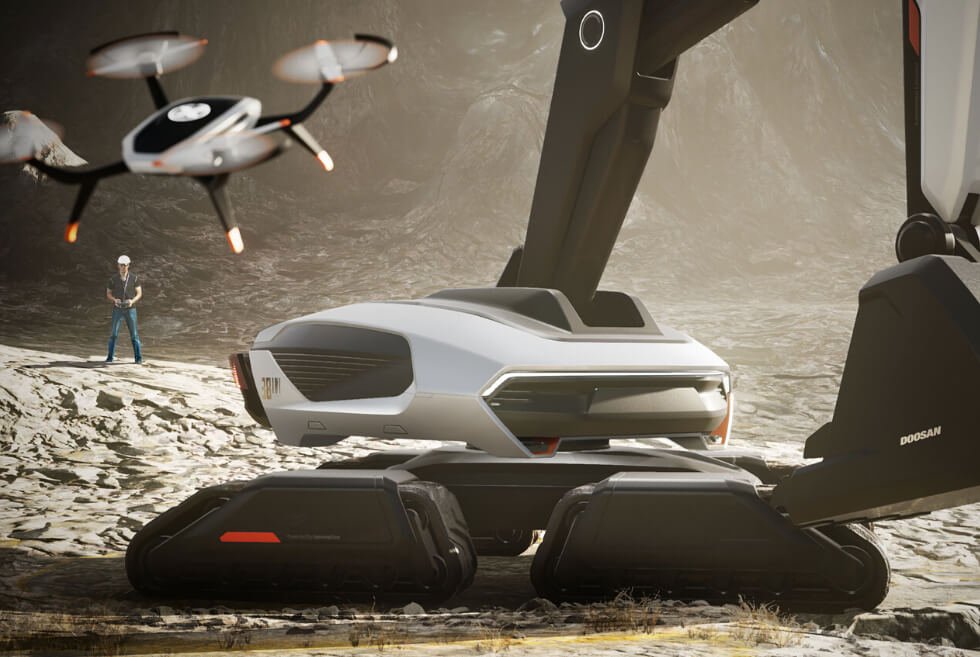
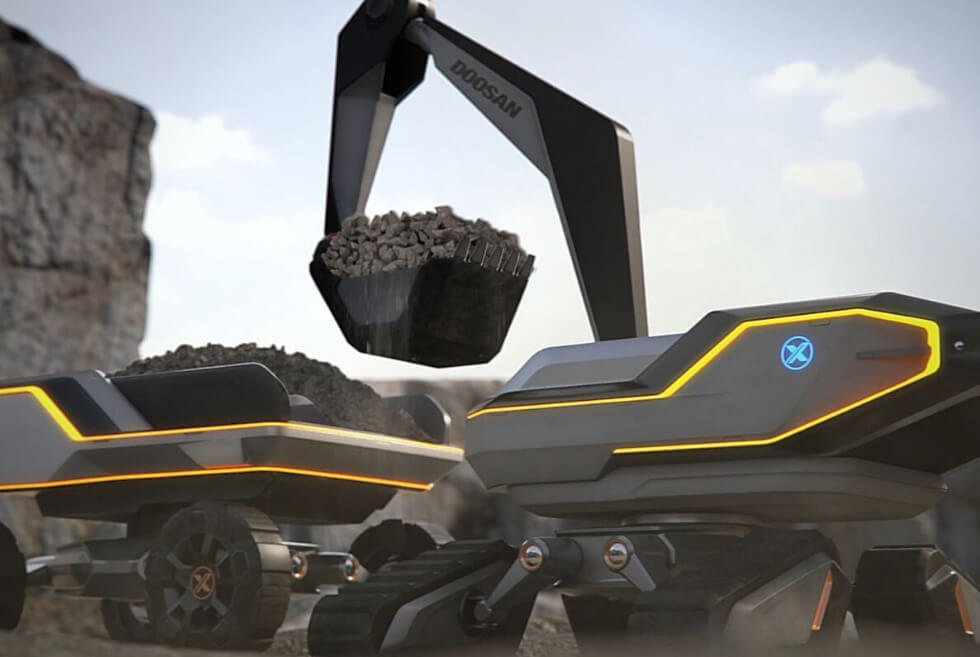
At one point in our lives, we guys develop this obsession with heavy machinery. There’s just something so cool about seeing these behemoths going around and tackling challenging tasks. Given the sizes of these things, workers should always be careful around them. Therefore, Doosan Infracore proposes a cutting-edge solution they call the CONCEPT-X.
The South Korean company’s futuristic project is the recipient of the 2021 iF World Design Gold award. This recognition means that the equipment manufacturer is one to something remarkable here. What its proposal hopes to do to minimize the likelihood of workplace injuries.
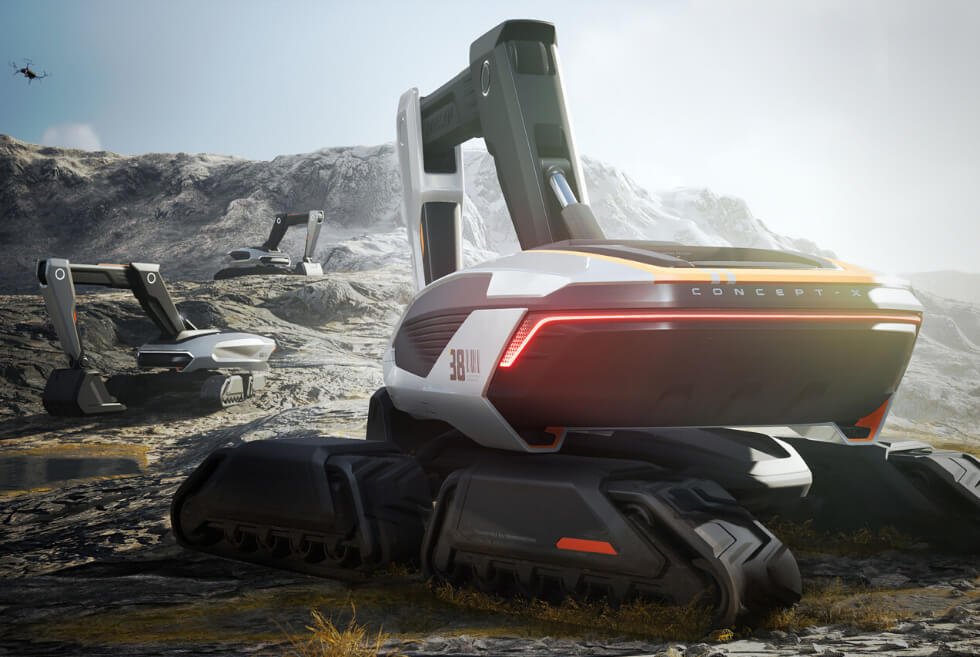
This is where CONCEPT-X steps in to automate everything. Statistics show that even with safety measures in place and even in proper gear, injuries can still happen. As such, Doosan Infracore proposes an ambitious system that employs drones that fly over construction sites.
These then create 3D maps of the area and relay the data to the control center aptly dubbed the X-CENTER. The CONCEPT-X fleet features an excavator, ADT (adjective dump truck), and awheel loader. All of these are remotely monitored in real-time by drones and controlled by a proprietary program.
According to the Doosan Infracore, since there are no human operators, the machines can work continuously. This allows construction projects to be finished earlier than conventional methods. Also, a failure prediction algorithm should reduce maintenance costs.
From a design perspective, renders of the heavy equipment show sleek aesthetics. The CONCEPT-X fleet looks like something the guys over at Tesla might cook up. Perhaps this is what the construction industry envisions. A future wherein artificial intelligence and robotics are handling high-risk operations with minimal human intervention.
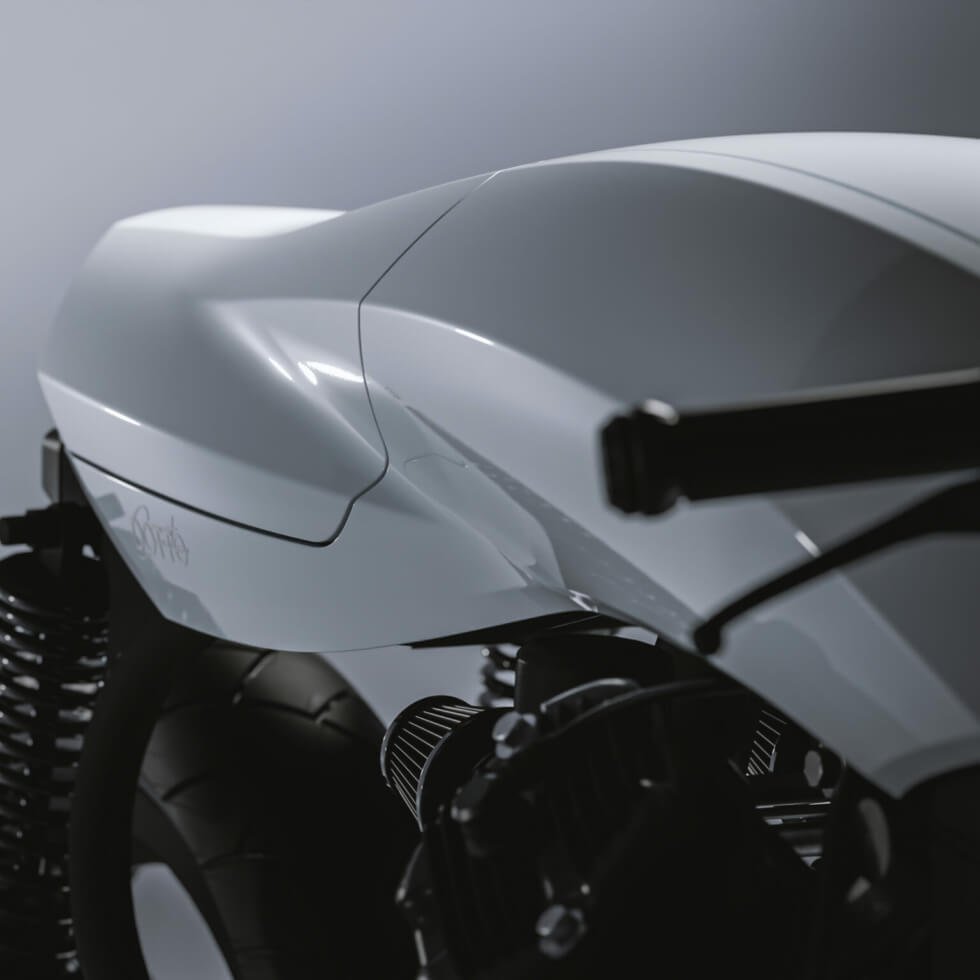
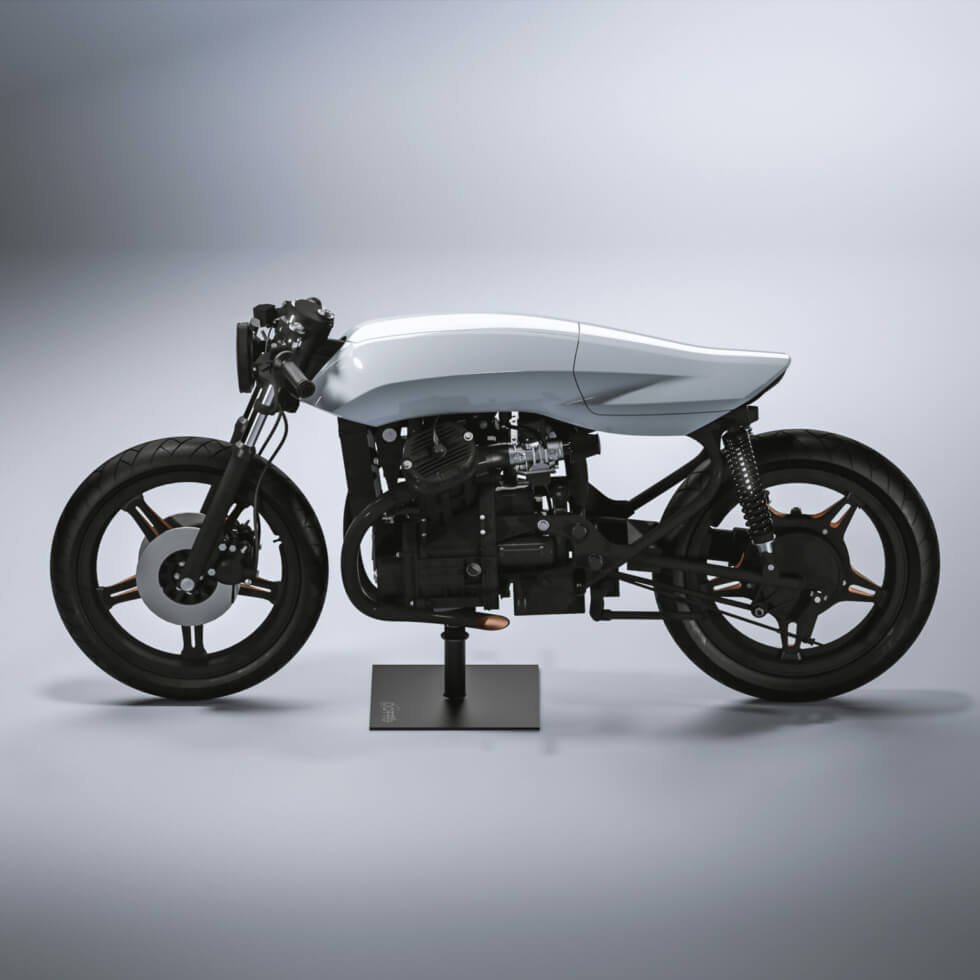
Have you ever heard the saying “there is beauty in simplicity” and thought about how it applies to design? Well, that’s what we call minimalism and it applies to almost anything you can think of. Over the years, people have embraced the concept of “less is more” which gives us jaw-dropping mechanical masterpieces like the Biancaneve.
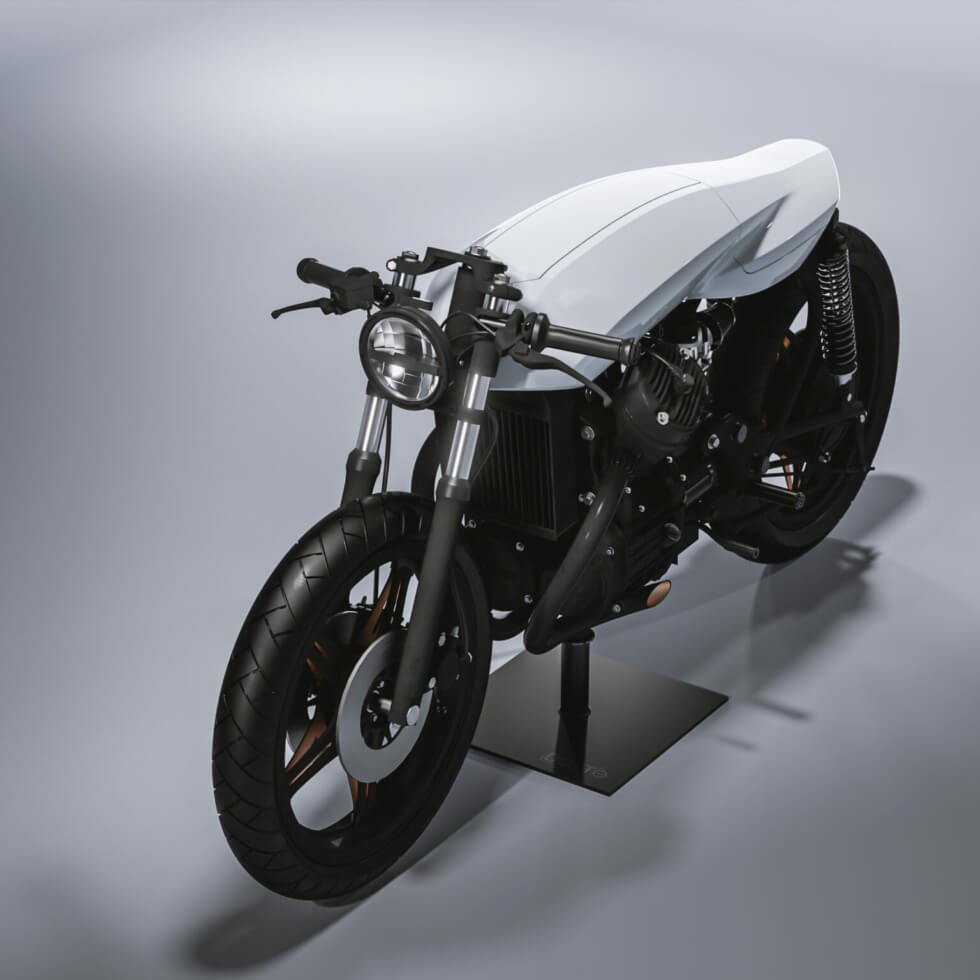
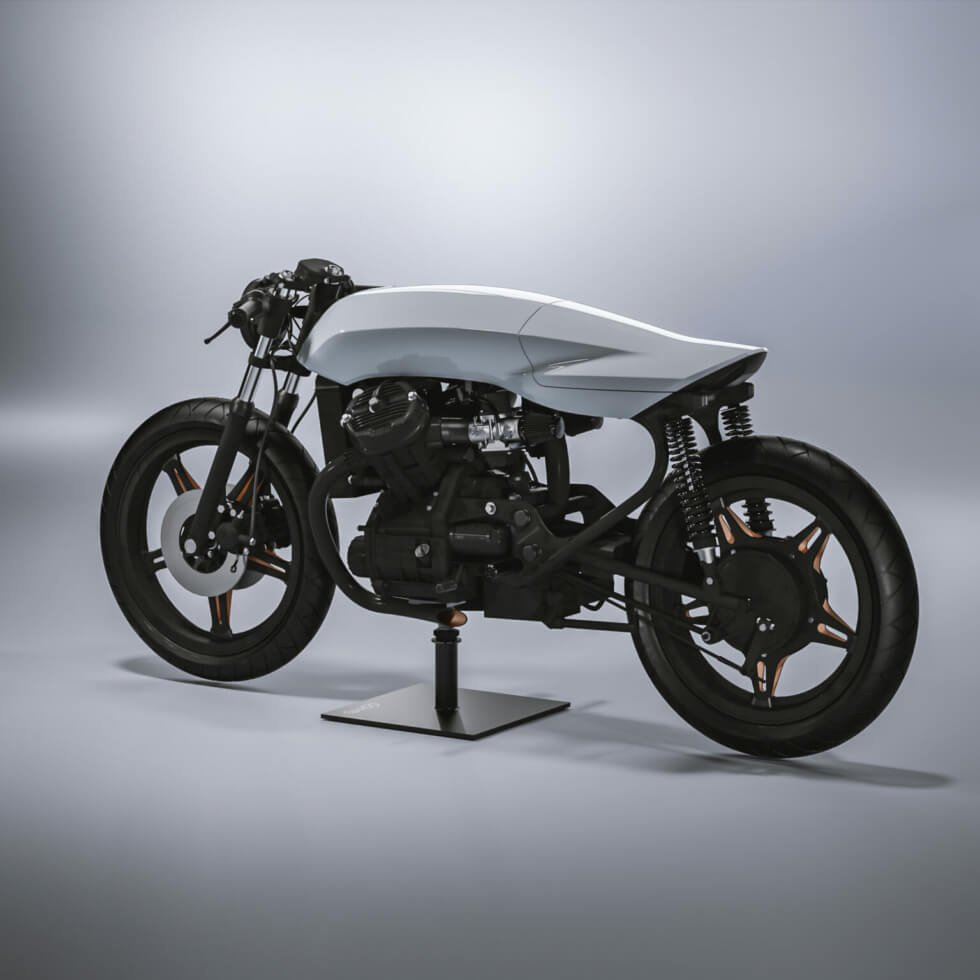
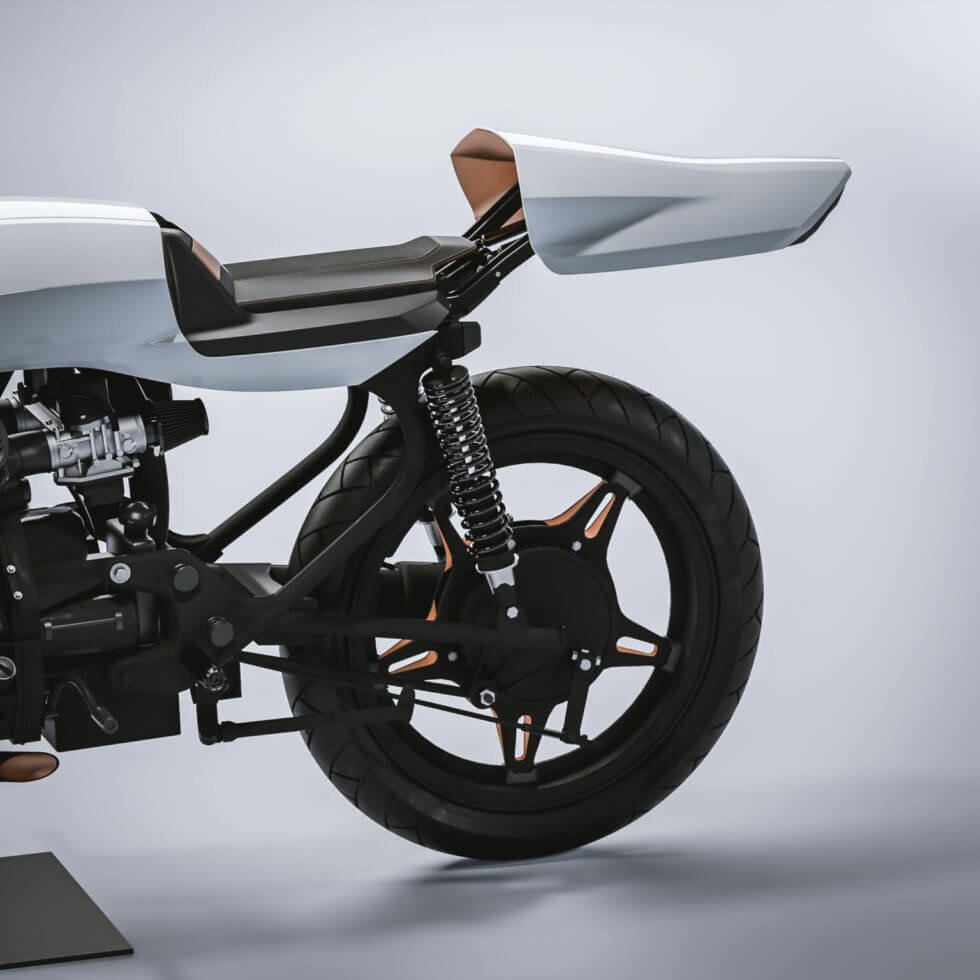
This sleek and sexy build is the product of two Italian automotive designers: Gianluca Bartolini and Francesco Iannuzzi. They were both previously lending their talents to the legendary Pininfarina, but are now the heads of their own design house dubbed Dotto Creations. For their first project, we have this stunning custom 1997 Honda CX500.
They’re calling it the Biancaneve which means “Snow White” in English. We’re seeing a generous helping of black tones here to give the white bodywork some contrast. Another interesting aspect of this motorcycle is how it looks like a sculpture instead of a form of transportation.
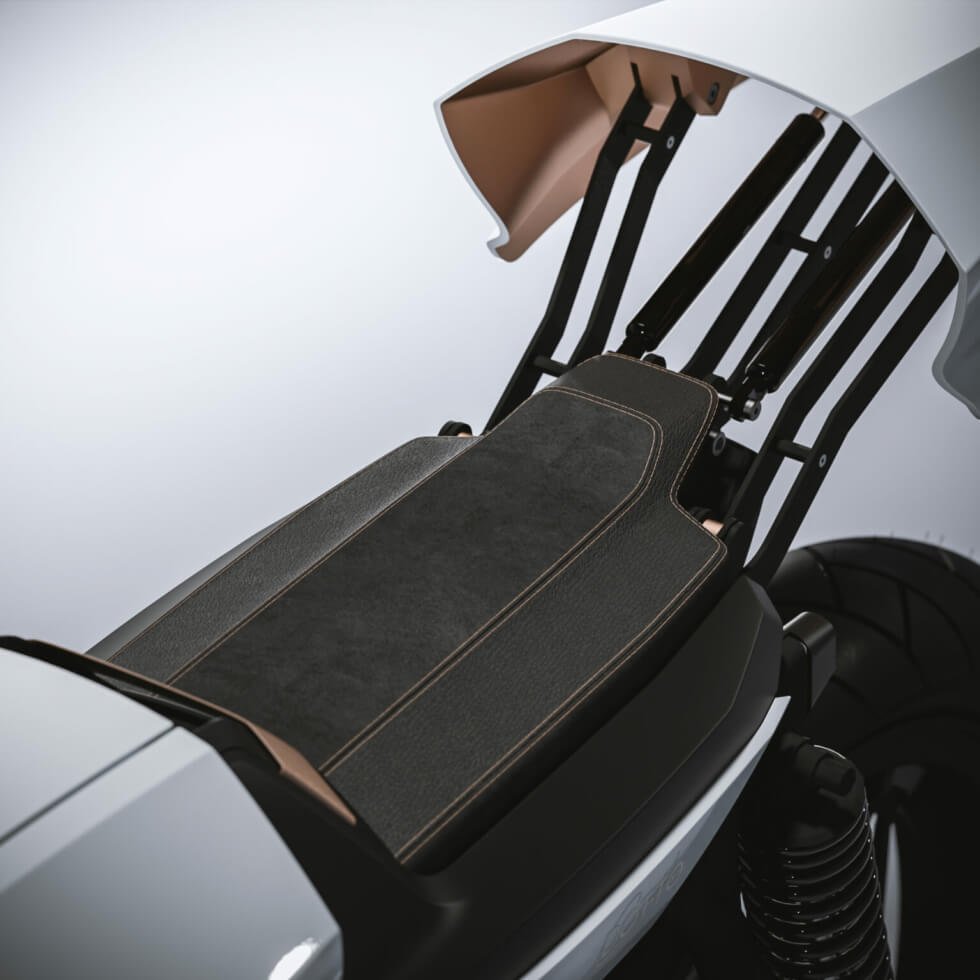
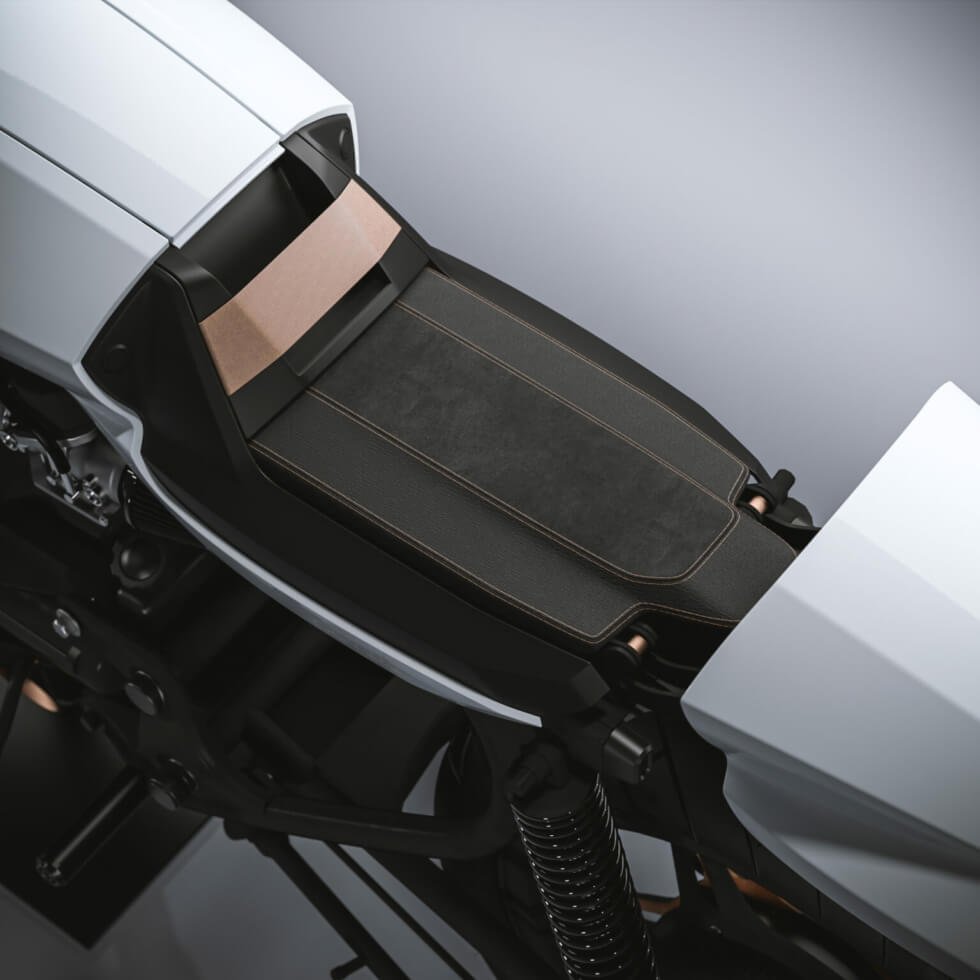
According to the team, the approach was to craft something that would pass for a work of art. This theme should be applicable when the Biancaneve is both at a standstill or in motion. Thus, they give it a bespoke mechanism that opens to reveal an exquisite Alcantara and leather seat.
This gives the Biancaneve an aggressive stance when in use and retain a dynamic outline even when it’s not. After taking apart the donor bike, Dotto Creations was only keeping necessary components and discarding the rest. It seems like an odd process, but the resulting ride speaks otherwise. We hope to see them flex talents in more future builds.
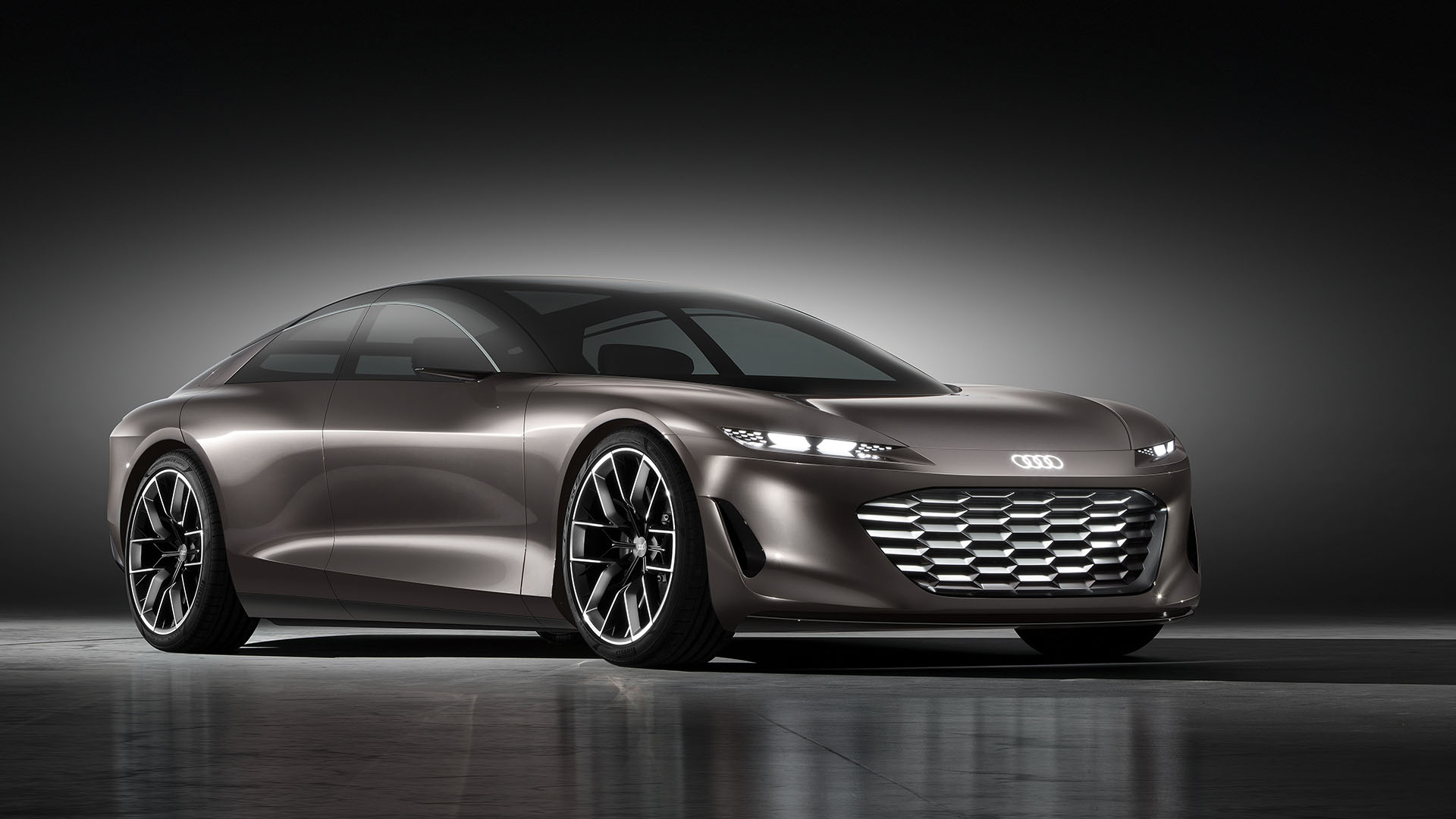
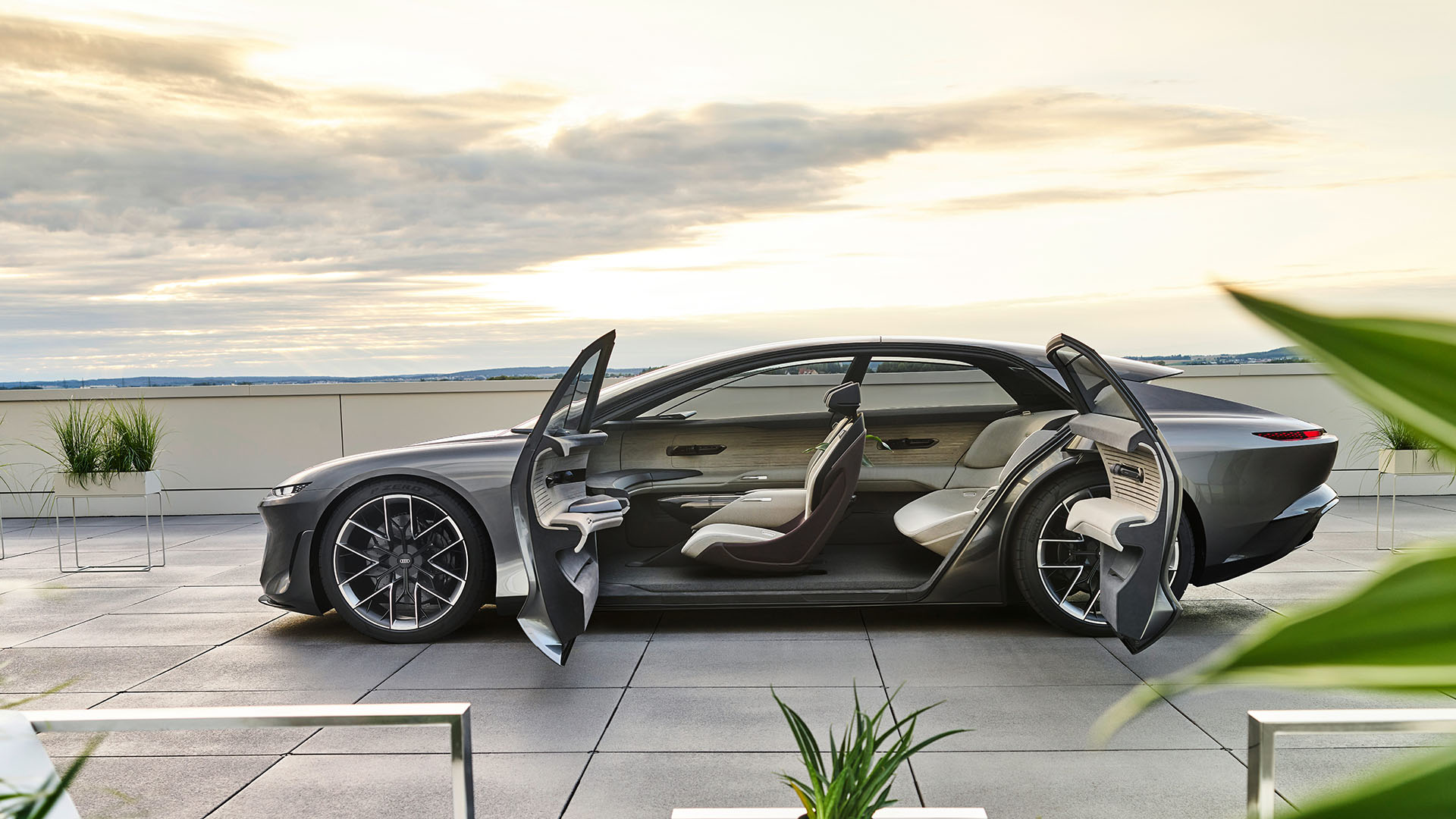
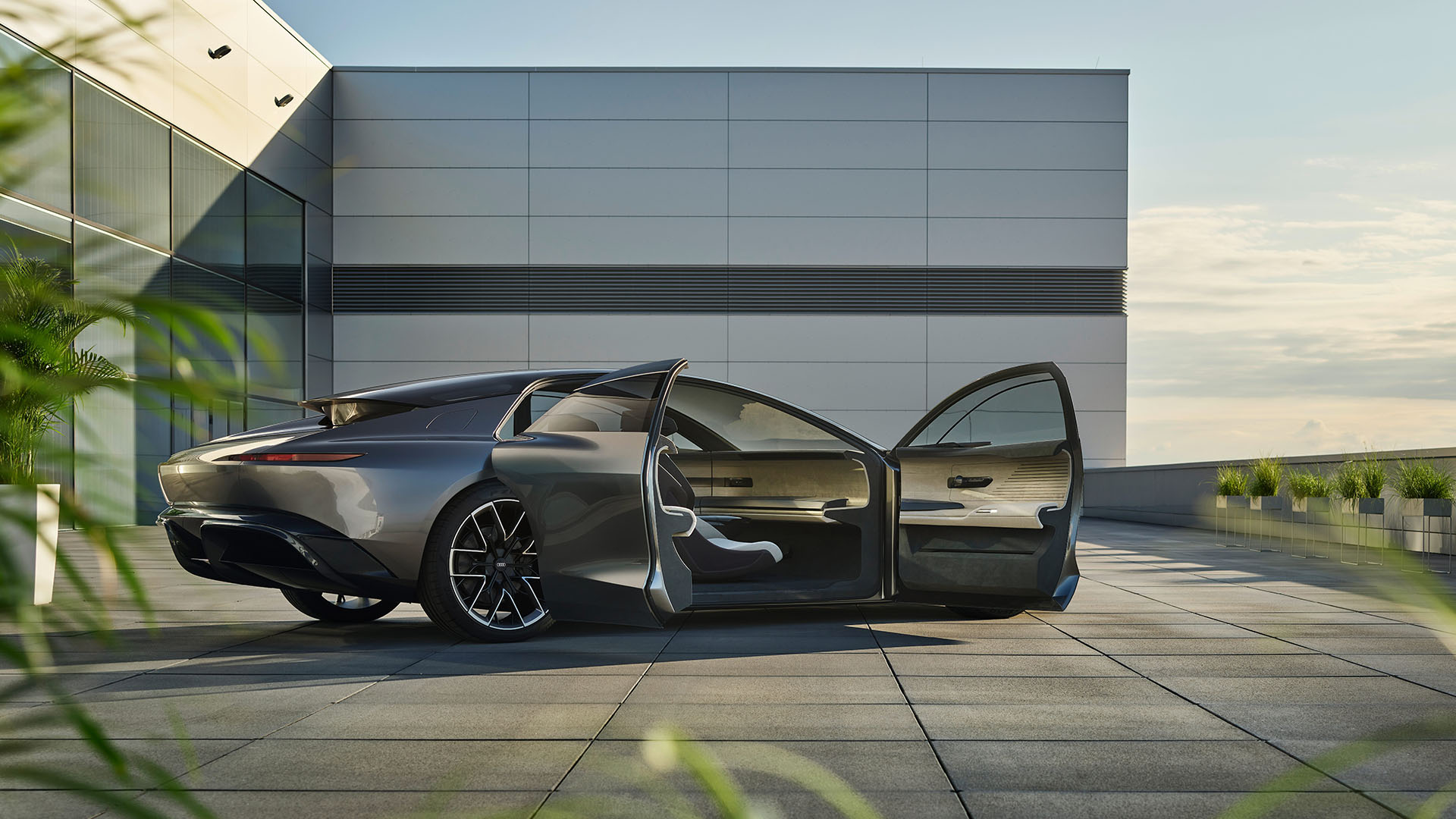
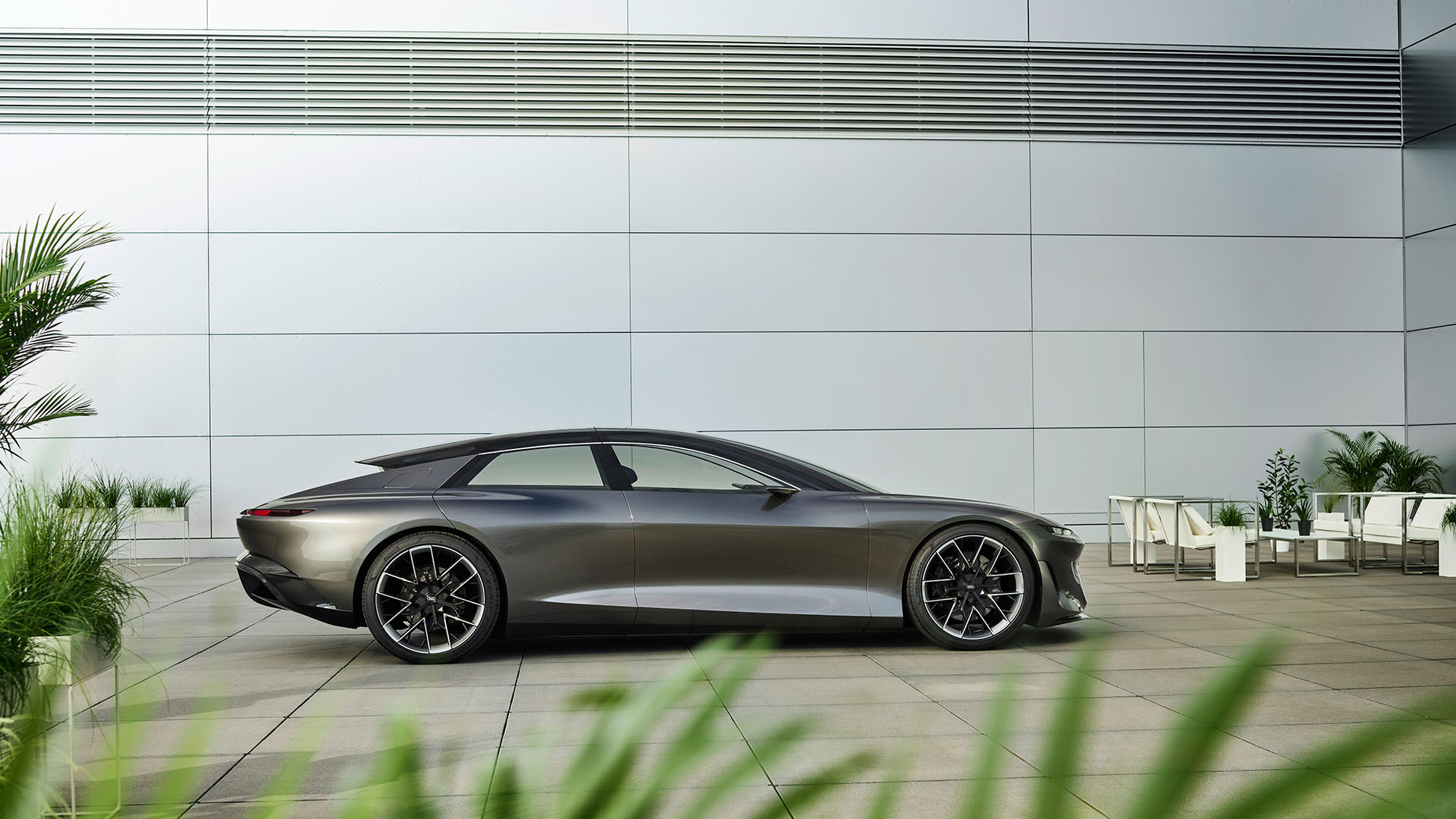
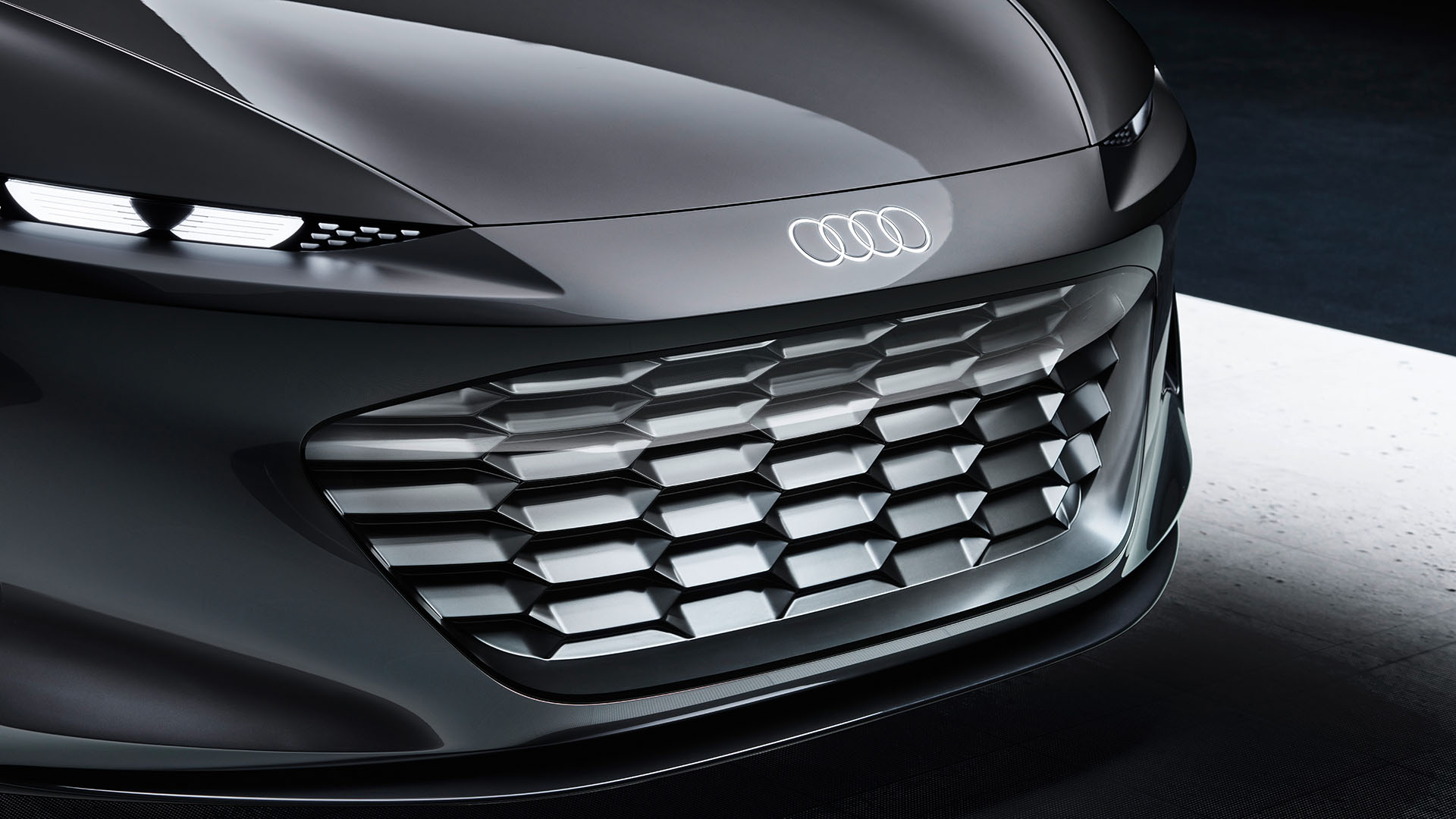
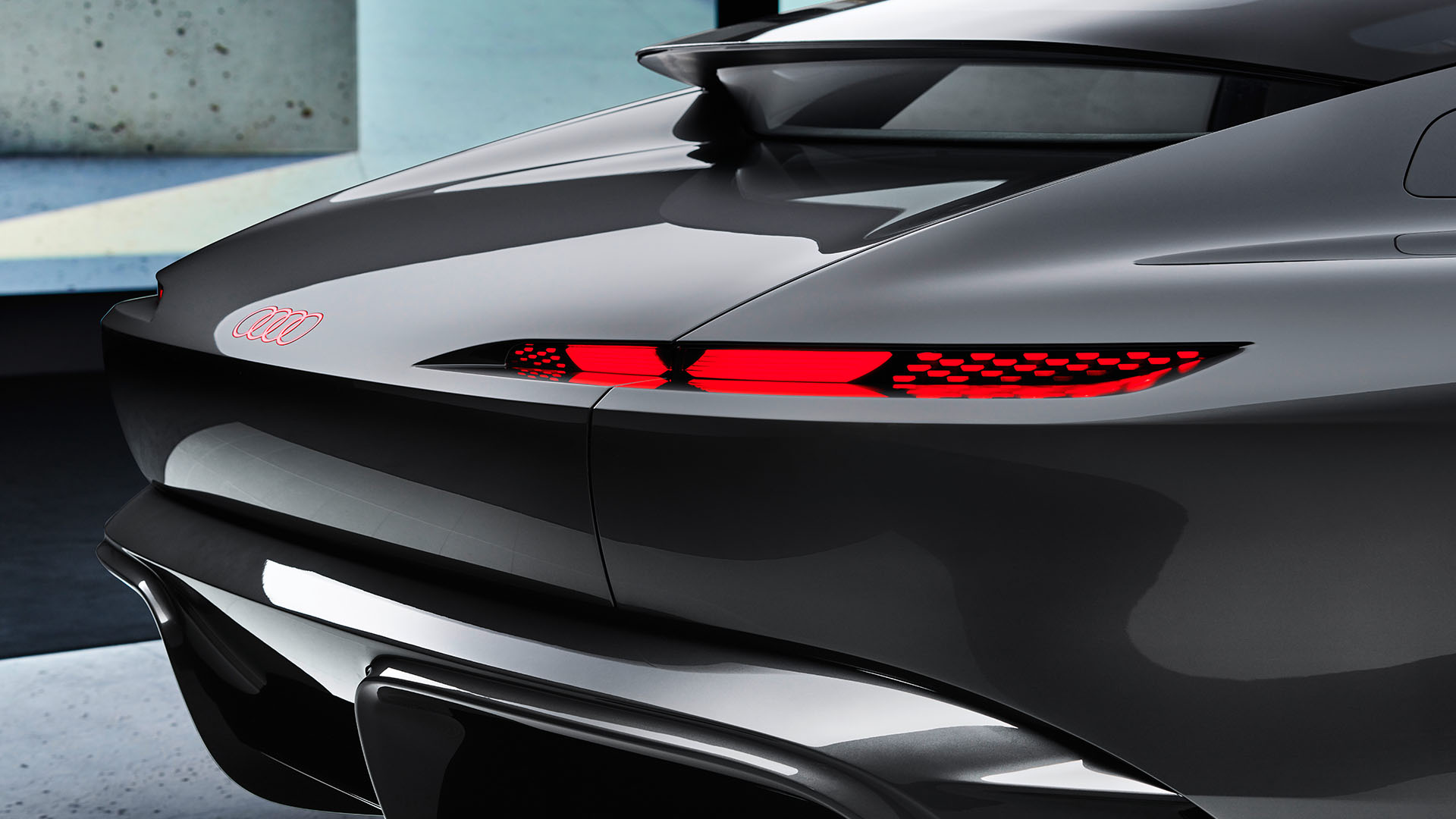
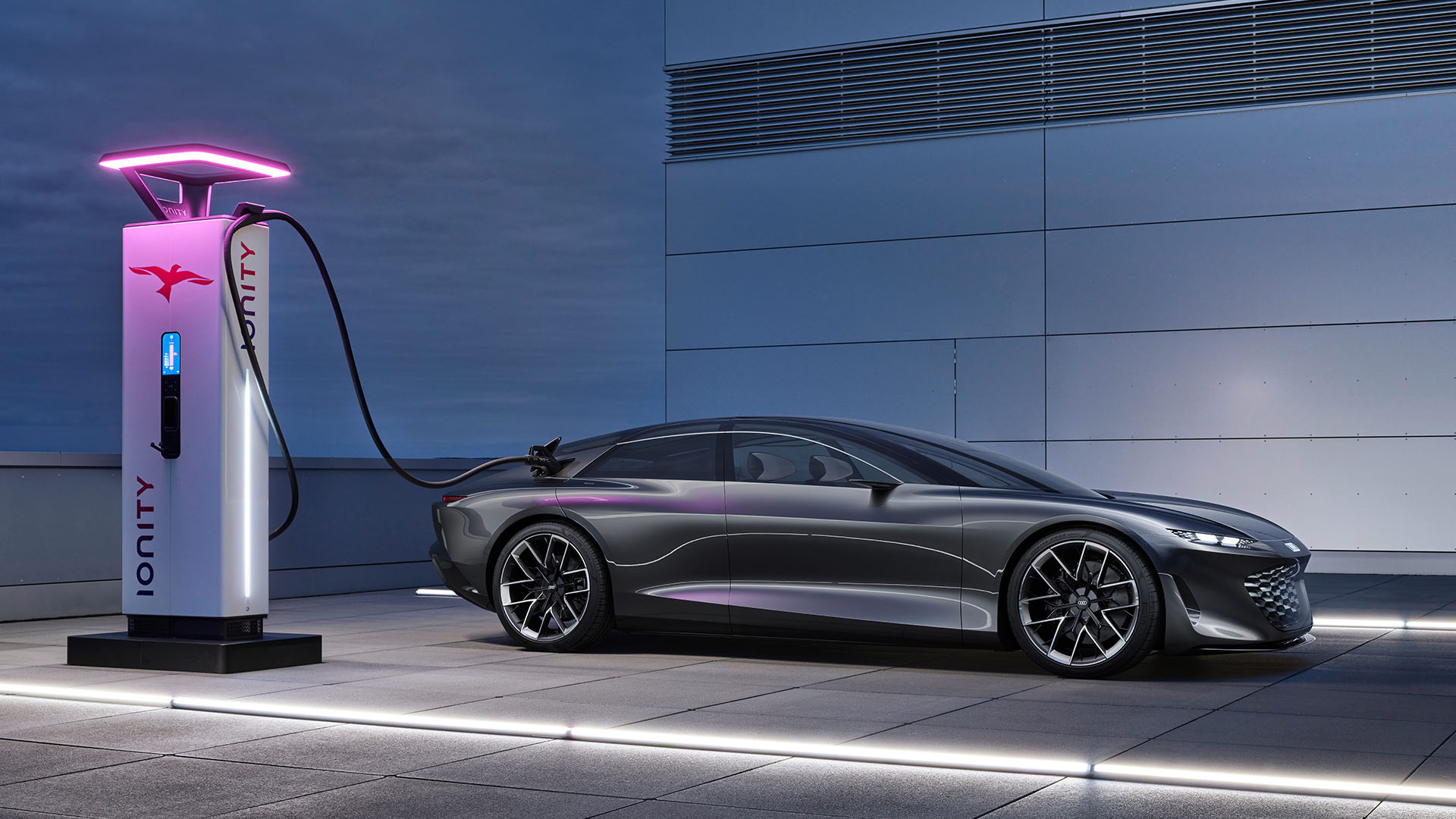
Audi is planning to create three ‘sphere’ concept cars as an indication of how they see the future of automobiles, the first one we could admire during Monterey Car Week, called the Skysphere, was a luxury GT Roadster that could effectively ‘stretch’ her wheelbase to offer more interior space, the second one in the sphere series is the grandsphere concept unveiled at the IAA, the International Motor Show in Germany, usually held in Frankfurt, but for the 2021 edition moved to Munich.
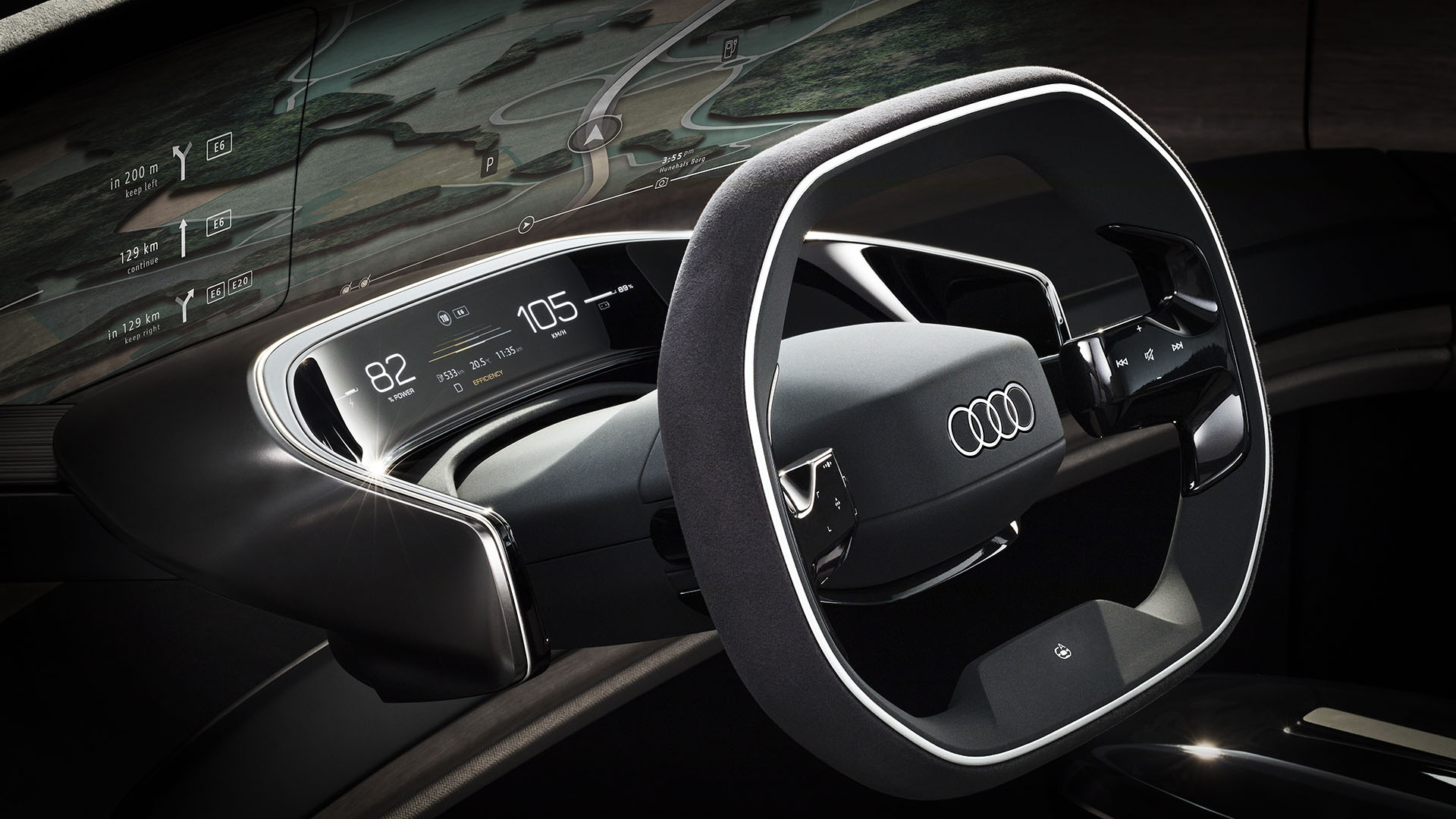
All of the Audi ‘sphere’ concepts will come with level 4 automatic driving, we’ve seen that on the skysphere already, where the car would really transport the occupants from point A to point B without them even touching the steering wheel, as that part of the interior isn’t needed anymore in this mode, it actually folds away, out of view. And that’s exactly what we are seeing inside this larger grandsphere concept too, and it will make its return in the third car in the series, the urbansphere which we’ll be able to admire in 2022.
Audi and CARIAD, the Volkswagen Group’s global software think tank, are working together to create new technology, and their Level 4 is nothing less than changing the interior concept of a car as we know it today, still being a driver-oriented cockpit with seats for three or four passengers, but once the auto-driving mode is engaged, both the steering wheel and the pedals are moved out of sight to create a serene environment for all occupants.
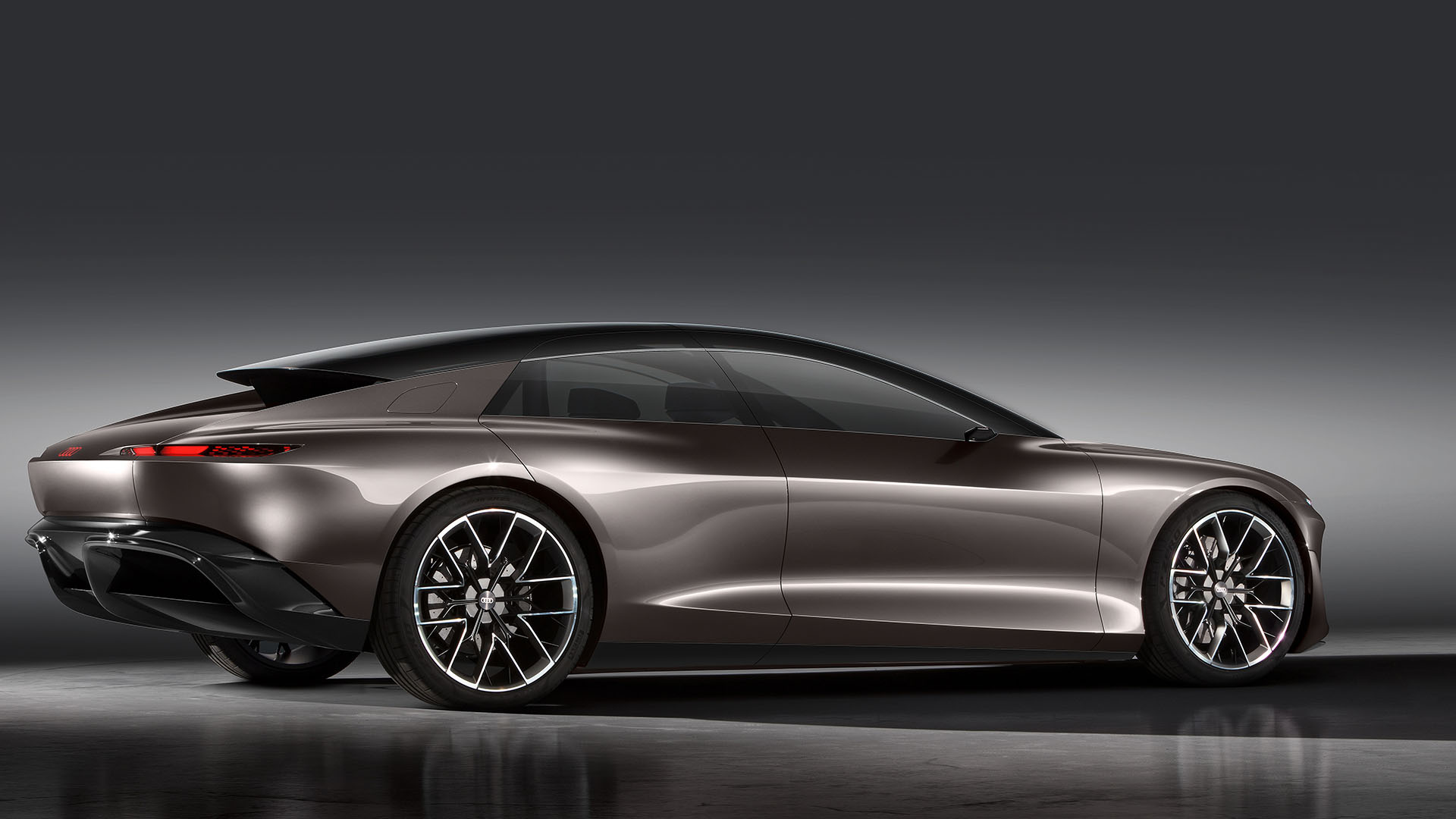
Audi calls these concepts ‘spheres’ because all three are designed from the idea of the interior being the most important part of the car of the future, the occupants’ living and experience sphere while traveling, in case of this grandsphere, Audi calls it a private jet for the road, with an overall length of 5.35 m (17.6 ft.) with a 3.19 m (10.5 ft.) wheelbase that’s even longer than the current Audi A8 Long, the grandsphere is all about luxury and comfort once you open the ‘suicide doors’ found on this concept, the front doors are hinged from the front, but the rear doors open from the rear to allow much easier access into the luxurious interior as there is no B-pillar on this model.
The Audi grandsphere will also come with a pathway identification … this means the car will recognize who is approaching the vehicle, and will automatically open the doors to welcome them, but it goes way further than that, depending on who the car senses, the ambient light changes, climate control settings are restored and the seats move into their predetermined position … even the infotainment system picks up on where a passenger stopped streaming a video before getting into the car, only to resume that video on one of the displays found inside the grandsphere.
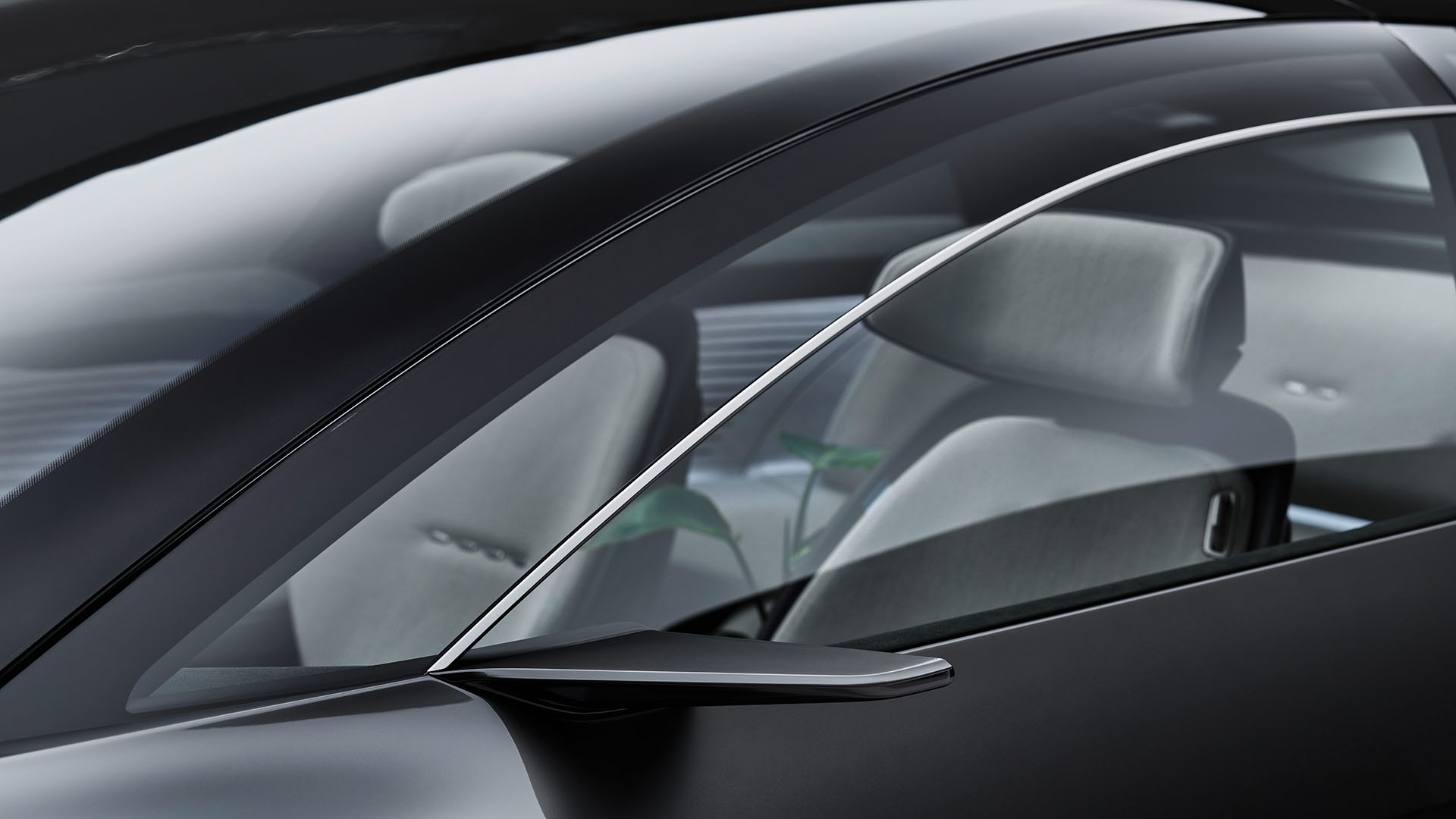
A feeling of openness and breadth is created, helped by the absence of the steering wheel and pedals, but also because of the large window surfaces on the Audi grandsphere, even the entire roof is transparent on this concept, even the side windows use a futuristic concept where the upper half gets a very distinctive angle while the widest part of the side window is just above eye level.
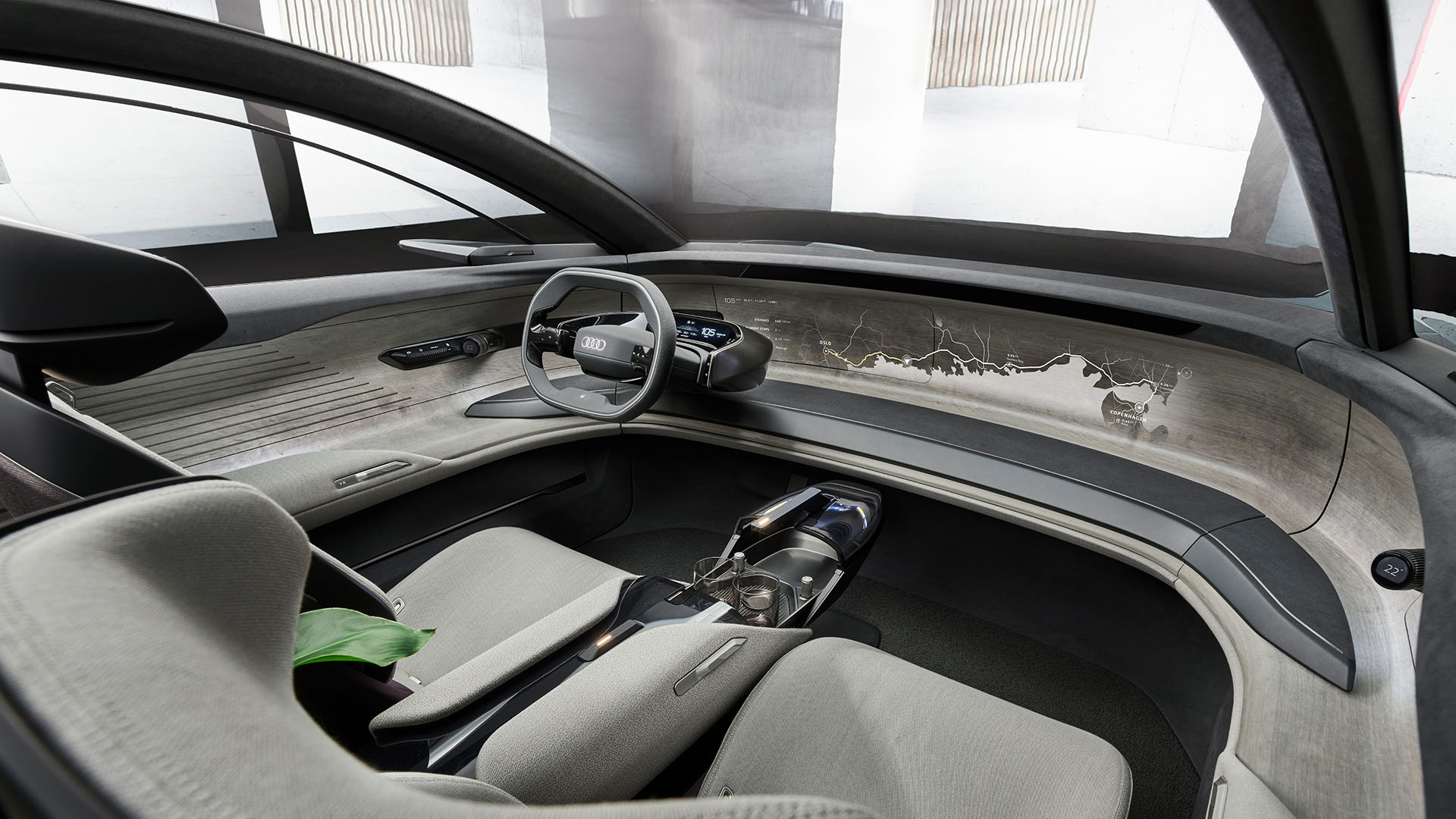
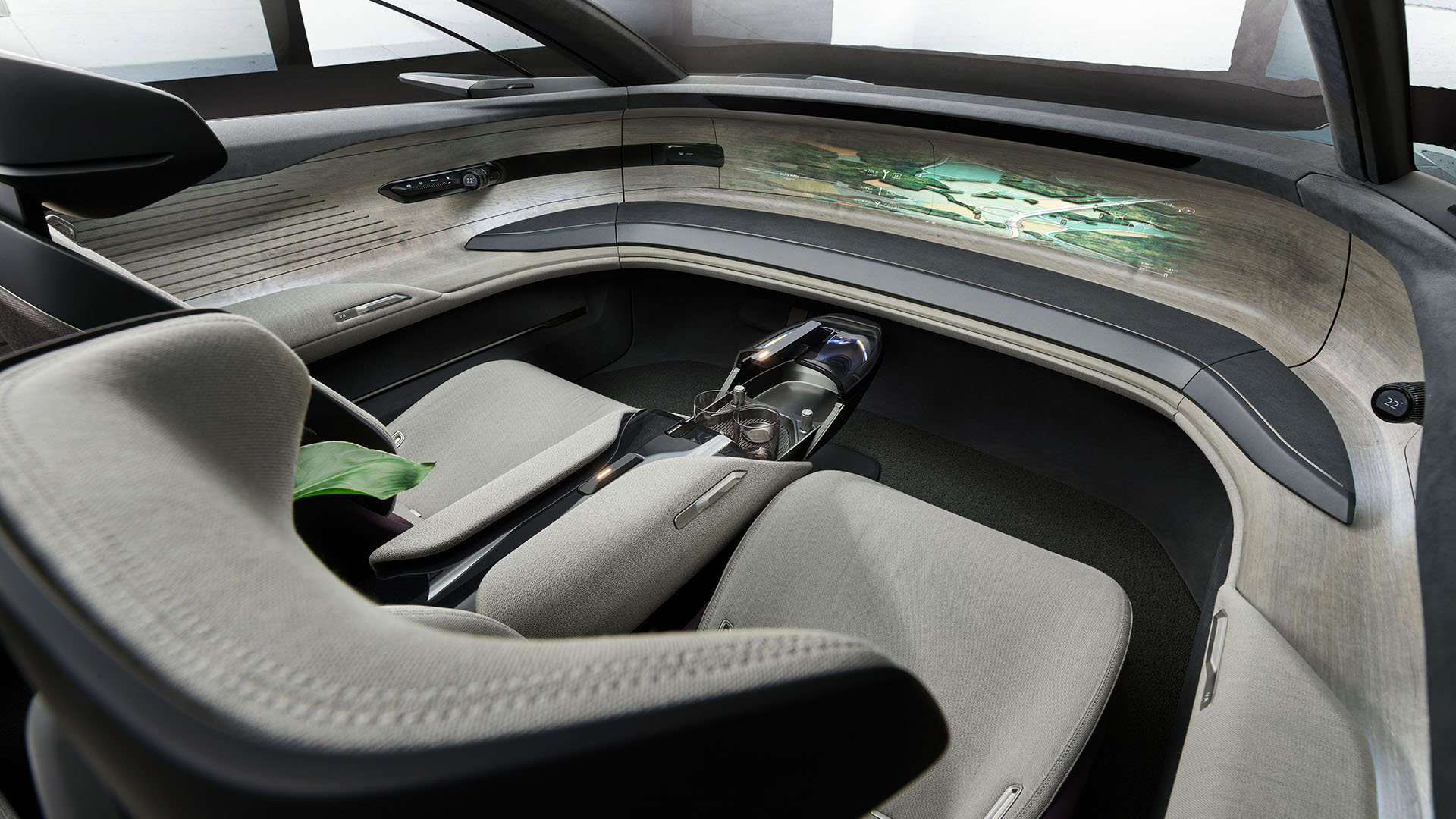
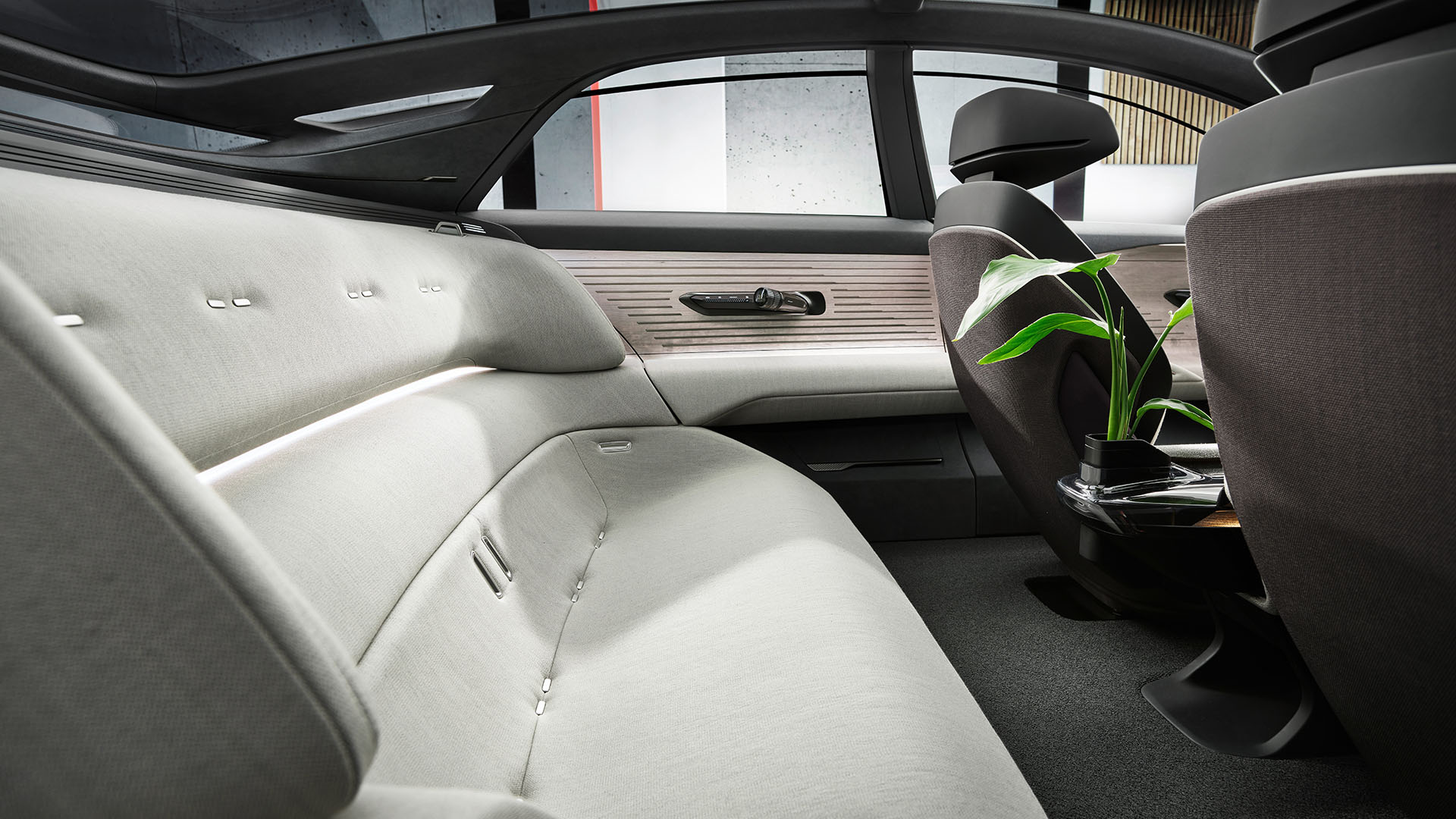
Because the Audi grandsphere is all about comfort and luxury, the front seats are considered first-class seating now, especially as the car will drive itself, the passengers have an amazing view over the completely clean dashboard through the fast windshield, despite the size of the grandsphere and the roominess inside, this is actually a 2+2 seater, the rear offers a two-person bench with an armrest that goes around the side, integrated as a seating option in the back when the two front seats are in their most backward position.
With the seats in their upright position, the Audi grandsphere can be perfectly ergonomically controlled when outside level 4 zones as the car has to be driven using the pedals and steering wheel, however, when in ‘auto drive’, the back can be tilted 40 degrees and passengers can relax or use the infotainment system. ultimately, with the back folded down to 60 degrees, the result is a perfect resting position. The headrest can be moved 15 degrees forward while vents emit filtered and temperature-controlled (even scented if desired) air, and then there are speakers that are inaudible to other passengers and allow for a private aural zone while being transported in the Audi grandsphere concept’s first-class cabin.
There is leather inside the Audi grandsphere, instead, you’ll find wool or synthetic textile material combined with wood and metal to offer the most pleasant touch, either sourced from sustainable cultivation or made from recycled material, and while every car needs displays, in case of this grandsphere these are actually projected onto the wooden surface, and while the car is in the automated driving mode, the entire dashboard fascia becomes a CinemaScope screen for entertainment or video conferencing.
The Audi grandsphere comes with the innovative MMI touchless response, using haptic controls and even eye movement detection to interact with the driver, this concept comes with eye-tracking, gesture or voice control, and it comes with a level of AI as the system will ‘learn’ the preferences of the driver and frequently used menus … in the end, the system will be able to offer personalized proposals to the occupant, and if you really want to ‘tune out’, there are VR glasses in the armrests.
Being a concept for the future, the Audi grandsphere is an all-electric car and should come with a 120 kWh battery module using the entire vehicle base between the axles, the massive 23-inch wheels are mounted on axles that have their own electric motor, one for the front axle, one for the rear axle, so this Audi has the famous quattro drive system … power output is an impressive 530 kW with 960 Nm of torque.
Similar to the Audi e-tron GT, the grandsphere comes with an 800-volt charging capacity, this means a depleted battery can be charged up to 270 kW almost instantly when connected to a fast-charging station, it takes only 10 minutes to add 300 km (186 miles) to the range, going from a 5% load to an 80% load on the 120 kWh battery takes less than 25 minutes, the grandsphere comes with a range up to 750 km (466 miles), and while maximum speed is limited to offer more range, acceleration from 0 to 100 km/h (62 mph) takes little over 4 seconds.
I have to admit, if this is the future we are heading into with electric cars, I’m not too worried, this car looks good, a sleek 4-door GT sedan, I wouldn’t call it a supercar or hypercar like the Koenigsegg Gemera, but this Audi grandsphere is intended for a different kind of customer … the future is electric, and the Audi grandsphere is a glimpse of what’s to come in the next decade or so.
September 9, 2021 / Comments Off on Audi grandsphere concept at IAA 2021
Everatti Automobili recently unveiled their new Porsche 964 Gulf Signature Edition, an electric supercar based on the fully restored Porsche 911 (964).
The model debuted at Salon Prive Concours d’Elegance, a venue which brings together vehicles from all eras from vintage models to modern supercars to racing legends. The Everatti 964 EV was displayed alongside an electric version of the Ford GT40 which was created in partnership with Superperformance.
The body of the Everatti features carbon fibre elements and a powerful EV powertrain, the vehicle delivers emission free driving range for more than 180 miles. The EV powertrain is integrated to a 53kWh battery pack and an enhanced battery management system.
The vehicle delivers 500bhp to the rear wheels, 500 Nm of torque and the acceleration from 0-62mph is achieved in less than 4.0 seconds. The engine produces double the output power of an original Porsche 964 built in the 1990’s.
The Everatti is available in Gulf Orange and Blue race car livery.
Porsche 911 Electric
September 9, 2021 / Comments Off on Gulf Porsche 964 Ditches Aircooled Engine for a Full Electric Powertrain
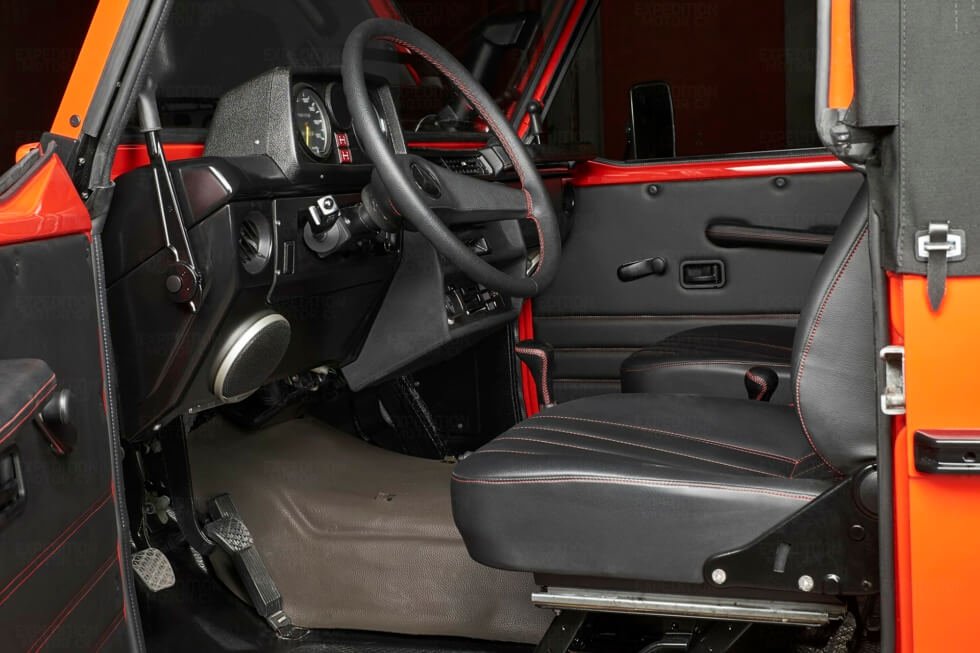
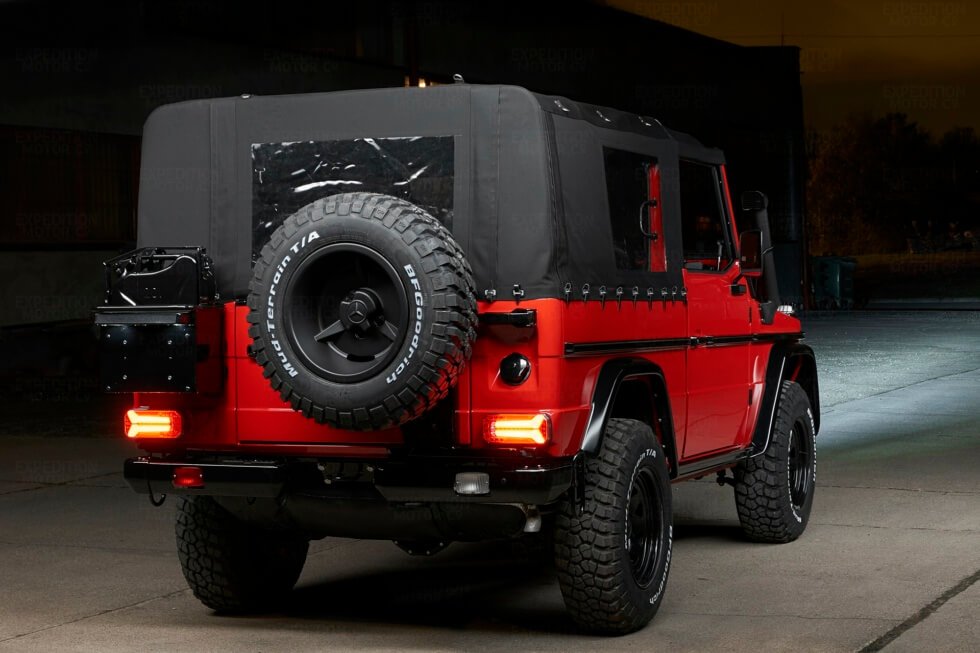
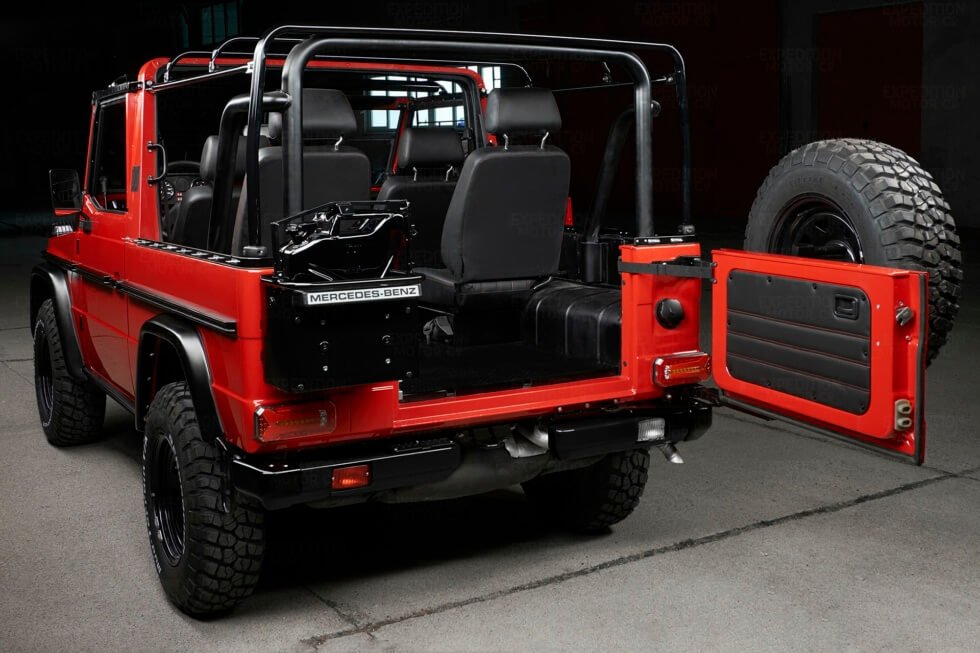
The market for vehicle restorations shows no signs of slowing down even amid the health crisis right now. Although travel restrictions are in place, it doesn’t mean overlanding is a no-go. If you’re looking for something unique, then a 1990 Mercedes-Benz 250GD Wolf from Expedition Motor Company is an interesting choice. So, let’s check out what they can do for clients.
Aside from Land Rovers, we also regularly spot awesome builds of this iconic German SUV. These range from luxe makeovers, electric conversions, and maybe some projects like what Expedition Motor Company offers. The effort and craftsmanship that go into the machines are remarkable.
Each Expedition Motor Company 1990 Mercedes-Benz 250GD Wolf that leaves their establishment undergoes close to 1,000 hours of work. The classic 4×4 can be personalized according to your specifications as long as it does not compromise performance. Another would be to pick from an extensive list of options on their website.
Already a reliable and capable platform, the tweaks and upgrades just make it even better. Expedition Motor Company sources each unit from reliable suppliers and is thoroughly inspected before work begins. What follows are a full disassembly and professional rebuild. Each 1990 Mercedes-Benz 250GD Wolf must pass a strict quality test before delivery.
Here are some of the add-ons buyers can request. Bumpers, winches, Jerry Can/Holder, soft top roofs, and more. Expedition Motor Company offers a level of customization not many can match. As long as the request is within reason, they will deliver exactly what the owner wants. Order your bespoke 1990 Mercedes-Benz 250GD Wolf and enjoy outdoor adventures anytime.
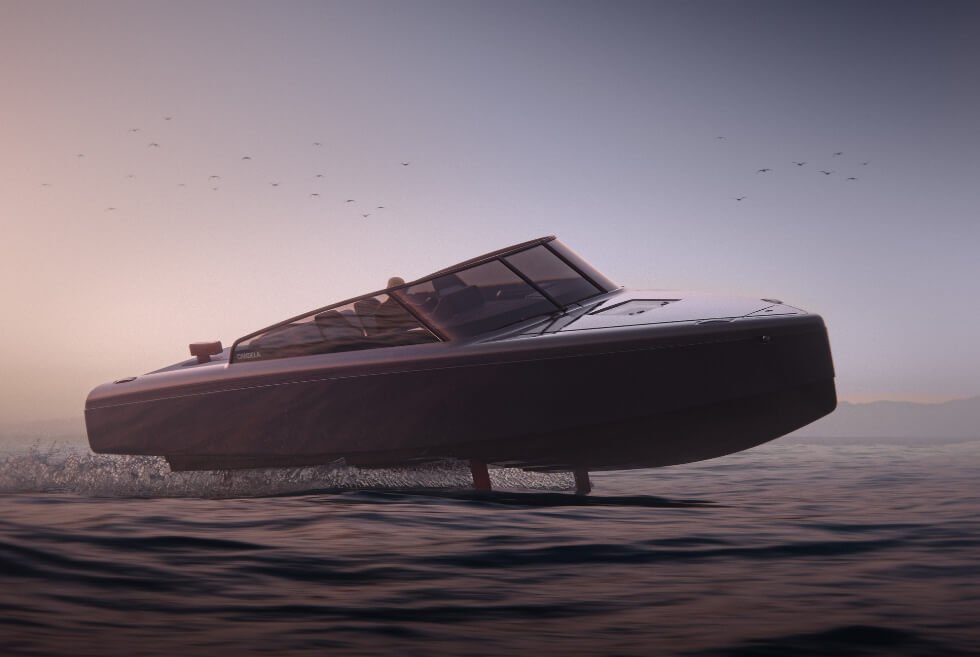
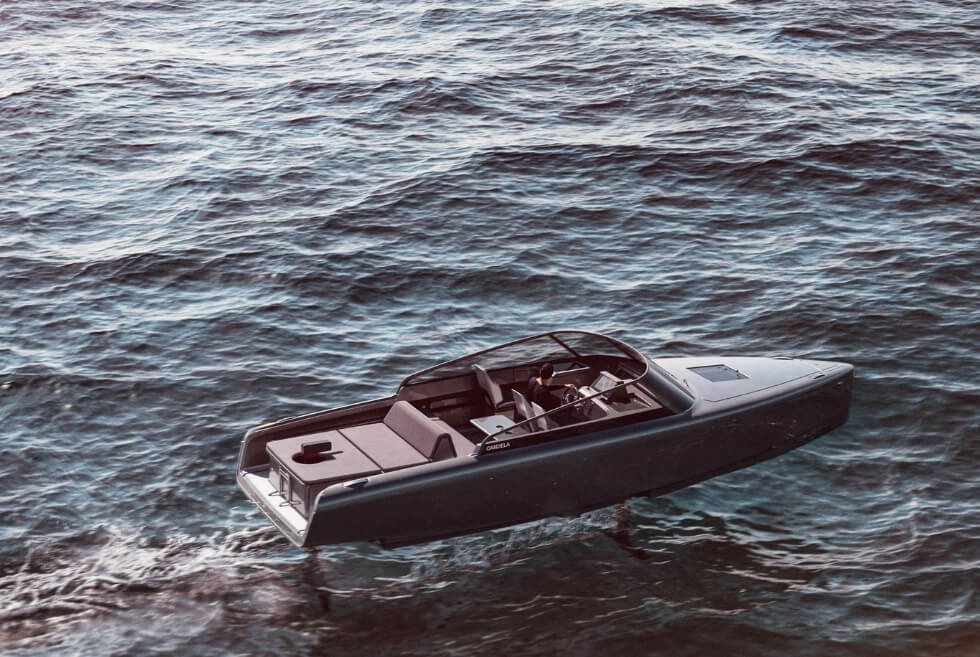
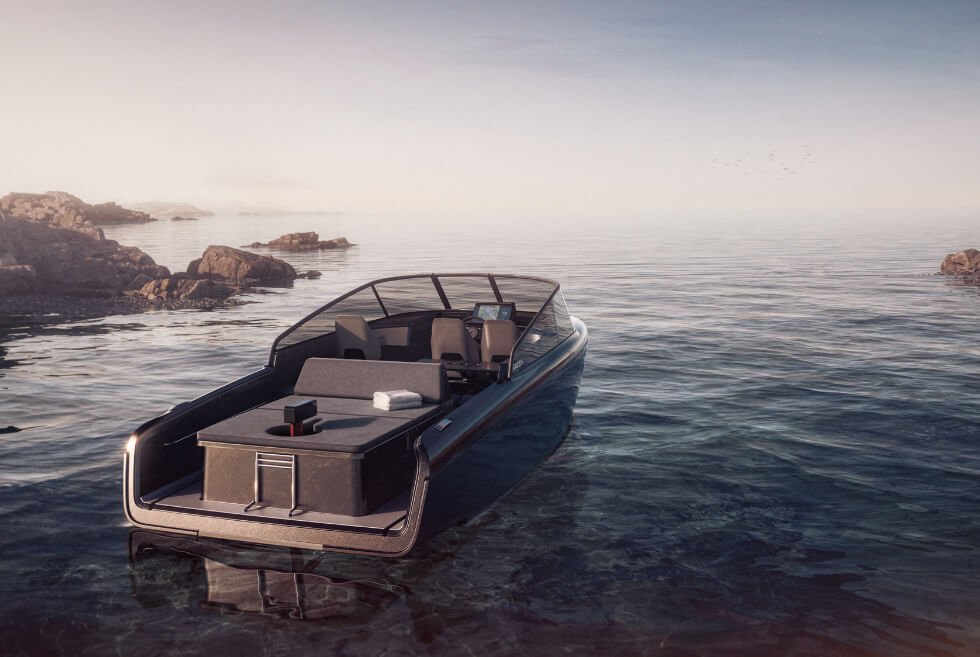
If head to the beach this summer, you’re likely to find people engaged in various activities. It could be sports, swimming, surfing, and more. Those who can afford it take to the seas on their yachts, tenders, or motorboats. If you plan to join them and prefer a greener alternative, why not grab the Candela C-8 instead.
This vessel also addresses another issue when it moves. As the hull cuts through the surface, it creates swells that could endanger smaller watercraft and people. Therefore, you can potentially ruin someone’s day when close to shore. Candela overcomes this challenge via a hydrofoil setup.
Even when cruising at high speeds, the C-8 is slicing through effortlessly and barely leaving a wave. Adding to the awesomeness of it all is appearing like it’s flying above the water. Even in rough seas, its hydrodynamic configuration makes it feel like a relaxing ride.
Candela is crafting the hull out of 100% carbon fiber which is impressively lightweight for its size. Moreover, this material likewise boasts an outstanding strength-to-weight ratio in contrast to glass fiber. Add to that the all-electric propulsion from its powerful C-POD motor.
Depending on the situation, the versatile C-FOIL system can retract up into the hull. This allows the C-8 to navigate even in shallow water. Depending on the conditions, the top speed should be somewhere between 24-30 knots. Its batteries give it a maximum range of more than 50 nautical miles.
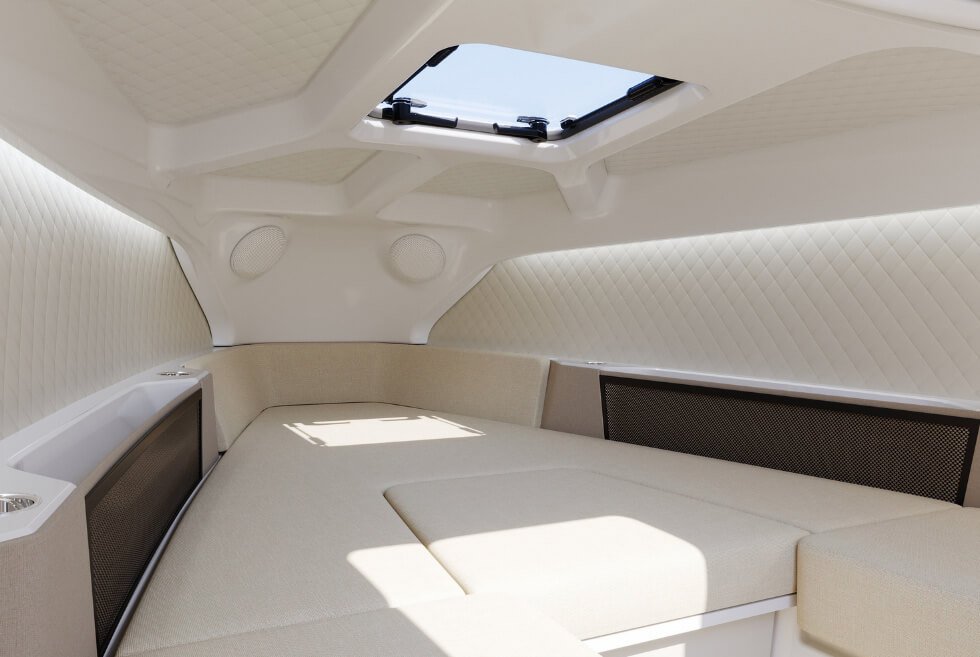
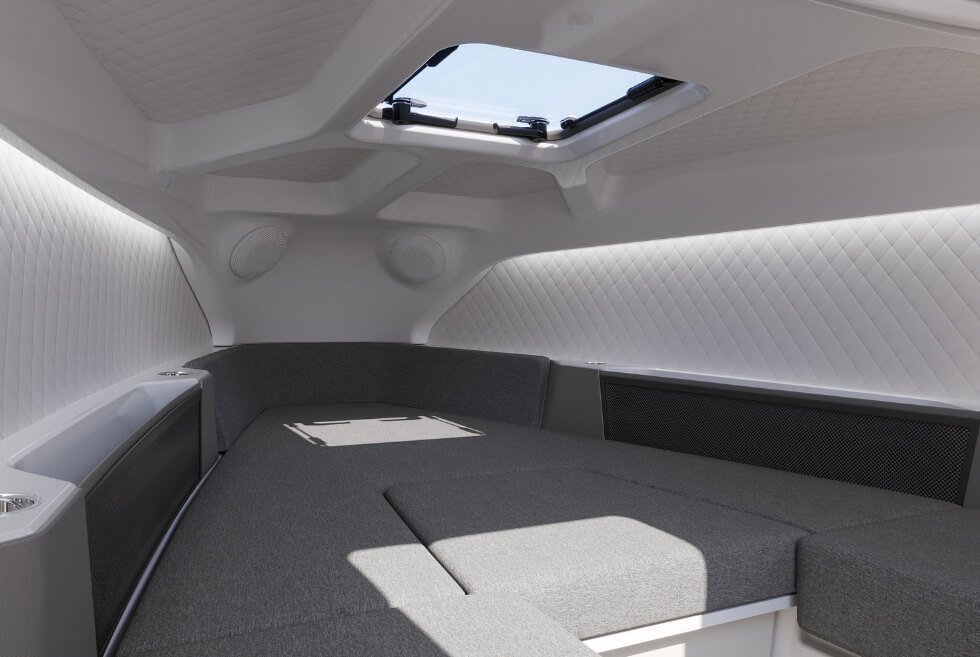
It measures 27.9 meters long and 8.2 wide with enough space for up to 8 passengers including the operator. Intuitive controls from its 15.4-inch touchscreen and proprietary candela UI even supports over-the-air updates. Below deck, the C-8 has can sleep up to two adults and two children.
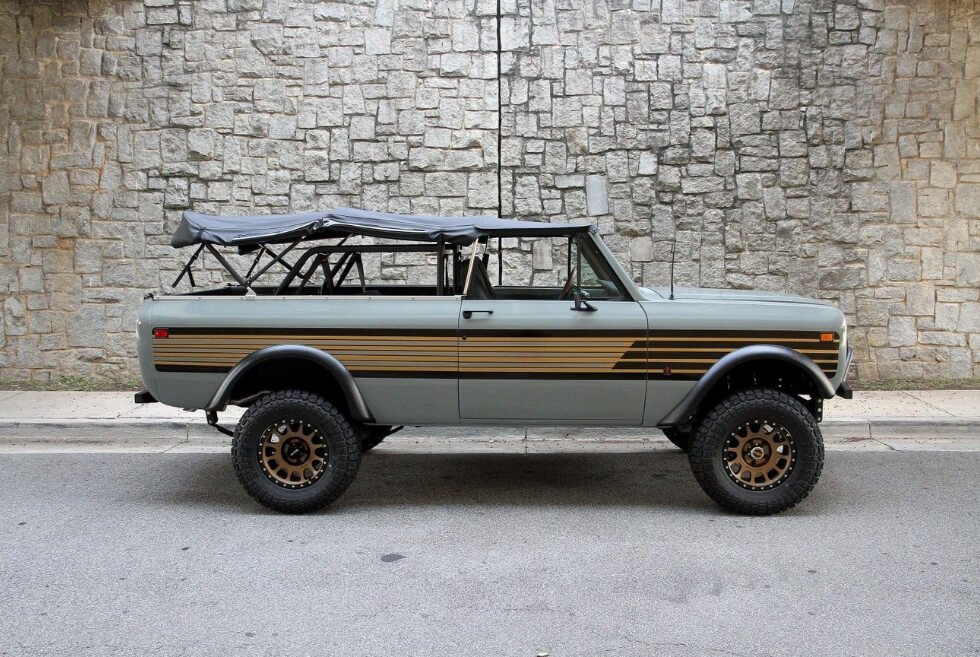
Automotive enthusiasts share a common love for almost any type of vehicle. However, everyone has their personal tastes as to what type of ride they want to own. While most of us prefer the latest models, others go for something old-school. Motorcar Studio has a cool classic for nostalgic buyers — a 1978 International Scout II Traveler.
There’s no denying that there’s just something about older machines that remain timeless even today. We know some people like to purchase barn finds or even those in scrap condition and turn them into weekend projects. Collectors, on the other hand, would rather jump on professional restorations like this 1978 International Scout II Traveler.
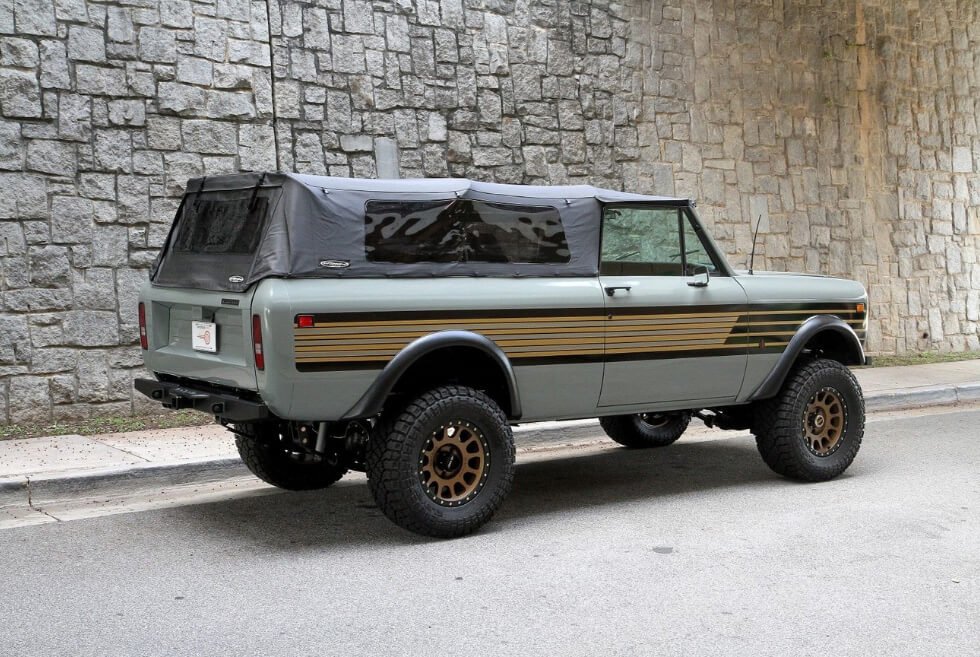
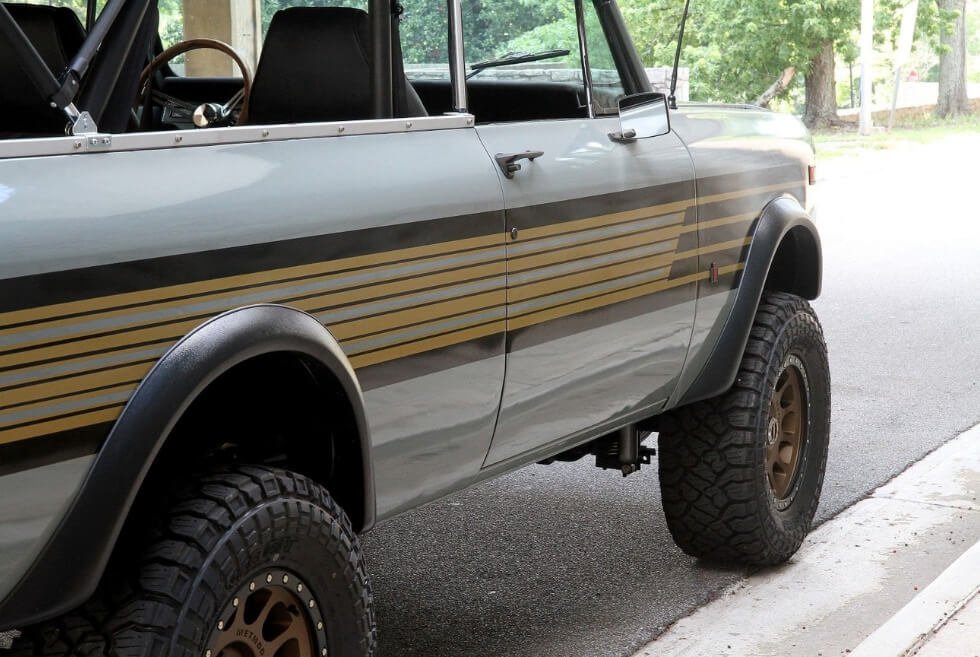
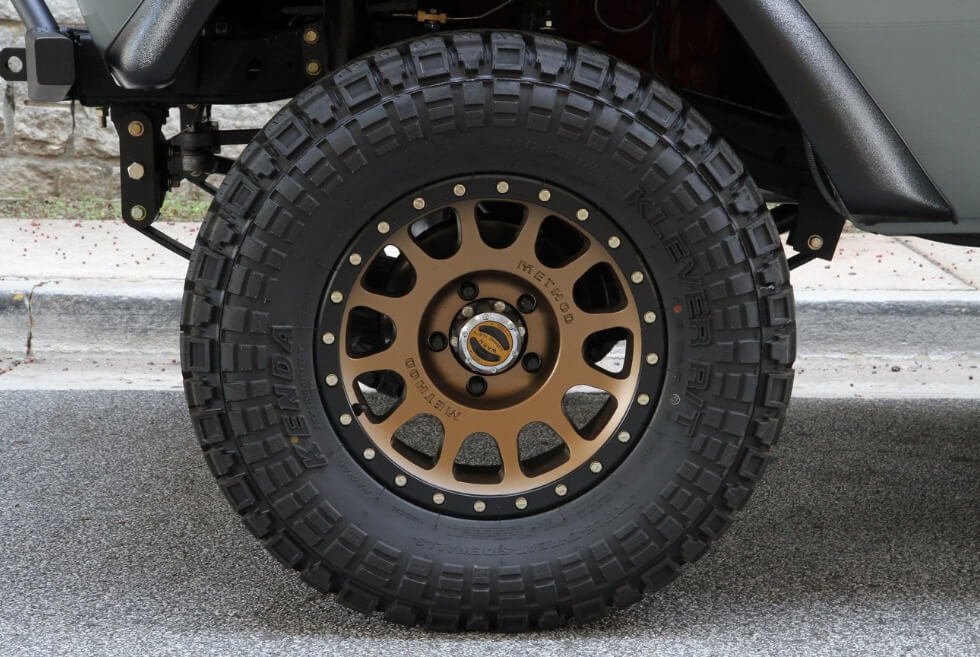
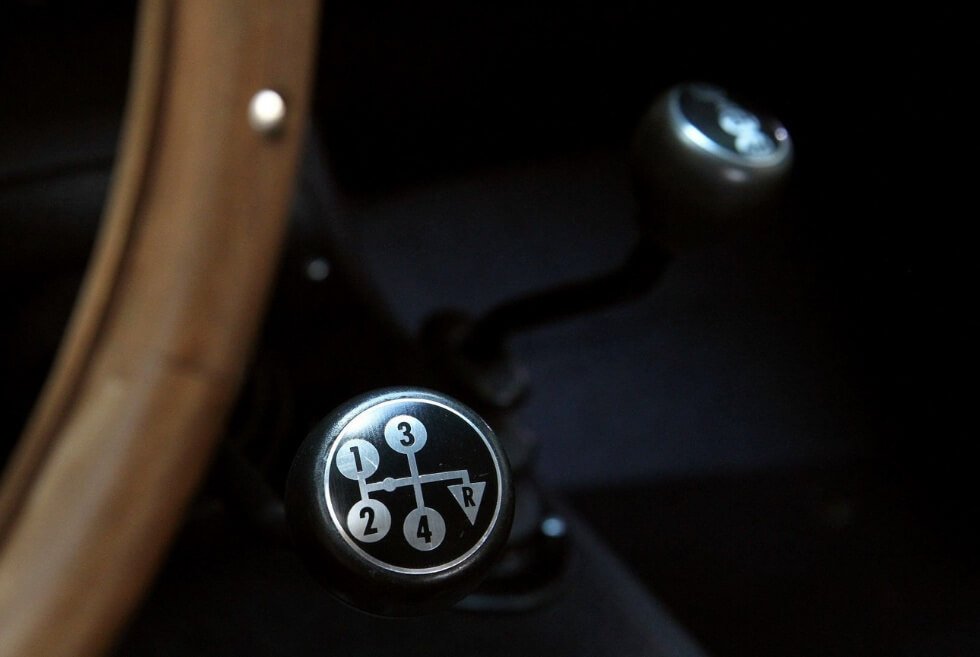
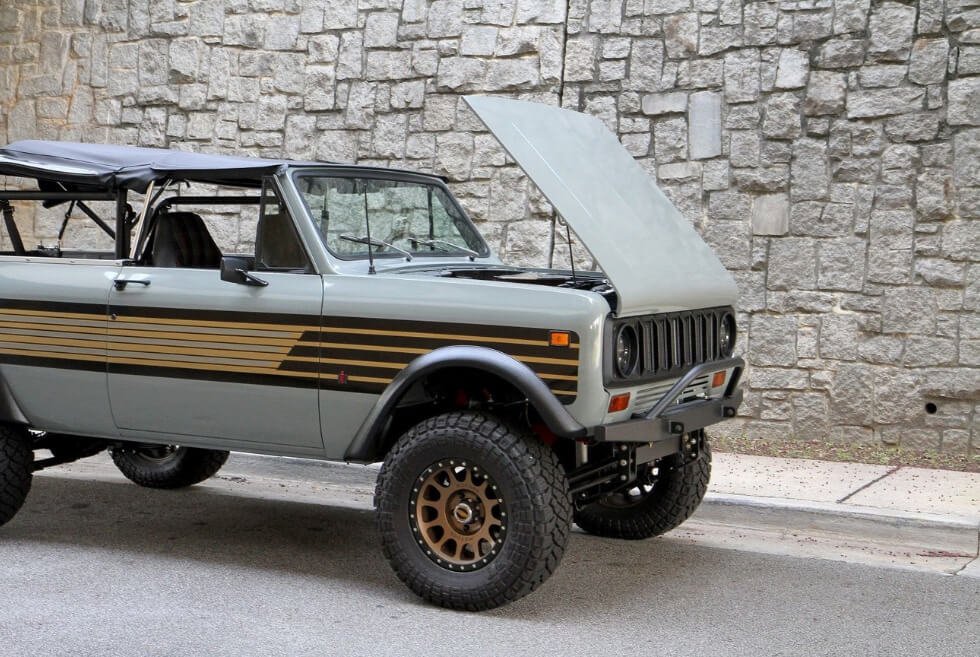
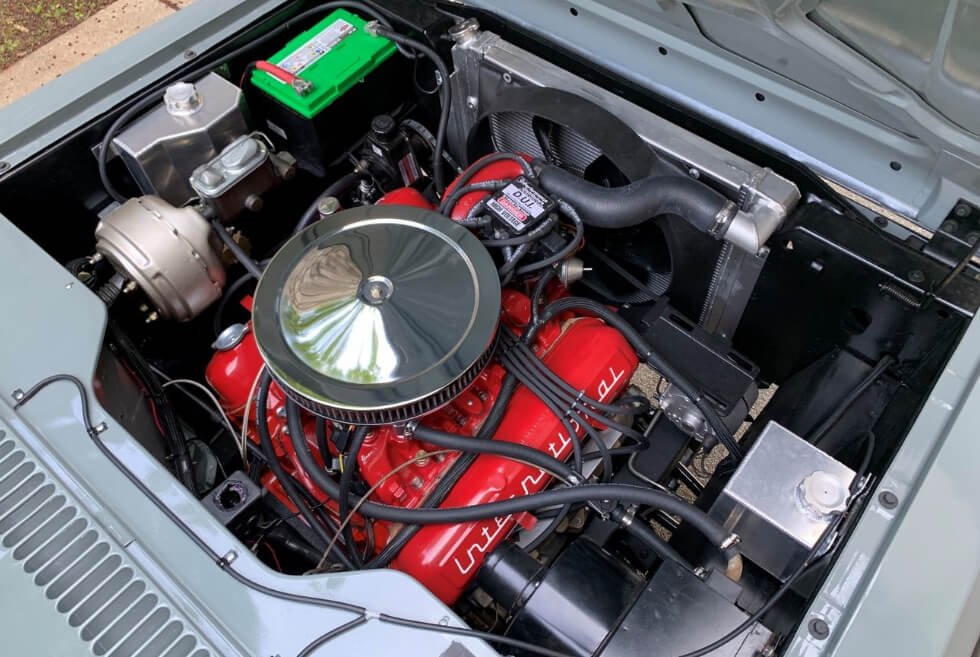
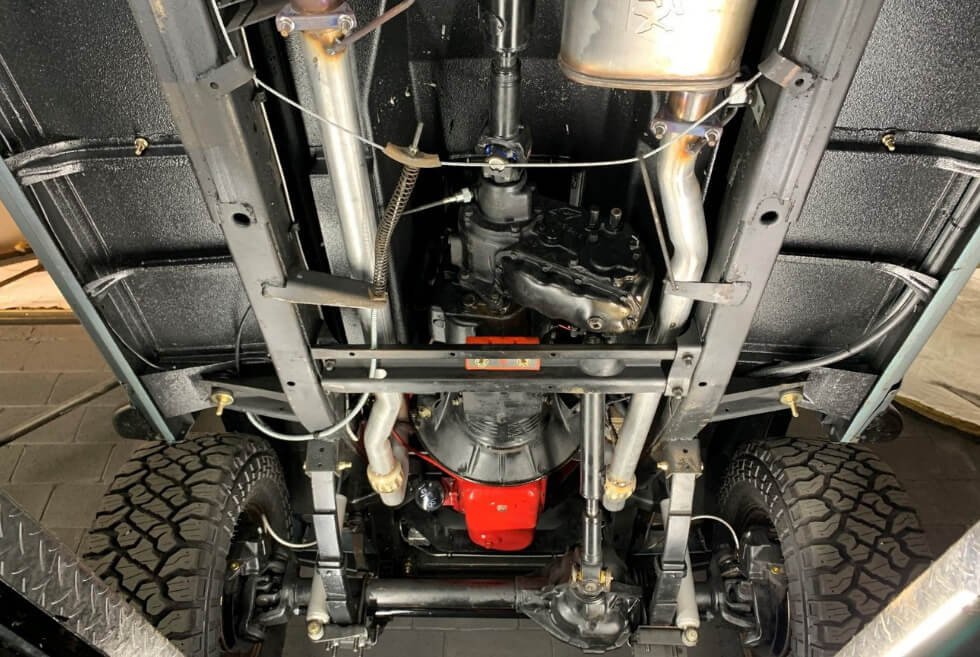
At the heart of this restoration is a rebuilt 345-cubic inch V8 with a FiTech electronic fuel injection system. Feel it rumble and growl through the Flowmaster dual exhausts. The 1978 International Scout II Traveler is a set of 17-inch alloy wheels in matte gold with beefy all-terrain tires.
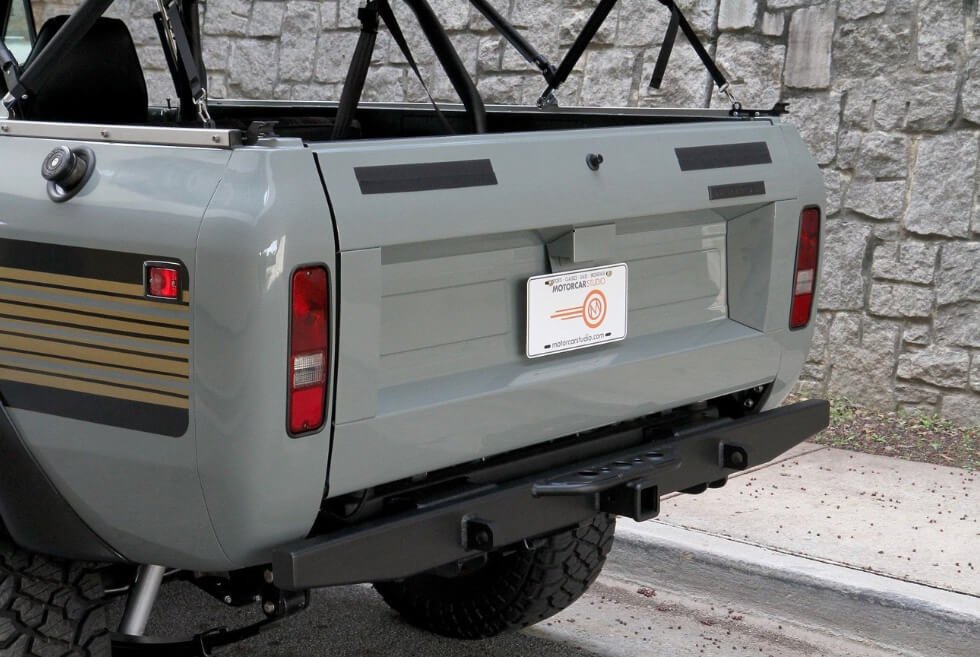
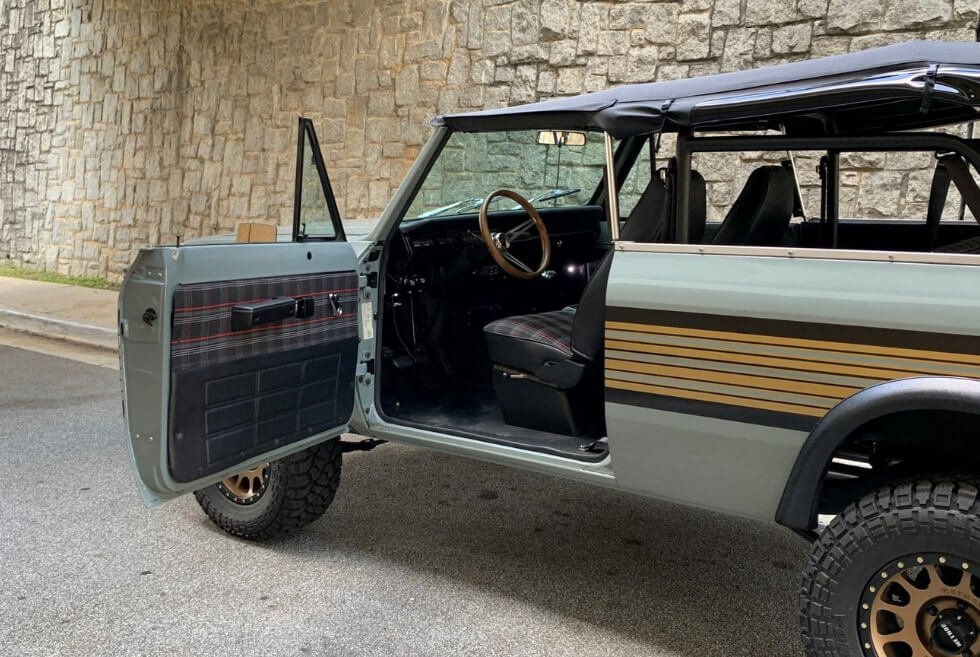
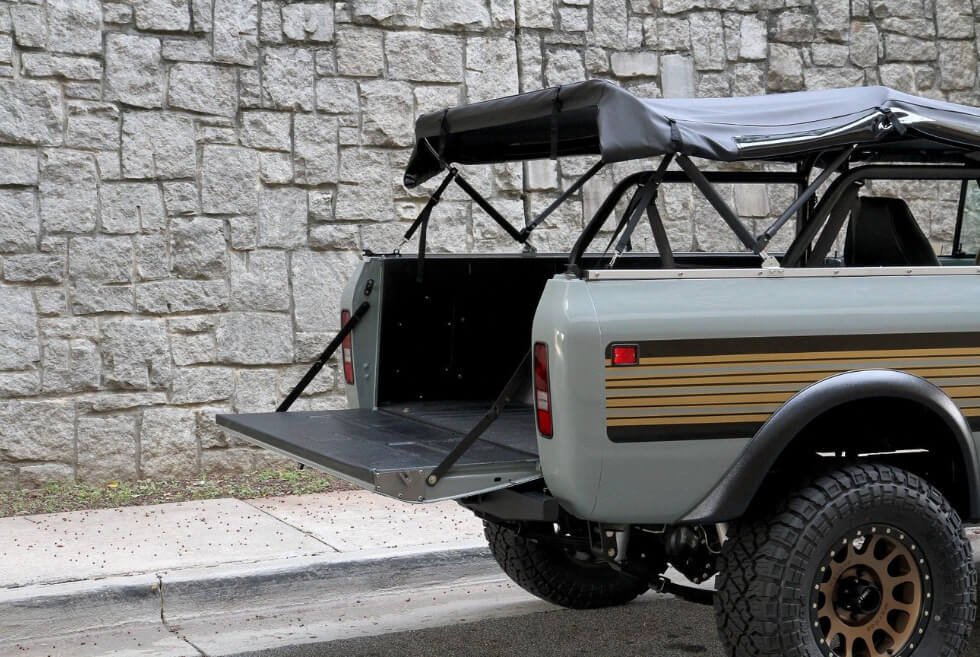
You can tell that those who worked on this project have taken great care to keep the original aspects intact. Hence, it’s as close as you can get to brand new. Starting with the paint job, it boasts period-accurate details with a coat of Lunar Rock Gray. For protection against elements, the 2-door pickup features a black soft-top to cover the bed.
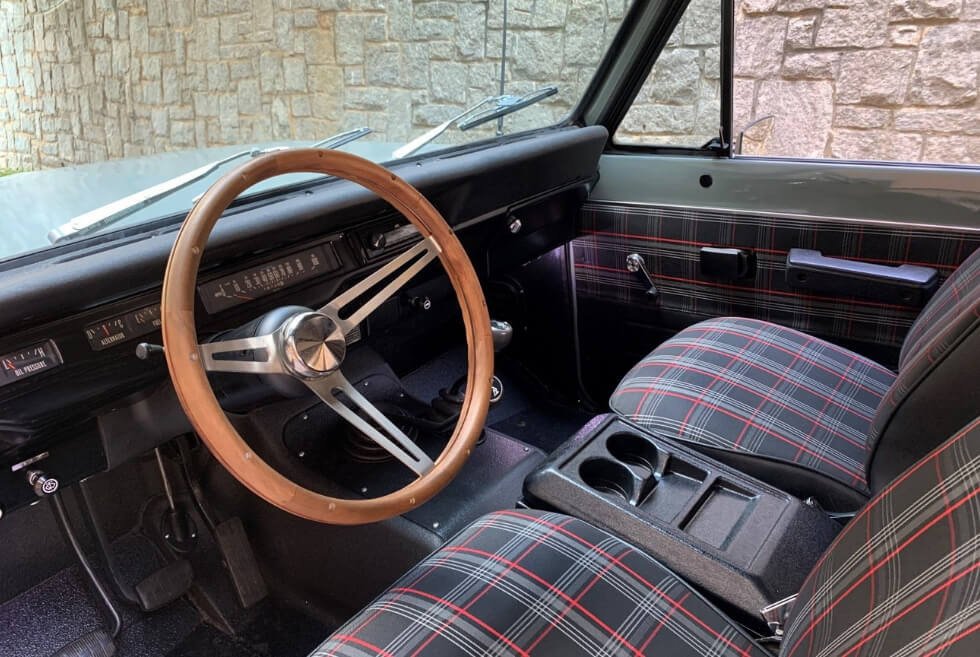
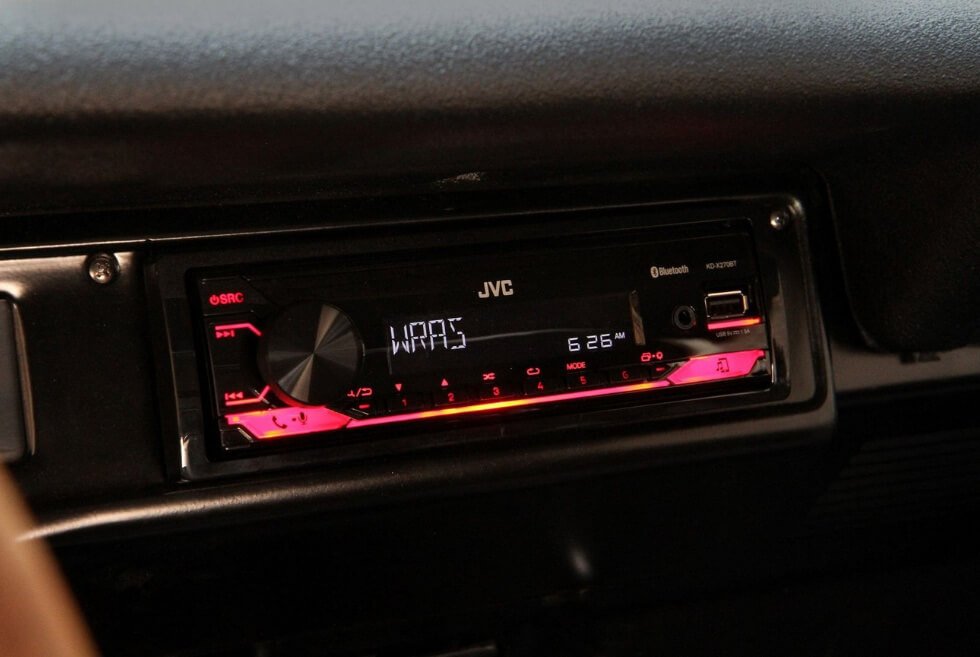
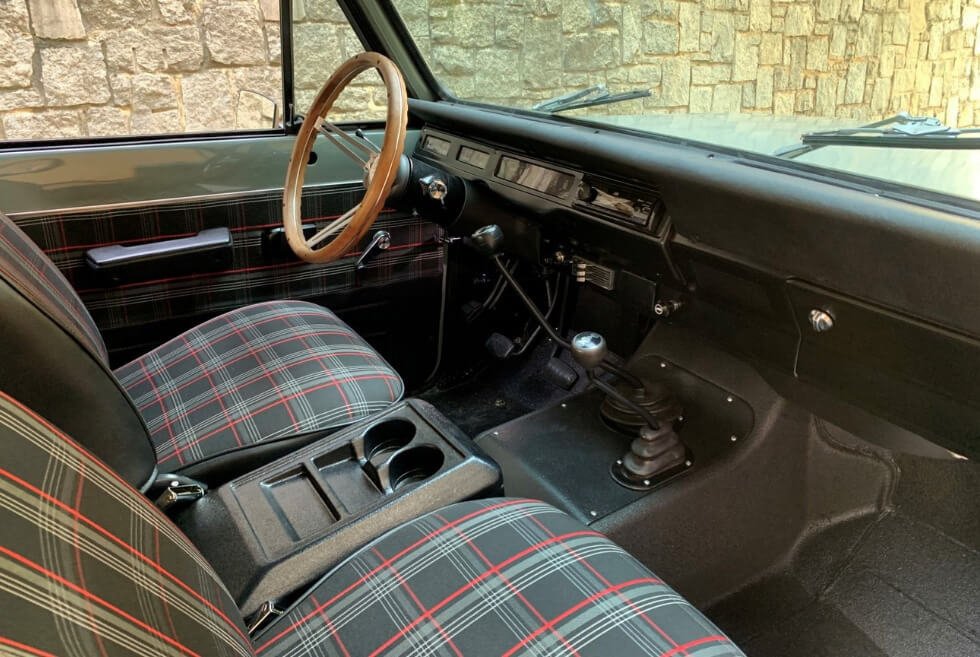
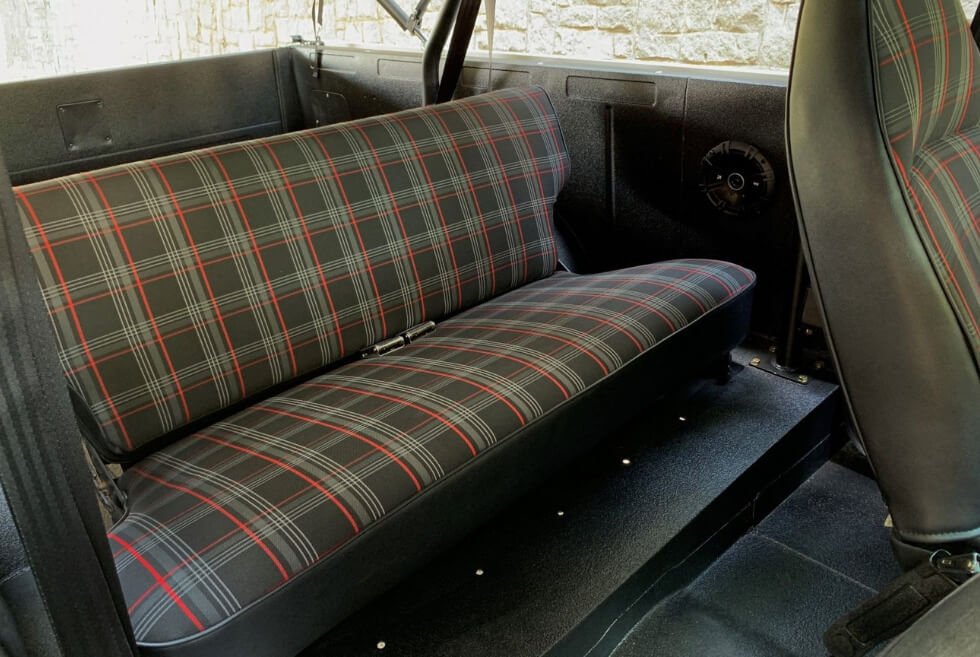
Then there’s the GRC custom bumpers and SSII grille in matte black. Moving on to the interior, this 1978 International Scout II Traveler is sporting GTI plaid upholstery with matching door panels. Additionally, it now comes with a new AM/FM stereo with modern functionalities such as Bluetooth, aux input, and USB ports. If you want to add more accessories, check out our dash cam buyer guide.
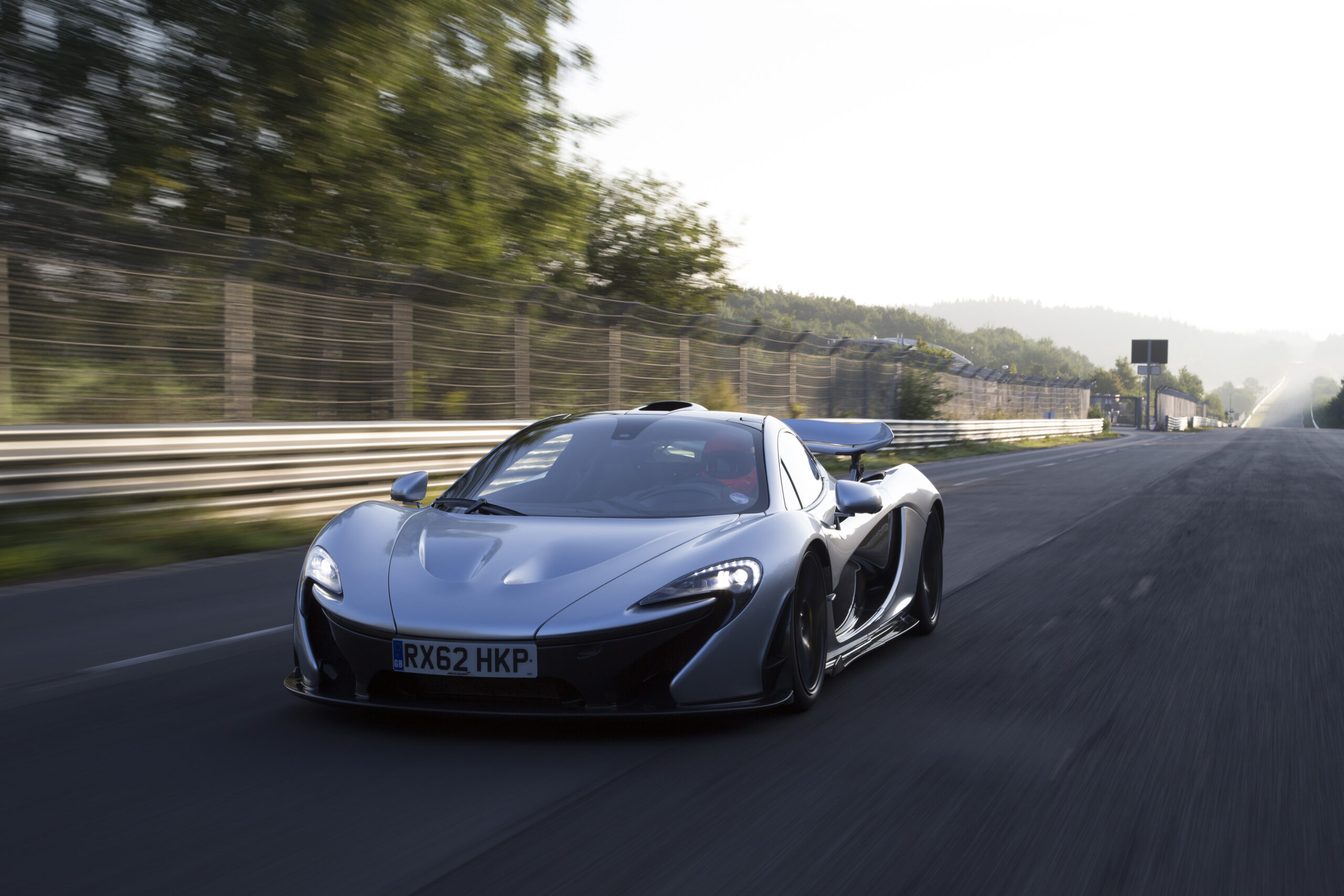
If time travel were possible, going back to the middle of the first decade of the 2000’s and mentioning the word “hypercar” would have garnered you some very odd looks. In fact, by then, the word “supercar” was still only just about 20 years old, when the Porsche 959 and the Ferrari F40 had brought the term into the common vocabulary. Even then, it wasn’t seared into the mind until the greatest supercar of all, the McLaren F1, was made.
Yet, in 2021, we all know what a hypercar is. There were a few cars that started the term rolling around in the mind, like the SSC Ultimate Aero and the Bugatti Veyron, but it wasn’t until 2013 that what are now considered the holy trinity of hypercars were released, and the motoring world was irrevocably changed.
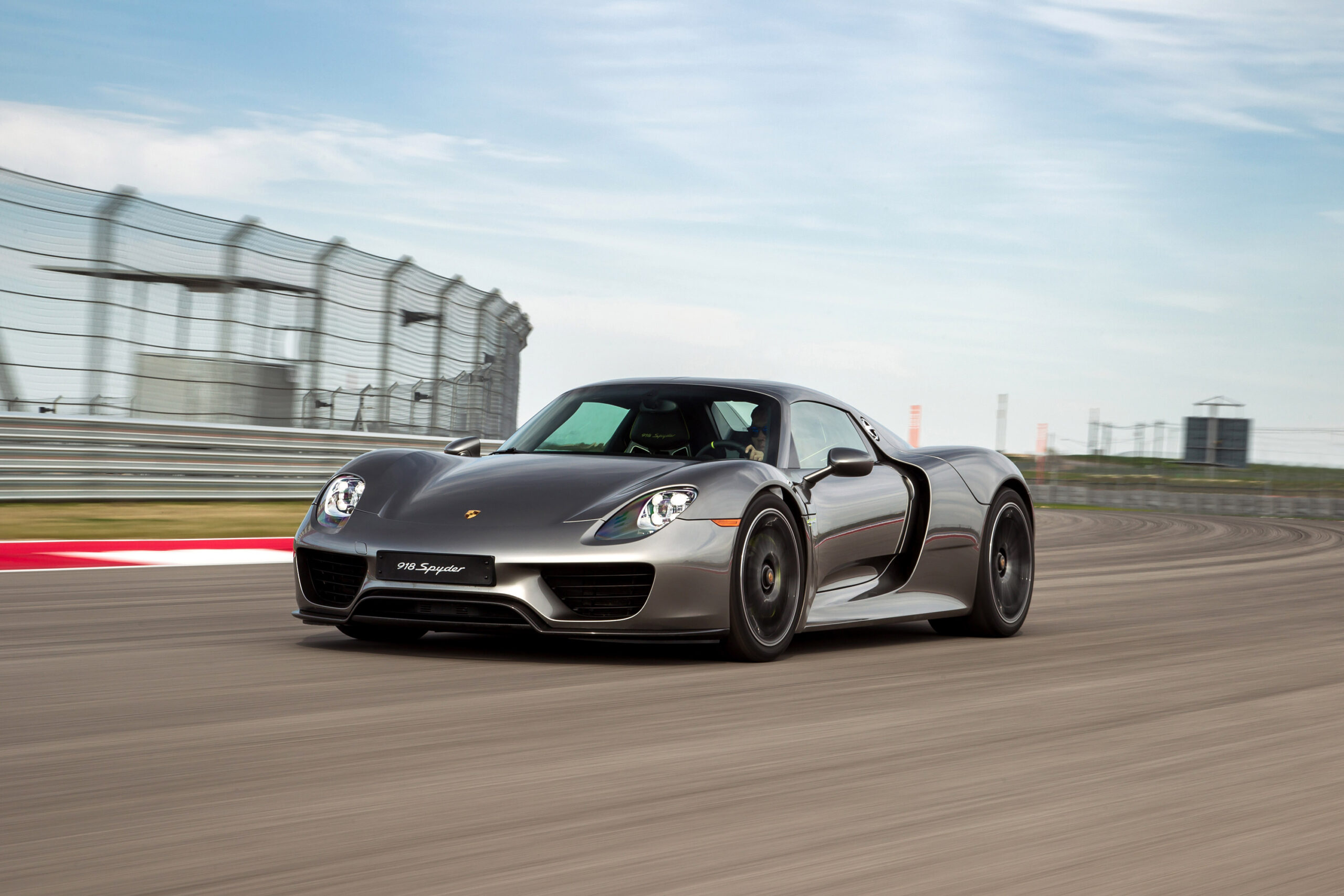
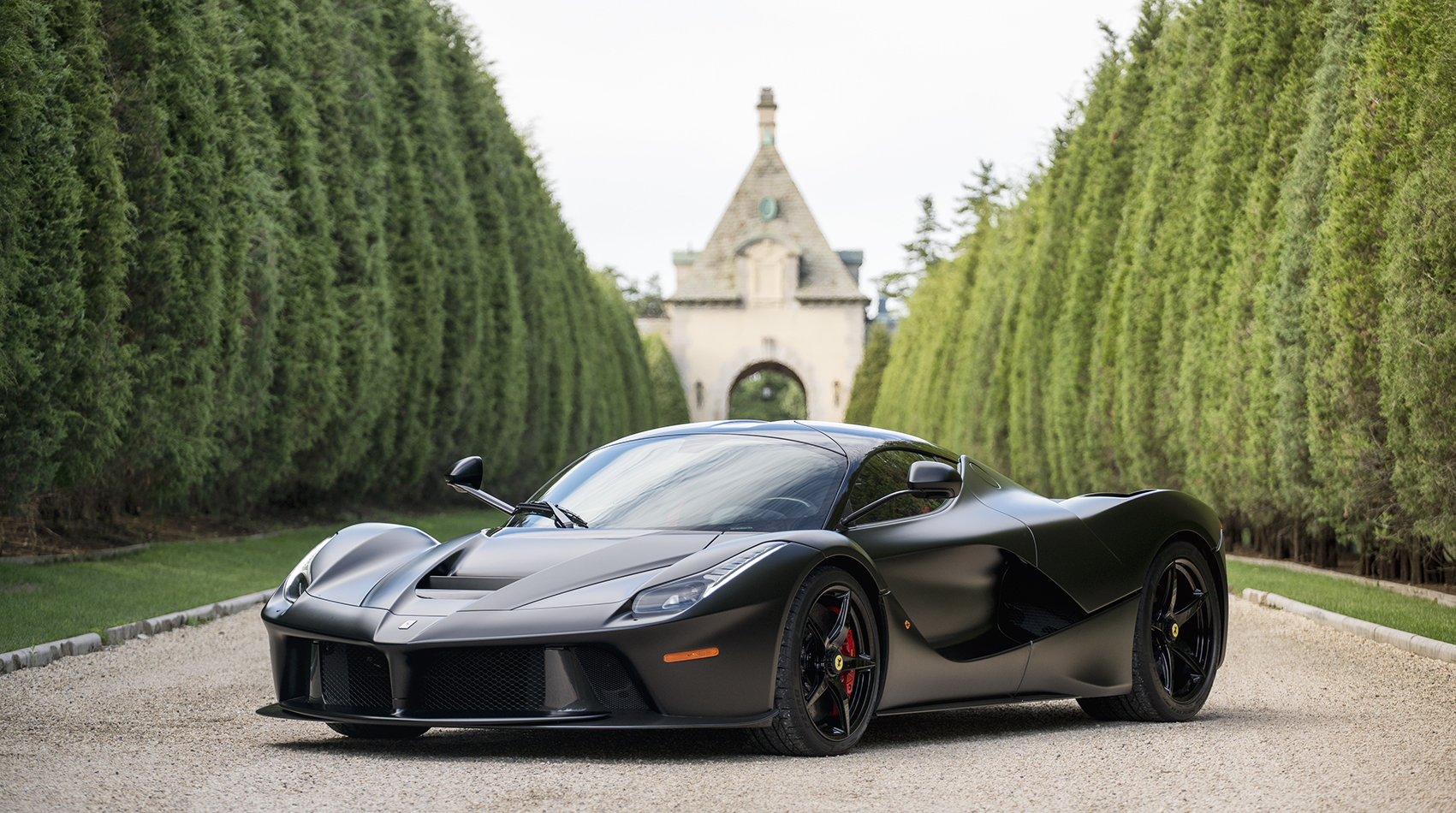
Three cars, from three manufacturers, all released in the same year, have come to define what it truly means to enter into the rare company of those vehicles labeled as hypercars. The McLaren P1, the Ferrari LaFerrari, and the Porsche 918 Spyder all broke through so many technological milestones and proved that a super-high-performance supercar could actually exist that a new term had to be coined for them.
But what were those barriers? What do we take for granted in today’s ultimate supercars that was revolutionary in 2013? And would we be where we are now, at the dawn of the EV hypercar decade, if not for these three masterpieces?
A Different Way Of Thinking: The Hybrid Movement
How Motorsports Helped Forge The Hypercar
The biggest thing that all three of the Holy Trinity brought to the table was the use of hybrid electric power to not save gas or make things quieter, but to boost performance and power. It seems almost comically ironic in 2021 that before the year 2010, hybrid electric assist in cars was scoffed at as being for environmentally conscious consumers and that if you wanted raw power and speed, you stayed with an internal combustion engine only.
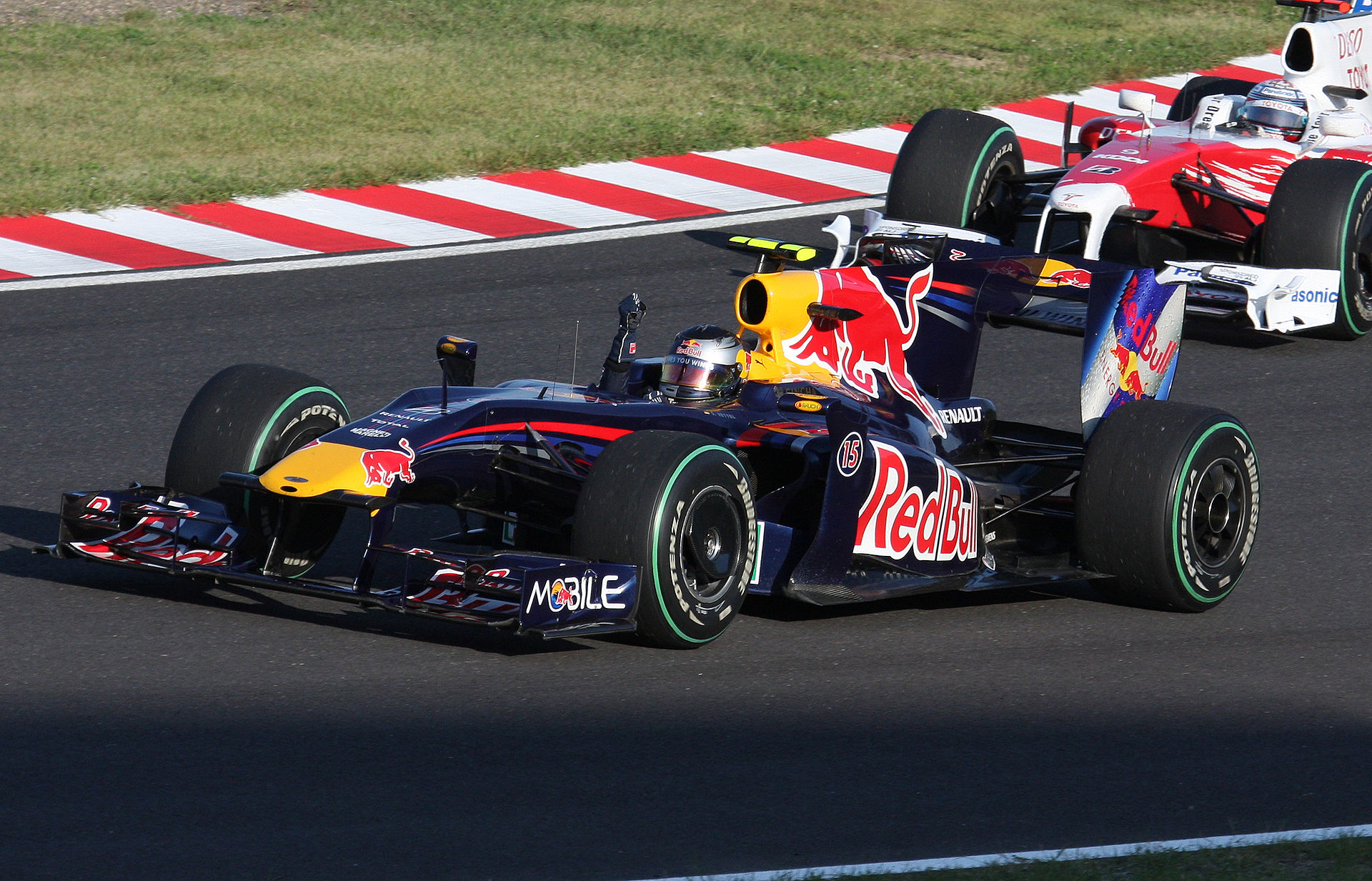
However, there was one area that a select few engine developers and car manufacturers were interested in using hybrid power in a different way. The FIA Formula 1 World Championship had changed throughout the first decade of the millennium from being all about speed and power, to being about speed, power, and sustainability. As part of this environmental lean, in 2009, the FIA allowed for a Kinetic Energy Recovery System, or KERS, to be used in F1 to allow for an on-demand boost of about 80 HP to the 750 HP provided by the V8’s used in the series.
This energy was often stored in batteries or capacitors, and was captured through regenerative braking, where an electric generator assisted the brakes on the rear wheels of the F1 cars. By nature, Ferrari, as the longest continuously running team in the sport, and McLaren, another long running team, started immediately thinking about how this technology could be used in a high-performance road car.
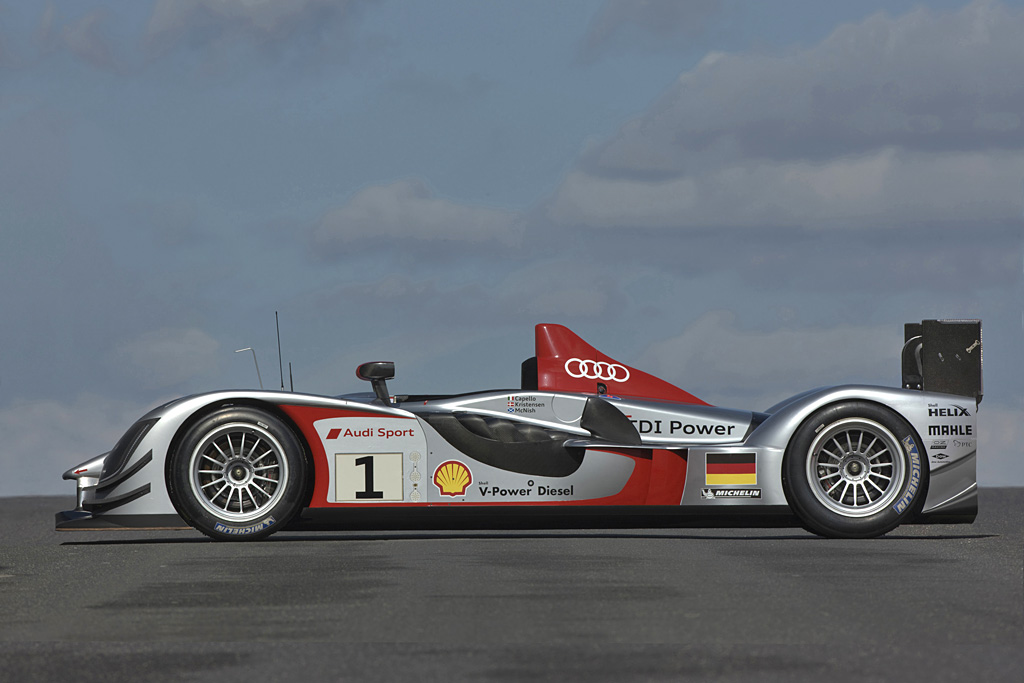
On the other side of motorsports, Audi, under the umbrella that is the Volkswagen Group, was a serious contender in endurance racing, and their 2006 to 2010 R10 and R15 TDI diesel was winning pretty much everything. The ACO, the governing body of the 24 Hours of Le Mans, in conjunction with the FIA, announced that for the 2012 race, electrical hybrid assist was going to be permitted.
Since Porsche, another company under the VW Group umbrella, was actively developing hybrid systems for their road cars, especially the Cayenne SUV, some of their engineers were brought in as experts in hybrid systems to work out how to make the hybrid system be a performance assist, instead of being a fuel efficiency assist. This, of course, gave those engineers some ideas, and when they returned to Stuttgart, we can only assume a series of closed door meetings happened quite quickly.
The Development Of Performance Hybrid Systems
Porsche was the first to truly step into the field of using a performance hybrid system in conjunction with something close to a road-going racing car, with the 2010 Porsche 911 GT3-R Hybrid. Since Porsche GT3 and Cup cars are built off of the 911 Carerra platform, the engine is mostly the same across the cars, except a bump up to 4.0L and the replacement of internals with race-grade components.
Williams F1, in the meantime, had been developing a KERS system for the 2009 season, but ultimately ended up not using it. Porsche and Williams have historically been good partners, so when the German company wanted to put a hybrid into their race car, Williams were only too happy to use the 95% finished 2009 KERS with the 911 GT3-R.
The 911 GT3-R Hybrid officially debuted at the 24 Hours of Nurburgring in 2010, although it had raced as a wildcard in the VLN event a couple of weeks before the big race. It was a true four-wheel drive system, with the 500 HP 4.0L flat-six powering the rear wheels, and the 210 HP hybrid system, via two 105 HP motors, driving both front wheels. The car was instantly fast and, very importantly, very, very reliable. It raced for the rest of 2010 and all of 2011, and very rarely had any issues.
During 2010, Ferrari had also started testing out a performance hybrid system, as they were in the planning stages of their “once a decade” special car for elite Ferrari customers. It had started with the F40 in the 1980s, the F50 in the 1990s, and the Ferrari Enzo (F60) in the 2000s. The upcoming F70 had no name yet, but it was known that it would, like the previous two cars, have a V12 in the middle of the car and be the ultimate expression of Ferrari performance and technology.
At the same time, McLaren had been impressed with the on-demand hybrid power of KERS in F1, and in 2010 tasked their internal skunk works, McLaren Special Operations, with investigating how to use that system in a road car. They were also tasked with talking to the McLaren Formula 1 Team to integrate other parts of F1 tech into the car, including a Drag Reduction System (DRS), and an Integrated Power Assist System (IPAS), which McLaren was developing for the 2011 Formula 1 system.
The Realization Of Performance Hybrid Power
From those development launches in 2010, all three companies immediately started to design, prototype, and refine their thoughts into three very distinct applications of the performance hybrid system.
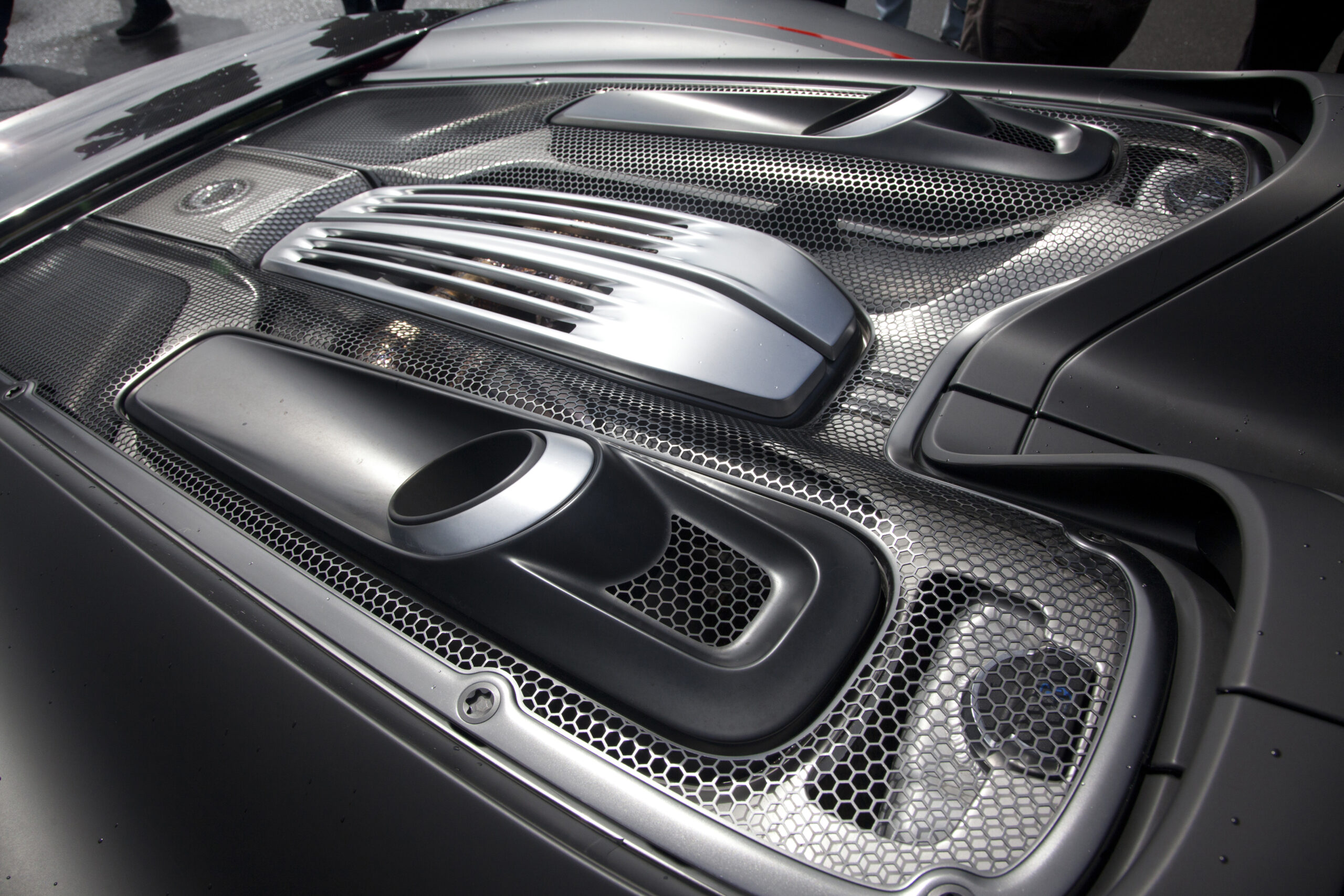
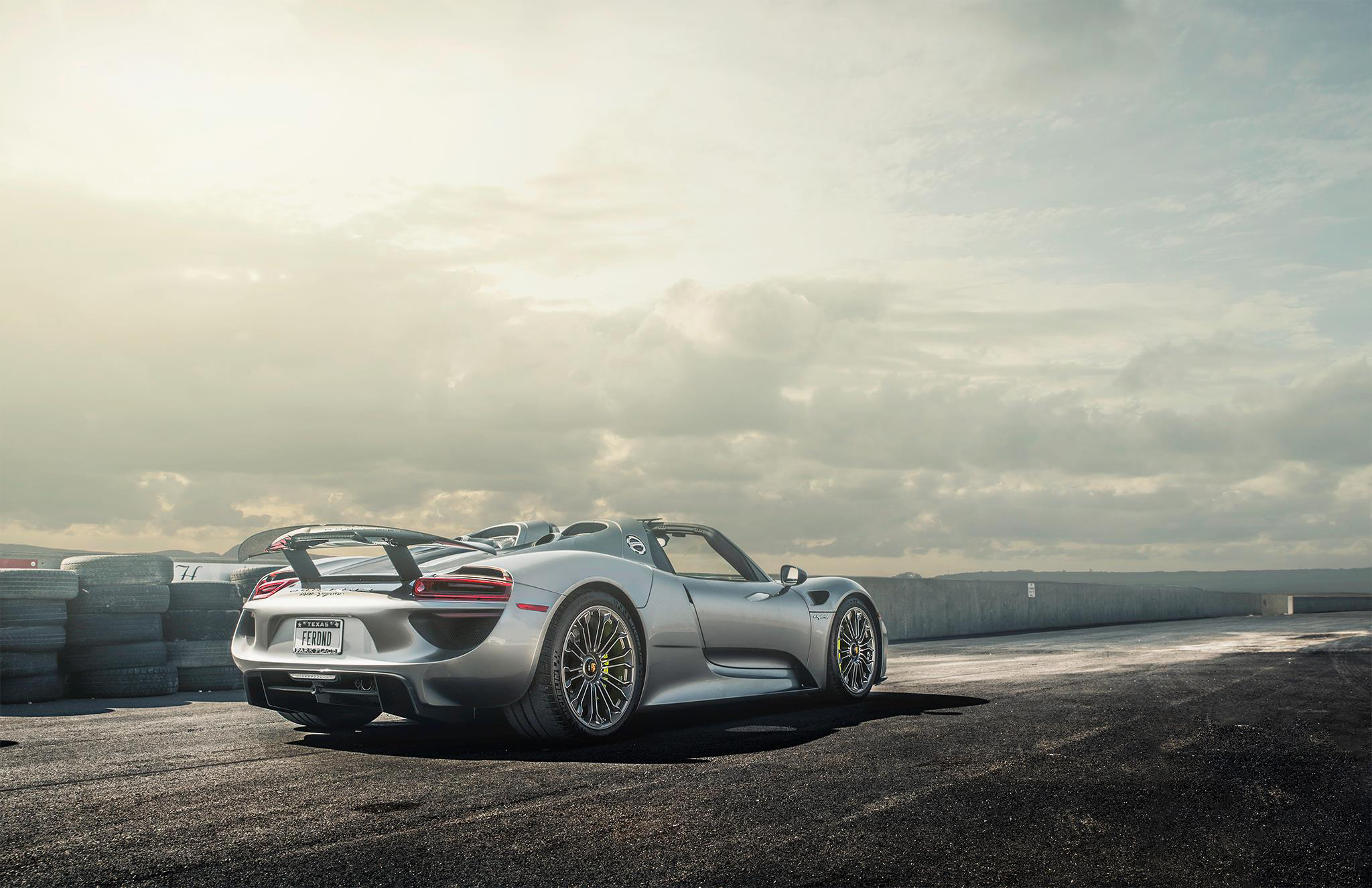
Porsche focused their development on using two electric motors in conjunction with a detuned version of their prototype Le Mans engine from the Porsche RS Spyder, which was their Le Mans testbed before they eventually developed the Porsche 919. The 4.5L V8 produces 600 HP on its own, and mounted to the transaxle, an electric motor provides 154 HP and also serves as the KERS recovery system. The front axle is powered by a 127 HP electric motor only, and an automatic electric clutch decouples the motor when it is not needed.
In this way, the Porsche 918 Spyder was designed as a primarily rear-wheel-drive supercar, with the ability to suddenly jump from 600 HP through two wheels, to 875 HP through four. The 918 prototype and eventual production car also accelerated like a bat out of hell, with 0 to 60 times under 2.3 seconds and clearing 0.62 miles (a standing kilometer, as Germany uses metric) in under 18 seconds at 184 MPH from a dead stop. The 918 Spyder can also be run entirely on the electric motors, and has a manual deployment mode where the driver can request extra power at any time.
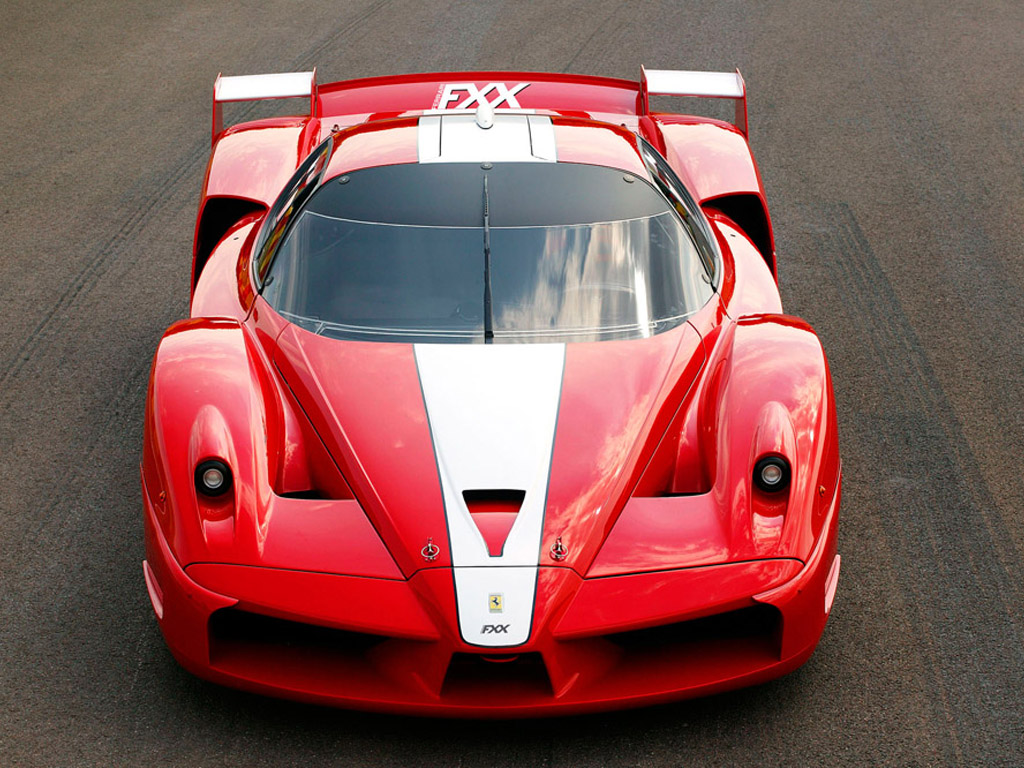
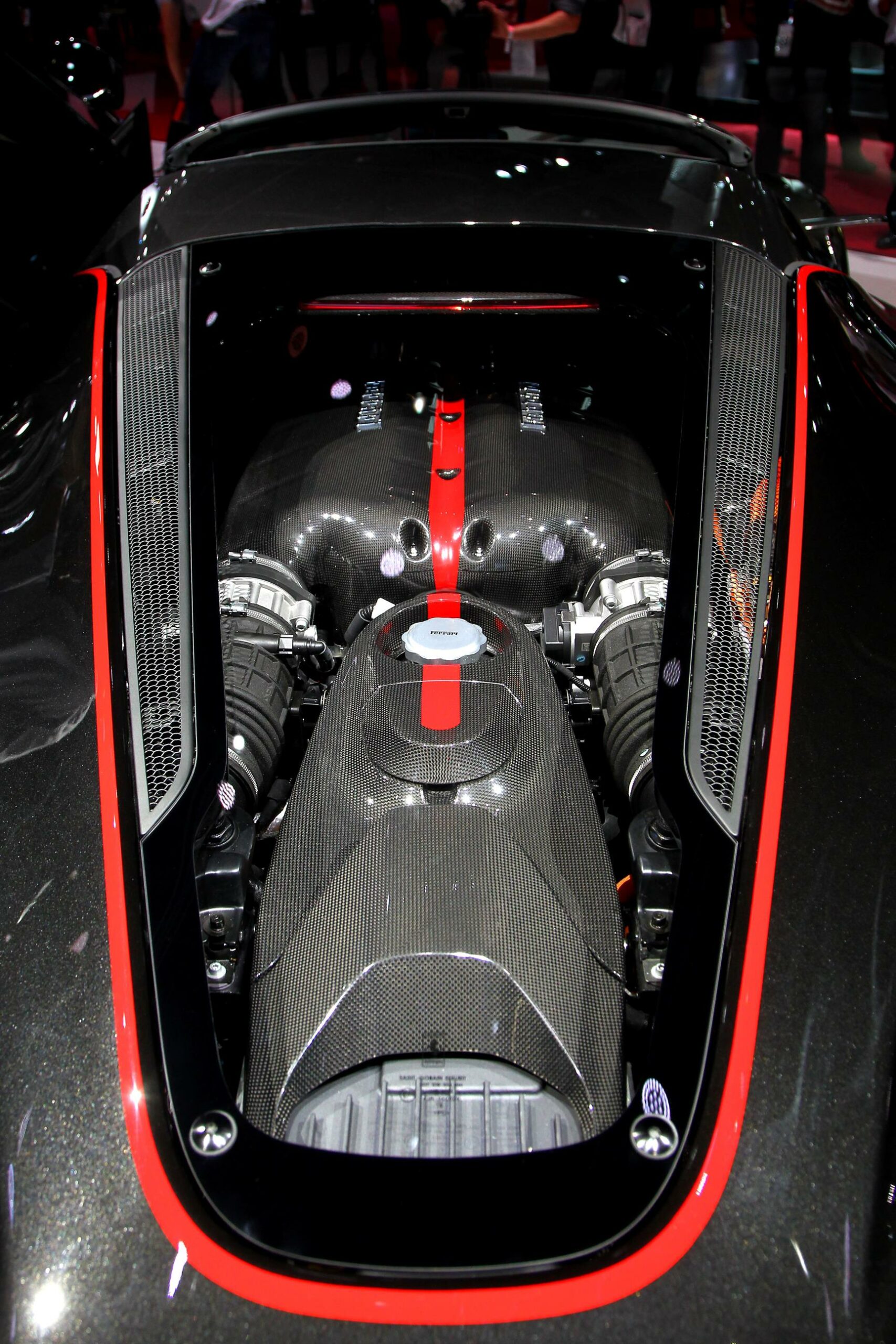
Ferrari had a wonderful testbed already in place with their FXX program based on the Ferrari Enzo. The original FXX prototype was refitted with a new version of the 6.0L F140B engine from the Enzo that had been bumped to 6.3L and had a prototype Hybrid-KERS (or HY-KERS in Ferrari’s internal notes) attached. Where Ferrari differed from Porsche was in that they only used the hybrid system on the rear of the car, and at that, only between the engine and the transmission, which was mounted as a transaxle.
What was to eventually become the F140 FE 6.3L V12 produced a monstrous 790 HP, with the HY-KERS producing 161 HP. The F70 was officially named the LaFerrari (literally “The Ferrari”) and used the hybrid to burst power to the wheels during gear shifts and deploy on wide open throttle to boost acceleration. Unlike the Porsche, there is no manual deployment mode for the hybrid system in the Ferrari, as they want the driver to be focused entirely on the act of driving and the experience, not fiddling about with little buttons.
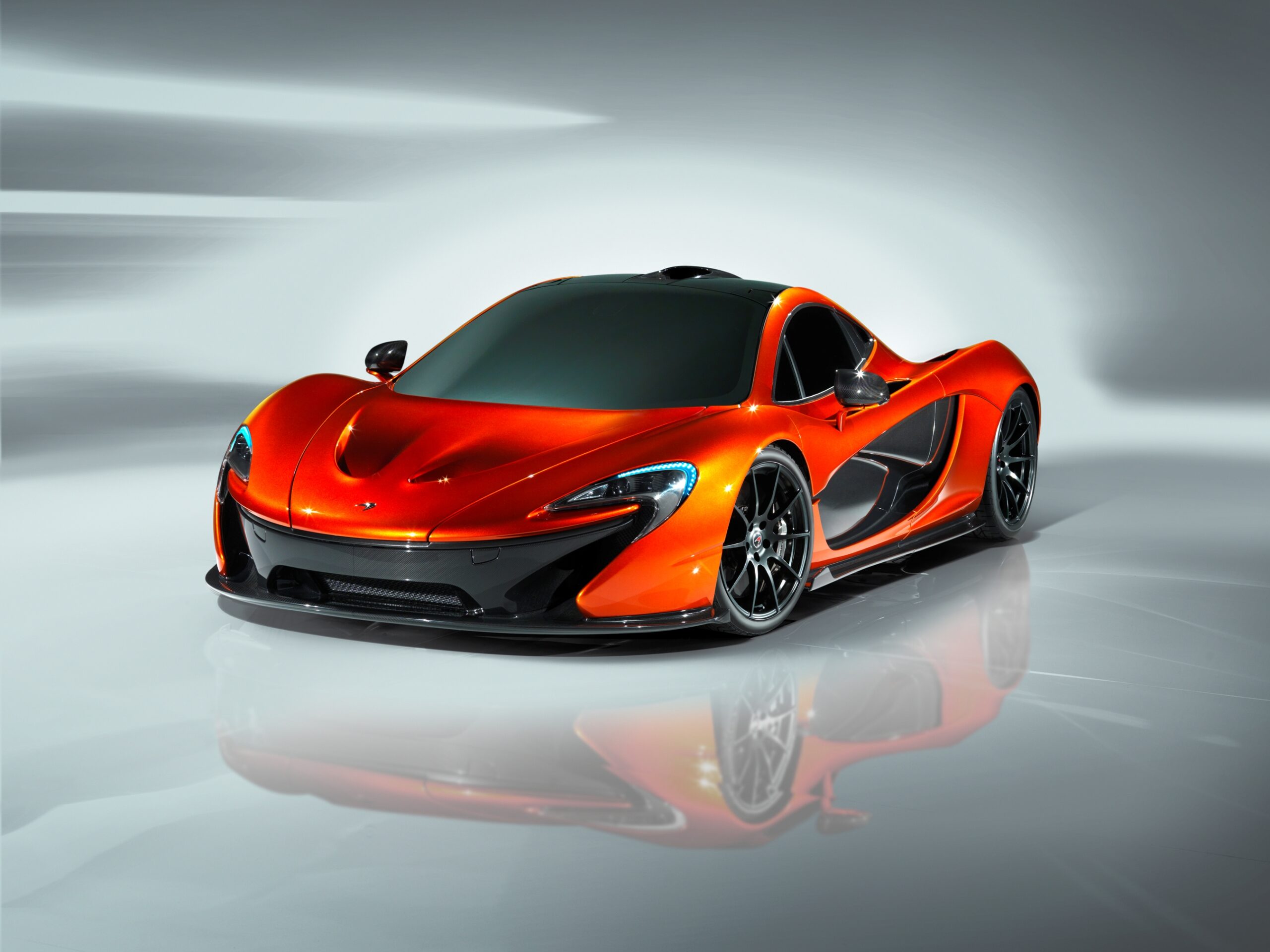
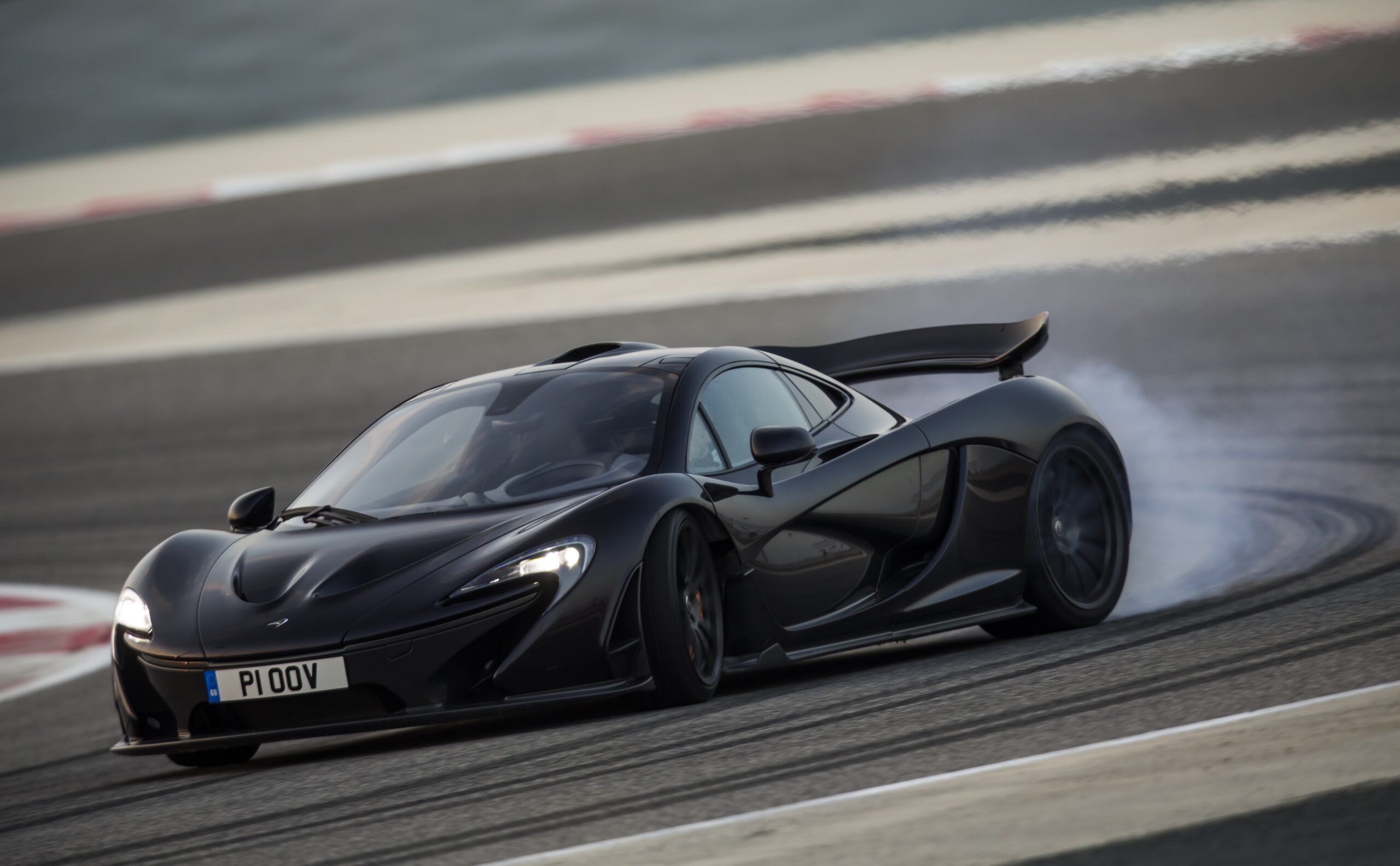
McLaren’s primary realization of the performance hybrid powertrain sat in between the two others for its P1 supercar. Like the Ferrari, it uses only one motor on the transaxle, and like the Porsche, has a manual deployment mode and electric-only mode. It also has the smallest engine of the three, a 3.8L V8, but compensates with two turbochargers boosting the engine to 727 HP. The hybrid motor adds 177 HP, for a combined total of 903 HP, and all of it through the rear wheels.
Of the three, the McLaren has the most Formula 1-like deployment system. It uses the hybrid power to effectively “torque-fill” the powerband. During initial acceleration, as the turbos are spinning up, the car is using mostly the hybrid to get going. Once on the turbos, the hybrid then uses a special Integrated Power Assist System (IPAS) as originally planned, bursting the power during gear shifts, and boosting to the full 903 HP when the ECU detects wide open throttle. The McLaren also has a command-DRS system, that if the ECU and computers detect the car is stable enough, will flatten the rear wing out of the airstream, using pure downforce over, under, and through the body of the car to keep it stable.
Even then, however, the McLaren P1 was considered the most wild of the three. Famously, during an episode of Top Gear where the P1 was driven on the Spa-Francorchamps race circuit, even a gentle application of the throttle had the rear end squirming. It led to Jeremy Clarkson labelling the car as “The Widowmaker,” and despite any potential negative connotations that may have brought with it, McLaren actually embraced the label, with those that wanted their cars painted black having the option of choosing either a metallic black or, unofficially, matte “Widowmaker Black.”
Enter The Hypercar
All three cars were unveiled at car shows, and all three cars had their order sheets filled almost instantly. McLaren, through McLaren Special Operations, presold all 375 of their production cars while they were still prototyping the final version to recognized special clients. Ferrari sold all 499 of their production cars to invited customers that were selected manually for their loyalty to the brand and their willingness to buy Ferrari cars in their top specs. Porsche had the most open sales system, with half of their 918 units being offered to preferred clients, and the other half being sold through expressed interest registrations, and interviews with those who signed up to see who would best suit their car.
The release of all three cars also brought the reality of near-1,000 HP supercars into the spotlight. Before the three, the only car that had come close was the Bugatti Veyron, seen as a technical exercise by Volkswagen to show off their might. And at that, they needed a W16 engine with four turbochargers and a whopping ten radiators just to keep the thing from melting. By comparison, the “hybrid high-performance supercar” realized the dream of Veyron-like speed and power, but without needing nearly $3 million to get it.
Yet, “hybrid high-powered supercar” is a bit of a mouthful. No one can really pin down the exact moment that the term hypercar was attached to the Porsche, Ferrari, and McLaren, but the most common theory is that someone shortened the label to “hi-per-car,” and with a single letter changed, it became “hypercar.” In terms of official terminology, the most commonly accepted definition is of a supercar that is extremely powerful, limited edition, and has a cost near or over $1 million.
The Future Of Hypercars
2013 was a momentous year because of the birth of the term hypercar, as well as the release of the three cars that ultimately came to define the term. It was a concorde moment, a fixed point in time, a bridge once crossed never to be crossed again. We, as automotive enthusiasts, had gone from admiring extremely high performance supercars to admiring technological powerhouses with a brand-new moniker for them.
The reality of the present day, in 2021, however, is that fuel prices are going up, and may never come back down. We also know, through some very complicated math done by some of the most brilliant minds on the planet, that we will eventually run out of petrol-style fuel in this century. When a hypercar gulps down fuel to flex its speed and power, this can become a bit of an issue.
This is why, over the past 15 years, the idea of alternatively fueled performance cars, and even fully electric performance cars, have started to become reality. And it is motorsport that has brought us to this reality once again.
The FIA World Endurance Championship, from 2021 onwards, has replaced the top-level Le Mans Prototype 1 (LMP1) class with the new Hypercar class. This new class was brought about to allow smaller manufacturers and those with smaller motorsports budgets a very open set of rules to race with.
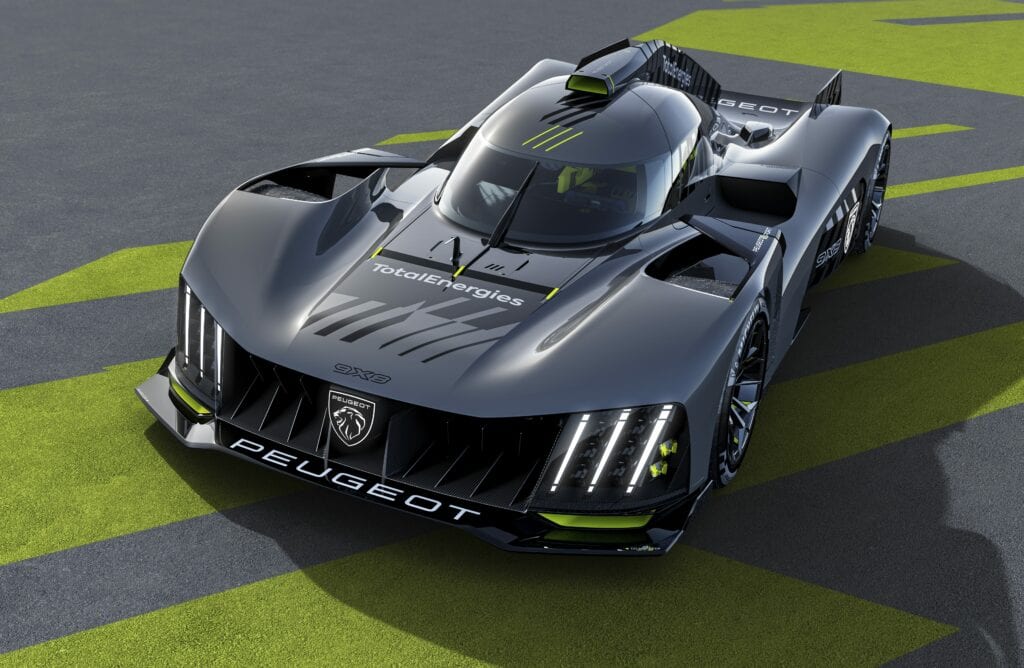
Under these rules, there are minimum and maximum height, width, power, and downforce regulations, but unlike the previous LMP1 class, there is no limitation on how to achieve those numbers. This has already led to some amazing designs, such as the SCG 007 Corsa and the Peugeot 9X8 Hypercar.
The FIA also took a risk in 2014 by announcing a new Formula racing series, Formula Electric. Known as F-E or Formula-E, this series uses battery powered, semi-open-wheel cars to race around tight street circuits without a drop of petrol being used. It had a rough go of it in Gen 1, when battery and motor technology was still being developed, but ever since Gen 2 started in 2018, it has quickly gained popularity.
In fact, as of 2020, the FIA gave Formula-E world championship status, meaning that drivers for the series now need to qualify for an FIA Platinum license, one step below the Super License needed for F1. As well, 2022 will see the new Gen 3 car, which has a new power unit developed by Williams Advanced Engineering (a subsidiary company of Williams F1), and Spark Racing Technology, who built the Gen 2 car.
Even then, the FIA wasn’t finished, and their sister association, the FIM, wanted in on electrification too. As of 2022, the FIA World Rally Championship will be using hybrid powertrains, and this year, the inaugural season of FIA Extreme-E off-road truck racing launched. In 2019, the FIM, the governing body of both World SBK and MotoGP, launched the Moto-E series, using fully electric superbikes manufactured by Energica in Italy.
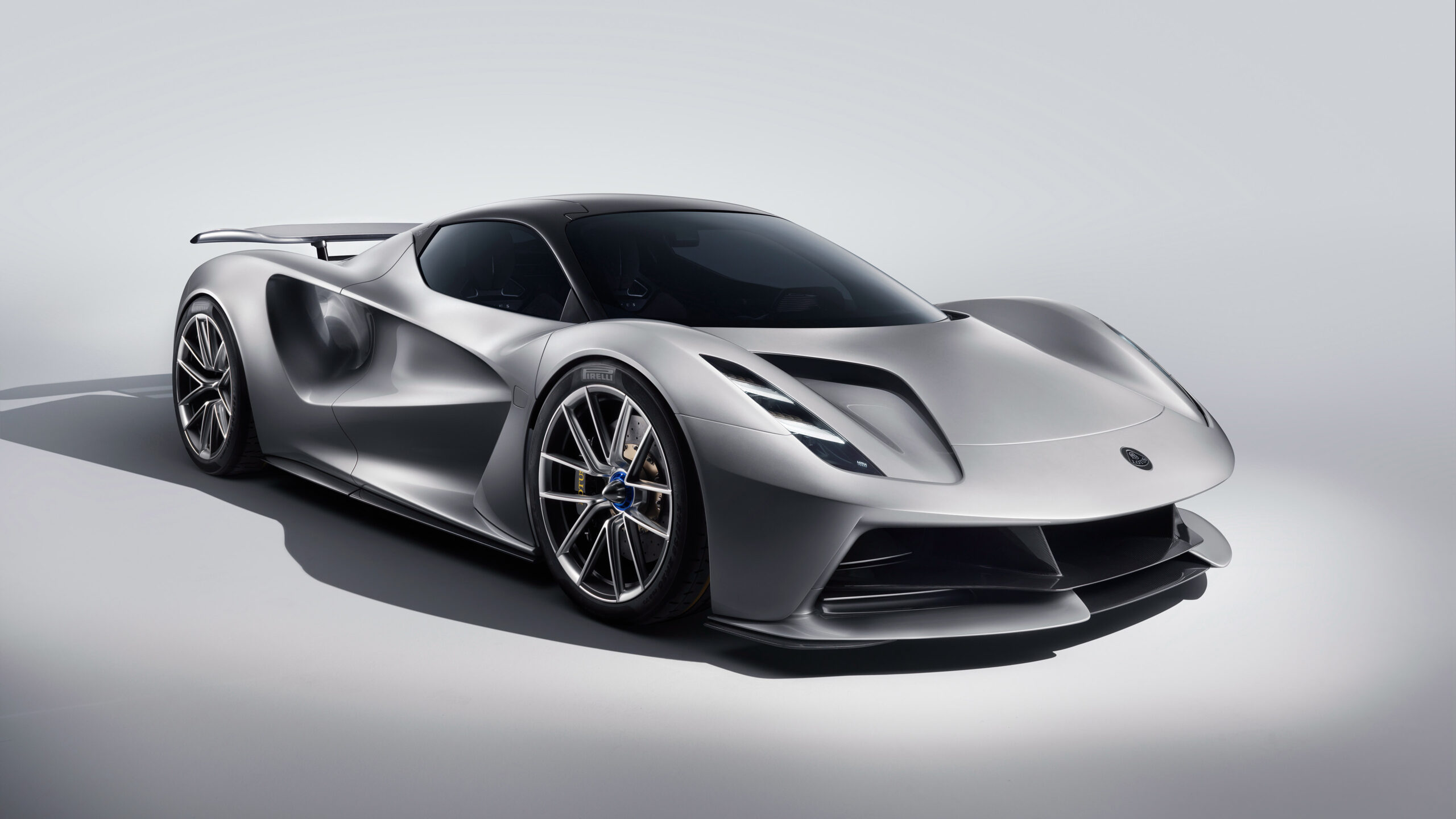
So it should be no surprise, then, that the most recently announced and most desired hypercars out there are fully electric. Cars such as the Rimac Nevara and the Pininfarina Battista have massive power, range equivalent to a petrol-powered hypercar, and they also fit the definition of being limited series and near or over $1 million. These electric hypercars are also reaching stratospheric power numbers, with the Lotus Evija hypercar being the first production hypercar to break 2,000 PS, or 1,970 HP equivalent.
Bugatti has already announced that it is highly likely that their next hypercar after the Chiron will be either a massively hybrid car, with most of the power generated by electrification with a high performance, small engine included, or fully electric. This is on top of their recent partnership with Rimac, forming the Bugatti Rimac partnership, and giving VW a 35% ownership stake in Rimac. Hyundai and Porsche have also invested in Rimac, both gaining about 10% of a stake, so there is definite interest in performance EVs.
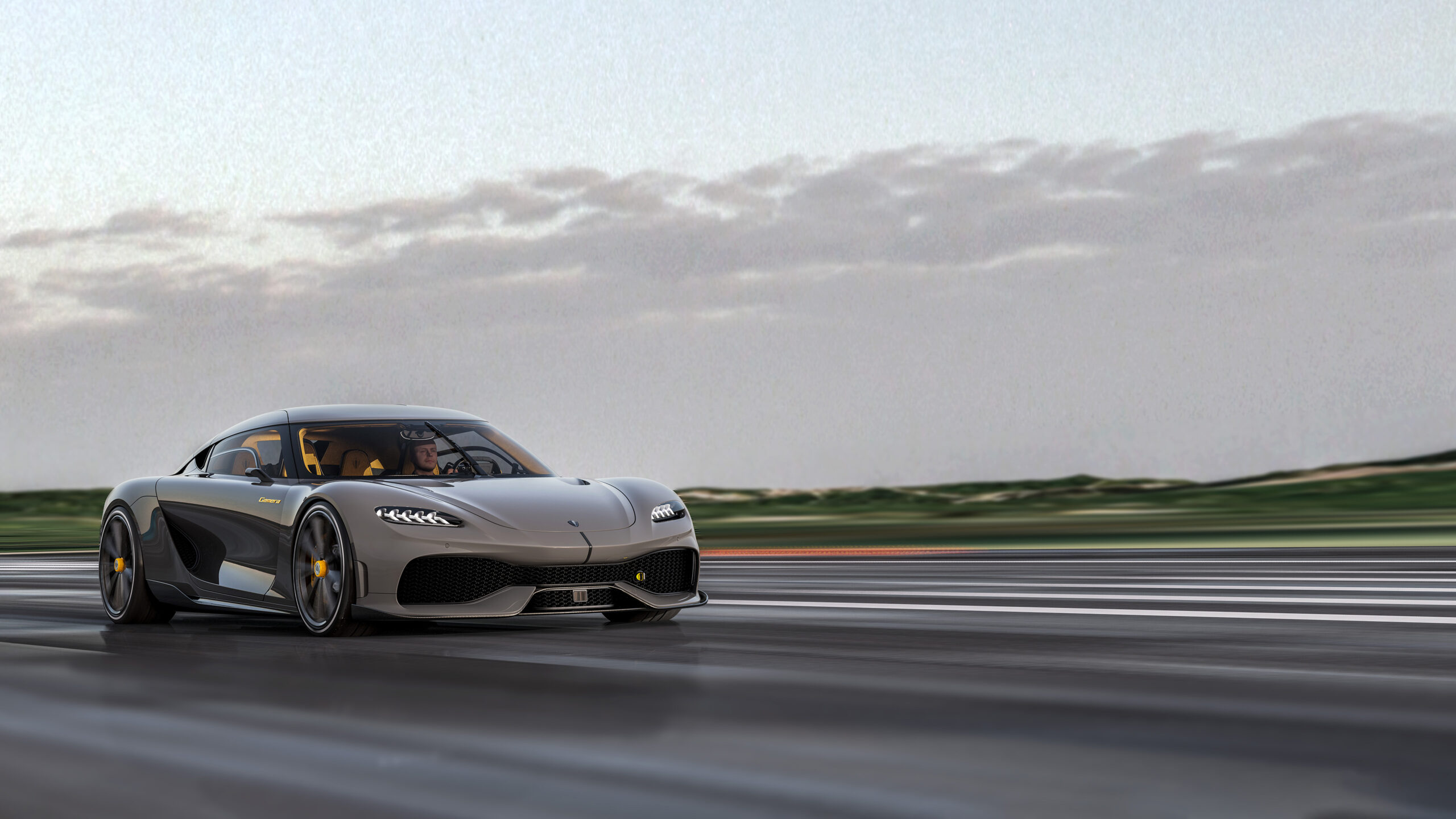
Koenigsegg is already making a massively hybrid hypercar, the Gemera, which uses a tiny 3-cylinder twin turbo engine producing 600 HP tied together with a crankshaft hybrid motor providing 400 HP to power the front wheels, and both rear wheels powered by individual 500 HP electric motors. This gives the 2+2 Gemera coupe 1,700 HP combined, and it can go 1,000 km (621 miles) on a single tank of E85 biofuel.
There is no shortage of exciting news about electric hypercars and massively hybrid supercars these days. Much like 2013, 2021 and 2022 promise to be the years we look back on in 2031 as the unofficial start of the electric super-vehicle revolution, and with almost every single supercar manufacturer now on board what is known as “The Green Promise,” you can be certain that big things, new technologies, and amazing cars using breakthrough ideas are still to come. Hypercars are here now, and they are here to stay.
The only thing we honestly need to worry about is what the next label will be, but we think Christian von Koenigsegg has already coined it when he unveiled the One:1. That term? “Megacar”
September 9, 2021 / Comments Off on A Look Back: The Holy Trinity Of Hypercars
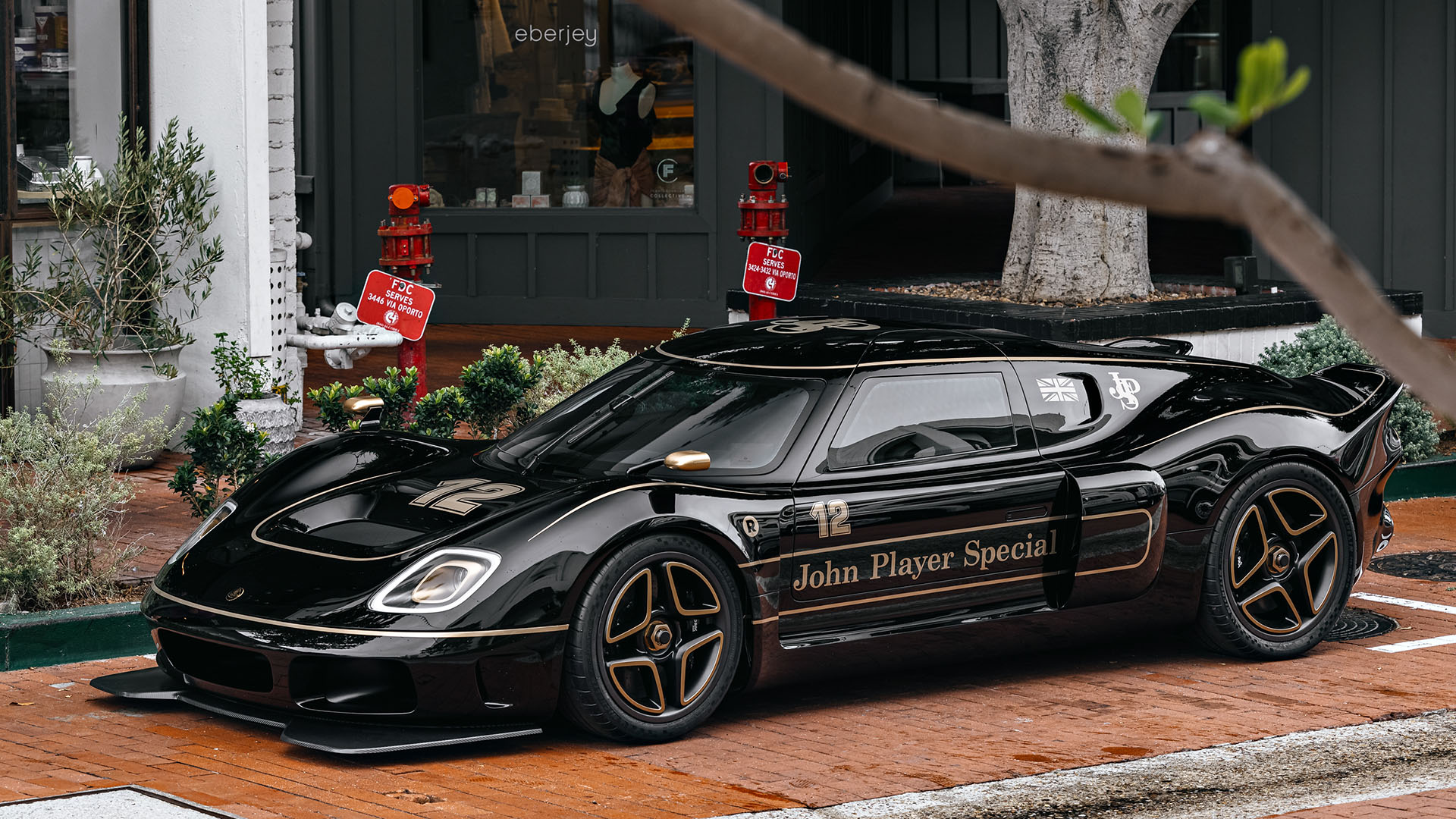
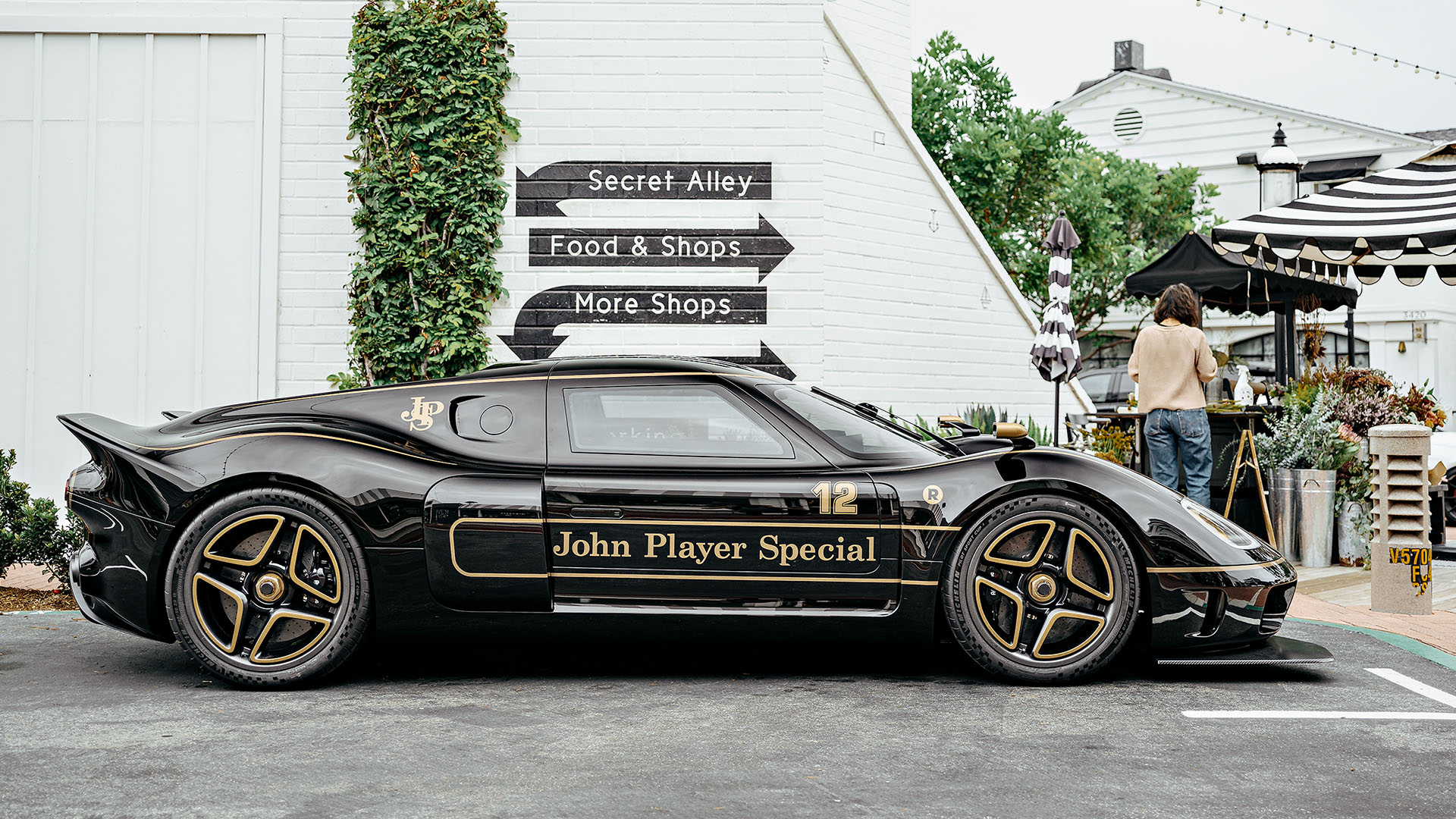
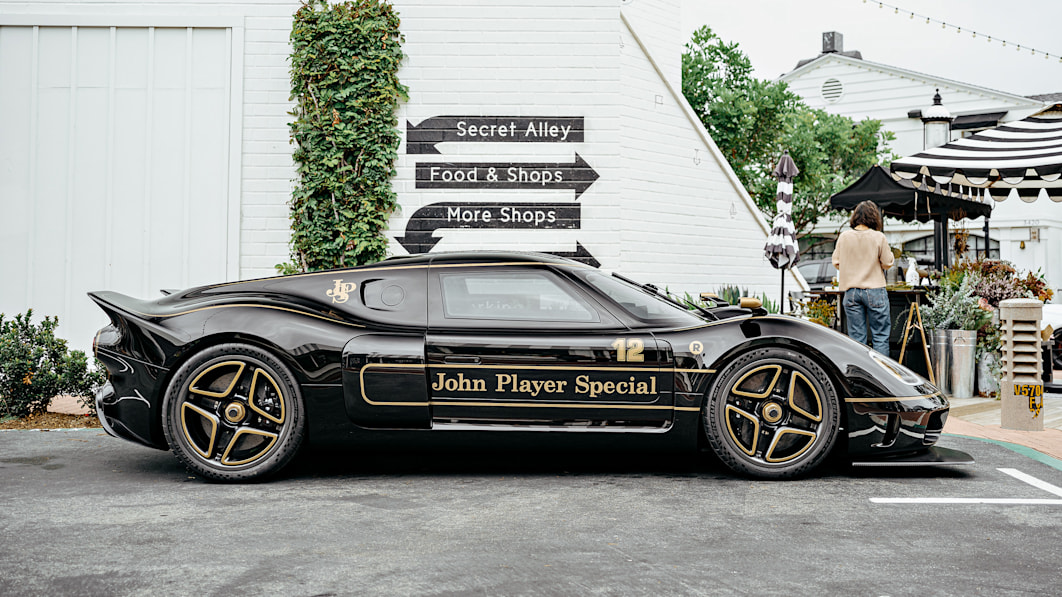
I might be getting old, but I really love the combination of black and gold on a car, and it will forever remind me of the livery used by the John Player Special formula one car back in the Seventies, the by now legendary black and gold colour scheme was recognisable on the bodywork of the Lotus Type 72D driven by Emerson Fittipaldi, achieving five victories and even the coveted championship victory in the 1972 Formula 1 season.
Lotus would keep using this beautiful black and gold livery on their Formula 1 car right up to the 1986 series, the Lotus 98T driven by legendary Ayrton Senna even boasted this legendary look, the John Player Special livery was the epitome of the most glamourous era of motor racing in the Seventies.
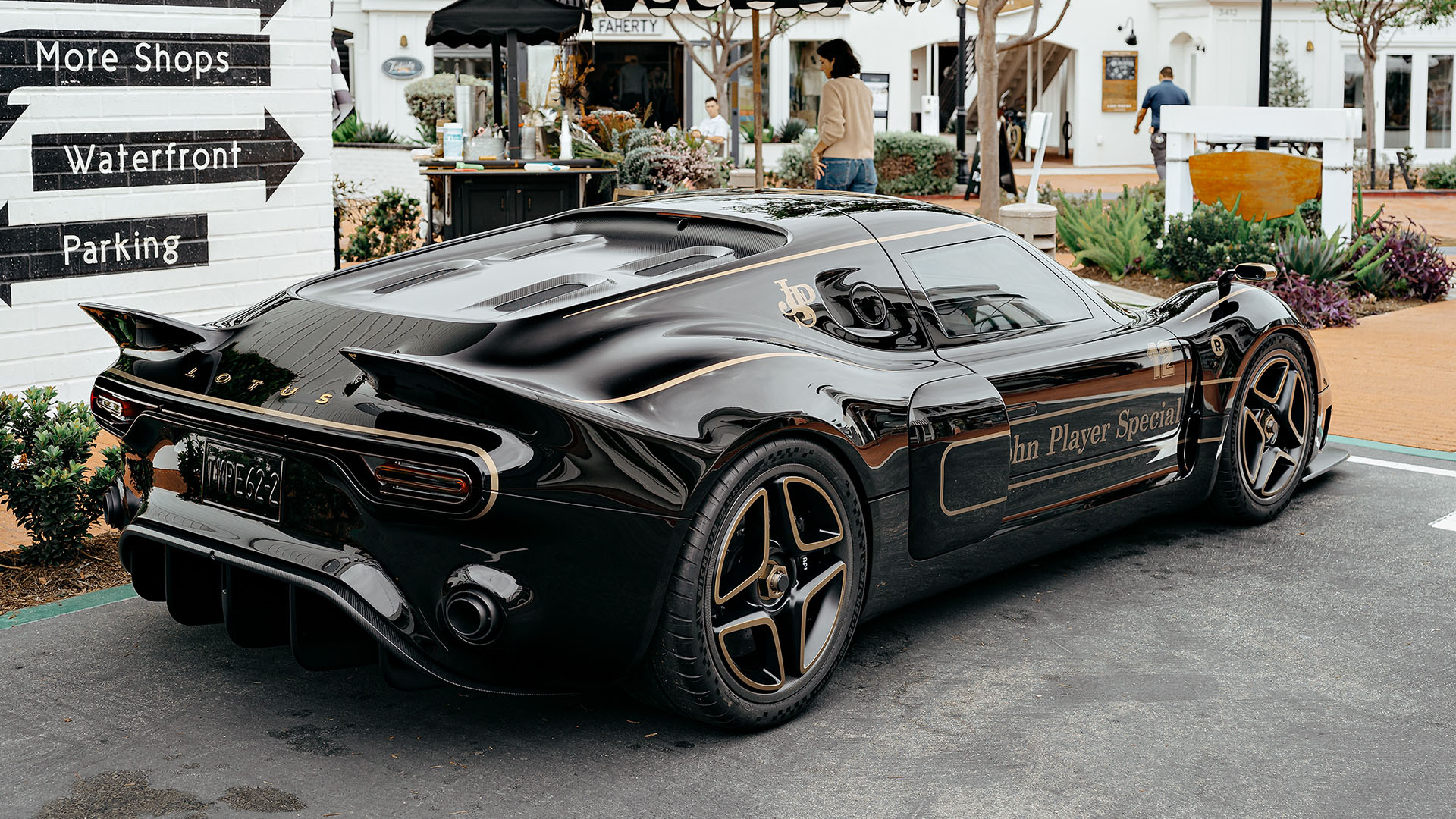
Mark Stubbs comments “The Radford Type 62-2 in John Player Special guise, is a very unique proposition. From a design perspective, the JPS car really stands out as being more extreme than its Classic and Gold Leaf siblings, with larger diffusers, air intakes and wheels. Sporting what is certainly the most iconic racing livery ever to grace a Formula 1 car, gives the car a real presence and sense of occasion. Only 12 of these very special cars will be made, making it a very rare car indeed.”
So while Radford has already limited the production of their Type 62-2 model to 62 units in total, they already announced of those 62 there would be 12 Gold Leaf cars, as presented during Monterey Car Week in August, so only 50 cars remain… and from those another 12 will be even more extreme JPS versions, so only 38 of their Classic version remain.
While the Gold Leaf cars are already very impressive, this new JPS takes the concept even further into the race track segment, being both lighter and faster, with a 600 bhp V6 engine boasting a 3.5-litre displacement and a supercharger, the new John Player Special will be unveiled to the public during the Goodwood Revival in mid-September.
The new John Player Special edition is also the most aggressive looking version of the Type 62-2 Radford is making, the front splitter is more pronounced, providing a race car stance while the side air intakes are larger to cool the more powerful 600 bhp combustion engine, at the rear, the diffuser received a more extreme design compared to the Classic and Gold Leaf cars, extending further out for increased aerodynamic downforce.
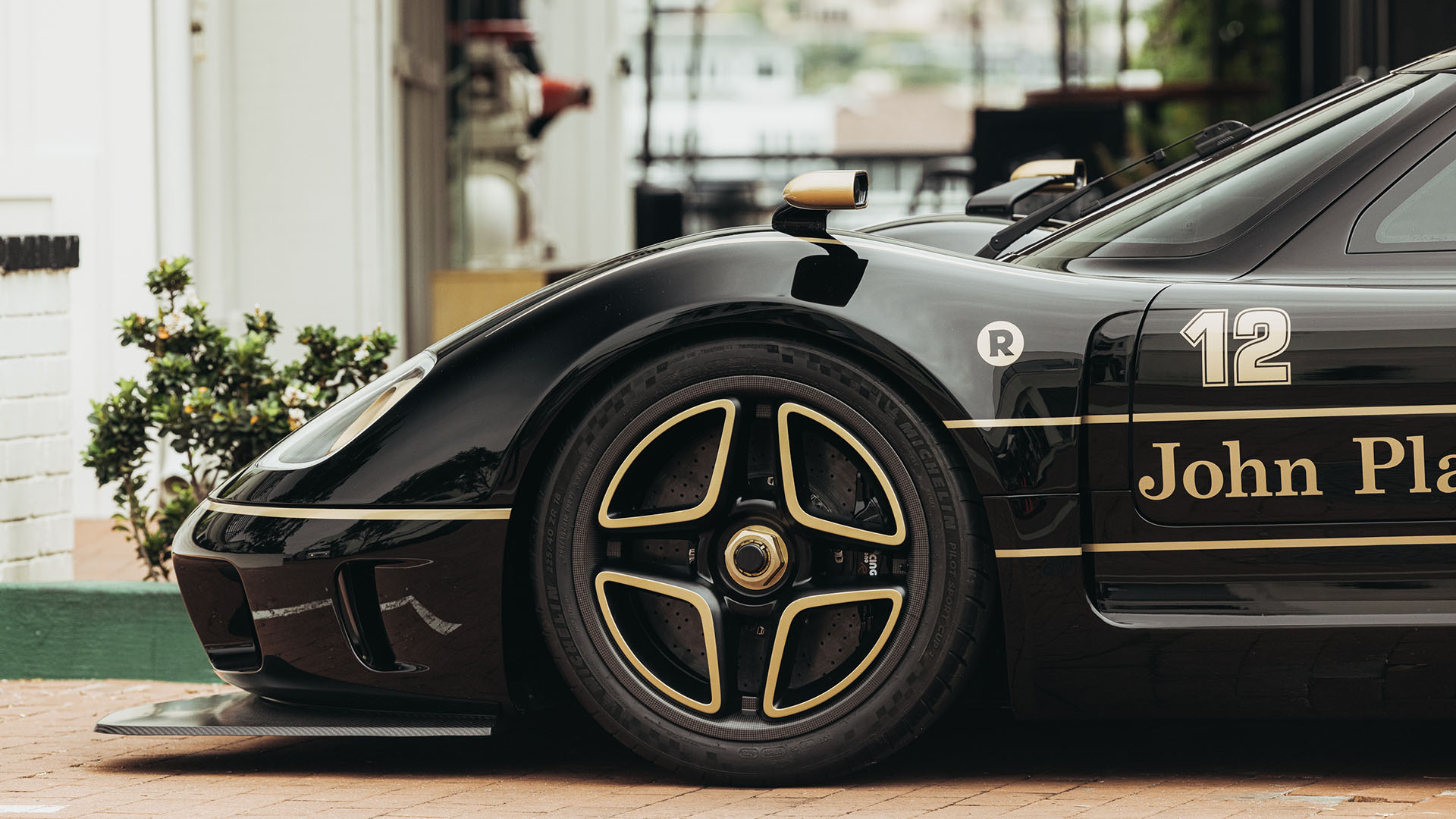
And let’s not forget about the bespoke paint on this Radford Type 62-2 JPS, first, they apply a custom gold paint, then they add a total of 10 layers, yes you are reading that correctly, ten layers of Candy Black to get that classic, original JPS color scheme, but in a much more contemporary look, for the show car to be unveiled at Goodwood, Radford even added a hand-painted gold pinstripe before the final clear coat was applied.
No pricing has been published yet, neither any photos on the interior of these Type 62-2 cars while production is scheduled to start within the next few months with the first customer cars ready for delivery in early 2022.
September 8, 2021 / Comments Off on Radford reveals ultra-exclusive Type 62-2 John Player Special
Radford revealed its Type 62-2 a month ago, and today the coach-building company is releasing its first 62-2 variant. It’s simply called the JPS, short for John Player Special. You’d be able to guess that just by looking at the car, though, as it’s completely done up in the traditional John Player Special black and gold livery.
This JPS Type 62-2 isn’t just a livery either. It’s the most extreme version of the car, even more so than the Gold Leaf version of the standard Radford that improves matters over the “Classic” model. Engine output sees a sharp turn upwards from 500 horsepower to 600 horsepower in the JPS. It’s still using the 3.5-liter supercharged V6 you’d find in the Lotus Evora (an engine Lotus borrows from Toyota), but this one is heavily modified. Radford says it uses upgraded pistons, new connecting rods, camshafts and an upgraded supercharger. Plus, it’s running a more aggressive engine calibration.
Hauling it to a stop are upgraded brakes — Radford uses carbon ceramic rotors and AP calipers. New and larger carbon composite wheels (18-inch front and 19-inch rear) from Dymag are fitted and wrapped with Michelin Pilot Sport Cup 2 tires.
Plenty of appearance and aero changes are made to separate the JPS from the other Type 62-2s. Radford says it’s either lightly massaged or made big changes to every area of the bodywork. You’ll notice a giant new splitter up front, larger side air intakes to cool the more powerful engine and a more extreme diffuser in back to produce more downforce. We’ll also note that the JPS “livery” is not a sticker package; it’s all painted on, requiring hours and hours of work by hand.
Pricing for the JPS hasn’t been revealed, but it’s guaranteed to be expensive. This special model will be sliced out of the total production of Type 62-2s. Only 12 of the 62 total cars will be the John Player Special cars, so they’ll be incredibly rare — Radford says it’s currently taking build slot applications, so you still have a shot at buying one. If you want to see the JPS in person, Radford says it will be on display at this year’s Goodwood Revival.
Related video:
September 8, 2021 / Comments Off on Radford Type 62-2 John Player Special takes the coach-built sports car even higher
There’s no denying that a Pininfarina-designed silhouette is what often defines a Ferrari car. Such a predisposition is ultimately good for selling those posters that ended up plastered on our bedroom walls – the same ones which reminded the younger versions of ourselves to keep dreaming of one day owning one. As we matured and gained more perspective on what makes these cars so special, we began to understand that it’s really the engines that have made these automobiles into the legends they’ve become.
While Ferrari cars are undoubtedly works of art in and of themselves, they’re automobiles first a foremost. They still need to move us in the most literal of ways – as much (if not more) as they do emotionally – to truly become masterpieces. It’s the power plants that are responsible for injecting soul and essence into these iconic Ferraris.
Here are the Best Ferrari Engines Ever Made.
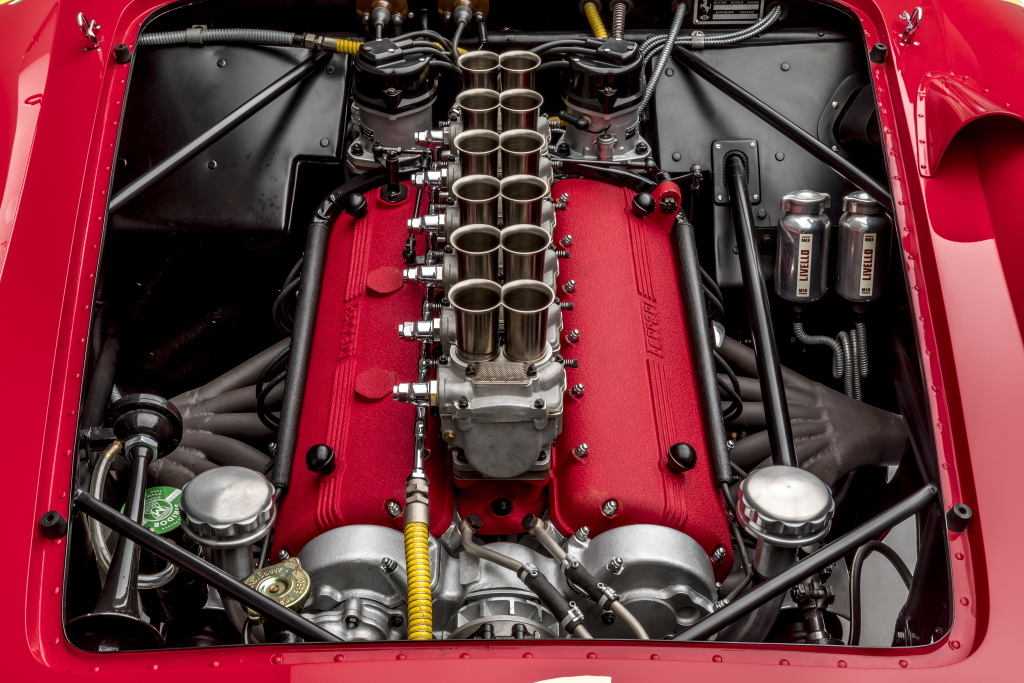
Ferrari Colombo V12
Originally designed by Gioacchino Colombo, this engine can trace its roots back to the very first Ferrari-branded model designed by Ferrari Enzo – the 1947 Ferrari 125 S – where it debuted as a 1.5L V12. The core design of the engine would persevere for more than 4 decades, growing in size, having various levels of forced induction, and becoming a dual-overhead-cam configuration with EFI along the way. Many credit the motor’s longevity to its reputation for being bulletproof.
Successful in both road-going and race track derivatives, the list of Ferrari cars this engine has graced has no shortage of automotive icons; the Ferrari 250 Testa Rossa, Ferrari 250 GTO, and Ferrari 365 GTB/4, just to name a few.
Colombo V12 Models:
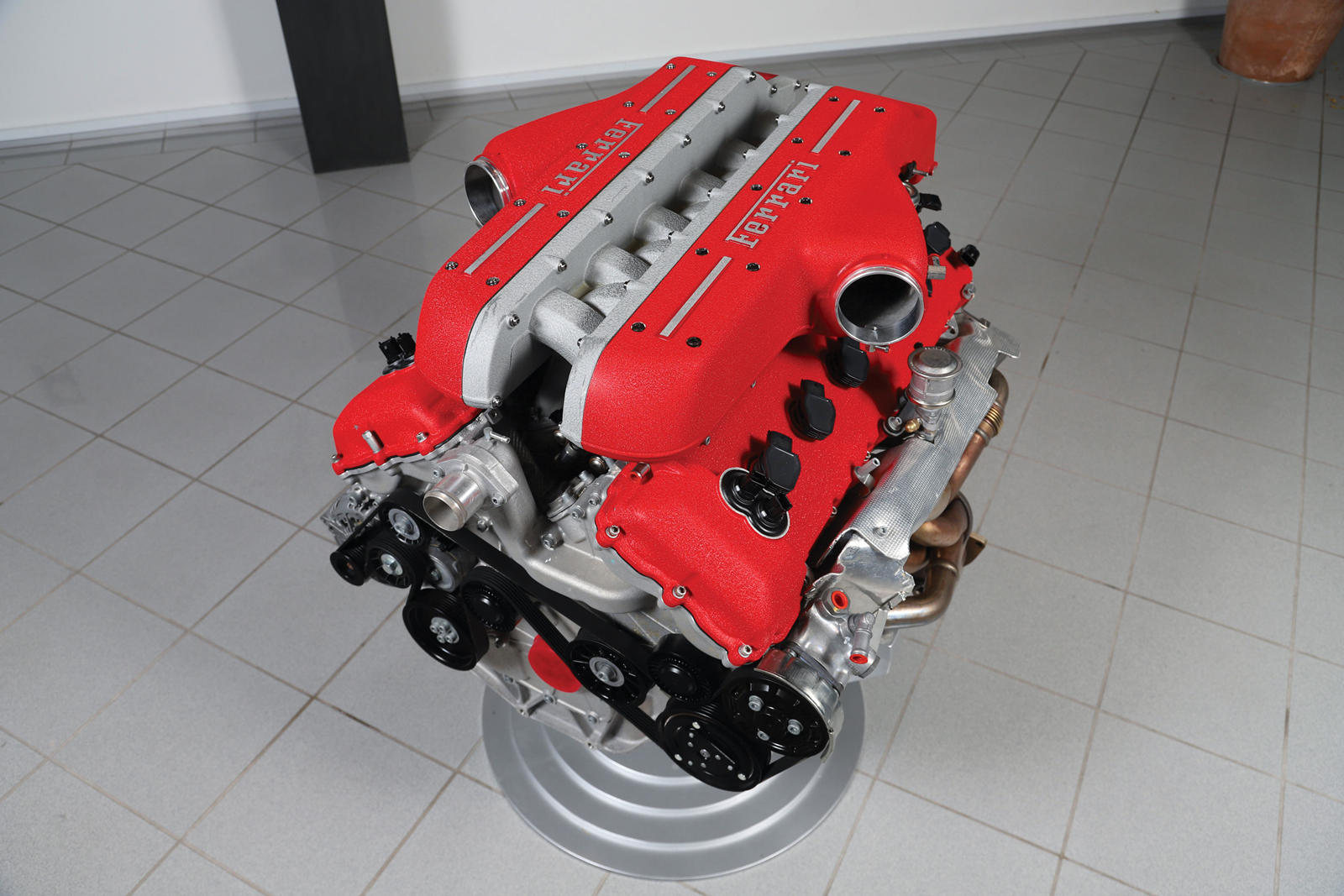
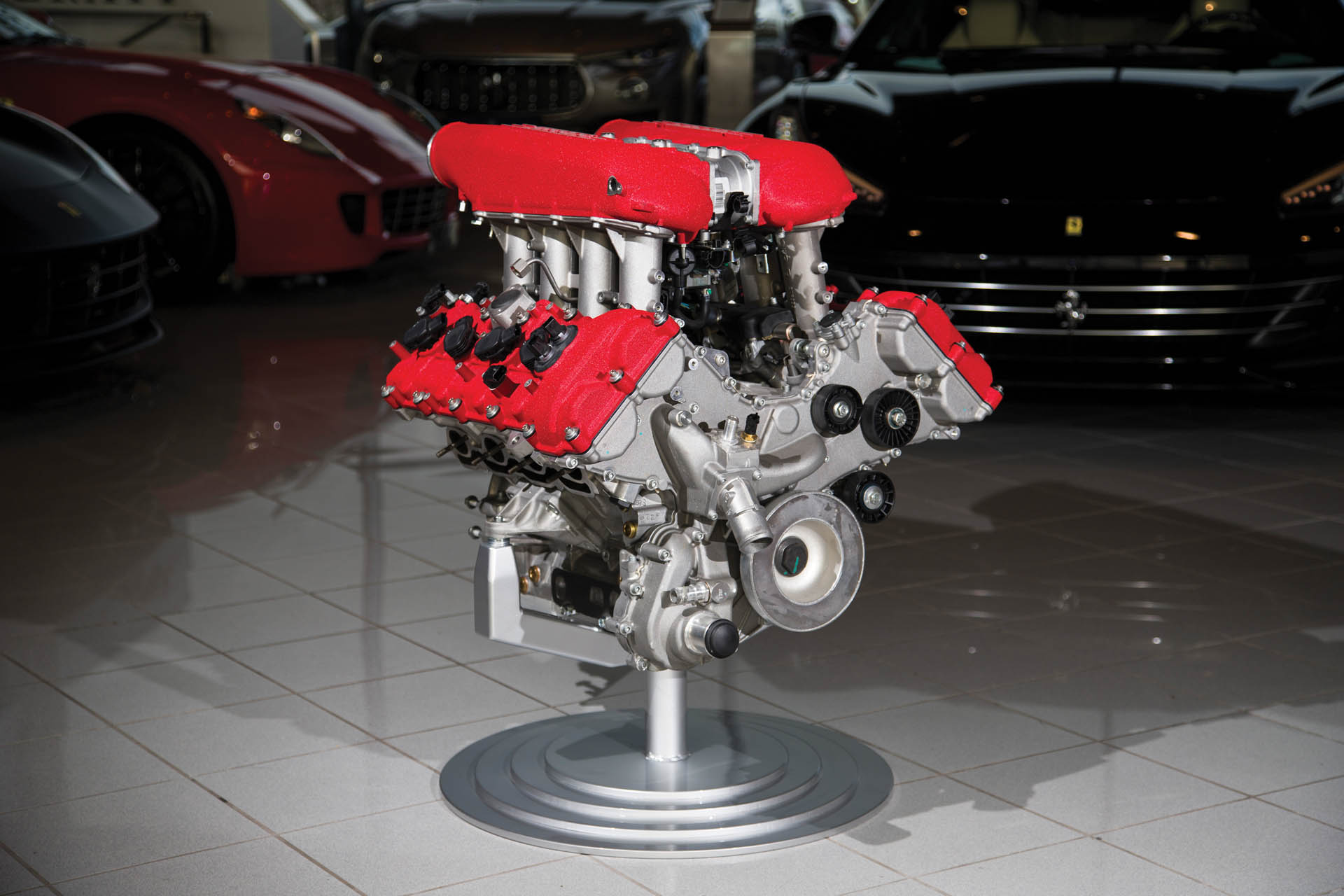
Ferrari F140
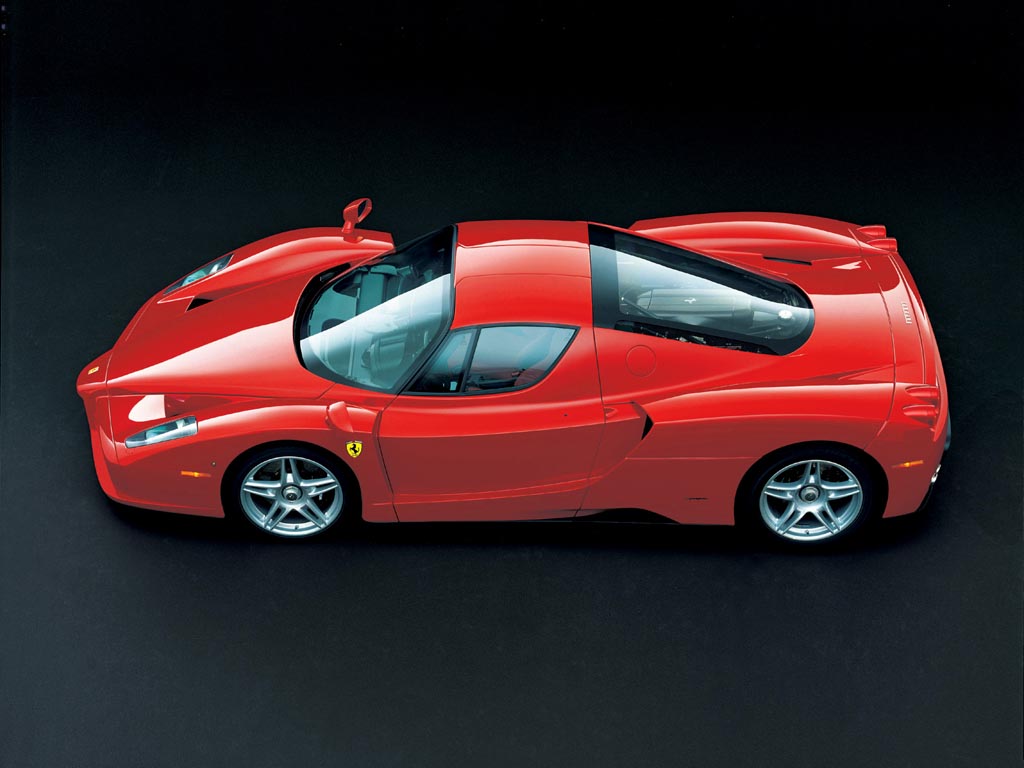
If the F140 had only powered the (2002-2005) Ferrari Enzo – the first Prancing Horse model where it featured – it would have been no less significant or legendary than it is today. The 65-degree V12 engine debuted on the Enzo as a 6.0L naturally-aspirated V12 unit which produced a staggering 651 hp @ 7,800 rpm and 458 lb-ft of torque @ 5,500 rpm. Over the years, 6.3L versions of the F140 have powered the likes of the hybrid LaFerrari and the F12berlinetta.
It has since evolved to its current peak as a 6.5L power plant – dubbed the F140 GA – which produces 819 hp @ 9,250 rpm and 510 lb-ft of torque @ 7,000 rpm in the 812 Competizione; this makes it the most powerful naturally-aspirated production car engine ever produced to this day. This could likely be one of the final generations of Ferrari V12 engines – whether it be naturally aspirated, turbocharged, or even hybridized – so appreciate it while it’s still around!
F140 Models:
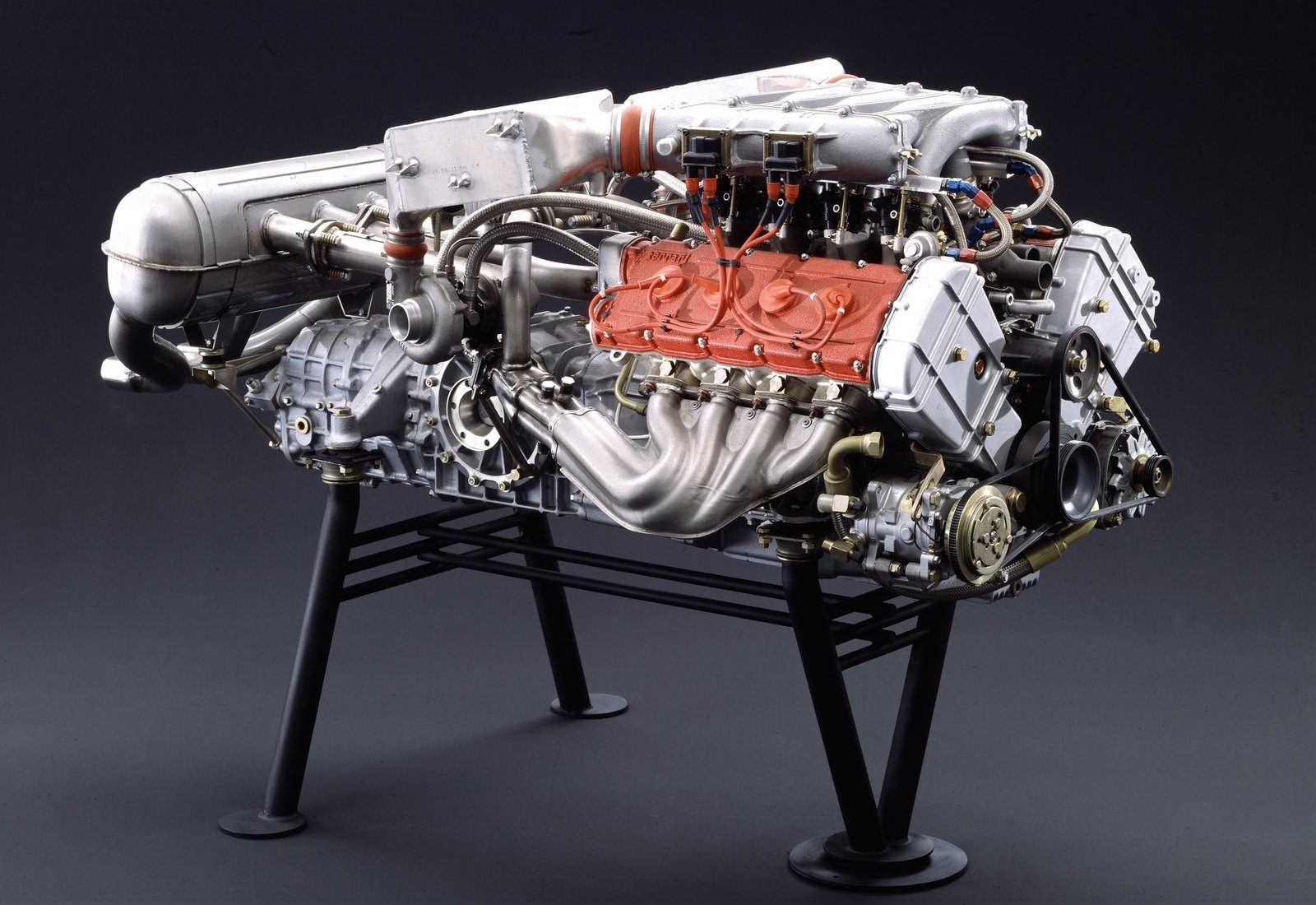
Ferrari F106
Ferrari’s F106 V8 engine dates as far back as 1973, where it first featured in the Dino 308 GT4. Right from the get-go, it produced an impressive 250 hp from a 2.9L naturally-aspirated engine, which featured a flat-plane crank and dual-overhead cams.
Such was the longevity and capability of the F106 unit that it continued to be used – with significant updates and revisions along the way, including electronic fuel injection and multi-valve heads – for more than 30 years. Notable models which were equipped with the engine include the F355, 360 Modena, and arguably the most famous Ferrari of them all; the Ferrari F40, which fashioned a twin-turbocharged version of the F106 producing 471 hp.
F106 Models:
Ferrari F136
The F136 succeeded the legendary F106, first appearing as a 4.3L naturally-aspirated engine in the 2004 Ferrari F430, producing 483 hp. Like the F106, the F136 would see widespread application throughout the Ferrari lineup; however, it was also featured on a number of Maserati models in concert with the relationship between the two marques.
Most notably, a 454 hp, 4.7L version of the F136 featured on the Maserati GranTurismo and is widely regarded as having one of the best engine/exhaust notes to come out of the V8. The F136 would reach its zenith in the Ferrari 458 Italia Speciale, where it cranked out a massive 597 hp from its 4.5L naturally-aspirated power plant.
Perhaps the most significant (and regretful) fact about the F136 is that it is the last naturally-aspirated V8 engine Ferrari would ever produce. It was replaced by the twin-turbocharged F154 V8 engine in 2015, where it debuted on the Ferrari 488 GTB.
F136 Models:
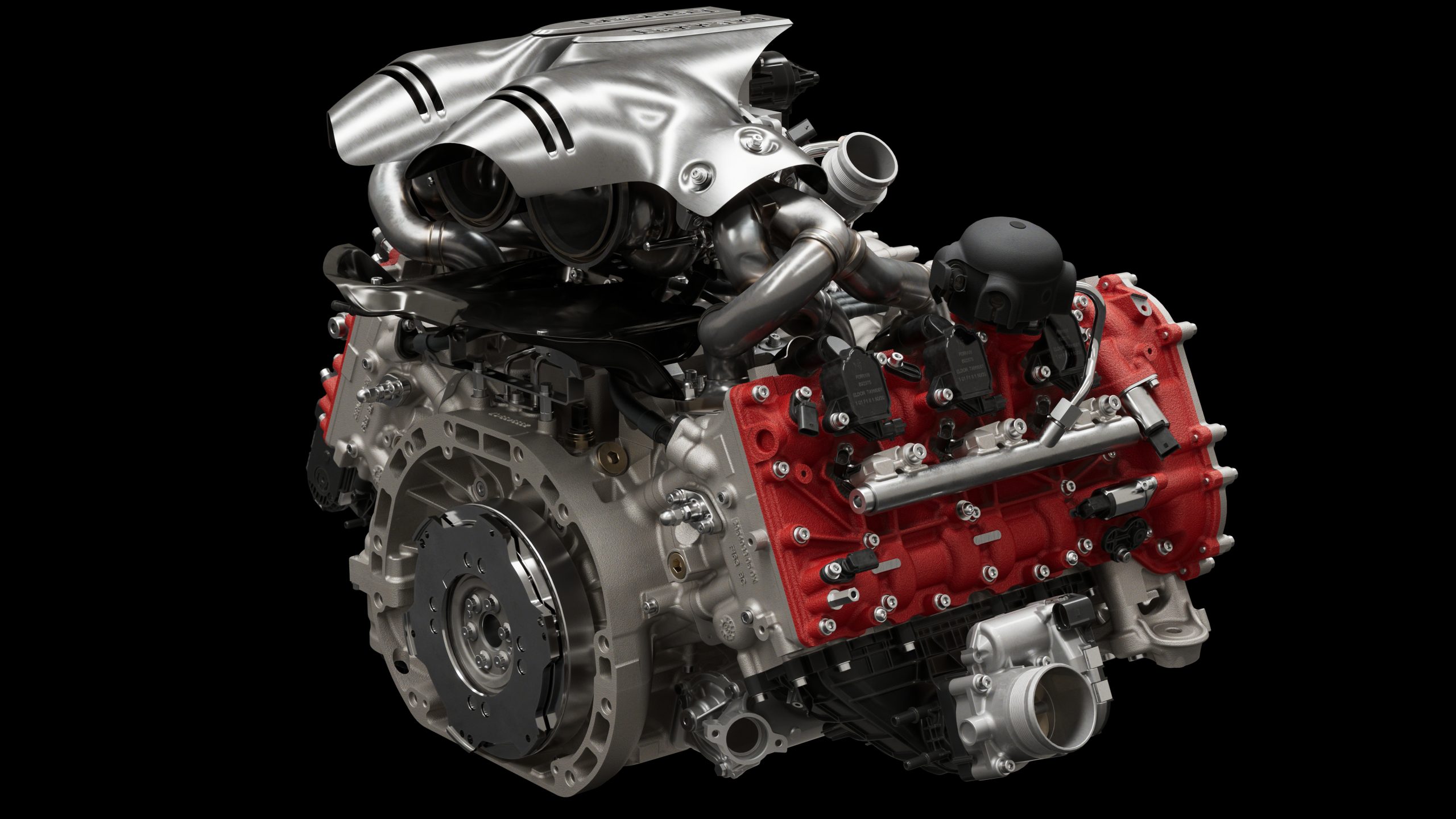
Ferrari F163
As the newcomer on this list, there is understandably a lot less that is known or proven about Ferrari’s new F163 engine. In fact, the model it’s going to debut in – the mid-engined Ferrari 296 GTB – won’t begin its production run for at least a few more months (as of the time of this writing). But with everything we do know at this point, there’s every indication that declaring the F163 as one of the greats is by no means speculative. It promises to be something very special, and for so many reasons.
First off, the F163 is a 2.9L twin-turbocharged V6 hybrid. So while that may suggest that the new power plant is a one-off deal from Ferrari, it actually bears some relation to the F154 V8, as well as Alfa Romeo’s variant known as the 690T, which also happens to be a 2.9L twin-turbocharged V6. Being hybridized via the use of electric motors, one could also look at the 296 GTB as the SF90 Stradale’s little brother. Despite its differences, the F163 should ultimately feel familiar and comfortable within the Ferrari line-up – and that can only be a good thing.
Amicably referred to as the “little V12” internally, this new powerplant utilizes a 120-degree V-angle, which Ferrari says was the “best compromise of power, weight, and packaging.” Not only did this allow the engineers to mount the turbos as close to the exhaust outlets as possible – thereby improving throttle response – but it also lowered the center of gravity as well. We’ll have to wait and see as to whether a V6 hybrid engine could possibly be as symphonically gifted as the other engines we’ve listed, but Ferrari has promised a “satisfying sound.” Expect to see the F163 serving a variety of Ferrari models down the line; I wouldn’t be surprised to see some version of this engine in Ferrari’s upcoming Purosangue SUV model, for starters.
F163 Models:
September 8, 2021 / Comments Off on Best Ferrari Engines Ever Made
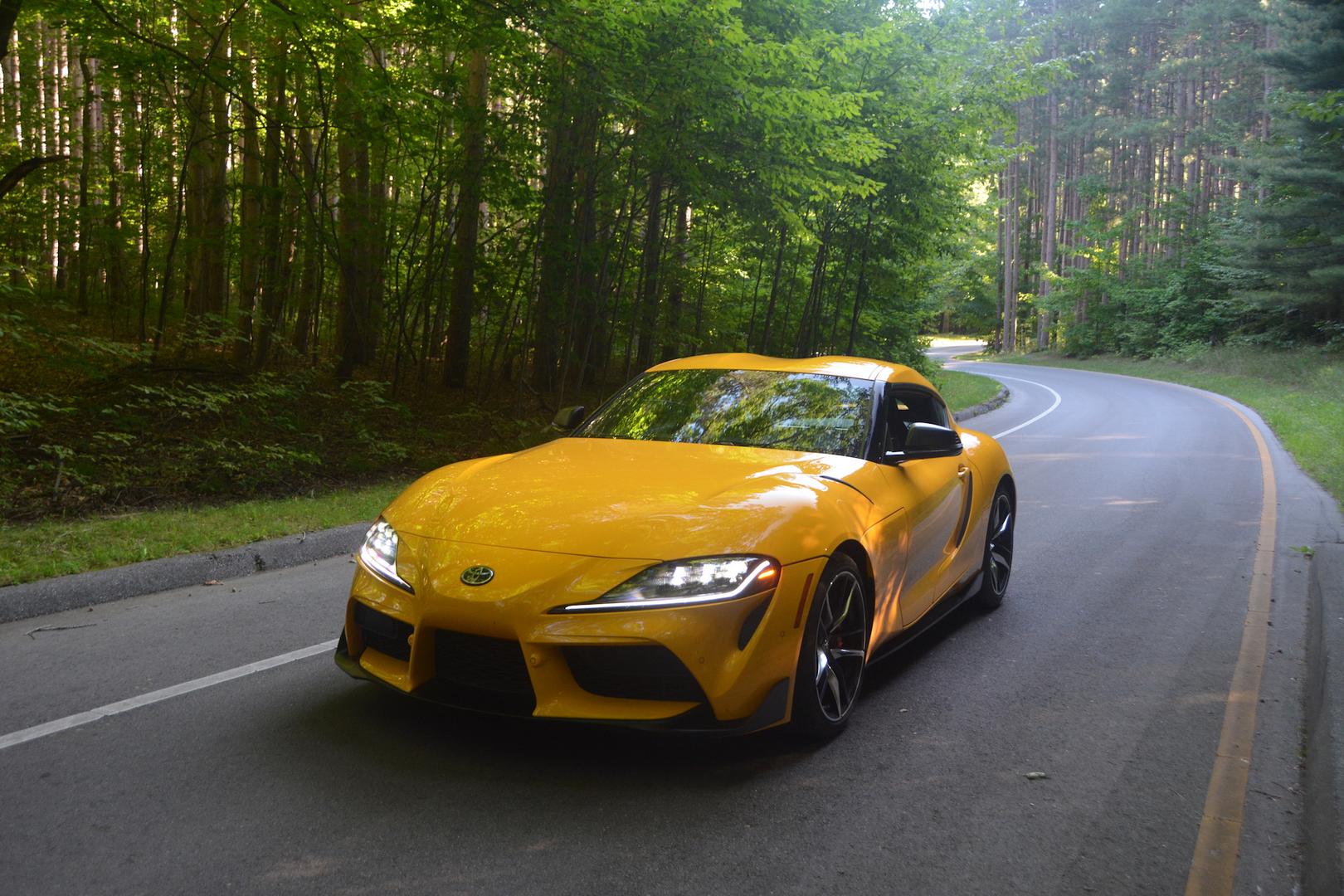
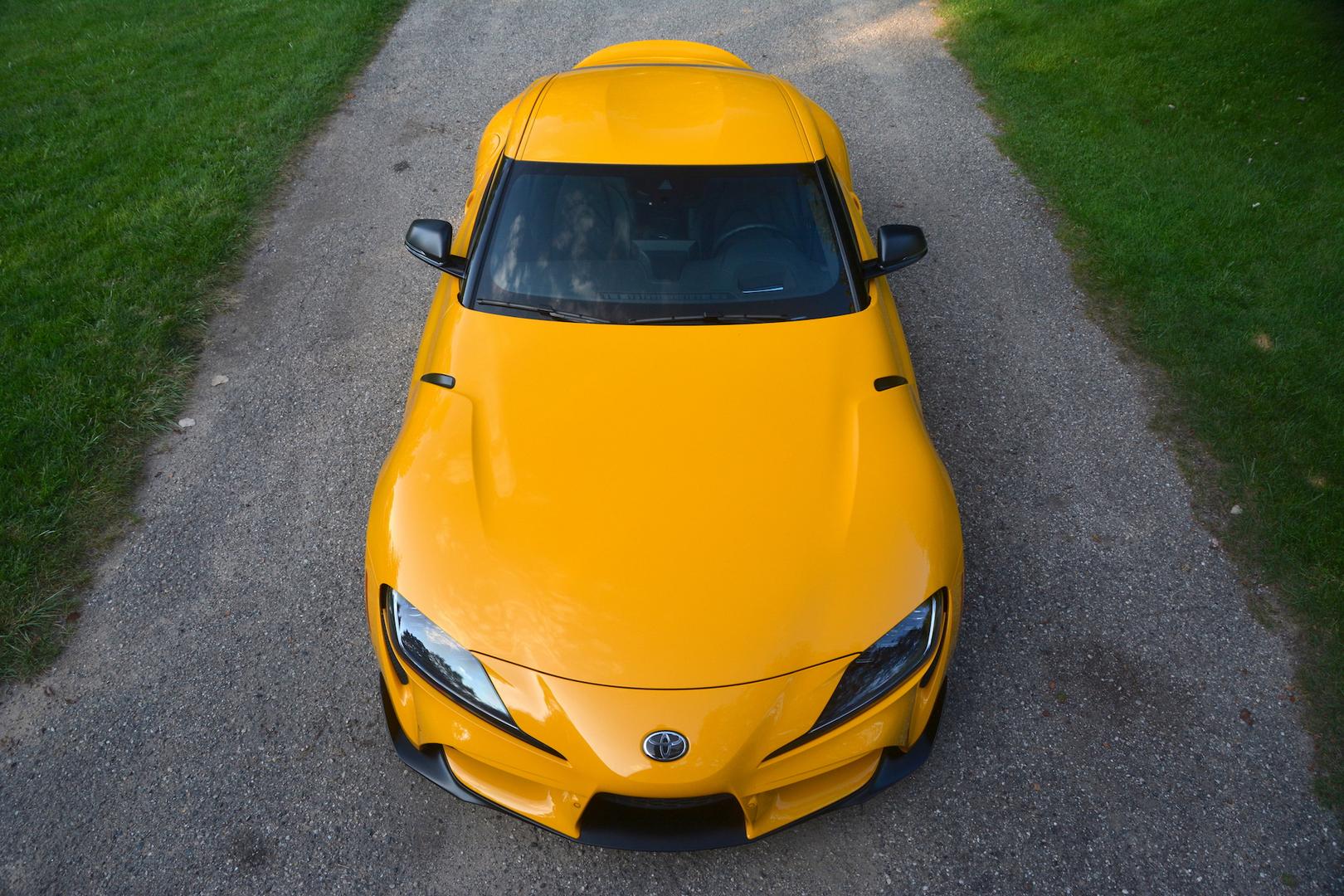
Back in 2014, at the Detroit Auto Show, Toyota pulled the veil off their latest concept car, the FT-1. It was a stunningly gorgeous car, like nothing we’d ever seen, not even from Ferrari in a very long time – curve upon sensuous curve, vents tucked in here and there. People loved it. So when Toyota pulled the veil off their new car in Detroit five years later and formally introduced the new Supra, nobody was surprised that it’s design was based upon the FT-1. In fact, it was the worst kept secret in the auto industry. But the press and public alike loved the design, loved the look, and waited impatiently for first drives. Built as a joint project between BMW and Toyota to share technology and defray the costs of building new low-volume sports cars, the car shares a platform and a BMW engine with the Z4M40i. However everything is tuned differently and styled differently. So while the BMW Z4M40i is a capable sports car, it’s tuned less aggressively than the sports-oriented GR Supra. Our Nitro Yellow GR Supra 3.0L Premium was built in Graz, Austria – probably a BMW assembly plant.
I’ve gotten the impression over the last few years that the new Supra has been somewhat controversial; especially for the Supra fanboys, that maybe it’s not quite what they wanted it to be. Honestly, not having liked the design of the last Supra and not having driven any Supra before, I have no skin in the game and approached the new car with an open mind.
I think the exterior is gorgeous. I love the curvaceous lines and the long hood. It hints at the Lexus LC500 but looks lighter, smaller, sportier, more agile. To my eyes, there’s some Formula1 influence in the design too, subtly integrated into the overall shape. Toyota says there’s some 2000GT in there too but that doesn’t stand out to me quite as much. I noticed that none of the myriad vents were functional but they still injected enough design drama that I didn’t care. I can overlook faux vents when they add something to the design.
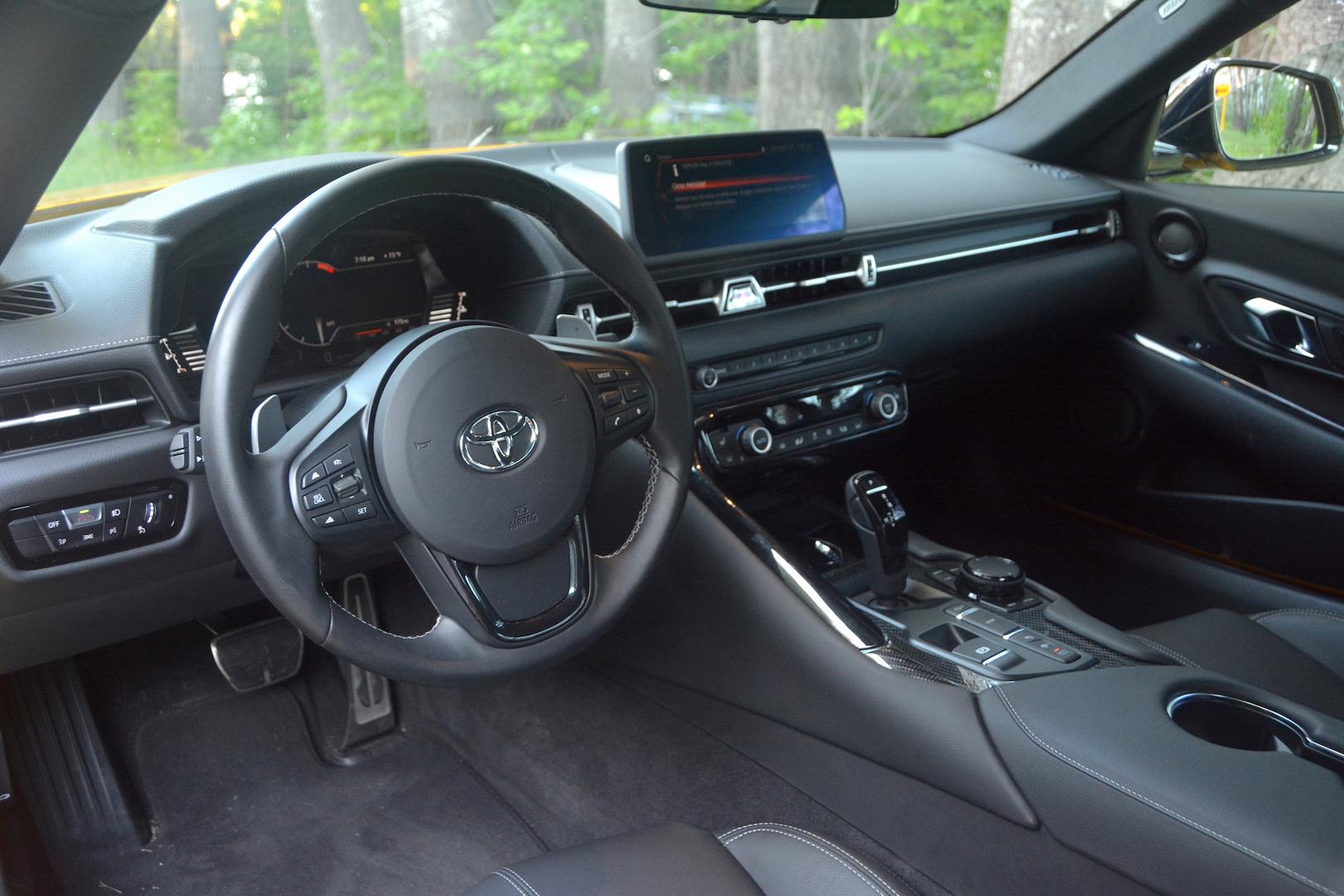
Inside is a cozy two-seat cockpit that’s quite comfortable for long stretches. The leather seats are well-bolstered but easy to get in and out of. The gauges are simple – a large tach with a digital speedometer in the center of it and bar graphs to tell you how much fuel is left and what the engine temperature is. The center stack has, from top to bottom, a digital infotainment screen, radio controls, climate controls, and the exquisite leather-wrapped carbon fiber console that contains the gear selector, sport mode button, traction control off button, and infotainment controls. Simple but elegant. I found myself right at home in it. The only disappointments were that the infotainment screen was small and didn’t provide great detail or a lot of information, and finding only two pedals in the footwell. I had really been hoping this might be a manual-transmission car but I was disappointed to learn that all are automatics with paddle shifters.
Toyota GR Supra
1 of 30
The engine is a BMW 3.0L twin-scroll turbocharged straight-six. I was initially surprised to learn it had a BMW engine but then recalled that in Toyota’s venture with Subaru (86 GT), a Subaru boxer-four is under the hood. As far as I’m concerned, there’s nothing wrong with it as long as it works and, boy, does it work. It provides 362 hp and 366 lb-ft of torque to the rear wheels through an 8-speed flappy paddle transmission. It’s an incredibly smooth engine that revs delightfully easy. I immediately fell in love with the engine. Toyota tuned it perfectly for this application. The automatic transmission worked well, trying to anticipate your next move but the paddle shifters seemed, well, more appropriate. They don’t shift as quickly as the Maserati Ghibli Trofeo we drove recently but they’re pretty darned close. Certainly well enough for us to thoroughly enjoy working through the gearbox to make the most of the engine’s torque and horsepower.
The suspension is an adaptive variable sport set-up with double-jointed McPherson shocks in front a multi-link arrangement in the back. It did a fantastic job of soaking up the worst bumps and bad pavement while providing fluid cornering dynamics that left you feeling confident in it’s abilities. An active rear sport differential out back helps keep it stable while providing the best traction possible to the driver to make the most of the rear-wheel drive.
The 19” forged wheels were wrapped in Michelin Pilot Super Sport tires. They provided ample grip, even when we overcooked a corner or two. Inside the wheels were Brembo 4-piston calipers up front and single-piston calipers out back that provided immediate and predictable stopping power, albeit with some grabbiness at low speeds.
The only mechanical interaction that we had trouble with was the steering. Mechanically it worked fine, but the steering ratio didn’t feel natural to us. It was a minor thing but we found ourselves noticing that our turning of the steering wheel didn’t always put us where we wanted to be and required just a bit of correction. Not really a problem, but a quibble in an otherwise near-perfect package.
How is it to drive? In a word, satisfying. Climb in, pull the door closed, and pull the seat belt across you, buckling it in. Press the brake, push the start button and the 3.0L straight-six whirrs to life. The sound is pleasant, adequately loud. You feel little to no engine vibration coming through. Shift the transmission into gear and head off. A light touch of the throttle nets you a little boost in speed. Hold the throttle down and the engine gets noisier and you feel the car start to pick up speed when the turbo pressure builds and you get a seamless push of acceleration that pushes you back in your seat with some force. Very nice.
Push the “sport” button in the center console and the exhaust valves open up to provide a throatier, louder sound. Shift the gear selector over into manual mode and slip your fingers behind the paddles on the steering column. Right is upshift, left is downshift. The transmission is quick to shift with every flick of the shifters. Plant the throttle and shift through the gears while the Supra rockets ahead and it’ll hold you against the driver’s seatback until you let off the throttle. Brake softly and you’ll get nothing and then it’ll suddenly grab and bob your head forward a bit. Brake strongly and it’ll slough off speed as quickly as you need it to.
Find a fun curvy road and the car comes alive. Turn-in is sharp and though we complained about the steering ratio a little, it works well enough to steer precisely although you may need to correct a bit here and there. The tires grip the pavement tightly and the suspension keeps them planted against the pavement while controlling the car’s body motion. It transitions beautifully from corner to corner and fluidly glides through the corners with grace and dexterity.
Fuel economy is reported as 30 mpg on the freeway and 22 mpg in the city. That feels right.
The price of our came in at $57.000 USD. The base price was $54,500 USD. That’s pretty reasonable for a car of this caliber. If you’re considering one, make sure you’re okay with being noticed though because the Supra will get you noticed. I came out of a restaurant once and found people taking pictures of it, and I was filmed on phones more than once driving through intersections.
As I pushed it up one of my favorite twisty roads one evening, windows down, enjoying some sporting driving on a beautiful summer’s evening, I found myself absolutely loving the car. It was one of the most engaging and fun cars I’ve driven all season. And isn’t that what driving is all about? The new Supra is a wonderful and balanced blend of power, performance, and handling. It’s a driver’s car and a damned good one in my opinion. It’s one I’d consider parking in my own garage and that’s not something I say often, especially of an automatic transmissioned car.
September 8, 2021 / Comments Off on 2021 Toyota GR Supra 3.0 Premium Review
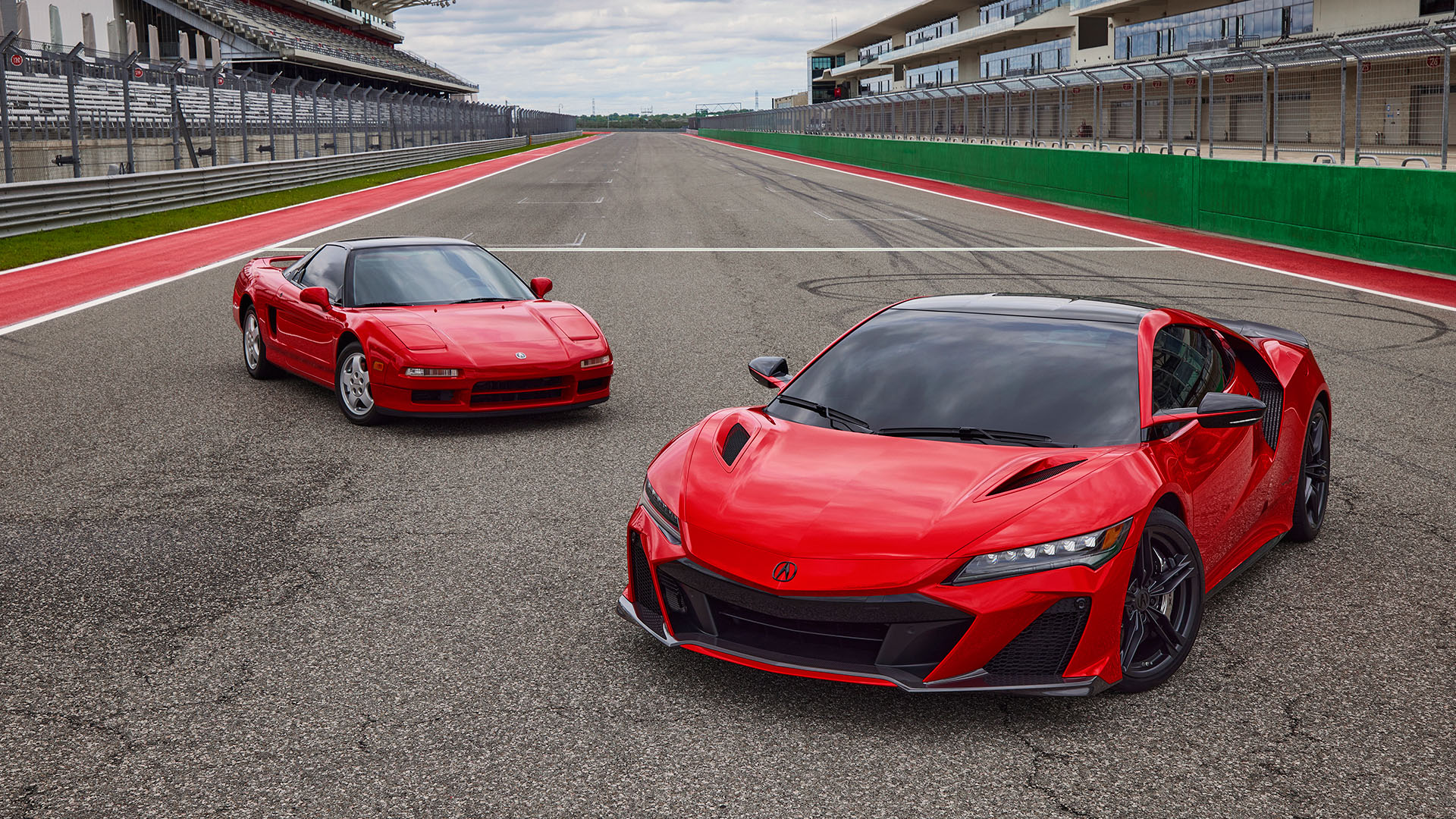
I have to admit I really liked the original Acura NSX or the Honda NSX as it was called over here in Europe, and I mean the early one with the pop-up headlights, not the later one with the fixed headlights, I wasn’t really a fan of those, but I did like the idea of an NSX with a removable roof panel … this looked like a supercar, I’m sure many mistook it for a Ferrari, especially in red, but it was a Honda, the same make that had the ‘pocket-rocket’ CRX over here, a car that would be tuned to the max … and then you had the NSX, a stunning beauty even in factory original form.
After showing the initial concept, Honda came up with the name NS-X, for New Sportscar eXperimental, eventually, the car was marketed as the Honda NSX, and as the Acura NSX for the North-America market, starting from 1990 powered by a 3-Liter V6 VTEC engine, initially with a 5-speed manual that was joined by a 4-speed automatic in 1993, two years later the NSX T was shown with a removable roof.
The first power upgrade came in 1997 when the displacement of the V6 engine grew to 3.2-Liters while a facelift was executed 12 years after the release, in 2002 the pop-up headlights were replaced with fixed units, sadly three years later, in 2005 production of the Honda/Acura NSX was halted after being in production for 15 years.
The next-generation Acura NSX had been rumored since late 2007, inspiration would be taken from the Acura ASCC, but the entire development was halted in 2010 until late 2011 Honda officially confirmed they were working on a new supercar, which they called the ‘second-generation NSX’, there was even a concept car shown at the 2012 NAIAS, but it would take three more years to unveil the final production model which would become an MY2016 edition, and not built in Japan this time, but designed and engineered in Marysville, Ohio, at Honda’s plant, led by chief engineer Ted Klaus.
The new 2016 Acura NSX still had a V6 engine, but this time a 3.5-liter twin-turbocharged evolution with a hybrid addition, three electric motors boost power to 573 hp, this time through a 9-speed dual-clutch automatic transmission, and while it’s a new, modern sports car, I still feel it lacks the intimidation the original car from the Nineties had … it’s just not that amazing looking, but that’s just my opinion.
Sadly the second-generation Acura NSX didn’t become a sales hit, between 2016 and 2020 only 1,386 were sold in the United States, with 2017 being the top-selling year with 581 units, unfortunately, Europe was even worse with only 215 units, in 2020 only 8 Acura NXS found customers in Europe … but for the final year of production, something new came around.
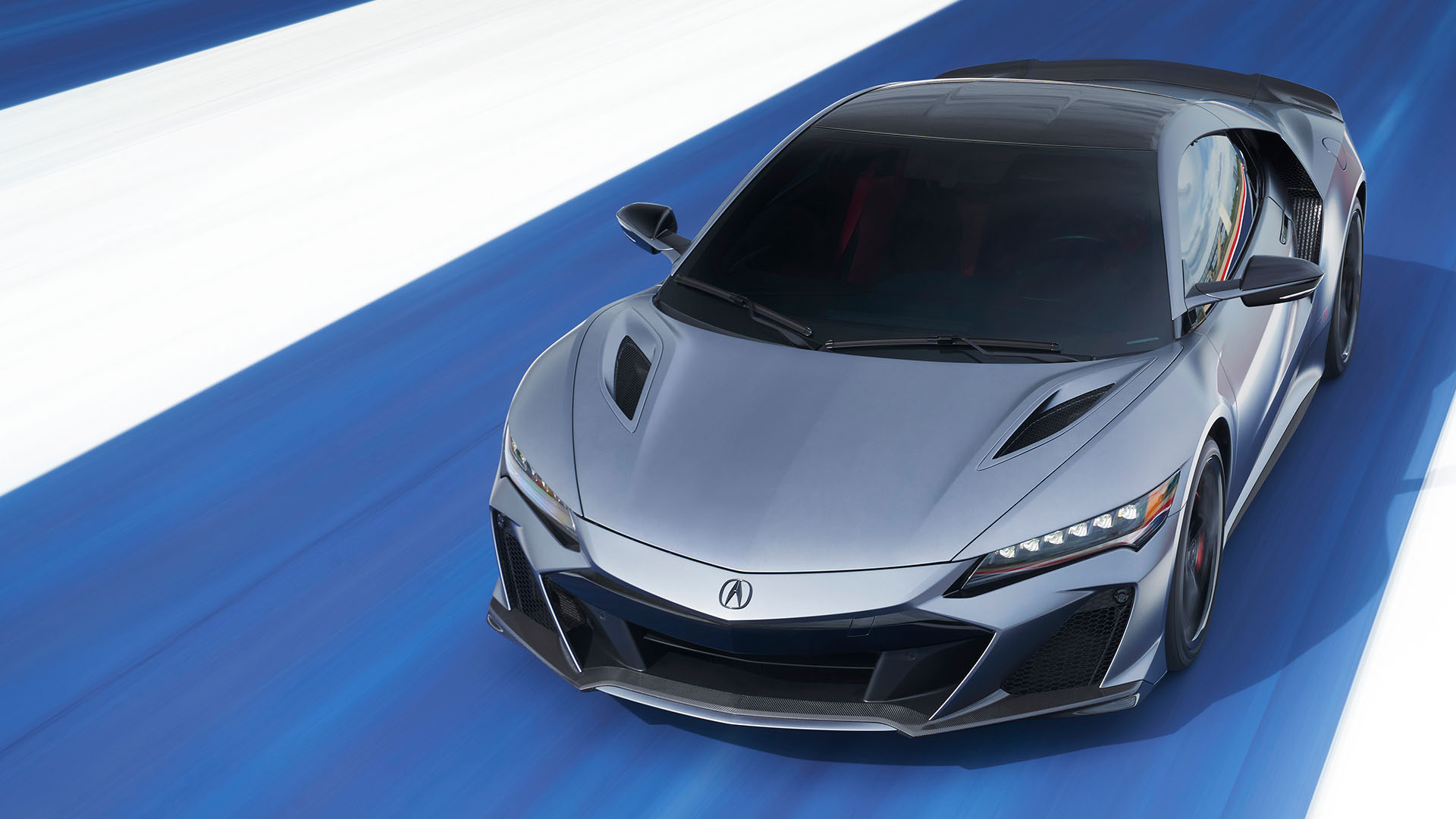
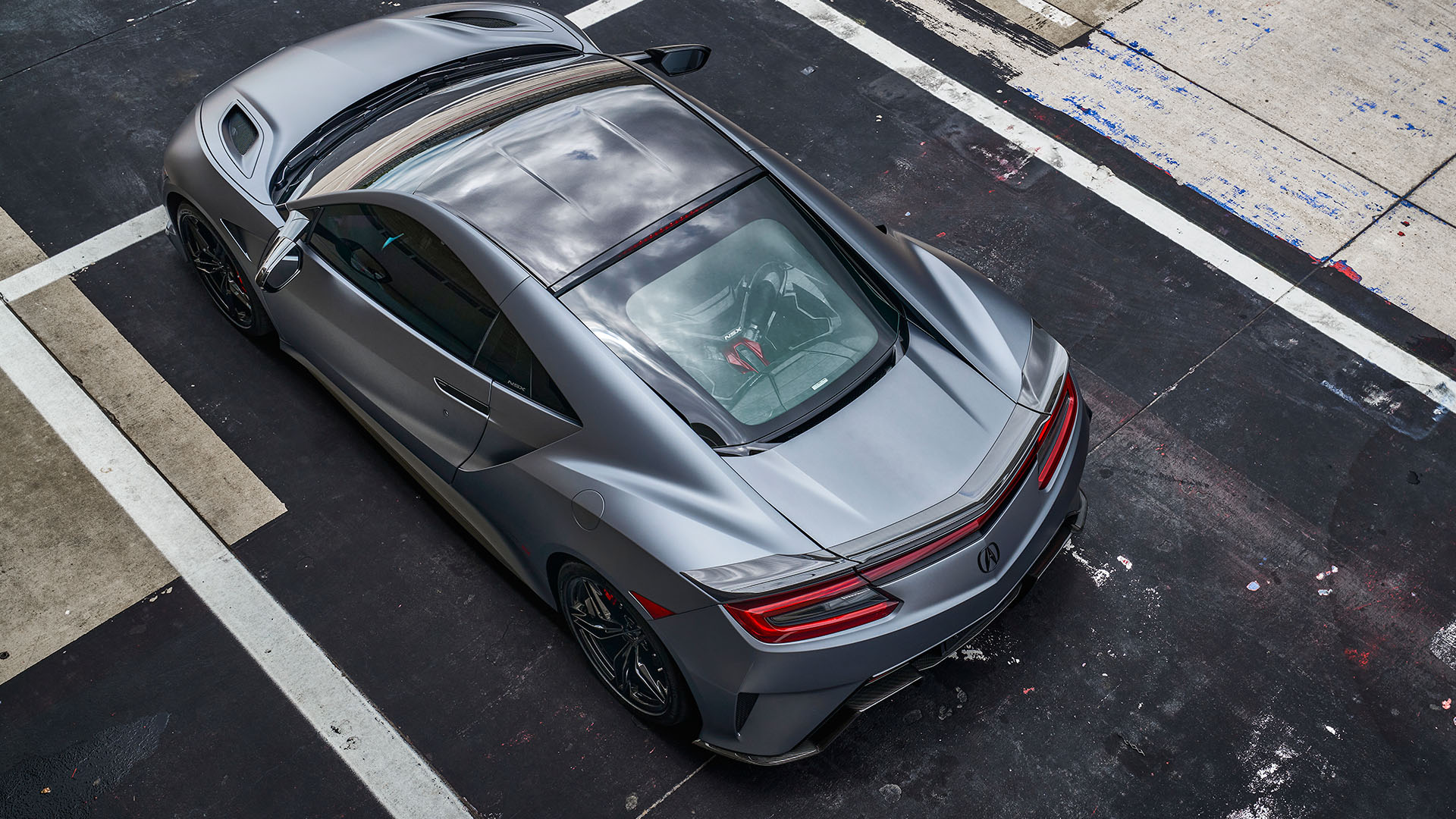
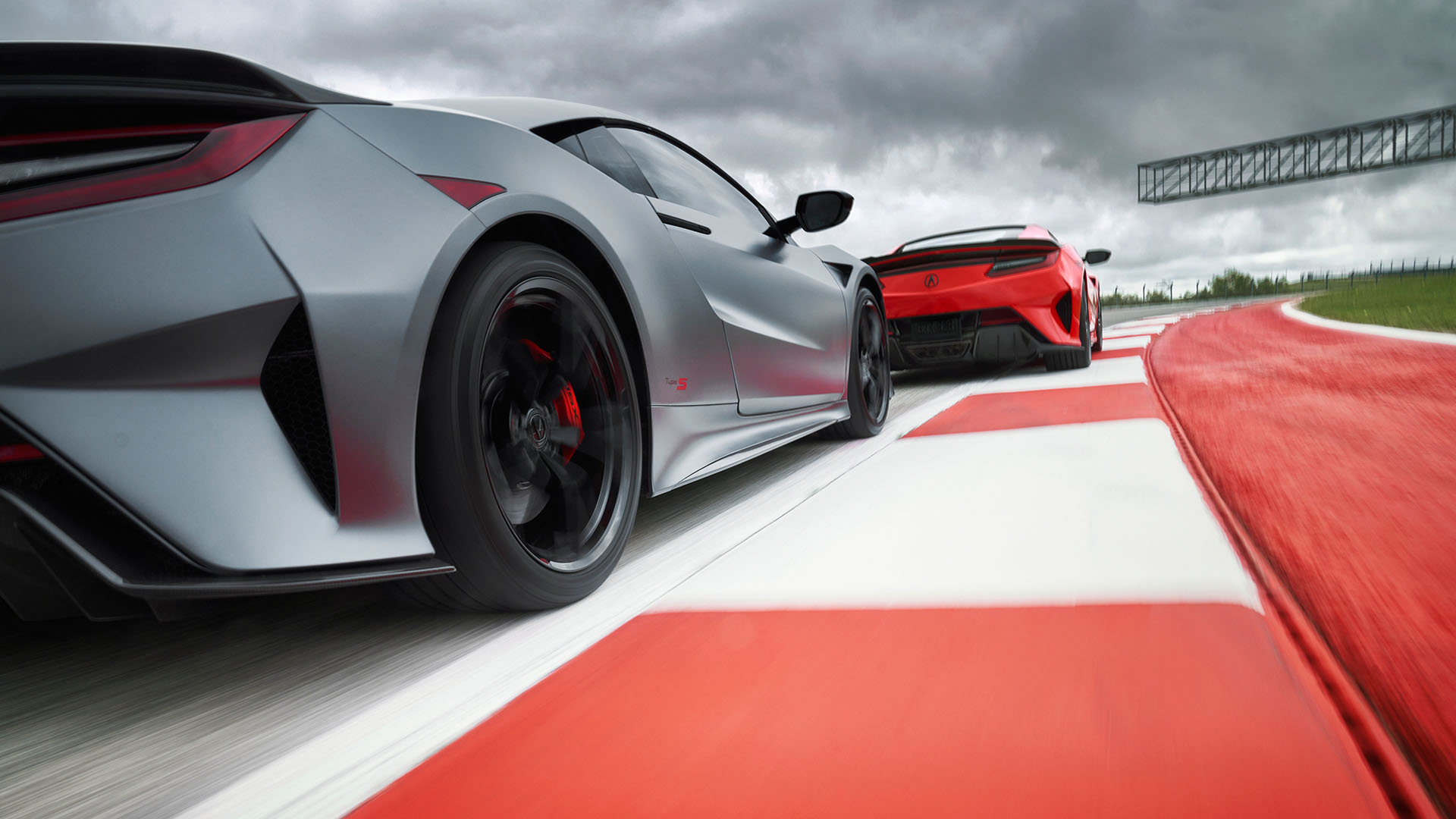
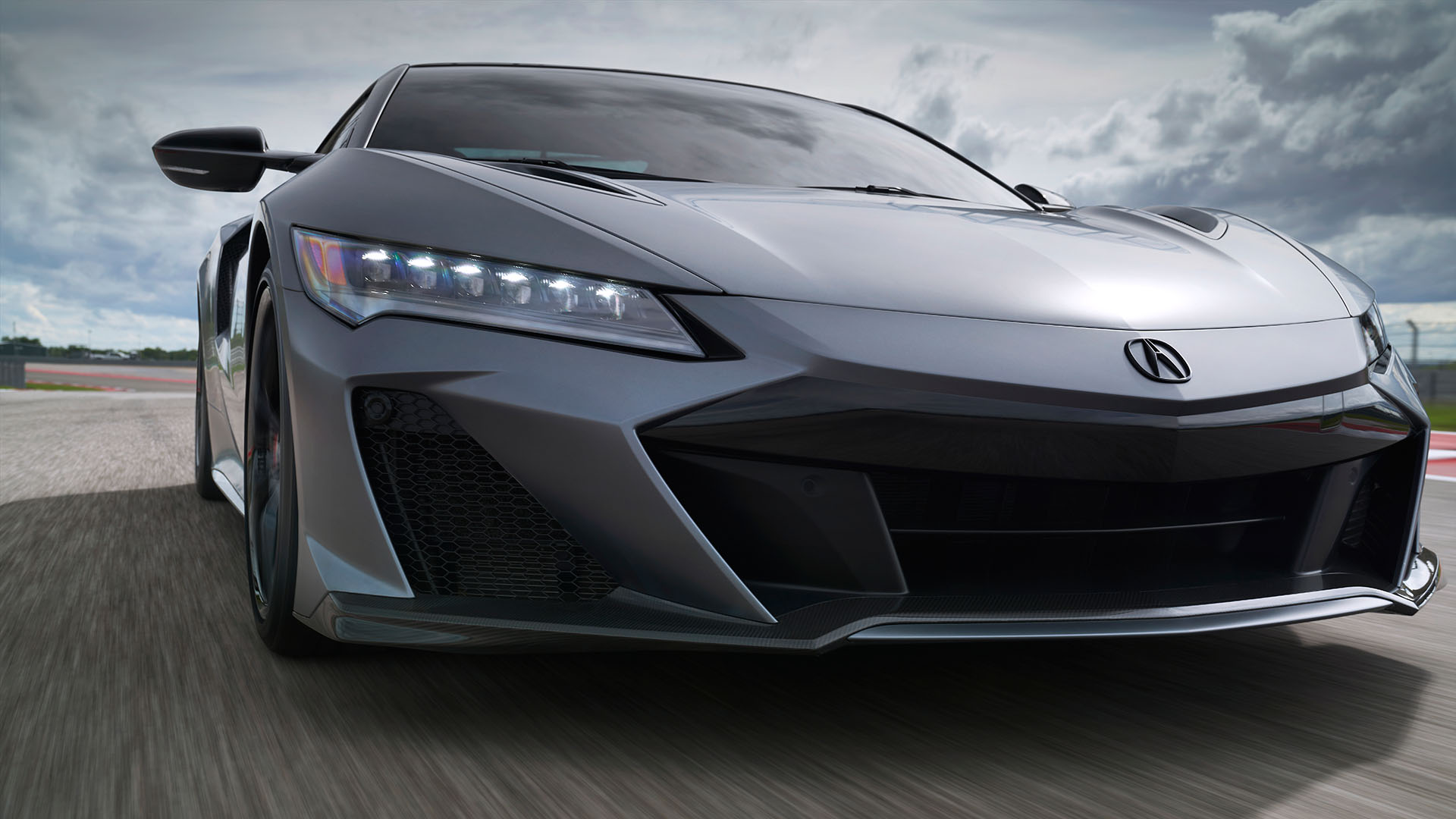
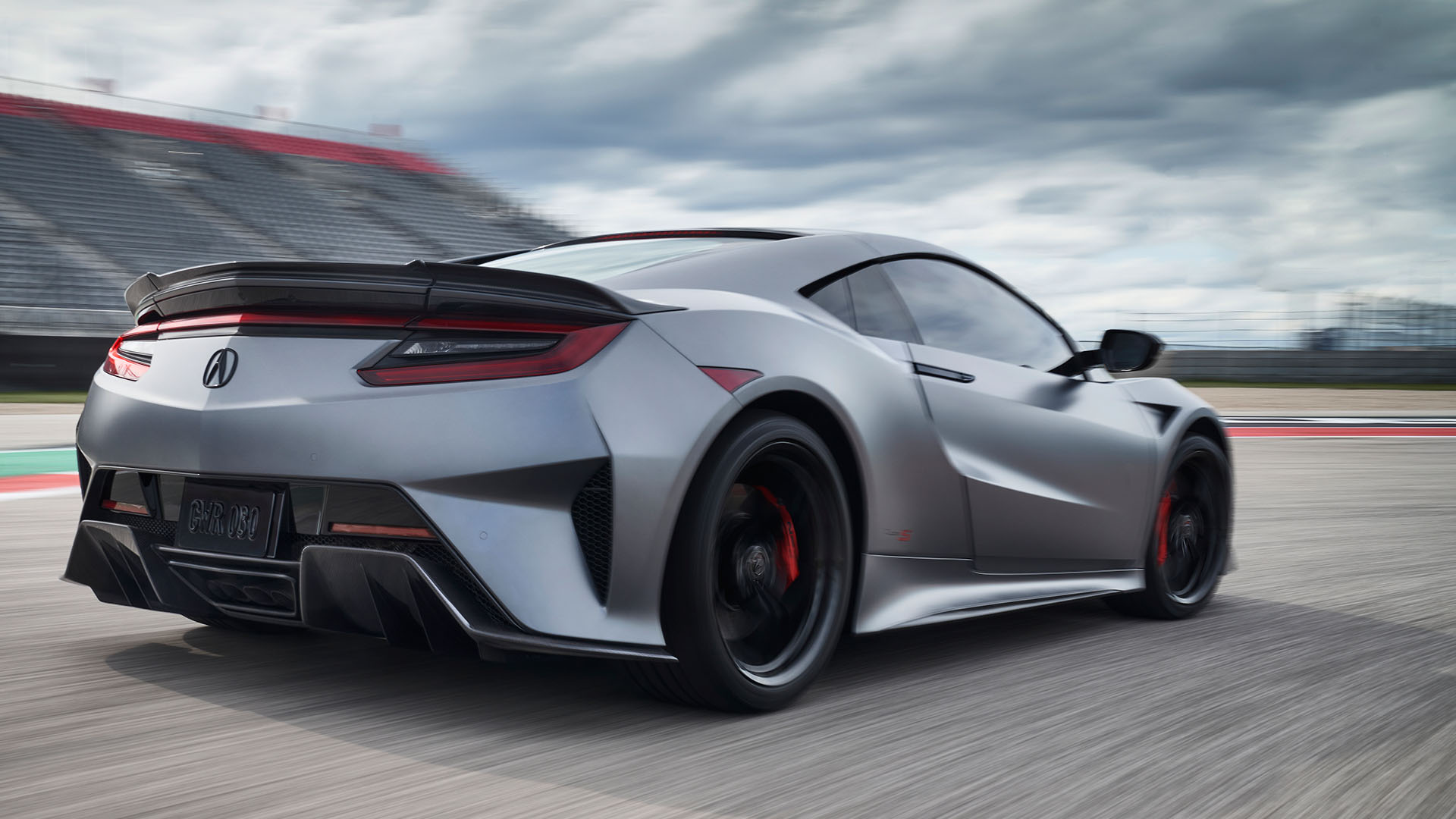
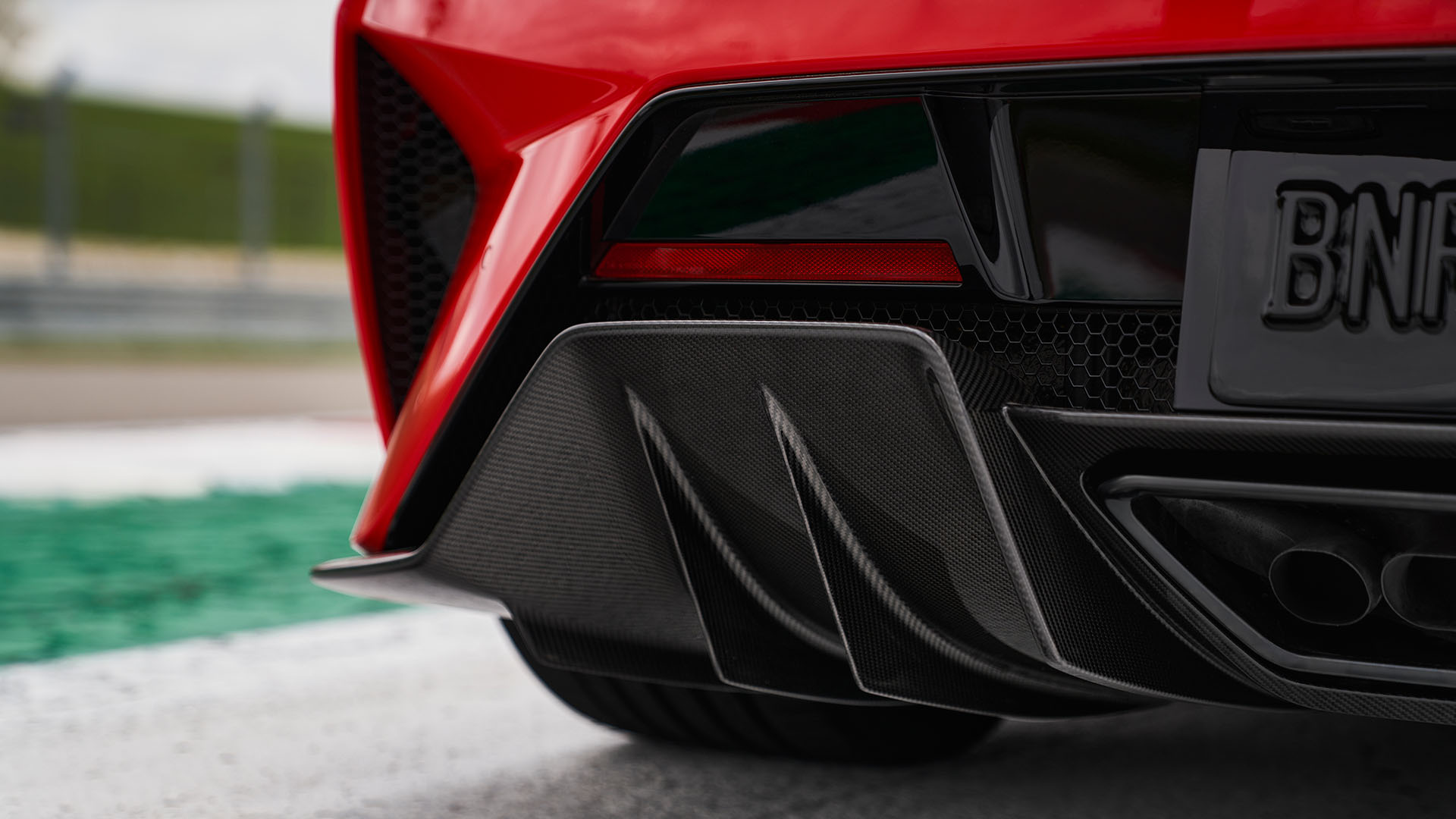
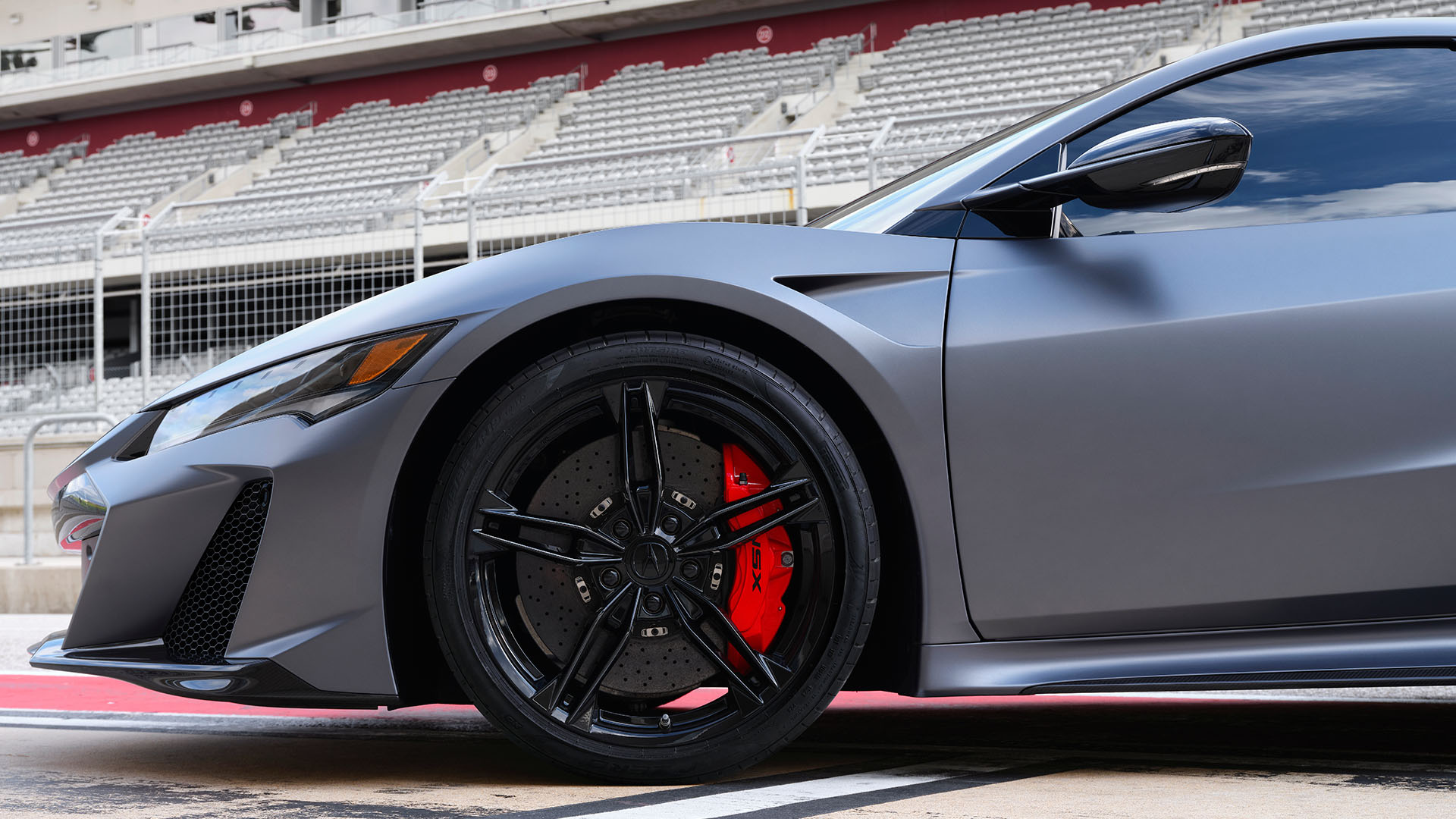
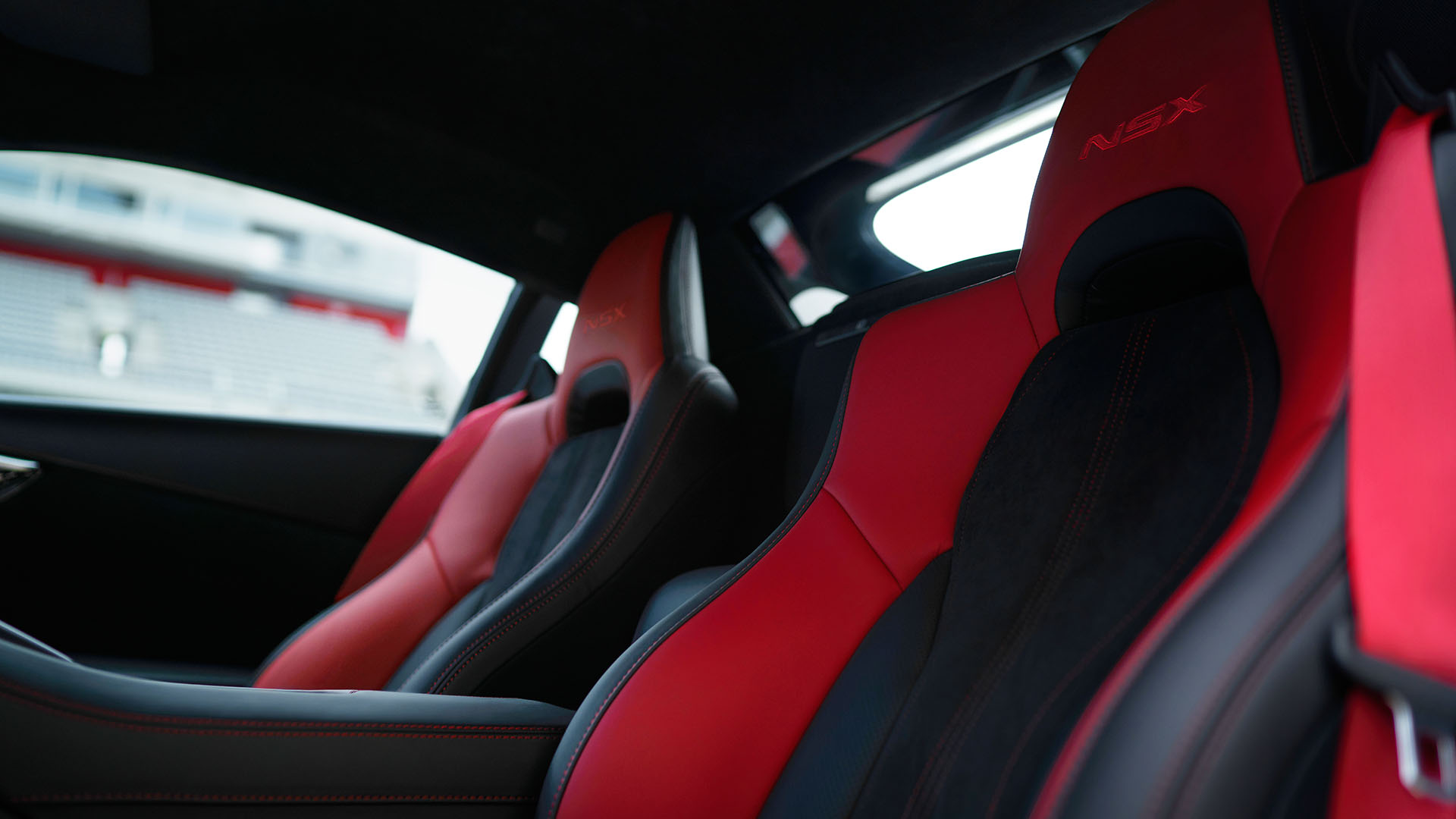
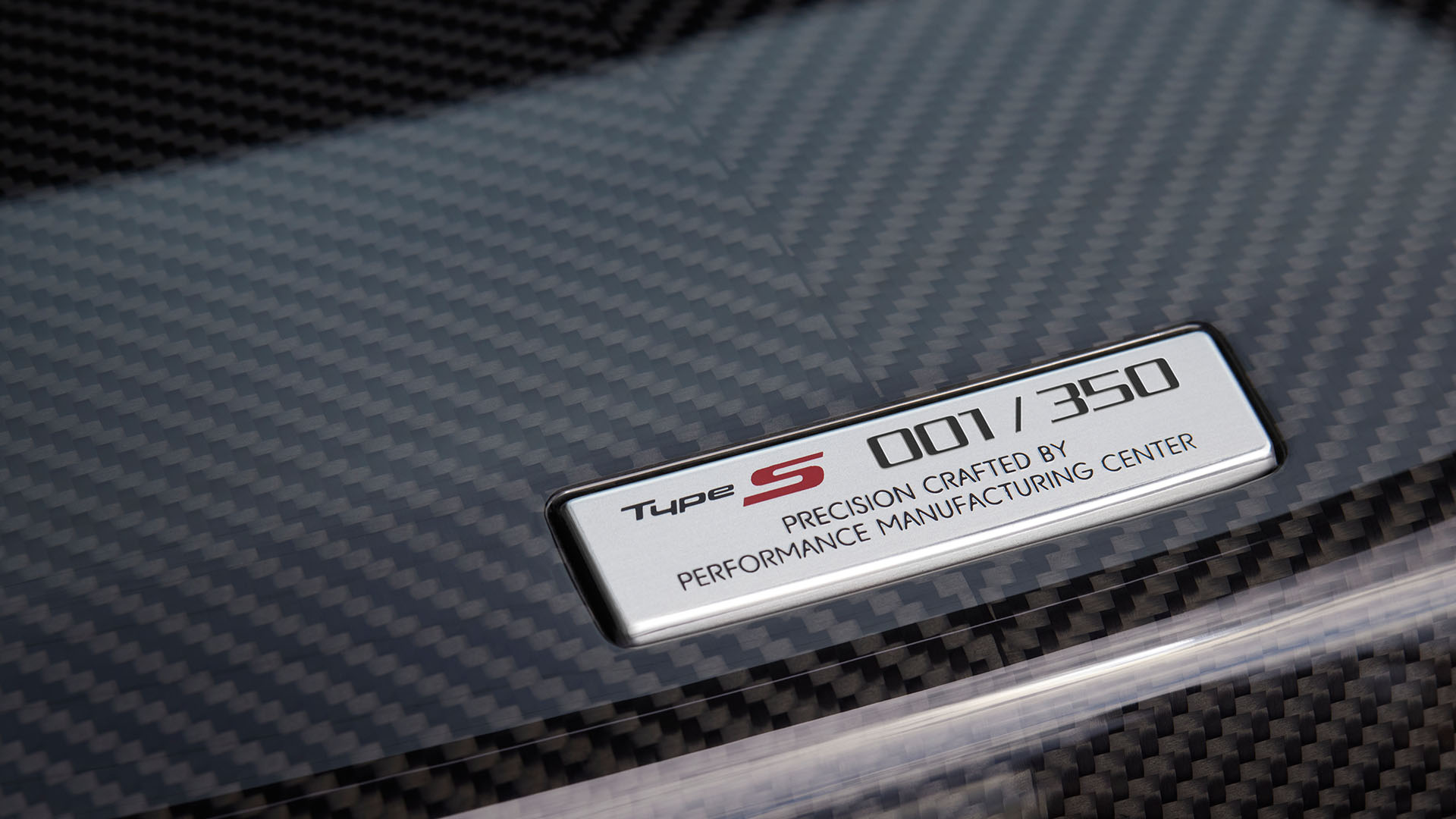
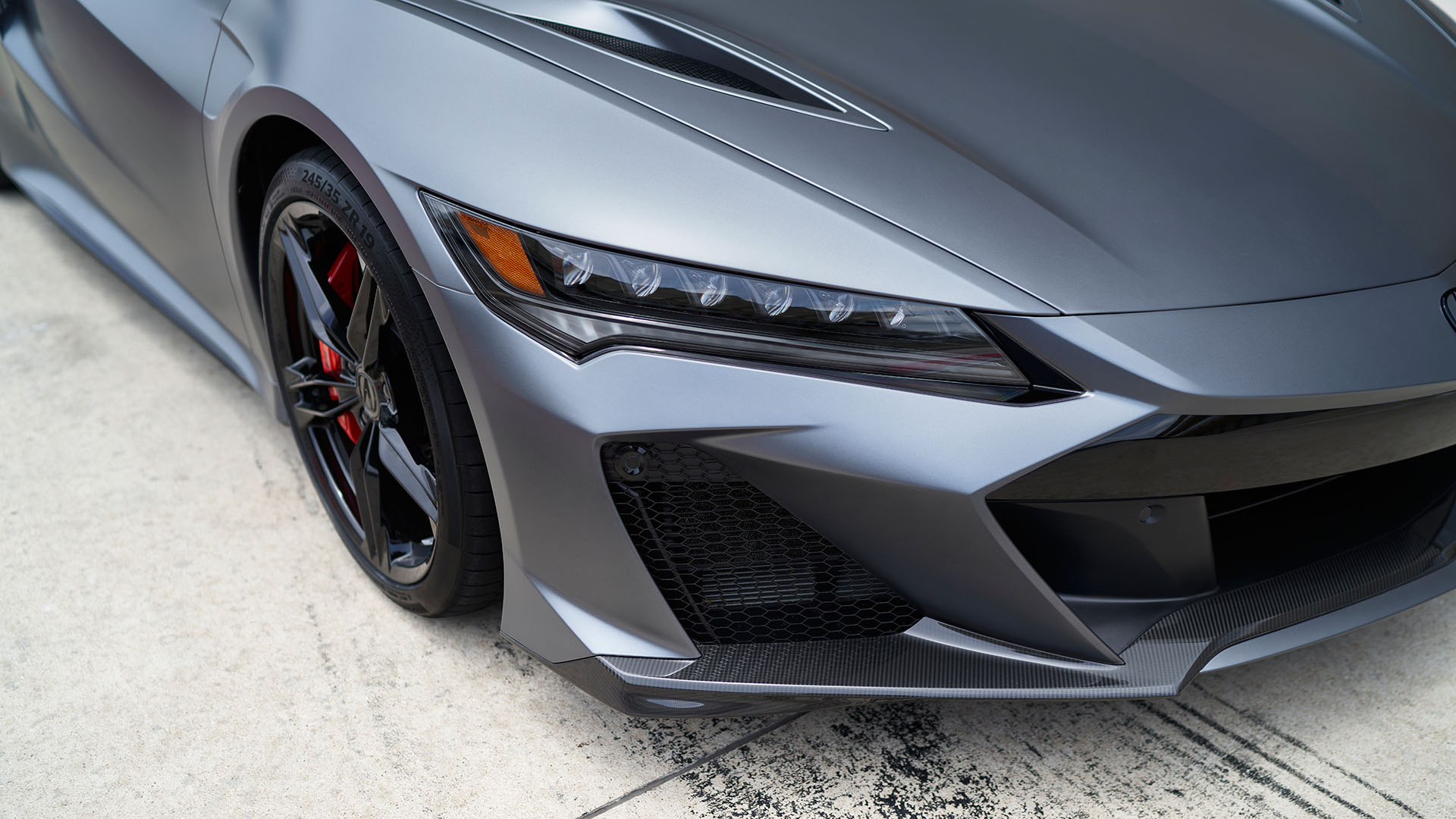
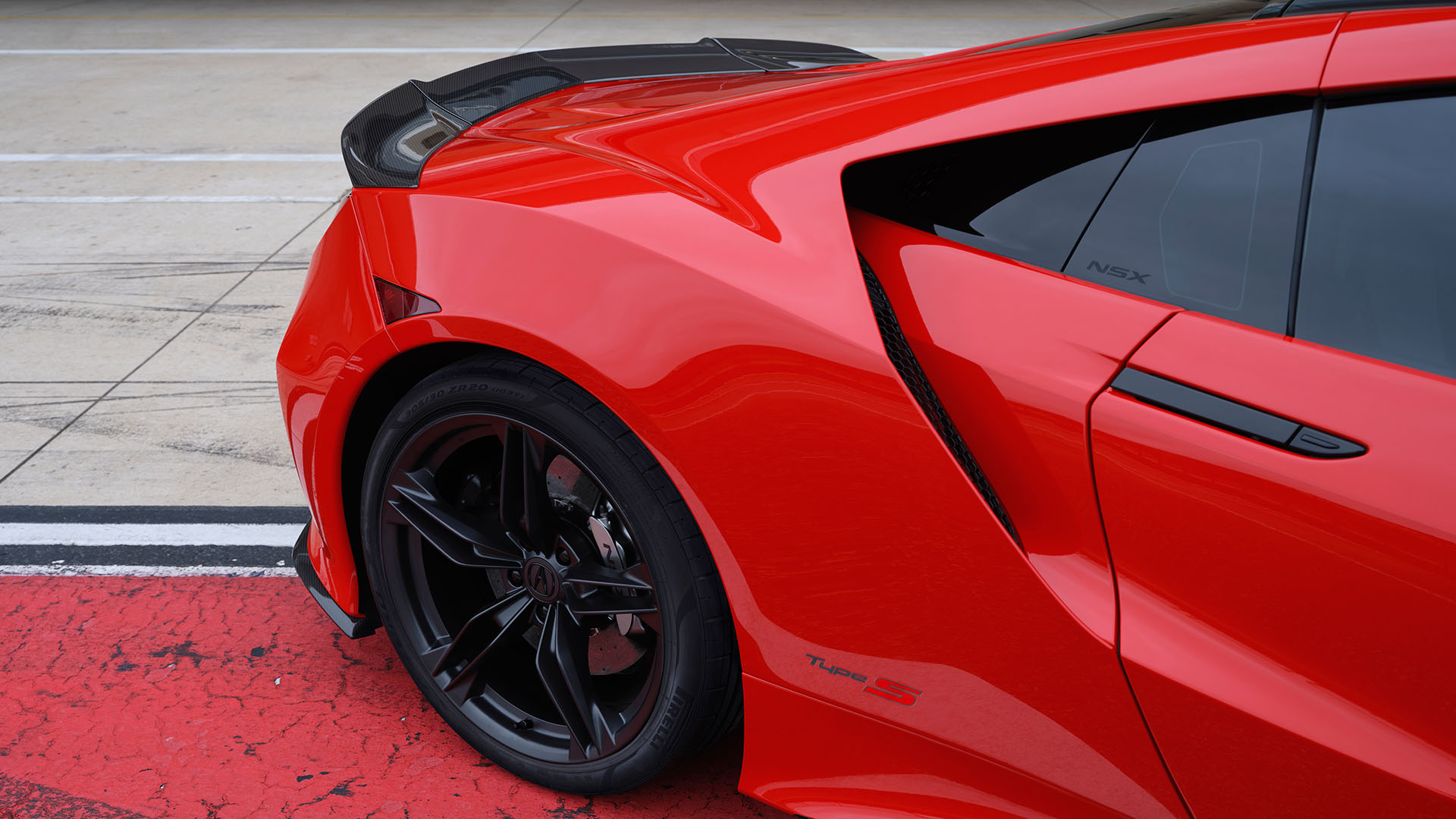
Production of the Acura NSX will be discontinued in 2022, so as a final farewell Acura came up with the NSX Type S, the most powerful NSX ever with 600 hp, unveiled during the 2021 Monterey Car Week, with a limited production run of only 350 units, and a redesigned look to make this 2022 NSX Type S the most aggressive looking one ever, with larger intakes in the front bumper and a GT3 style rear diffuser.
“Only NSX can go beyond NSX,” said Satoshi Mizukami, chief engineer and NSX Type S development leader. “Power definitely contributes to what we strive for, including the joy of driving, but that alone wouldn’t be enough. We want our customers to feel that performance deep inside, and if we were to enhance performance, we wanted to express the vehicle with designs that represent such performance.”
The 2022 Acura NSX Type S can be ordered in a stunning looking Gotham Gray matte paint that combined perfectly with the gloss black mirrors and door handles and let’s not forget the bespoke forged alloy wheels with their split-five spoke design. “At first glance, people will say it looks completely different,” said exterior designer Dai Hara. “It looks fast.”
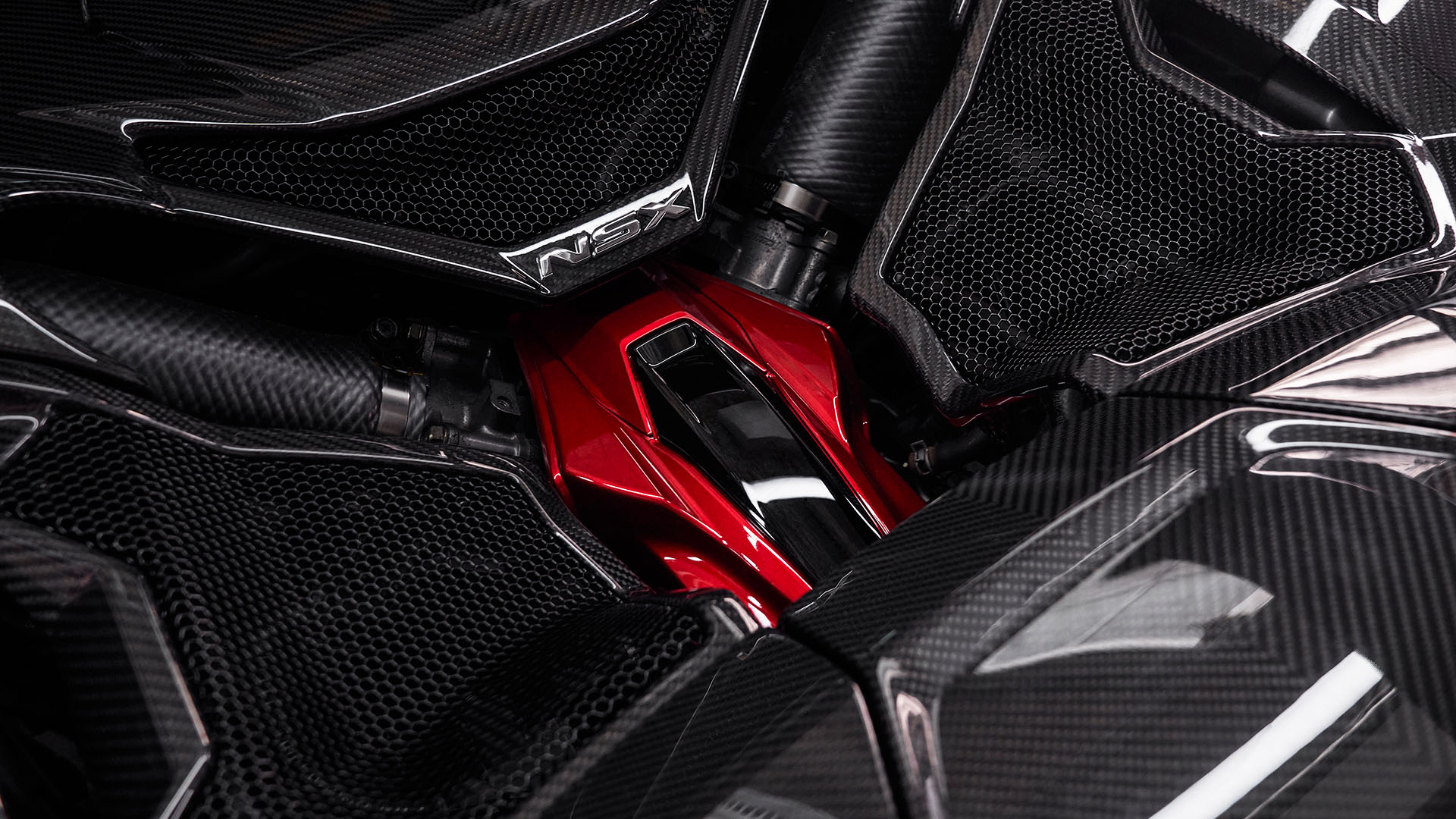
The increase in power to an even 600 hp from the previous 573 hp has been achieved by using the larger turbos from the NSX GT3 racecar, to cope with that much power Acura installs stickier Pirelli P-Zero tires on these final edition models, in fact, the entire production for 2022 will be made up of Type S only at the Performance Manufacturing Center in Marysville, Ohio, 350 units are available globally with 300 of those reserved for the US market, this is the very first time an NSX Type S has been sold outside of Japan.
Make sure to take a look at the official ‘development’ video on the 2022 Acura NSX Type S below:
[embedded content]
[embedded content]
Enjoy some more detailed shots on this final edition supercar from Acura:
September 7, 2021 / Comments Off on Development of a Limited Production 600 hp Acura Supercar
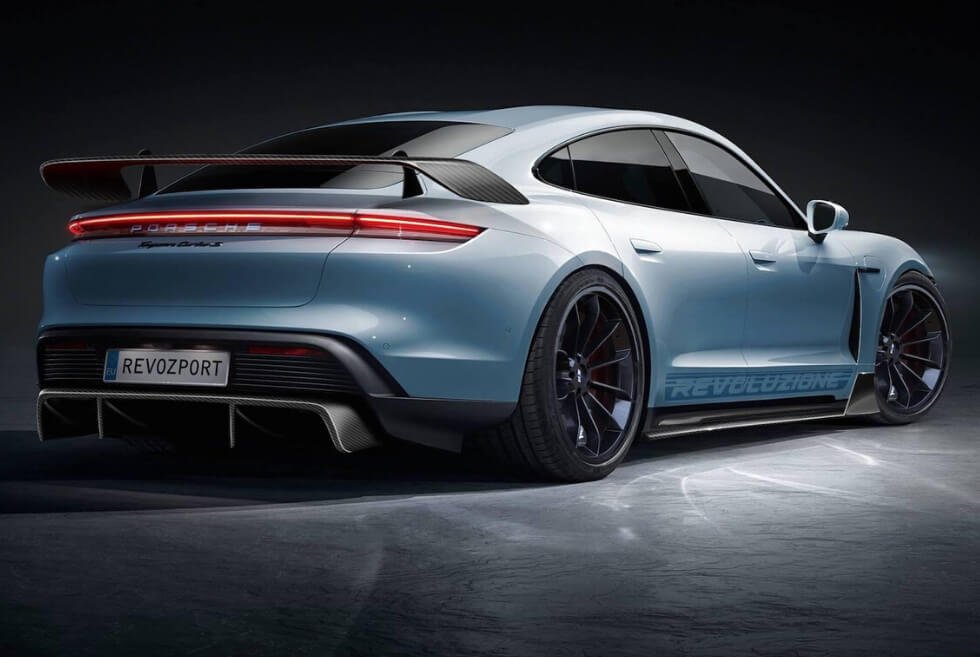
We’re not exactly sure as to why you would want to mess around with what Porsche already gives the Taycan but let us indulge your interests. For whatever reason why you need to tweak what many consider a sustainable automotive work of art, we’re here to help. Rather, you can count on RevoZport to supply the parts.
Don’t let others get on your nerves with their incessant pestering about why you didn’t go a Tesla instead. Elon Musk’s car company might be the forerunner in the eco-friendly transportation market, but it cannot match the pedigree behind the German marque.
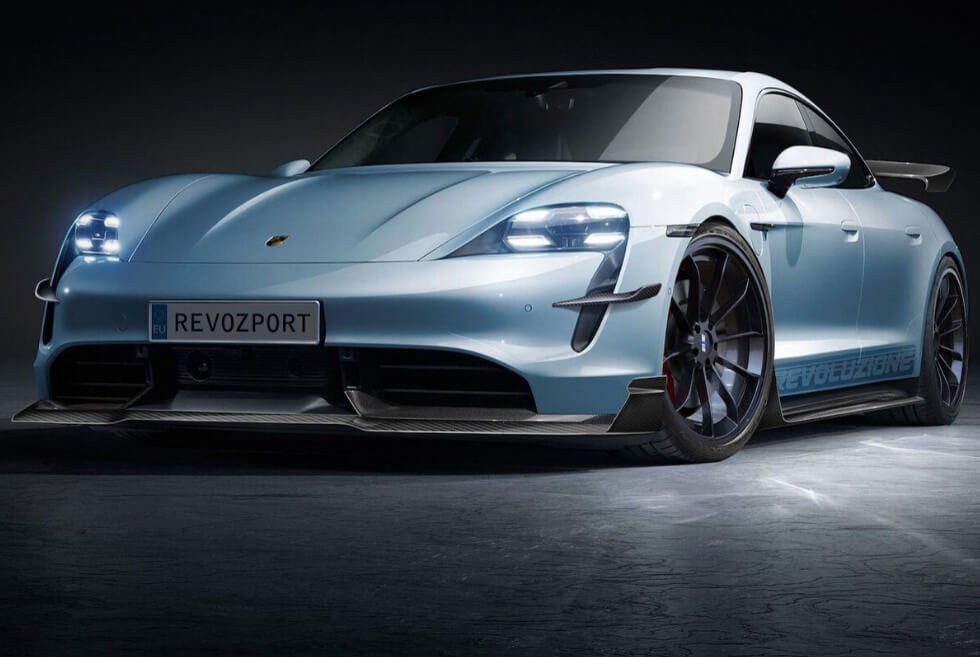
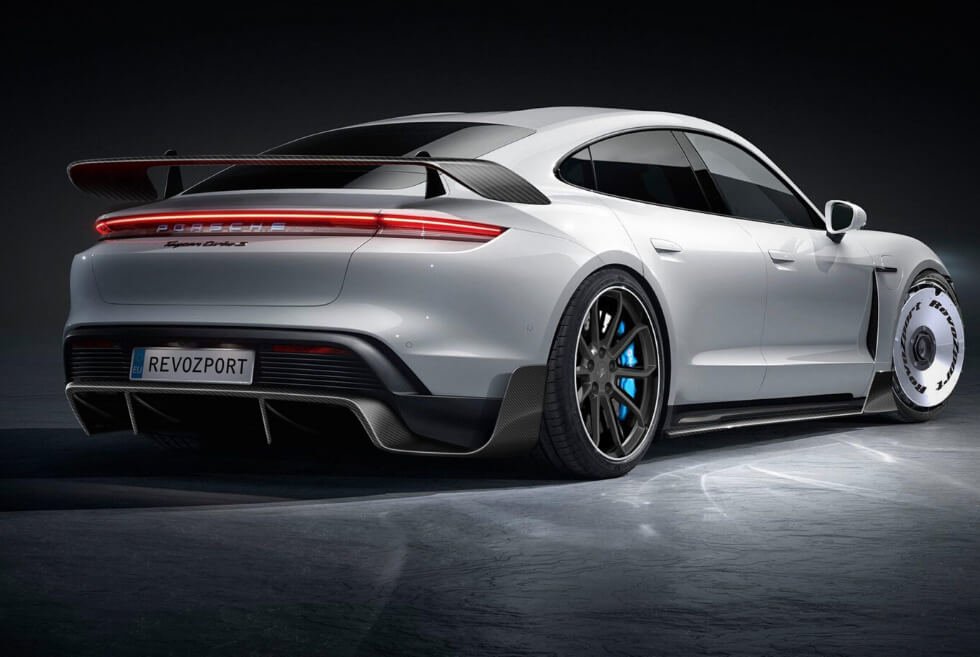
Therefore, RevoZport gives clients a choice between two aero kits to give their all-electric sedan an aesthetic makeover. There’s the Revoluzione or the GT-Z and both do more than just embellish your ride. Depending on how far you want to boost the performance of your Taycan, each bundle should cater to the client’s expectations.
Among the two, the Revoluzione is both the entry-level and mid-range option. Costs range from $8,500 to $12,000 while the parts are compatible with the 4S, Turbo, and Turbo S trims. Weight matters, which is why carbon fiber is the material of choice here. You can order this aero kit with a set of custom 22-inch forged wheels.
Next up is the range-topping $15,000 GT-Z – likewise applicable to the 4S, Turbo, and Turbo S variants of the Taycan. This bundle includes a new front splitter, front bumper canards, side skirts, a rear diffuser, rear bumper skirts, and a swan neck GT spoiler. As you can see, RevoZport has something for everyone. Check out our awesome buyer’s guide here if you want to add a dash cam to your sporty sedan.
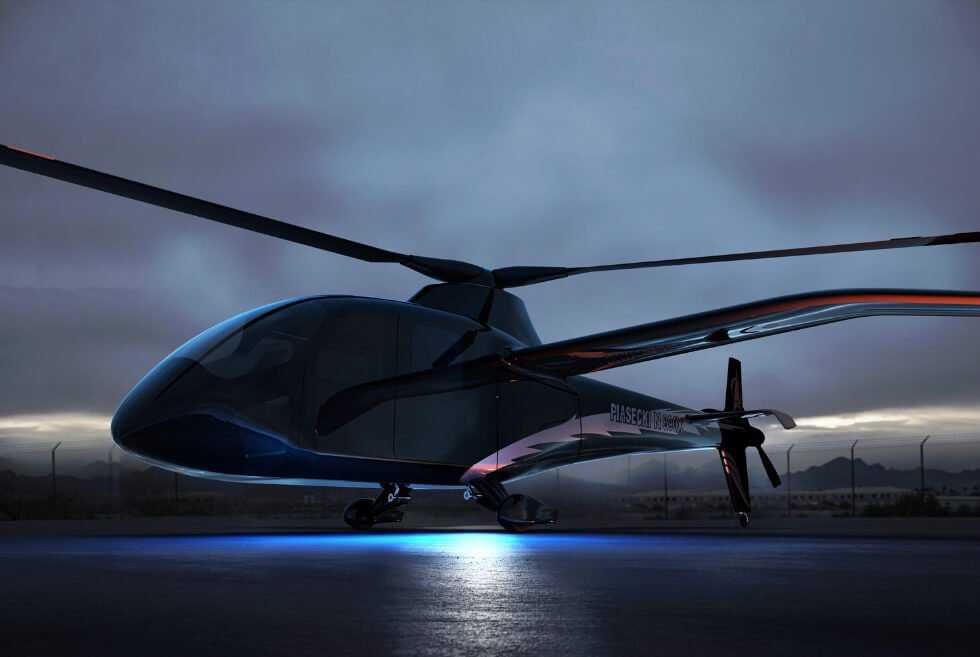
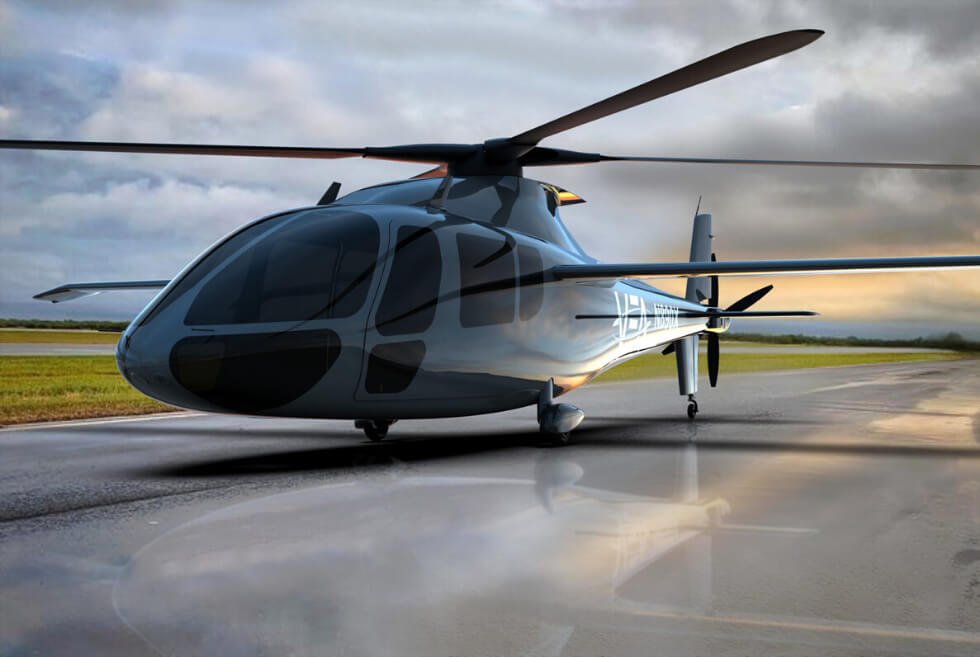
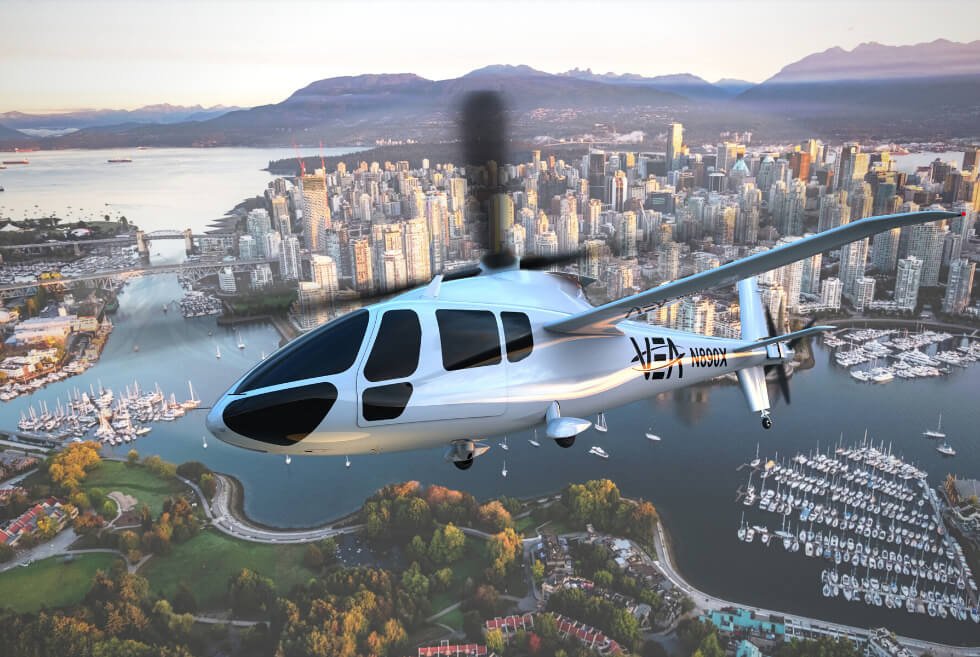
It wasn’t long ago when we were talking about some of the factors holding back the adoption of hydrogen fuel cells. Although many of us think that battery-electric systems are more sustainable, the recharging process might not be entirely green as we think. Piasecki makes its stand with the former to power its PA-890 rotorcraft.
You might be wondering why this chopper sports wings on the fuselage. The manufacturer is going for a compound configuration. These rotate vertically up to 90 degrees to improve efficiency when hovering. During regular flights, they are positioned horizontally to minimize drag.
The powerful main rotor features four blades with torque counteracted by the swiveling tail rotor. This also provides thrust during forward flight. According to Piasecki, this dynamic rotor system of the PA-890 dramatically improves efficiency and range.
Moreover, the electric motors generate lesser noise in contrast to contemporary helicopters. This eVTOL will be capable of passenger transport as well as logistics. The manufacturer also envisions its use for Emergency Medical Services (EMS) applications.
The PA-890 should appeal to the commercial travel sector with its projected 50% reduction in operating costs. Piasecki is supposedly sourcing the fuel cells from Hypoint. The technology from the provider apparently promises four times the energy density of lithium-ion batteries.
Piasecki says its hydrogen fuel cell eVTOL is still in the early development phase. It will take some time to squeeze out the best performance and mileage given the limitations brought about by current systems. Nonetheless, a working prototype should take its maiden flight sometime in 2024. After certification, deliveries of the PA-890 should start in 2025.
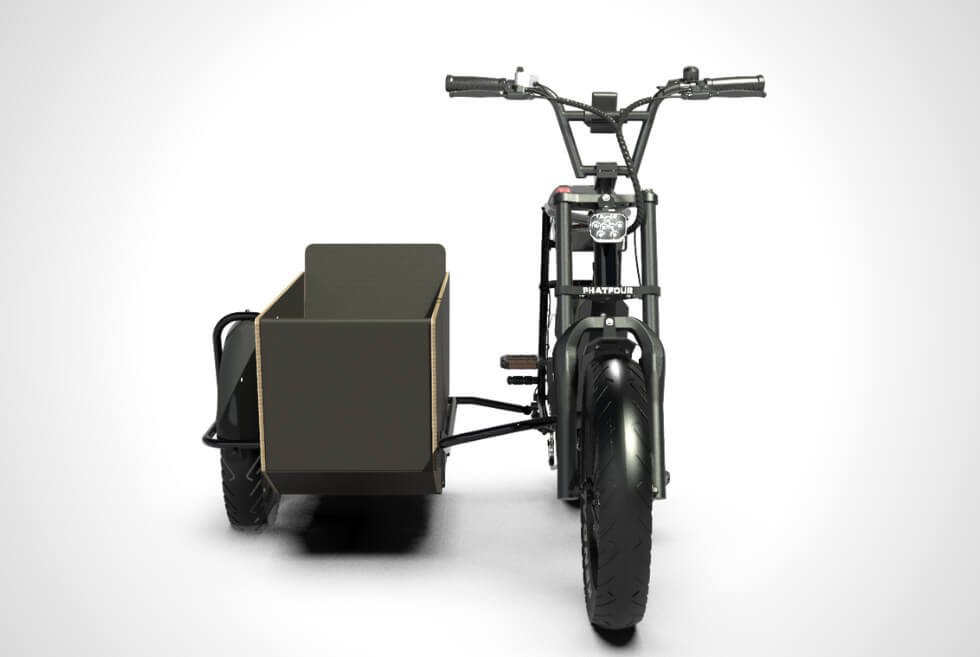
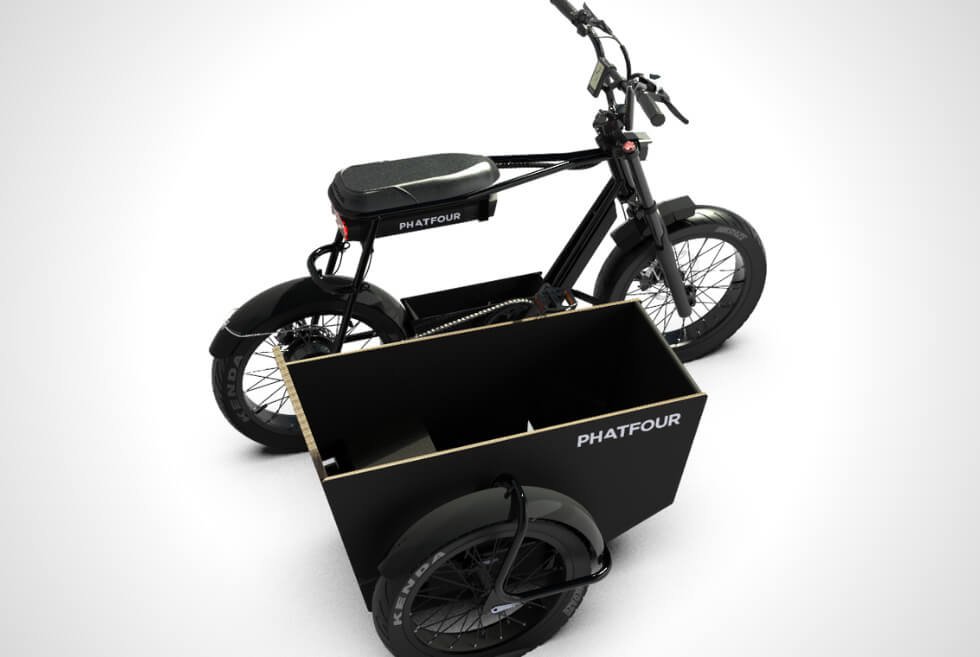
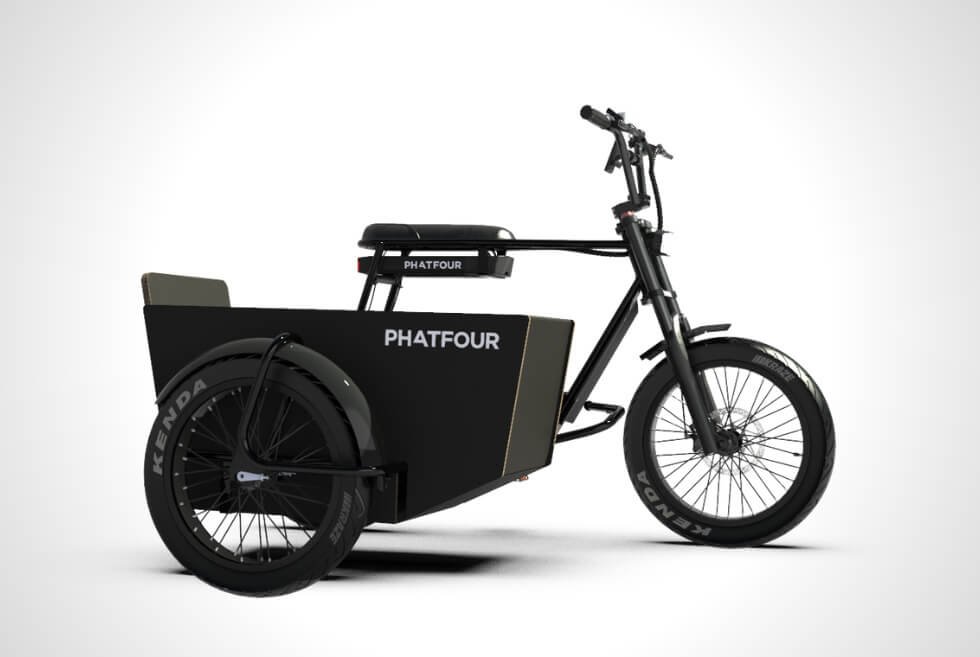
Most of the people we know who are into cycling have also invested in electric bicycles. Perhaps we convinced them about the benefits of sustainable rides. With many brands regularly refreshing their lineups, the options are near endless. For those who own the FLB and FLS series from Phatfour, the Sidecar lets you share the fun.
Relying on pedal power alone with the added weight of another person and a sidecar is murder on your legs. Unless you are training for strength and endurance before a big race, attaching one to your bicycle is an odd choice. Anyway, the Dutch manufacturer produces capable e-bikes, so just let the electric motors handle the task.
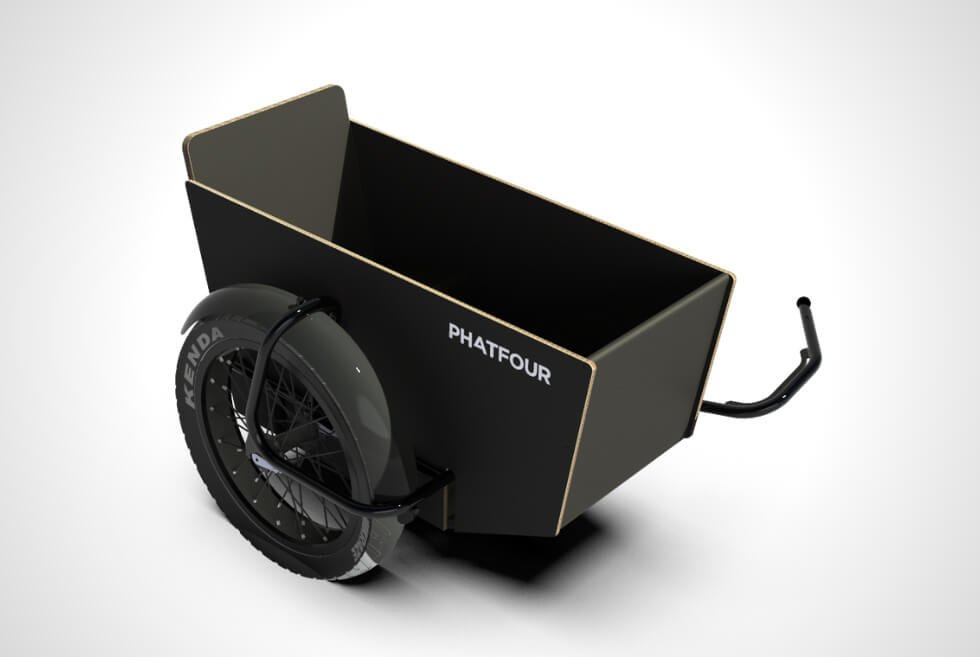
On the other hand, you likewise need to pedal every now and then, but it’s not really a dealbreaker. The Phatfour Sidecar is not only for passengers but also for your cargo. According to the product page, you get about 150 liters of storage space for your stuff.
There’s also a wooden bench seat if your buddy wishes to join you. Just note that the Sidecar can probably just accommodate a kid, a small to medium size pet, and your groceries. Technically, it can fit an adult but they have to be really slim for a comfortable experience.
It attaches to your FLS or FLB e-bike through proprietary a connecting arm. The frame is powder-coated steel in black and sits des on a 20-inch wheel with a Kenda fat tire. The Sidecar can be yours for $1,035. Order it directly from Phatfour and enjoy the versatility it gives your ride.
Let’s all face facts here. Despite the fact that we all admire purely petrol-powered speed machines, the fact of the matter is that supercars, and for that matter pretty much all cars are going either mild hybrid or performance hybrid. Some of the most exciting new hypercars coming out in 2022 are fully electric, with no internal combustion engine at all. We’re in the middle of a revolution in automotive history.
However, as come the hybrids and electrics, so too go the ICE cars. While many in the supercar space have already moved to hybrid, and many major manufacturers have joined in on the unofficial “Green Promise” to be fully hybrid or electric by 2030, some cars are still in production, or coming, that are still powered by recycled dinosaurs.
Here are 8 of the best, as well as confirmed last, road-legal cars to use no electrical assistance at all in their engines or powertrains, a celebration of controlled explosions and loud noises!
Aston Martin V8 Vantage
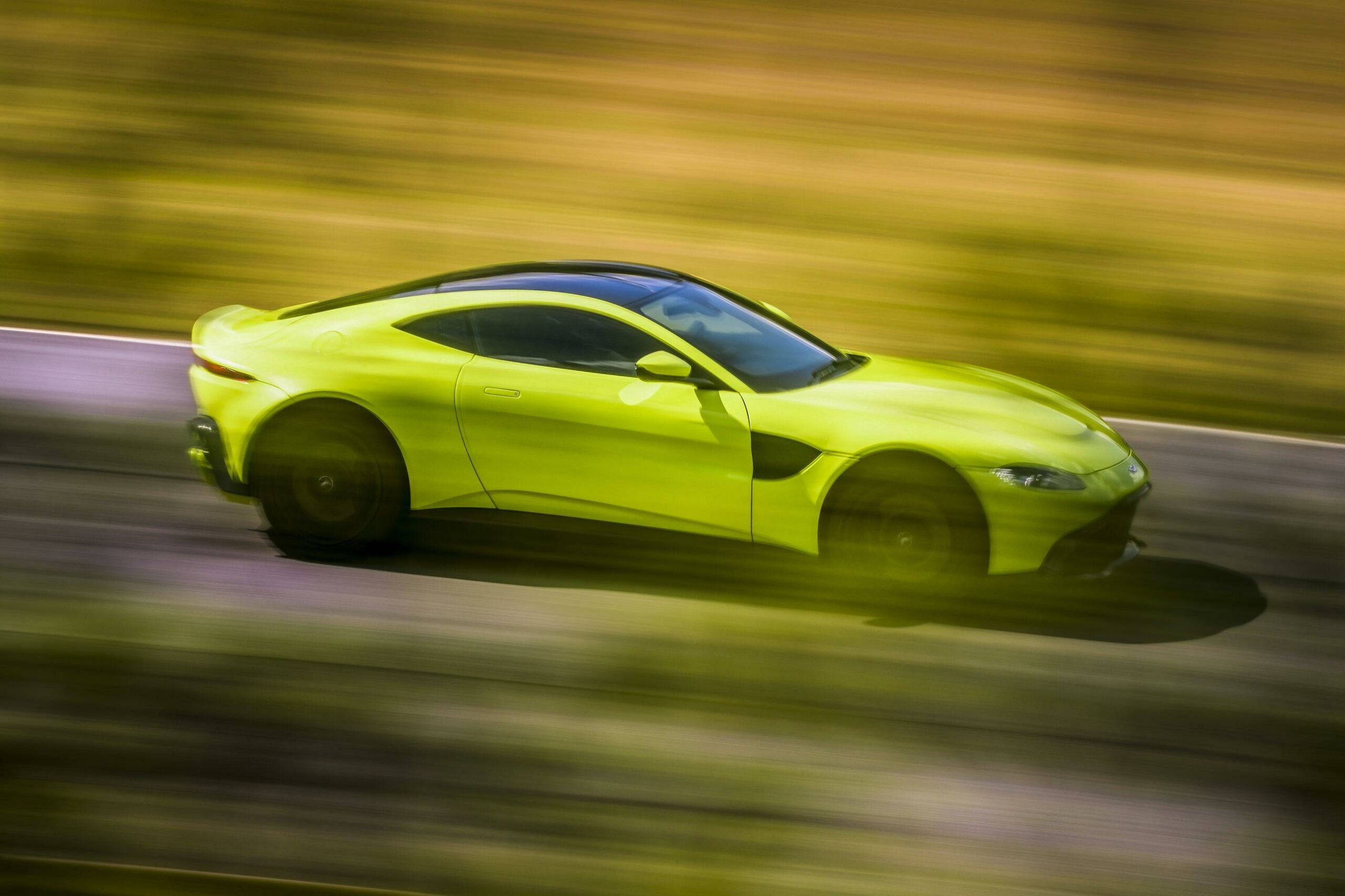
The Aston Martin V8 Vantage, in its current form, started production in 2018 as a 2019 model year car. In a sort of parting shot at the future of hybridization, there are two engine options, both fuel hungry ones that make a lovely roar as you feed them more gas. The “standard” engine is a 4.0L Mercedes-AMG M177 twin-turbo V8 that smacks you in the face with 503 HP.
It’s the uprated, limited-to-88-units V12 Speedster model that is the big hurrah in terms of an ICE engine. A 5.2L behemoth known as the Aston Martin AE31, it uses two big turbos and a whole hell of a lot of dead dinos to give you 700 HP under your right foot. It is expected to be one of the fastest non-hybrid Aston Martin’s as well, possibly even faster than the DBS as it is a much more streamlined and lighter car.
The next two major cars that Aston Martin are releasing are the hybrid Valkyrie and Valhalla, both limited production models. As far as production cars, the Vanquish name is expected to quietly disappear, and the next Vantage, which is rumored to be announced after the Valhalla enters production in 2024, is expected to use a version of the Aston Martin F1 team hybrid system. This is not entirely a bad thing, as the dual-capture systems on F1 cars (MGU-H and MGU-K) allow for exceptional performance with minimal loss of energy, which means future Vantages will more than likely be more powerful that the current generation.
Bugatti Chiron
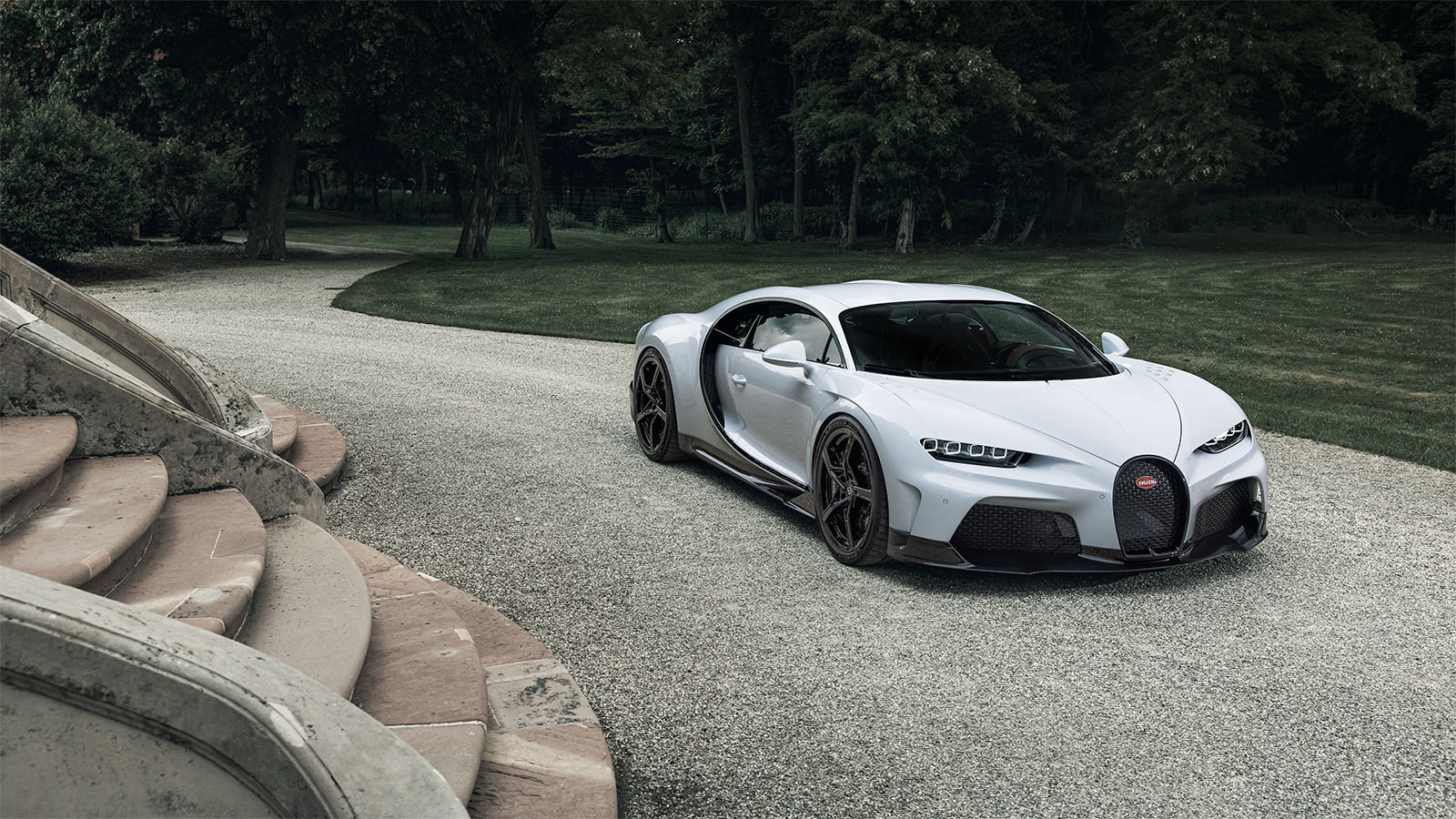
As announced recently at the Monterey Car Week in August 2021, the Bugatti Chiron is the last road-legal car that the company will make that is purely ICE powered. It is also the second to last car that the famed manufacturer will make that is powered by a W16 engine, with the track-only Bugatti Bolide being the swan song for the massive power unit.
The fact that the next Bugatti hypercar will be hybrid or very possibly fully electric is evidenced in one simple fact: Bugatti has, in the most technical of senses, been bought from VW by Rimac Automobili, and has merged with them to form Bugatti Rimac.
We say technically, because while Rimac now owns a 55% share of Bugatti, VW’s sub-brand Porsche owns the other 45%. So, technically, VW sold Bugatti then bought just under half of it back… It’s more confusing than it needs to be.
Still, with Porsche owning 45%, and having already released their own all-electric GT in the form of the Taycan, it can only be assumed that the next Bugatti will not be powered by gas. Also, with the combination of Rimac’s superb “t-spar” battery and electric control chassis component, Porsche’s and Bugatti’s excellence in materials and aerodynamics respectively, and in-house developed electric motors from all three, the next Bugatti promises to be one hell of a car. It’s even possible it could dethrone the Lotus Evija as the current hypercar power king with its 2,000 PS (1,974 HP).
Ferrari F8 Tributo
The fact that the Ferrari F8 Tributo is not a hybrid is, frankly, unprecedented. Development started way back in 2010 on the Italian company’s take on a performance hybrid system, which resulted in the Ferrari F140 FE V12 hybrid engine in the Ferrari LaFerrari. That hypercar, one of the first to be labelled with that moniker, produced 903 HP and used a hybrid motor to power the rear axle along with the V12.
After that, in 2019, the Ferrari SF90 Stradale, celebrating the 90th anniversary of the Scuderia Ferrari racing team, came out, more powerful and even faster than the LaFerrari. It uses a 4.0L twin-turbo V8, coded F154 FA, producing 770 HP, combined with three electric motors, one at each front wheel and one in the rear transaxle, to provide an extra 217 HP, for a combined 986 HP.
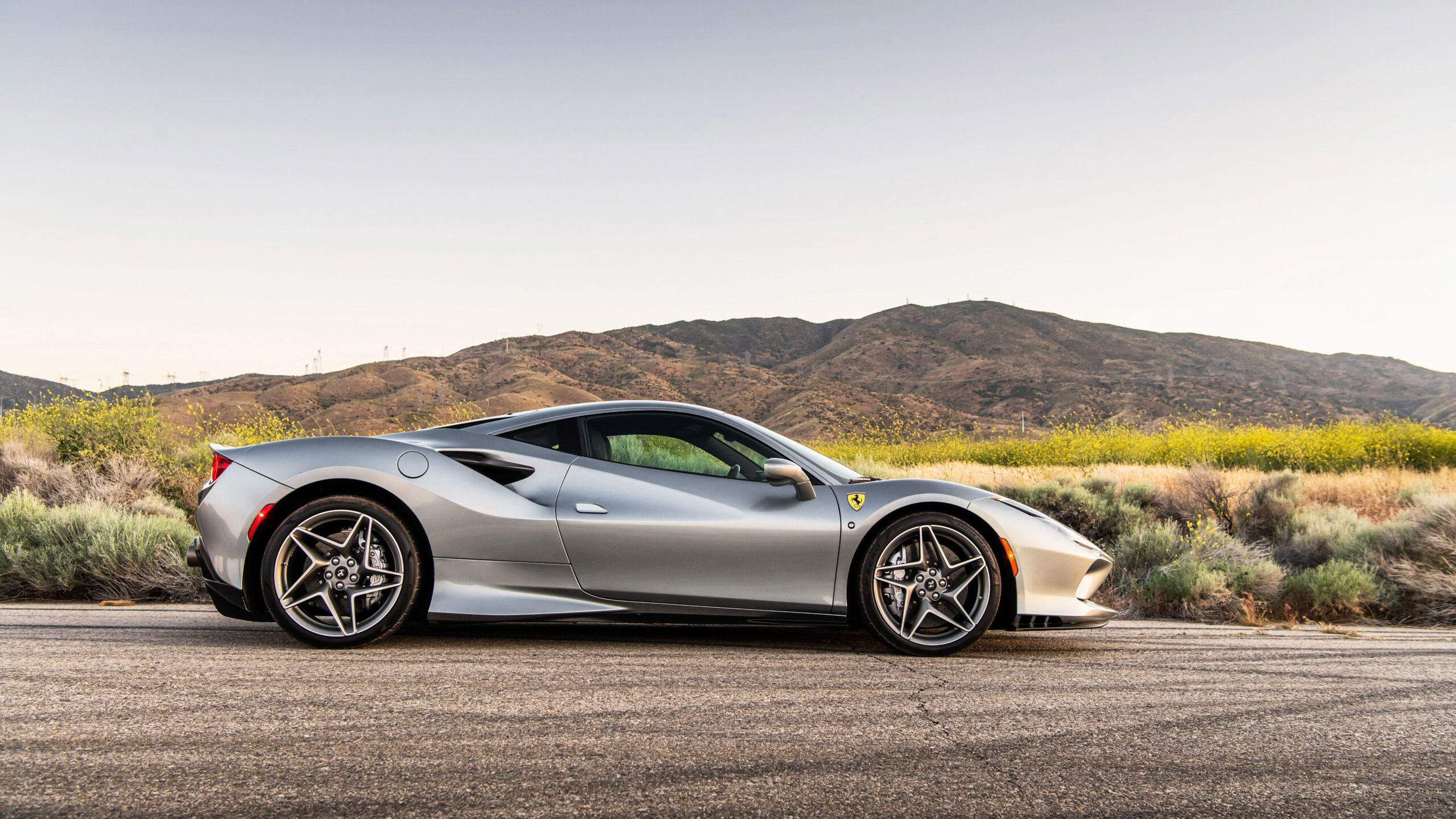
And then, in 2020, the Ferrari F8 Tributo started production and… it’s powered by a F154 twin-turbo V8, but at 3.9L and without the hybrid, coded as the F154 CG. It produces a monstrous 710 HP all on its own, and is probably the last Ferrari that will have the classic V8 screaming howl. With the SF90 being, as stated by the company itself, the basis for all future cars, we can only assume that whatever comes after the F8 will be a hybrid.
Keep in mind, the 812 Superfast could have qualified here as well, but it was released in 2018, while the F8 was released very late in 2019, so it technically is the last of the Ferrari pure-petrol cars that we know of.
Koenigsegg Jesko
Koenigsegg is one of those companies that is amazingly hard to read. Throughout the past few years, all you would hear about was Project 500, the “Dragon Cars,” and the like. And then, in 2020, out pops the Koenigsegg Gemera, a massively hybrid 2+2 GT car. Granted, it does have the Tiny Friendly Giant 2L 3-cylinder twin turbocharged petrol engine that chucks out a whopping 600 HP, but it uses three hybrid electric motors to bump its total power to 1,700 HP.
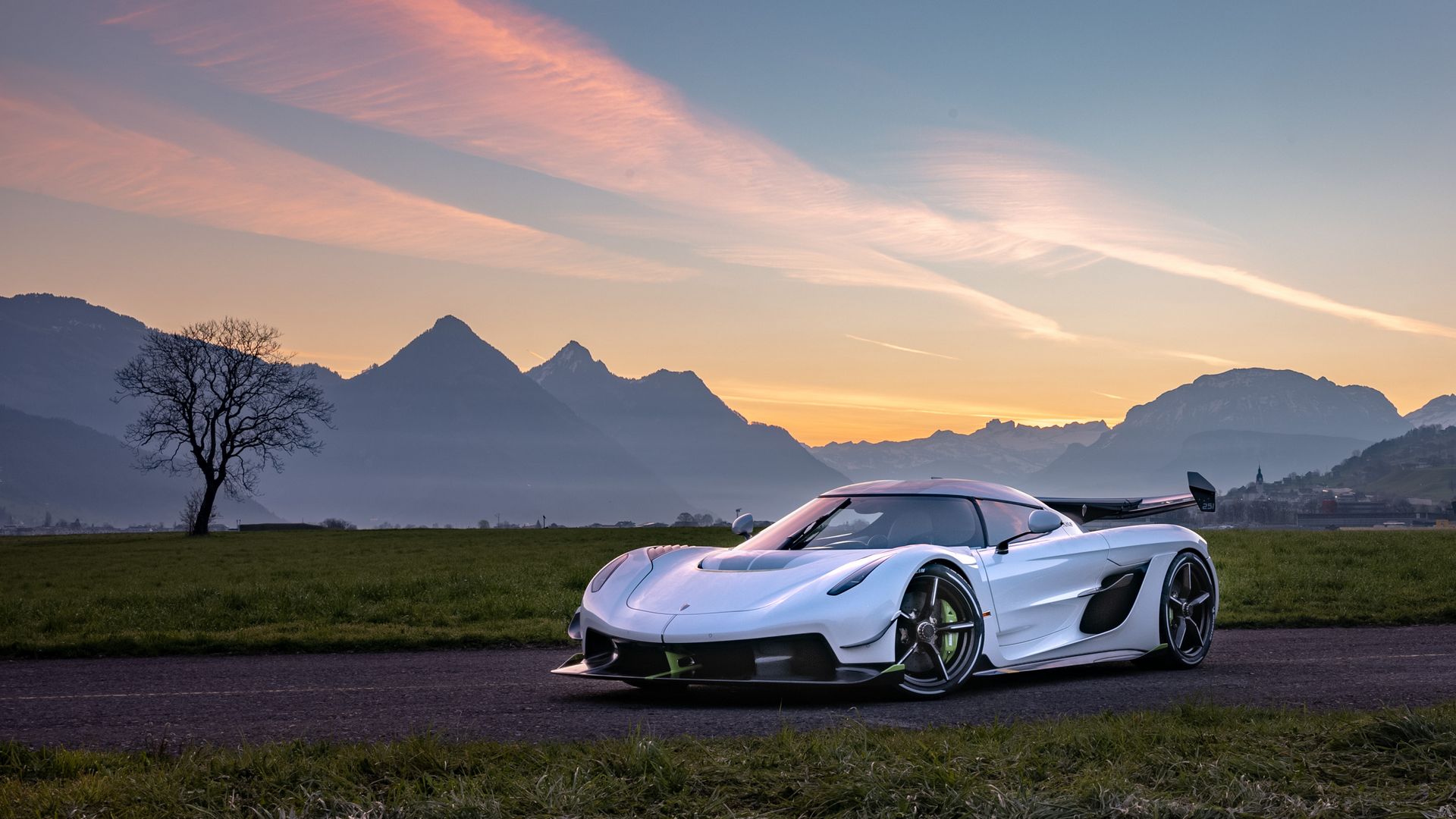
The Koenigsegg Jesko, on the other hand, is what was hiding under the Project 500 codename. There are two versions of the car, both of which are road-legal… barely. The Jesko itself is designed to be a monster performance car, with huge aerodynamic ducting, underbody venturi tunnels, and a GT wing that wouldn’t look out of place at Le Mans. All the aerodynamics, as well as the shape of the car, produce 1,400 kg (3,068 lbs) of downforce.
All this downforce-producing aero is needed because the Jesko’s engine is a 5.1L twin-turbocharged V8 that uses a flat-plane crankshaft, Koenigsegg’s own camless valve system, and is tuned to use E85 biofuel to produce a nigh-unbelievable 1,600 HP. And if you use regular recycled dinosaurs, you’ll still get 1,280 HP.
The more important of the two, however, is the Jesko Absolut. It is the entire reason the car was under the codename of Project 500. By removing the wing and using vertical stabilizer fins instead, as well as making all the aerodynamics as smooth as possible, the Absolut is designed to do one thing, a last hurrah for purely internal combustion engined cars: Break 500 KPH (310 MPH).
Through simulations, computer-aided fluid dynamics, and wind tunnel testing, if given enough room, running E85 biofuel, and set up in its most streamlined mode, it is estimated that the Jesko Absolut could reach 530 KPH (330 MPH). The only issue is that there are maybe one or two places on the planet where there is enough room for the car to go for it, and it would have to be an absolutely perfect day for the attempt.
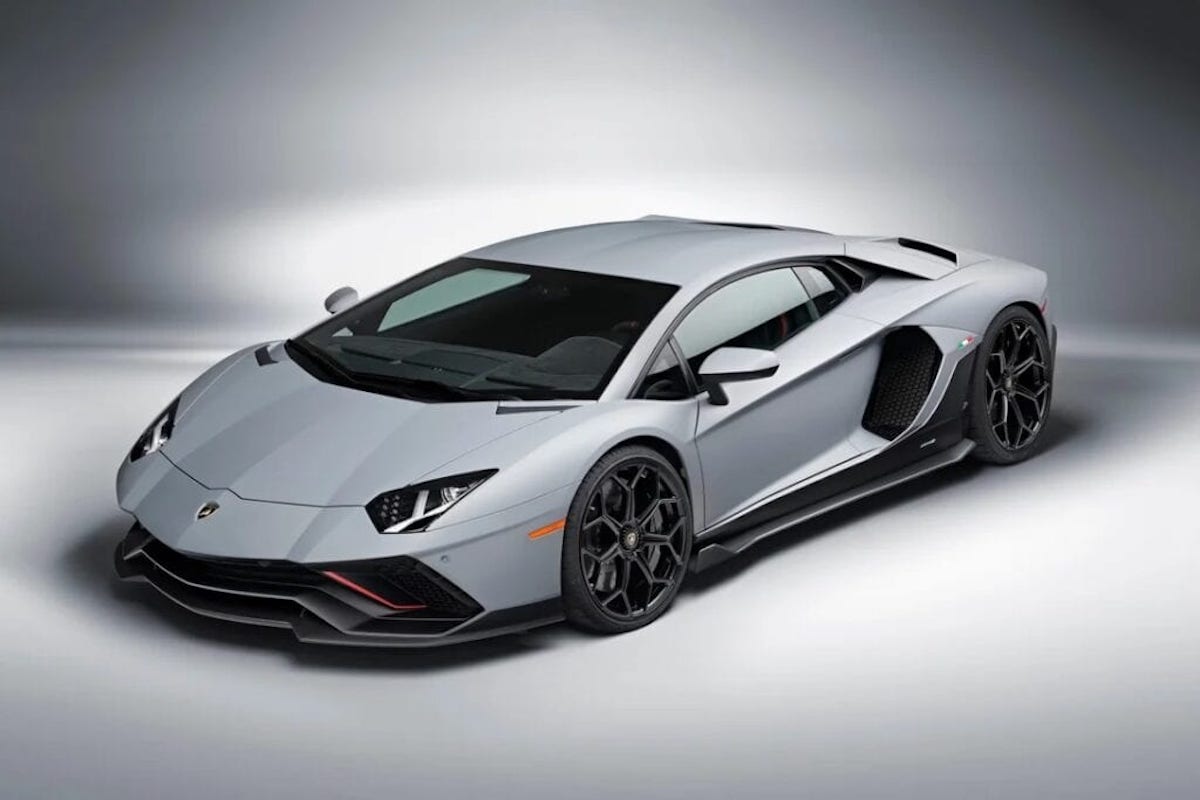
Lamborghini Aventador LP780-4 Ultimae
Lamborghini, of all companies, is one of the major manufacturers at the absolute bleeding edge of hybrid technology. Believe us, we were surprised when we sat down and looked at who was pushing for performance hybrids the earliest. The Lamborghini Asterion concept was the first to really tease at it, a 2014 show car that was officially known as the LPI 910-4. LPI stands for Longitudinale Posteriore Ibrido, or Longitudinal Posterior Hybrid in English. 910 is the combined HP number. And the -4 denotes four wheels are powered.
From this car, the Lamborghini Sian FKP37 project came along, and it is the first limited production car to use a graphene-based supercapacitor, after a 3 year study done along with MIT graduate students. However, before the legendary Lamborghini V12 disappears, the Italian company announced the ultimate version of the Aventador.
Known as the Ultimae LP780-4, the last 600 cars from the Aventador model will feature a 770 HP version of the V12, similar to the one used in the SVJ model. It is streamlined, lightened, uses the absolute latest in carbon composites that Lamborghini has developed, and is stated to have a top speed of 221 MPH, 4 MPH more than the “standard” Aventador SVJ.
With the Aventador set to end production at the end of 2021, and the Huracan starting to wind down already, the future of Lamborghini flagship and production cars is anyone’s guess. However, it is known that the Aventador is the last V12, confirmed by their own press release for the Ultimae. As well, the latest limited production car, the Countach LPI 800-4, uses the LPI tag denoting a hybrid, meaning that we may never see the old LP tag again.
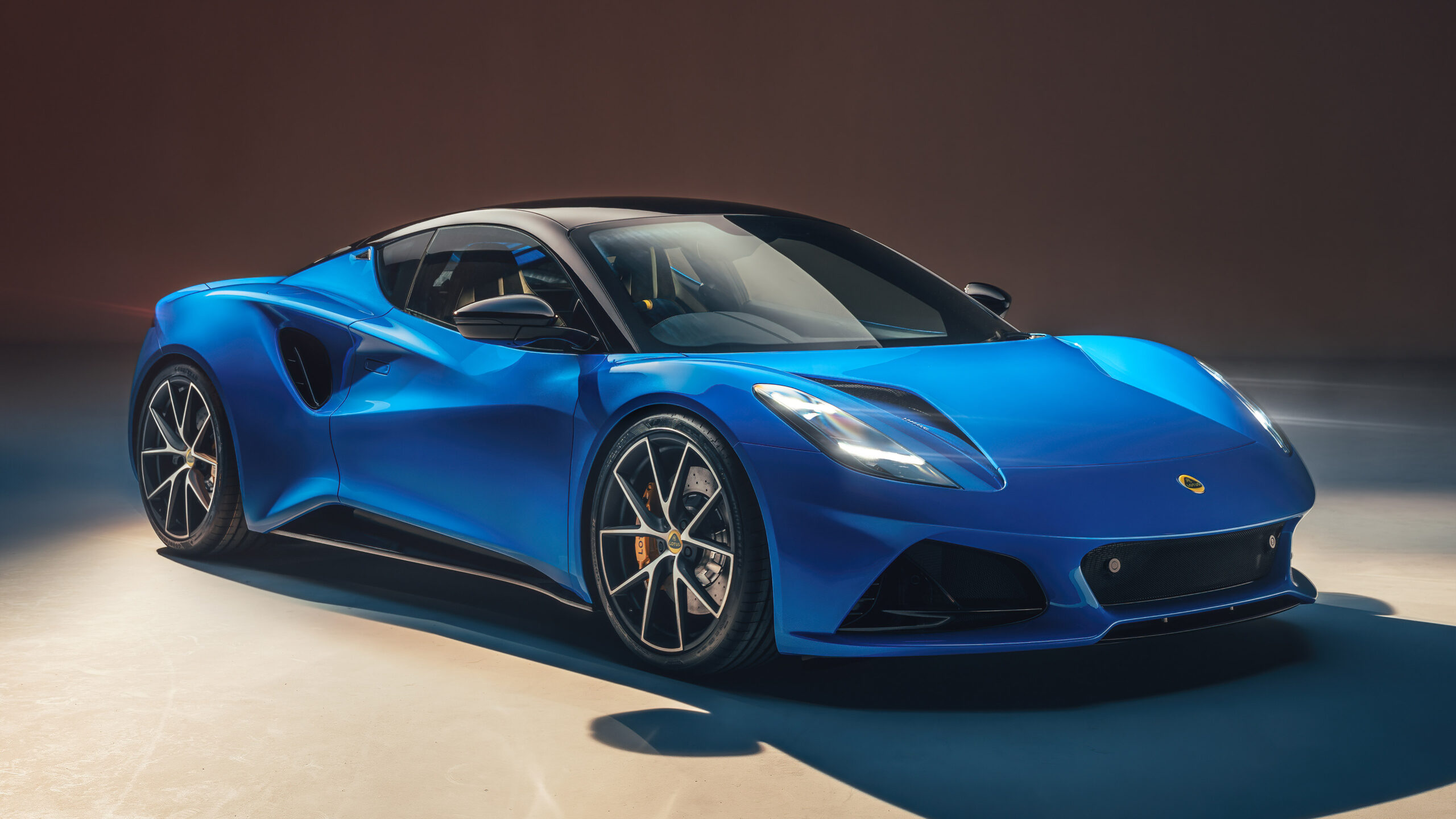
Lotus Emira
Lotus, while not a major manufacturer, is still highly regarded for the superb sports cars and supercar variants of their sports cars that they make. The Lotus Elise and the Lotus Exige are legendary lightweight drivers cars that may not have a whacking great V8 in the back, but can drive circles around pretty much any car that does.
This made it all the more surprising when in 2017, Lotus announced that they were going to make the most powerful, the fastest, and the most extreme electric hypercar. Lo and behold, four years later, in 2021, the Lotus Evija had finished prototyping, and it lived up to their announcement. It is the most powerful limited production car ever made with 1,974 HP, through four electric motors, one per wheel. It is extreme in that it will get you to 60 MPH from a dead stop in a hair over 2 seconds, and it will sail past 200 MPH while still accelerating hard.
However, with a limited production of 130, and each car losing money even at $2.8 million USD per, the company needs to keep producing what it is known for throughout its history. Enter the Emira, Lotus’ love letter to internal combustion. Styled as classically Lotus as possible, while also taking some influence from the Evija, the Emira will replace the Evora, Exige, and Elise models when it is released in the summer of 2022.
It is also classically Lotus in that it is lightweight at 1,405 kg (3,097 lbs), and comes with both an inline-four and V6 engine option, both using some form of forced induction, planted right behind the cockpit of this road missile. Handling is already reported to be Lotus-sharp, and many customers have already put down deposits sight-unseen on the car, based entirely on the fact that this is Lotus’ last petrol car.
For the engines, the inline-four is a 2.0L AMG Mt39 turbo, an extremely advanced engine that can produce up to 416 HP, but will be set to 382 HP in the Emira. The V6 will be a 3.5L Toyota 2GR-FE supercharged unit, which was used in the Exige Cup 430. With assistance from TRD, that engine produced 430 HP, and propelled the car to 60 MPH in a touch under 3.3 seconds. Similar performance can be expected with the Emira.
McLaren Sabre
McLaren’s skunk works, McLaren Special Operations, is fast becoming the department of the company that we think has the most fun. A predecessor version was assembled to make the McLaren F1 in the early 1990s, and when McLaren formally entered road car production with the MP4-12C, some of the best and brightest were taken aside again and formed MSO. They have been responsible for most of McLaren’s greatest hits in the last 15 years, including the P1, the Senna, and the Speedtail, the official successor to the McLaren F1.
So when, in December of 2020, McLaren Special Operations announced that there was a US-only new supercar coming, many ears and wallets perked up. Called the Sabre, the supercar will be based off of the McLaren Ultimate Vision Gran Turismo, which was a completely virtual design exercise to be put into the Playstation game Gran Turismo Sport. Only 15 units will be made, and each sold prototype-unseen because MSO, so far, has hit every performance and vehicle design goal they’ve set.
The car will use the same carbon fiber monocoque as the McLaren Senna, and will be powered by a tuned version of that car’s 4.0L M840TR twin-turbo V8. With the original engine producing 790 HP, the Sabre will get 824 HP, and be much more aerodynamically streamlined compared to the Senna, which was a car designed for downforce.
The future of McLaren’s cars is already known, with the McLaren Artura announced as the replacement for the mainstream 570S and 600LT cars. The Artura will use a mid-mounted twin-turbo V6 producing 580 HP, with a mild-hybrid assist of about 100 HP at the transaxle, and all other production replacements are expected to follow the mild-hybrid or massively-hybrid routes.
Porsche Type 992 911 Turbo S
The only truly unknown on this list of supercars, the Porsche Type 992 911 Turbo S is the most powerful Turbo model ever released by the German manufacturer, at 641 HP from a 3.8L twin-turbo flat-six. It delivers the trademark Porsche burble at idle, and howls through the upper revs with wild abandon, behavior befitting a well-designed engine.
The uncertainty about Porsche’s future comes from the fact that the 911 customer base, in general, prefers the petrol-powered engine. When Porsche went from air-cooling to water-cooling for the engine in the late 1990s, it quite literally split the customer base in two. Some considered the 911 as a dead car, with the only “true” models being air-cooled. Others accepted the benefits that water-cooling brought along, including being able to push more power from the engines.
By turning the 911 into a hybrid, that same split could happen again. However, there is also the possibility that the 911 might join the Taycan and become a fully electric car, which could potentially start World War 3 from the expected reaction some customers would have. This is evidenced by the same reason that Bugatti’s next car may be fully electric: Porsche owns 45% of Bugatti Rimac.
Without putting too much speculation out there, as a company, you don’t invest that heavily, buy up that much of a new company, unless you are expecting a massive return on investment. That return is very likely going to be in powertrains, as Rimac has cemented itself as one of the premier suppliers of batteries and electric control units for supercars and hypercars. If Porsche can somehow balance the car so that it still is rear-heavy, all-wheel-drive, and be as stupidly fast as the current 911 Turbo S is, there is hope. It will just require Porsche customers to accept that the internal combustion engine has had its day, which, knowing the average Porsche customer, will be a hard, bitter pill to swallow.
September 7, 2021 / Comments Off on The End of Their Eras: Cars That Represent The last All-ICE Vehicles Made by Their Manufacturer