All posts in “Cars”

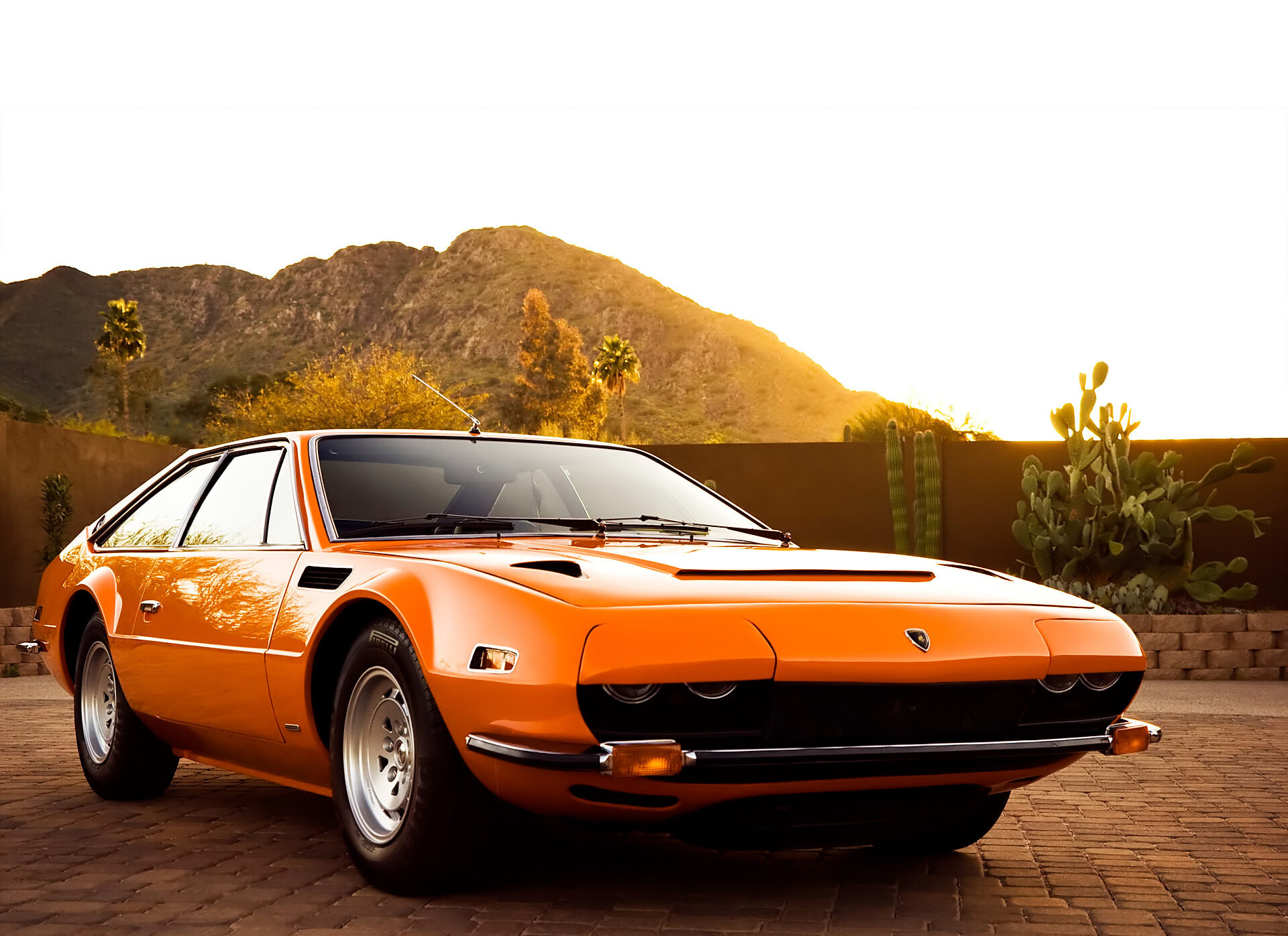
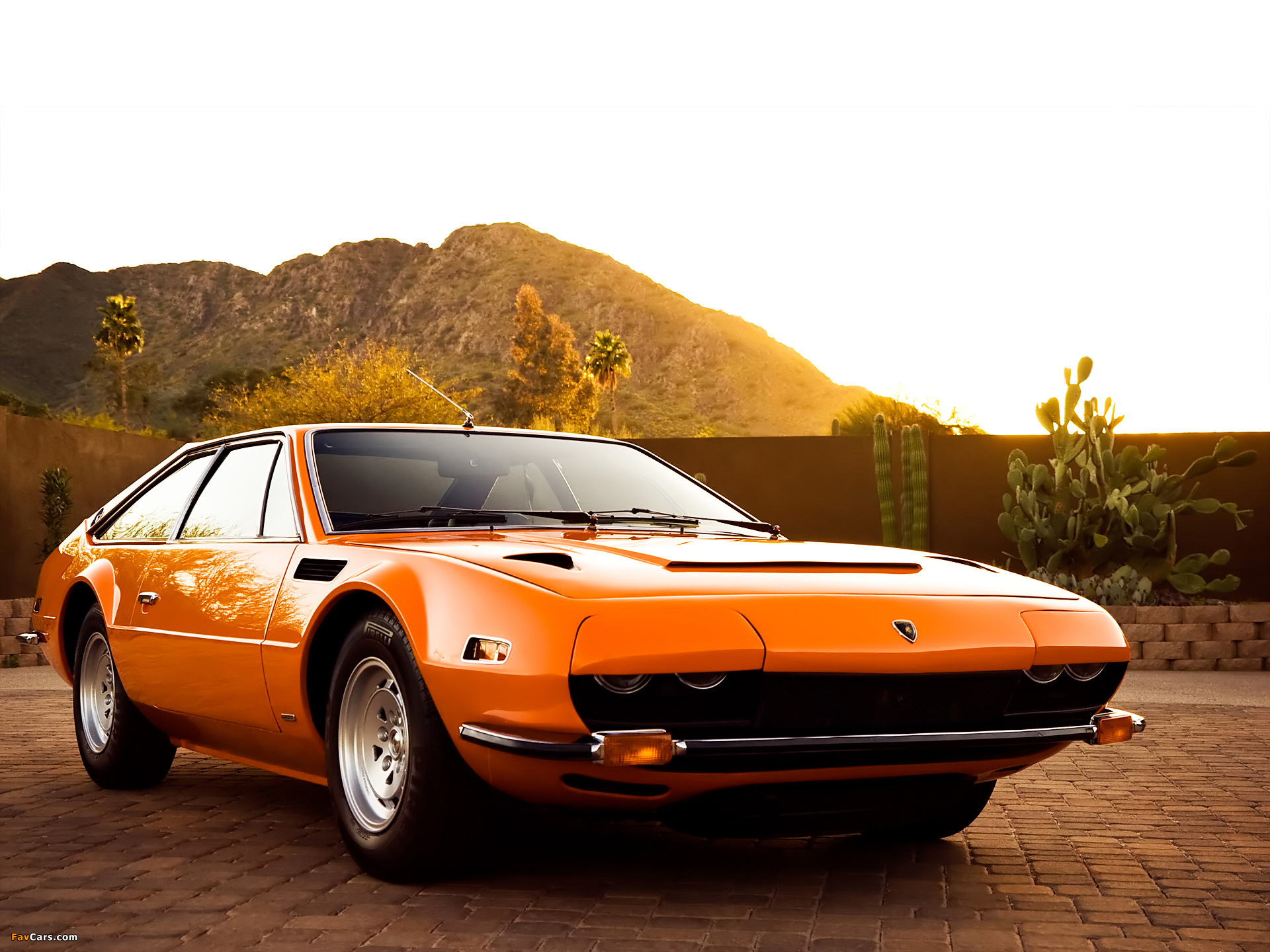
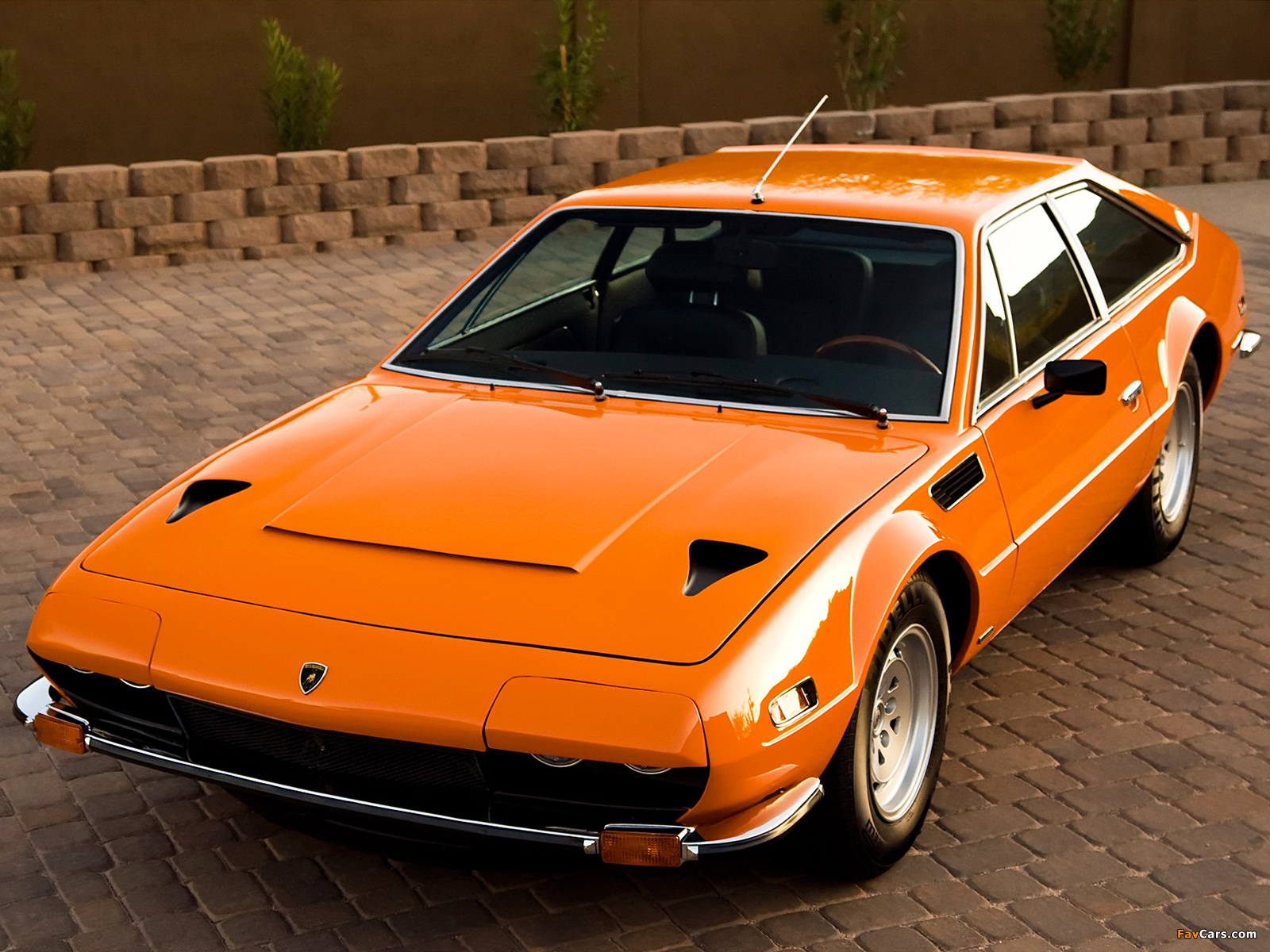
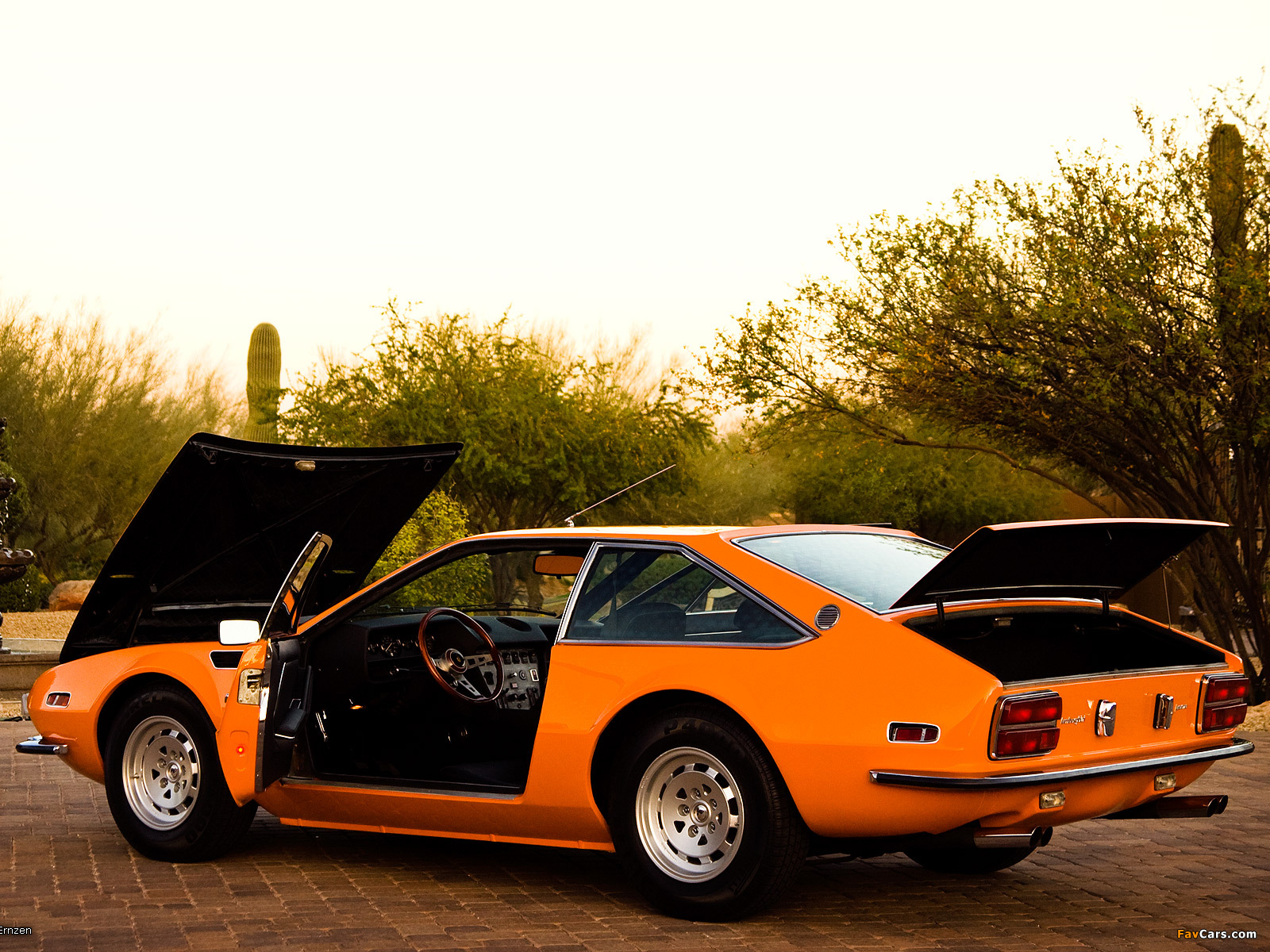
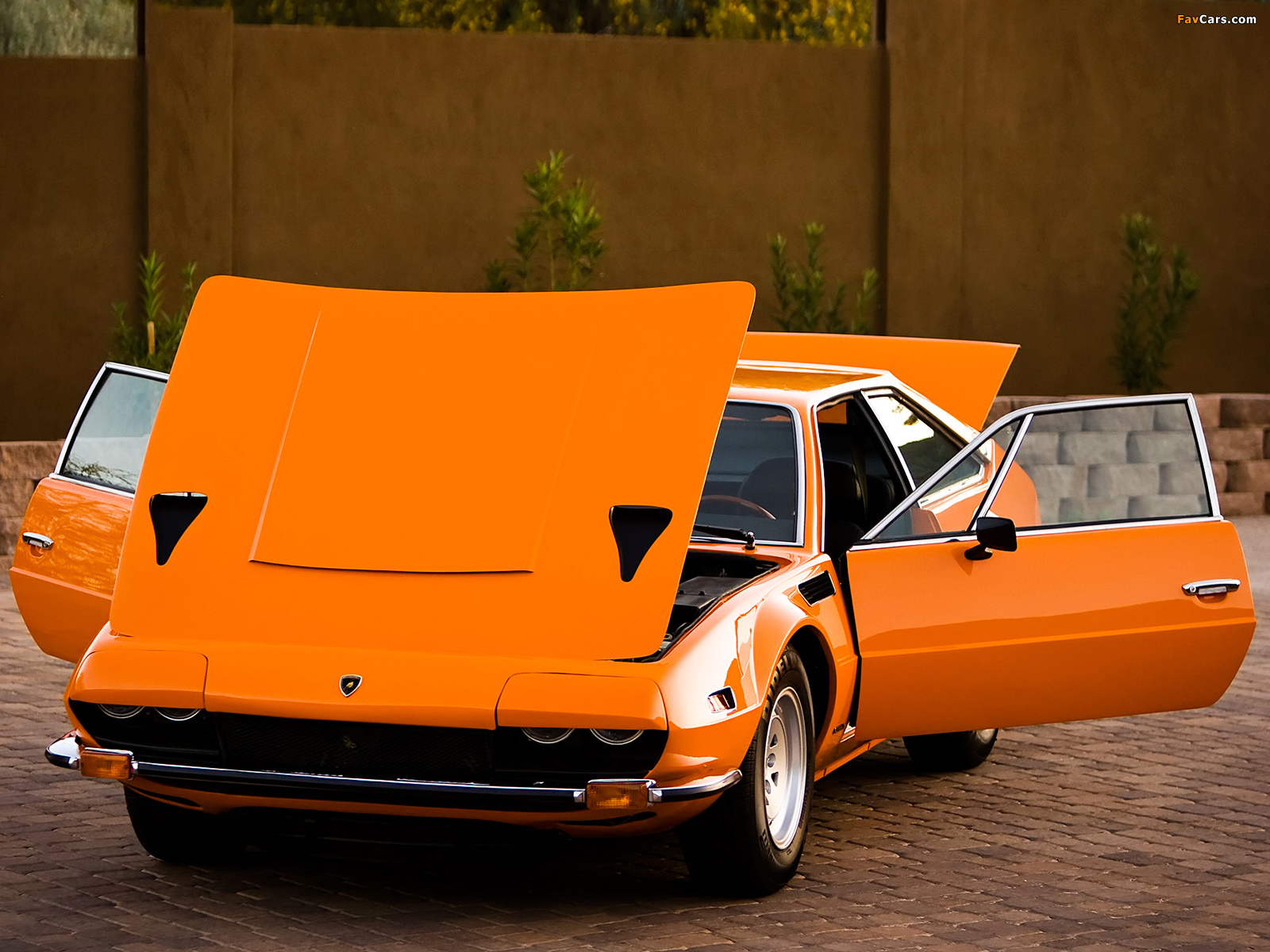
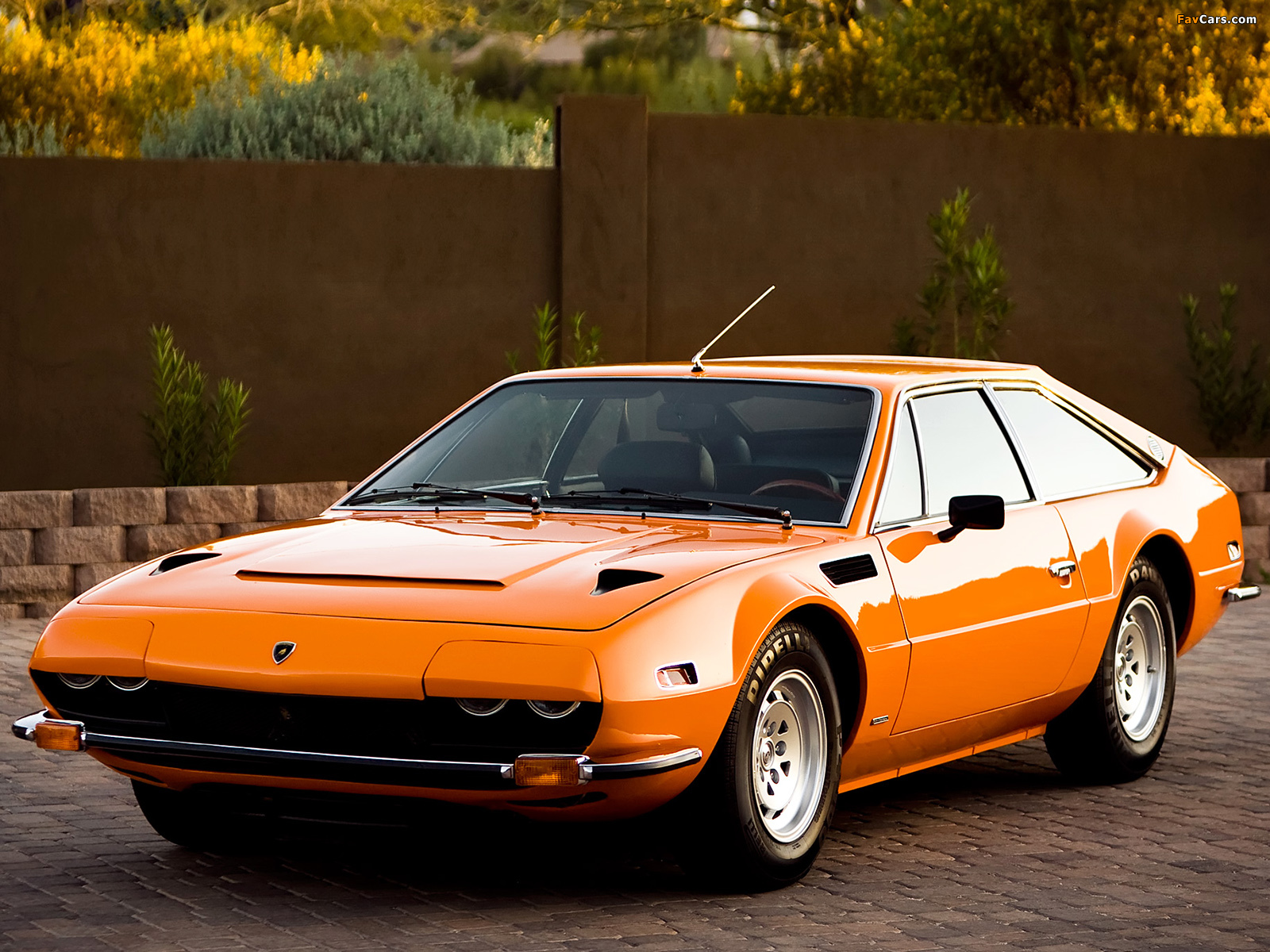
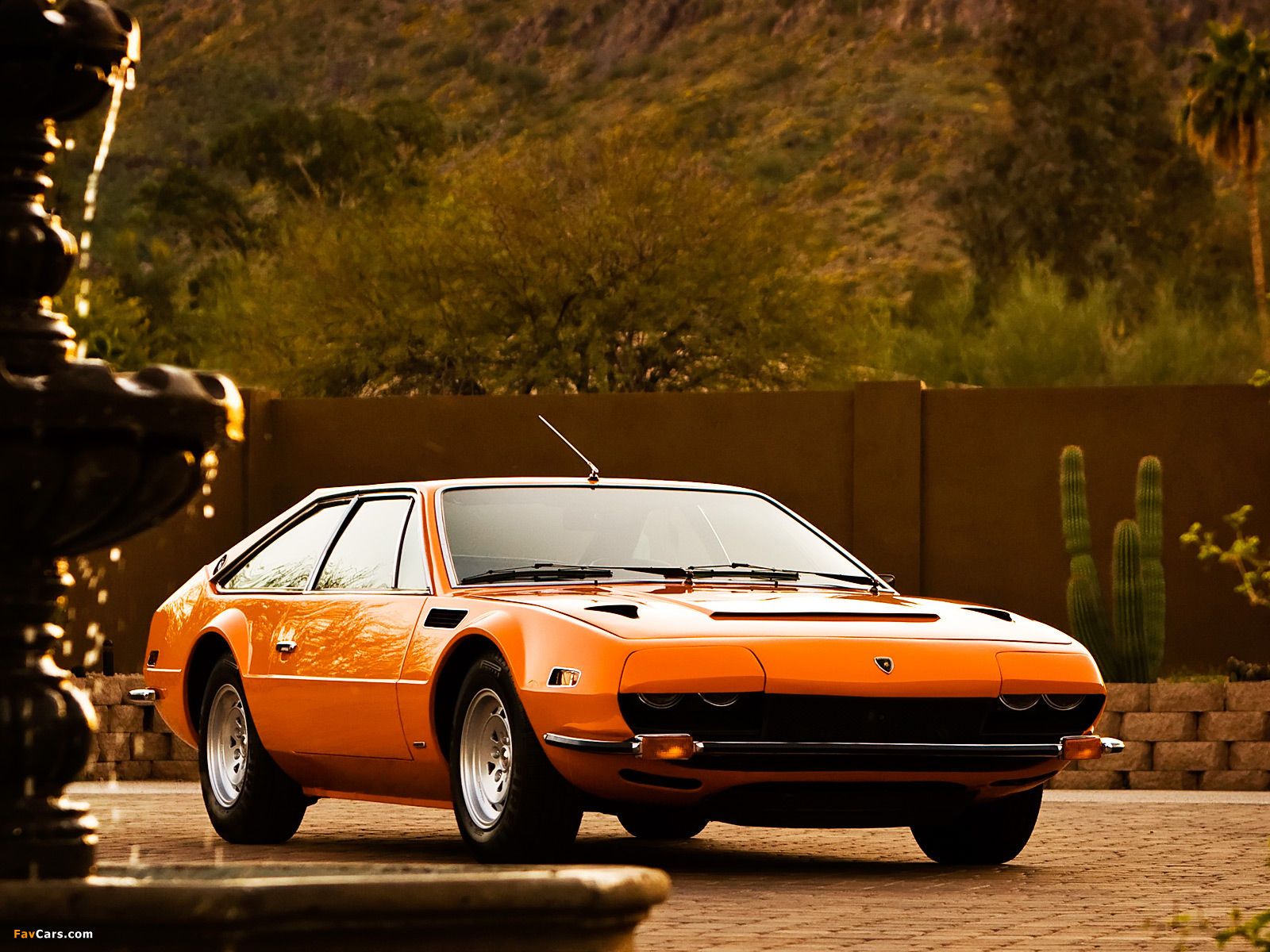
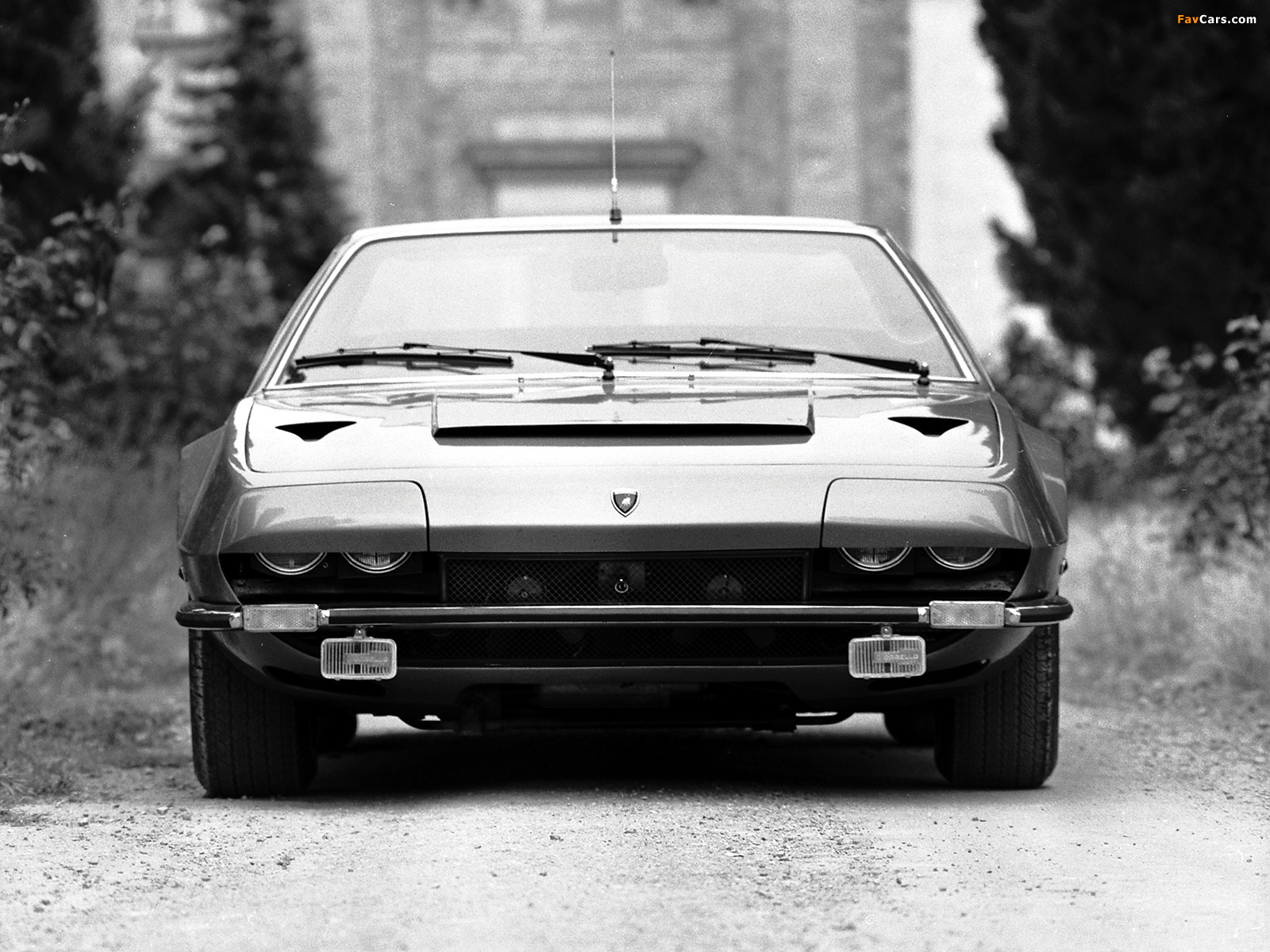
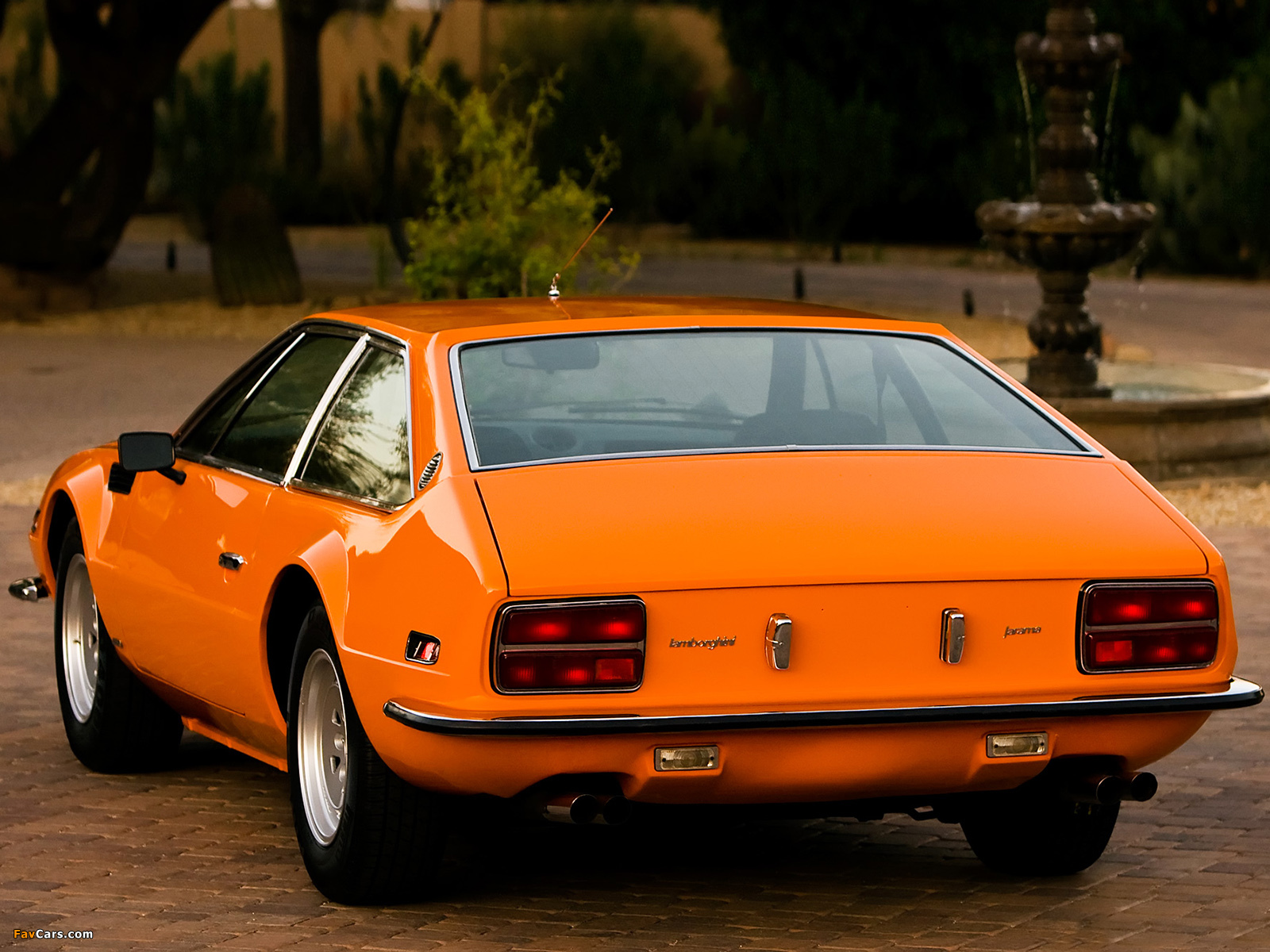
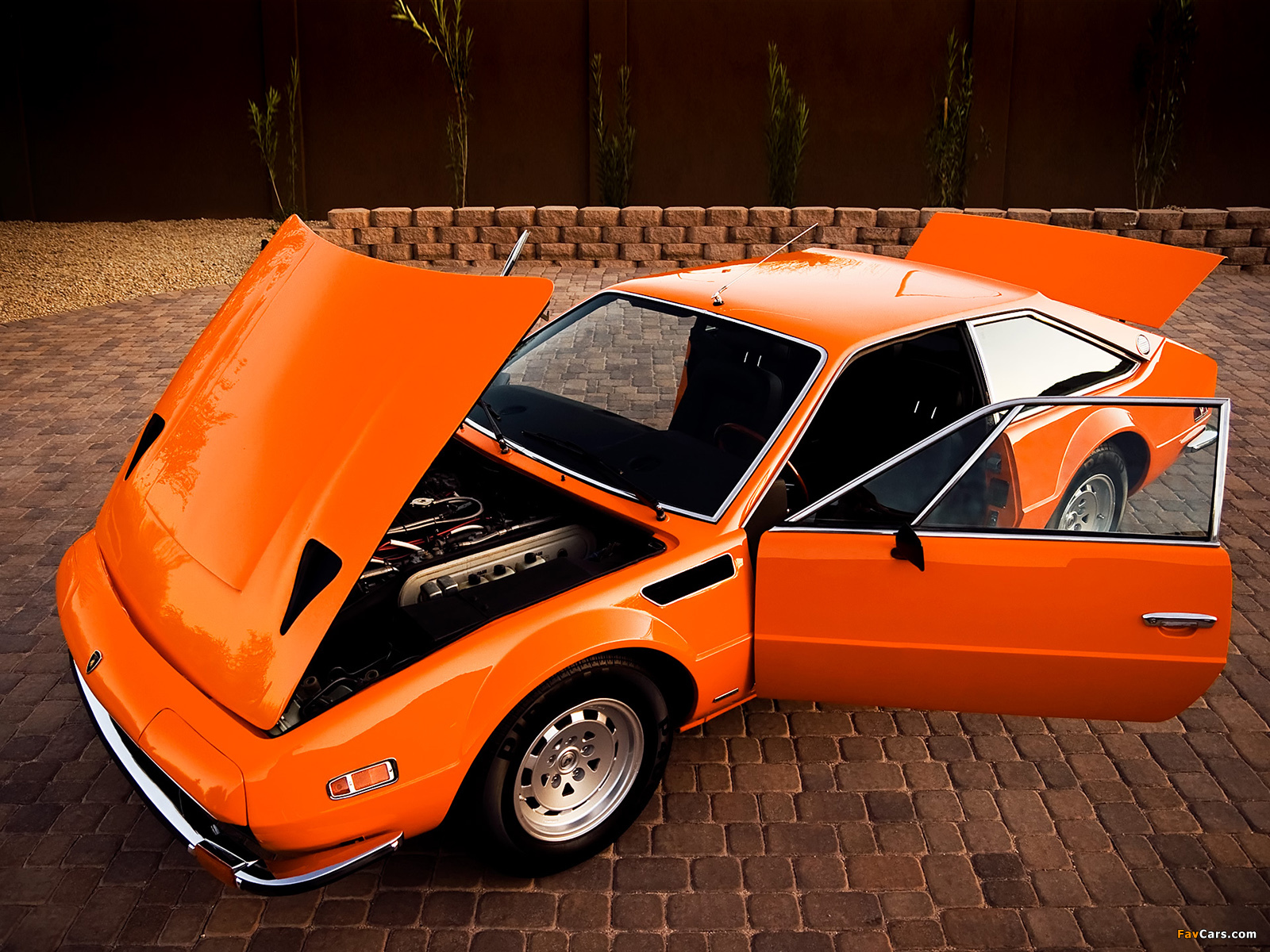
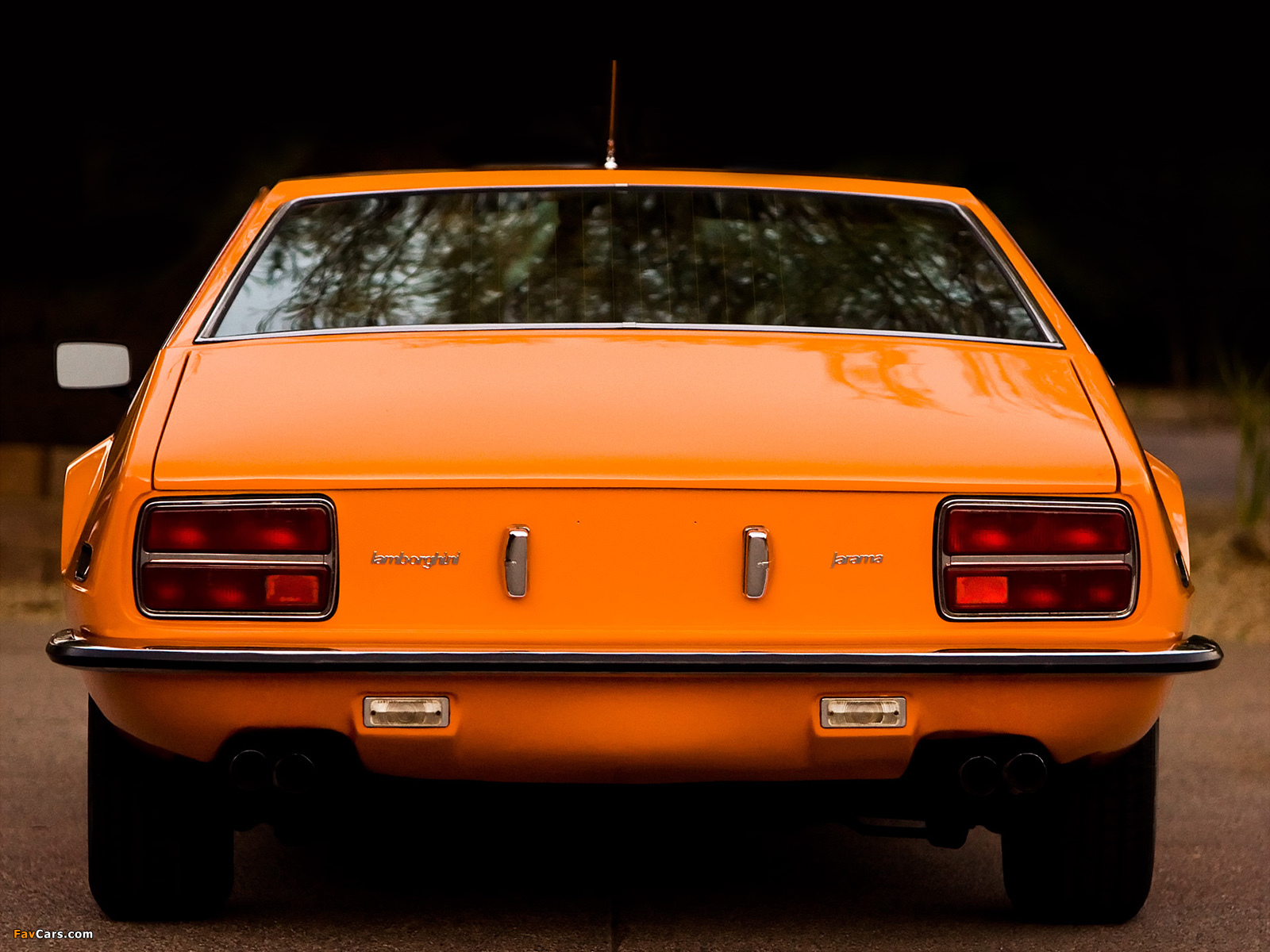
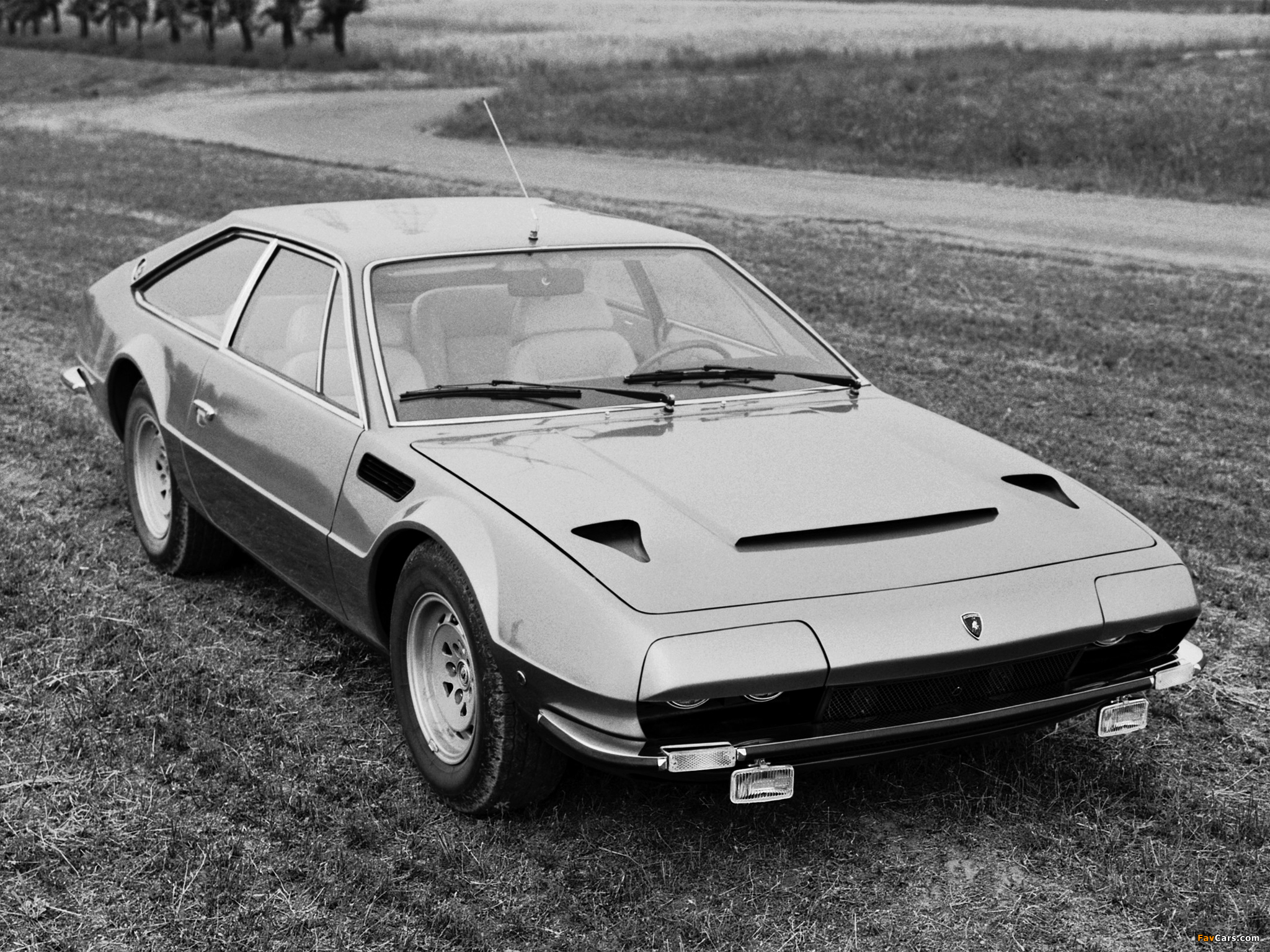
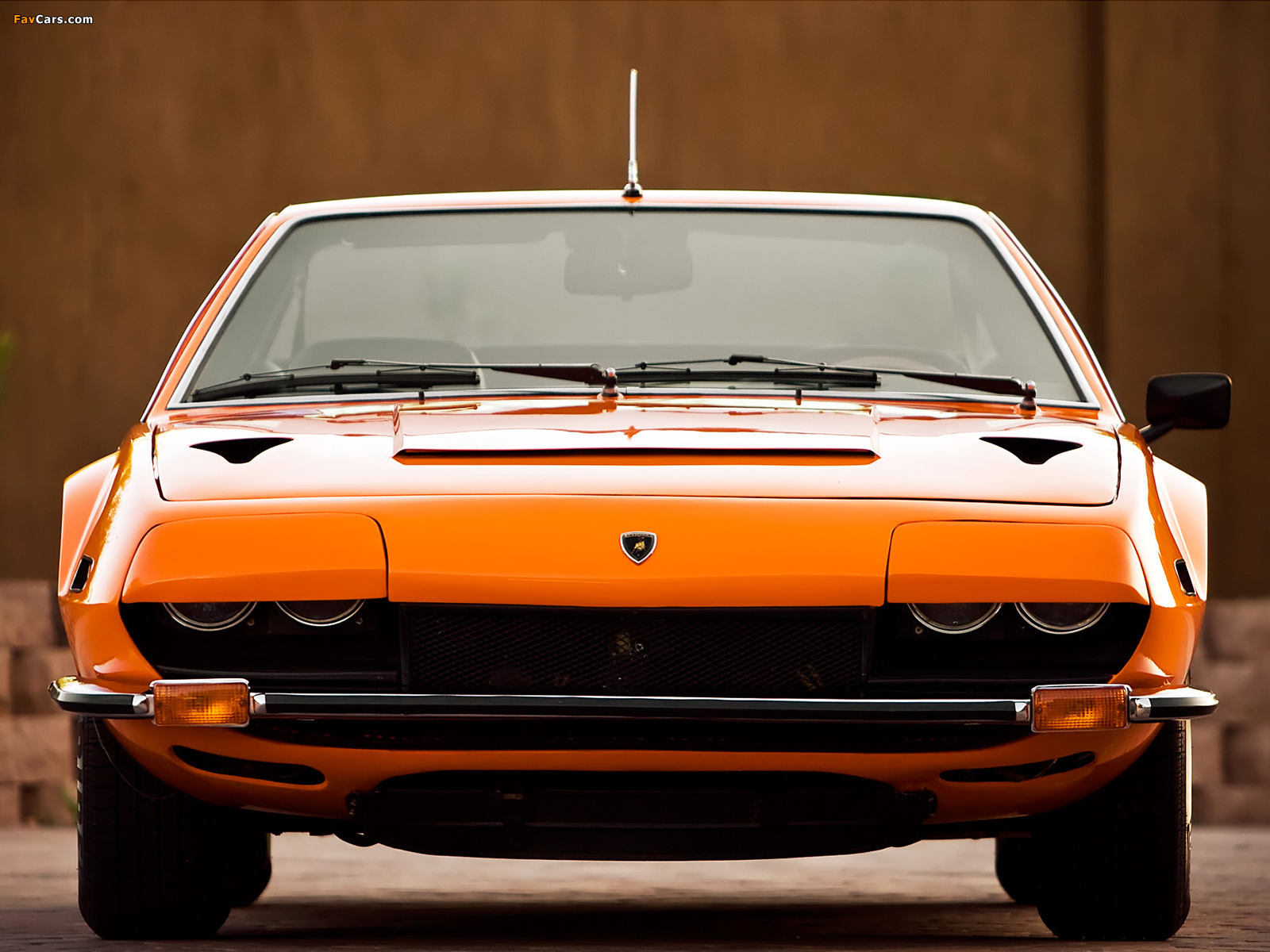
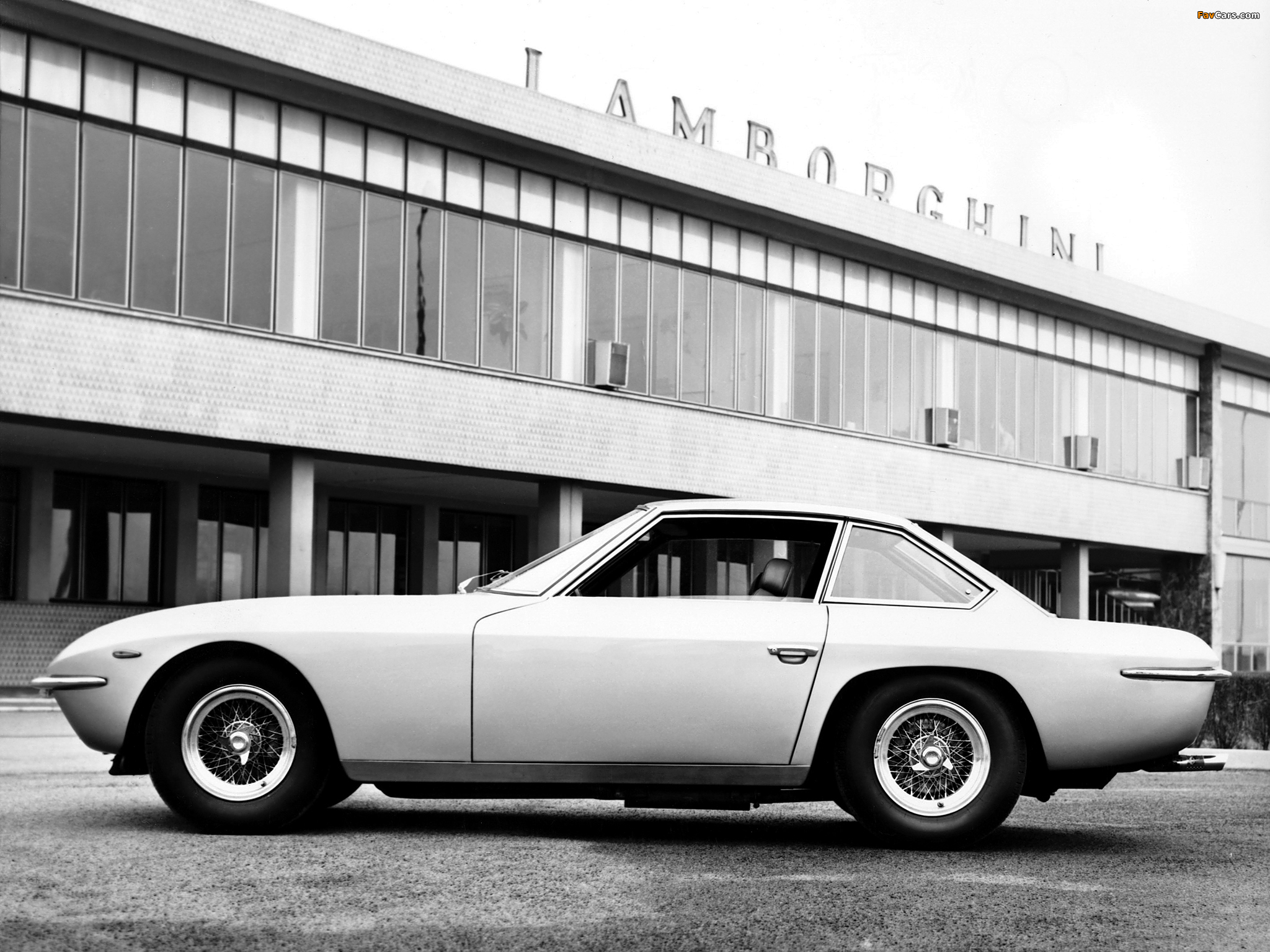
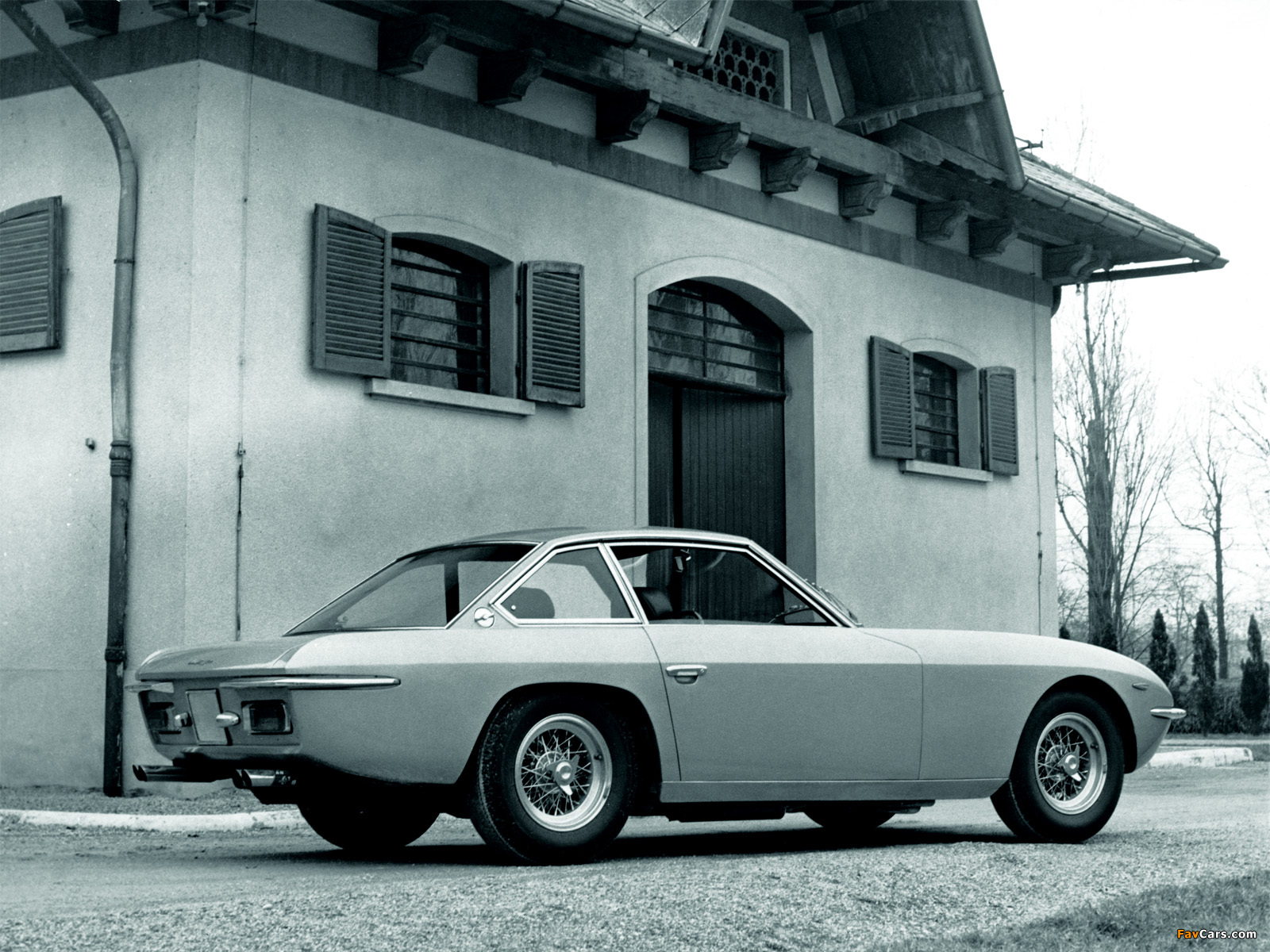
1972 Lamborghini Jarama 400 GTS Wallpapers

We have curated the ultimate collection of the best 1972 Lamborghini Jarama 400 GTS Wallpapers and HD backgrounds for you to enjoy. Our team focused on finding the top 1972 Lamborghini Jarama 400 GTS Wallpapers only to keep the quality high. These 1972 Lamborghini Jarama 400 GTS Wallpapers are free to download so go ahead. To download any of these pictures for use as a wallpaper, right click the picture and choose Save As …

Find more awesome Lamborghini Wallpapers

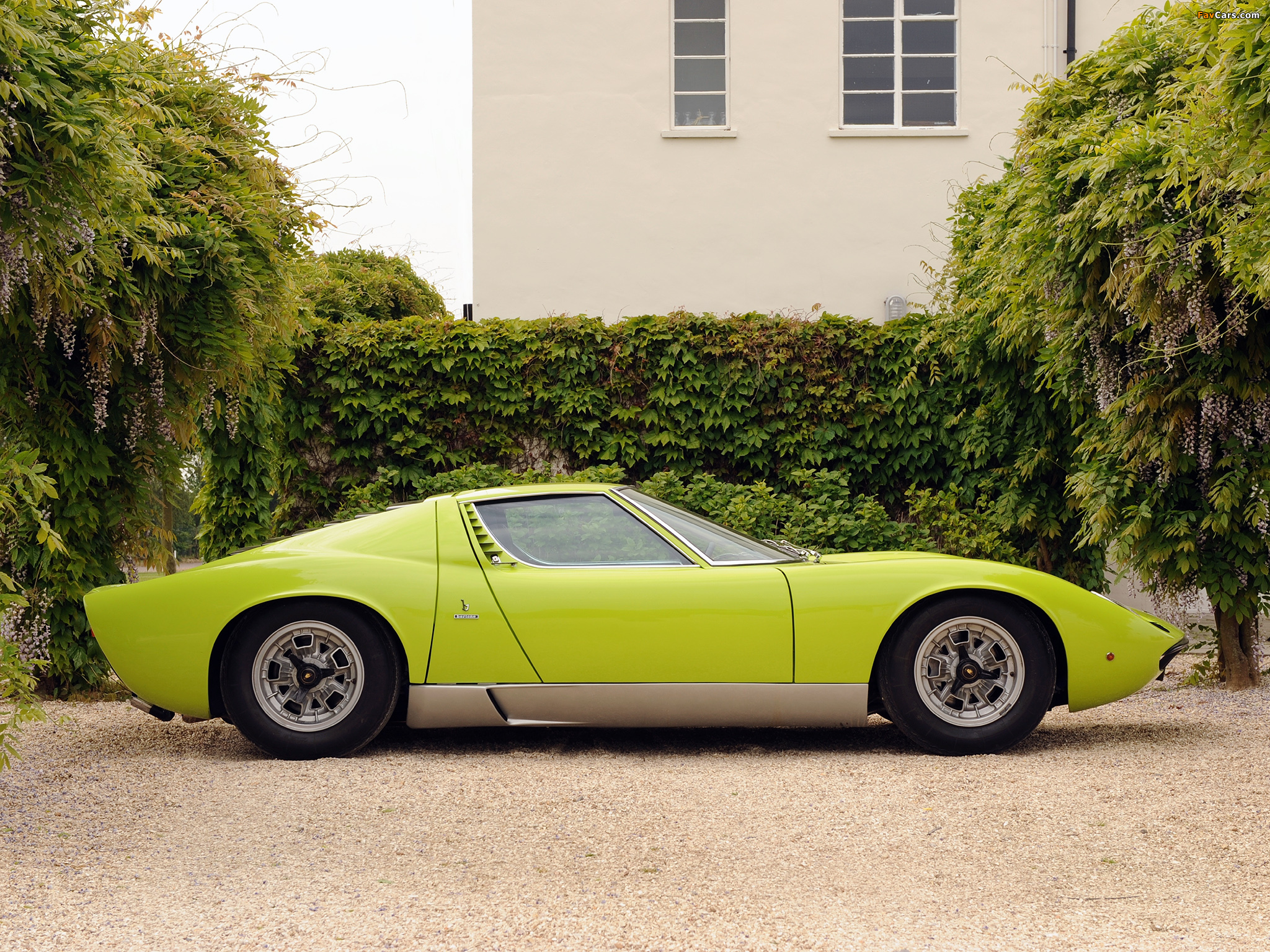
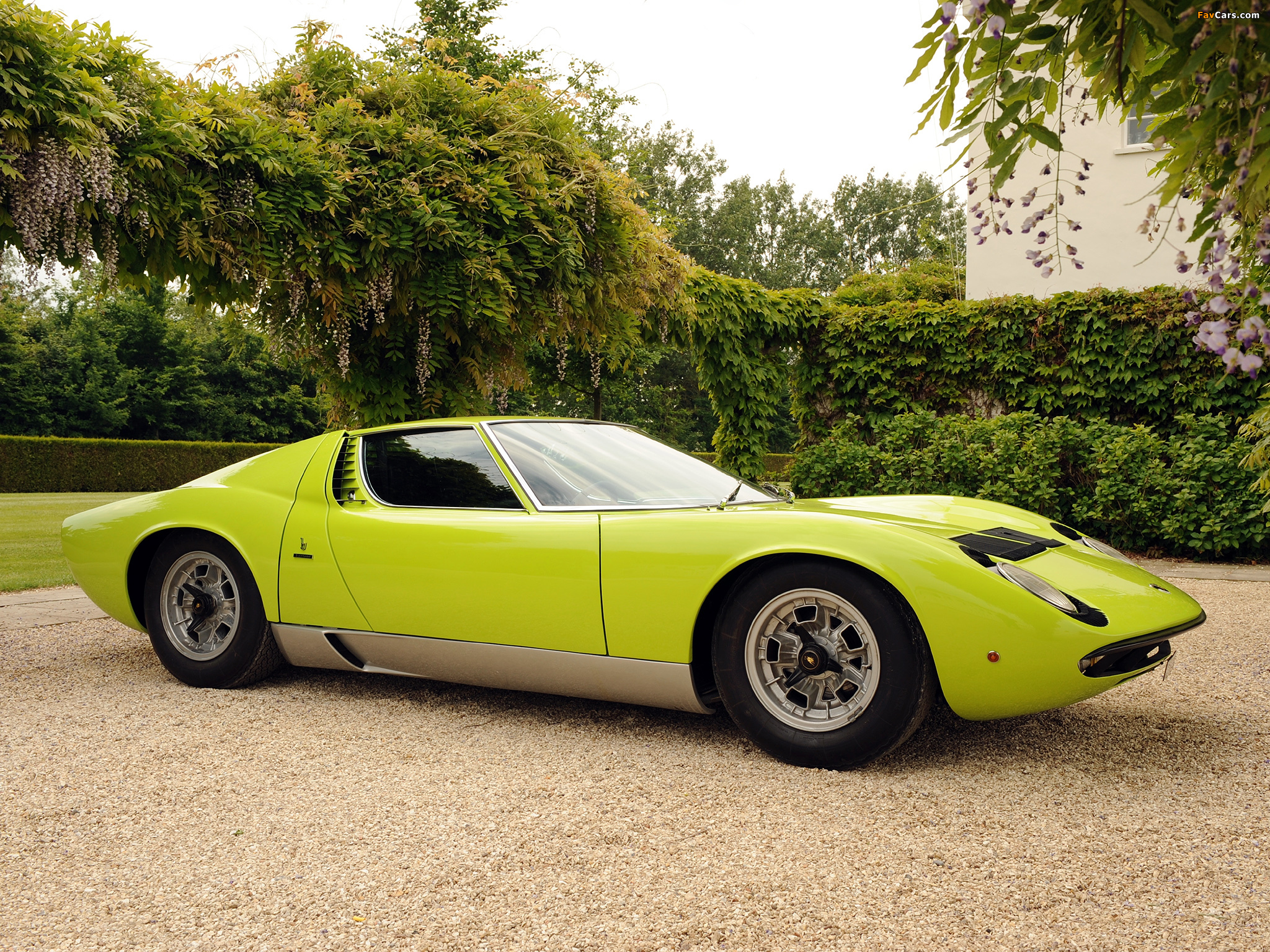
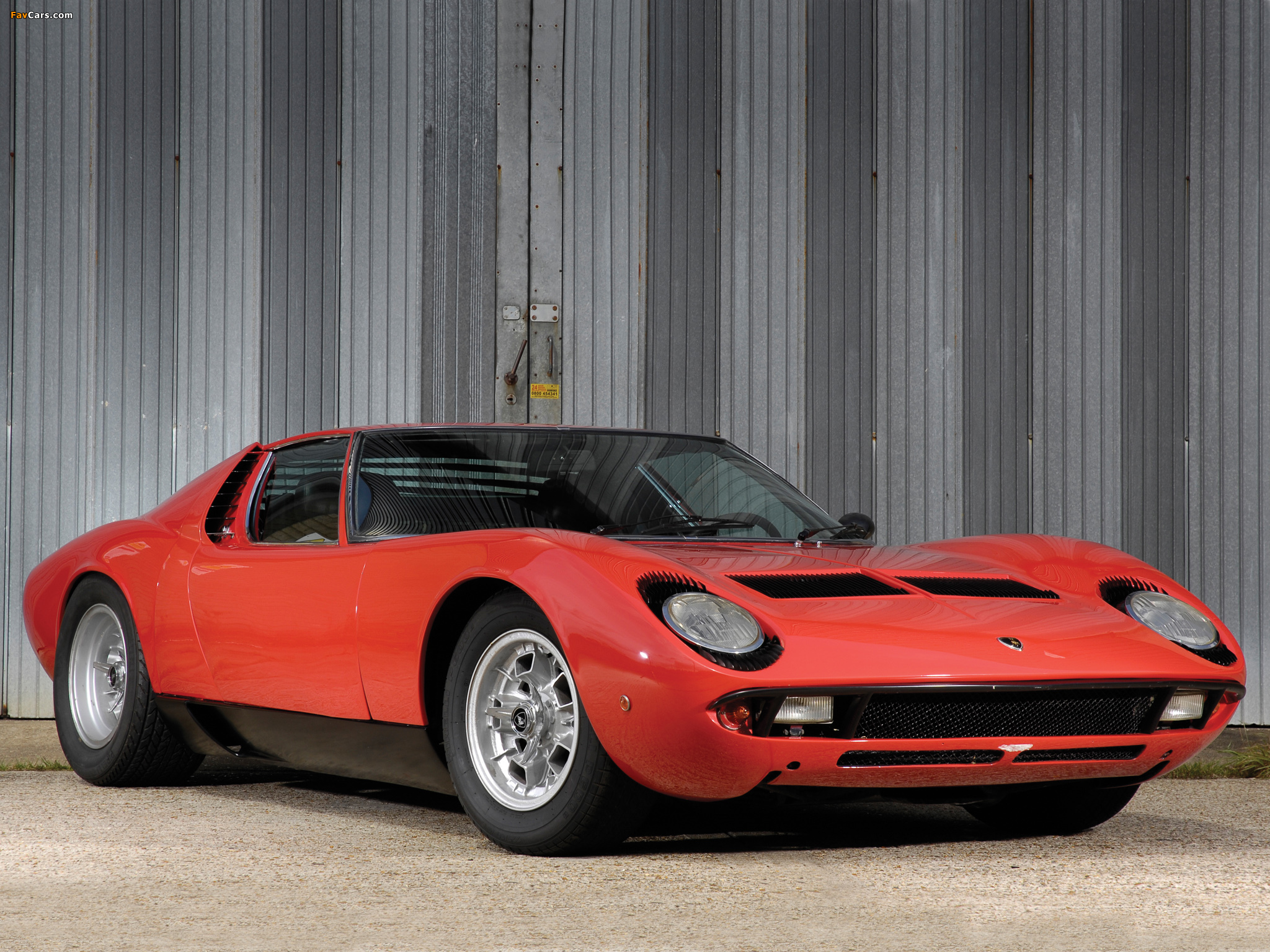
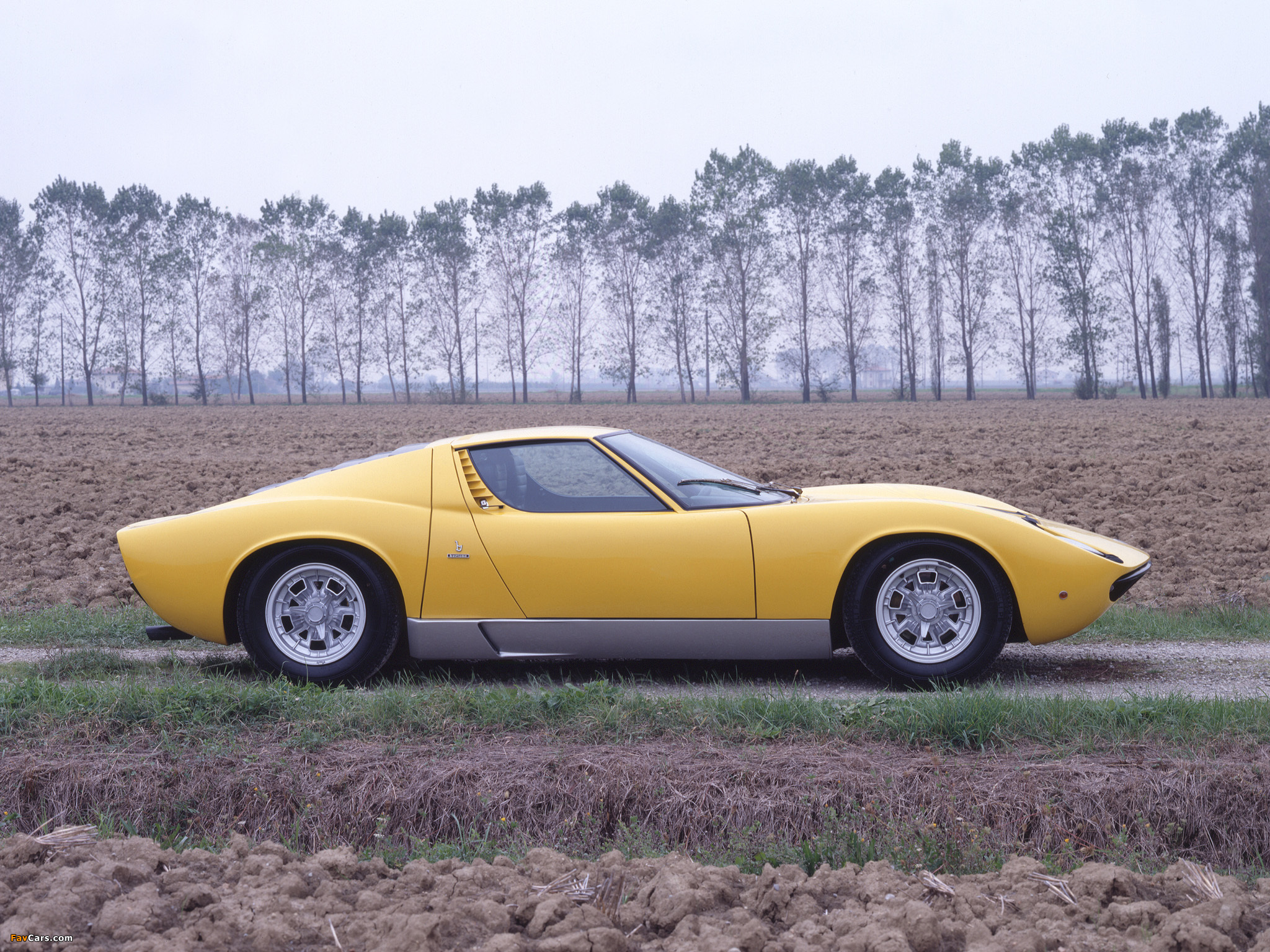
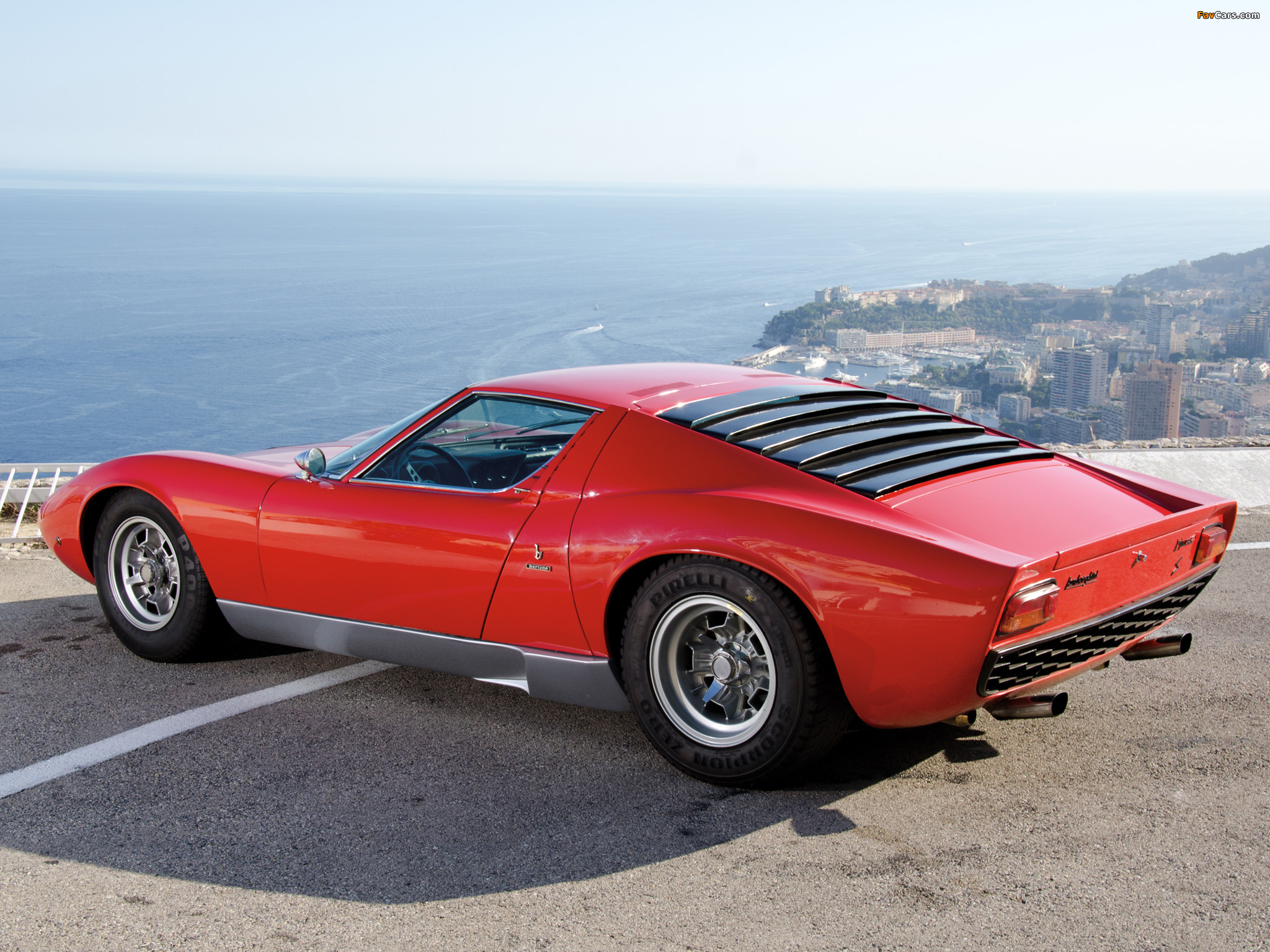
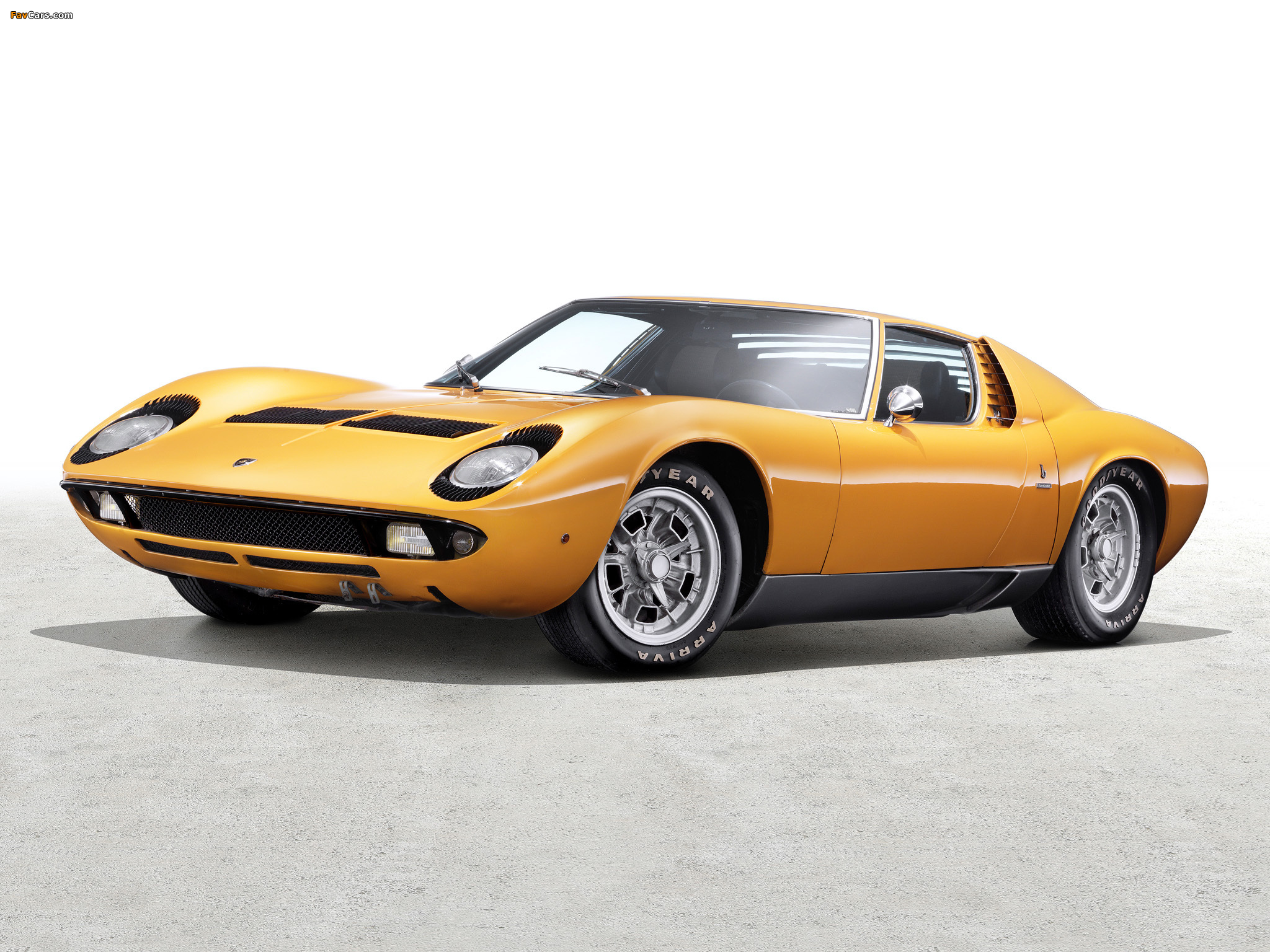
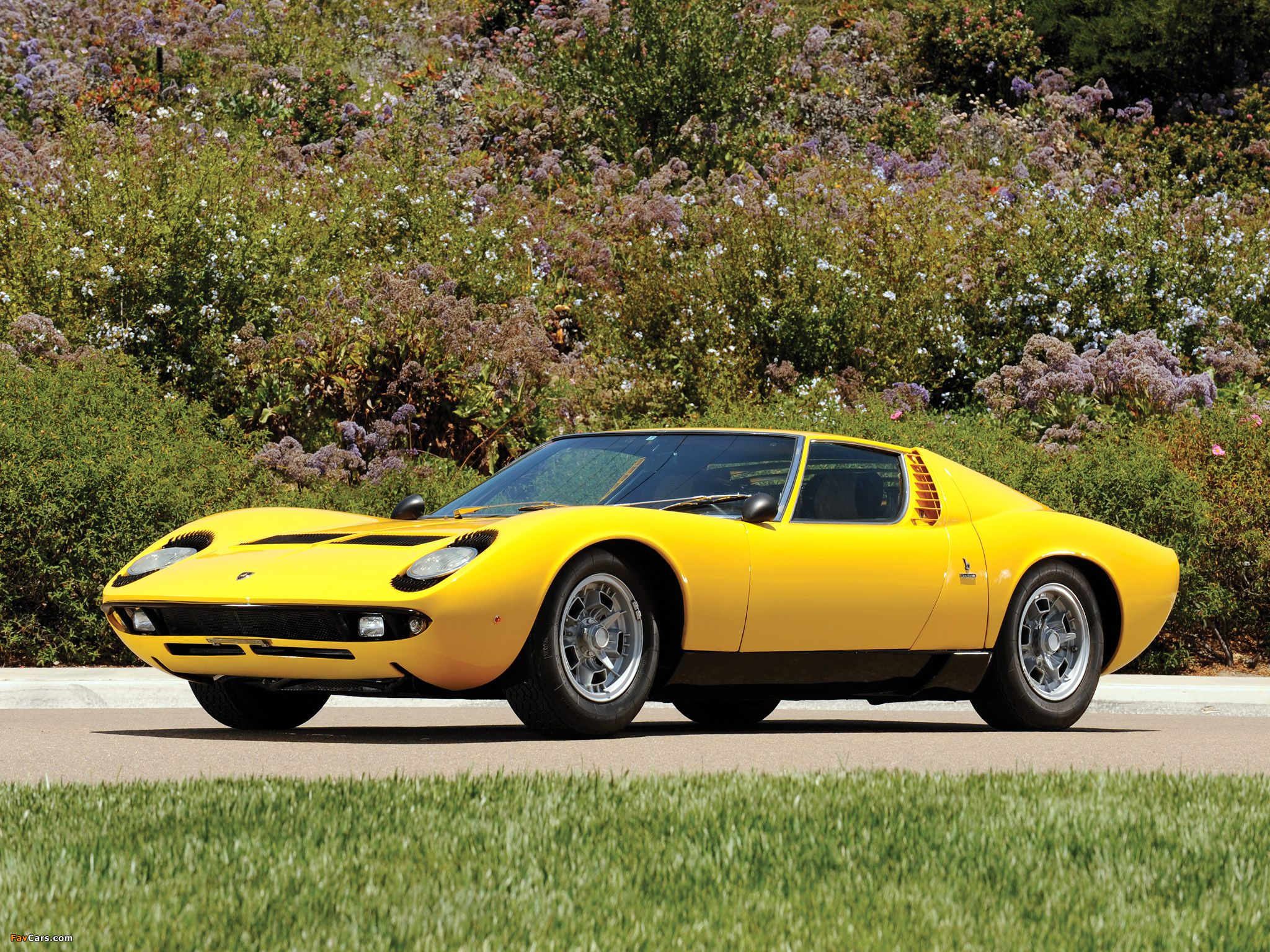
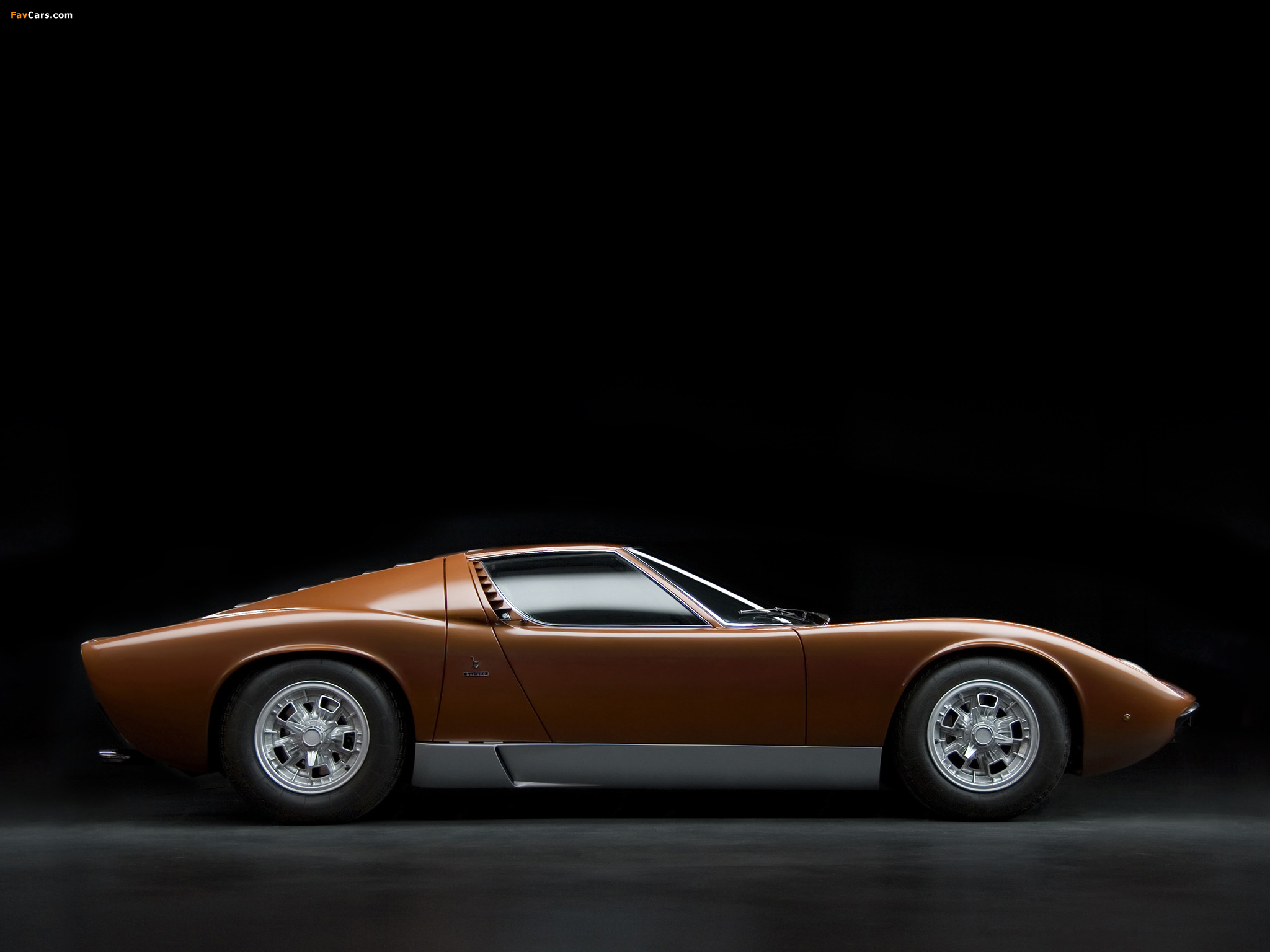
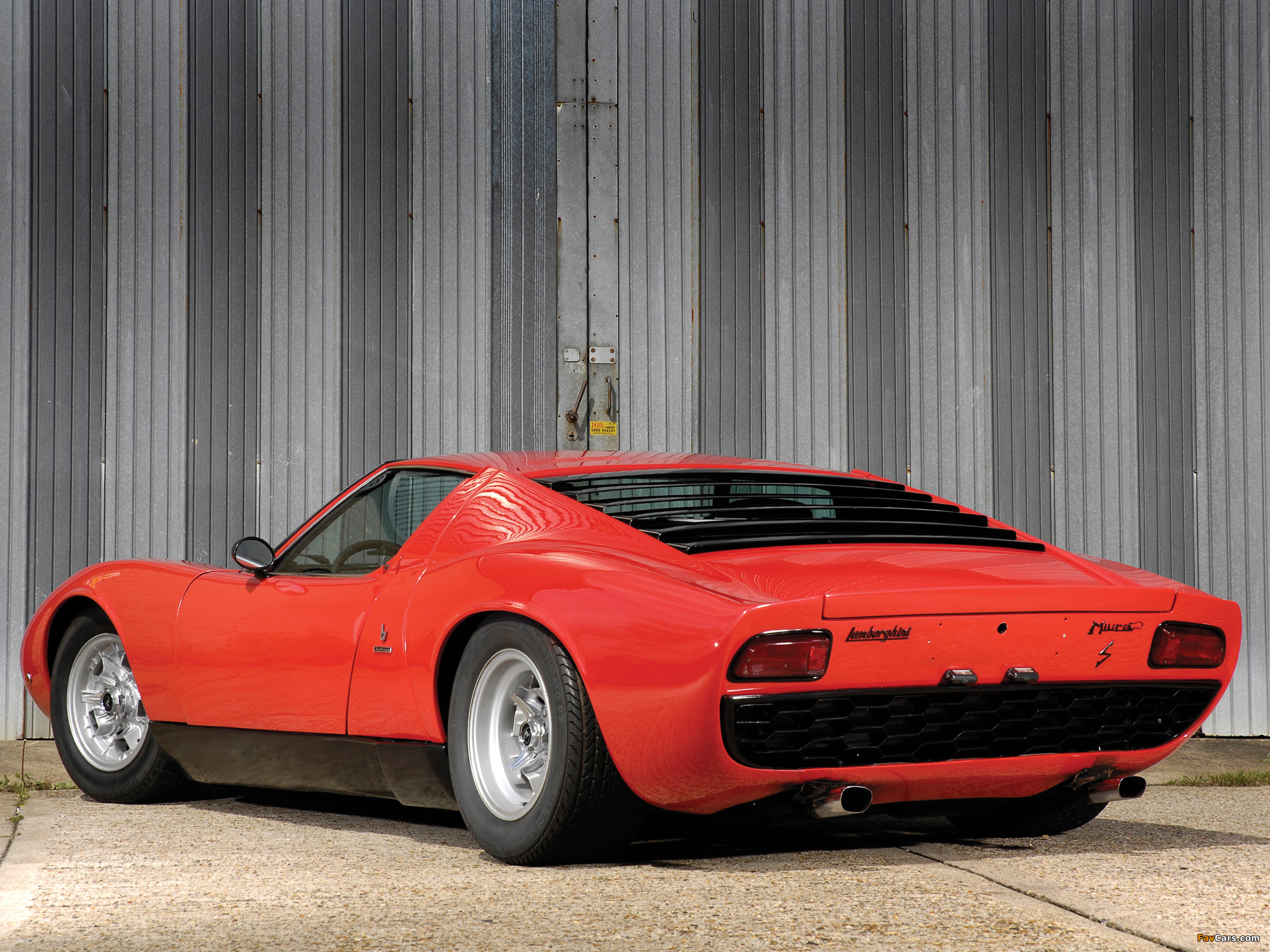
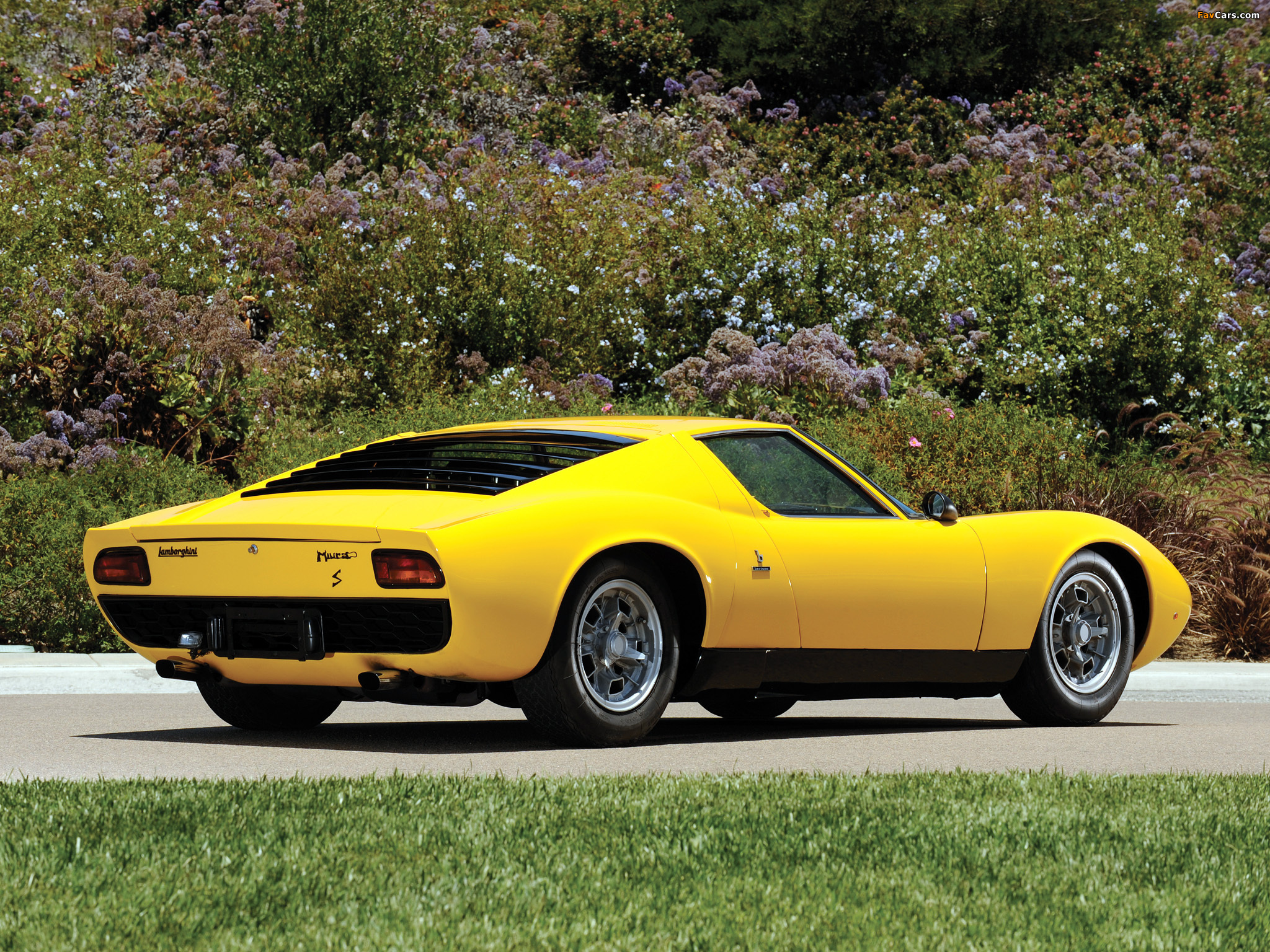
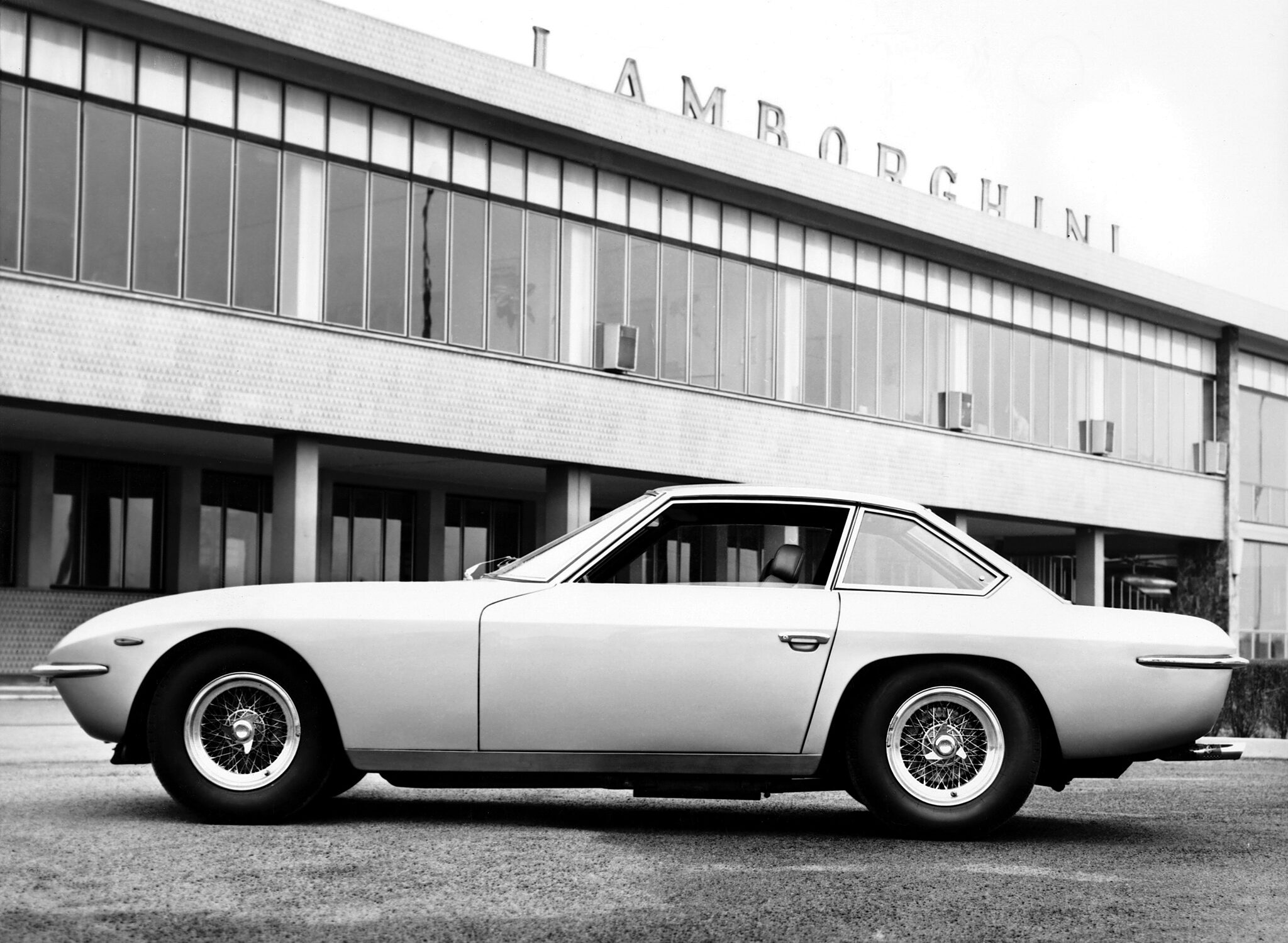
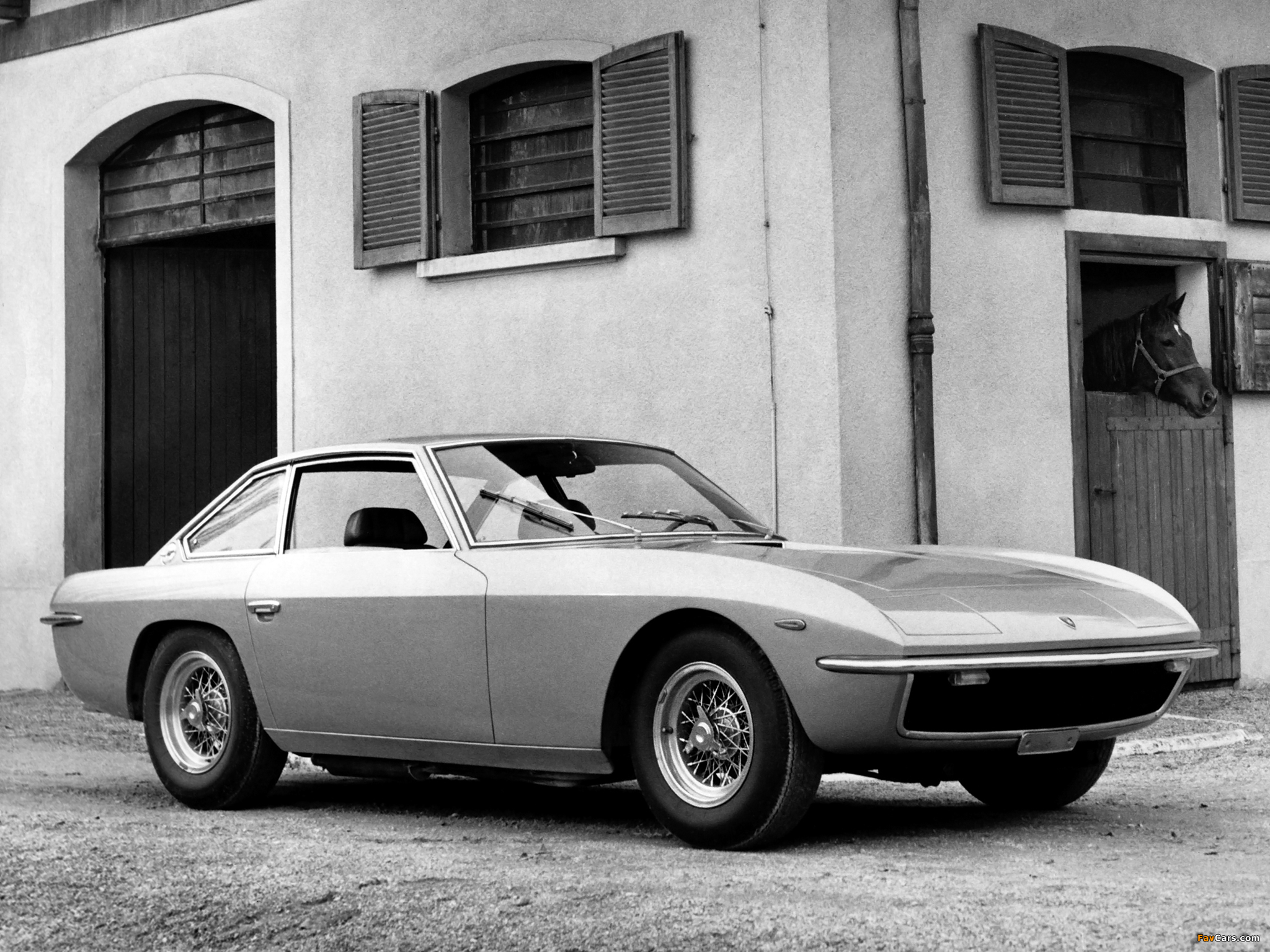
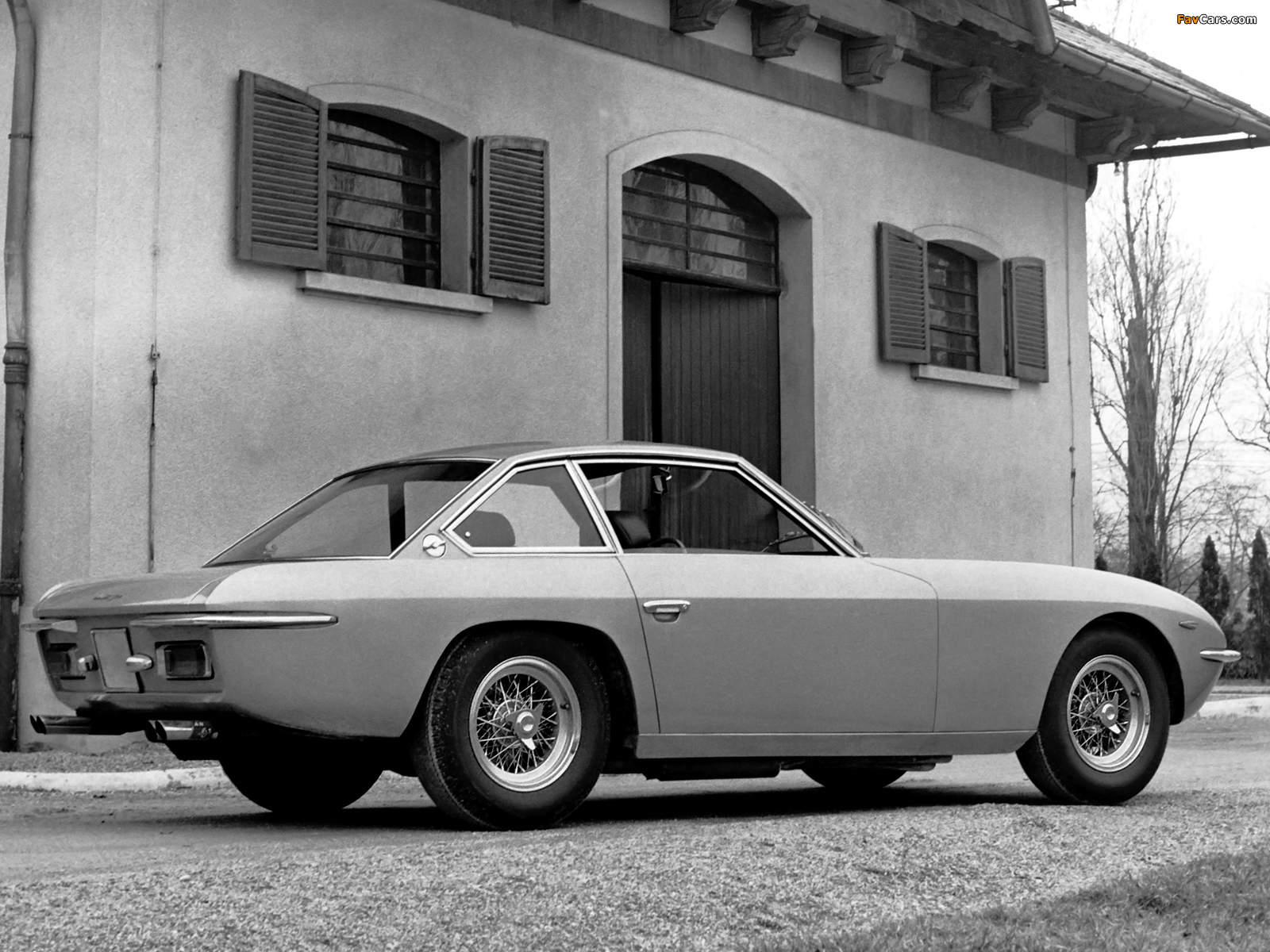
1968 Lamborghini Islero 400 GT Wallpapers

We have curated the ultimate collection of the best 1968 Lamborghini Islero 400 GT Wallpapers and HD backgrounds for you to enjoy. Our team focused on finding the top 1968 Lamborghini Islero 400 GT Wallpapers only to keep the quality high. These 1968 Lamborghini Islero 400 GT Wallpapers are free to download so go ahead. To download any of these pictures for use as a wallpaper, right click the picture and choose Save As …

Find more awesome Lamborghini Wallpapers

Award winning Lotus Evija

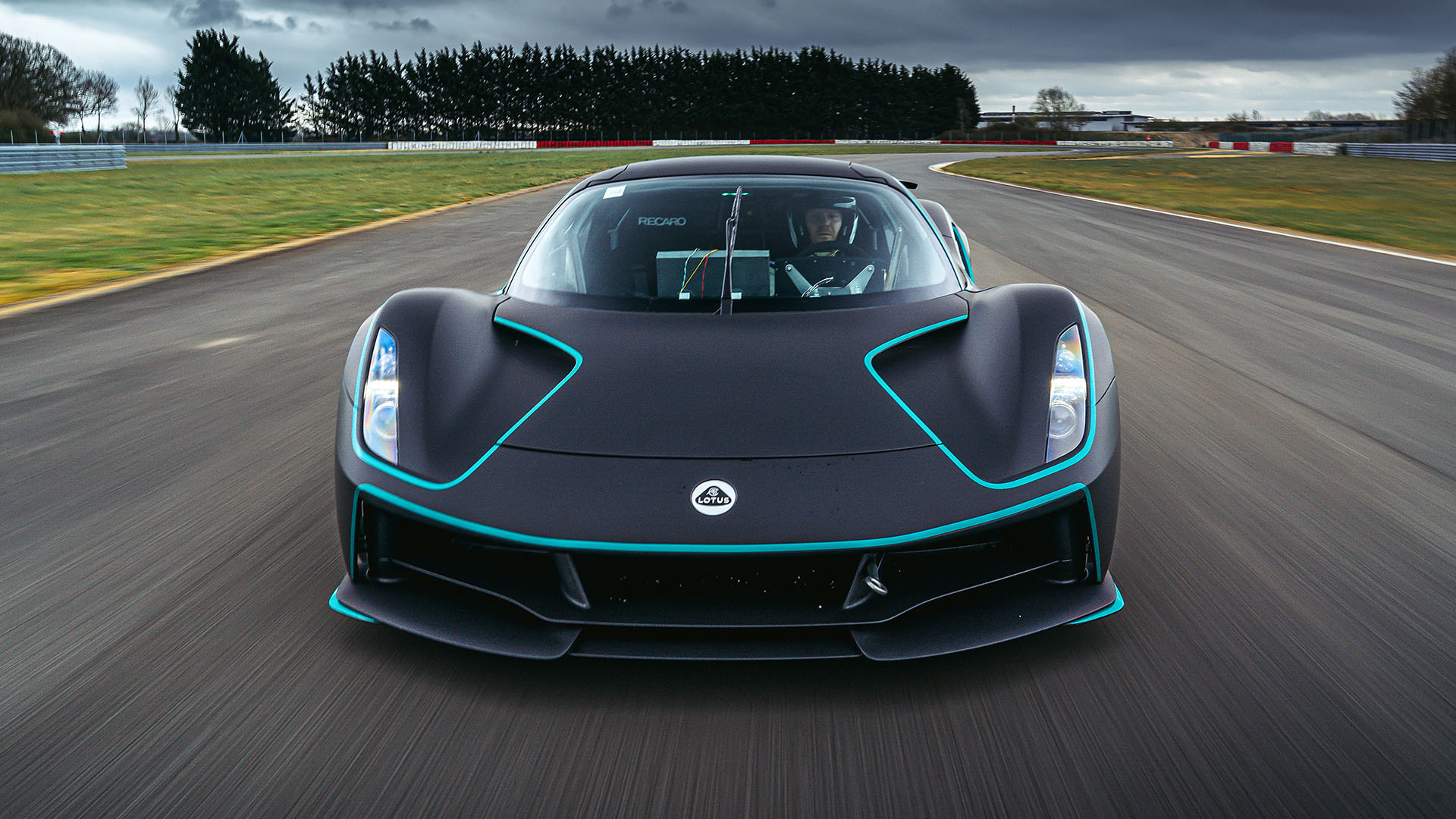
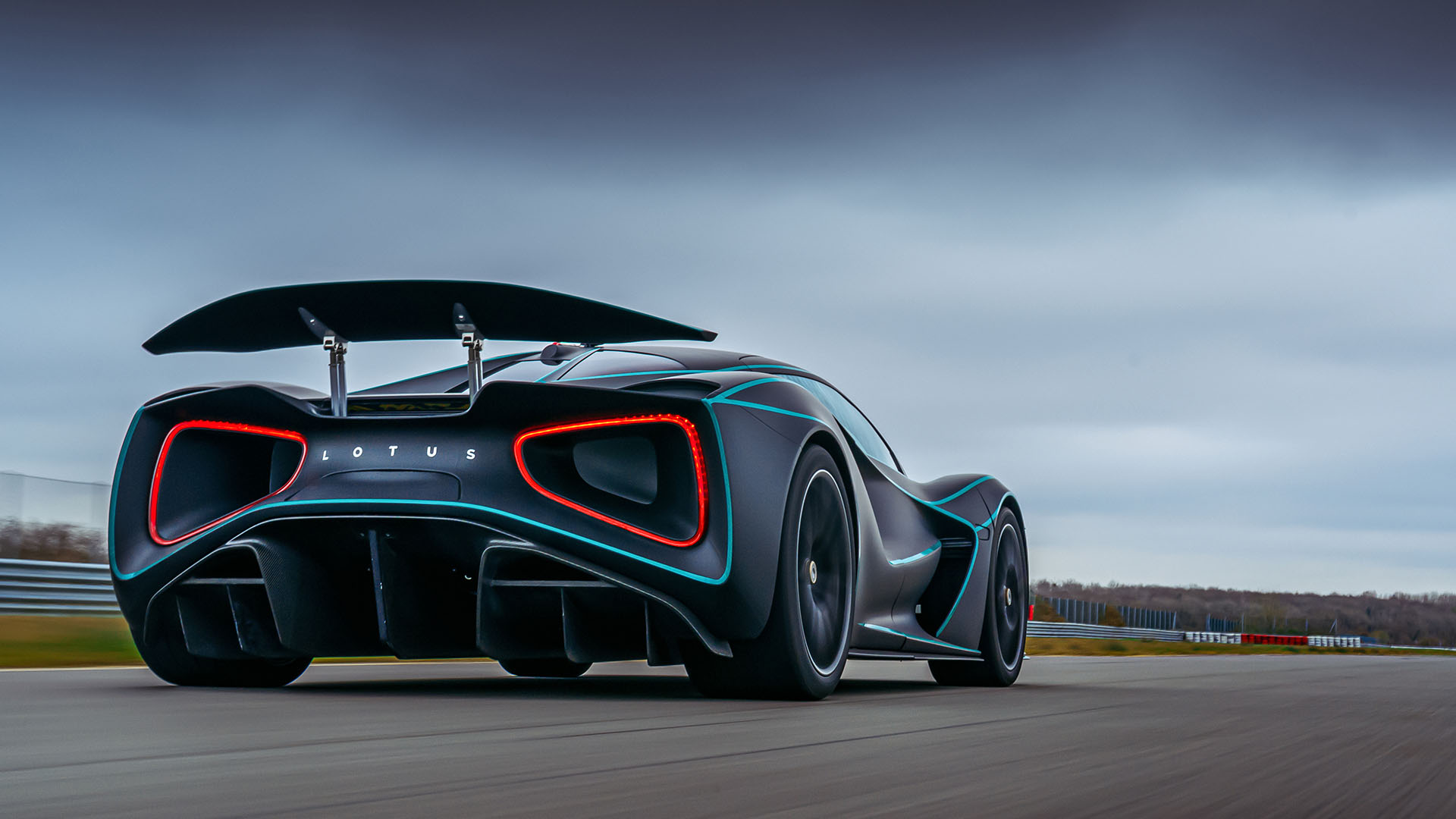
The Lotus Evija has been named as ‘The One to Watch‘ in Top Gear’s second-ever Electric Awards as Jack Rix, editor for Top Gear magazine was able to take an early prototype onto Lotus’s own test track in Hethel, Norfolk, production for the all-electric Lotus Evija will start later this year, but the test car handed over to Top Gear is still an early sample, rather crudely finished on the inside, but in a very special wrap on the outside.

Once production of the Lotus Evija gets started, only 120 units will be made of this Lotus halo car at £2,400,000 each (that’s about $3,357,500), but this car will come with 2,000 hp that offers an acceleration from 0 to 62 mph below the 3 seconds mark, going from 0 to 124 mph takes only 6 seconds, and more importantly, an acceleration from 200 km/h to 300 km/h (124 mph to 186 mph) also in just 3 seconds, compared to for instance the Bugatti Chiron that would take 6 seconds.

Top Gear’s Jack Rix was the first to get behind the wheel of a Lotus Evija, albeit a restricted pre-production prototype … this test car came with ‘only’ 1,600 hp and 1,250 lb-ft of torque … bummer, acceleration to 62 mph takes 3.3 seconds in this car and the top speed has been limited to 140 mph, but as this car accelerates with gearshifts, it’s just a relentless push from start to finish, this seems to become a stupendously quick car to drive, even without the full 2,000 hp available.

To keep the Lotus Evija as light as possible, they fitted a small 69 kW battery, and while it’s not fitted underneath the cockpit for that low center of gravity, Lotus has fitted it behind the cockpit, in the position where the engine would be in a mid-engine car, thus offering the same agility as a car with a naturally aspirated engine, the downside of this rather small battery is the fact the Evija will only have a range of about 30 miles when pushed hard.

On the other hand, Lotus confirms the Evija will be capable of a full charge in only 18 minutes … provided you have access to a 350 kW charger, but the advantage of using such a small battery is the fact the Lotus Evija will put only 1,680 kg on the scales, with 2,000 hp available in production form, this will result in some very brutal acceleration, and amazing road-holding capabilities with active vectoring and aerodynamics added to the production version.

Enjoy Top Gear’s video on the track test below:

[embedded content] [embedded content]

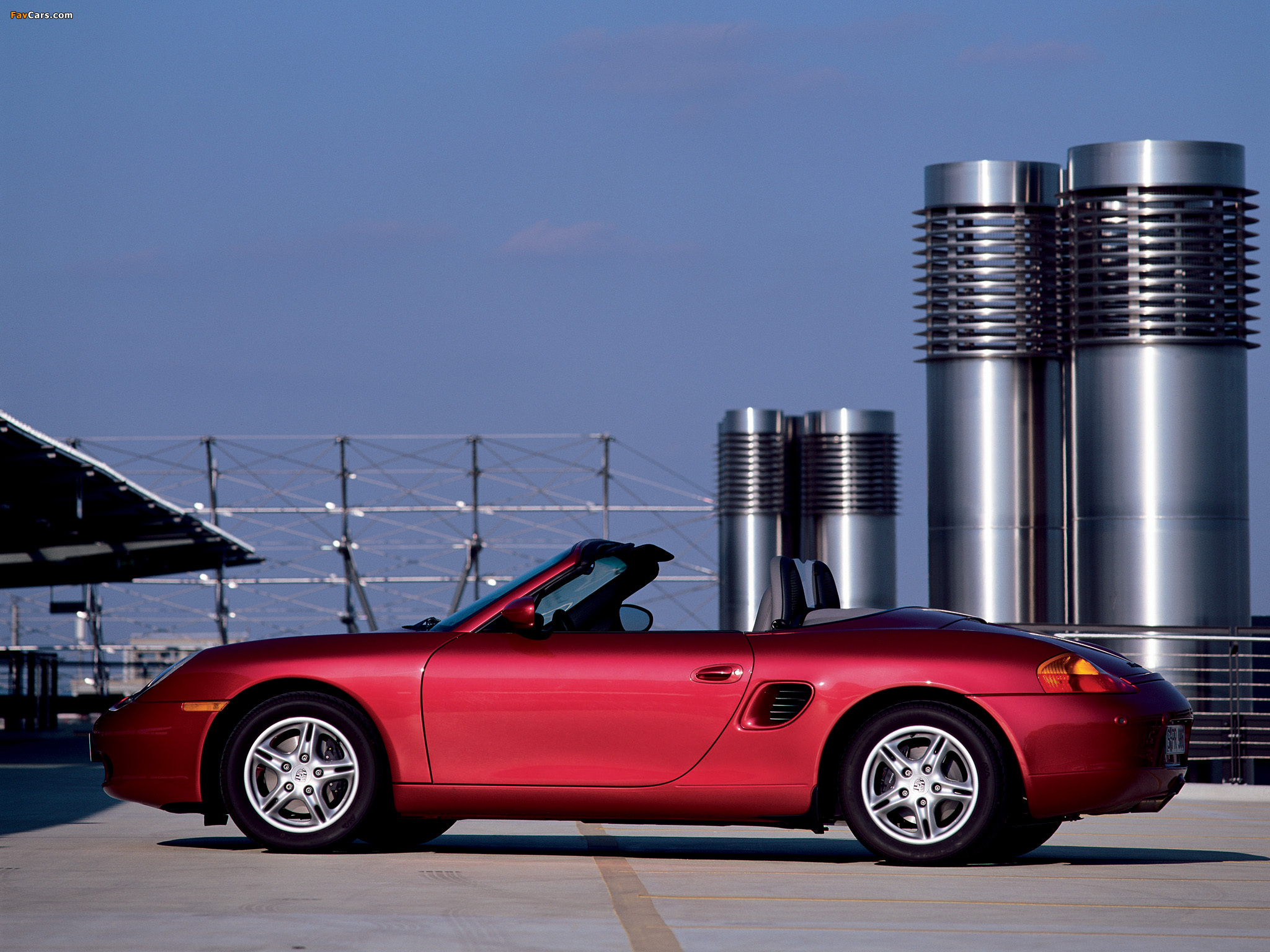
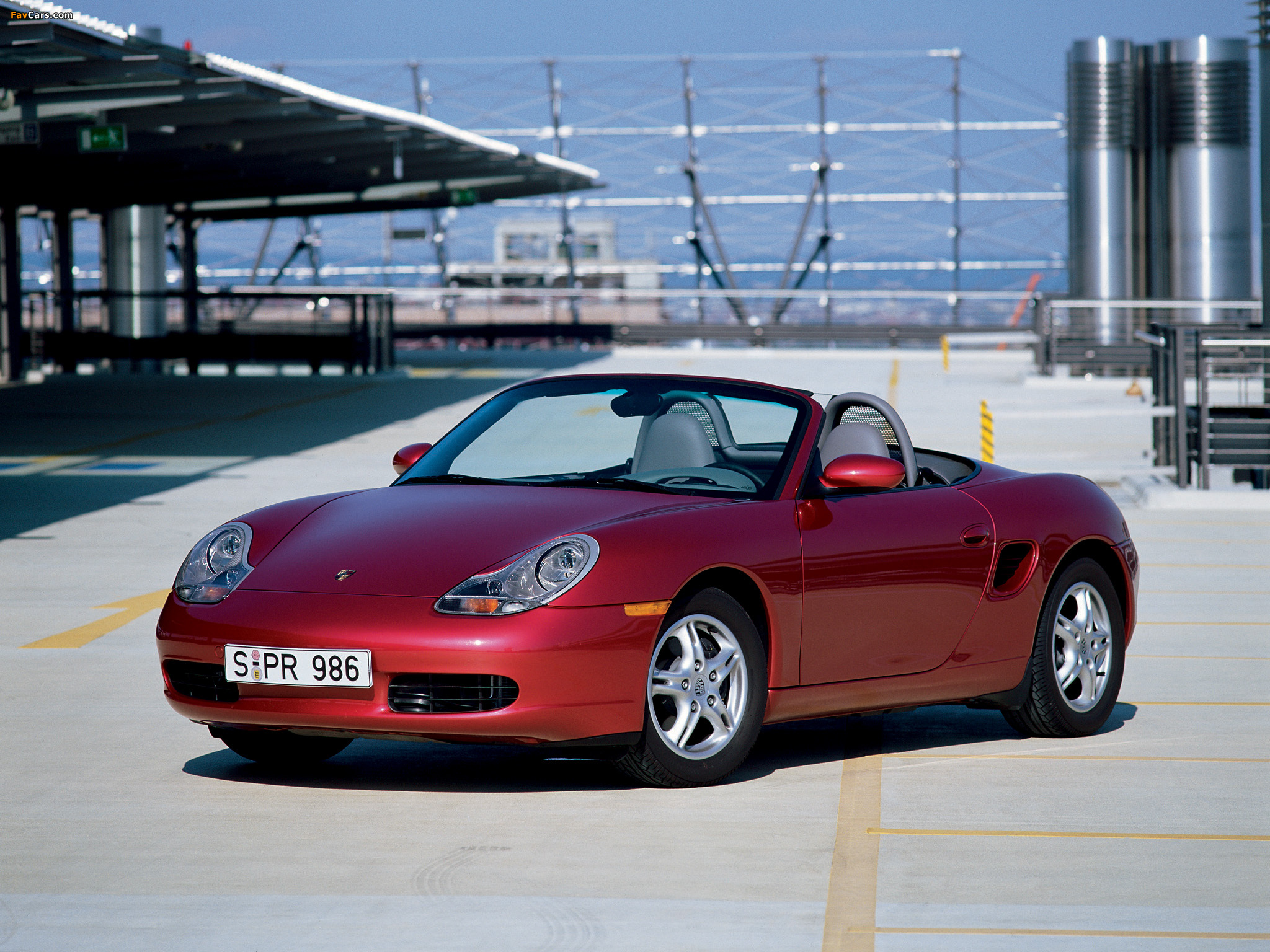
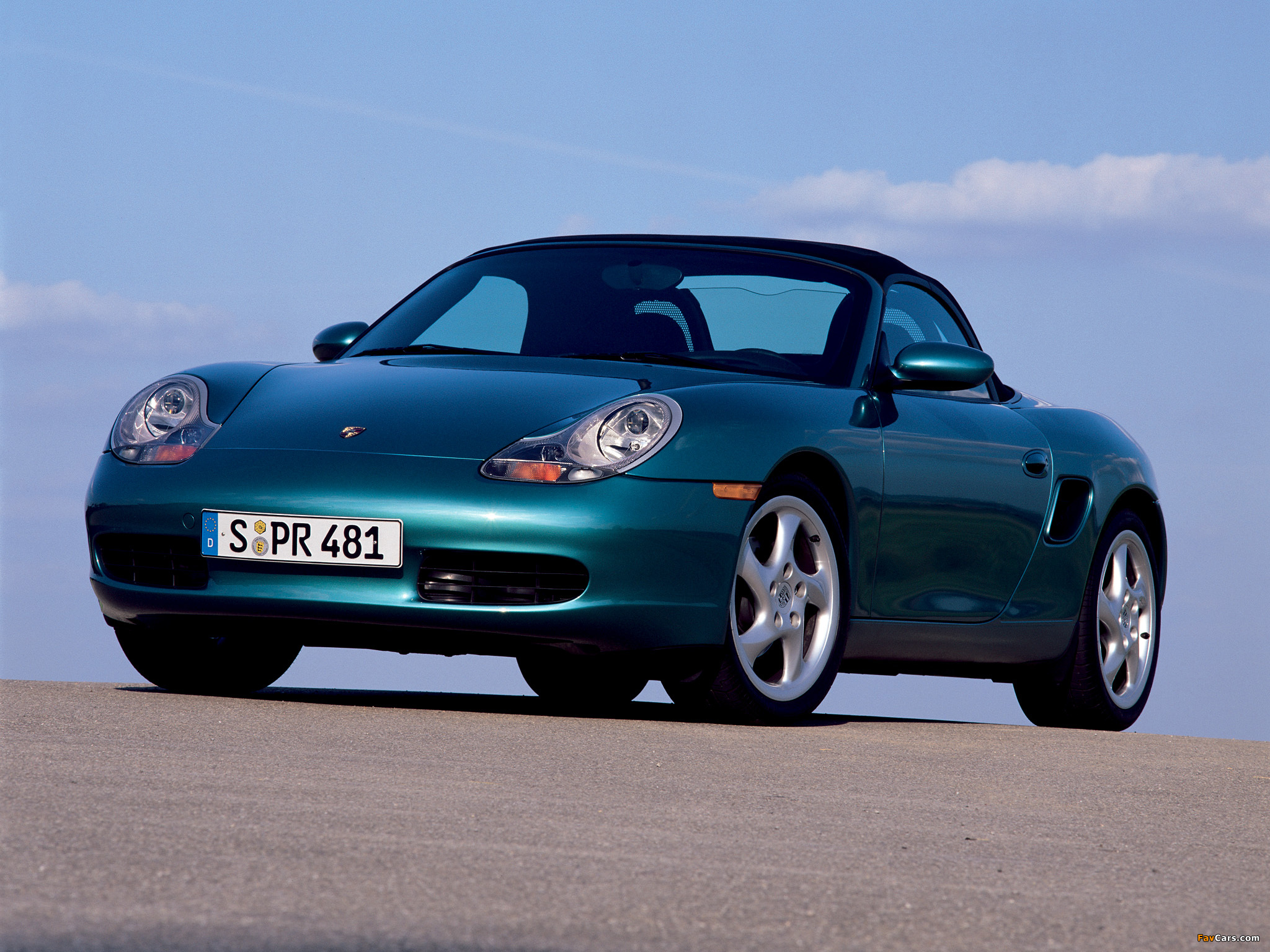
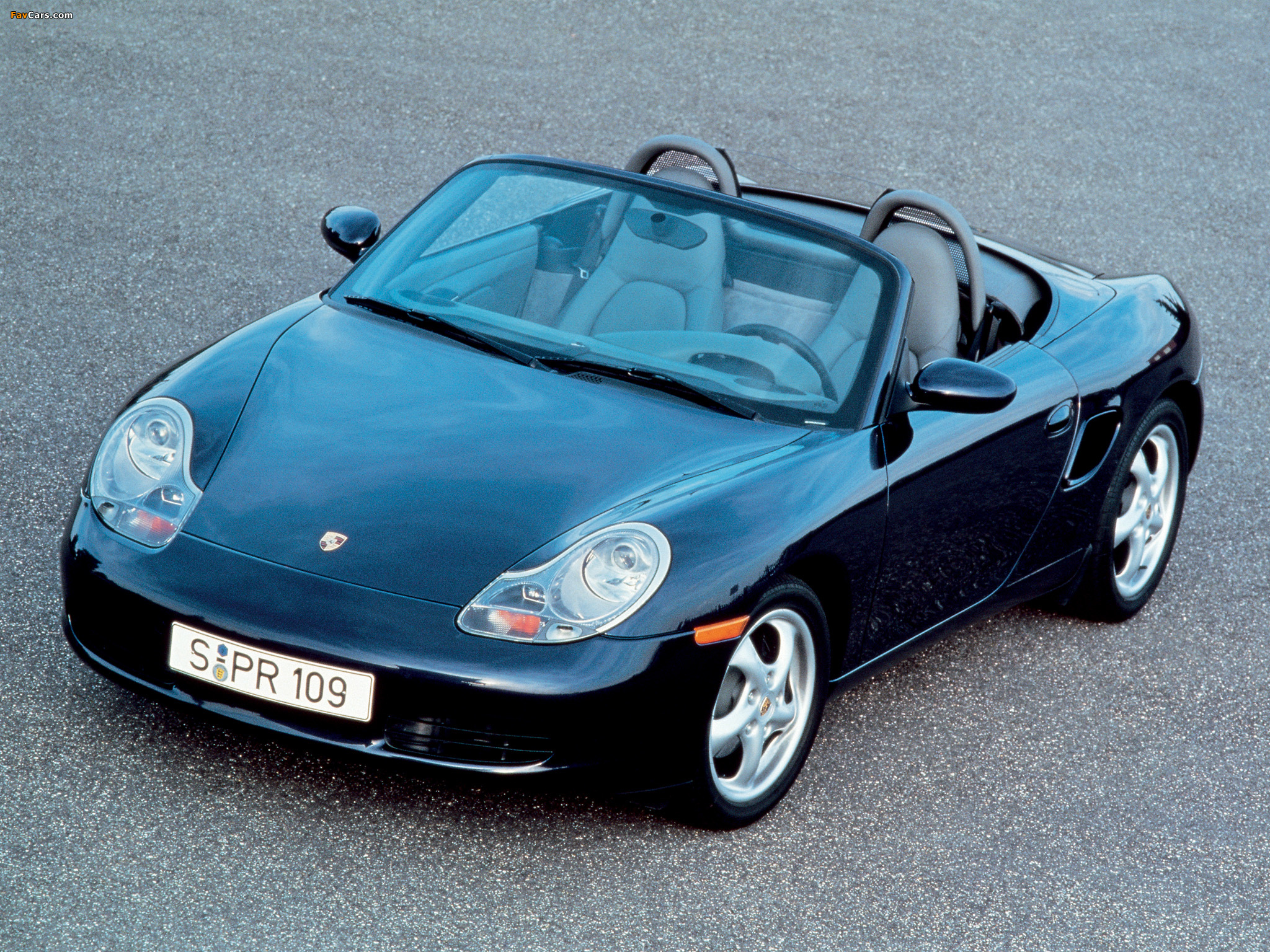
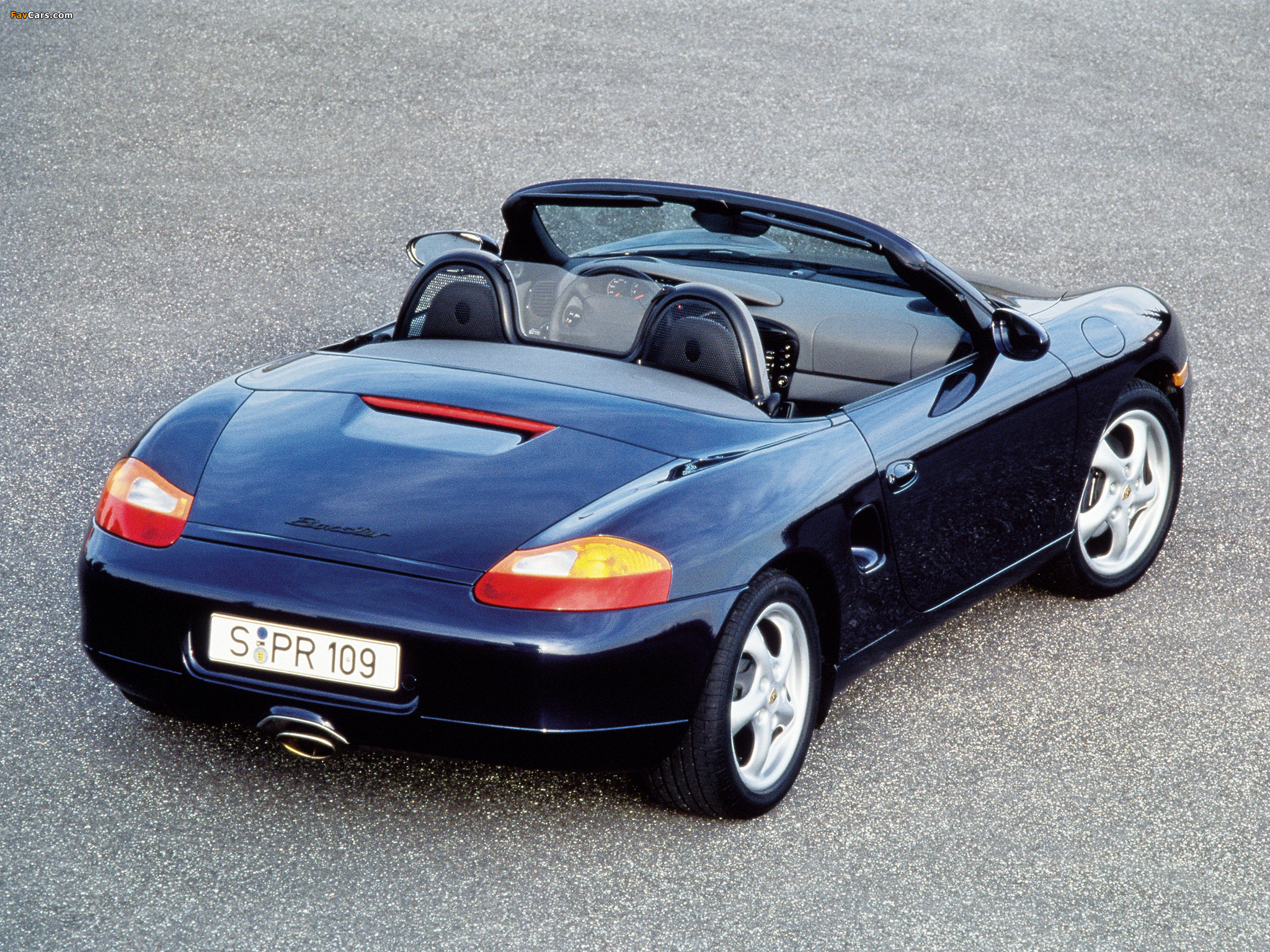
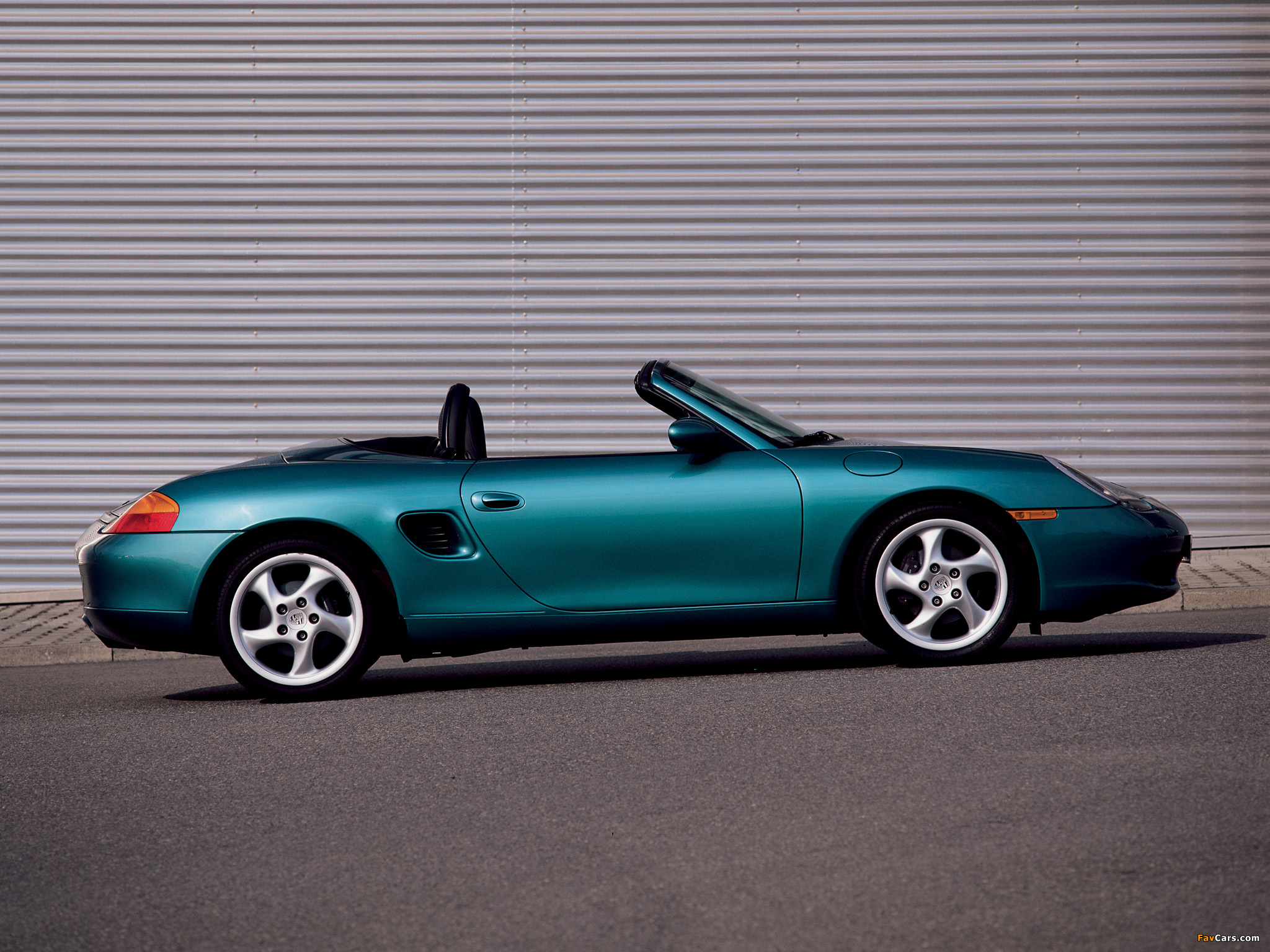
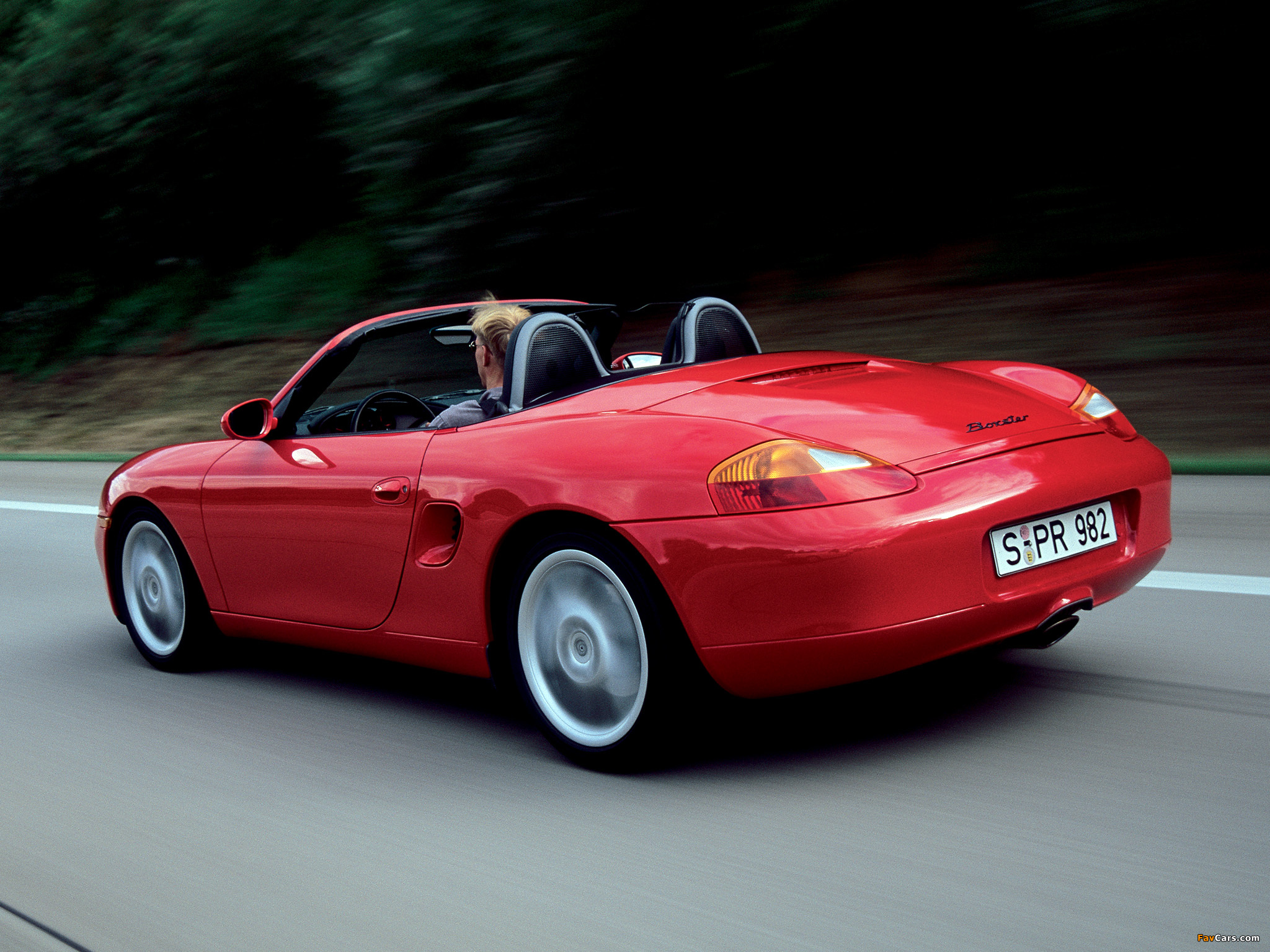
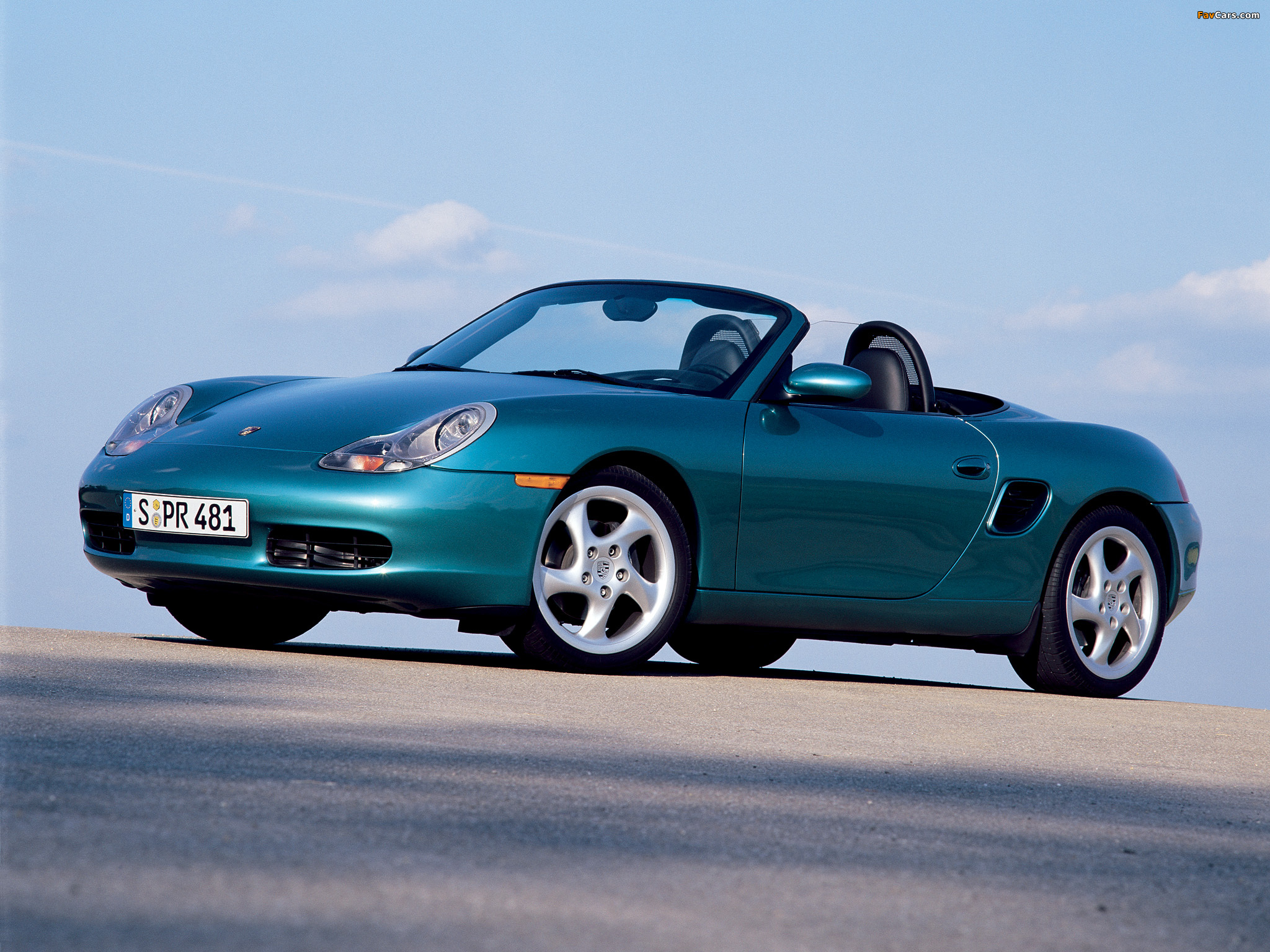
1996 Porsche Boxster (986) Wallpapers

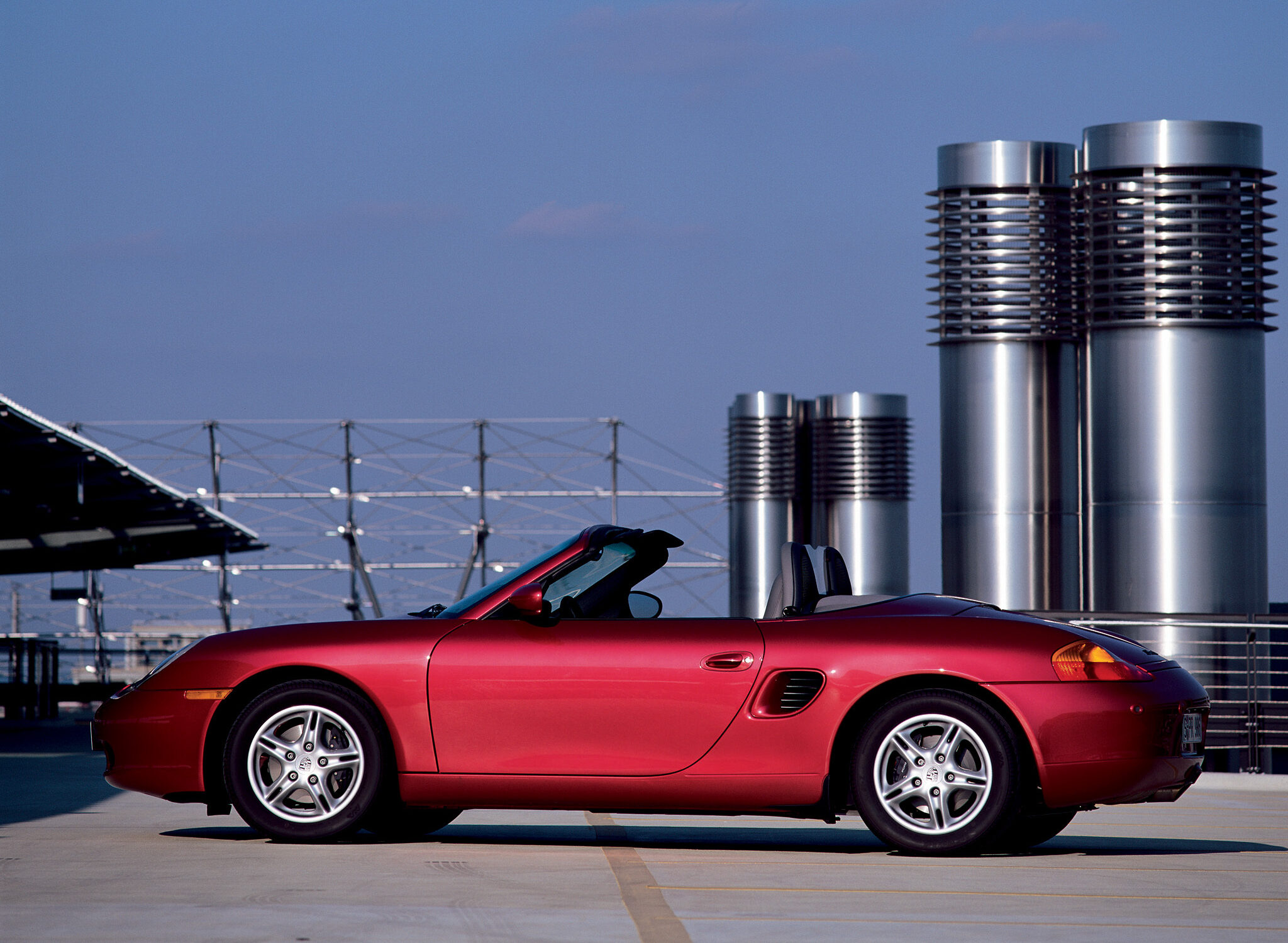
We have curated the ultimate collection of the best 1996 Porsche Boxster (986) Wallpapers and HD backgrounds for you to enjoy. Our team focused on finding the top 1996 Porsche Boxster (986) Wallpapers only to keep the quality high. These 1996 Porsche Boxster (986) Wallpapers are free to download so go ahead. To download any of these pictures for use as a wallpaper, right click the picture and choose Save As…

Find more awesome Porsche Wallpapers

1964 Porsche 904/6 GTS Wallpapers

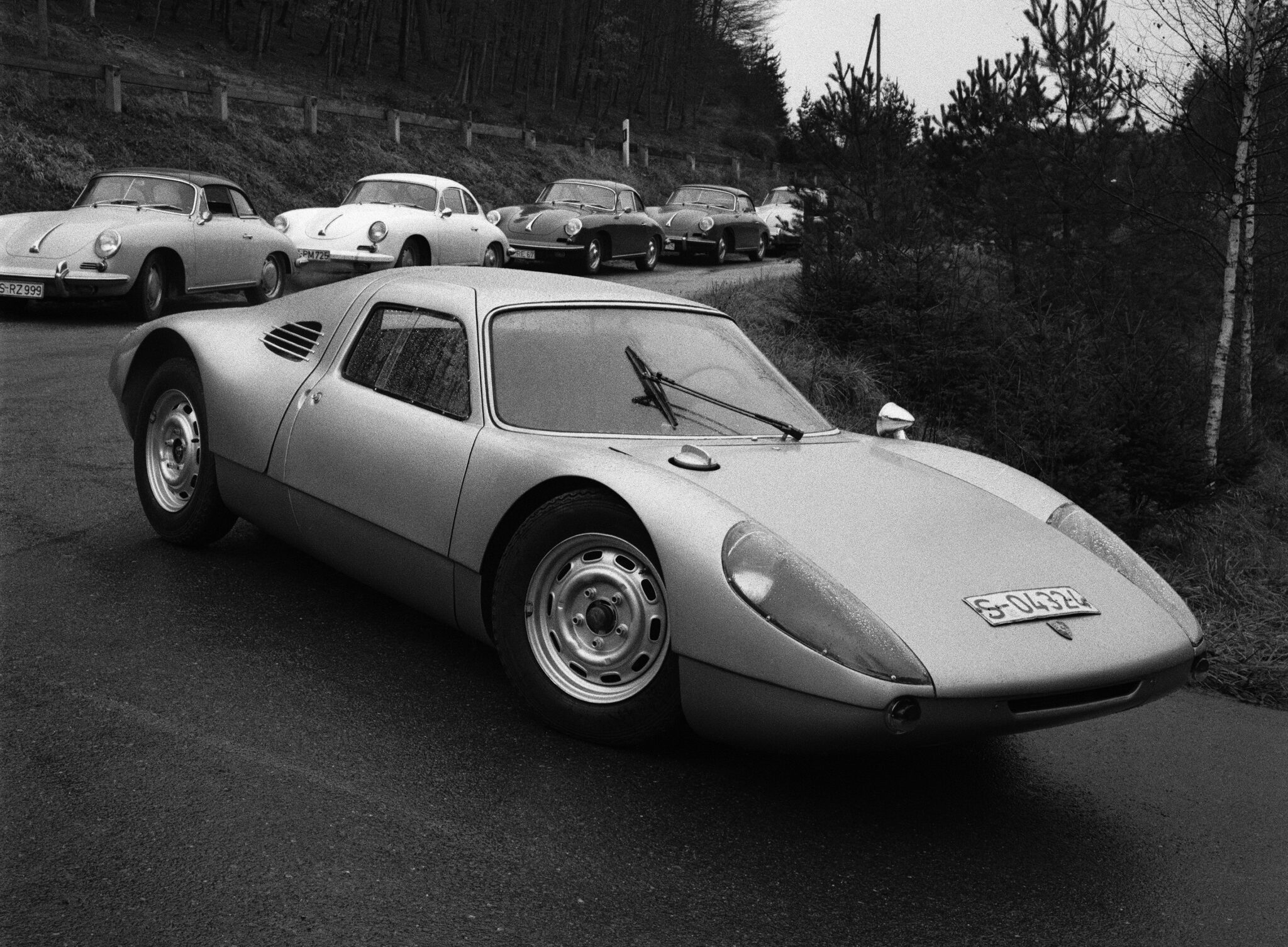
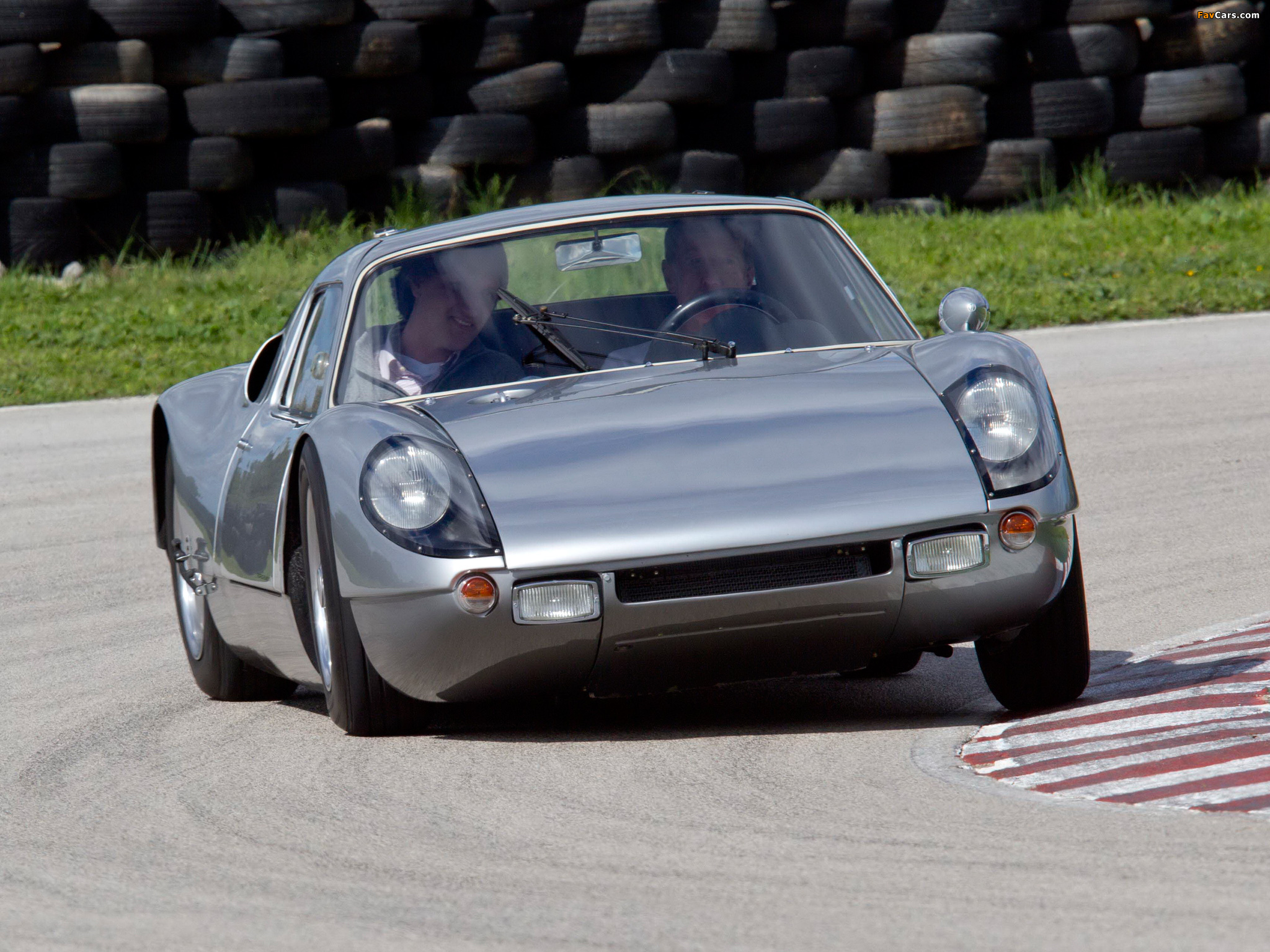
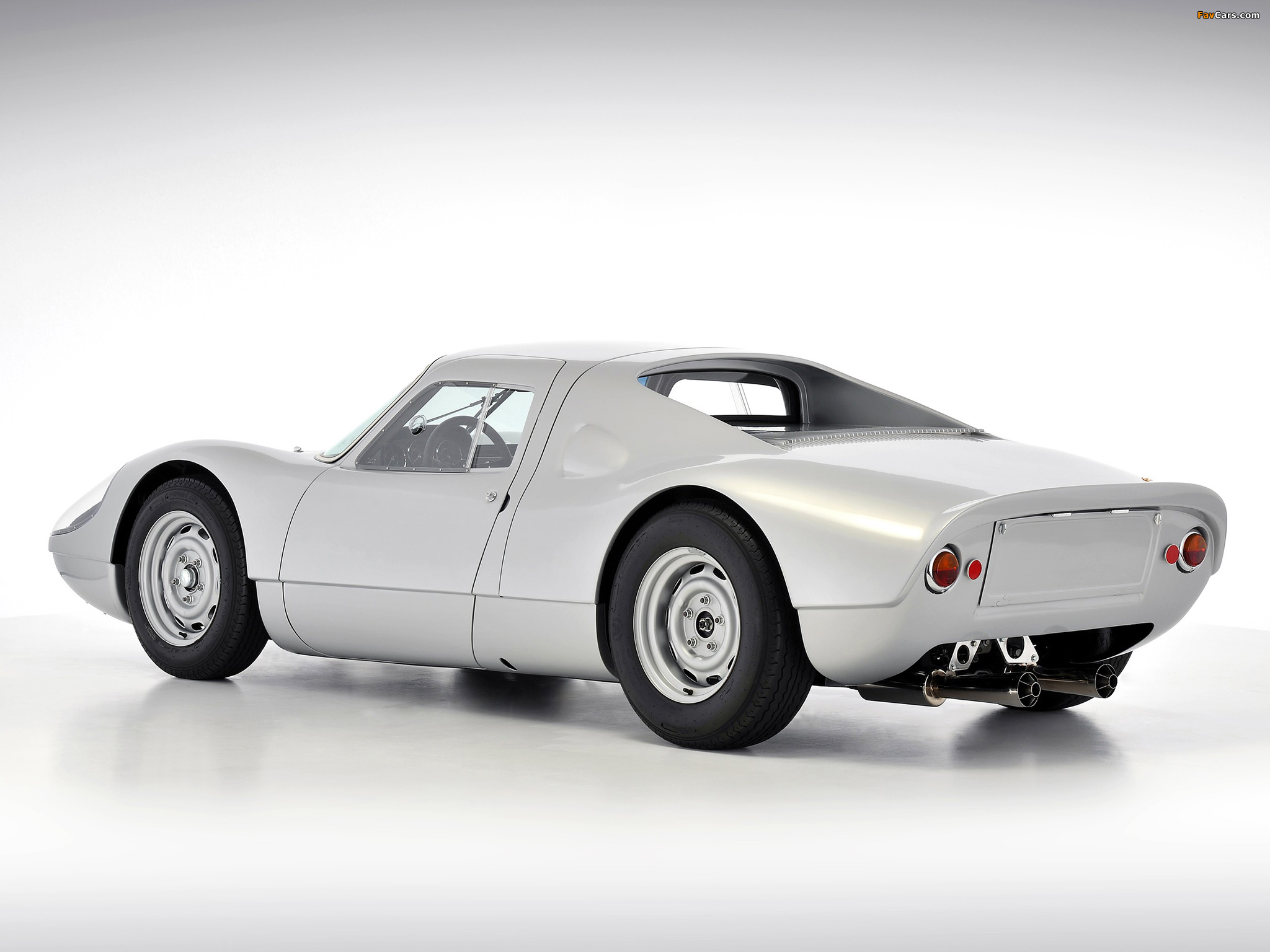
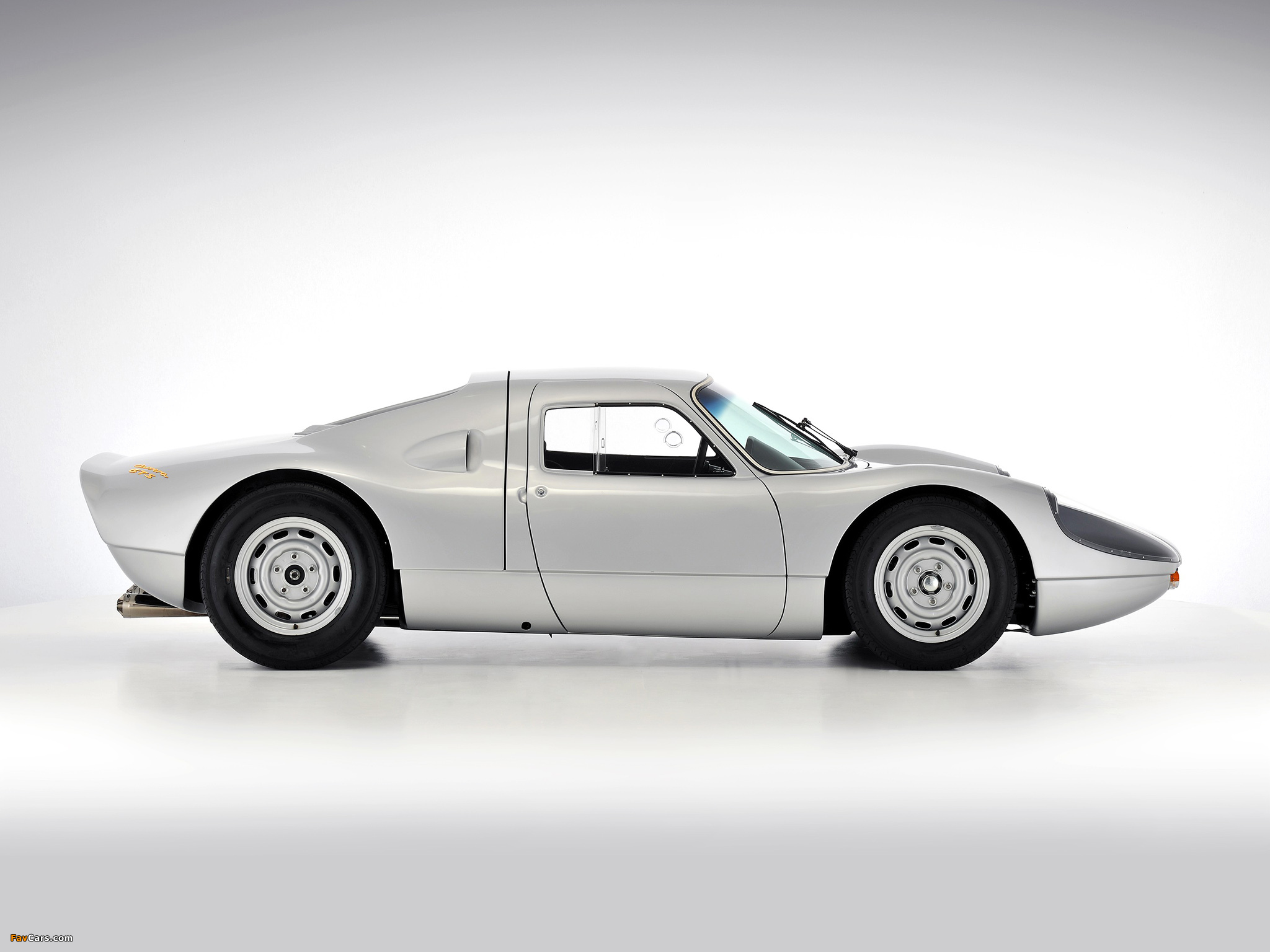
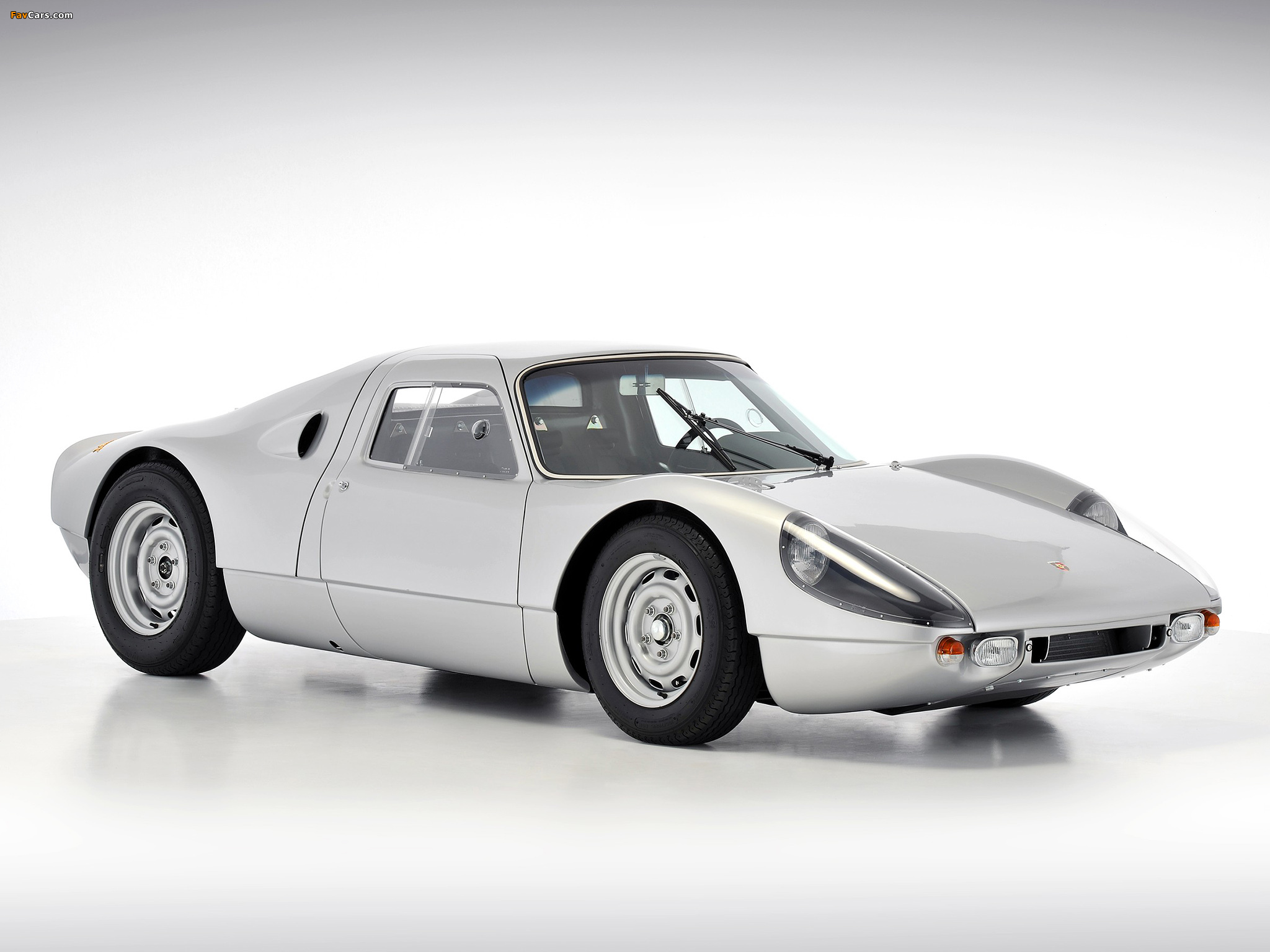
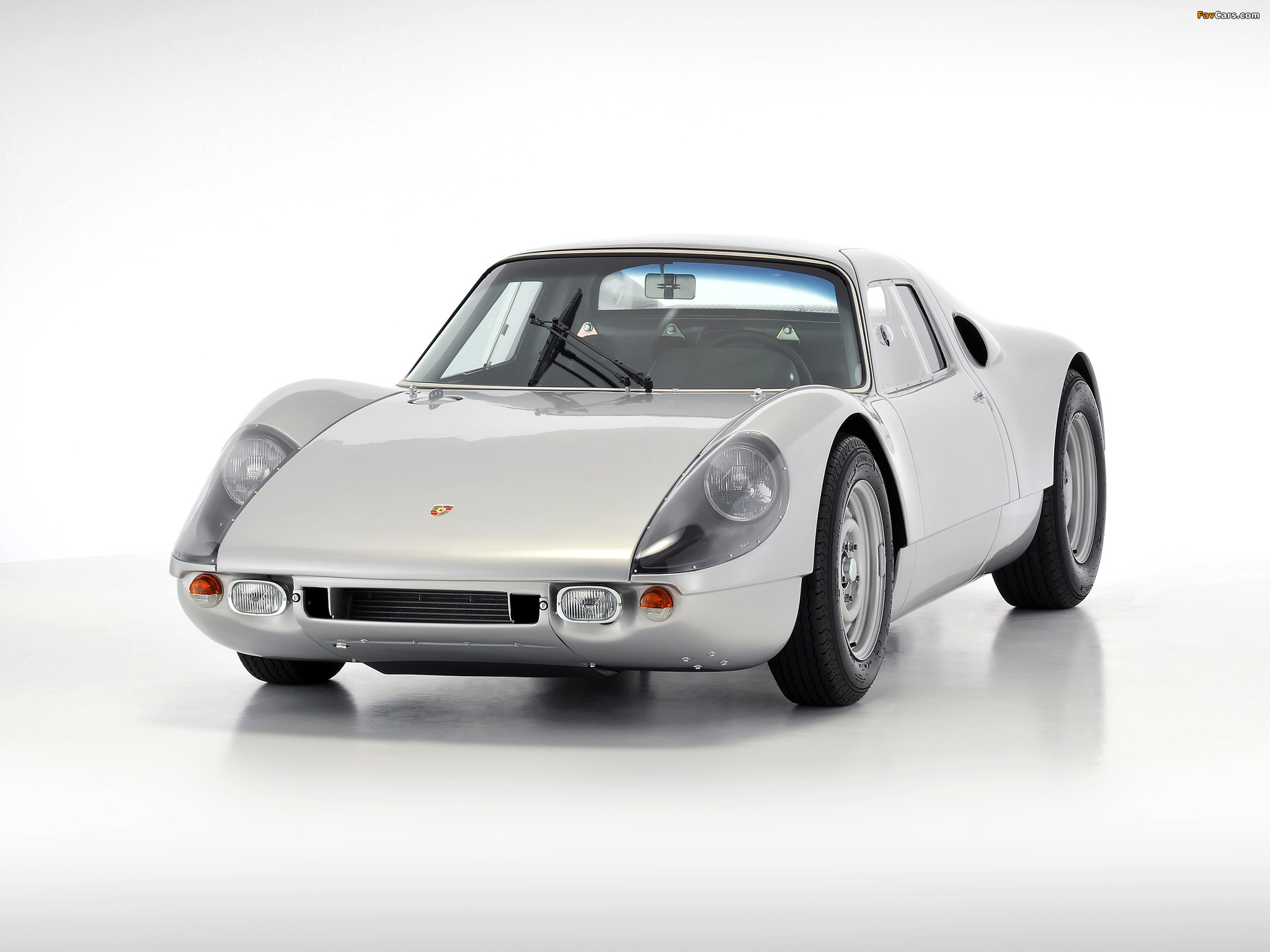
We have curated the ultimate collection of the best 1964 Porsche 904/6 GTS Wallpapers and HD backgrounds for you to enjoy. Our team focused on finding the top 1964 Porsche 904/6 GTS Wallpapers only to keep the quality high. These 1964 Porsche 904/6 GTS Wallpapers are free to download so go ahead. To download any of these pictures for use as a wallpaper, right click the picture and choose Save As…

Find more awesome Porsche Wallpapers

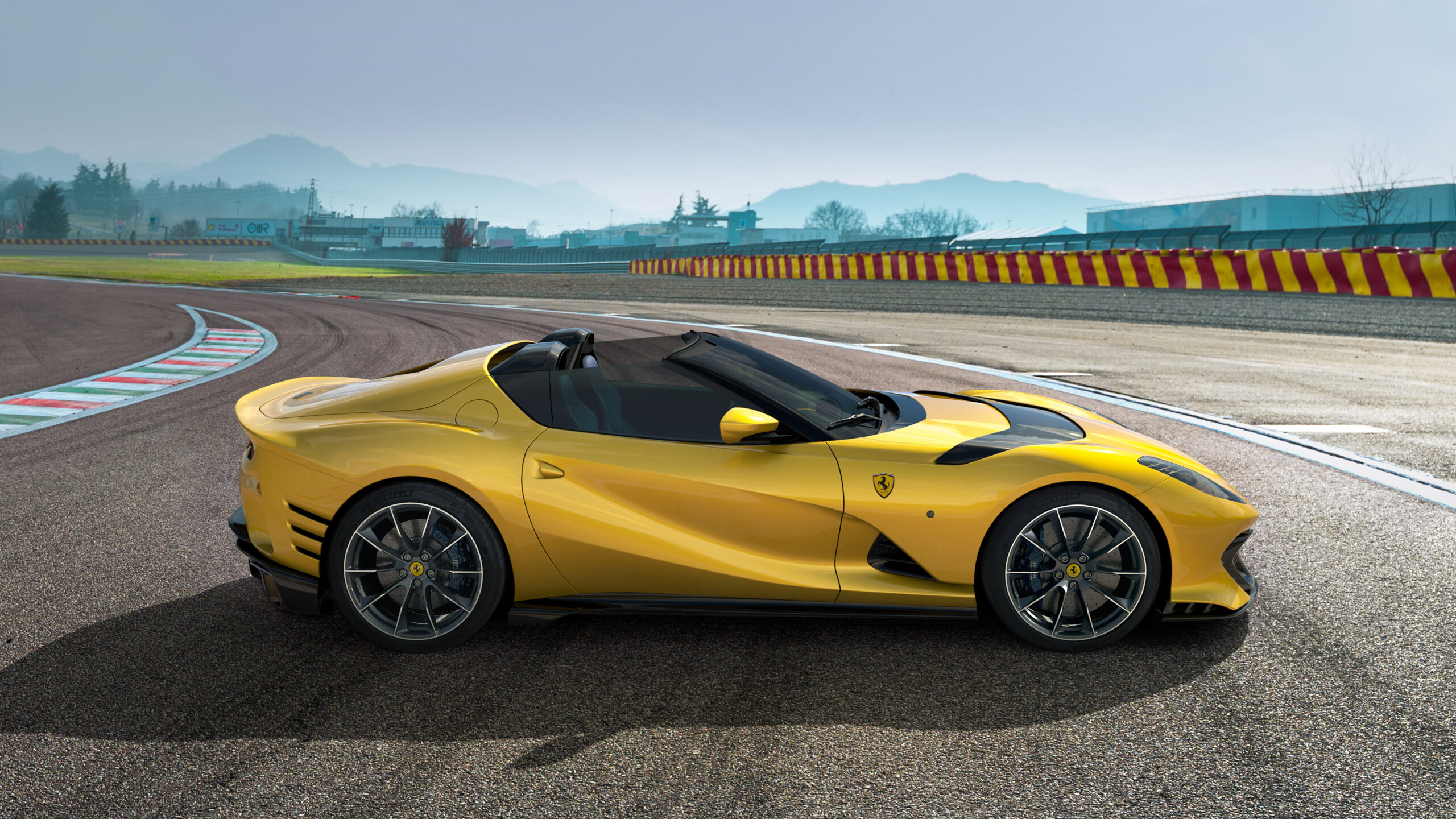
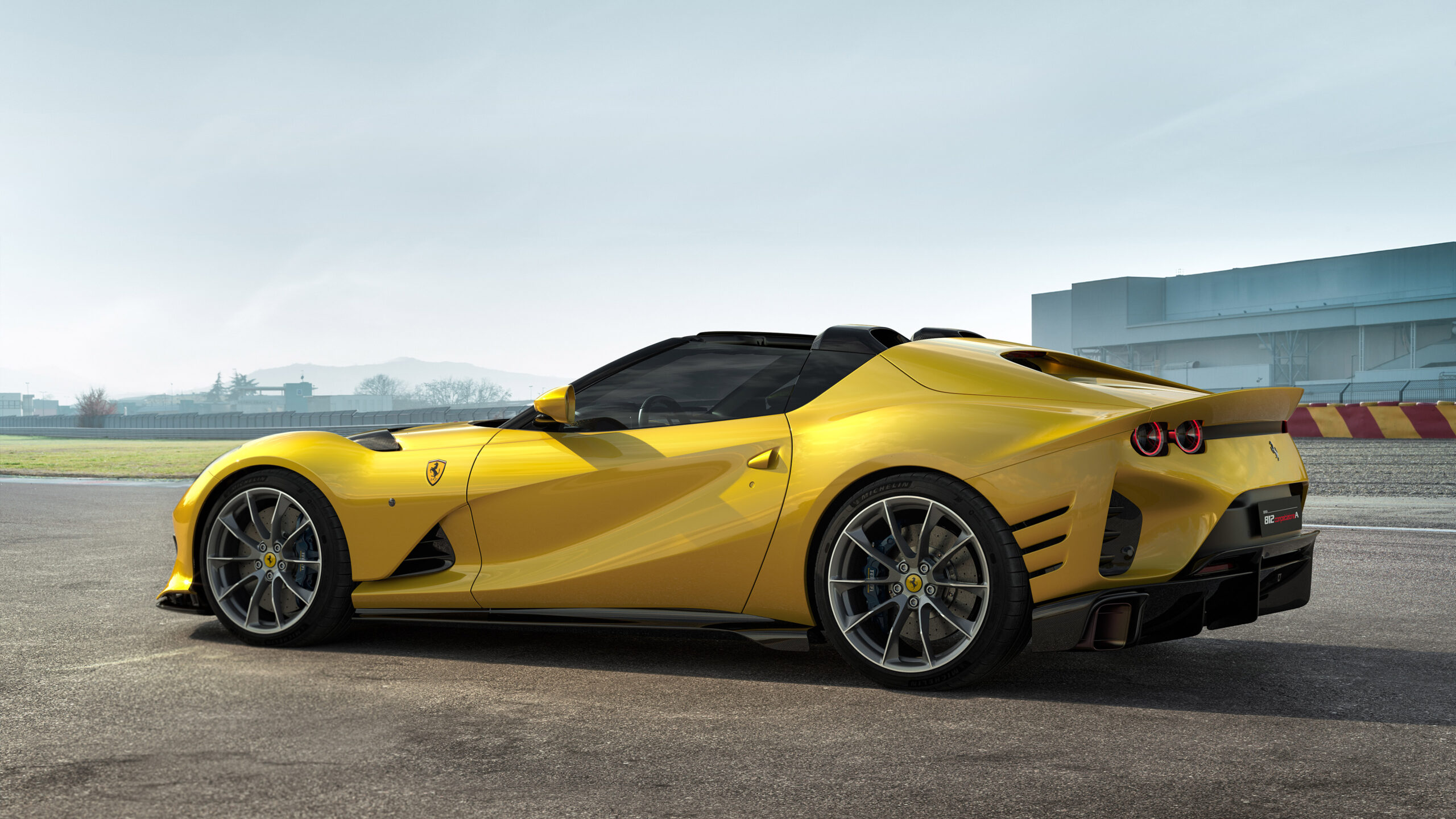
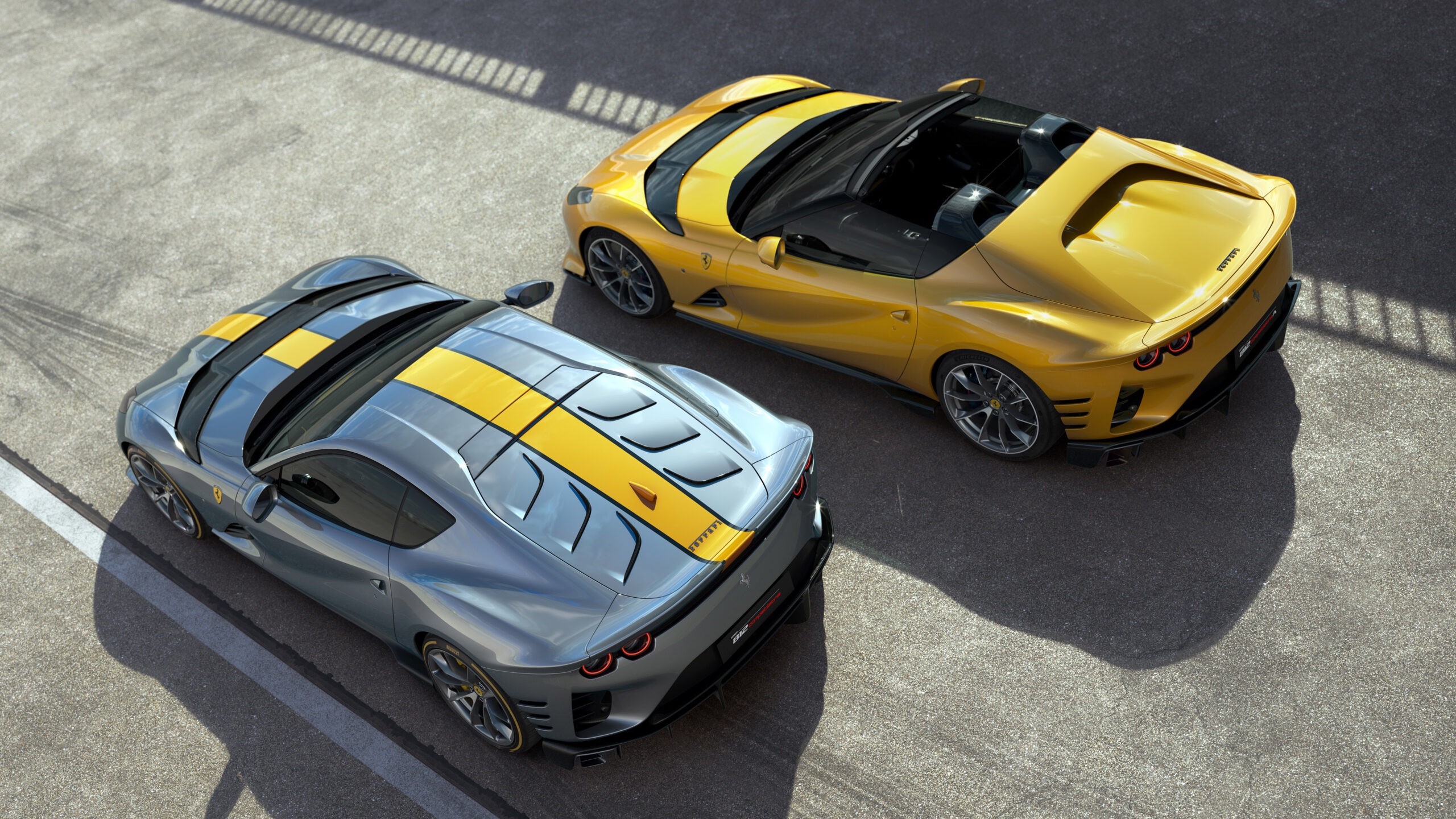
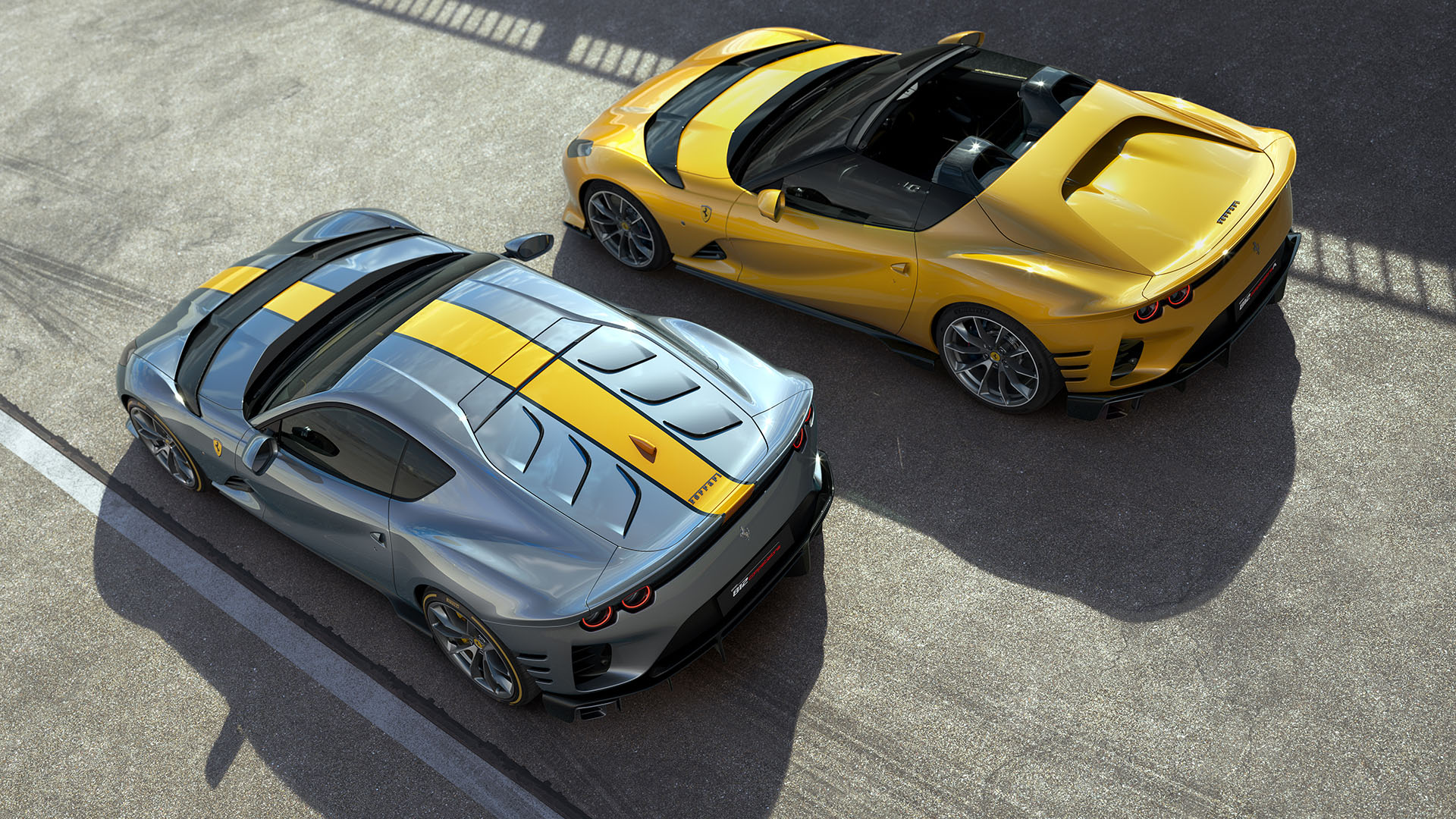
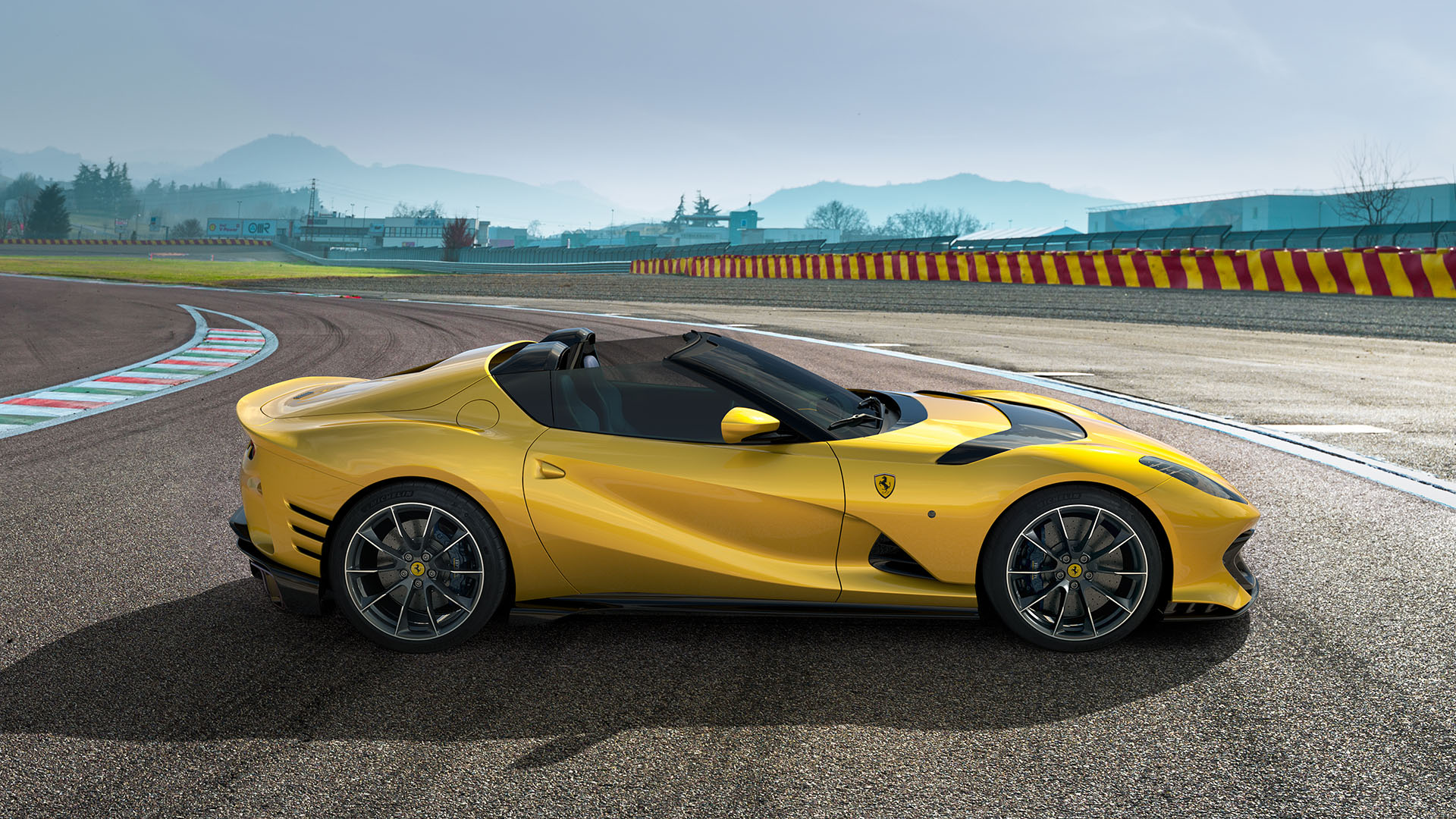
2021 Ferrari 812 Competizione A Wallpapers

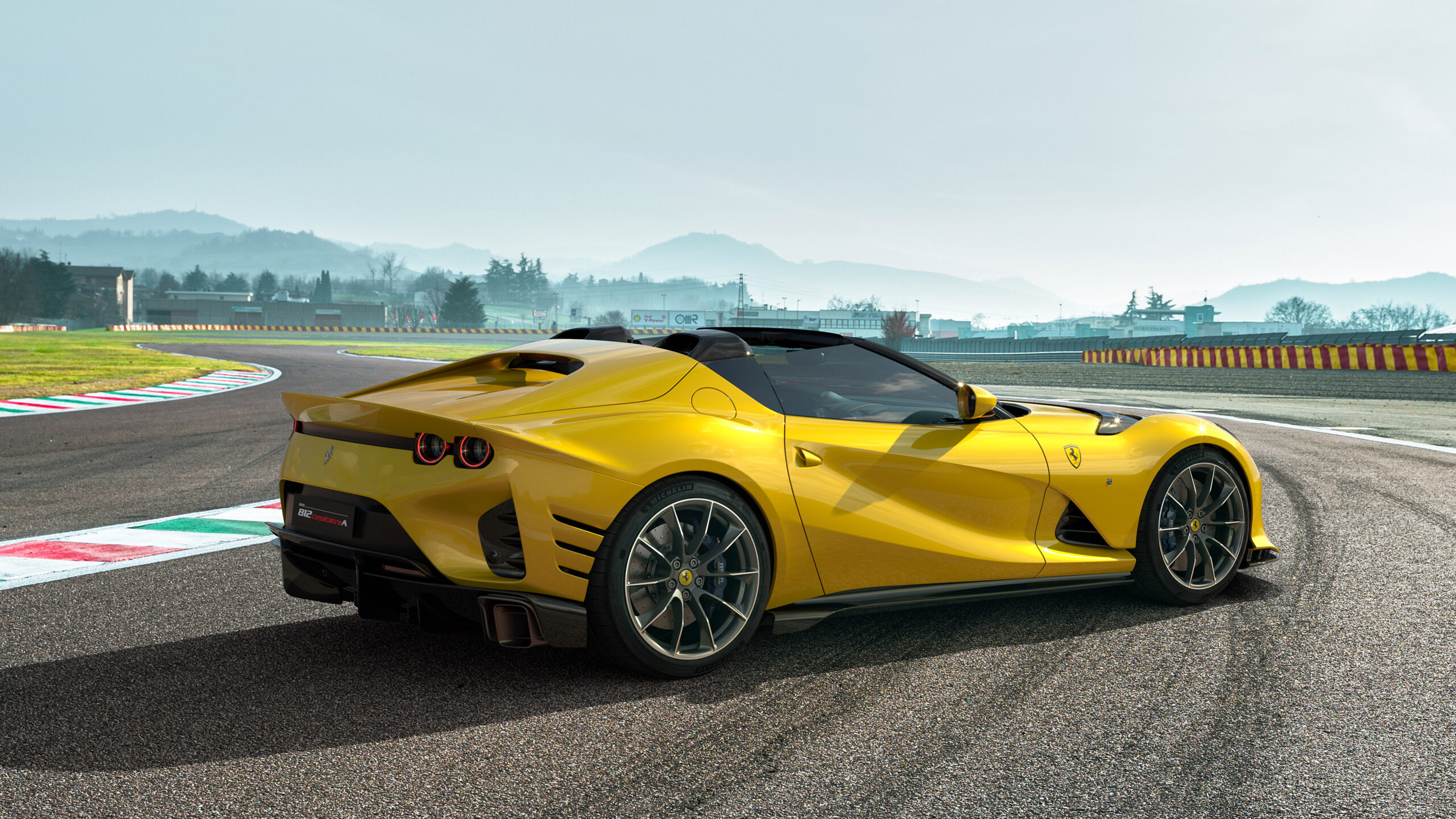
We have curated the ultimate collection of the best 2021 Ferrari 812 Competizione A Wallpapers and HD backgrounds for you to enjoy. Our team focused on finding the top 2021 Ferrari 812 Competizione A Wallpapers only to keep the quality high. These 2021 Ferrari 812 Competizione A Wallpapers are free to download so go ahead. To download any of these pictures for use as a wallpaper, right click the picture and choose Save As…

Find more awesome Ferrari Wallpapers

Ferrari 812 Competizione and Aperta are sold out

We’ve only published the official unveiling of the Ferrari 812 Competizione and 812 Competizione A, or Aperta, a few days ago, but Ferrari has already confirmed the entire production for these two limited edition supercars is already sold out … the MSRP of €499,000 in Italy for the coupe and €578,000 for the Aperta apparently didn’t keep customers from putting in their order, the Ferrari 812 Competizione is limited to 999 units, while the 812 Competizione Aperta counterpart has a production limit set at 599 units.

So it’s clear the demand for this new Ferrari supercar far exceeds the availability, I guess several Ferrari dealers around the world, and perhaps even people at Ferrari in Maranello, have the difficult task to inform their customer they won’t be getting an 812 Competizione, as production is sold out, this will also mean we’ll be seeing contract being sold on at a premium very soon now, I wouldn’t be surprised some of the ‘spots’ on the production of the 812 Competizione and the Aperta will be changing hands at €50,000 or even €100,000 over MSRP.

And there is still some time before we’ll even see the first Ferrari 812 Competizione being delivered to its fortunate owner, deliveries of the Coupe will not happen before the Q1 of 2022, the Aperta will arrive even later as the planning is set for Q4 2022 only.

The Ferrari 812 Competizione and Ferrari 812 Competizione Aperta both come with the massive 6.5-Liter V12 naturally aspirated engine pumping out 830 hp and 692 Nm of torque, the new seven-speed, the dual-clutch transmission offers a 5% faster gear shift timing compared to the 812 Superfast.

The top speed for the Ferrari 812 Competizione is 211 Mph while acceleration from 0 to 62 mph (100 Km/) only takes 2.85 seconds, note that these are the figures for the Coupe, Ferrari hasn’t given us any figures for the 812 Competizione Aperta yet.

So if you are still looking to add either the Ferrari 812 Competizione or the Aperta to your collection, and you’re not on the list yet … you’ll be looking at spending a serious premium to get hold of one of the modern Ferrari supercars.

Brembo Reveals Brake Calipers that Can Change Color with Your Mood

G Sessanta

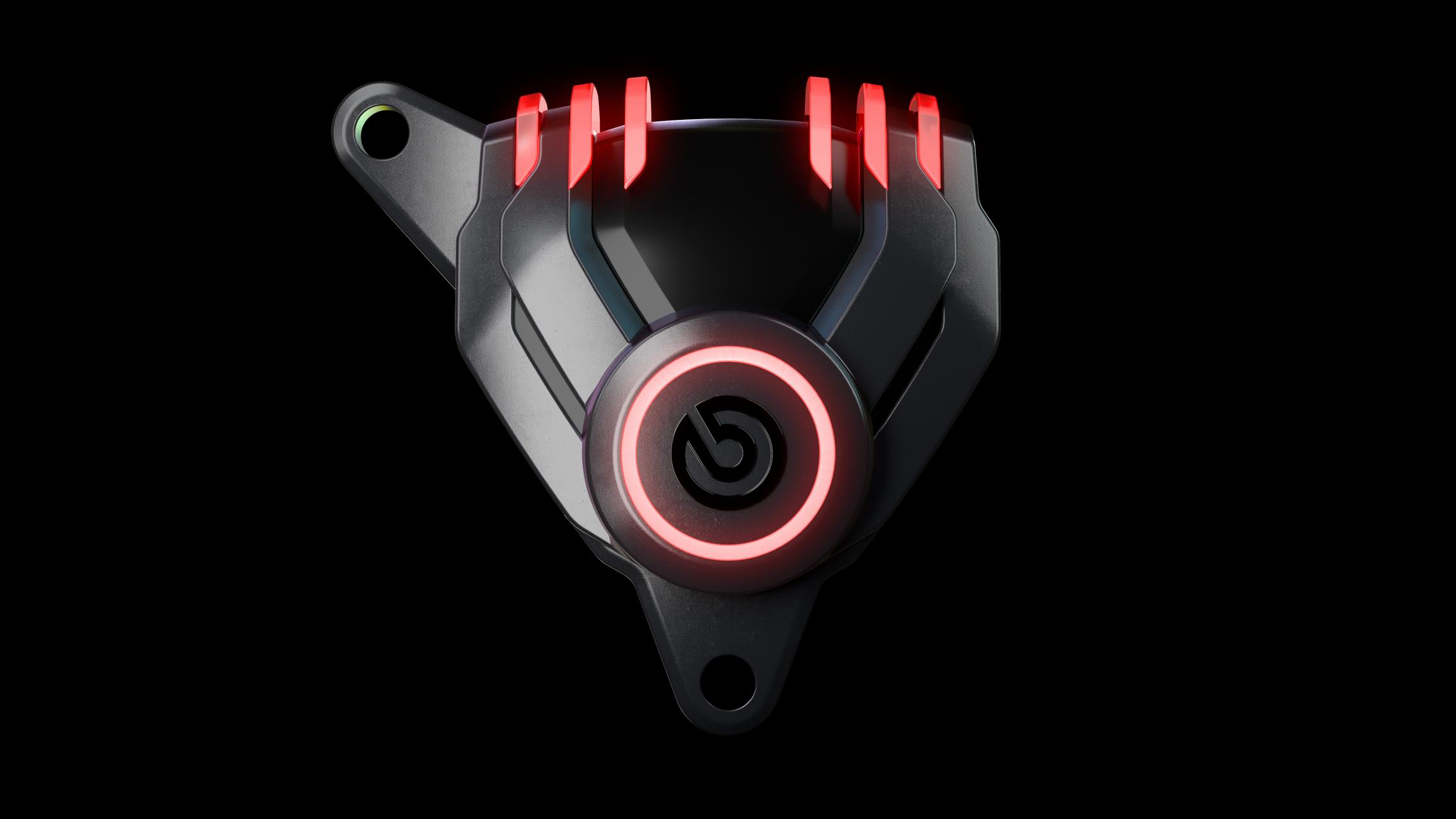
Brembo has officially presented the New G Sessanta brake calipers concept set to celebrate its 60th anniversary, the new concept was inspired by the first brake calipers for motorbikes ever produced by the company.

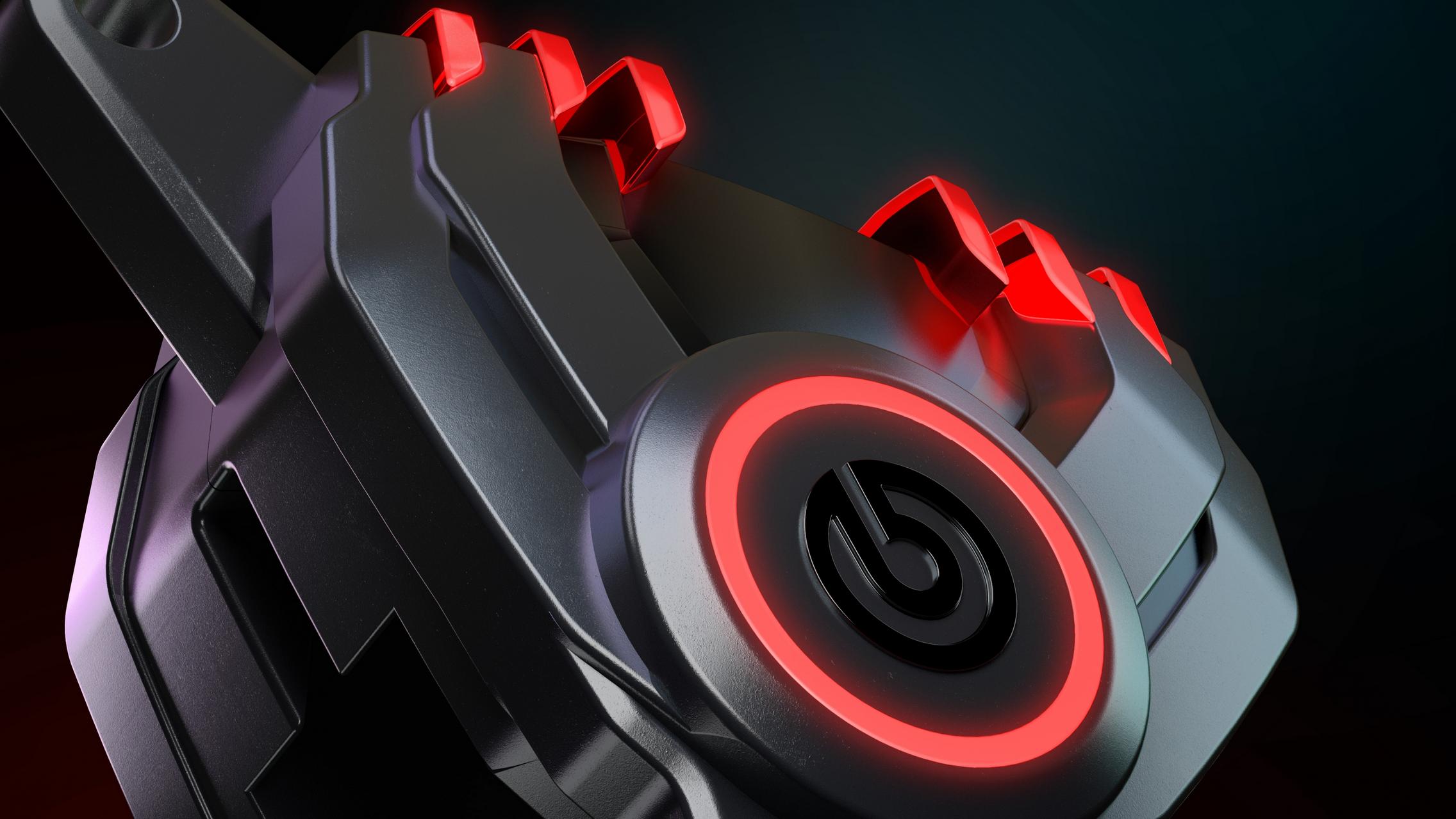
The main concept of the development lies in the revolutionary application of LED technology directly on the body of the caliper. This solution improves the form and function of the calipers and is adaptable to every type and every application of the calipers. With the help of LED technology, the brake calipers will change color depending on the mood (for example when the bike/car is stopped they turn to red) or match the surrounding environment (for example when the bike/car is driving through a green plantation the color changes to green).

The form and functions of the calipers can be both an interface, directly communicating with the user and an aesthetic choice to the user’s taste and preference. The concept has reinterpreted its body with a next generation framework of dynamic solids and voids that are still essential and consistent.

The Brembo New G Sessanta concept has been built and designed to be personalizable through a wireless technology. It is currently being developed for use on bikes but we expect to see it on cars in future.

Brembo G Sessanta

The use of light and color on the new concept enables the data and information of the vehicle to be delivered on the condition of the caliper and the vehicle or emitting light as a courtesy to assist localize a nearby parked vehicle.

The new Brembo brake calipers represent new features and solutions for brake calipers with the vision of becoming a trusted solution provider and setting new standards for future generations.

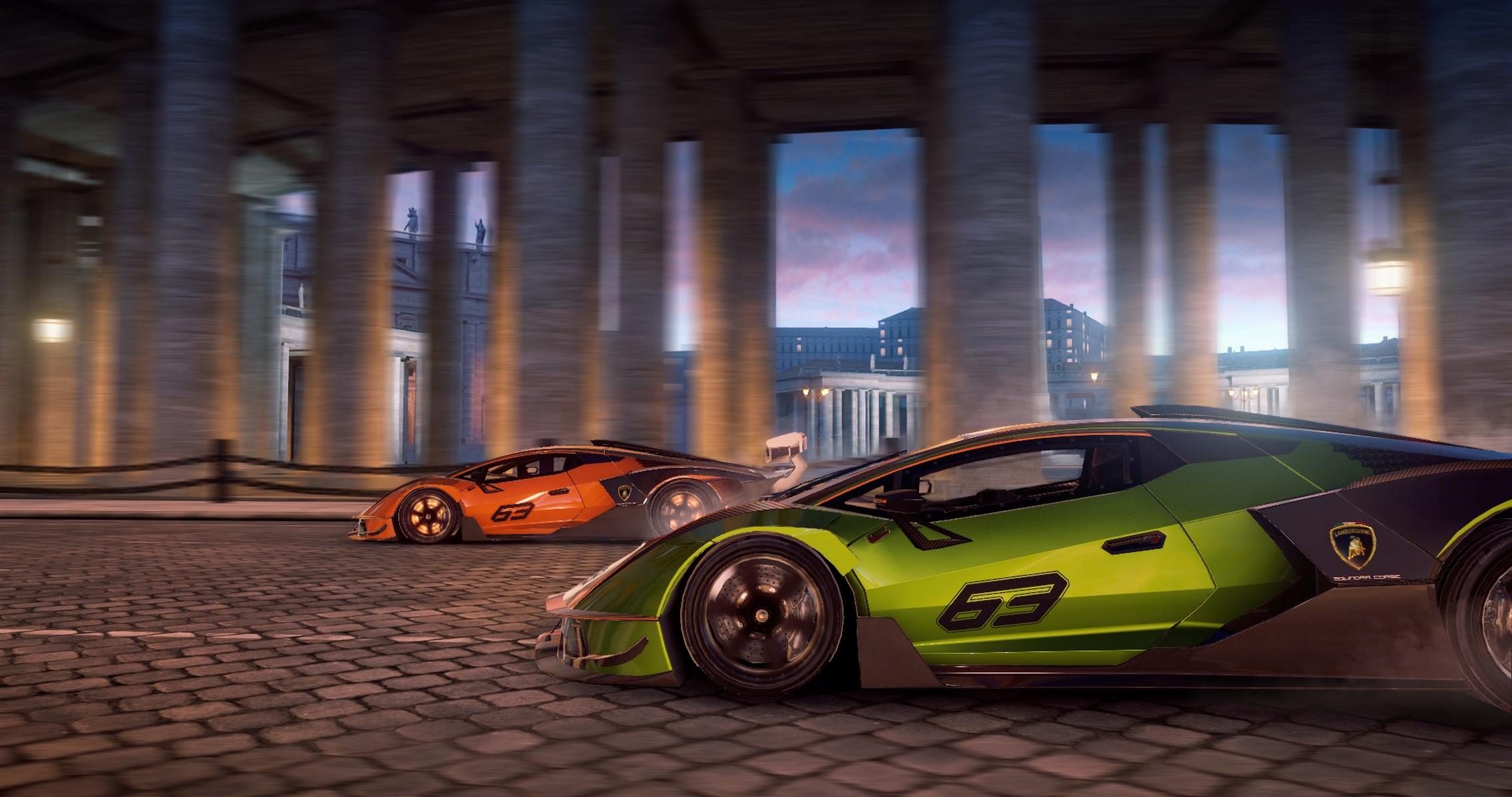
Lamborghini Joins Asphalt 9 Legends with the Essenza SCV12 Hypercar

Lamborghini Essenza Asphalt

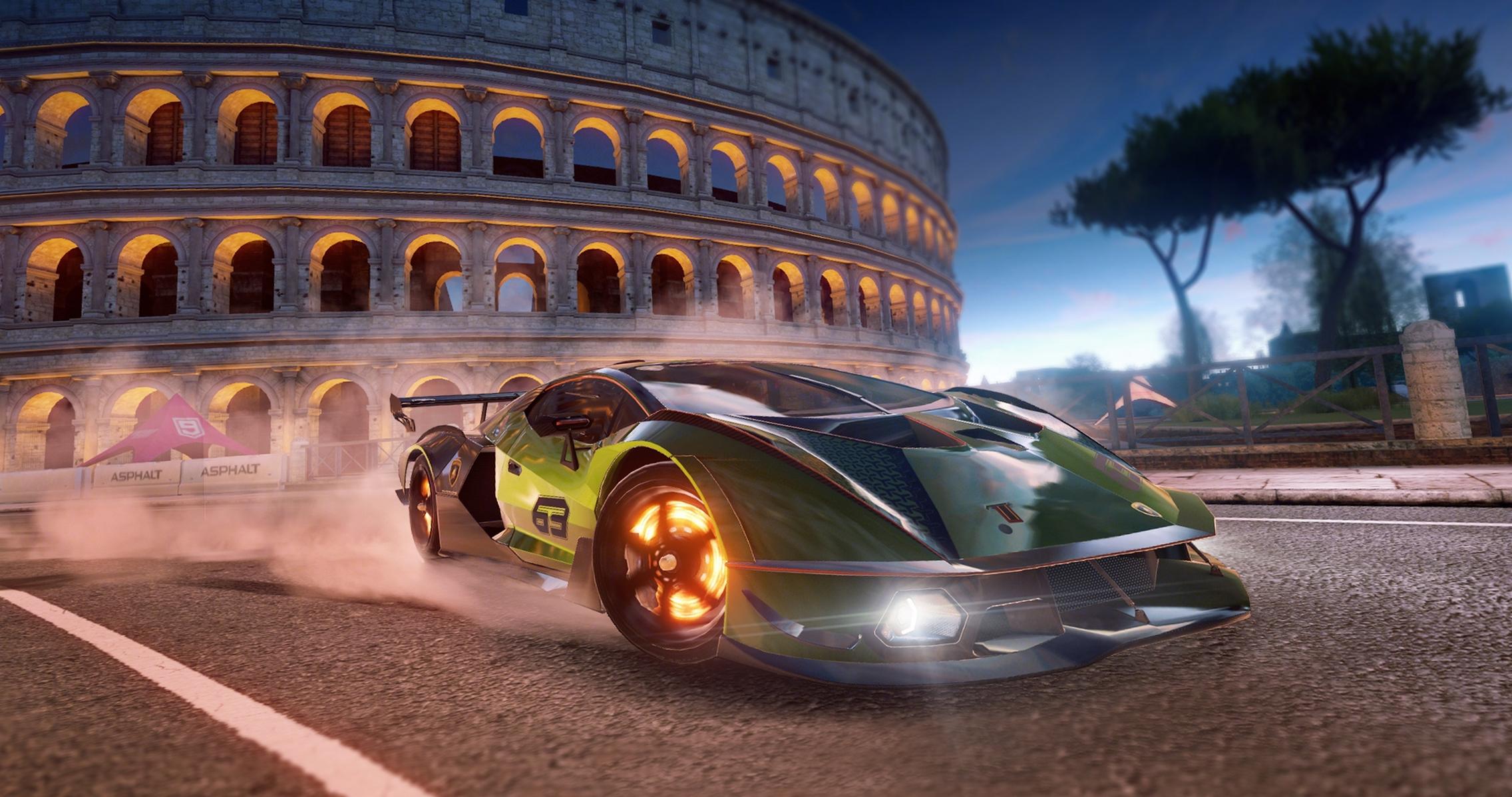
Lamborghini has officially made its debut in Asphalt 9 Legends video game with the Essenza SCV12. Players will be able to try out the car on the most famous roads in the world for the first time.

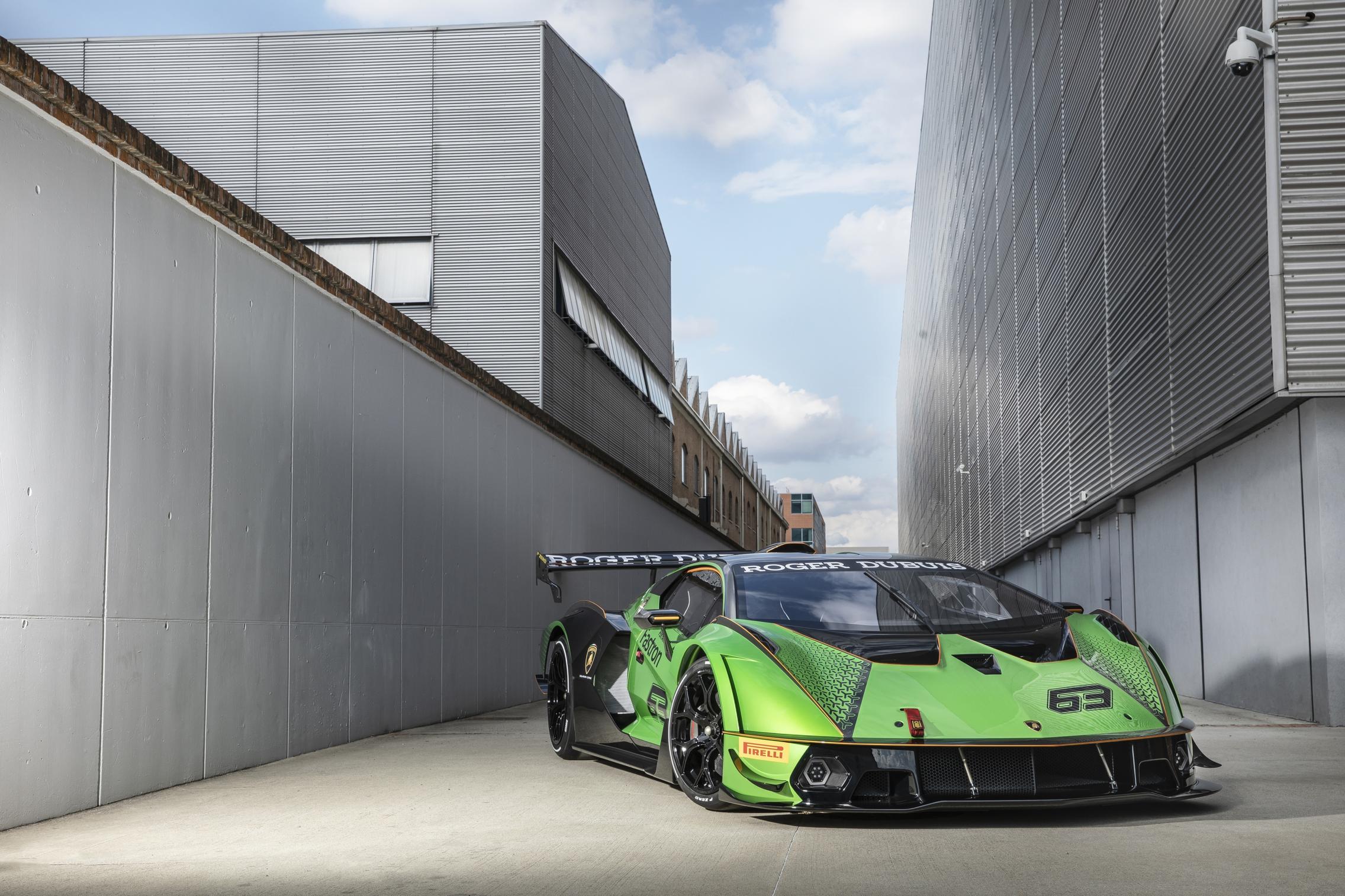
The Essenza SCV12 is a track-only hypercar manufactured by Lamborghini with production limited to only 40 units. The vehicle will debut in Asphalt 9: Legends, the latest game in the Asphalt franchise as a tribute to its recent success of crossing the 1billion download mark across the series.

Gameloft is the developer and publisher company behind Asphalt, the Essenza SCV12 was chosen because of its uniqueness, sleek design, the advanced aerodynamic and the powerful engine.

The Essenza is the most powerful naturally aspirated V12 engine from Lamborghini with an output of 830hp. The vehicle was presented in 2020, developed by Squadra Corse and designed by Lamborghini Centro Stile. Owners of the Essenza belong to an exclusive club that provides them with access to special programs to drive their cars on all prominent circuits around the world.

Lamborghini Essenza

Players from all around the world will be given a chance to choose ‘their’ Essenza SCV12 from the eight colors available and compete in the first “Lamborghini Essenza SCV12 Challenge”. The competition will be held in one round of three open qualifying sessions starting from May 13th. The first session will be from May 13th-16th, second session from June 10th -13th and the third session from July 1st to 4th.

The top 100 players will participate in a closed qualifying session from August 5th to 8th and the best 8 players will battle for the finals on September 18th.

Lamborghini Essenza wallpaper

The Continental GT Speed Chassis Tech

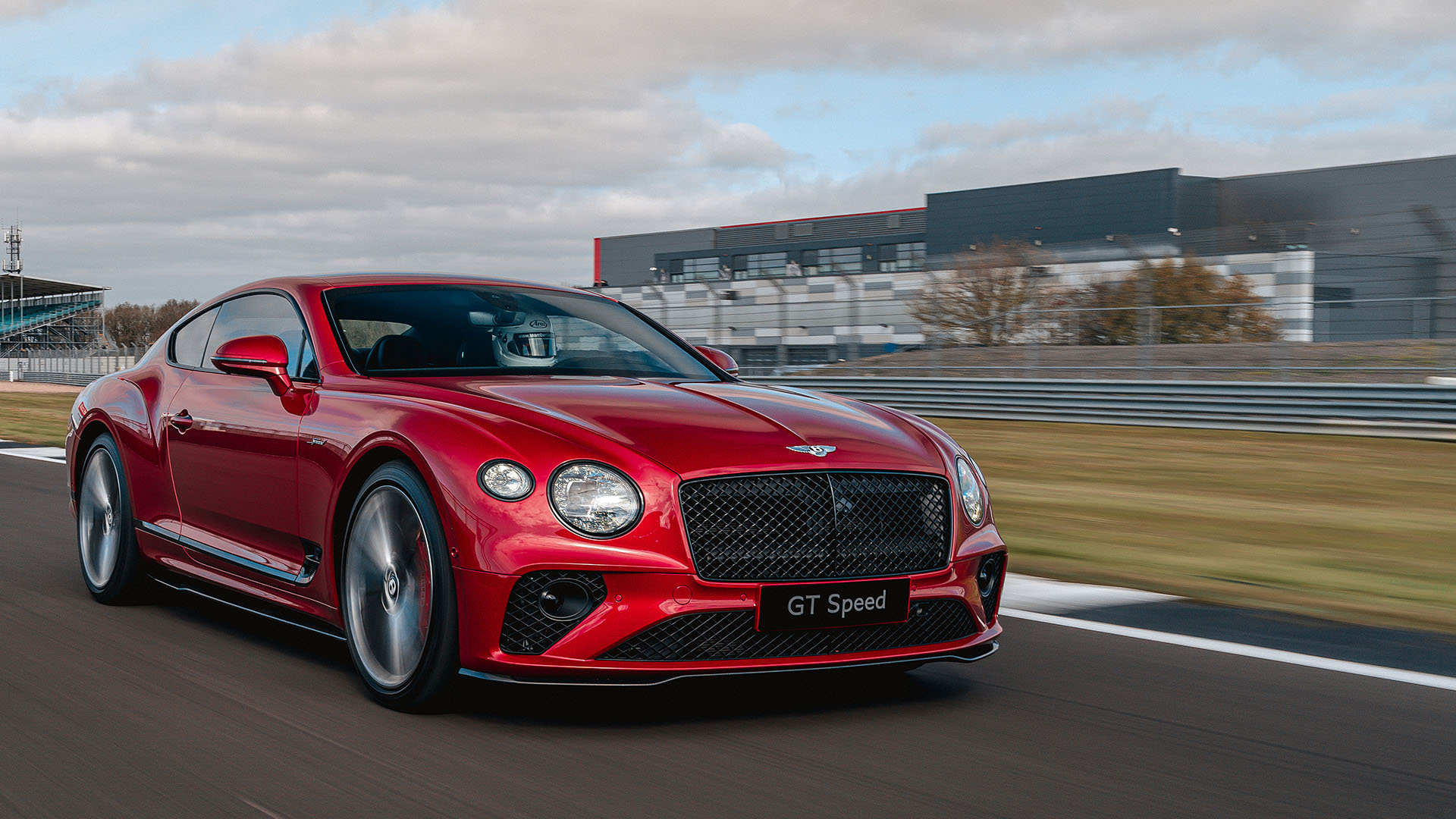
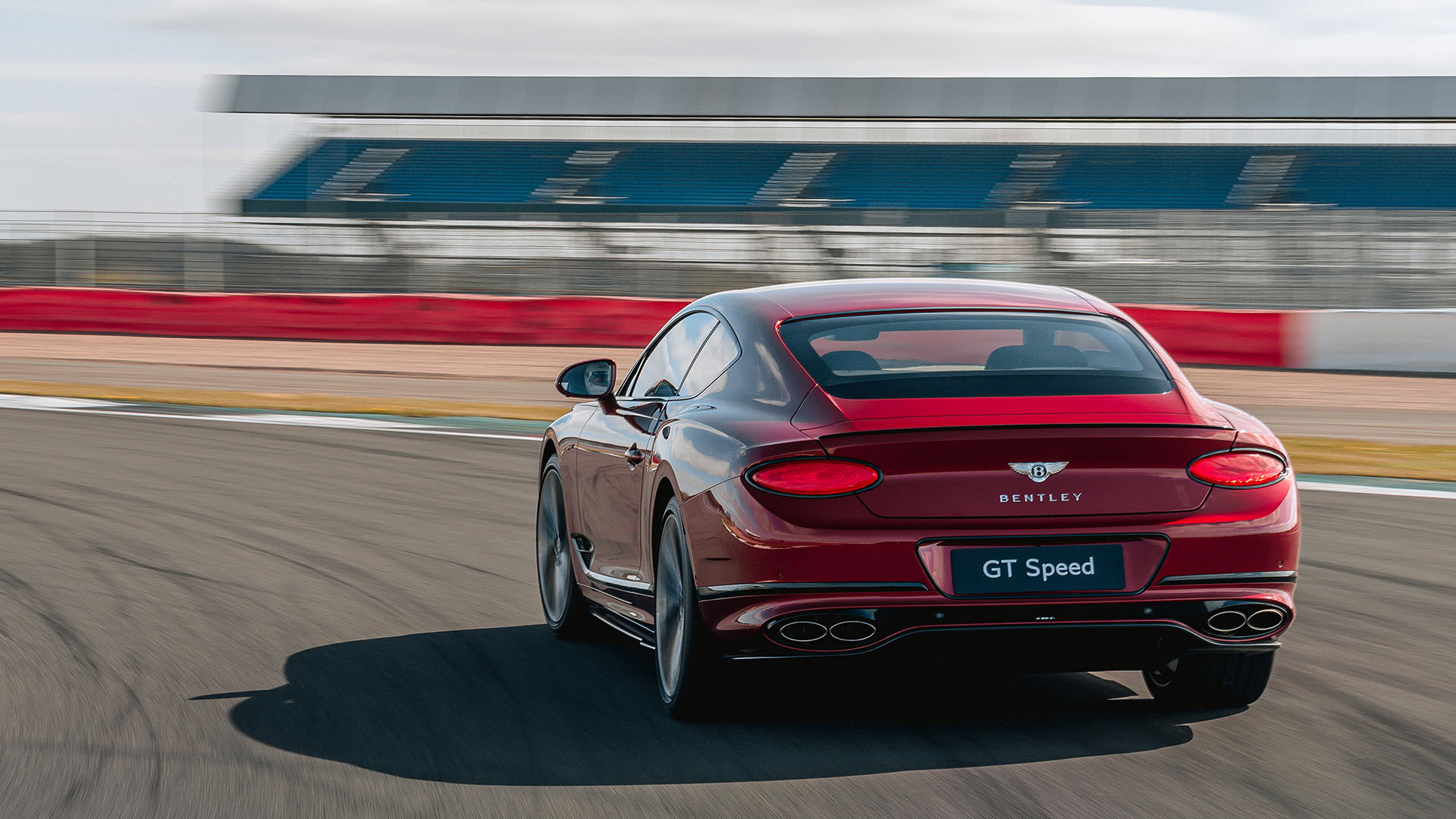
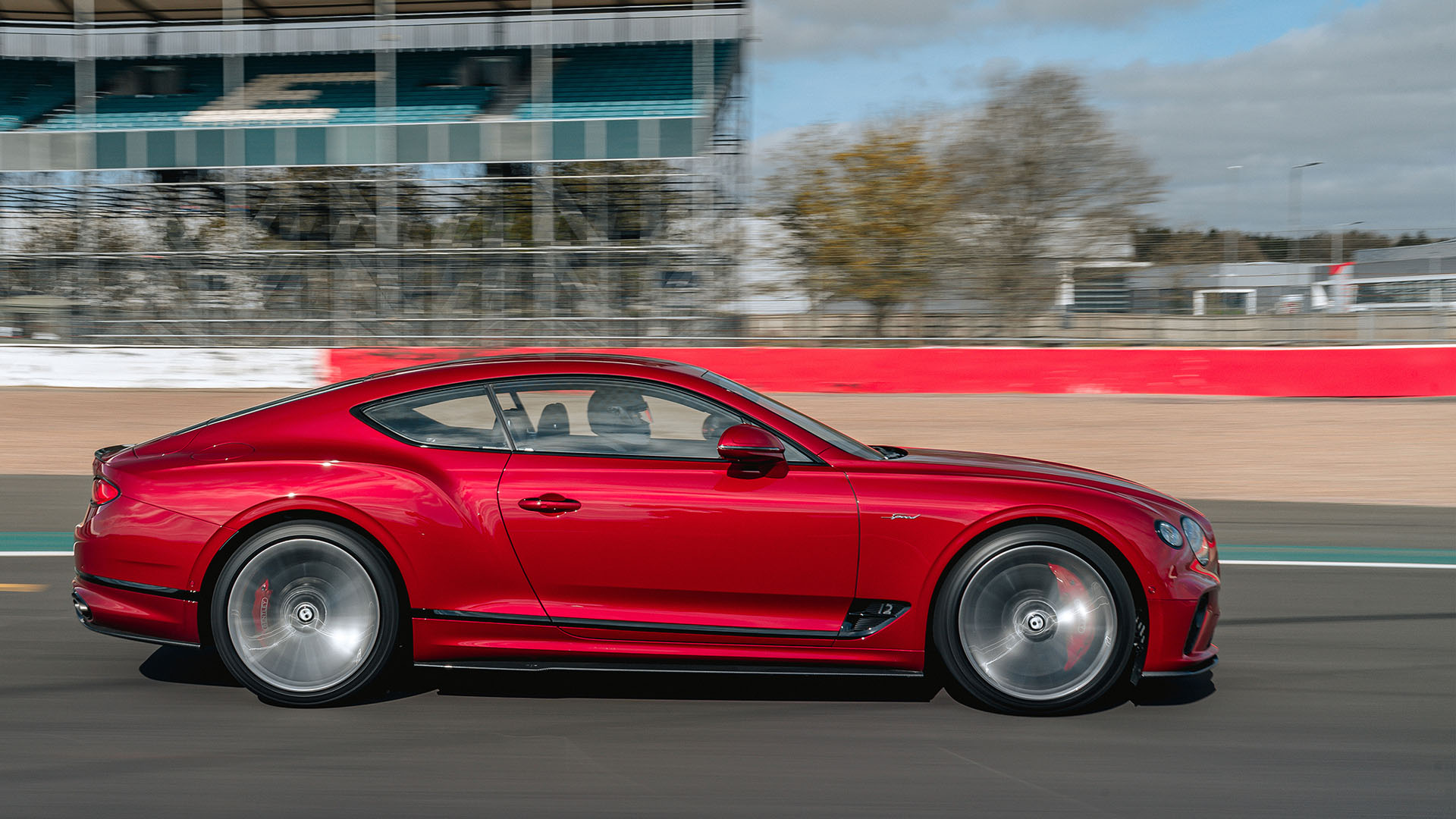
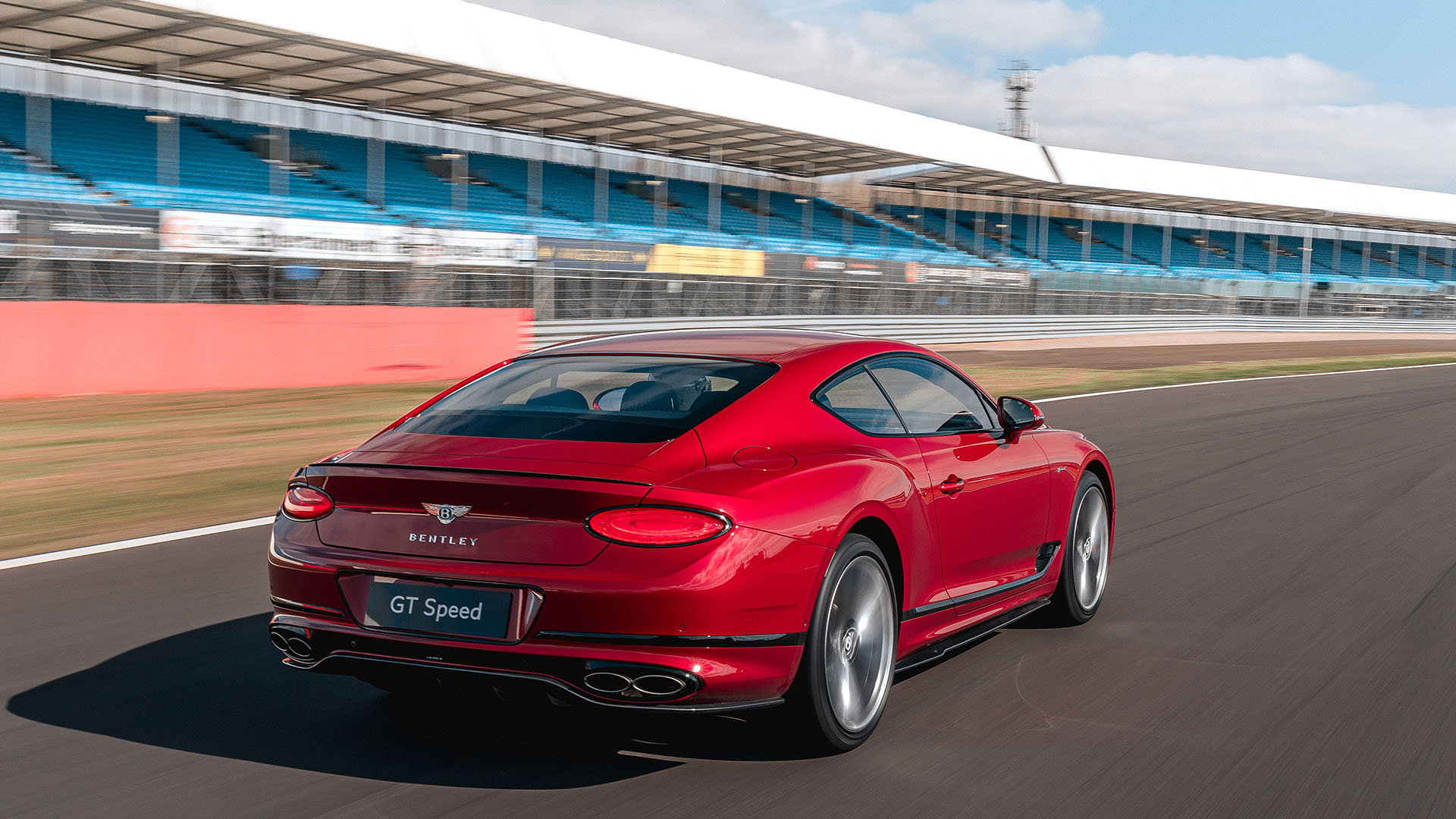
We’ve published the story on the impressive Bentley Continental GT Speed a while ago, a little after that we even put the story on the Continental GT Speed Convertible online, and as far as we know there hasn’t been a customer car delivered at the time of writing, but Bentley is track testing their GT Speed ferociously it seems, and part of those tests are meant to be able to fine-tune the amazing chassis Bentley is using on the GT Speed version, they call it ‘The most advanced Bentley chassis yet’.

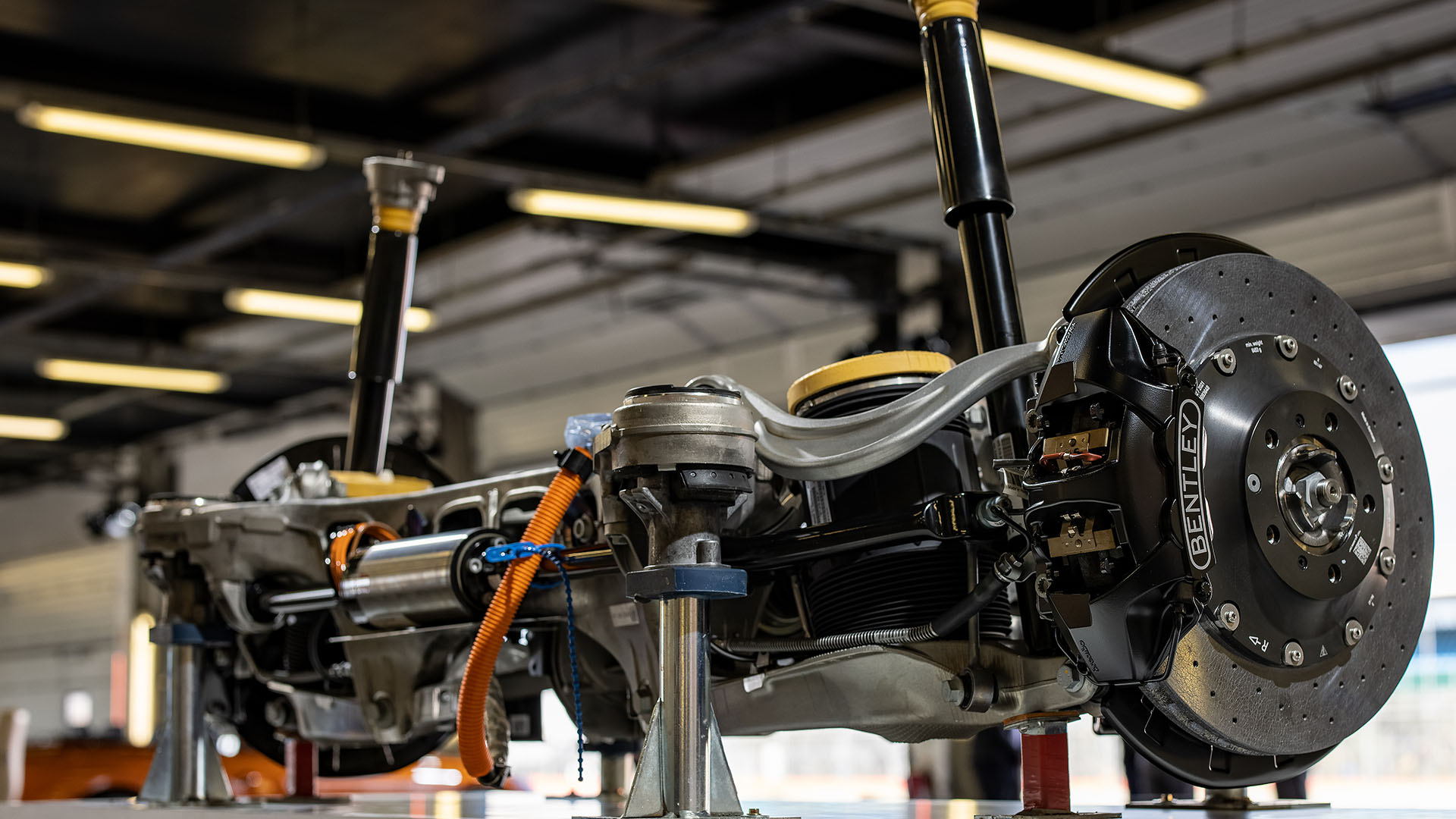
A Bentley is known for being luxurious and comfortable to drive, but their Continental GT Speed is also fast, very fast … and making a car that’s in the supercar league also a GT, Gran Turismo, isn’t as easy as it sounds, so Bentley had to develop a new chassis for this top of the line two-door luxury GT, in comes the Bentley Dynamic Ride and their three-chamber active air suspension with adaptive damping, add the 440mm carbon-ceramic brakes (an option that shaves 33 kg from the overall weight) and you end up with a very impressive car made in Crewe.

The Bentley Continental GT Speed comes with a four-wheel drive, but depending on the mode set by the driver the emphasis can shift more to the rear wheels, for added fun while driving. Both ‘Bentley’ and ‘Comfort’ driving modes come with a nicely balanced setting to the front and the rear wheel, but the ‘Sport’ mode sends more power to the rear wheels only, which happen to steer too on this model, the Bentley Continental GT Speed comes with all-wheel steering.

The All-Wheel Steering on the Bentley Continental GT Speed can move the rear wheels by up to 4 degrees, the steering combined with Bentley’s Dynamic Ride and the electronic limited-slip differential offers a level of agility never seen before on a Bentley road car, when you opt to turn off the ESC, the mechanical grip and inherent balance of the GT Speed becomes apparent, allowing a driver-focused experience previously only found in the famous Bentley race cars.

The eLDS, or Electronic Limited Slip Differential is a first for Bentley on their Continental GT Speed, can shift up to 36% of the 900 Nm of torque to the front wheels in either ‘Bentley’ or ‘Comfort’ mode, if the driver switches to ‘Sport’ mode this figure is limited to 28% to have more Torque on the rear wheels for a more dynamic driving experience.

It seems Bentley really wants to offer the owner of the new Continental GT Speed an innovative experience when it comes to earlier Bentley cars, more driver-focussed, while still offering the trendsetting level of comfort and luxury owners have come to expect from their Bentley.

Face to Face With The All-New McLaren Artura

Images & Words: Makenzie Shattler

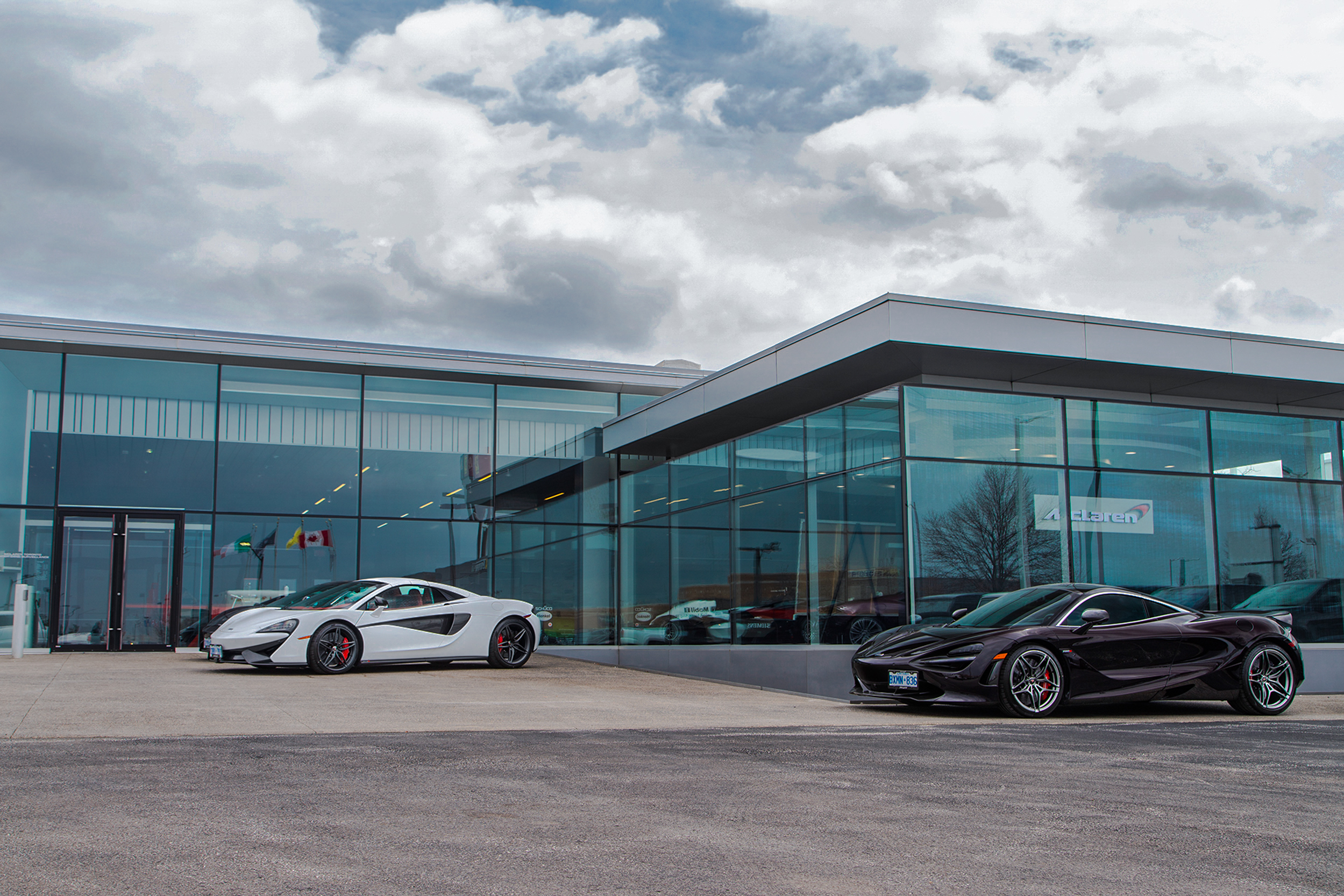
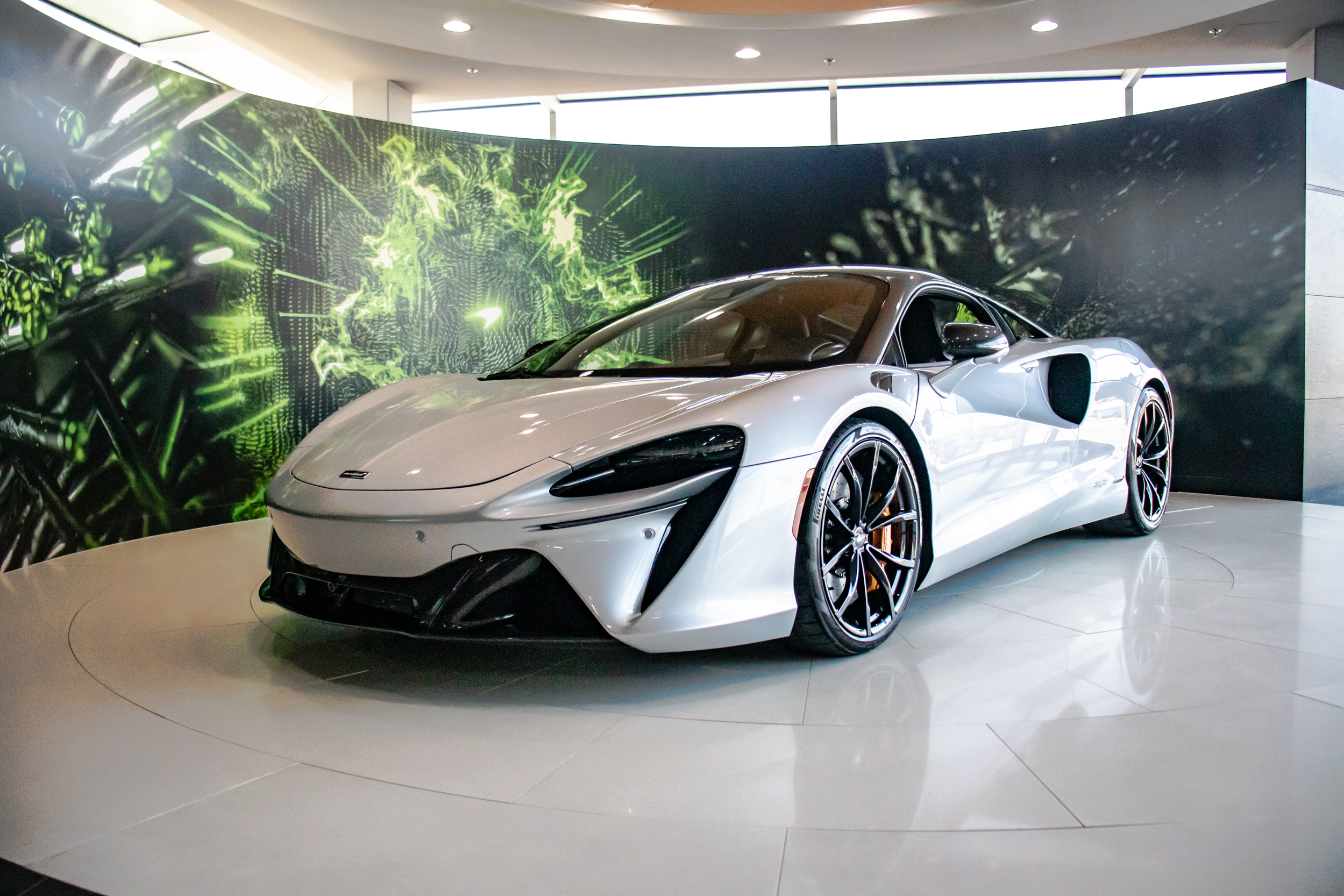
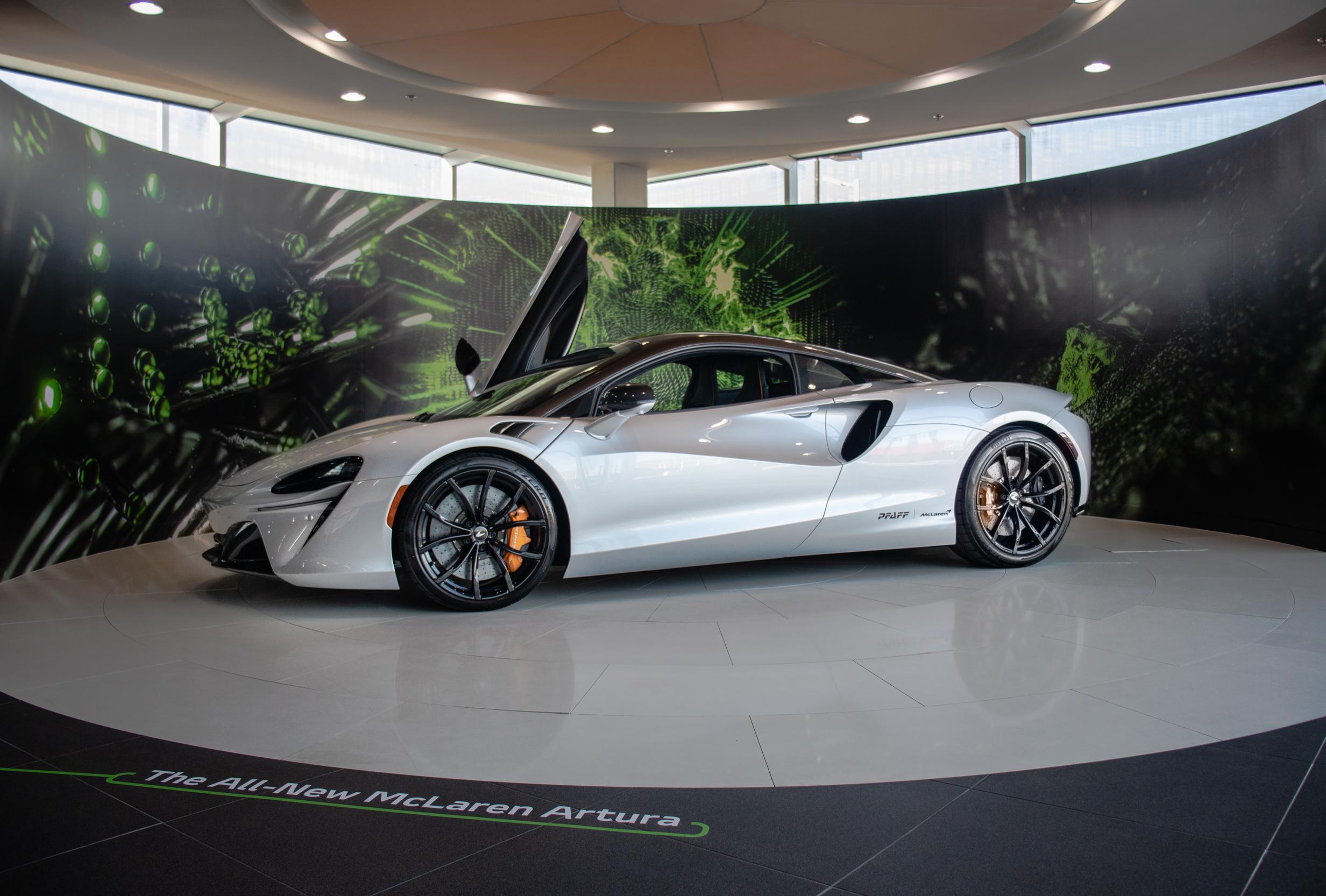
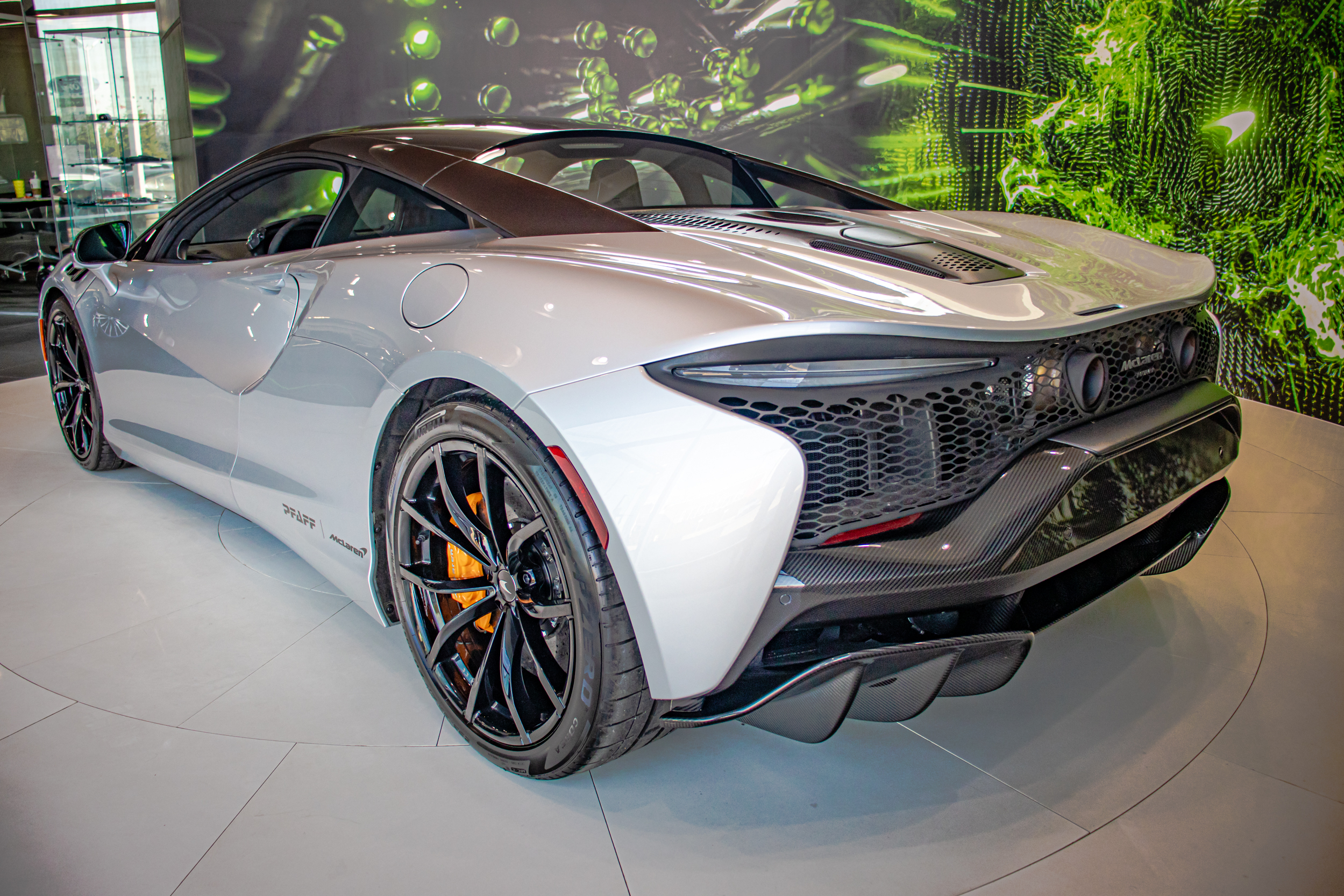
Supercars.net recently got the invite to see McLaren’s brand new high-performance hybrid. The up-close and personal encounter was at none other than McLaren Toronto, located in Woodbridge, Ontario, Canada. The British high-performance hybrid supercar was on a tour across Canada for viewing purposes only – Production models will be hitting dealers later this year but until then, this meet and greet will do just fine. 

Pfaff McLaren TorontoThank You, McLaren Toronto!

McLaren Toronto belongs to the Pfaff Auto Group and the brand is one of many different brands owned by the family-run enterprise. 

Pfaff Automotive Partners was founded in 1964 under the name H.J Pfaff Auto and now operates with the original owner’s son, Christopher Pfaff, President and CEO of Pfaff Automotive Partners. The family-owned business grew from a small Volkswagen dealership to an enterprise heading multiple brands including Volkswagen, Subaru, BMW, Audi, Porsche, McLaren, Pagani, and more. 

The Aesthetic Encapsulates Art and Performance 

By looking at photos and looking up specs, you can easily see that the team at McLaren really put everything into the all-new Artura (batteries included). 

For ages, McLaren has always designed and developed their masterpieces using wind tunnels, research and development, and a ton of technology. With that in mind, McLaren has once again proved that science is sexy.

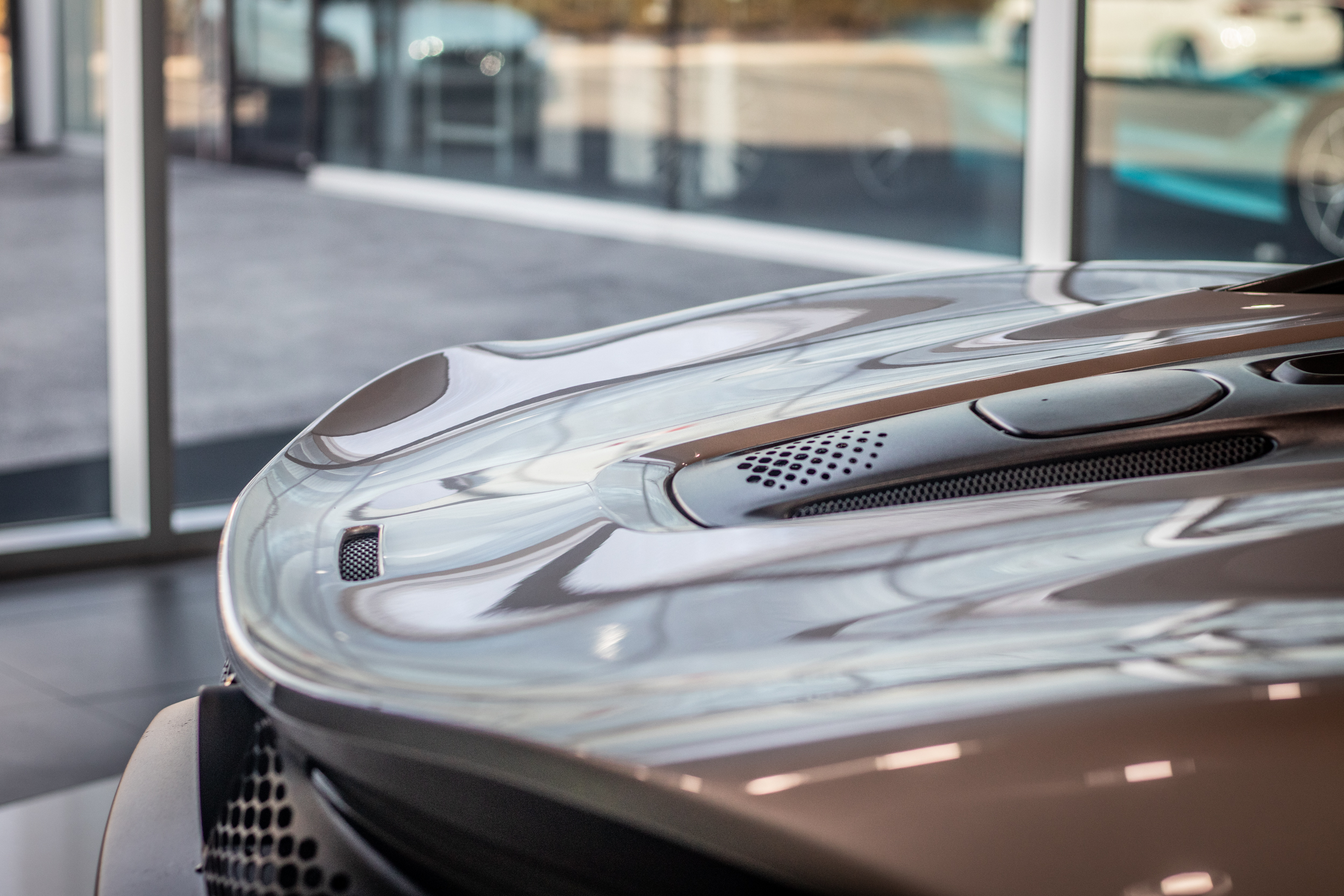
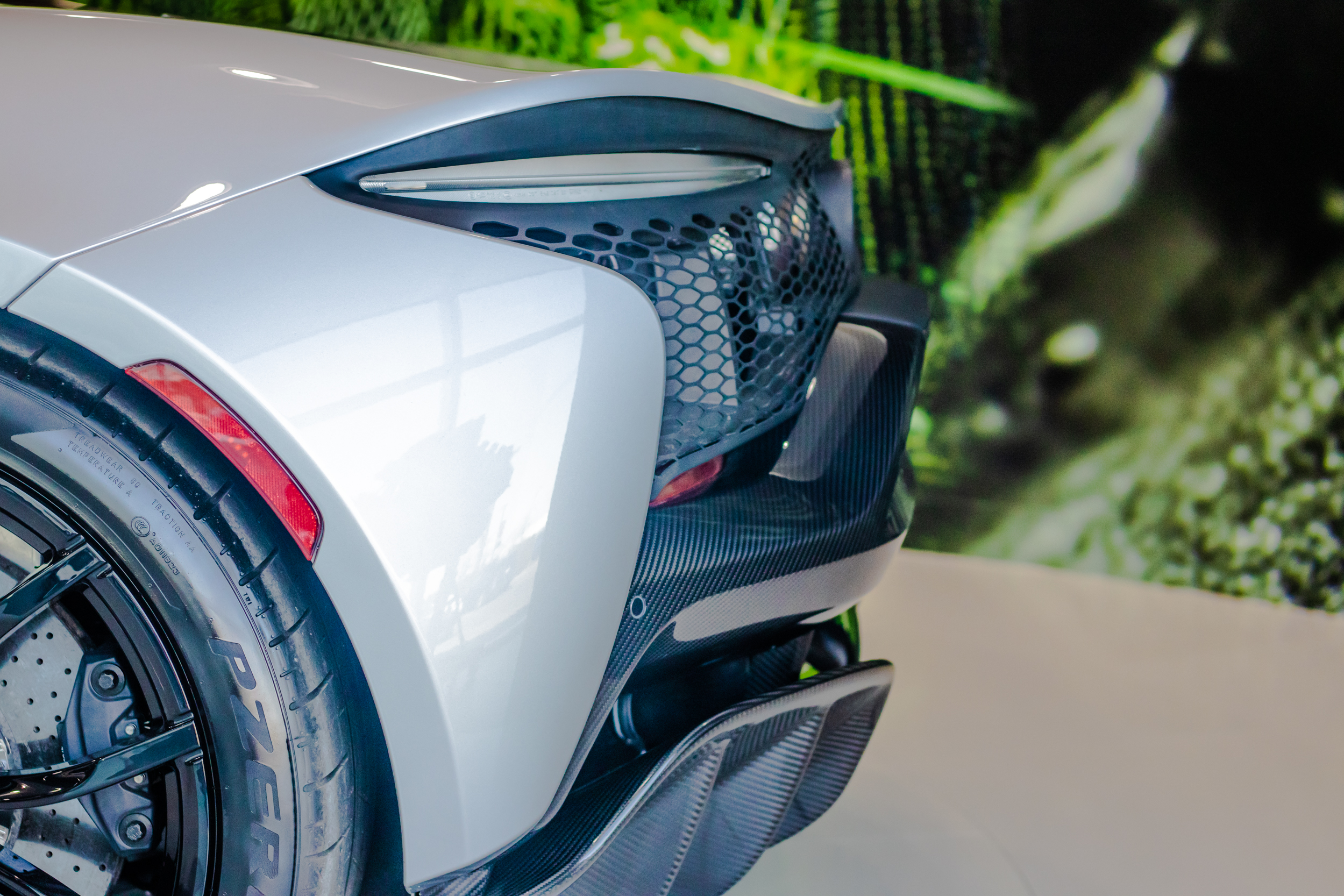
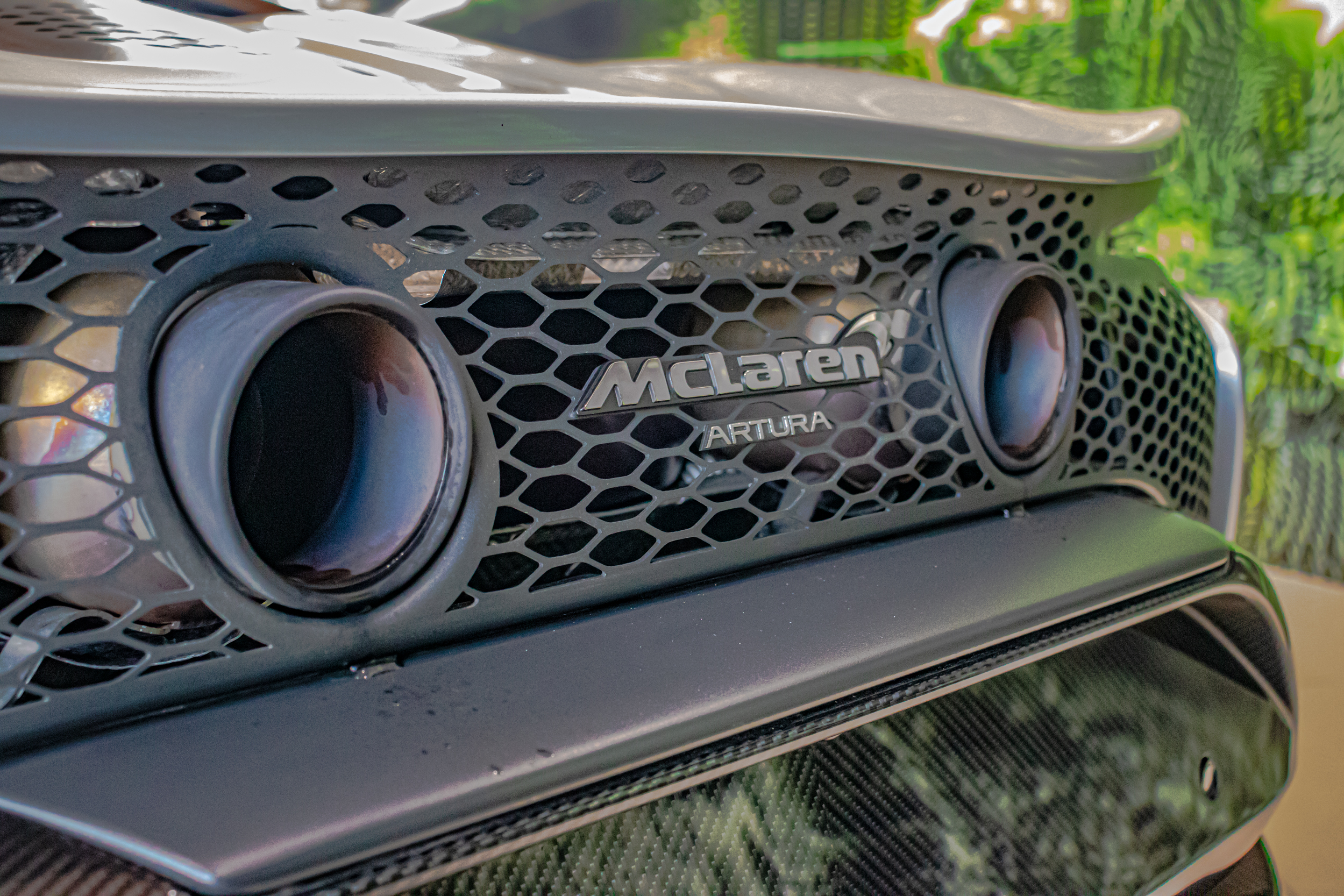
2021 McLaren Artura TailMy initial feelings when walking into the Artura’s display were the sort found on the face of a child who’s just tried ice cream for the first time – a rush of excitement. It wasn’t like this high-performance hybrid looked unlike anything else in the world, but just by looking at it, everything the eye could see made perfect sense. 

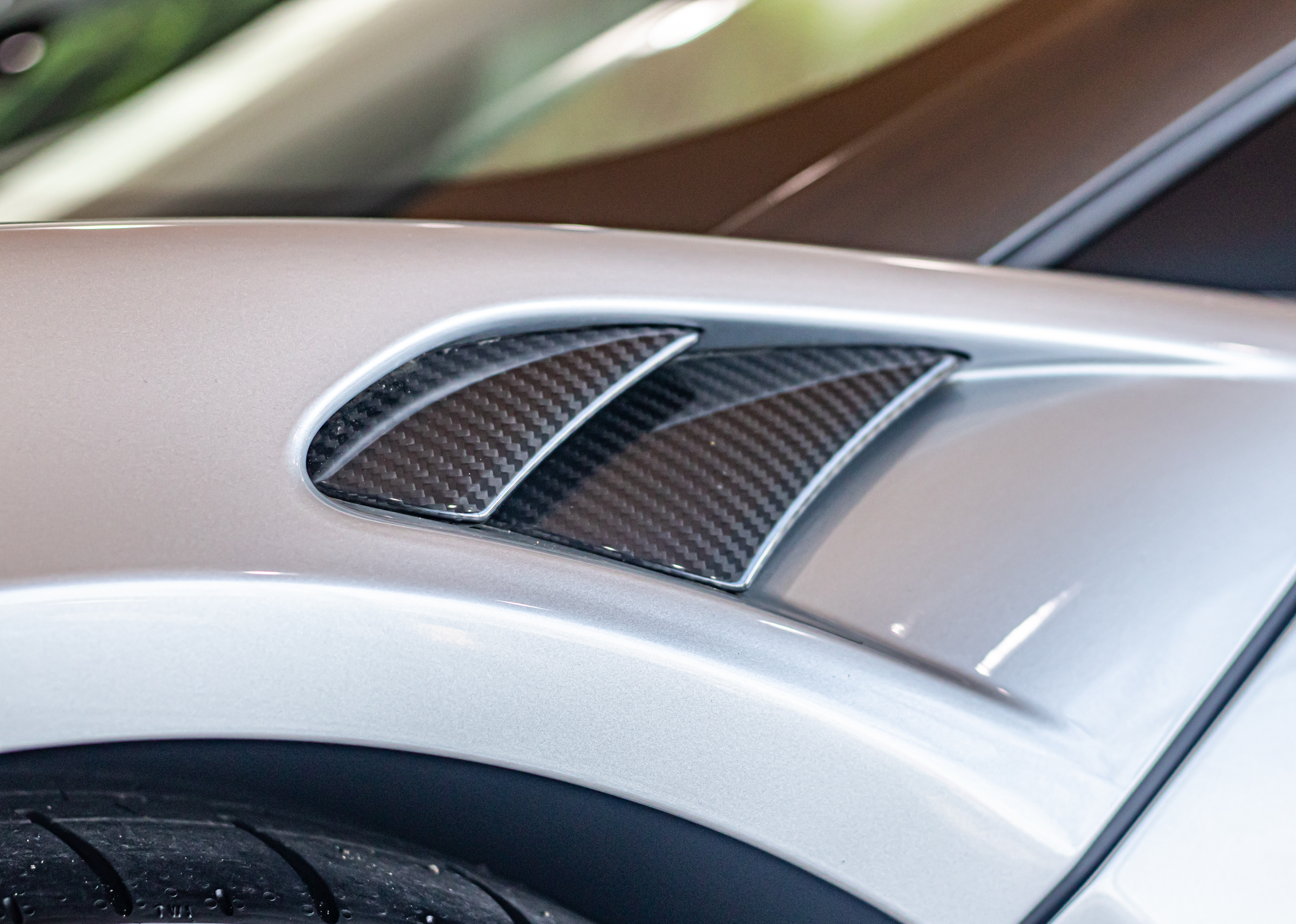
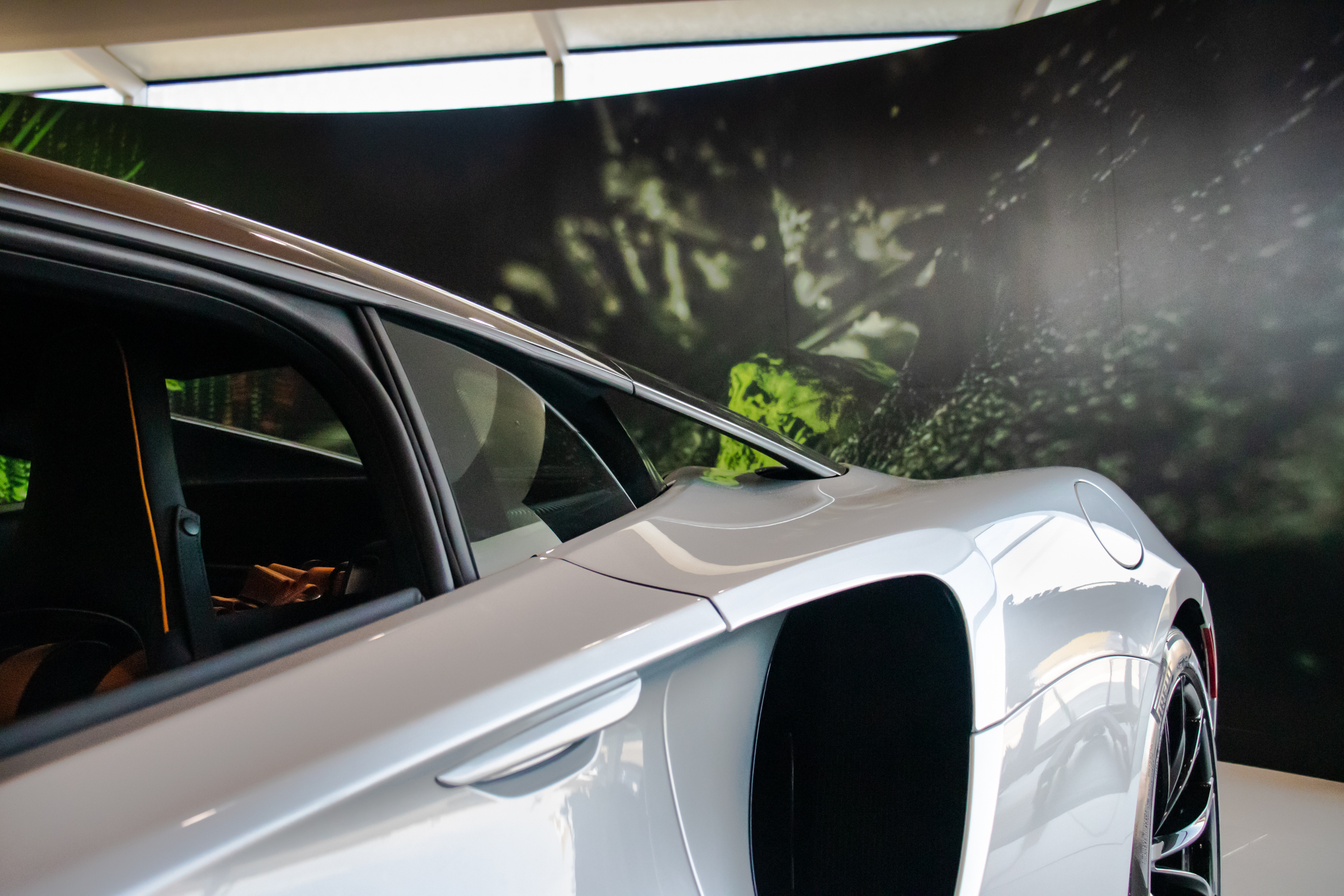
To the average person, the car would look “smooth and flowy”, taking notice of the massive intakes on the side of the car. To a car enthusiast, they’d know that every single curve on the Artura has a purpose or function. I could tell from the vented louvers on the front fenders to the sculpted air intakes on the rear haunches, the car was designed to perform. The design of the rear end looks cool but that’s not all, that design gives the car 50 kg of downforce alone. 

Artura’s Design

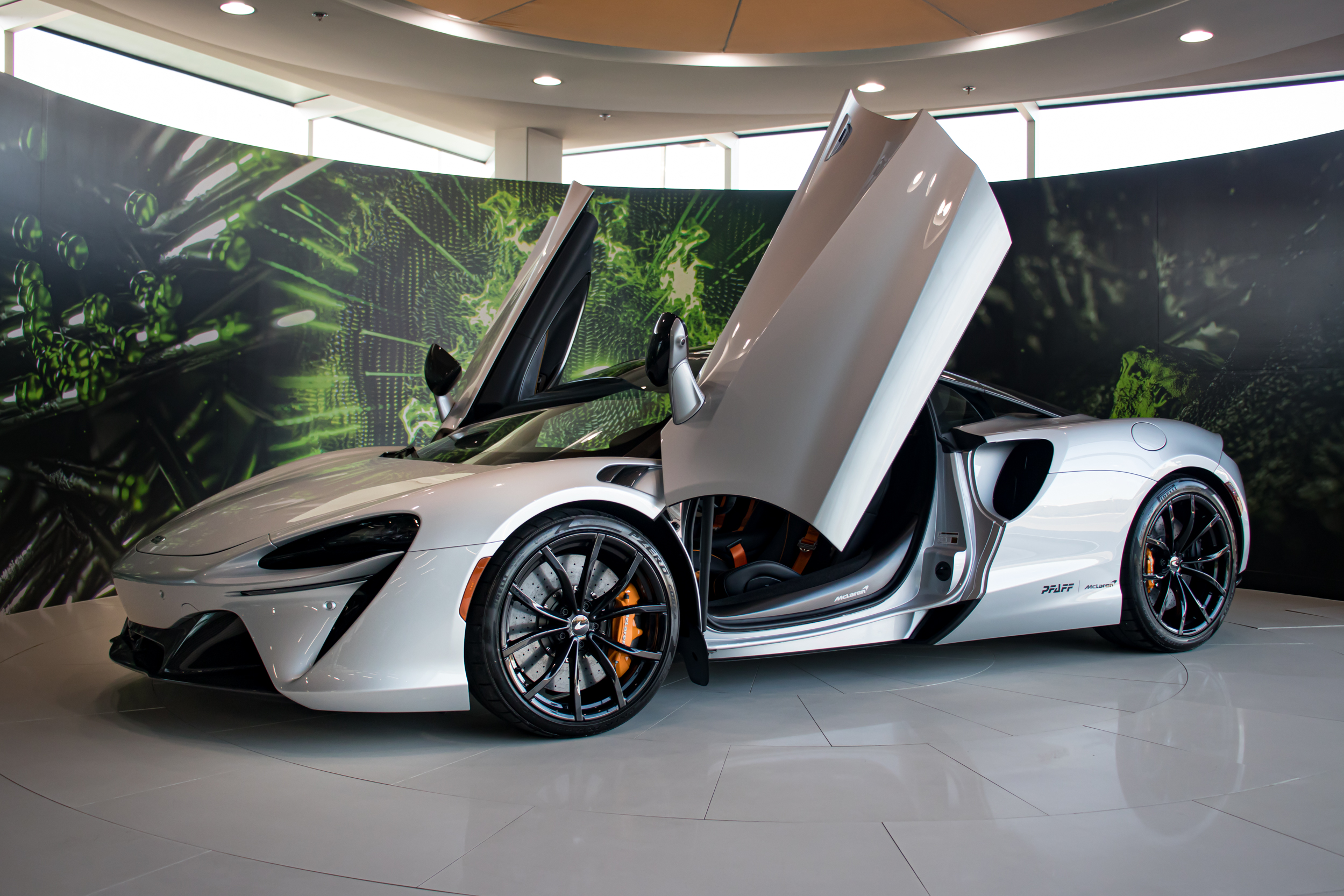
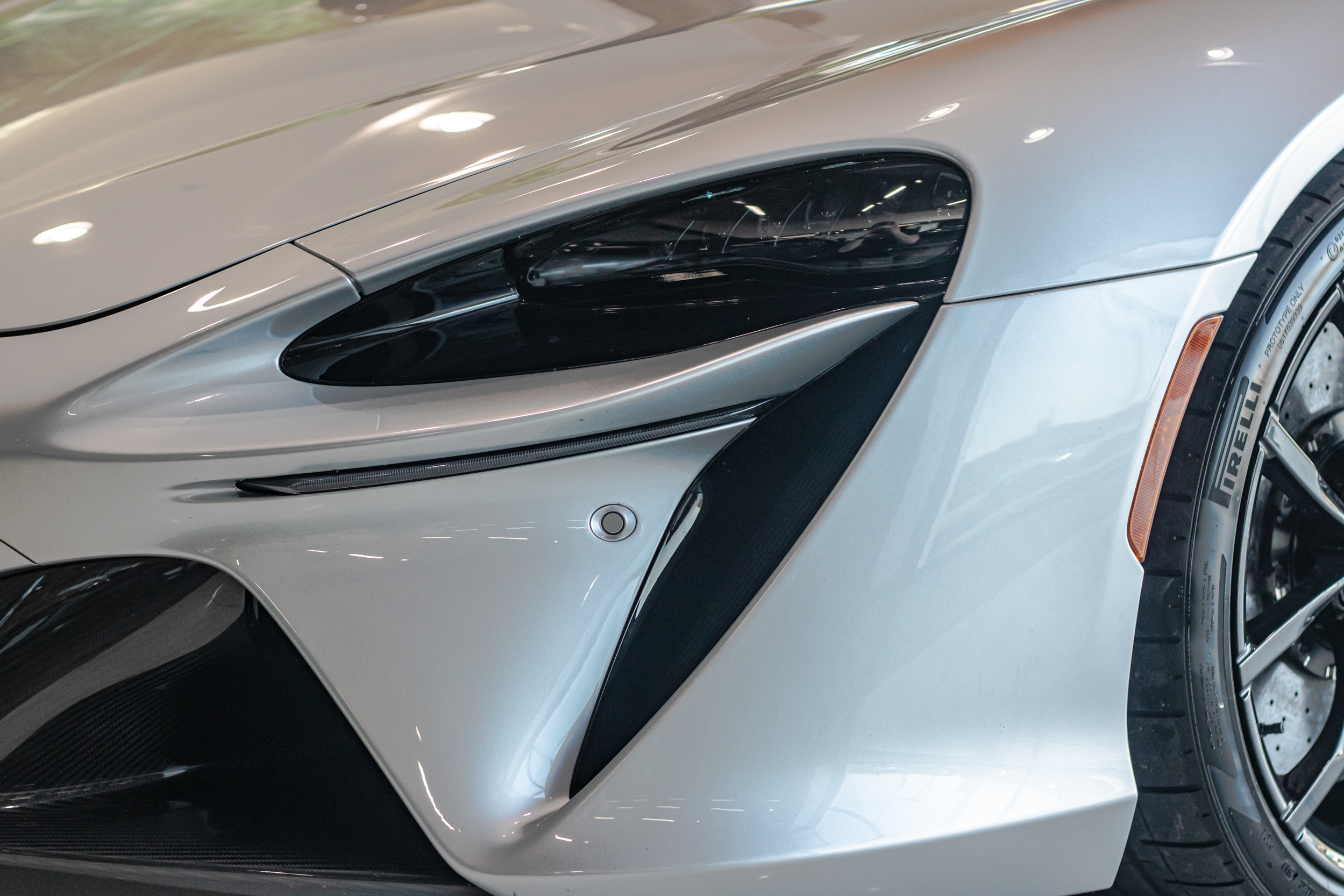
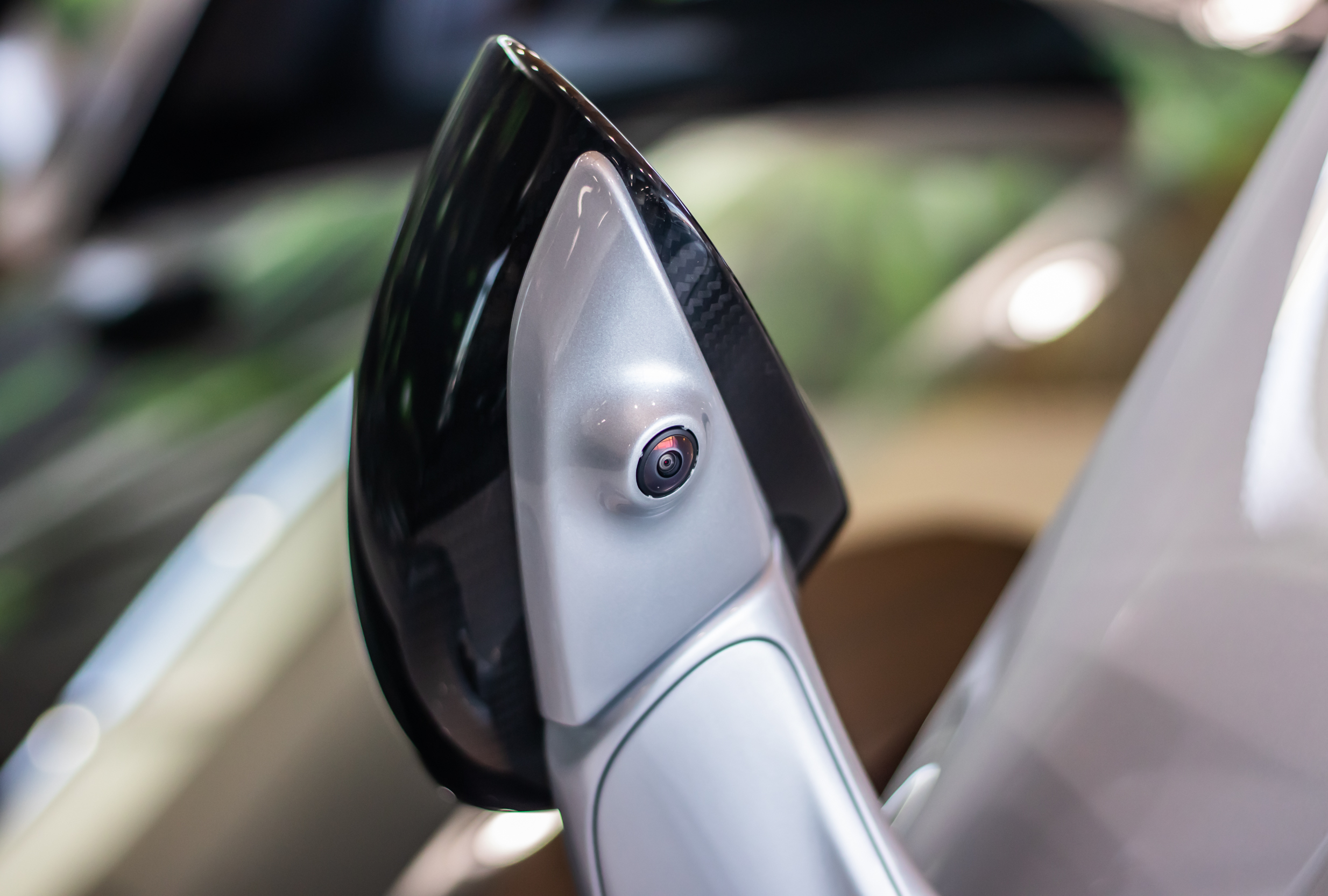
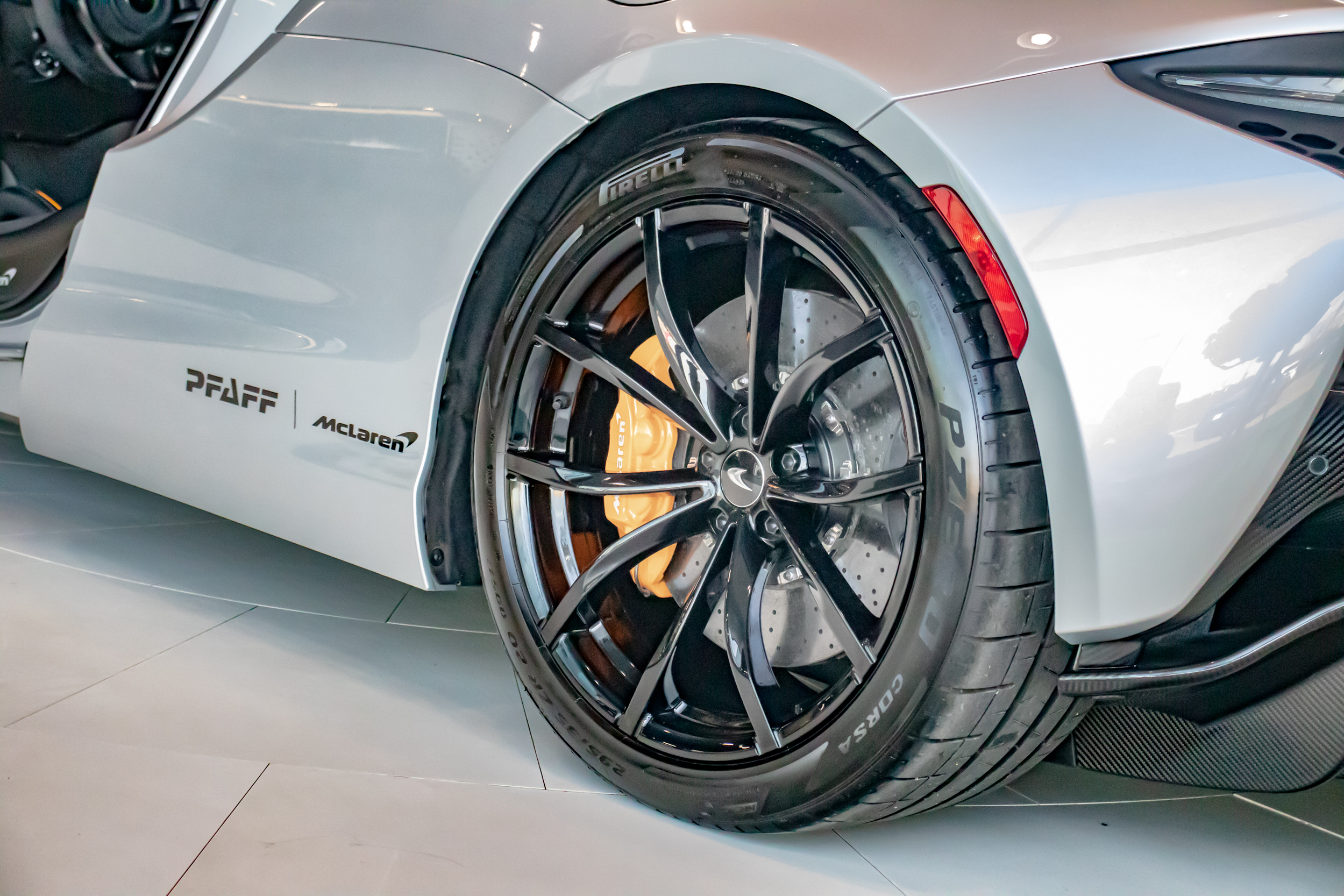
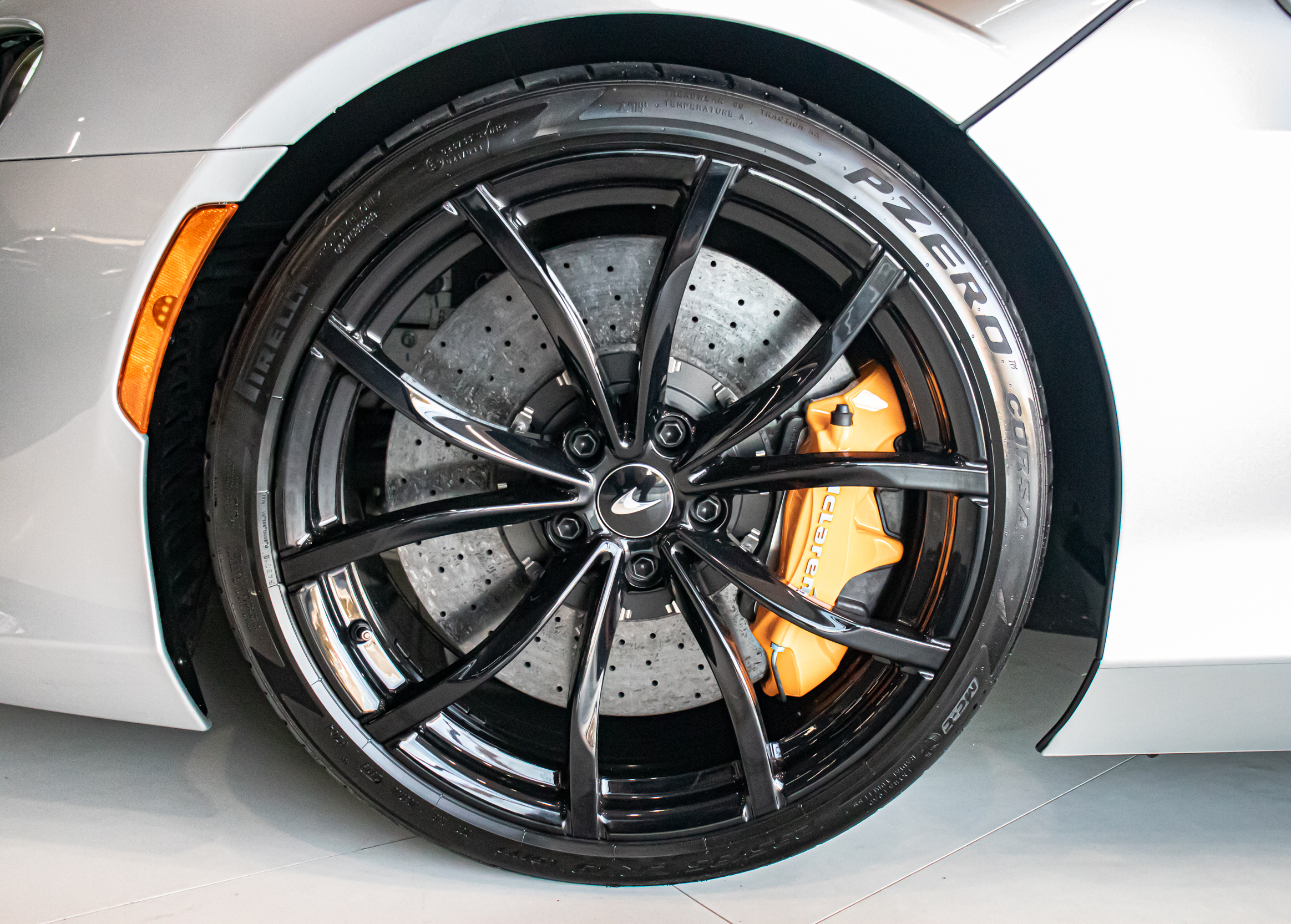
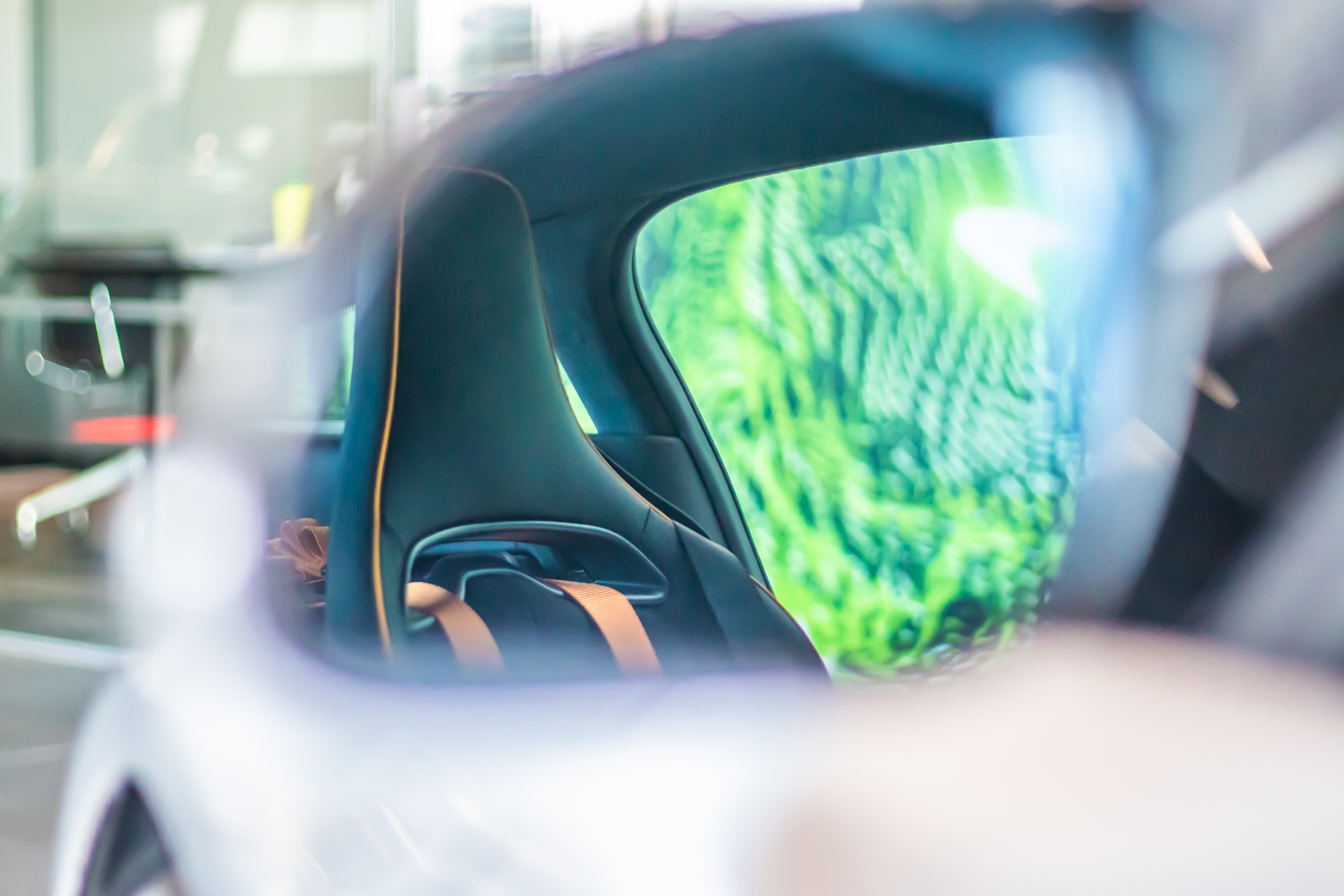
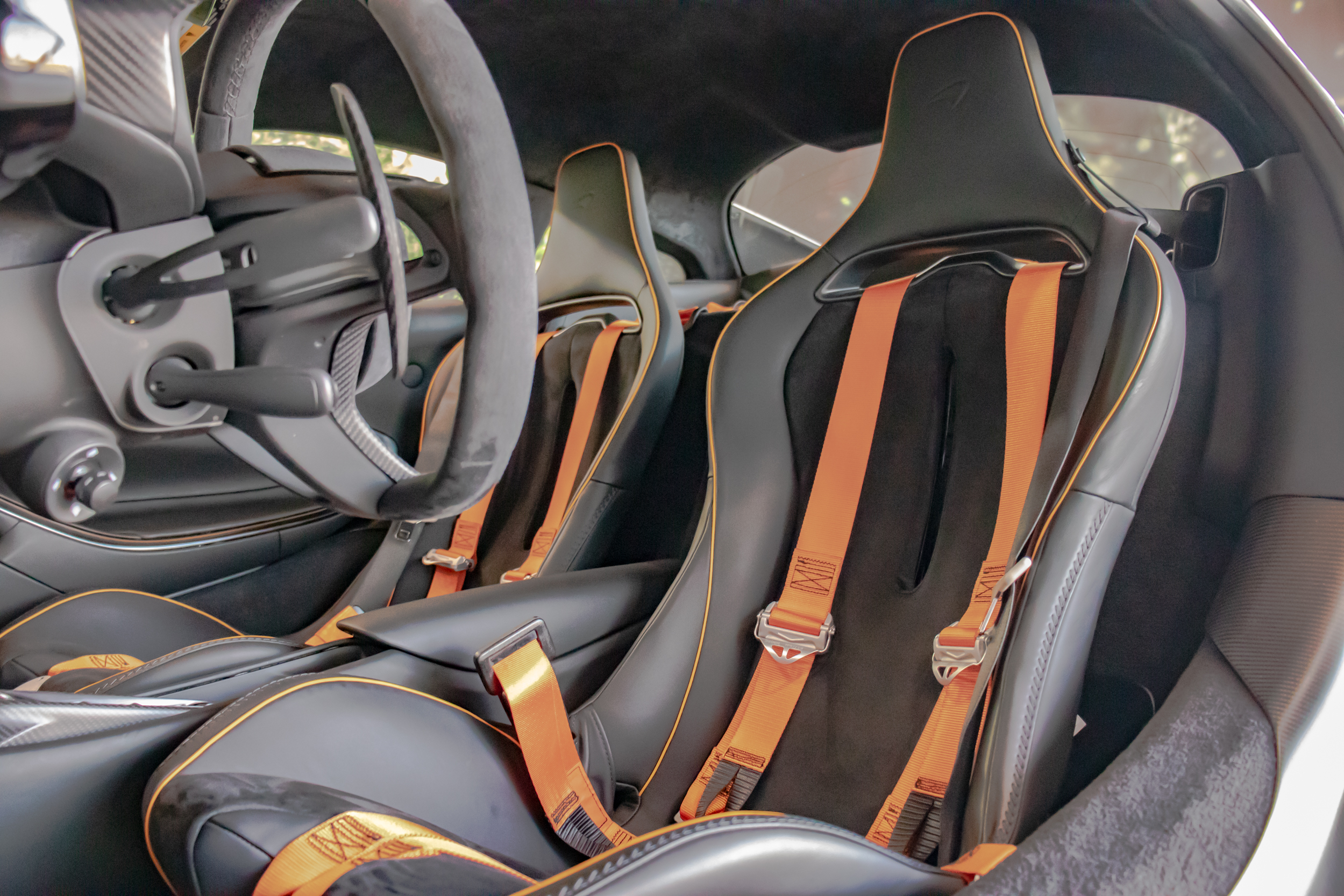
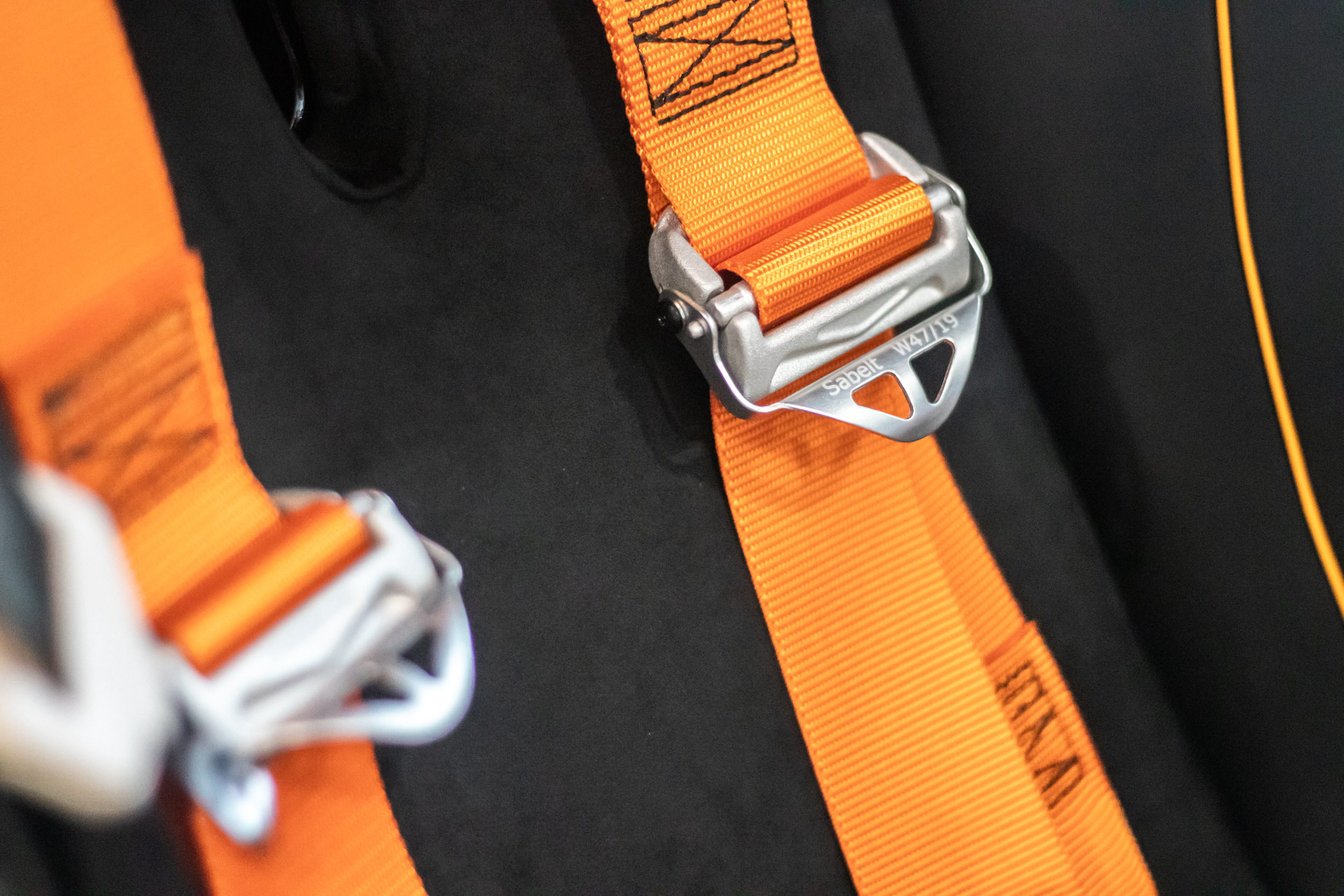
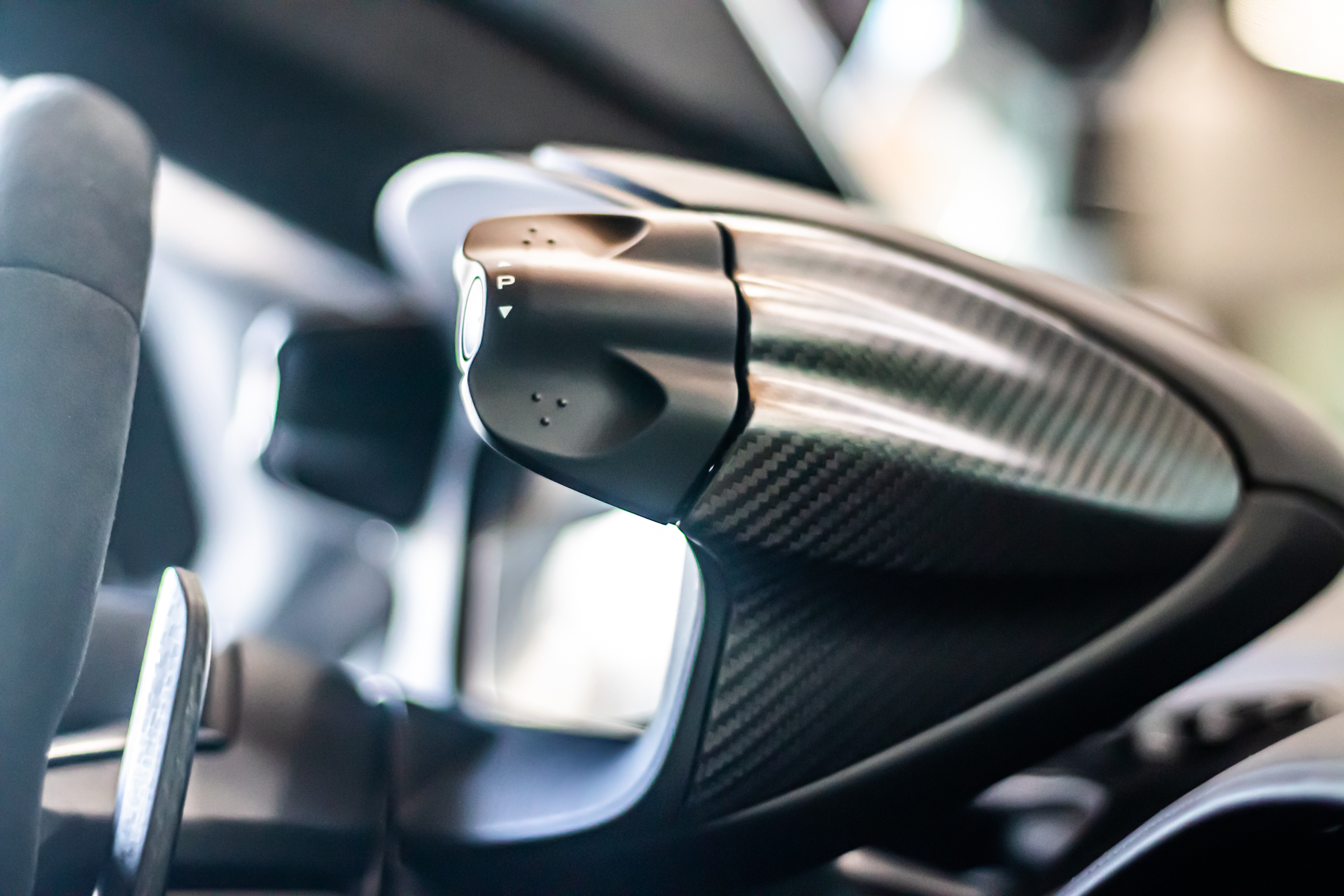
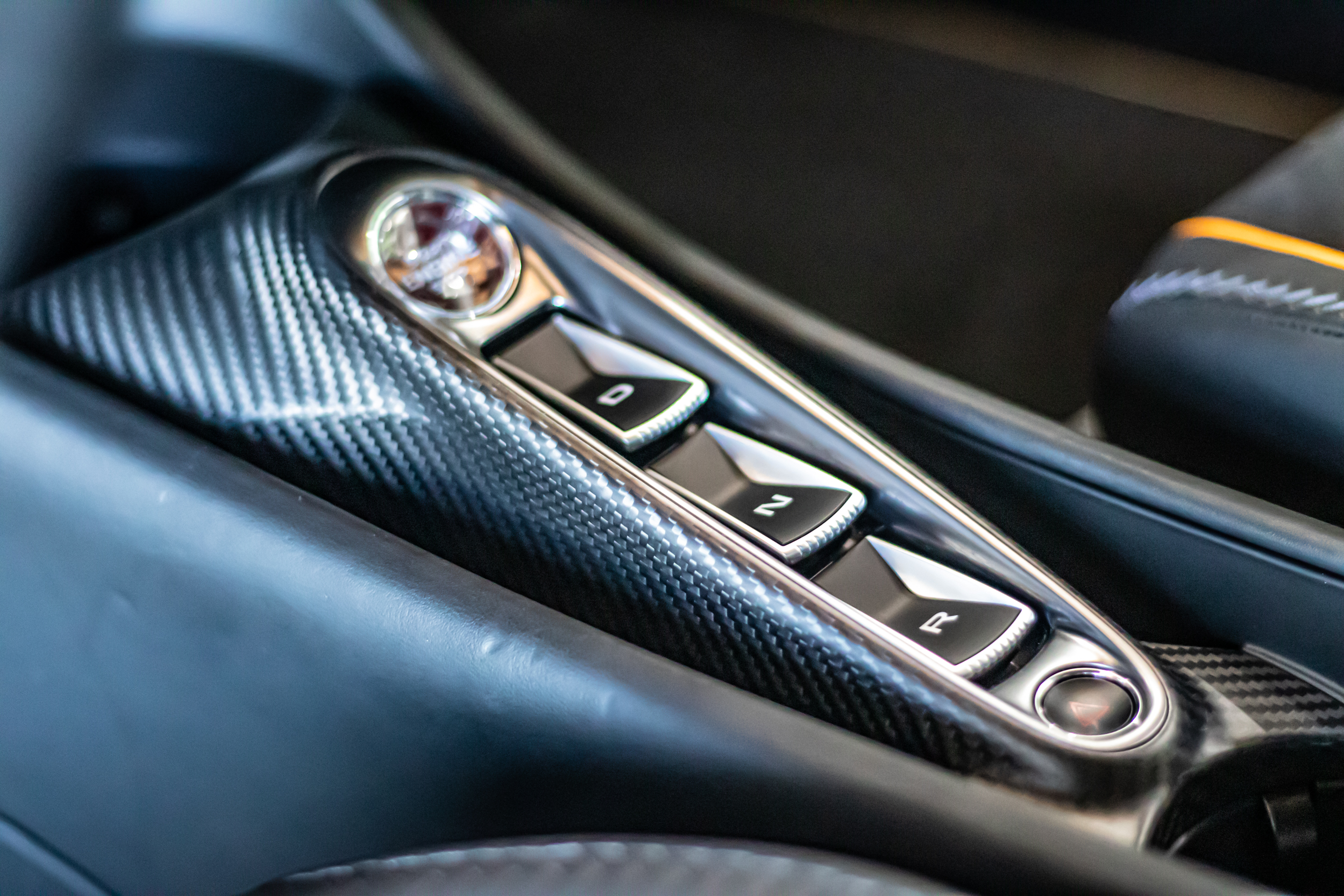
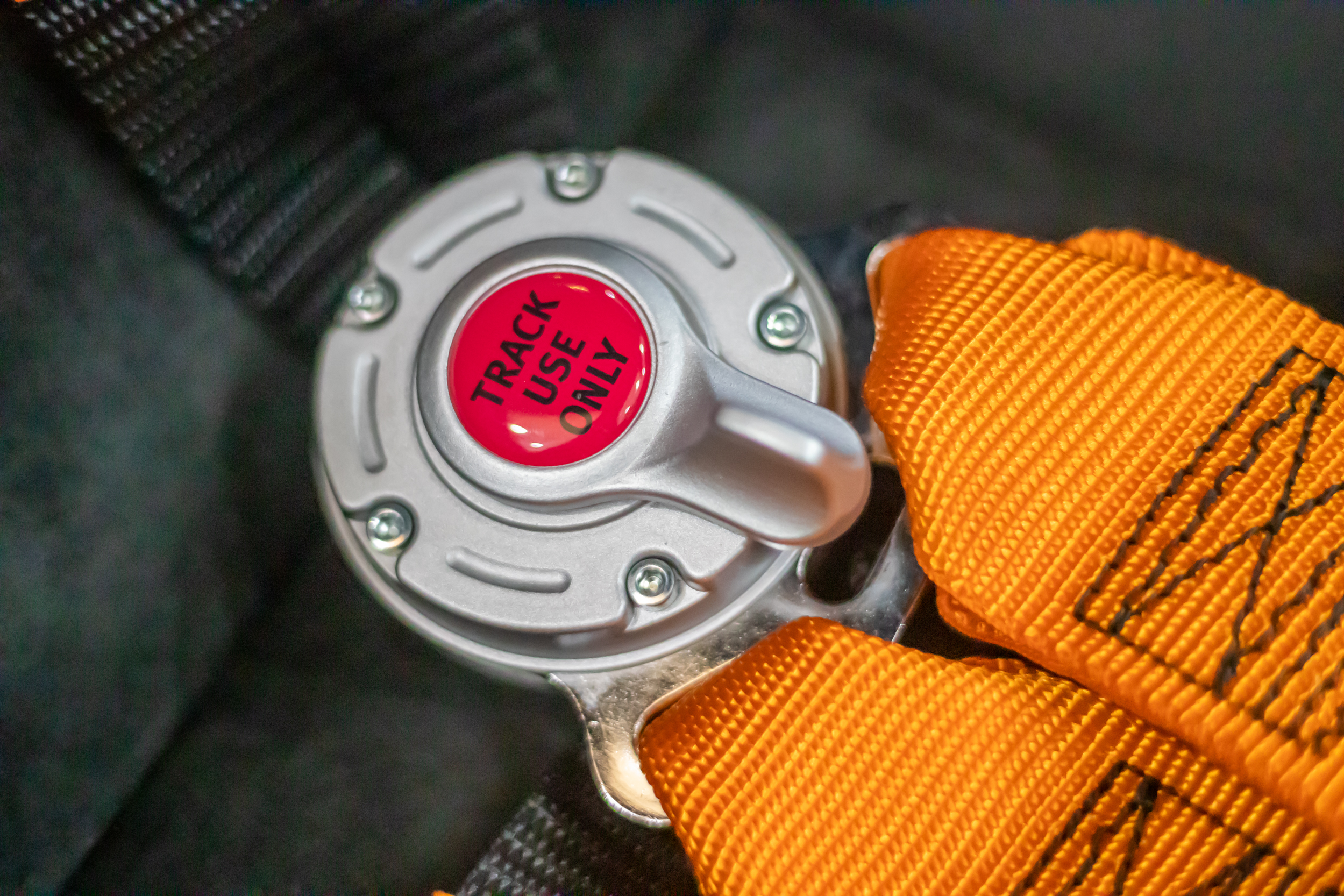
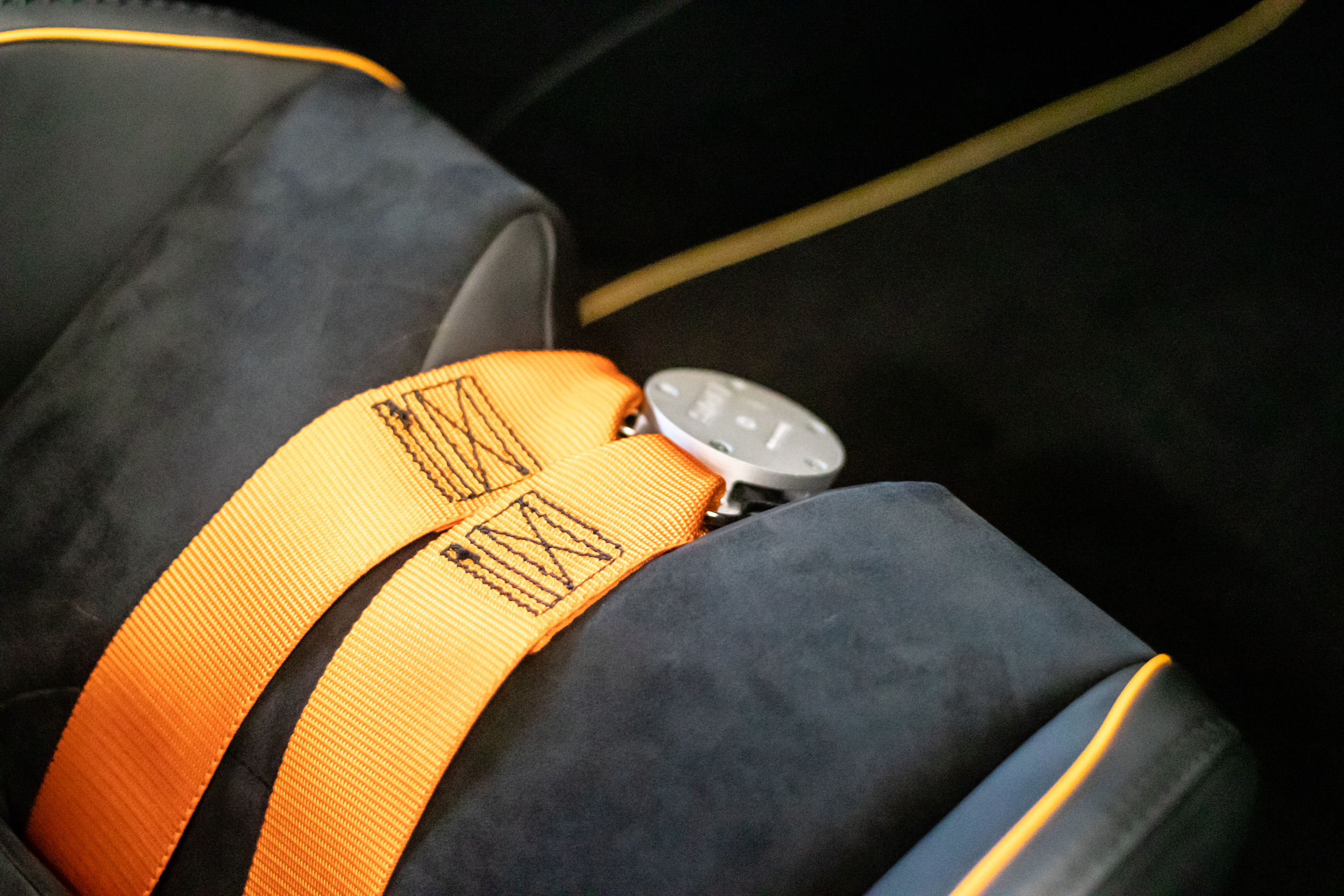
At first glance, the Artura gives the aesthetic vibes of a 600LT mixed with another model out of the McLaren lineup. It had many attention-grabbing features but my eye immediately went to the headlight crevices that were reminiscent of Star Trek’s Starfleet insignia.2021 McLaren Artura Doors Open The Artura’s “shrink-wrapped” body panels have a very clean fit and finish throughout the entire car. The car had eye-catching exposed carbon accents starting at the front bumper, then to the fender vents, mirrors, and lastly, the majority of the rear clip. I’m one of “those” people – there can NEVER be enough carbon fiber.2021 McLaren Artura Rear This pre-production model was delivered with a mix of different features on the car. Namely, the black painted roof, the array of orange accents such as the calipers, piping on the seats and dash, and the MSO optioned six-point racing harness – These are all available options should you decide to contact the fine folks at McLaren Special Operations to have your bespoke needs met. 

The Artura Mission

The team at McLaren has taken pride in the fact that they don’t add useless design features or needless decoration to their supercars – the Artura is no exception. Each piece of visually pleasing deco on the car has an exact function – besides looking amazing. All of the ducts, slopes, and even door mirrors have a technical part to play in the Artura’s aerodynamics. 

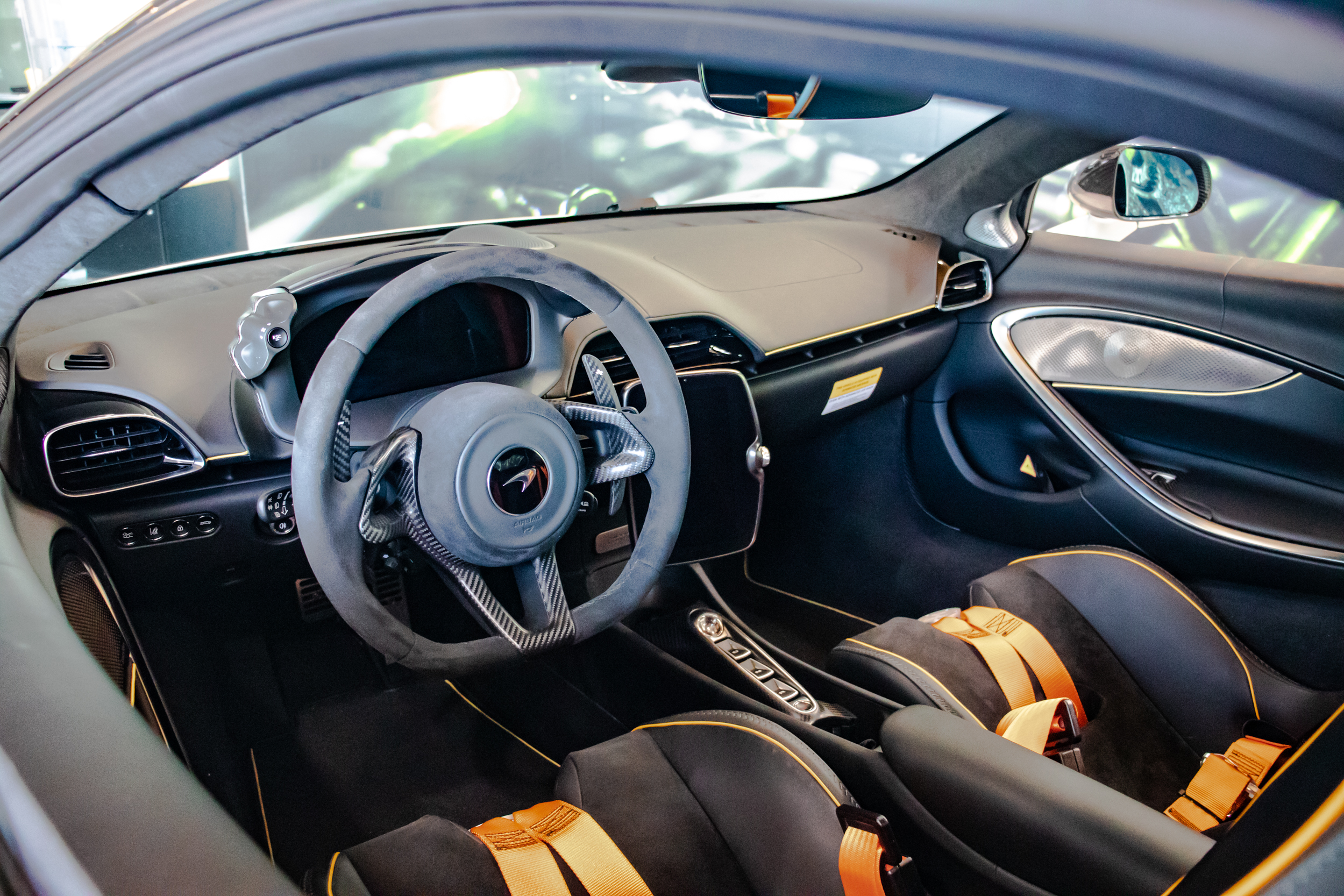
The design principles McLaren followed were those of purity, technical sculpture, and functional jewelry. These three guidelines were nailed both on the smooth exterior and on the very simplistic but technical interior.2021 McLaren Artura Interior The Artura’s interior flaunted a rather flamboyant orange accenting (to show off option possibilities) while the rest of the interior had everything you could need and nothing you didn’t. The carbon-fiber racing seats were covered in lightweight Alcantara as was the dash. The seats weren’t built for comfort per se but McLaren did a great job of fooling me. They also come with a factory cutout to fit the optional six-point harness. 

The driver’s cockpit was something that needed to be seen. The entire instrument cluster moves with the steering wheel – making it perfect no matter the setting you adjust your wheel to. This may seem like a small addition or solution but as the saying goes “it’s the little things that matter” and McLaren has addressed all of them.

The sticker price on the all-new Artura is set to start at $225,000 (roughly $275,000 CAD) and will be making its official arrival this August in dealers across the country.

Technical Specifications

As far as McLaren goes, shopping solely on looks is not what most McLaren enthusiasts pursue them for – they are hunted down for the technology and science behind the British-made supercars. This completely reengineered high-performance plug-in hybrid is one for the masses. Sure it’s no P1, but nothing ever will be. 

It hits the stage with a twin-turbocharged 3.0-liter V-6 that produces 577 hp and 431 lb-ft of torque along with an electric motor that adds 94 more horsepower and 166 lb-ft of torque. These figures bring the powertrain totals to a whopping 671hp and 531 lb-ft of torque. Based on price and powertrain totals, these put the Artura between the McLaren GT and the 720S. 

But a high-performance hybrid powertrain isn’t the only thing that makes the Artura special, the team at McLaren began with a fresh slate to incorporate the MCLA (McLaren Carbon Fiber Lightweight Architecture) monocoque. This incredible design consists of four new kinds of carbon fiber and weighs in at only 82Kg (180lbs). This combined with the aluminum panels and other lightweight components brings the Artura’s dry weight to 1395Kg (3075lbs).

Looking for more information? Read our 2021 McLaren Artura Ultimate Guide.

Specs & Performance

Powertrain  
Engine 3 Liter V6
Power 577 hp (430 kW)
Torque 431 lb/ft (585 N·m)
Fuel type Premium
Electric Motor Axial Flux E-Motor
Power 94 hp (70 kW)
Torque 166 lb-ft (225 N·m)
Transmission 8-speed SSG-Seamless Shift Gearbox dual-clutch + E-Reverse gear
Drivetrain AWD
Vehicle type / Category  
Vehicle type Hybrid
Category Exotic
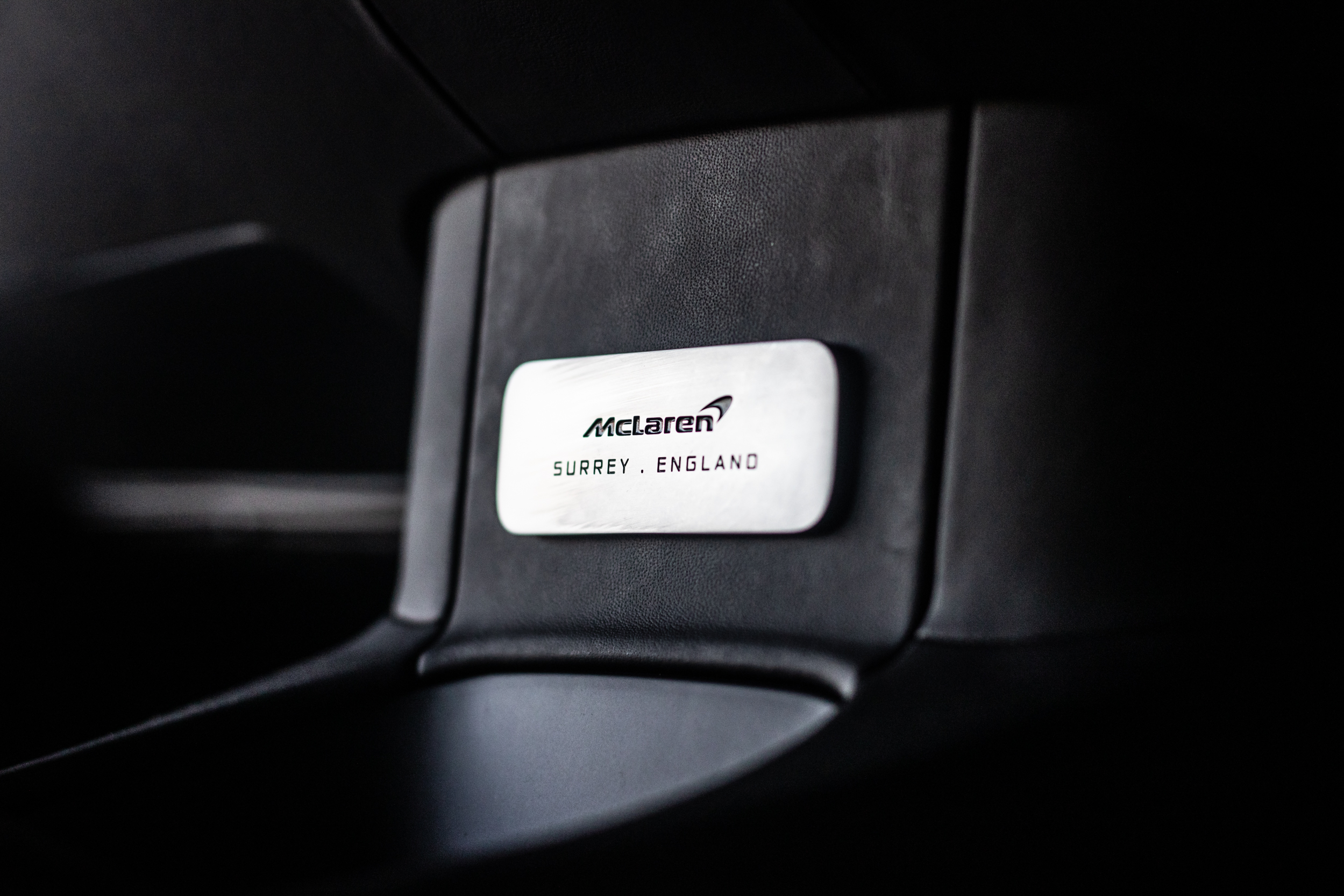
Assembly Woking, Surrey, England
Fuel efficiency / Autonomy  
City 5.65 L/100km
Highway
Combined
CO₂ emissions 129 g/km
Equipment  
Infotainment  
Apple CarPlay compatible Available
Android Auto compatible Available
Steering / Suspension / Brakes / Tires  
Steering Rack and pinion, electric 
Front suspension Double wishbones
Rear suspension Multi-link independent, double wishbones
Front brakes Disc
Rear brakes Disc
Front tires 235/35ZR19
Rear tires 295/35ZR20
Safety  
Seat belts 2
Dimensions / Weight  
Length 4,539 mm (178.7 in)
Width 1,913 mm (75.3 in)
Height 1,193 mm (47.0 in)
Wheelbase 2,640 mm (103.9 in)
Front track 1650 mm (64.96 in)
Rear track 1613 mm (63.5 in)
Weight 1,395 kg (3,075 lb) 
Capacities  
Passengers 2
Trunk 169 l (6 cu ft)
Fuel tank 72 l (19 gal)
Towing capacity N/A
Performance  
Power to weight ratio 2.2 kg/Hp, 453.9 Hp/tonne
0-100 km/h 3.0 s (manufacturer)
0-200 km/h 8.3 s (estimated)
Top speed 350 km/h (217 mph) (manufacturer)
Braking distance 31 m (100km/h-0)
Warranty  
Base warranty 5-year/75,000km
Battery warranty 6-year/75,000km
Body warranty 10-year, unlimited mileage

McLaren Artura Photo Gallery

Ferrari Portofino with 720hp by Mansory Revealed

Mansory has revealed their take on the Ferrari Portofino, giving it their usual dose of forged carbon fiber parts as well as increased power outout. The full electric ‘retractable hard top’ (RHT) has been finished completely in dark forged carbon for the first time but the functions remain untouched.

Additional lightweight body components made of dark forged carbon have also been used on the exterior features including the front and rear apron, the side skirts, the side flaps, the rear spoiler and on all the air outlets in the bonnets and side wings.

The vehicle features a standard output of 620hp, 760Nm torque and the acceleration from 0-100km/h is achieved in 3.45seconds. After an overhaul of the engine management and exhaust system conversion, the V8 engine is now capable of generating a maximum output of 720hp and 890Nm of torque. The acceleration from 0-100km/h has been reduced to 3.0 seconds.

This Ferrari Portofino has also been fitted with a set of modified YT.5 wheels and high-performance tyres. The wheels are in dimensions 9×21 with 245/330 21 (VA) on the front axle and 11.5x 22 with 305/25 22 (HA) on the rear axle. The YT.5 wheels have been used on the F8XX for the first time on the Mansory programme but will be available for all Ferrari models from this year.

Inside the vehicle, the interior has been designed and finished in fine smooth black leather and almost all the seams and control buttons are finished in yellow. The interior also features a sports leather steering wheel, floor mats with yellow edges and several embroidered logos. The three buttons on the dual-clutch gearbox consists of the color Green, White and Red, the colors reflect those on the Italian national flag.

Brabus Tuning: 2021 Mercedes-AMG E63 is Now an 800hp Monster

A new Brabus 800 based on the 2021 Mercedes-AMG E63 S 4MATIC+ has been unveiled. The E63 AMG sedan has been enhanced both visually and in terms of driving dynamics. The vehicle has been equipped with custom naked-carbon aerodynamic enhancement parts and a set of hi-tech 21-inch forged wheels.

The E63 S 4MATIC+ sedan is powered by a 4.0litre V8 twin-turbo engine that generates a standard output of 450kW\ 612hp and 850Nm of torque. The new and tested Brabus B40S-800 performance kit increases the power output of the vehicle by adding 138kW/ 188hp and an extra 150Nm of torque, all this comes with a 3 year or 100,000km mile tuning warranty.

The performance upgrade equipped by Brabus enables the E63 S 4MATIC+ to produce a maximum output of 588kW/ 800hp at 6,600rpm, 1000Nm peak torque at a low 3,600rpm and achieve the acceleration from 0-100km/h in just 3.0 seconds. The top speed is electronically limited to 300km/h. The Brabus 800 tops the charts as one of the most powerful sedans and station wagons in the world.

Specially configured high-performance turbochargers which features a larger compressor unit and an enhanced core assembly with reinforced axial bearings that produce 1.6 bar maximum boost pressure has been developed for the vehicle to live up to the Brabus 800 design.

In addition, a Brabus plug-and-play PowerXtra module is also available and has been connected to the engine management system. This auxiliary control unit enables a special mapping for injection, ignition and boost pressure control. The vehicle has also been equipped with special carbon air intakes developed and merged on the right and left side of the radiator grille to ensure the engine is supplied with sufficient air.

The driving performance has been improved by the combination of the high-performance Brabus engine, the nine-speed automatic transmission and the 4MATIC+ all-wheel drive system. The nine-speed automatic transmission can be shifted either manually or automatically via Brabus Race aluminium paddle shifters on the steering wheel.

A Brabus Start-Stop memory system is available for customers who prefer to deactivate the automatic standard start-stop system permanently at a touch of a button.

Brabus has equipped the E63 S 4MATIC+ with a high-performance stainless-steel exhaust system with four steel/ carbon tailpipes that reduces the exhaust backpressure to ensure an optimized power supply. The exhaust flaps can control the exhaust sound, for instance, ‘coming home’ mode is discreet and quiet whereas ‘Sport mode’ is loud and powerful.

The sporty appearance of the vehicle is as a result of the enhanced naked carbon aerodynamic component on the radiator grille and front spoiler which are available in either gloss or matte finish. The rear spoiler on the trunk lid is shaped and designed to generate downforce on the rear axle and ensure optimal balance. The carbon diffuser inserts for the rear fascia also contributes to the sporty appearance by perfectly framing the tailpipes of the sport exhaust system.

The E63 S 4MATIC+ has been fitted with a set of 21 inch custom alloy wheels, the vehicle pictured features Brabus Monoblock ‘Platinum Edition’ Z forged wheels in the same contrasting color to match the radiator grille. The wheels have been developed in a hi-tech forging process and also combine low weight to with maximum strength.

The front axle features 9Jx21 wheels with 255/30 ZR21 tires whereas the rear axle is mounted with 10.5Jx21 wheels with 295/25 ZR21 tires. In addition, the standard air suspension lowers the ride height by 10mm or 20mm depending on either Sport, comfort or Sport+ modes.

A Brabus Stainless-steel scuff plate with backlit Brabus logo that changes color to match the interior ambient is available as an exclusive specialty interior refinement from Brabus. The cockpit also features aluminium door pins, and pedals.

The Brabus upholstery shop produces custom Brabus fine leather including Alcantara available in a variety of colors, genuine carbon inlays and precious wood which can be tailor-made and finished in different colors and design.

The Brabus 800 can be ordered as a sedan or wagon

BRABUS 800 based on the E-Class

The Mercedes E-class is what we might consider a mid-class sedan, a nice four-door, four or five-seater luxury car that’s not the massive size of the bigger S-Class, but still larger and more comfortable than the C-Class, it’s a car that doesn’t shout for attention and most of the time isn’t even noticed when you drive it, in Germany we see many E-Class being used as a taxi in fact … but none of those are the powerful E 63 S 4MATIC+ version, most of the taxis are diesel-powered, some are switching to hybrid and electric in the near future.
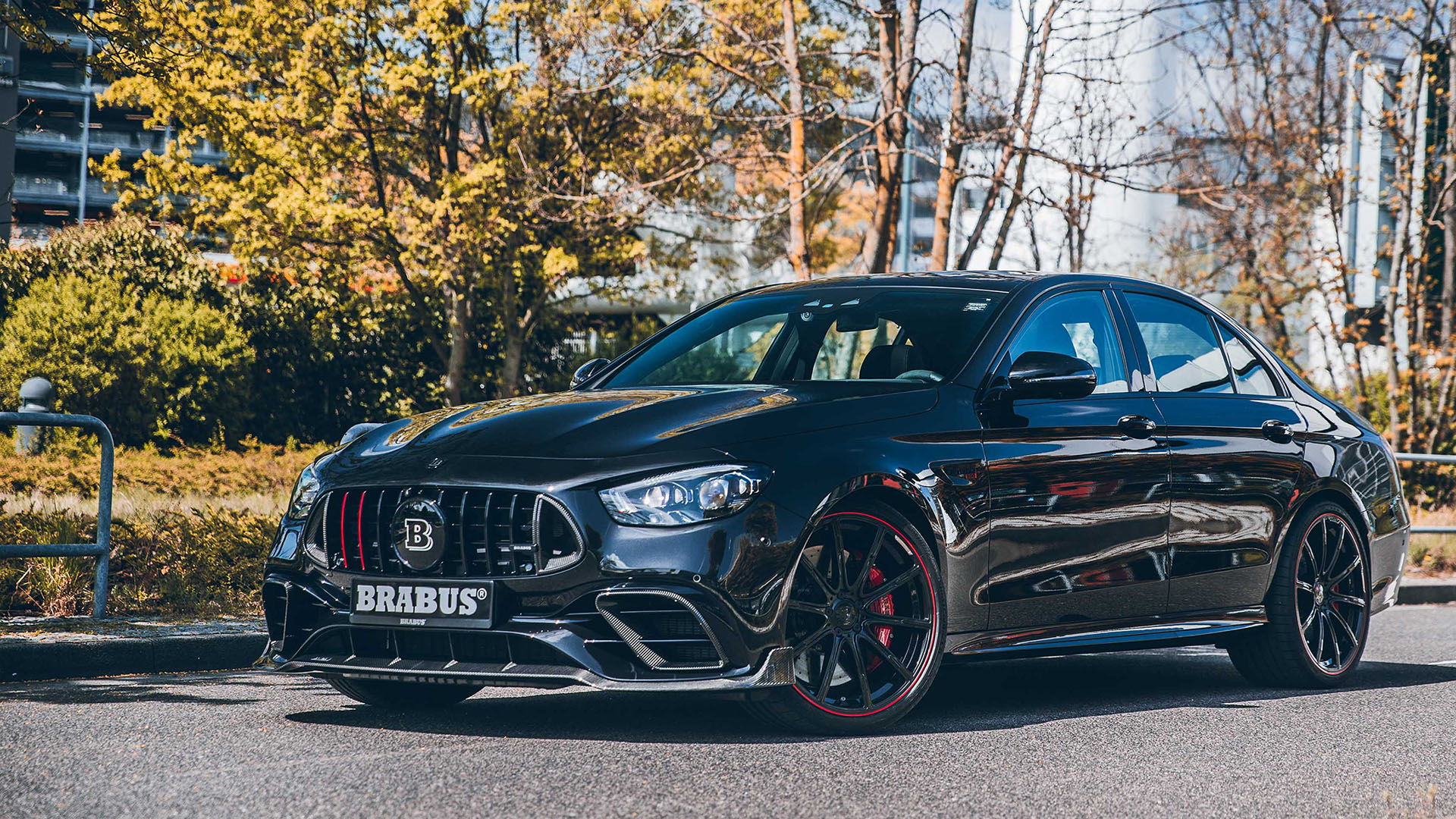
When you opt for the most powerful version of the 2021 model year Mercedes E 63 S 4MATIC+, you will end up with a 4.0-liter eight-cylinder engine that delivers 612 hp straight from the factory, which isn’t bad to haul you and your family around on the Autobahn at speed, but we wouldn’t be talking about BRABUS if this company from Bottrop, Germany didn’t tweak it a little further … well more than a little.
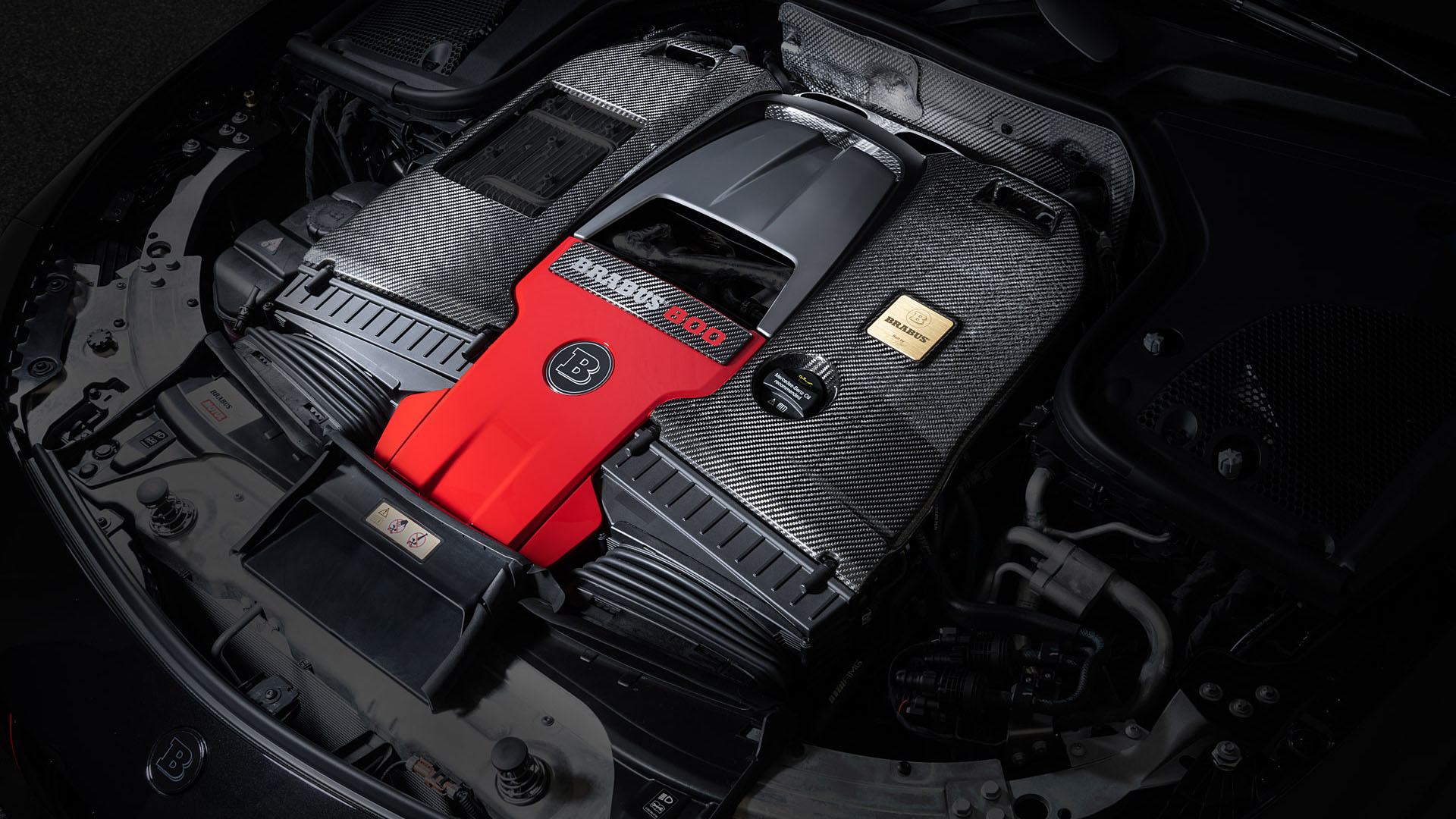
With over 40 years of experience in pulling more power from standard Mercedes engines, BRABUS has shoehorned their performance upgrade into the Mercedes E 63 S 4MATIC+, which doesn’t void the warranty mind you, the BRABUS 800 is fully TÜV-tested and comes with a 3-year, 100,000 km (62,000 Mile) BRABUS Tuning Warranty … which is usually not seen for this kind of tuning anywhere else, but BRABUS offers it nonetheless.
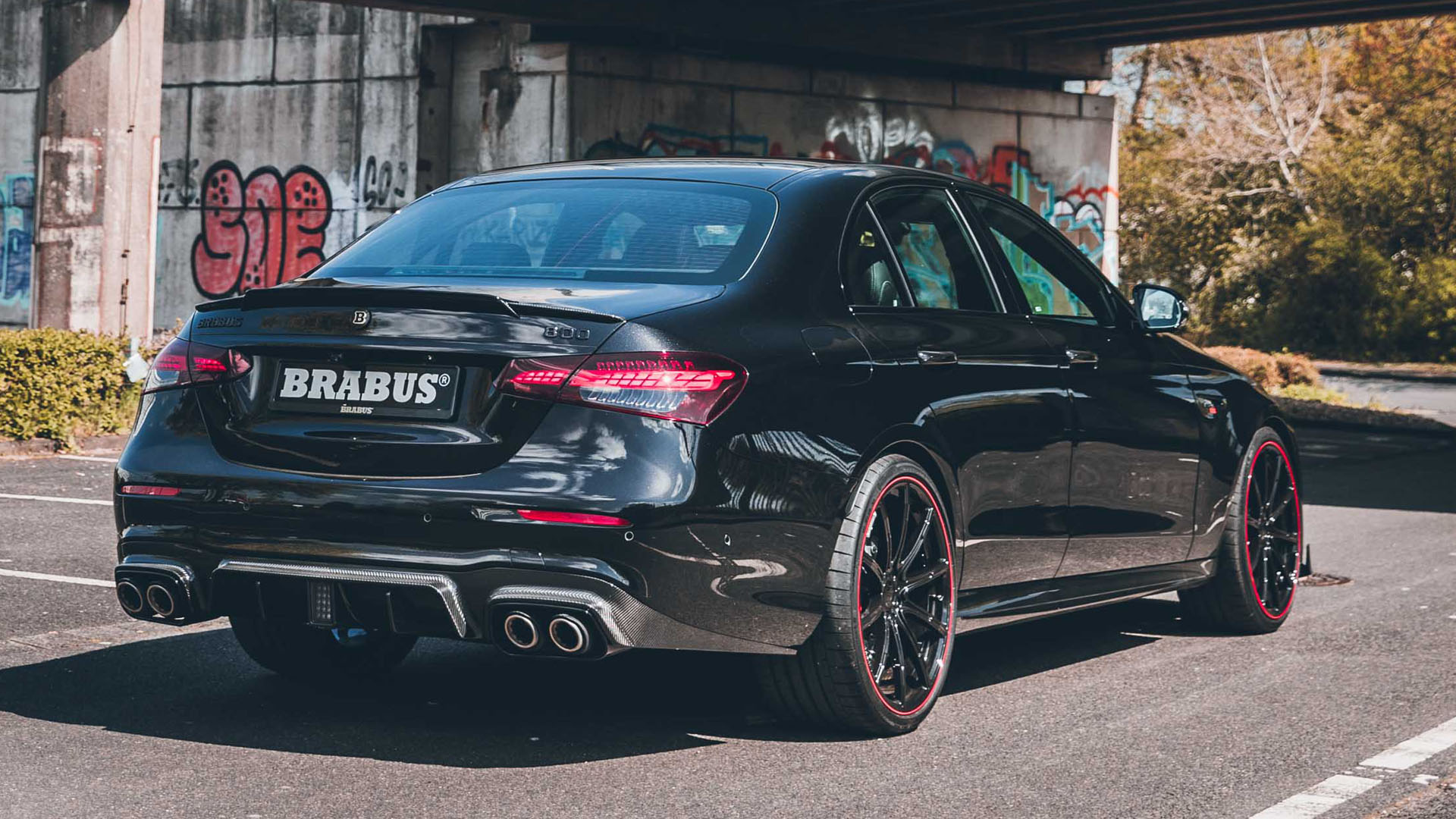
They don’t call this the BRABUS 800 without a reason, and that’s because they add 188 hp to the base from Mercedes, at 6,600 rpm you effectively have 800 hp available, and 1,000 Nm of torque at as low as 3,600 rpm, and as you can order a Mercedes E 63 S 4MATIC+ in either sedan or station wagon, this BRABUS 800 is one of the most powerful sedans/station wagons in the world today.
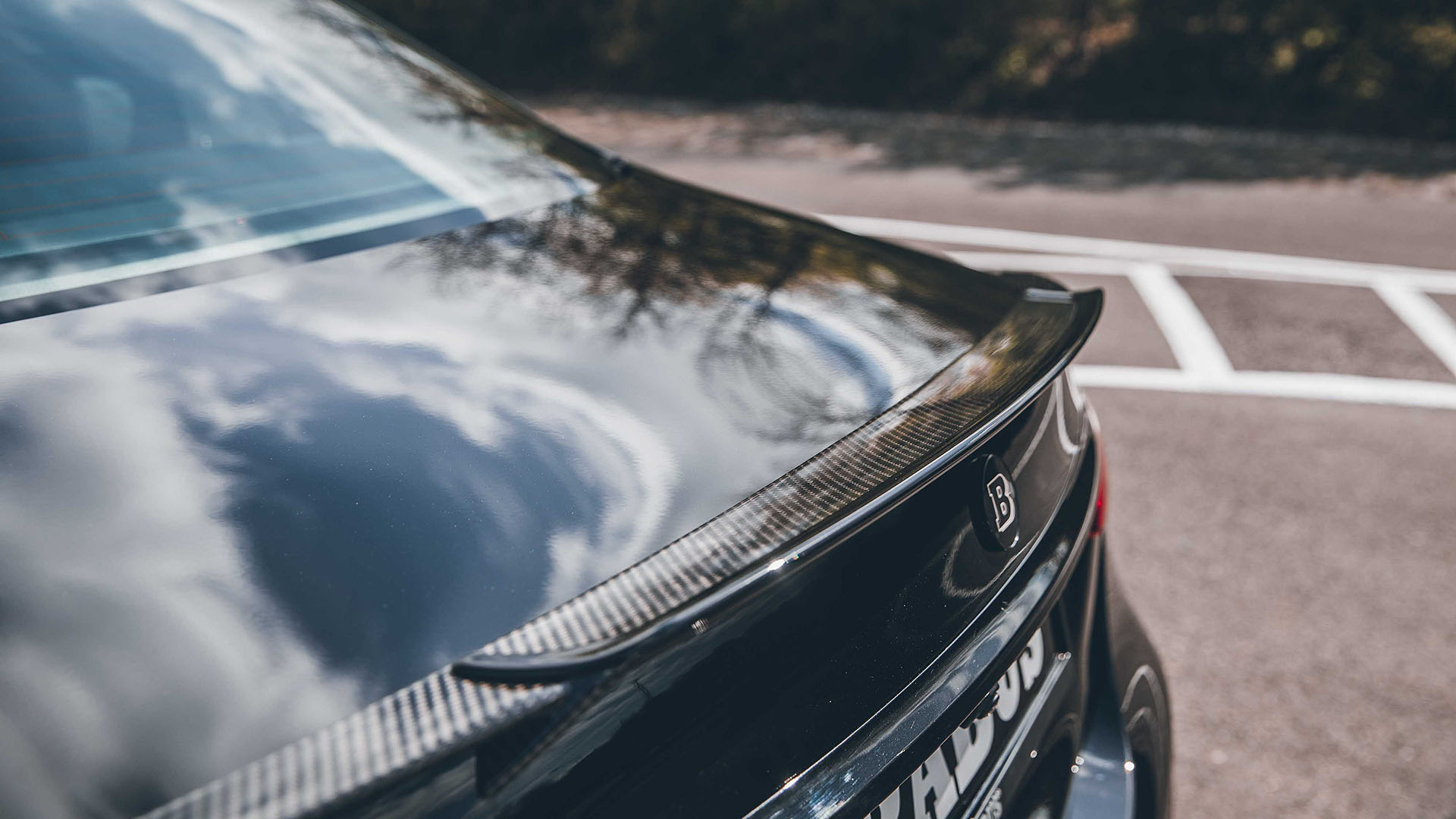
To achieve this massive 188 hp power increase, BRABUS developed their own high-performance turbochargers, with a bigger compressor unit, modified core assembly, and reinforced axial bearings, boost pressure sits at a maximum pressure of 1.6 bar, naturally, there is a custom engine management system called PowerXtra from BRABUS, and with this much power going on, the large engine needs more cooling, so BRABUS created bespoke, carbon-fiber air intakes to be integrated into the grille.
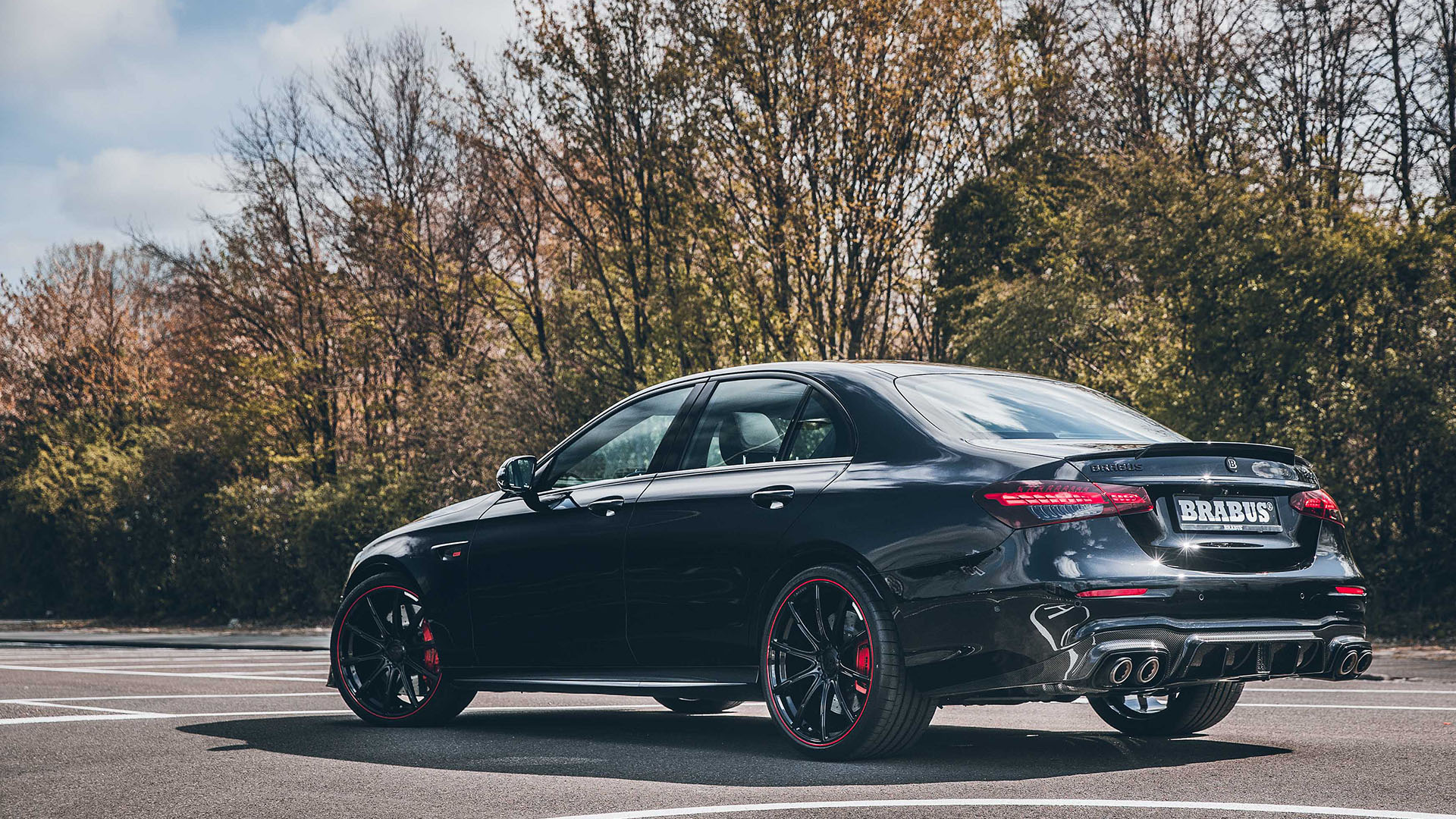
Being based on the E 63 S 4MATIC+, this BRABUS 800 is an all-wheel-drive car, the nine-speed automatic gearbox will hurdle this sedan to 100 km/h (62 mph) in just 3 seconds from standing still while if you opt for the station wagon this figure is 3.1 seconds, top speed for both body styles has been electronically limited to 300 Km/h (186 mph), which is probably more than enough … usually.
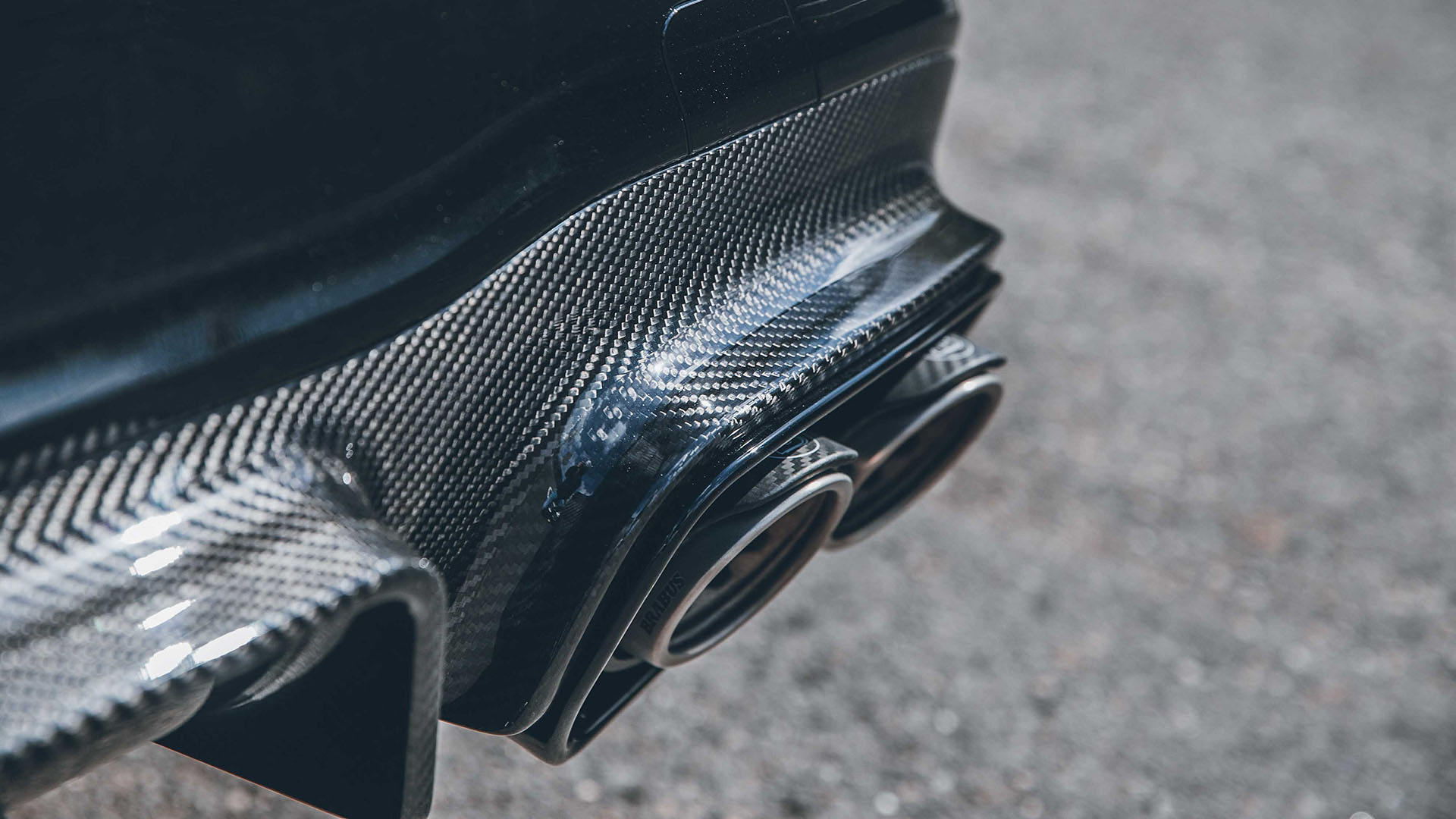
An engine like this BRABUS 800 unit needs to breathe, hence you can install an amazing stainless-steel high-performance exhaust that comes with four stainless steel/carbon tailpipes, not only for looks but also with an amazing sound thanks to integrated flaps into the exhaust system … a ‘silent’ mode when you drive up to your house and you don’t want to wake the neighbors… or a ‘Sport’ position if you just don’t care about those neighbors anymore.
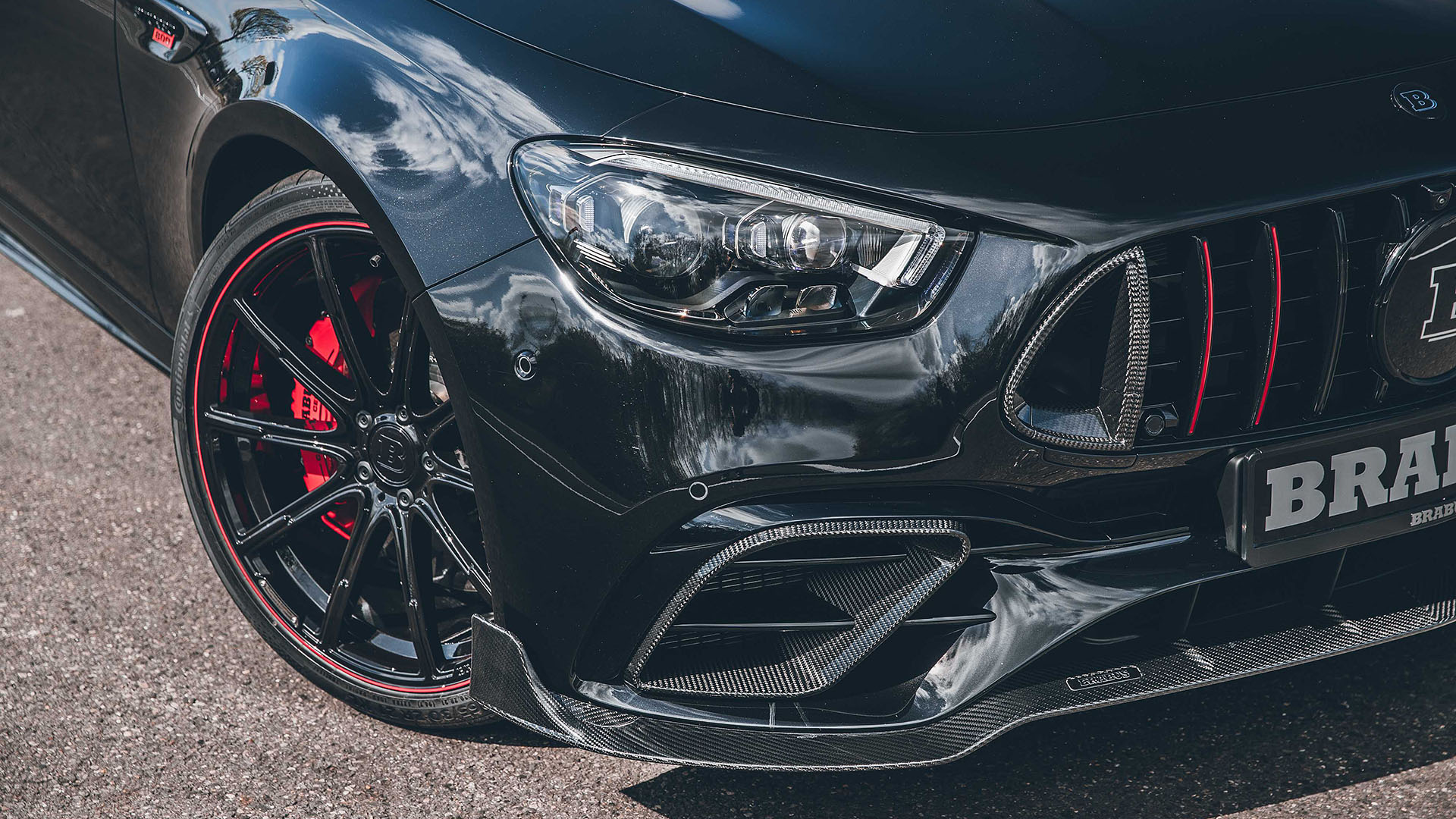
You could go for the more subtle look and just have the BRABUS 800 engine tuning installed while you keep the rest of the Mercedes E 62 S 4MATIC+ factory standard … or you go all-out and fit the entire BRABUS aerodynamic package to your car, the new front spoiler does create more downforce at speed, as does the really nice looking rear spoiler on the sedan while a clear carbon fiber insert can be fitted to the rear diffuser on both the sedan and the station wagon … just so it looks the part with that BRABUS exhaust.
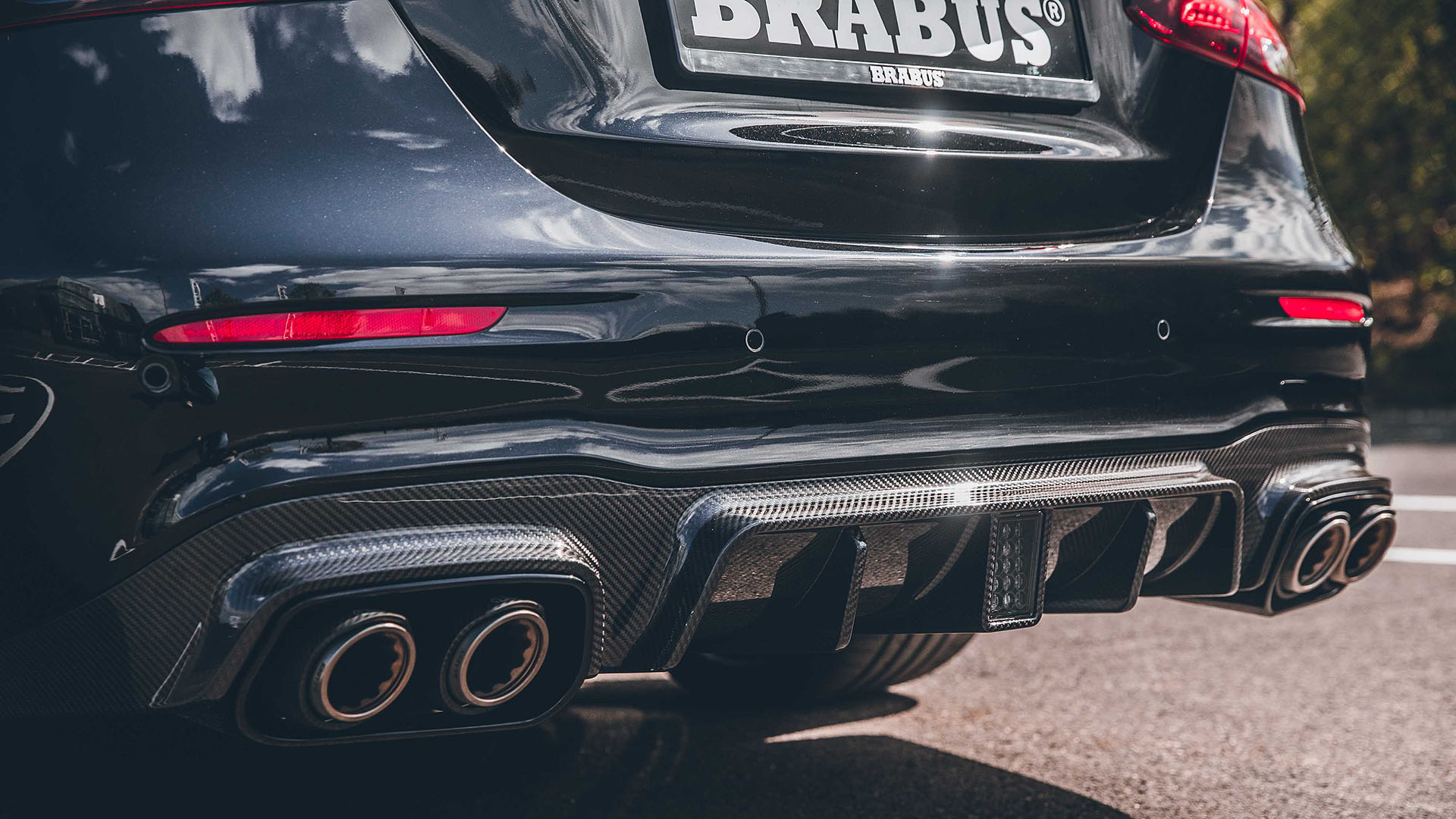
With engine tuning and aerodynamic from BRABUS, you’ll just have to go the extra mile and get a set of BRABUS alloy wheels, up to 21 inches in diameter is available, pictured here are the famous BRABUS Monoblock “PLATINUM EDITION” Z forged wheels, painted to match the rest of this black BRABUS 800, 9×21 wheels with 255/30 ZR 21 tires for the front, and even wider 10.5×21 rims with 295/25 ZR 21 tires for the rear, tires are either Continental, Pirelli, or YOKOHAMA as advice by BRABUS themselves.
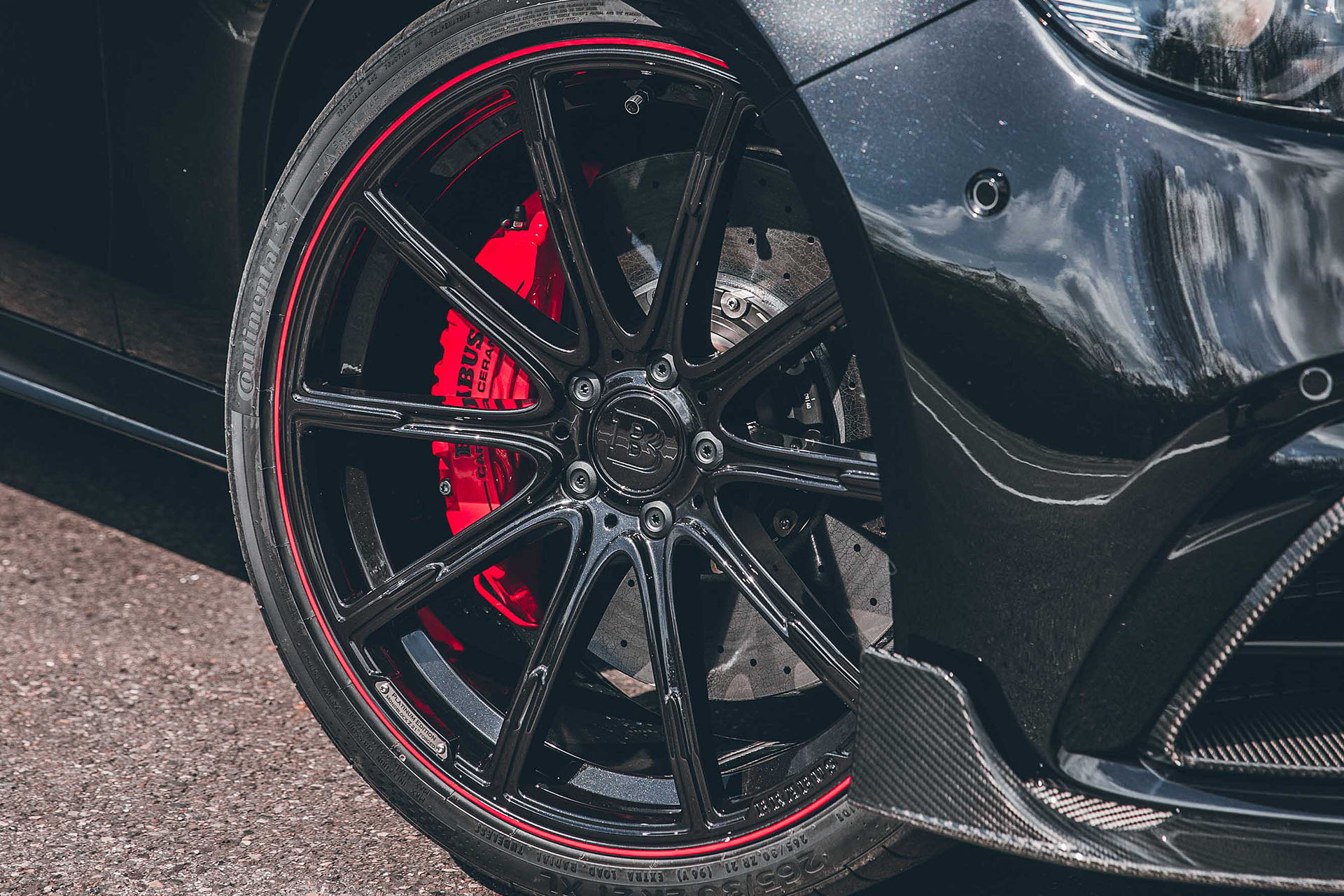
New wheels just scream for a lowered suspension too, and because the Mercedes E 63 S 4MATIC+ comes with air suspension, BRABUS offers their Sports Unit that allows the car to be lowered by 10 or 20 mm (0.4 or 0.8 in) depending on the selection of the available Comfort, Sport or Sport+ modes.

If a client wants something really special for his, or her bespoke BRABUS 800 E-Class, they can go for a complete interior overhaul, BRABUS offers the best selection of leather, Alcantara or cloth, in whichever combination or shade the customer can think of, add custom veneers or carbon fiber inlays, again in a multitude of colors, and you can create a truly unique car for yourself, or as a gift for someone else.

McLaren Speedtail for Sale in Dubai at $3.5 Million – 1 of 106 Worldwide

A new McLaren Speedtail has just been listed for sale in Dubai, this is one of only 106 cars that are planned for production. It’s the spiritual successor to the McLaren F1, utilizing the same central driver seat configuration among other special tribute features.

The car for sale here is listed at a price of $3.5 million dollars, reflecting a significant premium over the $2.9 million start price. Understandably so as all 106 units were sold out immediately after the official announcement. New interested buyers will have to acquire one through second hand dealers.

This Speedtail has been painted in a special McLaren blue known as Dark Sapphire Pearl, with beige interior complementing the overall spec which has options worth $370,000. It’s a new car with only delivery mileage from the factory, the new owner will thus begin a new journey with the hypercar from scratch.

The McLaren Speedtail is powered by a hybrid system with knowledge gained from the P1. A 4.0L V8 twin-turbo is mated to a parallel hybrid system eMotor to produce a combined output of 1.035hp. Due to its unique aerodynamic design, the Speedtail can achieve a top speed of up to 250mph making it one of the fastest hypercars on the market.

Read: Fastest Cars in the World 2021

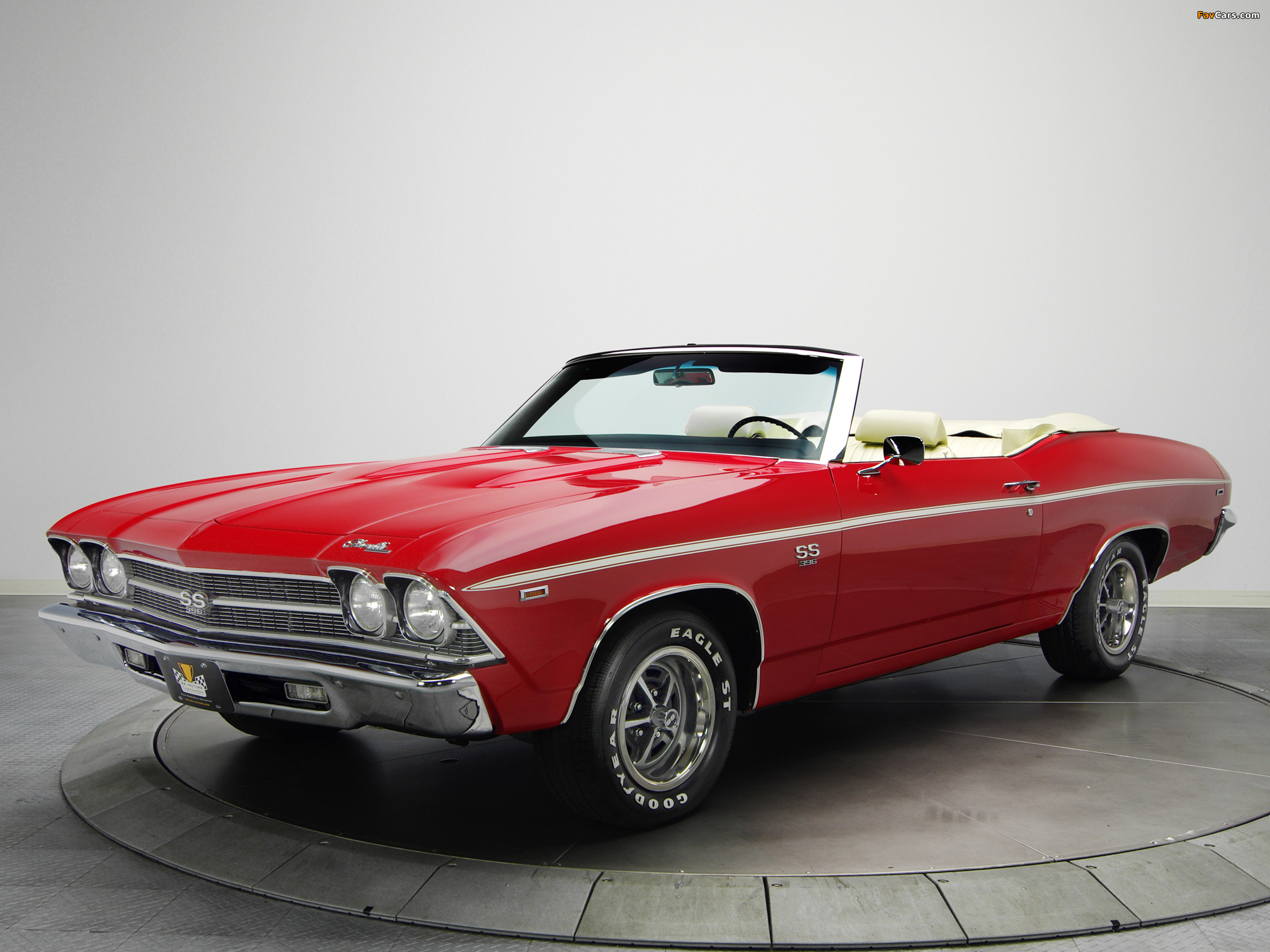
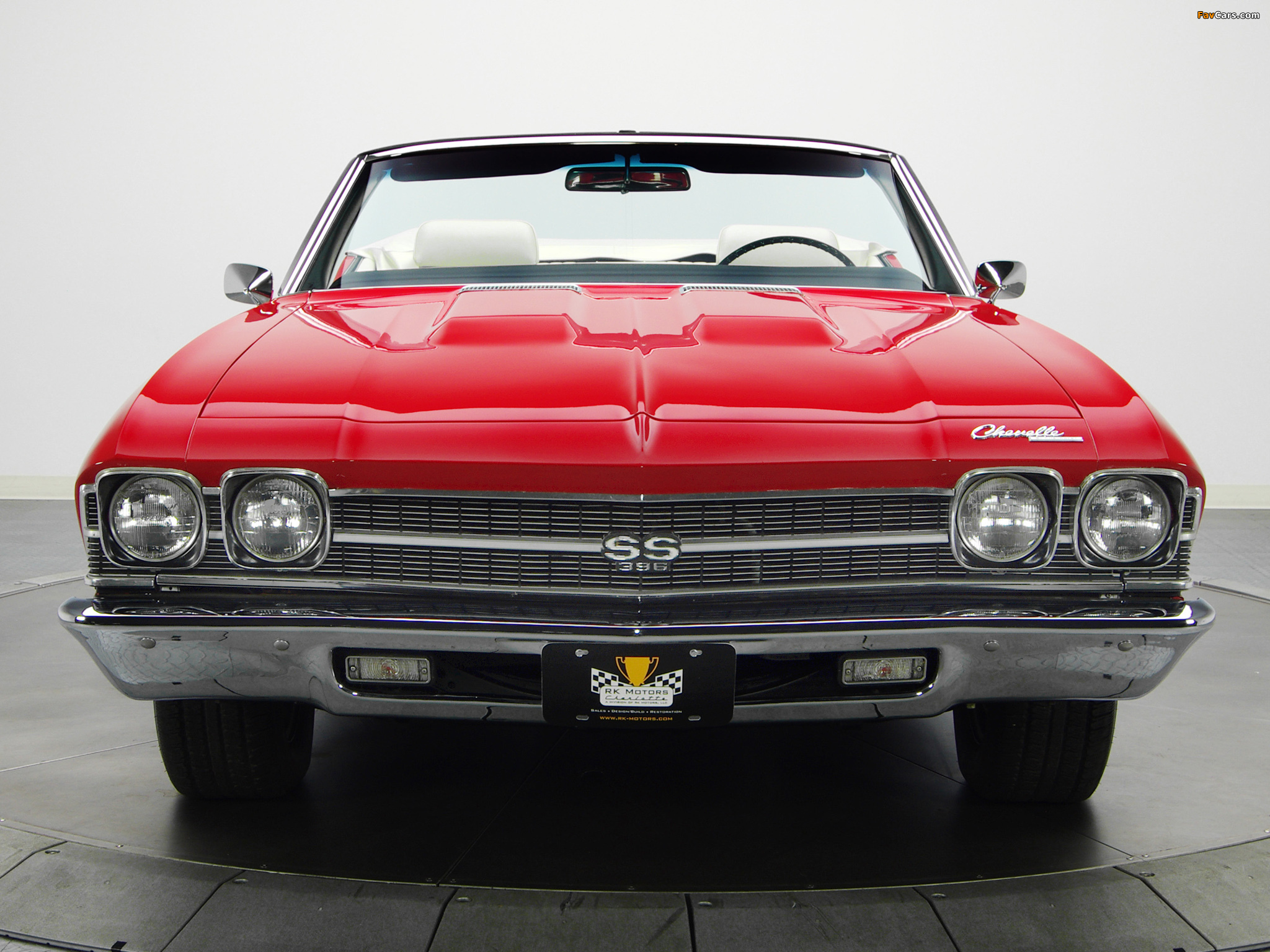
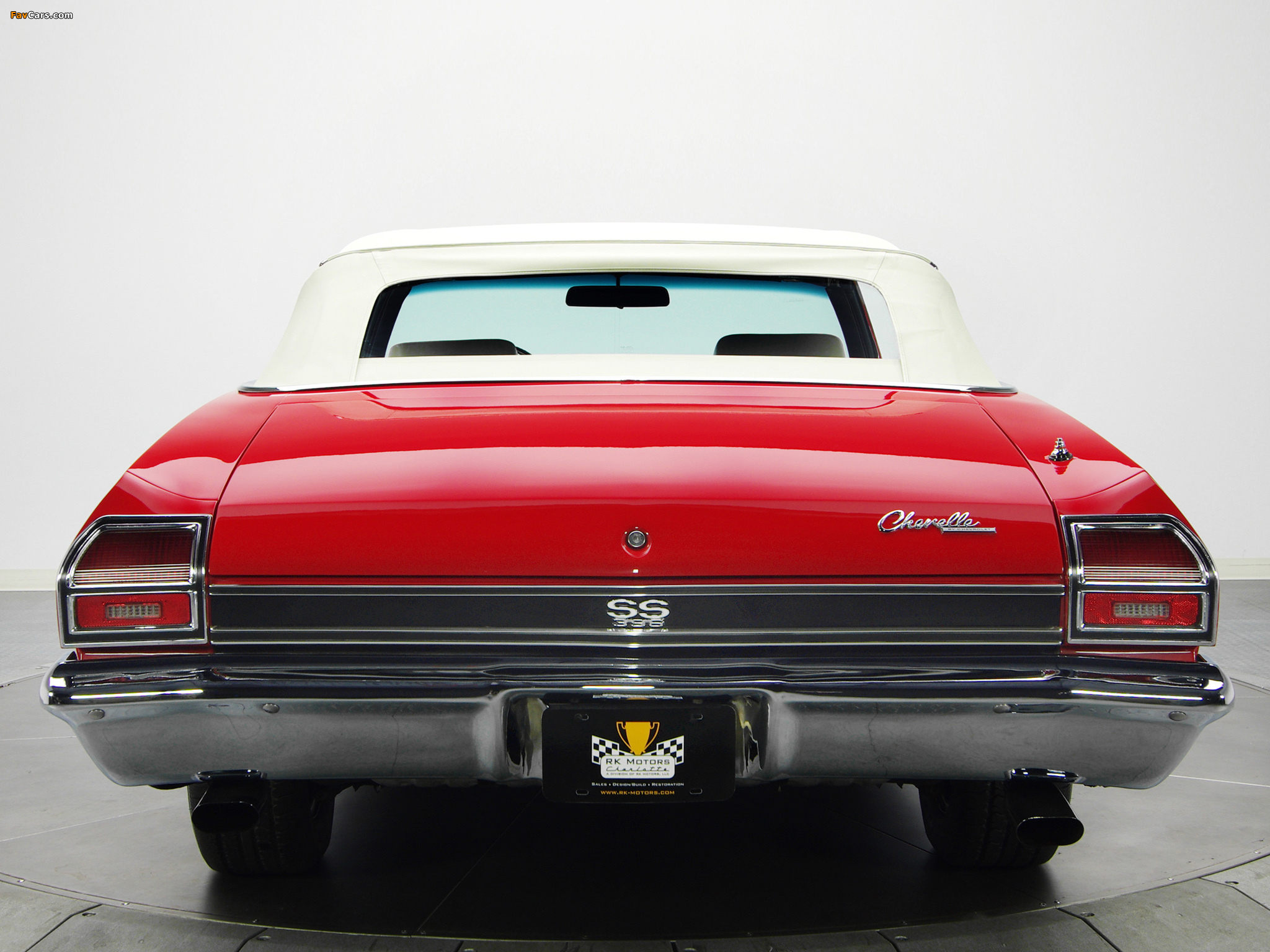
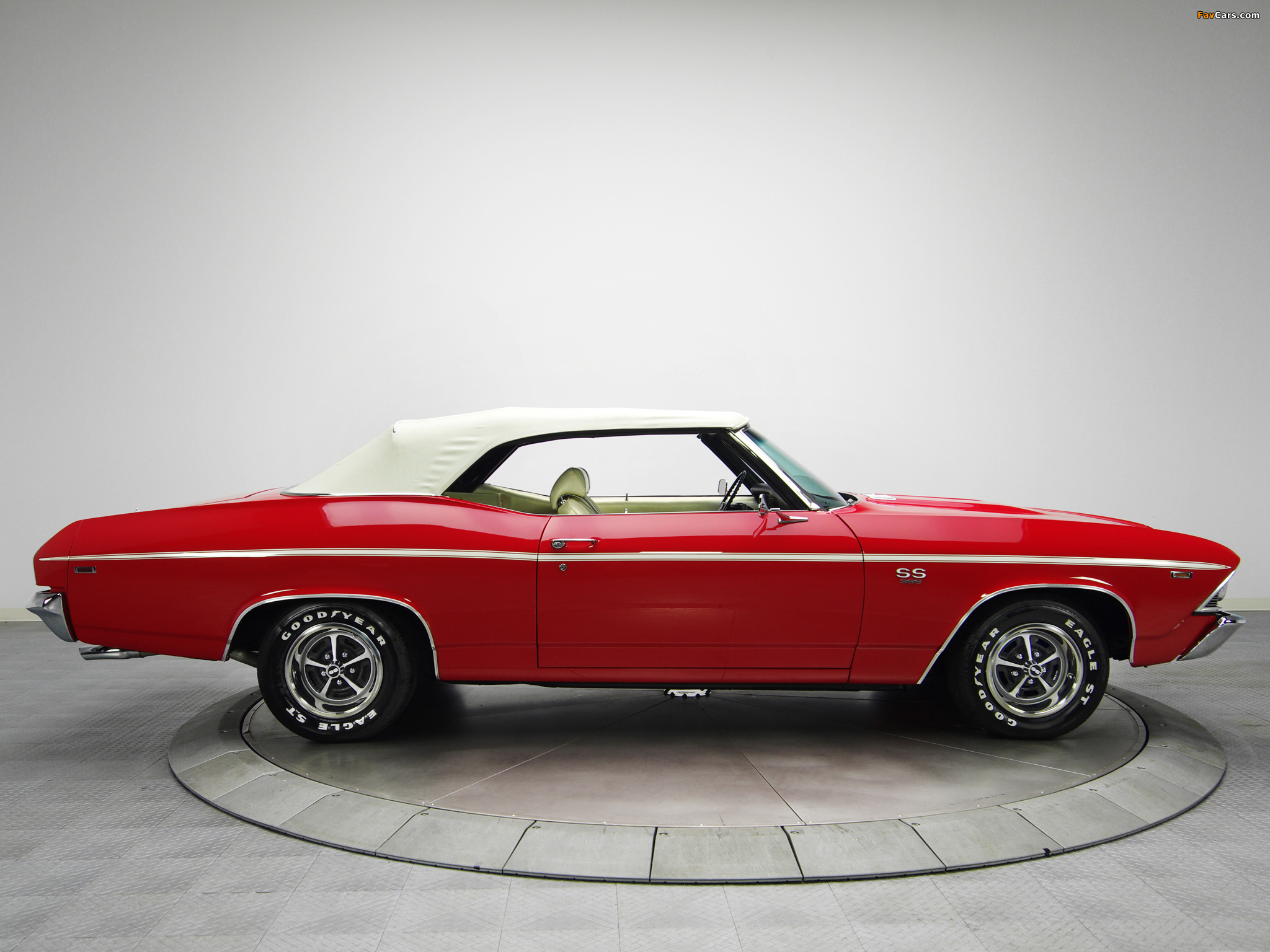
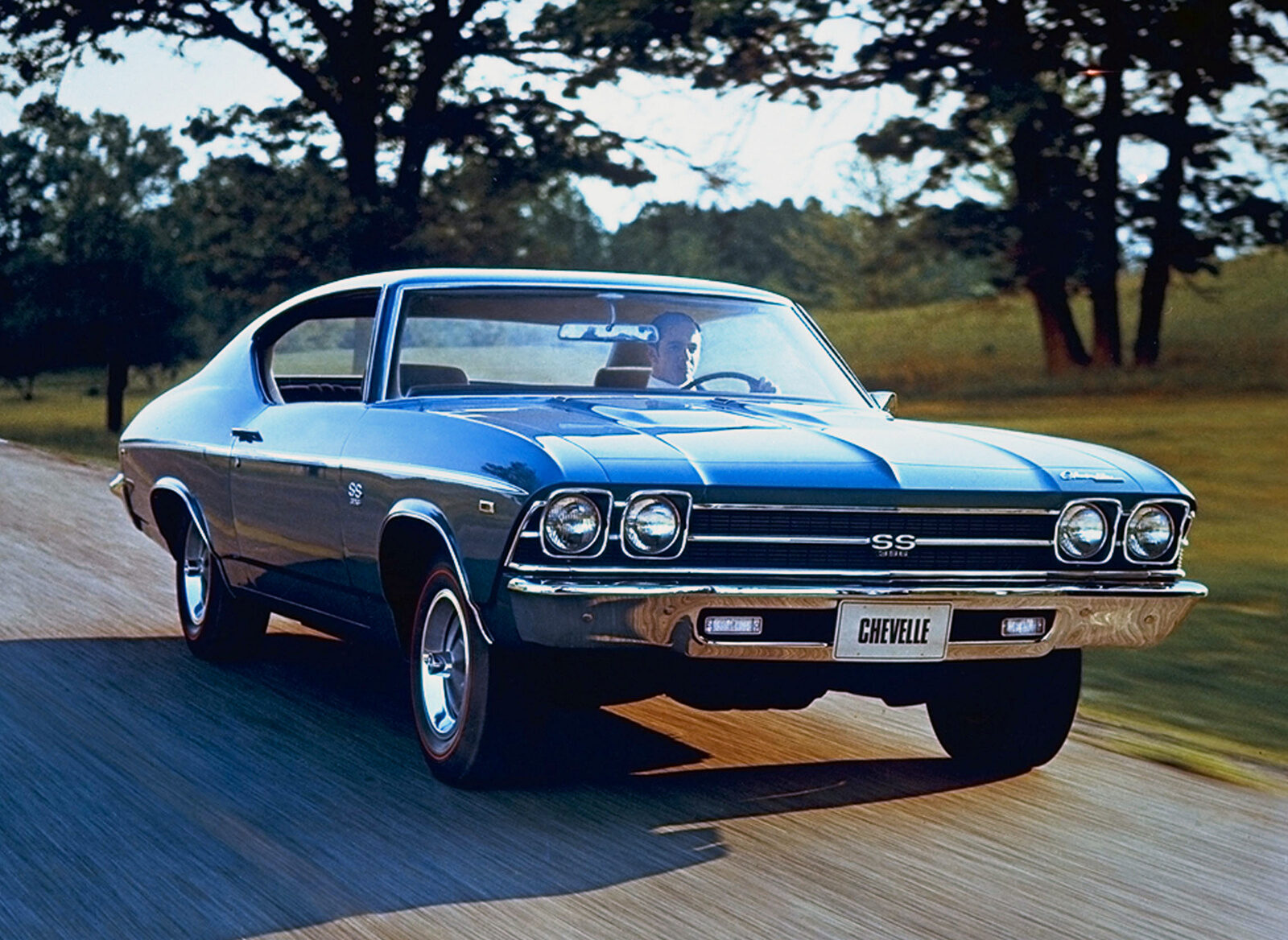
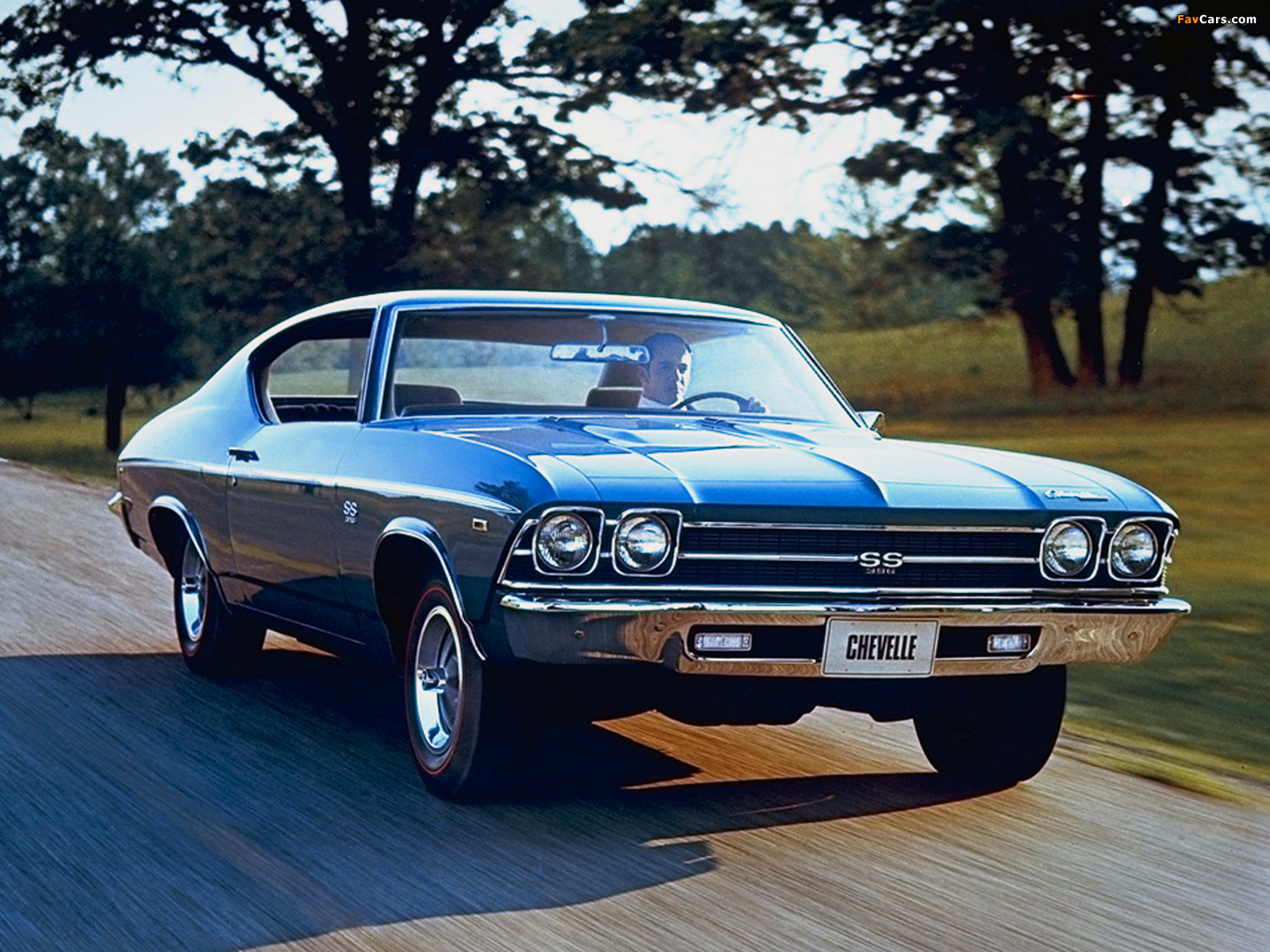
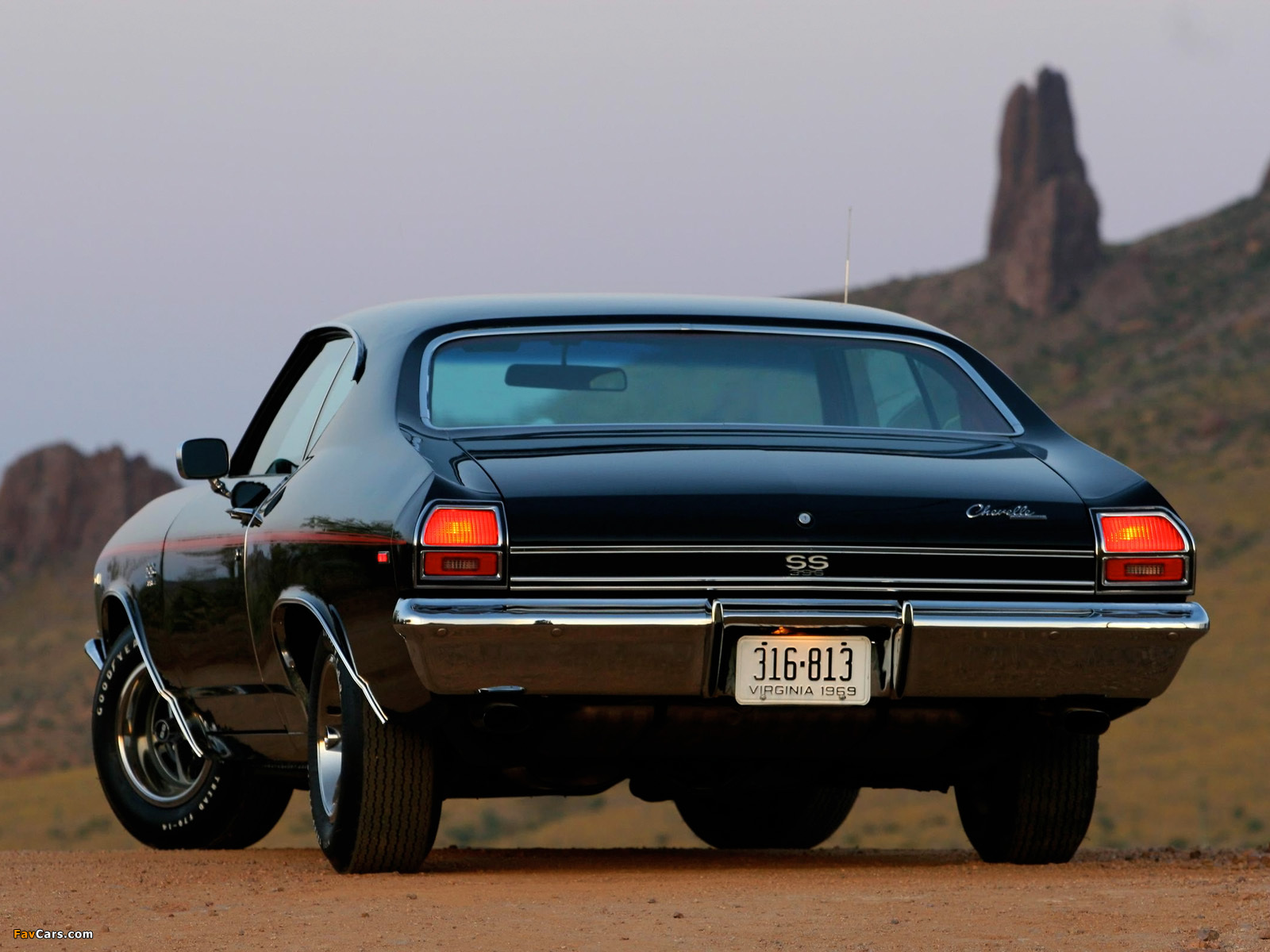
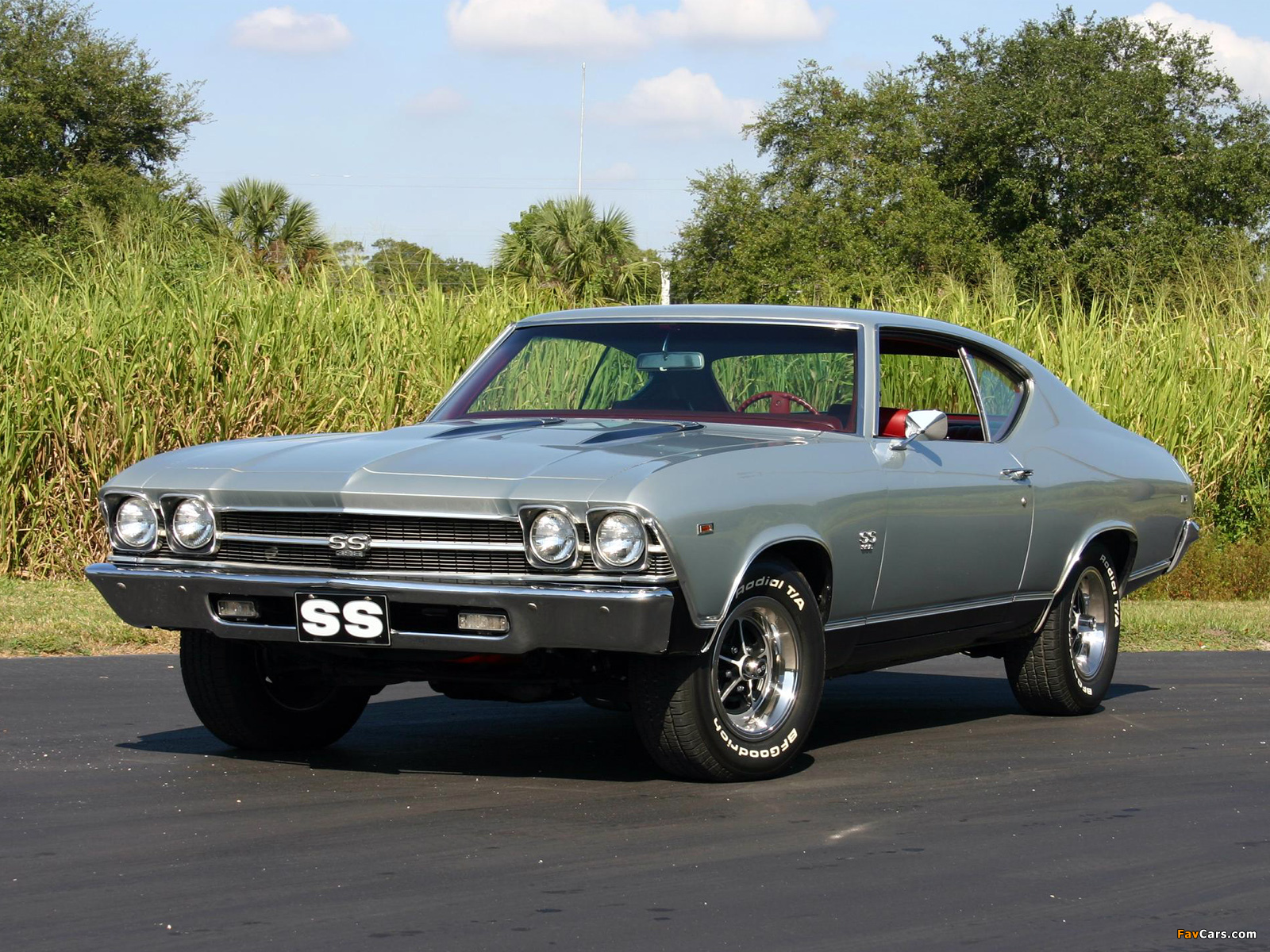
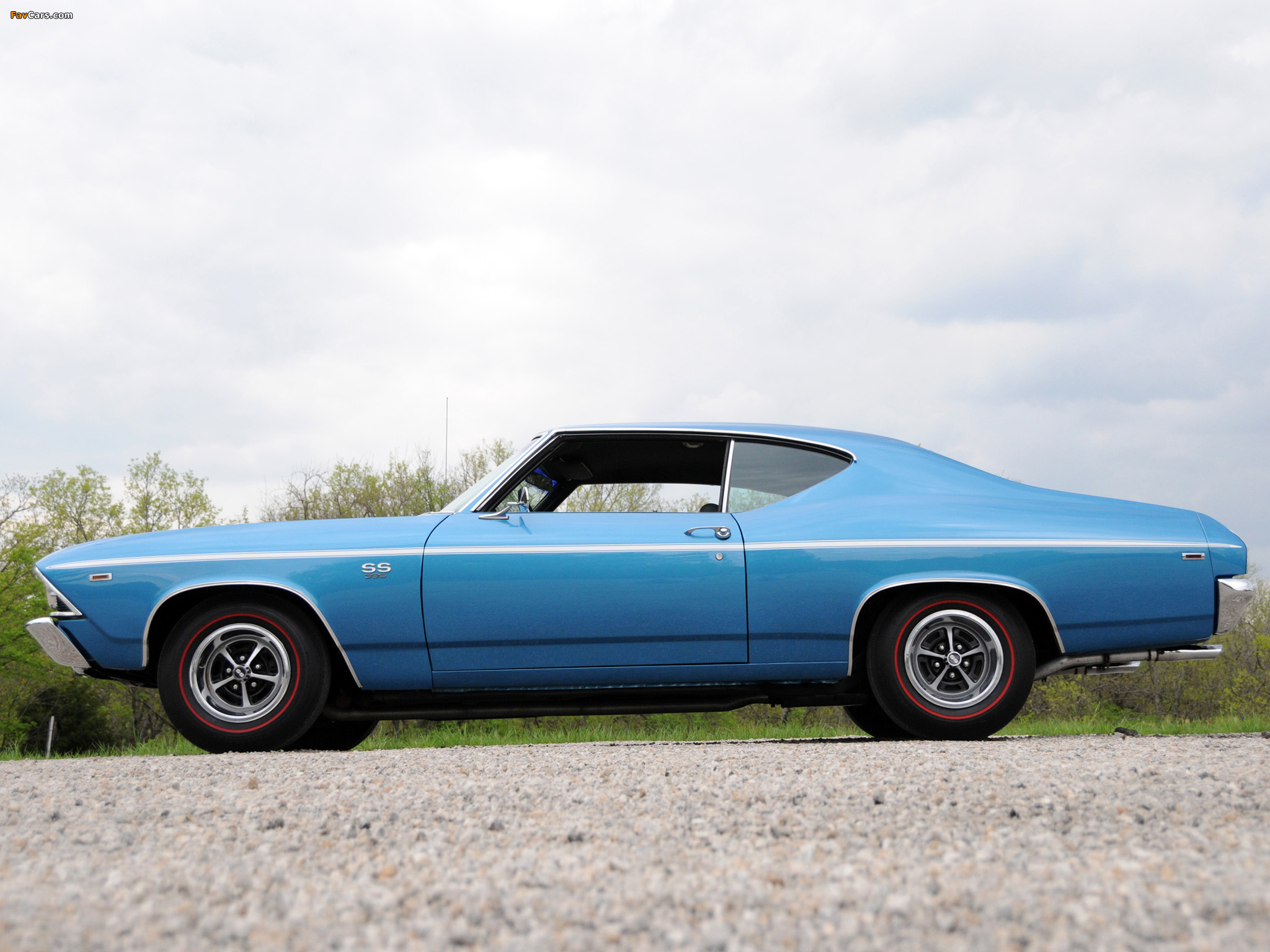
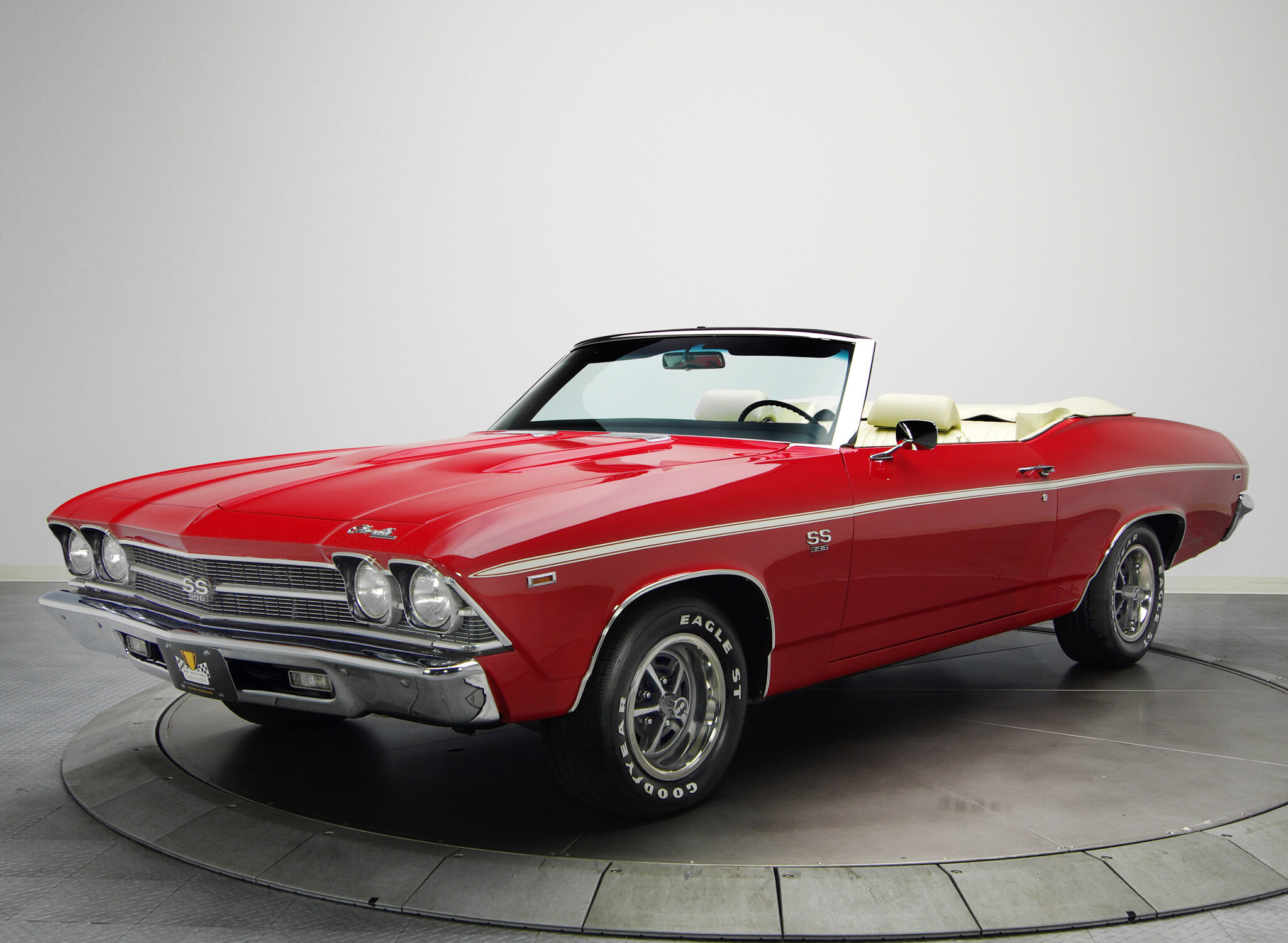
1969 Chevrolet Chevelle SS 396 Convertible Wallpapers

We have curated the ultimate collection of the best 1969 Chevrolet Chevelle SS 396 Convertible Wallpapers and HD backgrounds for you to enjoy. Our team focused on finding the top 1969 Chevrolet Chevelle SS 396 Convertible Wallpapers only to keep the quality high. These 1969 Chevrolet Chevelle SS 396 Convertible Wallpapers are free to download so go ahead. To download any of these pictures for use as a wallpaper, right click the picture and choose Save As…

Find more awesome Chevrolet Wallpapers

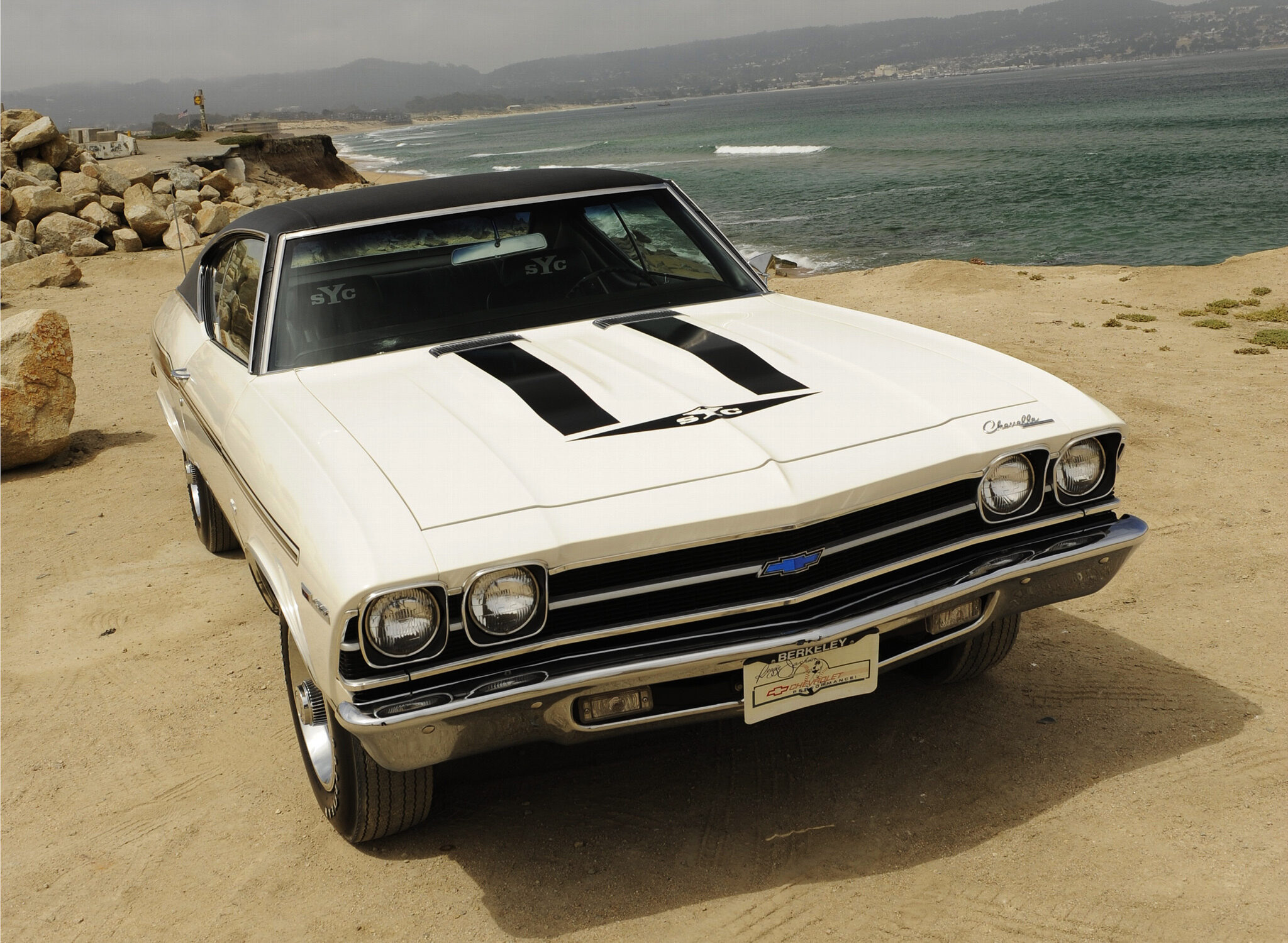
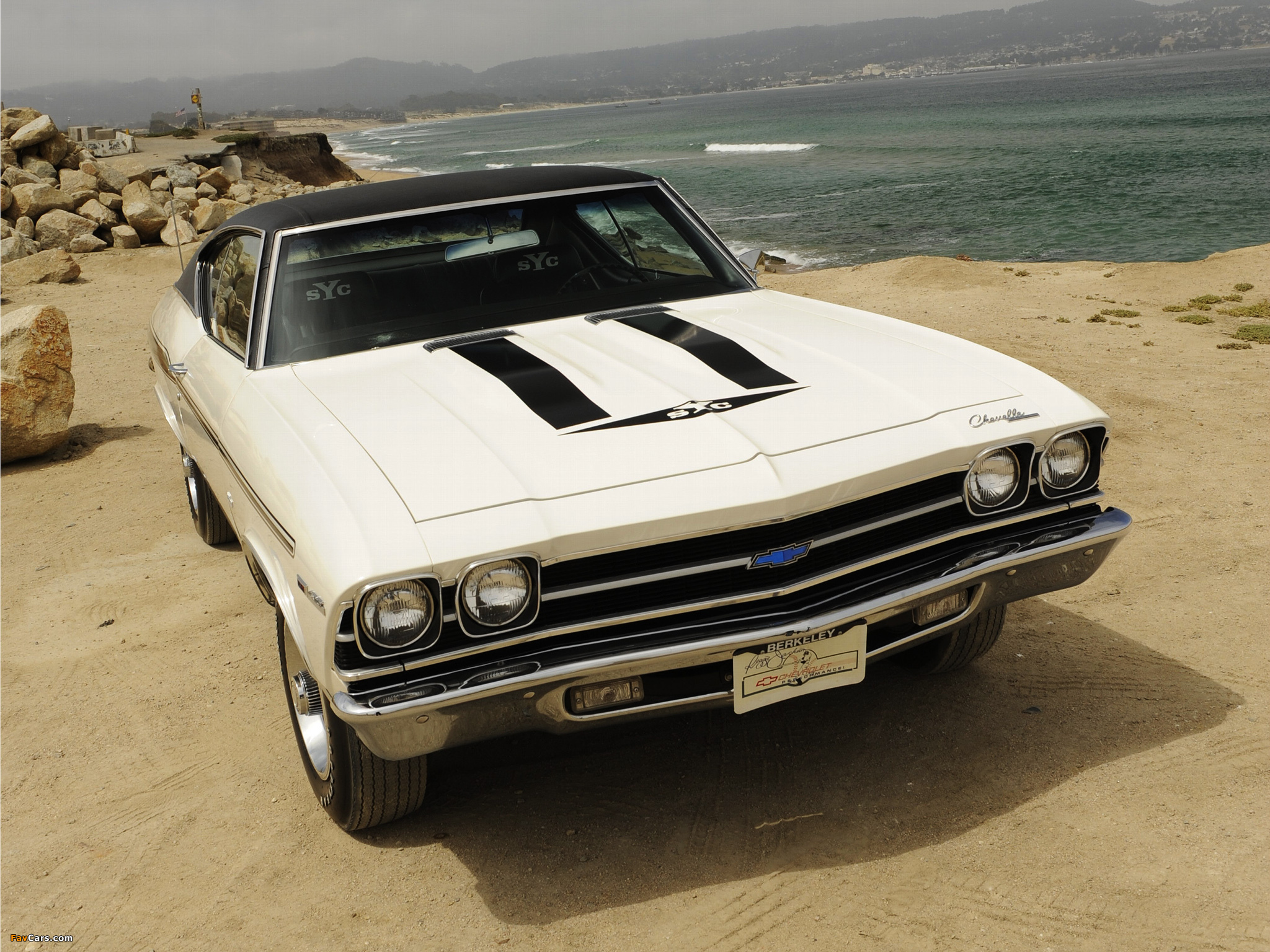
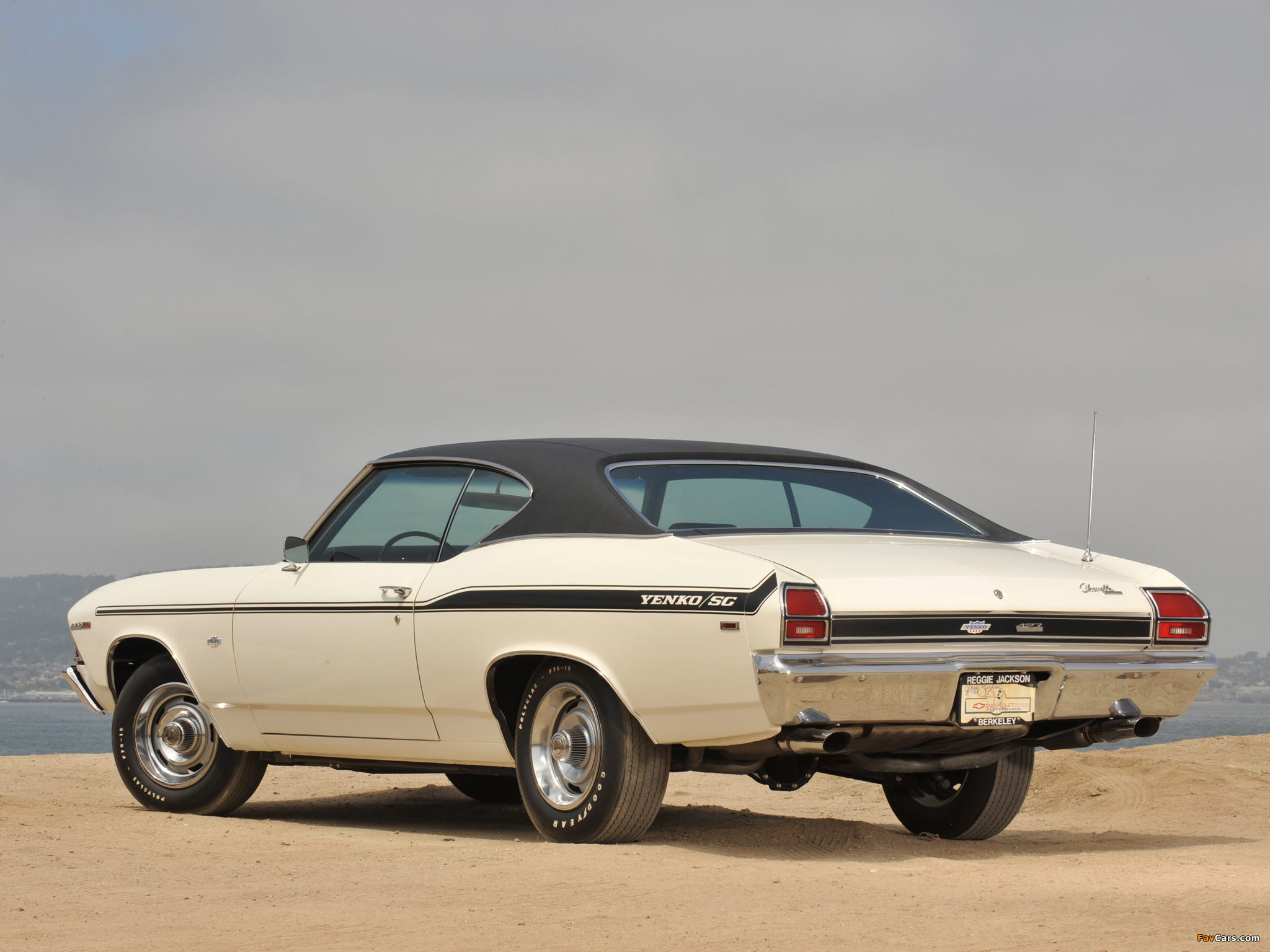
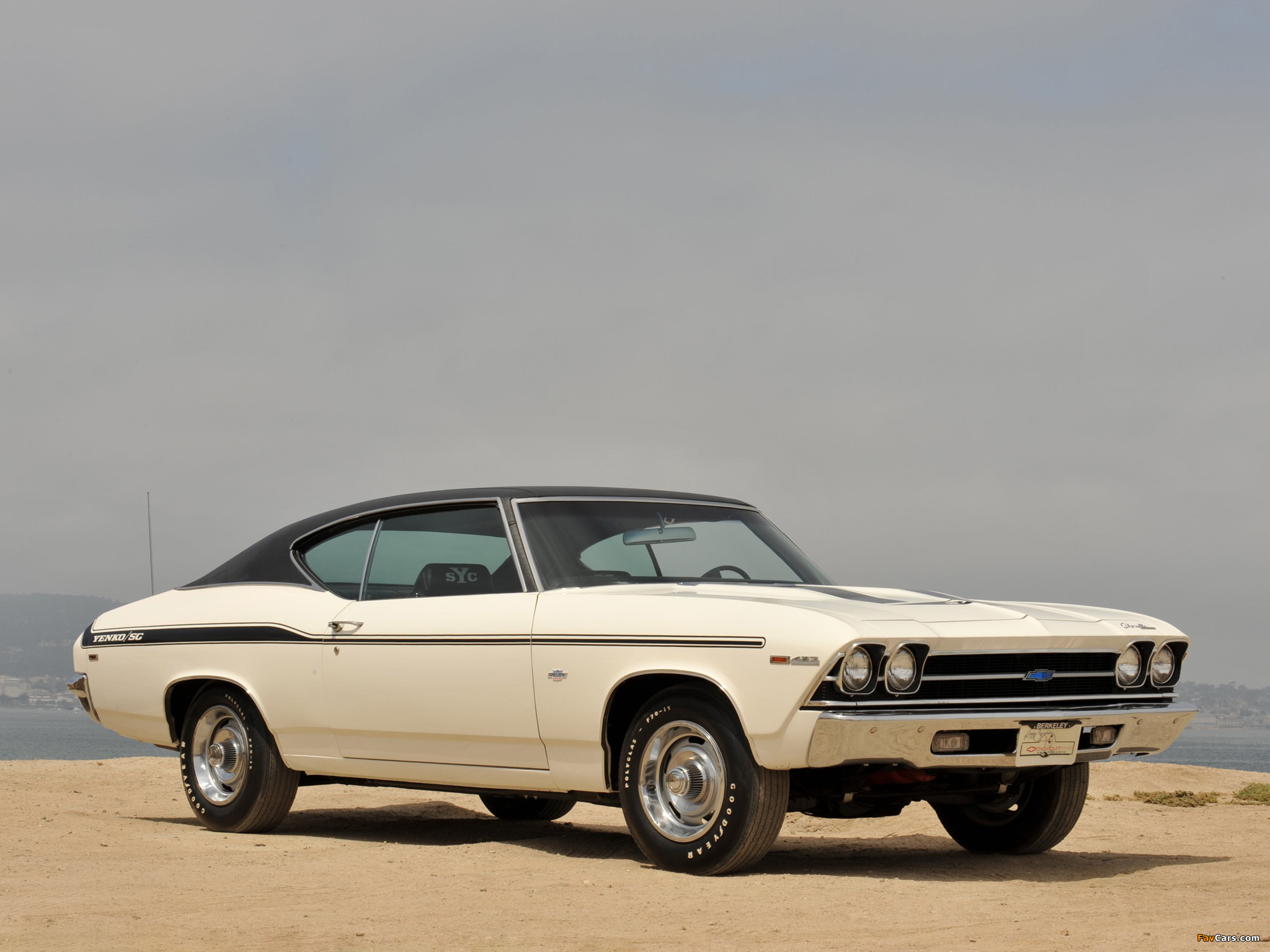
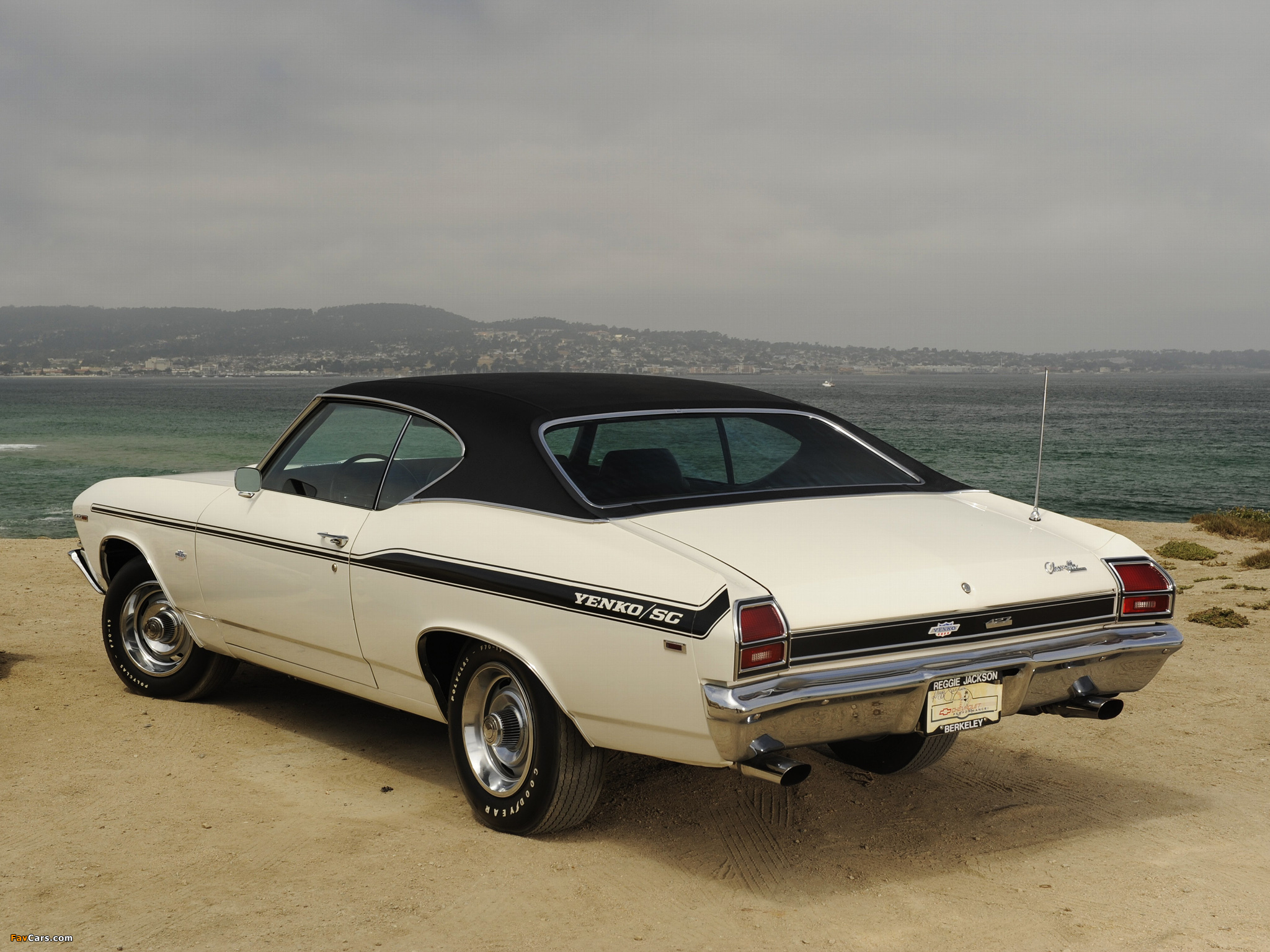
1969 Chevrolet Chevelle Yenko SC 427 Wallpapers

We have curated the ultimate collection of the best 1969 Chevrolet Chevelle Yenko SC 427 Wallpapers and HD backgrounds for you to enjoy. Our team focused on finding the top 1969 Chevrolet Chevelle Yenko SC 427 Wallpapers only to keep the quality high. These 1969 Chevrolet Chevelle Yenko SC 427 Wallpapers are free to download so go ahead. To download any of these pictures for use as a wallpaper, right click the picture and choose Save As…

Find more awesome Chevrolet Wallpapers

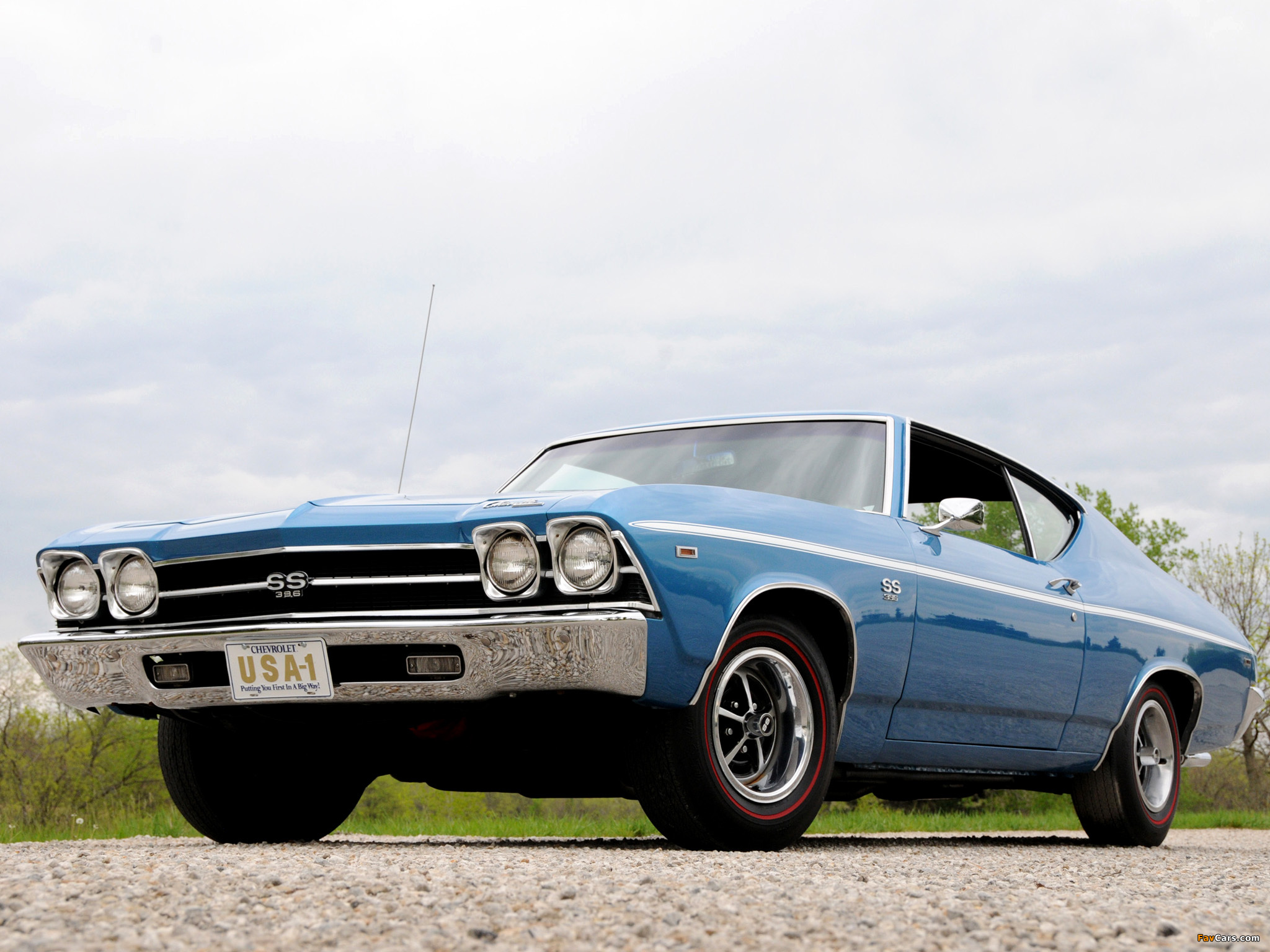
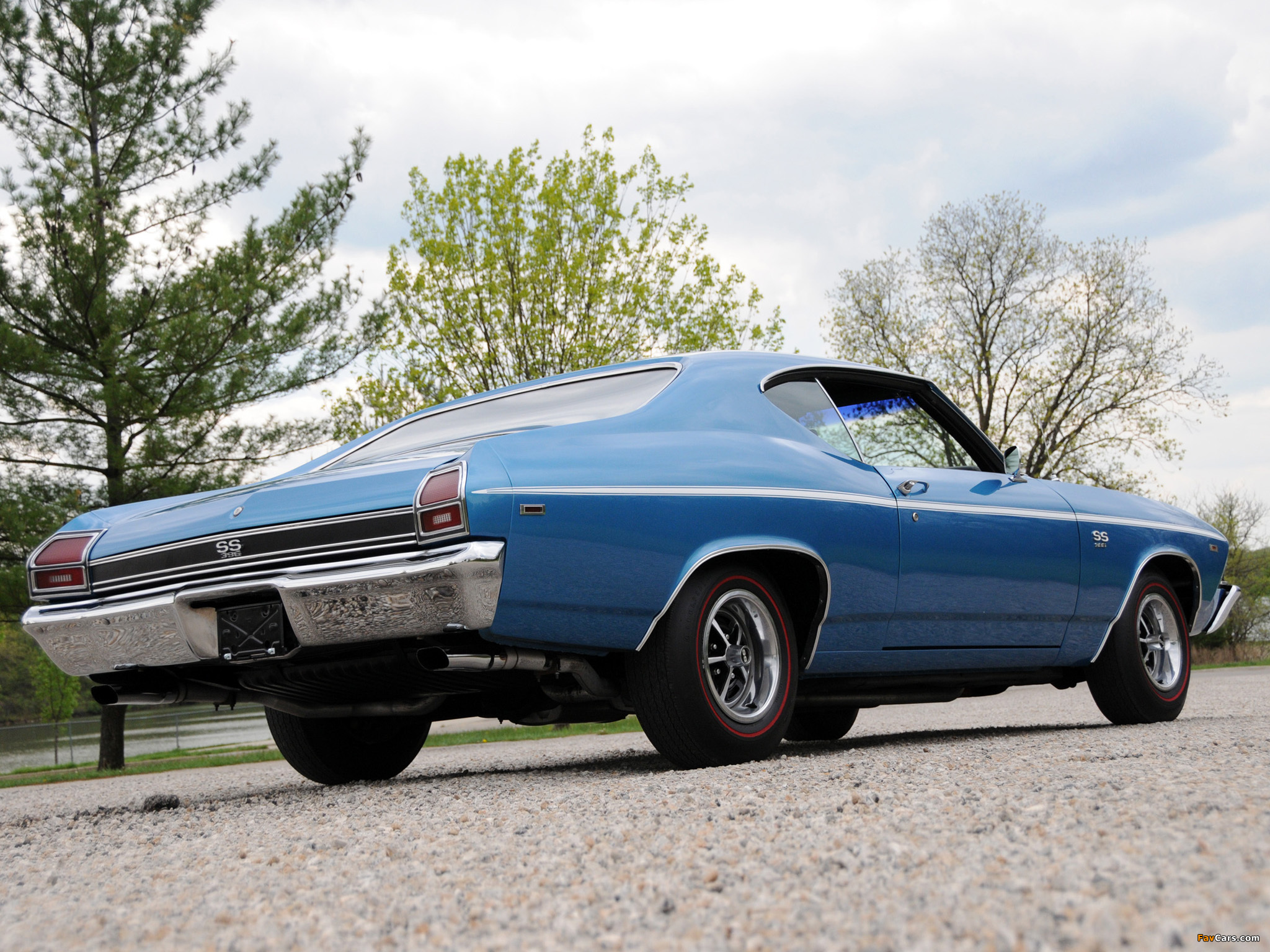
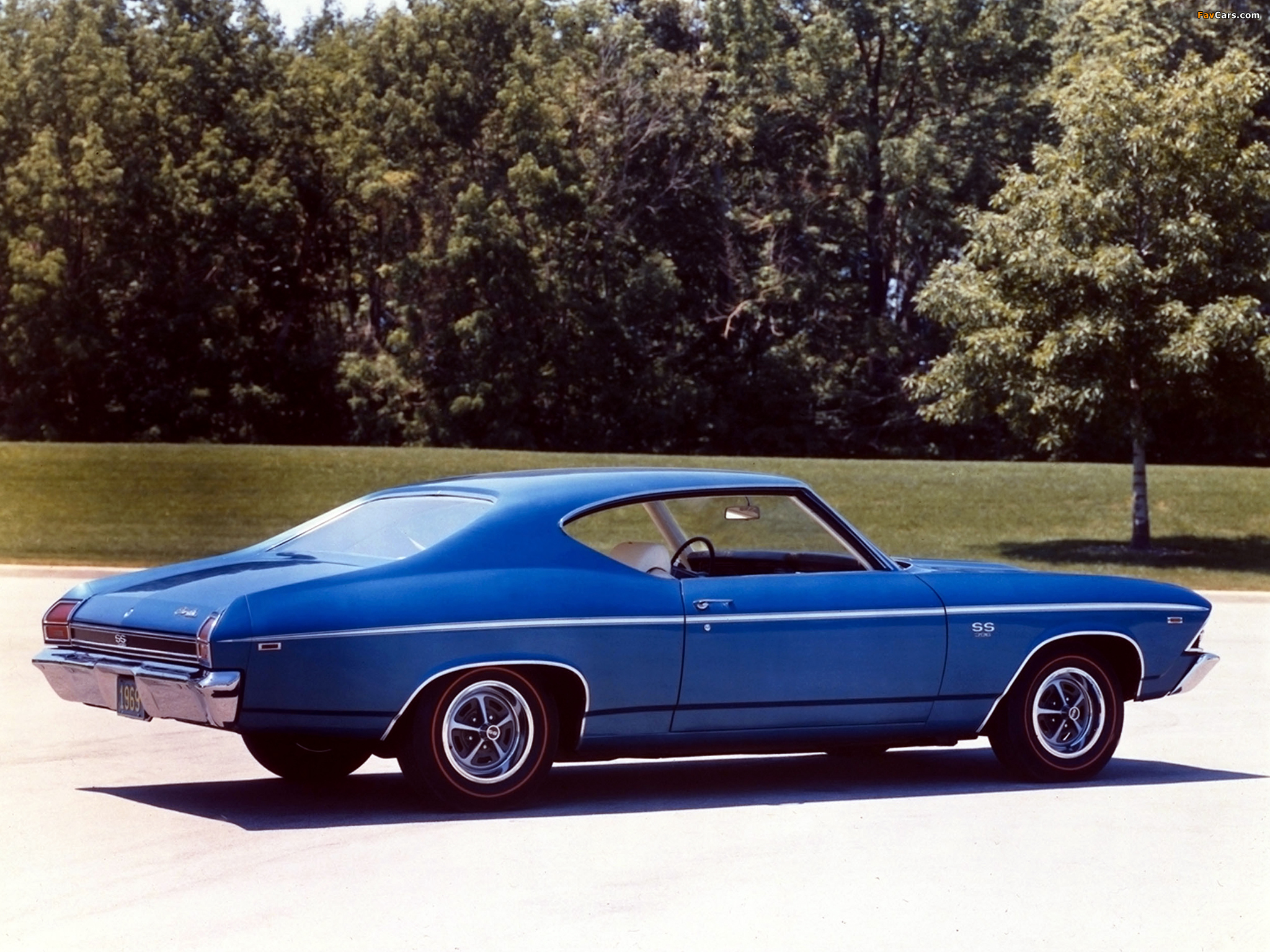
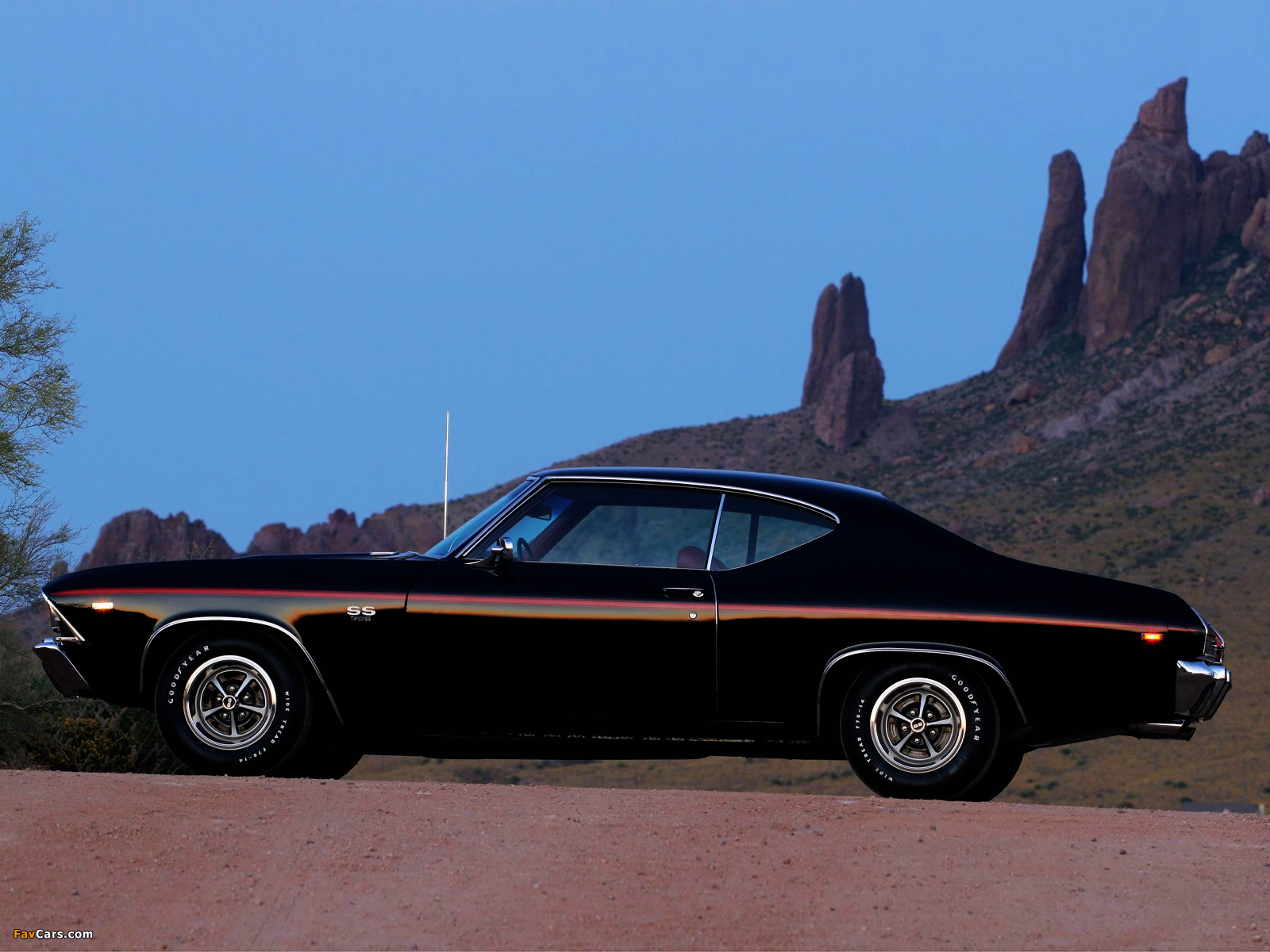
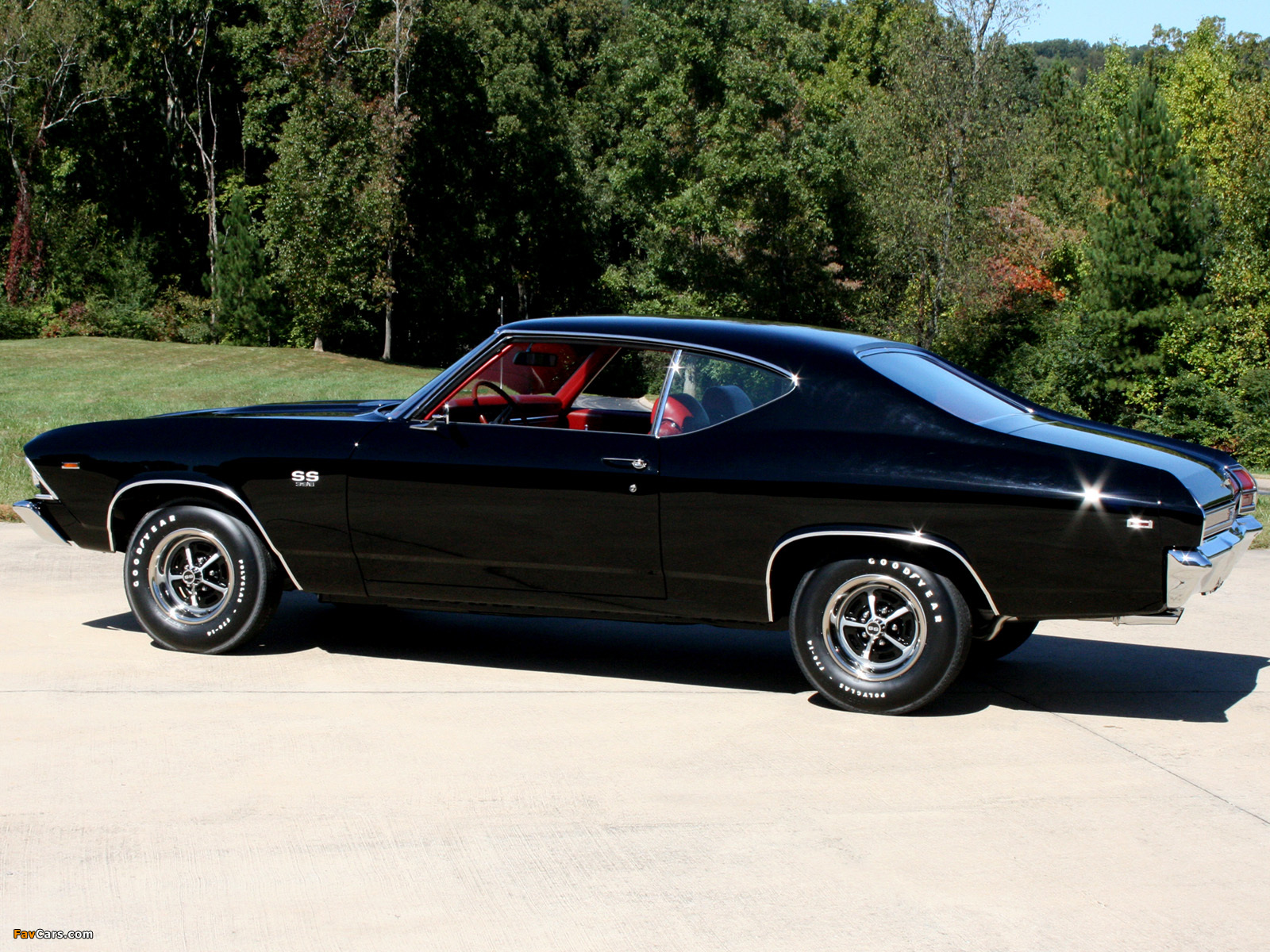
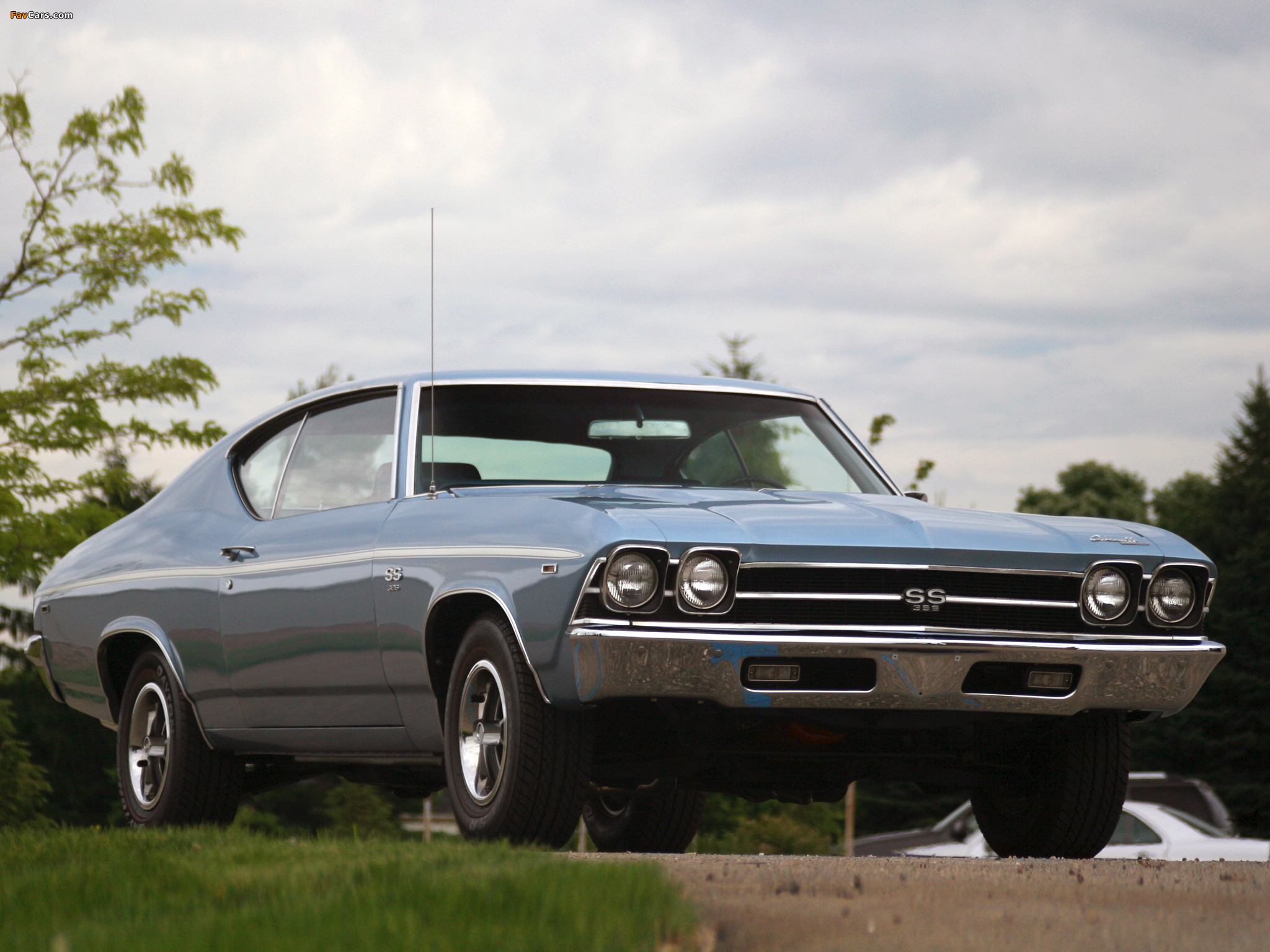
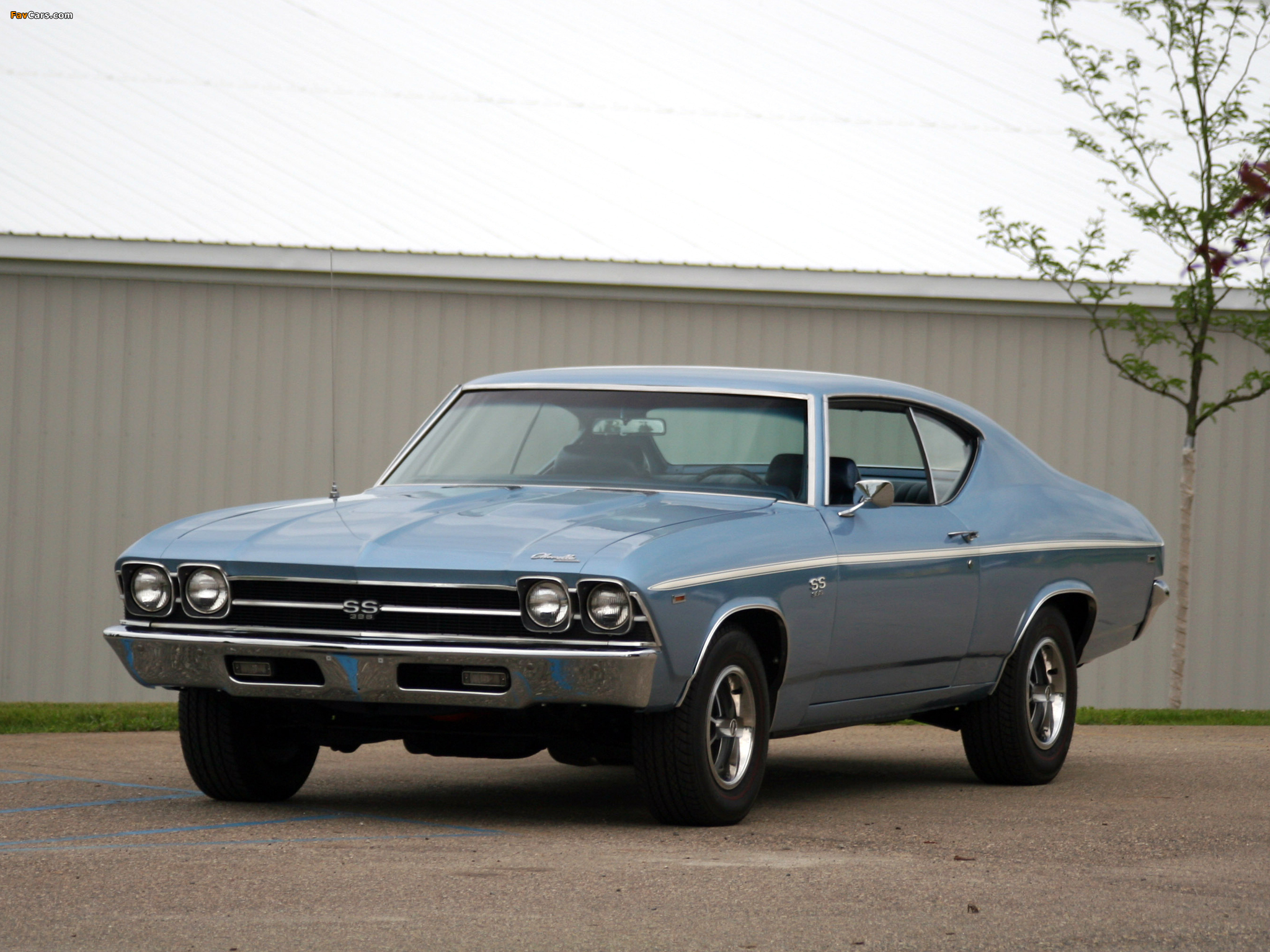
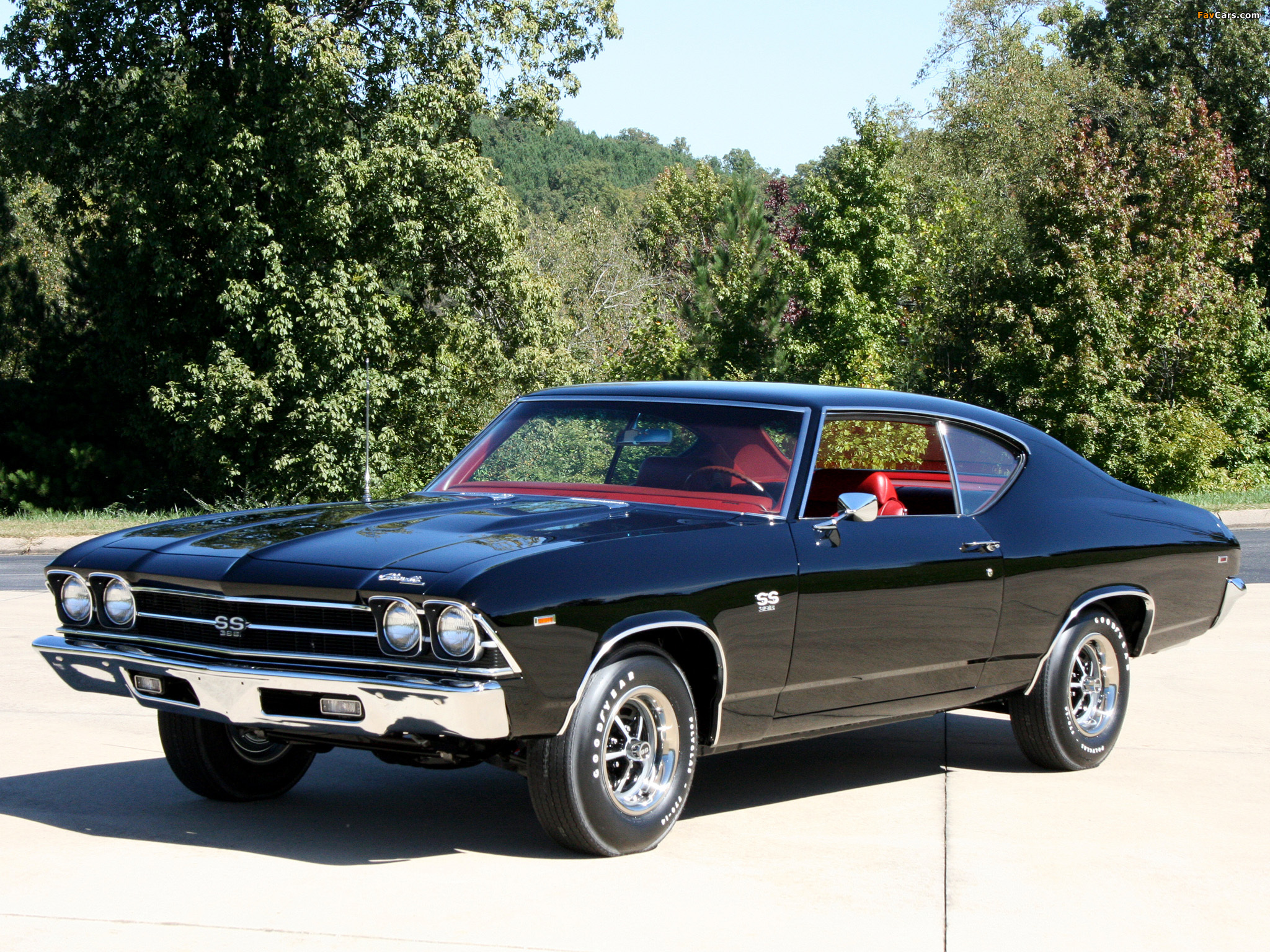
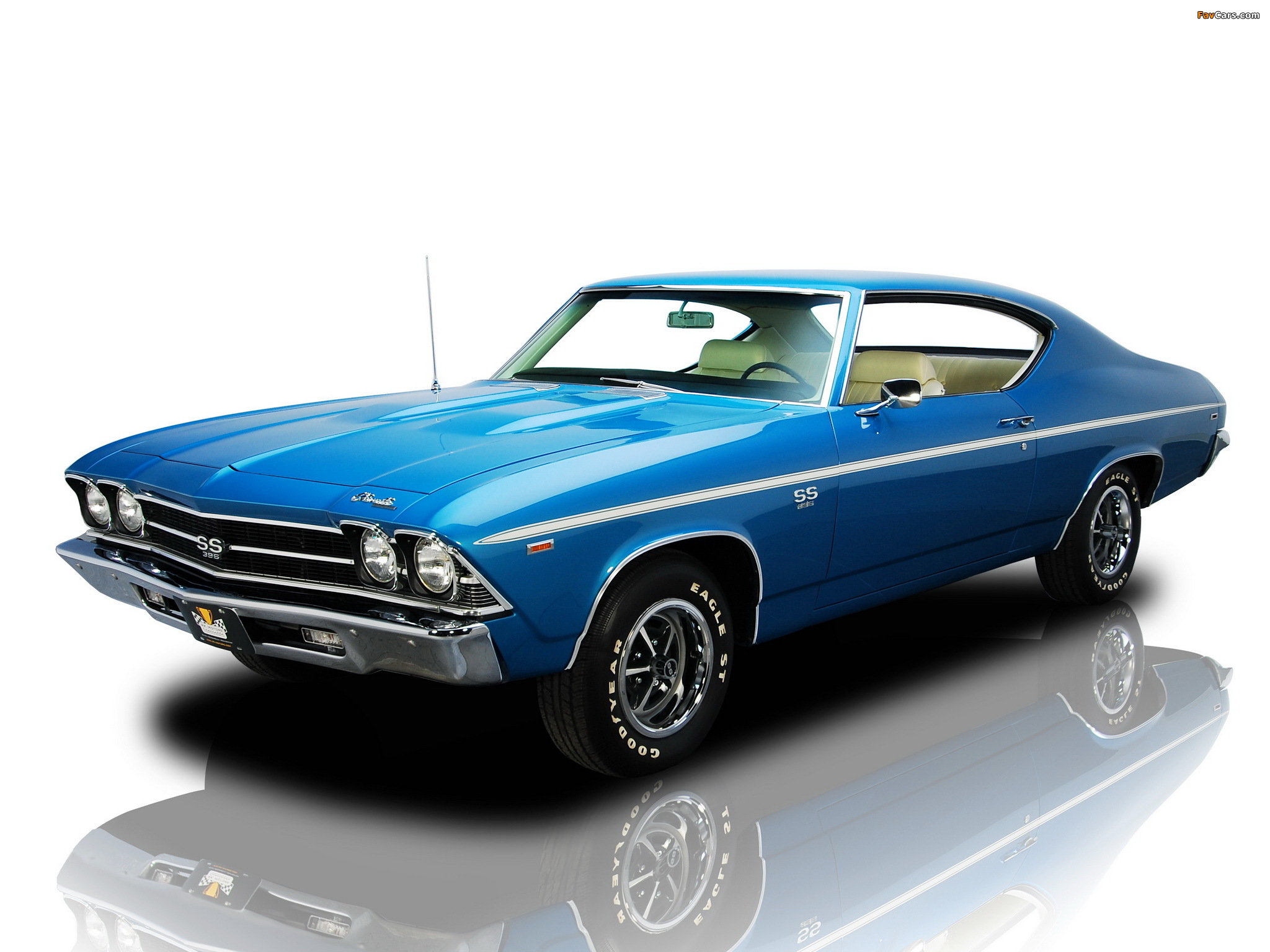
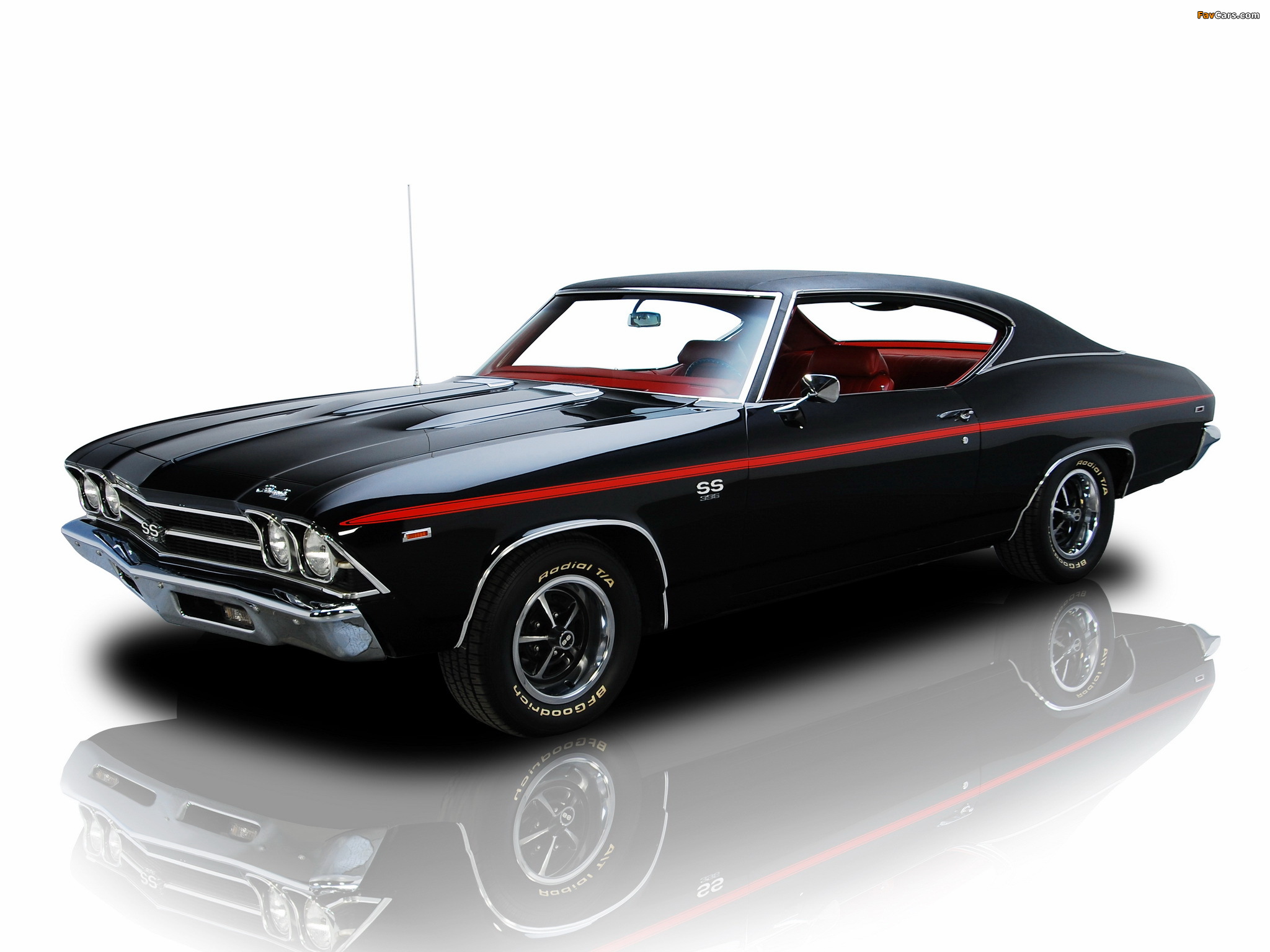
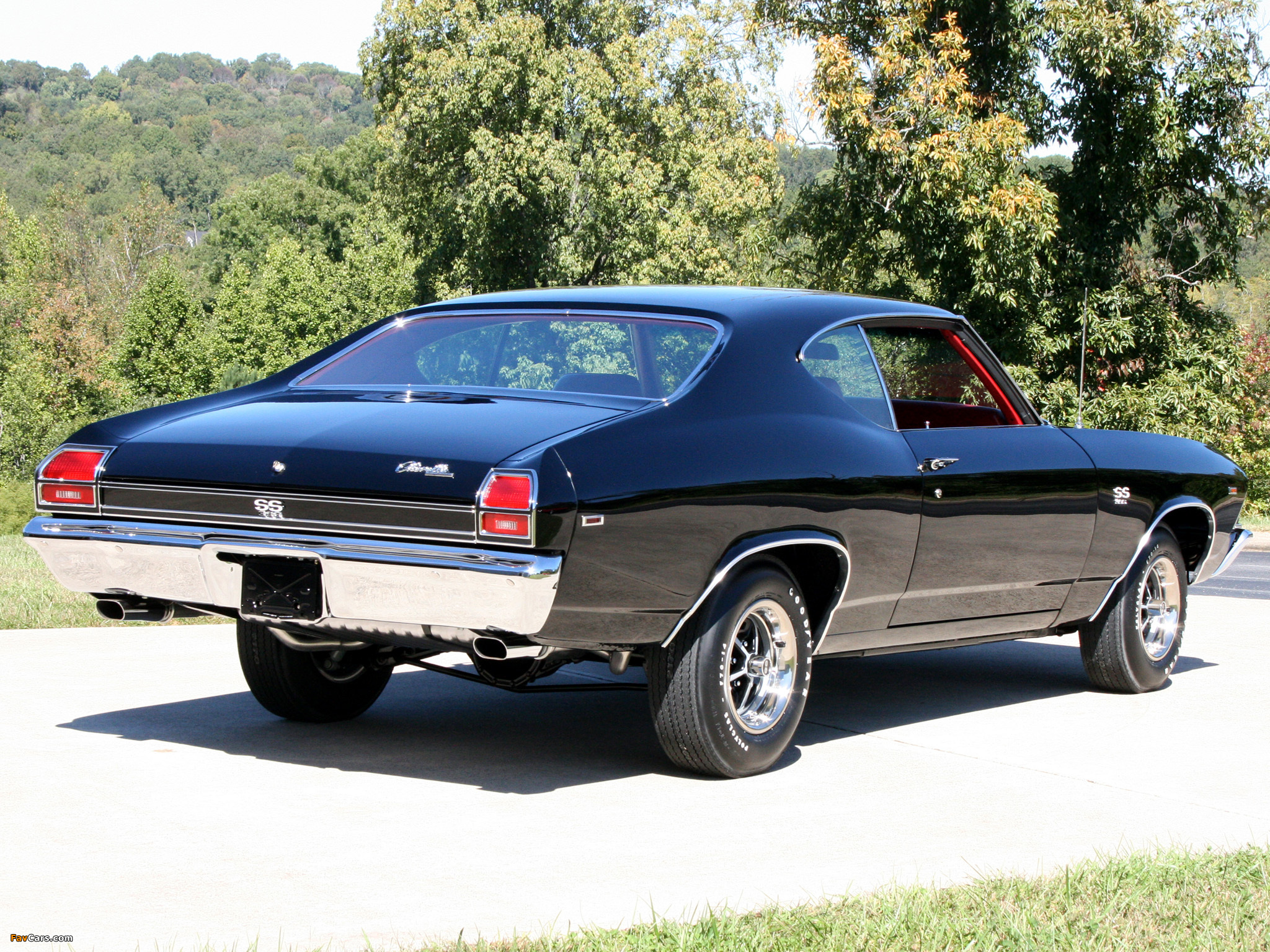
1969 Chevrolet Chevelle SS 396 Hardtop Coupe Wallpapers

We have curated the ultimate collection of the best 1969 Chevrolet Chevelle SS 396 Hardtop Coupe Wallpapers and HD backgrounds for you to enjoy. Our team focused on finding the top 1969 Chevrolet Chevelle SS 396 Hardtop Coupe Wallpapers only to keep the quality high. These 1969 Chevrolet Chevelle SS 396 Hardtop Coupe Wallpapers are free to download so go ahead. To download any of these pictures for use as a wallpaper, right click the picture and choose Save As…

Find more awesome Chevrolet Wallpapers

2022 Ferrari 812 Competizione / Competizione A: An In-depth Look

Ferrari 812 Competizione

Late last month, Ferrari revealed some of the core details surrounding the latest iteration of the company’s 812 Superfast grand tourer. We were teased with the likes of a 819 hp naturally-aspirated V12 engine which revved all the way up to 9,500 rpm, and albeit for a few photos to satiate the world’s collective visual vortex, little more was as explicit when it came to the specifics. After the unveiling today which was streamed live on various social media platforms, we now know a lot more, as was promised.

Ferrari 812 Competizione A

First, the name: it’s officially known as the Ferrari 812 Competizione. But, it can also be called the Ferrari 812 Competizione A. That’s because Ferrari surprised us by unveiling not one, but two versions of this hardcore 812 Superfast variant right from the get go. The latter – meant to replace the 812 GTS – is a Targa counterpart which features a removable carbon fiber roof panel which can be neatly stowed away in a special made-to-measure storage compartment. Besides the obvious aesthetic differences born from having an open-top configuration, the two cars are identical mechanically.

Performance

Both the Competizione and Competizione A will be powered by the same 6.5L naturally-aspirated V12 engine. In addition to producing 819 hp and possessing a symphonic 9,500 rpm of vocal range, we now also know that it also churns out 512 lb-ft of torque. Those are the peak figures of course, which are attainable at both 9,250 rpm and 7,000 rpm respectively.

Based on the power plant used in the regular 812 Superfast models, the engine needed to be revised to get it perform the way Ferrari was intending. The prancing-horse engineers started by redesigning the pistons and fitting lightweight titanium connecting rods to the assembly, so that the engine could be pushed harder and at a higher frequency than ever before. Naturally, new cylinder heads were also in order, as were F1-derived carbon-coated cams. The air intake system has also been remodeled to ensure that the V12’s cardiac requirements are being satisfied.

The engine remains mated to the same 7-speed dual-clutch transmission equipped on the regular Superfast, though the unit on the Comp cars has been re-calibrated to shift about five percent faster.

The overall result – more horsepower, a bit less torque and an extra 500 rpm to boot. Off-paper, this translates to stellar performance figures:

  • 0 62 mph: 2.85 seconds
  • 0-124 mph: 7.5 seconds
  • Top speed: 211 mph
  • Lap time (Fiorano Test Track): 1:20

These are approaching hypercar credentials, and all of this is achieved in the absence of turbochargers or a hybrid set-up. Speaking of hypercars, it’s just 0.3 seconds off the pace of a LaFerrari and a distinguishable 1.5 seconds faster than the regular 812 Superfast at Fiorano. While these are all based on the coupé version of the car, we imagine that the Competizione A would only suffer a very miniscule performance penalty, if one is even measurable at all. Such are the standards set these days by Ferrari cars of this caliber.

Aerodynamics & Design

The 812 Competizione manages to generate 30 percent more downforce than the 812 Superfast. At the front, larger air intakes flank the grill, which is enclosed by a more aggressive bumper with fins at each end appearing to function as integrated canards; a massive front splitter is then added for good measure. Air vents right behind each of the rear wheels and a reimagined carbon fiber diffuser also form part of the organism responsible for optimizing any air flow going under, through or over the VS’s silhouette. This design also helps to ensure that the engine, brakes and other heat-soaking components get adequate cooling.

Ferrari 812 Competizione

The aforementioned front diffuser opens up when the car is travelling at over 155 mph, while the the rear diffuser now spans the full width of the Comp car’s haunches, which in turn also required a rejig of the original exhaust system design. The rear spoiler remains integrated with the body, but has also been made higher, wider, and more optimized for performance in conjunction with the diffuser.

One of the most notable changes takes place at the back end of the car, with the rear glass being replaced by a body-colored panel which could be best described as a “super-louver” made from carbon fiber and aluminum. This is one element of the Competizione’s extreme-downforce mandate, which comes at the loss of some of the regular car’s utilitarian demeanor. The Competizione A instead, gets a bridge between the flying buttresses, which plays much of the same role as said “super-louver” while also incorporating the Targa design.

Chassis & Handling

The 812 Superfast VS will continue to embrace Ferrari’s most impressive tech, with familiar features such as the Side Slip Control 7.0 (SSC) traction and stability control system, and rear-axle steering coming standard. The latter system is notably impressive and is unlike any other similarly functioning system in a road car today, with each of the rear wheels able to turn at different angles independently of one another. Ferrari says this will improve rear stability and handling precision, which should be particularly useful in an 819 hp rear-wheel drive machine.

Typical of just about every performance-biased special edition car ever produced by Ferrari, is a strict carbon fiber diet – and this is no different for the upcoming Ferrari 812 Superfast VS. Owners should expect a healthy serving of the carbon fiber good stuff – inside and out – which not only upgrades the car aesthetically, but also allows for the just-as-important art of weight reduction.

With all options exhausted, including the carbon fiber wheels, the Competizione weighs about 38 kg less than the 1,525 kg Superfast, bringing it barely within the 1,400 kg range. No official details yet on how much the ‘A’ tips the scales, but the expectation is that it will be slightly heavier than the coupé – extra reinforcements, bracing, et al – despite all the extra carbon fiber that went into the Targa design.

Michelin Pilot Sport Cup 2 R tires will come standard on both of the Comp cars, with 20″ wheels wrapped in 275/35 and 315/35 in the front and rear respectively. These are the latest evolution of Michelin’s tried-and-tested street-legal extreme performance tire, and offer much more grip than previous iterations at the cost of a lower wear rating. The Competizione and Competizione A are ready to conquer to Nürburgring right from the showroom floor.

Pricing

Ferrari says that the Competizione coupé will have a base price of US$598,567, while the Competizione A will be quite a bit more expensive, starting at US$694,549. Production has already begun, with the first deliveries scheduled for early 2022 the coupé, and about a year after that for the Targa. Word on the street is that all allocations have already been sold / spoken for.

Official Ferrari press release can be viewed here.

Image & Video Gallery

Ferrari 812 Competizione

[embedded content] [embedded content] [embedded content] [embedded content]

Ferrari 812 Competizione and 812 Competizione A

From the official press release by the Ferrari Press Office: The 812 Competizione, the new limited-edition special series car derived from the 812 Superfast, was presented today to media, clients and fans all over the world. In the course of the event, which was broadcast live on Ferrari’s social media channels, the wraps were also whipped off the 812 Competizione A, a spectacular Targa-top version, again a limited-series and an homage to the Prancing Horse’s glorious open-top tradition.

The presentation took place in a very special venue, the recently-opened GT Sporting Activities Department located alongside the Fiorano track, further strengthening the inextricable link between Maranello’s road-going sports cars and the peerless racing DNA developed as a result of over seven decades of success on the world’s circuits.

The launch began with the 812 Competizione completing several laps of the circuit to give viewers a full appreciation of the car’s forms in this dynamic and high performance context in addition, of course, to hear the unmistakeable sound of Ferrari’s iconic naturally-aspirated V12. After the hot laps Enrico Galliera, Ferrari’s Chief Marketing & Commercial Officer, officially presented the car and then unveiled the 812 Competizione A.

This duo of cars is dedicated to a very exclusive group of collectors and enthusiasts of the most noble of Ferrari traditions, which focuses on uncompromising maximum performance. The innovative technological concepts applied to the engine, vehicle dynamics and aerodynamics have raised the bar to new heights.

Once behind the wheel of the 812 Competizione and the 812 Competizione A, the driver becomes one with the car, regardless of whether it is on road or track. The car guarantees instantaneous responsiveness to commands and absolute control even in the most complex of manoeuvres. Maximum fun behind the wheel and driving exhilaration are ensured at all speeds, thanks in great part to the new independent, four-wheel steering, which delivers exceptional agility and precision in cornering.

POWERTRAIN
The 812 Competizione and 812 Competizione A sport the most exhilarating V12 on the automotive scene and is derived from the multi-award-winning engine powering the 812 Superfast. The result is a naturally-aspirated 830 cv engine that pairs impressive power with electrifying delivery and the inimitable soundtrack that Ferrari V12 purists know well. To boost the output of the engine, which has the same 6.5-litre displacement as the 812 Superfast’s V12, several areas have been significantly re-engineered to achieve a new record red line while optimising the fluid-dynamics of the intake system and combustion, and reducing internal friction.

Maximum revs are now 9,500 rpm which, together with a rising crescendo of torque delivery, unleashes a feeling of progressive and boundless power and acceleration. A result delivered by the meticulous redesign of key engine components such as the con-rods, pistons, crankshaft and distribution. The titanium con-rods are 40% lighter than steel versions whilst delivering the same mechanical resistance; the piston pins, on the other hand, have been given a diamond-like carbon (DLC) coating to reduce the coefficient of friction to the benefit of performance, fuel consumption and wear. These modifications are combined with a rebalanced crankshaft, which is also 3 percent lighter than the previous version.

The most significant improvements, however, are to the distribution and the cylinder heads, which have both been completely redesigned. The cams (which now feature DLC coating) now action the valve stems via DLC-coated steel sliding finger followers, which are derived from Ferrari’s F1 experience and were developed specifically for this engine to provide a higher lift profile.

To ensure that the engine breathes correctly across the entire rev range, the intake system was redesigned: both manifold and plenum are now more compact to reduce the overall length of the tracts, thus delivering more power at high revs, while the torque curve is optimised at all engine speeds by a system of variable geometry inlet tracts. This enables the length of the intake tract assembly to be continuously modified, adapting it to the firing order to maximise the dynamic charge in the cylinder. The result is an engine that revs with tremendous speed all the way to the cut off with no drop off towards the red line.

To reduce friction and mechanical losses, thereby improving the engine’s overall efficiency, the engineers developed a new variable-displacement oil pump that continuously adjusts oil pressure across the engine’s entire operating range. Another important point to underscore is the adoption of a less viscous oil (Shell Helix 5W40) than used on previous V12s and the improvement in the flow rate throughout the entire oil scavenge line.

The direct fuel injection management strategy has been further developed to keep abreast with increasingly stringent emissions regulations. The calibration of the timing and amount of fuel injected, as well as an increase in injection pressure, have reduced emissions and the generation of particulate, especially when the engine is cold.

The ignition system is constantly monitored by the ECU which has an ion-sensing system that measures ionising currents to control ignition timing: it has a single and a multi-spark function to the benefit of smooth, flexible torque delivery. The ECU also controls combustion in the chamber to ensure that the engine is always working at peak thermodynamic efficiency, something also achieved in part by a sophisticated strategy that recognises the octane rating of the fuel being used.

To maintain the traditional incredibly high standard of engine sound to which Ferrari V12 owners are accustomed, whilst simultaneously introducing a GPF (Gasoline Particulate Filter) to the exhaust system that ensures compliance with the very latest emissions regulations, the engineers added a new exhaust tailpipe. This unusual and innovative design solution reinstates the medium-high frequency sound muffled by the use of the GPF.

In order to deliver excellent acoustics, performance and aesthetics, the exhaust tailpipes are visible to underscore their function and the car’s track-inspired character without impinging on the signature elegance of all Ferraris. Work was also carried out on the intake tract to which a second pair of resonators was added to enhance specific frequencies and the engine’s more noble combustion order harmonics, creating the perfect melding of the sound from the exhaust and from the intake system.

Both the 812 Competizione and 812 Competizione A are equipped with a seven-speed dual-clutch gearbox, pushing the performance of the latter to new extremes and delivering a new gearshift feeling for the V12. Calibration of the control strategies has reduced shift times by a further 5 percent. Although it retains the same gear ratios as the 812 Superfast, the new car’s changes are even more sporty, thanks to the extra 500 rpm in maximum revs allowed by the new V12.

Hand-in-hand with the performance boost comes further fine-tuning of the cars’ respect of emissions norms with an evolution of the HELE system, which enables an on-the-move Start&Stop function, and a series of emissions-reducing engine maps, which maintain the signature Ferrari V12 sound even at low speeds. When the HELE is deactivated, performance driving-oriented maps return with lightning fast gear-shifting for maximum response.
The cooling system has also been adapted to cope with the additional heat generated by the new engine’s extra 30 cv, resulting in the introduction for the very first time on a Ferrari V12 of a single front air intake that maximises the amount air of cooling air channelled towards the radiators. The entire coolant circuit has also been improved, increasing cooling efficiency by 10 percent compared to the 812 Superfast. In addition, the single air intake has been further optimised to improve the fluid dynamics of the engine intake manifold, thereby minimising charge losses along the tract.

Lastly, the engine oil tank was redesigned to cope with the extra flow (up by 30 percent) and to cope with the car’s greater lateral and longitudinal acceleration. Thanks to the optimisation of the interior chambers and volumes, the new tank saves over one kilo of oil compared to the 812 Superfast, making the 812 Competizione and the 812 Competizione A the cars that require the least oil in the current V12 range. In the final analysis, this also contributes to the overall reduction in the car’s kerb weight.
AERODYNAMICS
The increase in both the 812 Competizione’s engine output and maximum revs have resulted in a consequent increase in the heat to be dissipated. To meet these new demands, the efficiency of the cooling flow management has been improved without increasing the dimensions and weight of the radiating masses.

While on the 812 Superfast, the engine air intakes are set either side of the large central grille, the 812 Competizione adopts an integrated solution with a single air duct. This allowed the intake for the engine radiators to be extended sideways as far as the chassis allowed as well as reducing not just weight, but also losses to the intake plenum and thus the combustion chamber, which in turn, improved the overall performance.

The evacuation of the hot air coming off the radiator was improved by exploiting both the vents on the bonnet either side of the central ‘blade’, and the louvers in the wings. These areas are particularly efficient in terms of cooling and so allowed the designers to optimise and reduce the apertures on the underbody, all to the benefit of the efficiency of the front aero. All of this translates into 10 percent more efficient cooling of the engine fluids than in the 812 Superfast.

The shape of the engine vents either side of the bonnet’s blade is designed to guarantee correct management of the flows even when the 812 Competizione A is being driven in the open configuration: the hot air flow lines are deviated away from the cockpit and are channelled along the flanks until they eventually merge with the car’s wake.

The fact that the car is faster into corners demanded an improvement in braking power. Brake cooling is fundamental to avoiding compromising on either downforce generation at the front of the car or on the weight of the brakes themselves. Compared to the 812 Superfast, the brake cooling concept was completely redesigned around the new front “Aero” calliper which debuted on the SF90 Stradale and which has an air intake integrated into its casting.

Ventilation of the callipers and the pads is achieved by channelling the cool air captured by the generous opening on the side of the bumper towards the integrated air intake which then distributes the air flow inside the component. Naturally, the solution is only as good as the route the flow follows to get to the calliper area at the rear of the wheel assembly: for this reason the front suspension was optimised around the hub and the layout of pipes and ancillaries in that area.

Thanks to these modifications, the temperature of the brake oil has seen a significant reduction: compared to the brakes on the 812 Superfast, operating temperatures have been reduced by around 30° C, thus guaranteeing consistent braking and equally consistent pedal feel even under prolonged track use. The removal of the 812 Superfast’s turning vanes and specific duct shaved a further 1.8 kg off the car’s weight, thus compensating for the additional weight of the “Aero” calliper.
Two carbon-fibre side air intakes for the brakes flank the main grille, which feeds cooling air to the engine and cockpit. These intakes are square in section and are split between brake cooling and a double air curtain duct. Thanks to the latter, the charged flow that strikes the side of the bumper is channelled and used to reduce the turbulence generated by the outer part of the tyre tread, thereby improving the front downforce generated by the outside edge of the bumpers.

Externally the front air intakes are hugged by the scooped side area of the bumper, which extends forwards along its lower edge, defining the shape of the splitter. Two apertures in the wheelarch, one at the top and one at the rear, reduce pressure and enable the underbody to work even more efficiently. The turbulence is channelled and evacuated by the vent rear of the bonnet’s blade, and by that on the wing.

Optimising thermal flows was a fundamental part of developing the 812 Competizione’s front underbody. In fact, the louvres on the bonnet and vents on the front wing meant the size of the vents in the front underbody designed to dissipate hot air coming off the radiators, could be reduced. This translated into a smaller area of the underbody being affected by apertures that would negatively impact downforce generation. The end result was a higher level of downforce at the front and a more energised flow striking the rear of the car.

The modifications made to the braking system also enabled the engineers to redesign the front underbody to extend it into the wheelarch well. The new layout, which freed up space around the lower front wishbone, made it possible to extend the surface area that could be used to generate downforce. It also allowed the insertion of a new S-shaped side vortex generator crafted specifically in the wind tunnel to improve the lateral expansion of the vortex generated and ensure it works in synergy with the front diffuser. The geometry of the latter was also optimised and can now generate even more downforce than the 812 Superfast as well as improving cooling of the calliper. Taken together these solutions hail a significant improvement in performance: optimising the air vents contributes to a 30 percent increase in overall front downforce while the new side vortex generator adds a further 40 percent.
Like on the 812 Superfast, the front diffuser is equipped with a passive mobile aero system which opens over 250 km/h. When the panel rotates it completely stalls the diffuser allowing the car to reach its maximum speed.

The 812 Competizione’s distinctive tail-end treatment incorporates a number of innovative engineering solutions regarding the exhaust layout, diffuser geometry, spoiler volume, patented rear screen and the bumper design. The rear diffuser extends right across the full width of the car to guarantee maximum horizontal expansion of the underbody’s aerodynamic flows and hails a distinct break with the solution seen on the 812 Superfast.

The silencers and tailpipes have been completely re-engineered: from a classic set up of two circular tailpipes each side of the bumper there is now a single exhaust pipe with an unprecedented vertical rectangular form. This had two positive impacts: it maximised the volume dedicated to the rear diffuser’s expansion and opened up the possibility of introducing a solution typical of F1 cars from the 2010s to a road car – dynamic interaction between the exhaust gases and the diffuser’s field. In this configuration, the hot flow of gas from the exhaust pipes interacts with the prominent curved exterior fences on the diffuser, generating extra vorticity at the trailing edge of the fences, which energises the “cold” flow from the diffuser thereby guaranteeing additional downforce.

Overall, the rear diffuser development produced an increase in downforce that equates to 25 percent of the total increase compared to the 812 Superfast. This jumps to 35 percent if the contribution of the exhausts blowing into the wake is also taken into account. The rear underbody, on the other hand, is responsible for a 10 percent increase in rear downforce.

The aerodynamic development of the diffuser forms allowed the areas of the car dedicated to downforce generation to be extended transversely. The spoiler is now not only higher than on the 812 Superfast, but extends across almost the entire width of the car, working in perfect aerodynamic synergy with the diffuser to guarantee maximum downforce possible over the rear axle. The redesign of the rear wings also benefits aerodynamic performance: the volume has been scooped out rear of the crest to create an aerodynamic channel in the flank to the outside edge of the spoiler which is thus struck by a highly energised flow.

But what really captures the attention is the rear screen which, for the first time on a production car, is completely closed and thus allowed the engineers to explore some unprecedented aerodynamic solutions. It has been equipped with three pairs of profiled elements which protrude from its surface and act as vortex generators. From the LaFerrari onwards, vortex generators of this type have been used on production cars to maximise downforce generated by the flat underbody. However, this solution was applied to the rear screen on the 812 Competizione to distort the flow and thus redistribute the rear axle’s pressure field.

These vortex generators further enhance the work of the rear spoiler-diffuser system, creating areas of strong pressure gradients in the flow immediately above the rear screen and generating vortexes on the transverse plane. Thanks to this solution, part of the flow is deflected towards the sides of the spoiler which boosts downforce generation, benefiting the efficiency of the diffuser. The patented vortex generators alone guarantee 10 percent of the total increase in rear downforce compared to the 812 Superfast.

The three horizontal slots on the side of the rear bumper just behind the rear wheel are another visually striking novelty. In addition to recalling the F12tdf, they also hide a system of three aerodynamic flicks. Due to the low-pressure area created by the car’s wake, part of the flow downstream of the rear wheel naturally tends to be drawn towards the centre of the car. However, with this new solution, it enters the bumper through the three horizontal slots and is then deflected upwards by the internal flicks, contributing to rear downforce.

In the 812 Competizione A, to compensate for the impact of the removal of the vortex generators, a bridge element has been introduced between the flying buttresses. Thanks to meticulous optimisation, the flow is deflected effectively and efficiently towards the rear spoiler, essentially restoring the downforce to the same level as the 812 Competizione. The presence of the bridge allowed the increase in physiological drag for a Targa type car to be reduced: aerodynamically, the bridge behaves like a wing so the pressure on the upper surface creates a positive pressure field which increases the speed of the flow downstream of the rear screen and reduces drag.

Occupant comfort in the open configuration is ensured by the introduction of a flap integrated into the windscreen header rail which deflects the energised, incident flow upwards avoiding that it disturbs the interior. This extends the bubble that covers the entire length of the cockpit, thereby also avoiding irritating excess pressure in the area behind the occupants’ heads.

Two aerodynamic apertures have been created between the two buttresses to manage the flow entering over the side windows and to force it to follow a specific route, a fundamental factor in reducing both pressure inside the cabin and the instability of the flow itself. The result of this strategy is twofold because, aside from improving comfort, it also increases aerodynamic efficiency by making the flow stable even when the top is open.

VEHICLE DYNAMICS
The guidelines in the development of the 812 Competizione’s performance strategy were to boost overall performance levels, improve driving pleasure in lateral dynamics and a specific focus on the handling characteristics of a special version.

The 812 Competizione debuts many innovative components and contents, which have ensured it delivers on its vehicle dynamics performance targets. Specifically, these include the first use of independent four-wheel steering, the evolution of the Side Slip Control (SSC) system to version 7.0, and the development of the dedicated new Michelin Cup2R tyres.

The independent rear-wheel steering features a new electronic management system that enables the right and left actuators to be actioned individually rather than synchronised. This evolution yields a significant boost in performance in relation to the control of the position demanded of the individual actuators, and quicker response times.

This system emphasises the front axle’s response to steering wheel commands, maintaining the feeling of grip from the rear axle, which responds promptly to front inputs, and also manages the car’s lateral dynamics response more efficiently as a function of the actuation frequency of the steering wheel angle.

The new solution has resulted in the evolution of the SSC system which brings together all of the control systems developed in-house and uses a shared dynamic control language to integrate the actions of all of the systems to improve efficiency. The Side Slip Control 7.0 spans the electronic differential (E-Diff 3.0), traction control (F1-Trac), SCM-Frs magnetorheological suspension control, brake pressure control when driving on the limit (FDE) available in Race and CT-Off Manettino settings, and the Virtual Short Wheelbase 3.0 which integrates the electric front steering with the electronically controlled independent rear-wheel steering.

Particular attention was also paid to making the car as light as possible, which resulted in 38 kg being slashed off its overall weight compared to the 812 Superfast. The areas primarily involved were the powertrain, running gear and bodyshell. Carbon-fibre was used extensively on the exterior, especially on the front bumpers, rear bumpers, rear spoiler and air intakes.

The powertrain contributions to weight reduction came from the use of titanium con-rods coupled with a lighter crankshaft and a 12V lithium-ion battery. Great attention was also paid to the design of the cockpit with the extensive use of carbon-fibre trim, lightweight technical fabrics and a reduction in sound-proofing. There are also dedicated sporty, lightweight forged aluminium rims and titanium studs.

All-carbon-fibre rims are also being made available for the very first time on a Ferrari V12 and offer a total weight reduction of 3.7 kg compared to the lightweight forged 812 Superfast wheels. The inside of the channel and of the spokes is coated in a layer of white aerospace-derived paint that reflects and dissipates heat produced by the car’s extremely efficient braking system, guaranteeing consistent performance over time even under hard use on the track.

STYLING

EXTERIOR
The 812 Competizione has a personality all of its own that sets it very clearly apart from the 812 Superfast in terms of its proportions and formal balance. The engineering modifications adopted allowed the Ferrari Styling Centre to give the car a whole new connotation, by choosing styling themes that further enhance its architectural design, sculptural forms and sporty vocation.

One of the 812 Competizione’s many striking features is its bonnet, which has a transverse groove in which the carbon-fibre blade sits. This proved an original way of disguising the air vents for the engine bay, whilst also increasing their surface area. From a design perspective, the choice of this transverse element rather than the louvres seen on some previous Ferrari sports cars, means that the bonnet looks cleaner and more sculptural. This theme also acts as a three-dimensional interpretation of the concept of livery, recalling the signature stripe across the bonnet that characterises certain historic racing Ferraris.

The modified front-end aerodynamics allowed the designers to endow the car with a more aggressive character befitting its limited-edition special status. The car’s nose shows off all of its imposing power with a very wide front grille flanked by the two distinctive and prominent side brake intakes. The carbon-fibre splitter underscores the car’s broad, squat stance, hinting at its impressive road-holding.

The most noticeable aspect of the 812 Competizione’s aesthetic is the replacement of the rear screen by an all-aluminium surface. The vortex generators on the upper surface that boost the car’s aerodynamic efficiency simultaneously create a backbone effect that underscores the car’s sculptural forms. Together with the carbon-fibre blade that traverses the bonnet, this motif changes the overall perception of the car’s volume: the car seems more compact than the 812 Superfast, accentuating its powerful, fastback look. Not having a rear screen also creates a textural continuity between roof and spoiler, providing owners with the opportunity to personalise the car even more with a whole new single continuous graphic livery that runs unbroken its entire length.

Even the rear spoiler now looks more imposing. It is higher but the specific design treatment used also makes the tail look very wide, almost horizontal, giving the rear greater stance. The extremities of this aerodynamic appendage intersect with the line of the rear wings, highlighting their muscular appearance and referencing iconic cars like the Ferrari 330 P3/P4. The bodywork rear of the crests is fluted and this accentuates the three-dimensionality and distinctiveness of the car’s flanks and their forms.

The taillight clusters lend the car a more aggressive and suggestive look. They fit seamlessly into a slit just below the spoiler and contribute to creating the horizontal feel to the rear. The rear bumper is particularly sculptural and characterised by a scoop at wheel height that incorporates two imposing air vents. Three aerodynamic slots have been created along the outer bumper surface rear of the wheels, creating an instantly recognisable styling feature that recalls the shape of the vortex generators on the rear screen.

COCKPIT
In terms of its interior architecture, the 812 Competizione has remained faithful to the 812 Superfast, retaining the same general parameters and main dash and door panel interfaces, including the latter’s signature “diapason” motif. The door panel itself has been lightened overall both formally and in terms of actual weight to underscore the sportiness of the cockpit.

The door panel pocket juts out from the main structure almost as if it were a floating element. This creates a sense of lightness and formal and textural continuity with the rest of the cabin. Only a small appendage that connects to the door handle remains as an armrest, but creates a dynamic muscle on the panel.

Right in the central area of the cockpit is a link between Ferrari’s past and future, the iconic gear-gate theme here given a modern twist. This is the first time it has appeared on a V12 car and is very much mirrors the spirit of the 812 Competizione and the marque’s tradition.

812 Competizione A
The 812 Competizione A provided the Ferrari Styling Centre with the opportunity to use the modifications required for the rear of the car to create a truly unforgettable architecture. The flying buttress concept, which has long been a much-loved part of Ferrari tradition, harmonises effortlessly with the arrow theme of the front created by the blade and lends a sense of forward thrust to the car’s body, but also gives it a completely different connotation to the coupé.

The car’s centre of gravity appears lower, particularly when seen from the side, not only because of the roof and wraparound windscreen that flows into the side windows, but also because the flying buttresses at the rear are lower than in the 812 Competizione. With the Targa top stowed, the roll bars partly jut out above the rest of the bodywork but because they are carbon-fibre, they become secondary visual elements and so do not compromise the broader, more squat stance created by the flying buttresses. This amplifies the visual lowering of the side view.

In the closed configuration, the roll bars connect perfectly with the roof structure forming a seamless unit. The targa top is made from carbon-fibre to create a sense of aesthetic continuity with the roll-bars. In the open-top configuration, it is stowed in a compartment with the same design shape as the targa itself. Being able to stow the top at any time means the car can be enjoyed to the full, whatever the weather.

7 YEARS MAINTENANCE
Ferrari’s unparalleled quality standards and increasing focus on client service underpin the extended seven-year maintenance programme offered with the 812 Competizione and the 812 Competizione A. Available across the entire range, it covers all regular maintenance for the first seven years of the car’s life. This scheduled maintenance programme is an exclusive service that allows clients the certainty that their car is being kept at peak performance and safety over the years. This very special service is also available to owners of pre-owned Ferraris.

Regular maintenance (at intervals of either 20,000 km or once a year with no mileage restrictions), original spares and meticulous checks by staff trained directly at the Ferrari Training Centre in Maranello using the most modern diagnostic tools are just some of the advantages of the Genuine Maintenance Programme. The service is available on all markets worldwide and from all Dealerships on the Official Dealership Network.

The Genuine Maintenance programme further extends the range of after-sales services offered by Ferrari to satisfy clients wishing to preserve the performance and excellence that are the signatures of all cars built in Maranello.

812 Competizione* – TECHNICAL SPECIFICATIONS

ENGINE     

Type V12 – 65°
Overall displacement 6496 cc
Bore and stroke 94 mm x 78 mm
Max. power output** 610 kW (830 cv) at 9,250 rpm
Max. torque** 692 Nm at 7,000 rpm
Max. engine speed 9,500 rpm
Compression ratio 13.5:1

DIMENSIONS AND WEIGHTS

Length 4,696 mm
Width 1,971 mm
Height 1,276 mm
Wheelbase 2,720 mm
Front track 1,672 mm
Rear track 1,645 mm
Dry weight*** 1,487 kg
Dry weight/power 1.79 kg/cv
Weight distribution 49% front – 51% rear
Fuel tank capacity 92 l


WHEELS & TYRES
Front                                                                      275/35 ZR20; 10” J x 20”
Rear                                                                        315/35 ZR20; 11.5” J x 20”

BRAKES
Front                                                                      398 mm x 223 x 38 mm
Rear                                                                        360 mm x 233 x 32 mm

TRANSMISSION AND GEARBOX
7-speed F1 DCT

ELECTRONIC CONTROLS
PCV 3.0 (Passo Corto Virtuale – Virtual Short Wheelbase) with 4-wheel independent steering; ESC; high-performance ABS/EBD; F1-Trac; E-Diff3; dual-coil SCM-E; SSC (Side Slip Control) 7.0

PERFORMANCE
Max. speed                                                           > 340 km/h
0-100 km/h                                                           2.85 sec
0-200 km/h                                                           7.5 sec
Fiorano lap time                                                    1’ 20”

FUEL CONSUMPTION AND CO2 EMISSIONS
Under homologation