All posts in “Cars”

Project Exposure: World’s Only BMW M3 CS Wagon – The Netherlands

It was one of those Sunday afternoons where you have a baby on the way, a couple of sports cars in the garage and a boring F1 race on TV. Then it suddenly hits you that one of your precious toys has to go in order to make room for the dreaded family minivan.

But for Sander a car tuner based in The Netherlands, this meant a new opportunity to get creative. It all began in 2019 when he acquired a BMW M3 CS which if we are being entirely honest isn’t the first choice that comes to mind when shopping for a family car. The 2018 BMW M3 CS weighs 50kg lighter than the regular M3 sedan, engine output was increased to 460hp and 601nm of torque. Production was limited to just 1,200 units worldwide.

He bought the car with a low mileage of only 5,000km at a time when they were trading above the €120,000 mark. In the car enthusiast world, a family car is defined as a vehicle that combines performance, spacious cabin and extra room for the dogs while retaining good looks or an acceptable design. So instead of acquiring a soulless minivan like regular people, Sander decided to convert his newly acquired M3 CS sedan into a wagon or Touring in BMW language.

I recently had a quick seat down with him where he answered key questions regarding his 1 of 1 project car, below is the script.

1. What was your motivation for the project?

Sander: I have had many sport cars but when we were expecting a baby I wanted to make my ultimate family racer and that’s when i decided to build a performance wagon using my already existing M3 CS sedan.

2. When did you start the project?

Sander: I bought the M3 CS on 6-12-2019, and from that moment we have worked every spare minute on the project to where it is now.

3. What is the base car/donor car?

Sander: The Base car was a 2013 BMW F31 316d Touring. The donor car was my then newly acquired 2018 BMW F80 M3 CS. I only used the body and trunk lid from the F31, all the other parts until the last bolt has come off the M3 CS.

4. What modifications did you do.

Sander: I could list a whole notebook of parts especially since the project is evolving on a daily basis. Nonetheless, here are the key modifications.
– Concaver Forged Wheels 20×9,5 and 20x11j
– KW HAS spring set
– Carbonworks Caron Front Lip
– Carbonworks Carbon Side Skirts
– Carbonworks Carbon Rear Diffuser
– Custom made Rear Spoiler

All major parts are still OEM, and these were basically copy and paste from the M3 CS.

5. What are your current output numbers (hp/torque)

Sander: It’s still the stock CS engine with 460hp and 601nm torque

6. How long did it take?

Sander: 9 months or 600 hours to complete the project.

7. How much does it cost to build an F81 M3 Wagon.

Sander: Depends on how you do it. The donor M3 CS was only 6 months old and 5000km on the cluster so that was very expensive. But I have done almost all the work myself. If you would take a crashed 2015 M3 and do most work yourself you will end up spending around 50 to 60K.

8. What do you think of upcoming G81 M3 Wagon, will you get one?

Sander: I love it, I wasn’t too sure about the new front but it’s slowly growing on me. But when I compare it with the F8x front I still do think the F8x front looks better. Maybe I should built one with a custom front??

9. What did you do with the MC CS chassis?

Sander: I already sold that old iron and got 60 euro for it ?

You can follow Sander and his project on Instagram at @f81cs

The Bugatti Chiron Super Sport

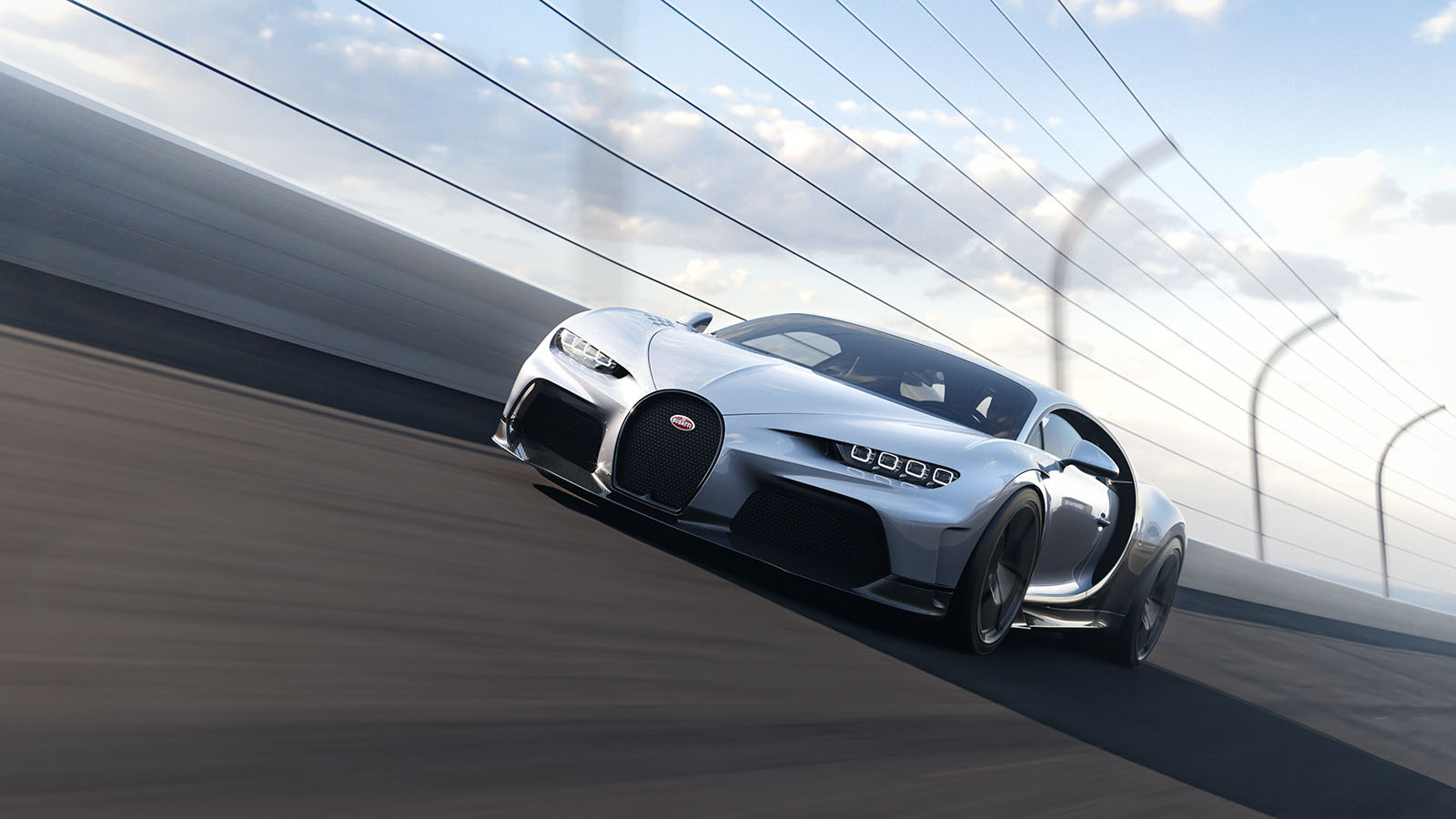
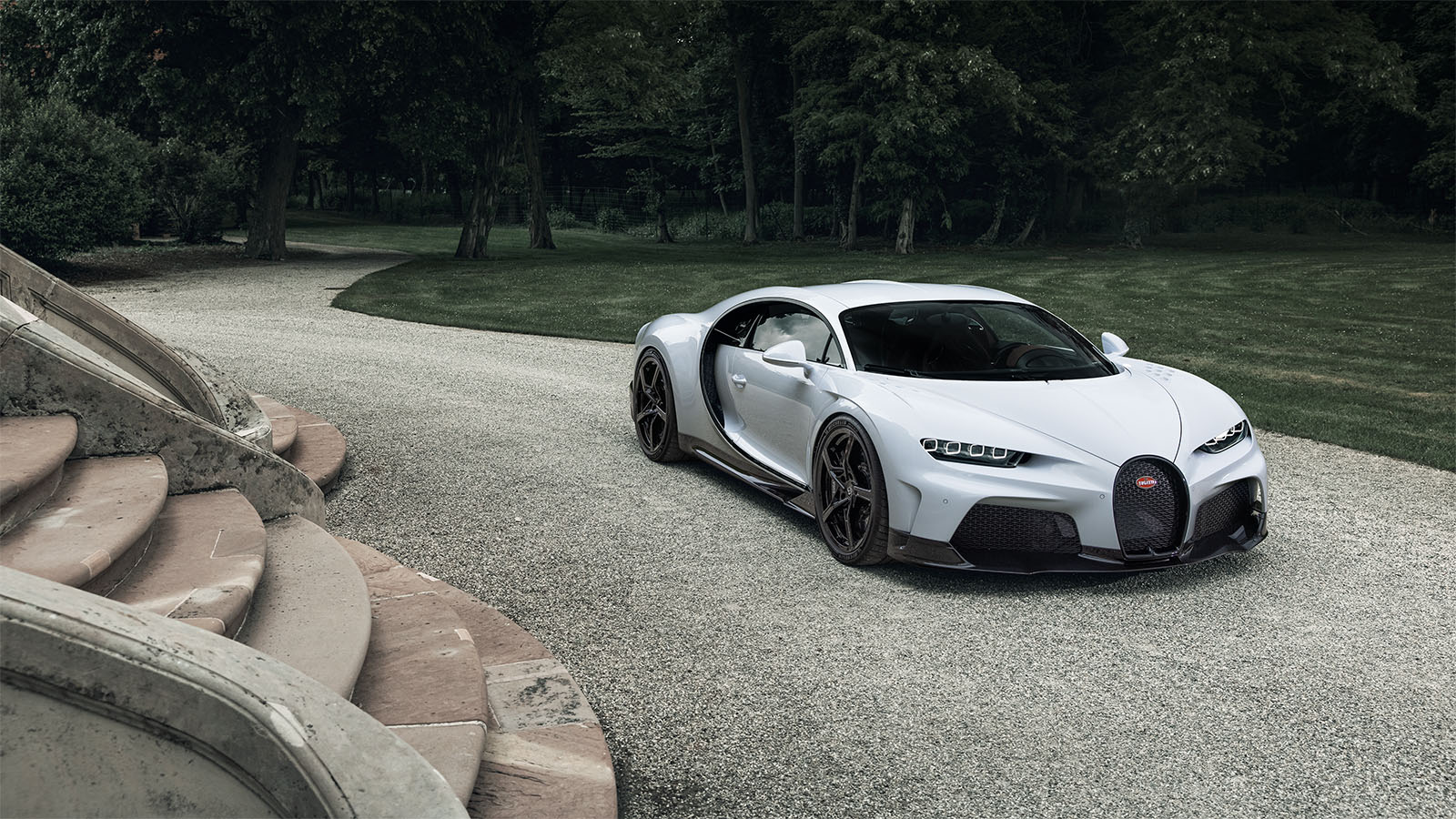
We already covered the Bugatti Chiron Super Sport 300+, the limited edition $3.9 million hypercar of which only 30 units were built, but now Stephan Winkelmann unveiled the latest Chiron evolution, the fourth iteration of the famous Super Sport moniker, the Chiron Super Sport has been created for top speed while still being luxurious and comfortable, while the Pur Sport counterpart was created for cornering and lateral agility.

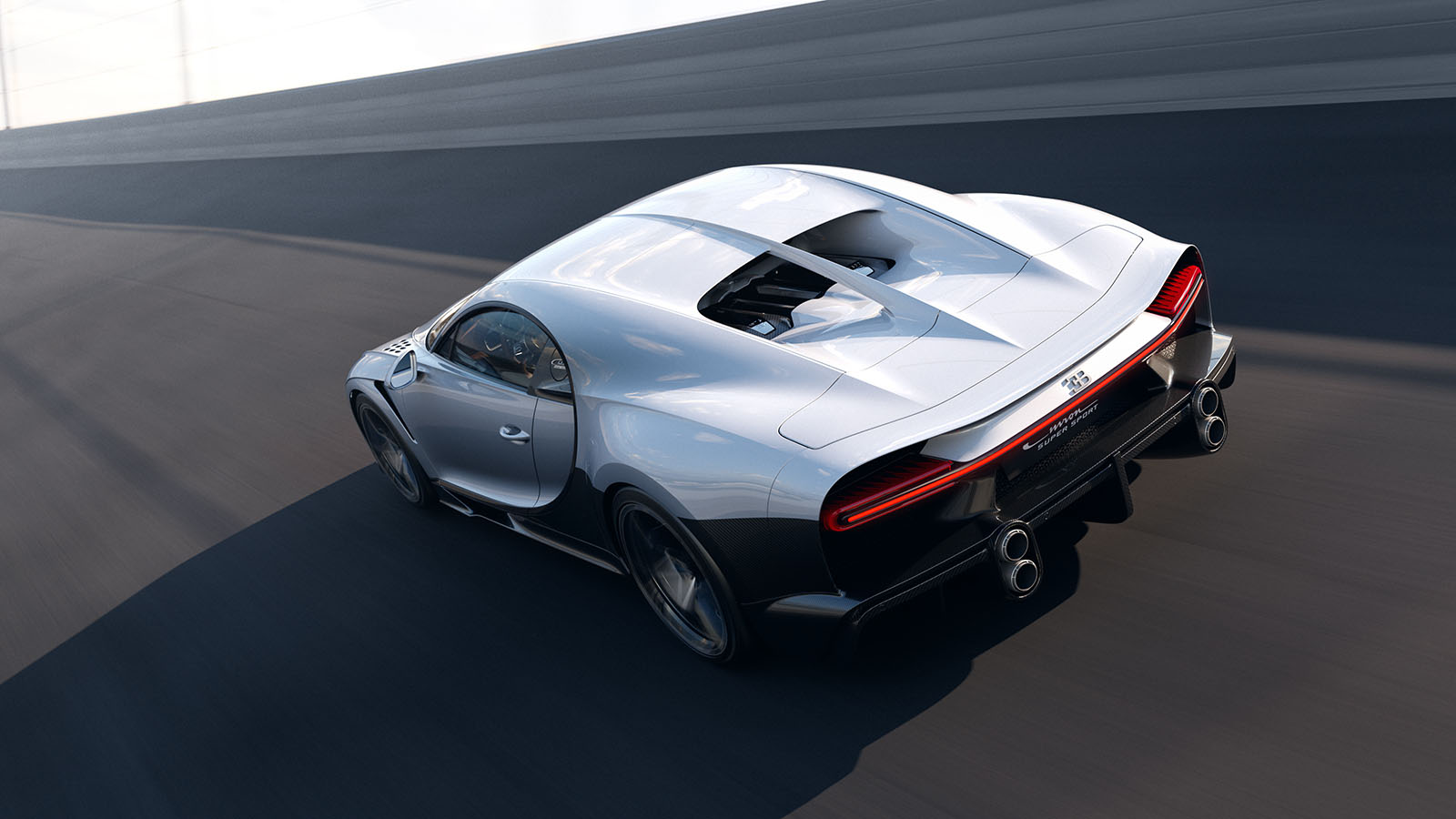
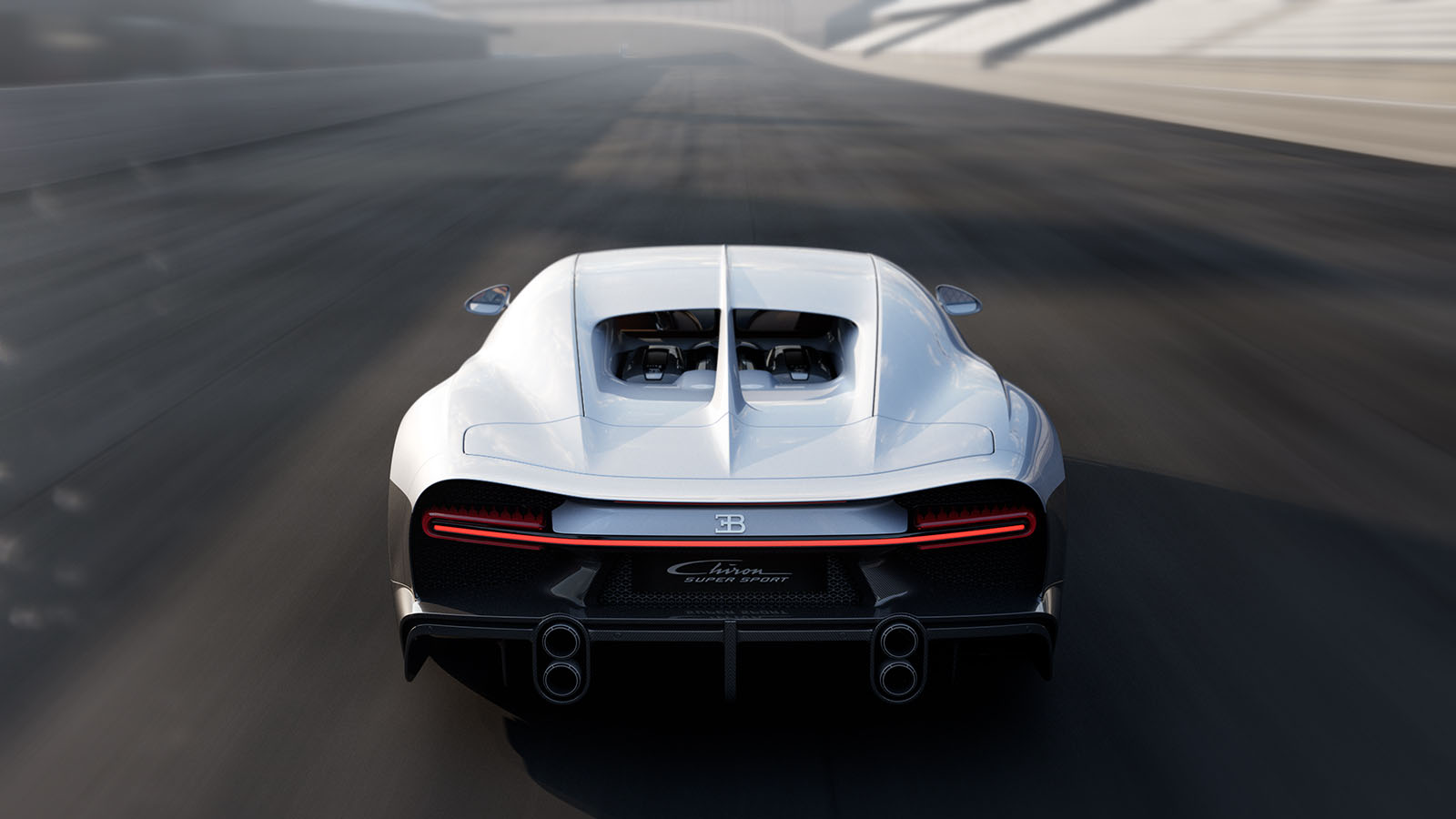
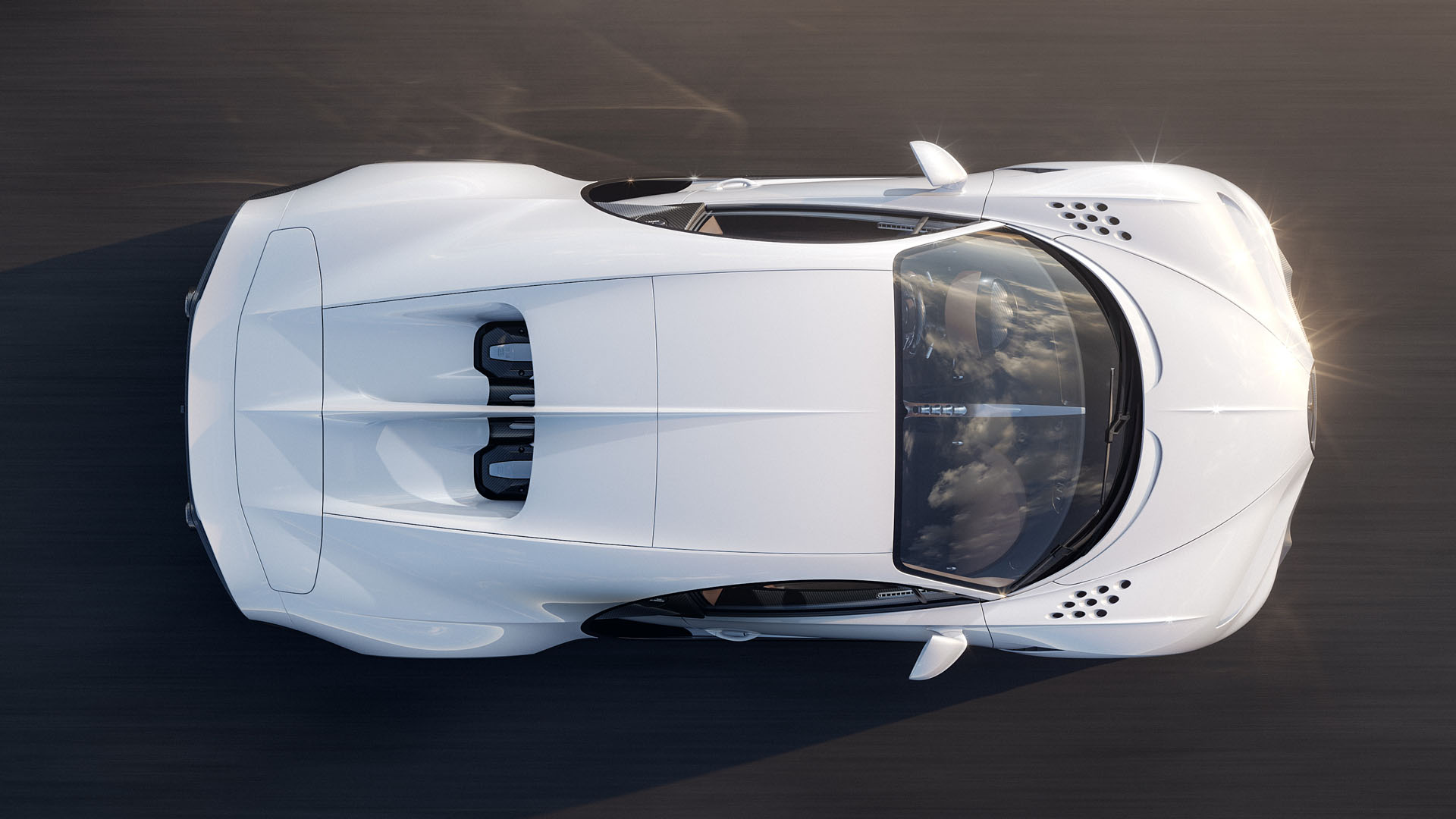
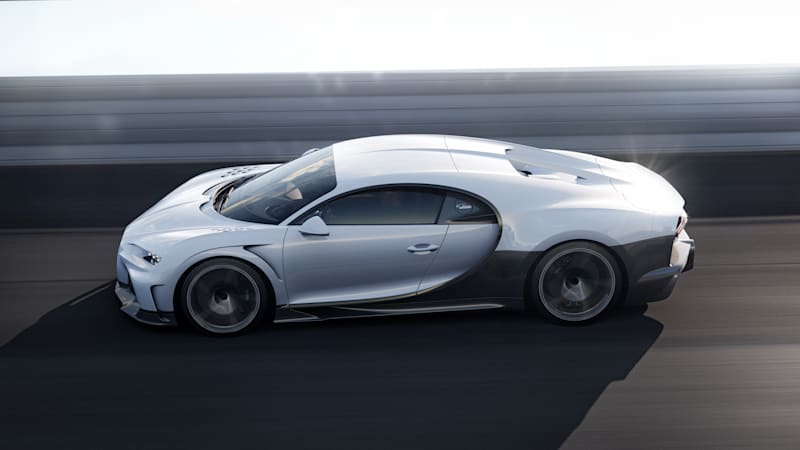
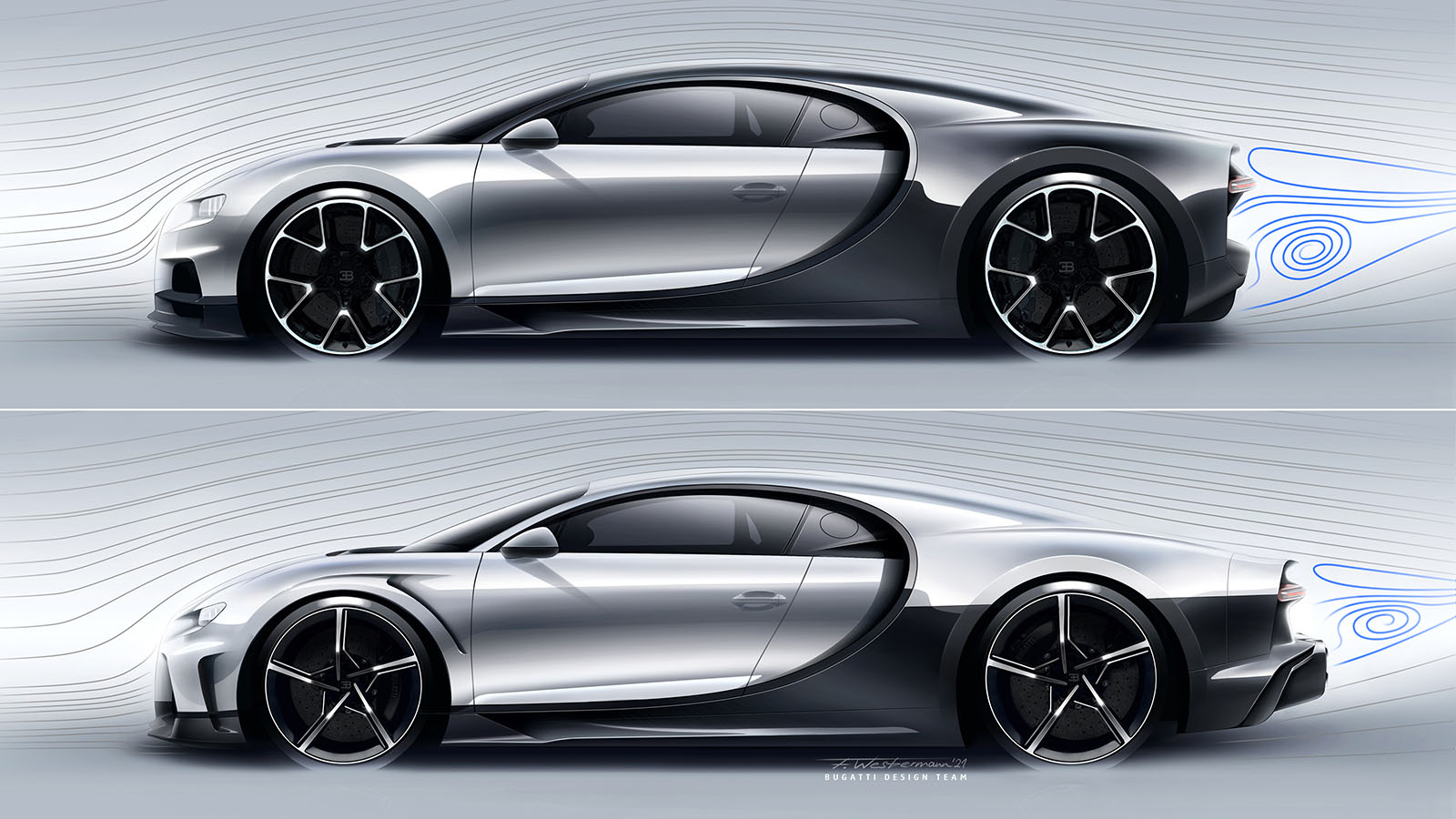
It seems the term ‘longtail’ is no longer just for those special McLaren models, the Bugatti Chiron Super Sport also comes with an extended rear section to optimize aerodynamics at speeds of 440 Km/h, when compared to a regular Bugatti Chiron, this Super Sport evolution is about 25cm longer, and this includes a different rear diffuser to reduce drag because the rear diffuser sits higher compared to the regular version, the Super Sport looks even wider and lower than ever.

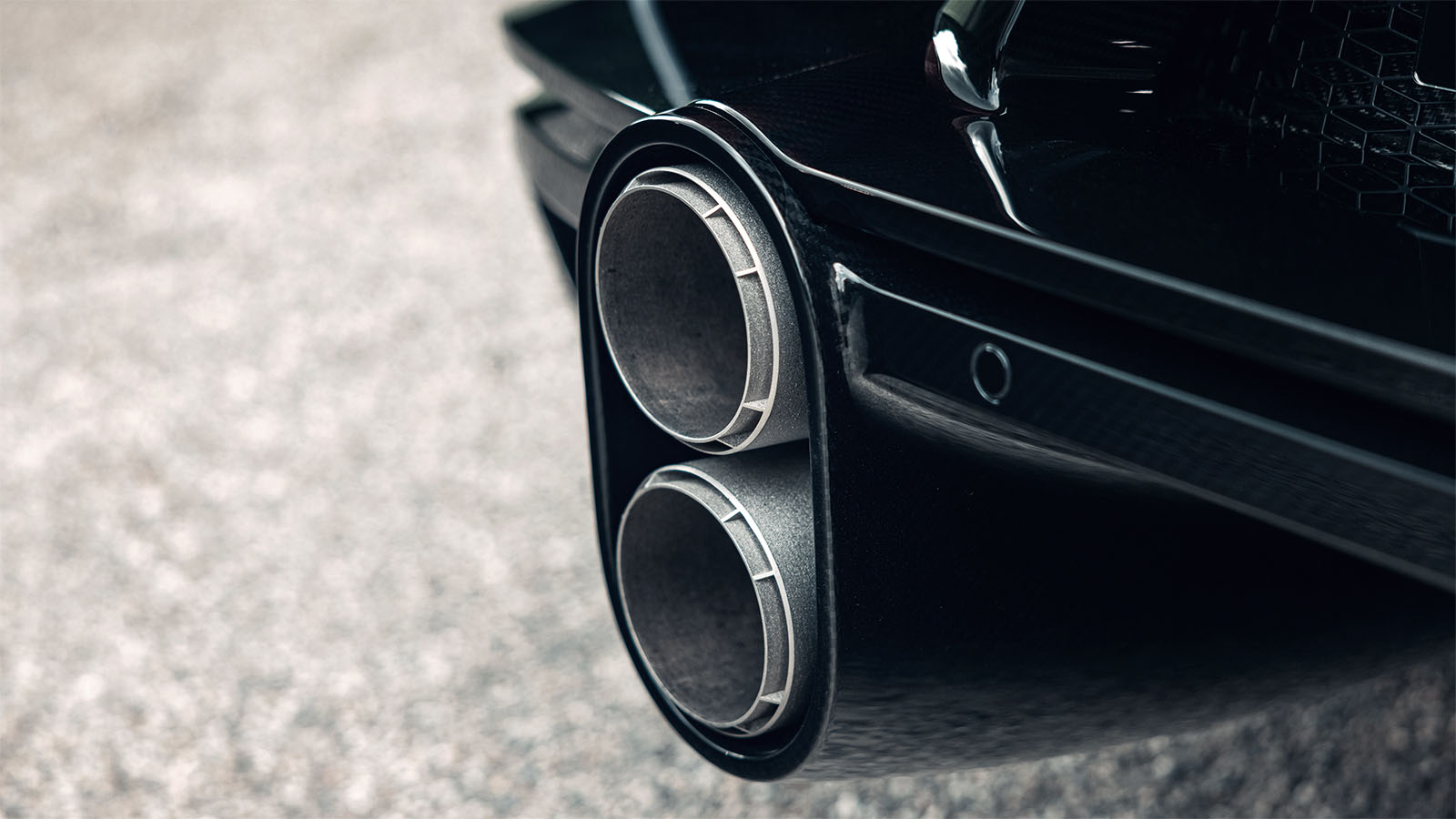
At the rear we can admire a completely new exhaust system, the massive pipes are no longer located in the center, but come vertically stacked on either side of the diffuser, there is a rear wing on the Chiron Super Sport, but for a top speed run it will be completely lowered into the tail section to have the least amount of drag possible.

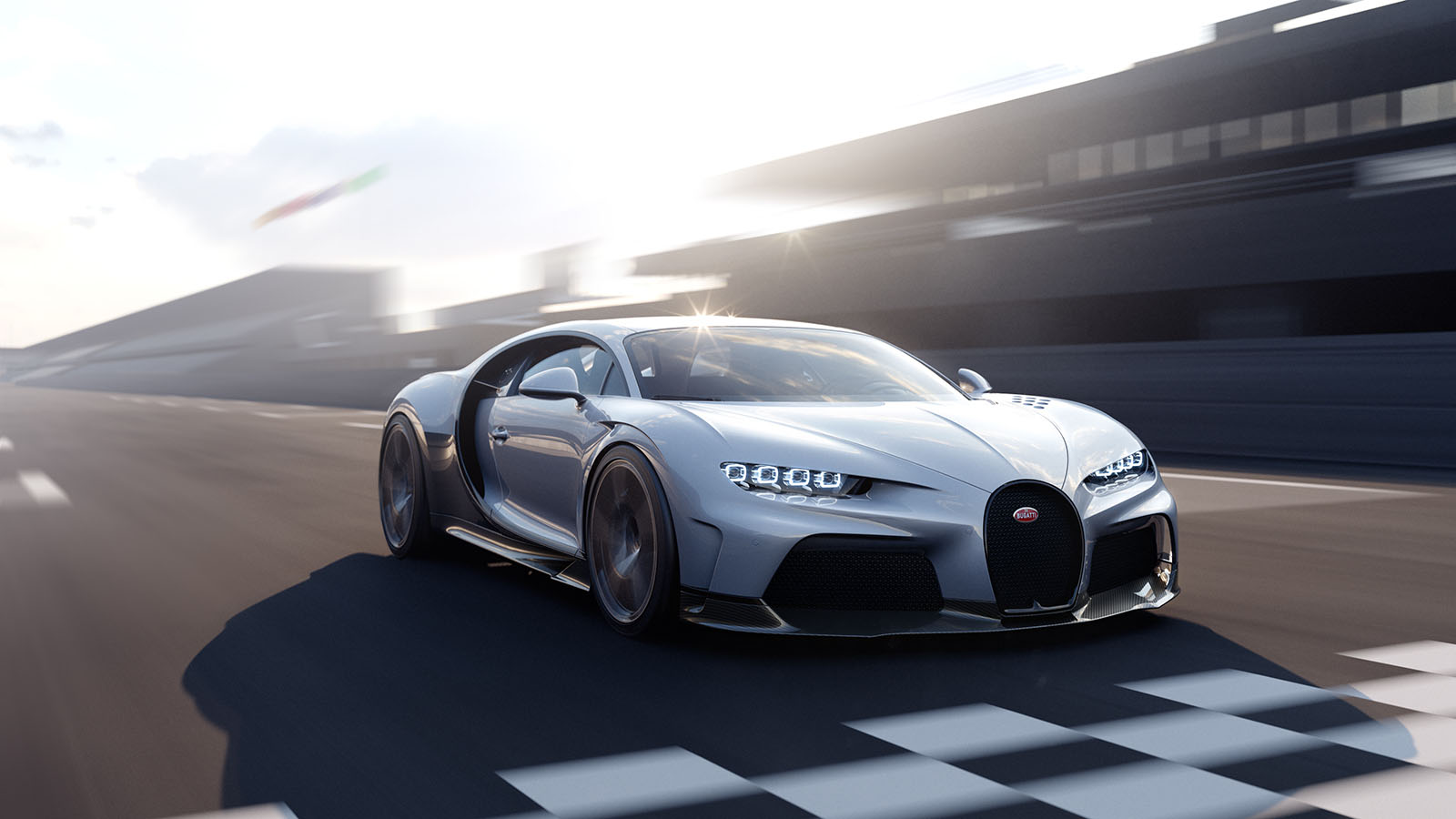
With the heavily modified rear section, the front of the Bugatti Chiron Super Sport had to be changed too so overall balance would remain, so there are now vertical winglets to direct the air as close as possible to the car onto the radiators, the inclined headlights and updated design are a testament to the aggressive character of the Super Sport variant of the Bugatti Chiron.

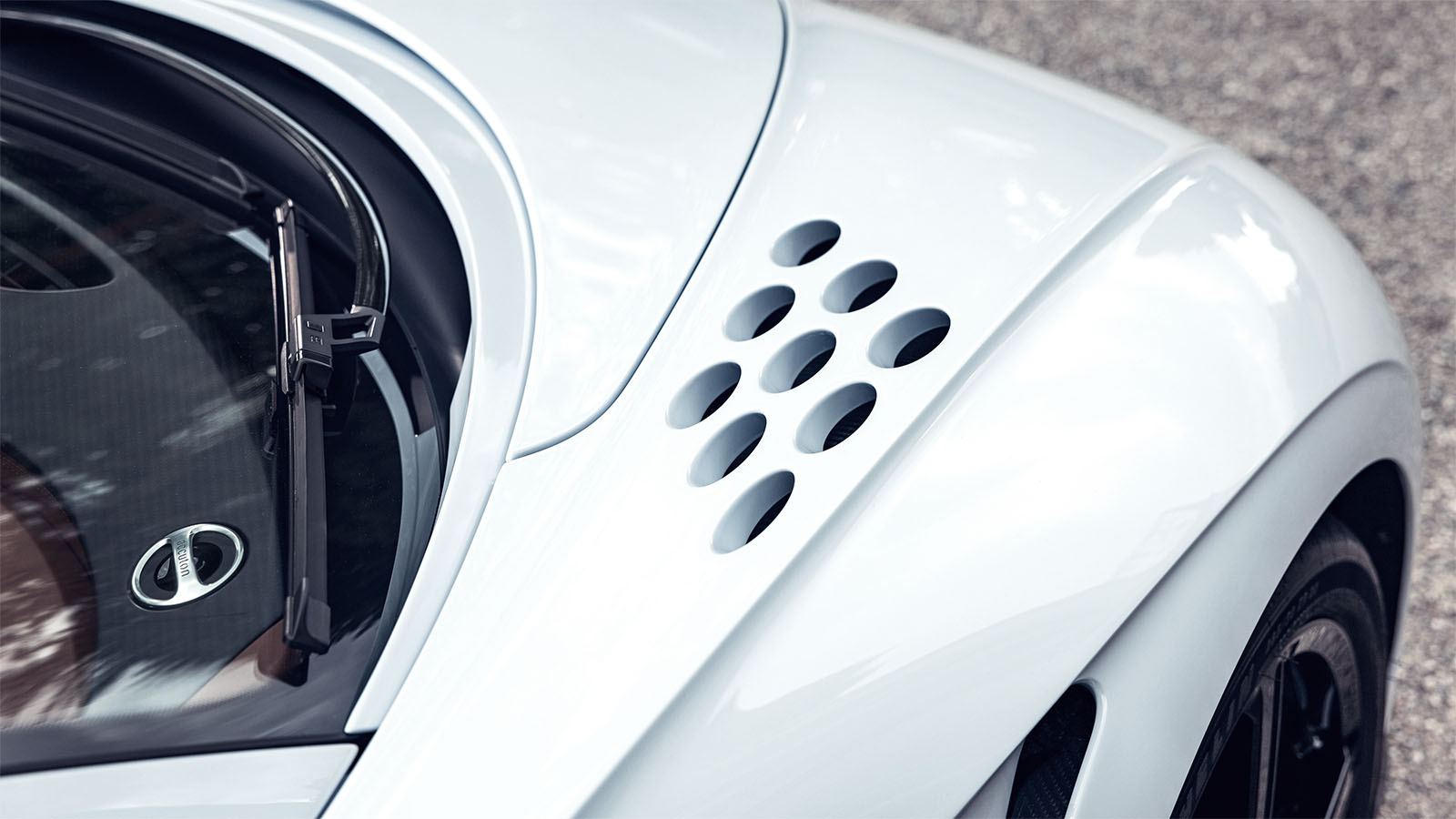
If you remember the Bugatti EB110 Super Sport, you might remember the round holes behind the side windows … as an homage to that design element, this new Chiron Super Sport comes with nine air vents on top of the front fenders to release air pressure from the front wheel wells, as this also increases downforce on the front axle, this styling detail is also functional, the new Chiron Super Sport is an uncompromising reincarnation of the Bugatti design mantra, ‘form follows performance’.

The Bugatti Chiron Super Sport comes with brand new, bespoke five-Y-spoke design wheels that won’t be available on other models, the client can opt for a diamond-cut finish on these wheels, or go for the Chiron Pur Sport’s iconic magnesium wheels to save even more weight on the Super Sport, every single weight-saving effort can be made to reach the top speed of 440 Km/h, the overall weight of the Super Sport is 23 kg less already.

The engine inside the Bugatti Chiron Super Sport is still the well-known W16 unit, 8.0-Liter of displacement, but it has been seriously modified compared to the other Chiron models, power has been increased to 1,600 PS (1,176 kW) by modifying the turbochargers, the oil pump, the cylinder heads … the result is an increase in rpm to 7,100, the massive 1,600 Nm of torque is now available from 2,000 rpm right op to 7,000 rpm! The Chiron Super Sport accelerates from 0 to 200 km/h in 5.8 seconds and to 300 km/h in 12.1 seconds, an acceleration from standstill to 400 km/h is seven percent quicker than a Chiron.

The Chiron Super Sport comes with a new chassis from Bugatti, with more rigid dampers and steering system to stabilize this hypercar at the mind-blowing speeds she is capable of, there is a choice of four driving modes: EB, Handling, Autobahn, and Top Speed. Jachin Schwalbe, Head of Chassis Development at Bugatti states: “This unwavering directional stability together with the quietness and rigidity of the steering and noticeably increased performance make the Chiron Super Sport unique.”

While the Chiron Pur Sport came with grip-optimized wheels, the Chiron Super Sport receives newly developed Michelin Pilot Sport Cup 2 tires, these are the only tires that can sustain speeds up to 500 Km/h for a longer period of time … possibly until you run out of fuel at top speed.

The Super Sport has been a rare edition during the Bugatti production since the early 1900s, and this new Chiron Super Sport is only the fourth model ever to receive this amazing suffix, the first time Bugatti used this term was in 1931, on their Type 55 Super Sport unveiled at the Paris Motor Show of that year, a two-seater with a 2.3-liter eight-cylinder engine using a compressor to deliver up to 160 PS to offer a top speed of over 180 km/h … in 1931! A total of only 38 units were built up to 1935.

The next iteration of the Super Sport name would yield only 39 cars, and didn’t come around until 1993 with the Bugatti EB110 Super Sport, which was again about weight reduction and performance combined with luxury and exclusivity, the V12 engine with four turbochargers delivered over 610 PS and set multiple records, including a record speed of 351 km/h.

It would take another 15 years for the third generation of Bugatti Super Sport to be unveiled, this time on the 2010 Veyron 16.4 Super Sport with a massive 1,200 PS, this car broke the speed record in 2010 with a speed of 431.2 km/h that set it firmly in the Guinness Book of Records as the world’s fastest road-legal series sports car for many years to come.

In 2019 the Super Sport name revived on the Chiron Super Sport 300+, with the record-breaking vehicle hitting an incredible speed of 304.773 mph (490.484 km/h), this wasn’t a production model but a special top-speed prototype, Bugatti did however built 30 units for customers featuring a similar design and color elements as the record-breaking car … but today we get a real Chiron Super Sport, there is no mention about a limited production run, but the price has been set at €3,200,000 before taxes, which converts into $3,900,000 at the current exchange rate … which happens to be the same amount they asked for the Chiron Super Sport 300+ limited edition model, the first Bugatti Chiron Super Sport will be delivered to it’s fortunate owner in early 2022.

Bugatti Chiron Super Sport revealed a long-tail, high-speed grand tourer

Bugatti is done setting speed records, but it’s proud of what it accomplished in the years it spent chasing the crown. It channeled some of the lessons it learned into a new, high-speed-focused Chiron variant called Super Sport.

While the Super Sport is instantly recognizable as a member of the Chiron family, it wears a more streamlined body than other variants (like the handling-focused Chiron Pur Sport) characterized by a redesigned front splitter, air curtains on either side of the front bumper, and a rear end that has been extended by nearly 10 inches. The rear air diffuser has a new look, too. These changes improve aerodynamic efficiency while creating the high level of downforce required to keep the Chiron firmly planted to the ground at the triple-digit speeds it’s designed to reach.

Even the smaller tweaks seen on the Super Sport weren’t made strictly in the name of design. Bugatti explained the nine holes above each front wheel create downforce by releasing air pressure from the wheel wells. On a secondary level, they also create a visual link between the EB110 (which also wore the Super Sport designation) and the limited-edition Centodieci. Model-specific five-spoke wheels add a finishing touch to the function-over-form design. 

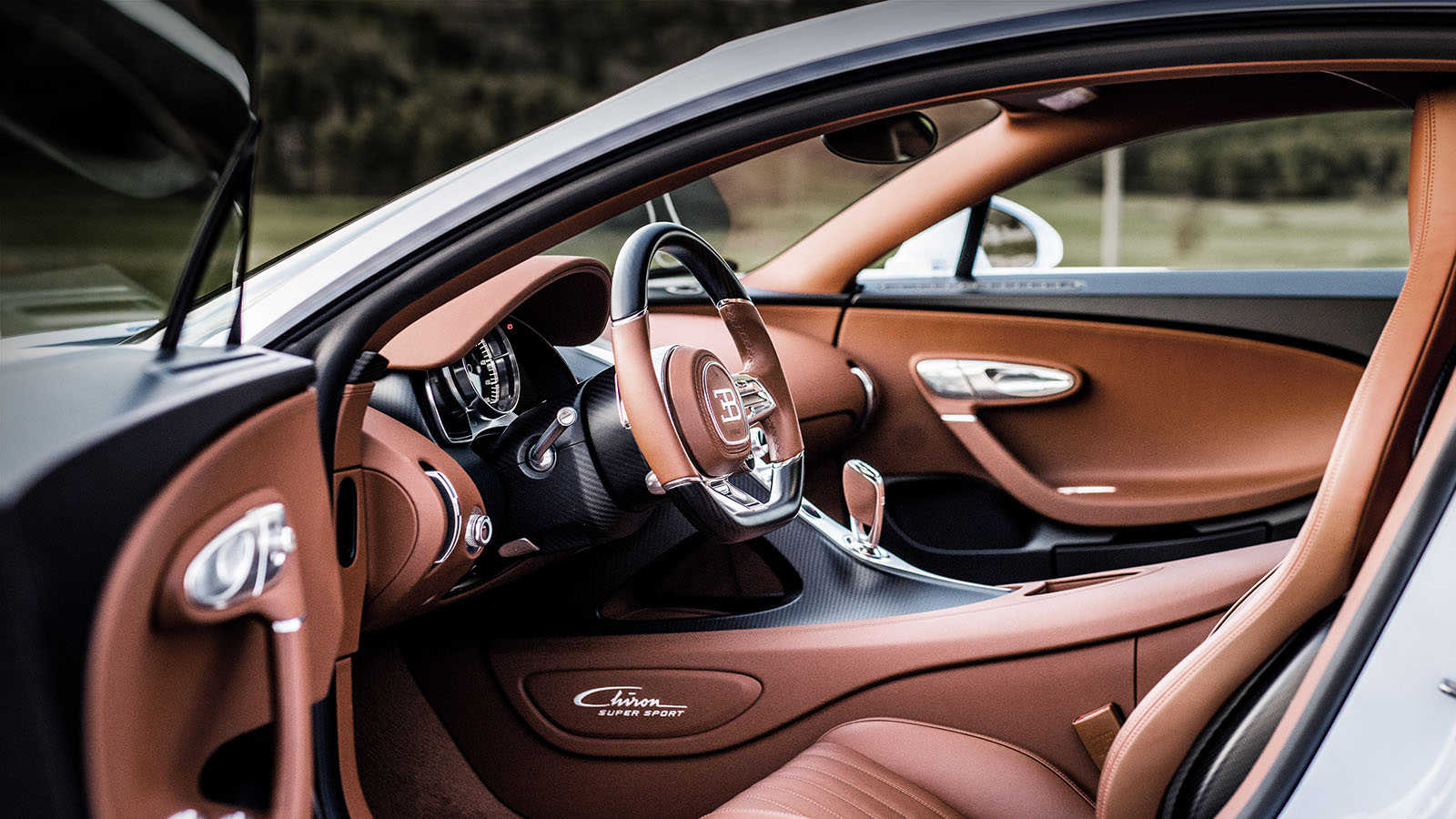
Bugatti developed the Super Sport as a grand tourer, so giving it a stripped-out, race car-like interior was out of the question. The cabin blends timeless materials, like leather and aluminum, with carbon fiber components that hint at the car’s lightweight construction. Buyers can customize nearly everything inside, including the upholstery.

Power for the Super Sport comes from Bugatti’s prestigious W16 engine, an 8.0-liter unit fitted with four turbos. It develops 1,577 horsepower and 1,180 pound-feet of torque in this application. Engineers made changes to the turbos, to the engine oil pump, and to the cylinder head in order to increase the 16-cylinder’s redline to 7,100 rpm (a 300-rpm bump) and to make the full torque output available across a much broader spectrum. The engine still spins the four wheels via a seven-speed dual-clutch automatic transmission, though the seventh gear is longer. 

Helped by a 50-pound weight reduction, the Super Sport takes 5.8 seconds to reach 124 mph (200 kph) from a stop. Keep it floored, and the speedometer shows 186 mph (300 kph) in 12.1 seconds. Its top speed lies in the vicinity of 273 mph. Bugatti also added a tighter steering system and firmer springs to improve high-speed stability, and it retuned the electronically-controlled chassis system. None of these changes would mean much without proper tires, however.

Michelin developed Pilot Sport Cup 2 tires specifically for the Super Sport. They’re rated for speeds of up 310 mph (500 kph) thanks to reinforced belts. Interestingly, they developed using a test bench originally designed for the Space Shuttle, and Michelin puts each tire in an x-ray machine to check for even the tiniest irregularities.

Bugatti will begin building the Chiron Super Sport in the coming months, and deliveries are scheduled to start in early 2022. Pricing starts at 3.2 million euros (around $3.9 million) before taxes and options are factored in. 

Related video:

[embedded content]

Mercedes-Benz to Build a New G-Class Cabriolet

Mercedes-Benz could build a new G-Class Cabriolet based on the fact that the company is hiring new engineers to work on a ‘foldable roof’ product at the Graz factory in Austria where the G-Class is assembled by Magna-Steyr.

Several iterations of the G-Class have been offered over the years starting with a 2-door cabriolet, a 3 door station wagon on a short wheelbase, a 4 door pickup with 6×6 wheel configuration, a 4-door Maybach Cabrio and the regular 5 door SUV. In recent years however, 2 door and 3 door SUVs have gradually disappeared from the industry and as a result prices for the older G-Cabrio models have skyrocketed to new heights.

The current generation of the G-Class (W463) was introduced in 2018, it comprises of both diesel and petrol variants but a SWB is not yet available. We believe Mercedes could be working to introduce a 2 door Cabrio version that will likely wear the G500 tag. This will be a series production model to compete with the likes of the new Bronco and Jeep Wrangler both of which offer SWB and removable roof as options.

Mercedes discontinued the G-Cabrio in 2013 by offering a special send off model called the “G500 Final Edition 200 Cabriolet”. Only 200 were made and they were sold out almost immediately. The next G-Cabrio model was introduced in 2017, however, this one was unlike any other G-Class in history as it carried the Maybach moniker. It was called the Mercedes-Maybach G 650 Landaulet, only 99 were made each with a price of over $800,000.

There is also a slim possibility that Mercedes could instead be working on another Maybach G-Class Landaulet but our bet is on a series production 2 door G-Class Cabrio that will be sold alongside the regular G wagon.

On a different note, a new G500/63 4×4 will be be revealed anytime from now. After the success of the previous G500 4×4 squared, Mercedes will be offering the model once more and we could even see an official AMG version this time round. We shall report more on this in the coming weeks.

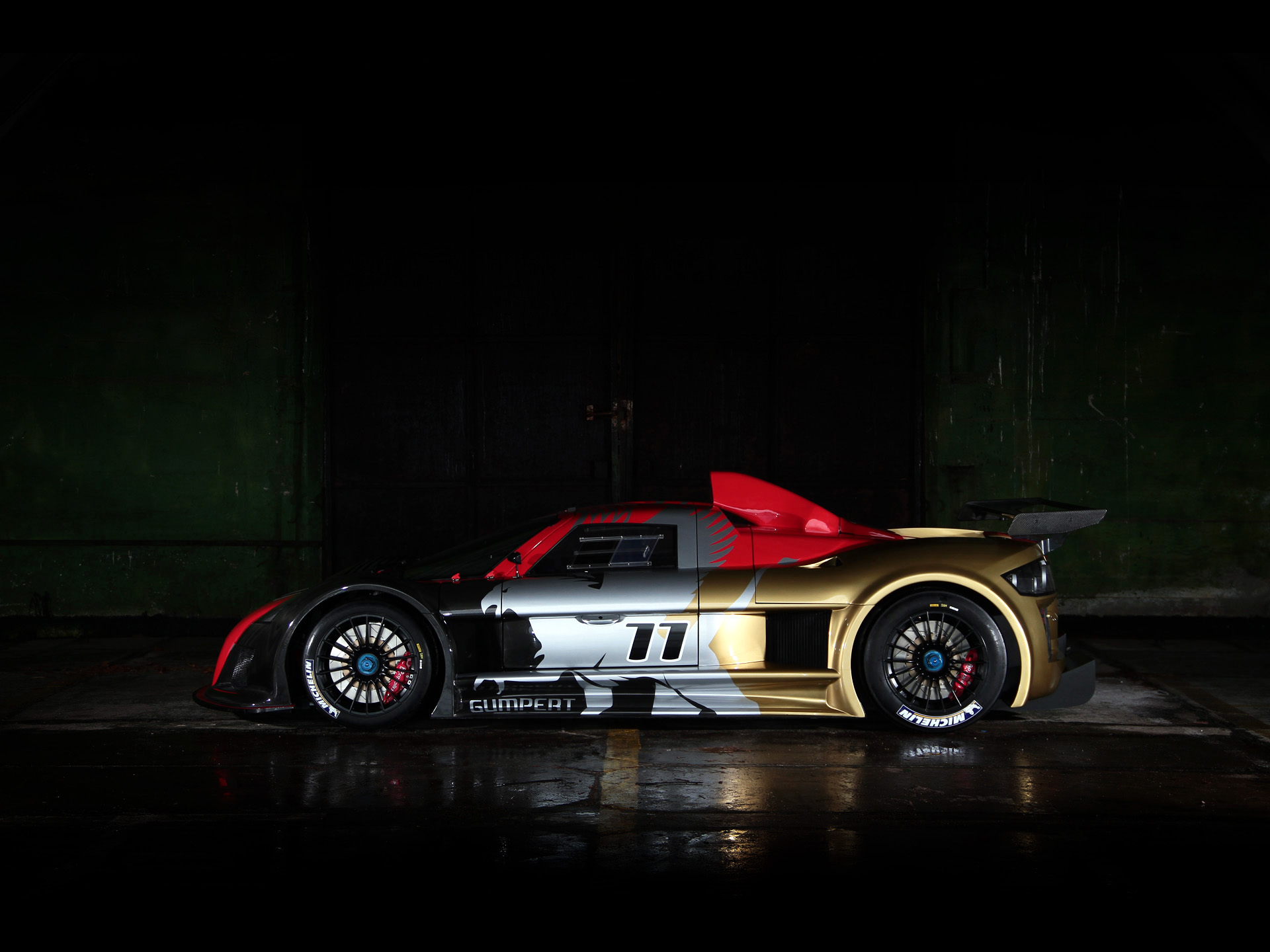
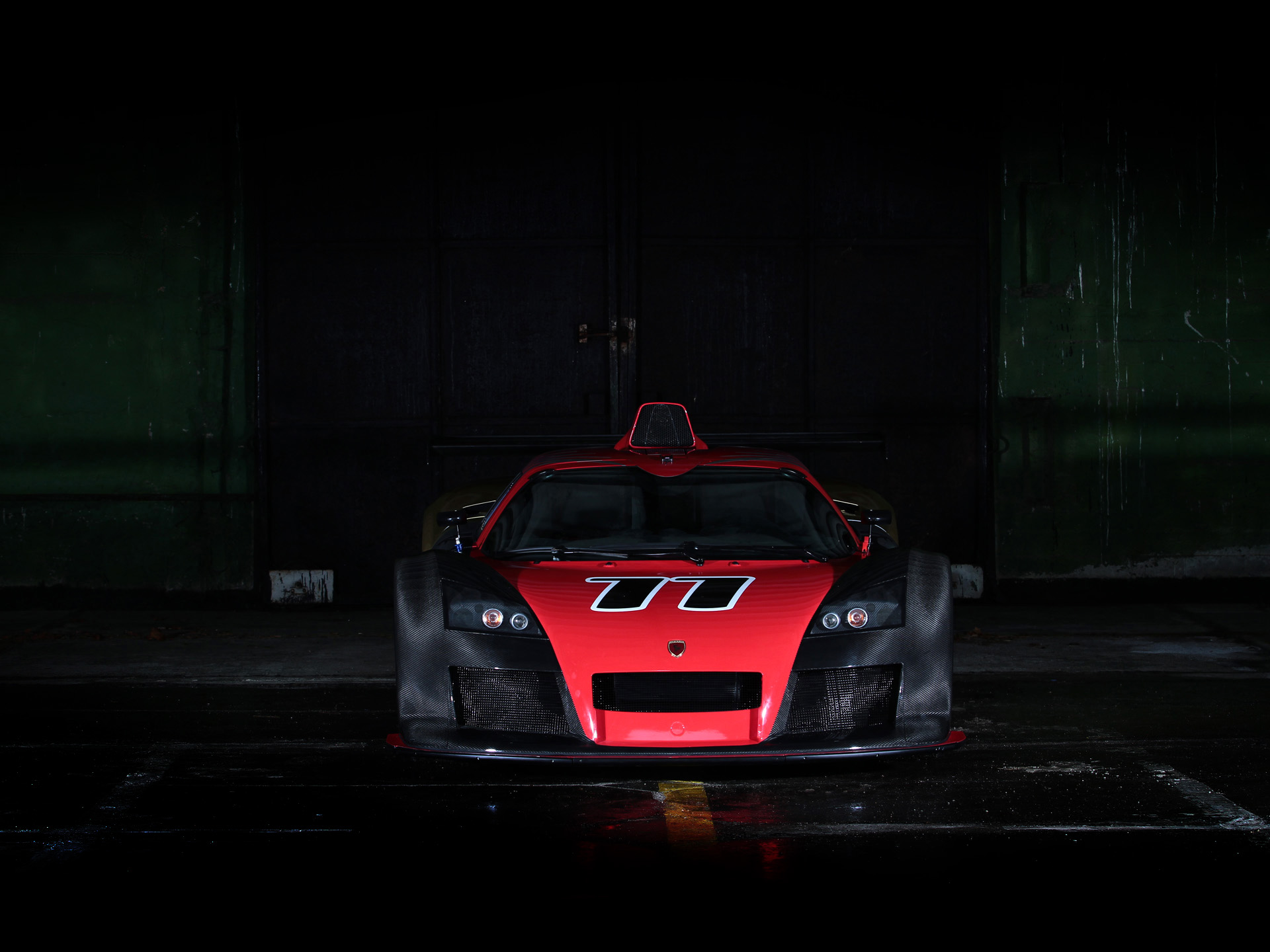
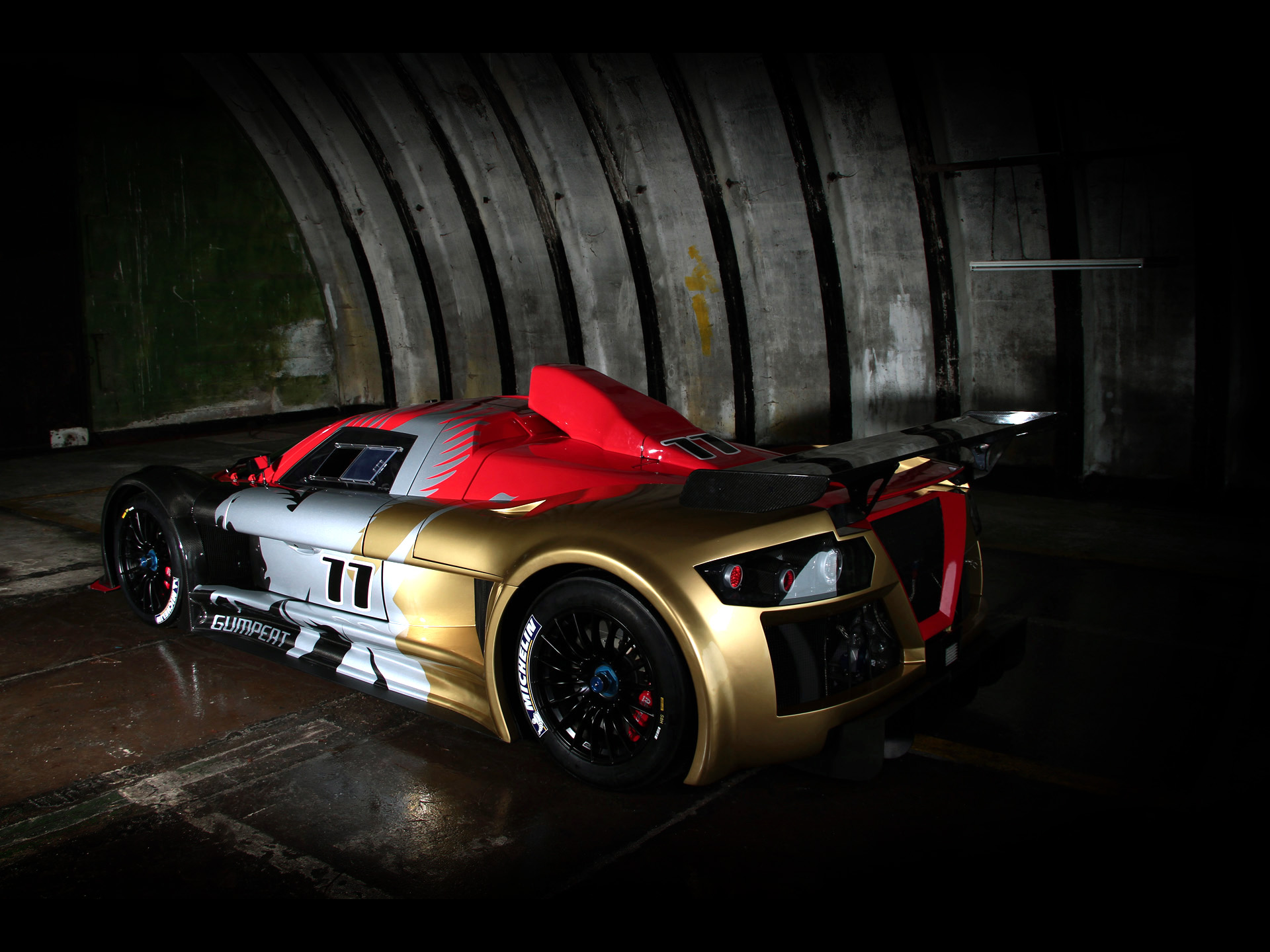
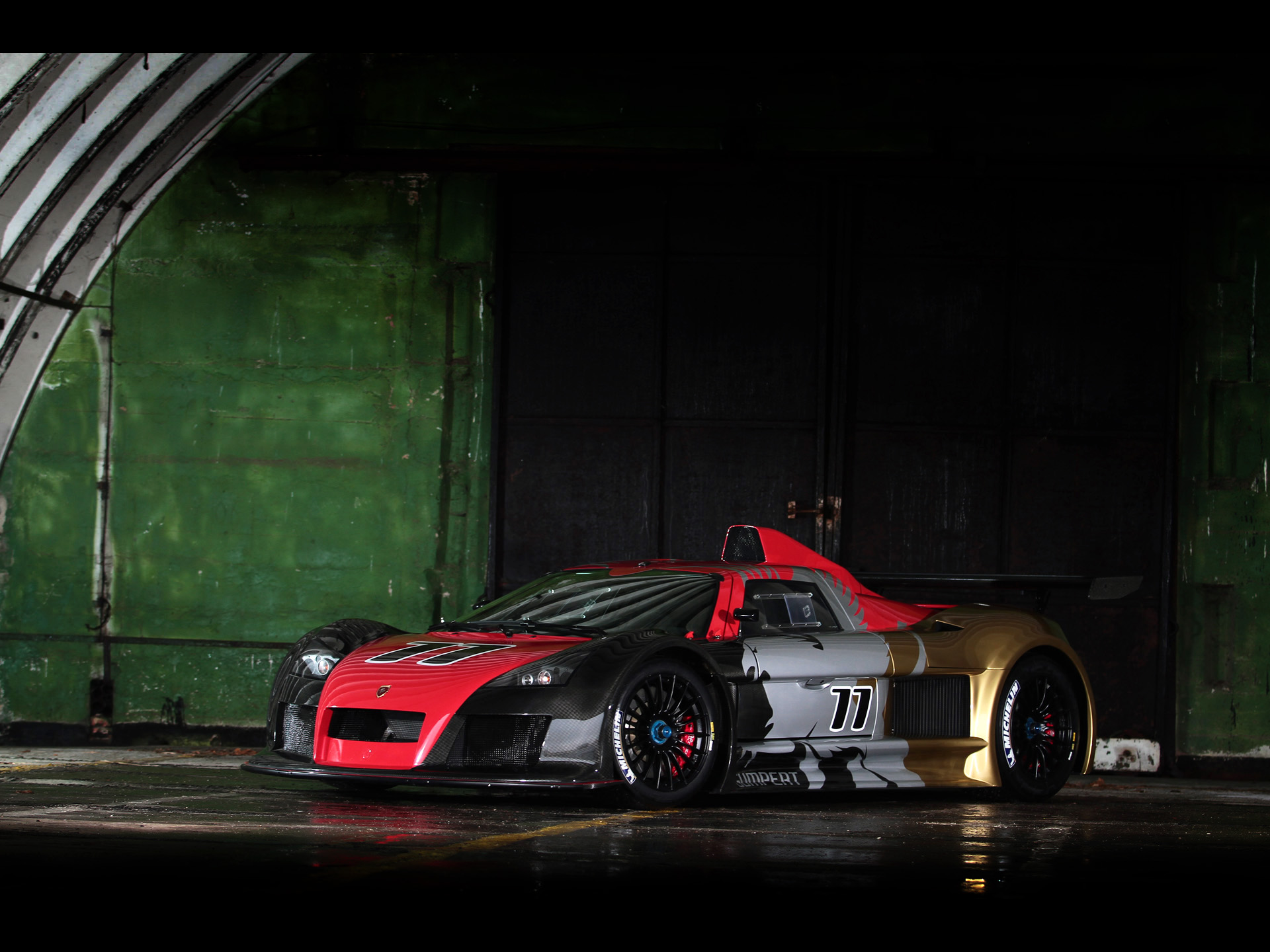
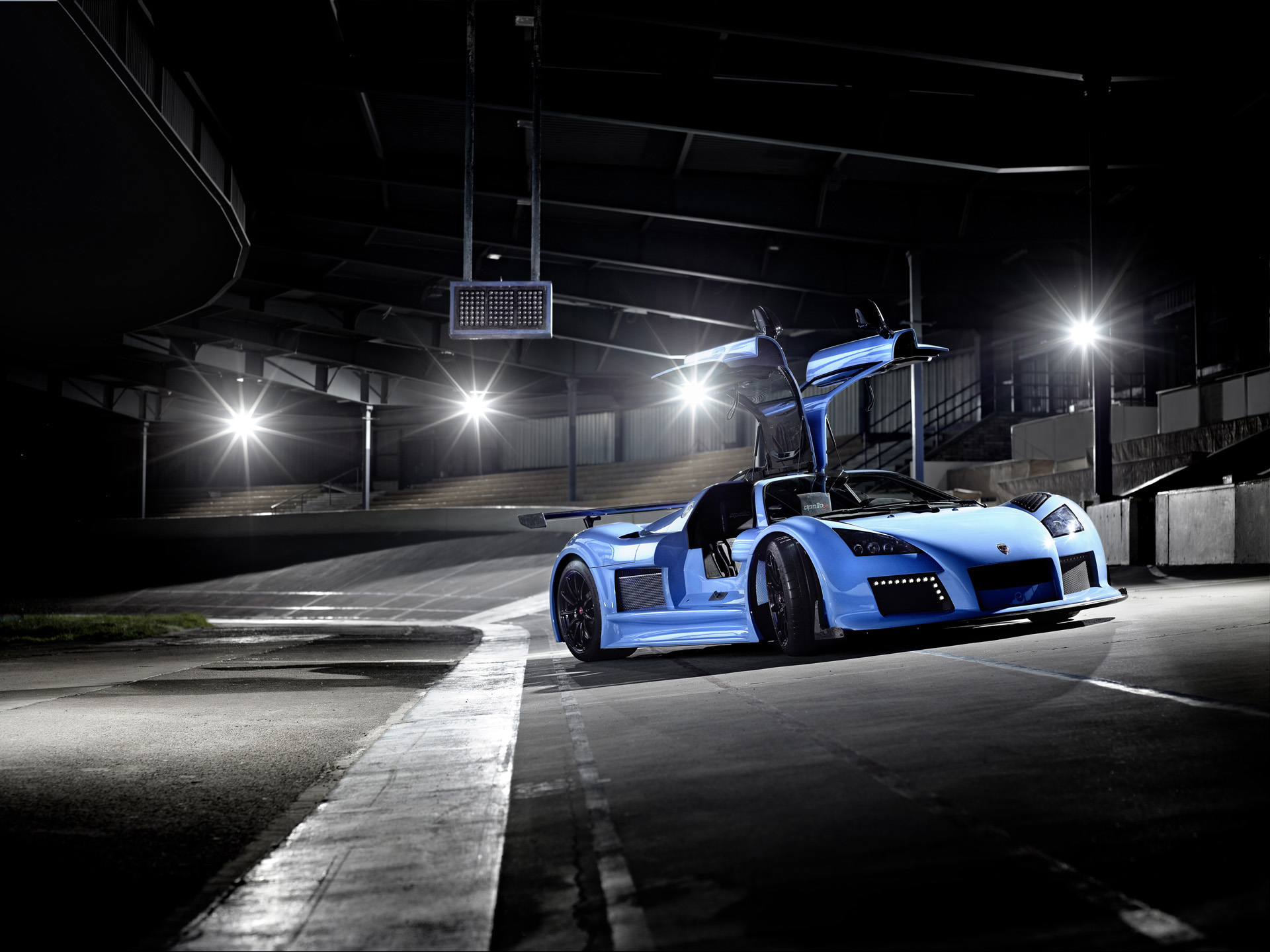
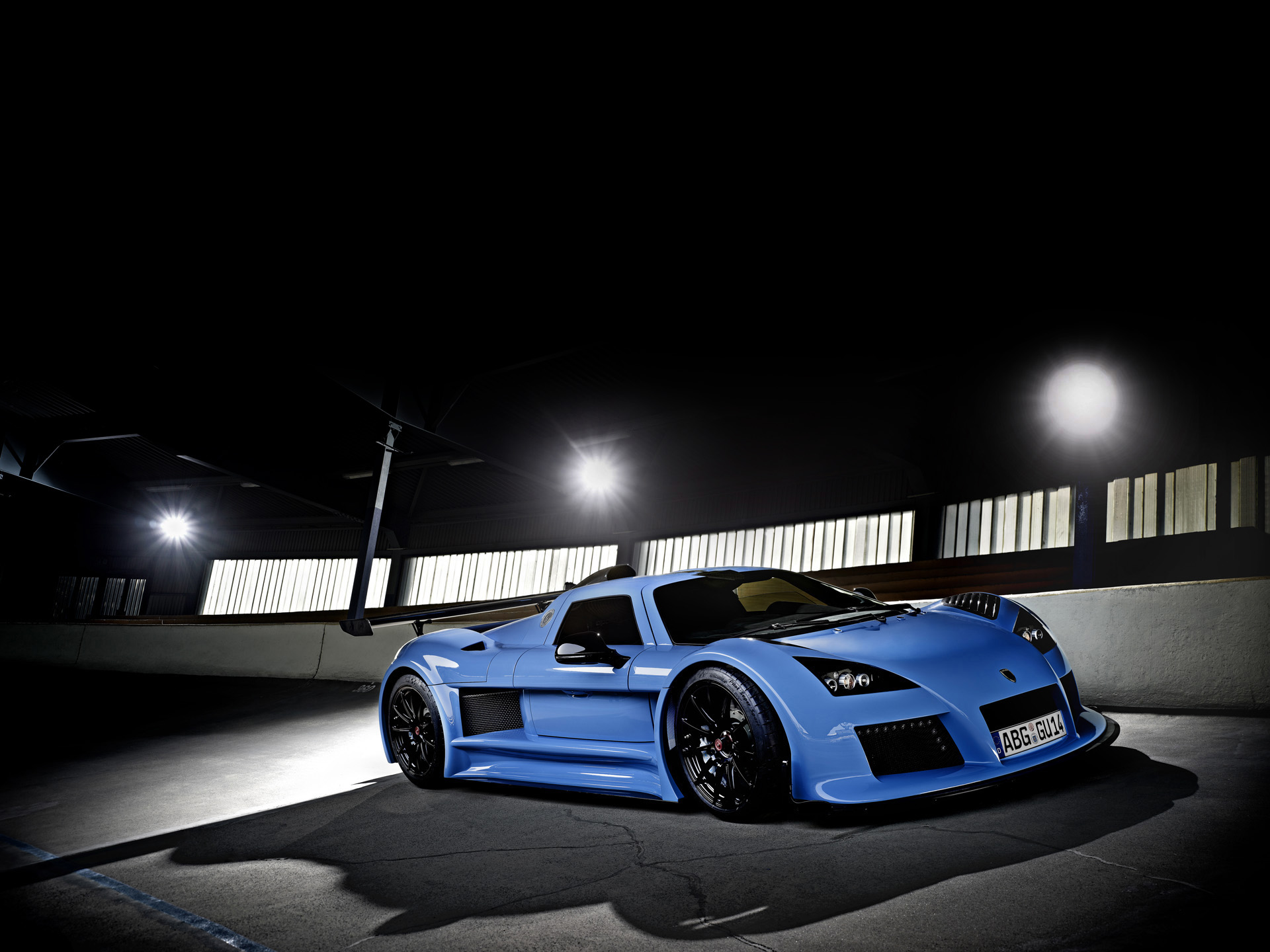
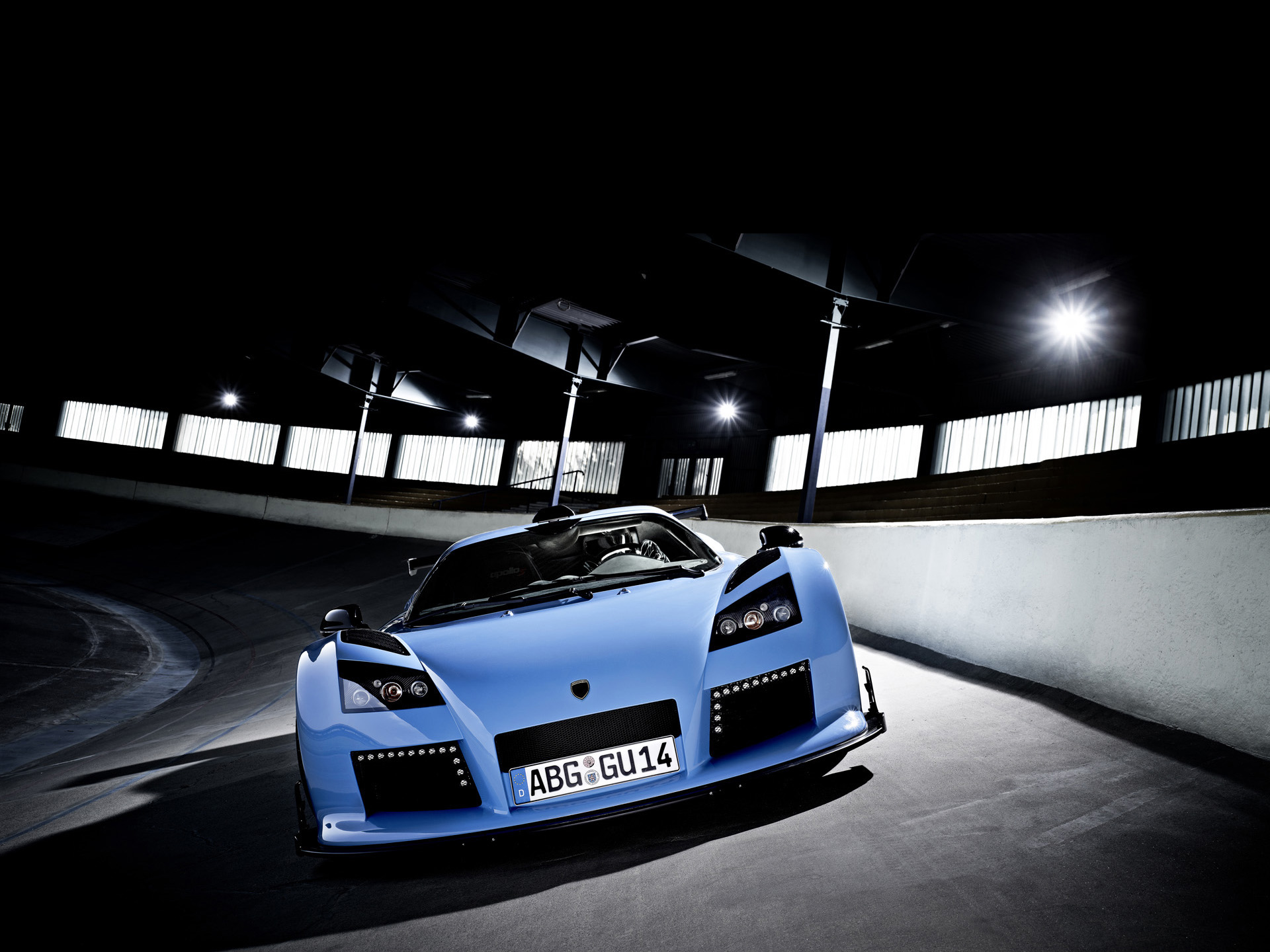
2012 Gumpert Apollo R Wallpapers

We have curated the ultimate collection of the best 2012 Gumpert Apollo R Wallpapers and HD backgrounds for you to enjoy. Our team focused on finding the top 2012 Gumpert Apollo R Wallpapers only to keep the quality high. These 2012 Gumpert Apollo R Wallpapers are free to download so go ahead. To download any of these pictures for use as a wallpaper, right click the picture and choose Save As…

Find more awesome Gumpert Wallpapers

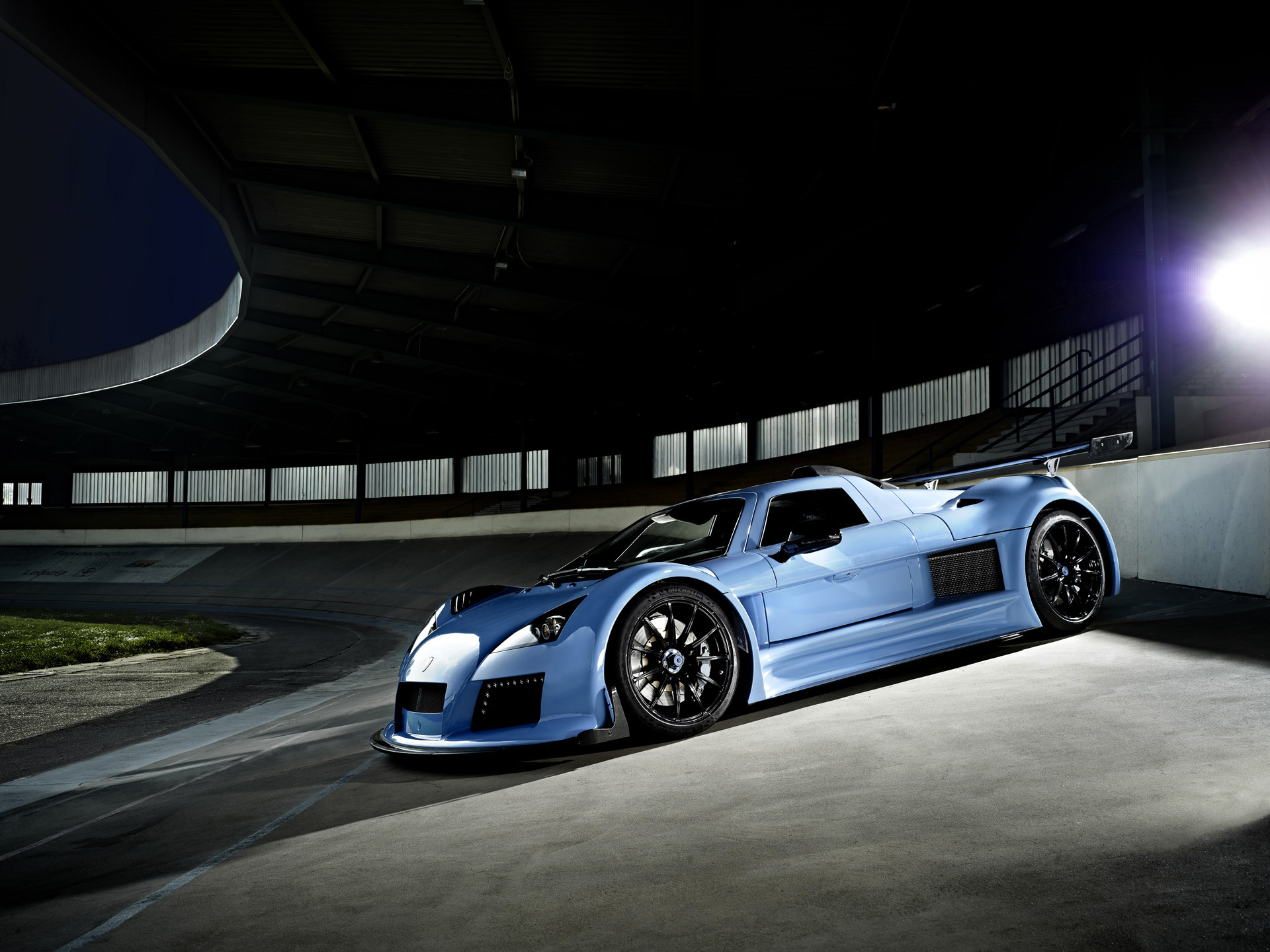
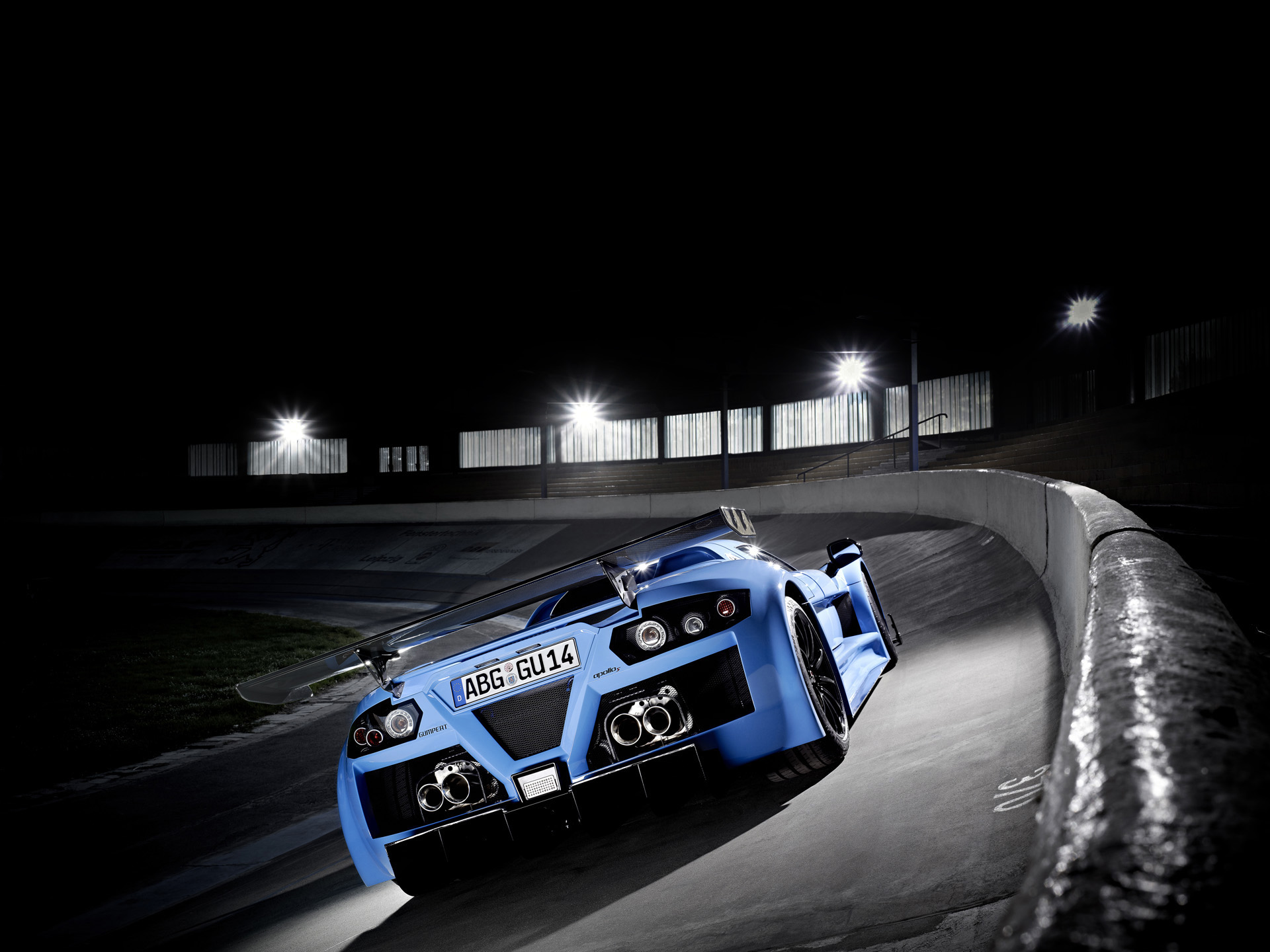
2011 Gumpert Apollo S Wallpapers

We have curated the ultimate collection of the best 2011 Gumpert Apollo S Wallpapers and HD backgrounds for you to enjoy. Our team focused on finding the top 2011 Gumpert Apollo S Wallpapers only to keep the quality high. These 2011 Gumpert Apollo S Wallpapers are free to download so go ahead. To download any of these pictures for use as a wallpaper, right click the picture and choose Save As…

Find more awesome Gumpert Wallpapers

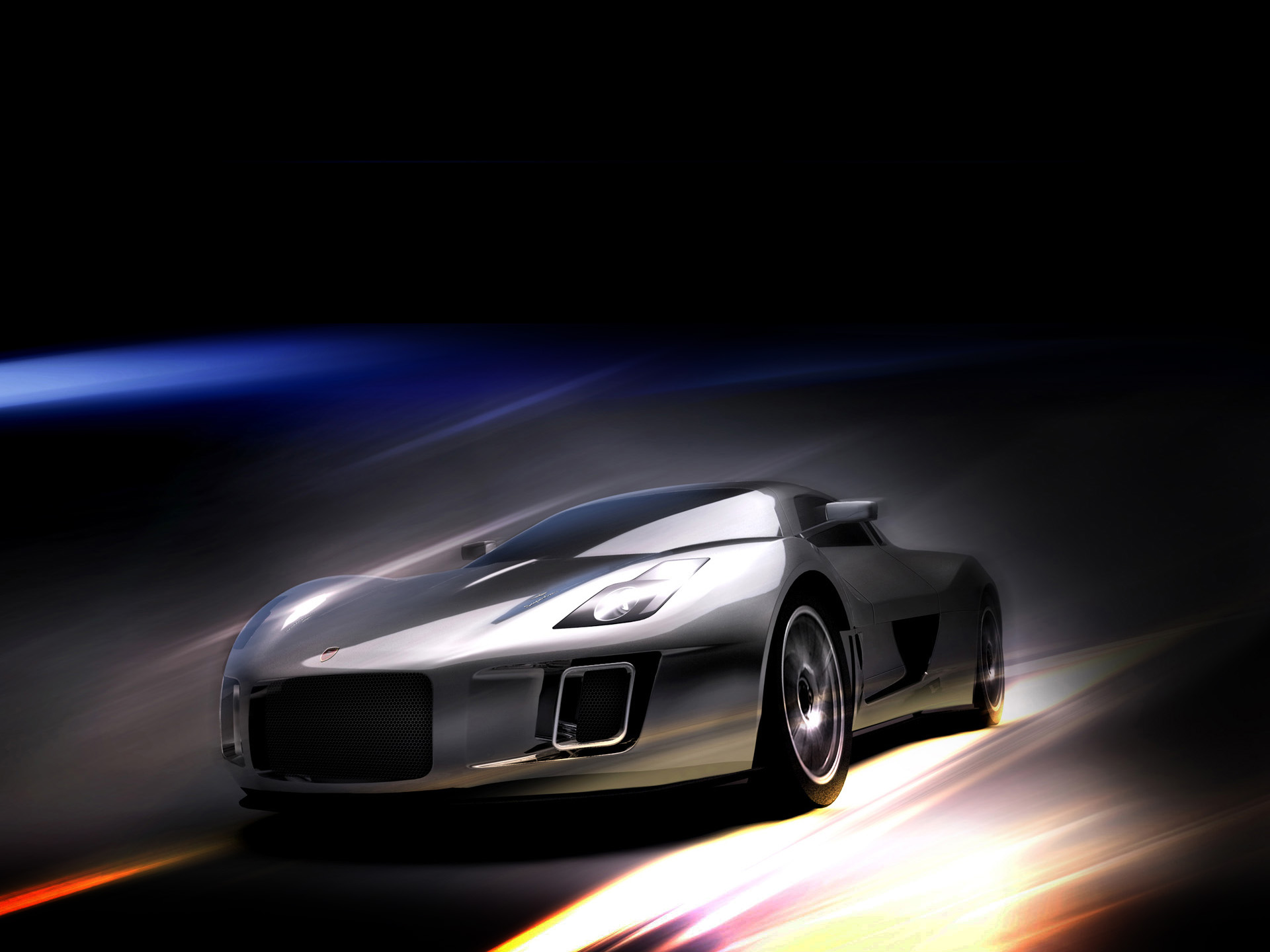
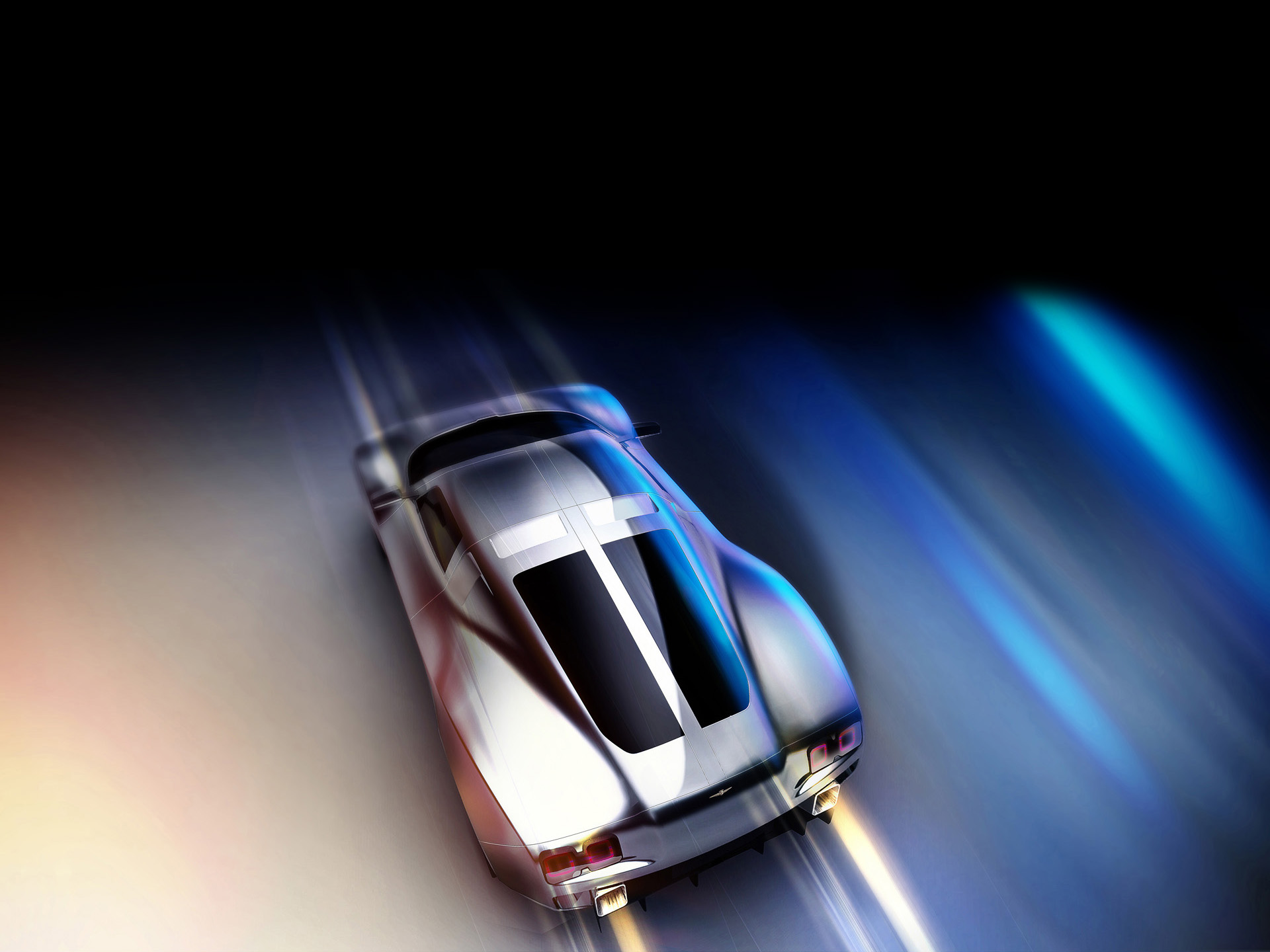
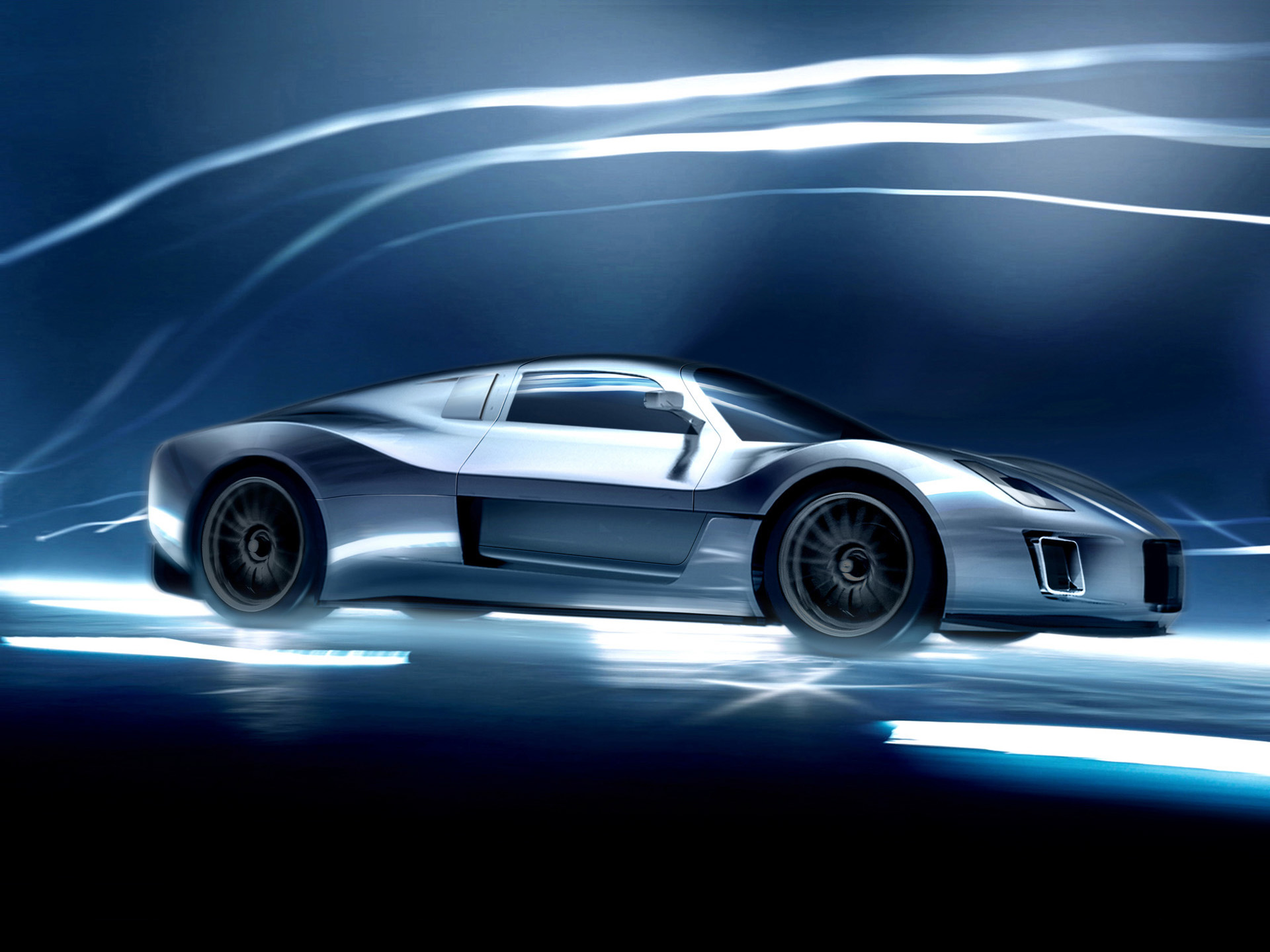
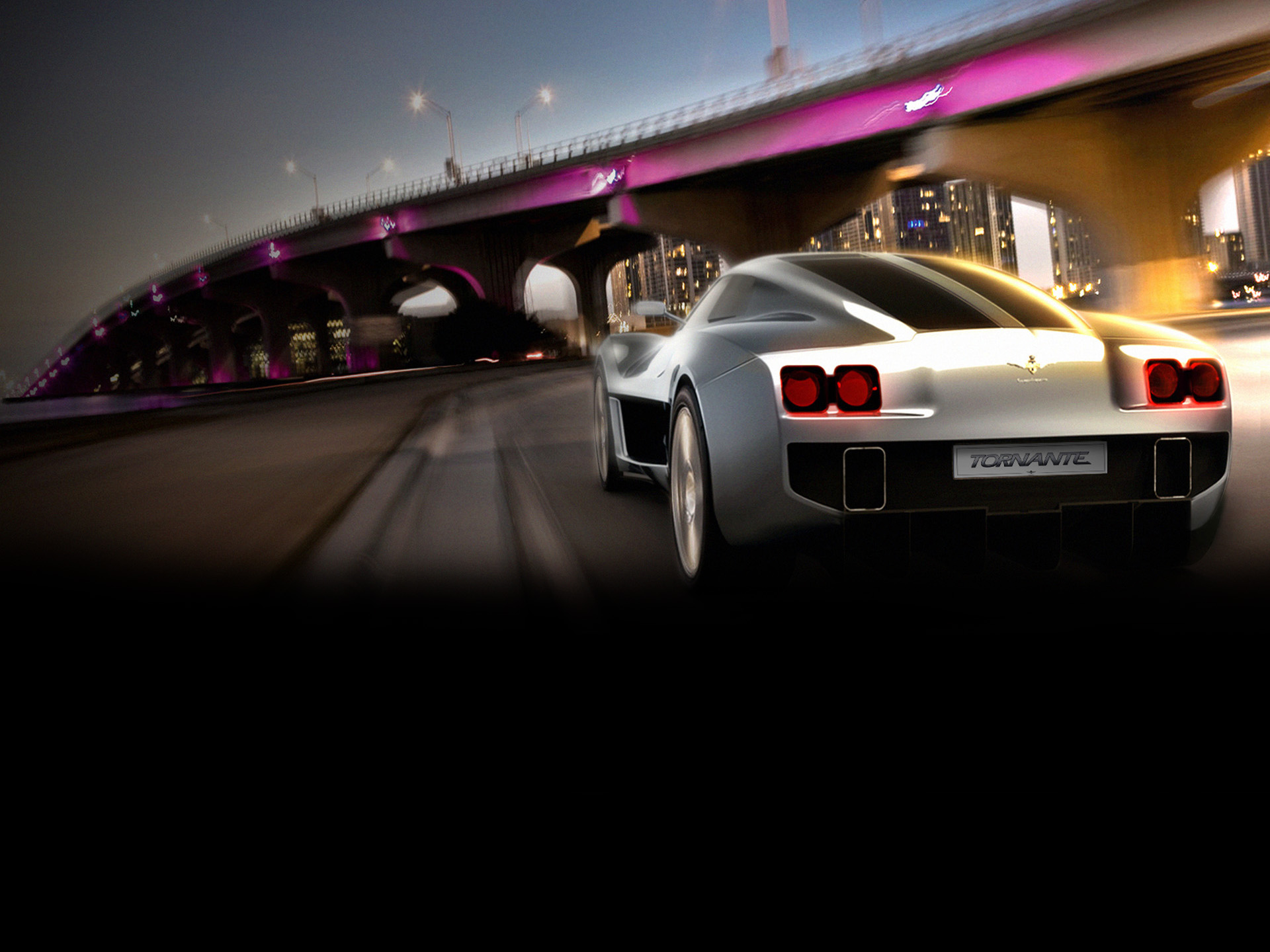
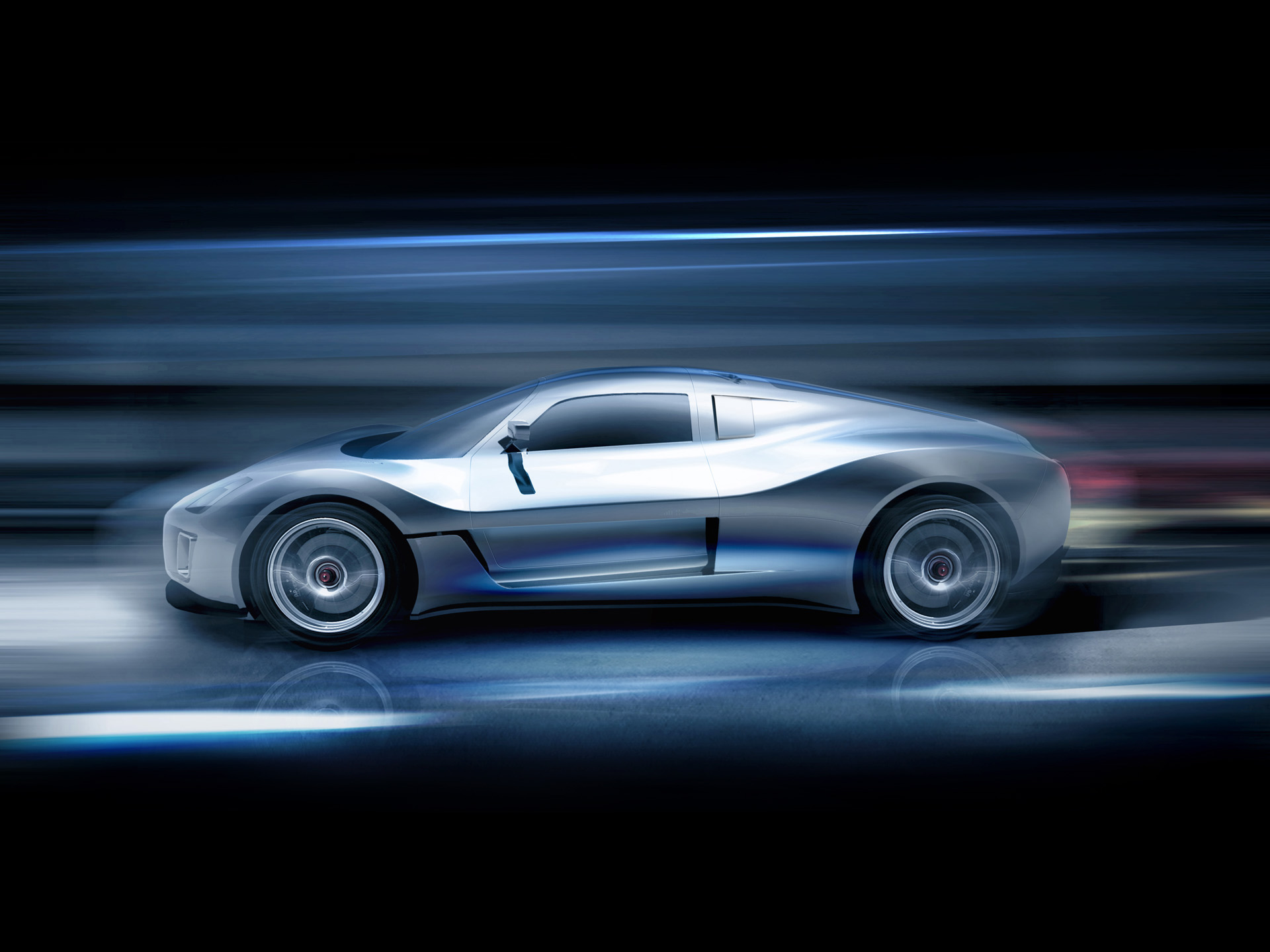
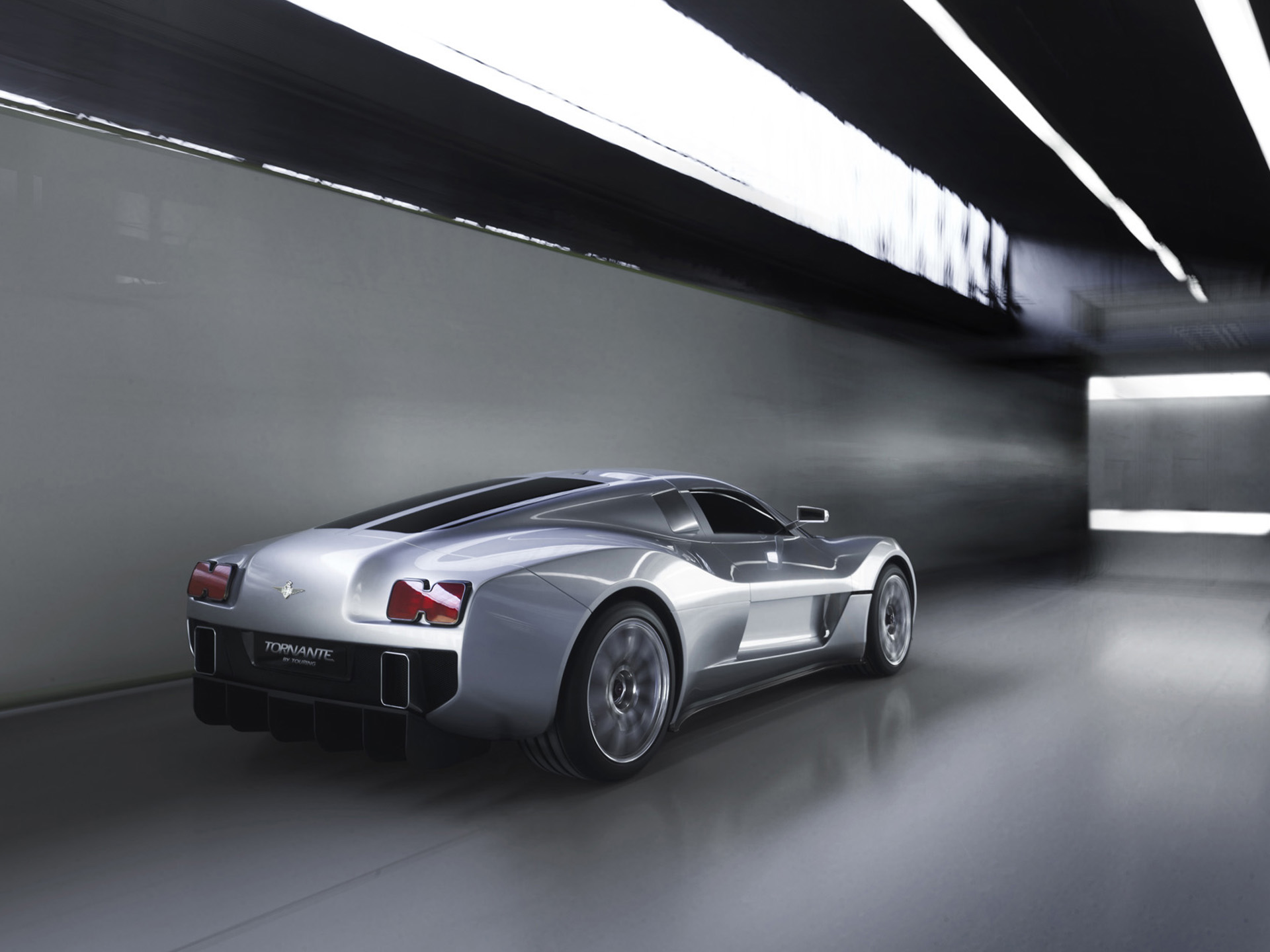
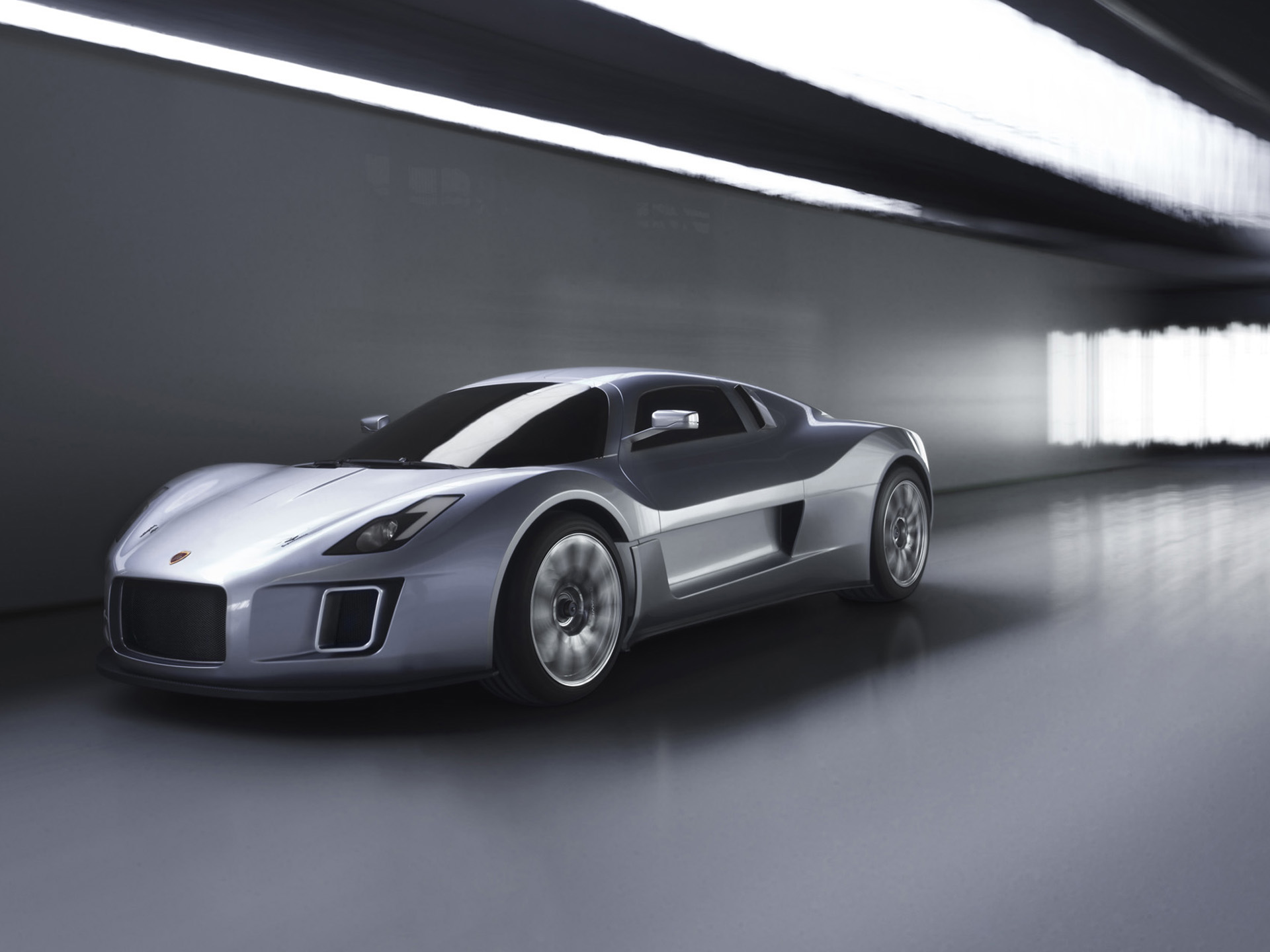
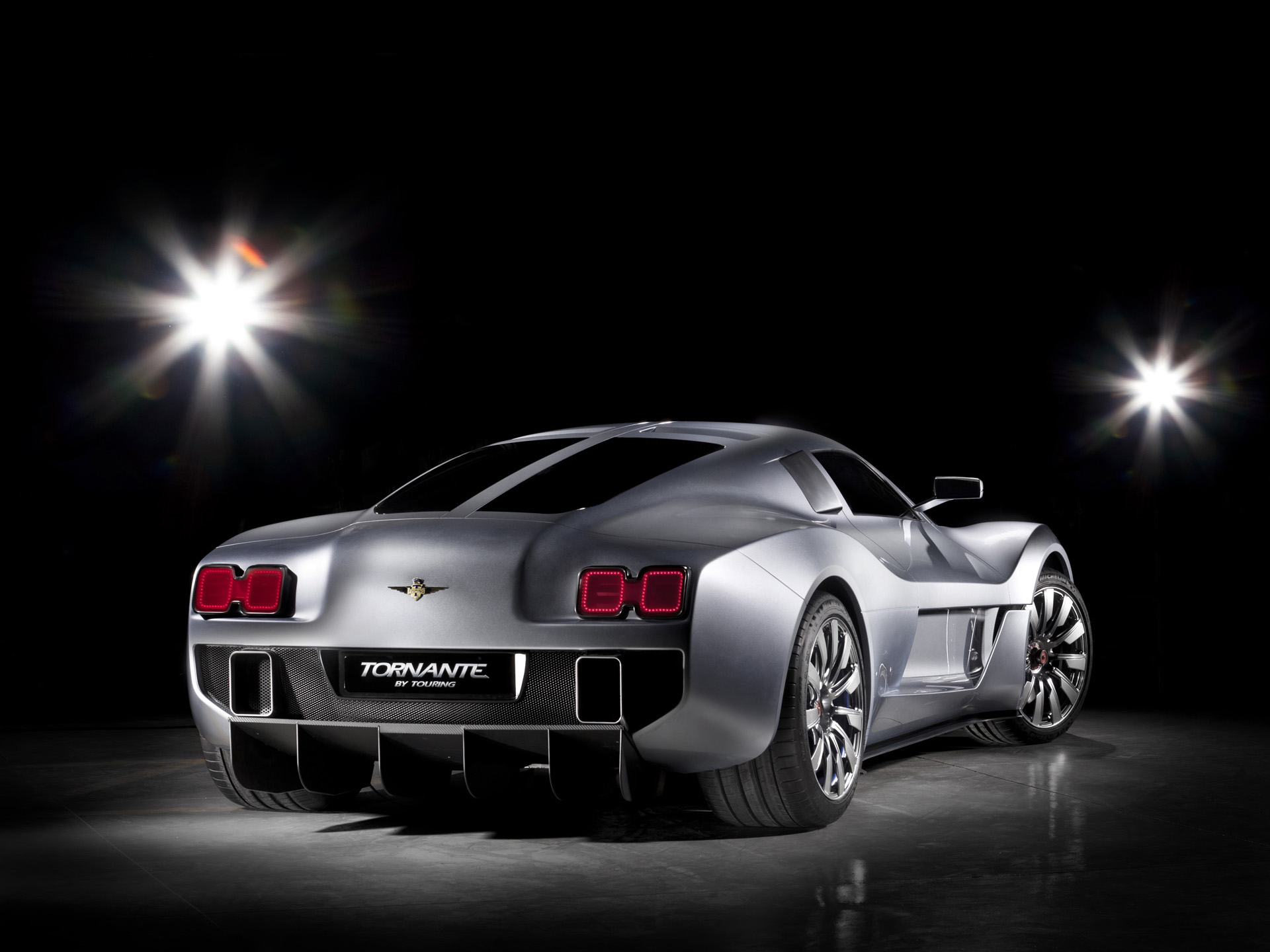
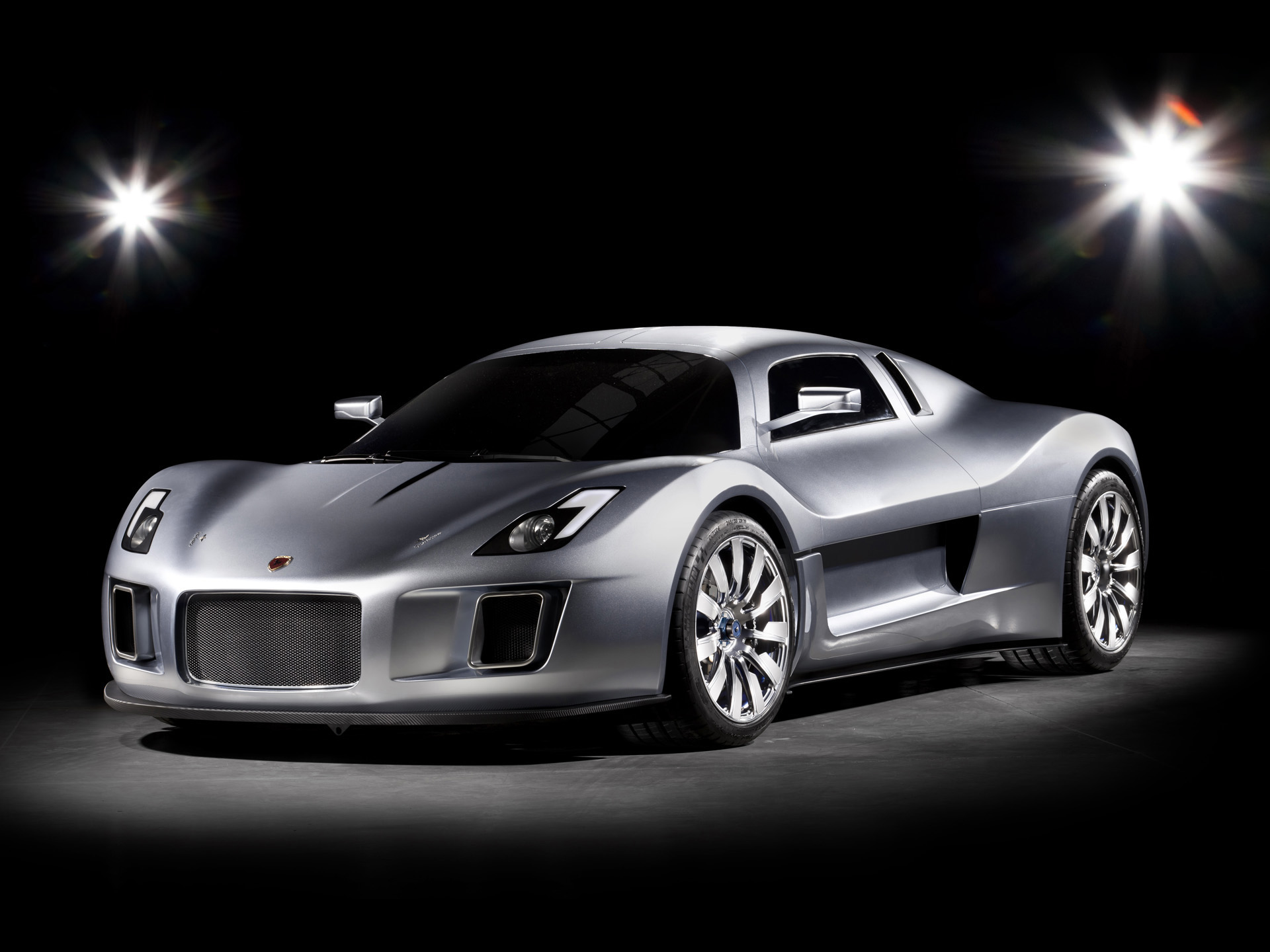
2011 Gumpert Tornante Wallpapers

We have curated the ultimate collection of the best 2011 Gumpert Tornante Wallpapers and HD backgrounds for you to enjoy. Our team focused on finding the top 2011 Gumpert Tornante Wallpapers only to keep the quality high. These 2011 Gumpert Tornante Wallpapers are free to download so go ahead. To download any of these pictures for use as a wallpaper, right click the picture and choose Save As…

Find more awesome Gumpert Wallpapers

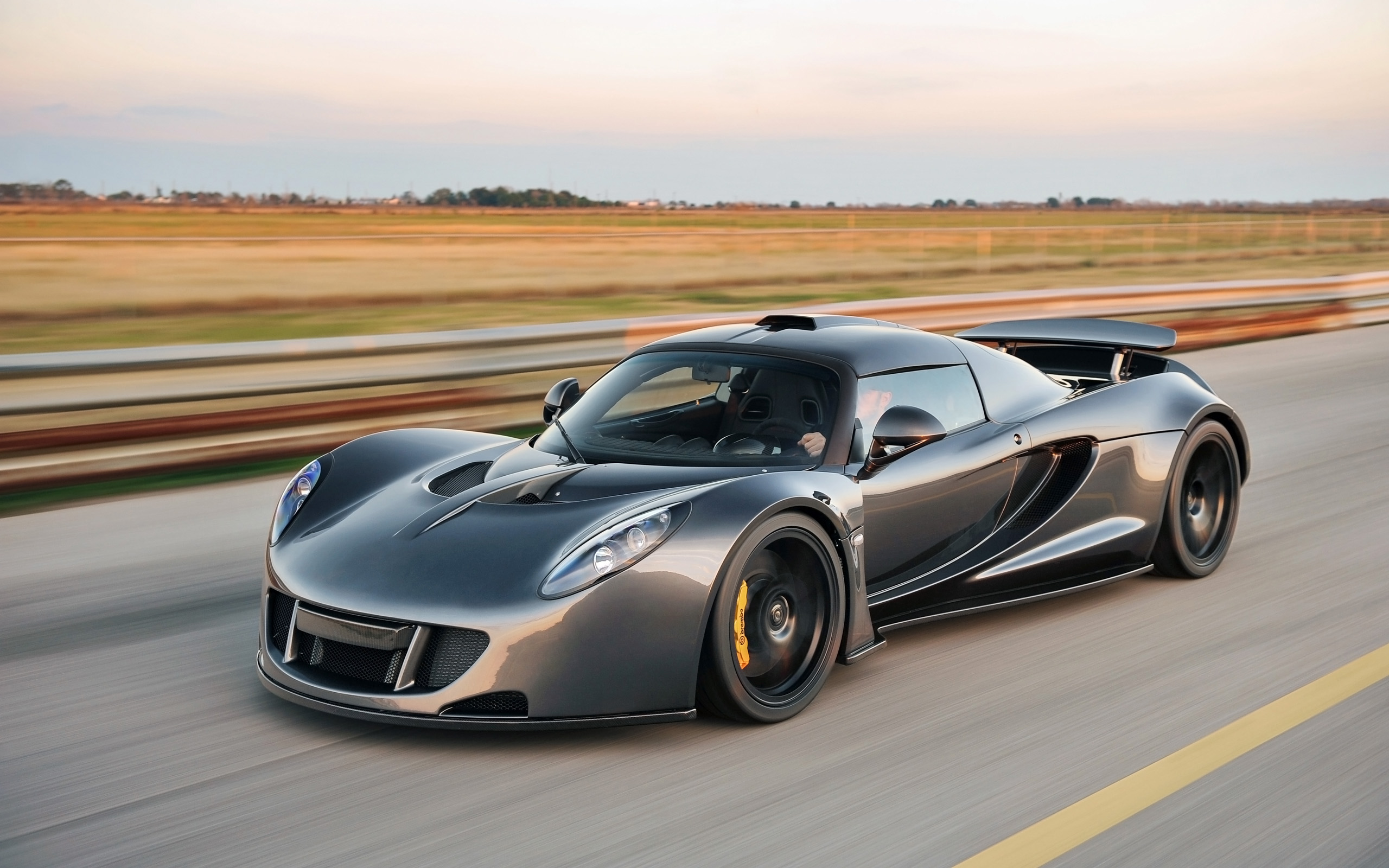
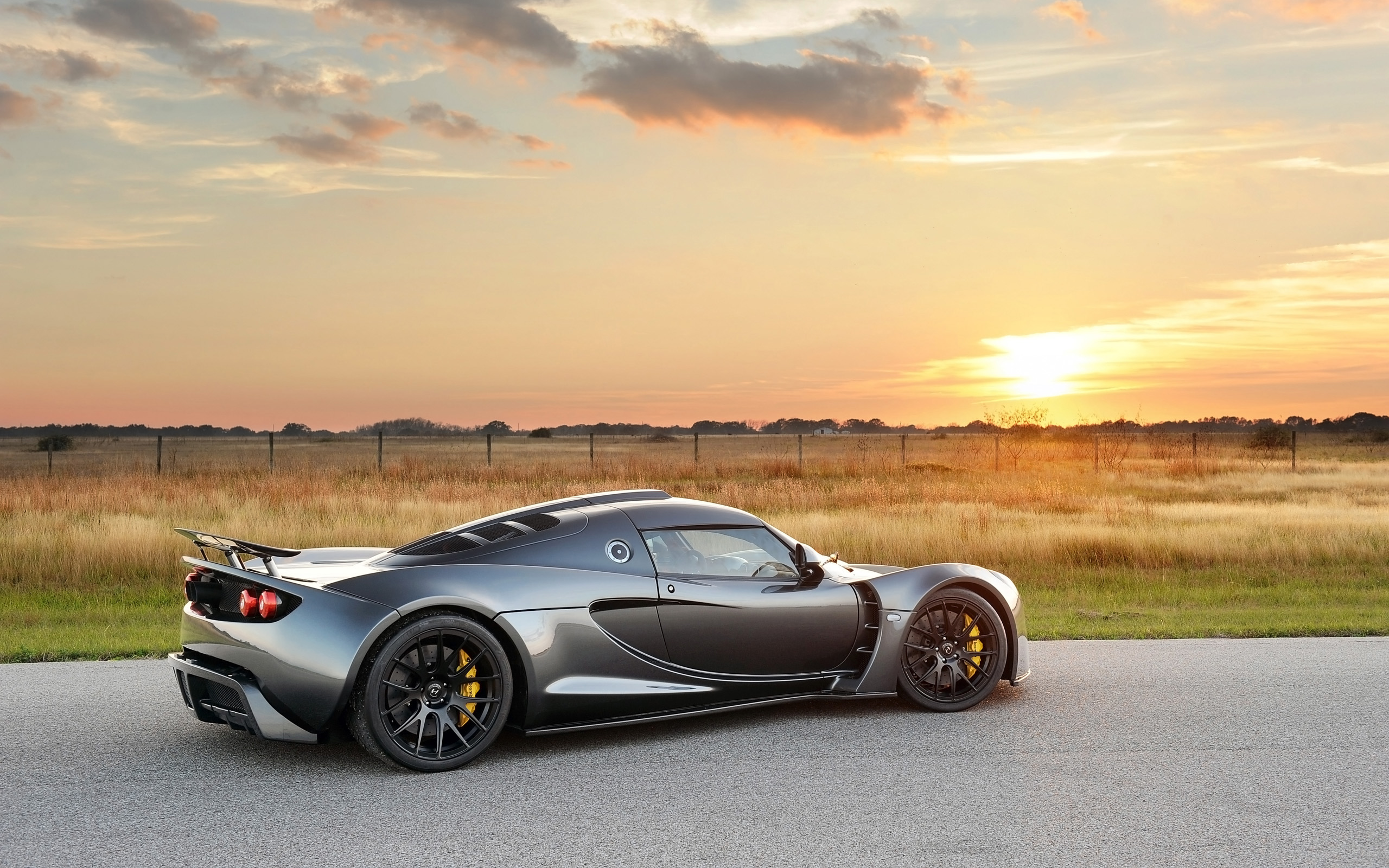
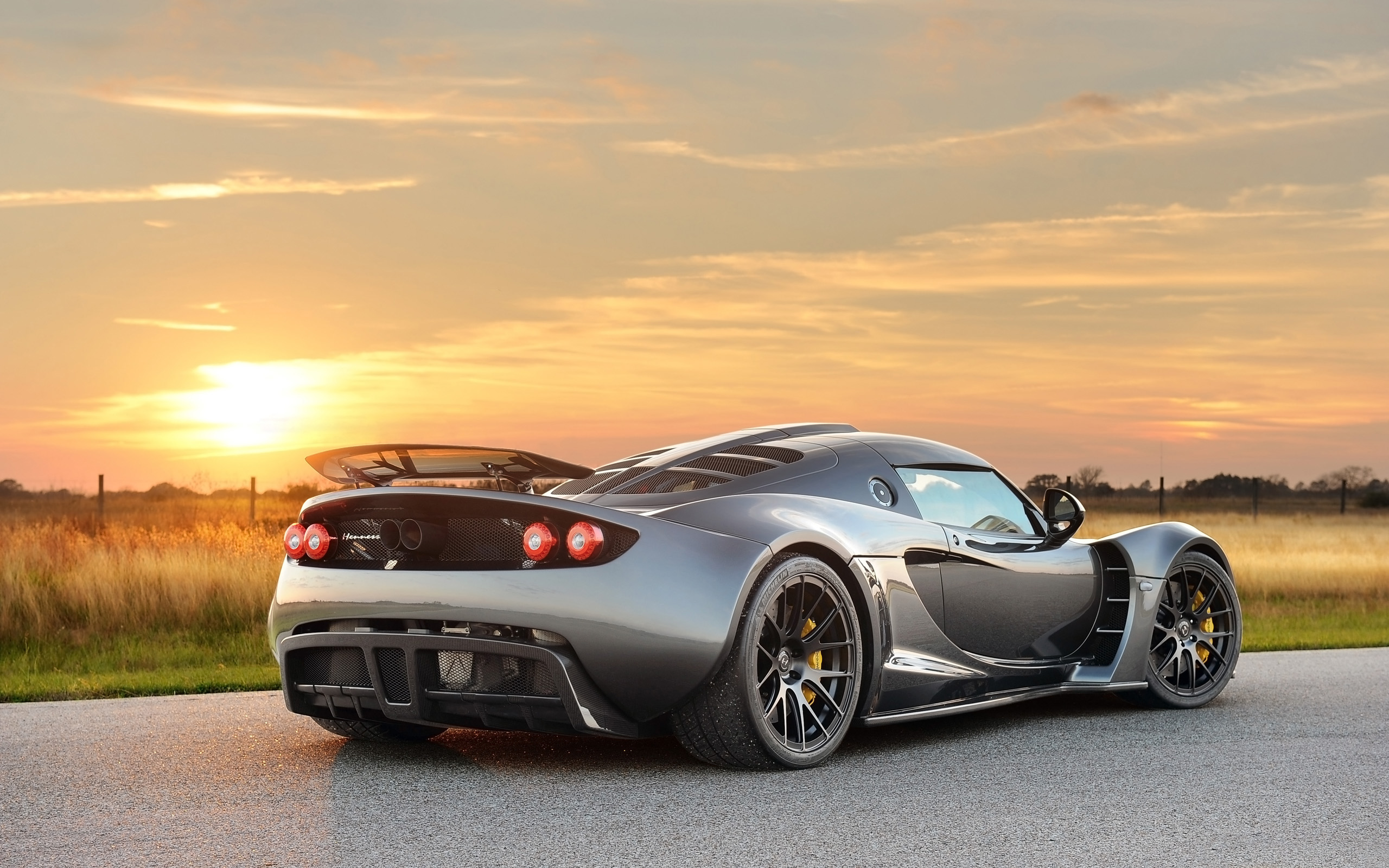
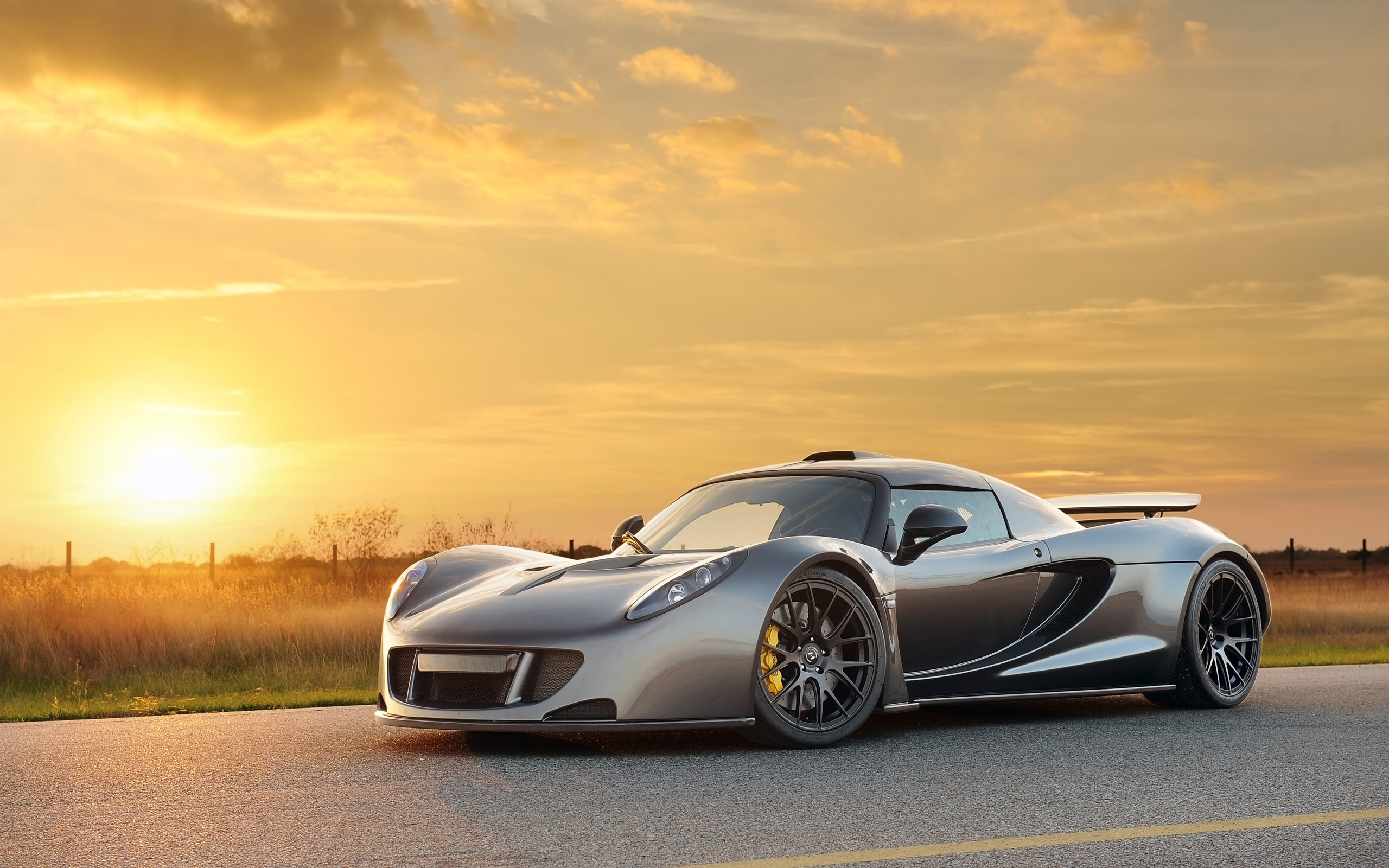
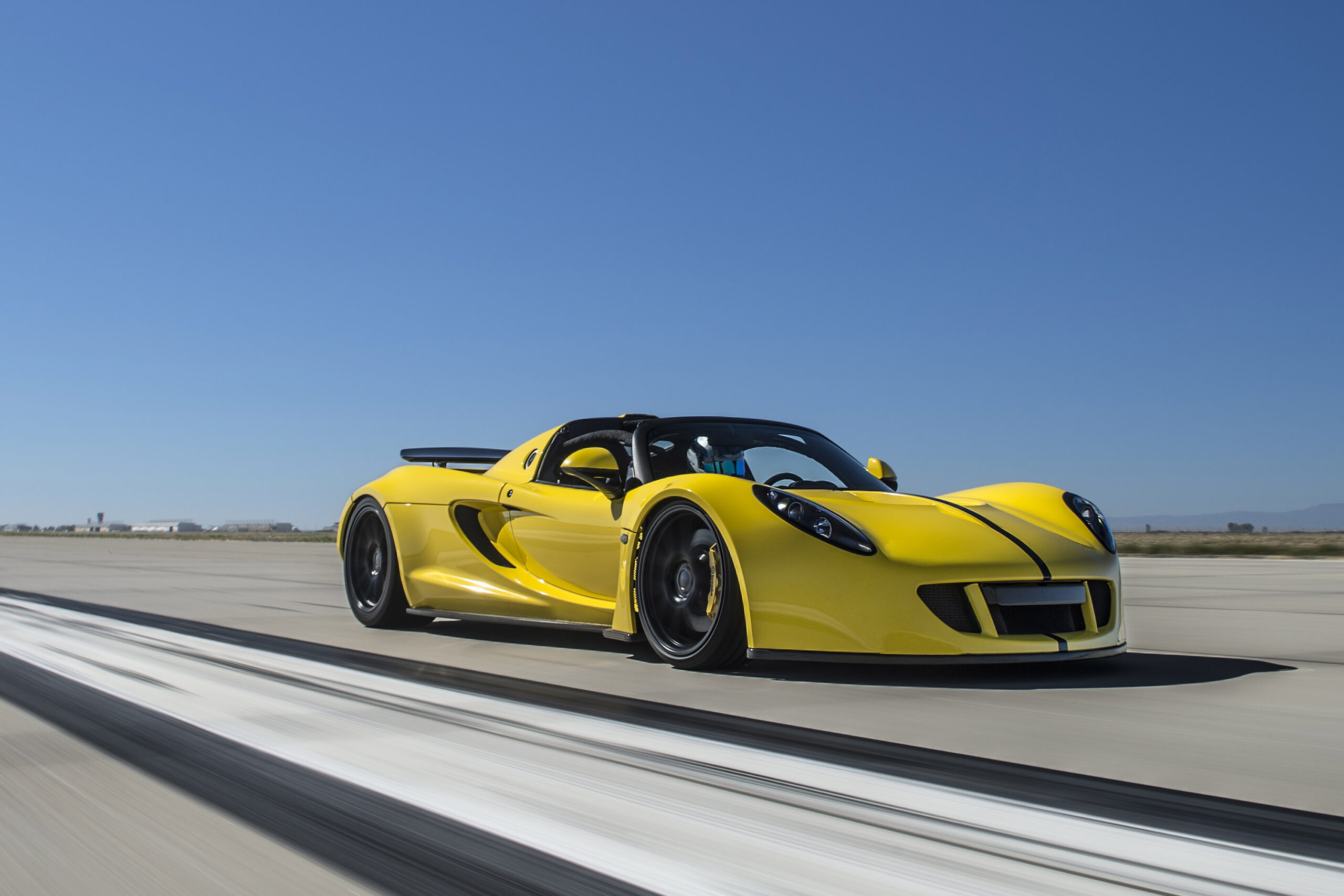
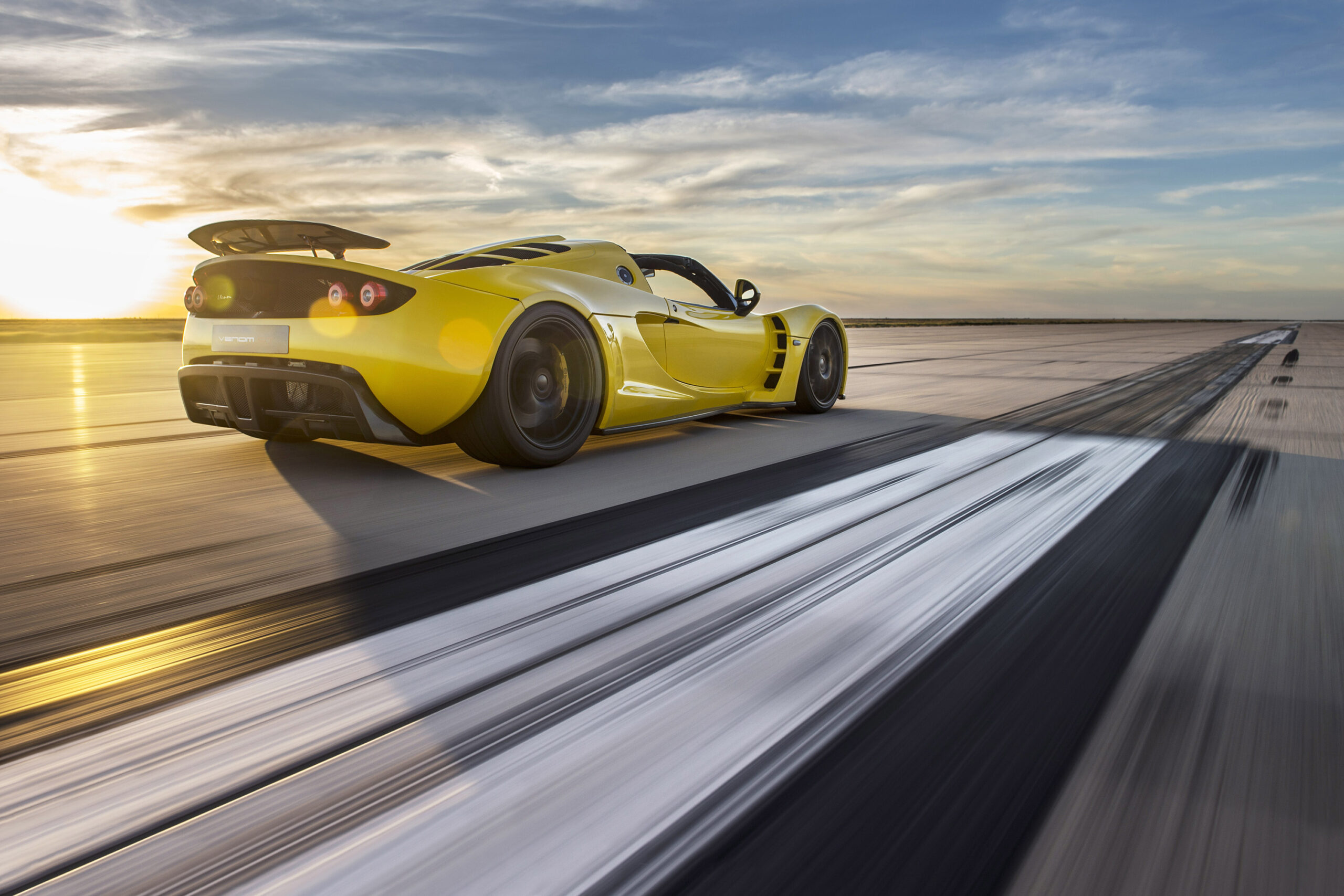
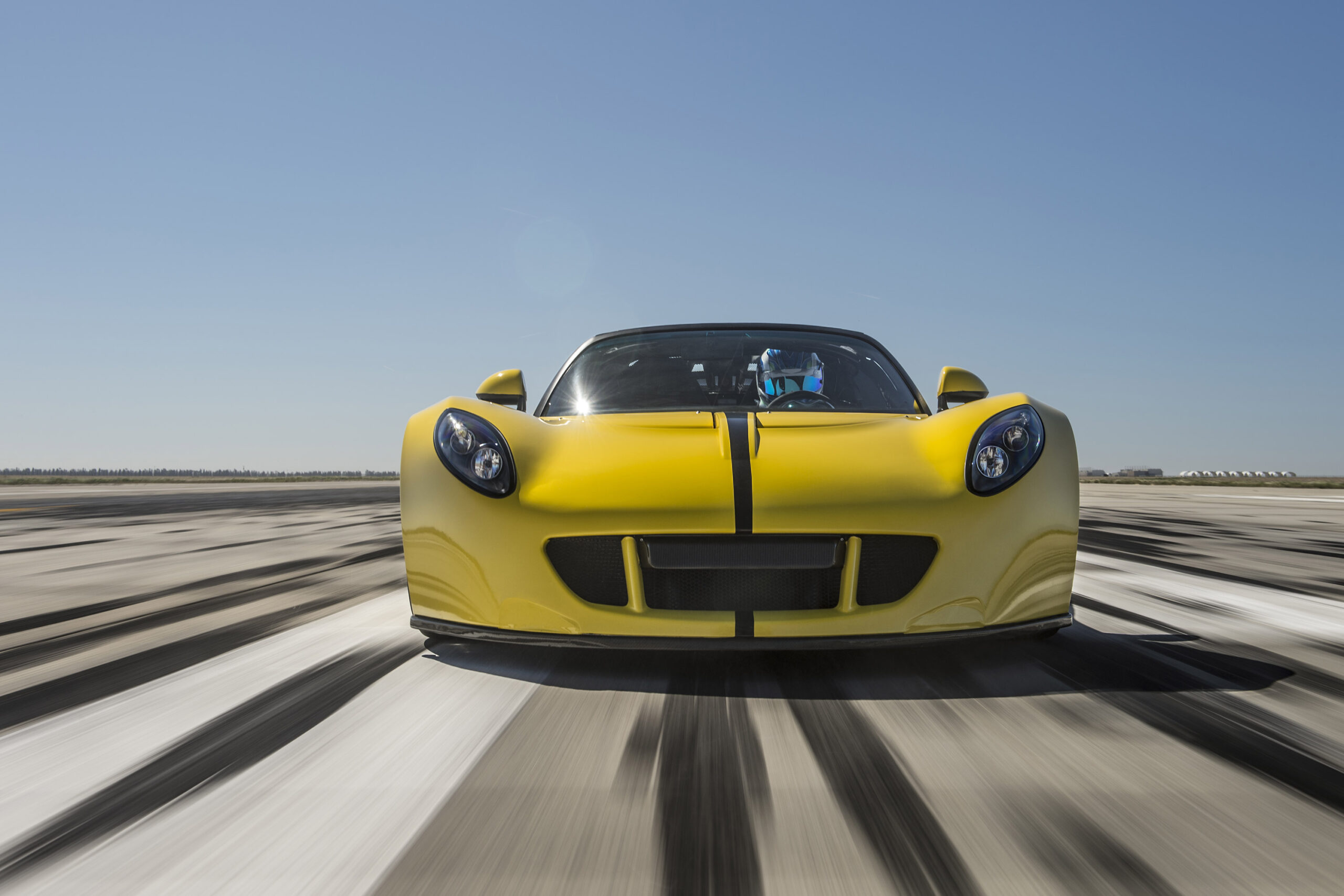
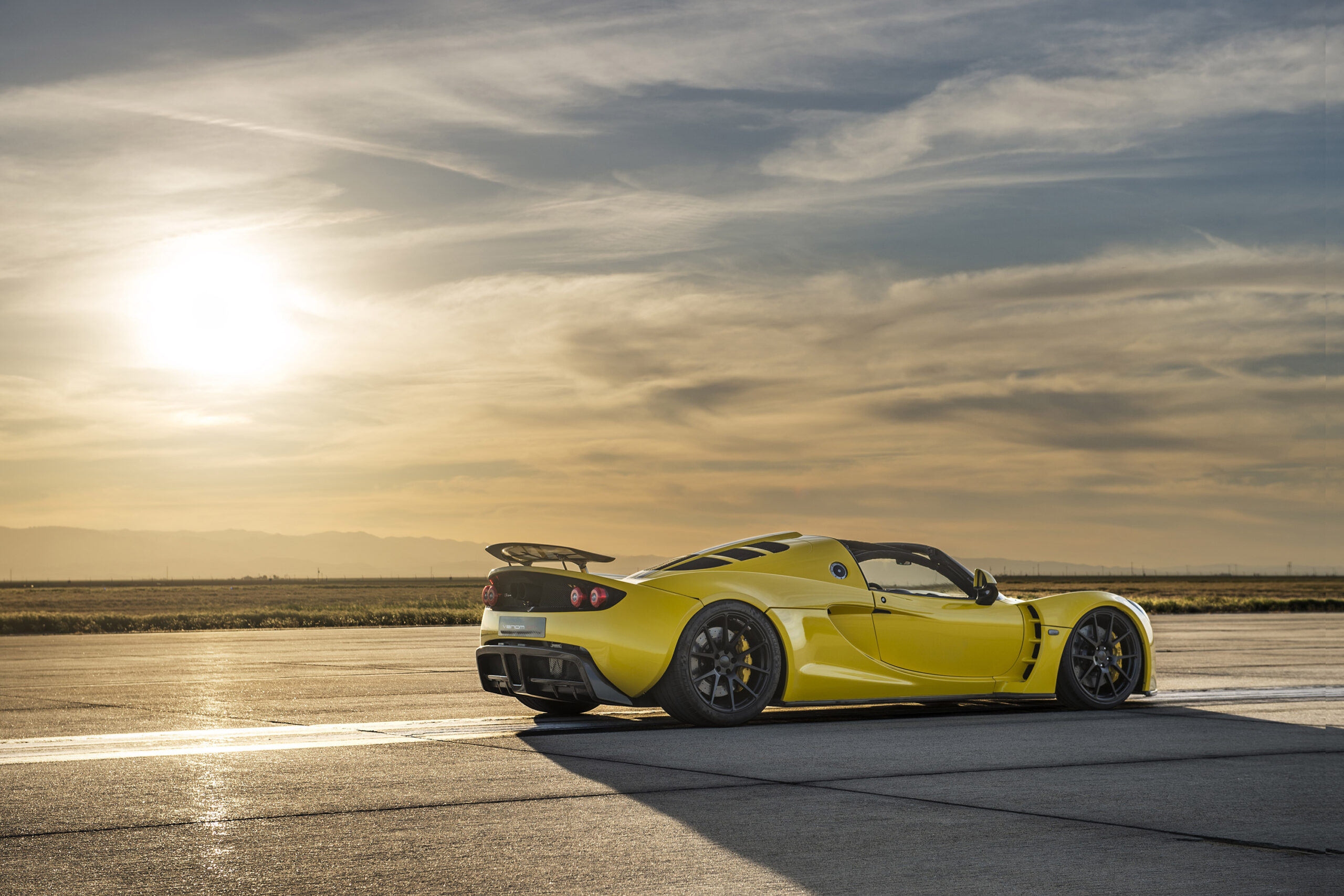
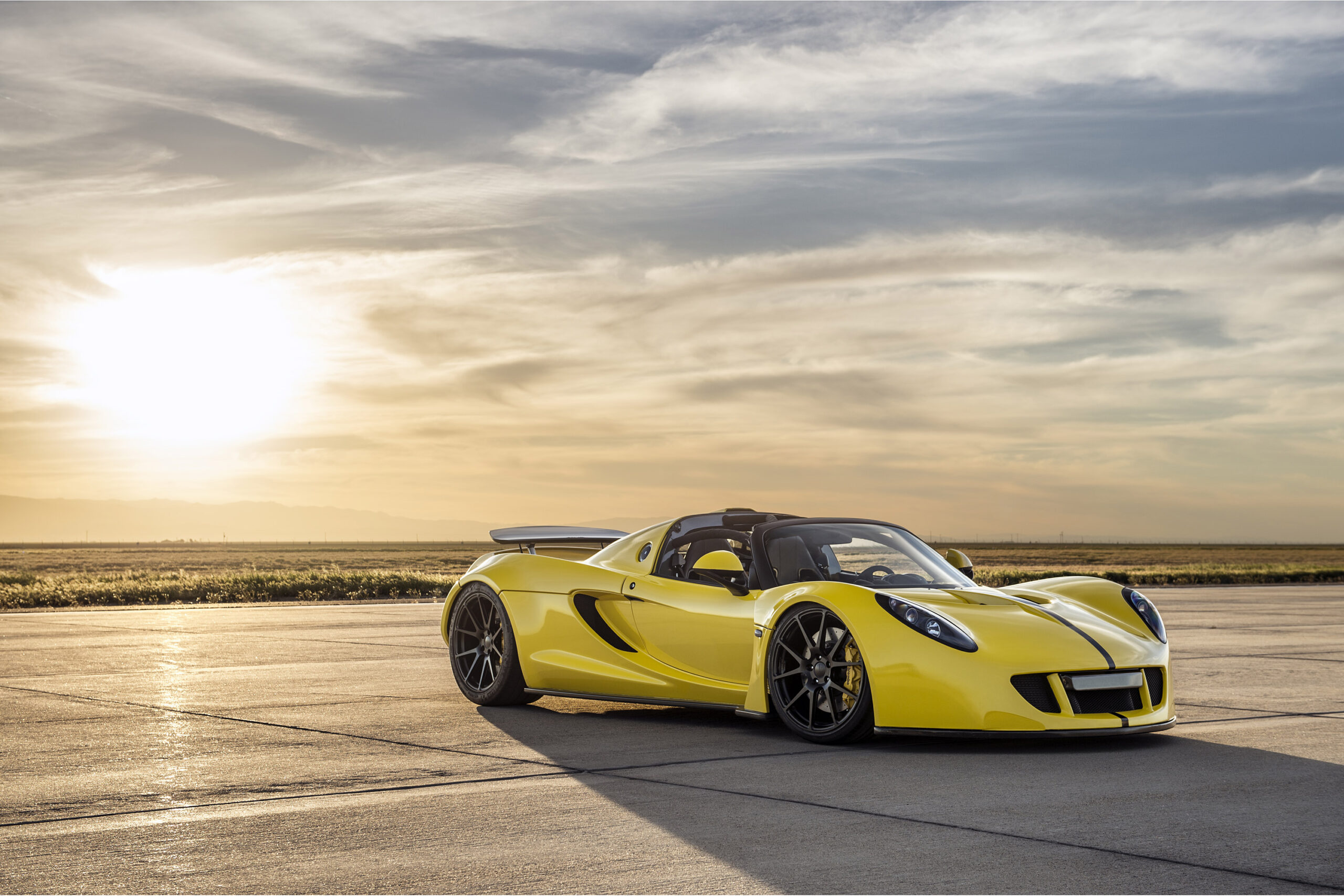
2013 Hennessey Venom GT Wallpapers

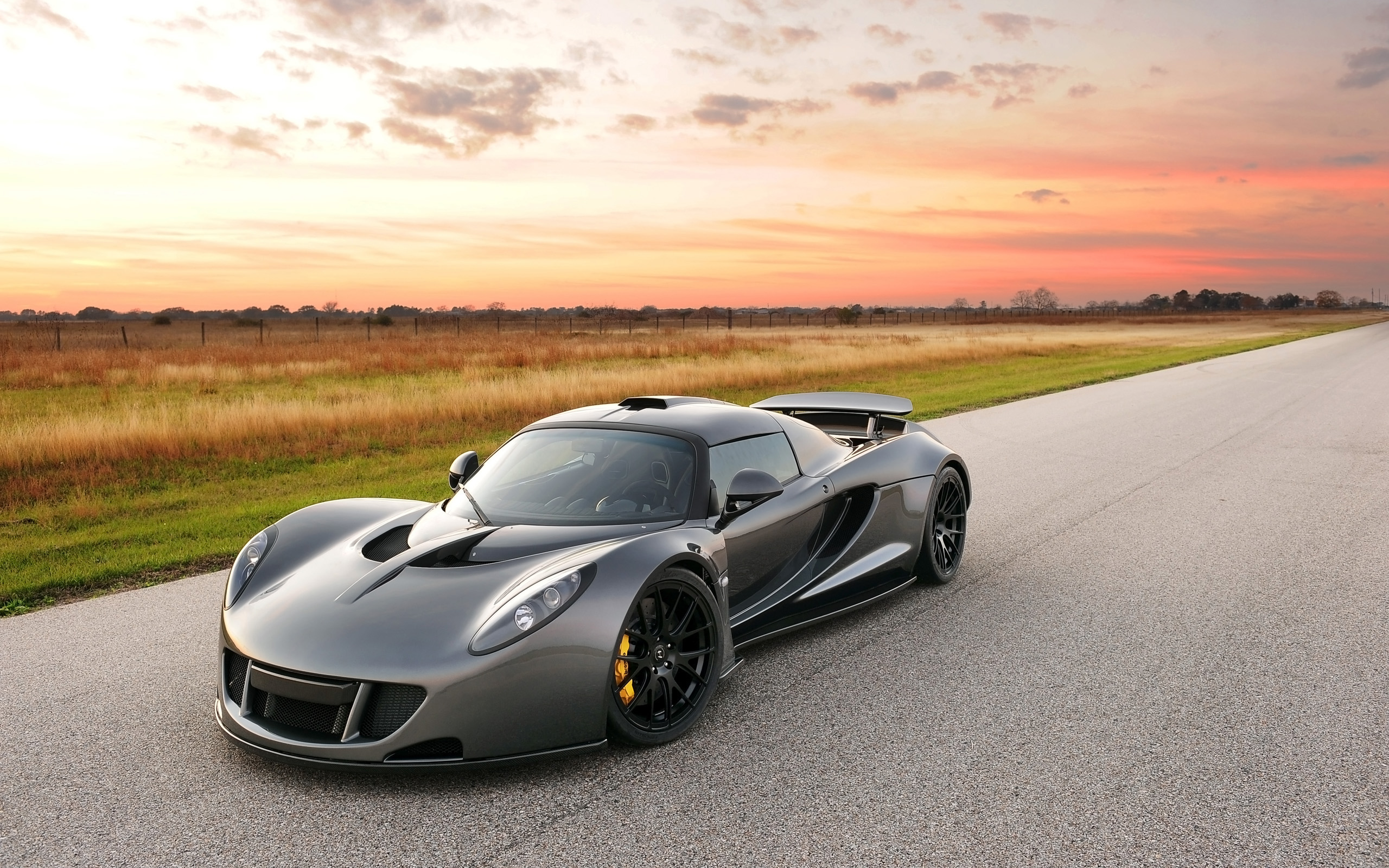
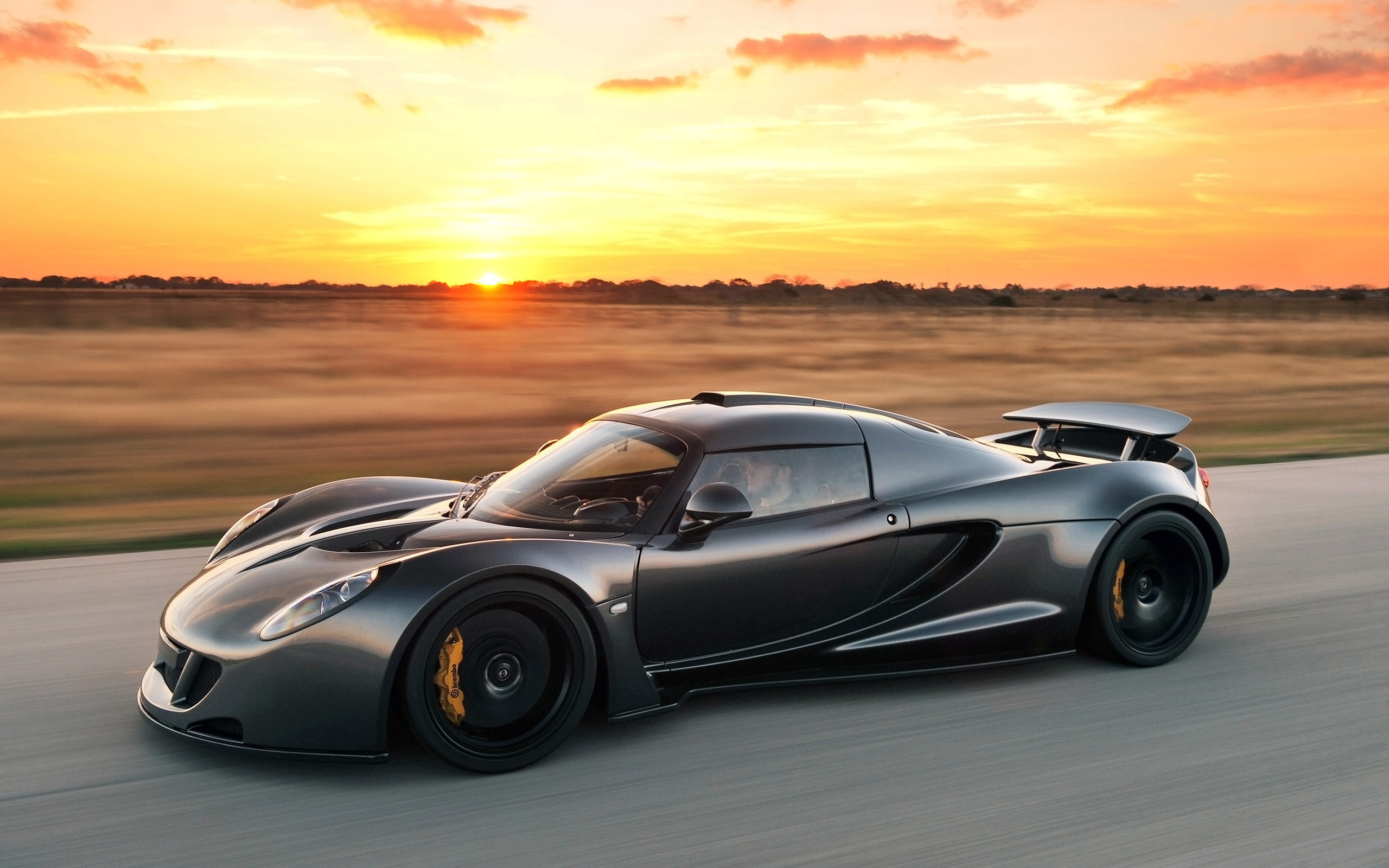
We have curated the ultimate collection of the best 2013 Hennessey Venom GT Wallpapers and HD backgrounds for you to enjoy. Our team focused on finding the top 2013 Hennessey Venom GT Wallpapers only to keep the quality high. These 2013 Hennessey Venom GT Wallpapers are free to download so go ahead. To download any of these pictures for use as a wallpaper, right click the picture and choose Save As…

Find more awesome Hennessey Wallpapers

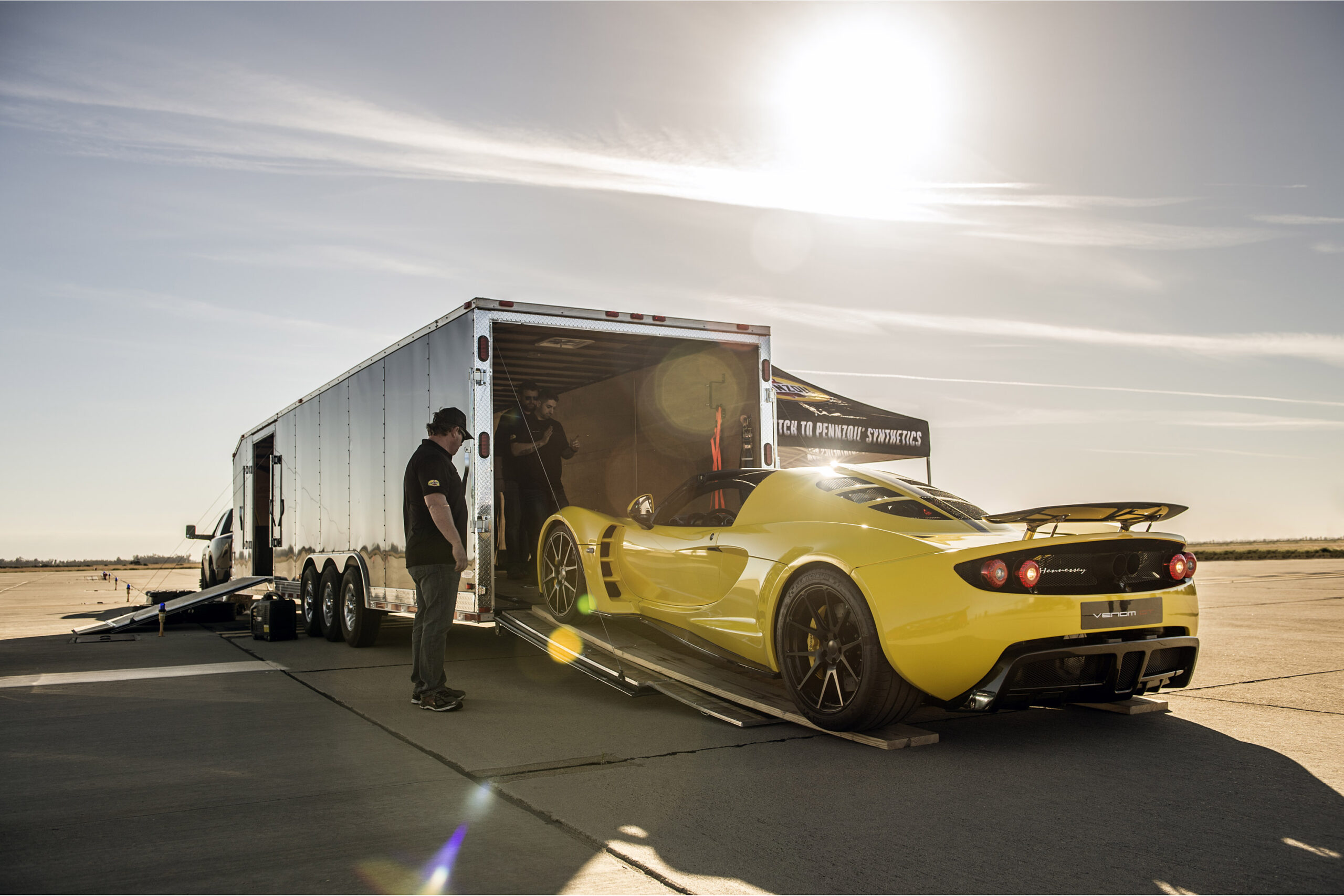
2016 Hennessey Venom GT Spyder Wallpapers

We have curated the ultimate collection of the best 2016 Hennessey Venom GT Spyder Wallpapers and HD backgrounds for you to enjoy. Our team focused on finding the top 2016 Hennessey Venom GT Spyder Wallpapers only to keep the quality high. These 2016 Hennessey Venom GT Spyder Wallpapers are free to download so go ahead. To download any of these pictures for use as a wallpaper, right click the picture and choose Save As…

Find more awesome Hennessey Wallpapers

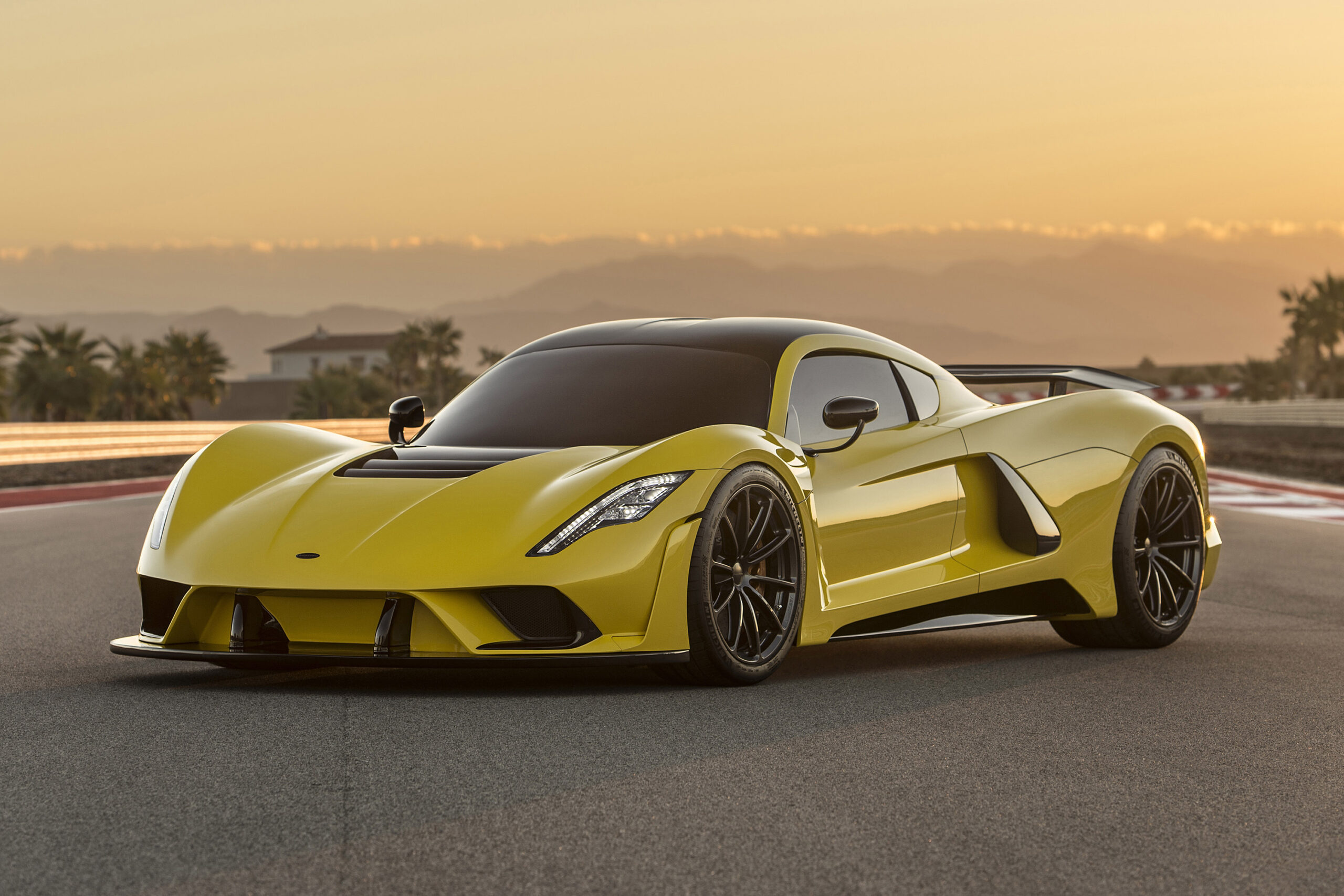
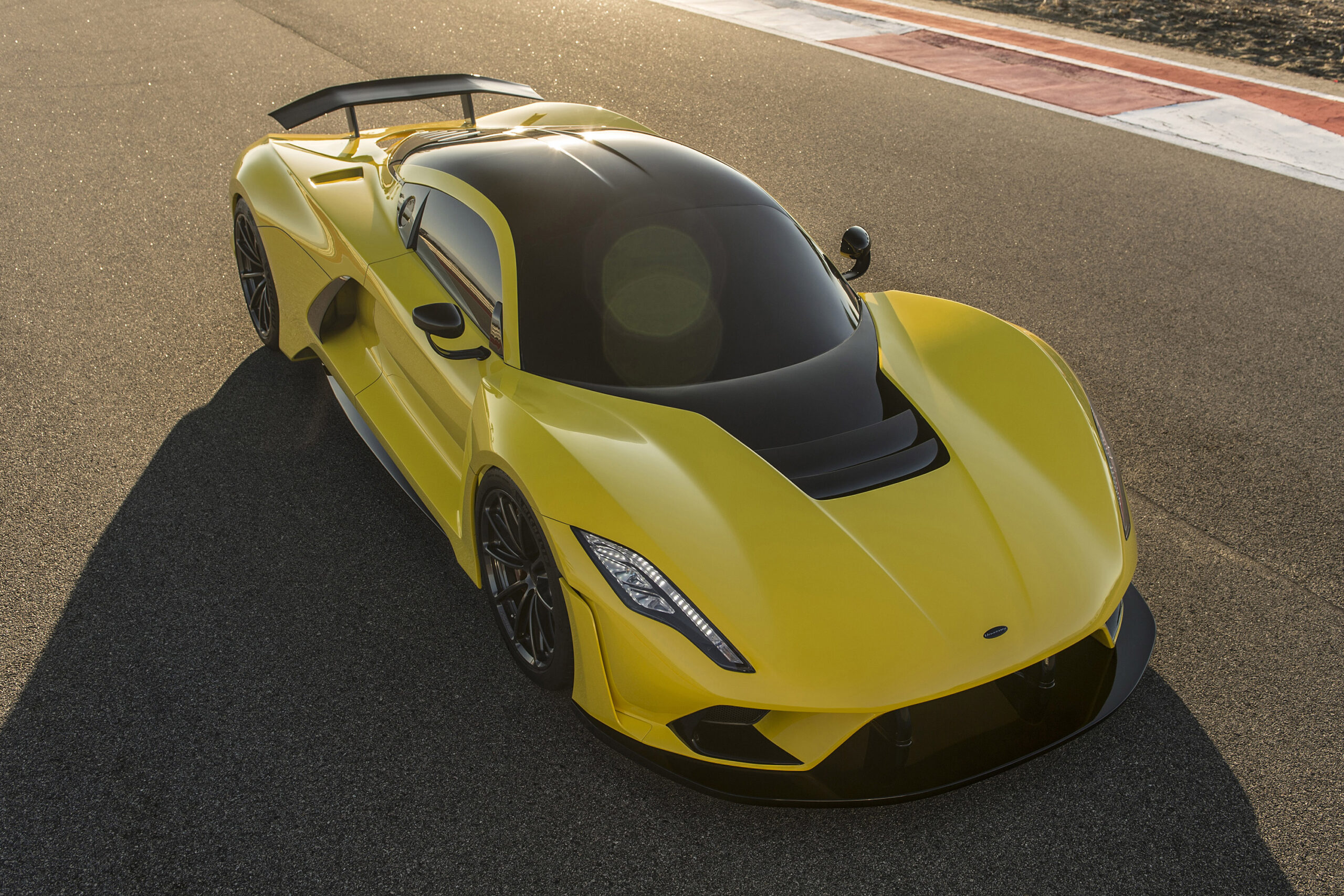
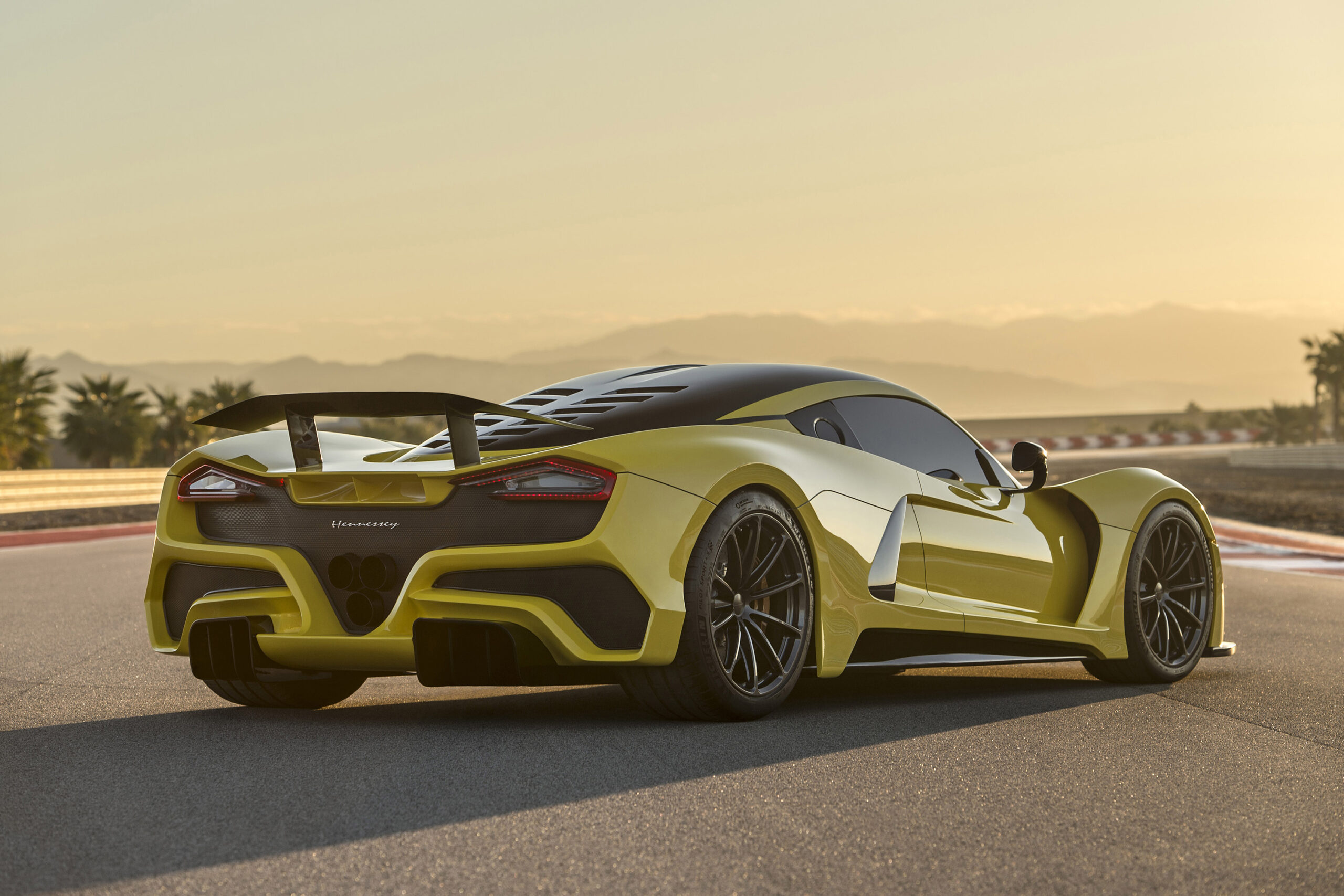
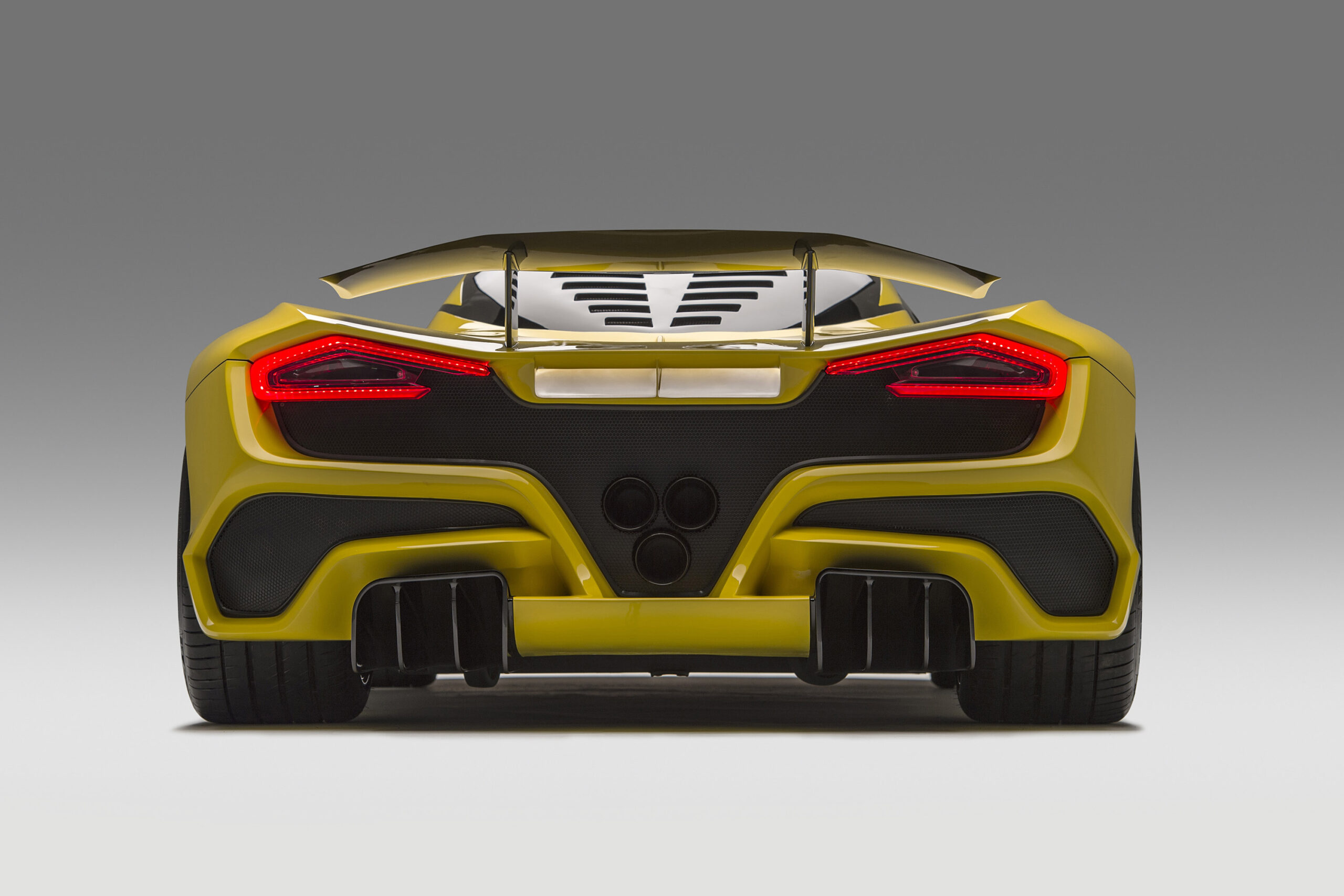
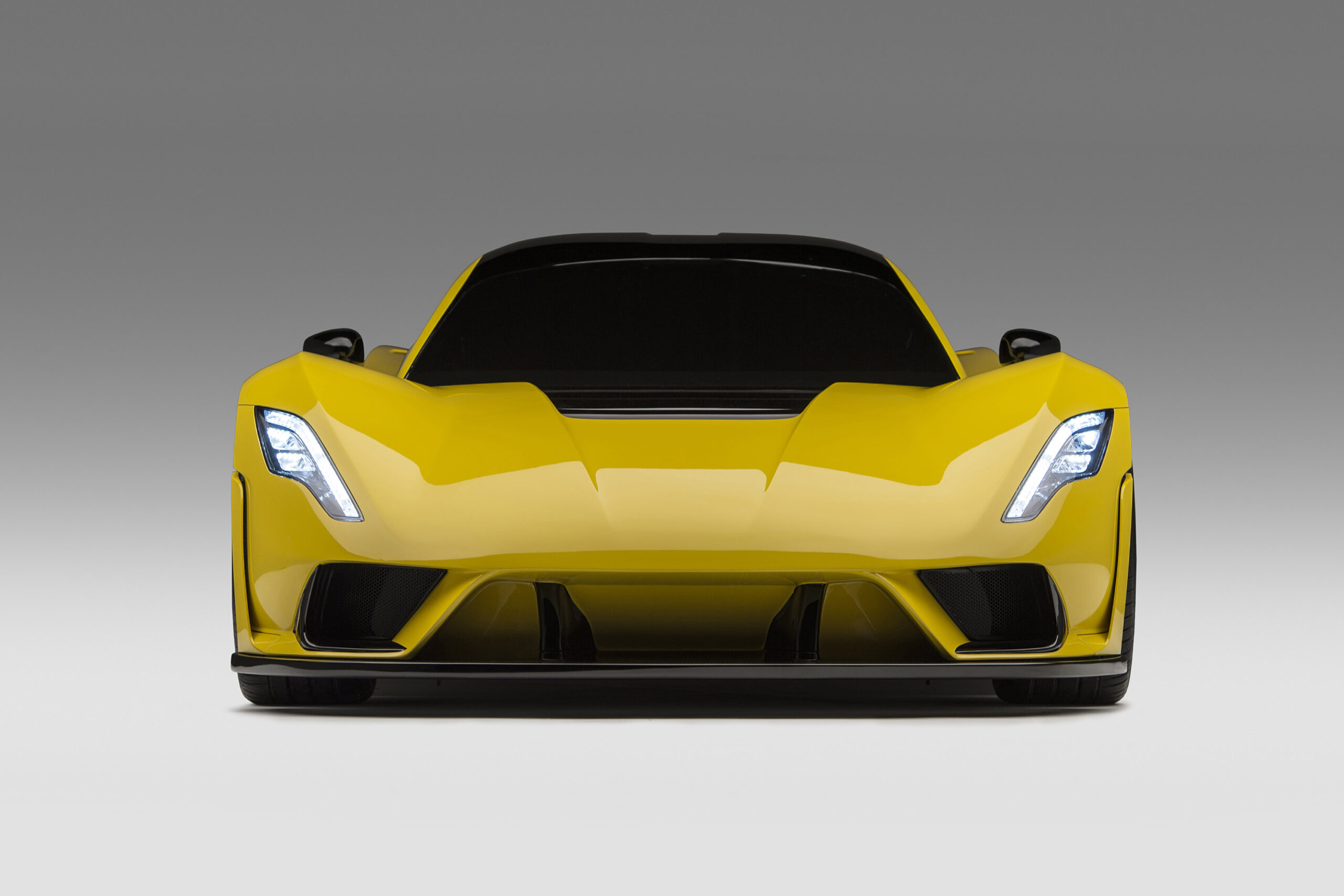
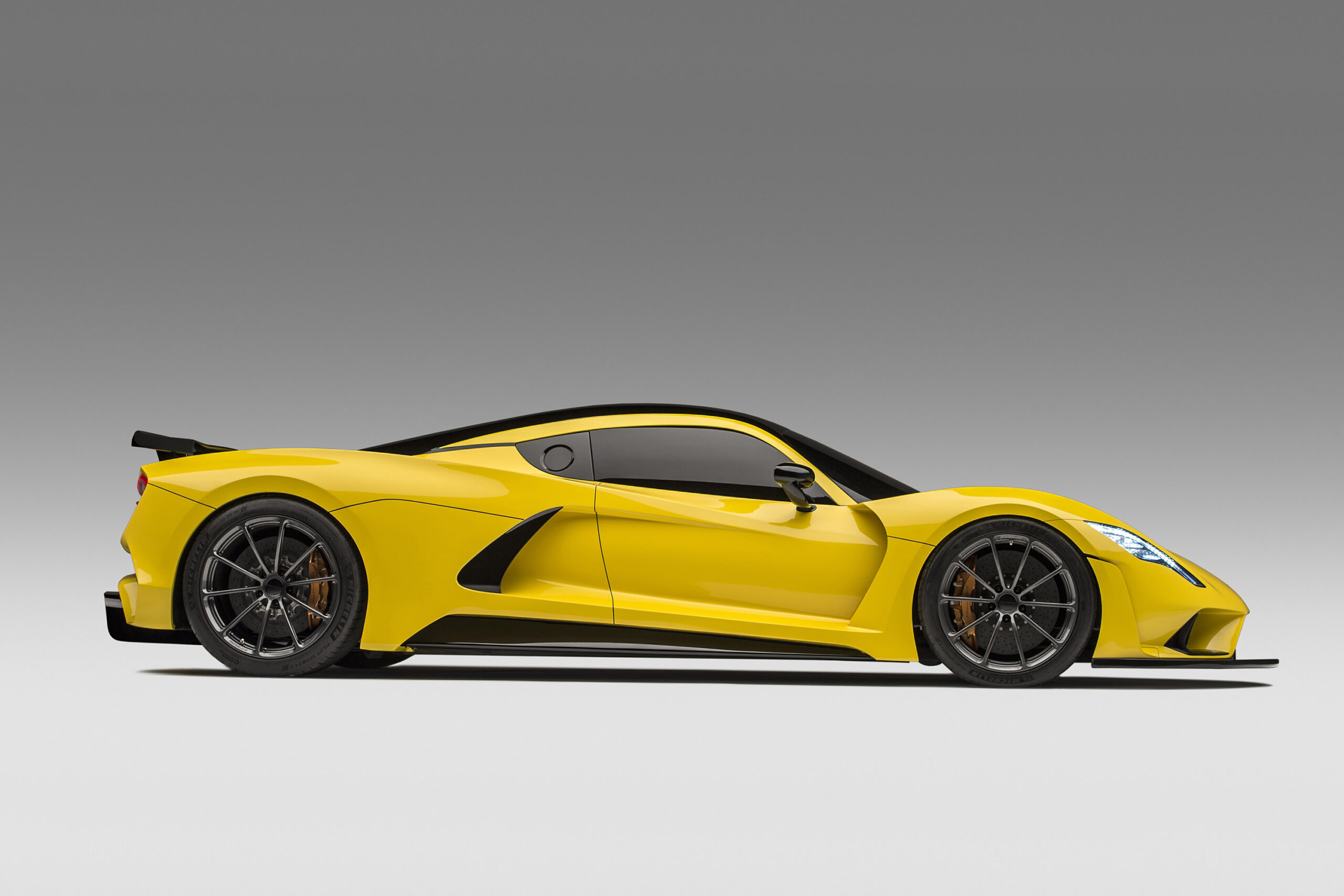
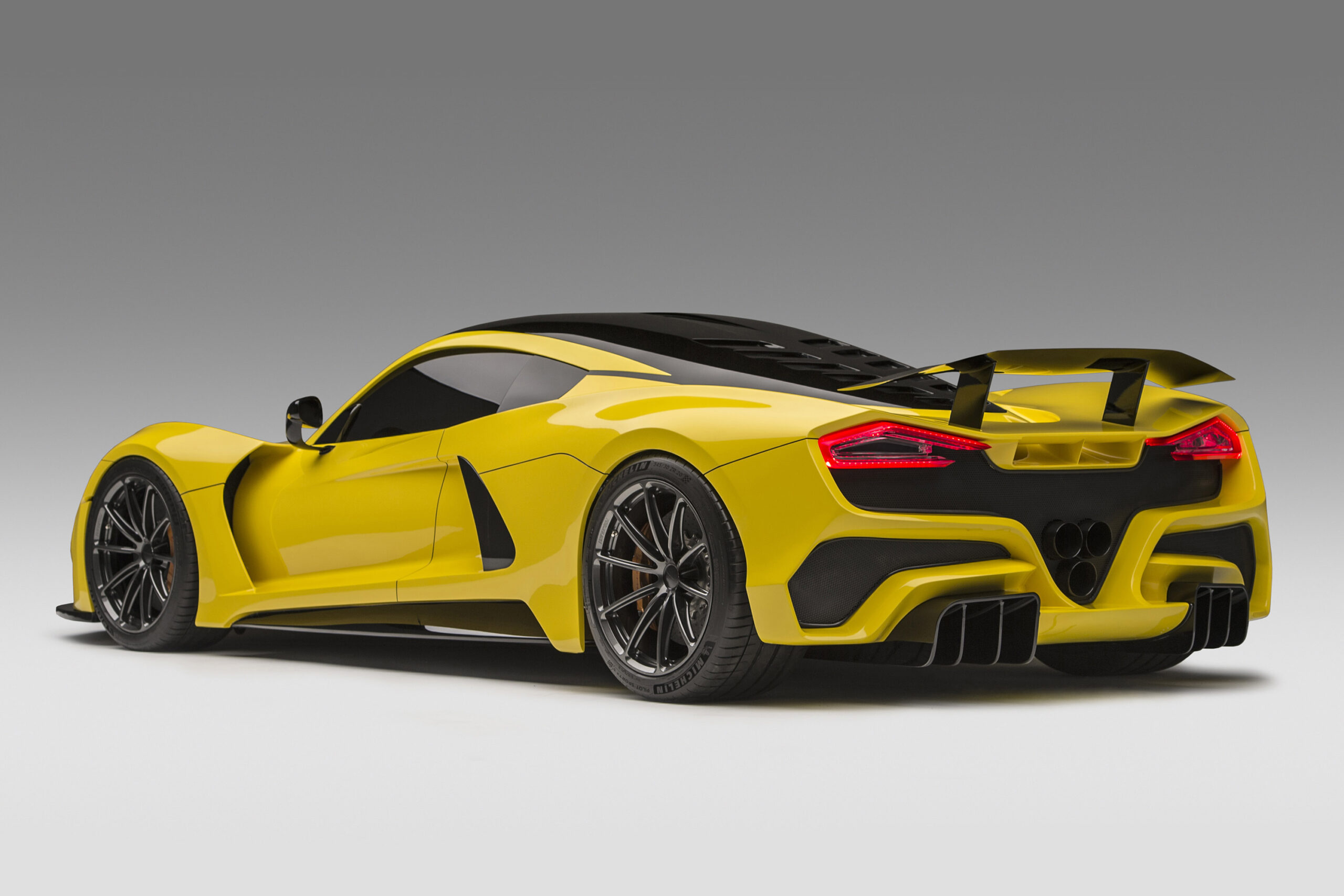
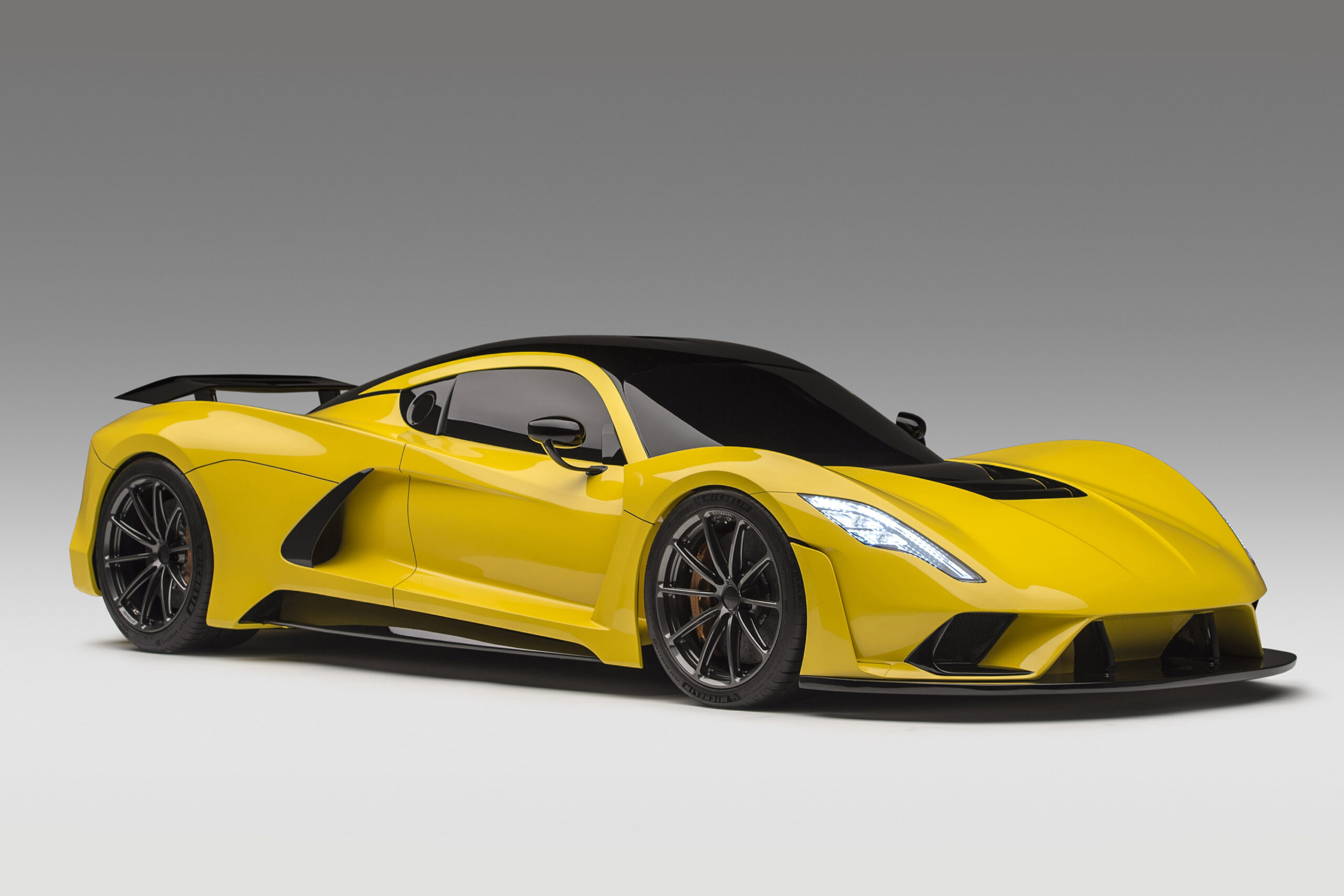
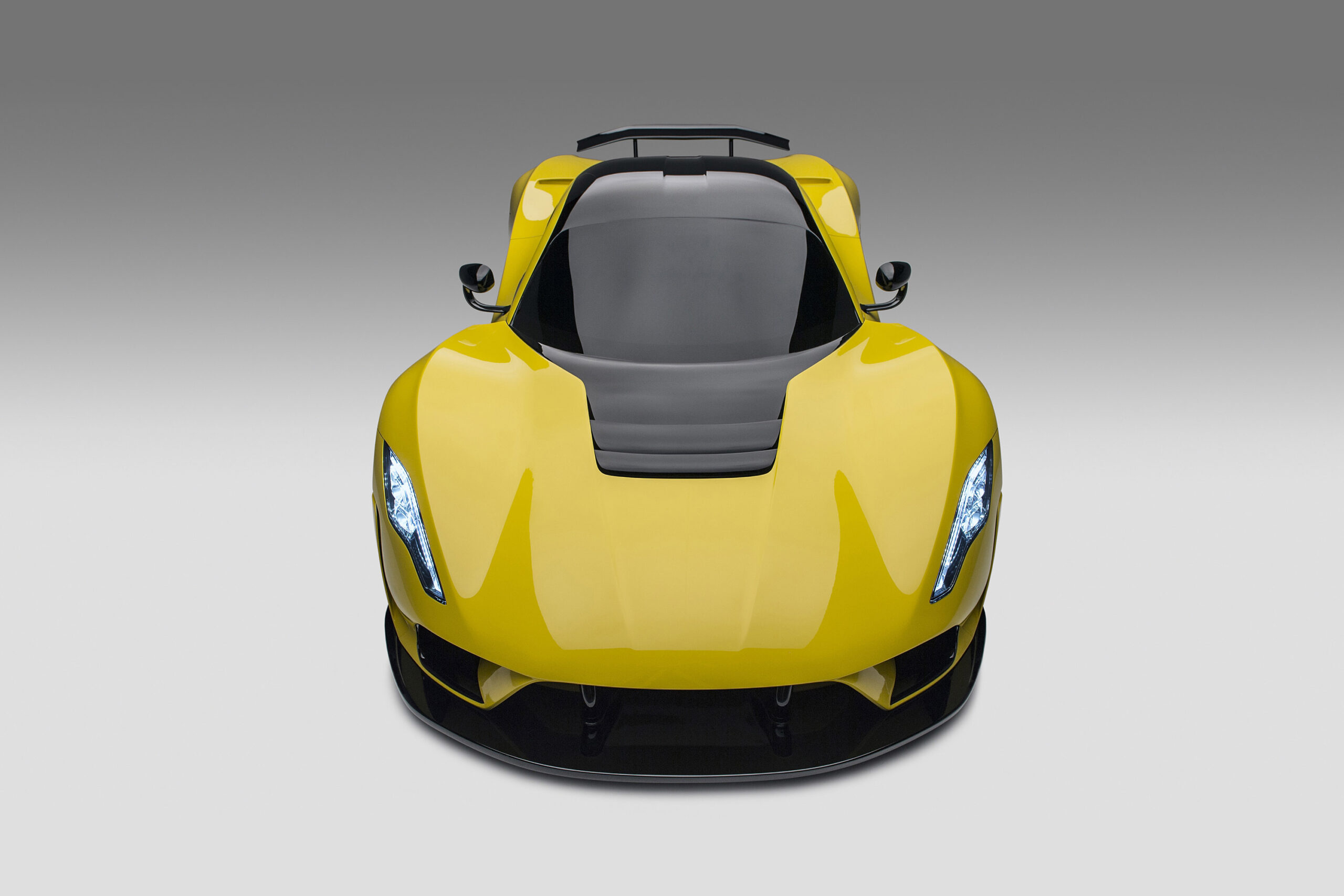
2019 Hennessey Venom F5 Wallpapers

We have curated the ultimate collection of the best 2019 Hennessey Venom F5 Wallpapers and HD backgrounds for you to enjoy. Our team focused on finding the top 2019 Hennessey Venom F5 Wallpapers only to keep the quality high. These 2019 Hennessey Venom F5 Wallpapers are free to download so go ahead. To download any of these pictures for use as a wallpaper, right click the picture and choose Save As…

Find more awesome Hennessey Wallpapers

Best 6-Cylinder Engines Ever Produced

In this modern automotive era, we are spoiled for choice when it comes to the wide array of supercars, hypercars and now EVs, to choose from. At this level of the game, the V12 engine is often seen as the standard bearer, while a V8 is the lowest benchmark. It’s no wonder the 6-cylinder engine often gets overlooked, despite continuing to power some of the world’s greatest sports cars and supercars. This isn’t just hyperbole. Case in point: the Porsche 911.

With the help of turbochargers, superchargers and in some cases, electric motors, 6-cylinder engines can often squeeze out just as much performance as their larger counterparts, while retaining the benefits of being more compact, lightweight and fuel-efficient. So while they aren’t typically as flashy nor headline-making as the V12s and V8s of the world, they are at the very least, an extremely versatile and dependable option to have in the engine war chest.

It’s no wonder the proliferation of the 6-cylinder engine has been democratized by auto manufacturers internationally, with the platform remaining ever-present across all continents. The Germans, Japanese and Italians are amongst those who persist with their undying trust in the 6-cylinder engine; so much so that it is still being improved and continues to power some of the best automobiles to this day.

Here’s the shortlist of 10 such engines, which we have curated:

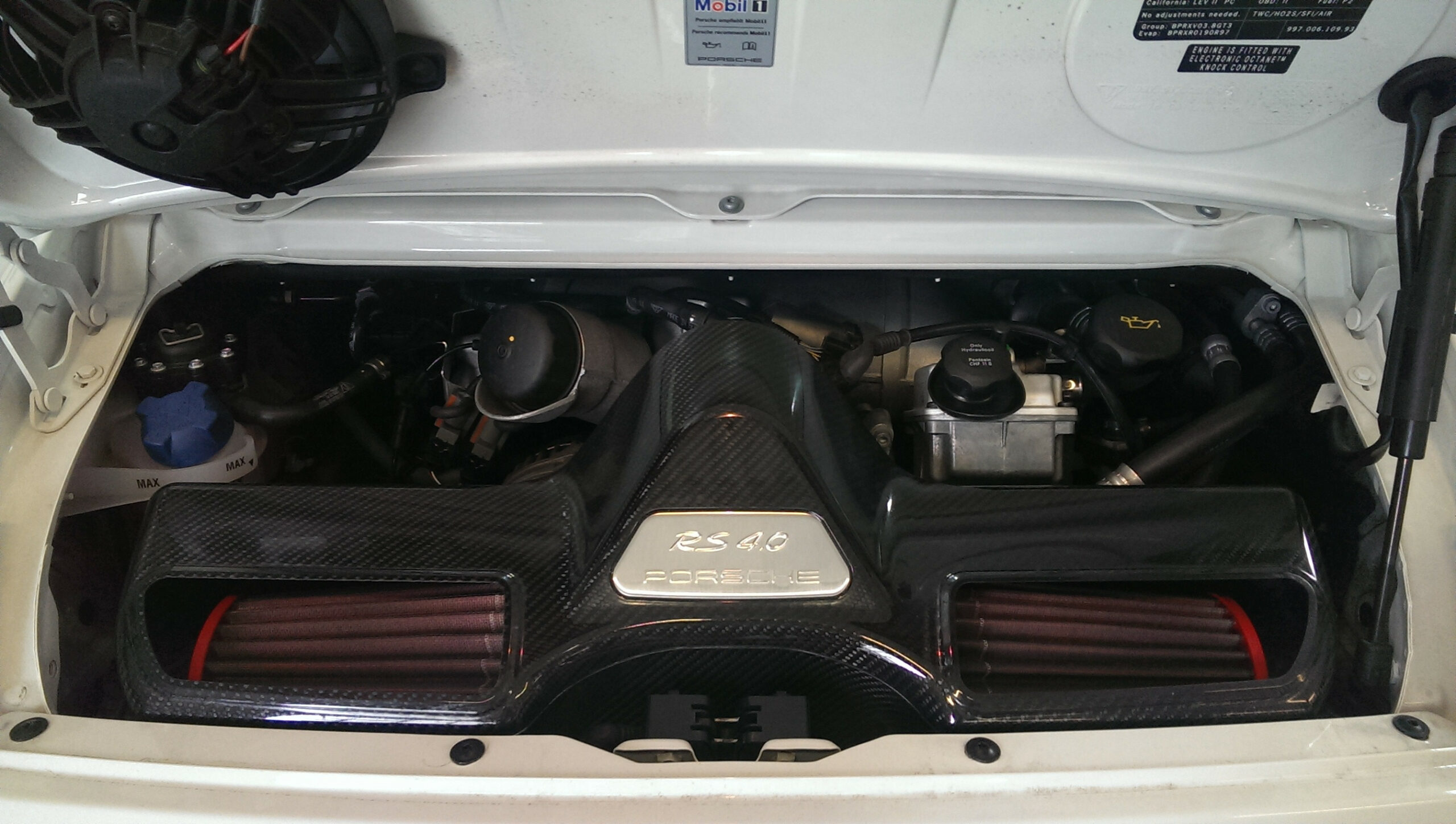
Porsche M97.74

Porsche M97.74 engine

Appearing in the 997.2 GT3 RS 4.0, this truly special engine was the swan song for both the 997-generation (2005-2012) of Porsche 911 cars, as well as the Mezger engine design. Borrowing a number of components from the RSR race car, the 3.8L engine in the ‘regular’ 997 GT3 RS was then upgraded to a 4.0L flat-6 (hence the name) which produced 500 hp and 339 lb-ft of torque, while having an astronomical 8,500 rpm redline.

So convincing was this move, even to Porsche’s own brass, that the following two generations (991 and 992) of 911 cars would continue to employ the 4.0L naturally-aspirated engine in the GT3 lineup, proving that the ‘godfather’ RS 4.0 was also well ahead of its time.

With the proliferation of PDK transmissions, amongst other safety-centric technological advancements, many consider the M97.74 and the GT RS 4.0 it powered, to be the final rendition of the purists’ GT3 RS.

BMW S54B32

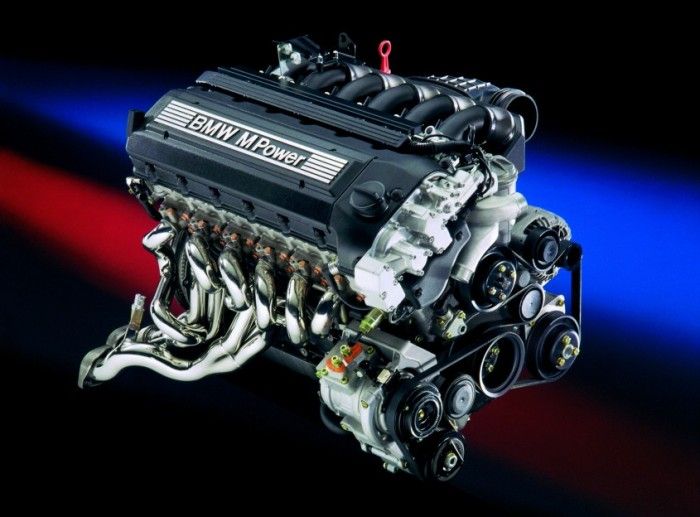
Collectively, the BMW E46 M3 (2000-2006) is one of our favorite cars here at supercars.net, and this is in no small part thanks to its S54B32 inline-6 engine. The naturally-aspirated unit is as pure as it gets from the Bavarian company, with a peak 333 hp being produced at 7,900 rpm on route to its 8,000 rpm redline. Other stand-out features include individual throttle bodies and drive-by-wire operation, further accentuating the car’s inherent rawness and driving purity.

When mated to the 6-speed manual transmission, it really doesn’t get much better than this – from BMW or any other company, for that matter. If BMW ever wanted to revert back to a more minimalist philosophy, the S54B32 and E46 M3 would be writing the playbook.

Nissan RB26DETT

Nissan RB26DETT engine

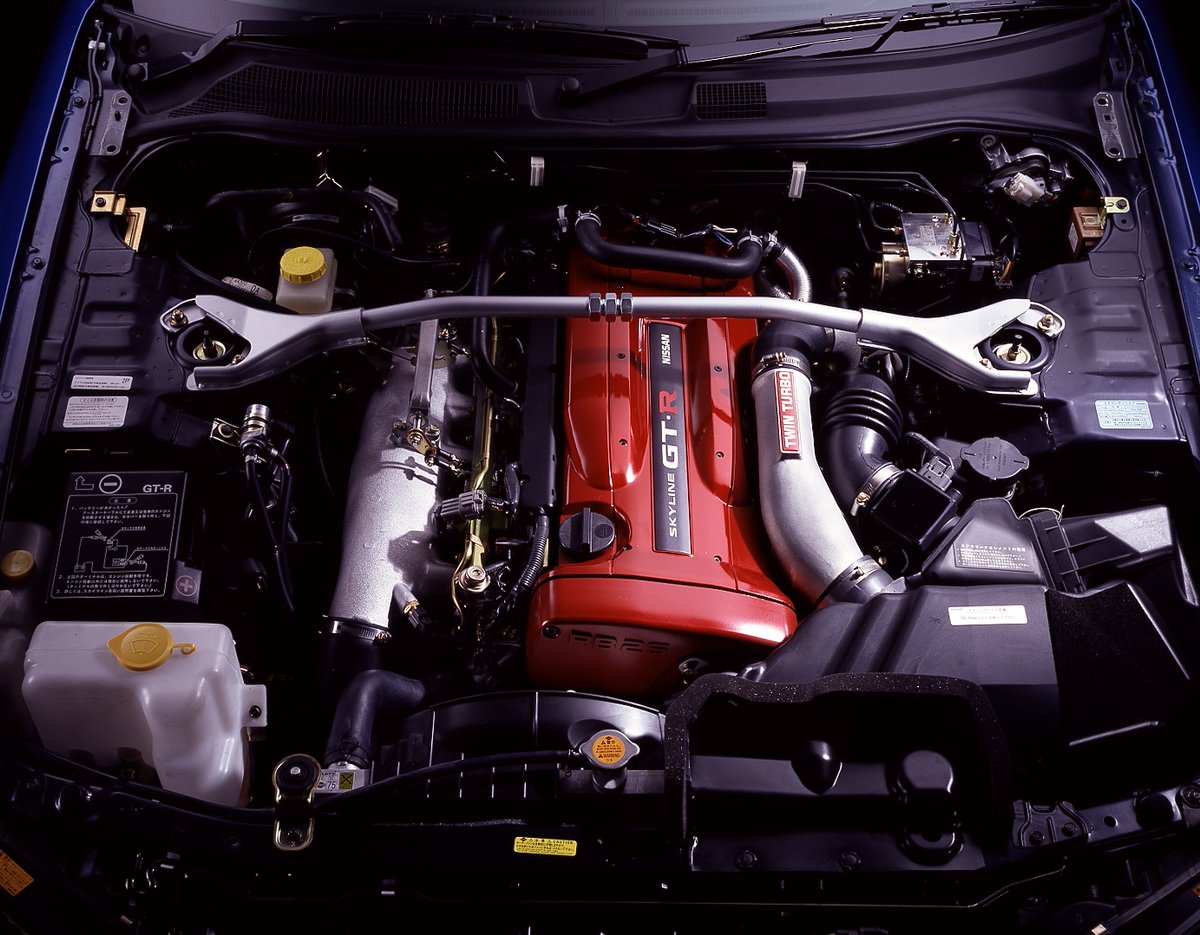
The 2.6L twin-turbocharged inline-6 from Nissan – the RB26DETT – has become something of a legend. It would take nothing short of the absolute best from the Japanese automaker to produce something worthy of powering a car amicably referred to as “Godzilla”, and the RB26DETT has never disappointed. While it was limited to 280 hp from the factory – thanks to the gentleman’s agreement between Japanese manufacturers to cap engine outputs at the time – the R34 Skyline GT-R was anything but docile, even when left untinkered.

The engine’s true capabilities were the worst kept secret in the industry, with a simple flash of the ECU (to effectively remove the restrictions) plus a few bolt-on performance modifications allowing the RB26DETT to produce much, much more.

Porsche MDH.NA

Porsche MDH.NA

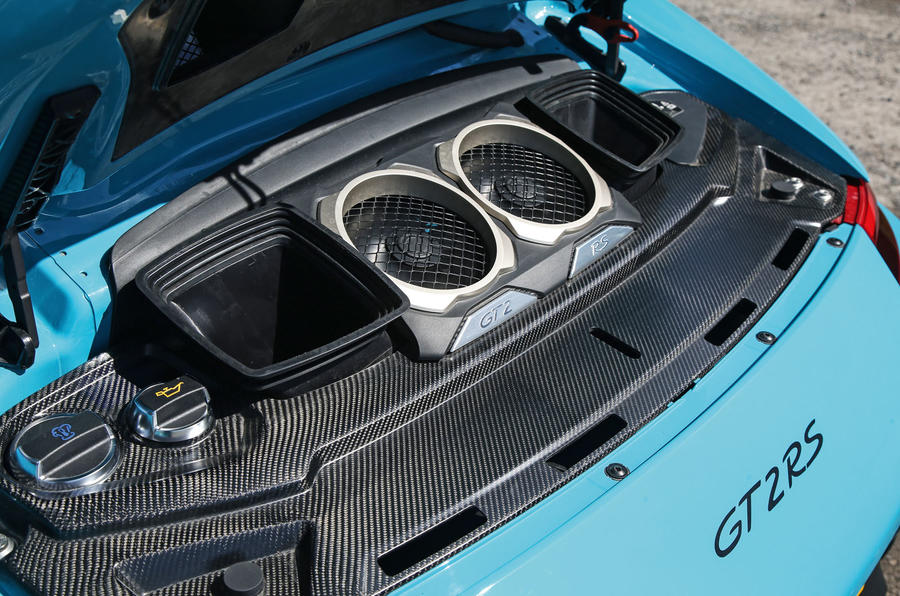
Suffice to say, the 991 GT2 RS is the absolute peak of 6-cylinder performance. The GT2 RS in its entirety is more closely based on a Turbo S than it is to its closest GT relative, the 911 GT3 RS. After all, at the heart of the GT2 is a revamped version of the Turbo S engine (known as MDH.NA), while the GT3 has its own unique naturally-aspirated 4.0L power plant. The 3.8L flat-6 was fitted with larger variable-geometry turbos and was given an increase in peak boost to 22.5 psi, which is 24% higher than the Turbo S.

Larger intercoolers, a water-spray system, larger exhaust manifold primaries and redesigned pistons work in synergy with the aforementioned to provide the GT2 RS with 700 horsepower @ 7,000 rpm and 553 lb-ft of torque. Porsche has long buried the traditional notion of “turbo-lag” in its cars with VarioCam Plus and the GT2 RS is no different, making peak torque from 2,250 rpm to 4,000 rpm.

Honda C30A

Honda C30A engine

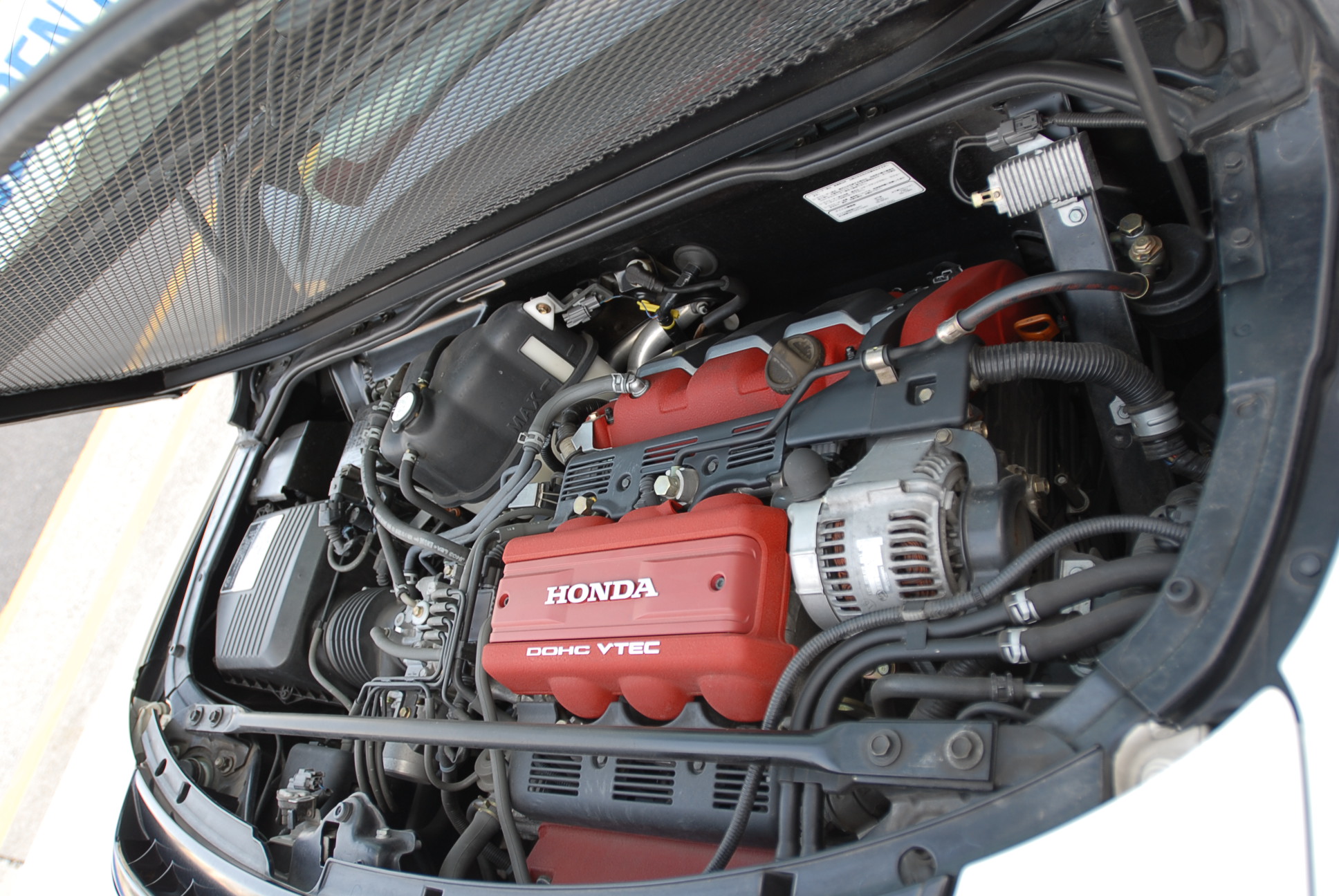
The original 1990 Acura NSX was fitted with a 3.0L naturally-aspirated V6 engine which produced 270 hp. At the time, that was more than sufficient to go shoulder-to-shoulder with any of its supercar contemporaries; particularly Ferrari, its target rival. What truly made the C30A – and as a whole, the NSX – so special, was that it broke the mold of what a supercar could and should ought to be: reliable and useable. Almost blasphemous thinking at the time, the idea of the “everyday supercar” was still a twinkle in the eye of exotic car auto makers.

The engine demanded very little, if anything, above the expected maintenance laundry list and associated costs of keeping a Honda Accord running. It was refined. It performed. It was comfortable. You could drive it whenever you wanted to. The NSX is widely recognized as one of the forefathers of the modern supercar, going on to inspire the likes of the McLaren F1. That puts it in pretty high regard, I’d say.

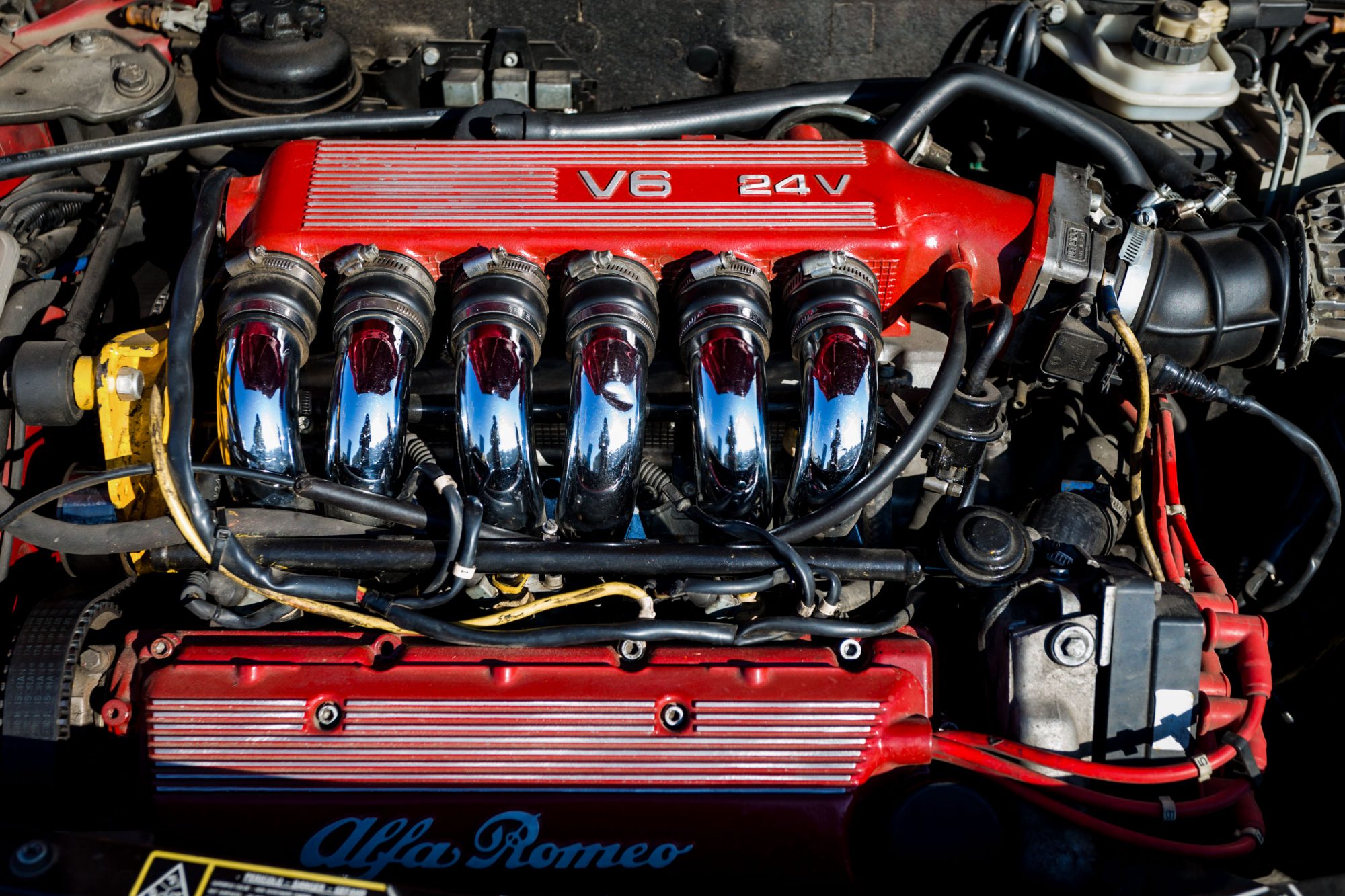
Alfa Romeo ‘Busso’ V6

Alfa Romeo 'Busso' V6 engine

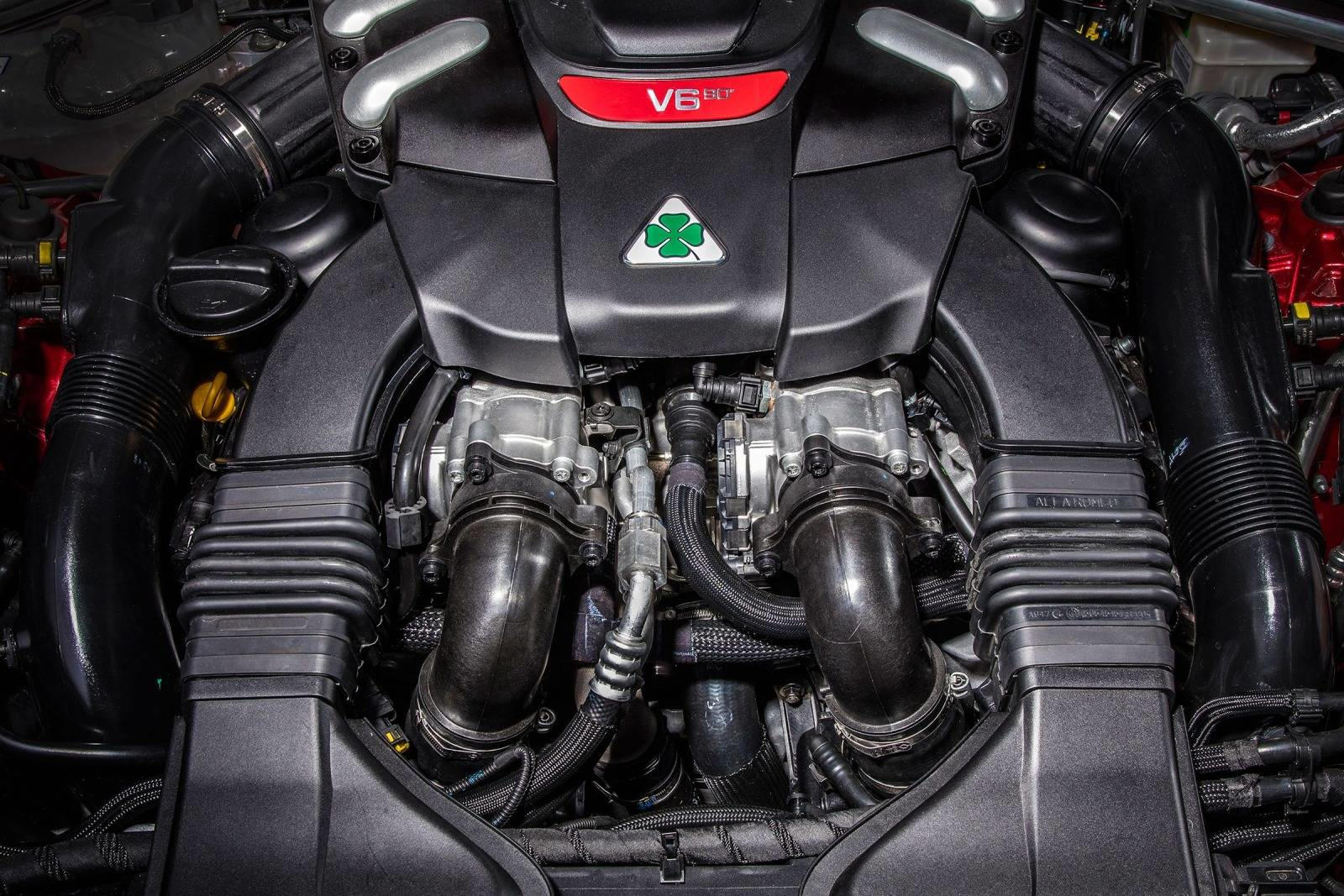
There is no other power plant on this list which has been as long-serving or as versatile as the ‘Busso’ engine. Named after its chief designer, Giuseppe Busso, the foundation of this engine was its 60° V6 configuration. From there, a colorful variation of engines were built upon it, with displacements ranging 2.0L to 3.2L plus the use of turbochargers (or none at all) depending on the intended application of the automobile it was being fitted to. This meant you could see a Busso producing as little as 130 hp in a 1983 Alfa Romeo Alfa 6, and up to 247 hp in a 2005 Alfa Romeo 156 GTA.

Regardless of its specs, every Busso engine shares the same reputation for being remarkably smooth, having good low-end power delivery, and an incredibly unique engine note at higher rpms. Needless to say, the Busso would go on to be the centerpiece of the brand for a good 30+ years.

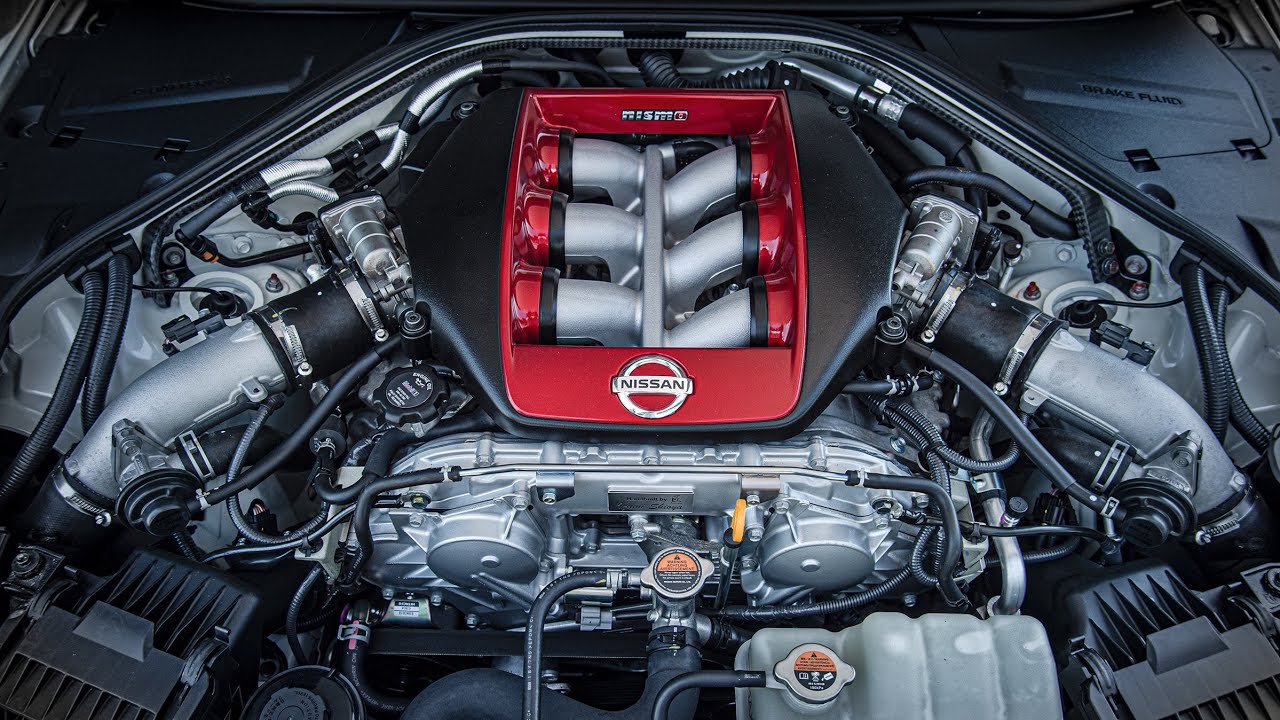
Nissan VR38DETT

Nissan VR38DETT engine

While there was a general expectation that the latest iteration of the GT-R would (or should) be powered by a V8 engine prior to its official release, Nissan inevitably stuck to its guns and continued the tradition of powering its flagship car with its tried and trusted 6-cylinder unit. This time, the engine would be produced in a 60° V6 configuration to ensure that the massively sized and massively powerful engine, could fit under the front hood.  In the very first R35 GT-R cars, the 3.8L twin-turbocharged V6 produced 485 hp, before being upped to 545 hp for the 2012 refresh.

Since then, the hand-crafted power plants have been continuously improved over the years, with the most powerful factory version of the car – the Nissan GT-R Nismo – producing some 600 hp. Perfectly matched with Nissan’s dual-clutch transmission and proven all-wheel drive system, the VR38DETT continues a legend while forging one of its own, all at the same time.

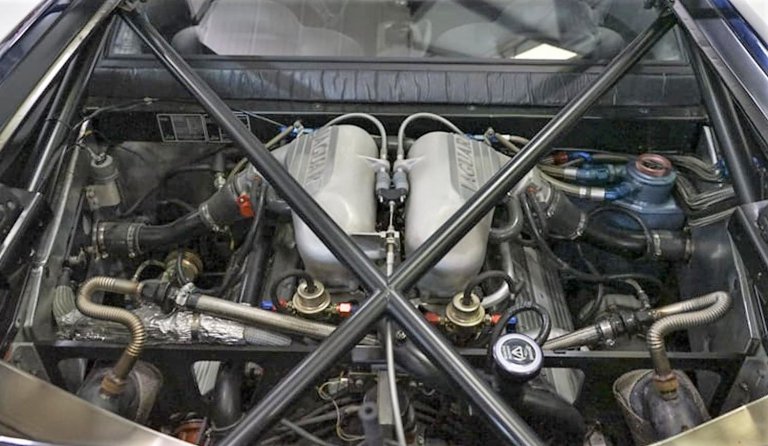
Jaguar JRV-6

Jaguar JRV-6 engine

It’s rather humorous that the JRV-6 would not have made it on this list if not for a gaff on the part of Jaguar, who had originally marketed and went as far as promising that the XJ220 would be delivered to its first customers with a V12 engine. Nevertheless, the eventually-fitted twin-turbocharged 6-cylinder unit was borrowed from a Group B Rally car – the Rover Metro 6R4. It was rightfully potent, and actually made more power than the naturally-aspirated V12 which was originally proposed.

Able to produce up to 542 hp, the XJ220 would even go on to become the fastest production car in the world at the time, topping out at a brow-raising 217 mph. While its credentials were proven in the real world, I’m sure many buyers were still a bit miffed at the fact that the final product came with half the number of cylinders they had put down their deposits down for.

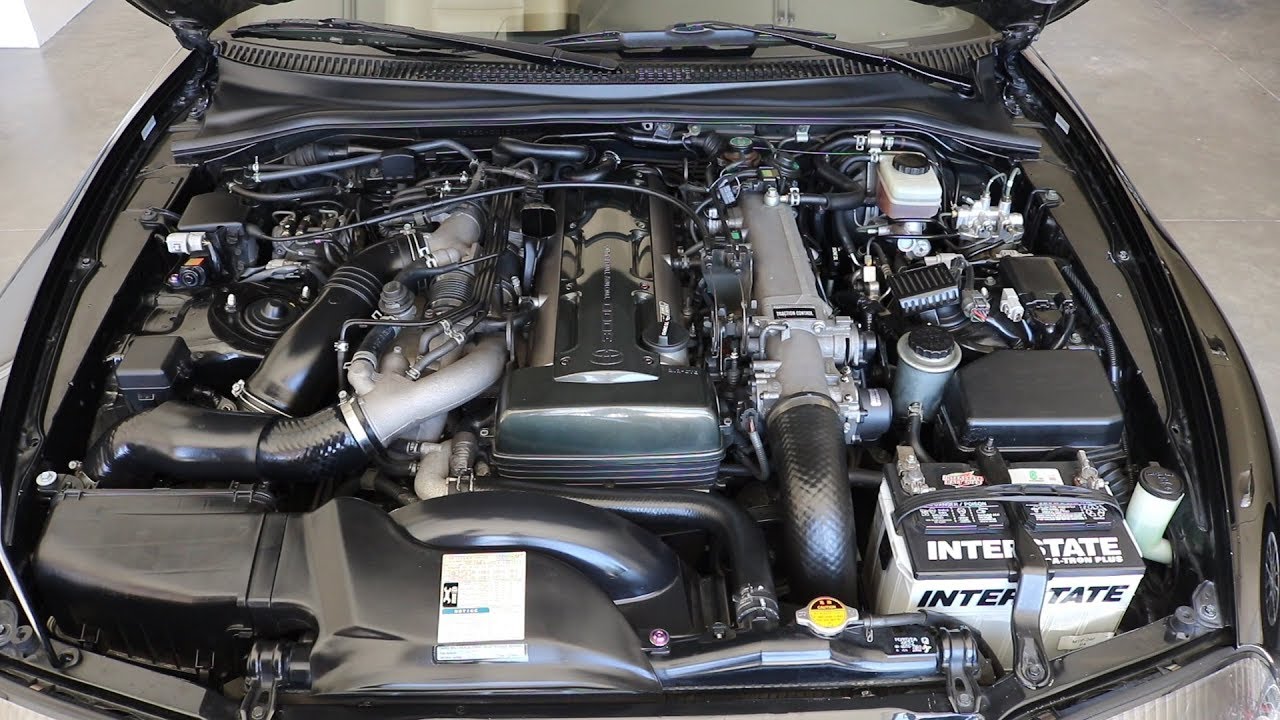
Toyota 2JZ-GTE

Toyota 2JZ-GTE engine

The Toyota Supra was equipped with the ubiquitous 3.0L inline-6 2JZ engine in all its models. The most recognized version of the Supra – the Turbo – possessed a twin-turbocharged engine known as the 2JZ-GTE, which was specced with up to 326 hp. The two turbochargers operated sequentially and not in parallel. This essentially meant that one of the turbochargers was designed to provide near-maximum torque as early as 1,800 rpm, while the second turbine would be engaged in a “pre-boost” mode until around 4,000 rpm where thereafter both turbochargers would be spinning at full blast. This translated to better low-end throttle response, less ‘turbo lag’, increased boost at higher engine speeds, and a relatively linear delivery of power – all of which was difficult to achieve in unison, with the technology available at the time.

The 2JZ-GTE-equipped Turbo model was able to sprint from 0-60 mph in just 4.6 seconds and complete the standing ¼ mile in an impressive 13.1 seconds. Top speed was recorded at 155 mph.

Alfa Romeo 690T

Alfa Romeo 690T engine

The fact that the engine in the 2021 Alfa Romeo Giulia GTA is derived from the Ferrari F154 platform, automatically puts it in some highly esteemed company. After all, other variations of the F154 are used in the likes of cars such as the Maserati Quattroporte, Ferrari F8 Tributo and even the hybridized Ferrari SF90. While the F154 takes on a V8 configuration, the Alfa Romeo variant (known as the 690T) is a 2.9L twin-turbocharged V6 which produces 540 hp. Capable of 0-60 mph in 3.6 seconds, the 690T isn’t exactly blistering by today’s standards, but it does become an integral part of the car’s overall philosophy of balance and agility; this was probably one of the main reasons Alfa Romeo chose to go with a smaller unit rather than going the copy/paste route with the Ferrari setup.

The GTA / GTAm are about as track-ready as any production car can get when also factoring in its insanely aggressive aerodynamic and chassis upgrades.

Best 4-Cylinder Engines Ever Produced

There are a variety of reasons manufacturers choose to fit a 4-cylinder engine in their cars. They’re compact, lightweight and typically more fuel-efficient compared to all other mainstream alternatives. This makes them ideal for smaller cars – particularly those with economy being top of mind – but can serve just as well in heavier cars (which are often AWD) with a turbocharger providing some assistance.

For the Japanese automakers, the proliferation of 4-cylinder engines was born mostly out of necessity; stricter emissions standards as well as restrictions on engine and vehicle sizes for their domestic market, forced them to think smaller. This would in no way become a hindrance on engineering ingenuity – quite the opposite actually – as many of these companies would become the world’s artisans for the sport compact car. This unwavering dedication to mastering one’s craft has produced the likes of the F and K Series engines from Honda, and the 4G63T and EJ25 from Mitsubishi and Subaru respectively; both of whom would go on to become one another’s legendary rival.

However, the Japanese weren’t the only ones who were both industrious and creative when it came to the art of the four banger. With the ever-growing popularity of fuel-sipping and smaller vehicles world wide, the Europeans also began to fashion their own interpretation of the ideal compact-efficient package. The Scandinavians for one, have been unapologetic about their extreme commitment to eco-friendliness for many decades now, with the likes of Swedish automakers Saab and Volvo leading the charge in their continent.

The Americans, through Ford, would eventually bring their aptly-named EcoBoost engines to the market, while Italian outfit Fiat (owned by Chrysler) produces power units that are small in scale, but never lacking in character nor performance.

Here’s the shortlist of 10 such engines, which we have curated:

Honda F20C/F22CHonda F22C engine

When the Honda S2000 first made its appearance in 1999, its naturally-aspirated F20C engine stole the spotlight. It was revolutionary for its time, and in many respects maintains that reputation to this day. A 9,000 rpm redline and being able to produce 120 hp/liter would be the main attractions at first, but the F series engine has also proven to be dependable and well regarded to this day.

It’s a huge reason the S2000 is one of the most sought after cars on the used market today, often fetching astronomical prices not too far off the original MSRP (or sometimes more). Halfway through the car’s lifecycle, the engine would see its displacement increase to 2.2L (with an 8,200 rpm redline) while power figures remained virtually unchanged; acceleration and low-end response were slightly improved as a result.

Volvo Redblock B230FT

Volve 2.3L B230FT engine

Volvos – particularly some of the older platforms and their engines – have been the subject of a growing following over the years, as performance enthusiasts and grassroots circuit drivers alike have discovered the now hard-to-keep-secret that is the Redblock B230FT engine. Built on a decidedly Scandinavian philosophy of minimalism and straight-forwardness, the Redblock engines have a reputation above all else, for being extremely bulletproof. This is the reason you see more of those old-school Volvo wagons and sedans (amicably referred to as “Turbo Bricks”) on the road today than maybe you should.

However, what is becoming increasingly significant about these cars is the value their engines bring to the larger automotive community. Because of their inherent indestructible qualities, the B230FT is becoming a popular choice for reliable high-horsepower builds, and even engine swaps into cars with native power plants that are otherwise less dependable.

Ford EcoBoostFord Mustang EcoBoost Engine

Ford’s EcoBoost engines are amongst the most recent and significant line of 4-cylinder engines being produced by any manufacturer today. While there is certainly a monumental shift towards electrification – of which Ford is very much a part of – the petrol-powered engine remains relevant and continues to be improved amidst stricter emissions standards. Besides going full-on EV or hybrid, there is no other drivetrain unit that is more fuel efficient than a modern day turbocharged 4-cylinder engine.

They’re also capable of extraordinary performance, with the 2.3L EcoBoost unit in the Ford Focus RS good for around 350 hp. Recognizing the all-around benefits of the EcoBoost, Ford has used the powerplant throughout its entire lineup; you can find one in a Ford Mustang, a Ford Ranger, and even a Ford Bronco. Though it’s true that the internal combustion engine will be phased out sooner than later, the EcoBoost will be about as good as it gets before the transition is complete.

Toyota 3S-GTE

Toyota 3S-GTE engine

It can be argued that the Toyota 3S-GTE does not get all the plaudits it deserves, because it shared the stage with the A80 Supra (and its 2JZ engine) which would ultimately end up stealing the show. But the 3S-GTE has a lot of things going for it, not least of them being that it was used to power two of the most legendary Japanese sports cars – the Toyota MR2 and Toyota Celica GT-Four.

Typical of the brand and the era, the 3S-GTE was basically bulletproof thanks to its cast iron block and forged aluminum internals. When properly cared for, the engine has a shelf life of around 180,000 miles, which is pretty impressive coming from a 2.0L turbocharged inline-4 which produced 252 hp, and was built in the mid 90s.

Honda K Series

Honda 2.0L K20C1 engine

The K Series would ultimately replace the outgoing B Series engines (which would be in the honorable mention section, if there was one) for a number of Honda vehicles, most notable of which included the likes of the Civic Type R and Integra Type R.  The most recent and advanced version of the K series engine has found its way into the current Civic Type R, with the turbocharged K20C1 supplying the company’s popular sports saloon with 316 hp and 295 lb-ft of torque.

Such is the K20C1’s reputation that Honda Performance Development has recently begun to offer crate engines for use in racing and off-highway applications. Other notable K Series engines include the K20A2 (Integra Type R, RSX Type S) and the K24A2 (Acura TSX). Honda reliability, fantastic performance – I don’t doubt that we’ll be talking about the K Series engines for many more years to come.

Mitsubishi 4G63T

Mitsubishi 4G63T engine

Tracing its roots as far back as the early 1980s, the 2.0L 4G63 engines have truly withstood the test of time. The first turbocharged version of the engine, known as the 4G63T, was first seen in the 1998 Mitsubishi Galant VR-4. This engine would go on to become the heartbeat of the Mitsubishi Lancer Evolution line of cars from 1992 to 2007, which would go on to dominate the World Rally Championships. Suffice to say, the 4G63T, through the Lan Evo, would go on to define the brand for the greater part of two decades and also become the company’s most sought after sports car in both road-going and race-only configurations.

Today, the platform remains popular in grassroots rally racing and circuit racing and also for drag racing builds, due to the incredible amount of power it can make with the proper work.

Volkswagen EA888

Volkswagen EA888 engine

While Volkswagen’s EA888 engine is another on this list that wouldn’t have made it if reliability was the key metric, there is no question about the powerplant’s performance potential and impressive fuel economy. Today, it most notably appears in the Volkswagen Golf R and Audi S3 where it produces a smidge less than 300 hp. This, along with being very light weight, makes it an ideal match for a modern hot-hatch and compact sedan, but owners can also benefit from relatively lower costs at the pump (provided that it’s not being hooned all the time).

The EA888 engines are extremely popular amongst the tuning community, as a simple build using mostly bolt-ons can easily yield a reliable 500+ hp. Suffice to say, the EA888 is also a solid platform upon which VAG can build more powerful and advanced versions in the future, which I’m sure we’ll be seeing in newer generations of the aforementioned cars and more.

Subaru EJ20

Subaru EJ20 engine

Ok. So while the EJ20 probably won’t go on to pip any of the other engines on this list for the “most reliable” awards, it remains a prolific engine that has powered an iconic car for the greater parts of each of the past 3 decades. The car specifically, is the WRX STi, which is one half of an epic rivalry between Japanese (and rally car) giants Subaru and Mitsubishi. Despite the well documented issues with head gasket failures and the like over the years, the EJ20 has still proven itself through the test of time, with the latest iteration of the engine being used as recently as 2019, coinciding with release of the Subaru WRX STi Final Edition.

The EJ20 has never been short on character, with its Boxer configuration and the use of unequal-length headers giving the car its distinctive “burble” – a sound which has become synonymous with the car and instantly recognizable to any moderately trained ear.

Saab B234R

Saab B234R engine

These days, you’d be hard-pressed to find many people who remember Saab as a brand, nor as one of the pioneers of bringing turbochargers to the mainstream. But, they were most certainly both of those things, with the company’s heyday taking place during the late 1980s and early 1990s. Saab’s B234R engine was the golden boy of this era; forged internals and an iron block were the backbone of an extremely reliable platform.

In its complete packaging, the turbocharged engine – via a 5-speed manual Saab 9000 Aero – produced 225 hp and a whopping 300 ft-lb of torque. This helped propel the otherwise unassuming euro sedan from 0-60 mph in just 6.7 seconds. Undoubtedly quick for its day and capable of so much more. It’s no wonder the car has a niche (but passionate) following to this day.

Fiat MultiAir Turbo

Fiat MultiAir Turbo engine

In my opinion, Fiat has become the de facto micro car producer; at least in North America, where there are far fewer options than in Europe and Asia. Without a doubt, this is in large part owed to fact that Fiat is owned by American automotive conglomerate Chrysler, who leveraged their position to become the dominant force in this market segment. While subcompact cars have yet to really take off west of the Atlantic, Fiat have proven that while micro cars need to be powered by micro engines, their performance can be anything but.

The pinnacle of this is displayed through their 1.3L and 1.4L MultiAir Turbo engines, which have gone on to win numerous awards. Currently, these engines power the Fiat 500X and 500L models, and produce 177 hp and 160 hp respectively, alongside the company’s best-ever fuel consumption and emissions figures.

Bentley’s Continental GT3 Pikes Peak specifications

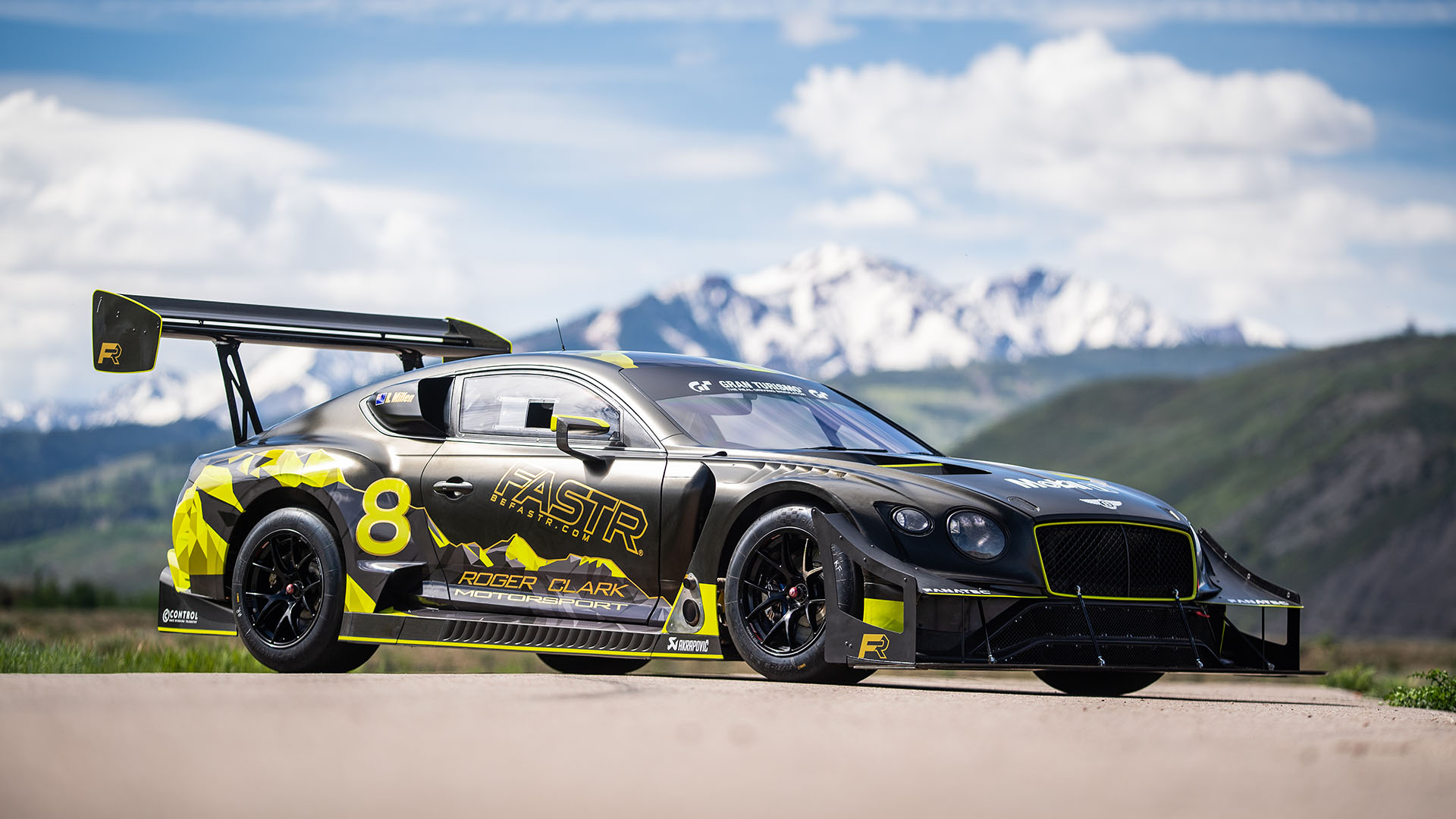
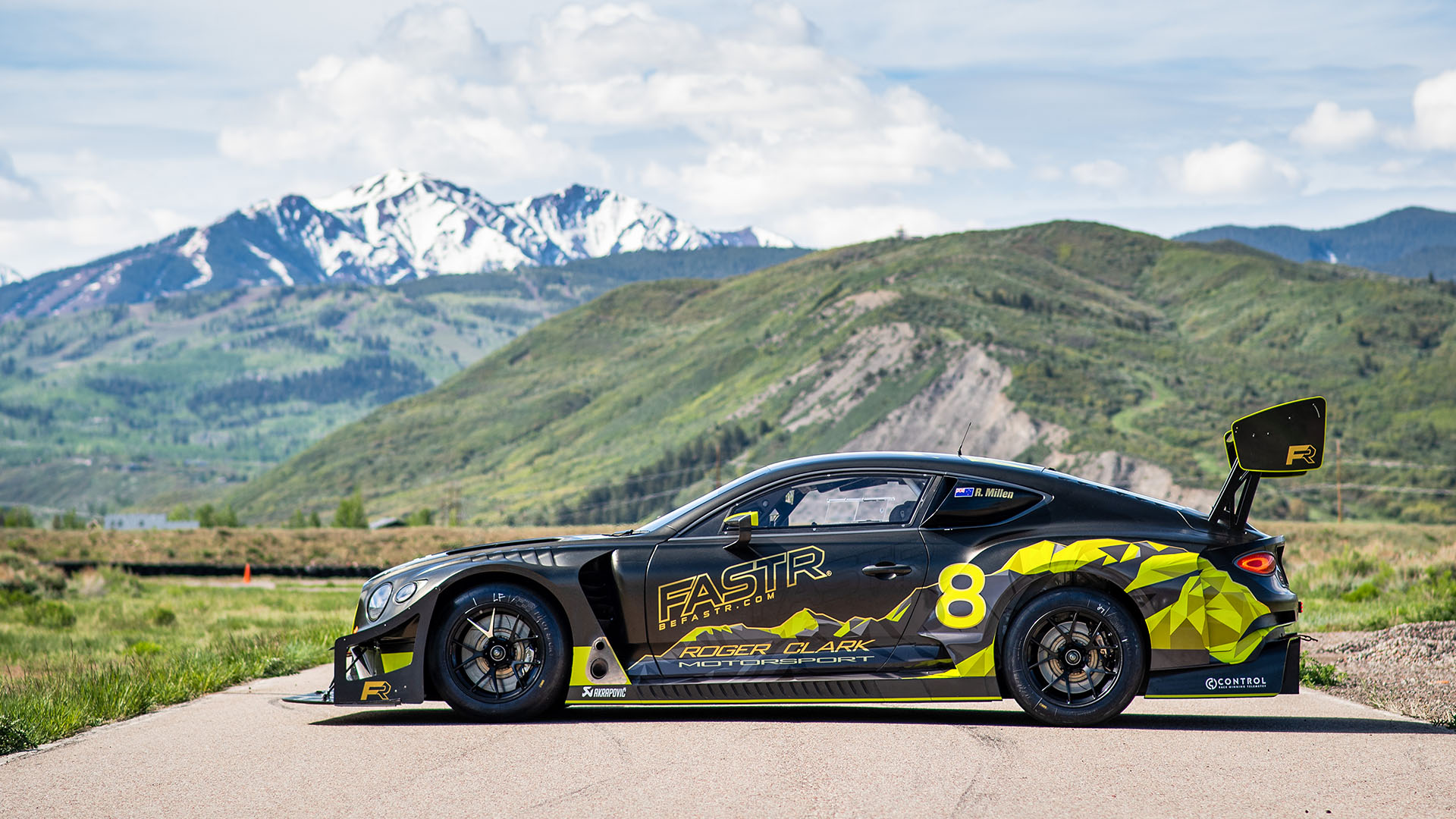
Bentley already managed to obtain two Pikes Peak records, in 2018 the Bentley Bentayga W12 took the Production SUV record, and in 2019 a Bentley Continental achieved the outright Production Car record, for the 2021 edition of the Pikes Peak mountain time attack, Bentley is bringing a Continental GT3 that’s been prepared specifically for this record attempt, on June 27 none other than three-time Pikes Peak champion and former “King of the Mountain” Rhys Millen (NZ) will be behind the wheel of this special Bentley.

To break the current record for the Pike Peak Time Attack 1 the Bentley Continental GT3 Pikes Peak edition will have to start at 9,300 ft and climb a total of almost 5,000 ft to reach the finish line at an altitude of 14,100 ft, where the air is a third less dense than at sea level, it will take Rhys into a total of 156 corners, during which he’ll have to reach an average speed of more than 78 mph to reach the top in less than 9 minutes and 36 seconds.

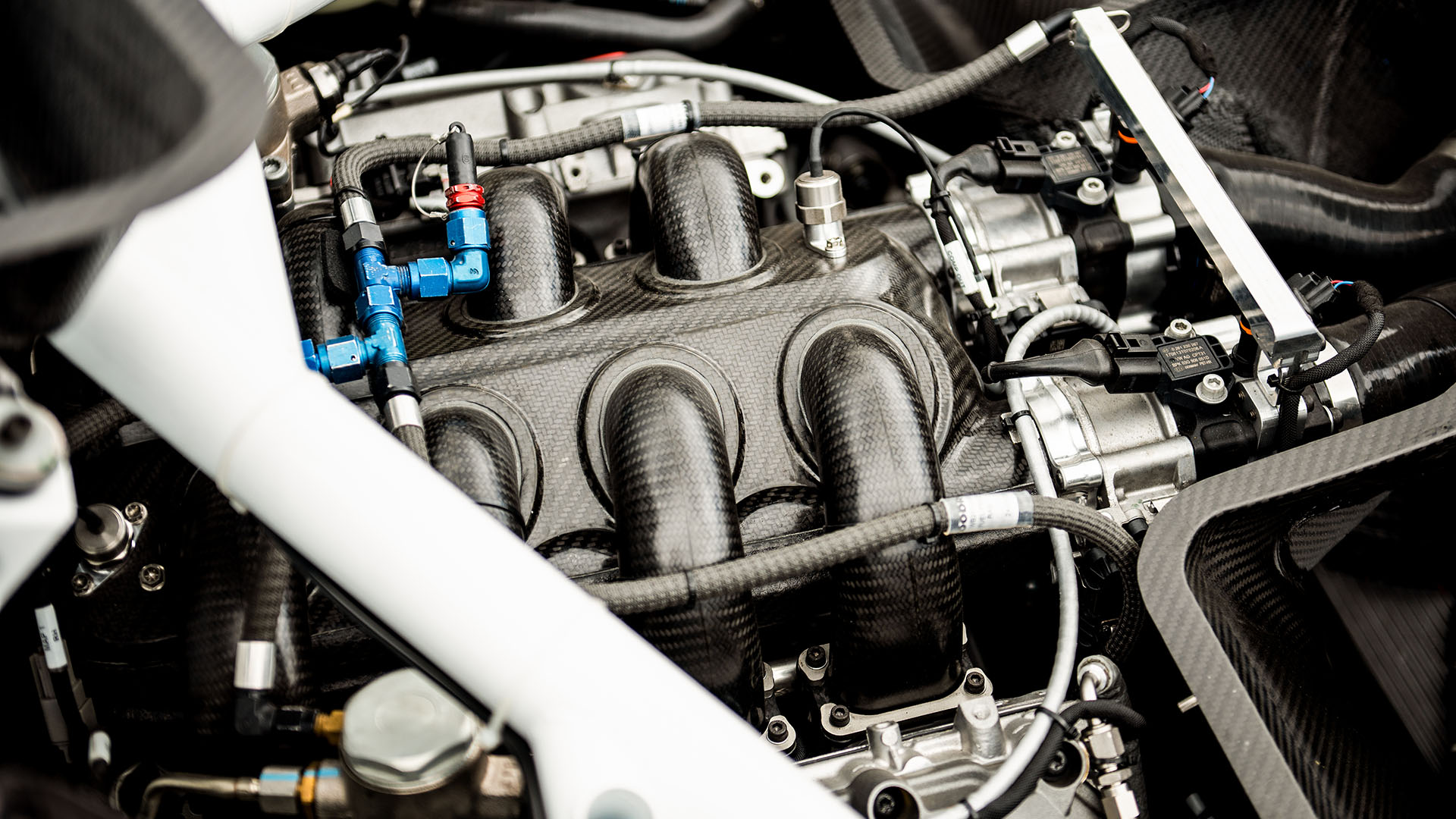
To achieve such a feat,  this Bentley Continental GT3 Pikes Peak special has been heavily modified to make it competitive on those altitudes, and that started with the engine, a 4.0-Liter twin-turbo race-proven version of the normal road car unit has been completely reworked to reach a power output of more than 750 bhp and 1,000 Nm of torque … at sea level testing. But to make even more power at the race itself they will install different pistons and conrods to achieve a higher boost pressure in excess of 2.2 bar.

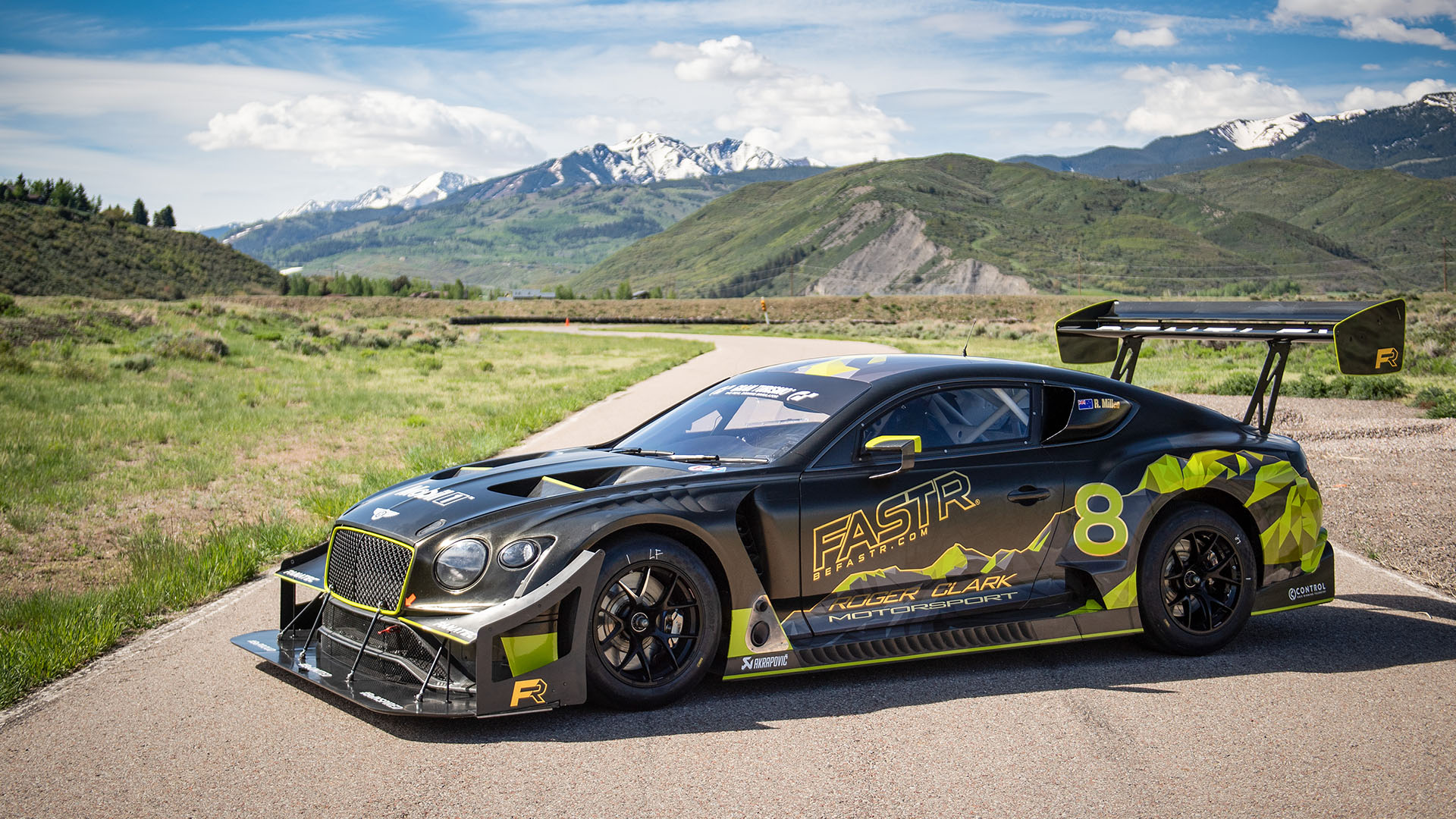
None other than famous exhaust company Akrapovic 3D-printed bespoke, one-off titanium manifolds that get a pair of larger turbos complete with external wastegates … the exhaust itself is very short and comes with dedicated ‘screamer’ pipes that come out of the bodywork inches behind the front wheels.

During the Pikes Peak Time Attack this Bentley Continental GT3 will be running on Fuel, a dedicated blend of advanced biofuels designed for racing called 98RON Renewable Racing Fuel with a greenhouse gas reduction of up to 85%, as part of the strategy to maximize the pace of Bentley’s progress towards outright carbon neutrality, as part of its Beyond100 journey.

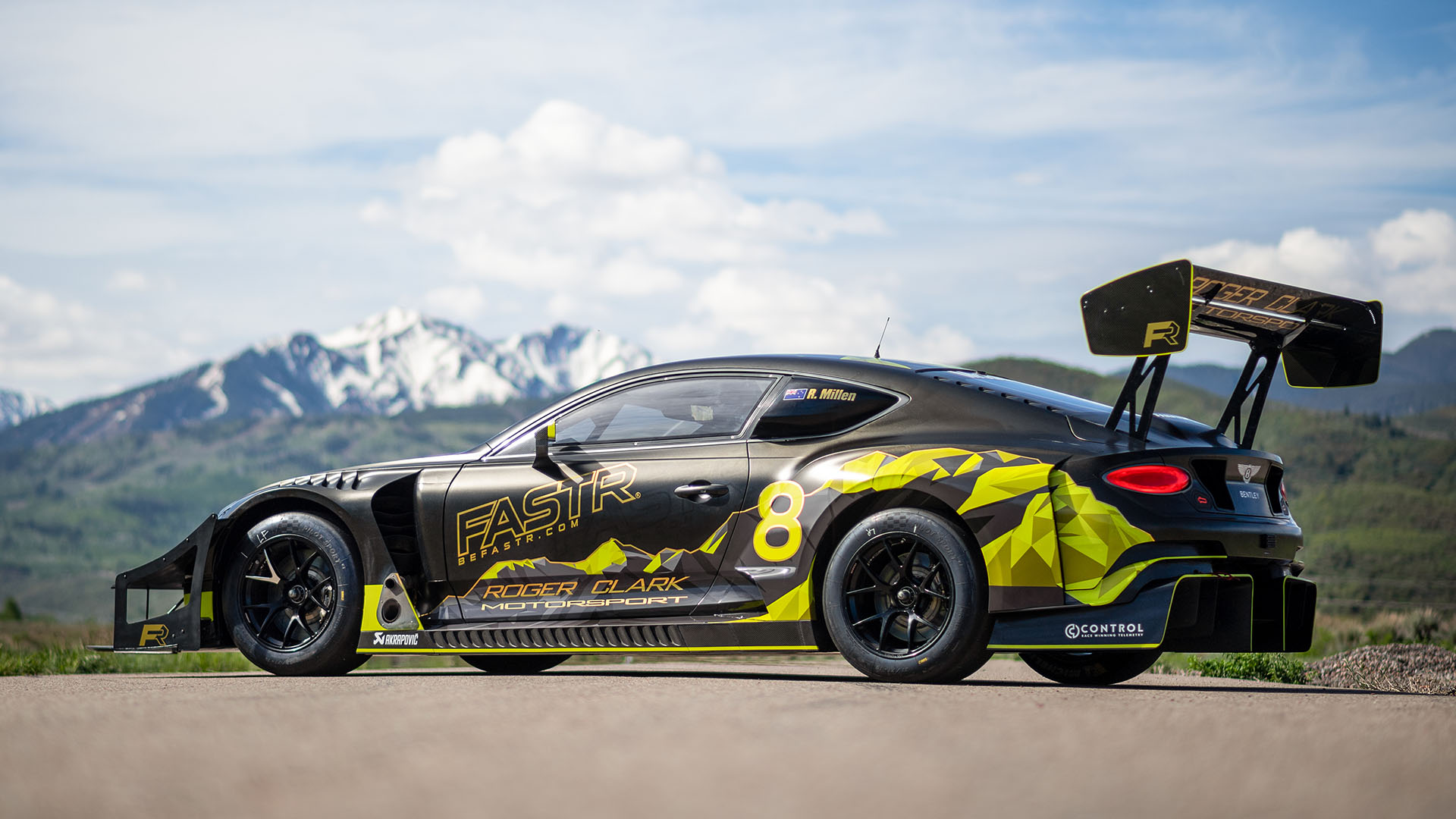
Because at the altitudes the Pikes Peak mountain track is located the air being a lot less dense, the Bentley Continental GT3 needs additional cooling for the high-performance engine, so there is a secondary cooling system installed, complete with a dedicated second water pump and air scoops that completely replace the rear side windows and draw air onto an additional radiator that has air vents integrated into the rear boot lid.

Both the gearbox and the engine run on Mobil1 supplied oil, the purpose race-built gearbox is a standard track unit from Bentley but comes with bigger rear driveshafts to handle the massive torque. The chassis on the other hand has been meticulously finetuned specifically for the Pikes Peak event, running a reduced camber both on the front and on the rear axle compared to a regular Continental GT3, which helps with low-speed corners on this special mountain track.

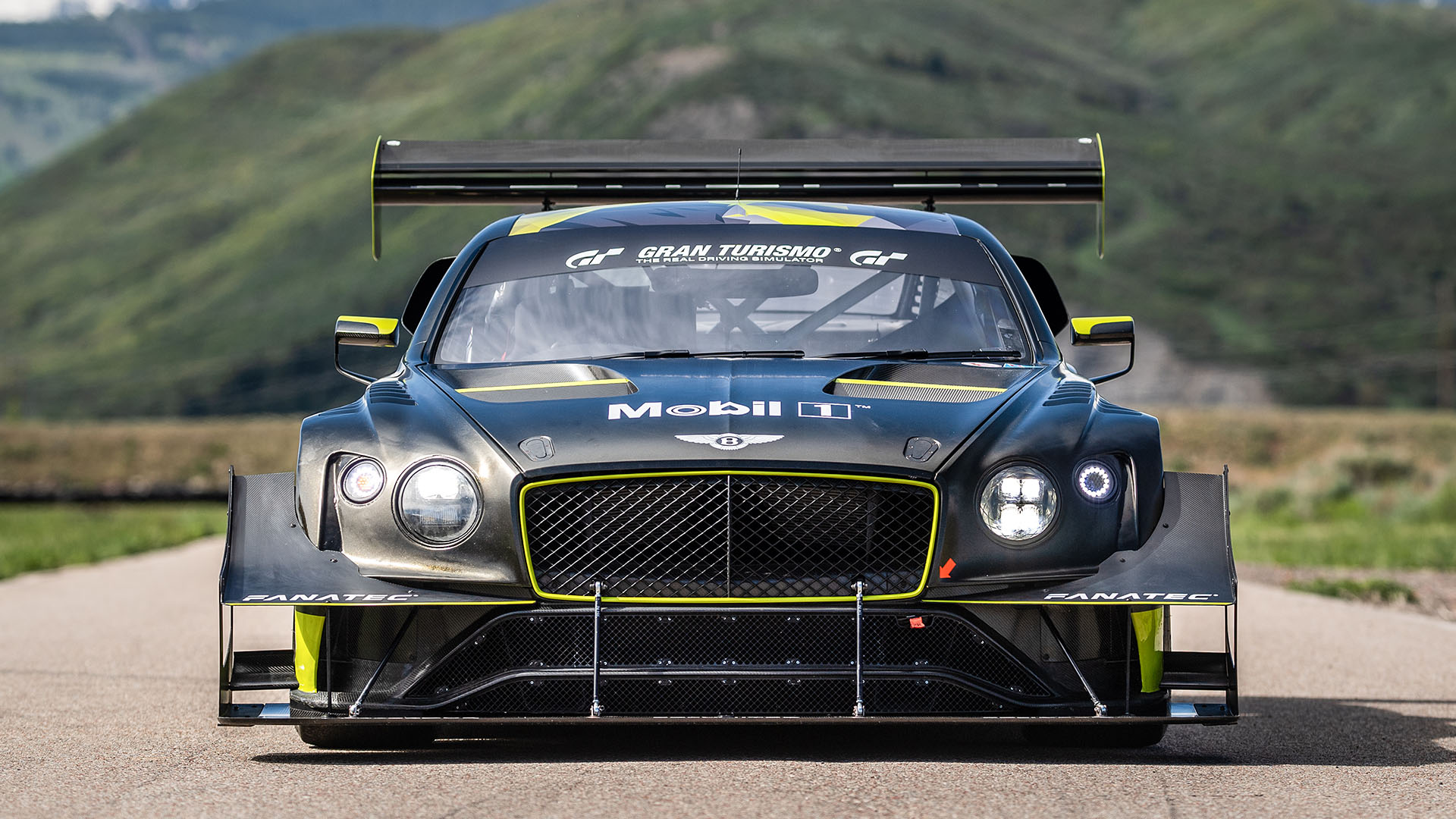
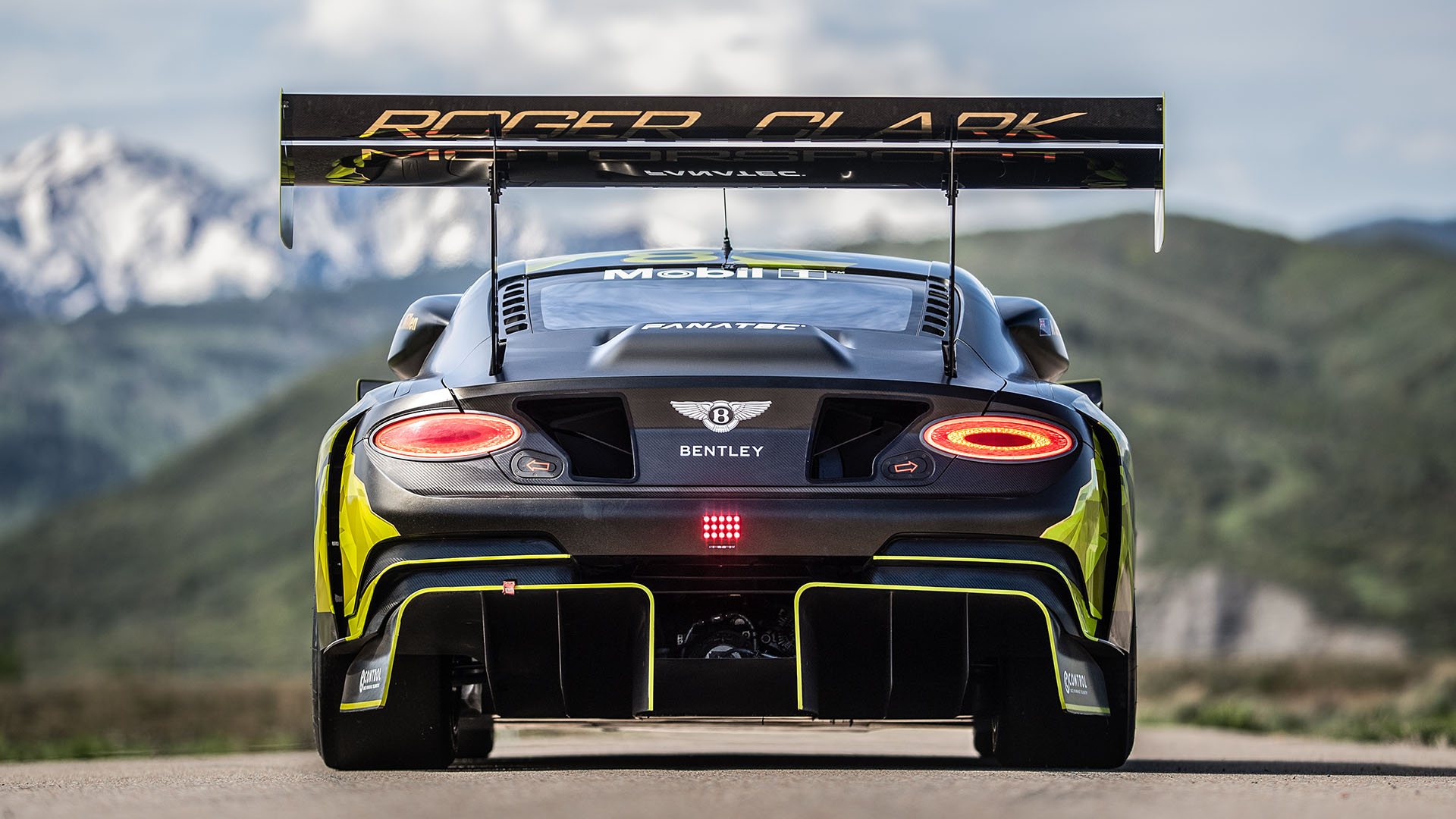
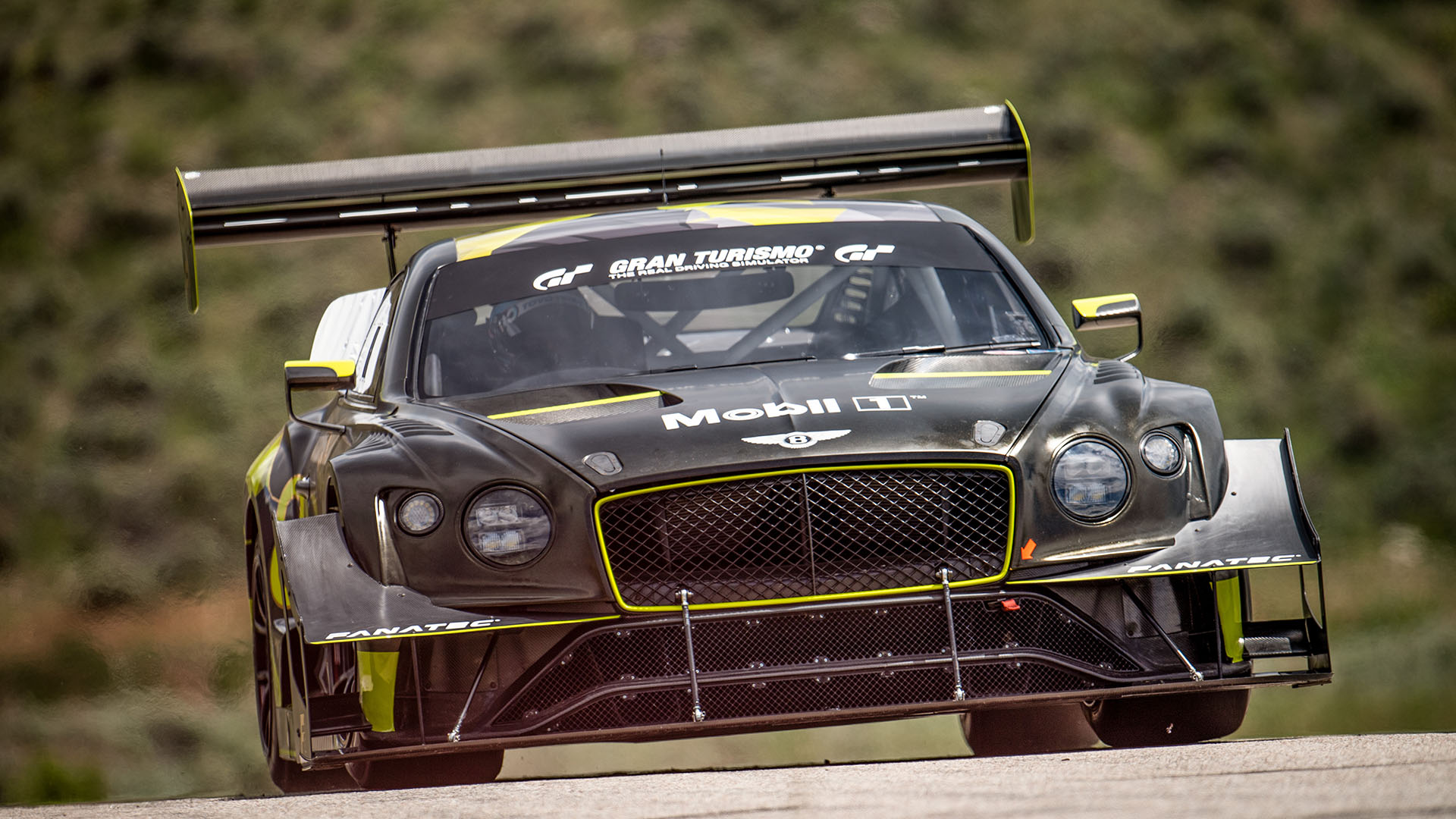
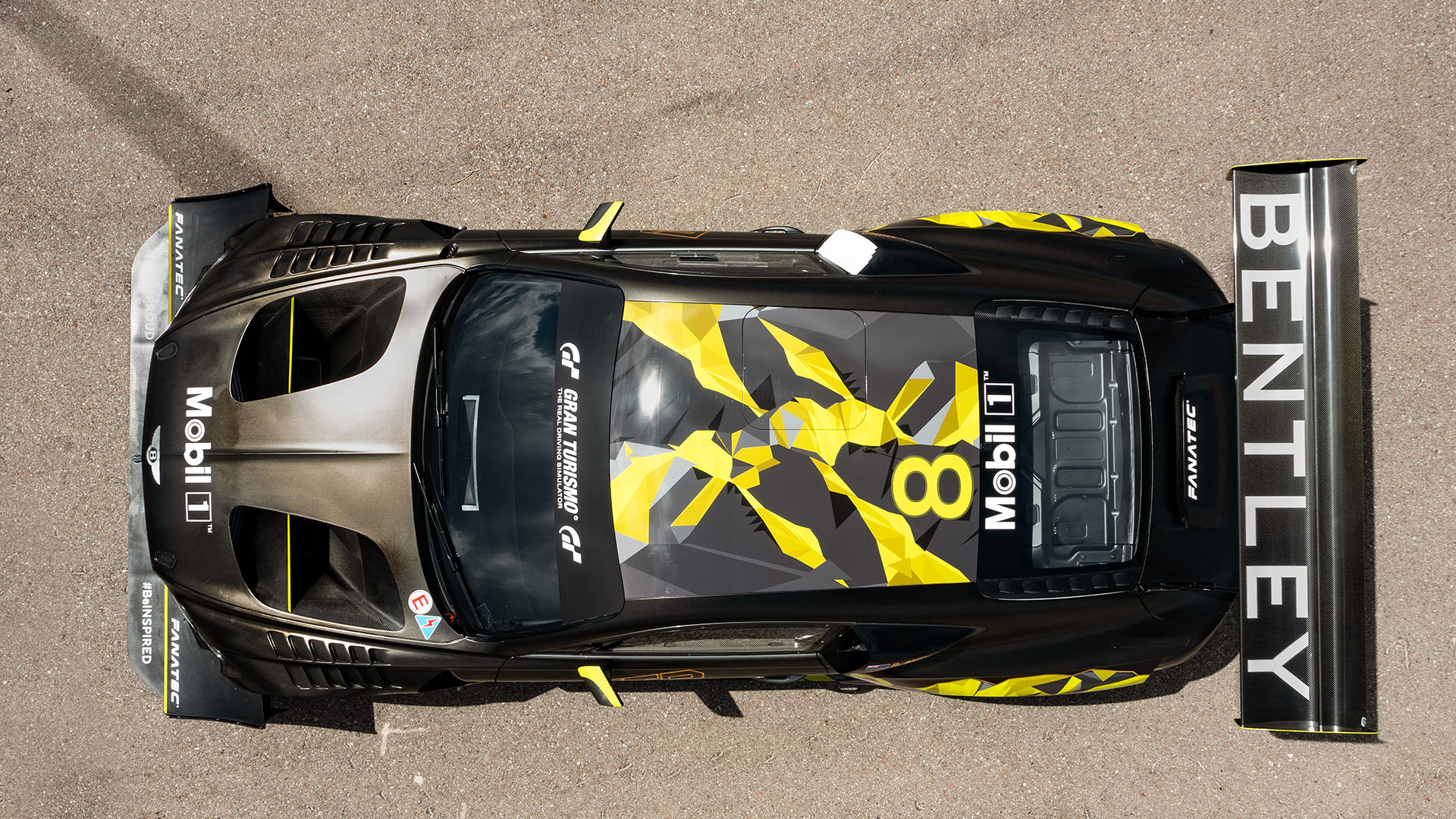
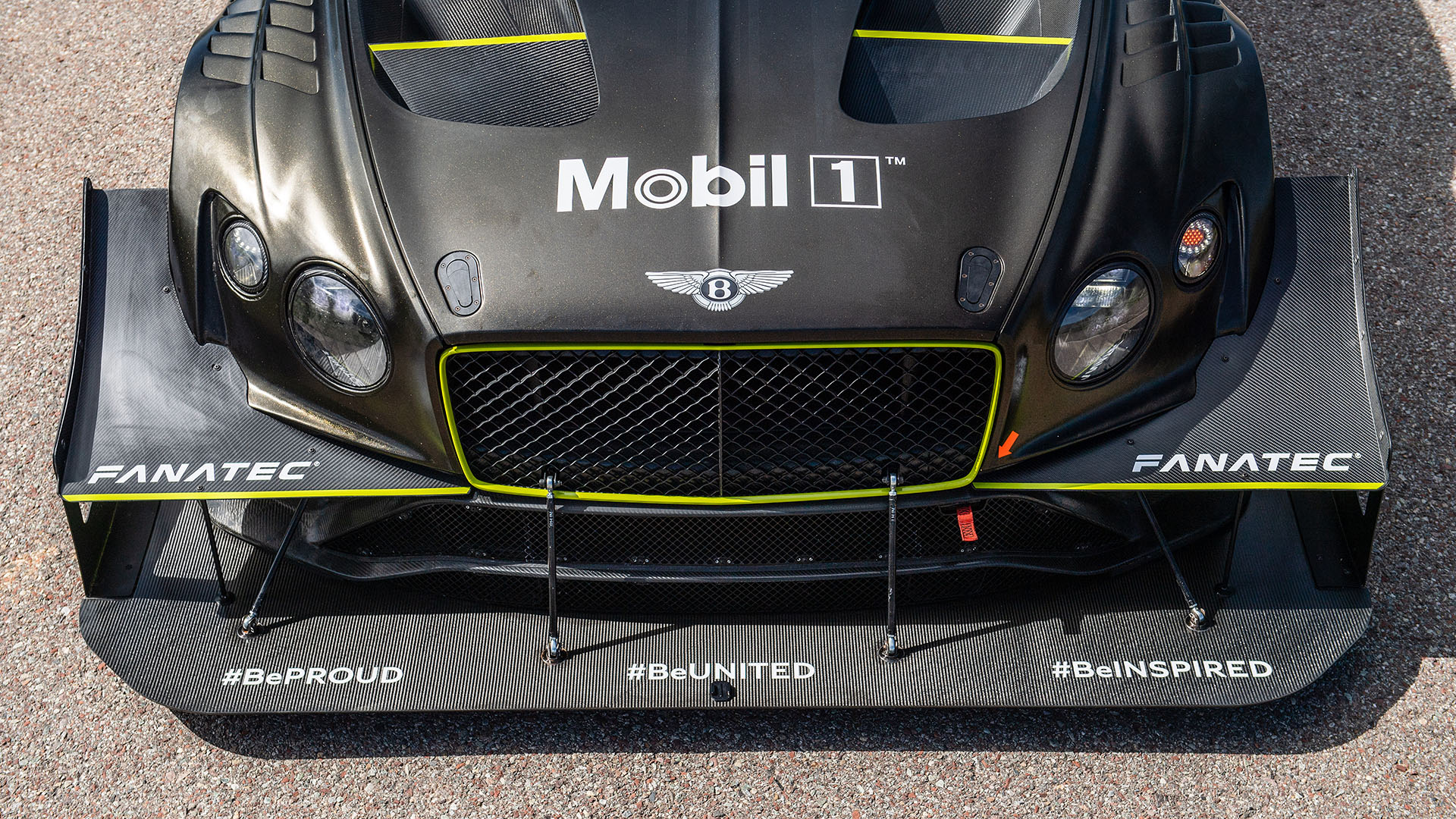
Aerodynamic balance is very important in a car with this kind of performance, but for the Pikes Peak race Bentley had to heavily modify the standard aero kit, they managed a 30% increase in downforce at sea level, this Pikes Peak version comes with the largest rear wing Bentley ever fitted to a car that hovers above a modified rear diffuser … but to keep the overall balance a substantially modified front aerodynamic setup had to be created, we now see a two-plane front splitter with separate dive planes, mostly made from carbon nylon filament in their rapid prototype department.

The Bentley Continental GT3 Pikes Peak boasts the race livery from Roger Clark Motorsport, they will run the car in the UK) in a stunning black-and-gold theme, but for this occasion, Bentley had to add their instantly-recognizable Pikes Peak mountain graphic that was also featured on the earlier Pikes Peak variants of the Bentayga in 2018 and the Continental GT in 2019.

The Bentley Continental GT3 Pikes Peak is already located in the United States as you read this, going through some extensive chassis tests at Willow Springs and later also high-altitude testing in Aspen, Colorado to make sure they can finetune the engine and calibrate everything for maximum performance at Pikes Peak later this month. At the same time, they had an engine running through extremely high-load tests at the base of M-Sport in Cumbria back in the UK.

I for one can’t wait to see how this black-and-gold Bentley Continental GT3 Pikes Peak will perform on June 27 on the mountain track … let’s hope they can break, or at least come close to the standing record …

The Everrati Signature

We all know the world is changing, hybrids and electric cars are taking over the future of supercars and hypercars, makes like Lamborghini with their legendary V12 will be going hybrid within two years, Bentley is already offering hybrid versions of their cars and Ferrari is on the path to electrification too … but what with the decades of automotive masterpieces we already have parked in our garages today?

Will we still be able to drive muscle cars from the past with that growling V8? Or enjoy the raw sound of a V12 from a Ferrari 250 GTO, or a Lamborghini Countach … I sure hope so, and there seems to be another option today, we’ve seen it before where people take a petrol-powered car and install an electric motor and batteries into the original bodyshell.

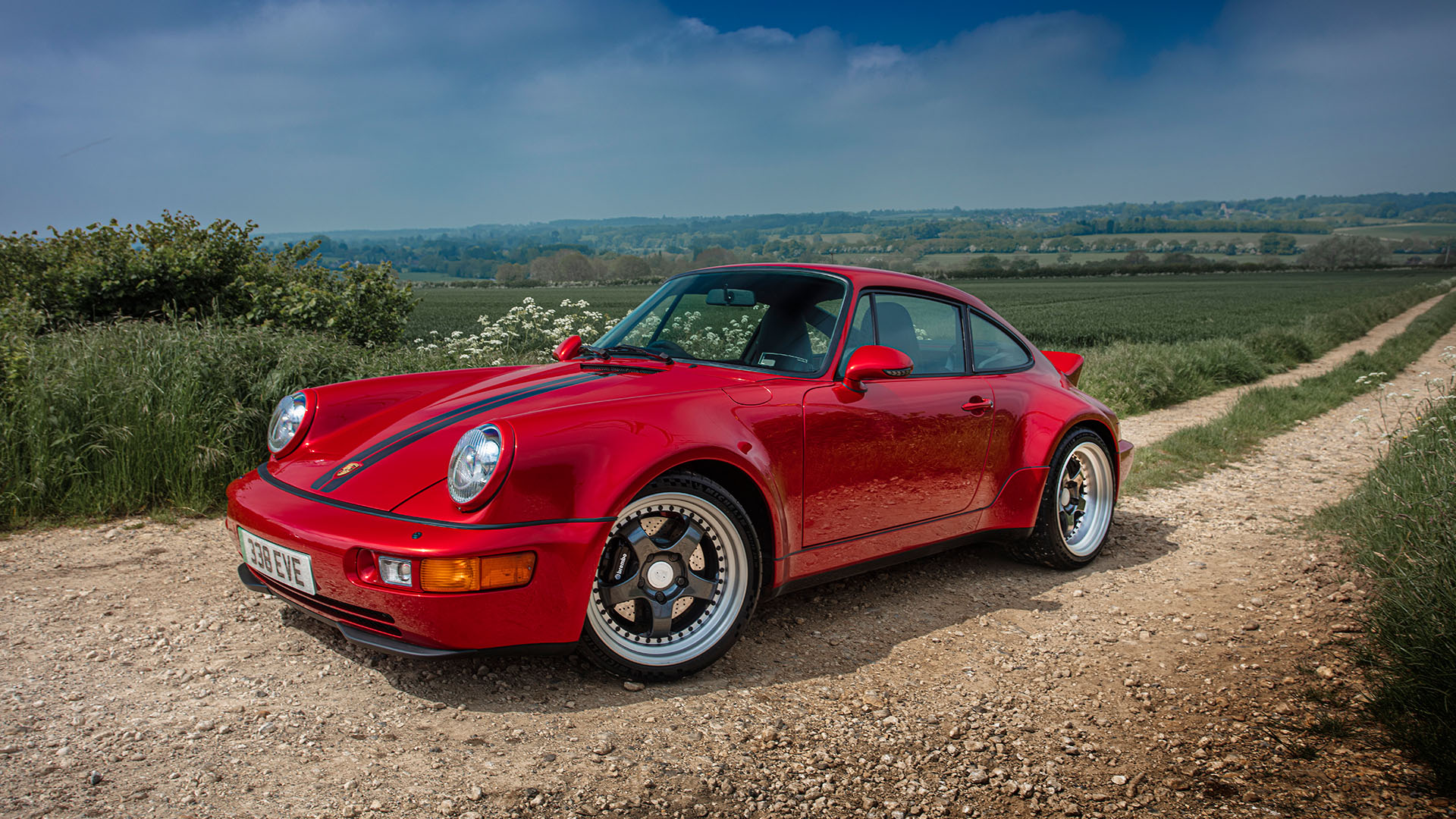
Everrati Automotive Limited (EverratiTM) is such a company, founded in 2019, they specialize in integrating EV powertrains into classic cars to future-proof these four-wheeled icons, their first product was the electrified Mercedes-Benz SL Pagod, but now they also offer a Porsche 911 (964) both in Coupe and in Targa version, a 911 (964) Gulf Signature Edition and a Land Rover Series IIA available in Traditional, Safari or Modern Top Canvas guises.

Located in Upper Heyford, Oxfordshire, the United Kingdom, Everrati now unveils their Signature Wide Body, based on the stunning Porsche 911 (964) wide body, they took a fully restored 1991 model and fitted lightweight carbon-fiber body panels and a state-of-the-art EV powertrain mated to a 53kWh battery pack and battery management system, the result is a 500bhp, 500Nm, sub-4-second 0-62mph acceleration electric supercar that offers a +150 mile range.

Justin Lunny, Founder & CEO of Everrati Automotive Limited said: “After releasing details of the car last week, we’re delighted to give the ‘Signature’ wide body its global public debut at London Concours, one of the world’s most prestigious motoring events, held in the center of a megacity that is fully moving towards an electric future. The team’s hard work, expertise, and dedication to their craft truly are unmistakable when the car is seen in the metal.”

Manhart Bumps up the Power of the New BMW G80 M3 Competition

Manhart Performance has launched their new MH3 600 sedan based on the new BMW G80 M3 Competition.

The MH3 600 is powered by the 3.0 liter biturbo S58 engine with a standard factory output of 510hp and 650 Nm of torque. Manhart engineers have fitted the vehicle with an MHtronik powerbox system which has increased the maximum output to an impressive 635hp and 780 Nm of torque.

In addition, the acceleration from 0-200km/h is achieved in less than 10.5 seconds and to 250km/h in 17 seconds. Thanks to the new power upgrade, the new model is 4 seconds faster compared to the stock M3 competition.

The vehicle has been fitted with Manhart performance stainless steel rear silencer exhaust system with valve control functions available either in carbon or ceramic-coated. Manhart Race downpipes without catalytic converters and Manhart OPF-delete replacement pipes with 200 cell HJS catalytic converters are also available as optional but only for export and without TUV approval.

Manhart offers a variety of suspension upgrades for the MH3 600 customers. The first step is to lower the front axle by 30mm and the rear by 10mm using H&R springs to create a sporty appearance, for a more dynamic look, a Manhart variant 4 coilovers suspension by KW is also available and it comes with a special set-up that directs the wheels perfectly on the tarmac even at high speeds.

The MH3 600 has been fitted with a set of 21 inch forged Concave One wheels, 9×21 inch with 255/30 ZR21 tires at the front axle and 10.5×21 inch wheels mounted on 295/25 ZR21 tires on the rear axle. The wheels are also available in Satin Black with Gold decorations at the ri or completely in Gold.

The factory carbon package is available as an option and it contains a front spoiler, rear spoiler, side skirts and aero flicks from the M performance range. The package has been further extended by the tuner with an in-house rear diffuser in carbon that frames the twin tailpipes of the exhaust system perfectly.

Most Beautiful Cars From The 2000s

The turn of the millennium was an exciting time for so many reasons, and this too was certainly the case for the automotive landscape. Many regard the 2000s as a golden era for cars; a time when the collective industry seemed to achieve this perfect blend of technology, design and purpose. These days, performance is more accessible than ever and in some ways styling has evolved for the better as well.

But there remains something to be said about simpler times, especially when one begins to reminisce about a world without self-driving cars and the once greater acceptance of beauty standards that were measured through the ‘eye-of-the-beholder’. So many cars from this decade managed to carry themselves with an air of class and elegance, without needing to be haute or obnoxious. Affordable grassroots automobiles could muster up as much charisma and garner the same levels of admiration as the unpretentious (relative to today’s standards), yet objectively beautiful supercars of the day. This really wasn’t all too long ago, just thinking about it.

We’ve compiled a list of cars, which we believe, represent the pinnacle of beauty from this decade. While our selection will lean towards aesthetic power, you can expect an overlap with our other “Best of 2000s” special lists on supercars.net – particularly our “Best Sports & Performance Cars From The 2000s” and “The Greatest Supercars Of The 2000s” lists.

After all, there is as much beauty in function as there is in form.

Here’s the shortlist of 10 such cars, which we have curated:

Porsche Carrera GT

Porsche Carrera GT

The Porsche Carrera GT has become one of the most iconic and sought after Porsche models in the realm of exotic car idolization and ownership. It was a mid-engined V10 hypercar – one of the first to be considered a step beyond supercar status – and introduced a variety of industry-first technologies and features to the production car market.

On the outside, there is nothing to suggest that the Porsche Carrera GT should be anything but a purpose-built super/hyper sports car. The silhouette of the car is a properly executed amalgamation of sleek and muscular features which certainly feels applicable to the Carrera GT’s overall demeanor. From the front particularly, the car is still undeniably a Porsche, with its headlights paying tribute to the Porsche 917 – the first Porsche race car to win at Le Mans. The bulgy front fenders extend across the doors and connect to the rear haunches of the car, which then blend into its extroverted rear deck finished off by the large, retractable rear wing.

The double-clamshell engine lid conceals the 5.7L power plant while complimenting the two roll hoops it sits purposefully behind. The windshield and windows are designed to provide maximum visibility to the driver from all angles. The cockpit of the Carrera GT is relatively understated but still more than adequately appointed with its perfect blend of functionality, elegance, and convenience. The center console inclines at a sharp angle towards the front dash, and is fully made from carbon and bolted to the chassis of the car to promote rigidity and safety.

Mounted near the top of the center console, is one of the Carrera GT’s most quintessential features – its ergonomically located manual gearbox fitted with a laminated birchwood shift knob, which pays tribute to the heritage of Porsche motorsport.

Ford GT

2003→2006 Ford GT

The Ford GT is the American Beauty; the one true supercar to hail from west of the Atlantic and proof that exotics cars weren’t exclusively an Italian delicacy. Released at the 2002 North American Auto Show, Henry Ford II was proud to show off a modern-day version of Ford’s most successful endurance racer. A month after the release, Ford announced the Ford GT would be put into production and with a price ‘around six figures’. The waiting is now over, Ford have released official details of the production version.

The Ford GT supercar’s design instantly stirs up images of the glorious Ford GT race cars from the 1960s. Yet a new presentation features all-new dimensions and a contemporary, striking interior – as well as epic engineering stories of how high-tech methods helped preserve a classic form.

Interior comfort considerations had two effects on the exterior styling of the Ford GT. To increase passenger headroom, the engineering team wanted to raise the roof height. However, the design team felt the low profile was an essential aspect of the Ford GT design. The engineers and design team fought for each millimeter, finally agreeing to raise the roof 17 millimeters above that of the concept.

“As a race car, the original Ford GT didn’t have an interior design to speak of” says Pardo, Ford GT Chief Designer. “They featured two seats, a steering wheel, a few toggle switches and lot of bare metal. That’s it. As such, the interior of the Ford GT is the biggest deviation from the vintage cars. ‘The passenger cabin of most modern cars is isolated from the engine” Pardo elaborates. “But, in the Ford GT, the supercharger is right there, inches behind your ear. It creates an intimate relationship with the engine, more like a motorcycle than a car.”

Ferrari Enzo

2002→2005 Ferrari Enzo

Named in honor of the company’s founder, the Enzo is one of a limited series of road cars including the 288GTO, F40 and F50. These cars represent Ferrari’s continuing desire to produce the most exclusive and technologically advanced road car. Pininfarina and Ferrari have a close relationship which started with the 1951 212 Inter Barchetta. Since that time, Pininfarina have styled most road-going Ferraris including the Enzo, which was their most radical design to date.

Pininfarina’s form combines complex detail with a clean and balanced overall shape. Aggressive lines adorn the exterior which include an interpretation of the Formula One nose, to which the Enzo owes it’s technology. These styling cues break ground in the area of design and will be copied both in future super cars and future Ferraris. Unlike the F40 and F50 which came before it, the Enzo is devoid of any rear wing. The absence of the rear wing was possible due to the underbody at the rear of the car which includes two large diffusers. These diffusers generate sufficient down force to replace a drag-heavy rear wing. Further active aerodynamics help the Enzo maintain stability at all speeds. An adjustable rear spoiler and adjustable front flap allow for either high load or high speed aerodynamic setup.

During a period of great achievement for Ferrari, the Enzo reflects victories which include four consecutive F1 championships. No doubt, Enzo Ferrari himself would be most proud of this limited series named in his honor.

Aston Martin DB9

2004 Aston Martin DB9

James Bond. 007. Is there any other car in the world that is more synonymous with one thing, than the Aston Martin DB9? Probably not. Suffice to say, this British grand tourer was able to match the suave levels of its most famous driver, and then some. Succeeding the DB7, the Aston Martin DB9 debuted at the Frankfurt Motor Show in 2003. The first cars in the series boasted a 5.9L V12 producing 444 horsepower; this made a 0 to 60 mph acceleration time of just 4.8 seconds possible. The maximum speed was set at 299 km/h although some have claimed it can be pushed beyond 300 km/h.

The Aston Martin DB9 is a modern interpretation of a traditional Aston Martin sports car, representing a contemporary version of classic DB design elements and characteristics. “Aston Martins are not edgy cars – they don’t have sharp surfaces or pronounced power domes” said Hank Fisker, Director of Design. “The bodywork is elegant and gently curved, like a supremely fit person, with great muscle tone. But it is not like a body builder, who is bulky and out of harmony.”

The side profile is very clean, with a single-sweep roofline. There is a pronounced boot – a noticeable feature of the DB4 and DB5 – and the haunches on the rear wings are wide and curvaceous. The aluminum bonnet runs all to the way to the leading edge of the car. “This accentuates the length of the bonnet and the power of the car” says Fisker. All front cut lines emanate from the grille. The DB9’s bumpers are invisible. The front number plate is part of the crash structure and computer modelling has enabled Aston Martin to use invisible -hard pressure zones- to cope with bumps.

Nissan Skyline GT-R (R34)

1999 Nissan Skyline GT-R

As far as pop culture icons go, the Nissan Skyline GT-R has cemented a reputation as one of the world’s most revered automobiles. Whether you’re a young teenager who has only been able to experience one through your favorite video game, or a wealthy car collector looking to add a unicorn to your garage, the R34 (1998-2002) GT-R in particular, checks everyone’s boxes. Some would argue that the Skyline GT-R only gained international recognition thanks to the “Fast & Furious” movie series, but those into JDM car culture or motorsport were well aware of “Godzilla’s” credentials well before the silver screen event.

The Skyline GT-R produced 280 hp (which could easily be tuned to much, much more) from a twin-turbocharged RB26 engine and featured an all-wheel drive system with HICAS, allowing it to become a dominating force on both circuits and mountain roads alike. Every aspect of the Skyline GT-R, from the aerodynamics to body rigidity, has been fine-tuned through competitive racing and 11 years of intense testing, producing one of the best race-bred coupes ever made.

Style-wise, the r34 GT-R is Japanese automotive perfection – the quintessential packaging of radical performance, timeless appearance and undeniable charisma. Relatable, and within the realm of most people’s aspirations of ownership (at one point in time), the Skyline GT-R quickly became the Japanese people’s sports car, and eventually the de facto representative of the JDM movement which swept across North America and shaped its automotive culture almost singlehandedly. This is all the more impressive when considering that the Skyline GT-R was never available brand new within US shores.

Mercedes-Benz SLR McLaren

2004_MercedesBenz_SLRMcLaren2

“Gullwing”. The pinnacle of Mercedes-Benz design and engineering prowess. A contemporary interpretation of stylistic elements lifted from the original SLR and design details taken from the 2003 Formula 1 Silver Arrows, allow the 21st-century SLR to form a bridge between the past and the future, bringing cutting-edge motorsport technology to the road, just as the inspirational SLR Coupe did in 1955.

This super sports car allowed Mercedes-Benz and its Formula 1 partner McLaren to showcase their collective experience in the development, construction and production of high-performance sports cars. This combination of knowledge and expertise is evident not only in the host of pioneering developments, impressive performance figures and superior driving characteristics of the SLR, but also in the extremely high levels of safety and practicality which it offers.

These attributes come together to form the basis for an automobile with a very special charisma – an impressive synthesis of Mercedes tradition and innovation in every respect. High-tech materials from the field of aeronautical technology make their debut in a series-produced car here: carbon fiber is used for manufacturing the body, lending it its low weight and an exemplary rigidity and strength previously only achieved in Formula 1 race cars. The crash safety standards achieved using this innovative material are equally high.

BMW Z8

2000 BMW Z8

The new millennium super roadster: The BMW Z8. With breathtaking looks and classic proportions, the BMW Z8 was presented the beginning of 2000 as the latest addition to the portfolio of sporting two-seaters. The Z8’s appearance is as equally thrilling as its trendsetting chassis structure, this being a self-supporting aluminum frame called ‘space frame’.

This is wrapped in a sleek body shell featuring screw-on components. Under the bonnet there is a high-performance V8 sports motor displacing five liters. Impressive power of 400 bhp is transmitted to the wheels by a six-speed transmission.

Today, the BMW Z8 has become a bit of a unicorn car with a cult following of wealthy collectors. Most examples are going for around US$250,000 on the used market – almost double the brand new MSRP.

Honda NSX (NA2)

When the NSX was first introduced to the world in 1990, it sent shockwaves throughout the automotive dimension, pioneering an unprecedented amalgamation of characteristics and engineering principles. At a time when the words ‘supercar’ and ‘reliability’ couldn’t be spoken in the same sentence, the formula Honda used to create the NSX resulted in a vehicle that was truly unique for its time – it had all of the desirable characteristics of a supercar, but was packaged with the same reliability, build quality and sensibility of a Honda Accord.

By the time the new millennium had rolled in, the NSX had become a classic but aging beauty. In 2002, the car got a makeover which included some much needed aesthetic updates to modernize it. Fixed headlights to replace the pop-ups, along with more streamlined front and rear fascias, and larger wheels, ushered in a new era for the original NSX, dubbed NA2. Shortly after the facelift, Honda released a Type-R version of the NA2 NSX which was exclusive for MY2002 and for the Japanese market only – just like it did for the NA1 NSX in 1992. By this time, the Type-R moniker had become the official signature of ultimate Honda road car performance, and the 2002 Honda NSX Type-R (officially abbreviated to NSX-R on this occasion), certainly lived up to its badge.

Lamborghini Murciélago

The Lamborghini Murciélago is a superlative car with a mechanical structure that requires no gimmickry. The styling reflects this with a silhouette free of any superfluous ornaments or embellishments. Pure, simple, and mostly-straight lines are all that is offered; the result is a definitively trapezoid-shaped car which lends styling cues from the previous Lamborghinis, and then combines them with better performance and more superior drivability than ever before.

One highlight of the car is the two rear wings which seamlessly pop up for engine cooling. Not only does this increase the aesthetic value of the car while at a standstill, it also functions as a dynamic system for cooling efficiency. It truly is the ultimate expression of the Lamborghini marque – thoroughbred performance with dynamic features that add to a clean and elegant styling. Suffice to say, its lives up to its namesake, with the Murciélago said to be the strongest fighting bull of all time.

Honda S2000

For many years, Honda’s beloved roadster held the distinction of producing the most hp per liter of any car on the planet, via its F20C engine. Despite being a convertible, the S2000 is renown for its rigid chassis which helps to provide one of the most raw driving experiences one can have in a production road car. The slick 6-speed manual – the only choice of transmission – was a perfect match to the car’s 2.0L VTEC powerplant which produced 240 hp and revved all the way up to 9,000 rpm.

The s2000 cuts a sharp-looking roadster figure with sensual proportions, thanks to its super long front hood and truncated rear. Clean lines are expressed through its no-nonsense design, and have gone on to be attributed with the car’s ever-increasing character and timelessness. While the S2000 is unapologetically a convertible, I think that the car looks especially good with the optional OEM hard top (along with a variety of aftermarket options).

Later variants of the S2000 featured a strokered 2.2L engine which delivered more power in the lower rev-range and had slightly shorter gearing to improve acceleration. The Honda S2000 embodies everything that is awesome about a naturally-aspirated sports car that is built around the driver; and now, many enthusiasts and collectors alike are seeking to own their piece of its brilliant history.

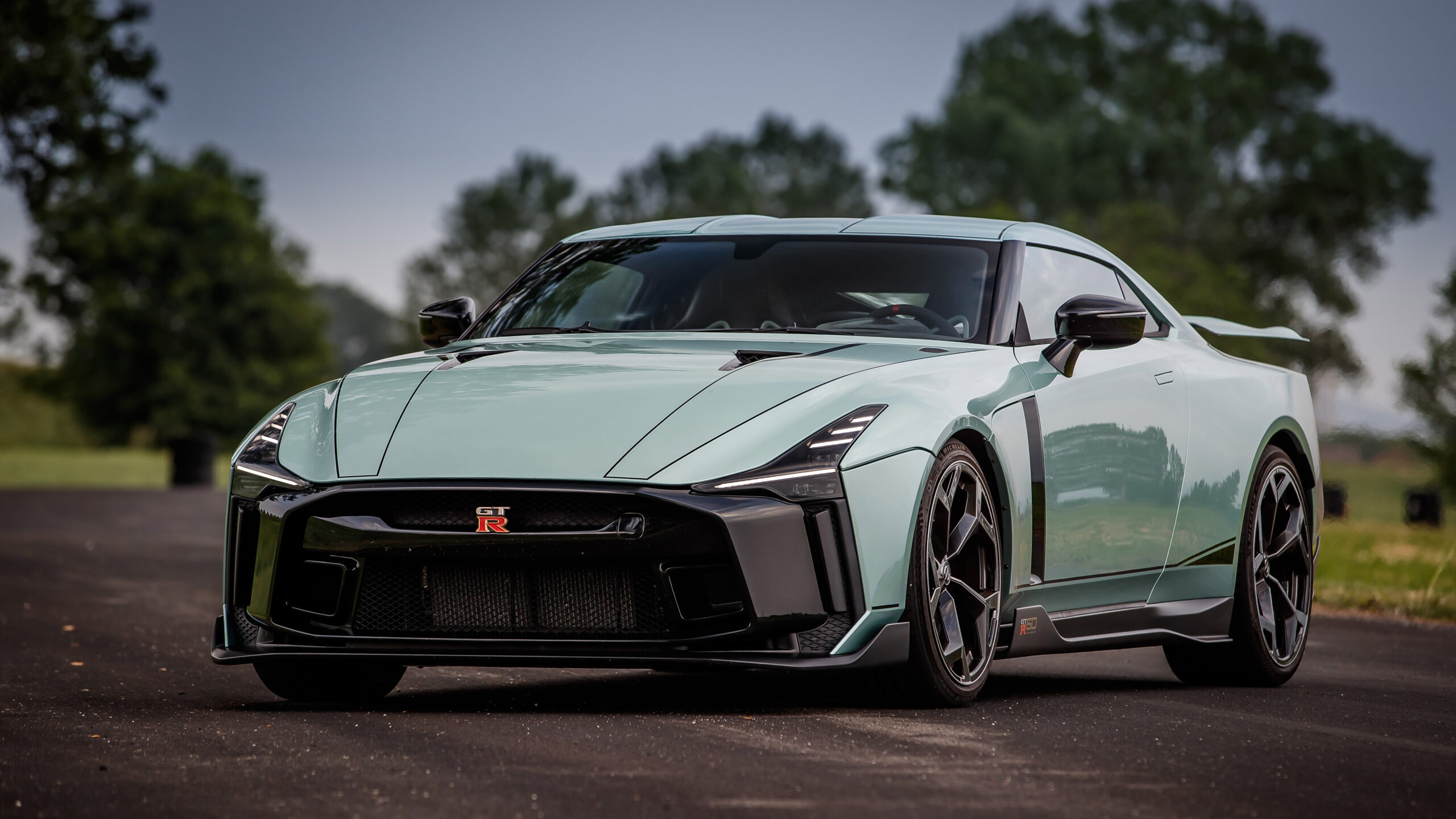
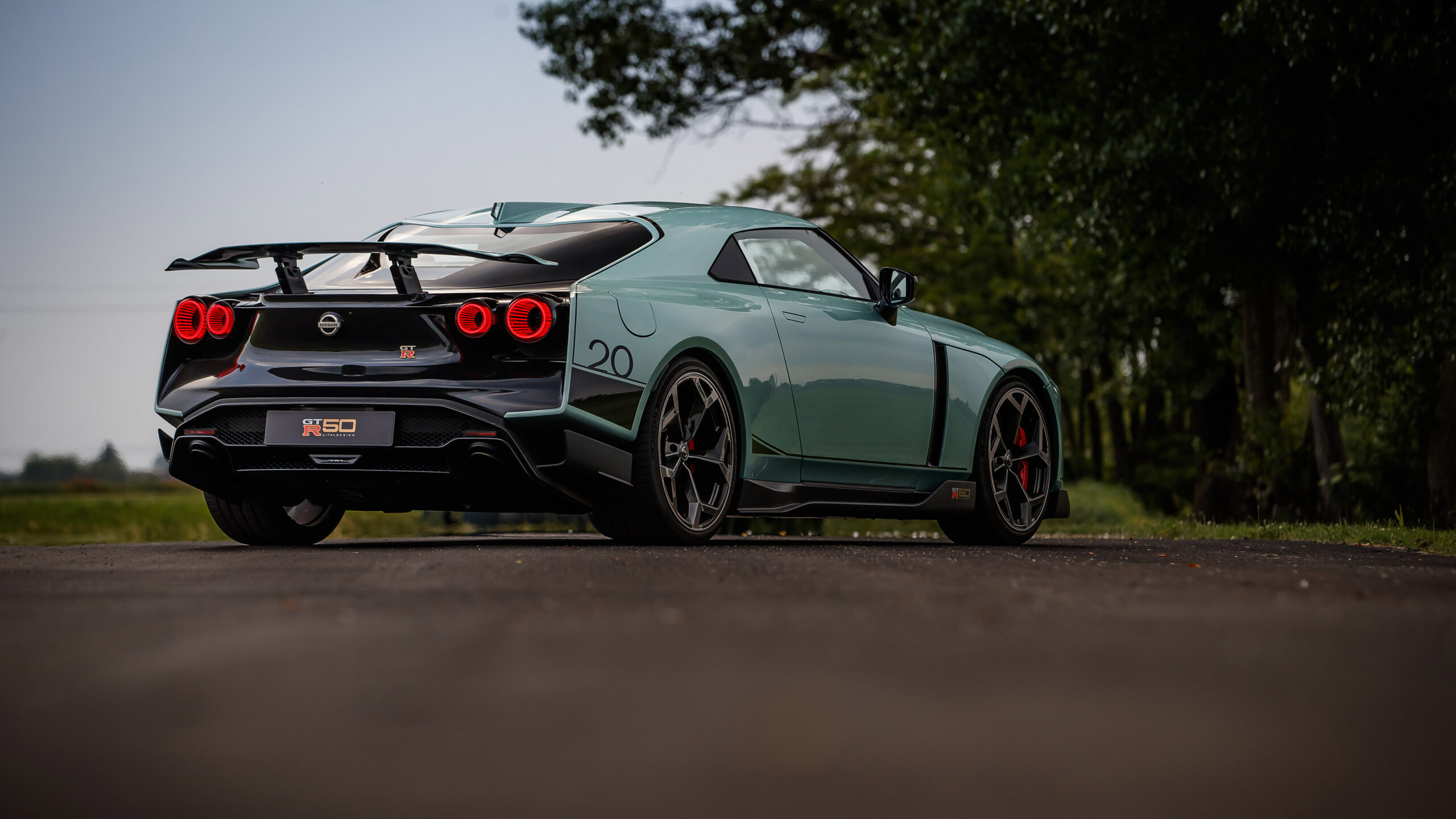
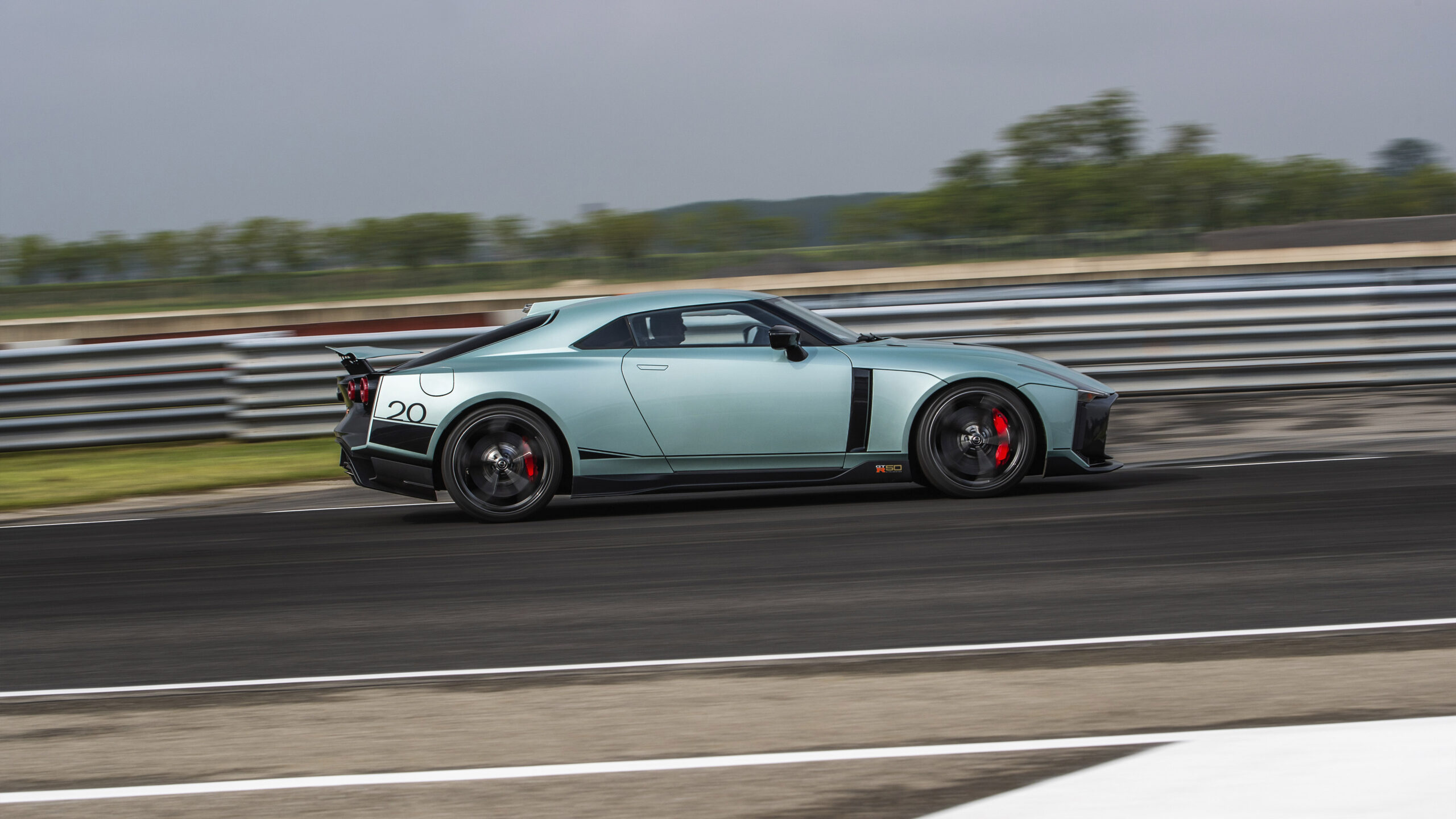
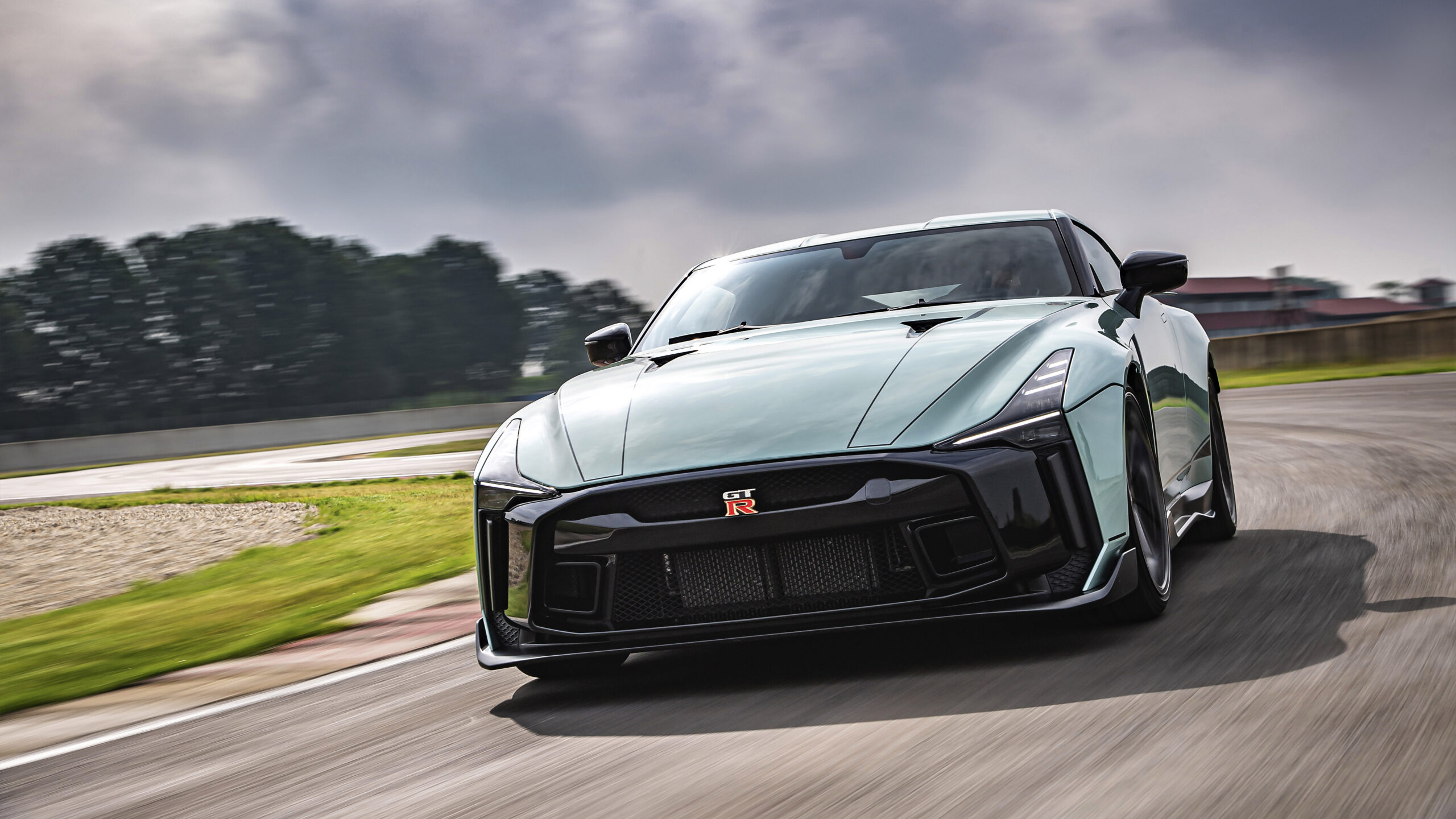
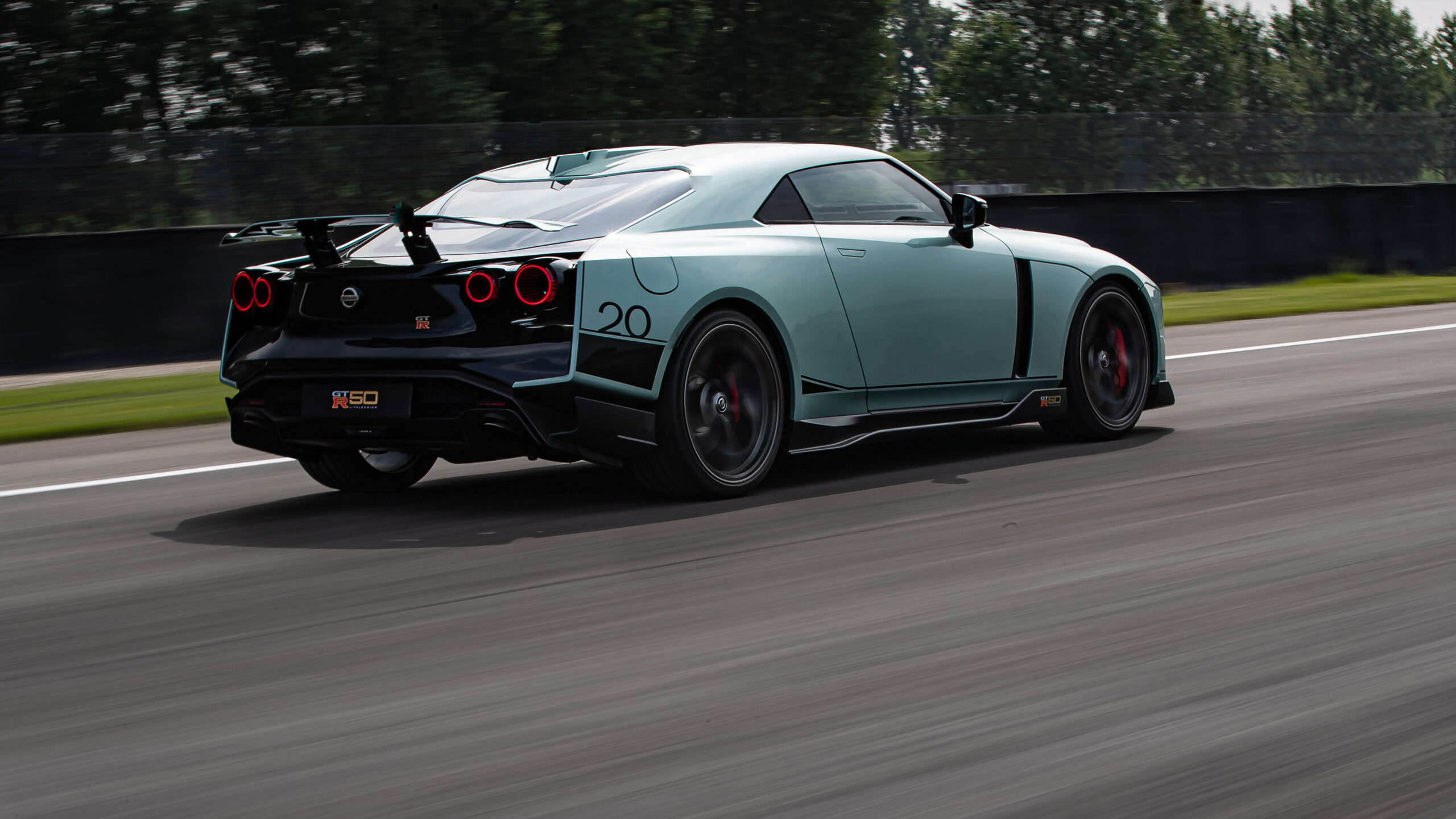
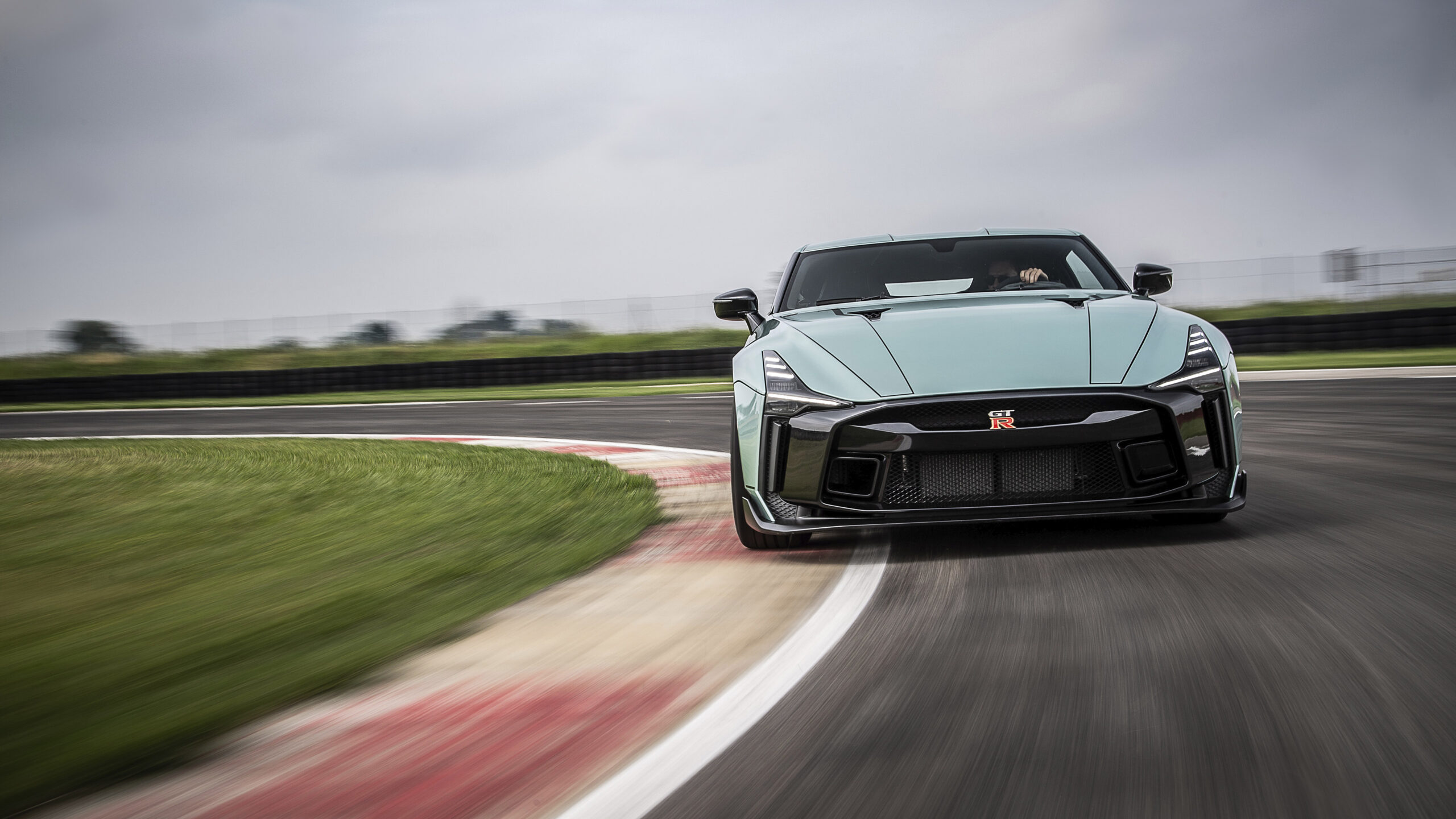
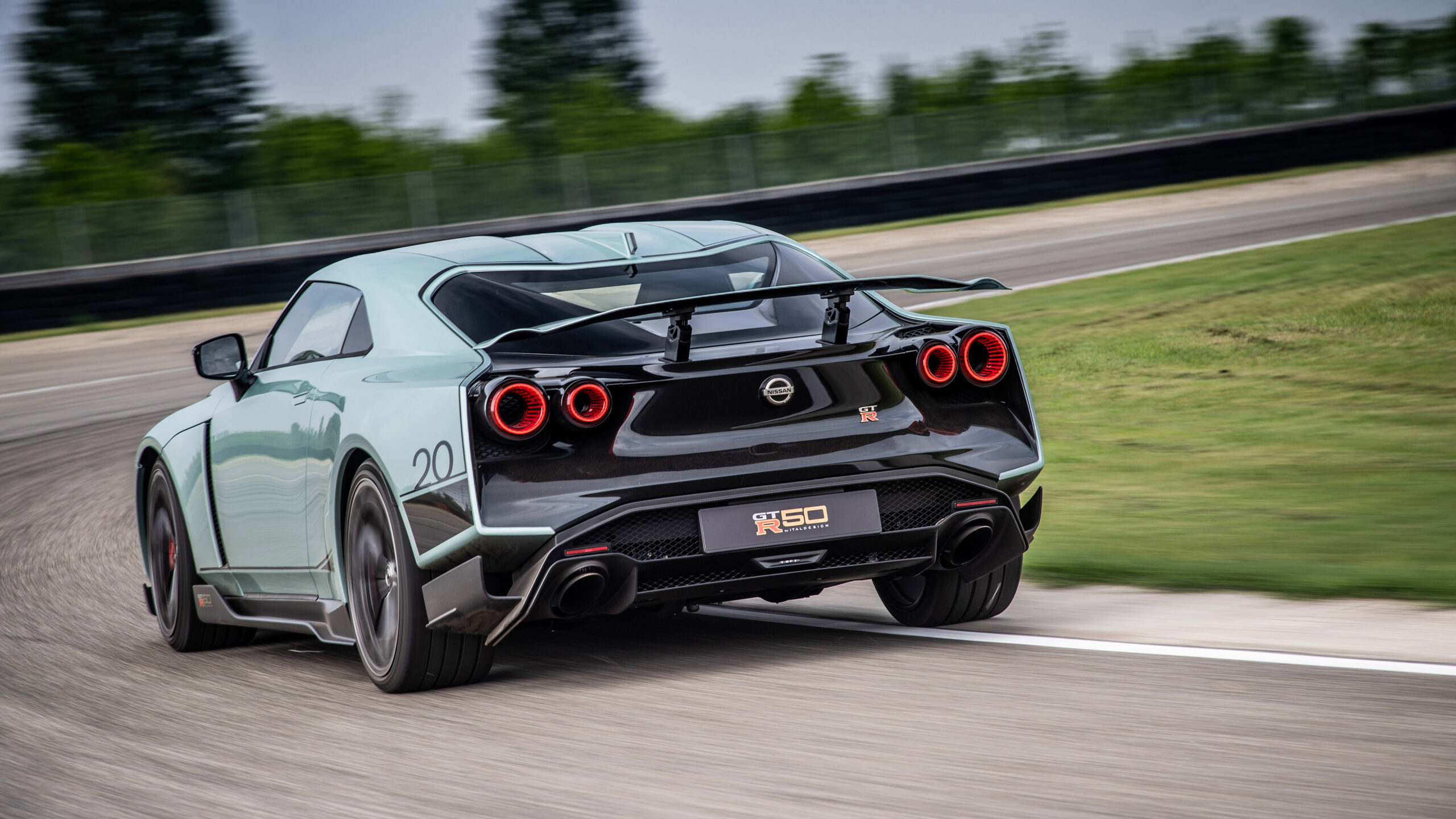
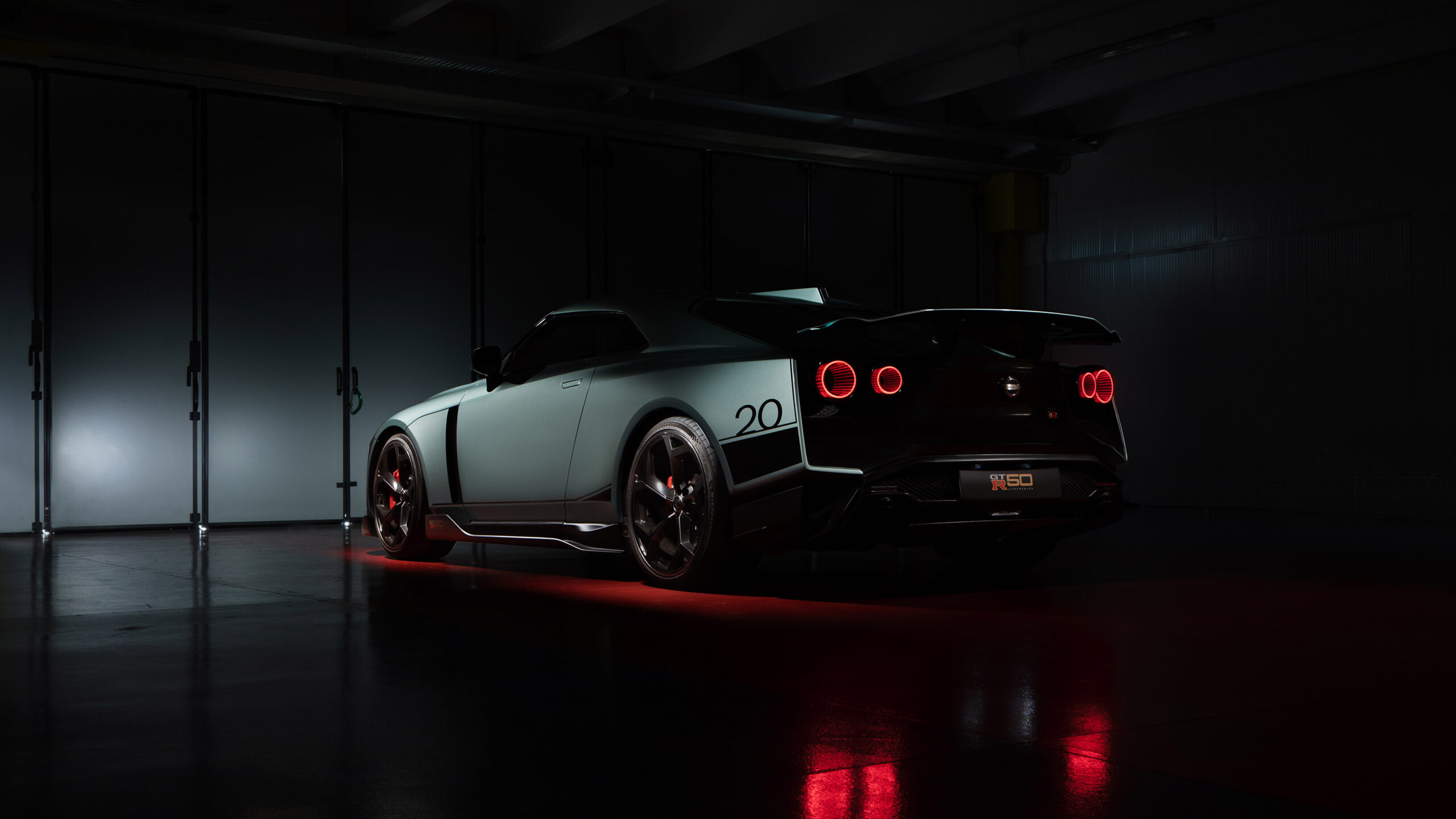
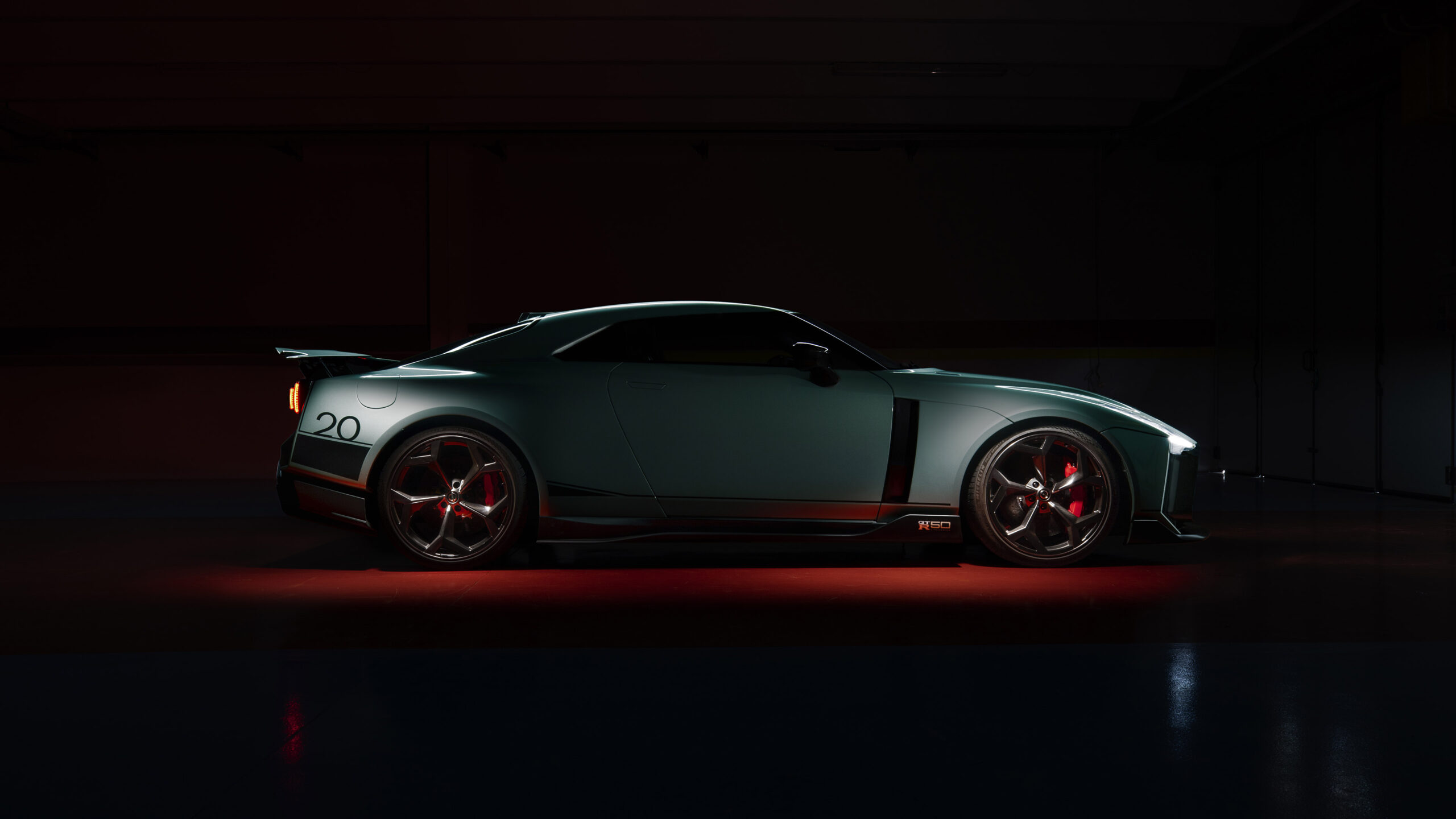
2018 Nissan GT-R50 by Italdesign Concept Wallpapers

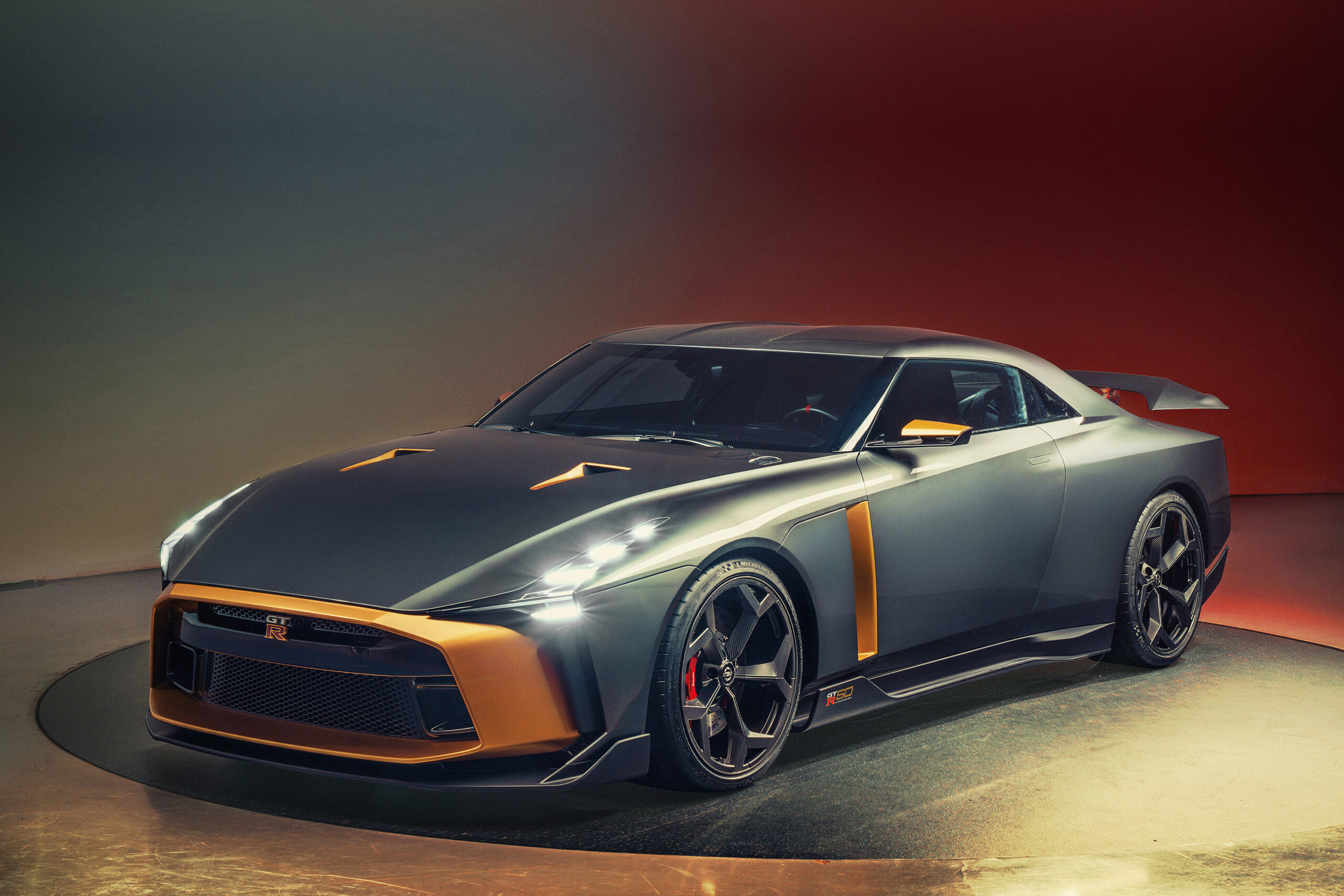
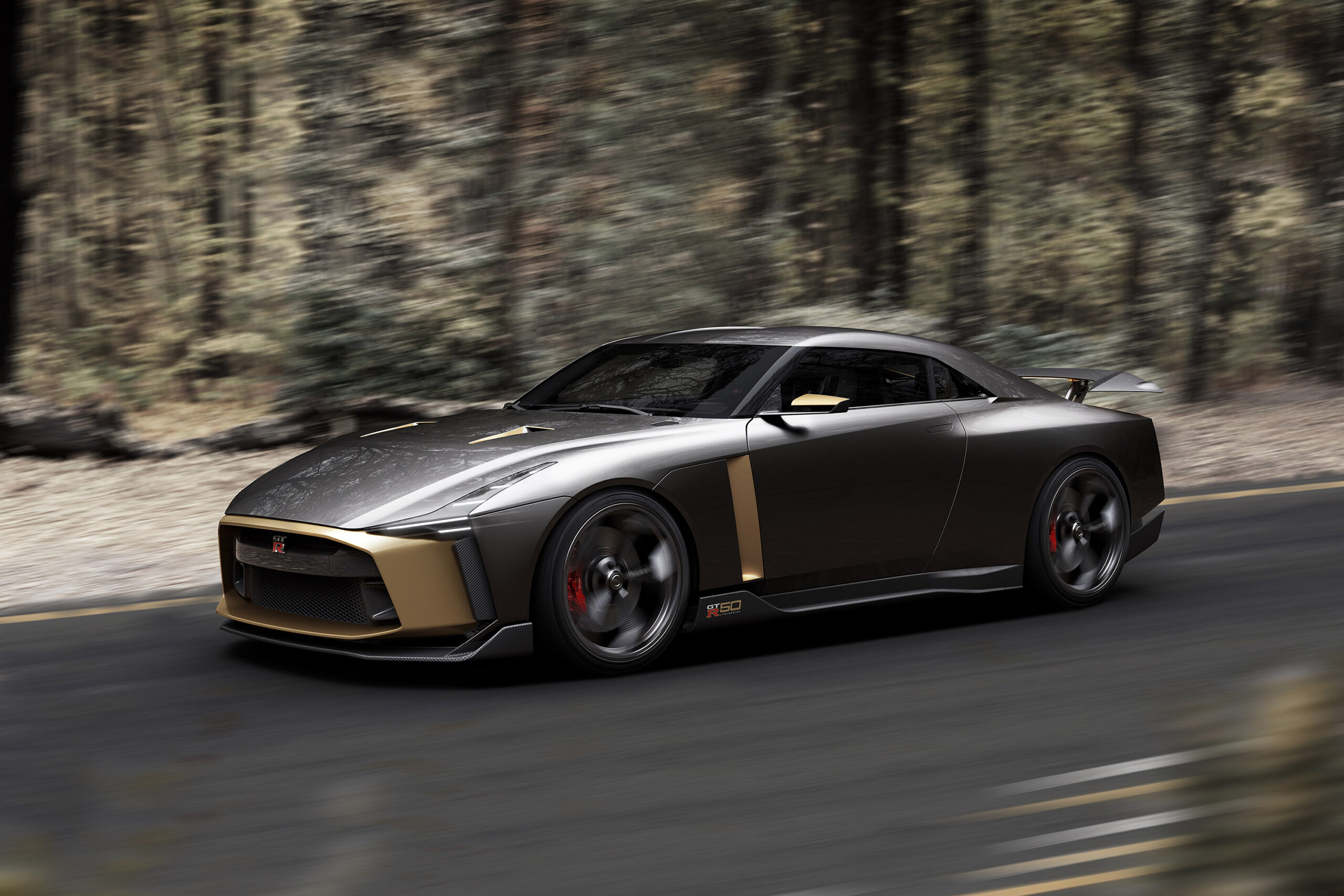
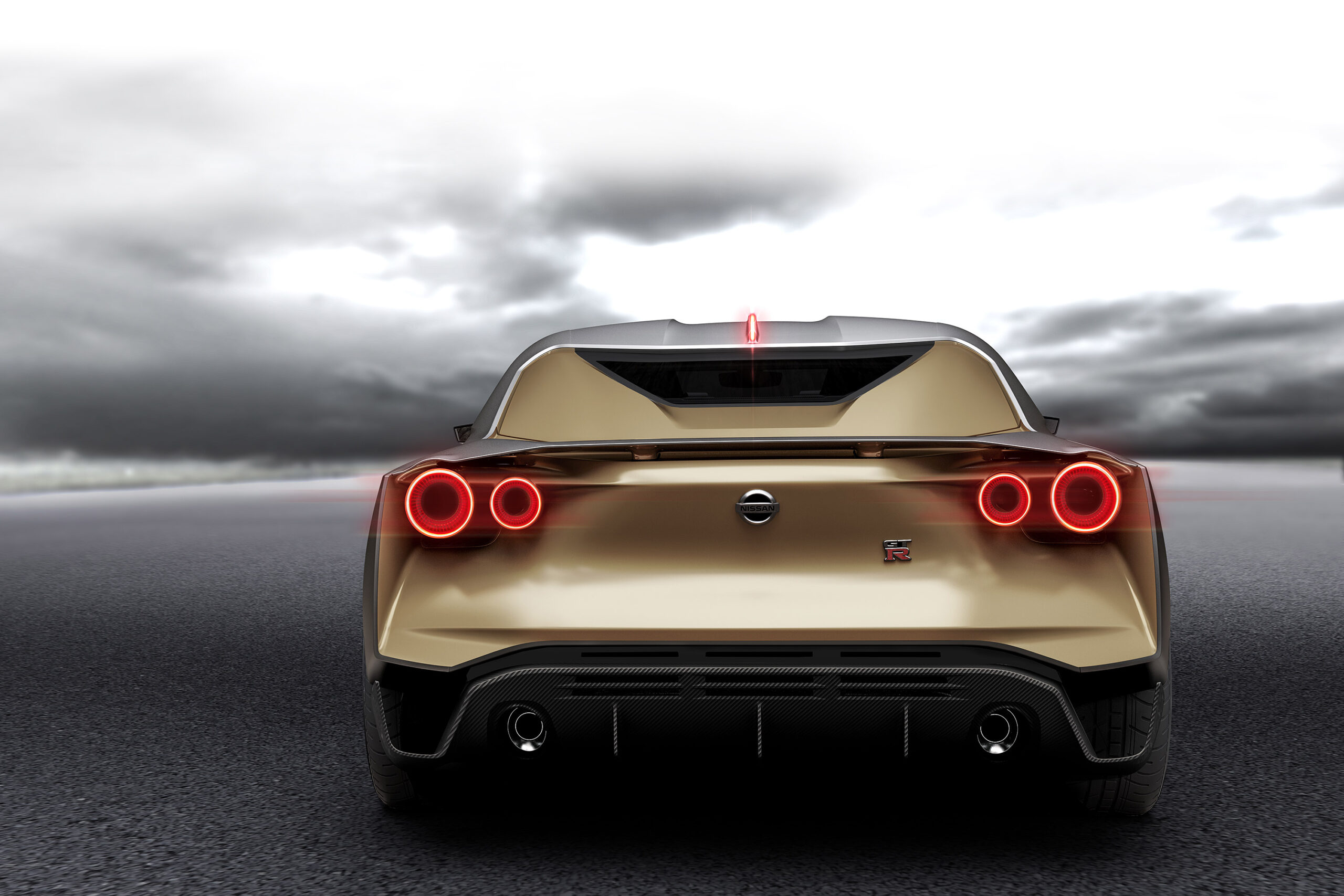
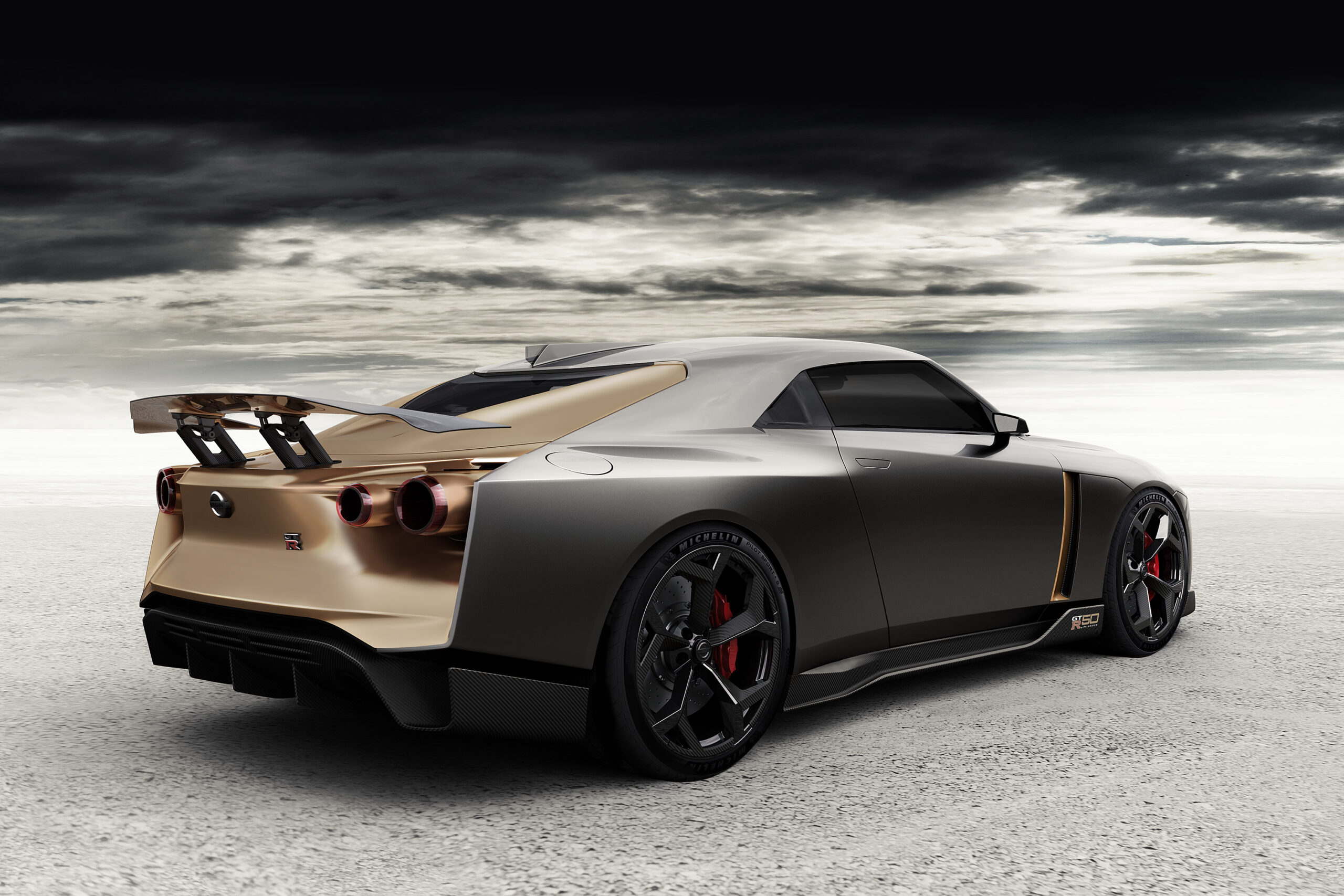
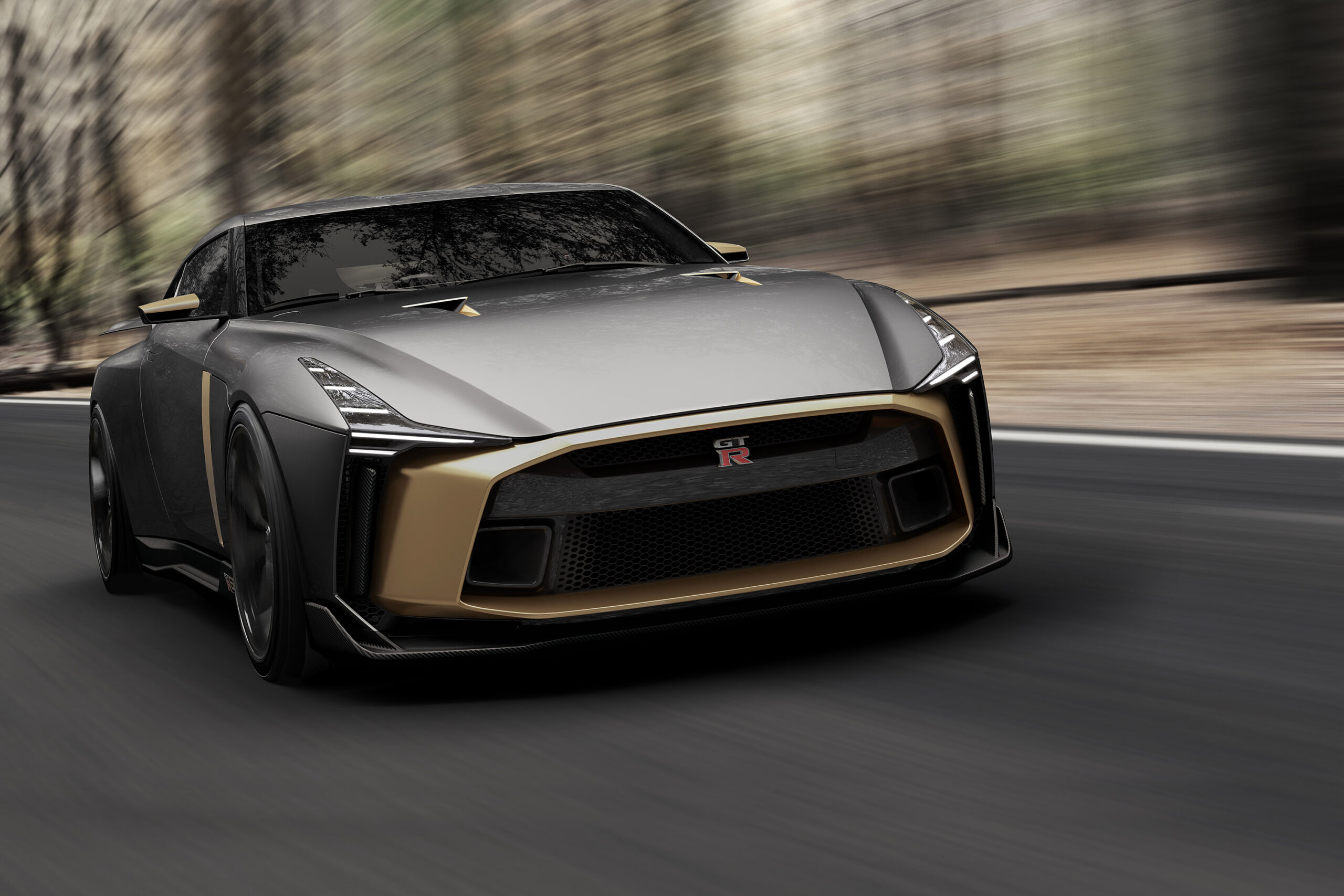
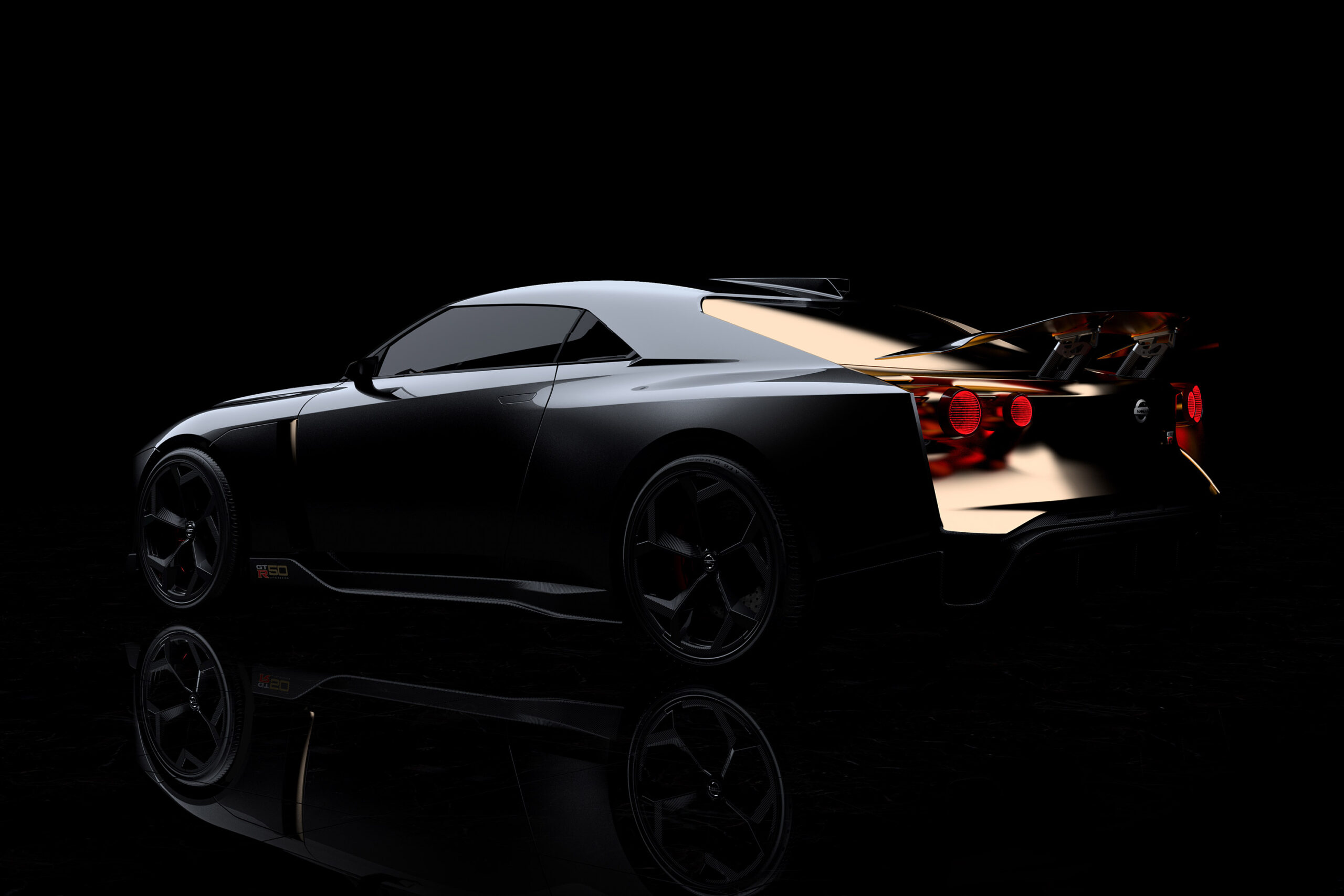
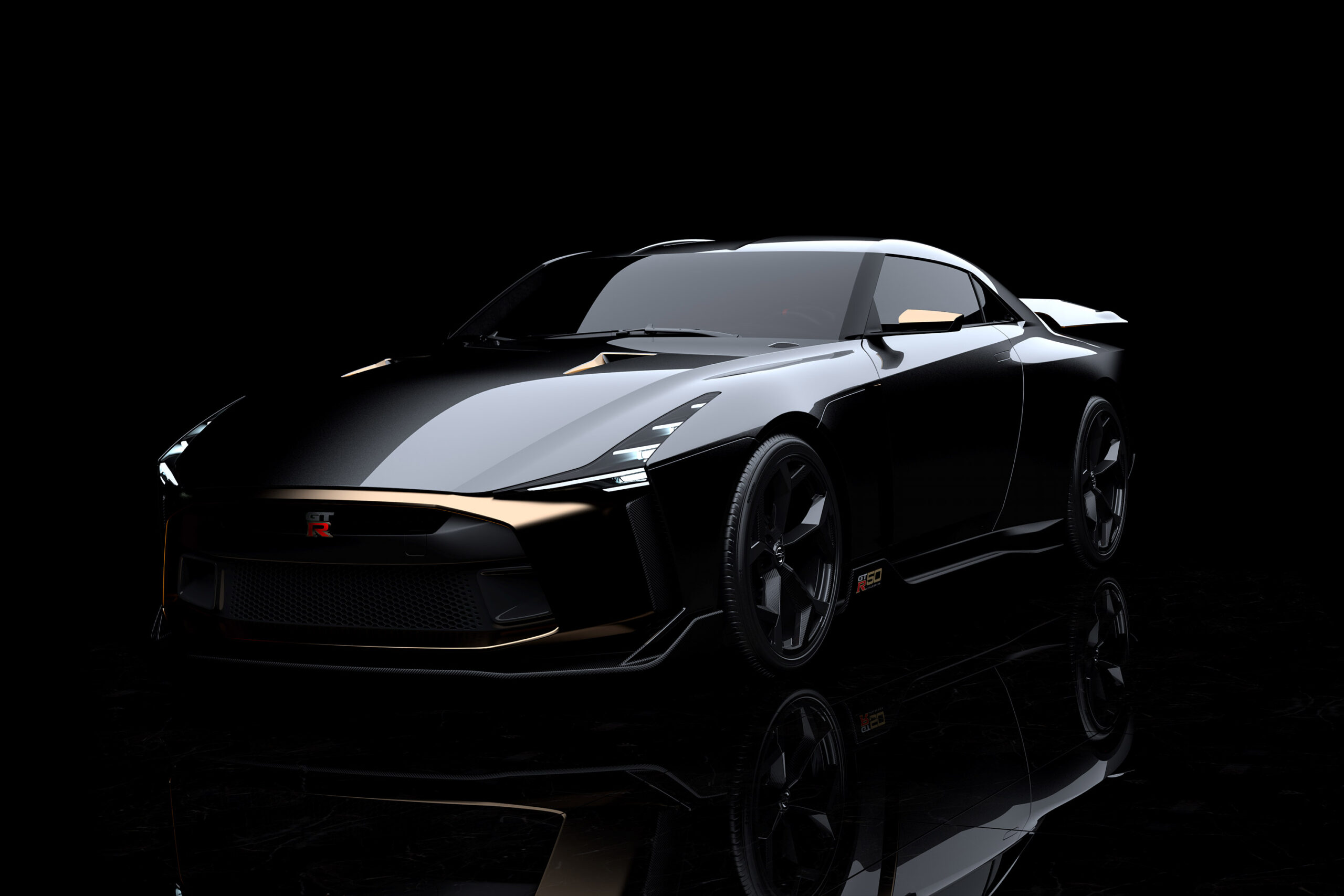
We have curated the ultimate collection of the best 2018 Nissan GT-R50 by Italdesign Concept Wallpapers and HD backgrounds for you to enjoy. Our team focused on finding the top 2018 Nissan GT-R50 by Italdesign Concept Wallpapers only to keep the quality high. These 2018 Nissan GT-R50 by Italdesign Concept Wallpapers are free to download so go ahead. To download any of these pictures for use as a wallpaper, right click the picture and choose Save As …
Find more awesome Italdesign Wallpapers

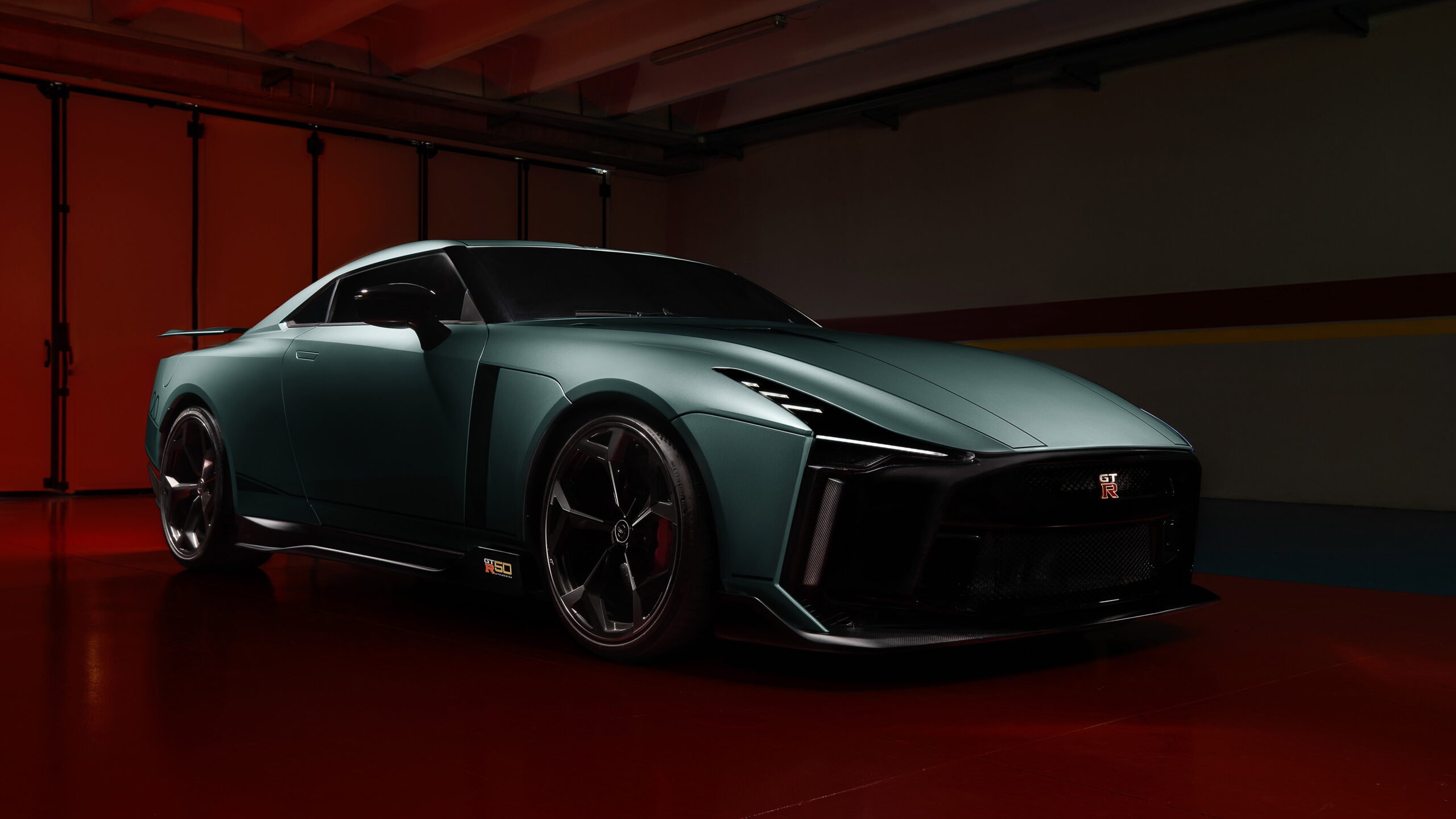
2021 Nissan GT-R50 by Italdesign Wallpapers

We have curated the ultimate collection of the best 2021 Nissan GT-R50 by Italdesign Wallpapers and HD backgrounds for you to enjoy. Our team focused on finding the top 2021 Nissan GT-R50 by Italdesign Wallpapers only to keep the quality high. These 2021 Nissan GT-R50 by Italdesign Wallpapers are free to download so go ahead. To download any of these pictures for use as a wallpaper, right click the picture and choose Save As …
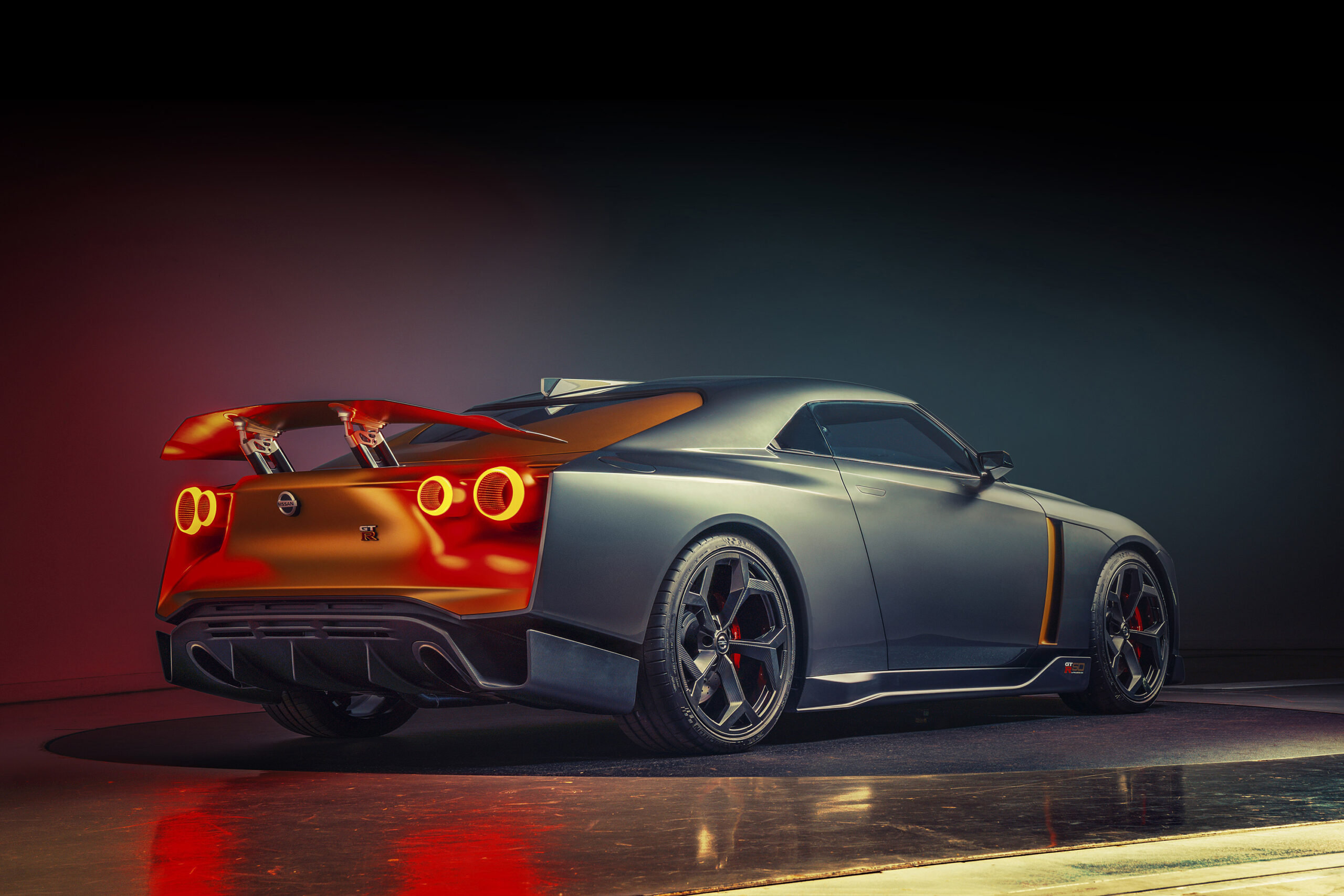
Find more awesome Italdesign Wallpapers

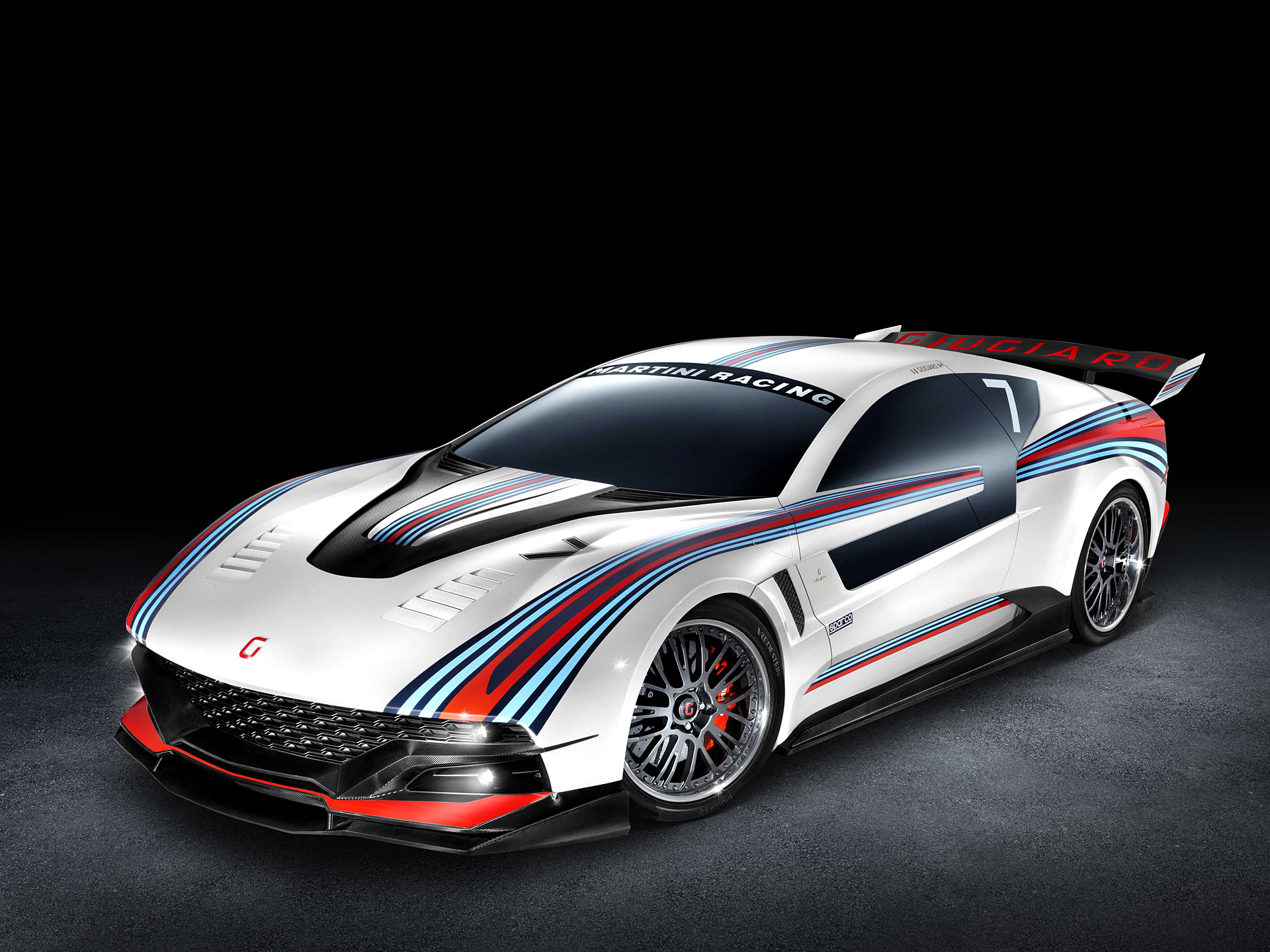
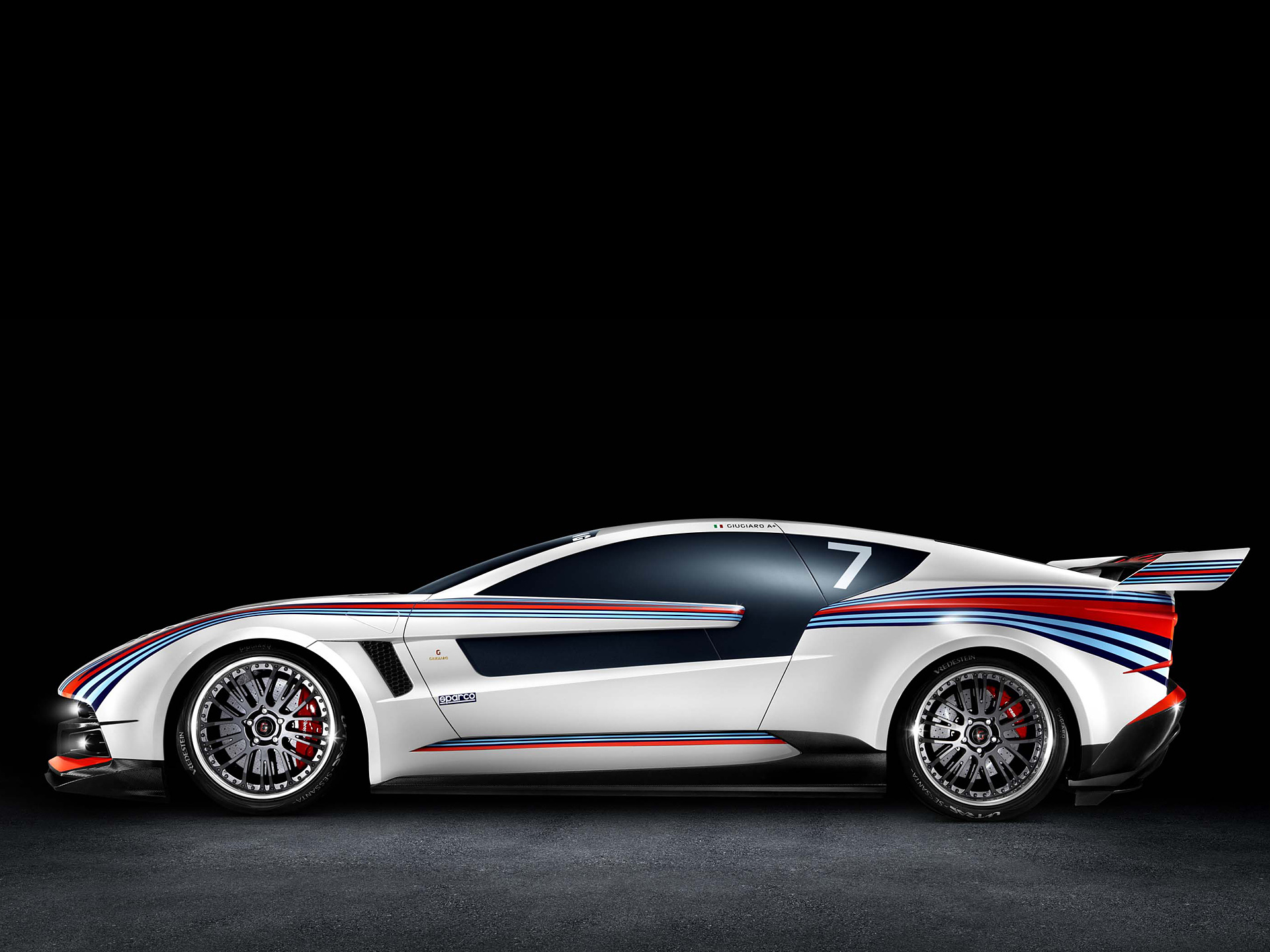
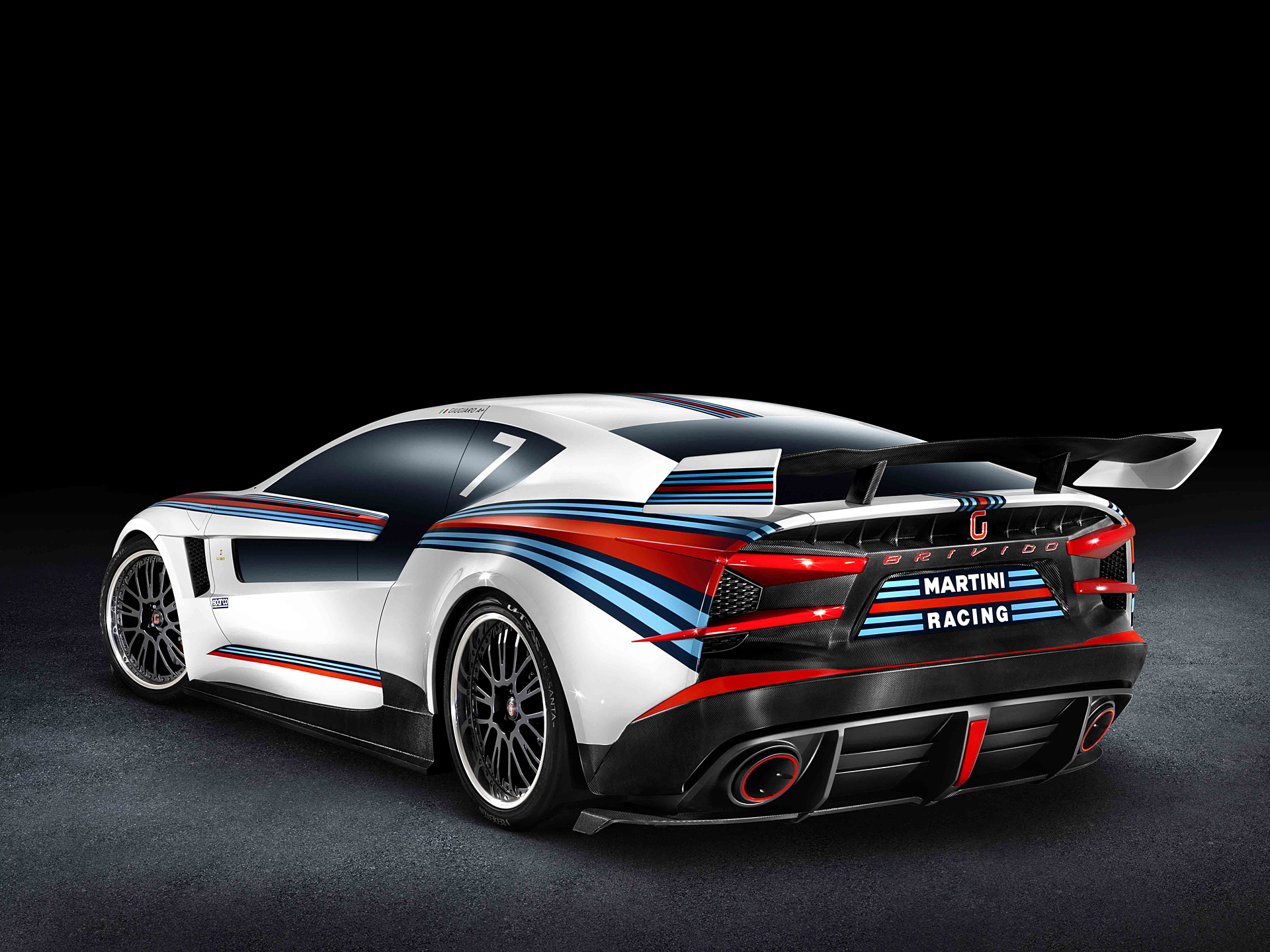
2012 Italdesign Brivido Martini Racing Wallpapers

We have curated the ultimate collection of the best 2012 Italdesign Brivido Martini Racing Wallpapers and HD backgrounds for you to enjoy. Our team focused on finding the top 2012 Italdesign Brivido Martini Racing Wallpapers only to keep the quality high. These 2012 Italdesign Brivido Martini Racing Wallpapers are free to download so go ahead. To download any of these pictures for use as a wallpaper, right click the picture and choose Save As …

Find more awesome Italdesign Wallpapers

2022 BMW M4 Convertible Joins the M Family

This is the new 2022 BMW M4 Competition Convertible with M xDrive, it is powered by a six-cylinder in-line engine with M TwinPower Turbo technology which has increased the output by 60hp over the former model. The vehicle is capable of generating a maximum output of 510hp and 650Nm of torque and the acceleration from 0-100km/h is achieved in 3.7 seconds.

The power of the vehicle is channeled through an eight-speed M Steptronic transmission with Drivelogic.

The new model breaks new ground for M cars as an open-top high-performance Sports car with all-wheel drive, the model features the Classic M formula of dynamism, agility and precision combined with usability as well as long-distance capabilities. The open-top feature enables the driver to experience unobstructed access to the sun, wind as well as the sound of the engine which ensures a performance experience.

The new Panel bow soft top can be opened or closed in 18 seconds even when the vehicle is moving. Additionally, the soft top is 40% lighter than the roof of the previous model and the boot capacity is 80 litres larger.

The exterior of the new M4 Convertible features a large, vertical BMW kidney grille in M-specific design, large air intakes for cooling the engine and brakes, M Side Gills and an exhaust system with two pairs of tailpipes joined with M specific diffuser. The exhaust system consists of electronically controlled flaps to ensure a rich soundtrack.

The interior features an ergonomically optimised cockpit with M specific display and controls, new M sport seats with optional ventilation system and Merino leather trim as standard. Bucket sports seats are also available as optional.

The M carbon exterior package together with the BMW M performance parts are available as options.

The M xDrive all-wheel-drive system as well as the Active M Differentials improve the traction, stability and dynamism of the vehicle. The company also offers a rear-biased setup and three modes i.e 4WD, 4WD Sport and 2WD for simple rear wheel drive with the stability control system deactivated.

The vehicle also features an adaptive M suspension with electronically controlled dampers, M Servotronic steering wheel with shifting ratios and M Compound Brakes all as standard. On the other hand, the M Carbon ceramic brakes are available as an option.

The vehicle has been set up with an M-specific control button that enables direct access to the engine, chassis, steering, braking system and M xDrive settings. The M mode button enables personalised configurations from the driver assistance system and the displays in the instrument cluster and Head-up display. Road and Sport driving modes are available as standard whereas Track mode is activated when M Drive Professional is selected.

The new model also features a wide selection of driver assistance systems including steering and lane control assistant, active navigation function and Emergency lane assistant. Parking and Reversing assistants are also available but optional.

In addition, three zone automatic climate control, ambient lighting, hi-fi sound system and the BMW Live Cockpit Professional system with digital display grouping, BMW maps and BMW Intelligent Personal Assistant are available as standard specification for the model.

An M Race Track package available as optional reduces the weight of the vehicle by 25kgs with features like M Carbon ceramic brakes, M light-alloy wheels and M carbon bucket seats.