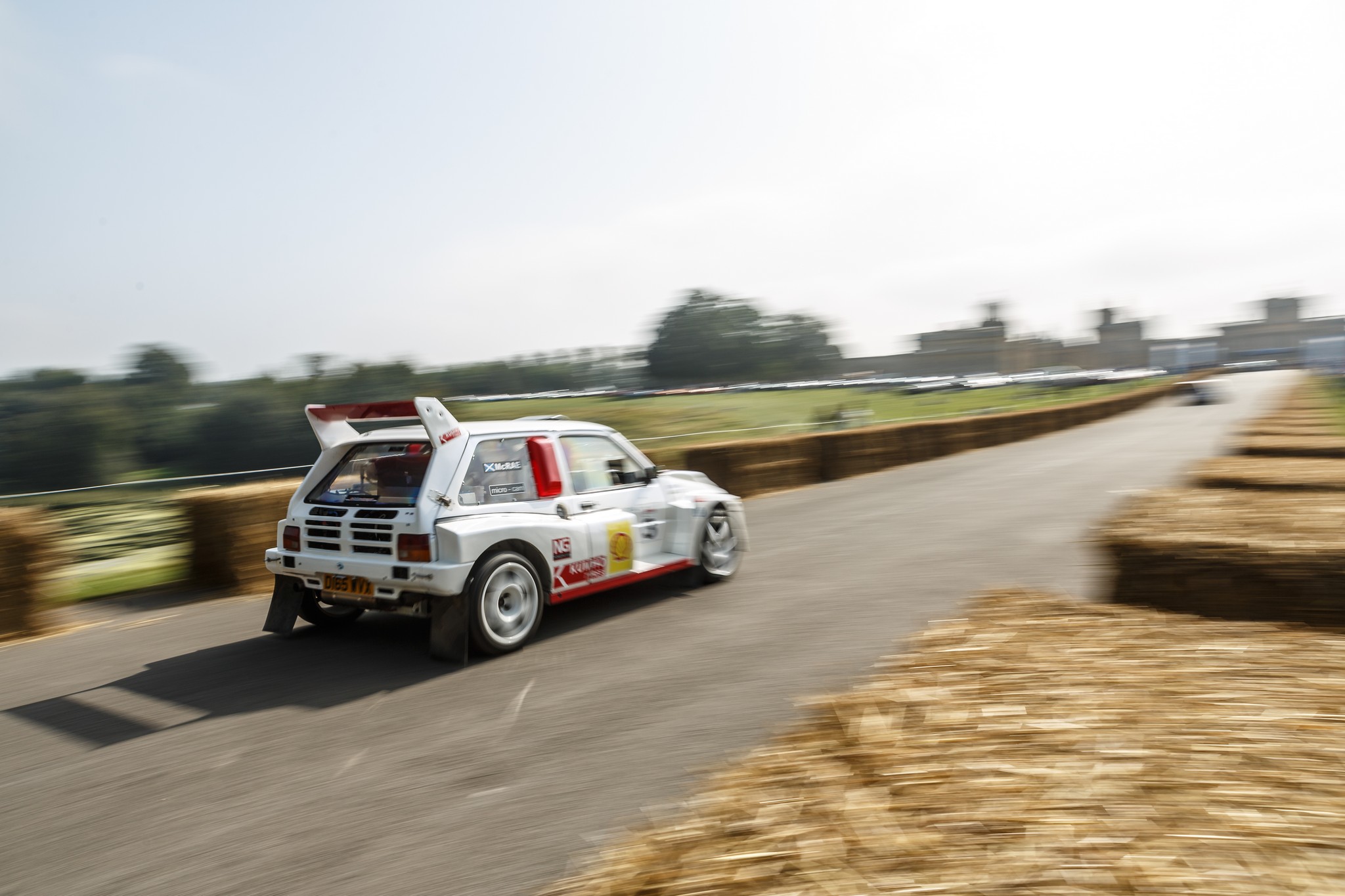
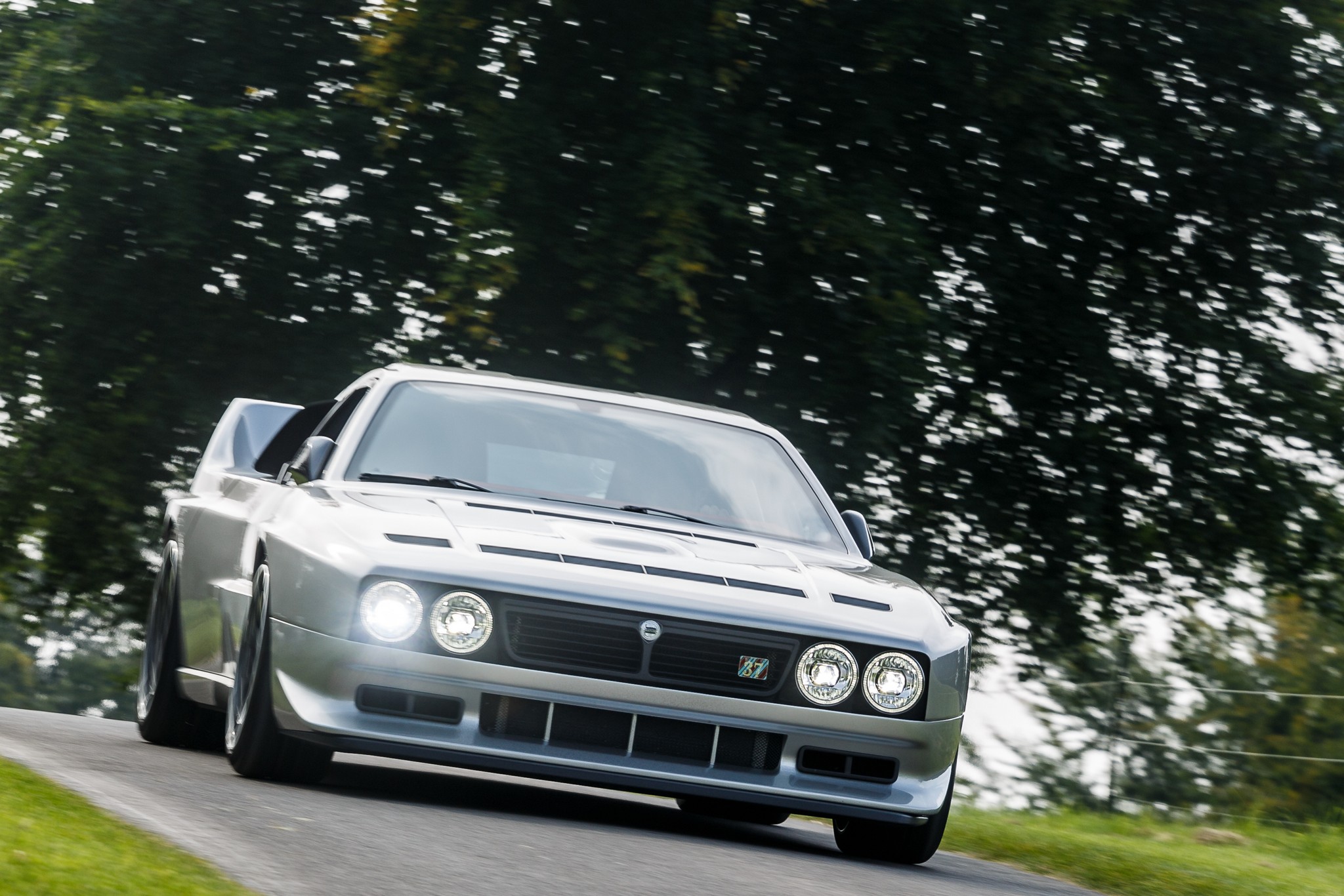
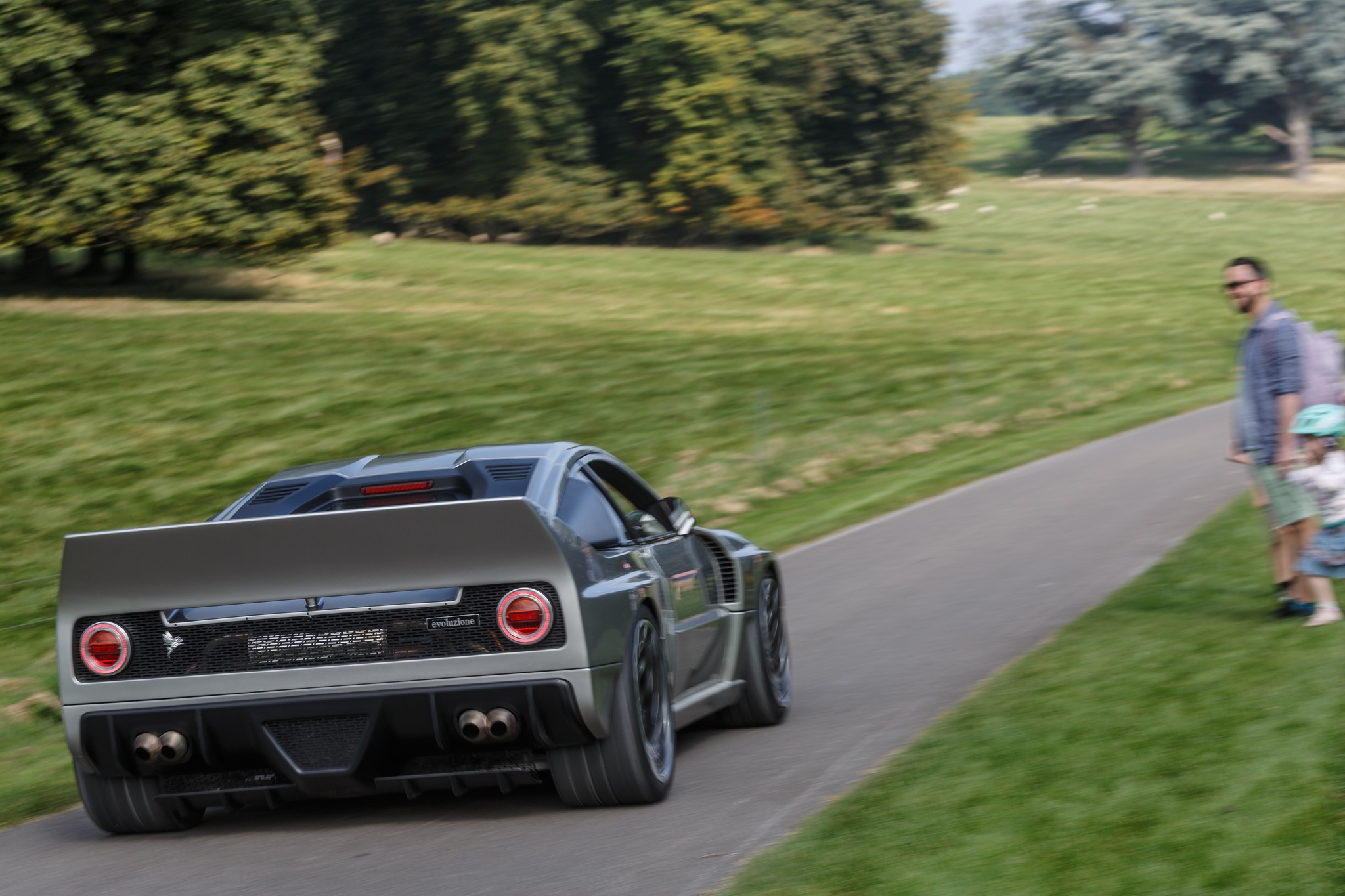
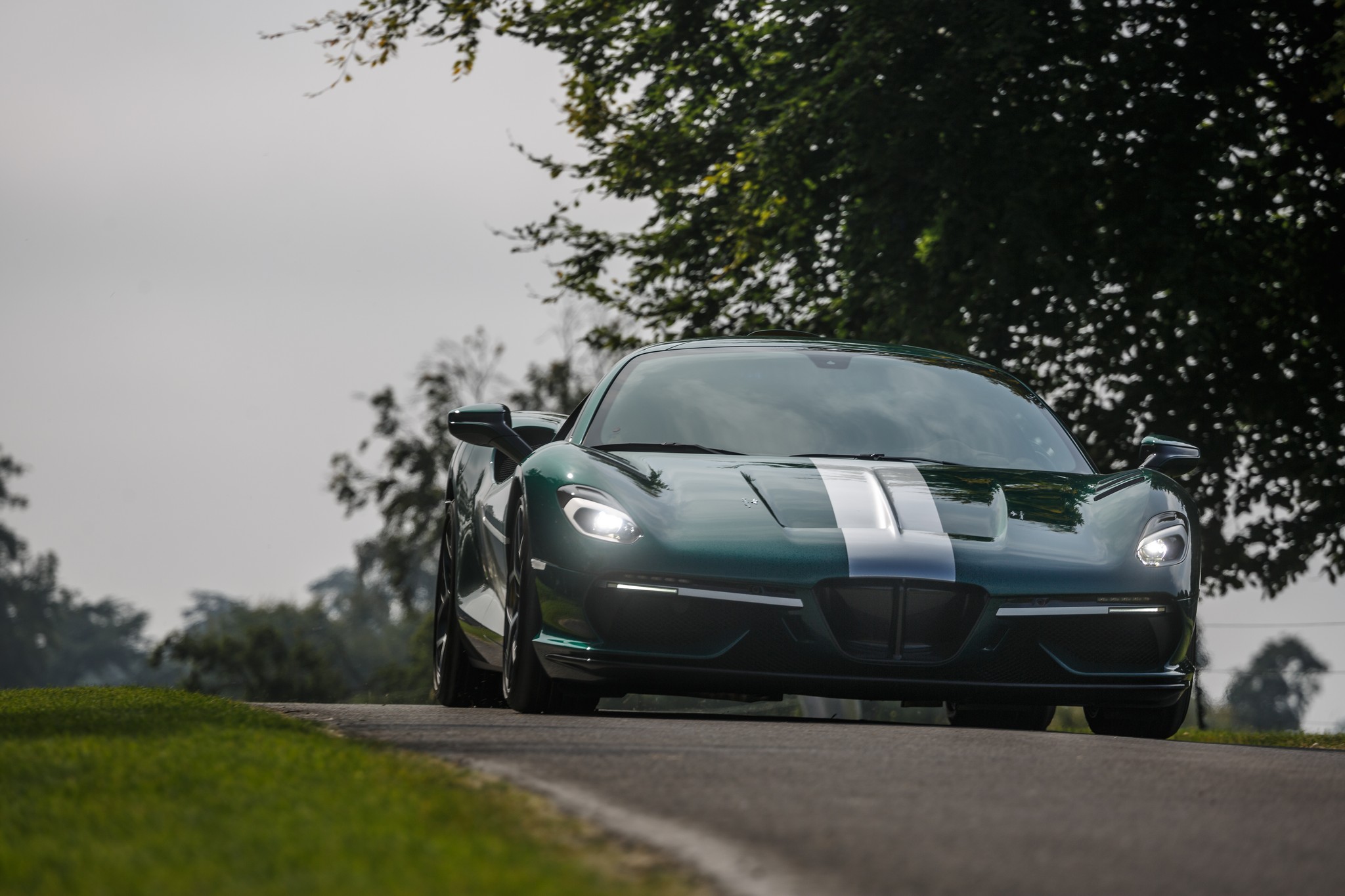
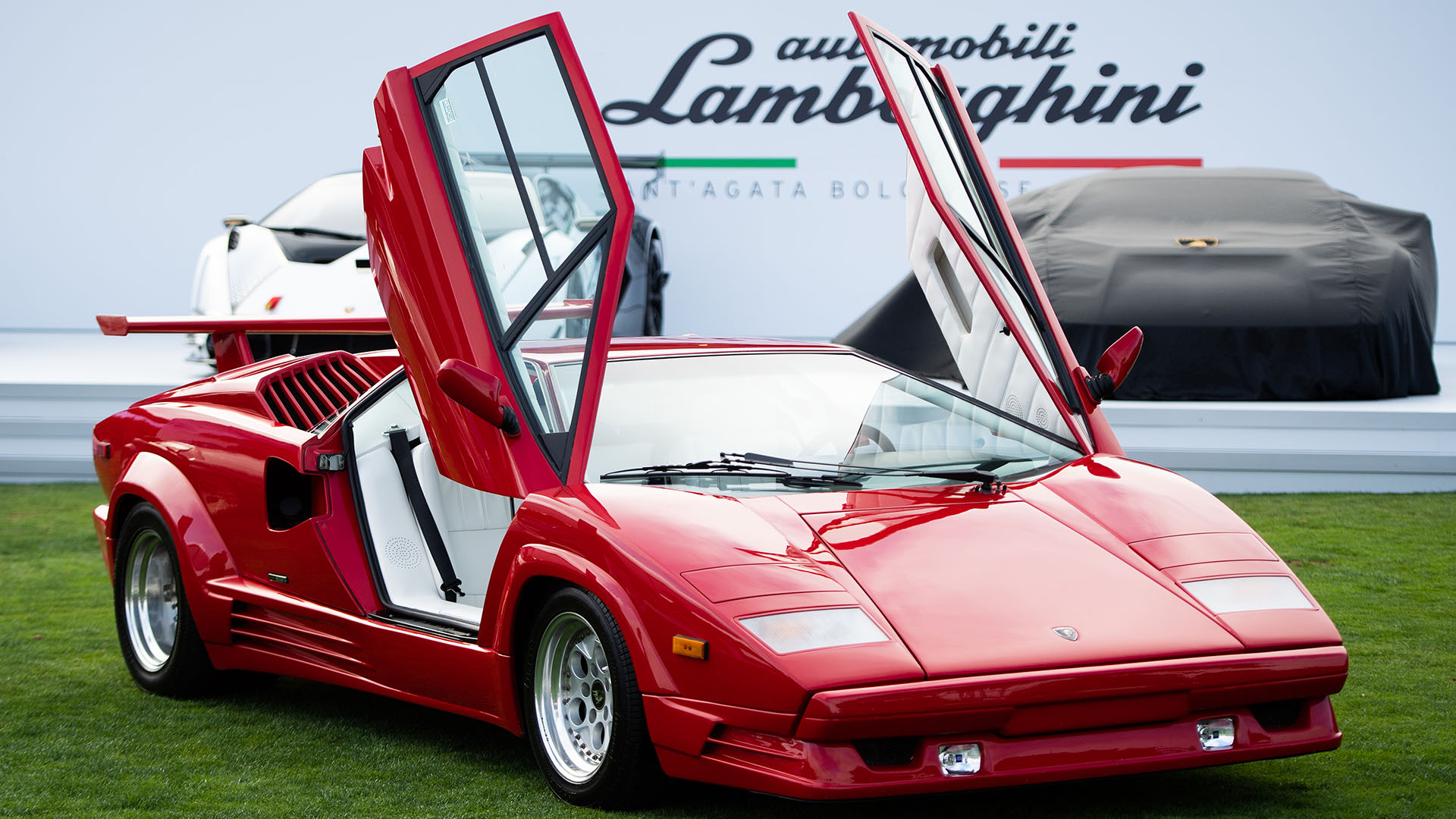
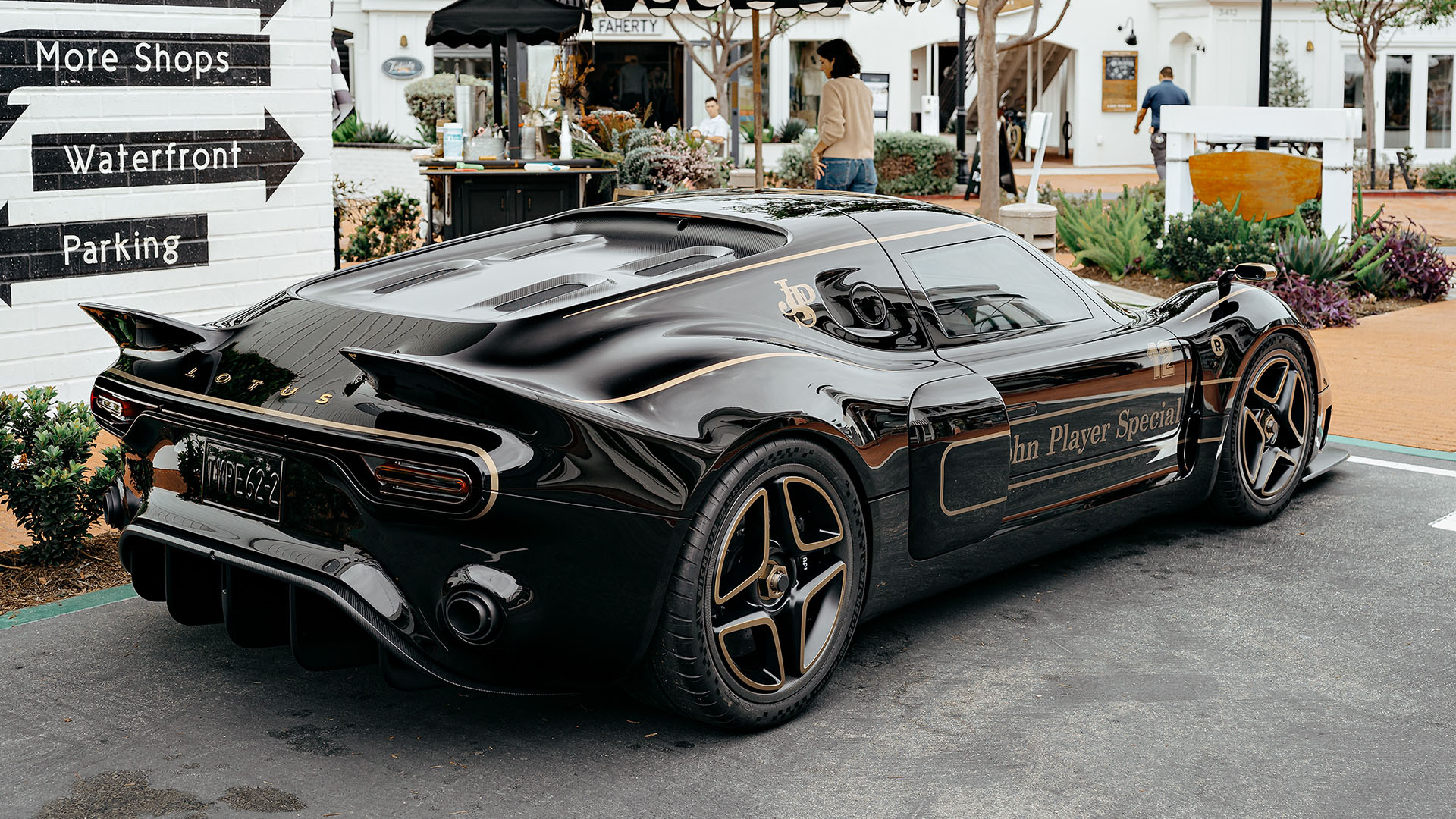
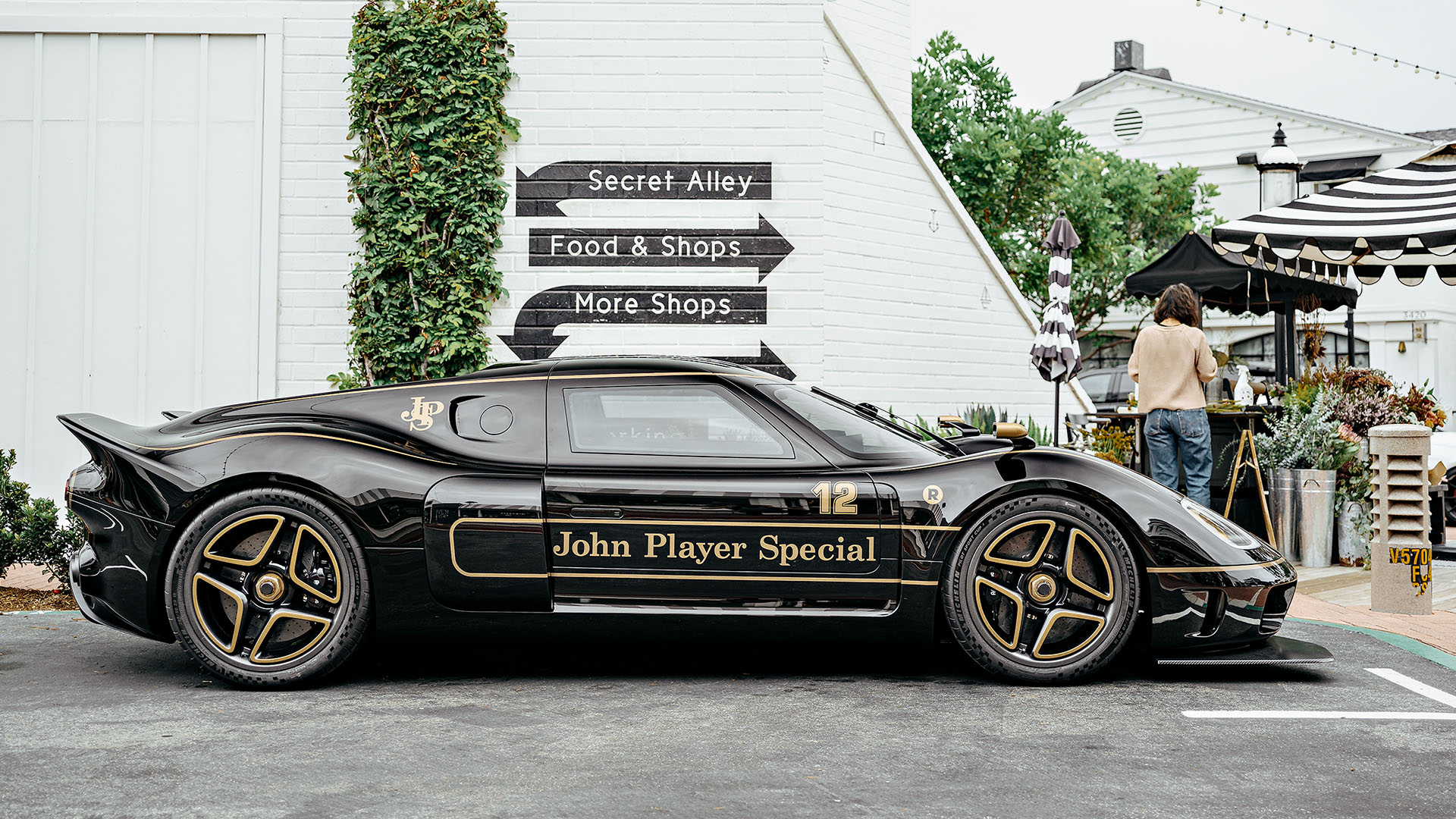
Lamborghini’sCountach revival at last month’s Monterey Car Week perhaps didn’t quite make the splash the company was hoping for. Many critics skewered the reskinned Sian as a retro cash grab, leaving Acura’s vague announcement of a new Integra at the same time to generate far more excitement on the interwebs. Now Lamborghini’s teasing the return of another Countach, but we think this one will face sunbstantially less ire.
Lamborghini posted a mysterious teaser to social media yesterday, but kept coy on what exactly it was. The teaser’s text merely said, “50 years ago it paved the road to the future. Now it’s back on the road,” accompanied by a roaring V12 soundtrack. No image of the car is actually shown, but we do get footage of craftsmen crafting a fantastic bucket seat that looks like the love child of Irving Harper and Ludwig Mies van der Rohe sofas.
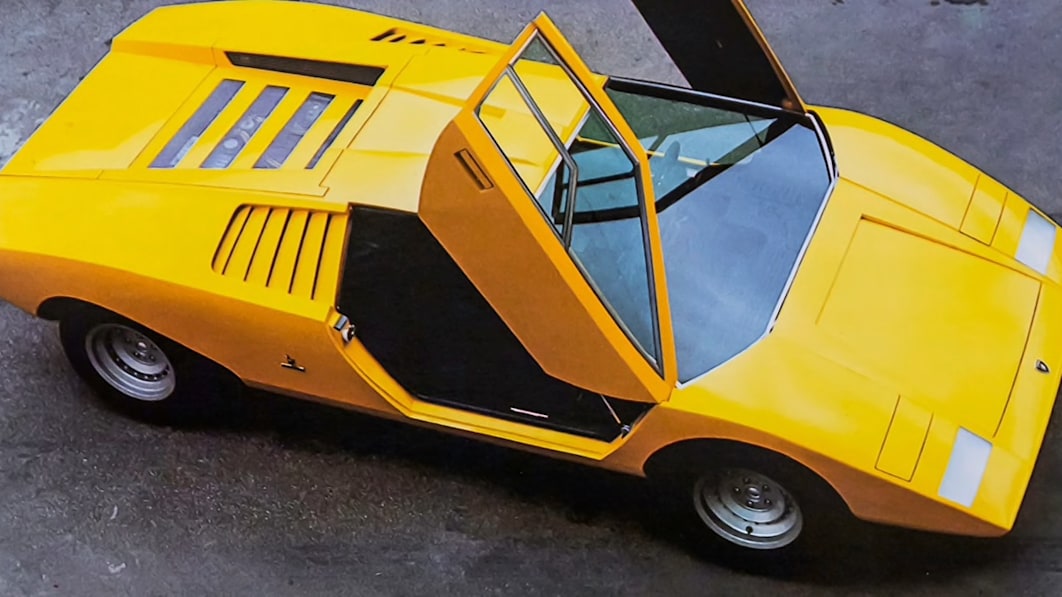
This is almost certainly a re-creation of the driver’s perch of the original Countach LP500 concept that debuted on March 11, 1971, at the Geneva Motor Show. The yellow Gandini wedge would go into production in 1974 and sear itself into the imaginations of adolescents around the globe.
However, this isn’t a straightforward restoration project from Lamborghini’s Polo Storico restoration center. After the show rounds, the Countach LP500 concept was used as a test mule, its 5.0-liter V12 reportedly destroyed and replaced with a four-liter closer to the production LP400’s. Ultimately, according to Lamborghini, the concept gave its life in a 1974 crash test in order to homologate the production car.
As the car was scrapped, it’s technically not possible to restore the original. So, is Lamborghini re-creating the Countach LP500 concept? That part remains to be seen, but whatever it is, it’ll likely be a better homage to the legend than the LPI800-4.
September 16, 2021 / Comments Off on Lamborghini teaser previews rebirth of original Countach LP500
There’s a new Nissan supercar coming, eventually. However, that’s about the only news that’s been confirmed at this point. Everything else is little more than speculation, bits and pieces of information gleaned off news reports, remarks by company executives and from the fact that surely, the R35 can’t remain in production forever.
The current-generation Nissan GT-R started out as a concept vehicle way back in 2001. Then the production of the R34 Skyline GT-R was coming to an end and Nissan were looking for a worthy replacement that could be made available in international markets.
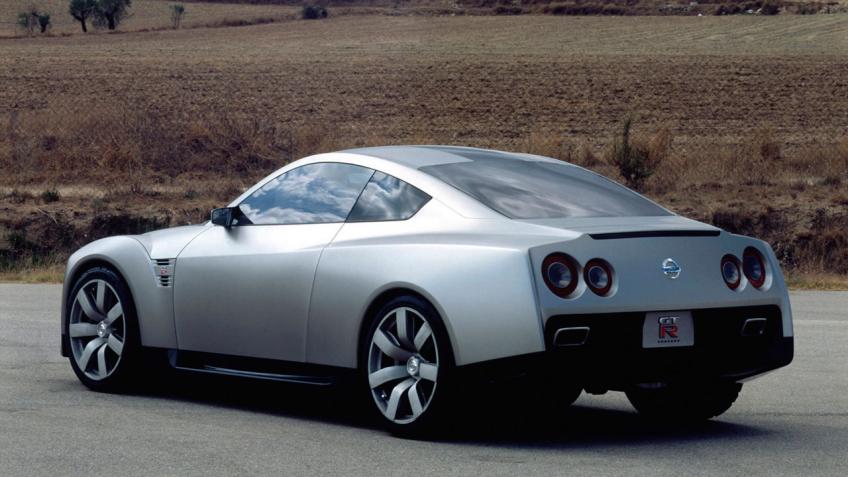
An enhancement of the 2001 concept, dubbed the GT-R Proto, was displayed at the 2005 Tokyo Auto Show before the production-ready GT-R was finally unveiled in 2007 at the same event. There was no denying the tsunami effect its launch had on the car community back then. Nissan dropped ‘Skyline’ from its name and positioned it as a standalone flagship model.
Image courtesy of Oliver Marriage, Auto Express
It became the first GT-R made available in other markets outside of Japan and it showcased the best of Japanese automotive brilliance to the rest of the world. Among other things, the car featured an independent transaxle 4WD system, the first one developed completely independently by Nissan, paired with a dual-clutch transmission, operated by paddle shifters.
Image courtesy of Motor Authority
Takumi & the GT-R
Then who can forget Takumi? A Japanese term that ordinarily refers to a master craftsman who has perfected his skill over several years of hard work and dedication at the highest levels.
At Nissan’s Yokohama plant, the Takumi is a designation shared by 4 individuals of almost mythical status – the engineers who bear the enormous responsibility of handcrafting every Nissan GT-R engine, making sure that all the individual components work together in complete harmony. These men possess more than a century’s worth of experience between them and together, they are able to create a mechanical masterpiece that powers every GT-R.
Power, Torque, & More… For Days
The first Nissan GT-R was fitted with a hand-built 3.8-litre twin-turbo V6 engine that generated 480-hp at 6,400 rpm and 430 lb-ft of torque from 3,200 rpm to 5,200 rpm. It is essentially the same power plant in today’s GT-Rs but continuous tweaks and enhancements have boosted that power output to a thumping 565-hp and 467 lb-ft of torque.
That power output, complemented by Nissan’s incredible Advanced Total Traction Engineering System for All-Terrain (ATTESA), made for some truly impressive performances, especially when it came to speed and acceleration.
For example, the 2007 GT-R could rocket off the line and hit 60 mph in as little as 3.2 seconds before going on to complete the quarter mile run 8.4 seconds later at 120 mph.
It was potent enough to take down more established rivals like the Ferrari California, 2009 Porsche 911 Carrera and even the 2009 Gallardo LP560-4; cars that were significantly more expensive than the $69,000 GT-R. It was not long before people started referring to the GT-R as ‘Supercar killer’ or the more ominous-sounding one – Godzilla. It’s a nickname that’s stuck to this day.
How is the Nissan GT-R Faring Now?
The Nissan GT-R is now in its 14th year and the Japanese carmaker, to its credit, has made constant improvements to the car, mostly under the skin to create an even more formidable supercar.
The latest iteration of the car can hit 60 mph in just 2.7 seconds and fly past the quarter mile marker in 10.9 seconds at 128 mph. These are still impressive numbers but there’s no denying that the once imperious GT-R is rapidly losing its mojo. It is becoming much harder to justify its hefty price tag too that can reach north of $200,000 depending on the model trim and specifications.
Image courtesy of Nissan
Available market data lends further credence to this statement. Being a supercar, volume production was never a priority but even then, GT-R sales numbers have not been particularly encouraging, especially in recent years.
The Nissan GT-R first hit the American market in 2008 and in that year, a record high 1,730 units were sold. The second peak came in 2014 when 1, 436 units of the car found new owners. However, that number has steadily trended downward since then.
In 2020, only 301 GT-Rs were sold. The story is not much different in Europe where numbers have mimicked the downward slope of GT-R sales in America.
To be fair, Nissan have tried their hardest to keep the GT-R alive and kicking. The supercar’s performance has been offered in several packages that include the base model and variants like the Track Edition, Black Edition and of course, there’s the NISMO GT-R and the NISMO GT-R N Attack.
Then, you have the limited edition specs like the Midnight Opal Edition, 45th Anniversary Edition and the GT-R Naomi Osaka Edition, of which 50 units were planned to celebrate the brand’s partnership with the Tennis star.
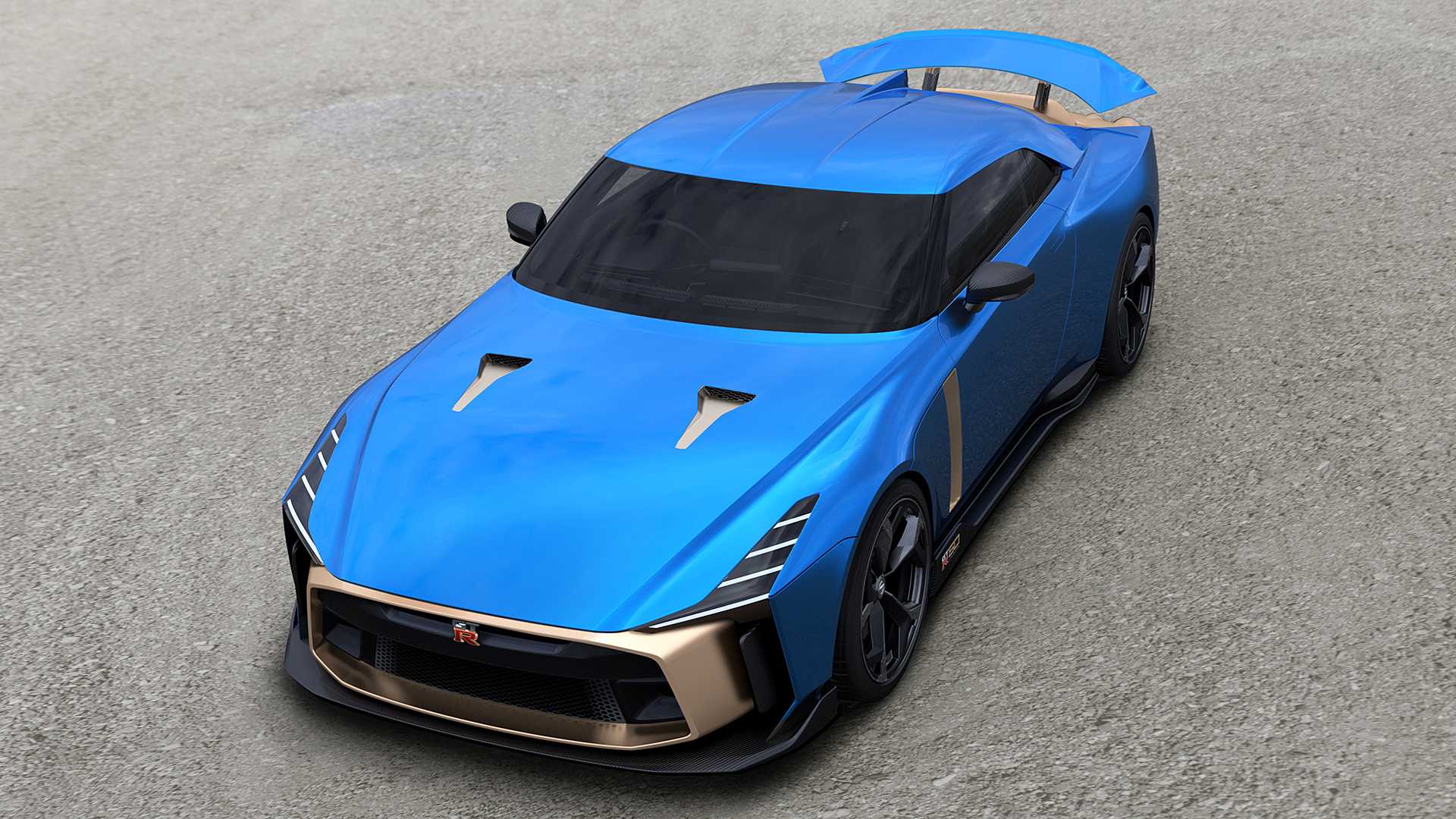
To top it all off, there’s the exclusive GT-R 50, designed in partnership with renowned coachbuilder, ItalDesign, to celebrate the nameplate’s 50th anniversary. A total of 50 units will be produced, with each one priced at a cool $1.1 million.
Image courtesy of Nissan
Apart from the Nissan GT-R 50 by ItalDesign, very little has changed with regards to the GT-R’s external design and it is an area where the carmaker has, deservedly so, received some knocks.
The interior has also been criticized for its liberal use of cheap-looking plastic. Initially, it was not that big a deal when the car cost less than $70,000, especially with the level of performance offered. However, the complaints started to mount as the price increased steadily over the years and the interior layout remained stuck in the ‘dark ages’.
Overall, it’s gotten to the point where it almost looks like the same car is being offered year after year no matter how much Nissan tries to ‘differentiate’ each new release. The market can be quite unforgiving and the legend of the almighty GT-R risks being ridiculed if Nissan doesn’t not step up its game with a complete redesign or replacement.
What’s Next for the GT-R?
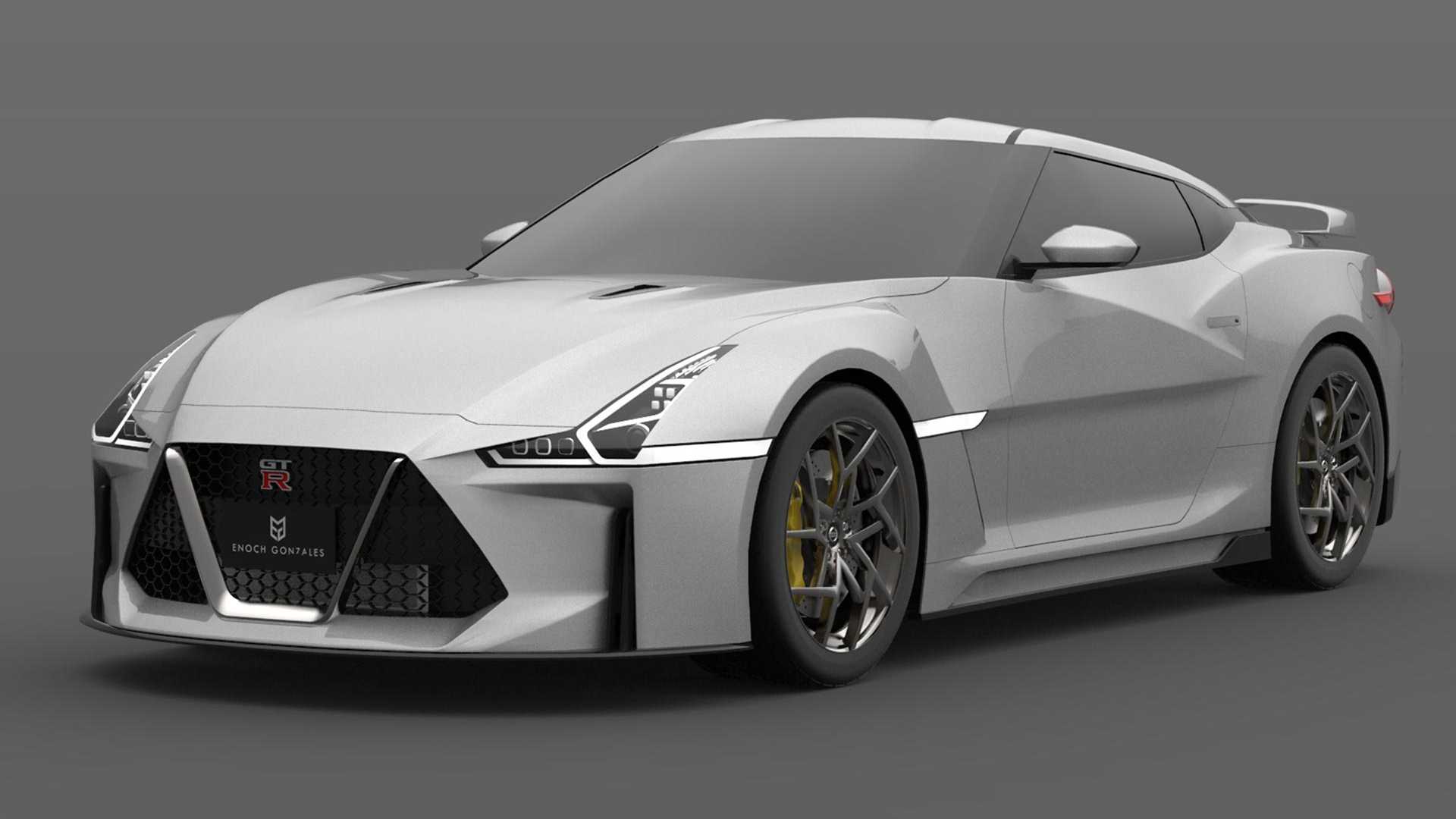
As mentioned at the beginning of this piece, it does looks like the ‘big change’ is indeed coming and all hope may not be lost yet for the GT-R. Various automotive news sources from Japan have confirmed that there will be a new Nissan supercar but there’s little to indicate that a firm decision has been made by the company executives regarding exactly how to approach its development.
Image courtesy of Enoch Gabriel Gonzales
Earlier this year, Top Gear reached out to Philip Klein, Nissan’s product planning executive, to ask about the next-generation R36 GT-R. He confirmed that a new GT-R was indeed in the works but also added, ‘yes, you guys have to be patient because we will meet your expectations.’
How patient? You might wonder. Well, I’m afraid you’ll have to be in for the long haul. In May 2020, Nissan produced a promo video that detailed the future of the company’s product lineup and the GT-R was noticeably absent. That indicates that a new GT-R could still be up to 3 years out, and that’s me being quite the optimist.
There are quite a few issues that need to be addressed by the carmaker even as it mulls over a possible path for its next-gen supercar. Emission regulations are stricter than ever and this, coupled with the recent shift towards electrification in the automobile industry does pose an interesting question. Will the new Nissan GT-R be all-electric or will there be some sort of hybrid powertrain? These options are again challenging prospects as going this route will no doubt add extra bulk in the form of batteries and electric motors, to a supercar that’s no lightweight in the first place.
The Issue of Cost
In September 2020, Ivan Espinosa, senior vice president in charge of global product planning had an interview at Nissan’s Japan Headquarters. He was worried about the implications of deploying an electrified drivetrain for the GT-R.
According to him, ‘The GT-R is a supercar, but at the same time it’s a supercar that’s attainable and that’s accessible to many people.’ That statement about affordability may raise some eyebrows especially when you look at how the prices of GT-Rs have been trending upwards over the years.
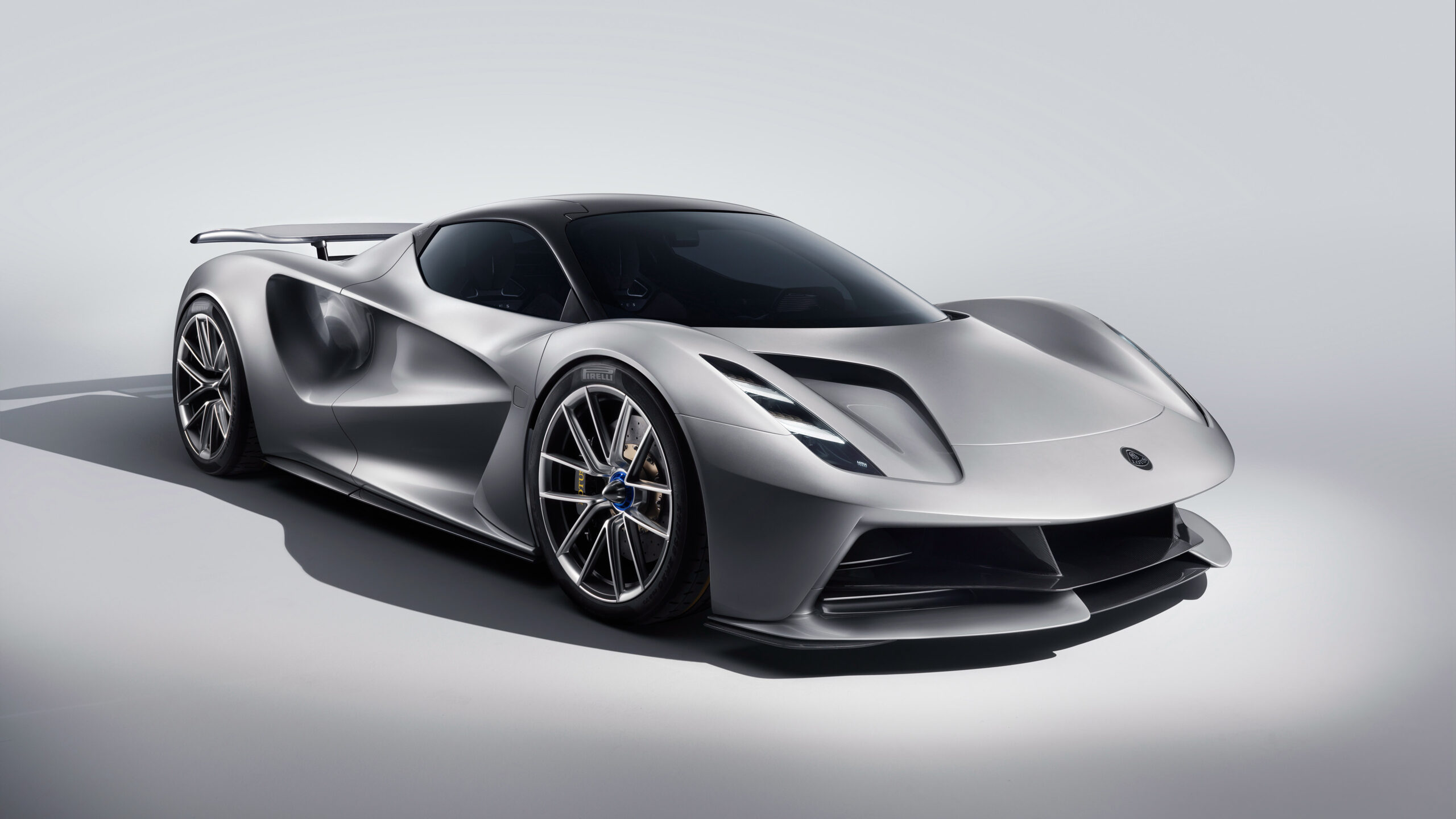
However, he does make a good point regardless. Just look at the insane price tags of all-electric supercars like the Rimac Nevera, Lotus Evija and the Pininfarina Battista. It’s doubtful that the company would find many customers willing to pay anything that’s even remotely close to the prices of these cars, for a new GT-R.
The financial position of the carmaker is also another valid consideration here, one that could very well influence the timeline of a new Nissan supercar. Nissan is going through some really challenging times.
For the 2020 fiscal year, the company reported an astounding loss of 448.7 billion yen ($4.09 billion) and free cash flow of negative 391 billion yen ($3.56 billion). The ongoing COVID-19 pandemic and global chip shortage is most likely not going to make 2021 financial figures any more pleasant to read. There is the very real possibility that Nissan may just be too financially strained to invest significantly in the development of a new GT-R, at least for the foreseeable future.
My Two Cents…
Image courtesy of Nissan
Whichever way you look at it, the journey ahead for the upcoming GT-R is filled with potholes that the carmaker will need to carefully navigate. The current-gen GT-R has run its course and is long overdue for a change. However, all the signs point to the fact that Nissan is not quite ready, or financially capable, to let go of the current-generation GT-R.
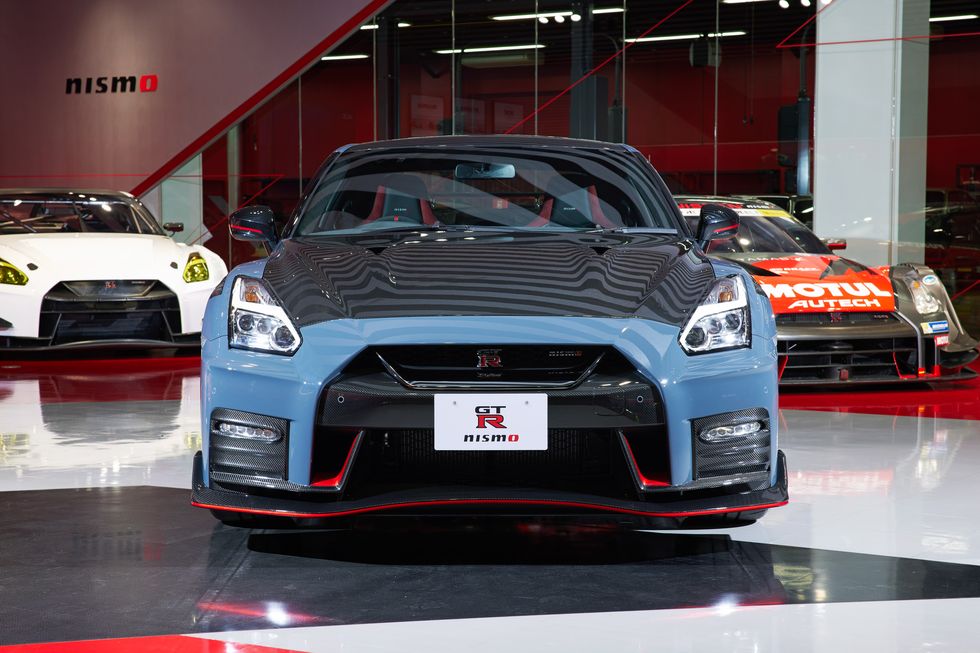
As I write this, plans have already been completed to unveil yet another iteration of the supercar – the 2022 GT-R NISMO Special Edition in October 2021 in Japan. It will follow the same formula as all the other variants before it; a few extra horsepower, some mechanical tweaks beneath the skin, the same external appearance and dreary interior.
It’s almost depressing. At this point, one can only hope the company recovers soon enough from its travails and delivers on a completely new, next-gen GT-R, sooner than later, both for the company’s sake and for people like us that still have a strong fondness for the fabled Japanese supercar.
September 16, 2021 / Comments Off on Is Nissan Going to Finally Stop Milking the Current GT-R?
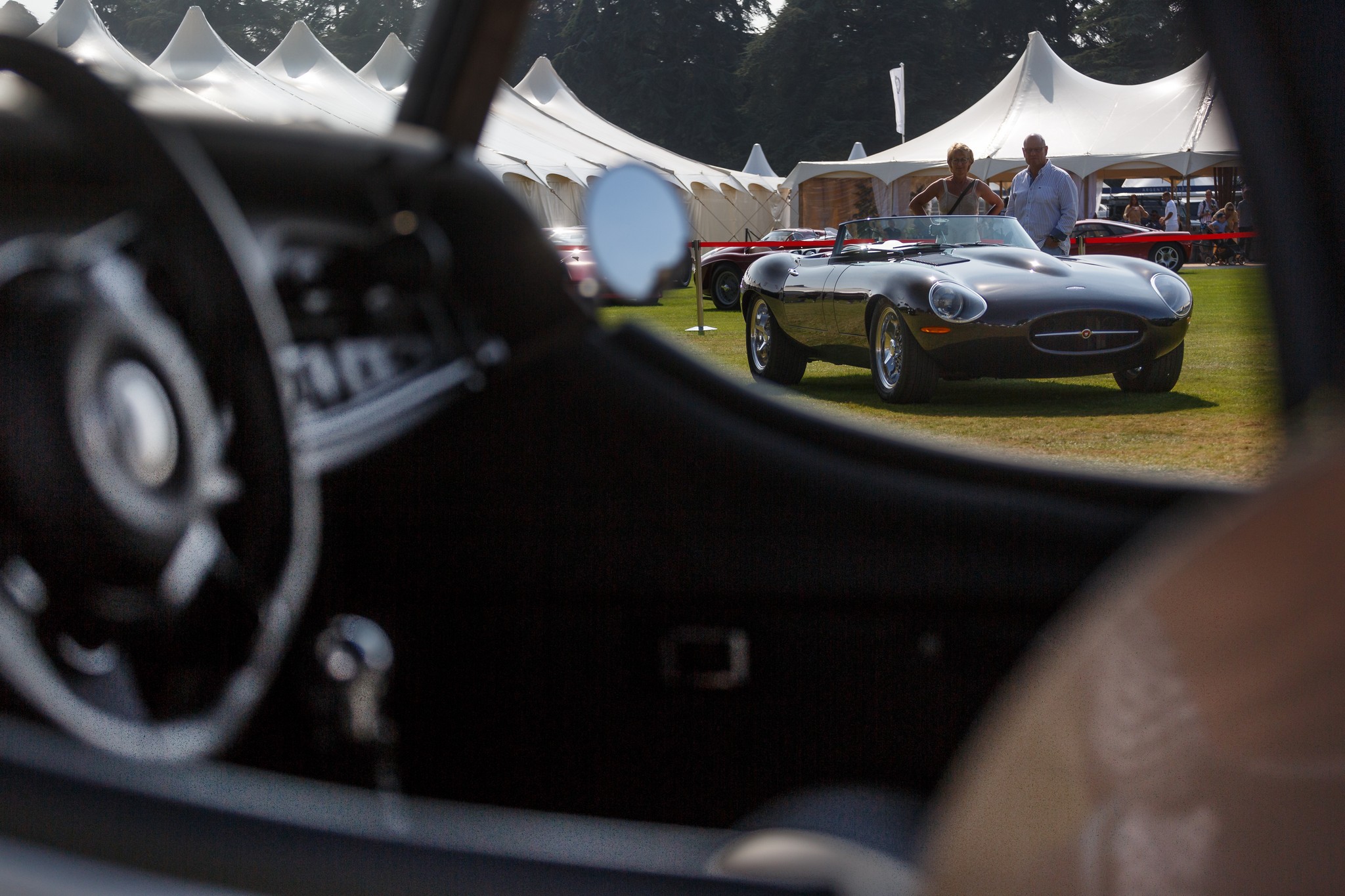
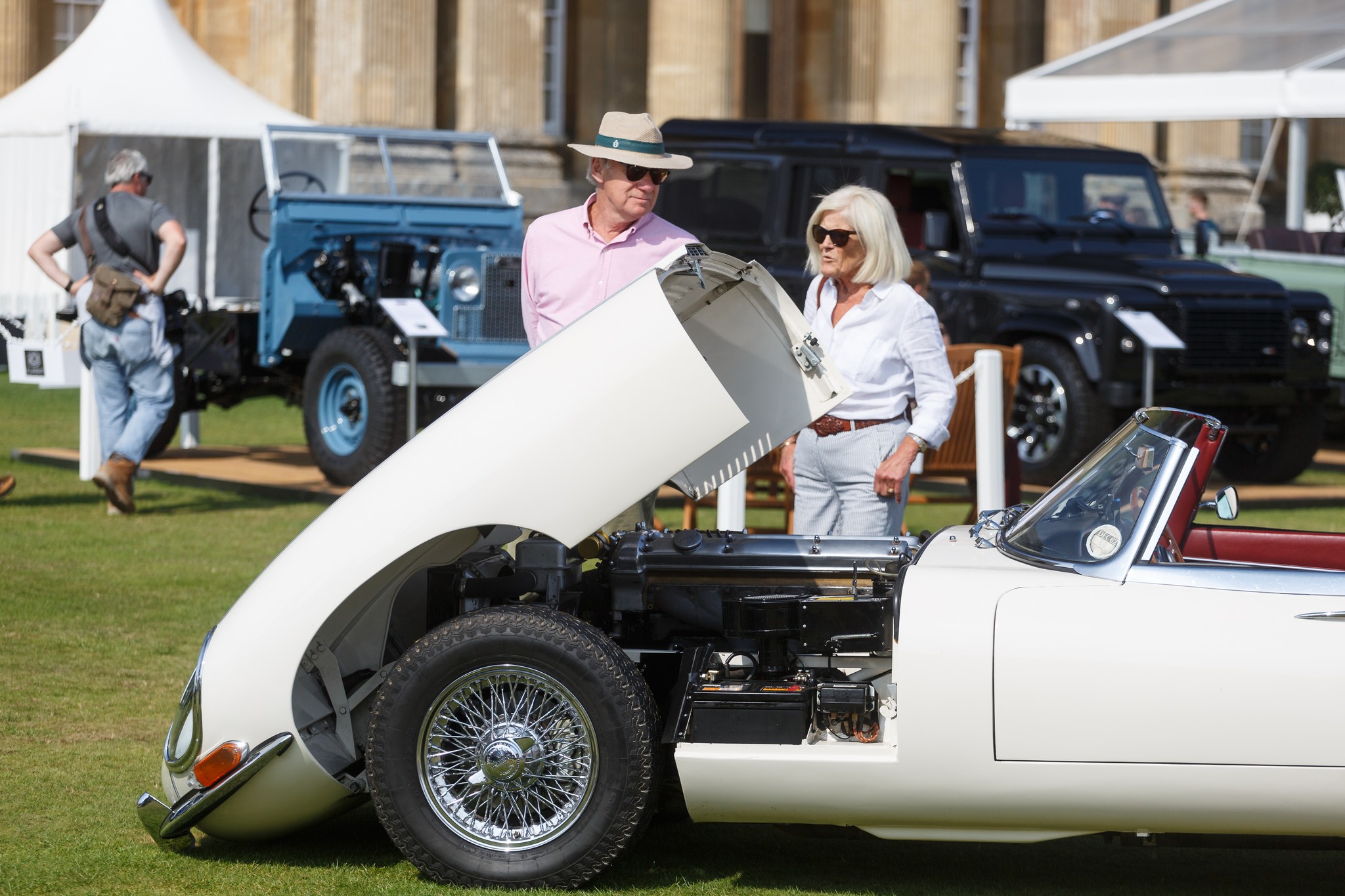
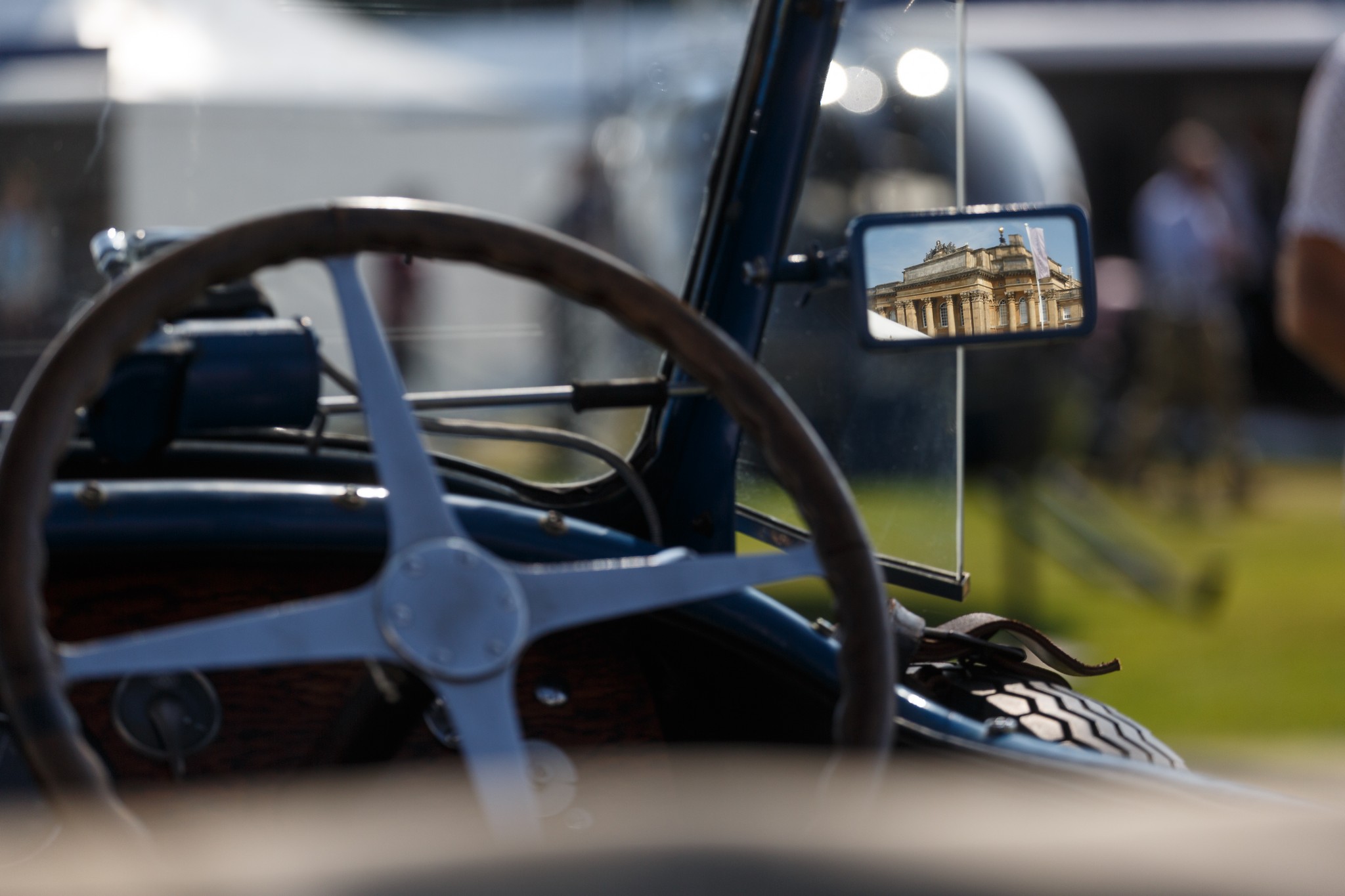
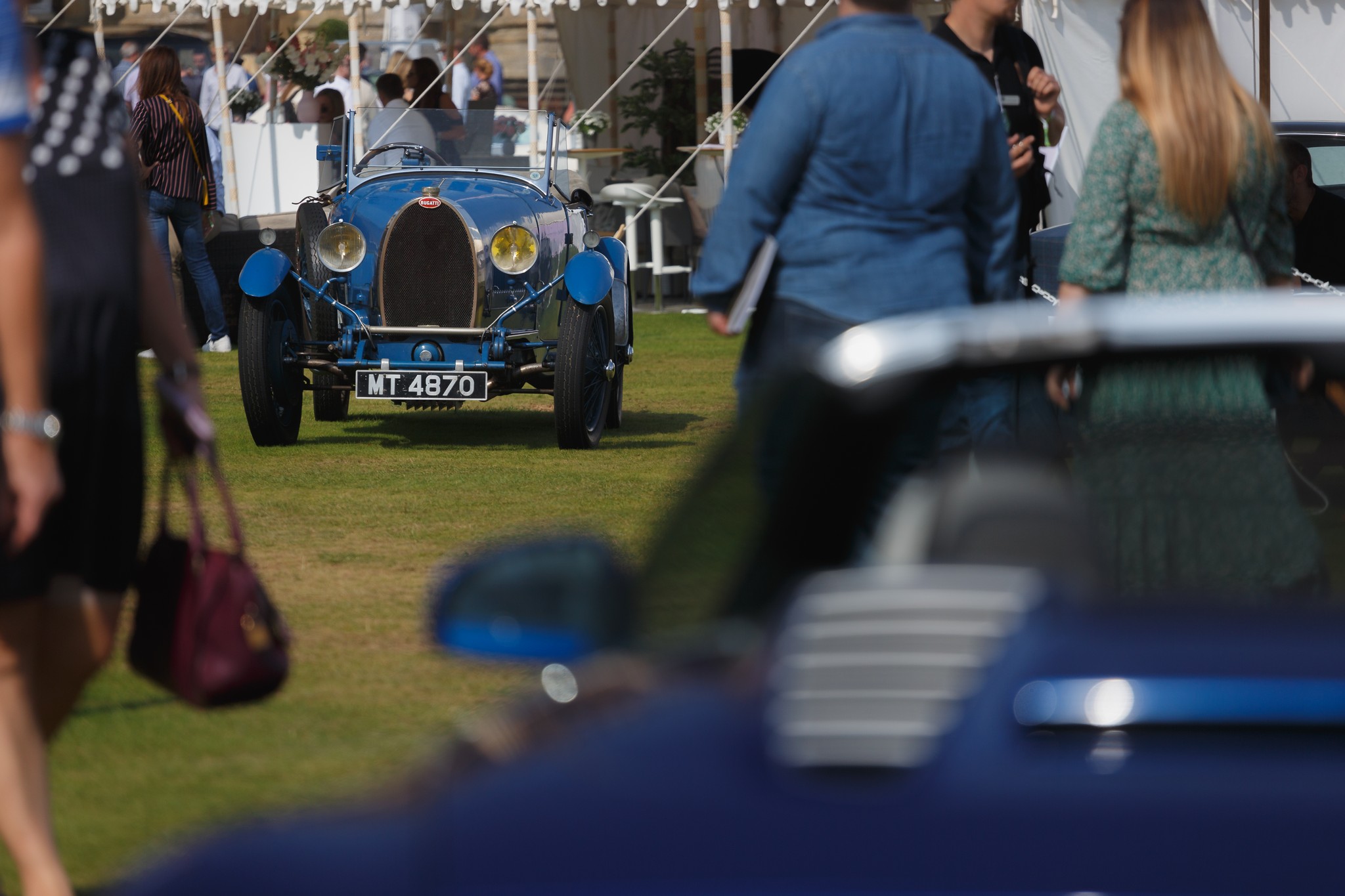
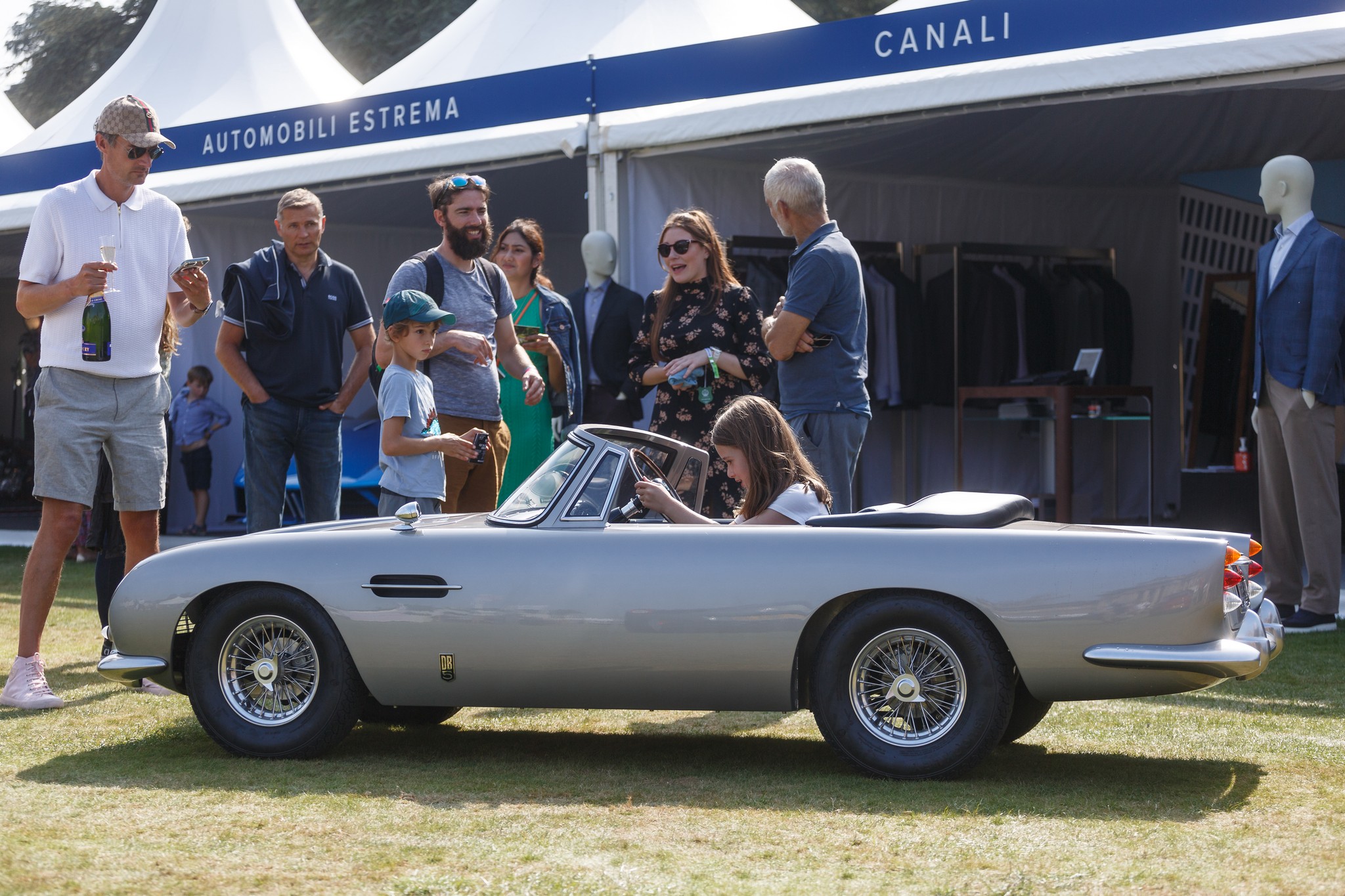
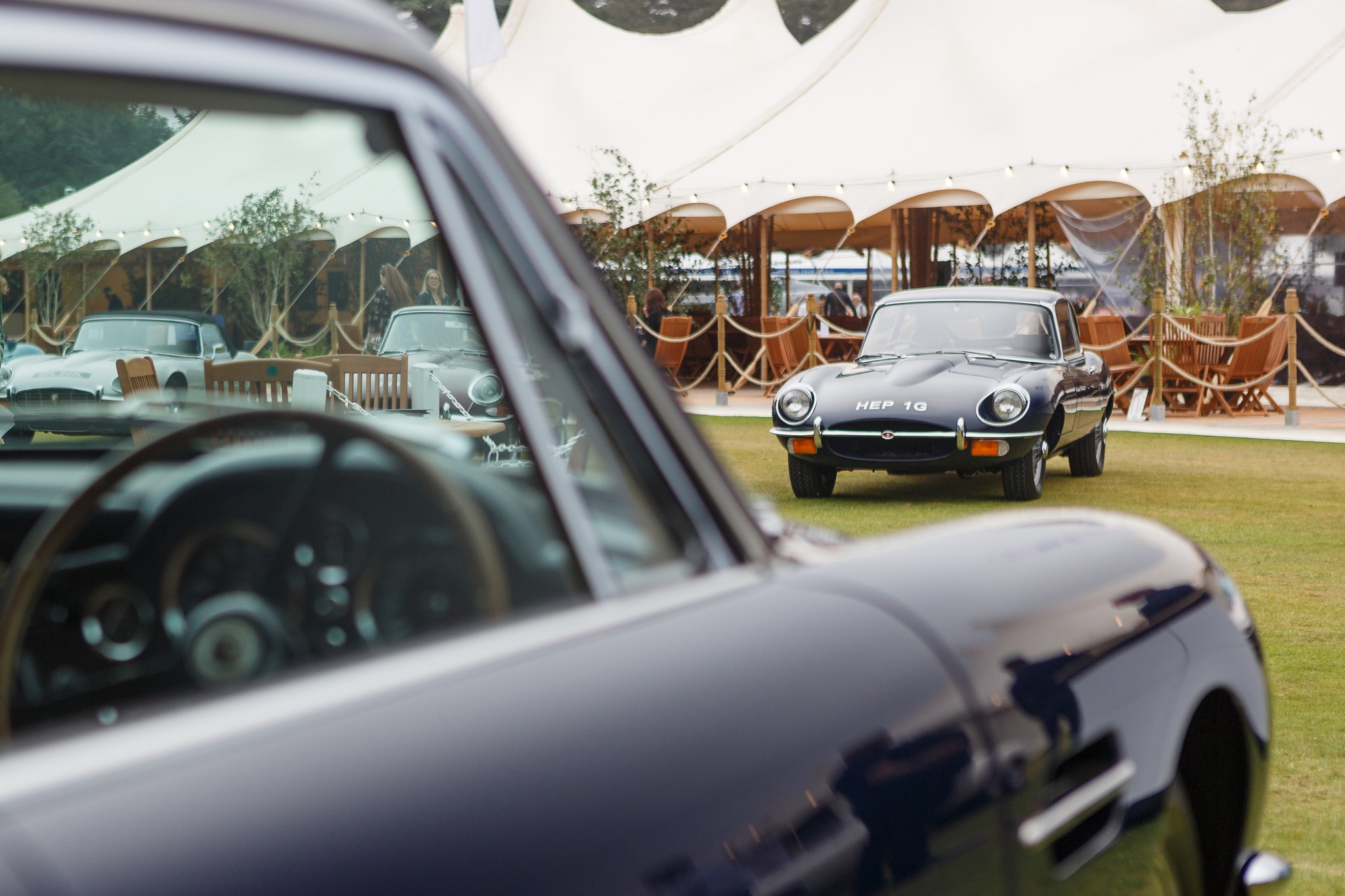
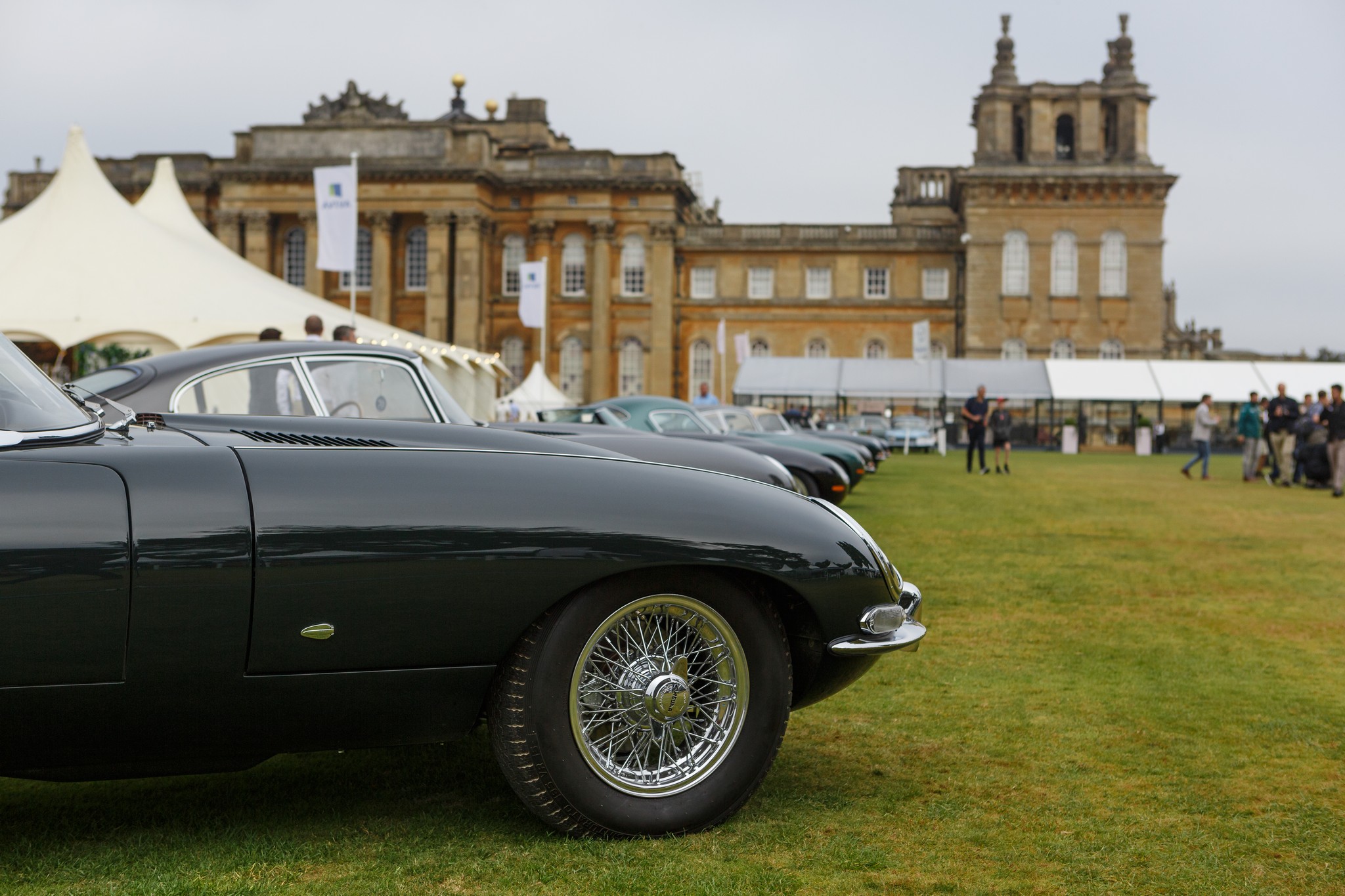
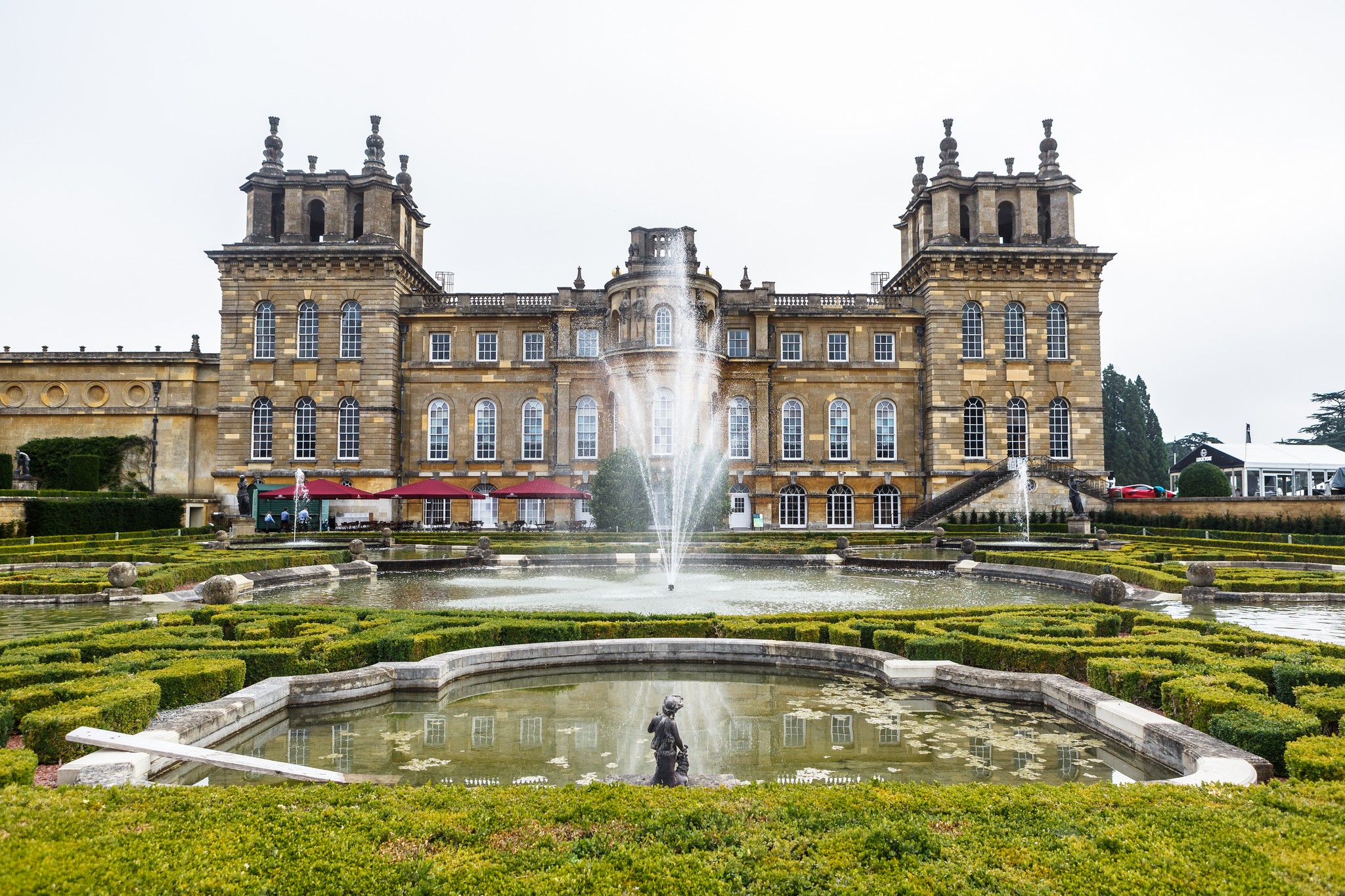
The 16th running of Salon Privé, one of the most notable and stylish Concours, saw automotive royalty once again descend on the ornamental gardens of Blenheim Palace, reinforcing its claim to be one of the most prestigious events in Europe.
A UNESCO World Heritage Site, Blenheim Palace is the only non-royal Palace in the UK, built in the early 18th Century during the English Baroque period. Over its 300 years, it has been inextricably linked with English history and now lies under the ownership of His Grace, the 12th Duke of Marlborough.
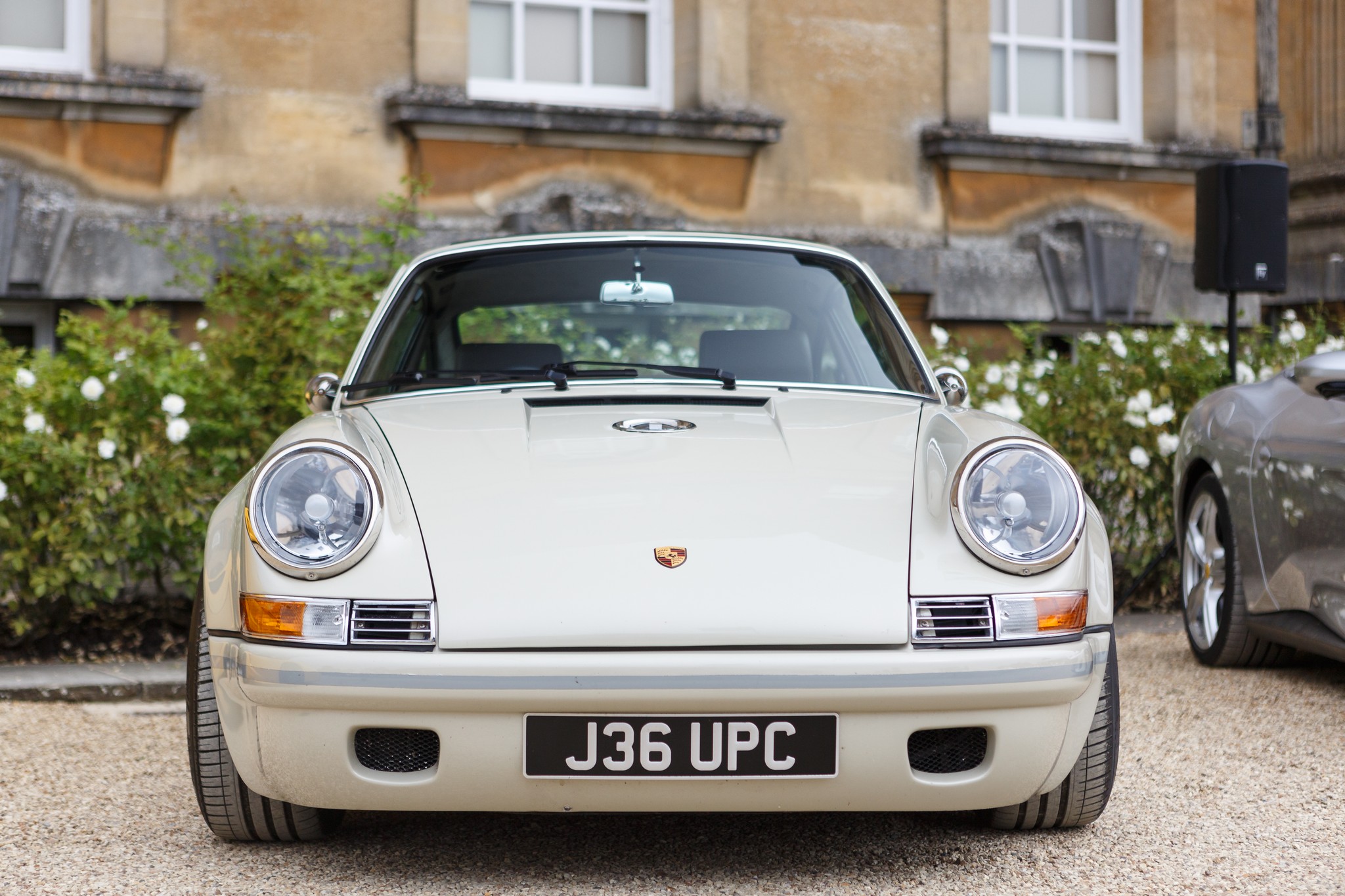
Salon Privé Concours d’Elégance has continued to gather momentum and recognition over its previous editions. Highly regarded, it has firmly established itself as one of the most prestigious events on the UK calendar, attracting year on year an incredible and exquisite collection of motorcars representing the most delectable designs and reflections on motoring heritage.
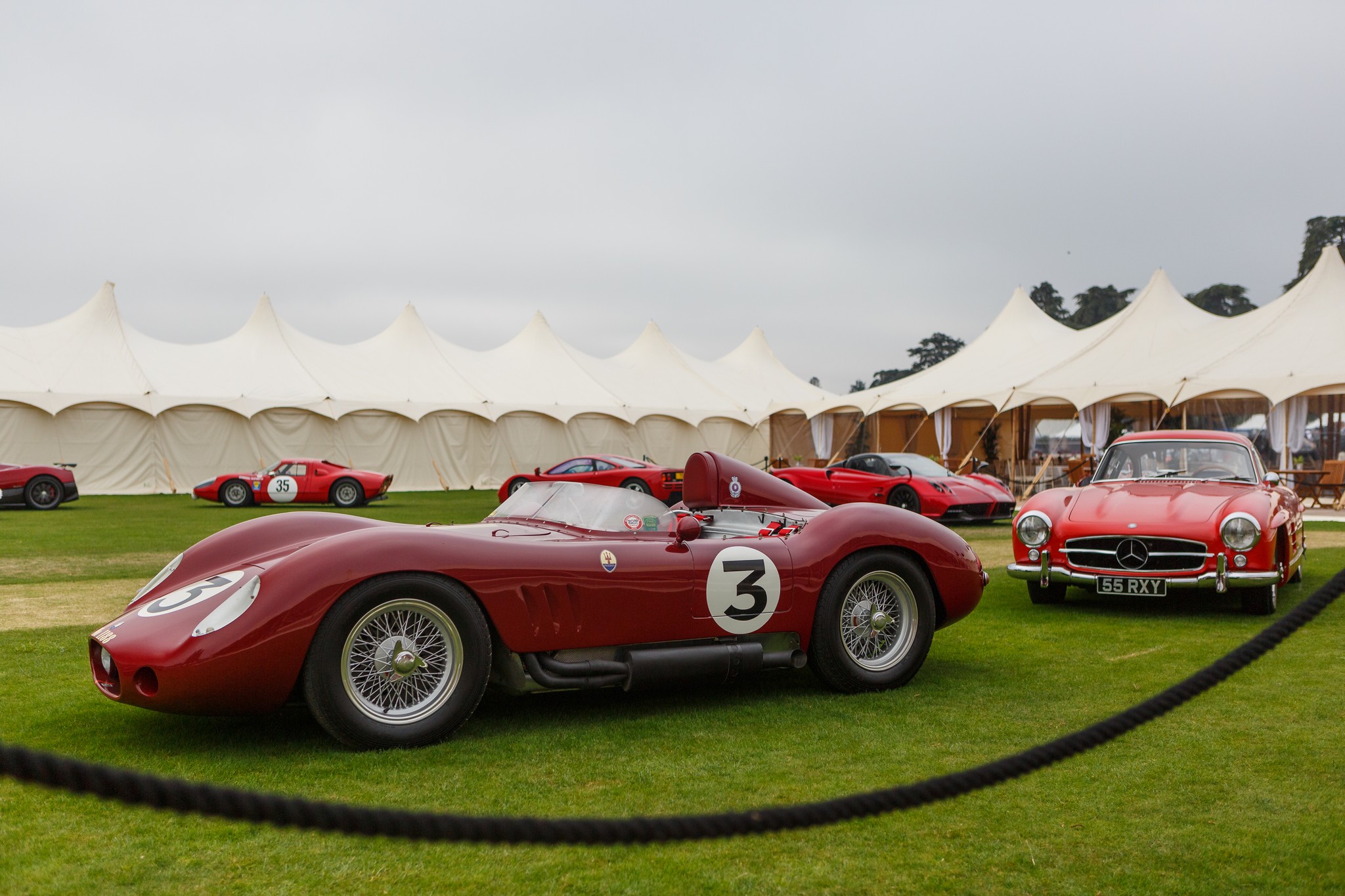
This year indeed was no exception, with the influential Concours d’Elégance attracting a phenomenal array, along with the centrepiece “Red Collection” – an exclusive curated collection of some of the most iconic and highly sought after cars in the world.
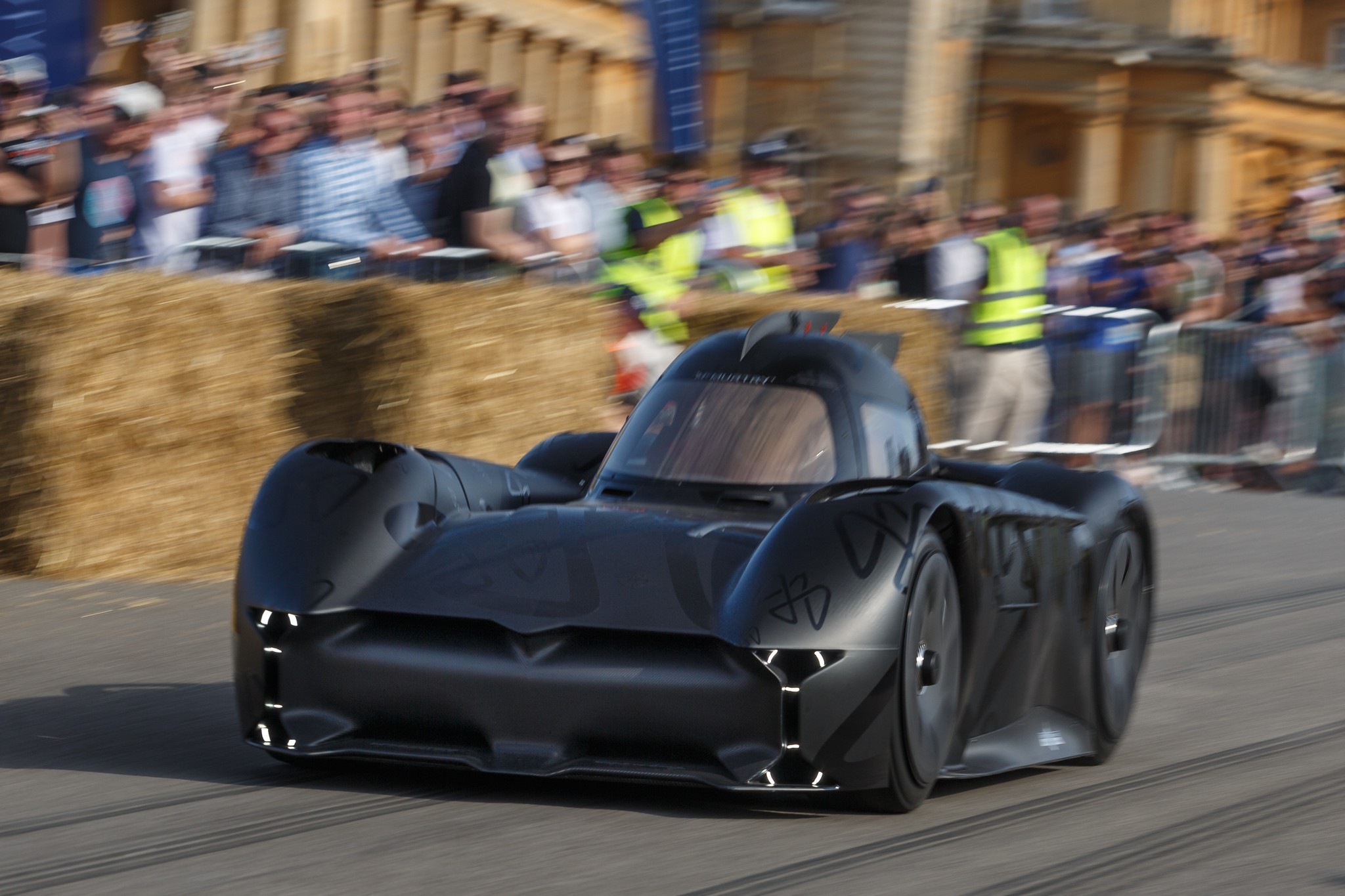
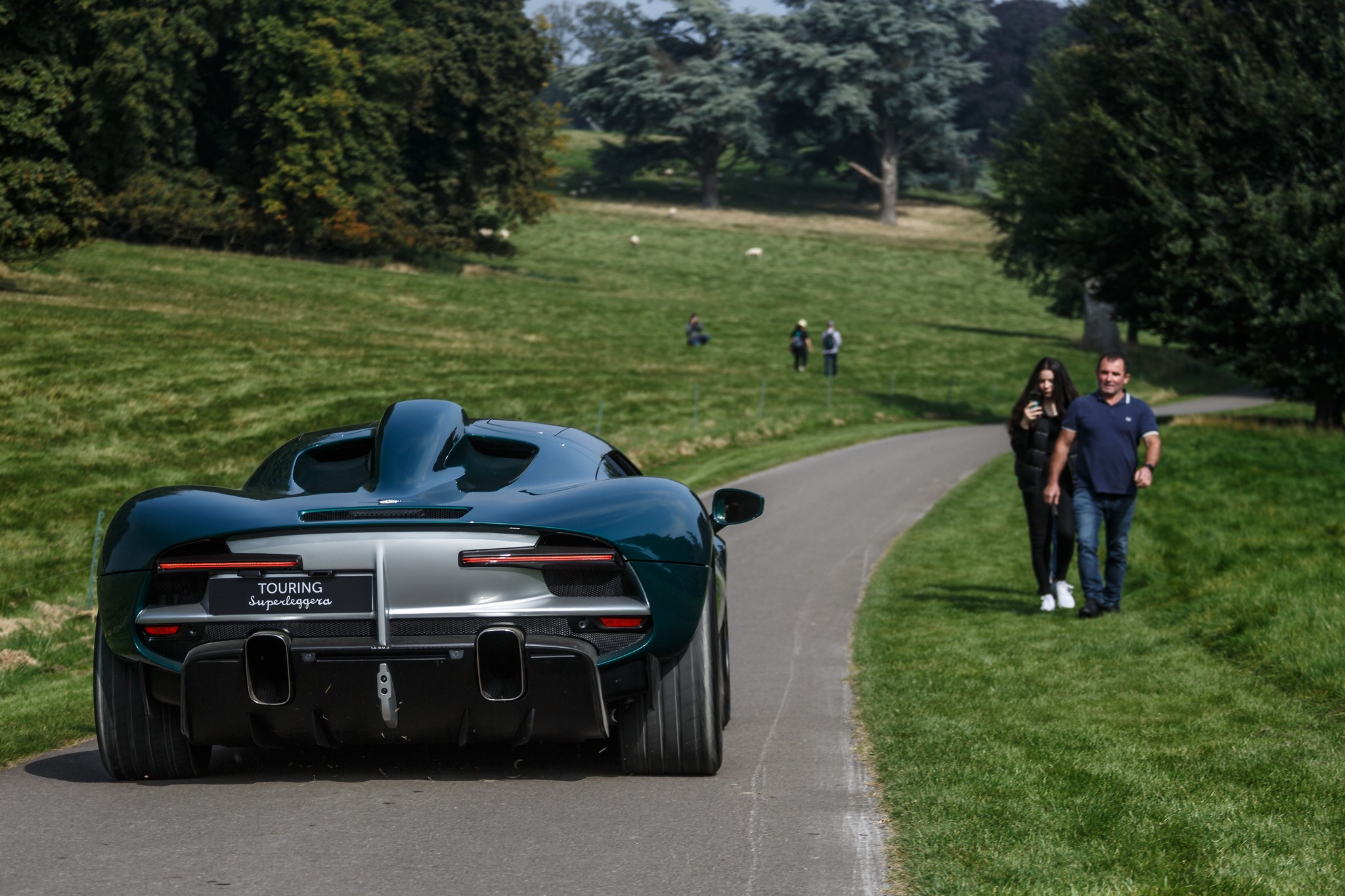
Salon Privé is also a launchpad for new models from prestigious manufacturers, with the UK and global debuts of a number of models, with hybrid and electric powered supercars leading the charge. Touring Superleggera launched their Touring Arese RH95 for its Global debut, with Land Rover also debuting the Range Rover Sport SVR Ultimate Edition.
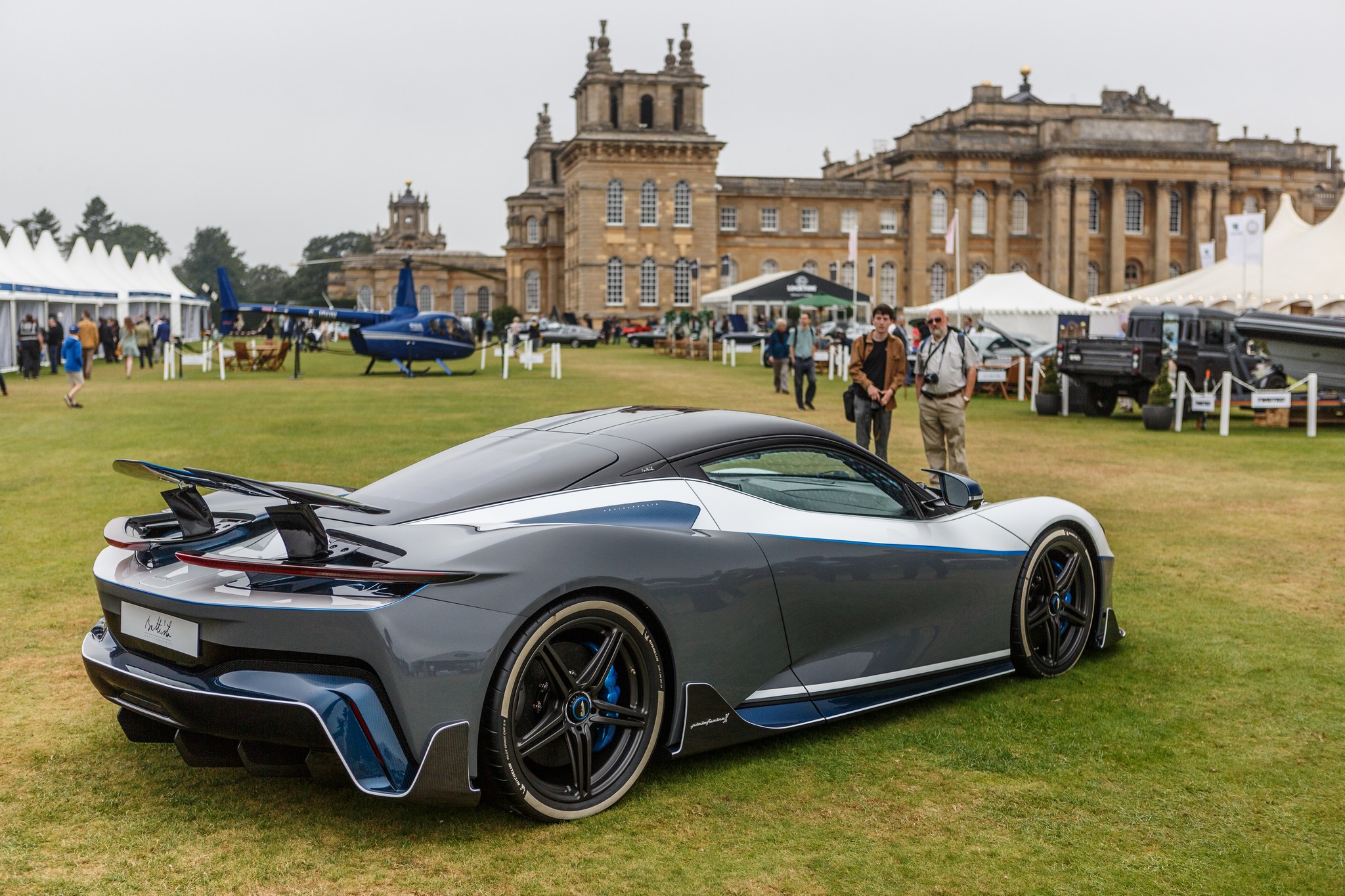
Salon Privé attendees were also treated to the unveiling on these shores of the remarkable Battista Anniversario, the all-new 1873bhp, all-electric hypercar from Automobilia Pininfarina.
Concours d’Elégance
The curtain-raiser to the five days of automotive extravagance at Salon Privé is the highly regarded Concours d’Elégance. With a diverse panel of judges, an extraordinary wealth of knowledge and expertise were applied in the meticulous analysis of the fine machinery on show.
Uniquely, the judging panel comprises members of the International Chief Judge Advisory Group (ICJAG), the gold standard when it comes to the focus of provenance, authenticity, and condition in Concours judging.
The Winners
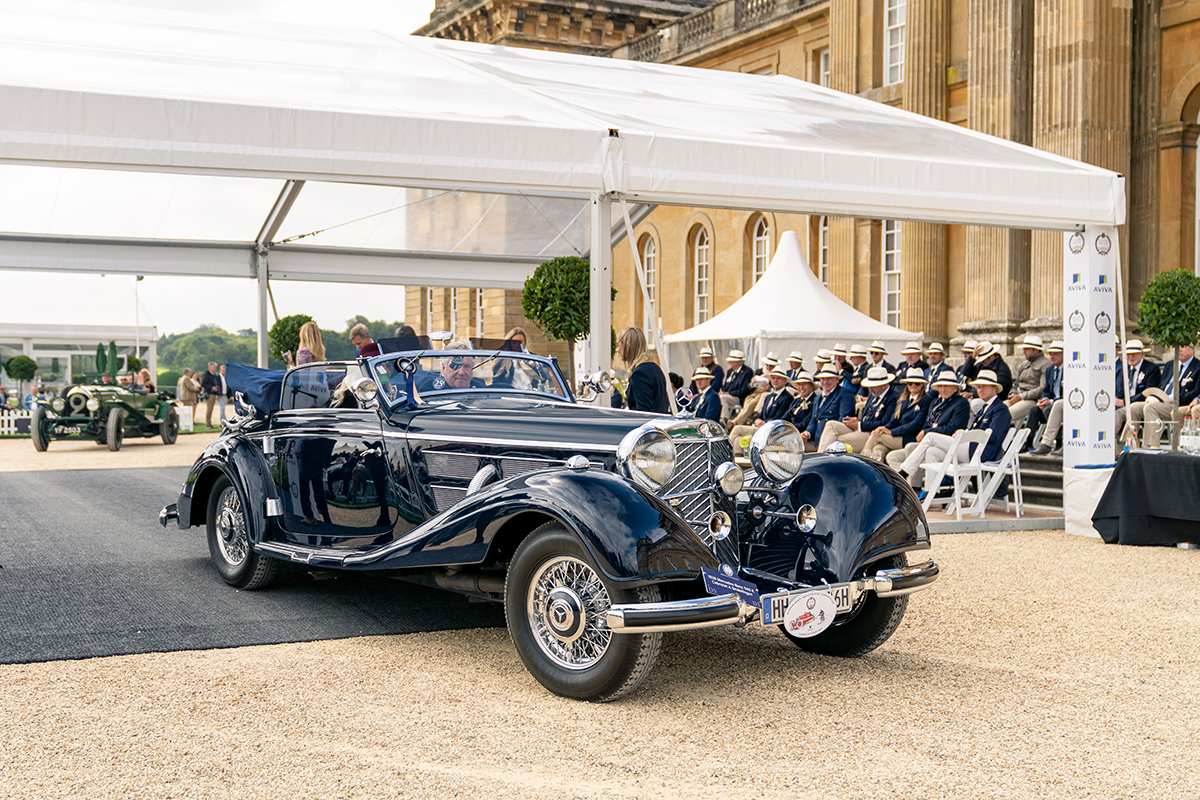
Taking the award for ‘Best of Show’ was a quite incredible 1938 Mercedes-Benz 540k Cabriolet A Sindlefingen. Entered into the Pre-War Tourers category, its imposing aesthetics and meticulously maintained condition saw it take not only the class win but the overall award in addition. Considered one of the most coveted of all pre-war cars, the two-seater Cabriolet A coachwork is twinned with the longer wheelbase chassis – an absolutely incredible piece of automotive history, and rightfully a star of Salon Privé in 2021.
The Churchill Cup for Most Exceptional Design went to an incredibly elegant De Tomaso Mangusta from 1972. Entered to contest the Low Slung Sports class, the Mangusta oozes with sleek and sophisticated style, resplendent in red, this car certainly shone in the eyes of the judging panel.
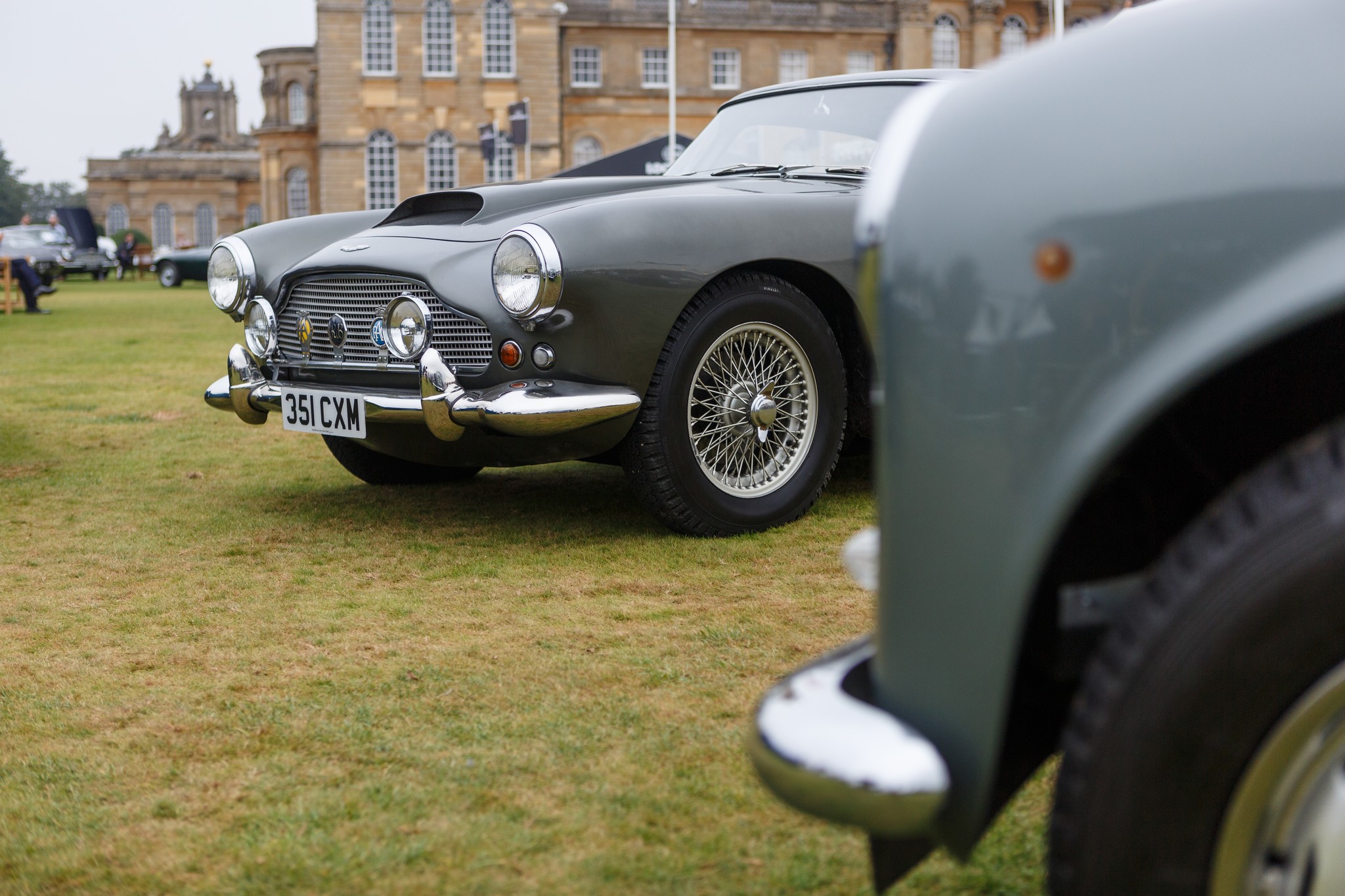
The People’s choice award, in true British fashion, was awarded to the 1955 Aston Martin DB2/4 Mk1 Monte-Carlo Rally car. With a celebration of World Rally champions at Salon Privé this year, there was evidently some impassioned feelings towards rallying history in the Oxfordshire air.
A full list of class winners and show winners from the 2021 Salon Privé Concours d’Elégance
Best in Show – 1938 Mercedes Benz 540K Cabriolet A Sindelfingen
Churchill Cup – 1972 De Tomaso Mangusta by Ghia
People’s Choice – 1955 Aston Martin DB2/4 Mk1 “Monte Carlo Rally”
Preservation Award – 1955 Aston Martin DB2/4 Mk1 “Monte Carlo Rally”
Duke of Marlborough Award (Motorcycles) – 1901 Triumph Minerva 3/4hp
Chairman’s Award – 1951 Jaguar XK 120 OTS
Class A – Competition Motorcycles – 1951 Moto Guzzi 500cc Bicilindrica
Class B – Exceptional Motorcycles – 1975 MV Agusta 750 Sport
Class C – Early Pioneers – 1904 Cadillac 81⁄4hp Model B rear-entrance tonneau
Class D – Pre War Tourers – 1938 Mercedes Benz 540K Cabriolet A Sindelfingen
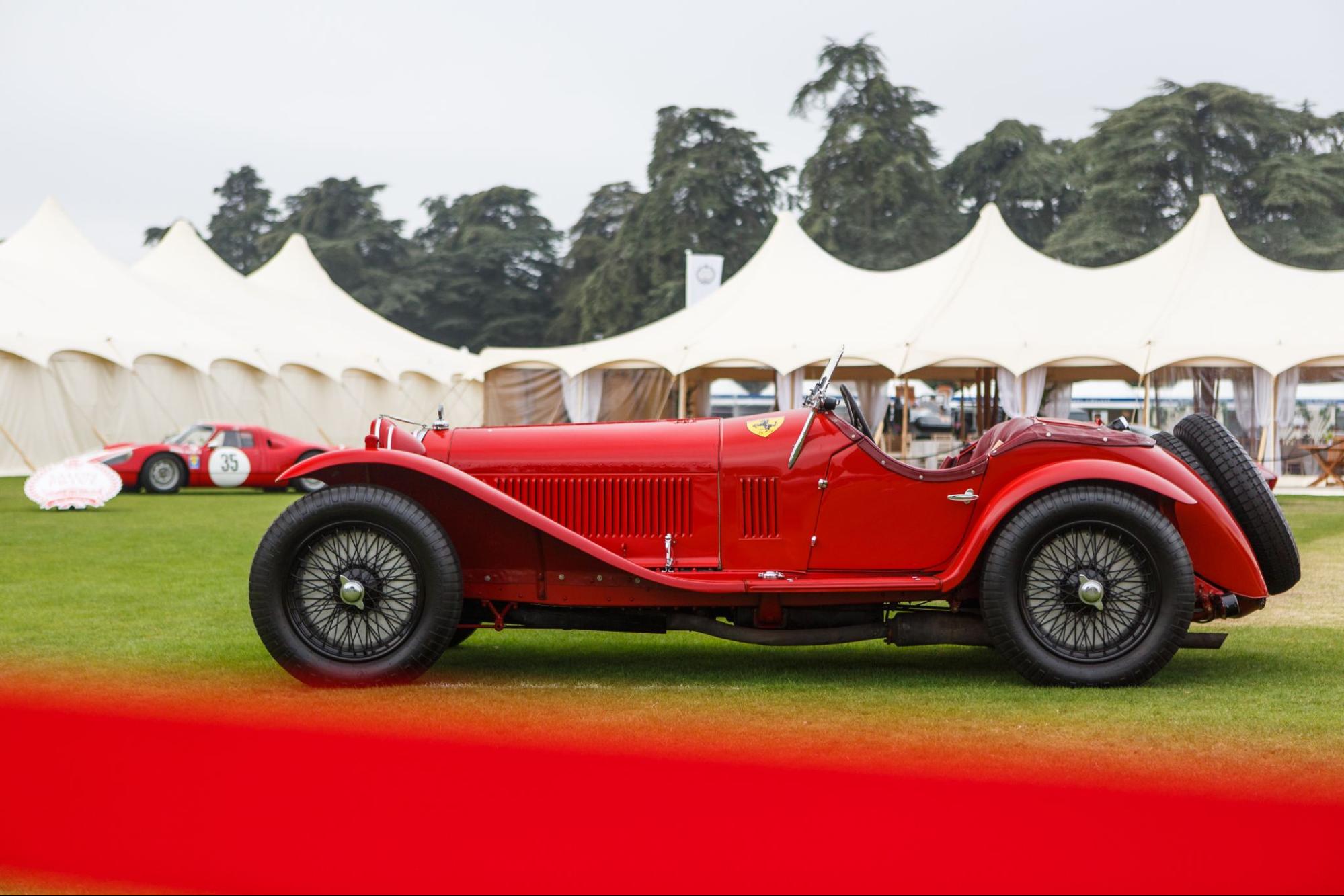
A specially curated centrepiece for the Salon Privé 2021 event, the Red Collection brought together some of the most desirable and collectible cars ever produced, all sensational and striking in their red paintwork.
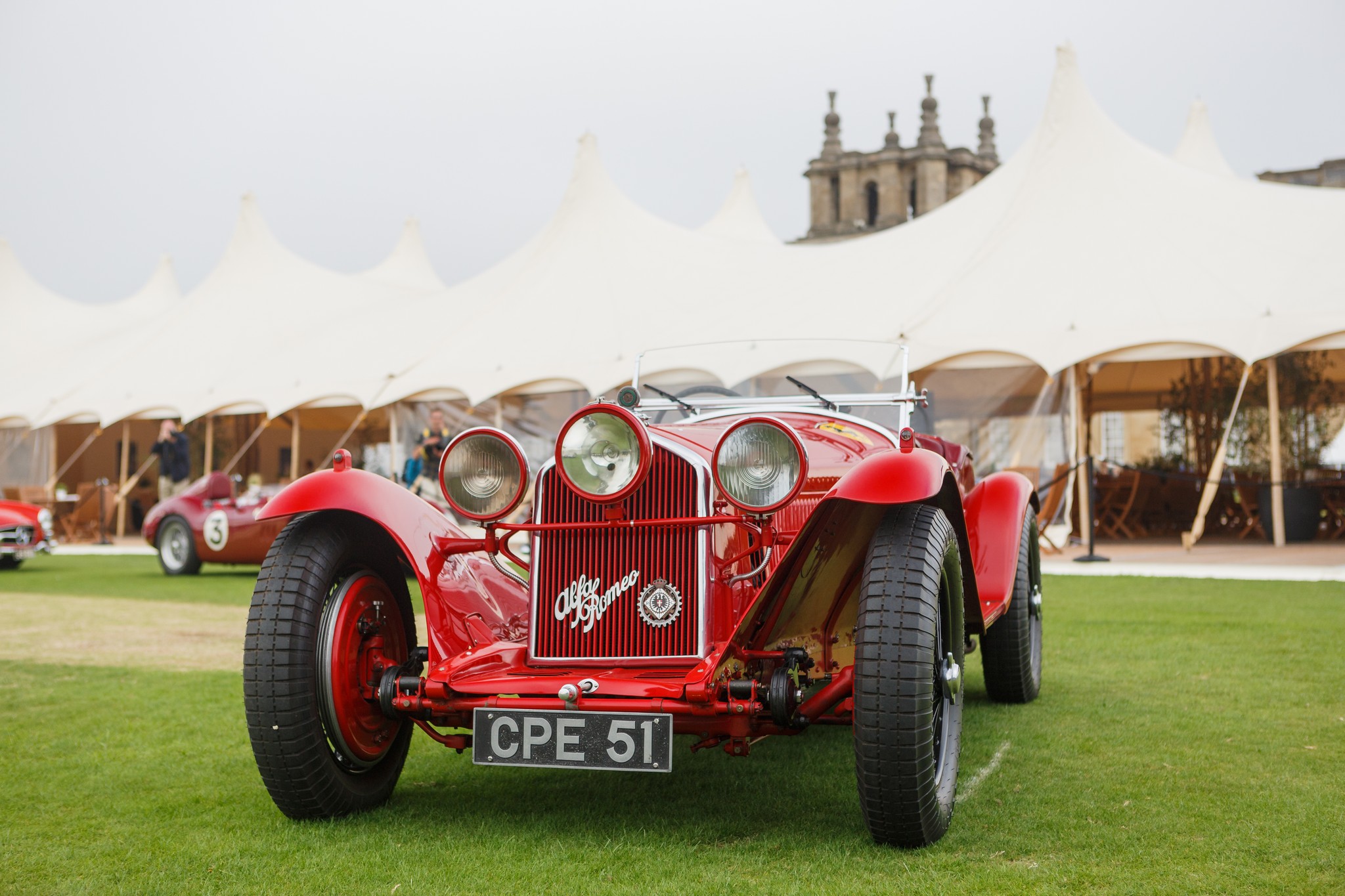
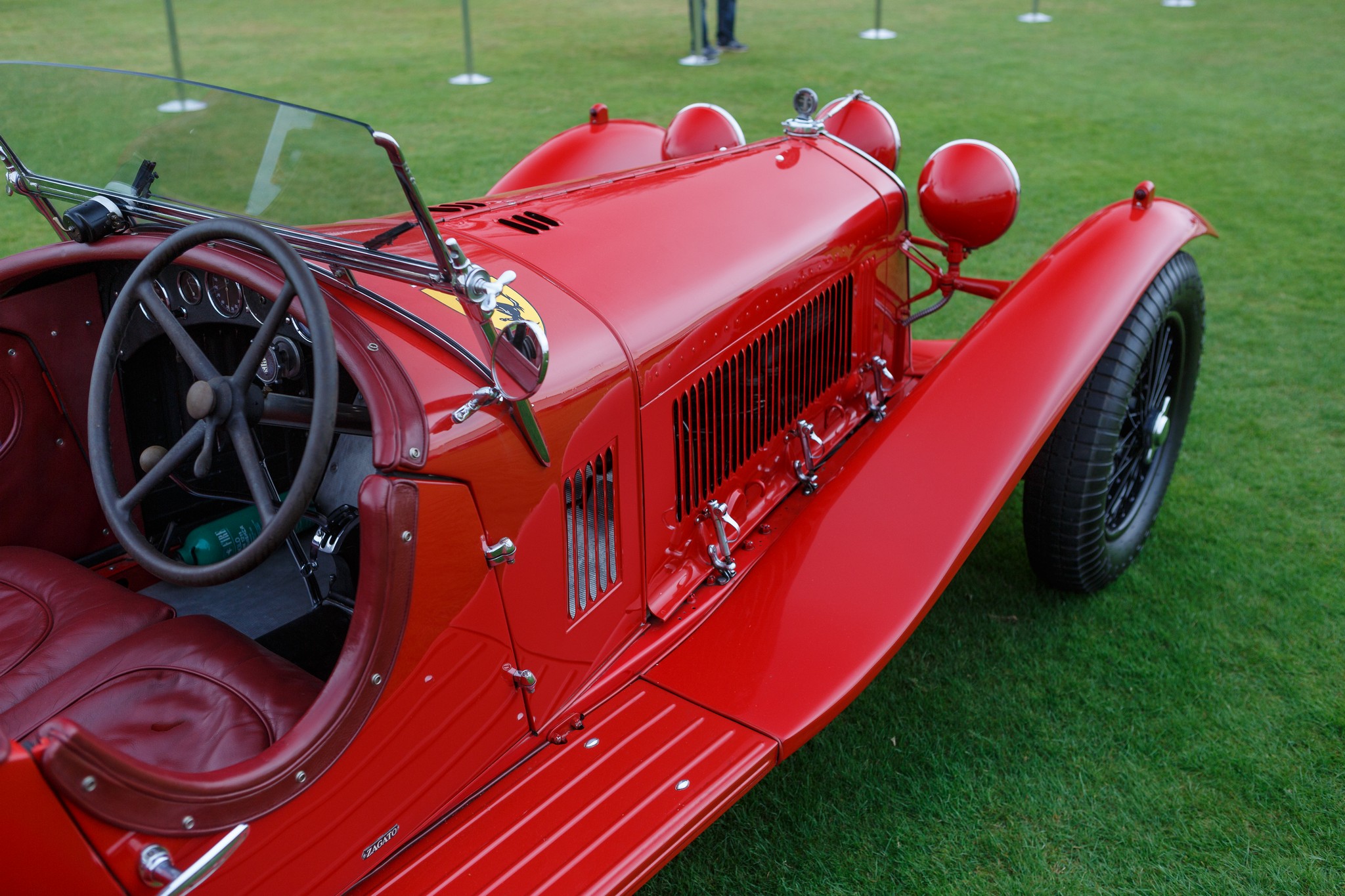
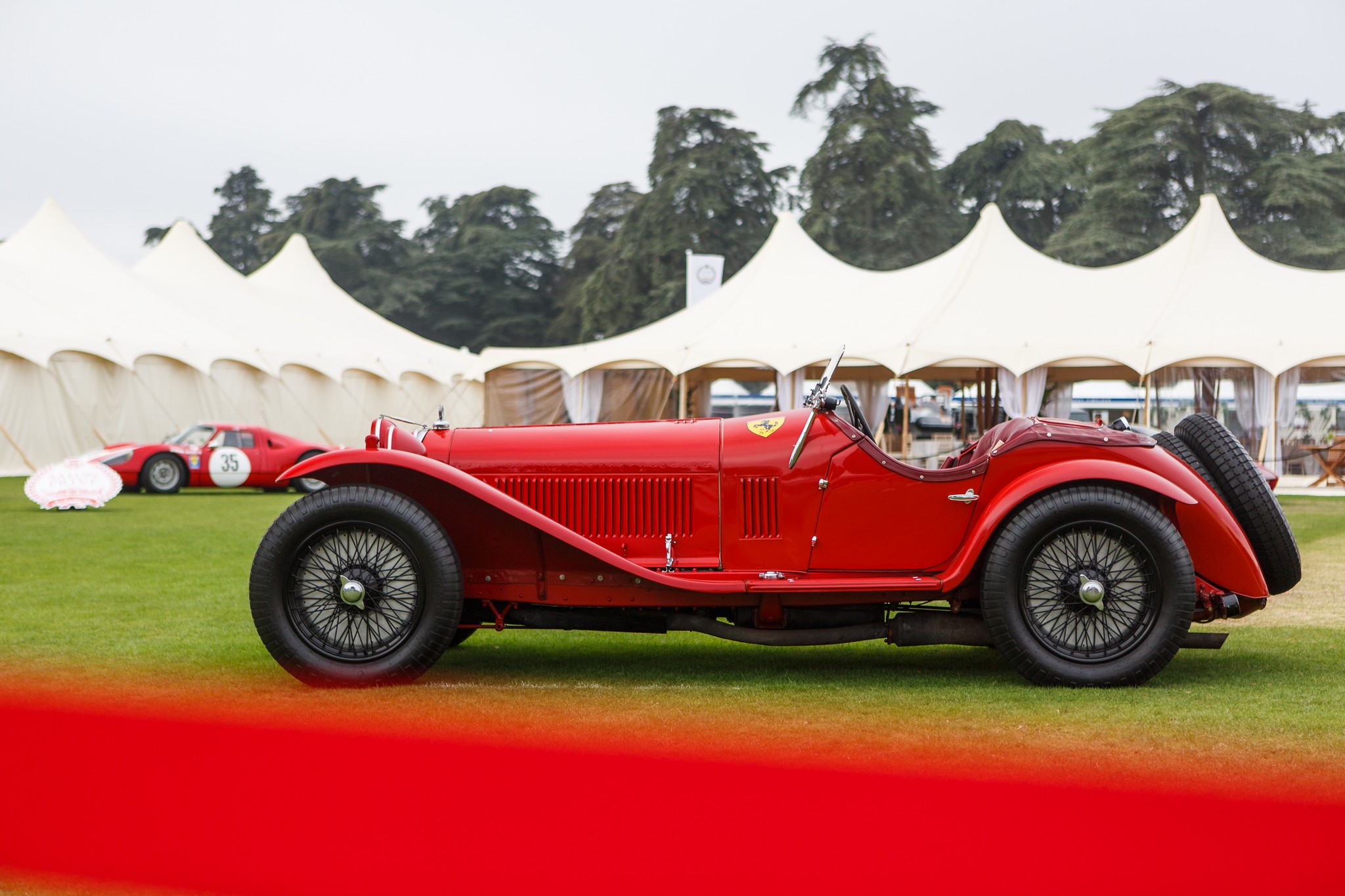
The Alfa Romeo 8C 2300 Monza Spider by Zagato is no stranger to Salon Privé, having featured in 2020, winning not only its class but also the prestigious Best of Show award. It has also starred at Heveningham Concours and Pebble Beach Concours d’Elégance. Carrying chassis number 2111044, this early works car was registered to Scuderia Ferrari in 1932.
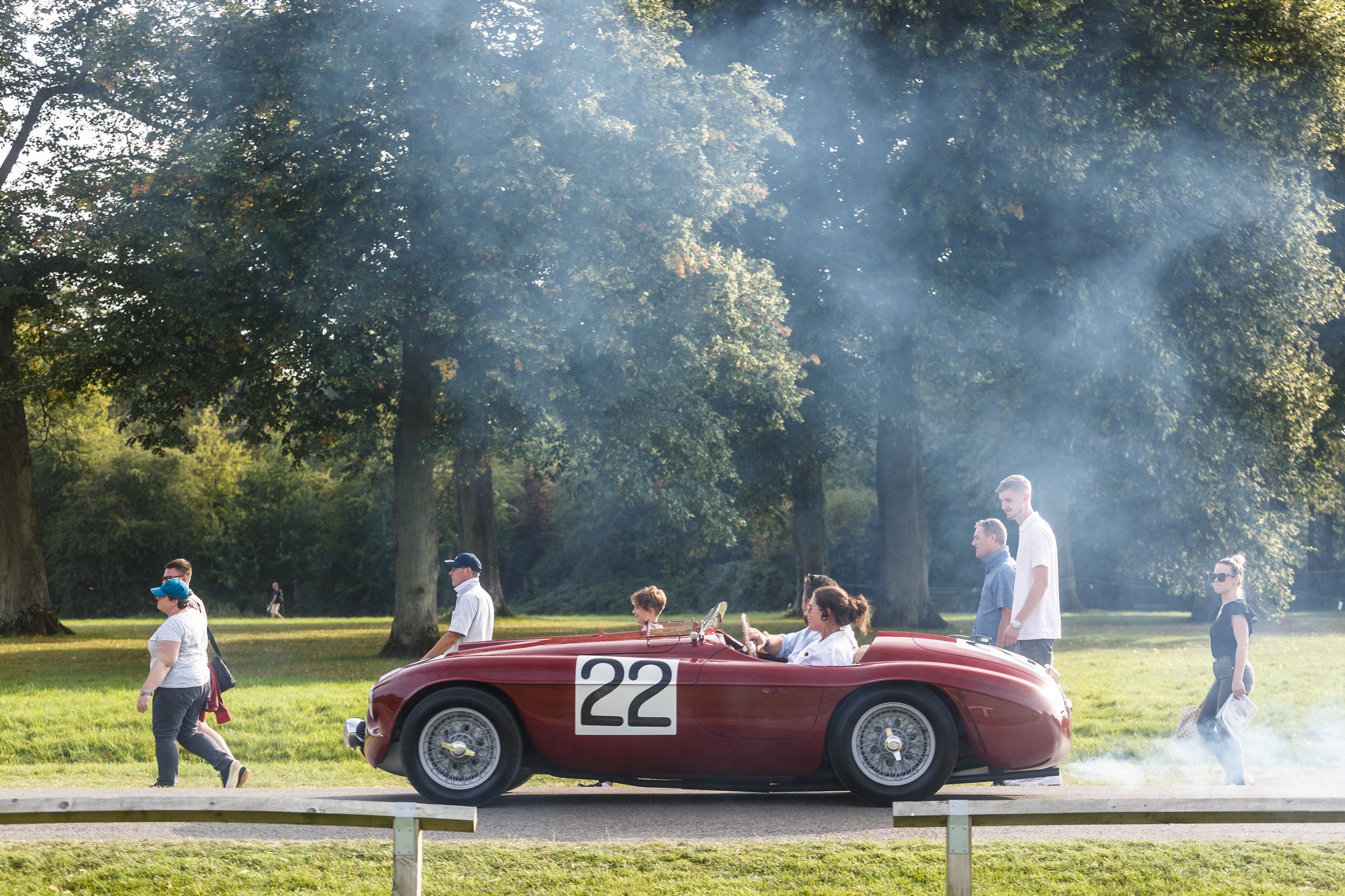
Starring alongside was a sublime Ferrari 166MM. Considered by some to be the Ferrari that carries the most historical significance, this car won the Mille Miglia and 24h Le Mans in 1949, cementing Ferrari‘s presence on the motorsport map with these two historic wins.
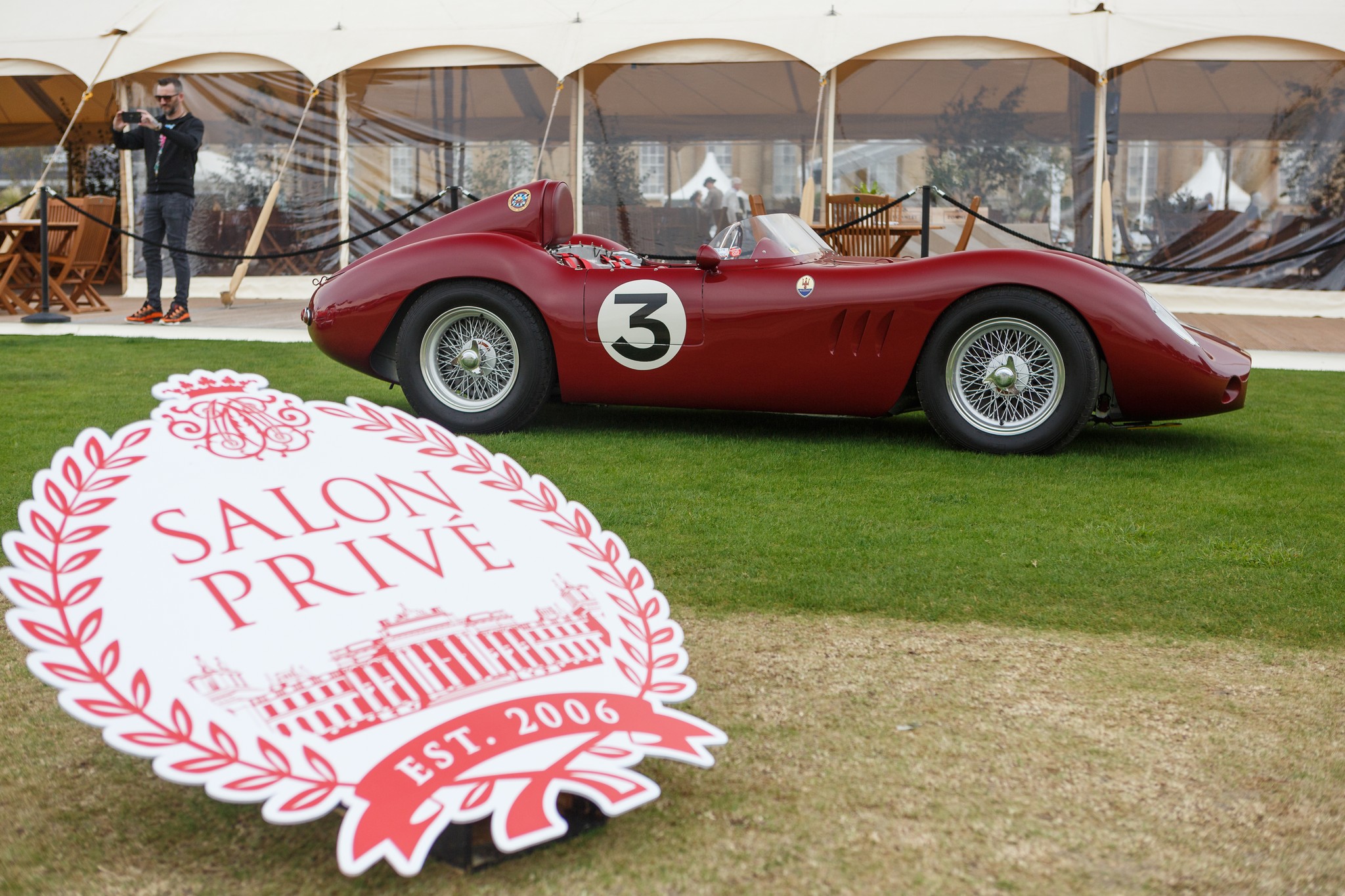
Another notable Italian addition to the Red Collection was the Maserati 250S, chassis number 2409. Raced initially as a works car, the pedals have been graced by names such as Fangio, Scarlatti, and Moss, the latter having tested this car in period, returning in 1984 to compete in the Mille Miglia.
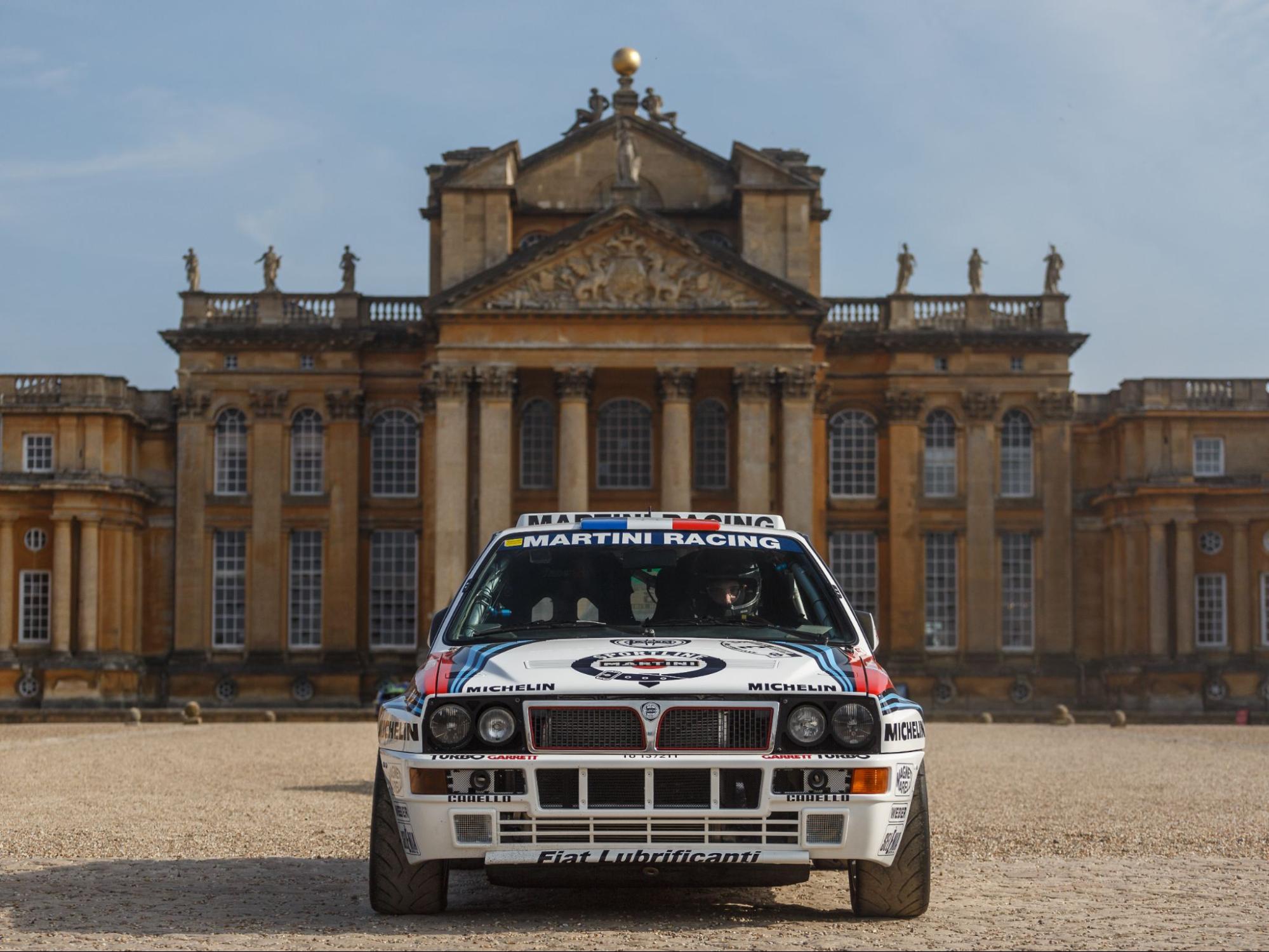
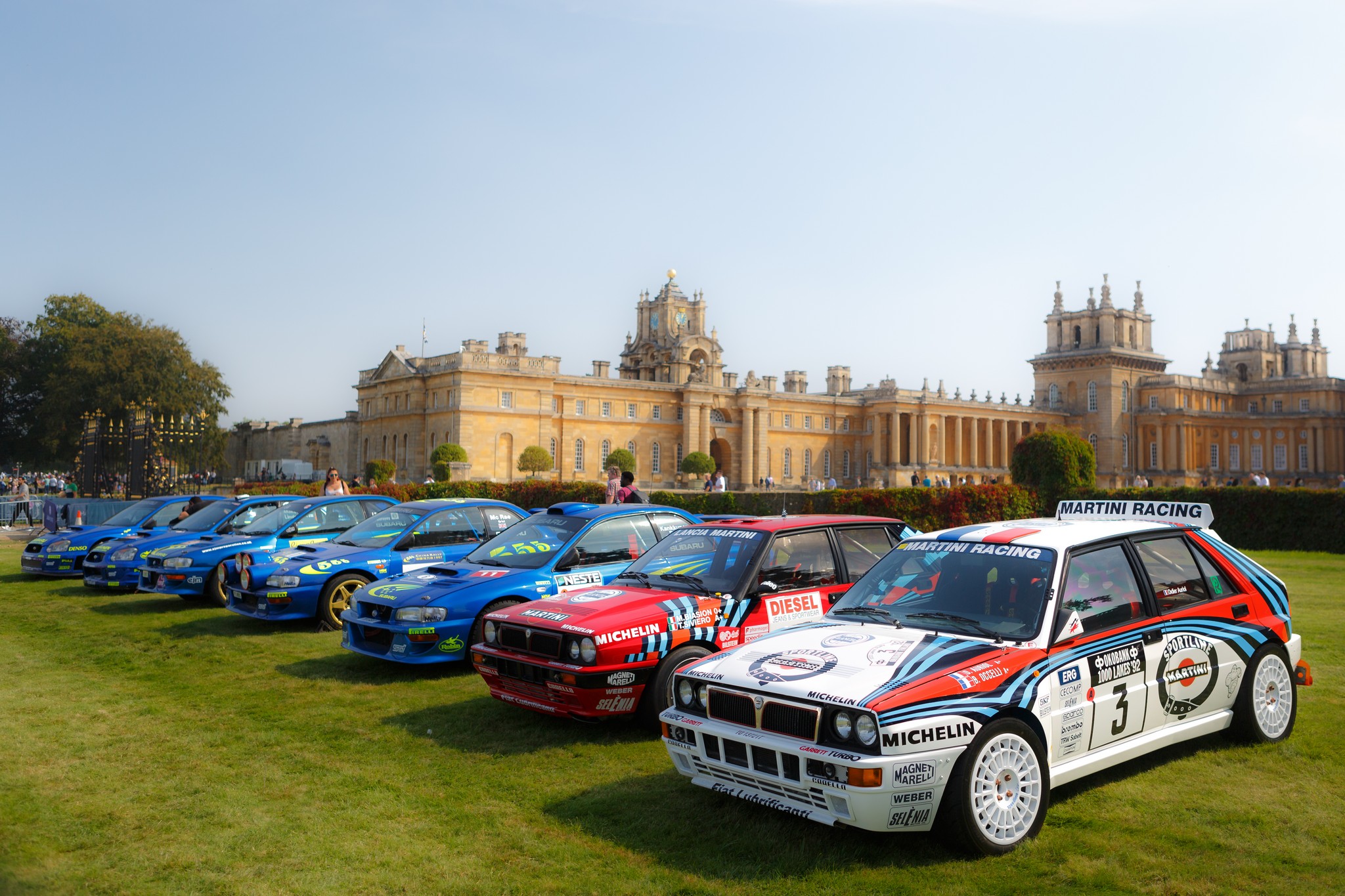
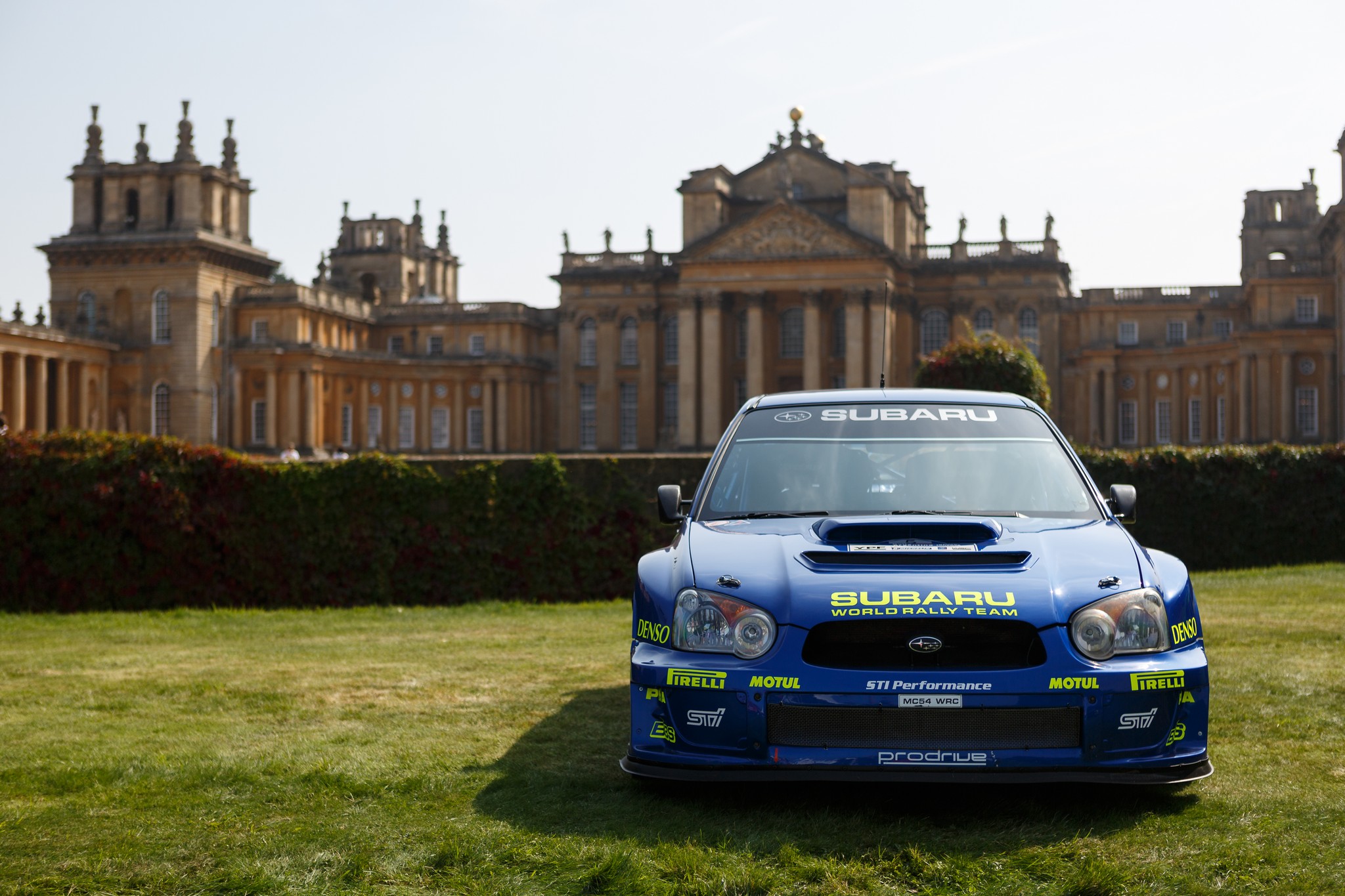
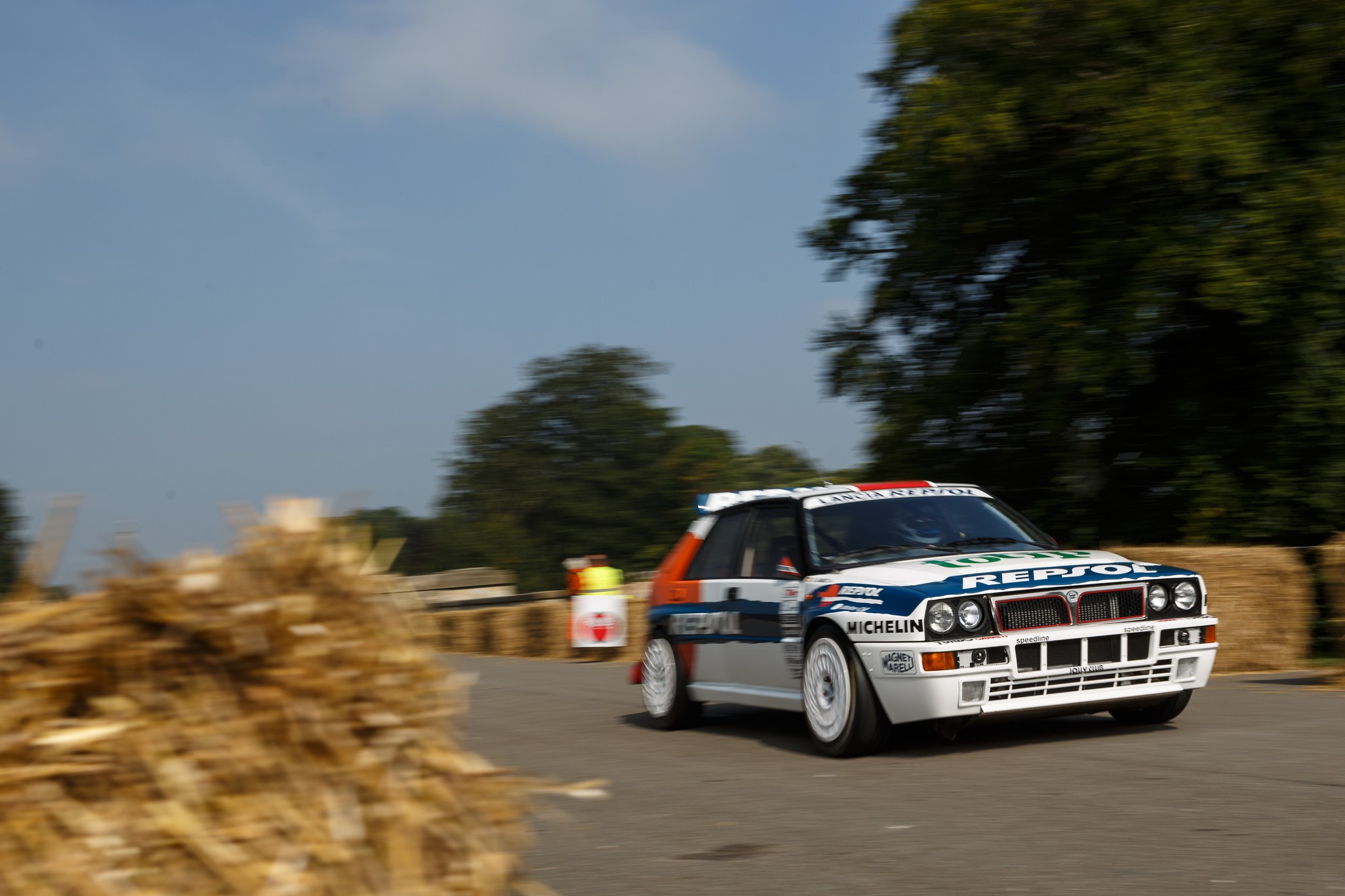
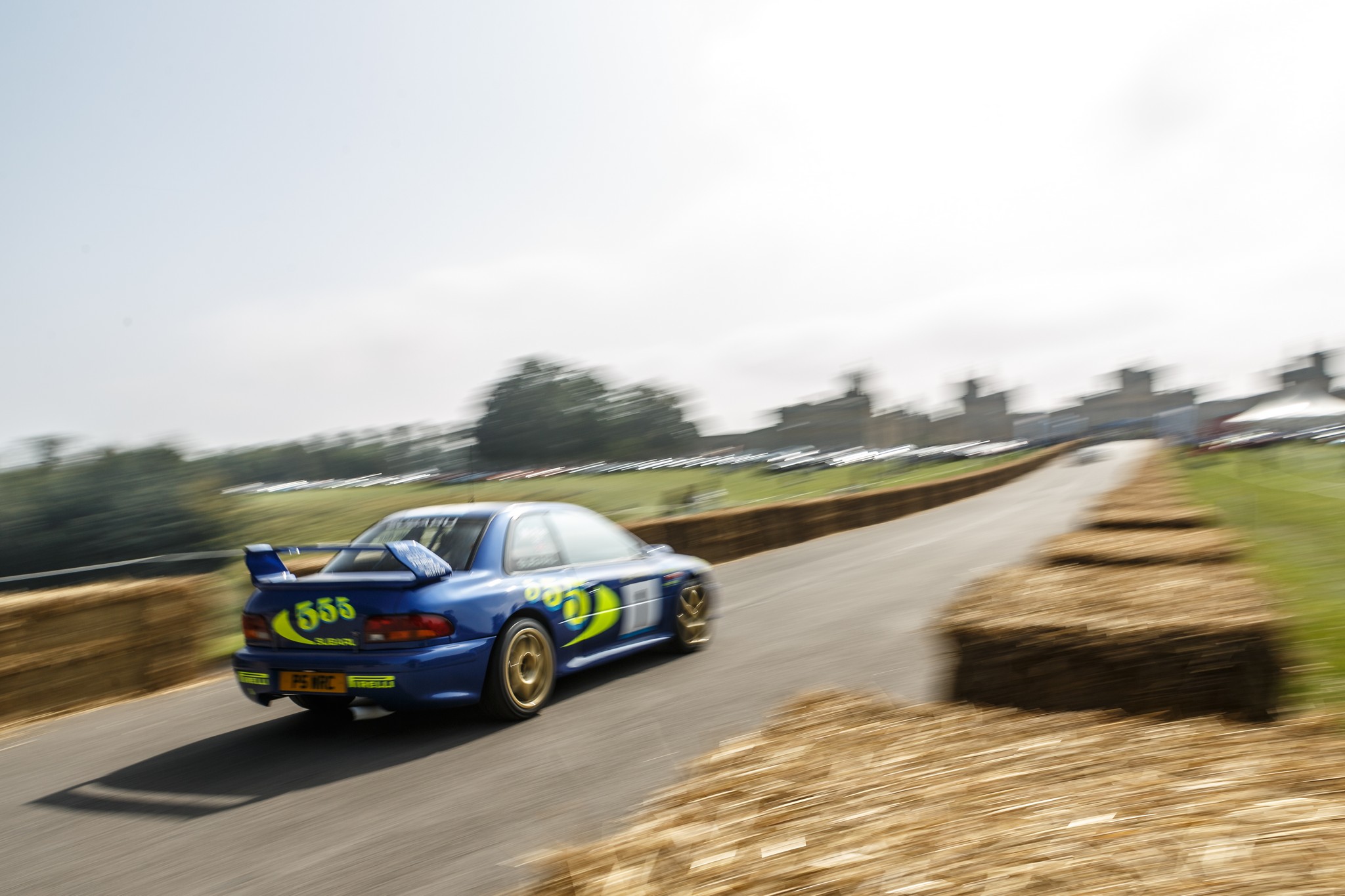
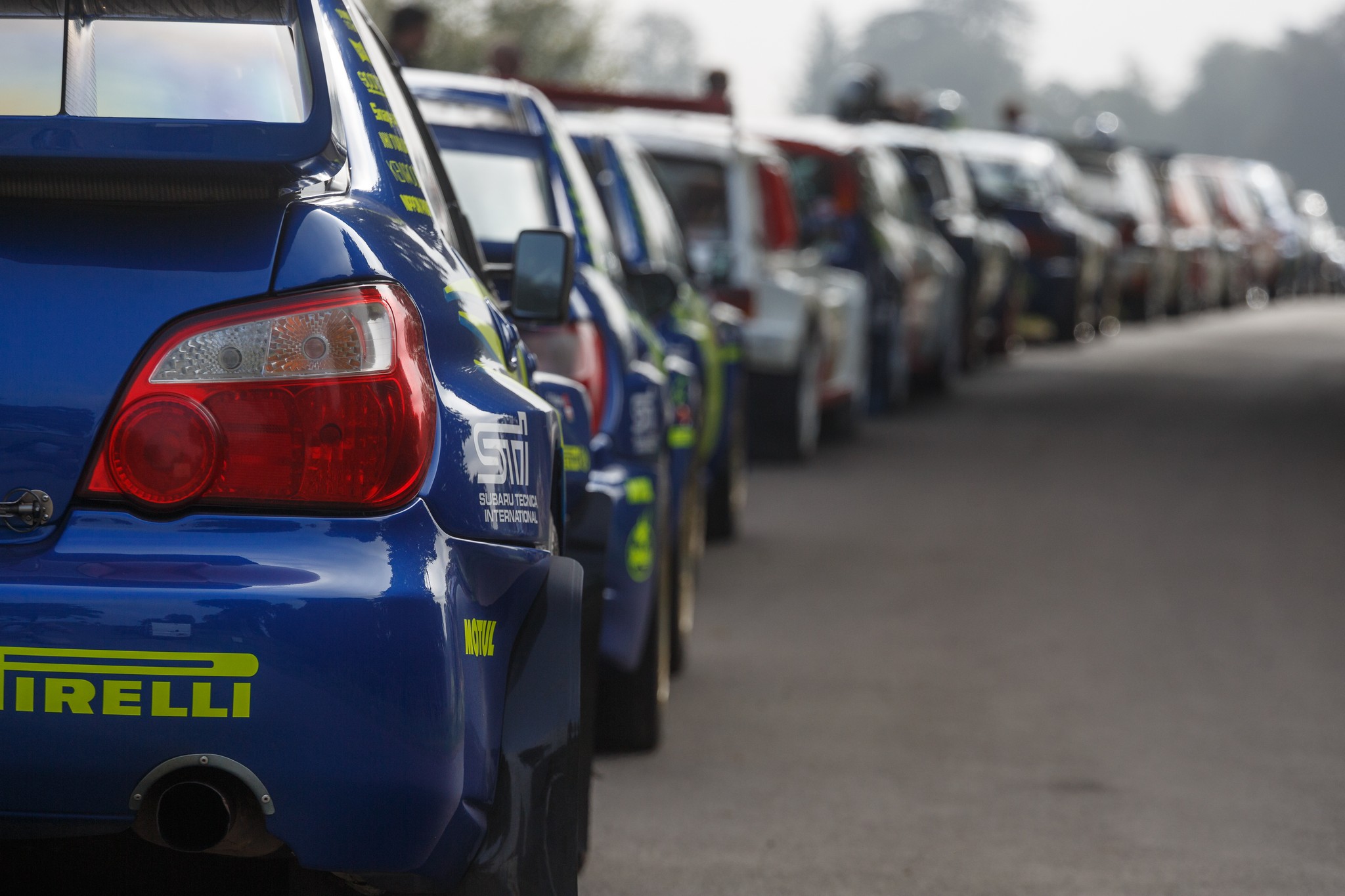
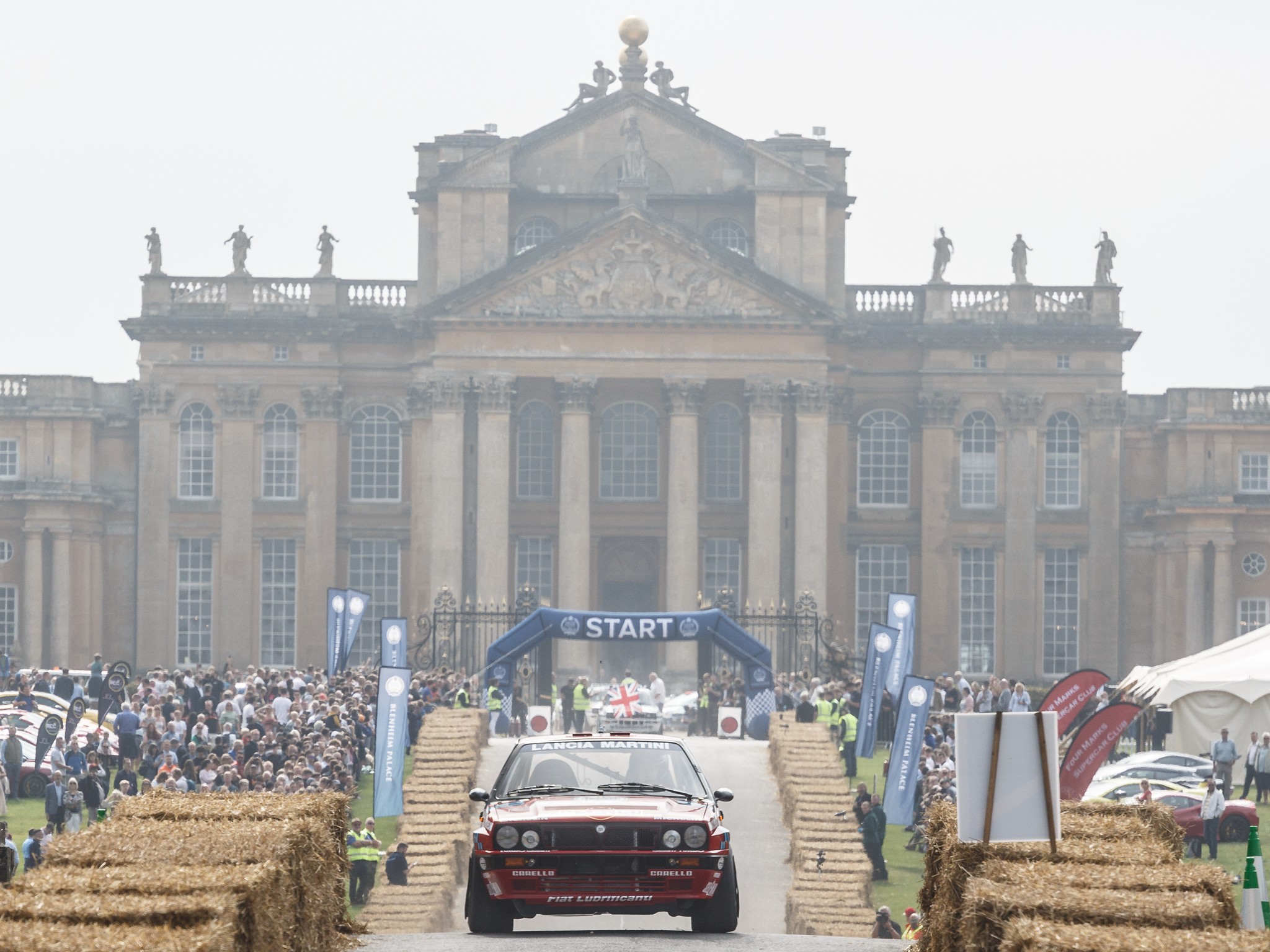
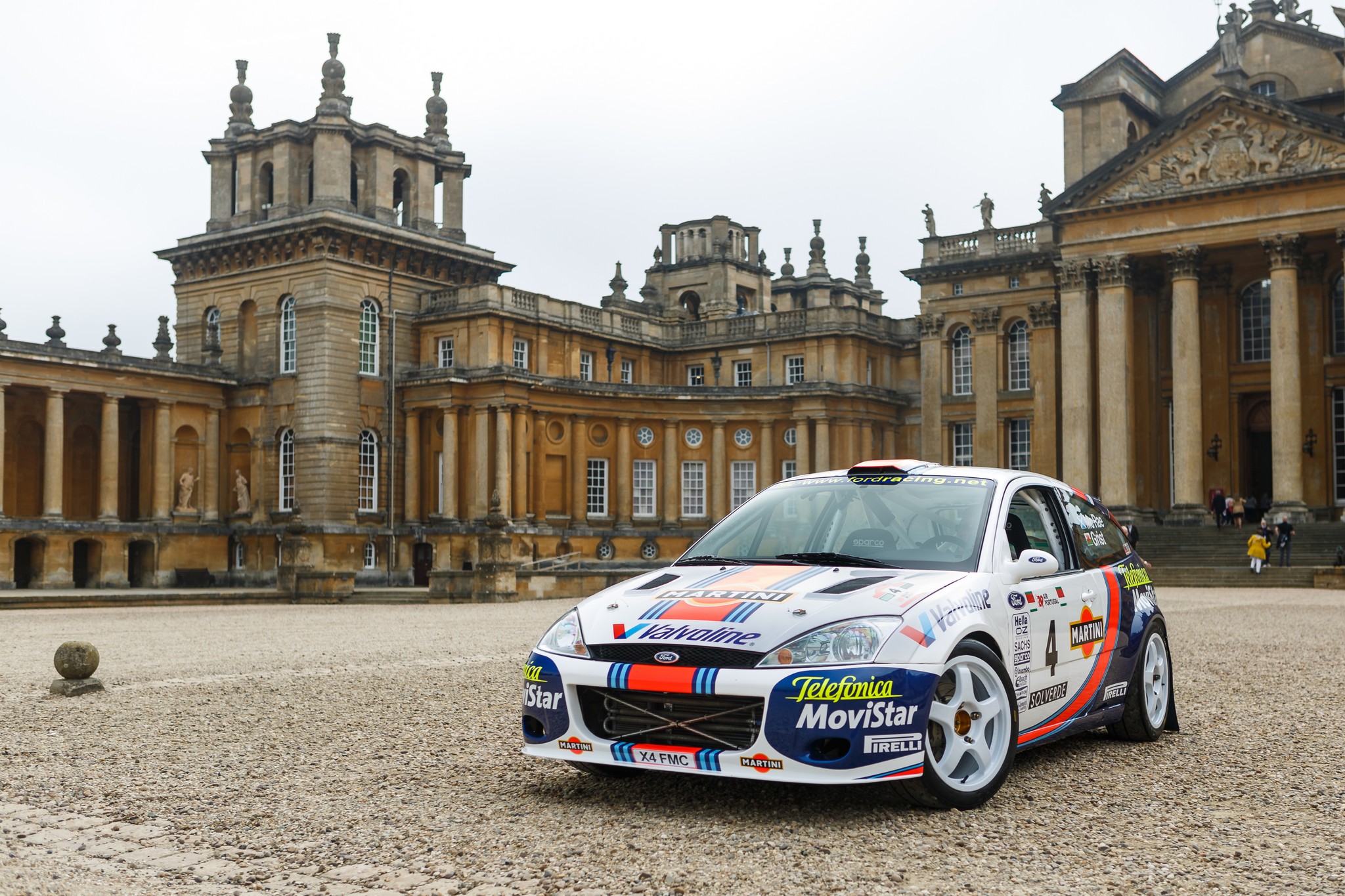
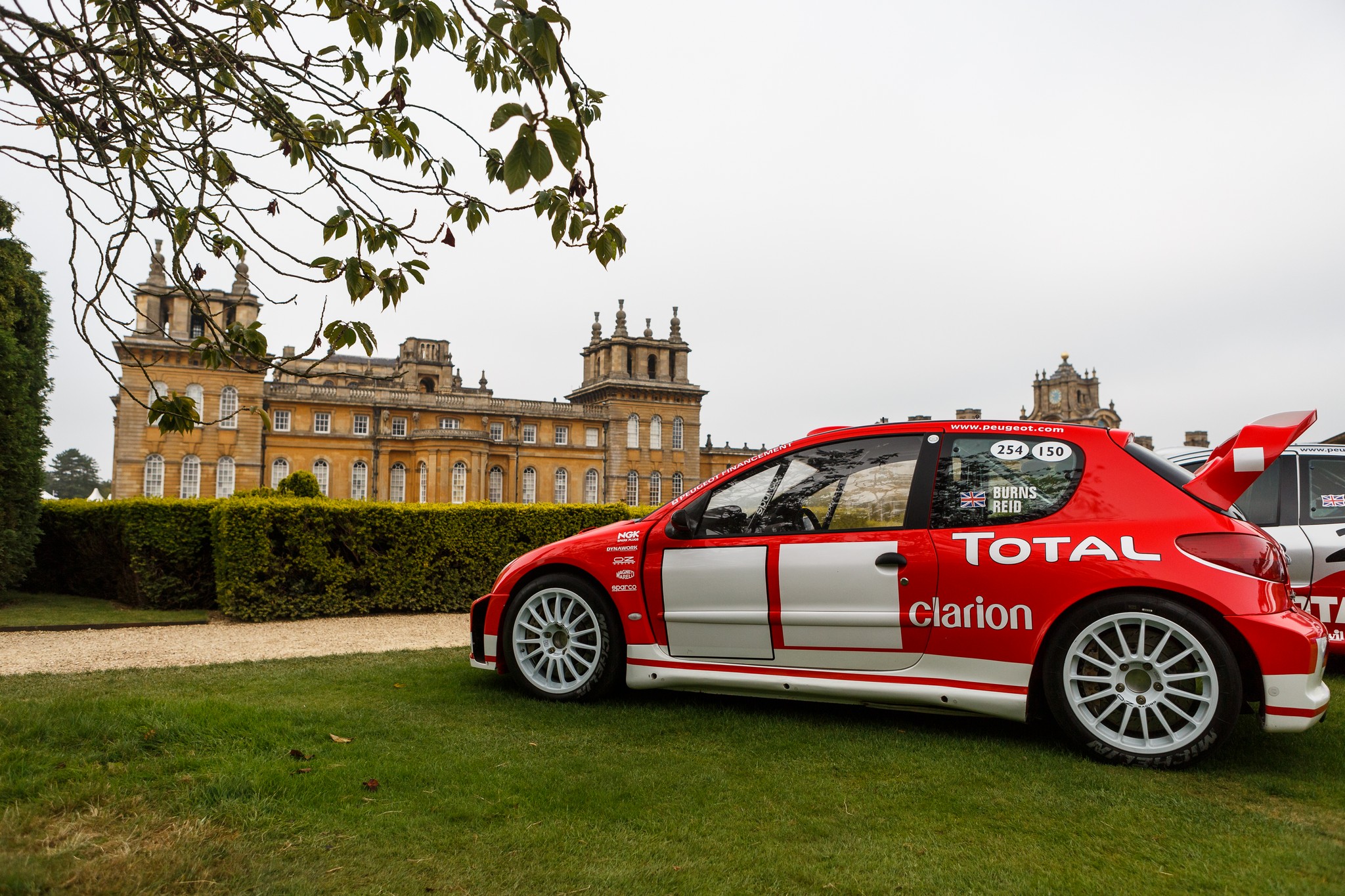
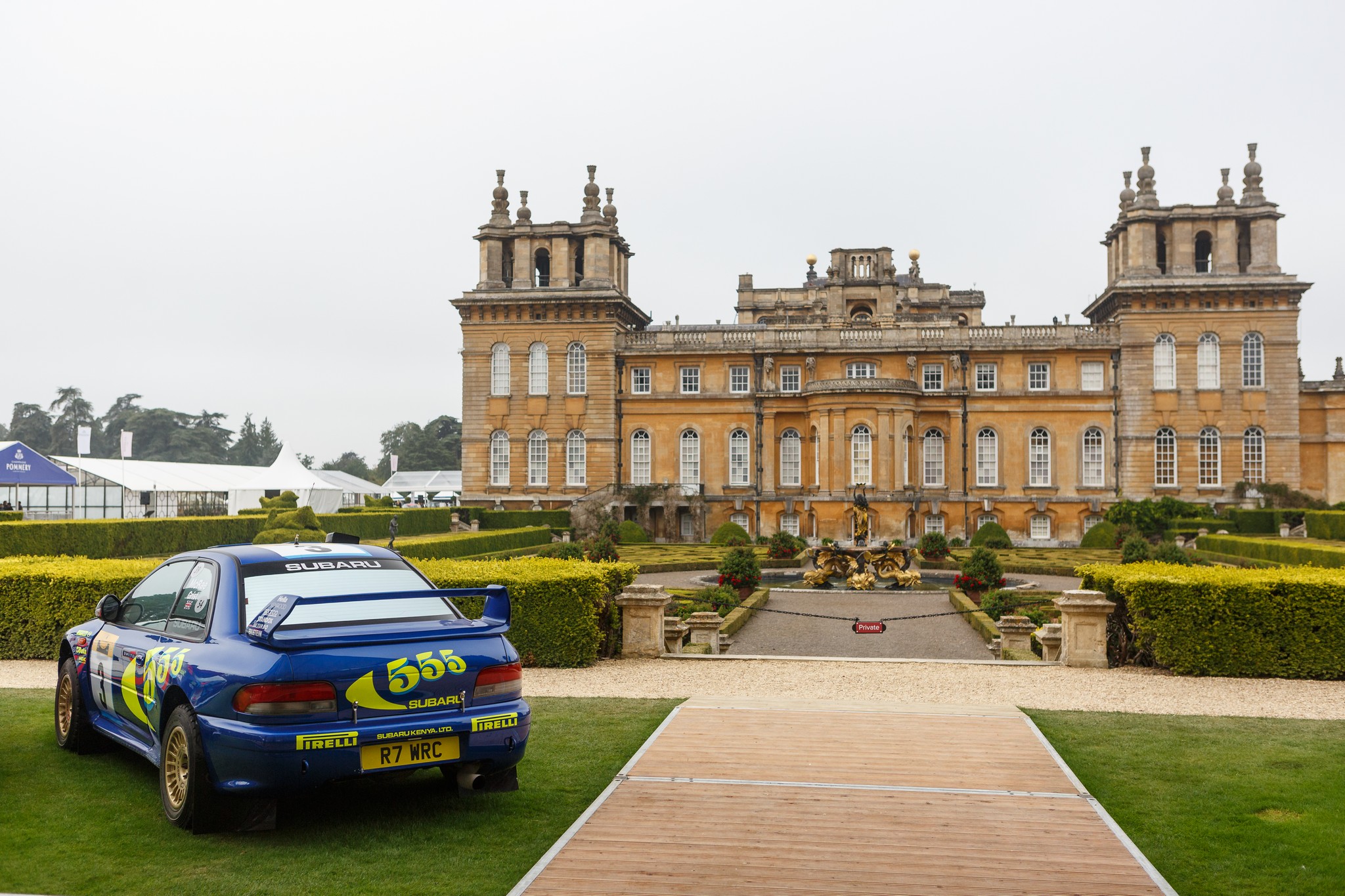
The final day of Salon Privé saw a degree of added dynamism with a live-action tribute to World Rally Champions. Celebrating also the 20th Anniversary of Richard Burns’ WRC title, the parkland surrounding Blenheim Palace saw the return of rally giants decades after they first appeared here on the Lombard RAC Rally.
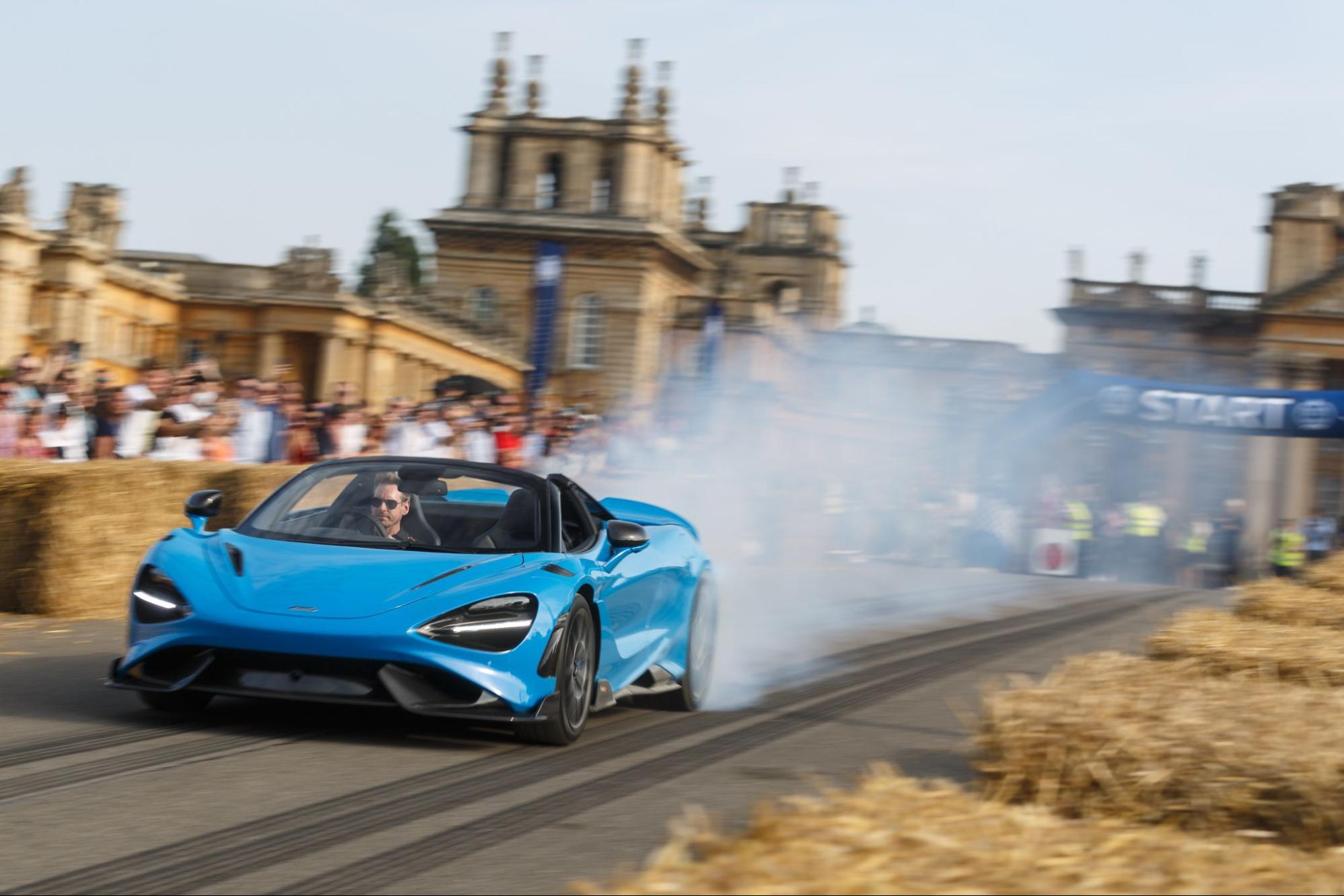
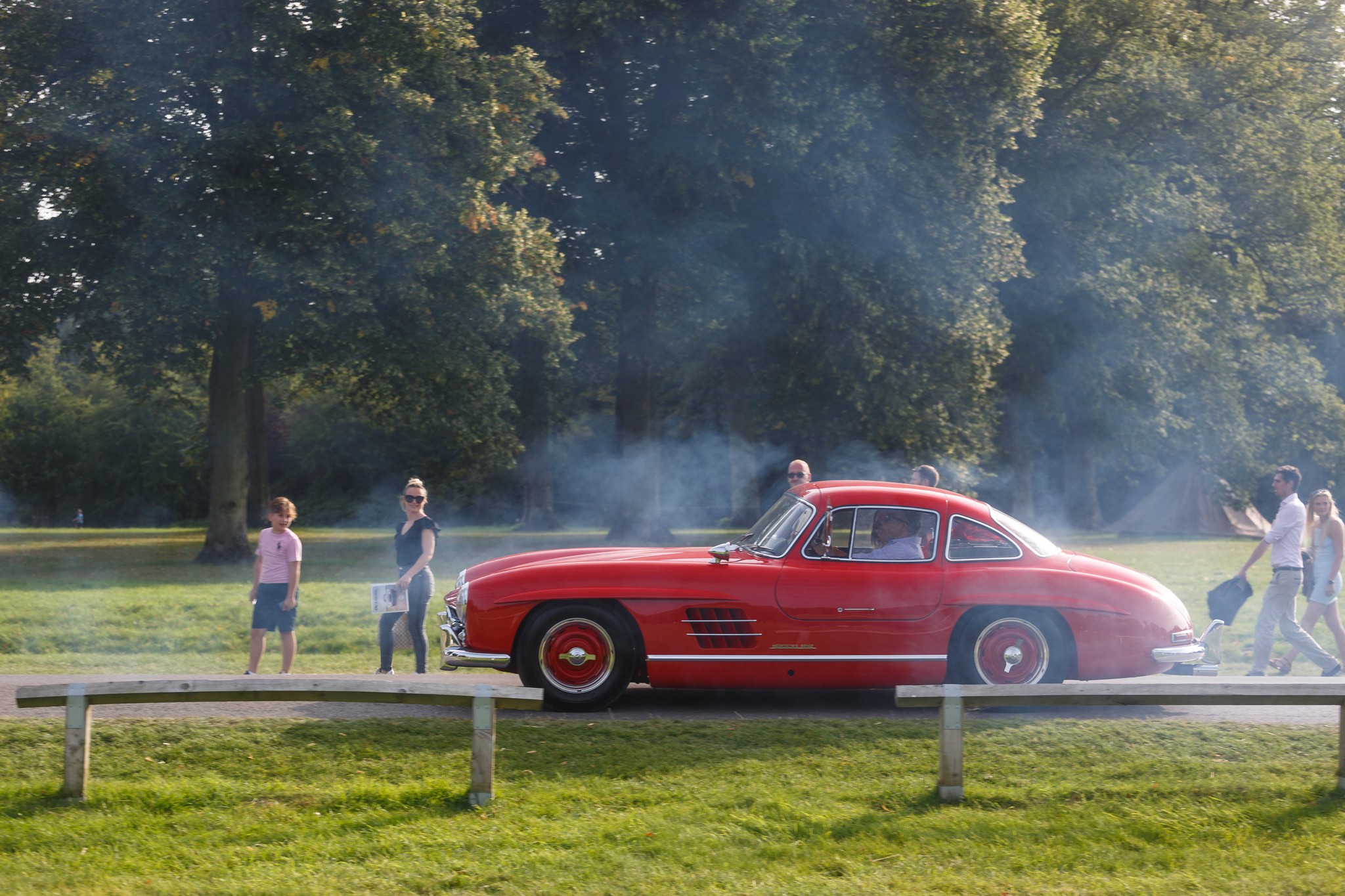
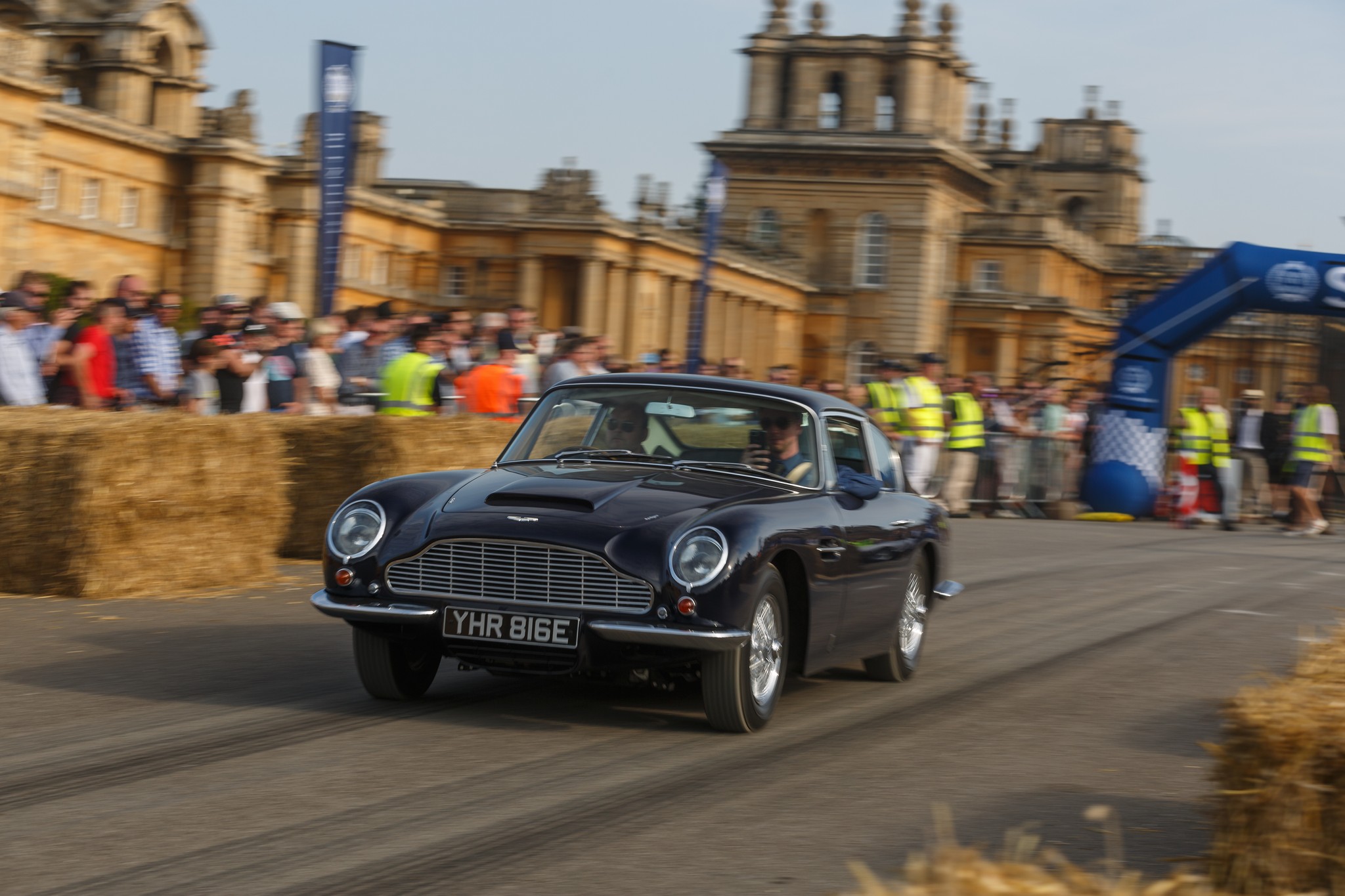
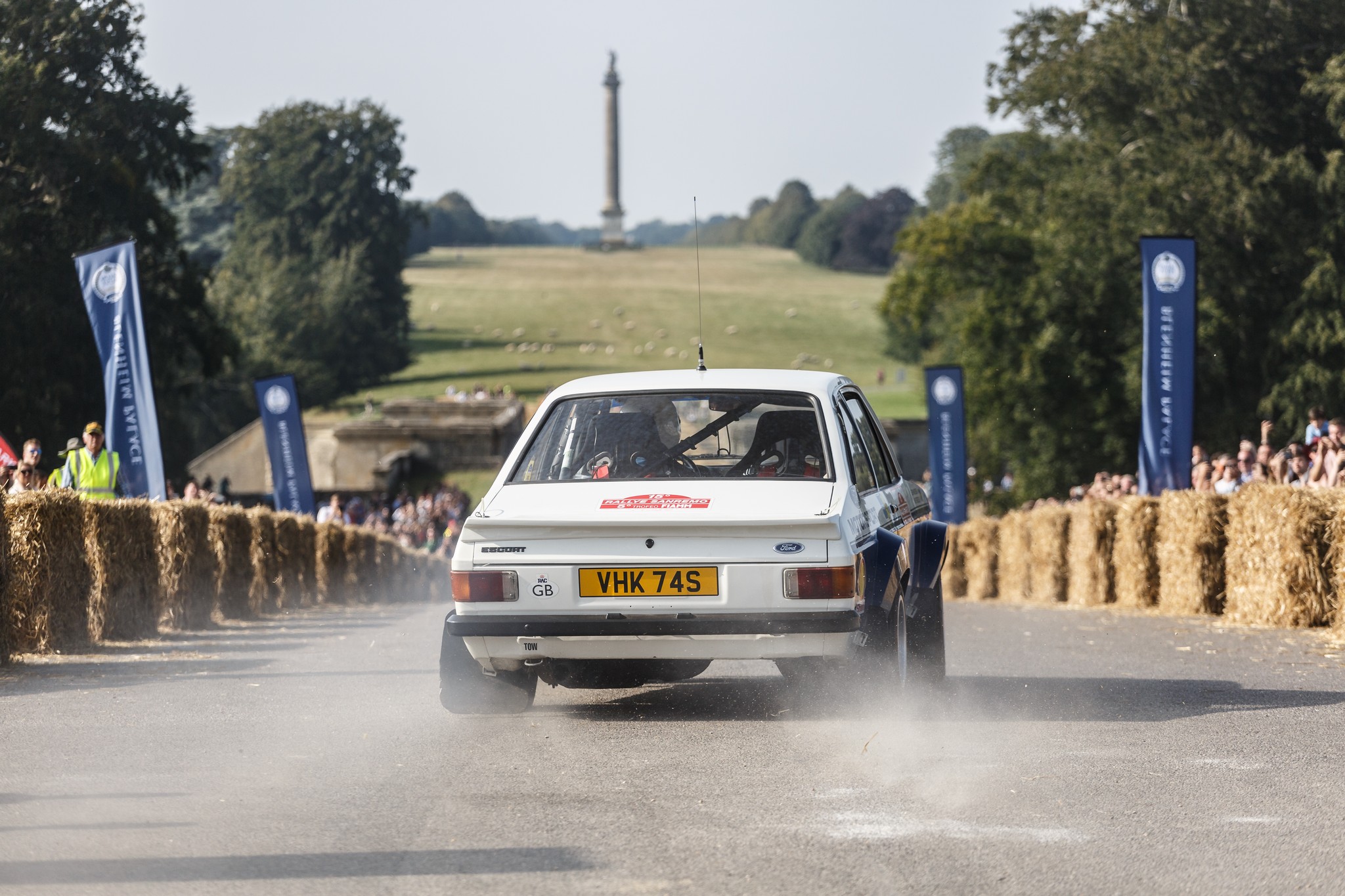
An eclectic mix of cars was present, some hosted on display near the main field, others taking to the tarmac on an incredible Hill Sprint, departing from the Palace gates in a haze of tyre smoke and dust, with anti-lag and exhaust notes echoing around the grounds, to the delight of a huge number of spectators who lined the route.
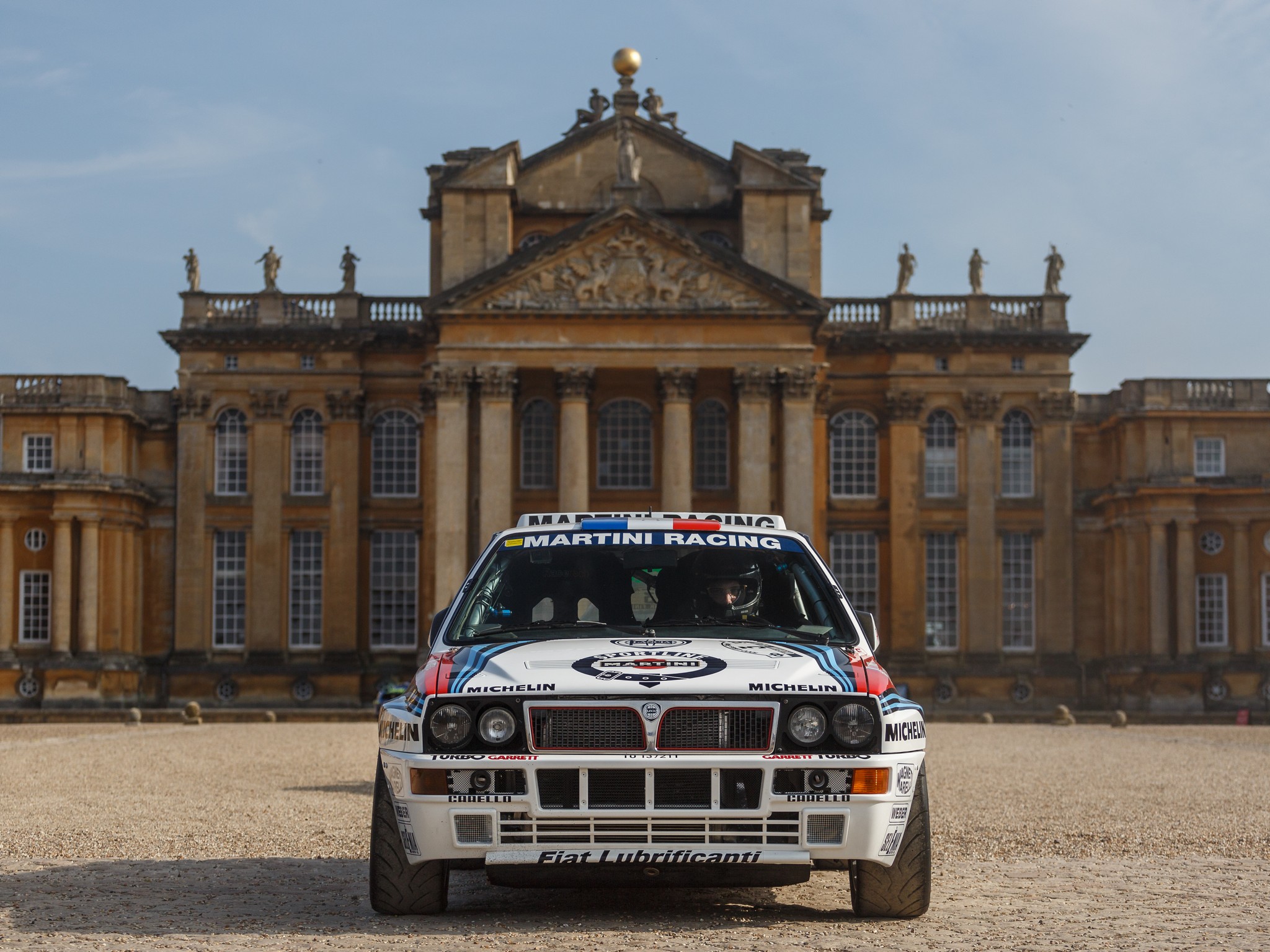
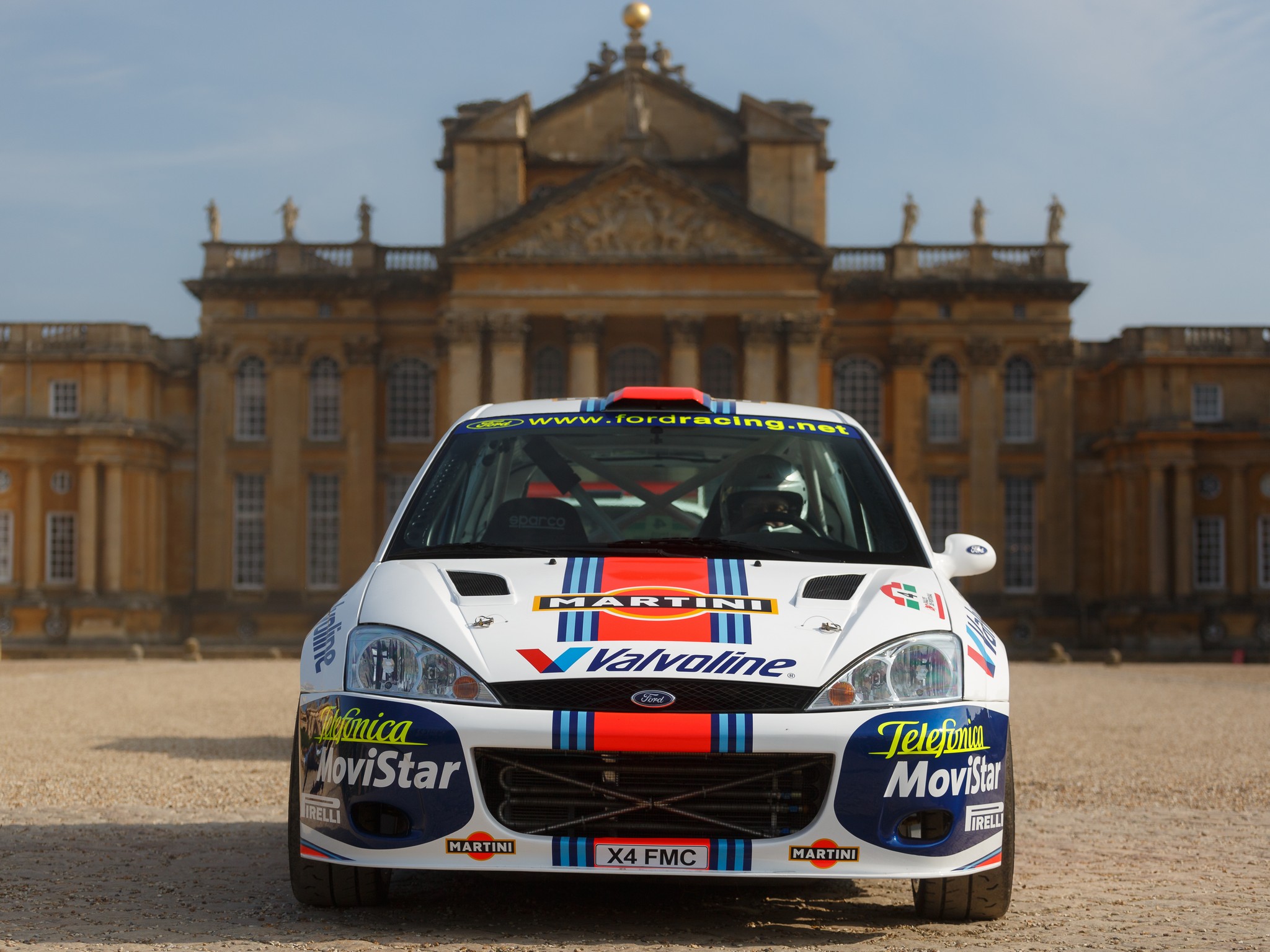
From a 1970s ex-Bjørn Waldegård Ford Escort Mk2, through 80s icons such as the Lancia Delta Integrale 16v and Audi Quattro Sport S1 E2, to the formidable Subaru Impreza WRC and Ford Focus RS WRC of the 1990s and early 2000s. To stand and witness the incredible power at close quarters of such prestigious rally machines was truly a sight to behold.
After the second of two runs on the Hill Sprint, there was a grand departure, where a number of the displayed exhibits left the palace grounds via the same route, and spectators were treated to some displays of spirited driving in the automotive exotica that had been lusted after all weekend.
Salon Privé goes from strength to strength
Salon Privé, now in its 16th year, continues to grow both in size and in reputation. Cementing its position amongst the greatest Concours events in the world and supported in ever-growing numbers, it seems fitting that Salon Privé has announced that in 2022, there will be a new event that sees the organizers return to their London roots.
Salon Privé, the Chelsea Edition will debut from the 21st to 23rd April 2022 as a complimentary event at the Royal Hospital Chelsea.
Designed to be energetic, high on style, and with a party atmosphere, London will see this exclusive event add to the already burgeoning classic car and Concours scene that has evolved over recent years.
Meanwhile, Blenheim Palace will be ready to host the 17th installation of Salon Privé in early September as is befitting to tradition.
Photo Gallery
September 16, 2021 / Comments Off on Salon Privé Concours d’Elégance 2021
Let me start by stating I’m a Lamborghini guy through and through, that’s my main interest in the automotive world, the Lamborghini Countach drew me into the history of Ferruccio Lamborghini and how he built his own factory to compete with the rest of the world, and at the time in 1963, to offer an alternative to the cars from Maranello, from Ferrari, back then under the direction of the legendary Enzo Ferrari.
And while these two companies have remained competitors ever since, that doesn’t mean I can’t enjoy some cars from the Prancing Horse, for instance, the classic Dino, or the stunning Daytona, especially in the topless Spyder variant, and talking about a Spyder, I have always loved that 1961 Ferrari 250 GT California Spyder from the movie Ferris Bueller’s Day Off, and yes, I know it was just a replica, but it was a copy of one of the best looking Ferrari models in history if you ask me.
While a Lamborghini Miura is a seven-figure car these days, a Ferrari 250 GT California Spyder is well into the 8-figure price tag now, if listed for auction they come close to $20,000,000 today, and that’s because these beautiful cars are so rare, built between 1957 and 1960 you had the Ferrari 250 GT LWB California, with a 2,600 mm wheelbase and a Colombo V12 engine, a 3-liter SOHC with a maximum power of 237 hp, after 50 units were built, the 250 GT SWB California Spyder was unveiled at the 1960 Geneva Motor Show, this one came with a shorter 2,400 mm wheelbase, but a more powerful engine with 276 hp, 58 would be built, and this version became the more desirable one to get today.
With only 108 units of the Ferrari 250 GT California Spyder in the world, trying to obtain one might be a difficult enterprise, and a very costly one (for instance, chassis #2935GT once owned by Alain Delon sold for $18,450,296 (€16.23 million) at an Artcurial Auction in Paris in February 2015), and clients that are in the market for such a car usually have some cash to burn, they more often than not already have a nice selection of classic high-end cars in their collection … but if supply isn’t there, all the money in the world won’t help you to get one of these 108 original California Spyders … in comes GTO Engineering.
We’ve posted an article about GTO Engineering before when they introduced the 250 GT SWB Revival, later they also released the ‘Squalo‘, from the Italian word for Shark, a name GTO Engineering decided on because of the shark-like styling for their all-new car, which will be a sub-1,000kg, V12-powered car, combining the looks and the feel of a classic car, but with modern underpinnings and performance, complete with a bespoke wheel and tire package in large diameter, but with a classic design.
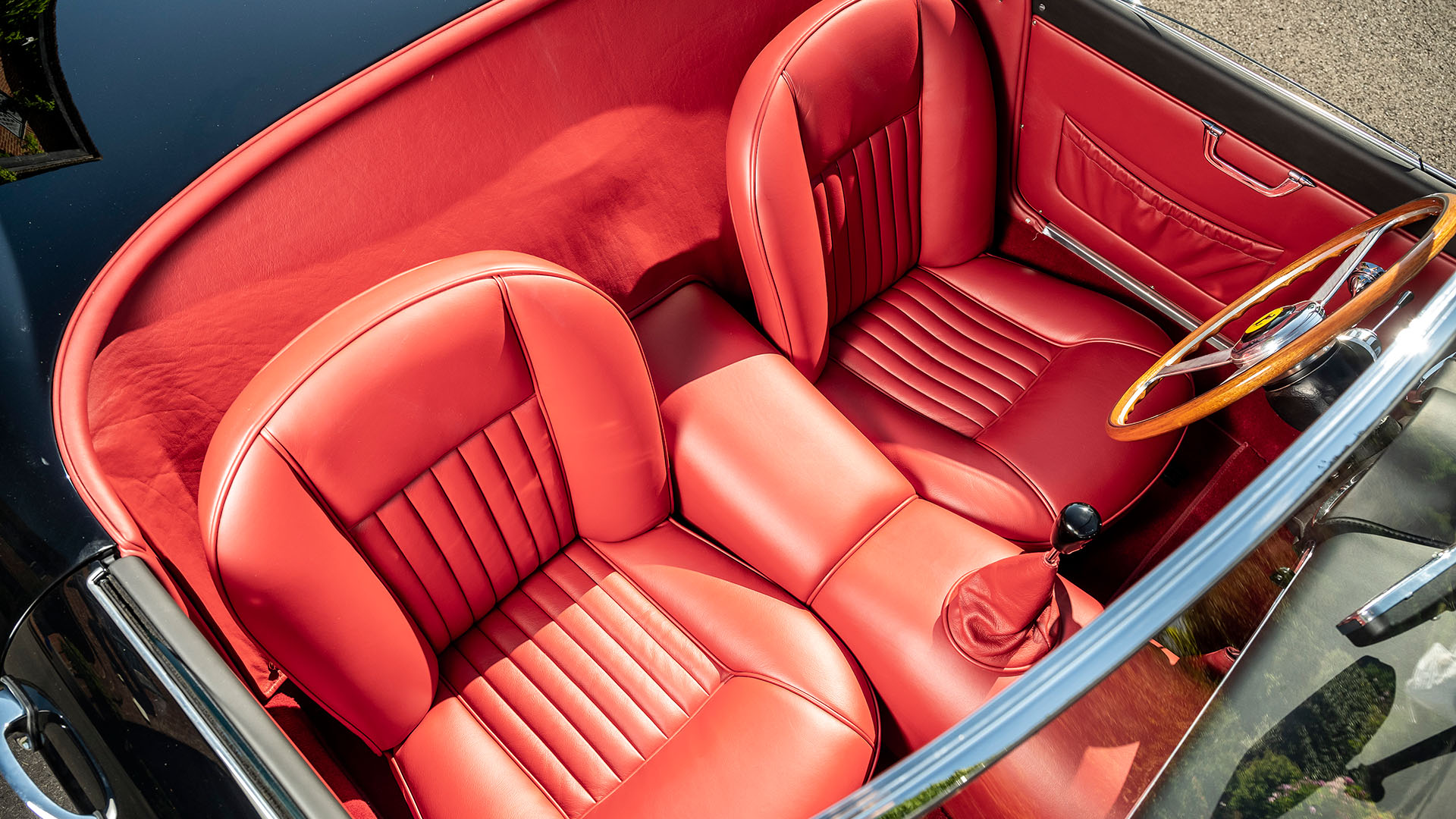
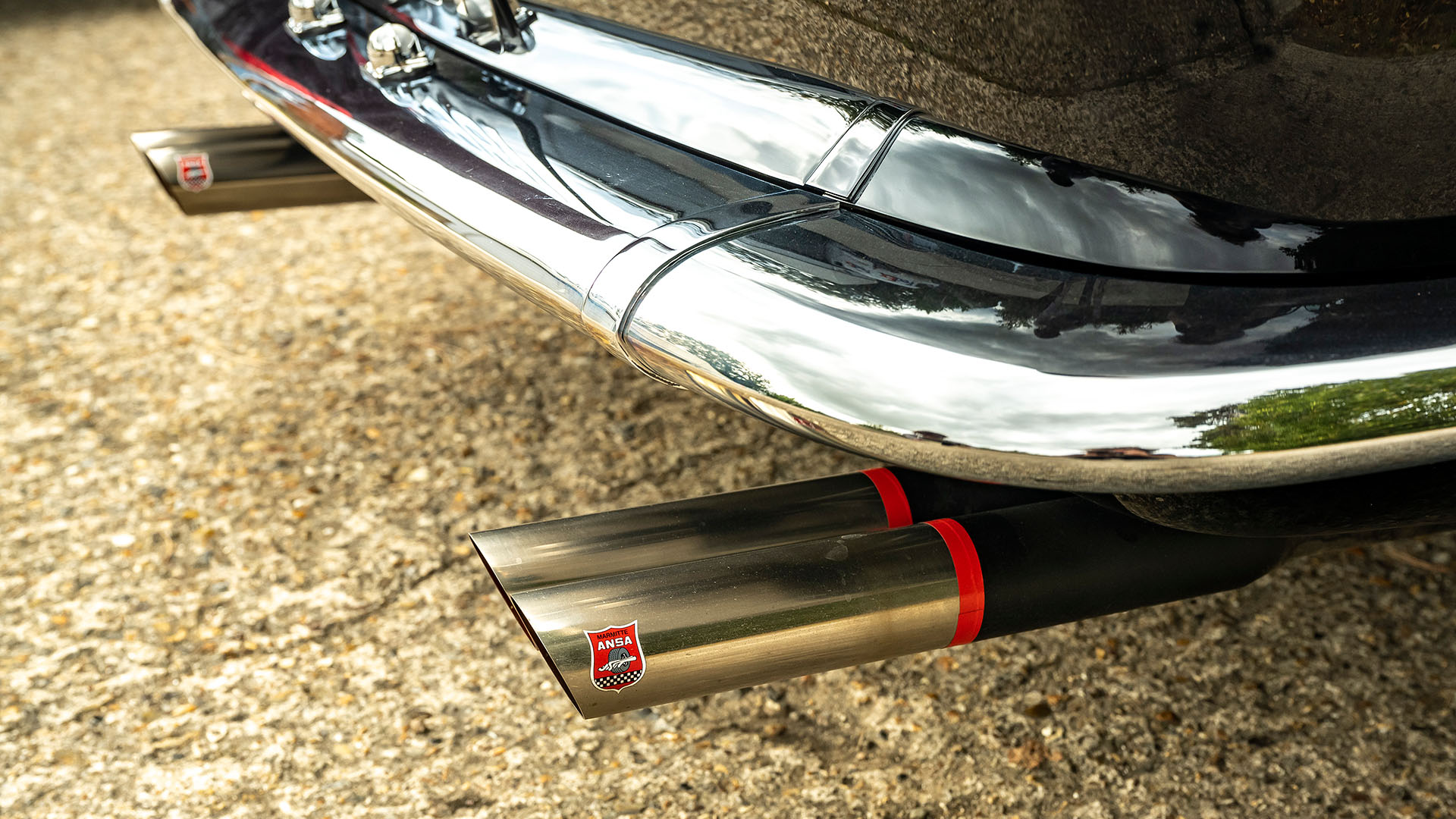
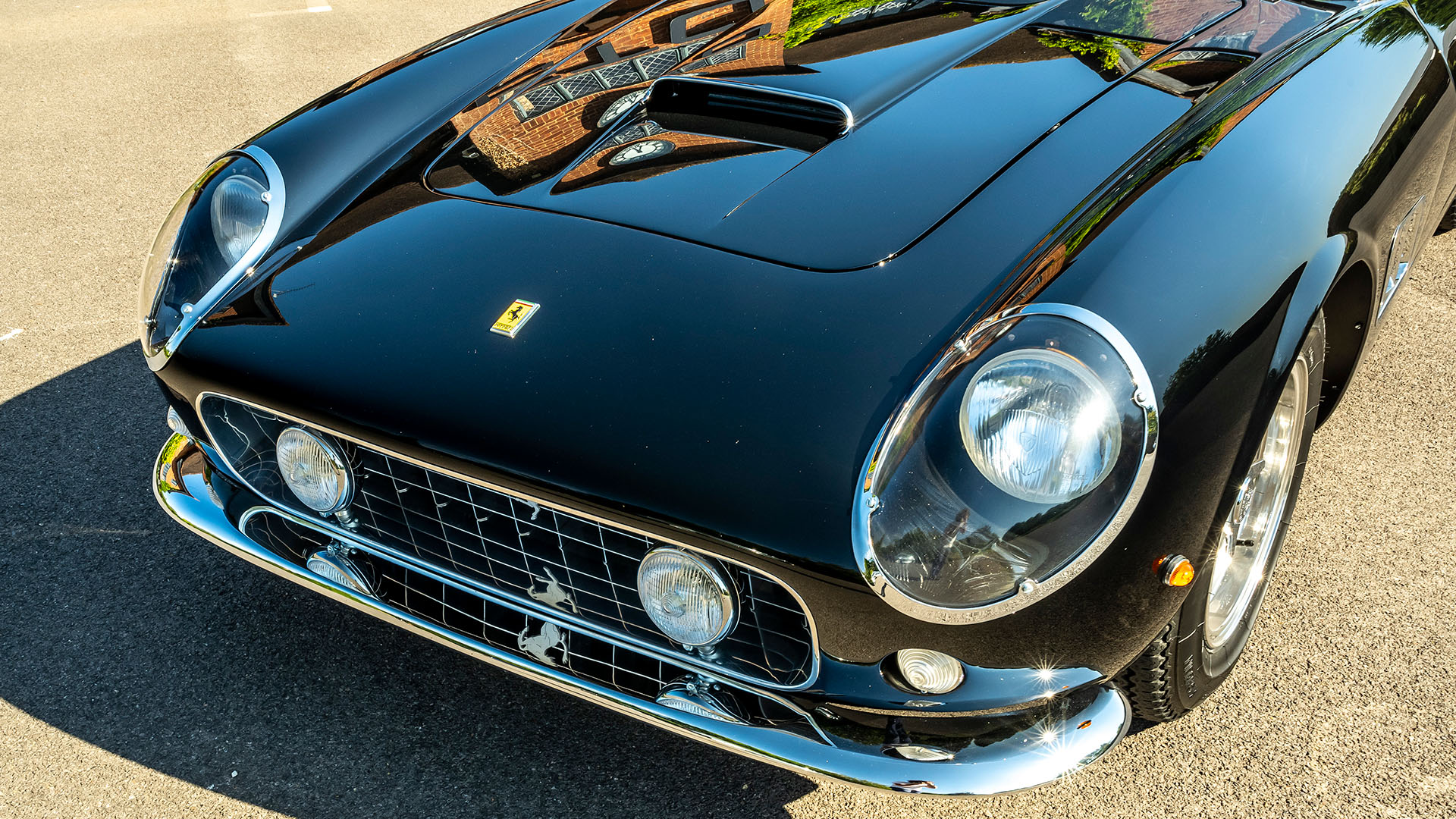
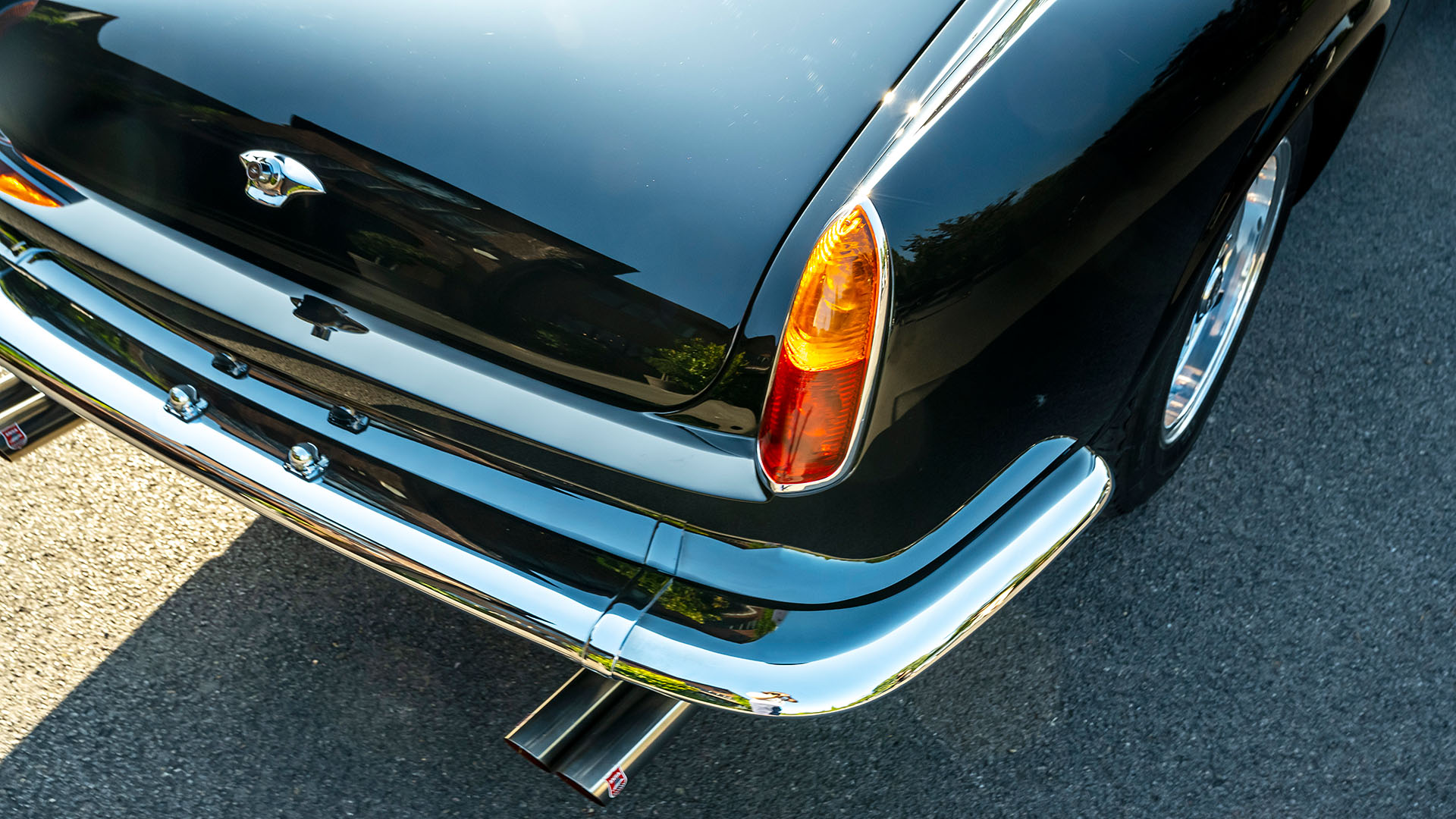
But those two cars are closed coupe models, just as a reminder, GTO Engineering also has a 250 TR Revival model available for those looking for that amazing race car version, but now they are ready to unveil what I consider the best looking of them all, the 1960 Ferrari SWB California Spyder Revival, a reincarnation of one of the most iconic Ferraris ever made, the hand-built, tool room copy based on the 1960 SWB California Spyder will make its global debut at the upcoming Goodwood Revival in September 2021.
In contrast to the 108 original California Spyder built by Ferrari that can be found in collections globally in perfect factory spec as they left the gates in Maranello, this new California Spyder Revival by GTO Engineering is a bespoke build for the customer, these new cars can be fitted with an in-house built Colombo replica V12 boasting the original 3-Liter displacement, but you can also opt for an upgraded 3.5-Liter version, and if you really insist, GTO Engineering will fit a 4-Liter V12 engine in your California Spyder Revival, bolted onto either a 4-speed manual gearbox or an optional 5-speed unit.
Every single unit of the California Spyder Revival is meticulously hand-built during a 1,500-man-hour process, being a topless car, special attention has been focussed on torsional rigidity, the team of specialists at GTO Engineering will continue where the workforce of Maranello left off in the Sixties, with each area of the build being better or matched in terms of quality and manufacturing standards than the sixty-year-old original.
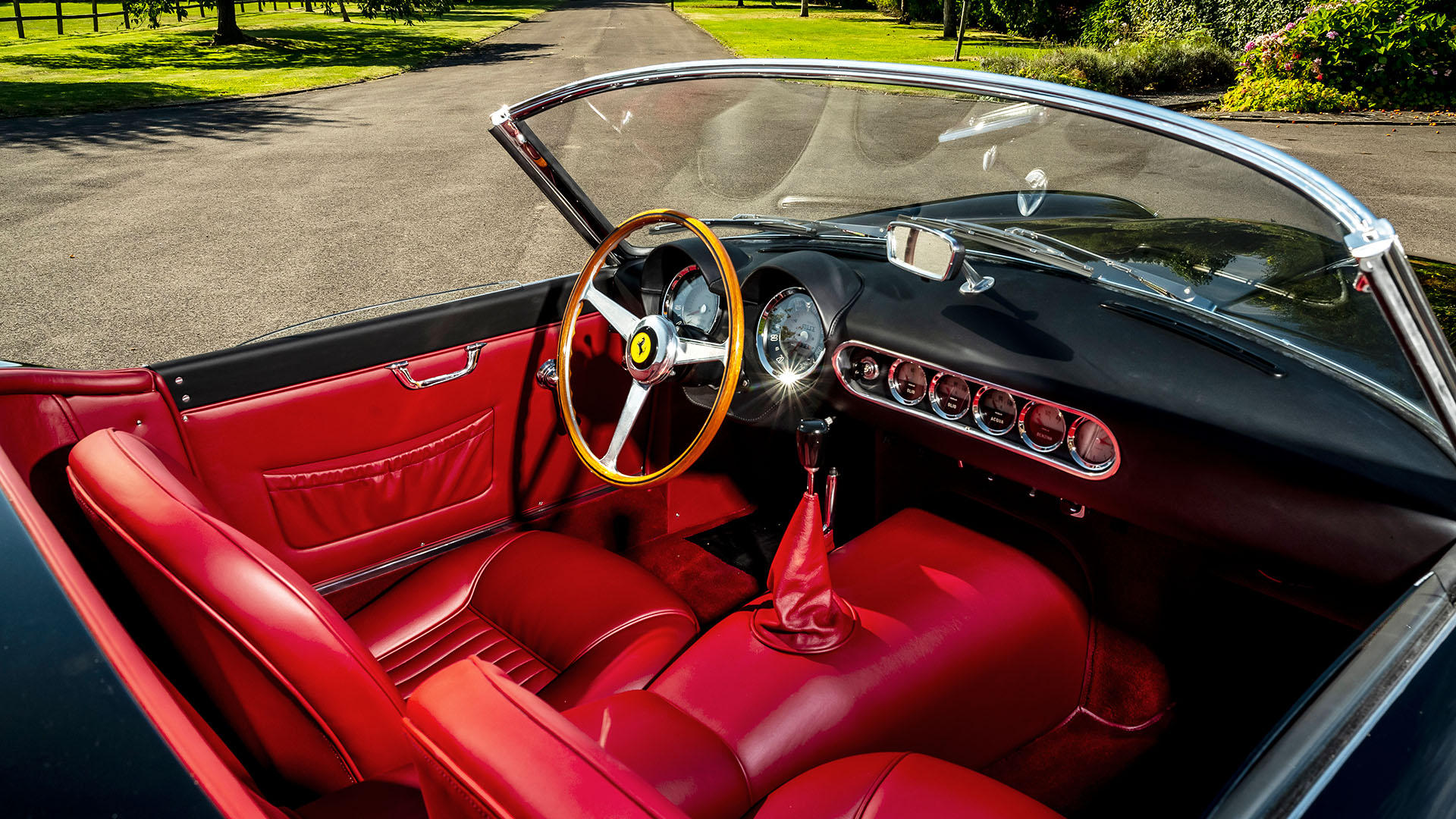
We are talking about an all-aluminum body, carefully replicated by the artisans at GTO Engineering, using in-house tooling, but the body and engine are only part of this amazing looking California Spyder Revival, the interior is another masterpiece, upholstery in the finest Italian leathers is available, and just in case the original steering wheel from the Sixties seems too large, the client can opt for a vintage-looking, period correctly styled, but smaller unit.
Mark Lyon, Founder and Managing Director of GTO Engineering said: “It’s very exciting to be able to start talking about our latest addition to the Revival series: the California Spyder Revival. It is one of, if not, the most iconic Ferrari road car from the Sixties and it’s something we’ve worked hard over recent years to develop, following on from the success of the 250 SWB Revival and 250 TR Revival models. The feedback from both previous and new Revival-series customers is encouraging and we’re looking forward to working with more owners to create their dream car.”
GTO Engineering is planning to deliver the first units of this amazing looking California Spyder Revival by the end of this year, within 3 months we should be seeing the first customer taking delivery of this beauty, the official press release from GTO Engineering even lists pricing, between £750,000 and £850,000 (that’s US$1,040,000 to $1,177,000 at the exchange rate at the time of writing) depending on the donor vehicle and options the customer specifies as each one of these is tailor-made for that specific client, so these ‘Revival’ Spyders don’t come cheap, but compared to the real, original Sixties ones, this is a bargain for sure.
September 15, 2021 / Comments Off on The new California Spyder Revival
A few months ago, Nissan announced the arrival of the GT-R NISMO Special Edition. This was expected to be the last of the iconic R35 GT-R line, and the car has already been axed in several markets worldwide. However, the Japanese giants have one last hurrah in store, and it’s called the ‘T-Spec.’
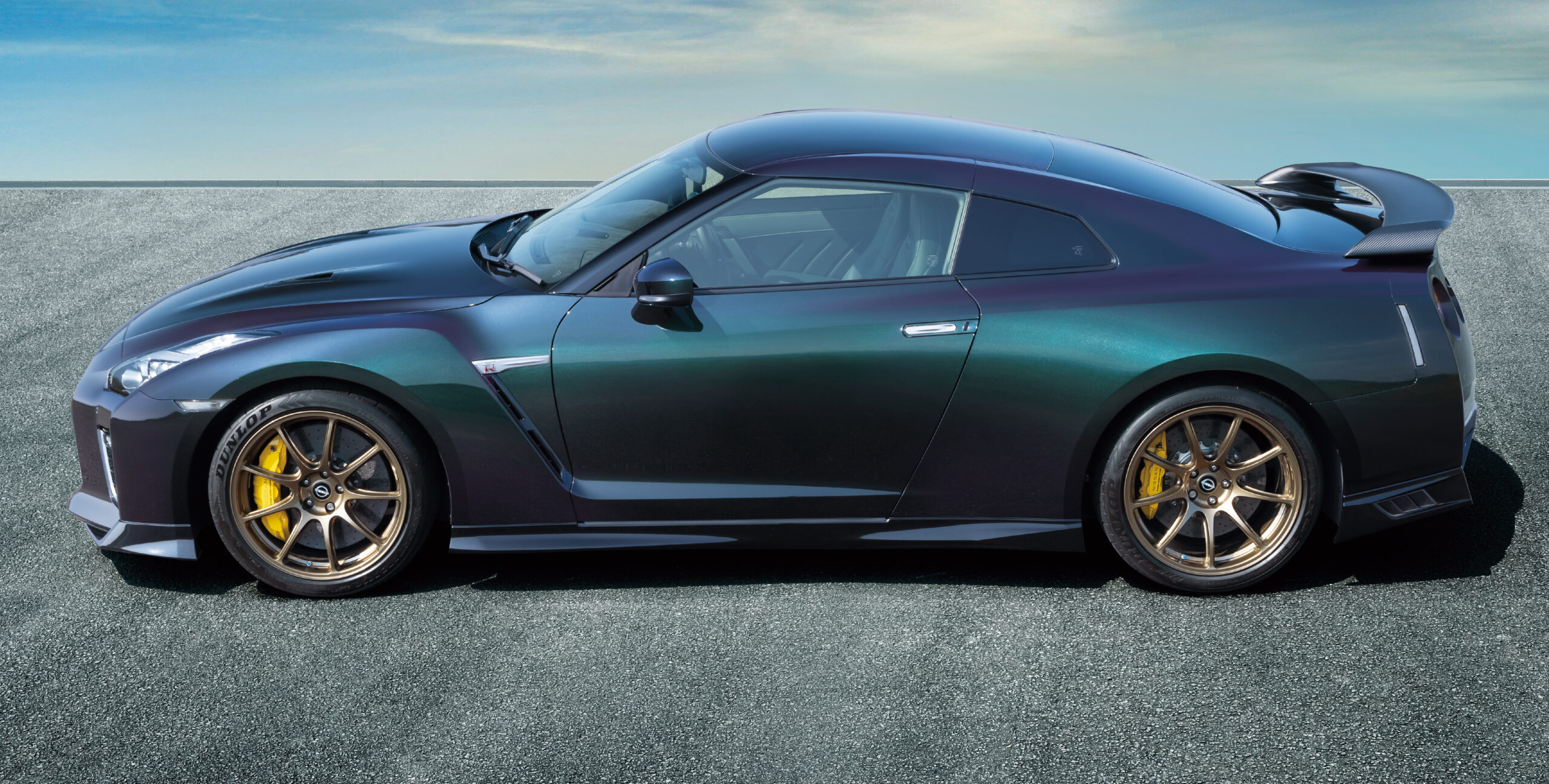
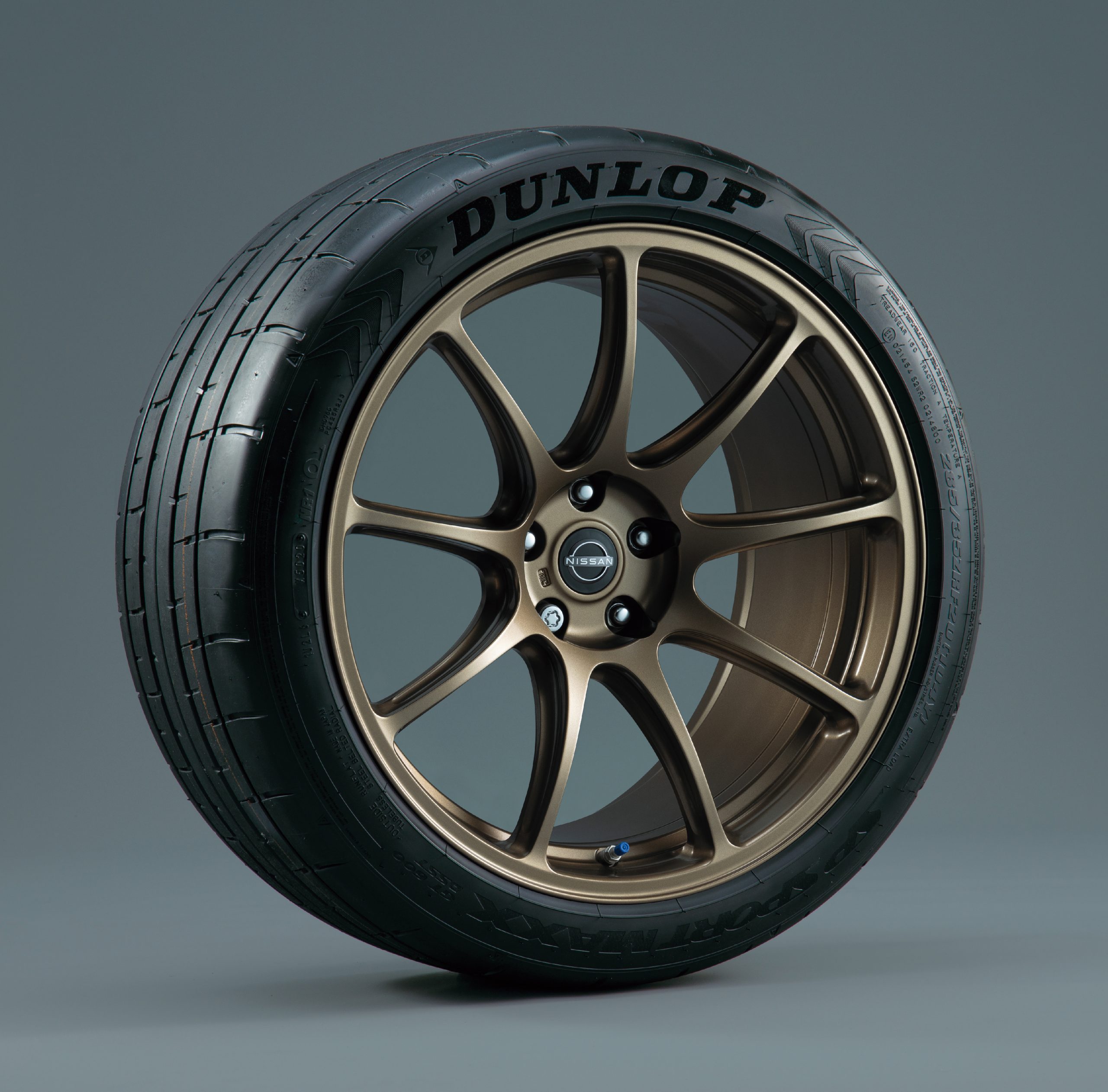
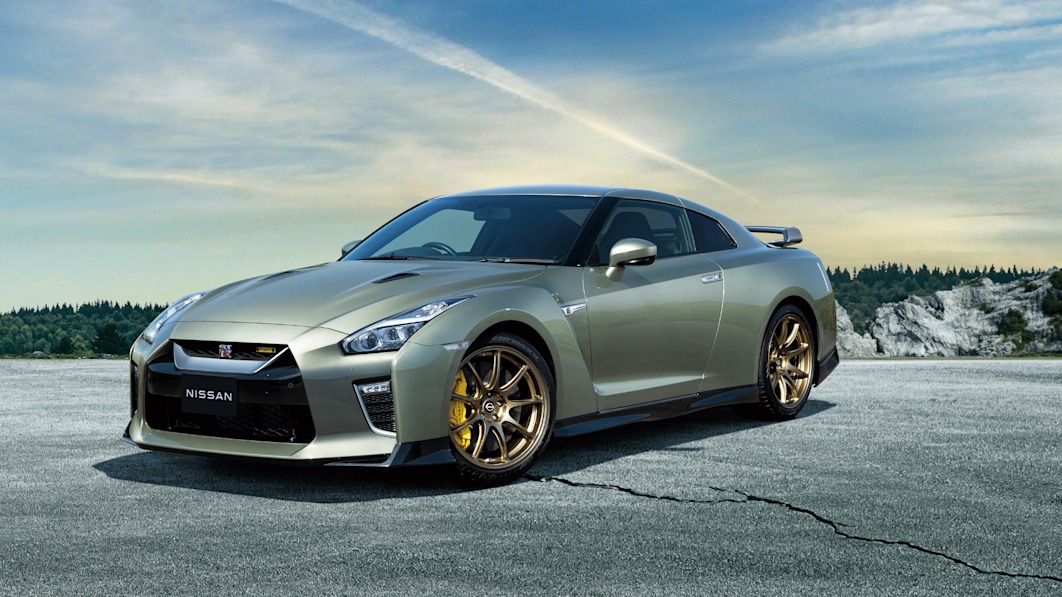
Nissan has just announced the addition of a GT-R T-Spec that will join the likes of the existing line-up. Visually, this new iteration pays homage to the JDM Nissan Skyline legends of yesteryear; it’s got two new, exclusive color schemes, a wider front end, a carbon-fiber rear spoiler, and gold-colored NISMO forged wheels.
According to CarAndDriver, One of the color schemes the T-Spec will be available in is called Midnight Purple. Sounds familiar? It’s the scheme from the R33 Skyline GT-R. The other one, we reckon, is even more iconic. Called the Millennium Jade, this green-ish hue was used on the R34 GT-R V-Spec II Nur, one of the rarest GT-Rs ever made.
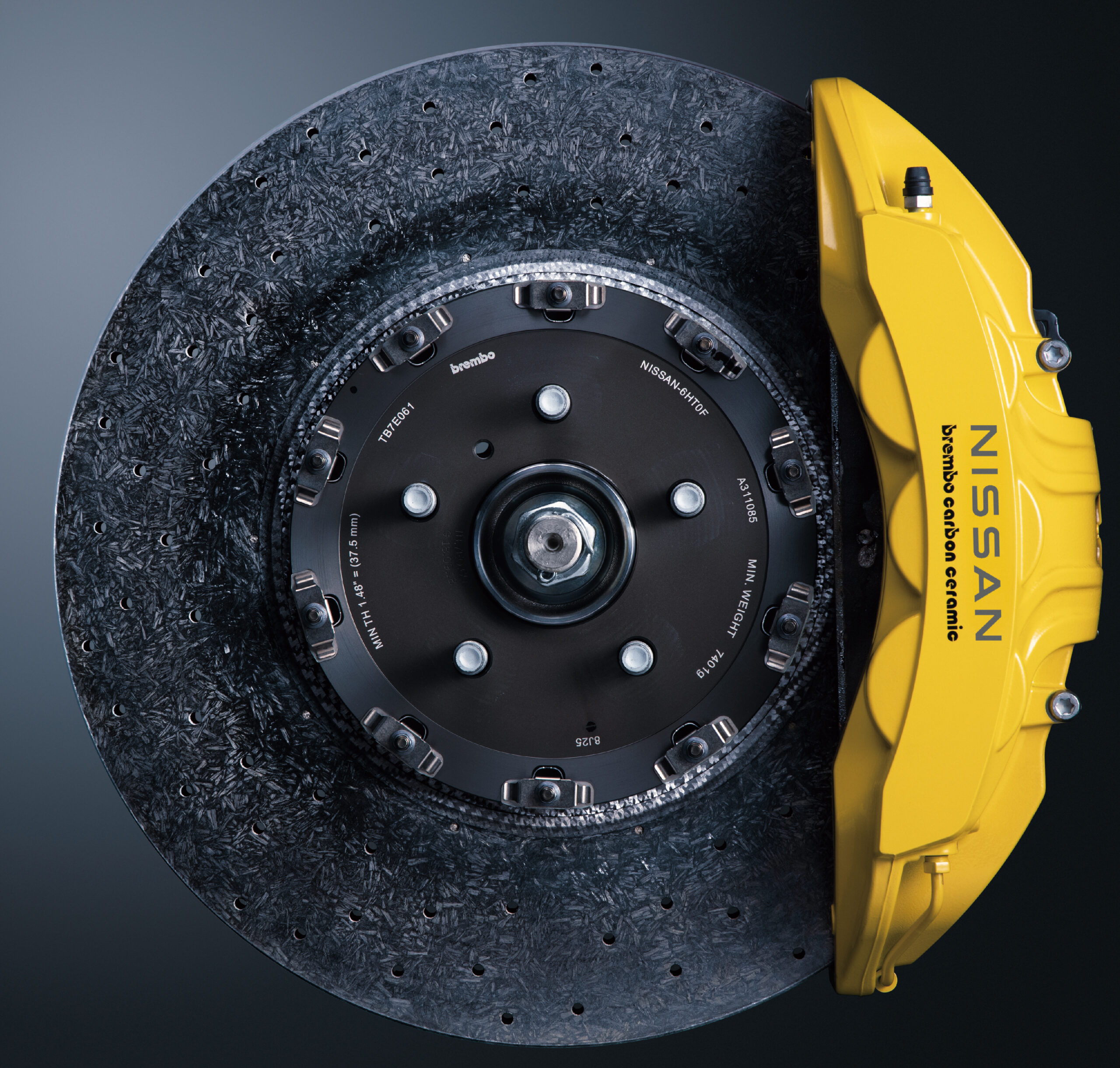
Nissan has also made it clear that the T-Spec is more than just a pretty paint job. For starters, there are the forged wheels – these 20-inch units are manufactured by Japanese wheel giants, Rays, and weigh less than the ones on the standard car. Then there’s the addition of carbon-ceramic brakes, courtesy of the GT-R NISMO.
The T-Spec isn’t equipped with the same powertrain as the NISMO Edition, but it’s still a monster of an engine that powers the car. The hand-assembled, twin-turbo VR38DETT V6 packs a powerful punch, putting out 565bhp and 467 lb-ft of torque. Helping this power get to the wheels is a 6-speed dual-clutch transmission and the GT-R’s rear transaxle ATTESA E-TS all-wheel-drive system.
The Nissan T-Spec is very likely the last we’ll see of this generation of the mighty Godzilla. The car will be available in limited numbers, along with the NISMO Special Edition, and will go on sale in the US in late 2021. Prices for the GT-R T-Spec and GT-R NISMO Special Edition have been announced at $138,490 and $215,690, respectively.
Nissan also announced that a GT-R Track Edition will also be available soon; however, this car will only be available in its home market of Japan.
– Submitted by Vishal Venugopal
September 15, 2021 / Comments Off on New 2021 Nissan GT-R T-Spec – The Last of the R35
Bugatti Lifestyle collection recently unveiled the new Bugatti Pool Table, a US customer will receive the first licenced Bugatti Pool Table featuring a unique plate decorated with EB logo and an engraved edition number 1/30.
Complimentary items that will accompany the new Pool table include a wall-mounted cue support finished in carbon fibre, a high resolution 13 inch touch screen to keep track of the scores and lamp operations.
Additionally, the carbon fibre pool cues feature anodized, CNC-machined aluminium ends formed in the same design as the buttons of the Bugatti Chiron and Divo.
Customers can fully customize their Bugatti Pool Table by selecting individual carbon and leather colors they desire. The Bugatti Pool Table will be limited to 30 units only.
Bugatti Pool Table
September 15, 2021 / Comments Off on Bugatti Built a Pool Table for 30 Hyper Rich People…Carbon Fiber Galore
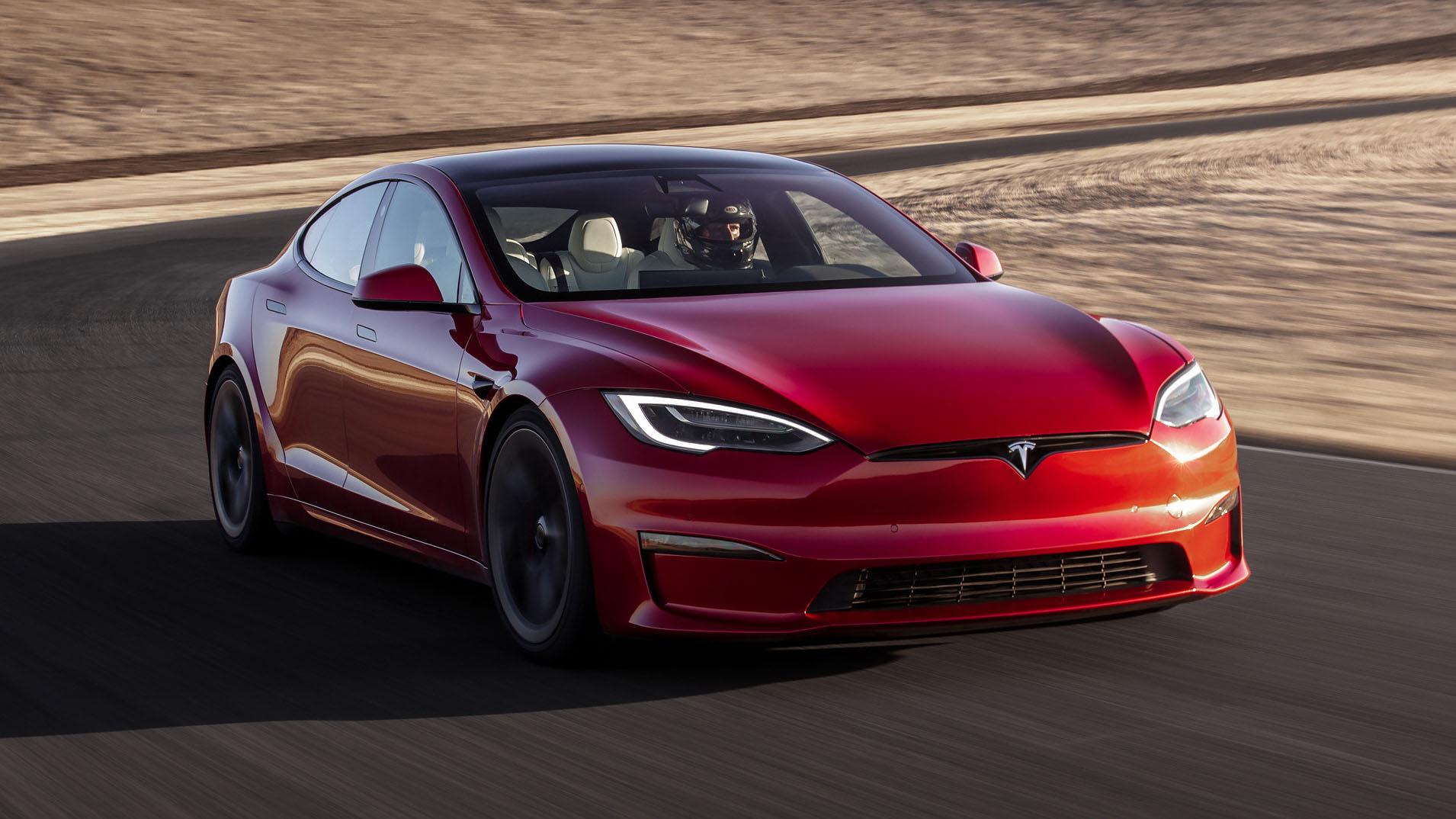
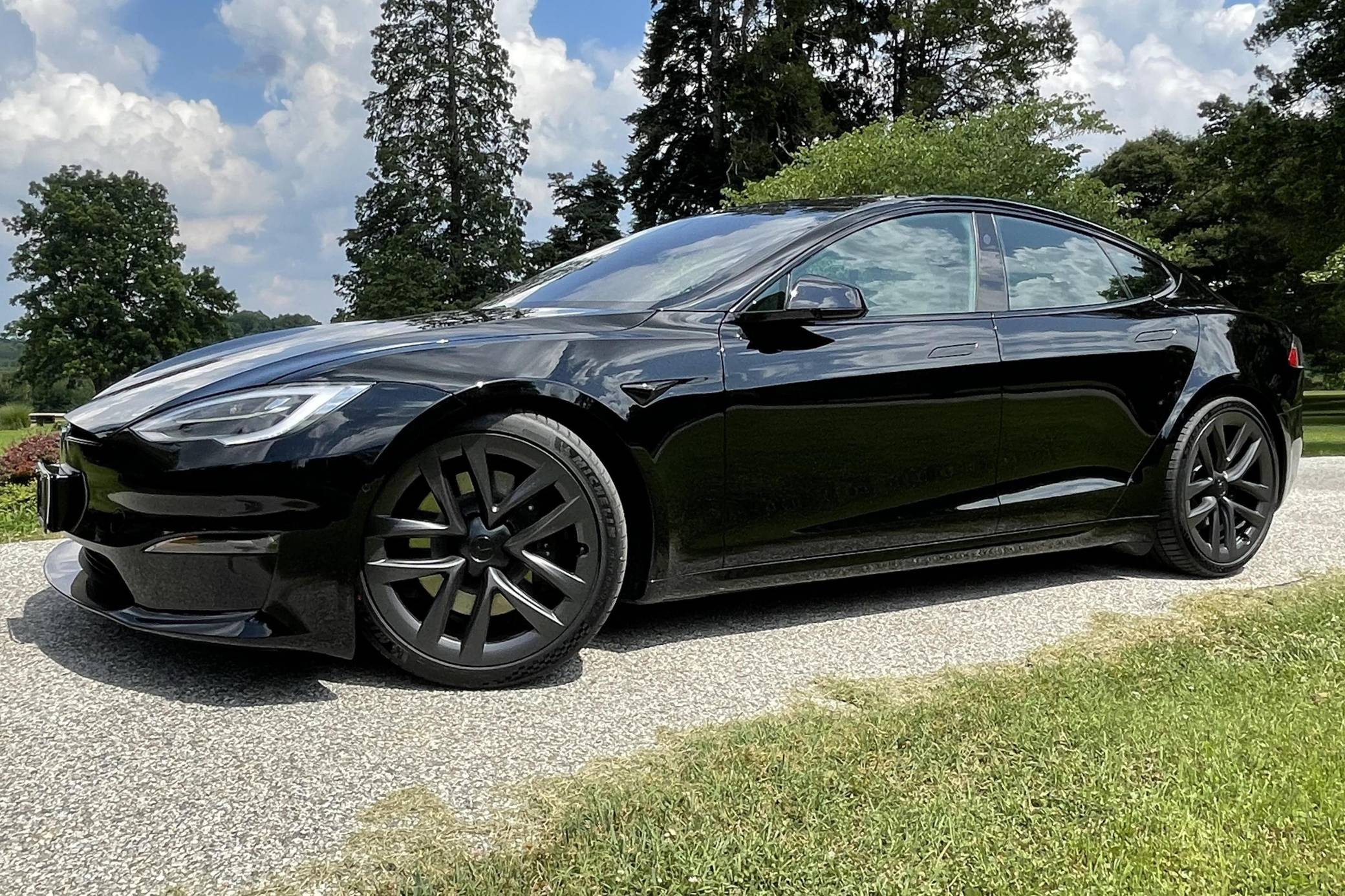
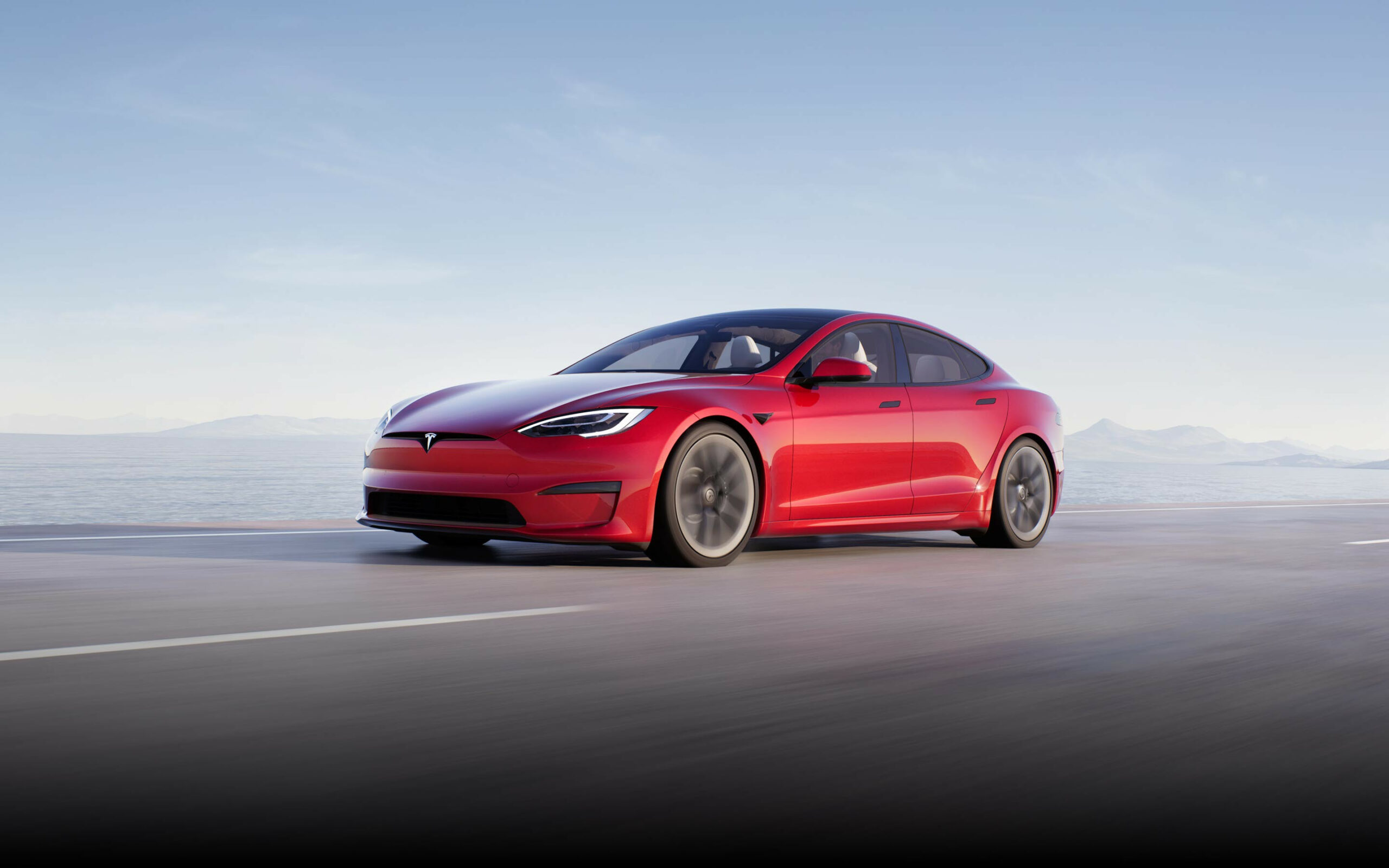
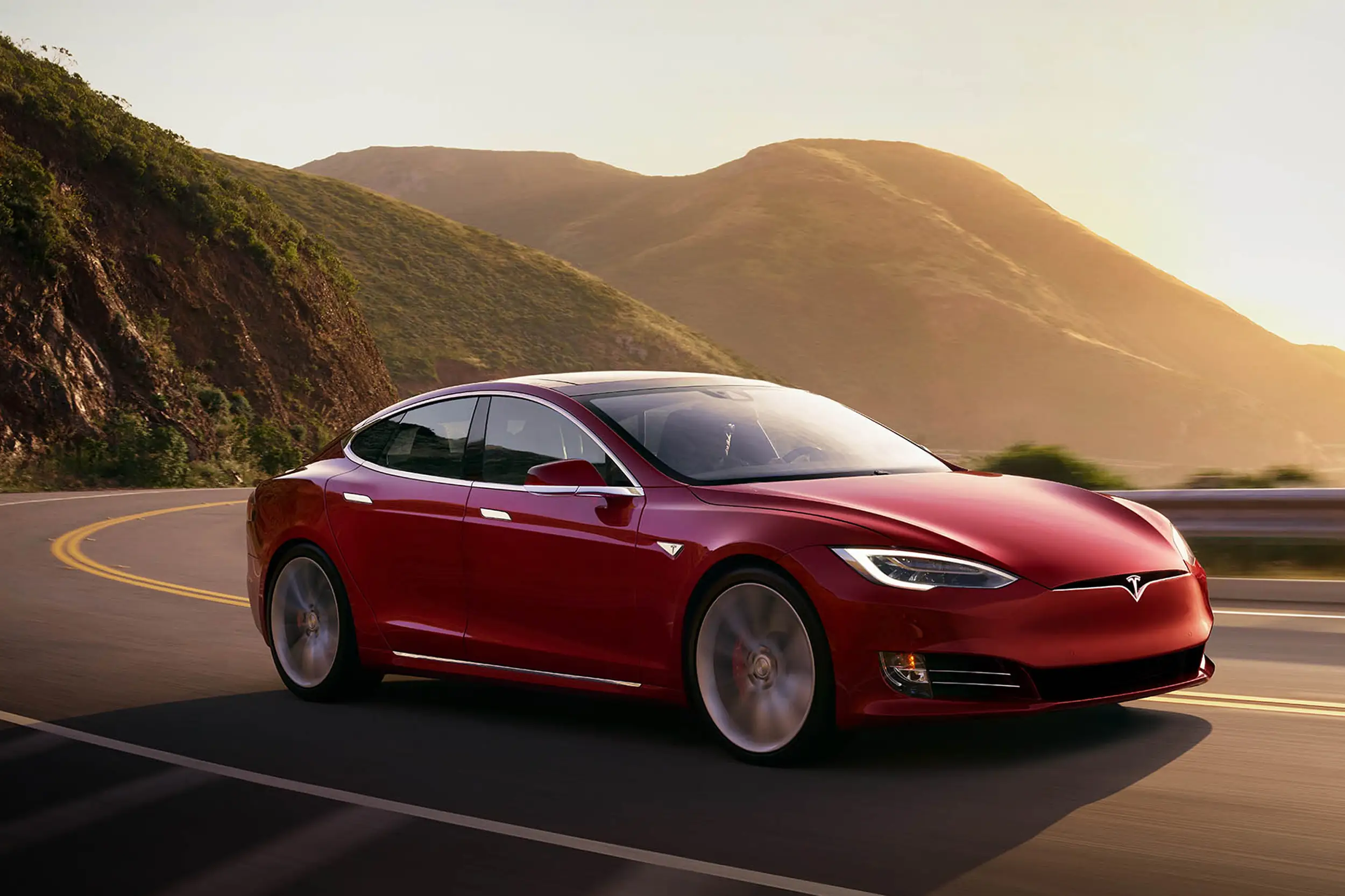
The Tesla Model S Plaid now holds the record for being the fastest production EV around the Nürburgring. A time of 7:35.579 meant it was a whole 11.431 seconds quicker than the Porsche Macan Turbo, which previously held the record. The news off Team-BHP.com was first tweeted by Tesla CEO Elon Musk, and the Nürburgring soon released a statement confirming the same.
The ‘Plaid’ powertrain has been the most significant update that the Model S has received since its first launch in 2012. It includes a tri-motor electric powertrain producing 1020 hp and 1,050lb-ft of torque – enough to propel the car to a claimed top speed of 200mph with a 0-60mph time of 1.99sec.
Musk mentioned in his tweet that the car that set the record was in complete stock guise and “directly from [the] factory,” leading us to believe that there were no changes or adjustments made to the tires, brakes, or suspension.
He also mentioned that the next target for the Model S Plaid would be to set another lap-record, this time in a track-specced iteration, with additional aerodynamic pieces, carbon-ceramic brakes, and stickier tires. However, this will not be a company effort.
It seems rather late in the year to reveal a 2021 model, but Nissan has just dropped a new variant of its GT-R supercar. Called the T-spec, it’s a limited production variant of Godzilla positioned above the GT-R Premium model. It comes in a couple of throwback colors from the GT-R’s extensive history, as well as a green interior that is, frankly, awesome.
While the T-spec soldiers on with the same 565 horsepower, 467 lb-ft twin-turbo 3.6-liter V6 that the GT-R has had since its 2017 update, the car does feature a number of upgrades to set it apart from the standard GT-R. For one, the front fenders are wider units last seen on the 2020 Track Edition. Behind them lurk brake air guides and carbon-ceramic rotors from the harder-core GT-R Nismo. A carbon-fiber rear spoiler rounds out the changes that would have any effect on performance.
You’ll be able to identify the T-spec cars by their black hood ducts, color-matched mirrors, and Rays forged aluminum alloy 20-inchers finished in a gold exclusive to T-spec cars. Naturally, badges identifying it as such can be found on the grille, rear, center console, and door sills.
As an homage to its predecessors, the T-spec comes in two colors not available on lesser GT-Rs, Midnight Purple and Millennium Jade. The former was introduced on the 1995-98 Skyline GT-R, known by its chassis code as the R33 generation. Variations of the color were brought back twice for the following R34 generation, each time released as a limited edition.
Millennium Jade, on the other hand, was exclusive to the 2002 Nür edition cars, named after the Nürburgring where Nissan tested the GT-Rs (and held a long-standing production car lap record) long before every automaker and their mother were comparing lap times. The Nür cars were the last Skyline GT-Rs until the R35 burst onto the scene in 2008.
Inside, Nissan is introducing a new color called Mori Green, and it is fantastic. The automotive kingdom desperately needs more green interiors that resemble my parents’ Chevy land yacht from the early 1970s, and boy does this cabin deliver. A forest-y green adorns the semi-aniline leather-appointed seating, while soft-touch surfaces atop the dash give off a more grayish appearance. A unique quilted headliner rounds out the T-spec differences in the interior.
Curiously, Nissan USA’s press release describes it as a 2021 model year car, while Nissan Japan describes it as a 2022 model year car. We’re not sure if this is a typo, or if it spells out something more ominous about the future of the U.S. market GT-R. After all, the GT-R is rumored to have a hard production stop sometime next year, after which a redesign might bow. We’ve reached out to Nissan for clarification and will update the article if we learn more.
In Japan, the T-spec is limited to 100 cars, with potential customers being determined by lottery. Nissan hasn’t said how many will be sold stateside, except that it is a limited production vehicle with a “very limited” number to be made available. GT-R T-specs will cost $140,285 including a $1,795 destination fee when it goes on sale this winter alongside the previously announced, $217,485 GT-R Nismo Special Edition.
Related video:
September 14, 2021 / Comments Off on Nissan GT-R T-spec comes with a Godzilla green interior
We all know Horacio Pagani, the man behind some of the world’s most impressive hypercars today, but a man that also gave us the Lamborghini Countach 25th Anniversary back in 1988, when he was asked to redesign the Countach Quattrolvalvole into a limited edition model to celebrate the 25th anniversary of Automobili Lamborghini SpA founded in 1963, the Countach 25th Anniversary was intended to be made in very limited numbers until a successor took over … things turned out a little different, and by the time the Diablo was unveiled in 1990, there were 657 units made, making it the most successful Countach in the series.
Horacio started working at Automobili Lamborghini SpA when he was in his late twenties, and while we all know of him as being responsible for the Countach Anniversary, a year earlier, in 1987 he also created the Countach Evoluzione, by the newly-formed ‘Composites Department’, they decided to change the steel space-frame of the original Countach to a chassis/body construction in composite materials, making this the first ‘composite’ Lamborghini in history, sadly the car no longer exists as the Evoluzione performed a final test: a crash barrier test, which revealed valuable information on the impact resistance of this kind of chassis structure.
Horacio Pagani was born in November 1955, aged 65 at the time of writing, he is still very young at heart and continues to develop hypercars for his high-net-worth customers, back in 1987 he even invested in his own autoclave to make carbon fiber components, but as Lamborghini wasn’t interested in this new lightweight material at that time, he left in 1991 to create his own company, Modena Design, that fabricated carbon fiber components … but the best was yet to come, a year later, in 1992 Horacio started Pagani Automobili Modena … and as they say ‘the rest is history’.
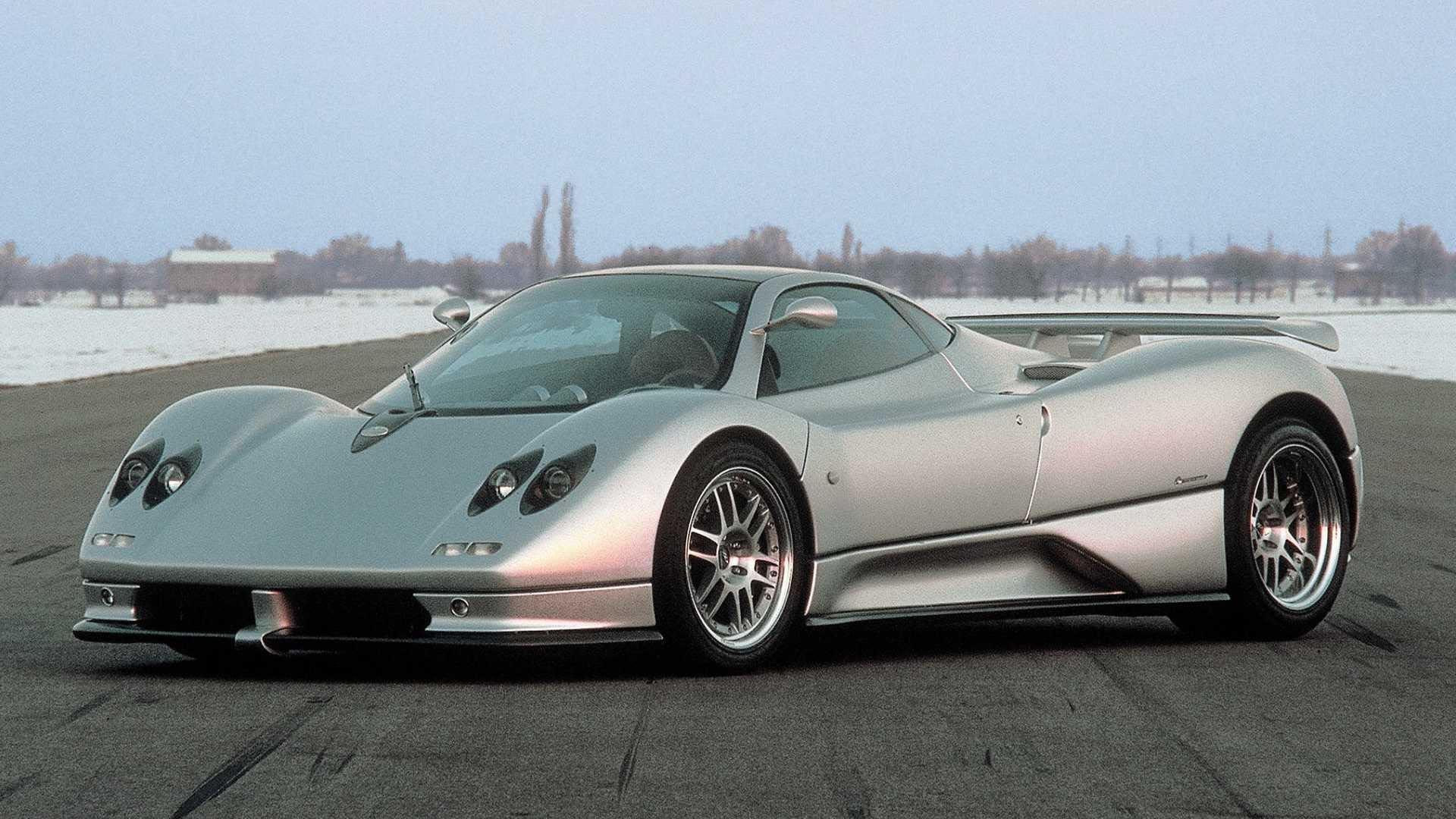
It would take Pagani Automobili seven long years to come up with their first production model … but the wait was worth it for sure, at the 1999 Geneva Motor Show, Horacio Pagani proudly unveiled the Zonda C12 … a hypercar, unlike the world, had ever seen, with a totally innovative design, powered by a Mercedes-sources 6.0-liter V12 with a power output of 394 hp (293 kW) and 420 pound-feet of torque (570 Nm), figures that might be dwarfed today, but in 1999 these were impressive nonetheless contributing to a top speed of nearly 300 km/h.
In 1999 a Pagani Zonda C12 would set you back US$299,999, today many new Pagani have that figure in options alone I guess, prices have gone up considerably for cars from this Modena based company, officially production of the Zonda was halted in 2012 when Horacio unveiled the new Huayra, but wealthy clients have a habit of convincing car manufacturers of making an exception when a lot of money is involved, so Horacio kept building bespoke Zonda’s six years later.
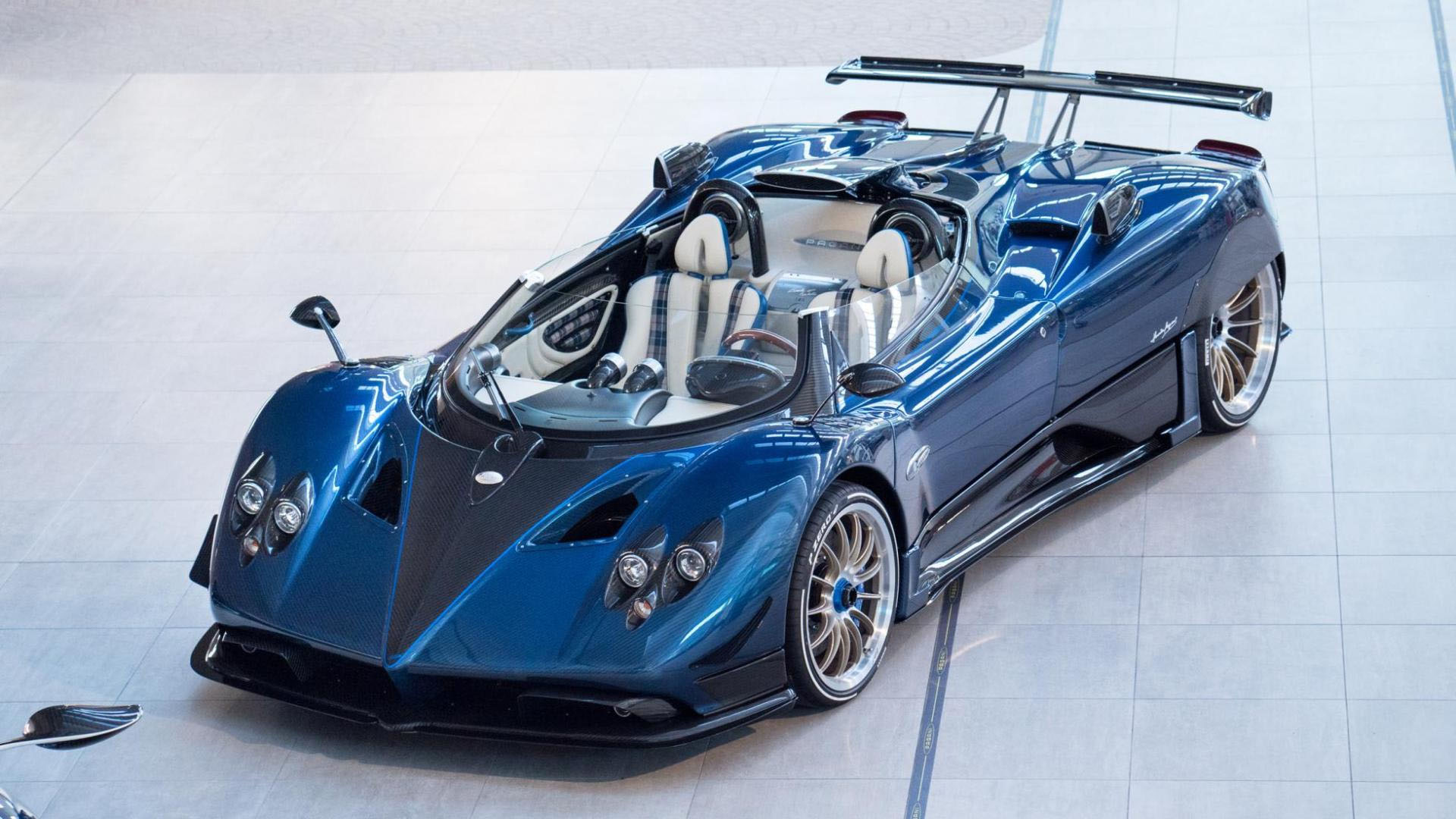
In mid-2018 Horacio Pagani unveiled his most expensive car to date, the Zonda HP Barchetta, he confirmed these three units would be the last Pagani Zonda ever to be built, and only two of these were available to customers as Horacio intended to keep one for himself, still, it seemed no problem at all to find two customers to come up with €15,000,000 (about US$17,500,000 at that time) for one of the two remaining Zonda HP Barchetta, by then power had increased to 800 PS already.
In 2011 the Pagani Zonda was officially replaced with the Pagani Huayra, a new design, with dynamic aero parts … two wings at the front, and two more wings at the rear would remain flush with the body for high speed runs, but in corners, they could all be raised individually to increase downforce on the corner that needed it the most, a very innovative idea that gave the Huayra hypercar an edge over the competition.
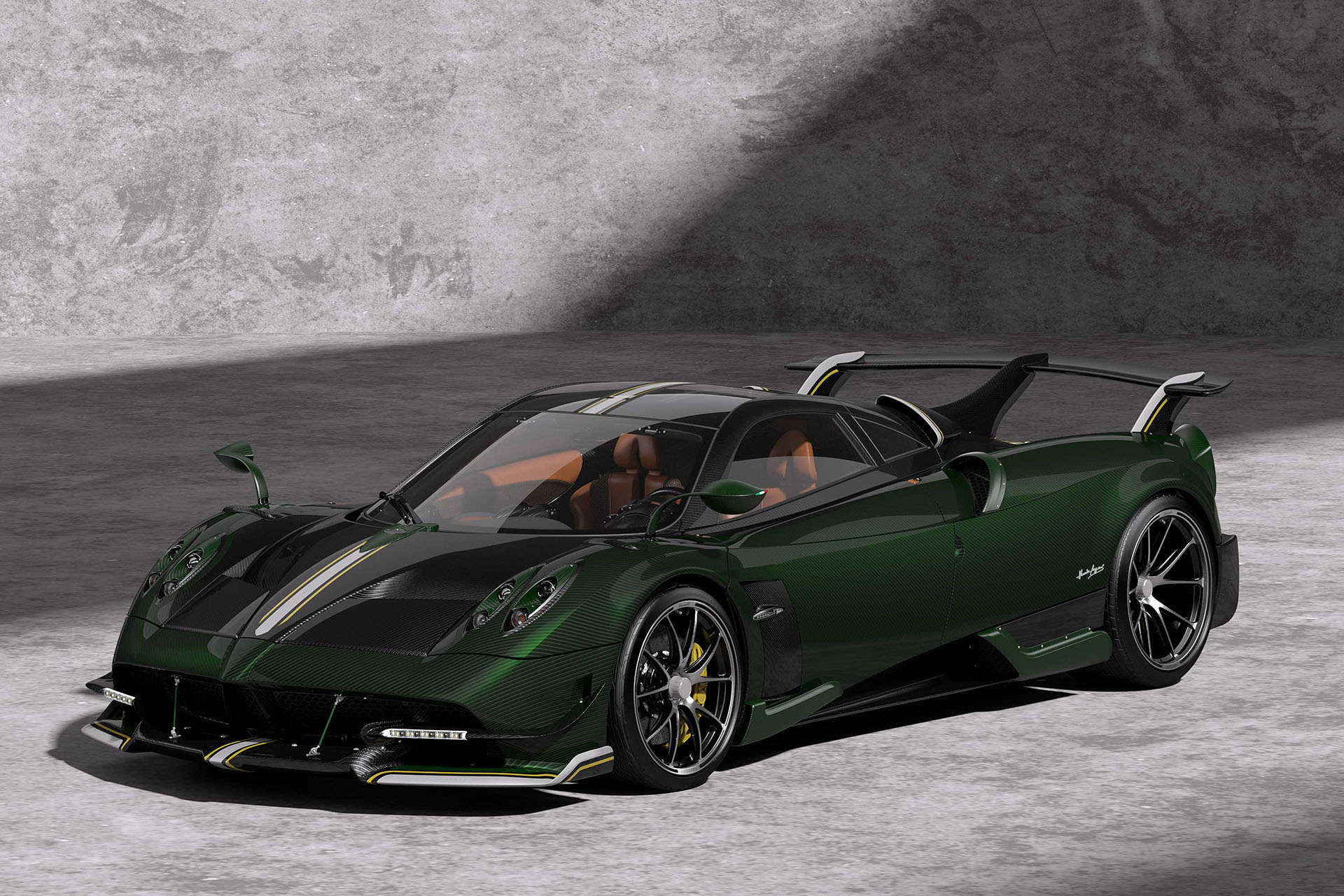
Only 100 units of the Pagani Huayra would be built, and we’ve heard they all sold by early 2015, but that didn’t mean you could order this hypercar from Pagani Automobili anymore, Horacio just started building a Roadster version, after that the Huayra BC and BC Roadster … and the list goes on today, in 2021 there are still versions of the Pagani Huayra available like the Pagani Huayra BC Pacchetto Tempesta unveiled during Monterey Car Week.
But the Pagani Huayra chassis is a decade old now, so it’s time to talk about a successor, the third model from Pagani Automobili that has an internal codename ‘C10’ that should be unveiled and receive her final name by 2023, and while just about everyone is talking about electrification or at least hybridization, Pagani will stick to a turbocharged Mercedes-AMG V12 that will be specifically built for this car alone.
If we think about the fact that the current Pagani Huayra Roadster BC comes with nearly 800 hp and 774 lb-ft of torque, I can only speculate the Pagani C10 will make a jump closer to 900 hp in two years time, why isn’t Pagani asking Mercedes to develop a hybrid transmission for his new car is easy … Horacio asked around in his current clientele and none of them were interested in an electric or hybrid Pagani, they want to buy a real hypercar with an internal combustion engine while it’s still legal to drive on the open road.
The newly developed V12 Mercedes-AMG engine will be complying with worldwide regulations until at least 2026, if not 2027, and let’s not forget Pagani Automobili is located in Modena, Italy, a country that is working towards an exemption of the 2030 all-electric legislation because production numbers from Ferrari and Lamborghini, for instance, are extremely low compared to mass-produced cars, in the end, Pagani is building less than 50 cars a year.
So we might be seeing a turbocharged V12 engine in the new Pagani C10 for several years into the future, but Horacio isn’t a fool either, so he has been thinking about a contingency plan since 2019, I wouldn’t be surprised if there is a Pagani Huayra test mule out there with electric motors, Pagani is working on an EV model, Horacio himself confirmed he liked the Rimac, but it’s too heavy in his opinion, the Huayra is a lot lighter and can pull more lateral G, which is what the customers for his bespoke hypercars are looking for, a lightweight, sensual hypercar.
At the time of writing there is no indication of power output, nor any styling cues on how the 2023 Pagani will look, we still only have the internal development codename C10, so most likely the upcoming hypercar hasn’t been named yet … but with it keeping a V12 engine without any hybrid help (as far as we know today), this sounds like a really interesting car to look out for, and as we already mentioned, there have been countless versions of the Pagani Zonda and the Pagani Huayra already, if you are interested in a complete overview, feel free to take a look at our Pagani Model List.
September 12, 2021 / Comments Off on Codename C10 – the new Pagani for 2023
Imagine this, behold the new 2023 Mercedes-AMG CLE 63 AMG Coupe powered by the award winning 4.0L V8 Biturbo engine with an output…the kind of dreams that get you into trouble with environmentalists.
This is pure speculation, and we have nothing solid to go by except hope that this is a possible outcome. The fifth generation Mercedes-Benz C-Class W206 has just began making its market entry. As always, Mercedes will offer various body styles of the car including the regular sedan, an estate, a coupe and a cabriolet.
There is no indication that Mercedes plans to deviate from its usual c-class product range in terms of body styling. However, only the sedan and estate models have been revealed so far but given it’s only just had its initial market entry then its too early to predict any changes.
What we do know is that the next C63 AMG sedan will not have a V8, and will instead use the 4-cylinder turbo-4 engine from the A45 S AMG coupled with electric motor(s). This move will see a reduction in carbon emissions while giving “better” performance numbers with an output of up to 600hp. Anyone in need of a V8 powered AMG sedan will have to step up to the E-Class range for an E63 AMG sedan.
And that’s fine, sort of, for now let’s just ignore the huge price difference between a C63 sedan and an E63 sedan. But what about buyers of a V8 powered AMG coupe? Are they supposed to step up to the AMG GT? The price difference between a C63 coupe and an AMG GT coupe is enough to get you a new Golf R and still keep some coins.
Going by that line of thought, and considering recent rumors of a possible CLE class to replace both the C-Cabrio and E-Cabrio, then it’s safe to say that Mercedes is looking to trim down the E and C class Coupe/Cabrio models into one model. So then, putting a V8 in the CLE would make more sense. It would be the most affordable V8 powered coupe/cabrio from AMG serving the (former) E and C coupe/cabrio markets.
The upcoming SL will be an AMG model only, and is not only different from the former C63 Cabrio or the current E-class cabrio but will also be priced higher since it’s a performance grand tourer.
But what does CLE stand for? In the past, CL stood for Coupe Leicht (Coupe Light) or Coupe Luxusklasse (Coupe Luxury). Let’s go with the former. What about the “E”? That stood for injection engine back in the days of the SEC but it could stand for anything today including a denotation of the E-class family.
Again, this is all speculation and Mercedes has given no indication that they plan to use a V8 in the future C63 coupe which would aptly be known as the Mercedes-AMG CLE 63 Coupe or Cabrio. That sounds so good already!
A few days ago, I received an email from the media team at De Tomaso Automobili. I am very skeptical about unsolicited mails but this time, my curiosity got the better of me and I tapped on the notification. The mail was mostly blank save for a video clip and a title that read, ‘Meet Isabelle – a love story, coming soon’.
[embedded content]
[embedded content]
A Short Teaser
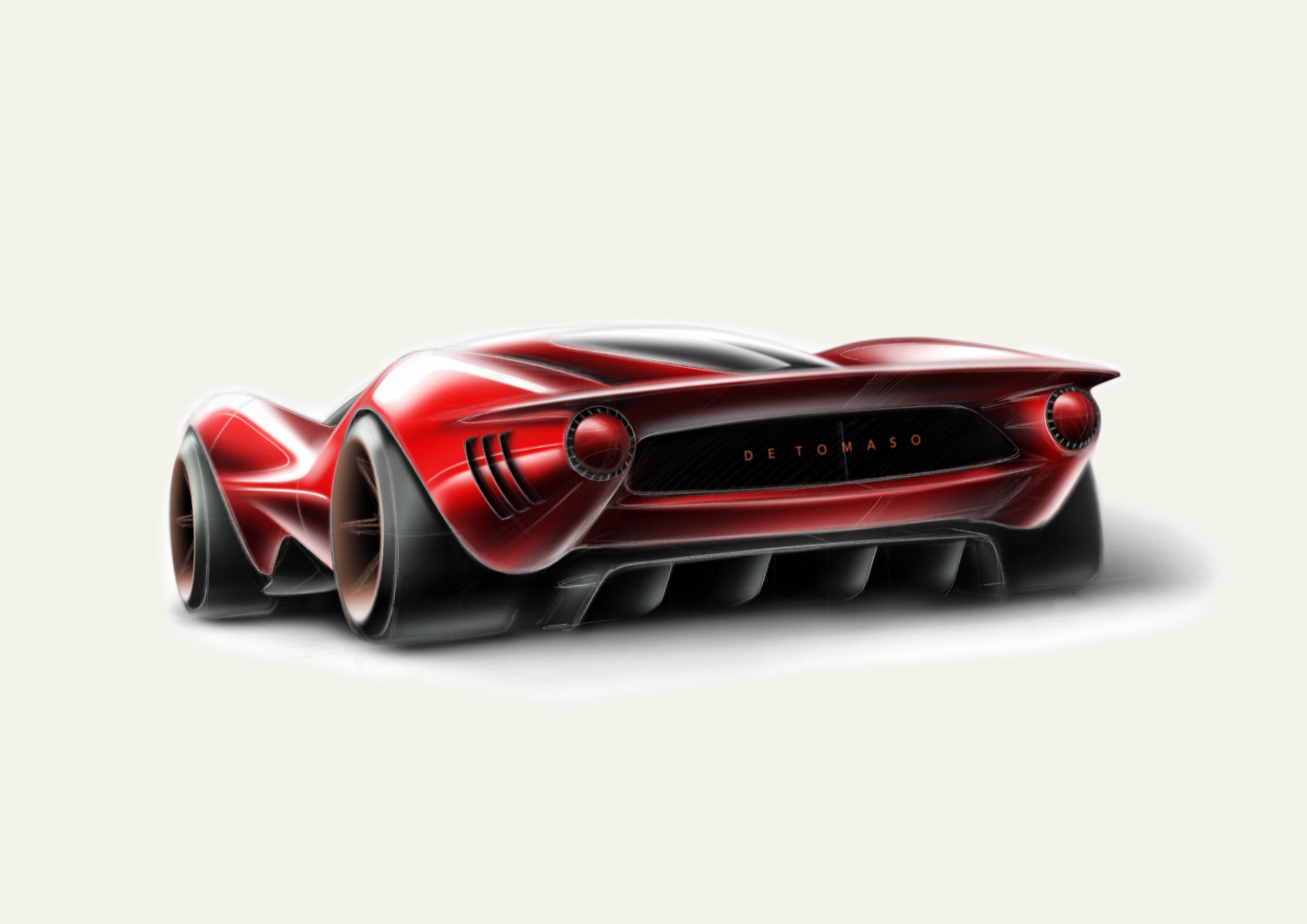
They had me at this point and I opened the video. The short 46-second clip began with the silhouette of a low-slung race car that bears a strong resemblance to the De Tomaso P72, the brand’s upcoming hypercar. I could barely make out the words, ‘Isabelle’ on the rear panel before the image flickered and disappeared.
The words, ‘iconic American sounds’ then appeared on the screen, preceding the sound of the aforementioned race car firing up its engine. The clip ended with a message to watch out for a film release slated for September 15, 2021.
I wondered if this was an announcement for a new hypercar? That is possible though unlikely, given that the De Tomaso P72 hypercar is yet to enter full production. Maybe a full reveal of the final production-spec De Tomaso P72 then?
It could also be that I was just overthinking things and De Tomaso Automobili had somehow ventured into film making and were going to release a movie titled, ‘Meet Isabelle’ on September 15, 2021, exactly as stated in the video.
History of De Tomaso
In any case, that email did get me thinking about De Tomaso as an automobile brand in general and once I did some digging around, I discovered the carmaker’s journey has been a rather intriguing one indeed. The company was founded by the now-deceased Argentine-born Alejandro de Tomaso in Modena in 1959.
It started off producing prototypes and racing cars, including the race car used by the Frank Williams racing team in the 1970 Formula One Championships. Most of the initial funding came from de Tomaso’s brother-in-law. That changed in 1971, when Ford acquired an 84% stake in the company. However, the partnership quickly soured and Ford backed out 3 years later, returning its shares to the company.
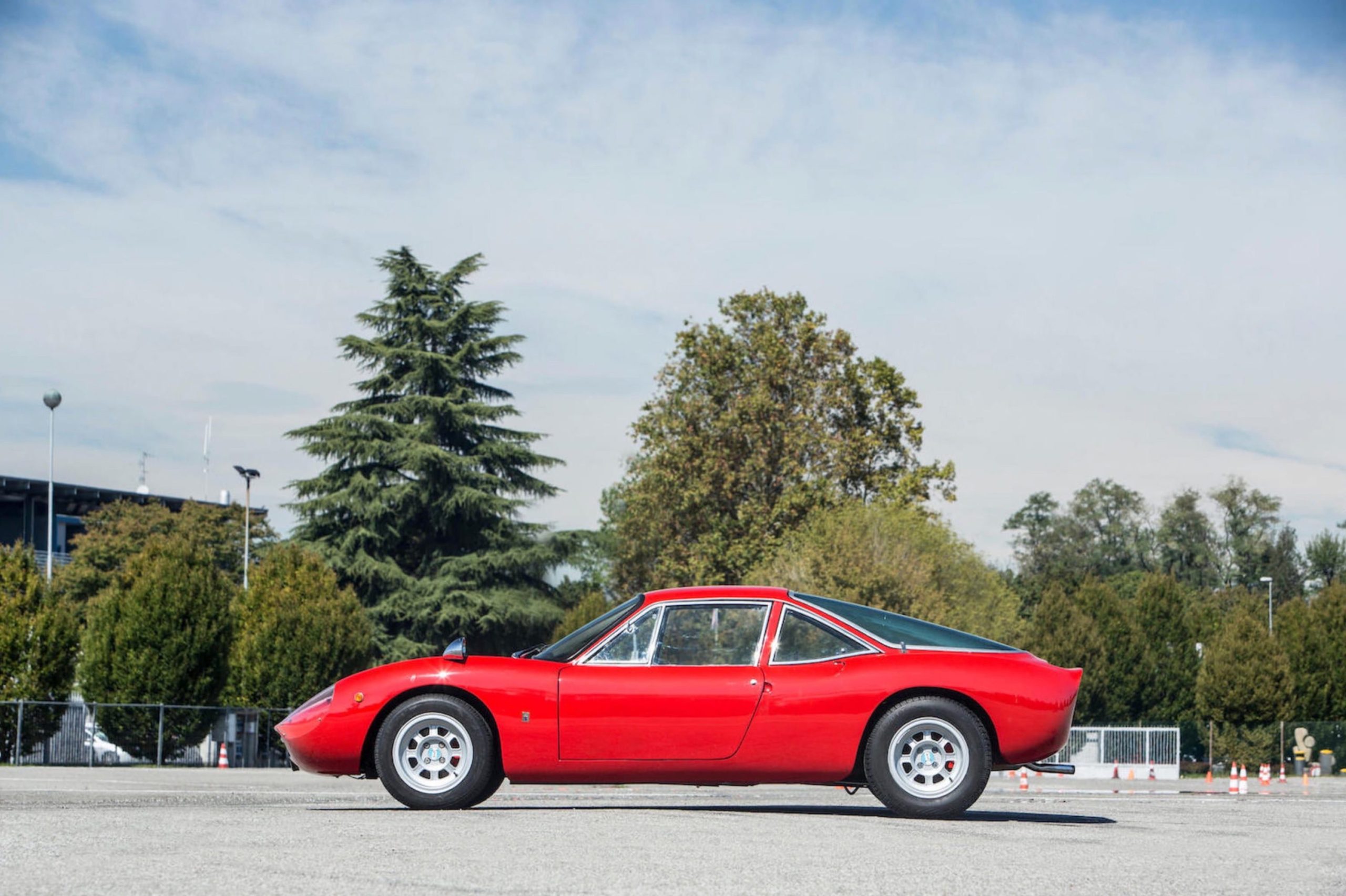
De Tomaso’s first road-going production car was the 1963 Vallelunga. The car, built around a lightweight chassis, was one of the first mid-engine cars in the world at the time. However, it was his next creation, the 1967 De Tomaso Mangusta, which really brought international recognition to the brand. Mangusta translates to mongoose in English and rumor has it that it was a very deliberate choice for the car, to show that it was superior to Carroll Shelby’s Cobra sports car.
You see, Alejandro De Tomaso and Carroll Shelby had a tumultuous relationship that culminated in the infamous 1965 Can Am conflict but that is a story for another time. The Mangusta was the brand’s first volume model and about 4oo units were built during a 4-year production run.
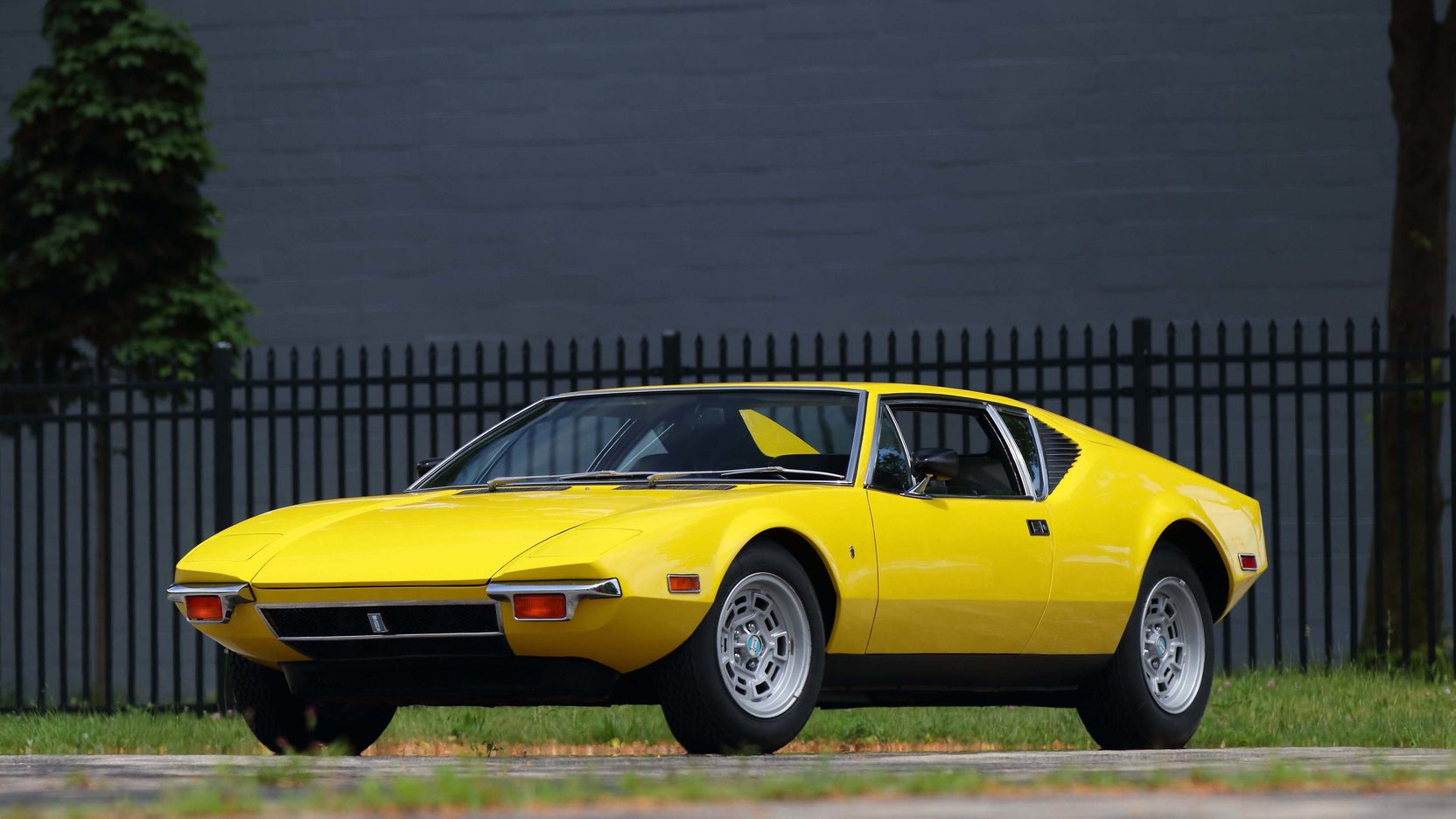
The cult classic, De Tomaso Pantera was next and would end up becoming the brand’s most popular car till date, remaining in production for over 2 decades, spanning 1971 to 1992. It was during this period that the carmaker also acquired the Maserati brand, overseeing the production of cars like the Maserati BiTurbo, Quattroporte III and colossal flop, the Maserati Chrysler TC.
The Struggles of De Tomaso Automobili
Unfortunately, De Tomaso Automobili was not without problems and a combination of poor management decisions, sub-quality products and financial hardships eventually brought the company to its knees in 2004 when it entered liquidation. In 2009, Italian business mogul, Gian Mario Rossignolo, acquired the De Tomaso trademark and founded a new company named De Tomaso Automobili SpA. Whatever plans he had for the company soon went up in a puff of dirty brown smoke when in July 2012, he was arrested for misuse of government funds.
The fate of the De Tomaso trademark and production facilities remained in corporate limbo until 2014 when an Italian court approved its sale to Hong-Kong based Ideal Team Ventures for a price of about $1.2 million. Under the new (and current ownership), the brand soon set about reinventing itself and at the 2019 Goodwood Festival of Speed, De Tomaso unveiled its first modern creation – the De Tomaso P72, in commemoration of the company’s 60th anniversary.
Future of the De Tomaso P72
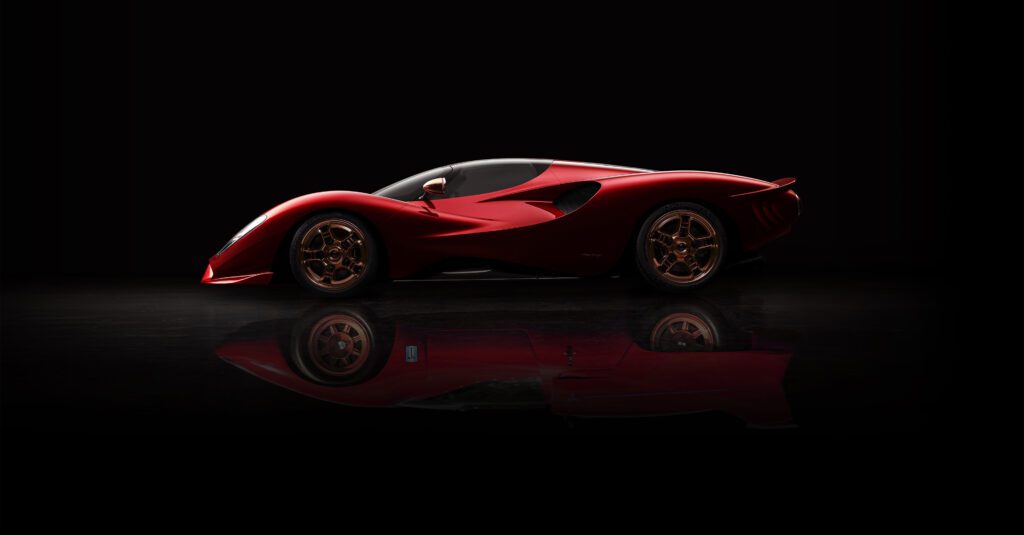
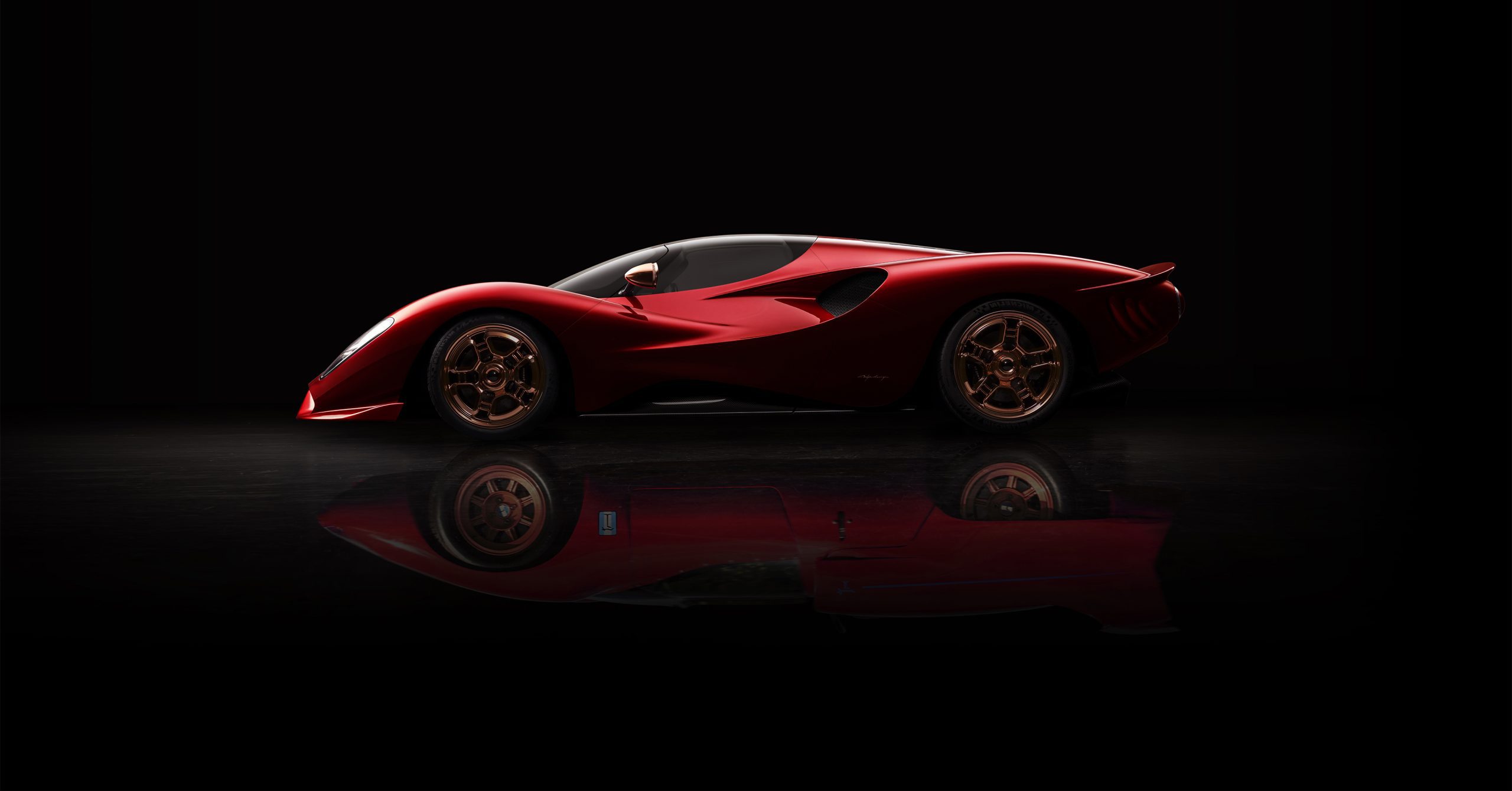
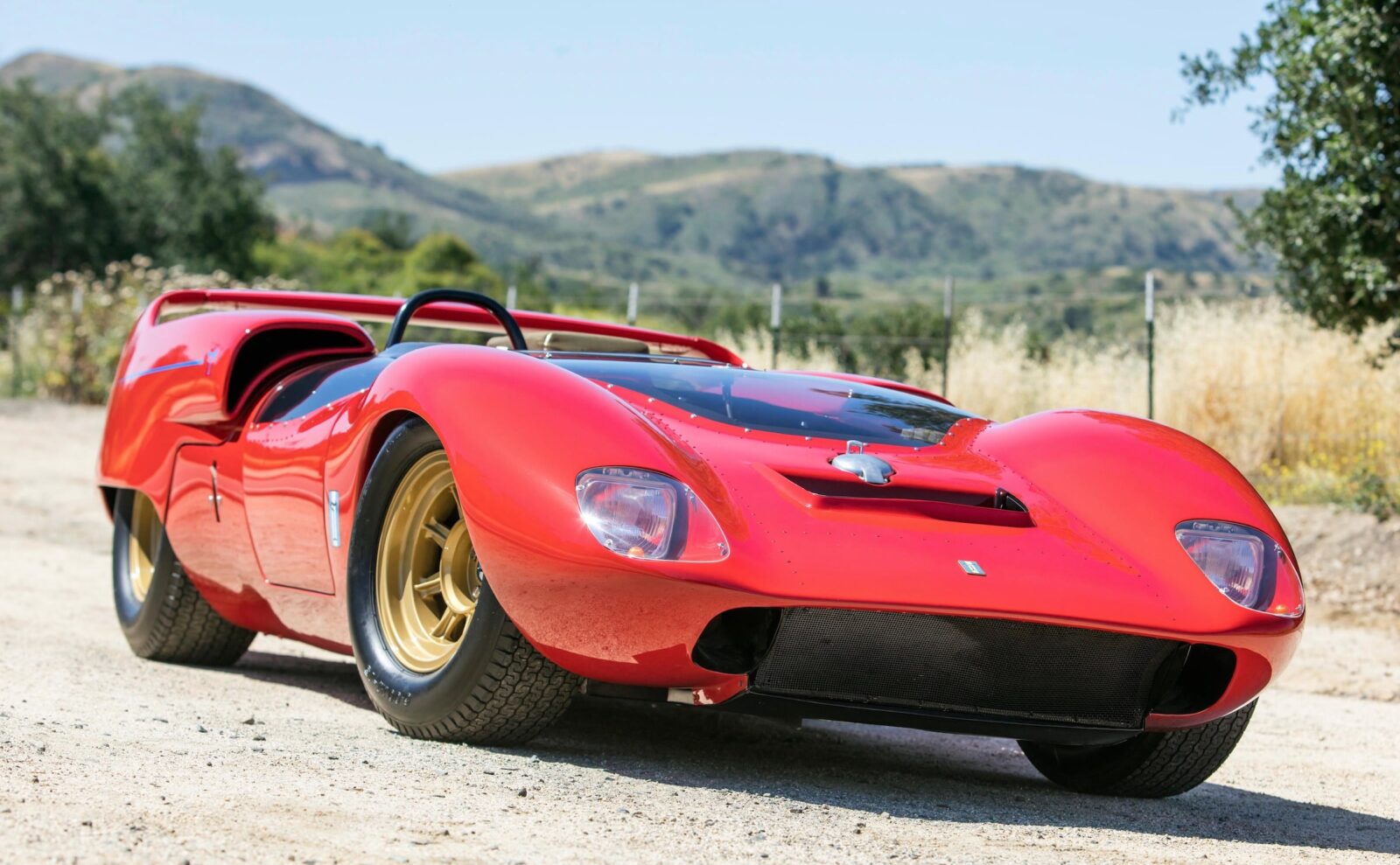
The De Tomaso P72 pays homage to the original Shelby De Tomaso P70 race car and incorporates some styling cues from the ‘60s era vehicle. According to Norman Choi, the company CEO, the plan is to create a car that ‘evokes the spirit of Alejandro de Tomaso, the brand and the eras that the car represents.’
As the name suggests, only 72 units of the limited-series hypercar will be made. The car is expected to go into production late in 2022 and the company has promised that the final production-spec would largely retain the same profile as the prototypes that’s been shown at various exclusive car events all over the world. For now, the De Tomaso P72 has a base price of $1 million and the company is currently accepting ‘registrations of interest’ via its website.
Now, back to the video in my email. Given that the production date of the P72 is still some ways out, you understand why my earlier speculation about an upcoming new car reveal may not be as far-fetched. Here though, is one final twist to the puzzle. Alejandro de Tomaso was married to an American who shared his fiery passion for racing and automobiles in general. Her name? Isabelle De Tomaso. Make of that what you will.
September 11, 2021 / Comments Off on ‘Meet Isabelle’ – The Cryptic Message from De Tomaso Automobili
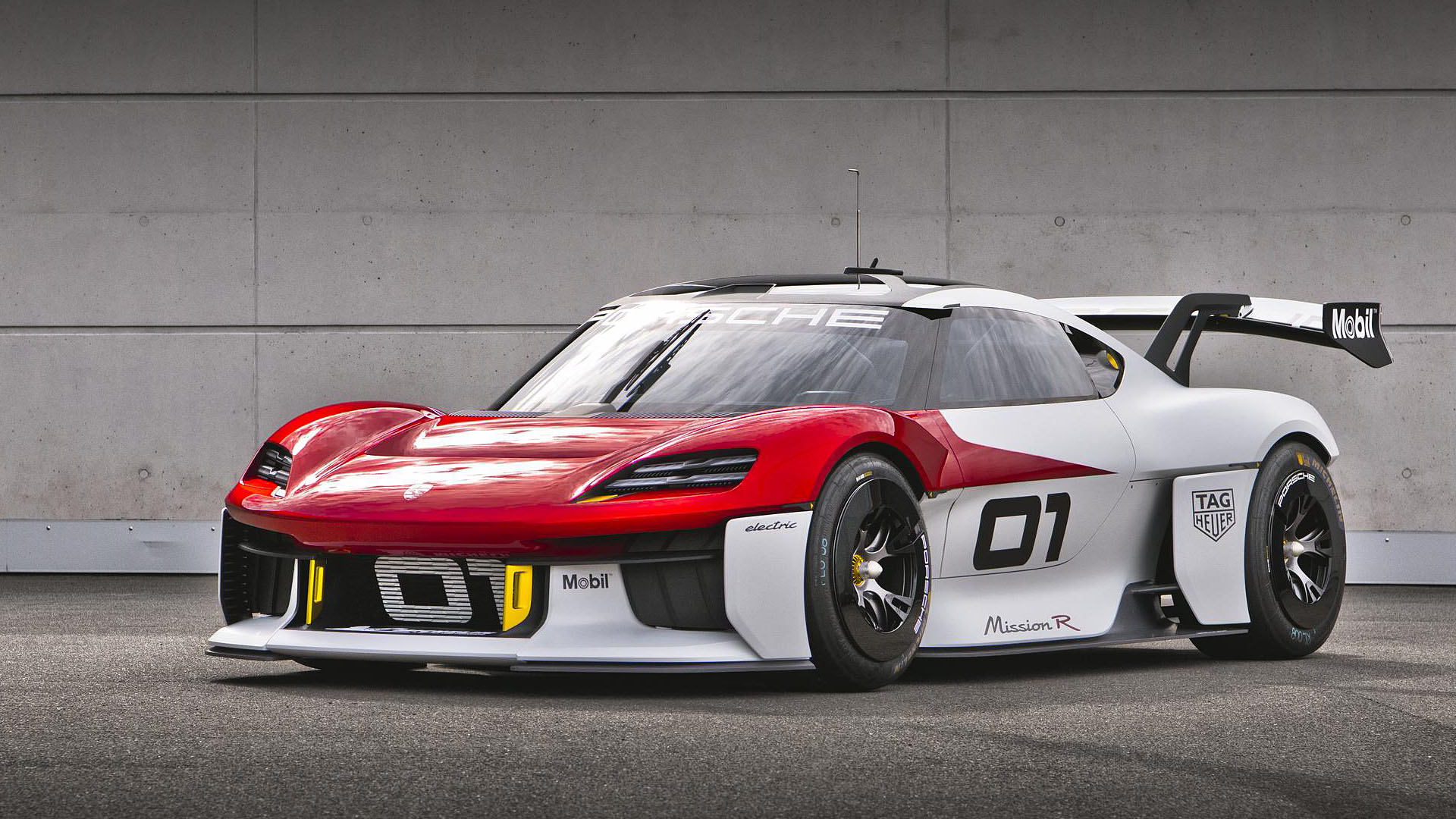
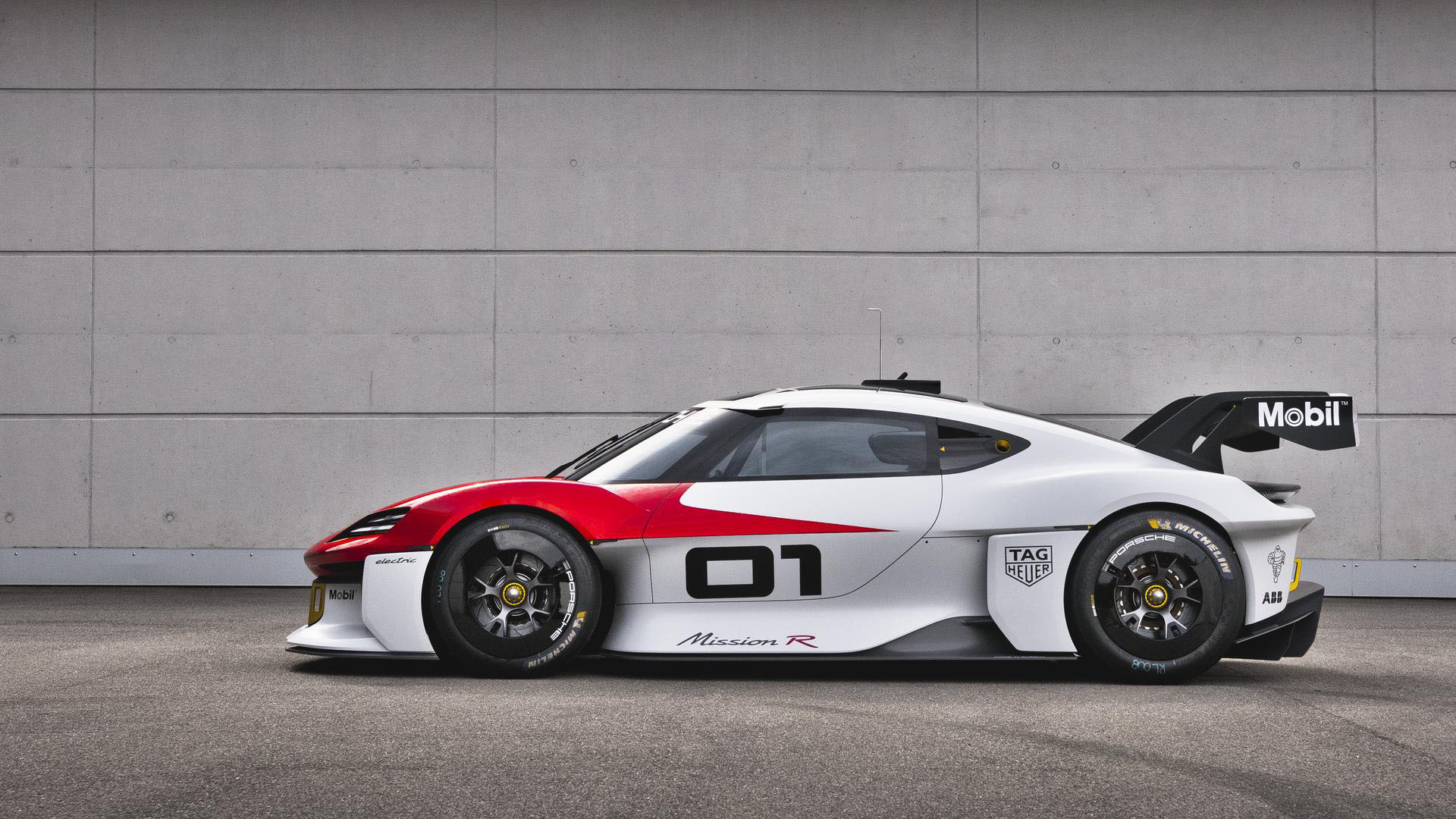
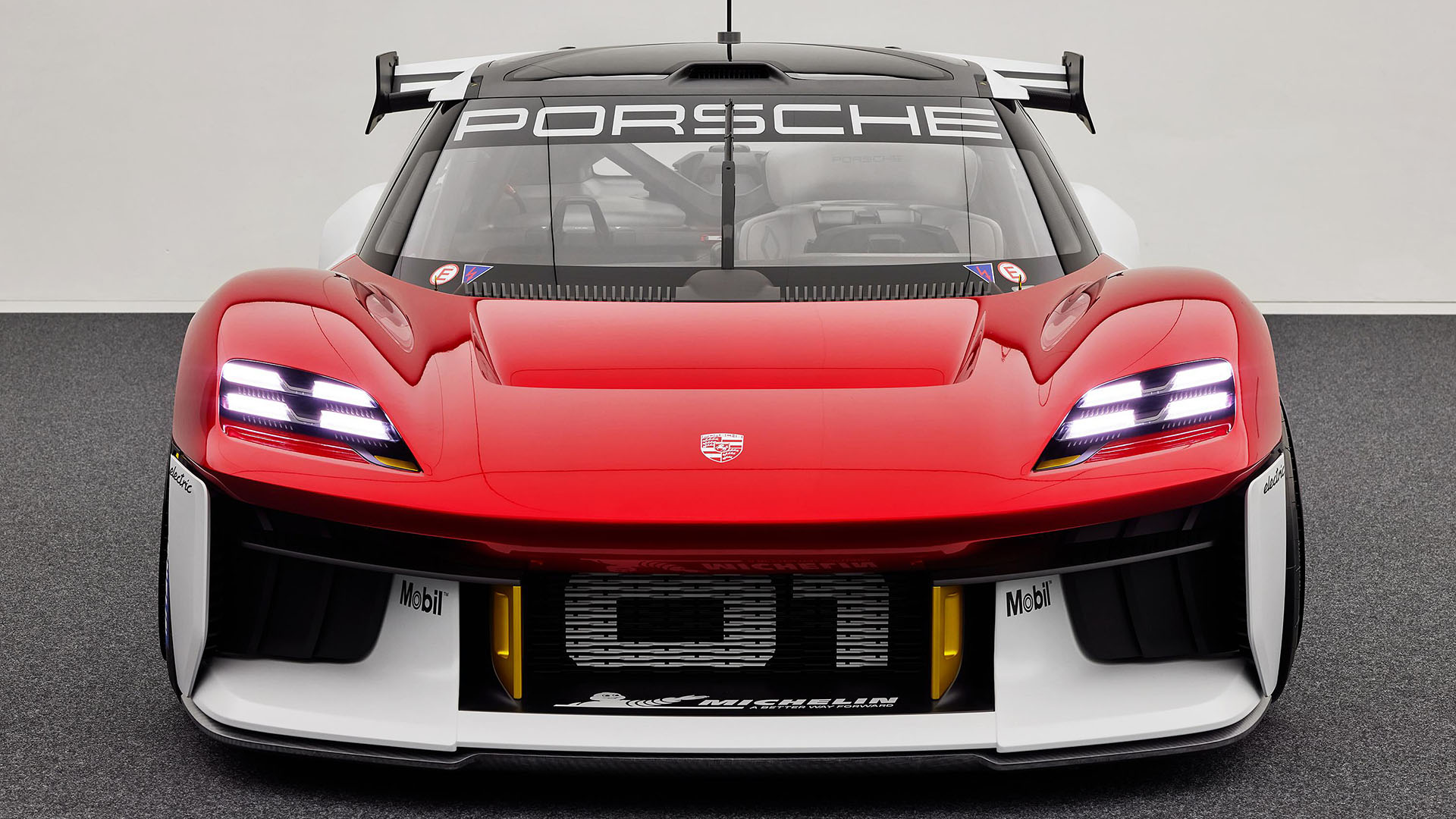
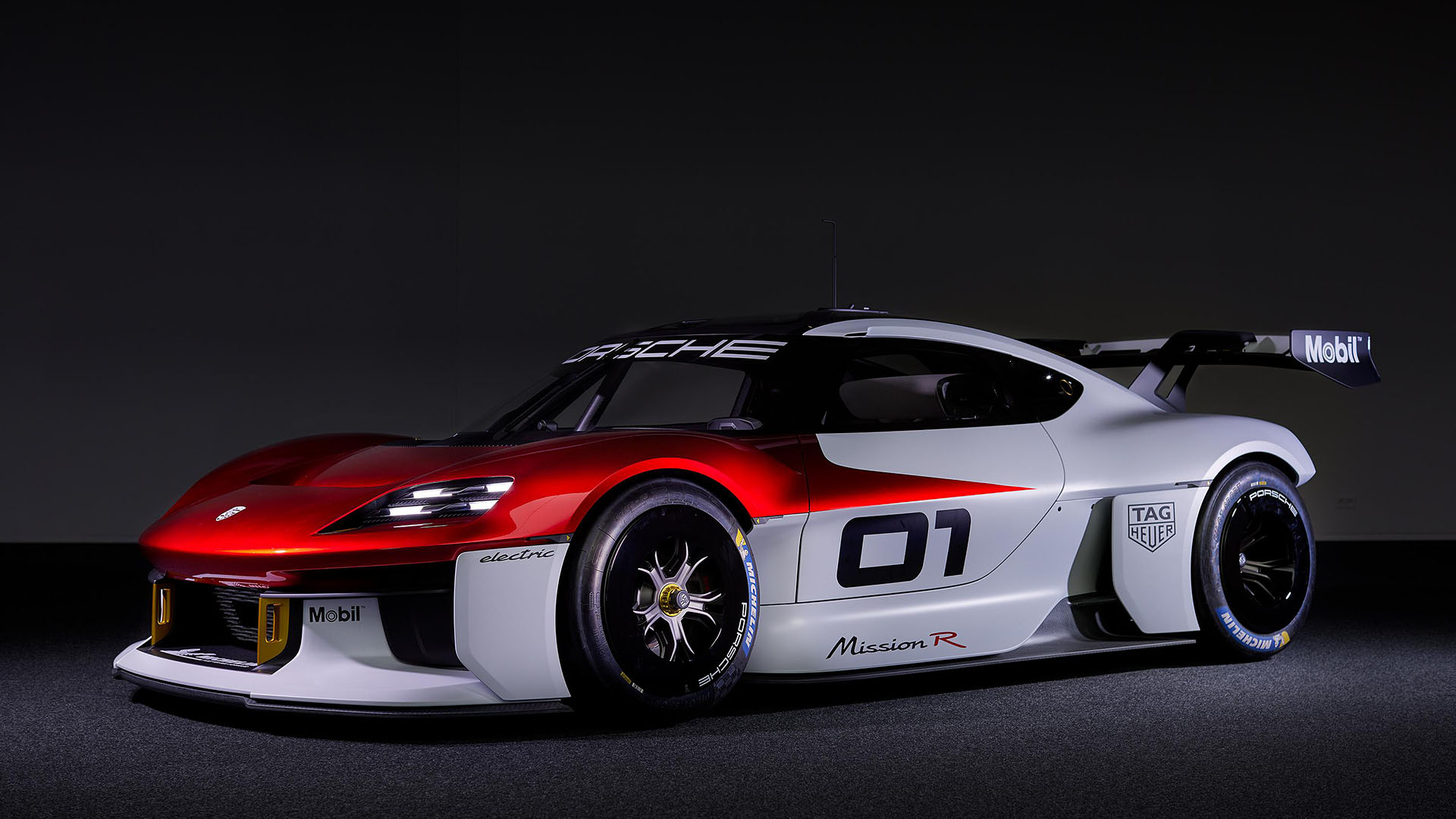
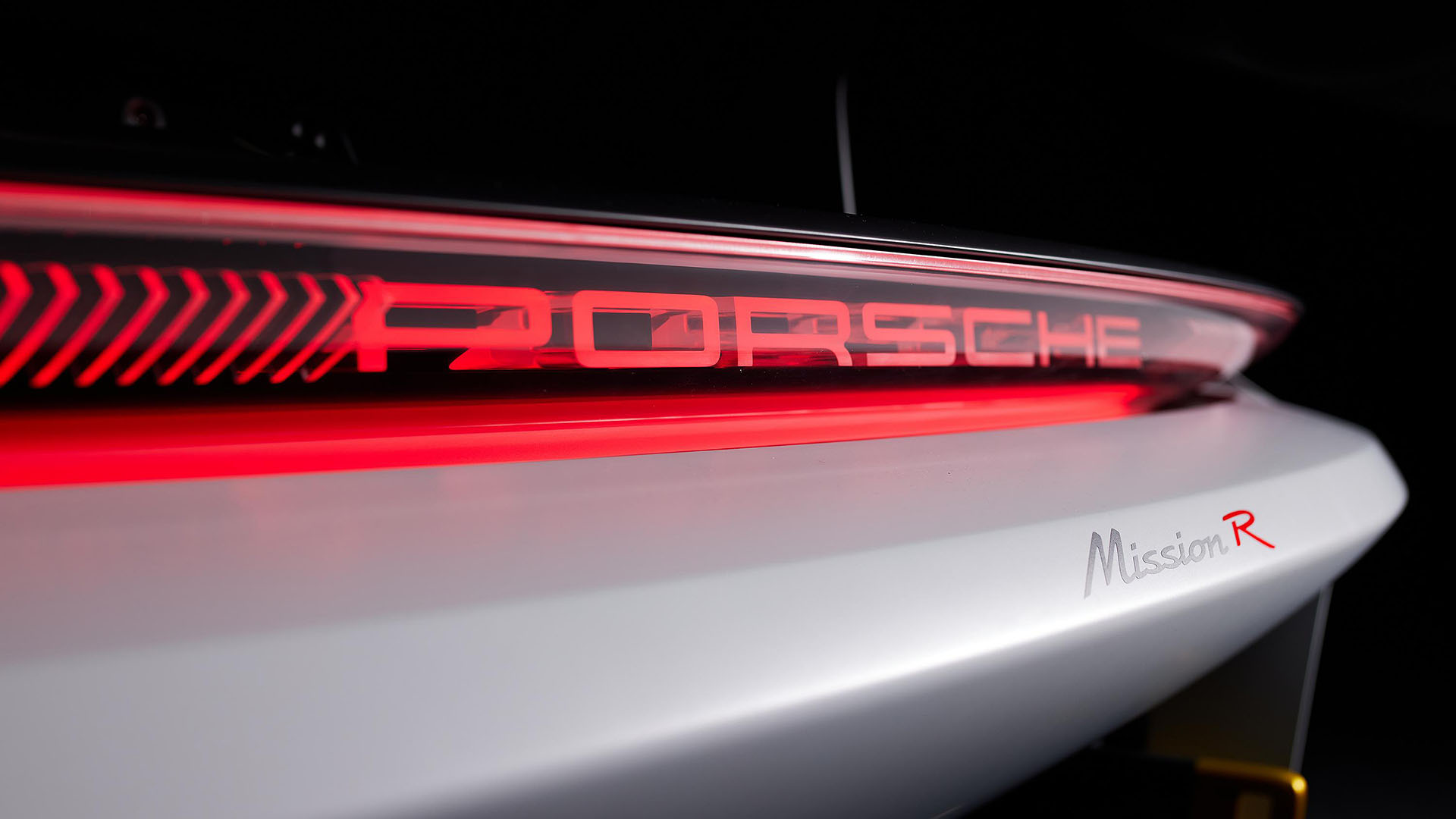
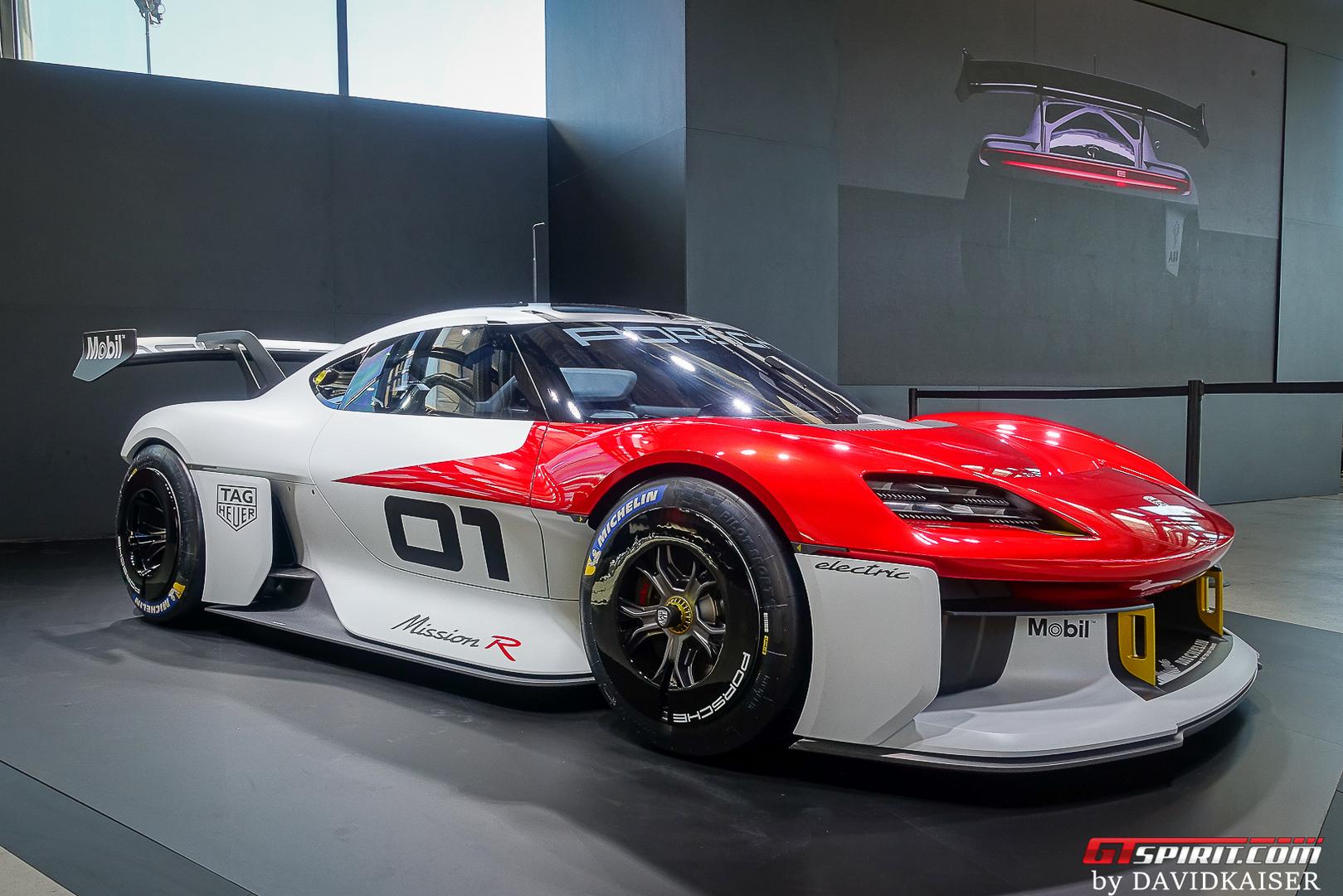
Porsche has been involved in customer racing for over three decades by now, 31 years ago the first Porsche Carrera Cup Deutschland was held, and since then over 4,400 bespoke Porsche Cup cars have left Weissach, with the latest iteration being based on the 992 model, the 911 GT3 Cup was launched just ahead of the 2021 motorsport season, but the future in automotive is electric, so Porsche now shows us their Mission R Concept for an all-electric one-make series.
But it’s not only about being all-electric, this Porsche Mission R concept is also made from natural fiber-reinforced plastics as one of the sustainable materials to be used in the future on this extremely low-slung, all-electric competition car that still showcases the characteristic lines of the sports cars from Stuttgart-Zuffenhausen.
Porsche developed two new, bespoke electric motors for this Mission R concept study, which in qualifying mode can deliver up to 800 kW or nearly 1,100 PS, for now, the battery capacity is 80 kWh with innovative direct oil-cooling, and comes with Porsche’s innovative recuperation system … in the Mission R, you are able to do sprint racing without loss of output.
“Porsche is the brand for people who fulfil their dreams. This is also true in motorsports. We experience our innovative strength on the race track, demonstrate courage in pursuing new avenues and delight car owners with sporting performance,” says Oliver Blume, Chairman of the Executive Board of Porsche AG. “In addition to our involvement in the Formula E World Championship, we are now taking the next big step forward in electric mobility. The concept study is our vision of all-electric customer motorsports. The Mission R embodies everything that makes Porsche strong: performance, design and sustainability.”
The Mission R can accelerate from 0 to 100 km/h in just 2.5 seconds while the top speed is over 300 km/h, on the track this all-electric race car performs equally well as the current Porsche 911 GT3 Cup, the peak power output of 1,100 PS is only available in so-called ‘qualifying’ while the normal, constant power output is 500 kW or 680 PS in ‘Race’ mode.
There are two electric motors in Porsche’s Mission R, the front one is capable of up to 320 kW or 435 PS while the one for the rear wheels can go a higher up to 480 kW (635 PS), with the advanced 900-volt technology and Porsche Turbo Charging, the batteries can be charged from 5% up to 80% during a 15-minute pit-stop, with charging taking place up to 340 kW.
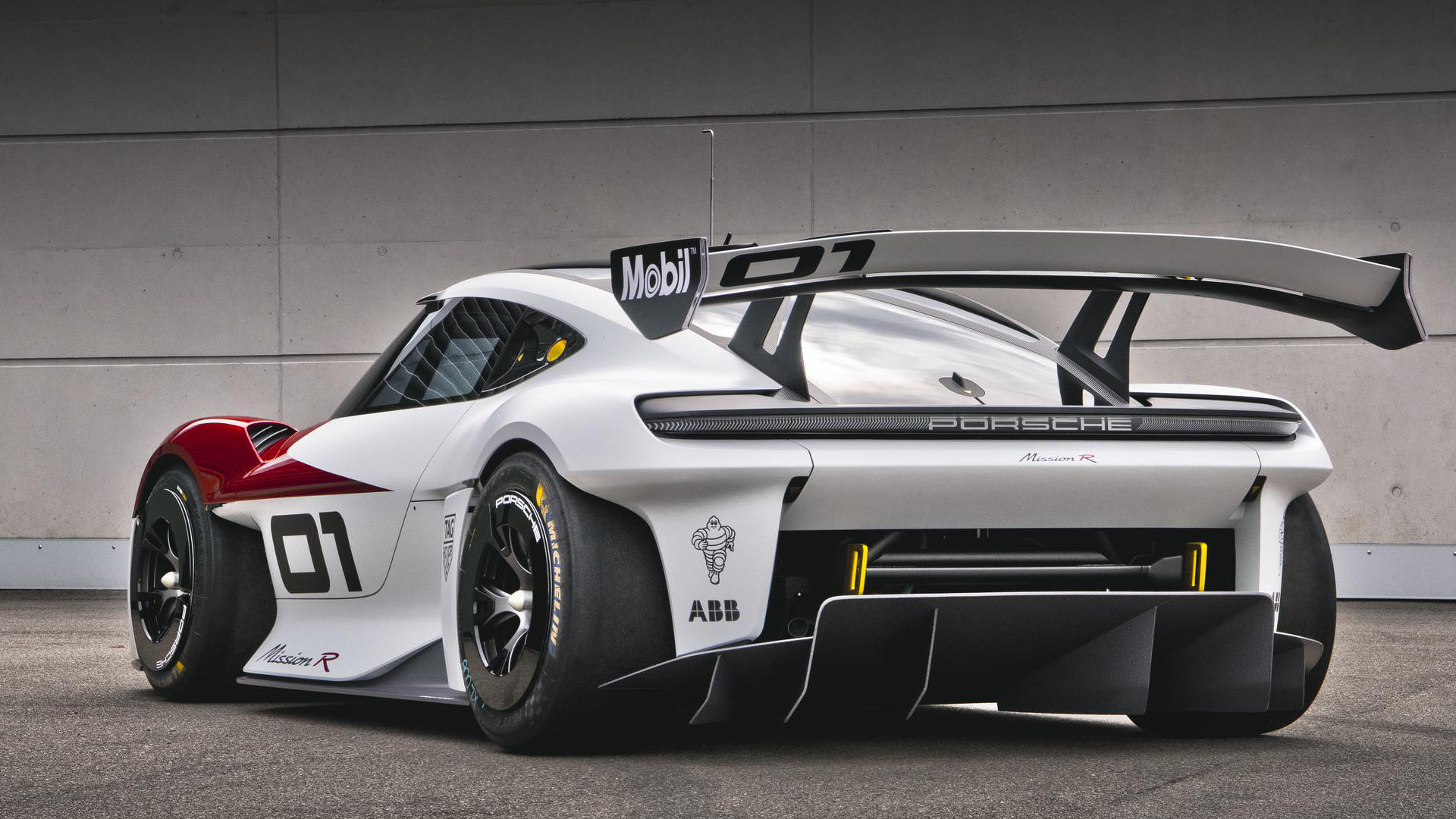
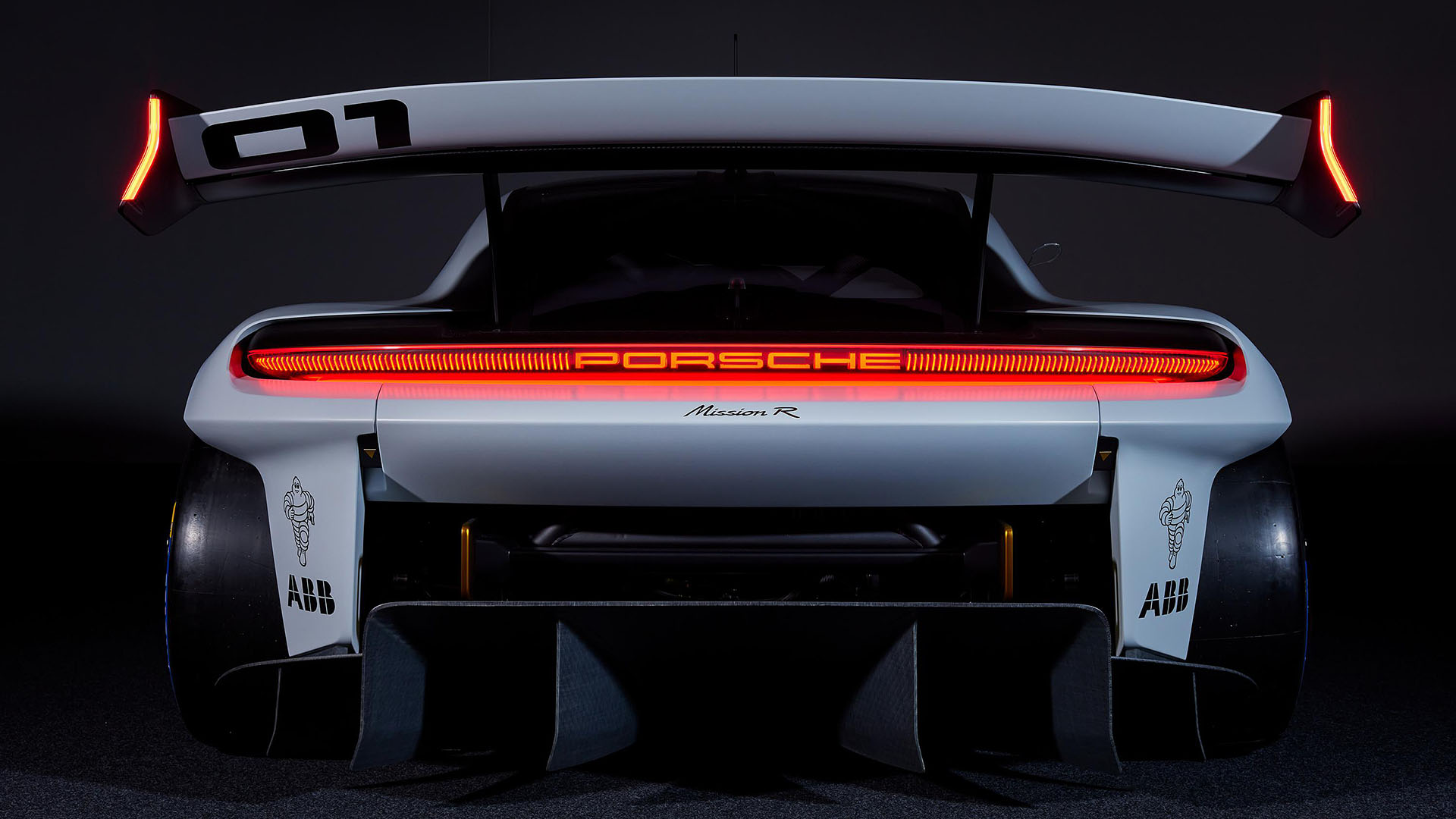
The Mission R concept also features Porsche Active Aerodynamics or PAA with Drag Reduction System (DRS) on both the front section and for the rear wing, consisting of three louvers in both side air intakes of the nose cone while the rear wing features a two-section adjustable part, other parts of the body, like the front spoiler, side skirts, and the rear diffuser are made from natural fiber reinforced plastic (NFRP), the basic material of which is made from flax fibers obtained from farming.
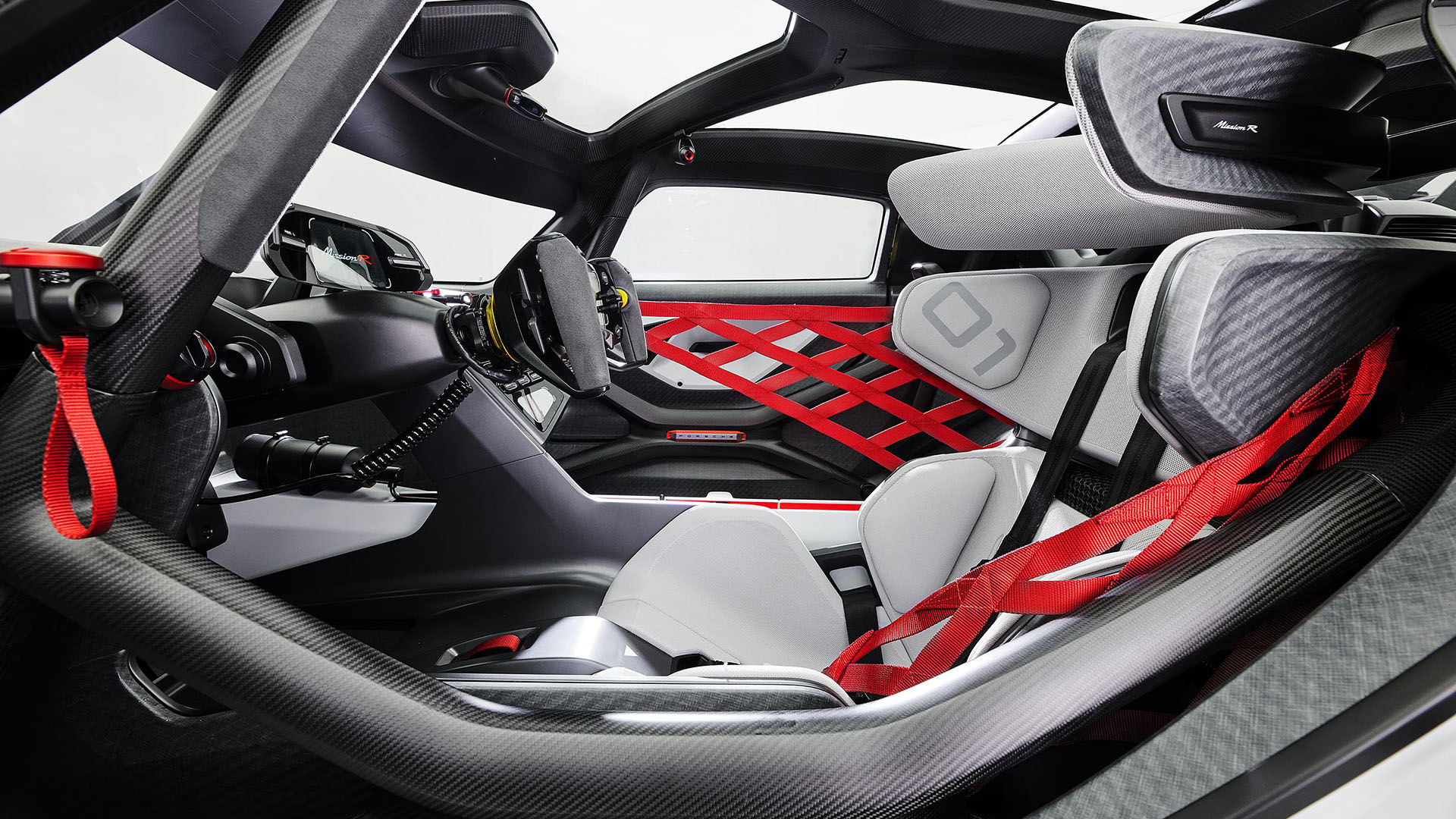
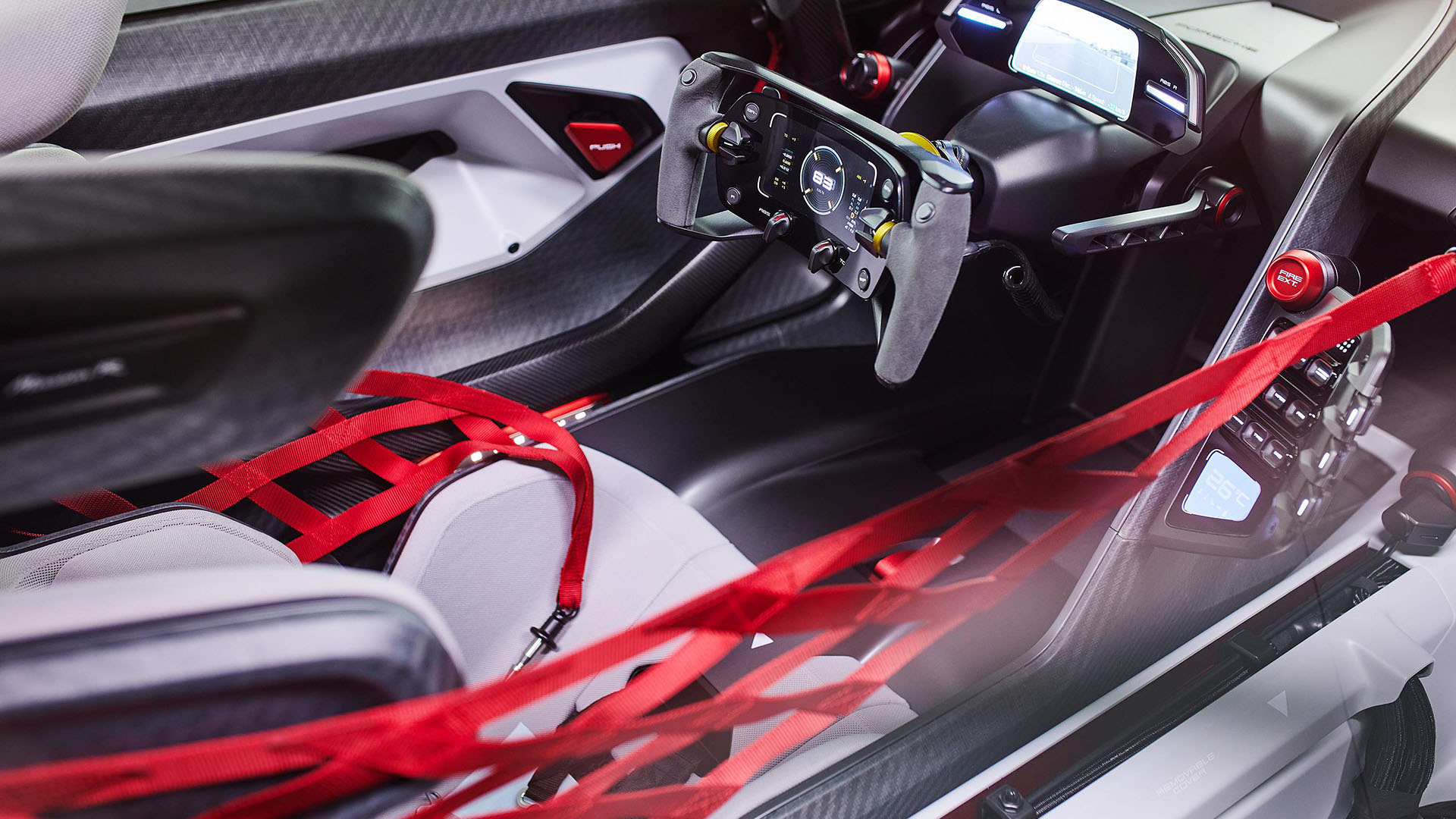
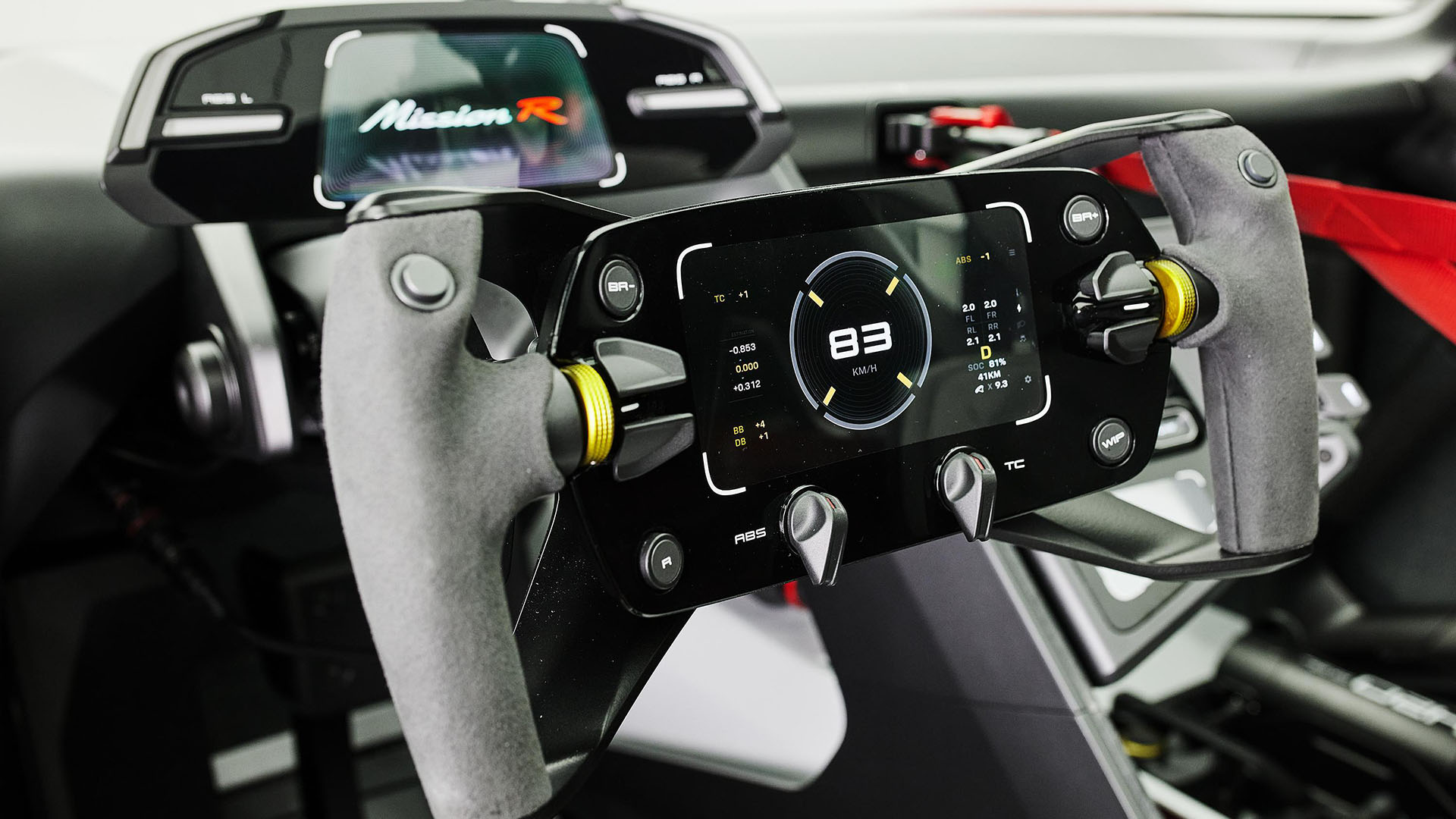
While the Mission R might just be a concept study at this time, there is still a complete interior found inside, with an ergonomically positioned display between the controls on the steering wheel, a second display above the steering column shows what’s behind using side mirror cameras and even an additional, centrally mounted rear-view camera, there are even action cams scattered throughout the interior for actual live-action streams during a race.
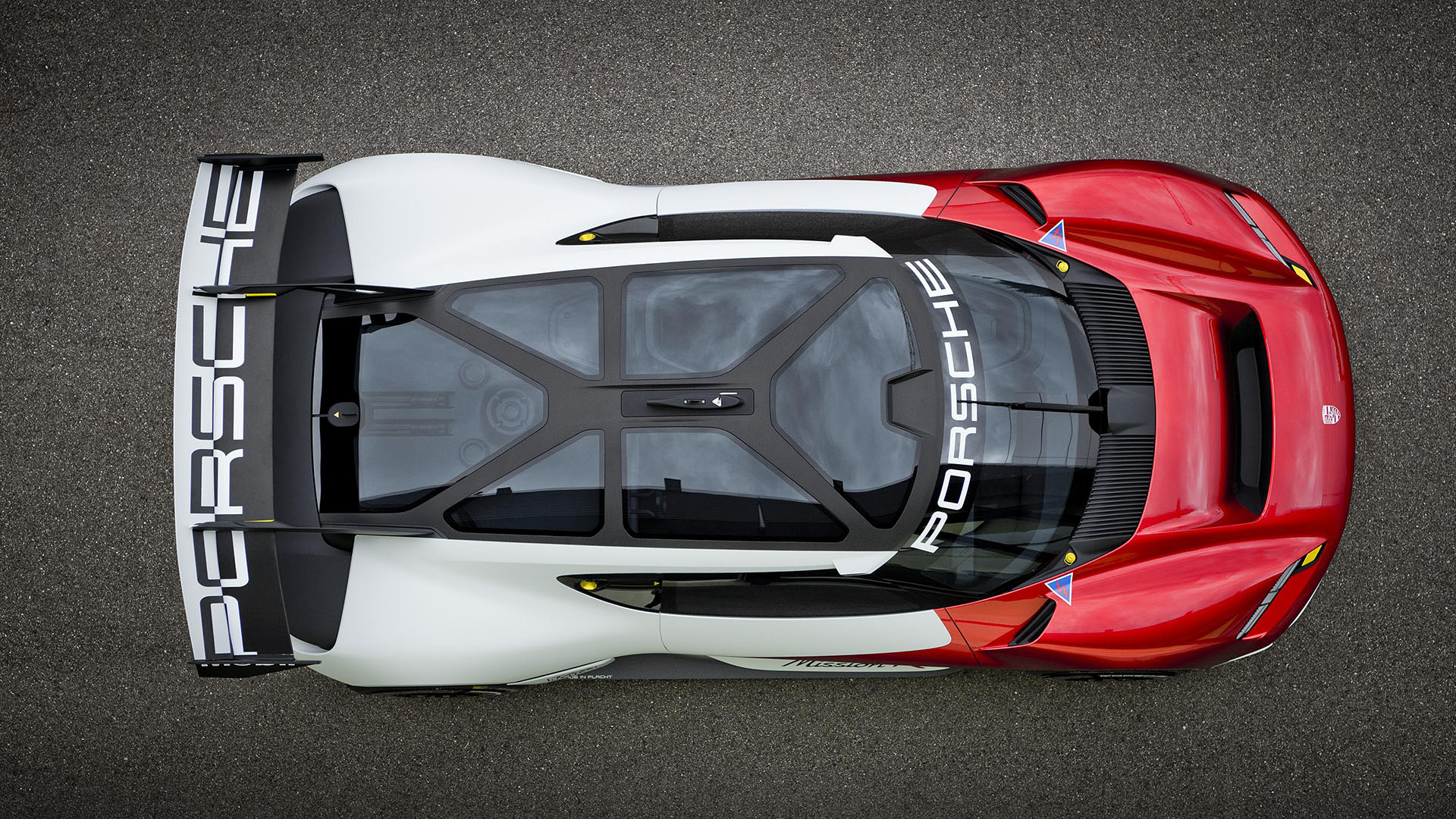
The Porsche Mission R also wants to minimize the difference between real-life racing on a track and a virtual experience on a simulator, the central monocoque of this concept can double as an esports simulator in exactly the same form, while on the real car the safety structure is made from carbon fiber composite material, the roof structure is an “exoskeleton” that combines the roof panels and the safety cage in one unit.
When compared to one of Porsche’s successful cars on the road today, the 718 Cayman, the Mission R is a little shorter at 4,326 mm, but its width at 1,990 mm is considerably wider while overall height at 1,190 mm sits well below the Cayman roofline, the Mission R offers us a glimpse at what customer motorsports will look like in the future, the show car celebrated its world premiere at the 2021 IAA MOBILITY in Munich.
September 11, 2021 / Comments Off on Porsche Mission R concept
Monterey Car Week 2021 is already almost 3 weeks gone, and there were some amazing events and showcases all across the county. The Pebble Beach Concours d’Elegance, the Monterey Motorsports Reunion, and the Quail Auction are just three events that celebrate the greatest classic cars, new cars, and all forms of automotive excellence. It is also, unfortunately, a playground only for those with deep pockets.
Why we don’t really have anything against the wealthier individuals that enjoy cars, there was one event during Monterey Car Week that didn’t appear on any official calendar, wasn’t listed in the official Car Week guide, and was held an entire county away in Seaside, California. This event was for the common person with shallow pockets, with bills to pay and wants to take part in events with his or her car as it stands.
Welcome, then, to the Concours d’Lemons!
What Is It?
The Concours d’Lemons is what happens when the people behind the 24 Hours of LeMons junker endurance race decide to also hold a car show. It is a celebration of the rusty, the weird, the truly abominable, and pretty much anything that is as far from an elegant car as possible.
Have a rusty old VW Kombi (aka the VW Bus)? Bring it down!
Halfway through installing a body kit on your hunk of junk? Bring it down as well!
1995 Plymouth Neon Roadster
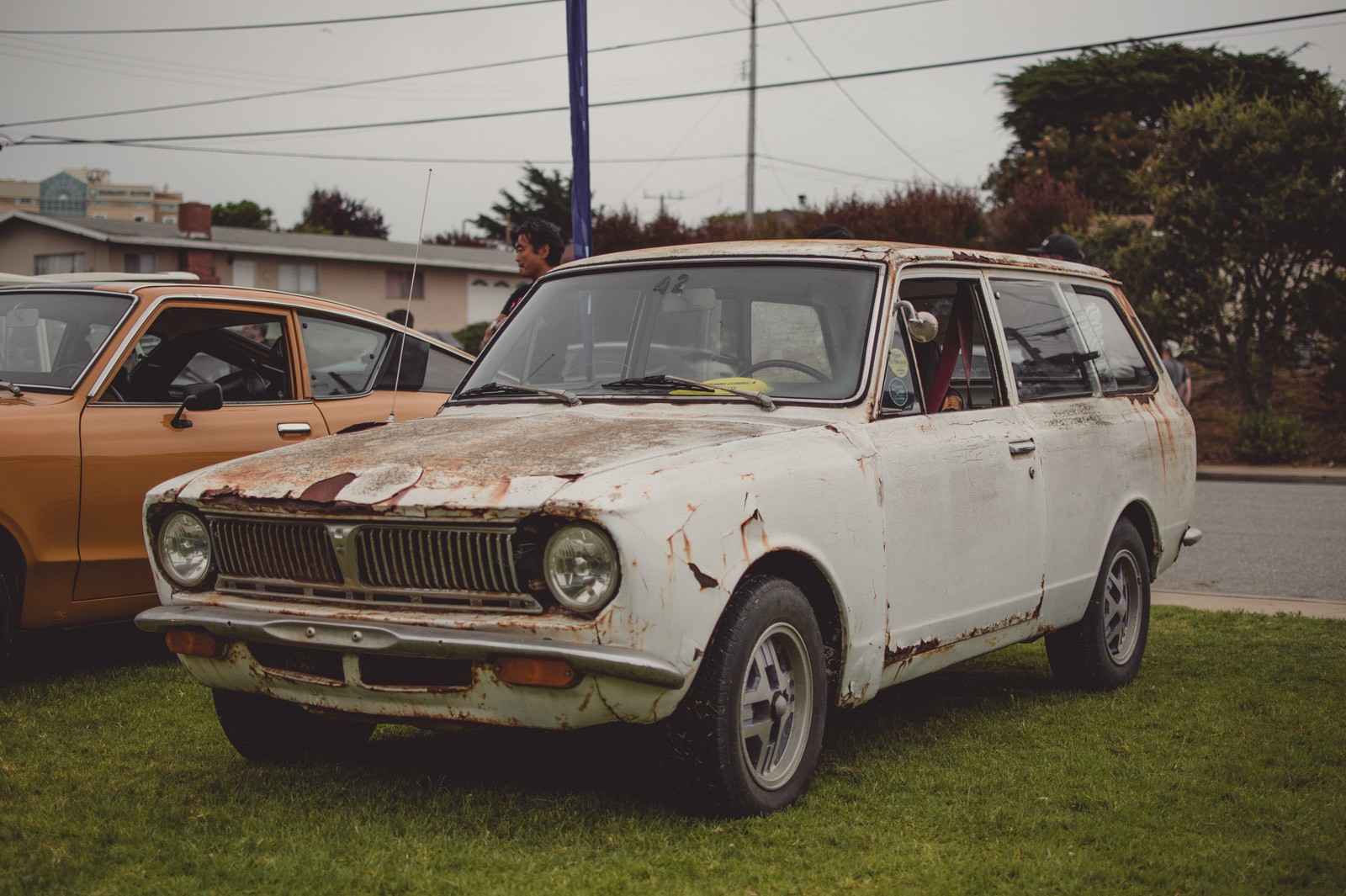
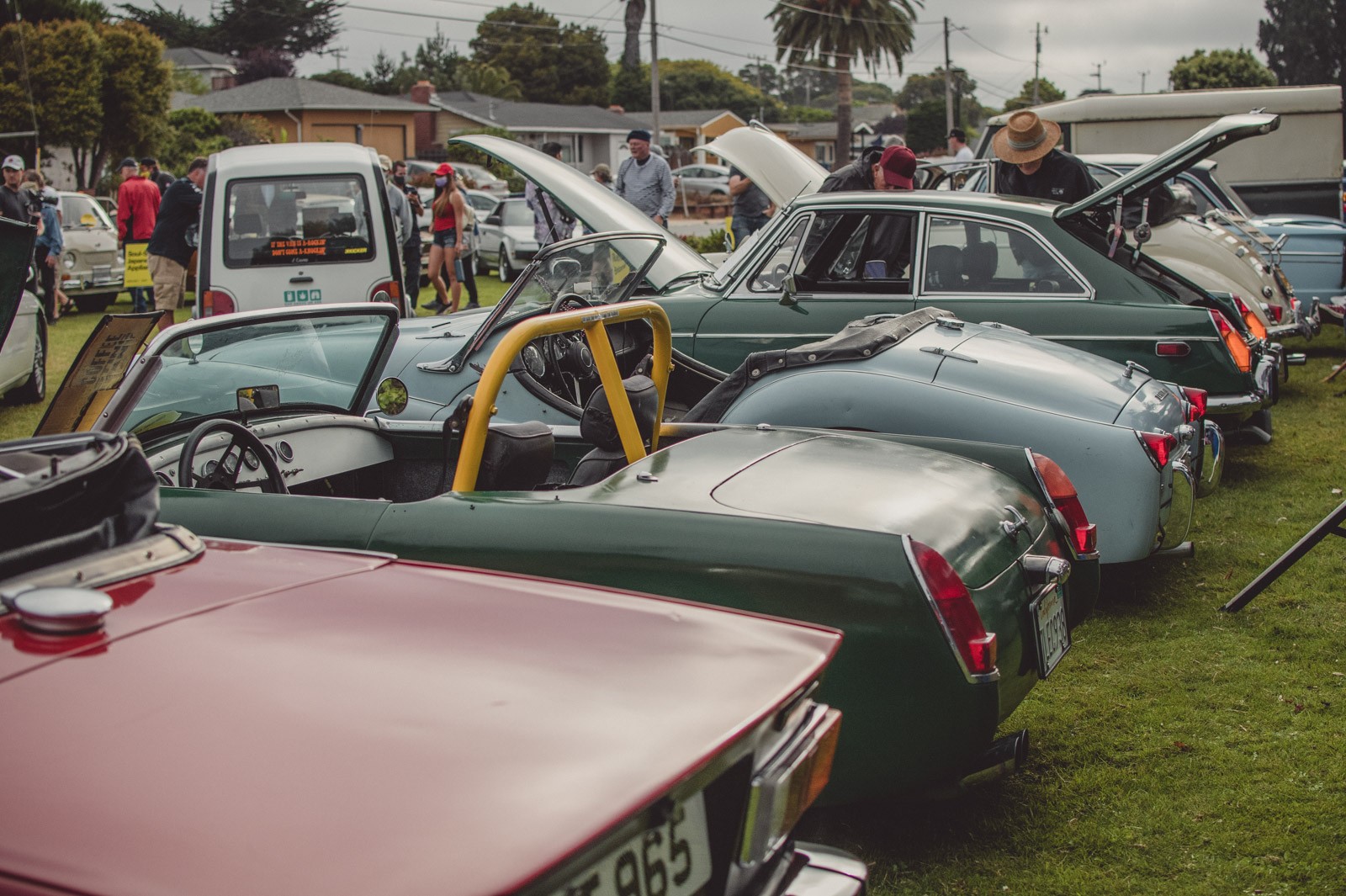
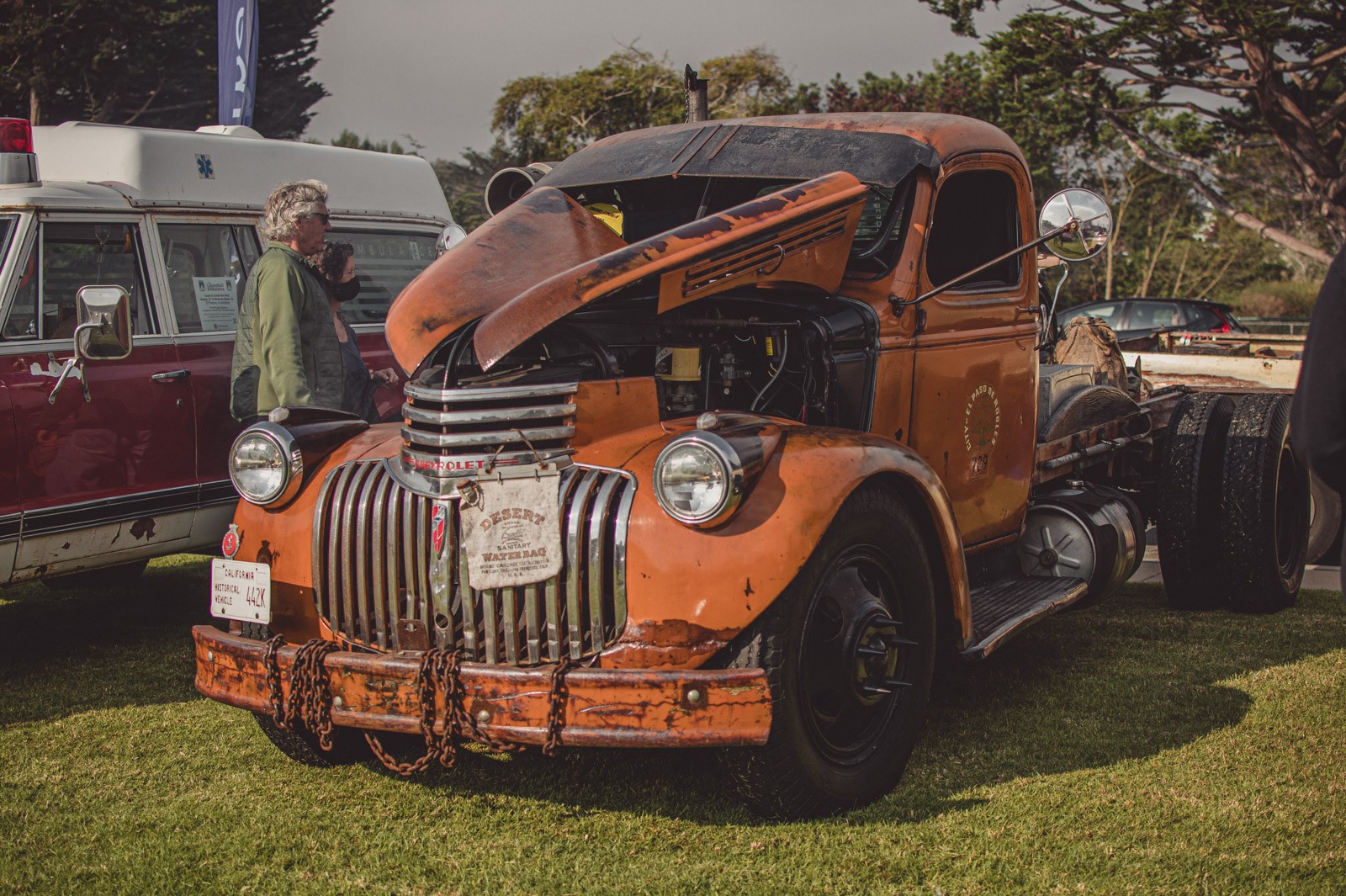
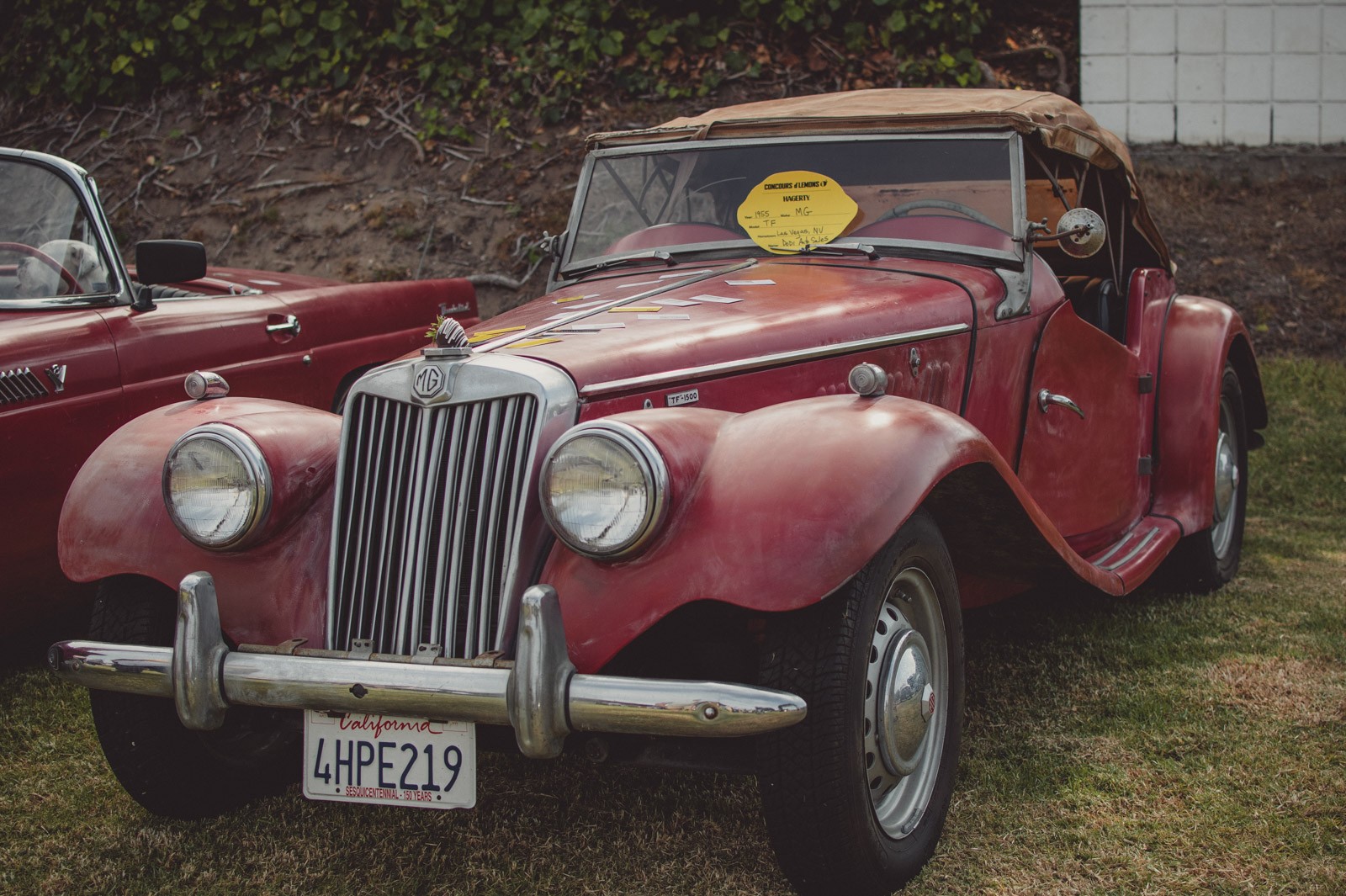
That’s the real beauty about the Concours d’Lemons. It doesn’t matter what you have, as long as it’s something weird, wonky, rusty, or just absolutely regular, it’s welcome. You’ll find old British MG roadsters next to Ford Pintos, and a complete “what the hell is that?” car next to something that looks like it came out of the 1970s with its shirt ripped and one hell of a hangover.
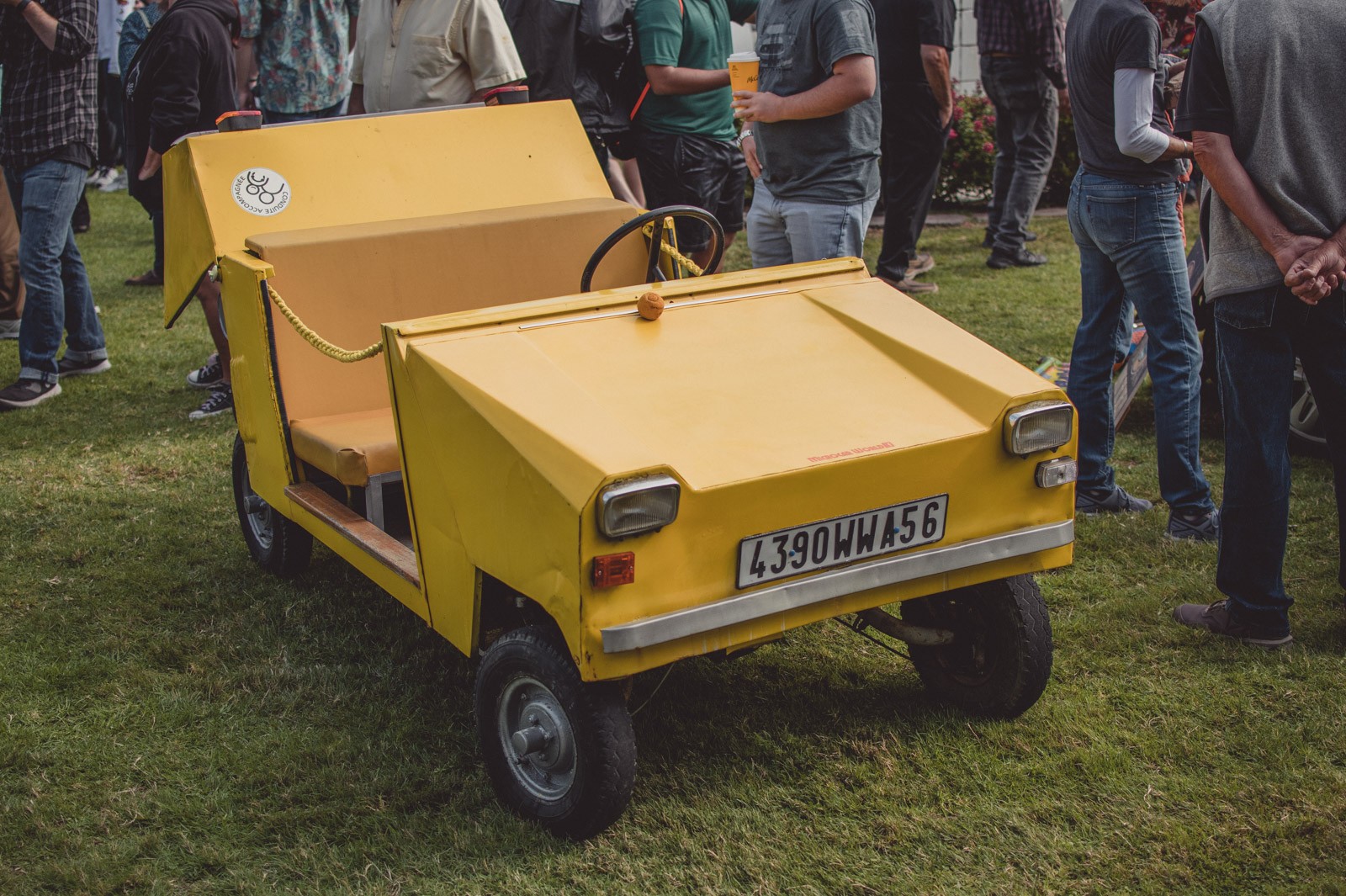
Don’t believe us? Take a look at this… well, we were going to say car, but it looks like it needs a bit more duct tape to hold it together.
Datsun stationwagon
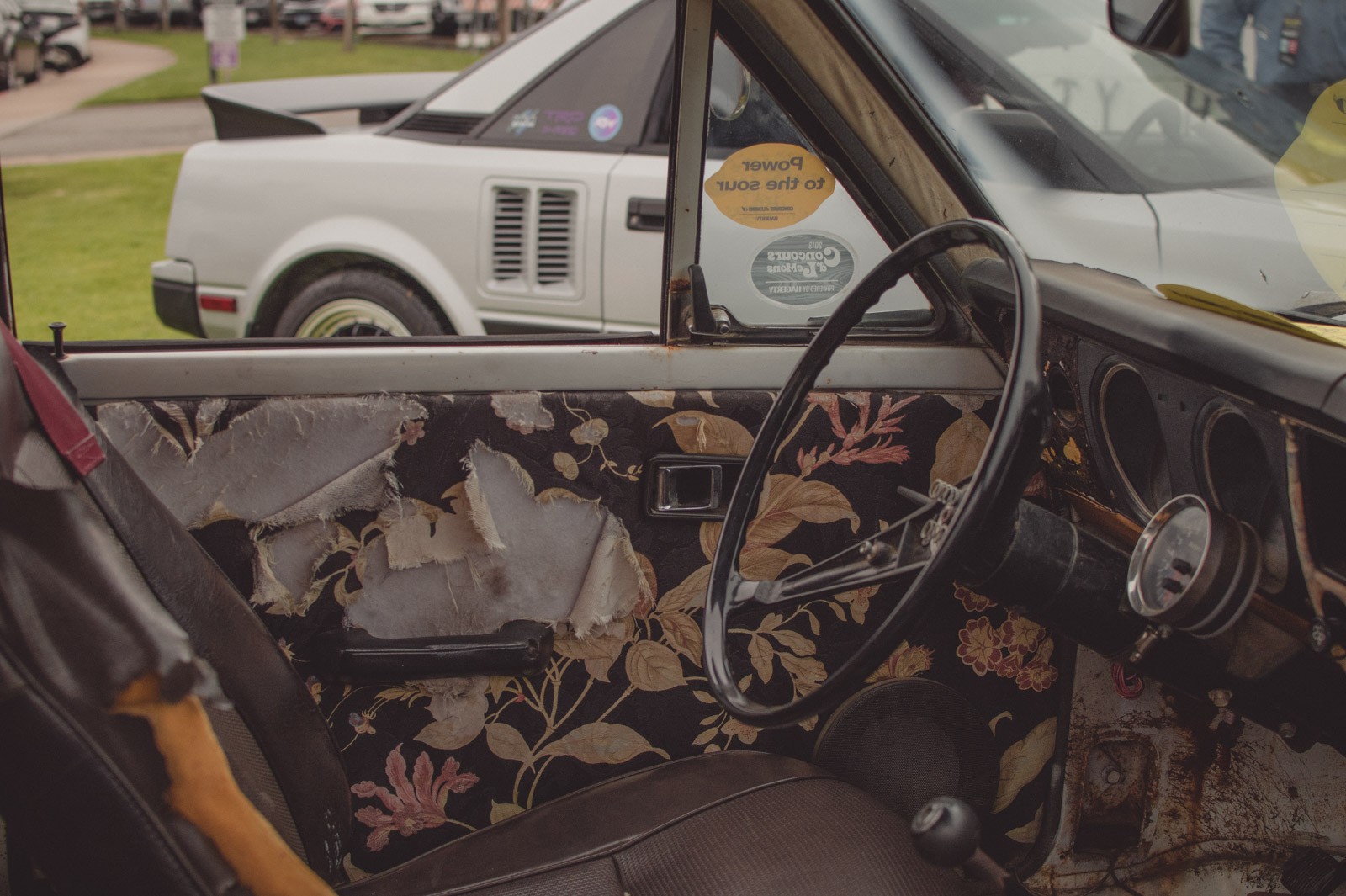
And the hangover…
This isn’t to say that some actual worthwhile cars, that would be welcome at a lower-price-of-entry Concours d’Elegance, aren’t present. For example, this lovely 1968 Riley Elf Mk III:
Sure, it has a tiny bit of rust around the headlights and yes, the paint doesn’t exactly match, but it’s an example of a car that is as welcome at the Concours d’Lemons as any other.
What Kind Of Classes Are There?
The answer to that seems to be somewhere between “how many do you want” and “okay, that’s too many.” There are also a wide variety of prizes for all the classes, with some actual decently large name sponsors taking part like Hagerty and Griot’s Garage.
Some of these classes include Rust-Belt American Junk, with sub-categories of Ford, GM, Mopar, and Other, as well as Der Self-Satisfiedkrauttenwagen German car class. However, one of our favorites is Kommunist Kars, which has the exceptional award of “Vladimir Ilyich Lenin Medal for Most Glorious Achievement in Transportative Advancement for Use Upon Billiard-Smooth Highways as Are Uniformly to Be Found Inside Workers’ Paradise.” That is word-for-word from the Concours d’Lemons website!
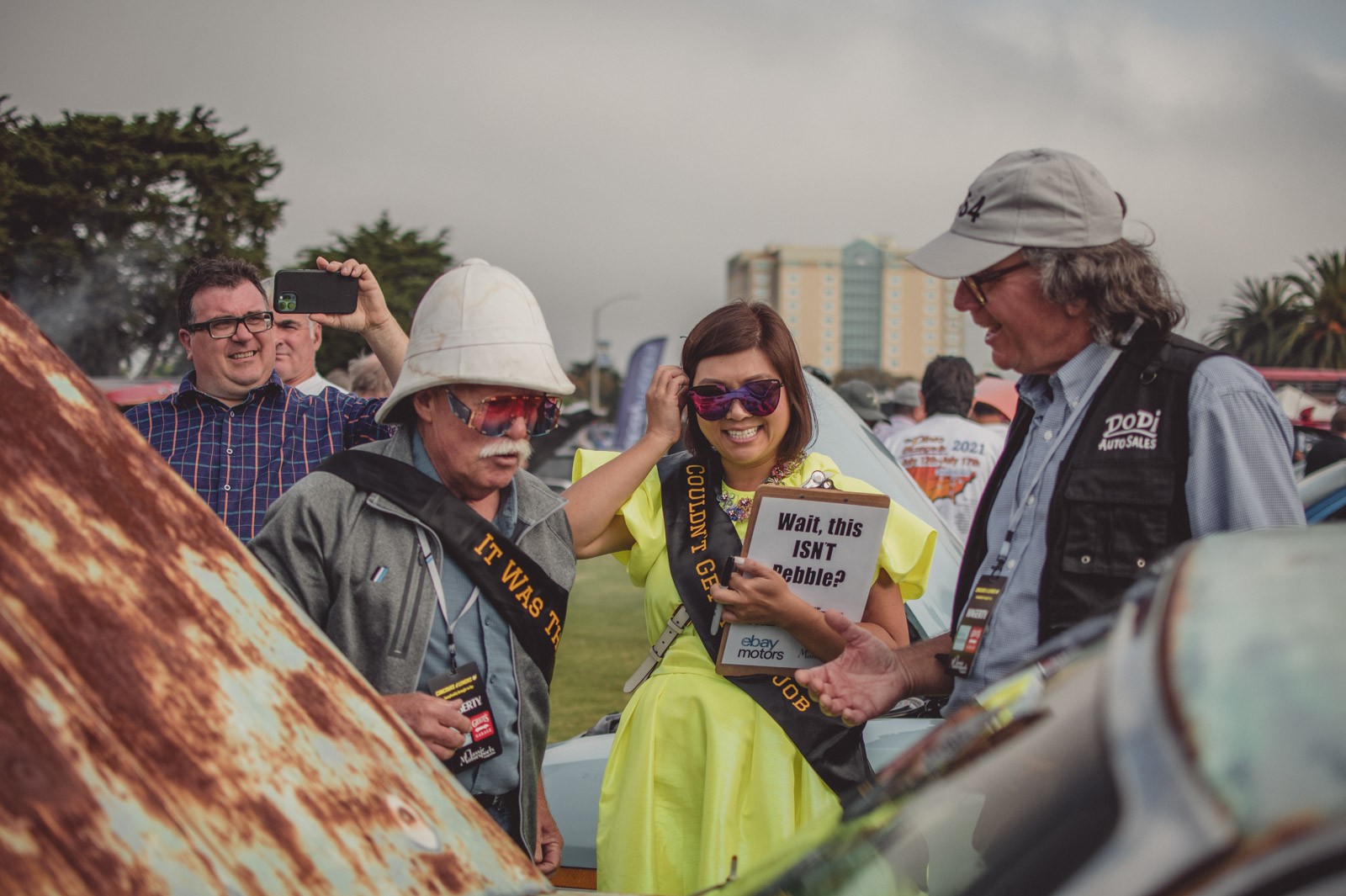
It is also rumored that bribes are accepted, and our intrepid cameraperson that attended the 2021 edition that ran during Monterey Car Week was able to actually provide evidence as such:
So, Literally Any Car?
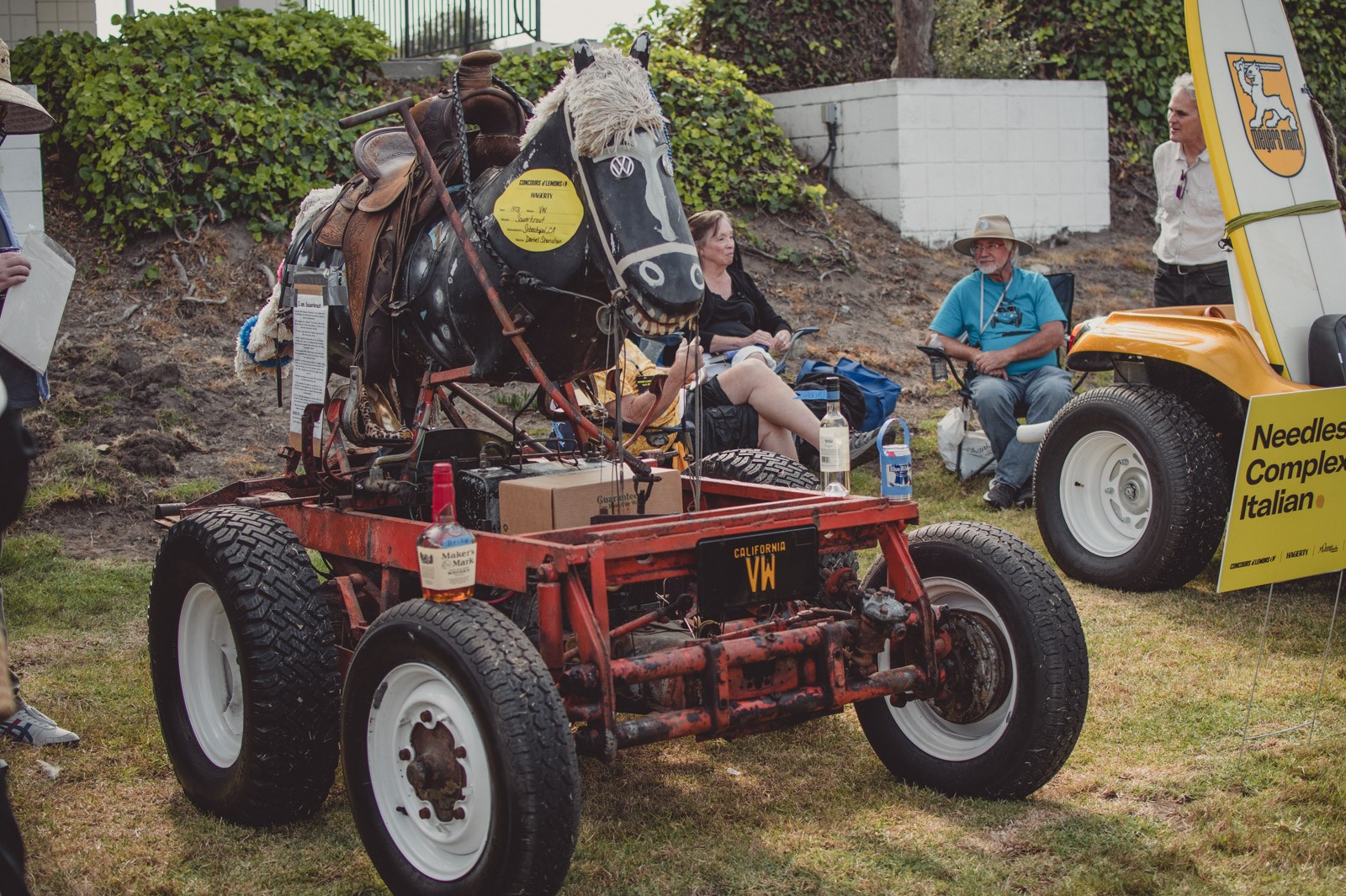
Yep, and it doesn’t even have to be road legal!
What The Hell Is That?
We don’t know. But the beer and the whiskey were labelled “Bribe,” so maybe we shouldn’t ask. Although there is a “WTF?!?? In Show” award, so maybe the… car?… was going for it
Okay. So This Happens Only During Monterey Car Week?
Nope! This wonderful event is held anywhere between 3 to 4 times per year, depending on who accepts the bribes under the table to actually host the event. Of course, there is also the Concours d’Lemons that takes place during the 24 Hours of LeMons, of which the next full 24 hour race is going to be held next weekend at the High Plains Raceway in Deer Trail, Colorado!
Of course, the biggest show happens during Monterey Car Week. Where else would you get a good row of absolutely normal British roadsters?
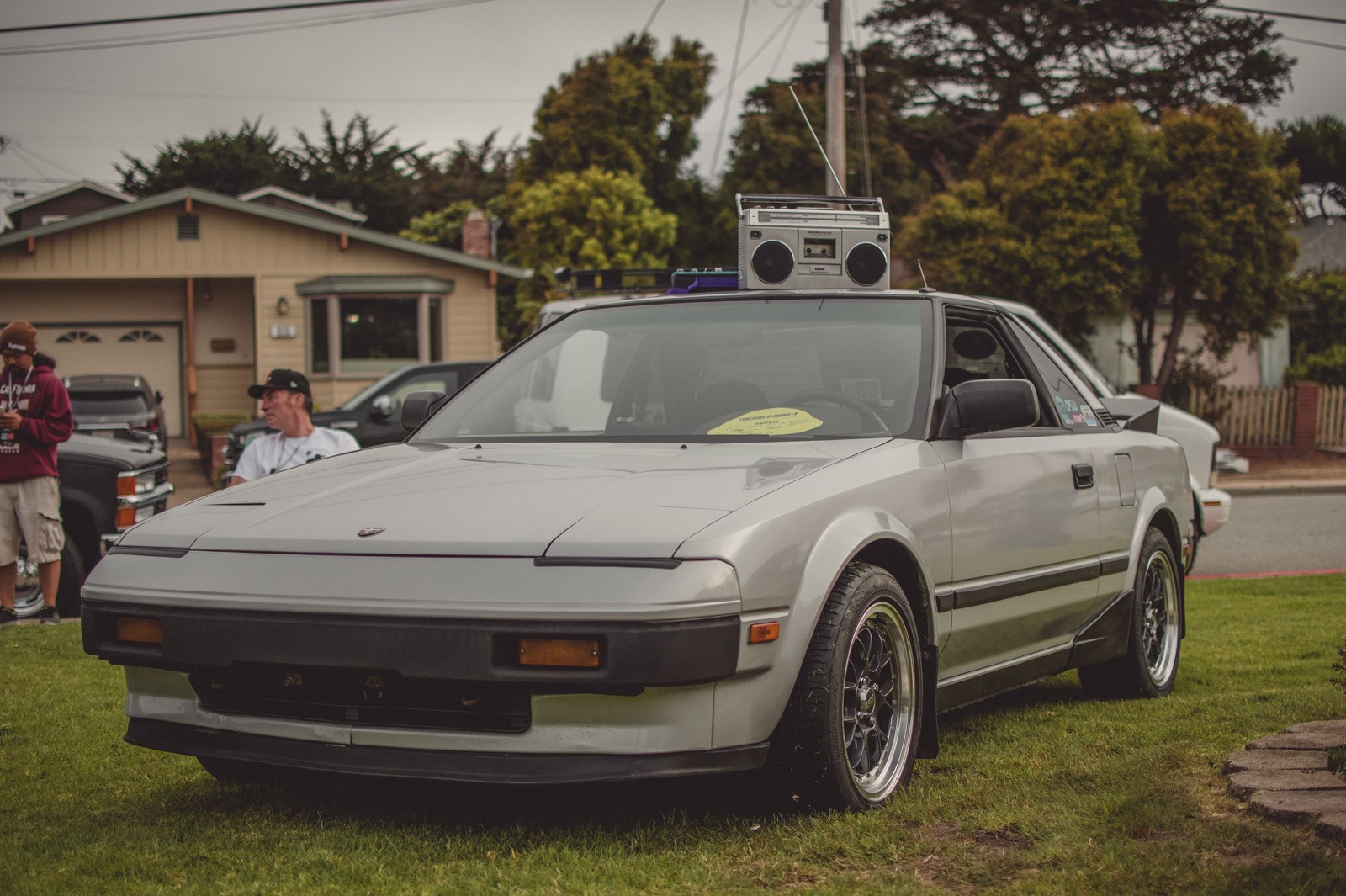
Or a fine example of a supercharged 1980s Toyota MR2 Mk I?
So What Is It Really All About?
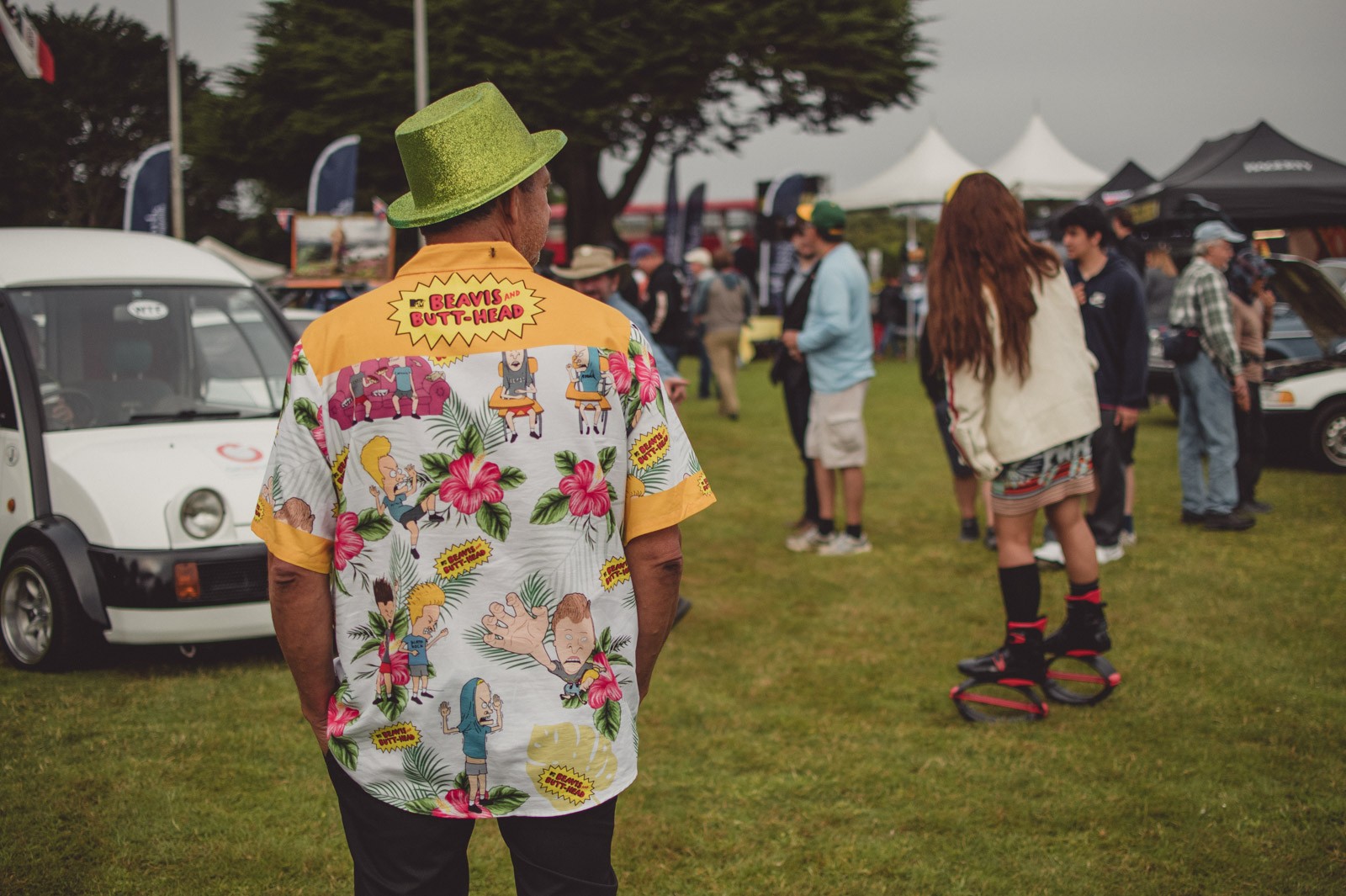
The whole thing is meant to be a jab in the eye at the wealthy, and to be honest, we like it even more than the actual Concours d’Elegance held at Pebble Beach. There’s just something so refreshing about being able to wander around a Concours in a Beavis and Butthead shirt instead of having to buy one of those silly straw hats with the black band around them, as well as get out your sports coat…
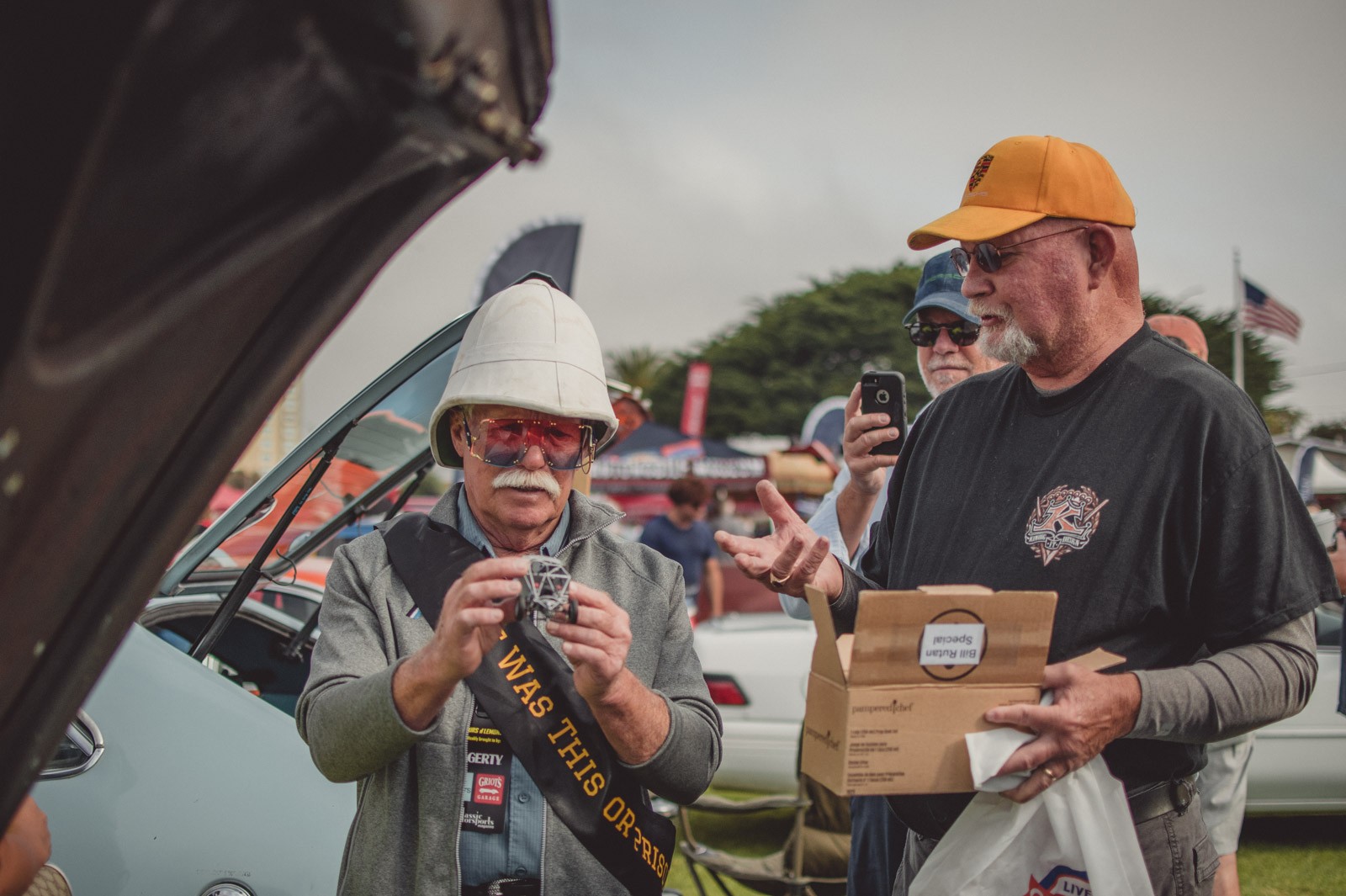
We won’t go so far as to say that it’s low-brow fun. Seeing as there are cars involved, despite the rust, it’s more middle-brow than anything, but the whole point of it is just to have fun. Hell, we bet one judge was chosen on the strength of his pith helmet and mustache alone!
And it seems another judge took a left instead of a right to get to the correct Concours event…
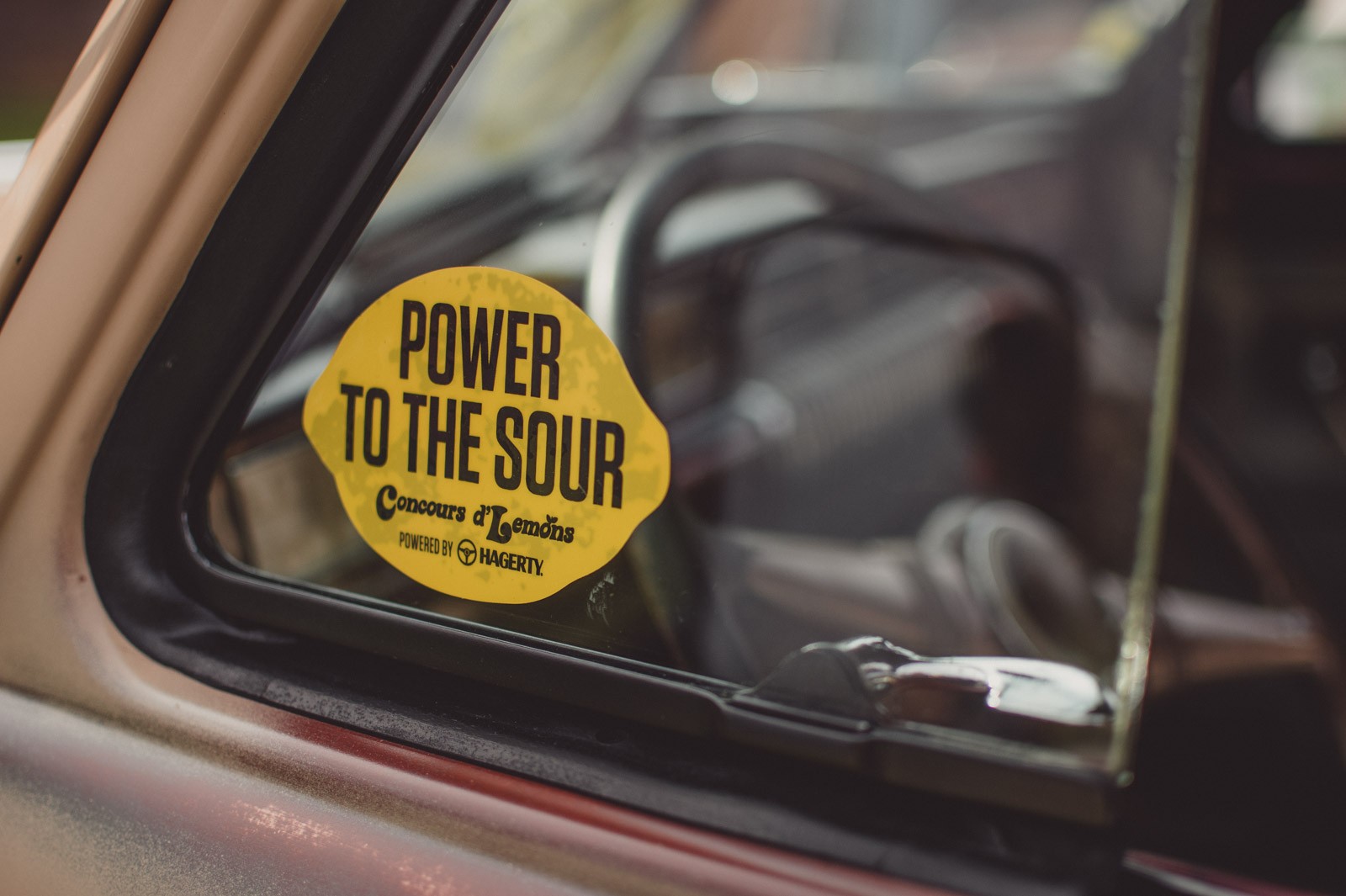
It ties in perfectly with the whole reason that the 24 Hours of LeMons exists, and is a perfect companion celebration next to it. As the motto for the 24 Hours goes, “racing shouldn’t just be for rich idiots, it should be for all idiots.” If that doesn’t define the Concours d’Lemons perfectly, we don’t know what would. So, we just agree with the stickers that almost all the cars were bearing…
Power to the sour!
Gallery Of Extra Lemons
The driver of this 1955 Ford Thunderbird doesn’t understand what all the curiosity is about
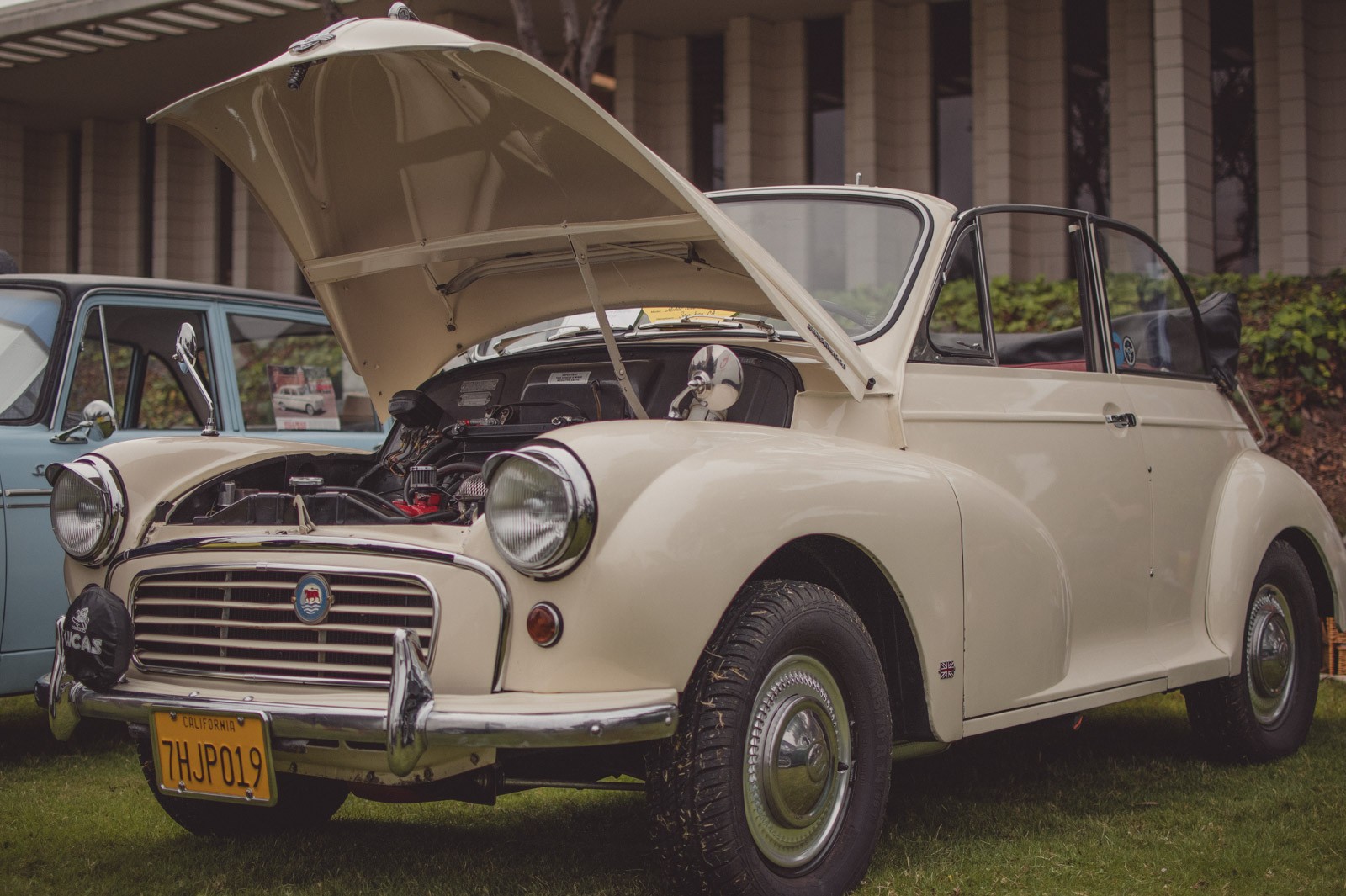
1960 Morris Minor 1000 convertible
Rusted misfit at the Concours d’Lemons
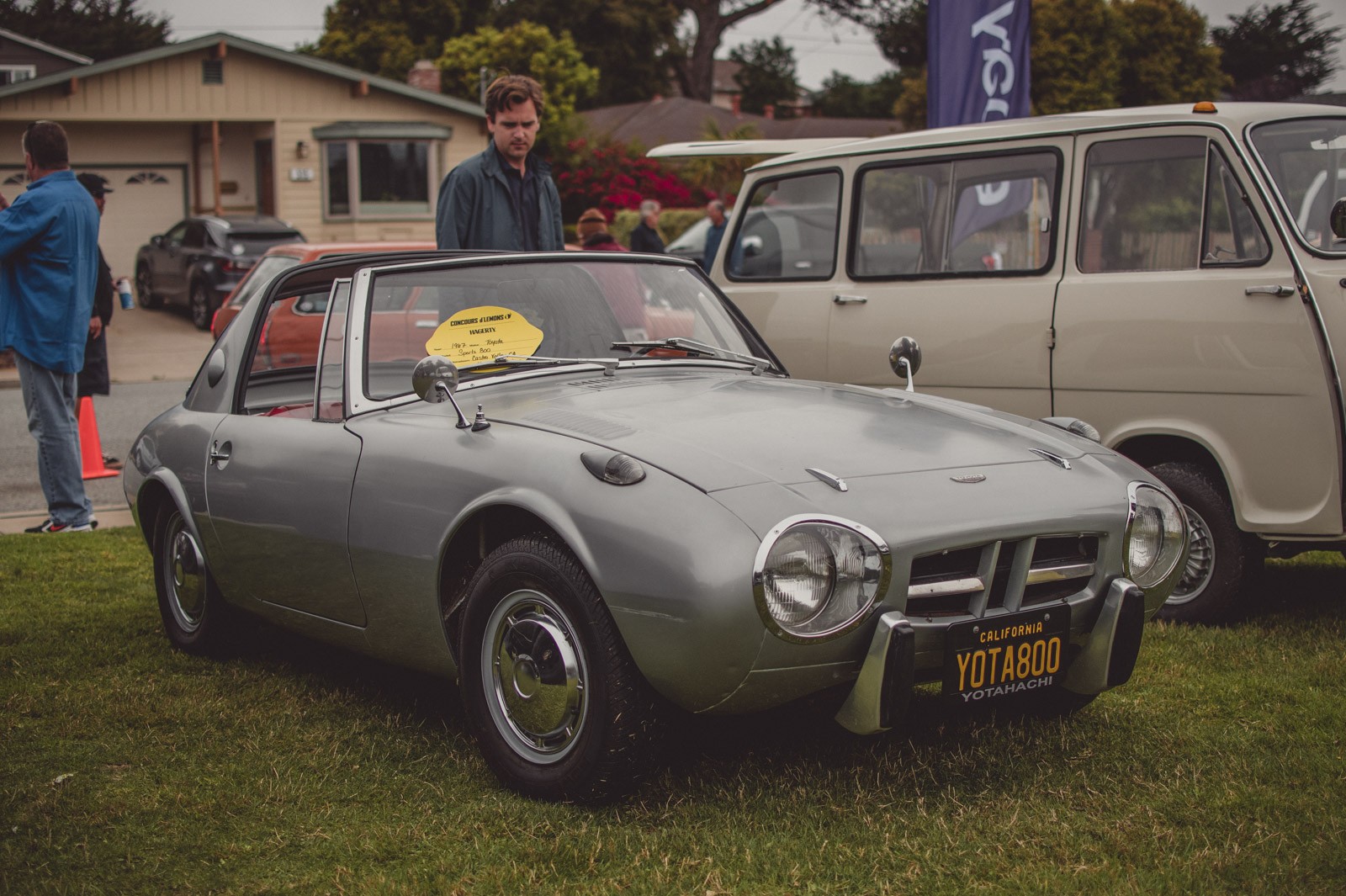
1967 Toyota Sports 800
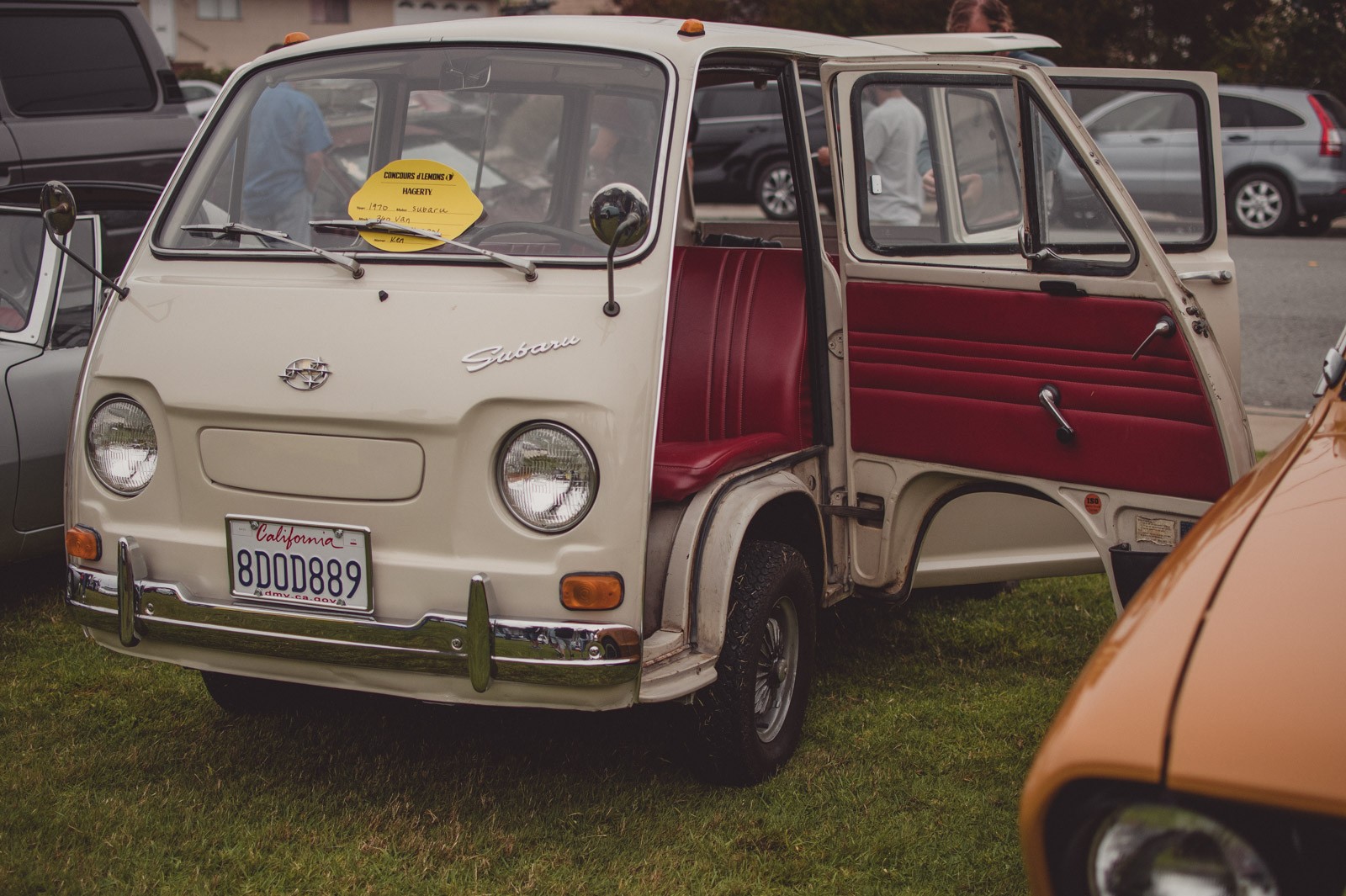
1970 Subaru van
Datsun stationwagon
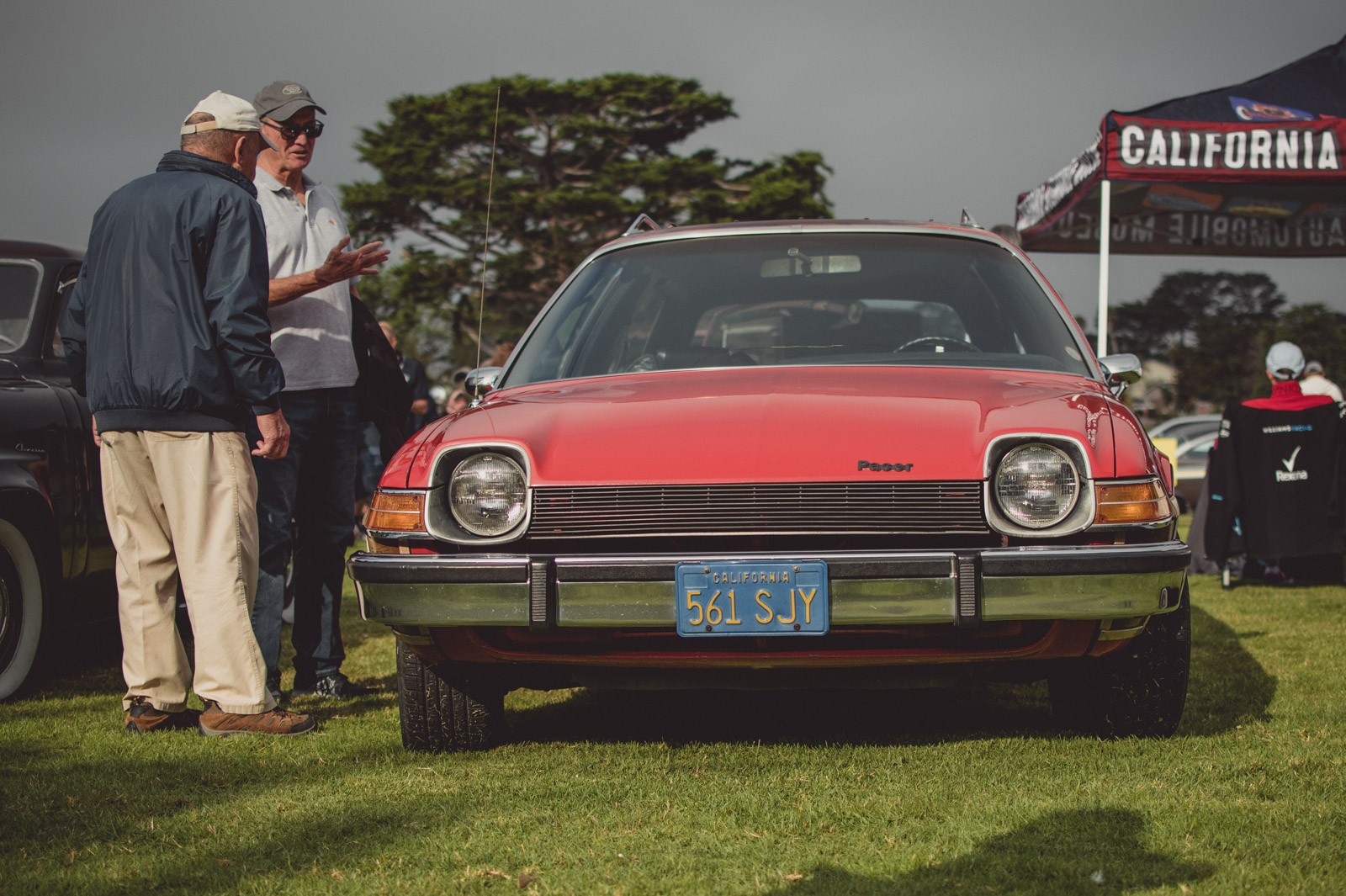
1977 AMC Pacer Wagon
1995 Plymouth Neon Roadster
Mini Cooper hippie art car
1973 KV Mini SE
September 10, 2021 / Comments Off on Why The Concours d’Lemons Is One Event You Have To See
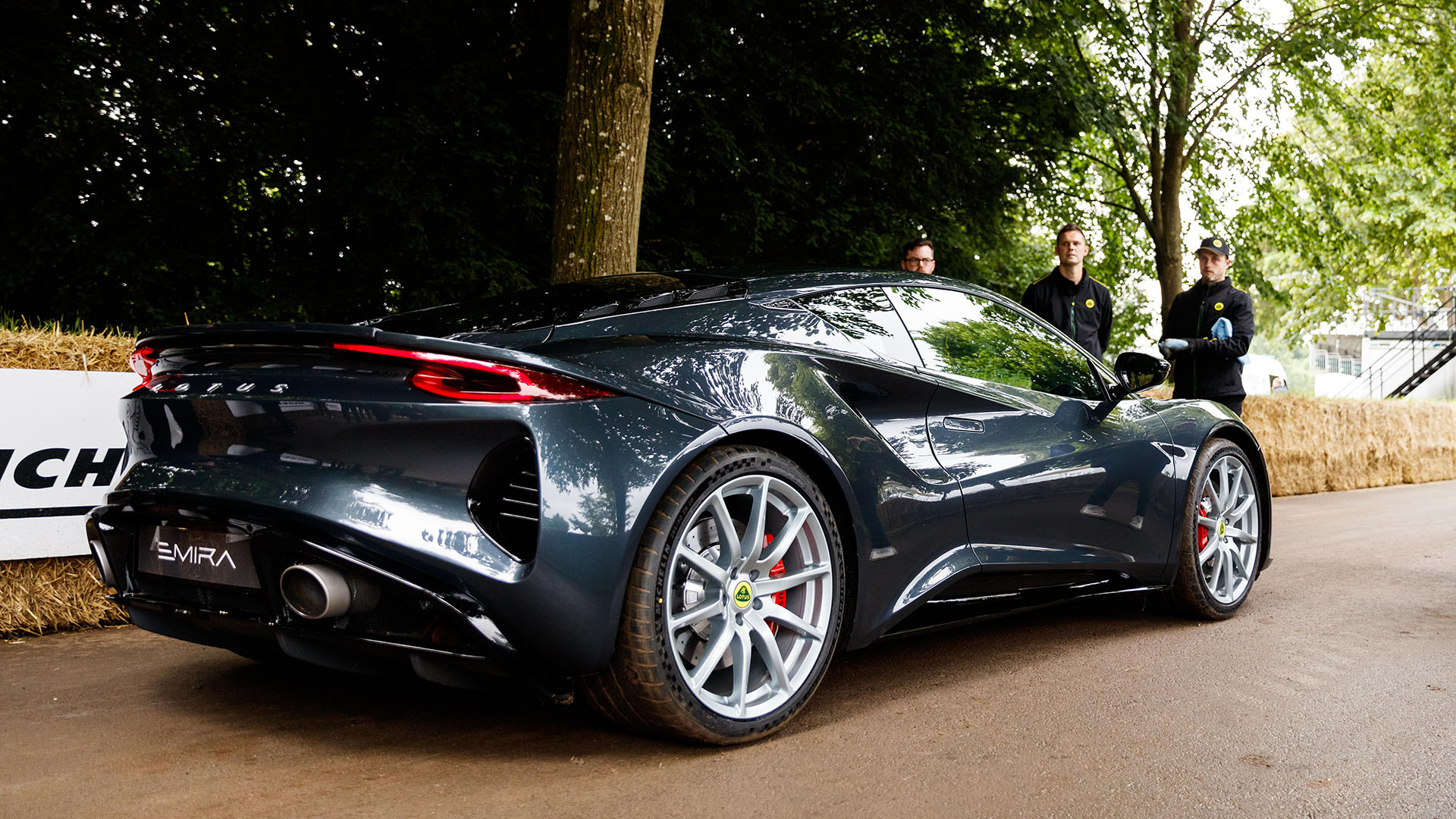
Not too long ago we’ve witnessed the dynamic launch of Lotus’s last ever ICE model, the Emira will go into history as the final Lotus to come with an internal combustion engine, the car was officially unveiled 48 hours before the famous Goodwood Festival of Speed opened its doors, which was the first time we could enjoy the Lotus Emira at speed for the Hill Climb event.
To make the Lotus Emira even more attractive, clients can choose between a 3.5-liter supercharged V6 pumping out about 400hp or opt for a more economical turbocharged inline-4 from AMG with 360hp, both can be ordered with a 6-speed automatic transmission or a more engaging 6-speed manual with Torsen type limited-slip differential, but obtaining one might be challenging as sales only started in September before that, clients were asked a ‘reservation’ fee of £2,000 ($2,800) to secure their spot on the list for an RHD model, keep in mind the Emira is the first Lotus new model in almost 10 years, and it will be the final petrol-powered Lotus ever, all for about £60,000 ($83,000).
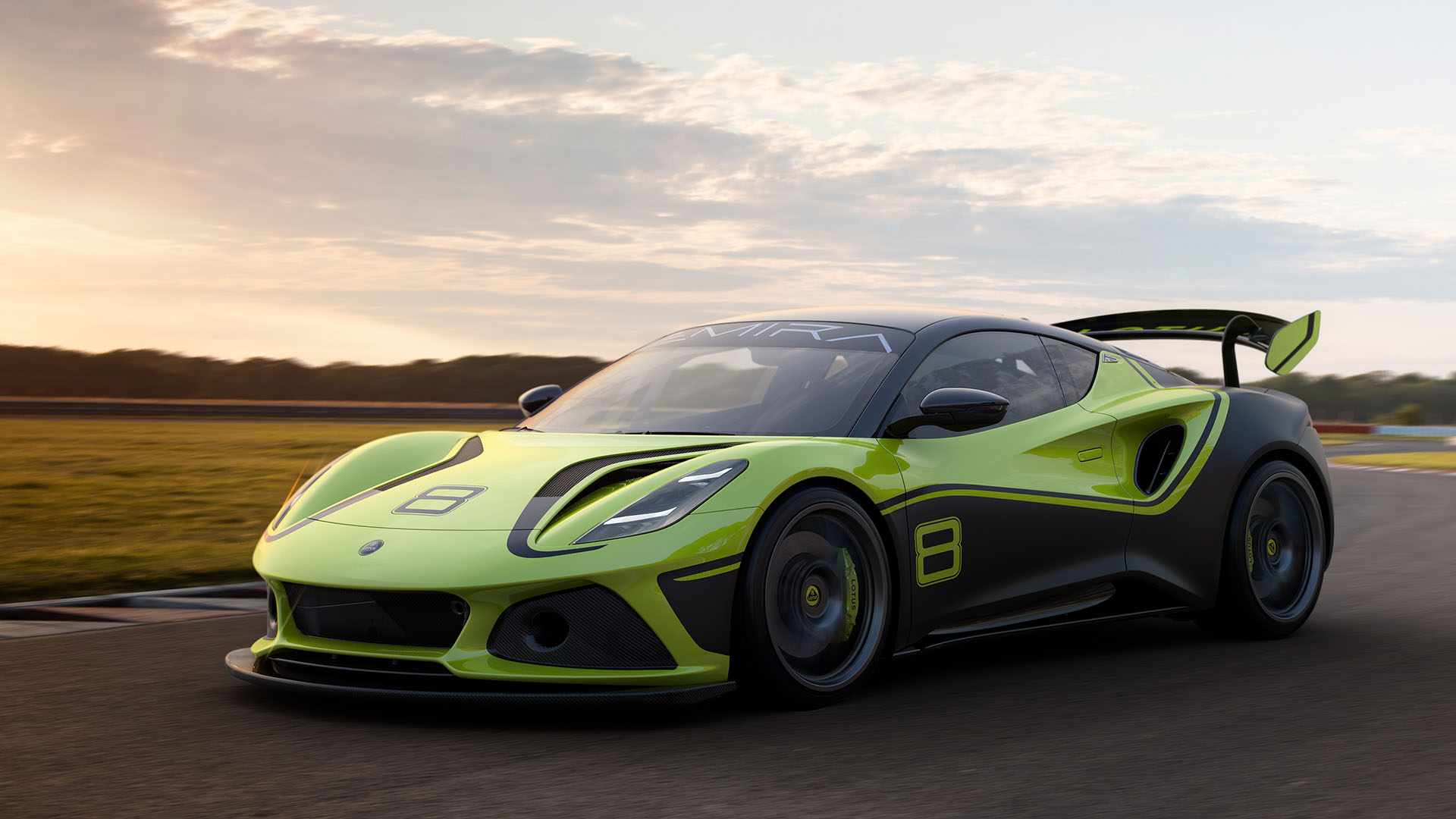
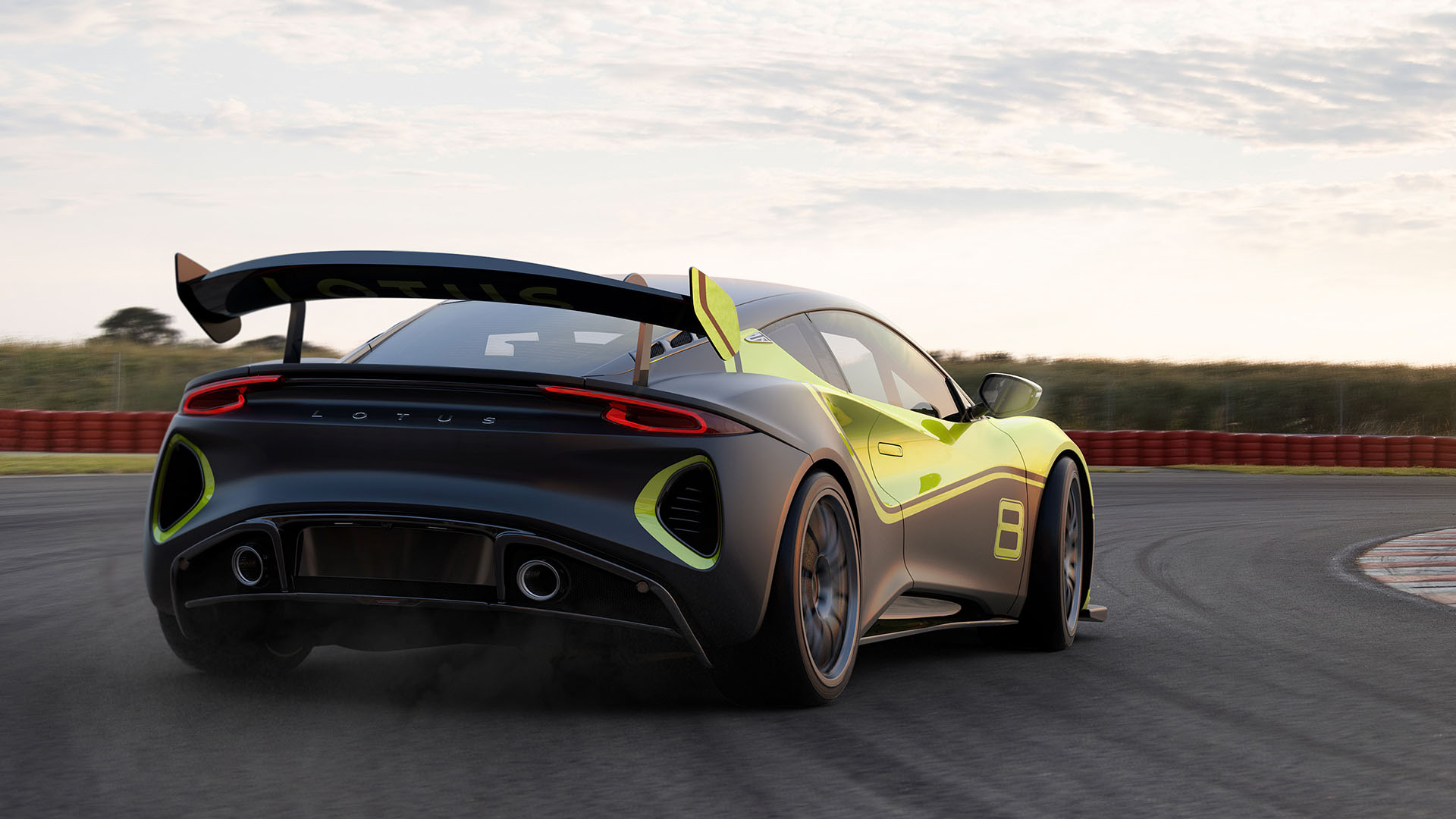
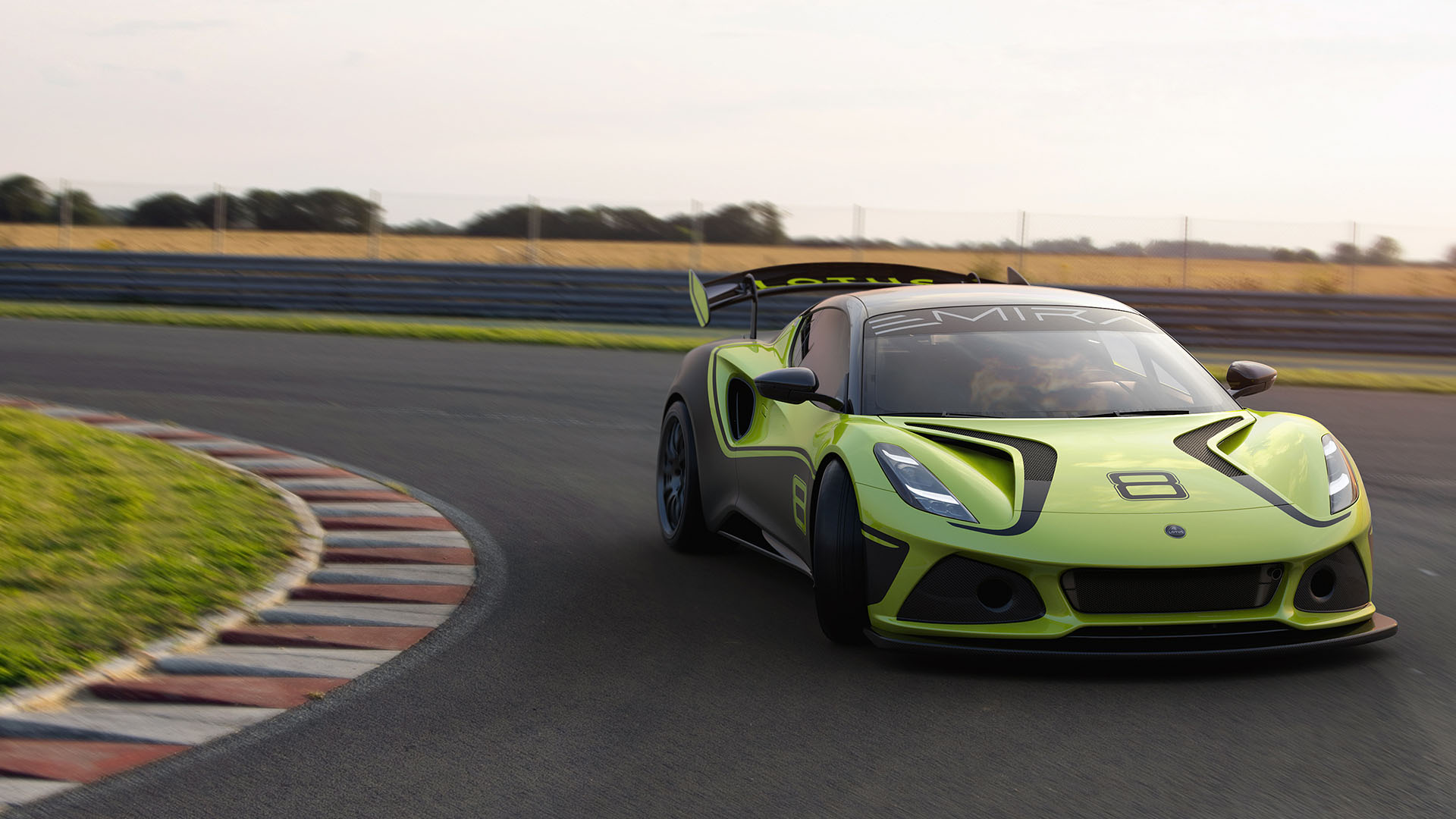
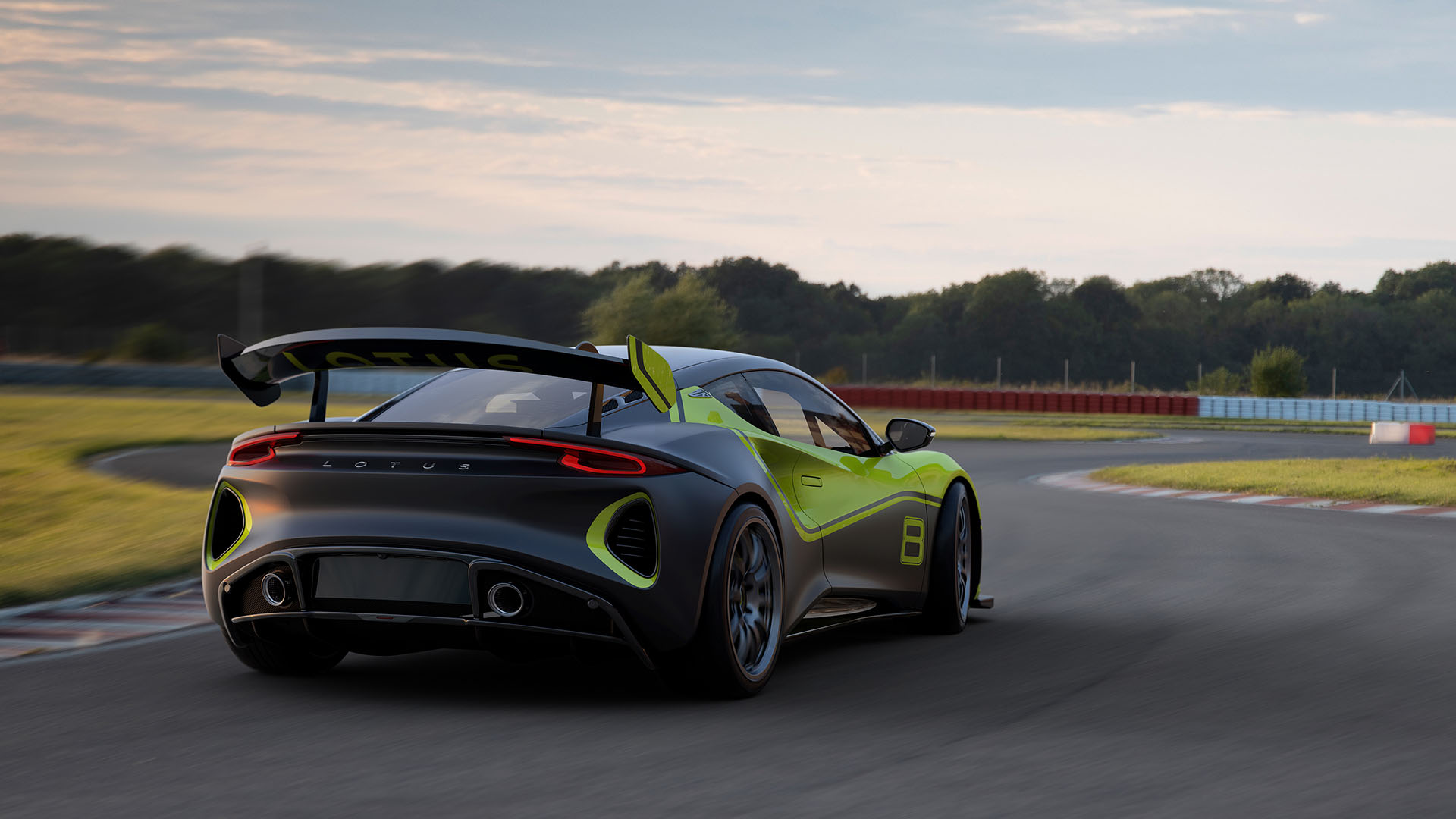
And now Lotus, with help from RML Groups unveils the next step … the Emira GT4 race car following a recent partnership with Extreme E racing team JBXE, after more than 70 years of innovation both on the track and on the open road, the Emira GT4 is the start of a new era in GT racing for Lotus, albeit still a concept, the Emira GT4 will become a hand-built, competition-spec GT4 race car to continue the Lotus motorsport story.
This new car will replace the Lotus Evora GT4 to compete in the British GT, Dubai 24hrs, Barcelona 24hrs, European GT, Sepang 12hrs, and the Pirelli World Challenge to continue the legacy, as just about every modern Lotus road car had a competition counterpart, so the Emira only continues on a path set by her predecessors a long time ago, clients that want to race the Emira GT4 will receive a hand-built performance car with full homologations, lightweight track components and all required equipment to comply with safety regulations on the track.
The Lotus Emira GT4 will be fitted with the 3.5-Liter V6 Toyota engine that has proven its worth in racing already, combine that with the composite body in an advanced GT4 aerodynamics design, this lightweight, but powerful new Lotus GT4 will be very competitive on the track.
Richard Selwin, Race Programme Manager, Lotus, commented: “The all-new Emira GT4 is an exciting next step following the hugely successful launch of the Emira road car. We have worked hard with the team at RML Group to ensure this next-generation of Lotus GT car will deliver race-winning performance.”
The new Lotus Emira GT4 will be officially launched during a special event at the Hethel test track, a famous 2.2-mile circuit that has been witness to the development of some of the world’s most famous race cars, and let’s not forget Lotus Engineering, which is the consultancy division of the business, became a technical partner to JBXE, the Extreme E race team led by F1 world champion Jenson Button.
There will be a very limited number of Lotus Emira GT4 built for the 2022 racing season, with the aim to really start building larger numbers of this new Lotus race car for the 2023 championship rounds, interested in adding this Emira GT4 to your race team? In that case, you should get in touch with the Lotus motorsport department to secure one as soon as possible.
Lotus Emira GT4 tech spec and target performance data
Engine
Toyota V6 2GR-FE
Cubic Capacity
3.5-litres
Power
400bhp*
RPM
7,200rpm
Supercharger
Harrop TVS 1900
Transmission
6-speed xTrac with paddleshift + limited slip differential
Fuel cell capacity
96-litres FIA-approved fuel cell
Electronics
Motec-supplied dashboard with data-logging + bespoke motorsport loom
Suspension
Front and rear double-wishbone / Öhlins coil-over dampers / anti-roll bars
Brakes
Alcon discs and calipers + Bosch Motorsport ABS
Tyres
Pirelli GT4 265/645×18 (front) and 305/680×18 (rear)
Safety equipment
FIA-compliant roll cage, six-point harness and fire extinguisher
Dimensions
Length 4,410mm / height 1,290mm / track 1,664mm
Dry weight
1,260kg
September 10, 2021 / Comments Off on The Lotus Emira GT4
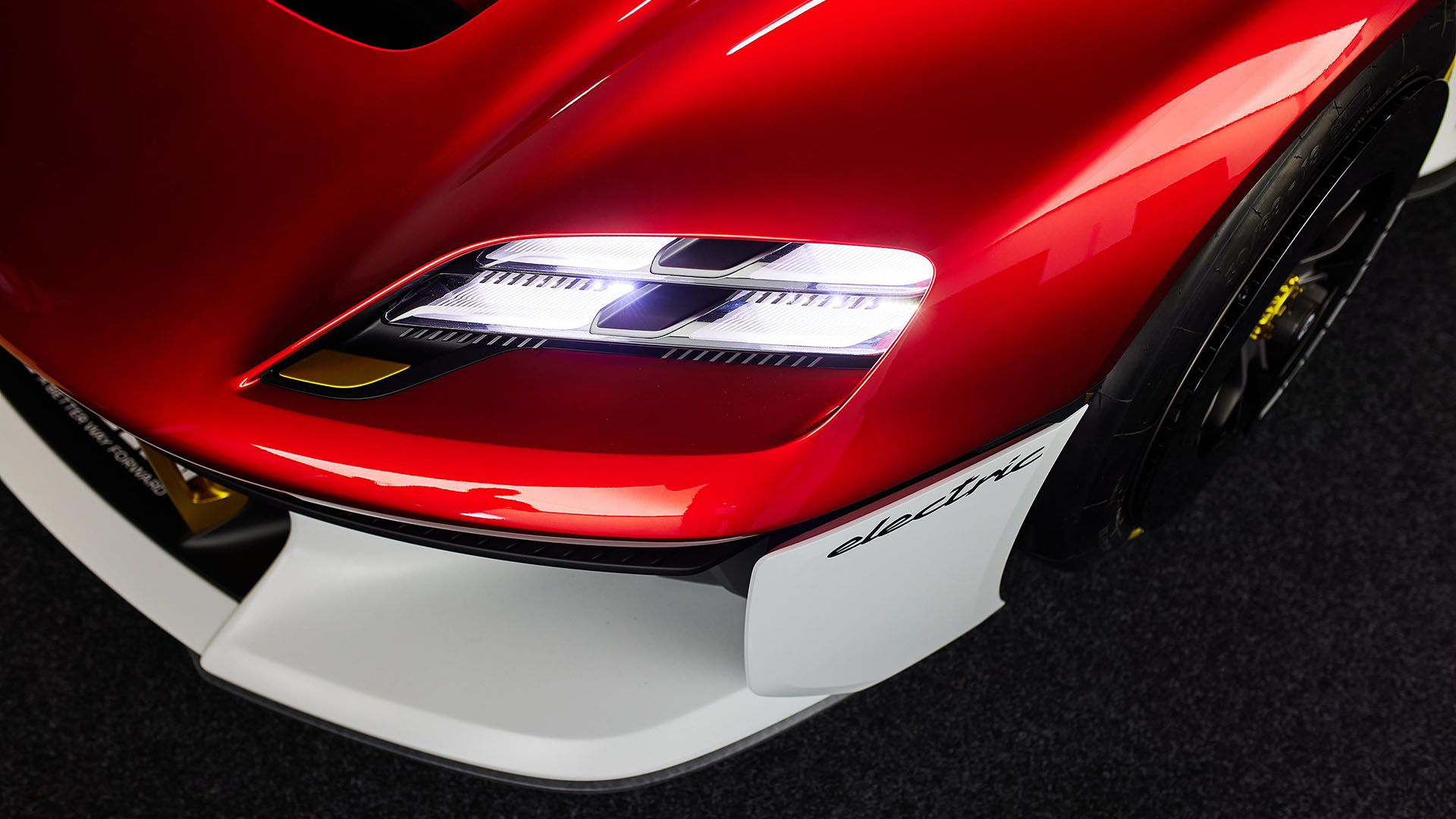
The new Porsche Mission R is the latest all-electric vehicle from Porsche AG. This time however, it comes in form of a GT racing car, effectively previewing the future of Porsche GT racing but also hinting at what the future Porsche GT road cars will utilize as a powertrain. The model features add-ons parts made of natural fibre reinforced plastic (NFRP) which creates 85% less CO2 compared to carbon fibre. The natural fibre material has been used on the front splitter, the side skirts and on the diffuser.
The Mission R has two electric motors at the front and rear, altogether producing 1088hp in Qualifying Mode and 680hp in race mode. 0-100 km/h is achieved in just 2.5s while the top speed is limited to 300km/h. Lap times are at per with those of a GT3 Cup car. The 900v battery can be charged from 5-80% in just 15 minutes thanks to Porsche Turbo Charging.
The electric racing car features a new roll-over protection concept; a cage structure made of carbon fibre reinforced plastic (CFRP) to protect the driver incase of an accident. The carbon cage has been fitted on the roof and its visible from outside through the transparent segments.
The exterior features natural fibre reinforced plastic on the doors, front and rear wings, sill/side panels and on the rear center section of the vehicle. The natural fibres are based on agriculturally produced flax fibres, they are light as carbon fibre and deliver stiffness with a low weight of less than 10%.
The carbon cage was named ‘Exoskeleton’ by the engineers who designed it, the cage combines high protection potential for the driver with low weight and features some transparent surfaces as well as a removable escape hatch for the driver based on FIA requirements for racing vehicles.
The vehicle has been equipped with advanced Porsche Active Aerodynamics (PAA) which can adapt to its characteristics optimally to what the driver is doing on the track and a Drag Reduction System (DRS) consisting of three louvres in the air intakes on each side and an adjustable two-section spoiler.
The Mission R has been fitted with 18 inch magnessium Cup centre lock wheels , the wheels are flow-optimised and consists of smooth carbon aeroblades and milled five twin spokes. The wheels have been moiunted on Michelin tyres measuring 30/68 on the front axle and 31/71 on the rear axle.
The model features a brake-by-wire braking system with a control unit to control the interaction between the hydraulic and the electric brakes known as brake blending. With a high output of 800kW, the brakes are subjected to a lower load and could be reduced in size.
Additionally, the vehicle is started with a battery status of 85% (SoC) and recuperation is possible which means more than 50% of the energy can be re-used depending on the race track.The model also features an Electric Power Steering (EPS).
Porsche Mission R
1 of 11
September 10, 2021 / Comments Off on Porsche Mission R: The Future of Porsche GT Cars, Electric with 1000hp+
This is the new 5th generation 2022 Subaru WRX, now built on the Subaru Global Platform. Output has been increased to 271hp and 350nm of torque from the new FA24 turbo 4 engine.
These are mainly US specs, JDM cars could adopt the CB engine used on the new Levorg…maybe as a CB20. They could also use the FA20F which already produces 295hp in the previous WRX S4 VAG that was exclusively sold in Japan.
There is a new GT trim with 6 speed manual or a “Subaru Performance Transmission” automatic…basically a fancier CVT. The CVT is now 30% quicker on upshifts and 50% quicker on downshifts, comes with a rev match feature and variable torque distribution. The CVT also gets an electronic parking brake.
Overall length is now 4668 mm (amazingly still shorter than the Levorg) and 1826 mm wide. Previous WRX VA was 4635mm (length) x 1795mm (width). New WRX is wider thanks to new bigger fenders made of aluminum at the front. All fenders now have the same flares with a garnish finish like the Outback, a trend that is very popular with Japanese SUVs.
Jump inside and you are greeted by a massive 11.6” screen just like in the Outback/Legacy. Recaro seats have a new design that is completely different from the VA generation, driver seat has 8-way power adjustments. Suspension retains struts at the front and double wishbone at the rear.
Drivers will have Comfort, Normal, and Sport modes all controlled by electronic dampers. New Drive Mode Select has over 430 settings to use on the steering feel, damper settings, SI-Drive settings etc. The rest are the usual safety tricks…eyesight, pre-collision detection, cruise control etc. An 11-Speaker Harman Kardon sound system makes its way back into the new WRX.
17 or 18 inch wheels are available depending on the trim. Again these are US specs and we could see entirely different specs on the JDM cars which tend to come with more options to please the home market.
2022 Subaru WRX GT
September 10, 2021 / Comments Off on 2022 Subaru WRX GT Revealed with Improved Interior, 6 Speed Manual
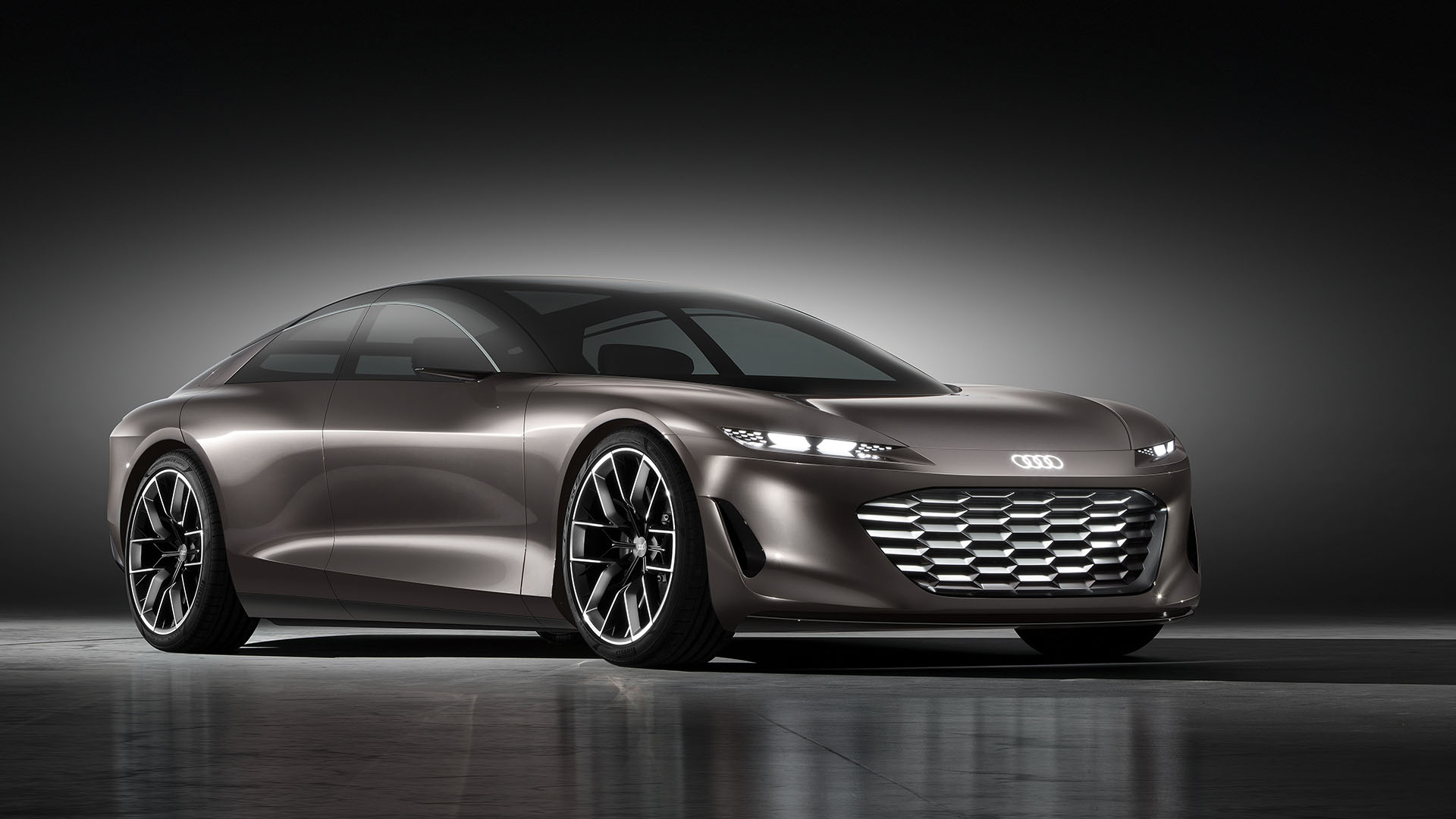
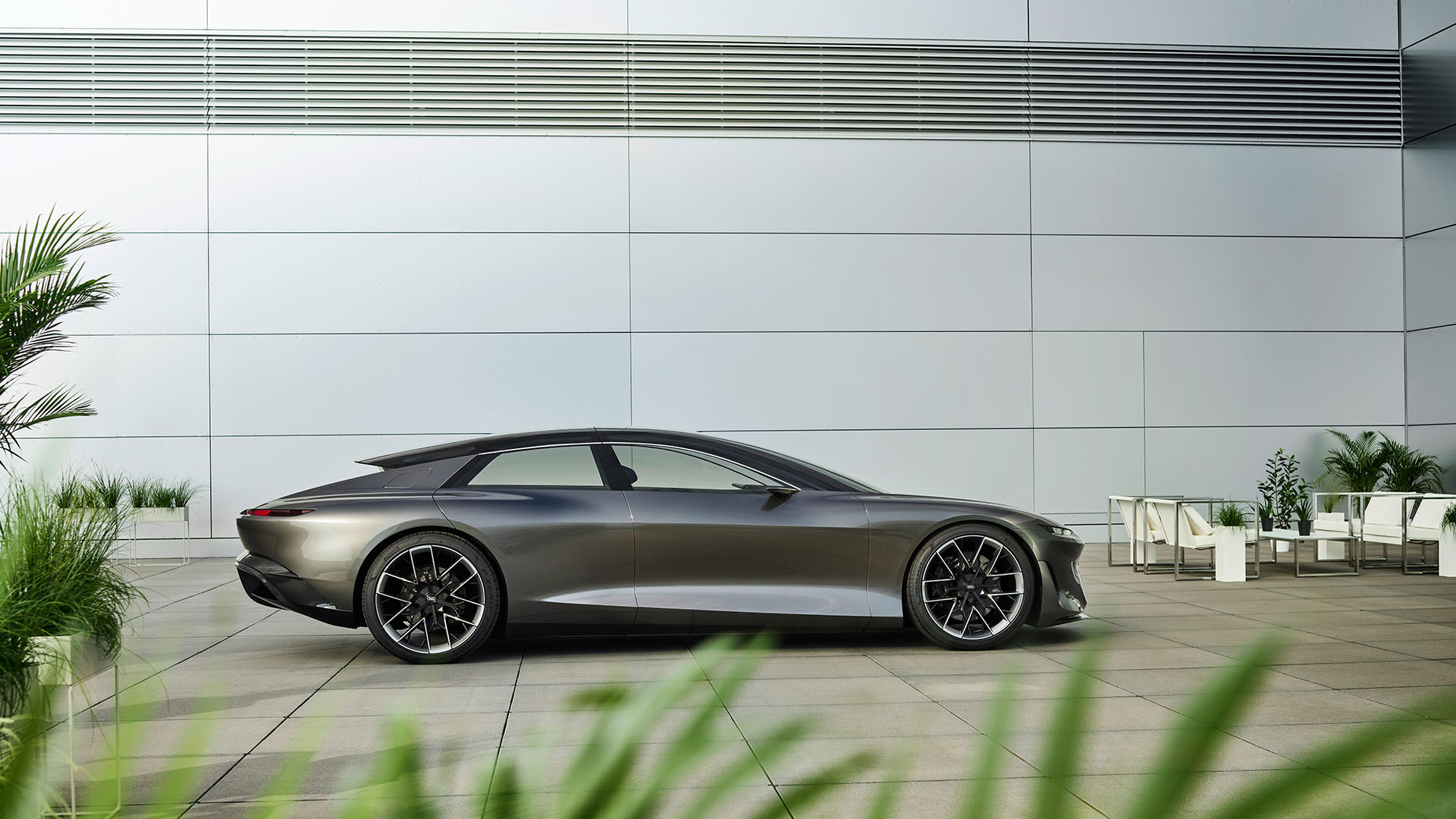
Audi is planning to create three ‘sphere’ concept cars as an indication of how they see the future of automobiles, the first one we could admire during Monterey Car Week, called the Skysphere, was a luxury GT Roadster that could effectively ‘stretch’ her wheelbase to offer more interior space, the second one in the sphere series is the grandsphere concept unveiled at the IAA, the International Motor Show in Germany, usually held in Frankfurt, but for the 2021 edition moved to Munich.
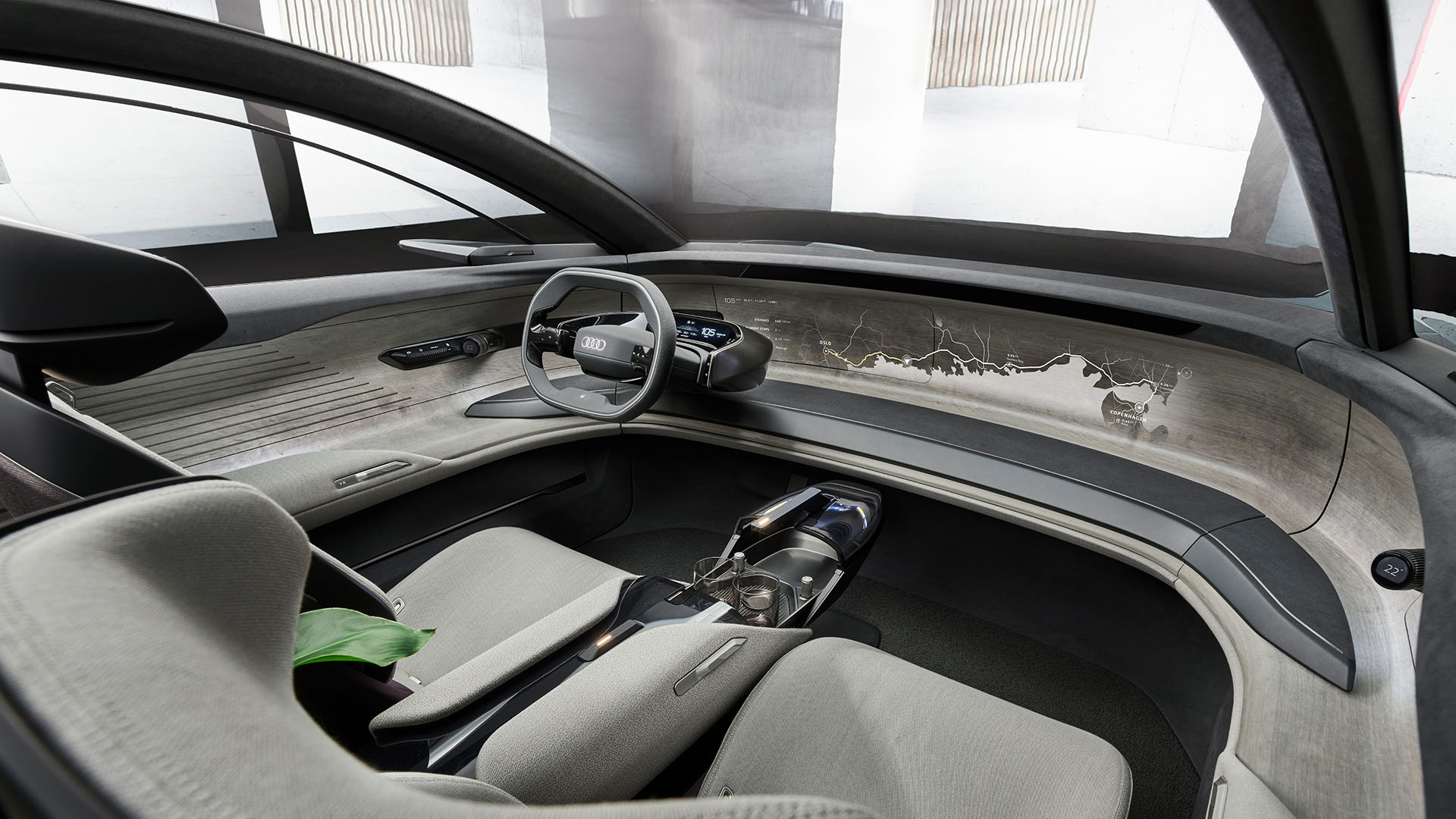
All of the Audi ‘sphere’ concepts will come with level 4 automatic driving, we’ve seen that on the skysphere already, where the car would really transport the occupants from point A to point B without them even touching the steering wheel, as that part of the interior isn’t needed anymore in this mode, it actually folds away, out of view. And that’s exactly what we are seeing inside this larger grandsphere concept too, and it will make its return in the third car in the series, the urbansphere which we’ll be able to admire in 2022.
Audi and CARIAD, the Volkswagen Group’s global software think tank, are working together to create new technology, and their Level 4 is nothing less than changing the interior concept of a car as we know it today, still being a driver-oriented cockpit with seats for three or four passengers, but once the auto-driving mode is engaged, both the steering wheel and the pedals are moved out of sight to create a serene environment for all occupants.
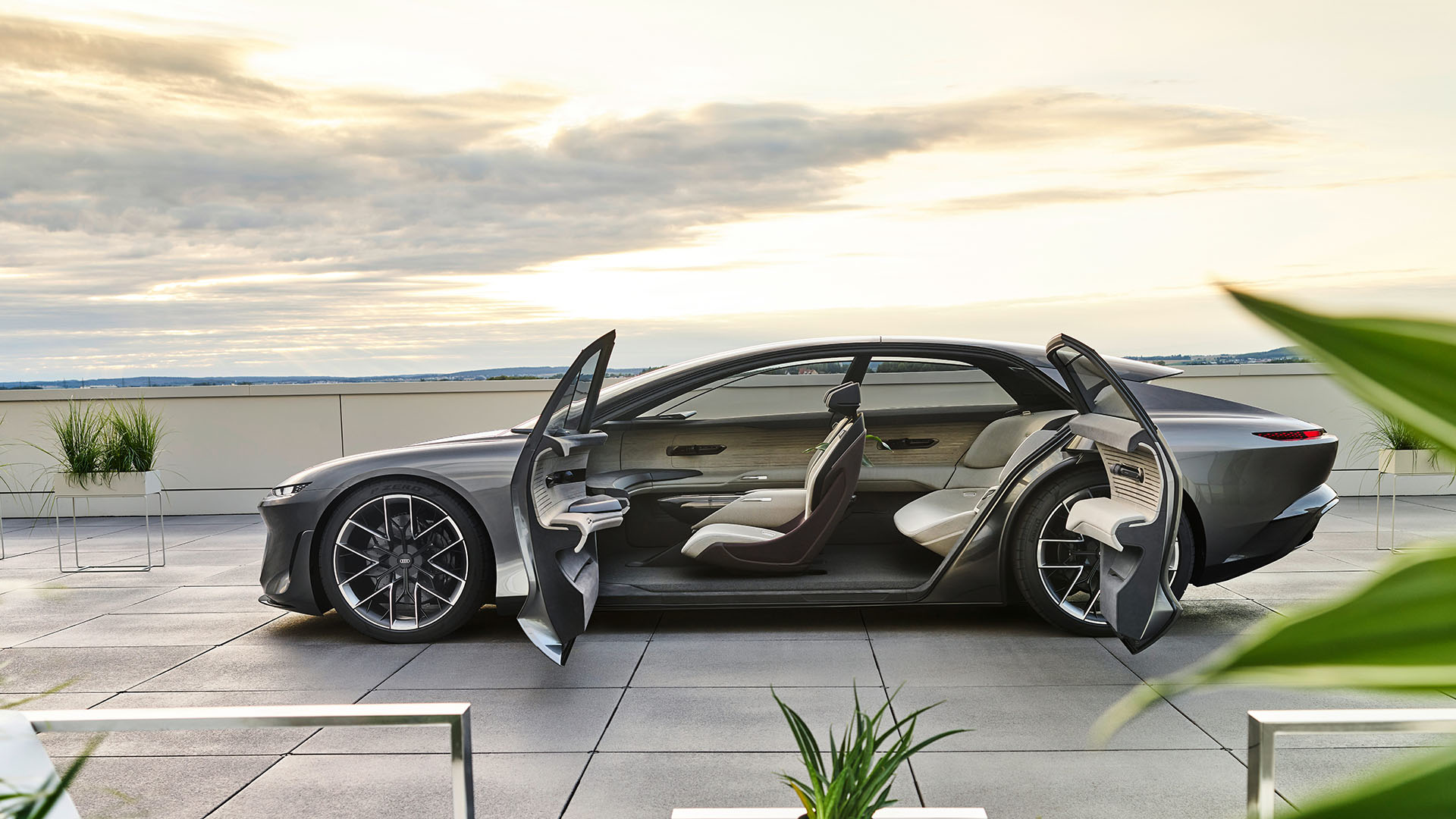
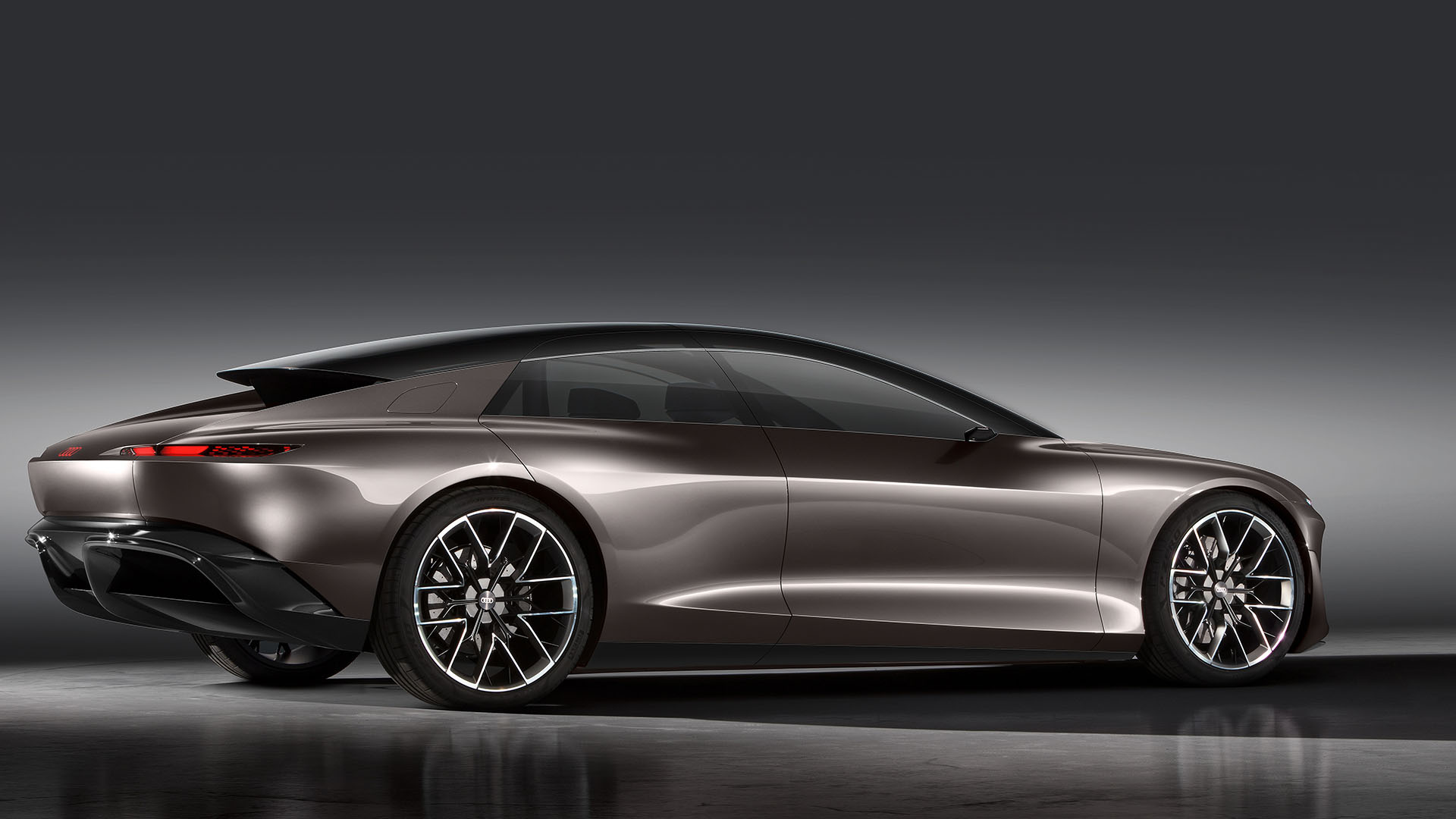
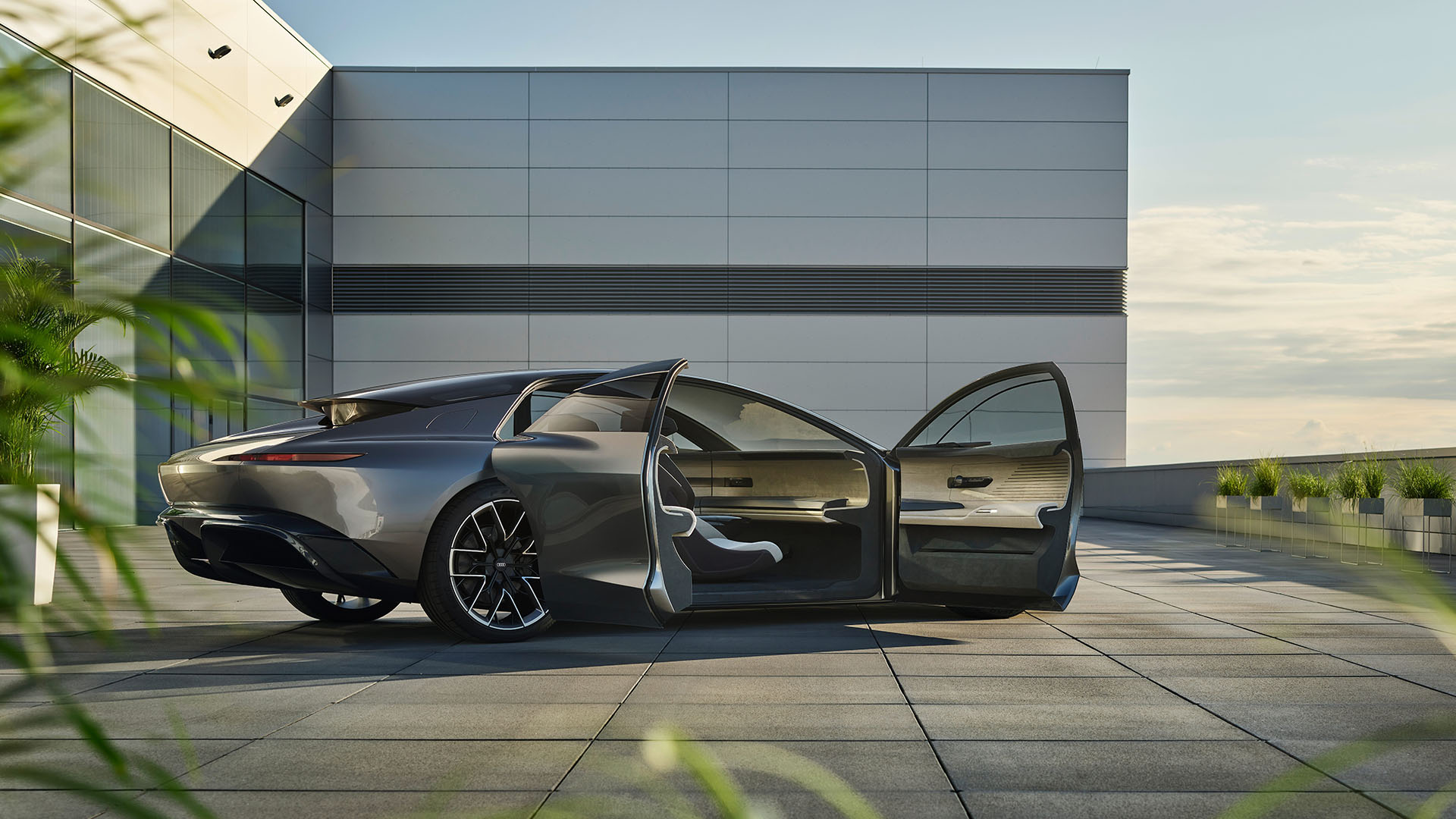
Audi calls these concepts ‘spheres’ because all three are designed from the idea of the interior being the most important part of the car of the future, the occupants’ living and experience sphere while traveling, in case of this grandsphere, Audi calls it a private jet for the road, with an overall length of 5.35 m (17.6 ft.) with a 3.19 m (10.5 ft.) wheelbase that’s even longer than the current Audi A8 Long, the grandsphere is all about luxury and comfort once you open the ‘suicide doors’ found on this concept, the front doors are hinged from the front, but the rear doors open from the rear to allow much easier access into the luxurious interior as there is no B-pillar on this model.
The Audi grandsphere will also come with a pathway identification … this means the car will recognize who is approaching the vehicle, and will automatically open the doors to welcome them, but it goes way further than that, depending on who the car senses, the ambient light changes, climate control settings are restored and the seats move into their predetermined position … even the infotainment system picks up on where a passenger stopped streaming a video before getting into the car, only to resume that video on one of the displays found inside the grandsphere.
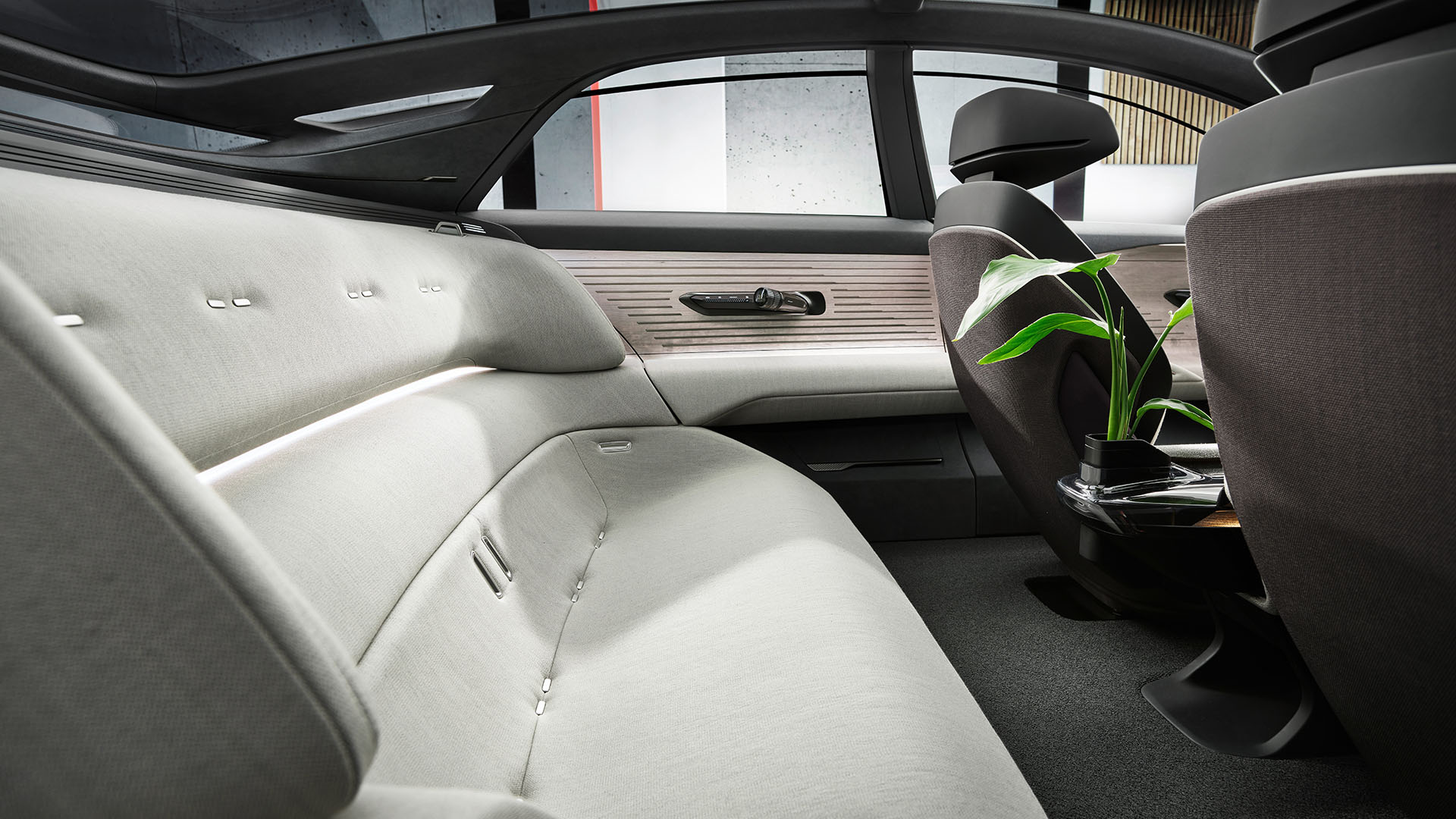
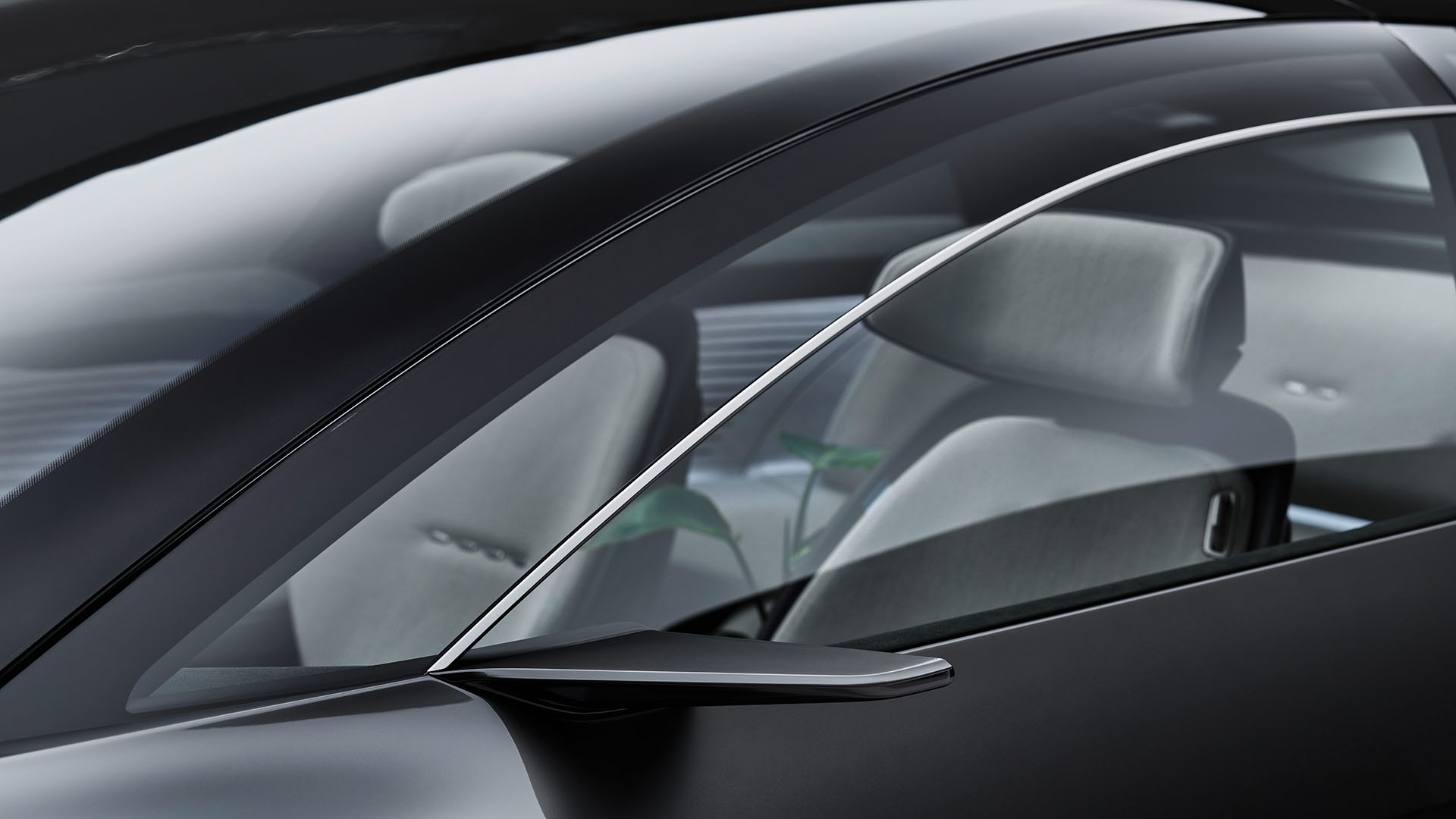
A feeling of openness and breadth is created, helped by the absence of the steering wheel and pedals, but also because of the large window surfaces on the Audi grandsphere, even the entire roof is transparent on this concept, even the side windows use a futuristic concept where the upper half gets a very distinctive angle while the widest part of the side window is just above eye level.
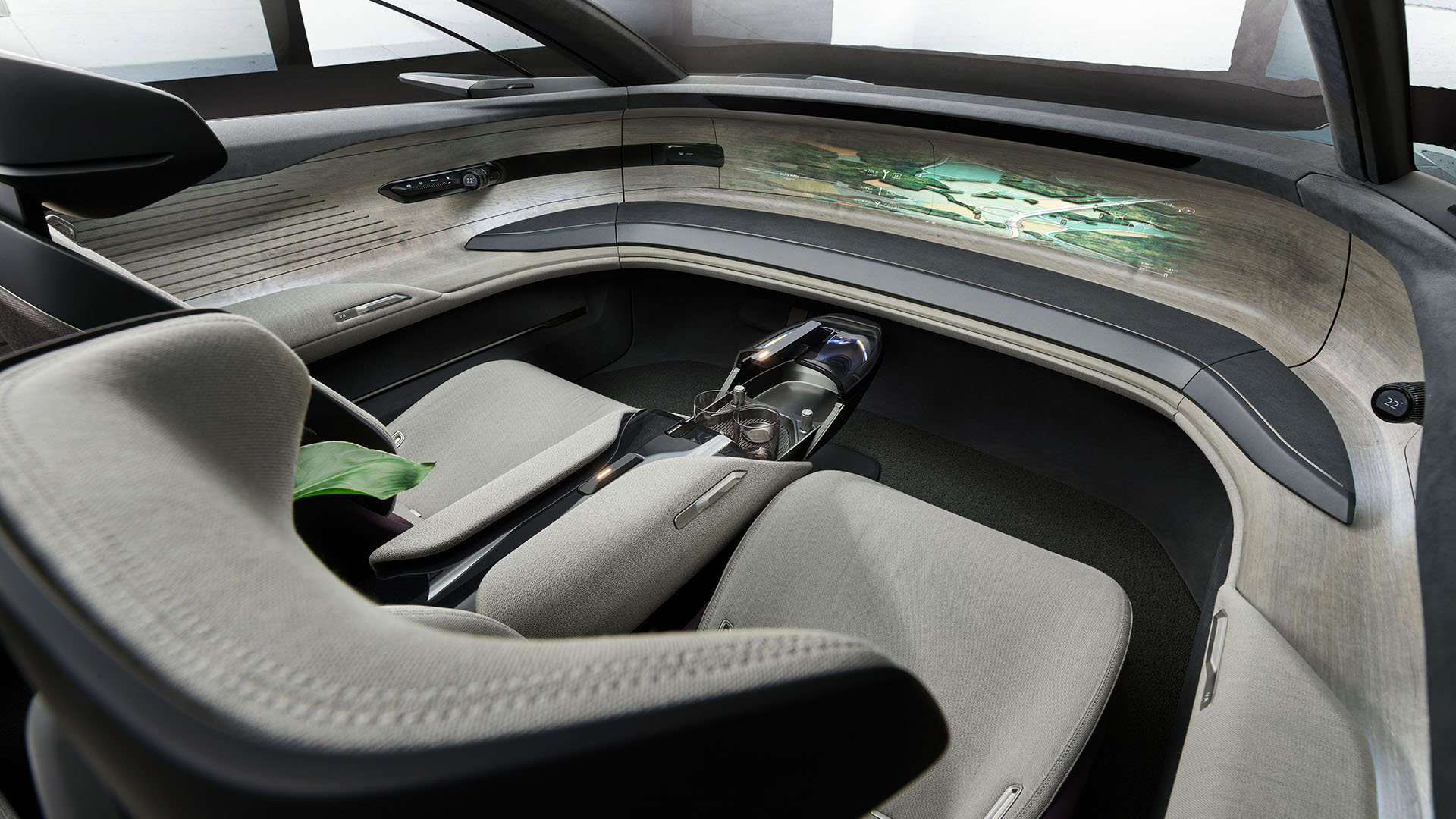
Because the Audi grandsphere is all about comfort and luxury, the front seats are considered first-class seating now, especially as the car will drive itself, the passengers have an amazing view over the completely clean dashboard through the fast windshield, despite the size of the grandsphere and the roominess inside, this is actually a 2+2 seater, the rear offers a two-person bench with an armrest that goes around the side, integrated as a seating option in the back when the two front seats are in their most backward position.
With the seats in their upright position, the Audi grandsphere can be perfectly ergonomically controlled when outside level 4 zones as the car has to be driven using the pedals and steering wheel, however, when in ‘auto drive’, the back can be tilted 40 degrees and passengers can relax or use the infotainment system. ultimately, with the back folded down to 60 degrees, the result is a perfect resting position. The headrest can be moved 15 degrees forward while vents emit filtered and temperature-controlled (even scented if desired) air, and then there are speakers that are inaudible to other passengers and allow for a private aural zone while being transported in the Audi grandsphere concept’s first-class cabin.
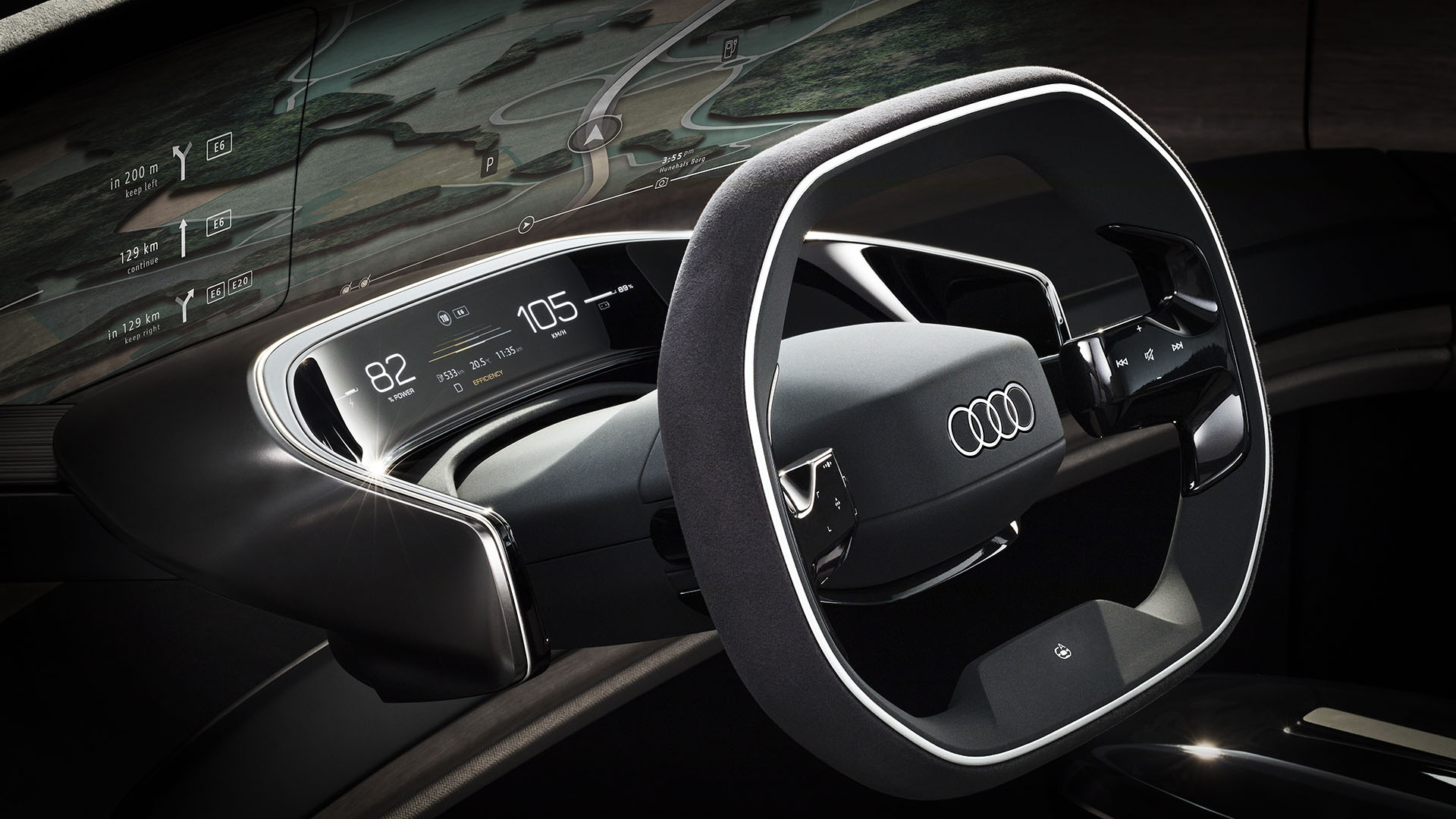
There is leather inside the Audi grandsphere, instead, you’ll find wool or synthetic textile material combined with wood and metal to offer the most pleasant touch, either sourced from sustainable cultivation or made from recycled material, and while every car needs displays, in case of this grandsphere these are actually projected onto the wooden surface, and while the car is in the automated driving mode, the entire dashboard fascia becomes a CinemaScope screen for entertainment or video conferencing.
The Audi grandsphere comes with the innovative MMI touchless response, using haptic controls and even eye movement detection to interact with the driver, this concept comes with eye-tracking, gesture or voice control, and it comes with a level of AI as the system will ‘learn’ the preferences of the driver and frequently used menus … in the end, the system will be able to offer personalized proposals to the occupant, and if you really want to ‘tune out’, there are VR glasses in the armrests.
Being a concept for the future, the Audi grandsphere is an all-electric car and should come with a 120 kWh battery module using the entire vehicle base between the axles, the massive 23-inch wheels are mounted on axles that have their own electric motor, one for the front axle, one for the rear axle, so this Audi has the famous quattro drive system … power output is an impressive 530 kW with 960 Nm of torque.
Similar to the Audi e-tron GT, the grandsphere comes with an 800-volt charging capacity, this means a depleted battery can be charged up to 270 kW almost instantly when connected to a fast-charging station, it takes only 10 minutes to add 300 km (186 miles) to the range, going from a 5% load to an 80% load on the 120 kWh battery takes less than 25 minutes, the grandsphere comes with a range up to 750 km (466 miles), and while maximum speed is limited to offer more range, acceleration from 0 to 100 km/h (62 mph) takes little over 4 seconds.
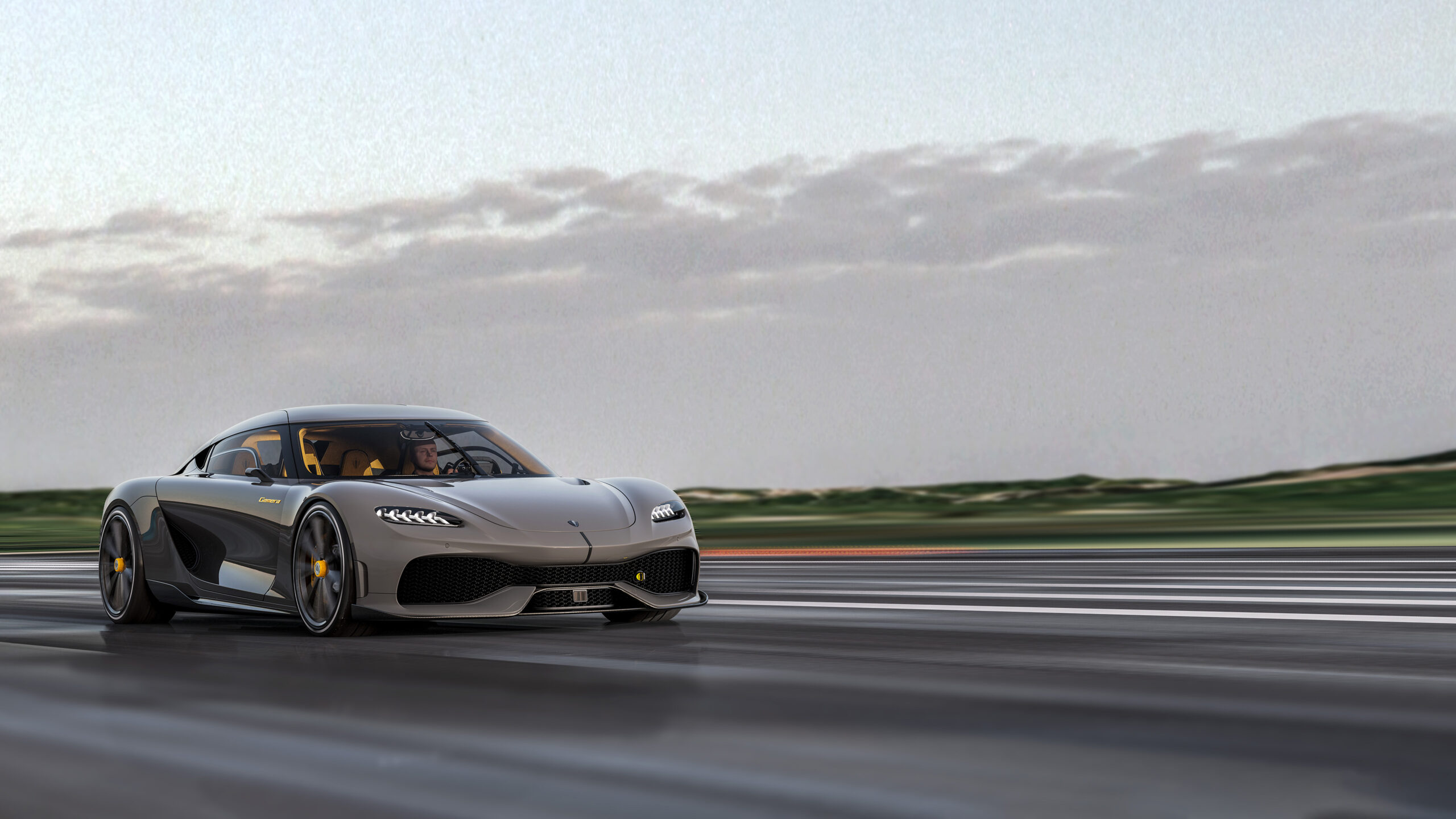
I have to admit, if this is the future we are heading into with electric cars, I’m not too worried, this car looks good, a sleek 4-door GT sedan, I wouldn’t call it a supercar or hypercar like the Koenigsegg Gemera, but this Audi grandsphere is intended for a different kind of customer … the future is electric, and the Audi grandsphere is a glimpse of what’s to come in the next decade or so.
September 9, 2021 / Comments Off on Audi grandsphere concept at IAA 2021
Everatti Automobili recently unveiled their new Porsche 964 Gulf Signature Edition, an electric supercar based on the fully restored Porsche 911 (964).
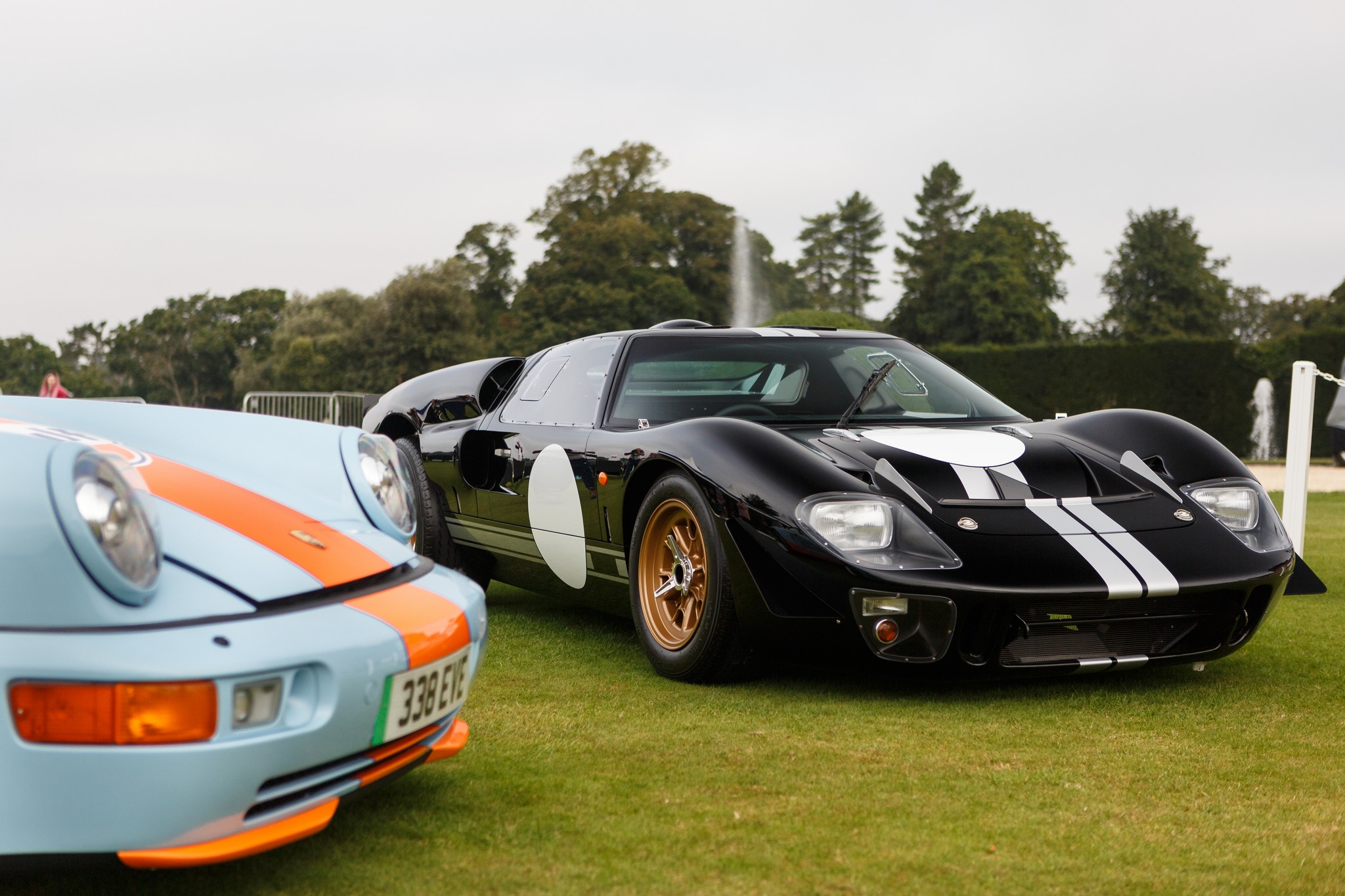
The model debuted at Salon Prive Concours d’Elegance, a venue which brings together vehicles from all eras from vintage models to modern supercars to racing legends. The Everatti 964 EV was displayed alongside an electric version of the Ford GT40 which was created in partnership with Superperformance.
The body of the Everatti features carbon fibre elements and a powerful EV powertrain, the vehicle delivers emission free driving range for more than 180 miles. The EV powertrain is integrated to a 53kWh battery pack and an enhanced battery management system.
The vehicle delivers 500bhp to the rear wheels, 500 Nm of torque and the acceleration from 0-62mph is achieved in less than 4.0 seconds. The engine produces double the output power of an original Porsche 964 built in the 1990’s.
The Everatti is available in Gulf Orange and Blue race car livery.
Porsche 911 Electric
September 9, 2021 / Comments Off on Gulf Porsche 964 Ditches Aircooled Engine for a Full Electric Powertrain
If time travel were possible, going back to the middle of the first decade of the 2000’s and mentioning the word “hypercar” would have garnered you some very odd looks. In fact, by then, the word “supercar” was still only just about 20 years old, when the Porsche 959 and the Ferrari F40 had brought the term into the common vocabulary. Even then, it wasn’t seared into the mind until the greatest supercar of all, the McLaren F1, was made.
Yet, in 2021, we all know what a hypercar is. There were a few cars that started the term rolling around in the mind, like the SSC Ultimate Aero and the Bugatti Veyron, but it wasn’t until 2013 that what are now considered the holy trinity of hypercars were released, and the motoring world was irrevocably changed.
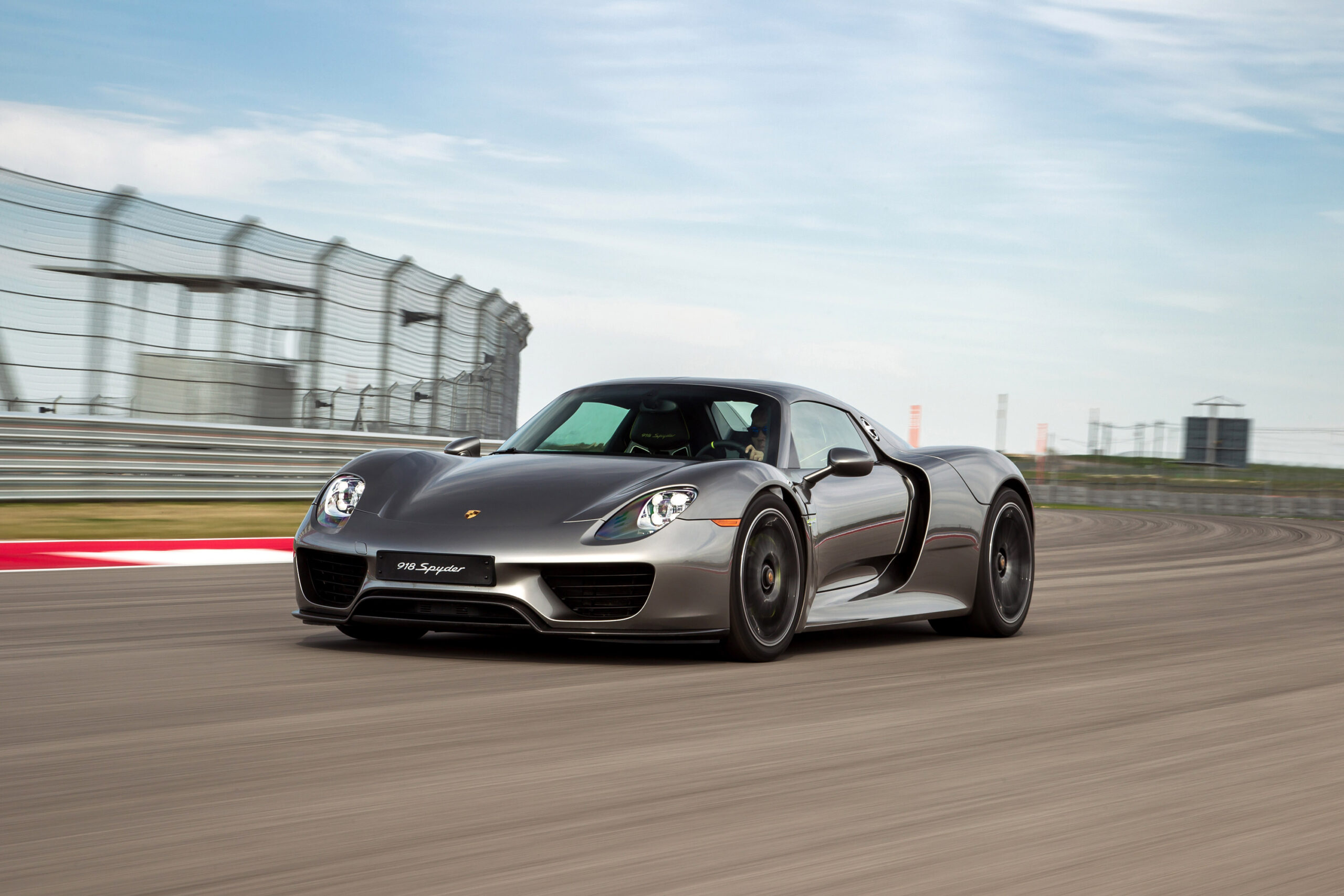
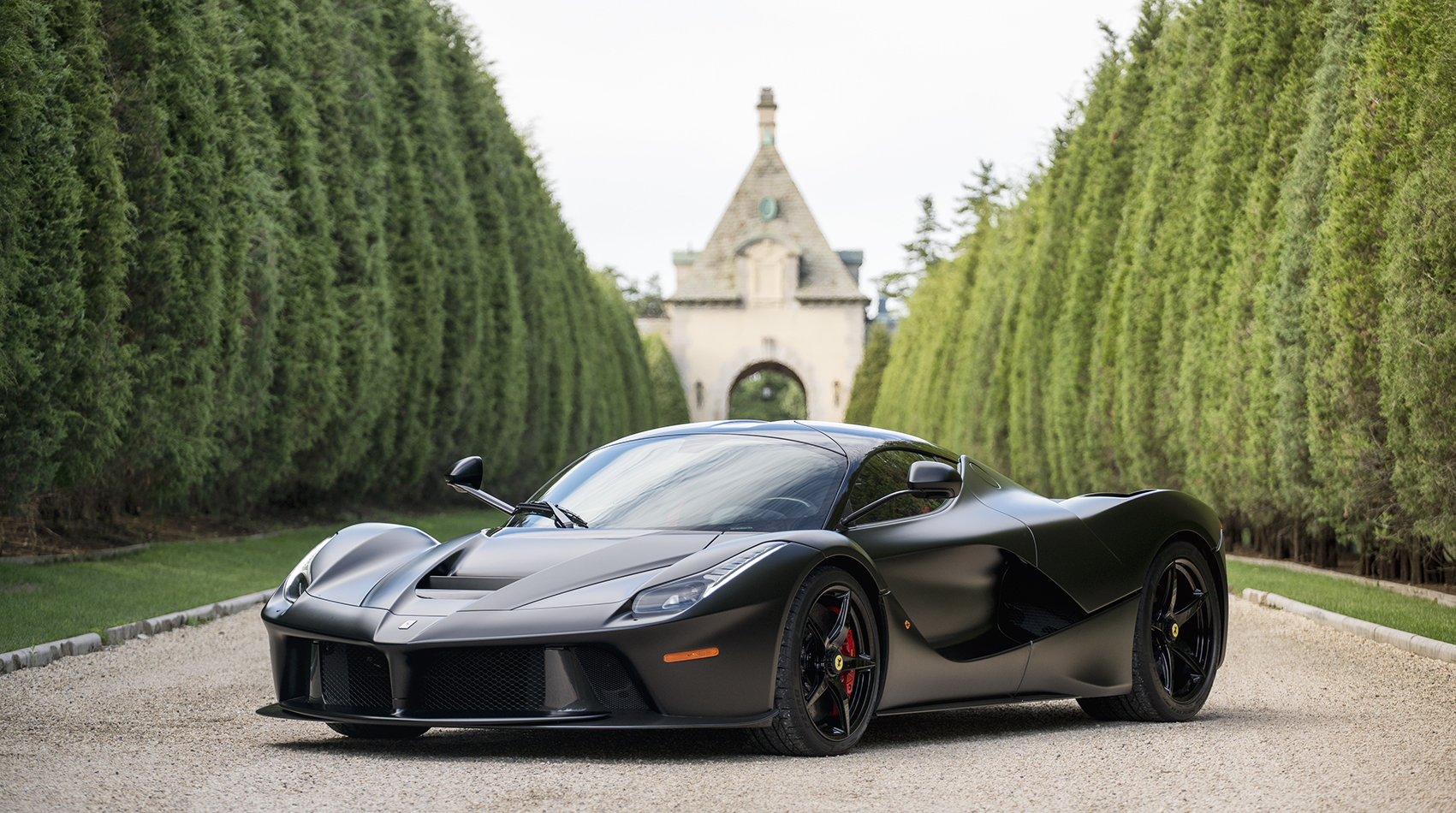
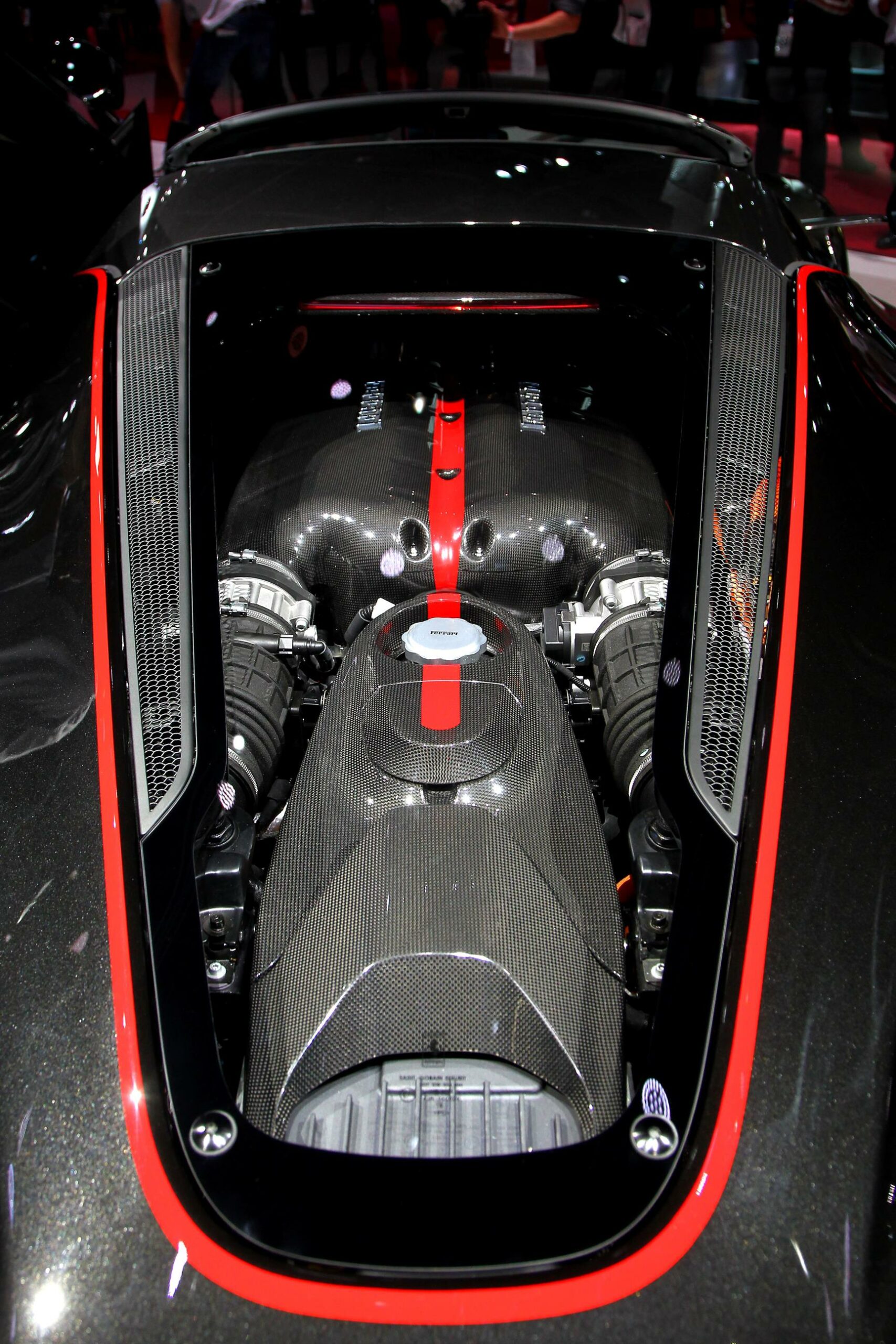
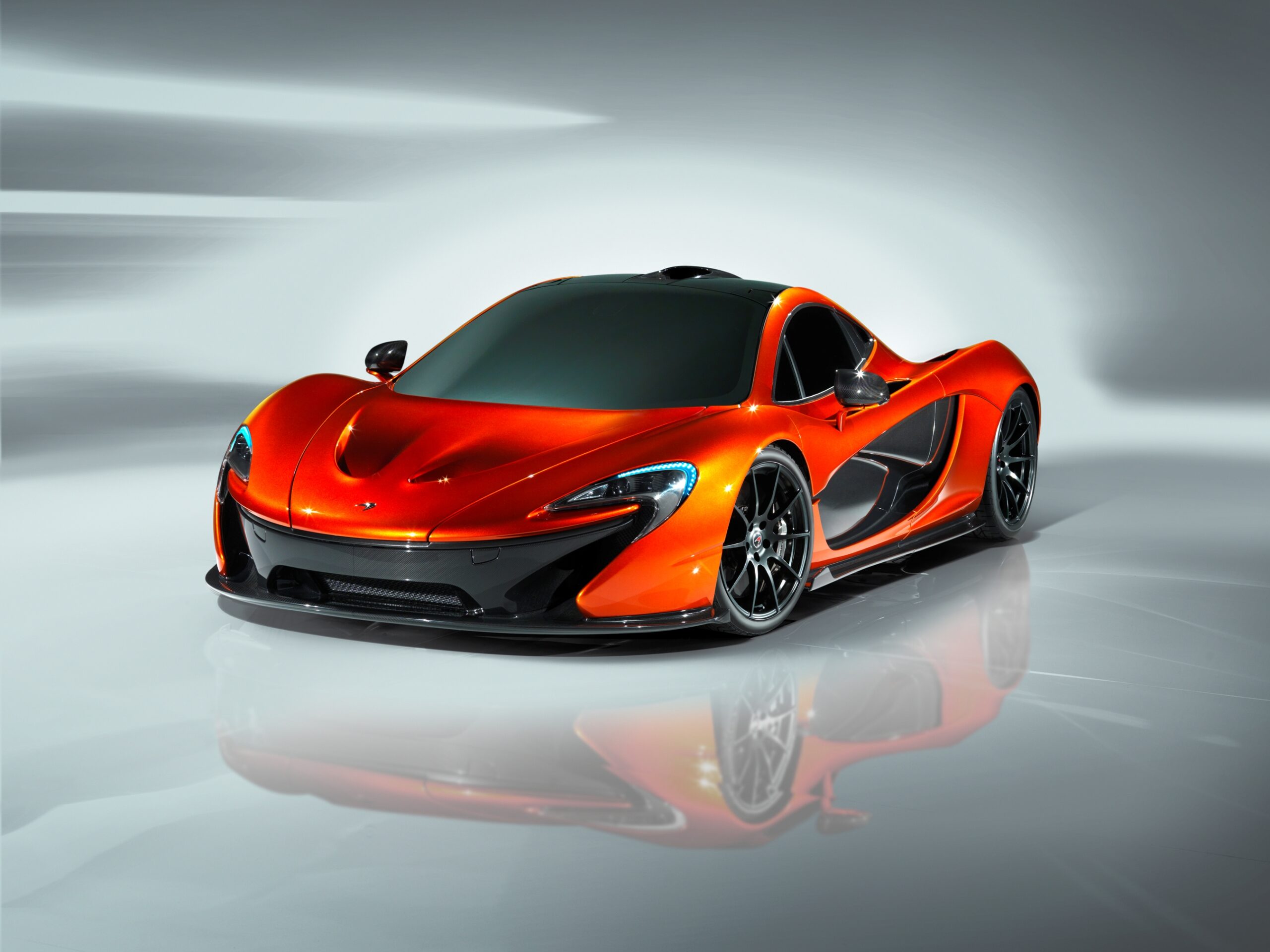
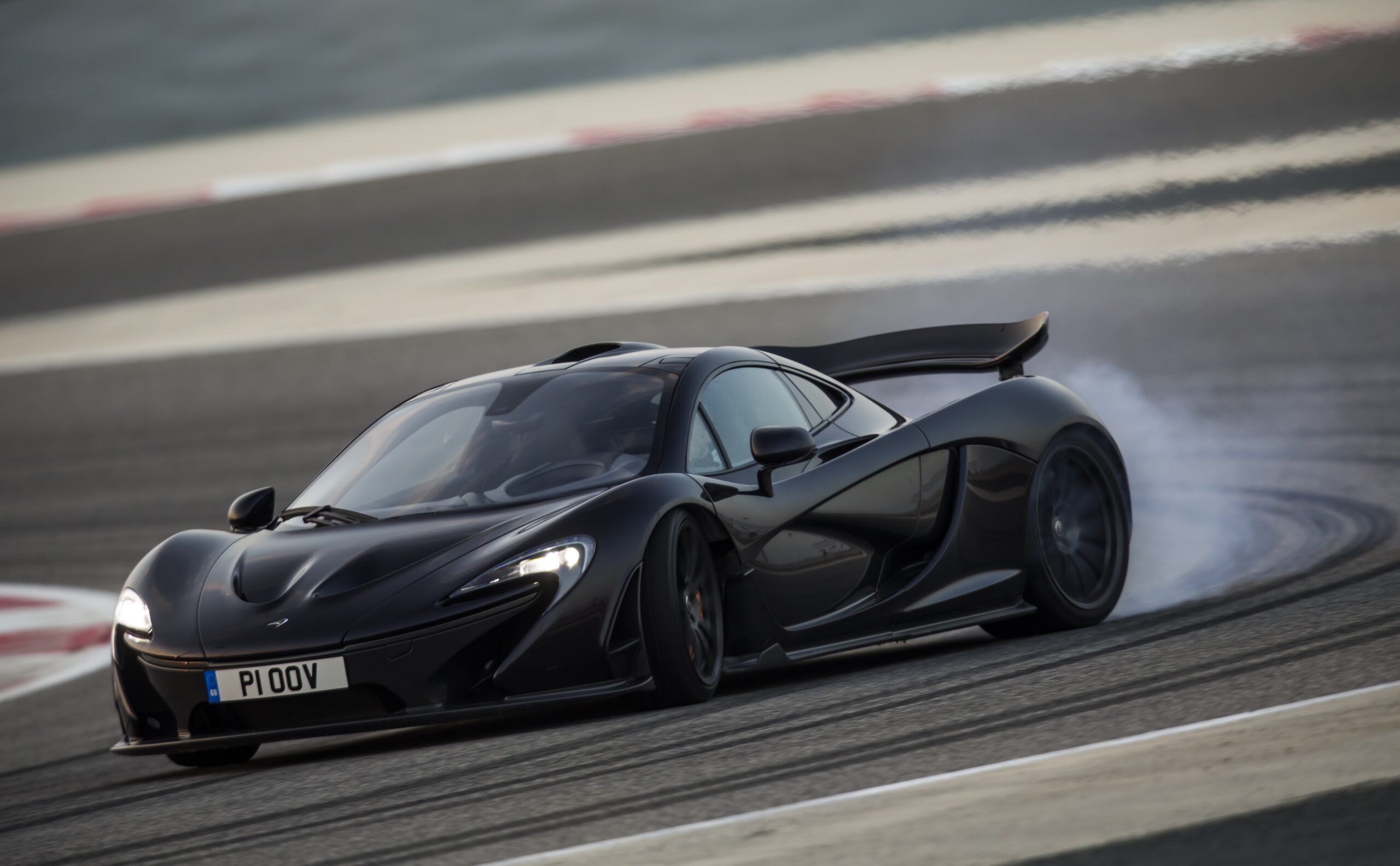
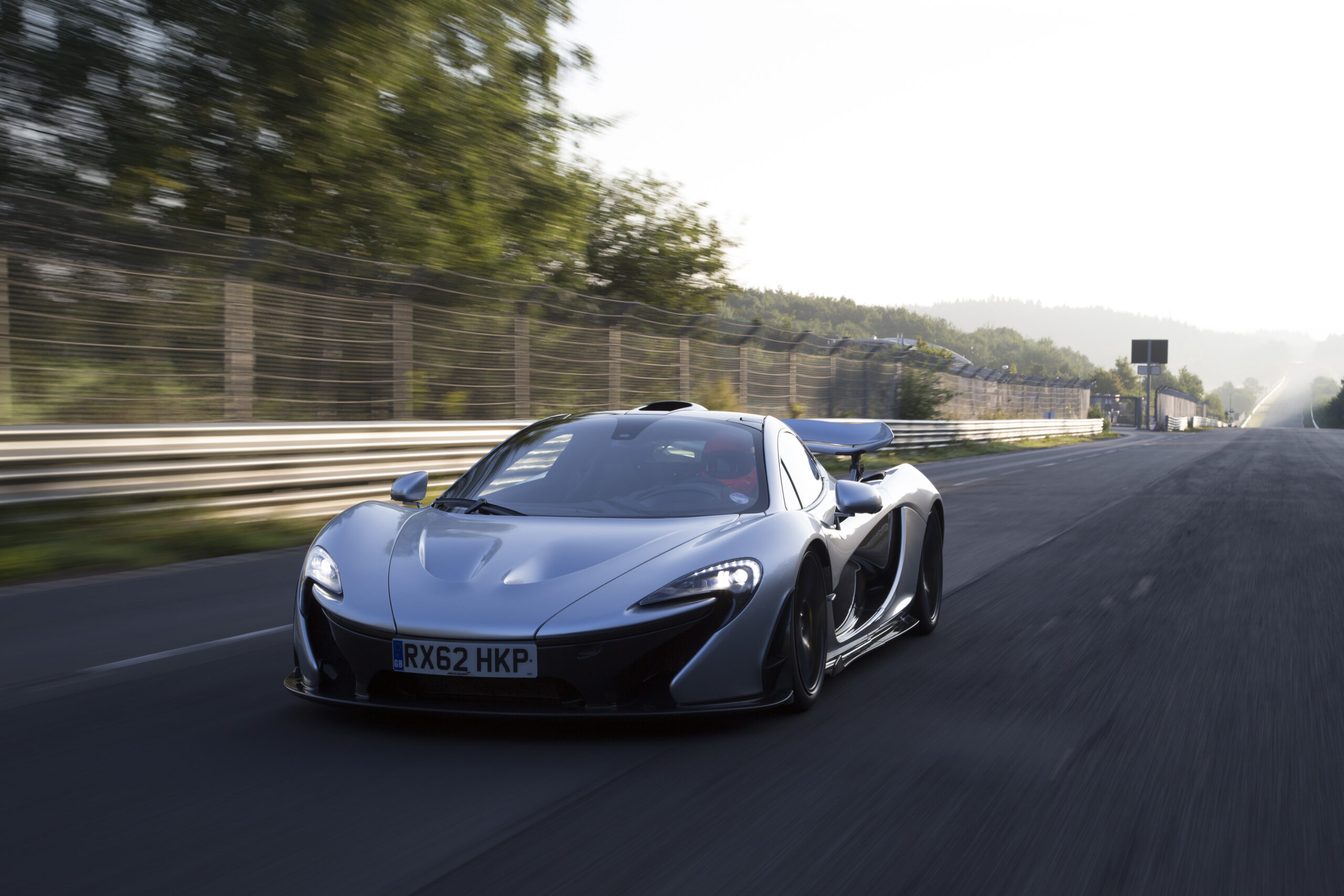
Three cars, from three manufacturers, all released in the same year, have come to define what it truly means to enter into the rare company of those vehicles labeled as hypercars. The McLaren P1, the Ferrari LaFerrari, and the Porsche 918 Spyder all broke through so many technological milestones and proved that a super-high-performance supercar could actually exist that a new term had to be coined for them.
But what were those barriers? What do we take for granted in today’s ultimate supercars that was revolutionary in 2013? And would we be where we are now, at the dawn of the EV hypercar decade, if not for these three masterpieces?
A Different Way Of Thinking: The Hybrid Movement
How Motorsports Helped Forge The Hypercar
The biggest thing that all three of the Holy Trinity brought to the table was the use of hybrid electric power to not save gas or make things quieter, but to boost performance and power. It seems almost comically ironic in 2021 that before the year 2010, hybrid electric assist in cars was scoffed at as being for environmentally conscious consumers and that if you wanted raw power and speed, you stayed with an internal combustion engine only.
However, there was one area that a select few engine developers and car manufacturers were interested in using hybrid power in a different way. The FIA Formula 1 World Championship had changed throughout the first decade of the millennium from being all about speed and power, to being about speed, power, and sustainability. As part of this environmental lean, in 2009, the FIA allowed for a Kinetic Energy Recovery System, or KERS, to be used in F1 to allow for an on-demand boost of about 80 HP to the 750 HP provided by the V8’s used in the series.
This energy was often stored in batteries or capacitors, and was captured through regenerative braking, where an electric generator assisted the brakes on the rear wheels of the F1 cars. By nature, Ferrari, as the longest continuously running team in the sport, and McLaren, another long running team, started immediately thinking about how this technology could be used in a high-performance road car.
On the other side of motorsports, Audi, under the umbrella that is the Volkswagen Group, was a serious contender in endurance racing, and their 2006 to 2010 R10 and R15 TDI diesel was winning pretty much everything. The ACO, the governing body of the 24 Hours of Le Mans, in conjunction with the FIA, announced that for the 2012 race, electrical hybrid assist was going to be permitted.
Since Porsche, another company under the VW Group umbrella, was actively developing hybrid systems for their road cars, especially the Cayenne SUV, some of their engineers were brought in as experts in hybrid systems to work out how to make the hybrid system be a performance assist, instead of being a fuel efficiency assist. This, of course, gave those engineers some ideas, and when they returned to Stuttgart, we can only assume a series of closed door meetings happened quite quickly.
The Development Of Performance Hybrid Systems
Porsche was the first to truly step into the field of using a performance hybrid system in conjunction with something close to a road-going racing car, with the 2010 Porsche 911 GT3-R Hybrid. Since Porsche GT3 and Cup cars are built off of the 911 Carerra platform, the engine is mostly the same across the cars, except a bump up to 4.0L and the replacement of internals with race-grade components.
Williams F1, in the meantime, had been developing a KERS system for the 2009 season, but ultimately ended up not using it. Porsche and Williams have historically been good partners, so when the German company wanted to put a hybrid into their race car, Williams were only too happy to use the 95% finished 2009 KERS with the 911 GT3-R.
The 911 GT3-R Hybrid officially debuted at the 24 Hours of Nurburgring in 2010, although it had raced as a wildcard in the VLN event a couple of weeks before the big race. It was a true four-wheel drive system, with the 500 HP 4.0L flat-six powering the rear wheels, and the 210 HP hybrid system, via two 105 HP motors, driving both front wheels. The car was instantly fast and, very importantly, very, very reliable. It raced for the rest of 2010 and all of 2011, and very rarely had any issues.
During 2010, Ferrari had also started testing out a performance hybrid system, as they were in the planning stages of their “once a decade” special car for elite Ferrari customers. It had started with the F40 in the 1980s, the F50 in the 1990s, and the Ferrari Enzo (F60) in the 2000s. The upcoming F70 had no name yet, but it was known that it would, like the previous two cars, have a V12 in the middle of the car and be the ultimate expression of Ferrari performance and technology.
At the same time, McLaren had been impressed with the on-demand hybrid power of KERS in F1, and in 2010 tasked their internal skunk works, McLaren Special Operations, with investigating how to use that system in a road car. They were also tasked with talking to the McLaren Formula 1 Team to integrate other parts of F1 tech into the car, including a Drag Reduction System (DRS), and an Integrated Power Assist System (IPAS), which McLaren was developing for the 2011 Formula 1 system.
The Realization Of Performance Hybrid Power
From those development launches in 2010, all three companies immediately started to design, prototype, and refine their thoughts into three very distinct applications of the performance hybrid system.
Porsche focused their development on using two electric motors in conjunction with a detuned version of their prototype Le Mans engine from the Porsche RS Spyder, which was their Le Mans testbed before they eventually developed the Porsche 919. The 4.5L V8 produces 600 HP on its own, and mounted to the transaxle, an electric motor provides 154 HP and also serves as the KERS recovery system. The front axle is powered by a 127 HP electric motor only, and an automatic electric clutch decouples the motor when it is not needed.
In this way, the Porsche 918 Spyder was designed as a primarily rear-wheel-drive supercar, with the ability to suddenly jump from 600 HP through two wheels, to 875 HP through four. The 918 prototype and eventual production car also accelerated like a bat out of hell, with 0 to 60 times under 2.3 seconds and clearing 0.62 miles (a standing kilometer, as Germany uses metric) in under 18 seconds at 184 MPH from a dead stop. The 918 Spyder can also be run entirely on the electric motors, and has a manual deployment mode where the driver can request extra power at any time.
Ferrari had a wonderful testbed already in place with their FXX program based on the Ferrari Enzo. The original FXX prototype was refitted with a new version of the 6.0L F140B engine from the Enzo that had been bumped to 6.3L and had a prototype Hybrid-KERS (or HY-KERS in Ferrari’s internal notes) attached. Where Ferrari differed from Porsche was in that they only used the hybrid system on the rear of the car, and at that, only between the engine and the transmission, which was mounted as a transaxle.
What was to eventually become the F140 FE 6.3L V12 produced a monstrous 790 HP, with the HY-KERS producing 161 HP. The F70 was officially named the LaFerrari (literally “The Ferrari”) and used the hybrid to burst power to the wheels during gear shifts and deploy on wide open throttle to boost acceleration. Unlike the Porsche, there is no manual deployment mode for the hybrid system in the Ferrari, as they want the driver to be focused entirely on the act of driving and the experience, not fiddling about with little buttons.
McLaren’s primary realization of the performance hybrid powertrain sat in between the two others for its P1 supercar. Like the Ferrari, it uses only one motor on the transaxle, and like the Porsche, has a manual deployment mode and electric-only mode. It also has the smallest engine of the three, a 3.8L V8, but compensates with two turbochargers boosting the engine to 727 HP. The hybrid motor adds 177 HP, for a combined total of 903 HP, and all of it through the rear wheels.
Of the three, the McLaren has the most Formula 1-like deployment system. It uses the hybrid power to effectively “torque-fill” the powerband. During initial acceleration, as the turbos are spinning up, the car is using mostly the hybrid to get going. Once on the turbos, the hybrid then uses a special Integrated Power Assist System (IPAS) as originally planned, bursting the power during gear shifts, and boosting to the full 903 HP when the ECU detects wide open throttle. The McLaren also has a command-DRS system, that if the ECU and computers detect the car is stable enough, will flatten the rear wing out of the airstream, using pure downforce over, under, and through the body of the car to keep it stable.
Even then, however, the McLaren P1 was considered the most wild of the three. Famously, during an episode of Top Gear where the P1 was driven on the Spa-Francorchamps race circuit, even a gentle application of the throttle had the rear end squirming. It led to Jeremy Clarkson labelling the car as “The Widowmaker,” and despite any potential negative connotations that may have brought with it, McLaren actually embraced the label, with those that wanted their cars painted black having the option of choosing either a metallic black or, unofficially, matte “Widowmaker Black.”
Enter The Hypercar
All three cars were unveiled at car shows, and all three cars had their order sheets filled almost instantly. McLaren, through McLaren Special Operations, presold all 375 of their production cars while they were still prototyping the final version to recognized special clients. Ferrari sold all 499 of their production cars to invited customers that were selected manually for their loyalty to the brand and their willingness to buy Ferrari cars in their top specs. Porsche had the most open sales system, with half of their 918 units being offered to preferred clients, and the other half being sold through expressed interest registrations, and interviews with those who signed up to see who would best suit their car.
The release of all three cars also brought the reality of near-1,000 HP supercars into the spotlight. Before the three, the only car that had come close was the Bugatti Veyron, seen as a technical exercise by Volkswagen to show off their might. And at that, they needed a W16 engine with four turbochargers and a whopping ten radiators just to keep the thing from melting. By comparison, the “hybrid high-performance supercar” realized the dream of Veyron-like speed and power, but without needing nearly $3 million to get it.
Yet, “hybrid high-powered supercar” is a bit of a mouthful. No one can really pin down the exact moment that the term hypercar was attached to the Porsche, Ferrari, and McLaren, but the most common theory is that someone shortened the label to “hi-per-car,” and with a single letter changed, it became “hypercar.” In terms of official terminology, the most commonly accepted definition is of a supercar that is extremely powerful, limited edition, and has a cost near or over $1 million.
The Future Of Hypercars
2013 was a momentous year because of the birth of the term hypercar, as well as the release of the three cars that ultimately came to define the term. It was a concorde moment, a fixed point in time, a bridge once crossed never to be crossed again. We, as automotive enthusiasts, had gone from admiring extremely high performance supercars to admiring technological powerhouses with a brand-new moniker for them.
The reality of the present day, in 2021, however, is that fuel prices are going up, and may never come back down. We also know, through some very complicated math done by some of the most brilliant minds on the planet, that we will eventually run out of petrol-style fuel in this century. When a hypercar gulps down fuel to flex its speed and power, this can become a bit of an issue.
This is why, over the past 15 years, the idea of alternatively fueled performance cars, and even fully electric performance cars, have started to become reality. And it is motorsport that has brought us to this reality once again.
The FIA World Endurance Championship, from 2021 onwards, has replaced the top-level Le Mans Prototype 1 (LMP1) class with the new Hypercar class. This new class was brought about to allow smaller manufacturers and those with smaller motorsports budgets a very open set of rules to race with.
Under these rules, there are minimum and maximum height, width, power, and downforce regulations, but unlike the previous LMP1 class, there is no limitation on how to achieve those numbers. This has already led to some amazing designs, such as the SCG 007 Corsa and the Peugeot 9X8 Hypercar.
The FIA also took a risk in 2014 by announcing a new Formula racing series, Formula Electric. Known as F-E or Formula-E, this series uses battery powered, semi-open-wheel cars to race around tight street circuits without a drop of petrol being used. It had a rough go of it in Gen 1, when battery and motor technology was still being developed, but ever since Gen 2 started in 2018, it has quickly gained popularity.
In fact, as of 2020, the FIA gave Formula-E world championship status, meaning that drivers for the series now need to qualify for an FIA Platinum license, one step below the Super License needed for F1. As well, 2022 will see the new Gen 3 car, which has a new power unit developed by Williams Advanced Engineering (a subsidiary company of Williams F1), and Spark Racing Technology, who built the Gen 2 car.
Even then, the FIA wasn’t finished, and their sister association, the FIM, wanted in on electrification too. As of 2022, the FIA World Rally Championship will be using hybrid powertrains, and this year, the inaugural season of FIA Extreme-E off-road truck racing launched. In 2019, the FIM, the governing body of both World SBK and MotoGP, launched the Moto-E series, using fully electric superbikes manufactured by Energica in Italy.
So it should be no surprise, then, that the most recently announced and most desired hypercars out there are fully electric. Cars such as the Rimac Nevara and the Pininfarina Battista have massive power, range equivalent to a petrol-powered hypercar, and they also fit the definition of being limited series and near or over $1 million. These electric hypercars are also reaching stratospheric power numbers, with the Lotus Evija hypercar being the first production hypercar to break 2,000 PS, or 1,970 HP equivalent.
Bugatti has already announced that it is highly likely that their next hypercar after the Chiron will be either a massively hybrid car, with most of the power generated by electrification with a high performance, small engine included, or fully electric. This is on top of their recent partnership with Rimac, forming the Bugatti Rimac partnership, and giving VW a 35% ownership stake in Rimac. Hyundai and Porsche have also invested in Rimac, both gaining about 10% of a stake, so there is definite interest in performance EVs.
Koenigsegg is already making a massively hybrid hypercar, the Gemera, which uses a tiny 3-cylinder twin turbo engine producing 600 HP tied together with a crankshaft hybrid motor providing 400 HP to power the front wheels, and both rear wheels powered by individual 500 HP electric motors. This gives the 2+2 Gemera coupe 1,700 HP combined, and it can go 1,000 km (621 miles) on a single tank of E85 biofuel.
There is no shortage of exciting news about electric hypercars and massively hybrid supercars these days. Much like 2013, 2021 and 2022 promise to be the years we look back on in 2031 as the unofficial start of the electric super-vehicle revolution, and with almost every single supercar manufacturer now on board what is known as “The Green Promise,” you can be certain that big things, new technologies, and amazing cars using breakthrough ideas are still to come. Hypercars are here now, and they are here to stay.
The only thing we honestly need to worry about is what the next label will be, but we think Christian von Koenigsegg has already coined it when he unveiled the One:1. That term? “Megacar”
September 9, 2021 / Comments Off on A Look Back: The Holy Trinity Of Hypercars
I might be getting old, but I really love the combination of black and gold on a car, and it will forever remind me of the livery used by the John Player Special formula one car back in the Seventies, the by now legendary black and gold colour scheme was recognisable on the bodywork of the Lotus Type 72D driven by Emerson Fittipaldi, achieving five victories and even the coveted championship victory in the 1972 Formula 1 season.
Lotus would keep using this beautiful black and gold livery on their Formula 1 car right up to the 1986 series, the Lotus 98T driven by legendary Ayrton Senna even boasted this legendary look, the John Player Special livery was the epitome of the most glamourous era of motor racing in the Seventies.
Mark Stubbs comments “The Radford Type 62-2 in John Player Special guise, is a very unique proposition. From a design perspective, the JPS car really stands out as being more extreme than its Classic and Gold Leaf siblings, with larger diffusers, air intakes and wheels. Sporting what is certainly the most iconic racing livery ever to grace a Formula 1 car, gives the car a real presence and sense of occasion. Only 12 of these very special cars will be made, making it a very rare car indeed.”
So while Radford has already limited the production of their Type 62-2 model to 62 units in total, they already announced of those 62 there would be 12 Gold Leaf cars, as presented during Monterey Car Week in August, so only 50 cars remain… and from those another 12 will be even more extreme JPS versions, so only 38 of their Classic version remain.
While the Gold Leaf cars are already very impressive, this new JPS takes the concept even further into the race track segment, being both lighter and faster, with a 600 bhp V6 engine boasting a 3.5-litre displacement and a supercharger, the new John Player Special will be unveiled to the public during the Goodwood Revival in mid-September.
The new John Player Special edition is also the most aggressive looking version of the Type 62-2 Radford is making, the front splitter is more pronounced, providing a race car stance while the side air intakes are larger to cool the more powerful 600 bhp combustion engine, at the rear, the diffuser received a more extreme design compared to the Classic and Gold Leaf cars, extending further out for increased aerodynamic downforce.
And let’s not forget about the bespoke paint on this Radford Type 62-2 JPS, first, they apply a custom gold paint, then they add a total of 10 layers, yes you are reading that correctly, ten layers of Candy Black to get that classic, original JPS color scheme, but in a much more contemporary look, for the show car to be unveiled at Goodwood, Radford even added a hand-painted gold pinstripe before the final clear coat was applied.
No pricing has been published yet, neither any photos on the interior of these Type 62-2 cars while production is scheduled to start within the next few months with the first customer cars ready for delivery in early 2022.
September 8, 2021 / Comments Off on Radford reveals ultra-exclusive Type 62-2 John Player Special