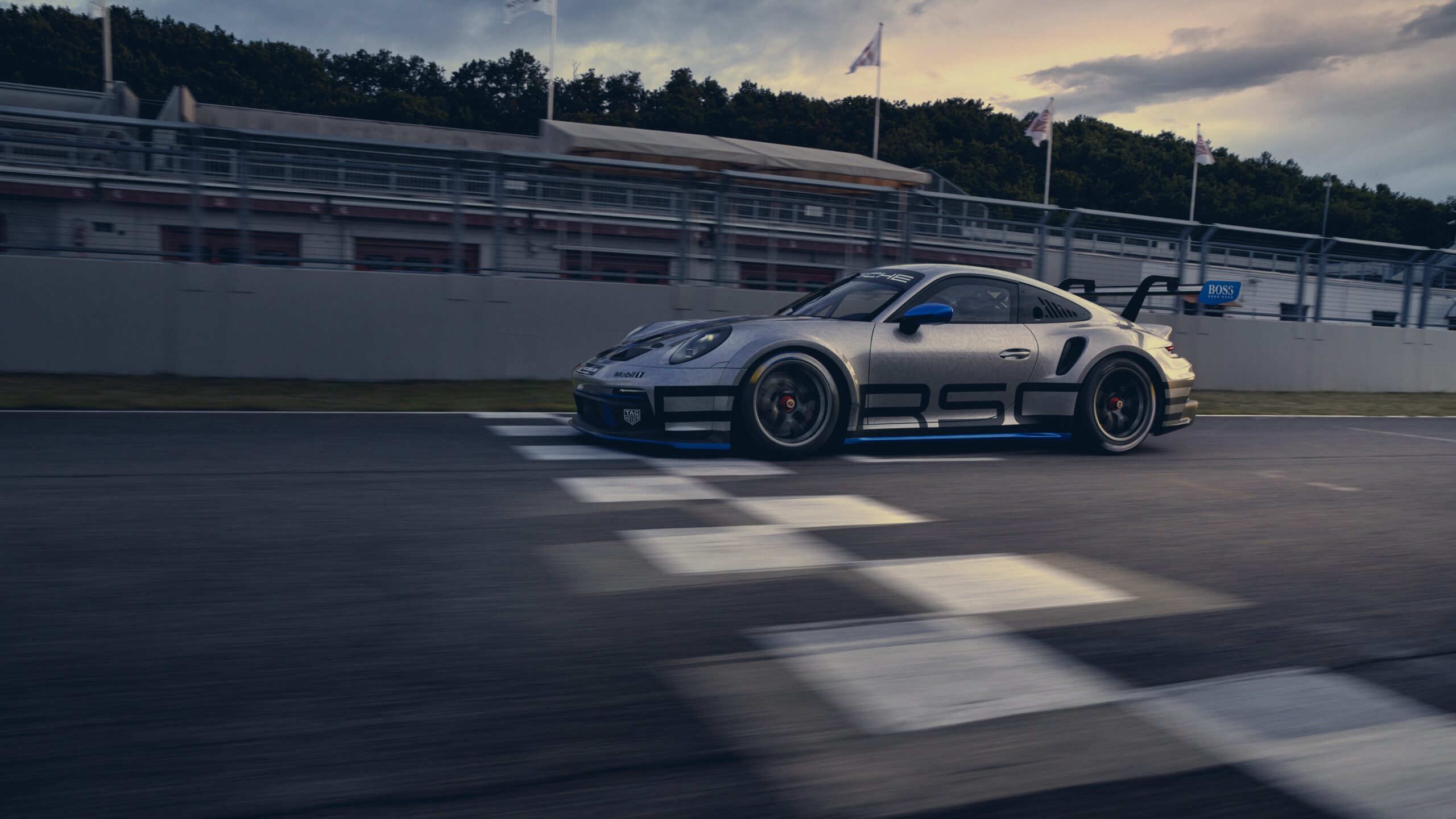
All posts in “Cars”

Special Report: Living The BRABUS Lifestyle via Land & Sea

BRABUS is a brand that commands respect, whether or not ‘BRABUSizing’ anything from a Smart Car to a Mercedes-AMG 6×6 is to your liking or not, you cannot argue with the reputation or success of the Bottrop based tuner. To demonstrate the breadth of ability of the company, BRABUS invited GTspirit to Dusseldorf to experience a slice of the BRABUS lifestyle for ourselves, and boy, we were in for a treat.

Arriving at the harbour side Hyatt, we could not help but notice the BRABUS x Panerai branding on everything from the shuttles to the flip-flops we were given. Why flip-flops? We had an appointment on a house boat where the alliance with the iconic Swiss watchmaker would be explained. This is the first time the two brands formed a partnership, to mark the beginning of the collaboration, Panerai debuted its first-ever skeletonized automatic movement in daring, high-end watches inspired by the design of the BRABUS “Shadow Black Ops” series of boats.

Available in a limited run of only 100 pieces, the Panerai Submersible S BRABUS Black Ops Edition (PAM01240) is the product of 3 years of development, which resulted in features like a patented polarized date display, allowing a view of the date indication only through the opening at 3 o’clock, without covering the mechanics of the skeletonized movement. Wait a minute, did you say it is inspired by the design of a BRABUS boat?

Get your snorkel on and meet the BRABUS Shadow 900. 900? Yes, 900 horsepower in a boat! We don’t know much about boats, but the Shadow 900 range benefits from Mercury Marine’s latest dual 450R Verado XL 4.6 litre V8 FourStroke engines with Joystick Piloting for easy docking and manoeuvring, and that sounds spectacular. The forces and sensations on the water are mind blowing, with unbelievable agility and crazy cornering speeds on the derestricted waters of Dusseldorf.

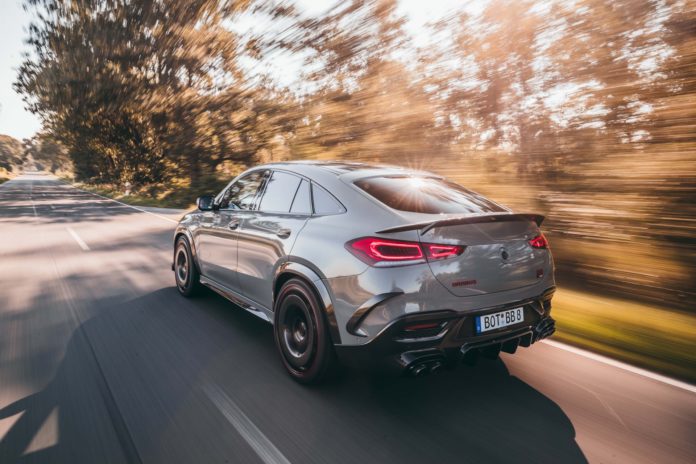
900 is a number that is not just special to BRABUS boats, it’s not uncommon to see that number on a badge of a BRABUS ROCKET… and there’s a new one, a crazy one. Meet the fastest SUV in the world, the BRABUS 900 ROCKET EDITION, based on the Mercedes-AMG GLE 63 S COUPÉ 4MATIC. Just 25 of these maniacal machines will be built, each hitting 100km/h in just 3.2 seconds and onto a top speed of 330 km/h (!).

How? Well, the displacement has been stroked out to 4.5 litres and now produces 900 horsepower and a bonkers 1250 Nm which has to be electronically restrained to 1050 Nm. Visually, the iconic BRABUS treatment has been applied with a punchy new bodykit and spectacular 24-inch wheels with carbon-fibre aero-discs. This car is as sensational as the numbers would suggest. On the Autobahn you hit the pedal and feel the front end rise as it rides the torque and power before blasting towards the horizon with relentless brutality. Accompanied by a raucous exhaust bark, this ROCKET EDITION feels like a BRABUS, it is wild, over the top and is set on obliterating anything you could come across on the highway. If you see this in the mirrors, move aside unless you’re in anything less powerful than a Bugatti Veyron.

BRABUS demonstrated the power of its branding and quality on a fun filled day which highlighted how diverse and accomplished the company has become. There is a coherent, consistent feel and image that is applied to every project they work on. It is impressive, we look forward to see what the future has in store for BRABUS.

This is How Much the New Lotus Emira Sports Car Will Cost

Lotus officially confirmed the full specification details and price of the new Emira sports car.

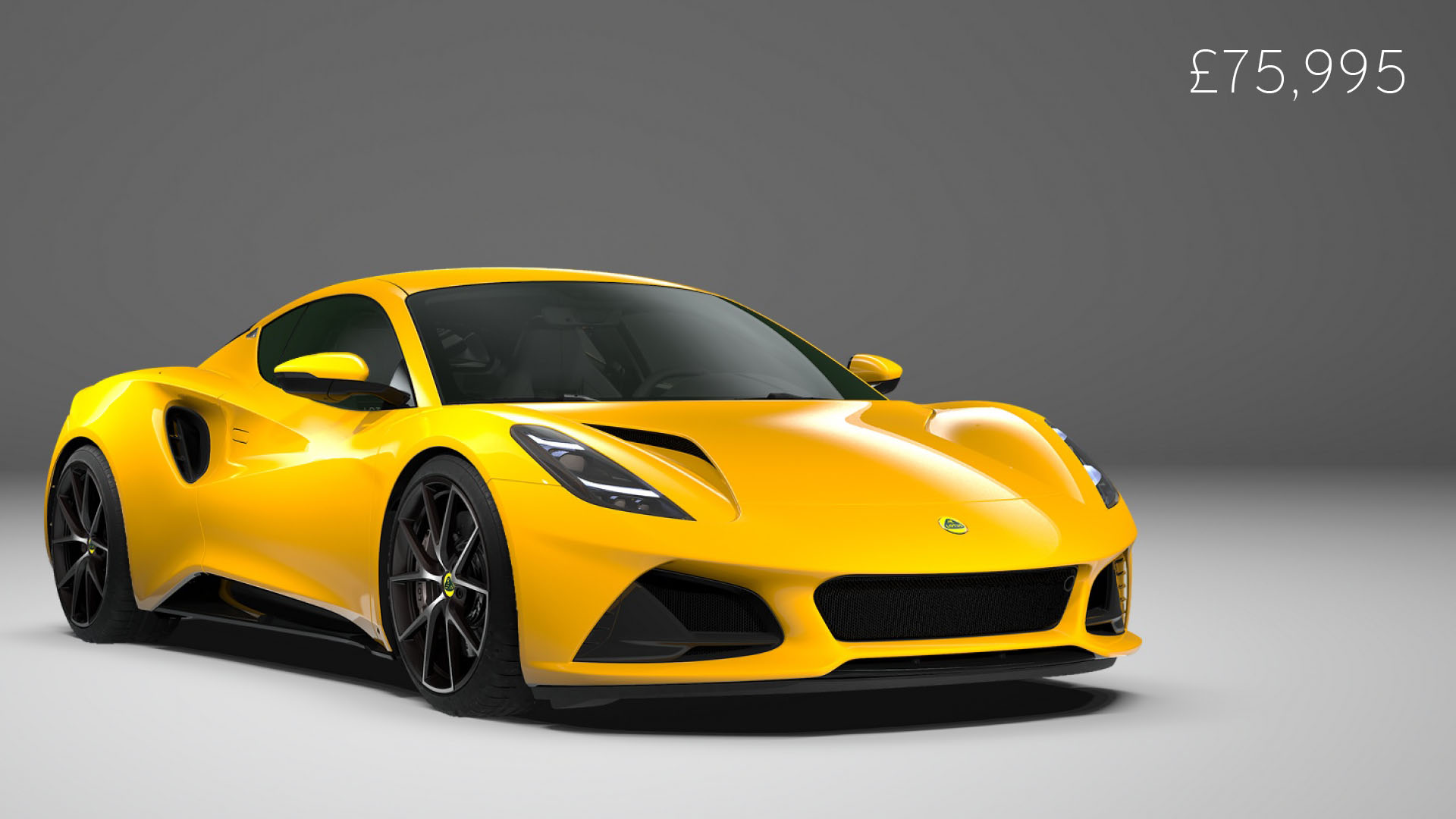
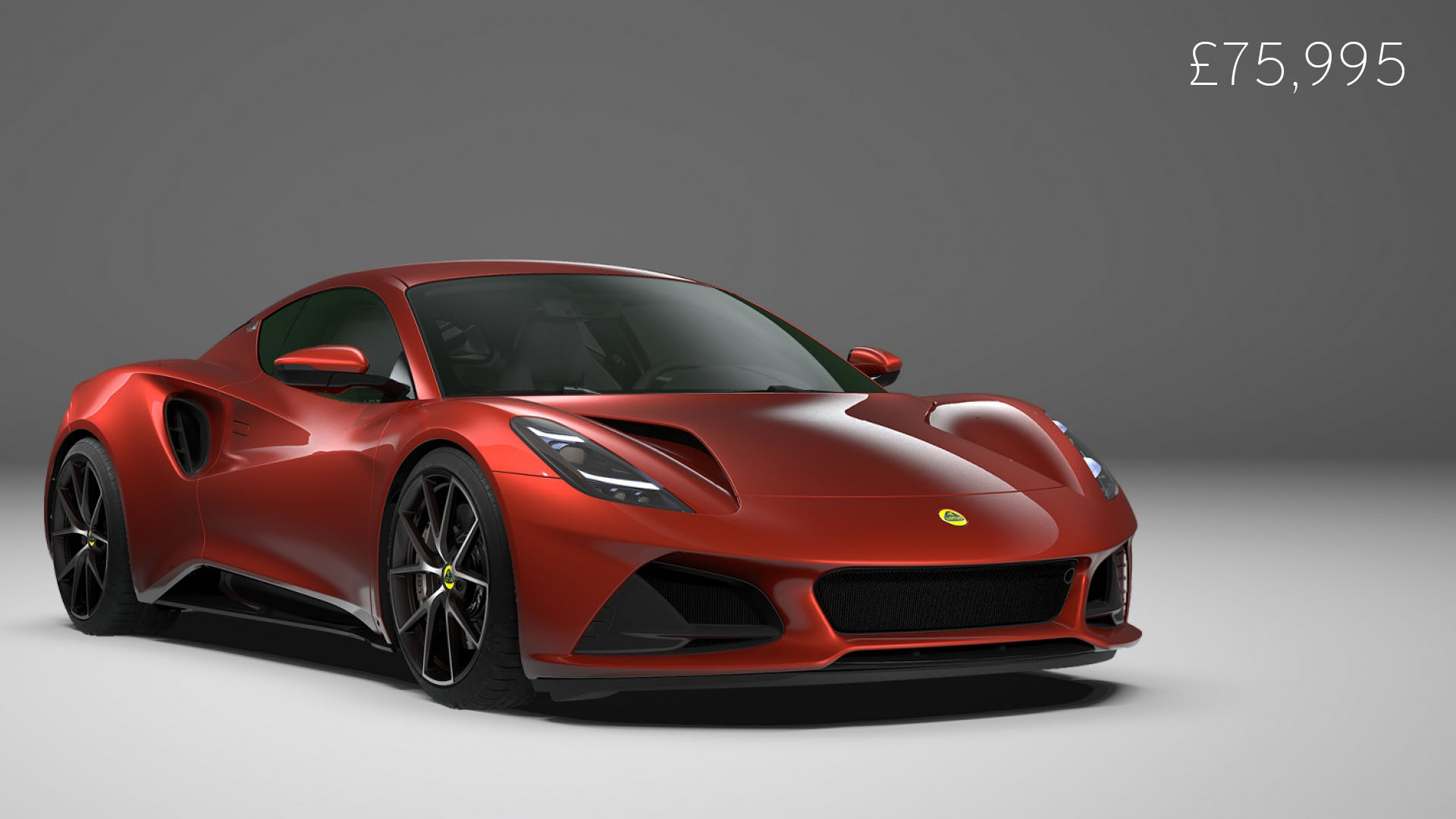
The price of the Lotus Emira V6 First Edition in major European markets including Germany is €95,995 and £75,995 in the UK. Prices in the USA and China will be released in the coming weeks and the production is scheduled to begin in the spring with the ‘i4’ four-cylinder First Edition arriving in the autumn.

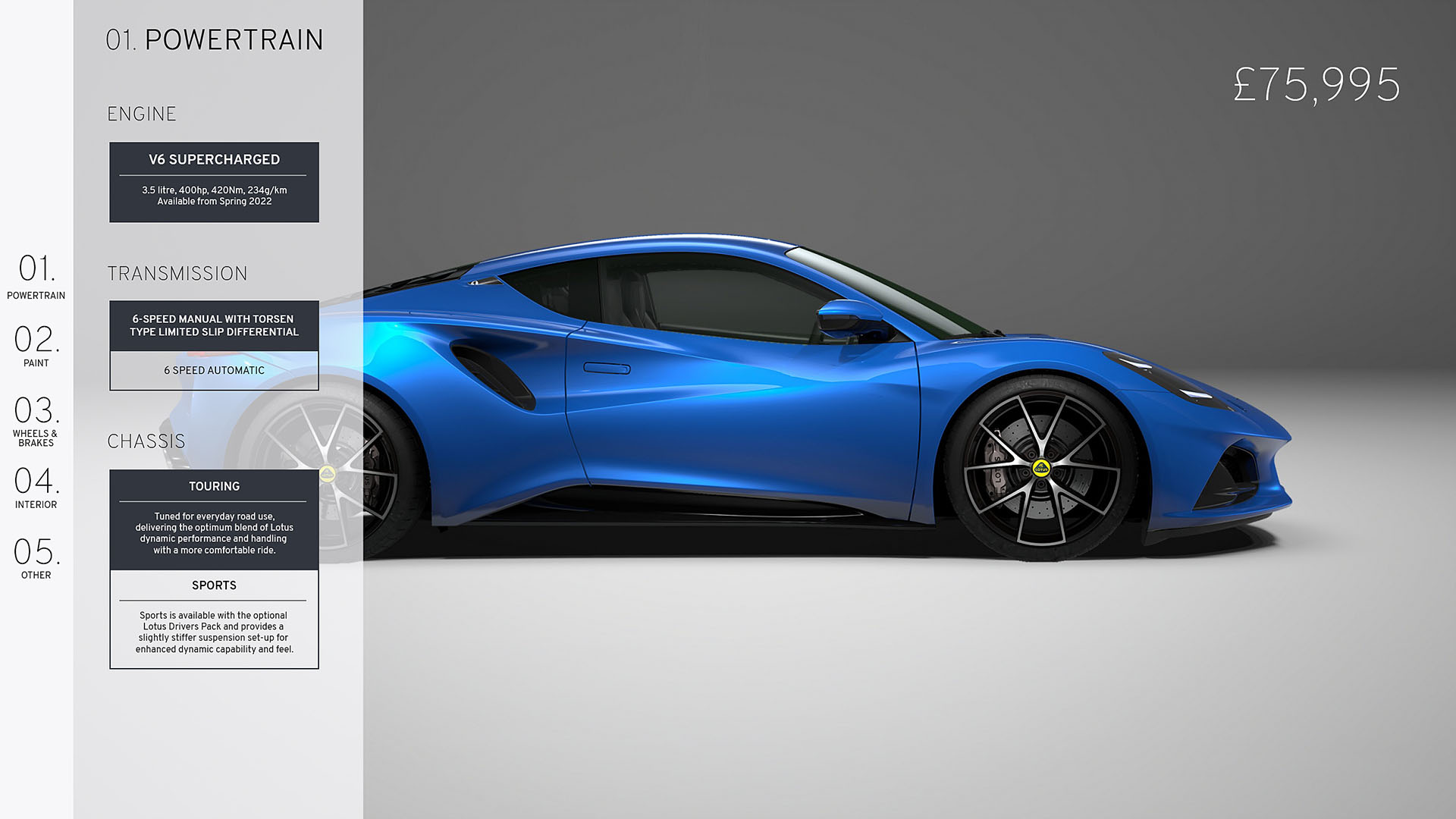
The Emira has been developed on a new lightweight aluminium chassis and is powered by a 3.5 L supercharged V6 engine from Toyota. The engine delivers an output of 400hp and 420 Nm of torque, the acceleration from 0-100km/h is achieved in 4.3 seconds before achieving a top speed of 290km/h. Furthermore, the engine is mated to a six-speed manual gearbox with a visible gear change mechanism and a hydraulic power-assisted steering wheel making the Emira a proper driver’s car.

The vehicle has been fitted with a set of ultra-lightweight 20 inch V-spoke forged alloy wheels in a premium two-tone finish, two-piece brake discs with branded calipers and a Tyre Pressure Monitoring System (TPMS).

The exterior of the vehicle features LED light, titanium exhaust finisher, heated power-fold door mirrors, rear parking sensors and a lower Black Pack fitted as standard.

The interior features heated seats with 12-way adjustability and two memory presets, a premium audio system which includes DAB digital radio and a 10.25 inch touch screen display. The vehicle has also been equipped with a control system which supports climate control, cruise control, keyless start as well as selectable drive modes.

In addition, the interior is offered in seven color choices at no extra costs; red, black, grey and tan Nappa leather and black Alcantara with either red, yellow or grey stitching.

Three more option packs are available as standard, the Drivers Pack, the Design Pack and the Convenience Pack. The Drivers Pack features a choice of Tour or Sport suspension with Goodyear Eagle F1 Supersport tyres or Sport suspension with Michelin Pilot Sport Cup 2 tyres.

The Design Pack consists of privacy glass, sport pedals, black alcantara headliners, Lotus-branded footwell mats and brake calipers finished in black, red, yellow or silver paint. The Convenience Pack adds front parking sensors, reversing camera, rain-sensing wipers with aero blades , auto dimming mirrors as well as a rear luggage storage net.

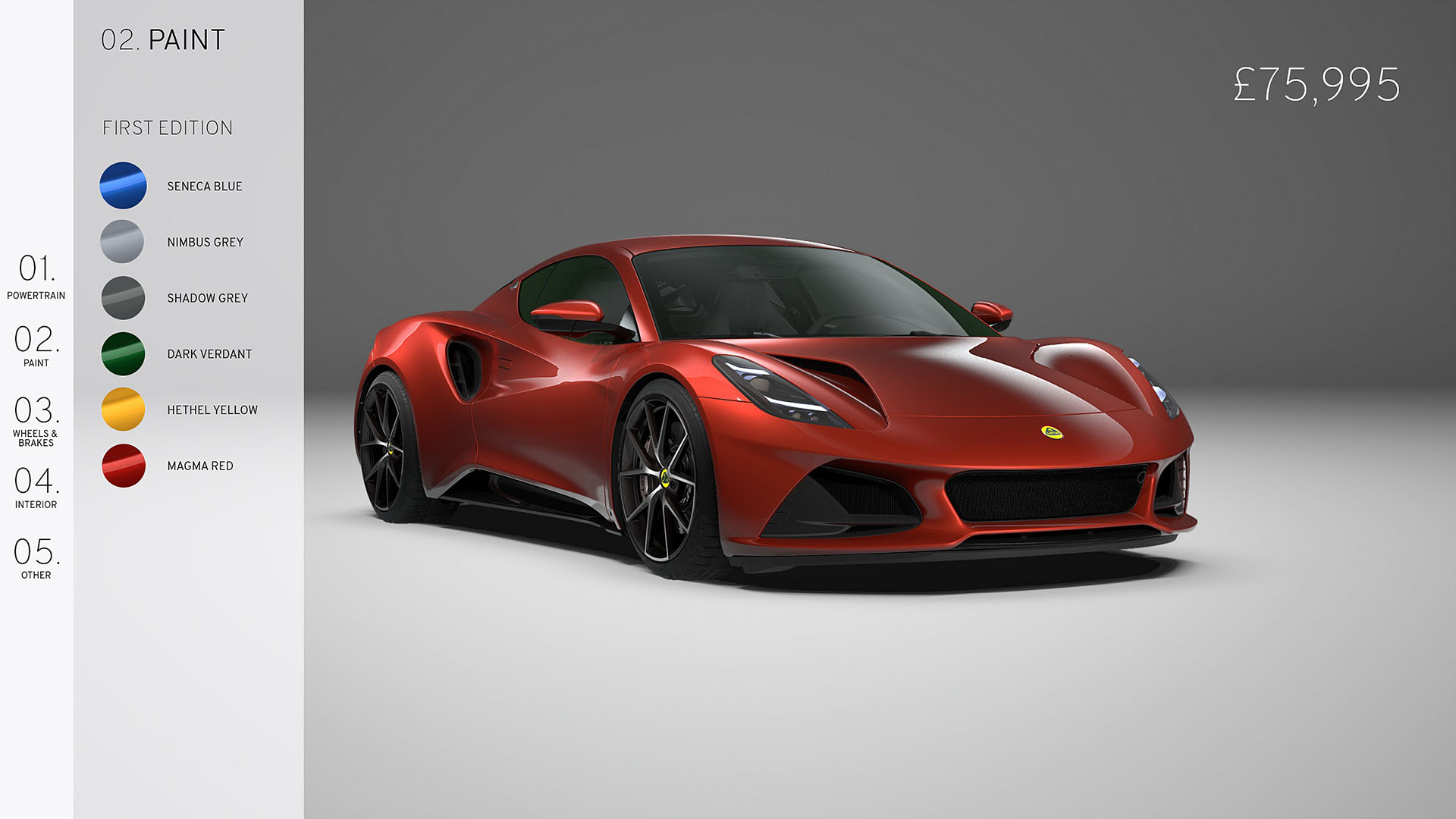
The First edition will be available in six colors ; Seneca Blue, Magma Red, Hethel Yellow, Dark Verdant, Shadow Grey and Nimbus Grey. More colors will be revealed in 2022. An entry level Lotus Emira will be priced at £59,995 and will be available from 2023.

Are EVs Ready for Dakar? Audi RS Q e-tron Hits Moroccan Desert Ahead of Dakar 2022

Audi Sport tested the Audi RS Q e-tron in Morocco for almost 2 weeks under extreme conditions, the vehicle had already done extensive tests in Germany and Spain with all three drivers included. The drivers were ; the Dakar record winners Stephane Peterhansel and Carlos Sainz alongside rallycross veteran Mattias Ekstrom.

Additionally, the co-drivers were also present during the tests to form a unit in the Dakar Rally as well as to ensure the cockpit feels comfortable.

The extreme conditions the test team encountered in Morocco included high temperatures of over 40 degrees Celsius at times and sandstorms which hampered the tests and caused interruptions which needed to be solved after next test.

The team is expecting lower temperatures at the Dakar Rally 2022, components such as MGU were not developed to be used in high temperatures but the drivetrain and other components were pushed beyond their limit.

The high-voltage battery equipped in the vehicle was developed for the Dakar Rally specifically , the battery features optimum temperature management as well as maximum performance.

The Audi RS5 DTM car is powered by a new generation 2.0L turbocharged engine that can produce up to 670hp with the boost function. This number is somewhat irrelevant to the RS Q e-tron as the key drivetrain power source comes from MGUs. Oddly enough, the total system output of the e-drivetrain is also 670hp or 500kW.

Aston Martin DB5 Junior: 2/3 Scale Model For Sale at $122k

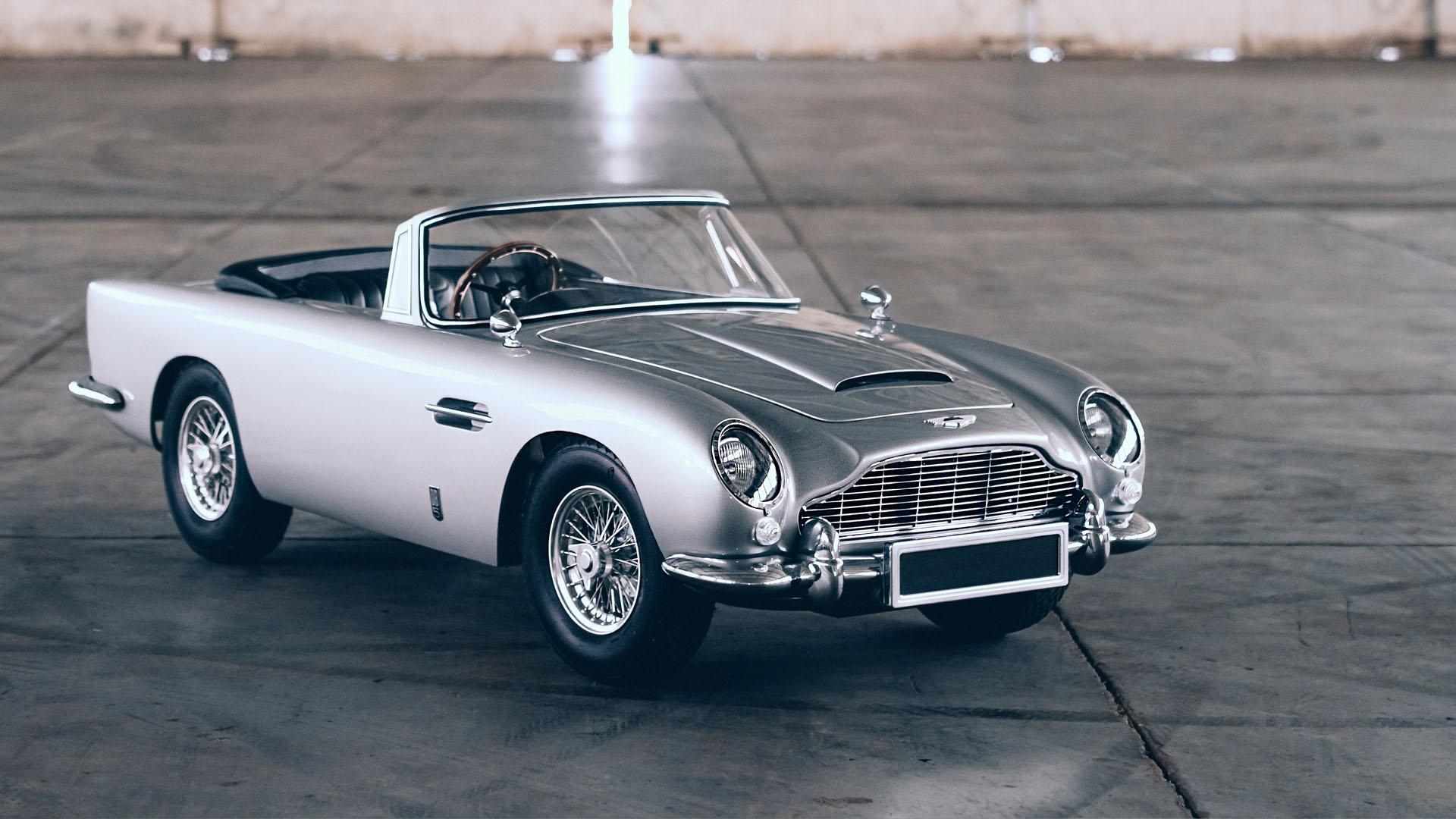
Aston Martin, The Little Car Company and EON productions announced the launch of the special edition Aston Martin DB5 Junior inspired by the 25th James Bond film No Time To Die. The film will be released in cinemas from 30th September.

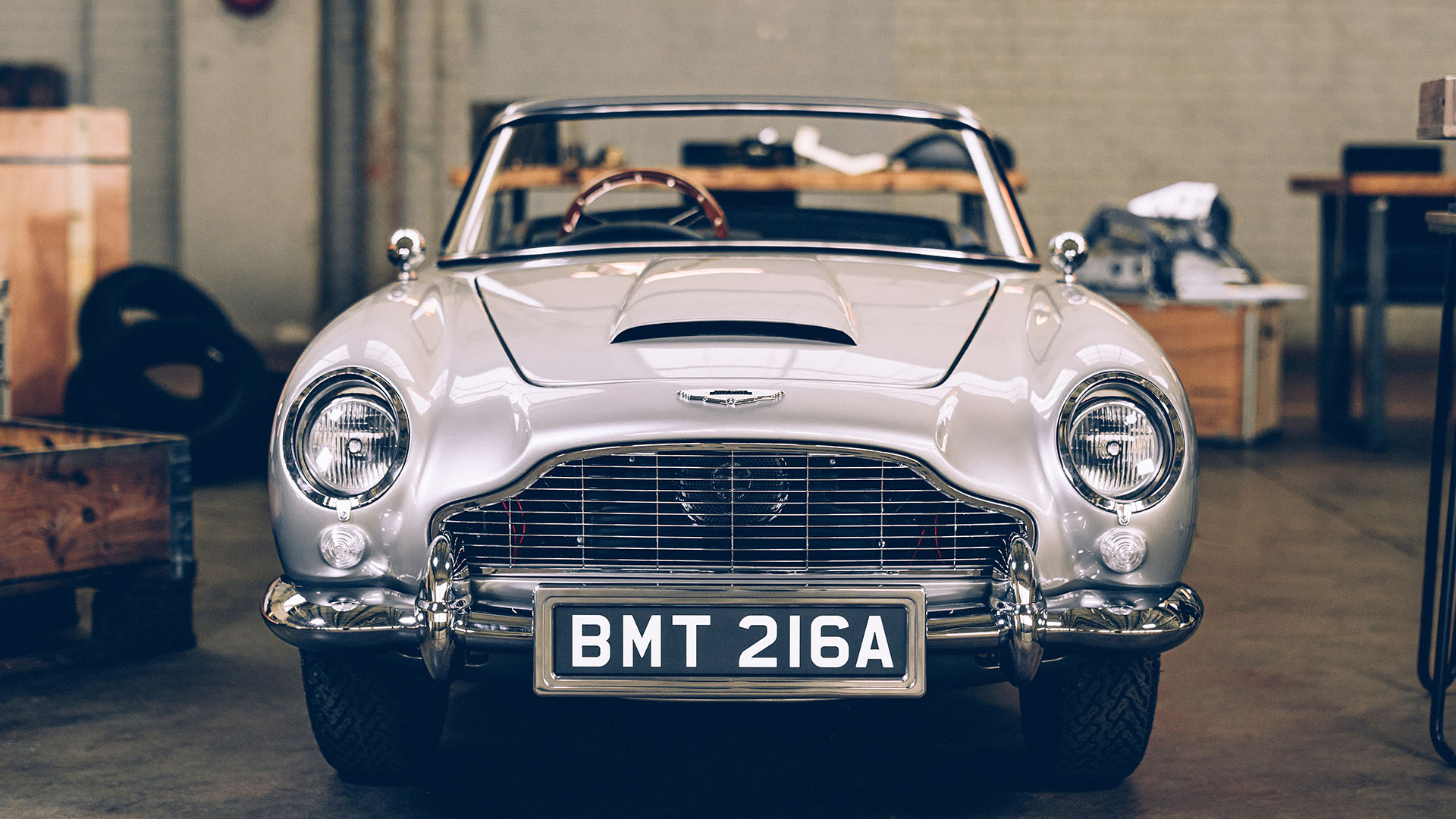
The special edition model will pay homage to both the Aston Martin and 007 brands with Silver Birch paintwork, Smiths instruments, individually numbered chassis plates and Aston Martin badging. The model has been designed as a convertible to offer seating for an adult and child side by side.

In addition, the vehicle features multiple driving modes, Q style gadgets, a range of up to 80 miles and some secret ‘Easter Eggs’ have been hidden within the car for the lucky owners to find.

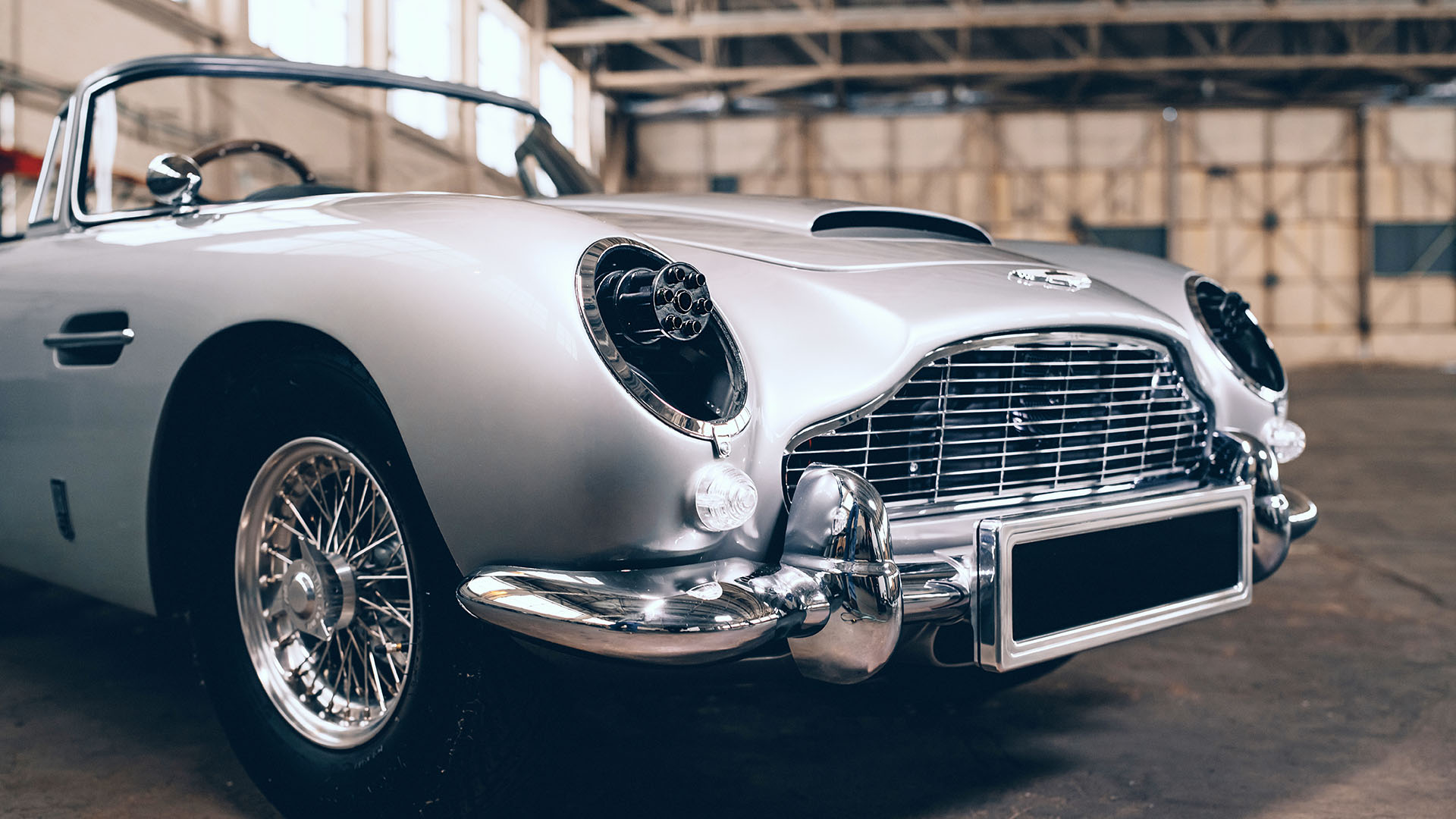
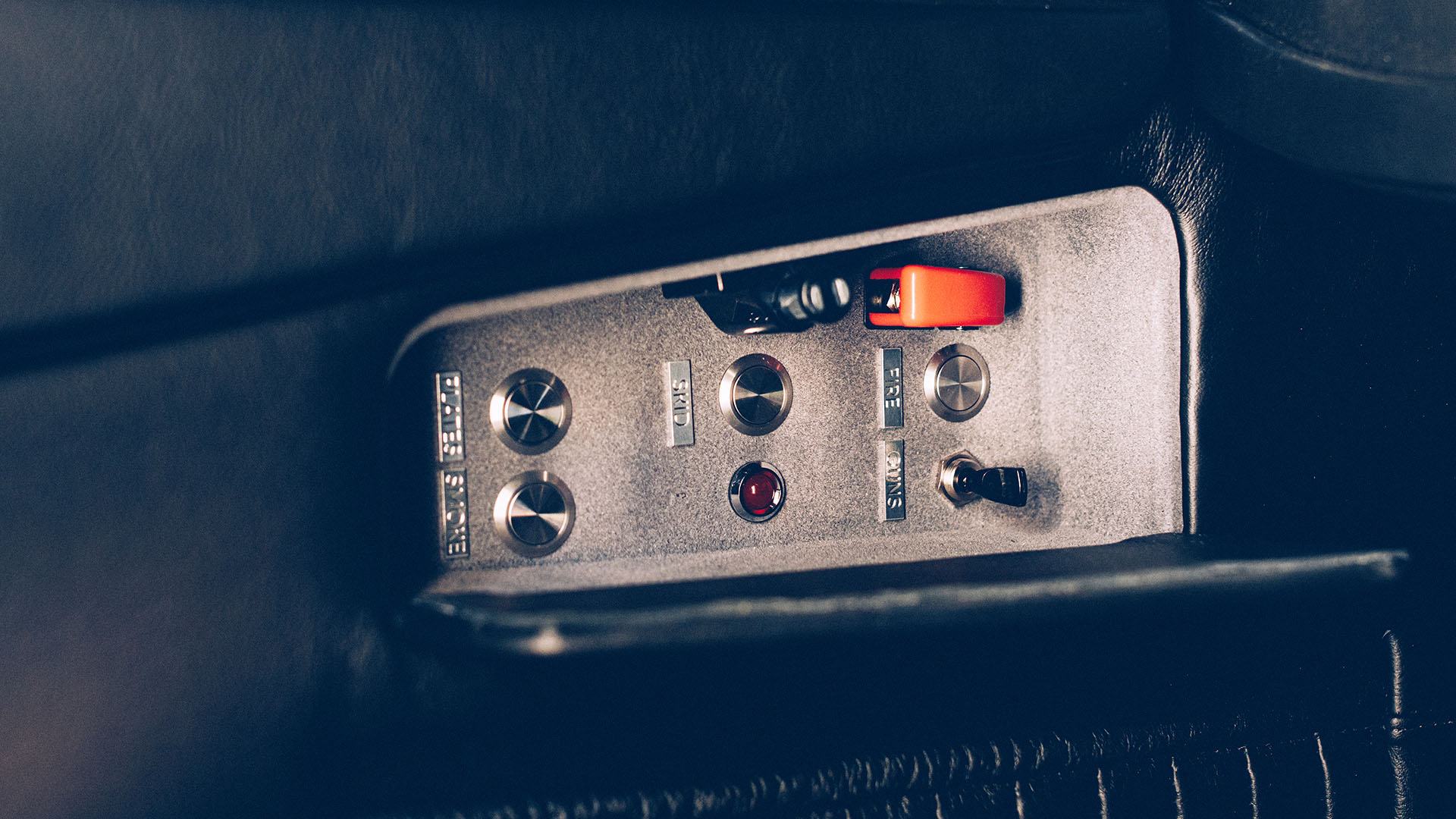
The Q style gadgets are controlled by individual controls in a hidden switch panel in the passenger door, at a push of a button, the headlights drop and reveal a twin set of simulated Gatling guns with imitation barrel blasts and flashes.

Furthermore, the DB5 Junior can produce a smoke screen to aid a successful getaway and although it’s not road legal, customers will receive automatic membership of the Aston Martin Members Club and will also be allowed to attend and take part in exclusive events held by the company.

The No Time To Die special edition model will be limited to 125 units only and the price has been set at £90,000 including local taxes.

Aston Martin DB5 Junior No Time To Die Edition

The latest James Bond movie is about to be released at the time of writing, and while Aston Martin themselves have already started their No Time To Die campaign by putting a 1:1 scale replica of the famous Bond DB5 inside a giant Corgi Toys box, there are others that plan to ride the James Bond wave this new movie will cause, just check out this amazing silver metallic DB5 Convertible ‘No Time To Die Edition’ … but it might not be what you would expect …

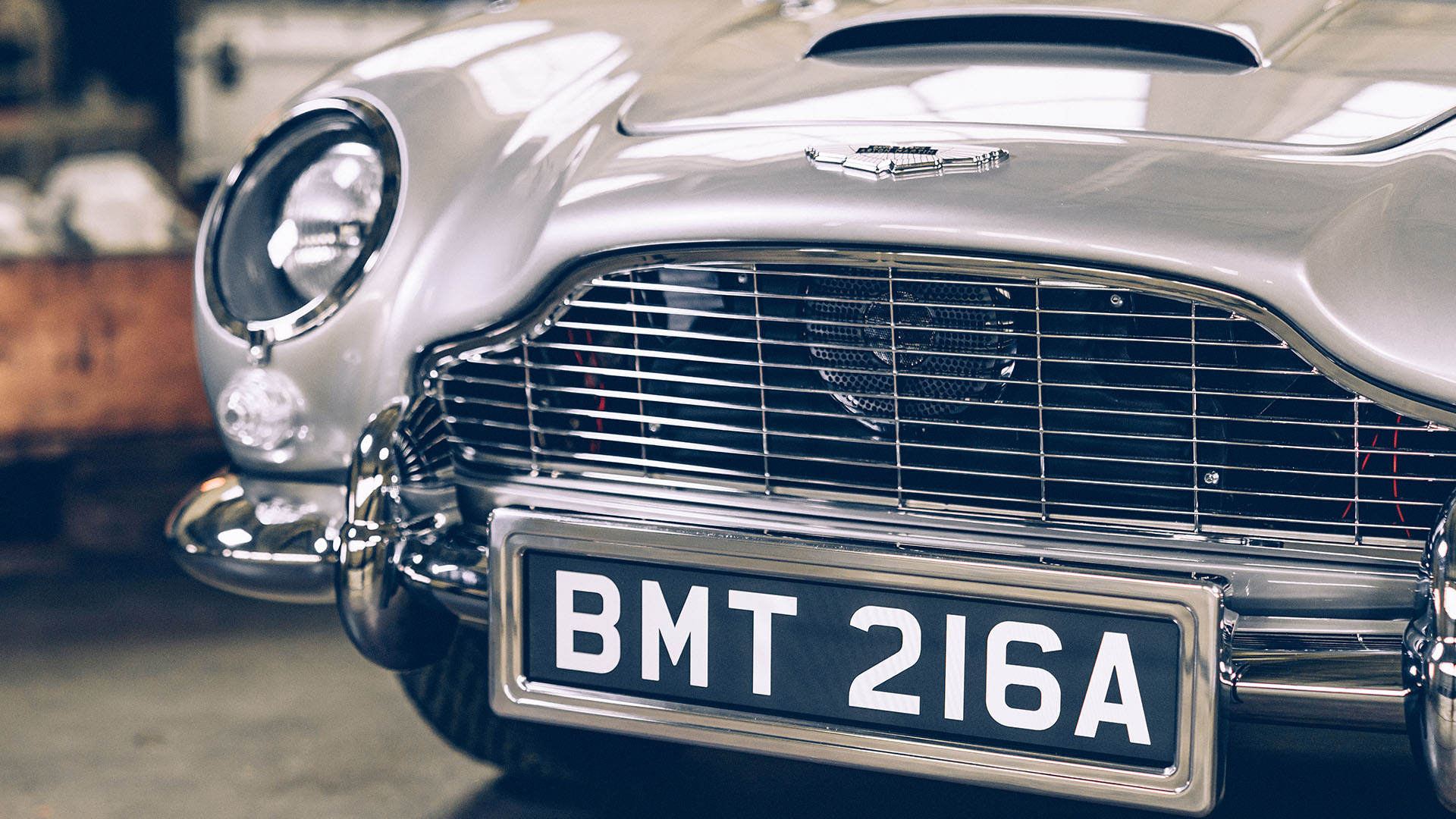
What you are looking at here is actually a two-thirds scale replica of the iconic Aston Martin DB5, all-electric by the way, created by ‘The Little Car Company’ together with Aston Martin and EON Production … only 125 units of this very special Aston Martin DB5 Junior No Time To Die Edition will be made worldwide, and it does include some of those famous Bond gadgets.

© 2021. All rights reserved. The Little Car Company. The Ferrari Testa Rossa J is hand-built in the UK under license by The Little Car Company. Use of the Ferarri brand is with permission of Ferrari s.p.a

The Little Car Company has a very interesting catalog of amazing classic cars, downscaled to be enjoyed by not only children but their parents too. How about a 75% reproduction of the legendary Ferrari 250 Testa Rossa, called the Testa Rossa J, and limited to 299 units, they even have a complete configurator online to create your bespoke Testa Rossa J in just about any color you like.

But it gets even better, with the Bugatti Baby II, another 75% scale model, but this time of the 1920’s Bugatti Type 35, probably the most successful race car of all time with about 2,000 wins under her belt, but the story gets more interesting when Ettore Bugatti built a half-scale replica for his son Jean’s fourth birthday. Intended as a one-off, customers convinced Ettore to start building this smaller-scale version too, and in the end about 500 units were made almost a century ago.

© 2021. All rights reserved. The Little Car Company. The Bugatti Baby II is hand-built in the UK under license by The Little Car Company. Use of the Bugatti brand is with permission of Bugatti Automobiles S.A.S.

Today you can get a more modern version, which happens to be a little larger too, as a three-quarter Bugatti Baby II model from The Little Car Company, again limited to only 500 units, available in many different colors, this new Bugatti Baby II is a rear-wheel drive, battery-powered car that can reach a top speed of about 20 km/h in ‘novice mode’ but this can be raised to 45 km/h in export mode … the Baby II even comes with a ‘Speed Key’ like the Chiron, which releases 10kW and no speed limiter.

But back to the Aston Martin DB5 Junior now, and while we will discuss this new limited edition ‘No Time To Die’ version next, first let’s take a look at what The Little Car Company offers in their DB5 Junior range too, at a more democratic price. With a battery-powered engine delivering 5kW or 6.7hp from a 1.8kWh battery the base model DB5 Junior is listed at £35,000 (US$ 50,000) before options, but just like the big brothers from Aston Martin, you can opt for a DB5 Vantage Junior which comes with two batteries and doubles the power output to 10kW (13.4 bhp) and even comes with a limited-slip differential … at £45,000 ($62,000).

But we are here for the piece de résistance, the DB5 JUNIOR No Time To Die Edition that starts at £90,000, so about $125,000 … for a toy car … or is it. No, this 2/3rd scale replica is much more than a toy, this very special model is limited to just 112 units and comes with a massive power upgrade compared to the Vantage edition. Now 4 1.8 kWh batteries get installed delivering 16kW of power or 21.5 bhp that pushes this electric car up to 45 mph … this isn’t a toy anymore.

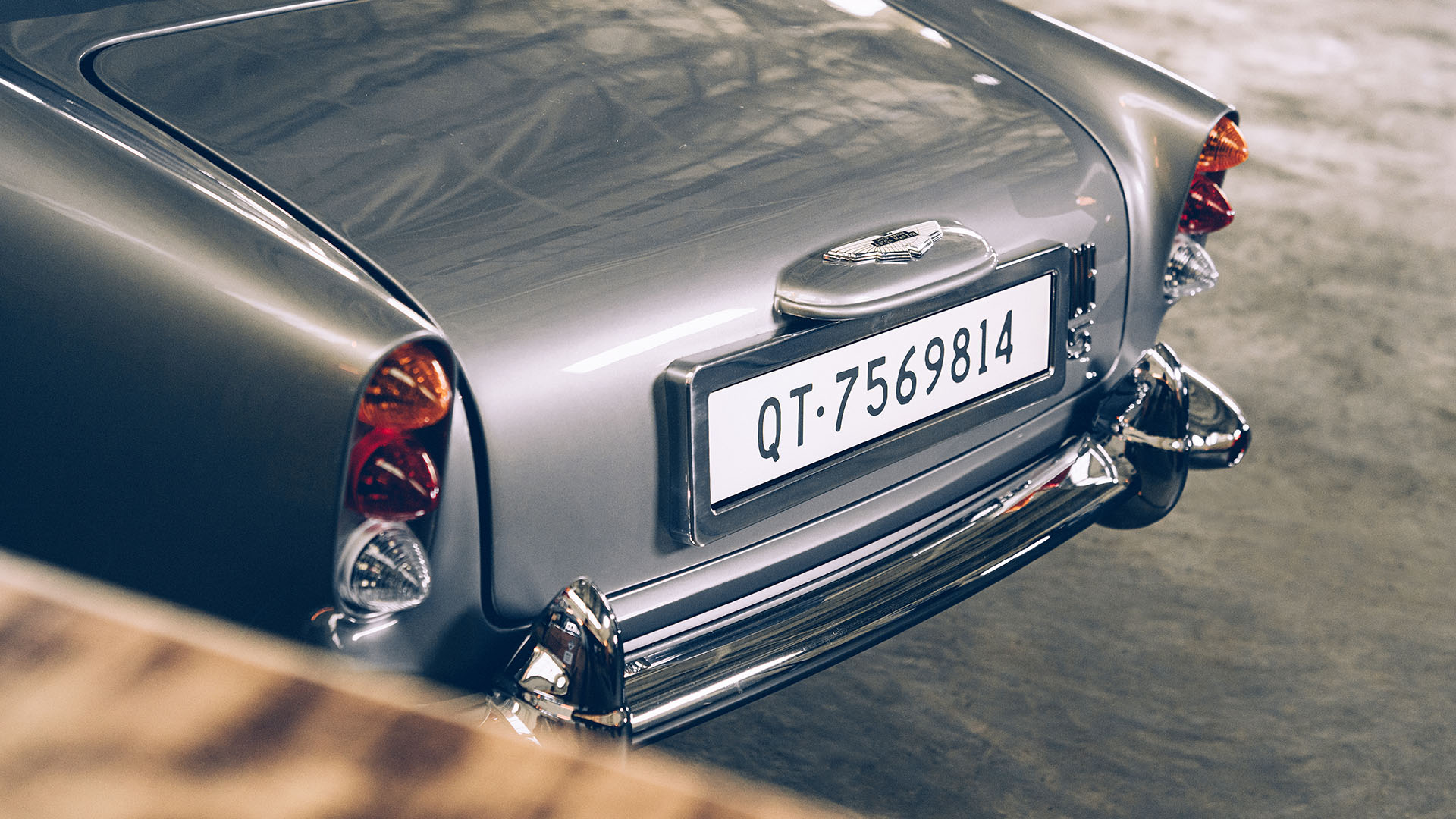
But wait, there is more, we are talking about a James Bond special edition, so that comes with Gatling guns behind the headlights, digital revolving license plates, a smokescreen generator, a hidden switch panel for the gadgets, and even a Skid mode, and while the real Aston Martin DB5 driven in the movie is a coupe, this one comes as a convertible, as this allows the child to be accompanied by an adult sitting side by side.

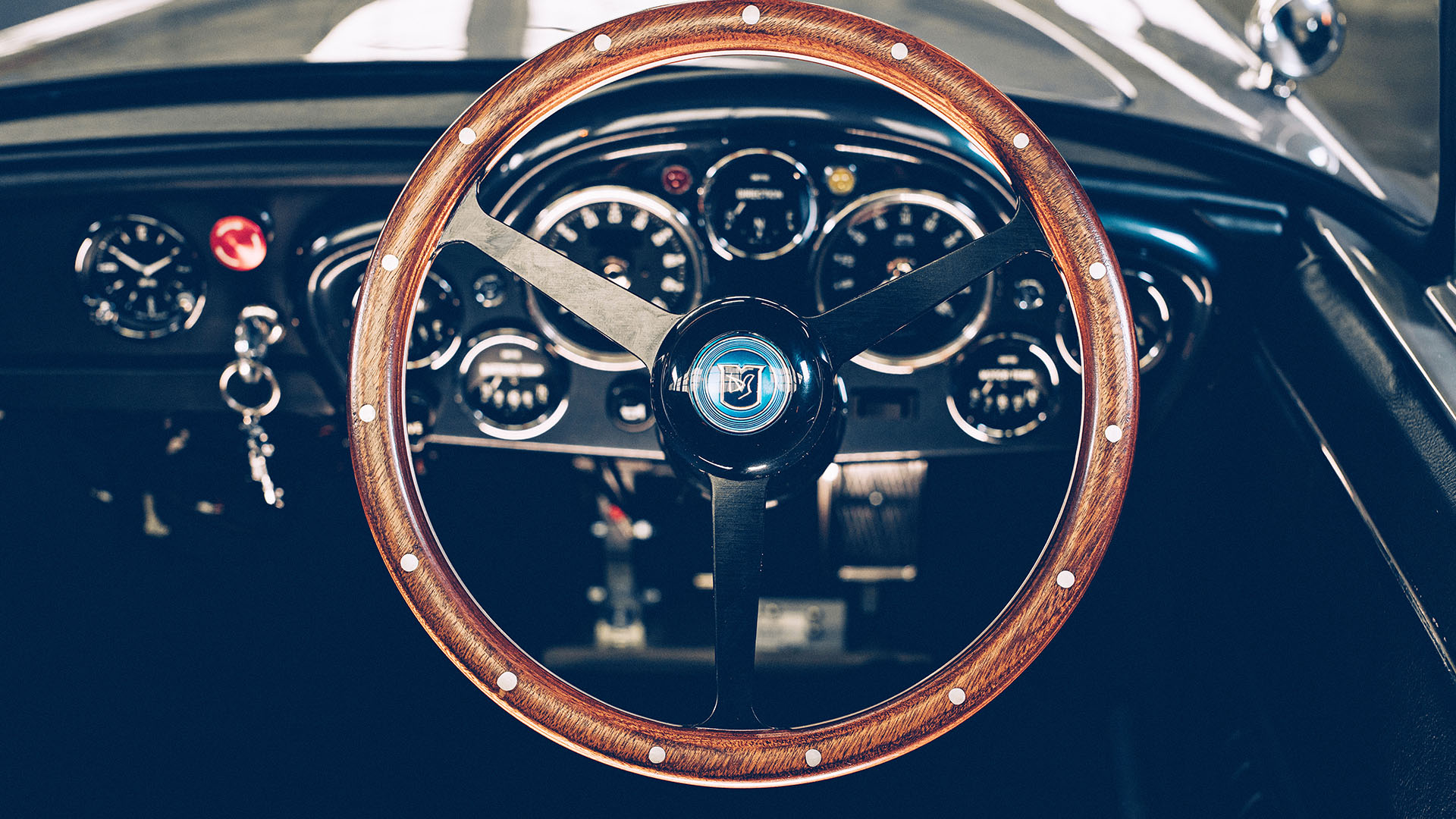
The paint on this Aston Martin DB5 Junior No Time To Die Edition is the period-correct Silver Birch while for the dashboard the correct Smiths instruments are fitted, being a limited edition, there are individually numbered chassis plates and genuine Aston Martin badges on this two-thirds replica.

Further testament we aren’t talking about an expensive toy here is the fact they did a 3D scan of a real Aston Martin DB5 to create this smaller-scale version, and while it’s electric, the fuel gauge has been replaced by a battery meter, but in their effort to create a safe car for a child to drive, they also fitted Brembo disc brakes, which regenerate when braking while Bilstein dampers and coil-over springs can keep up with the performance.

Ben Hedley, CEO of The Little Car Company, said: “Regarded as the most famous car in cinematic history, the gadget-laden Aston Martin DB5 awed audiences around the world over fifty years ago. Now, that story continues. As part of an exclusive partnership with EON Productions and Aston Martin, we have had the opportunity to create something truly unique for James Bond fans and collectors. We can’t wait to see the adventures these cars take with their owners.”

Acura sold all 300 of the NSX Type S, reportedly in 24 hours

If you were hoping to nab one of the last Acura NSX supercars, Acura has confirmed to Autoblog that it has already sold out the entire allocation of 300 NSX Type S models that were slated for America. However, you might still have a remote chance.

“We have seen tremendous interest in the 2022 NSX Type S following its debut at Monterey Car Week. At this time, confirmed orders have far surpassed the 300-unit allocation for the U.S. market, and new orders received are being added to a waitlist,” an Acura spokesperson told us. That might be an understatement, as Motor1 is reporting a Black-Friday-esque rush that cleared the shelves in 24 hours and a waiting list of more than 100.

While Acura has never planned to assign the NSX to the role of moneymaker — there are RDX and MDX crossovers for that — sales of the hybrid supercar have been shockingly low. Year-to-date sales figures for July 2021 (the last metric prior to Acura’s August announcement that the NSX would be canceled) crawled along at just 67 examples sold, not too far off from last year’s 70. The year-to-date number for August leaped up to 98, a significant jump from last year’s 73.

A personal anecdote may explain why the sellout occurred so quickly. My brother, owner of a 1993 NSX, went to a Los Angeles-area Acura dealer to inquire about the 2022 Type S. The salesperson told him that the dealer was only getting one and that it had already been spoken for — by the dealership’s owner. With 273 Acura stores in the U.S. and only 300 cars, if other owners are similarly minded it may be almost impossible for the average buyer to get a Type S without paying a premium over the $171,495 price tag.

Hopefully, though, buyers won’t have to pay more than the $1 million bid that someone made for the first NSX Type S. The Type S has 600 horsepower and 492 pound-feet of torque, a 27 pony and 16 pound-feet bonus over the standard NSX, in addition to a 58-pound weight reduction and GT3 race car-derived tuning. While that alone could compel some buyers to spring for the Type S, we’re willing to bet that it’s the limited production and end-of-run factors that are contributing to demand. If you miss out, though, you can always wait for the third generation.

Related video:

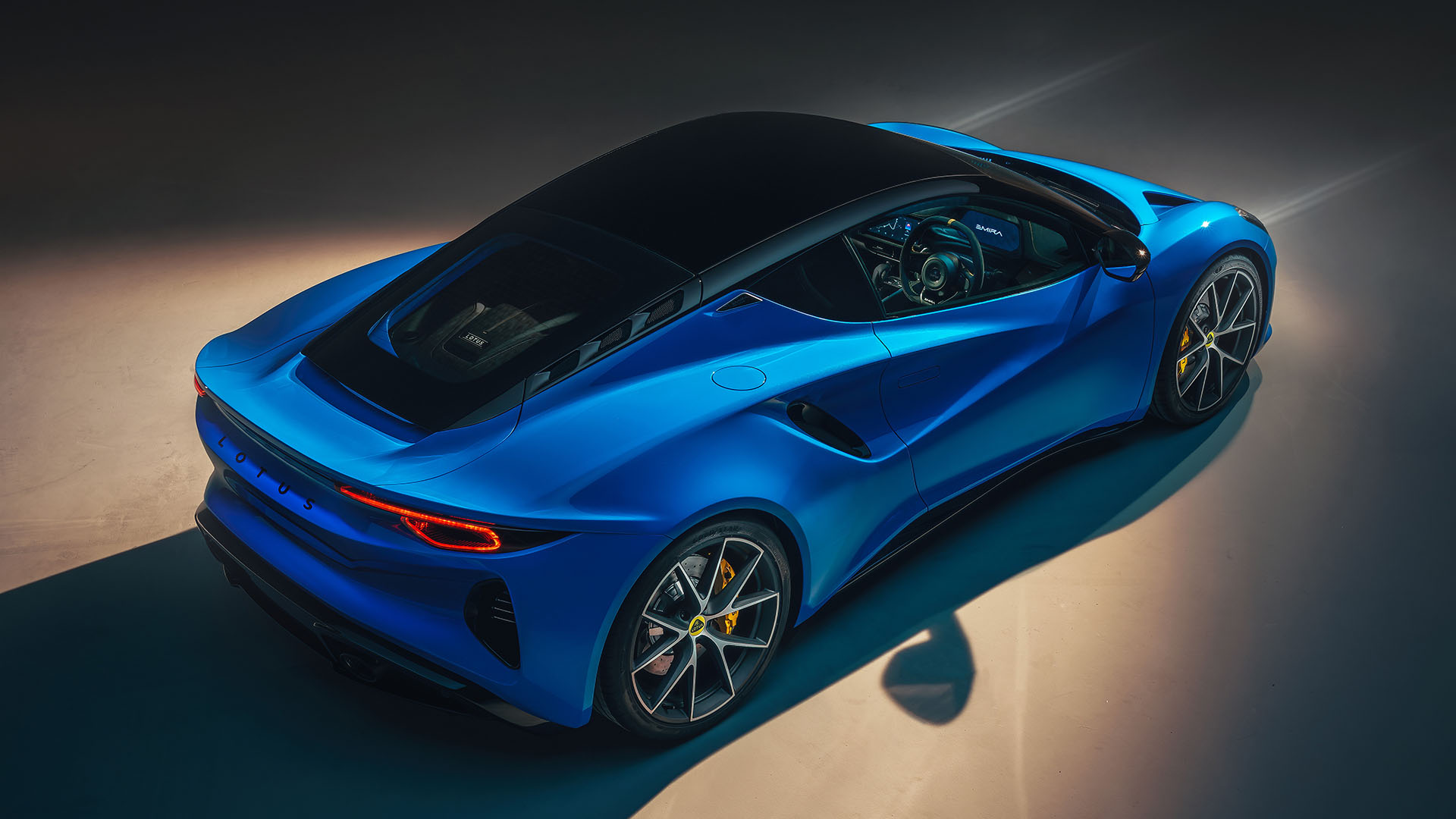
The Lotus Emira V6 First Edition

The long-awaited Lotus Emira was officially launched in early July 2021, with her official, public unveil during the famous Goodwood Festival of Speed, and this last gas-powered Lotus became an instant hit, people were literally lining up to put their order in, or better yet, to just get their name on the ‘pre-order’ list, as you couldn’t even order your Lotus Emira yet, and the ‘pre-order’ list was for RHD models only … but over the weeks after Goodwood FoS things changed, and at the end of September Lotus finally released both full specifications and the MSRP on the Lotus Emira V6 First Edition … a car loaded with technology, infotainment and comfort features.

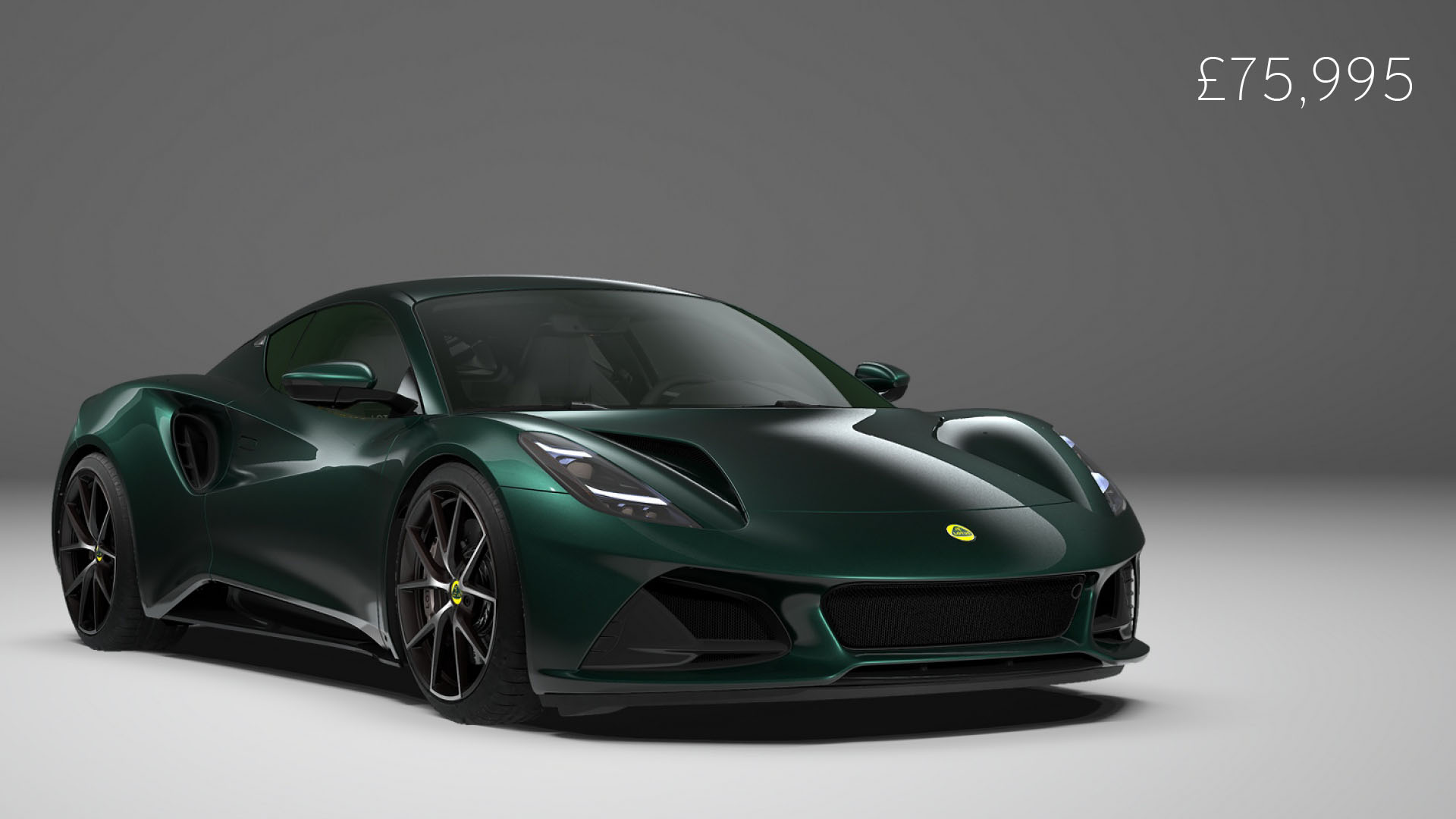
Lotus plans to start building the Emira V6 First Edition in the spring, while the ‘i4’, the 4 cylinder version arriving in the autumn, pricing in the UK has been fixed at £75,995 while on the other side of the North Sea this new car will set you back €95,995, the US MSRP hasn’t been released yet, but a quick currency exchange leads to somewhere between $105,000 and $115,000 based on the £ and € pricetag.

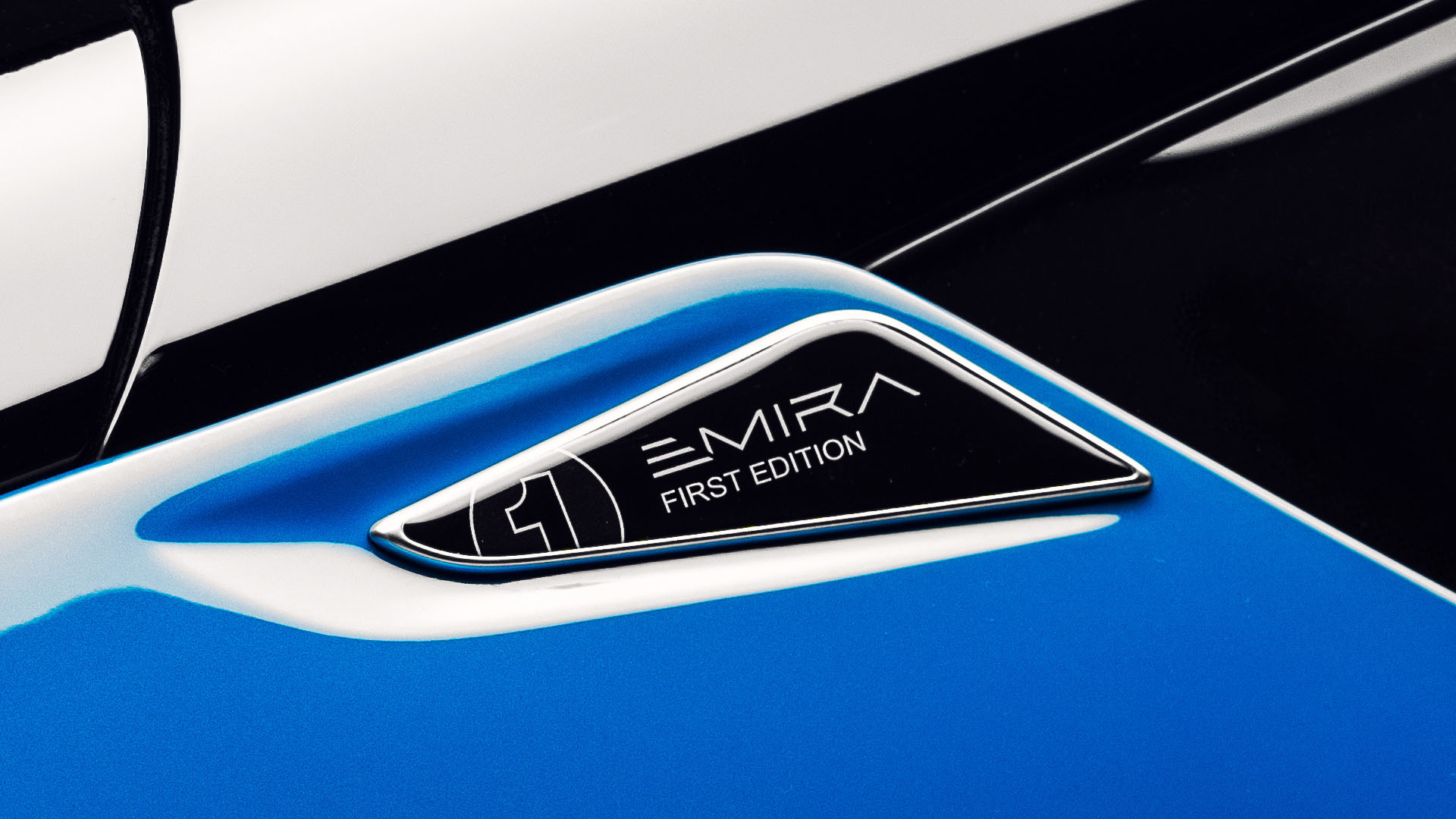
The Lotus Emira V6 First Edition will come equipped with the supercharged 3.5-Liter V6 engine delivering 400 hp through either the standard six-speed manual or the optional six-speed paddle-shift automatic transmission, for the first year of production the customer has a choice of six colors, but Lotus intends to offer more shades a year later, and the First Edition is packed with options that come as standard, including bespoke badging naturally.

Matt Windle, Managing Director, Lotus Cars, commented: “The Emira is the most accomplished Lotus we’ve ever made, and to celebrate and reward our keenest early customers, we want to make the first cars extra special to own. The features have been carefully selected by our design team to make for a truly special and distinct First Edition.”

Taking the concept started by Elise, Exige, and Evora, the new Lotus Emira is really a giant step into the future, showing the brand signature and core value of the predecessors, but still improve on practicality, comfort, functionality, and technology. The Emira is built on a new lightweight bonded aluminum chassis, pioneered by Lotus and remaining an intrinsic part of their DNA.

This First Edition version comes with diamond-cut 20-inch ultra-lightweight wheels, optionally a silver or a black finish is available at no cost, while Lotus branded calipers are standard fitment too, to keep those expensive wheels safe, there is a TPMS, or Tyre Pressure Monitoring System fitted as First Edition specifications too.

The list of available colors has been deliberately kept very exclussive, from the press launch car in Seneca Blue to Magma Red, Hethel Yellow, Dark Verdant, Shadow Grey, and Nimbus Grey. They all match very nicely with the titanium exhaust and the Lower Black package that includes a gloss black finish on the air blades in the front bumper, front splitter, side sills, and the rear diffuser.

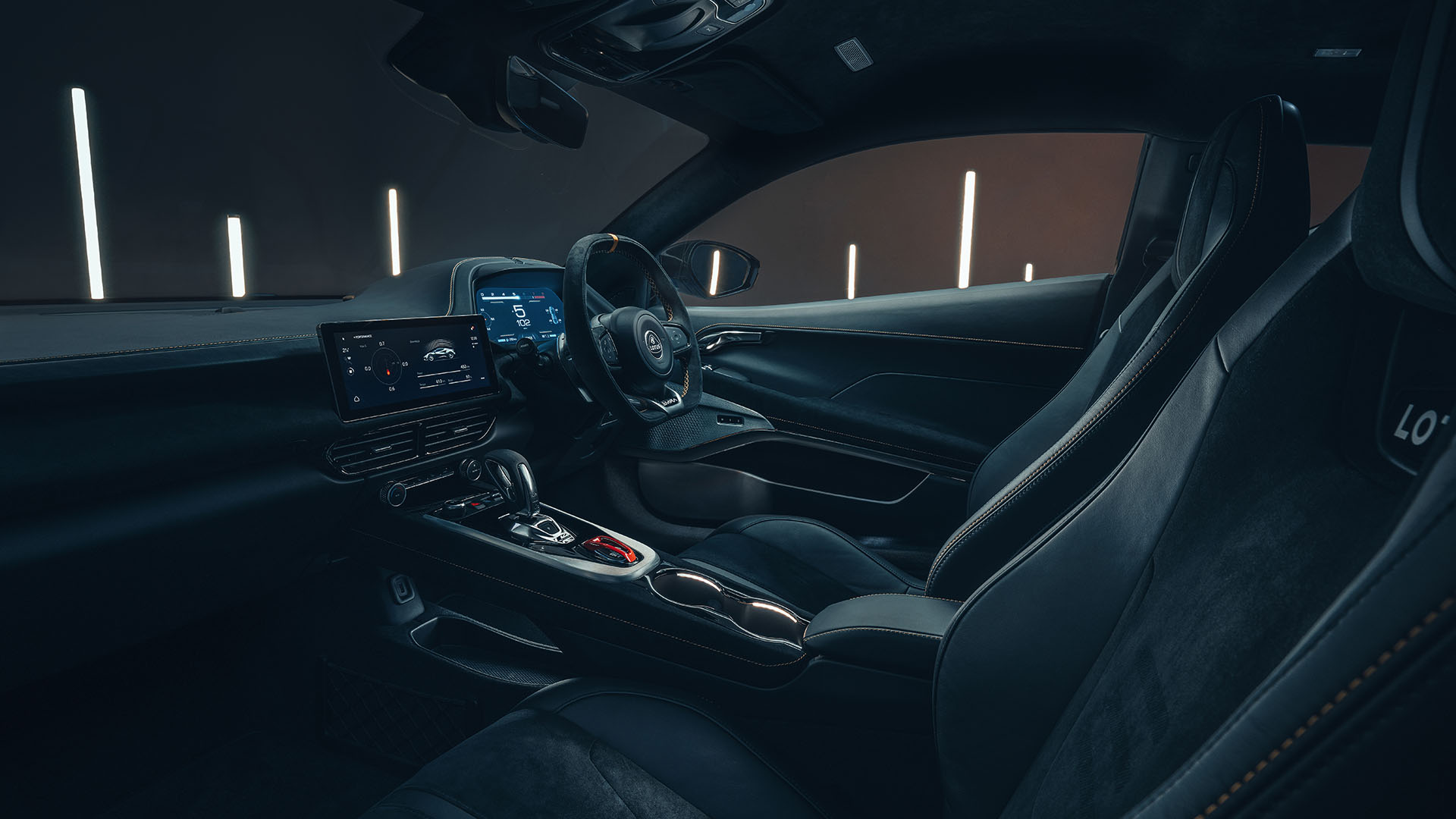
While the exterior is limited to six paint colors, you can choose from seven different shades on the interior, red, black, grey, tan when going for Nappa leather, or black Alcantara with either red, yellow, or grey stitching on the 12-way adjustable, heated seats that even come with a memory setting, that also includes the door mirrors.

Lotus wants to offer a very comfortable ride in their new Emira, so this car comes complete with climate control, cruise control, keyless start and selectable drive modes, Apple CarPlay and Android Auto while an integrated satellite navigation system is available on most markets, all available through a 10.25-inch centrally mounted touch-screen and a 12.3-inch TFT instrument cluster ahead of the multi-function steering wheel.

Apart from the Lower Black Pack, you’ll get three more packs as standard on these First Edition models, the Drivers Pack offers a choice between Tour or Sport suspension with Goodyear Eagle F1 Supersport tires, or Sport suspension with Michelin Pilot Sport Cup 2 tires, the Design Pack comes with dark tinted glass, sports pedals and painted brake calipers in either black, red, yellow, or silver, and just so you don’t scratch those beautiful bumpers, the Convenience pack adds parking sensors to the front and a camera to the rear among other things.

Just in case, there are still a few options left to tick on that order sheet, but those will come on top of the base price for these Emira V6 First Edition models, like the £1,800 automatic transmission, or the Black Pack which contrasts the roof, cantrails, mirror housings, the Lotus badge and the exhaust tips for £1,200 only.

As already mentioned, production of the Emira V6 First Edition will start in the spring of 2022, while the 4-cylinder version will follow in the autumn of 2022, if you are looking to add a more base-level Lotus Emira to your driveway you’ll have to be patient until 2023 when they intend to release a £59,995 entry-level version with fewer options.

How to park your supercar like a pro

A Lamborghini Aventador parked in north London. Even the slightest scratch or ding on supercars can cost tens of thousands of dollars in damage. 
Photographer: SOPA Images/LightRocket/Getty Images

Matt Farah is something of a parking expert. In his 10 years as an automotive authority and podcast host, he has reviewed, owned, raced, and filmed reviews of more than 1,500 cars without a single parking mishap.  

Last year in Culver City, Calif., he opened Westside Collector Car Storage, a kind of Soho House meets EZ Park that offers members everything from detailing and repair service to private airport chauffeurs and cocktail hours. Every procedure that happens in the $699-a-month clubhouse garage has been intensely thought-out and itemized in a 26-page employee handbook, including two full pages on how to properly park a car.

The first thing Farah tells anyone he employs to handle the cars owned by some of the world’s major collectors is simple: Do not rush anything. 

“It is important to always be slow and methodical,” Farah’s self-written parking tome states. “Give yourself plenty of time to move the needed cars, so that you never have to rush while a member waits. Rushing is where vehicle damage happens.”

It’s an aspect of car ownership to which everyone can relate — more so with powerful autos wherein a gentle press on the gas pedal or slip of the clutch can send them surging forward. Some pay more dearly for parking mistakes than others.

Even the most benign maneuver in one of the supercars and classics stored at WCCS, if executed poorly, can cause thousands of dollars in damage.

Curb a rim on a McLaren? That’ll be $5,000 to replace. Ding a door on a Ferrari Dino? The starting price for repairs exceeds $10,000, at least in Southern California. Scratch the special factory-ordered paint job on a Porsche 911 Turbo? Count on $50,000 just to try to match the color — plus the irreversible double-digit percentage loss in overall value from the once-pristine collectable. 

Supercars have extra low clearance, so it pays to take steep driveways and even gradual inclines and declines on an angle. That will help avoid splitting or scraping the front and causing expensive damage to the underbody. Photographer: Dan Kitwood/Getty Images Europe

For Eli Kogan, the founder and owner of Otto Car Club in Scottsdale, Ariz., which houses up to 225 cars in 49,000 square feet of air-conditioned space, the most important part of flawless parking is maintaining spatial awareness.

“Being able to judge the space, judge the angle, and have awareness of how big your car is, how wide your car is, and how wide the spot is — that solves everything,” Kogan says. People who can park anything have it, he says. Those who can’t, don’t. 

Excellent spatial awareness is an ongoing skill. Appraise a car’s length, width, and height while outside it and again, evaluate how long, wide, and low it is once you’re seated — even with a vehicle you think you know well. 

Take driving: Some people may zoom down the highway and have to look around four times to see who is near before they change lanes, while a good driver already knows what is going on in the vicinity because he or she has maintained a mental catalogue of what is happening.

Parking similarly requires that you use your eyesight and the car’s mirrors. Don’t rely exclusively on parking cameras, Kogan says. The technology offers a nice, modern crutch, but the camera can distort distance and depth and never offers a full-view picture of what is happening around the car.

“Try to make it like if you had X-ray vision and you can actually see the wheels,” says Tony Rackley, who transports and parks multimillion-dollar investment-grade cars for a living as head of the Specialties Division at Classic Automotive Relocation Services in Gardena, Calif.

“One should really — while sitting in the car,” he continues, “be able to know the points of the car, look to their left and right, to know: OK, my left front is there, my right front is there, and then look over your shoulder and see where the C pillar is — that sort of thing.”

There’s no shame in using a spotter, Rackley says. In fact, having someone watch angles as one parks is mandatory at both WCCS and Otto.

“No matter how many times you’ve parked the car, no matter how confident you are or how small the car is, we do not park the car without a spotter,” says Kogan. “Four eyes to the car is the rule.”

The other little trick pro drivers and enthusiasts know is that backing a car into a spot is far more amenable to managing a tight turn or a tricky angle thanks to a tighter turning circle. A head-in parking job also exposes you to the risk of scraping the underside of the car’s nose, which in supercars is typically lower than the rear for improved aerodynamics and downforce.  

“Always back the car in,” Kogan says. “I do it with my EarthCruiser, which is huge but still can park in any parking lot. Our semi-truck at work I always park this way, too. In fact, any car I park, I always back in.”

Parallel parking, of course, is a distinct skill for which practice makes perfect. Use cones in an empty parking lot and practice 100 times, Kogan recommends. Or try it in real life on a street with little cross traffic.

When you have a $300,000 Ferrari under your control, the imperative to do well is heightened, because it’s likely that everyone on the street will be watching. This means no curbing the wheels, which is expensive to fix, time-consuming to replace, and embarrassing in the first place, or tapping the bumper of the car on either side; that light kiss may be virtually de rigueur in Manhattan, but it’s extremely impolite elsewhere.

A final note that any valet worth his salt knows: Never park underneath trees.

Corrosive bird poop is one thing, but with a precious paint job, even petals are problematic. As an official Rolls-Royce instruction manual for chauffeurs puts it: “Don’t park the car under Lime trees when in blossom.”

Reporting by Hannah Elliott for Bloomberg.

Related Video:

The Z8, BMW’s rarest modern convertible

There has been a brief period in time when James Bond, the famous UK spy didn’t drive an Aston Martin anymore but instead switched to BMW for transportation, In Tomorrow Never Dies he got behind the wheel of a large, four-door BMW 750iL while in Goldeneye he did drive an Aston Martin DB5 briefly but the ‘gadget loaded car in this instance was a BMW Z3, still, the best was yet to come, in The World is not enough he drove an absolutely stunning BMW Z8, and that’s the car we’re discussing here.

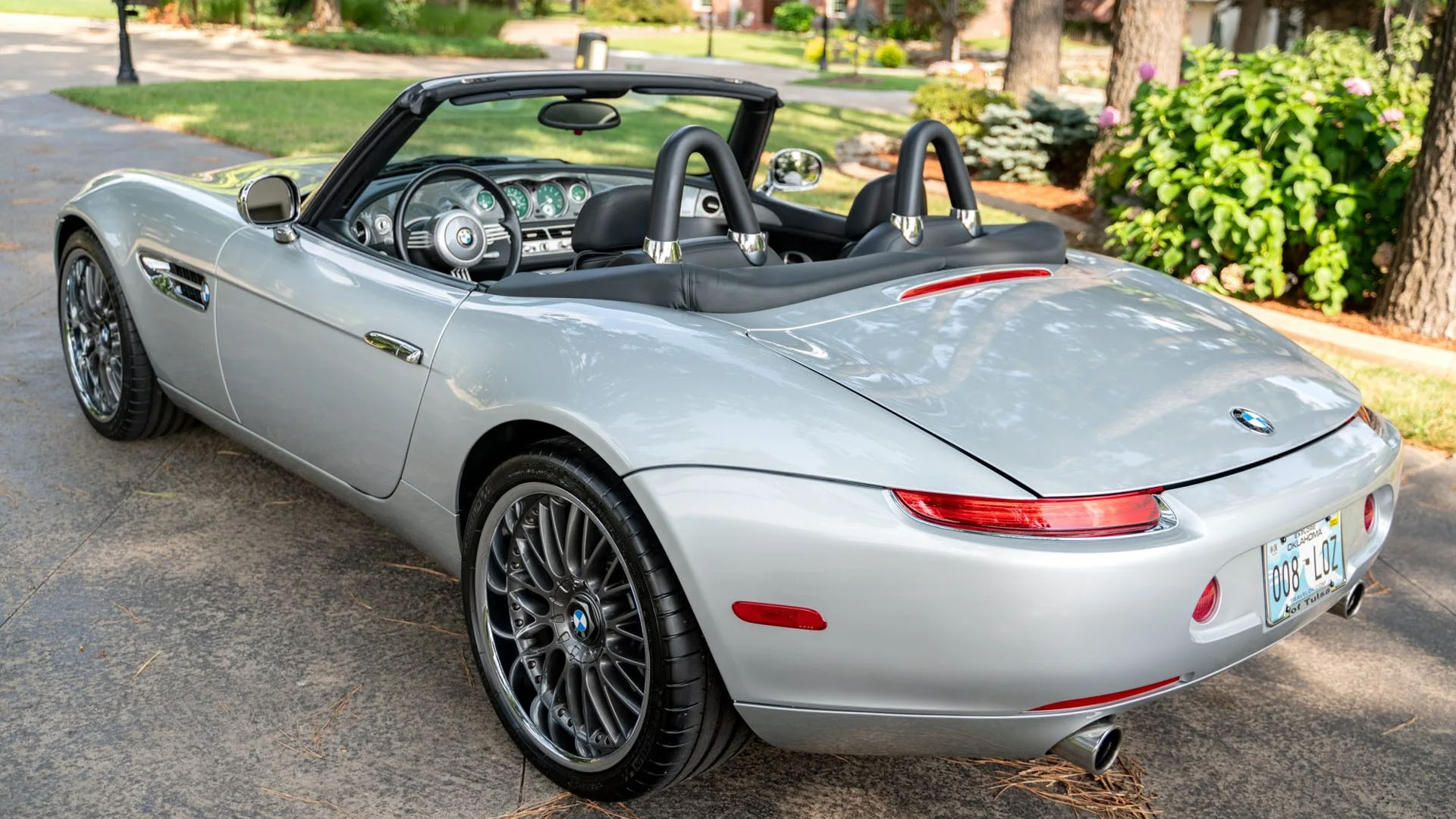
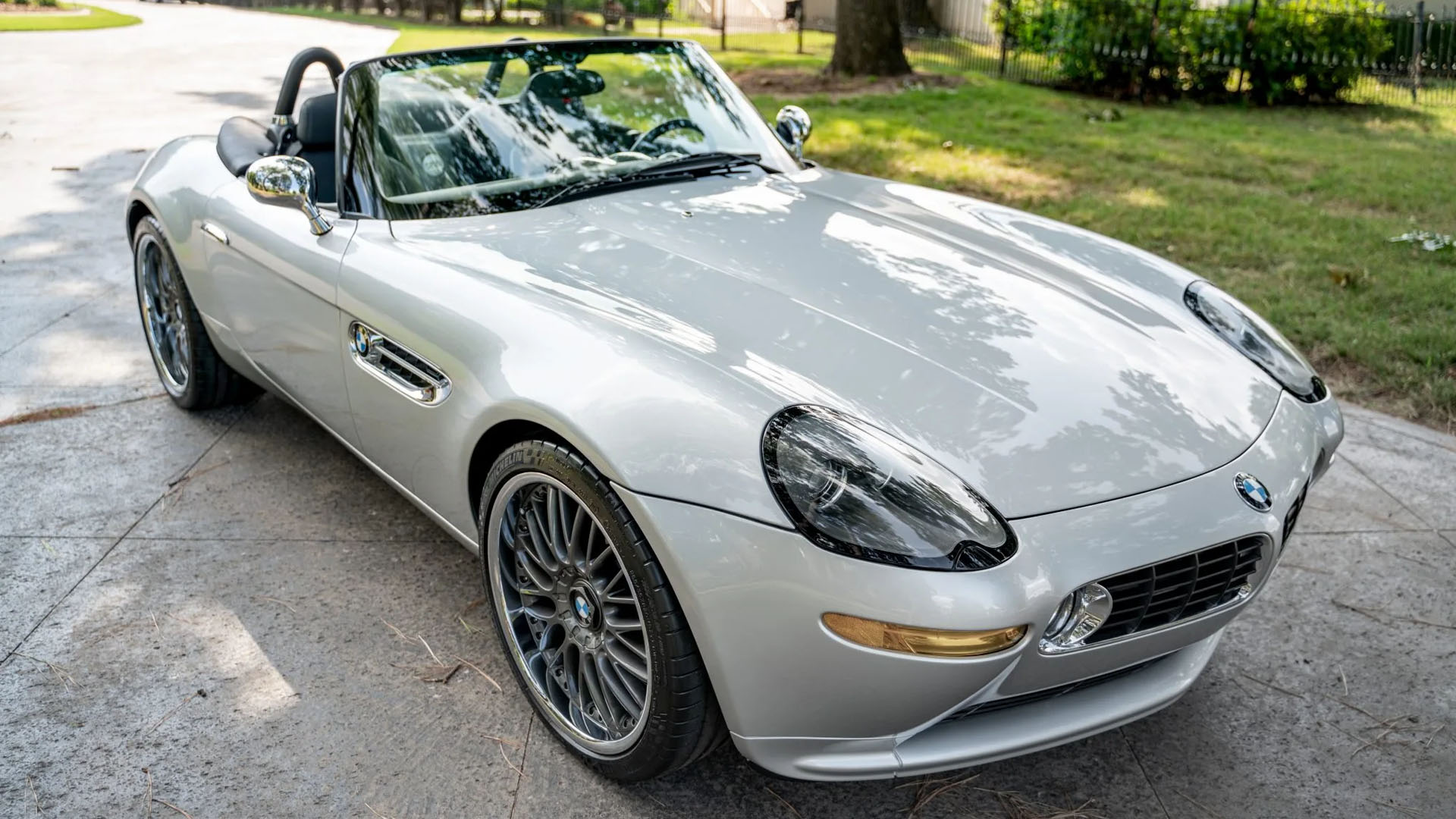
Well, not really the screen used Bond BMW Z8, that would be a problem as the car got cut in half in the movie, but a similar-looking 2002 model currently listed at auction on BringATrailer, at the time of writing, with six days left, the bids have gone up to $135,000, which isn’t bad as the original MSRP back in the early 2000s was $128,000 already, making this the most expensive car from BMW at the time, but I’m sure the bids will continue to rise as previous sales of BMW Z8 went above the $200,000 mark, one specific Z8 even sold for as much as $296,000 in August 2021.

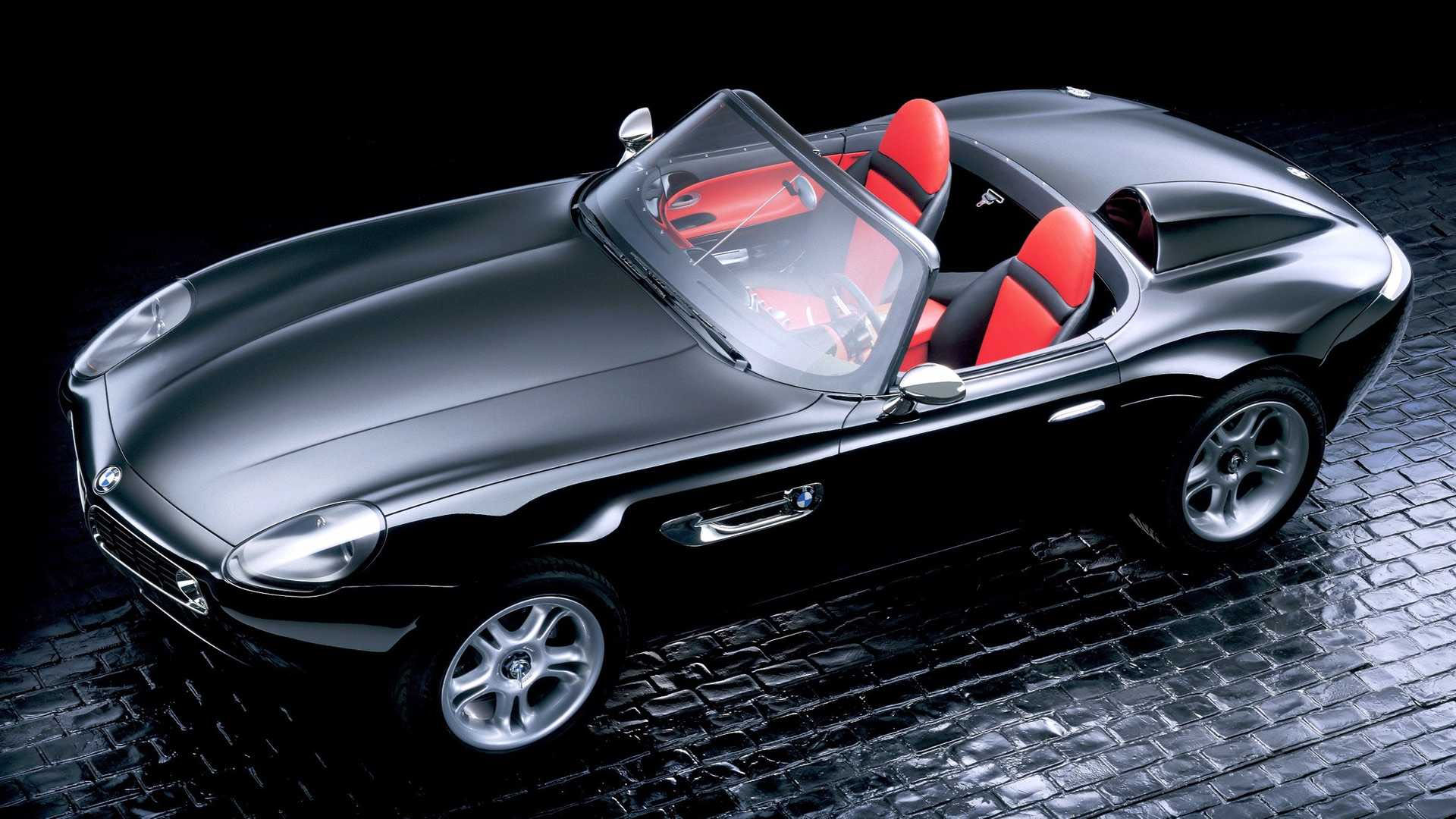
The BMW Z8 was actually the production version of the Z07 concept car unveiled in 1997 at the Tokyo Auto Salon, as an homage to the classic BMW 507 Roadster built between 1956 and 1959, a car that has become extremely valuable today, especially with celebrity ownership on some of these, none other than Elvis Presley owned a BMW 507, it is believed there are just 202 BMW 507 in the world today, a far cry from the number made of the Z8 between 2000 and 2003.

In 1998 BMW also presented the Z07 concept as a coupe, but that one didn’t get developed further, instead, BMW focussed on the Z8, internal code E52, as a high-end production roadster, available with a removable hardtop, but still a two-seater convertible, just like the 507 from the Fifties, with a little over 5,700 units leaving the BMW factory between 2000 and 2003, but that wasn’t the end for the Z8, Alpina took over from 2003 calling it the Alpina Roadster V8, actually the last BMW 28 left the assembly line in November 2002.

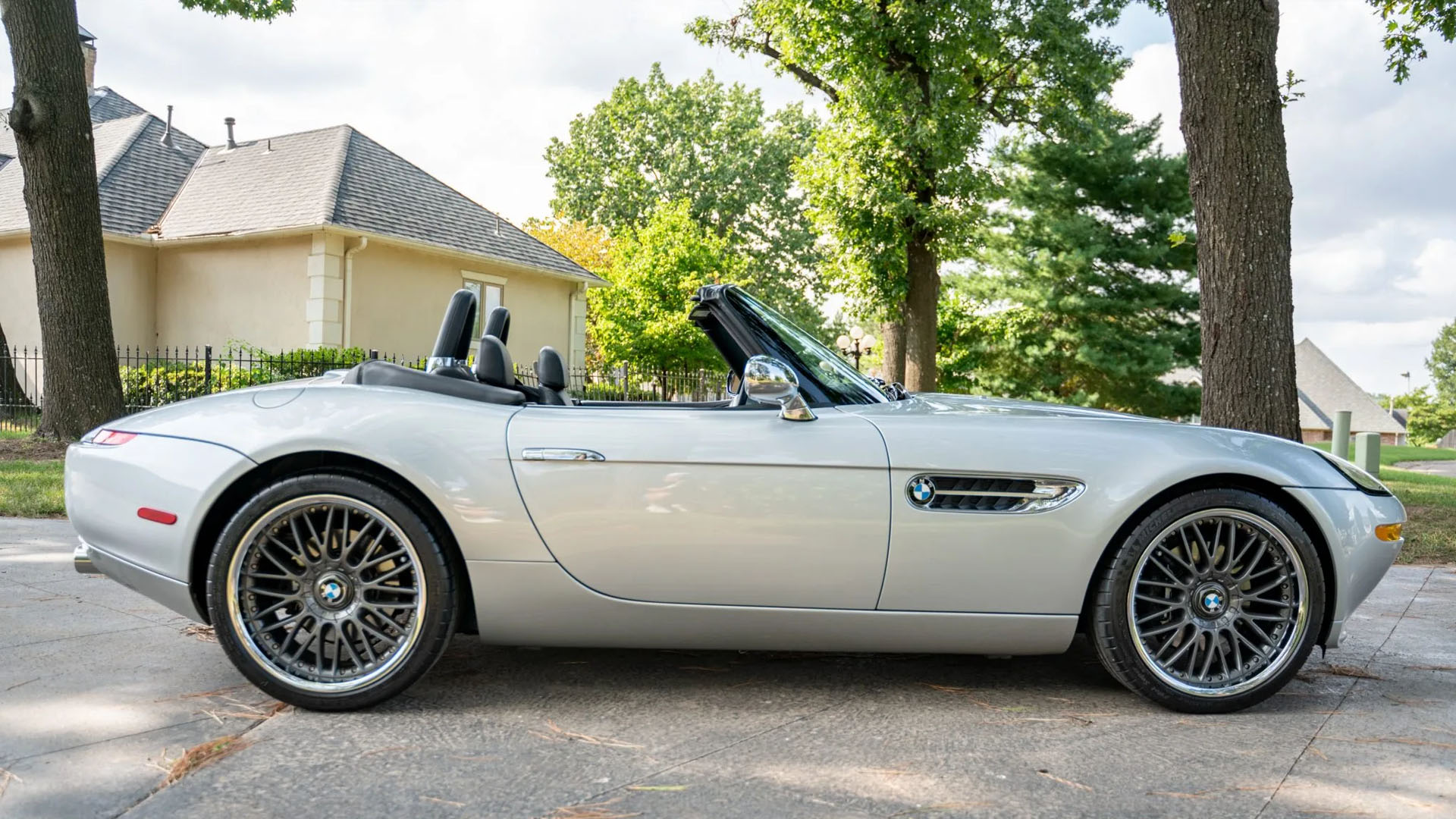
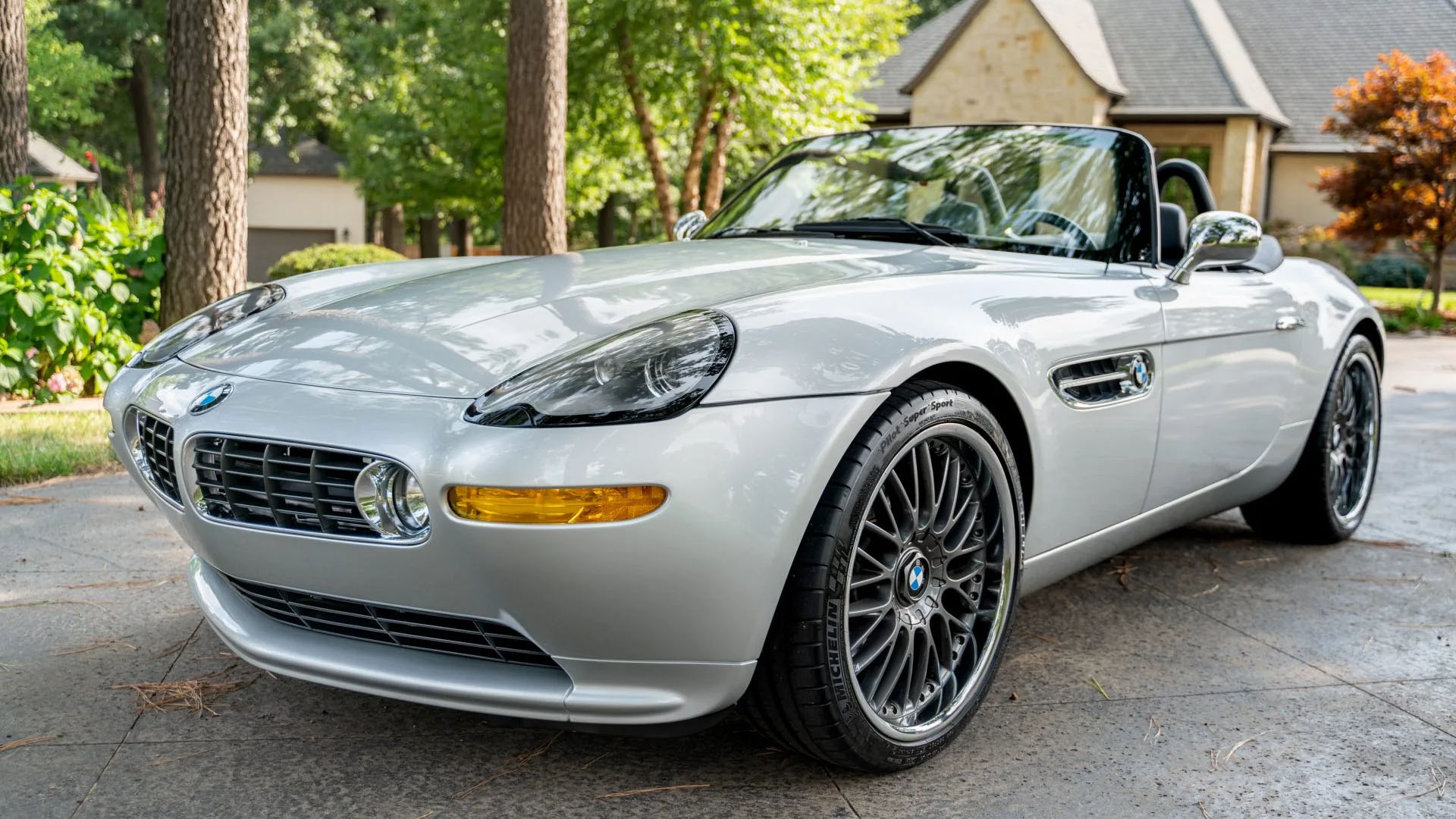
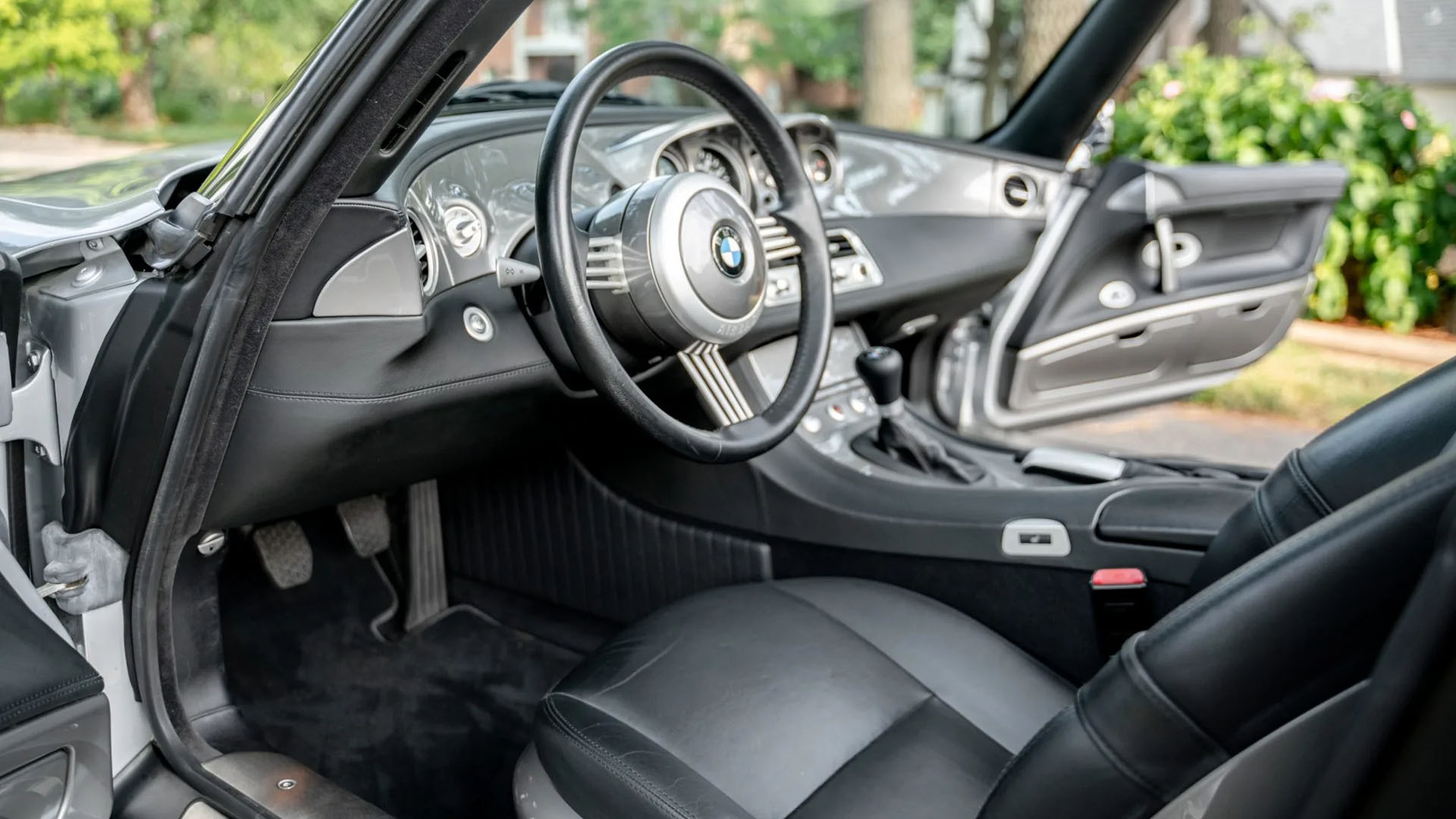
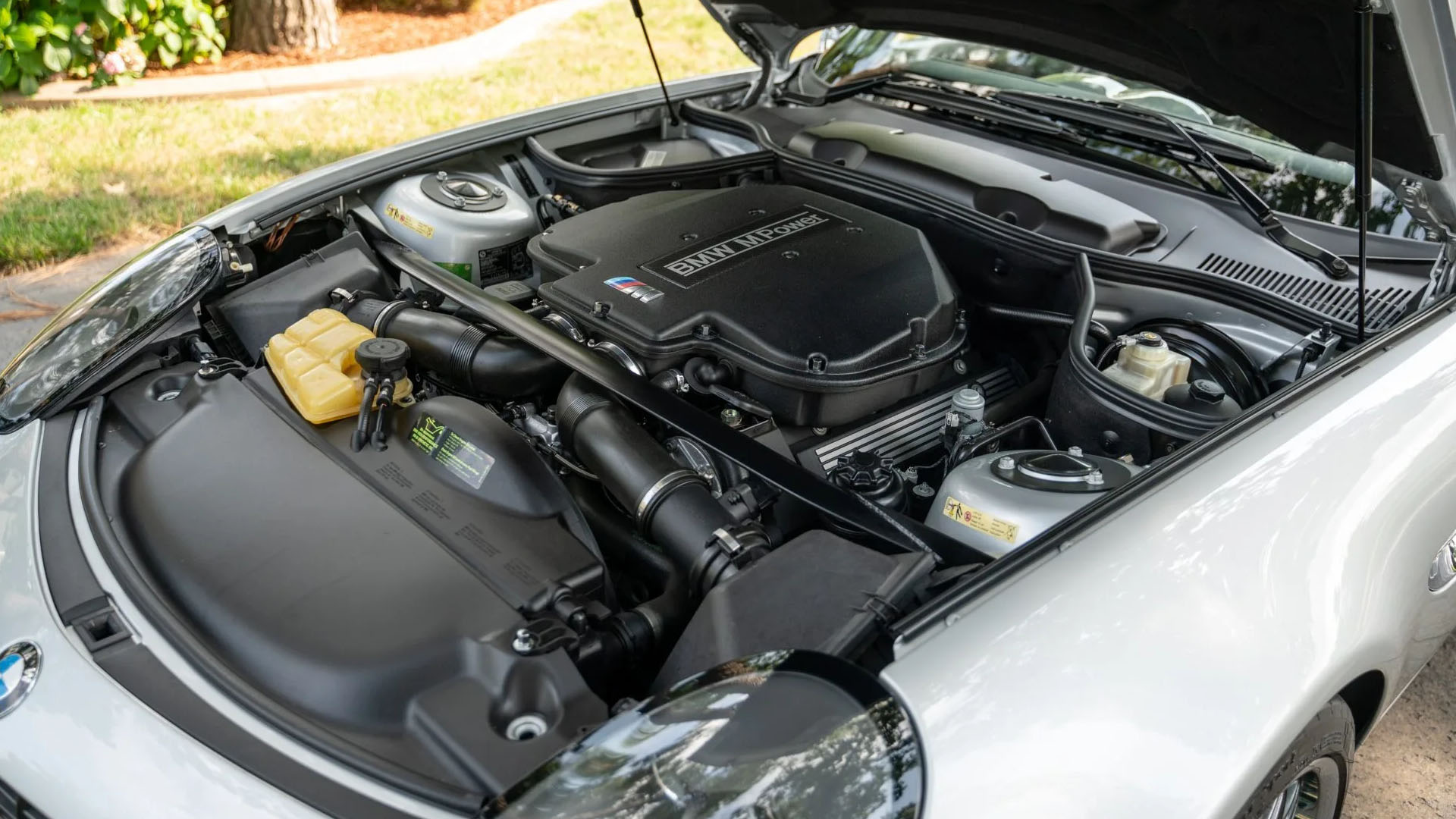
This makes this specific, Titanium Silver Metallic 2002 model, currently listed on BringATrailer, a car from the final production year, with just 24,000 miles on the clock, this 4.9-Liter V8 beauty comes with a 6-speed manual gearbox delivering about 400 hp to the rear wheels only, a car that requires some respect when driving in the rain with those massive 295/30 Michelin Pilot Super Sport tires on the rear wheels, which are custom 20-inch Style 101 Multi-spoke wheels, the car does come with the original wheels the seller states.

This 2002 BMW Z8 comes complete with the color-matched hardtop, a special stand to keep said hardtop safe in your garage, and even a cover to keep the dust off, other than that this specific Z8 has received a few non-factory modifications, like adjustable H&R sway bars, a Performance Package front strut bar, a UUC short-shift kit, an Audiovox MediaBridge, and Eisenmann mufflers … I’m sure that big V8 rumbles even louder now.

The seller does mention the front bumper has been resprayed in the correct Titanium Silver Metallic (354) shade, but that was done to close up the holes the previous seller had drilled in the bumper to fit a license plate, after that the entire car was wrapped in XPEL PPF, Paint Protection Film so this modern-day classic’s paint will remain in pristine condition for years to come.

This is my personal opinion, but think the BMW Z8 is the most beautiful, sensual looking modern BMW, sure she’s nearly 20 years old now, but you can hardly tell, this is a virtually timeless design, a classic look, inspired by a car from the Fifties, resurrected in the 2000s, but still amazing looking today. There are some impressive cars from BMW in their 2021 lineup, and some are even more expensive than this 20-year old topless beauty … but for me, none of the ‘new’ BMW even come close to the Z8, not now, not ever.

Mecum auction reaches $36.8 Million in sales

The supercar and collector’s car market is still at a massive high at this moment, and that’s reflected in the latest auction results from Mecum when they held their annual auction event at the Kay Bailey Hutchison Convention Center Dallas, a total of 1,101 cars passed the auction block, and they managed to sell 86% of those to happy new owners, in total 946 cars changed hands during this four-day event, reaching $36.8 million.

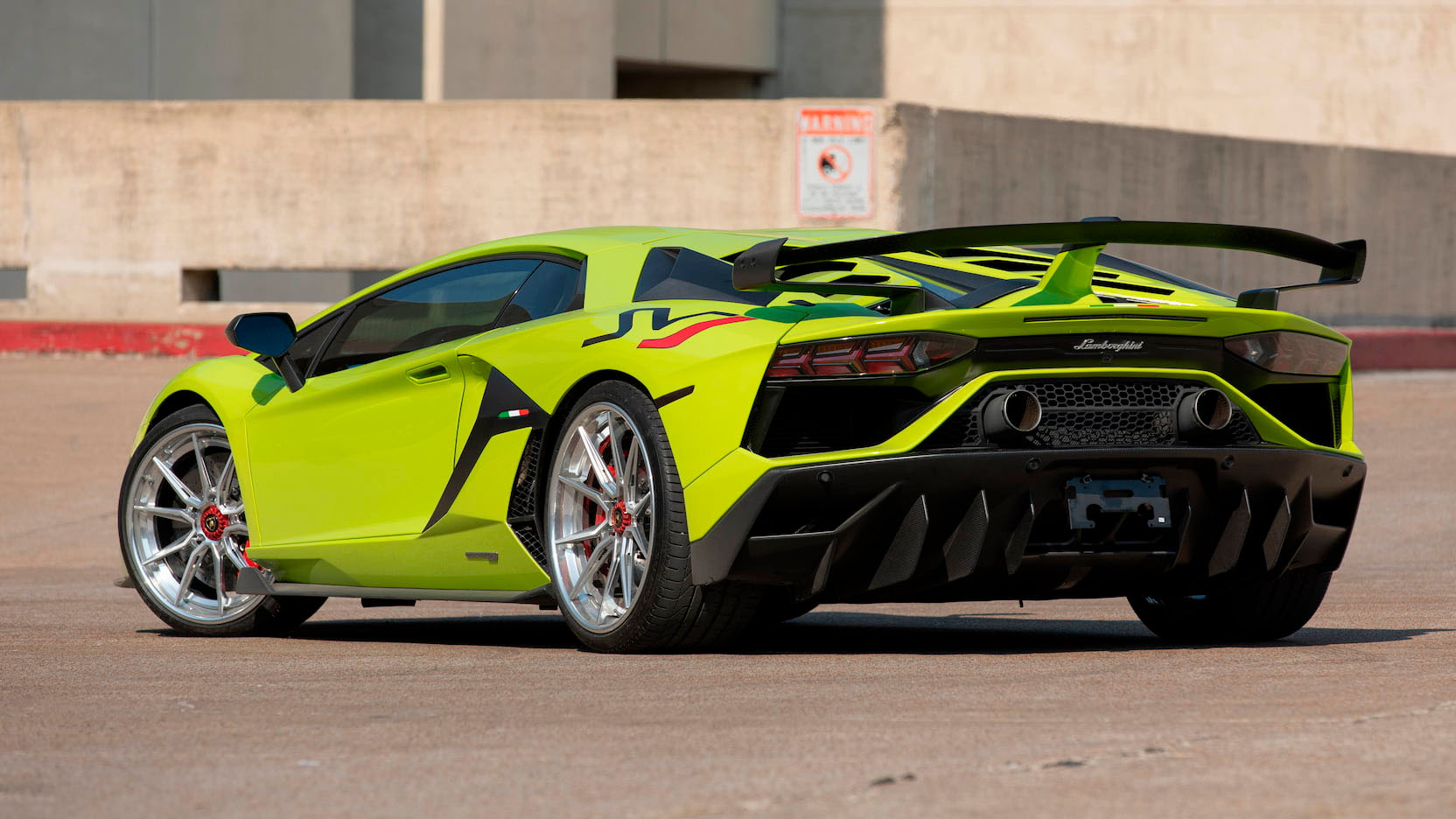
Mecum Auctions is the world’s largest collector car auction company, as usual, the Dallas auction offered cars for just about any kind of customer, from classic muscle cars over custom-made cars right up to supercars, and this time the best-selling car at the auction was made in Italy, a Verde Scandal over Nero Cosmos 2019 Lamborghini Aventador SVJ with a mere 3,150 miles on the clock … selling for a massive $660,000, despite the fact she came on custom, non-standard, center-lock wheels.

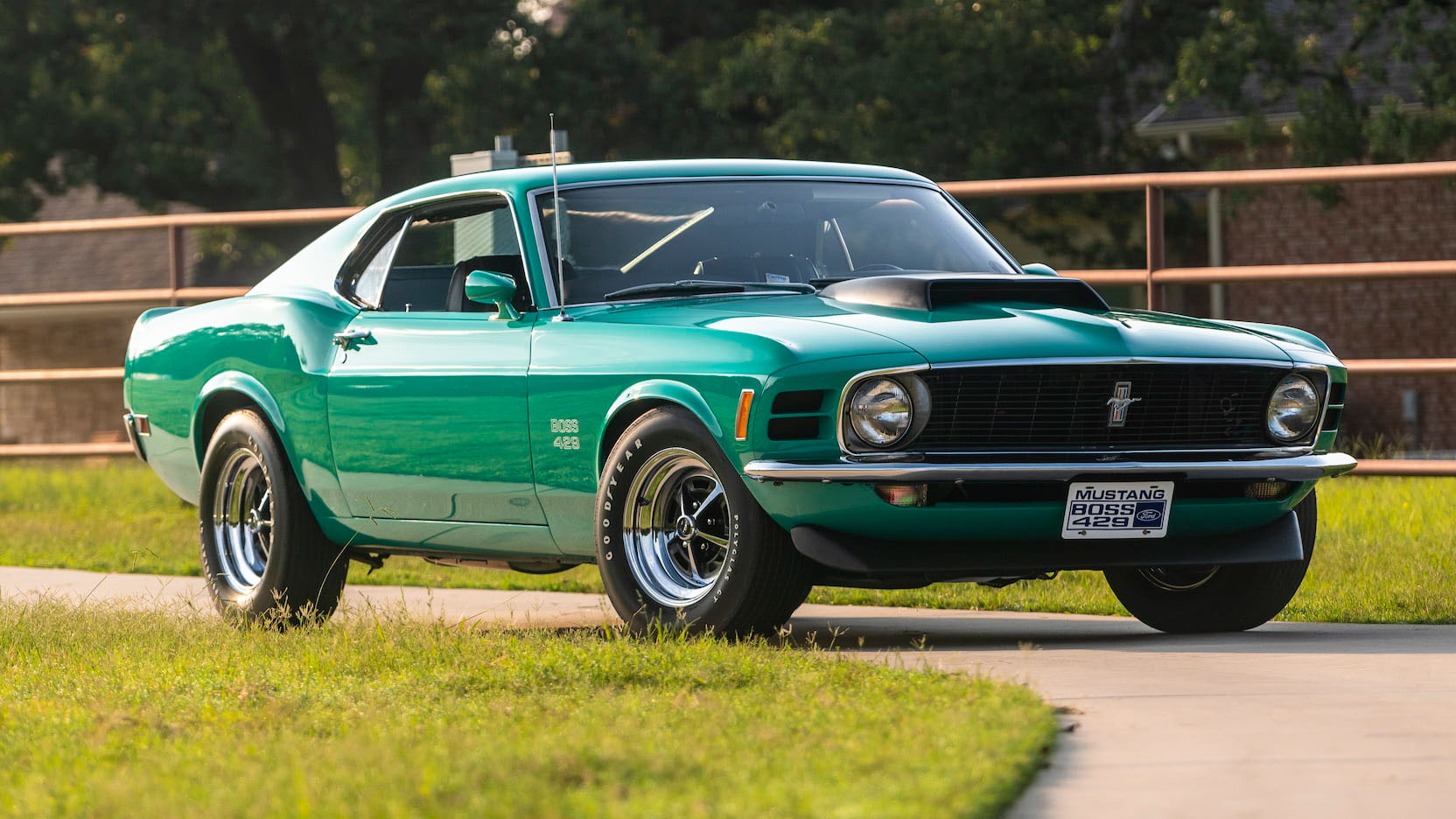
The runner-up on the sales list went for a little over half as much, at $357,500, a 1970 Ford Mustang Boss 429 Fastback changed owners, finished in an amazing looking Grabber Green, this specific Boss had a Concours frame-off restoration by a nationally recognized Boss restoration facility, this amount makes it very clear once again these classic muscle cars are becoming very expensive to add to your garage.

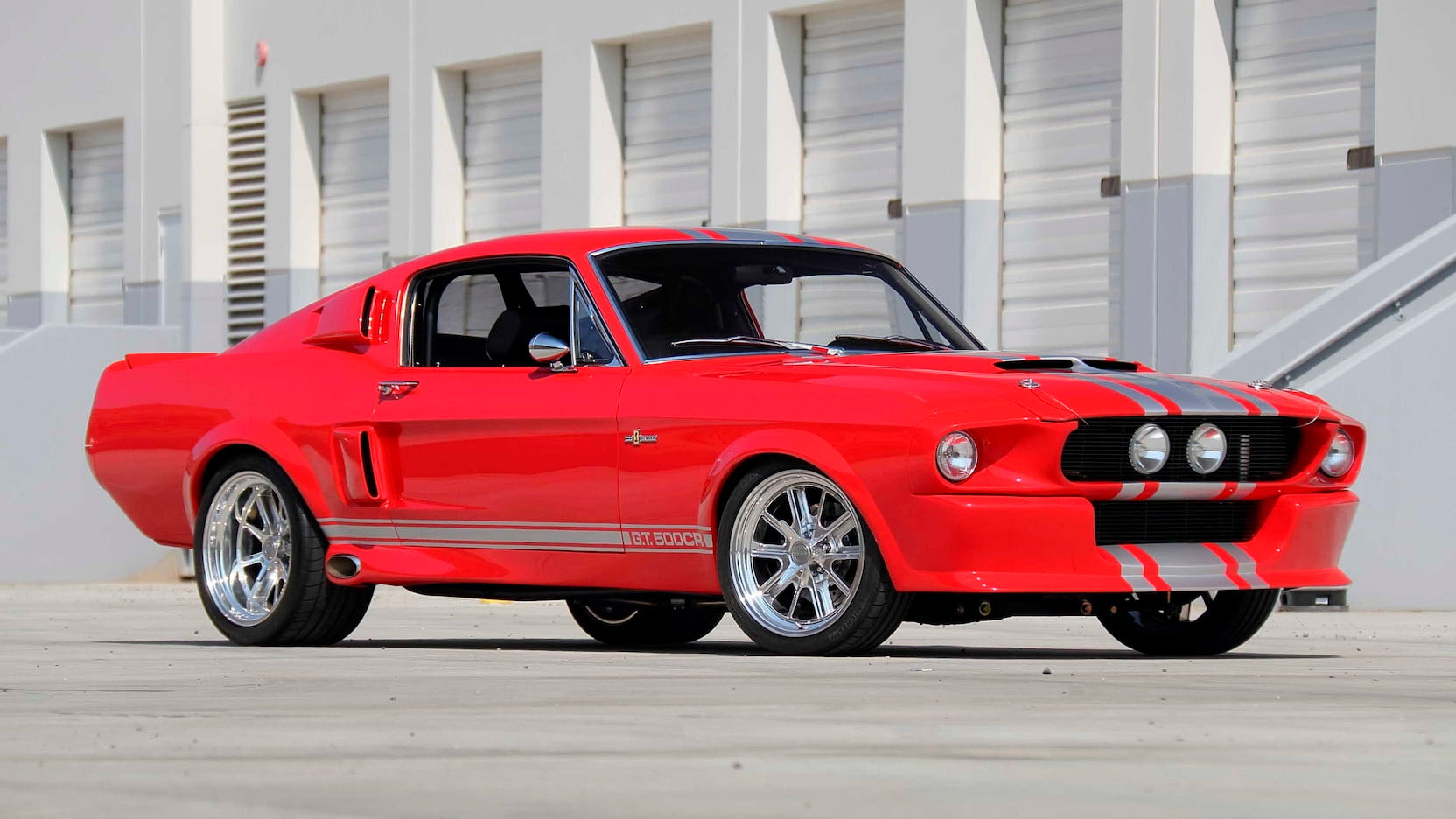
This is also made clear by the third place on the top list for this auction, a 1968 Ford Mustang GT500CR 900C Fastback that changed hands for $335,500, a car from the Triple B Collection, finished in red over black with the traditional white stripes, this one being serial no. SCR-0100 only had 378 miles since completion, this classic shattered her estimate between $250,000 to $275,000.

The complete top 10 collector car sales at the 2021 Dallas auction include:
1. 2019 Lamborghini Aventador SVJ (Lot S154) at $660,000
2. 1970 Ford Mustang Boss 429 Fastback (Lot S138) at $357,500
3. 1968 Ford Mustang GT500CR 900C Fastback (Lot S77.1) at $335,500
4. 1956 Chevrolet 210 Custom (Lot S133) at $253,000
5. 1957 Cadillac Eldorado Biarritz Convertible (F119.1) at $220,000
6. 2002 BMW Z8 Roadster (S95) at $211,750
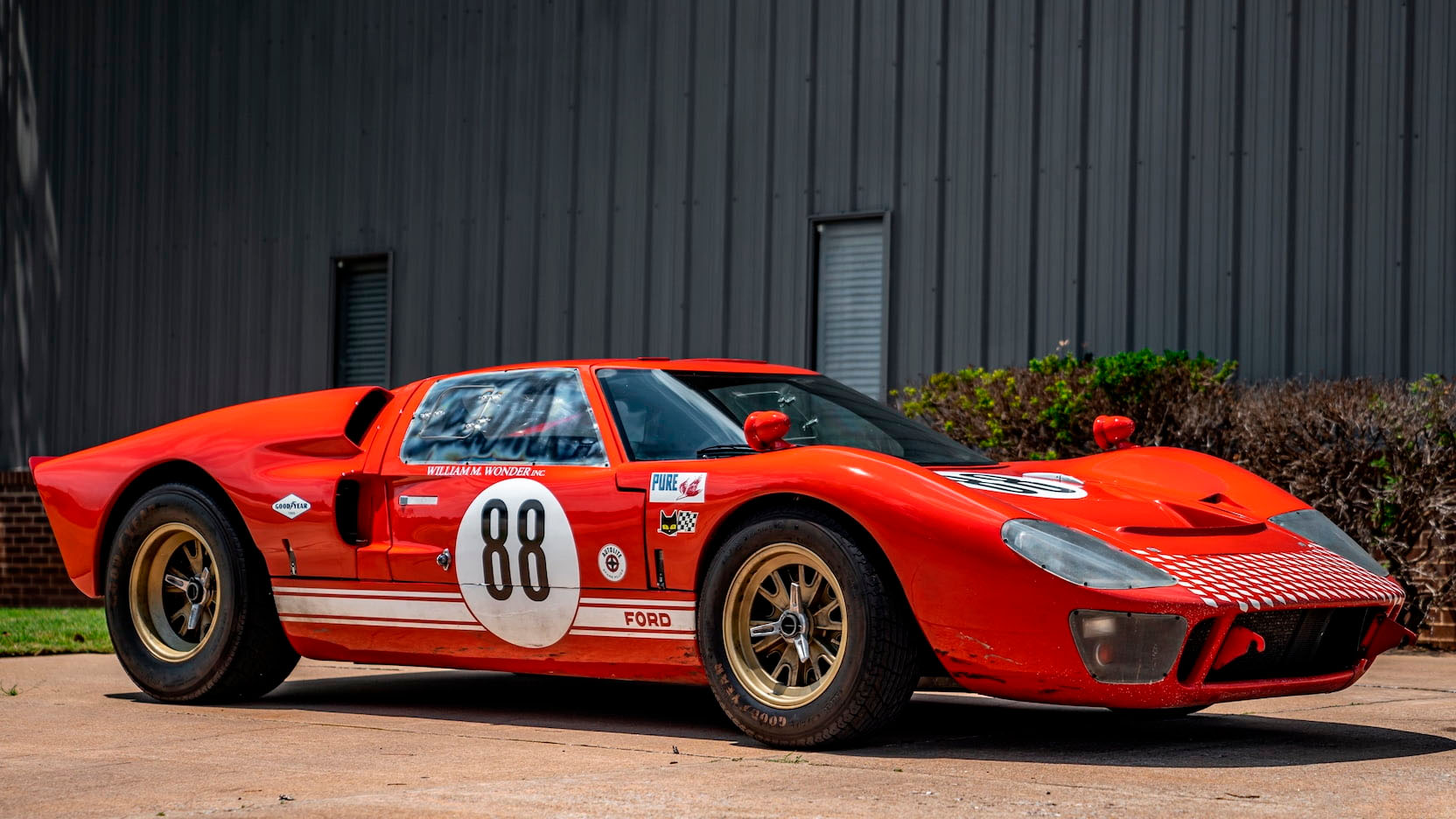
7. 1966 RCR Ford GT40 Replica (Lot S126) at $203,500
8. 2014 Rolls-Royce Wraith (Lot S193) at $203,500
9. 1969 Chevrolet COPO Camaro (Lot S116) at $200,750
10. 1999 Shelby Series 1 Roadster (S130.1) at $189,750

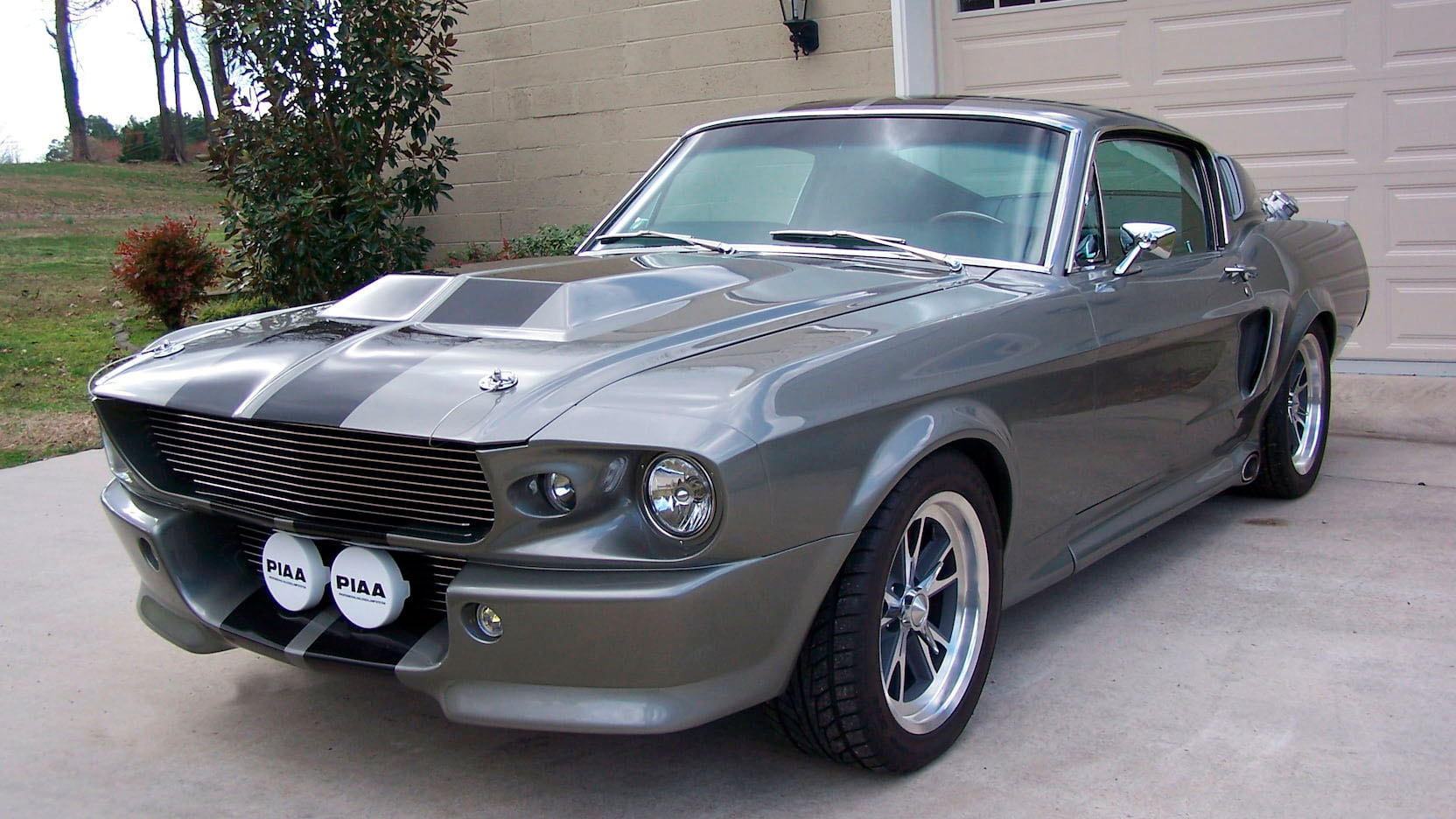
One that didn’t make it onto this top ten list is a 427 ci, 1967 Ford Mustang Fastback, and while we aren’t allowed to call it after the famous car from the Nicolas Cage remake, one look at the photo and you immediately know what I’m talking about here. The hammer came down at $170,500 on this professional build that took three years to complete, originally a 351 Windsor engine but built to 427 CI by Performance Masters.

Next up is Las Vegas, where Mecum Auctions will be in early October with a 7,000-Mile Ford GT from 2006 as the highlight among 247 cars that will pass the auction block, if you’re in the market for an amazing collector’s item for your garage, make sure to check them out, and if you can’t make it to Vegas at that time, you might miss out on the chance of a lifetime.

Hennessey Venom 775 F-150: $100k Ford Super Truck Limited to 100 Units

Hennessey Performance Engineering (HPE) officially completed the development of their Ford-based Venom 775 F-150.

The F-150 Venom is powered by a 5.0L V8 engine, the engineers have increased the output power of the vehicle by adding an additional 375bhp to the standard 400bhp. The model currently delivers a maximum output of 775 bhp at 7000 rpm and 685 lb-ft of torque at a low 4,800 rpm. The acceleration from 0-60mp is achieved in 3.9 seconds and the ¼ mile sprint is achieved in 12.0 seconds at 117mph.

Additionally, HPE has made a few enhancements on the model including a 3.0 L twin screw supercharger, new intercooler system, air filtration upgrades, throttle body and engine management system.

The F-150 weighs about 2000 lbs lighter compared to the TRX, the model is nimble both on- and off-road and is also capable of both RWD and 4×4 modes.

The off-road performance of the vehicle has been improved by an off-road upgrade that adds integrated front and rear Venom bumpers, front LED bar, a 6-inch lift and a 20 inch Hennessey 10-spoke wheels wrapped in 35-inch off-road tires.

The Ford-based super trucks will be built in Texas and limited to only 100 units worldwide. Hennessey will offer the customers a three-year or 36,000 mile warranty and customers buying the tuned F-150 will spend a total of $90,000 to $110,000.

Complete List of Upgrades:
• 3.0L Twin Screw Supercharger Upgrade
• Air-to-Water Intercooler System
• Dual Core, Dual Pass Intercooler Bricks
• High Flow Intercooler Pump
• Upgraded Air Filtration
• Upgraded Fuel System
• Upgraded Heavy Duty Tensioner
• Upgraded Lightweight Supercharger Pulley
• Upgraded Spark Plugs
• Upgraded Throttle Body
• ECM Calibration
• TCM Calibration
• Stainless Steel Cat-Back Exhaust
• Professional Installation
• Chassis Dyno Tuning & Road Testing (Up To 400 Miles)
• Serial Numbered Dash & Engine Plaques
• Hennessey Exterior Graphics
• Venom 775 Exterior Graphics
• Hennessey Embroidered Headrests
• 3 year/36,000 Mile Limited Warranty

Sport Kit:
• Coilover Suspension Lowering Kit Including Traction Bars
• 22″ Wheels with Tires
• 3 year/36,000 Limited Mile Warranty

Off-Road Kit:
• Venom Front Bumper
• Front Bumper LED Light Bar
• Venom Rear Bumper
• 20″ Hennessey 10-Spoke Wheels
• 35″ Toyo Off-Road Tires
• Front Suspension Leveling Kit
• Overall Lift Is 6″
• Hennessey Exterior Emblems
• Professional Installation
• 3 year/36,000 Limited Mile Warranty

GTO Engineering Reveal New Ferrari California Spyder Revival

GTO Engineering has revealed the third model of its Revival series, the California Spyder Revival. The model will be revealed to the public at the Goodwood Revival event from 17th to 19th of September 2021.

The vehicle is based on the 1960 SWB California Spyder, it was designed by Pininfarina and completed by Scaglietti and they are limited to only 106 units worldwide. The California Spyders were produced by Ferrari in SWB and LWB guise.

The California Spyder Revival can be customised to whatever the customer prefers, the vehicle will either be equipped with a standard 3.0L , upgraded 3.5L or a 4.0L engine joined to either a standard four or a five-speed manual gearbox.

The key element of the vehicle will be the hand built aluminium body and interior manufactured with GTO Engineering’s own tooling, the interior can be finished in a range of high quality leathers and optional smaller wooden steering wheel in a vintage style with an original style horn.

The pricing of the California Spyder Revival is indicated between £750,000 to £850,000. The pricing depends on donor vehicle, final specifications, local taxes as well as shipping. The deliveries have been scheduled at the end of 2021.

Nissan Introduces 2021 GT-R T-Spec

Paying homage to its iconic Skyline heritage, the 2021 Nissan GT-R T-Spec is a true track-ready performer boasting 565 horsepower output via its twin-turbo R38DETT engine. The limited model also gets wider fender flares, a carbon-fiber rear spoiler, blacked-out hood ducts, and gold-colored forged aluminum wheels. If you’re ready for the thrill of right-hand drive drift, it’s a sweet import.

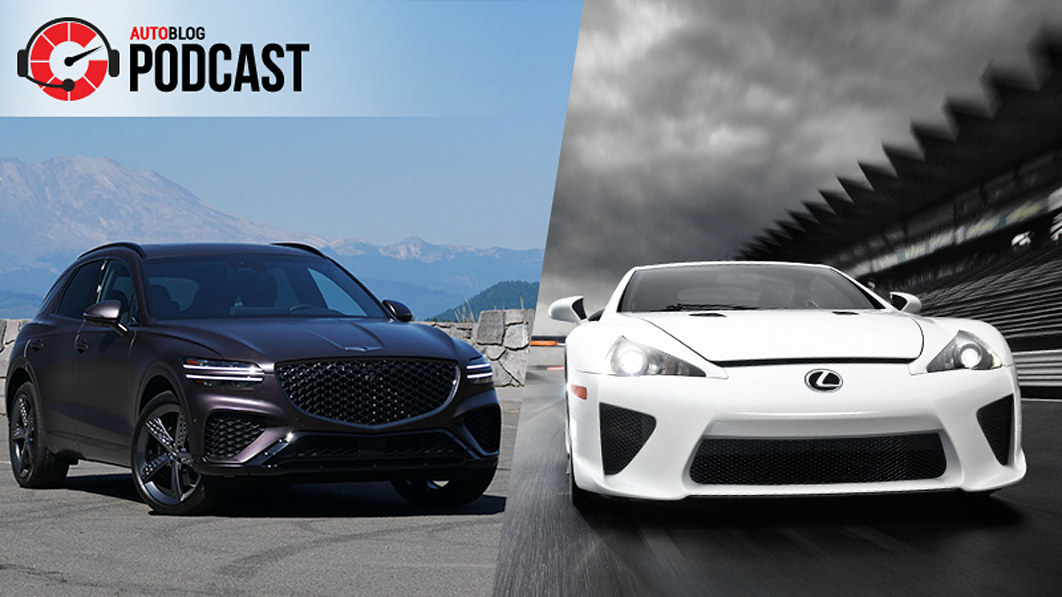
2022 Genesis GV70, raging at VW ID.4 tech and thoughts on a new Lexus LFA | Autoblog Podcast #696

In this episode of the Autoblog Podcast, Editor-in-Chief Greg Migliore is joined by Senior Editor James Riswick. This week, they talk about driving the Genesis GV70, VW ID.4 and VW Taos. They talk about ways Chevy could “fix” the Camaro. James ranked all the James Bond films based solely on their starring cars. Next, they reach in the mailbag and discuss the question, “Do you think Lexus will make a successor to the LFA and, if so, what do you guys think it would be like?” After ruminating on that query, they dip into the mailbag a second time to recommend a sporty crossover to a listener in this week’s Spend My Money segment.

Send us your questions for the Mailbag and Spend My Money at: Podcast@Autoblog.com.

Autoblog Podcast #696

Get The Podcast

  • Apple Podcasts – Subscribe to the Autoblog Podcast in iTunes
  • Spotify – Subscribe to the Autoblog Podcast on Spotify
  • RSS – Add the Autoblog Podcast feed to your RSS aggregator
  • MP3 – Download the MP3 directly

Rundown

Feedback

Autoblog is now live on your smart speakers and voice assistants with the audio Autoblog Daily Digest. Say “Hey Google, play the news from Autoblog” or “Alexa, open Autoblog” to get your favorite car website in audio form every day. A narrator will take you through the biggest stories or break down one of our comprehensive test drives.

Related Video:

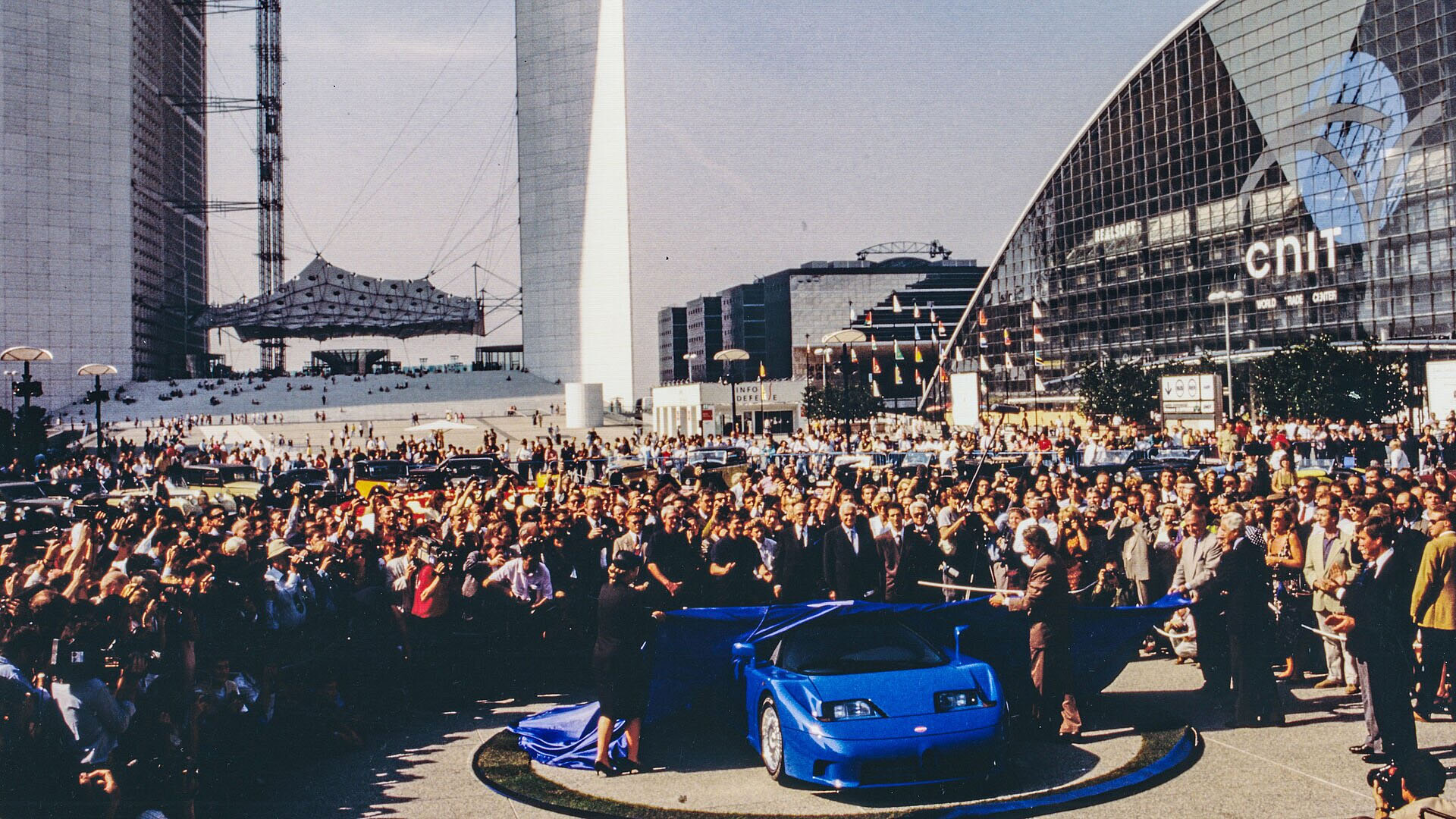
Flashback to the Grande Fête Bugatti 110th anniversary in Molsheim

September is a special month for Bugatti; every September 15th the town of Molsheim in France is celebrates Ettore Bugatti, the founder of the company 112 years ago. This year marks his 140th birthday. In this flashback feature, we take a look at the 2019 festivities from Bugatti’s 110th Anniversary Tour Finish-line and Grand Fête that were held at the company’s HQs.

Bugatti 110th Anniversary

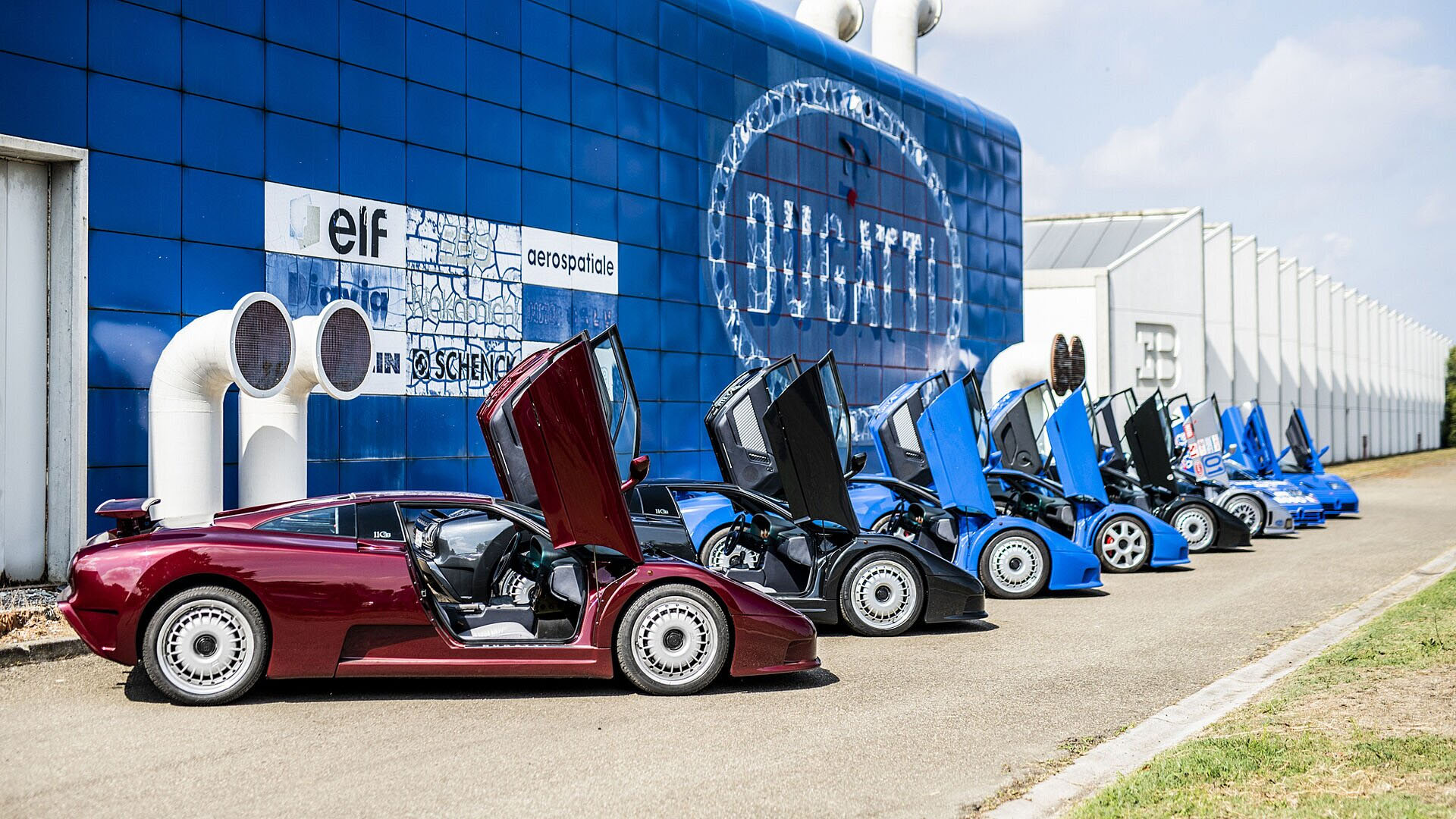
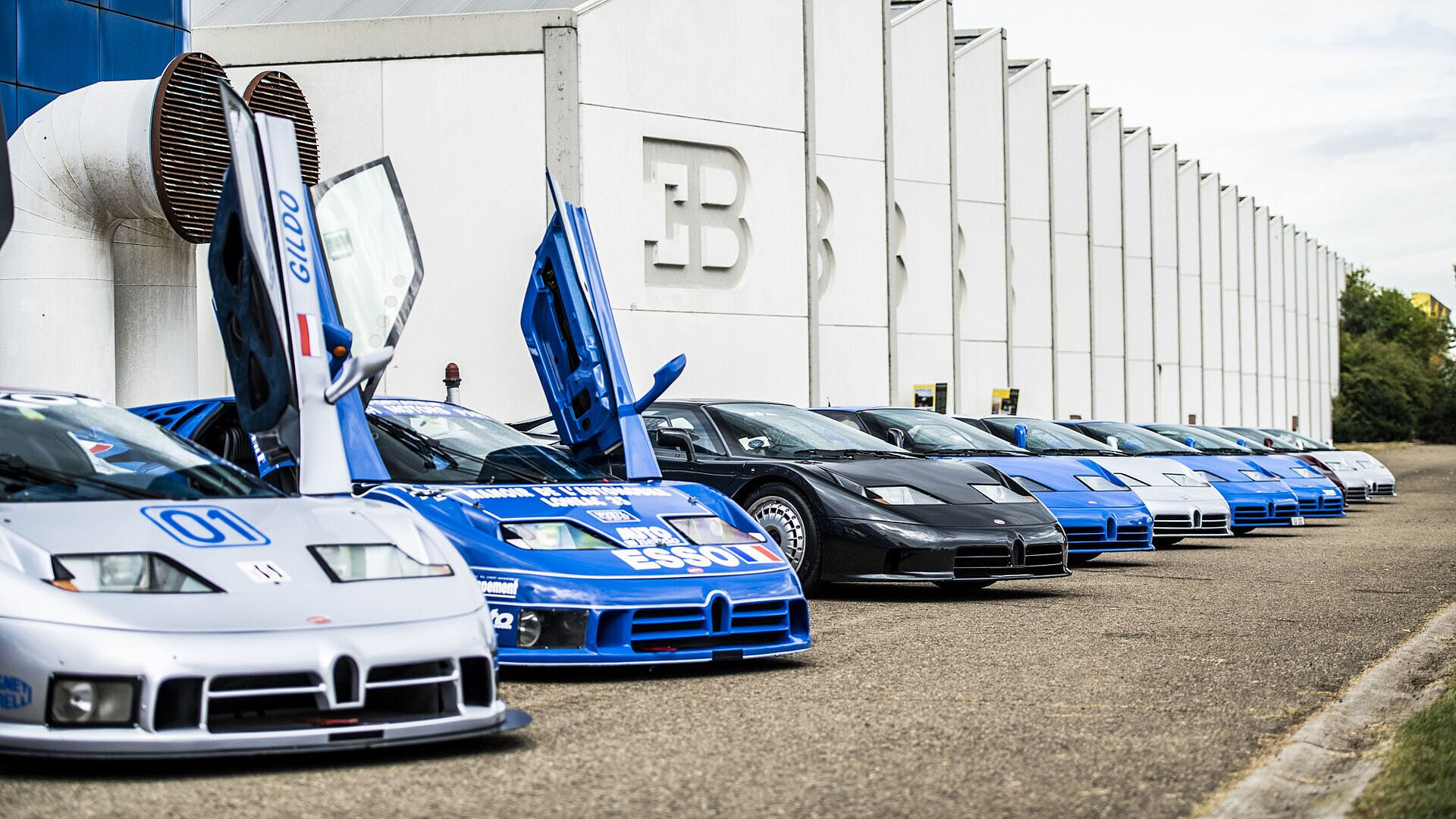
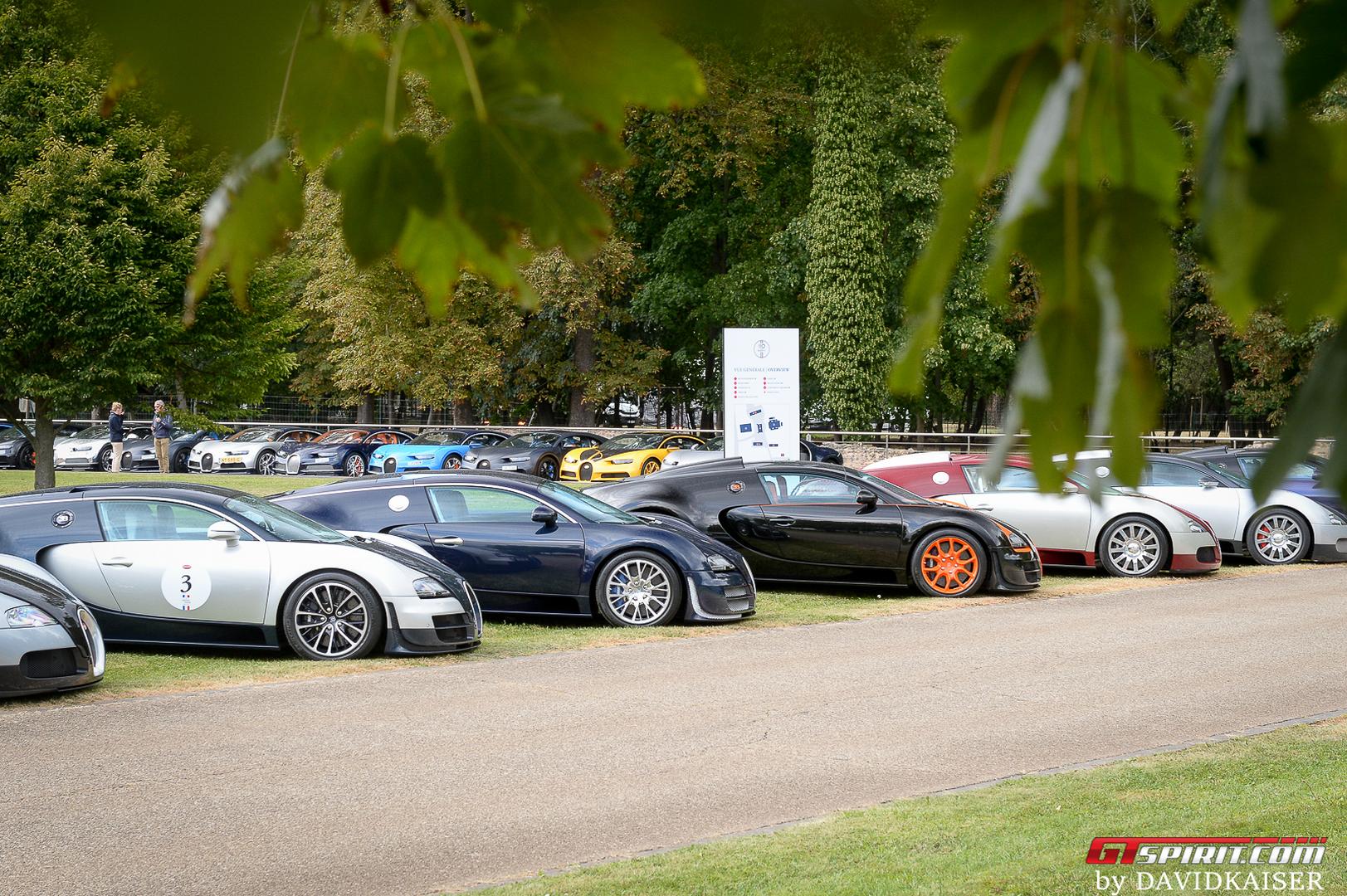
Back in September 2019 the 110th Anniversary tour started in Milan with around 20 cars driving towards Montecarlo – Aix-en-Provence – Beaune – Paris before ending up at the factory in Molsheim. Additional Bugatti owners joined in for the 2-day tour and the parking lot was probably the biggest gathering of Bugatti cars ever seen.

Enjoy the stunning lineup which I captured below.

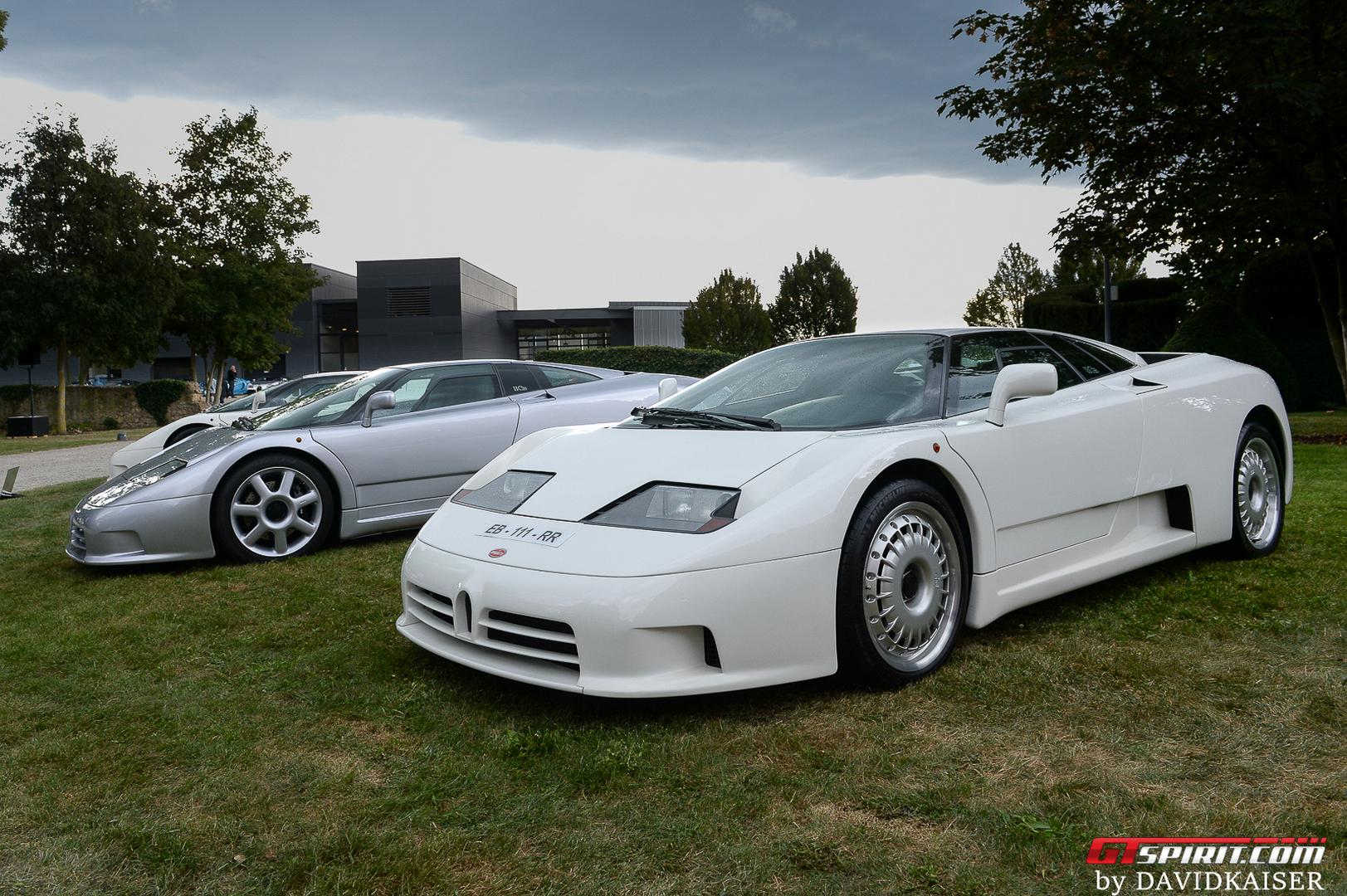
After a warm welcome at the entrance and the parade of precisely lined-up Chirons, the guests were able to explore nearly one hundred cars from different epochs. One focus of the festive exhibition in the park around the Château as well as the North Remise and the South Remise were the Bugatti world record vehicles including the historic Bugatti Type 35 – the most successful racing car of all time. There were several EB110s to be seen too.

The record cars on display included the EB110 SS Ice Speed Record, the record-breaking Veyron Super Sport from 2010 and the Veyron Vitesse WRC. In 2013, this Roadster set a new world speed record for open-top series-production sports cars with a speed of 408.84 km/h.

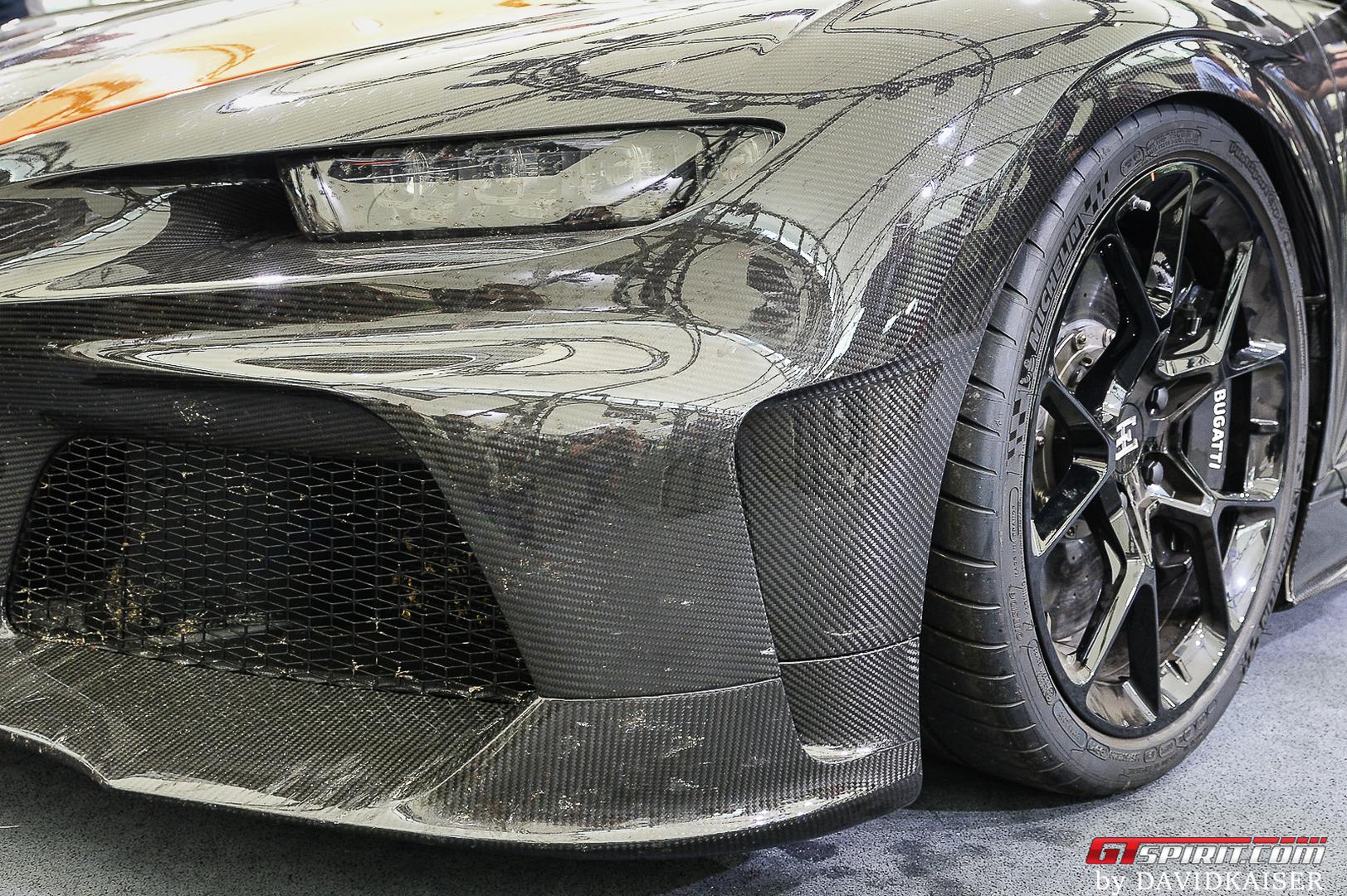
And just few weeks earlier, the Bugatti Chiron Super Sport 300+ had become the first hyper sports car to break the magical 300mph barrier (482.80 km/h).

I especially liked the fact that the car was untouched since the record run, dirty and full of smashed bugs. Stephan Winkelmann and Andy Wallace gave me a preview of the hidden record car, which was later shown on stage.

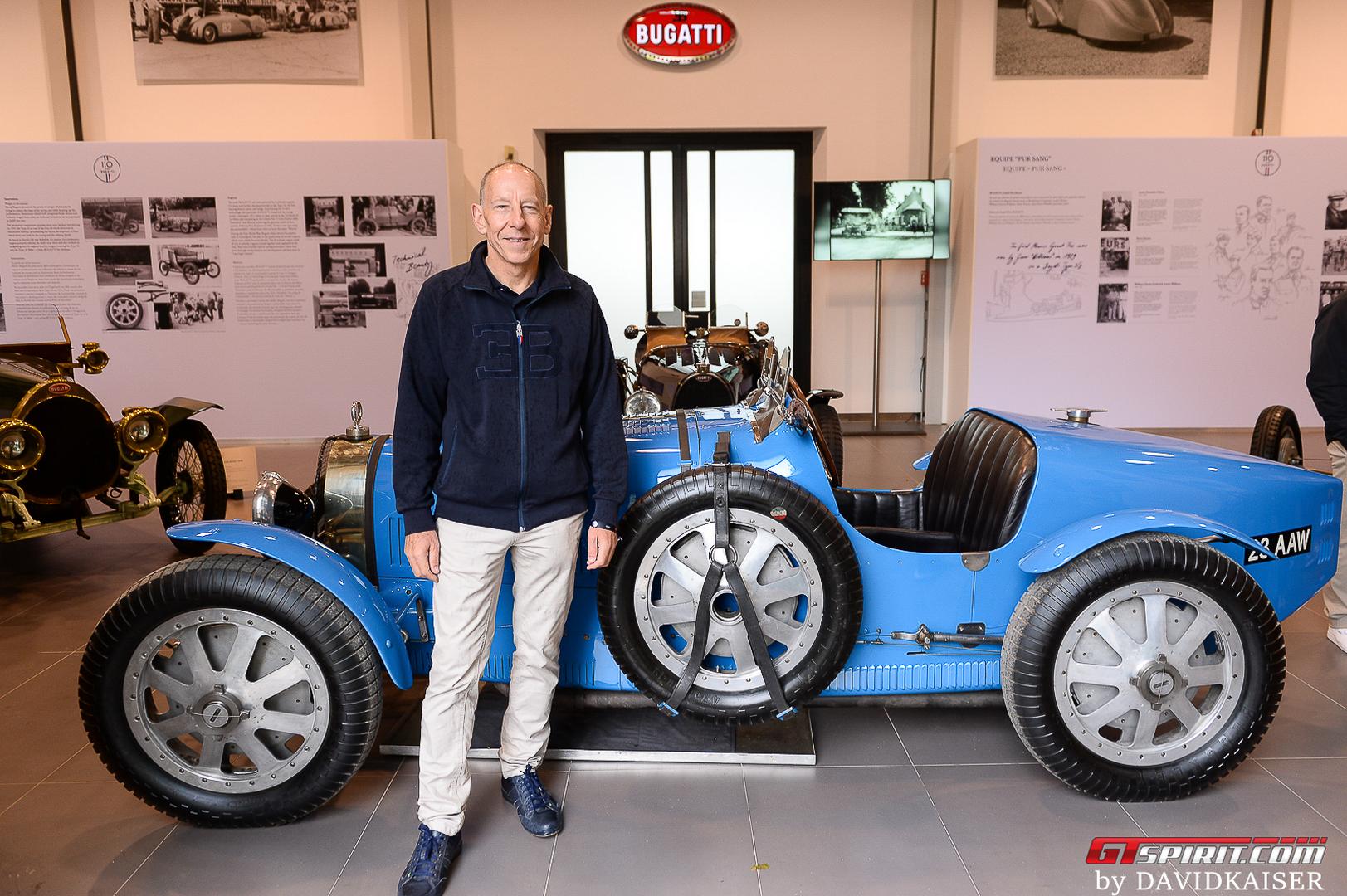
Earlier that day I had met Andy Wallace in one of the historic buildings, next to the famous Type 35 C and he spent an hour telling stories about his racing career and technical details behind breaking speed records. Tires were always a big concern, and they experimented with temperature sensors and so on. I’m still very grateful for this fascinating insight – Thank You Sir!

The stunning exhibition continued with a selection of rare historic Bugatti cars, some provided by the famous Schlumpf Collection – the largest Bugatti collection in the world, along with several private lenders including a Type 30 Torpedo, a Type 40 Roadster, a Type 46 Surprofilé, a Type 57 Galibier, a Type 57 S Corsica and the famous Type 35 racing car.

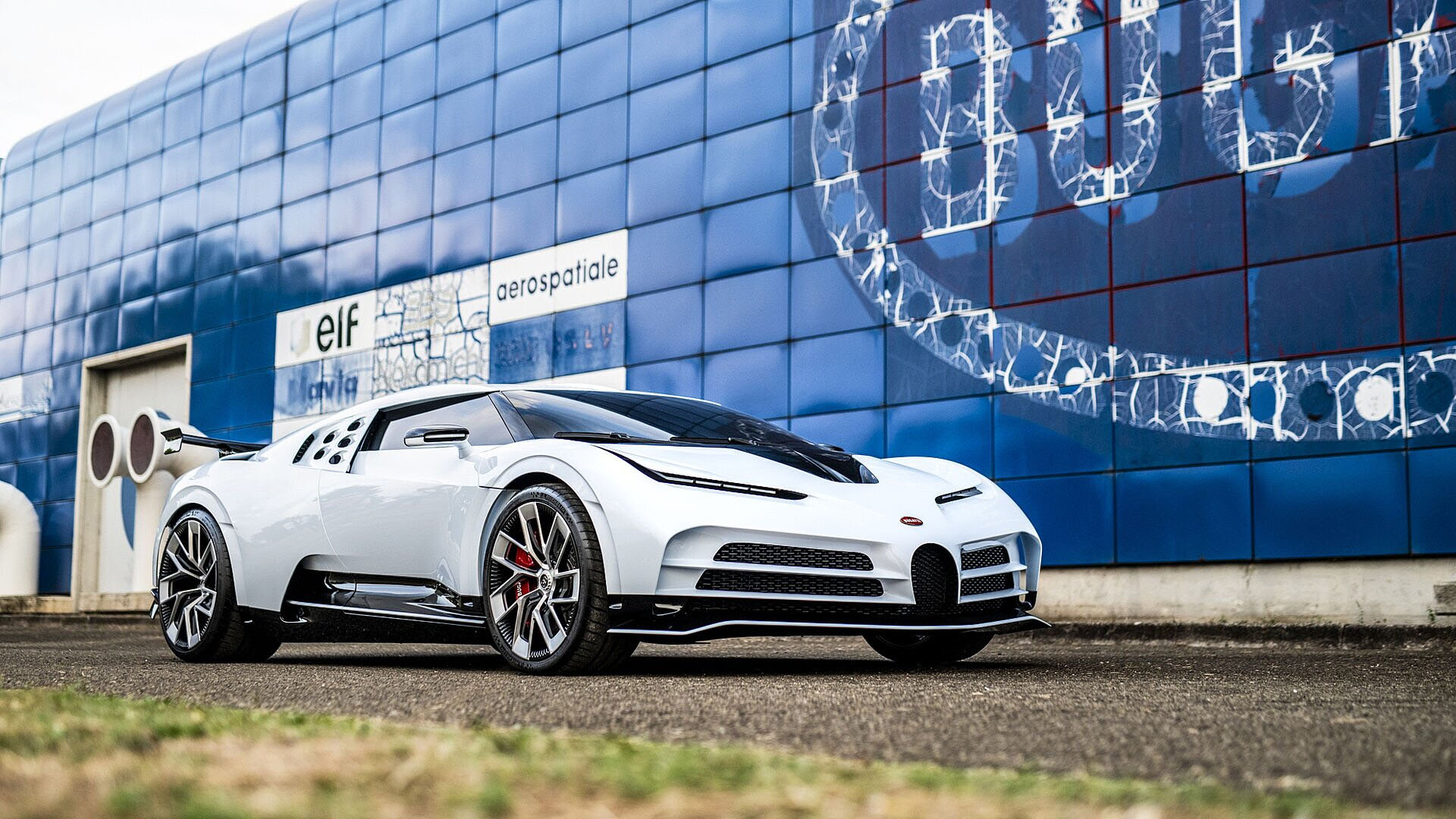
The second focus was on coachbuilding. The English word “coach” refers to a carriage or a car, and coachbuilding is equivalent to haute couture in the fashion sector: it is about creating unique specimens. The invited guests on Saturday afternoon and the general public on Sunday were able to see modern creations like the Bugatti Divo, La Voiture Noire, Centodieci (European premiere) as well as prototypes from Bugatti’s long history such as the EB110, the two Veyron pre-series vehicles 5.0 and Veyron 5.5, the concept studies Veyron 18.4, Chiron 18.3 and the Vision GT.

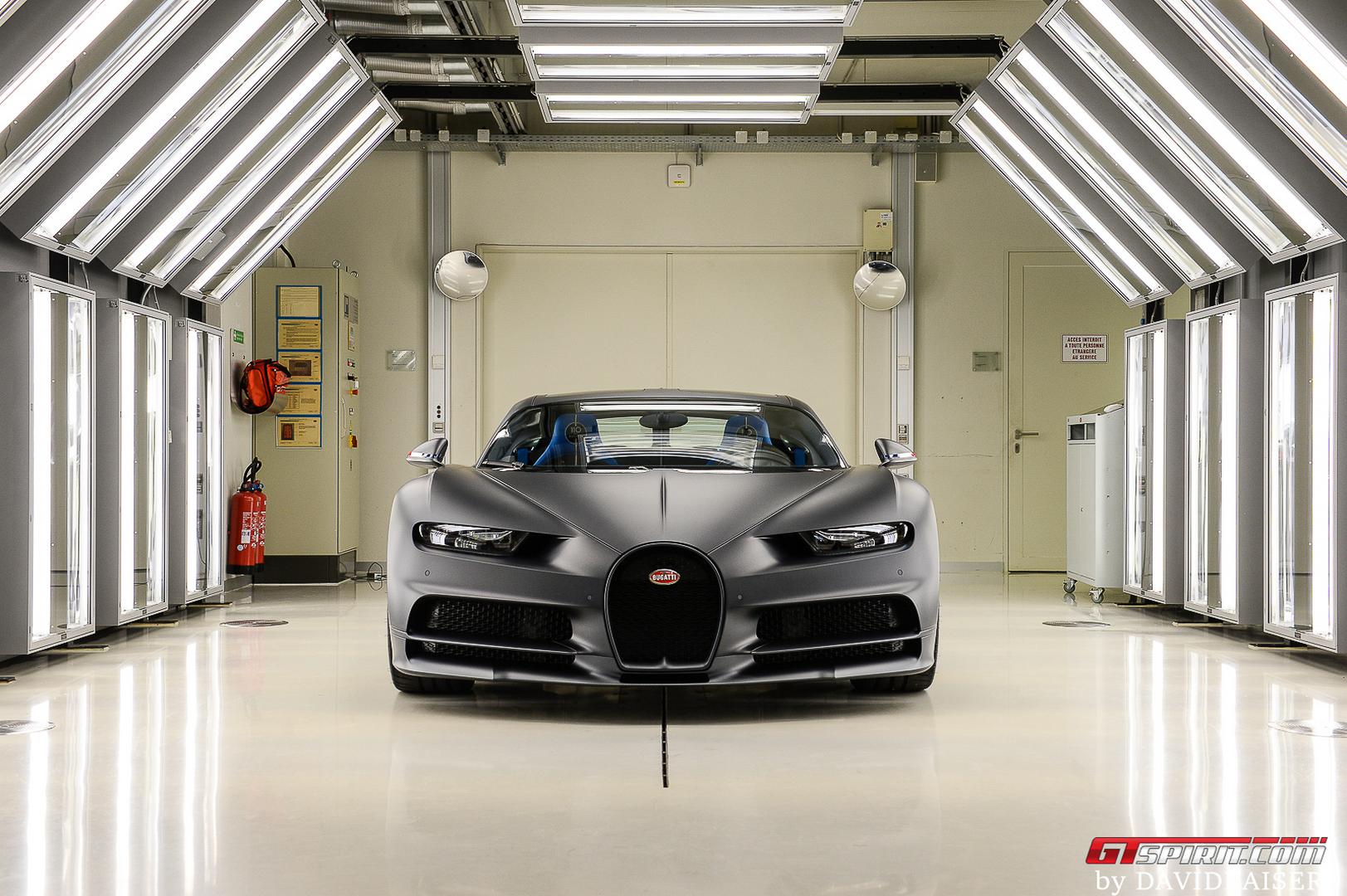
Most of the factory buildings were accessible, from the Atelier to the assembly area, the car configuration lounge and the final inspection zone in the shop floor. The last photo gallery further below takes the reader on a virtual tour!

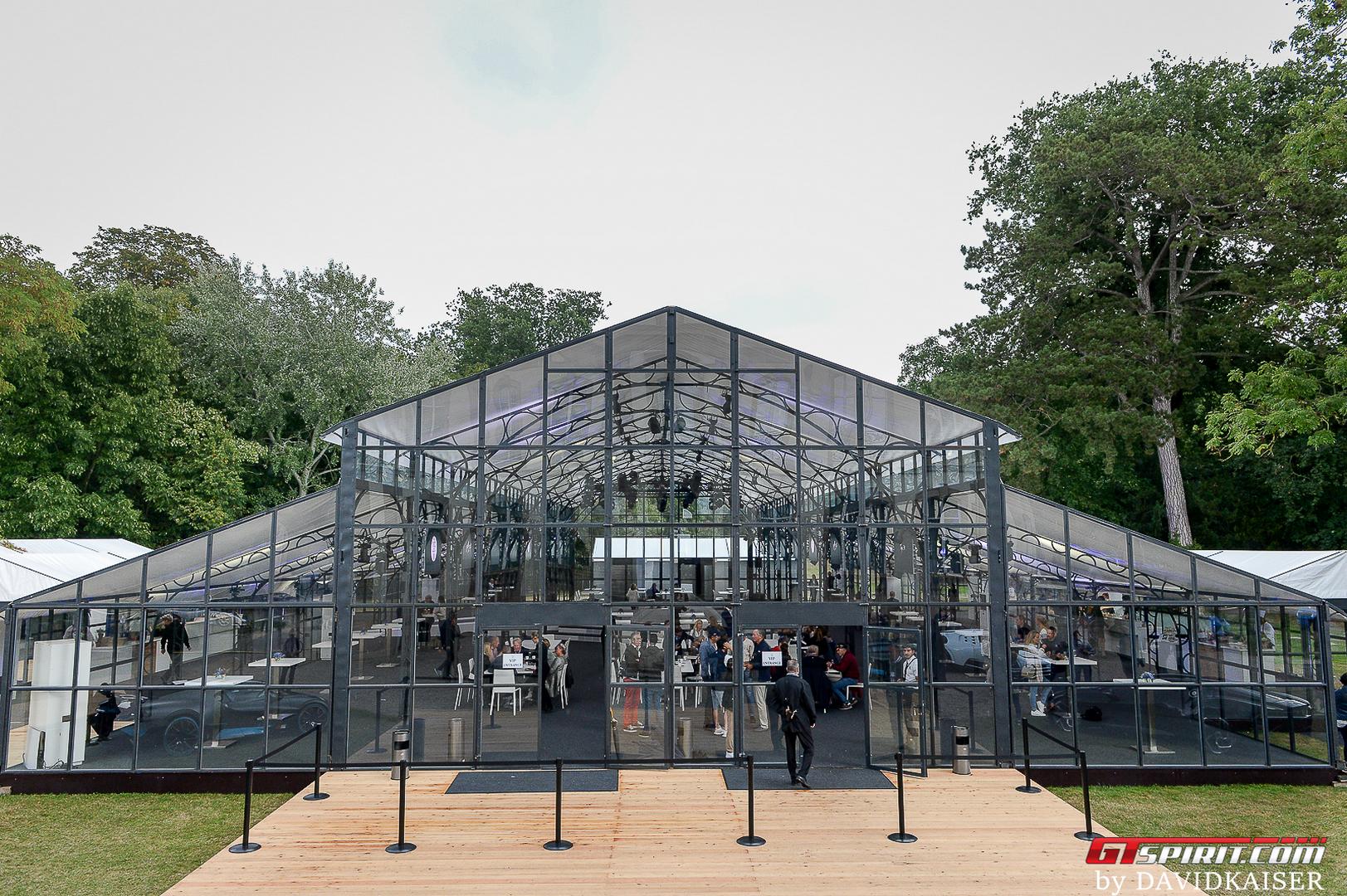
For the 110th Anniversary weekend, different temporary tents (well, more like elegant glass buildings) were installed on the lawn. The hospitality area was further packed with surprises like the Bugatti Baby II prototype which is a 75% scale replica of the Type 35 of which 500 units will be produced. Did I mention that the scale car comes with up to 10kW electric engine?

Bugatti and Jacob & Co started a collaboration on highly sophisticated timepieces, two anniversary
models were shown.

Definitely a weekend to remember and I raise my glass of Champagne Carbon to express my congratulations to 110 and counting years of preserving the Bugatti Legacy.

That’s all!

Photos by David Kaiser and @aaronandcars for the EB110 Prototype

10 Incredible Cars From Monterey Car Week

Photography by Kristina Cilia

Monterey Car Week is just over a month in the past at this point, and still, something about the 2021 edition just seems to have left a great feeling in the air. It may have been the return of the event after the 2020 edition was canceled, or it could have been that given the extra year, the presentation and detail of all the cars were given just that much more time to be made perfect. Whatever the reason, we’re not going to deny reveling in it.

Over the entirety of the car week, there were several cars that could have been labeled as incredible, amazing, exceptional, and the like. However, unlike other car sites out there on the internet, we kind of like the slightly more off-kilter cars here, the less-famous but still amazing cars that get lost in the myriad of Lamborghinis, Ferraris, and the like.

As such, for this list, we’re going to show you 10 incredible cars from the Monterey Car Week that you may not have given a second glance during the extensive coverage during the event. Each of these cars is special, historically important, or just plain awesome, and each really does deserve a mention.

De Tomaso Pantera

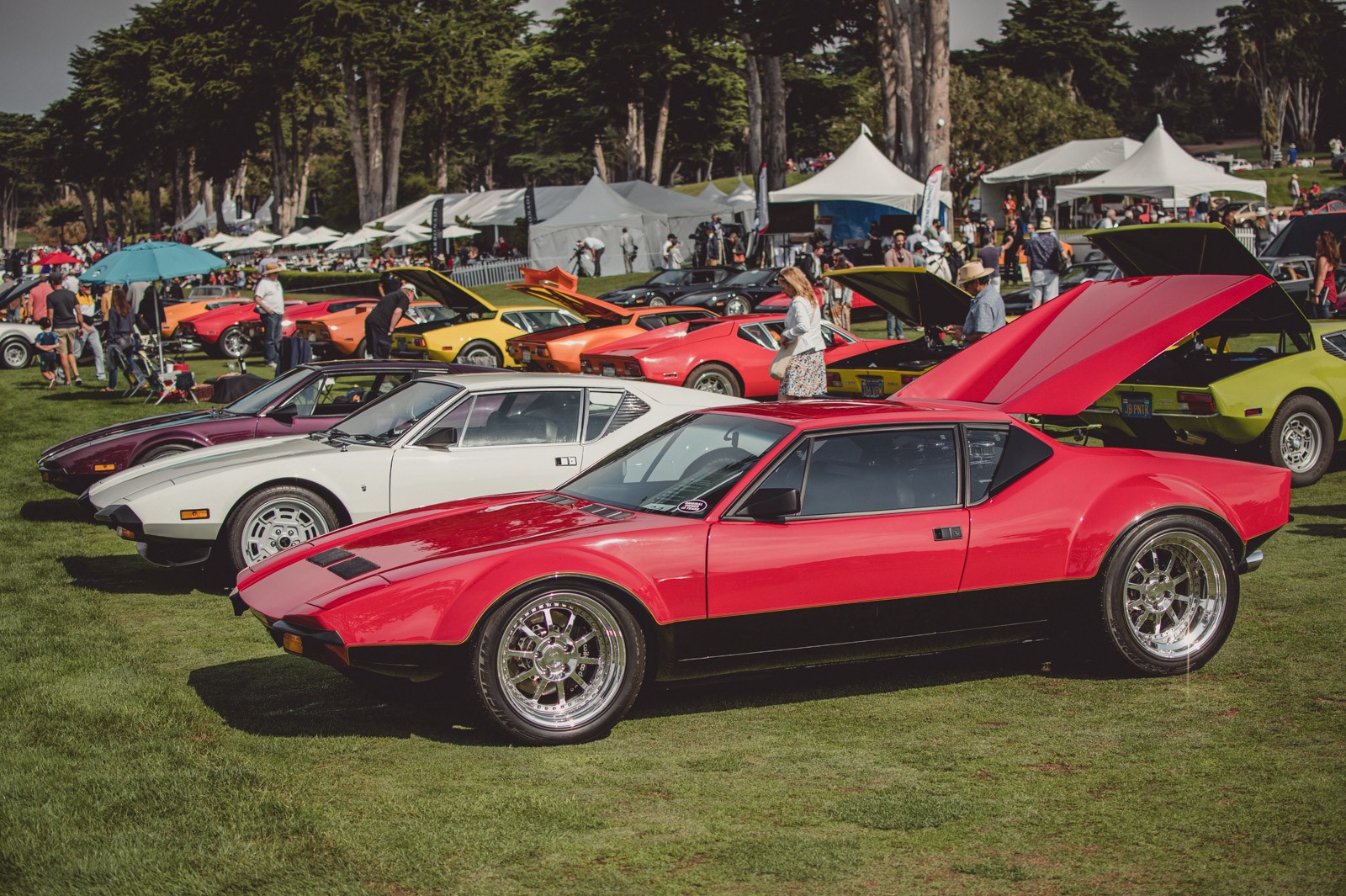
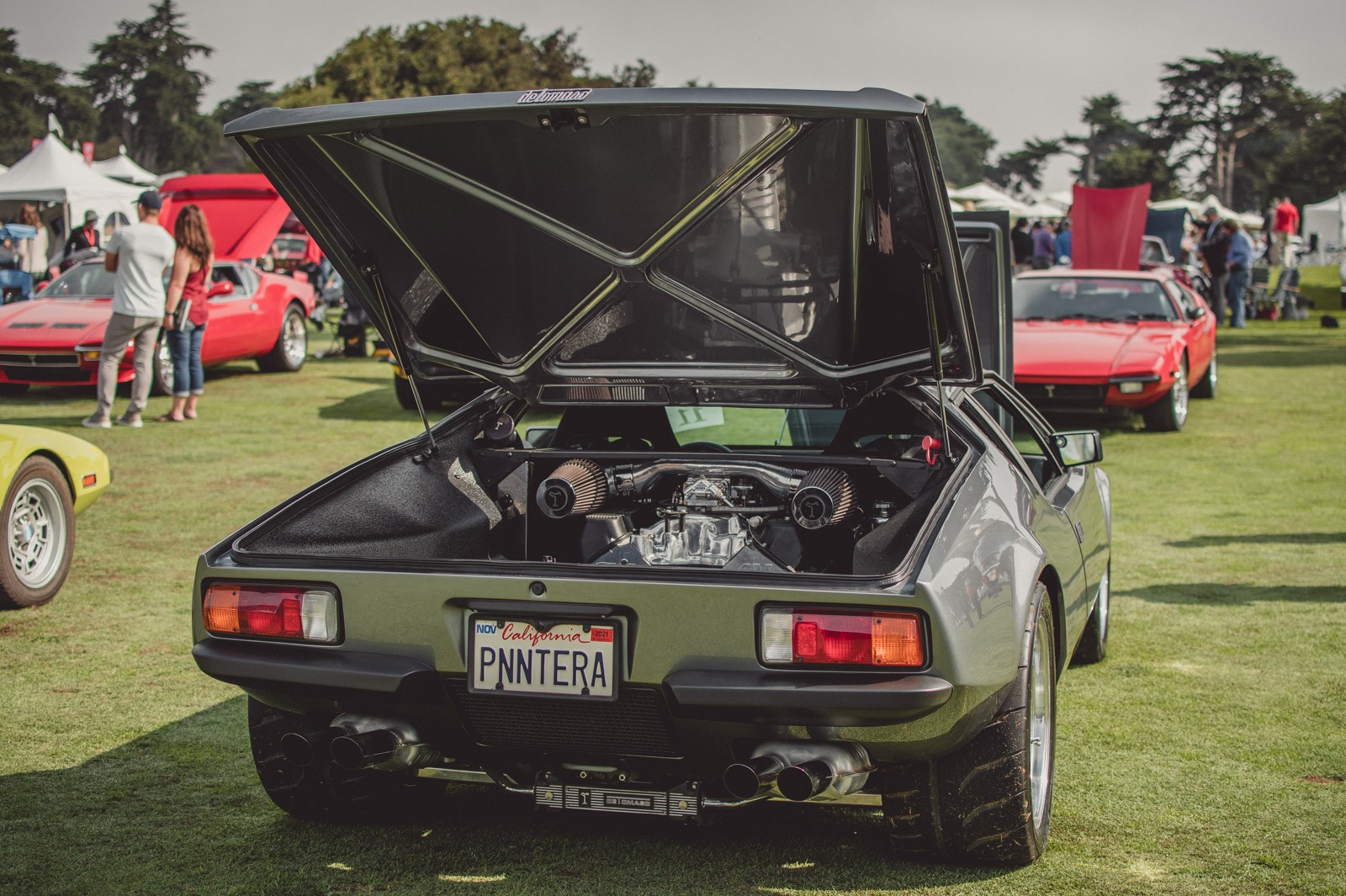
1972 De Tomaso Pantera

De Tomaso is a brand name that is not the first to the lips of many American automotive enthusiasts when mention is made of Italian sports cars. Founded by Argentinian-born Alejandro de Tomaso in Modena in 1959, the first decade of its existence was in building specialized racing cars, including Formula One chassis for Frank Williams. During this time, they also produced a limited number of road cars, including the Vallelunga and the Mangusta during the 1960s.

This manufacture of sports cars was enough to garner interest from Ford, after their row with Ferrari in the same decade. In 1971, Ford bought up an 84% stake in the company and started to provide V8 engines for the newest model, the Pantera.

It was during this period, from 1971 to 1974, that the De Tomaso Pantera became the hottest mid-engined sports car of the early 70s. The first year saw 1,007 Panteras sold through Lincoln-Mercury dealerships, and these first cars used a Ford 302 V8. They also had literally no rust proofing, and the manufacturing quality was, in a word, shoddy.

Therefore, in 1972, Ford became far more involved in the manufacturing side of things. A new model came from this, the Pantera GTS, which was built both as a homologation car for Group 3 regulations in Europe as well as a reinforced car to handle the new Ford Cleveland 5.8L V8 that was installed, producing 350 HP. However, for the US, the engine was tuned only to about 270 HP, and the car was still badged as just Pantera.

DeTomaso Pantera

In 1974, America finally got the full-fat Pantera GTS, with the engine turned up to 350 HP. Sadly, this was also the final year that Ford would import the Pantera, so original 1974 Pantera GTS’s, like the ones in the pictures, are exceedingly rare to find in good condition. Ford sold back their share of the company to de Tomaso in 1975, however, they kept the engine supply deal, and provided the Cleveland, and later Windsor, V8 throughout the remainder of the Pantera’s lifetime.

What makes the De Tomaso Pantera incredible is that by 1974, you had a mid-engined, 5-speed, Italian sports car that had a gearbox from ZF and an engine from Ford. Now, as many American muscle car fans will know, the 5.8L Cleveland V8 is an absolute gem of an engine in the eyes of tuners. These days, it’s not rare to see a Pantera or Pantera GTS chucking out an easy 400 HP, which in the 1970s put them in competition with the first Lamborghini Countach models in terms of power.

Porsche 911 R

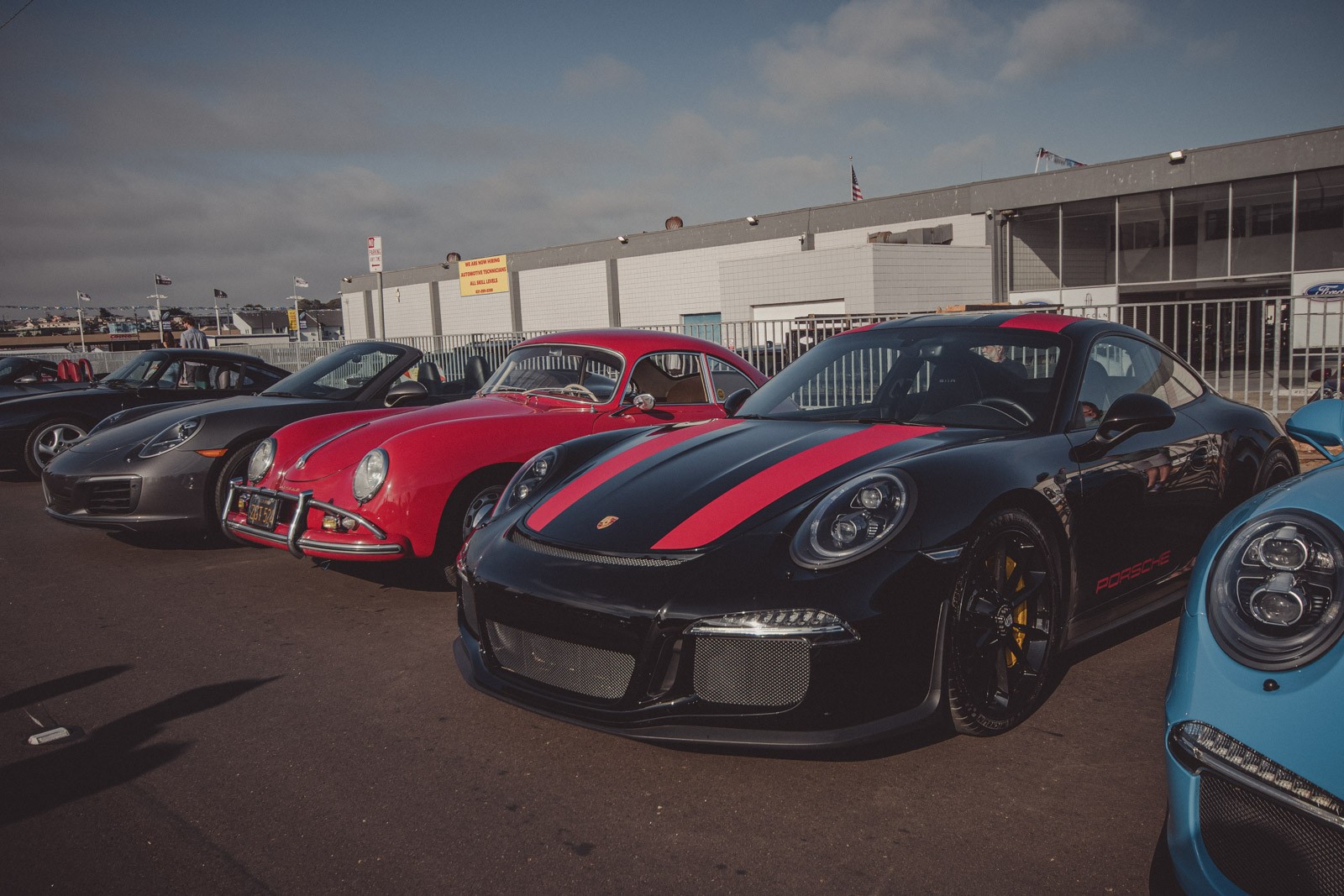
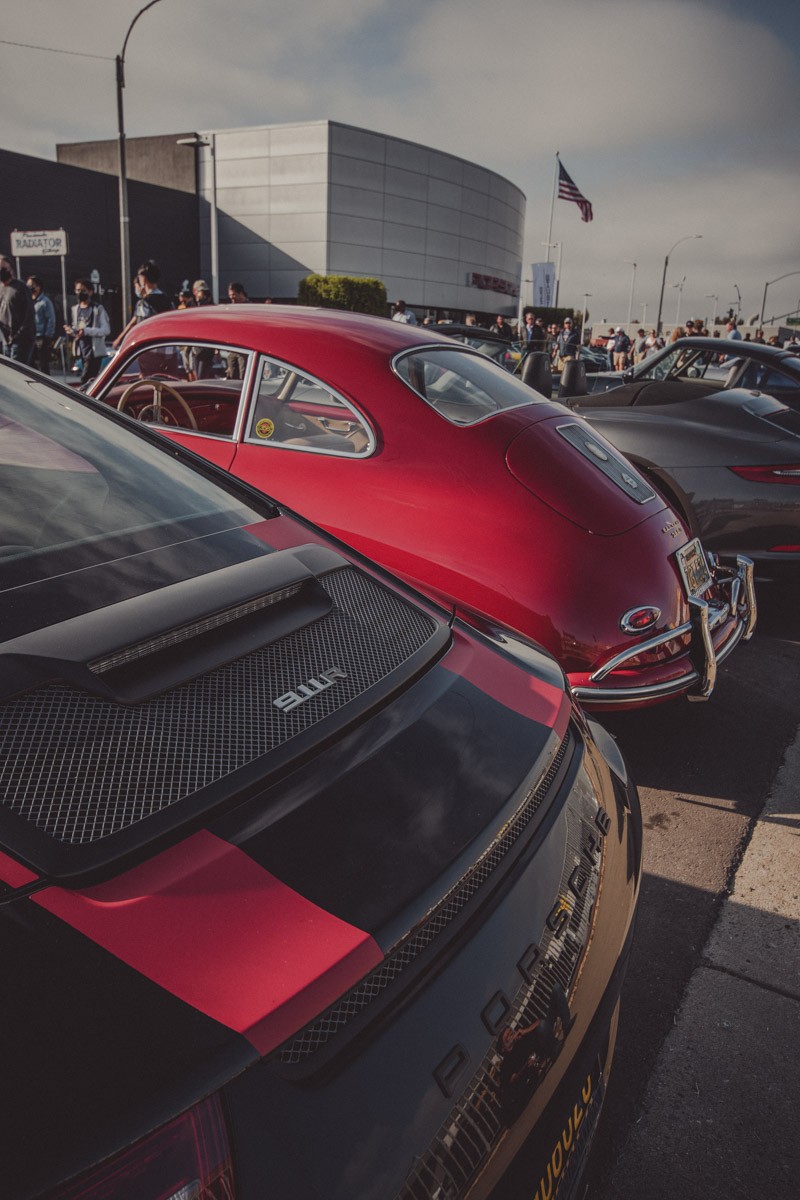
Porsche 911 R parked next to a 356 A Coupe

To say that Porsche has stuck to their guns regarding car design is like saying the sky is blue. So as the company from Stuttgart pushed ever onward into the 21st century, they kept adding newer and fancier tech to their 911 flagship. All-wheel-drive became the standard, semi-automatic gearboxes were introduced as options and then became the standard, and some, but not all, Porsche enthusiasts felt that the true spirit of the 911 was starting to be lost.

Then came 2016, and with it, the Porsche 911 R. A limited production series of only 991, the 911 R was everything that those same enthusiasts wanted. The car was released with a standard spec, which was rear-wheel-drive only, powered by a 4.0L flat-six that punched out 493 HP, which was coupled to the rear wheels through a 6-speed manual. The only options? You could have the radio and air conditioning deleted to save extra weight.

Porsche 911 R

Without those two items removed, the 911 R was still very lightweight at 1,370 kg (3,020 lbs) and screamed to 60 MPH from a standstill in 3.7 seconds if you were precise with your shifts. This was from extensive use of lightweight aluminum in the construction of the car, as well as some bits being made out of carbon fiber. This also made it quite expensive, with each unit at $190,000.

But what it gave for that money was about as close to Porsche nirvana as the company has ever offered in the 21st century. A tail-happy, powerful, manually shifted, ridiculously fast 911 that loves the road and the track in equal measure. A 911 that flexes its muscles and shows that a rear-wheel-drive, rear-engine car can still corner so hard your head will roll off your shoulders before the rear tires give up.

That is, simply, what makes it incredible. It’s pure classic 911, but in the 21st century.

1956 Maserati A6G54 Zagato Berlinetta

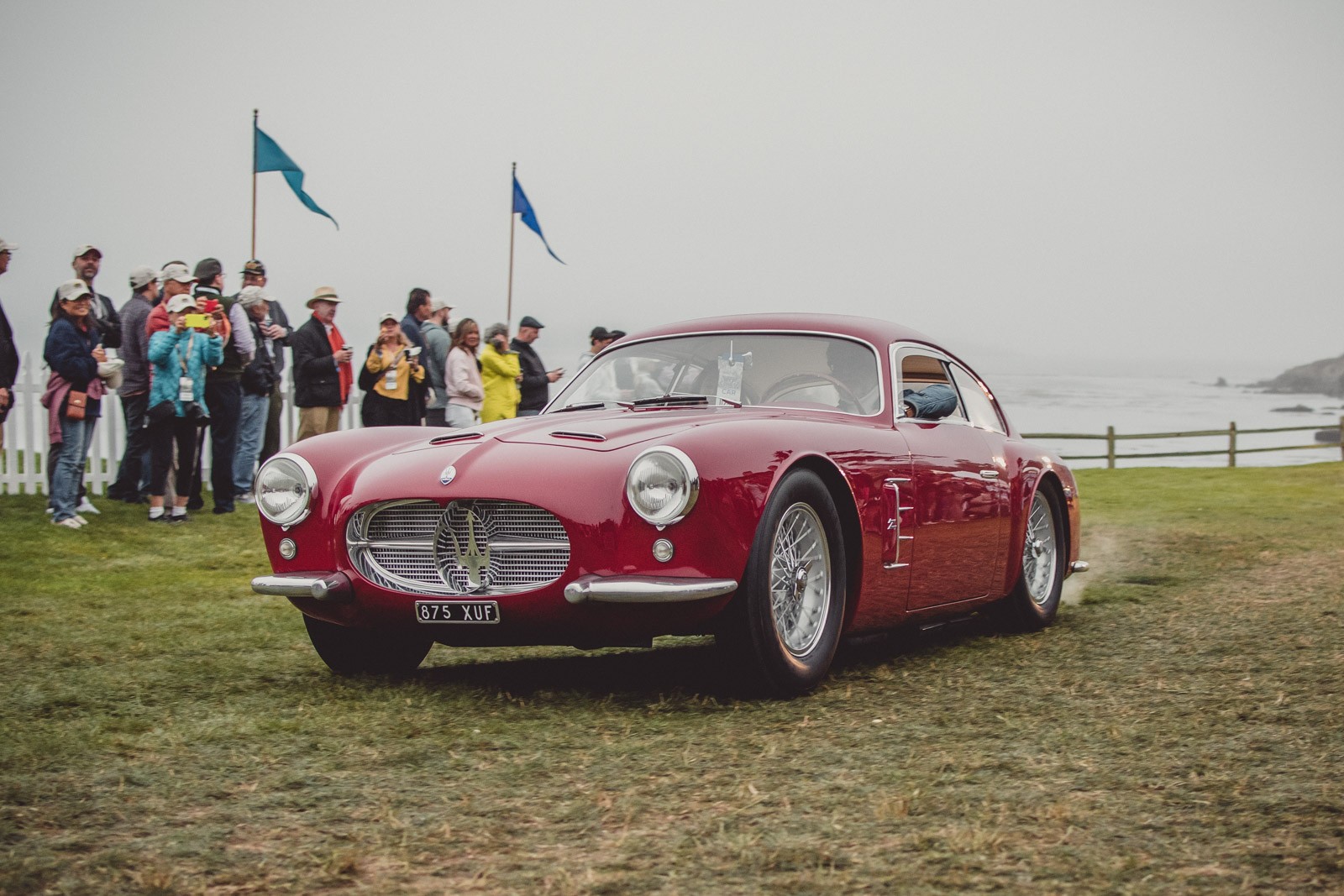
1956 Maserati A6G54 Zagato Berlinetta

We all know that throughout the 1950s and 1960s, some of the rarest, most collectible, and frankly most expensive Italian sports cars were produced. Multiple GT’s from Ferrari and Lamborghini were made, and still command attention on the auction circuit to this day. However, many overlook the contributions that a little company formed by 4 brothers, all with the last name Maserati.

The history of the A6 generation of Maserati road cars, when the company was under the management of “Commodore” Adolfo Orsi, is extensive and worthy of an entire article on its own. Suffice it to say, from 1947 to 1955, the A6 inline-six engine, in a variety of configurations, powered Maserati racing cars to multiple top finishes in road rallies, including the Targa Florio and the Mille Miglia.

Based on these successes, the 1956 A6G 2000, more commonly known as the A6G54, grand tourer was announced to the public. Under its long hood, it hid a 2.0L, triple twin-choke Weber carbureted inline-six that put out a strong 160 HP. Four body styles were offered: a three-box Carrozzeria Allemano coupe penned by Giovanni Michelotti, of which 21 were made; a Coupe and a Gran Sport Spyder by Frua, of which 6 and 12 were made respectively; and a competition-fastback berlinetta coupe, designed by Zagato, of which 20 were made.

Of them all, the Zagato Berlinetta was the best suited for racing, and many of the Zagato versions were raced by wealthy privateers in road racing events. During this time, many of these cars were damaged and needed restoration and a few were lost to crashes that damaged the cars beyond repair. A very select few, however, were never raced, and one of those models made an appearance at the 2021 Concours d’Elegance during Monterey Car Week, as shown in the picture above.

Due to the exceptional rarity of original condition cars, well maintained and only needing partial touching up and restoration work here and there, these cars are exceptionally expensive at auction, in the rare cases they are even offered at auction. In fact, during the 2018 Monterey Car Week, during the Pebble Beach auctions, a 1956 A6G54 Zagato Berlinetta that had raced in the 1956 Mille Miglia, which was the 11th overall produced and had been extensively restored, moved across the block to a new owner for $4.515 Million USD. 

1934 MG P-Type Midget

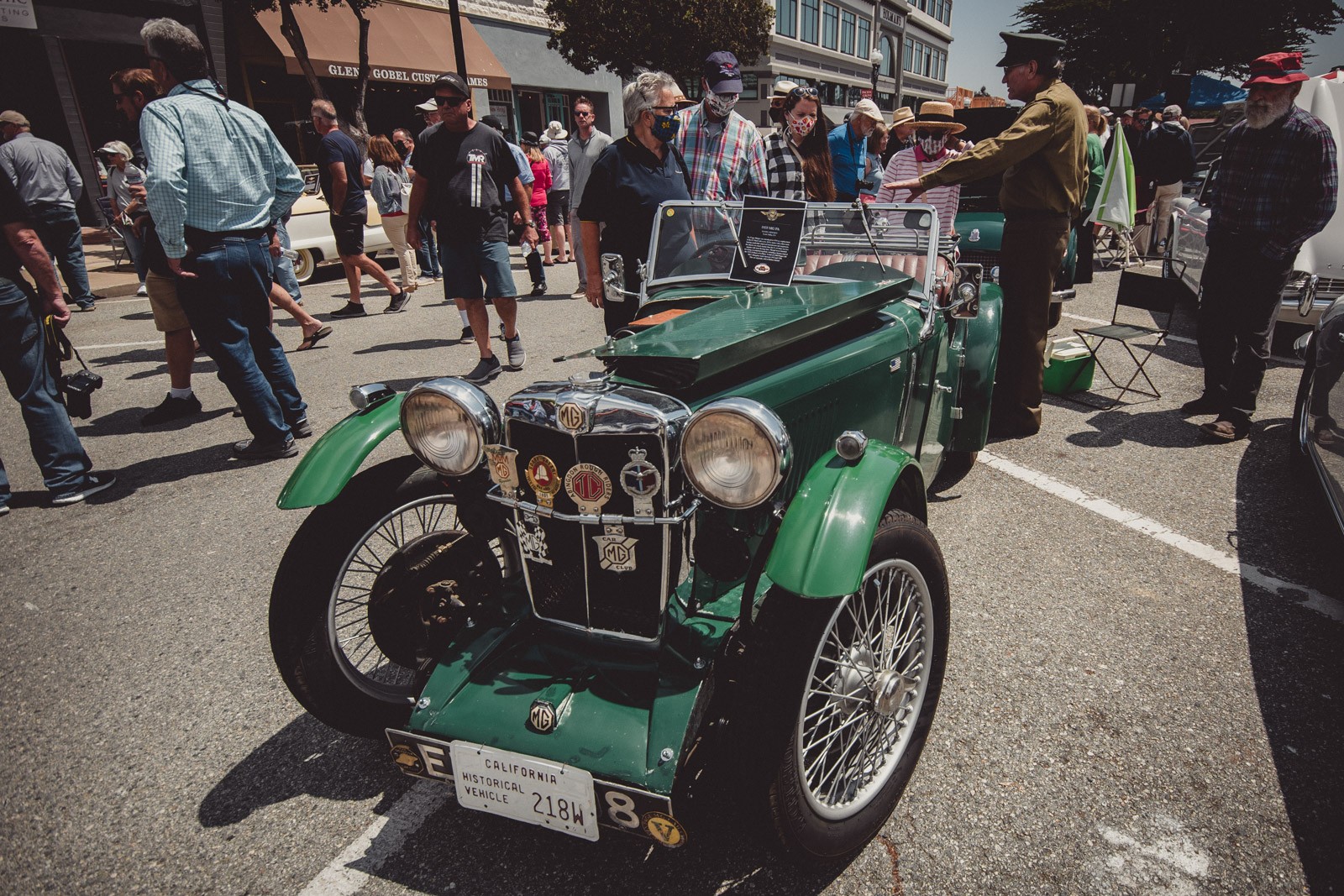
1934 MG P-Type Midget

The 1934 MG P-Type Midget is, for lack of a better term, “not famous.” However, it is still an incredible car because of the effect that it, along with a few other cars, had on the entirety of British sports cars throughout the following decades.

The P-Type Midget is a tiny car, with a wheelbase of only 87 inches and a track of only 42 inches. It is powered by an 847cc inline-four engine that produced a whopping 36 HP, and could scream long the English B-roads at a mind-altering 74 MPH. Okay, we’ll admit, it’s not the fastest car to ever exist in the 1930s, not by a long shot, but it was mass-produced, with just over 2,500 cars made.

While not being the most expensive or fastest sports car, the biggest effect it had came from its body profile, which was that of a long bonnet (hood), a rearwards cabin, and a very short tail. If this sounds like a recipe for pretty much every roadster produced from the 1950s onwards, that’s because it is.

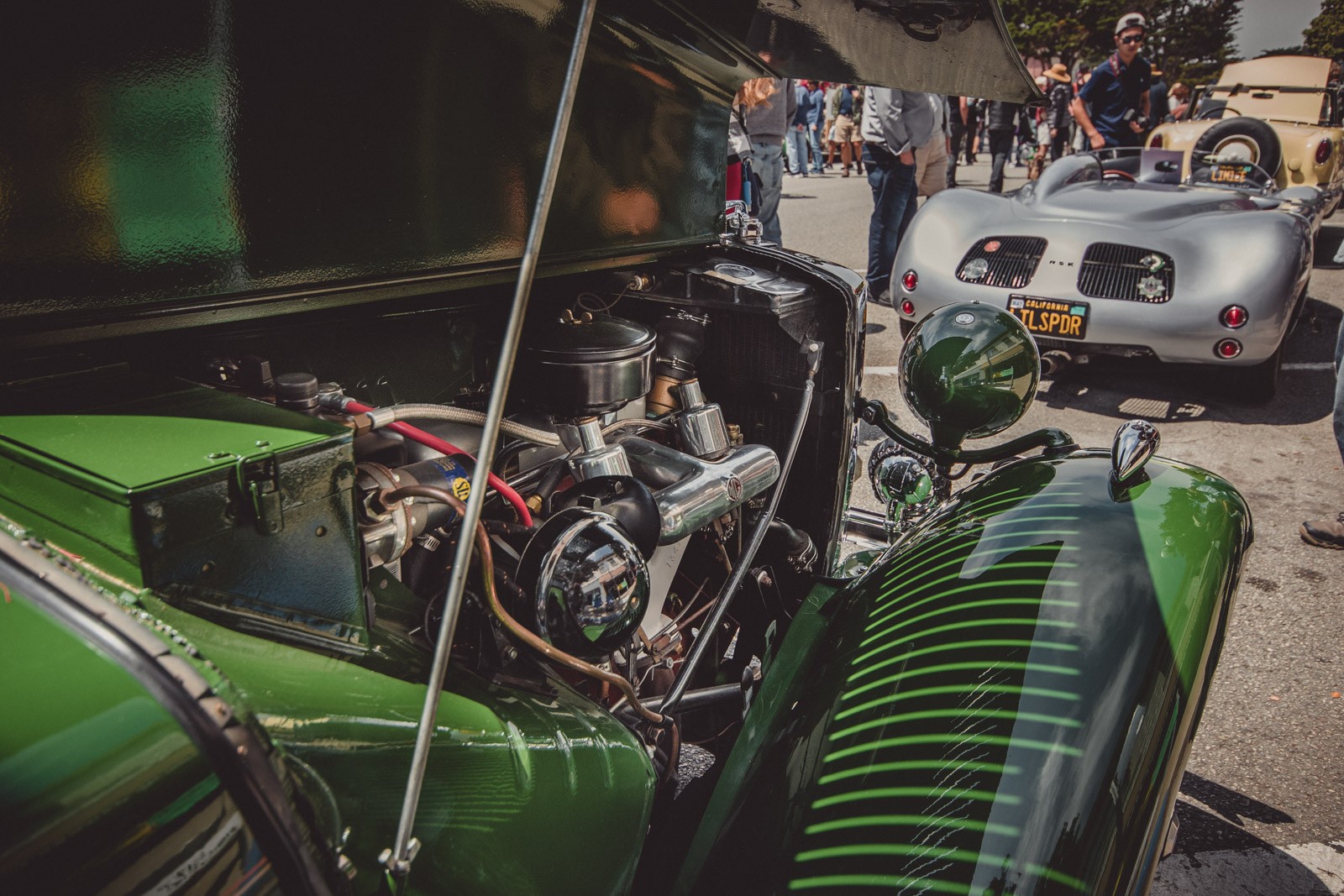
1952 MG TD and a replica 1958 Porsche 718 RSK

Multiple cars took the profile of the Midget and put it to use, that of a short, agile car with a long hood, a short cabin, and minimal overhang. It even influenced the design of the best-selling roadster of all time, the Mazda MX-5, throughout its now 30 years of production.

This is because the Midget, in all its forms, was designed not to be the fastest in a straight line. At the time in the 1930s, English back roads were narrow and twisty, with only a few sections with decent straights, and that’s where the Midget was built to live, and is where every roadster has since.

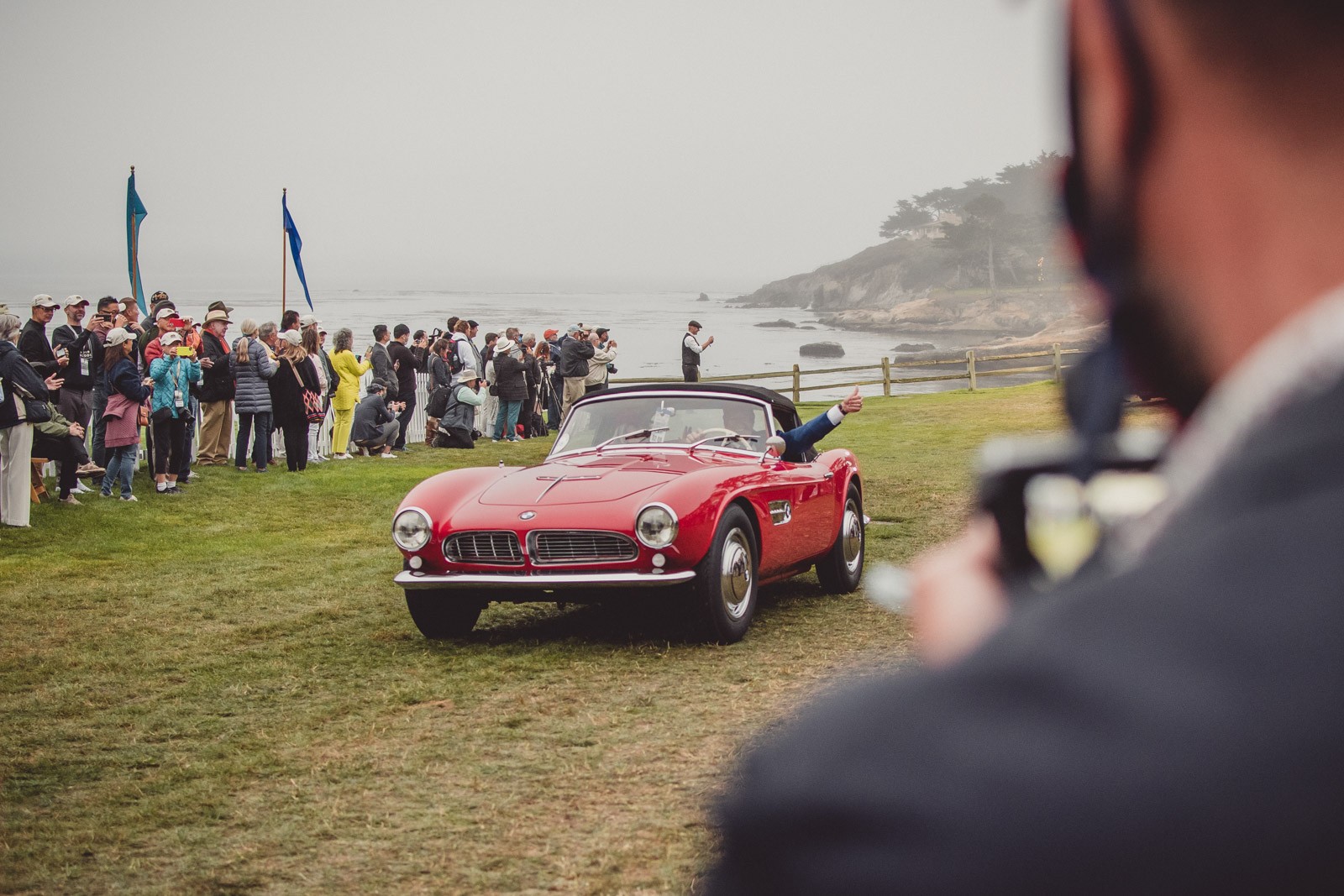
BMW 507 Roadster

BMW 507 Roadster

In the 1950s, BMW was enjoying immense success after restarting production after the devastation of World War 2. The 501 and 502 sedans were selling well, despite being very expensive for the average German, with most of the sales coming in the form of exports to other countries.

An importer of these BMWs for the US, Max Hoffman, had an idea of creating a US-centric model, a classically styled roadster that would show off BMW’s excellent engines, and would shame the cheap-and-cheerful MG and Triumph roadsters that were starting to gain traction with those in the sunny parts of America. After a few aborted designs, designer Albrecht von Goertz designed the BMW 503 Coupe, and the 507 Roadster.

What Hoffman had not accounted for, however, was the difficulty of making a lightweight, powerful roadster purely for export across the sea. As the aluminum body needed to be hand-hammered to shape, and then attached to the chassis. BMW’s newest engine, the 3.2L  M507/1 V8, was the heart of the car and produced just about 150 HP.

Originally intended to be a mass-production, thousands-imported-per-year car, the difficulty in making the car, the massively expensive overseas shipping, and the fact that the car was meant to be a challenger to the Mercedes-Benz 300SL saw the car fail spectacularly. Intended to sell in the US at a 1950s expensive $5,000, it finally ended up on North American shores at $10,000, or just under $95,000 in 2021 dollars.

Throughout its entire lifetime, only 252 units were made from 1956 to 1959. Many people desired the car, but very few could afford it. Elvis Presley had one. Hollywood stars John Derek and Ursula Andress had one each. These were some of the highest-earning musicians and actors of their time, and even then these were expensive cars.

However, von Goertz’s design was solid, his lines were classic, and BMW quietly stashed away the design in their vaults for over 40 years, until in 1999, the BMW Z8 was revealed as a production model. Designers Henrik Fisker and Scott Lempert drew heavily from the 507, and the Z8 officially recognized the 507 Roadster as its predecessor car.

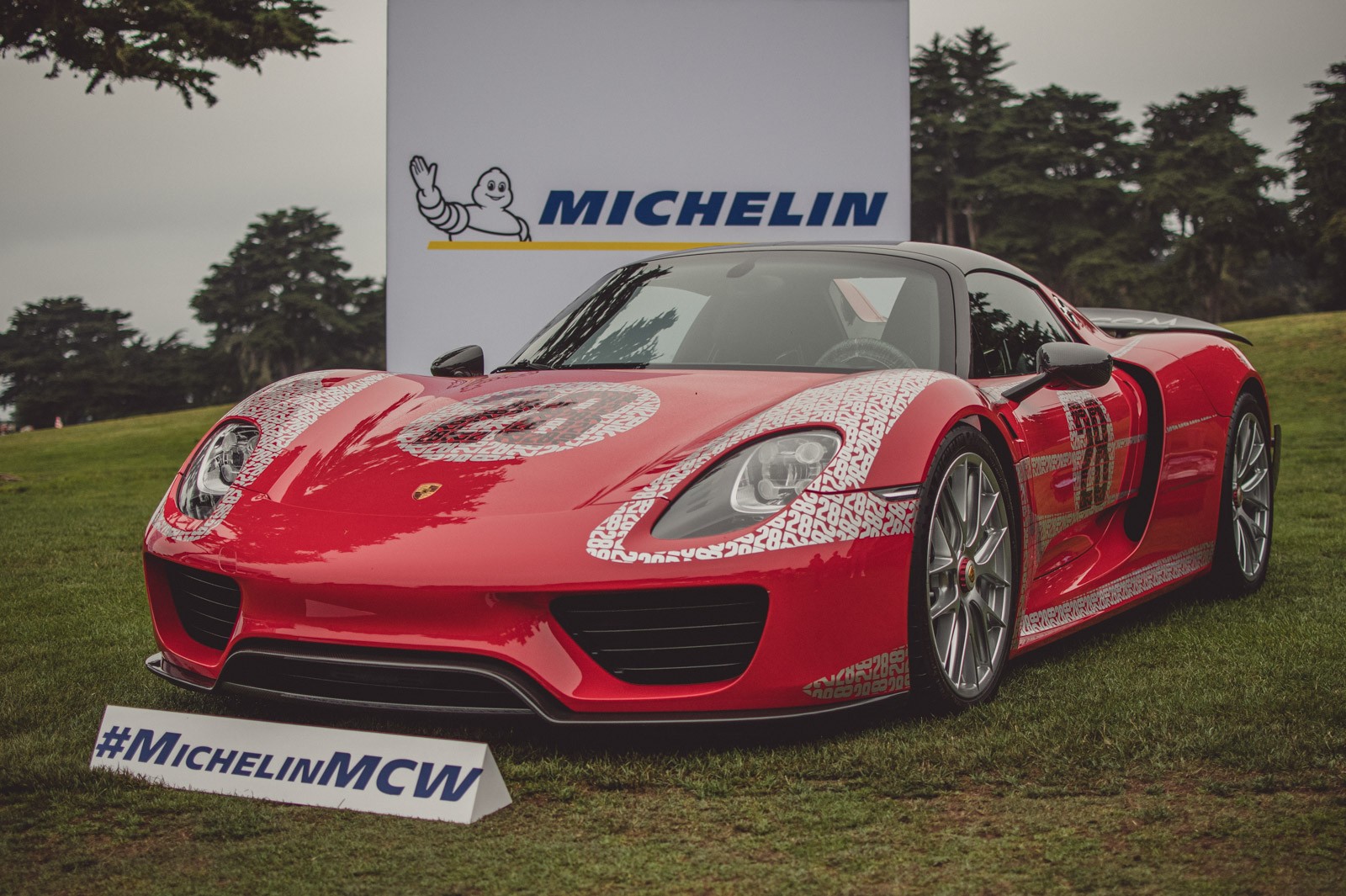
2013 Porsche 918 Spyder

2013 Porsche 918 Spyder

Not all the cars during Monterey Car Week that are incredible are old or classic. A perfect example of this is the 2013 Porsche 918 Spyder, one of the holy trinity of high-performance, hybrid-powered supercars that cemented the term “hypercar” into the common vernacular.

Combining the howling grunt of a 4.6L mid-mounted, racing-derived V8 with the torque and immediate power of two axle-bound hybrid motors, the 918 Spyder has monstrous 887 HP on tap. Thanks to the availability of 100% torque at 0 RPM from the electric motors, the 918 Spyder launches to 60 MPH in 2.8 seconds and keeps going well beyond 200 MPH.

This performance-oriented hybrid technology was not common before 2013, with only race cars and a few concepts really fiddling around with it. But when 2013 brought us the Ferrari LaFerrari, the McLaren P1, and the Porsche 918 Spyder, the supercar landscape was changed forever.

The biggest impact that the 918 had on future developments in hypercar hybridization is that it combined both schools of thought about how to deploy hybrid power on a supercar, that of a motor attached to the transaxle, and that of a motor driving the axle alone. It also helped bring regenerative braking, something seen only on Formula 1 cars and LMP1 race cars to that point, onto the road.

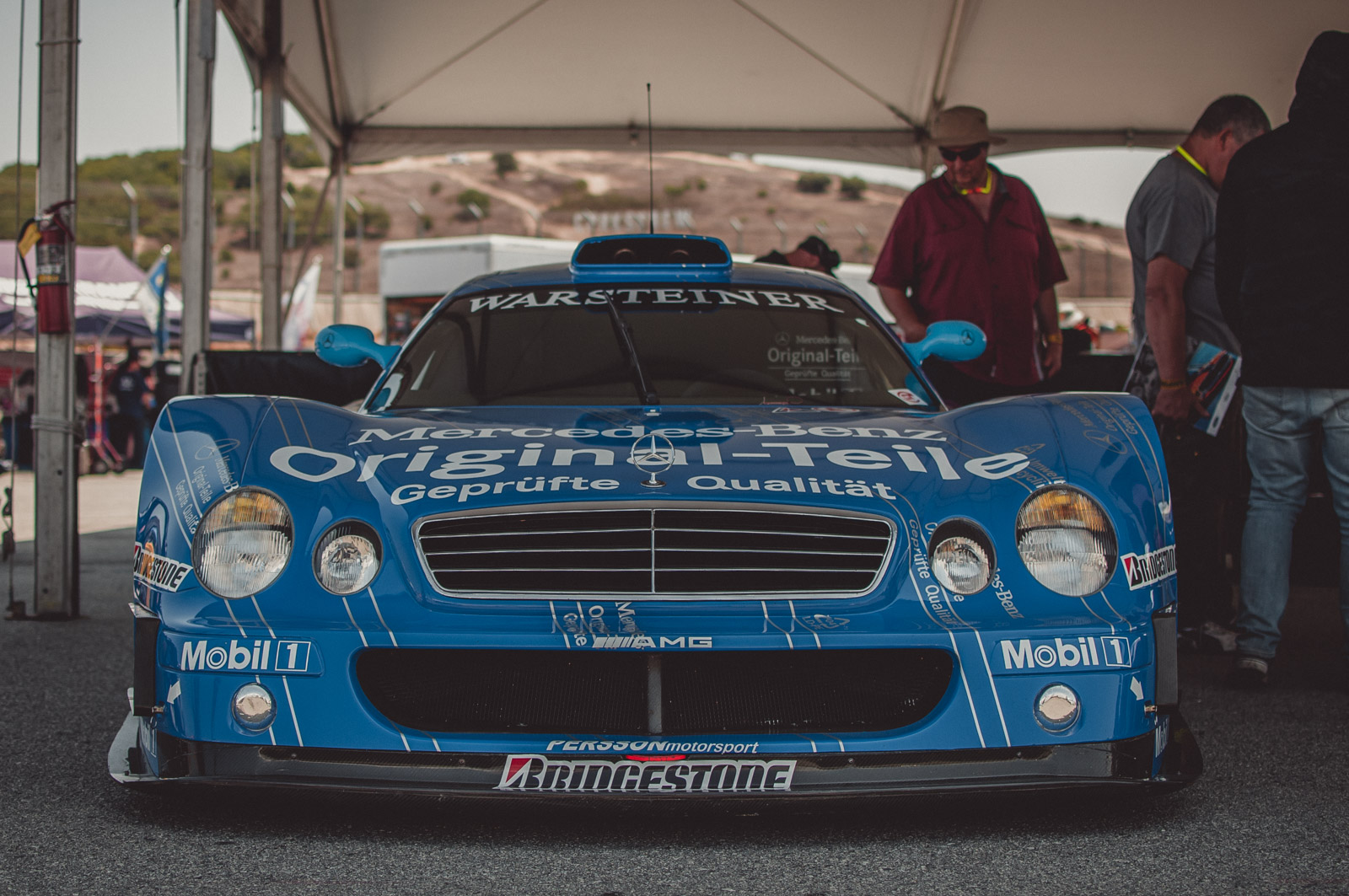
Mercedes CLK-GTR

Mercedes CLK-GTR

In the mid-1990s, endurance racing was in a bit of a strange place. The Group C era had ended in the early 1990s, and the Le Mans Prototype (LMP) categories had not yet been created. This left a void at the very top end of 12 hour and 24 hours races, and so the FIA created the GT1 category to both be its own type of racing, as well as the top class in endurance series.

To say that some of the most famous cars to race came out of this category is not overstating the fact. The McLaren F1 GTR, the Porsche 911 GT1, and many others were quickly developed for the new category, but none were as straight-up crazy as the Mercedes CLK-GTR. It was a car of many firsts for Mercedes, including being the first midengined car completely developed in-house, as well as carrying the most powerful naturally aspirated V12 that Mercedes-AMG had produced to date.

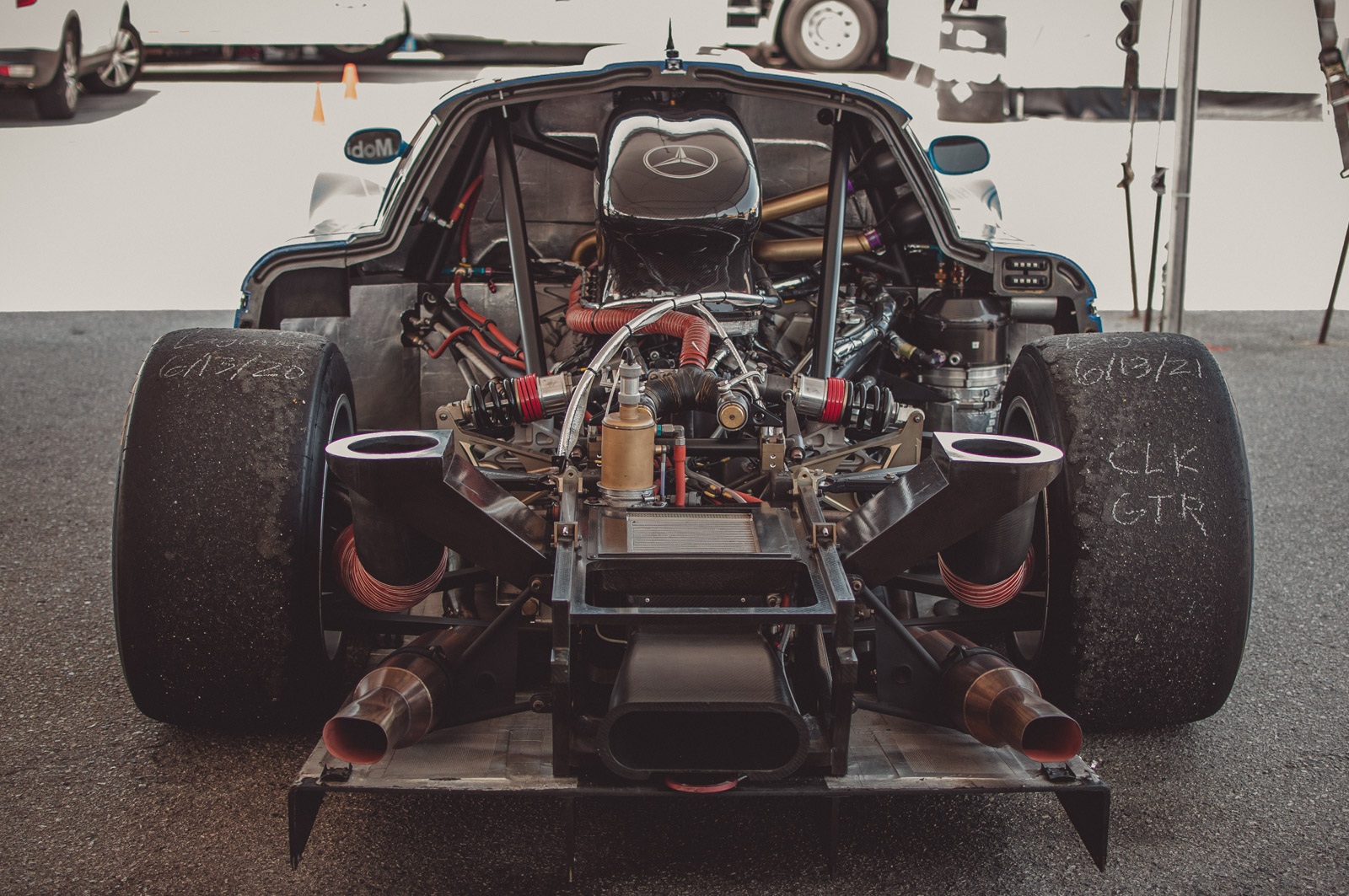
Mercedes CLK-GTR

That 6.9L V12 put down 612 HP to the rear wheels and was mated to a semi-automatic 6-speed transmission. The body of the car was the first time that Mercedes had made the entire shell out of carbon fiber, and the safety cell was a combination of carbon fiber and aluminum honeycomb for extreme strength. This would prove to be quite valuable, as during the 1999 24 Hours of Le Mans, the CLK-GTR driven by Peter Dumbreck moved out of the slipstream of a Toyota GT-One as it crested a small hill in the track and simply took off, flipping over the guard rails into the forest beside the track.

This was discovered to be a massive aerodynamic miscalculation, as the car itself only had a coefficient of drag of 0.25, which is extremely slippery. However, with the cockpit of the car and the sealed sides of the car, it also formed the shape of a wing, hence even getting a small amount of disruptive air under the front of the car turned it from being sucked to the road to being airborne.

The CLK-GTR, then, is incredible because it showed that even in the modern age of Formula 1 and GT racing, you had to pay attention to aerodynamics. If you ever wondered why top-class endurance cars went from being relatively similar to road cars to having ducting, gaps, and small aerodynamic vents everywhere, it was to prevent another car from taking off while racing.

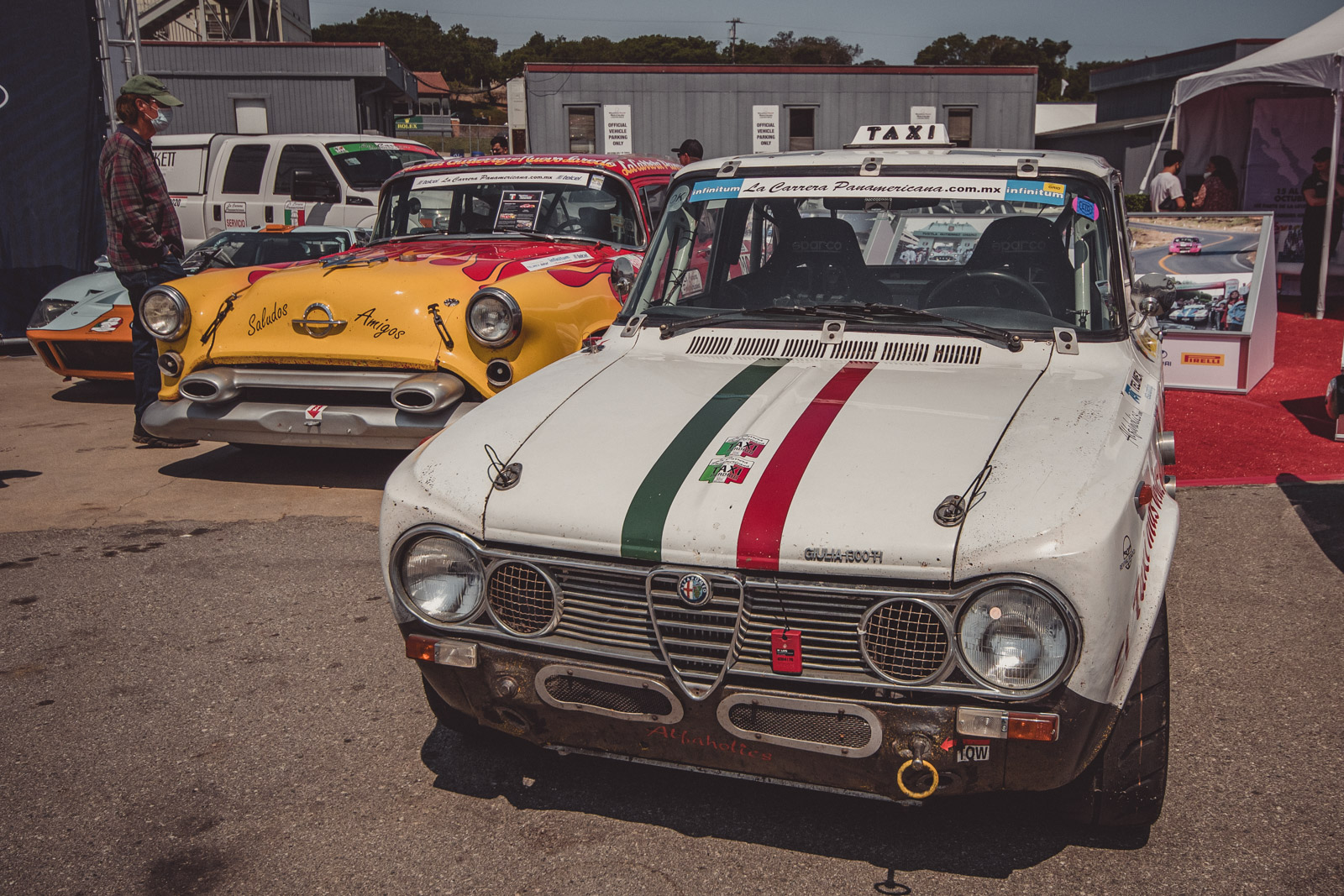
1965 Alfa Romeo Giulia 1300 Ti

La Carrera Pan Americana racers highlighted at Laguna Seca during the RMMR 2021

Before the supercar era started properly with the Porsche 959 and the Ferrari F40, the ability to go down to your local car dealer and buy a “race car for the road” was a much simpler prospect. Many of the major races, including some rallies, distance races, and especially touring car races, were filled with slightly modified road cars that put up some serious competition to dedicated racing machinery.

None, however, reached the popularity and fame of the Alfa Romeo Giulia GT, and the several models that were based on it. The little executive sedan was designed with the wheels pushed out to the four corners of the car, to give cabin room. The car was light at 1,000 kg (2,205 lbs), with aluminum and steel combined to make the body and chassis. But what made it spectacular was the absolute gem of an engine under the hood.

In the Giulia 1300 Ti, the 1.3L twin-cam inline-four was fitted with a sing down-draft carburetor for 81 HP. This may not sound like much, but with the wheels out to the ends of the car and the light weight, the little Italian would corner eagerly, accelerate hard, and could even sustain powerslides that would make a modern-day drifter weep tears of joy.

The Giulia 1300 Ti is incredible because it, and its brethren, convinced Alfa Romeo to spawn one of the greatest light-GT cars ever made, the Giulia GTA. A performance powerhouse, the GTA had a 1.6L twin-cam inline-four that put out 170 HP, in a coupe version of the Giulia that was intentionally stripped of any excess weight. It dominated touring car racing for almost a decade, and it was all because the original Giulia sedans, either intentionally or not, proved to be touring car masters.

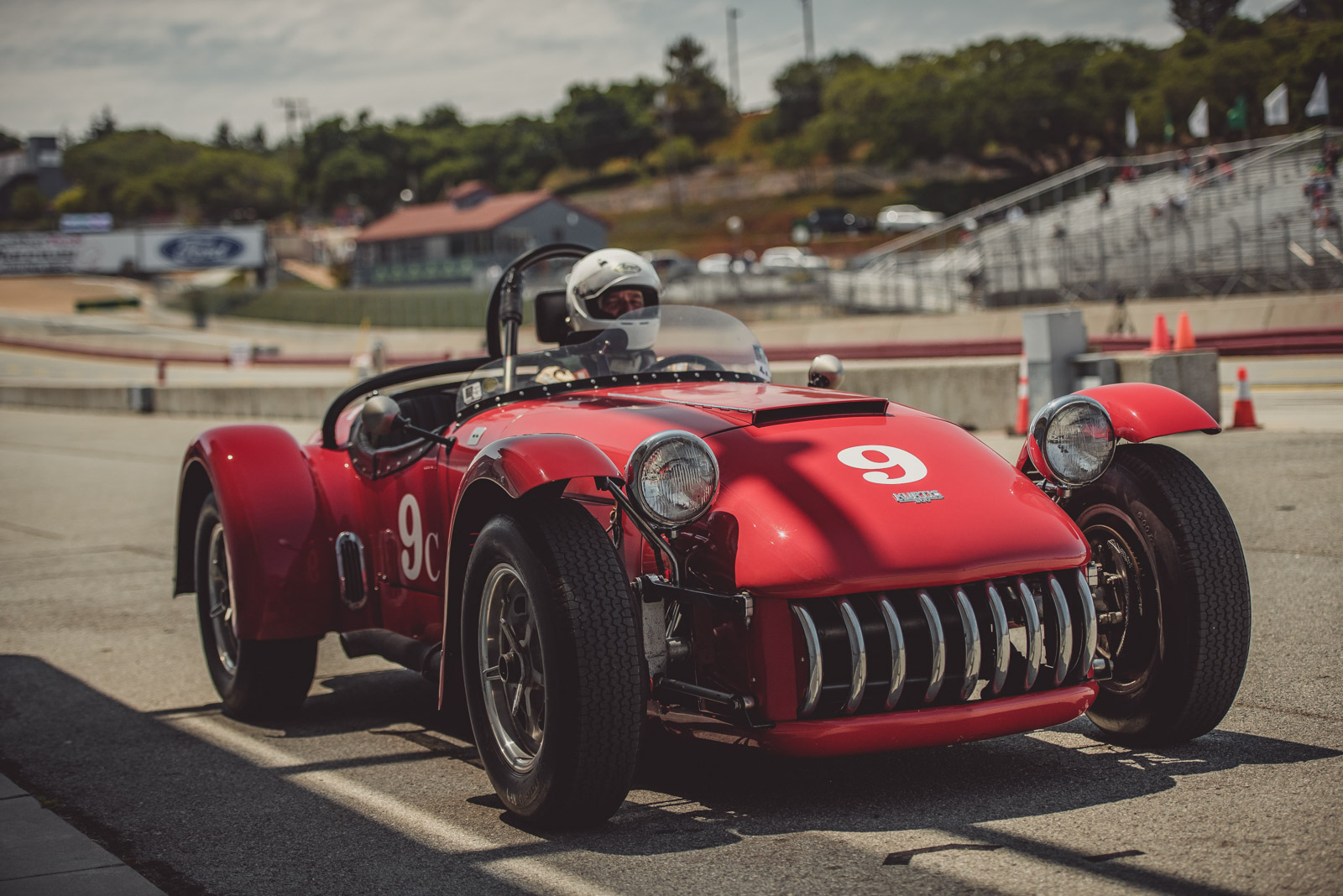
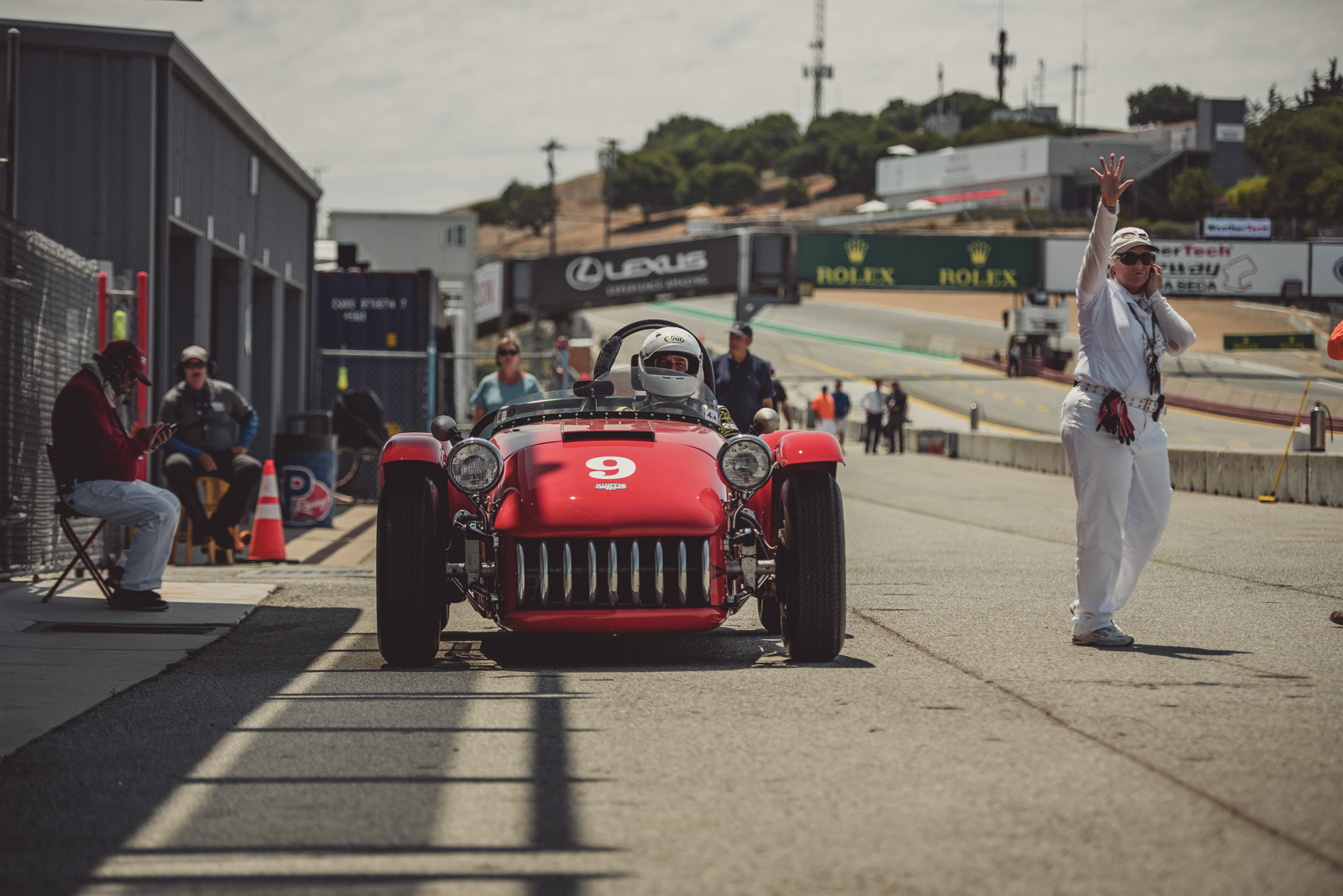
1953 Kurtis Kraft 500S

1953 Kurtis 500S Dodge

Kurtis Kraft is a name that probably only the most hardcore racing history fans know about. However, this company, founded by Frank Kurtis in the late 1930s, would have a lasting impact throughout the world of racing.

The basis of the company was to produce lightweight, affordable midget sports and racing cars that were easy to drive and were power-dense. Light weight was achieved through the use of aluminum for the chassis, and fiberglass body panels. Power-density was achieved by pairing the car with the famous Offenhauser inline-four racing engine.

1953 Kurtis 500S Dodge

Where the Kurtis 500S comes into the picture is that between 1950 and 1960, the Indianapolis 500 was part of the FIA world championship, hence the 500S (500 Sport) nomenclature. These cars were fitted with the Offenhauser 4.4L inline-four, running at a compression ratio of 15:1, which meant that it was more than a liter per cylinder and power crept up through the 700 and 800 HP milestones. In a car that weighed 820 kg (1,800 lbs) with the engine in, these little midgets turned into little rocketships.

In fact, a Kurtis 500S won the 1950, 1951, 1953, 1954, and 1955 editions of the Indianapolis 500, and almost every winner between 1947 to 1964 was powered by a “Big Offy” Offenhauser engine. What makes that incredible is that, in 1953, the Kurtis 500S cost “only” $4,985, with the engine included. To put that in perspective, that comes out to just under $51,000 USD in 2021, while IndyCars these days are worth several million dollars.

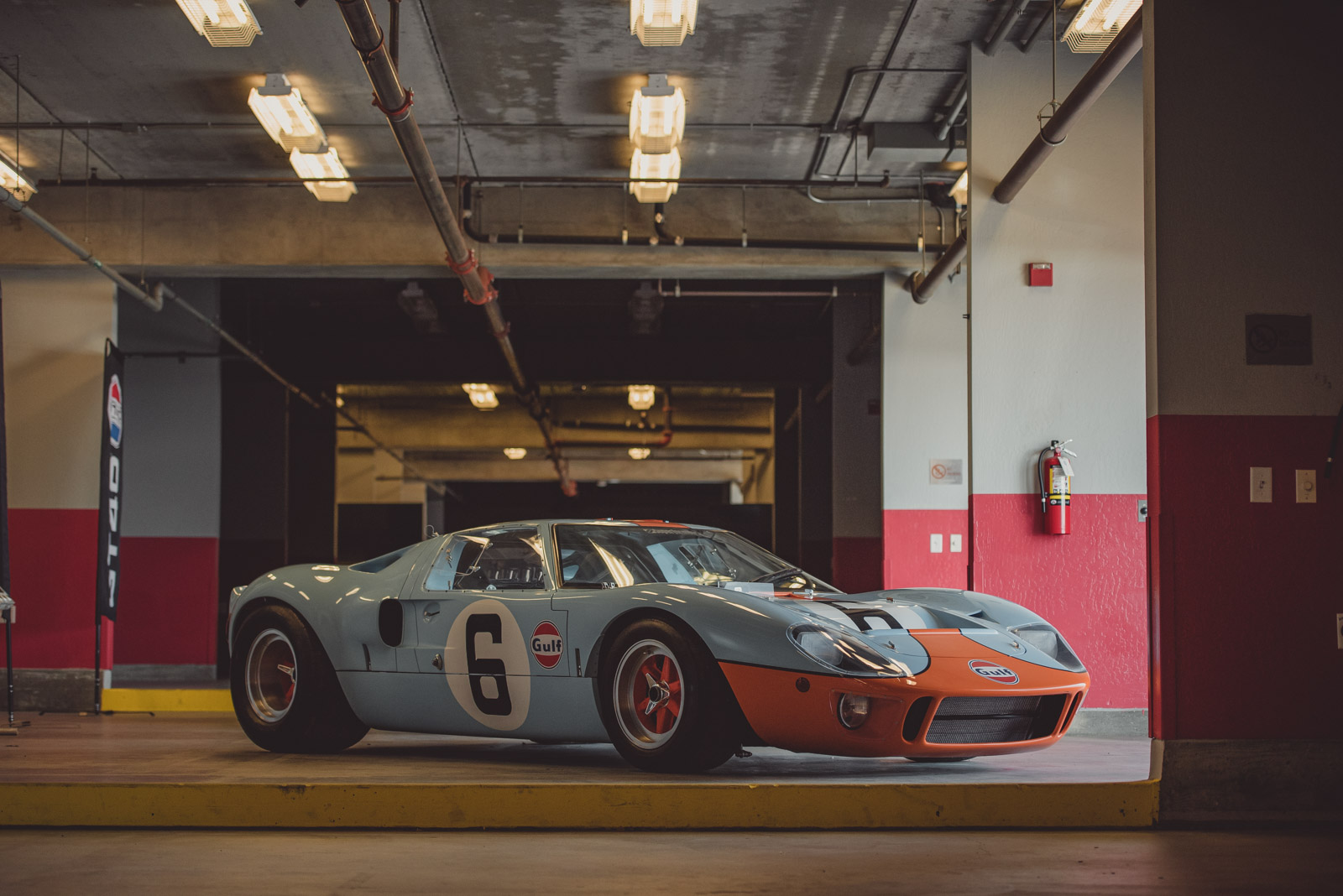
1968 Ford GT40 Mk I No 6 (Gulf Livery chassis #1074, M1 0001)

1968 Ford GT40 Mk I No 6

If ever there was a car that defined the ultimate in American sports car design, the Ford GT40 is that car. Low, long, and powered by either a 4.7 or 7.0L V8, the GT40 succeeded in its mission of winning Le Mans and showing one Enzo Ferrari that the company from the USA could indeed race and win on the big stage.

The FIA, which at that time controlled the regulations around endurance racing, changed the rules around engines in 1967 for 1968, no longer allowing unlimited size engines to participate in endurance racing. This caused the official GT40 program to close down, as the Mk II and Mk IV GT40s had been produced to dominate the unlimited class. However, Gulf Oil executive vice president Grady Davis had bought one of the original GT40’s, chassis #1049, and had entered as an independent for the Daytona and Sebring endurance races in 1967. When Ford shuttered the GT40 program, he saw an opportunity to make Gulf Oil very popular.

Through JW Automotive Engineering, under the management of the experienced John Wyer, Gulf Oil bought out the GT40 racing team, and all remaining chassis. By introducing a 4.9L Windsor V8 into the car, and renaming the production to Mirage Mk I, Gulf Oil was able to enter 3 GT40s as Group 4 cars into the 1968 and 1969 endurance seasons.

The changes were very minor, with a slightly raised roof that added about another inch of headroom, and the 4.9L Windsor V8 was tuned to 425 HP. Other than that, the original shape of the GT40 remained. This was also a very important car, as it was one of the first time carbon fiber, in a very rudimentary form, was used to reinforce the body shell of the car. Chassis 1074 also served as the camera car for Steve McQueen’s epic Le Mans film, and it is the only Gulf Oil car to win both as a Mirage (1967 24 Hours of Spa) and a GT40 Mk I (1968 12 Hours of Monza).

Lamborghini teaser previews rebirth of original Countach LP500

Lamborghini’s Countach revival at last month’s Monterey Car Week perhaps didn’t quite make the splash the company was hoping for. Many critics skewered the reskinned Sian as a retro cash grab, leaving Acura’s vague announcement of a new Integra at the same time to generate far more excitement on the interwebs. Now Lamborghini’s teasing the return of another Countach, but we think this one will face sunbstantially less ire.

Lamborghini posted a mysterious teaser to social media yesterday, but kept coy on what exactly it was. The teaser’s text merely said, “50 years ago it paved the road to the future. Now it’s back on the road,” accompanied by a roaring V12 soundtrack. No image of the car is actually shown, but we do get footage of craftsmen crafting a fantastic bucket seat that looks like the love child of Irving Harper and Ludwig Mies van der Rohe sofas.

This is almost certainly a re-creation of the driver’s perch of the original Countach LP500 concept that debuted on March 11, 1971, at the Geneva Motor Show. The yellow Gandini wedge would go into production in 1974 and sear itself into the imaginations of adolescents around the globe.

However, this isn’t a straightforward restoration project from Lamborghini’s Polo Storico restoration center. After the show rounds, the Countach LP500 concept was used as a test mule, its 5.0-liter V12 reportedly destroyed and replaced with a four-liter closer to the production LP400’s. Ultimately, according to Lamborghini, the concept gave its life in a 1974 crash test in order to homologate the production car.

As the car was scrapped, it’s technically not possible to restore the original. So, is Lamborghini re-creating the Countach LP500 concept? That part remains to be seen, but whatever it is, it’ll likely be a better homage to the legend than the LPI800-4.

Is Nissan Going to Finally Stop Milking the Current GT-R?

There’s a new Nissan supercar coming, eventually. However, that’s about the only news that’s been confirmed at this point. Everything else is little more than speculation, bits and pieces of information gleaned off news reports, remarks by company executives and from the fact that surely, the R35 can’t remain in production forever.

See also: our guide to the latest and greatest GT-R, the 2020 Nissan GT-R Nismo.

Early Beginnings: The GT-R as a Standalone Model

2001 Nissan GT-R Concept
Image courtesy of Top Gear

The current-generation Nissan GT-R started out as a concept vehicle way back in 2001. Then the production of the R34 Skyline GT-R was coming to an end and Nissan were looking for a worthy replacement that could be made available in international markets.

An enhancement of the 2001 concept, dubbed the GT-R Proto, was displayed at the 2005 Tokyo Auto Show before the production-ready GT-R was finally unveiled in 2007 at the same event. There was no denying the tsunami effect its launch had on the car community back then. Nissan dropped ‘Skyline’ from its name and positioned it as a standalone flagship model.

2007 Nissan GT-R
2007 Nissan GT-R
Image courtesy of Oliver Marriage, Auto Express

It became the first GT-R made available in other markets outside of Japan and it showcased the best of Japanese automotive brilliance to the rest of the world. Among other things, the car featured an independent transaxle 4WD system, the first one developed completely independently by Nissan, paired with a dual-clutch transmission, operated by paddle shifters.

Nissan Takumi Craftsmen
Image courtesy of Motor Authority

Takumi & the GT-R

Then who can forget Takumi? A Japanese term that ordinarily refers to a master craftsman who has perfected his skill over several years of hard work and dedication at the highest levels.

At Nissan’s Yokohama plant, the Takumi is a designation shared by 4 individuals of almost mythical status – the engineers who bear the enormous responsibility of handcrafting every Nissan GT-R engine, making sure that all the individual components work together in complete harmony. These men possess more than a century’s worth of experience between them and together, they are able to create a mechanical masterpiece that powers every GT-R.

Power, Torque, & More… For Days

The first Nissan GT-R was fitted with a hand-built 3.8-litre twin-turbo V6 engine that generated 480-hp at 6,400 rpm and 430 lb-ft of torque from 3,200 rpm to 5,200 rpm. It is essentially the same power plant in today’s GT-Rs but continuous tweaks and enhancements have boosted that power output to a thumping 565-hp and 467 lb-ft of torque.

That power output, complemented by Nissan’s incredible Advanced Total Traction Engineering System for All-Terrain (ATTESA), made for some truly impressive performances, especially when it came to speed and acceleration.

For example, the 2007 GT-R could rocket off the line and hit 60 mph in as little as 3.2 seconds before going on to complete the quarter mile run 8.4 seconds later at 120 mph. 

It was potent enough to take down more established rivals like the Ferrari California, 2009 Porsche 911 Carrera and even the 2009 Gallardo LP560-4; cars that were significantly more expensive than the $69,000 GT-R. It was not long before people started referring to the GT-R as ‘Supercar killer’ or the more ominous-sounding one – Godzilla. It’s a nickname that’s stuck to this day.

How is the Nissan GT-R Faring Now?

The Nissan GT-R is now in its 14th year and the Japanese carmaker, to its credit, has made constant improvements to the car, mostly under the skin to create an even more formidable supercar.

The latest iteration of the car can hit 60 mph in just 2.7 seconds and fly past the quarter mile marker in 10.9 seconds at 128 mph. These are still impressive numbers but there’s no denying that the once imperious GT-R is rapidly losing its mojo. It is becoming much harder to justify its hefty price tag too that can reach north of $200,000 depending on the model trim and specifications.

2019 Nissan GT-R Special Edition
Image courtesy of Nissan

Available market data lends further credence to this statement. Being a supercar, volume production was never a priority but even then, GT-R sales numbers have not been particularly encouraging, especially in recent years.

The Nissan GT-R first hit the American market in 2008 and in that year, a record high 1,730 units were sold. The second peak came in 2014 when 1, 436 units of the car found new owners. However, that number has steadily trended downward since then.

In 2020, only 301 GT-Rs were sold. The story is not much different in Europe where numbers have mimicked the downward slope of GT-R sales in America.

To be fair, Nissan have tried their hardest to keep the GT-R alive and kicking. The supercar’s performance has been offered in several packages that include the base model and variants like the Track Edition, Black Edition and of course, there’s the NISMO GT-R and the NISMO GT-R N Attack.

Then, you have the limited edition specs like the Midnight Opal Edition, 45th Anniversary Edition and the GT-R Naomi Osaka Edition, of which 50 units were planned to celebrate the brand’s partnership with the Tennis star.

To top it all off, there’s the exclusive GT-R 50, designed in partnership with renowned coachbuilder, ItalDesign, to celebrate the nameplate’s 50th anniversary. A total of 50 units will be produced, with each one priced at a cool $1.1 million.

Nissan GT-R 50 by ItalDesign
Image courtesy of Nissan

Apart from the Nissan GT-R 50 by ItalDesign, very little has changed with regards to the GT-R’s external design and it is an area where the carmaker has, deservedly so, received some knocks.

The interior has also been criticized for its liberal use of cheap-looking plastic. Initially, it was not that big a deal when the car cost less than $70,000, especially with the level of performance offered. However, the complaints started to mount as the price increased steadily over the years and the interior layout remained stuck in the ‘dark ages’.

Overall, it’s gotten to the point where it almost looks like the same car is being offered year after year no matter how much Nissan tries to ‘differentiate’ each new release. The market can be quite unforgiving and the legend of the almighty GT-R risks being ridiculed if Nissan doesn’t not step up its game with a complete redesign or replacement.

What’s Next for the GT-R?

As mentioned at the beginning of this piece, it does looks like the ‘big change’ is indeed coming and all hope may not be lost yet for the GT-R. Various automotive news sources from Japan have confirmed that there will be a new Nissan supercar but there’s little to indicate that a firm decision has been made by the company executives regarding exactly how to approach its development.

Nissan GT-R R36 speculative render
Image courtesy of Enoch Gabriel Gonzales

Earlier this year, Top Gear reached out to Philip Klein, Nissan’s product planning executive, to ask about the next-generation R36 GT-R. He confirmed that a new GT-R was indeed in the works but also added, ‘yes, you guys have to be patient because we will meet your expectations.’

How patient? You might wonder. Well, I’m afraid you’ll have to be in for the long haul. In May 2020, Nissan produced a promo video that detailed the future of the company’s product lineup and the GT-R was noticeably absent. That indicates that a new GT-R could still be up to 3 years out, and that’s me being quite the optimist.

There are quite a few issues that need to be addressed by the carmaker even as it mulls over a possible path for its next-gen supercar. Emission regulations are stricter than ever and this, coupled with the recent shift towards electrification in the automobile industry does pose an interesting question. Will the new Nissan GT-R be all-electric or will there be some sort of hybrid powertrain? These options are again challenging prospects as going this route will no doubt add extra bulk in the form of batteries and electric motors, to a supercar that’s no lightweight in the first place.

The Issue of Cost

In September 2020, Ivan Espinosa, senior vice president in charge of global product planning had an interview at Nissan’s Japan Headquarters. He was worried about the implications of deploying an electrified drivetrain for the GT-R.

According to him, ‘The GT-R is a supercar, but at the same time it’s a supercar that’s attainable and that’s accessible to many people.’ That statement about affordability may raise some eyebrows especially when you look at how the prices of GT-Rs have been trending upwards over the years.

However, he does make a good point regardless. Just look at the insane price tags of all-electric supercars like the Rimac Nevera, Lotus Evija and the Pininfarina Battista. It’s doubtful that the company would find many customers willing to pay anything that’s even remotely close to the prices of these cars, for a new GT-R.

The financial position of the carmaker is also another valid consideration here, one that could very well influence the timeline of a new Nissan supercar. Nissan is going through some really challenging times.

For the 2020 fiscal year, the company reported an astounding loss of 448.7 billion yen ($4.09 billion) and free cash flow of negative 391 billion yen ($3.56 billion). The ongoing COVID-19 pandemic and global chip shortage is most likely not going to make 2021 financial figures any more pleasant to read. There is the very real possibility that Nissan may just be too financially strained to invest significantly in the development of a new GT-R, at least for the foreseeable future.

My Two Cents…

2022 Nissan GT-R NISMO Special Edition
Image courtesy of Nissan

Whichever way you look at it, the journey ahead for the upcoming GT-R is filled with potholes that the carmaker will need to carefully navigate. The current-gen GT-R has run its course and is long overdue for a change. However, all the signs point to the fact that Nissan is not quite ready, or financially capable, to let go of the current-generation GT-R.

As I write this, plans have already been completed to unveil yet another iteration of the supercar – the 2022 GT-R NISMO Special Edition in October 2021 in Japan. It will follow the same formula as all the other variants before it; a few extra horsepower, some mechanical tweaks beneath the skin, the same external appearance and dreary interior.

It’s almost depressing. At this point, one can only hope the company recovers soon enough from its travails and delivers on a completely new, next-gen GT-R, sooner than later, both for the company’s sake and for people like us that still have a strong fondness for the fabled Japanese supercar.

Salon Privé Concours d’Elégance 2021

The 16th running of Salon Privé, one of the most notable and stylish Concours, saw automotive royalty once again descend on the ornamental gardens of Blenheim Palace, reinforcing its claim to be one of the most prestigious events in Europe.

A UNESCO World Heritage Site, Blenheim Palace is the only non-royal Palace in the UK, built in the early 18th Century during the English Baroque period. Over its 300 years, it has been inextricably linked with English history and now lies under the ownership of His Grace, the 12th Duke of Marlborough.

Salon Privé Concours d’Elégance has continued to gather momentum and recognition over its previous editions. Highly regarded, it has firmly established itself as one of the most prestigious events on the UK calendar, attracting year on year an incredible and exquisite collection of motorcars representing the most delectable designs and reflections on motoring heritage.

This year indeed was no exception, with the influential Concours d’Elégance attracting a phenomenal array, along with the centrepiece “Red Collection” – an exclusive curated collection of some of the most iconic and highly sought after cars in the world.

Salon Privé is also a launchpad for new models from prestigious manufacturers, with the UK and global debuts of a number of models, with hybrid and electric powered supercars leading the charge. Touring Superleggera launched their Touring Arese RH95 for its Global debut, with Land Rover also debuting the Range Rover Sport SVR Ultimate Edition.

Salon Privé attendees were also treated to the unveiling on these shores of the remarkable Battista Anniversario, the all-new 1873bhp, all-electric hypercar from Automobilia Pininfarina.

Concours d’Elégance

The curtain-raiser to the five days of automotive extravagance at Salon Privé is the highly regarded Concours d’Elégance. With a diverse panel of judges, an extraordinary wealth of knowledge and expertise were applied in the meticulous analysis of the fine machinery on show.

Uniquely, the judging panel comprises members of the International Chief Judge Advisory Group (ICJAG), the gold standard when it comes to the focus of provenance, authenticity, and condition in Concours judging.

1938 Mercedes-Benz 540k Cabriolet A Sindlefingen

The Winners

Taking the award for ‘Best of Show’ was a quite incredible 1938 Mercedes-Benz 540k Cabriolet A Sindlefingen. Entered into the Pre-War Tourers category, its imposing aesthetics and meticulously maintained condition saw it take not only the class win but the overall award in addition. Considered one of the most coveted of all pre-war cars, the two-seater Cabriolet A coachwork is twinned with the longer wheelbase chassis – an absolutely incredible piece of automotive history, and rightfully a star of Salon Privé in 2021.

The Churchill Cup for Most Exceptional Design went to an incredibly elegant De Tomaso Mangusta from 1972. Entered to contest the Low Slung Sports class, the Mangusta oozes with sleek and sophisticated style, resplendent in red, this car certainly shone in the eyes of the judging panel.

The People’s choice award, in true British fashion, was awarded to the 1955 Aston Martin DB2/4 Mk1 Monte-Carlo Rally car. With a celebration of World Rally champions at Salon Privé this year, there was evidently some impassioned feelings towards rallying history in the Oxfordshire air.

A full list of class winners and show winners from the 2021 Salon Privé Concours d’Elégance

  • Best in Show – 1938 Mercedes Benz 540K Cabriolet A Sindelfingen
  • Churchill Cup – 1972 De Tomaso Mangusta by Ghia
  • People’s Choice – 1955 Aston Martin DB2/4 Mk1 “Monte Carlo Rally”
  • Preservation Award – 1955 Aston Martin DB2/4 Mk1 “Monte Carlo Rally”
  • Duke of Marlborough Award (Motorcycles) – 1901 Triumph Minerva 3/4hp
  • Chairman’s Award – 1951 Jaguar XK 120 OTS
  • Class A – Competition Motorcycles – 1951 Moto Guzzi 500cc Bicilindrica
  • Class B – Exceptional Motorcycles – 1975 MV Agusta 750 Sport
  • Class C – Early Pioneers – 1904 Cadillac 814hp Model B rear-entrance tonneau
  • Class D – Pre War Tourers – 1938 Mercedes Benz 540K Cabriolet A Sindelfingen
  • Class E – Pre War Sports – 1938 SS 100 3½ Litre Roadster
  • Class F – Fit for a King – 1937 Rolls-Royce Phantom III Sedanca de Ville
  • Class G – Racing Greats – 1865 Ford GT40 Mk1
  • Class H – Post War Open – 1962 Aston Martin DB2 Drophead Coupé
  • Class I – Post War Closed (European) – 1950 Alfa Romeo 6C 2500 SS Villa d’Este Coupé
  • Class J – Post War Closed (British) – 1954 Austin-Healey 100/4 by D’Ieteren Freres
  • Class K – Post War Tourers – 1946 Tatra T87 Aerodynamic Saloon
  • Class L – Pininfarina Design – 1963 Alfa Romeo Giulia 1600 Spider 101 Series
  • Class M – 60 Years of the Jaguar E Type – 1963 Jaguar E-Type Lightweight ‘Lindner Nocker Low Drag’
  • Class N – Low Slung Sports – 1972 De Tomaso Mangusta by Ghia
  • Class O – Classics of the Future – 1993 Jaguar XJ220
  • Class P – Rolling Bones Hot Rods – 1932 Ford 3-Window Coupe
  • Spirit Award – 1903 Panhard et Levassor
  • Most Exceptional Coachwork – 1927 Rolls-Royce 20hp Tourer by Barker
  • Most Opulent – 1931 Bentley 8 Litre Park Ward Four-Door Sports Saloon
  • Coup de Coeur – 1937 Talbot Lago T15 Cabriolet by Worblaufen
  • Best Interior – 1947 Bentley MkVI Cabriolet by Franay
  • Most Elegant – 1965 Ferrari 275 GTS
  • Most Iconic – 1966 Jaguar E-Type 4.2 FHC

Alfa Romeo 8C 2300 Monza Spider by Zagato

The Red Collection

A specially curated centrepiece for the Salon Privé 2021 event, the Red Collection brought together some of the most desirable and collectible cars ever produced, all sensational and striking in their red paintwork.

The Alfa Romeo 8C 2300 Monza Spider by Zagato is no stranger to Salon Privé, having featured in 2020, winning not only its class but also the prestigious Best of Show award. It has also starred at Heveningham Concours and Pebble Beach Concours d’Elégance. Carrying chassis number 2111044, this early works car was registered to Scuderia Ferrari in 1932.

Starring alongside was a sublime Ferrari 166MM. Considered by some to be the Ferrari that carries the most historical significance, this car won the Mille Miglia and 24h Le Mans in 1949, cementing Ferrari‘s presence on the motorsport map with these two historic wins.

Another notable Italian addition to the Red Collection was the Maserati 250S, chassis number 2409. Raced initially as a works car, the pedals have been graced by names such as Fangio, Scarlatti, and Moss, the latter having tested this car in period, returning in 1984 to compete in the Mille Miglia.

In this remarkable display, we were also treated to other incredible works of automotive repute, with a Ferrari F40, Mercedes Benz 300SL Coupé Gullwing, Pagani Zonda F Clubsport, McLaren F1, Ferrari 275 GTB Competizione Clienti, Amilcar C6, Pagani Huayra Roadster, and Porsche 904 Carrera GTS completing this phenomenal installation.

Lancia Delta Integrale GrA as part of the tribute to World Rally Champions

Legendary Rally Cars take to the Palace Grounds

The final day of Salon Privé saw a degree of added dynamism with a live-action tribute to World Rally Champions. Celebrating also the 20th Anniversary of Richard Burns’ WRC title, the parkland surrounding Blenheim Palace saw the return of rally giants decades after they first appeared here on the Lombard RAC Rally.

An eclectic mix of cars was present, some hosted on display near the main field, others taking to the tarmac on an incredible Hill Sprint, departing from the Palace gates in a haze of tyre smoke and dust, with anti-lag and exhaust notes echoing around the grounds, to the delight of a huge number of spectators who lined the route.

From a 1970s ex-Bjørn Waldegård Ford Escort Mk2, through 80s icons such as the Lancia Delta Integrale 16v and Audi Quattro Sport S1 E2, to the formidable Subaru Impreza WRC and Ford Focus RS WRC of the 1990s and early 2000s. To stand and witness the incredible power at close quarters of such prestigious rally machines was truly a sight to behold.

After the second of two runs on the Hill Sprint, there was a grand departure, where a number of the displayed exhibits left the palace grounds via the same route, and spectators were treated to some displays of spirited driving in the automotive exotica that had been lusted after all weekend.

McLaren 765 LT Spider

Salon Privé goes from strength to strength

Salon Privé, now in its 16th year, continues to grow both in size and in reputation. Cementing its position amongst the greatest Concours events in the world and supported in ever-growing numbers, it seems fitting that Salon Privé has announced that in 2022, there will be a new event that sees the organizers return to their London roots.

Salon Privé, the Chelsea Edition will debut from the 21st to 23rd April 2022 as a complimentary event at the Royal Hospital Chelsea.

Designed to be energetic, high on style, and with a party atmosphere, London will see this exclusive event add to the already burgeoning classic car and Concours scene that has evolved over recent years.

Meanwhile, Blenheim Palace will be ready to host the 17th installation of Salon Privé in early September as is befitting to tradition.

Photo Gallery