All posts in “Cars”

How to Find a Mechanic That You Can Trust For Your Exotic Car

Finding the right mechanic can take some time but it will end up saving you thousands of dollars over the course of years. Plus, being able to take the car in for a repair without worrying about being overcharged just because you own an expensive car can bring peace of mind that many consumers are looking for.

The last thing you want to do is leave your priceless car with a mechanic that might never have worked on your model before. The following are ways that you can find a mechanic that you can trust and go to for years to come.

Find The Mechanic Before You Need Them

Finding the right mechanic can be tough if you are going to do it when your car is not running or is barely running. Get a list of mechanics together and go through the list doing appropriate research on each one. Even if you do not use them right away this is important as you will need to find someone to repair your car at some point. Call all of the shops and use the same repair to see how they compare in price. Asking how much a catalytic converter costs to be replaced in a Lamborghini Diablo is a random enough repair that the mechanics will not become curious.

Personal Referrals

The best thing that you can do is get a personal referral to a mechanic. It is imperative that you mention that you were sent by another current customer. Your friend or colleague could get a discount on future repairs, as well as something a bit more cunning. People usually gravitate to others with exotic cars so asking around a car show can be the perfect opportunity to find an exotic car mechanic you can trust. Mentioning this person can help ensure quality service as the mechanic will not want to lose two customers simply by doing a poor job or overcharging. 

Take A Look At Online Reviews

Browsing online reviews needs to be done before going into any auto repair shop. As you read through reviews, look for mentions of specific models of rare cars as reviewers often times take any chance to brag about their prized automobile. Pay attention to reviews that mention the specific repair that was done as well as that named the people that helped them. Shops with minimal reviews can still be a viable option as long as the current reviews are satisfactory

Get A Few Estimates

Getting estimates can be done in one day and most mechanics will honor their estimates for a certain amount of time. If you know it will soon be time to repair the transmission or another expensive repair start to get this pricing together. Do not always go with the lowest price if they do not have stellar reviews as mentioned above. Different shops charge different prices for certain repairs so one shop might be perfect for one repair while another is best for a completely different repair. Trusted mechanics will give a breakdown of costs as well in this estimate so this can be analyzed as well. The truth is that depending on how rare your car is you might have to travel hours to find a mechanic willing to work on a car of that price.

AAA and Better Business Bureau Endorsements

Being a AAA trusted auto repair shop can tell the story of the quality of work that the shop does as well as it being a reasonable price. People will complain to AAA or the Better Business Bureau if they feel like they have been slighted by their mechanic. Too many of these complaints that have merit and the shops will be removed from the list of trusted mechanics. AAA is not going to put their good name on the line for a repair shop that does not value their endorsement. Contact the shop to see if they have special mechanics that work specifically on rare and exotic cars.

Bottom line, research the shops as thoroughly as possible and try to find out what certifications the shop has and their mechanics have. Building a personal rapport with your mechanic can also lead to discounts over time for a long-time customer. Most mechanics understand that people will continue coming back as long as they are treated fairly when it comes to price and the repairs are done correctly.

2019 Maserati Levante GranLusso Review

For years Maserati had to fight to stay alive. When you look around these days a Maserati is no longer an exception in the streets. The fact that the brand has been able to perform this, is a result of many factors. Releasing new cars such as the Ghibli and Levante but certainly also giving existing models the necessary design updates over the last few years, as we saw with the QuattroPorte. One of the newest members of the family is the Maserati Levante GranLusso.

Presenting a totally new SUV in a world that is almost spoiled with this kind of cars and then manage to keep it on the market is one thing. But giving it upgrades is another thing. That’s exactly what Maserati did earlier this year with the presentation of the GranLusso and the GranSport version. We got to drive the first one, with a diesel engine.

Engine and Performance

The engines include two petrol units and one diesel. The step-in petrol engine is a 350 hp strong V6 that pushes the car from standstill to 62 mph (100 km/h) in nothing more than 6 seconds. If you want to go 0.8 seconds faster to the 62 mph marker there’s the Levante S with a V6 engine producing 430 hp combined with 580 Nm of torque (the normal V6 has 500 Nm).

The diesel version, that we drove, comes with 600 Nm of torque combined with 275 hp. Sprint to 62 mph is done in 6.9 seconds. Not bad for a rather heavy car, definitely because you don’t buy a diesel powered Maserati for its performance. Still, if you ask us, a little bit more power on the diesel engine would not be out of place.

Maserati Levante GranLusso

Power to wheels is done through the advanced 8 speed ZF automatic gearbox that can be set in at least seven different driving modes. For daily use there’s the ‘Auto Normal Mode’ where the accent is set on smooth driving combined with lower fuel consumption. Bringing the gearbox in ‘Manual Normal Mode’ you will recognize that gears will change closer to the rev limiter either manually by using the paddles or central gearlever.

‘Auto and Manual Sport Mode’ will make the gearchanges faster together with opening the valves in the exhaust to create a sportive sound. Going off road gives you the choice for both manual and automatic off road mode, when it really get’s slippery there’s the last but not least important setting, I.C.E. mode that stands for Increased Control & Efficienty.

GranLusso Design

The Levante GranLusso redefines the concept of luxury. The detailed restyling of the exterior comes with an Alfieri-shaped front grille, 19 inch Zefiro light alloy wheels and on our test car the red-painted brake calipers. The exclusive interior changes with wood trim and wood-finished leather steering wheel are combined with additional comfort equipment such as four-zone automatic climate control and heated rear passenger seats.

Maserati Levante GranLusso

But there’s more, many more. The Maserati Levante GranLusso now comes standard with features such as Adaptive Air Suspension that does a great job when taking the car into the field, active suspension, autonomous emergency braking system, android digital system, BiXenon headlights, intelligent cruise control and blind sport monitoring. In addition you also get Ermenegildo Zegna Silk interiors and steel illuminated door sills. That is just a little part of the big option list for this car.

Driving Experience

Back in the summer of 2017, Maserati invited us to do a 1,000 mile drive in a Levante S. The car was surprisingly good. More than a year later Maserati gave us the GranLusso Diesel to drive for a couple of days.

Upon stepping in, i realized a huge difference. The first question I asked myself was ‘where has this car been’. A big difference between earlier Levante models I drove before, the level of luxury that is promised to come with the GranLusso is really there. The earlier described driving modes perform their work as they should, they really do!

When cruising through the traffic on the rather busy motorways of Belgium, the only part that shows the car’s true nature, is the color. The shining “Blu Emozione” fits the Levante just perfect. Nevertheless, many will say that this is not an SUV color, definitely not on a diesel but that is just a personal choice if you ask me.

Being a Maserati it will never lose its exclusivity wherever you go. SUV’s are designed to be bigger, create more space for the driver and passenger. The exclusive part of being a Maserati could be a limitation to use this car as a daily driver, but the Levante GranLusso will take you wherever you want.

Maserati Levante GranLusso

Going off road isn’t a problem. When switching on the ‘off-road mode’ you can feel the changing character of the car. Taking it off-road was a must for me, off course I didn’t take it through any deep mud pools but when being out on the field the Levante just does what is expected. It never got stuck!

Conclusion

The Levante GranLusso is yours for about €94,000 but then, logically, the option list will get you in a higher price range. Engine wise, and we mentioned it before, the 275 hp diesel engine could use a little bit of extra power. Definitely thinking of the fact that this car is and stays a Maserati and while also thinking of its competitors. Maybe the Italian engineers should start thinking about raising the diesel engine to 300+ hp. We’ll see what the future brings.

Mustang with Lamborghini V10 Engine and Interior to be Auctioned

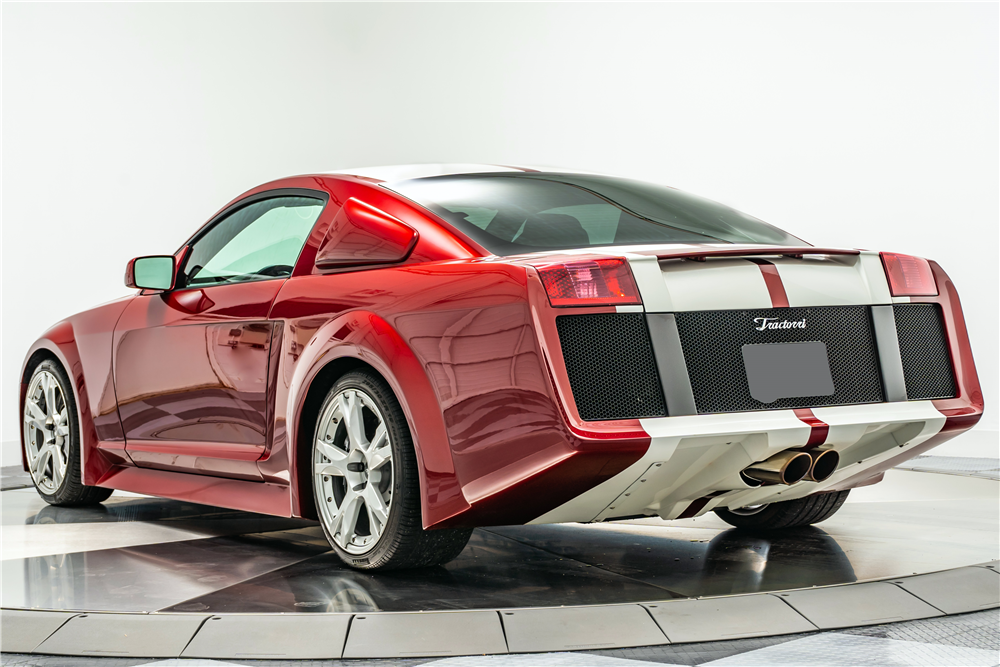
Auctioneers, Barrett Jackson recently listed a novelty lot for its Scottsdale 2019 auction. Originally a show car, built for the SEMA show, this Ford Mustang has a massive Lamborghini-shaped twist.

If the name doesn’t give it away (Tractorri) the twist is that this Ford Mustang sits on the running gear of a Lamborghini Gallardo! It is believed to be the only conversion of its type, taking the 5.2 litre V10 engine and 6-speed automatic transmission from the Italian supercar.

Mustang with Lamborghini V10 Engine

Evidently, a huge amount of work has gone into engineering this one-off supercar. Barrett Jackson mention figures in the region of $700,000 which presumably covers the cost of both Ford and Lamborghini donor cars. What’s more, it appears as though it has actually been used, although not extensively. The odometer shows 2,564 actual miles.

The name Tractorri is a supposed tribute to Ferrucio Lamborghini’s humble beginnings, building tractors for agriculture.

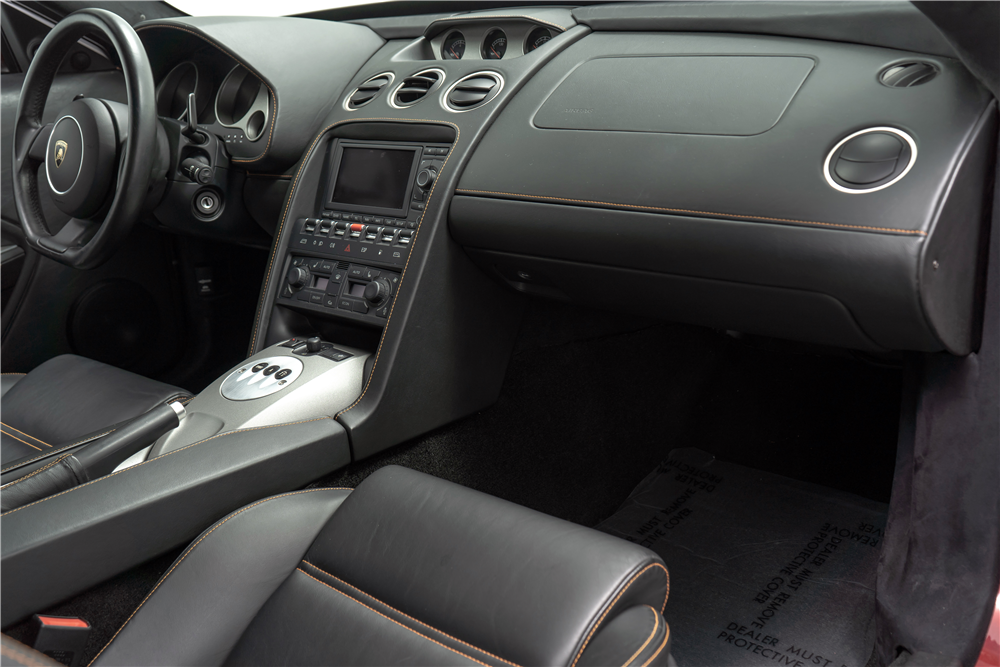
Mustang with Lamborghini Interior

The Tractorri features completely custom bodywork with a unique front end, Porsche 911 Turbo turn signals, steel fender flares and factory Lamborghini taillights. Inside, the dashboard has been custom chopped to fit something virtually identical to the Lamborghini Gallardo. Normally we are sceptical about these sorts of projects, this one actually looks well executed.

It is being sold with no reserve. No price estimate has been given but we suspect that it will fall short of recovering the $700,000 build cost. If you are looking for something unique though, you need look no further!

Road-Legal Porsche 935 – Kremer K3 – Offered For Sale

The Porsche 935 needs little introduction if you know your historic race cars. It emerged out of the 1970’s Porsche 911 Turbo. It was prolific, winning 123 of the 370 races it entered. Those wins included outright success at the 24 Hours of Le Mans 1979, 1,000 km of Nurburgring and at Sebring.

For all it’s success, the Porsche 935 never got an official, road legal production run. The cars were sold through Porsche to its customer teams, confined to the race track. One managed to gain road legalisation. Owned by famous entrepreneur Walter Wolf, the car in question was converted by Kremer Racing with input from Ekkehard Zimmermann.

Porsche were reluctant to sell 935’s to customer teams. It’s is rumoured that Wolf tried to convince the factory to sell him an evolution model and convert it for road use. Porsche declined. Kremer Racing were more than happy to oblige though. Kremer eventually built a genuine Kremer K3 with 98% of the parts from a 24h of Le Mans car.

This particular Porsche 935 shared the 2.85-liter twin-turbo, twin spark 6-cylinder boxer engine slightly detuned to deliver 740hp at 8,000 rpm through a 4-speed 930/30-gearbox. The bodywork was pure Kremer K3 with small concessions, blinking lights and side markers, a speedometer in km/h and a new exhaust system. The suspension was raised by 10cm and the interior gained some comfort, a Recaro seat and parts from the 930 Turbo.

The road legal Kremer K3 is now offered for sale with 10,124 km on the odometer. Mechatronik are the venders who confirm that it comes with the original Vehicle Registration Certificate, the customs papers for Switzerland and EU import docs. It is certainly the most unique Porsche on the market today! Wolf had to go to the trouble of registering the car in Alberta, Canada so quite whether it qualifies for road registration in Europe is another question.

The 15 Best Gift Ideas for Car Guys

Buying a gift for a car guy doesn’t have to be as daunting as getting caught in a conversation about the differences between horsepower and torque or why slow cars are more fun to drive. When it comes down to it, they’re some of the easiest to shop for. Keep it simple and classy but purposeful and you’ll see their faces light up like the headlights of an E46 M3. To help get you off to the right start, we curated some of the best gift ideas for car guys.

Forza Horizon 4

The latest installment to the Forza Horizon series might be the most ambitious yet. You get free reign over the open countryside of Britain with over 450 cars at your disposal. And, for the first time in a racing game, you’ll have to deal with changing seasons and the weather that comes with it.

Dyson V7 Car+Boat Cord-Free Handheld Vacuum Cleaner

The Dyson V7 is compact and cordless, but most importantly it has the power to keep any-sized car dust, dirt and crumb free.

Meguiar’s Complete Car Care Kit

If keeping the interior clean is high up on the car guy’s priority list then making sure the exterior shines and glistens is even higher. Meguiar’s Complete Car Care Kit is a 12-piece cleaning arsenal complete with everything needed to make sure every inch of the exterior shines. It also comes with a few sprays and wipes to put some final touches on the interior as well.

Oak & Oscar The Jackson Chronograph

The Oak & Oscar The Jackson Chronograph gets its name from America’s first road race, called the Chicago Times-Herald, which ran from Jackson Park to Evanston in 1895. Cars only averaged a blistering 7 mph over 54 miles, but it still needed to be timed. The Jackson is a 40mm manually wound chronograph with a 60 hour power reserve, date function and a stacked register.

LEGO Creator James Bond Aston Martin DB5

There are Lego recreations of Hollywood cars, and then there’s the LEGO Creator James Bond Aston Martin DB5. When all is said and done, 1,290 pieces come together to make the most iconic Bond cars of all time, complete with hidden machine guns, tire scyths and revolving number plates.

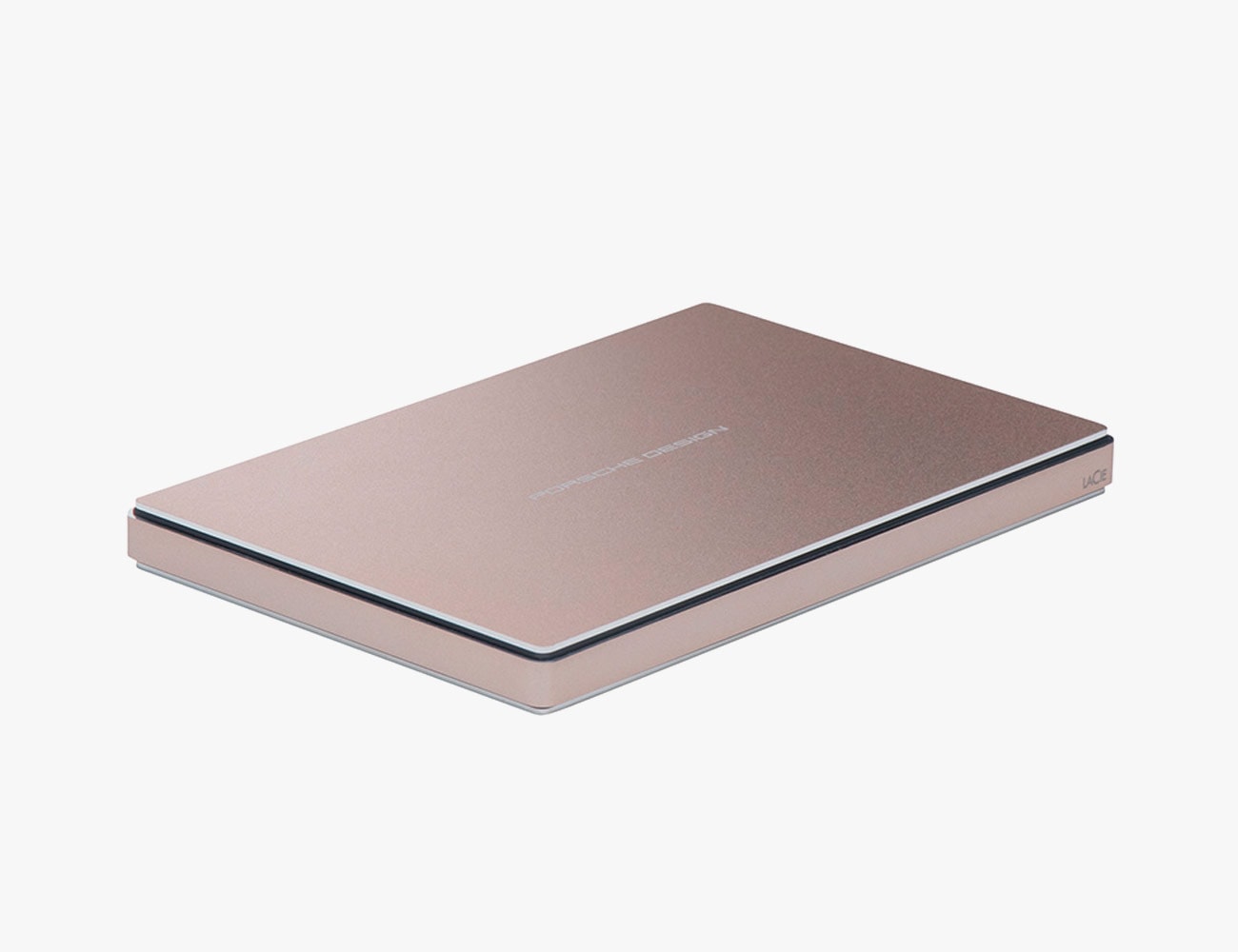
Porsche Design Lacie 2TB Hard Drive

Porsche Design isn’t a random wing of the German brand that pumps out key chains just for the sake of it. If ‘Porsche’ is branded on it it you know it’ll be designed to the highest standard and come with an equal amount of perfromance. Case and point: this two-terabyte Lacie external hard drive.

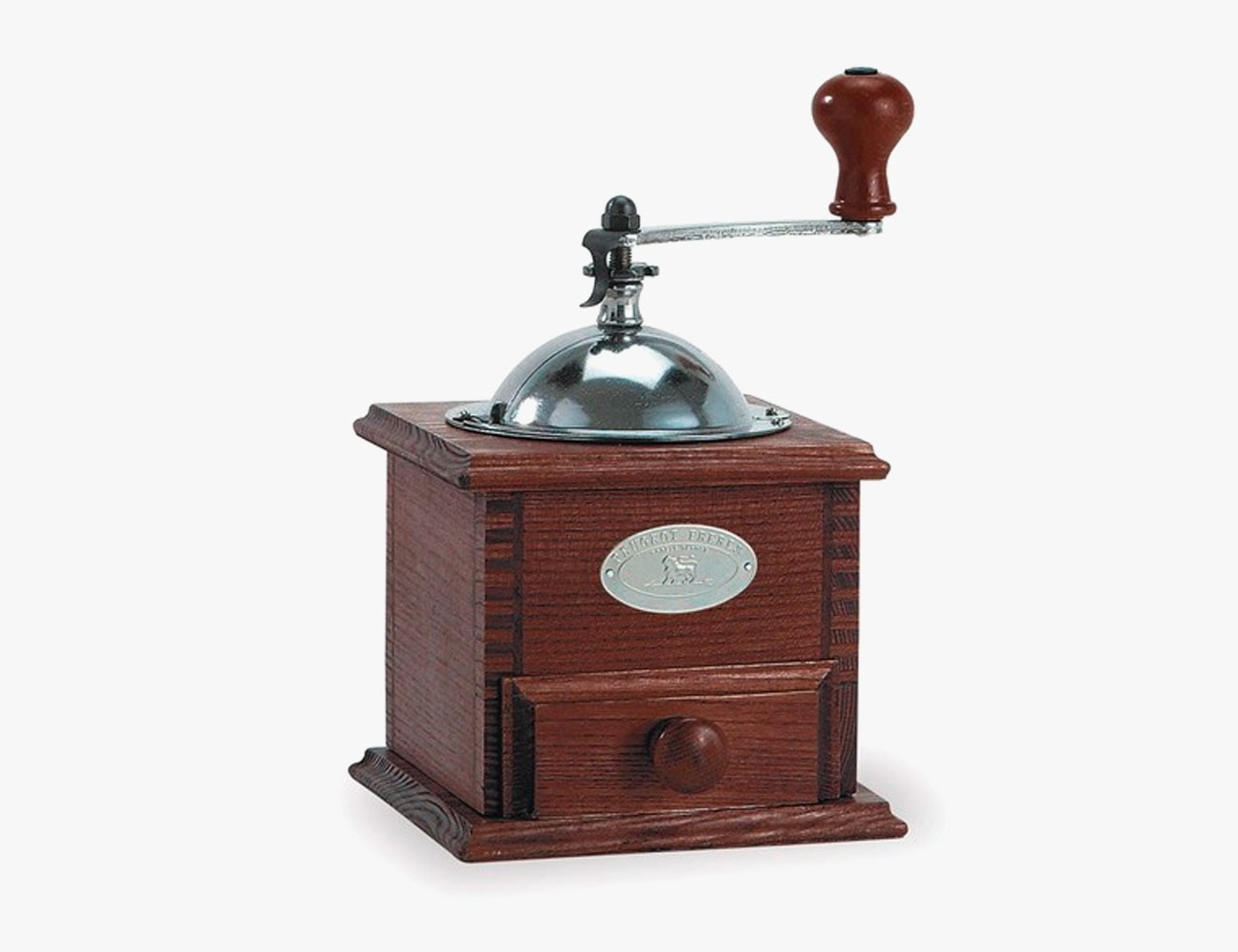
Peugeot Nostalgie Walnut Coffee Mill

Before it made cars, Peugot was in the business of coffee mills and bicycles. So if your car guy loves coffee, this manual coffee bean grinder is an easy win.

Schott Asset Leather Jacket

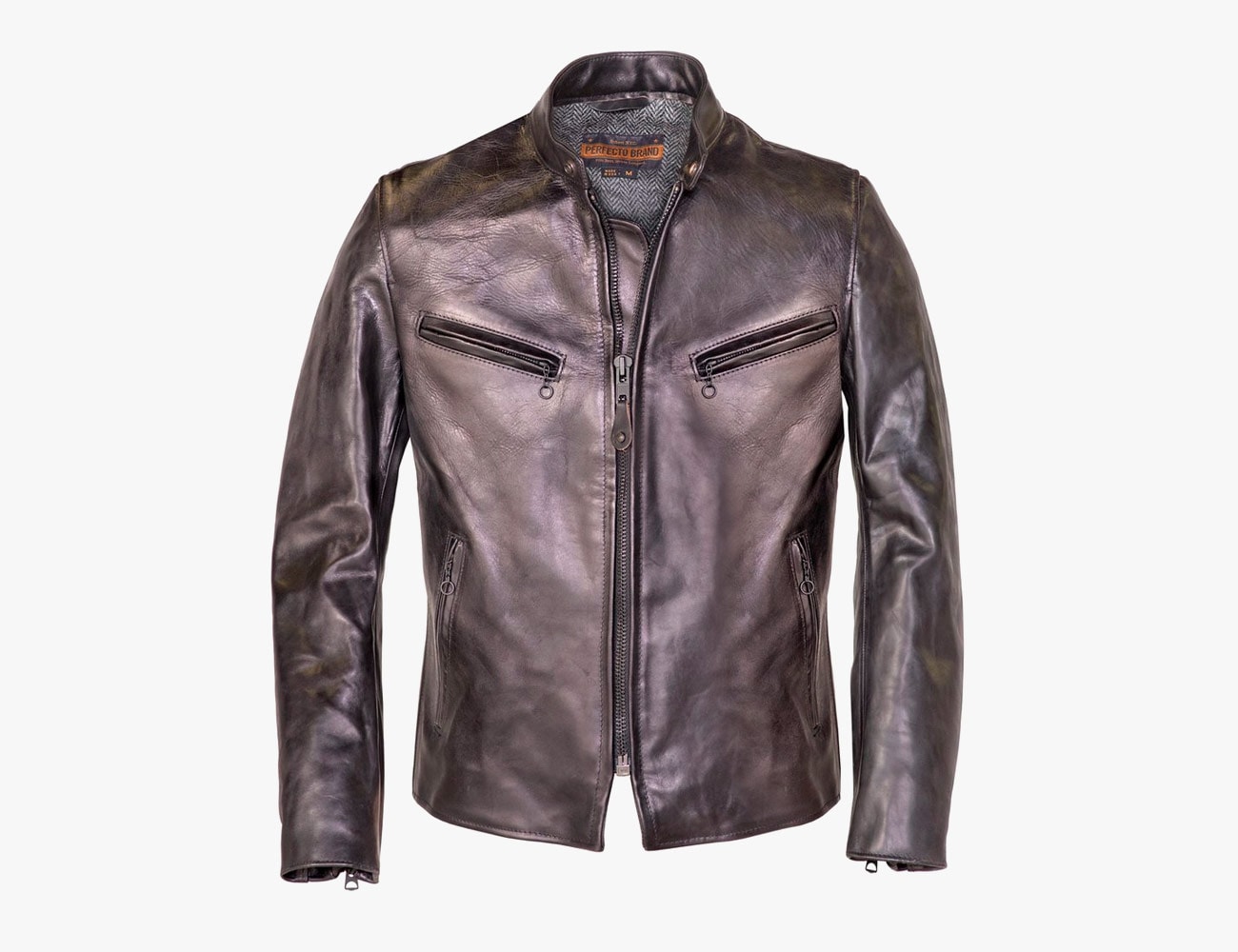
Schott is one of the most iconic leather jacket companies in the world; their most notable collection is the Perfecto series, whiched warmed the shoulders of Marlin Brando in the The Wild One. It’s safe to say the rest of its line is just as iconic, too. The Asset café racer-styled motorcycle jacket, with its four zippered front pockets, black metal trim & 100 percent wool herringbone lining, is an obvious choice.

Range Rover Classic County

This Range Rover was meticulously maintained by an American dealership with only Land Rover OEM parts; it has since been garage kept. As it sits now it can make an ideal daily-driver or a the perfect chariot for weekend get-aways off the beaten path.

Craighill Nocturn Catch Valet Tray

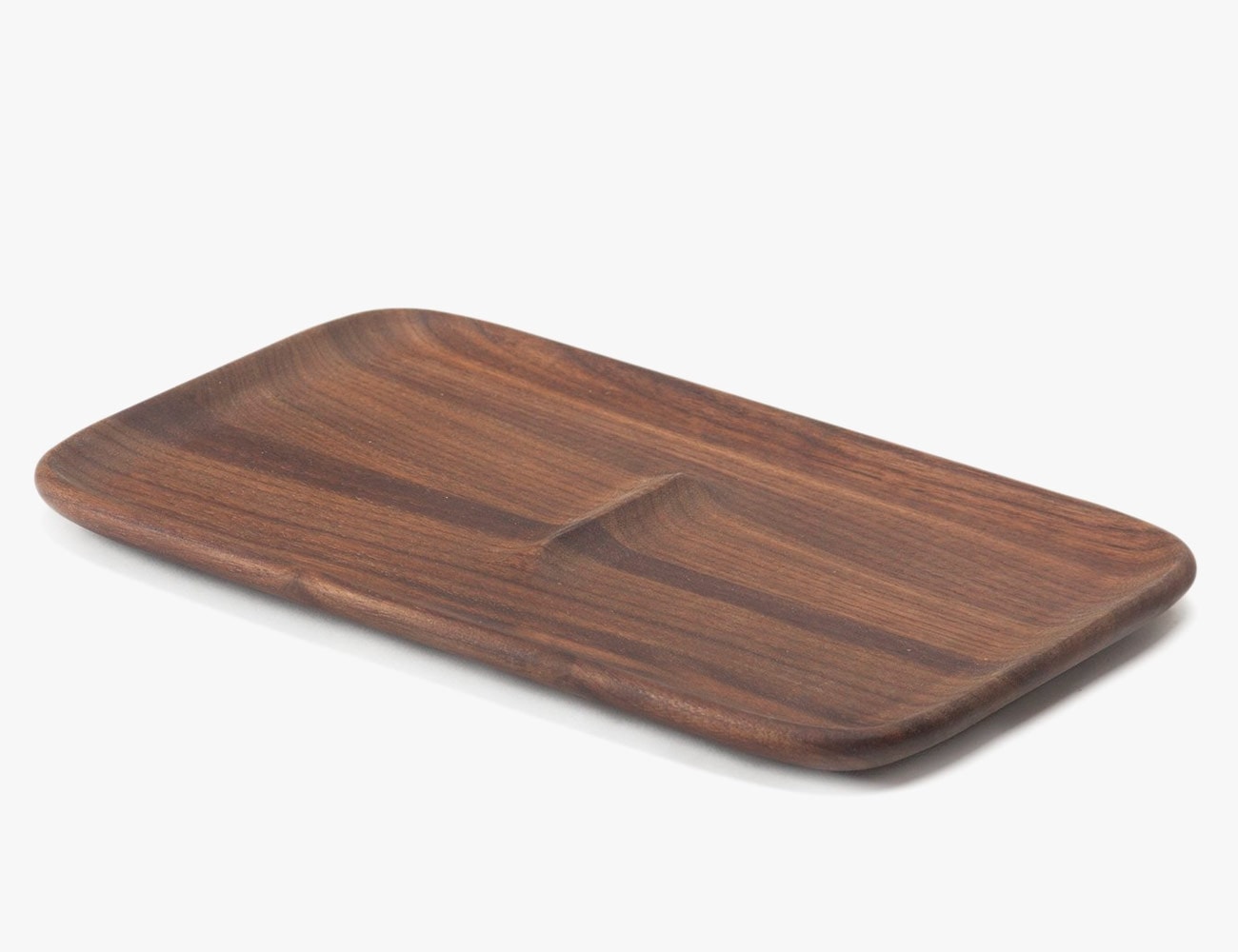
Valet trays might one of the more underrated home accessories to the general population, but leave it to the car guy to place his keys on a pedestal. A sturdy walnut Craighill Nocturn Catch Valet Tray won’t go unappreciated by a true car and definitely won’t go unnoticed by his friends.

Harman Spark

The Harman Spark is an incredibly easy way to bring older cars up to date (1996 or newer). The Spark fits right in the OBD II outlet and immediately gives your car features like emergency services, 4G LTE hotspot WiFi, theft alert and location tracking.

L.L.Bean Signature Leather Duffel

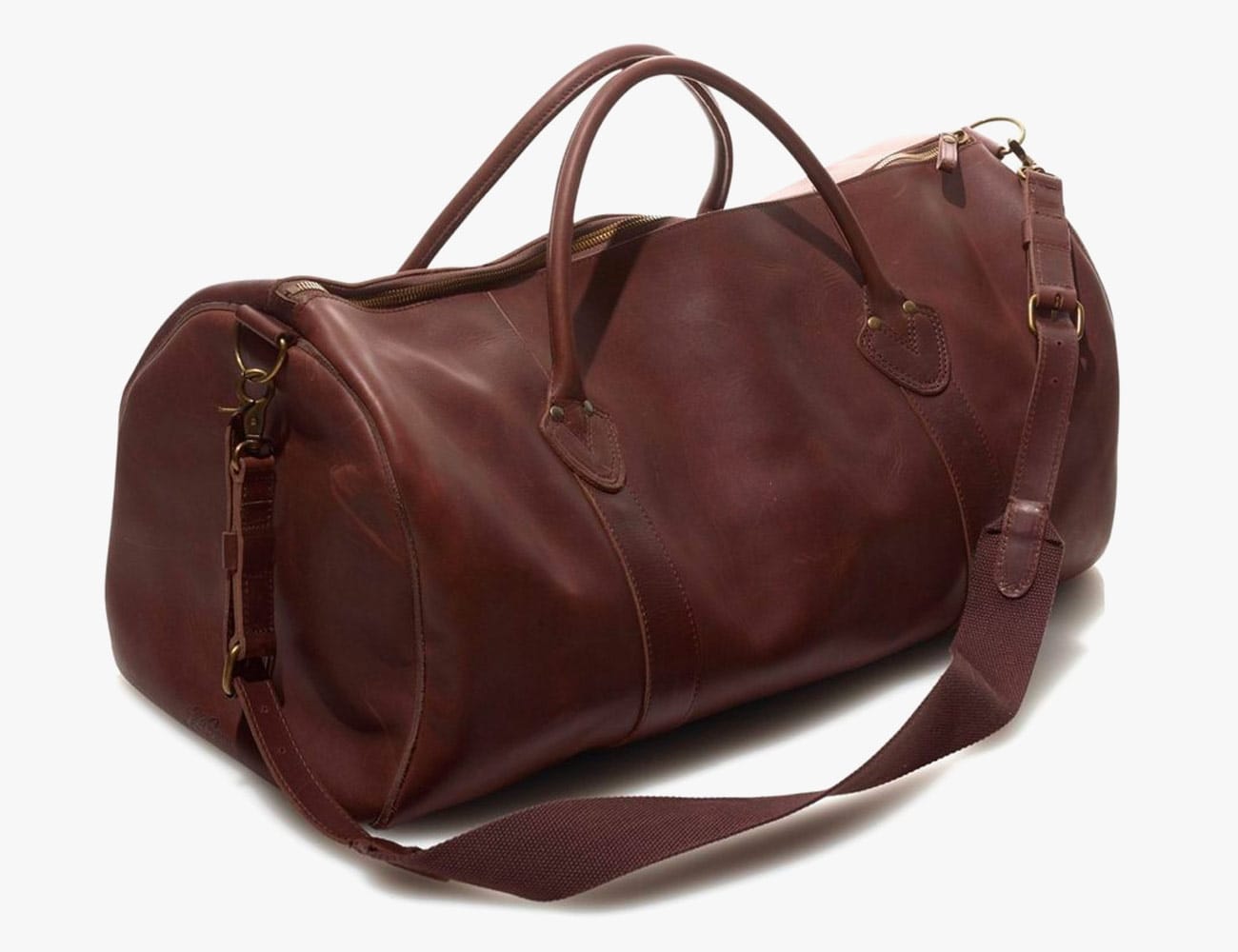
A good leather duffel bag is essential up to the countryside for the weekend. The 44-liter L.L.Bean Signature Leather Duffel is made of oiled cowhide leather with a cotton canvas lining. In other words it’s made to last and look good its entire life.

Deakin & Francis Steering Wheel Sterling Silver Enamelled Cufflinks

Car guys are all about the details – that includes how they dress. Steering Wheel Sterling Cufflinks by Deakin & Francis are a subtle sterling silver and enamel way to show off a love of cars.

If You’d Just Let Me Finish by Jeremy Clarkson

If you think a book by Jeremy Clarkson is just a long, one-sided conversation about cars, you’re sadly mistaken. Give this man enough time and space to get his thoughts down and you’ll hear rants about “How Blackpool might be improved by drilling a hole through it, the problem with meditation, a perfect location for rebuilding Palmyra and why Tom Cruise can worship lizards if he wants to.”

Gear Patrol Magazine

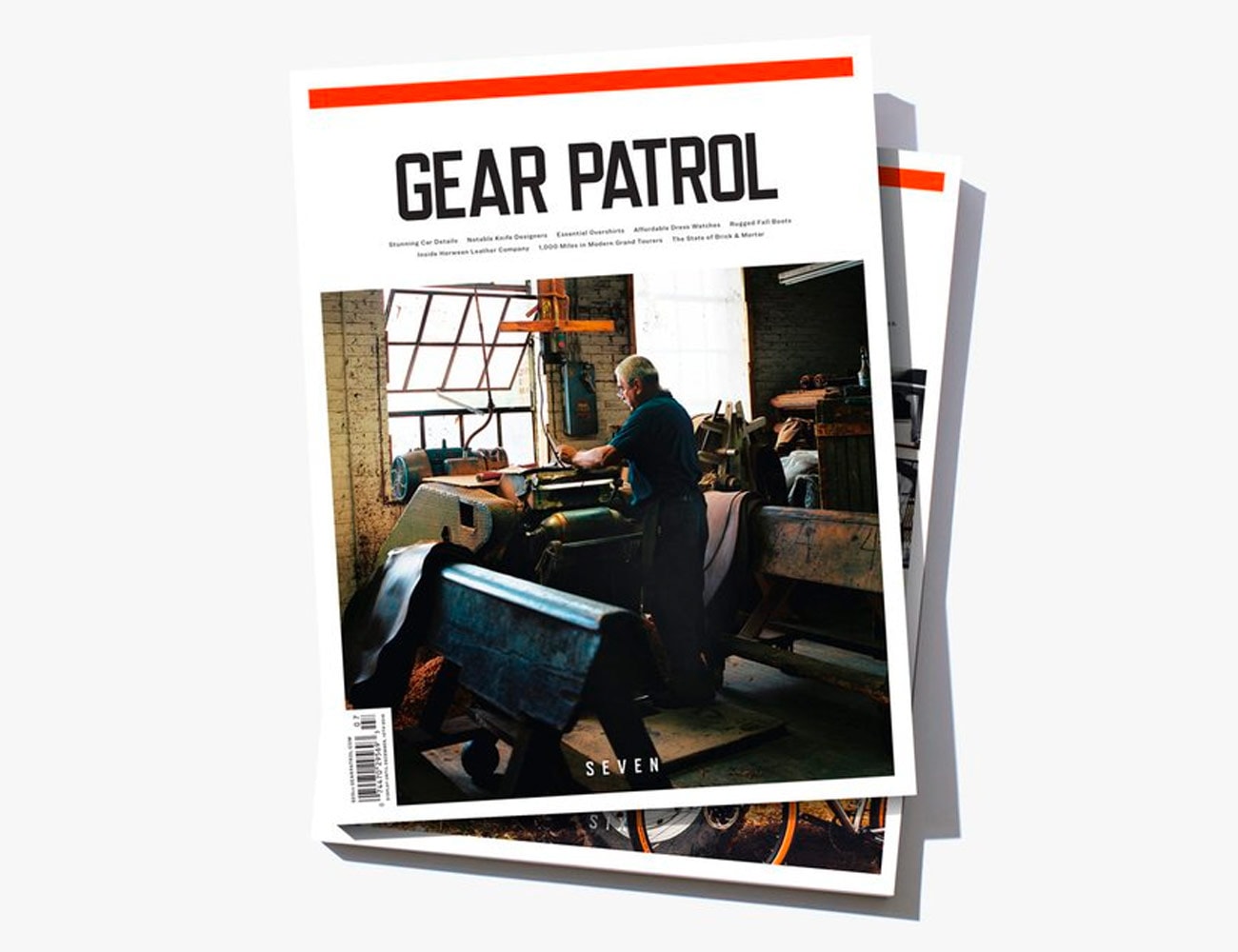
Perfect for whoever is manning the back seat. Inside its 200-plus pages, we explore what it takes to turn an office chair into a thing of beauty, an accidental invention into a culinary essential and a 1970s French automobile into one of the most evocative cars of the last century. Plus much more.

Note: Purchasing products through our links may earn us a portion of the sale, which supports our editorial team’s mission. Learn more here.

Manhart MH8 600: BMW M850i Gets 621hp Package

We have yet to see the BMW M8 and tuning companies have already playing with the current range topping M850i. Manhart Performance have today announced a performance program for the current range topping BMW 8 Series. We believe that they are the first to tackle the highly anticipated luxury GT car, presumably keen to capitalise on the wait for the M Powered model!

The BMW M850i uses BMW’s 4.4 litre V8 power plant. Fitted to the 8 Series, the engine is also expected to make its way into the new X5 M50i as well as the M550i next year. It makes sense for Manhart to get to grips with it as early as possible.

Manhart MH8 600

The modification at this early stage is limited to just software optimisation. The MHTronik software does wonders for the performance though! Power is boosted by 91 hp up to 621 hp and torque rises to 870 Nm. Both figures that provide serious rivalry to the upcoming M8. Performance figures haven’t been announced, needless to say, 10ths of seconds will have been lost from the 100 km/h sprint. With the limiter removed, top speed will also have improved.

Manhart’s improvements are cosmetic too. The M850i gets a new set of front and rear carbon fibre spoilers. It sits lower, on H&R springs with a set of 100 millimetre quad tailpipes venting from a new muffler. Manhart have even switched out the wheels for a new set of 21 inch units.

Pricing for all of these modifications should be available through Manhart direct. Expect more optimisation options to come in time.

This 2006 M3 Is the Last Great BMW

Most of, if not all of, the cars BMW has made since 2006 can be considered good cars — they get the job done and meet the purpose they were built for, which is to provide transportation. But the last great BMW? That’d be the one pictured above; the 2006 M3 CS — peak BMW.

The 2006 M3 CS (Competition Package, in the U.S) was the absolute best BMW had to offer when trying to define ‘the Ultimate Driving Machine.’ There was nothing extra on the car to numb the thrill of carving through a turn, nailing an apex, shifting the gears yourself or eliciting feedback from the wheels. And, at the same time, it wasn’t an over-the-top, stiffer-than-hell track focused car you dreaded spending more than 10 minutes in like the more hardcore CSL. The M3 CS cherry-picked the best parts from the CSL and the standard M3 to give the driver rewarding performance without being torturous.

On the CSL, air conditioning, the radio and navigation were no-cost optional extras and sound deadening foam was deleted, all in the name of saving weight. So if you got lost on a hot day, you’d start to question a few life decisions – and then the rock-hard track-tuned suspension and fixed bucket seats would shatter your lower back. The CS, on the other hand, came with all of those basic luxuries, plus adjustable heated leather seats and a softer, more liveable suspension. What the CS did take from the CSL was its steering rack, M-Track Mode traction control and larger, better brakes at the front and rear. It had everything you needed and/or wanted and nothing you didn’t.

2006 was also the last year before BMW overhauled its design language and went down a swoopy and character-line-laden path. Pre-2007, the 3-Series style was clean, uncluttered and focused. It didn’t try to look sporty, because it didn’t have to – the driving experience spoke for itself in volumes.

Right now, this M3 CS is sitting at $15,000, but considering it’s the last example of an era almost unrecognizable to BMW today, don’t expect the price to stay that low for too long.

All-Wheel-Drive vs Four-Wheel-Drive: Know the Difference


Four-wheel-drive used to be synonymous with mullets off-roading in the minds of most consumers. Like many buzz-worthy specs originally developed for enthusiasts and professionals, though, some variant of the general principle was soon rushed into vehicles of all stripes by manufacturers. It’s a shift muddin’ diehards still cuss about over tallboys at dusk, but there’s no denying that a new generation of sure-footed cars with better handling in tricky conditions has benefited drivers everywhere.

Today, finding the perfect match between driving ability, fuel consumption and price first requires a honest evaluation of your own motoring needs. With that soul-searching behind you, understanding the differences between various four-wheel-drive (4WD) and all-wheel-drive (AWD) offerings (and everything in between) will make buying your next ride that much easier.

Know Your Terms

Loosely speaking (in automotive terms), torque is the twisting force produced by a car’s engine. Torque is multiplied and split up between wheels by various gears in the transmission and differentials, which send torque from the driveshaft or transmission to the drive wheels. Applying torque to the wheels is what moves your car from A to B; granted, there’s a force — a.k.a. friction — that prevents your tires from simply slipping along the road. That last bit is important because it illustrates the relationship between friction, traction and torque. Friction is required for traction, and traction is required to harness torque. The most powerful engine in the world won’t move you an inch if your tires lack traction. Wheel slip results when the torque applied to a tire exceeds its available traction (often, at red-light drag races).

Traction control is one innovation that has helped limit tire slip in modern vehicles — even the two-wheel-drive variety. This technology leverages the same sensors used by anti-lock braking systems to measure wheel speed and determine whether any wheel under power has lost traction. Remember, if the amount of torque sent to a wheel exceeds the friction it has with the road, it’ll slip. By braking select wheels when slipping is detected, these systems can limit the amount of torque sent to a wheel and reduce wheel slip in the process. In certain cases, reducing engine power to slipping wheels is also required to get things under control. Traction control systems are unquestionably beneficial, but it’s important to remember that they only work to prevent wheels from spinning and can’t actually increase traction. That’s where 4WD and AWD come in.

Open Differentials
[embedded content]

Before diving into the benefits of pushing power to all four wheels of a vehicle, it’s important to first understand how the two-wheel-drive systems found on most cars work and where they fall short. When a vehicle is in motion, its wheels rotate at different speeds when making turns. This is because the inside wheels travel a shorter distance during a turn than the outside wheels. The front wheels and back wheels likewise travel at different distances and speeds in turns. This simple fact of physics poses a problem for wheels under power from the engine, since the left and right wheels are linked together by an axle so that the car’s engine and transmission can turn both together. A differential is a type of gearbox found on the front and rear axles that deals with this issue by supplying power to a set of wheels while still allowing them to rotate at different speeds.

The differential found on basic two-wheel-drive vehicles is known as an “open differential,” and it distributes power across both wheels following “a path of least resistance”. This design is highly effective on typical surfaces like dry pavement, but it can result in real problems on poorer road conditions. For example, if one wheel on an axle hits a patch of ice while the other remains on dry pavement, an open differential will direct all available power down the path of least resistance, which in this scenario is the wheel with the least amount of traction. The additional torque applied to this wheel results in wheel slippage. Getting moving in these cases involves a sore back until both wheels on the axle gain traction again.

Part-Time 4WD
parttime-gear-patrol-lead

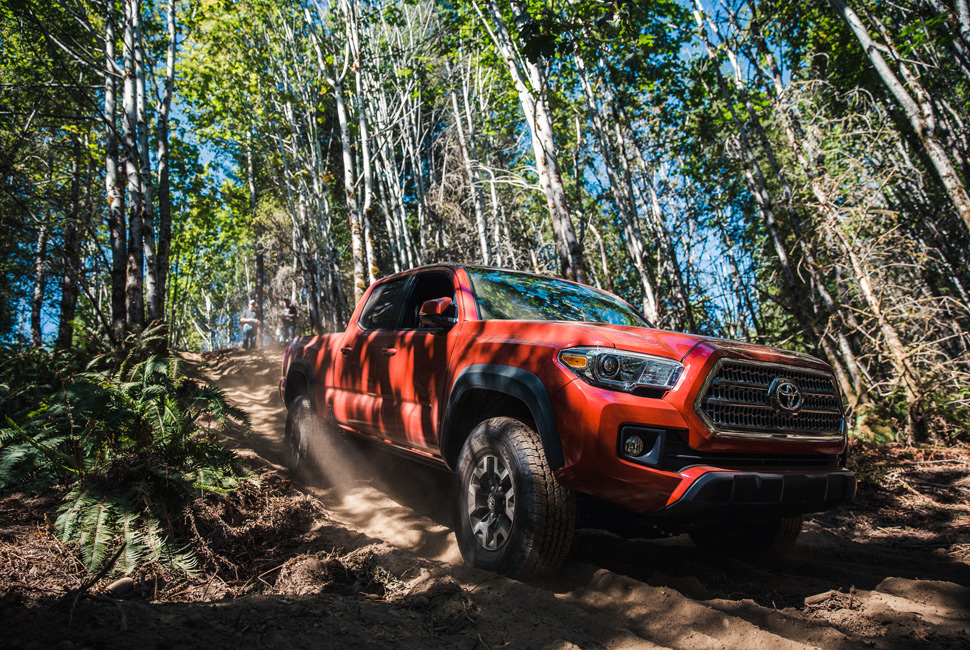
Though the name might seem counterintuitive, Part-Time 4WD is a feature found primarily on SUVs and trucks designed to handle demanding off-road environments. Unlike Full-Time 4WD or some all-wheel-drive solutions, these systems allow drivers to normally operate the vehicle in 2WD during everyday driving scenarios (which is more fuel efficient and puts less wear and tear on the vehicle), or switch into either a 4WD high or a 4WD low gear for particularly bad traction scenarios via a selector switch. The presence of a 4WD low gear, combined with a more basic design and implementation, generally makes Part-Time 4WD a superior option to AWD alternatives when really veering off the beaten path — granted a driver knows what they’re doing.

4WD mode works in the simplest terms thanks to a dedicated transfer case, which splits the power between the front and rear axles. Specifically, it locks the front driveshaft to the rear driveshaft, forcing equal amounts of torque from the engine to both axles, causing the front and rear axle of a car to rotate at the same speed. This provides greater traction to drivers since it ensures power will continue to flow to the wheels on an axle with traction should wheels on the other axle slip. By the same token, though, switching back to 2WD on normal road conditions is critical to prevent potential damage from a condition known as “drivetrain binding” — when a vehicle’s axles cannot rotate at different speeds to accommodate the different distances wheels travel during events like turning.

There are several other innovations beyond simply sending power to all four wheels that enhance many Part-Time 4WD vehicles’ traction abilities by solving the woes of open differentials. A limited-slip differential or LSD (not that kind, you Deadhead) is one such solution that automatically directs some available power to the path of more resistance (a.k.a. the wheel that’s not slipping) to provide grip on poor roads, and it works in the background without any input from the driver. But it doesn’t prevent wheel slippage entirely.

So-called automatic limited-slip differentials (A-LSD), also known as electronic limited-slip differentials (e-LSDs), are activated by drivers via a button or switch and provide the same traction benefits as a typical LSD using a different methodology, with a few notable enhancements. Instead of relying on clutches to evenly distribute drive-wheel power, these systems rely on the automatic intervention of the braking system to transfer power between the wheels. But unlike basic traction control (mentioned earlier), A-LSDs also don’t require a reduction in engine power to work and can shift power back and forth from the left and right wheels as each wheel’s level of traction varies.

Locking differentials kick things up a notch further by allowing users to manually activate a locking mechanism inside the differential. A locked differential forces each wheel on an axle (vs. just the axle, as is the case in basic Part-Time 4WD) to rotate at the same speed, no matter their tractional differences, which gives a wheel that may have more traction a better chance of freeing the driver from a slippery situation.

PROS

  • Gives traction when needed, while switching to 2WD improves fuel economy and reduces wear on the drivetrain in normal conditions.
  • Since it’s generally less complicated and of an older design from an engineering standpoint compared to other systems, it’s easier to build and therefore less expensive, lowering initial purchase cost. Its simplicity also tends to make it more rugged.
  • In extremely difficult terrain, drivers can engage an extra-low 4WD gear for improved torque.
  • LSDs, A-LSDs and locking differentials act as the ultimate trump card in poor conditions by better directing engine power from “wheels that slip, to wheels that grip”.

CONS

  • Doesn’t provide extra traction and handling improvements in everyday driving situations.
  • A driver has to actively turn on 4WD to take advantage of it and remember to turn it off after.
  • Creates the potential for uneven tire wear.

Full-Time 4WD
fulltime-gear-patrol-lead

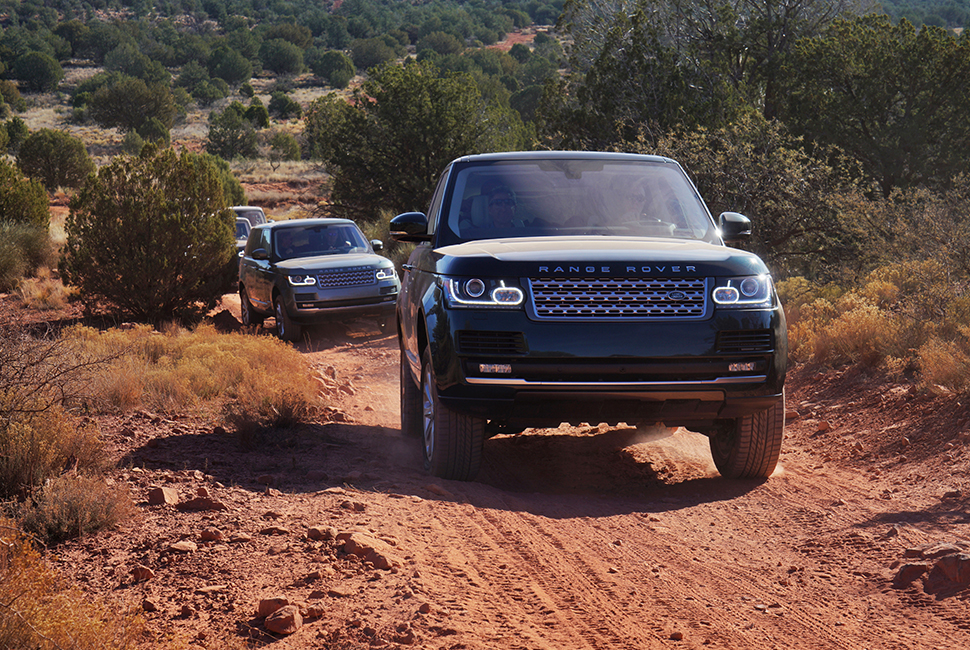
“Full-Time” means some portion of the engine’s power is spread across each of the wheels, all of the time. These systems are becoming increasingly popular in SUVs and unlike the Part-Time 4WD systems mentioned above, they eliminate the risk of drivetrain binding thanks to a center differential, which allows each of the vehicle’s axles to receive at least some amount of power at all times and still rotate at different speeds during a turn. While Full-Time 4WD systems are convenient (since all of the wheels are always under some degree of power without any action from the driver), they still have faults. Fuel economy naturally takes a hit, and there is inherent wear on the drivetrain. Just like a blustering high roller in Vegas buying drinks for any female in a 30-yard radius, Full-Time AWD continues to shower each of the wheels with some portion of power, even those with zero chance of gaining traction.

Some center differentials boast a locking feature to partially overcome this problem, which splits engine power equally between the front and rear axles (not the wheels, as with a locking differential on part-time 4WD vehicles mentioned above). A Full-Time 4WD car with a locked center differential thus behaves in many ways like a Part-Time 4WD vehicle in 4WD.

A Torsen limited-slip center differential does an even better job of putting power where it’s most needed in Full-Time 4WD vehicles. It features a unique gearset that locks if it senses a torque imbalance between a vehicle’s two axles and then transfers power to the axle with traction. The particular ratio of power that a Torsen can shift between the front and rear axles varies. In the case of Toyota’s vehicles, it can direct up to 53 percent of available engine power to the front axle if the rear starts spinning. If it’s the front wheels that are spinning, on the other hand, up to 71 percent of all engine power can shift to the rear axle to get you and backseat full of sugared-up kids out of a jam.

PROS

  • Gives drivers added traction and improved handling in all driving situations, without the risk of drivetrain binding.
  • It’s always on and doesn’t require any action from the driver.
  • Systems equipped with Torsen center diffs are the ultimate solution for putting engine power where it’s needed most, lowering the risk of getting stuck even further.

CONS

  • It’s less fuel efficient and puts more wear on a vehicle’s drivetrain.
  • Often requires advanced drivetrain equipment that can increase initial vehicle cost relative to more basic 4WD systems.
  • They’re generally more prone to damage compared to simpler, more rugged Part-Time 4WD systems.

Full-Time 4WD Multi-Mode

Full-Time 4WD Multi-Mode systems can operate in Full-Time 4WD mode, just like other Full-Time 4WD systems. Drivers have the added bonus, though, of switching to 2WD when additional traction isn’t necessary. This system is generally harder to find and is usually only used on higher-end SUVs.

PROS

  • Gives drivers added traction and improved handling in all driving situations if desired, but it can be turned off should fuel economy and drivetrain wear be a concern.

CONS

  • Often requires advanced drivetrain equipment that can increase cost relative to more basic 4WD systems.
  • They’re generally more prone to damage compared to simpler Part-Time 4WD systems and more expensive compared to regular Full-Time 4WD systems.
  • Available on only a limited number of typically lower-powered vehicles.

AWD
allwheel-gear-patrol-lead

The most basic definition of an all-wheel-drive vehicle is one that can send some percentage of engine power to the non-primarily powered wheels when needed. (Today, this is an oversimplification for most new cars driving off of the lot, but we’ll go with it for clarity’s sake.) AWD systems were originally made popular by European sports cars in the ’80s after drivers found their added road grip boosted handling. The most basic implementations are usually found on front-wheel-drive cars, though this is far from being always the case.

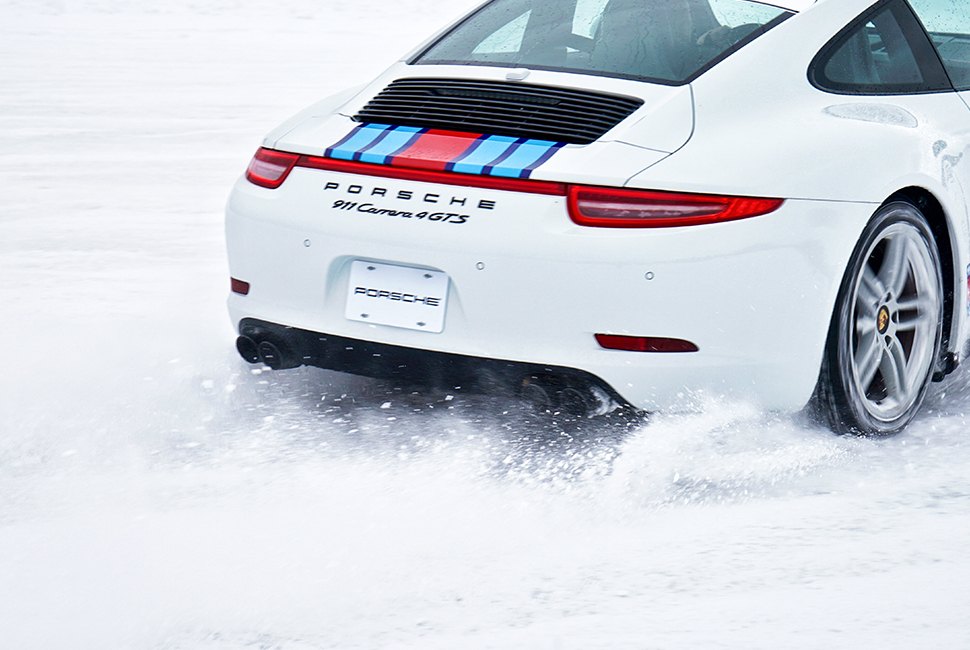
Today, AWD is available on all kinds of vehicles and offers many of the benefits provided by more traditional 4WD systems. But this isn’t a “Potato” “Po-tah-to” situation, and they aren’t the same thing. Mechanically, AWD systems incorporate a front differential, center differential and the transfer case into one compact component, which makes it more suitable in smaller, lightweight vehicles with lower levels of ground clearance. Despite the word “all,” cars with basic AWD still typically send the majority of power only to one axle. For example, in the case of the Porsche 911, only 5 percent is typically pushed to the front axle while 95 percent is directed to the rear. In these cases, a series of sensors monitor wheel slip and automatically shift power to wheels where there is no slippage, without any action need from the clueless driver screaming T-Swift at the top of their lungs.

The best AWD systems leverage software and wheel sensors to detect wheel slip as fast as possible. They then react by activating traction control to reduce or eliminate wheel slip while re-routing engine torque to the wheel with the best grip on the road. AWD with dynamic torque control found on cars like the Toyota RAV4 are a riff on this theme and utilize an electro-magnetic coupler or (ECU). During normal driving, the RAV4 defaults to front-wheel-drive for improved fuel economy while still sending power to rear wheels during turns for improved cornering and driving performance (up to a maximum of 45 percent rear and 55 percent front torque distribution.)

Lock mode, on the other hand, essentially acts like Full-Time FWD on the RAV4 at speeds below 25 MPH by directing 50 percent of engine power to the rear wheels. Sport Mode provides smoother torque transfers between the front and rear wheels to improve steering by maximizing the traction of each wheel. Braking in a straight line is also enhanced in this mode by stopping torque to the rear wheels, allowing ABS and vehicle stability control to work unmolested.

While it’s somewhat of a sweeping statement, AWD systems generally excel at “all-weather” driving, not “all-terrain” driving.

PROS

  • Gives drivers added traction and improved handling in all driving situations if desired.
  • It’s always on and doesn’t require any action from the driver.
  • Available on a wide range of vehicles beyond trucks and SUVs.

CONS

  • Lack of a transfer case means engine torque cannot be geared down to a very low range for rigorous off-roading.
  • Compared to other systems, it’s less adept at pinpointing power to the wheels that grip vs. the wheels that slip.

Real-World Performance
everyday-gear-patrol-lead

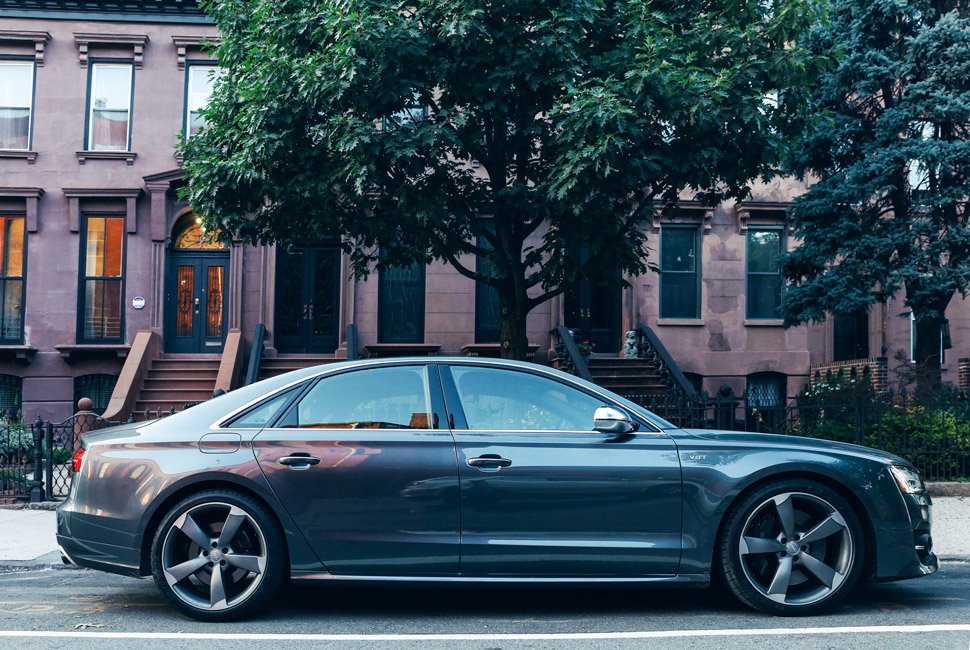
Understanding the science and engineering behind each of these systems is informative, but no amount of book smarts can replace a test drive to discern what system is right for you. Our recent experience with Toyota’s entire cross-over and SUV lineup in Breckenridge made it abundantly clear that competent drivers armed with even basic AWD can comfortably navigate less-than-ideal road conditions — and we didn’t even follow a cardinal rule of using snow tires. AWD cars can manage the slushy terrain to the local Starbucks just as competently as the mighty Canyonero and save fuel in the process. In short, justifying the expense of Full-Time or Part-Time 4WD over more basic AWD options simply as a necessity for “surviving” your neighborhood makes much less sense than it used to.

There are obviously adventurous lifestyles and harsher environments where owning a more robust system is a reasonable investment, though. The 4WD solutions found on true SUVs (your Aztec doesn’t count) are all capable of pushing drivers well beyond the paved safety of Main Street. But while their advanced drivetrain systems and various enhancements like Hill-Start Assist Control (HAC), Downhill Assist Control (DAC) and Crawl Control are taking more of the hassle out of going off-road, they should never override common driving sense. Driver experience and competence is still the biggest single factor in avoiding disaster. No option package or a decal on the bumper will ever change that fact.

Some point out that when it comes to buying a car, it’s hard to put a price on the single moment where a good traction system could save your bacon from a bad situation — and for the most part, we’d agree. You can’t put a price on safety, but shelling out isn’t a get-out-of-a-ditch-free card either. Your first concerns should center around driving ability, size, fuel efficiency and creature comforts. Only once the field is narrowed should you consider the various drivetrain options available and start the honest conversation of “Is it worthwhile?” No matter what you wind up picking, our advice is to study up on good winter driving skills, focus on regular maintenance, and work on improving your decision-making behind the wheel first. After all, at the end of the day, it’s the man behind the machine, not the other way around.

One of the Best Modern Applications of AWD
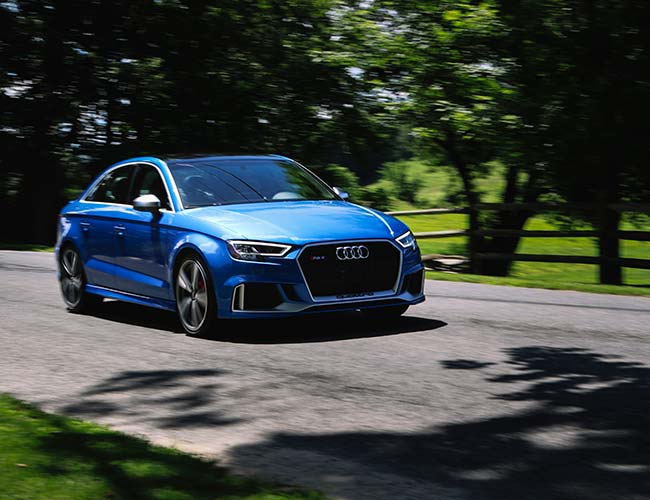
The blue and white roundel on the M2’s trunk might as well be a target. Read the Story

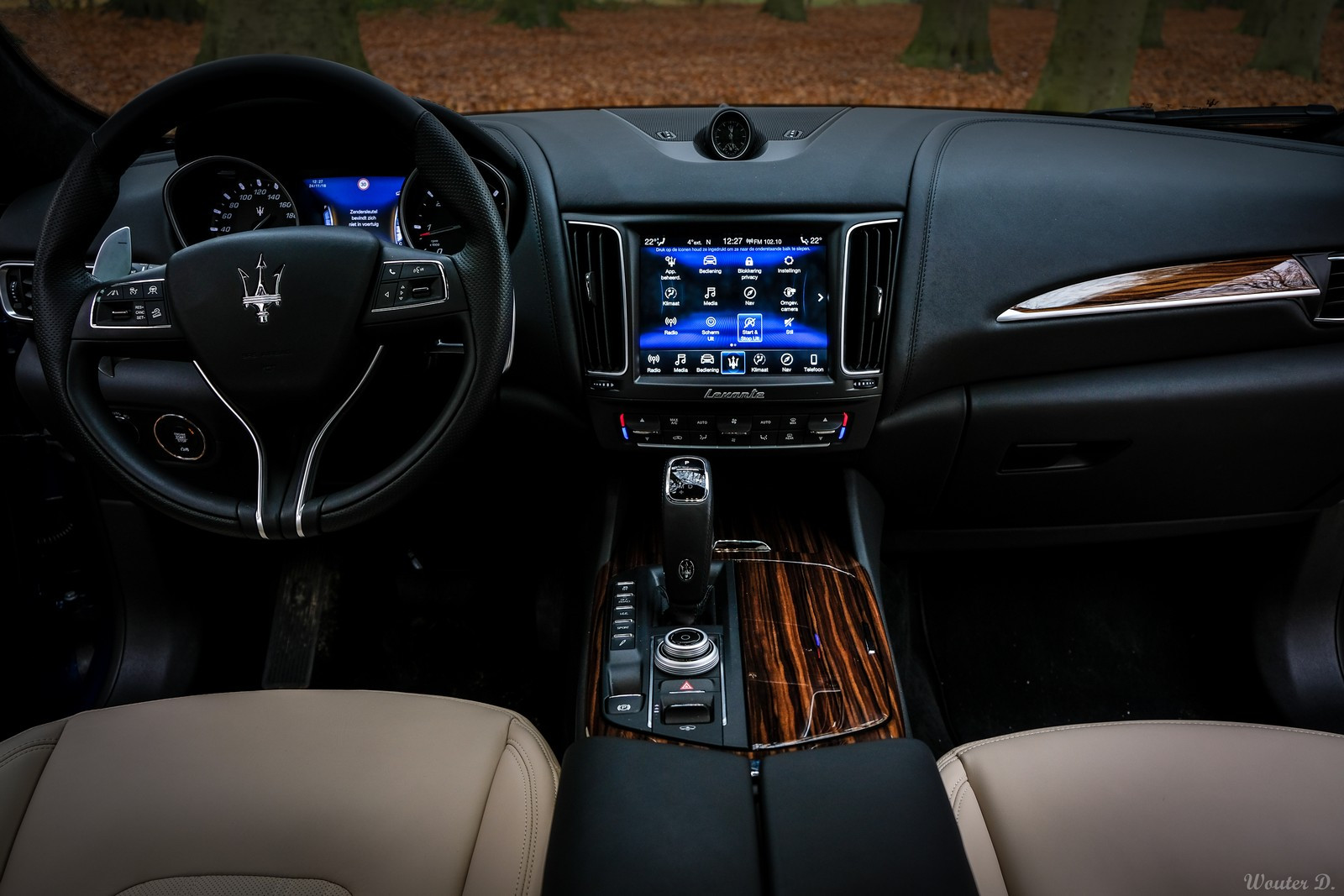
A Vintage Car You Should Know: The Saab 96

If you were to spectate a European rally event during the early 1960s, you’d have heard the distinct buzzing, brapping yelp of a certain two-stroke engine bouncing off the hills and trees and echoing through the valleys. The source of the ruckus: a round, teardrop-shaped coupe from a then-obscure little automaker called Saab. The car was called the 96, and the driver was Erik Carlesson, a “moon-faced, 250-lb Swede” (Autoweek’s words, not mine) with an exuberant driving style. The pairing was unorthodox but successful: Carlesson and the 96 won a number of notable rallies, including multiple first-place finishes at the Rally Monte Carlo and RAC Rally in Wales.

Technically speaking, the 96 was not Saab’s first car; it wasn’t even it’s second (that’d be the 93). But the 96 and its rally wins helped put the emerging automaker on the map. But its roots can be traced to the airplane builder’s foray into the automotive industry, the 92. The 92 was far from a smashing success when it initially debuted in 1950, but it did provide the Saab brand a unique and impressive platform on which to build. It featured a three-cylinder two-stroke engine, a front-wheel-drive (thus relatively spacious) layout and an aerodynamic body formed with the assistance of a wind tunnel, at that time a technology mostly reserved for airplane manufacturing.

Like the 93 before it, the 96 was an update on that original 92 platform, this time to the tune of updated mechanicals, a bigger engine and styling tweaks. Most notably, the early version of the 96 received a larger two-stroke engine which was eventually replaced by a four-stroke V4 in 1966. And while the 92 and 93 sold in the tens of thousands of short productions runs, the 96 saw much more success: it stuck around for 20 years after its debut in 1960, and Saab managed to move over half a million units.

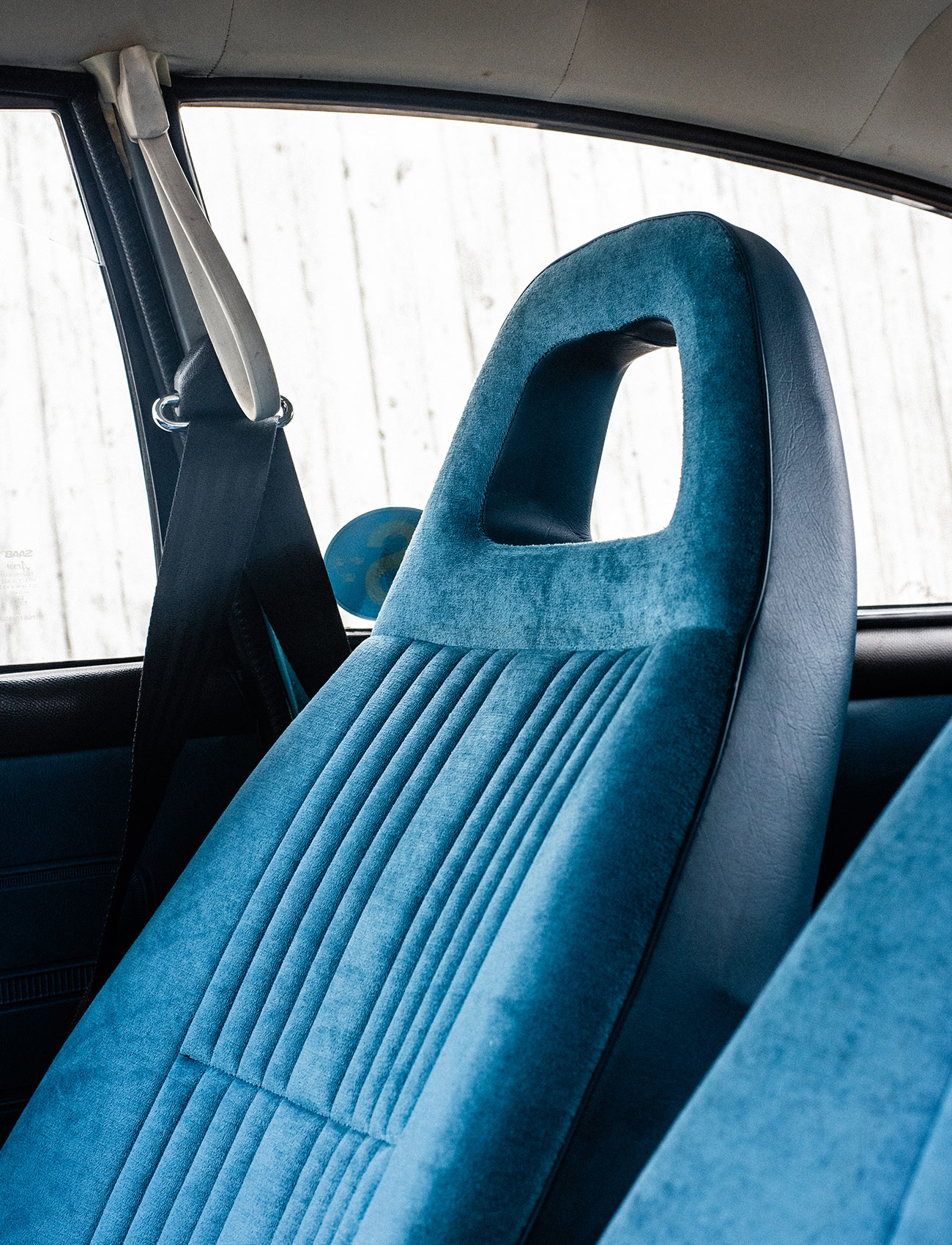
Of those hundreds of thousands of 96s, the one pictured here, which I drove, is one of the very last examples ever made. In 1980, the 96’s last year of production, Saab ended on a high-note, introducing a special model called “Jubileum,” which consisted of 300 limited-run models that were specified identically, but all to perfection. The mechanicals were no different compared to the regular 96 — its 68-horsepower V4 engine and four-speed manual remained — but the car received a brilliant powder blue paint job, special alloy wheels, special trim and upgraded blue seats, basically taken from the Saab 99.

It’s about as obscure a car as you could possibly get, but for Saab enthusiasts, it’s a grail-tier car. Marc Vernon, who owns this model, has owned a total of 11 in his lifetime; given that the 96 was not imported to the U.S. after 1973, its presence here in Chicago is all the more remarkable. Vernon had been on the hunt for a late model 96 from Europe when he came across a Jubileum for sale on “a sort of Swedish Craigslist.” According to Vernon, the seller responded to an email inquiry two weeks later to say that specific car had sold but that, as luck would have it, he had another Jubileum for sale. After a ten-month buying, inspecting and importing process, the car arrived at Vernon’s door.

When Saab officially went defunct in 2012, its fanbase was devastated, though few were truly surprised. There was an endearing weirdness to Saab and its approach to carmaking — half brilliant, half flummoxing — that made it lovable but did little to sustain it as a viable business. But drive a 96 and you can see why enthusiasts remain loyal to the dead marque: quirks abound, like seatbelts that loop through a latch (rather than buckle) and c-pillar winglets that supposedly aid in aerodynamics.

Arguably the thoroughly weird 96’s strongest selling points are its engine and drivetrain. Even into the 60s, Saab was selling road car powered by two-stroke engines with only seven moving parts, but even in that context, the V4 is a bit of a quirky choice. The only other automakers to ever put a V4 into a car are Ford (only in Europe), Lancia, Matra and ZAZ, a Ukrainian carmaker that I swear absolutely exists.

What’s more bewildering is the way the V4 puts its power down: through a freewheel, which disconnects the engine from the driveshaft when your foot lifts from the throttle. The freewheel device is actually an essential piece of a two-stroke drivetrain, as it prevents the engine from oil starvation when the car’s fuel-oil mixture isn’t being sent to the engine. Where it definitely isn’t essential is on a four-stroke engine like this one, where engine lubrication isn’t dependant on throttle input.

Still, Saab decided to keep the freewheel from the two-stroke drivetrain intact for its four-stroke V4 model. There is, however, a benefit to this: you don’t need to use the clutch to change gears. There is a clutch pedal that must be used to get the car moving into first from a standstill, but from there you simply take your foot off the gas, then slide the column-mounted shifter into the next gear. Imagine that: Saab created one of the first (sort of) semi-automatic transmissions, seemingly by accident.

Of course, because this is Saab, there’s a more inconvenient downside, which is a lack of engine braking, since the transmission won’t slow the car down on its own. This means you’ll wear through your brakes more quickly and, on an operational level, you’ll need to anticipate stops a bit more than usual. But because this is a Saab, its all part of the charm.

There’s a rhythm to it all that must be navigated smoothly: roll onto the throttle; hear the boxer-like V4 reverberate throughout the cabin; lift off your foot and slide the shifter down into second; hit the gas, lift off; up and forward into third; then down for fourth; then start pressing into into the brakes to stop for that intersection looming a half-mile ahead. Good driving is deliberate driving, and the 96 rewards you for being deliberate.

It’s a fool’s errand to drive fast in a 96 because the car isn’t fast, at least not inherently. The Saab 96’s success in rally came not from brute power, but an ability to retain grip and composure on slippery surfaces like gravel and snow. Because I was driving on perfectly dry tarmac (and because I’m not even remotely close to possessing Carlesson-level skill) I didn’t really get a sense as to how it can handle in those conditions, but the car’s history of rally success is convincing enough to me.

Honestly, I’m not sure that you buy a car like this for some exceptional driving thrill (though don’t get me wrong, it is fun). Rather, the highlights of the 96 boil down to its blatant Saabness. That may seem like a cop-out conclusion, but the Saab 96 is the product of an automaker marching to the beat of its own drum, sparing no fucks along the way. That attitude may have very well killed Saab in the end, but it left us with a car — an entire lineup of cars, really — with irrefutable character and blatant disregard for the status quo.

2019 Toyota Supra Front End Leaked

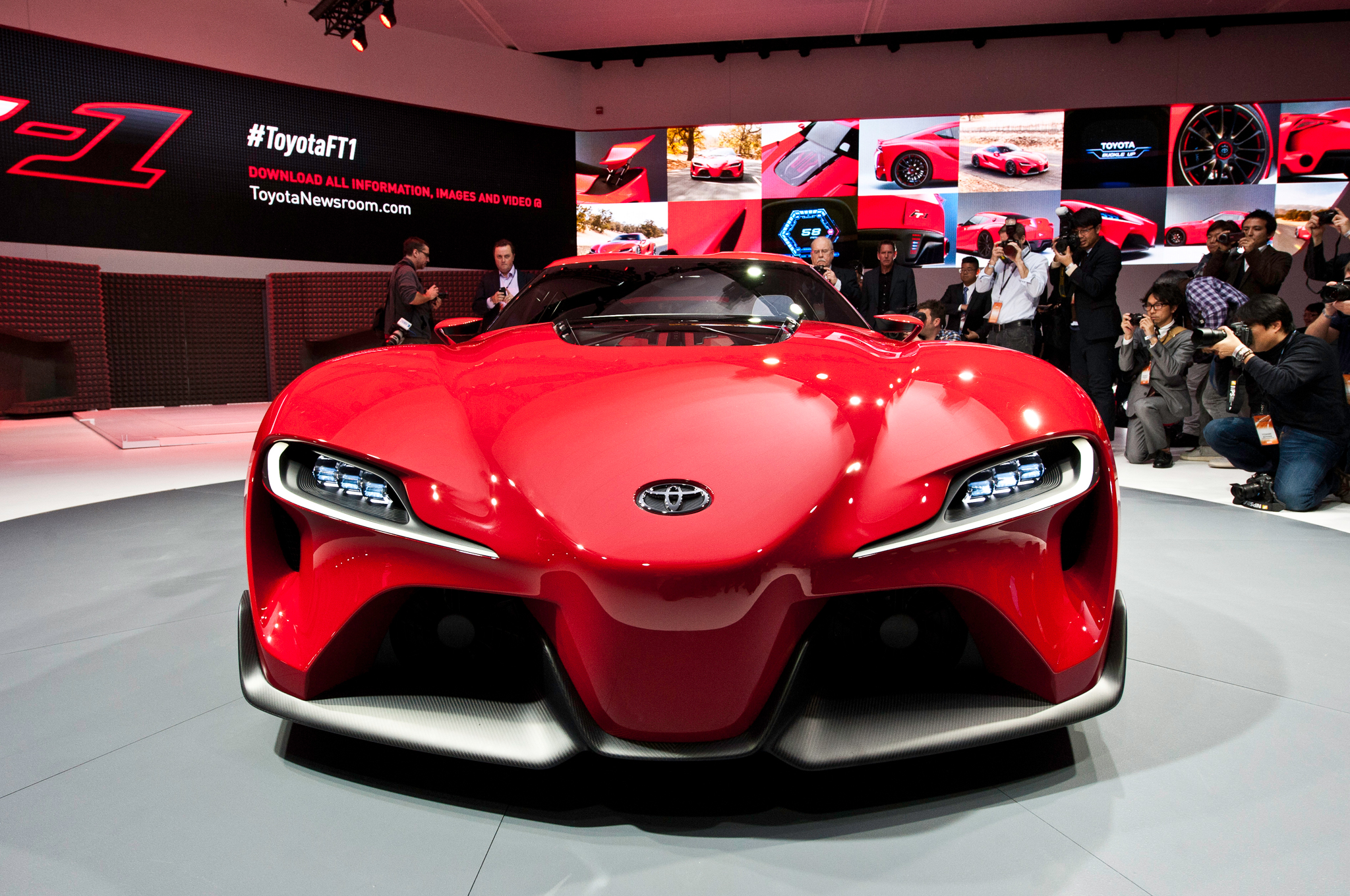
The Toyota Supra is due to be unveiled next month at the Detroit Motor Show 2019. It is no secret that the sports car has been developed as part of a joint project with BMW. The sister car of the collaboration, the new BMW Z4, has already been released. Toyota have managed to keep a relatively tight seal on the final design of its production road car until recently.

Photos have leaked over the past few days which appear to show the final production model loaded into a trailer. A single photo shows the front fascia of the sports car. It reveals the nose cone which comes to a point at the very front of the car. Three lower air vents let plenty of air into that front mounted engine and a set of air intakes, below the lights, presumably feed air into the braking system. The photos also appear to show vents behind the front fenders.

Toyota FT1 Concept

While the photos confirm that the Supra will look very similar to the prototype model Toyota released some time ago, they do not confirm the specifications. We will have to wait until January for official information, however, we understand that the Supra will get a BMW-sourced turbocharged 3.0-litre inline six with around 340 hp. Toyota are likely to add additional power options after the launch of the initial inline six.

With the launch of the Supra, Toyota are hoping to steal market share from cars like the Porsche Cayman. It will have a keener racing focus than the Porsche which will no doubt appeal to many. It has stiff competition from the recently released Alpine A110.

We will be live at the Detroit Motor Show 2019, full official information should be available when this kicks off in January.

2019 Porsche 911 Speedster

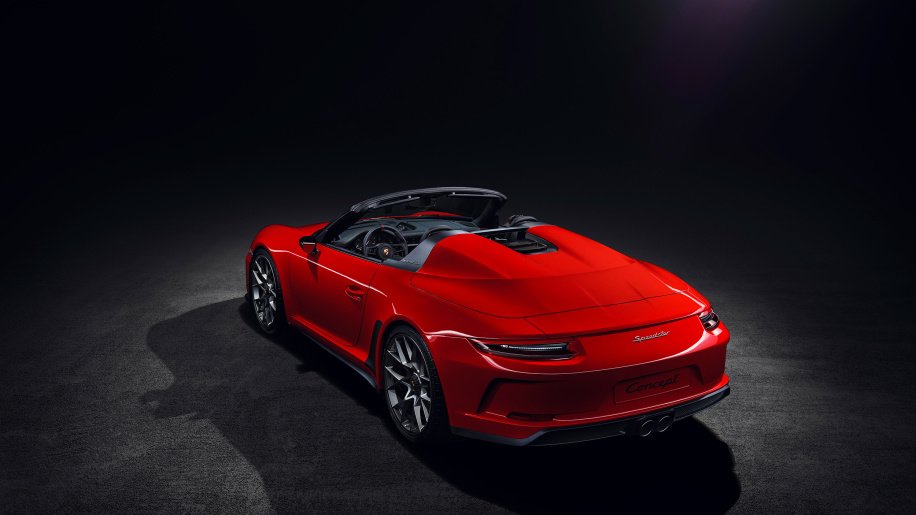
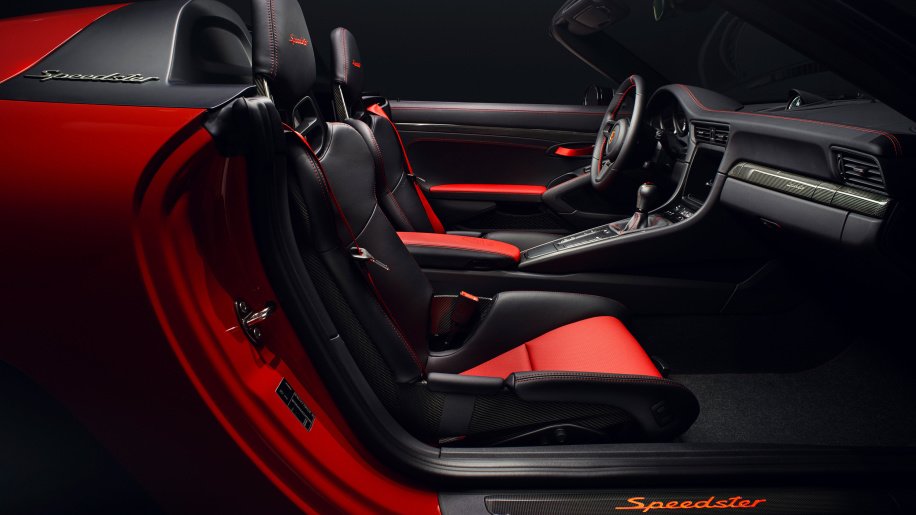
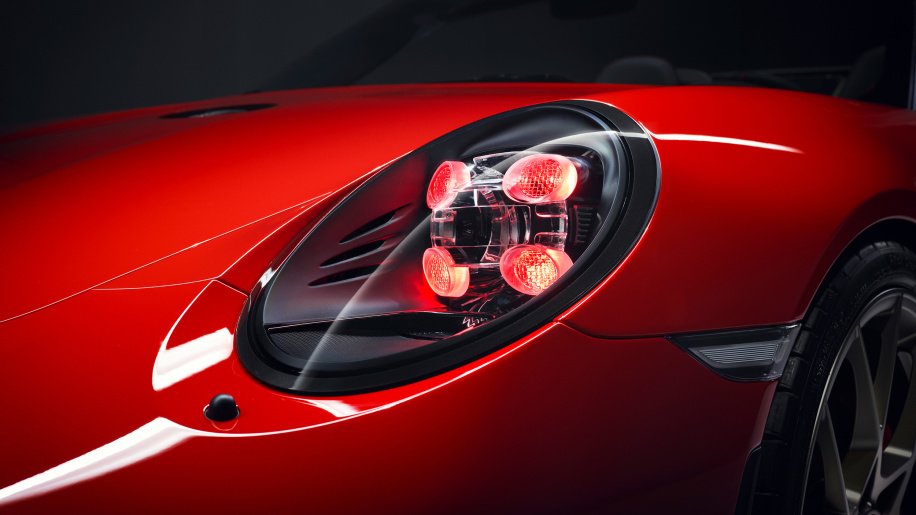
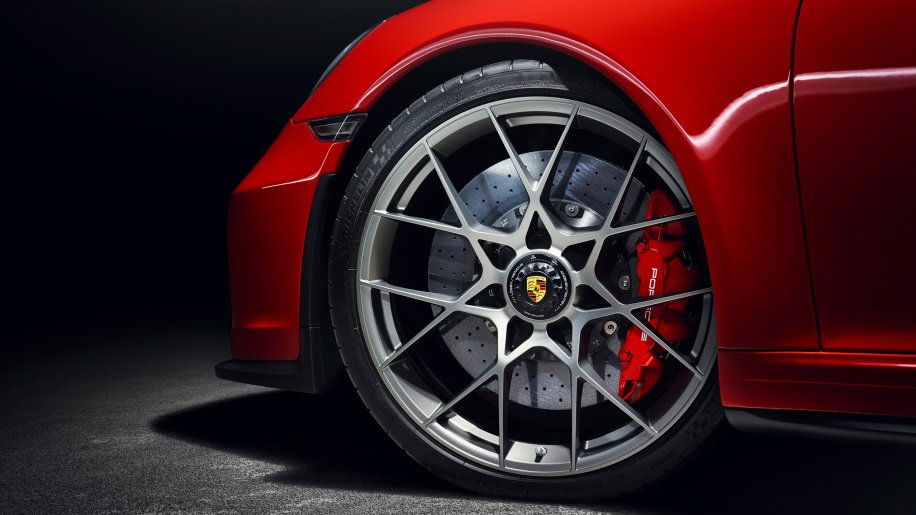
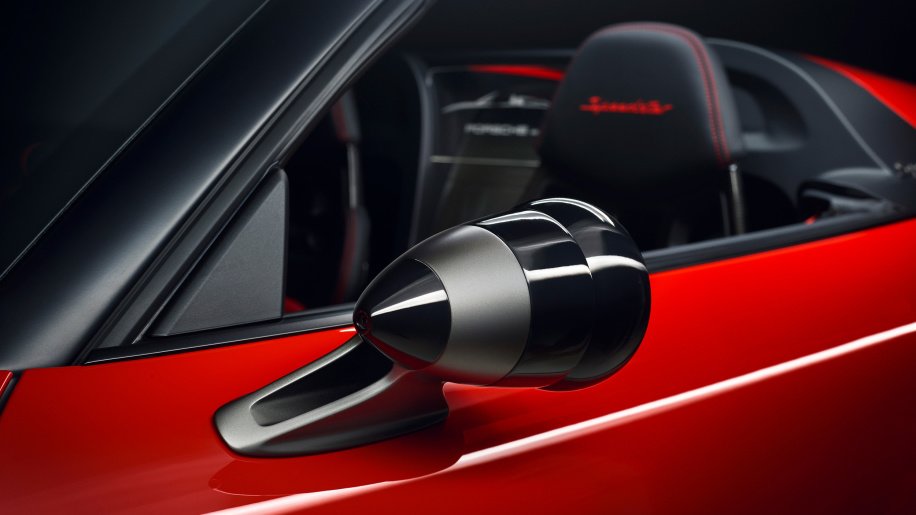
There’ll be only a few of these, so act fast if you want one. Porsche has now unwrapped the open-top 2019 911 Speedster. This was the concept car the automaker unveiled back in June, now greenlit for production.

The gorgeous two-seater model is going to be built as part of the line’s 70th anniversary, and it’ll also mark the end of the current-generation 911. Porsche is only making 1,948 units, though (owing to the fact that the first 356 was made in 1948), and the car will come in a Paris is Guards Red colorway, exactly like the 1988 911 Speedster.

Porsche based the car on the 911 Carrera 4 Cabriolet body shell then added a more aerodynamic windshield angle and shorter side windows. It should be noted that this isn’t just a minor revamp; Porsche Motorsport in Weissach developed this car, meaning it’s a more hardcore 991 iteration than you’d initially think. You’ll find 911 GT3 parts in the chassis, plus carbon fiber on the the fenders, the hood, and the engine cover. Meanwhile, the exhaust system and six-speed manual gearbox come from Porsche’s GT unit.

The 911 Speedster boasts a 500-horsepower flat-six engine, which was borrowed from the track star GT3. The six shifts through a six-speed manual transmission. The car also debuts Porsche’s new Heritage Design Packages, which should give customers a lot more personalization options.

Porsche is set to begin production during the first half of 2019. Pricing has yet to be determined, but this is a limited-edition model, so don’t expect it to be cheap.

LEARN MORE HERE

Photos courtesy of Porsche

Daimler to Spend $23 Billion on Electric Car Batteries

Electrification is the hot topic these days for the mainstream manufacturers. The technology is developing at such a rate that in the very near future, most popular models will have a hybrid or EV option within the range. The rapid introduction of electrification has led some of the biggest manufacturers to pledge massive investment. Mercedes-Benz are the latest, announcing the allocation of €20 billion ($23 billion) to the purchase and development of battery cells together with a further €1 billion ($1.1 billion) in eight battery factories in Germany, China, Thailand and the United States.

The ultimate goal for Mercedes-Benz is to offer an electric or hybrid version of all its models by 2022. The investment ensures that it has sufficient supplies for this, at least until 2030. The target for Mercedes-Benz is to have 130 electric and hybrid models by 2022, in addition to electric vans, buses and trucks.

Rival German manufacturer Volkswagen recently announced a similar €50 billion ($57 billion) investment in group technology which will benefit the likes of Volkswagen, Audi, Bentley and, possibly, Lamborghini. It is understood that BMW’s investment in batteries and electrification is on a similar scale. The likes of Ford, Renault, Nissan and Fiat Chrysler are also known to be heavily investing in technology.

Mercedes-Benz recently released the EQC, an all electric version of the GLC. It is the first of 10 pure electric vehicles to come from the German manufacturer. The 5 seat SUV rivals the Tesla Model X, Jaguar I-Pace and recently release Audi E-tron Quattro. This in itself was a major engineering project with more than 200 prototypes built and millions of kilometres driven in development miles. Electrification is big business!

McLaren displays six bespoke 570S models with historic themes

McLaren Beverly Hills has commissioned a special collection of 570S models, both in Coupe and Spider configuration, to commemorate McLaren’s racing history. The collection, named Racing Through the Ages, features six cars done up in three themes: Muriwai, Papaya Spark and Sarthe Grey, all neatly tying in with specific periods in McLaren racing, and all with the GT4 racing stripe decorating the exteriors.

The first of the car themes, Muriwai, stands for Muriwai Beach in New Zealand, the place where Bruce McLaren first took part in a race at the age of 15. McLaren also built a house with the same name in Woking, and the color theme is similarly bluish white, with the car wearing MSO Defined Muriwai White paint and a McLaren orange “Speedy Kiwi” logo.

The second, Papaya Spark, is done in a color reminiscent of McLaren’s 1960s-1970s racing livery, from the time McLaren claimed Can-Am, Indy 500 and Formula One wins. The car’s fixed rear wing is painted Burton Blue, in the style of the original racers.

As for the third one, Sarthe Grey, it’s easy to guess the Le Mans reference: these cars commemorate McLaren’s 1995 win with F1 GTR cars claiming first, third, fourth, fifth and thirteenth place. The hue of the two Sarthe Grey cars here imitates the paint color on the winning F1 GTR, and the rear wing reads “24 HEURES DU MANS – WINNERS 1995”.

Each of the six cars wears a numbered plate with the text “1 of 6 – Racing Through the Ages”, and the interiors – right down to ignition keys – are matched to the respective theme. “It’s exciting for us at MSO any time we are able to merge McLaren’s racing heritage with current McLaren Automotive road cars,” said Ansar Ali, the Managing Director of McLaren Special Operations.

Related Video:

The Suzuki Jimny Isn’t Sold in the US, and That Really Stinks

Suzuki abandoned the American car market in 2012. Let’s be honest. You weren’t burning a candle for the Japanese automaker. We won’t quiz you on what models were on offer. The important point is this means there is just about zero chance the new Suzuki Jimny will make an appearance in the United States. That stinks. It’s an awesome car. It could have filled a niche in the American market.

Car folk love the Jimny, with good reason. In a car market that awards mediocrity at everything, the Jimny excels at something. It is a simple, tough, purpose-built off-roader with a true 4×4. It won’t offer the comfort of a Range Rover. But, the little guy will go everywhere a Range Rover can go and a few places where it can’t. It’s built to withstand a mud-splattered beating day-in and day-out for a decade or more.

Normal folk love the Jimny too. It’s cute. It’s boxy. The small off-roader is a proven commodity. About the chicest classic car one can own is a vintage (and probably artfully customized) Land Rover Defender or Toyota Land Cruiser. The Jimny is the closest modern production car in spirit, if not in appearance, to those classics.

There’s a hole in the market for the Jimny. The Jeep Wrangler has no competition. Jeep has ramped up the profit margins by making the Wrangler a de facto luxury car. Sure, you can buy one for under $30,000 if you forego a hard roof and avail yourself of the “air conditioning bypass” option. That cost of entry improves little with age. Wranglers have the highest resale value of any cars in the U.S. What if the Jimny was there to offer similar looks and similar off-road chops for a cut-rate price?

[embedded content]

Yes, the Jimny has its flaws. It’s relatively loud. It’s bumpy. The steering is soft. It has no trunk space with the seats up. Even with a curb weight of just 2,400 lbs (less than a Fiat 500), 100hp and 96lb-ft of torque from the 1.5-liter engine are not much. The Jimny will feel somewhere between moderately and woefully underpowered on the highway. That sounds unbearable. That’s also almost the precise description of the base model YJ Wrangler I had in high school, the most fun daily driver I have owned. I say almost because the heat on the Jimny probably works.

So, we have a charming, plucky little off-roader that looks like a Defender, is a beast off the pavement, is as bullet-proof as a Subaru, earns plaudits from critics and commoners and comes in at a low price point. With the right marketing, it’s hard to see how that wouldn’t be successful. Though, if Suzuki knew how to market cars to Americans, they would still be here.

With tariffs and technological change afoot, the present seems about the worst time to re-enter the U.S. car market. American Jimny fans will be left to cruise Instagram and wait 25 years to import one or emigrate.

Read our review of the last-generation Jimny here: The Suzuki Jimny Is the Best Bad Car I’ve Ever Driven

The 10 Best Manual Transmission Cars You Can Buy Today

The manual transmission is not extinct yet. But, every year it becomes more endangered. The sad truth, for those of us diehards, is the stick serves little purpose. Electric and automated cars of the future won’t have them. Automatics outperform manuals in many cases; many automatics are now also more efficient. Too few people buy manuals to justify the R&D investment required for a company to offer separate transmissions. Even stick stalwarts such as BMW, Audi and Subaru hastened their retreat in 2019.

What sticks do still offer is a more fun and intimate driving experience. For certain vehicles, that experience remains paramount. Robust, loyal customer bases scoff at “flappy paddles” and demand some ungoverned third pedal amusement. Some manufacturers oblige them. Here are ten such awesome cars you can still buy with a manual transmission.

2019 Porsche 911 GT3

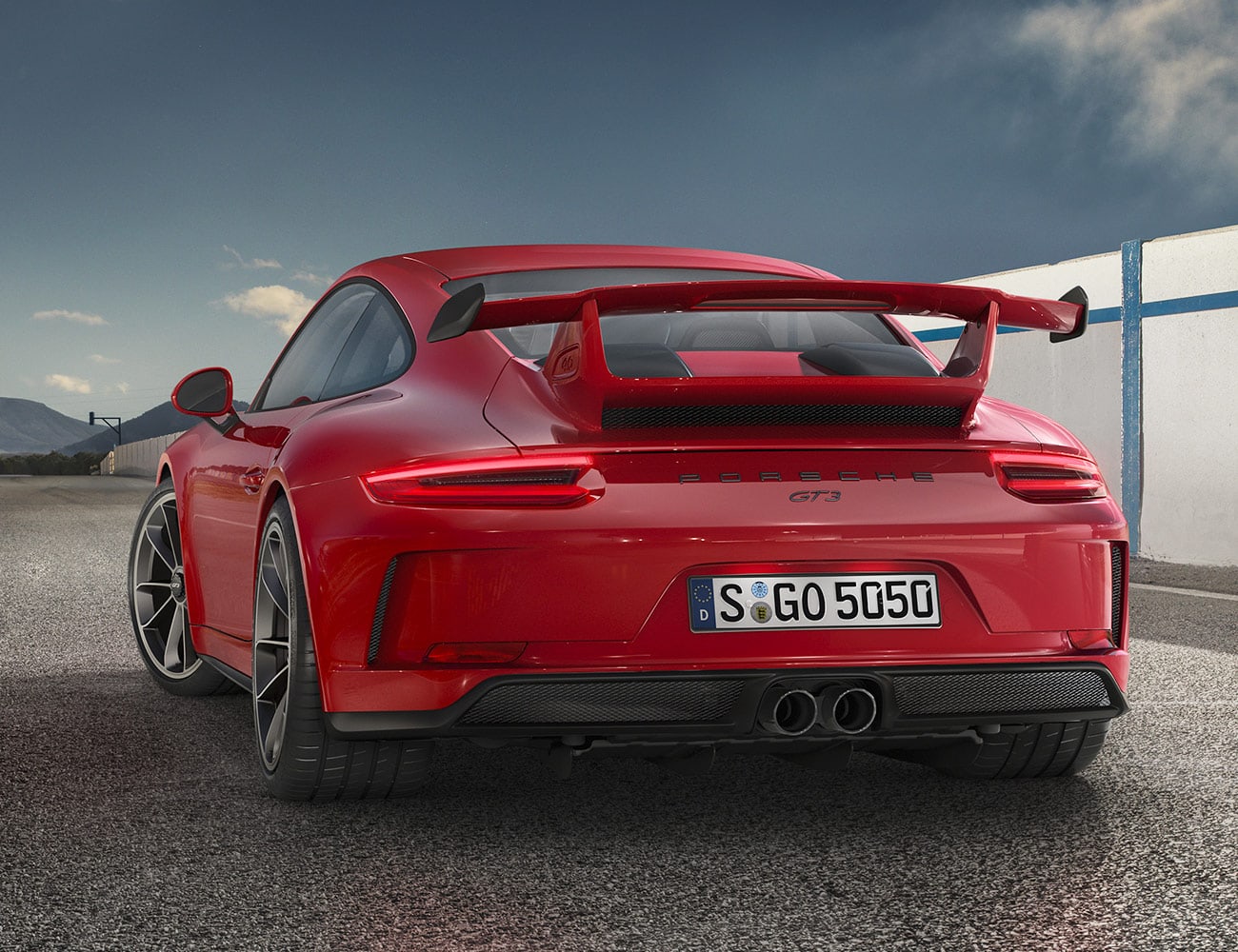
Porsche’s PDK (dual-clutch) transmission is an engineering marvel. It may be the best you can buy in a road car. It’s no surprise Porsche has been phasing out manuals on higher-end 911s. PDK is the only option for Turbo and RS versions. The GT3, however, still has a stick option, because American enthusiasts keep buying and demanding them. Porsche, for what it’s still worth, still makes a darn good manual gearbox. Save your arguments about what constitutes a proper Porsche for the message boards. The real issue is whether you want your laps a few ticks faster or your every day driving a few ticks more fun.

Engine: 4.0L flat-six
Transmission: 6-speed manual
Horsepower: 500
Torque: 339 lb-ft
Weight: 3,116 lbs
0-60: 3.8 seconds
Top Speed: 198 mph
Base Price: $143,600

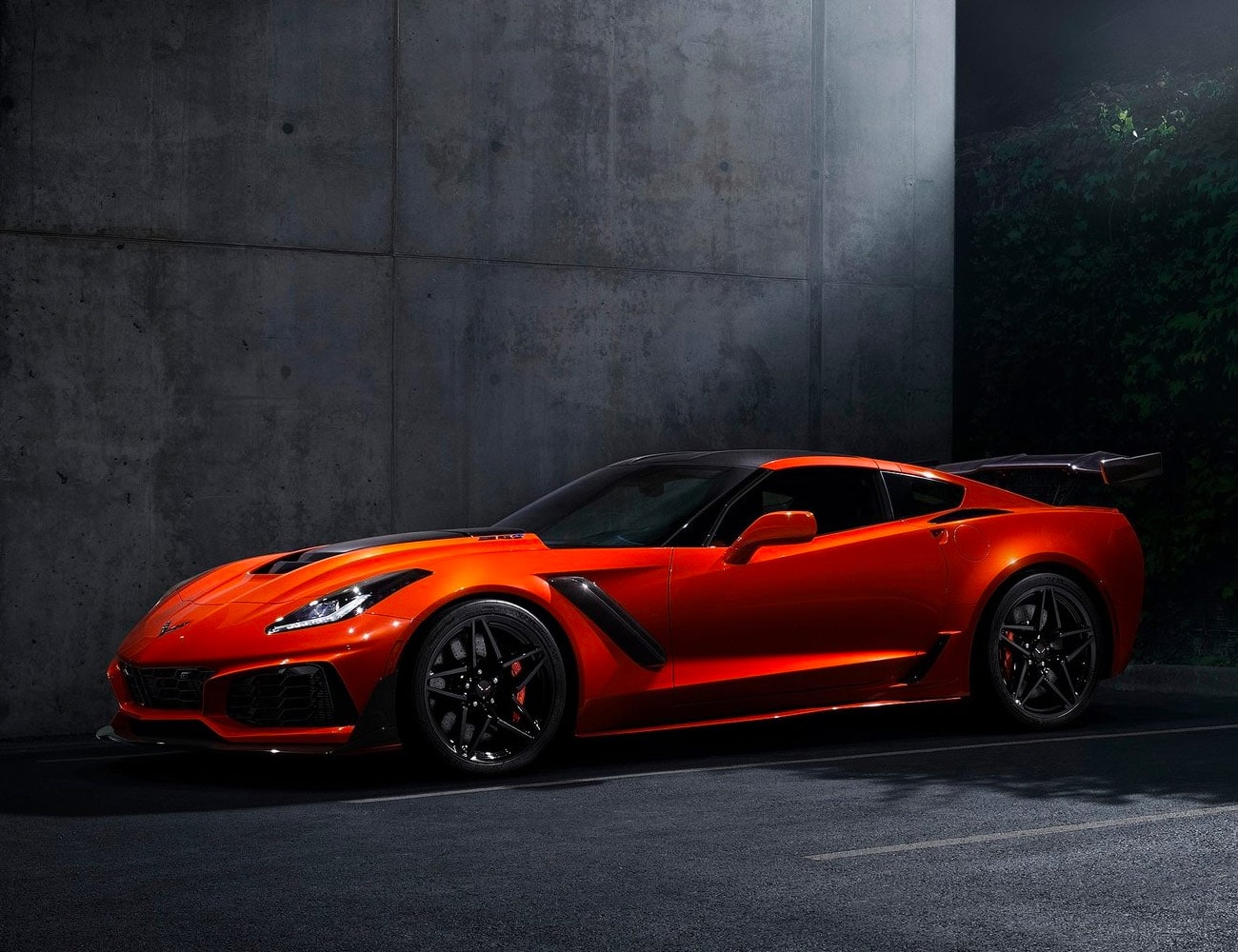
2019 Chevrolet Corvette ZR1

No sensible person would spend north of $120,000 on a Corvette. No sensible person would need 755hp and 715lb-ft of torque injected straight into their rear wheels. How many sensible people are fun to hang out with? The ZR1 looks fast and sounds maniacal, and, unlike some of its predecessors, handles both straight lines and corners with well-engineered aplomb. There’s a particular itch that only the roar of an American V8 can scratch. The one persistent knock on the ZR1 is the eight-speed automatic not quite being sharp enough for this car. Not a problem if you get the stick.

Engine: 6.2L V8
Transmission: 7-speed manual
Horsepower: 755
Torque: 715 lb-ft
Weight: 3,560 lbs
0-60: 3.0 seconds
Top Speed: 212 mph
Base Price: $121,000 base

2019 Jaguar F-Type R-Dynamic

Jaguar won’t produce another icon quite like the E-Type. But, the F-Type looks gorgeous and well-proportioned, it makes a lot of noise and it is a testament to pure, unadulterated impracticality. It hits the right Jaguar note of disreputable sophistication. The F-Type is more of a raucous cruiser than a track demon. For most buyers, that will be more than enough. The rub with rowing your own gears in an F-Type is it is only available in the V6. You can’t get it in the V8.

Engine: 3.0-liter supercharged V6
Transmission: 6-speed manual
Horsepower: 380
Torque: 339 lb-ft
Weight: 3,492 lbs
0-60: 5.3 seconds
Top Speed: 171 mph
Base Price: $82,050

2019 Jeep Wrangler Rubicon

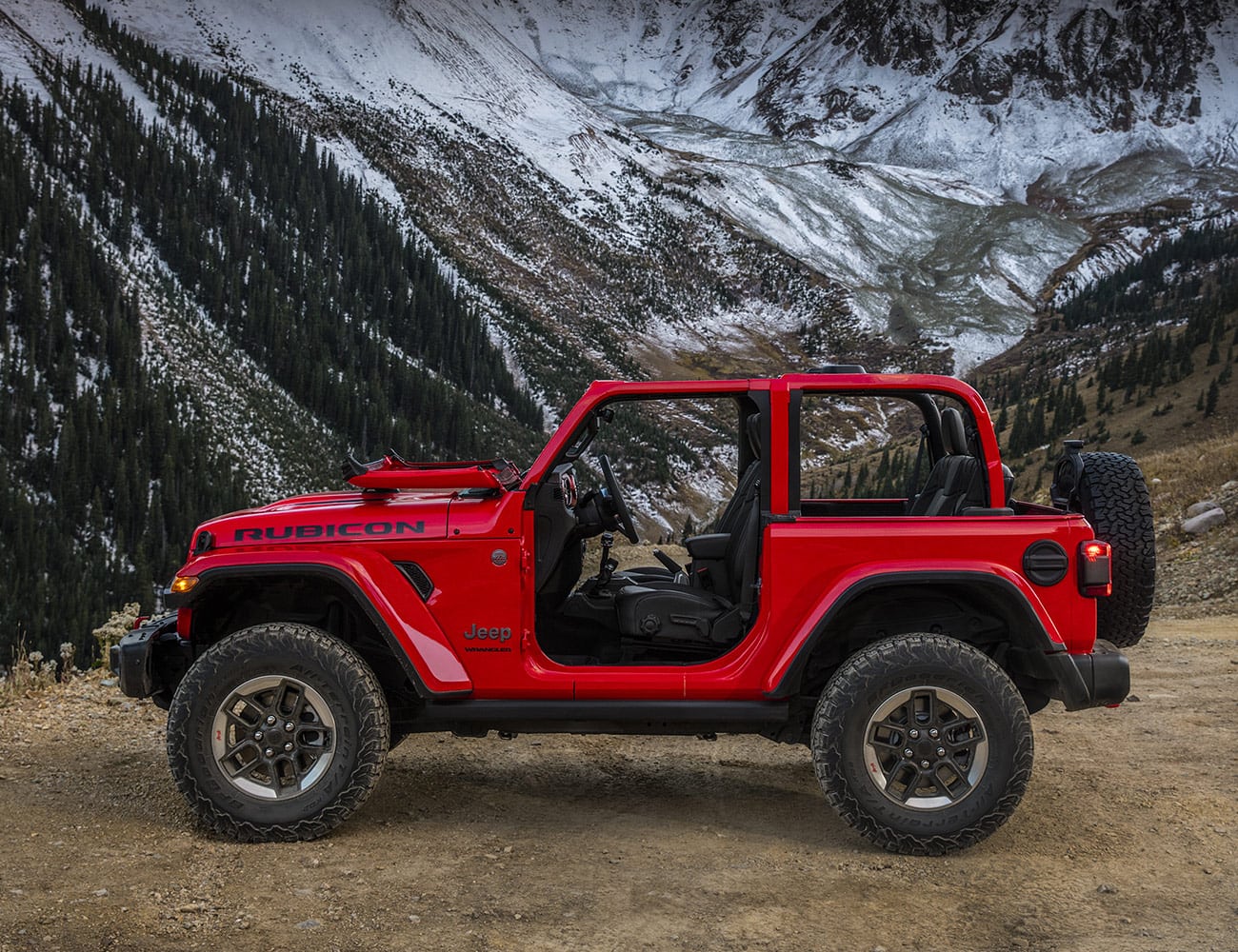
Jeep did the right thing with the recent Wrangler revamp. Instead of reinventing it for the modern cross-compatible platform era, Jeep made the Wrangler better at being a Wrangler. It’s a superior off-roader than the last generation. It delivers better on-road feel. It’s more practical for a family. It even gets better fuel economy. The unique driving feeling is critical with the Wrangler. That feeling, unless you do an extraordinary amount of slow speed rock climbing, should come with a stick. The Allies won the war with a manual Jeep. You can make it through a stop-and-go rush hour.

Engine: 3.6-liter V6
Transmission: 6-speed manual
Horsepower: 285
Torque: 260 lb-ft
Weight: 4,579 lbs
0-60: 7.5 seconds
Top Speed: 100 mph (limited)
Base Price: $41,445 (Base)

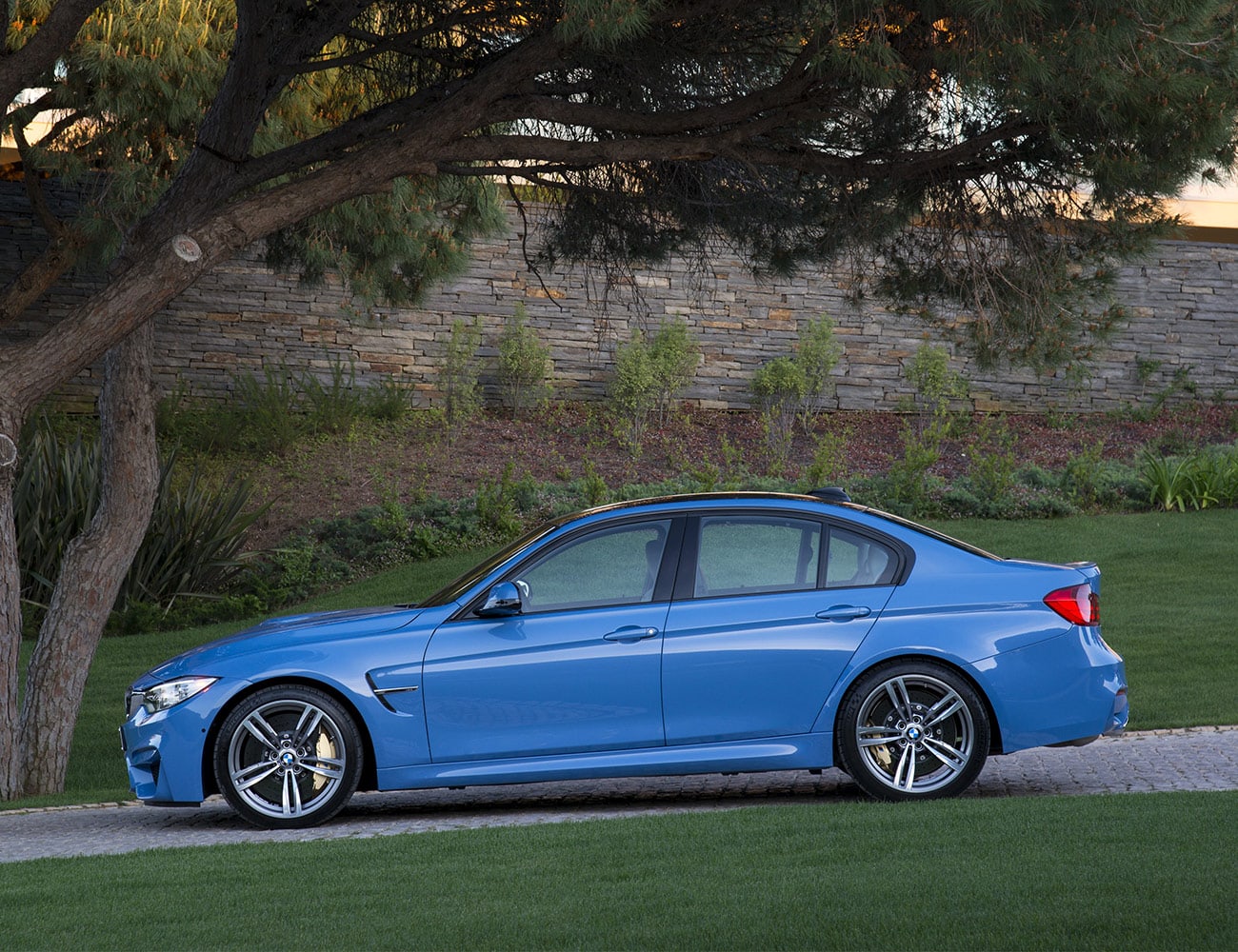
2019 BMW M3

BMW advertises itself as producing “the ultimate driving machine.” The M3 may be the best embodiment of that mission. It is a potent but practical performance beast. It has enough space and not quite enough power to be overbearing for a daily driver. The suspension may be a bit stiff, but, in a world where you own an M3, you need a reminder now and again that life isn’t perfect. With the still awesome M5 dropping the manual and incorporating all-wheel drive, the M3 remains the BMW purists’ choice, for now.

Engine: 3.0L twin-turbo inline-six
Transmission: 6-speed manual
Horsepower: 425
Torque: 406lb-ft
Weight: 3,575lbs
0-60: 4.1 sec
Top Speed: 155 mph
Base Price: $66,500

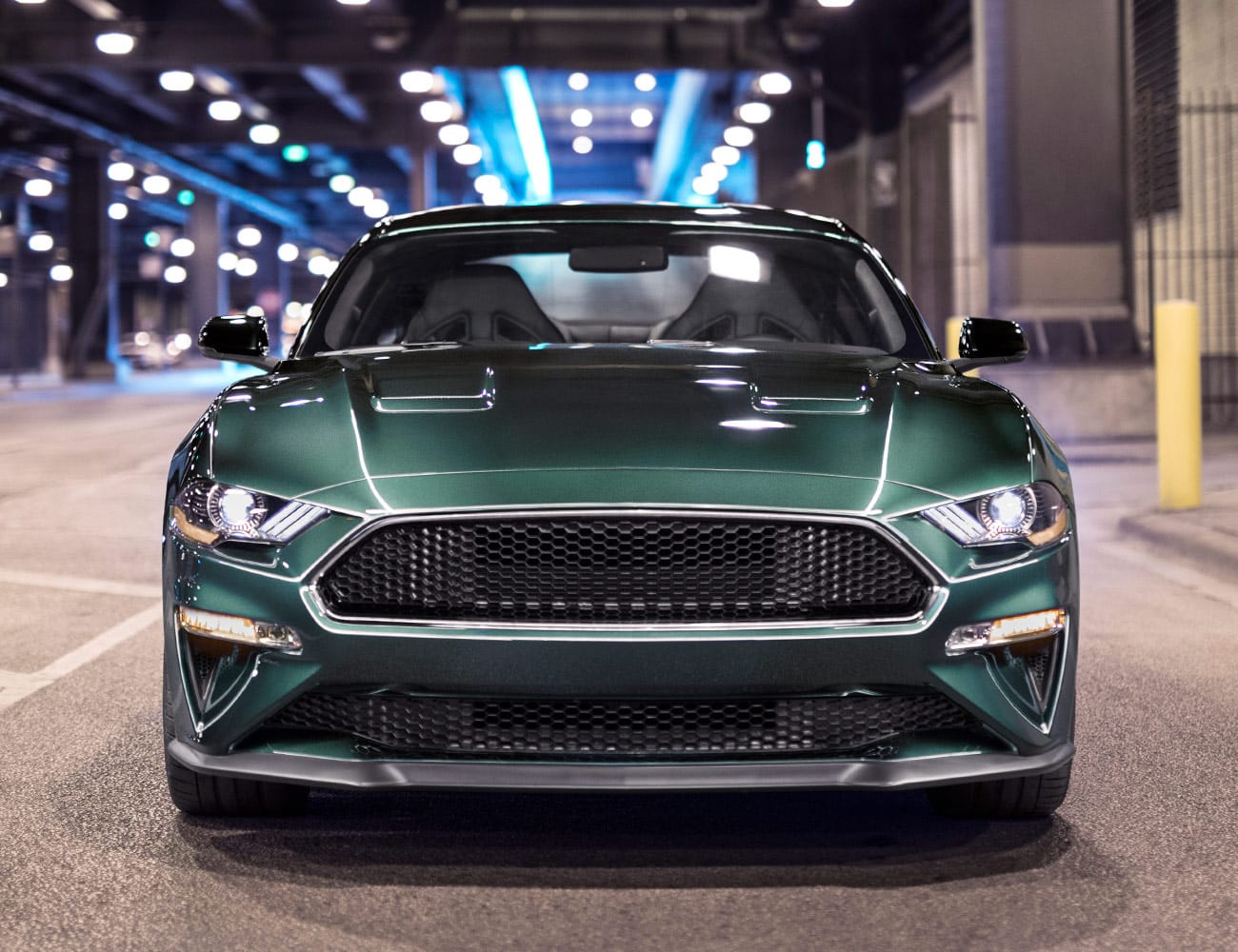
2019 Ford Mustang GT Bullitt

Ford does not mess with the Mustang’s success. It looks great. It’s loud. It will go fast in a straight line. It’s not quite precise enough to hang with its sports car competitors in the corners. But, unlike most of those cars, a Mustang comes at a price point the everyman can afford. Are Highland Green paint, a white cue ball shifter, a scintilla of extra horsepower and a whiff of Steve McQueen’s coolness worth paying a substantial premium over the standard GT? Probably not. But, the Bullitt edition gets the shout out here for one main reason: it only comes with a manual transmission.

Engine: 5.0-liter V8
Transmission: 6-speed manual
Horsepower: 480
Torque: 420 lb-ft
Weight: 3,705 lbs
0-60: 4.0 seconds
Top Speed: 163 mph
Base Price: $46,595

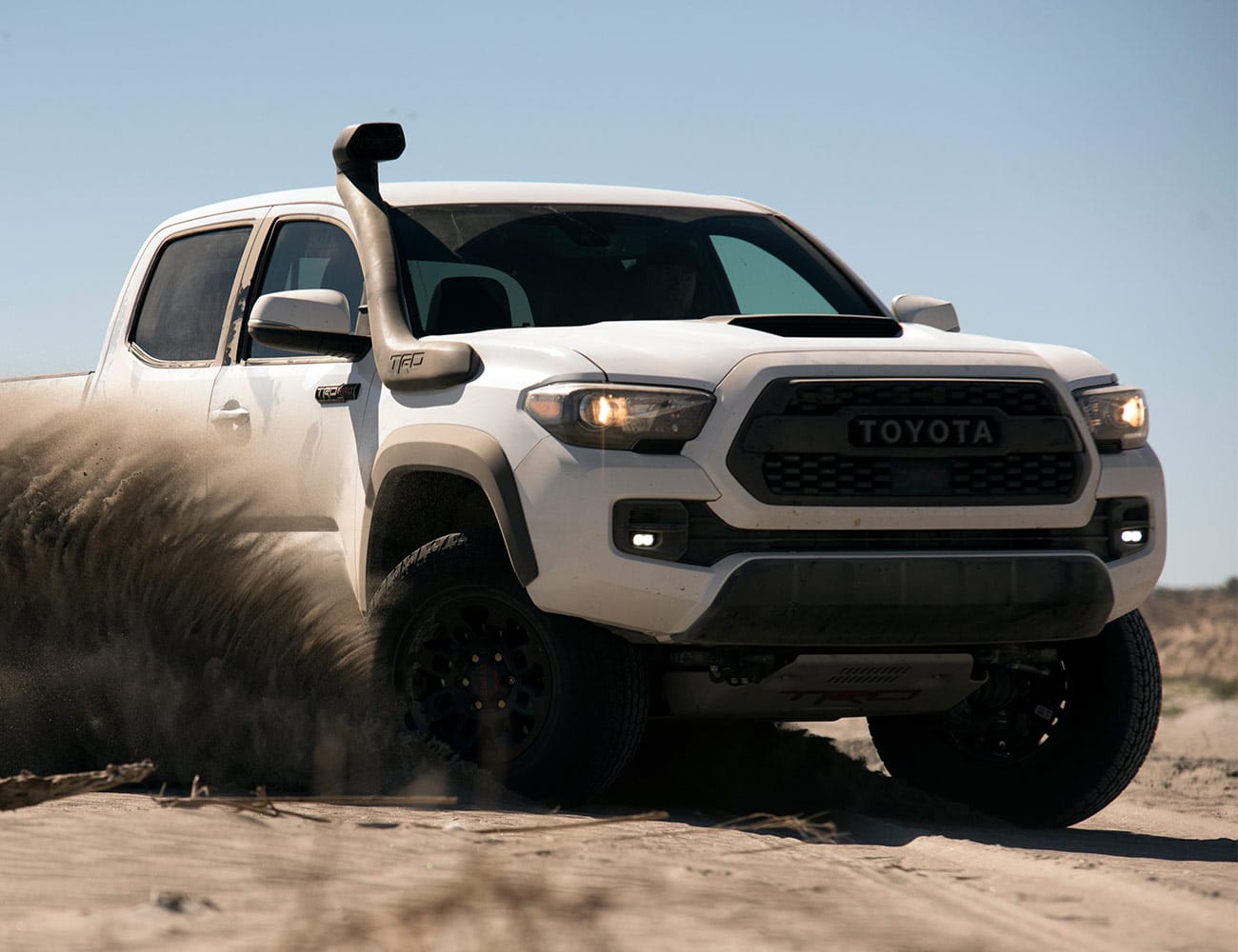
2019 Toyota Tacoma TRD PRO

Some truck manufacturers offer a token manual on a 2WD work truck. Toyota goes all out with the Tacoma. You can do the shifting yourself on a six-cylinder and in the most premium TRD Pro trim. With the Taco, you want the manual to maximize responsiveness from its underwhelming feeling engine. The Colorado ZR2 has been breathing down the Tacoma’s neck for ultimate bro truck status. Toyota has responded, outfitting the latest TRD Pro with two inches of lift, satin black wheels, a cat back exhaust and, of course, the ever-popular snorkel.

Engine: 3.5-liter V6
Transmission: 6-speed manual
Horsepower: 278
Torque: 265 lb-ft
Weight: 4,445 lbs
0-60: 7.1 seconds
Top Speed: 120 mph
Base Price: $42,660

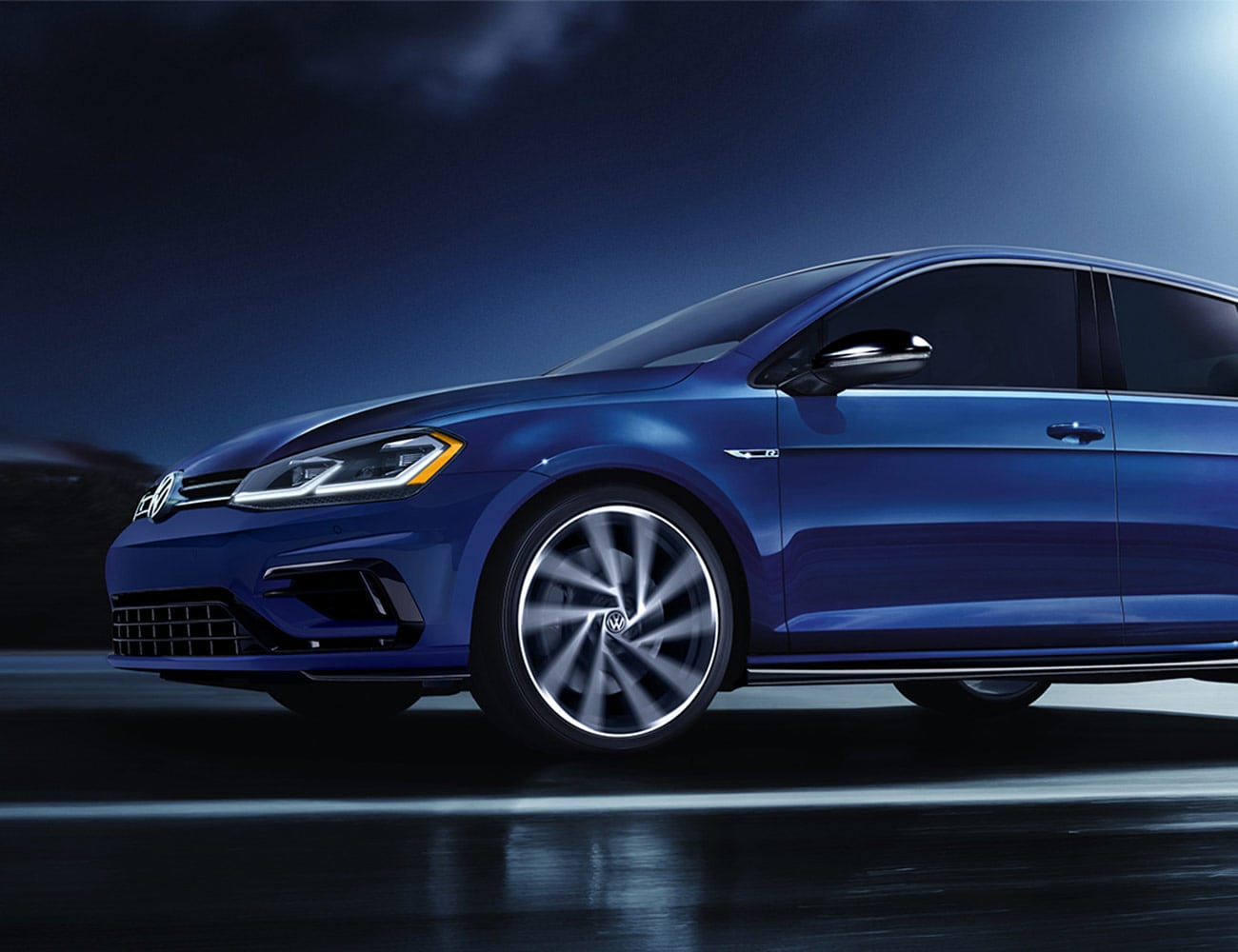
2019 Volkswagen Golf R

The Golf has been on best all-around car lists for decades. It’s the ideal balance of fun, practical and affordable. The Golf R is the hottest of hatchbacks, for those who feel the GTI does not offer quite enough of a tingle, and it comes with a manual. So does the corner-dominating GTI. So does the base model Golf. Expanding the family? VW can offer you two Golf wagon variants, the Sportwagen and the AllTrack, that both offer sticks for significantly less money. Maybe the DSG is a hair faster, but who is standing there with a stopwatch?

Engine: 2.0-liter turbocharged inline-four
Transmission: 6-speed manual
Horsepower: 288
Torque: 280 lb-ft
Weight: 3,334 lbs
0-60: 4.8 seconds
Top Speed: 150 mph (limited)
Base Price: $40,395

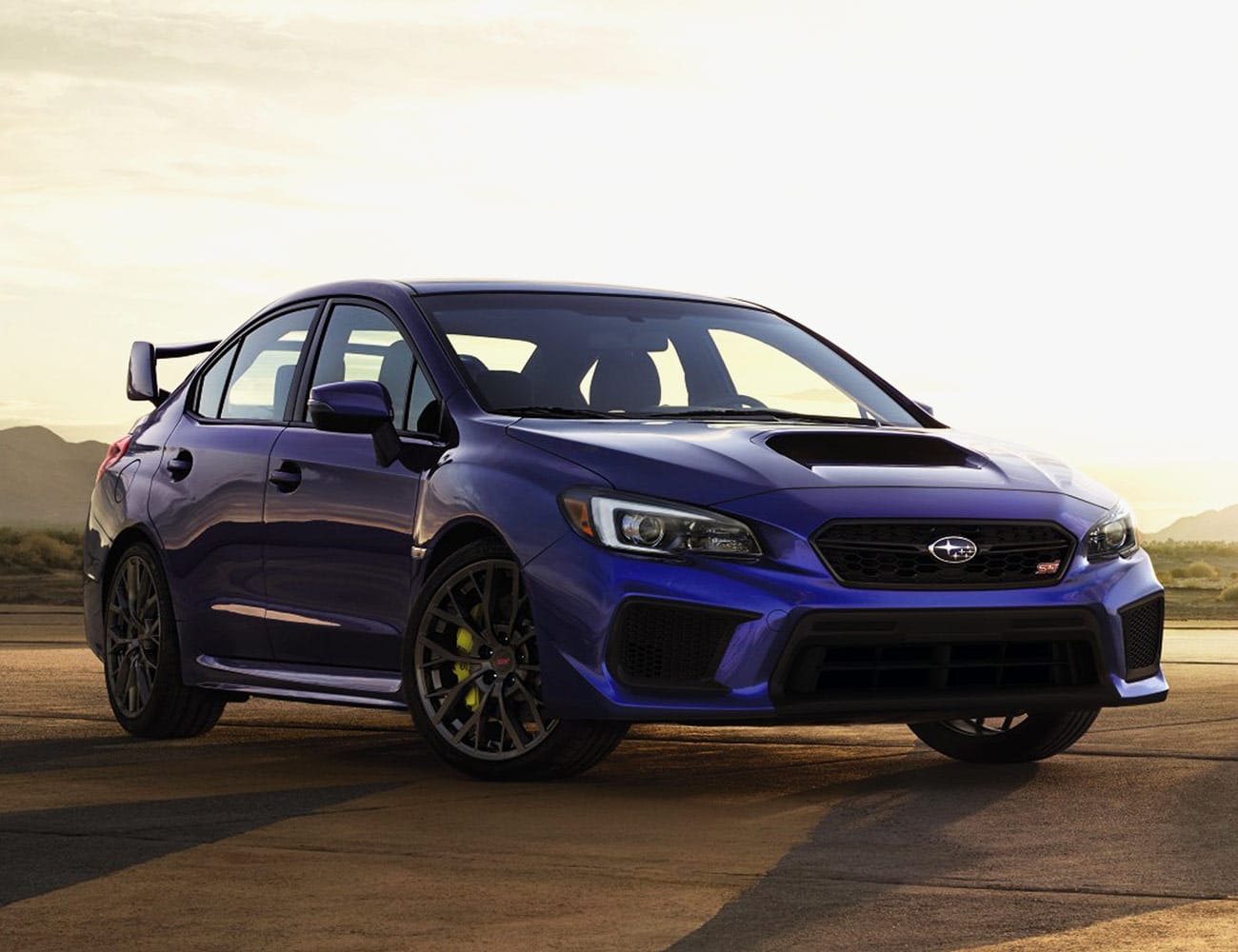
2019 Subaru WRX STI

Subaru hit a brilliant concept with the WRX: take an Impreza; turbocharge it; stiffen the suspension. Paint it an alluring blue and add a spoiler and some flashy good rims. Make it just cheap enough that a normal kid can dream. The WRX is the car everyone wanted at 16 and the car that will reawaken the spirit of that 16-year-old in everyone who buys one. The WRX is the exception to Subaru’s current rules: safety, efficiency and borderline glacial acceleration. With the Japanese automaker not wanting to work EyeSight around a manual, it may soon be the only Subaru left with one.

Engine: 2.5-liter turbocharged flat-four
Transmission: 6-speed manual
Horsepower: 310
Torque: 290 lb-ft
Weight: 3,446 lbs
0-60: 5.3 seconds
Top Speed: 160 mph
Base Price: $36,595

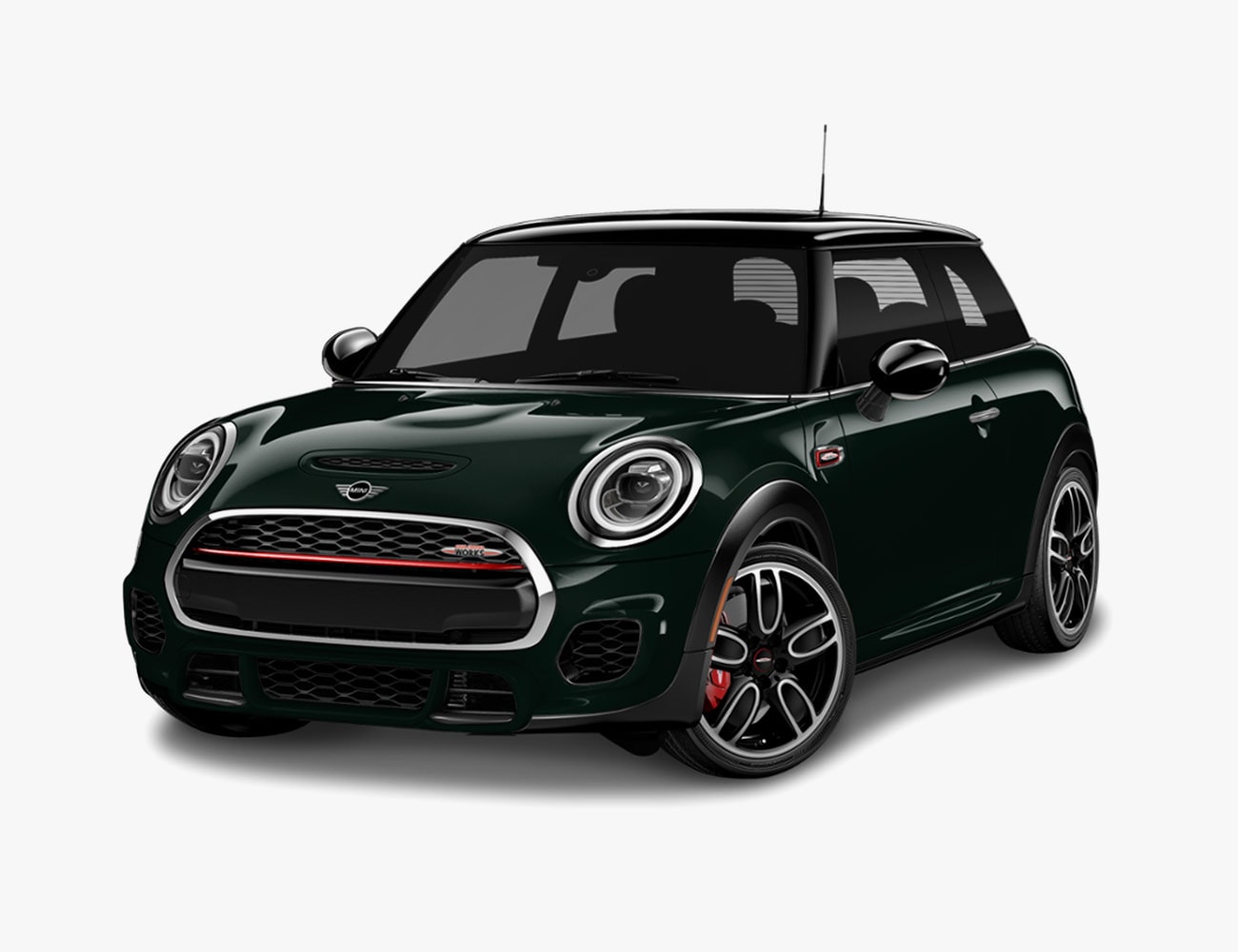
2019 Mini John Cooper Works 2-Door

The nostalgia train has slowed a little. The Mini is no longer that miniature of a vehicle. Still, what you have here is a relatively small, reasonably priced, precise handling BMW hatchback with pep in its step and a manual transmission. However decadent your fantasy car garage becomes, there may be room for one of these in British Racing Green with some white bonnet stripes. Or, perhaps you wait until 2020 for the limited edition GP version.

Engine: 2.0-liter turbocharged inline-four
Transmission: 6-speed manual
Horsepower: 228
Torque: 236 lb-ft
Weight: 2,845 lbs
0-60: 6.0 seconds
Top Speed: 153 mph
Base Price: $31,900
Note: Purchasing products through our links may earn us a portion of the sale, which supports our editorial team’s mission. Learn more here.

Porsche 911 GT2RS Clubsport

Porsche Reveals ‘Track-only’ GT2 RS Clubsport    

As if the ‘regular’ Porsche 911 GT2 RS wasn’t enough of a race car already – having set Porsche’s’ production car lap record at the Nurburgring earlier this year – Porsche has gone and made an even more unyielding, track-only (not road legal) version of their top-of-the-line 911.

Formally known as the Porsche 911 GT2 RS Clubsport, it was revealed at the 2019 LA Auto Show alongside the next generation 992 Carrera S and Carrera 4S. In case you are confused, the GT2 RS Clubsport is still entirely based on the current generation 991 GT2 RS and shares no direct relation to the incoming iterations.

In fact, the Clubsport is everything that’s already great about the current GT2 RS, with a little dose of more where that came from. That ‘more’ actually comes from less, as in less weight. The Clubsport is 155 kg lighter than its street-legal counterpart due to a more spartan interior and some lighter components. The car comes standard with a roll cage and retains other necessary assists, such as stability control and anti-lock braking system.

Though official figures haven’t been released yet, it is expected that the Clubsport will yield higher downforce figures – thanks in part to a new, gargantuan rear-wing – while its lighter weight, huge steel rotors with race-spec calipers, and beefier tires will allow it to accelerate, brake and negotiate turns with even greater sharpness. The competition-spec carbon steering wheel used is borrowed from the GT3 R, and will ensure that steering responds to driver input with absolute precision, while allowing the car’s settings to be adjusted on-the-fly. A six-point race harness keeps the driver snug in their racing bucket seat, and should allow the car to pass safety at weekend track events.

Porsche continues to employ the same engine used in the road car – a 3.8L twin-turbocharged flat six which produces 700-horsepower and 550 lb-ft of torque. The engine remains mated to the same 7-speed PDK transmission as well.

With the 991 making way for the aforementioned 992, the GT2 RS Clubsport will likely be Porsche’s one-hell-of-a-parting-gift, and the ultimate conclusion to the current generation 911. There will only be 200 units made, and each will demand a base price of $478,000 USD.  

Porsche is currently communicating with racing governing bodies for the homologation of the GT2 RS Clubsport into sanctioned motorsport events, which hopefully means we will see the car in international racing series. “We are currently holding very productive talks with the race organiser SRO,” according to Dr Frank-Steffen Walliser, Porsche’s Vice President of Motorsport and GT cars.

[embedded content]

The 8 Best All-Wheel-Drive Cars on the Road

Winter is coming. In many parts of the country, it’s already here. Prepping for winter is a major reason all-wheel-drive cars have become popular. Technology has improved to the point where there isn’t a performance cost – all-wheel-drive is as likely to appear on your supercar as your crossover SUV. Here is a list of the premier AWD vehicles by segment.

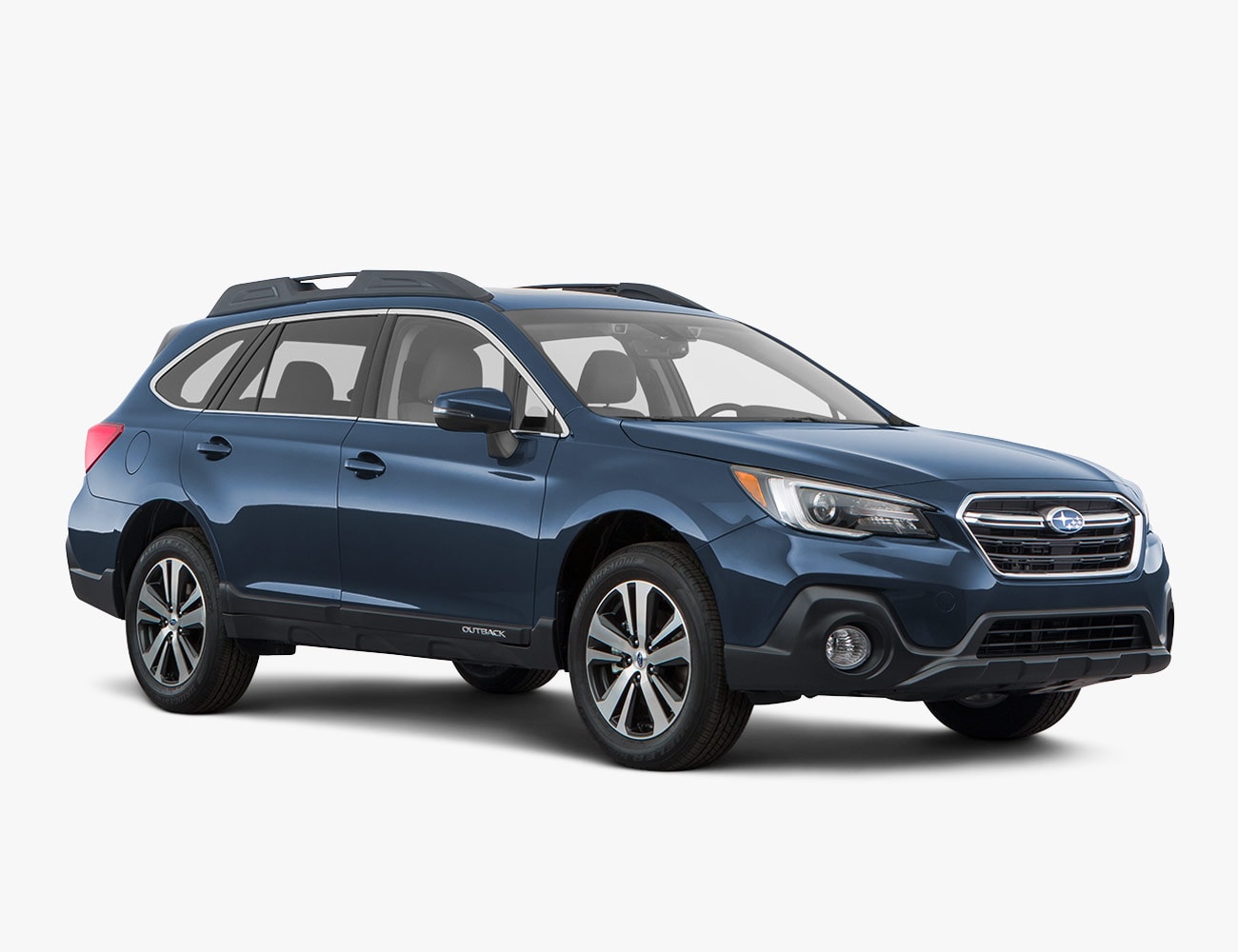
Best… Subaru Outback: Subaru Outback 3.6R Limited

The Subaru Outback is in a category of its own. Any all-wheel-drive list would be incomplete without it. In many ways, the Outback was the ur-crossover: it combined the handling of a car with serious all-terrain capability. Considering Subaru’s now standard EyeSight technology and the copious cabin and cargo space, the Outback is the ultimate practical family vehicle. Other manufacturers lift wagons and slap some cladding on them to compete with the Outback. The only trouble with the Outback is it’s a vehicle to get you to your fun. The 2.5L base model, with ponderous acceleration, is not that fun to drive. How do you resolve that? Upgrading to the 3.6L six-cylinder engine with 254hp for a much more responsive car. The trouble is you’ll pay up front and with reduced efficiency at the pump.

Engine: 3.6L Flat-Six
Transmission: CVT
Horsepower: 254 hp
Torque: 247 lb-ft
Weight: 3,893 lbs
0-60: 7.1 sec
Top Speed: 139 mph
Base Price: $34,995

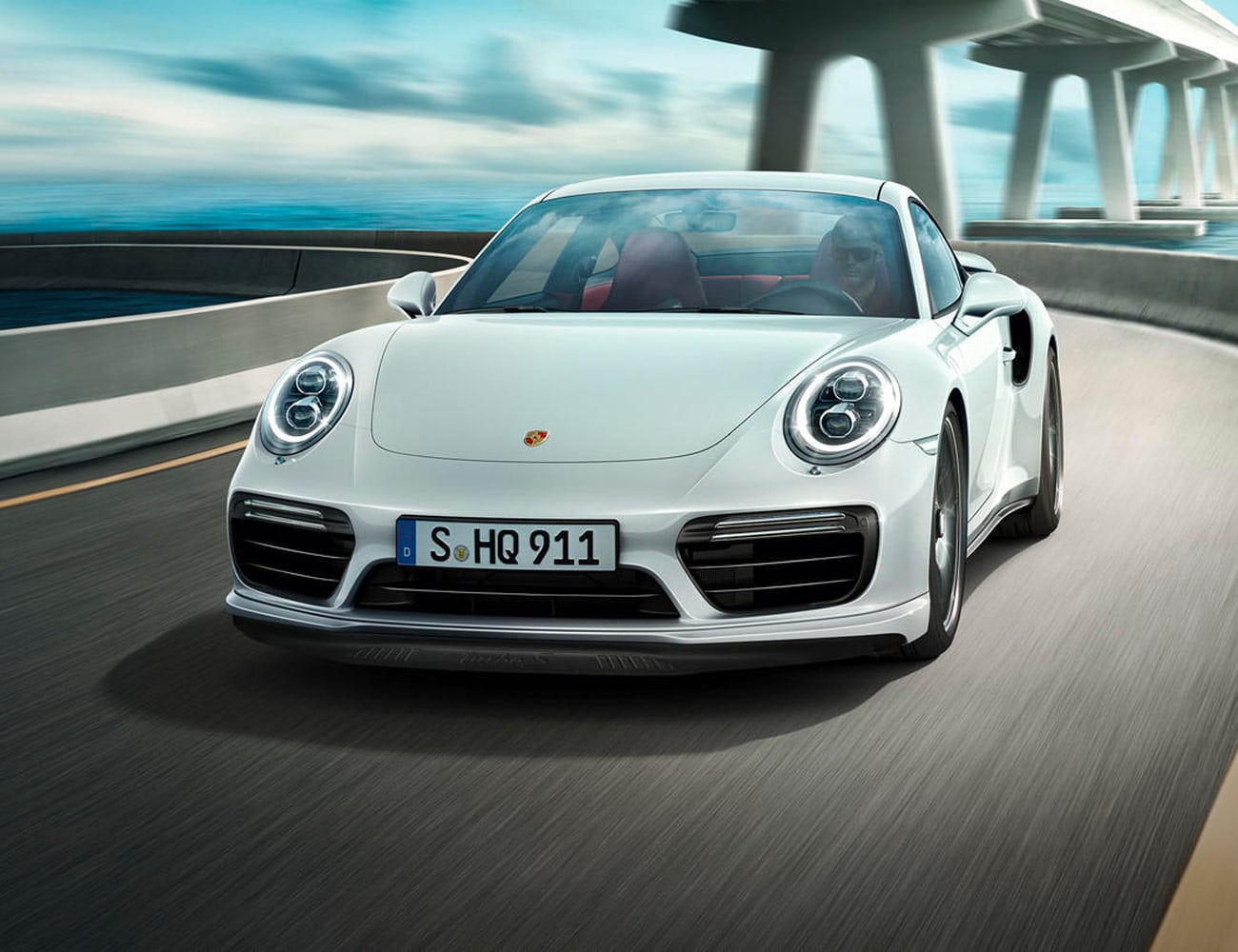
Best Sports Car: Porsche 911 Turbo S

Porsche produces precisely engineered supercars. Their practicality distinguishes Porsche from other manufacturers. Porsches are comfortable. Porsches are robust. Most 911 owners won’t use their car as a daily driver for investment reasons, but they could. The 911 Turbo S will do everything you expect from a $190,000 sports car. It has 580hp. It accelerates from 0-60mph in just 2.8 seconds. But, with all-wheel drive, it can also go well beyond what you’d expect. The 911 Turbo S will not just get you to the ski slopes; it can drive up the slopes. One could argue AWD makes this car a bit too accessible to be a “proper 911.” But, that sweet 911 message-board cred won’t count for much when you wind up in a ditch.

Engine: 3.8L Twin-Turbocharged Boxer 6
Transmission: PDK Automatic
Horsepower: 580 hp
Torque: 516lb-ft
Weight: 3,528lbs
0-60: 2.8 sec
Top Speed: 205 mph
Base Price: $190,700

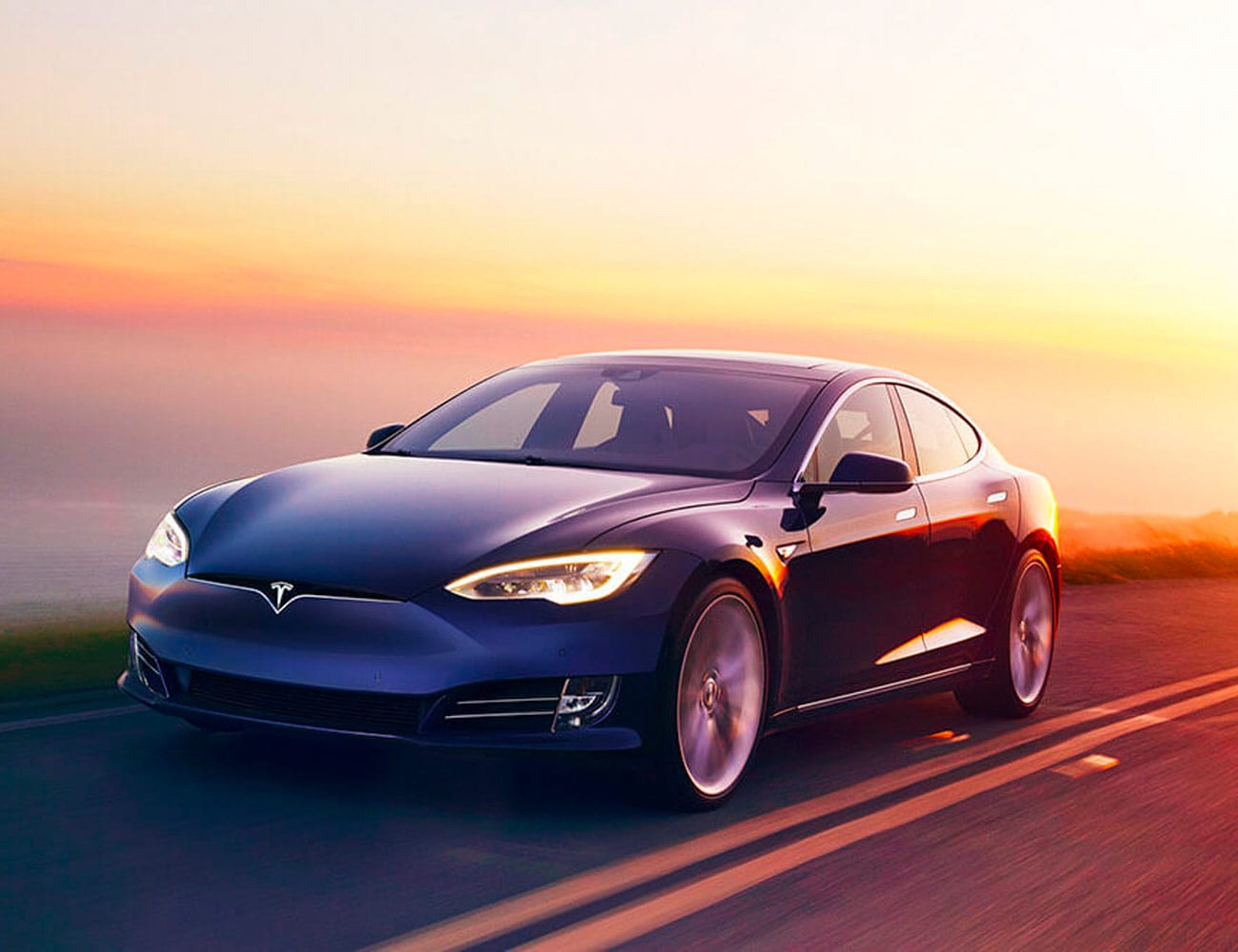
Best Electric Vehicle: Tesla Model S P100D

Tesla has been in the headlines. You’ll read much about its dear leader, its stock price and its ad hoc methods of reaching Model 3 production targets. Forget all that. We’re here to discuss the Model S, the sedan that redefined the electric vehicle. Tesla describes its acceleration as “ludicrous,” which is an apt description. Motor Trend clocked it at 2.28 seconds, their fastest production car on record. When not doing that, the P100D Model S can achieve a 315-mile range on a full charge. It also has a 17-inch touchscreen, autopilot and over-the-air software updates if you’re into the newfangled things. It’s easy to see how driving this car could be addictive, perhaps too addictive. Ensure your friends are ready to stage an intervention when you’re loitering in coffee shops clad head to toe in Tesla gear waiting for someone to ask you about your Tesla.

Engine: Dual Motor AWD
Transmission: 1-speed Direct Drive
Horsepower: 680hp
Torque: 791lb-ft
Weight: 4,891 lbs
0-60: 2.5 sec
Top Speed: 155mph (limited)
Base Price: $122,000

Best Sedan: Mercedes E 63 AMG S

Most Mercedes-Benz cars are elegant. A few are downright diabolical. The E 63 AMG S merges the two. Its 4.0L handcrafted bi-turbo V8 unleashes an astounding 603hp and 627lb-ft of torque. The German sedan will accelerate from 0-60mph in 3.3 seconds and reach a governed top speed of 186mph. Under less mental driving conditions, the E 63 AMG S will deactivate cylinders for better fuel economy. Mercedes’ 4Matic AWD will offer all the grip a sensible driver could want. If you’re not so sensible? Mercedes still has you covered. The E 63 AMG S can be switched into a 100-percent RWD “drift mode” to let you shred the hell out of (hopefully someone else’s) expensive tires.

Engine: Handcrafted 4.0L Bi-turbo V8
Transmission: 9-speed automatic
Horsepower: 603hp
Torque: 627lb-ft
Weight: 4,587lbs
0-60: 3.3 seconds
Top Speed: 186mph (governor limited)
Base Price: $105,395

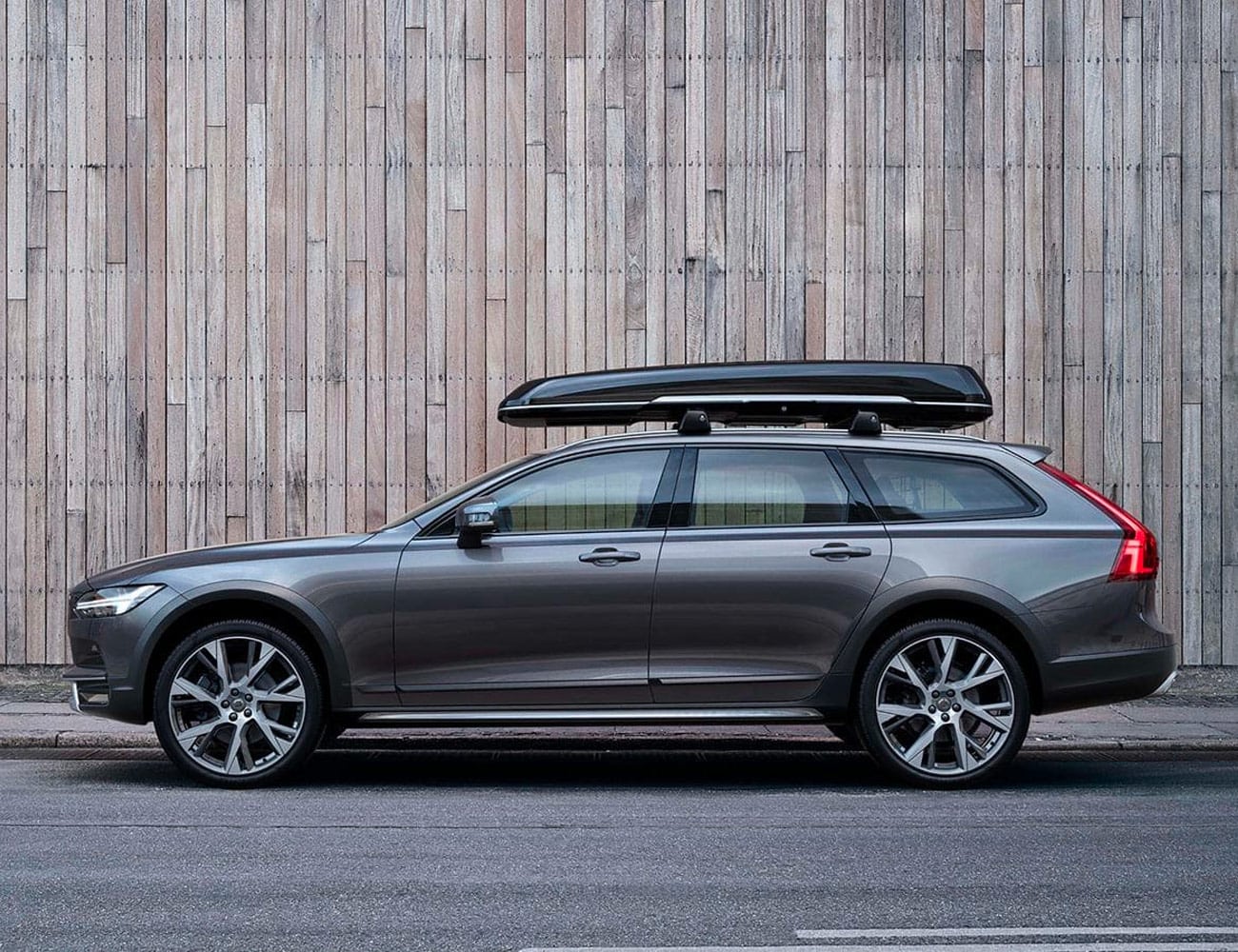
Best Wagon: Volvo V90 CC T6 AWD

Volvo produces premium practicality. The Volvo buyer shares common concerns with the Subaru buyer but needs a more sophisticated aesthetic and that little bit of extra pampering. The V90 Cross Country wagon hits that note perfectly. It’s like a Subaru Outback, but fancy. Motoring editor Nick Caruso believes the V90 CC is the ideal car on the road today. The turbocharged and supercharged four-cylinder T6 engine delivers power (316hp) and torque (295lb-ft). Its AWD system is tuned to master all reasonable terrains and weather conditions. Volvo produces the safest cars on the road. A base price north of $50,000 isn’t cheap. But, this car feels like it should be much more expensive.

Engine: 2.0L I-4
Transmission: 8-speed automatic
Horsepower: 316hp
Torque: 295lb-ft
Weight: 4,232 lbs
0-60: 5.9 sec
Top Speed: 131mph
Base Price: $56,100

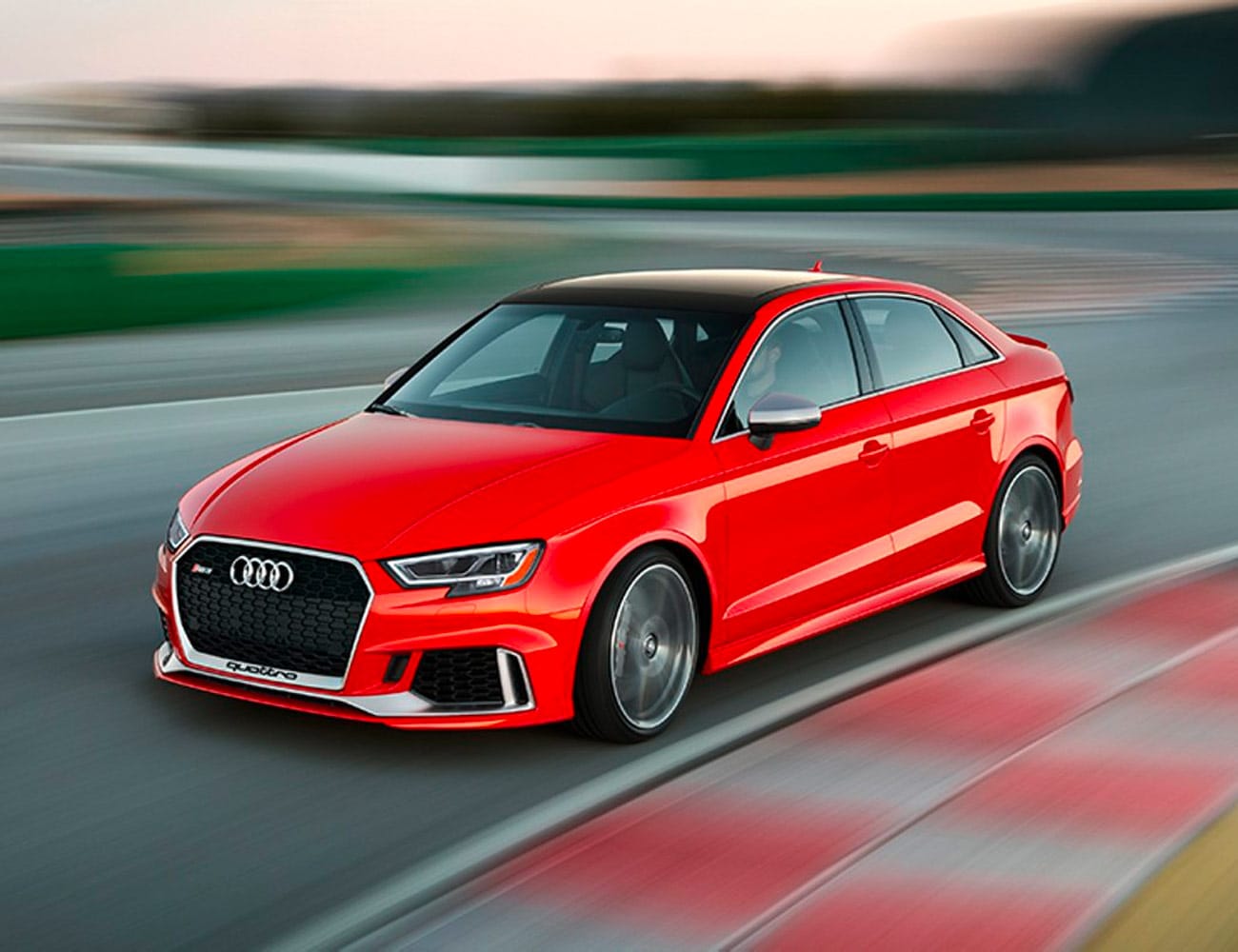
Best Sport Sedan: Audi RS3

Audi changed the game for racing and, by extension, road cardom with its World Rally Championship-winning all-wheel drive, turbocharged I-5 Quattro in the early 1980s. Nearly 40 years later, a turbocharged I-5 paired with Audi’s Quattro AWD continues to be a devastating combination with the RS3. With 400hp and 354lb-ft of torque, the sporty little German sedan will accelerate from 0-60mph in about 3.5 seconds and reach a governor-limited 174mph. Phenomenal grip is great, whether it is in adverse weather conditions or favorable conditions on a track. Who said an exciting Audi was an oxymoron?

Engine: 2.5L I-5 Turbo
Transmission: 7-speed dual clutch automatic
Horsepower: 400hp
Torque: 354lb-ft
Weight: 3,593
0-60: 3.5 sec
Top Speed: 174mph (limited)
Base Price: $54,900

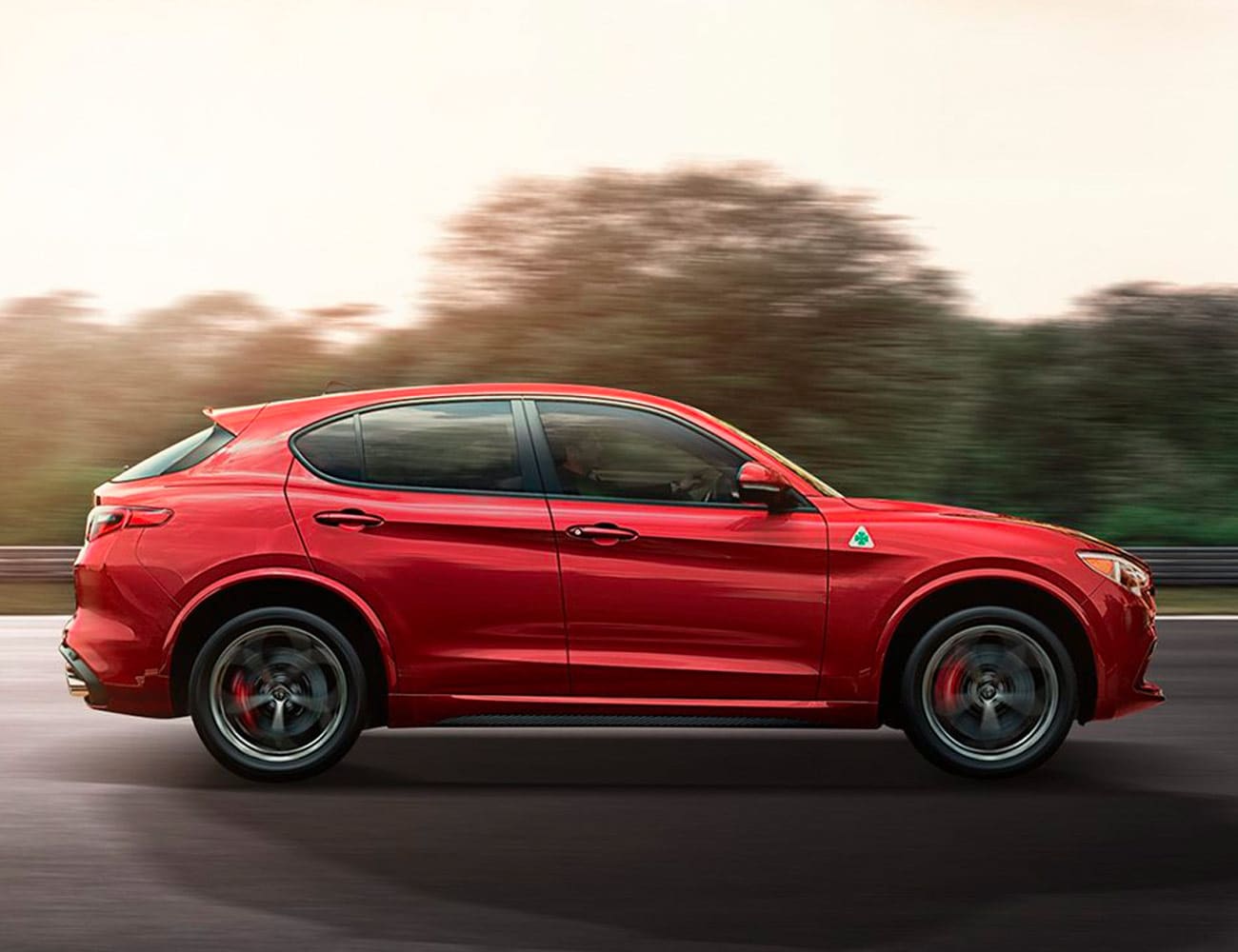
Best Crossover: Alfa Romeo Stelvio Quadrifoglio

Car people don’t like crossovers. Cars that do everything decently tend not to do anything particularly well. Crossovers are functional but boring. The Stelvio Quadrifoglio is the crossover for car people. It looks like an Alfa Romeo on the surface and is powered by a Ferrari under the hood. The Stelvio Quadrifoglio is the world’s fastest production SUV, with a sub-eight-minute lap around the Nurburgring. Getting from 0-60mph in only 3.6 seconds, it is quicker off the line than its sedan sibling the Giulia Quadrifoglio. When you want to turn the volume down, the Stelvio Quadrifoglio returns to being a charming, comfortable and nimble kid hauler.

Engine: 2.9L Twin Turbo V6
Transmission: 8-speed automatic
Horsepower: 505hp
Torque: 443lb-ft
Weight: 4,360 lbs
0-60: 3.6 sec
Top Speed: 176mph
Base Price: $79,995

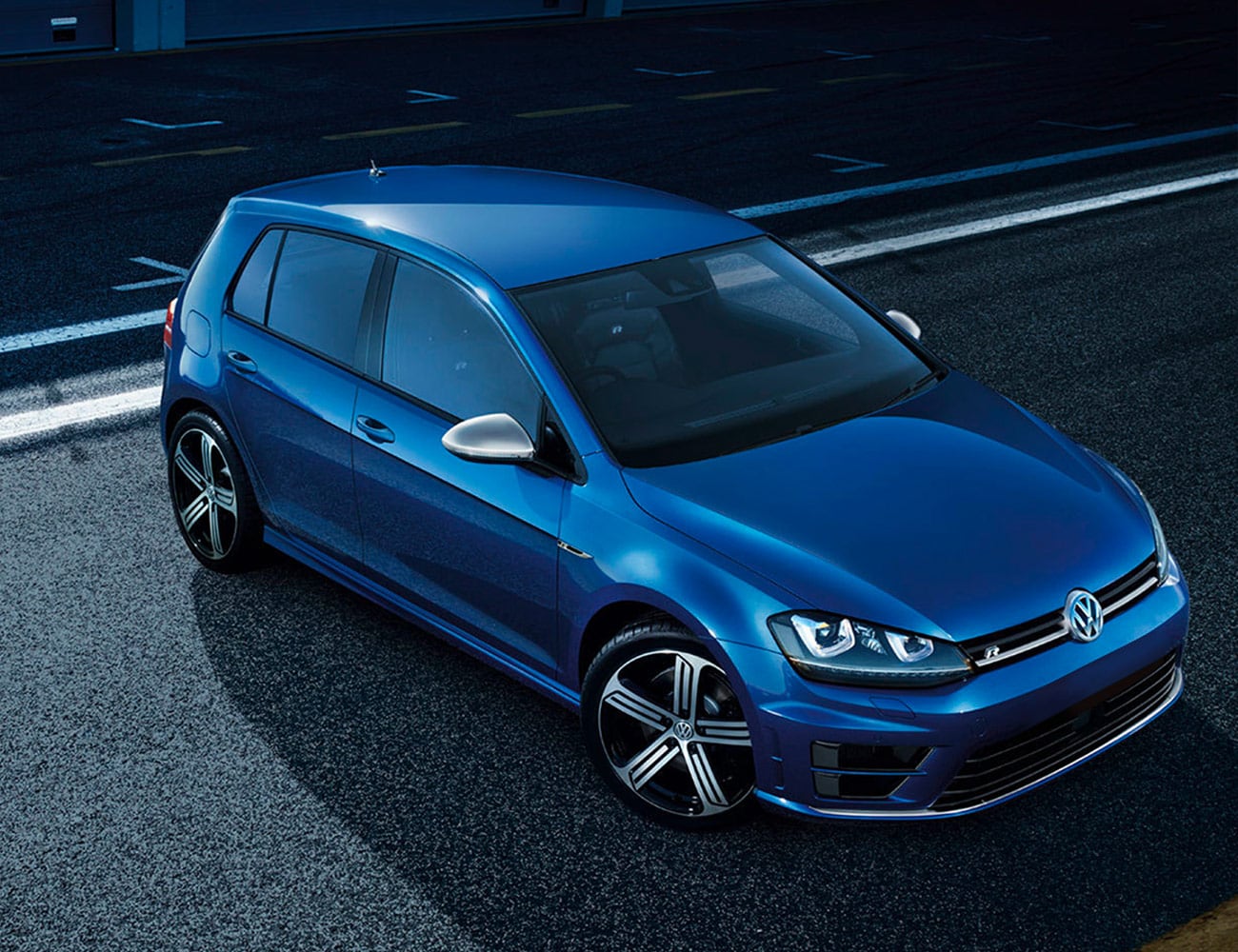
Best Hot Hatchback: Volkswagen Golf R

When you need a hot hatchback, it’s best to stick with the classic that invented the category, the VW Golf. The Golf R is the hottest variant. VW had a performance variant for the Golf, the GTI, which could make a claim to be the best all-around car. VW added about 60hp to create a super-performance version, the Golf R. Spot on steering and handling. The option for a manual transmission. Like the Audi RS3, VW’s 4Motion AWD gives it spectacular grip. It is $40,000-plus for a Volkswagen that does not look that much different from a standard Golf. But, there’s nothing wrong with keeping things low key, especially when driving quickly.

Engine: 2.0L Turbo I-4
Transmission: 6-speed manual or 7-speed automatic
Horsepower: 288hp
Torque: 280lb-ft
Weight: 3,373 lbs
0-60: 4.8 sec
Top Speed: 150mph (limited)
Base Price: $40,395

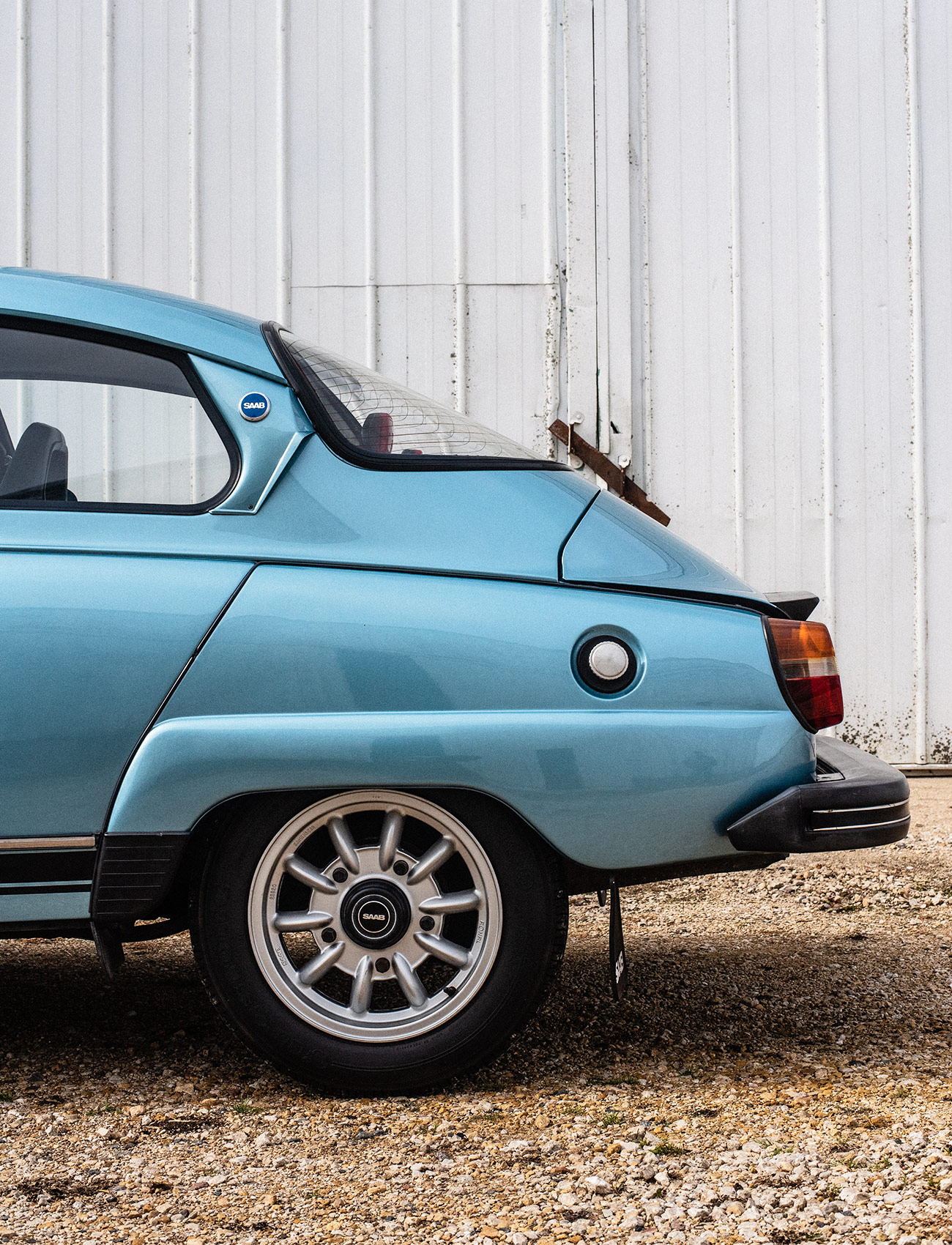
The 10 Best SUVs Under $50,000

This list of the 10 best SUVs under $50,000 serves as a guide to one of the most popular consumer automobile segments and includes important terminology and recommendations for almost every driver.Read the Story
Note: Purchasing products through our links may earn us a portion of the sale, which supports our editorial team’s mission. Learn more here.

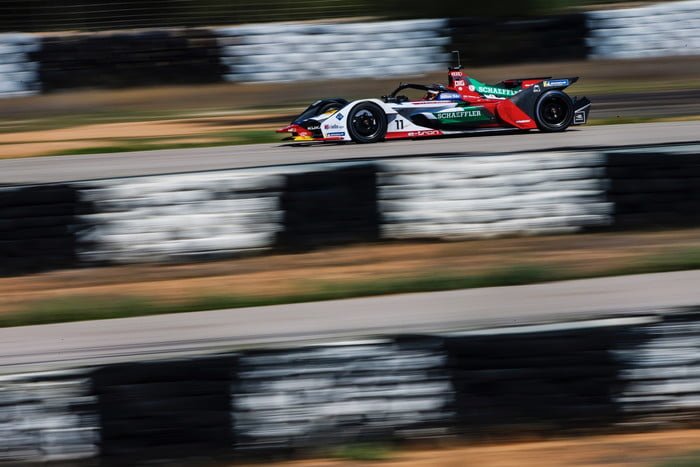
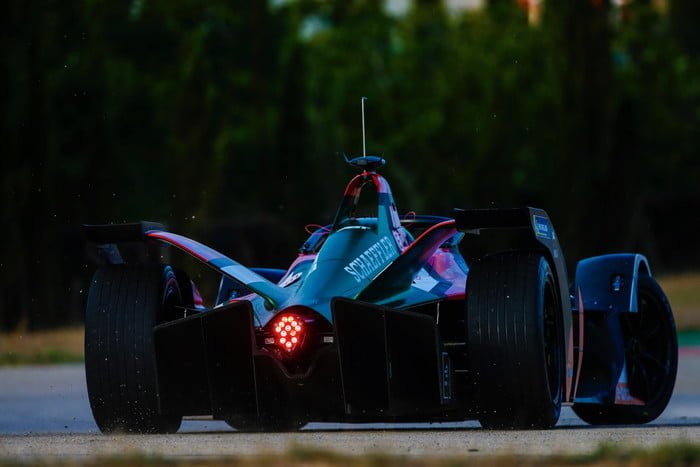
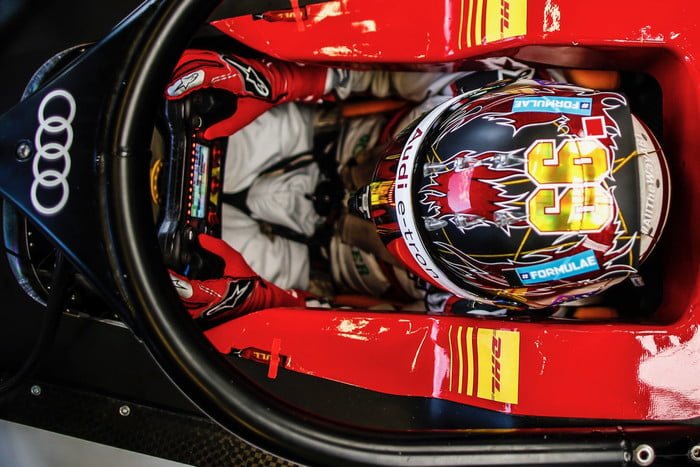
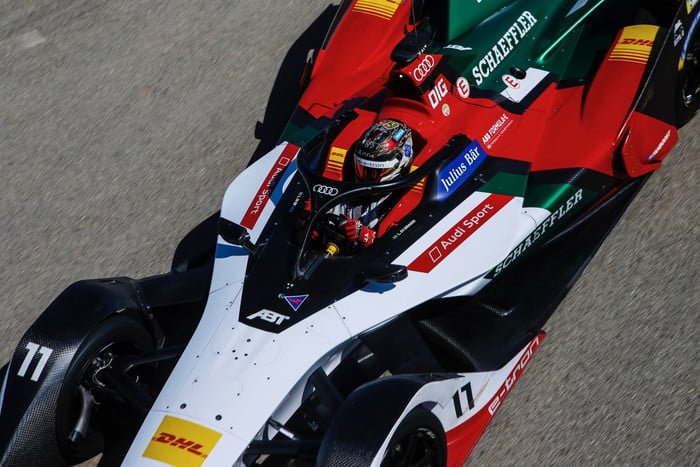
Audi E-Tron Formula E Race Car

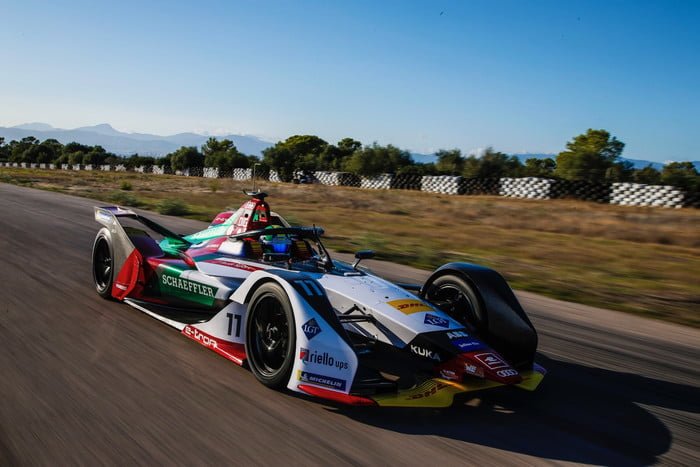
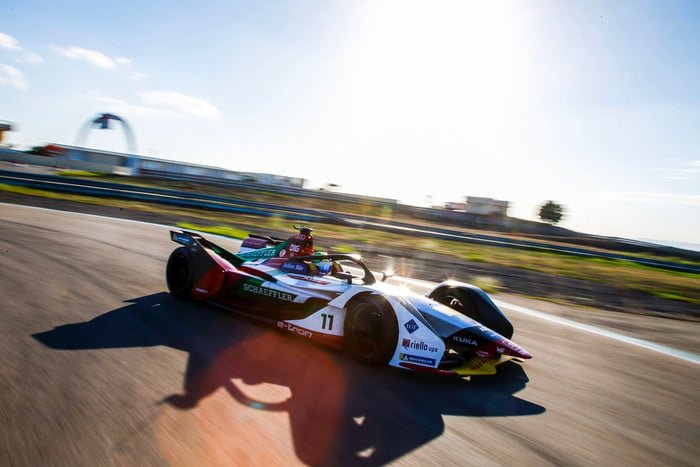
Back in September, Audi unveiled the e-tron, the brand’s first mass-market electric car that’ll take on Tesla’s Model X. Fast forward to today and we now have a variant for the race track, the still all-electric e-tron FE05 Formula E series.

The car hits the tracks Dec. 15, using the same “Gen2” design used by all other teams. All Formula E cars use the same 52-kilowatt-hour lithium battery pack, the FE05 included. It can hit zero to 62mph in just 3.1 seconds and can reach a top speed of 149mph, Audi says. It’s also fairly light — just 1,984 with the driver onboard, courtesy of Formula E rules.
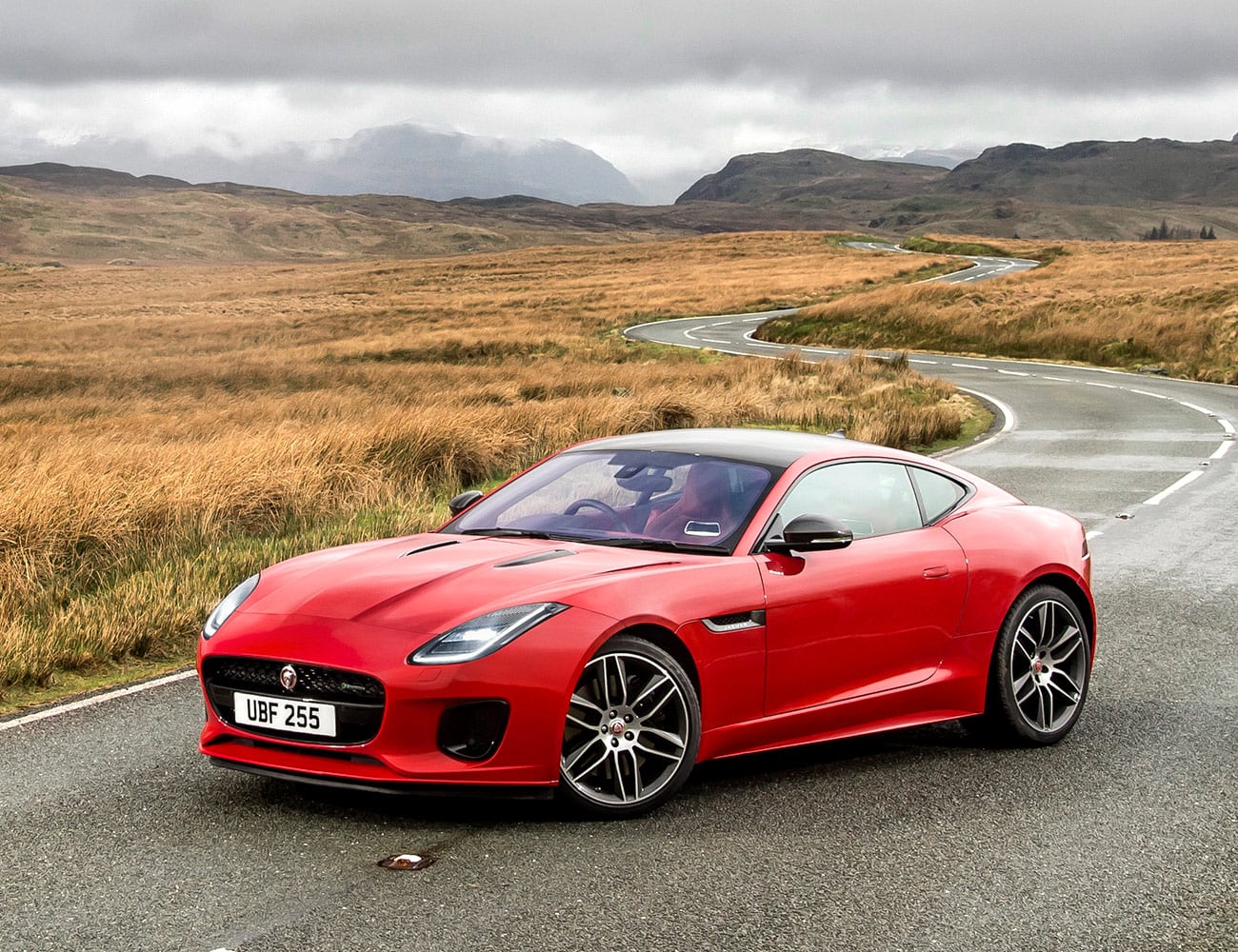
While Formula E imposes rules designed to create a level playing field for all, this time, teams were free to design their own electric motors and other components as they saw fit. In Audi’s case, it hopes to gain an advantage through greater efficiency with its in-house motor design. And because Formula E cars don’t rely too much on aerodynamic downforce for performance, the designers had a field day on making them, well, look insanely cool. Audi says 95% of this car uses new components, and its designers found a way to shed 10% off the total weight.

The fourth season’s Audi powertrain was widely perceived as the most efficient in the FE field, which gave it a boost in races. However, it did suffer from reliability issues in the first four rounds of the 2017/2018 championship. It’ll be interesting to see how fat this car goes this Dec. 15 when the next Formula E season kicks off.

LEARN MORE HERE

Photos courtesy of Audi

Koenigsegg Regera Made From Naked Carbon Fiber

This Incredible Koenigsegg Regera is a Carbon Masterpiece

Koenigsegg just announced that they have produced the world’s first ever car made of ‘Koenigsegg Naked Carbon’ – and are taking orders to build more.

Appropriately dubbed ‘KNC’, the extreme carbon fiber makeover on this Regera is as much about the process as it is about the product. All ‘normal’ Regeras are in fact, already made out of ‘normal’ carbon. KNC involves a special process which has been developed over several years – it is incredibly tedious, time consuming and expensive.

The end product of this process is what we now know as KNC – a type of carbon that is especially gorgeous and even lighter than what we are used to. Each body panel is sanded down to the weave by hand, providing the carbon with a unique texture which is emphasized even more by the omission of the lacquer finish we see in other exposed carbon examples. Coupled with the absence of body paint, the KNC body panels shave about 20kg off the Regera.

Koenigsegg also claims that KNC is stronger than regular carbon fiber, being less susceptible to scratches, chips, cracks et al. It has also been ‘weather-tested’ to ensure that it won’t deform due to extreme temperatures, whether (no pun intended) they be of the hotter or colder variety.

The Koenigsegg Regera ‘KNC’ is unchanged mechanically, most notably retaining the same 1,479-horsepower engine used in other Regeras. Having said that, it is feels almost surreal that the performance figures aren’t what makes this particular Regera so special.

Koenigsegg CEO, Christian von Koenigsegg sums it up best:

“It’s not unusual for a customer to specify their car with visible carbon fibre. It’s a beautiful material from a visual perspective and our customers love to show what the car is made from. KNC takes the idea of visible carbon fibre to a whole new level, revealing a beautiful lustre and a very silky finish.

The Koenigsegg philosophy has always been about exploring extremes. It’s great to extend that idea to a whole new way of finishing and presenting a car.”

Now that the KNC process looks to be nailed down, perhaps we will see this on other offerings such as the Agera.