All posts in “Cars”

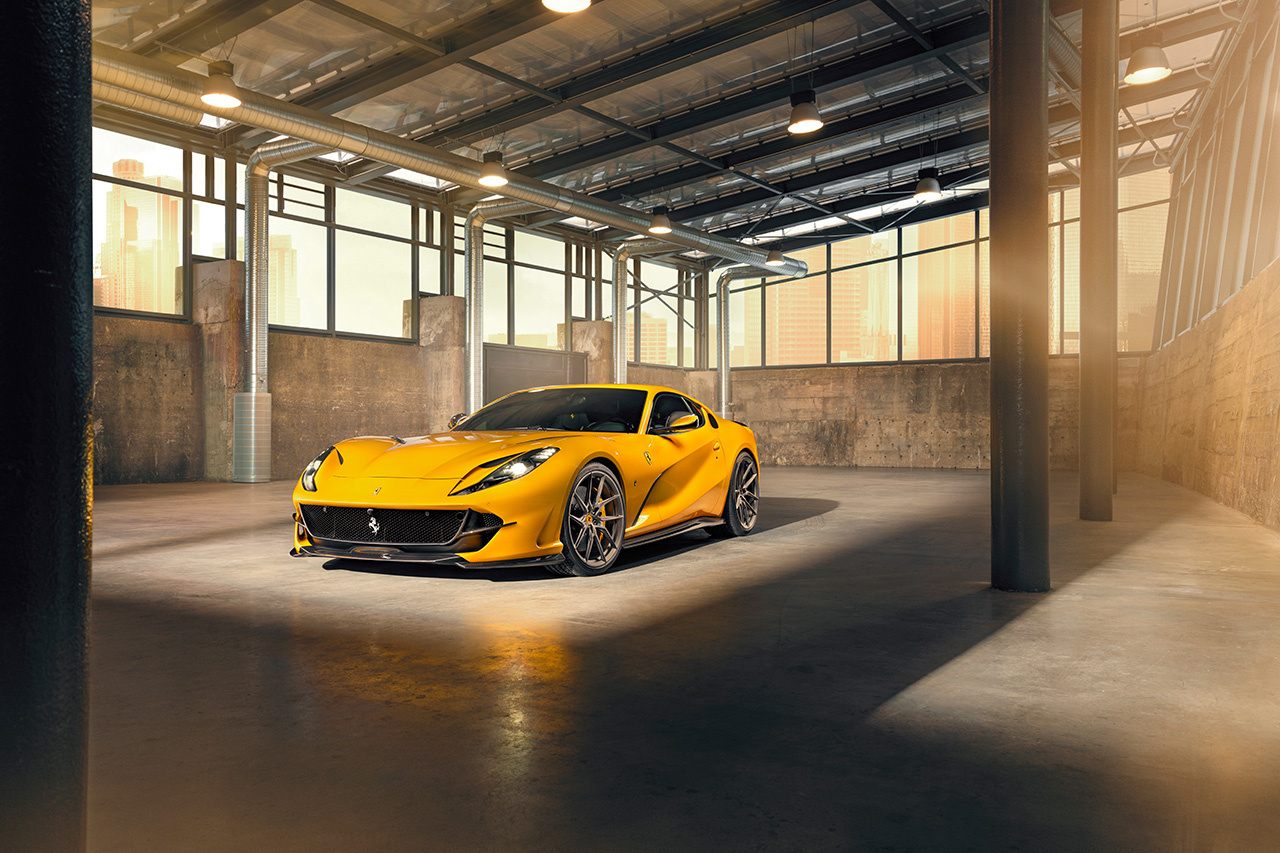
Ferrari 812 Superfast By Novitec

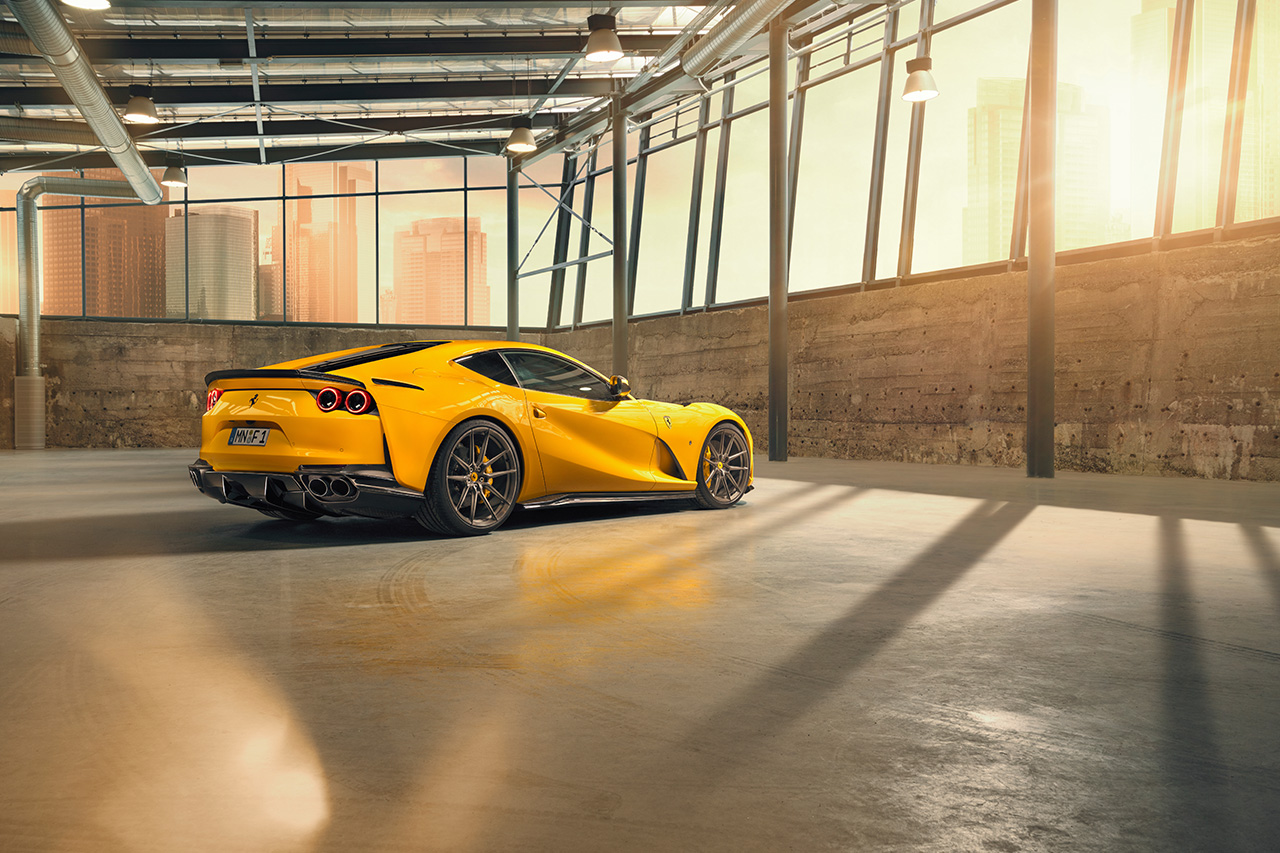
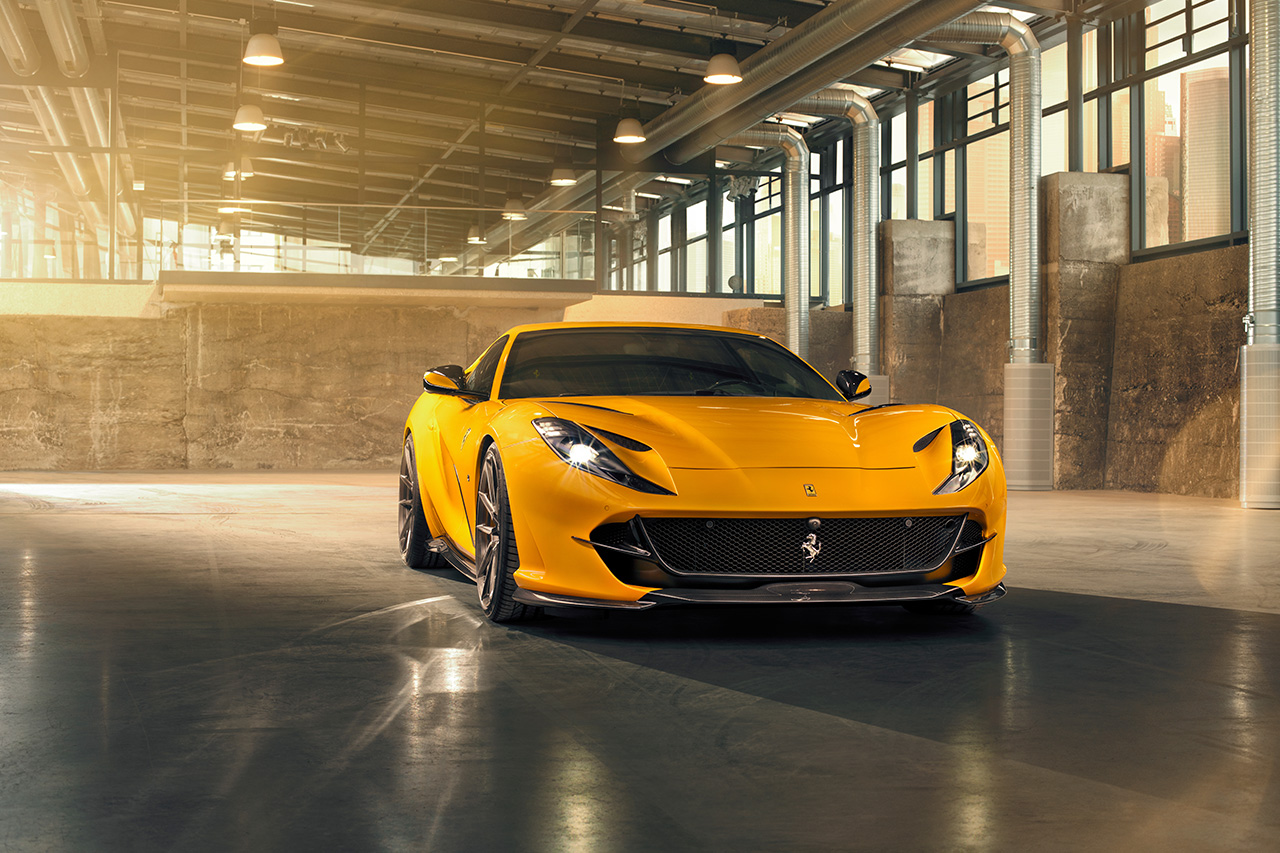
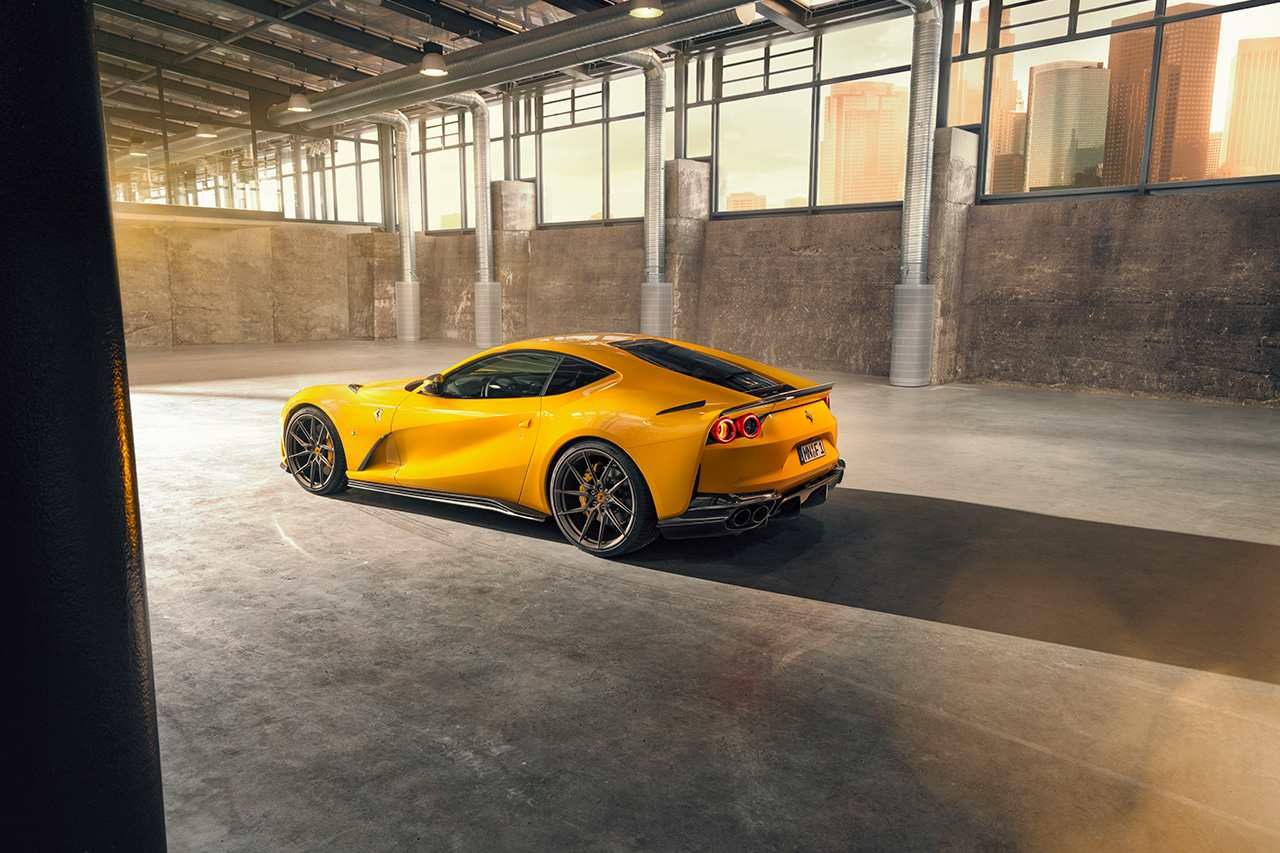
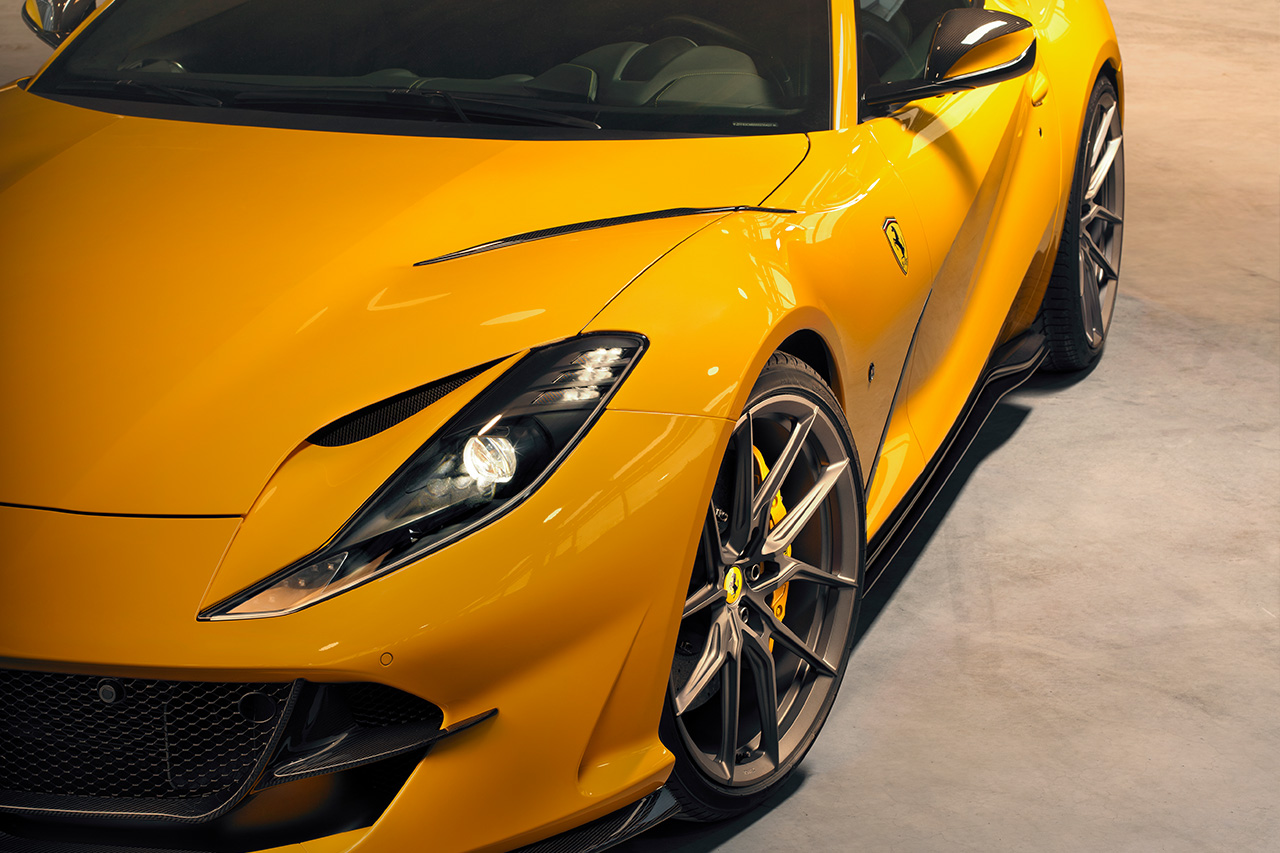
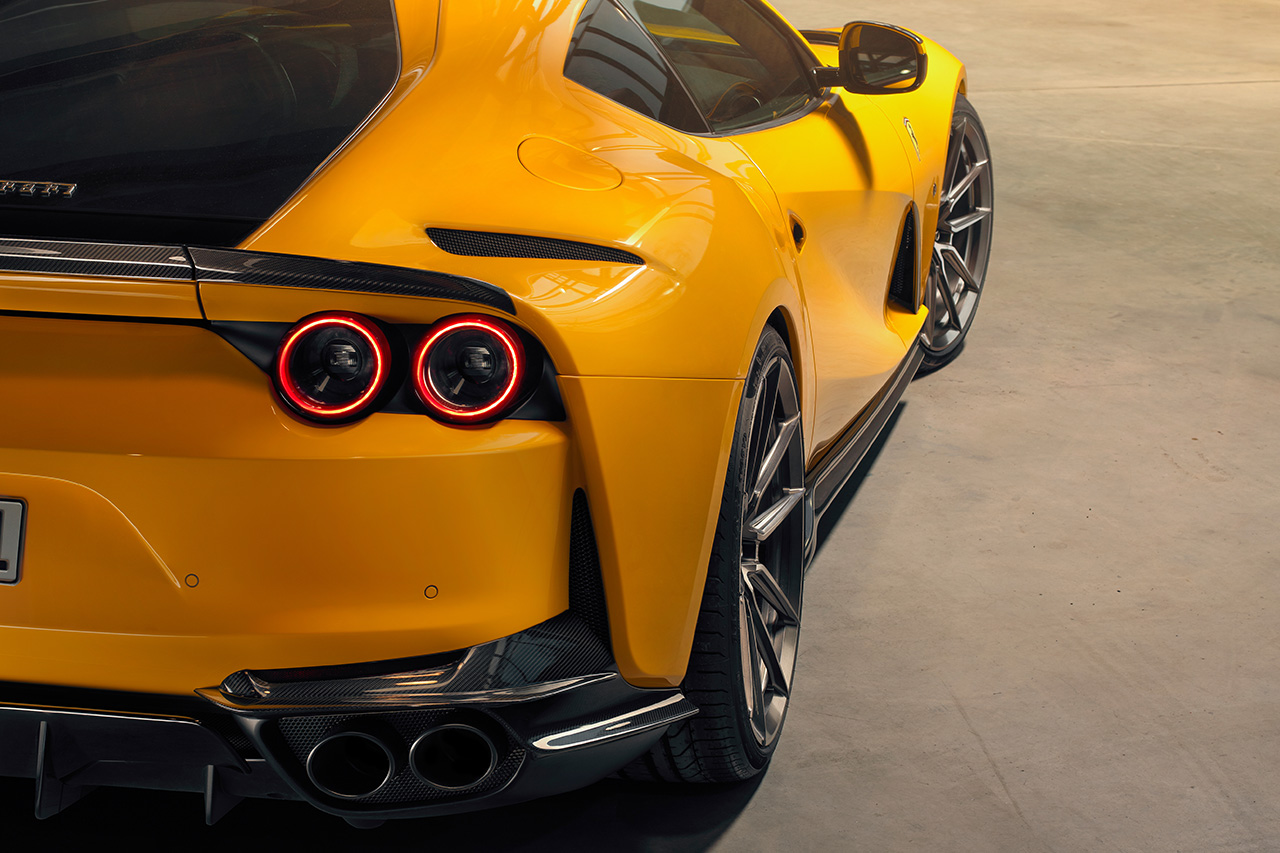
Novitec is a custom shop that believes fast cars can be faster. Its latest handiwork? The Ferrari 812 Superfast, which, already beastly enough as it is, got an extra boost, at least visually, thanks to the crafty (and perhaps mad) folks at Novitec.

Unfortunately, this customized car doesn’t have more power than a regular 812 Superfast. In other words, Novitec did a purely visual upgrade. However, the shop says its engineers are working on a “performance upgrades” for the ride’s base 6.5-litre V12 engine.

If true, that means we could be getting something even faster than the machine’s standard 789 horsepower, and perhaps something more impressive than its already amazing 0 to 60 acceleration in just under three seconds.

So yes, it’s a bummer Novitec didn’t make a faster car out of a fast car, but don’t fret. It did make an already cool-looking ride even cooler. Novitec swapped out huge body parts in favor of carbon fiber ones. Among them are the wind-tunnel-developed chin spoiler and front grille attachment, rocker panels, a rear spoiler lip, and the rear fascia.

You can take that even further with an optional shocks package. It lowers the whole ride to 1.37 inches. On the other hand, there’s also a hydraulic lift that can raise the front end by 1.57 inches. Pricing information is yet to come, unfortunately. Expect the cost to be astronomical, of course. Certainly much more expensive than a regular 812 Superfast. We’ll update this article once we learn more, so stay tuned.

MORE INFO HERE

Photos courtesy of Novitec

Three Cars with the Best Resale Value in 2019 are Subarus

Subaru just won Kelley Blue Book’s 2019 Best Resale Value award for the Crosstrek, Legacy and Outback. And, for the record, this is the fourth time the Legacy and Outback have earned the honor.

Guessing how much a brand-new car will resell for in advance of it even leaving the showroom is a tough task. Kelley Blue Book says it decides the resale value of a car, truck or SUV by evaluating it based on “driving dynamics, interior room and comfort, quality of materials as well as important considerations that include pricing, 5-Year Cost to Own and resale value.” And since depreciation and maintenance are, on average, the biggest costs of ownership, KBB says it also looks into factors like “warranty coverage and the manufacturer’s reputation for durability, quality, and reliability.”

Other winners include Lexus, which nearly swept four Best Resale Value categories in the SUV/crossover categories as well as the entry-level luxury category. So if Kelley Blue Book’s results are anything to go by, and you’re looking for reliable practicality, Subaru is a safe bet. If you’re on the market for reliable luxury, Lexus is worth a look.

Bugatti says an emphatic ‘no’ to SUVs

Last we heard from Bugatti President, Stephen Winkelmann, the French supercar company had plans for a Bugatti SUV in the future. Today Winkelmann is dashing any such notion emphatically. In a report issued by the company discussing its 2018 performance, Winkelmann declared, “There will be no SUV from Bugatti. An SUV would not do justice to the brand or its history.”

That sounds pretty clear cut and definitive to us, so consider Bugatti the second supercar manufacturer to disavow the high-riding body style. McLaren is the only other dog in this fight opposing the proliferation of crossovers and SUVs — and for that we salute you, McLaren. The Lamborghini Urus is out and about, and Ferrari’s version of an SUV is hot on its heels. Now that the Bentley Bentayga and Rolls-Royce Cullinan exist, they can cater to the luxury crowd, too.

We can be glad Bugatti isn’t going down the same path as all these other companies. However, Winkelmann didn’t rule out any kind of a luxury sedan body style for a future vehicle. The brand has firmly cemented itself in the performance arena with the Veyron, Chiron and more recent Divo variant, but these cars are still only produced in extremely small quantities. For reference, Bugatti says it produced all of 76 Chirons in 2018. A total of 500 are planned through 2021. This appears to be fine for now, as Bugatti hasn’t hinted that is is trying to expand.

Bugatti happens to be celebrating its 110th anniversary in 2019, and it promises a few surprises in the form of “the presentation of further models.” Bugatti has a tendency to come out with even faster versions of cars some years after debuting a car that’s ridiculously fast already, so we could be looking at further derivations of the Chiron. That said, we can always hope for even more models and be content knowing that none of them will be a utility vehicle.

Related video:

Details on the New Porsche 911 GT3 RS Emerge

Get Ready for the Most Track-Capable GT3 RS Yet

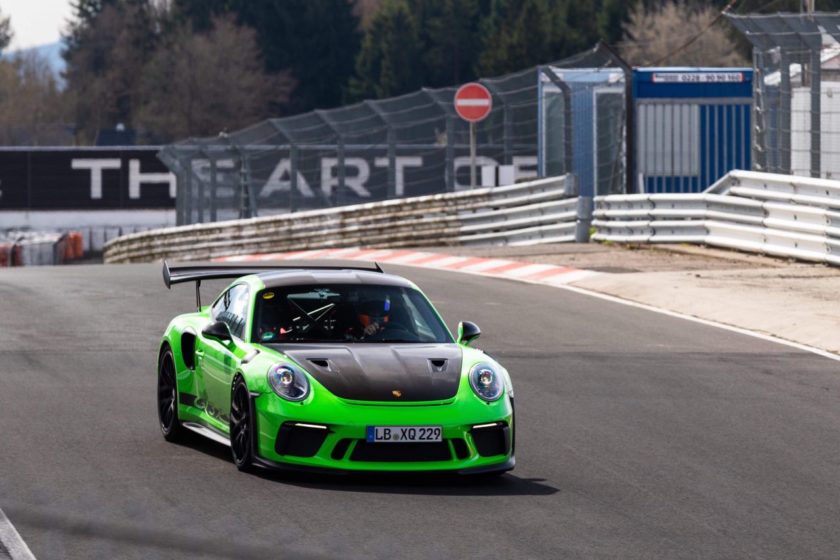
Porsche is prepared to make the 992 version of the 911 GT3 RS the best it has ever been. According to Wheels magazine, quoted on Which Car the vehicle will be more of an evolutionary change rather than a revolution for the vehicle. Talking with 911 product line chief August Achleitner Wheels was able to get confirmation that Porsche won’t mess with the basic formula for the GT3 RS.

That means the car will still be rear-wheel drive, have a high-revving naturally aspirated engine, and be extremely lightweight. The engine will be similar to the 4.0-liter flat-six engine in the current car. However, it may receive a displacement bump. Despite the increase in cubic centimeters, the car will likely still car the engine a 4.0-liter, according to Achleitner.

Porsche 911 GT3 RS

Porsche 911 GT3 RS

As far as transmissions go, the car will get the 7-speed PDK. A manual will be optional, too. This should help the GT3 RS keep weight down rather than going with the heavier 8-speed automatic at Porsche’s disposal. Keeping the car lightweight, Porsche will also employ plenty of carbon fiber and a magnesium roof. 

Which Car notes that the focus of the new GT3 RS will be aerodynamics. The goal will be to increase both the possible top speed and cornering speed. Achleitner told Wheels the car would come with the latest technology, too. It would be available through the two 7-inch displays in the new car. The information displayed could be tailored to track use, giving the driver up-to-date data whenever he or she wants it. Sounds like the upcoming GT3 RS will be a real winner. 

Aston Martin Valkyrie gets a track package, moves closer to production-ready

Aston Martin continues to trickle out news for the upcoming Valkyrie hypercar, and today it’s telling us about an AMR Performance Track Pack that will be on offer. We’ve previously told you about the Valkyrie AMR Pro, which is a track-only version of the car Aston intends to build. This new package will be on offer to the 150 lucky folks who will be buying the road-going version of the Valkyrie.

The Track Pack consists of a new front clam producing greater downforce, a second set of exterior body panels, a track-focused suspension lowered by 2 inches, titanium braking components and magnesium wheels with carbon fiber discs covering them. All this results in lap times that are supposed to be 8 percent quicker than the standard car — an impressive improvement over a car with bonkers performance to begin with. The only catch you might ask? With the Track Pack accessories fitted, the Valkyrie loses its road-legal status like the AMR Pro. You’ll need to hand the car over to Aston for them to put it back to street-spec after your track day is done.

Aston Martin also announced some customization options that will be available for the car. The only limit here is your pocketbook, folks, as Aston’s personalization program, Q by Aston Martin, will be helping buyers make the cars exactly the way they’d like. Four designer spec themes will be offered to those not interested in total custom work. Wherever you see paint or trim, carbon fiber is most likely possible. Colors and material choices on the interior will be up to your imagination, as well. The wildest option available appears to be the Gold Pack, wherein 24-carat gold livery is laid under the paint. Check out all the pictures of custom examples Aston has come up with on its simulator up above — this is going to be one sweet car, not to mention the 1,000 horsepower 6.5-liter Cosworth V12 that revs to 11,100 rpm.

Related video:

Superformance Might Use the GT500’s Supercharged V8 in the Shelby GR-1

Superformance, Supercharged, Superfast

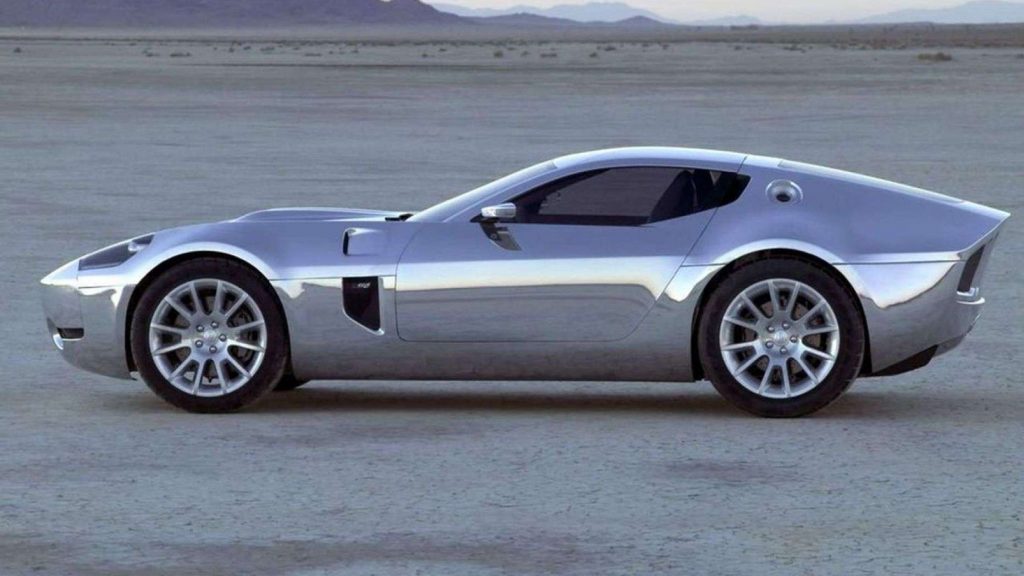
Superformance will build a production version of the Shelby GR-1 in the next few years. Until now, there were not many details about what type of engine the vehicle might get. That has changed. According to Robb Report, Superformance will consider a supercharged V8 engine for the GR-1 instead of the V10 engine that was in the original concept. Most likely it will be the 700-plus hp engine that’s in the upcoming GT500. 

“It sadly won’t be a V-10,” said Lance Stander CEO or Superformance. “Ford doesn’t have a V-10 apart from one they utilize in trucks, and we want the GR-1 to be a production car with a production engine—all coming from Ford.” When asked if the company would use the GT500’s engine, Stader said, “You’re thinking on the right track.”

That’s a pretty clear indication that it will either be the GT500’s engine directly or some variation of it. The Robb Report also talked with Stander about the possibility of using the Tremec dual-clutch transmission in the GT500. “[The Tremac] is a very exciting transmission, and we are in talks with them,” said Stander. “But at this point, we are also planning a six-speed manual.” 

That’s good news for enthusiasts. At this time, Ford only plans to build the GT500 with the DCT, but the company did note it would add a manual transmission at some point down the line if enough customers wanted one. Now, it seems customers may have an opportunity to get the powertrain they want in the even more exclusive Shelby GR-1. 

EV Not Out of the Question Either

With all this talk of the gasoline-powered car, the electric version that was rumored has fallen by the wayside. However, Stander says his company is still talking with Shelby American to make the EV GR-1 happen. Stander said Superformance and Shelby can’t ignore the move toward electric vehicles industry-wide. He also said you never know where EVs will be in two years time. 

2004 ford shelby GR-1

2004 ford shelby GR-1

Stander mentions two years because that’s about how long the company expects for the production version of the GR-1 to come to fruition. Right now the Low Car Volume Manufacturers Act, which is what enables the possibility of the GR-1 in the first place is tied up in the government shutdown. Once the shutdown is done, Superformance can proceed with actually building the car. When it does, let’s hope it has the V8-beating heart of the GT500 under it’s long and gorgeous hood. 

Aston Martin DBS Superleggera TAG Heuer Edition Revealed

Aston Martin have announced a collaboration with watch manufacturer Tag Heuer to offer a bespoke Aston Martin DBS Superleggera. The result is a murdered out DBS, limited to a collection of just 50 cars. Each example will receive Monaco Black Exterior paint and plenty of carbon fibre elements.

The two luxury brands have collaborated for the first time on a car; the Aston Martin DBS Superleggera. Tag Heuer and Aston Martin were the two title sponsors of the Red Bull Racing Formula 1 team. Tag Heuer pulled out for the upcoming season, and after Red Bull made the move from Renault to Honda power, yet the two companies appear to be closer than ever.

Aston Martin DBS Superleggera TAG Heur

Customers of the Aston Martin DBS Superleggera TAG Heuer Edition will get a 715 hp, 5.2 litre twin-turbocharger V12 GT car with performance enough to hit 60 mph in 3.4 seconds and a 211 mph top speed. They will also get a special Tag Heuer watch likely based upon the Carrera Heuer 01 Aston Martin Special Edition series.

Inside the special edition DBS, customers will find black leather and alcantara alongside forged carbon inserts and a contrasting red stitch. Naturally, the interior (as well as the front fender) is also plastered with Tag Heuer logos to ensure that you know the provenance of what you are driving!

There is no official word on pricing or availability at this time. We would suggest that you check with your local Aston Martin dealership for this information.

11 Cars We Can’t Wait To Drive in 2019

Over the next twelve months, the automobile market is going to get a serious refresh. The many new-model reveals from this year’s Detroit Auto Show and all the announcements made late last year herald incredible metal coming down the pipeline. Some of the reveals and announcements were expected, some demolished expectations. We’re still anxiously awaiting exact details from others. After taking it all in, these are the cars and trucks we’re looking forward to driving the most in 2019.

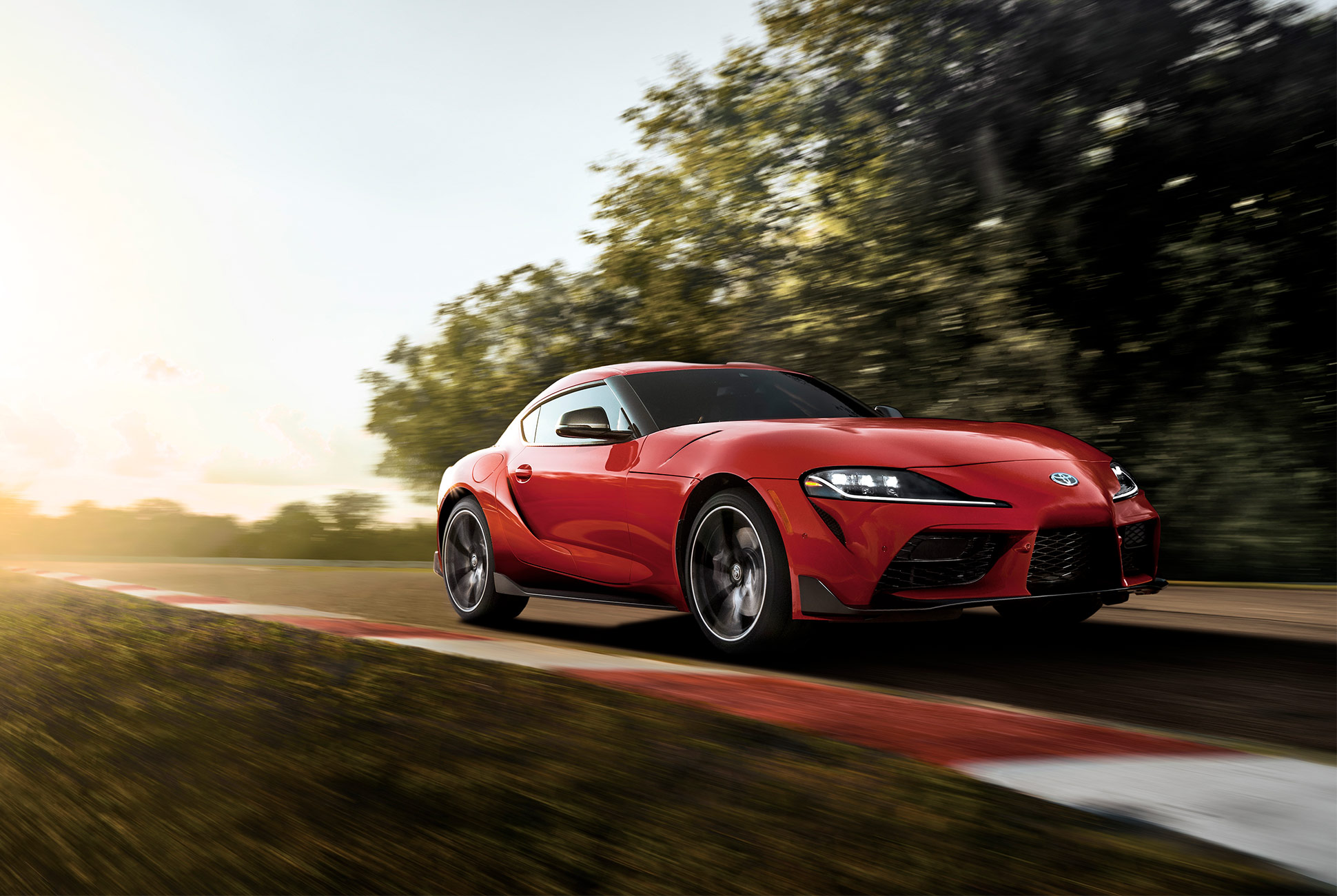
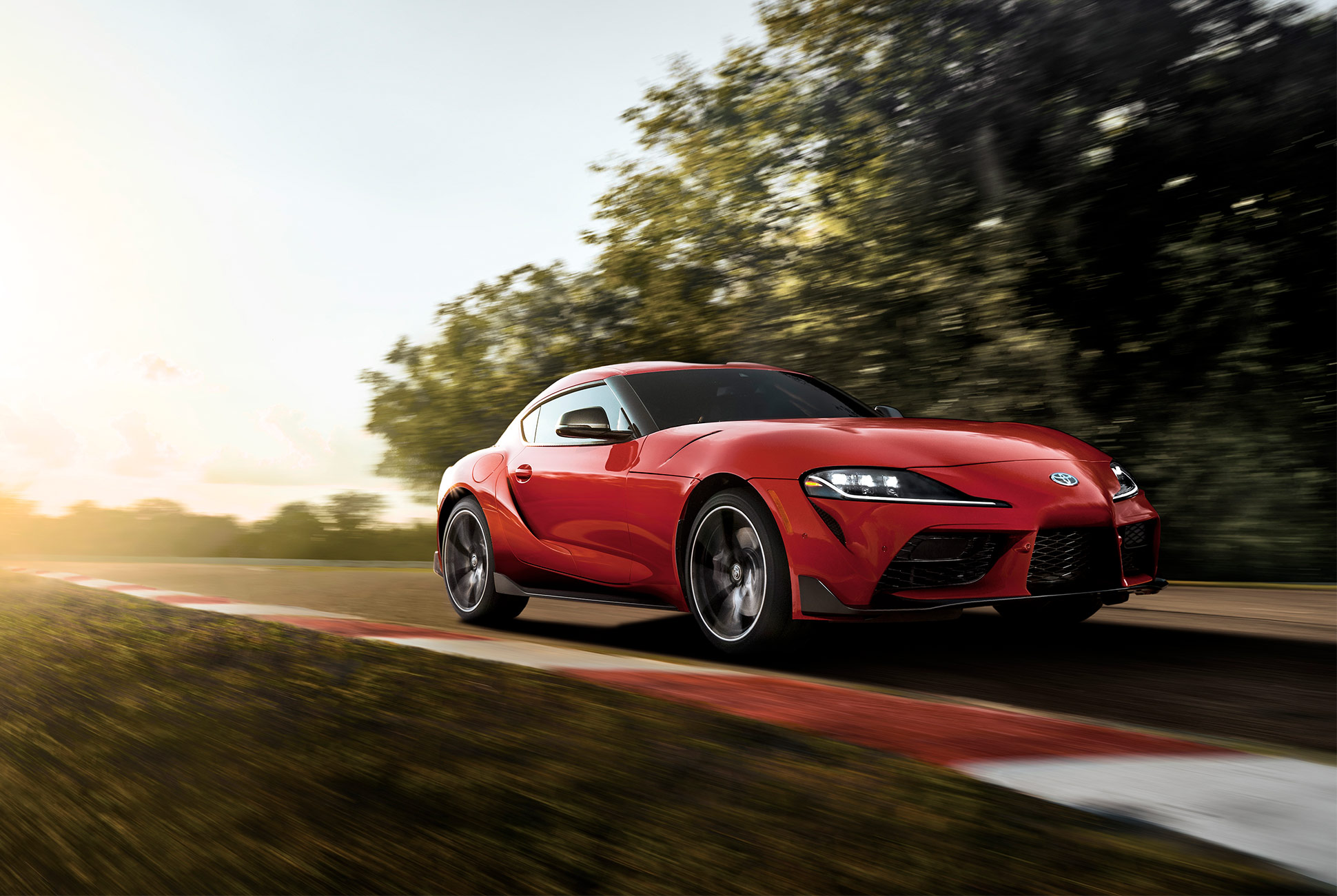
2020 Toyota Supra


This one should come as no surprise. We’ve seen leaked images and teasers for at least a couple years now, so it was a relief to finally behold the Supra in the metal. Its stats look promising and given Toyota’s recent winning streak, it should hold up to all the hype.

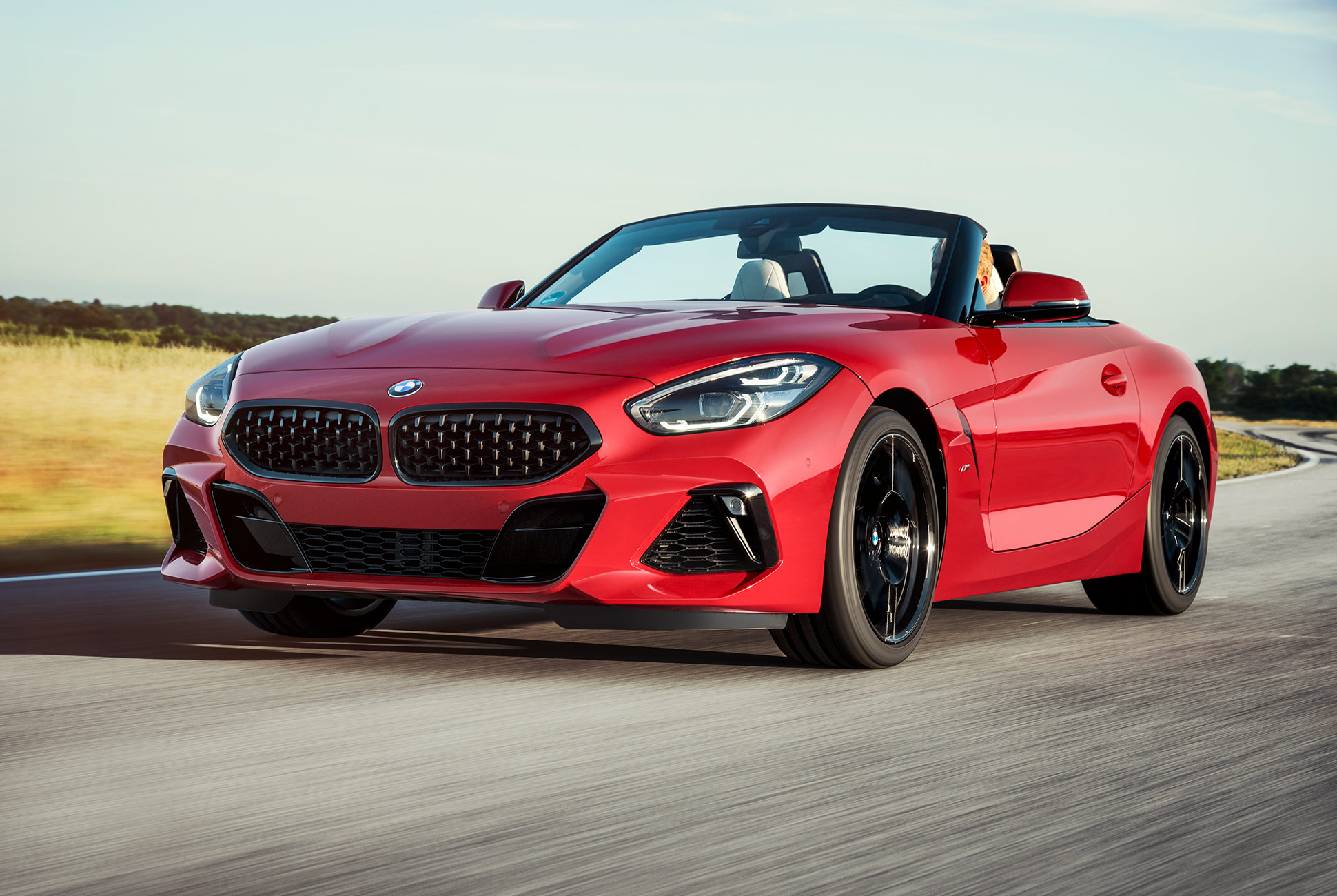
2019 BMW Z4


Driving the BMW Z4 is part and parcel of driving the Supra since they were jointly developed. The final products from each manufacturer are [likely] worlds apart but it’ll be interesting to see the siblings side by side.

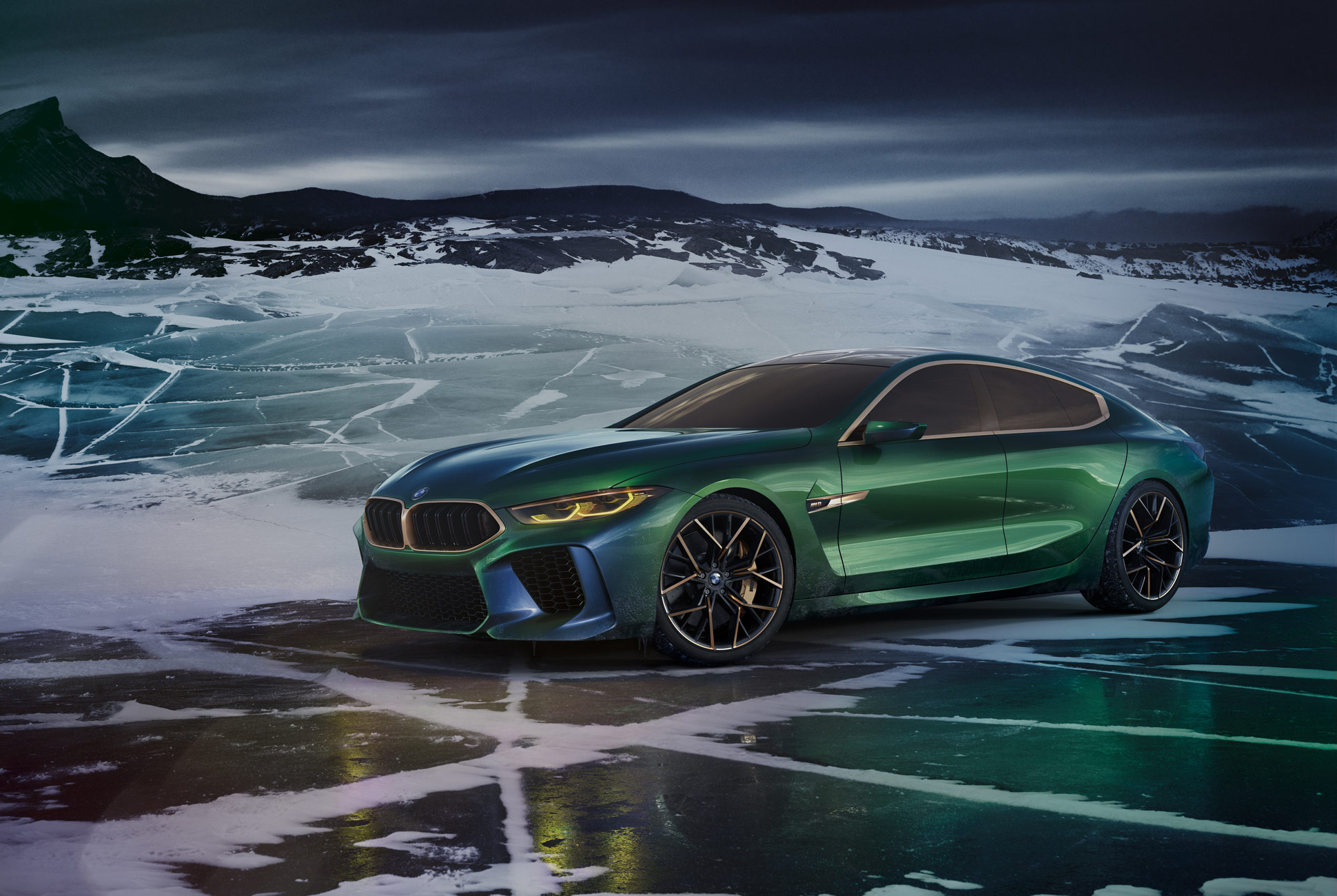
2019 BMW 8-Series


Like the Supra, the BMW 8-Series is another ’90s icon making a comeback. Once again BMW will have a top-flight luxury sports coupe/sedan. It’s abut time – the Mercedes S-Class has had it too easy for too long.

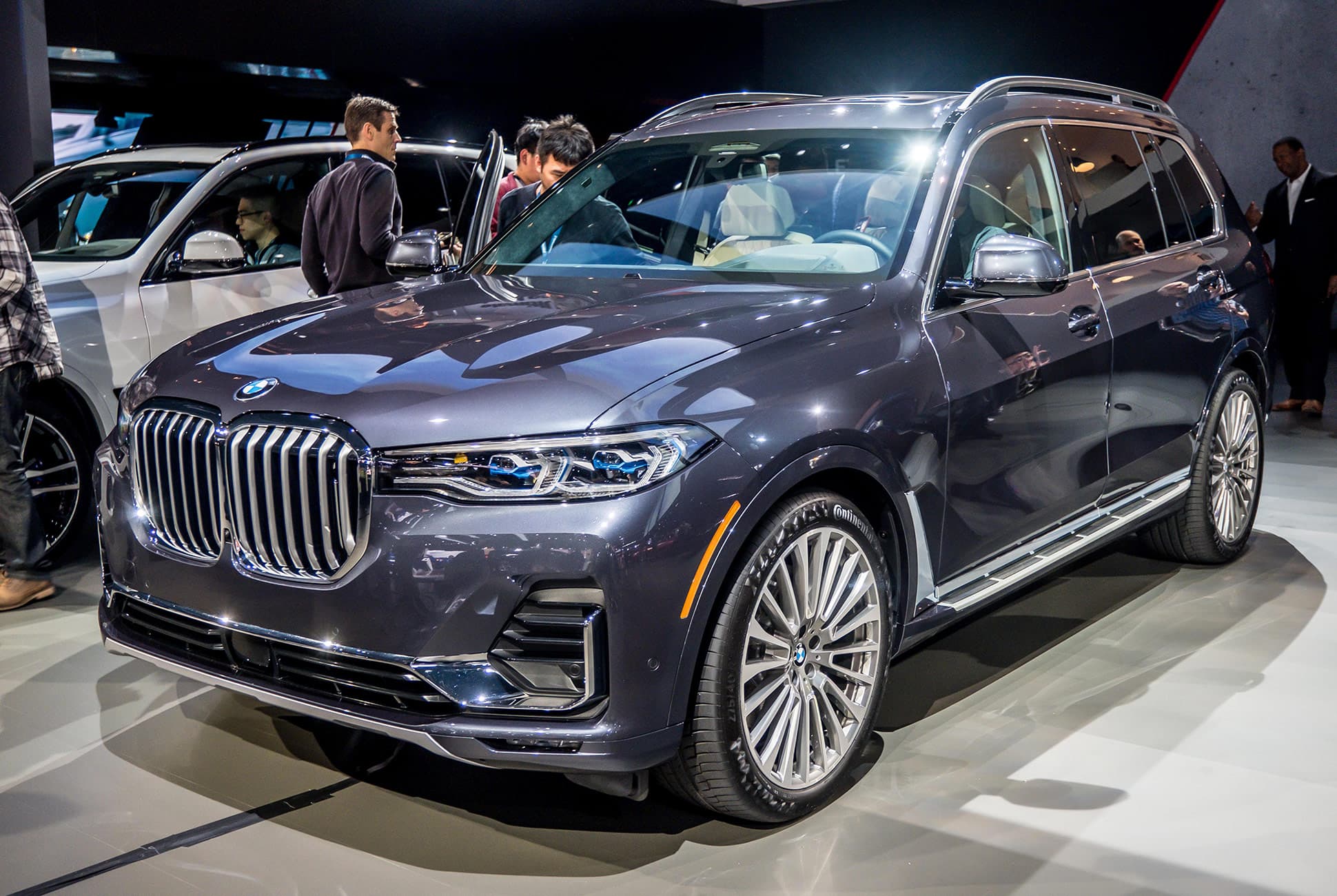
2019 BMW X7


Speeaking of a long time coming, BMW finally enters the three-row SUV game. The X3, X5 and X6 are well respected SUVs; it’s easy to assume the X7 will follow suit. But, since the X7 is the Bavarian’s first outing, it’s still up in the air whether it can compete in an already crowded market.

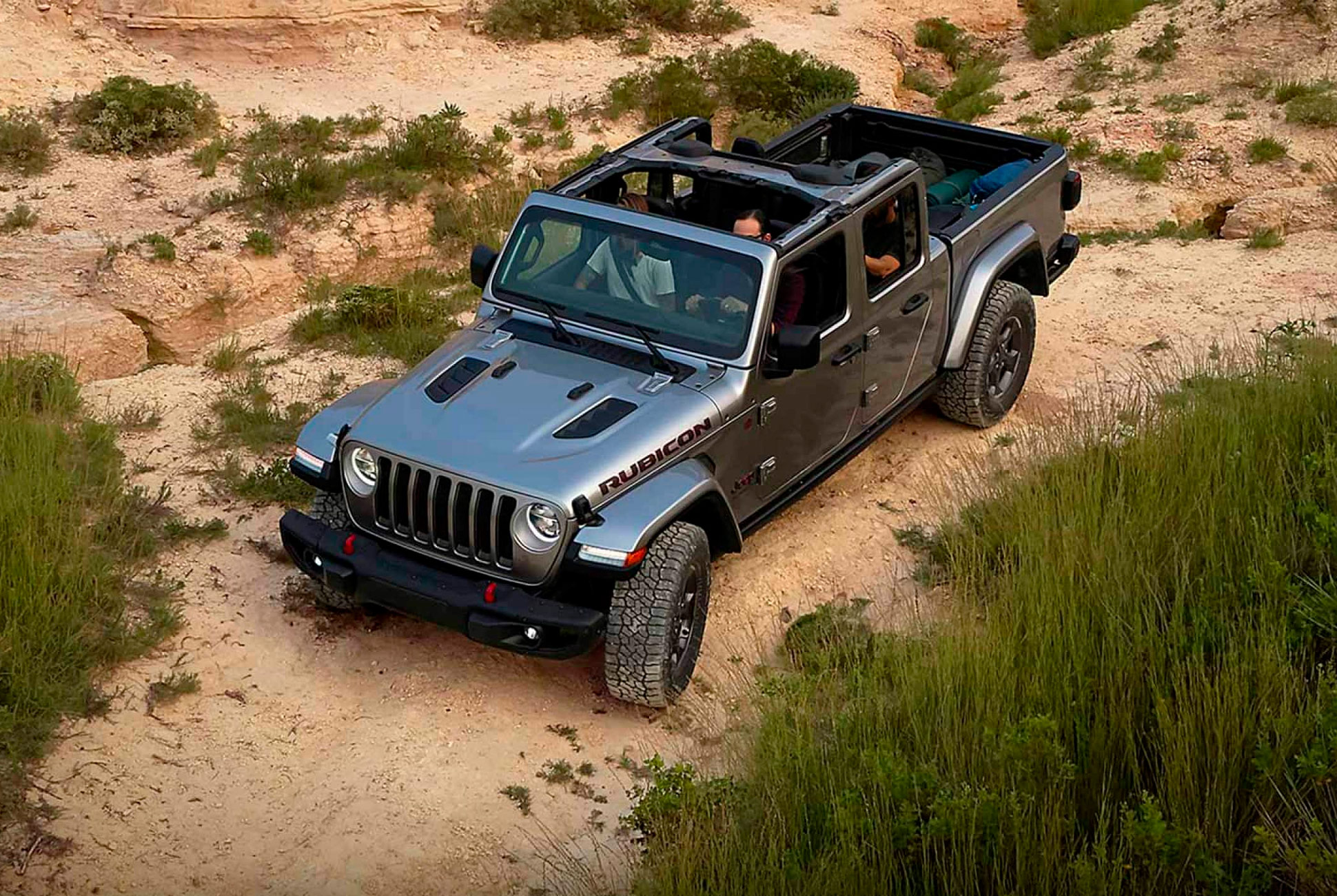
2019 Jeep Wrangler Gladiator


Ever since Jeep teased a possible pickup version of the current-generation Wrangler, it’s been the enthusiast’s conversation topic of choice. It might have sown divided opinions, but there’s no denying its architecture perfectly lends itself to the adventure lifestyl. Maybe even more so than the standard Jeep Wrangler.

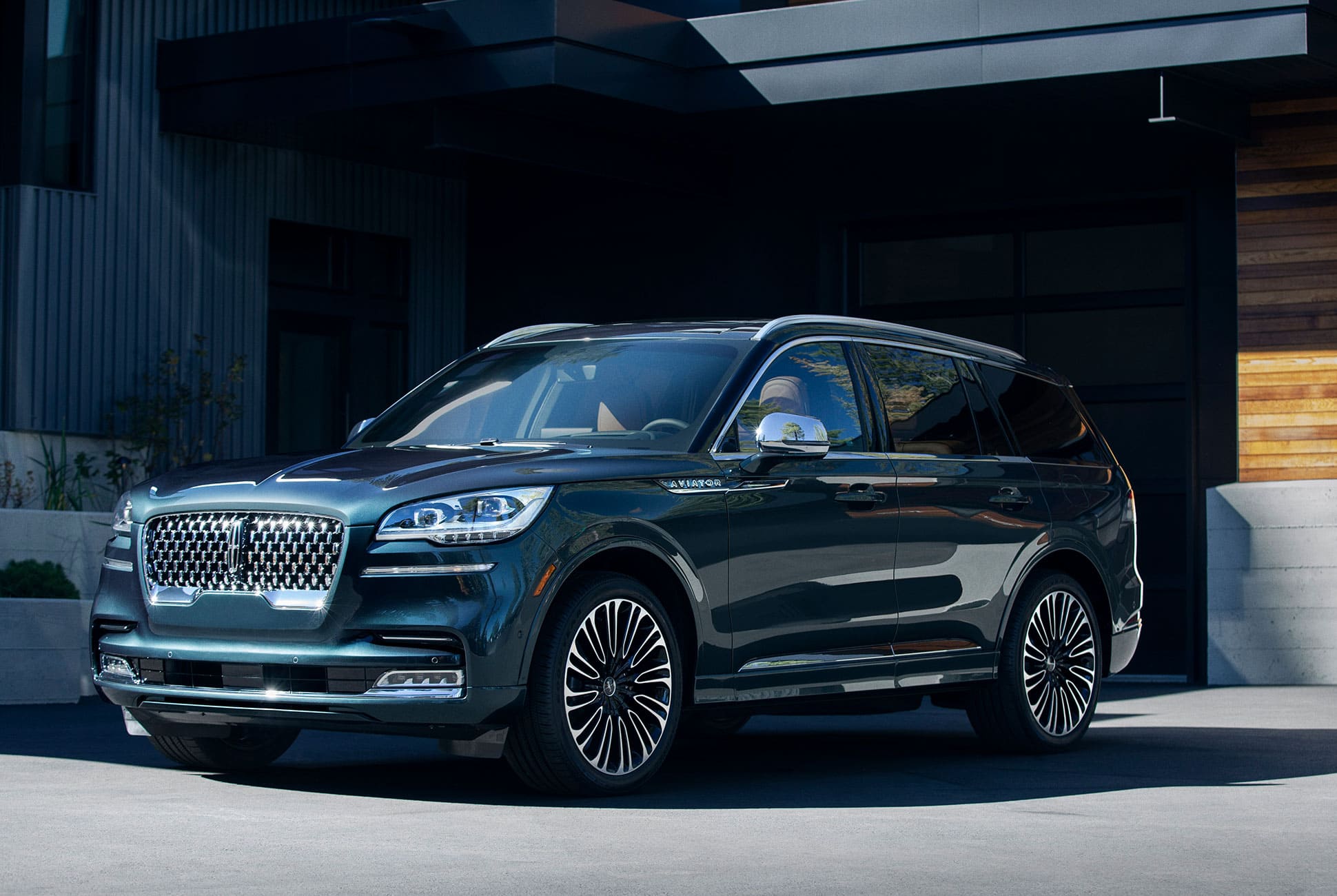
2020 Lincoln Aviator/ Ford Explorer


Ford didn’t simply swap badges and emblems on these two SUVs and call it a day. The two three-row SUVs sit on the same, all-new rear-wheel-drive platform and share the same basic architecture, but that’s where the similarities stop. The Aviator aims to tackle the highest echelon of premium owner, while the Explorer will take on adventurous families and, probably, with a lot of success.

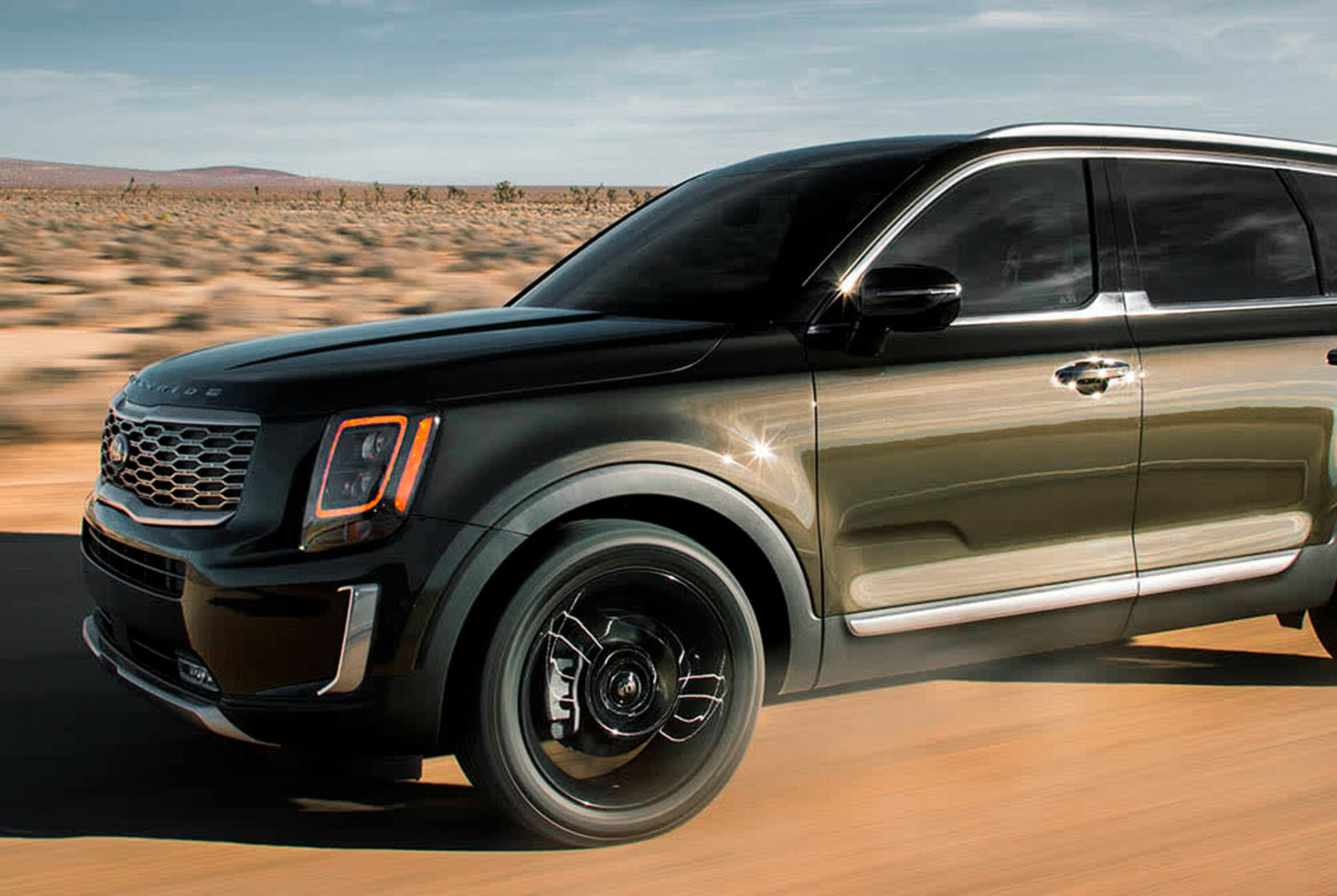
2019 Kia Telluride


Kia is another manufacturer really hitting its stride. The automaker went gloves-off with the Stinger sport sedan, and the Telluride will attempt to follow up that success as Kia’s first-ever full-sized SUV. The prospect of a more off-road-focused trim in the pipeline only sweetens the deal.

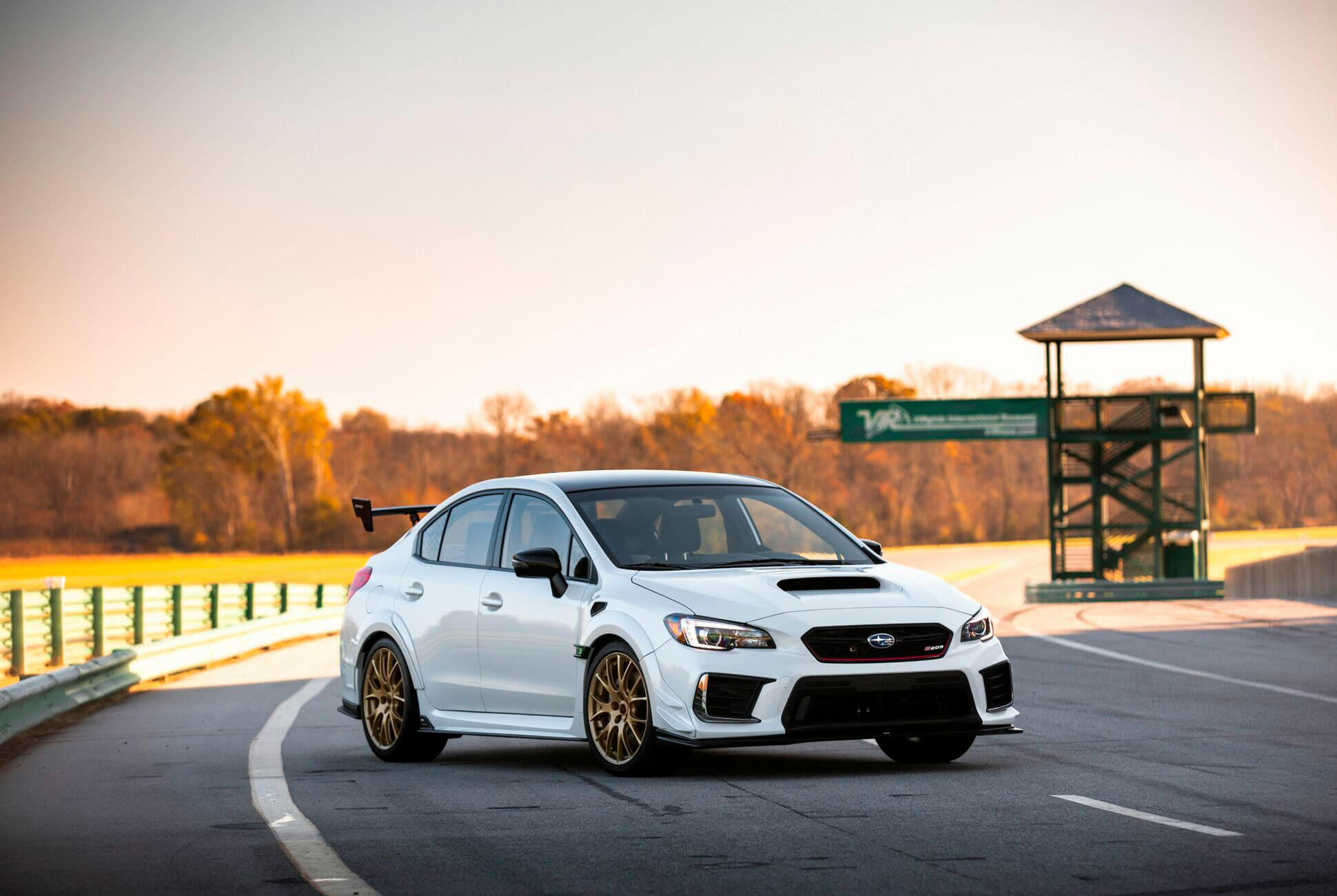
Subaru STI S209


The Subaru STI S209 is the the first-ever of Subaru’s “S” models to make the leap across the Pacific to our shores. As the highest point in Subaru’s performance hierarchy, it will sit above even the Type-RA, which is saying a lot.

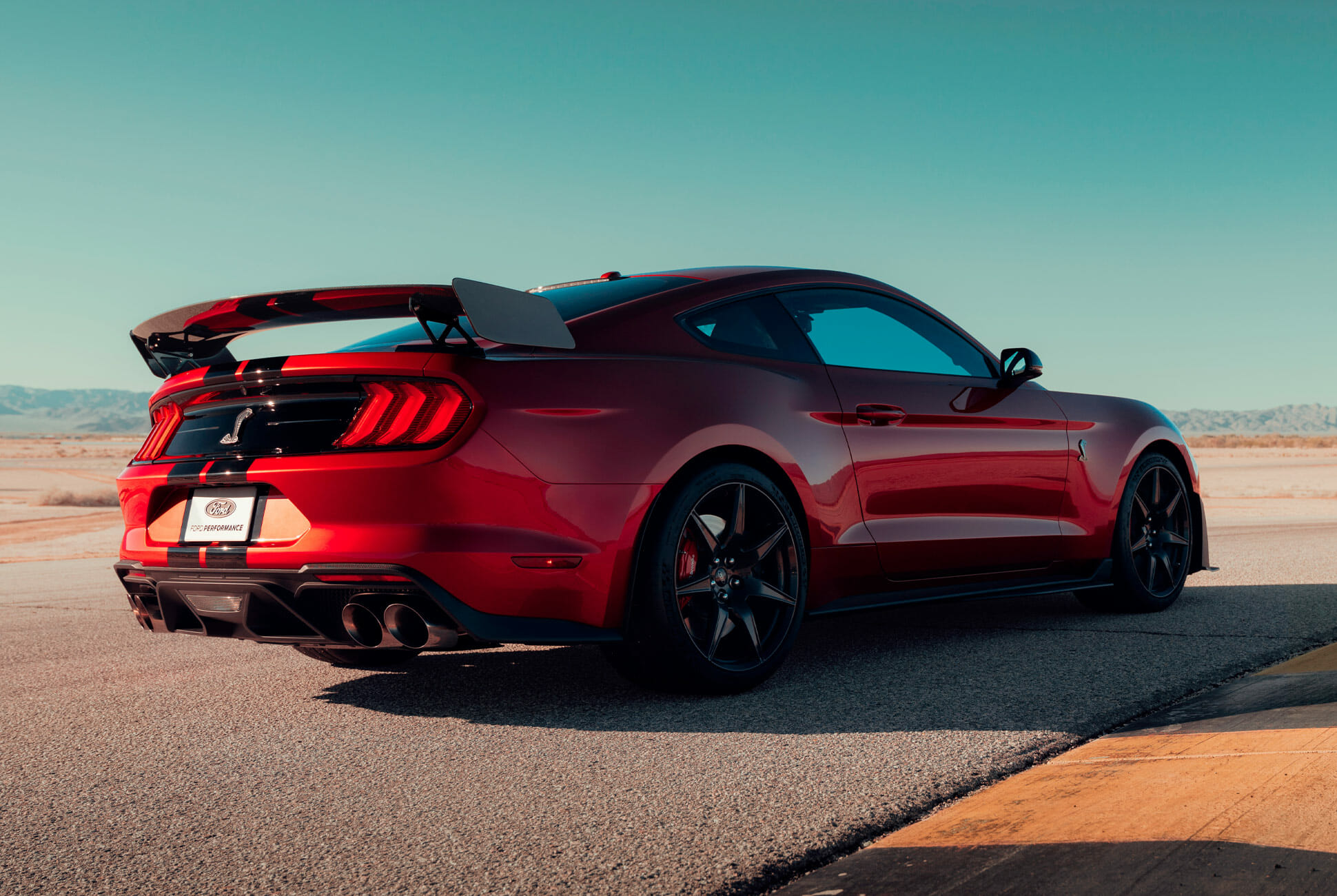
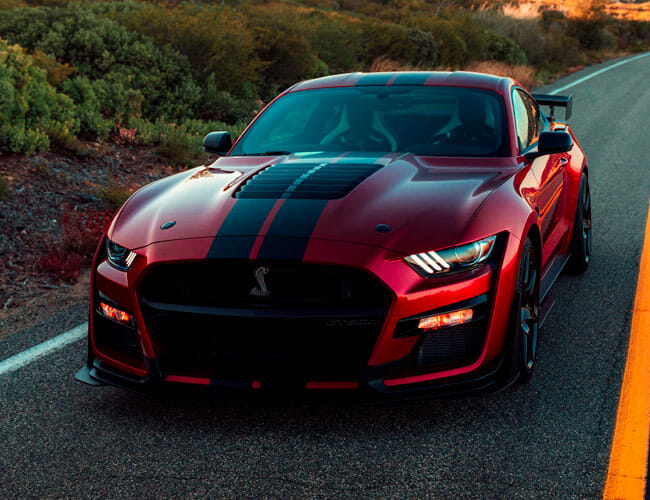
2020 Ford GT500


As one of the most anticipated reveals at NAIAS this year, the new Mustang GT500 drew a big crowd and for good reason. Ford claims the new pony car will pump out over 700 horsepower, but is mum on the exact count. Discovering just how many – and forcing them all to the rear wheels – will be a high point of 2019.

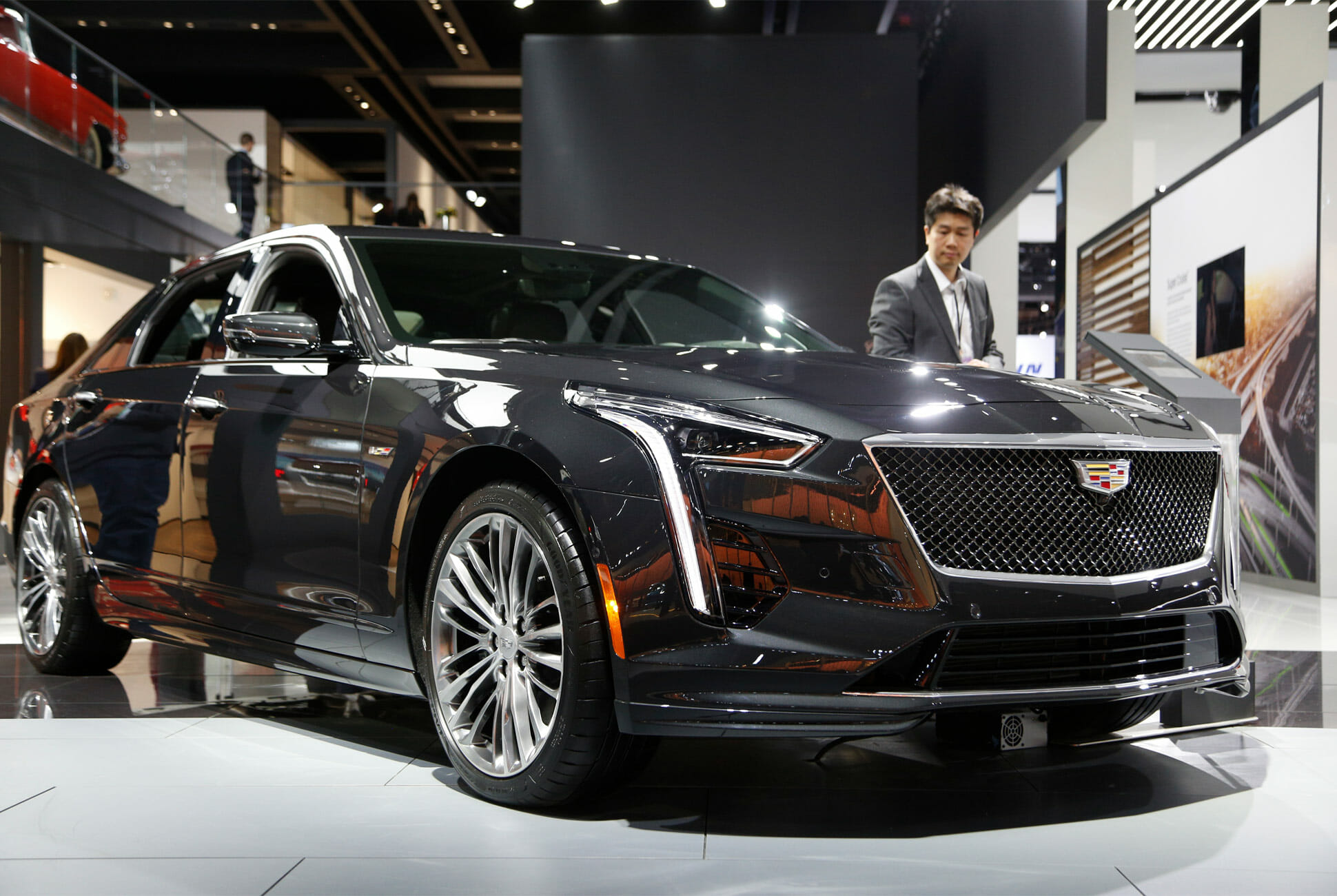
2019 Cadillac CT6-V


Whether Cadillac knew what it was doing or not remains a mystery, but suffice to say the CT6-V is an instant classic. Powered by Cadillac’s new 4.2-Liter Blackwing V8, rated at 550 hp and 647 lb-ft, all 275 CT6-Vs allocated for the US sold out within hours.


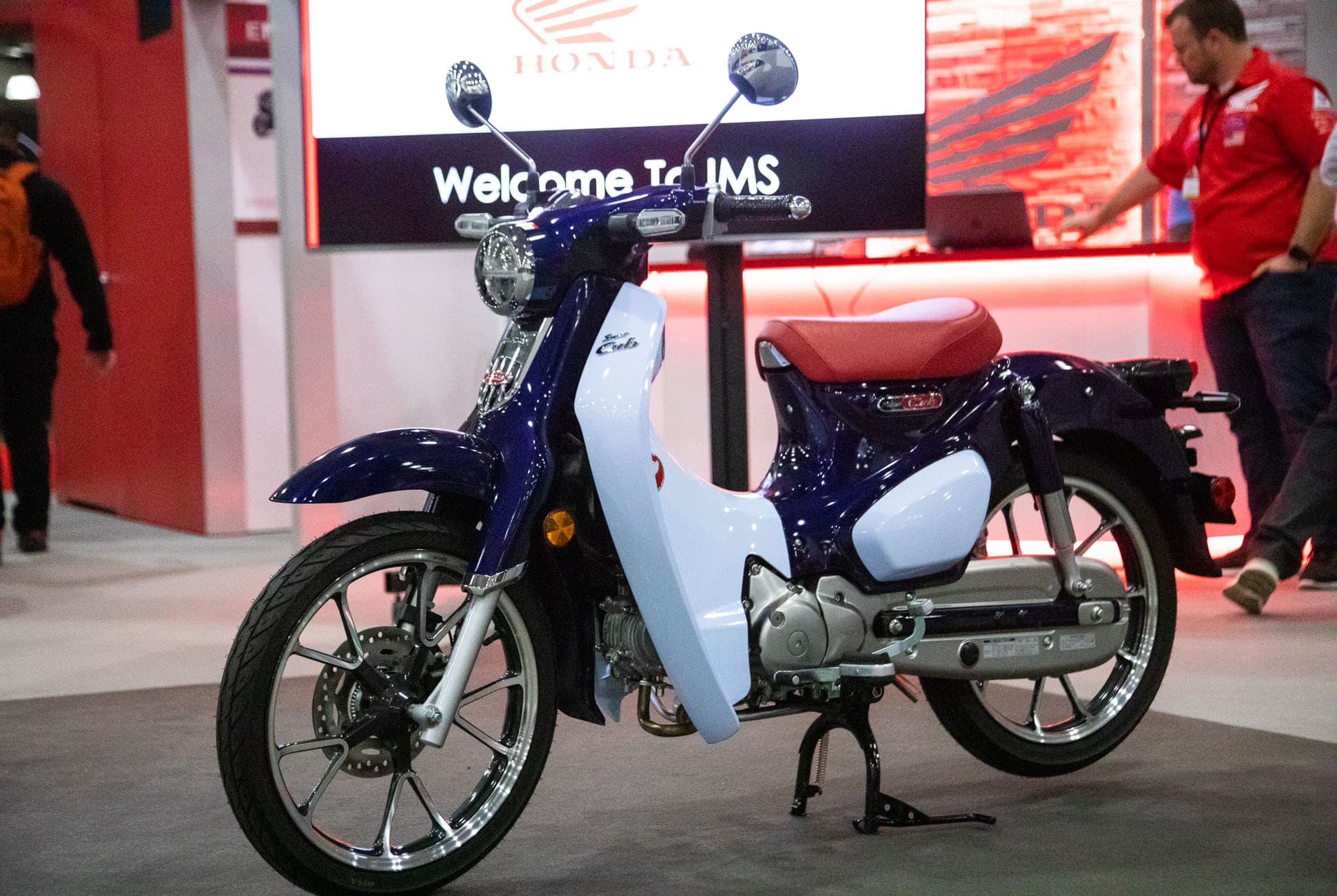
Ok, so technically this isn’t a “car” and it was first last month at the 2018 NYC Motorcycle Show, but the Talon is Honda’s first foray into the sport SxS market. And with power from a tuned-up Africa Twin engine paired to the first DCT transmission in the segment, the Talon could be a game-changer.

The Best of NAIAS 2019

If the 2019 Detroit auto show is any indication of the next year or two, it seems manufacturers are just as sick of monotonous committee-built cars as we are. Read the Story

Note: Purchasing products through our links may earn us a portion of the sale, which supports our editorial team’s mission. Learn more here.

11 most expensive lots at the 2019 Barrett-Jackson Scottsdale Auction

Hi! We notice you’re using an ad blocker. Please consider whitelisting Autoblog.

We get it. Ads can be annoying. But ads are also how we keep the garage doors open and the lights on here at Autoblog – and keep our stories free for you and for everyone. And free is good, right? If you’d be so kind as to whitelist our site, we promise to keep bringing you great content. Thanks for that. And thanks for reading Autoblog.

Hey again!

You still haven’t turned off your adblocker or whitelisted our site. It only takes a few seconds.

Aston Martin and TAG Heuer Team Up on Special Edition DBS Superleggera

Dark, Sinister, and Beautiful

When two high-end brands team up, you can bet that the results will be pretty wonderful, and that’s exactly the case with the TAG Heuer and Aston Martin DBS Superleggera. Luxury cars and luxury watches go and in hand. These two companies know this all too well. 

The new DBS Superleggera TAG Heuer Edition is a special, bespoke model that will also come with a limited-edition TAG Heuer watch with its purchase. The watch will likely be a Carrera Heuer 01 Aston Martin Special Edition or a similar model. The pair up of the two companies makes perfect sense. Both are involved in F1 racing, both companies appeal to the same customer base, and both offer beautiful, yet expensive machines. 

[embedded content]

The DBS Superleggera TAG Heuer Edition is painted in stunning Monaco Black. Carbon fiber accents give the model a little extra exterior visual flair and TAG Heuer logos feature on the fenders. The interior has a similar color scheme, with black interior, red contrast stitching, and TAG Heuer logos scattered throughout. 

Under the DBS Superleggera’s goodly, muscular-looking hood lurks a 5.2-liter twin-turbocharged V-12. It produces a strong 715 horsepower and 664 pound-feet of torque. That’s enough thrust to launch the car from a standstill to 60 mph in a spritely 3.4 seconds. Need to go super fast in your DBS Superleggera? No worries. The car’s top speed is a mighty 211 mph. 

Aston and TAG Heuer only plan to make 50 examples of the beastly, luxurious machine. The price of this super-limited-edition car has not been announced. Aston and TAG Heuer also haven’t said whether or not the car will come to the U.S. Until we get more information, keep our fingers crossed and look at the photos below and the videos above. 

2019 Chevy Silverado: Seriously, Just Get the V8. Here’s Why

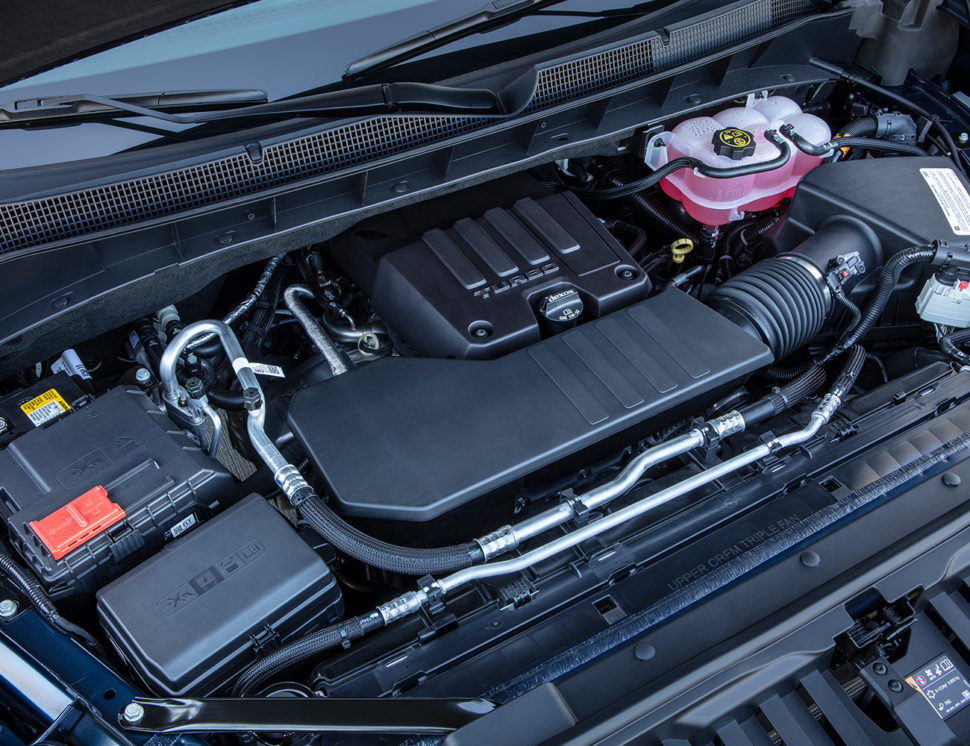
Chevy revealed the 2019 Silverado in Wyoming last summer. One of the outstanding questions from that drive concerned the turbocharged 2.7-liter four-cylinder engine. The listed outputs, 310 hp and 348 lb-ft of torque, would be capable enough to attract truck buyers to a full-sized four-pot-powered truck. What Chevy did not yet have were the EPA estimates.

To understate matters, the eventual EPA numbers were disappointing. The four-cylinder earned a 20 city 23 highway rating from the EPA. That was a one-mpg improvement over the 5.3-liter V8. Four-wheel drive versions of the four-cylinder did one mpg worse (19 city, 22 highway), which is the same as the V8. GM’s response was to ignore the numbers on the implication the Silverado would perform better in real-world driving. The 2.7-liter Silverado actually performed worse.

Car and Driver run their own highway fuel economy test that approximates 75 mph highway driving over 200 miles of travel. Their 2.7-liter Dual Cab RST tester earned just 18 mpg in that test. For perspective, the 5.3-liter Crew Cab RST earned 21 mpg in that test. The 2.7-liter earned the same rating in that test as Ford’s high-performance Raptor and GMC’s 6.2-liter V8 Sierra Denali.

Turbocharged four-cylinders work great in smaller cars. But, they still have to work to push a full-sized truck at speed. Diesel engines aren’t great for the environment either. If you’re buying a Silverado, you might as well stick with the 5.3-liter V8.

14 Vintage Supercars That Are Actually Reliable

For my first Supercars post, I tackle the controversial topic of reliable vintage supercars. You’re probably rolling your eyes in your head at the moment, thinking that “reliable” and “ vintage supercars” is an oxymoron, but surprisingly there are quite a few which would even get Scrooge McDuck’s thumb’s up when it comes to reliability and relatively low maintenance costs.

That said, we’ll be defining “vintage” as 15 years and older in the article, so it’s no surprise that cars in the top spots are all Japanese. Don’t fret as there are also German, Italian, American and British cars which also made the list. If you’re a child of the 80’s many of these cars on the list will likely trigger some memories of daydreams and feelings of lust, with many of these likely being wall posters at one point or another.

With no further adieu, we start the “countdown” in reverse order, starting with the “least” reliable of the vintage supercars which comes from the UK.

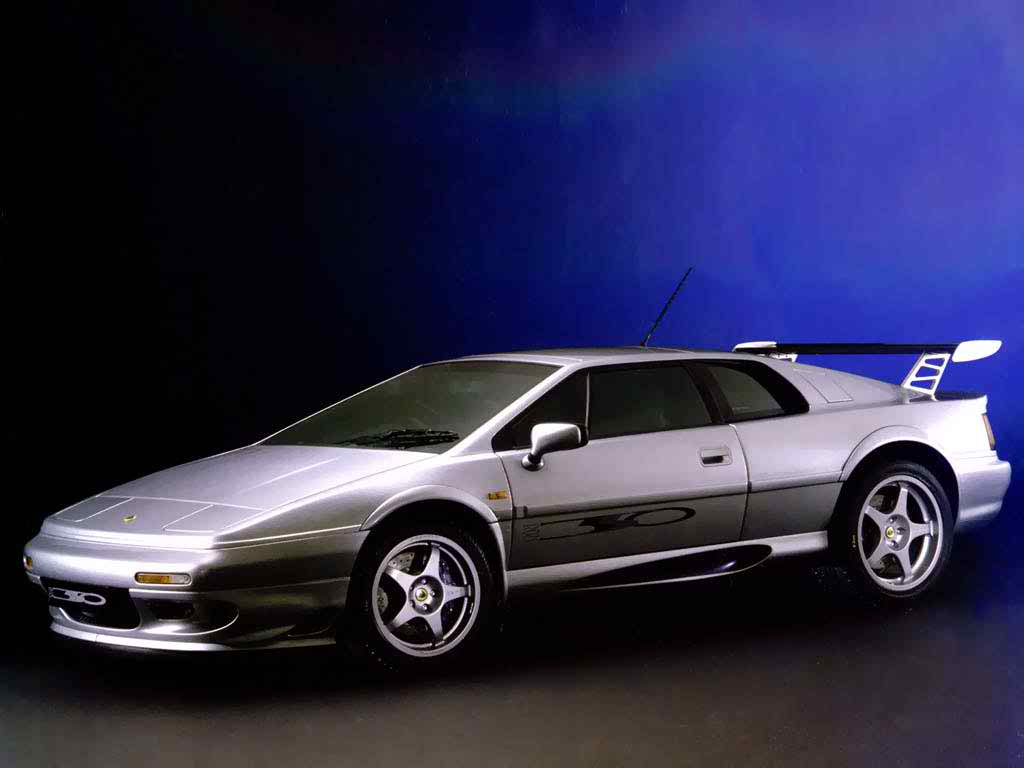
14. 1999 Lotus Esprit Sport 350

14. 1999 Lotus Esprit Sport 350

# 14. 1999 Lotus Esprit Sport 350

  • 0-60 mph: ~4.7 seconds
  • ¼ mile: 12.6 seconds
  • Top Speed: 175 mph

Hailing from the UK, Lotus has a rich motorsport heritage. It was also the Bond’s choice of car in two of the Bond movies. The Esprit was built between 1976 and 2004, the Sport 350 was made only in 1999 as the “ultimate” incarnation of the Esprit with only 50 made.

As the name would suggest, it was tuned to produce 350hp and 295 lb-ft of torque out of a 3.5L V8 force-fed by two Garrett T25 water-cooled ball-bearing turbos mated to a Lotus tweaked Renault 5-speed gearbox. The Sport 350 made the same power as the regular Esprit V8 Turbo, but the “special sauce” comes from the bespoke AP Racing brakes, track-tuned suspension, aero package, and magnesium alloy wheels.

Unfortunately what put this Lotus as the 14th on the list is the French origin gearbox, which limited the reliability of the Esprit as well as the power it could take. Due to the limited production of this specific Esprit, prices are still quite high. However good examples of regular V8 Esprits are less than half the cost of a new Lotus Evora 400 and has similar acceleration and top speed figures, except the Esprit, has that “old-school” cool factor and unique look.
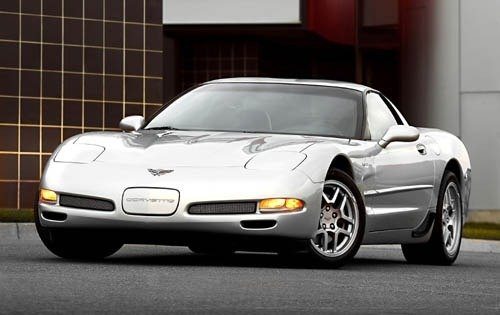
13. 2003 Corvette Z06

13. 2003 Corvette Z06

#13. 2003 Corvette Z06

  • 0 – 60 mph: 4.0 seconds
  • ¼ mile: 12.4 seconds
  • Top Speed: 177.25 mph

“Unlucky” number 13 is the 2003 Corvette Z06, the “New World’s” contribution to the list of reliable vintage supercars. The 5.7L LS6 produces 405 hp and 400 lb-ft of torque out of this all-aluminum pushrod V8 paired with a robust Tremec T56 6 speed manual, it’s performance is on par with many European counterparts of its time.

Compared to the European peers though, the C5 Z06 represented excellent value for money, and was extremely competitive in SCCA events, making this a true blue collared hero. Even though the Z06 was affordable, it featured exotic parts like sodium filled valves and a titanium exhaust system.

The C5 Z06 is also an excellent platform for tuners, parts from Callaway, Lingenfelter, and Hennessey which could easily transform the C5 Z06 into a fire-breathing exotic crushing tarmac-shredder for the fraction of the cost of competitors. For less than the price of a brand new top trim turbocharged 4-cylinder Camaro convertible, you can get a mint example of a C5 Z06 (either stock form or mildly modified) which will give other supercars and exotics a run for their money.
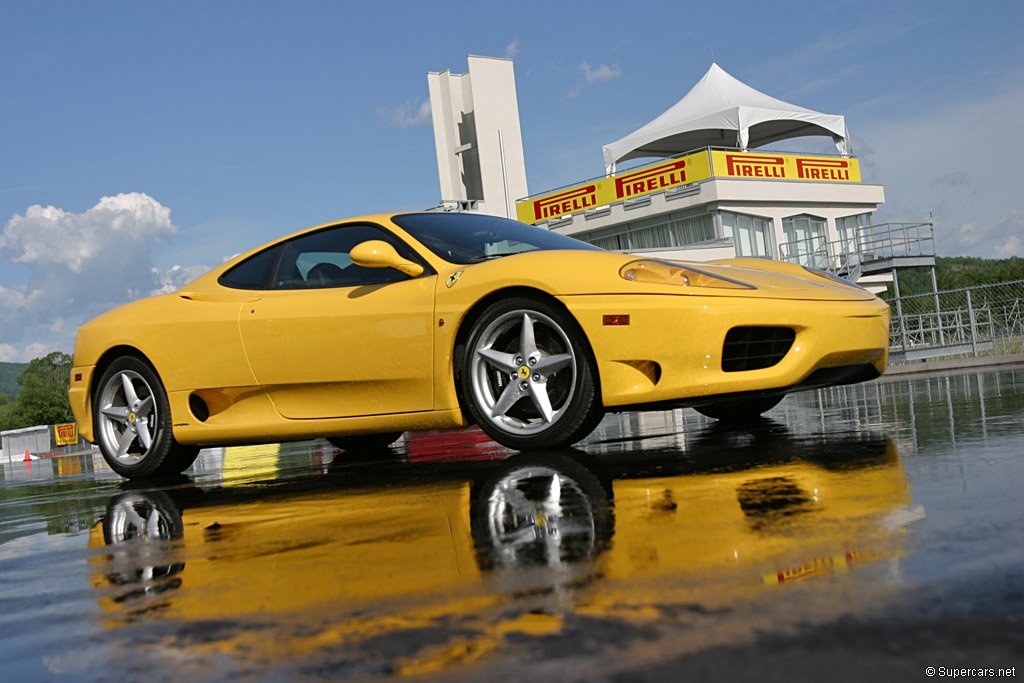
12. 2003 Ferrari 360 Modena

12. 2003 Ferrari 360 Modena

#12. 2003 Ferrari 360 Modena

  • 0 – 60 mph: 3.9 seconds
  • ¼ mile: 12.2 seconds
  • Top Speed: 186 mph

Prancing into 12th place is the Ferrari 360 Modena, which was a revolutionary road car for the Maranello based company. It was the first ever full aluminum chassis (co-developed and built by Alcoa inside the Scaglietti works), also the first newly designed V8 under the leadership of Luca di Montezemolo.

The 3.6L flat-plane V8 produces almost 400hp and 275 lb-ft torque along with an intoxicating soundtrack at any part of the rev range, so iconic in-fact that many car enthusiasts ooze with excitement when they hear the sweet wail of the naturally aspirated flat-plane V8. The 360 was the first in the line of “modern” Ferrari’s to be reliable enough to be daily driven, with examples hitting in excess of 100k miles.

The Pininfarina designed body spent over 5000 hours in the wind-tunnel, perfecting the lines to create over 400 pounds of downforce at 180 mph without the use of any bolt-on aero. 360s with the gated 6-speed manual are generally the more sought after models, being less costly to replace the clutch compared to the F1 equipped counterparts, as well as giving that pure sportscar experience of rowing your own gears.

Being that the 360 is a transition model for Ferrari (between the achingly pretty 355 and the faster, more advanced F430) for the price of between a new C7 Corvette Grand Sport or the C7 Z06, you can gain entrance to the Ferrari ownership experience with an excellent condition 360.
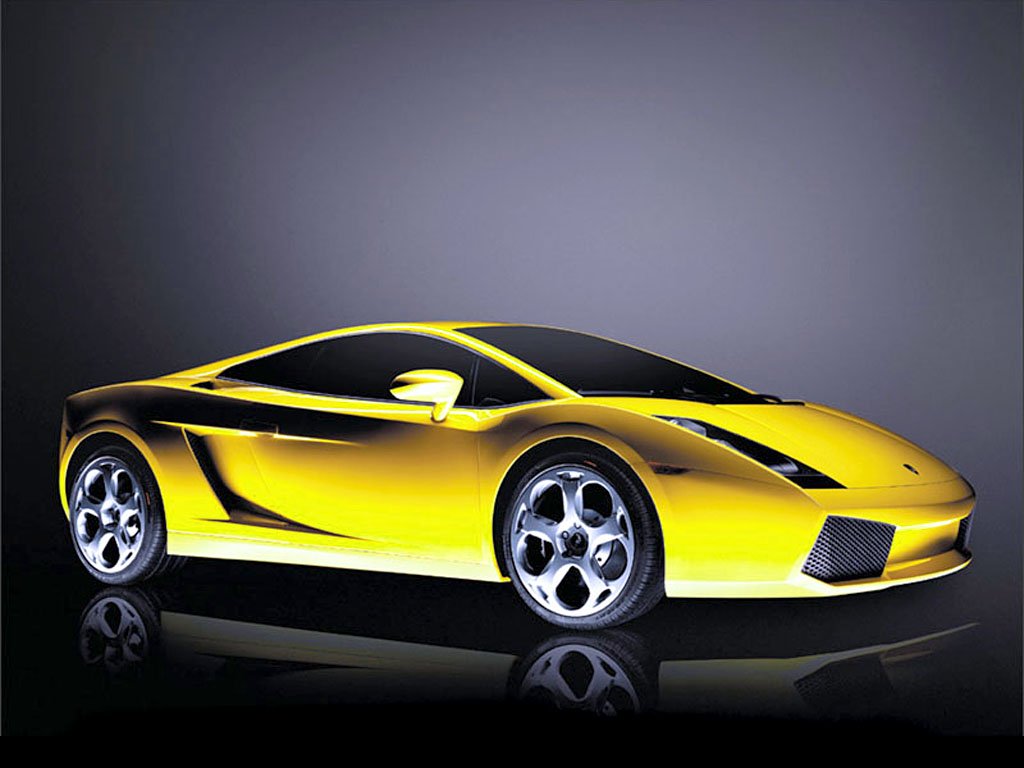
2003 Lamborghini Gallardo

2003 Lamborghini Gallardo

#11. 2003 Lamborghini Gallardo

  • 0 – 60 mph: ~4.1 seconds
  • ¼ mile: 12.2 seconds
  • Top Speed: 192 mph

Launched in 2003, the Sant’Agata Bolognese, Italian made, Lamborghini Gallardo was based on the Calà design concept by Italdesign-Giugiaro from 1995 is in 11th place.

The new Gallardo adopted a design language harking back to Lamborghini’s past like the Jalpa and Countach, creating a large divergence from the Chrysler-owned period of the late ’80s till the mid-’90s. This was the second new car developed by Lamborghini under Audi AG ownership, incorporating many Audi technologies including the extruded aluminum space frame along with aluminum bodywork.

The even-firing 5.0L V10 developed for use in the Gallardo produces 493 hp and 376 lb-feet torque and was designed to provide 80% of its torque by 1500 rpm and peak by 4500 rpm. This wide power band allowed for the maximum area under the torque curve, creating seamless power coupled with the permanent four-wheel-drive system through either the e-Gear double clutch system or a traditional 6-speed manual.

The Gallardo became the first commercial success for Lamborghini, and also the second in many reliable-daily driveable Lamborghinis to be produced. Excellent condition launch edition Gallardos can be had for similar money to a new 718 Porsche Boxter / Cayman GTS, however, you get an exotic Italian bull with all-season usability and little remaining depreciation.
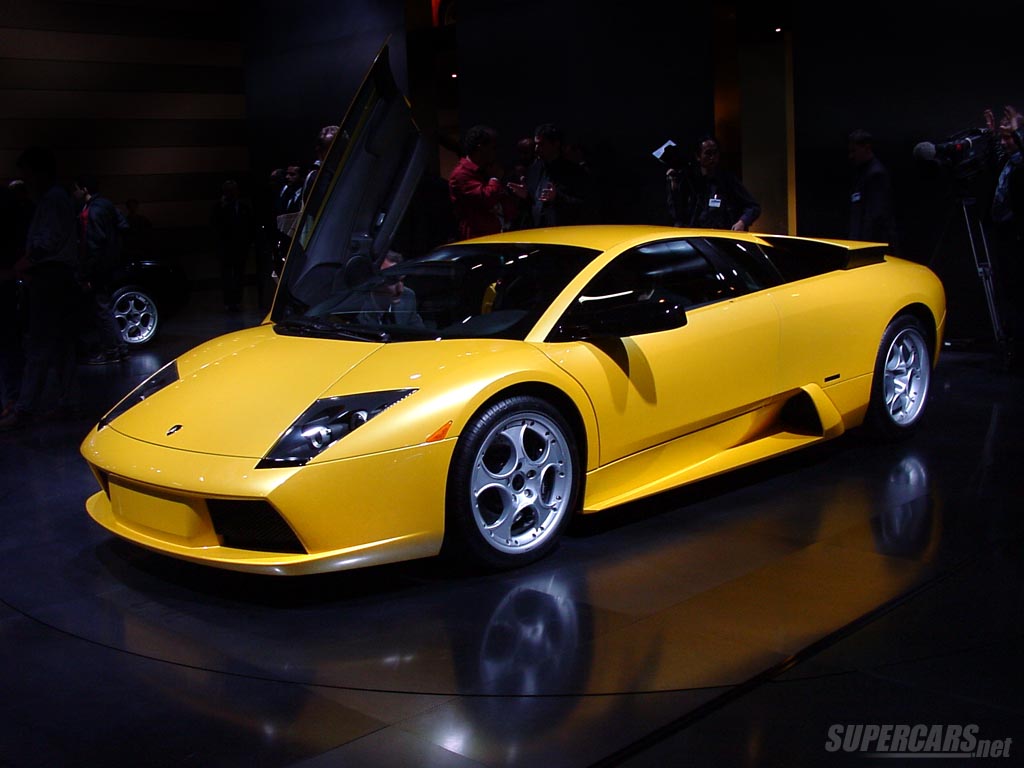
2003 Lamborghini Murciélago

2003 Lamborghini Murciélago

#10. 2003 Lamborghini Murciélago

  • 0 – 60 mph: ~3.8 seconds
  • ¼ mile: ~11.7 seconds
  • Top Speed: 205 mph

This flagship Lamborghini roars into 10th place of the list. The Murciélago is the spiritual successor to the Diablo and is instantly recognizable as a Lamborghini with its scissor doors and “batwing” intakes. This raging bull features an all-aluminum quad-cam 6.2L V12 producing 572hp and 479 lb-ft torque; which traces its DNA back to the early 60s, designed with the intent to spite Ferrari’s single cam per bank V12’s of the day.

With Lamborghini now owned by Audi AG, extruded aluminum space frame technology was utilized to keep the vehicle weight as low as possible while carbon fiber was mainly used for the bodywork with the exception of aluminum for the doors and steel for the roof. The tried and true viscous coupling system splits power front to back with a 70% rear bias, transmitted through a 6-speed manual transmission initially and later offered with Lamborghini’s E-gear system providing brutal acceleration for this Italian icon.

Under Audi’s ownership, this became the first new Lamborghini model in 11 years with vastly improved reliability and ergonomics to become daily-driveable. For about the ⅓ of the cost of a new Lamborghini Aventador, great examples of Murciélago can be had with similarly brutal performance and flamboyant styling.
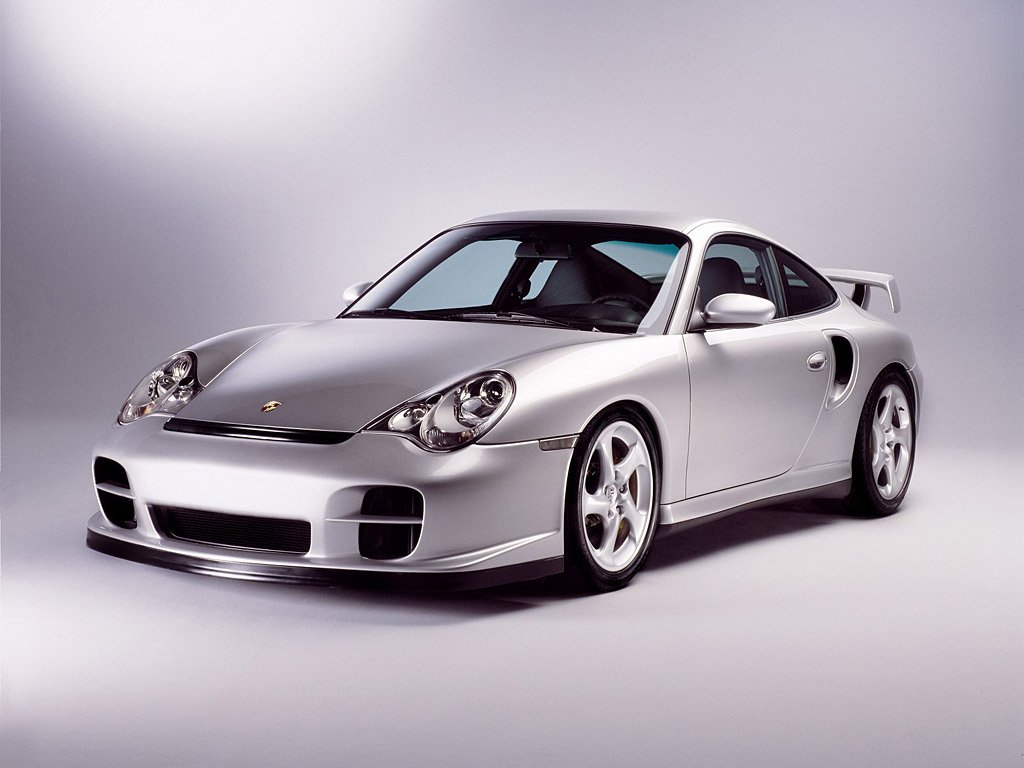
9. 2003 Porsche 911 GT2

9. 2003 Porsche 911 GT2

#9. 2003 Porsche 911 GT2

  • 0 – 60 mph: ~4 seconds
  • ¼ mile: ~12 seconds
  • Top Speed: 195.6 mph

From the birthplace of Teutonic electronic music comes the 9th place Porsche 911 GT2. This version of the 911 is based on the 996.1 Turbo sans the 959 derived all-wheel-drive system. Designed to be the fastest road-legal 911, it takes the handling of the track-focused GT3 and couples it with the brute power of the 911 Turbo.

The Le Mans winning GT1-derived 3.6L dry-sump flat-6 motor produces 462 hp and 457.3 lb-ft torque, driven only to the rear wheels via 6-speed manual transmission. The 10% increase in power over the 911 Turbo and 100kg in weight reduction resulted in a 7-minute 46-second lap around the Nürburgring Nordschleife. Only those who have a keen eye can tell apart the GT2 and the regular 911 Turbo, with the only visual cues from the fixed rear spoiler, bumper, lip spoiler, and massive ceramic composite brakes behind the similarly styled “Turbo-twist” 18” alloys.

Excellent condition low-mileage examples of the 996.2 GT2 can be had for less than the new 718 Boxter / Cayman, making the GT2 an excellent value as it’s definitely a daily drivable supercar with mind-blowing track performance.
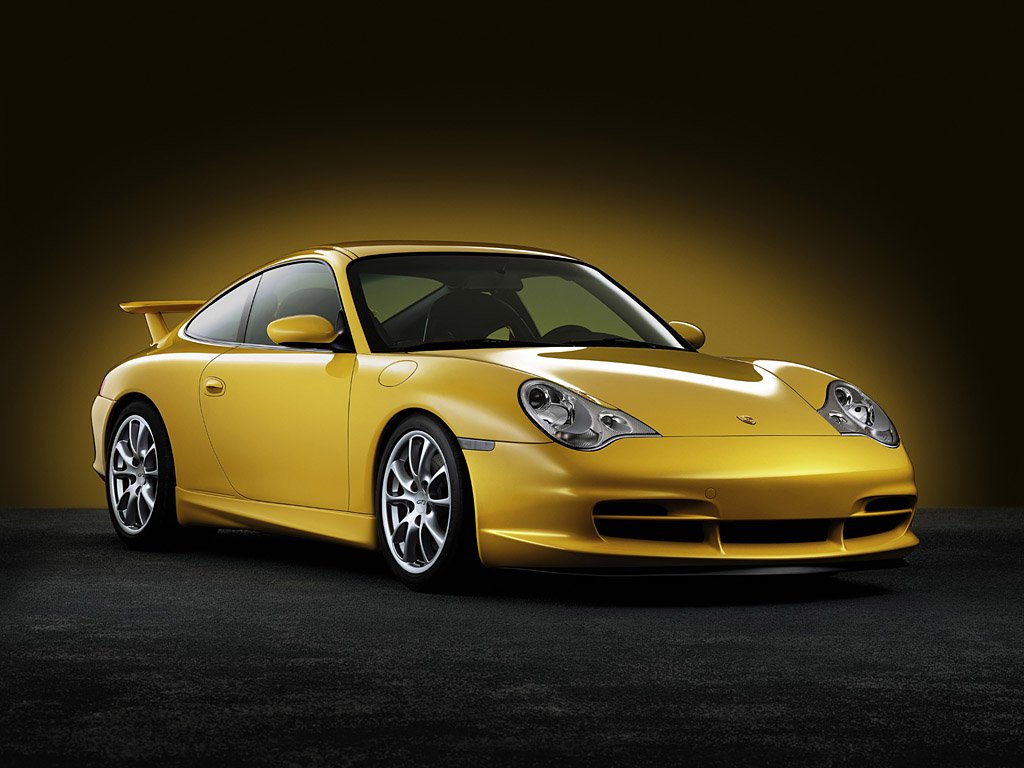
8. 2003 Porsche 911 GT3

8. 2003 Porsche 911 GT3

#8. 2003 Porsche 911 GT3

  • 0 – 60 mph: ~4 seconds
  • ¼ mile: ~12.7 seconds
  • Top Speed: 187 mph

Also hailing from the land of beer & bratwurst, coming in at 8th place is the 996.2 based 911 GT3. Originally developed as a homologation special to enter the GT3 racing class of FIA, this variant of the 911 was inspired by the Rennsport (RS) versions of history past. The GT3 started life based on the Carerra 4 body and putting it on a diet, by removing sound deadening material, the rear seats, air conditioning, radio, speakers, sunroof and even thinner glass and paint.

Handling and lightweight are the key ingredients to this formula, coupled with the GT1-derived naturally aspirated version flat-6 producing 381 hp and 284 lb-ft of torque. This formula rockets the GT3 around The Green Hell in a blistering 7 minutes and 54 seconds, a whole 2 seconds per lap faster than the ultra-exclusive Ferrari 360 Challenge Stradale which cost more than double that of the GT3.

Peaking through the lightweight bespoke 18” wheels are 6 piston monoblock calipers in the front with 4 piston monoblock calipers in the back, along with the 2-piece cast iron rotors taking 113 ft to stop from 60 mph, only 5 feet longer to stop than the carbon brakes used on the Ferrari 360 CS; the PCCB option was however available for those hardcore enthusiasts.

Although the 996’s style has been controversial since its introduction, often being criticized for being too similar looking to the Boxter, 996.2 GT3 is one of the best driving machines giving a raw visceral experience for a relatively low entry price.
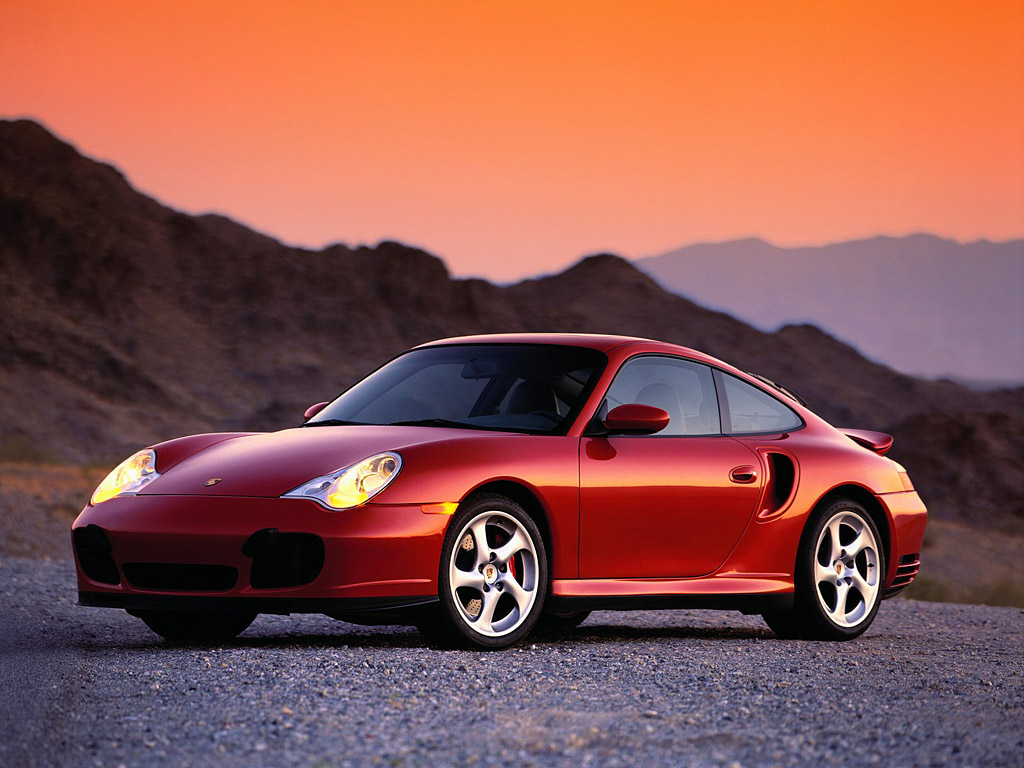
2003 Porsche 911 Turbo

2003 Porsche 911 Turbo

#7. 2003 Porsche 911 Turbo

  • 0 – 60 mph: ~4 seconds
  • ¼ mile: ~12.4 seconds
  • Top Speed: 186 mph

In 7th place, and halfway to the top of the list of reliable vintage supercars is the 996.2 911 Turbo. This autobahn stormer offers luxury, speed, and practicality to those who want a daily drivable supercar to soak-up the asphalt during commutes.

The superb ergonomics and top quality interior materials insulate the driver from the exhaust-note generated by a variant of the Le Mans-winning dry-sump 3.6L twin-turbocharged flat-6; transferring 415 hp and 415 lb-ft torque to all four wheels through either a 6-speed manual or a 5-speed semi-automatic gearbox.

Those who want more power can opt for the X50 package, taking the blisteringly 911 Turbo to GT2 like levels of power while retaining the security of the 959 derived all-wheel-drive system. Power is boosted to 444 hp and 457 lb-ft torque via way of larger K24 turbos, larger intercoolers, revised exhaust system, and ECU mapping; further dropping the statistics for 0-60 mph and ¼ mile times to less than 4 seconds and sub 11 seconds along with a slight bump to the top speed.

The 996.2 911 Turbo represents excellent bang for the buck for those looking for a comfortable and practical supercar that holds its own against the Italian exotics of the day as well as current supercars.
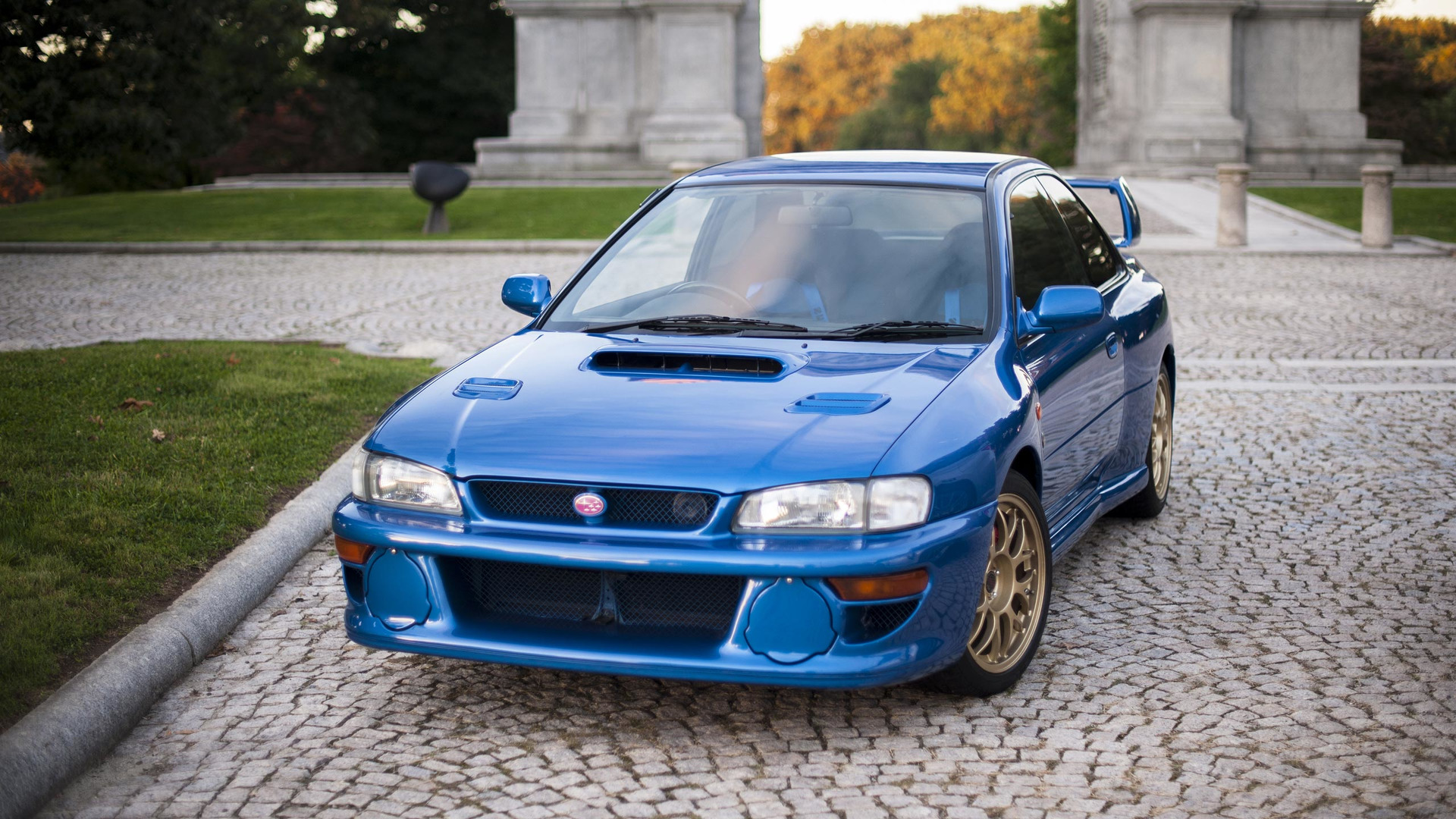
1998 Subaru Impreza 22B STi

1998 Subaru Impreza 22B STi

Image from Motor1

#6. 1998 Subaru Impreza 22B STi

  • 0 – 60 mph: 4.7 seconds
  • ¼ mile: 13.7 seconds
  • Top Speed: 144 mph

From the Land of the Rising Sun, we have our 6th place entrant on the list of reliable vintage supercars. Car & Driver was so impressed with the 22B STi, that it gave the nickname “The Subaru from Hell”. While the 22B STi didn’t have the price tag of a mainstream supercar, it definitely had supercar levels of performance.

The 2.2L closed-deck flat-4 engine produces 276 hp and about 268 lb-ft torque (at least on paper), however, based on performance tests, the actual numbers should be north of 300 hp Equipped with a driver adjustable center differential (DCCD) and a close ratio 5-speed gearbox driving the symmetrical all-wheel-drive system, the 22B can sprint to 60 mph from a standstill in 4.7s whether it be tarmac or dirt.

There were only 424 copies of this “holy-grail” Subaru ever made, with the addition of 3 prototypes, many rally enthusiasts (Subaru loyal or not) lust after the wide-body haunches and the rally cred this car brings. Due to the rarity and limited production numbers of the car, this Subaru easily fetches six-figures and will likely continue appreciating in value over time, having more than doubled its original sale price since launch.
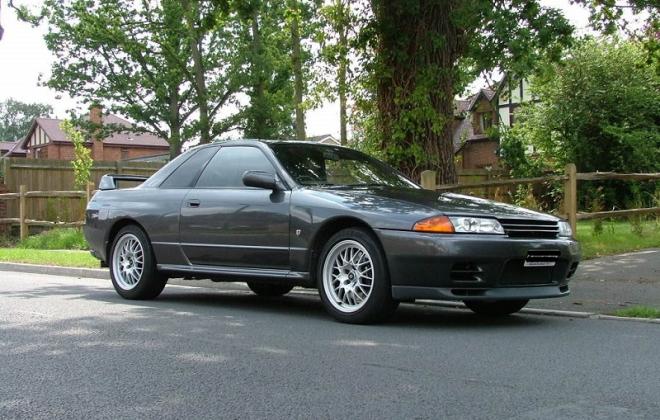
1994 Nissan Skyline GT-R V·Spec II

1994 Nissan Skyline GT-R V·Spec II

Image from Classic Register

#5. 1994 Nissan Skyline GT-R V·Spec II

  • 0 – 60 mph: 5.4 seconds
  • ¼ mile: 14.0 seconds
  • Top Speed: 152 mph (limiter removed)

Heading into the top 5 reliable vintage supercars we have the 1994 Nissan Skyline GT-R V Spec II. This was the last variant and one of best road-going versions of the R32 Skyline GT-R’s, featuring bespoke 17” BBS wheels, larger Brembo Brakes and active rear LSD. Originally introduced in 1989, the Skyline GT-R dominated every class of racing that it was entered in Japan. The “Victory” Spec Skyline GT-R’s were built to commemorate this utter domination.

Due to its success in the Australian Touring Car Championship, automotive press in Australia dubbed the Skyline GT-R as “Godzilla” referencing the Japanese monster from the 1954 film. This name stuck and spread like wildfire, and the Skyline GT-R has since been known as “Godzilla” to automotive enthusiasts.

At the heart of Godzilla, is a twin Garrett T28 turbocharged straight-6 engine, known as the RB26, on paper makes 276hp and 271 lb-ft of torque due to the gentleman’s agreement between Japanese manufacturers; however, due to Group A homologation rules, the RB26 is over-engineered and known to reliably make 5-600 hp with few supporting modifications while the 5-speed manual transmission just being as stout as the engine.

Godzilla also features a very advanced rear-biased all-wheel-drive system known as ATTESA E-TS (an acronym for Advanced Total Traction Engineering System for All-Terrain Electronic Torque Split), sending as much as 50% of the power to the front wheels depending on traction condition of the rear tires. With the V Spec II now becoming legal to import in the US in 2019 (having been legal since 2009 in Canada), expect prices to likely go up with the increasing demand from those nostalgic of the Group A touring car era wanting a piece of the action.
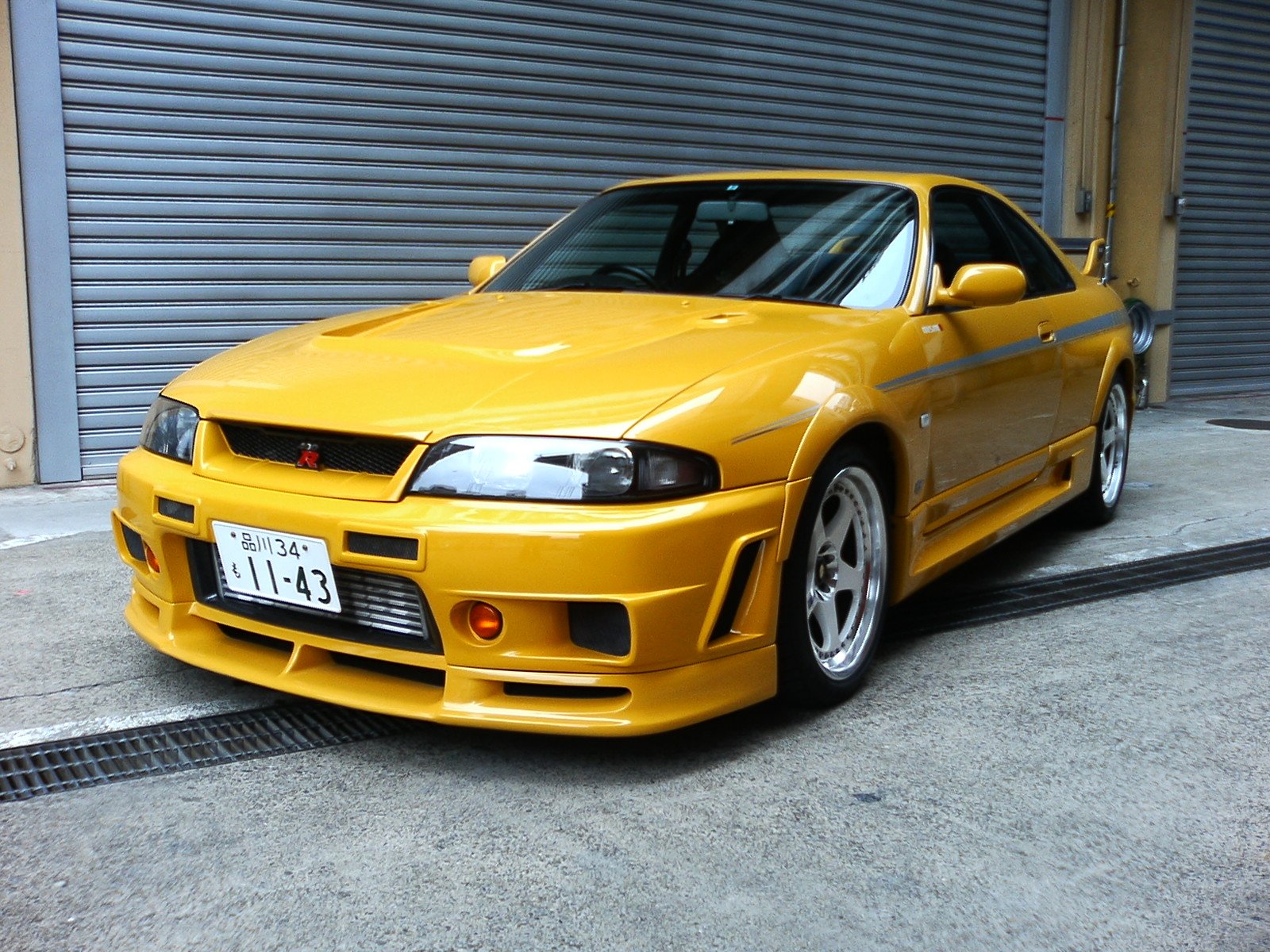
1997 Nismo 400R

1997 Nismo 400R

#4. 1997 Nismo 400R

  • 0 – 60 mph: 4.0 seconds
  • ¼ mile: 12.5 seconds
  • Top Speed: 198 mph

Coming in fourth on the list is the Nismo 400R. This ultra limited model is a derivative of the R33 Skyline GT-R handcrafted at Nissan’s motorsport division, Nismo, based in Omori. Inspired by the Nismo Le Mans entry of the GT-R LM, the 400R adopts many of these styling cues and performance modifications.

Sitting 30mm lower, sporting a widebody like the GT-R LM, the 400R also has a crown jewel under the hood, a bored and stroked version of the RB26DETT called the RBX-GT2 with a displacement of 2.8L along with uprated billet compressor wheels on the turbos. This incarnation of Godzilla makes a detuned 400 hp and 345.9 lb-ft of torque, giving ample thrust to pin any driver to the seat during acceleration.

Nismo had originally planned for 100 to be produced, but only 44 were ever made, which coincided with the end of production of the R33 body style in 1998. Finding a 400R available for sale might be tough, however finding a good condition, well loved final year R33 GT-R might not be as challenging (at least in Canada) as they have been admissible since 2013.

The R33 GT-R was considered by many to be the bloated compared to the R32 GT-R and not as fast as the R34 GT-R, which is lusted after by the Fast and the Furious generation; however, for those who grew up playing Gran Turismo 1, the 400R is definitely a hero.
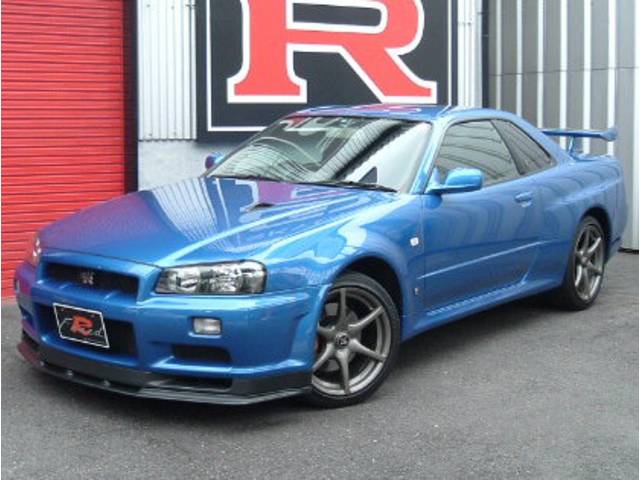
2002 Nissan Skyline GT-R V·Spec II Nür

2002 Nissan Skyline GT-R V·Spec II Nür

#3. 2002 Nissan Skyline GT-R V·Spec II Nür

  • 0 – 60 mph: ~5.2 seconds
  • ¼ mile: ~13.8 seconds
  • Top Speed: 157 mph (electronic limited)

Making its way into third on the podium of reliable vintage supercars is the last of the right-hand-drive only Godzillas, the R34 Skyline GT-R V·Spec II Nür. This evolution of Godzilla was also the last to sport a restricted N1 variant of the RB26DETT inline-6 engine, producing 276 hp and 289.1 lb-ft torque on paper under the Japanese gentleman’s agreement.

Improvements to chassis rigidity, aerodynamics, the ATTESA ETS-PRO system, active LSD’s and an extra cog in the gearbox made the R34 GT-R a supercar that many European supercar owners would be afraid of on the track. Like the Godzilla’s of the past, the stout motor and transmission were designed to take lots of power and abuse; with many owners opting to make simple and effective modifications to increase the power output of their GT-R’s.

With the release Gran Turismo 2 and the hit movie Fast & Furious 2, the R34 GT-R shot into mainstream stardom and along with that the price. As this generation of Godzilla had the lowest production numbers (11,577), the newfound digital and silver screen fame has kept second-hand prices high, and at times even more than MSRP for a good condition example.
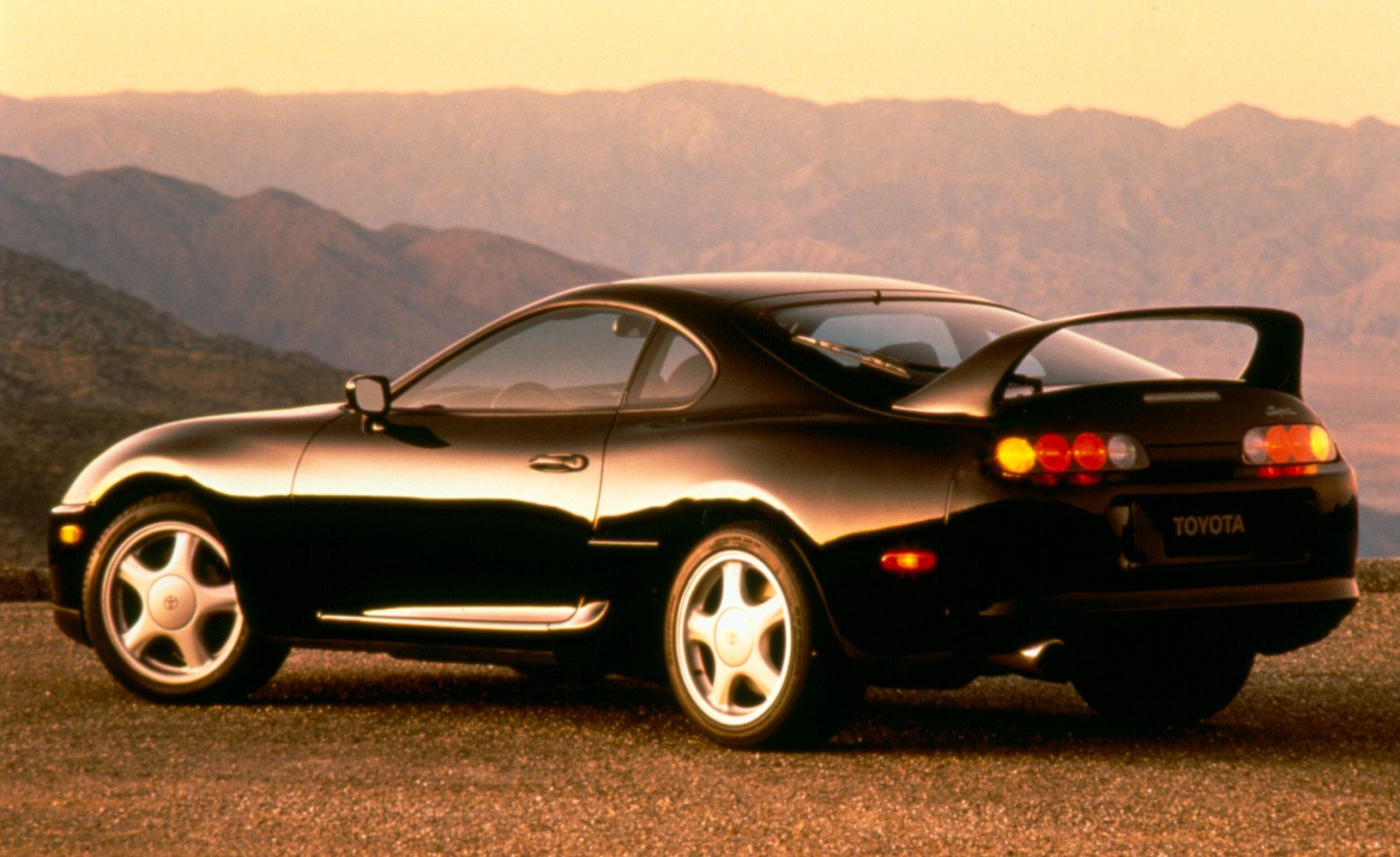
1998 Toyota Supra Turbo

1998 Toyota Supra Turbo

Image from TopSpeed

#2. 1998 Toyota Supra Turbo

  • 0 – 60 mph: ~5.0 seconds
  • ¼ mile: 13.5 seconds
  • Top Speed: 155.1 mph (electronic limited)

Coming in as the runner-up on the podium is the JZA80 MKIV Toyota Supra Turbo. When the MKIV Supra was still in production, Japan was in its heyday of making sporty vehicles. The now legendary 3.0L twin-turbocharged 2JZ-GTE made a whopping 320 hp and 315 lb-ft of torque transferring power to the ground via 6-speed Getrag or 4-speed automatic gearbox.

Those who aim to build their MVIV Supra’s into exotic slayers gravitate towards the nearly indestructible 6MT Getrag which has been known to hold over 1000 hp with the proper clutch, care, and use. The 2JZ-GTE is also just as stout, with many enthusiasts easily doubling the power on the stock long-block with less than $10k of modifications to the turbo, fueling, exhaust, ECU, and intercooler.

The weight distribution is split 53/47 front to rear, providing very neutral handling. This generation of Supra proved to have the right formula of handling, power, and braking to be highly competitive in road racing as well as drifting. Unique and also one of the Supra’s claims to fame is the F1 inspired braking system whereby the track-tuned ABS system integrated yaw control which allowed individual wheels to be braked pending speed, angle, and pitch of the approaching corner.

Furthermore, while being tested by Car and Driver in 1997, this same braking system was able to halt the Supra Turbo from 70 mph in 149ft, with only the Porsche Carerra GT beating this braking performance in 2004 with a result of 145ft. No thanks to the first Fast and the Furious movie, MKIV Supra Turbo prices have remained high, with clean examples going for double of the original MSRP. Stock unmolested JZA80 Supra Turbos are however difficult to find and command the biggest money. Although it’s pricey, it’s a Toyota so it’s guaranteed to last basically forever!
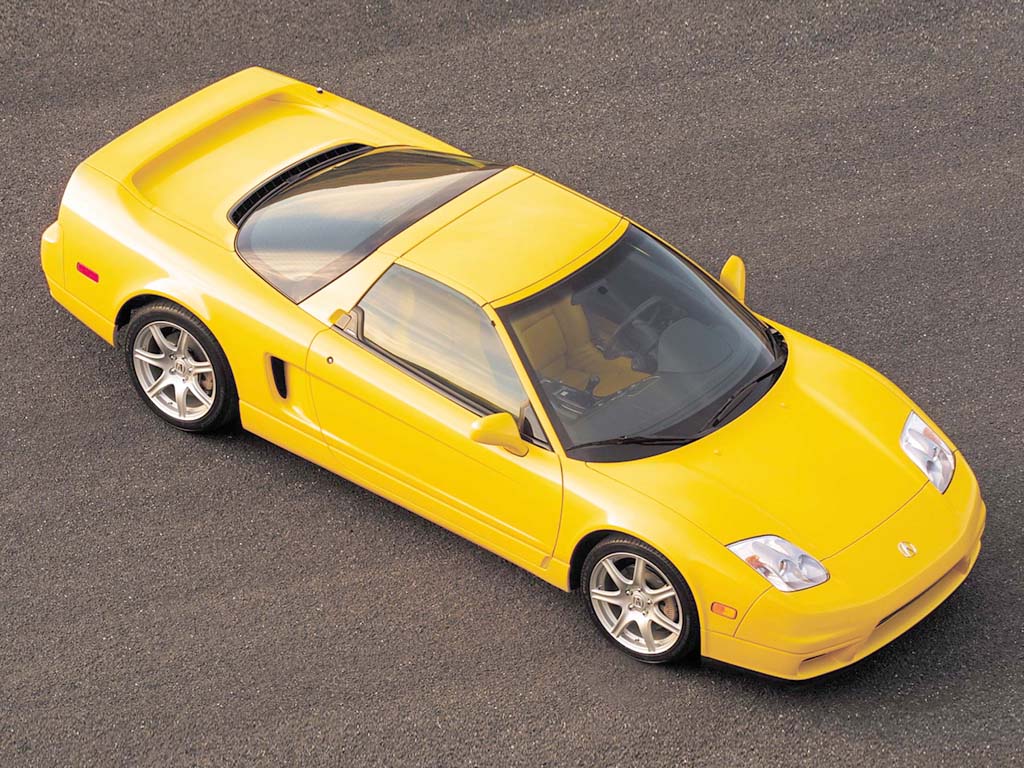
2003 Acura/Honda NSX

2003 Acura/Honda NSX

#1. 2003 Acura/Honda NSX

  • 0 – 60 mph: 4.7 seconds
  • ¼ mile: 13.1 seconds
  • Top Speed: 175 mph

In a very well deserving first place on the list of reliable vintage supercars is the facelifted NA2 Acura NSX. Originally developed to be Honda’s technological flagship and their entry into the realm of supercars, the NSX, enveloping F1 technology and chassis tuning from motorsport legend Ayrton Senna.

The final variation of the NSX features a high-revving 3.2L DOHC VTEC V6, producing 290 hp and 224 lb-ft of torque. While the power output was less than the JZA80 Supra, R33 and R34 GT-R’s, the NSX was definitely the lightest in curb weight allowing for similar power to weight ratios. Where the NSX dominated was endurance on the track, as the lighter chassis meant less wear on brake and suspension as well as lower fuel consumption.

The NSX was a radical vehicle when introduced for sale in 1990, becoming the first production vehicle to offer titanium connecting rods, forged pistons and a rev limit in the stratosphere (8300 rpm). Designers took inspiration from fighter jets, specifically the F-16 Falcon’s 360-degree cockpit, and used this as a design theme for the NSX, offering the best visibility of any supercar of its time, and arguably to this day.

The Porsche 911 at the time was the only other “daily drivable” supercar on sale with excellent ergonomics and daily practicality, however, the Porsche lacked the ability to fit two sets of golf clubs and still have room for a passenger. There are plenty of high mileage early production NSX’s with mileage in excess of 200k miles which still runs like new, just like most other Hondas. It’s a testament to the build quality and engineering that was put ever so painstakingly into each of the NSXs.

Although the NSX has not seen the same levels of capital appreciation like the MKIV Supra or the R34 GT-R, early NA1 models of the NSX with high mileage and complete service records still hold their value close to the MSRP. Excellent condition post facelift NA2 models with low mileage and service records fetch between $15-$20k more than their original MSRP. What non-special edition supercar provides this level of performance, reliability, low running costs and retains their value better their counterparts than the NSX?

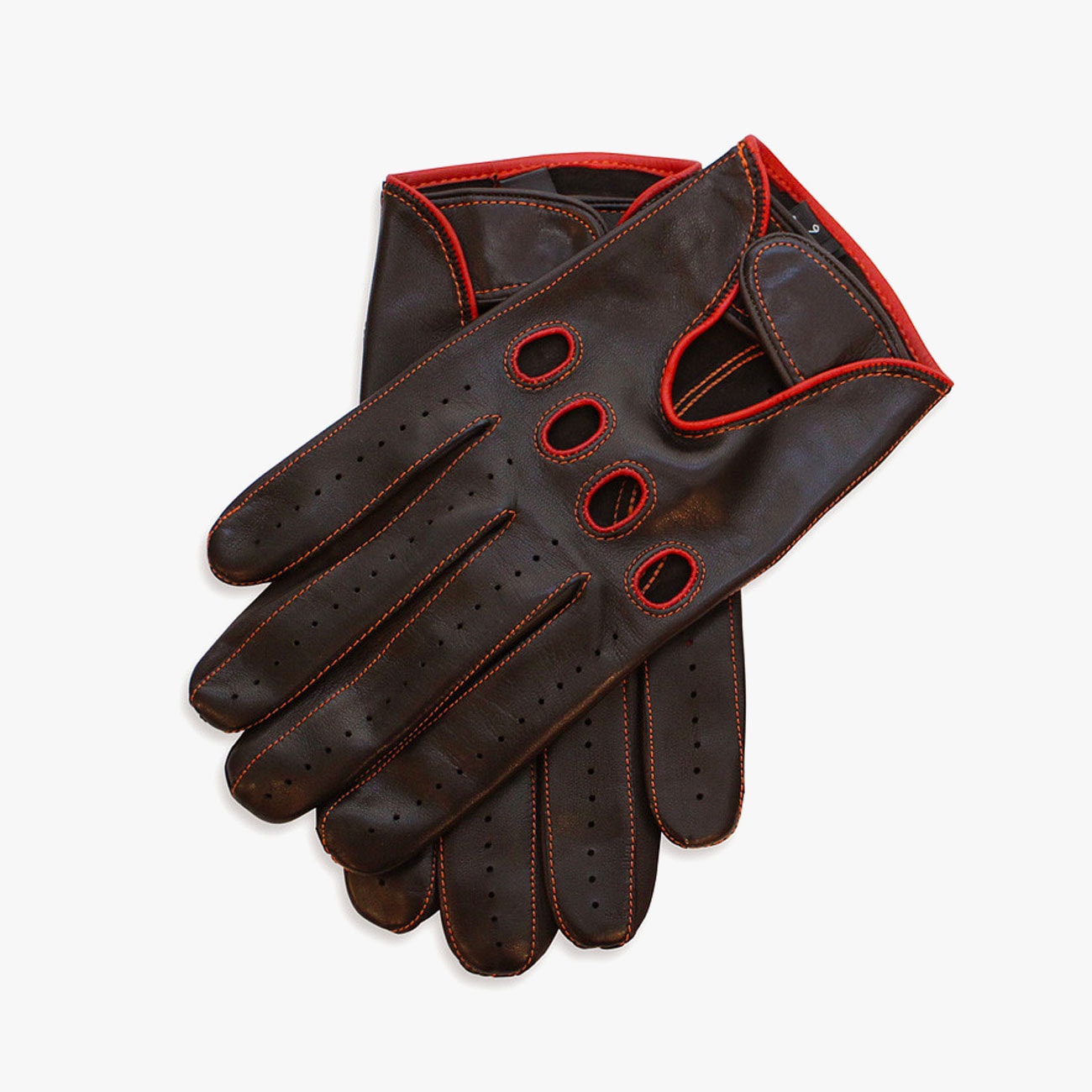
The Best Driving Gloves of 2019: A History and Buying Guide

When cars debuted in the 1890s, long-distance travel became more accessible to a wider audience, but the physical act of driving was no easy task. Roads were unpaved and cars lacked windshields and hardtops. Drivers were exposed to the weather and they needed specially designed clothes and accessories to make driving more comfortable and safe. Retailers quickly realized the monetary potential of this new apparel sector full of wealthy people. One advertiser wrote, “You may have perfectly good tires and lots of gas and oil… but if you are not comfortable yourself, you don’t enjoy riding.” Then they pushed their apparel: “you need proper motoring clothes” (The Clothier and Furnisher, ’63).

Proper motoring clothes consisted of heavy, waterproof coats, hats, boots, goggles and gloves. Imagine cranking a car to get it started, then gripping a metal steering wheel with no power steering in the winter. Drivers often traveled with two pairs of gloves, one for gripping the steering wheel and one for changing tires. They were essential to early drivers and started out looking much different than they do today. Since steering mechanisms and logistics were rather crude, gloves were made of thick leather, sometimes lined with wool, that reached all the way back to cover the cuff of your coat. (Think Robin Hood.) Once a driver was off the road, these gloves weren’t very practical, so they would leave them in the aptly named glove box.

During the 1930s, heating in cars began to effectively keep drivers and passengers warm. So the profile of the driving glove developed evolved into a more popular, tight-fitting and shorter shape made of thin leather. The gloves often featured extra stitching on the palms for enhanced grip and perforations to keep your hands from sweating. These features kept drivers comfortable and allowed them to use less grip strength when grasping the wheel. They also became a status symbol: you were considered high class if you had light-color gloves that were kept clean, which indicated you were able to afford a pair for work and one for presentation.

As heating systems became more efficient and the technology that was incorporated into cars improved, the popularity of driving gloves began to decline. Non-slip, rubberized steering wheels were easy to grip with bare hands and power steering meant the wheel was much easier to turn. Stylish men like Steve McQueen and characters like James Bond continued to wear driving gloves, so they stayed part of mainstream culture even though they were no longer needed for everyday driving.

Nowadays, driving gloves have been featured prominently in movies that focus on driving. The characters in Drive, Spectre and Baby Driver all wear driving gloves so they can operate their car with precision, sticking precisely to the wheel and gear shift. People who own vintage and racing cars are typically the demographic that wears gloves now.

Driving gloves today are typically unlined and made out of soft, grippy leather. They can be machined or hand sewn, with or without fingertips, with or without knuckle holes, in a wide range of colors and back styles. Below you’ll find the styles we like best.

Buying Guide

Chester Jefferies The Drive Gloves

Without fingertips, these gloves have an extra sporting look while still evoking the classic driving glove style.

Pickett London Men’s Leather Driving Gloves

The most traditional glove features open knuckles, an open back and perforated fingers to keep a driver’s hands from sweating.

Autodromo Stringback Driving Gloves

The stringback is a different way to maintain cool and dry hands. The short, split cuff on these allow you to show off your watch.

Fort Belvedere Driving Gloves in Lamb Nappa Leather

Handmade in Hungary, these gloves are more decorative with a contrasting arrow pattern, evoking the dynamics of speed.

Note: Purchasing products through our links may earn us a portion of the sale, which supports our editorial team’s mission. Learn more here.

Porsche Exclusive Reveals First Project on New 992 Carrera

Porsche have reminded us, via social media, that the order book on custom 992 Carrera’s opens immediately.

The German sports car manufacturer sent a Facebook message to its followers showing a rendering based on the 992 Carrera. The car was designed by the company’s special projects department, Porsche Exclusive Manufaktur. It features a carbon lightweight roof with seatbelts in Lizard Green and additional Porsche crests on the headrests.

It is a light reminder that these days, anything is possible as regards spec on any of Porsche’s models. In the past, Porsche have run the 500 Porsche 911 Turbo S Exclusive models through the same department, we also saw a huge variety of paint to sample models which have had input from Porsche Exclusive in the past.

This particular project is based on the new Porsche 992 Carrera 4S which gets Porsche’s 3.0 litre, twin-turbocharged flat-six engine producing 450 hp and 530 Nm of torque. We are due to drive this model in the coming week so will soon be able to share with you our experience.

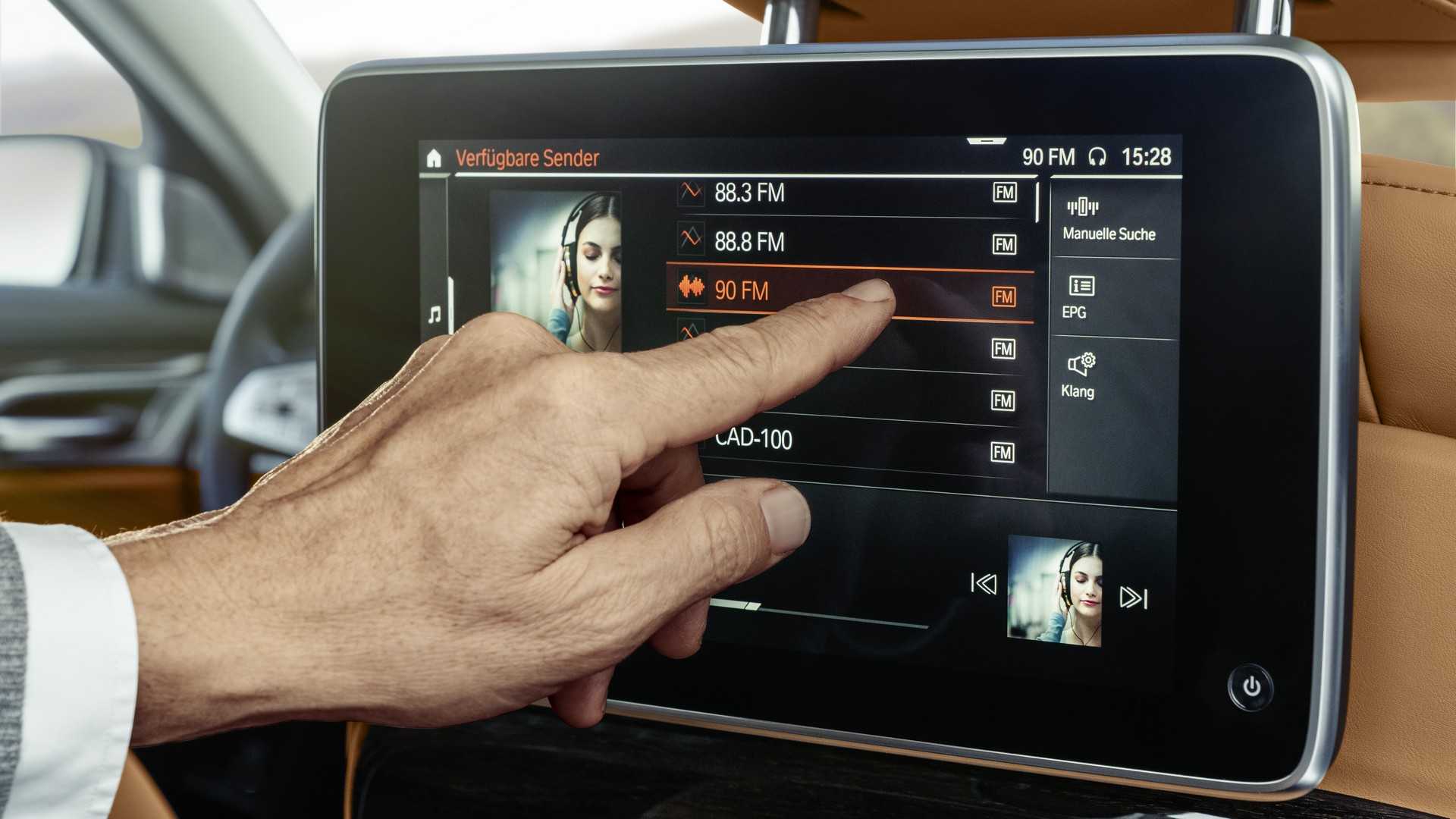
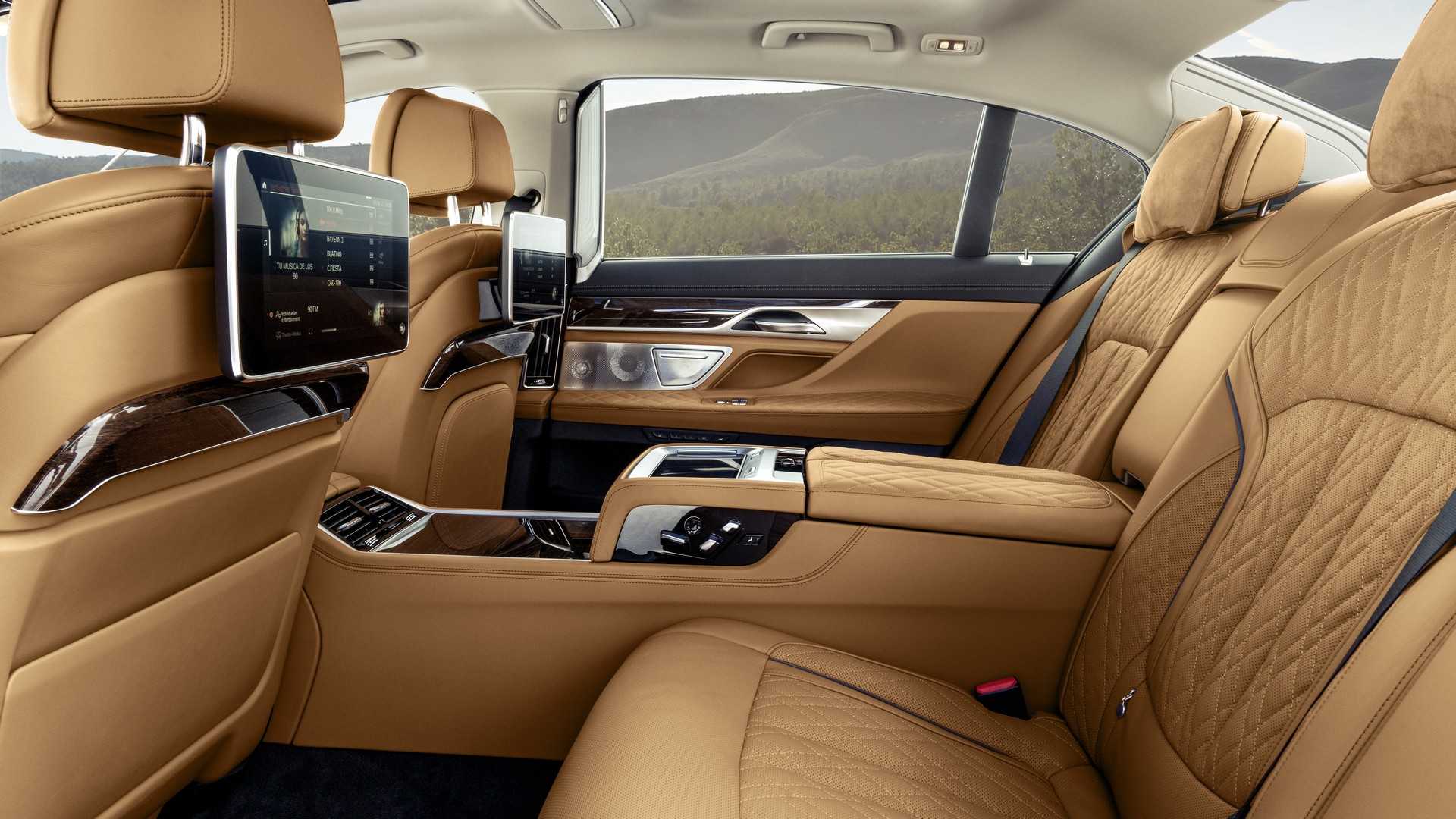
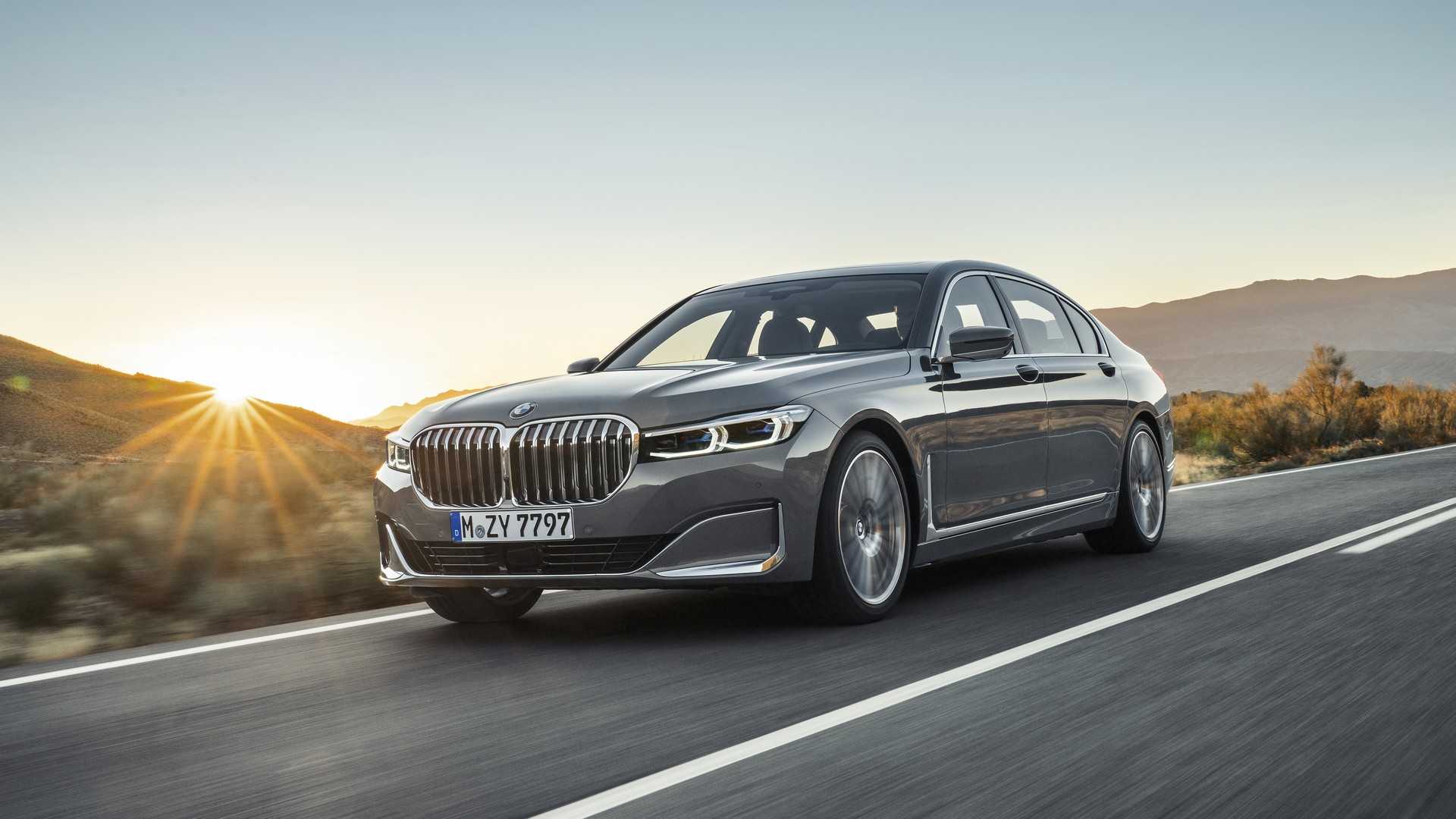
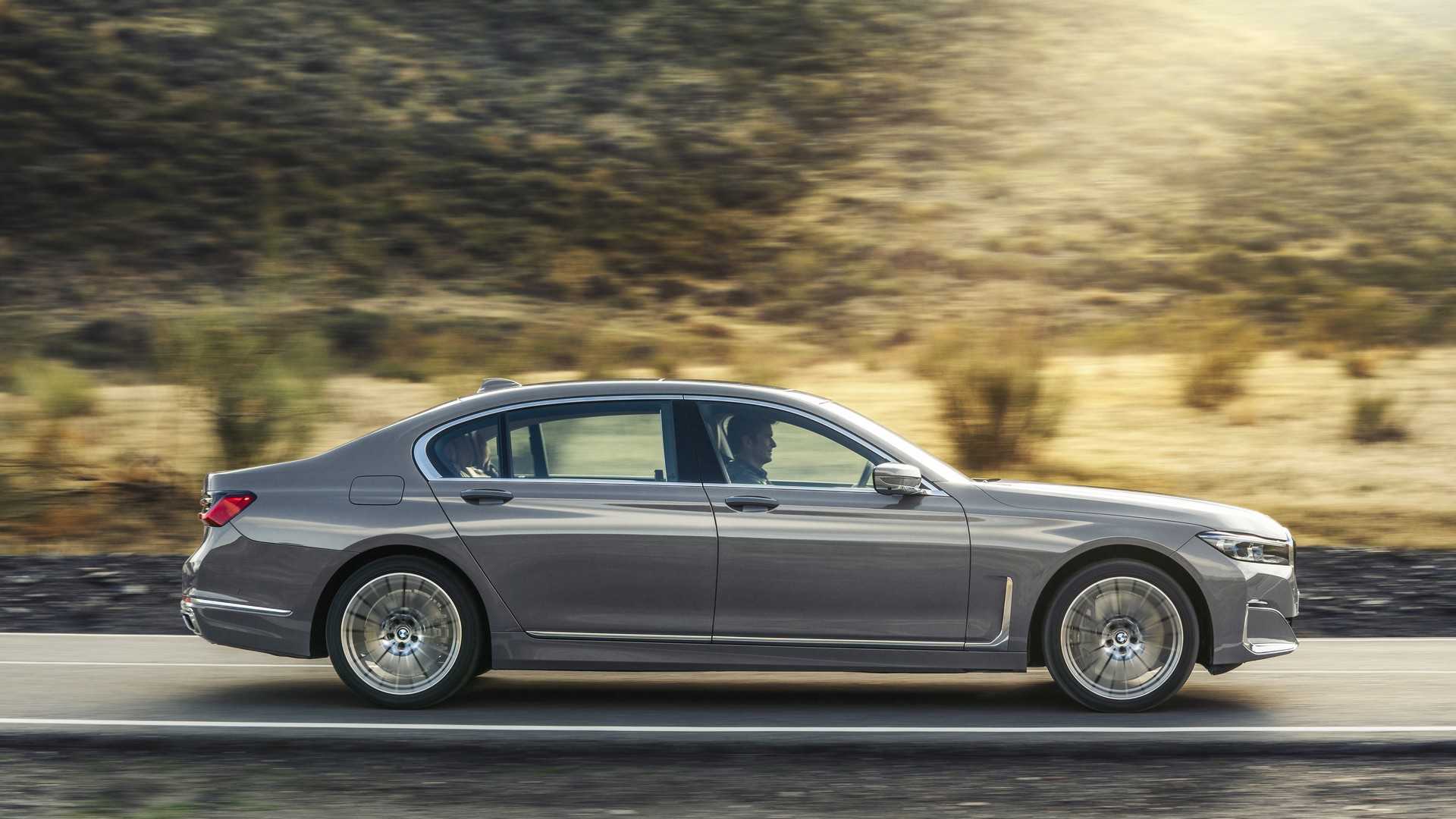
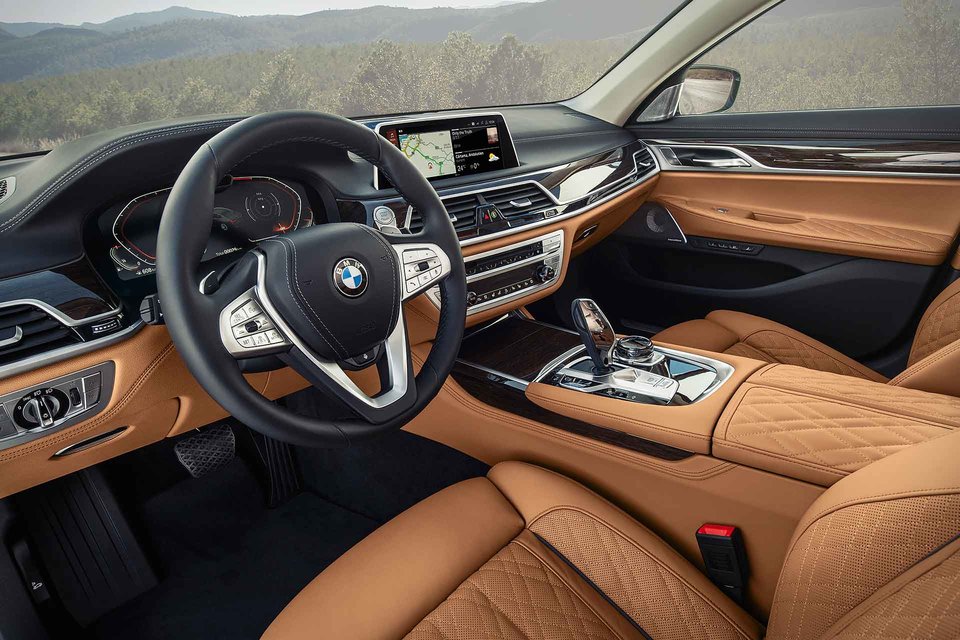
2020 BMW 7 Series

The 7 Series sedan is one of BMW’s most impressive staples, no doubt about that. Updated for 2020, this revamped lineup now gets a Twin Kidney Grille that’s 40% larger than the last model.

Change is hard, but often they’re necessary. The new design is either one you’ll love or hate, but do keep in mind that the increased opening provides more cooling for the motor and brakes. Form follows function.

That’s not to say the updated 7 Series sedan is hideous. Far from it, actually. You get redesigned headlights with adaptive LED technology, but you can get lasers if that’s more of your thing. BMW also freshened up the hood with a slightly reshaped design. Plus, the fenders are now a tad bit more muscular.

You can get the entry 740i model as a rear-wheel-drive, while the rest come with BMW’s xDrive all-wheel-drive system. Hop inside and you’ll find the latest-gen digital instrument cluster also found on the 8 Series and X5.

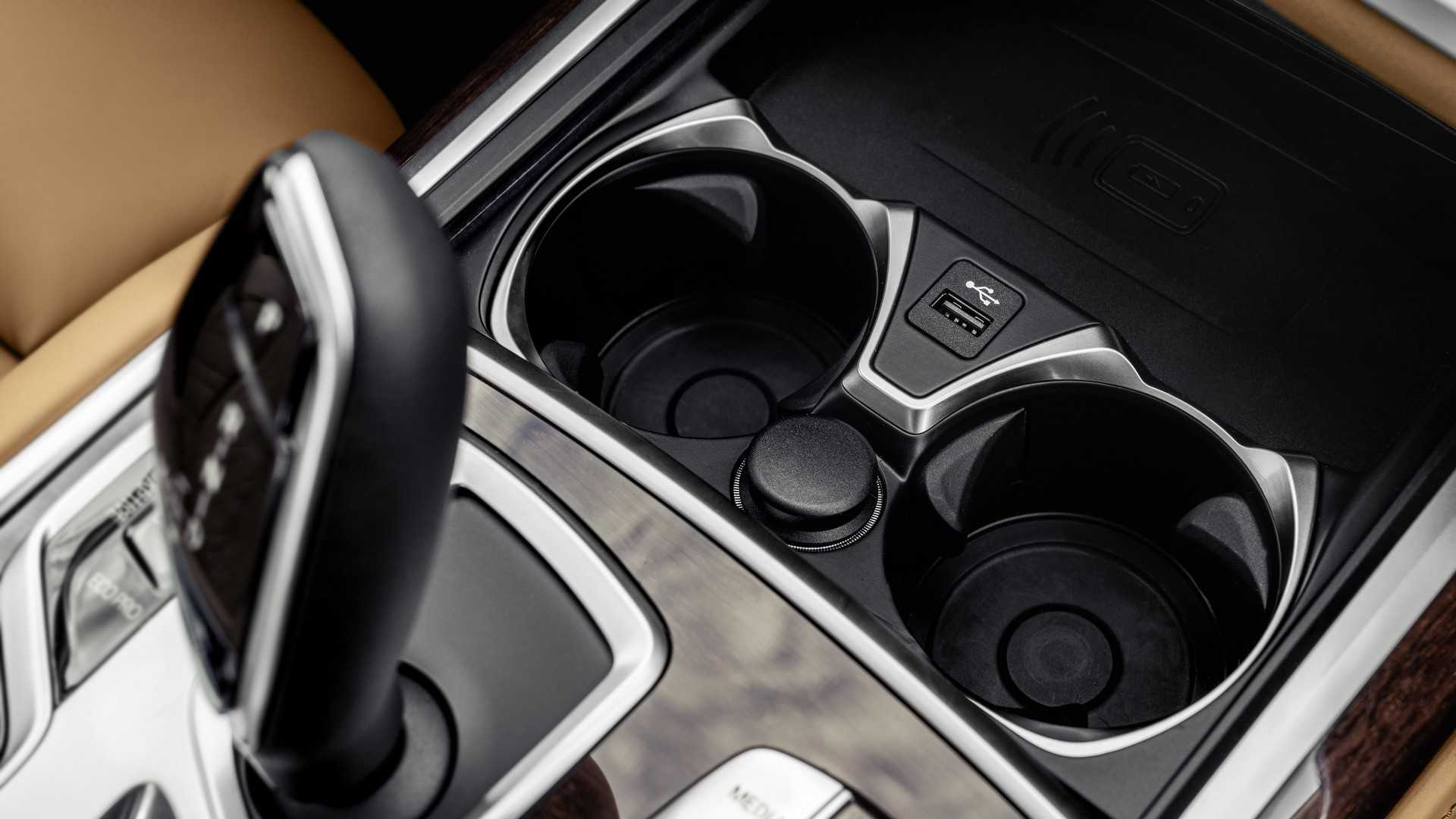
There will be new leather and trim options, says BMW. That’s on top of what the carmaker says is improved acoustic comfort. And by the way, there’s now wireless charging in front of the cup holders for easier access.

The top-dog V12 engine with its 600 horsepower and 627 pound-feet of torque is still king, of course. But for the budget-conscious, BMW introduces the re-engineered version of the 4.4-liter V8. It now generates an increased horsepower of 523 and up to 553 pound-feet of torque, much more than before.

At launch, you can get a hybrid option with the best of both worlds: a six-cylinder inline engine with 280 horsepower combined with an electric motor rated at 113 horsepower. Not too shabby.

MORE FROM BMW

Photos courtesy of BMW

Mercedes-AMG Project One details revealed in private session with ‘Top Gear’

Mercedes-AMG put “Top Gear‘s” Jack Rix in a private studio with an AMG One, and let the journalist have his way with the static hypercar. Rix turned on the cameras and put on a show, divulging further particulars of Stuttgart’s crouching tiger. The 1.6-liter turbocharged V6 is built in the same British factory that builds the Formula 1 engines for the Mercedes-AMG Petronas team. The motor also can also brag about a thermal efficiency of 40 percent, matching the Toyota Prius.

Road manners and emissions requirements mean that instead of the 5,000-rpm idle and 14,000-rpm redline in the F1 car, the One idles at 1,200 rpm and maxes at 11,000 rpm.

Three F1-spec electric motors contribute mojo, one at the crank, one at each front wheel. They spin up to 50,000 rpm and add 160 horsepower apiece to a total figure expected to number at least 1,050 horses. In pure EV mode the front motors do all the work, making the One a front-wheel-drive hypercar for up to 15 miles.

The bodywork’s been shaped and polished so as to aid motivation depending on application. For high-speed reasons, the front badge has been airbrushed on, and the 10-spoke wheels — in aluminum or magnesium — wear carbon inserts to reduce drag. When racing is the reason, flaps atop the front fenders stand up to increase downforce on the front axle, and the electrically-deployed rear wing deploys its wing-in-a-wing.

Check out the video for more minutiae, such as the friendlier-than-a-Valkyrie seating position, the four drive modes, and how the tires limit how much downforce AMG could extract from the rear wing.

Related Video:

2019 Ford GT Heritage Edition sells for $2.5 million

Once again, we have another huge charity sale at Barrett-Jackson. This time, it’s the very first of the 2019 Ford GT Heritage Edition supercars. The car sold for $2.5 million, and all of the proceeds go to the United Way for Southeastern Michigan. The buyer? Rick Hendrick of Hendrick Motorsports.
Ford first introduced the world to the Ford GT Heritage Edition during Pebble Beach week. It features the light blue and orange color scheme featured on the 1968 Le Mans-winning GT40, as well as that car’s racing number: 9. The Gulf colors show up inside, too on the upholstery.

The final price is a big one for the GT, blowing well past John Cena’s Ford GT that went for $1.4 million. It also went for a little more than five times the actual MSRP for the GT. And of course, it also went for more than the other charity car to break $2 million, the first 2020 Toyota Supra that hit $2.1 million.

Related Video:

Ford, Toyota and Land Rover Will Bank on Nostalgia in 2019

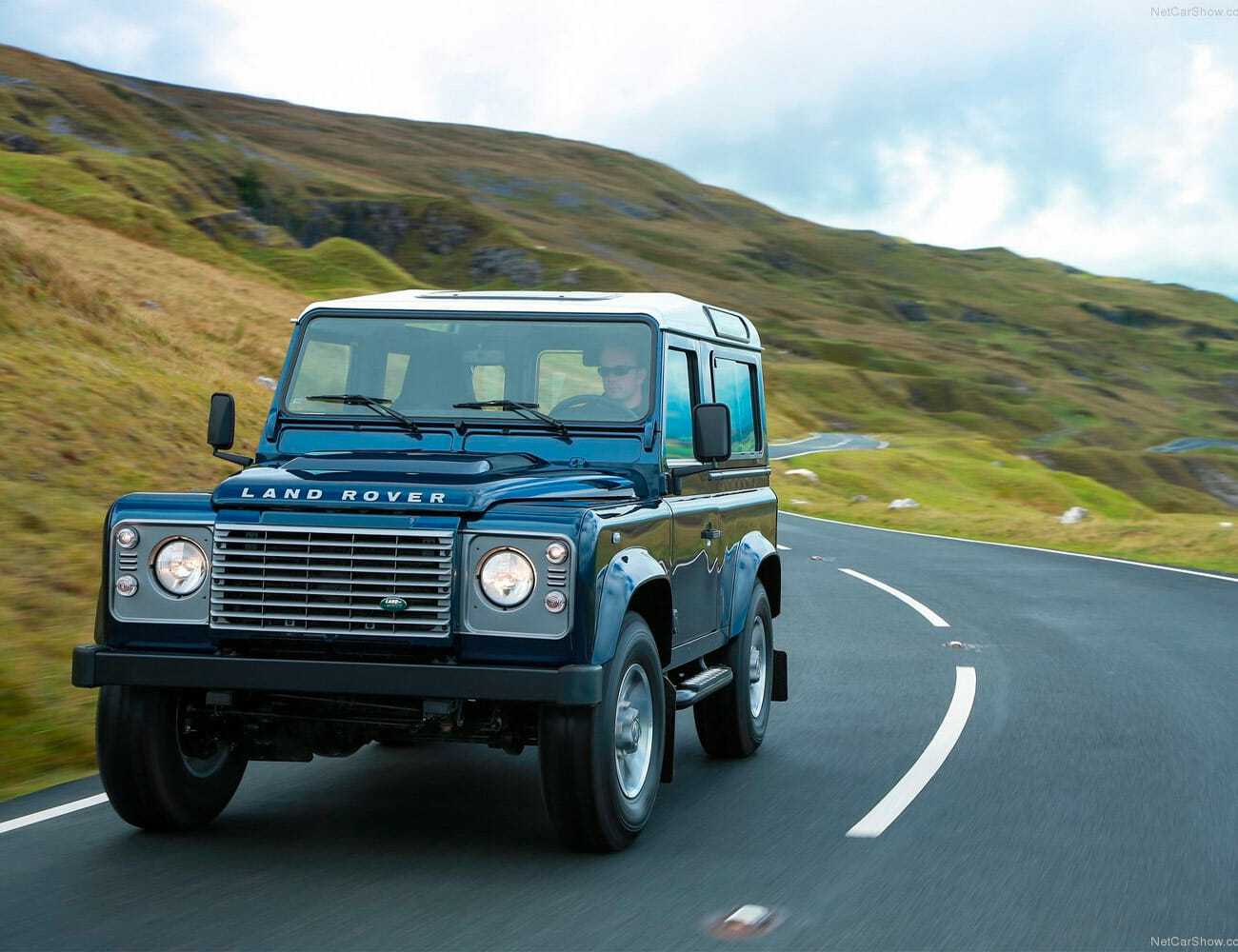
A prominent automotive trend for 2019 will be nostalgia from the rad 1990s and beyond. Toyota brought back the Supra after a 20-year hiatus at NAIAS. Ford did not bring a Bronco down from the rafters. But, that revival is en route. So is another much-anticipated launch, the new 2020 Land Rover Defender, poised to make a return to the U.S. One presumes it will be with airbags this time.

We’ve seen nostalgia crazes before. VW launched the new Beetle in the late 1990s. BMW made Mini it into its own brand in the 2000s. But, the current comebacks are different. These cars don’t stem from marketing blitzes. They want to capitalize on organic, already rampant enthusiasm on the Internet.

The Supra, Bronco and Defender are being revived because, besides being cool, classic versions are going for stupid six-figure prices. Clean, low mileage Supras have crossed the $100,000 barrier in online auctions. East Coast Defender has been importing Land Rover shells and converting them into bespoke six-figure luxury cruisers. Gateway Bronco has signed a licensing agreement with Ford to manufacture first-generation Broncos and sell them for six figures.

Automakers’ natural reactions to that level of interest is to profit from it. It’s like how Jeep and others are co-opting a multi-billion-dollar aftermarket parts industry by customizing at the dealer level, for a healthy premium. What’s uncertain is whether that enthusiasm will translate to new, modern vehicles.

The Supra has the easier task. The sport coupe transcends eras. A 3.0-liter V6 remains socially acceptable. BMW’s involvement with the engine and tuning for it only intrigues car guys more. It should be a tremendous drive. Its performance for price package will appeal regardless of nostalgia. The one misstep may have been foregoing a manual in favor of raw performance. It’s the stick Supras that are selling for bonkers prices.

Ford and Land Rover must climb a tougher hill. The small, body-on-frame off-roader no longer exists as a segment. It’s contrary to everything going on in the car market. Land Rover had to kill the original Defender because it would not meet modern emissions standards. The concept needs to be rethought.

New Defenders and Broncos need to capture the essence of the originals, beyond aesthetics, while sharing platforms and making compromises (four doors) to appeal to families. The Jeep Wrangler, in a purer form, will still be there as formidable competition for both of them. Not to mention the updated classic versions will still be there for buyers who can afford them.

Faithfulness is only part of the equation. Those cars must also advance the concept. Looking enough like the original Mini got the Cooper buzz. Being a better version of the original pint-sized driver’s car vision is what has kept it around for two decades (and unfortunately spawned the Countryman).

Everyone will hope these reimagined cars are like the Battlestar Galactica remake. But, Toyota, Ford, Land Rover and others could, quite easily, be Magnum P.I. without Tom Selleck.

Supra’s Chief Engineer Claims a 7:40 Nürburgring Lap Time

Toyota Should Test His Theory

The Nürburgring is the track that sports cars and supercars make their name. If they lap the track fast, they earn a spot in every car enthusiasts list of favorites. The Supra, being the sports car it is will at some point have to make the lap, and when it does, the car’s chief engineer thinks it’ll do the run in 7:40. 

Tetsuya Tada, Supra’s chief engineer, told Road and Track, that the car would hit its 155 mph electronic speed limiter on the course’s long straight. He said the company may at some point cut the speed limiter to see how fast the car could truly be around the racetrack. He also said the car would do a 7:40 lap time as it is right now. 

“But even just driving it as it is, it’s really fast,” he told Road and Track. 

2020 Toyota Supra2020 Toyota Supra
Image from Toyota

The new BMW Z4 has more horsepower but it is heavier and has a soft top. The Supra is based on that car. While BMW has no official time for that car, Sport Auto, a German publication, recently posted a 7:55 lap time in a pre-production version of the Z4. It would be interesting to see how the Supra fared around the same track. 

While it is down on power from the Z4, the Supra’s more aerodynamic hardtop and lighter overall weight could help it achieve a 7:40. The only way to know for sure is if Toyota makes the run. Toyota, get to it. 

BMW’s Next M3 and M4 Will Have Manual Gearbox

BMW Wants You To Row Your Own Gears

It seems BMW really wants to make the next M3 and M4 cars it produces into the true ultimate driving machines. I don’t know about you, but to me, that indicates the cars will come with a manual gearbox. Recently, CAR Magazine reported that both the M3 and M4 will come with a manual. 

Not all versions of the car will be available with a manual transmission, however. The cars in what the publication refers to as the “Pure” form will receive a stick shift. According to the publication, the Pure models are the base, bare-bones, all-about-driving cars. 

BMW M3BMW M3
Image from BMW

Pure cars will come with a little less horsepower (according to CAR, 454 hp rather than 474 hp), and not as many frills and features as higher trim level vehicles. The word Pure, is just an internal designation at this point. BMW will likely come up with some new term that the marketing department has massaged into position. 

Those cars available with the manual transmission will be without all-wheel drive. Yep, you’ll only be able to get a stick if you’re cool with rear-wheel drive. That shouldn’t be too big of a deal, though, for the folks who want a manual. 

CAR also notes that the reason the cars will have less power and lack all-wheel drive is that BMW doesn’t have a manual that can handle the high levels of torque coming from the new twin-turbo straight-six engine. That’s the best reason I’ve ever heard, and I’ll be thrilled with the option of a good old six-speed and only about 450 hp.