All posts in “Cars”

The Perfect Jeep Does Exist and This Is it

Jeep Wranglers fall into the category of trucks that live to be modified. Jeep and aftermarket companies know this, so upgrades, tunes, and modifications for a Wranglers are almost limitless. For proof, look no further than this 2013 Jeep Wrangler Rubicon with an American Expedition Vehicle JK350 kit and a V8 stuffed under the hood.

Out of the box, the Wrangler Rubicon is a wildly capable off-roader, but that only tempts the Jeep faithful to push the four-wheeler’s performance even further. Now, there is such a thing as too much, but, believe it or not, the $41,000 worth of upgrades on this Wrangler is just right.

Everything sits on Bilstein shocks and a 4.5-inch DualSport SC suspension lift, a custom rear track arm, sway bar links and 37-inch Mickey Thompson Baja MTZ tires. Inside, AEV fitted heated leather seats, custom gauges and an Alpine head unit equipped with Bluetooth, a back-up camera, satellite radio and Apple CarPlay. Custom front and rear bumpers bookend the Jeep, and a 5.7-Liter Hemi V8 pulls everything along.

Jeep Wranglers, like mechanical blank canvases, welcome mods aplenty. Trouble is, one upgrade tends to lead to a second and a third and, well, you get the idea. But for the price of all the extras bolted on this Rubicon, you can buy another Rubicon. The upshot here is this Wrangler is still hovering around $32,000 with 65,000 miles on the odometer. That means you may end up paying the same amount for this used ’13 model as a new Rubicon, but you can bet the final bid won’t be anywhere near the $80,000-plus the owner spent on his rig.

Piëch Automotive to Debut New Electric Sports Car

An Automotive Legacy Continues

If the Piëch name sounds familiar to you then you probably have Volkswagen Group in your head. Most people know Ferdinand Piech who was the chairman of VW Group. When you first hear of Piëch Automotive, you might think that he has made his way back into the automotive industry. Well, it is a member of his family, his son. 

Piëch Automotive plans to kick things off with a bang. The company will debut a new all-electric sports car at the Geneva Motor Show. Recent drawings and an image of the car recently surfaced on the web. According to the German publication N-TVPiëch Automotive has a special modular platform that works with electric motors, fuel cells, hybrids, and internal combustion engines.

The company plans to use this platform to build numerous vehicles, including sedans and SUVs. The sports car, called the GT Mark Zero will appear in Geneva as the company’s first vehicle. It will have a class two-door GT style and be powered by an electric motor. The battery utilizes a new cell type that allows it to reach up to 310 miles per charge. 

Performance numbers and charge times have not yet been released. The new battery technology is intriguing. That’s what’s holding electric cars back. If the new battery cell technology is revolutionary enough, it could help speed the proliferation of electric cars across the world. Piëch Automotive promises short charge times, but it’s unclear what the company means by that. 

The BMW M3 Has a Serious Competitor In the Tesla Model 3

Year after year, the BMW M3 serves as the benchmark for the entire sports car segment. Having held the top spot for so long, it’s understandable that brands like Mercedes, Audi and Cadillac constantly try to take its throne. Now, it’s Tesla’s turn and, according to the metrics from Euro Sport Tuning, the Model 3 Performance is within swinging distance.

It’s well-known at this point Teslas can smoke almost everything else in their price brackets from 0-60 mph. The pure acceleration from instant battery-power-torque is simply astonishing. And if all the stats are accurate, the Tesla Model 3 Performance wins against the BMW M3 on paper: it has an advantage in horsepower, torque, fuel efficiency and brag-worthy 0-60 mph and quarter-mile times. Ironically enough, the M3 wins in the range department, with a possible 395 miles per fill-up compared to the Tesla’s 310 miles.

The BMW also beats the Tesla in peak cornering g-force, a big indication of its handling and the M3’s true calling card. Tipping the scales at just over two tons (at 4,087lbs), the Tesla carries 457lbs more than the Bimmer and can only manage 0.95 g on a skidpad while the BMW cracks the 1 g mark at 1.01 g. Despite the Model 3’s “skateboard” battery architecture hiding all the heft down low and thereby optimizing the center of gravity, it seems the extra weight is too much for the tires and suspension when apex hunting.

Battery power and all-electric cars might be the future and for now, at least, can beat internal combustion engines in a straight line. But, in the real world, where corners exist and driving as the crow flies from point A to point B is impossible, handling and suspension tuning are still critical factors in what constitutes a proper performance car. Will the Tesla Model 3 take the M3’s coveted crown? Probably not, but it puts up a serious fight.

The New Focus ST Is Incredible, and That Sucks

Ford just released a hotter Focus ST hatchback. Its 2.3-liter turbocharged four-cylinder delivers 276 hp and 310 lb-ft of torque. It has an electronic limited slip differential and anti-lag for the turbo. It comes with a six-speed manual. It looks awesome. If you have not fainted yet, there’s a wagon version coming.

The trouble is Ford got out of the U.S. car game. That Focus won’t be sold in the United States. Automotive journos and car enthusiasts, myself included, will lament Ford’s callousness. Fine-tuned performance that translates well from the track to real life at a reasonable price is what we want. But, car enthusiasts are not an indicative sample of the broader car buying public. The Focus ST may be spectacular. But, there’s a reason a lot of great cars don’t make it to the U.S.

Investors want Ford to operate like a lean, future-oriented tech firm. Unless there’s profit or the potential for massive future profits, Ford can’t do it. Ford abandoned the non-Mustang car market because it’s a low-margin gambit. Trucks and SUVs cost about the same to produce. They sell for a lot more per unit. People buy more of them. A Focus, even a fancy Focus, can’t be a niche vehicle.

Selling a hot hatchback in the U.S. is paddling against the current. Europeans love hatchbacks. Seven of the eight top-selling vehicles in Britain last year were hatchbacks. Contrast that with the U.S. where the Tiguan outsold the Golf hatchbacks more than three times over.

That’s not all terrible car taste. America is bigger and flatter than much of Europe. Roads are wider. Parking is easier. Narrow lanes are rare. Efficiency doesn’t matter as much with fuel being less than half the price on average. American weather, not moderated by the Atlantic, tends to be more extreme. Americans tend to opt for cargo space, comfort, and weather resistance over unneeded nimbleness.

Older people don’t buy hot hatchbacks. Wealthier buyers don’t buy hot hatchbacks unless they are branded differently. Young families will buy more practical, bigger vehicles.

Ford is an American company. It may feel wrong to have what may be Ford’s most fun car to drive in a not-straight line reserved for Europeans. But, that has been the case for much of Ford’s history with cars like the Capri, the Sierra, the good Escorts and even earlier iterations of the Focus.

The Focus ST isn’t here for the same reason Mercedes’ A-Class hatch isn’t here. Not to mention the Renault Megane or the Alfa Giulietta. There aren’t enough Americans to buy hot hatchbacks, even if a disproportionate number of them work in the car media.

The Best Used Porsches We Found for Under $10,000

A Note on Pricing: The going prices for these cars are accurate at the time of publishing but may change the longer the classified ads are live.

Legend has it, German cars are incredibly reliable. To their credit, the brands from Deutschland have done a spectacular job of selling their “perceived reliability,” despite Japanese cars being historically more dependable. Not to knock legendary marques like Porsche — it’s entirely possible to get a near faultless 911 or 944; just keep in mind you’ll be paying a premium for it. But, what happens when you lower the budget to $10,000? Suddenly the choices available create a veritable car shopping minefield of lemons, headaches and “project cars.”

2002 Porsche Boxster

The original Boxster convertible may not have the performance car reputation of some of its bigger brothers, but it is a blast to drive. You’re sitting right in front of its engine which makes the sensation of its RWD “push” all the more sensational. This particular model has low miles, a manual transmission and comes with a hardtop, which means track days are a go. Plus, its all-white paint job is a perfect canvas for adding your livery of choice. — Kyle Snarr, Head of Marketing

Mileage: 71,500 miles
Original MSRP: $39,980

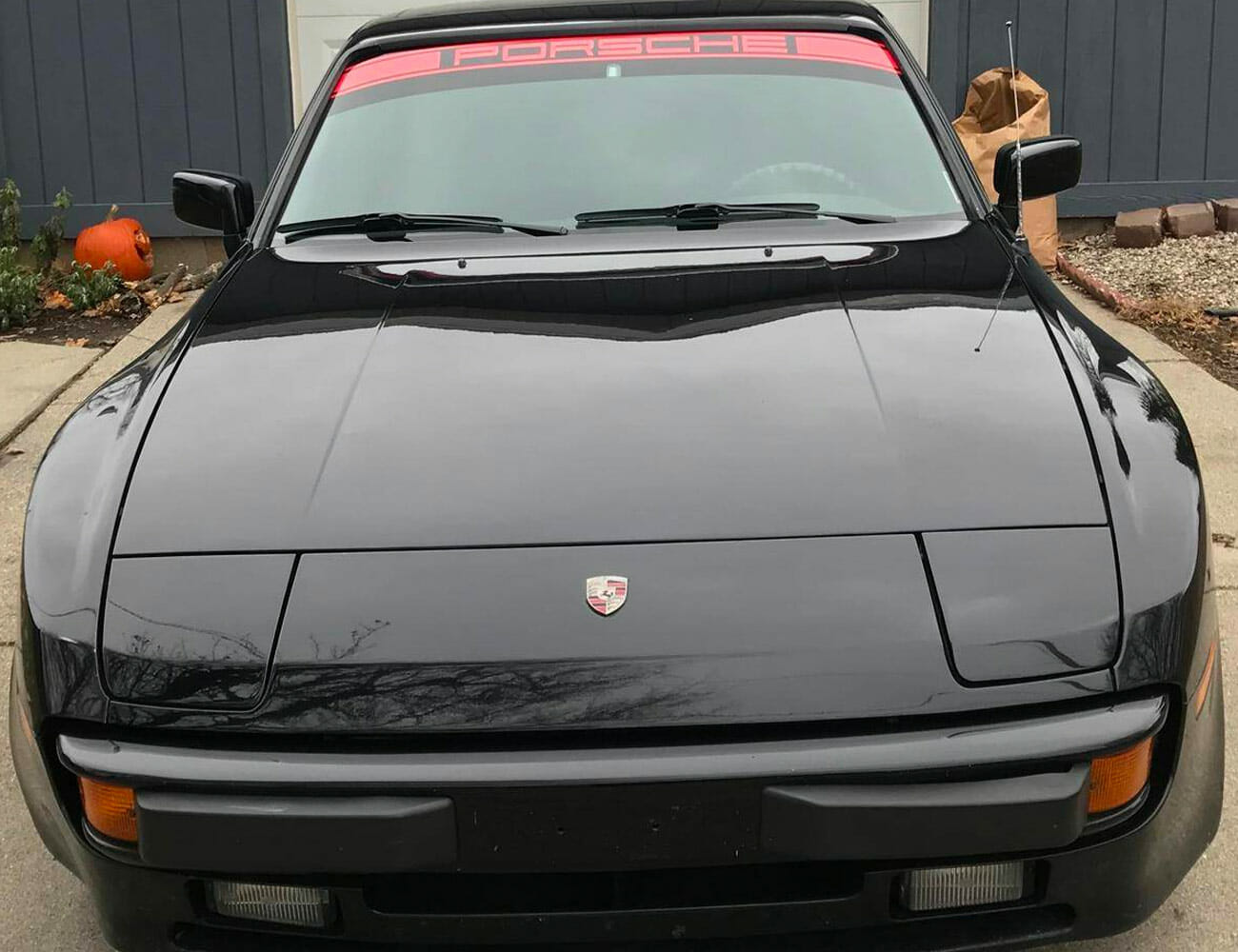
1984 Porsche 944

The 944 is the only truly “cheap” Porsche left. That’s understandable: it’s doesn’t look especially Porsche-like. It was praised in its day but didn’t take hold with Porsche purists who couldn’t stomach a front-engined car. By today’s standards, the 924 is slow. But 944s still say Porsche all over the place; in fact, this one says it on the side too. The seller says it’s in great running order, save a few issues that should be fixable. The 944 is legendary in a certain way, it’s affordable and it’s approachable. Plus, a kid I went to high school with drove one and I resented it the entire time. So above all, this one’s for Adam. — Nick Caruso, Coordinating Producer

Mileage: 67,000 miles
Original MSRP: ~$21,000

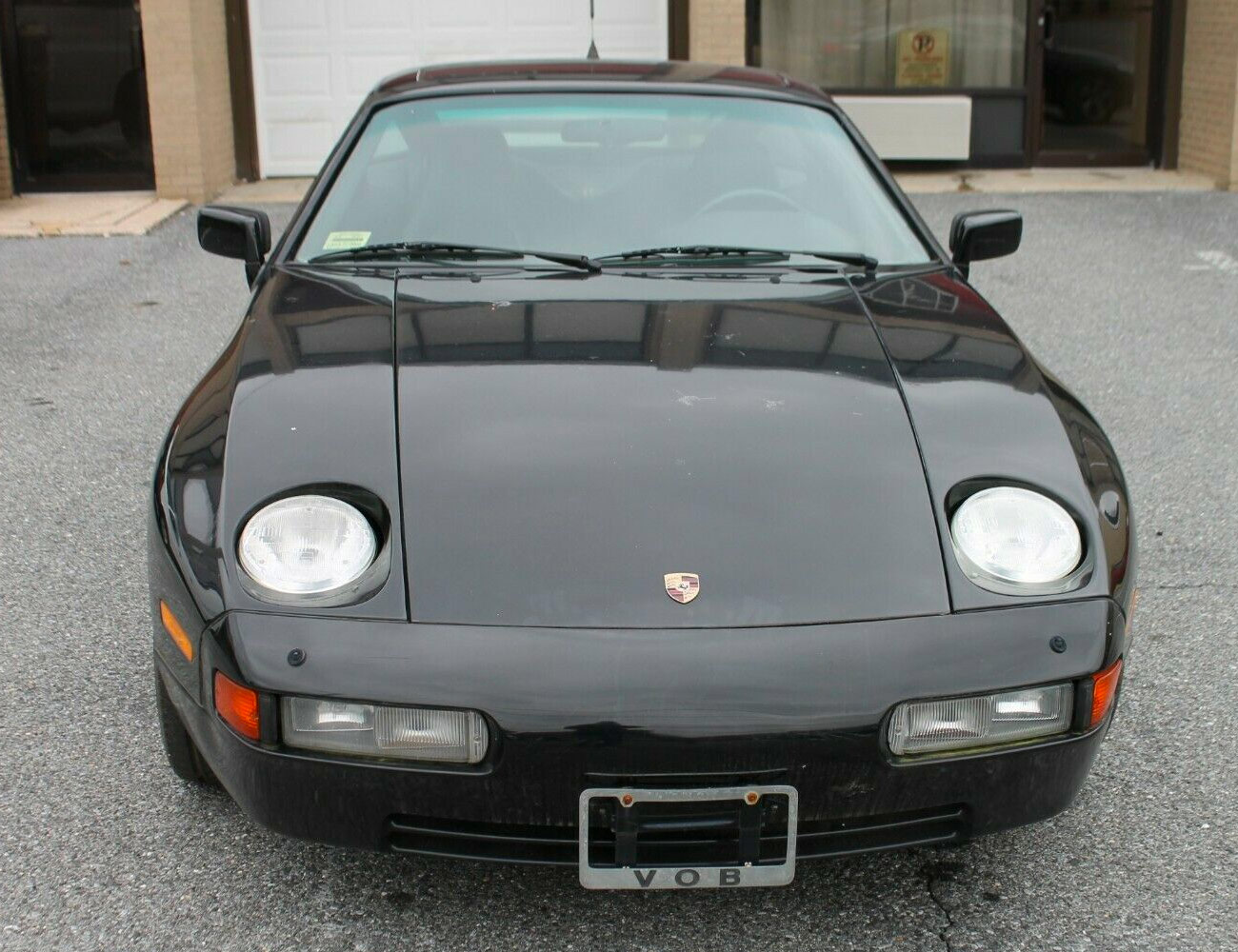
1989 Porsche 928 S4

The 928 holds an awkward place in Porsche’s history. The front-engine V8 coupe was the company’s first front-engine V8 and was also burdened with the herculean task of replacing the 911 — pretty obvious how wel that went. Despite the car’s attempt to usurp the flagship title, and its dubious design aesthetic, the 928 was hit. Being featured in both Scarface and Risky Business in ’83 helped boost its pop culture status too.

Coincidently, buying an ’89 Porsche-anything for under $10,000 can be considered risky business—especially the 928 and its oil-hungry 5.0-liter V8. Based on the condition of the exterior, interior and engine bay, at 85,000 miles and for $6,400, this 928 has seen better days, but I’d rather take my chances with this eight-cylinder, rear-drive coupe than any other weathered, grenade-in-waiting budget-Porsche out there. — Bryan Campbell, Staff Writer

Mileage: 90,375 miles
Original MSRP: $74,545

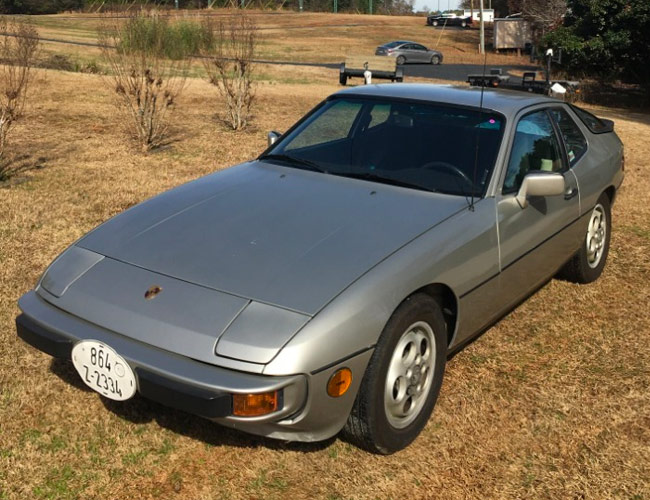
1987 Porsche 924 S

I’ve written a few times about my desire for a 1987 924 S. My dad had one while I was growing up, and I have fond memories of it (I fondly remember the cassette tape rack in the center console). More on that here. There’s not much info provided on this 924 S by the seller, but the description does mention that it was meticulously cared for and bought in Germany then delivered to the US. The car is painted Zermatt Silver and comes with new tires. What more could you want in a Porsche under $10,000? — AJ Powell, Project Manager, Gear Patrol Studios

Mileage: 75,400 miles
Original MSRP: $19,905
Note: Purchasing products through our links may earn us a portion of the sale, which supports our editorial team’s mission. Learn more here.

Mercedes Debuts Special Editions of Their Best Roadsters

Mercedes-Benz will unveil special editions of the SLC and SL roadsters at the 2019 Geneva Auto Show. The compact SLC roadster will receive both a “SLC 300 Final Edition” and an “AMG SLC 43 Final Edition.” The larger SL roadster will receive “Grand Edition” versions of the SL 450 and SL 550. Differences between these editions and the standard SLC and SL models will be cosmetic, with aesthetic changes, premium details and special badging.

The AMG SLC 43 Final edition will come in a model exclusive “Sun Yellow,” a tribute to the original SLK roadster from 1996. The SLC 300 Final Edition will come in “Selenite Grey” and feature high-gloss black wheels, door handles, and mirrors.

The SL Grand Edition roadsters will come in “Graphite Grey” with “applications in high-gloss chrome and matte silver.” They will have a lowered sport suspension, high-gloss black AMG wheels, and an assortment of fine leather work from Mercedes’ “designo” workshop.

Mercedes did not mention pricing for the SLC and SL editions. They will arrive at U.S. dealers in 2020. No, Mercedes will not throw in a manual transmission “for old times’ sake.”

Luxing up these roadsters should inject some interest in two model lines that have become a bit tired. The SLC has not received a full overhaul since the third generation SLK launched in 2011. The sixth generation SL has been around since the 2013 model year. The SLC and SL saw declines of 30.3 percent and 27.7 percent in U.S. sales in 2018. Combined, the two models represented just 1.3 percent of Mercedes’ U.S. sales last year.

Interesting and still unknown is what, if anything, Mercedes will do next with the SLC. It’s hard to get more ominous than “final edition.” Mercedes could birth a new roadster from the entry-level A-class. They could go in a different direction altogether with a cheaper performance car. Let us all pray some weird small convertible SUV-type thing is not in the works.

The Complete Mercedes-Benz Buying Guide: Every Model Explained

We did the heavy lifting—just pick your favorite and go. Read the Story

The Devel Sixteen 5,007 HP Hypercar Has a Two-Year Waiting List

How Bad Do You Want to Go 310 mph?

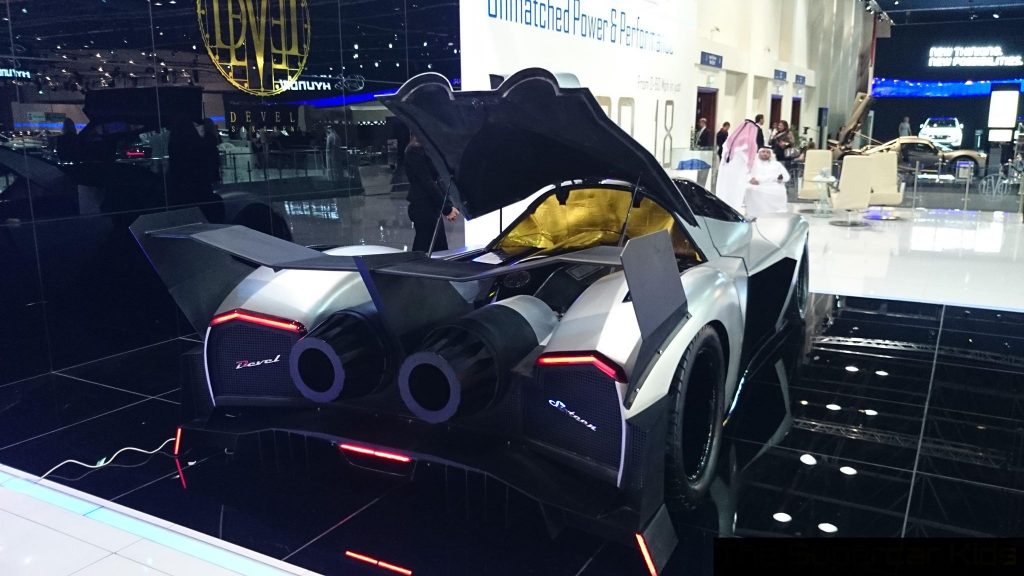
The insane Devel Sixteen hypercar has a quad-turbo 12.3-liter V16 engine that makes 5,007 hp and 3,757 lb-ft of torque. It has a top speed of 310 mph. It has not entered production yet, but the company does have a production version of the car ready to go. Right now there are plenty of buyers, too. According to Cool Hunting, there’s a two-year waiting list for the car.

The base road car costs $1.6 million and the range-topping version of the car costs $2.2 million, and the company plans to be very selective with its buyers. One of the founders of the company Majid Al Attar said, “The buyers don’t pick the car. The car picks the buyers.” Basically, that means even if you have the money to buy one, you might not get one.

Devel SixteenDevel Sixteen
Image from Devel Sixteen’s Facebook Page

It’s not that the guys behind the Devel Sixteen want to be mean and exclude people from the car’s ownership. They see the pure power of the machine as a lot of responsibility, according to Cool Hunting. They want responsible drivers to buy, own, and drive the car.

It’s interesting to see the company acting so responsible about the fact that their car is legitimately dangerous. Restricting who buys the car should be easy for the initial sale, but it will be interesting to see how the company manages for the second and third owners of the vehicle. Maybe the company will implement a contract like the buyers of the Ford GT had to sign. That could keep the cars in the hands of the right people in the eyes of Devel executives.

Aston Martin Project ‘003’ Hypercar Confirmed

The Third Installment of the Valkyrie

Prepare yourself for the next Aston Martin hypercar dubbed the Project ‘003’. Sounding like some kind of MI6 code for a secret mission designated for James Bond, Aston Martin’s Project ‘003’ should be an amazing machine. According to the company, the hypercar will utilize mid-engine hypercar features and technology used on the Valkyrie.

The automaker says the car will arrive late 2021. When it does, Aston will build only 500 coupe examples globally. The company specifically says coupe examples, so that makes us think there’s a possibility of a convertible version of the car at some later point down the road.

The Project ‘003’ will be the company’s third try at a hypercar. It hit it out of the park with the Valkyrie, so this one will likely be a ringer, too. The details for the model are scarce, but Aston says the car will have a lightweight structure, which probably means a carbon fiber chassis.

The vehicle will also get a turbocharged hybrid powertrain. However, Aston neglected to mention what that powertrain would be in terms of size. We’re hoping for a turbocharged V8 hybrid powertrain that makes somewhere in the neighborhood of 1,000 hp.

The car will be a road car. Aston said the vehicle will have “class-leading dynamics on both road and track.” Aston noted in its press release that special attention is being given to making the car more practical for road use, including some luggage space. Both left and right-hand drive versions of the car will be made, and it will be sold around the world. We’ll update you with more info as we get it.

Thoughts While Driving the New McLaren 600LT Spider

McLaren can’t build a bad supercar. That’s not a problem for us proletariat who don’t own a McLaren, but it may present an issue for those who do. Imagine you’re filthy rich and you want the ultimate, best and every other adjective for “apex” supercar from the Woking, England, manufacturer. You part with more than a million dollars and take ownership of the P1 hypercar and you deservedly feel like a king.

A few years later, out comes the Senna and, damn it, it’s slightly better than your P1. It’s so effing perfect that Formula 1 champ Nico Rosberg declares it the only road car he’s driven that comes close to feeling like an F1 car. Clearly, you now must buy a Senna, so you do. Then the 600LT emerges as part of the Sports Series, and because it’s brilliant fun to playfully rip around the track, you’re going to need one of those, too. McLaren’s inability to produce a crummy car is costing you a lot of money, but, hey, at least your garage is freaking beautiful, right?

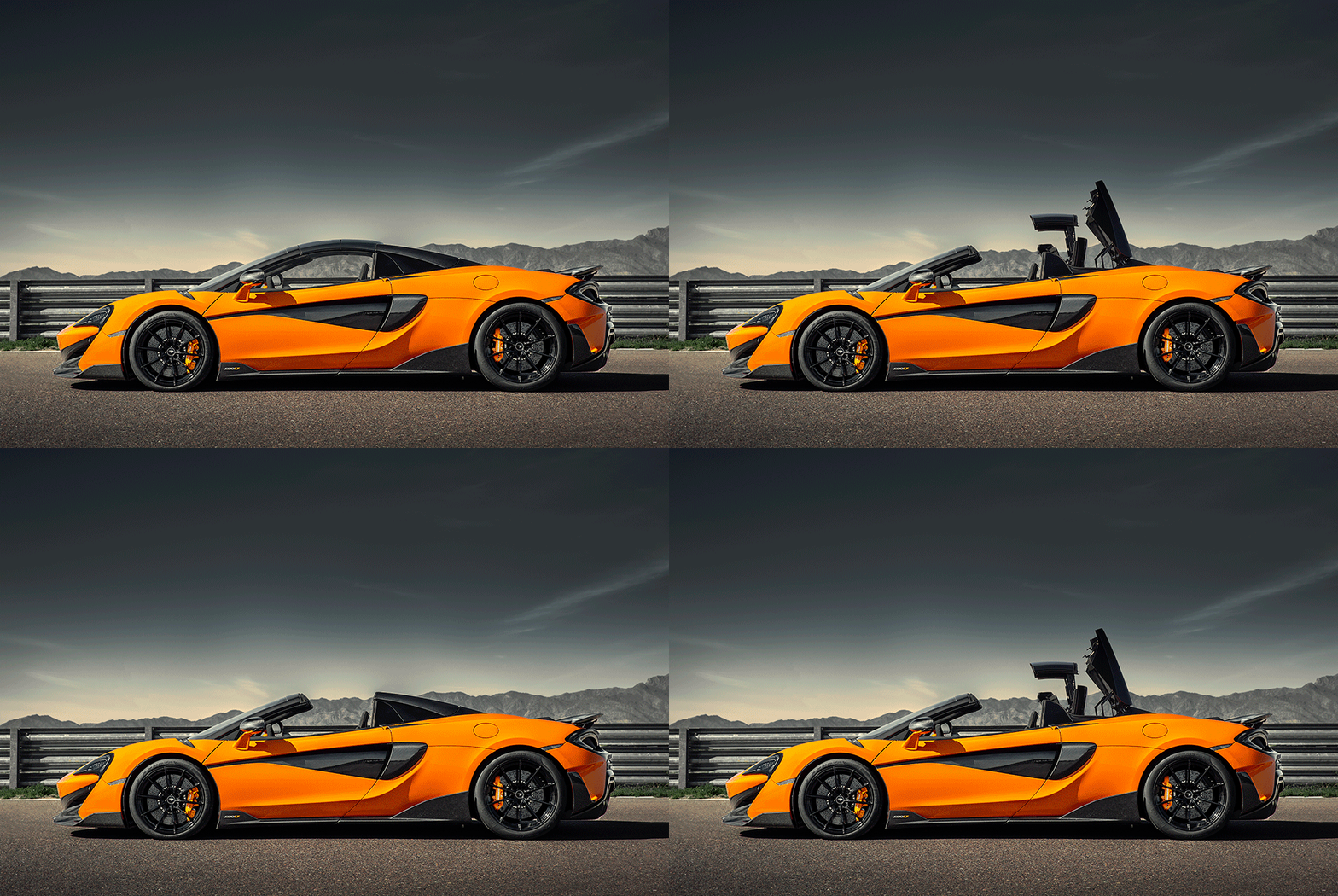
That garage will need one more parking space. McLaren’s gone and chopped the roof off the 600LT, and because you want to feel the wind tearing out your hair during a track day, you’ll also have to get one of those 600LT Spiders. As previously mentioned, I can’t afford a McLaren 600LT Spider, and cursing that very fact was the first thought I had while testing the beast in Arizona earlier this month. Here, the rest of the musings that pop into your head as you barrel along serene desert roadways and on a closed track.

“Longtail, FTW.”
The “LT” stands for “Longtail,” or an elongated chassis. McLaren’s first foray into a longer wheelbase was the F1 GTR Longtail, back in 1997, which competed in things like the 24 Hours of Le Mans. Oversimplified, take a regular chassis—the jumpoff for the 600LT was the 570S—and stretch it both front and rear, shave out some weight, tweak the aerodynamics, ratchet up the power and you’ve got one helluva monster on a race track. Shorter chassis can go light and feel squirrely under hard charges through a corner on a track, but the 600LT rotates itself through a hairpin as gracefully as a ballerina pirouetting. It’s effortless to get the weight transfer to zip you around and fire you out of the turn at pupil-dilating speed.

“Brake steer should be standard on all supercars.”
Here’s a fun bar fact that’ll make you sound very smarts: in the 1997 Formula 1 season, a photographer spotted a second brake pedal in the McLaren MP4/12 race car. It emerged that pedal was for brake-steer and, when engaged by the driver, it clamped down on the inside rear wheel during a turn to offset understeer. It was outlawed by F1 officials at the end of that season, but it’s back in the 600LT and the Spider. What that brake vectoring does is help the car absolutely tear through corners at high speeds. A little trail braking into a turn, and the front end tucks in, grabs hold of the line and stays there until you unwind the wheel again.
“Brakes are somewhat optional on the road.”
While on the track you definitely need deep dives into the brakes—which feature a Senna-inspired booster, and carbon-fiber discs and flyweight calipers borrowed from the 720S—on long stretches of desert roads with gentle corners, you needn’t tap the left pedal. A light lift right before the turn in and the 600LT cuts around at speeds well above the marked limits, without a hint of squeal from the bespoke Pirelli P-Zero Trofeo R wheels. McLaren proudly notes those shoes help increase the cornering speeds over the 675LT Spider.

“THIS IS BEAUTIFULLY LOUD.”
In a bid to shave weight, McLaren eschewed piping the exhaust down through the rear diffuser, instead opting for a top-mounted exhaust. That means you get a larger rear diffuser, the whole car is a few kilograms lighter, and it’s louder. Absurdly louder. And since it’s a Spider, it’s nearly deafening, in the best way possible. The pops on the overruns sound like gunfire back there, and each time you ask for a satisfyingly chunky downshift, you never tire of the accompanying aural symphony. The crescendo as you run through the top of the rev range is the best growl and howl that mid-mounted 3.8-liter twin-turbo V-8 can produce.

“It’ll fat-shame Lamborghini and Ferrari.”
If specced with the optimal lightweight package, the 600LT Spider weighs a mere 2,859 pounds. Compared to its competition, it’s a featherweight. The Lamborghini Huracan Performante Spyder tips the scales at 3,322 pounds, while the Ferrari 488 Spider clocks in at 3,130 pounds.

“Without the wind, you’d never know this was a Spider.”
Typically cutting the top off a supercar makes it substantially less rigid, and thus less stable when on track. But credit McLaren’s wise engineering for track time feeling indistinguishable between the coupe and convertible. The core of the chassis is the carbon-fiber MonoCell, which gives a solid base, and the rest of the great feeling comes from the aero bits, which keep you glued. The Spider has the same 220-pounds of downforce (at 155 mph) as the Coupe. That’s a properly impressive feat.

“Jesus, this is fast.”
Because of all the weight reduction, even with the top down, it’s got performance nearly identical to its hard-topped brother. The same engine, good for 592-horsepower and 457 lb-ft of torque, propel both the Coupe and the Spider from zero to 60 in 2.9 seconds. (The aforementioned Lambo requires 3.1 seconds, while the 488 Spider needs 3.0.) And while you lose 0.1 of a second in the sprint from zero to 124 mph, it still happens in a blistering 8.4 seconds. You, uh, won’t notice that minuscule lag.

Prototype Drive: 2020 Mercedes-AMG A45

It is supposed to straighten out the hierarchy in the sporty compact class, according to the terms of AMG in Affalterbach: The new Mercedes-AMG A 45, which comes to market in the summer of 2019 and boasts an output of considerably more than 400 hp. In terms of straight-line performance, it will not only outshine its immediate predecessor, but also the Audi RS3 and the BMW M2 Competition.

The 420 to 430 horsepower strong engine draws its power from 2 liters of displacement; the power is transmitted to all four wheels through a lightning-quick eight-speed dual-clutch automatic.

Even more important are lateral dynamics. Here, Mercedes-AMG has upped the ante: The rear axle can distribute the torque freely through a sophisticated system jointly developed with supplier Magna Powertrain. It ensures extreme agility and allows for controlled oversteer with unprecedented precision.

The system uses two electronically controlled clutches that can distribute the force between the two rear wheels in an instant. We were allowed to ride along in a prototype – and were convinced convince that in comparison with the regular “ESP Off” program, a drift can not only be more easily initiated, it is also much easier to maintain. In everyday use, this may not matter much, but on closed circuit it is a lot of fun. Roadholding at high speeds is improved by an optional aerodynamic package with “flics” and a remarkably big rear wing.

2020 Mercedes-AMG A45

The combination of a high-performance engine and a sporty chassis elevates the next AMG A 45 to performance car status. The brutally responsive engine is clearly audible, driver and passengers sit in tightly upholstered seats with plenty of lateral support, and in front of the driver, there is the latest MBUX dashboard which offers an unusual variety of customization options. The production car will feature AMG-specific screens. Decor and seat trim are AMG-specific as well.

Incidentally, the sensational technology of the new A45 is not limited to this model: there will also be an AMG CLA 45 and the AMG GLA 45 crossover, but the latter is not expected to appear until 2020. And if you don’t quite want to take the leap from the regular 250 models to the AMG 45 models, there is the Mercedes AMG A35 as well as its upcoming sister models CLA 35, GLA 35 and GLB 35, powered by a 306-horsepower engine. That is an impressive achievement. But the hierarchy is now redefined with the AMG 45.

Mid-engine Aston Martin Project 003 supercar teased

Aston Martin has officially announced its next mid-engine supercar with a teaser and a working name: “Project 003.” From the teaser image, it should be a stunner with a body that’s all curves and wide athletic haunches. We also dig the exhaust outlets through the engine cover. Aston says the supercar will borrow some technology from the Valkyrie, with that car’s lightweight construction, active aerodynamics and active suspension likely candidates. Still, Project 003 will be a very different vehicle.

For one thing, it doesn’t have an absurdly high-revving naturally aspirated V12. Instead, it’s a gas-powered, turbocharged hybrid. Aston Martin hasn’t said how many cylinders, but it seems safe to say it will have at least eight. Then there’s the fact that this will be more practical for road use, with Aston specifically mentioning that this car will actually have luggage space. How novel! We expect that the car will be a bit more civilized in the ride and noise departments, too.

Aston Martin says that the first of 500 total examples will reach owners starting in late 2021. While it hasn’t said for sure, we expect to see the car unveiled at the Geneva Motor Show. Between the show and when it reaches customers, it will probably get a real name, just as the Valkyrie began life as Project 001, and the Valkyrie AMR Pro was Project 002.

Related Video:

Puritalia To Debut 965 hp Hybrid Berlinetta in Geneva

A 965 hp Return to the Spotlight

The Italian automaker Puritalia made a splash with its 427 roadster a while back, and now it has a new car. The Berlinetta is coming to the Geneva Motor Show should put the automaker back in the spotlight for at least a short period of time. Why? Because it’ll make 965 hp and be a hybrid, sticking with the times.

Also, Puritalia is no slouch of an automaker. Its 427 roadster was no joke, and we don’t expect the upcoming reveal in Geneva to be either. The company builds custom vehicles by hand and makes them beautiful and exceedingly fast machines.

The details for the upcoming model were scarce. Puritalia didn’t let slip much, but it’s enough to get us interested. There are four photos of the upcoming car perfectly shadowed to intrigue you but not actually give anything away. Otherwise, the company said the car’s “SuperHybrid” powertrain would make 965 hp and be managed by an artificial intelligence system. The car will also have a total carbon fiber body. 

Puritalia will make only 150 versions of the car. Each one of them will be built to order. Just to finish the carbon fiber Puritalia says it takes 800 hours, which is more than many supercar manufacturers spend on an entire build. That likely means this car will be very expensive. What exactly that price will come in at, has yet to be determined, or rather Puritalia has not released the price.

Does Cylinder Deactivation Tech in Trucks Even Matter?

Carmakers such as Cadillac, Mercedes-Benz and Lamborghini have toyed with cylinder deactivation on large engines. The concept is simple: use fewer cylinders under light loads to improve fuel economy. Producing a cylinder deactivation system that is reliable, unobtrusive and avoids bad side effects has been more complicated.

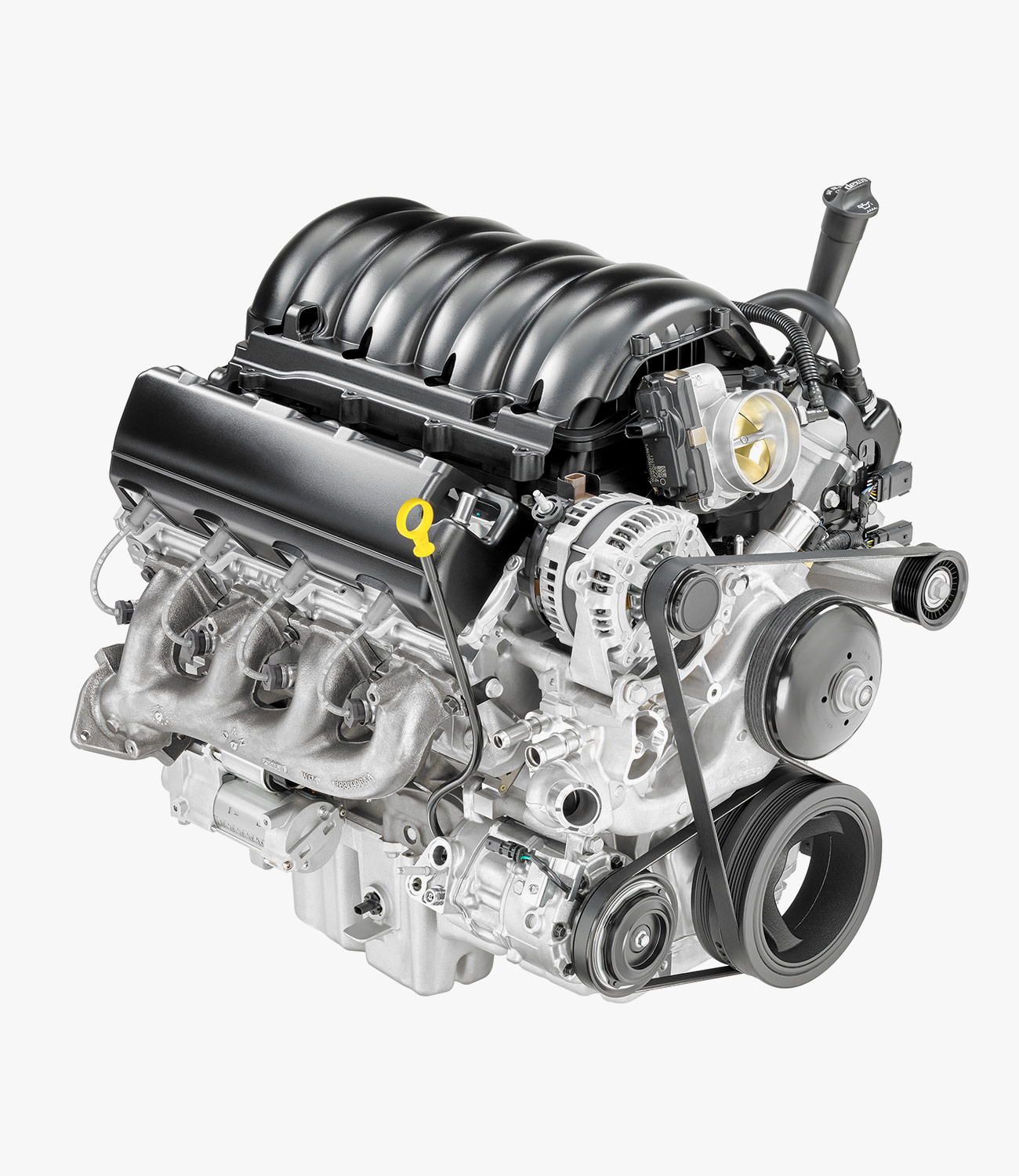
GM may have achieved that with “Dynamic Fuel Management.” The company has used “Active Fuel Management,” cutting V8 and V6 engines down to four cylinders, since 2005. DFM, in comparison, sounds like the freaking future. There are 17 different cylinder patterns. The engine can run on as little as one cylinder. Updates happen (imperceptibly to the driver) up to 80 times per second. DFM may be the finest flowering of the technology. So, it’s worth asking: Does cylinder activation do anything?

The problem stems from the task at hand. Engineers can be clever. But, they can’t defeat physics. A full-sized truck, especially when laden, is a heavy load. Moving a heavy load requires a lot of energy. Producing that energy, in internal combustion, requires a lot of gas, which means using all of the cylinders (or in Ford’s case using the Turbo). Limiting the damage at times when the engine is not burning gas at full bore can only achieve so much.

5.3-liter V-8 DFM VVT DI (L84) in the 2019 Chevrolet Silverado

GM claims a five-percent city driving improvement of about 1mpg from DFM. The total Silverado redesign for 2019 improved the 4WD version’s 5.3-liter V8 from 17mpg to a not especially mind-blowing 18mpg combined. That results in savings of about $100 per year in fuel costs. Or, it will only cost $650 more per year over the average vehicle instead of $750 per year. That tech produces more than nothing, but it’s far from segment recalibrating.

One shouldn’t trust controlled testing numbers at face value. DFM may perform better in the real-world vs. a Ford V6 Turbo w/EcoBoost than the EPA number may suggest. But, one must deploy similar skepticism to all controlled testing. Will any human driver be able to achieve the narrow operational range that saw a five percent (city) increase in efficiency from DFM, especially if doing ‘truck things’ like towing or carrying a payload?

Cylinder deactivation is sort of like ordering a Diet Coke while gorging on pizza nightly. It’s not a bad thought. It’s perhaps better on balance than ordering a regular Coke. But, it’s avoiding the glaring problem requiring a difficult change in behavior. Tweaking engine efficiency under light loads, even with cool engineering, won’t get a full-sized, pushrod V8, gas-powered truck to whatever the EPA finish line ends up being whenever it goes into effect. That’s likely to be an alternative energy source, in much fewer than 20 years.

McLaren won’t do an SUV, says company design chief

While many carmakers traditionally known for supercars have bolstered their lineups with SUVs and crossovers, that will not happen with McLaren. At least according to McLaren design chief Mark Roberts, as quoted by Automotive News.

Roberts made the statement at an event preceding the Canadian International Auto Show in Toronto, saying, “We really do deliver on the ultimate driving experience. For us, it means no compromise. An SUV doesn’t allow us to deliver on that. It’s not a no-compromise kind of vehicle.” Company boss Mike Flewitt was asked the same question way back in 2014, and the response was similar: “We need to remain very focused. McLaren is a sports car brand, and that’s exactly what we’re going to remain.”

For a number of sports car brands now offering SUVs, it’s all about making money to make money: Selling profitable, in-demand, high-riding vehicles provides them with the bankroll to keep developing their low-slung core products that show the brand in the best light. For McLaren, dilution like that isn’t an option, despite its intent to bring as many as 18 new models to the market by 2025, electrifying its lineup with hybrid tech. Roberts told Automotive News: “For a small company like McLaren, it’s a big deal and a big challenge. It’s putting a big demand on [McLaren’s production facility] to step up to demand and build more volume.”

Still, for some carmakers, the old thought “Never say never again” will prove true: Ferrari CEO Sergio Marchionne famously told reporters in 2016, “We won’t make an SUV. You’ll have to shoot me first.” Despite that, Ferrari confirmed an SUV was on the table when the late Marchionne was still very much alive. And Rolls-Royce, which recently launched its massive Cullinan SUV, reportedly “wasn’t even discussing SUVs” as late as 2013.

Related Video:

New Ferrari V8 Hybrid Supercar to Have More Horsepower Than 488 Pista

Coming Later This Year

Ferrari’s CEO Louis Camilleri recently told reporters on an earnings call that the company would unveil a V8 hybrid supercar later this year. According to Auto News Europe, the vehicle will get a V8 gasoline engine and an electric motor for power and will sit atop the Ferrari lineup.

The car will offer more horsepower than the 488 Pista. Ferrari said that the vehicle will not make its debut at this year’s Geneva Motor Show, which is shaping up to be an awesome show, according to the reports of what will debut there. Instead, Ferrari will unveil its new top-of-the-line supercar at a special event later in the year. The company expects to make the deliveries of the car in 2020. 

Camilleri did not supply much information to the press when he mentioned the new model. However, he did say it would not be a limited-edition car. Instead, it will have a full lifecycle and be more profitable than a V12 vehicle could be. Camilleri brought up the profitability of the car because of investor concerns about whether or not a V12 would be more profitable.

This will be the second-generation for Ferrari’s hybrid technology. The now discontinued LaFerrari was the first and it brought a new era for the company. According to Auto News Europe, 60 percent of the company’s lineup will have a hybrid offering by 2022. This will allow the company to comply with ever-tightening emissions regulations and keep pace with other supercar and hypercar manufacturers.

When the new Ferrari makes its official debut, we’ll be here to give you all the interesting details. One thing is for sure. It will a wildly powerful Prancing Horse.

These 6 Cars Were Named the Best in the World – Read Our Reviews Now

The 2019 New York Auto Show is coming up in just a couple months, and in anticipation we decided to take a look back at las year’s winners of the World Car of the Year. Jurors include 82 automotive journalists from two dozen countries (including, it should be said, our very own Eric Adams). The Toronto-based non-profit organization, which has been operational since 2004 is chaired by Peter Lyon of Forbes. World Car Awards is “dedicated to ensuring that it is carried out with the utmost objectivity, credibility, and integrity.” Furthermore, not all the below are for sale in all markets: “By its nature, WCOTY includes some vehicles that may be unavailable in individual regions, and excludes others whose availability may be limited to those regions.”

World Car of the Year

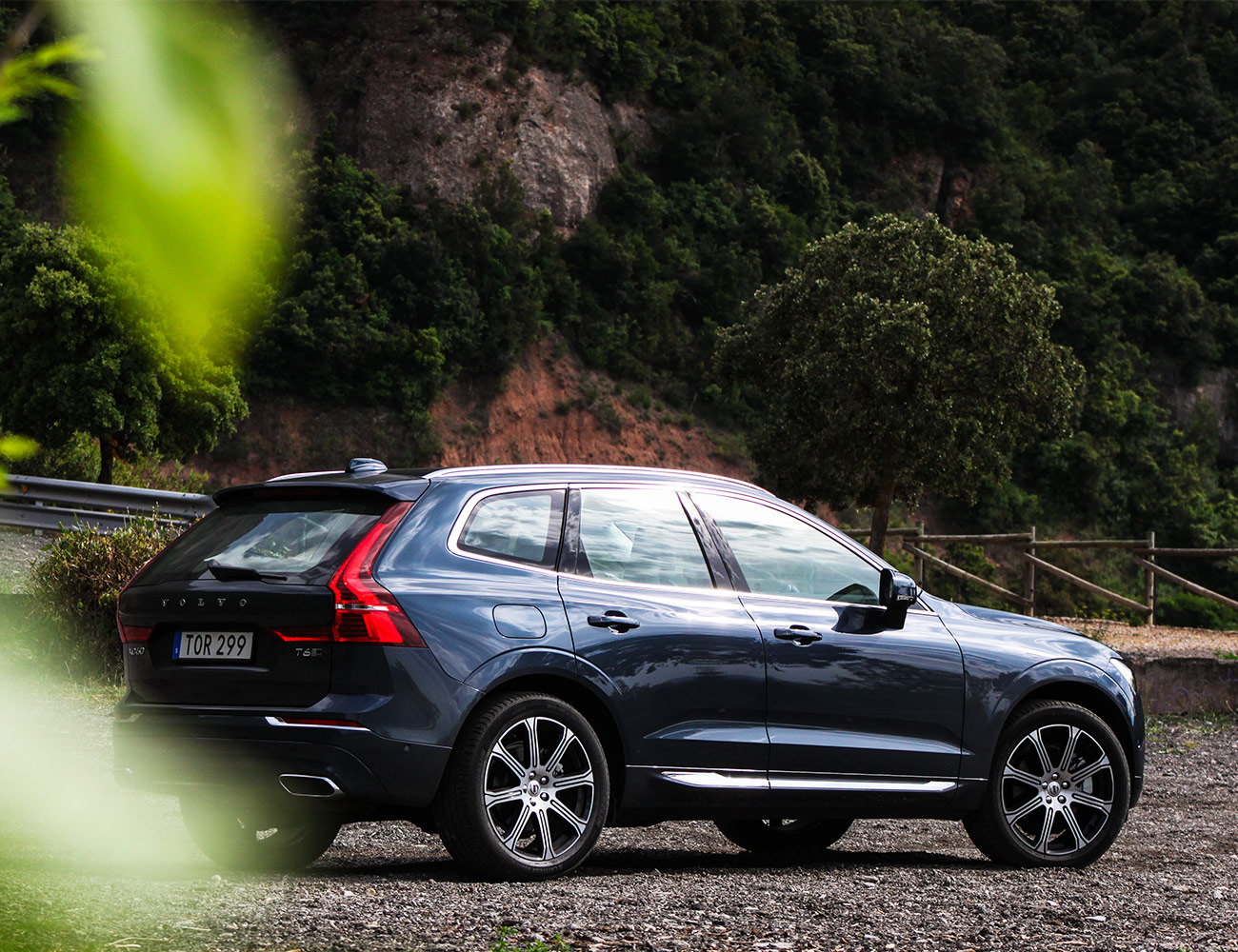
2018 Volvo XC60 “It is stunningly beautiful amidst a background of bland competition — the sheet metal is outstanding, but inside design really shines, especially with the optional driftwood trim.” – Nick Caruso, Associate Editor

Read the official statement here.
Two Reasons to Like the 2018 Volvo XC60 (And One Major Reason Not To)

Two Reasons to Like the 2018 Volvo XC60 (And One Major Reason Not To)

In a world of bland crossovers, the XC60 stands out — but it doesn’t handle like it should.

World Luxury Car of the Year

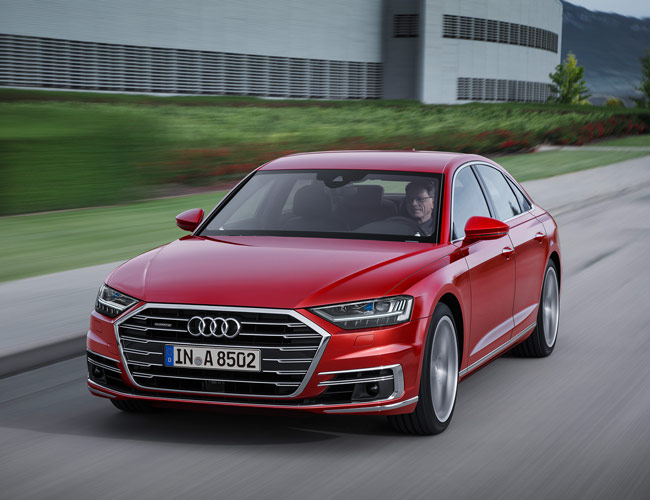
2018 Audi A8 “The headlining feature, which Audi calls “traffic jam pilot,” marks the biggest step towards full autonomous driving from any of the big three German brands. And yet, it’s incredibly disappointing, because it’s packaged in a car that looks as overly serious and terminally clinical as the Audi A8.” – Bryan Campbell, Staff Writer

Read the official statement here.
No Matter How Tech-Laden the Audi A8 Is, the S-Class Will Always Look Better

No Matter How Tech-Laden the Audi A8 Is, the S-Class Will Always Look Better

Audi just launched the most technologically advanced production car they’ve ever put on the road.

World Performance Car

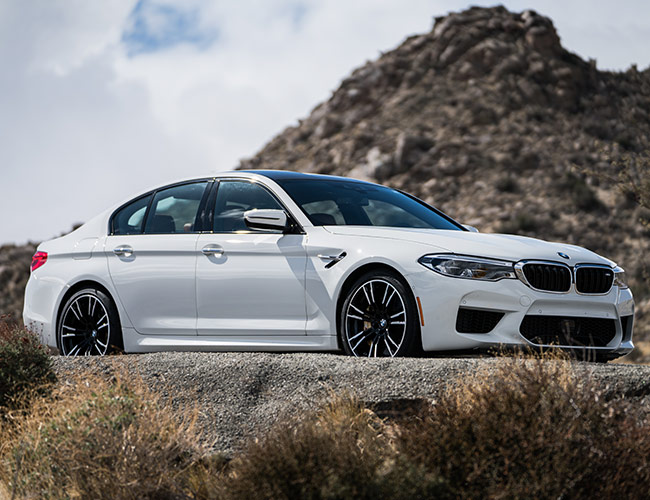
2018 BMW M5 “The M5 has always been the flag-bearer of hard-charging, track-ready performance sedans. With these changes — which of course merely add onto the changes present in the new 5-Series — it retains that title.” – Eric Adams, Contributor

Read the official statement here.
2018 BMW M5 Review: Retaining the Title of Ultimate, Berserk Sport Sedan

2018 BMW M5 Review: Retaining the Title of Ultimate, Berserk Sport Sedan

BMW’s renowned engineering backs it all up, offering sharp, precise handling and plenty of power when you want and need it, but it also offers quite a bit of white-knuckle fun for those who like…

World Car Design of the Year

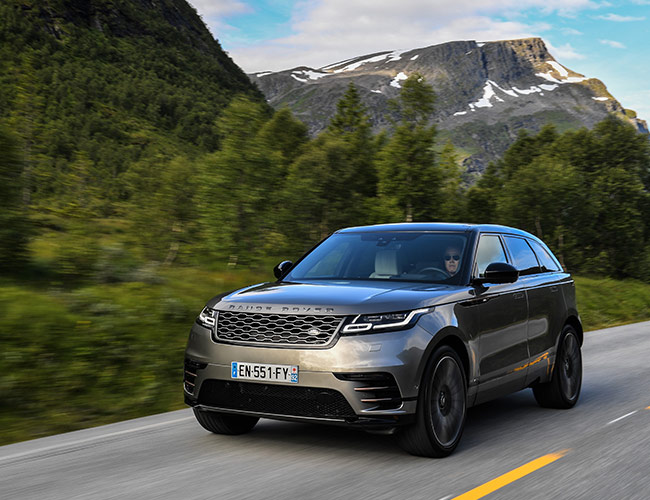
2018 Range Rover Velar “After many miles of cruising the gorgeous tarmac of rural Norway — amid the fjords and the deer-crossing signs — we tackled a variety of off-road challenges that included a climb straight up a ski mountain trail that’s clearly meant to be traversed when there’s already 36 inches of powder on top of it in order to smooth out the ride. No matter.” – Eric Adams, Contributor

Read the official statement here.
The Elegant New Range Rover Velar Is an Off-Roader for Design Lovers

The Elegant New Range Rover Velar Is an Off-Roader for Design Lovers

Unlike other manufacturers, Land Rover builds vehicles suited to specific personalities.

World Green Car

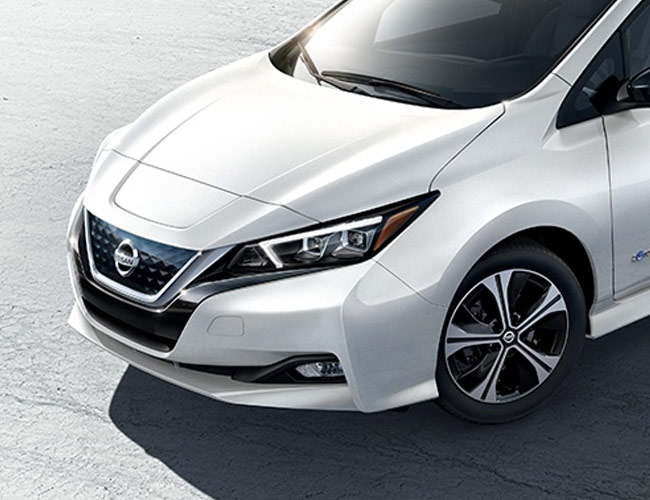
2018 Nissan LEAF Whatever America’s official stance on the state of our climate it is, every other country’s thoughts are abundantly clear, seeing as how the Nissan Leaf is one of the best selling cars around the globe. And now, after an in-depth study, Kelley Blue Book has awarded the Nissan Leaf the 5-Year Cost to Own Award.” – Bryan Campbell, Staff Writer

Read the official Green Car statement here.
One of the Best Selling Cars in the World Is Also One of the Cheapest to Own

One of the Best Selling Cars in the World Is Also One of the Cheapest to Own

After an in-depth study, Kelley Blue Book has awarded the Nissan Leaf the 5-Year Cost to Own Award.

World Urban Car

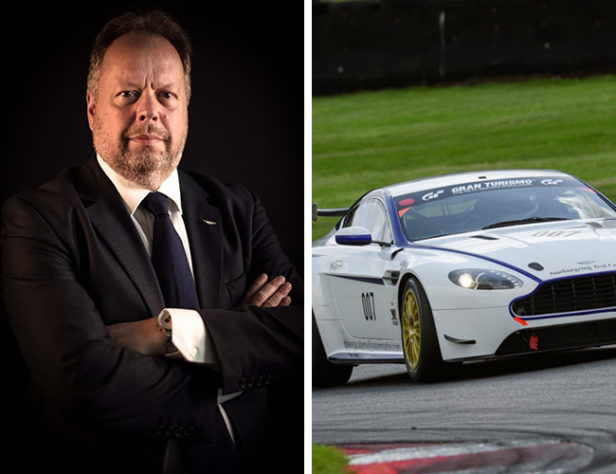
2018 Volkswagen Polo “My first car was a Volkswagen Polo Mk1. Before that, I had two motorcycles. I left school at 15 and started working at 16. I had a 12-mile journey to work and my mom and dad weren’t going to get up every morning — but I needed transport, and it wasn’t going to be a push bike (bicycle).” – Andy Palmer, Aston Martin President and CEO

Read the official Urban Car statement here.
Talking Watches, Cars and Hi-Fi with Aston Martin CEO Andy Palmer

Talking Watches, Cars and Hi-Fi with Aston Martin CEO Andy Palmer

Aston Martin CEO Andy Palmer lives the life of a charmed gearhead: he owns and races Astons, travels the world talking about cars and under his watch, Aston Martin has become one of the fastest-growing…

More from the New York Auto Show

The best way to catch up on the day’s most important product releases and stories. Read the Story

This Modernized Classic Mini Is the Perfect City Car

Mini brought a classic electric Mini conversion to the New York Auto Show last year. It was a brilliant city car. British company Swindon Powertrain, under its “Swind” brand, is expanding on that concept with a bespoke production version, the “E Classic Mini.”

The E Classic Mini will use classic Mini bodies. It will have a 24KWh battery and regenerative braking for a 125-mile range. With about 112hp, it will reach a top speed of 80mph and accelerate from 0-60mph in a not that glacial 9.2 seconds.

Changes from the original should be a net positive with a lower center of gravity and more trunk space without the gas tank. Modern conveniences such as heated seats and USB charging will be standard. It can be optioned with AC, power steering and an Infotainment system.

The E Classic Mini is basically the best of all worlds. It’s hard to conceive of a better city car. It looks like an iconic British classic. It should drive with the comfort of a modern vehicle and none of the quirks of an iconic British classic. It won’t emit carbon into the atmosphere directly.

The one downside? It will cost you. The E Classic Mini will start at a hair above $100,000. That price point will be well above both a new electric BMW Mini or a non-electrified classic Mini in decent shape. Though, it’s perhaps not that unreasonable for a bespoke resto-mod that’s also an EV. It will be a bargain compared to the Jaguar E-Type Zero.

Watch Chris Harris Have Fun on a Track in the McLaren 600LT

Could This Be The Best McLaren Track Car?

That’s the question Top Gear’s Chris Harris asks in the video below of him driving the McLaren 600LT. The car lacks the insane horsepower and super-techy suspension of other McLaren vehicles, but it offers a more mechanical, analog, and natural driving experience, according to the presenter. It looks like a heck of a lot of fun.

Harris drives the hardened cousin of the 570S at the Circuit De Charade in France. As he does, the sky begins to spit rain, making the drive a whole lot more difficult. With that said, Harris completes the task in entertaining style, spinning the tires and getting sideways a few times.

The McLaren 600LT comes with a 3.8L twin-turbocharged V8 that makes 592-horsepower and 457 lb-ft of torque. It’s a revised version of the engine found in the 570S, though it’s not a revolutionary mill by any means. That doesn’t mean it lacks power, though Harris does note a bit of turbo lag.

That doesn’t hurt performance too much though, the car can sprint from 0 to 60 mph in just 2.9 seconds, and then continue on to 124 mph in just 8.2 seconds. The top speed for this beautiful supercar is 204 mph. That’s not the fastest car out there, but it’s very, very quick.

What seemed to surprise Harris the most was the playfulness of the car. It’s stiff chassis and suspension setup paired with its open differentials still allows the car to move around, and he seemed very pleased with it overall. Needless to say, McLaren’s 600LT is a car worth owning. 

Tesla Has Reinvented The Car Alarm, But Why?

Tesla announced some new software updates yesterday. One addition is “Sentry Mode.” This feature uses video architecture in place from Tesla’s autopilot system to thwart potential thieves. Inappropriate touching would activate an “alert” mode. A break-in attempt will activate an “alarm,” deploying harsh lighting and loud music.

The press release cited a vague federal statistic, indicating that there was an attempted motor vehicle theft in the United States every 40.8 seconds in 2017. That jumping off point was curious. Teslas are quite hard to steal. You have to somehow simulate the key fob, either by relaying the fob signal to the car or cloning it. There’s also the blunter route of stealing the key fob from the owner via burglary or robbery. Tesla has a “pin to drive” setting that can stop those attempts cold. Beyond that, the car also has a GPS locator, permitting the owner and law enforcement to track the car’s location in real time.

Those protection layers are incredibly effective. Looking at Tesla data from 2014-17, there was an attempted theft of a Tesla about every 7.4 days. Very few of these attempts are successful. Only three of 118 Tesla vehicles stolen were not recovered. The number on average is more than 40 percent. In short, if you can figure out how to steal a Tesla successfully, you’re smart enough to get a tech job which will afford you one.

Sentry mode may have more impact thwarting break-ins vs. outright thefts. Model 3 owners in the Bay Area have been complaining in multiple forums about what appears to be a particular type of break-in to the trunk through the rear quarter window and rear seat. A rational way to combat such break-ins, with minimal hassle, would be a software update deploying the existing autopilot camera architecture as a deterrent.

The question is how well that will work. Car alarms are problematic because they get ignored, particularly in urban areas. For all the technology involved, the primary function of Sentry Mode remains that of a common car alarm, making loud noises when the vehicle gets breached. Having it be a characteristic Tesla-style alarm won’t elicit additional public diligence. An app alert may help. But, one suspects reaction times would be far too slow to achieve anything, even if one were inclined to confront a miscreant.

The value with Sentry Mode comes from its video surveillance. That does have a vulnerability. Tesla owners must hook in a formatted USB drive, before engaging Sentry Mode, to download the video. A thief could, presumably, just steal the USB drive. But, that would necessitate entering the vehicle. Those few extra seconds may be just enough of an annoyance for a prospective thief to move on to the next Tesla.

Ferrari to introduce a V8 hybrid supercar this year

Ferrari is bringing a new mid-engine V8 supercar to the market this year — but with a hybrid drivetrain this time. Last year, then-Ferrari CEO Sergio Marchionne told Auto Express that a hybrid V8 was coming, and Automotive News is now reporting that a hybrid supercar will debut later this year. According to Automotive News, the new Ferrari won’t be displayed at the Geneva Motor Show next month, but it will have an unveiling event of its own later on. It will sit above the 488 Pista, as it will have more power. Automotive News quotes Ferrari CEO Louis Camilleri as having confirmed the car on an earnings call in late January, saying that it will be more profitable than for example the 812 Superfast and that deliveries will start a year from now.

The hybrid V8 supercar marks a step ahead for Ferrari, as it means hybrid tech will no longer be reserved to limited-edition specialties like the KERS-boosted LaFerrari, but that the technology will feature in a “regular lifecycle” model. Camilleri also stated that 60 percent of the Ferrari lineup will have a hybrid variant by 2022; this means that there will be pure gasoline variants for petrolheads shunning electric assist, but that Ferrari can also move ahead with the times.

The electrified technology that Ferrari is developing is also expected to trickle to Maserati’s upcoming Alfieri model that replaces its GranTurismo; that car will also be made in Ferrari’s hometown of Modena.

Related Video: