All posts in “Cars”

C8 Chevy Corvette has reportedly faced chassis twist, electrical, legal issues

Don Sherman at Hagerty said he “gave the bushes another relentless beating to compile an updated report” on what’s been happening with the mid-engined C8 Chevrolet Corvette. Since it appears that General Motors is throwing a gaggle of new tech at the next generation of America’s sports car, it’s not shocking that there have been some teething problems. One issue was the electrical gremlins that made news in December. At the time, reports said excessive draw required a redesign of the coupe’s wiring system.

Sherman’s intel corroborates electrical trouble, saying it’s part of GM’s adoption of a new writing architecture. GM product chief Mark Reuss talked about the Global B electrical system in 2015. A Reuters report said Global B would “move much of a vehicle’s computer power to the … cloud,” and in doing so enable over-the-air updates. To ensure privacy, it’s said GM conferred with Boeing and military contractors about network security. Sherman wrote that “100 or more computer modules per vehicle communicate on CAN (computer area network) bus,” and Corvette engineers are — or were — having a tough time getting all those nodes on the same team.

A second delay came from the power unleashed by the top-tier twin-turbo model with 900-1,000 horsepower, thought to be the Zora trim. Hard work on the throttle twisted the aluminum spaceframe enough to crack the backlight. A poster on Mid-Engined Corvette forum wrote that this is an old issue, solved when GM put its Cray supercomputer to work to beef up the chassis. A poster over at Corvette Forum said insiders told him “that it is literally frightening to floor” the throttle in the hi-po model, and that GM “had a team of lawyers in to advise on the legal perils of selling such a potent vehicle for street use.”

Another matter Sherman mentioned we can’t even label a problem. Supposedly, designers had “some unspecified bone of contention” with the development engineers. But unless the designer also happens to be the engineer, that happens all the time on every vehicle. What might matter most is that at the end of last month, spy photographers caught a convoy of prototypes in San Diego carrying Corvette engineers Tadge Juechter, Harlan Charles and Alex MacDonald. And a week ago in Yuma, Arizona another convoy included none other than Mark Reuss in one of the passenger seats. Corvette watchers take this to mean the program is back on track.

We’d been told to expect a standalone reveal sometime this year, and Sherman thinks that could go down at the 25th anniversary celebrations of the National Corvette Museum at the end of August. His intel figures the base, 500-hp LT2 V8 version will come in between $60,000 and $70,000. LT6 and LT8 V8 models will goose the output in steps, up to around 1,000 horses. When the eventual hybrid arrives, it’s said the electric motor powering the front wheels will “consume the (front) trunk space otherwise used to carry two sets of golf clubs in the base model.” That sounds suspect to us, but we’ll all find out soon enough. All will wear the Stingray badge, but Zora could be applied to the capstone trim.

Paperwork another user on Corvette Forum found has been taken to mean the C8 will start production in December. The country’s largest Corvette dealer, Kerbeck Chevrolet in Atlantic City, New Jersey has begun accepting $1,000 refundable deposits for a place in the C8 line, and has put double-digit discounts on C7s in stock, with discounting also happening elsewhere as dealers try to reduce a huge C7 backlog. We suppose that means things are getting warmer. A little warmer.

Related Video:
5 Automotive Truths That Are Rapidly Dying

Technology is making cars more capable. With major transitions afoot with electric powertrains, automation, connectivity and mobility, technology will redefine our relationship with the automobile. Change and the prospect of change are forcing auto manufacturers to react boldly. Many established automotive truisms will no longer be true. Here are five we can cast aside in 2019.

1. A True BMW Being a Rear-Wheel Drive Manual

Picture the platonic ideal of a BMW. It’s a powerful, sporty sedan tuned for driving. It has a manual gearbox. It’s rear-wheel drive with pinpoint steering. It’s “the ultimate driving machine.” Worry about winter when you come to it. Even if you brush aside the “sport activity vehicles,” that’s no longer BMW’s identity.

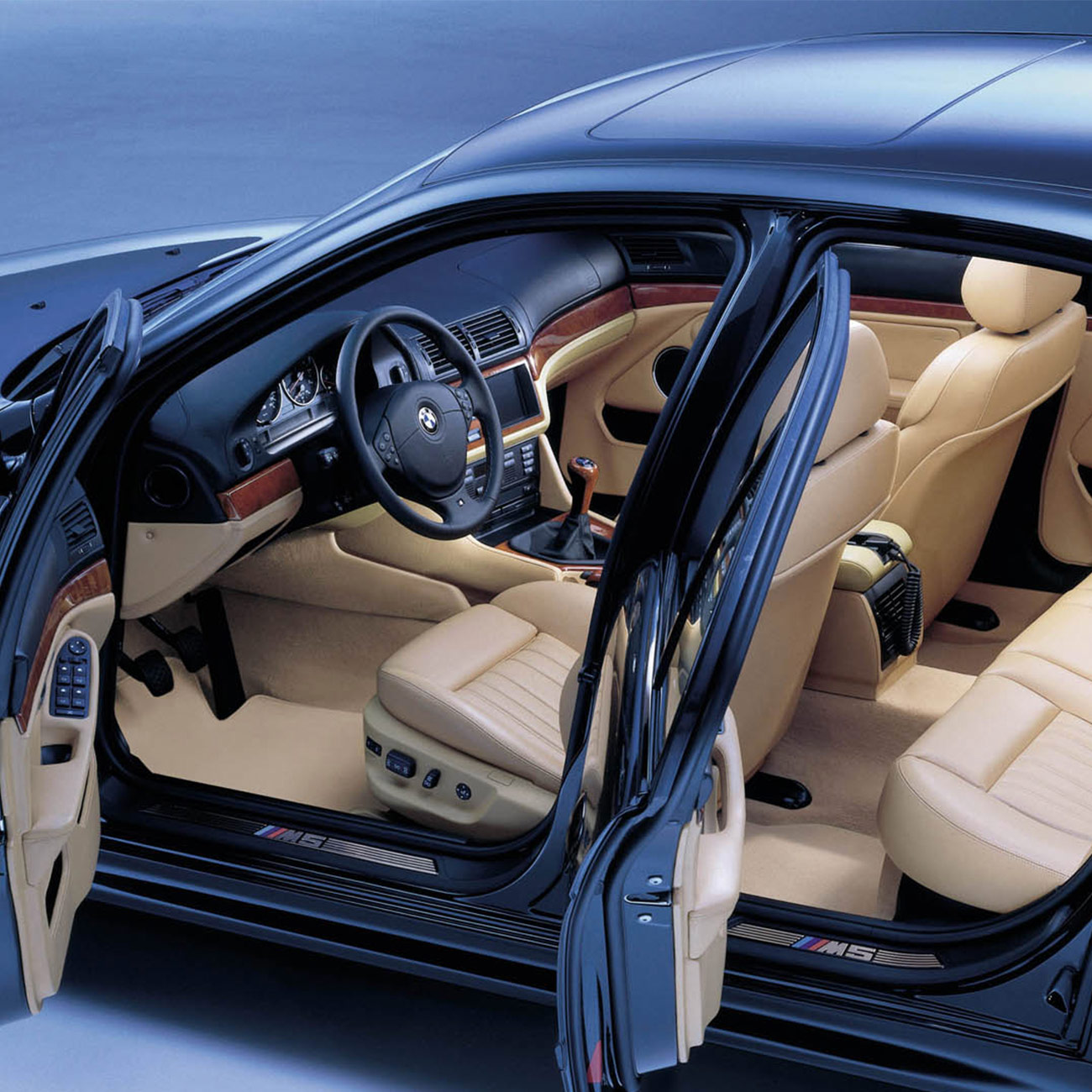
Consider some BMW icons. The redesigned 3-Series for 2019 has been optimized for performance. It will have an option for a 10.25-inch touchscreen. It won’t have a manual transmission. The latest version of the M5 sedan continues to be an absolute missile. But, it too ditched the manual transmission and converted to all-wheel drive. The 2020 Alpina B7, the world’s fastest sedan, will also be AWD and automatic. BMW has even been dabbling with front-wheel-drive.

Each move makes sense. These BMWs will perform better. They will be easier to drive. They will be what most luxury buyers want. But, ultimate driving and ultimate performance are not the same thing.

2. Crossover SUVs Being Slow and Boring

Crossover SUVs have a poor reputation among car enthusiasts, not entirely undeserved. They have been slow. They have handled worse than a lower-slung car would. Their styling has left something to be desired. In sum, crossovers were boring. That won’t be the case moving forward. As crossovers have become the profit source for luxury automakers, more effort has gone into them. They are getting better styling, sportier handling, and, judging from recent releases, a ton of power.

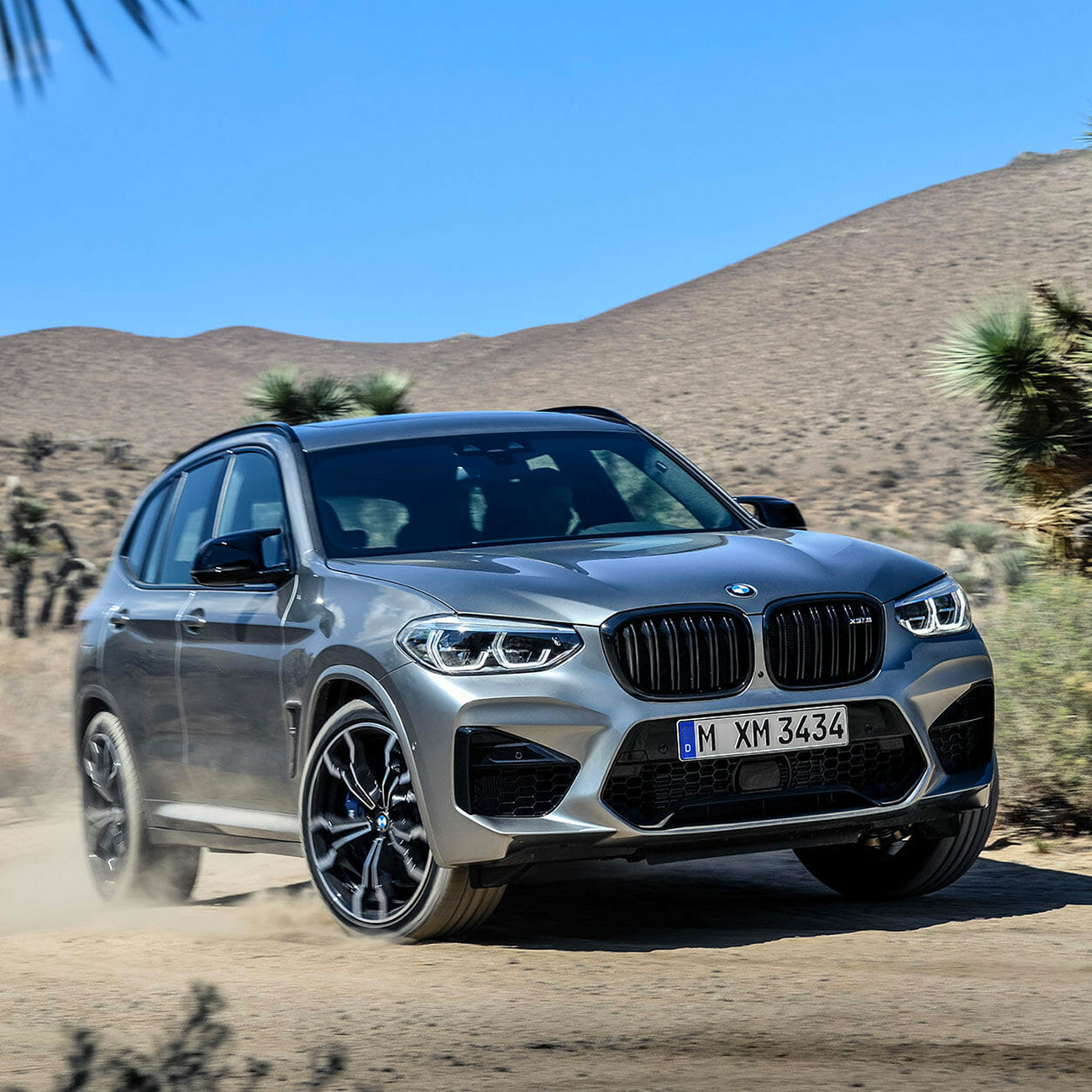
BMW is bringing out full M car versions of the X3 and X4 for the 2020 model year. Competition variants of the X3 M and X4 M will have more than 500hp. Land Rover has a pricey new edition of the Range Rover Velar with a 542hp supercharged V8 that will reach 60mph in 4.3 seconds. Audi reportedly has an RS version of the Q3 coming with more than 400hp. Chevy resurrected the Blazer as a “surprisingly sporty” crossover. Even the new three-row Ford Explorer will have a 400-plus horsepower ST version to pair with the Edge ST launched the previous year.

Yes, you can still buy a robust, hulking, body-on-frame Mercedes G-Class. But, even that redone car for the 2019 model year has an AMG G 63 version with 577hp that will propel itself from 0-60mph in only 4.5 seconds.

3. Volkswagen Being a Small Car Manufacturer

The Golf is the car that defined Volkswagen’s brand. It’s practical. It’s affordable. It’s fun. There may be no better entry-level car. The vaunted “MQB” platform exists to spread as much Golf-ness around the Volkswagen AG lineup as possible. The Golf remains a bestseller in Europe. But, Americans just don’t want to buy it anymore.

Base Golf sales in the U.S. declined 51 percent year-over-year in 2018, fewer than the outgoing Beetle Coupe. Sales for the entire Golf family fell 39 percent. Meanwhile, Volkswagen SUV sales more than doubled in the U.S. in 2018. VW cars went from outselling SUVs 3-1 to being about even in one year. When VW unveiled its three-prong strategy for American domination at NAIAS, the three prongs were the Tiguan, the Atlas and the Jetta. In America at least, Volkswagen is in the stylish, slightly upmarket three-row SUV business.

Some of the Golf’s decline may be model fatigue. The current generation debuted in the 2012 model year. The new generation will come out in 2020. Still, it’s hard to ignore the Volkswagen paradigm shift.

4. The ICE Truck Having a Decades-Long Future

In November, GM’s VP of global strategy predicted gasoline trucks would be the company’s core business for decades to come. Already, that statement looks shortsighted. Electric alternatives are coming. Rivian looks poised to disrupt the high-end luxe-truck market with the 400-plus mile range, supercar-esque off-road beast R1T. Tesla has a truck coming out later this year. GM’s chief competitor Ford announced it will come out with an EV F-150.

Internal combustion pickups won’t be able to keep up on performance or efficiency. We seem to be hitting the wall for how efficient a full-sized gasoline truck can be. Chevy tried introducing a four-pot turbo. EPA efficiency disappointed. In real life testing, it was less efficient on the highway than GM’s 5.3-liter V8. Whatever the engine displacement, it has to burn gas to move a heavy load.

Full-sized pickups remain the best-selling and most profitable vehicles in the U.S. But, gas will get more expensive. Battery technology will cheapen. There will be a point where gas means paying a premium for a worse product. If the consumer market diminishes, Amazon won’t be powering its delivery vehicles with a 6.3-liter V8. The truck conversion may come sooner than previously thought.

5. The Car Being An Intimate Space

Driving once meant digital disconnection. Text and emails had to wait. Ad content could not reach the cockpit. Driving was a time for quiet contemplation, belting out Eagles songs you secretly love and picking your nose without scrutiny. Apple Carplay and Android Auto pierced the inner sanctum. Tech firms stressing “connectivity” plan to take things much further.

Location tracking is a given. One can’t release a new car without a touchscreen. Actually touching the screen is now passé. Your new vehicle will be listening to you so you can yell at the screen and watching your every move so you can control it with goofy gestures. It will have some form of home assistant permitting you to surf the web (if that’s still what the kids are calling it), shop and, most importantly, continue producing a stream of metadata. Think you can ignore all this digitalia? Here’s a 48-inch digital display stretching the length of the dashboard.

None of this is meant to enhance driving. It’s preparation for the world where you are not operating the vehicle, and you may not be its sole owner. The automobile may still offer you some alone time. But, your car and tech firm algorithms (not to mention your office) will know what you’re up to.

Watch the Ferrari F8 Tributo in its first official videos

The Ferrari 458 Italia has played a core role for the Italian brand since its debut all the way back in 2009 and has been in a perpetual state of improvement throughout the 10 years. It has evolved through numerous stages and earned a new name at each step, from the Speciale to the 488 GTB to the Pista to the newest model, the F8 Tributo. Although each car has the same genes, every one has a slightly different look due to numerous aerodynamic tweaks and subtle bodywork changes. The new angles are obvious in the Tributo’s first official videos released this week.

The video above premieres the car in a mountainous environment with all the curvy roads one could ever need. It flips between close-ups of the car, driving shots, and hazy smoke-filled displays of power. The only negative is the super-quick cuts don’t allow much time to stare.

The videos below put the F8 Tributo’s aerodynamics and power on display. Several parts of the Tributo’s salacious body is functional, including the front S-Duct, the front splitter, the underside vortex generators, the beefier rear spoiler, and the rear diffuser. It also has some hidden tricks using active features. Overall, Ferrari says it has 10 percent better efficiency than the 488 GTB.

[embedded content]

Power comes courtesy of a different 458 family member, the 488 Pista. They share Ferrari’s twin-turbo 3.9-liter V8 that makes 710 horsepower and 568 lb-ft of torque. It’s the most powerful V8 Ferrari has ever put in a car that wasn’t part of a special series. Get more familiar by watching all three clips.

[embedded content]

If You Beat This Drift in a 2JZ Converted New Supra, We’ll Pay You $500

Can You Do It?

With all the new Supra news and multiple people putting the 2JZ engine in the new car, the Supercars.net team thought it best to get involved. We don’t have our hands on the new Supra yet. If we did, it’d be hard for us to not want to pull out the BMW-sourced engine and drop in the 2JZ engine that made the Supra so legendary.

To that end, we want to offer to you some incentive to make the conversion and then use it exactly how you should. If you can beat the righteous drift seen in the gif below in a new 2020 Supra that’s undergone the 2JZ engine conversion, then we’ll give you $500.

The $500 will go to the first person who pulls this off. If you can provide us photographic evidence of the 2JZ engine in your new Supra and video evidence of you performing a drift that beats the one above, then the money is yours.

The new 2020 Supra has spurred some vitriol from many enthusiasts due to the fact that it borrows so much from BMW. Despite this, it’s a killer car, and the fact that people are removing the BMW engine and putting in the 2jZ straight-six engine is amazing and hilarious. It’s a clear indicator of how important the Supra has become, and we want to be a part of that rich legacy if only peripherally. $500 is yours for the taking. Go smoke some tires and get back to us.

You can watch the whole video of the Supra doing its thing on the track below. The drift begins at the 2:40 mark.

[embedded content]

The Most Unloved BMW M3 Is a Performance Bargain

When ranking the greatest BMW M3s of all time, the E36 generation tends to land low on the list. In production from 1992 to 1999, the E36 suffered somewhat from middle child syndrome, produced between the iconic E30 and legendary E46 generations. It also didn’t help that the E36 M3 took on a bit of a cut-rate reputation, featuring cheaper parts and materials, and employing less-radical, toned-down styling. But that’s not to say the most unloved BMW M3 of all is worthless when you show it a few turns — its lack of popularity earns it lower prices, but that’s what makes this 1996 M3 a performance bargain.

Four years into its production run, BMW gave the M3 a slight upgrade, bringing the engine up from a 3.0-Liter inline-six to a 3.2-Liter powerplant and installing a reinforced subframe and more aggressive front suspension. While horsepower didn’t change at 240 hp, torque increased from 225 lb-ft to 236 lb-ft.

Ultimately, the E36 gets a bad rap because BMW went out of its way to make it more affordable, plaguing it with numerous reliability issues. Because BMW opted to use plastic parts in critical components throughout the cooling system — like the thermostat housing, water pump, and coolant container — overheating can be an issue if and when those parts fail. While this E36 has an extensively documented history, it doesn’t show any of those problem parts were replaced, meaning it’d be smart to swap in better, more durable metal replacement parts.

At 113,000 miles, you should go into this with your eyes open. Some maintenance will be required to avoid larger problems. But at going bid of $6,900 this 1996 E36 M3 an affordable entry point into the world of M performance.

Lamborghini To Introduce Fourth Model to Lineup?

A 2+2 GT Could be Coming

In a recent interview, Lamborghini’s CEO Stefano Domenicali said that a fourth model could be coming in the future. He spoke with Autocar recently and said that once the automaker can increase volume and then stabilize that volume that a fourth Lambo model would make sense.

He did not say how long this would take. “But we are not strong or stable enough to invest in a fourth model right now,” Domenicali told Autocar.

The company things volume with its current lineup could go as high as 8,000 units per year. This last year, the company sold a record-high 5750 vehicles, so there’s still a ways to go before they reach the point where a fourth vehicle could enter the lineup. When that does happen, though, the vehicle would likely be a 2+2 GT car.

“The idea is for a grand tourer, a 2+2,” Domenicali said. “That is something we are working on already.” What exactly that car will be like is yet to be determined. Lamborghini obviously knows, but it’s keeping the details of that development close to its vest at this point in the game.

Carscoops suggests it could be like the Lamborghini Estoque concept from a decade ago. That car would fit the profile for what Domenicali is talking about. It would likely be seriously updated from the original concept, though in many ways, including powertrain, technology, and styling. We wouldn’t be surprised to see Lamborghini make a hybrid variant of the car, too. By the time it comes out, hybrid and electric vehicle technology will have likely progressed considerably.

Porsche shows a gorgeous 917 concept marking 50 years since the original racer

Porsche presented the 917 to the world 50 years ago at the Geneva Motor Show. Today it’s celebrating by showing us an absolutely jaw-dropping concept car. Only this single photo is available now, but the concept is due to go on display at the Porsche Museum starting on May 14 this year. Details are scarce, but the car is being presented as a concept study designed by a small team of engineers and designers. It’s meant to be seen as an homage to the first 917 to win Le Mans in 1970. The car is absolutely gorgeous and exactly the thing we needed to wake up on this Monday morning.

The number 23 is proudly displayed on the concept, which is the same number that the first Le Mans-winning 917 wore. It’s also adorned in the red paint and white stripes from the 1970 car — a “Where’s Waldo” paint job never looked so good.

This concept isn’t all Porsche announced today regarding the 917. Porsche has restored the first 917 it ever made to its original 1969 condition, and it will also be displayed in the Porsche Museum next to nine other 917s. The restoration of this 917 has been a year-long undertaking by museum mechanics alongside former technicians and engineers. Porsche says the top priority was to conserve and reuse as many parts of the original car as possible. Body parts from the front and rear sections ended up having to be reproduced, in addition to the rear section of the aluminum space frame.

Porsche never entered this first 917 into a race, but rather kept it as a test and presentation car throughout its lifetime. The car was repainted several times and even worked into a short-tail version in 1970. A white body with a green front section was how Porsche showed it first in Geneva, and it’s how Porsche will be displaying it at the Porsche Museum. It’ll be there with the concept and other 917s in an exhibit until September 15 this year.

Related video:

Porsche to Celebrate the 917 Turning 50 With Concept

Porsche Says it’s Purely a Concept Study

The Porsche 917 was a dominant force in motorsports in the 70s, and now it turns 50. As it does, the company thought the best way to honor the car was to create the 917 concept car you see shown above. It also decided to restore some 917s and showcase them at the celebration ceremony at the Porsche Museum in Germany.

The museum will hold a special exhibition titled “Colours of Speed – 50 Years of the 917.” It will showcase the historic car in all its glory as well as the new concept. The company has put together 14 different exhibits as part of the museum’s showcase. Of those exhibits, 10 of them will be of restored 917s, including the very first one ever to be built.

The red and white 917 concept car will be on display next to the historic cars. Porsche insists it is solely a concept study, but it looks too good to just be a concept. We’d love to see the car as a competition model. That, however, is doubtful. In addition to the concept car and the historic, restored cars, Porsche has many different items that will help demonstrate the impact of the 917 on the motorsport world, including some technical exhibits and several posters and products for sale.

We’re glad to see Porsche going to such lengths to honor one of its most amazing cars of all time. However, we’d love to see the concept move beyond this simple presentation. We want to see it become a real car due to the fact that it’s absolutely amazing to look at, and we imagine if Porsche finished it, it would be amazing to drive, too.

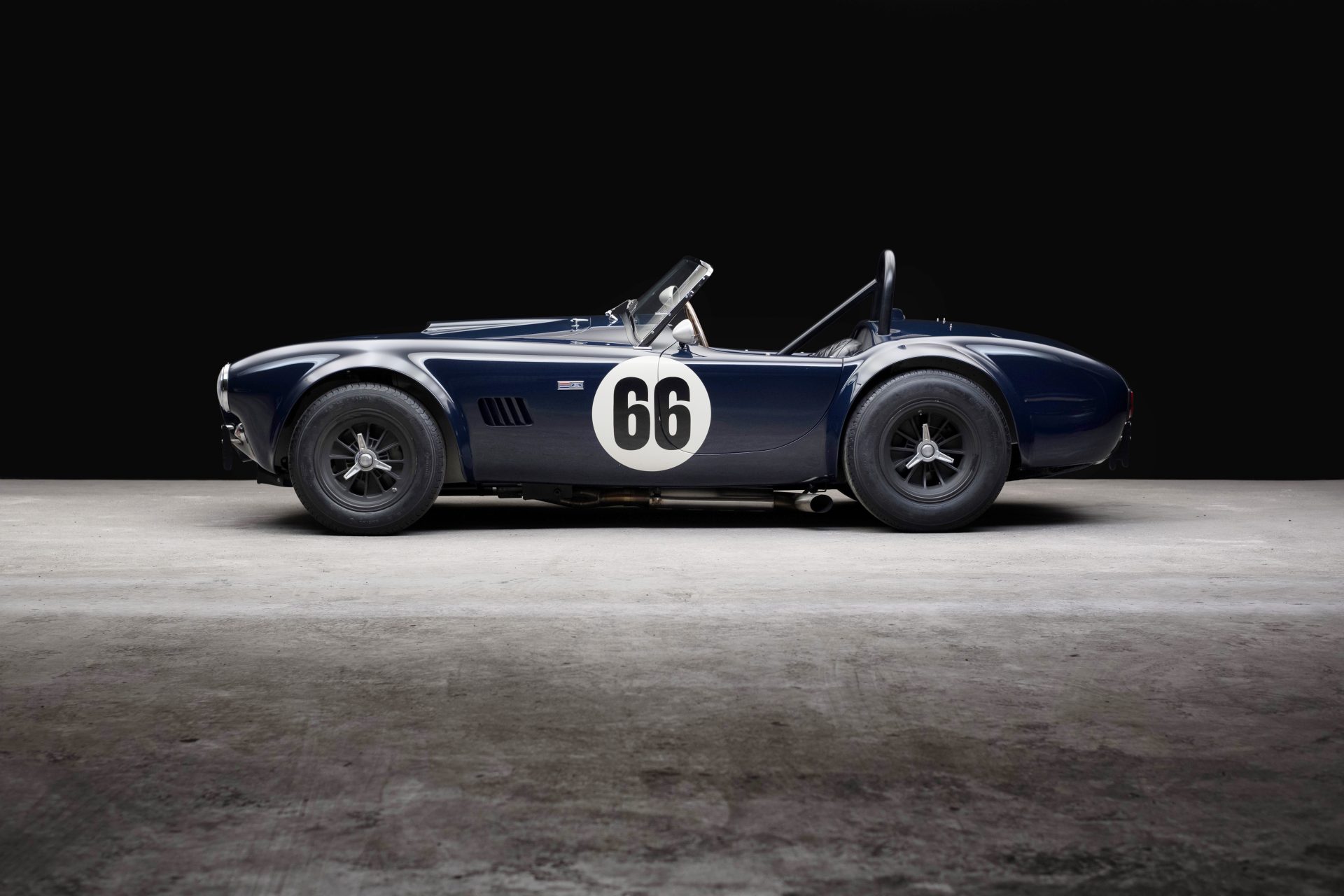
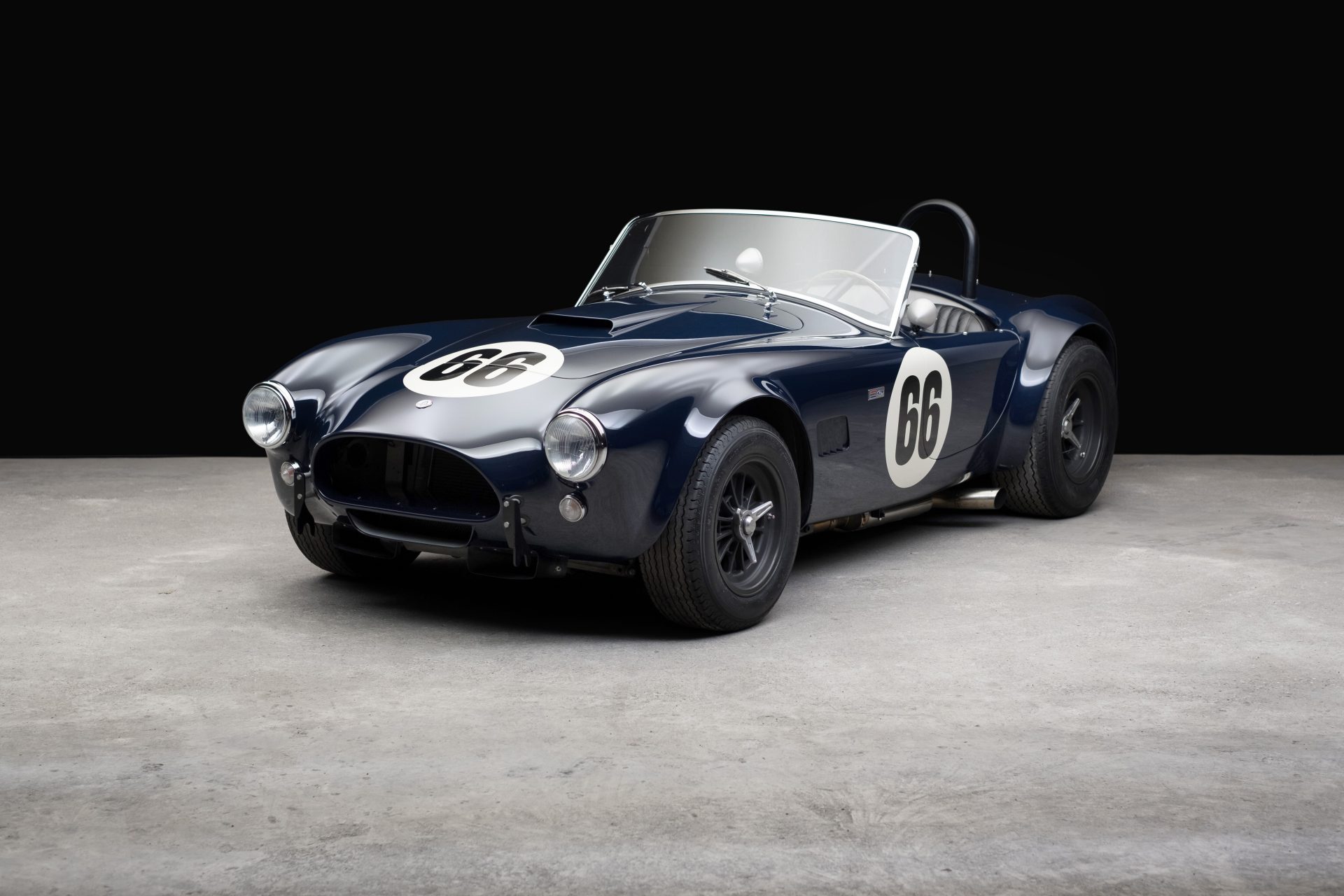
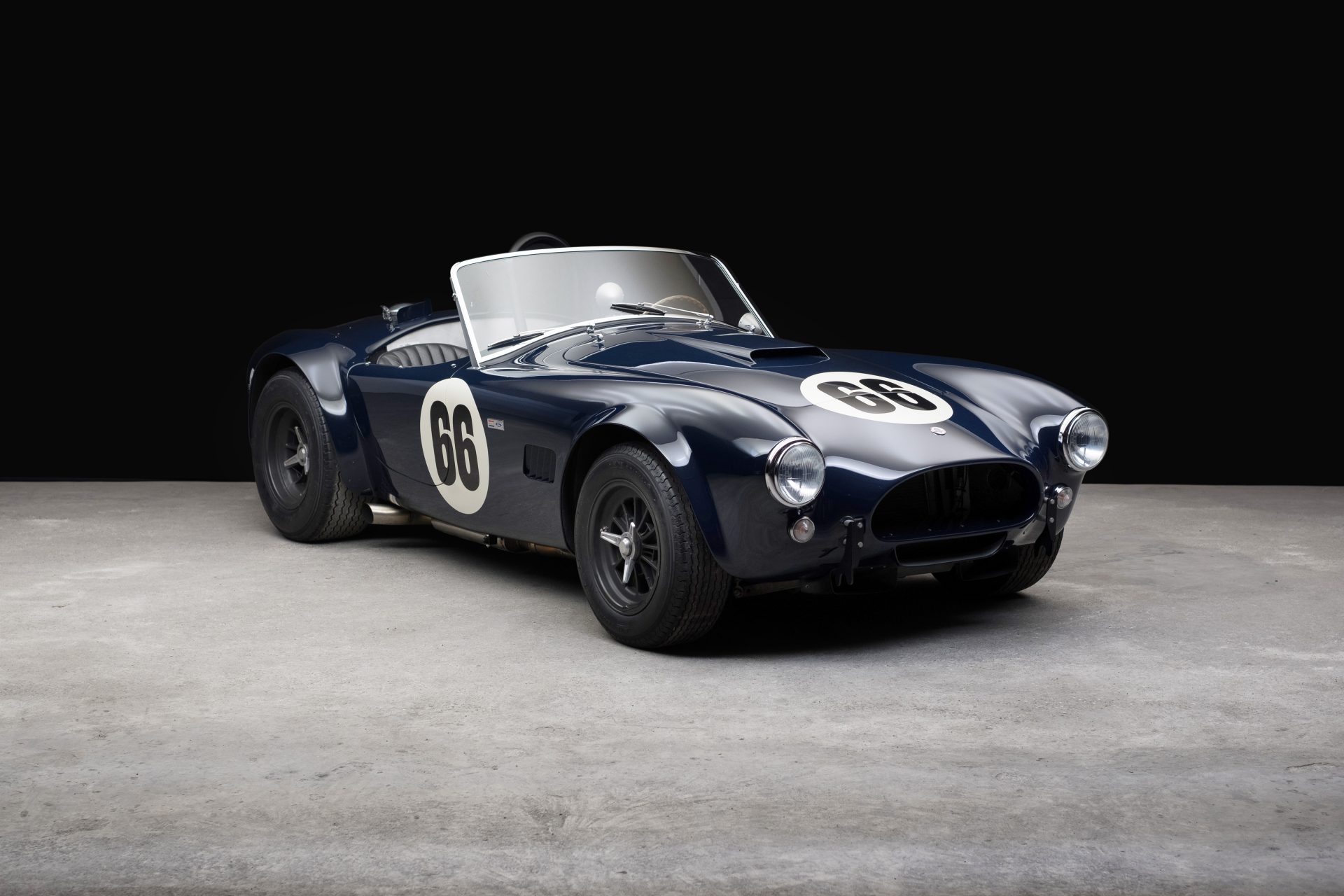
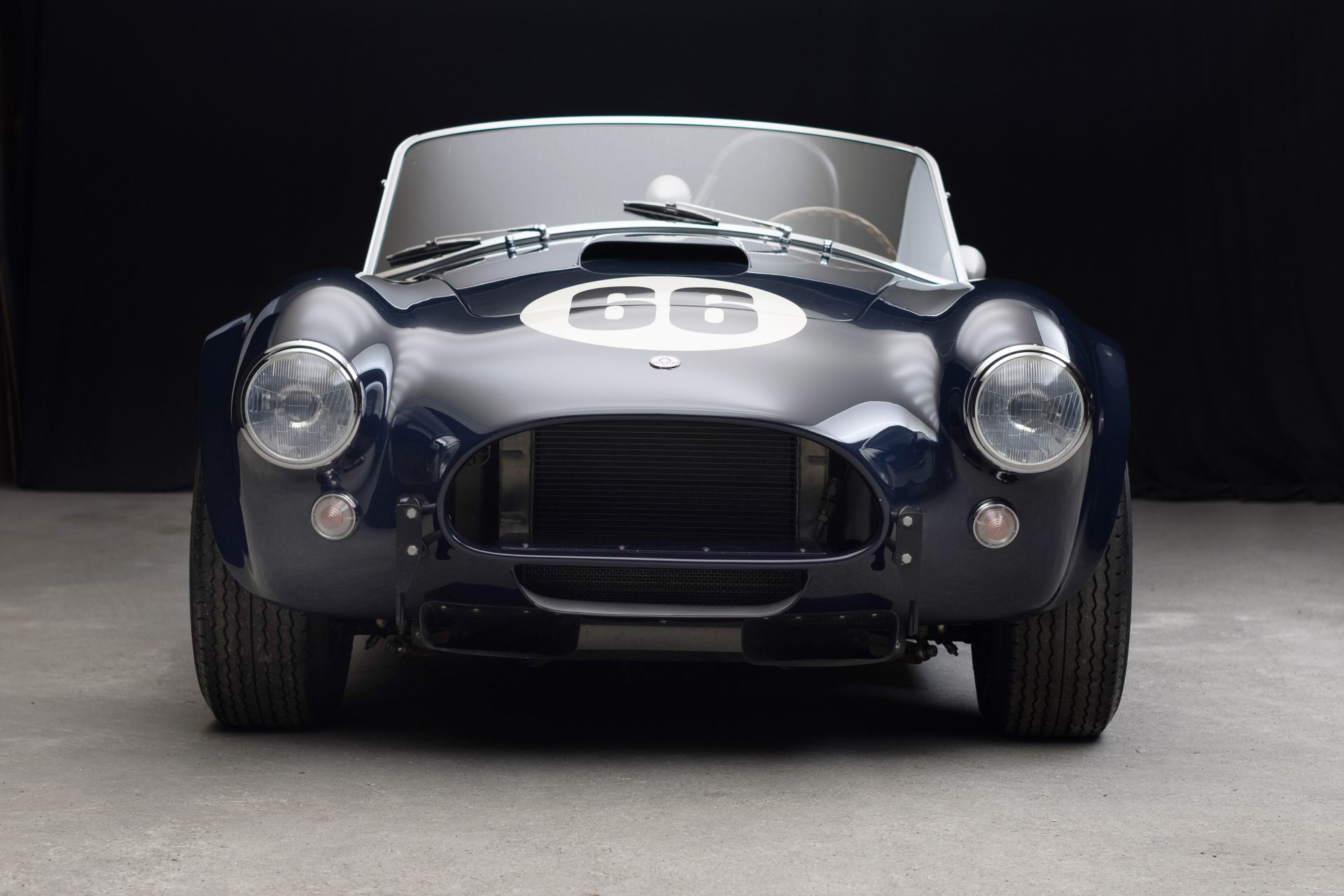
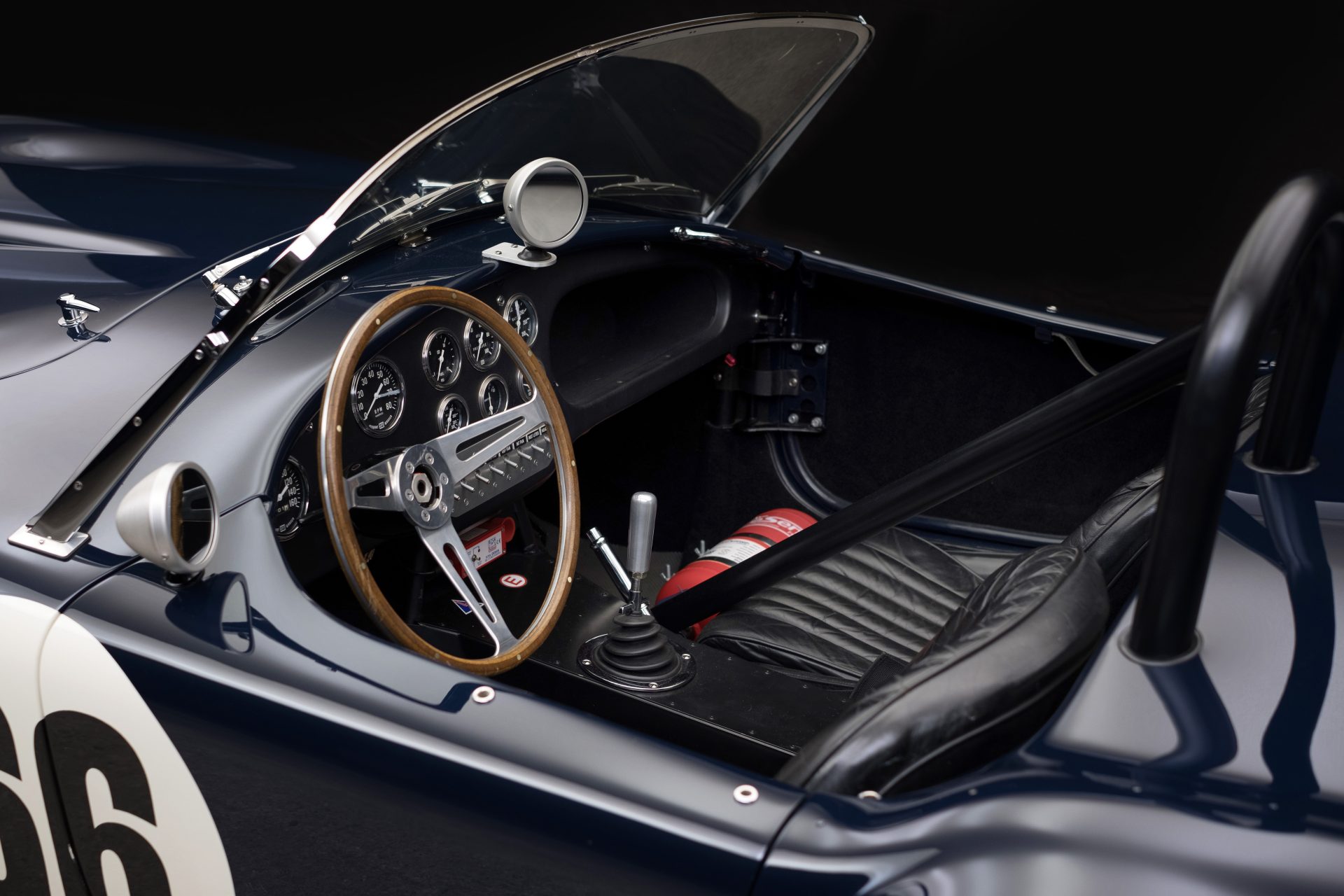
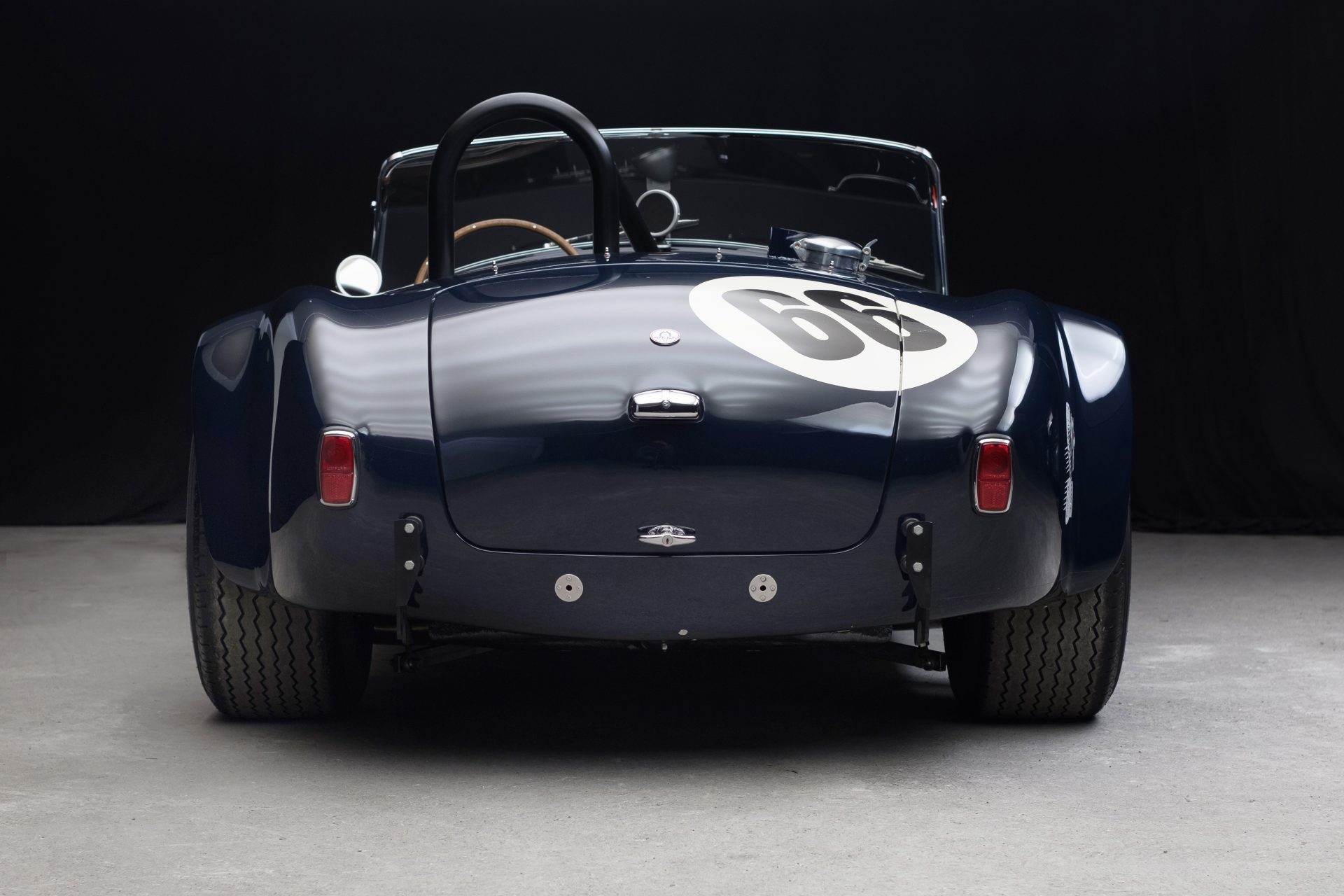
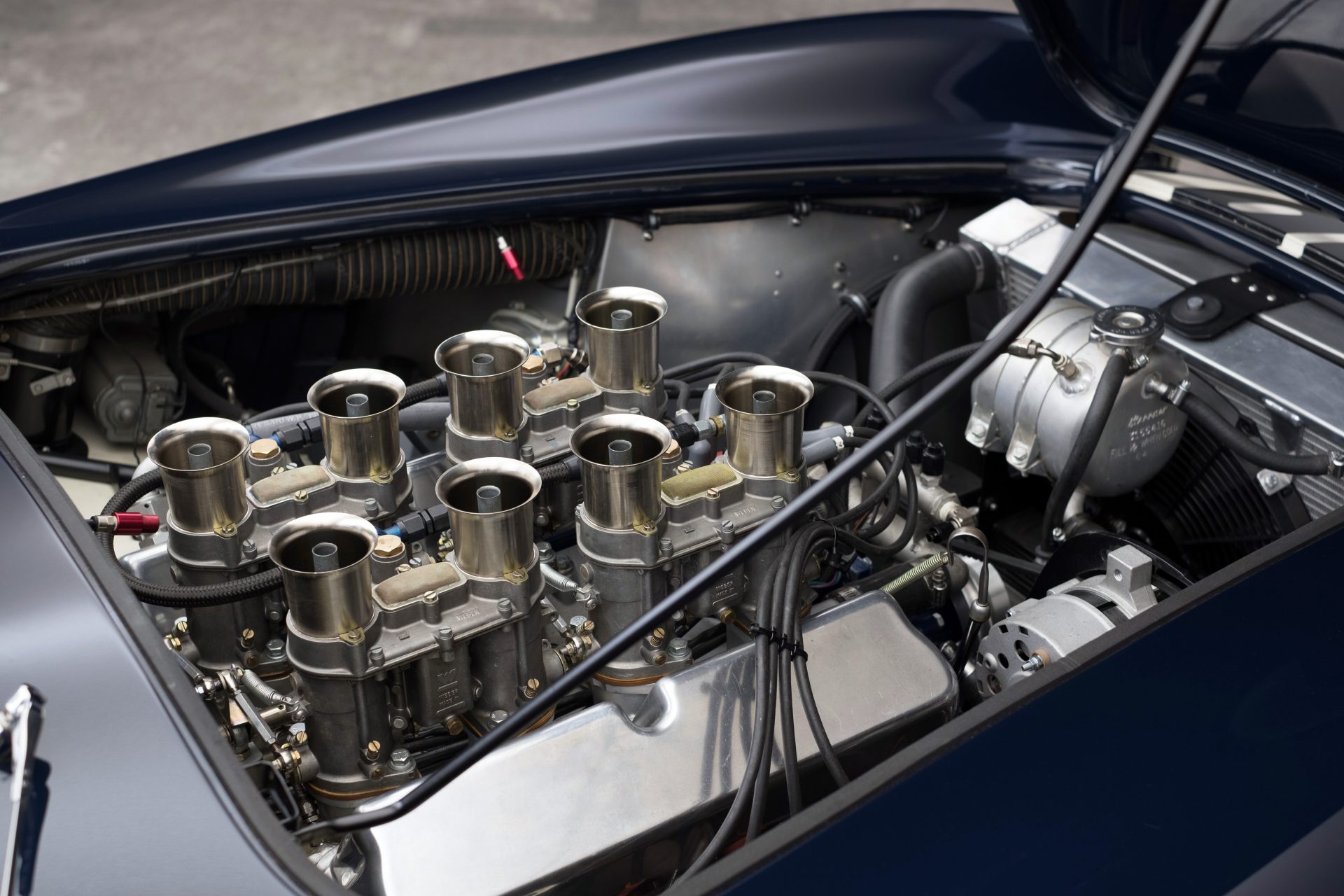
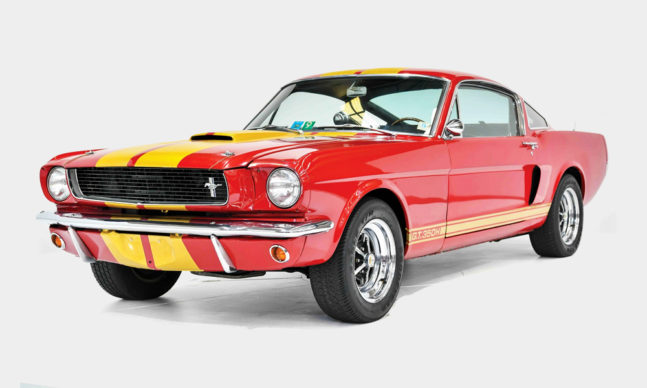
1964 Shelby Cobra 289

Two worlds collided and turned into the Shelby 289 Cobra, which represents the very best of American and British automotive innovation. Legendary designer Carroll Shelby took an AC chassis and body and paired it with a Ford V-8 engine, the result a sophisticated teeter between sleekness and performance.

While not as powerful as the fan favorite Shelby Cobra 427 S/C, the Cobra 289 remains revered as the one to get. The above, more specifically, is a second-generation Mark II model. It’s got quite a high-octane history, having burned rubber at the SCCA United States Road Racing Championship. It lost only once in three years.

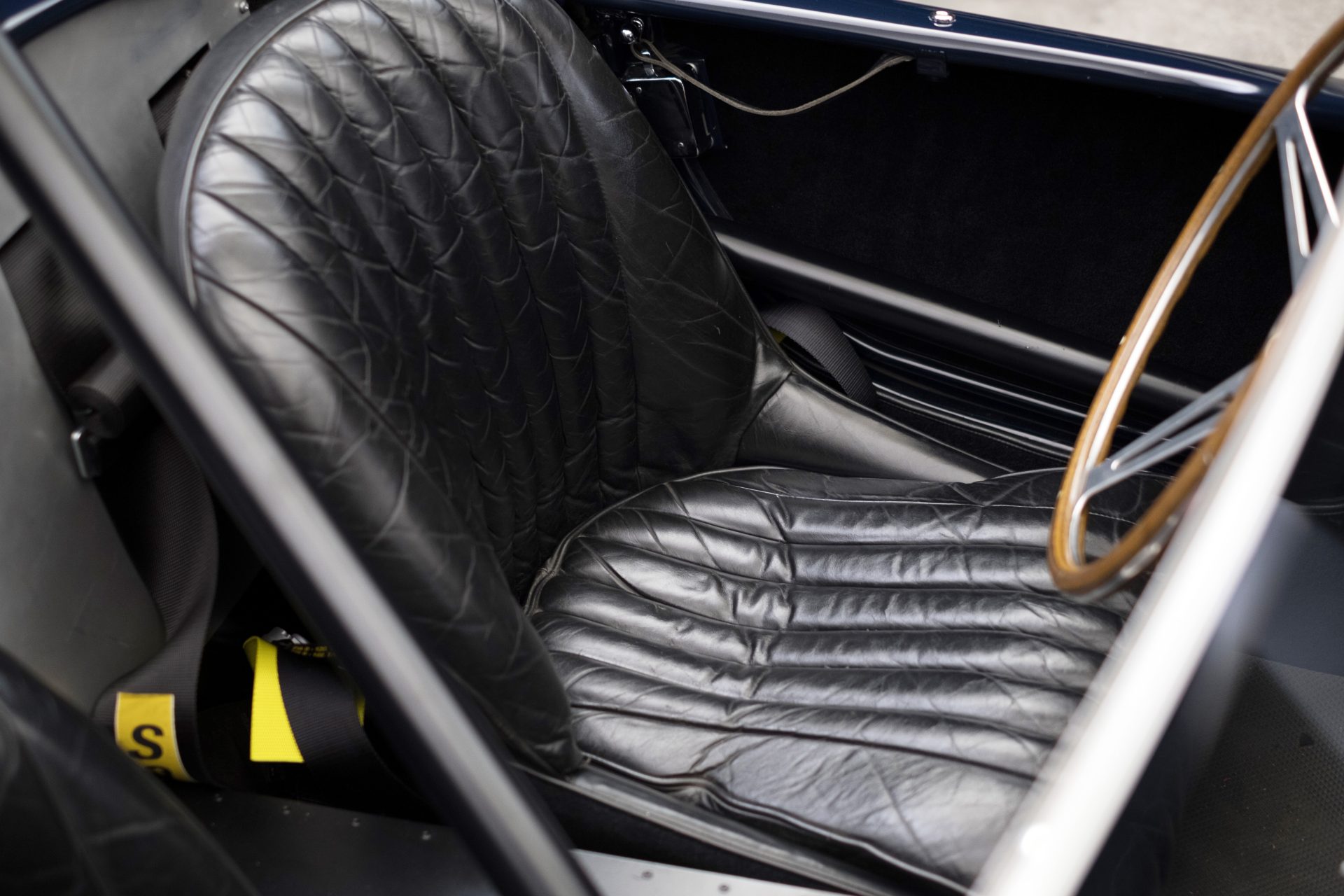
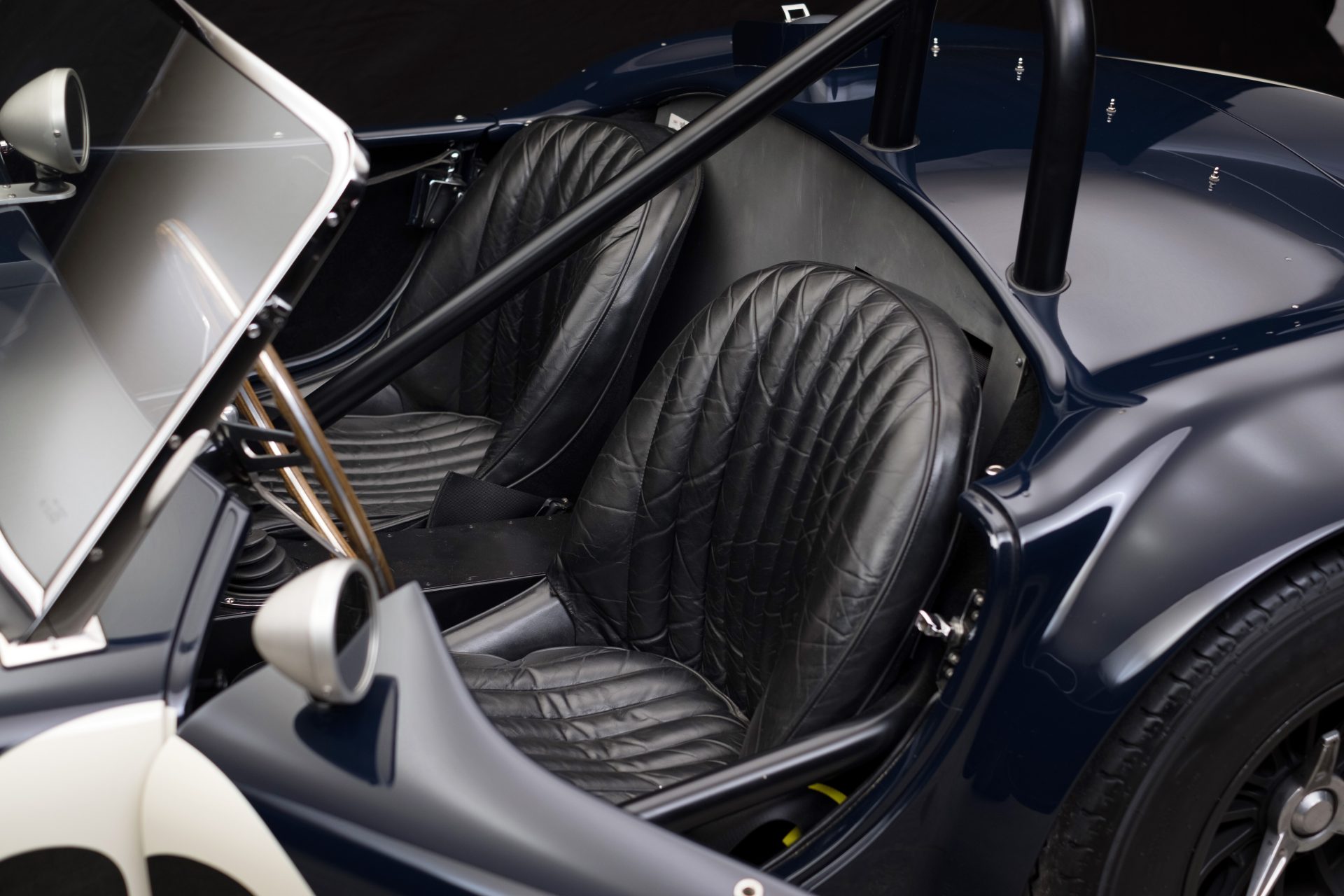
The car has spent much of its time over the years sitting pretty in collections. And along the way, it’s had a pretty intensive restoration. So, no signs of wear, at all. It’s still pumping to this day after snagging the top title at the 1967 SCCA Nationals. And people have used it in numerous vintage events up until now. Talk about endurance.

After many lonely hours at the showroom, the car is now ready for a garage to call it its new home. You can hit up Auxietre & Schmidt to get a price quote if you’re interested in snatching this bad boy up. Do note that it won’t be cheap, but you probably already knew that. It comes with a LeMans Hardtop, too. Will definitely look great alongside your other Shelbys in storage. Just make sure to leave something for the rest of us!

LEARN MORE

Photos courtesy of Auxietre & Schmidt

Top Gear’s Matt LeBlanc Drives the Ferrari 812 Superfast

He Says the Superfast is Too Fast for the Road

How much horsepower and speed do we really need on the road? That’s a question Top Gear’s Matt LeBlanc essentially asks while driving the Ferrari 812 Superfast. He said the 789 hp machine doesn’t really make that great of a grand touring car because it has too much power and too much of a penchant for the racetrack. 

To be fair, he makes a good point. A good grand touring car should be fast and fun, but it should also be supremely comfortable and lovely to drive. While the 812 Superfast appears to check most of those boxes, according to LeBlanc, it’s too hopped-up and race-ready for you to drive comfortably.

The car keeps you on your toes, which is an appealing feature in many cases, but if you were on a long road trip, it’d be the last thing you’d want. Your nerves would be shot after only traveling for a portion of your journey. Of course, you could drive the 812 Superfast like a grandma, but that’s not what this car is about.

LeBlanc also takes the 812 Superfast to the racetrack to prove its prowess there. It’s a killer car, but it’s not truly designed for the racetrack either. That begs the question, where does it really belong? There’s no denying the 812 Superfast is one of the best Ferrari cars yet, but it brings up some fair questions about horsepower, speed, and the true purpose of the grand touring car.

[embedded content]

Pagani C10: Huayra Successor to Get V12 Manual and Electric Version

The Geneva Motor Show 2019 set the stage for a huge amount of news. In the case of Pagani, while the 20 year anniversary of the Pagani Zonda took centre stage, it was clear that the Huayra’s successor is what they wanted to talk about. In an interview with Road & Track magazine, Horacio Pagani spilled a few details about the highly anticipated third generation hypercar!

Codenamed the C10 for the time being, Pagani are working on a 2021 launch date. Pagani revealed that plans are afoot to offer two versions. The first C10 will feature a V12 engine, a new unit sourced from Mercedes-AMG. These cars will have a manual gearbox as standard with the option of an automatic box. The second version is said to be fully electric.

The second version is said to come about through necessity. Pagani confirms that he has not had a request from owners or dealers. Nonetheless, Pagani believes that the time is right. Of course, the electric Pagani will require huge amounts of research and development. Pagani are aiming to offer something that combines lightweight performance with the visual art of its carbon fibre design.

Pagani also confirmed that there are no plans to hybridise the Pagani C10’s V12 engine. Instead, the company will work with Mercedes-AMG to ensure that it meets ever stringent emissions regulations. First, Pagani will unveil the Huayra BC Roadster, due to emerge during the summer!

One of the Most Exclusive Chopard Watches Is Actually an Absolute Bargain

Chopard is to the Mille Miglia what Rolex is to the Daytona 24 Hours. They’re the official timekeeper of the legendary 1000-mile race which cuts through the Italian countryside, and they’ve also built quite a relationship with the Classic Car Club of Manhattan. This week CCC unveiled an exclusive Mille Miglia GTS Automatic that grants the owner a lifetime membership to the car club.

The watch itself is a standard Mille Miglia GTS Automatic, but comes with a second dial hand-painted and designed by CCC owner Mike Prichinello that can be swapped on at any Chopard boutique. What looks like an abstract red and white design is a subtly creative use of the Mille Miglia logo. Working with artist Evan Ortolani, Prichinello took the ten characters that make up the Mille Miglia logo, deconstructed them, magnified them, and cut out sections of lines that resembled corners on a race track.

Only ten of the CCC lifetime membership watches were made (one for each character in the Mille Miglia logo), each costing $10,000. But, if that sounds like a hefty premium over the regular $5,790 Mille Miglia GTS Automatic, consider what comes with it. For $180 per month, a conventional CCC membership grants you access to all of the cars in their fleet, the in-house restaurant, and bar, invites to exclusive social functions, and international trips. So you could be celebrating your two-year anniversary right around the time the watch starts paying for itself, which makes it a hell of a bargain for being such an exclusive timepiece. If you’re still on the fence about it, move quick, because as of this writing six of the ten already have owners.

Bentley Teamed up with Breitling for a Pair of Limited Edition Centenary Watches

In 1919, W.O. Bentley built his first car, which means his eponymous car company is celebrating a 100 year anniversary this year. We’ve seen plenty of brands celebrate anniversaries in interesting ways, but Bentley is…

The 12 Best Cars of the Geneva Motor Show 2019

The Geneva International Motor Show is one of the coolest car shows on the circuit, thanks to its unabashed adoration of supercars and crazy, beautiful design work. This year’s show didn’t disappoint. Here were some of our favorites among the many machines that took a bow in Switzerland.

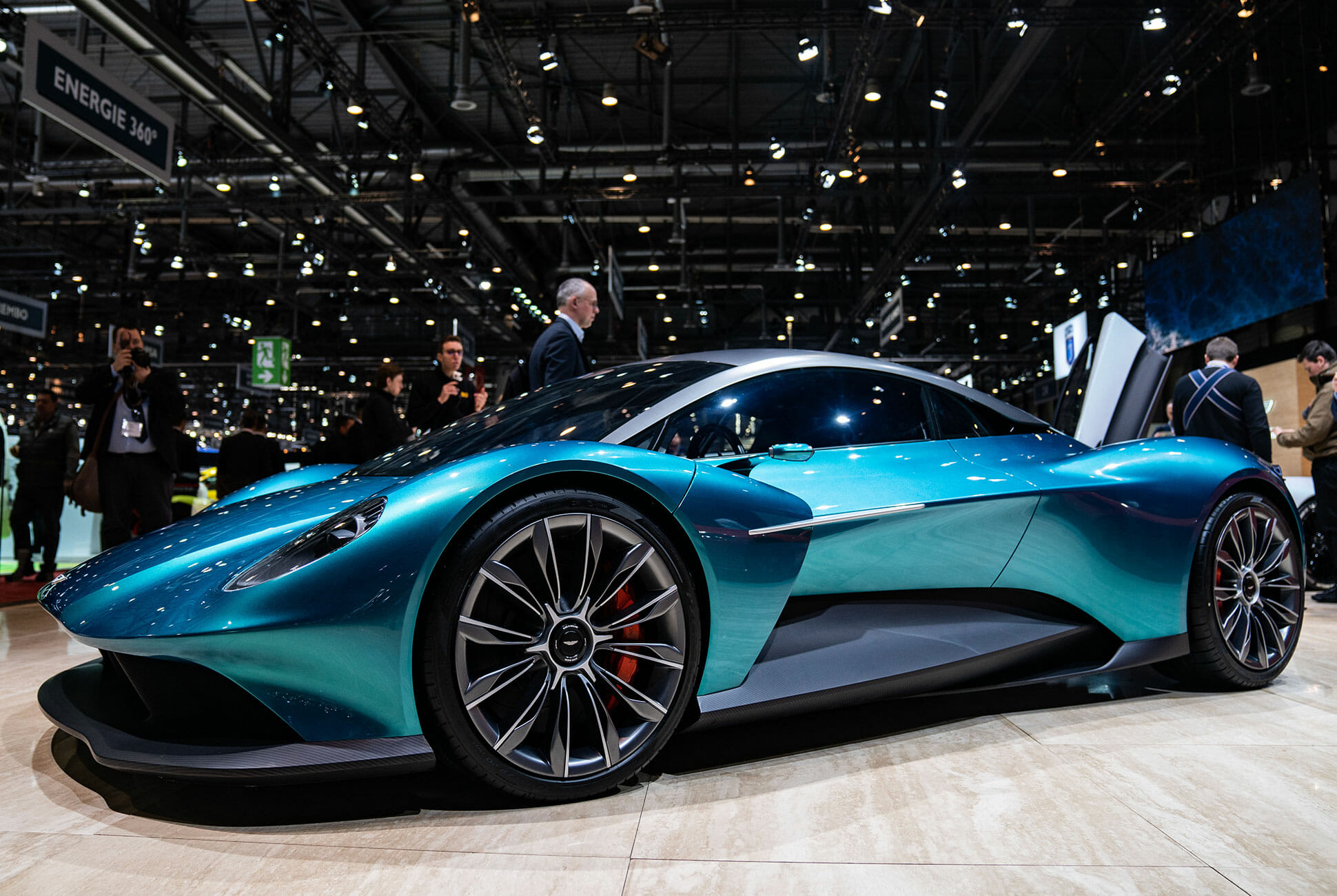
Aston Martin AM-RB 003


Aston is now in the middle of a pivot to mid-engine supercars, first with the Valkyrie and now with the AM-RB 003. Powered by a hybrid V6, the AM-RB 003 will deploy adaptive aerodynamics via a morphing rear wing. The device uses NASA-developed FlexFoil material in its rear wing, enabling it to shift the downforce without moving the wing itself, which increases drag. The car should enter production by 2021.

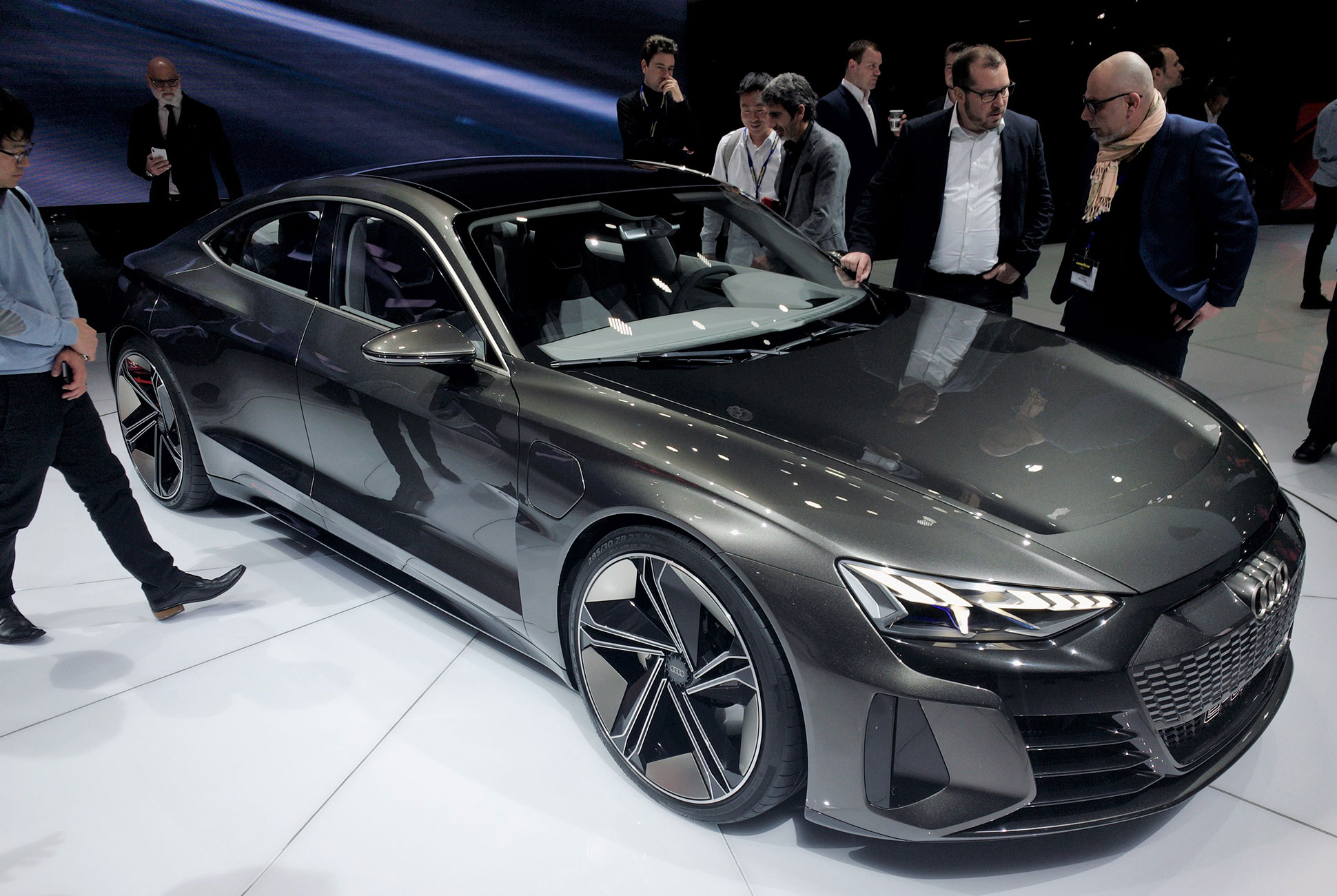
Audi Q4 E-Tron


In addition to unloading a gaggle of hybrid versions of its core lineup, Audi also brought a new full-electric car to Geneva, the Q4 E-Tron, a crossover concept. It will use dual electric motors and an 82-kWh battery pack, delivering 301 horsepower while tech delivers the kind of eye-candy EV owners expect. It should enter production by early 2021, with quick-charging technology that will deliver 80 percent charge in just 30 minutes.

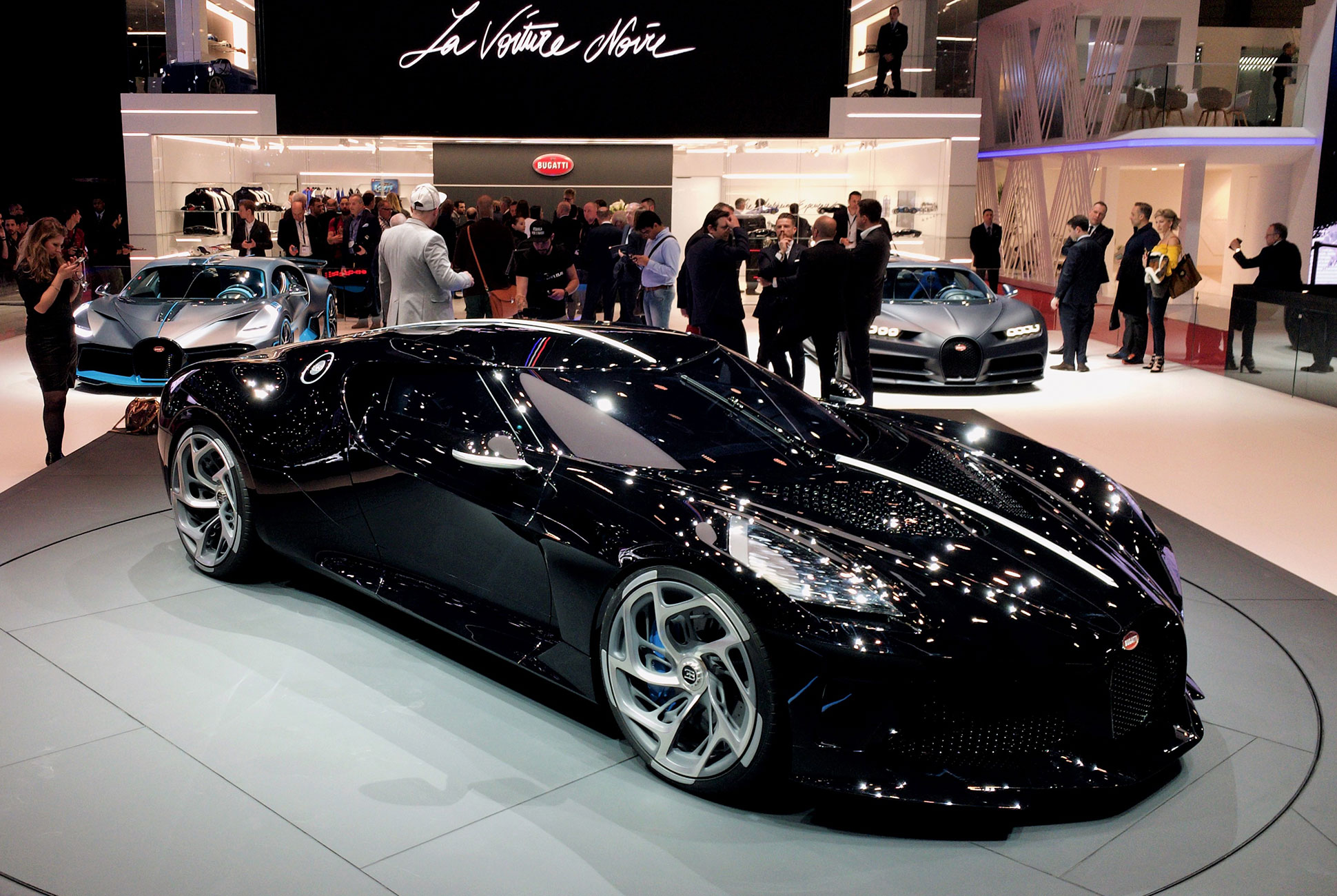
Bugatti La Voiture Noire


This is Bugatti’s first one-off hypercar that is quite a bit more than just a re-body of the Chiron. It’s a design project based on the Bugatti Type 57SC Atlantic, a legendary touring car from the 1930s. When the company decided to offer it to customers the first one they approached snapped it up—for an astounding $19 million. That makes it the most expensive new car in history. A clue to how serious the company is about this project: It isn’t even the real car, but rather a design and engineering validation mockup, yet one good enough to be shown off at the world’s most prestigious car show.

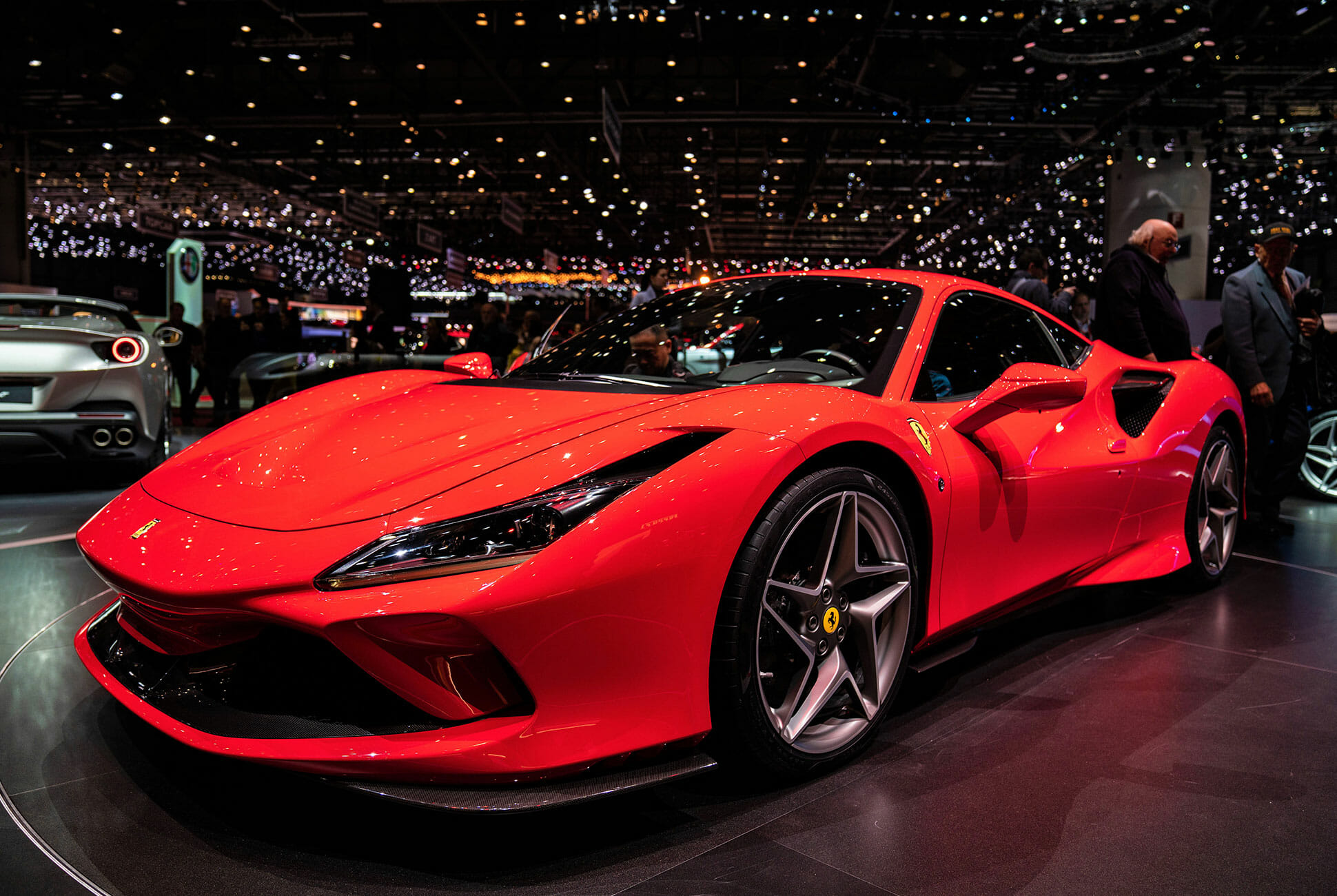
Ferrari F8 Tributo


This 710-hp supercar will reach 62 mph in just 2.9 seconds, thanks to its aerodynamics efficiency and increased weight-reduction strategies. It’s also, of course, gorgeous. And a Ferrari.

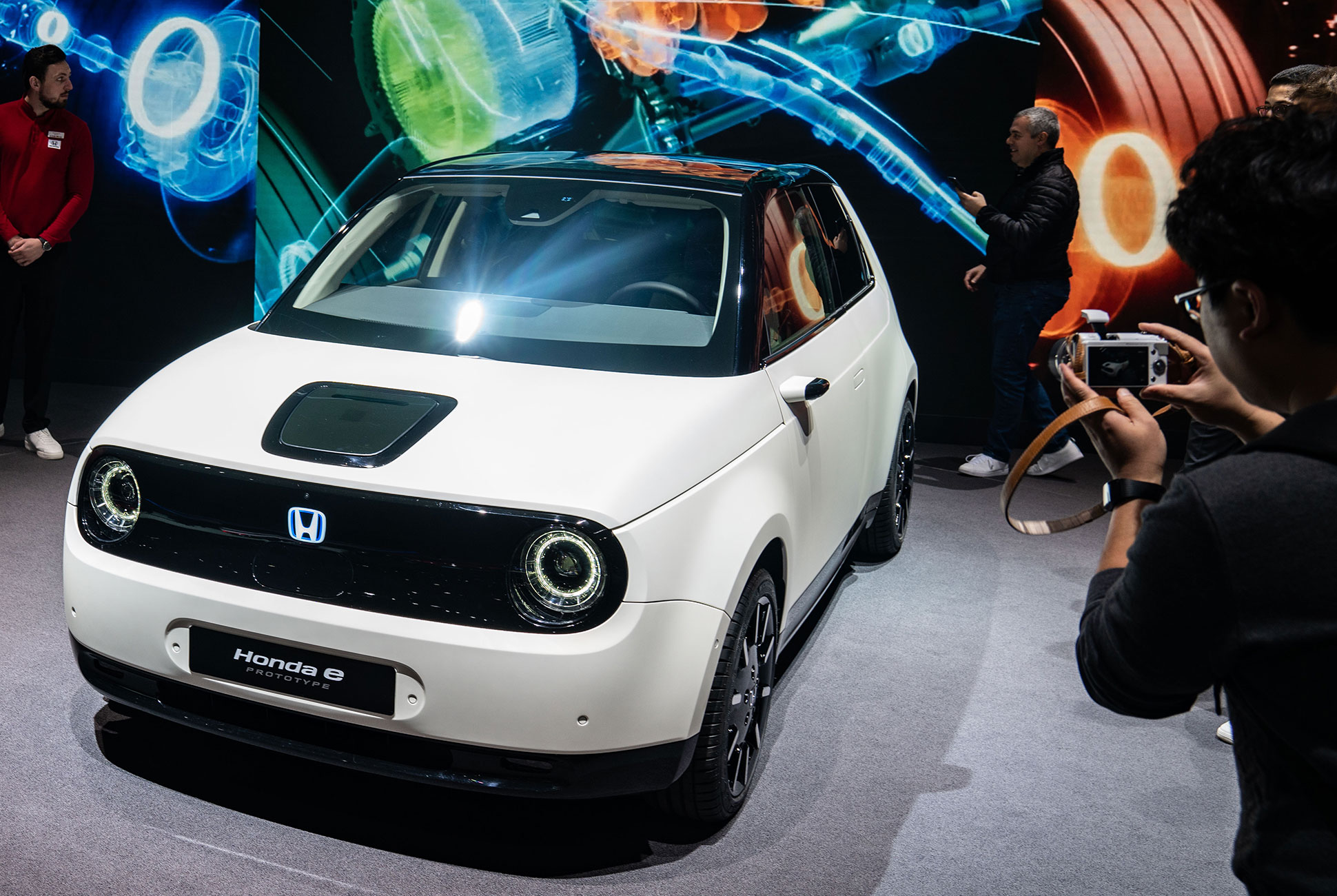
Honda E Prototype


This little pup wins the cuteness award for Geneva. The fully electric micro-king of urban mobility has rear-drive and a range of 124 miles. The company expects to produce it for Europe by early next year, but it’s doubtful a federalized version will ever reach U.S. shores.

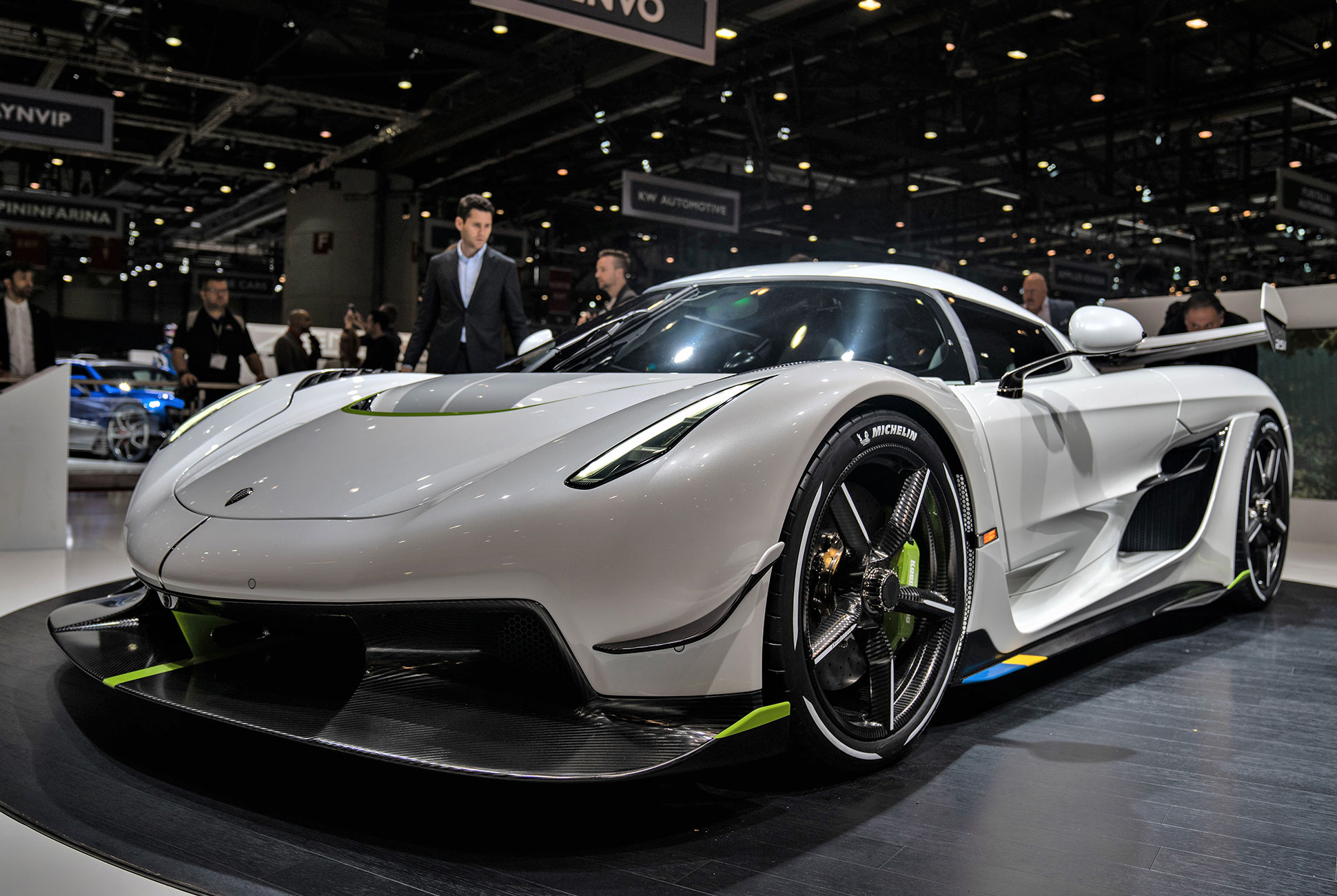
Koenigsegg Jesko


This dramatic Swedish machine could be the first production car to break 300 mph, assuming the company can find a tire manufacturer willing to support the effort. It uses a twin-turbo 5-liter V8 that produces 1,280 horsepower, though it can reach 1,600 hp while drinking E85 biofuel. All that power rests in the hands of a nine-speed, seven-clutch unit that shifts imperceptibly fast.

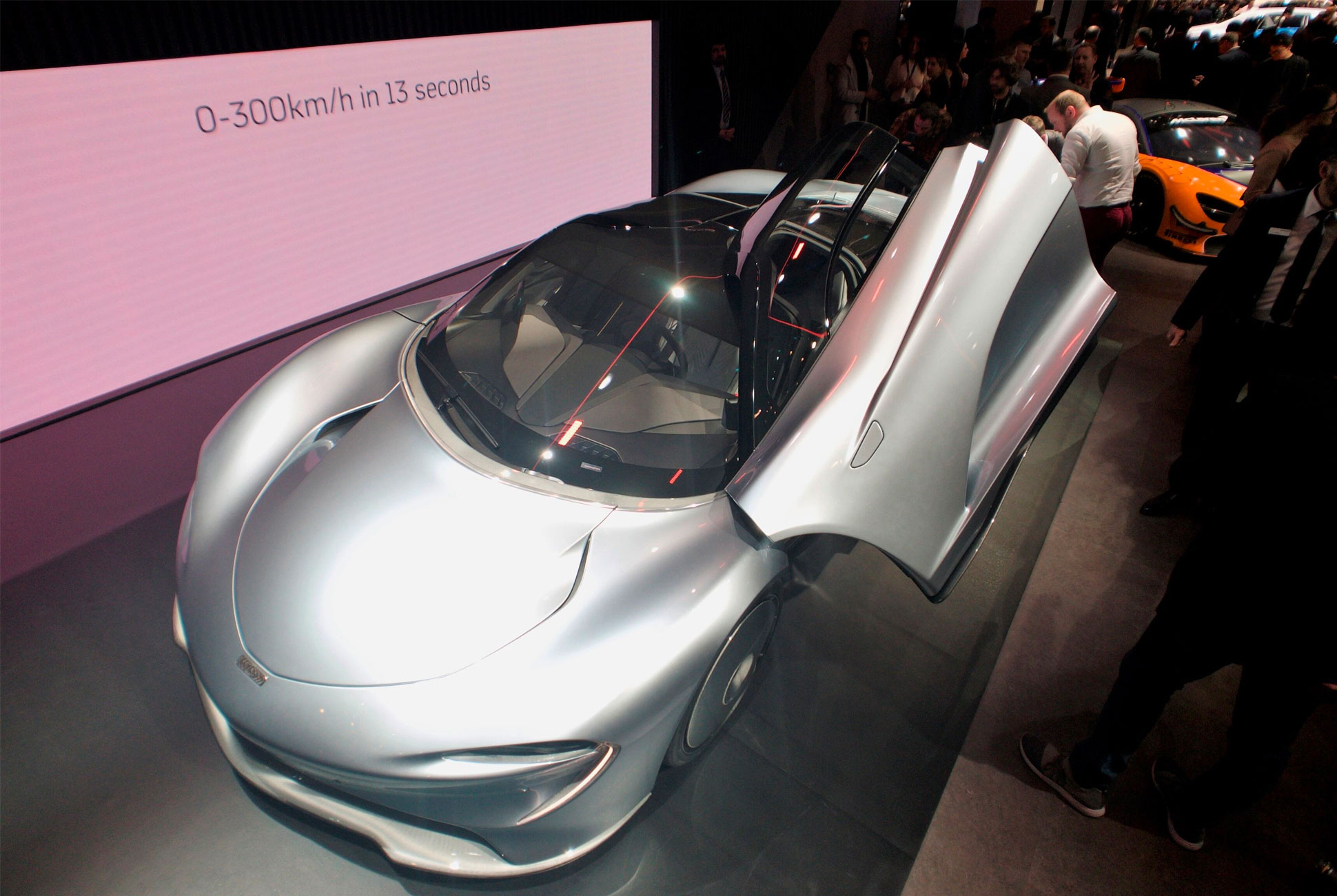
McLaren Speedtail


The British supercar specialists showed off their much-hyped Speedtail in Geneva. The 1,010-hp three-seater, ,with two passenger seats slightly behind either side of the driver is a spiritual successor to both the F1 from the 1990s and the more recent P1. It will have a hybrid powertrain and a top speed of 250 mph. The central positioning of the driver’s seat will give him or her a more natural perspective, better for turning tighter thanks to the consistently equal distance to the fenders. Only 106 will be made, starting next year.

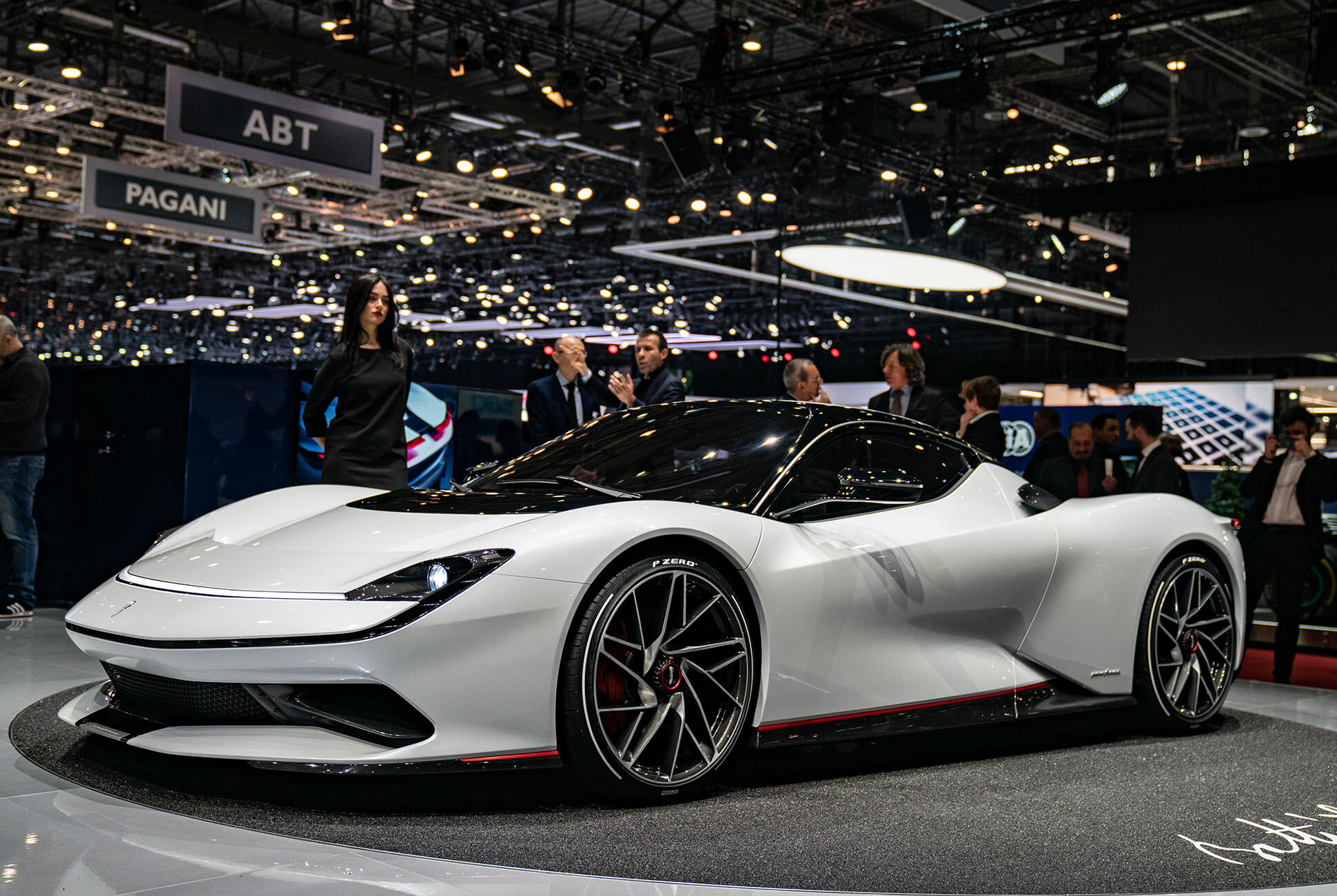
Pininfarina Battista


This gorgeous all-electric supercar will use a 120-kWh battery pack generate 1,874 horsepower and 1,694 pound-feet of torque. Those barely comprehensible numbers, delivered by four wheel-motors, will kick it to 62 mph in less than 2 seconds on its way to 218 mph. Got a case of hypercar range anxiety? Not to worry: the Battista will have about 280 miles to it, though presumably not at top speed.

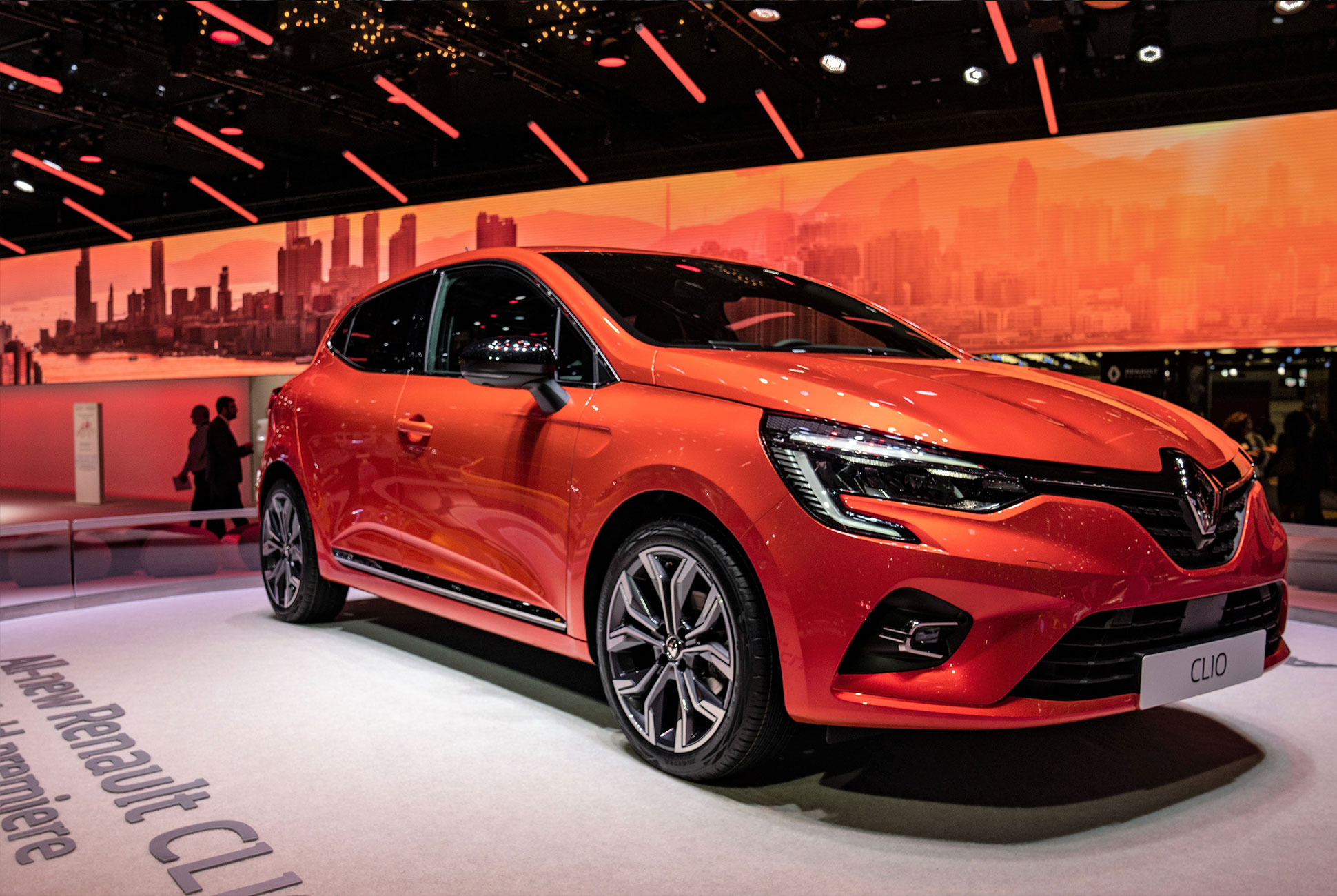
Renault Clio

els that we really wish we could get over here. Hence our excitement when the company unveiled the fifth-generation of its sporty, smart-looking compact. The car can be specced out with a 1.3-liter four-cylinder good for 129 hp, powered by a seven-speed dual-clutch transmission, likely for less than the equivalent of $20,000. That’s about as much bang for the buck as you can get, but alas.
Subaru Viziv Adrenaline

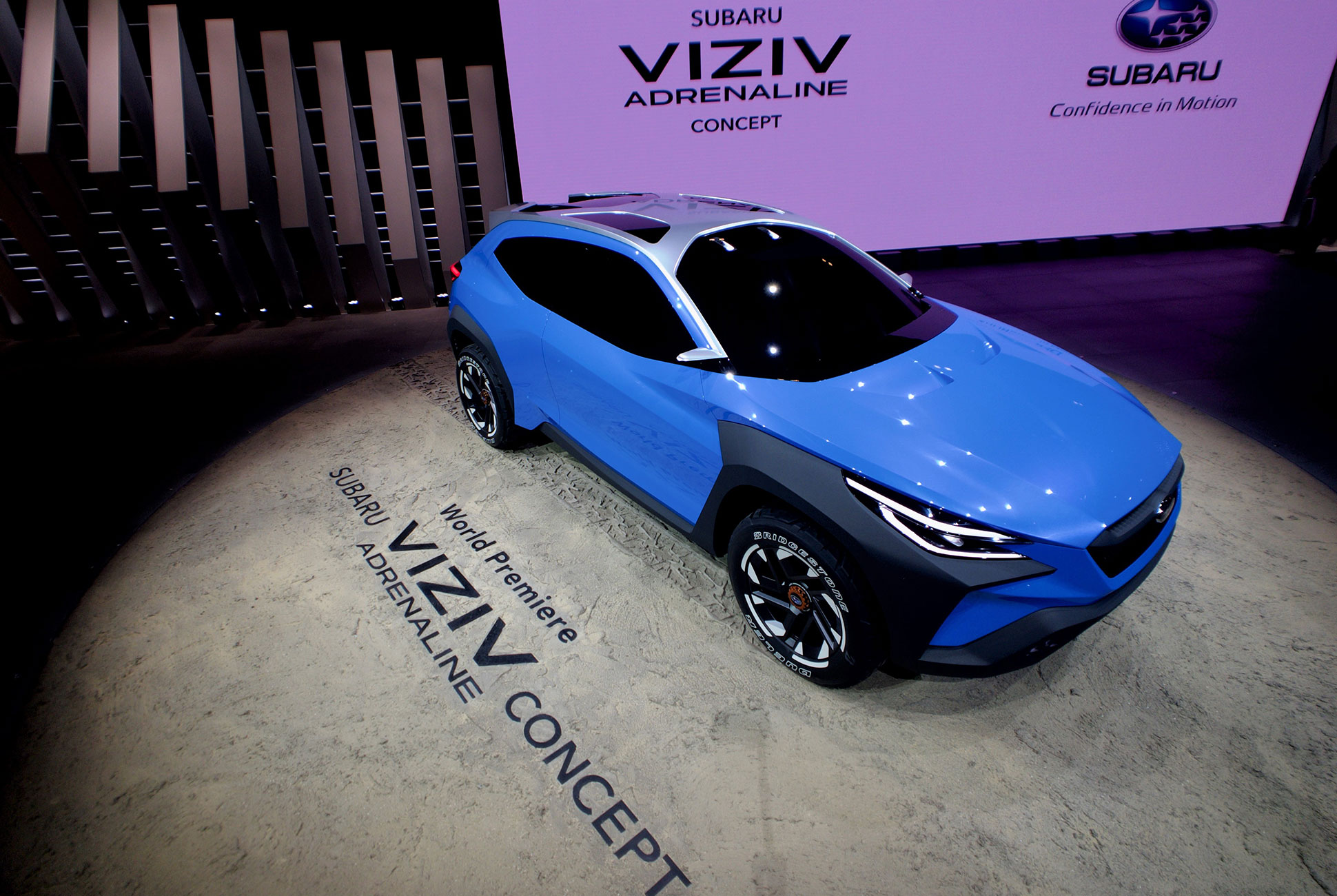
This concept car landed without a ton of intel, but it’s clearly based on the crossover-esque thinking behind the Crosstrek. As in, competent in light off-roading but not enough to pull buyers away from its legendary Outback. It extends the Dynamix x Solid design aesthetic the company is currently working from, with some dramatic lines, gaping wheel wells, and a funky three-panel moonroof design.

Volkswagen I.D. Buggy


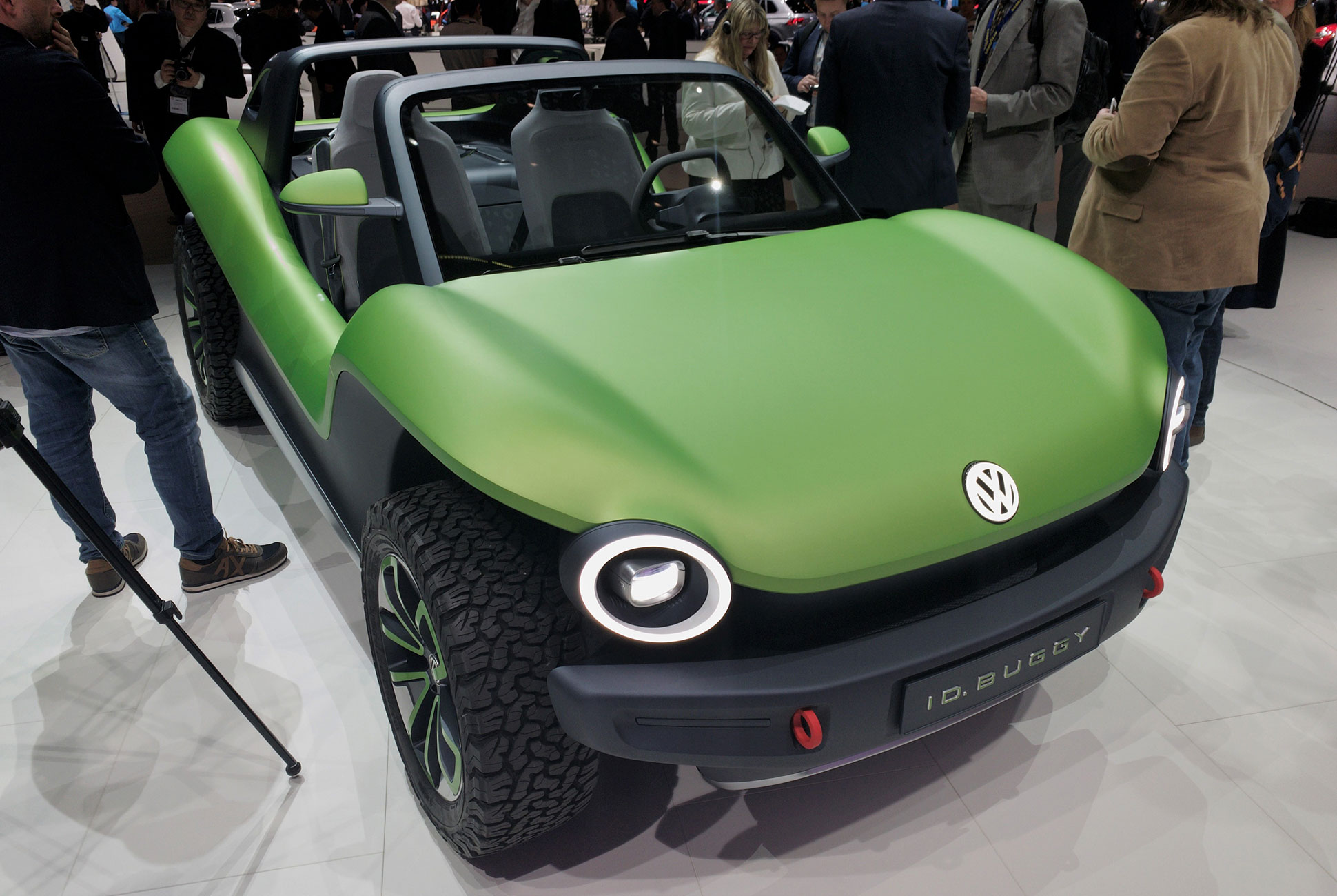
This fun retro-futuristic beach buggy, built atop VW’s versatile MEB electric chassis and inspired by the several hundred thousand VW Beetles converted to buggies in the 1960s, packs a 201-horsepower motor at the rear axle and prodigious ride height. The 62 kWh battery sits tucked into the floorboard, and the vehicle comes absent doors or a roof. Who needs that crap anyway when you’re out shredding the dunes. Volkswagen of America CEO Scott Keogh said the machine will be given all proper consideration for actual production, but it’s mostly meant to show off the expected versatility of the MEB platform—and the kinds of things possible if third-party manufacturers get creative with it.

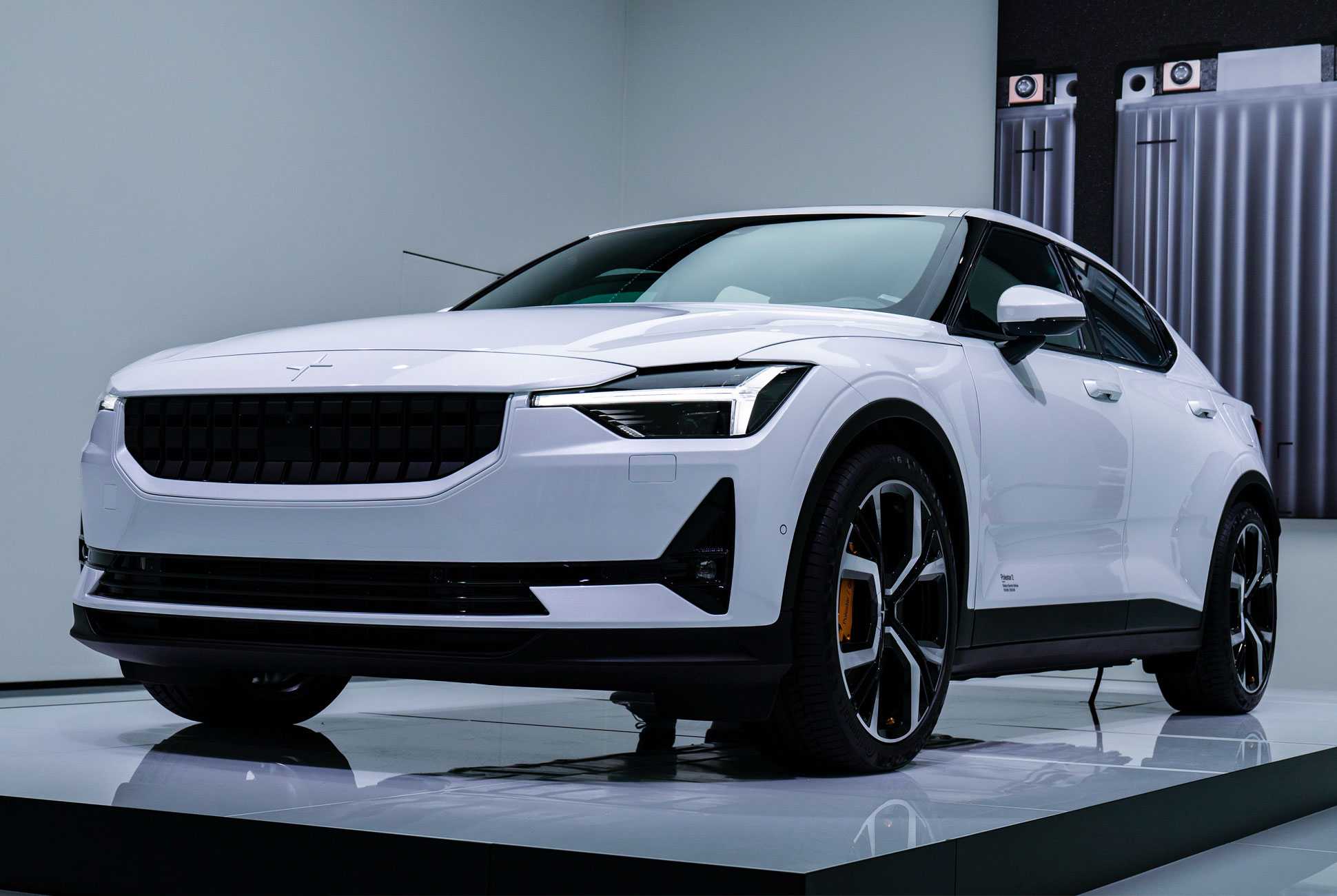
Volvo Polestar 2


Geneva brings the first showing of Volvo’s debut electric car. Targeting Tesla’s Model 3, it should get about 275 miles of range, and will be undoubtedly quite spry thanks to its motor’s 408 horsepower. It could also be among the most accessible premium EV’s, with a price tag in the mid-$30s.

Note: Purchasing products through our links may earn us a portion of the sale, which supports our editorial team’s mission. Learn more here.

Hispano Suiza Automobilmanufaktur AG Unveiled the Maguari HS1 GTC

The Other Hispano Suiza Car

There’s two company’s using the Hispano Suiza name right now, but they’ve both brought cars to the Geneva Motor Show. Those cars are dramatically different. The Maguari HS1 GTC built by Hispano Suiza Automobilmanufaktur AG is almost the opposite from the retro-inspired Hispano Suiza Cars Carmen supercar. The Maguari HS1 GTC offers more of a futuristic design and styling.

We reported on the Maguri HS1 GTC not too long ago. It’s an interesting car, and now that the company has fully debuted the vehicle in Geneva we’ve got all the details we didn’t have before. The car gets an aluminum space frame chassis. The body is all carbon fiber. 

The power for the vehicle comes from a monster of an internal combustion engine. It gets a twin-turbo 5.2-liter V10 engine that makes 1,070 hp and 774 lb-ft of torque. That engine connects to a seven-speed automatic transmission which filters power to the rear wheels. That amount of power going to the rear wheels makes the Maguri HS1 GTC good for a 0 to 62 mph time of just 2.8 seconds. It has a top speed of 236 mph, which is more than most of the other high-speed cars at the Geneva Motor Show.

The company plans to limit production to 300 units. The first ten cars will be special edition versions with some extra Hispano Suiza swag included. Buyers of those 10 cars will get gloves, shoes, luggage, and a handbag. At $2.5 million, the company better throw in some extras. 

Puritalia Berlinetta Is a 965 Horsepower Italian Land Rocket

Beauty and Power Go Well Together

The Geneva Motor Show has been full of crazy supercars and sports cars. Ferrari, Italdesign, Pininfarina, and Lamborghini might be bigger names that Puritalia, but that doesn’t mean the company’s Berlinetta should be overlooked. It’s just as sleek, sexy, and as Italian as any of the others.

The car features a beautiful body obviously influenced heavily from the Puritalia 427 roadster that broke cover a while back. The Berlinetta is arguably the more beautiful of the two cars, though. It’s sleek and takes cues from other popular, beautiful coupes. Pair the styling with a carbon and aluminum chassis and a 50:50 weight distribution with the super powerful hybrid powertrain and you have a recipe for one of the best sports cars out there.

The Puritalia Berlinetta comes with a 5.0-liter supercharged V8 up front paired with an electric motor. It’s a hybrid system that produces a whopping 965 hp and 920 lb-ft of torque. The powertrain connects to a seven-speed sequential gearbox that pushes all the power to the rear wheels.

With the powertrain and transmission combo, Puritailia is looking at a 2.7-second 0 to 62 mph time and a top speed of 208 mph. An artificial intelligence system manages the electronics, vehicle dynamics, and power. Puritalia will build only 150 of its Berlinetta. The price for the model is set at $627,000. 

In Defense of the Most Despised Transmission

The continuously variable transmission, or CVT, is one of the biggest points of contention in the modern automotive world. On the one hand, you have the car manufacturers who love the simple, lightweight nature of the CVT, not to mention the better fuel efficiency it affords over the cars and trucks fitted with standard automatic transmissions. On the other hand, you have performance-minded consumers who will never accept the CVT and hate it with a burning passion. While both parties’ arguments have their merits, the CVT is, without a doubt, here to stay and will likely be the transmission of choice in the not so distant future.

To understand why the CVT is hated as much as it’s loved, it helps to know how it works. The most common setup used in cars today is a belt and pulley system, with the belt running around two pulleys. The pulleys themselves expand and contract to allow the belt to move towards and away from the pulleys’ centers. This effectively gives the CVT an infinite amount of gears within the parameters of the pulleys, taking the place of physical gears and stepped gear ratios. The result is seamless shifting and an engine that always stays at optimal speed.

Now, this should excite the performance community — an engine which stays in the powerband when you need it. When you don’t need high performance, a CVT reverts to saving fuel with a ridiculously high gear-ratio, perfect for highway cruising. Indeed, if optimized completely for performance, a CVT is a near perfect transmission. Back in 1993, the Williams F1 team tested a CVT in the FW15C car, and the technology was banned before the season even started because it was almost too good at its job. It removed shifting duties entirely and, combined with the onboard computers, always kept the engine speed exactly where it was needed. The unhappy result of the CVT’s operation, since it always stays at an optimal engine speed while accelerating and decelerating, and without defined gear changes, is a dull, lethargic sound, identical to a single-speed gearbox.

To give a CVT some semblance of traditional performance and control, and to try and eliminate the characteristic aural drone, manufacturers build in a “manual mode.” Even though there are no defined physical gears, a CVT with a manual mode allows drivers to select defined gear ratios with either steering wheel-mounted paddles or shift buttons. But, masquerading the CVT as something it’s not instead of leaning into its strengths only makes the situation worse. “Gear changes” on CVTs don’t involve a cut in power, noticeable change in sound, or cause weight transfer — all things engineers look to eliminate, but enthusiasts and purists cling to the notion like the troglodytes they are.

The irony of the situation is traditional automatic and manual transmissions are heading down a development path resembling poor imitations of a CVT. There’s a reason the early transmissions only gave drivers between two and four gears, while newer transmissions feature many more, like the seven-speed manual in the Porsche 911 and Ford’s newest 10-speed automatic. The more gears a transmission has, the more optimized it can be balancing power input, engine speed and vehicle speed. A CVT cuts to the chase and technically gives the engine infinite gears (between the maximum ratios).

In that respect, the CVT (and slight variations of it) will be the only mechanical transmission able to keep up with electric car performance. Electric motors (like in the Tesla Model S and Rimac electric supercar) use single- or two-speed gearboxes and provide an instantaneous and linear power curve that never loses oomph. The CVT, then, is the gas-powered engine’s best hope to remain competitive. As electric cars start to crowd the roads and trickle into track days, CVT naysayers will be left in the rearview.

Leading the CVT Way

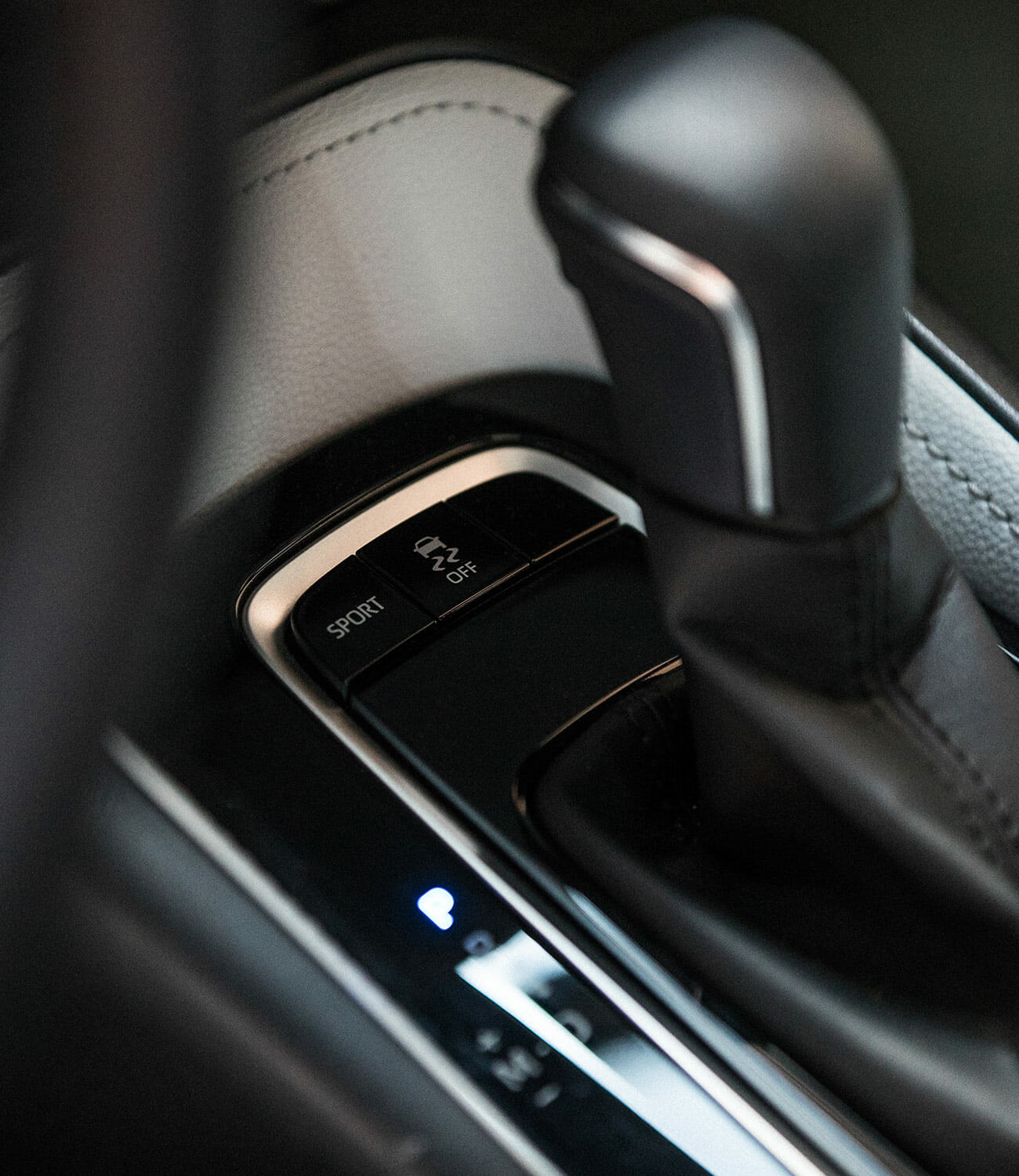
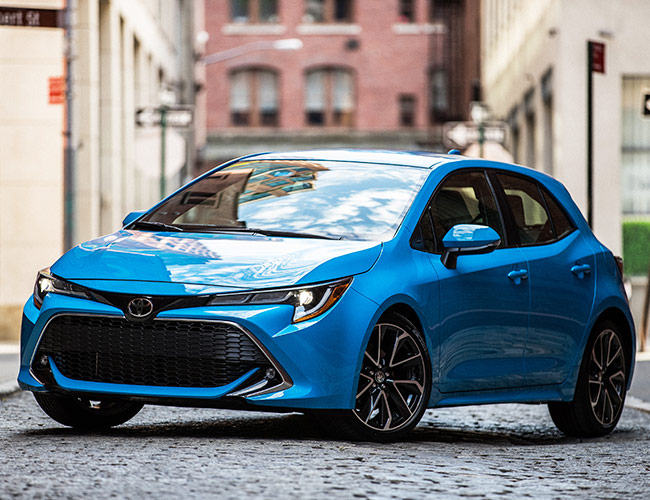
The 2018 Toyota Corolla Hatchback is a big part of the brand’s bread and butter in America, which why it’s that important the car sheds the reputation of being boring and dull. And it does.Read the Story

Morgan Plus Six Debuts in Geneva

A Morgan With a Straight Six

Morgan is best known for the fact that it still uses wood on the frame of its cars. The company hasn’t debuted a new car in a long time now, but the Plus Six is one of its coolest yet. The car gets the BMW’s B58 turbocharged engine. That’s the same that’s in the new Supra.

In the Morgan, the engine makes a strong 335 hp and 369 lb-ft of torque. Mated to the engine is a ZF eight-speed automatic transmission. The vehicle can do a 0 to 62 mph run in a sprite 4.2 seconds and tops out at 166 mph. While some of the methods Morgan uses to build its cars are antiquated, those performance numbers certainly are not.

The car does utilize some modern design technology outside of its straight-six engine. The car uses aluminum which helps keep weight down. If you’re thinking aluminum is sacrilegious for a company that’s known for wooden frames, don’t worry. There’s still plenty of wood here. The wooden and aluminum structure of the car is what keeps it to a healthy 2,369 lbs. Morgan calls this new architecture the CX. 

On top of that architecture, rests a body with all the vintage styling you could ever want. I’m not sure why more car companies don’t adopt this type of styling because it looks fantastic. The interior is also styled like you’d expect a Morgan to be, though it does feature an obvious BMW gear selector pulled straight out of the company’s parts bin. That’s the only major disappointment we see.

Morgan will build somewhere around 300 of the Plus Six each year. If this car scratches you right where you itch, it’ll cost you $102,668, which sounds reasonable for something so unique.