All posts in “Cars”

The Next Bond Car Will Be an Electric Aston Martin and That’s Okay

At the behest of director Cary Fukunaga, Daniel Craig will be driving the forthcoming all-electric Aston Martin Rapide E sedan as his “Bond car.” That’s right, James Bond is going electric, and it will be played up like a momentous occasion with scandalized headlines, as though it’s Bob Dylan going electric. But, in reality, Bond driving an EV is fitting, natural and the right thing to do.

The upcoming Bond car isn’t a first-gen Nissan Leaf. The Aston Martin Rapide E will have north of 600hp, which is more than the V12 gas-burning Rapide S. So the Rapide E should have more than enough power in short bursts to extricate the secret agent from one of his henchman run-ins.

A limited-edition Aston Martin deploying the most cutting edge technology the company has to offer is about as Bond as you can get. Hijacking the series for BMW product placement in the ‘90s was a far greater sacrilege.

James Bond, as a silver screen character, is more than 50 years old and Ian Fleming’s first Bond novel came out nearly 70 years ago. Britain, in the interim, has gone from a global Empire to an island of loveable eccentrics. The Bond character has always evolved with and reflected the times. Sean Connery’s Bond was a thoughtless and rampant womanizer. Daniel Craig’s Bond is a chiseled, brooding action hero weighed down by the existential meaning of his own actions and loyalty. About the only common thread through the Bond films is ordering a wrongly made martini.

The 2020 iteration of James Bond would drive an EV. A Tesla would be a bit too common, while a Jaguar E-type Zero would be too delicate. But the Aston Martin Rapide E? It’ll do just fine.

This Mercedes Wagon Is a Future Classic — And a Total Steal

Modern cars take a lot of flak for being soulless, uninspired or simply “not built like they used to be.” So, when a real future classic comes around, they tend to stand out — even if it’s a gray station wagon like this Mercedes-AMG E63.

Wagons once roamed American highways as much as today’s breed of crossovers and SUVs, but they’re a much rarer sight, which is why the Mercedes E-Class wagon feels so special. Not only does Mercedes continue to bless our shores with its wagon, but it gives us the cream-of-the-crop AMG performance model. It’s difficult to come by a better example of perfectly balancing performance and practicality, not to mention style.

The E63 S wagon owes a lot of its “future classic” status to the monster twin turbo V8 under the hood. For 2011, Mercedes swapped out the naturally aspirated 6.2-Liter engine and put the all-new 5-5-Liter twin-turbo powerplant in its place. Good for 577 horsepower with 590 lb-ft of torque, the new AMG engine helps get the wagon to go from 0-60 mph in a super car-teasing 3.4 seconds and carries it on to a top speed of 174 mph. Not bad for a family-focused grocery-getter.

This particular E63 S Wagon only has 25,000 miles on the clock, which shouldn’t come as a surprise, being just five years old. When it was new, this German power wagon ran with a base price of $103,295, but easily flirted with $115,000 once all the options boxes were ticked. As of this writing, this wagon is going for around $50,000. Even if the winning bid ends up close to the original MSRP, the new owner can rest easy knowing they have one of the most desirable wagons in the U.S. and no doubt a future classic.

Everything You Need to Know About the Tesla Model Y

Last night, Elon Musk delivered a meandering Tesla history lecture. He pointed out that Tesla’s previous models would spell out S-E-X instead of S-3-X because “Ford killed sex.” Then, he promised a Tesla would drive on Mars 10 years from now. Shortly after, a dark blue vehicle drove onto the corner of a crowded, poorly lit stage — the Tesla Model Y.

The Model Y will be a midsize SUV with an option for seven seats in a third row. There will be four trims, two RWD (Standard, Long Range) and two AWD (Long Range, Performance), both with a panoramic glass roof. Pricing will range from $39,000 to $60,000. The standard $39,000 version will be available by Spring 2021. The “Performance” version will accelerate from 0-60mph in 3.5 seconds and reach a top speed of 150mph, but the Long Range RWD will have the best range at 300 miles. Tesla also asserts the Model Y will be the world’s safest midsize SUV.

Aesthetically, the Model Y is not a radical departure for Tesla. It resembles the Model 3, but a higher riding hatchback version with the ever-popular sloped coupe roofline. Tesla can achieve only so much variation with the body shape to still get the aerodynamics required for the performance and charge range. It won’t look like the Bollinger B1.

The Model Y is designed to meet mass-market demand and enters a crowded, popular, small SUV market at a competitive price point. When it emerges, it will face direct EV competition from Audi the e-Tron, Mercedes EQC and BMW iX3.

Classic Car Studio 1971 Land Rover Defender Series II

As excited as we are about all the upcoming variations of the new Ford Raptors, electric SUVs and supertrucks, it’s the classic vintage SUVs like old school Land Rovers that really tickle our fancy. In…

The Lister Knobbly Sports Car Looks Absolutely Amazing

What We Were Hoping For

The original Lister Knobbly sports car from the 1950s were serious racing machines of the time. Their prowess on the racetrack was known internationally. Now the company has a new Knobbly. A teaser was released on Twitter and now we have an even better shot of the new car.

Lister did the old one justice, giving the new car some sensuous curves and a large mouth not unlike the original car. Is it as beautiful as the Knobbly’s of old? No, but it’s pretty close. For a modern car, it does a good job of translating that unique 1950s racecar style.

This new shot in conjunction with the image Tweeted out by the company’s boss sent out previously gives us a pretty good idea of what the new Lister will be. It’s a low-slung speedster with a hood that goes on for days. It’s a unique and absolutely gorgeous car.

The vehicle, like the Ferrari Monza SP, has an open cockpit with a tiny windscreen and side mirrors. It’s a throwback and a big move forward all at once. The company released the new image and confirmed officially that the car will be built. However, there’s not much known about the vehicle in terms of engine or performance. Speculation is that it will come with a Jaguar-derived engine, either a V6 or V8. We’re keeping our fingers crossed for the Jaguar’s 5.0-liter supercharged V8.

Ferrari Wants to Keep the V12 Naturally Aspirated

Let the Glorious V12 Roar On

Nothing says Ferrari like a V12. The 12-cylinder engine has been one of the hallmarks of the top-of-the-line Prancing Horse models for a long time. The engine in a Ferrari car is an iconic feature. That’s why the company says it wants to keep the V12 in its lineup without having to mess with it.

That means no turbochargers and no hybridization. The Italian automaker wants to continue with the naturally aspirated version of the engine in its lineup. It would make sense for the company to do so. There will likely always be a certain group of folks who want a Ferrari with a V12.

When discussing hybridization with Top Gear, Ferrari technical chief Michael Leiters said that you have to downsize the gasoline engine, and the V12 is not a downsized engine. 

A naturally aspirated V12 engine is not a downsized engine, and for me it doesn’t make sense as a hybrid. We will fight for the V12, of course. We will do everything we can to keep it as it is core to our brand. But a real hybridization of the V12? I don’t see it.

With that in mind, it will be interesting to see how the company moves forward with the V12. Leiters told Top Gear that he and the rest of Ferrari will have to look at emissions moving forward. That could make a V12 more difficult to produce than ever before.

Ares Design Panther a worthy tribute to the DeTomaso Pantera

Ares Design finally has its Panther ready. Codenamed Project 1 because it launches the Italian coachbuilder’s Legends Reborn series, the Panther prowls as a modern interpretation of yesteryear’s DeTomaso Pantera. Based on an all-wheel drive Lamborghini Huracán, the Panther does well to mimic the fat-back wedge of the original, and restores pop-up headlights to the 21st century performance cars.

The specs go some way beyond DeTomaso’s effort. Thanks to an ECU tune, sports catalytic converters and a new exhaust, the 5.2-liter V10 is rated at 650 horsepower and 443 pound-feet of torque. That’s 300 hp and 110 lb-ft away from the Ford-sourced 5.8-liter Cleveland V8 in the 1988 Pantera GT5 S. It’s also 20 hp beyond the current Huracán Evo. The bodywork’s been spun from carbon fiber, yielding a 3,138-pound dry curb weight, which is 91 pounds more than the Huracán Performante, four pounds more than the Evo version.

Six-piston Brembos up front and four-piston units in back clamp carbon carbon ceramic discs behind a sweet set of staggered bronze wheels, 20 inches ahead, 21 inches astern. Those brakes will come in handy considering the 202-mph top speed.

The interior can be dressed up any way an owner wishes, naturally. The demo model smothers the Lamborghini interior in even more carbon fibers, leather, Alcantara and cross-stitching.

Ares Design will build only 21 Panthers, with first deliveries in May. The conversion takes three months, the price opens at 615,000 euros before options, or $696,300 in U.S. specie. None of those figures have any bearing on you, though, because all 21 build slots have already been paid for. So enjoy the gallery.

One of the Worst Automotive Trends Ever Is Making a Comeback

For better or worse, two related automotive truisms – “fashion is cyclical” and “history repeats itself” – are both in full force. Callbacks to the ’80s and ’90s are the rage: resurfaced nameplates like the Toyota Supra and Ford Bronco steal headlines with vintage style, and turbos are very popular again. However, more so than any other style or technology trend, the most significant callback is the resurgence of Malaise-Era dullness from American ars and exciting, lively cars from Asia.

From the early ’70s through the early ’90s, American car manufacturers consistently produced some of the most unloved and undesirable cars in the world – the Malaise Era. The combination of the oil and energy crises in ’73 and ’79 forced U.S. brands to adapt to sky-high oil prices and new legislative regulations mandating safety and emission standards. Instead of spending money to innovate, U.S. manufacturers lazily complied and found the easiest workarounds.

The resulting cars and trucks were mostly uninspired, underpowered, front-wheel-drive mechanical messes with no attention to detail and every expense spared to cut costs. Meanwhile, European and Japanese manufacturers, well-versed in small cars and efficient engines, saw a boom in popularity in the states. By comparison, the imports were undeniably better.

Fast forward to 2019, and we’re not exactly in an oil or energy crisis, but we’re witnessing the hybridization and electrification of almost every manufacturer lineup, due to increasingly strict emission standards and tightening safety standards. In terms of those changes, the U.S. automakers are pinching pennies again. On the bright side, manufacturers from Japan and the rest of Asia are pumping out some of the most exciting cars we’ve seen in decades.

It’s clear that SUVs and crossovers make up the bulk of automotive sales these days, so you can’t fault companies for leaning into the growing segment. On the other hand, Ford and GM have said repeatedly sedan sales are dead, coupes aren’t earners and the only way forward is awkwardly shaped CUVs with milquetoast handling, designed purely for profit and meeting emissions requirements.

Take a look across the pond and you’ll see Toyota focusing more energy into making the Avalon, Camry and Corolla Hatchback fun, desirable cars. Kia also deserves applause for coming out with a stellar sedan in the Stinger GT as does Hyundai with Genisis, its luxury sub-brand.

In the ’70s, the lack of desire to spend capital meant that reputations sagged as much as product quality, putting Ford, GM, and their respective subsidiaries in the multi-decade slump. They’re falling into the same stock-holder-interest-fueled trap today. Toyota knows the Supra will be somewhat of a loss leader just like Honda knew the new NSX wasn’t going to rake in cash, but they made them anyway. And brands like Kia and Hyundai know if they make high-quality, fun-to-drive cars, people will buy them. We’re at a time where the cycle of fashion and history are coming back around, and the stateside car makers happen to be on the wrong side of it.

TAG Heuer Autavia 1972 Re-Edition

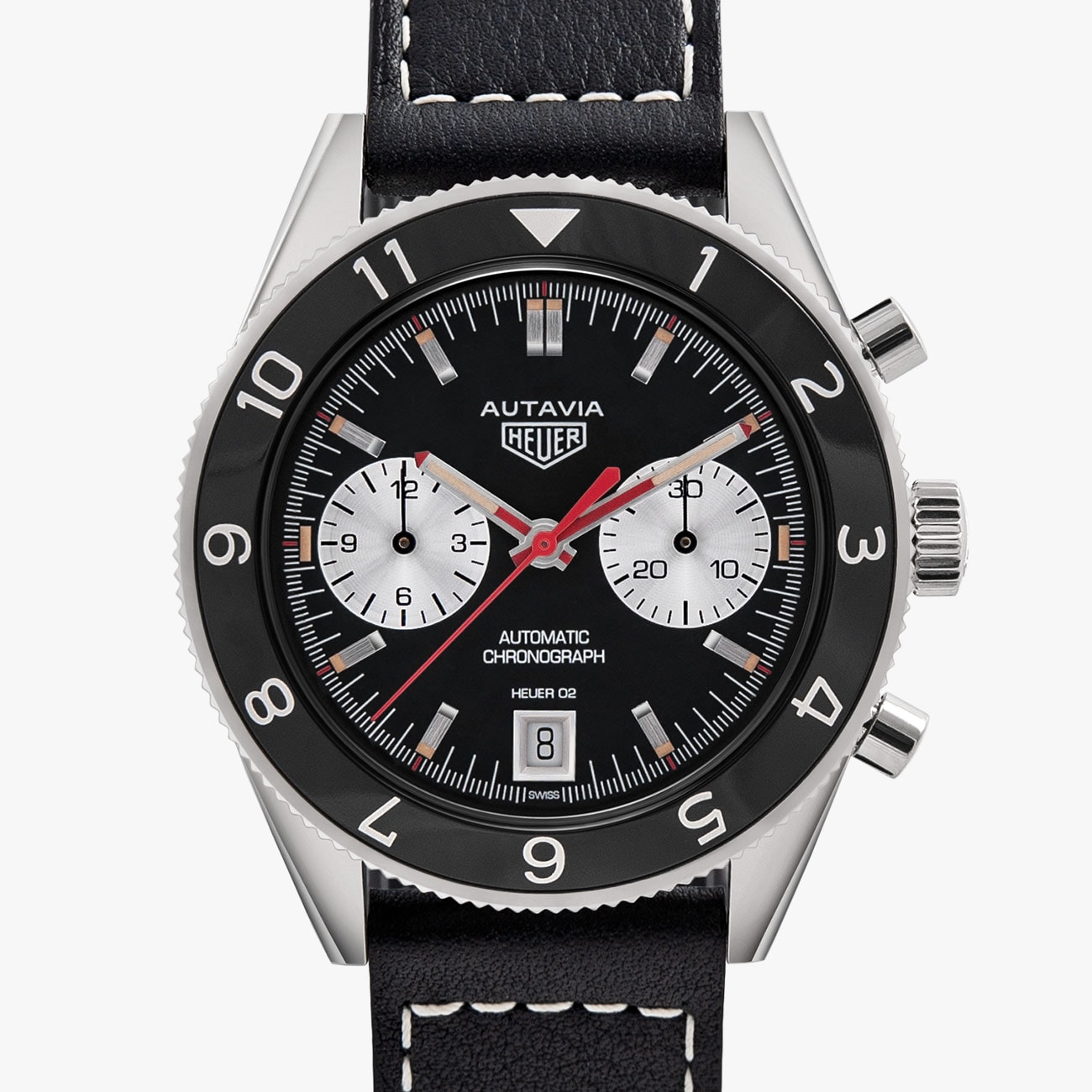
Most watches have some sort of heritage built into them. But the TAG Heuer Autavia 1972 Re-Edition has more than most. The name Autavia comes from TAG Heurer’s history in auto racing and aviation — “AUT” from “auto” and “AVIA” from “aviation.” The 42mm 1972 Re-Edition is fashioned after the iconic 1972 Heuer Autavia 1163V Viceroy but contains modern updates like a two-register dial layout, a sapphire case back and a date window at 6 o’clock. This modern automatic chronograph update is a commendable addition to the Autavia family. Learn More: Here

Note: Purchasing products through our links may earn us a portion of the sale, which supports our editorial team’s mission. Learn more here.

5 Cool VWs We Can’t Get in the U.S.

Volkswagen is Europe’s best-selling car manufacturer. Europeans live different sorts of lives; consequently, VW offers them a different array of cars. Some of those VWs not offered in the United States are awesome – so awesome one might term them forbidden fruit. Here are five we wish were available stateside.

up! GTI

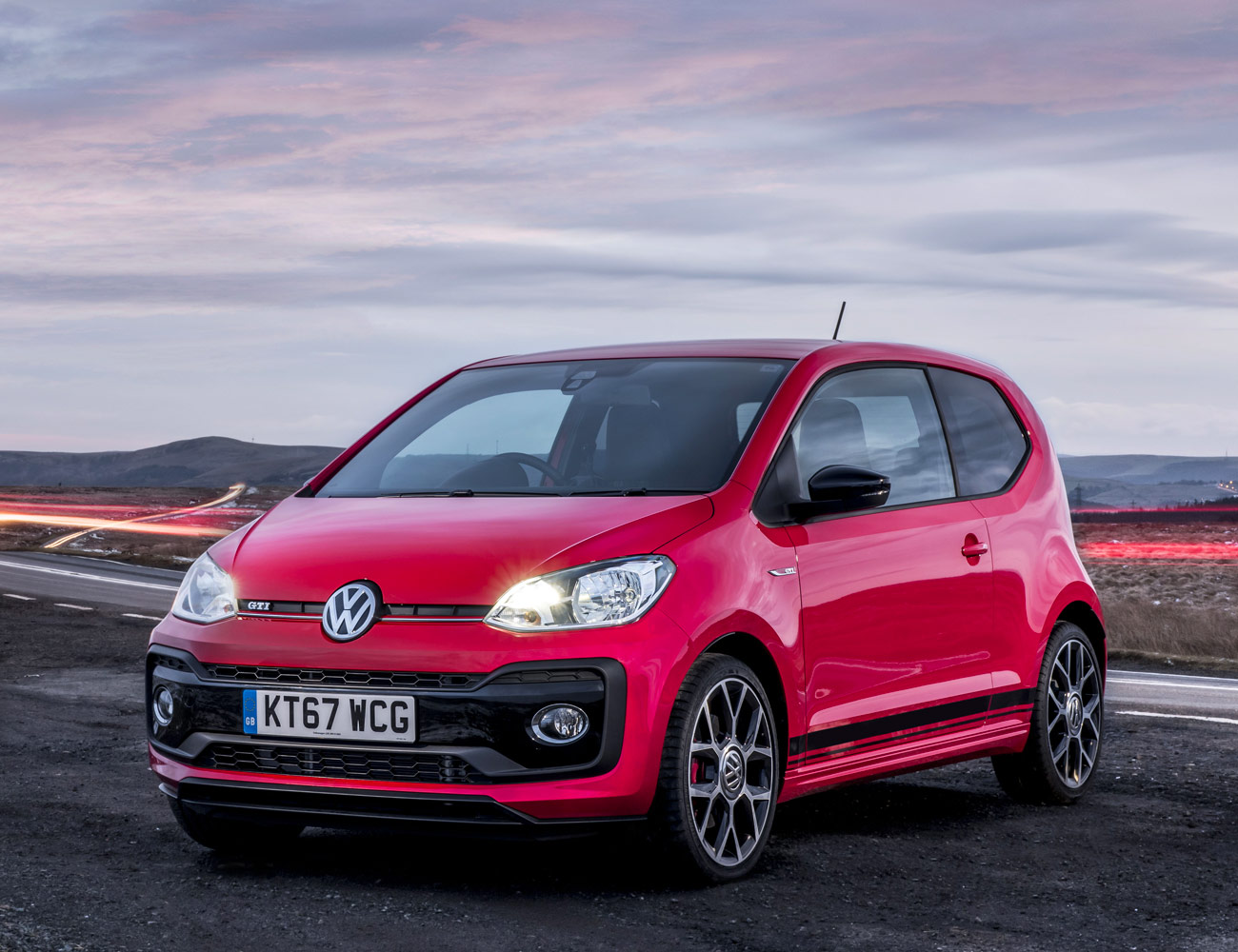
No, that’s not a typo. The name of the car employs both mandatory lowercase and a punctuation mark. The quirky name belies the up!’s quality though. It’s worth the exclamation point. The up! is a super-tiny European Class A hatchback. There’s a GTI version of that hatchback. It has a torque-heavy 1.0-liter 3-cylinder (113hp, 170lb-ft). It has a top speed of 122mph. Considering size, power and handling, it’s close to the legendary Mk1 GTI. It also has a six-speed manual, gets 37mpg combined and retails for less than $20,000. If you believe to have found a better city car, you are, simply, wrong.

Golf Estate R

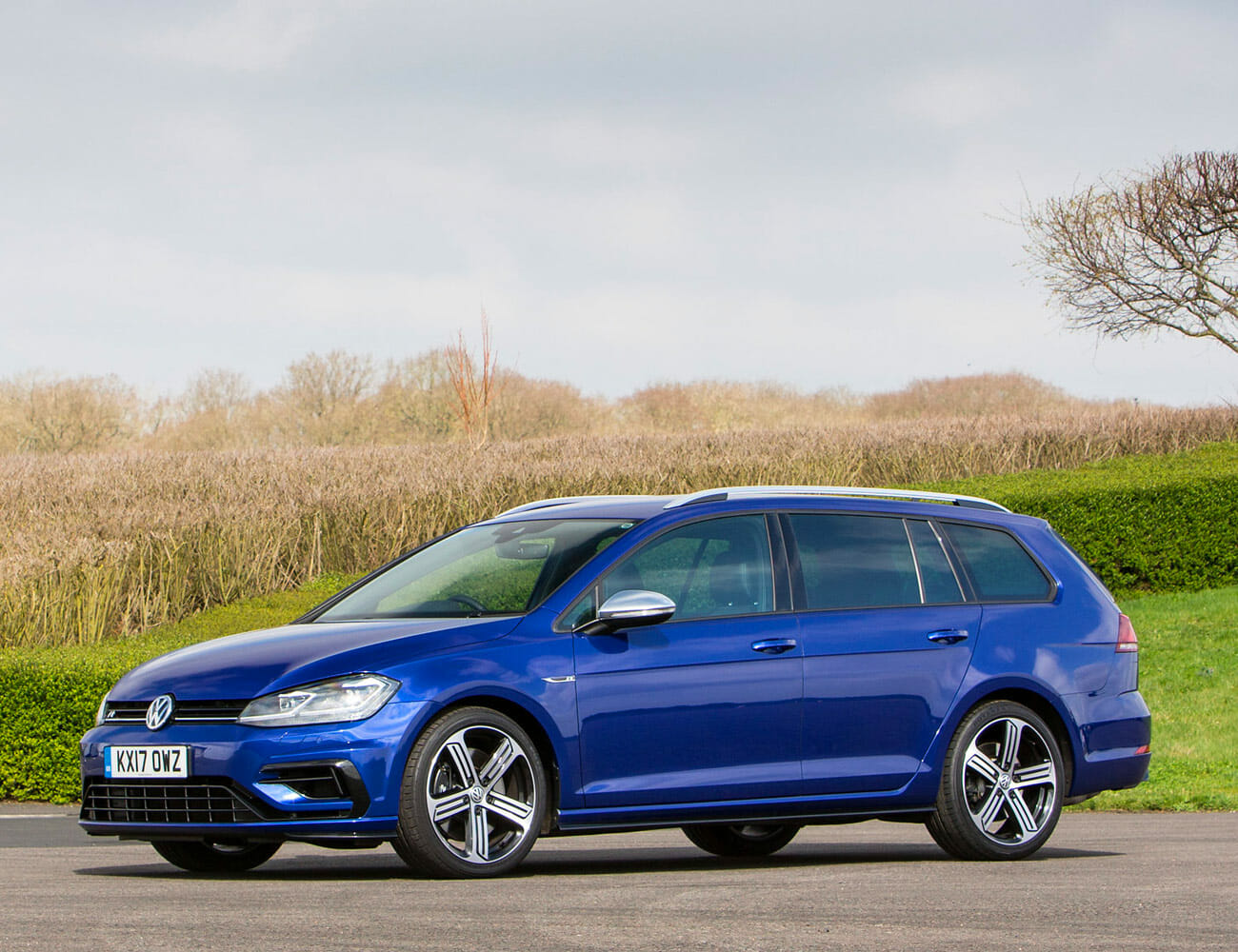
I pushed for VW to produce a GTI version of the Golf Sportwagen. VW takes that idea one step further in Europe with the Golf Estate R, a wagon version of the Golf R. It has 295hp from the 2.0L TSI engine and 4Motion AWD. It can accelerate from 0-60mph in less than five seconds. It has a “race mode” and a “Sport Human Machine Interface” with all sorts of performance data to maximize your school run times. Before you expatriate to buy a Golf Estate R, however, there is one caveat. It only comes with a seven-speed dual clutch automatic transmission.

T-Roc R

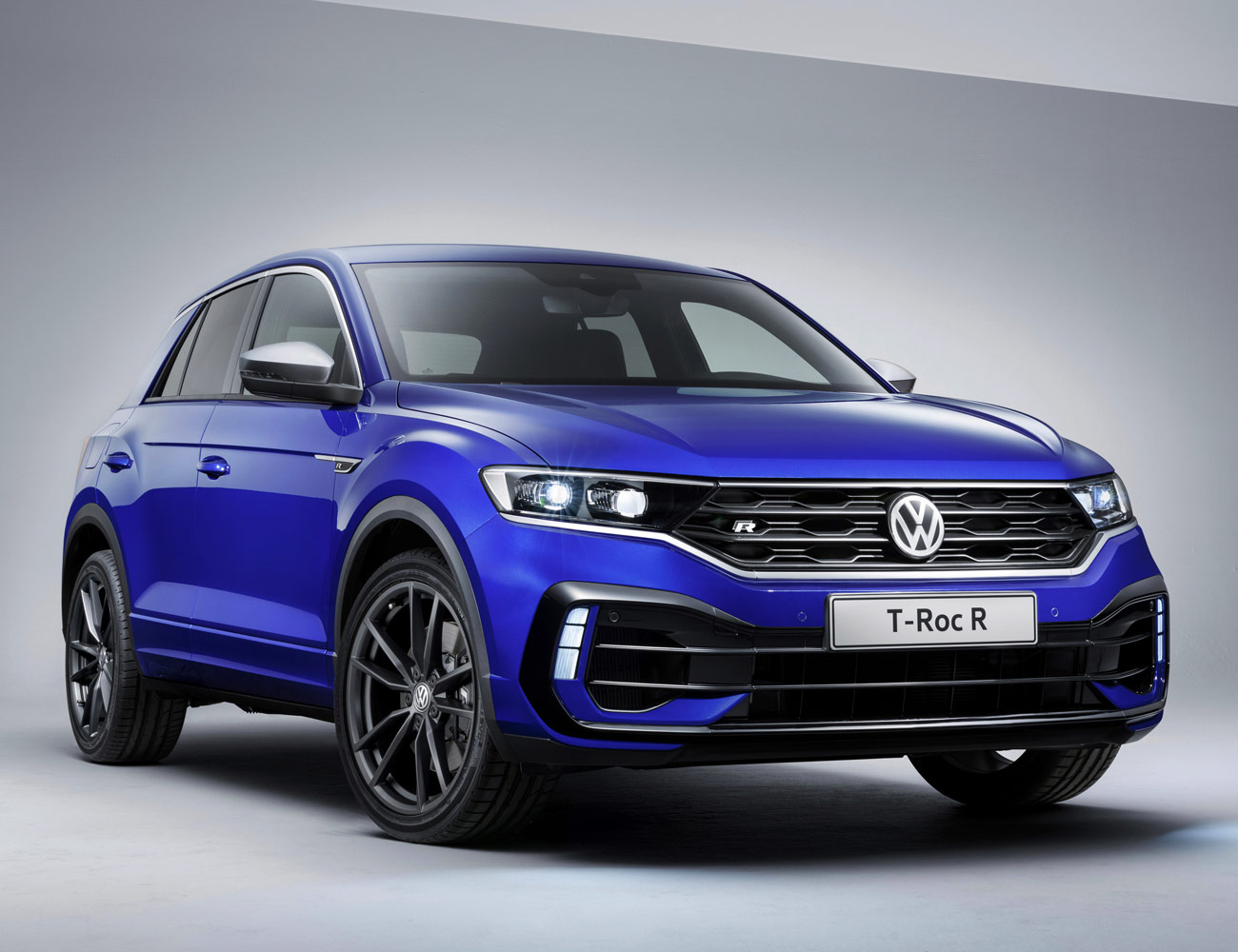
Americans get the bulky, soft-handling, trying-to-be-third-row Tiguan. Europeans also get the T-Roc, a subcompact crossover that slots under it. Volkswagen just released an “R” version that’s basically an elevated version of the Golf R. It gets sportier styling. It draws 296hp and 295lb-ft from the 2.0-liter I-4 Turbo. It gets Golf R suspension and brake components. It accelerates to 60mph in under five seconds. VW does have a separate subcompact SUV coming to America. But, given the bonkers Tiguan and Atlas sales, don’t expect it to be tuned for hard driving.

California

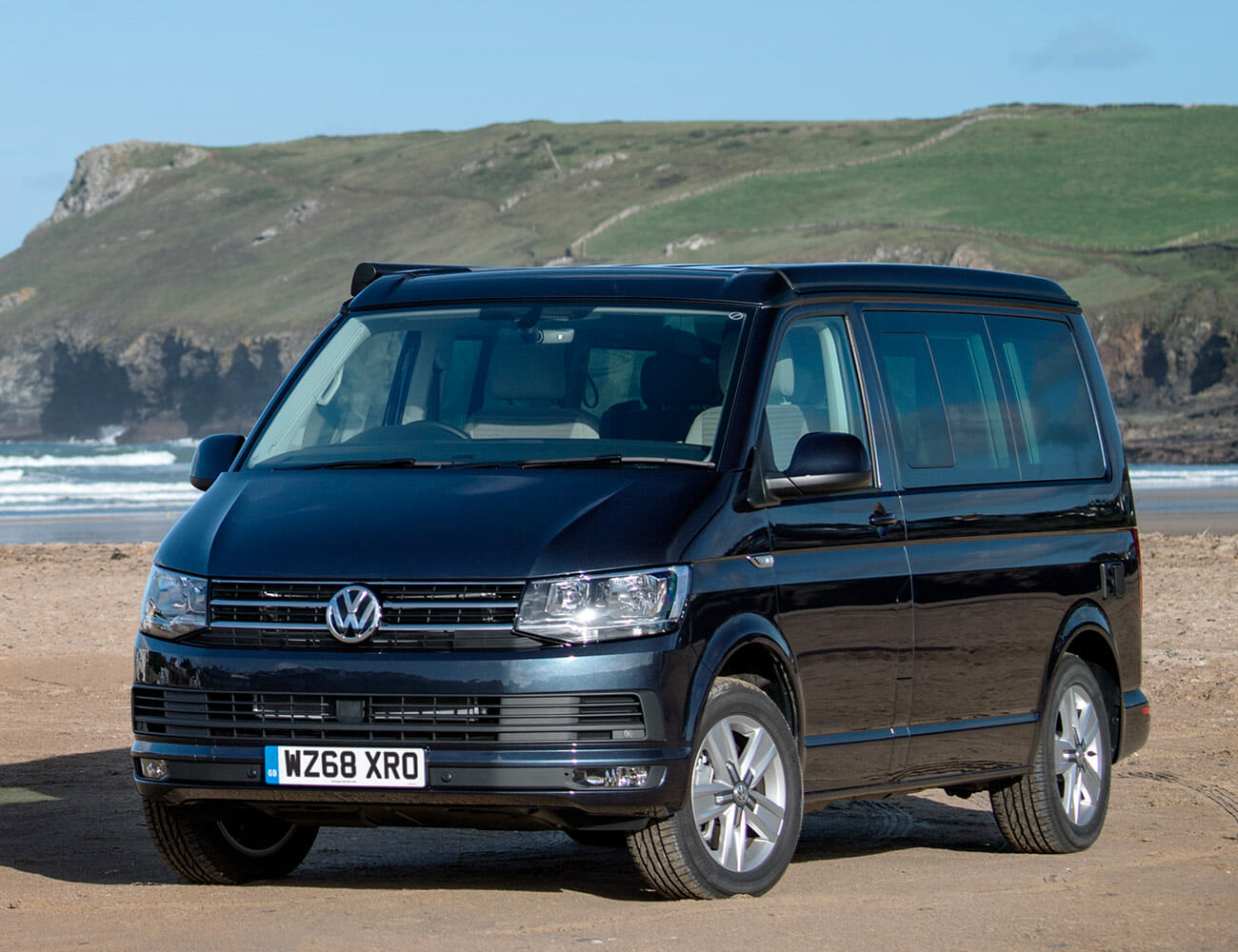
#VanLife is an aspirational dream. Cast your student loans and unfulfilling gig employment aside. Embrace the open road, waves, and an aging VW Vanagon Westfalia. Spend hours per day hunched over a phone choosing just the right Instagram filter. VW offers Europeans a modern take on this with the California, ironically not available for sale in California. It has a pop-top bed space to sleep four comfortably. An LCD panel controls battery, water and heat systems. It stows removable camping chairs and a table. It has driver and parking assists. Trade that wheezing engine and nervy hill climbs for a 2.0-liter I-4 Turbo, 4Motion and a manual transmission. Need more room? There’s a Grand California on the way.

The European Passat

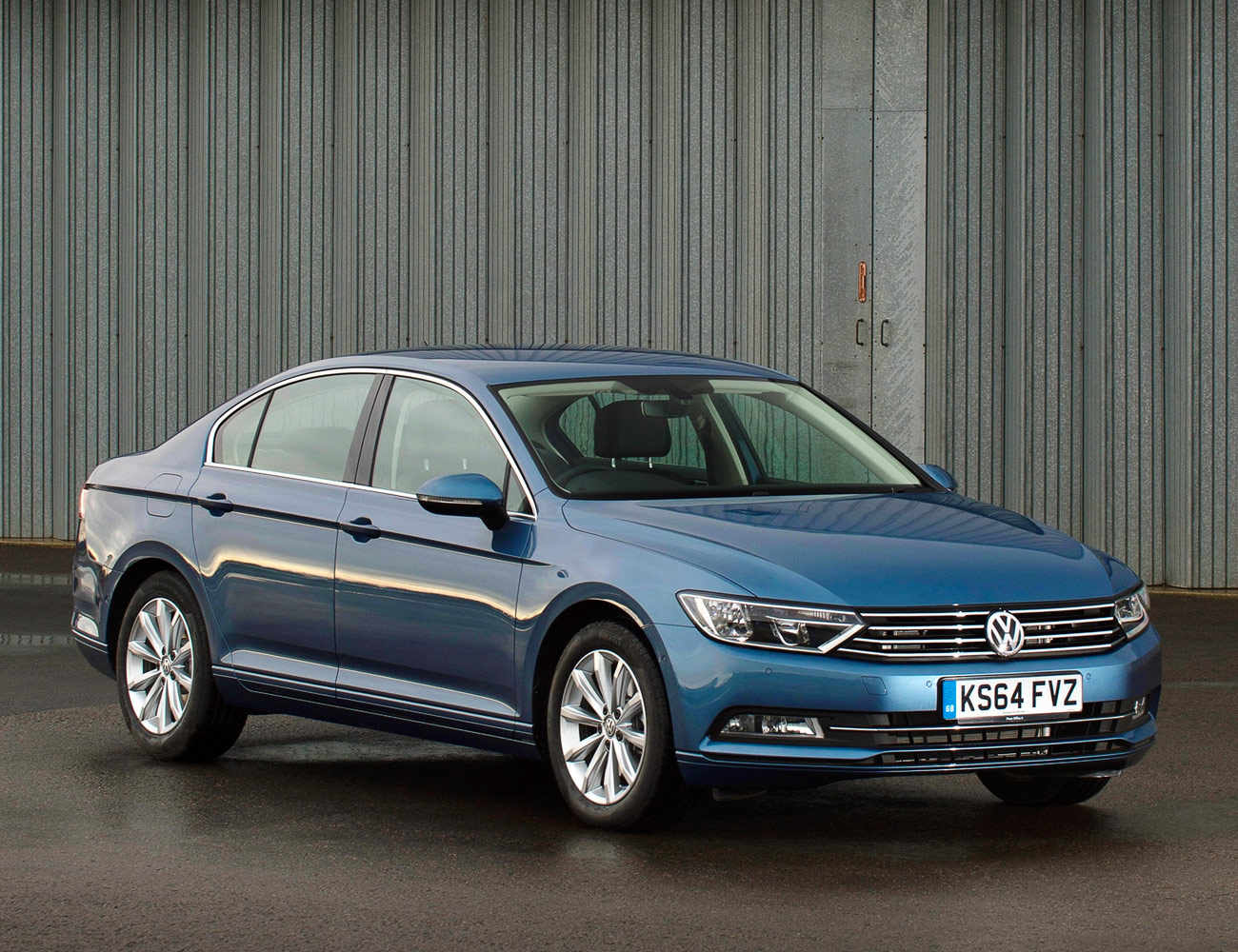
Volkswagen offered Americans a new Passat, which was the same Passat available since 2011, only with new bodywork. In Europe, VW builds on the possibility of a midsize, just-below-luxury vehicle. Europeans get an 8th-generation Passat running on the MQB platform. They get a sophisticated aesthetic, even more Audi-like than the American version. They get to choose between a sedan and a wagon. While VW canceled a Passat GT in the U.S. market, Europeans can level up to a diesel engine with 237hp and 369lb-ft of torque that can bring the 0-60mph time close to six seconds. There’s also a plug-in hybrid.

Upcoming Lister Knobbly Teased and Confirmed for Production

Listed has been a company of mixed fortunes through the years. Dominant through the 1950’s, the company petered into obscurity in the following years. It’s competition cars from the 1950’s are highly sought after. A few years ago, Lister was revitalised with an injection of cash from a father-son team. Since then, the company has announced production of several new models, the latest, the new Lister Knobbly!

The Lister Knobbly is purely concept at this stage, although the company have announced intentions to see it into production. Lister have released a few renderings to gauge interest. The designs show a characteristics similar to the Knobbly of the 1950’s. The front is incredibly low with a set of round headlights. The looks hint at a front-mounted engine and rear wheel drive.

Lister Knobbly

Technical details are yet to be announced. Given the history Lister maintains with fellow British marque Jaguar, we suspect the underpinnings are from the F-Type. This is unconfirmed.

The name harks back to the 1950’s race cars. While not quite as successful as the Jaguar D-Types upon which they were loosely based (using the same engine and gearbox) they were distinctive at the race track. Lister have been producing continuation versions of the original Knobbly since 2014.

The last 1995 Bugatti EB110 SS is for sale

Throughout 2019, Bugatti is celebrating its 110th birthday by releasing several special cars such as the Chiron Sport 110 Ans Bugatti and the Atlantic-inspired Bugatti La Voiture Noire. In a similar fashion in 1991, Bugatti celebrated 100 years of Ettore Bugatti with the release a car that still impresses today: the EB110 GT. Bugatti went on to one-up itself with the release of the car seen here, the high-performance EB110 SS. Nearly 25 years later, the last production example is up for sale.

The numbers for the 1995 supercar are pretty bonkers. Where the GT made about 550-560 bhp, the SS was cranked up to more than 600 bhp. The SS used the same 3.5-liter V12 with 12 individual throttle bodies and four turbochargers as the GT, but featured larger injectors, an updated exhaust with fewer catalytic converters, and a better-tuned ECU.

Supercars were still in analog mode at this point, so the EB110 had a six-speed manual gearbox and put power down to the ground through Bugatti’s four-wheel drive system. According to the firm selling the car, Girardo & Company, it could do zero to 62 mph in 3.26 seconds and had a top speed in excess of 200 mph.

Part of the performance upgrade from the GT to the SS was done through weight savings, as well. Although Bugatti had been weight-conscious from the start by building the EB110 with a carbon fiber monocoque, it was reportedly able to cut approximately 350 pounds of weight off the GT. This came from making the hood, the engine cover, and the undertray carbon fiber and replacing the side windows with an air inlet cover for the engine. Furthermore, the SS had specialized BBS magnesium wheels, a new fixed rear wing, brake cooling vents behind the front wheels, a more aero-focused front bumper.

Bugatti reportedly only made 84 EB110 GTs, and the SS was more than twice as rare, with approximately only 30 examples built. This car, chassis. No. 39040 ,was finished in September 1995 and is said to be the last production EB110 SS ever made. With a Grigio Chiaro paint job, it’s likely one of the most coveted Bugattis on the planet.

Lister Knobbly roadster gets green light for production

A new Lister Knobbly is officially on its way to production, says Lister CEO Lawrence Whittaker via Twitter. Not only did he tell us the car is coming, but we have another picture beyond the teaser for the concept released late last month. Lister’s first teaser was of a two-seat open-air roadster, and this new photo depicts the same thing from a different angle. We loved the side profile, and the three-quarter view is just as dashing.

Changes between the first and second teaser photos are minimal. It’s tough to be completely sure, but the wraparound windshield looks less curvy in this concept. A new color scheme is the most obvious difference, and we dig the silver just like we did the grey.

No actual specs or details are being made available at this point. Lister, an old British company, works closely with Jaguar, so a powertrain from that direction wouldn’t be out of the question. It currently uses the 5.0-liter supercharged V8 in its F-Pace LFP SUV, so that solution would be the most obvious one. Lister managed to turn the power all the way up to 670 horsepower through a bevy of modifications. That much power in an open-top roadster would be totally bonkers, especially since the concept barely even has a windshield. A timeframe for when the car will be available and where it will be sold is still MIA, but the concept looks pretty close to a finished product.

For those who love the Knobbly name as much as we do, know that it comes from the original 1958 Lister Knobbly. We’re excited to have it back.

The 2020 GT500 Will Be One of the Most Advanced Ford Mustangs Ever Built

The Shelby GT500 is always one of the most anticipated iterations of every Ford Mustang, and the 2020 GT500 is no different. When Ford unveiled the most powerful production Mustang at the Detroit Auto Show this year, the intriguing and still unknown horsepower figure made headlines, but it was clear there was more to it than total brute force. Today, Ford proved those suspicions right by releasing the computer models they used to develop the new Shelby’s cooling and aerodynamics — and the 2020 GT500 is easily the most advanced Mustang ever built.

Ford still won’t release the exact power figures, but we do know this GT500 will have over 700 horsepower and a top speed limited to 180 MPH. The problem with all that power and all that speed is the desperate need to keep it under control. The amount of heat produced by an engine capable of 700 horsepower is immense, as is the task of keeping all four wheels on the ground when it gets put to use and the car builds up speed.

To help Ford develop the most effective design, it used supercomputers and computational fluid dynamic software to construct the cooling system and sculpt the GT500’s body to not only produce downforce, but also to aid in dissipating the heat from under the hood. The result? With the Carbon Fiber Track Package, the GT500 produces 550 lbs of downforce at 180 MPH. Ducts and intakes up front funnel airflow to six heat exchangers and intercoolers. A number of vents then channel the hot air out around the car, the largest being the six-square-foot hood vent which feeds over the hood and to the rear wing.

The days of the GT500 being a one-trick, straight-line pony are over. Manipulating airflow for cooling and downforce screams a race track mentality. Sure, it’ll be exciting and entertaining to see the new Shelby thunder down a drag strip, but it’s safe to assume Ford have much more in mind for the most powerful Mustang ever.

More Fast Fords:
2017 Ford GT
2018 Mustang GT Performance Pack
2017 Ford Focus RS

Ares Design Panther Project 1 Is Styled After the De Tomaso Pantera

Underneath This Beauty Lurks a Lamborghini Huracan

The vehicle you see before you is the Ares Design Panther Project 1, but it’s actually a Lamborghini Huracan underneath. The design house too the 5.2-liter V10 supercar and added a retro looking body to it that was inspired by the De Tomaso Pantera. Ares Design hasn’t just left the Huracan underpinnings and powertrain alone, though. The company made the car and its engine its own.

The Panther Project 1 makes a strong 641 hp and 442 lb-ft of torque. It achieved this through an ECU tune and a new exhaust system. The company didn’t touch the seven-speed dual-clutch transmission or the all-wheel-drive system. It’s actually slower than the Huracan to 60 mph, but it has the same top speed. Despite this slight decline in acceleration, the car should still be a true performer both on the road and on the racetrack.

All the body panels of the car are made of carbon fiber, and the car has some unique flip-up headlights you won’t find anywhere else. The interior of the car has been completely restyled. It has tons of carbon fiber, Alcantara, and Nappa leather. The only thing that’s obviously Lamborghini here are the electronics.

The company can build one of these beautiful De Tomaso Pantera lookalikes in about three months. If you want one, you’ll have to wait that long and be willing to fork over $695,000. 

Ferrari V6 hybrid said to arrive in May with as much as 723 horsepower

Ferrari has five debuts planned this year, one of which we’ve seen in the F8 Tributo. The next four will add to and update the mid-engined sports car range as well as the front-engined GT range. Car magazine thinks it has a bead on the long-awaited Ferrari six-cylinder engine that will sit in the middle of some new sports car definitely not named Dino. According to Car‘s sources, the 2.9-liter twin-turbo V6 works up 610 horsepower and 443 pound-feet of torque by itself. Given plug-in hybrid assistance and an e-motor between the engine and transmission, the numbers grow to 723 hp and almost 800 lb-ft.

The magazine says there’s also room for an e-motor powering the front axle “at a later stage.” Since Ferrari CEO Louis Camillieri nixed the Dino name, it’s said the moniker 486 could get a call-up when Ferrari reveals the powerplant, expected to happen in May.

We just need to see where that engine is going to go, since the carmaker’s V8 hybrid is also due this year, and also rumored for a May reveal. The V8 hybrid will fit inside a new flexible platform and power a mid-engined model above the 710-hp F8 Tributo in the range and more profitable than the 812Superfast. The F8 Tributo sits on a heavily updated version of the 488 platform, which itself was a heavily updated version of the 458 platform from 2009. The new mid-engined model will focus on track performance. Ferrari has confirmed that its new mid-mounted platform will be able to adopt the V6 family.

The brand’s SVP of commercial and marketing, Enrico Galliera, told Australia’s WhichCar, “So the technology we are going to have, V12, V8, V6 turbo. Hybrid will give us the possibility to have a platform that we can mix to achieve emissions targets.” Since the other three Ferrari debuts are predicted to be in the GT and ultra-luxe categories, it’s possible the V6 will introduce an entry-level option for a model like the Portofino.

Or it could grace a new, more traditional model. There’s a new “front-engine hybrid architecture for host of new cars, including Purosangue SUV,” the SUV not due now until 2022. Galliera also told WhichCar, “We are developing some products that are designed to give the same emotion as a Ferrari.” They will be sports cars, “but with this design that it is more elegant that is more for everyday driving in order to attract those people that maybe are not considering to buy a Ferrari, because they are not willing to have a highly sporty car. So in a way, we are trying to have an offer that is capturing both opportunities.” Late CEO Sergio Marchionne mentioned that kind of model two years ago.

Don’t be surprised by another entry in the Icona line this year, too. Bloomberg reported that Camillieri “will remain focused on revenue and margins, rather than volumes,” and high-dollar one-offs like the $2 million Monza are key to the strategy.

The Forgotten Generation of BMW M5 Is the One You Want

Last September, some nut job paid $176,000 for an early 2000s BMW sedan. To be fair, this was an E39 M5 — BMW’s greatest sports sedan, ever — and it had fewer than 500 miles on the clock. But $176,000 is $176,000.

If you’re looking for a Bavarian bargain, consider aiming instead for the forgotten generation of the M5: the E34, produced between 1988 and 1995. For decades, the executive-sized powerhouse has flown under the radar, largely due to the fact that it was iterative, not innovative — an evolution of the original E28 M5. But it was also the last M car assembled by the hands of actual Germans. Today’s BMW performance cars are all put together by machines.

The upshot of all this is that you can buy a certifiable classic M car for well under $20,000. But as with the purchase of any old performance car, there are a few things you should know in advance.

Performance
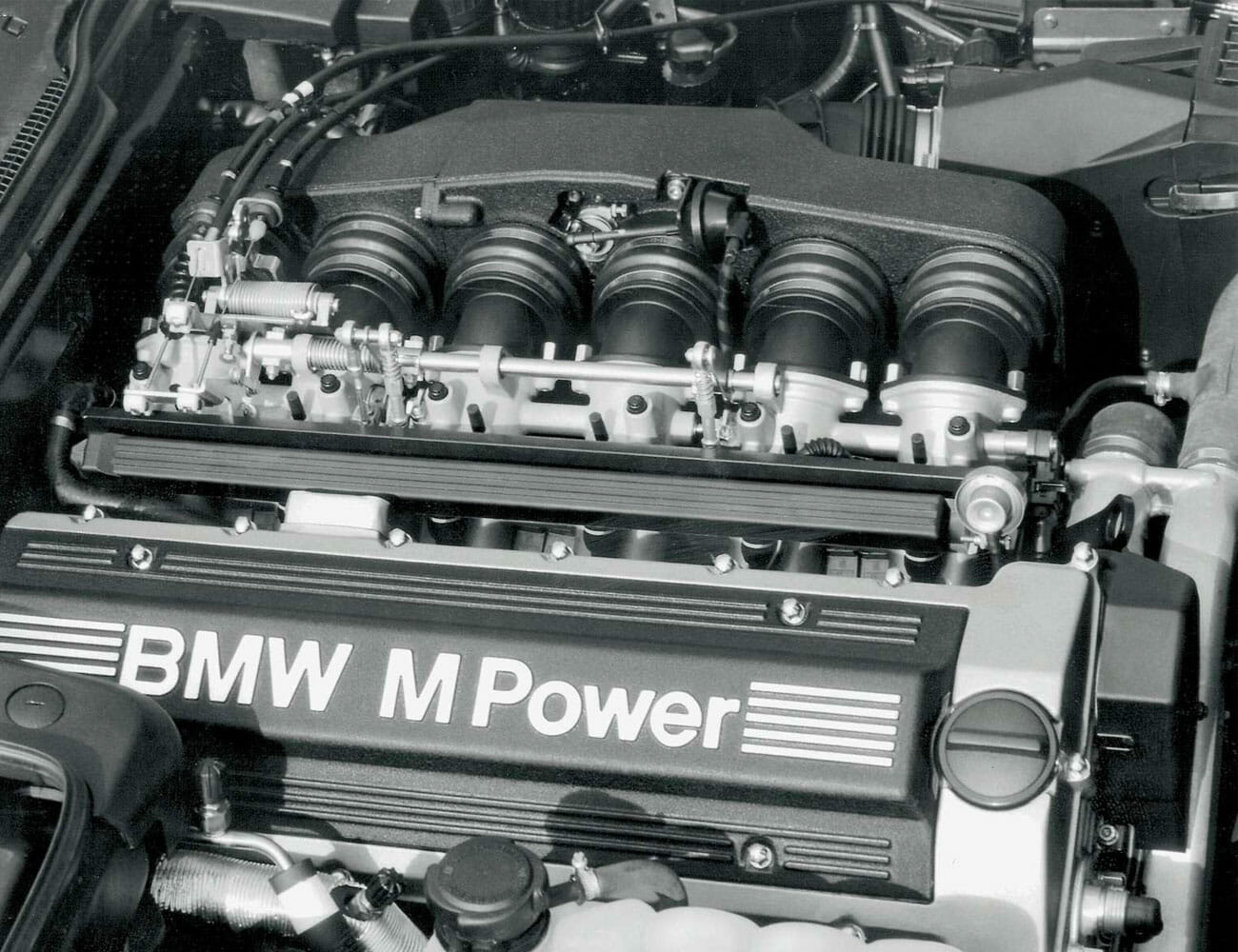
As an evolution of the E28 platform, the E34 was the second (and last) M5 in the lineup to make power from one of BMW’s vaunted inline-six cylinder engines. The displacement increased from the former car’s 3.5 to 3.6 liters, and it produced about 310 horsepower. It would also churn all the way up to 7,000 rpm.

Power went up, but so did its weight: the E34 packed on roughly 600 pounds. Still, the car managed a 0-60 sprint in 5.9 seconds, bordering on supercar territory at the time.

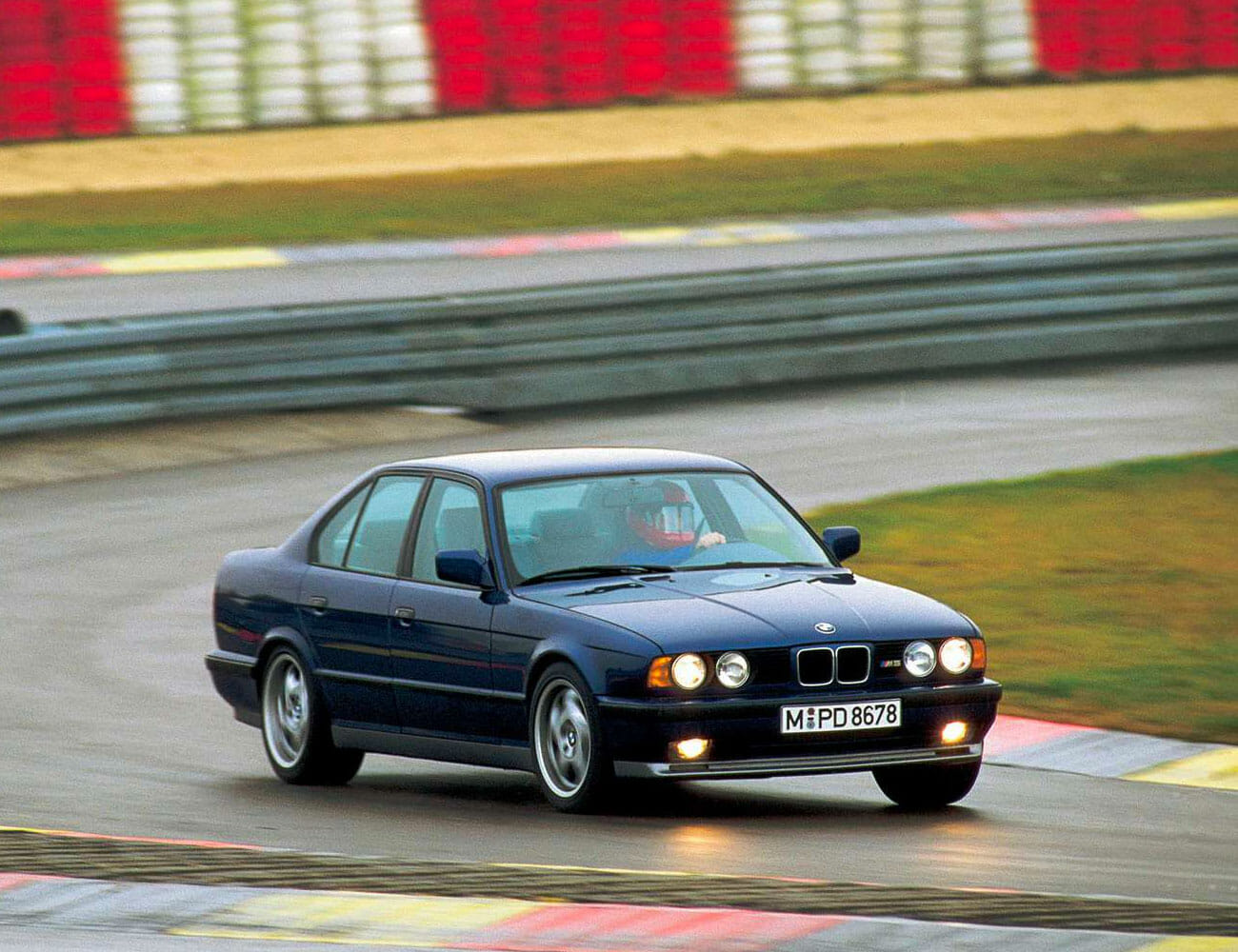
As heavy as it was, reviews praised the E34’s handling. In 2007, Evo did a retrospective and described the car’s handling: “There’s just a bit of understeer at the limit, and even when you deliberately provoke it the M5 seems happier to adopt small oversteer angles than mighty power-slides … It’s an astonishingly wieldy, nimble car. Only slow steering slightly spoils the picture, but you soon forget about that and revel in the engine’s response and the chassis’ remarkably tweakable balance.”

Core to the car’s fantastic handling was a super modern (for the time) suspension system, comprised of a self-leveling suspension on earlier cars and an Electronic Damping Control system on later cars, a first for the M5. Also aiding handling was a limited-slip differential, receiving power through a five-speed manual and, later, a six-speed gearbox. The result was an extremely-balanced car providing plenty of feedback and power from a rev-happy, motorsport-derived engine but with a soft, luxurious interior.

Problems
Many consider the E34 to be a relatively robust chassis, but it’s still an old BMW, so adjust your expectations on “reliability” and set some money aside for maintenance and repairs. The car’s electronic dampening system, for example, can have electronic glitches or malfunctioning actuators. Similarly, the self-leveling suspension on earlier models can leak; many owners often chose to simply replace this with conventional spring suspension.

The S38 engine that powers the E34 is considered by many enthusiasts to be a gem of an engine, as long as it’s taken care of properly. Make sure the seller has a comprehensive service history and up to date with maintenance records. Valvetrain and timing chain adjustments are some of the most common jobs on these engines, and they’re also expensive to do. And, s with any older car, check for rust. The big problem area on the E34 chassis was at the bottom of the doors, where water gets trapped by the trim.

Different Versions

BMW continued to update the E34 M5 through its production run, so later models tend to have the more desirable features. The self-leveling suspension, for example, yielded to the Electronic Damping Control system in 1991, while the 3.6-liter engine was upgraded to a higher-output 3.8-liter unit for the 1992 model year. Manual-equipped cars came with five-speed transmissions until 1994. Pricing varies based on year and condition, but expect to pay somewhere between $15,000 and $25,000 for a nice example of any of these.

If you want something a bit more special than what we got in the U.S., though, turn to Europe where the engines had a higher power output. What’s more, there were several hundred Touring wagons made, though they tack on a hefty premium. You can also look for any one of the few European special editions, including the lightweight Winkelhock Edition, or the super rare Touring Elekta. Both of these will be admittedly very expensive, given that one of that latter recently sold on Bring a Trailer for $120,500.

TAG Heuer Autavia 1972 Re-Edition
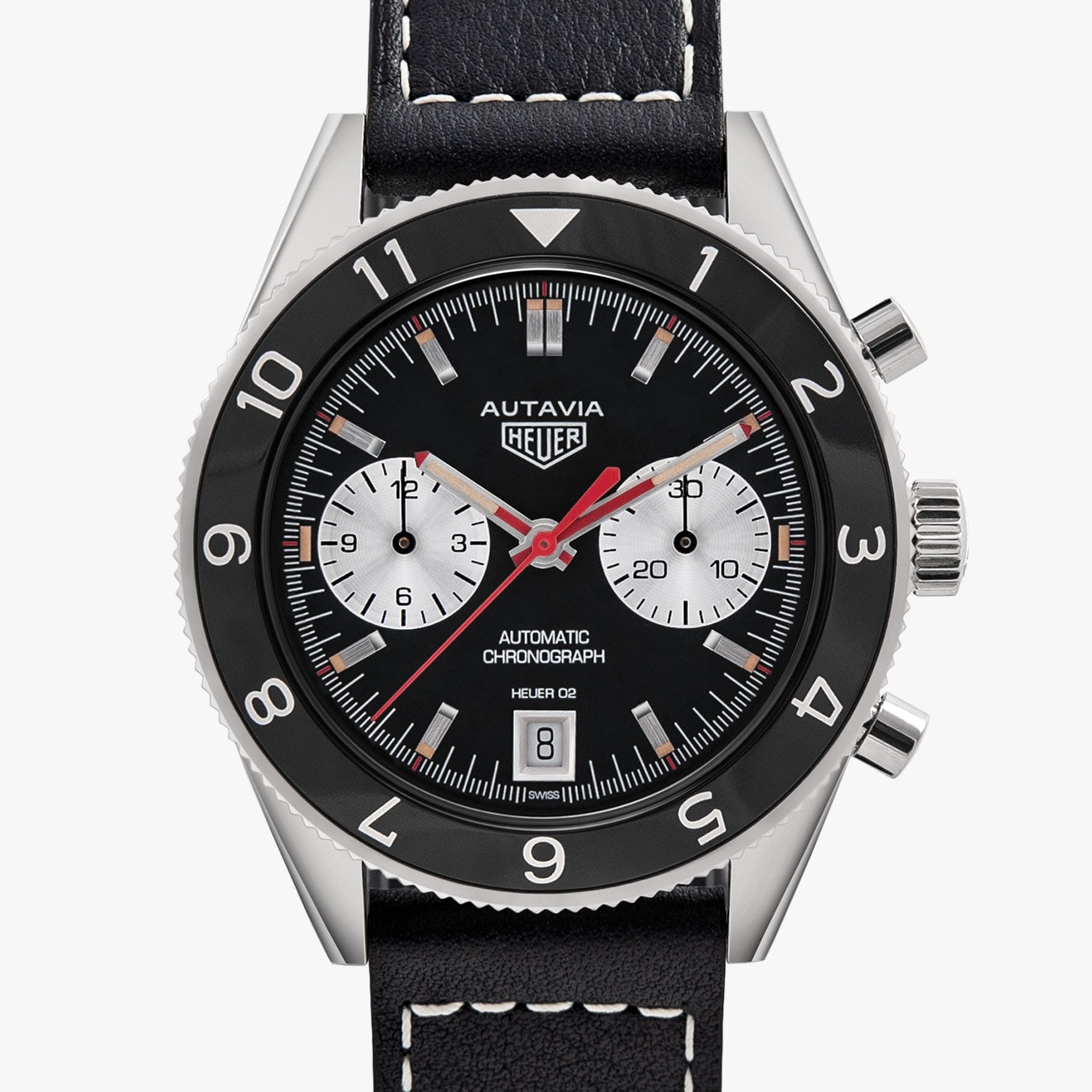
Most watches have some sort of heritage built into them. But the TAG Heuer Autavia 1972 Re-Edition has more than most. The name Autavia comes from TAG Heurer’s history in auto racing and aviation — “AUT” from “auto” and “AVIA” from “aviation.” The 42mm 1972 Re-Edition is fashioned after the iconic 1972 Heuer Autavia 1163V Viceroy but contains modern updates like a two-register dial layout, a sapphire case back and a date window at 6 o’clock. This modern automatic chronograph update is a commendable addition to the Autavia family. Learn More: Here

Get This Affordable Alternative to the Porsche Boxster

As far as the best bang-for-your-buck mid-engine sports cars go, the Porsche 718 Boxster and Cayman are tough to beat. At $56,900, however, the entry-level Porsche is still out of reach for some, but the Toyota MR2, like the one above, is a perfect affordable alternative.

The MR2, which stands for “mid-engine, rear-wheel-drive, two-seater,” made headlines at the 1983 Tokyo Motor Show as the SV-3 concept car, Japan’s first-ever mid-engine car. The MR2 went into production in ’84 and promptly won Car of the Year Japan for 1984-1985.

The little mid-engine car ironically started life as a concept for an economy car, but the design philosophy behind the handling and the lack of weight translated into the ideal sports car. Over 23 years, Toyota built three generations of the MR2, and, going against the natural way of most cars, it gradually lost weight from one generation to the next, ending with the W30 at a scant 2,195 lbs in 2007.

This particular MR2 up for auction is from that last featherweight generation and comes with a 1.8-Liter inline-four engine good for 138 horsepower and 126 lb-ft of torque. Now, this doesn’t sound like much by today’s standards, but considering that the MR2 weighs as much as a first generation Mazda Miata but packs more power and comes with the natural balance of a mid-engined car, it does not lack in entertainment.

If you’re on the market for a seriously fun car, the Porsche Boxster should be high on your list. But, if you don’t want to spend nearly $60,000 to own a German mid-engine sports car, the 2002 Toyota MR2 makes a great Japanese substitute at almost one-tenth the cost.

The Best Used Sport Sedans We’d Buy for $10,000 Right Now

A Note on Pricing: The going prices for these cars are accurate at the time of publishing but may change the longer the classified ads are live.

Sport sedans have a unique place in automotive history. They’re either complete flops or absolute legends. The legends end up resigned to “instant classic” status because they’re sleepers (they’re incredibly subtle yet command unabashedly high performance) or their level of class is so legendary, performance takes a notably comfortable back seat.

The problem with used performance sedans is they’re either beat to shit or cost as much as a new “okay” car in good condition. Since $10,000 is a realistic budget for a used car, we set out to find the best, used sport sedans we’d buy, right now. Don’t judge us.

1999 Jaguar XJR

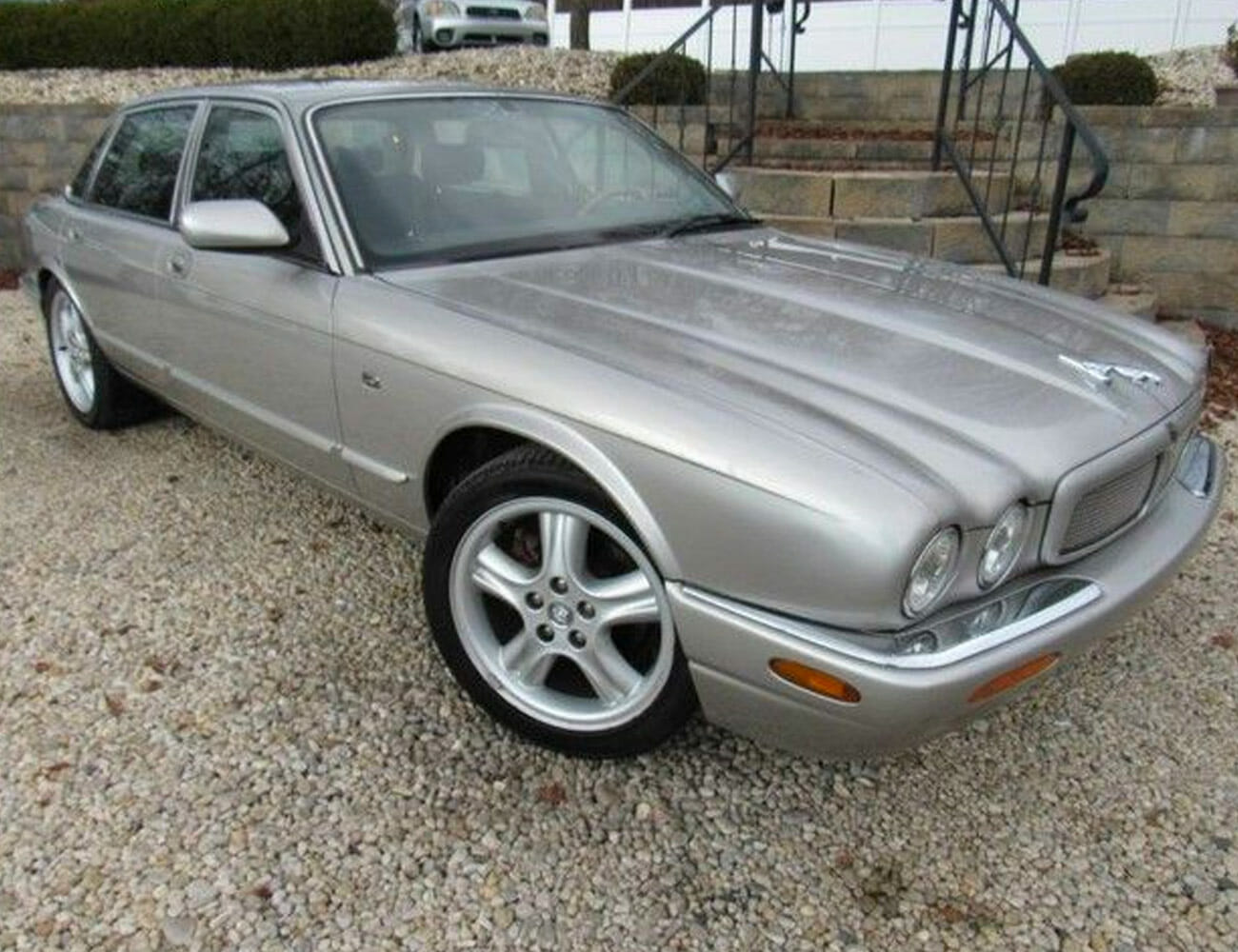
It has 370 horsepower. Three. Seven. Zero. That should be “’nuff said,” but it also has a mere 50,000 miles, copious wood trim and, unlimited Jaguar-level class. For $9,990 it’s hard to beat the value of this 1999 Jaguar XJR. It’s so cheap that us commoners can finally afford it. Any other used sports sedan in this price segment is going to be tired and totally clapped out. Not only are you getting a bargain here but this timeless Jag will technically never go out of style — since they were never in style, to begin with. Just be sure to get friendly with your local Jaguar mechanic. — Hunter D. Kelley, Associate Designer

Mileage: 50,023 miles
Original MSRP: $70,000+

2003 Mercedes-Benz S 600

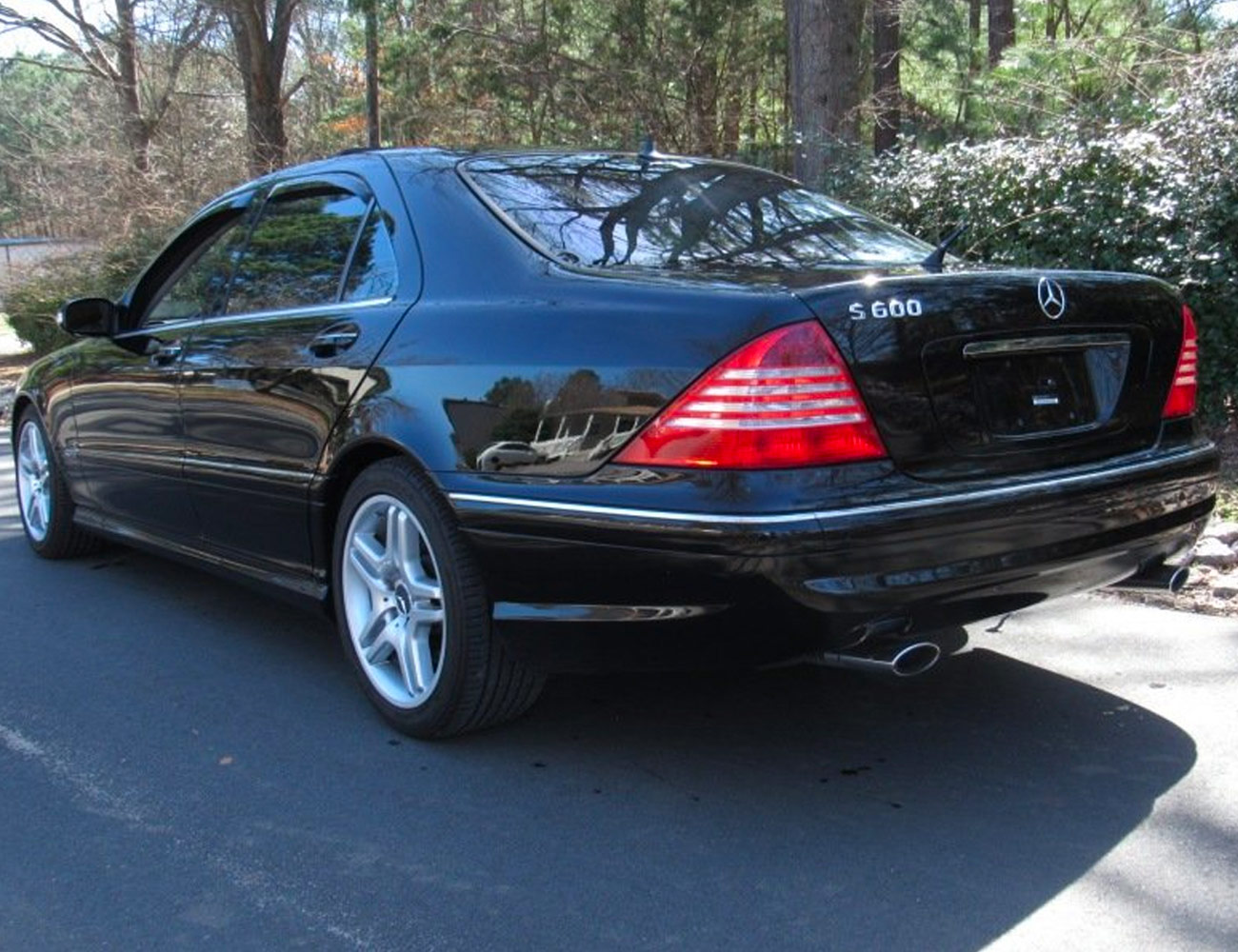
Is there anything more beautiful than a rear-wheel-drive twin-turbocharged V12 for under $10,000? Maybe, but probably not. From the factory, this beast has just under 500 horses, and a tune could easily put this boat closer to 600hp. Sure, there’s a solid chance that owning this car will bankrupt you through maintenance alone. Plus, if you have some extra money to spend (and want to be the bane of your entire community), you can easily upgrade the exhaust to make it sound like an F1 car, all courtesy of that legendary AMG V12. So throw all rationality and logic to the wind, buy this car, and to quote my hometown used car salesman: “drive it like you stole it!”. — Chandler Bondurant, Associate Staff Photographer

Mileage: 83,637 miles
Original MSRP: $123,805

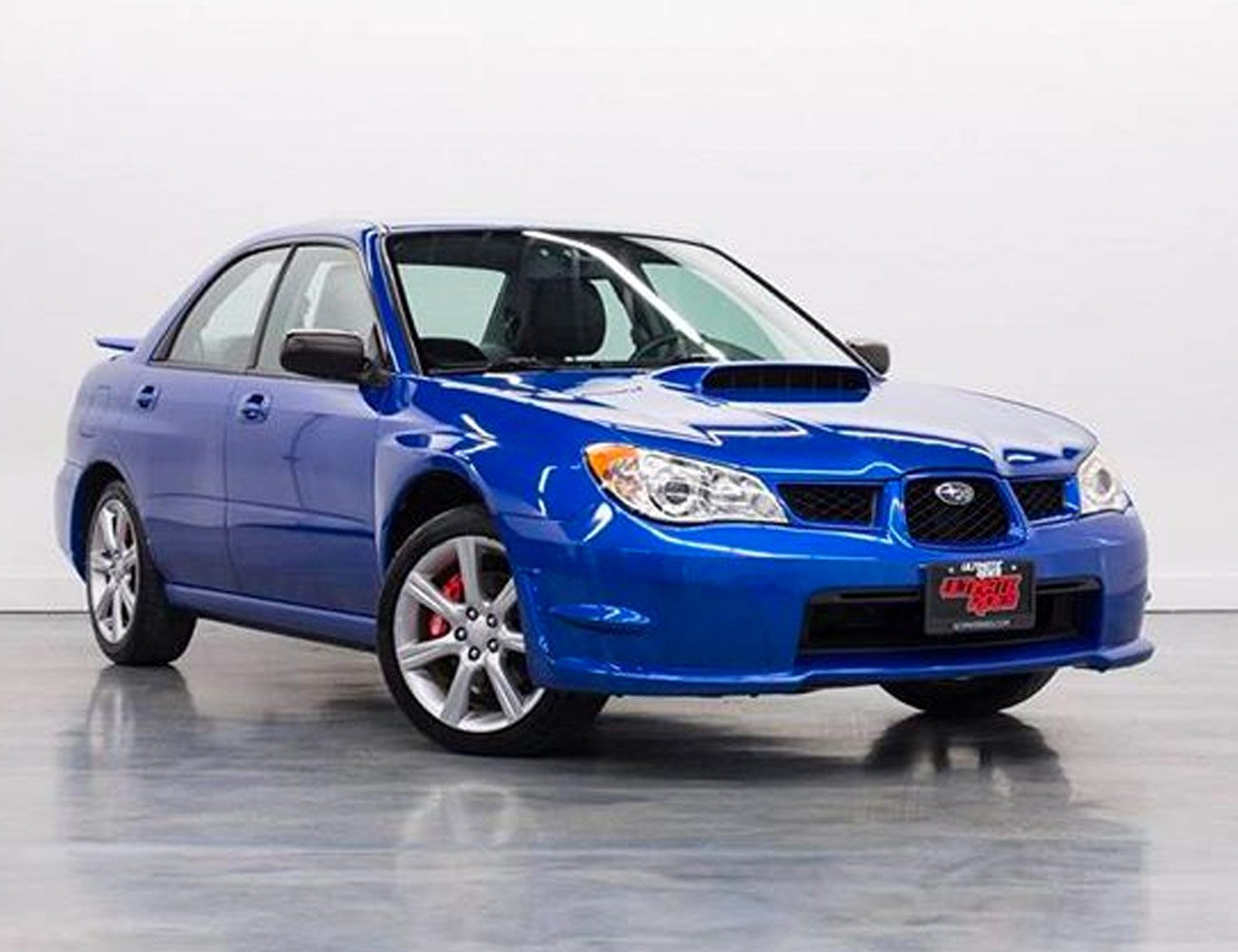
2007 Subaru Impreza WRX TR

Knowing the previous picks before choosing my own, I almost feel weird, picking a WRX. It might be my adult side bubbling to the surface, but as much as I wanted to go for a luxurious German V12 (it does sound heavenly with that F1-style exhaust), for the price, performance, and practicality, the Subaru is easily the best bang-for-your-buck deal, here. Not only is it in immaculate condition for the mileage, and is bone stock, it’s the “TR” model or “Tuner Ready,” meaning it’s a blank slate, ripe for your own add-ons if you desire. But, keep it just as the factory left it and you’ve got one hell of a year-round daily driver. Not bad for the same going rate as a Mercedes-Benz V12. — Bryan Campbell, Staff Writer

Mileage: 152,005 miles
Original MSRP: $24,620
Note: Purchasing products through our links may earn us a portion of the sale, which supports our editorial team’s mission. Learn more here.

Ferrari’s New V6 Hybrid Could Make 723 HP

For the New Dino, Perhaps?

We’ve known for a while that Ferrari is working on a new V6 hybrid powertrain for some of its future vehicles. What exactly those vehicles are is yet to be seen. UK publication CAR Magazine recently reported that the new powertrain could make as much as 723 hp and 800 lb-ft of torque.

That’s quite a lot of power and would be perfect for a new Ferrari Dino that has been rumored for some time. CAR reports that the Dino has been an on again, off again project for the company for some time now. Several people high up with the company liked the idea of a new Dino, especially the late Sergio Marchionne. However, as of yet, nothing has come.

Could a new Dino get a V6 hybrid?

There’s also the chance that a future Ferrari SUV could have the powertrain. That would make it a serious contender with the other SUVs on the market from Bentley, Rolls-Royce, and Lamborghini. Ferrari has not said yet what will power its upcoming SUV, though it has said the name will be Purosangue.

It will be interesting to see where the V6 hybrid powertrain lands in the Ferrari lineup. It would make sense for the company to use the powertrain in multiple models, so there’s a chance that it could end up in the Dino and the Purosangue. Only time will tell.

Could Aston Martin’s AM-RB 003 Hypercar Get the Name Valhalla?

Continuing the Norse Mythology With Its Names

The Aston Martin CEO Andy Palmer had an interview with Automotive News Europe and said, “Valhalla is a name we have registered in our naming book.” Due to the fact that the AM-RB 003 Hypercar is currently without a name, it would make sense for the car to receive Valhalla as its name.

The use of the name Valhalla isn’t honestly too surprising. Valkyrie, which is the car that slots above the AM-RB 003, is a name from Norse mythology, so why not name the car that slots under it something in the same pantheon? The Valhalla name even works from an alliteration standpoint.

The production version of the AM-RB 003 is still under development, but when it arrives it will be a force to be reckoned with. The car should have a V6 hybrid powertrain. The specifics for the powertrain’s output is not yet known. Aston hasn’t shared the information publicly.

Aston plans to build 500 of the model, and the car will cost over $1.3 million, according to Carscoops. The car’s release date is set for sometime in 2021, so Aston still has some time to finish making tweaks with the car, though 2021 is just around the corner.