All posts in “Cars”

Aston Martin Has Trademarked ‘Valen’ Name

A New Model?

In a recent trademark paperwork filing, Aston Martin trademarked the name, Valen. The V names for the company will likely continue. The real question is if this means there will be another Aston Martin model coming soon. This isn’t the first V name that Aston Martin has trademarked.

Recently, we reported on it trademarking the name Valhalla, which is expected to be for the AM-RB 003. That was just speculation, though, so the car could be called Valen. According to Carscoops, the company has also trademarked the name Varekai, which would suggest it’s keeping its options open.

Still, it makes you wonder why Aston Martin needs to trademark so many names. Does it really need that many options for the upcoming AM-RB 003, or does the automaker have some other cars in the works that we don’t know about? 

The CEO of the company did say he would like the company to sell more models. His target number for the brand is 14,000 units eventually. To make that happen it would seem that the company would need to add more vehicles to its lineup, and they probably can’t all be mid-engine supercars or hypercars.

Aston may have to produce something a little more practical, and that vehicle could be the recipient of one of the names the company has trademarked. It’s unclear what all Aston will add to its lineup, but that should become a little less cloudy in the upcoming year or so. We’ll keep you posted.

Porsche 911 Turbo Prototype

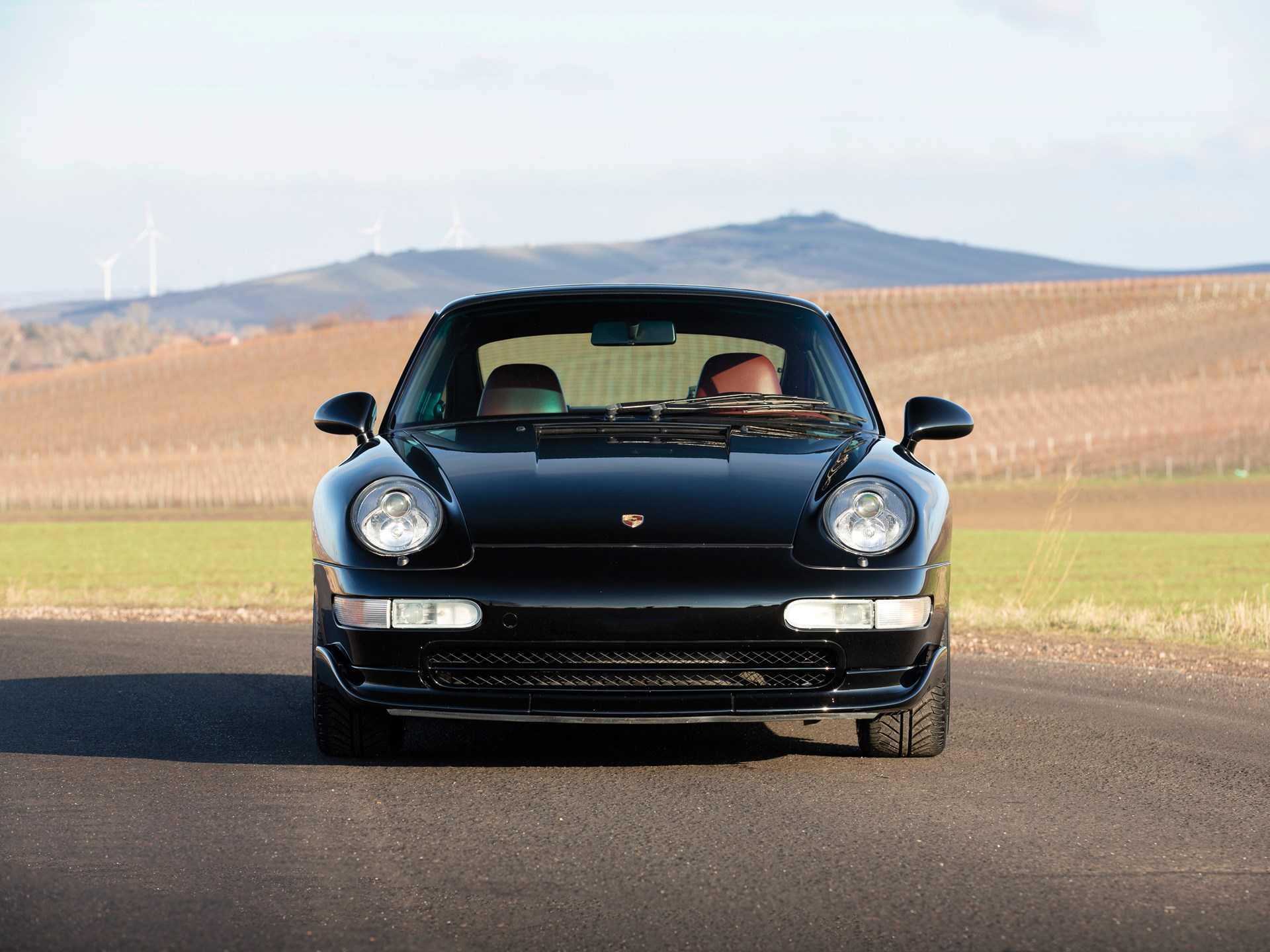
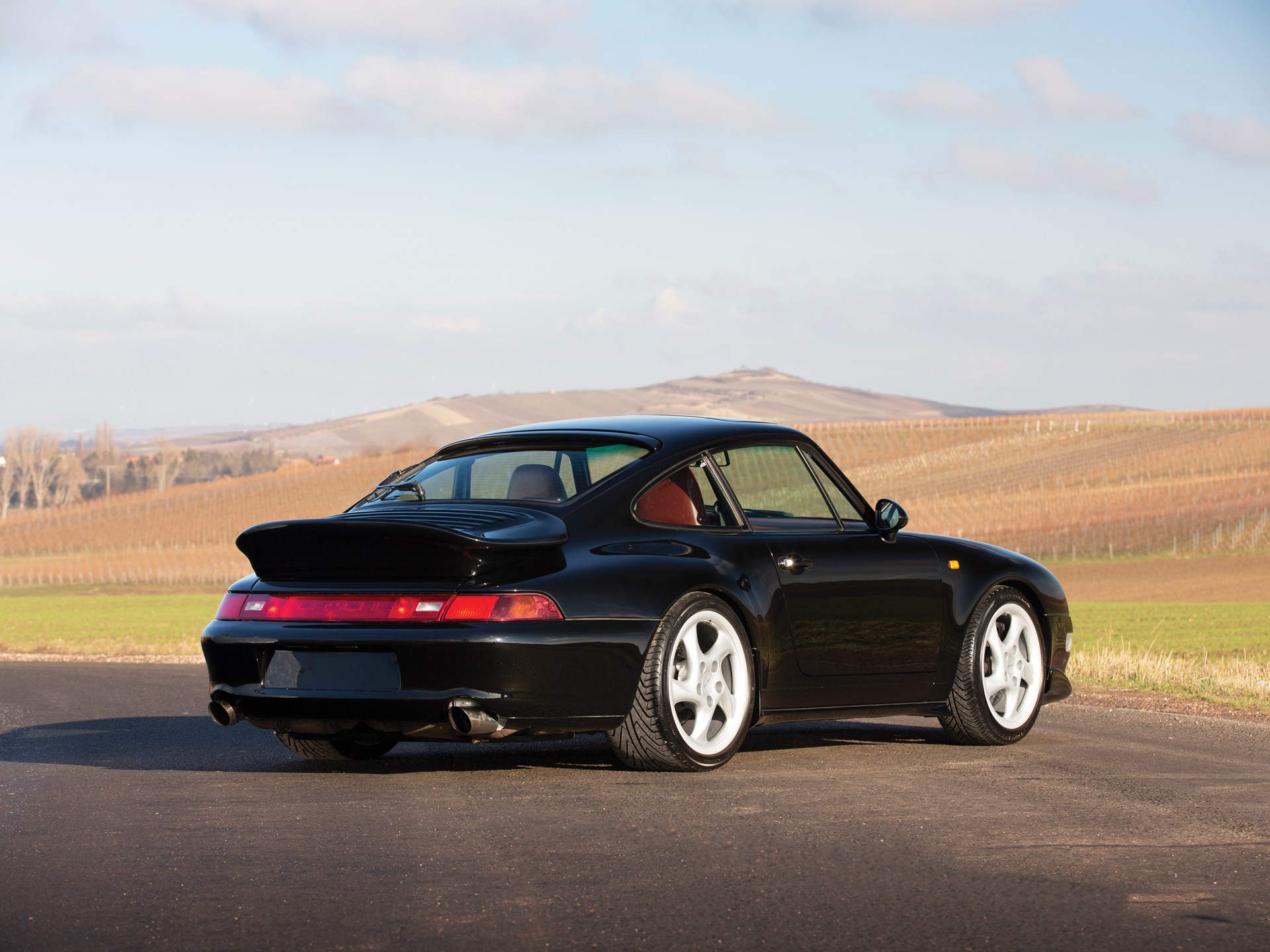
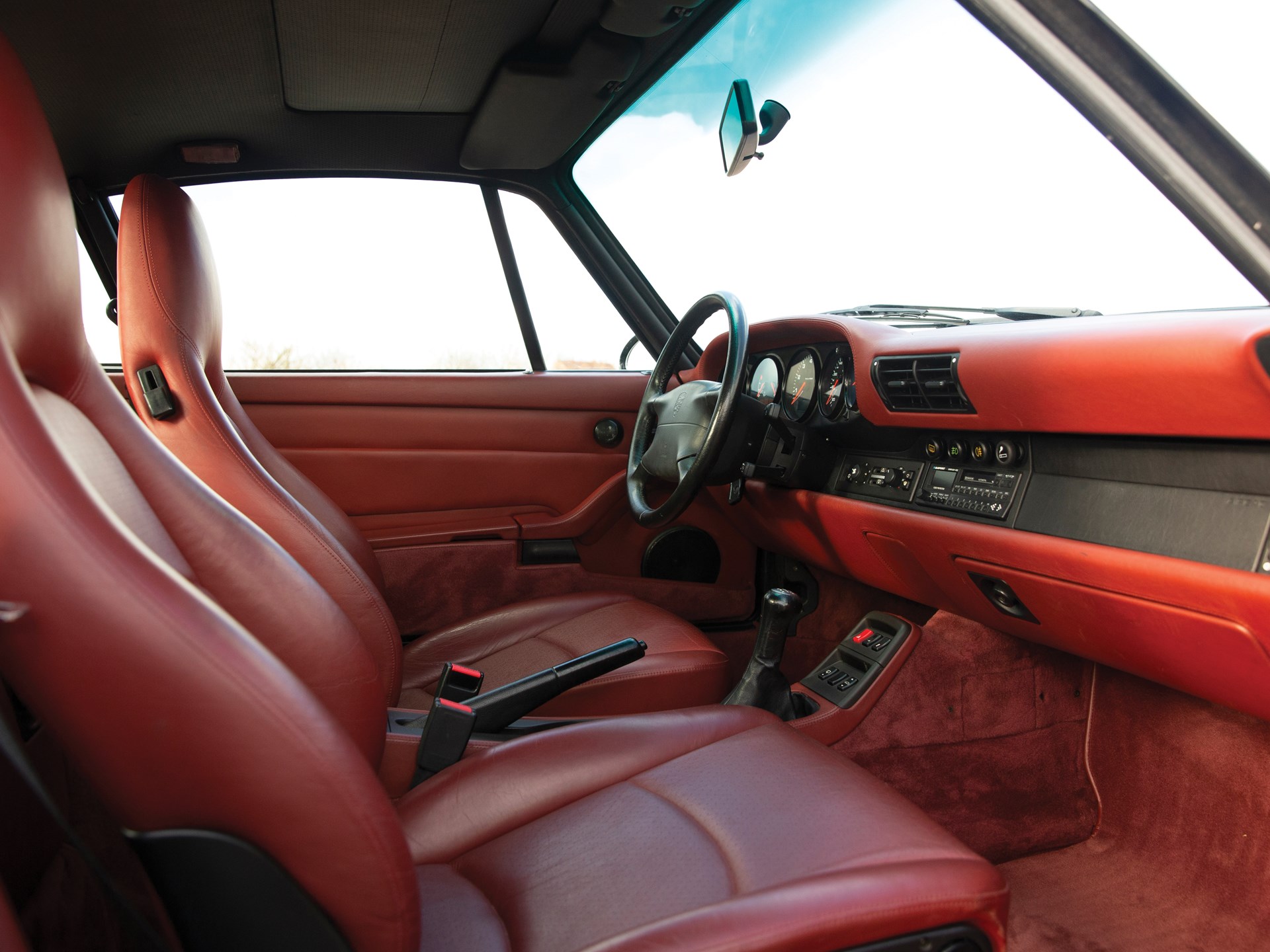
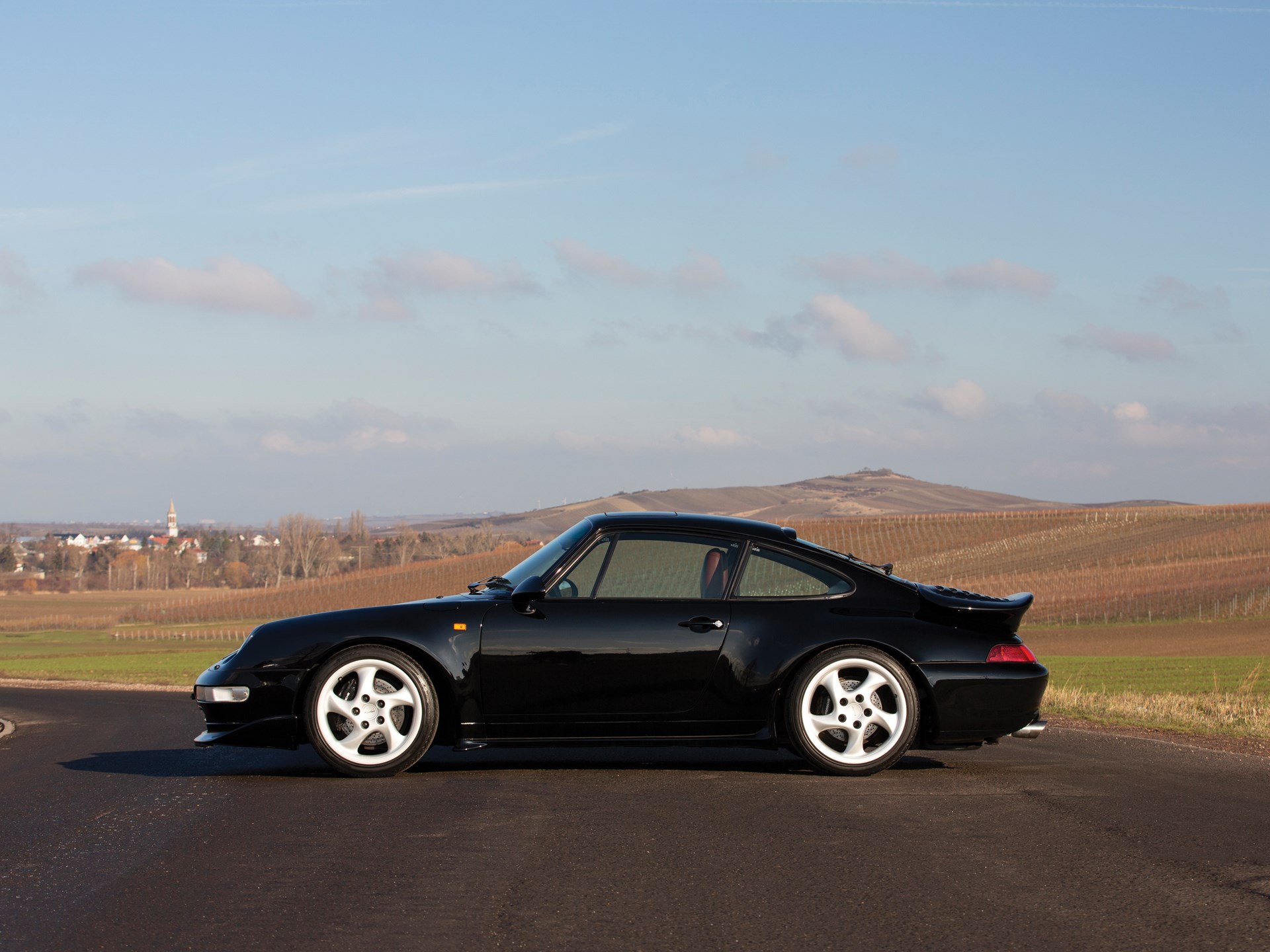
Now ready for the taking is this Porsche 911 Turbo, dubbed as the most interesting prototype that’s been in private hands for many years. If you want to be more specific, this one’s the R-Program Type 993 Porsche built back in 1994, when the new model replaced the 964.

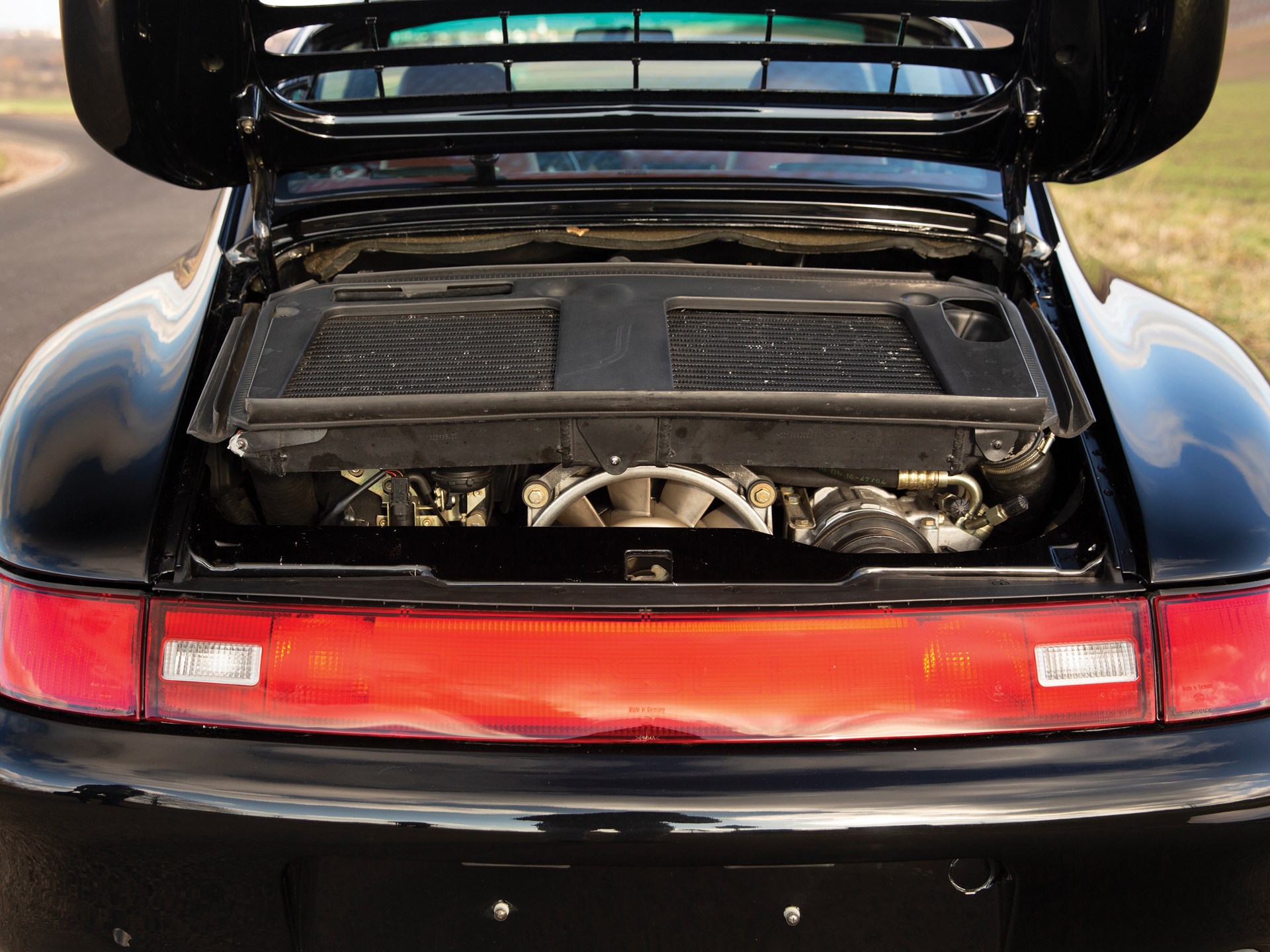
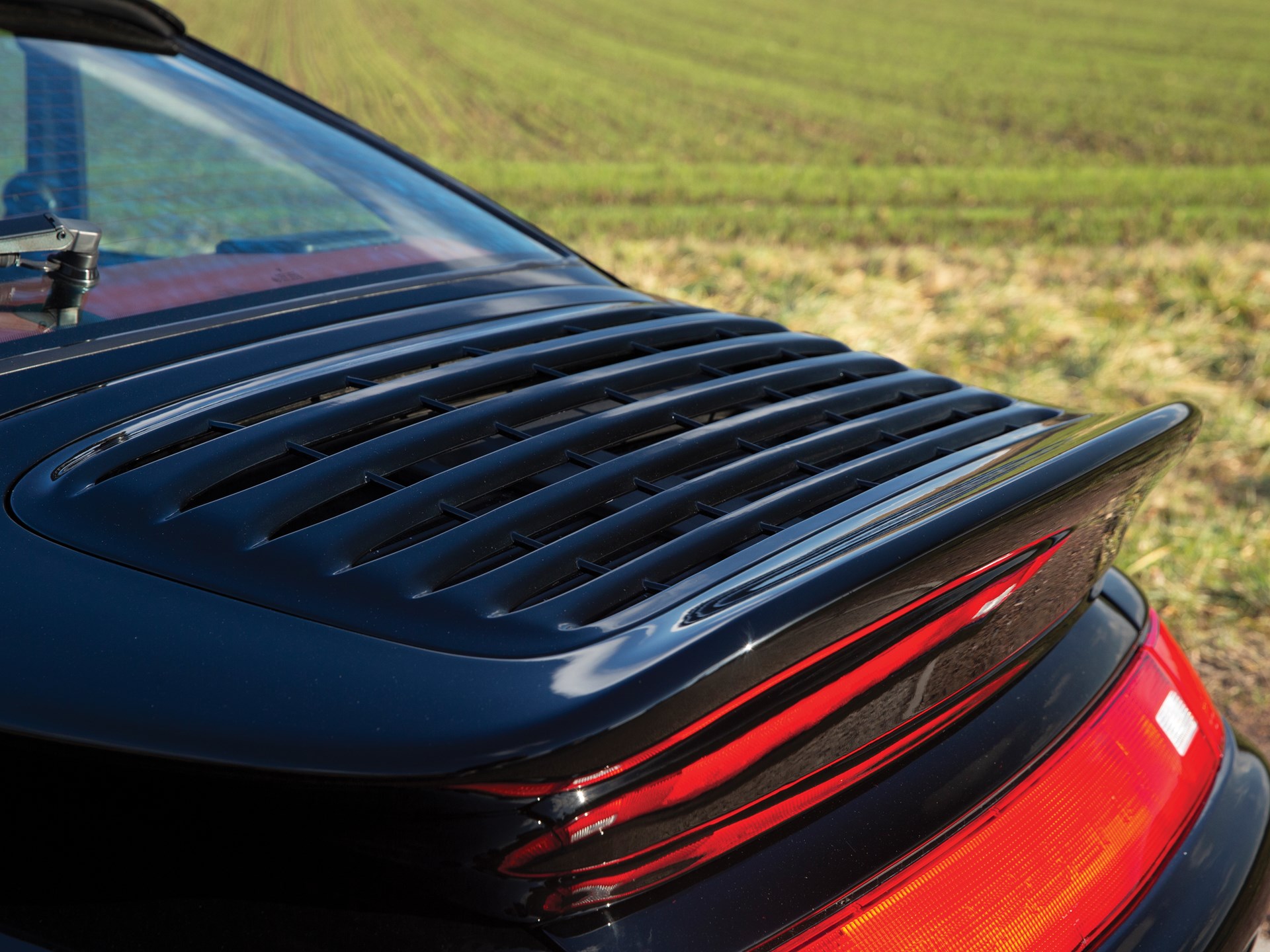
This particular model was pulled from the assembly line before receiving an engine and transmission. Then Porsche’s Racing and Technical Development took it in for various tests. There, they did various things. They put wider fender flares, for example. And also a special nose and rear-deck air spoilers.

After they finished testing, they sold the car through a Porsche dealer in Hofheim, Germany. But it was missing its engine and gearbox when it left the factory. Word has it that at the time, the engine was top secret. When the 993-generation Porsche 911 Turbo came out, the company sent the engine and gearbox, rounding out the entire ride.

This model is apparently one of the only development cars to survive. It comes in a gorgeous red leather interior complete with red carpeting. You’ll also find here Turbo “Twist” alloy wheels, a rear window wiper, air conditioning, and electric windows. Topping that off are 12-way electrically adjustable seats and a rear-seat delete with additional storage. Finally, there’s a nice little Blaupunkt Symphony entertainment system. Talk about vintage.

Porsche typically destroys cars not meant for mainstream sale. Which is why this model comes as a rare chance to own a piece of history almost obliterated from public view.

VISIT AUCTION HERE

Photos courtesy of RM Sotheby’s

Porsche Reveals Tidbits on 992 Generation 911 GT Models

Porsche Remains Focused on Continued Success of 911 GT Range

We are just a few months into the current generation of the Porsche 911 – dubbed the 992 – which inaugurated itself with the launch of the Carrera S and 4S models.  Yet much of the hype surrounding the new car has been coming from the relative shroud of mystery regarding the inevitable release of the GT models.

As has been the tradition with previous generation 911s, GT models typically begin to appear a couple of years into the cycle, with various other iterations being presented as part of the GT range until the end of the generation. The 992 generation will follow the same template, with Porsche teasing that “many exciting and unexpected” models will be released in the new future.

Never one to rest on its laurels, Porsche has already been seen testing what appeared to be a GT3 prototype at the Nürburgring late last year. We are likely to see more test mules captured on spy shots as Porsche continues to prepare the proposed variety of GT models for production.

While remaining coy on the specifications of the GT cars – such as, whether we will see any naturally aspirated engines in the lineup – purists can breathe easy, with Porsche CEO Oliver Blume underlining that the 911 will retain an internal combustion engine, amid all the fanfare surround EVs as of late. There are no plans anywhere in the near future to divert from this, nor are there any thoughts being given to fully autonomous driving features  – that’s Porsche, recognizing what makes a 911, a 911.
[embedded content]

Image Gallery

2019 Porsche Taycan Nearing Production Phase

Porsche Taycan In Final Testing Phase Before September Reveal

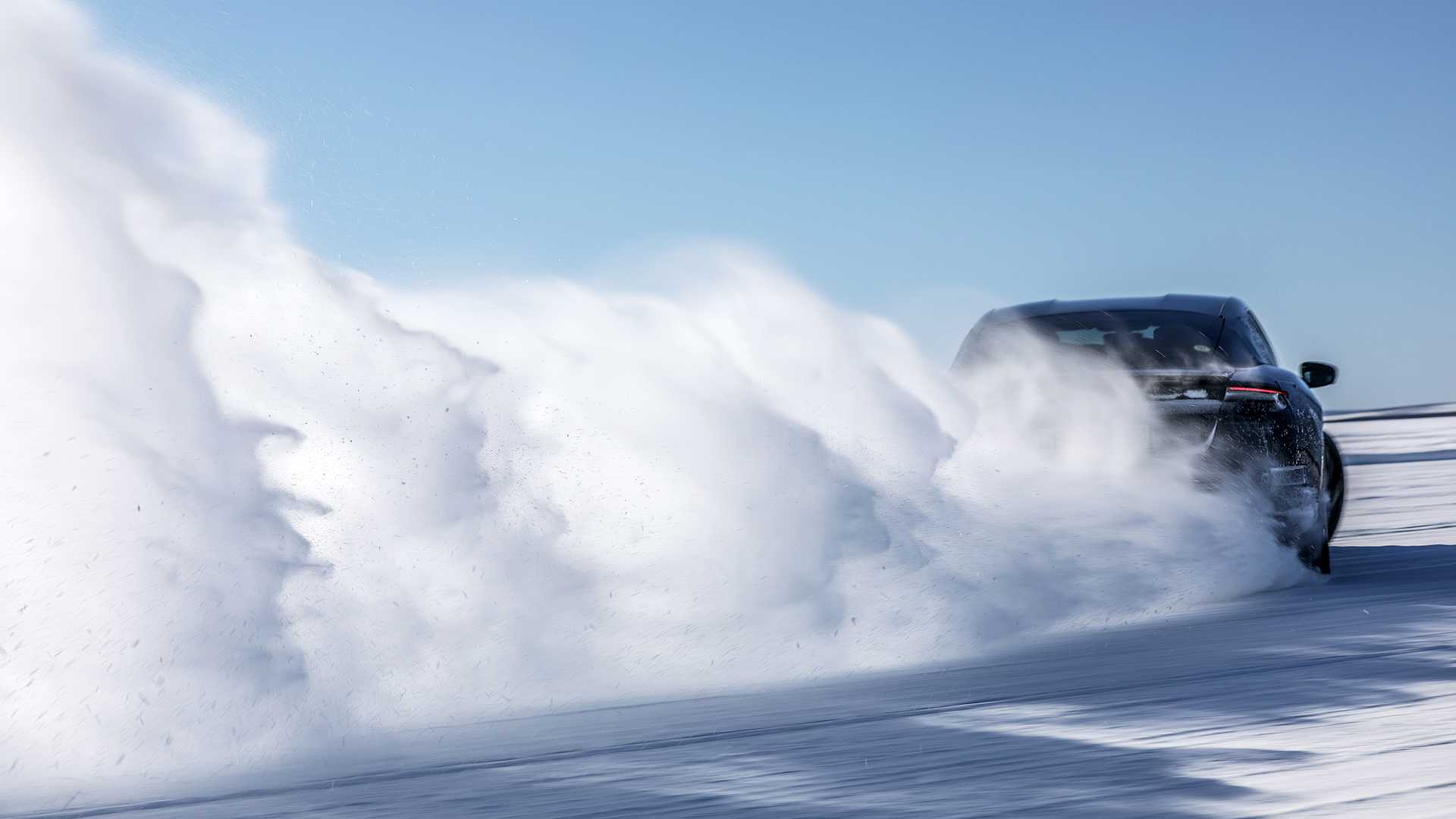
The Porsche Taycan has rather quietly, become on of the most anticipated cars to come out of Stuttgart in a long time. The fully-electric car has the potential to be precedence-setting, both within the company itself as well as the broader automotive spectrum. When it was first unveiled as the Porsche Mission E back in 2015, little details were given, and its silhouette has evolved drastically since officially becoming known as the Taycan in 2018.

Taking place over multiple countries and continents, the Taycan’s world tour has hardly been a vacation for the car or Porsche engineers. The Taycan has undergone rigorous testing in the highest extremes of our planet’s environment, being put through a gauntlet of trials in temperatures ranging from -35 to +50 degrees Celsius.

2019 Porsche Taycan

2019 Porsche Taycan

Thorough considerations are being given to all of the Taycan’s metrics, from its driving dynamics to the performance of its batteries. Once the final testing phase is completed, Porsche states that the Taycan will have gone through well over 100,000 charging cycles using the full range of compatible charging options.

In spite of such grueling conditions, Porsche is buoyed by its findings. In an official press release, Stefan Weckbach (Head of BEV at Porsche) noted that several millions of real-world miles have been recorded as part of these tests.

“After carrying out computer simulations and comprehensive bench tests early on, we have now reached the final phase of this demanding testing programme. Before the Taycan is launched on the market at the end of the year, we will have covered approximately six million kilometers across the globe. We are already very happy with the current status of the vehicles. The Taycan is going to be a true Porsche.” he elaborated.

In a future that most automotive manufactures anticipate will be dominated by EVs, the Taycan is Porsche’s first real statement for that cause. Though this is a very forward thinking approach, Porsche fans can be appeased by the company’s commitment to maintain its core values and respect for heritage. Oliver Blume, Chairman of the Porsche executive board proclaims “Even with solely battery-powered sports cars, Porsche is remaining true to its philosophy and offering our customers the sportiest and technologically most sophisticated model in this market segment.”

[embedded content][embedded content]

2019 Porsche Taycan Image Gallery

Porsche 911 GT2 RS Sets New Fastest Lap at Road Atlanta

Porsche Targeting Production Car Lap Records Away From the ‘Ring

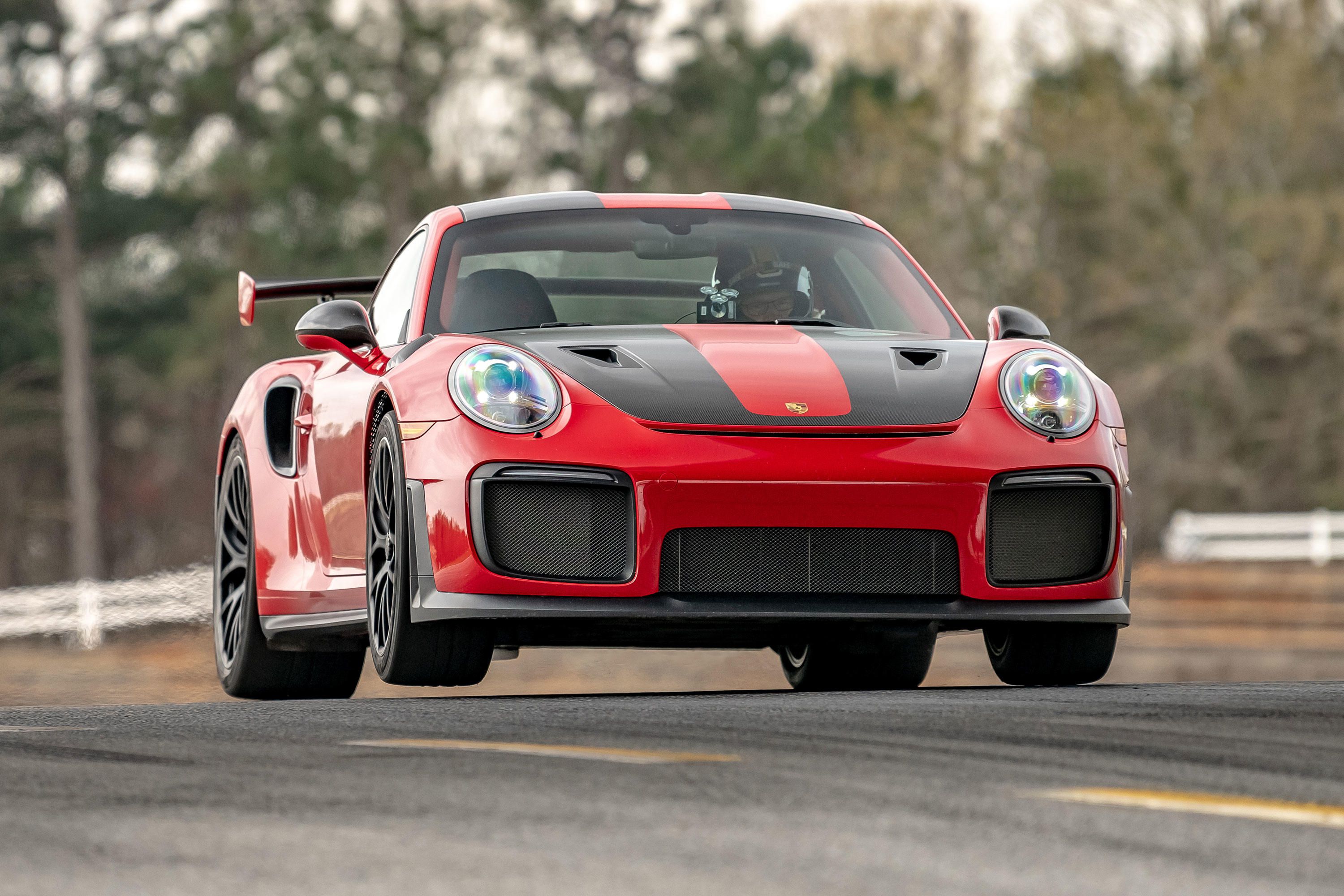
While the Nürburgring unarguably remains the de facto proving grounds for automakers to test the mettle of their performance halos, Porsche is also looking to conquer some of the most iconic North American racetracks with its production-spec 911 GT2 RS.

Late in 2017, a then-new Porsche 911 GT2 RS set the production car lap record at the ‘Ring but would have to fend off the Lamborghini Aventador SVJ in the title race by reclaiming victory in the later part of 2018.

Fast forward to a new year – and a new continent – where Porsche is now the away-team, with fixtures to take place at WeatherTech Raceway Laguna Seca, Willow Springs International Raceway and Michelin Raceway Road Atlanta.

Porsche has released footage (embedded below) of the 1:24.88 lap time set by the GT2 RS at Road Atlanta on March 26, 2019, which beat previous production car record holder – the Chevrolet Corvette ZR1 – which achieved a 1:26.45 in 2018.

The 2.54-mile road course is located just 60 miles from Porsche’s U.S. headquarters in Atlanta and is “… a track that holds so many great memories for Porsche, such as the overall victory with the 911 RSR at Petit Le Mans in 2015,” said Klaus Zellmer, President and CEO of Porsche Cars North America.

Race drivers Randy Pobst and David Donohue shared driving duties for the day, with Pobst – having the honor of setting the fastest and record-breaking lap – remarking of his experience “Even for a professional driver, huge power can be intimidating. But when I drive the GT2 RS, the massive torque feels completely under my control, so useable, because the car is extremely well-balanced. It is very confidence inspiring, a pleasure”.

Porsche 911 GT2 RS

Porsche 911 GT2 RS

We will continue to keep you apprised of the Porsche 911 GT2 RS as it continues its trailblazing tour in America!

[embedded content]

Should the Ferrari P80/C Have Been a Spider?

It Sure Looks Good As a Spider

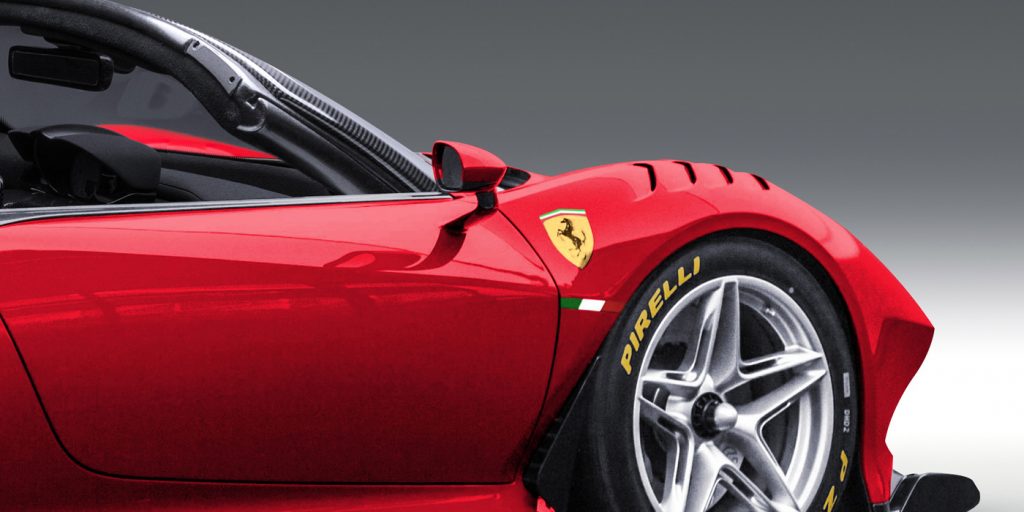
We get why the Ferrari P80/C one-off was a coupe, but this recent P80/C Spider rendering by Aksyonov Nikita makes us think the person who commissioned the car from the company made a mistake, or maybe he should order another.

Unfortunately, that will probably never happen. The P80/C, as Carscoops points out, was a one-off that was not homologated for road use and does not meet any racing series regulations. Because of that, the use of the car is pretty limited. A convertible version of the car would likely have even less use, but it sure does look good.

Ferrari P80/C Spider Rendering

Ferrari P80/C Spider Rendering

The P80/C is a modern interpretation of the 330 P3/P4 and Dino 206 S. It was built using the 488 GT3 as the base. From there it was fully customized. The car has a longer wheelbase than the street-legal 488. The engine and its specs were not released, but we’d assume it was the same 3.9-liter twin-turbo V8 that’s in the 488. 

The car is an amazing project for an unnamed buyer. All Ferrari said was that the collector is a Ferrari aficionado. As much as we loved the look of the coupe version of the car this Spider takes the cake for us. Too bad it will never be.

This Porsche 357 Speedster Study Is the Porsche You Didn’t Know You Needed

The Future of the Porsche Speedster

If there’s one thing you need in your life in the future, it’s this Porsche 357 Speedster. The rendering comes from Clement Lacour and hints at what the future of the Porsche speedster could be. It’s absolutely gorgeous, and we hope Porsche takes it into serious consideration.

Lacour looked to the past to make a car for the future. The 357 Speedster he created takes cues from the original Porsche Speedster and the Porsche 356. The car is extremely smooth with bulging fender flares and some seriously sensual curves. It somehow blends the past, present, and future of automotive styling together into one absolutely stunning car.

The speedster vehicle type has been making a bit of a comeback in the last couple of years. We can point to the Ferrari Monza SP1 and SP2 as the first two examples, and most recently the Lister Knobbly that we profiled a little while back. Both bring the classic speedster style back into the modern limelight.

Demand for special one-off cars has risen in recent years, and if there was a one-off speedster that we would love to see make it into the world, it would be one like this. If we can’t have a one-off, we want a production model, but we doubt that would happen. Still, it’s nice to look at this 357 Speedster and talk about what could be. Hopefully, Porsche is listening.

Chris Harris drives the ‘Ring record-holding Porsche 911 GT2 RS MR

The Porsche 911 GT2 RS was sold out long ago, but can’t keep its 700-horsepower shenanigans out of the news cycle. A stock version recently set the lap record at Road Atlanta, after doing the same at Willow Springs and Laguna Seca. Before that, a modified GT2 prepped by Manthey Racing, the GT2 RS MR, set the Nürburgring lap record for modified production cars with a time of 6:40.03. The Manthey – pronounced MAN-tie – version bested a stock GT2 RS by 7 seconds and the Porsche 918 Spyder by 17 seconds. Chris Harris took the black-striped coupe to Portugal’s Portimao Circuit for Top Gear, not only setting a new circuit record, but besting his best lap time in the McLaren P1 by two seconds.

It’s important to note that Manthey’s car doesn’t make any changes to the engine. The aerodynamics, suspension, wheels, and tires have been changed, but the car is still street legal, even on its Michelin Pilot Sport Cup 2 R rubber. On that note, it should be noted that Harris set his P1 time on Pirelli P Zero Trofeo R tires.

On the GT2 RS MR, the German racing firm installed the KW3 suspension with helper springs from the Porsche GT3 R race car. Harris called the setup “miles better than the standard suspension,” the standard unit itself very good. New brake pad material provides better bite, behind lighter BBS magnesium wheels. Dive planes, a new front splitter, a Gurney flap, new wing rear endplates, undertray changes and a new rear diffuser, and taking some rake out of the car keep everything more planted.

The changes would cost an owner 90,000 euros, but they clearly pay for themselves. Harris says the tweaks don’t tame the car – “this is a yob,” he says, “this thing, it wants to slide everywhere.” However, watching Harris set his fast lap time, except for a minor moment coming through the last turn it looks like he’s headed to Whole Foods to pick up some quinoa. That speaks to how good the GT2 RS already is, and how much better Manthey made it.

Check out the video for Harris’ take on the car, and enjoy his take on Alcantara steering wheels, which “have a bit too much DNA from other people in them.”

2020 Jeep Gladiator Review: a Historic Nameplate Makes a Remarkable Return

When was the last time you saw a Jeep pickup truck? For younger generations, probably never. After all, the last was built in 1992 — the Cherokee-based Comanche — meaning the mere idea of one is almost 30 years old. As a result, most of those who see the new Jeep Gladiator, which is based on the newly redesigned Wrangler, might be startled by the fact that such a thing even exists. Elder enthusiasts and true aficionados of any age, however, will feel pangs of nostalgia and even delight. Both a Wrangler and a pickup? Wondrous indeed.

What’s Good: The Gladiator retains almost all the Wrangler’s off-road capability save for slightly diminished breakover and departure angles, and comes in four different configurations: Sport, Sport S, Overland and Rubicon. So it’s a fully legitimate trail-basher, with the added bonus of the utility bed out back. As with the Wrangler, the details throughout the vehicle are truly marvelous. It’s got all of its donor model’s coolest features, including the fold-down windscreen and readily removable doors, but also a few tricks of its own, like rear seats that flip up to reveal a voluminous storage bin that looks suspiciously like a built-in rifle case but in fact can be partitioned however you like.

Who it’s for: Folks who like to haul stuff and explore, or explore and haul stuff. The new midsized pickup, about to enter showrooms, is 31 inches longer than the longest Wrangler, the four-door, and its wheelbase stretches 20 inches. This makes room for a full five-foot bed that can carry whatever you need—topsoil, camping gear, lumber—though not quite enough space to haul sheets of plywood or drywall. Leave that to the full-size pickups. Besides, while those guys are refinishing their basements, you’ll be out conquering trails and scrambling over rock beds.
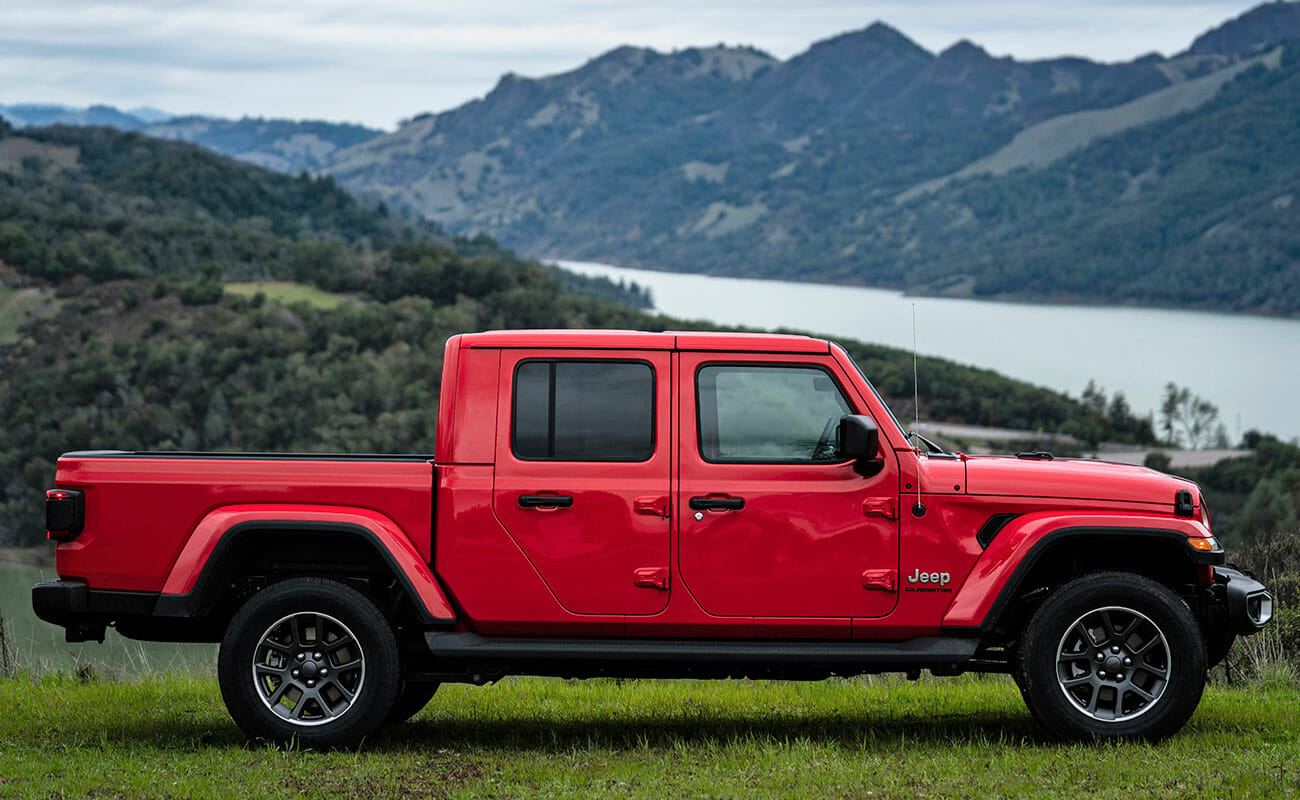
Watch out for: Road handling. While it’s absolutely a beneficiary of the improved ride qualities that debuted in the new Wrangler, it’s still a Jeep riding high on large tires with a suspension optimized for off-roading. This becomes particularly noticeable in the turns, where the Gladiator’s extra length further hampers handling. In the end, it’s fine in a straight line and of course brilliant off-road, but once you’re into a twisty stretch, your stomach might struggle with the extra body roll.

Review: Gladiator revives a fabled nameplate used in a Wagoneer-based pickup between 1963 and 1972. But while, as a Jeep, it’s obligated to live up to its heritage, more important is the truck’s appeal to modern users. In that sense, the Gladiator delivers, both in modern metrics like connectivity and baseline comfort and the nuances that make Jeeps, Jeeps. Out of the gate, it comes powered by a 3.6-liter Pentastar V6 that delivers 285 horsepower and 260 lb.-ft. of torque. (A diesel V6 will arrive next year.) Those numbers might feel low by current truck standards, but they more than deliver at the midsize level, particularly given that the powertrain is optimized for low-end torque and slow-and-steady rock crawling. To help fuel economy, it features engine stop-start and a smooth eight-speed transmission. The manual six-speed option, though, is a joy to drive, especially with gear ratios that allow for stress-free low-speed maneuvering without the constant threat of stalling.

I drove the Gladiator across a stretch of northern California that included substantial coastal cruising. It did fine in the straights, with only modest tire roar from the 33-inch tires and the kind of wind noise you’d expect from the boxy design. As with the Wrangler, neither were significant enough to impede conversation or strain your senses. In the twistier parts of the drive, the longer wheelbase and the general off-road-oriented geometry made for greater degrees of body roll than might be comfortable. Trundle through at modest speeds and you’ll hardly notice it; put any energy into your drive, though, and you might start to feel it as the miles, and curves, stack up.
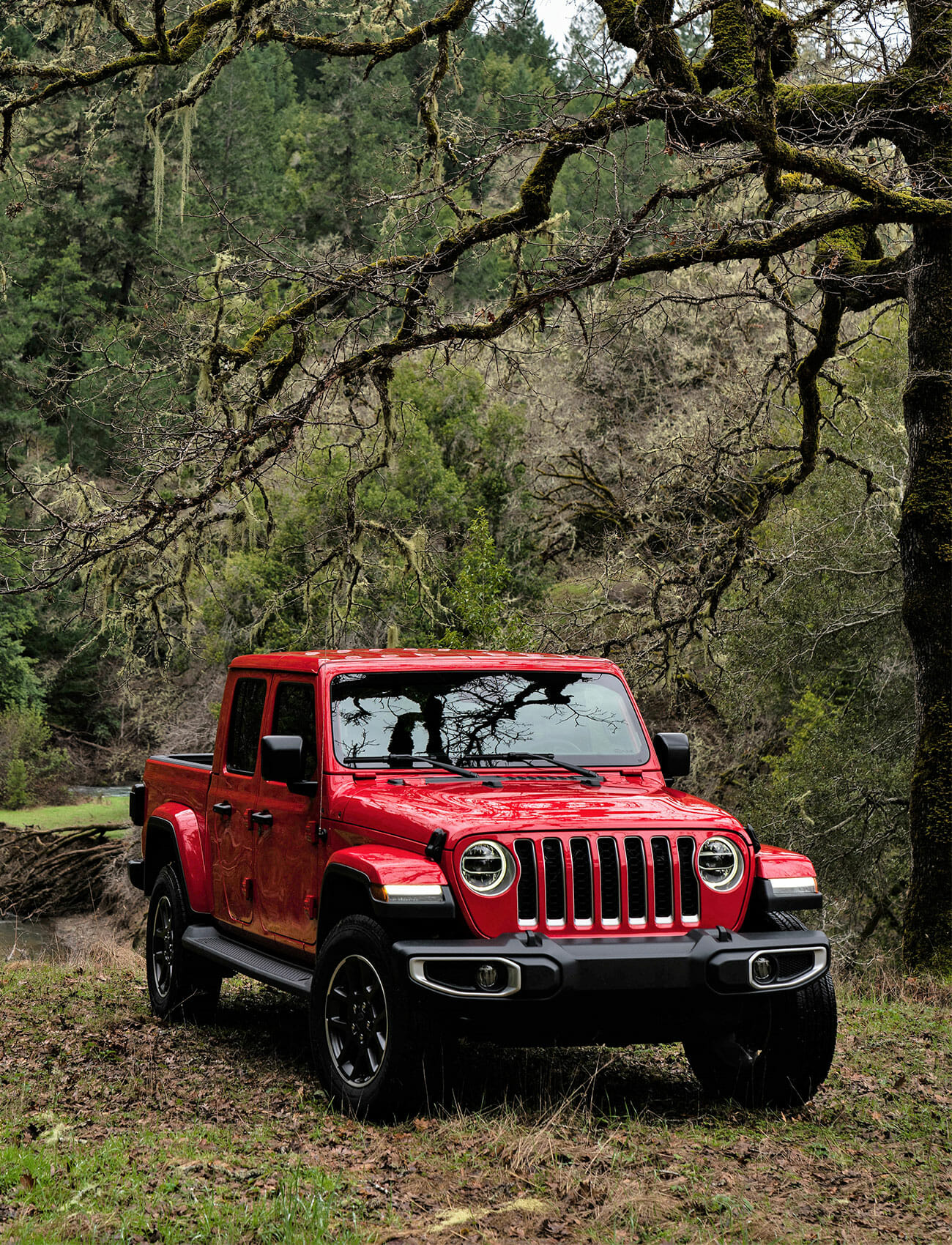
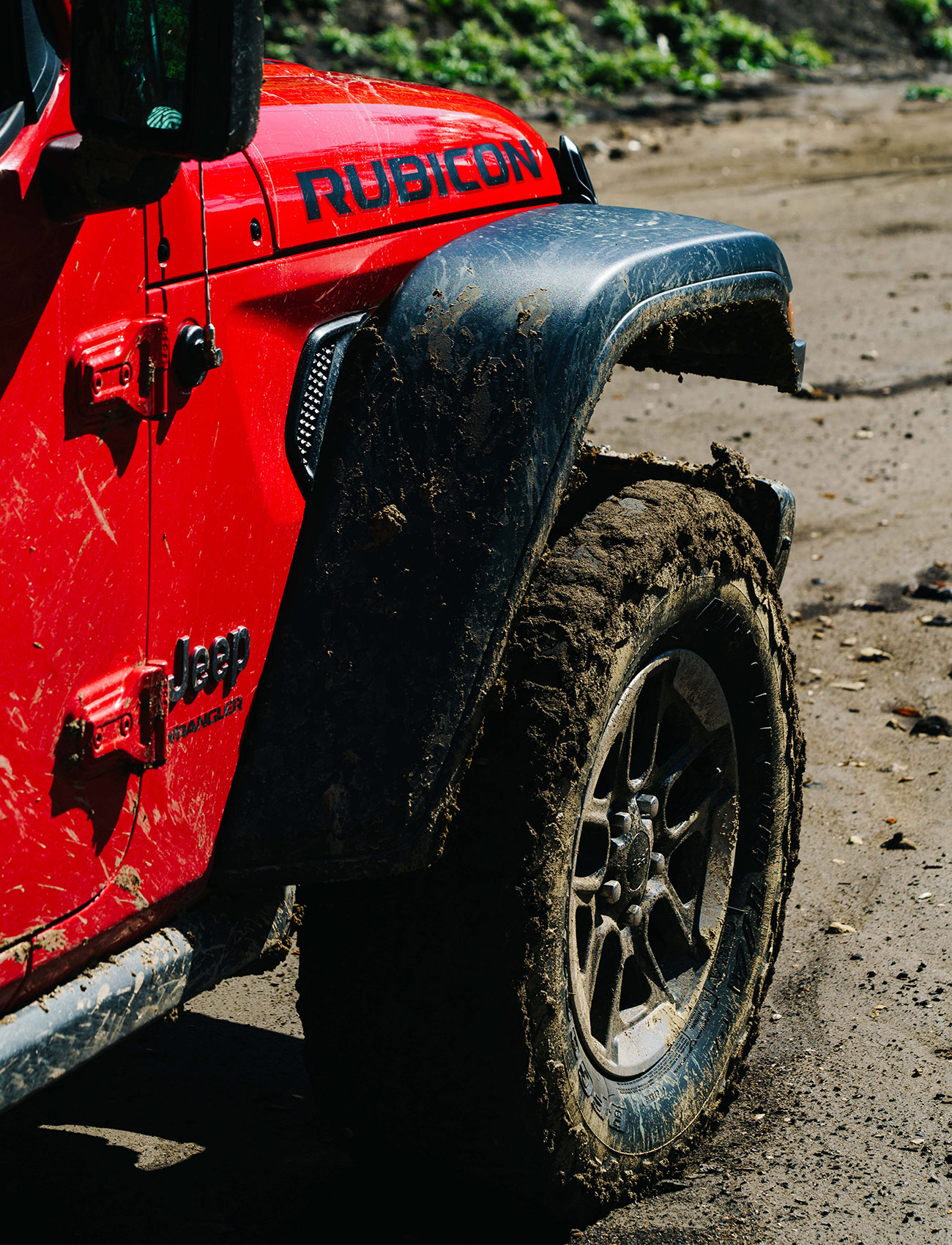
By far the best part of the drive was the off-road portion, which included the kind of scrambling that makes beginners go pale. The stiff, body-on-frame Gladiator managed significant boulder fields, mud-slogging, and extreme angles with ease, making the mission exceptionally fun. Credit, of course, goes to the Wrangler-derived engineering, which in the Rubicon trim includes a Rock-Trac 4×4 system with heavy-duty Dana 44 axles with a 4LO ratio of 4:1, with locking differentials. An electronic sway-bar disconnect improves wheel travel, and rock rails will protect the body panels from dings and dents. Sport and Overland trims come with the Command-Trac 4×4 system, including a two-speed transfer case with a 2.72:1 low-range gear ratio and limited-slip rear differential for better torque and grip in low-traction environments.

In the real world, all this means the Gladiator can get you out of virtually any jam you can think of, and in my trials it proved no less confidence-inspiring than the new Wrangler. It does this while also throwing in details both clever and thoughtful for the die-hard Jeep community, including a full-size spare tire mounted under the bed, in a space that’s also capable of holding up to a 35-inch tire, given that so many owners make upgrades of that sort as soon as they get hold of their machines. (The fenders can also accommodate 35-inch tires.) There’s also pickup-specific features, including under-rail bed lighting, integrated tie-downs and Jeep’s Trail Rail Cargo Management System, which enhances customizability of cargo storage and anchor points. You can opt, as well, for a spray-in bed liner and a tonneau cover.

Inside again echoes much of the Wrangler’s design and organization, which are exemplary and functional, including large buttons usable even while wearing gloves and a center stack that neatly consolidates key functions. Standard and optional safety features include blind-spot monitoring and rear cross-path detection, cameras for improved off-road situational awareness, and even adaptive cruise control. The fourth-gen Uconnect system offers Apple CarPlay and Android Auto as well as navigation and assorted streaming apps.
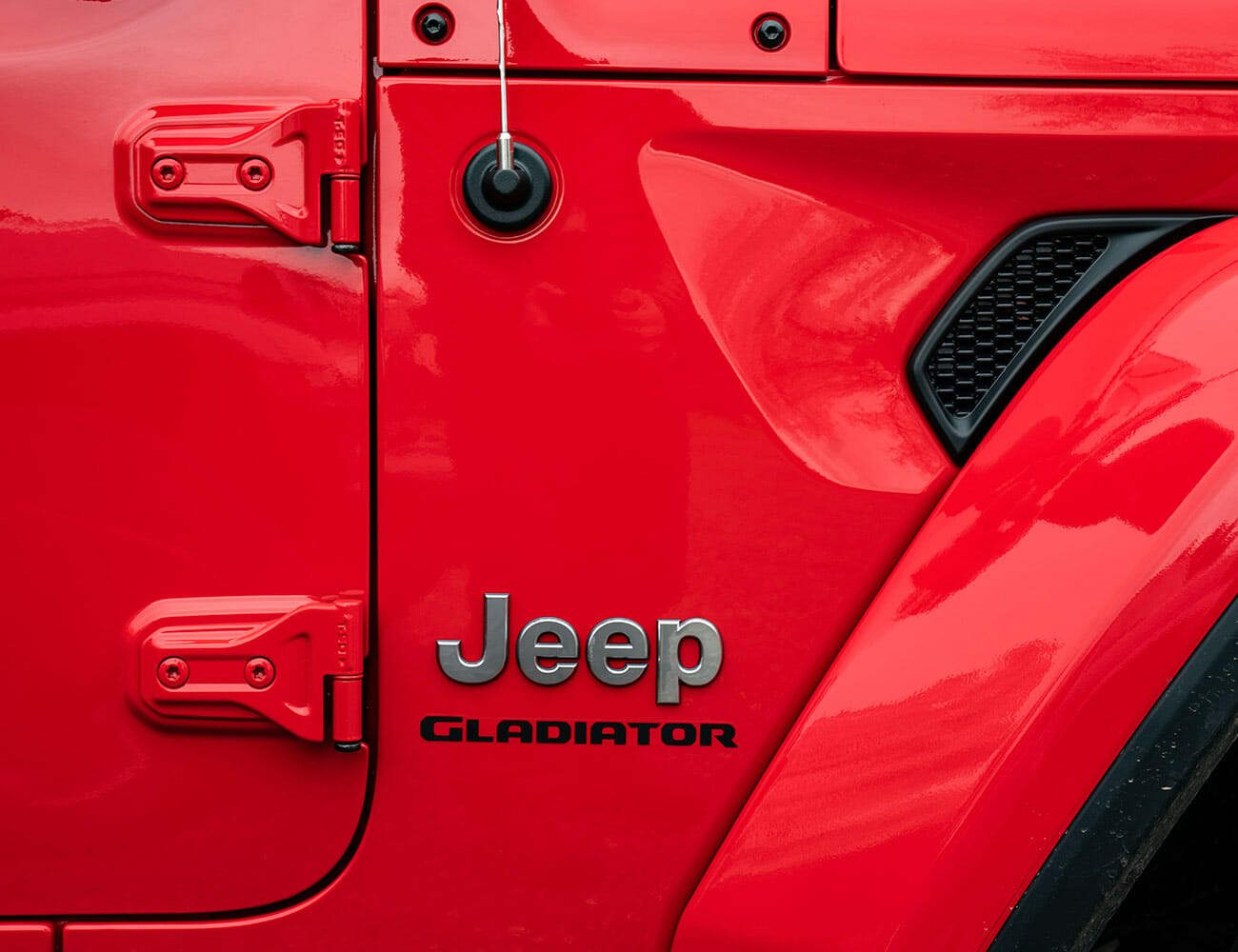
This keeps the retro-feeling Gladiator decidedly modern, making it usable on a daily basis even if some of that stuff ceases to matter when you leave the pavement. Yes, the Gladiator is a pickup truck, and a good one at that, but even the most cursory glance tells you it has a greater, muddier mission in mind.

Verdict: For all its successes as both an off-roader and a truly useful pickup truck, one of the greatest things about the Gladiator has to be its utterly unique look. It’s got both the retro panache of the Wrangler and the distinction of being the only pickup truck on the market that doesn’t essentially look like all the other pickup trucks on the market. That’s a huge differentiator, and will make those who drive this to dinner or the Depot the center of attention in a way that will make them the envy of those thundering around in F-150s or Rangers, Silverados or Colorados, Tundras or Tacomas.

That seals the deal: the Gladiator rocks.

Specs:
Year / Make / Model: 2020 Jeep Gladiator
Purchase URL: www.jeep.com
Price: Sport $33,545; Sport S $36,745; Overland $40,395; Rubicon $43,545
Engine: 3.6-liter Pentastar V-6
Transmission: 8-speed Automatic or 6-speed Manual
Horsepower: 285 hp
Torque: 260 lb-ft
Fuel Economy (City / Highway / Combined): 17 / 22 / 19
Towing / payload: Up to 7,650/1,600 pounds
Ground clearance: 11.1 inches
Fording depth: 30 inches

Jeep hosted us and provided this product for review.

Read More Gear Patrol Reviews

Hot takes and in-depth reviews on noteworthy, relevant and interesting products. Read the Story
Note: Purchasing products through our links may earn us a portion of the sale, which supports our editorial team’s mission. Learn more here.

The VW ID. R Will Take On the Tianmen Shan Big Gate Road in China

Pikes Peak Wasn’t Satisfying Enough

Volkswagen’s ID. R is without a doubt a seriously badass machine. It currently holds the record for a car traveling up the Pikes Peak International Hill Climb for an EV. The company now looks to a more challenging road. While Pikes Peak is one of the most challenging out there, the Tianmen Shan Big Gate Road in China should top it. VW will give the route a try in its electric racer, according to Carscoops.

The car will have its work cut out for it. Luckily it’ll have the successful racing driver Romain Dumas at the helm. He will have to pilot the vehicle along the super unique road. The stretch of road goes up the Tianmen Mountain. The road starts about 656 feet above sea level and rises to about 4265 feet high. Along the way, there are 99 turns. 

While the ID. R will have its work cut out for it, VW doesn’t have an official time to beat. There is no official record for the road. To make things interesting, the company is allowing gamers to try to set a virtual record via a video game. Dumas will then try to beat that time in the ID. R.

That should keep things interesting, and it’s a smart move by VW. The gaming community is big into automotive-focused games, and it helps with brand recognition. We’re actually pretty excited to see what the car can do on the road. The attempt will occur in September of this year. 

Watch From Inside the Car as M2K Motorsports’ Ford GT Hits 300 MPH

This Looks Insanely Fast Because It Is

Recently we reported on how M2K Motorsports beat the 300 mph speed barrier for a road car in its 2006 Ford GT. The car did so at the Texas Mile event held at an airport runway in Texas. The car put the likes of Koenigsegg and Hennessey in its rearview mirror, so to speak, by making the run so quickly. It’s also apparent that it could have gone much faster on a longer runway.

Anyway, the video of the 300 mph Ford GT was cool, but now there’s a new video posted by the guys that made it happen of the car making its run. The video was shot behind the dashboard of the car. You get to see the vehicle make the run in all of its glory. It’s a thing worth watching, and what a thing it is.

The car’s 5.4-liter V8 engine makes around 2,500 hp. It takes the GT only about 8 seconds to hit 124 mph. At 13 seconds the car is at 200 mph. At 17 seconds it soars past 253 mph, which is the top speed of a Bugatti Veyron. At 22 seconds after it began its journey, the car hits 300 mph. 

Of course, the car is far from stock. It’s been heavily modified by the M2K Motorsports team. However, it’s still street legal, and that means it wins the 300 mph crown. You can watch the full video below.

[embedded content]

The 10 Slowest-Selling Cars in America Last Year

When the tastes of the average car buyer evolve, entire segments and styles of cars can take a hit while others swell in popularity. America’s current obsession: large SUVs and mid-sized crossovers, far removed from the years that saw sedans and wagons flying off dealership lots.

According to a report from USA Today that lists the slowest selling cars of last year based on data from Kelley Blue Book, it’s clear just how unpopular some cars are, especially sedans.

When manufacturers determine the number of cars to allocate to specific dealerships, they factor in the regions’ preferences, the assumed popularity of the car and how quickly they think the dealership can sell them. If all goes well, some vehicles will only be on the lot for a few days, maybe a couple of weeks, with the average car only staying put for around a month.

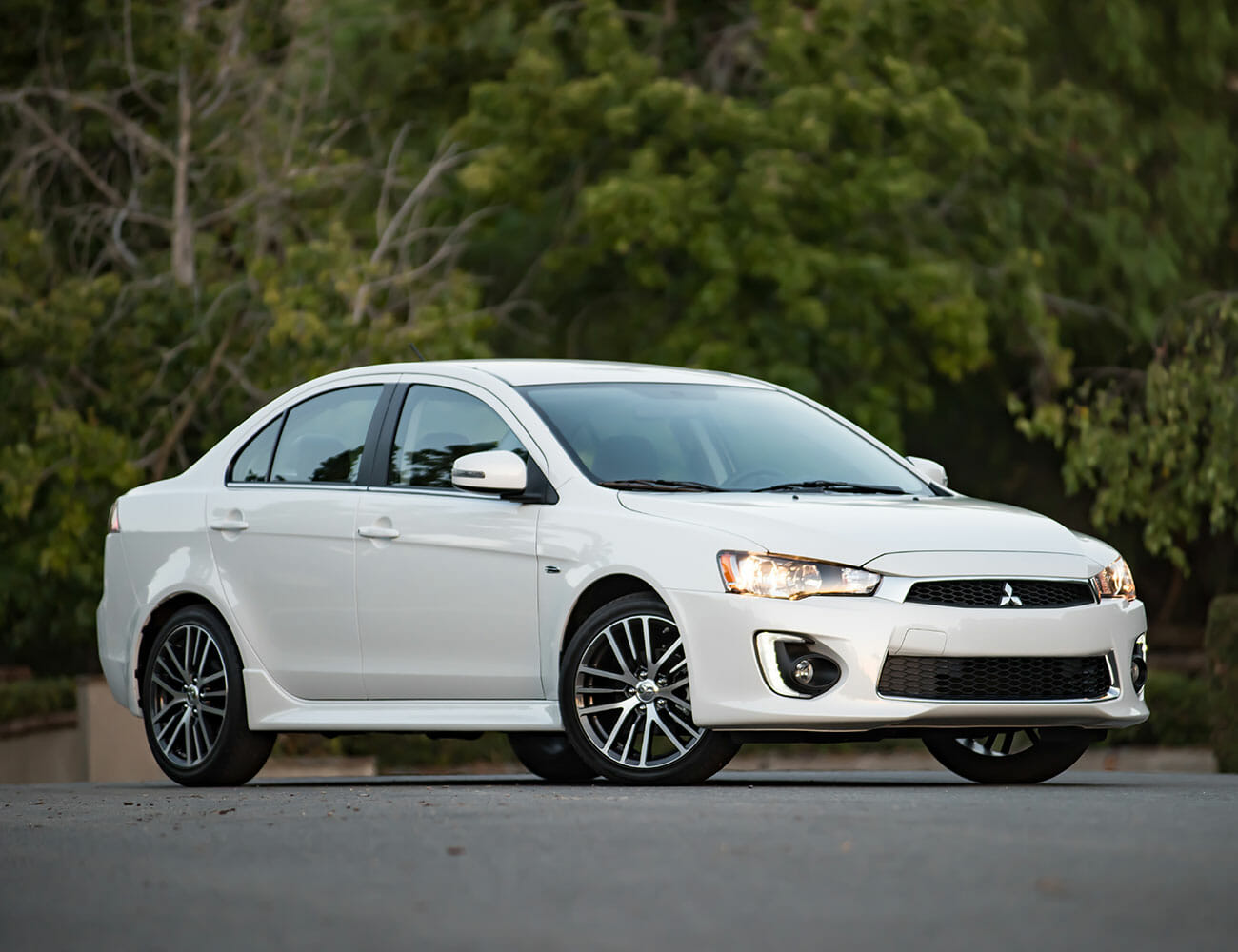
If manufacturers get wrong or if the type of vehicle just isn’t what the buyers on the market are looking for, months can go by, or in the case of the Mitsubishi Lancer in the number one spot, possibly years — it was discontinued in 2017 and dealers are still trying to get rid of them. Looking at the rest of the list, however, it doesn’t look good for luxury sedans and small cars. Maybe, in a few years, preferences will shift again, but for now, these are 10 of the slowest selling cars in America last year

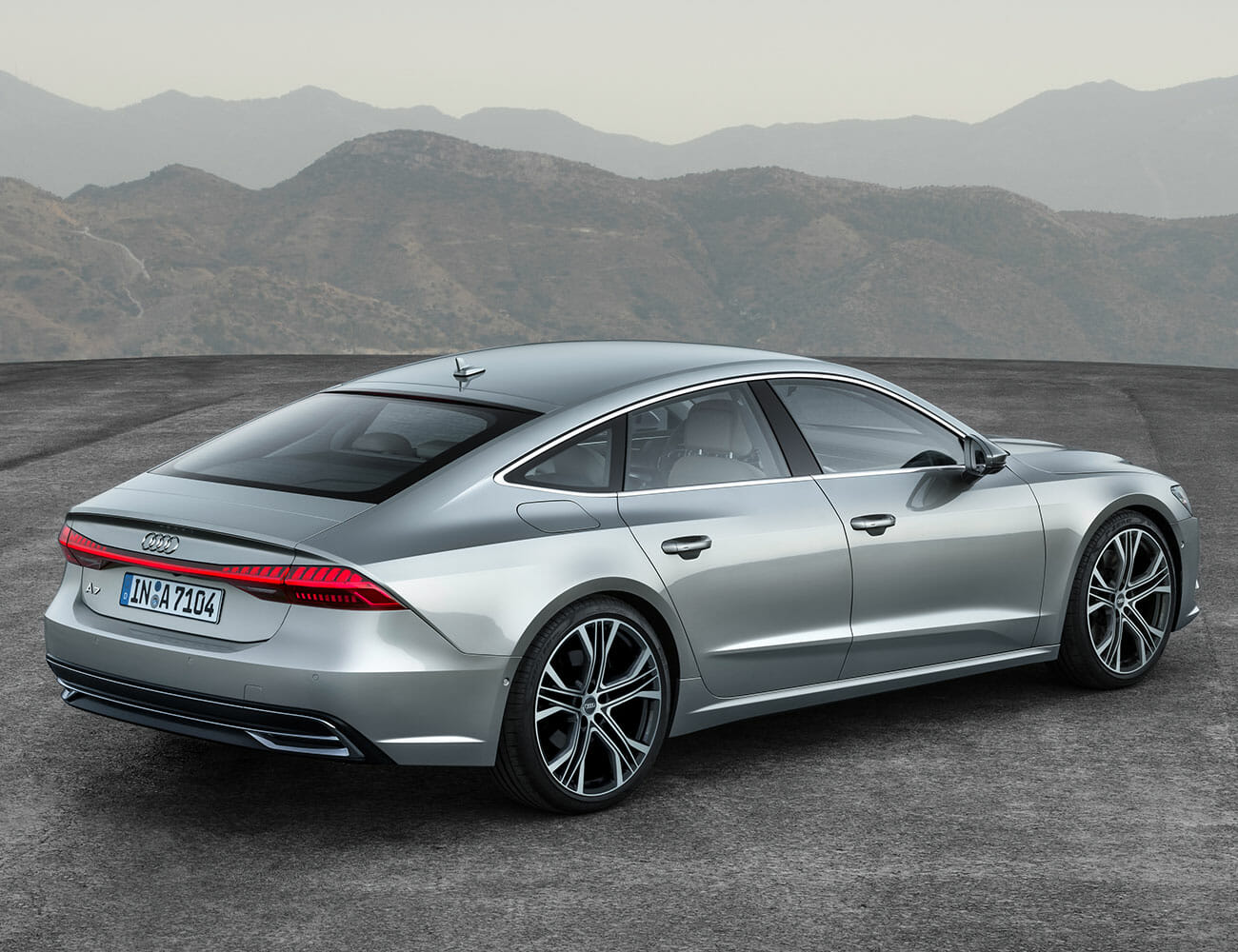
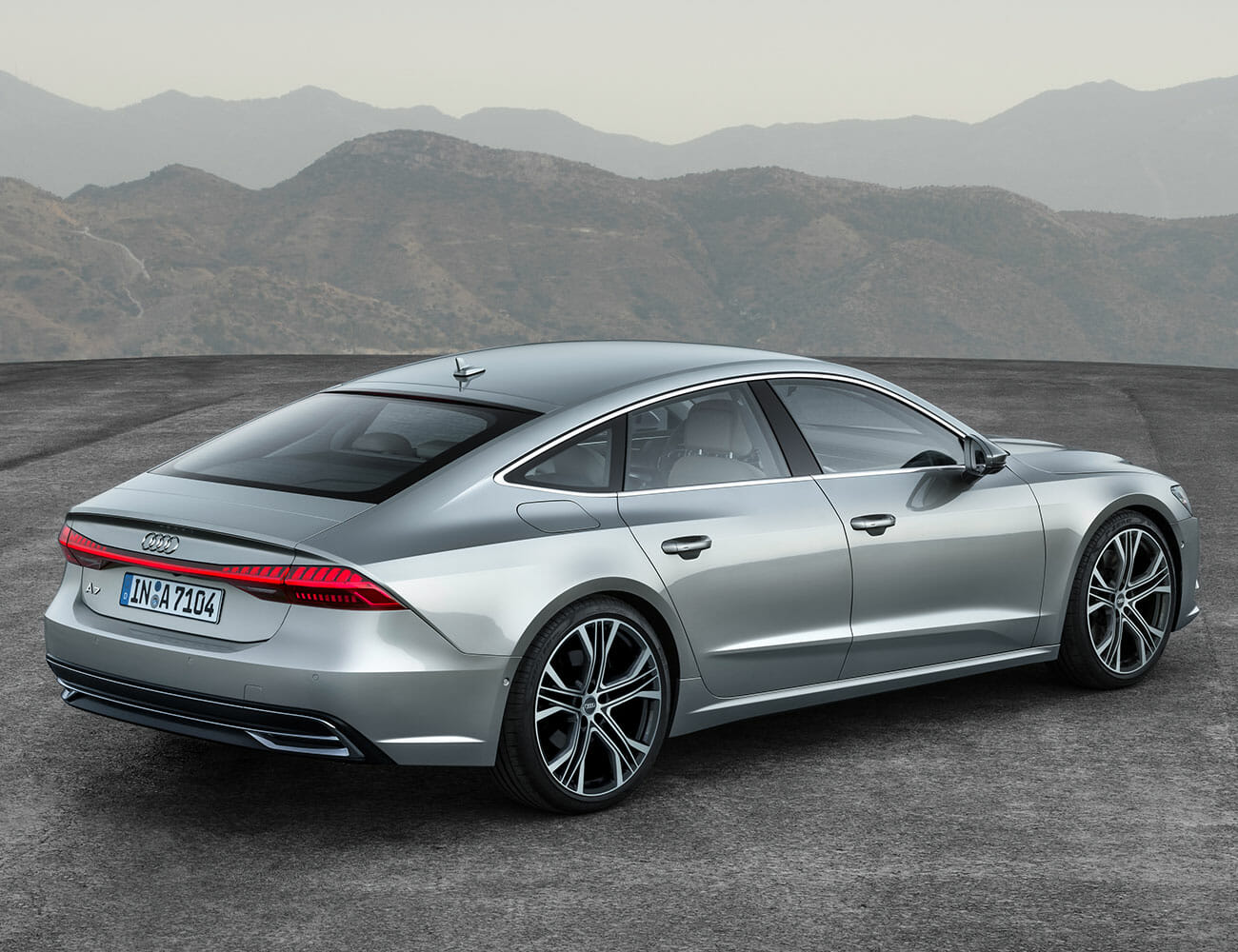
10. Audi A7

Average time spent the lot: 143.6 days
Sales in 2018: 3,852

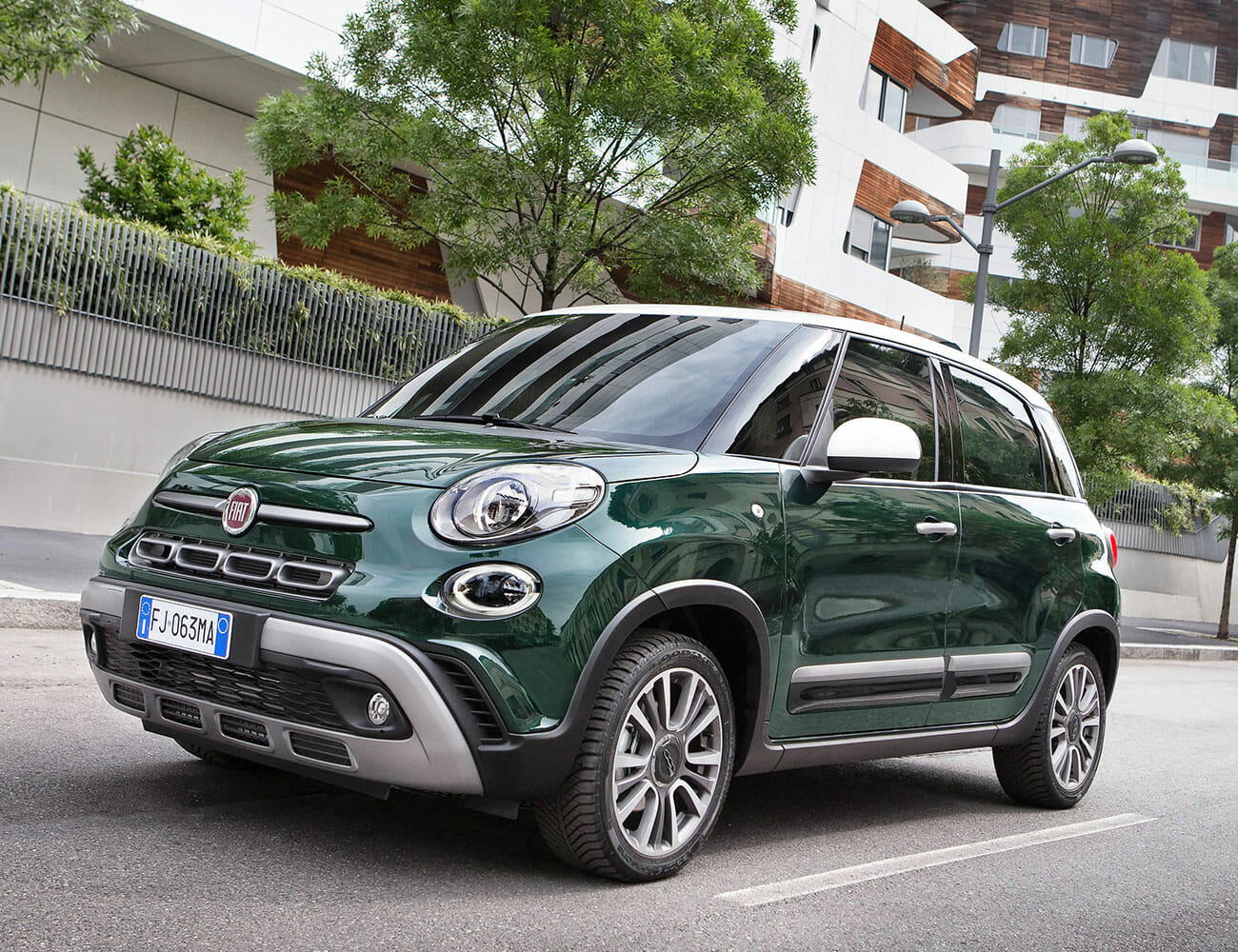
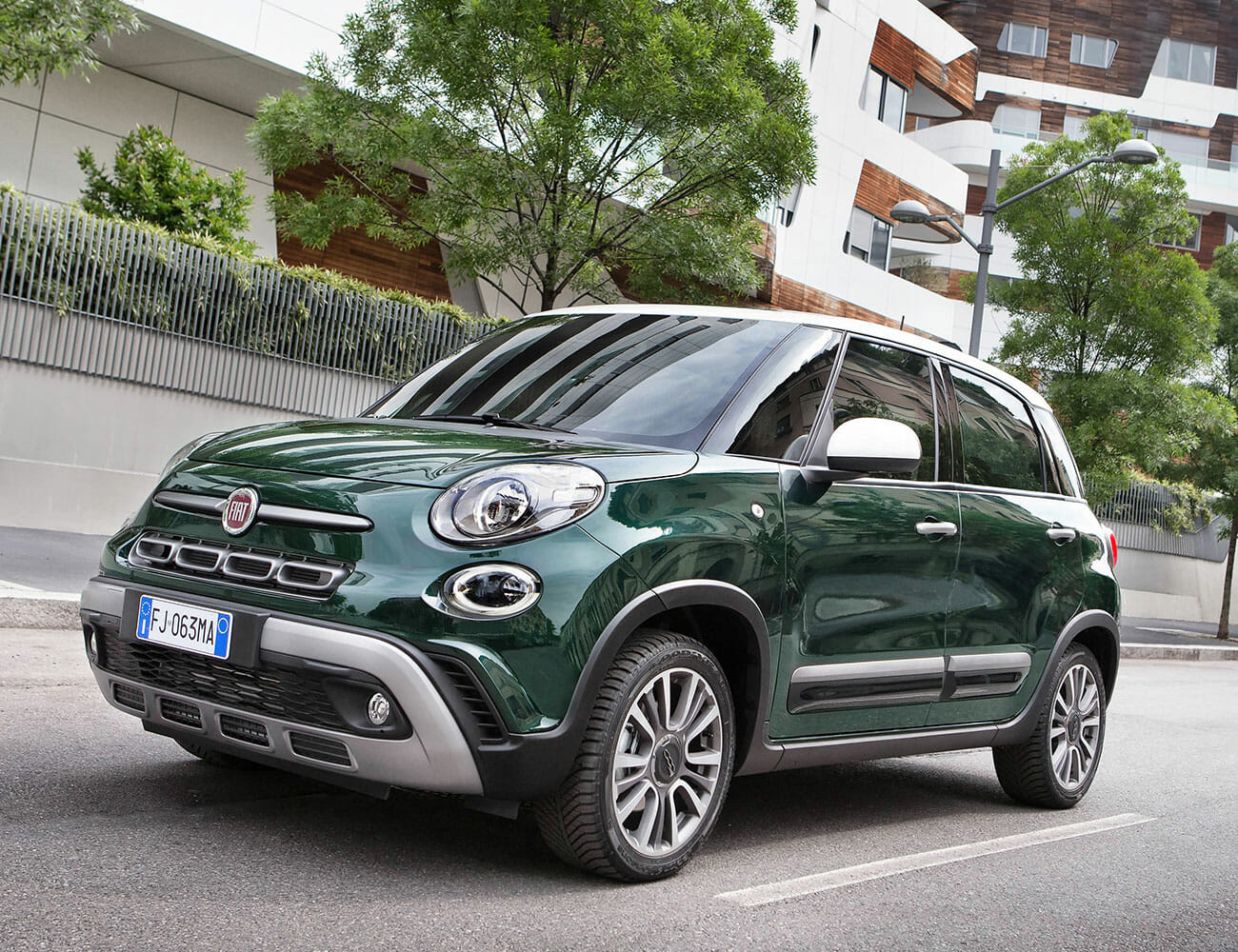
9. Fiat 500L

Average time spent the lot: 146.2 days
2018 sales: 1,413

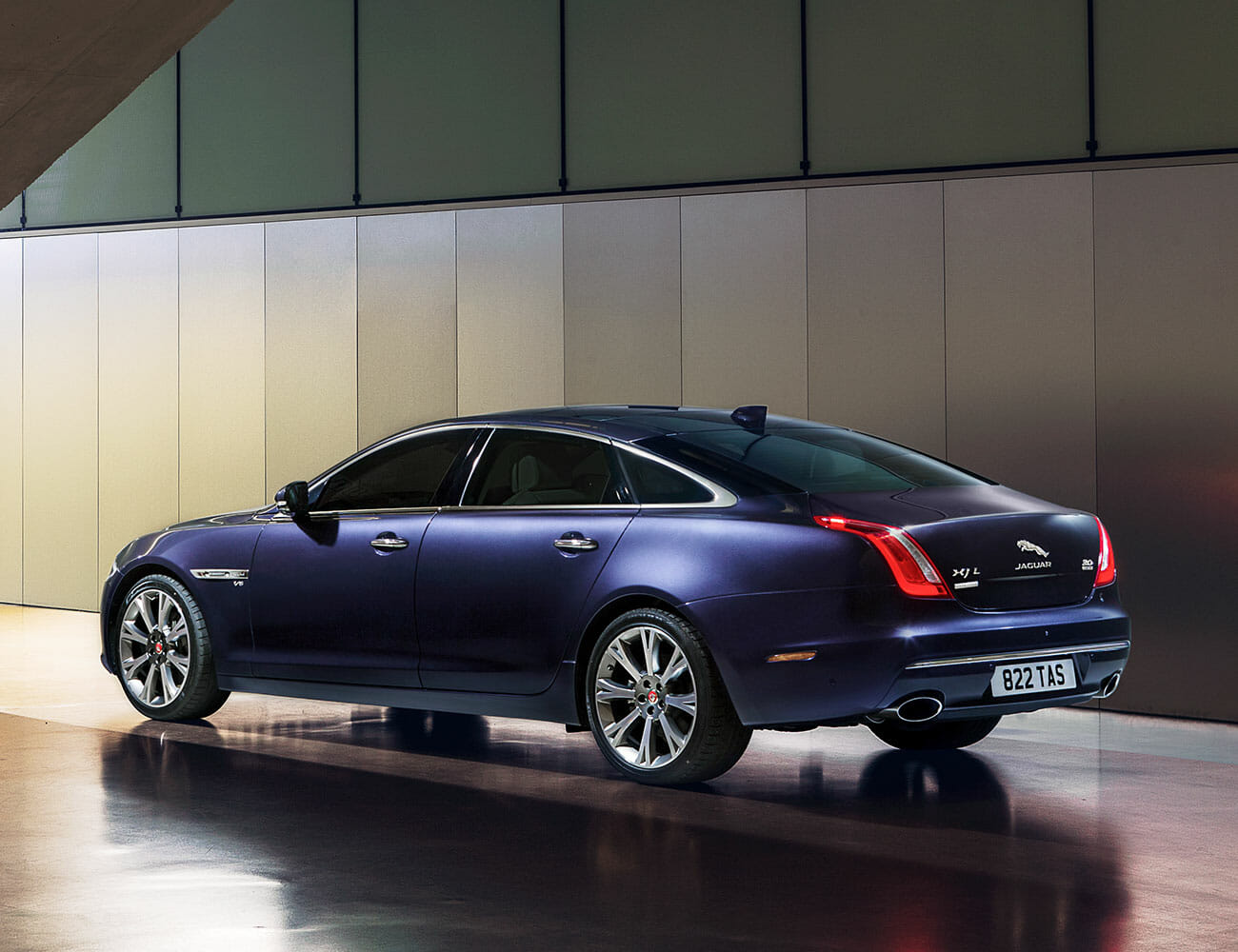
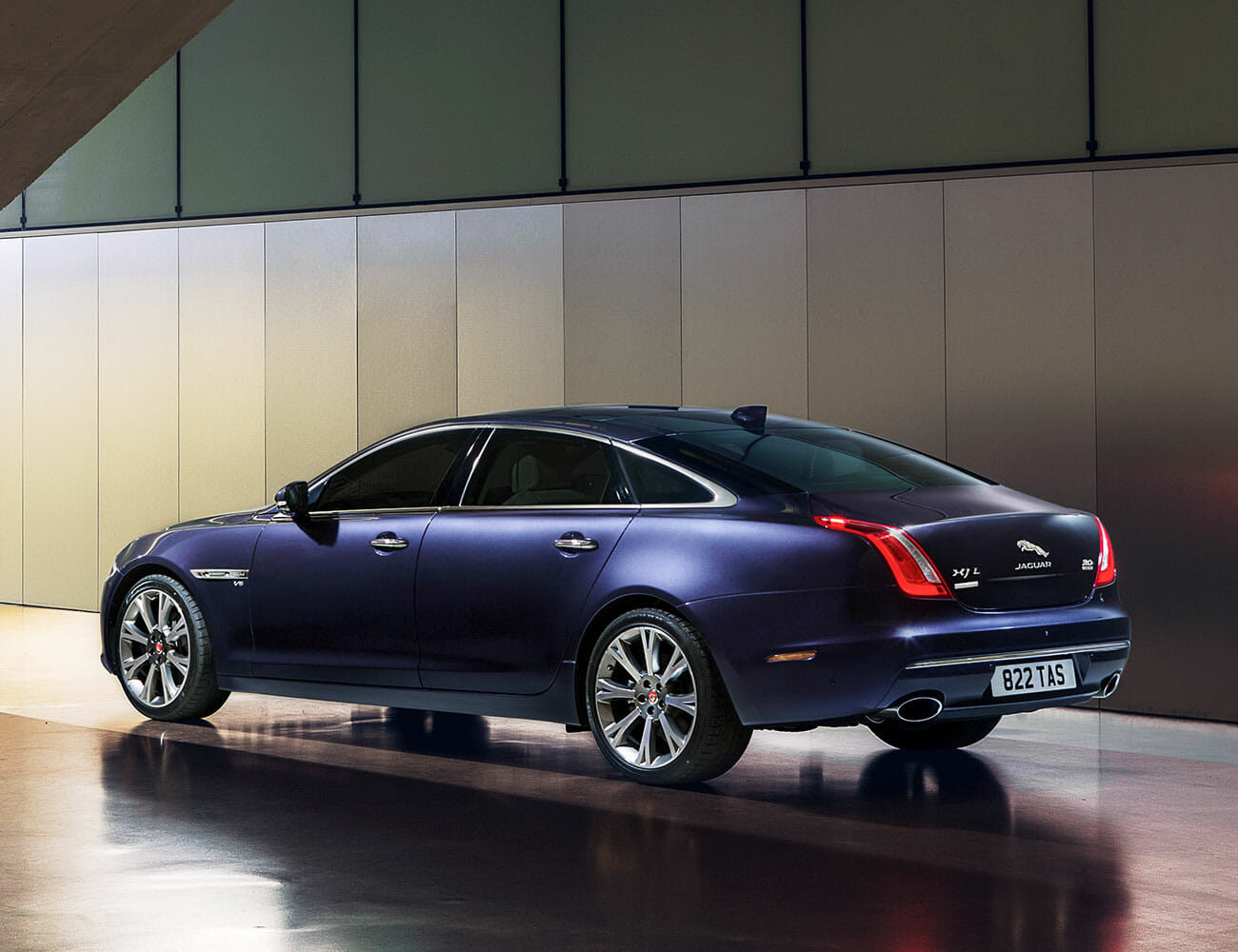
8. Jaguar XJ

Average time spent the lot: 146.3 days
2018 sales: 1,579

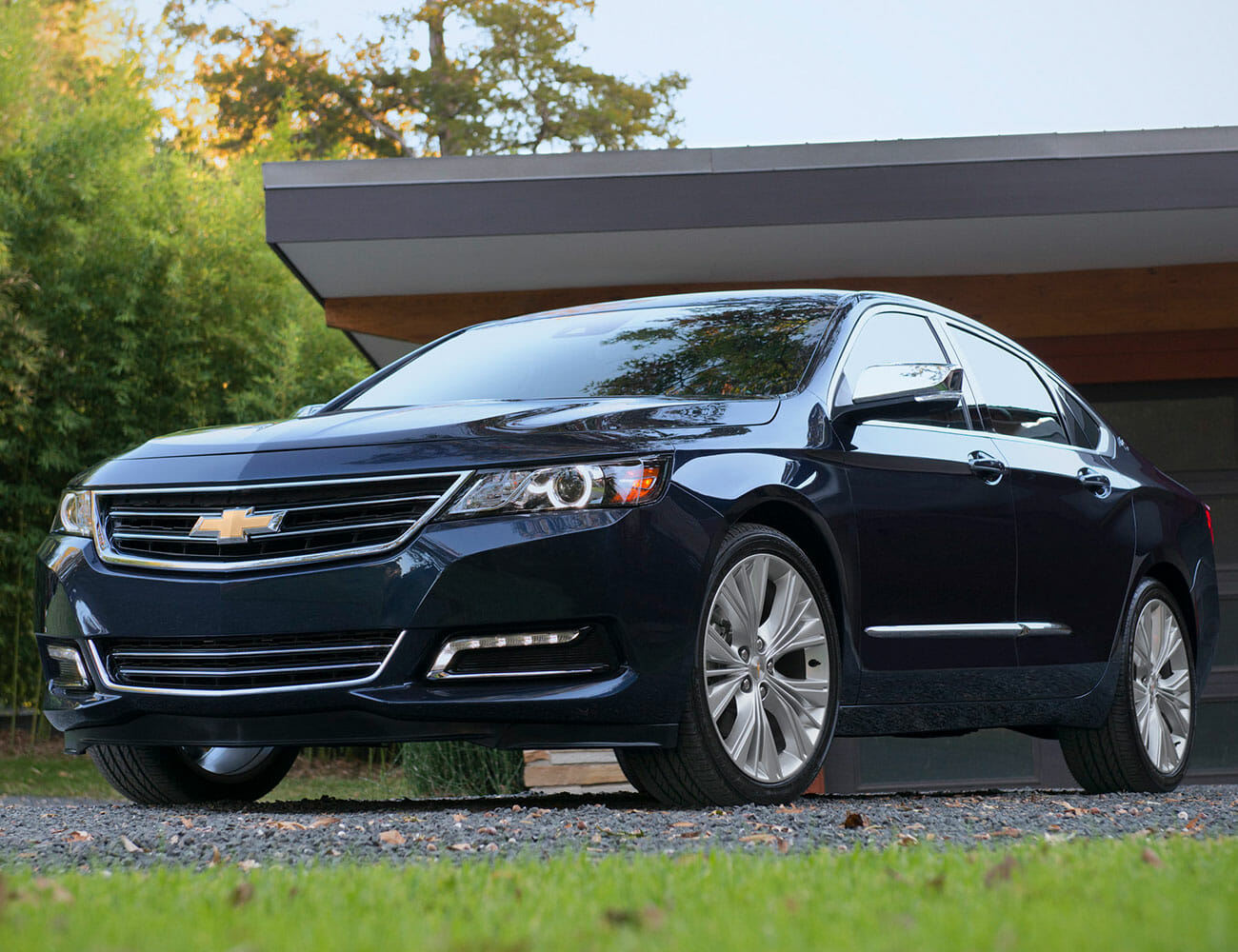
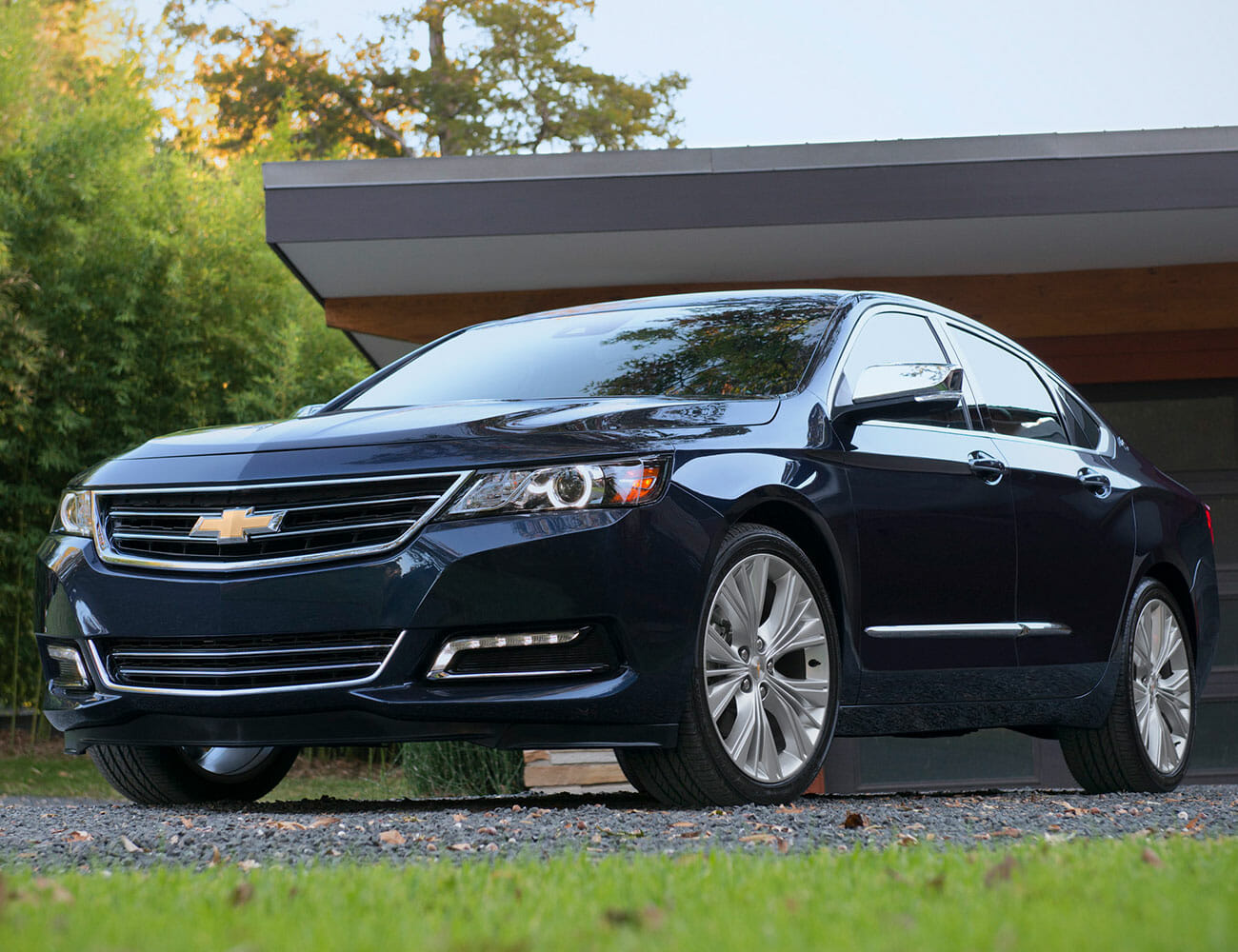
7. Chevrolet Impala

Average time spent the lot: 147.7 days
2018 sales: 56,556

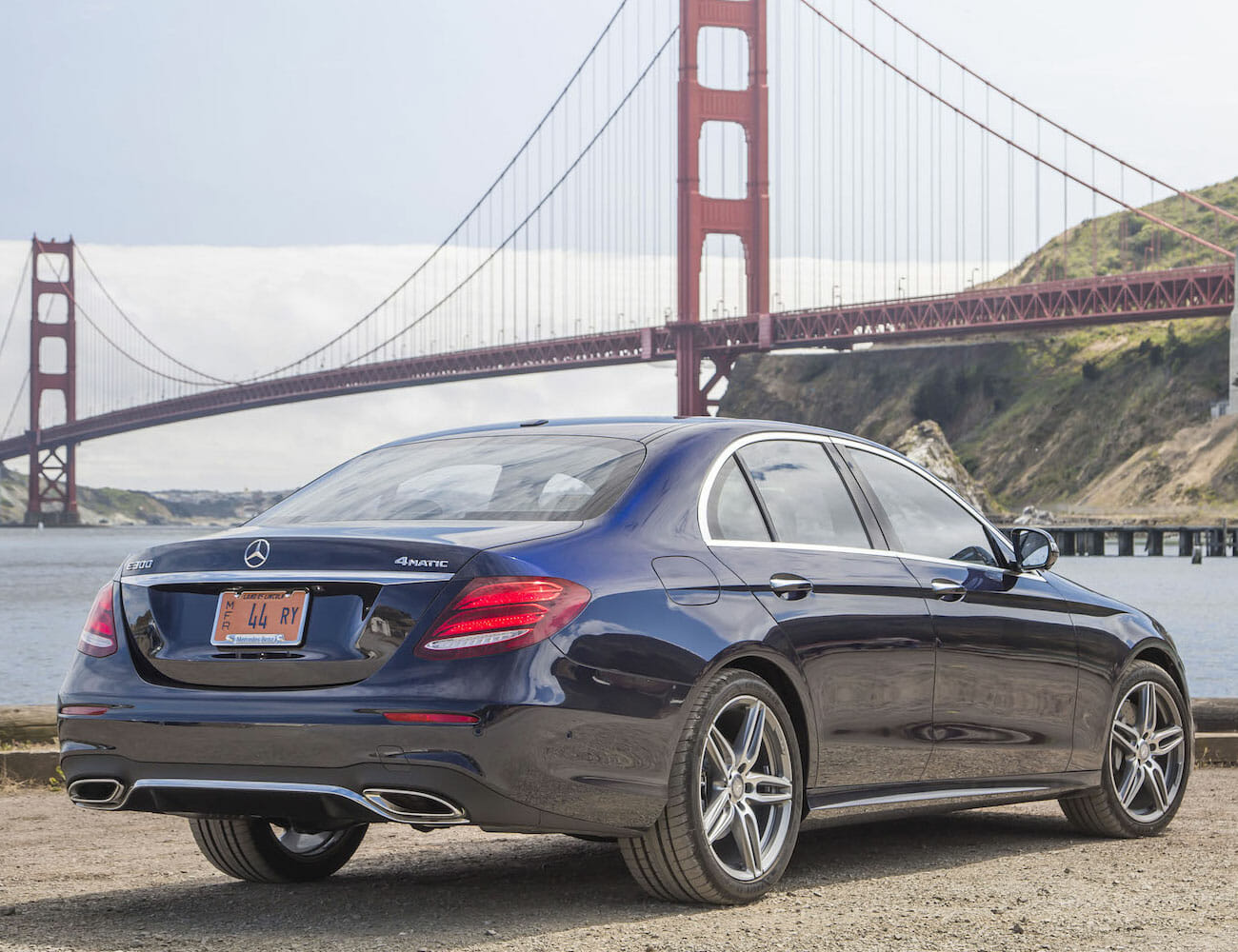
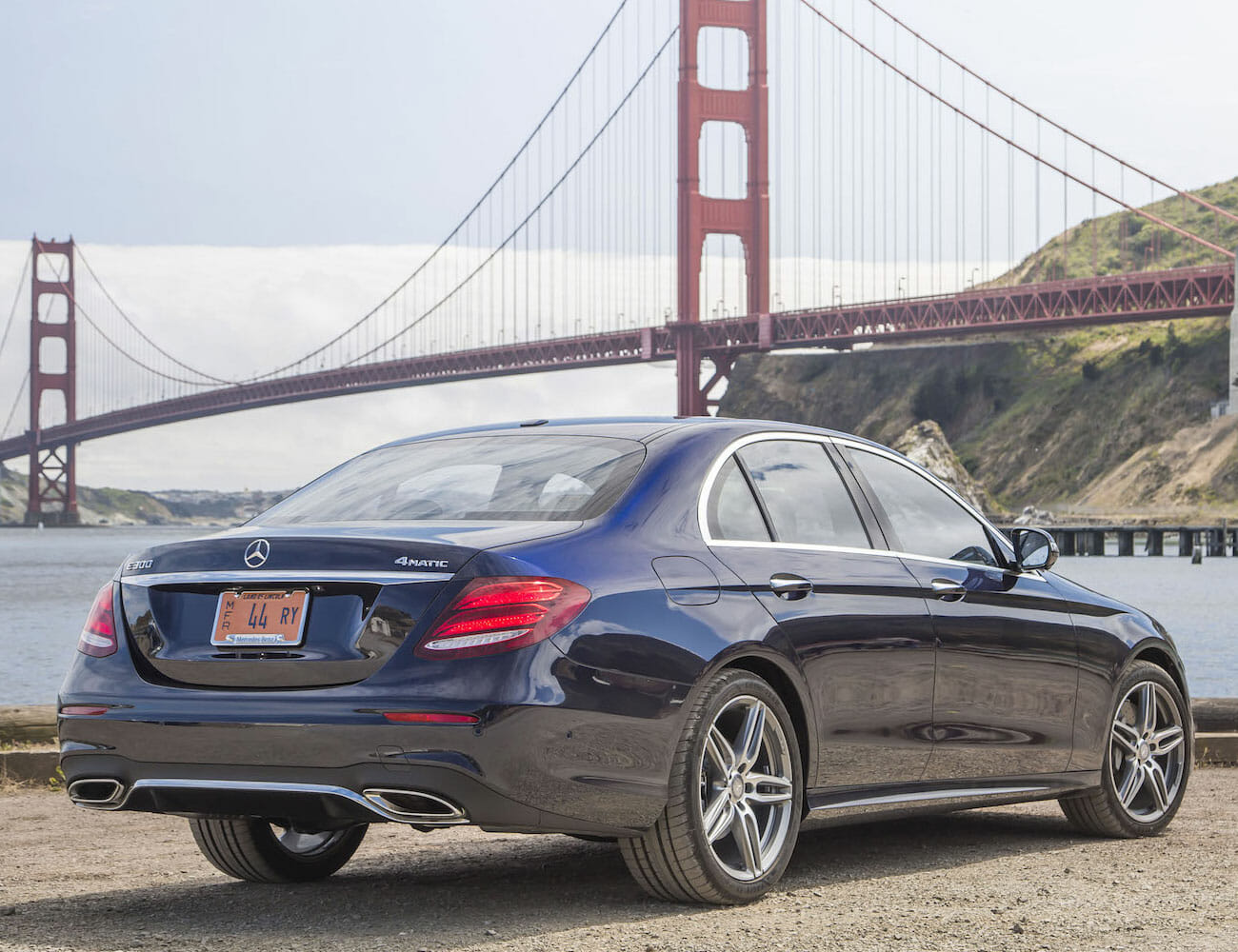
6. Mercedes-Benz E-Class

Average time spent the lot: 156.1 days
2018 sales: 47,936

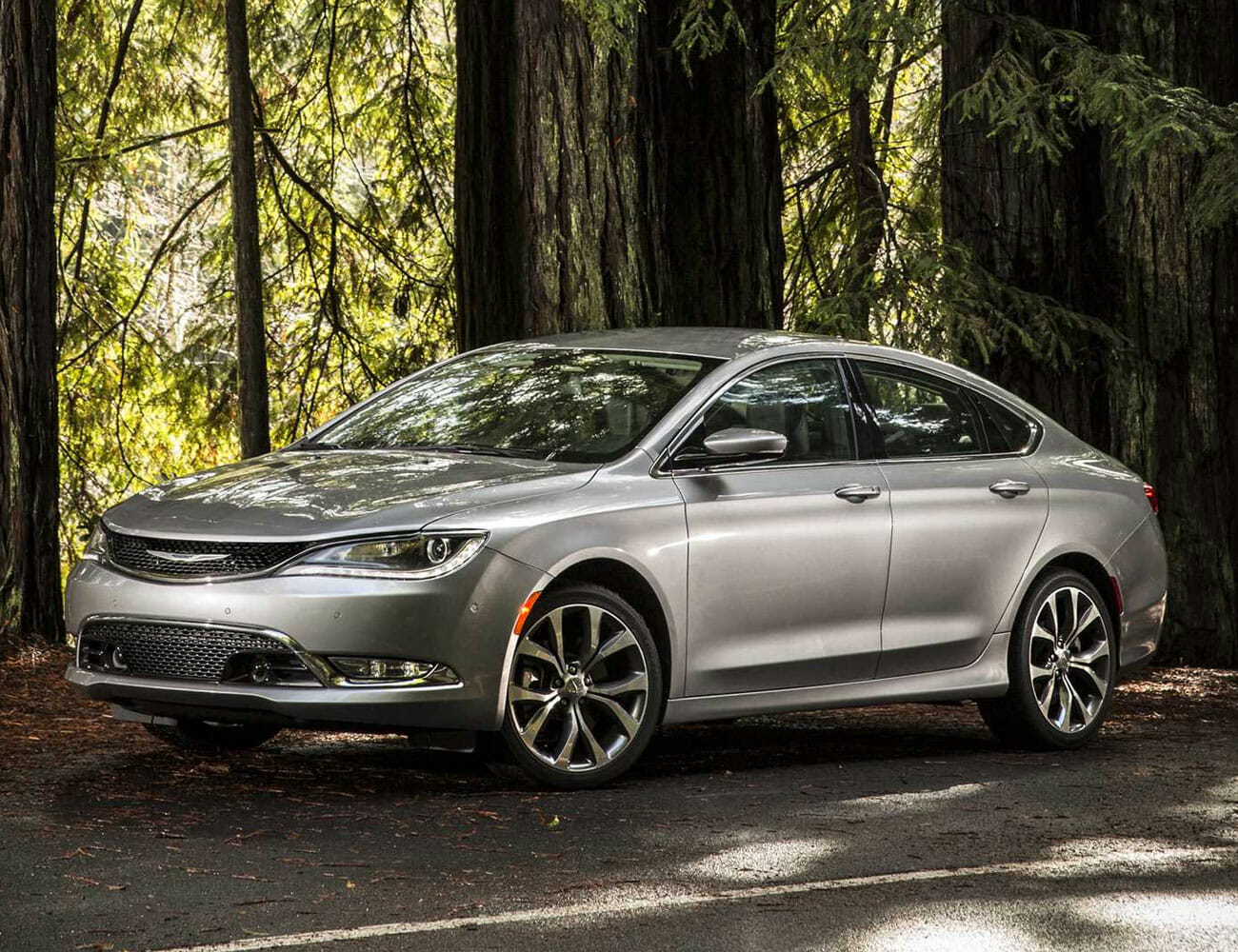
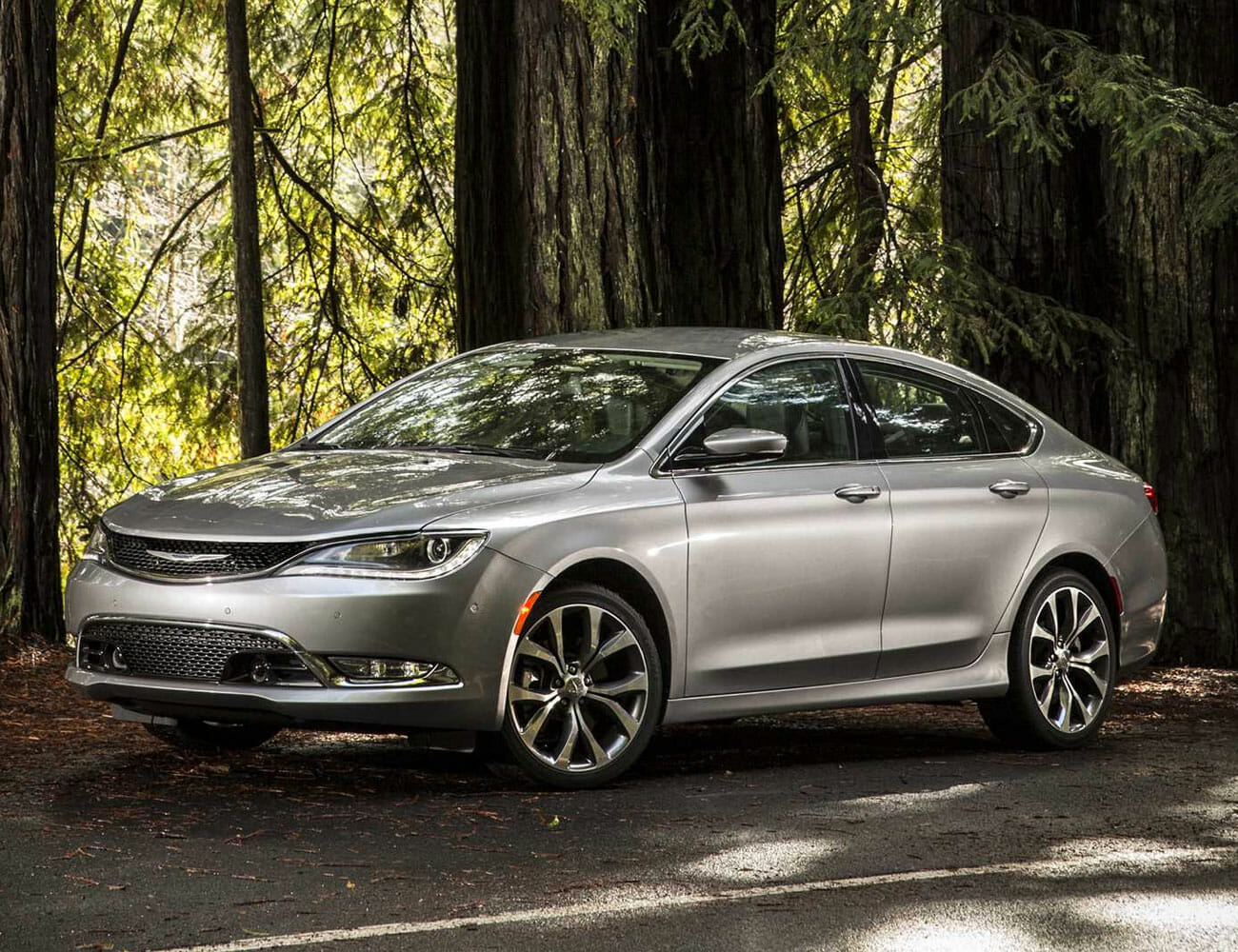
5. Chrysler 200

Average time spent the lot: 157.6 days
2018 sales: 1,043

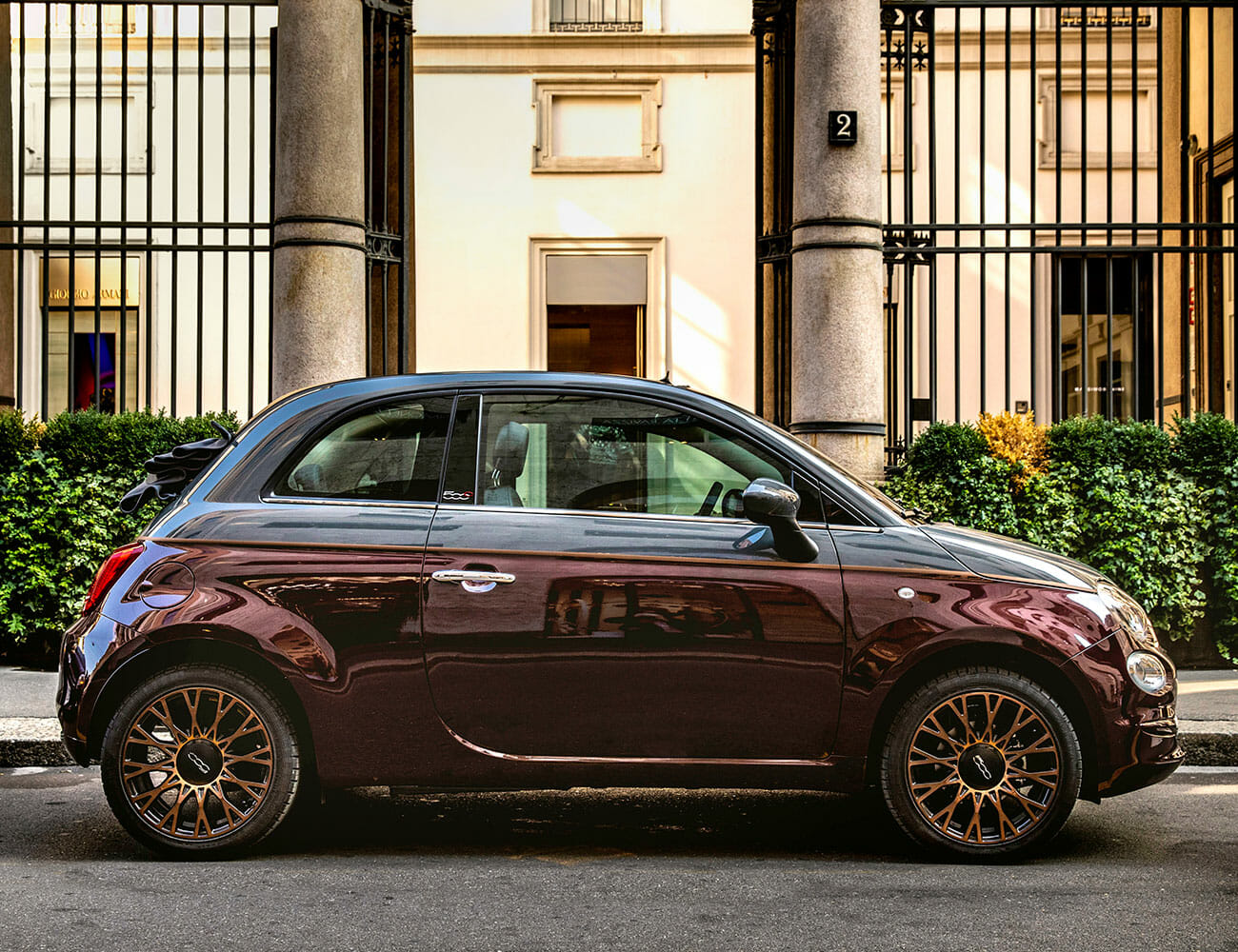
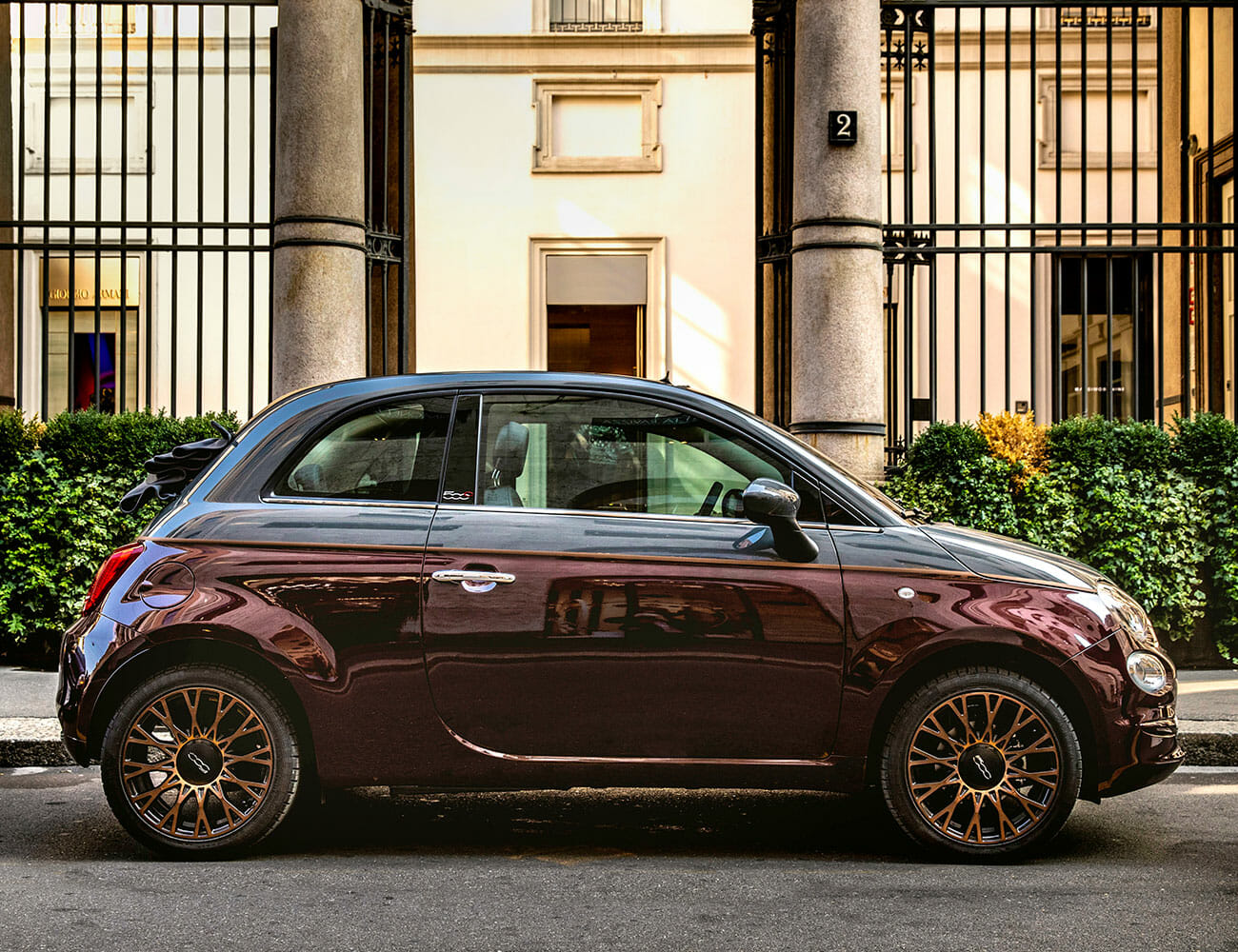
4. Fiat 500

Average time spent the lot: 160.3 days
2018 sales: 5,370

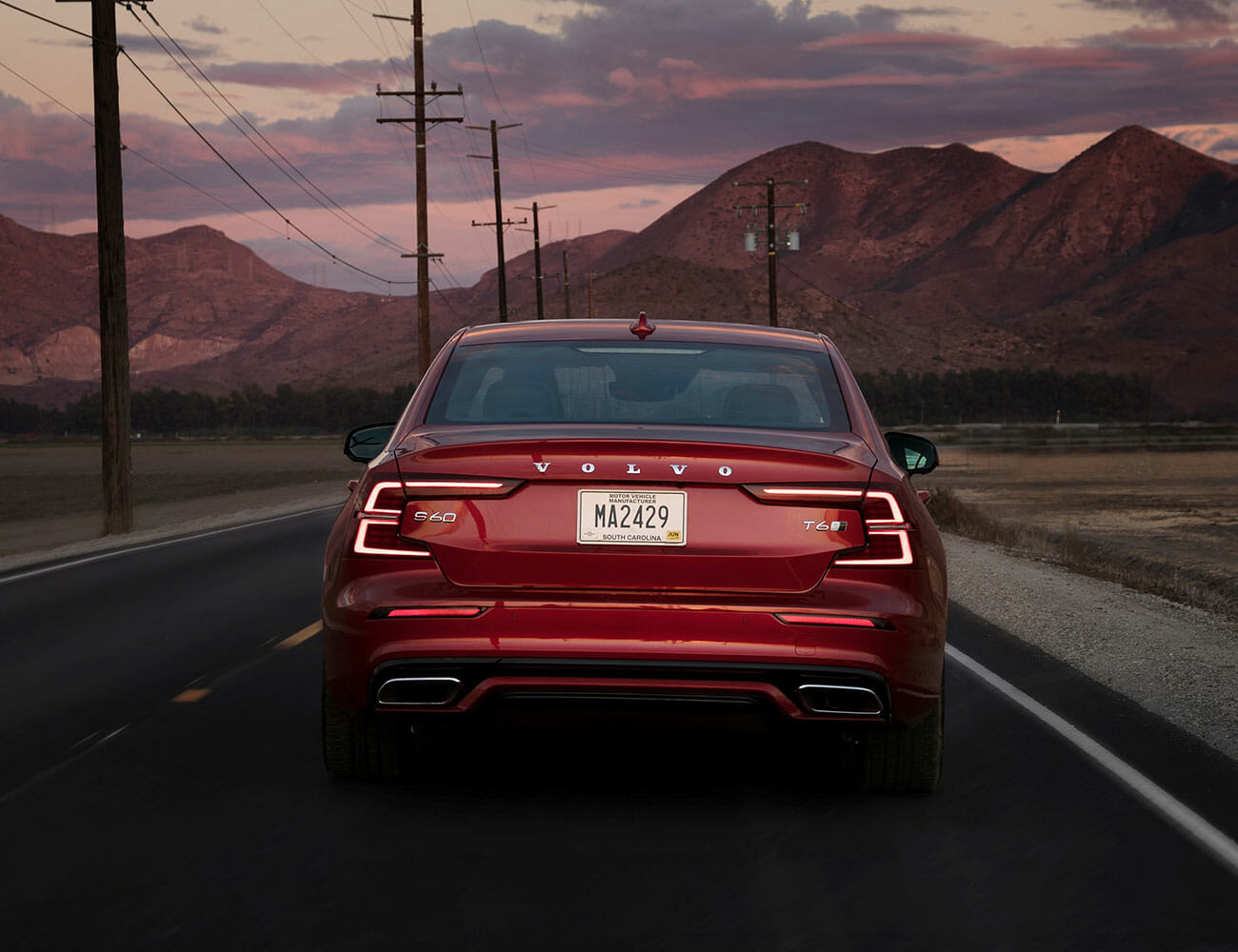
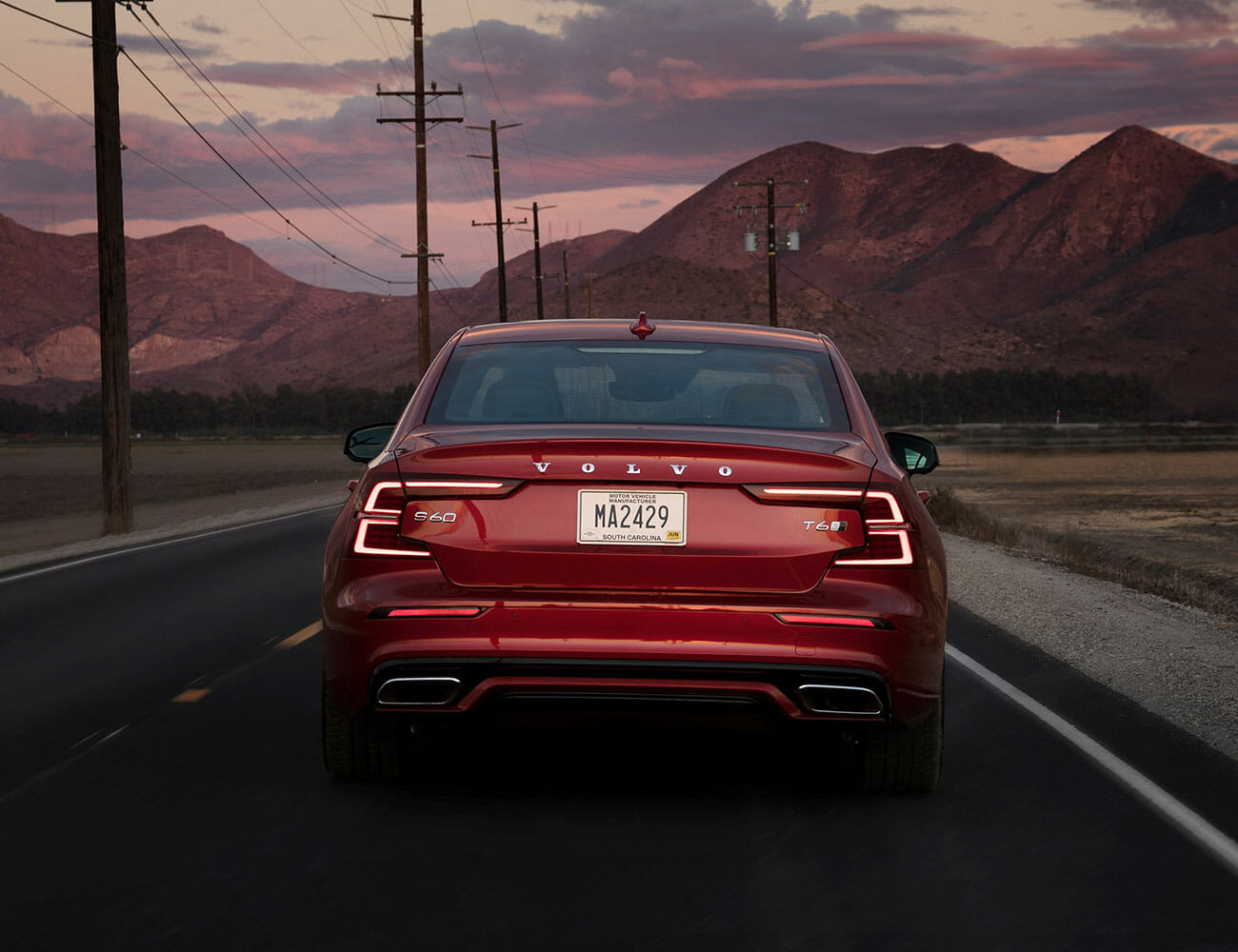
3. Volvo 60 Series

Average time spent the lot: 177.9 days
2018 sales: 11,876

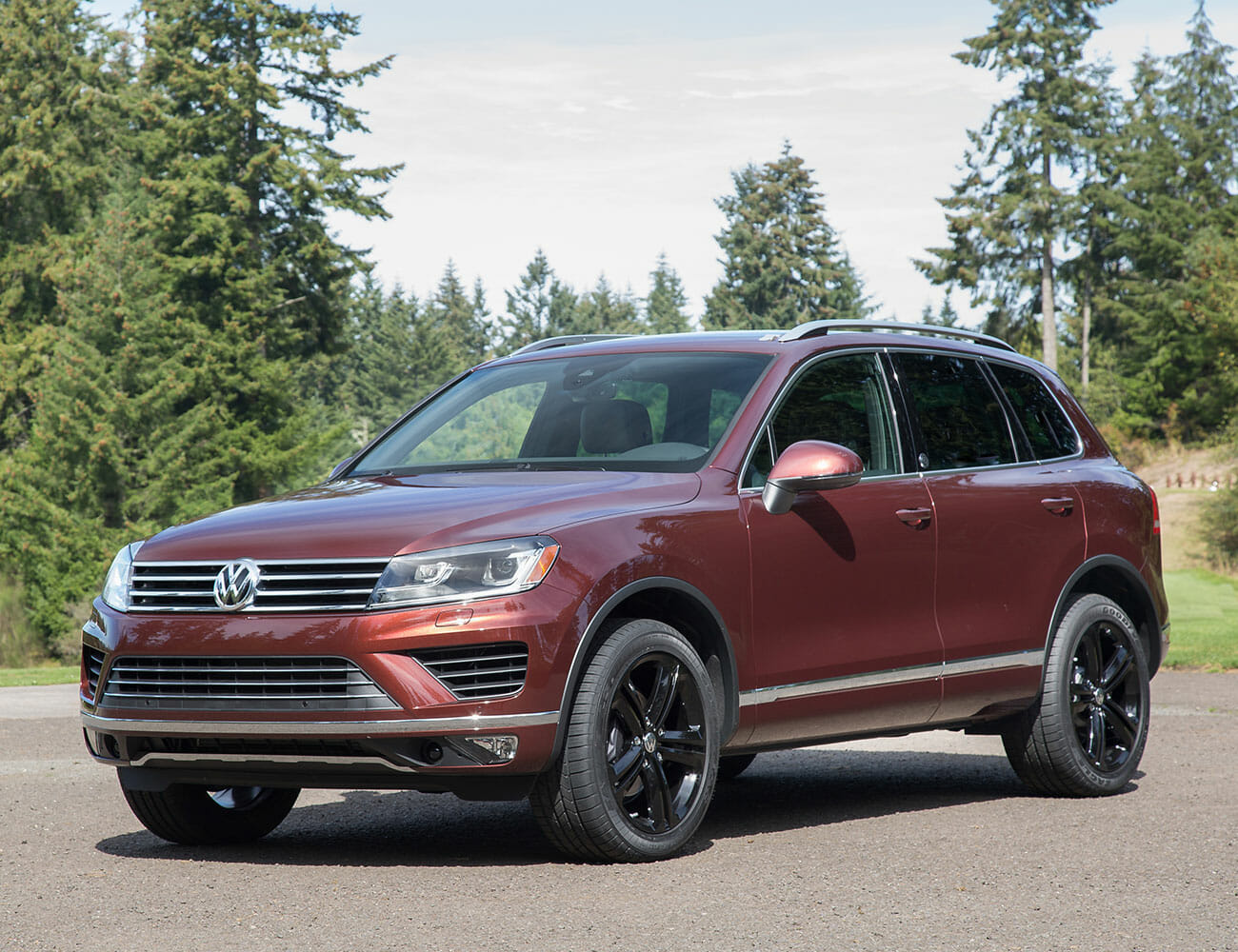
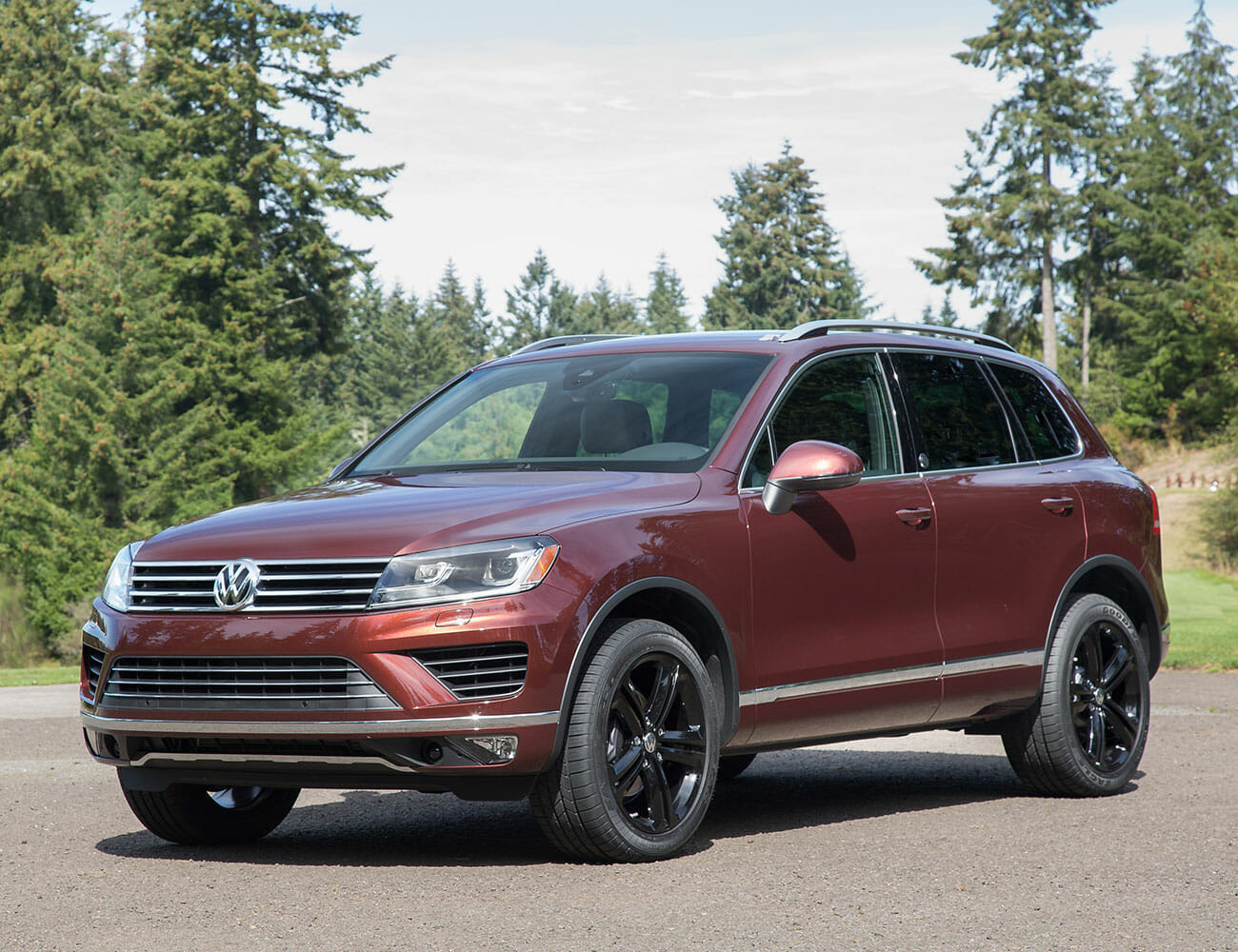
2. Volkswagen Touareg

Average time spent the lot: 194.1 days
2018 sales: 2,022

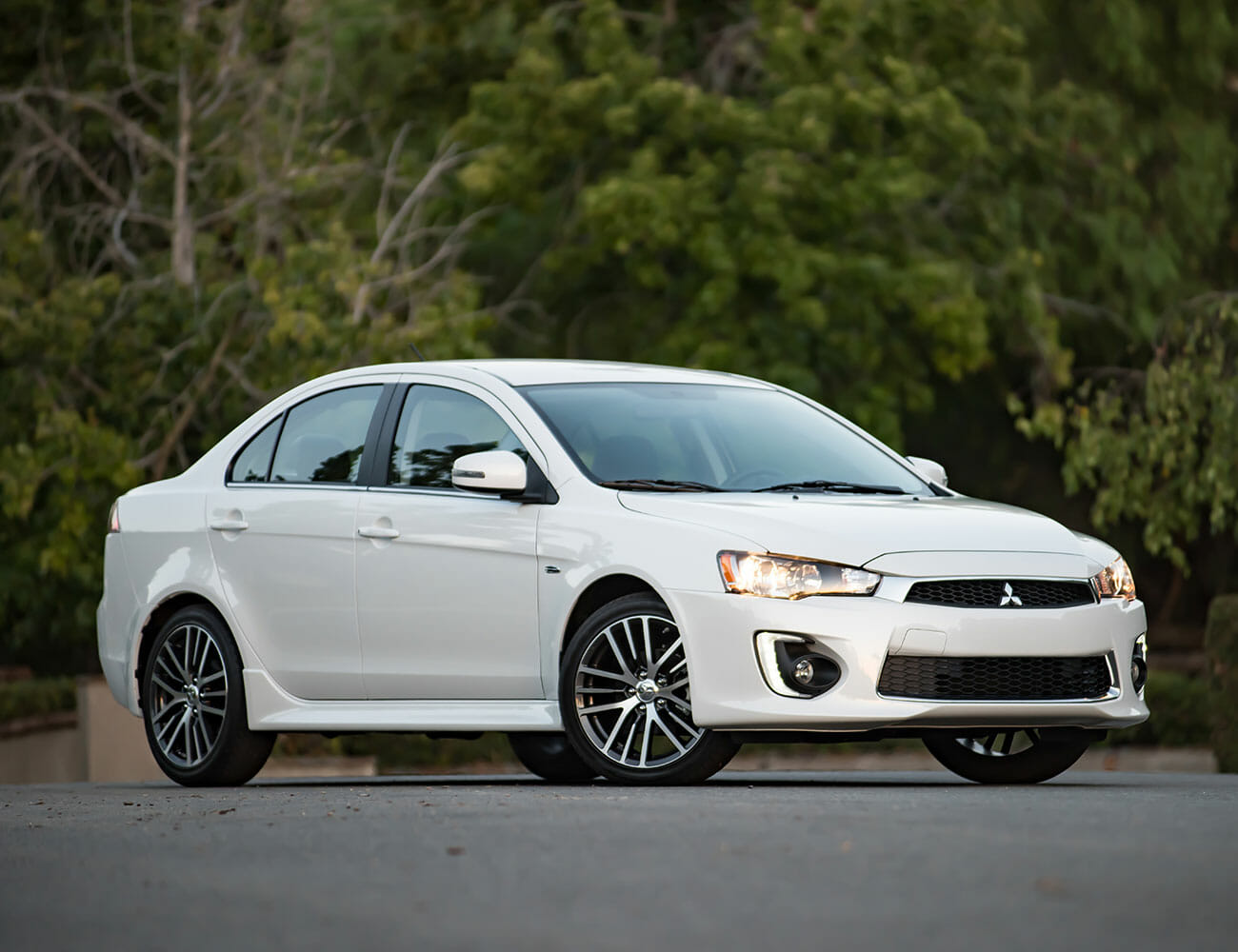
1. Mitsubishi Lancer

Average time spent the lot: 195.3
2018 sales: 3,351

The 10 Most Overlooked Cars in America Last Year

When the tastes of the average car buyer evolve, entire segments and styles of cars can take a hit while others swell in popularity. America’s current obsession: large SUVs and mid-sized crossovers, far removed from the years that saw sedans and wagons flying off dealership lots.

According to a report from USA Today that lists the slowest selling cars of last year based on data from Kelley Blue Book, it’s clear just how unpopular some cars are, especially sedans.

When manufacturers determine the number of cars to allocate to specific dealerships, they factor in the regions’ preferences, the assumed popularity of the car and how quickly they think the dealership can sell them. If all goes well, some vehicles will only be on the lot for a few days, maybe a couple of weeks, with the average car only staying put for around a month.

If manufacturers guess wrong, months can go by — or in the case of the Mitsubishi Lancer in the number one spot, possibly years — it was discontinued in 2017 and dealers are still trying to get rid of them. Looking at the rest of the list, however, it doesn’t look good for luxury sedans and small cars. Maybe, in a few years, preferences will shift again, but for now, these are 10 of the slowest selling cars in America last year

10. Audi A7

Average time spent the lot: 143.6 days
Sales in 2018: 3,852

9. Fiat 500L

Average time spent the lot: 146.2 days
Sales in 2018: 1,413

8. Jaguar XJ

Average time spent the lot: 146.3 days
Sales in 2018: 1,579

7. Chevrolet Impala

Average time spent the lot: 147.7 days
Sales in 2018: 56,556

6. Mercedes-Benz E-Class

Average time spent the lot: 156.1 days
Sales in 2018: 47,936

5. Chrysler 200

Average time spent the lot: 157.6 days
Sales in 2018: 1,043

4. Fiat 500

Average time spent the lot: 160.3 days
Sales in 2018: 5,370

3. Volvo 60 Series

Average time spent the lot: 177.9 days
Sales in 2018: 11,876

2. Volkswagen Touareg

Average time spent the lot: 194.1 days
Sales in 2018: 2,022

1. Mitsubishi Lancer

Average time spent the lot: 195.3
Sales in 2018: 3,351

Watch a 14-Year-Old Kid Tear Around a Snow Covered Racetrack in a Ford GT

This Will Make You Nervous

If you’re looking for a video that will make you extremely anxious, then the one included below is it. In it, a 14-year-old kid takes a Ford GT for a joyride around a racetrack at the Monticello Motor Club. The video was put together by the motor club and is designed to promote the club’s Teen Race Camp, which teaches teens (ages 14 to 19) how to drive a car safely on a racetrack.

The video is an effective promotional tool. Few would feel comfortable putting a 14-year-old kid behind the wheel of a high-dollar supercar like the Ford GT. Even fewer would feel comfortable doing so when the track is completely covered with snow.

To be fair to the kid driving, he does an excellent job. He’s obviously learned car control well. Not many people his age— or honestly much, much older—could successfully pilot the car around the snow-covered track with as much style and control. We bet he had a great time while the Monticello Motor Club filmed the video.

In all likelihood, he’s the son or relative of the owner of the car. He honestly, looks a little nervous in the video, but then again, we’d be sweating, too, if we were in his place. Our hats come off to him, and to Monticello Motor Club. Any initiative to get more young people in cars learning proper driving skills is welcomed.

[embedded content]

The Affordable Mercedes-AMG A 35 Sedan Is Finally Here

Today, Mercedes announced the AMG A 35 sedan, the performance variant of the new entry-level A-Class. And aside from the rear roofline, it’s nearly identical to the coveted AMG A 35 hot hatch sold in Europe. Unlike that car, however, we’ll be getting the sedan here in the States.

The AMG A 35 has a 2.0-Liter four-cylinder turbo producing 302 horsepower and 295lb-ft of torque and an AMG-tuned 7-speed transmission putting power to all four wheels through tuned 4MATIC all-wheel-drive which can shift from 100 percent rear-wheel drive to 50-50 front-to-rear. Mercedes didn’t give a top speed yet, but they did announce AMG A 35 will accelerate from 0-60 mph in 4.7 seconds.

A useful option for enthusiasts will be “AMG Track Pace.” The virtual race engineer will track 80 different vehicle-specific data points. In addition to timing their hot laps, drivers can record new tracks into the system and follow an ideal driving line displayed on the multimedia and optional head-up display.

Mercedes didn’t give pricing, but we can safely assume buying an AMG vehicle in the U.S. will become significantly more affordable. Rationally, the AMG A 35 would start somewhere between the $32,500 A 220 sedan and the $55,250 C 43 AMG sedan . Splitting the difference around $45,000 would put the AMG A 35 on par with the hatchback price in Europe and the car’s closest rival, the Audi S3.

If the A-Class aims to be a baby S-Class, the AMG A 35 should be an equally compelling baby version of the other AMG sedans, especially with a 0-60 mph time that, like some of its larger brethren, is in the mid-four-second range.

David Lee’s 1985 Ferrari 288 GTO Comes to Jay Leno’s Garage

The Collector Shares The Joy

David Lee is one of the best-known Ferrari collectors in the world among many other things. Jay Leno recently invited him to the show and Lee brought one of the most beautiful Ferraris of all time to Leno’s garage, a 1985 Ferrari 288 GTO. The car is unique for many reasons. Chief among them is the fact that the car was never sold in the U.S.

Lee, who made his money selling watches and jewelry, told Leno this was the hardest car for him to buy. Ferrari only made 272 of the 288 GTO and as Leno said, the car was overshadowed by the F40 that came out directly after it. People who weren’t avid supercar fans more or less forgot about the 288 GTO once the F40 hit the scene.

[embedded content]

Ferrari built the vehicle for Group B rally racing, but Group B was ended due to safety concerns. When it ended, Ferrari decided to sell street versions of the car. It’s this scenario that made it such a rare car and such a low number of vehicles produced. The car gets a 2.9-liter twin-turbo V8. That engine makes 400 hp, which in the 1980s was an astronomical amount. Lee says the car can do a 0-60 mph run in about five seconds, which was extremely quick for the time period of the car.

What’s so impressive about the 288 GTO today is how modern it looks on the outside. It’s sleek and attractive even today. The interior is an analog lover’s dream with switches and toggles on the center console and a tall, gated five-speed shifter. It’s a gorgeous example, and we’re glad Lee decided to share it with the world. 

The Pininfarina Battista Will Come to Goodwood

The Car Will Appear at the Next Members’ Meeting

Pininfarina will bring the new Battista hypercar and a 1955 Lancia Aurelia to a Goodwood members’ meeting, according to Carscoops. The two cars have nothing in common but the fact that they were both designed by Pininfarina. It will be an interesting pairing to see the cars together, though. It will also mark the Battista’s UK debut. 

The event showcasing the Battista will be attended by some of Goodwood’s most famous names, including Formula E driver Nick Heidfeld. Heidfeld was the man behind tuning the Battista. He also holds the fastest time up the famous hill climb. Rene Wollmann who worked on the Mercedes-AMG One will be there as well as many other big names.

Unfortunately, the car will only be on static display. It won’t make a run of the famous course and everyone will have to wait to see it in action. That’s a shame because the Battista is an amazing force to be reckoned with. The car uses a Rimac-sourced battery and four electric motors that put out a combined 1874 hp and 1696 lb-ft of torque. It can reach 62 mph from a standstill in under two seconds and 186 mph in under 12. With stats like that, we’re absolutely dying to see it take on a track. 

The 2018 Jeep Wrangler Rubicon Gets a Boost

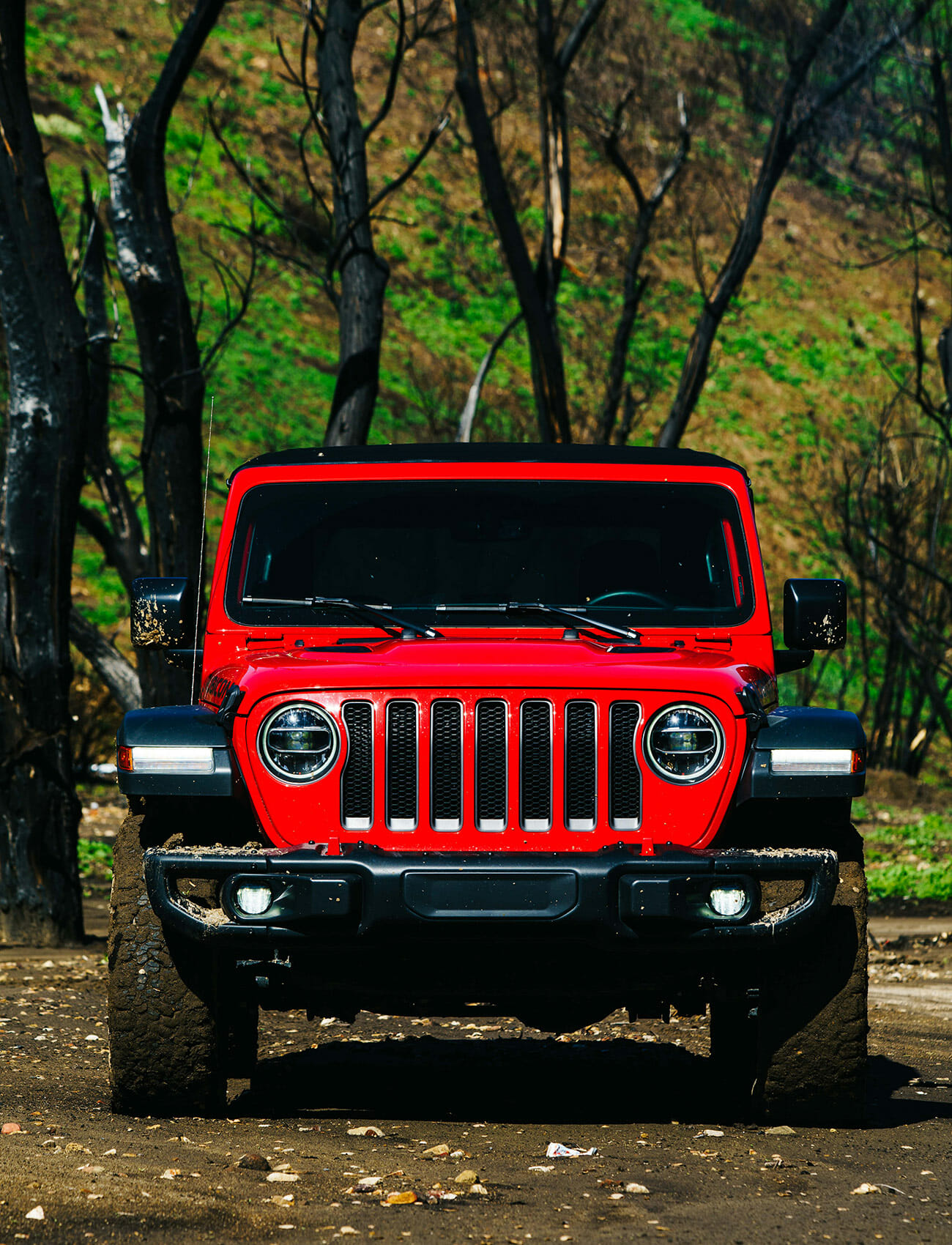
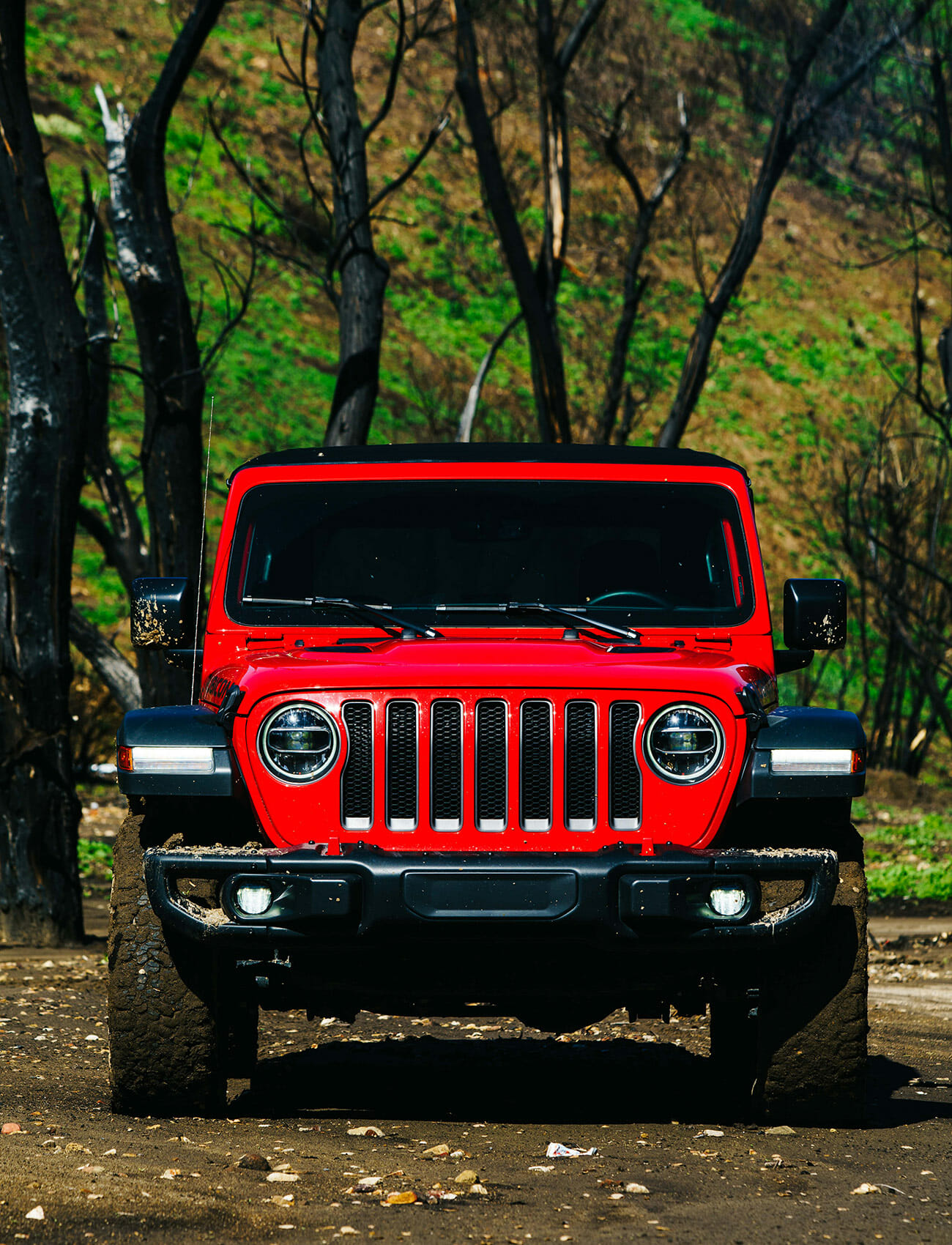
Unless you’ve been living under a rock (or crawling over them in your old 4×4 while living off the grid) you’ve heard about the redesigned 2018 Jeep Wrangler. You can tell at a glance that the new Wrangler has grown in all the right ways, and when spotted next to the previous generation “JK” Wrangler, the latter appears outdated and cheap. All the traditional Wrangler cues are there: exposed bolts for removing the doors, a grille comprised of seven vertical slats that taper slightly backwards at the top (a nod to the “YJ” Wrangler), and a windshield that folds down, but now with greater ease than ever. The new Wrangler is still the same capable-as-hell off-roader it’s always been, especially in Rubicon form, but finally modern: Jeep so thoroughly addressed the truck’s longstanding gripes that the Wrangler no longer needs excuses made for it.

The Good: Until the diesel powerplant arrives, the 2.0-liter turbocharged four-cylinder is the engine to get: the extra 35 lb-ft of torque it claims over the V6 also comes on 1,800 rpm earlier. Merging into highway traffic is no longer a sweat-inducing adventure, and at cruising speeds the 2.5-inch wider track vastly improves stability over previous generations. The last Wrangler Rubicon I drove, a Wrangler JK, was hairy above 65 mph, but the new Wrangler JL feels solid as can be, even at SoCal six-lane speeds. In addition to the new turbo-four engine, the interior is completely redesigned and finally looks and feels premium, with upscale features like a heated steering wheel and FCA’s excellent 8.4-inch touchscreen, now available in the Wrangler as a $1,200 option. It’s Apple CarPlay- and Android Auto-ready, offers Wi-Fi connectivity and provides a crisp view from the backup camera that looks through the middle of the spare tire mounted at the center of the tailgate. Same old Wrangler, all-new benefits.

Who It’s For: Few vehicles enjoy the Wrangler’s broad cross-generational appeal, though the Rubicon-badged two-door is more of a specialist vehicle intended for serious off-roading. Opting for the two-door over the four-door Unlimited gives a more compact package (easier to live with in cramped urban areas) that somehow manages to deliver a livable backseat, even for passengers of the 6’3 variety. If you’re looking to get out and explore, don’t need to haul a bunch of cargo and aren’t constantly driving friends or family around, the two-door Wrangler is for you.

Watch Out For: New technology will always cost extra, and that’s true for engines. Downsizing from the V6 to the four-cylinder turbo will cost you $1,000 — and since the eight-speed automatic transmission is the only option for that engine, add another $2K. That’s a $3,000 premium for the smaller engine, and with safety options and interior appointments, the Rubicon’s price tag can push well past $50K.

Alternatives: Nothing new with an intact warranty can touch the Wrangler Rubicon in terms of performance. A Toyota 4-Runner TRD-Pro is currently suffering from the old age problems that the previous generation Wrangler had, but it competes with the 4 door Wrangler anyway. If you’re looking for two door off-road fun from the factory, the Wrangler Rubicon is (and should be) your only option.

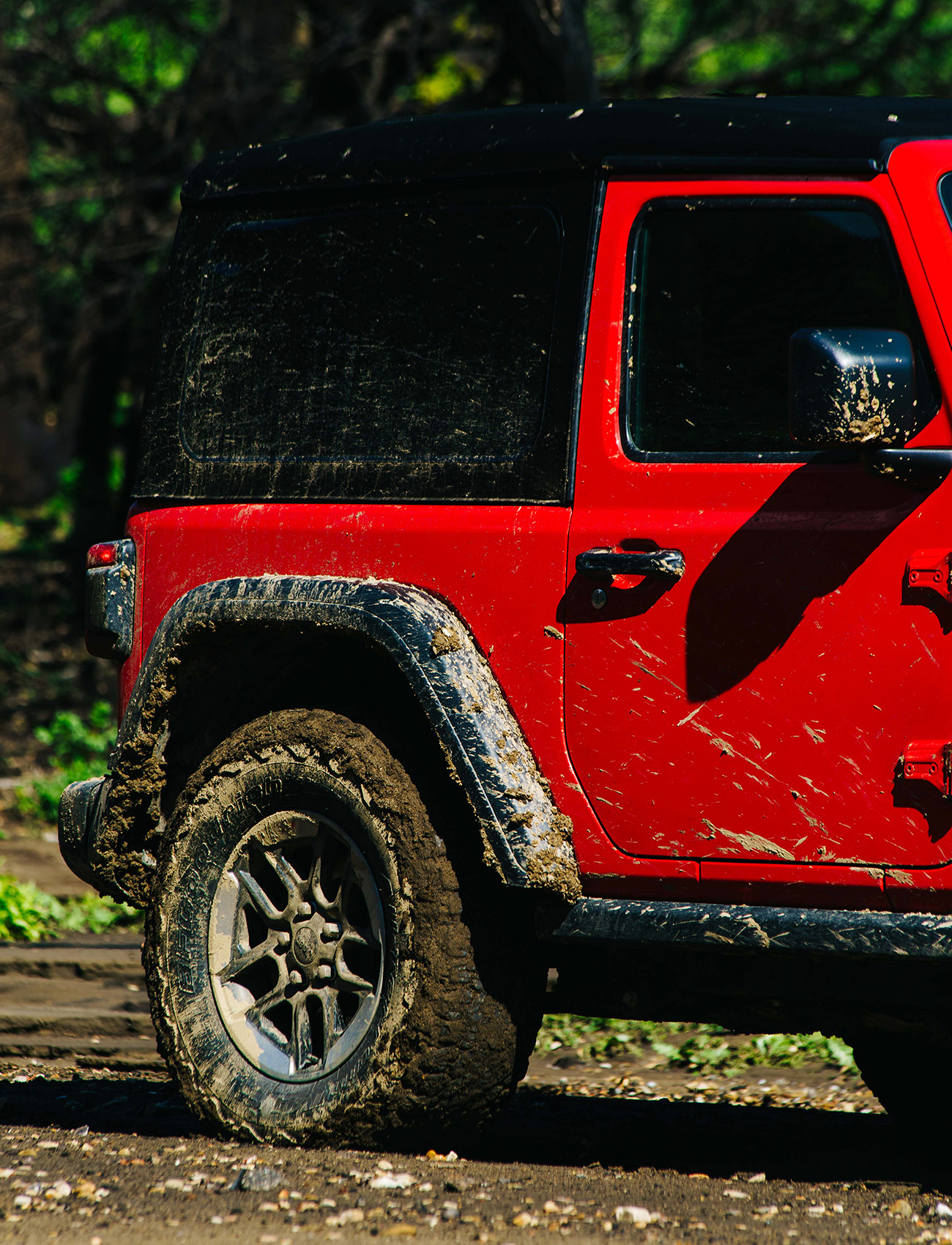
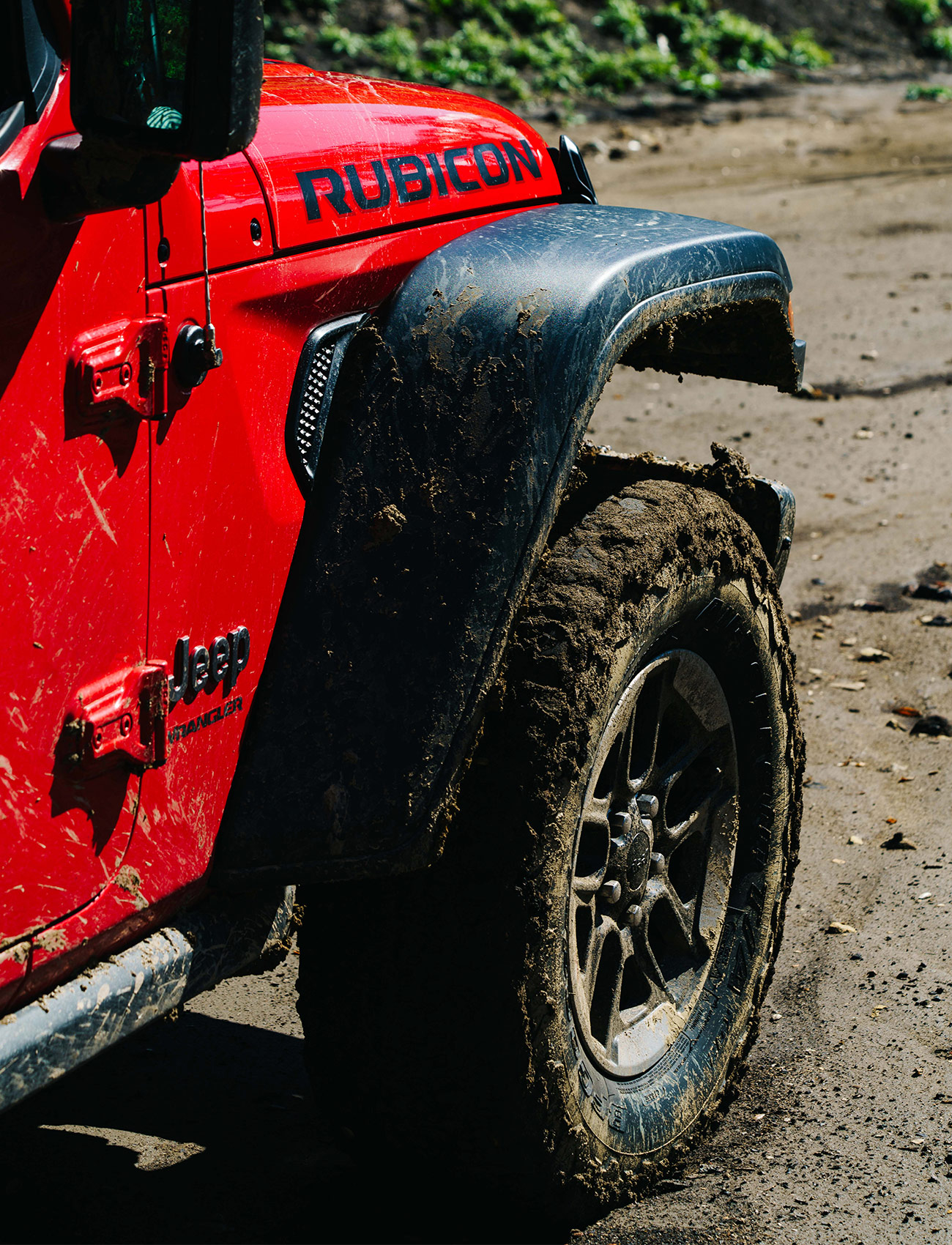
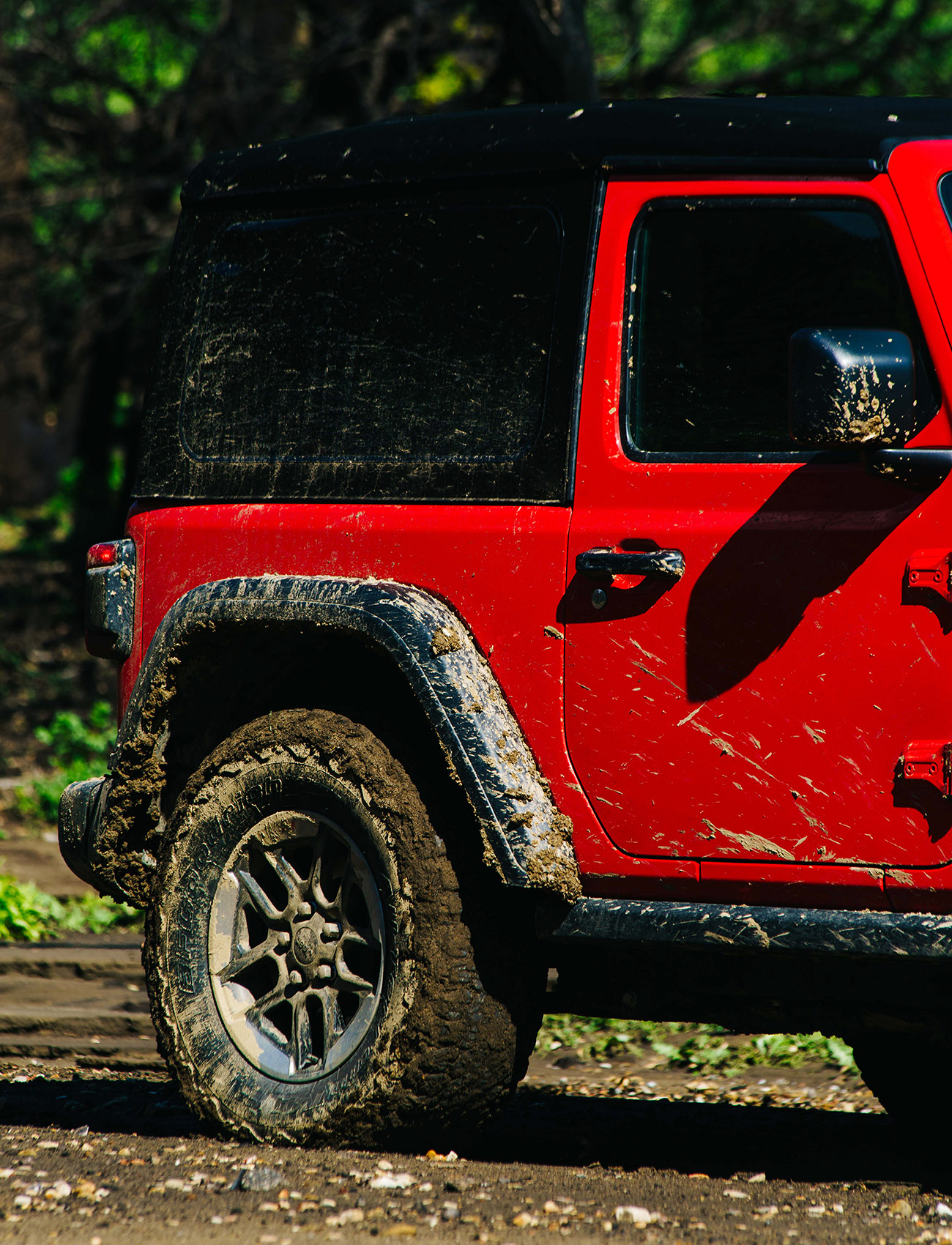
Review: During my week with the Rubicon, typically sunny LA days in early February were replaced with deluge after deluge. Perfect. The Firecracker Red paint gave the updated silhouette an extra pop, and since the Wrangler shape looks especially proper covered in mud, it was fortunate that to play in. Solid front and rear Dana 44 axles are the gold standard in durability and the Wrangler’s can be easily locked, either in unison, or just the front, with a dash-mounted switch. With a new 4.10 drive ratio and the E-Torque mild hybrid assist, crawling is remarkably breezy, even for a Wrangler — I simply chose to idle through deep mud and over various steep obstacles. You can also up the speed using Jeep’s version of off-road cruise control to moderate the pace via buttons on the steering wheel. This is the kind of stuff that was confined ton pricey Land Rovers just a few years back.

I prefer to do things the old fashioned way, with my right foot and aiming for smooth inputs. The E-Torque helps here, too: it’s smooth, not jumpy, and doesn’t make the throttle overly sensitive. Moderating off-road crawl speed was easy. Of course, this being a two-door vehicle with a turbocharged engine, I had to turn off all the nannies and get it sideways. It’s clearly no drift machine, but chucking the truck into a low-grip corner and using the turbo’s low-end boost to kick out the backside on exit was plenty enjoyable. This isn’t a Raptor or even RAM Rebel, but something tells me we’ll be seeing a Baja-oriented Wrangler (or Gladiator) in the near future.

The on-road experience required some rewiring of my brain. Driving previous generation Wranglers on a Los Angeles freeway, especially Rubicons with knobby 33-inch off-road tires, was a white-knuckle affair. Not so in the new Wrangler. There’s still some sway from the softly sprung off-road suspension, but it’s remarkably composed. When the roads were dry and the visibility good, I took to driving the Rubicon like a hot hatch — like a WRX or GTI that had been given the ultimate safari car treatment. It’s not fast, but it is quick to respond, to overtake a vehicle or simply to put some distance between you and traffic. Speeding in a Wrangler Rubicon: it’s a brave new world folks.

Verdict: This is the best Wrangler yet. I can say that with confidence even though I haven’t driven every generation of the car. I’ve been a passenger in all the previous iterations, and the limitations of those vehicles was obvious even from the left seat. With the new Wrangler, Jeep has fixed the most glaring drawbacks — spartan infotainment, twitchiness at speed, a dowdy interior — with a heaping dose of modern technology and design.

Only the Porsche 911 enjoys the same kind of ceaseless incremental improvement as the Wrangler. With the Jeep crowd unabashedly on board, the new Wrangler should have no trouble finding success with a wide audience, and the Rubicon will certainly mint new off-roading enthusiasts who also like to keep an eye on their MPGs while they cruise back to the suburbs — for once, in both quiet and comfort.

What Others Are Saying:
“Optimized tradition is the whole story with the new Wrangler. You won’t find any drastic departures from the original recipe here: The axles are still solid, the roof and doors still come off, the body still bolts to the frame. Everything that makes people exuberantly, irrationally love the Wrangler is still here. It’s just been finessed in a way that won’t jostle a die-hard’s sensibilities.” – Bob Sorkanich, Road & Track

“What you won’t know, until you experience this Jeep for yourself, is how livable it’s become. The quivering structure, gale-force wind noise and crappy HVAC system? All banished. The pathetically slack steering, Richter-scale column shake, torpid handling, and shimmying over bumps? Also remarkably improved. For the first time in history, the Wrangler isn’t a chore to drive on pavement.” – Lawrence Ulrich, The Drive

Specs:
Model Year/Brand/Model: 2019 Jeep Wrangler Rubicon
Purchase URL: www.jeep.com
Price: $37,945 (base)
Engine: 2.0L 4Cyl Turbo w/Mild Hybrid Assist
Transmission: Eight Speed Tiptronic Automatic
Horsepower: 270 hp
Torque: 295 lb-ft
MPG: 18/23 City/Highway
Read More Gear Patrol Reviews

Hot takes and in-depth reviews on noteworthy, relevant and interesting products. Read the Story
Note: Purchasing products through our links may earn us a portion of the sale, which supports our editorial team’s mission. Learn more here.
The 2019 Jeep Wrangler Rubicon Gets a Boost

Unless you’ve been living under a rock (or crawling over them in your old 4×4 while living off the grid) you’ve heard about the redesigned 2019 Jeep Wrangler. You can tell at a glance that the new Wrangler has grown in all the right ways, and when spotted next to the previous generation “JK” Wrangler, the latter appears outdated and cheap. All the traditional Wrangler cues are there: exposed bolts for removing the doors, a grille comprised of seven vertical slats that taper slightly backwards at the top (a nod to the “YJ” Wrangler), and a windshield that folds down, but now with greater ease than ever. The new Wrangler is still the same capable-as-hell off-roader it’s always been, especially in Rubicon form, but finally modern: Jeep so thoroughly addressed the truck’s longstanding gripes that the Wrangler no longer needs excuses made for it.

The Good: Until the diesel powerplant arrives, the 2.0-liter turbocharged four-cylinder is the engine to get: the extra 35 lb-ft of torque it claims over the V6 also comes on 1,800 rpm earlier. Merging into highway traffic is no longer a sweat-inducing adventure, and at cruising speeds the 2.5-inch wider track vastly improves stability over previous generations. The last Wrangler Rubicon I drove, a Wrangler JK, was hairy above 65 mph, but the new Wrangler JL feels solid as can be, even at SoCal six-lane speeds. In addition to the new turbo-four engine, the interior is completely redesigned and finally looks and feels premium, with upscale features like a heated steering wheel and FCA’s excellent 8.4-inch touchscreen, now available in the Wrangler as a $1,200 option. It’s Apple CarPlay- and Android Auto-ready, offers Wi-Fi connectivity and provides a crisp view from the backup camera that looks through the middle of the spare tire mounted at the center of the tailgate. Same old Wrangler, all-new benefits.

Who It’s For: Few vehicles enjoy the Wrangler’s broad cross-generational appeal, though the Rubicon-badged two-door is more of a specialist vehicle intended for serious off-roading. Opting for the two-door over the four-door Unlimited gives a more compact package (easier to live within cramped urban areas) that somehow manages to deliver a livable backseat, even for passengers of the 6’3 variety. If you’re looking to get out and explore, don’t need to haul a bunch of cargo and aren’t constantly driving friends or family around, the two-door Wrangler is for you.

Watch Out For: New technology will always cost extra, and that’s true for engines. Downsizing from the V6 to the four-cylinder turbo will cost you $1,000 — and since the eight-speed automatic transmission is the only option for that engine, add another $2K. That’s a $3,000 premium for the smaller engine, and with safety options and interior appointments, the Rubicon’s price tag can push well past $50K.

Alternatives: Nothing new with an intact warranty can touch the Wrangler Rubicon in terms of performance. A Toyota 4-Runner TRD-Pro is currently suffering from the old age problems that the previous generation Wrangler had, but it competes with the 4 door Wrangler anyway. If you’re looking for two door off-road fun from the factory, the Wrangler Rubicon is (and should be) your only option.

Review: During my week with the Rubicon, typically sunny LA days in early February were replaced with deluge after deluge. Perfect. The Firecracker Red paint gave the updated silhouette an extra pop, and since the Wrangler shape looks especially proper covered in mud, it was fortunate that to play in. Solid front and rear Dana 44 axles are the gold standard in durability and the Wrangler’s can be easily locked, either in unison, or just the front, with a dash-mounted switch. With a new 4.10 drive ratio and the E-Torque mild hybrid assist, crawling is remarkably breezy, even for a Wrangler — I simply chose to idle through deep mud and over various steep obstacles. You can also up the speed using Jeep’s version of off-road cruise control to moderate the pace via buttons on the steering wheel. This is the kind of stuff that was confined ton pricey Land Rovers just a few years back.

I prefer to do things the old fashioned way, with my right foot and aiming for smooth inputs. The E-Torque helps here, too: it’s smooth, not jumpy, and doesn’t make the throttle overly sensitive. Moderating off-road crawl speed was easy. Of course, this being a two-door vehicle with a turbocharged engine, I had to turn off all the nannies and get it sideways. It’s clearly no drift machine, but chucking the truck into a low-grip corner and using the turbo’s low-end boost to kick out the backside on exit was plenty enjoyable. This isn’t a Raptor or even RAM Rebel, but something tells me we’ll be seeing a Baja-oriented Wrangler (or Gladiator) in the near future.

The on-road experience required some rewiring of my brain. Driving previous generation Wranglers on a Los Angeles freeway, especially Rubicons with knobby 33-inch off-road tires, was a white-knuckle affair. Not so in the new Wrangler. There’s still some sway from the softly sprung off-road suspension, but it’s remarkably composed. When the roads were dry and the visibility good, I took to driving the Rubicon like a hot hatch — like a WRX or GTI that had been given the ultimate safari car treatment. It’s not fast, but it is quick to respond, to overtake a vehicle or simply to put some distance between you and traffic. Speeding in a Wrangler Rubicon: it’s a brave new world folks.

Verdict: This is the best Wrangler yet. I can say that with confidence even though I haven’t driven every generation of the car. I’ve been a passenger in all the previous iterations, and the limitations of those vehicles were obvious even from the left seat. With the new Wrangler, Jeep has fixed the most glaring drawbacks — spartan infotainment, twitchiness at speed, a dowdy interior — with a heaping dose of modern technology and design.

Only the Porsche 911 enjoys the same kind of ceaseless incremental improvement as the Wrangler. With the Jeep crowd unabashedly on board, the new Wrangler should have no trouble finding success with a wide audience, and the Rubicon will certainly mint new off-roading enthusiasts who also like to keep an eye on their MPGs while they cruise back to the suburbs — for once, in both quiet and comfort.

What Others Are Saying:
“Optimized tradition is the whole story with the new Wrangler. You won’t find any drastic departures from the original recipe here: The axles are still solid, the roof and doors still come off, the body still bolts to the frame. Everything that makes people exuberantly, irrationally love the Wrangler is still here. It’s just been finessed in a way that won’t jostle a die-hard’s sensibilities.” – Bob Sorkanich, Road & Track

“What you won’t know, until you experience this Jeep for yourself, is how livable it’s become. The quivering structure, gale-force wind noise and crappy HVAC system? All banished. The pathetically slack steering, Richter-scale column shake, torpid handling, and shimmying over bumps? Also remarkably improved. For the first time in history, the Wrangler isn’t a chore to drive on pavement.” – Lawrence Ulrich, The Drive

Specs:
Model Year/Brand/Model: 2019 Jeep Wrangler Rubicon
Purchase URL: www.jeep.com
Price: $37,945 (base)
Engine: 2.0L 4Cyl Turbo w/Mild Hybrid Assist
Transmission: Eight Speed Tiptronic Automatic
Horsepower: 270 hp
Torque: 295 lb-ft
MPG: 18/23 City/Highway
Read More Gear Patrol Reviews

Hot takes and in-depth reviews on noteworthy, relevant and interesting products. Read the Story
Note: Purchasing products through our links may earn us a portion of the sale, which supports our editorial team’s mission. Learn more here.
Reviews