All posts in “Cars”

2020 Porsche Cayenne S Coupe

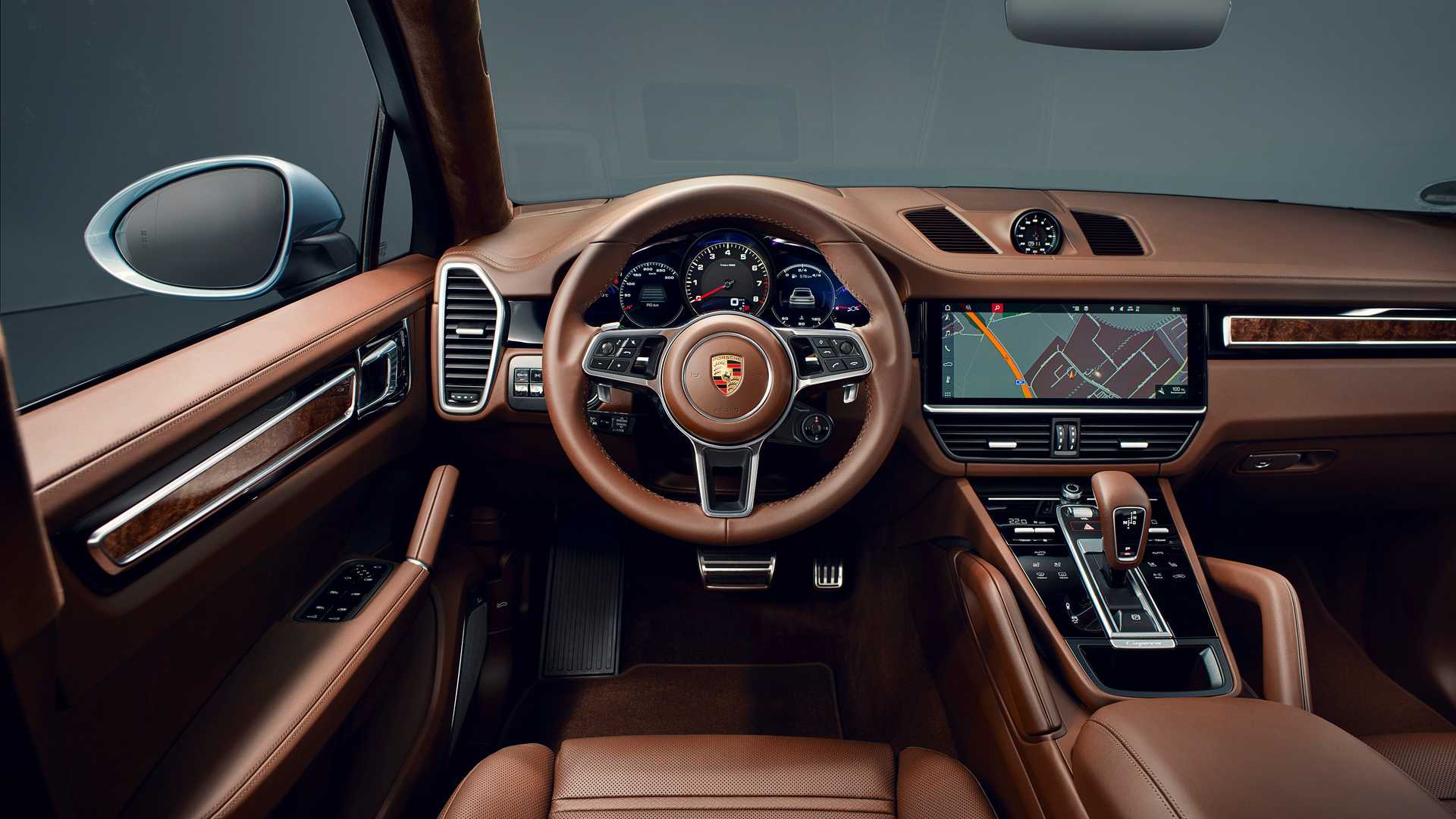
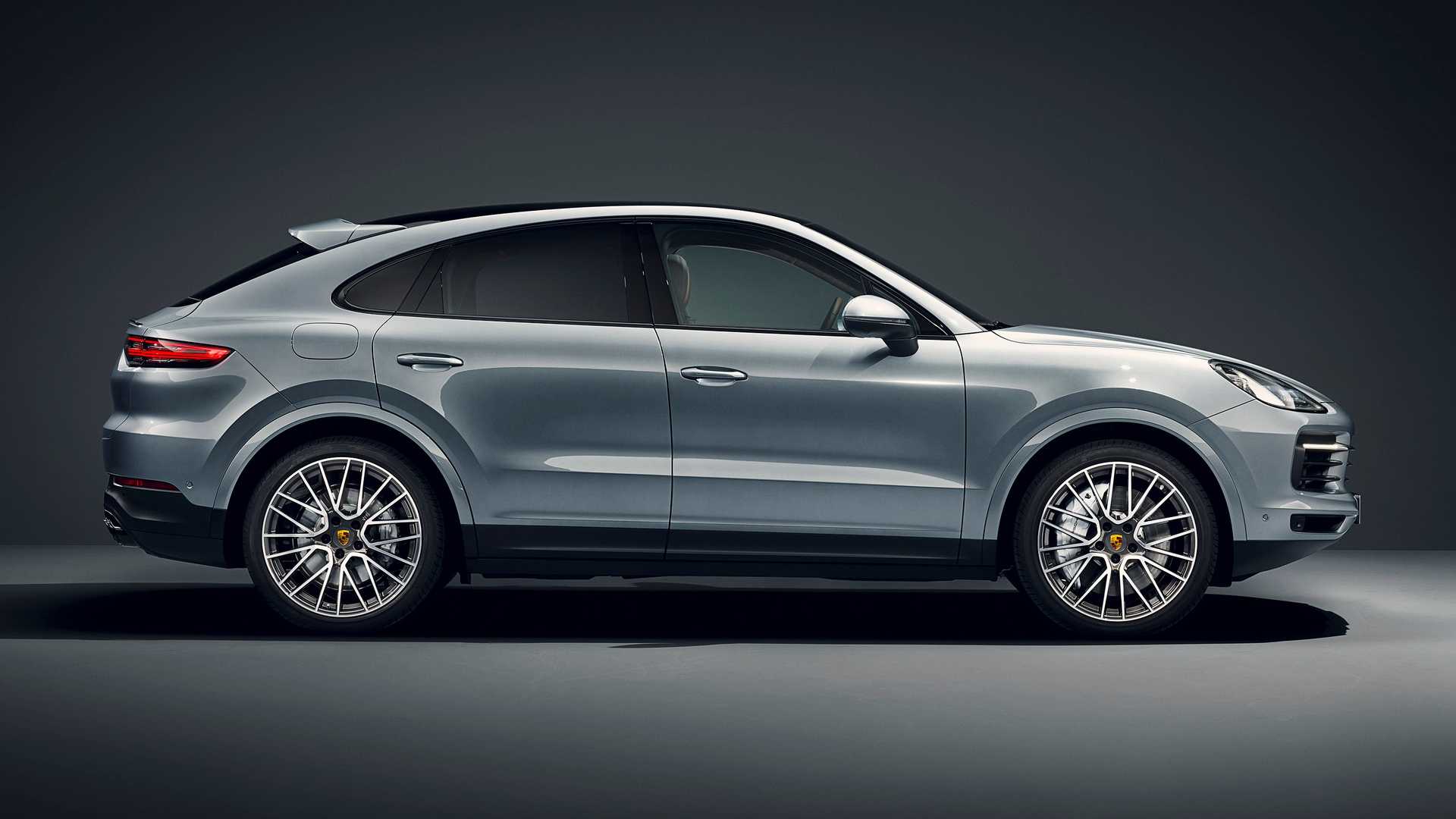
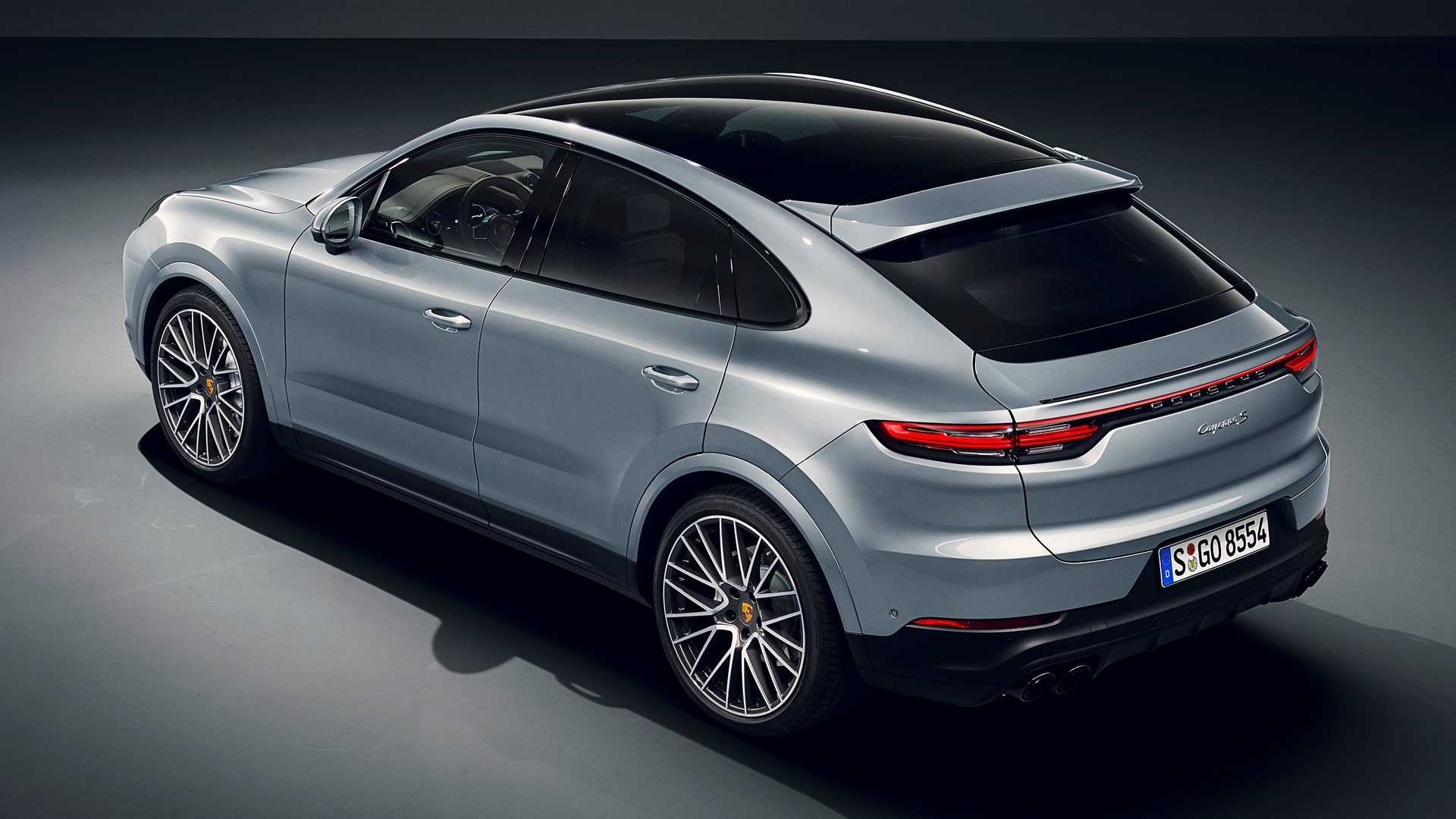
Nothing like Cayenne to spice up Porsche’s coupe slate. As they say, of course. All kidding aside, here’s the 2020 Porsche Cayenne S Coupe, sliding into the middle of the coupe-inspired crossover’s current lineup.

The new trim comes with a 2.9-liter twin-turbo V6 engine, topping up to 434 ponies and 405 pound-feet of torque. That’s an upgrade over the base model’s 335 horsepower. The ride comes with an eight-speed automatic gearbox that runs through an all-wheel-drive system. Per Porsche’s estimates, this thing can hit zero to 60 mph in just 4.7 seconds. That’s cut to just 4.6 seconds if you get the Lightweight Sport Package. Both, however, offer the same top speed of 164 mph.

The Cayenne S Coupe is a little different from the base Cayenne S. For starters, it’s got Sport Chrono Package right out the gate. Add to that eight-way sport seats, a panoramic fixed glass roof, and 20-inch wheels. Customers can pick between a two-seat layout in the back or a bench seat that adds a third seat belt. Not much going for this ride in terms of customizations, suffice it to say. But the default isn’t that bad all things considered.

The aforementioned Lightweight Sport Package bundles Sport Design body kit into the mix, in addition to matte black air intakes and airblades. You’ll also find in this variant carbon fiber parts for the roof and rear diffuser. In terms of interiors, you get an Alcantara-wrapped heated steering wheel. Plus houndstooth seat center sections, for good measure. Topping it all off is the carbon fiber cabin trim, and the Alcantara headliner. Coming this fall; prices start at $89,850.

MORE INFO HERE

Photos courtesy of Porsche

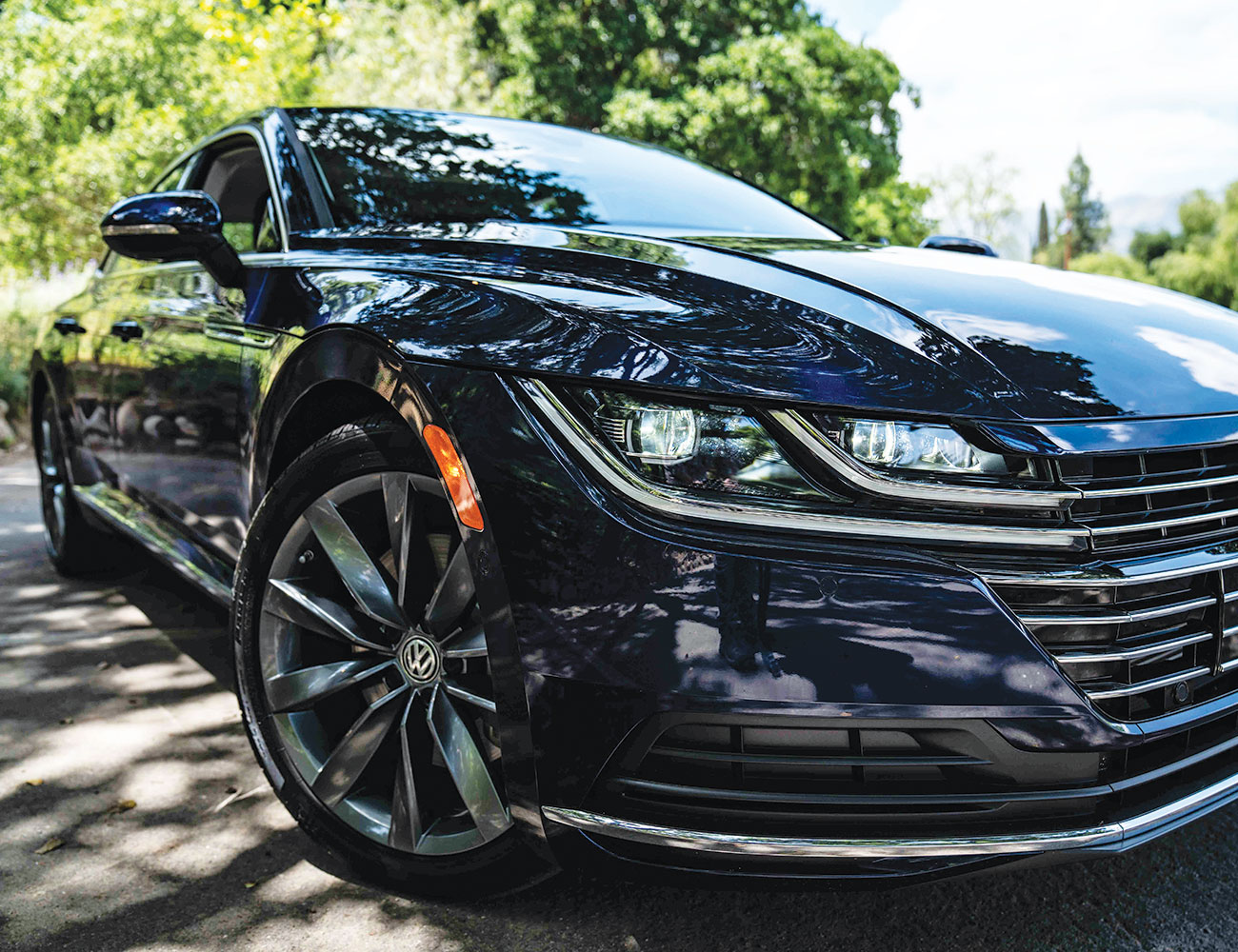
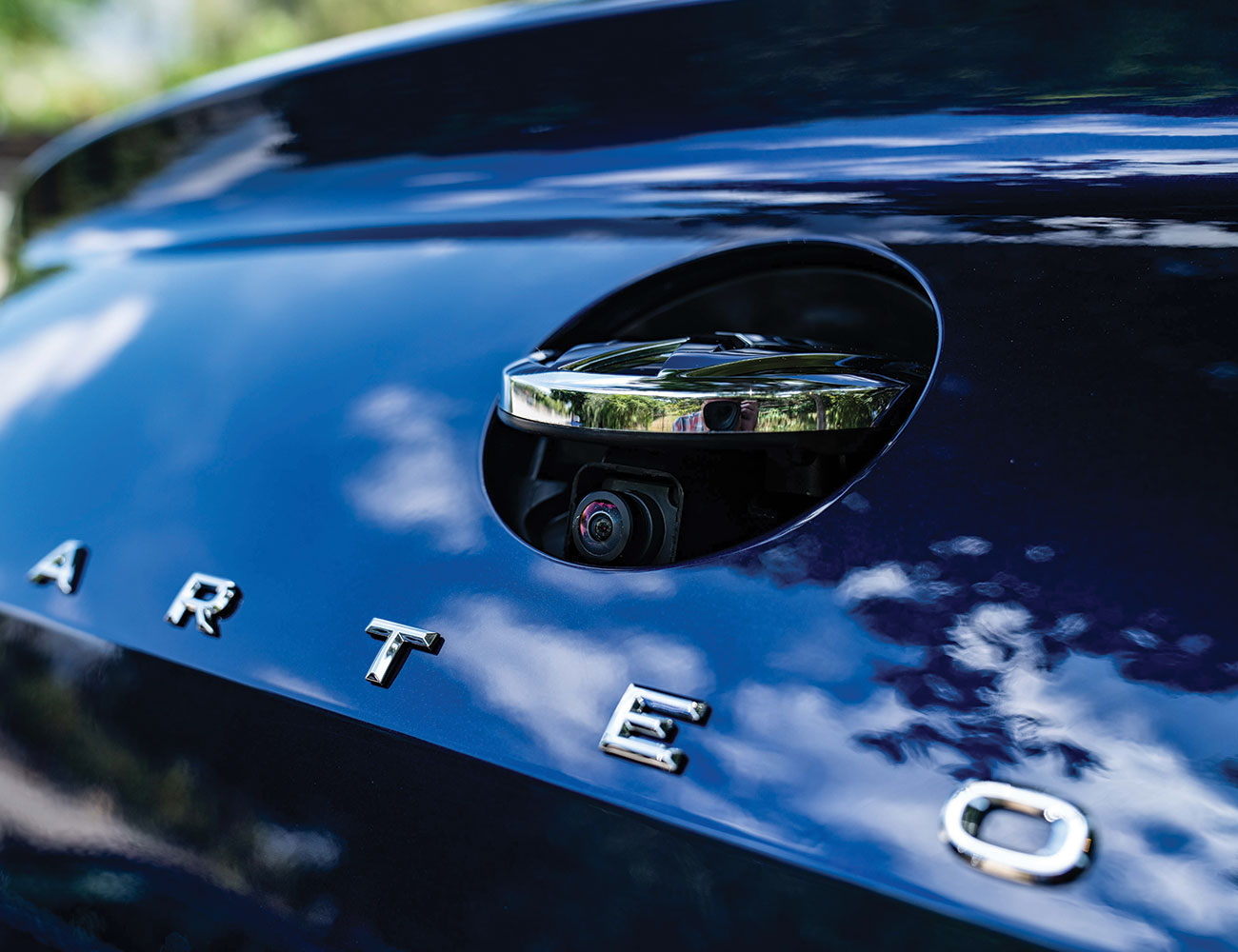
2019 VW Arteon First Drive Review: A 4-Door Flagship Worthy Of the Term

While many carmakers are kicking conventional four-door passenger cars to the curb like yesterday’s garbage in favor of SUVs, see some brands are staying the sedan course. Count Volkswagen among them; as the company notes, conventional cars still comprise 25 percent of the U.S. market, to the tune of a not-insignificant 4.25 million sedans sold in 2018. Intent on capturing that sedan-loving subset of the public’s attention, VW dug deep for its new flagship, the Arteon.  The car is technically a replacement for the CC, which never quite rose to the challenge of being a true range-topper due to middling performance and marginally interesting looks. The Arteon, on the other hand…

The Good: First and foremost, the Arteon’s fastback design is top-notch; it earns a place among the best-looking four-door coupes on the market, perhaps even bettering its corporate sibling, the highly-regarded Audi A7. It also has nimble handling, and an engine powerful enough to move it off the line briskly. And the complement of standard and optional technology features, along with an intuitive infotainment system, give the car mainstream appeal.

Who It’s For: The Arteon is a stylish ride, available in a bold range of colors—most notably, a striking yellow hue. It’s not a fuddy-duddy Passat or an anonymous Jetta; rather, the Arteon is a grown-up car for drivers who care about what they’re seen in, and what appeals to them both aesthetically and practically. 

Watch Out For: Rather disappointing—by which I mean, generally nonexistent—engine sounds. There’s a hint of strain under hard acceleration, but certainly nothing close to a growl. Other times, you can barely tell there’s anything happening under the hood. Of course, it’s not that surprising, as 2019 is the era of ultra-quiet EVs and bank vault-silent luxury cars; still, it’s nice to have some auditory affirmation that your car is excited by the curves.

Alternatives: The Kia Stinger GT is brought up often as a direct competitor to the Arteon, and it has the advantage of a second, more powerful engine option and pricing that undercuts the VW. The Acura TLX also has similar specs, as well as a second engine option. The Infiniti Q50 and the Nissan Maxima are also in the mix. None, though, have quite the visual panache of the Arteon, especially in its chic R-Line trim.

Review: The best flagship models possess two largely undefinable qualities: presence and aura. The former emerges from the vehicle’s stature and dimensions: tall cars don’t usually have a strong presence; low, wide ones generally do. Aura, that je ne sais quoi that renders some cars above the rest, is harder to pin down. A car with a good aura has to look a bit distinct from its underlings. The ultra-premium Volkswagen Phaeton of yore—sold here from just 2004 to 2006—had both qualities. The CC did not. The Arteon? Thankfully, it does.

The new VW has a confident posture and excellent proportions, including standard 18-inch wheels (upgradable to 19- or 20-inchers) and multiple deftly-cut character lines and creases along the flanks and hood. Coupled with the sleek LED lighting and abundant chrome, it presents a strong look from the outside. The R-Line trim throws in a host of black detailing that looks particularly good when paired with the bold Kurkuma Yellow Metallic paint.

The interior feels cohesive and comfortable, with both front and rear passengers enjoying plenty of room and support. The Arteon’s wheelbase stretches five inches longer the CC’s, with most of that room given to the rear-seat passengers. (It’s also only two inches longer than the CC, so the front and rear overhangs are shorter—a staple of aggressive vehicle design.) The dashboard has a narrow, horizontal aesthetic, and all the controls are readily accessible and smartly located. The infotainment system is also well-organized and appealingly designed; it can detect your fingers’ proximity and reveal strips of touchscreen controls, thus keeping the display uncluttered when not being actively used. 

On a drive around Santa Barbara, California, the Arteon proved its flagship qualities are more than skin deep. The engine lets the driver power cleanly out of turns, while the car’s version of the VW Group’s MQB chassis keeps the ride poised and balanced. The car isn’t really a sport sedan; it’s not meant to be caned through canyon roads, but even so, it handles them with admirable composure. The adaptive suspension’s 15 settings help keep things under control, while the all-wheel-drive ably applies power as needed to enhance cornering and maintain traction. It will soak up most of what you can throw it, but it reaches its limits well ahead of the likes of a BMW 5 Series or Mercedes-Benz E-Class—as one would reasonably expect, given the price difference.

The available technology also places the Arteon in solid standing amongst similarly-priced four-doors. The 700-watt Dynaudio sound system has 12 speakers and enough juice to comfortably and clearly play above wind and road noise. The infotainment system includes a customizable digital cockpit; that said, it offers limited distinctions between drive modes and display options, which can become frustrating. (For instance, you can display the map on the instrument cluster, but not the main display at the same time.) The Apple CarPlay and Android Auto interfaces, though, are easy to engage and work seamlessly.

The tech extends to driver aids as well: The park assist functionality will assess parking spots to determine if there’s enough room then steer in as you control the brake and throttle, and the increasingly familiar gamut of adaptive cruise control, lane-keep assist, and overhead-view cameras, among other features, are available as well. Owners can also opt for VW’s Car-Net security and service app suite for remote access, vehicle monitoring, and remote-start functionality via smartphone.

Verdict: The Arteon is a sporty ride that doesn’t quite qualify as a sport sedan—but its other qualities more than make up for that. It has an edgy roster of colors that help it stand out more than any other VW at the moment; technology and features sure to endear it to owners; and a design that feels like it will age well, an achievement not many cars can claim. Overall, the Arteon is more than worthy of the term flagship.

2019 Volkswagen Arteon Specs

Base Price: $35,845
Powertrain: 2.0-liter turbocharged inline-four; eight-speed automatic; front- or all-wheel-drive
Power: 268 horsepower, 258 lb-ft of torque
Curb Weight: 3,655 pounds (FWD), 3,854 pounds (AWD)
EPA Fuel Economy: 22 mpg city / 31 mpg highway (FWD), 20/27 (AWD)

Volkswagen provided this product for review.

Read More Gear Patrol Reviews

Hot takes and in-depth reviews on noteworthy, relevant and interesting products. Read the Story
Note: Purchasing products through our links may earn us a portion of the sale, which supports our editorial team’s mission. Learn more here.

This New Sports Car Just Became the Best Car for Road Trips

Much like the dating pool, the sports car world has room for all different shapes, sizes and types to fit different tastes. For every person who lusts after a stripped-down, racecourse-ready speed machine, there’s somebody else whose hearts is set aflutter by an open-topped canyon carver or a sleek, luxurious ride designed to cross continents in record time.

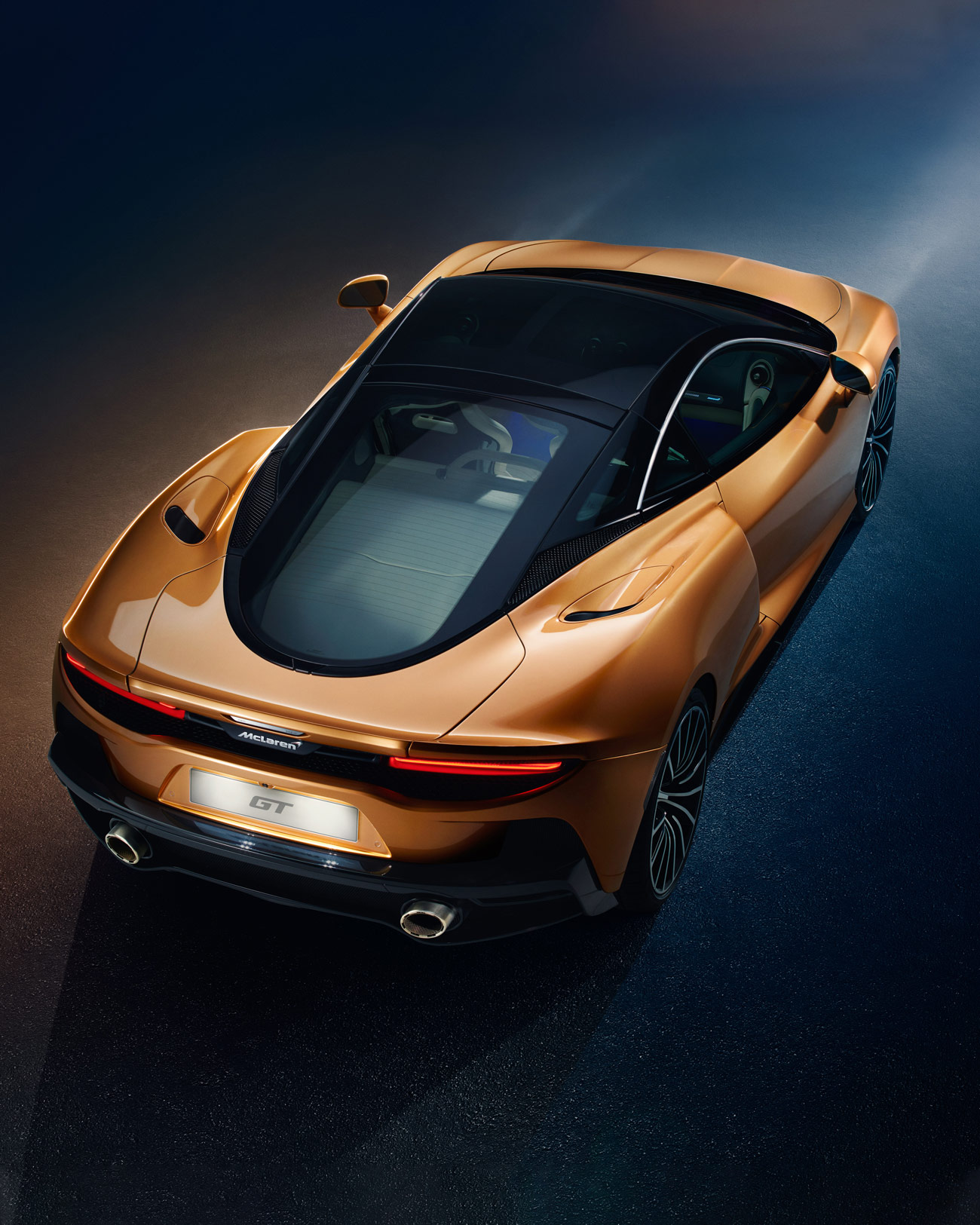
So with a portfolio already filled with track attackers like the Senna and the 570S Spider, British sports car manufacturer McLaren is turning towards the grand touring segment for its latest debut. Meet: the all-new McLaren GT. (Yes, that’s the whole name.)

What makes the McLaren GT so good for those long trips that define the gran turismo class? Well, like the best of the type, it balances comfort with performance with impeccable grace. For starters, the two-seat interior has been designed to keep its occupants cosseted on long journeys. Cushy heated seats designed specifically for the GT’s mission come clad in standard Nappa leather, with softer leather or Alcantara faux suede available as options. (Cashmere will become an interior trim option later this year, in a move certain to please George Costanza.)

A digital instrument panel with aircraft-inspired displays serves up all the relevant driving data, while a revised smartphone-inspired infotainment screen between driver and passenger handles most secondary controls. Knurled and machined aluminum controls sit ready for your fingertips’ touch all around the interior, including the drive mode selector knobs and the shift paddles behind the wheel. If you take pride in your road trip mixes, opt for the optional 12-speaker Bowers & Wilkins stereo; likewise, if you like to let the sun shine in, check the box for the electrochromic glass roof, which can switch from opaque to translucent with the pulse of a current.

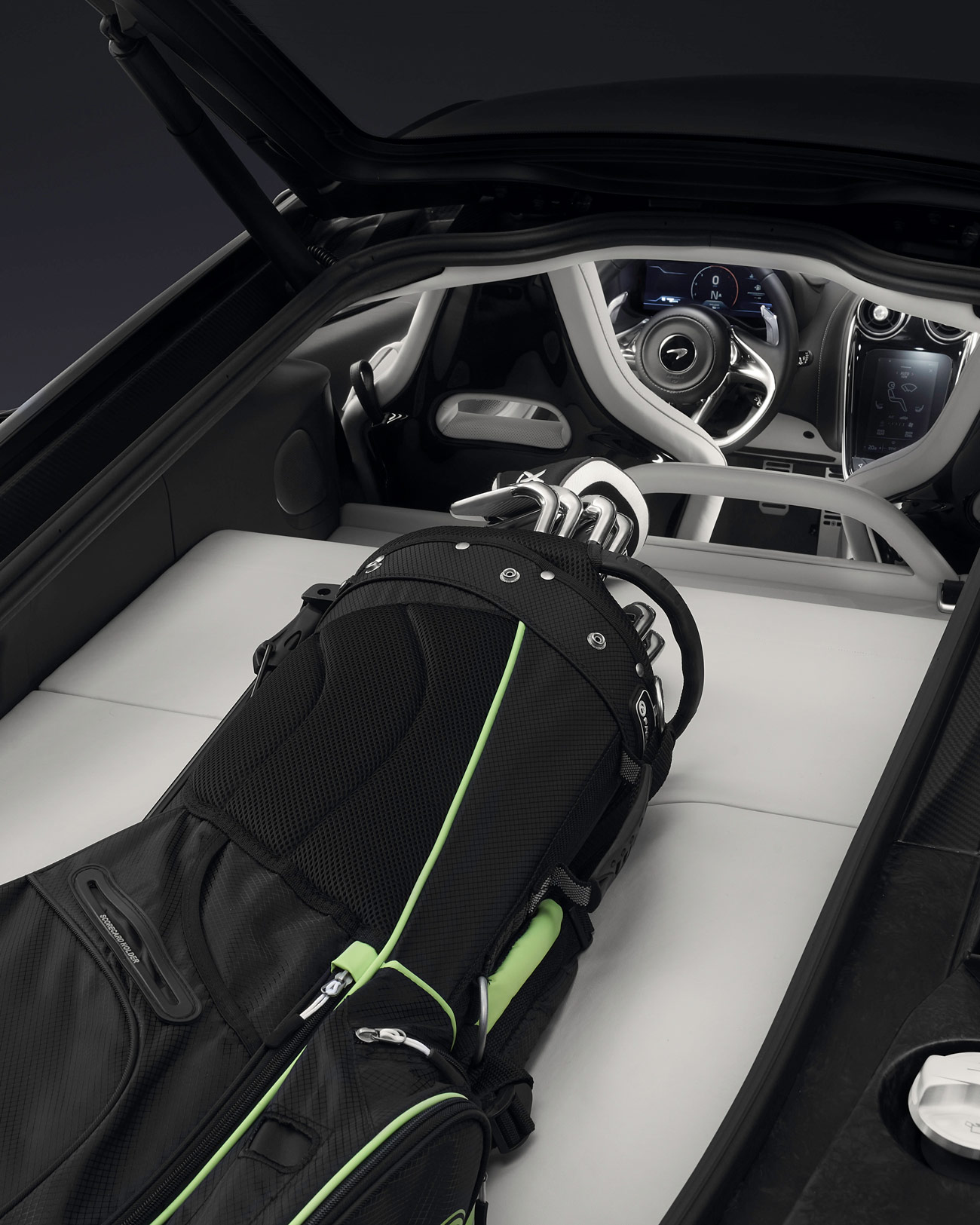
A great road trip car needs to offer plenty of room for your gear, of course — and it’s here that the McLaren GT excels in unexpected ways. The cargo bay behind the cockpit is large enough to fit a sets of golf clubs or two sets of skis. And between that area and the frunk in the nose, the car offers a total cargo capacity of 20.1 cubic feet — 3.4 cubic feet more than the commodious Honda Accord.

And thanks to a maximum approach angle of 13 degrees and a maximum ground clearance of 5.1 inches (both with the on-board vehicle lifter engaged), the GT is a veritable overlander compared to most mid-engined cars on the market, hopping over potholes and speed bumps with the greatest of ease.

But GTs aren’t just about excelling on long trips; they’re about excelling on long trips at very high speed. To that end, the new McLaren comes with its own version of the twin-turbo V-8 shared amongst the carmaker’s whole lineup — in this case, a unit tuned to make 612 horsepower and 465 pound-feet of torque, all of which travels to the 21-inch rear wheels through a seven-speed dual-clutch automatic. Sure, that’s less than in the likes of the lighter 720S supercar, but that doesn’t mean the new Macca will be anything resembling slow; the company claims a 3.1-second 0-60 mph time, with the 0-124 mph dash being dispatched in nine seconds flat. Top speed is 203 miles per hour, which would be fast enough to knock out the 2,813.7-mile Cannonball Run route across America in just under 14 hours if you could magically keep the gas tank full the whole way without stopping.

To keep things buttoned up in the corners, the McLaren GT uses a new version of Proactive Damping Control, the nigh-miraculous active anti-roll control setup that replaces traditional anti-roll bars with hydraulic dampers that adjust to counter body flop without delivering a tooth-shattering ride for an ideal balance of grip and comfort. McLaren says the latest version of its advanced suspension system can react in just two milliseconds. (For comparison: A .45-caliber bullet travels a mere 20 inches in that length of time.) And unlike most new cars nowadays, the McLaren GT still uses hydraulically-assisted power steering, often noted for its greater feedback versus more-efficient electrically-boosted systems.

Want one? Well, so do we, but there are two pieces of bad news we have to deliver regarding that. First off, the new McLaren GT starts at $210,000…which isn’t actually that bonkers, given the prices of competitors like the Bentley Continental GT and the Ferrari GTC4 LussoT. The second one hurts a little more, though, especially if you’ve been reading this story and dreaming of hitting the road for this year’s summer road trip in this Macca: While order books are open now, units won’t reach driveways until almost the end of the year. Guess there’s always next summer.

De Tomaso Will Come Back From the Dead

A New Logo and a New Car

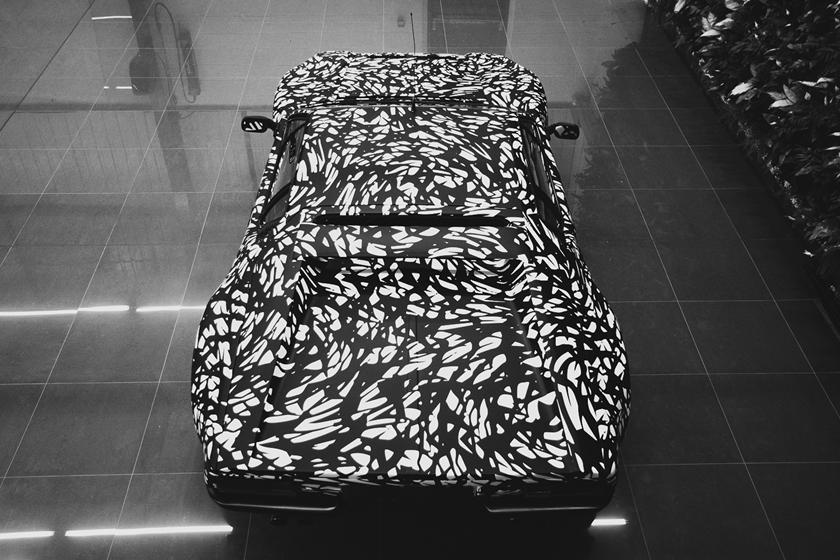
The good Lord of cars saw fit to let one of the supercar icons return to this lovely earth. De Tomaso is coming back from the dead. Apollo Automobili is the company that revived the brand and will bring a new car and a new logo to the 2019 Goodwood Festival of Speed on July 4. 

Currently, the new De Tomaso car is code-named Project P. According to CarBuzz, the De Tomaso return has been several years in the making. The start of its rise from the ashes came in 2014 when Ideal Team Ventures, which owns Apollo Automobili, acquired the rights to De Tomaso. 

Over the next five years, Ideal Team Ventures had to get De Tomaso in order. Now Project P is close to being a reality. The details on Project P are still scarce at the moment. However, there are two images of the car floating around. We have included them in this post. 

The car looks like it could be a spiritual successor to the old Pantera from De Tomaso. That car came out in the 1970s. We’re all for that. This is a smart move by the company. The Pantera was the brand’s best-known model, and using the nostalgia people have for it could help the company get the buyers it’ll need to be a success. 

De Tomaso Project PDe Tomaso Project P

The McLaren GT Is a Beautifully Elegant Supercar With 612 HP

Is This the Ultimate Grand Touring Machine?

It’s time for you to feast your eyes on the new McLaren supercar, the GT. The car has a mid-engine 4.0-liter twin turbo V8 that makes 612 hp and 465 lb-ft of torque. The model is a bit longer and more elegant than the other models from the brand.

The car is a bit more usable as an everyday vehicle, too. It sits up a little higher than the other supercars in McLaren’s lineup and offers segment-leading cabin refinement, according to the company. It also comes with a reasonably generous 14.8 cubic feet of cargo space. Add in the additional storage areas in the car and you have a combined total of over 20 cubic feet of cargo space. 

The car isn’t some plush boat, though. It’s made for speed and impressive performance. The car features a MonoCell II-T monocoque. The rear upper portion of the structure is made of carbon fiber.  It can do 124 mph in nine seconds flat and has a top speed of 203 mph. 

The McLaren GT is the fourth model to come out of the company’s Track25 business plan. The company is taking orders for the car immediately. It costs $210,000. Judging by the performance of the car and the new infotainment system for the car and its high-quality interior materials, including Nappa leather and Alcantara, the price tag is more than warranted. 

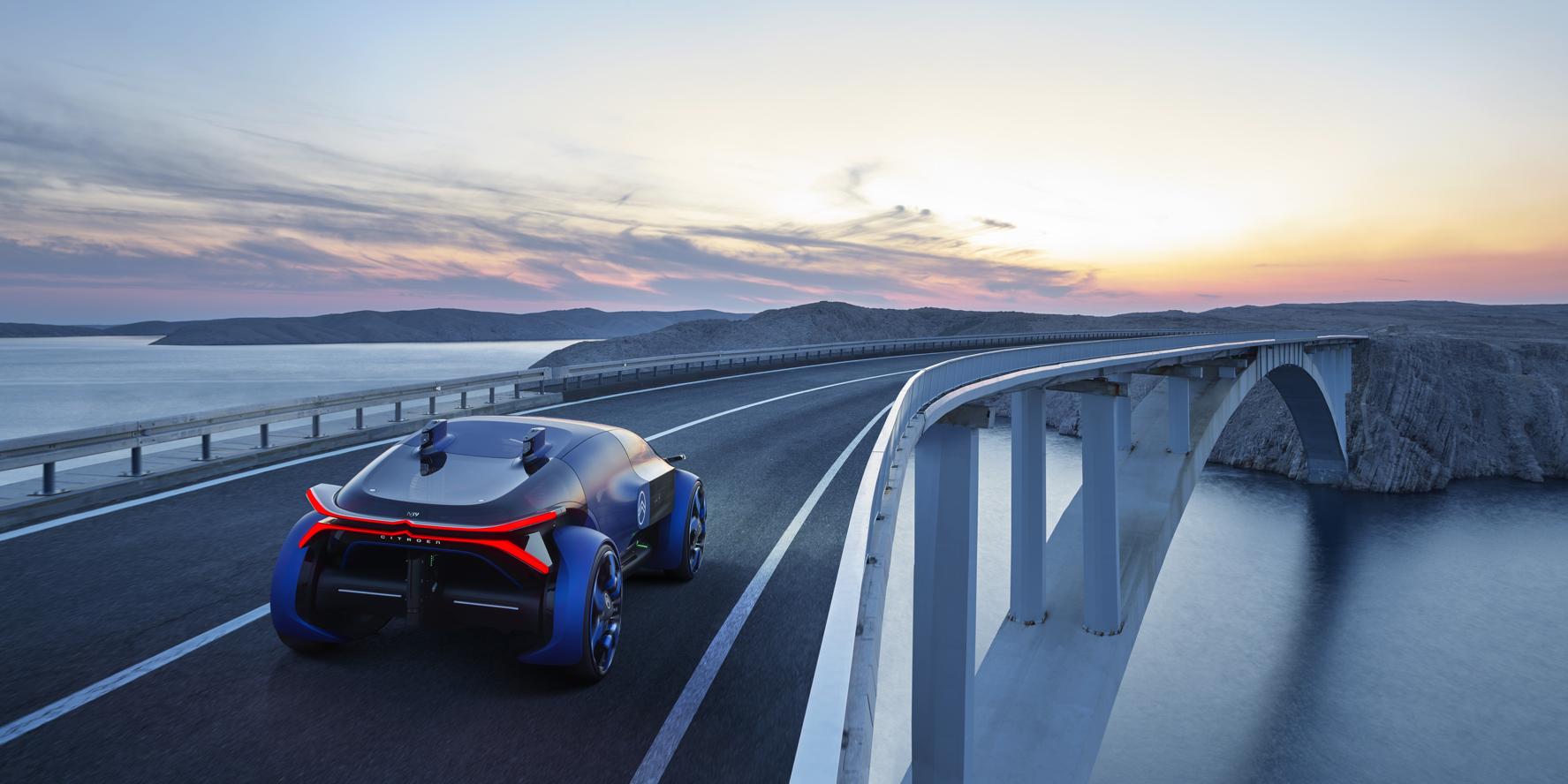
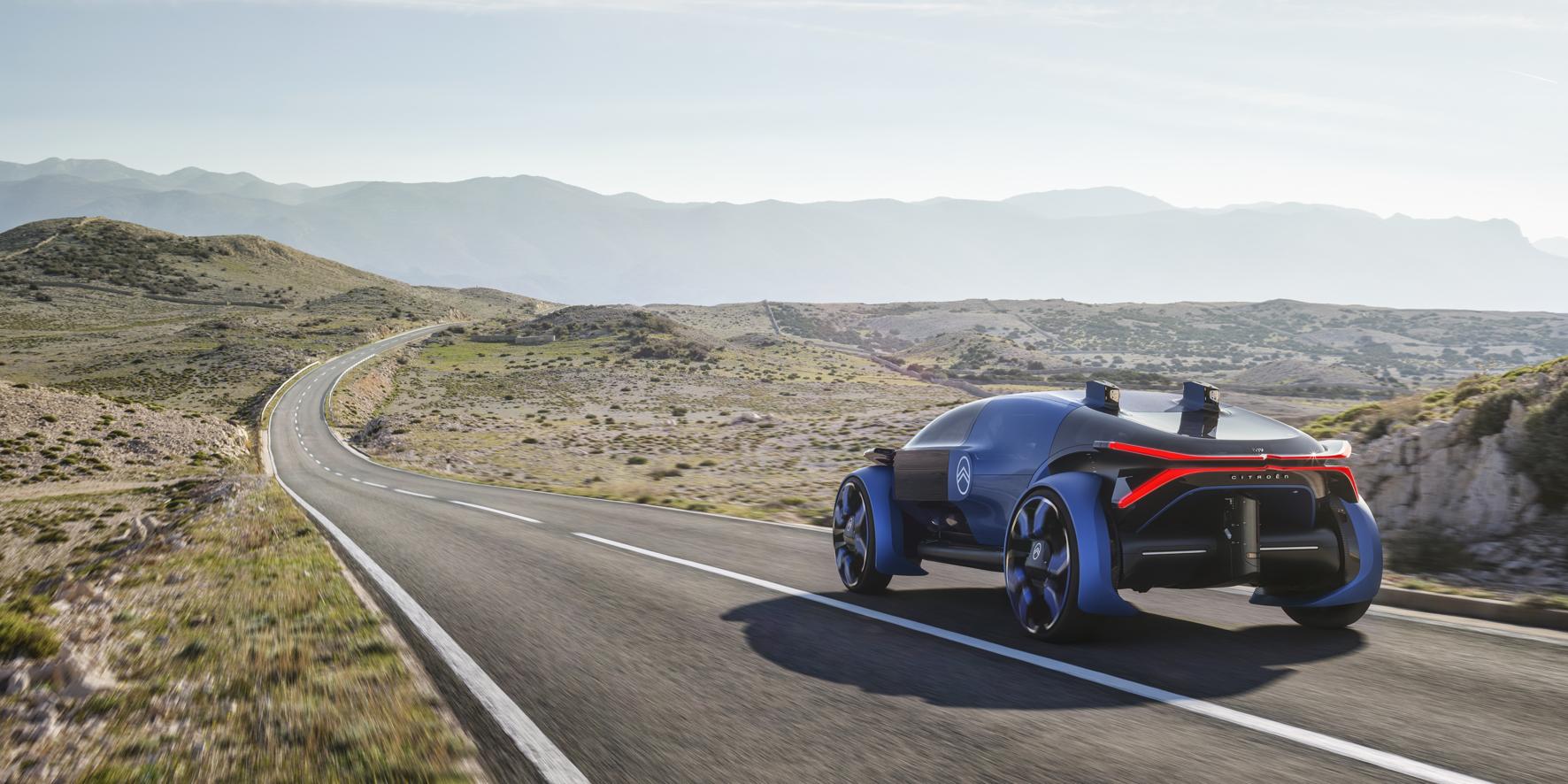
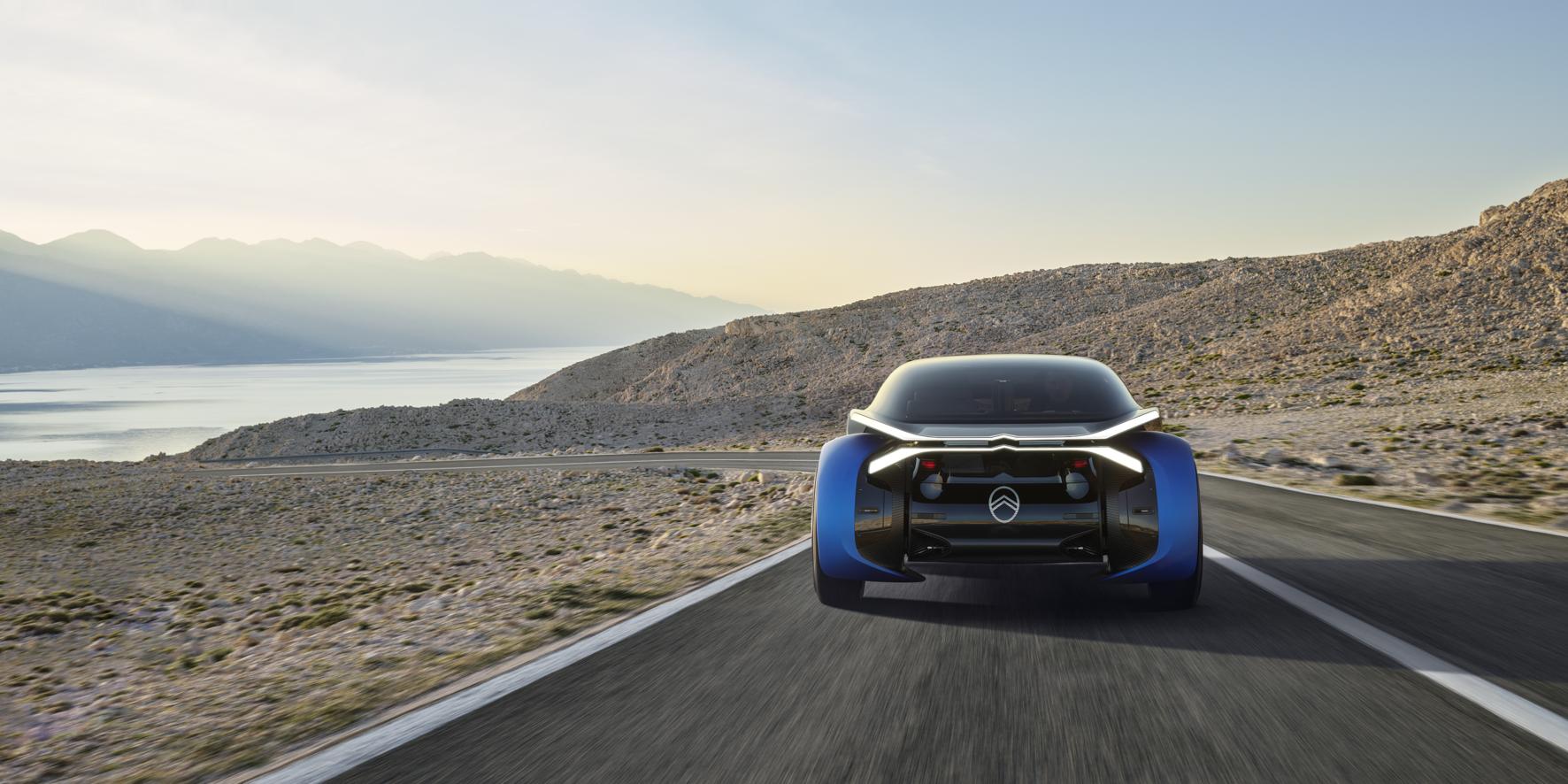
Citroën 19_19 Concept Car

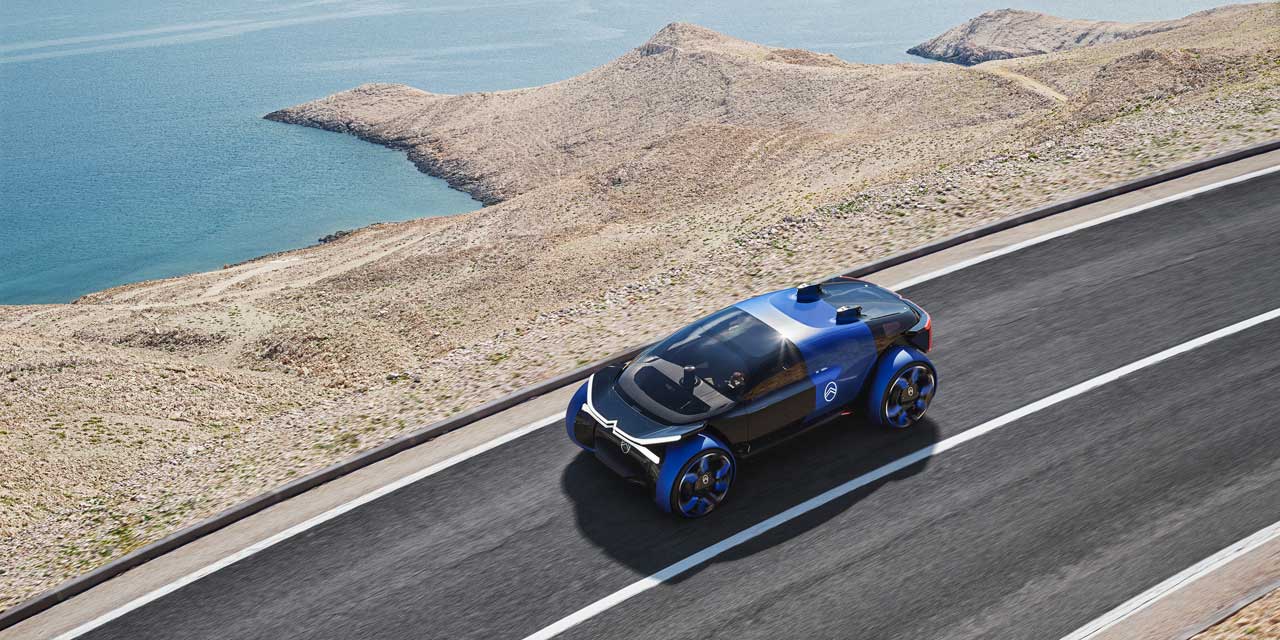
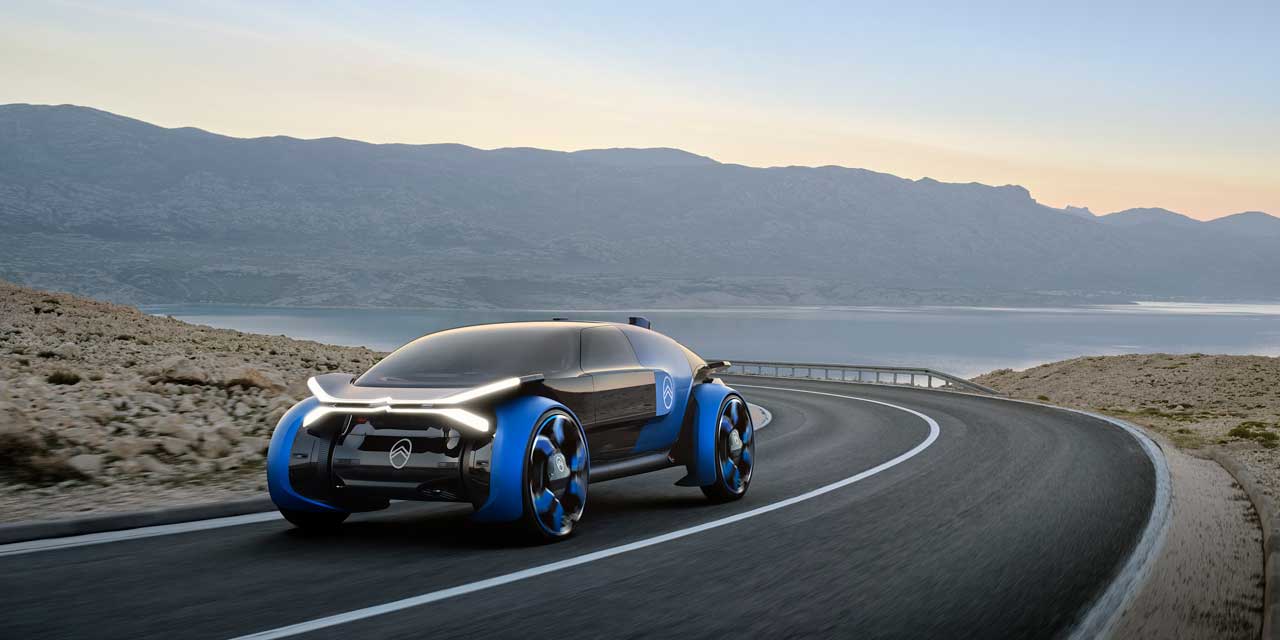
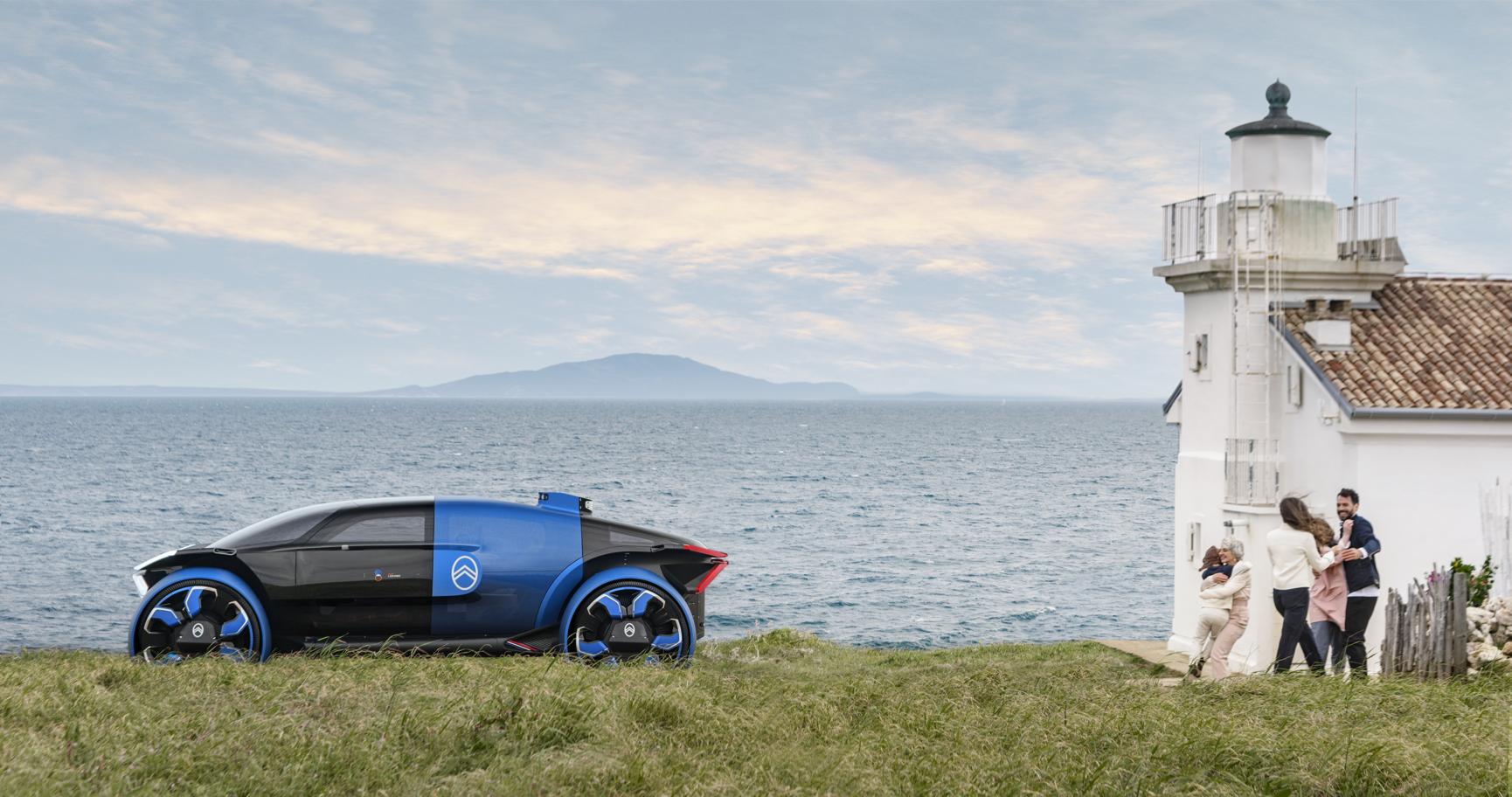
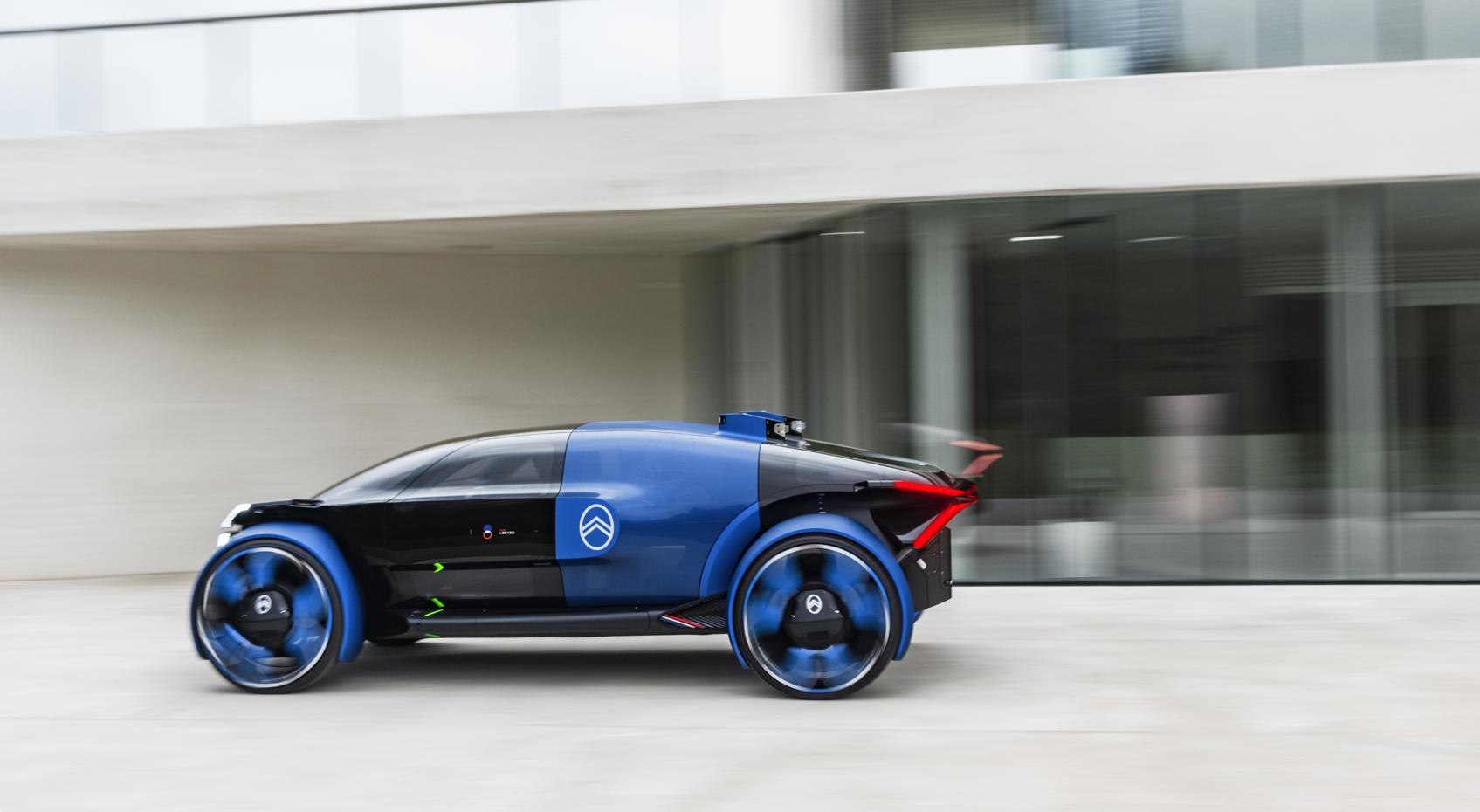
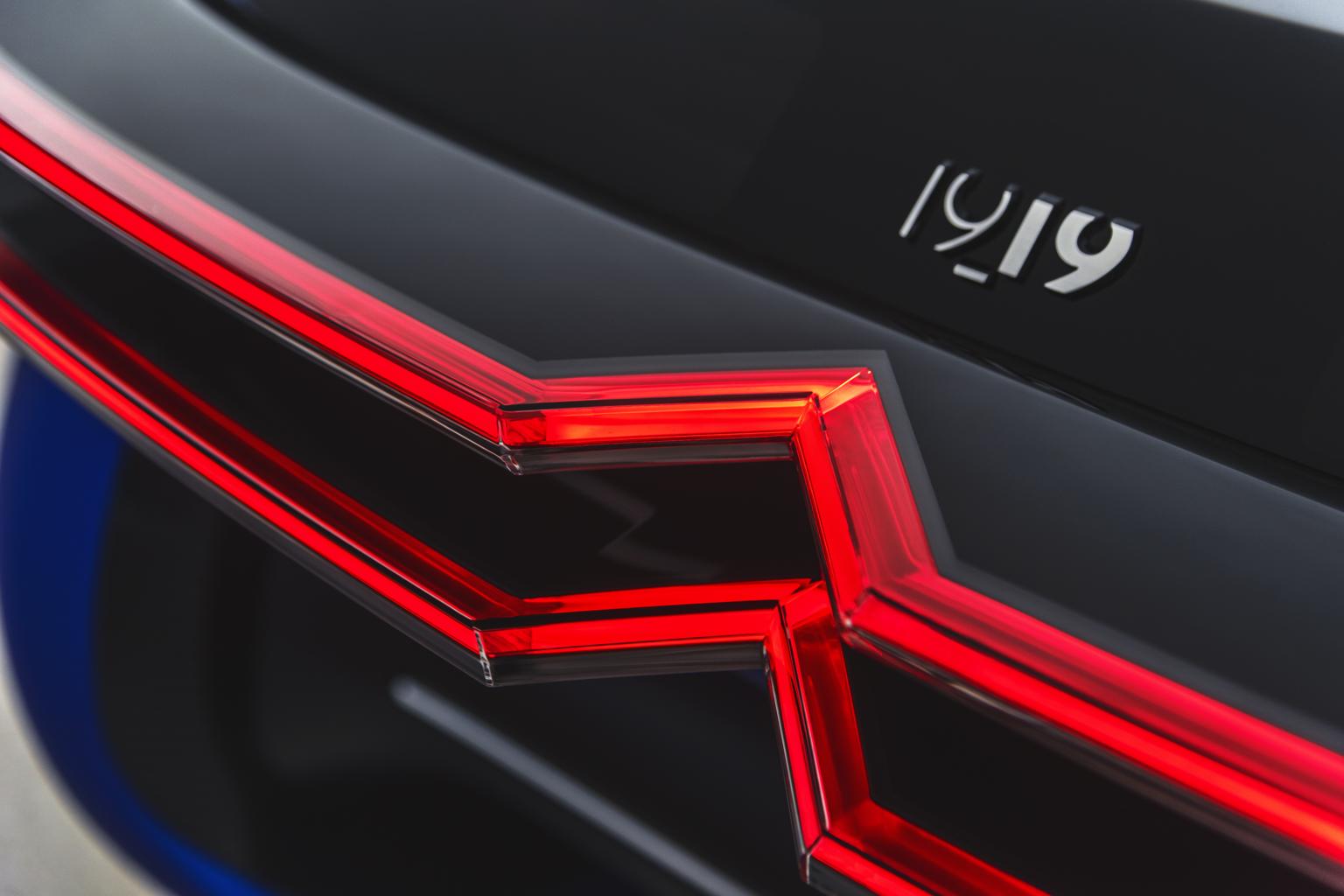
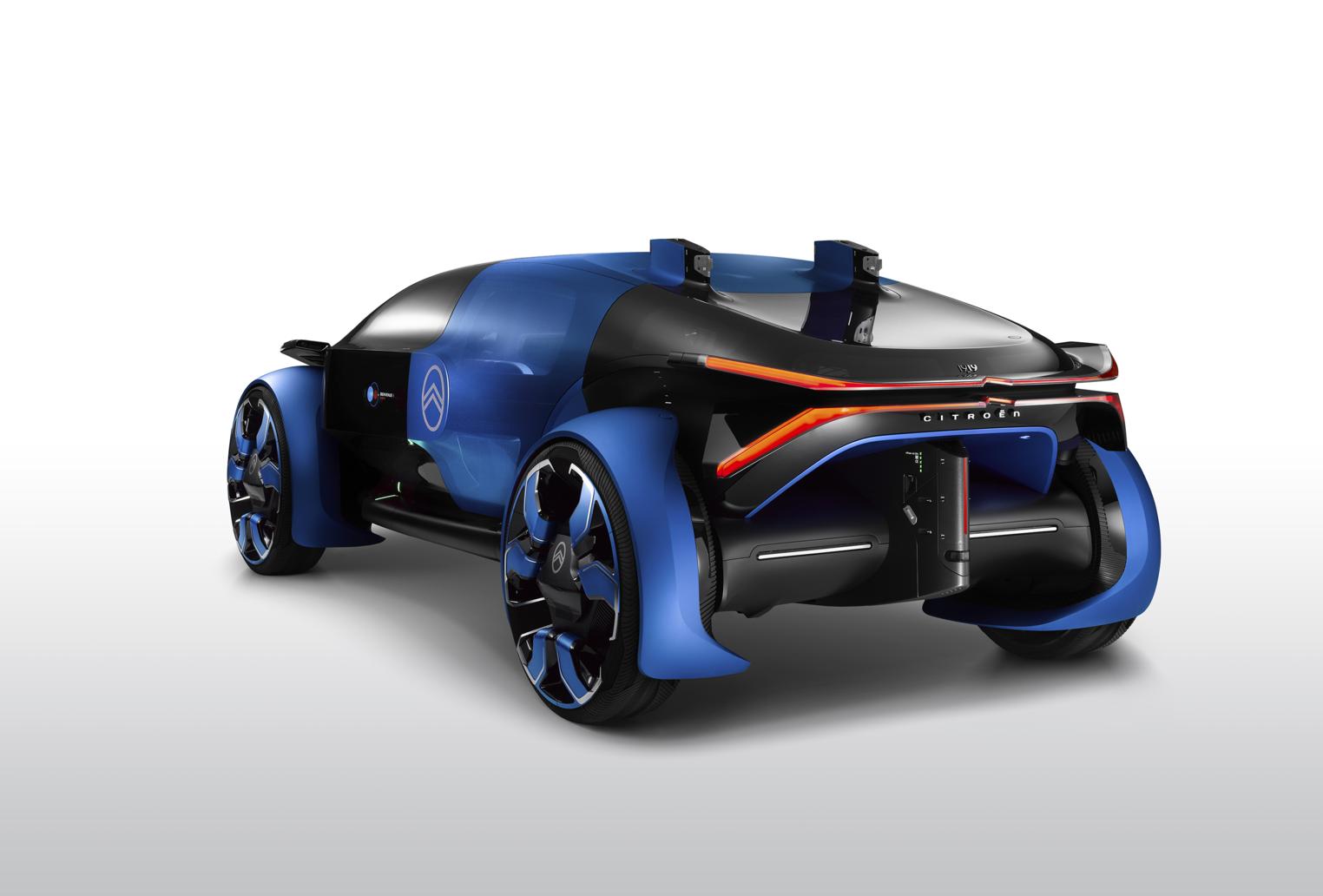
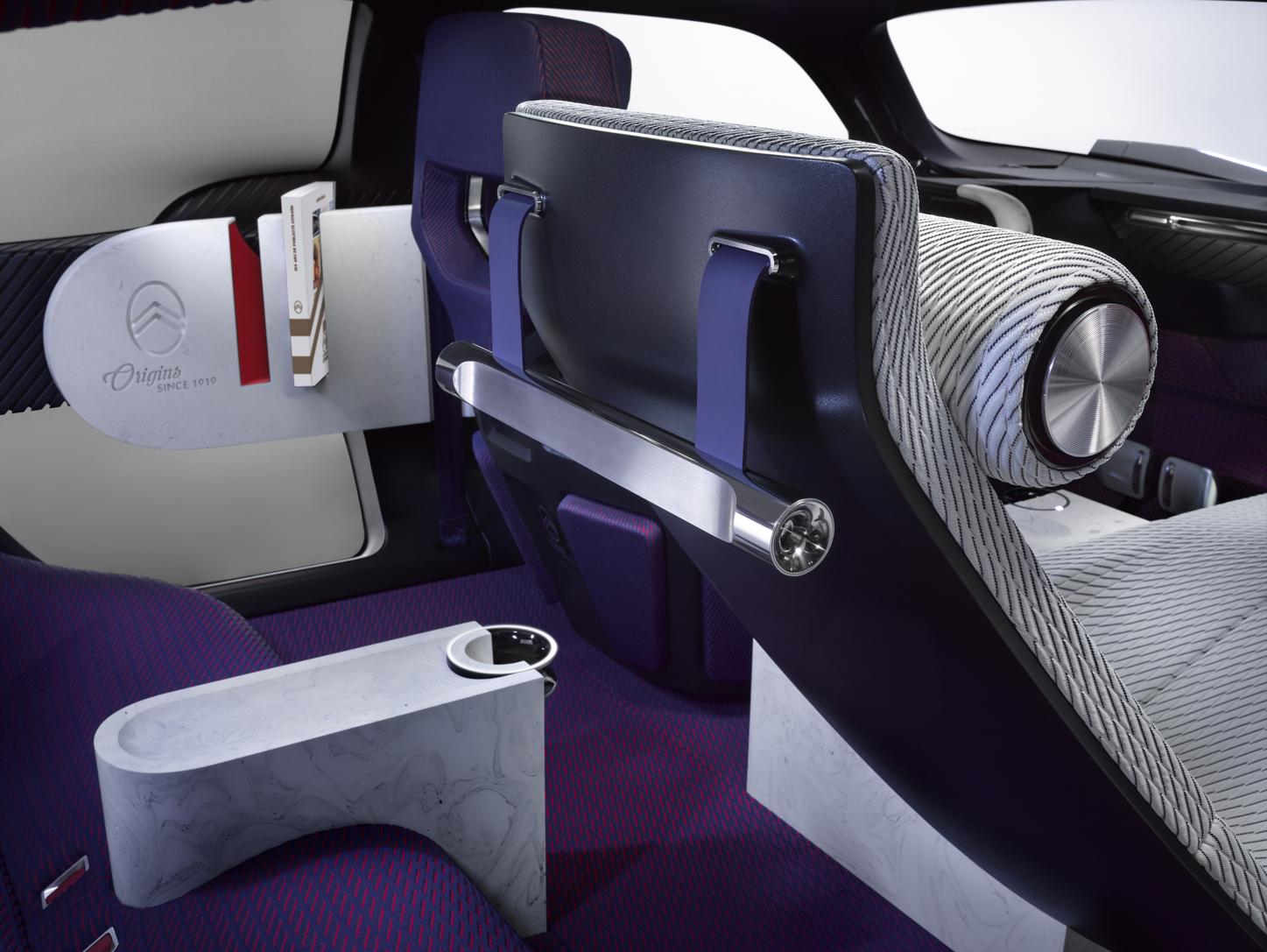
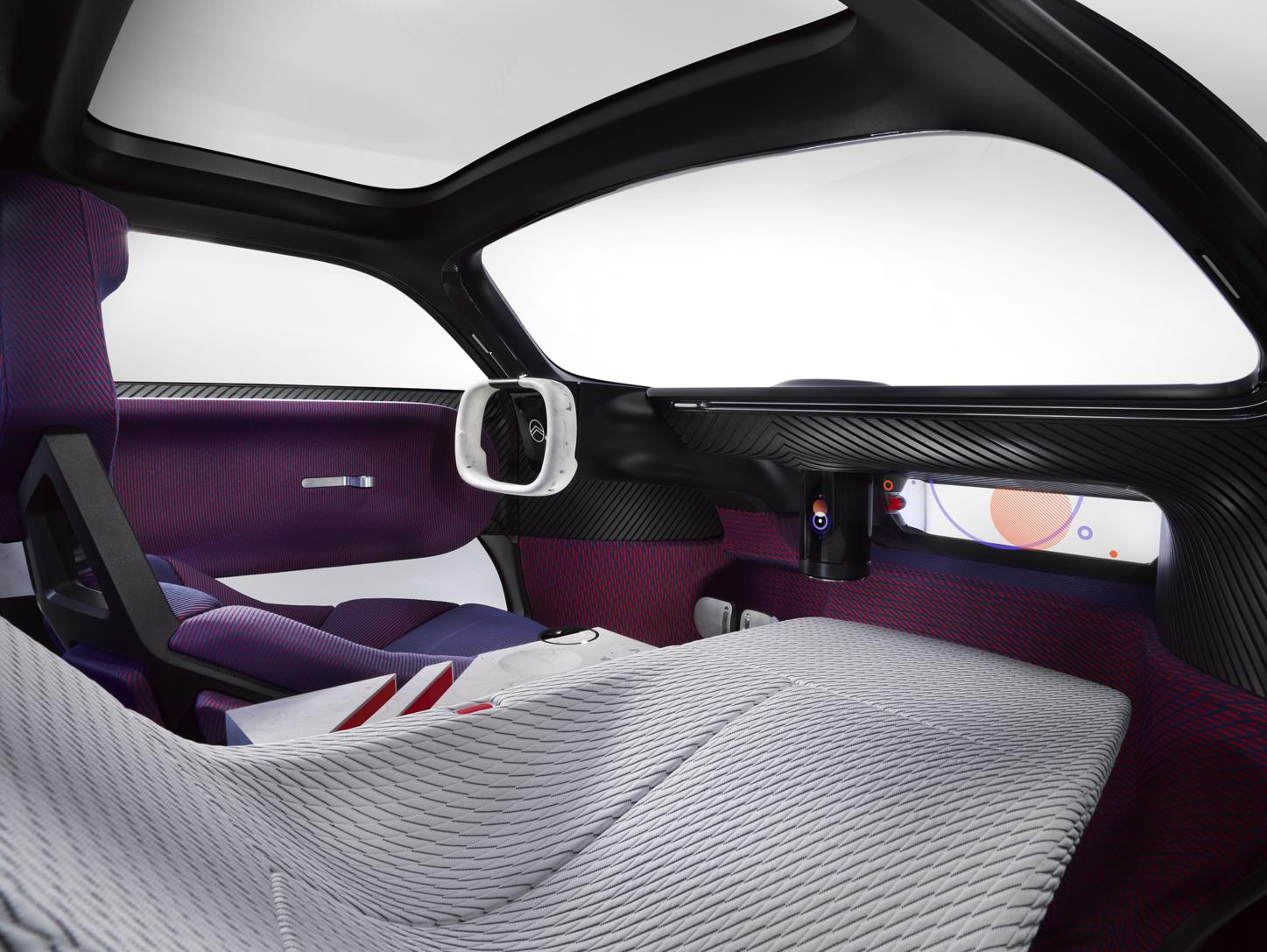
With the exception of upcoming supercars and hypercars, it seems like futuristic car designs are on a whole new level. Don’t take it the wrong way, because we just love how designers are coming up with unique aesthetics. Not only are these concept models parading eye-catching looks, but the interior layout also blows us away. One recent model that best illustrates what we wrote is the Citroën 19_19. This concept car looks like it’s about to lift off and take flight with a switch of a button.

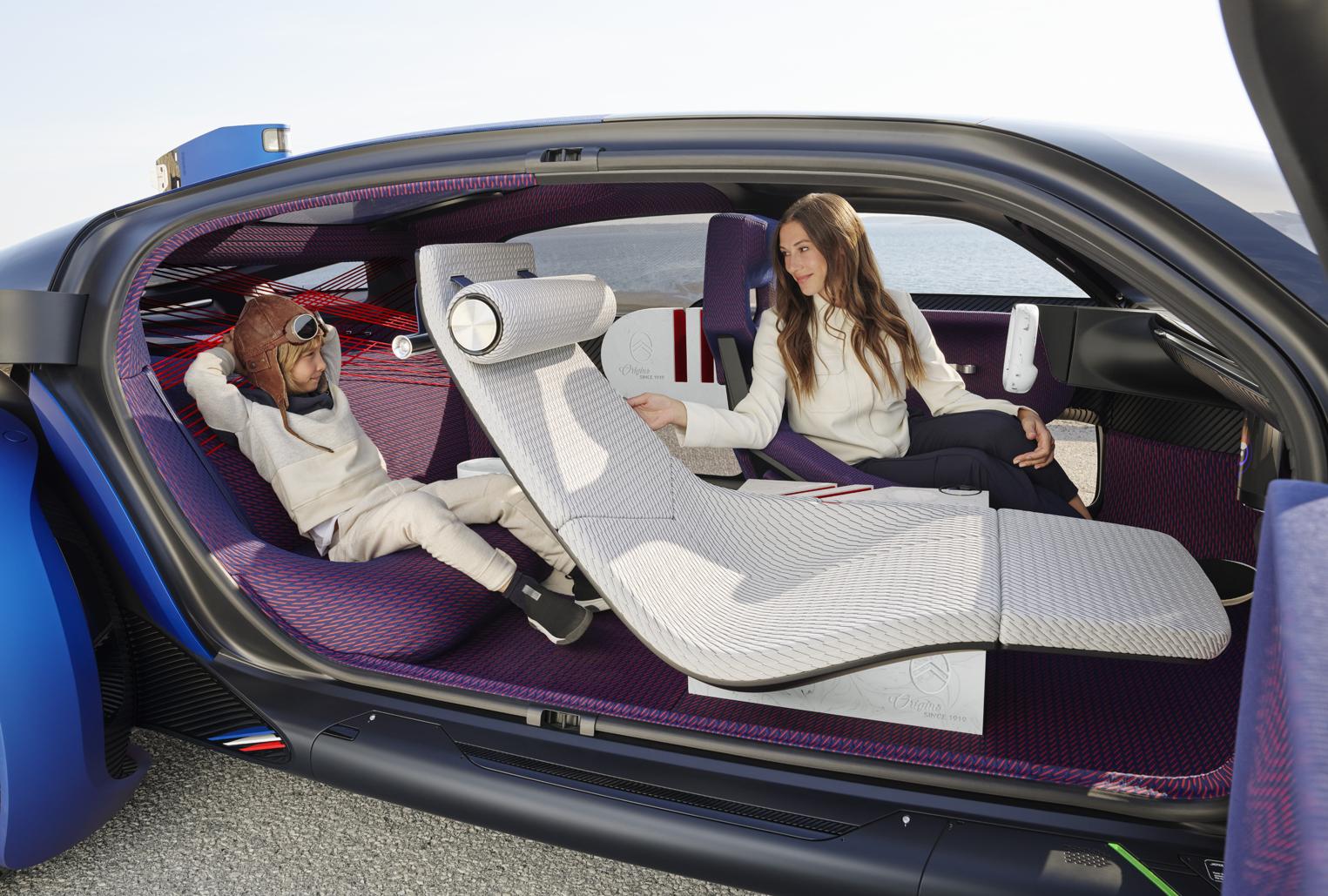
A closer look at the form factor of the vehicle reminds us of the Citroën RE2 helicopter, which was made in the 70s. The carmaker is showcasing this concept to celebrate its centenary year in the business. The space-age ride seems like it traveled back in time to join the festivities and we’re loving it. It’s about as big as a mid-size SUV that can accommodate up to four people including the driver. You might be wondering what it’s doing with all that extra space and the answer lies inside the cabin.

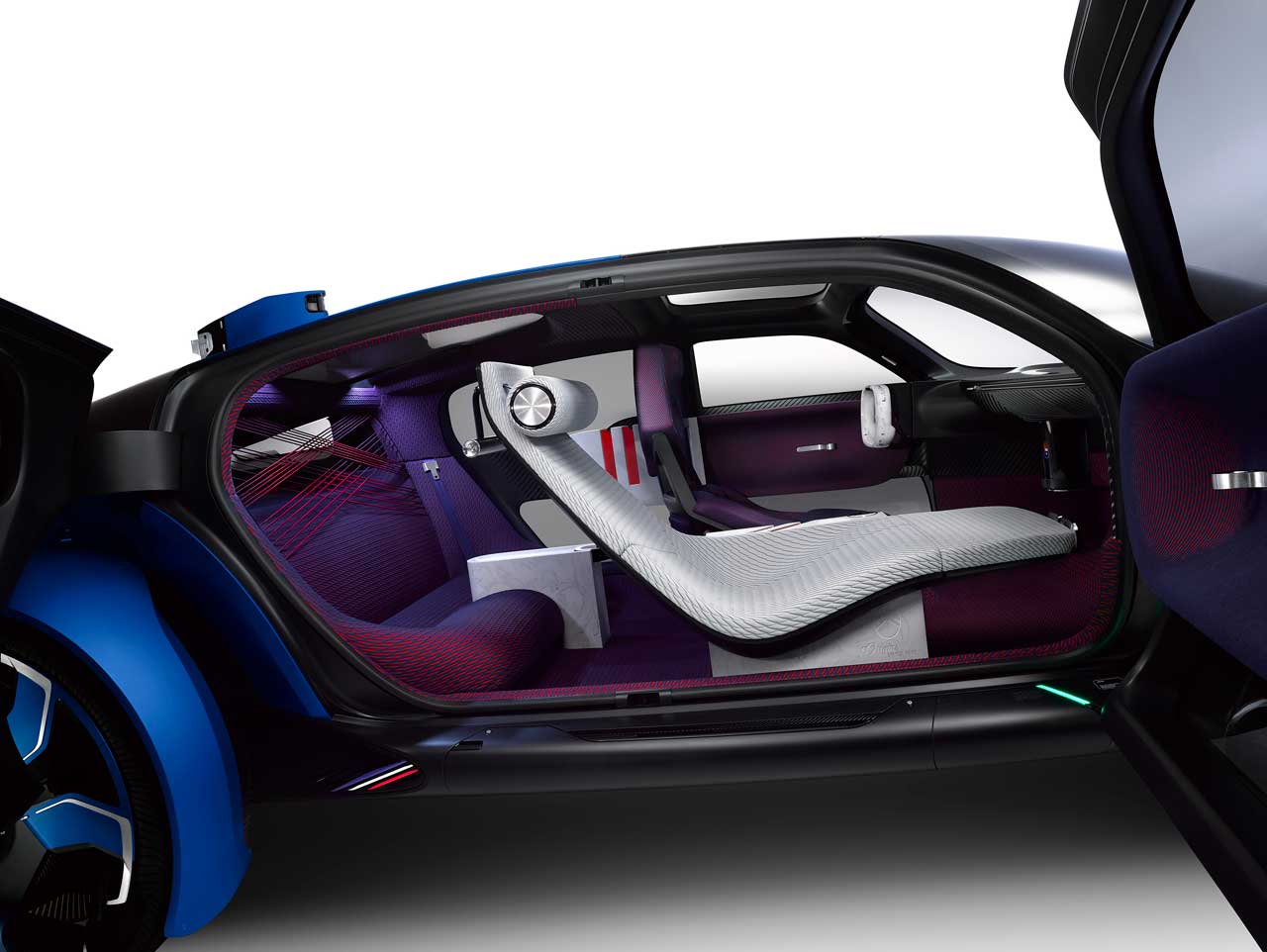
Citroën describes the interior of the 19_19 as a “true living room on wheels.” We’re nodding in agreement after seeing the seating configuration within. The driver’s seat appears to offer superior comfort and support, which serves its purpose. Meanwhile, the front passenger seat appears to be a luxurious recliner with a motorized footrest. Moreover, the read seats likewise look plush and inviting. This makes us think that whoever is driving is getting the short end of the stick when going on a trip.

Powering the Citroën 19_19 is a 100 kWh battery that operates two electric motors that generate up 456 horsepower and 590 lb-ft of torque. Finally, It can zoom from 0-62 mph in five seconds with a top speed of 124 mph. Owners will be getting an estimated mileage of 497 miles on a single charge.

Ultimate comfort with Citroën

Images courtesy of Citroën

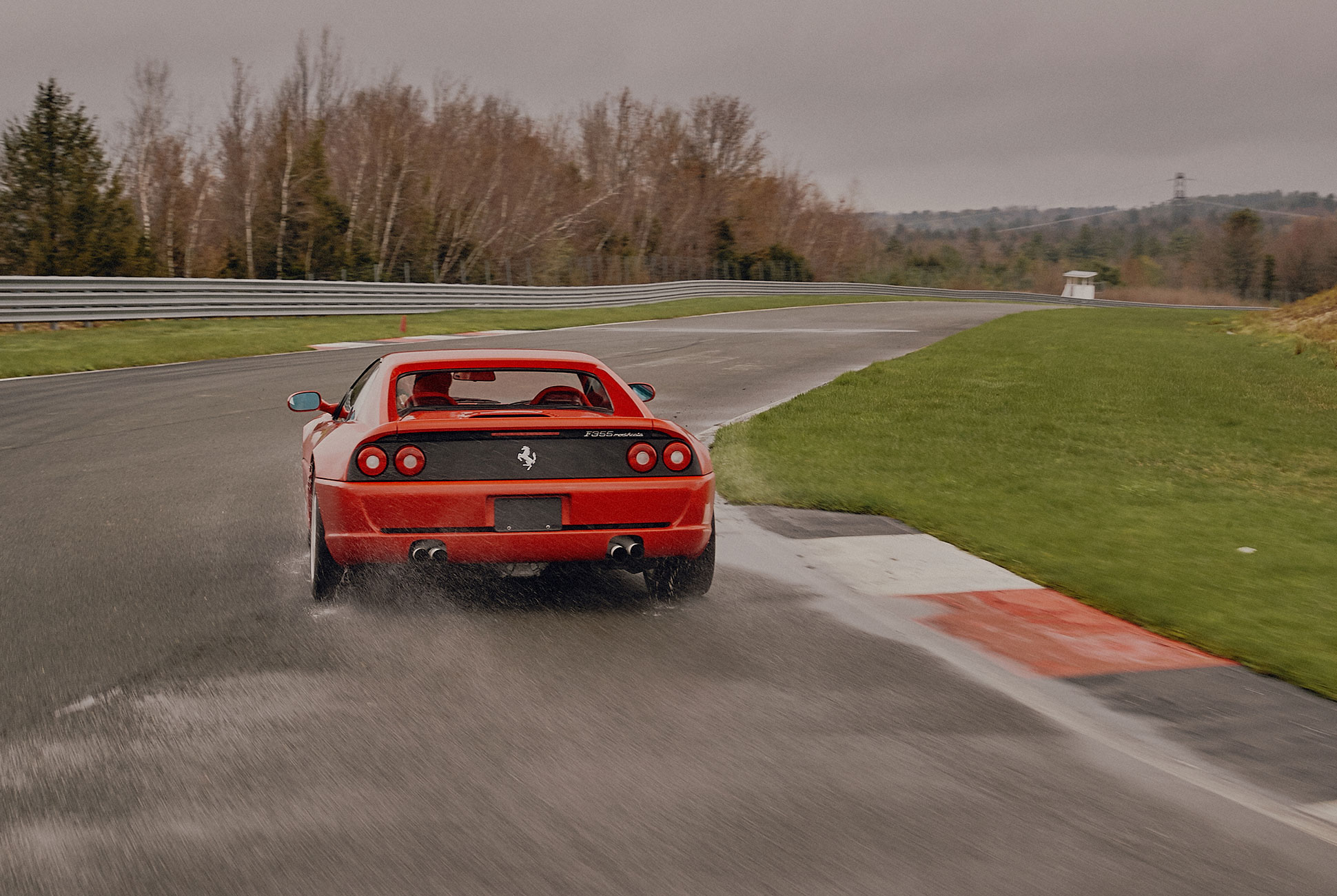
Here’s How You Make One of the Best Sports Cars of the 1990s Even Better

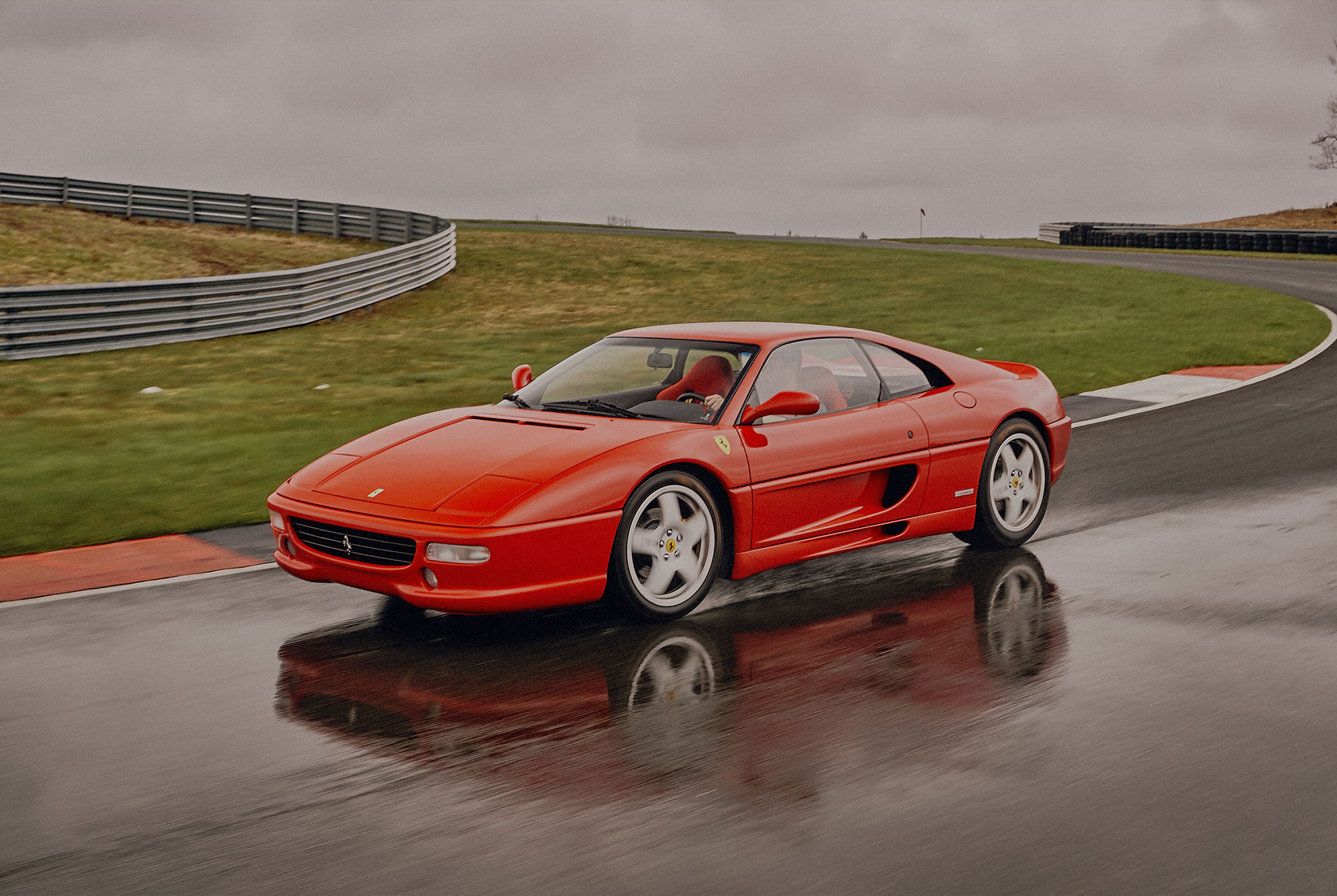
When it was new, the Ferrari F355 was heralded as one of the greatest sports cars of the era. Reviews at the time raved about the new mid-engined V-8 from the Prancing Horse, calling it “the perfect sports car,” “one of the best cars to ever come out of Maranello,” and “a quantum leap” over of its predecessor, the 348.

How, then, do you improve on the pinnacle of ‘90s sports car performance without losing the spirit of the original? Well, racing driver Jeff Segal — a class winner of the 24 Hours of Le Mans and the 24 Hours of Daytona — reckons he’s built the answer. Meet the F355 Modificata.

Video: On the Track with the Ferrari F355 “Modificata”

Watch more of This Week In Gear video reviews.

The descriptor “Modificata”comes from the official designation Ferrari stamps on the cars it tweaks in-house. To Segal, it seemed like a fitting name for his passion project-turned-restomod-outfit. But why enter into the expensive, difficult world of restoring and upgrading vintage cars in the first place?

“For me, the idea was born out of frustration,” Segal said. He admitted he was inspired by cars like Singer Vehicle Design’s customized Porsches and the new Lancia Stratos: “I look at what these boutique firms are doing and I think it’s amazing, they’re focusing on driving dynamics and the experience instead of outright speed. It’s incredible, but it’s also an incredible amount of money.”

Segal wanted to follow suit with his car, to improve it without losing the identity that made it special in the first place. But he didn’t just want to rip off the idea of what Singer does; he’s adamant he’s not trying to compete with outfits like that.


“That level of attention is doable, it’s just a question of time and money,” he said. “If you look at a Singer, they are spectacular. I have the highest level of respect for what they do. I have spent hours looking at one and every nut and bolt on that car is art. There’s not a single part on that car which hasn’t been thought about, talked about, done and done again to try and make it better [and] cooler, but there’s a reason those cars are north of a million dollars. I think it puts that car out of reach for the average wealthy car enthusiast…we’re trying to find a sweet spot.”

The ethos behind the F355 Modificata is to be a better driver’s car in every regard. “From the handling to the sound, to the shifting, to even the aesthetics, all of it,” Segal said. “It’s not rocket science, but trying to put together the best package that leaves the driver smiling is really the goal.”

But how do you make the “perfect sports car” better? Well, as good as the F355 was brand-new, there’s no ignoring the hefty maintenance costs as a) almost any work under the hood requires an engine-out service and b) it’s a Ferrari. (For example, the exhaust manifold can cost north of $20,000 to fix…and mechanics reportedly say it has a 100-percent failure rate.)

But according to Segal, that’s what made the F355 an easy canvas to go to work on, in a way. “[The F355] was a great car in its day, but it’s obsolete in a lot of ways, so there are a lot of ways this car can be made better,” he said. “And we’ve done most of them.”


As a way to hedge against catastrophic failures, Segal bolted in modern, more robust replacements for items like the headers, gaskets and radiators, then reset the cam timing and balanced the throttle bodies in the name of reliability and long-term durability.

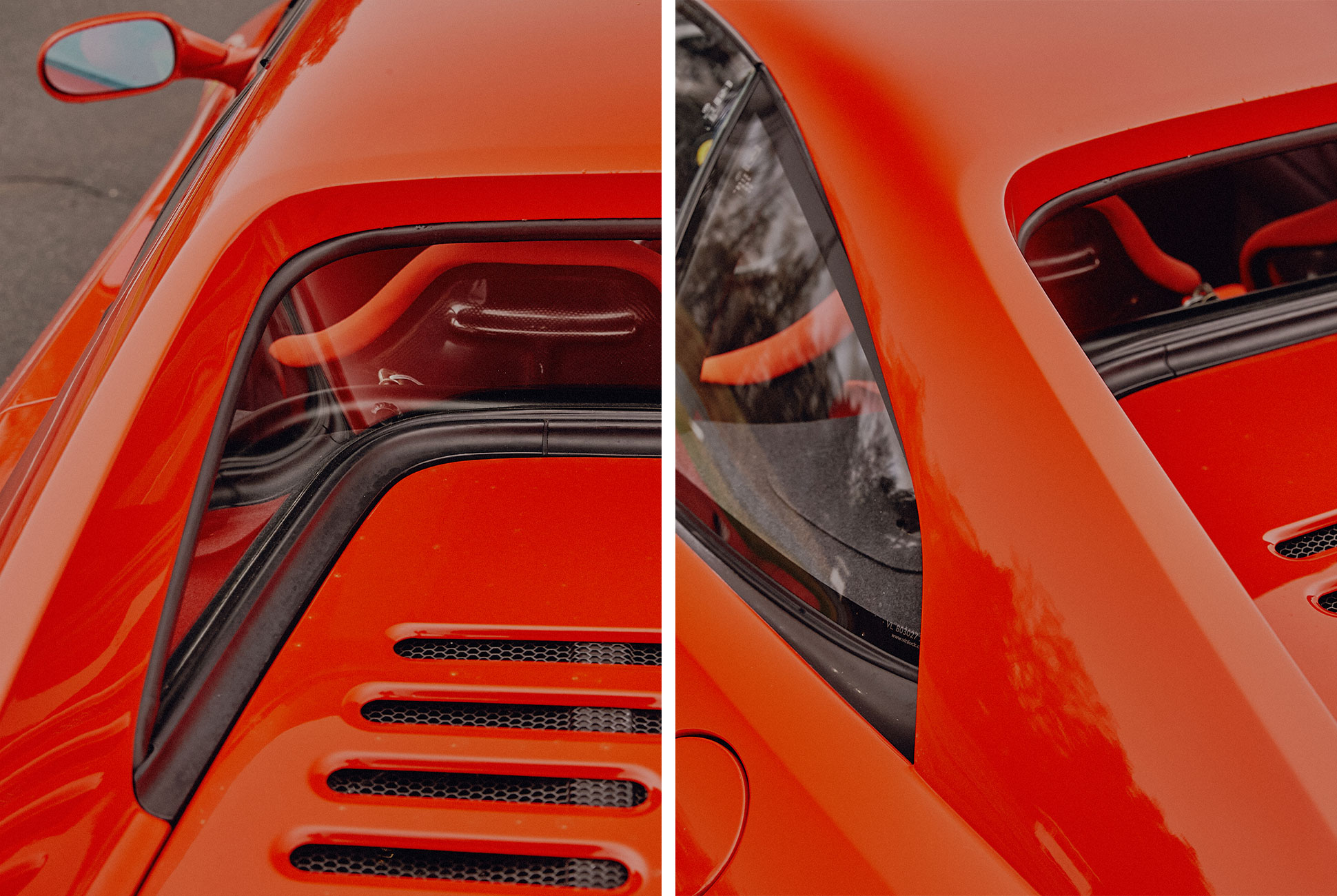
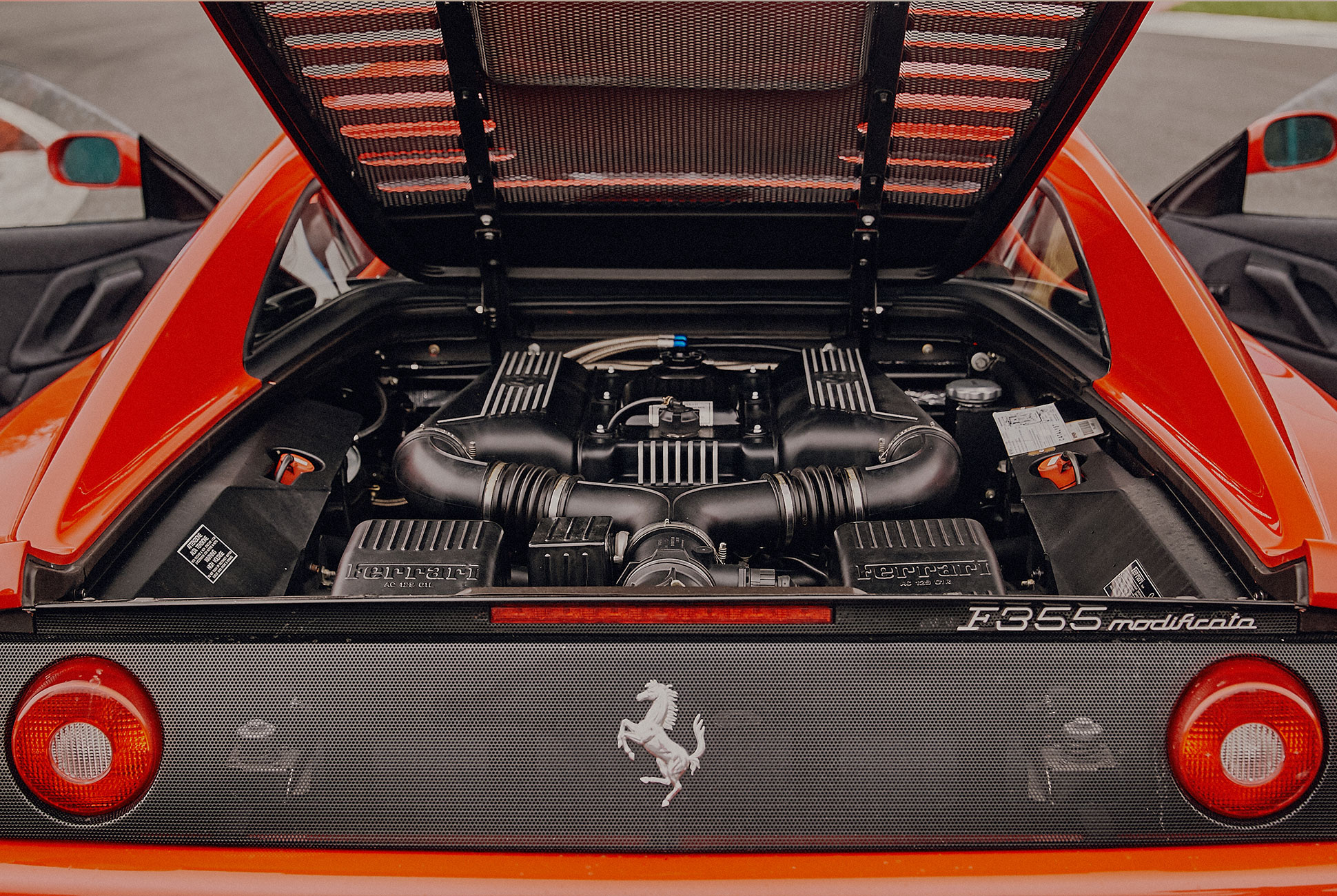
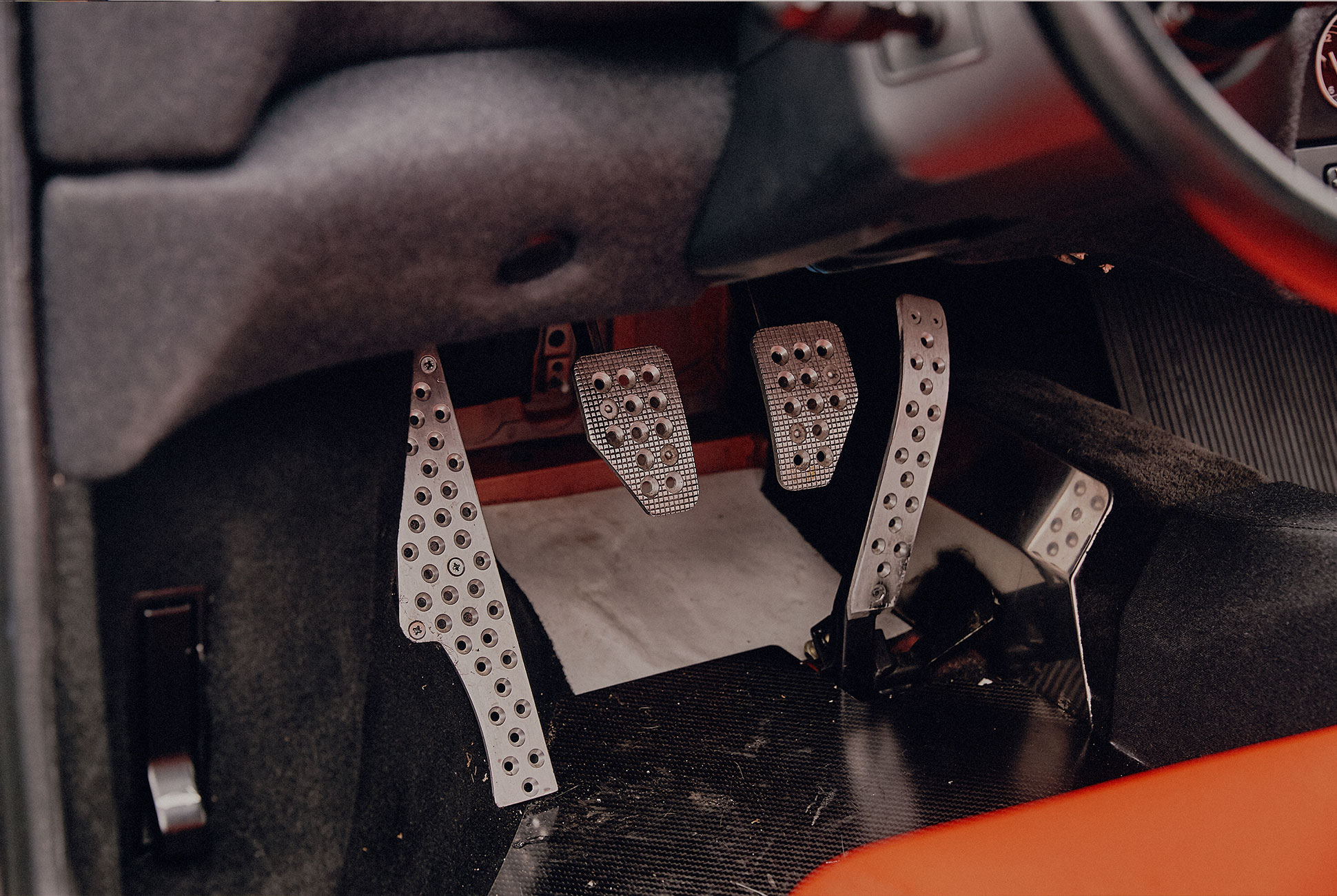
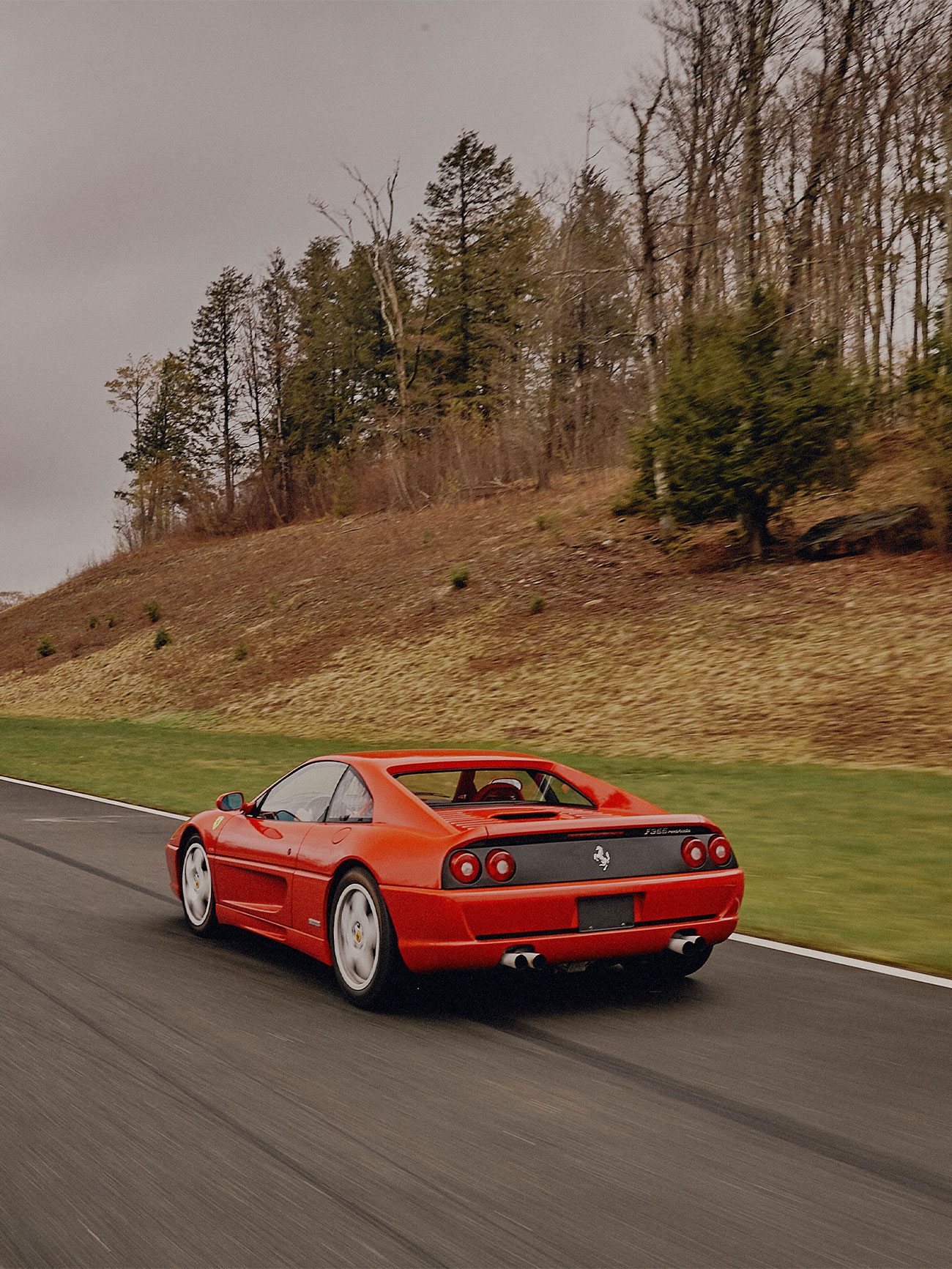
To make sure this Ferrari would be his ideal sports car, Segal made plenty of tweaks like adding European marker lights and replacing the bodywork between the taillights with metal mesh to aid cooling like the F40–to swapping new suspension and modern, high-performance brakes. And to be sure there’s no mistaking the Modificata for a stock F355, he swapped in a new exhaust: a powder-coated, free-breathing set of straight pipes that make his car louder than the ‘90s Challenge race car Ferrari built.

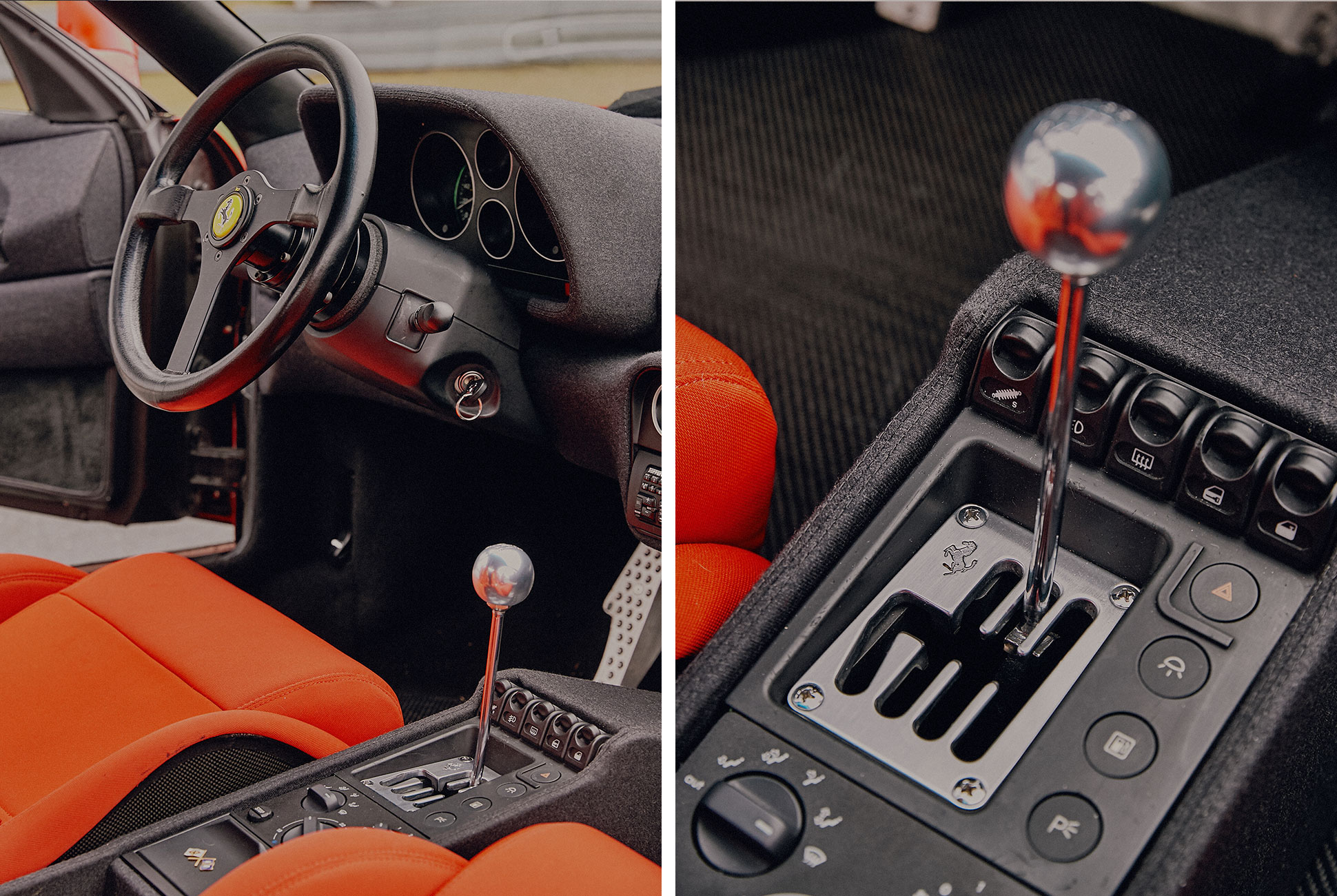
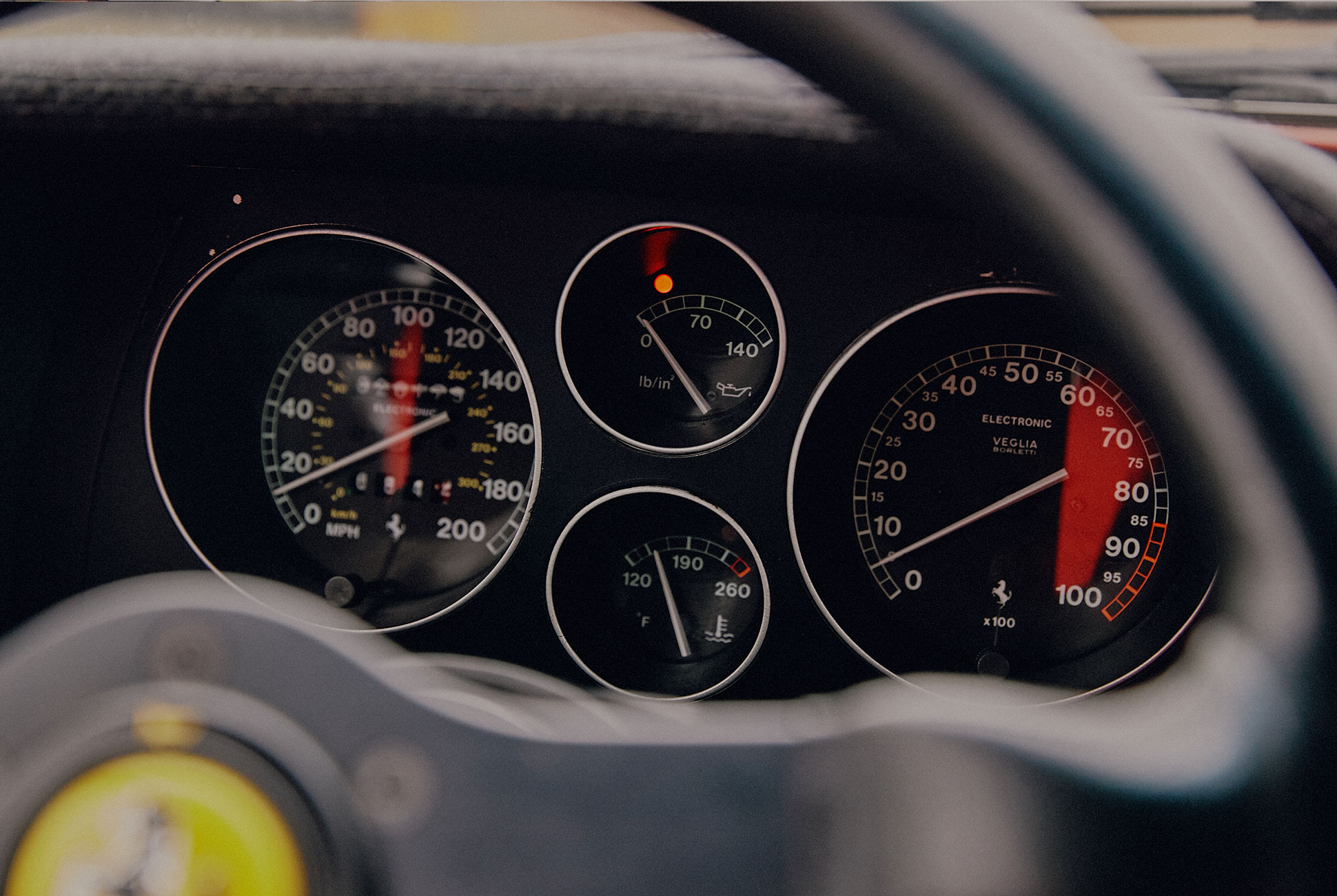
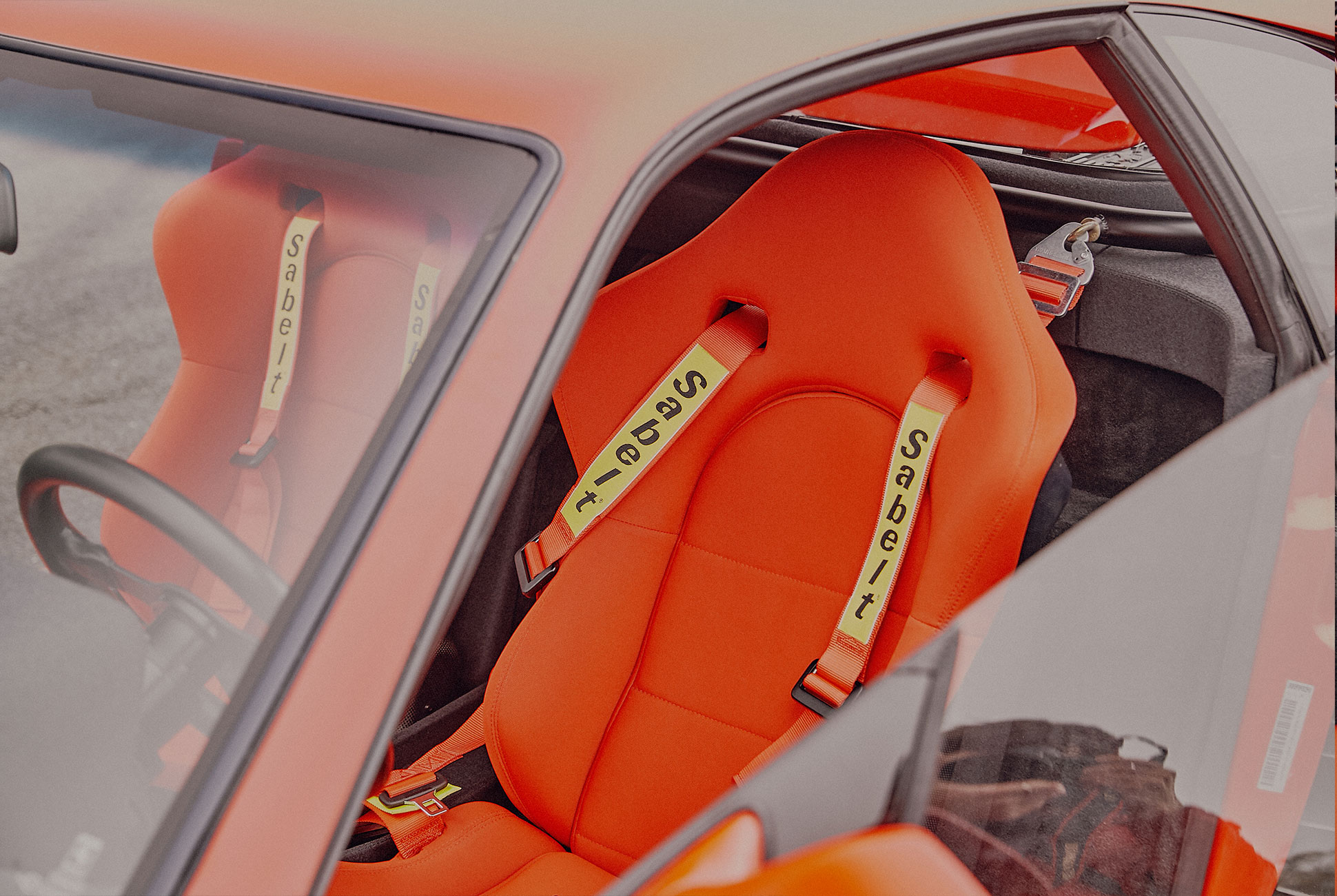
Once you open the door and slide into the renovated cockpit, any doubts that Segal isn’t taking this seriously fade away. The dash cloth isn’t just the same stuff found in the F40; it comes from the same shop Ferrari uses when they restore the legendary supercar. He also used the exact same steering wheel as the fabled ’80s supercar, and even and upholstered the carbon fiber race seats in the same material the F40 uses.

The proof of the pudding is in the eating, though. Taking the car out on track at Monticello Motor Club, I was able to see just how well all the work came together. Mid-engined Ferraris are known for their balance and poise, but they’re still intimidating.  Yet the first car that came to mind after throwing the Modificata around Monticello was, believe it or not, the Mazda MX-5. Segal has the car so well-balanced, the suspension so well-tuned, a relative novice like myself felt just as comfortable throwing it into turns and throttling out of them as I would have in a Miata.


Yet If you’re looking for lower lap times or quicker sprints, you’re in the wrong place. As good as it is around a track, Segal said that’s not meant to be the 355 Modificata’s natural habitat.

“It’s not a race car, it’s not even a track car,” he said. “But I think there are ways we can make the car better and more competent in terms of its handling without taking away the ride quality. Right now, you can drive it on the highway and it’s fine.”

Above all else, he said he wants to make cars like the F355 more visceral. “Faster is fine, but it’s more about delivering a better experience start to finish.”

And the process of creating a better experience isn’t about to wrap up just because Segal’s ready to let journalists drive his baby. “Somebody asked me how I knew when the car was ‘done.’ The car isn’t done. The car is never done,” he said. “We’re always looking for more.”

If you’re interested in restomodding your own ’90s Ferrari, Jeff Segal can be reached with inquiries through the official Modificata Instagram: @_modificata_
Read More Gear Patrol Reviews

Hot takes and in-depth reviews on noteworthy, relevant and interesting products. Read the Story
Note: Purchasing products through our links may earn us a portion of the sale, which supports our editorial team’s mission. Learn more here.

40+ Forgotten Supercars of the 1990s

Celebrate 41 Forgotten Supercars of the 1990s. Remember the Awesome but Ignored, the Dead on Arrival and Ones That Almost Made It to Production.

This is the second post in a series highlighting the fabulous cars of the 1990s. While our first post ranked the best supercars of the ‘90s, in this post we curate the forgotten supercars of the 1990s.

There are cars that we were promised that never materialized. There were cars that were delivered that disappointed and we pushed them out of our collective memories. There were bright spots too, 90s supercars that were unique and awesome but history forgot them because they were way too rare.

The 1980s saw a lot of entrepreneurs announce new supercar companies. Each was ready to deliver the ultimate car for the rich yuppies that flooded cities like New York, Tokyo and London. The market crash of 1987 and the following 1990-91 recession in America dampened their spirits. Ultimately, the recession proved to be one of the smallest and shortest in the modern era and the economy returned to 1980s level growth by 1993. Some of these new carmakers made it through the storm while others did not. The result was a lot of stillborn supercars that we anticipated but never saw beyond a sole prototype or ambitious press release.

Major manufacturers were not immune to these tough times either. Many of the forgotten supercars of the 1990s were successfully developed and were released into a supercar market that had cooled significantly. Moving units was harder than expected. These were some cracking cars, it just would have been awesome to see more of them sold so we didn’t forget them all these years later.

Speaking of small quantities, there are other rare supercars of the era that we don’t remember because there were literally only a handful ever made on purpose. Homologation rules of the mid-1990s were designed for a new GT racing series (itself a response to the heavy shift towards expensive prototype cars in the 1980s). It was ultimately killed off in 1998 by manufacturers getting too good at interpreting the rules but it did lead to some of the rarest, most batshit-crazy cars ever.

Note: Some rare homologation cars were listed in our greatest supercars of the 1990s list which is why we did not include them in this post. While they were rare and often forgotten we figured including them in both posts didn’t make sense. In fact, we applied that logic pretty much across the board. If the car made the best 90s supercar list then it didn’t make this forgotten list.

27 Awesome 1990s Supercars We Totally Forgot Existed

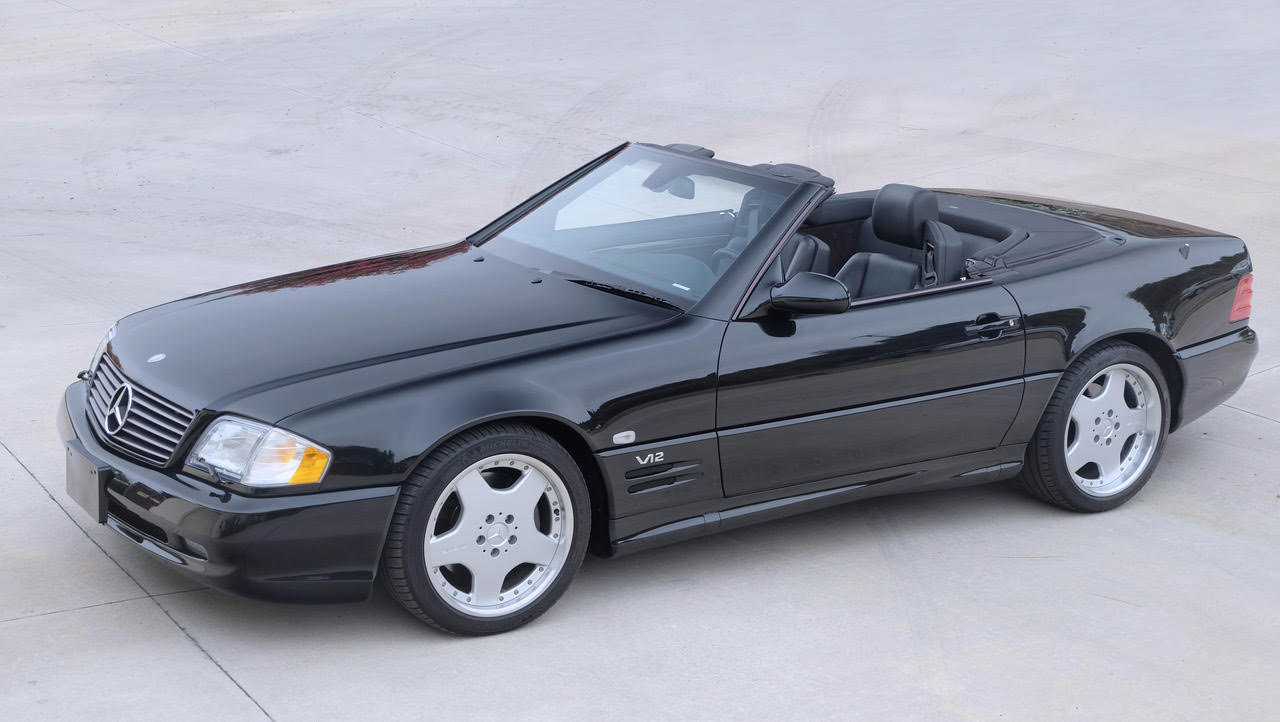
AMG SL73AMG SL73

AMG SL73

The perfect 90s AMG monster. Also the rarest of the rare with only 85 examples built. It was a convertible daily driver with a 7.3-liter V12 (same engine as the original Zonda)

Try 525bhp and 553lb/ft of torque on for size. AMG’s extraordinary rare SL72 was initially available beginning in 1995 and at 525 bhp it offered the largest and most powerful V12 engine ever put into any road-going Mercedes Benz. It was updated in 1998 with a 7.3-liter engine and renamed as the SL73.

These second generation SL73s had their engine slightly updated with larger displacement, improved bhp and torque and were designed to be more reliable. While quoted output remained the same, most sources were all well aware that power was now approaching 600bhp! The same 7.3-litre V12 found in the last of the SL 73s was later used by Pagani in the Zonda. A total of just 85 SL 73 AMG roadsters were built with 50 being rumored as destined directly for the Sultan of Brunei. If true, just 35 lucky private clients were able to acquire one of these legendary machines.

Ferrari F50 GT

Ferrari F50 GT

Ferrari F50 GT

Most people know the F50 so it is hard to call one of Ferrari’s finest forgotten. With good aerodynamics and braking to complement its stiff chassis design, and having the necessary production figures to meet homologation requirements, it seemed only fitting for the F50 to continue the legacy of the F40 GTE. That is, contest the BPR Global GT Endurance Series, a precursor to FIA GT. Not surprisingly, Ferrari flirted with this idea and began a development of the F50 GT.

For reasons which Ferrari never mentioned, the F50 race program was halted after five tubs and one complete car had been made. Despite the fact that the GT never saw action on the track, we are thankful that Ferrari completed two more examples and sold all three cars to very specific clientele who were told not to race the cars in modern race series. Being such a limited version of an already limited series, the F50 GT is one of the most exclusive modern day supercars, and one of the great ‘could-have-beens’ in Ferrari history.

Read more: Ferrari F50 GT
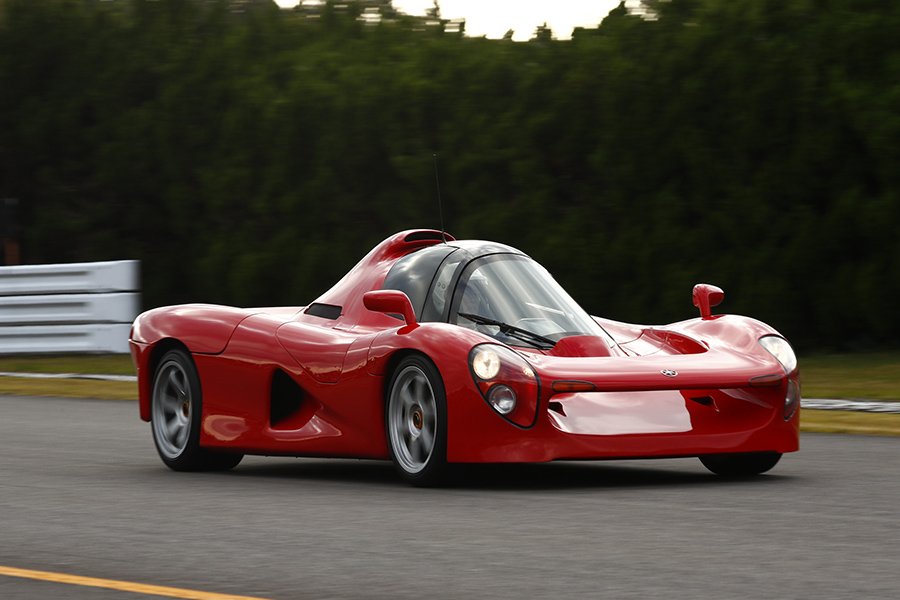
Yamaha OX99-11

Yamaha OX99-11

Yamaha OX99-11

Yamaha began competing in Formula One in 1989, and using the experience they had gained during that time they wanted to build a price-no-object, pure supercar based on actual Formula One technology. Even though the Formula One team was doing poorly in competition, by 1991 the team had just come out with a new engine, the OX99, and approached a German company to come up with an initial version of the car. Commissioned by the Yamaha Sports division rather than the bike one this supercar was based around Yamaha’s V12 F1 engine that was sat in the current Brabham at the time, granted detuned to only 400bhp. Within a year they had built this, a tandem 2 seater that had a definite F1 car look about it. Unfortunately all this carbon fibre and F1 technology came with a price tag $800,000 this just at the end of a recession. A further 2 cars were built and used as test beds and press car but the car never made it in to production. Issues were found with its handling which needed additional design development which was to be expected in supercar designed and built in 12 months, however this was taken over by Yamaha’s own company Ypsilon Technology in Milton Keynes, which was set up to both service the F1 engines and build the cars. Unfortunately 6 months later due to a perceived lack of demand the plug was pulled in 1992.

Learn more: Yamaha OX99-11

Aston Martin V8 Vantage V600

Aston Martin V8 Vantage V600

Aston Martin V8 Vantage V600

Built by Aston’s Works service in Newport Pagnell, the V600 dynamic driving package was a comprehensive upgrade that could be installed on any Virage V8. Using twin mechanically-driven Eaton superchargers, the 5,340cc produced a a colossal 550 lb/ft at 4,000rpm. Ventilated & Grooved Discs w/AP Racing 6-Piston Calipers were fitted as standard to the V600, as was the suspension with Eibach springs, Koni dampers and a stiffer anti-roll bar. The package was finished off with 5-spoke Dymag wheels and Goodyear Eagle GSD tires.

Autocar described the V600 as “a real Aston Martin; a big, very beautiful, very fast, albeit expensive GT with so much appeal and purpose behind it that it is more an experience than it is mere transport.” They were able to reach 60 mph in 4.6 seconds.

Along with the V600 transformation, the Works Service typically fitted a small badge and chrome surround on the grill. 56 customers opted for the V600 package with another 25 cars built up as special projects.

Learn More: Aston Martin V8 Vantage V600
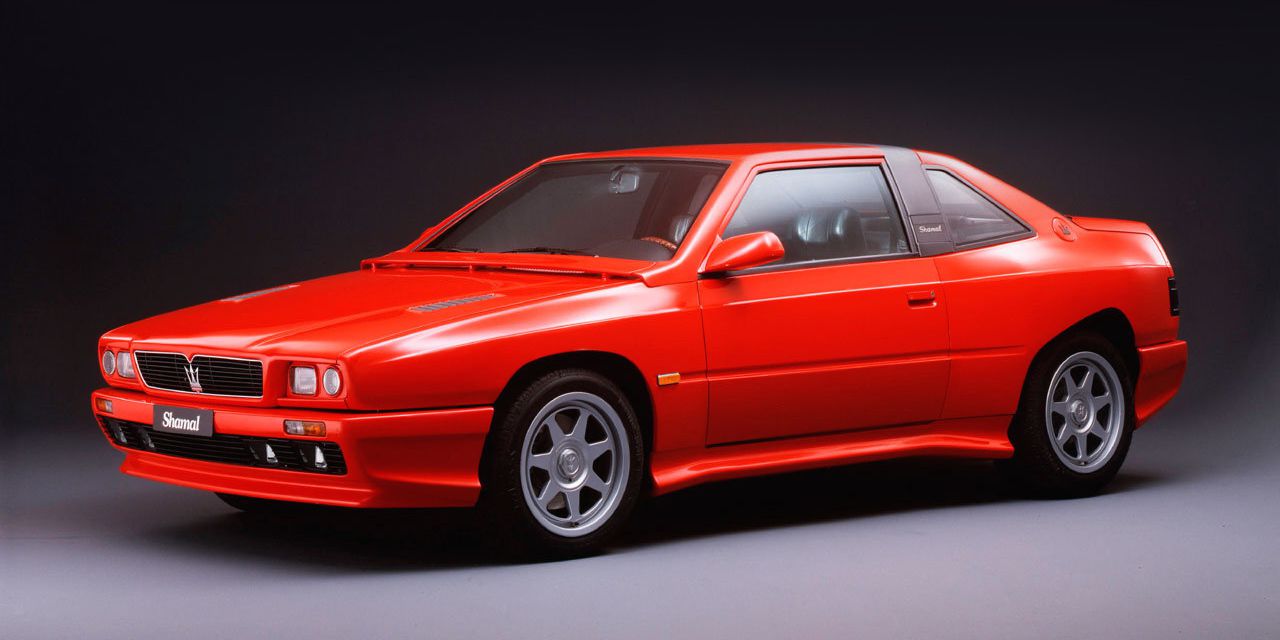
Maserati Shamal

Meant as an all-out performance GT, the Shamal inaugurated the new generation of V8s which would subsequently power the Quattroporte IV and 3200 GT. The new unit boasted 4 DOH camshafts 4-valve-heads and the usual twin-turbo, twin intercooler set-up, good for a staggering 326 hp and 436 Nm of torque from 3.2 litres. The Getrag 6-speed manual gearbox was the first one mounted in a production Maserati, and indeed an advanced feature for the time. The top claimed speed was 270 kph (169 mph) on the later versions. The fact that Maserati managed to sell 369 units of this powerful beast was certainly no mean achievement.

Learn more: Maserati Shamal
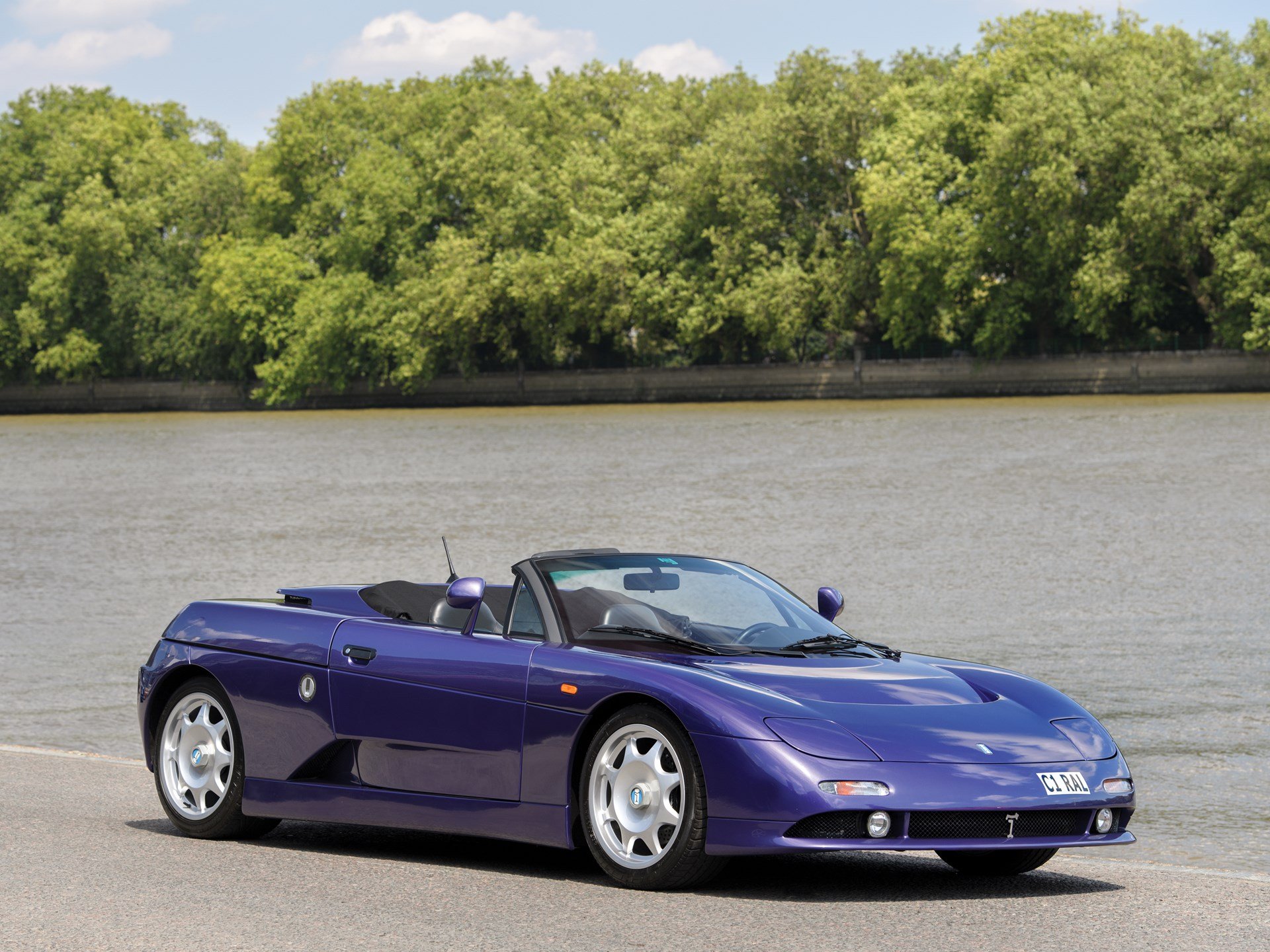
De Tomaso Guara

De Tomaso Guara

De Tomaso Guara

The De Tomaso Guarà was based on the Maserati Barchetta Stradale prototype from 1991. The Guarà was launched at the 1993 Geneva Motor Show as a coupé, spider and also as an open barchetta.

Fibreglass, Kevlar, and other composites make the body shell, fitted to a backbone chassis. The suspension is true Formula 1 and IndyCar technology with independent upper and lower wishbone with pushrod front and rear end suspension.

It was known for its highly agile handling and its “a bit too nervous” for the average driver characteristics. The Guarà has no luggage space at all, the area under the front being taken up by the racing-style suspension.

Production ceased when De Tomaso switched to the Ford engine as the new powerplant did not leave enough room for the canvas. The first cars were sold in 1994 and were selling up till around 2005.

Learn more: De Tomaso Guara
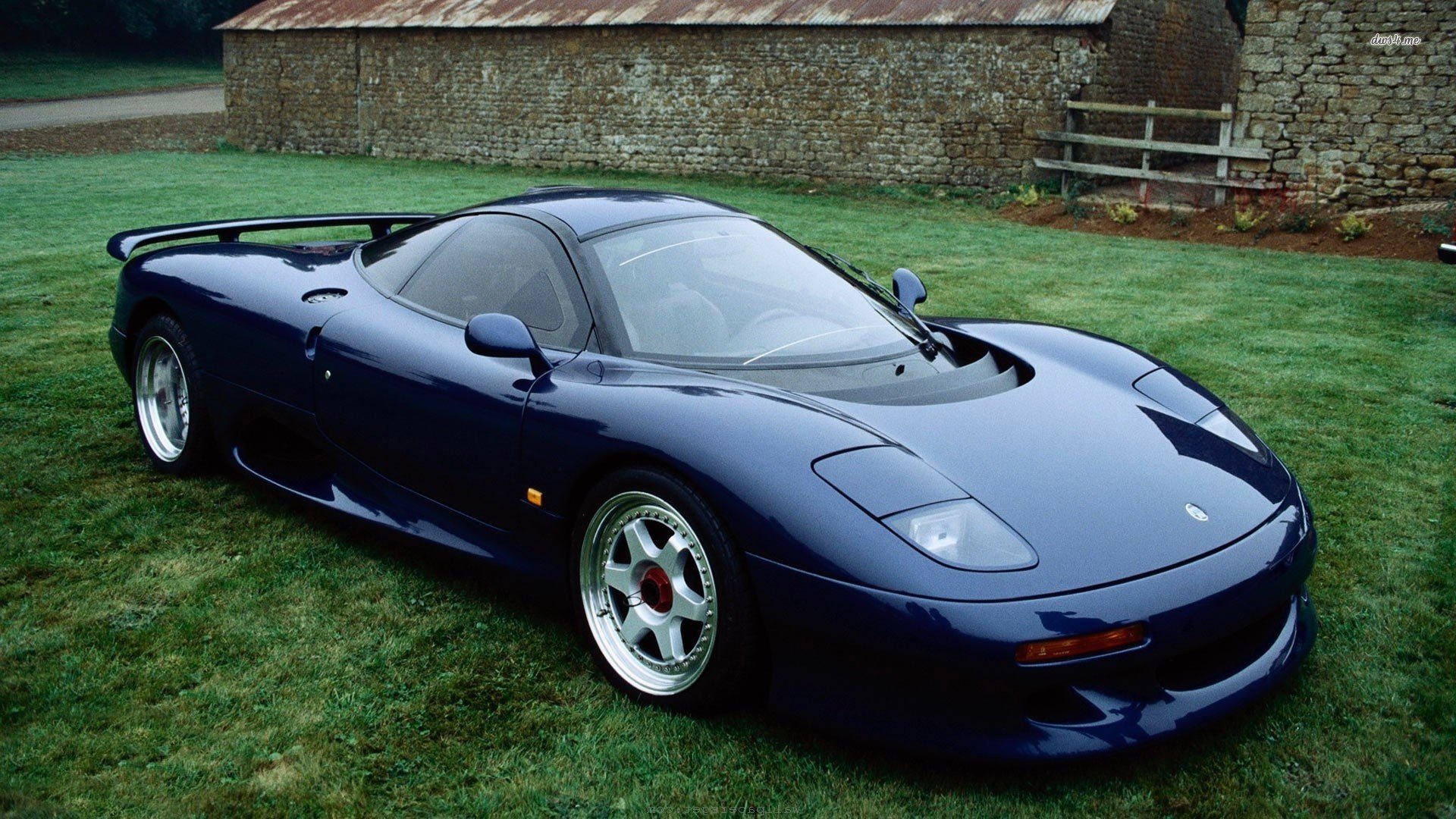
Jaguar XJR-15

Jaguar XJR-15

Jaguar XJR-15

Built for a new series called the Intercontinental Challenge, the XJR-15 was a limited-production supercar built by Jaguar Sport, a partnership of Jaguar and TWR. The design was loosely based off the XJR Group-C cars which TWR manufactured for Jaguar. Thus, it retained the XJR-8’s 6-liter engine and basic chassis layout. A new body was drawn up by Peter Stevens which he thought was more distinctively Jaguar.

For clientele wishing to use the car on the road, Jaguar Sport fitted bumpers, blinkers and raised the overall clearance. This greatly affected overall performance as the undertray aerodynamics and suspension were optimized for a very low ride height. Only 53 were made.

Based mechanically on the Le Mans-winning Jaguar XJR-9, the car had an aerodynamic body designed by Tony Southgate and styled by Peter Stevens, who later went on to style the McLaren F1. The car featured in a 1-make racing series called the Jaguar Intercontinental Challenge, which supported 3 Formula 1 races (Monaco, Silverstone and Spa) in 1991. The $1m prize was won by Armin Hahne. XJR-15 was the World’s first fully carbon-fibre road-car.

Learn more: Jaguar XJR-15
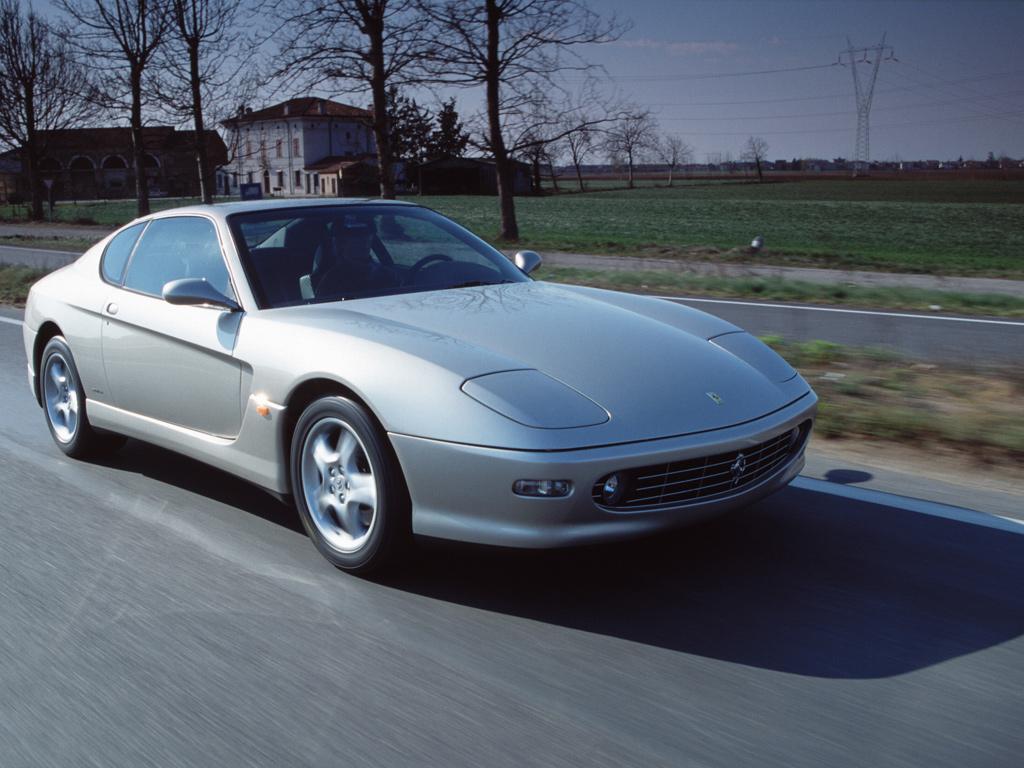
Ferrari 456

Ferrari 456

Ferrari 456

The Pininfarina-designed Ferrari 456 GT debuted in Europe in 1993 and was first available in the U.S. in 1995, and can be viewed as a replacement for the 365 GT 2+2 / 400 / 412 series. This front-engined 2+2 grand tourer had a 436 hp, 5.5-liter V-12 mated to a six-speed gearbox that propelled it from 0-60 in just over 5 seconds on its way to a top speed of 186 mph.

All of this performance could be managed from a cockpit that provided Connolly leather appointments for four (two of whom would almost certainly need to be children) and every other comfort expected of a $245,000 automobile, including a cockpit-adjustable suspension. Shortly after Ferrari introduced the 456 GT, the 456 GTA became available, the “A” signifying a four-speed automatic gearbox.

In 1998, Ferrari introduced an updated version, the 456M GT and GTA. This “Modificata” had a revised interior, some bodywork changes around the nose and hood, and a slight increase in horsepower to 442. The 456M GT remained in production until 2003, and in all just under 3,300 456 GTs and 456 GTMs were built until giving way to the 612 Scaglietti in 2004.

Learn more: Ferrari 456
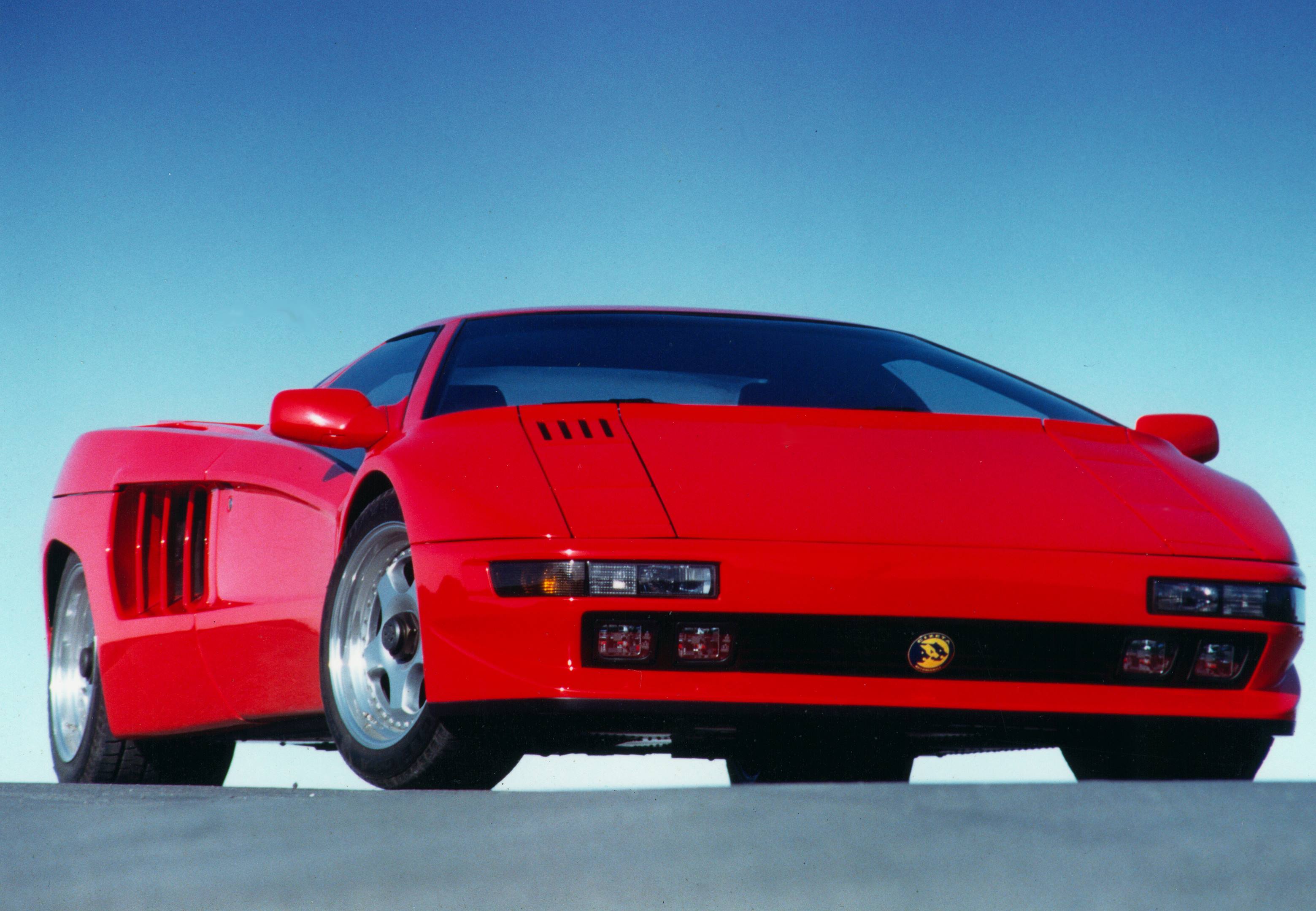
Cizeta-Moroder V16T

Cizeta-Moroder V16T

Cizeta-Moroder V16T

Named after its oddball drivetrain, this supercar took the Miura concept one step further by using a transverse V16 engine mated to a longitudinal gearbox that together forms the shape of a T.

Claudio Zampolli first envisioned Cizeta in the mid-eighties and had his fully functioning prototype ready in 1988. The final result looked like a Diablo in the rough, but that’s because it was the work of Marcello Gandini for Lamborghini.

Never before had the world seen a V16 engine mounted in a transverse layout. Such a setup was necessary due to the long length of the engine, but also made the car one of the widest ever produced. Essentially, two flat-plane V8’s were grafted such that the timing mechanisms shared the center space. Gearing between the two provided a single input for the longitudinally mounted transmission. The block was similar to two Ferrari V8 engines but in the end it had to be cast as a fully custom unit.

When completed, the car sold for $400 000 USD which was a hard sell considering the company had no race history or company heritage to build upon. For these reasons only ten cars were completed in period.

Learn more: Cizeta-Moroder V16T
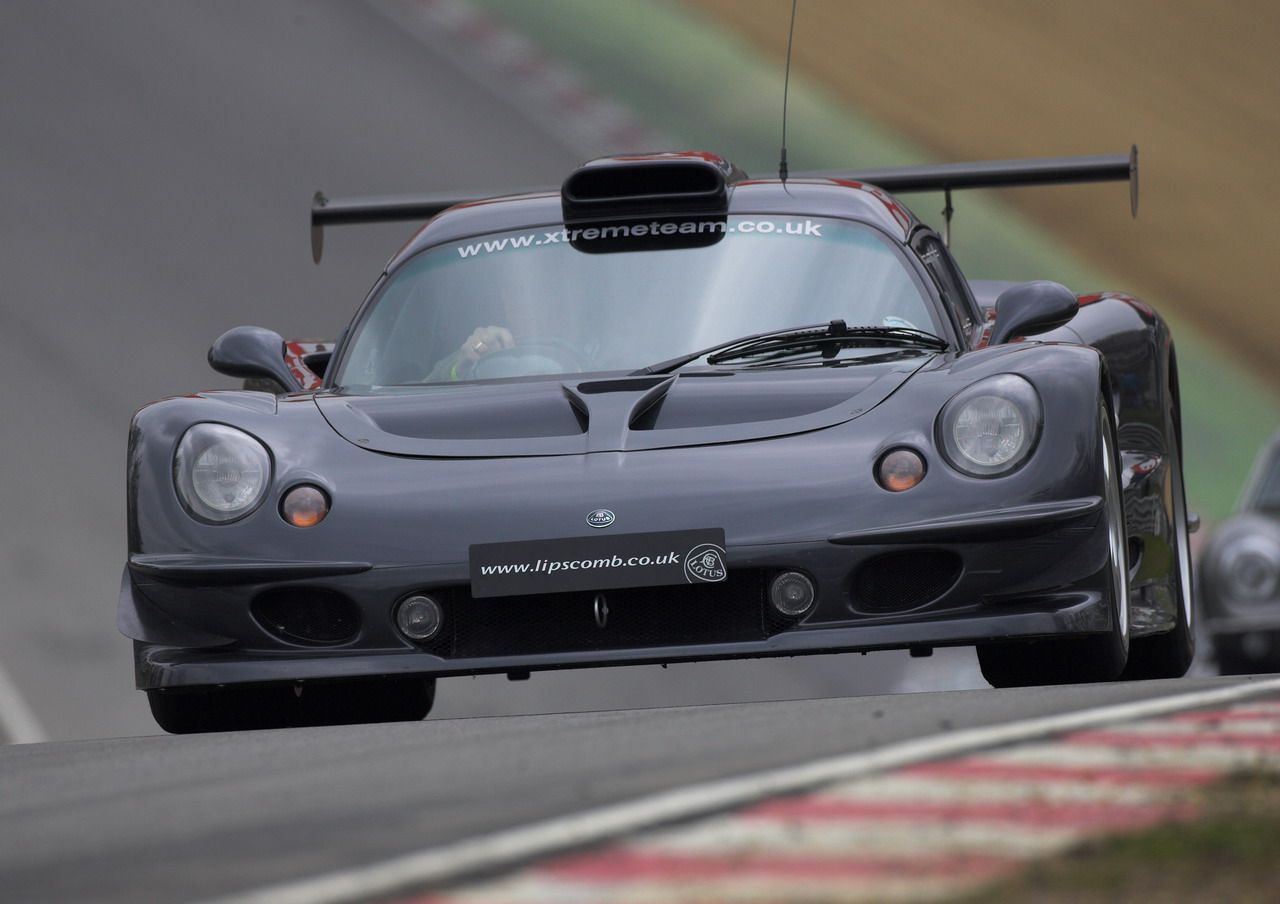
Lotus Elise GT1

Lotus Elise GT1

Lotus Elise GT1

Lotus wanted to go racing in Le Mans (stop me if you have heard this one before). Of course in the 1990s that meant at least one of the “racing” cars had to be road legal. Cue the Lotus GT1.

The Lotus Elise GT1 utilized a production aluminum chassis with custom carbon fiber body that was optimized for endurance racing. Out went the Elise’s inline-four, swapped for a monster twin-turbo 6.0-liter version of the C4 Corvette’s LT5 V8. Reliability proved to be a problem for all seven chassis that were built, with the best success being a fifth place at Helsinki.

Learn more: Lotus Elise GT1
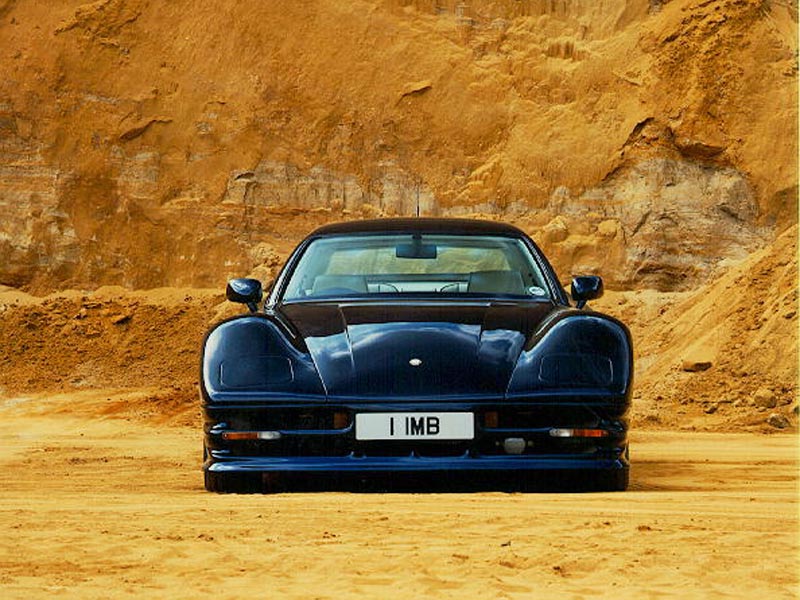
Lister Storm

Lister Storm

Lister Storm

God bless whoever made homologation a requirement for GT racing. The Lister Storm was yet another late 20th century racing car that set rubber to the road in the name of the h-word, with what was at the time the largest V12 engine fitted to a production car since Word War 2 – a 7-litre sky splitter.

4.1 seconds was all it took to launch this British behemoth from 0-60mph, courtesy of the 546bhp bomb mounted up front, but also thanks to the Storm’s racing-inherited low kerb weight.

Prices were high for this low-volume British sports car manufacturers’ first furor into the supercar market at around £450,000, meaning only four road-going Storms were originally sold. Of those, just three are believed to survive to this day, making them one to watch in the coming decades when they appear at auction.

Learn more: Lister Storm
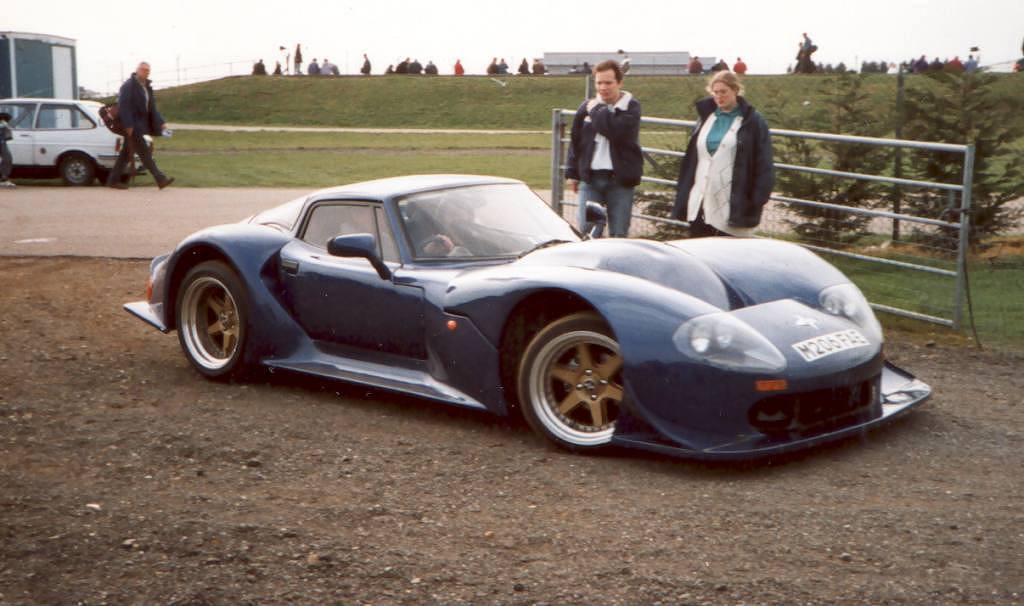
Marcos LM600

Marcos LM600

Marcos LM600

For a return to GT racing, a range of modified Mantaras was also produced in the LM (Le Mans) versions. In order to qualify as a production vehicle, a limited number of road going cars were also made. Several versions of the LM were made such as the LM400 (with a Rover 3.9-litre V8 engine), LM500 (Rover 5-litre V8) and LM600 (with 6-litre Chevrolet small-block V8). Only 30 road-going LM cars were ever built, and of these only one was a road-going LM600. They put together one road car at the end of 1995, and that was a blue one with the registration M206FAE. This one is rare and once again was a result of Marcos trying to support homologation of the LM600 race cars.

Learn more: 1995 Marcos LM600
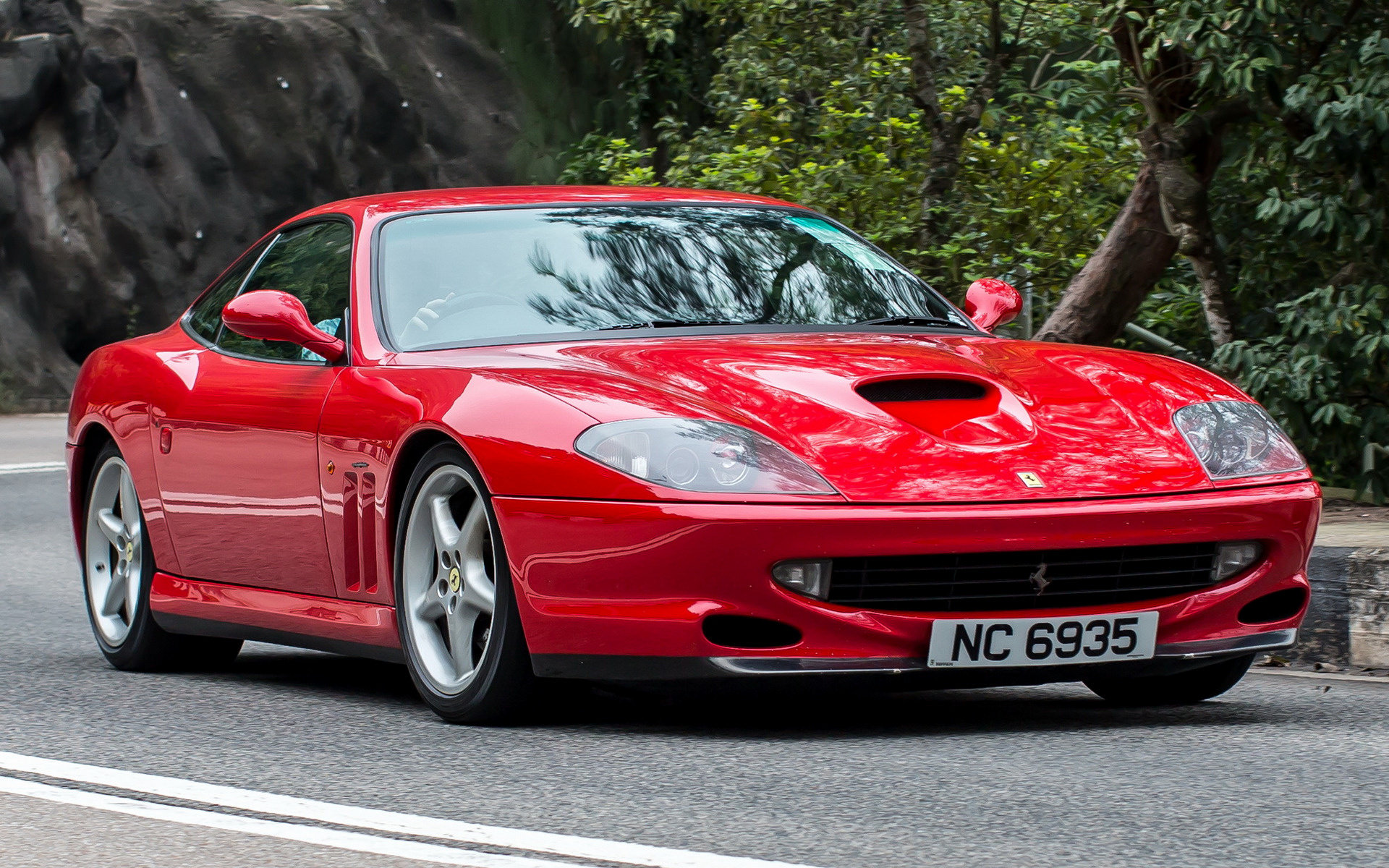
Ferrari 550 Maranello

Ferrari 550 Maranello

Ferrari 550 Maranello

The Ferrari 550 Maranello launched as a 1996 model and was a replacement to the aging Testarossa/512TR models. Unlike the Testarossa the 550 Maranello returned to a front-engine layout like the classic Ferrari GTs (think Daytona and 275) of yesteryear. The end result was a massive upgrade over its predecessor, with better handling, more comfort, practicality and better looking proportions. Ferrari 550 Maranello had a 5.5 liter V12 with 478 horsepower and rear wheel drive. The design has the perfect front engines GT proportions and looks modern even today, aging very well.

The manual gearbox and well weighted steering mean that the handling balance and driveability of the 550 stand out on the road. It is perfectly powered too (especially compared to the crazy F12 or 812 Superfast) so you are total ease behind the wheel, comfortable giving it the beans and really pushing it without the fear of something bad happening. It is way more engaging and fun than the rockets being made today (call us old school). The fantastic powertrain combined with comfortable seats and a decent amount of space to make an absolutely brilliant grand tourer.

See: Ferrari 550 In-Depth
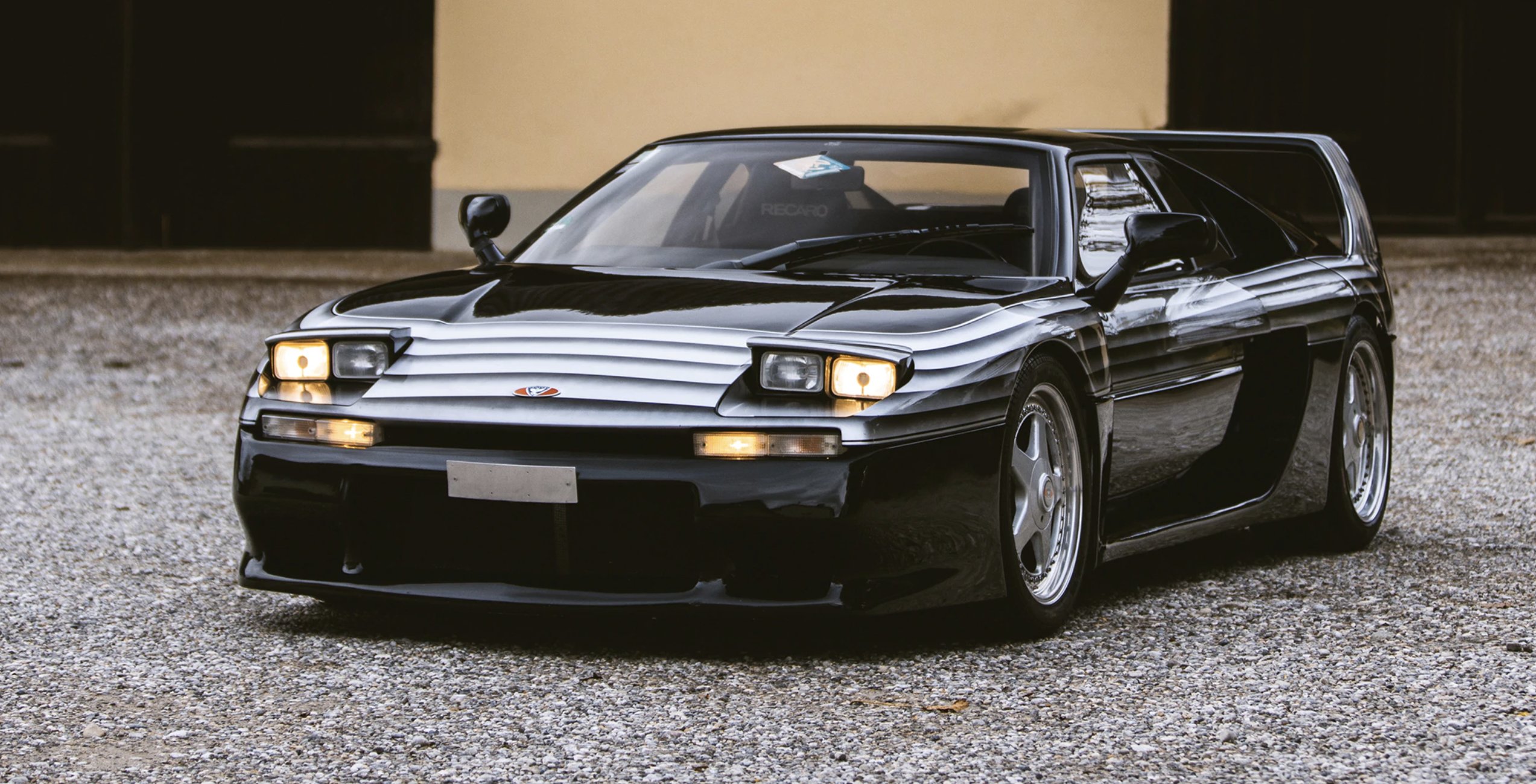
Venturi 400 GT

Venturi 400 GT

Venturi 400 GT

The 400 GT remains one of the best performing French cars ever produced, and it is in fact the very first car in the world to have standard carbon brakes. The Venturi 400 GT was a road version of the one-make race series used in the Venturi Gentlemen Drivers Trophy.

It was powered by a 3 liter twin turbo V6 with 408 hp and 530 Nm of torque.

The main difference between the race cars and the street cars consisted of a series of small changes aimed at road homologation. The street engine was the same as the race version. The passenger compartment was taken from the Venturi 260. Only about 15 street versions and 73 units for racing were built.

Learn more: Venturi 400 GT
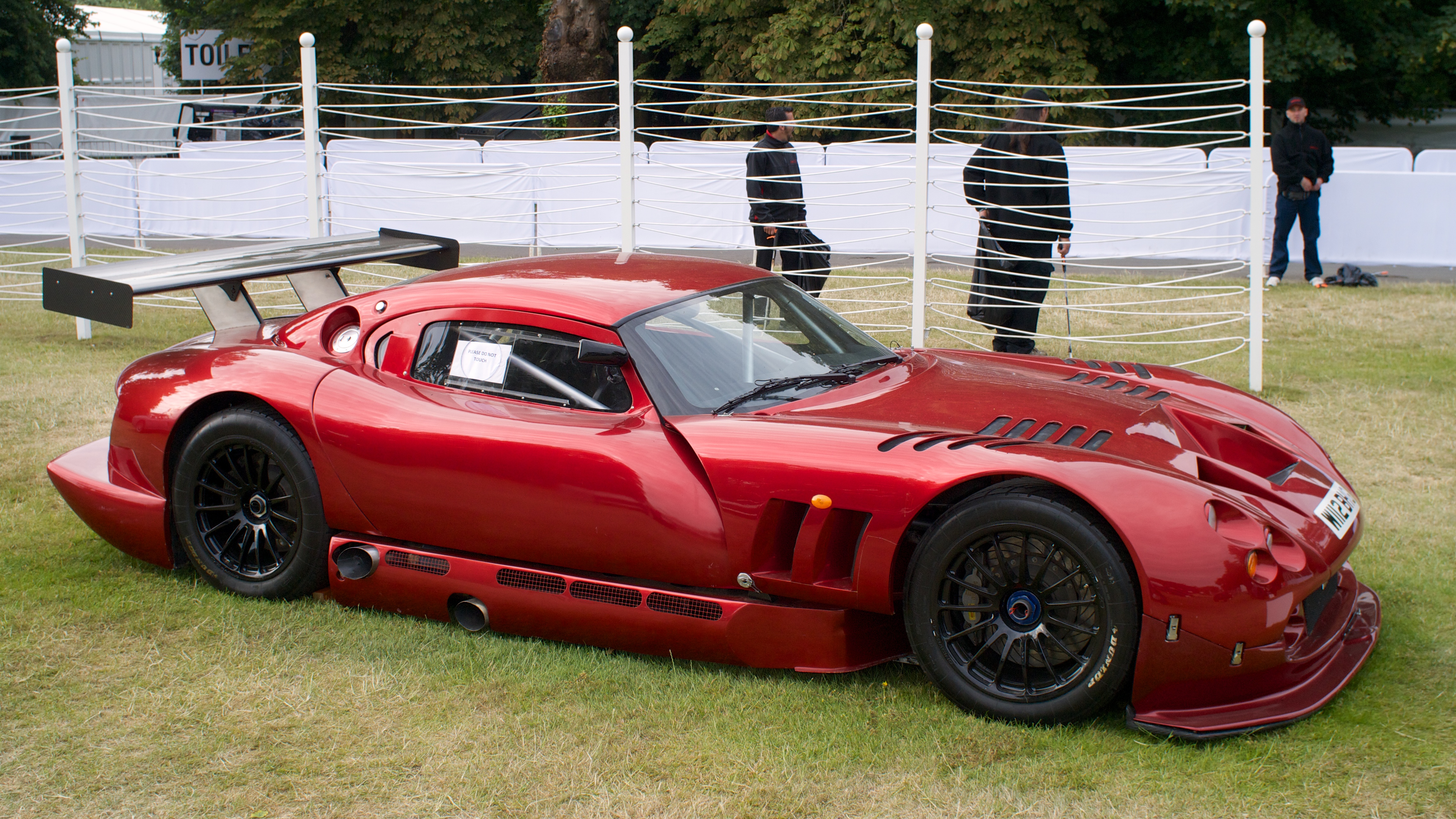
TVR Cerbera Speed 12

TVR Cerbera Speed 12

TVR Cerbera Speed 12

The TVR Cerbera Speed 12 was an ultra high performance concept vehicle designed by TVR in 1997. Based in part on the TVR hardware at that time, the vehicle was intended to be both the world’s fastest road car and the basis for a GT1 class Le Mans racer.

The vehicle’s engine, displacing 472 cui and having twelve cylinders, was reportedly capable of producing nearly 1000 horsepower, although an exact measurement was never made. It’s performance was said to be astonishing, and by all calculations it would have been capable of hitting sixty miles per hour in the low-three second range and power to well over 240 per hour.

Learn more about the 1998 TVR Cerbera Speed 12
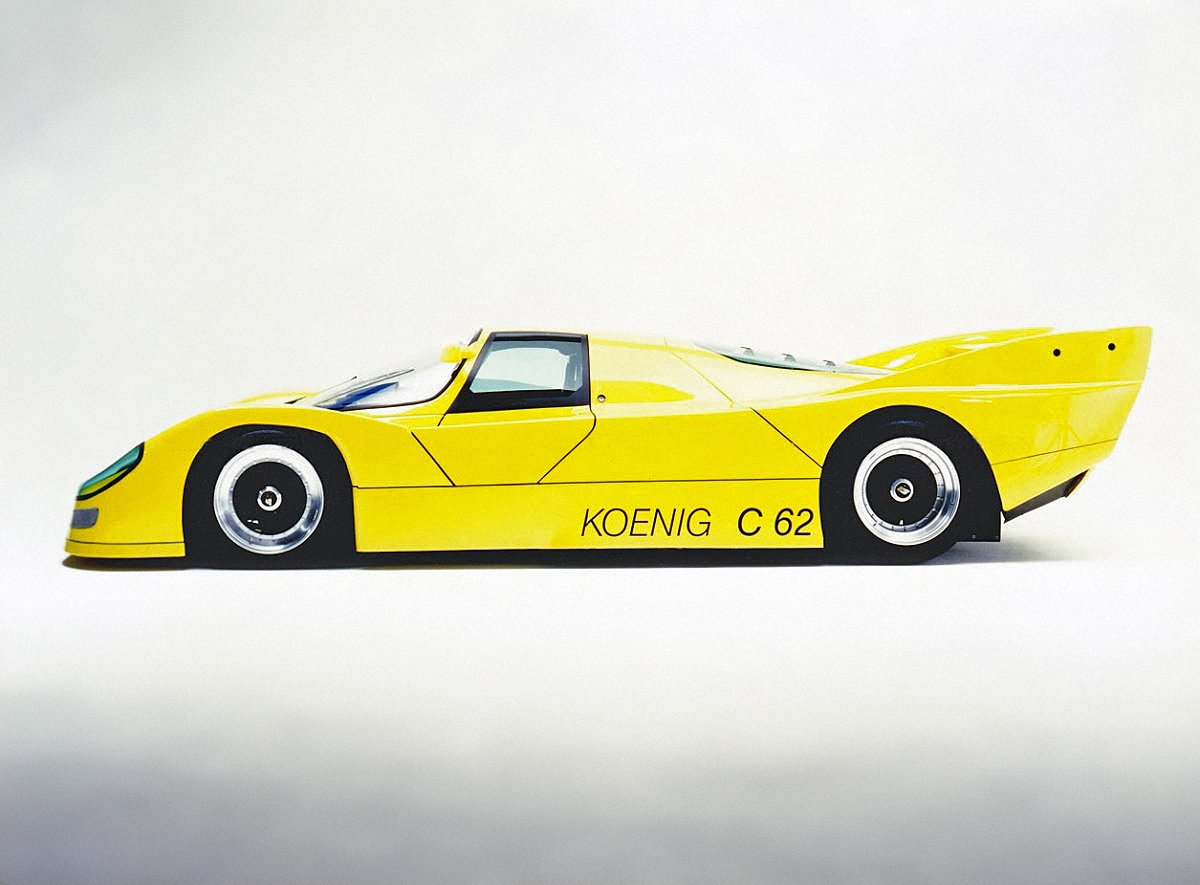
Koenig C62

Koenig C62

Koenig C62

One of the more notorious tuners of the era was Koenig Specials. Known for custom body parts and conversion-kits, Koenig had created some truly outrageous show cars.

It is hard to decide which was their most radical car, because among the top cars was a Twin Turbo Ferrari F50, a 1000 horsepower Ferrari Testarossa nd a road going version of Porsche’s 962 prototype race car. We chose the Porsche 962 road car.

Koenig’s C62 is technically a conversion based on original Porsche 962 chassis. To attain the necessary ground clearance and headlight position, and entirely new carbon fibre body was constructed. Koenig punched out the three liter version of the boxer engine to produce more low end torque. Other engine modifications included softer cams and a Bosch Mototronic system.

Learn more: Koenig C62
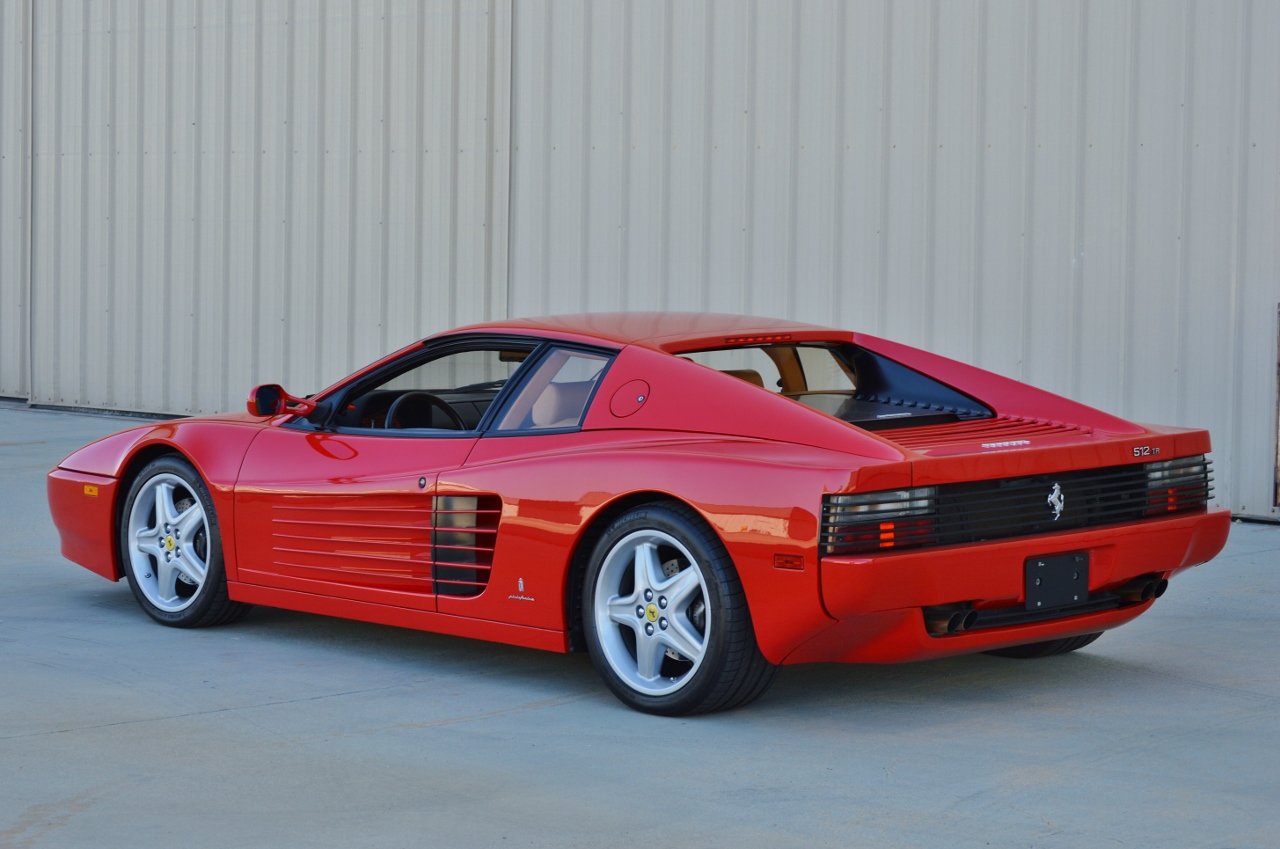
Ferrari 512 TR

Ferrari 512 TR

Ferrari 512 TR

After a long production run of over 7000 cars, Ferrari updated their Testarossa design into the 512 TR. The body was slightly updated by Pininfarina, while much work was done by Ferrari under the hood to gain roughly 40 more bhp. It was way better than the Testarossa and is often forgotten by collectors. Great car and great buy.

Learn more: Ferrari 512 TR
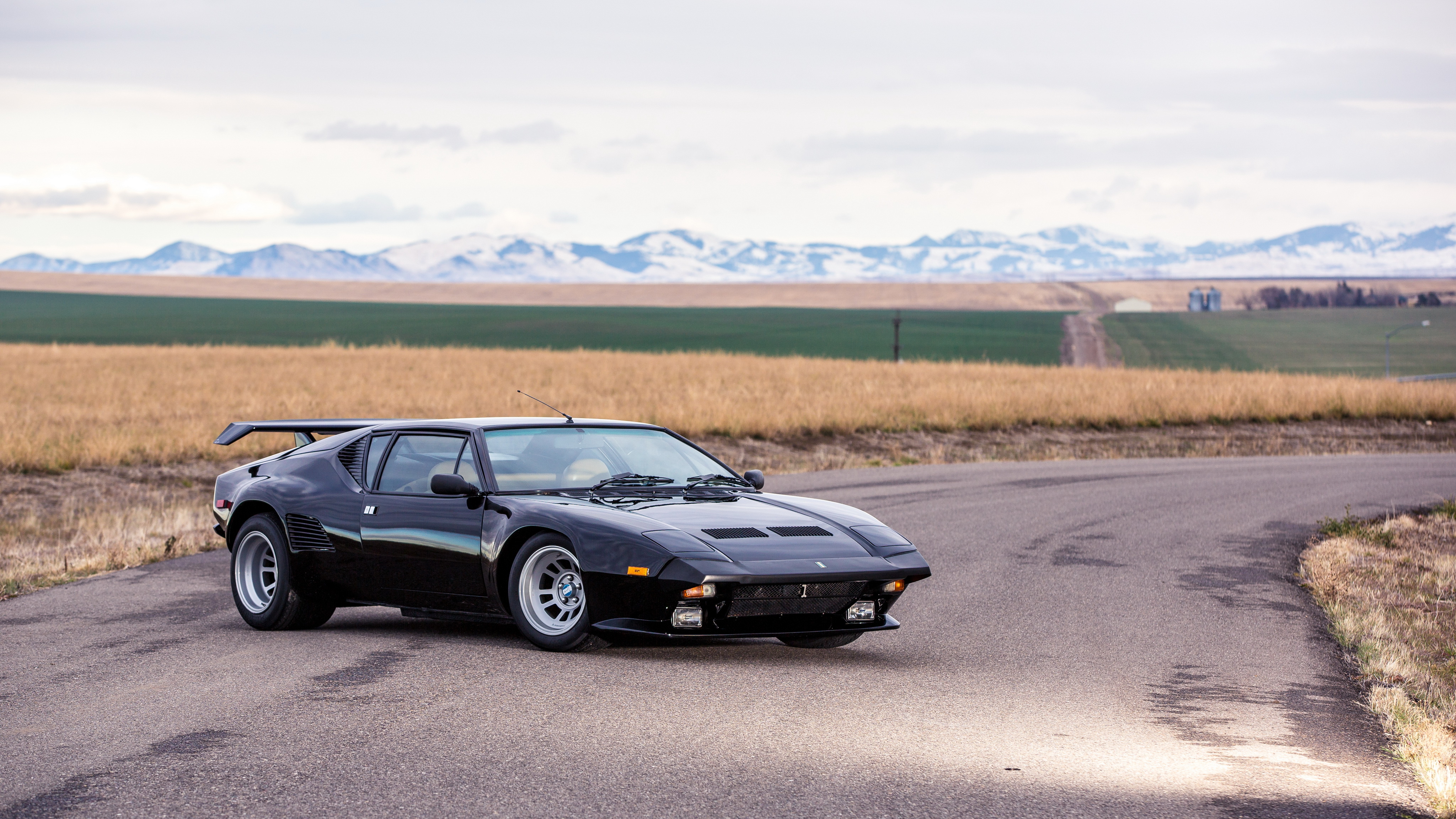
De Tomaso Pantera 2

De Tomaso Pantera 2

De Tomaso Pantera 2

In 1985 De Tomaso rolled out GT5-S, a real sports car and six years later it was the 1991 Pantera turn, completely changed in its styling by Marcello Gandini design. 38 vehicles equipped wîth a 5-liter Mustang V8 engine developing 305 hp were manufactured before starting the production of Guarà.

Learn more: De Tomaso Pantera 2
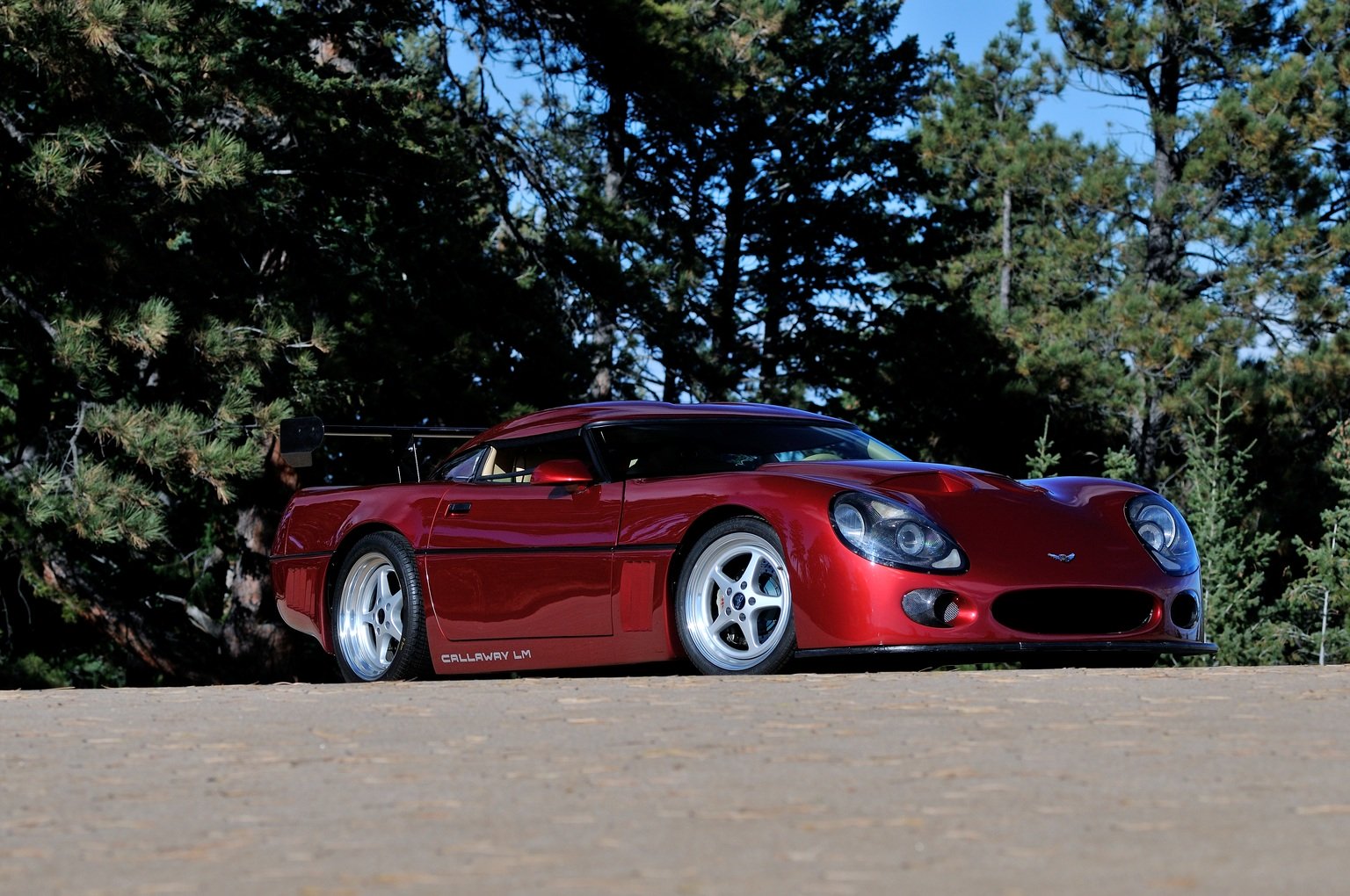
Callaway Super Speedster LM

Callaway Super Speedster LM

Callaway Super Speedster LM

Only two Series II Super Speedsters based on the ZR1 model were ever made so this 90s supercar is less forgotten and more “not ever known”. It was the offspring of collaboration between Corvette performance guru Reeves Callaway and designer Paul Deutschman.

The Super Speedster LM was an astonishing step up on the original Speedster, taking full advantage of the ZR1’s Lotus-engineered, all-aluminum DOHC engine and 6-speed manual transmission. It had a twin turbocharged and intercooled LT5 engine built by Callaway, delivering a pavement-shredding 766 HP.

More than “just” an incredibly well-engineered engine swap, the Callaway possessed engineering modifications to the suspension and driveline that fully complemented its massive power output. The Le Mans body is the only one used on a Speedster and was designed by Paul Deutschman.

Learn more: Callaway Super Speedster LM
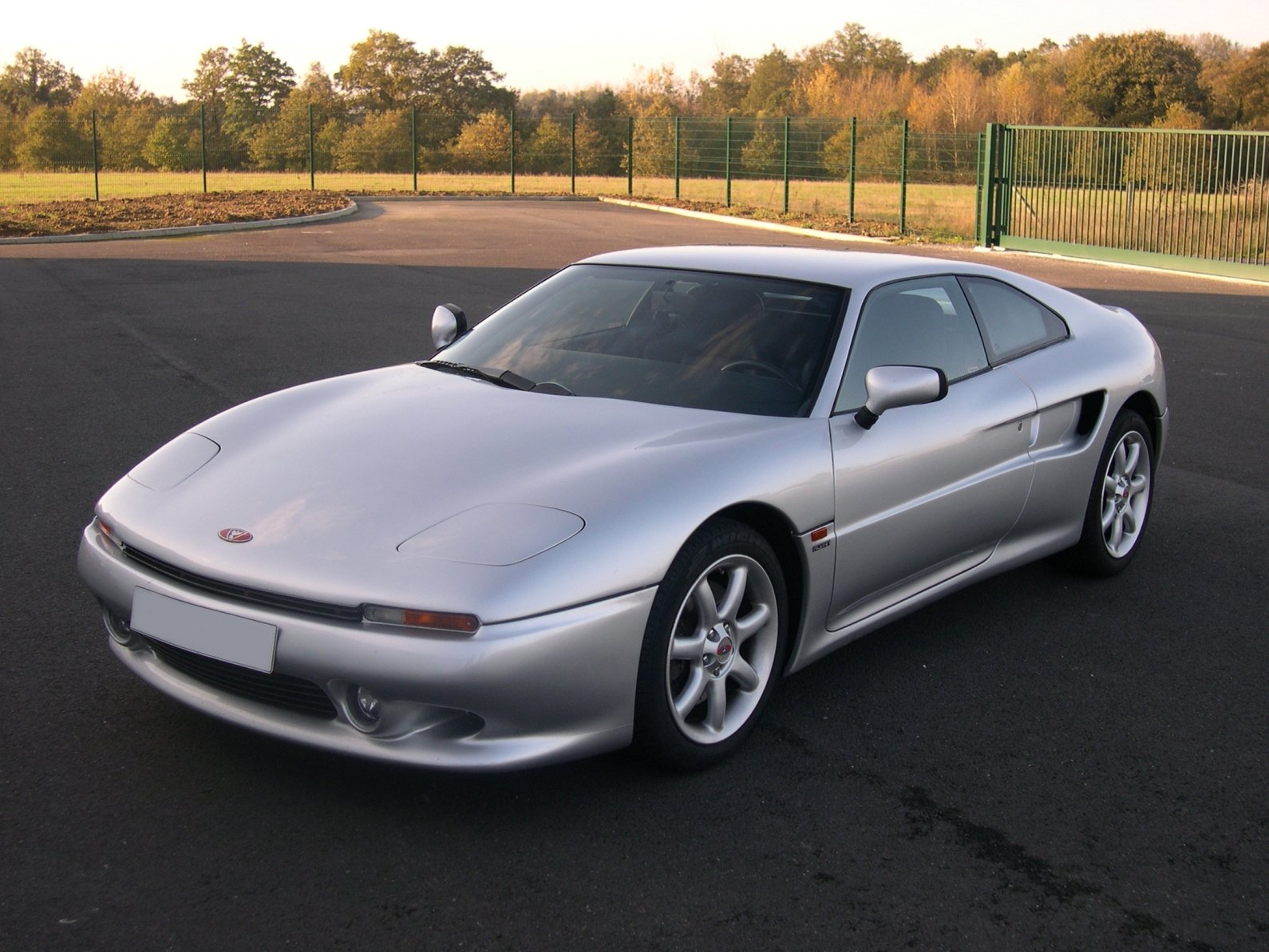
Venturi Atlantique

Venturi Atlantique

Venturi Atlantique 260

The Venturi Atlantique was a mid-engined, fiberglass-bodied French sports car produced by Venturi Automobiles from 1991 to 2000.

The original 260 was a revised version of the Venturi APC 260, carrying over the 2.8L turbocharged V6 engine with 260 hp (194 kW; 264 PS), but with a reduced weight of 1,110 kg (2,450 lb). It was good for a top speed of 167 miles per hour (269 km/h) and accelerated from 0-60 miles per hour (97 km/h) in 5.2 seconds.
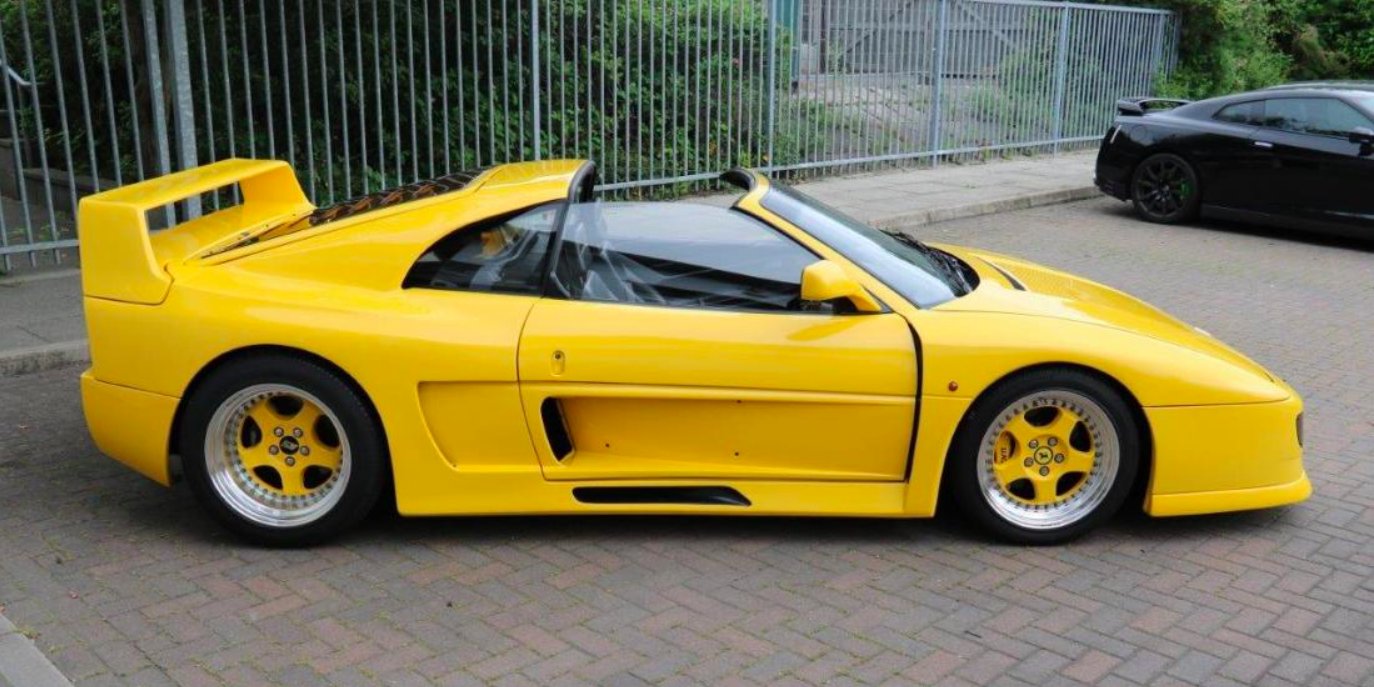
Koenig-Specials F48

Koenig-Specials F48

Koenig-Specials F48

Another special from the Koenig Specials team. This looks like an aftermarket hack job. This car is more than it seems. It is a hand-built custom car by a famous Ferrari workshop owner. It had a 4.8 V8 Twin Turbo Racing Engine with 600 horsepower and a Top speed of 335kph (208mph).
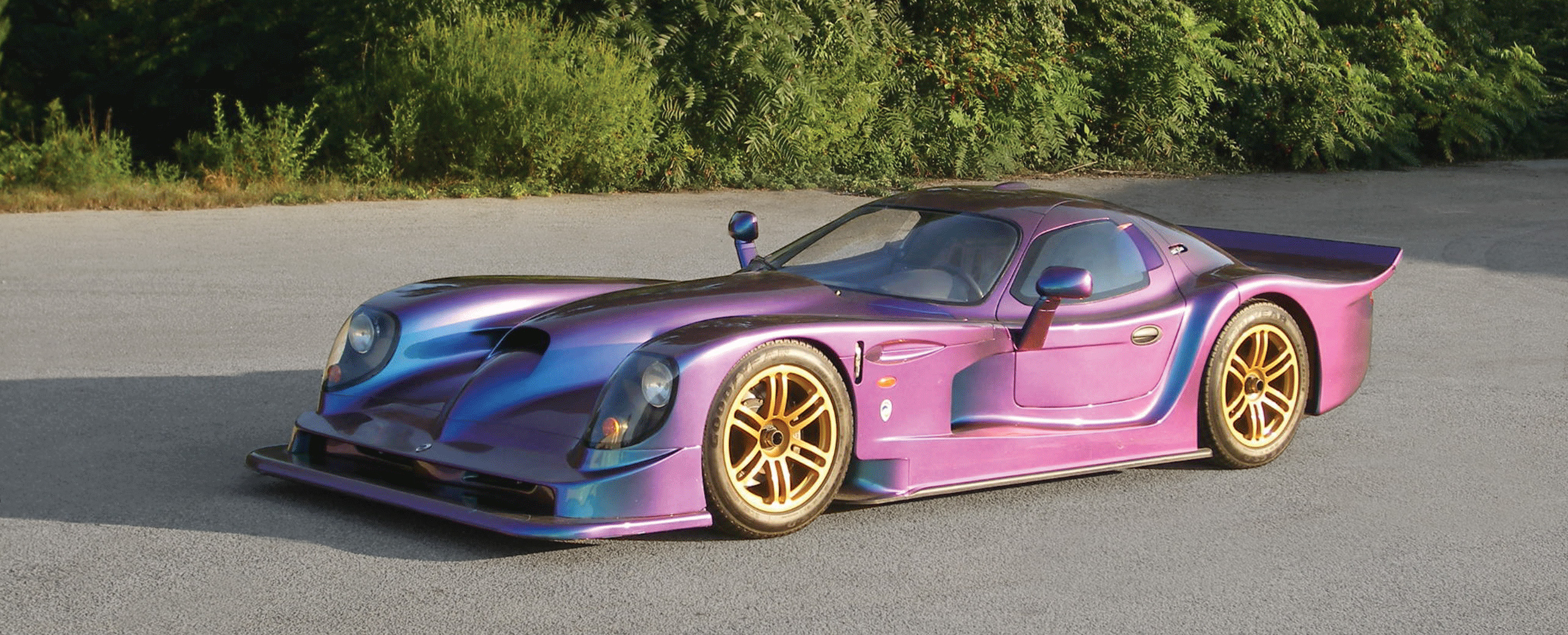
Panoz Esperante GTR-1

Panoz Esperante GTR-1

Panoz Esperante GTR-1

Almost a race car in street-legal trim, the front engined GTR-1 was built to meet the 24 Hours of Le Mans homologation requirements. Power came from an aluminum block V8 engine pushing over 600 horsepower. It was definitely one of the most unusual cars of the era.

The GTR-1 debuted at the 1997 12 Hours of Sebring but failed to finish. It later failed to finish the Silverstone Circuit and again racked up DNFs at Le Mans, where all three of them were scratched due to mechanical failure. One was even destroyed when it caught fire.
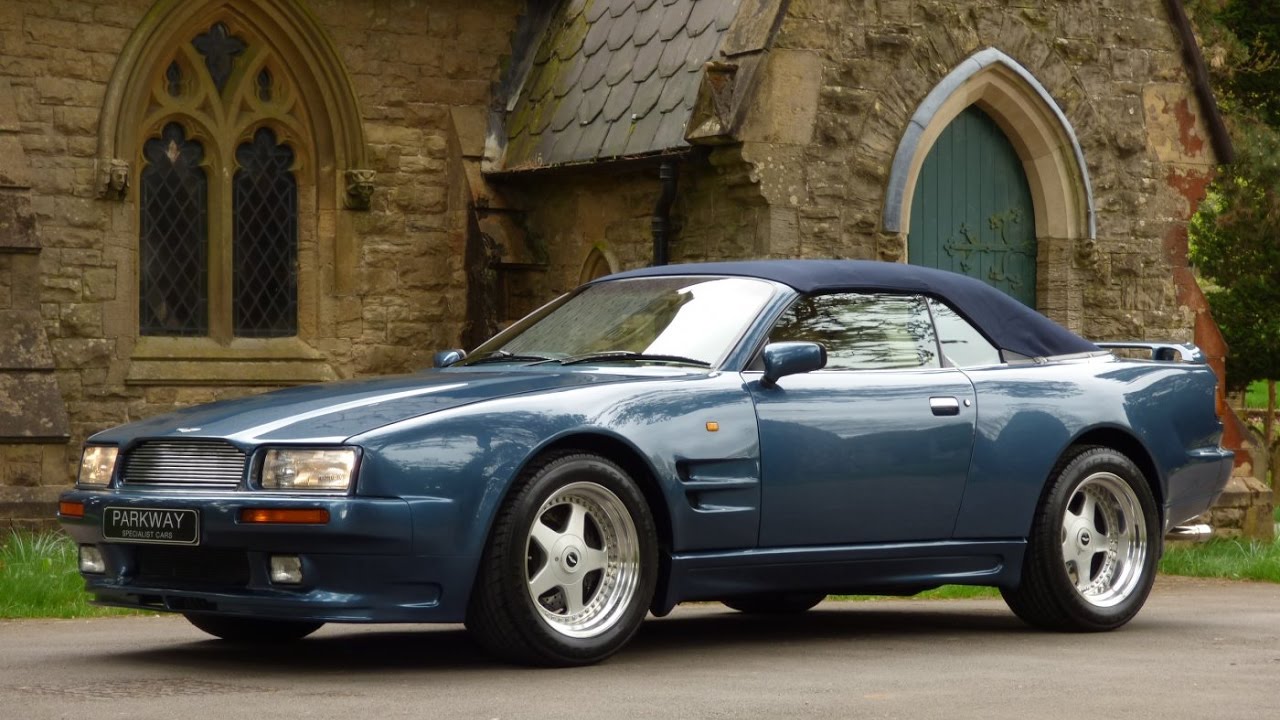
Aston Martin Virage 6.3 Litre

Aston Martin Virage 6.3 Litre

Aston Martin Virage 6.3 Litre

In 1992 Aston Martin’s works service offered a 6.3 liter upgrade on existing models. Easily identified by their ‘Virage 6.3 Litre’ badge, these were fitted with a larger version of the potent V8 engine. Furthermore the rest of the car was comprehensively upgraded in this £50,000 conversion.

The engine work involved enlarging the engines to 6347cc which resulted in 465 bhp to 500 bhp. Other upgrades included larger brakes, a wider bodykit and in some rare cases features that were offered on the upcoming Vantage model. Both coupes and convertibles were equipped with the 6.3 engine.

Learn more: Aston Martin Virage 6.3 Litre
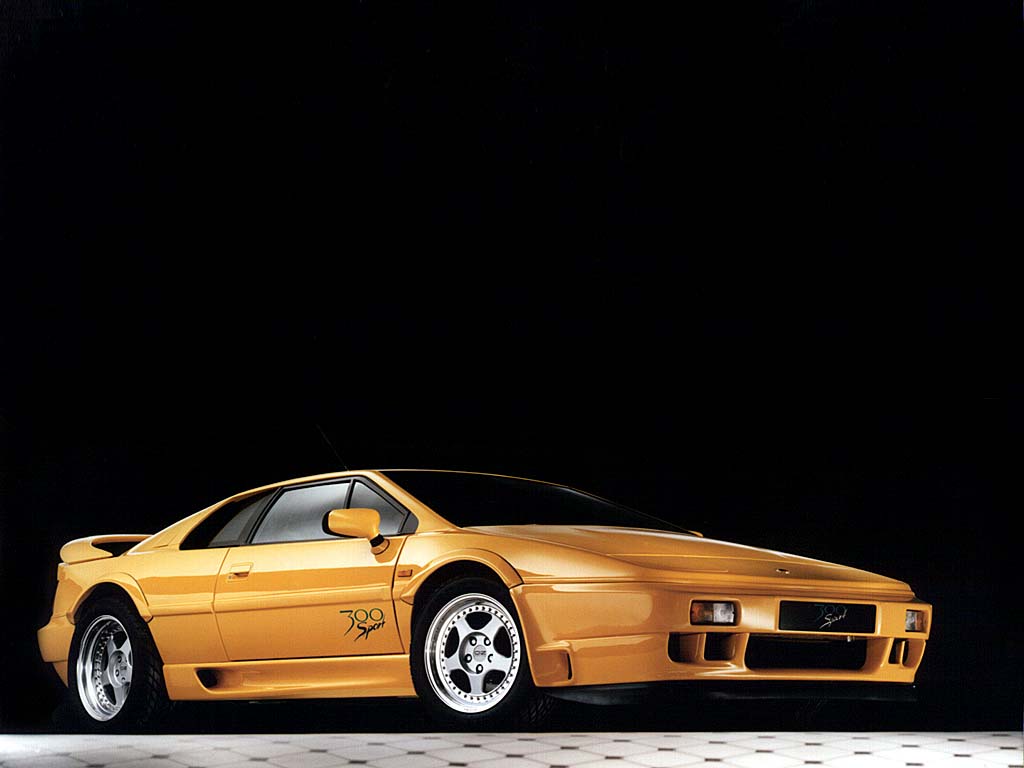
Lotus Esprit Sport 300Lotus Esprit Sport 300

Lotus Esprit Sport 300

For customers that missed out on the very limited production run of X180Rs, the 300 Sport was offered in 1993. It essentially offered the same package as the X180R race car. With an optional LotusSport package, the car incorporated a full roll cage, harness and fire extinguisher. All versions of the Sport 300 featured the 300 bhp, S910 power plant which was similarly tuned to X180R specification.

A number of weight saving provisions were made. This helped lower the weight of the car by 250 lbs compared to the Esprit SE.

Learn more: Lotus Esprit Sport 300
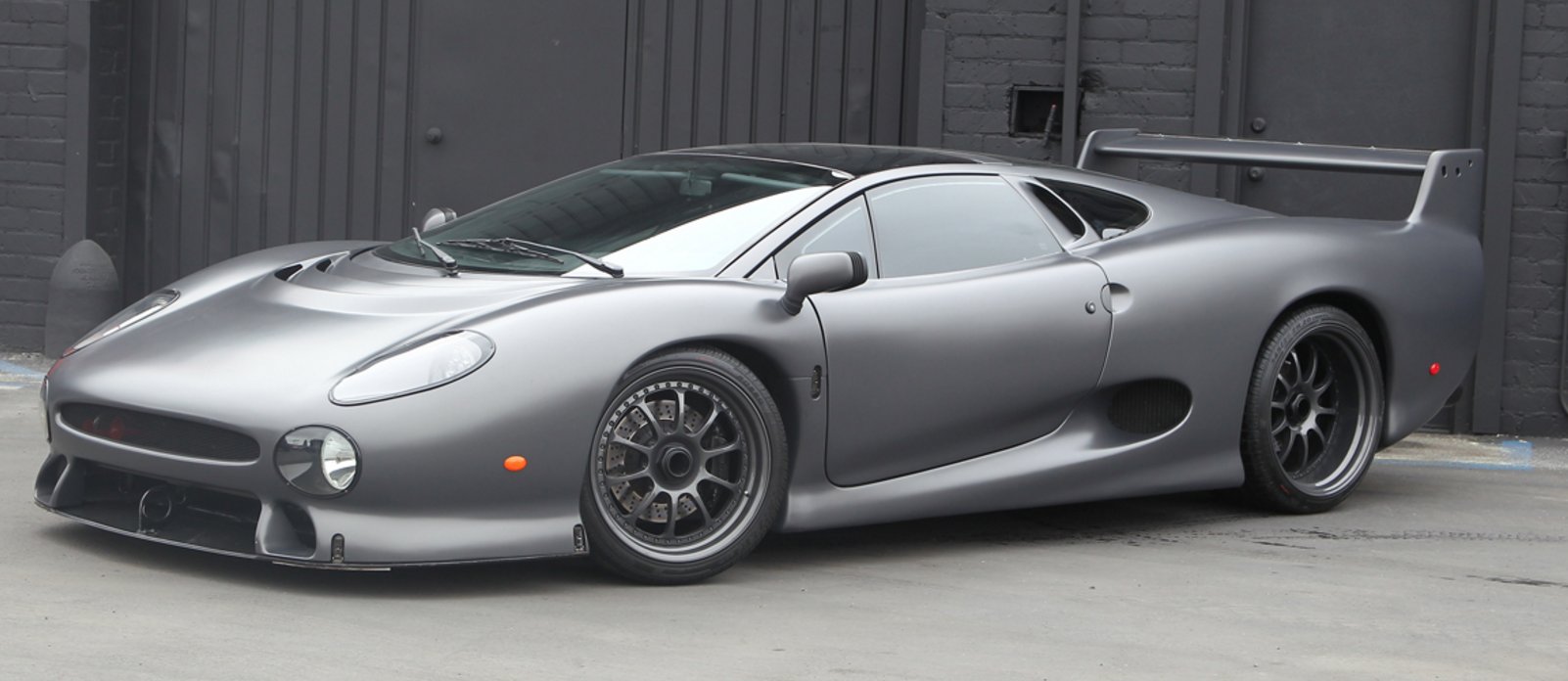
Jaguar XJ220 S TWR

Jaguar XJ220 S TWR

Jaguar XJ220 S TWR

If the Jaguar XJ220 was the fastest production car in the mid-nineties, then the TWR supercar made from the Le Mans race version had to be astonishing. Compared to the standard XJ220, TWR’s version sported a new composite body, a more powerful engine and went on a weight-reducing diet. Tom Walkinshaw Racing (TWR) and Jaguar Sport announced the XJ220S, a limited-production, road-going version, to comply with homologation requirements. It was easily the most radical supercar in Britain.

TWR’s version replaced every panel, expect the doors, with carbon fiber. In doing so they added a front splitter, wider sills and an adjustable rear spoiler that gave the car an imposing edge and made the standard XJ220 look docile.Overhauled out to 680 bhp, TWR took the twin-turbo V6 to its limits. Combined with a weight reduction that removed the stereo, air conditioning and heavy seats, the car could accelerate to 60 mph in 3.3 seconds and reach 228 mph. Only 9 were built.

Learn more: Jaguar XJ220 S TWR
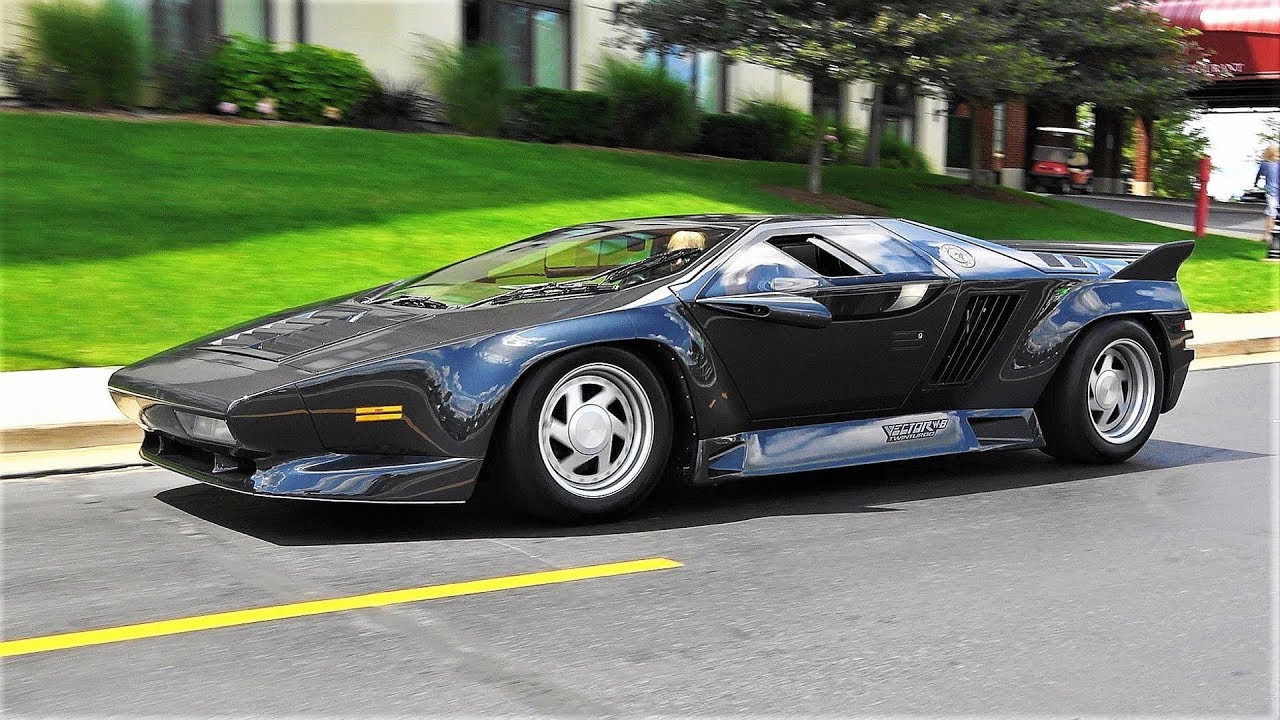
Vector W8

Vector W8

Vector W8

The W8 delivered staggering numbers for the early 1990s, outperforming the fastest Ferraris and Lamborghinis of the era. In 1992 it was declared the fastest production car in the world by Road & Track, but its laurels were quickly stolen by the McLaren F1, which arrived for the 1993 model year. Despite its short-lived success, the Vector W8 remains the first American-built supercar and already benefits from classic status, with some examples fetching enormous amounts of cash.

Learn more: 1991 Vector W8
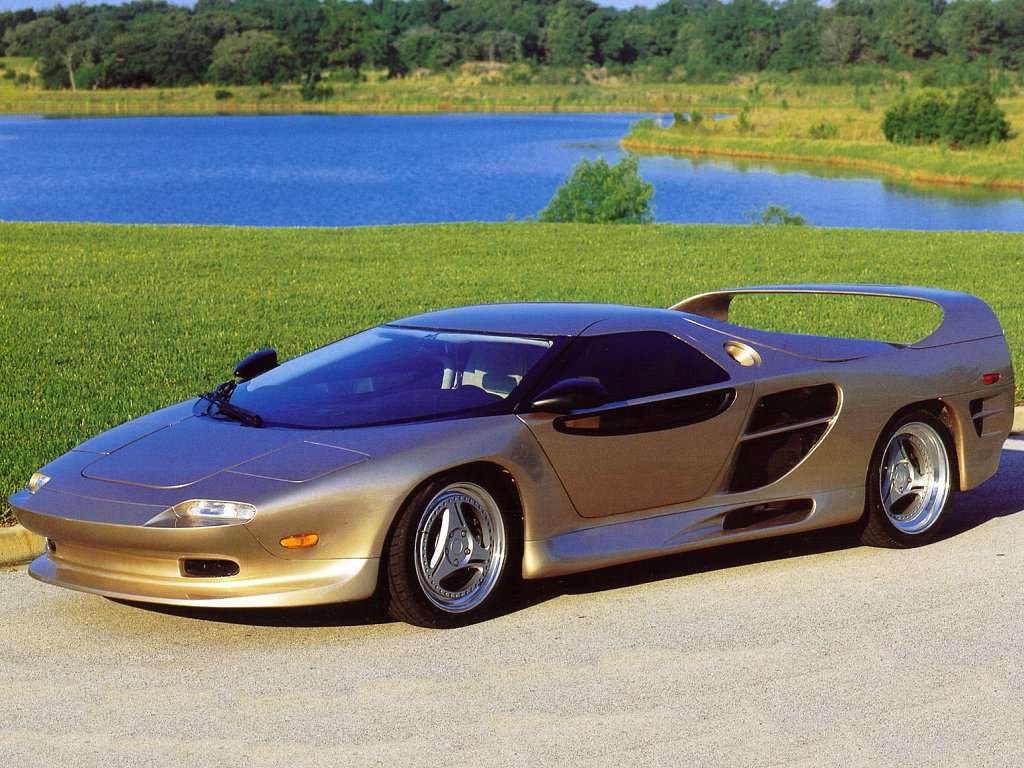
Vector M12

Vector M12

Vector M12

The Vector M12 was the first vehicle produced after the hostile takeover of the company from Jerry Wiegert by the Indonesian company Megatech. The model was produced from 1995 to 1999, when production was halted, partly due to slow sales of the cars and mismanagement of the company. The average price of the vehicle was $184,000 (USD).

The vehicle was a rebodied Lamborghini Diablo with a chopper gun fiberglass body set on a lengthened Diablo chassis. It was a loose copy of the Vector AWX-3, which was not released due to the Megatech hostile takeover.

The drivetrain was a 5.7 liter Lamborghini V12 engine, which produced 492 hp and 425 lb/ft of torque at 5200 rpm.

Learn more: 1996 Vector M12


14 Crazy 1990s Supercars That “Almost” Made It

So close and yet so far. These are the 1990s supercars that almost were. Candidly we wish some of these were made and we are happy some of them died before arrival. We will let you decide which is which.
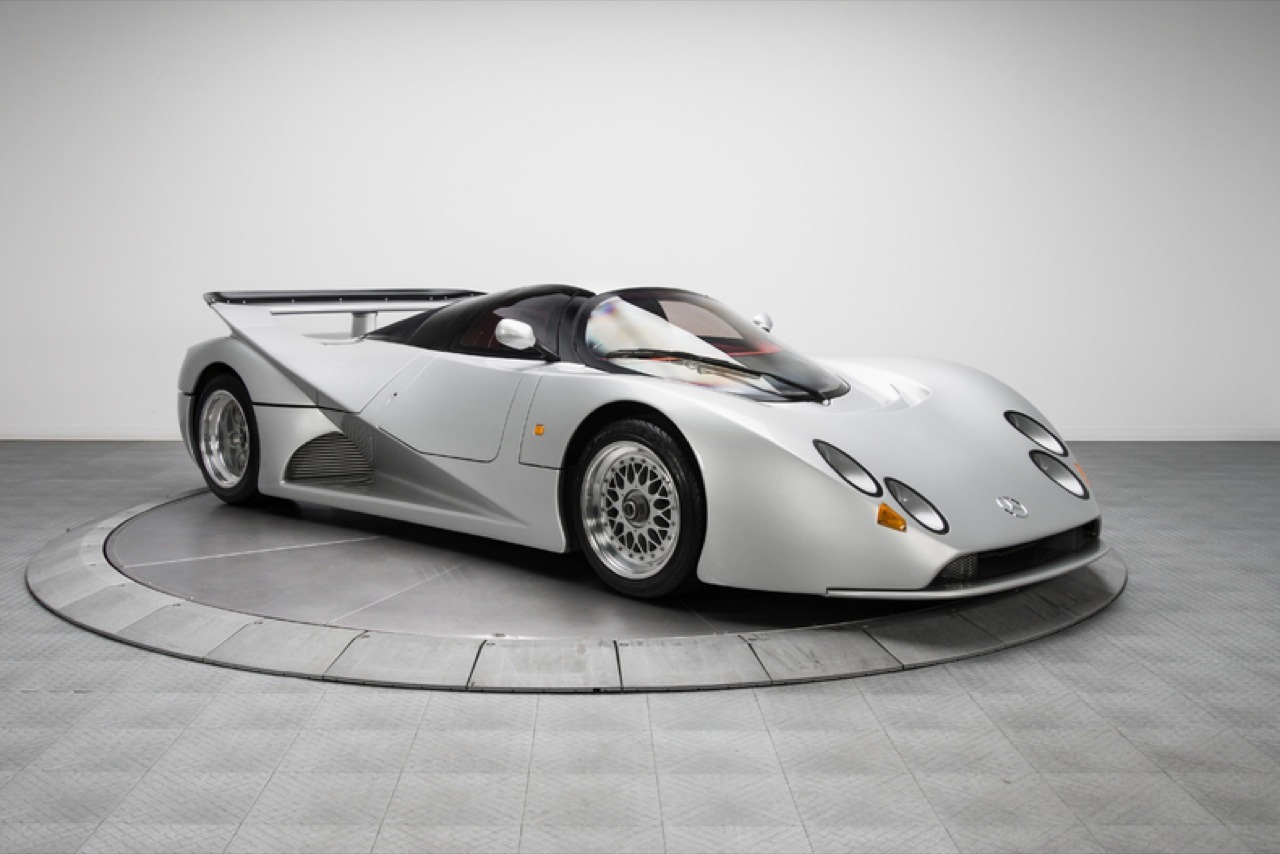
Lotec C1000

Lotec C1000

Lotec C1000

Originally conceived in 1994 with construction completed in 1995 by a United Arab Emirates Citizen who desired to own the fastest, individually owned car in the world! He contracted Mercedes which in turn also contacted Lotec for the body design. The letter C stands for the carbon fiber (race car), and the number 1000 stands for 1000 horsepower.

Power plant powered by Mercedes and body design by Lotec. It is a 5.6 liter V-8 Mercedes engine, with Garrett twin turbo chargers. Runs on a mixture of unleaded gas, and aviation fuel. Body consists of carbon fiber and Aerospace material frame. Design and engineering cost over $1,000,000 and total production cost was over $2,200,000. 0-60mph in 3.2 seconds, 0-125 mph in 8.08 seconds, top speed of 268 mph. A cool one off car that wowed us.

Learn more: 1991 Lotec C1000
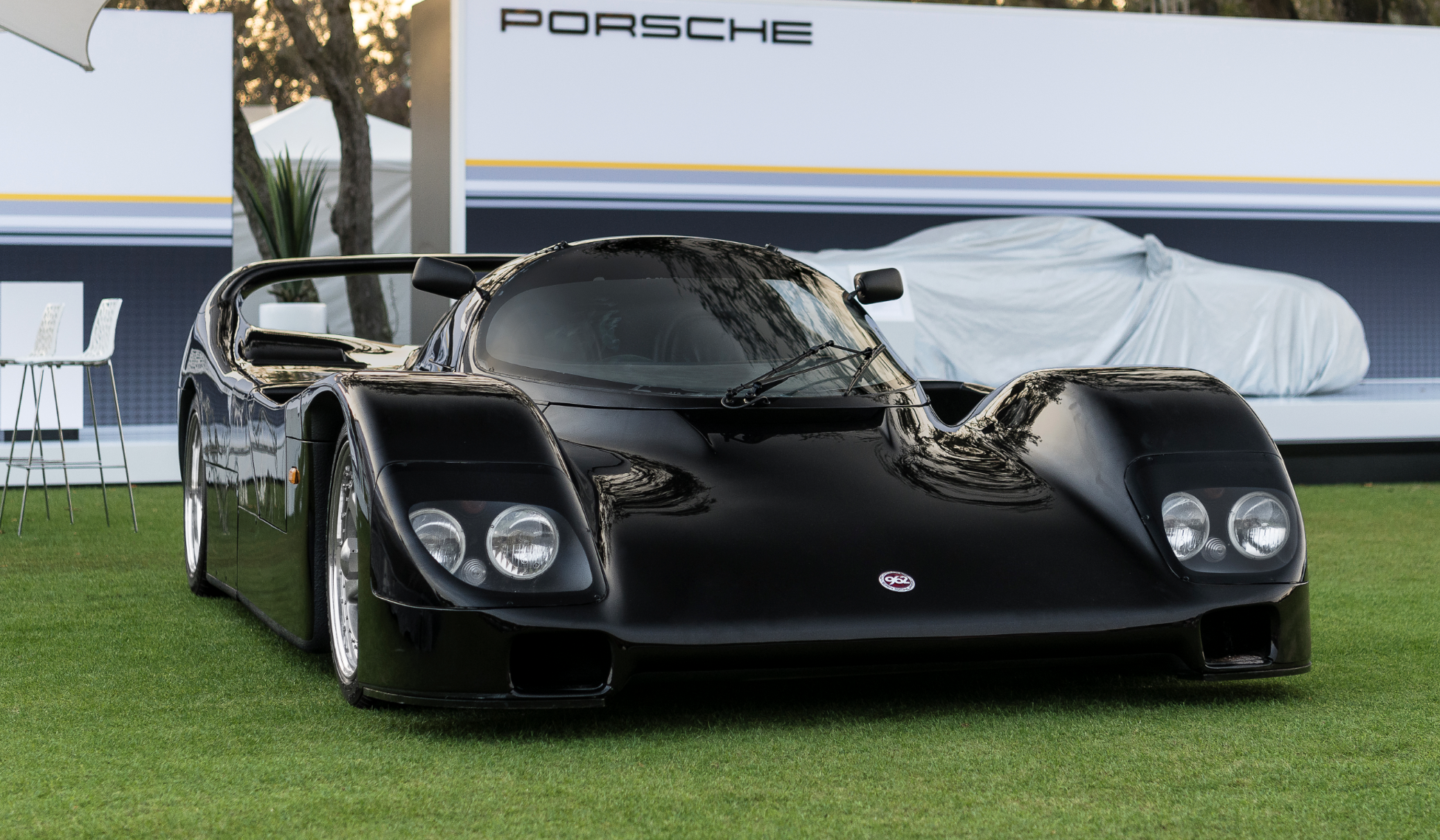
Schuppan 962CR

Built with Japanese backing, Le Mans-winning driver Vern Schuppan created his very own street-legal Porsche 962. These cars were built as a tribute to his victory at the 1993 Le Mans behind the wheel of a Porsche 956. After 2 years and $7million in development only 6 out of an initially projected 50 Schuppans were made. Due in part to the worldwide downturn in the hypercar market, but also due to the astonishing $1.5 million asking price!  In either case, the 962CR, when new, was one of the most expensive cars ever produced. After payment failed to arrive when two cars were shipped to Japan, Schuppan was forced to declare bankruptcy. The 962CR remains as the only car Vern Schuppan has ever made

Learn more: Schuppan 962CR
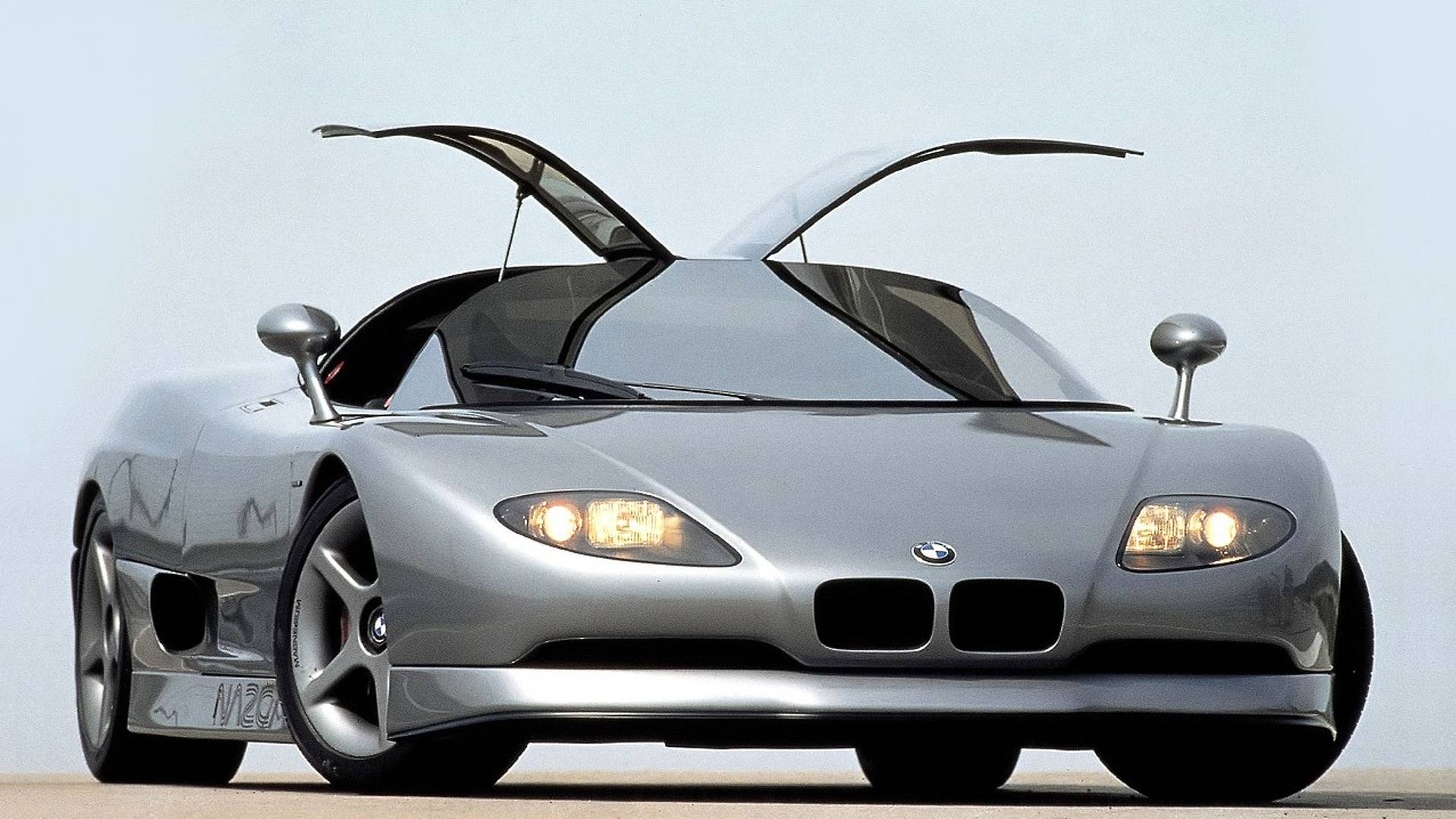
BMW Nazca M12

BMW Nazca M12

BMW Nazca M12 (& C2)

Ok technically this car never made full production, but Italdesign did produce a version of the M12 for the Sultan of Brunei and his brother Prince Jefri Bolkiah and that is good enough for us. After styling supercars like the Lotus Esprit and Lancia Delta, Giorgetto Giugiaro created this one for BMW in 1991. Giugiaro had already styled BMW’s first modern supercar, the 1978 M1, so his newer M12 was a natural evolution.

Italdesign’s production versions for the Sultan were unlike the first show car. A version was fitted with the S70B56 BMW V12, but upgraded by Alpina to produce more horsepower.

In 1993, Italdesign again revisited the M12 project. Fitted was a new carbon-fiber body lacking front lights. Called the C2, both a coupe and spider version were made. Like the M12 these were fully functioning prototypes.

Learn more: BMW Nazca M12, BMW Nazca C2
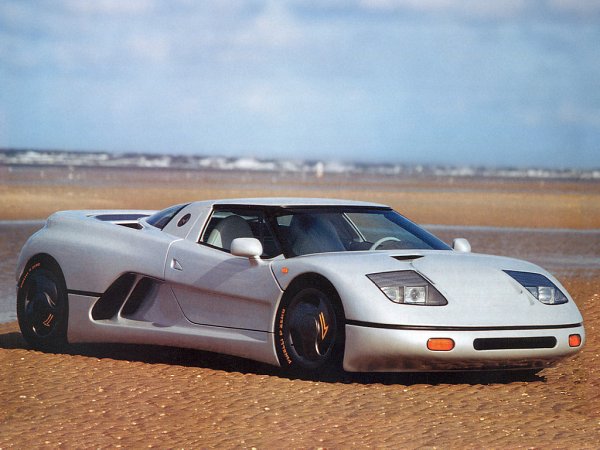
Spiess C522

Spiess C522

Spiess C522

This is a car we wish they made. The Spiess C 522 was a joint development of hardware manufacturers Gemmingen and generator manufacturer GEKO. It was designed by Karl-Heinz Knapp, formerly of Mercedes/AMG. A super-sports car with a tuned engine from the Chevrolet Corvette to be built in a limited edition of just 100 examples, initially priced about 500,000 DM, and later 870.000 DM. The prototype had 2+2 seating, a monocoque chassis of carbon fiber composite materials, steering wheel-tip control (flappy paddles), ABS, traction control, and reportedly over 500 hp.

The project never got beyond the planning stage. There was only one built, with a dummy engine for presentation.

Learn more: Spiess C522
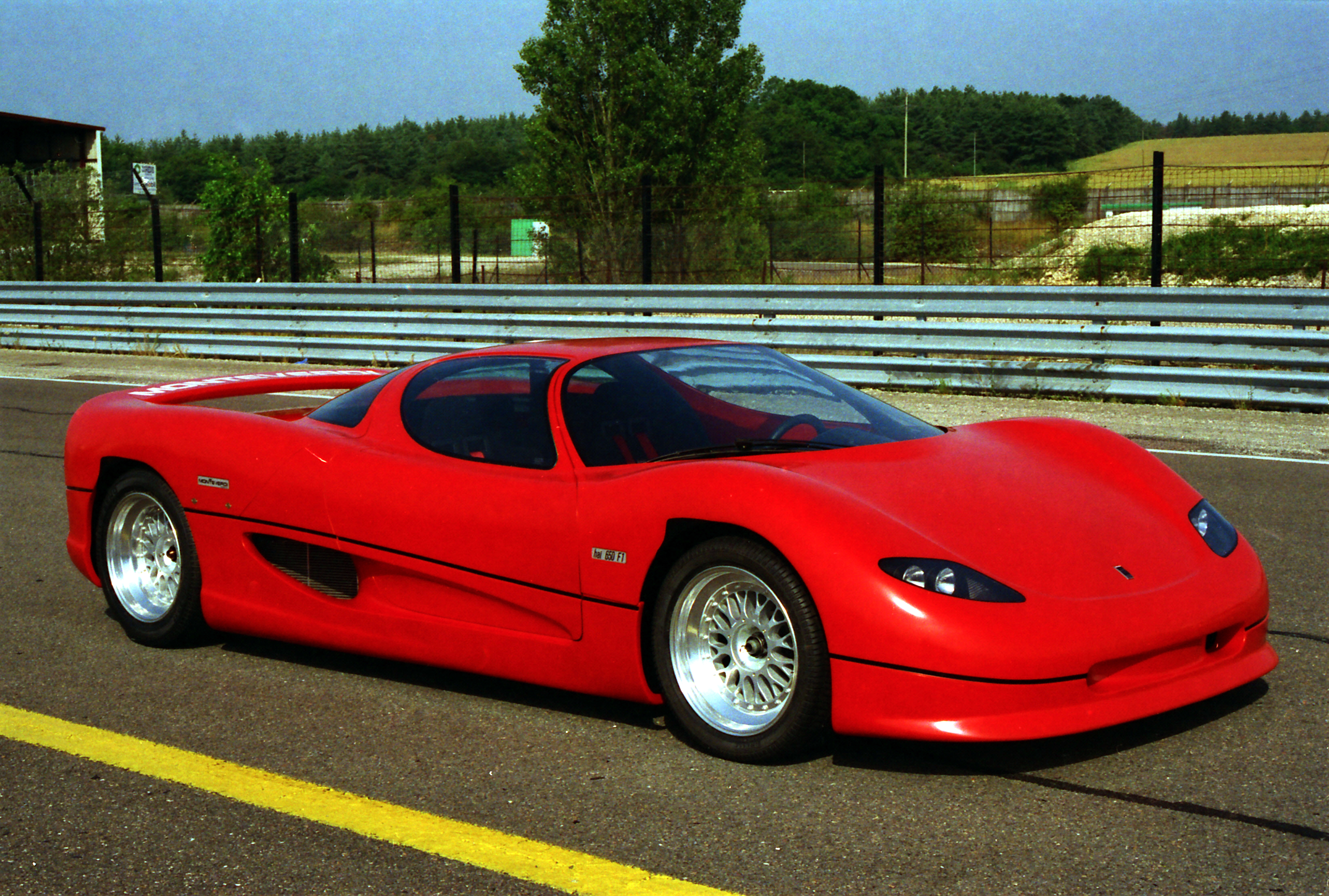
Monteverdi Hai 650 F1

Monteverdi Hai 650 F1

Monteverdi Hai 650 F1

Following his purchase of the Onyx Formula One team in 1992, Peter Monteverdi sought to take that technology onto the road in the form of the 650 F1 hypercar.

This high tech beast was based on an F1 monocoque chassis and powered by no less than an F1 650hp Cosworth V8 with screaming 11000 rpm redline. A staggering 766 bhp/ton power to weight ratio produced a claimed 208 mph top speed and McLaren F1 like acceleration of 0-125mph in around 8 seconds.

Orders were taken and two models produced (plus a third non runner). However, the 650 was not road legal, so customers never saw their cars as Monteverdi changed his mind and kept them all for promotional use!

Learn more: Monteverdi Hai 650 F1
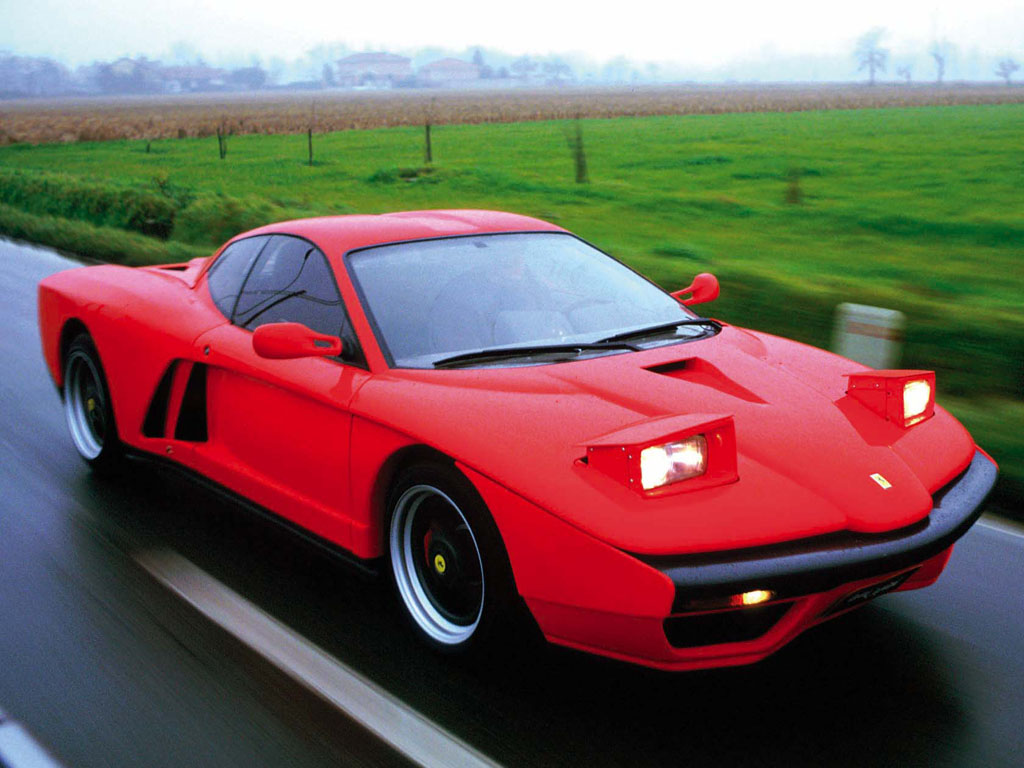
Ferrari FZ93

Ferrari FZ93

Ferrari FZ93

One of the little known Ferrari prototypes is this one-of supercar built on Testarossa S/N 83935 for the 1993 Geneva Auto Show. Called the Formula Zagato ’93 (FZ93), it followed a small series of curious Zagato 348s and some classic Zagato-Ferraris which were all built in exclusive numbers.

FZ93 was penned by Ercole Spada who made a return to Zagato and design this car. Ercole was responsible for the legendary Aston Martin DB4 Zagato and more recent cars like the iconic Alfa Romeo 155. His Testarossa made no concessions to the original and featured stylistic creases, huge air intakes and pleasing curves.

Learn more: Ferrari FZ93
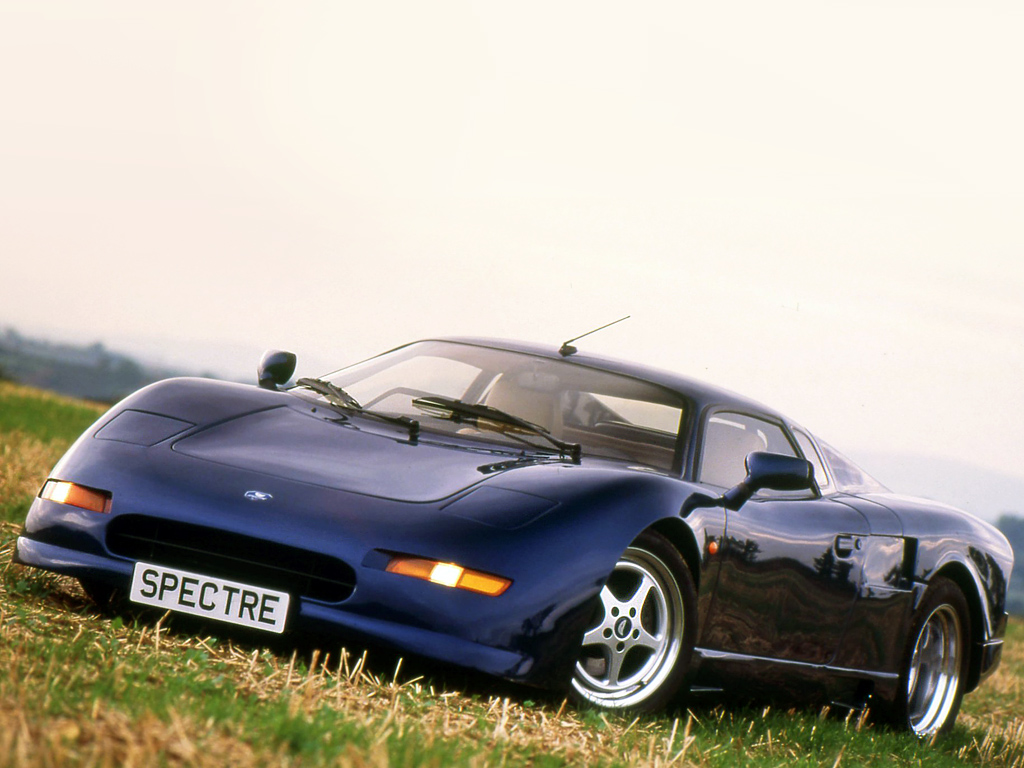
Spectre R42Spectre R42

Spectre R42

The Spectre R42 is a 2-seater mid-engined rear-wheel drive supercar built by British speciality car manufacturer Spectre Supersport. The car was offered to the public in the early summer of 1996. The car was designed by Ray Christopher of GT Development fame, who built accurate replicas of Ford GT40. The R42 was the modern reincarnation of the GT40 given the same wheelbase and size of the cars together.

The Spectre R42 is powered by a 4.6 litre (281 cubic inches) Ford V8 with 4 valves per cylinder with an output of 335 hp at 6000 rpm and a peak torque of 317 lbs-ft at 5000 rpm. Zero-to-sixty was achieved in around four seconds and top speed was reached at 175 mph. The engine was placed mid-ship. the combination of development costs and a worldwide recession forced GTD into receivership late in 1994.

Learn more: Spectre R42
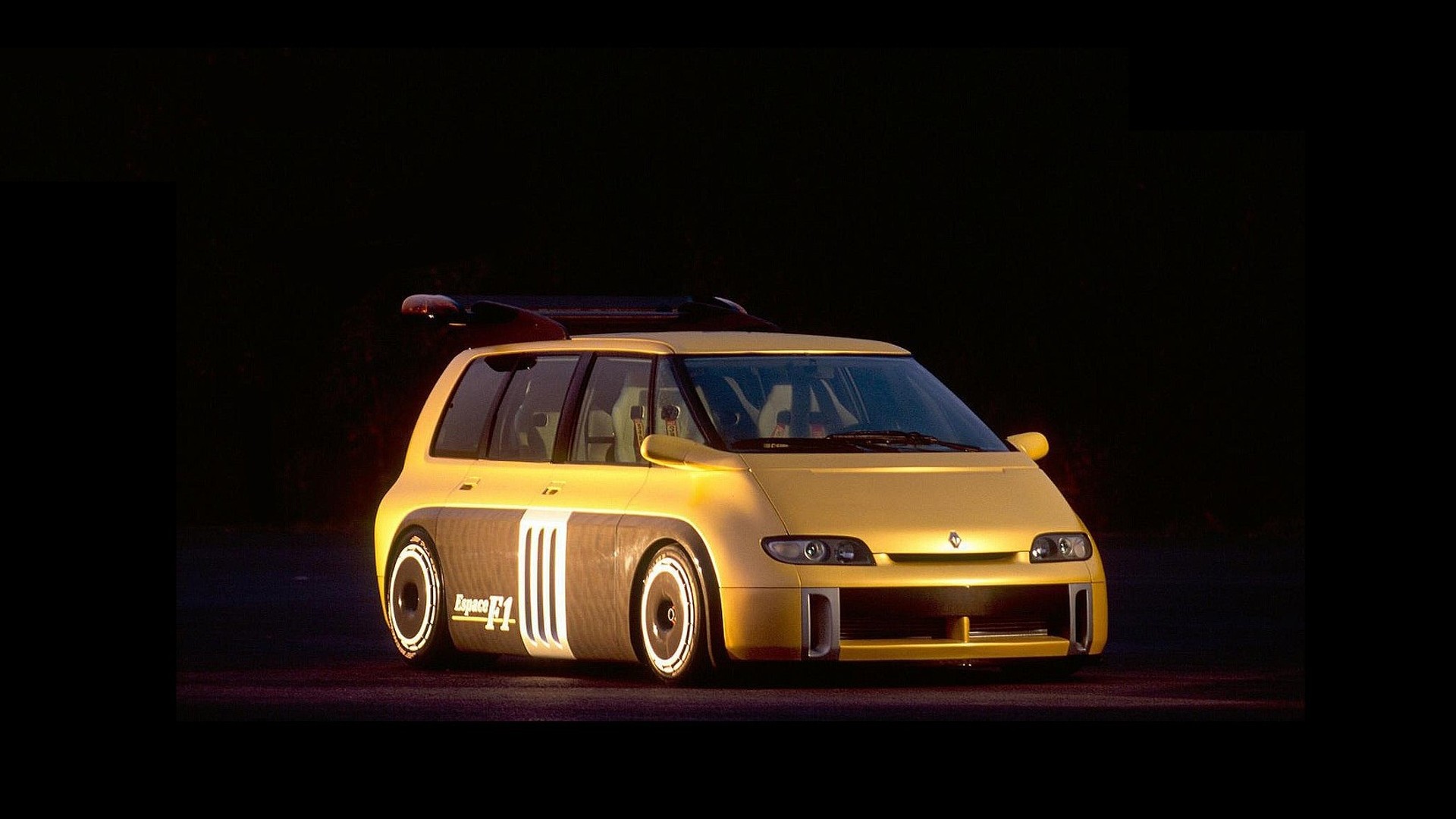
Renault Espace F1 Concept

Renault Espace F1 Concept

Renault Espace F1 Concept

This Espace came on the scene in 1994, celebrating ten years of partnership between Renault and Matra with ten cylinders for birthday candles. To make the Espace F1, Matra used 1994 world champions Williams Renault’s power train unit.

This engine was fitted centrally in the Espace without changing the model. To do so, they took an Espace off the assembly-line, cut out its floor pan to replace it with a carbon body structure harbouring the 820 hp V10, sequential box and automatic attitude control.

With a special front end, ad hoc brakes and aerodynamic appendices to prevent it from flying away, it could get up to 300 kph!

Learn more: Renault Espace F1 Concept
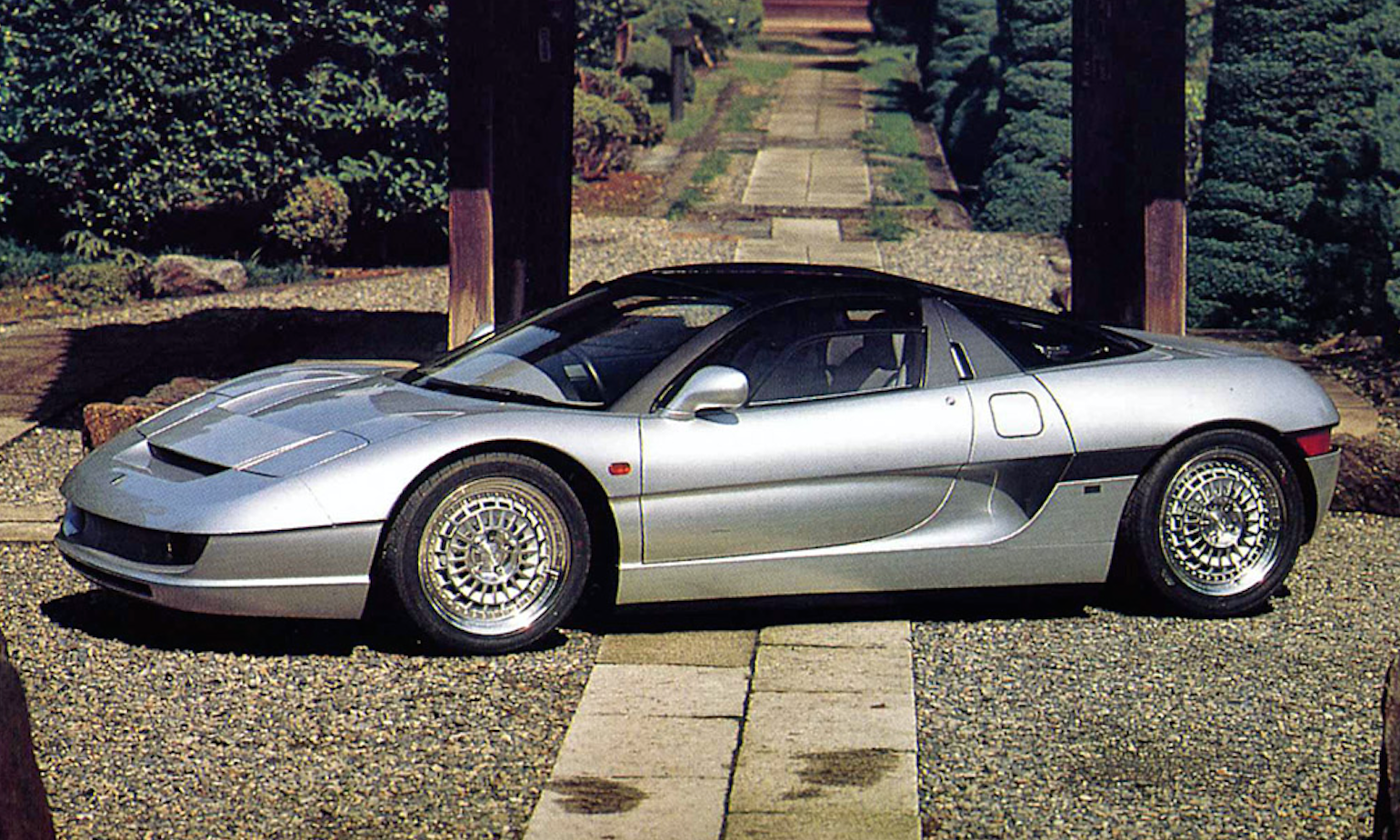
Gigliato Aerosa

Gigliato Aerosa

Gigliato Aerosa

Built by Gigliato Design Co., LTD, the Aerosa is a high end sports car that was designed and conceived in Japan by Nobou Nakamura. They unveiled the car hoping to win over customers with a price tag of $65,000, a simple Mustang V8 platform and a striking design.

In 1997 Gigliato announced a partnership with Lamborghini for deal with engineering, production component supply, delivery and marketing. The plan was to sell the Japanese-designed car from a headquarters in Düsseldorf, Germany. Furthermore, Gigliato announced a motorsports program for 1998, including a stop at Le Mans. At this time the car was changed to include fixed front headlights and gold wheels.

The Aerosa hasn’t been seen recently, so perhaps it will remain a lonely prototype, like so many Lamborghini based dream cars in the past.

Learn more: Gigliato Aerosa
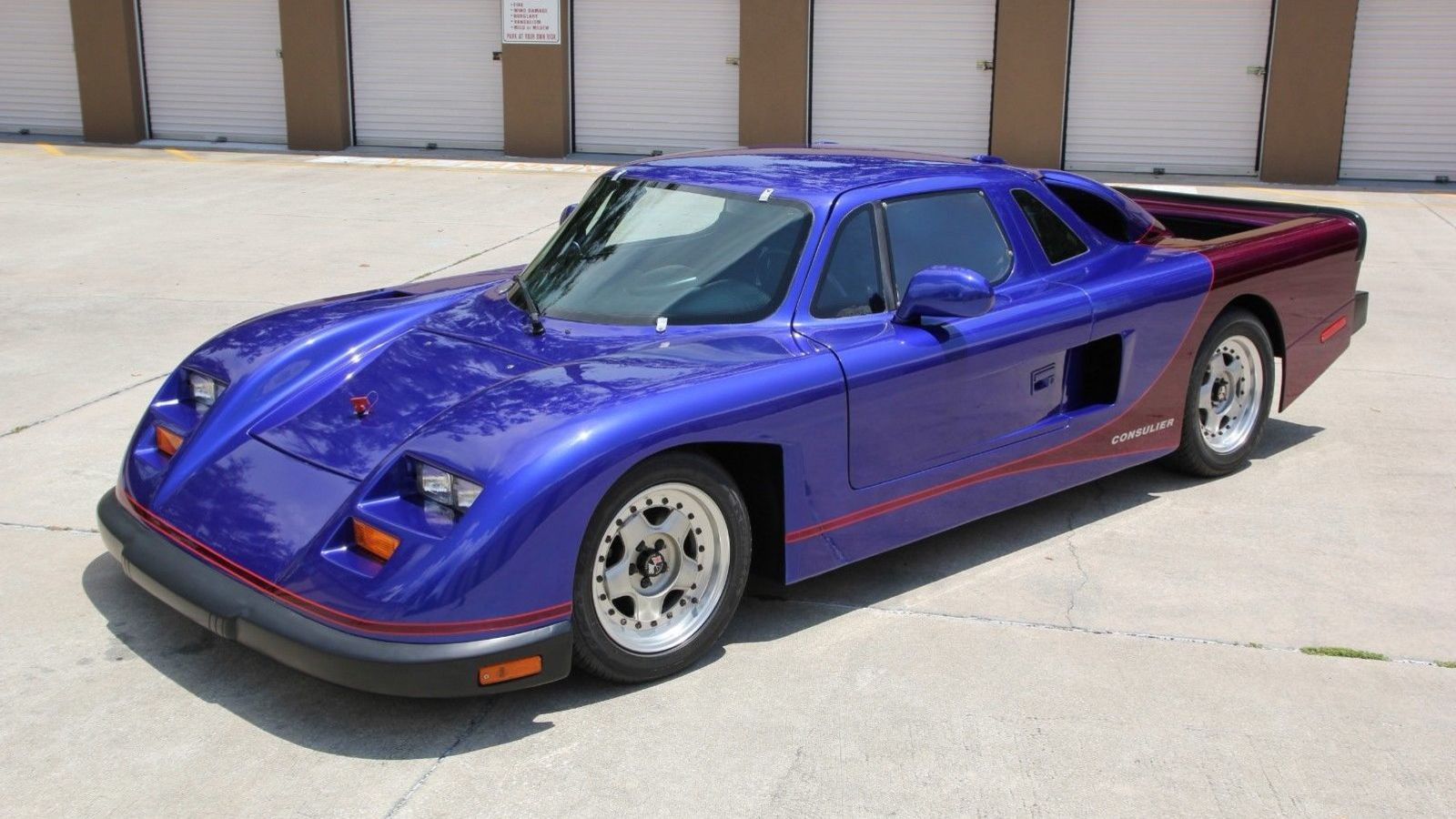
Mosler Consulier GTP

Mosler Consulier GTP

The Mosler Consulier GTP and its Intruder and Raptor variants are some of the strangest supercars ever built. Even though it looks like a cheap kit car, it has a carbon kevlar body and handles beautifully.

Learn more: Mosler Consulier GTP
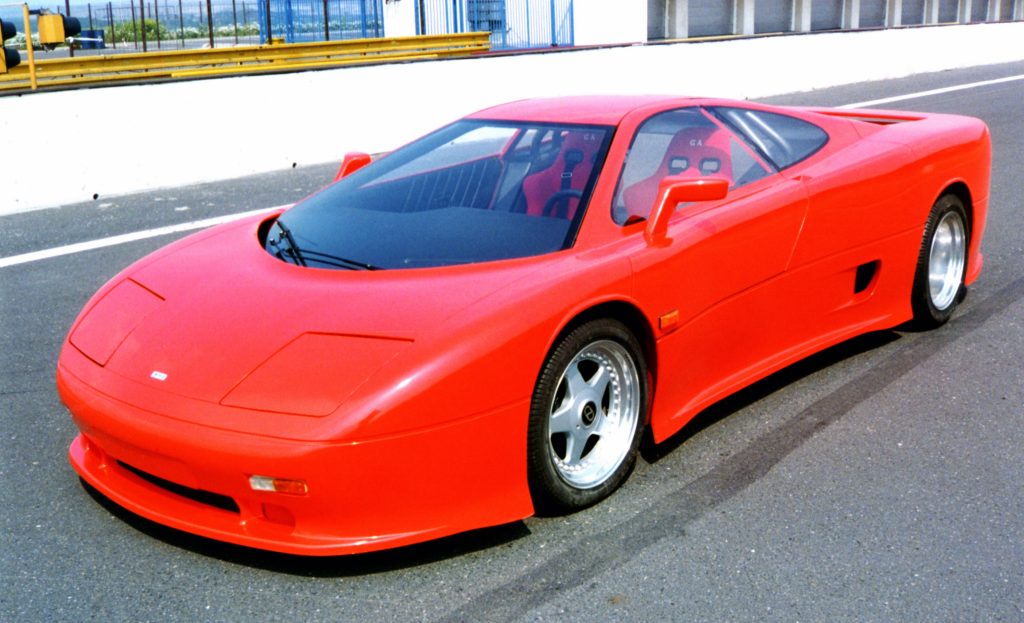
Tatra MTX V8

Tatra MTX V8

Tatra MTX V8

In 1991, Czech automobile manufacturer Václav Král decided to get in the supercar game with the MTX Tatra V8. With its sleek styling, scissor doors, and pop-up headlights, the Tatra certainly looked the part, but it was more than just a pretty face. The car was powered by an air-cooled V-8 32v DOHC motor that produced 302 bhp and gave it a top speed of 152 mph.

After its debut at a Prague motor show in October 1991, Václav Král began production to fulfill the nearly 200 pre-orders. Fate wasn’t on their side, however; after only four vehicles were produced, a factory fire shut production down for good.

Learn more: Tatra MTX
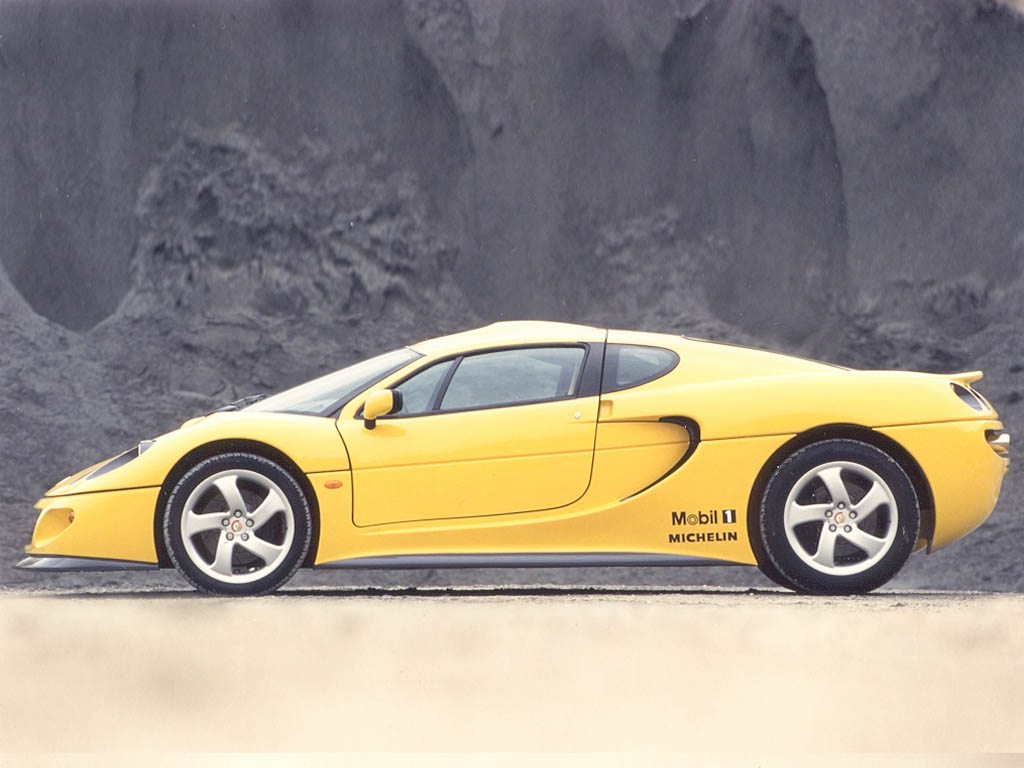
Mega Monte Carlo

Mega decided to join the small group of manufacturers producing exclusive supercars in 1996. Their acquisition of Monte-Carlo Automobile Ltd included plans to build an exclusive super sports car for both the road and the 24 Hours of Le Mans. Much like the Porsche 917s and F1 cars built by Sera CD, the Monte Carlo was both striking and purpose built. The first Monte Carlo was displayed at the 1996 Geneva Motor Show. It showcased proven engineering which included a carbon fiber chassis, carbon fibre brakes and a mid-mounted, Mercedes V12 engine. By 1998 a production version was ready with optional carbon brakes and rear wing.

Learn more: Mega Monte Carlo
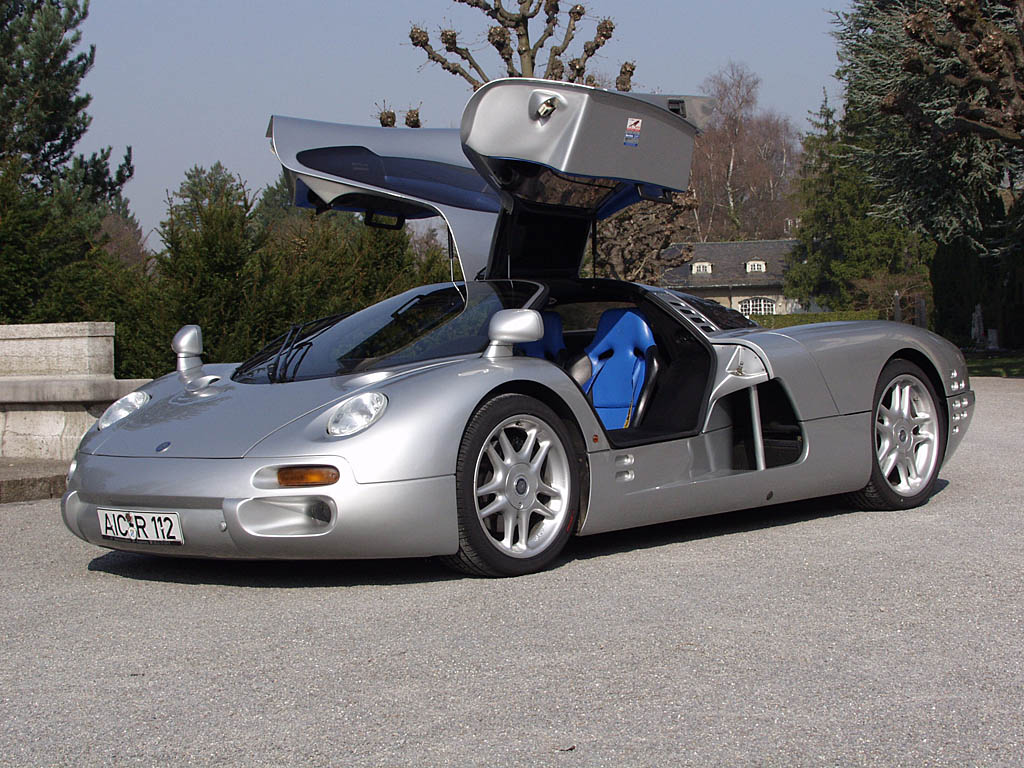
Isdera Commendatore 112i

Isdera Commendatore 112i

Isdera Commendatore 112i

One of the mysterious supercars of our time is the Isdera Commendatore 112i. This one-of prototype is such a rare sight, that its photos, outside of the shots from the car’s release during the 1993 Frankfurt Auto Show, are hard to come by. Over the last decade, the situation has been particularly frustrating, but now, we finally have photos from one of the the most striking and advanced supercars from the nineties.

The Commendatore is the final product of ex-Porsche designer Eberhard Schulz and his two sons. It was completed as a pre-production prototype which was to be followed by a limited series with a unit cost of $450 000 USD. Unfortunately, before any production Commendatores were made, Isdera went bankrupt and the remainder of the company was sold to Swiss interests. While the Commendatore never reached production, we are lucky that the the sole prototype has survived and has been driven 3000 miles since new.

Learn more: Isdera Commendatore 112i
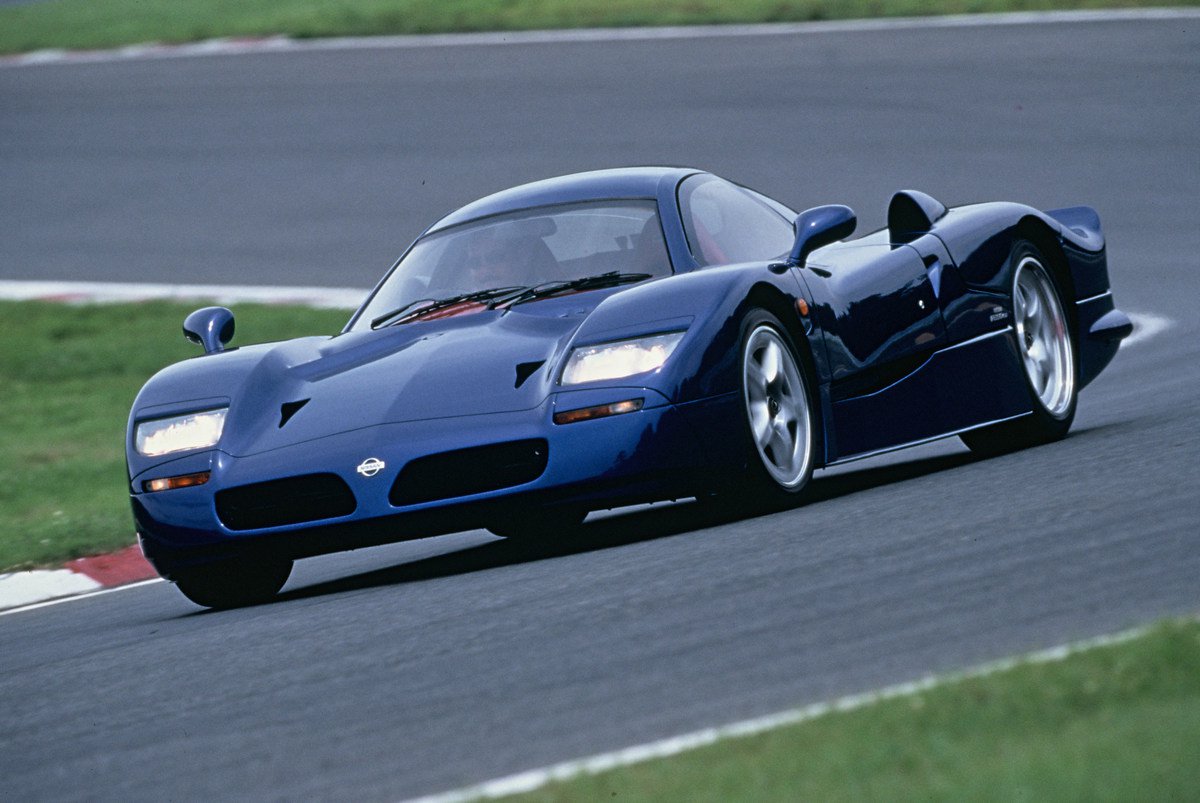
Nissan R390 GT

Nissan R390 GT

1998 Nissan R390 GT1

The same homologation requirements that gave us the GT-One, 911 GT1 and CLK-GTR gave us the totally lovely Nissan R390 GT1. Just two road cars were built, which featured a mid-mounted V8 making around 550 horsepower. The street and race cars were engineered by Tom Walkinshaw racing, which built the superlative Jaguar XJR-9 and XJR-15 road car, and designed by Ian Callum. Nissan kept one of the cars but allegedly, another is owned by a private collector. Consider yourself very lucky if you ever see it on the street.

Learn more about the 1998 Nissan R390 GT1.

Hyundai and Kia Announce a Partnership with Rimac

A Smart Strategic Move

Hyundai and Kia, both members of the same automotive group, have both invested significant amounts of money in Rimac and entered into a strategic partnership. According to Carscoops, the companies will work together on future projects. One of these projects will be the Hyundai N midship sports car. Hyundai and Kia want to make a big splash in the electric car space, and that would be one way of doing it. 

Hyundai first had the idea for the mid-engine car with the Veloster RM Concept. That car was a gasoline-powered model, but it got a lot of people talking. After that, the company showed off the RM15, which was a more refined version of the concept. The rumors were that it would make it to production, but that never happened. Now it seems the car will go electric. 

That’s where Rimac comes in. The electric car manufacturer has made some of the most impressive automobiles ever. The company has since connected up with Porsche, Aston Martin, Pininfarina, and other companies to help those companies make the most of electric car technology. Hyundai and Kia want in on the action now. Hyundai Motor Group’s Executive Vice Chairman, Euisun Chung seemed very excited about working with Rimac. He said this of the company:

Rimac is an innovative company with outstanding capabilities in high-performance electric vehicles. Its startup roots and abundant experience collaborating with automakers with technological prowess makes Rimac the ideal partner for us. We look forward to collaborating with Rimac on our road to Clean Mobility.

As you can tell, the Hyundai mid-engine car isn’t the only thing on the minds of Hyundai and Kia. The companies will be working on other cars, too. While a sports car may be the big news, the other vehicles might have a broader impact on the market as a whole. 

The Upcoming Ferrari Will Have 986 HP and Come in May

Get Ready for the “Super Ferrari”

Recently an invitation to the debut of the new Ferrari supercar went out. That invitation was then posted to Ferrari chat and showed some interesting info about the upcoming car. First, it showed that the car will come on May 31 in Maranello. The second thing it showed was that the car will come with 986 hp, which is the power stated once converted from the French power metric represented by CV. 

According to Motor Authority, the car will have a regular production cycle, meaning it won’t be a limited edition model like has been the case for other flagship supercar models from the company. The publication also speculates on the type of powertrain the car will get. 

The rumor is that it will be a hybrid powerplant. Ferrari could use a V6 or V8 engine in the hybrid powertrain. Both engines have been rumored to be under development. If the model is to be a true range-topping model, then it will likely use a V8. 

The hybrid model will most likely be able to drive on electric power alone for a notable distance. According to Motor Authority, recent spy footage showed a car traveling silently down the road so you can expect some kind of battery-only range. 

The invitation gives some other details like the itinerary and some other language. You can view the full image of the invitation below. 

Ferrari Invitation

Ferrari Invitation

1971 Chevrolet Chevelle SS from Classic Car Studio

You can’t escape the past. Or perhaps you don’t want to. Such is the case with this brutally sinister 1971 Chevrolet Chevelle SS from Classic Car Studio. A customer who wrecked his brand new Chevelle…

What The First Drive Reviews Say of the 2020 Toyota Supra

It’s Mostly Good News

When Toyota first let it be known that the new 2020 Supra would be developed in partnership with BMW, many hardcore Supra fans were not happy. It makes sense. The Toyota Supra is such an iconic car. It’s one that has a legendary following. To let the Germans design the engine, transmission, steering rack, and dampers is a sacrilege. 

However, the more people see of the car, the more it becomes clear that the Supra does have some major differences than the BMW Z4 with which it shares so much. Toyota, of course, wants to point out as many differences as possible. The Supra should still feel like a Supra and not like a BMW. From what we’re hearing in the press, it does, to a certain extent. 

The interior seems to be some people’s biggest issue with the car. It looks like a BMW, but that’s not the end of the world, necessarily. BMW makes high-quality interiors. Still, if you’re a Toyota purist, that’s unacceptable. One good thing is that it looks a lot different than the BMW Z4, which is nice.

2020 Toyota Supra2020 Toyota Supra
Image from Toyota

What the Reviews Say

There’s a lot of views and opinions of the 2020 Supra. Toyota recently had several journalists out to drive the new car. Here’s a look at what was said.

“While fans might roll their eyes at the partnership with BMW, it helped to spawn a stylish sports car with an upscale interior, plenty of power and great handling characteristics,” wrote Michael Gauthier of Carscoops

“That the Supra lacks the genetic purity its disciples might prefer is clear, but genealogy is far less important than creating a driving tool capable of fully immersing its pilot in the experience. And that’s what Toyota has done with the Supra,” wrote Josh Jacquot of Car and Driver.

“And yes, this car can feel a little too soft and maybe even too refined at times, but Supra historically has been a road-focused sports car and this new one fits quite nicely in that mold, offering far more power, poise, and polish than previous generations,” wrote Tim Stevens of Roadshow by CNET.

“This is a genuinely transcendent product, pushing the limits of what’s possible in a competitive class, albeit with a platform, engine, and interior borrowed from BMW ... But get behind the wheel and the end result is a product that far exceeds any preconceived notions. Haters be damned,” wrote Jeff Perez of Motor1.
“Although the Supra’s BMW roots and joint efforts pay off in spades from behind the wheel, I was hoping for a Toyota thoroughbred,” wrote Chris Chin of The Drive.

It’s clear then that if you can get past the fact that the new Supra is indeed a BMW car with some serious Toyota flavored spice thrown in, then you’ll thoroughly enjoy this car. We think we can get excited about a car like this, but understand why some people never will. 

2019 Toyota Tundra TRD Pro Review: Don’t Let Its Age Keep You Away

Let’s face it: The second-generation Toyota Tundra isn’t exactly fresh. It went on sale in 2007, then was refreshed in 2014. Five years on from that update, though, there’s still plenty to like about the Tundra, particularly in TRD Pro form. After being dropped from the lineup in 2018, the Tundra TRD Pro is back for 2019—and, thanks to a few improvements, better than ever.

The Good: Legendary Toyota dependability means high resale value. The Crew Max cab offers spacious rear seating and lots of cargo storage. The 5.7-liter V-8 pulls strong, and sounds fantastic funnelled through the TRD Pro cat-back exhaust. It’s surprisingly maneuverable in urban environments, and offers a smooth ride on the highway thanks to re-tuned Fox racing shocks and thickly-sidewalled tires.

Who It’s For: Anyone who wants a new pickup truck that’s simply trying to be a great pickup truck, not a luxury car with a bed: outdoor enthusiasts and action sports types who need their truck to keep up with them every step of the way, or those who often find themselves in wide-open spaces where the impulse to see what’s down a trail or over a hill frequently strikes.

Watch Out For: A 38-gallon fuel tank and a thirsty V-8 make for rough visits to the fuel pump. The EPA estimates fuel economy to be 15 miles per gallon in the city and 19 mpg on the highway, but succumb to the lovely burble that comes from the exhaust when you punch the skinny pedal, and those numbers can quickly drop.

Alternatives: Ford F-150 Lariat SuperCrew FX4 Off-Road Package ($51,235), Chevrolet Silverado LT Trail Boss Crew Cab ($49,895), Nissan Titan Crew Cab Pro 4X ($48,505).

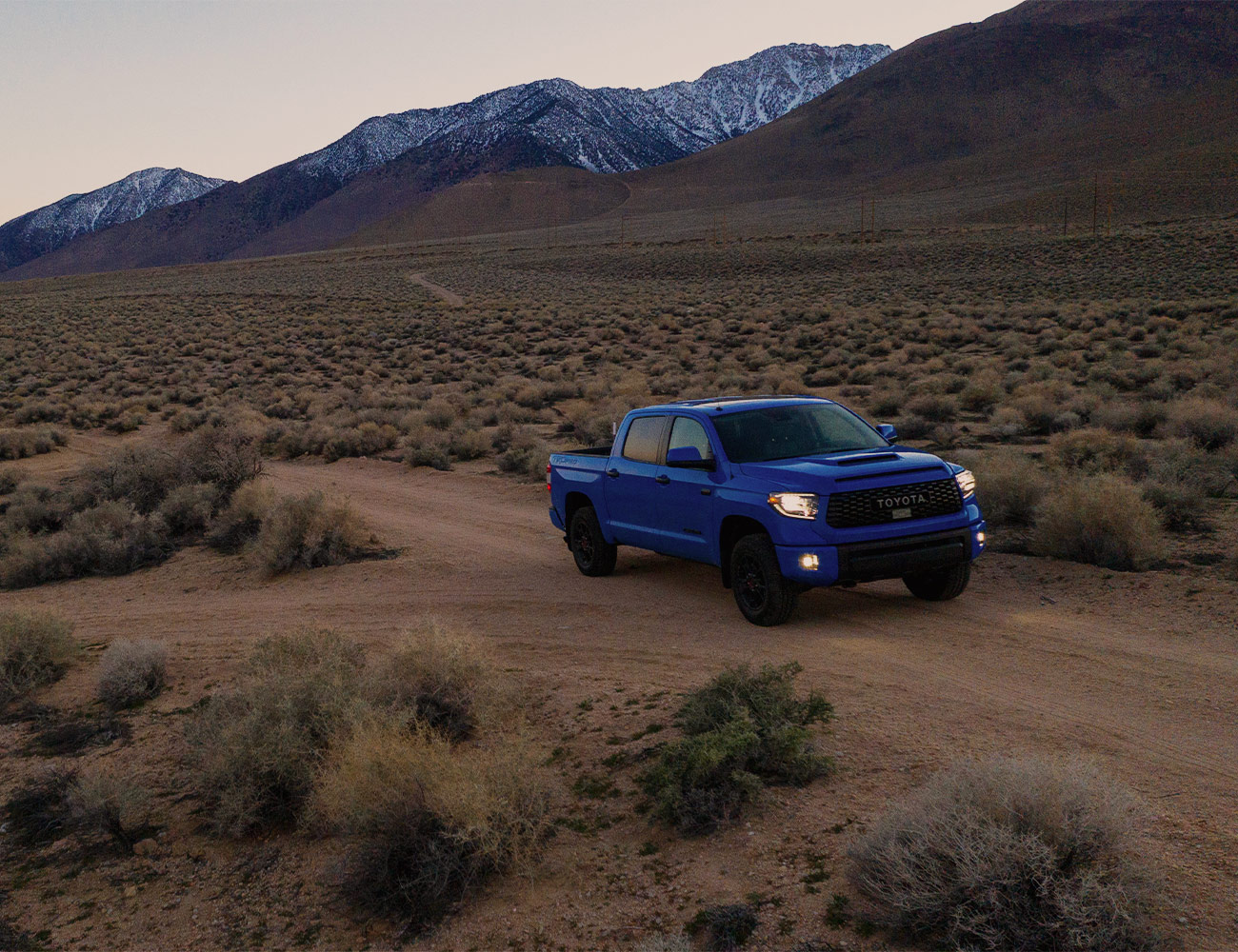
Review: “Wow, that’s really blue,” was a phrase I heard often while spending time with the 2019 Toyota Tundra TRD Pro. Toyota’s “VooDoo Blue” is an eye-catching color that wouldn’t look out of place on a pro athlete’s signature pair of shoes—and given the size of the Tundra in Crew Max form, there’s a whole lot of surface area covered in bright blue paint. Still, it made the Tundra pop; among glistening snow-covered mountains and the muted tones of the high desert, the paint made the truck stand out delightfully. (Alternative paint choices are limited to Super White and Midnight Black Metallic; get the blue.)

The Tundra’s design still looks fresh, even after five years since its last facelift. It’s muscular, but unlike many other full-size trucks, doesn’t look like it’s trying too hard. That said, Toyota needs to more than a different grille and some stickers to distinguish the TRD Pro from other Tundra models; a more aggressive body kit would go a long way to making the TRD Pro feel more special.

The truck is plenty capable off-road, thanks to the new Fox racing shocks and TRD springs. The previous generation used TRD-tuned Bilstein shocks, which were fine—but the new setup for the Tundra brings an additional 1.5 inches of suspension travel to the front and two inches to the rear, paired with 2.5-inch reservoirs to hold the additional oil needed under demanding conditions. The suspension’s resulting ability to mitigate unpleasant choppiness over desert washboard roads in the desert was impressive.

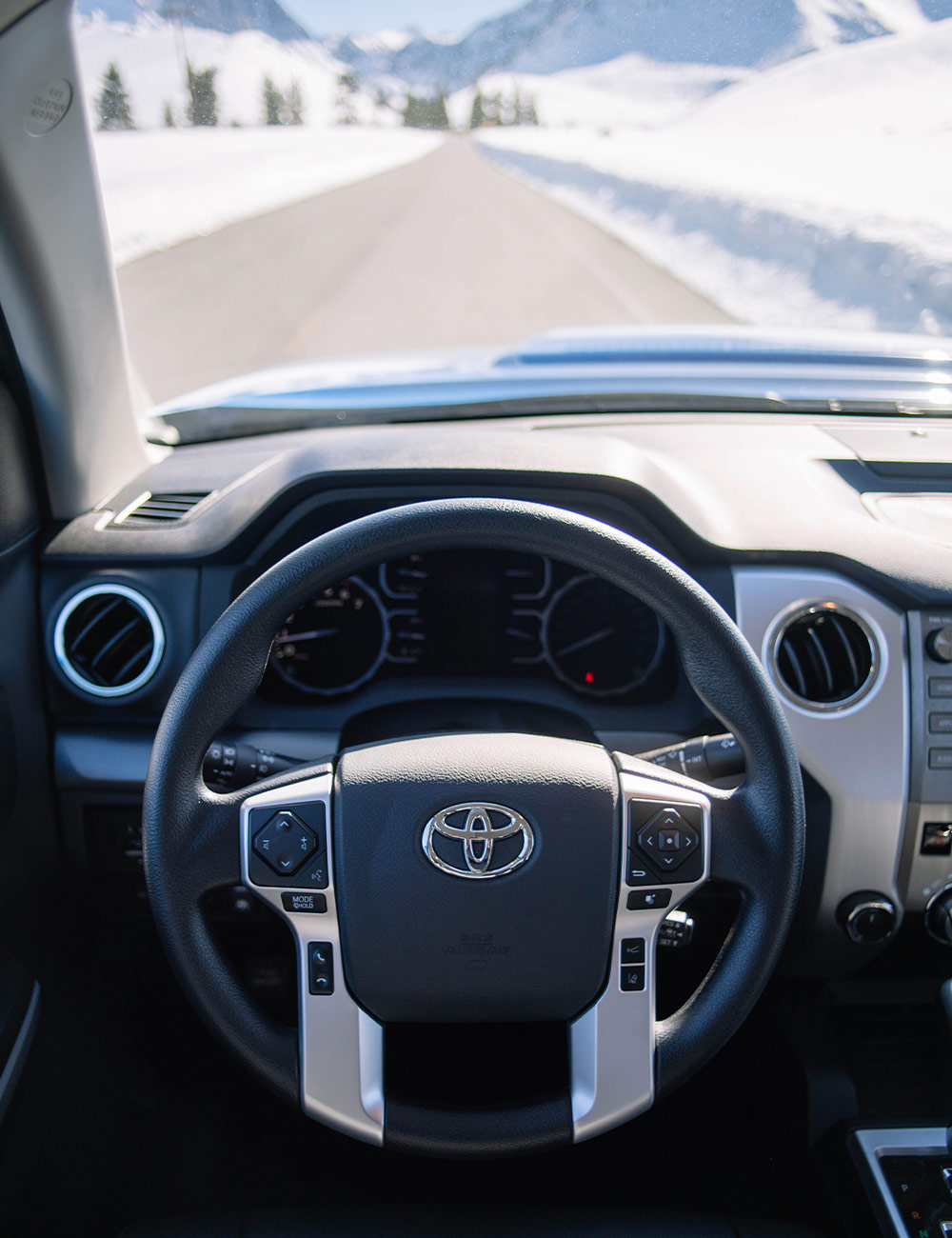
Inside, things are more mundane. Toyota has done very little to keep the interior of the Tundra up-to-date; TRD Pro-specific touches like logos on the seats, red stitching, a special shift knob, and red stitching are welcome, but to be expected in a special version. In the highly-competitive pickup truck marketplace, buyers expect brands to go a step beyond—and Toyota has yet to grasp this concept. The Tacoma, 4Runner, and Tundra all still manage to sell well thanks to their untouchable reputations for reliability and long-term value, but one day that’s not going to be enough.

To Toyota’s credit, what the Tundra TRD Pro lacks in optional creature comforts, it makes up for in standard safety equipment like pre-collision avoidance, pedestrian detection, adaptive radar cruise control, and lane departure warning. For many buyers—those that are already faithful to Toyota products, or in the market for a truck that prioritizes safety and reliability—that’s a fine trade-off. However, you have to wonder how much longer Toyota can get by with this strategy on all its most notable four-wheel-drive vehicles.

Still, I very much enjoyed my time with the Tundra TRD Pro, as did my friends who rode in the cavernous rear seat. It may be an aging platform, but it remains a solid one—one that was clearly well-thought-out from the start.

Verdict: If you want a truck primarily to get off the grid and handle other traditional “truck stuff,” the Tundra TRD Pro is a great choice. If you want a modern-feeling truck with luxury features galore, you’ll probably want to look elsewhere. The Tundra is far from spartan; it has everything you need. These days, though, most people expect pickups to come packed with extra features and largely-unnecessary add-ons. Rather than saying the Tundra is showing its age, perhaps it’s more appropriate to say it’s sticking to its purpose.

2019 Toyota Tundra TRD Pro Crew Max Specs

Base Price: $49,475
Powertrain: 5.7-liter V-8, six-speed automatic, four-wheel-drive
Horsepower: 381
Torque: 401 pound-feet
Fuel Economy: 15 city, 19 highway

Toyota provided this product for review.

Read More Gear Patrol Reviews

Hot takes and in-depth reviews on noteworthy, relevant and interesting products. Read the Story
Note: Purchasing products through our links may earn us a portion of the sale, which supports our editorial team’s mission. Learn more here.

This BMW i8 Roadster is the new Formula E Safety Car

BMW has shown the new official safety car for the Formula E championship. Unveiled at the Yacht Club de Monaco, the safety car is based on a BMW i8 Roadster that has gone through some modifications.

With its design partially based on the fixed-head i8 Coupé Formula E Safety Car shown earlier, the roadster is rather more striking in its appearance. That’s largely due to the windshield-replacing aero screen, which dominates the car’s looks. BMW says the vehicle’s center of gravity is 15 millimeters lower, and that no major structural modifications were needed in the customization, as the Roadster is reportedly stiff enough for safety car duty.

The aerodynamics package has been tailored for the occasion, with a front splitter and a rear wing, and above the latter stands the light bar. The brakes are M Carbon Ceramic and the car benefits from the addition of an FIA-approved roll bar – just in case. BMW says the i8 Roadster is the world’s first open-cockpit Safety Car, too.

It’s probably down to personal taste which Formula E safety car looks cooler: the aero-screen i8 Roadster, or the i8 Coupé. Other BMW models in use include i3s as race director cars, and the medical car is a BMW 530e.

Next Porsche GT3 to get the upgraded 4.0-liter from the 911 Speedster

Porsche is playing back-and-forth with its naturally-aspirated 4.0-liter flat-six. The engine serves in the 991.2-series GT3 and GT3 RS, tuned to 394 horsepower and 520 hp respectively. Engineers in Weissach overhauled the motor to comply with incoming European regulations, and added more power before slotting it into the new, 502-hp 911 Speedster. Now, according to Autocar, the upgraded 4.0-liter will head right back to the 992-series GT3 that could debut later this year in Frankfurt.

Andreas Preuninger heads Porsche’s GT division, and has said in the past that he wants to power the GT cars with naturally aspirated engines for as long as possible. He told Autocar, “We’ve invested in the future with this engine. I can’t comment on future projects, but we would be stupid not to re-use this engine somewhere.” And during the 911 Speedster launch, 911 spokesman Holger Eckhardt said Porsche wouldn’t spend on all the engine upgrades for a single model that will sell just 1,948 units.

The flat-six’s advances include individual throttle bodies for much better response, higher-pressure injectors with a better spray pattern, and a stainless steel exhaust that’s 22 pounds lighter than before even with two Euro-mandated particulate filters.

It’s possible the same engine will make its way into special editions of the 718 Cayman and 718 Boxster twins as well. Road & Track reported that the coming Cayman GT4 will get the GT3’s 4.0-liter engine, the old 3.8-liter from the older GT4 reserved for the track-only GT4 Clubsport. Carscoops believes that engine in the junior sports cars will come in at around 425 horsepower. Carscoops also reports, however, that there will be Touring versions of the Cayman GT4 and Boxster Spyder that will also get the 4.0-liter, downrated to perhaps 380 hp.

If all this came to pass, that would mean seven other potential models powered by the 4.0-liter — GT3, GT3 RS, 718 Cayman GT4, 718 Boxster Spyder, two Touring versions of the 718 models, and a Cayman GT4 RS. We haven’t heard the Speedster going hard at it yet, but based on a GT3 prototype putting on a flat-six concert at the Nürburgring, we’d have no complaints.

1958 Ferrari 250 GT Tour De France Berlinetta

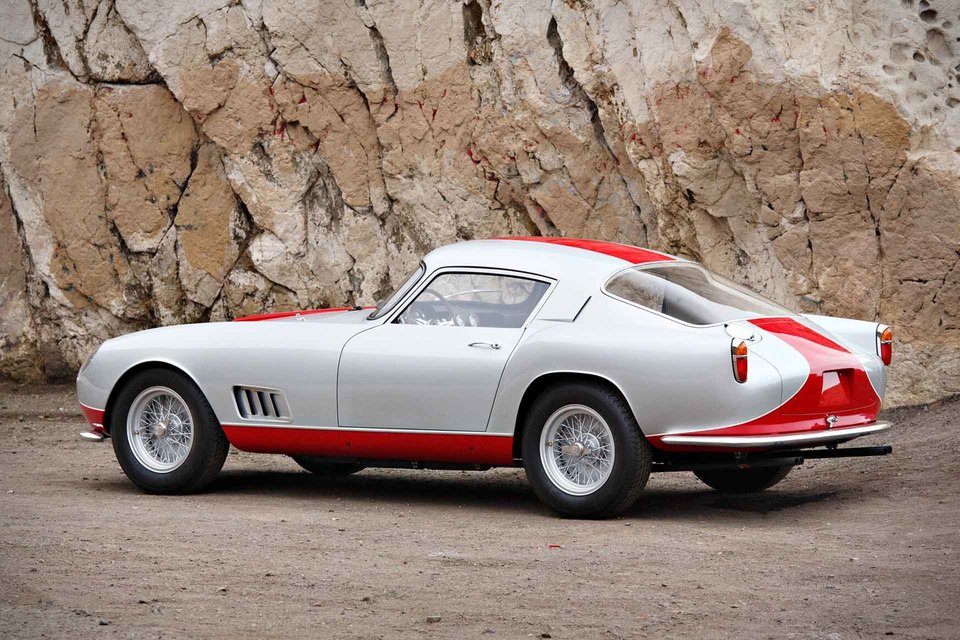
You know a care will be rare if the automaker never makes more than a hundred, and even past that is still remarkably few. Ferrari only ever made 78 Tour de France Berlinetta units. This Ferrari 250 GT belongs to an even smaller group. It’s a “single-louver” 250 GT due to its revised bodywork, which features single-lover on the D-pillar. It’s the fourth of just 36 units ever built. Suffice it to say that this thing is one of the rarest rides we’ve ever featured here on Men’s Gear.

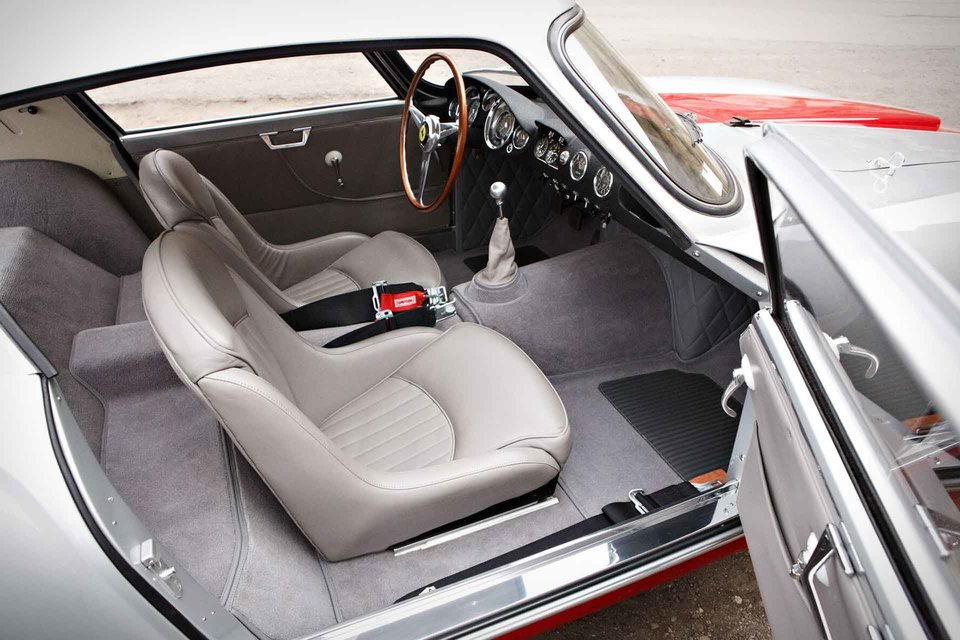
The car first came to Sweden brand-new decades ago, where two Swedish race race drivers owned it. Eventually, it reached the United States, and in 2012, its current owner undertook a complete, concours-quality restoration. That’s why you get that light gray leather interior, which matches the period grey and red livery. It’s also got a set of Heuer stopwatches sitting on a unique rally binnacle.

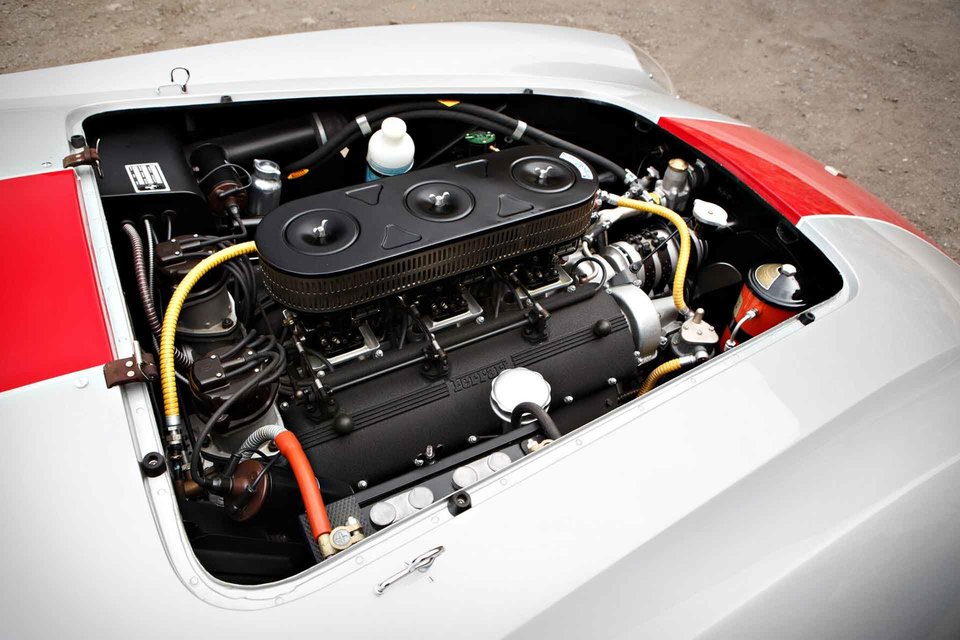
As for the specs, you’re looking at a2,953 cc Tipo 128D SOHC V-12 engine. There are also three Weber 40 DCL/3 carburetors thrown in. A four-speed manual gearbox comes standard, and there’s a four-wheel hydraulic finned-aluminum drum brakes, to boot. You also get a front independent suspensions with coil springs. Not only that, those breaks also feature lever-action shocks absorbers.

Purists will love the fact that this ride is Ferrari Classiche certified. Unfortunately, as of this writing, the car has already been sold. For Ferrari $6.6 million, if you must know. If you want to see it in person, go to the The Pebble Beach House Auctions by Gooding & Company on Aug. 16 and 17.

ON AUCTION

Photos courtesy of Gooding & Company

2019 Mercedes-AMG E53 / CLS53 First Drive Review: Smooth and Sporty, All At Once

The Mercedes-AMG E53 and CLS53 are the first of a new line of performance vehicles from the German carmaker, slotting between the V-8-powered “AMG 63” models and the Benz-badged “450” vehicles. Each car uses a 3.0-liter turbocharged inline-six with a mild hybrid system that generates 429 horsepower and 384 pound-feet of torque, paired with a nine-speed AMG-tuned automatic transmission and all-wheel-drive. Currently, there are three AMG E53 styles—sedan, convertible, and coupe—and an AMG CLS53 four-door coupe. A Mercedes-AMG GT53 four-door sports car is en route.

The Good: The new inline-sixes deliver fluid power, with the torque peak arriving at conveniently low engine speeds. The handling is unflappable, the steering precise, and the shifts smooth and quick. The cabin materials are every bit as luxurious as you’d expect for a Mercedes.

Who They Are For: Luxury car buyers who want a more upscale, sportier, and more aggressively-styled vehicle than the average Mercedes, but have no plans to shred tires or dust Porsche 911s on the way to work.

Watch Out For:  The infotainment system can be moderately annoying. Also, if you really want to quibble, the driving dynamics might be too good for this sort of sports-luxury car.

Alternatives: BMW M550i xDrive ($74,450)Audi S7 ($81,200), Porsche Panamera ($86,300).

Review: Driving a Mercedes, one could argue. should feel like driving the future. Even after years on the road, it should still feel like a modern car; the engineering ought to be a step or three ahead of other manufacturers. If you accept that’s what a car with the three-pointed star should be, then the carmaker nailed it with the E53 and CLS53, which serve as a peek into the company’s vision of an electrified future.

Mercedes-AMG’s mantra for the 53-series cars is “intelligence replaces displacement.” A 3.0-liter turbocharged straight-six engine pairs with a 48-volt mild hybrid system, producing a total of 429 hp and 384 lb-ft. The upshot for the driver: immediate, on-demand torque. 53-series cars hit peak torque at just 1800 rpm. As the carmaker pointed out to journalists, the cars are more powerful and quicker than the famous AMG Hammer of the Eighties, with an engine packing half the displacement.

Performance cars can often feel like grappling with a bear: Keeping them in line is a skill one must master, and not doing so can lead to adverse consequences. The 53s, in contrast, feel like floating around a ballroom with a gifted dance partner. These cars love hard driving. The power comes on instantly. They corner with precision. They stay glued to the road, even on borderline-flooded mountain tarmac. The nine-speed AMG Speedshift transmission is crisp and intuitive. Lag is nonexistent; there are no telltale signs you’re driving a turbo or a hybrid.

With five available driving modes (including a customizable one you can tune to your fancy), you can turn the aggression up or down a notch as needed. The car can just be your refined, sober cruiser with a quiet exhaust note. But the driving modes are all well balanced; Comfort is still capable, and Sport Plus won’t send you limping to the massage table.

Those hankering for a fire-breathing performance beast will leave disappointed with the 53 Series, but the power output is right in the Goldilocks spot for fun on real-world roads. Indeed, just about the only critique with the 53-series driving experience is, it may be too perfect. The experience isn’t particularly visceral; the bear comes pre-tamed.  And as with people and pets, it’s often a car’s flaws, failings, and imperfections that provide character and make it memorable.

The design of the E53 and CLS53 projects power, but in a subtle way; they don’t exactly resemble the Batmobile. They fit with current luxury car trends, with decisive lines and rakish roofs designed to show off how potent and aerodynamic the car is. Distinctive features include a twin-blade grille, a so-called A-wing bumper, black mirrors on the doors, a body-color spoiler lip, dual round exhaust tips, and an option for 20-inch “53” aerodynamic wheels. Interestingly enough, the E53 has twin “power domes” on the hood; the CLS53, quite similar-looking otherwise, does not.

Inside, the main features are the dual 12.3-inch displays for the infotainment and instrument panel, and the round, turbine-esque air vents. The materials are appropriately nice, as you’d expect; With an array of woods, brushed metals, and carbon fiber trim options, several different types of leather, multiple steering wheel choices, and an option for colorful seatbelts, Mercedes-AMG lets the buyer choose their own adventure when speccing out the car.

I did have a few minor troubles. The gauge display behind the wheel could be hard to read while driving from certain angles, and the touchpad for the Comand infotainment system felt less natural than a touchscreen to my fingers. Presumably, time and experience would diminish those issues) And when I attempted to use Apple CarPlay, the Mercedes informed me I needed to stop the car to set it up; upon pulling over, though, the car still didn’t see my device as an iPhone, despite multiple attempts to connect it.

As with any modern German luxury car, the E53 and CLS53 can quickly get pricey if you go nuts on the options. The E53 sedan I tested had a base price of $72,550; as tested, however, it cost $98,310. Fortunately, much of the markup came from frivolous inessentials. If you can do without features like Nappa leather with red stitching ($2990) or the Designo black microsuede headliner ($1660), it’s easier to keep the cost in check.

Verdict:

The Mercedes-AMG E53 and CLS53 are all about quality. Sure, you can find more raw performance in this price range; what you won’t find is this combination of precision, refinement, and power that make it so good for everyday driving. They’re potent, unflappable, and exude quality. There are few nits to pick, and those that are there are trifling; the 53s are about as close to a perfect daily driver as you can get. If these cars herald tomorrow, Mercedes-AMG’s “electrified future” looks bright.

Models:
2019 Mercedes-AMG E53 Sedan: $72,550 (base MSRP), $98,310 (as tested)
2019 Mercedes-AMG E53 Coupe: $73,700 (base MSRP), $97,645 (as tested)
2019 Mercedes-AMG E53 Cabriolet: $80,350 (base MSRP)
2019 Mercedes-AMG CLS53 Coupe: $79,900 (base MSRP), $86,275 (as tested)

Mercedes-AMG E53 / CLS53 Specs:
Powertrain: 3.0-liter turbocharged inline-six with electric motor and electric auxiliary compressor, nine-speed automatic transmission, all-wheel-drive
Horsepower: 429 hp
Torque: 384 lb-ft
0-60 MPH: 4.3 sec (E53 Coupe)
Top Speed: 130mph

Mercedes-Benz provided this product for review.

Read More Gear Patrol Reviews

Hot takes and in-depth reviews on noteworthy, relevant and interesting products. Read the Story
Note: Purchasing products through our links may earn us a portion of the sale, which supports our editorial team’s mission. Learn more here.

19 Of the Greatest Cars For Sale Under $50,000

The number of different cars on sale today can seem mind-numbingly high. Not helping matters: companies like BMW and Mercedes-Benz, which are trying to fill up even the smallest gaps in the market with their pricey wares.

That said, the average consumer isn’t shopping for an SUV from Bentley or a family hatchback from Ferrari, either. After all, the average MSRP for a car hovers around $37,577 these days—and there are plenty of good cars out there for that money.

For the purposes of this article, we at Gear Patrol raised our price ceiling to add a little flexibility (and, of course, to add in some of the wonderful cars just above that median price), and pulled together the best cars on sale today for less than $50,000. Believe us: No matter what style you’re shopping for, you can’t go wrong with any choice on this list.

Compact Cars

Volkswagen Golf GTI

Best Hot Hatch:  We may suffer from slim pickings in the US when it comes to hatchbacks, but at least one of the few options we do have ranks highly. This legend from Volkswagen has been the benchmark for hot hatches since it first rolled off the assembly line in 1976, and the current VW GTI has been ranked highly the world over. A taut suspension and bountiful low-end torque from the lively 2.0-liter turbo engine translate to performance figures that punch well above the GTI’s weight.

Engine: 2.0-liter turbocharged four-cylinder
Horsepower: 228
Torque: 258 pound-feet
Drive: Front-Wheel-Drive
0-60 mph: 6.0 seconds

Toyota Corolla

The new Corolla Hatchback marks a pivotal moment in Toyota’s push to ditch its reputation as a builder of bland econo-cars. The new Corolla hatchback is one of the best handling front-wheel-drive compacts on the market; it’s wildly fun to pitch around any corner. But, instead of marketing the hatch as an enthusiast’s car and scaring off average Joes, Toyota simply promoted the refreshed hatch as it’s done in the past and let the masses who would’ve bought the car anyway discover what a well-tuned chassis feels like. The Corolla’s approachability, affordability, and mid-corner poise will likely have it remembered much the way we look back on the BMW 2002 or Datsun 510.

Engine: 2.0-Liter Inline-Four
Horsepower: 168
Torque: 151 lb-ft
Drive: Front-Wheel-Drive
0-60 mph: 7.4 seconds

Audi S3

Since the S4 has put on some weight over the years, the S3 now takes up the mantle of the compact sports sedan in Audi’s lineup. With 288 horsepower and 280 lb-ft of torque, the S3 provides just enough performance to deliver an incredible amount of fun, while staying out of trouble on the open road.

Engine: 2.0-liter turbocharged four-cylinder
Horsepower: 288
Torque: 280 lb-ft
Drive: All-Wheel-Drive
0-60 mph: 4.6 seconds

Midsized Sedans

Lexus IS 350 F Sport

Lexus, believe it or not, does indeed offer a sporty sedan worthy of being mentioned in the same conversation as the Germans. The radical styling works well for it, separating it from the other cookie-cutter luxury four-doors. But it takes more than styling to compete in one of the most contested segments in the market; luckily, the interior’s interesting design makes the cockpit a pleasant place to be, and the entertaining, naturally-aspirated 3.5-liter V-6 makes it a great place to stay.

Engine: 3.5-liter V-6
Horsepower: 311
Torque: 280 lb-ft
Drive: Rear-Wheel-Drive
0-60 mph: 5.6 seconds

Audi A4

The Audi A4 went untouched for several years, but it came back in a big way in 2016 when the new model arrived. Though the new model received only subtle aesthetic tweaks, Audi made huge changes underneath the skin, adding crash avoidance and driver assistance systems also seen on the likes of the top-of-the-line Q7 SUV.  After years of living as a glorified Volkswagen Passat, the current generation of the A4 has moved delightfully up-market.

Engine: 2.0-liter turbocharged inline-four
Horsepower: 250
Torque: 310 lb-ft
Drive: All-Wheel-Drive
0-60 mph: 5.6 seconds

Mazda6 Signature

25-Best-Cars-2016-Gear-Patrol-Mazda6

In the past few years, Mazda has really come into its own in the design department. It’s no coincidence that there are several Mazdas on our list: For the price, they’re some of the best-handling cars on the road. The Mazda6 offers sharp, flowing design draped over an entertaining chassis, all for a base price below $25,000. However, if you want to really experience the brand’s recent move upmarket, the range-topping Signature trim spoils you with turbocharged power and a luxurious interior you’d never see coming from Mazda for just over $35,000.

Engine: 2.5-liter turbocharged four-cylinder
Horsepower: 184
Torque: 185 lb-ft
Drive: Front-Wheel-Drive
0-60 mph: 6.4 seconds

Station Wagons

Subaru Outback

The Outback built its reputation on utility, value, and versatility—and the current Outback follows through with that in spades. In a world where SUVs and crossovers run rampant, the Outback has stood strong as a reliable family vehicle with a healthy dose of off-road performance. There’s a new Outback due out for 2020, but until that hits dealership floors, the 2019 Outback is one of the best bang-for-your-buck wagons on the market.

Engine: 2.5-liter flat-four/3.6-liter flat-six
Horsepower: 175/256
Torque: 174/247 lb-ft
Drive: All-Wheel-Drive
0-60 mph: 9.4/6.8 seconds

Audi A4 Allroad

Audi made a name for itself tackling dirt roads thanks to its quattro AWD system, and the A4 Allroad brings that legendary ability to the average family in need of a little extra ground clearance. The A4 Allroad’s impressive cargo space and off-road ability lends itself beautifully to those who would rather gather around a campfire under the stars than a flat-screen TV in the living room.

Engine: 2.0-liter turbocharged four-cylinder
Horsepower: 248
Torque: 273 lb-ft
Drive: All-Wheel-Drive
0-60 mph: 5.9 seconds

Coupes

Lexus RC 300 F Sport RWD

The RC’s design offers a sportier take on the same looks as the IS, while still catering to customers who want that Lexus luxury. The exterior is by far the best expression of Lexus’s edgy design language, and the interior is awash with rich materials like Playa upholstery, aluminum pedals, and deep bucket seats. The RC 300 F Sport drives incredibly well thanks to its adaptive suspension and available Variable Gear Ratio Steering, which, despite being on the heavier side, gives the driver impressive feedback.

Engine: 2.0-liter inline-four
Horsepower: 241
Torque: 258 lb-ft
Drive: Rear-Wheel-Drive
0-60 mph: 7.3 seconds

BMW M240i

Since the BMW M2 casts a very large shadow, you could be forgiven for forgetting about the M240i, but it would be a mistake to dismiss it altogether. The M2’s price point puts it out of reach for this list, but the M240i isn’t exactly a letdown; it offers more approachable performance, thanks to a beefier torque curve, as well as a more forgiving suspension for everyday driving on roads that aren’t racetrack-smooth.

Engine: 3.0-liter turbocharged inline six-cylinder
Horsepower: 335
Torque: 369 lb-ft
Drive: Rear-Wheel-Drive
0-60 mph: 4.4 seconds

Convertibles

Mazda Miata RF

Ignore the Miata’s incredibly low price for a second and focus on its performance: There’s nothing in its weight class that can compare. And you’d have to go pretty far upmarket to find anything that delivers the experience and excitement that the new Miata does. The RF’s retractable, targa-style roof only adds to the newest Miata’s good looks. Now factor in the MSRP, and the argument to buy anything else pretty much dissolves.

Engine: 2.0-liter four-cylinder
Horsepower: 155
Torque: 148 lb-ft
Drive: Rear-Wheel-Drive
0-60 mph: 5.8 seconds

BMW 230i Convertible

Now that the 3 and 4 Series have moved upmarket, the 2 Series has become BMW’s prime player in the attainable sports car bracket. The convertible version earned a place on this list by being a pretty drop-top than can still handle a curve. The 2 Series convertible eschews a retractable hardtop, going with a soft top in order to save weight and space. The classic convertible looks are a nice bonus.

Engine: 2.0-liter turbocharged four-cylinder
Horsepower: 248
Torque: 258 lb-ft
Drive: Rear-Wheel-Drive
0-60: 5.6 seconds

SUVs and Crossovers

Mercedes-Benz GLA250

Mercedes-Benz has an uncanny ability to make every one of its cars luxurious, no matter the price. The GLA-Class is a prime example of that. At $33,950, you’ll find a high-quality interior and design language that possesses the air of a car that costs $15,000 more.

Engine: 2.0-liter turbocharged inline-four
Horsepower: 208
Torque: 258 lb-ft
Drive: All-Wheel-Drive
0-60: 7.2 seconds

Mazda CX-5 Signature

As much as we praise Mazda for the handling baked into its sedans and sports cars, equal praise must be given for the mid-corner poise the brand imbues into the CX-5. It’s not often an SUV is applauded for its handling, but somehow Mazda has transferred its signature sportiness to its high-riding vehicles. And as part of Mazda’s recent push to move upmarket, the Signature trim elevates the CX-5’s interior to match a class of SUV well above its $36,890 price tag.

Engine: 2.5-liter turbocharged four-cylinder
Horsepower: 250
Torque: 310 lb-ft
Drive: All-Wheel-Drive
0-60: 7.7 seconds

Trucks

Ford F-150

Ford obviously doesn’t need to change its formula for full-sized trucks—the F-Series is the most successful vehicle in America. Still, the company continuously makes the F-150 better almost each year anyway. Two state-of-the-art turbocharged EcoBoost engines—including a 2.7-liter V-6 and a 3.5-liter V-6—are available as powertrains, maximizing both power and fuel economy. And the move towards using advanced materials like the truck’s aluminum body may pave the way for generations of pickup trucks to come.

Engine: 3.3-liter V-6 / 2.7-liter turbocharged V-6 / 5.0-liter V-8 / 3.5-liter turbocharged V-6
Horsepower: 290 / 325 / 395 / 450
Torque: 265 lb-ft /400 lb-ft / 400 lb-ft / 510 lb-ft
Drive: Rear-Wheel-Drive / Four-Wheel-Drive
0-60: 5.9 seconds (2.7-liter EcoBoost, RWD)

Ford Ranger

Ford did more than re-enter the mid-size truck segment when it brought back the Ford Ranger for 2019; it made a statement of intent. The Ranger is aggressively going after the adventure lifestyle and overlanding crowds. The latest iteration of the mid-sized truck brings a compact silhouette that’s perfect for tight mountain trails on the way to campsites, and a laundry list of camping-focused accessories from Yakima, such as bed racks and rooftop tents.

Engine: 2.3-liter turbocharged inline-four
Horsepower: 270
Torque: 310 lb-ft
Drive: Rear-Wheel-Drive / 4-Wheel-Drive
0-60 mph: 6.8 seconds

Sports Cars

Subaru WRX STI

The Subaru WRX STI is a little long in the tooth, but it’s hardly showing its age. As one of the few compact sport sedans out there with AWD—the pricier Audi RS 3 and Golf R are the only real competition—its affordability factor makes it a hit with enthusiasts year after year. What the newest WRX STI lacks in power versus newer competitors, it makes up for with refined, incredibly precise handling and direct, communicative steering.

Engine: 2.5-liter turbocharged flat-four
Horsepower: 310
Torque: 290 lb-ft
Drive: All-Wheel-Drive
0-60: 4.7 seconds

Audi TT

Audi is synonymous with good handling—and cars like the TT are a shining example why. With its low-slung architecture and all four wheels pushed to the corners of the car, the TT feels like a go-kart through corners. It’s just a shame Audi might be axing it in the near future.

Engine: 2.0-liter turbocharged inline-four
Horsepower: 228
Torque: 258 lb-ft
Drive: All-Wheel-Drive
0-60: 5.2 seconds
Top Speed: 130 mph

Ford Mustang GT

Ford ditched the old muscle car stereotypes years ago, when it started to pour more energy into the Mustang’s cornering abilities—and the company hasn’t looked back since. For 2018, Ford redesigned the Mustang’s looks a little, but rather than settling for a superficial mid-cycle refresh, the Blue Oval bumped the power up as well, giving the GT’s V-8 460 horsepower. The classic American pony car is now a certified modern sports car…and it’s a hell of a bargain at a starting price of $35,355.

Engine: 5.0-liter V-8
Horsepower: 460
Torque: 420 lb-ft
Drive: Rear-Wheel-Drive
0-60: 4.0 seconds
Top Speed: 155 mph

Ferrari CEO confirms hybrid model will be revealed this month

Ferrari confirmed it’s going to reveal a hybrid supercar before the month is over in its Q1 2019 financial call. CEO, Louis Camilleri made the statement.

“The second model will be presented at the end of this month, with the world premiere held here in Maranello. As we have stated previously, it will be a top-of-the-line hybrid with supercar performance and a true beauty,” Camilleri said.

The Motley Fool posted a transcript of the entire earnings call online, and Motor1 initially reported the news. We knew a hybrid supercar was on its way, but now we know it’s for sure happening this month from Maranello. The most recent rumors and reports concerning this car was that it would be a twin-turbo V6 with a combined system output of 723 horsepower and 800 pound-feet of torque. A V8 hybrid powertrain in a different model is also expected to be revealed at some point, but that’s reportedly going to come after the V6.

Camilleri went on to say that this car “will be above the 812 Superfast. So it’s not a 488 replacement per se.” The 812 Superfast has supercar performance from its 6.5-liter V12, but it’s more of a grand tourer in the Ferrari lineup. And the F8 Tributo was just released as the 488 GTB’s successor, so it’s more likely to be similar to the 812 with a different powertrain. Sitting above the 812 Superfast is no small chore, though, as that car makes 789 earth-shattering horsepower and 530 pound-feet of torque.

Ferrari has dabbled in a hybrid powertrain before with the LaFerrari. That car had a 6.3-liter V12 supplemented by a HY-KERS unit, providing an extra 161 horsepower and 199 pound-feet of torque from its electric motor for a grand total of 950 ponies and 715 pound-feet of torque. This hybrid Ferrari will certainly be less powerful than that, but we don’t know exact layout or function of the new system Ferrari is going to use yet.

Watch out toward the end of May for this electrified Ferrari to finally make its debut.

The Internal Combustion Engine, Explained

The modern combustion engine is a technological marvel, a mechanical miracle that requires little knowledge of its workings in order to use. Unless you’re a car geek, you probably don’t think all that much about your car’s engine.

Until something goes wrong under the hood, of course. When things go bad, the issues and causes can befuddle many drivers, for whom terms like “piston” and “crankcase” are obscure nomenclature, and “boxer” brings to mind Muhammed Ali, not Ferdinand Porsche.

So in order to provide a little clarity about what’s going on under the hood, we at Gear Patrol have pulled together a quick primer on how a combustion engine works and a rundown of the various types of combustion engines available in mainstream consumer automobiles.

Terms to Know

Carburetor: A device that mixes air and fuel in the proper ratio for combustion. The system is mechanical, not electronic like modern fuel injection or direct injection engines; as such, it’s less efficient.
Crankcase: Part of the engine block that houses the crankshaft. Usually made from a one or two pieces of aluminum or cast iron.
Crankshaft: The engine component connected to the pistons that provides rotational motion when combustion occurs.
Cylinder: The portion of the engine block that houses the piston and connecting rod, and the location where combustion occurs.
Direct Injection: A method by which gasoline is pressurized and injected into the cylinder’s combustion chamber. Unlike fuel injection, where gas is injected into the cylinder’s intake port.
Harmonic Balancer: Also known as a dampener, a circular device made of rubber and metal attached to the front of the crankshaft to absorb vibrations and reduce crankshaft wear. It reduces engine harmonics that occur when multiple cylinders move along the crankshaft.
Piston: A component housed within the cylinder walls and secured by piston rings. It moves up and down during the four-stroke combustion process, providing force when exploding fuel and air moves it.
Rev Matching: Technology in manual transmission cars that utilize sensors on the clutch pedal, gear shift, and transmission, sending signals to the electronic control unit that tell it to rev the engine automatically if revolutions per minute fall too low. Rev matching also occurs during the downshift, bringing rpms higher to match the lower gear. This reduces wear on the engine and smooths the shifting process.
Torsional Vibration: Vibration that occurs due to rotating shafts within a car.

The Combustion Engine

Once you get past the protective plastic engine cover found on most new cars, the vehicle’s heart is laid bare: an engine surrounded by a radiator, fluid reservoirs, airbox, and battery. Regardless of how complicated engines can be—thanks in part to features like direct injection, rev matching, etc.—most vehicles make use of what’s known as a four-stroke combustion cycle to convert fuel into kinetic energy. In a nutshell, your engine 1. draws air and fuel in, 2. compresses it, 3. ignites it, pushing the pistons down and generating the mechanical force that moves the car, and 4. expels the air to make room for the next round of the cycle.

Though the actual process is significantly more complicated, the four stages can basically be summed up as such:

Intake stroke: Air and fuel are drawn into the cylinder as the piston moves downward.
Compression Stroke: The air brought into the engine and the fuel are compressed when the cylinder moves into the upstroke position.
Combustion Stroke: A spark from the sparkplug ignites the air/fuel mixture, creating pressure. The expanding mixture pushes the piston downward.
Exhaust Stroke: The resulting gas mixture created by the ignition and expansion is expelled from the cylinder as waste.

Engine output varies greatly, depending on the number of cylinders, the configuration of the engine, and technologies like turbocharging and supercharging. Horsepower isn’t just about adding cylinders or displacement; in fact, many of today’s high-performance four-cylinder engines can easily match or exceed the outputs of their six-cylinder brethren. These days, it’s also a game of technology; mate a smaller gasoline engine with an electric motor, and you have a recipe for added acceleration. Case in point: the BMW i8, which combines a turbocharged 1.5-liter inline three-cylinder with an electric motor for a total of 357 horsepower and 420 lb-ft of torque.

Engine Types

Modern combustion engines have come a long way since 1876, when German-born Nicolaus Otto built the first four-stroke internal combustion engine. Today, automotive engineers perform regular miracles by extracting maximum horsepower and efficiency from the design. And although hybrid and electric powertrains are on the rise, for now, combustion engines—inline/straight, V-type, and boxer/flat, using gasoline or diesel fuel‚ own the road.

Inline/Straight Engines

In an “inline” or “straight” engine, the cylinders are arranged in a straight line. The overwhelming majority of four-cylinder cars on the road are “inline-four” engines, so the industry generally refers to them as “four cylinders.” Inline four-cylinder engines tend to be found in economy cars, since they are less expensive to build and easier to maintain—the cylinders line up along a single crankshaft that drives the pistons.

The inline/straight six-cylinder engine is inherently balanced, due to the fact that there are no secondary harmonics generated by pairs of pistons moving at odd angles or on a different axis from one another, resulting in much less vibration than straight four-cylinder engines. Currently, only BMW and Mercedes-Benz make inline/straight six-cylinder engines for their passenger cars—and they have a stellar reputation for smoothness and balance.

V-Type Engines

“V-6” and “V-8” are so embedded into the American vocabulary, some people may not know engines come in any other format. V-type engines typically have two rows of cylinders set at a 90-degree angle to each other—hence the “V” formation—with each row bearing half the number of total cylinders. As a result, V-type engines are shorter and take up less room than straight ones, enabling carmakers to decrease the size of the engine compartment and increase crumple zones and passenger space. It’s also easier to set them lower in the vehicle, benefiting handling.

If you fancy yourself a motorsport fan, you have an appreciation for V-type engines, due to their frequent use in race cars. The rigid construction and robust materials used in V-type engines allow it to take on high stresses. This also allows for low torsional vibration forces, providing for smooth delivery during gearshifts and high rpms.

Boxer/Flat Engine

The term “boxer” engine comes from the layout of pistons that lay horizontally toward one another, similar to two opposing boxers touching gloves at the outset of a bout. The pistons in a boxer/flat engine form two banks—one on each side of a single crankshaft.

The boxer engine does more than sound intimidating; it allows for a lower center of gravity than inline/straight and V-type engines, improving handling. (There’s a reason Porsche uses the boxer engine in their 911, 718 Boxster, and 718 Cayman sports cars.) Boxer engines, however, tend to be bulkier and more awkwardly-shaped, making them difficult to fit in a front-mounted engine compartment. (Subaru—the only other carmaker currently using a boxer engine—manages to do so quite successfully, however.)

Diesel Engines

Get rid of the old notion of smoke spewing out of raucous 18-wheelers; modern, clean-burning diesel engines found in passenger cars are far less gross. The combustion that occurs in a diesel engine doesn’t require a spark; rather, high-energy diesel fuel ignites due to the high compression of the pistons: air is compressed, heating it to very high temperatures; the fuel is injected, and the mixture ignites. While diesel engines come in various numbers of cylinders, they differ from their gas counterparts specifically because they use compression rather than a spark to ignite the compressed fuel/air mixture. But it’s more than just how combustion occurs that sets these powerplants apart: By virtue of the fact that higher pressures are required for combustion, a diesel engine has to be built like a tank to withstand the abuse. As a result, they tend to last longer than standard internal combustion engines.

Diesel engines are also more efficienct—they extract more energy from their fuel than gasoline. And finally, diesel engines provide one benefit many enthusiasts love: more torque at lower engine speeds, which makes them feel zippier off the line.

Read More Gear Patrol Reviews

Hot takes and in-depth reviews on noteworthy, relevant and interesting products. Read the Story