All posts in “Cars”

Giti Tire Attacks the Nürburgring With a Pair of Audi R8s & a Pair of VW Golfs

Third Year’s the Charm

The 24 Hours of Nürburgring is one of the most challenging motorsports races in the entire world. The track itself is a fabled place for motorsports fans and the proving ground for manufacturers of sports cars and race cars alike. The 24-hour race that is held every year is the ultimate test of engineering, teamwork, and racing skill.

Automakers aren’t the only manufacturers who use the Nürburgring as a proving ground. Tire companies also do. One company that will take their product to the extreme at the upcoming race is Giti Tire. This will be the third year that the company has competed in the race, and it hopes this to be the most exciting year yet. 

The Cars Racing

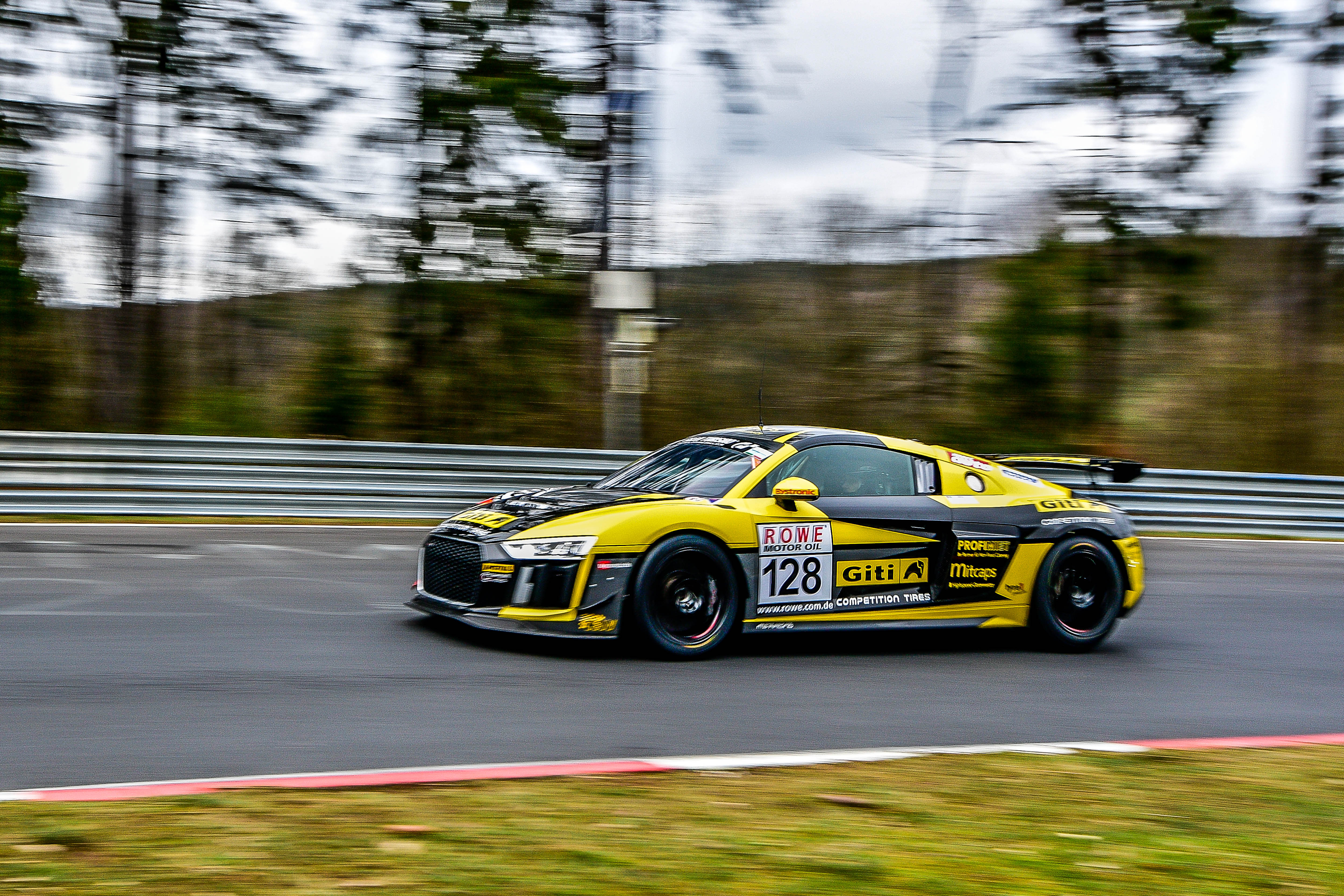
The company has four cars set to compete in the race. The first is an Audi R8 LMS Ultra that comes with a 5.2-liter V10 engine that makes 570 hp. The car will be driven by Henzel Bernhard, P. Lefterov, and F. Schickler. The second is another Audi R8, this one a GT4 car, that has a 5.2-liter V10 engine tuned to 495 hp. It will be driven by Rainey He, Sunny Wong, Andy Yan, and Li Fei. 

In the past, the company has used the Lamborghini Huracán for the 24 Hours of Nürburgring. This time around, the company thought it would be better to utilize the Audi R8 instead. “The Audi R8 offers a great combination of power, reliability, and technology that goes together very well with how Giti positions its tires,” said a representative of Giti Tire. These are the two cars that many racing fans, spectators, and others in the industry will be focused on. 

Giti tire Audi R8Giti tire Audi R8

The VW Golfs will also run the race. One of the golfs will be an all-female team, including the drivers and crew. According to Giti Tire, this is the first time in the race’s history that this has happened. 

“The 24 Hours Nürburgring race is a great natural choice for [us],” said a Giti Tire representative. “From one vehicle in 2017 to two in 2018 and four this year, Giti is truly committed to making an impact on the race and further utilizing the results and lessons to continue making both our racing and everyday driving tires the best they can be.”

The Tires to be Used

Speaking of the tires used, the company plans to use its GitiCompete GTR1 tires for the race. Those tires are a track-only variant that have proved to be very popular among a wide variety of racers. The GitiCompete GTR1 tires have been used at a wide variety of well-known motorsports events and races, including the 24 Hours Nürburgring race, as well as Formula 3 Asian series, and Pikes Peak Hill Climb among others. 

The latest iteration of the GTR1 tires come after years of research and development. The top grade compound has been designed for racetracks. It should help the Audi R8s compete well in the 24 Hours of Nürburgring race this year. While race is an important test for Giti Tire, the company isn’t just concerned with racing. The lessons it learns on the track will trickle down to road-legal variations of its tires, ensuring the best performance for all kinds of vehicles. 

It will be exciting to see how the Audi R8s and the VW Golfs put out on the racetrack by Giti Tire perform at the race. The race will occur this weekend in Germany. 

Read more @ GitiUSA.com

Could the M-Division of BMW Make Its Own Car?

It Seems Possible

A new BMW M hypercar could be coming. At least that’s what we want to believe after BMW M boss Markus Flasch’s interview with Car Sales. The publication sat down and had a little chat with Flasch, and he revealed that in the future not all of BMW’s M cars will necessarily be modified versions of standard production cars. 

“We are investigating M variants that may also be stand-alone, that don’t have a predecessor,” Flasch said. when pressed for more information and asked if the M-division would start from a blanks sheet on a car in the future, he said, “potentially.”

That’s not a confirmation that a new M car will come that’s not based on anything, but it’s clear that BMW is at least looking into it. The possibility of a hypercar is real, too. 

“We would love to do it … but we are part of a big company and we only do things that make sense economically and are relevant for the brand. So far M is the strongest high-performance brand and we did not need a hypercar. So, from a brand perspective it is not needed, M is strong as it is.”

It would seem that Flasch is open to the idea and that likely means other folks at BMW are, too. However, it sounds as though that would only happen if it made sense for BMW’s business as a whole, which could be a hard sell to some of the top-level executives and decision makers. 

The 2020 Mustang Shelby GT500 Makes 760 HP and 625 Lb-Ft of Torque

The Beast Is Here

Ford revealed its Mustang Shelby GT500 at the North American International Auto Show. When it did so, the company left out the power numbers for the car, leaving everyone to speculate as to how much the supercharged 5.2-liter V-8 would actually produce. Now the company has let those numbers and some other stats out. 

The GT500 will make 760 hp and 625 lb-ft of torque. That’s more horsepower than the Chevy Corvette ZR1, which is regarded as a crazy-powerful machine and has won many awards for being just that. While Dodge’s Demon still has more horsepower, the GT500 is a bit of a different animal and will be a track monster as well as a true staight-line speed machine.

Official performance times have not yet been released, but Ford promises 0-60 time of mid-three seconds and a sub-11-second quarter mile time, according to Road and Track. The car will also be a track monster due to aerodynamic developments and various technologies. How good the car is will be determined at a later date, but it’s safe to say this is the most extreme Mustang yet. 

As The Drive points out, this will be the first time since the 1960s that Ford has sold the Mustang GT350 and the GT 500 at the same time. For those who thought the 1960s were the peak of muscle car performance, you were wrong. Here’s the perfect example. 

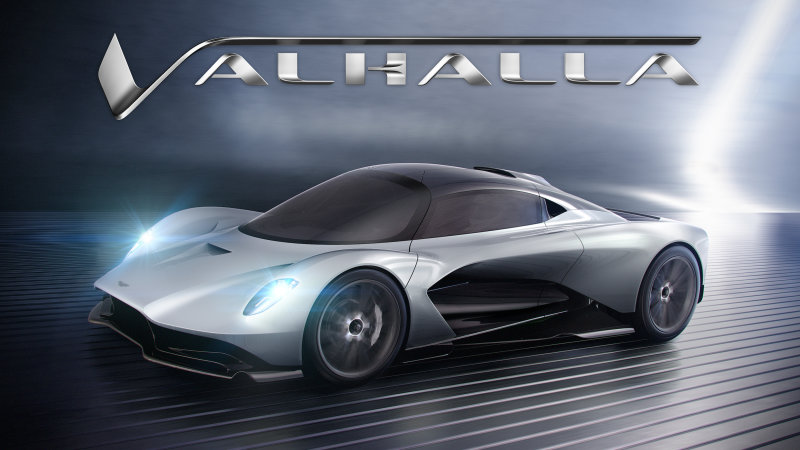
Aston Martin Valhalla Name Confirmed for AM-RB 003 Hypercar

A name has finally been revealed for Aston Martin’s upcoming hypercar. Valhalla will adorn the rear end of the mid-engine model. The name draws from Norse mythology once again, similar to the Valkyrie and Vulcan that came before.

The name relates to an enormous hall located in Asgard where it is said that half of those who die in combat travel to. In Valhalla, the dead join those who have died in combat as they prepare to aid Odin during the events of Ragnarök. While the stories are pure mythology, Aston Martin’s hypercar is anything but.

Developed in collaboration with Red Bull Advanced Technologies and Adrian Newey, the Aston Martin Valhalla is set to arrive in late 2021. The Valhalla will be less extreme than the Valkyrie, built to compete with more traditional hypercars in the McLaren P1, Porsche 918 Spyder range. This puts the cost of the Valhalla in the £1 million range.

The release confirms that the Aston Martin Valhalla will use a high-efficiency, high-output turbocharged V6 petrol engine and battery-electric hybrid system. Rumours have suggested that power will be in the 1,000 hp range. The car will use a carbon fibre architecture and carbon fibre bodywork with a sharper focus on usability than has been the case with the Valkyrie. The Valhalla will get active suspension and electronic systems and advanced under floor aerodynamic systems.

Aston Martin Lagonda President and Group Chief Executive Officer, Andy Palmer said: “Aston Martin model names always attract a lot of attention. They do so because they invariably capture an emotion or tell a story. In following the Valkyrie we knew the Aston Martin Valhalla needed to make a strong statement of its own, yet also offer continuity and a clear connection. Norse mythology contains such powerful language and rich storytelling it felt only right that the AM-RB 003 should follow the Valkyrie’s theme. For those fortunate enough to own one I’m sure they will recognise and appreciate the name’s connotations of glory and happiness, for there can be few more hallowed places than the driver’s seat of an Aston Martin Valhalla.”

Just 500 Coupe examples of the all-carbon fibre hypercar will be built. The press release is very specific about the 500 Coupe’s which leads us to believe that a Convertible version might also be offered at some point.

2019 Lexus LS 500 AWD Review: Big Car, Big Grille, Big Luxury

The latest generation of the Lexus LS is a big sedan with big shoes to fill. After all, it was the first-gen LS that launched the Lexus brand three decades ago, proudly proving to the world that the Japanese auto industry could build a car every bit as luxurious as the folks over in Germany. Since then, it’s been the standard-bearer for the brand — a car that, like Mercedes-Benz and its S-Class, stands as proof of what the company is capable of today and where it’s going tomorrow.

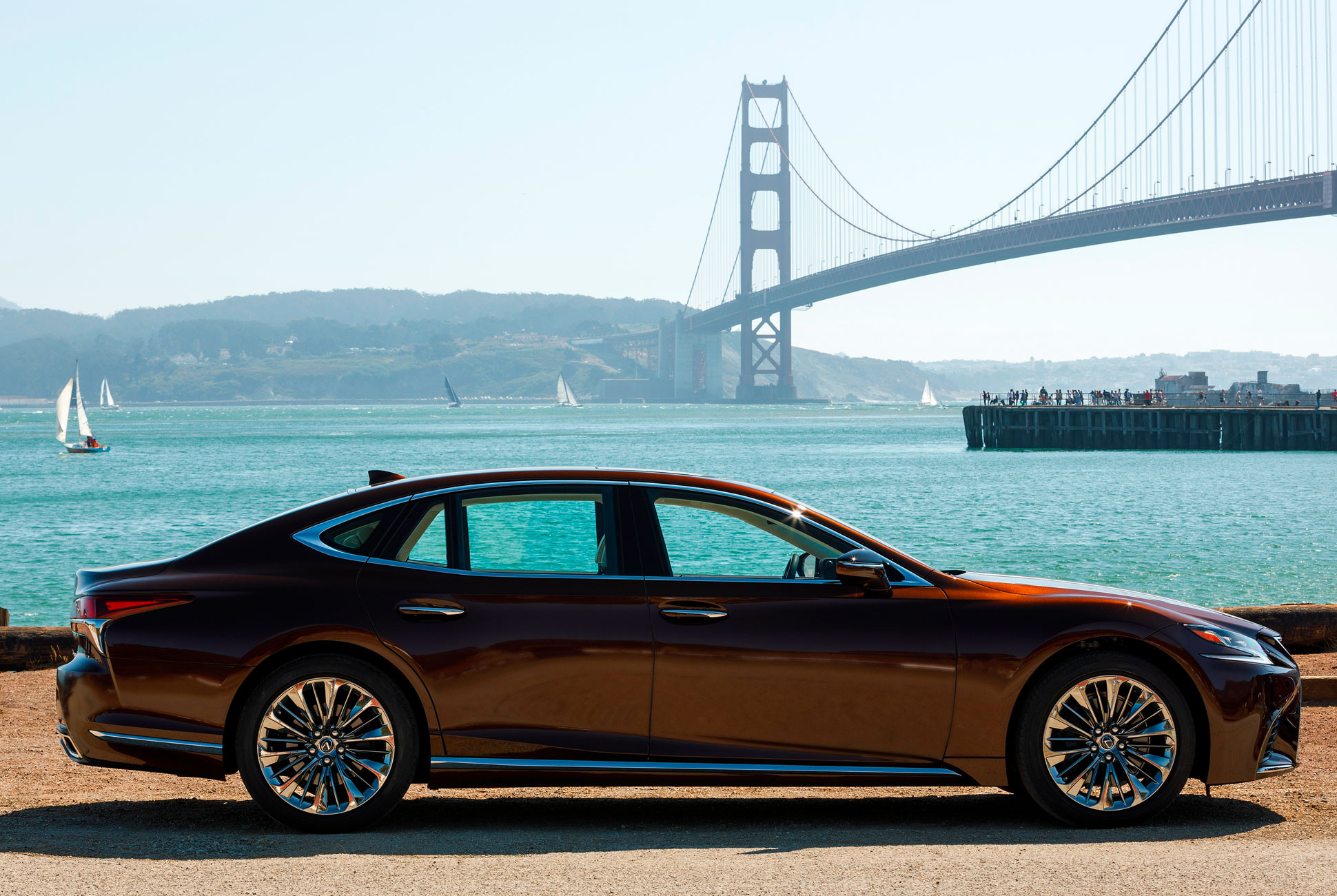
The latest model, new for the 2018 model year, does just that. Boasting the sleekest version of the company’s current styling language and an interior that looks every bit peeled from a Minority Report plutocrat’s ride, it’s proudly Japanese, distinctly imposing, and every bit worthy of the flagship title in shape and scale. Especially when it comes to that grille.

The Good: If space and comfort are what you want out of a car, the LS 500 has your number. The verb “cocoon” isn’t too excessive to describe being nestled into the driver’s seat, given how the acreage of leather and wood snuggles around you; it’s cozy, but never constraining. The back seat is just as nice, with space for six-footers to flop about freely and — with the $17,080 Executive Package my tester came packing — aft thrones that heat, ventilate, recline and massage. It may not be the ultimate road trip car, but it’s certainly an ultimate road trip car.

Who It’s For: Luxury sedan buyers who value Toyota’s legendary build quality, and/or have been wooed and won over by the distinctive design inside and out; anyone sick of the garden-variety looks of the German full-size luxury sedans; the occasional Uber Black driver.

Watch Out For: The infotainment system, as with all too many modern Lexus models, ventures beyond frustration into the realm of being dangerous. Using a touchpad to control the largely free-floating targeting reticule is a little better than the joystick Lexus used to use, but it still requires a level of dexterity and concentration well beyond what any other system demands. I lost track of how many times I found myself forced to look away from the road for far, far too long just to do something as simple as switch media sources or toggle up the climate controls. And this is coming from a driver who’s spent many hours in the past using the system; familiarity doesn’t bring ease of use, not when the controls are this sensitive and the cause of your finger so divorced from the effect on the screen.

Lexus is finally addressing the issue with the 2020 RX — that model gains touchscreen functionality, which should help mitigate some of the issues with the setup — but for now, the system’s interface is tricky enough to make recommending the car at all an arguable proposition, good as the rest of it is. Anyone considering buying the LS (or really, any new Lexus) ought to take it home for the night to see how they feel living with the system in the real world, not just in the confines of a four-block test drive.

Alternatives: Mercedes-Benz S550 4Matic ($104,350); Audi A8L ($83,800); BMW 750i xDrive ($102,650); Cadillac CT6 Platinum ($86,795)

Review: Once upon a time, Gear Patrol deputy editor Josh Condon described the F Sport version of the current Lexus LS as “a big, comfortable sedan with big, uncomfortable dissonance.” There’s an easy way to solve that problem, it turns out: Don’t go for the F Sport version.

The version unencumbered by the aggro front end and sport-tuned suspension strikes a far more appropriate balance between ride and handling by simply avoiding any implication of sportiness. Left in Comfort Mode on the highway, it glides along as though riding on pats of hot butter, keeping the lumps and bumps from interrupting your serenity as the 10-speed automatic shuffles through cogs with the smoothness of a Delmonico’s wine steward pouring Pouilly-Fuissé.

That’s not to say it’s the reincarnation of a Seventies-era luxo-barge; body roll is kept nicely in check, even when hurling through a roundabout at speeds brisk enough to startle the SUV driver Clark Griswolding their way through their seventh revolution ahead of you. Those could be important people sitting in the LS 500’s well-sculpted seats, either front or rear; can’t have them feeling perturbed. It’s at times like this the car’s shared architecture with the LC gran turismo coupe becomes more apparent; the two might not be twins separated only by door count, but there’s enough common bones between them to count as similar skeletons.

One item it doesn’t share with that wild-eyed two-door, however: the naturally aspirated V8 that makes the LC 500 a surprisingly vivacious drive. Instead, the LS, like most fancy cars nowadays, has downsized under the hood, trading its former eight-cylinder powerplant for a twin-turbo V6. Thankfully, the resulting powerplant is still quite worthy of luxury duty, spooning out low-end torque with near Rolls-Roycian gentility. (All-wheel-drive is a $3,220 option on all LS sedans, which might be enough to keep some buyers from forking over money for an LX 570 whose capabilities they’ll barely scratch the surface of.)

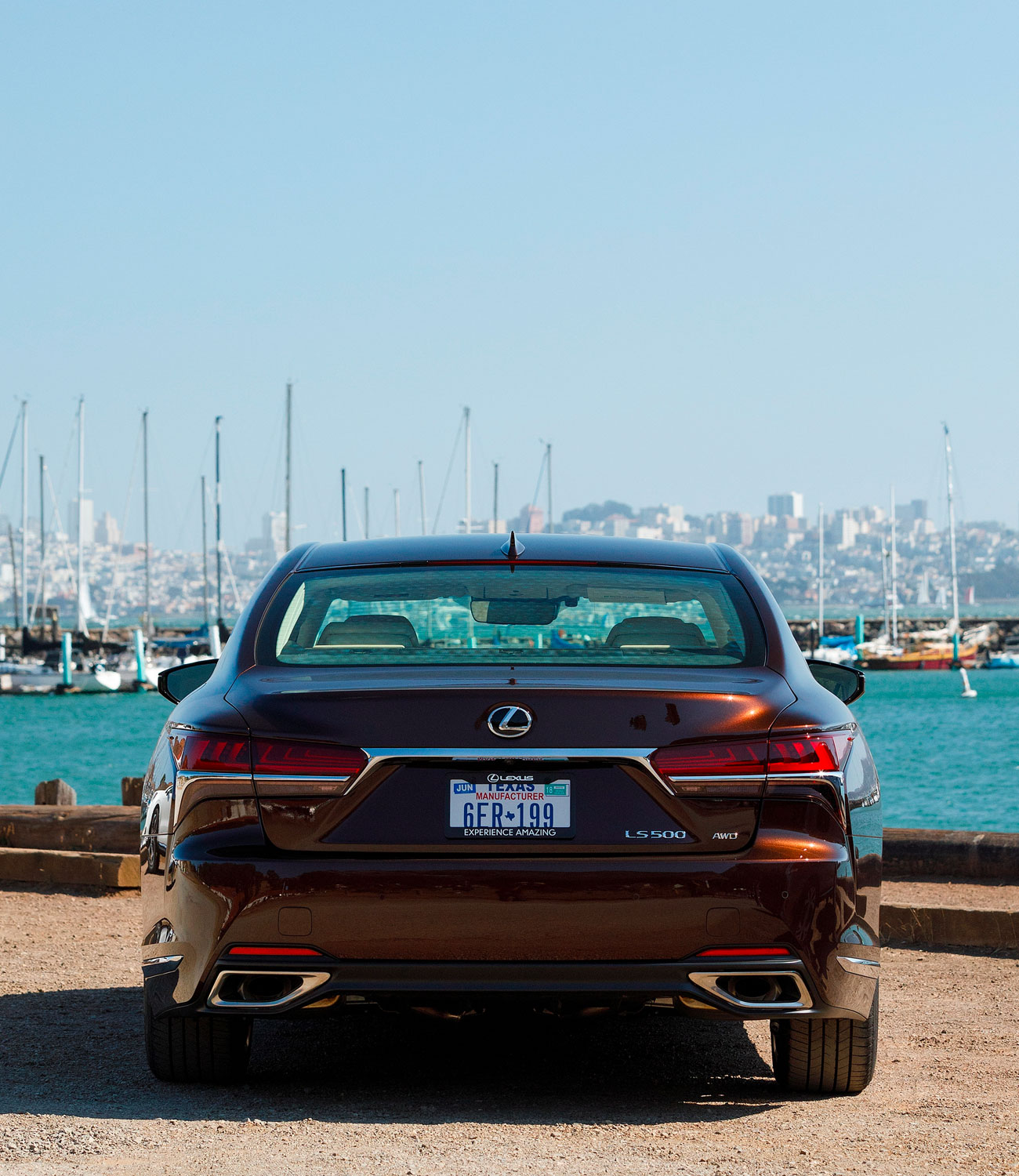
No one’s liable to confuse the LS 500 with an actual Rolls-Royce, though — at least, not from the outside. Granted, the Lexus’s grille is roughly as big as the one on a Phantom, but it’s a curved, cetacean thing that looks ready to devour shrimp by the gallon — worlds away from the Parthenon leading the way for all those Spirits of Ecstasy. Somehow, though, after the initial shock wears off, it works, tying the front end’s design lines together in a way that draws the eye towards that encircled L in the center. Which, presumably, was the idea.

The rest of the general shape is a pleasing form, a striking fastback that seems longer and lower the further back your eyes wander. By the time your eyes reach the tail (which, admittedly, is stricken with some rather generic taillamps, a far cry from the menacing squint of the narrow band of LEDs in the headlights), you half expect to find a Porsche Panamera-like hatch there instead of a traditional trunk. Overall, it’s the sort of shape that leaves you glad the world’s automakers haven’t wholly given up on the sedan. Squeezing this sort of elegance out of a crossover would probably violate some fundamental law of the universe.

A little Japanese-spec weirdness does creep into some of the controls; apart from the aforementioned infotainment system, there’s also the silver radio control buttons barely larger than an engorged tick, and the drive mode controls jutting from the top of the instrument panel shade that bring to mind nothing so much as the bolts in Boris Karloff’s neck. But if that’s the price you pay for the rest of the interior, so be it. The Executive Package may cost as much as an entire Toyota, but a few minutes of Shiatsu massage on a long drive is enough to win over even the most value-minded buyer — especially if he or she ever plans on being driven instead of driving. (Sadly, my car lacked the version of the Exec Pack that, for an extra $6,000, adds hand-cut kiriko glass trim to the doors, a feature that no doubt dazzles the eye and spirit while simultaneously making one wonder how many African children UNICEF could feed with the money spent solely on artisanal glassware in a single moving vehicle.)

Verdict: The first Lexus LS played it safe — doctor-in-an-Ebola-hot-zone safe. It delivered conventional styling, conventional luxury and conventional power, all in pursuit of proving Toyota could outdo the Germans at their own game. In the last 30 years, though, the brand’s had a chance to find its own definition of luxury. The LS 500 shows how far the company’s moved the ball down the field. It may look a little odd, may piss off the occasional technophobe, may draw the occasional unpleasant comparison along the way. But above all else, it’s unconventional in many interesting ways. And anytime a giant company goes that route with a product this important…well, that’s worth praising.

2019 Lexus LS 500 AWD Specs

Powertrain: 3.5-liter twin-turbo V-6; 10-speed automatic; all-wheel-drive
Power: 416 horsepower, 442 pound-feet of torque
0-60 MPH: 4.6 seconds
Top Speed: 136 mph
EPA Fuel Economy: 18 mpg city, 27 mpg highway

Lexus provided this product for review.

Read More Gear Patrol Reviews

Hot takes and in-depth reviews on noteworthy, relevant and interesting products. Read the Story
Note: Purchasing products through our links may earn us a portion of the sale, which supports our editorial team’s mission. Learn more here.

Over 600 1990s Cars! 0-60 mph time, 1/4 Mile time, Power & Top Speed For Every Model

We Compiled The Performance Numbers For Every (600+) Car from the 1990s: 0-60 Times, 1/4 Mile Times, Power & Torque Figures As Well As Top Speed

Yes, we seem to be obsessed with ’90s cars. First we focused on the best 90s supercars, then we searched around for the unloved and forgotten 90s cars and recently even went broader to the best performance cars at any price point from the decade. 

From a data perspective if you think going through 600 cars is a little too much work, then check out the Fastest 1990s Cars post, we only focus on the quickest accelerating and top speed cars of the 1990s. Les data and easier to work through. Some people like to see all the data however so for those of you that do, this is the post you want.

We have compiled data on 600+ cars from the 1990s. Clearly we are focused on cool and awesome cars, the iconic sports and performance cars of the era. We have the engine size, acceleration times, quarter mile times as well as power, torque and top speed numbers for every model. You can easily search for the car you want, as well as filter based on any criteria. Click on the “+” sign to learn more about each car and see things like the engine and the model year. 

Enjoy.

Seized Hypercars of Teodorin Obiang to be Auctioned in Geneva

Bonhams has reportedly announced a new auction, to take place at the Bonmont Golf & Country Club in Switzerland, which will facilitate the sale of a staggering collection of hypercars amassed by Teodorin Obiang. The cars were seized by Swiss authorities in 2016 as part of an investigation into the embezzlement of Equatorial Guinea’s state funds.

The collection includes a white Lamborghini Veneno Roadster, a Koenigsegg One:1, a McLaren P1 and a Bugatti Veyron. A collection of 25 cars will apparently hit the auction block with news sources suggesting that these will include models from “Bentley, Maserati, Mercedes-Maybach and Porsche”.

The news has been widely reported and ties up with earlier articles which confirmed that the cars would be sold. Nonetheless, Bonhams website is silent about the proposed auction (at time of writing). So there is no confirmation that it is definitely taking place.

Obiang’s car collection was seized in two tranches. The first cars were seized by French authorities in 2012 with the second set following in 2016. It is widely believed that the cars include a Ferrari Enzo, LaFerrari, Aston Martin One77 and Ferrari F12 tdf.

Teodorin Obiang’s collection is expected to $13 million. The proceeds are to be given to a social programme in Obiang’s home country.

Fastest 1990s Cars: 0-60 Time, Top Speed, Power & Torque

Fastest Cars of the 1990s

We spent a lot of time recently thinking about ’90s cars. From our best supercars of the 1990s to our best sports cars of the ’90s we basically went through every model of the decade to find the best of the best. Thankfully as a teenager during the ’90s I was immersed in the supercars and sports car scene. 

For this post we decided to build out some data around 1990s cars. We went through every single automotive model in our database to find the fastest accelerating and top speed cars of the 1990s. The interactive chart below allows you to search for a specific model and to sort by variables like top speed and so on. The is some overlap between the fastest accelerating cars of the 1990s and the fastest top speed cars. We decided to split out the top 10 in each category because in our eyes they are very different things. 


10 Fastest 0 – 60 mph Cars of the 1990s

The fastest accelerating cars of the 1990s have a lot in common. They are almost all supercars or homologation specials built to satisfy racing regulators. Manufacturers wanted to go racing so they built just enough production cars to be certified. In terms of outright performance, there were three cars that scoot from 0 to 60 mph in under 3 seconds.

Inside the top 20 fastest accelerating cars it is more of the same thing, made up of homologation specials that were rare, impractical and barely legal. Outside the top 20 we start to see some “normal” supercars of the era show their faces. The Bugatti EB 110 Super SportJaguar XJ220 and Ferrari F50 all manage sub-3.7 second sprints from 0 to 60 mph. 

Several exotic cars of the era also manage sub-4 second 0-60 mph times, with cars like the Porsche 911 GT2 (993) and several Lamborghini Diablo models making the top 30. Beyond that and there are plenty of cars that people won’t recognize (Cizeta Moroder V16TGillet Vertigo and Isdera Commendatore 112i), as well as many exotics of the era that do sound very familiar (TVR Tuscan, Dodge Viper GTS and Ferrari 360).

We have highlighted the top five accelerating cars below but if you want the full list scroll down to the full Table & Data.

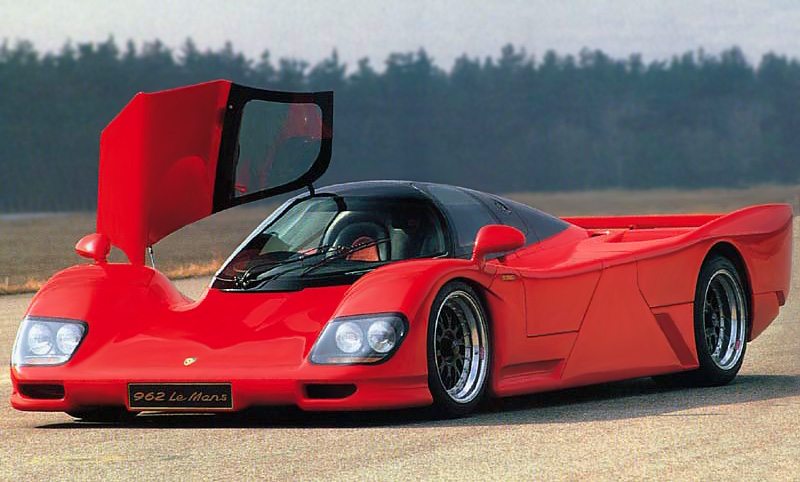
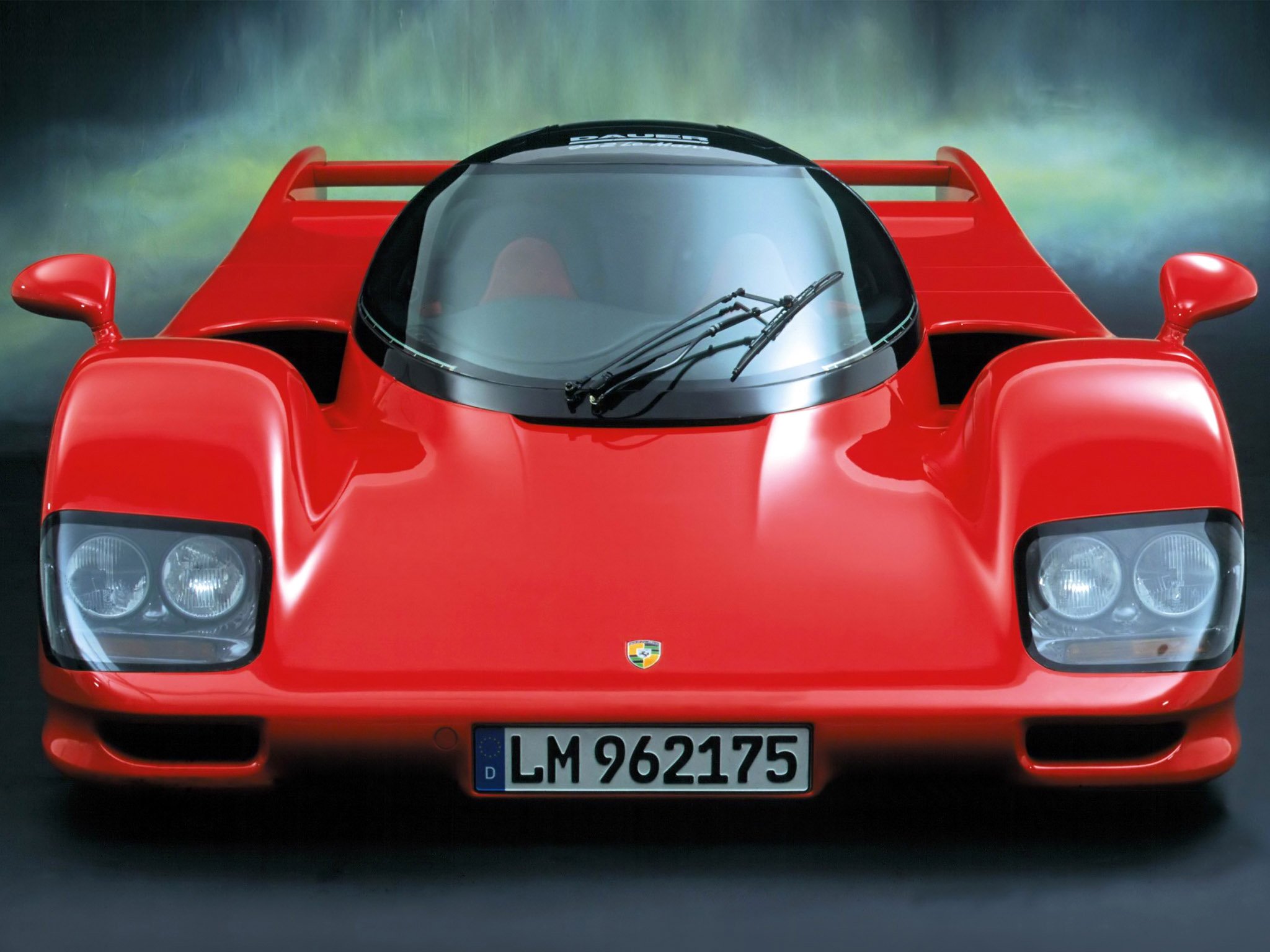
Dauer 962 Le Mans PorscheDauer 962 Le Mans Porsche

1. Dauer 962 Le Mans Porsche

0-60 mph: 2.7 seconds

The 0-60 mph crown goes to the Dauer 962 Le Mans Porsche, which was essentially a road-going Porsche 962, the most successful prototype race car of the time. Porsche manufactured nearly 150 956/962s and sold many of the cars to private teams. During this period, Porsche manufactured and made available every component on the car. Of the companies that have produced a 962 road car, the most successful has been Dauer. 0-60 mph was over in 2.7 seconds and top speed was 253 mph, besting even the mighty McLaren F1. 

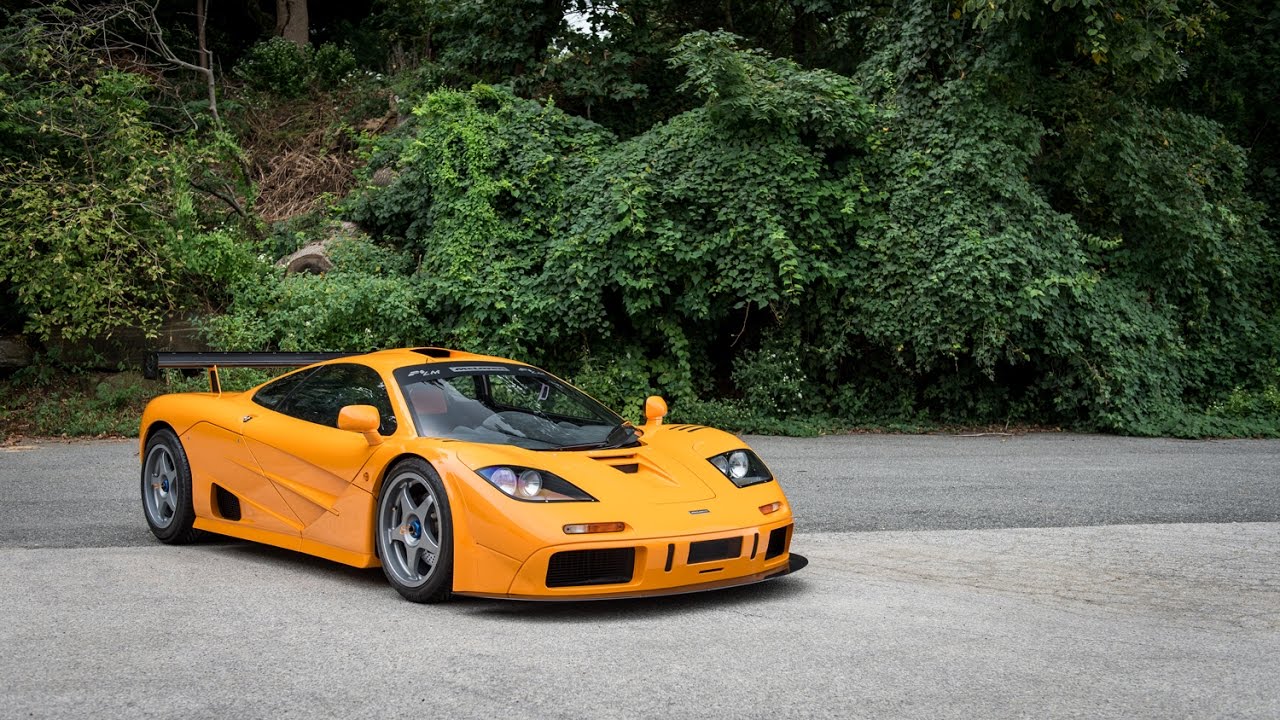
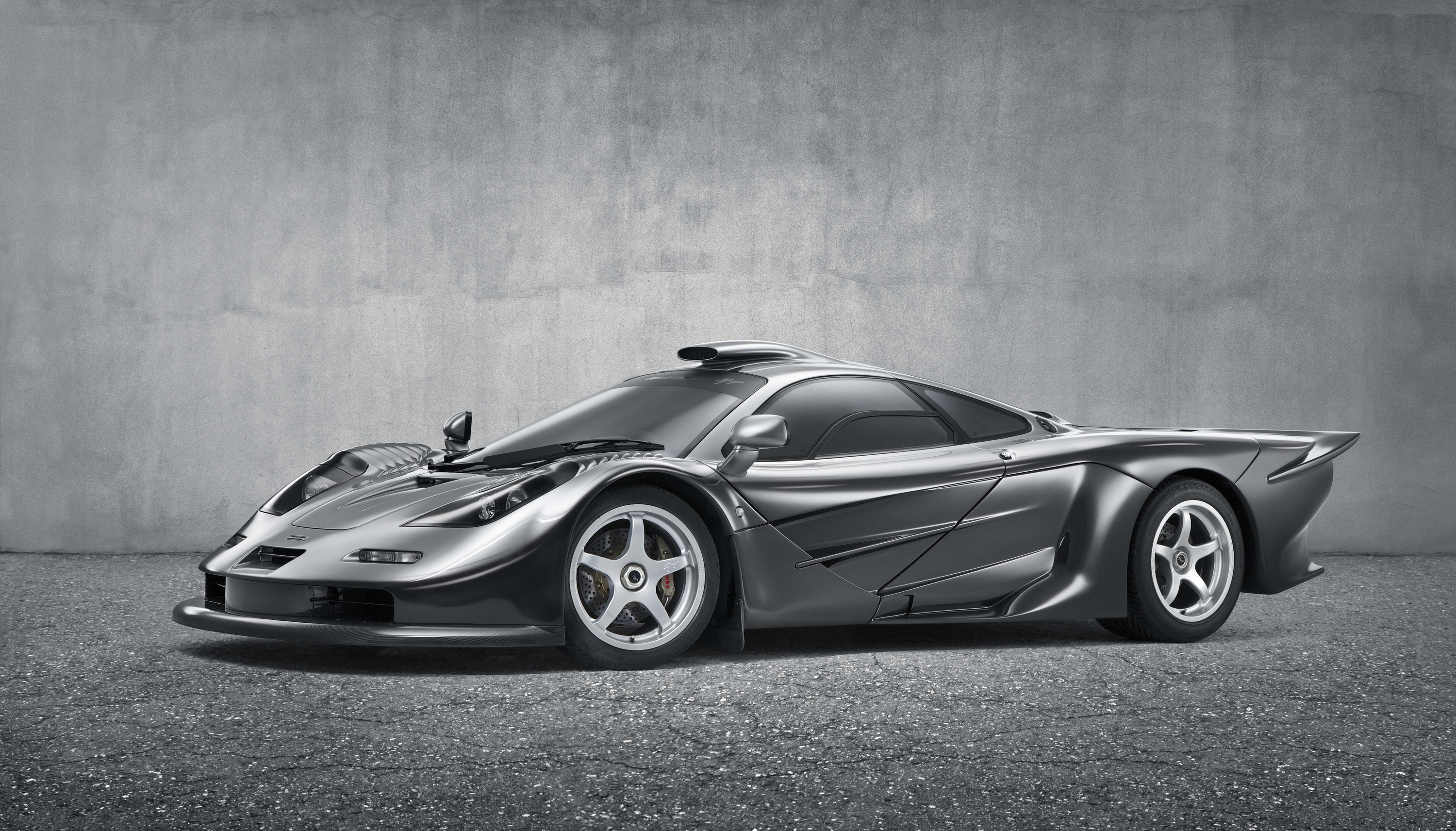
McLaren F1 LMMcLaren F1 LM

2. McLaren F1 LM

0-60 mph: 2.9 seconds

McLaren took the parts from the F1 that won Le Mans and decided to build a production car as the ultimate version of the mighty McLaren F1. The parts from the race car included a ground-effects underbody, unique front bodywork, a rear diffuser and a carbon fiber rear wing engraved with the legend ‘GTR-24 Heures du Mans Winners 1995’. The LM was a monster. 0 – 60 mph was over in 2.9 seconds and it could go from standstill to 100 mph in less than five seconds. Top speed was 243 mph. 

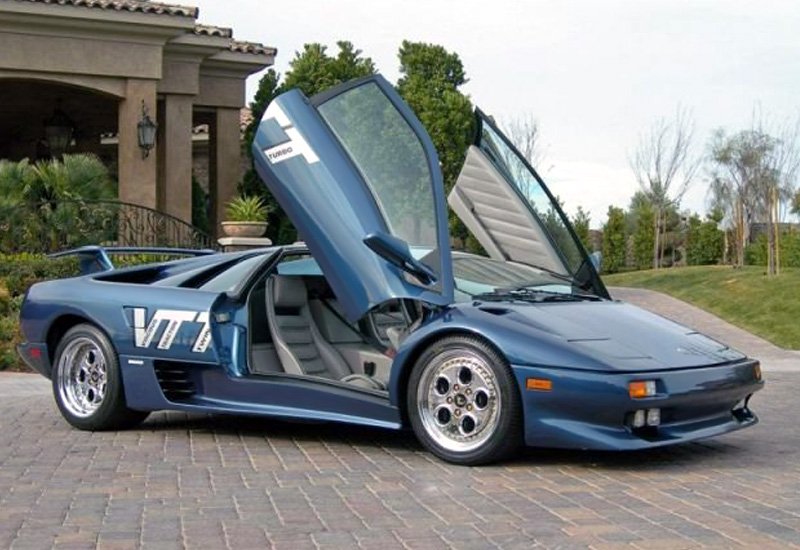
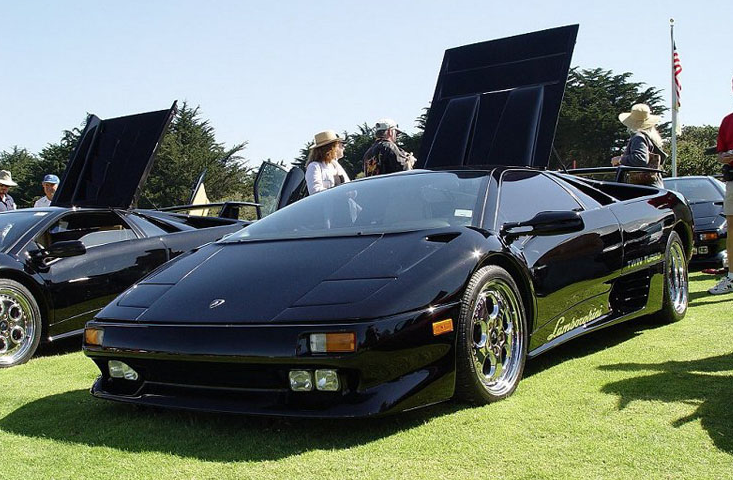
Lamborghini Diablo VTTTLamborghini Diablo VTTT

3. Lamborghini Diablo VTTT

0-60 mph: 3.1 seconds

The Lamborghini Diablo VTTT (the VTTT stood for viscous traction twin turbo) was a limited production (7 made altogether) made by Platinum Motors in California. The cars were equipped with twin Garrett T4 turbochargers with custom-built intercoolers, competition valves with race guides, cylinder heads with polished ports, and a reprogrammed electronic fuel injection system. With 750 hp, the 222 mph was a surprise to nobody. The 0-60 mph time was aided by the Diablos AWD system, able to somewhat deploy all that power in such as way as to rocket the VTTT from 0 – 60 mph in just 3.1 seconds. 

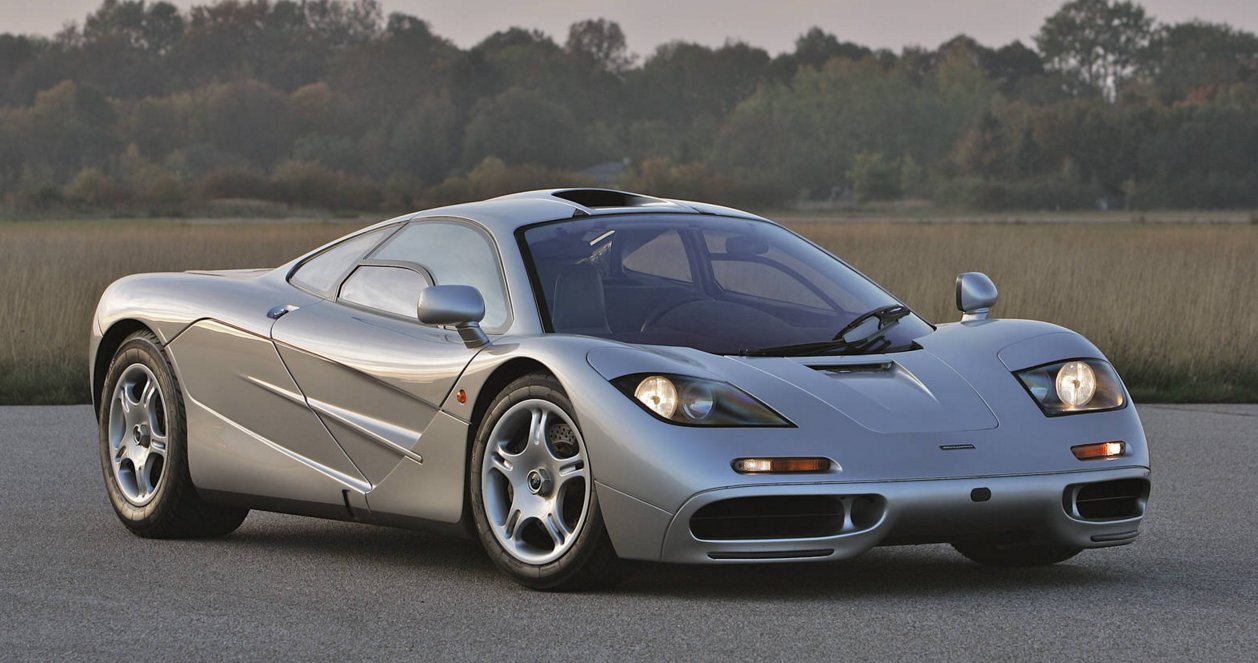
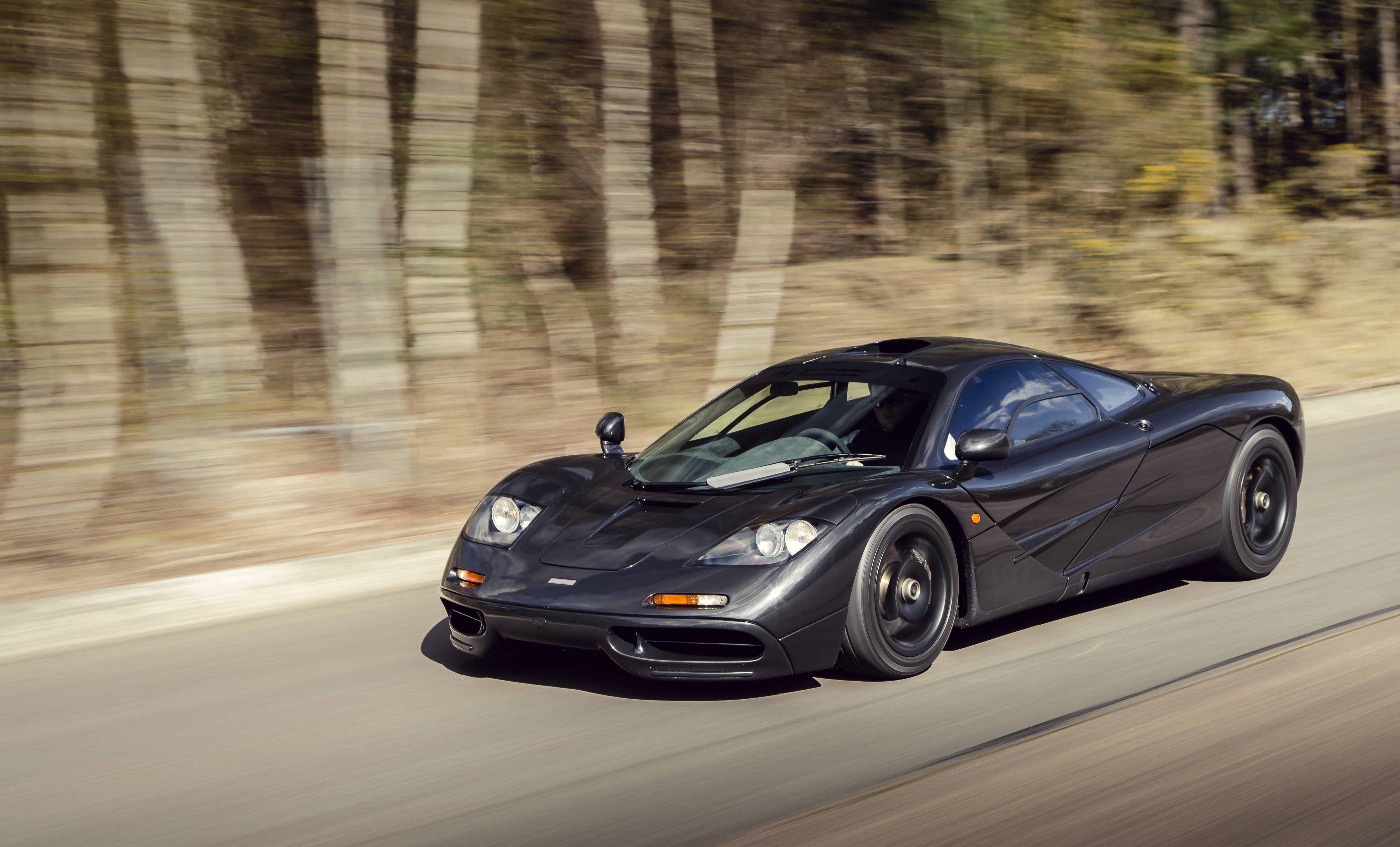
McLaren F1McLaren F1

4. McLaren F1

0-60 mph: 3.2 seconds

Everybody knows we are huge McLaren F1 fans here (we just named it the best McLaren ever). Its top speed of 240 mph puts much of even today’s supercar crowd to shame, and ergonomic features like the driver-centered, three-seat cockpit have rarely been seen since. Sure there are cars that are faster, but nobody did it the way the F1 did it. With a naturally aspirated 627 hp engine and 479.0 ft lbs of torque in such a small and light body, it was able to accelerate from zero to 60 mph in 3.2 seconds. 

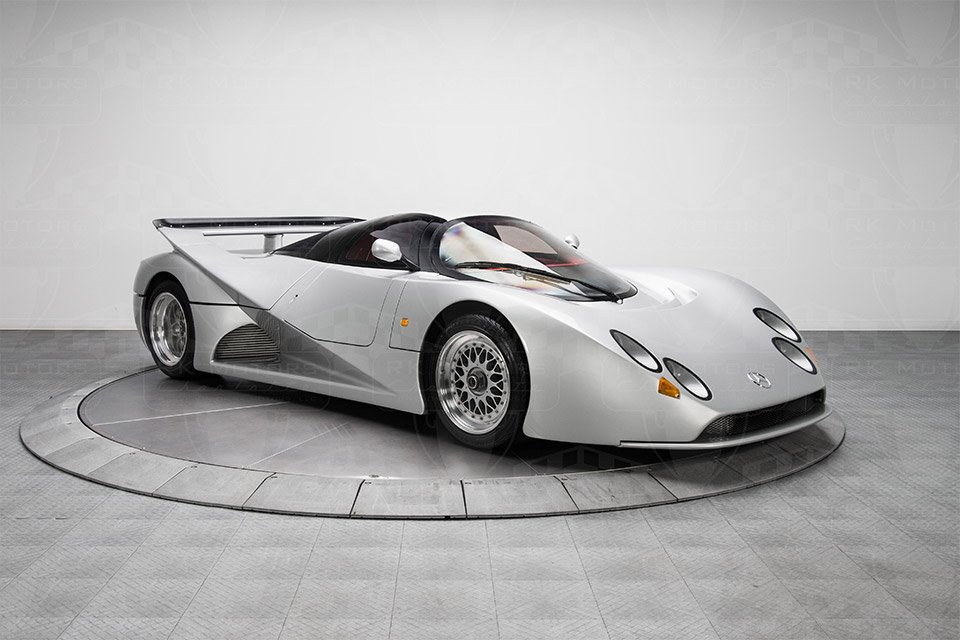
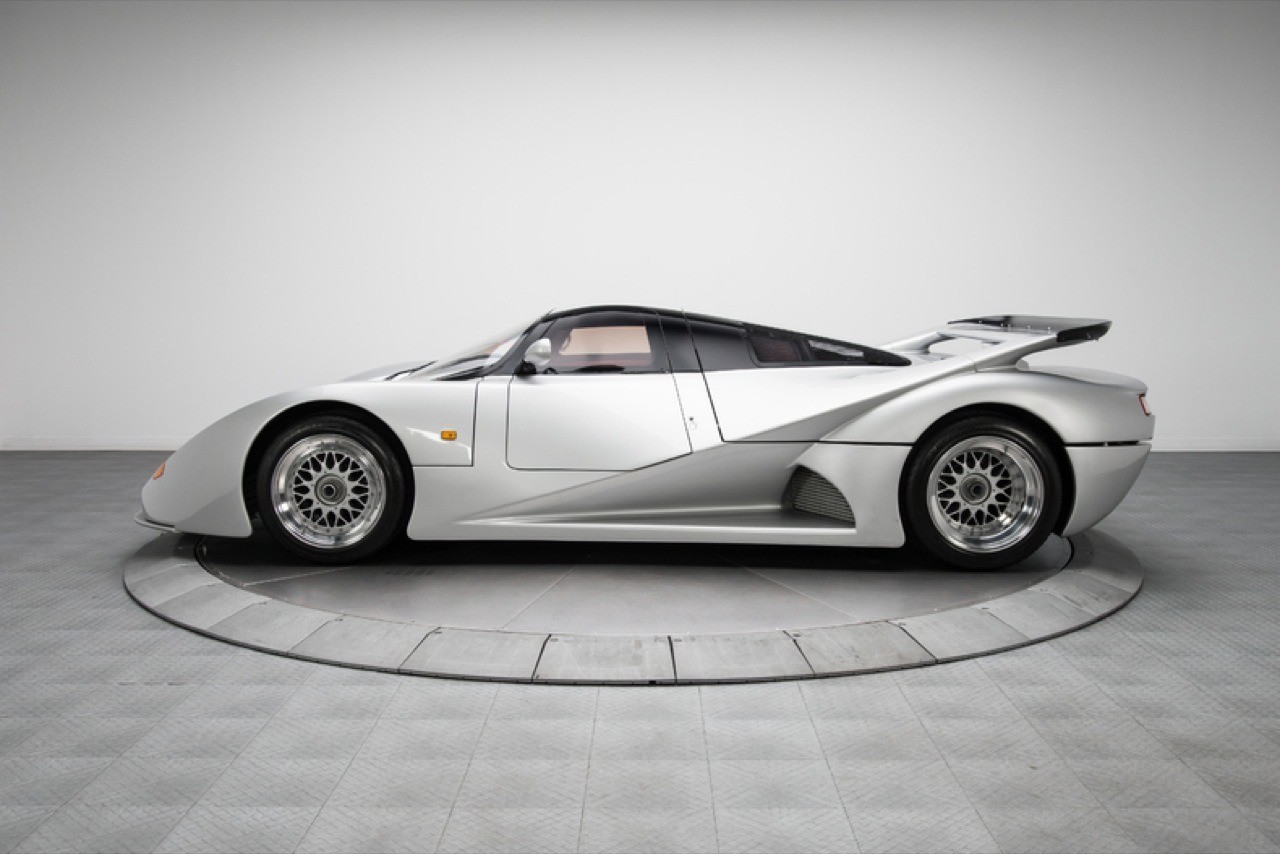
Lotec C1000Lotec C1000

5. Lotec C1000

0-60 mph: 3.2 seconds

Originally conceived in 1994 with construction completed in 1995 by a United Arab Emirates Citizen who desired to own the fastest, individually owned car in the world! He contracted Mercedes which in turn also contacted Lotec for the body design. The letter C stands for the carbon fiber (race car), and the number 1000 stands for 1000 horsepower. Design and engineering cost over $1,000,000 and actual construction cost was over 1,200,000 total production cost was over $2,200,000. 0-60 mph in 3.2 seconds, 0-125 mph in 8.08 seconds, top speed 268 mph.

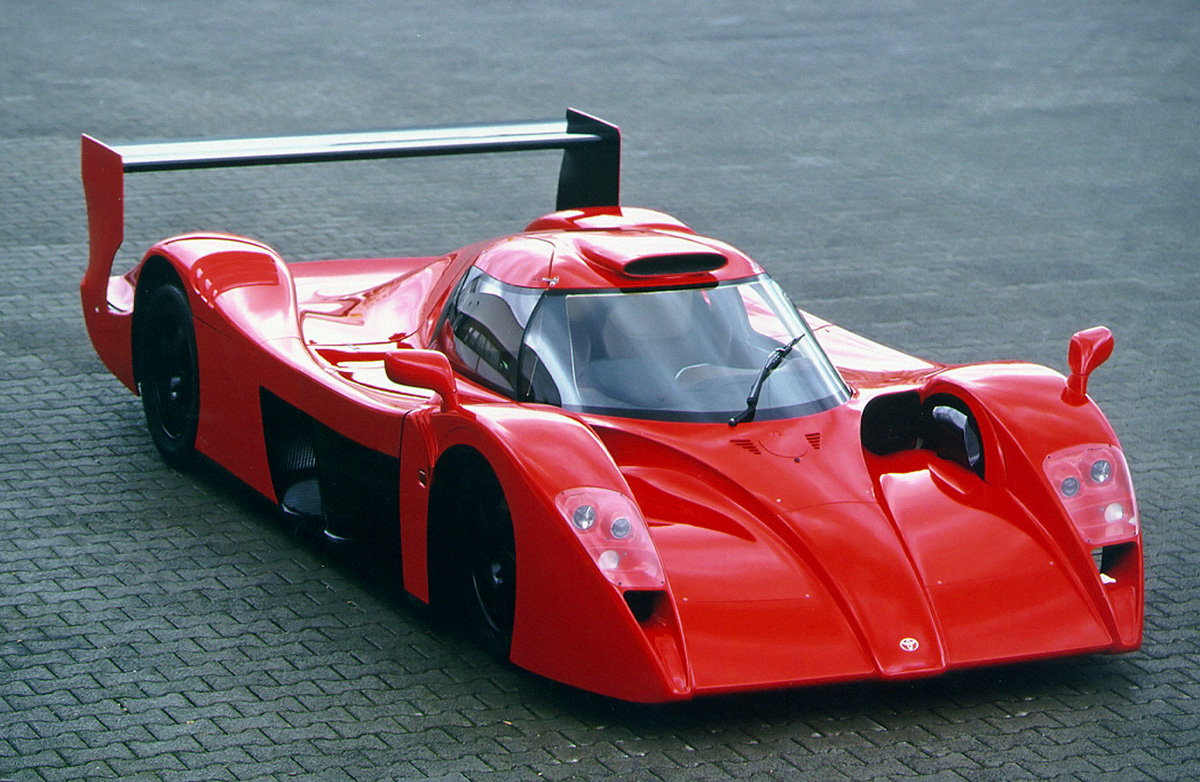
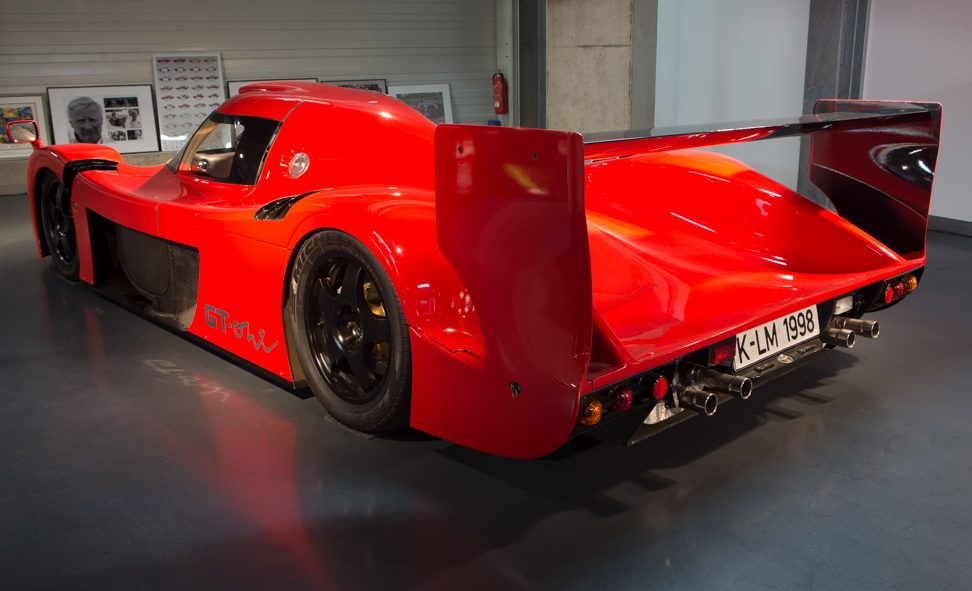
Toyota-GT-OneToyota-GT-One

6. Toyota GT-One Road Version (TS020)

0-60 mph: 3.2 seconds

In accordance with the FIA rules of the day, the GT-One had also to be developed as a legal road car. In fact the differences between the race and road versions were small: in road-going mode, the rear wing was set lower and the suspension ride height was raised. A smaller fuel tank was fitted and the addition of catalytic converters ensured the vehicle complied with emissions regulations.

Toyota says the engineers at Toyota Motorsport GmbH created just two ‘production’ TS020 GT-Ones – one is on display in its museum, the other in Japan.

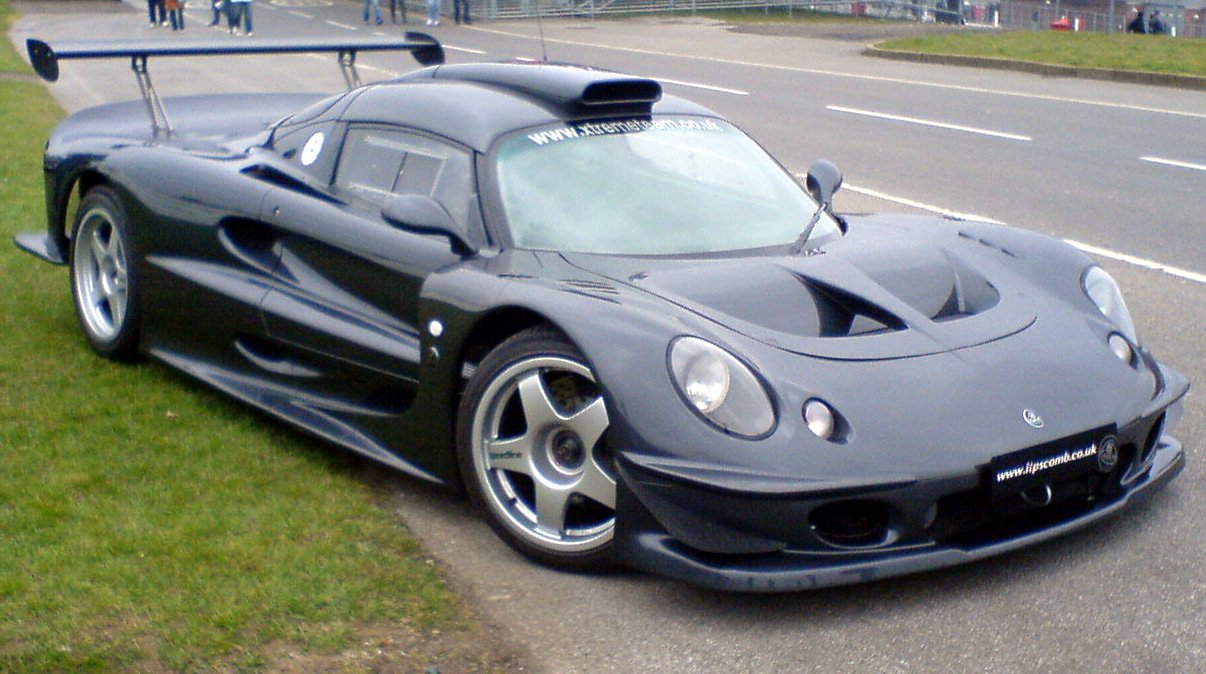
Lotus Elise GT1 Road CarLotus Elise GT1 Road Car

7. Lotus Elise GT1

0-60 mph: 3.2 seconds

Lotus wanted to go racing in Le Mans (stop me if you have heard this one before). Of course in the 1990s that meant at least one of the “racing” cars had to be road legal. Cue the Lotus GT1.

The Lotus Elise GT1 utilized a production aluminum chassis with custom carbon fiber body that was optimized for endurance racing. Out went the Elise’s inline-four, swapped for a monster twin-turbo 6.0-liter version of the C4 Corvette’s LT5 V8. Reliability proved to be a problem for all seven chassis that were built, with the best success being a fifth place at Helsinki.

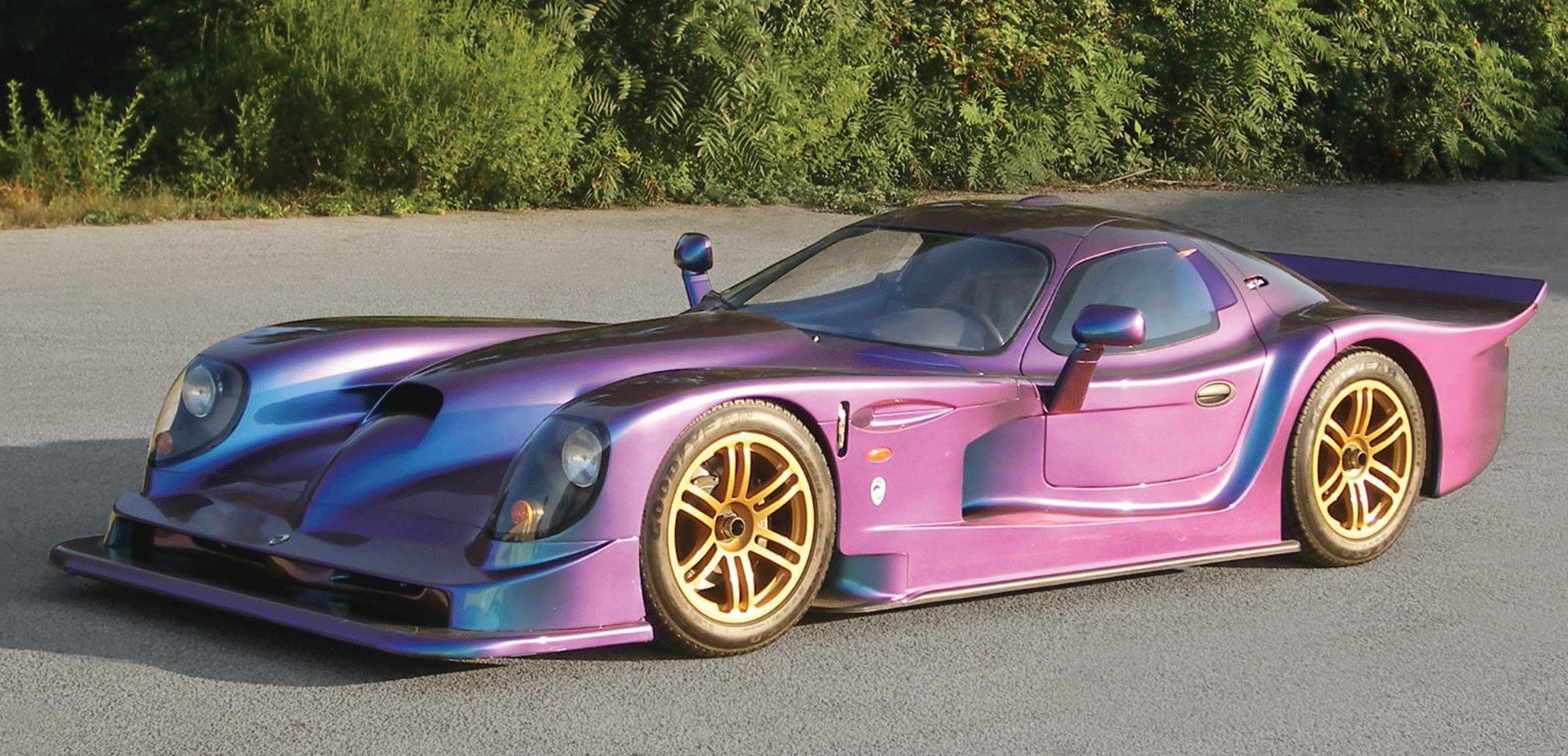
8. Panoz Esperante GTR-1

0-60 mph: 3.2 seconds

Almost a race car in street-legal trim, the front engined GTR-1 was built to meet the 24 Hours of Le Mans homologation requirements. Power came from an aluminum block V8 engine pushing over 600 horsepower. It was definitely one of the most unusual cars of the era.

The GTR-1 debuted at the 1997 12 Hours of Sebring but failed to finish. It later failed to finish the Silverstone Circuit and again racked up DNFs at Le Mans, where all three of them were scratched due to mechanical failure. One was even destroyed when it caught fire.

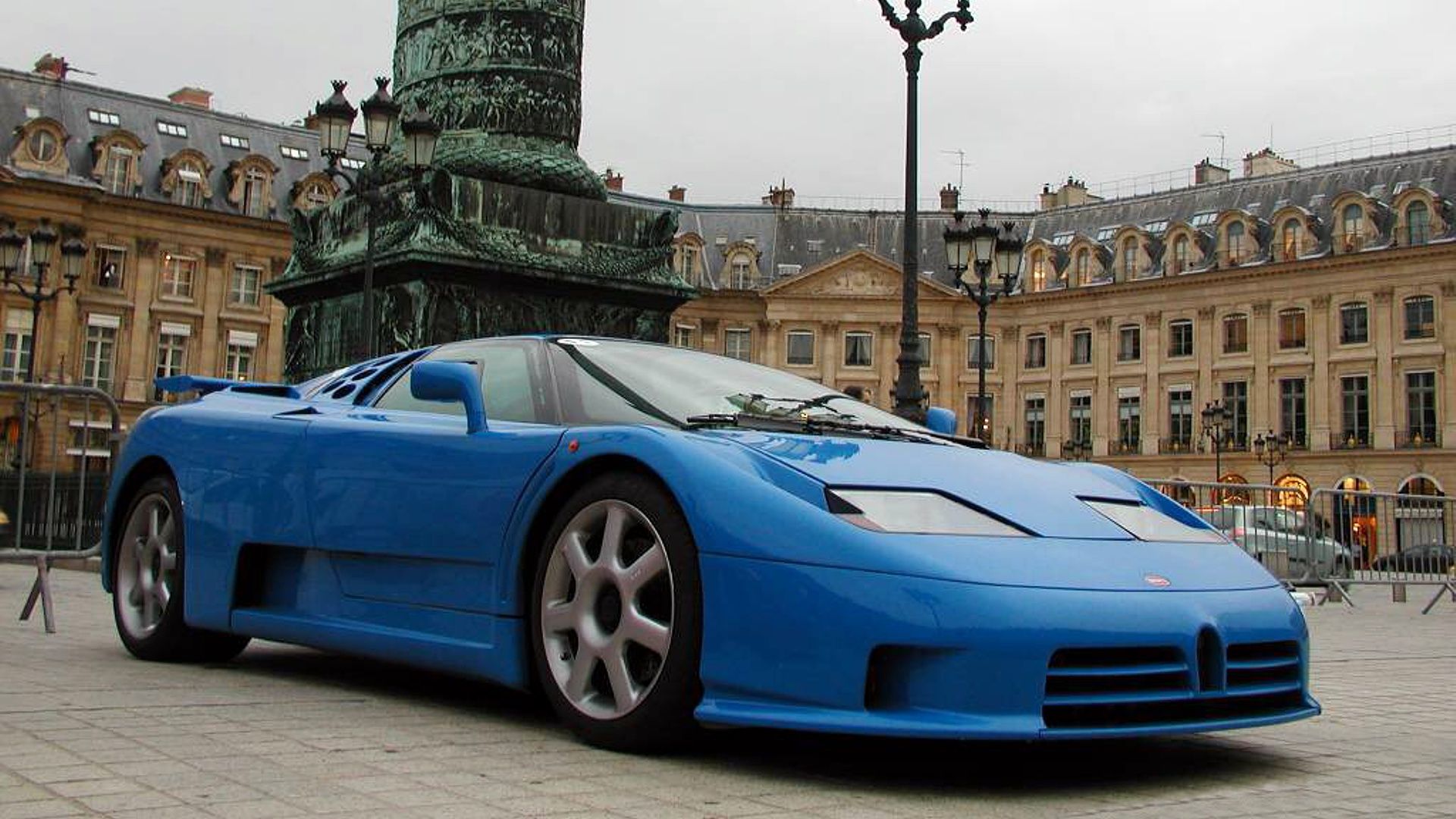
Bugatti EB 110 Super SportBugatti EB 110 Super Sport

9. Bugatti EB110 Super Sport

0-60 mph: 3.2 seconds

Initially revealed on the company’s founder, Ettore Bugatti’s 110th birthday in 1991, the EB110 came to be the last Italian-produced Bugatti before VAG took over the troubled automaker.

These days the Bugatti name stands purely for all-out speed and refinement, and though the EB110 was never a record breaker at the top end of the speed stakes, topping out at 216mph in the era of the McLaren F1, it was capable of reaching 62mph in just 3.2 seconds in 1992 Supersport trim – one of the fastest cars of its era over that dash.

That rapid acceleration was mostly thanks to the Bugatti’s 3.5-litre, quad-turbo V12, which transferred 604bhp to the road through all four wheels.

There’s something really appealing about all of the little design details on the EB110 which could be easily overlooked; from the cluster of circular air intakes just behind the doors, to the elegantly simple interior, all the way down to the gearshift layout positioned on the transmission tunnel, keeping the gear knob uncluttered.


10 Fastest Cars of the 1990s by Top Speed

It is no surprise that the fastest cars by top speed in the 1990s largely mirror the fastest accelerating cars of the same period. There are a few differences, but not many inside the top 10. Outside the top 10 there is some variation so we encourage you to play around with the table at the bottom of the post. 

Again, homologation specials sit high on the list. Because taking a race car and turning it into production car was so much work and the volumes were so small, it did not make sense for manufacturers to worry about practicalities or worry about usability on the road. Often the top speed of these cars is literally on par with their racing car siblings. Most of the top 10 cars by top speed during the 1990s are likely to be able to go even faster if the tires of the era had been more advanced. 

Outside the top 10, the “regular” production cars that weren’t special one-offs or limited edition specials include cars like the Lamborghini Diablo with its 217 mph top speed and the Ferrari F50 at 202 mph both make the top 20. It is also important to note that many of the “normal” cars were limited in their top speed by manufacturers, so don’t be surprised when you look at the full list and cars you expect to be there are missing. 

Dauer 962 Le Mans PorscheDauer 962 Le Mans Porsche

Dauer 962 Le Mans Porsche

Top Speed: 253 mph

We talked about the Dauer 962 above so we won’t rehash those details. Instead we will tell you a cool story. At the 24 Le Mans hour race, Dauer showed up with both a road version and race version of the Porsches 962, a design which had already won Le Mans six times. After winning the race, the FIA declared it would be creating rules to make sure the 962 wouldn’t be back in 1995. However, with a Le Mans win under their belt, and with support from Porsche, Dauer continued to build their road-going 962. The road going version was basically the race car with enough changes to be road legal. Jeez, no wonder it can hit a cool 253 mph top speed. 

McLaren F1 GT LongtailMcLaren F1 GT Longtail

McLaren F1 GT Longtail

Top Speed: 243 mph

F1 GTR Longtail was a rare race (only 10 made).  A handful of GTRs were not only bought by private owners, but also extensively modified by McLaren to make them street-legal machines. The Longtail was originally created for the 1997 FIA GT Championship in response to new competition from Porsche and Mercedes. Its heavily modified bodywork was designed to promote more downforce than the previous F1 GTR, which was closer to the standard road car.

McLaren F1McLaren F1

McLaren F1

Top Speed: 240 mph

What makes the McLaren F1’s top speed records so impressive is that it was never designed to do it. Technical director of McLaren Gordan Murray and stylist Peter Stevens realized that the car had to be small, use the lightest components available and have a large capacity, normally aspirated V12 engine. Little did they know, this design philosophy would break many speed records and win championships it wasn’t even originally intended for. After its release, the F1’s potential was immediately realized when it reached 0-100-0 in 11.4 seconds and a record top speed of 240.14mph in its XP5 pre-production trim. 

Lamborghini Diablo VTTTLamborghini Diablo VTTT

Lamborghini Diablo VTTT

Top Speed: 239 mph

To take the regular Diablo from its 217 mph top speed to 239 mph wasn’t cheap. The cost of the conversion from Diablo to Diablo VTTT was about $500,000 (on top of the cost of a base Diablo). Twin blueprinted, water cooled, Garrett T4 turbos were installed with electronically controlled waste gates, custom built intercoolers, competition type valves with race-type guides and polished cylinder heads. A custom twin-plate clutch in Kevlar to cope with the extra torque, a new short ratio gearbox to improve acceleration, and reprogrammed electronic fuel injection system were used. Also the brakes were upgraded with cross drilled and ventilated disks using carbon fibre brake pads. About six crazy owners decided to go ahead with the conversion and ended up with one of the fastest cars of the 1990s. 

Toyota GT-One Road Version (TS020)Toyota GT-One Road Version (TS020)

Toyota GT-One Road Version (TS020)

Top Speed: 236 mph

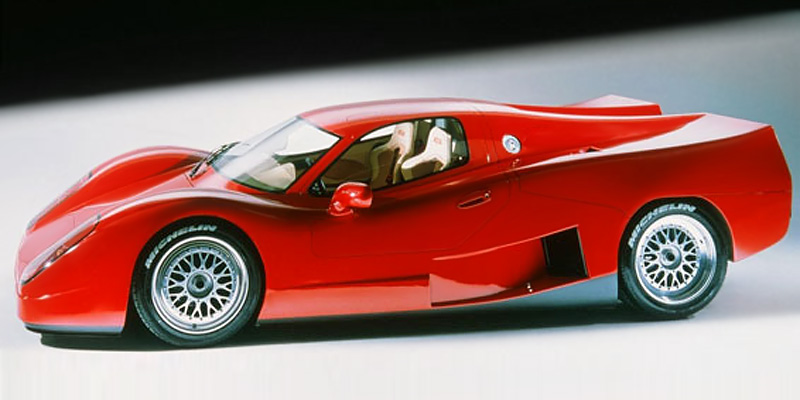
Jimenez NoviaJimenez Novia

Jimenez Novia

Top Speed: 236 mph

I hate to include concept cars on our list of fastest 90s cars, but this one was special. The Jimenez Novia W16 was a concept car in 1995. It was the work of Ramon Jimenez, a native French Vaucluse. Despite its somewhat exaggerated headlamps, their appearance and design reminiscent of Ferrari. Its interior had a modern, aerodynamic shape. Jimenez Novia had a W16 engine producing 560 horsepower and propelling the car to a top speed of 236 mph (according to the manufacturer). 

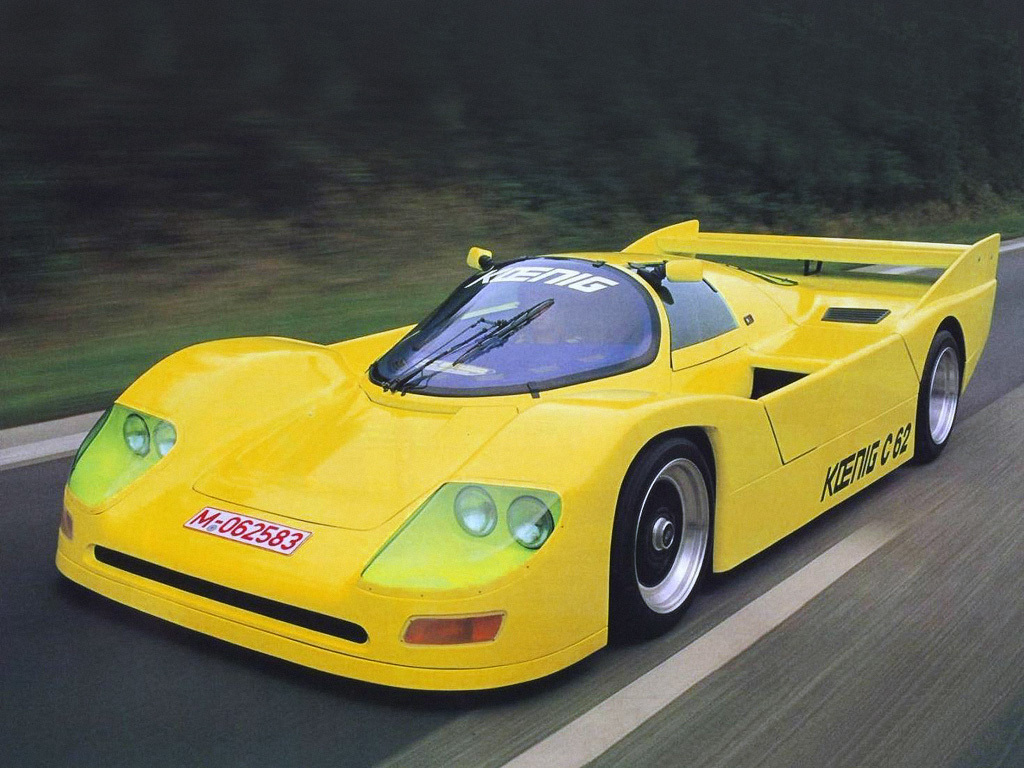
Koenig C62Koenig C62

Koenig C62

Top Speed: 235 mph

Like the Dauer 962 Le Mans Porsche, the Koenig C62 is basically a Porsche 962 racing car. Koenig’s C62 is a conversion based on original Porsche 962 chassis. To attain the necessary ground clearance and headlight position needed to make the car a road legal production car, an entirely new carbon fibre body was constructed. Koenig punched out the three liter version of the boxer engine to produce more low end torque. Other engine modifications included softer cams and a Bosch Mototronic system. The changes clearly worked because the car hit a top speed of 235 mph. 

Lotec C1000 Mercedes-BenzLotec C1000 Mercedes-Benz

Lotec C1000 Mercedes-Benz

Top Speed: 232 mph

We don’t have much to add about the Lotec (see above for the major details). The performance numbers from this car were astounding for this one of a kind machine. While the shape looks slippery and aerodynamic the reality is that it probably wasn’t. The bulk of the heavy lifting when it comes to the C1000’s 232 mph top speed was the 5.6-liter Mercedes V8 that was force-fed by twin turbochargers, resulting in about 1000 HP and 723 lb-ft of torque. 

Schuppan 962CR PorscheSchuppan 962CR Porsche

Schuppan 962CR Porsche

Top Speed: 230 mph

You guessed it. Another 962 based supercar. The car weighed about 2,300 pounds and was powered by a water-cooled 3.3-litre Type-935 Flat-6 with twin turbochargers producing 600 hp. The engine was borrowed nearly directly from the standard Porsche 962 unit used in the North American IMSA GT Championship so no wonder it hit a top speed of 230 mph. Most sources say that six Schuppan 962CR cars were built.

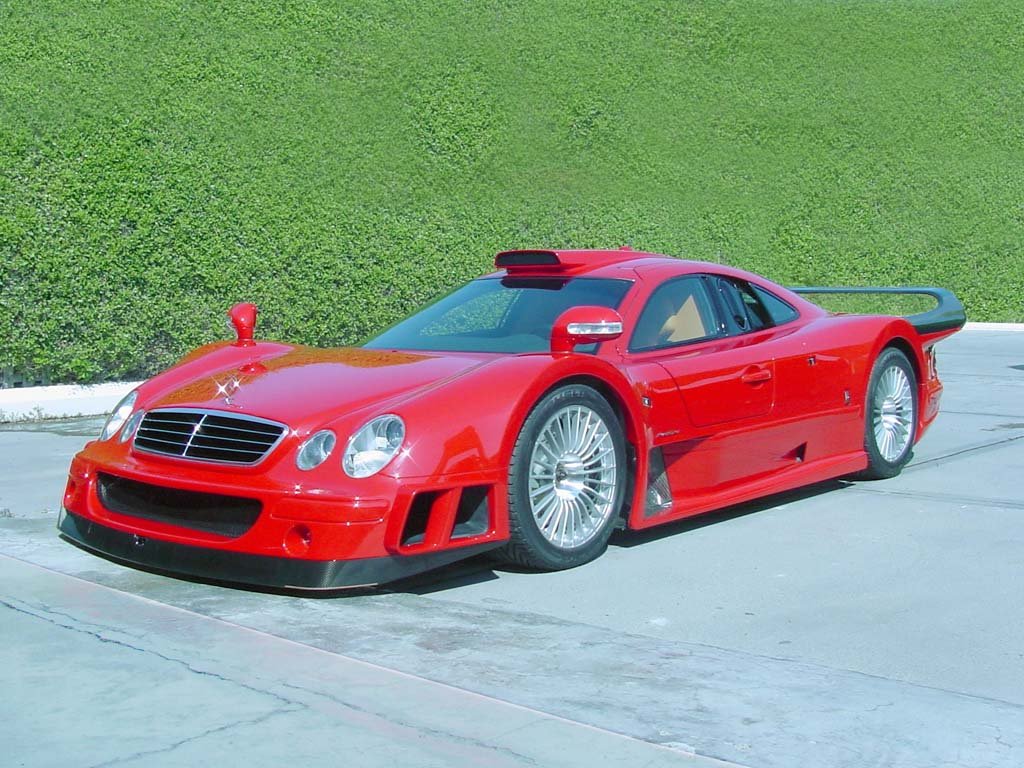
Mercedes-Benz CLK LM Straßenversion (AMGMercedes-Benz CLK LM Straßenversion (AMG

Mercedes-Benz CLK LM Straßenversion (AMG)

Top Speed: 224 mph

Cars built to the FIA GT regulations were also eligible to compete in the 24 Hours of Le Mans. Homologation for GT1 required a minimum of 25 examples to be produced. Enter the competition amongst top manufacturers. Mercedes-Benz started fresh, building one of the most extreme cars of the 1990s. Built with a cutting-edge carbon fibre monocoque chassis, the suspension was by double wishbones and pull-rod actuated coil-springs over dampers on both ends. Mounted amidships was an AMG modified version of Mercedes’ six-litre V12 engine. Breathing through the mandatory intake-restrictors, it was still good for at least 600 bhp. 


100 Fastest 1990s Cars – 0-60 mph, 1/4 Mile, Top Speed, Power & Torque Data

New limited-edition Bugatti rumored for Pebble Beach

The Supercar Blog has heard from its VIP sources that Bugatti has a new special-edition offering planned for debut at Pebble Beach. The Molsheim brand enjoys playing to its deep-pocketed crowd at the annual Northern California fest, having introduced the special edition $5.8M Divo there last year, and regularly hosting Grand Tour driving events around the concours. TSB didn’t get details on the coming model, but it was told that part of its production run has already been sold.

In 2017, ex-Bugatti CEO Wolfgang Dürheimer said the identity of a Chiron successor would need to be answered by this year, after spending 2018 exploring different ideas. Current brand CEO Stefan Winkelmann has spoken broadly about his intention for the automaker and vaguely about what kinds of models could come. He’s repeatedly nixed the idea of a Bugatti SUV and said sedans constitute “a segment that is losing momentum,” so a four-door wouldn’t be worthwhile. And although he has said the brand “still [has] a lot of plans” for the W16 engine, he most recently mentioned a more affordable, electric daily-driver, perhaps something that would sit on a brand new platform. Whatever gets the green light as a second model, its primary task is to increase Bugatti’s volume.

If a report in Automobile from last September is accurate, we should expect three Chiron-based trims to show before the production run ends: a go-faster SS, a Superleggera, and a targa Aperta. Winkelmann has also said he doesn’t want to do an Aperta version of the Chiron; still, we’re left with nearly every option open for the rumored debut at Pebble. TSB says Bugatti is working to unveil two new cars per year. The La Voiture Noire was one, the Pebble Beach car could be the second, and there’s another rumor of a third car to come at the Grand Tour drive. Just two months away from the event, it’s likely we’ll start getting glimpses before a reveal on the lawn.

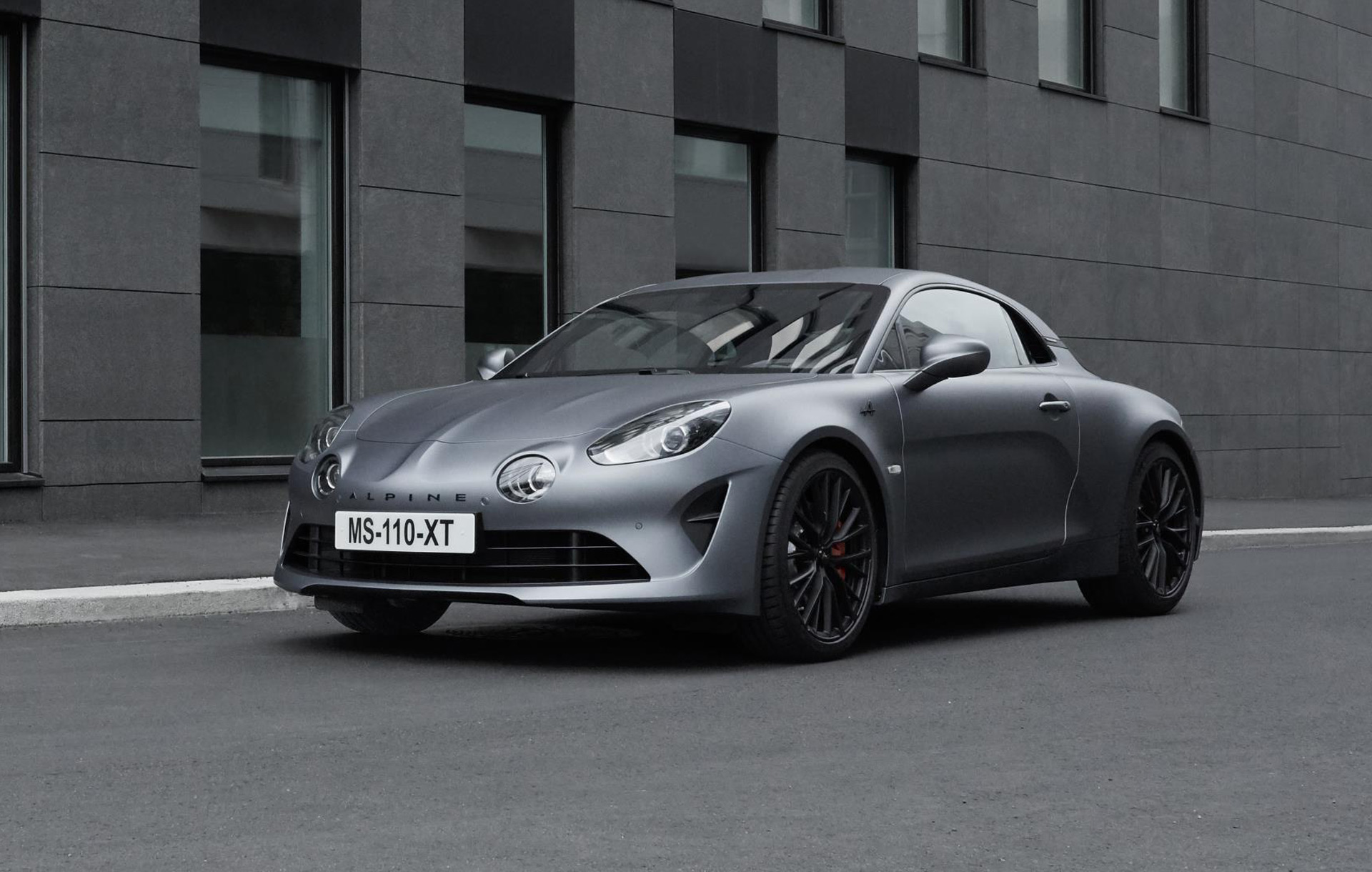
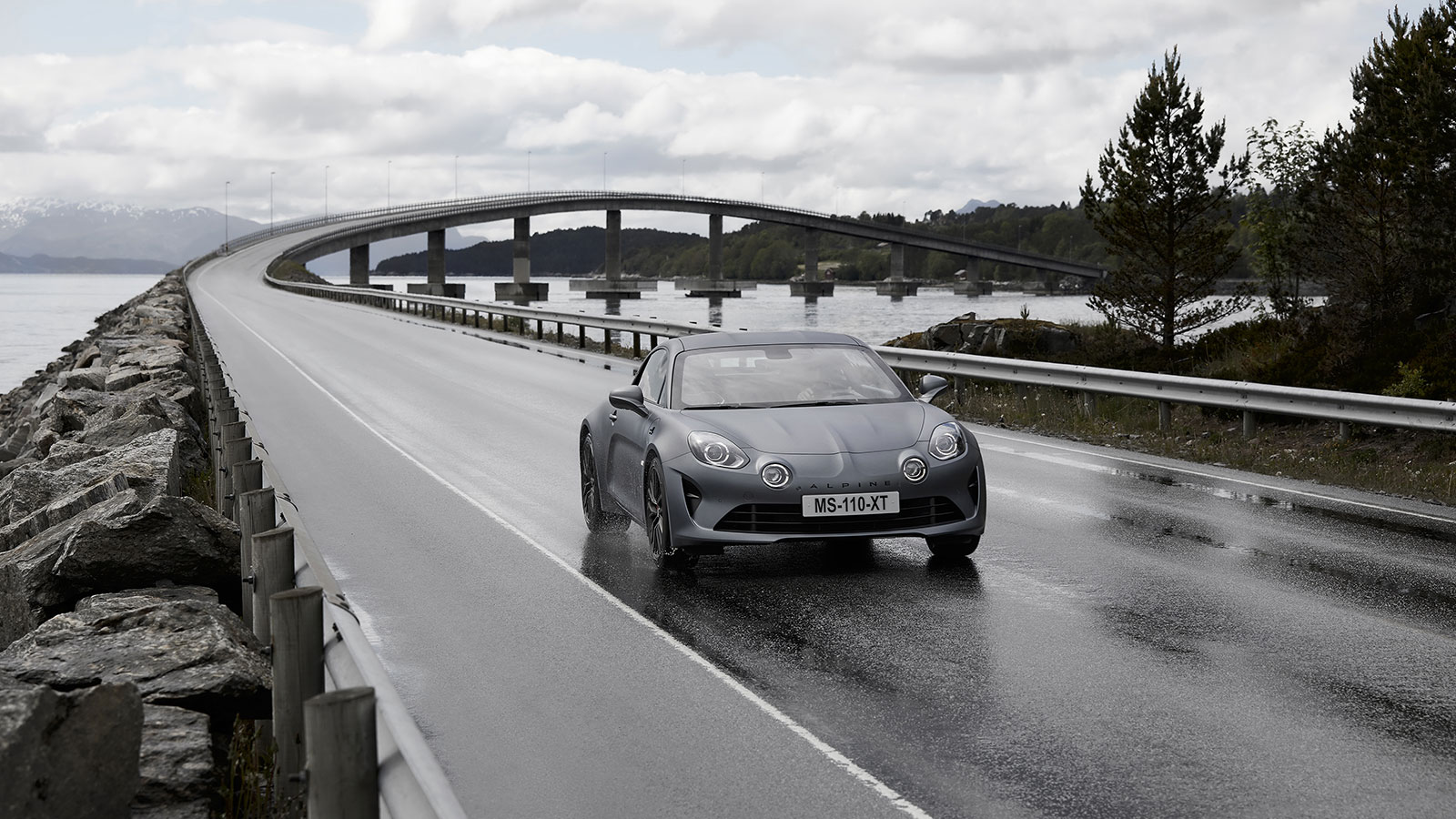
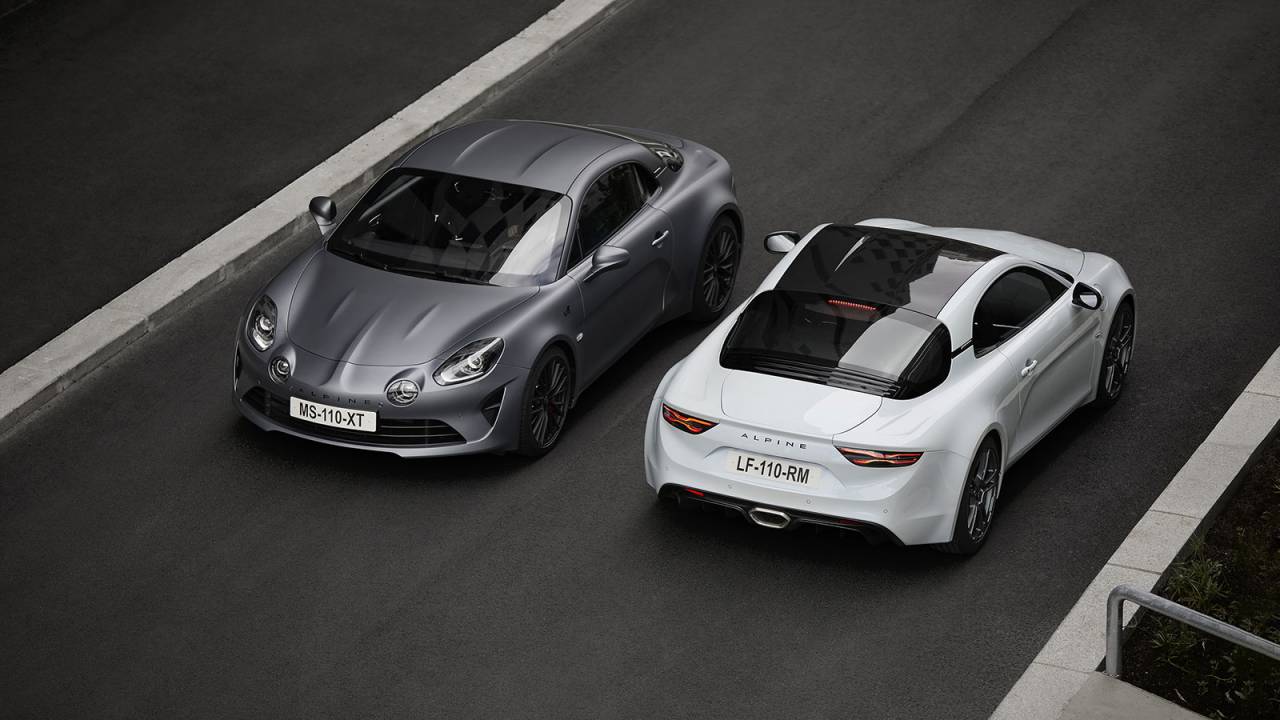
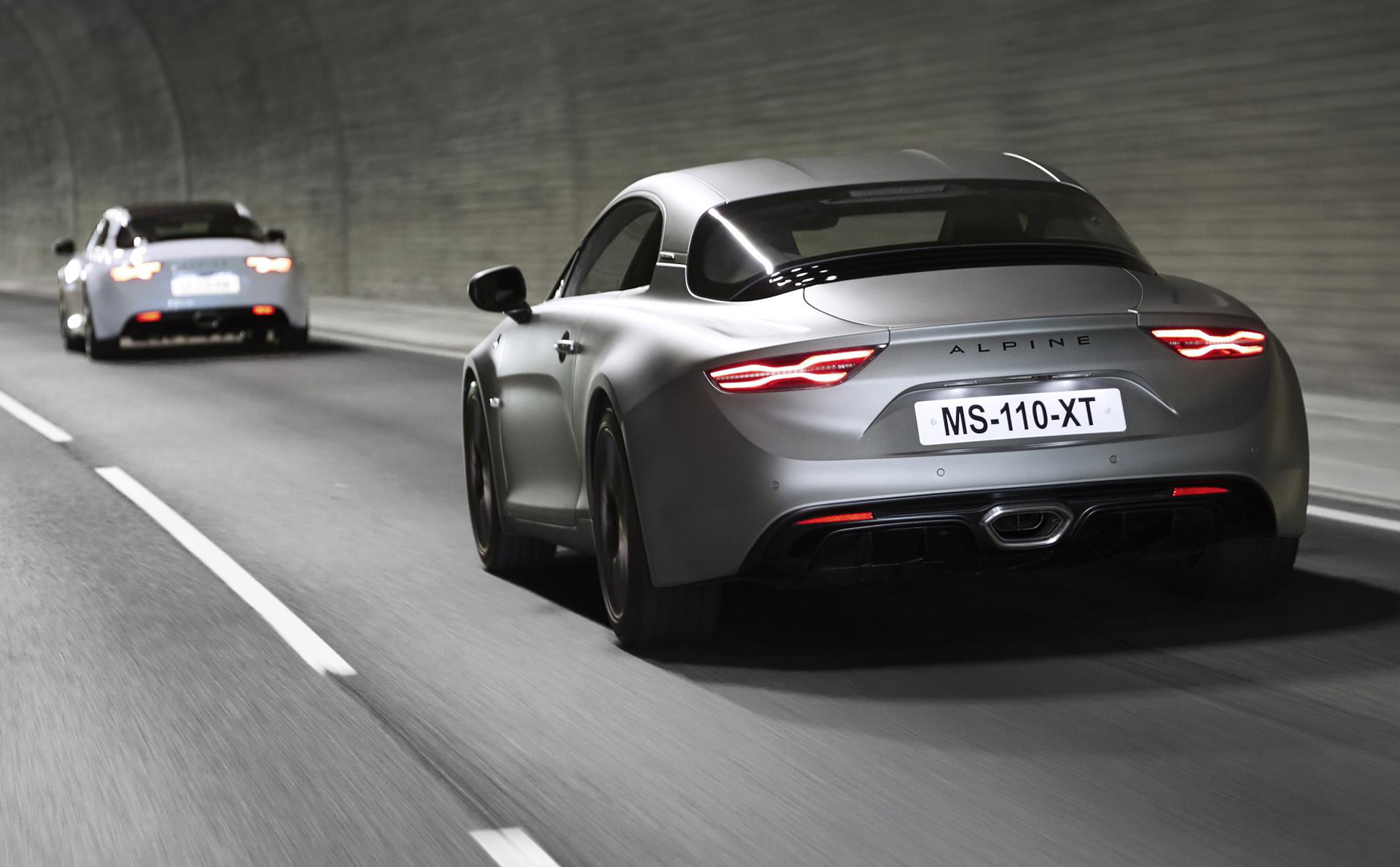
Alpine A110S

The Alpine A110 impressed everyone when it debuted with its beastly sports car innards. But it also angered stateside folks — Alpine still refuses to bring this ride to the United States. That isn’t changing for the more aggressive new flagship, the Alpine A110S.

Now on its third version, the Alpine A110S joins the A110 Pure and A110 Légende that brought back Alpine on the road. The most expensive and powerful of the bunch, the Alpine A110S has a very different character, says Alpine’s chief engineer.

“Its bespoke chassis setup makes it a very focused sports car. High-speed stability and handling precision are two of its defining characteristics. Although lap times are never a priority for our road cars, the new A110S is nonetheless faster than the A110 ‘s other versions.”

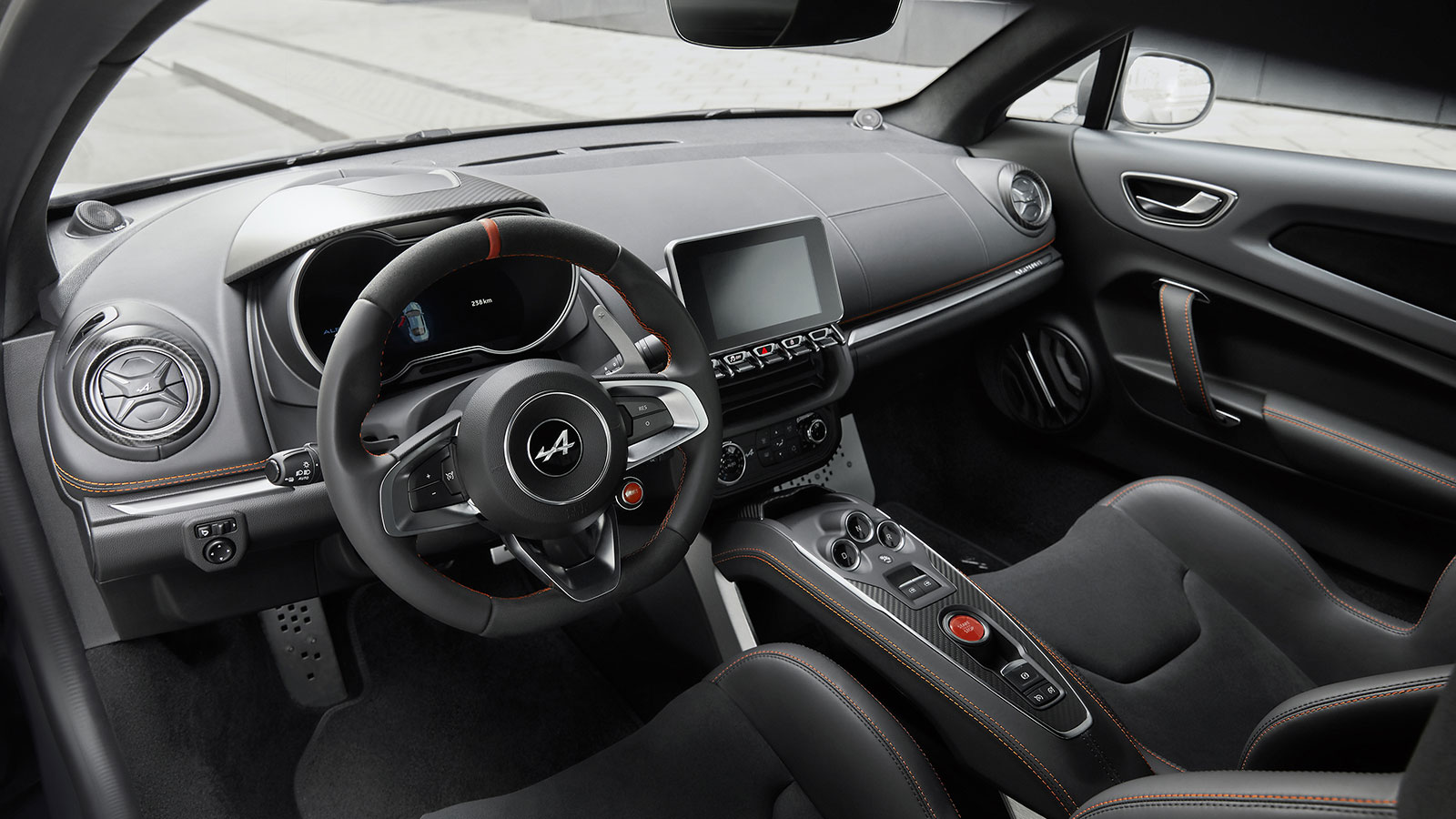
The 1.8-liter turbocharged four-cylinder engine now boasts 288 ponies, up nearly 40 over the earlier rides. Torque is a beastly 236 pound-feet, sticking around its peak for 1,400 rpm — higher than the base A110. There’s a rear-wheel drive, like before, and a seven-speed dual-clutch transmission. But there’s a new brake-based e-differential system that features a new cornering behavior.

The Alpine A110S has better high-speed stability, more responsive steering, and revamped handling precision, says Alpine. As for the styling, you’ll find dark-finished wheels, carbon fiber all over, and orange brake calipers. It’s even got an exclusive Gris Tonnerre matte finish paint option. Optional, too, is a carbon fiber gloss-finish roof, and so is lightweight Fuchs forged alloy wheels. More info when you hit the link below.

MORE INFO HERE

Photos courtesy of Alpine

Bugatti Could Reveal a Special Edition at Pebble Beach

A Special, Limited Edition

The Bugatti Divo appeared at Pebble Beach during the Monterey Car Week last year. This year, the company will reveal another special edition car, according to The Supercar Blog. The publication cited an anonymous source that said the company will showcase a new model at Pebble Beach. 

The car will be sold in very limited numbers. The publication was not told how few of the special edition models would be made. The source did tell the publication that many of the build slots have already been spoken for and most of the production run are already sold. 

Of course, the new limited edition hypercar will demand a price higher than the Chiron. It will likely be a vehicle based on the Chiron, like other Bugatti special edition cars, such as the Divo. The Supercar Blog says that Bugatti has plans to release at least two new cars each year.

The stunning La Voiture Noire was the first car for this year, but there’s still room for another. That’s where this latest special edition model will come in. We will keep following this story and report on any updates that arise. Right now, information is scarce and it’s mostly speculation. 

The Toyota GR Super Sports Concept Goes to the Racetrack

Gearing Up for Another Le Mans Already

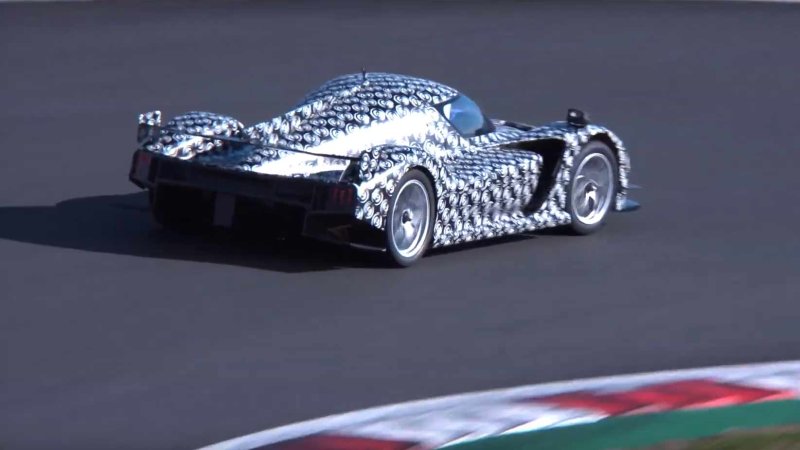
Fresh off its second win at the 24 Hours of Le Mans, Toyota is already testing its future race car. The vehicle is the GR Super Sports. The company has a concept version of the car that it’s already taking to the racetrack. In a recent video (included below), the car can be seen testing.

While little information about the car is out currently, it’s clear that Toyota is serious about continuing to power on. The company has its sights set on the World Endurance Championship with this particular car. According to Carscoops, the vehicle will make its debut in 2020. 

The official name of this car is unknown. The Super Sport Concept appeared at the 2018 Tokyo Auto Salon and used many of the same components as the current Le Mans-winning TS050 Hybrid. The powertrain was very similar and utilized the same internal combustion engine and electric motor setup, though it’s likely improved for the new car. It will likely make around or more than 1,000 hp. 

[embedded content]

Porsche’s 718 Spyder and 718 Cayman GT4 are Ready for Action

Meet the New Range-Toppers

Porsche has unveiled the new 718 Spyder and Cayman GT4. The new top-of-the-lineup cars feature some updates to the body, borrowing from other Porsche models in some cases. However, the big news for the model is the newly developed 4.0-liter flat six-cylinder engine that makes a whopping 414 hp and 310 lb-ft of torque. In the 718, as we’re sure you know, that’s a lovely bit of power. 

The car’s engine is mated to a six-speed manual transmission. That transmission and engine combination makes these road cars good for a 0-62 mph time of just 4.4 seconds. The Spyder can sprint all the way up to 187 mph and the Cayman GT4 can do a slightly stronger 189 mph. The car’s new fancy engine isn’t just built for power and performance, though. It offers cylinder deactivation for fuel savings, not that we expect many owners to care much. 

The exteriors of both cars are unique. The Cayman GT4 borrows some things from the GT4 Clubsport, including the large rear wing and other various aerodynamic elements. Those additions add around 50 percent more downforce, ensuring the car sticks to the road as you whip it around. The Spyder has a unique style with a double-bubble design at the rear. It the middle rests a floating third brake light. Additional adjustments include an active rear spoiler that deploys at 75 mph and a rear diffuser. 

The cars get a lower stance by just over an inch and Porsche Active Suspension Management is standard for these models. The cars get a locking rear differential and an updated traction control system with different settings to choose from. Aluminum fixed monoblock caliper brakes or optional carbon ceramic brakes stop the car.

You can now order either or both of the cars if you want. The Spyder costs $96,300, and the Cayman GT4 starts at $99,200. There’s a destination fee of $1,250. If you do order one, you’ll have to wait until 2020 for delivery. 

[2019 Edition] Best New McLaren to Buy

Which McLaren Should You Buy? Our Picks for the Best New McLaren Cars On Sale Today

Updated: June, 2019

Things were much simpler in the 1990s when McLaren only made the McLaren F1. If you wanted to buy a new McLaren, you looked under your mattress for a $1 million and you bought an F1. These days things are much more complicated. If you are shopping for a new McLaren today you need to understand a rather confusing and growing model range.

We decided to create this basic guide to save you some time and help you make a better decision. We recommend the best new McLaren to buy based on your desired use case and driving needs/wants. We don’t go into details on every new McLaren model, you can find that in our new McLaren models post (if you are shopping for a used McLaren check out the historical McLaren model lineup). 

As of June 2019, McLaren makes 11 cars across three different categories plus a couple of race cars if you want to buy a track-only toy. Telling the differences between cars is not easy and it is made harder by McLaren since the company uses a lot of the same technology and platforms across cars. If you are confused, don’t feel bad because most people are. 

Which McLaren is Which? Understanding the Sports, Super & Ultimate Series Ranges

First things first, let’s explain how McLaren groups their cars. There are three categories (“Series”) where models are grouped based on price, performance and focus. The groups are the Sports Series, the Super Series and them Ultimate Series. 

McLaren Sports Series

In some ways these are the perfect daily driver sports cars in the McLaren range. The Sports Series cars are not as extreme as the Super Series cars, but they are still crazy fast, awesome driving machines that are cheaper and more practical. What isn’t there to like. Think of these cars as competitors to Porsche GT models and you are right on the money. They are super light, have incredible power and a chassis designed for pure driving fun. The Sports Series model range offers unparalleled feel and connection to the road. Heart-stoppingly exciting and rewarding to drive but also highly useable. Yes please.

McLaren Super Series

Currently in its second generation of Super Series cars with the 720S and 720S Spider. We consider this McLaren’s core supercar model range. These cars use the top-end of McLaren’s performance equipment and technologies. Things like active aerodynamics and Proactive Chassis Control (PCC) are standard on the current McLaren Super Series models. Uncompromising performance and focus.

McLaren Ultimate Series

The pinnacle of the McLaren model range is the Ultimate Series. It is the top of the most extreme McLaren cars and (so far) is made up of McLaren’s hypercars and very limited edition machines. The original Ultimate Series car was the McLaren P1. The current crop of Ultimate Series McLaren models includes both the McLaren Senna and the McLaren Speedtail. McLaren have said that the original McLaren F1 is retroactively included in the Ultimate Series.

McLaren GT

It is worth mentioning the new McLaren GT. Technically the GT does not belong in any of the above “Series” groupings. McLaren says it is a true GT supercar and deserves its own standalone designation. Fine by us, just a little more McLaren confusion I guess.

Which New McLaren is Best to Buy?

We have already created a guide that goes through every current McLaren model so we are not going through every car in this post again. Instead we are just going to tell you which new McLaren to buy based on your driving needs. 

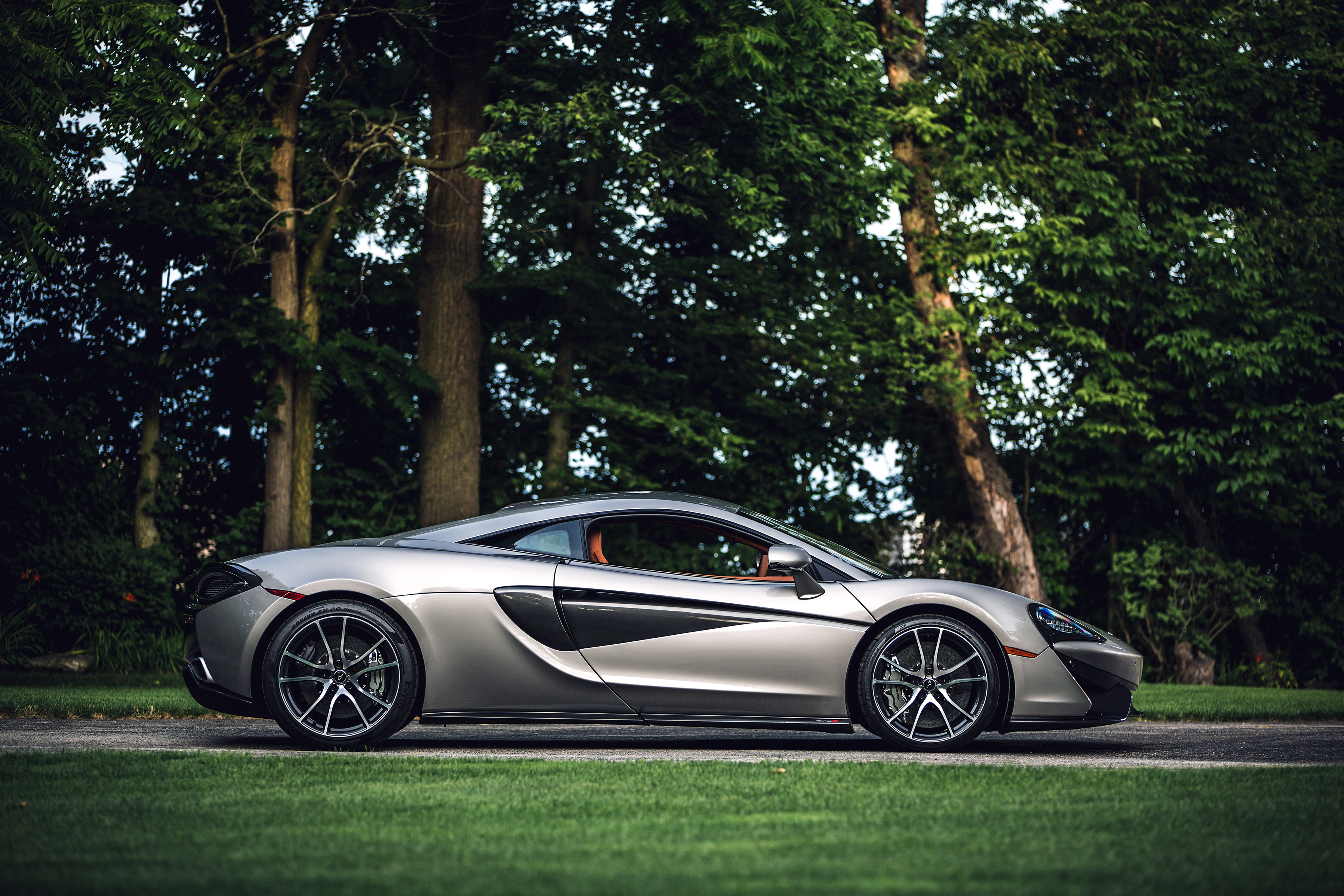
McLaren 570SMcLaren 570S

Best Entry Level McLaren

McLaren 570S

If you are contemplating the purchase of a Porsche 911 Turbo or Audi R8 V10 then the McLaren 570S coupe should be on your shortlist of potential alternatives. Technically, the McLaren 540C is the entry level McLaren, but frankly, the 570S is better and worth the premium. You can also opt for the McLaren GT and if you drive long miles on the highway, the 570GT with its more compliant ride may be the wiser choice than the 570S, but for everybody else we recommend the 570S Coupe as the best entry level McLaren. The 570S Spider is also great, but we just find the coupe a better all around proposition.

While this is the entry-level McLaren you still get a carbon fiber tub and a twin-turbocharged 3.8-litre V8 driving the rear wheels through a seven-speed dual-clutch automatic gearbox. We are talking 562 hp and 443 lb-ft of torque, so it is fair to say “entry level my a**”. This is a bonafide supercar in terms of firepower and performance.

How is the 570S different than the more expensive 720S? Instead of composite bodywork, the 570S has an aluminium structure and body parts. Instead of the advanced linked hydraulic suspension system, the 570S gets regular anti-roll bars. There are also no active aerodynamics on the 570S either. The 570S does get its own Active Dynamics system, allowing you to pick driving modes that suit your mood.

Driving the McLaren 570S is fun. The ride is flat, taut and feedback is perfect. Normal mode is enjoyable and does a decent job of smoothing rough road surfaces. You could drive this car everyday and not feel like you need back surgery once a week. Grip is tremendous and with the 570S’ class-leading steering you always feel 100% in control. The car is never hyperactive or nervous, just always fluent, predictable, tactile and absorbing. The 570S is a real pleasure to drive both slow and fast but it is clearly more at home hammering through back roads on weekends than cruising on a highway. The non-stop pull of the twin-turbo V8 is addictive and it is more than enough (if you never drove a 720S you would never ask for more performance). Sure it doesn’t have the refinement of a 911 Turbo or the sound of a naturally aspirated Audi R8, but it has a driving experience that is unmatched at this price point and enough daily utility that I would choose it over the 911 and R8 all day long.

Best entry-level McLaren? Say hello to the 570S.
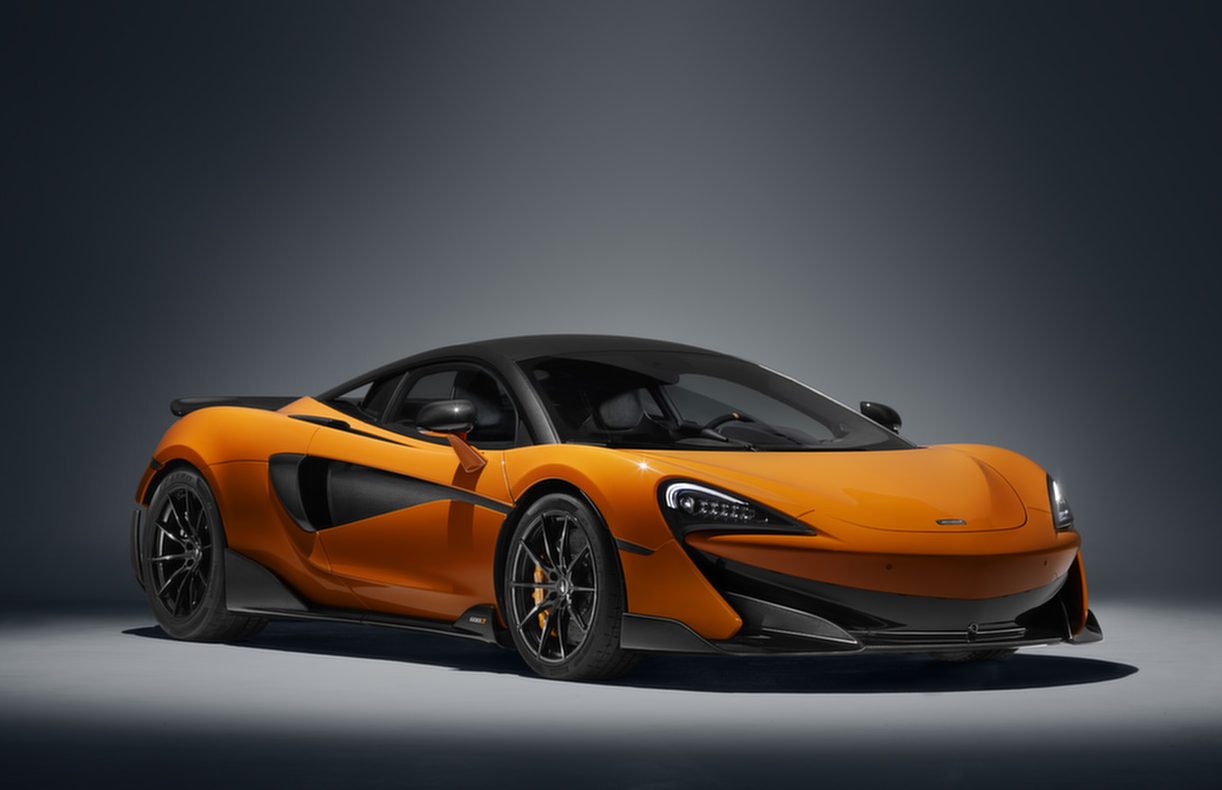
McLaren 600LTMcLaren 600LT

Best Driver’s McLaren & Track Day Special

McLaren 600LT

This is the car I would buy if I had to choose the best supercar on sale today. Forget the Pista, forget the Senna, I would buy the McLaren 600LT Coupe (yes the 600LT Spider is also awesome).

Based on the already highly impressive 570S, the LT adds power, cuts weight and puts a more uncompromising twist on driving dynamics. The 600LT gets the same 3.8-litre twin-turbo V8 and seven-speed dual-clutch as the 570S, but power increases from 562 bhp to 592 bhp and torque is up from 443 lb-ft to 457 lb-ft. Weight is also down about 220 pounds thanks to carbon seats, forged alloys, shorter top-exit exhausts and new carbon front splitter, rear diffuser and fixed rear wing. The new aero parts also increase downforce to 220 pounds at 155mph. Overall, the increase in power and weight loss means the 600LT has 474 bhp-per-tonne, 46 bhp more than the 570S on which it is based. Impressive.

Performance numbers as would expect are scintillating. The 600TL goes from a standstill to 60 mph in just 2.9 seconds, zero to 124 mph in 8.2sec to 124 mph and on to a top speed of 204 mph. The most impressive part of the 600LT is not the absurd straight-line numbers either, it is the way that the 600LT goes about its performance. There is a precision and feel that comes from all the changes that just elevates the 570S-based chassis to another level of greatness. The steering, chassis and engine work together to create a spectacular drive. The whole experience is more raw than a base 570S. The acceleration is more intense, the car carries more grip in corners and the steering wheel has more feel. It is just perfect.

To be clear, this isn’t a daily driver. The 600LT is definitely a track-focused special edition car that does compromise daily comfort for thrilling performance. With its uncompromising chassis settings, the 600LT does feel less forgiving on a bumpy road, but in what little suspension travel it does have there is exceptionally well-judged damping. That means the car can feel busy over bumps and ridges, but never brittle or uncomfortable. On smoother roads, you’ll never give the car’s ride quality a second thought.
Capable of eye-watering performance it is deserving of the LT name and it is the best drivers car that McLaren makes today.

The 600LT is the perfect drivers car. If you love getting behind the wheel on an open road and hammering around for a few hours, then this is the car for you. It’s a revelation, calibrated just perfectly and with absurd levels of performance yet able to be enjoyed by regular drivers on normal roads. This is what cars are meant to be about. 
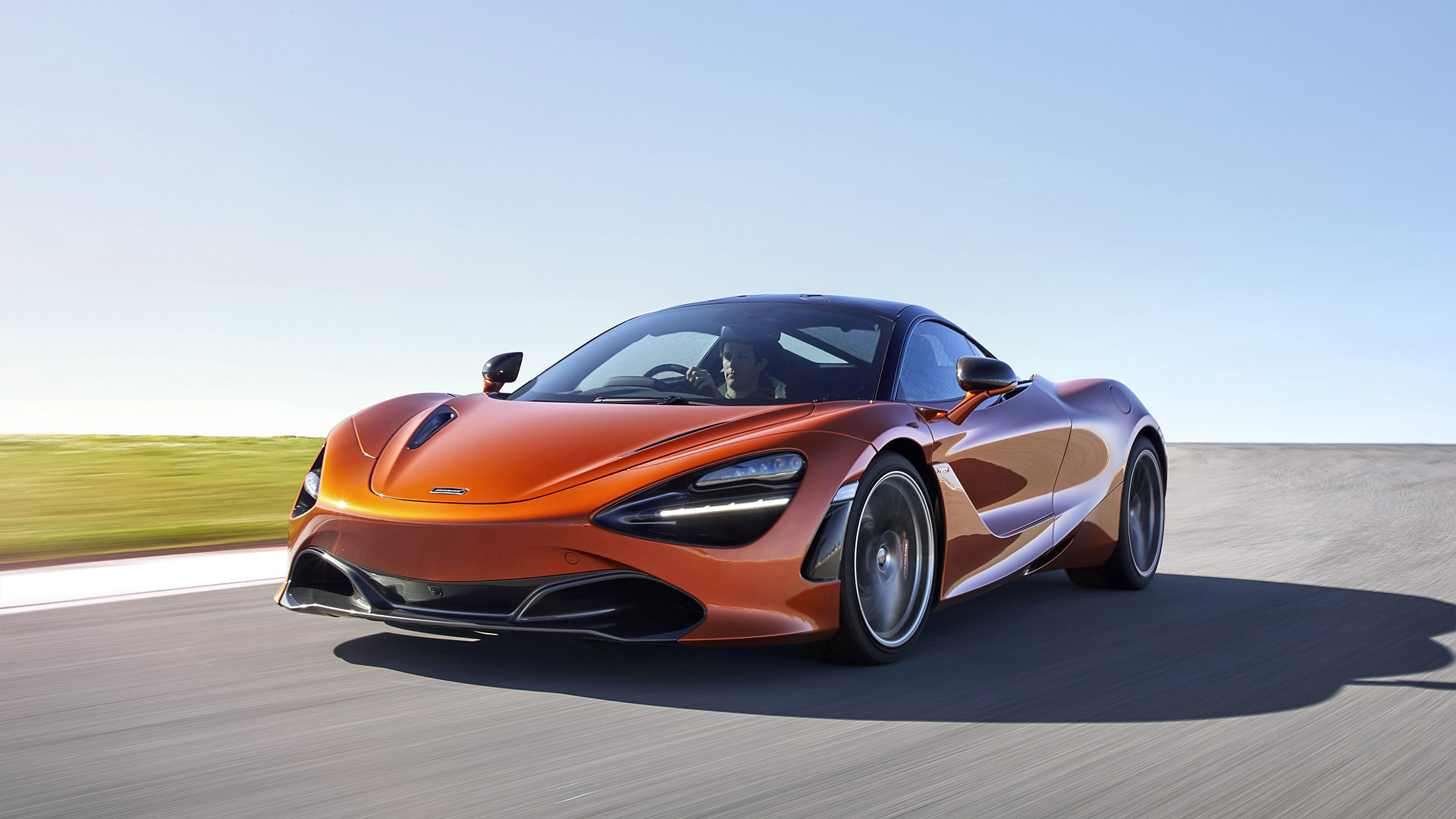
McLaren 720S CoupeMcLaren 720S Coupe

Best McLaren Supercar

McLaren 720S Coupe

The McLaren 720S isn’t just the best supercar that McLaren makes, it is the best supercar on sale today period. It beat the Ferrari 488 in multiple tests by reputable car magazines and that says a lot because the 488 is a masterpiece. The McLaren 720S is a more sensational supercar and easily the best of the current breed.

The 720S is an exotic for sure. It is a mid-engined, rear-wheel-drive supercar with an advanced carbon fiber chassis and a twin-turbocharged 4.0-liter V-8 that produces 710 horsepower and 568 lb-ft of torque. It also has the most advanced suspension system on the market. Called Proactive Chassis Control II it gets improved sensors combined with a hydraulically connected damper system that means there’s no need for anti-roll bars. It also has the awesomely named Variable Drift Control system that ummmm is great for sideways fun.

The McLaren 720S is a performance monster. Monumentally fast, it goes from 0 – 60 mph in just 2.8 seconds and onto a top speed of 212 mph. These are hypercar-like performance numbers and indeed, flooring a McLaren 720S on road or track is not that different than the McLaren P1. It isn’t just straight line speed either because the 720S has an uncanny ability to blend pointy and balanced handling with supple ride making the chassis a work of brilliance.

Superb ride and handling, crazy performance and everyday usability, no wonder Top Gear said the 720S was “Probably the single most accomplished supercar we’ve ever driven.”  Best supercar on sale today, bar none. 
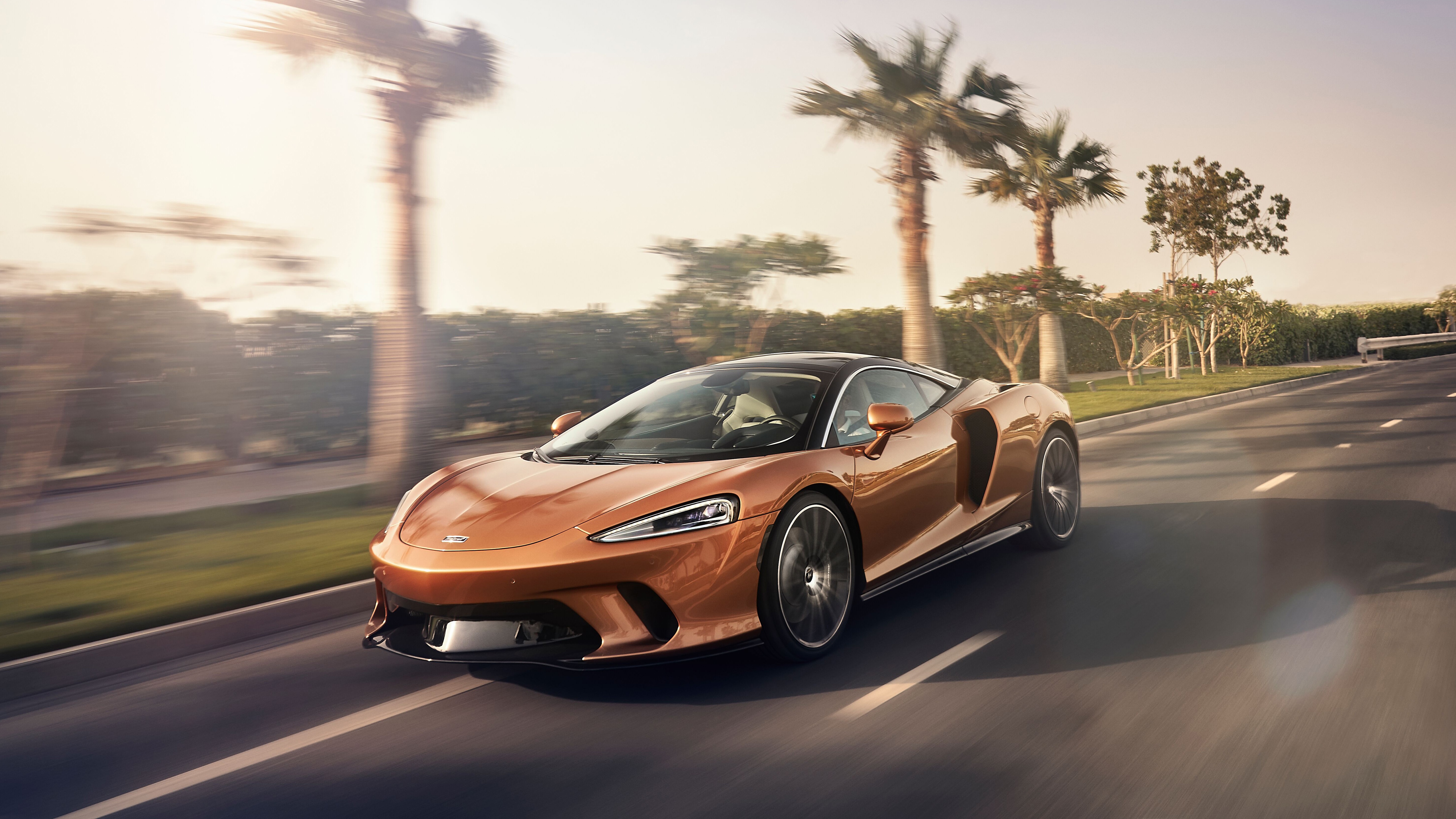
McLaren GTMcLaren GT

Best McLaren for Daily Use

McLaren GT

Ok, so we are cheating a little bit here since we have yet to drive the McLaren GT and we have yet to read any reviews either. Given that McLaren has said the GT model was built with express purpose of delivering a better overall daily car that is more comfortable and luxurious, it is hard to imagine any other McLaren being better for daily use.

The car has a mid-engine 4.0-liter twin turbo V8 that makes 612 hp and 465 lb-ft of torque. McLaren has changed the way that power is delivered, making it different than the rest of the range in order to suit a GT-like driving experience. The car isn’t some plush boat though. It is still a McLaren and as such performance will be amazing. It can do 124 mph in nine seconds flat and has a top speed of 203 mph.

Physically, the GT is a bit longer and more elegant than the other models from the brand, creating more storage space and giving occupants a larger feeling cabin area. It sits up a little higher than the other supercars in McLaren’s lineup and offers segment-leading cabin refinement, according to the company. It also comes with a reasonably generous 14.8 cubic feet of cargo space. Add in the additional storage areas in the car and you have a combined total of over 20 cubic feet of cargo space. The infotainment system is new (thank goodness) and the interior has high-quality interior materials, including Nappa leather and Alcantara laid out in more of a luxurious manner than the rest of the range.

We think it is safe to say that the McLaren GT will be the best new McLaren for daily use on sale today.
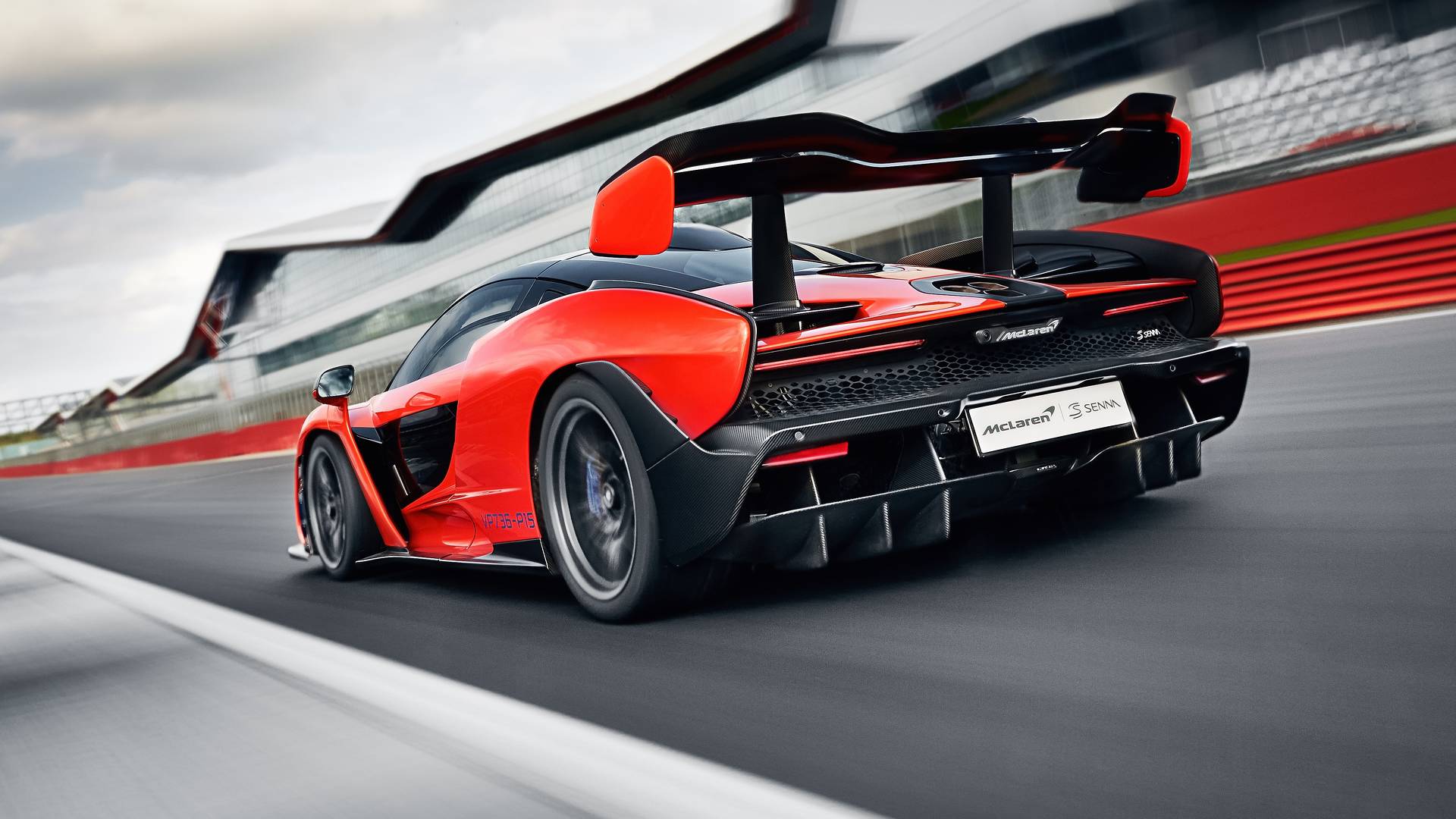
McLaren SennaMcLaren Senna

Best Money No Object McLaren

McLaren Senna

McLaren claims this is the most extreme road car it’s ever built. It was designed to smash lap records and spend days destroying circuits lap after lap. Named after Formula 1 driver Ayrton Senna, the McLaren Senna is a track-focused hypercar.

The first time you see the Senna is can be a little jarring. It certainly isn’t the prettiest car in the world but it never was meant to. Every aspect of its design is focused on making it fast around a track. The Senna is all about aerodynamics – up to 1500 pounds of air pressing the mid-engined two-seater into the tarmac at 155 mph. It could produce more, but above that speed McLaren alter the wing angles to maximise acceleration.

It makes our list because it is in fact road legal and because it really is a stunning achievement by the team at McLaren. It develops 789 hp and 590 lb-ft of torque all deployed through the rear wheels via a seven-speed twin clutch gearbox. The sprints to 62mph is over in 2.8 seconds while 124mph comes up in just 6.8 seconds. To be fast on track a car needs to be both powerful and lightweight and the Senna is a relative lightweight, weighing just 2800 pounds with all fluids and fuel. All 500 units are already sold out though so you may need to buy one second hand if you really want one.
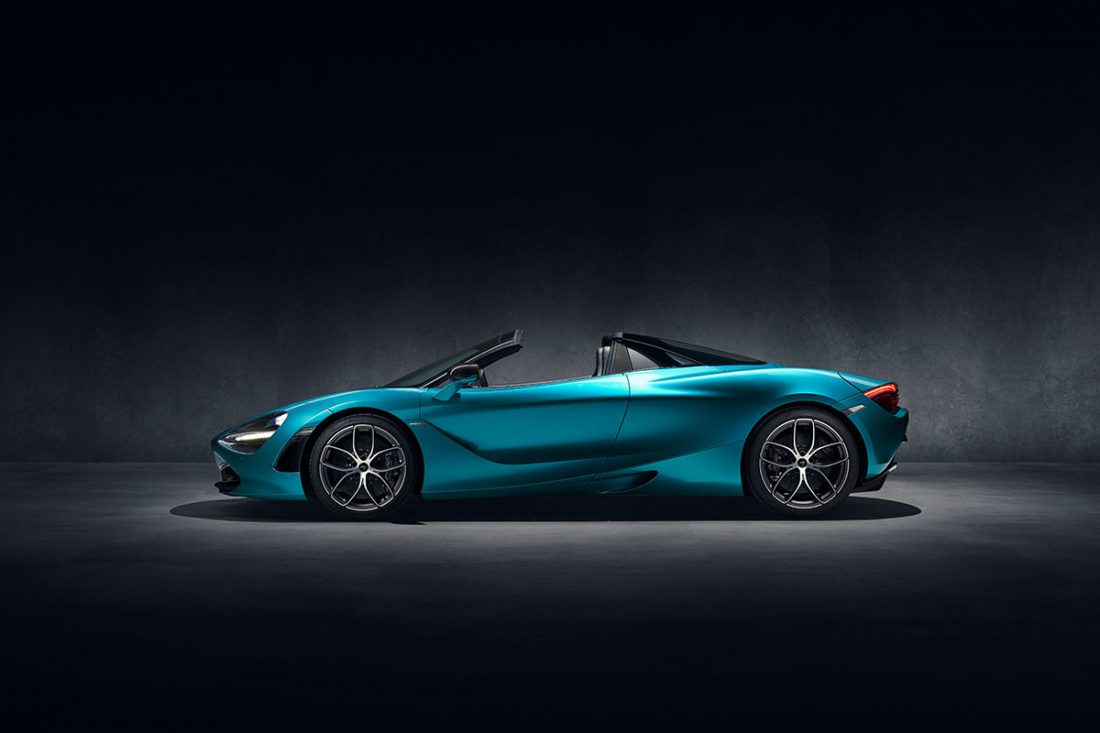
McLaren 720S SpiderMcLaren 720S Spider

Best New McLaren – Overall Winner

McLaren 720S Spider

If your only criteria is simply, “I want the absolute best new McLaren for all conditions and driving needs” then you cannot go past the McLaren 720S Spider. I would personally buy the McLaren 600LT but that is because I am willing to live with the compromises of a track-focused car and all the rough-edges that come with a hardcore car driven on normal roads. I am also only going to drive the car once or twice a month based on my crazy schedule so those issues come up less of the time.
For everybody else, you should buy the 720S Spider. I  guarantee that anybody who buys it will be happy. It does everything exceptionally well. In fact, the 720S Spider does everything the 720S coupe does but with the added benefit of getting a tan and some fresh air when it is sunny outside.
The McLaren 720S is a sensational supercar, easily the best of the current breed. It has a twin-turbocharged 4.0-liter V-8 that produces 710 horsepower and 568 lb-ft of torque. We said it was the best supercar on sale today, bar none. It is.

Sure, the Spider weighs about 300 pounds more than the coupe, but this is a car with 710hp – you are not going to be able to feel the performance differences (the Spider is 0.1 seconds slower to 124 mph versus the coupe) . The roof has cool electric motors which means it takes just 11 seconds from open to close (and vice versa) and can be operated up to 31 mph.

The 720s Spider is a great daily driver too. Sure, the GT is more luxurious and has some more space. But, the 720S has McLaren’s special hydraulic cross-linked variable dampers and they work like magic. They make the 720S Spider ride like a luxury car over bumps and rough roads. It is uncanny in its ability to make a supercar feel like a regular luxury car, delivering a remarkable ride: flat, yet amazingly supple.

From a performance perspective it can destroy anything else on the road. Sure the Senna is faster but you can’t drive a Senna to get groceries. The 720S can be driven to work and hammered on back roads on weekends. It handles amazingly well, it has so much punch in any gear that it is legitimately scary in a great way. The performance is absolutely astonishing. The open top makes it feel more liberating and more immersive than the coupe. The 720S Spider has been so well calibrated, is so clear, clean and faithful in its responses that you have utter confidence in its manners. The steering is the best of any supercar. 

Out of this world performance, stunning looks, advanced technology and most importantly tons of soul. The best new McLaren for sale today is the McLaren 720S Spider

The New Dendrobium D-1 Electric Hypercar Prototype Broke Cover at Le Mans

An Updated Version of the Car

The car that was shown off at the 2019 24 Hours of Le Mans by the British company Dendrobium started its design life at Vanda Electrics. According to Motor Authority, Dendrobium took over the project from that company and moved its design and development along. The car was presented as a concept at the 2017 Geneva Motor Show. From there Dendrobium decided to continue to work on it. Now it has a prototype, which is the car it brought to Le Mans. The Dendrobium D-1 is getting closer to being a production car. 

The car’s specifications are impressive. Also, Dendrobium got serious and brought aboard McLaren F1 designer Peter Stevens to help craft and fine-tune the car’s aerodynamics. That is likely a smart move because with power output numbers like this car has, you’ll want an aerodynamic vehicle. The company also put on Michelin Pilot Sport Cup 2R to ensure that power was being properly utilized. 

In terms of powertrain, there are two electric motors. The company has one at each axle. The combined power output is 1,800 horsepower and 1,475 lb-ft of torque. That’s an insane amount of power and Dendrobium states that it translates to a 0-60 mph time of just 2.7 seconds and a top speed over 200 mph. 

Not all of the car’s specifics have been revealed. Range, for example, is still a question and some of the finer points of the powertrain are still shrouded in secrecy. The company has a similar business plan to Rimac, which seems to have worked out well for the Croatian company, and could help Dendrobium become a serious force to be reckoned with. 

Toyota’s TS050 Hybrids Achieve a One-Two Finish at 24 Hours of Le Mans

A Repeat Win for Toyota

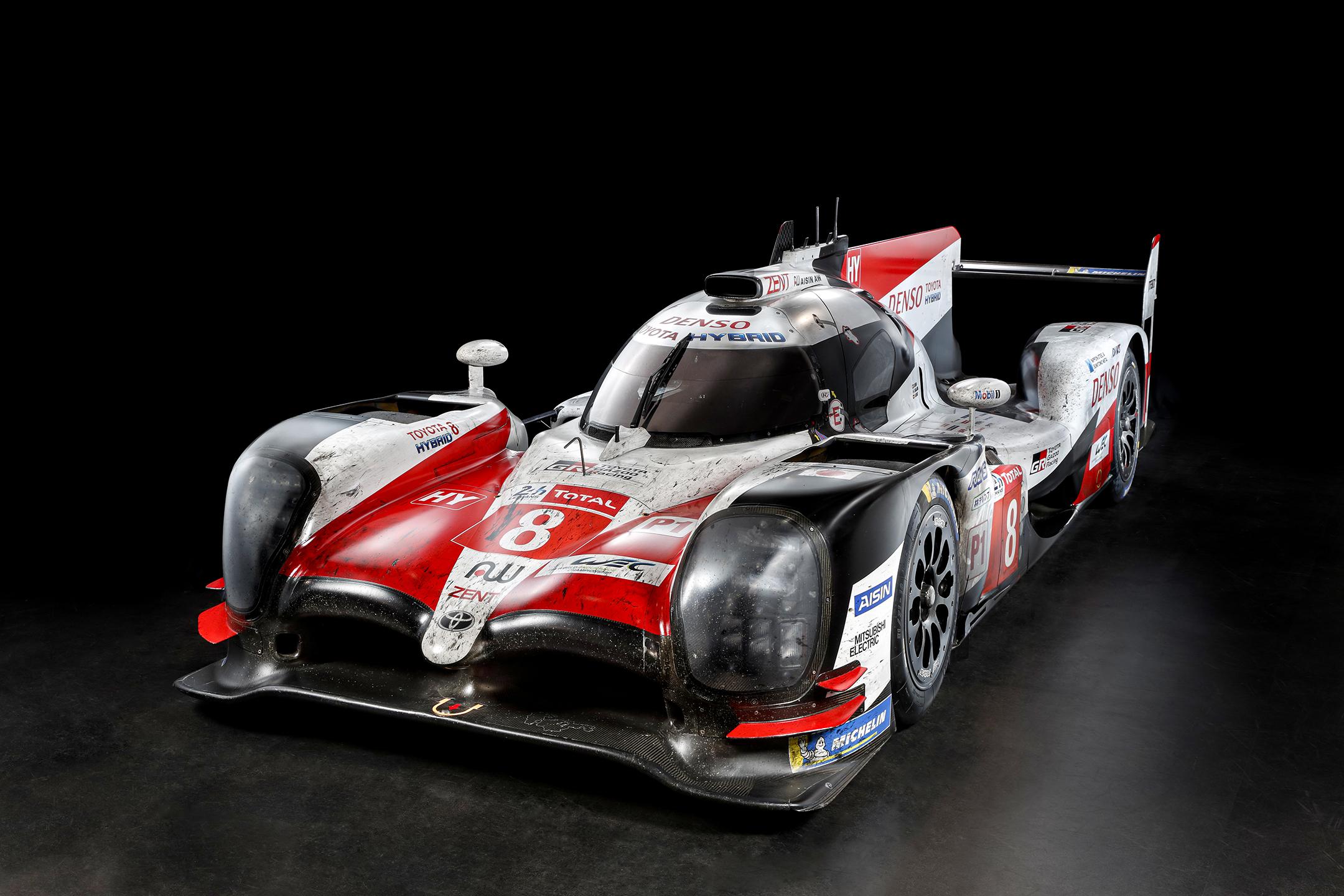
The 24 Hours of Le Mans race for 2019 was not without its drama, but the end result was one that was expected. Toyota managed to come away with a one-two finish, and its second win of the race. This was in part thanks to the team’s hard work, partly due to the superb talent of its team of drivers, and partly due to the GAZOO Racing TS050 Hybrid cars. 

Despite this, the #8 car, which actually won, was not the expected car to win. The #7 car was the in the lead for most of the race and it only slipped to second place after some issues with flat tires. This led to the car having to pit twice and that made room for the #8 car to take the lead. 

TS050 HybridTS050 Hybrid

Despite the kerfuffle at the end of the race, Toyota came out on top. Being that it was the only major automaker to compete in the LMP1 class, this was really not a huge surprise. We shouldn’t let that take much away from the Toyota team, though. It was a worthy win, and the TS050 Hybrid cars are true track beasts. 

The TS050 is a prototype racing car that utilizes a 2.4-liter bi-turbo V6 hybrid powertrain to rocket around the racetrack. It uses a seven-speed sequential gearbox to get that power down to the track. The powertrain makes around 1,000 hp, which was plenty to secure the car and its drivers the win in 2018 and now in 2019. 

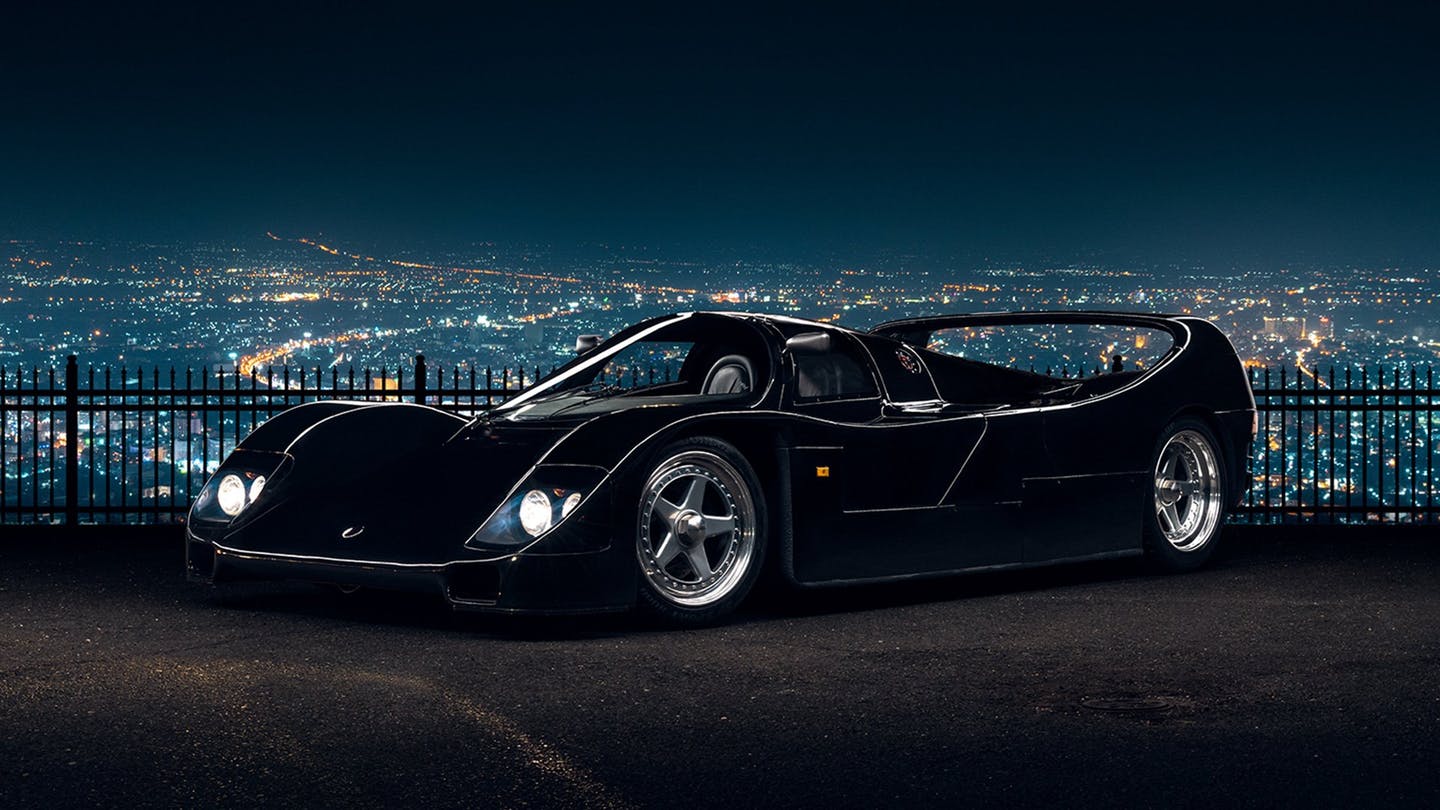
Toyota Gazoo Racing teases its coming GR Super Sports concept hypercar

Filed under: ,,,,,,,,,

Japan’s first OEM hypercar takes shape, runs laps.
Continue reading Toyota Gazoo Racing teases its coming GR Super Sports concept hypercar

Toyota Gazoo Racing teases its coming GR Super Sports concept hypercar originally appeared on Autoblog on 2019-06-17 09:15:00. Please see our terms for use of feeds.

Permalink |  Email this |  Comments

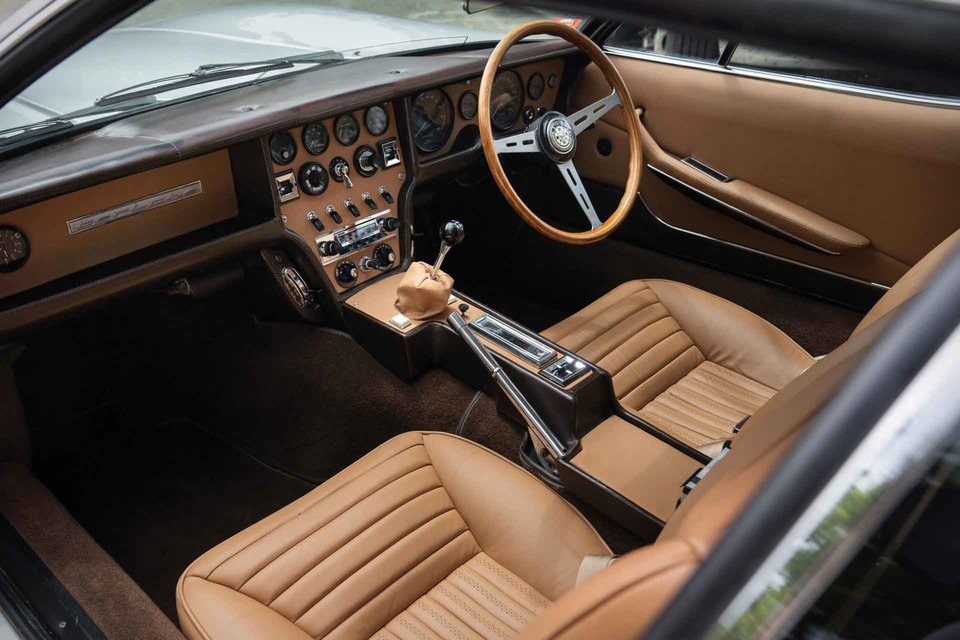
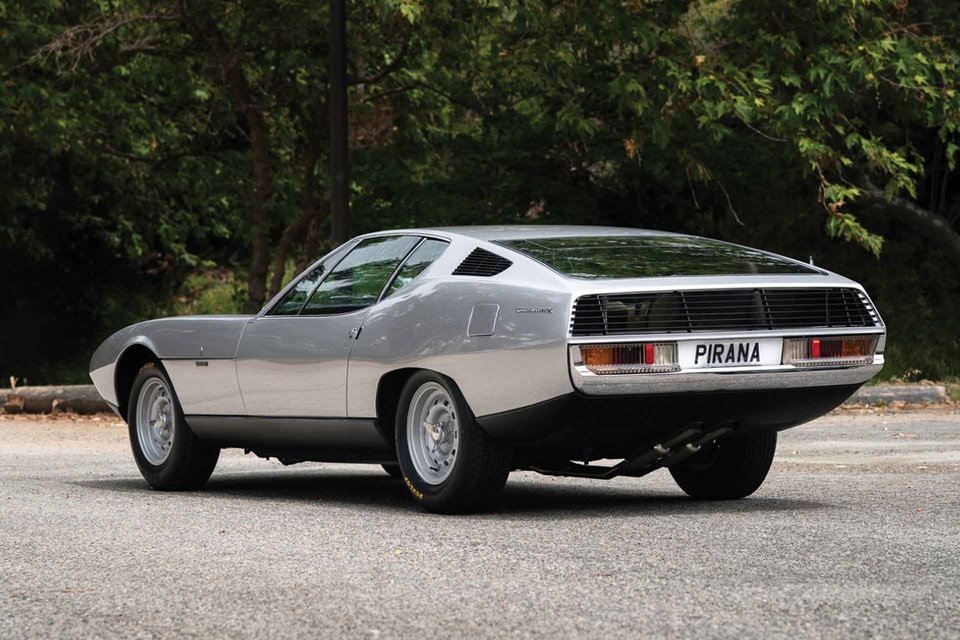
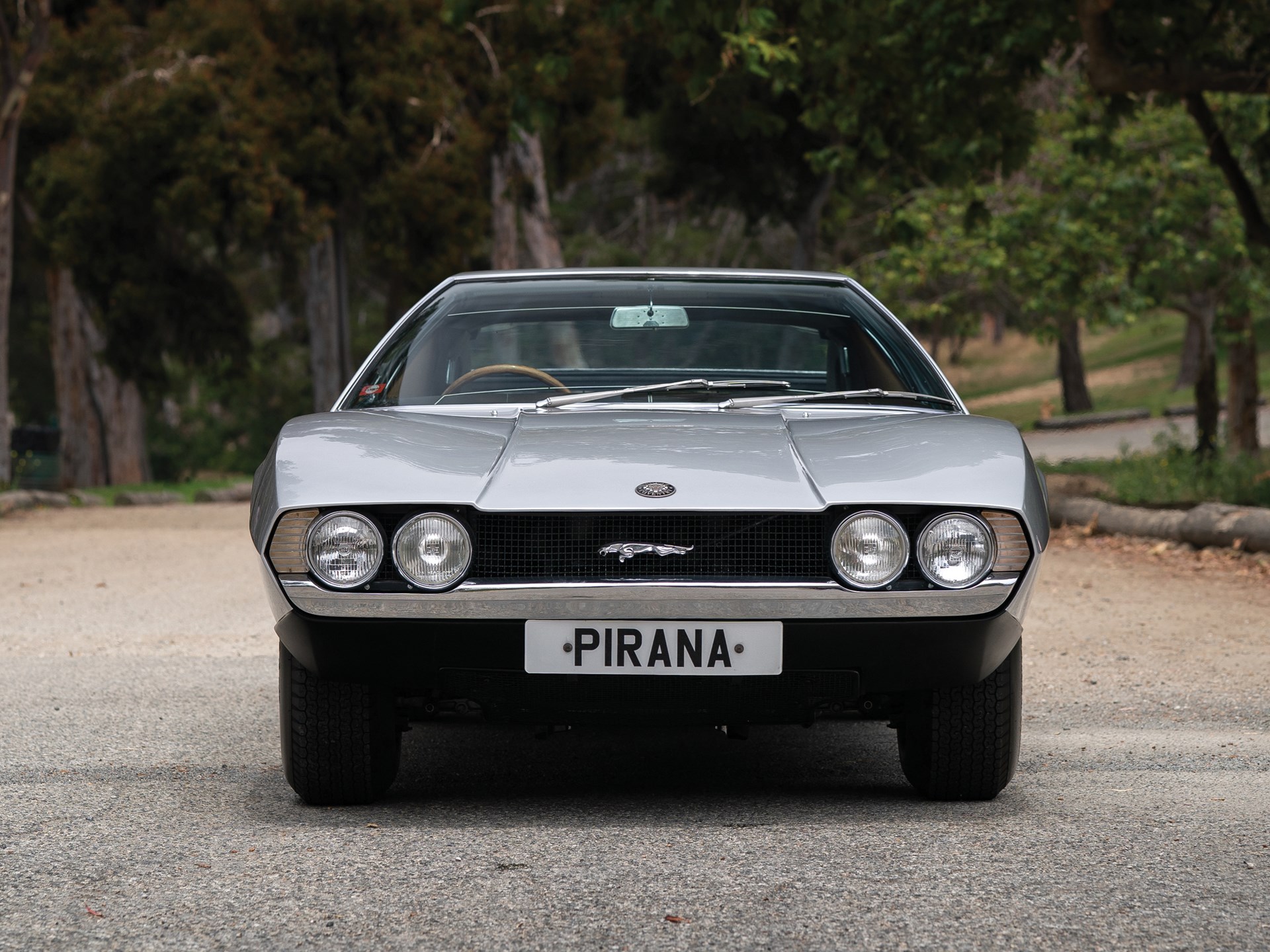
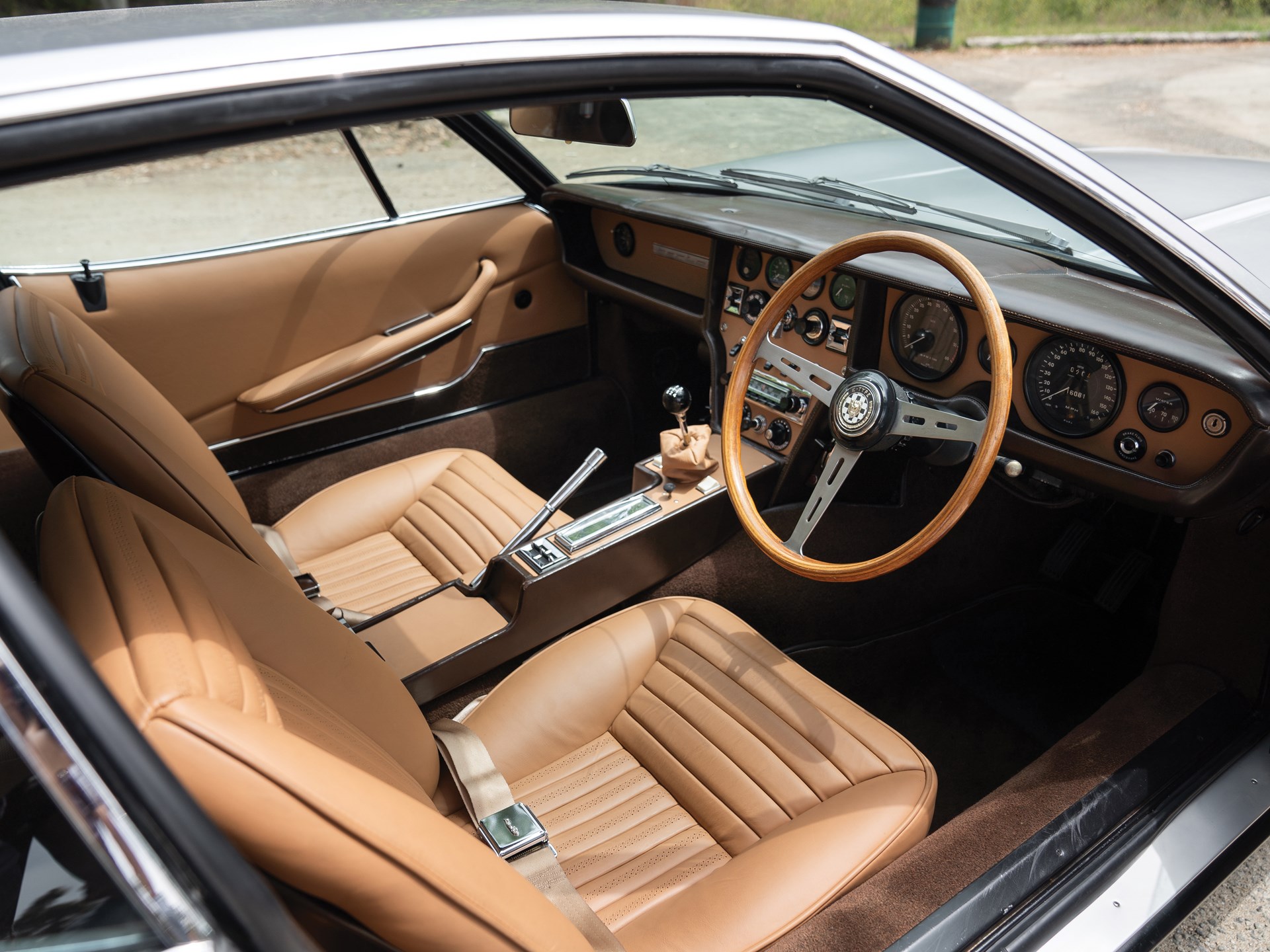
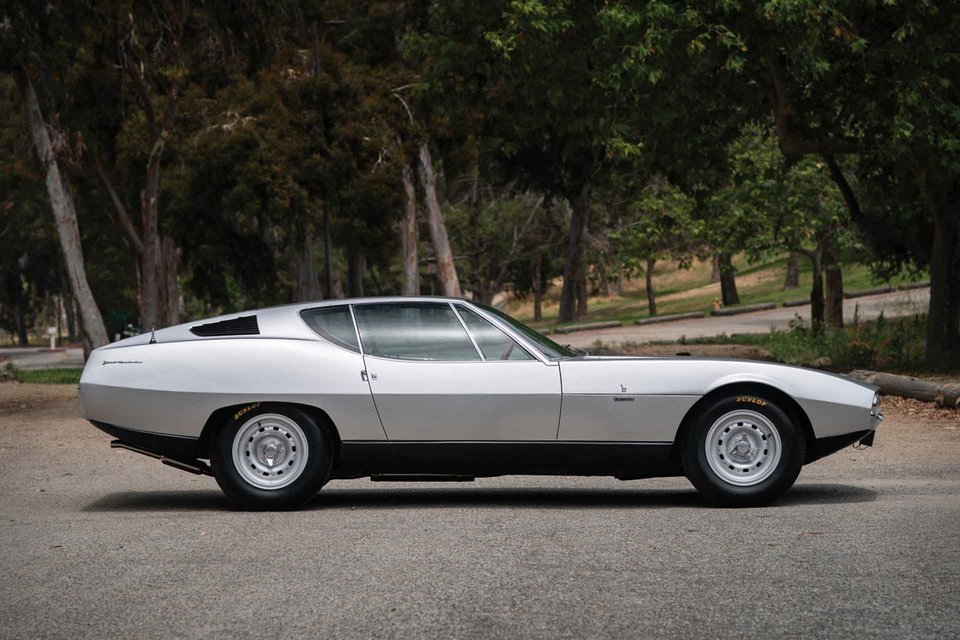
1967 Jaguar Pirana

Think of countries that excel in the field of sports cars and no doubt you’ll come up with Italy and Britain. Between these two troublemakers, so much iconic cars has flown off the road. Most notably, you have the collaboration between Aston Martin and Zagato. But today we’re taking a look at something far more overlooked.

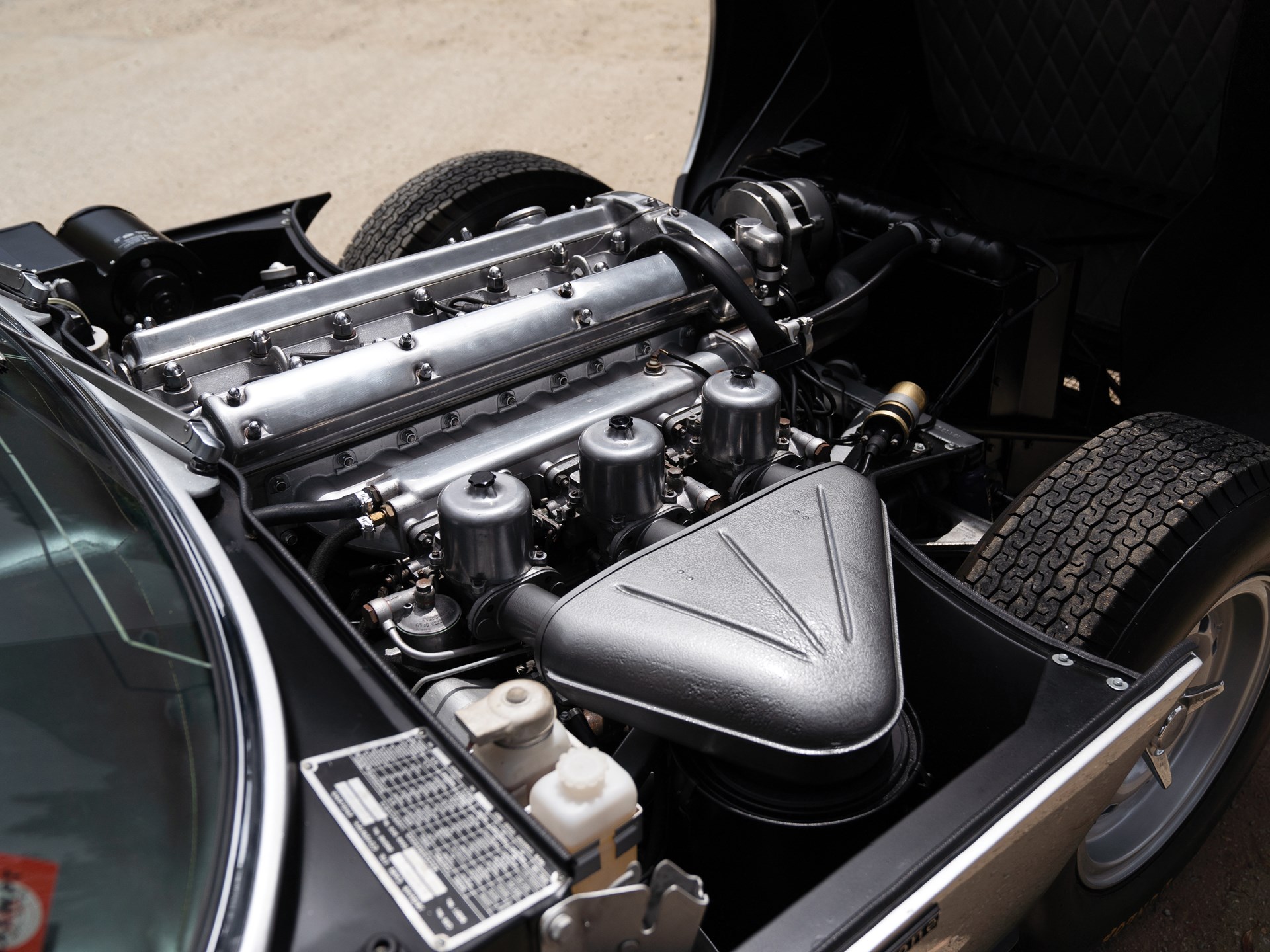
Suffice it to say that this isn’t a really well-known design, though it would go on to heavily influence none other than Lamborghini’s Espada grand tourer. We’re talking, of course, about the 1967 Jaguar Pirana, which took the E-Type and paired it with Bertone’s long, low bodywork for a truly one-of-a-kind profile.

Responsible for the aesthetic, too, is no other than legend Marcello Gandini. As such, the car sports a semi-monocoque design that prioritizes luxury over the lightweight, racing-centric profile typical of E-Type units. For a beastly ride such as this, you might think it odd that the Daily Telegraph, a publication, commissioned this one. It debuted at the 1967 London Motor Show, polarizing purists of the E-Type. But, of course, it wowed those with an eye for innovation.

A lot of folks would go on to pursue their own commissions. As such, the Priana underwent several modifications. There’s a manual transmission variant. And an automatic. There’s a two-seater, too. Plus a 2+2 GT version. But here, now, it’s in its original specification, nostalgic glory all intact.

Unfortunately, the 1967 Jaguar Pirana didn’t proceed and stayed, sadly, a one-off. However, Gandini would use many of the concepts here on the production of Espada in 1968.

LEARN MORE

Photos courtesy of RM Sotheby’s