

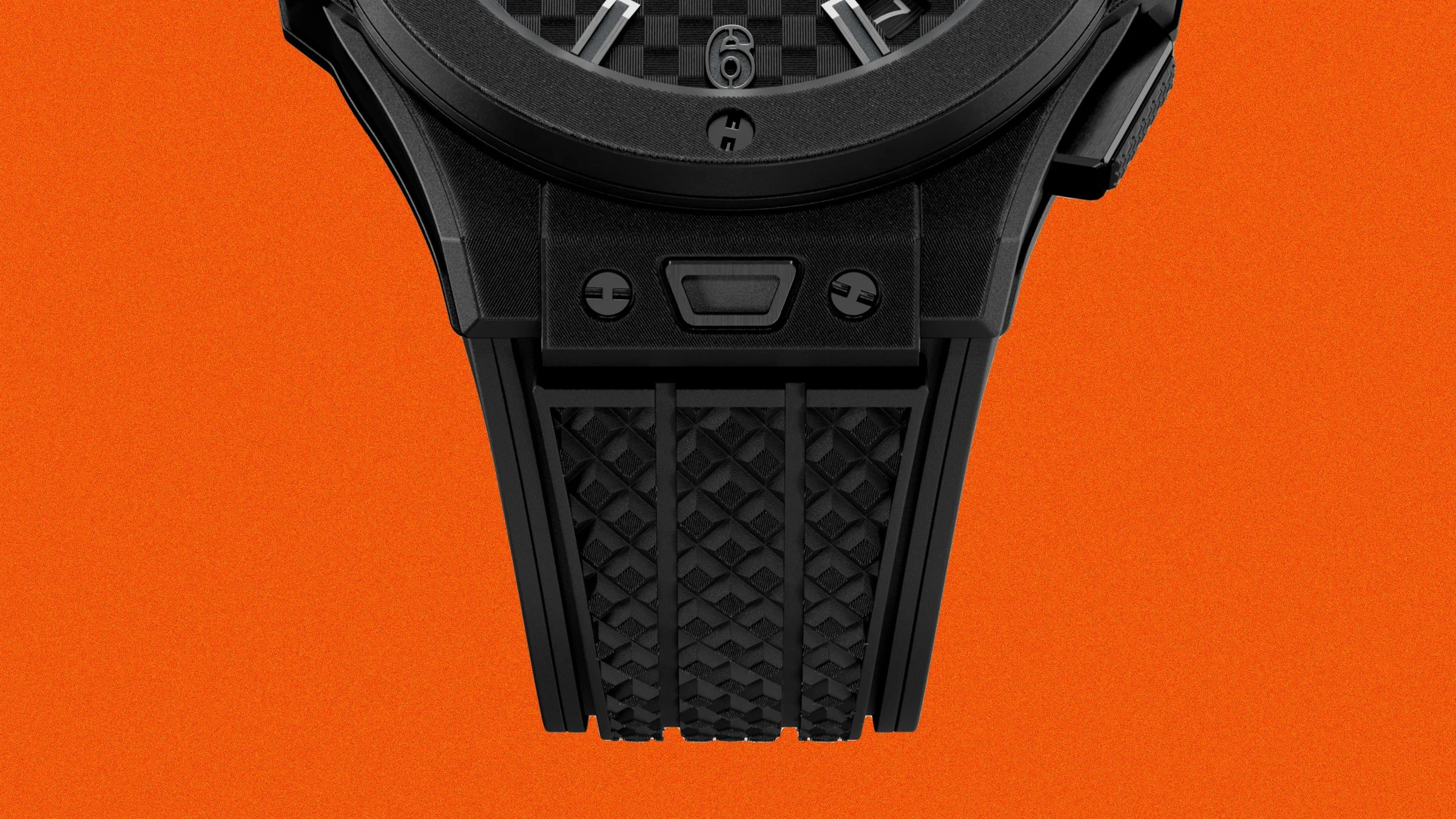
Hublot’s Legendary Sports Watch Puts an Unexpected Spin on Watch Materials

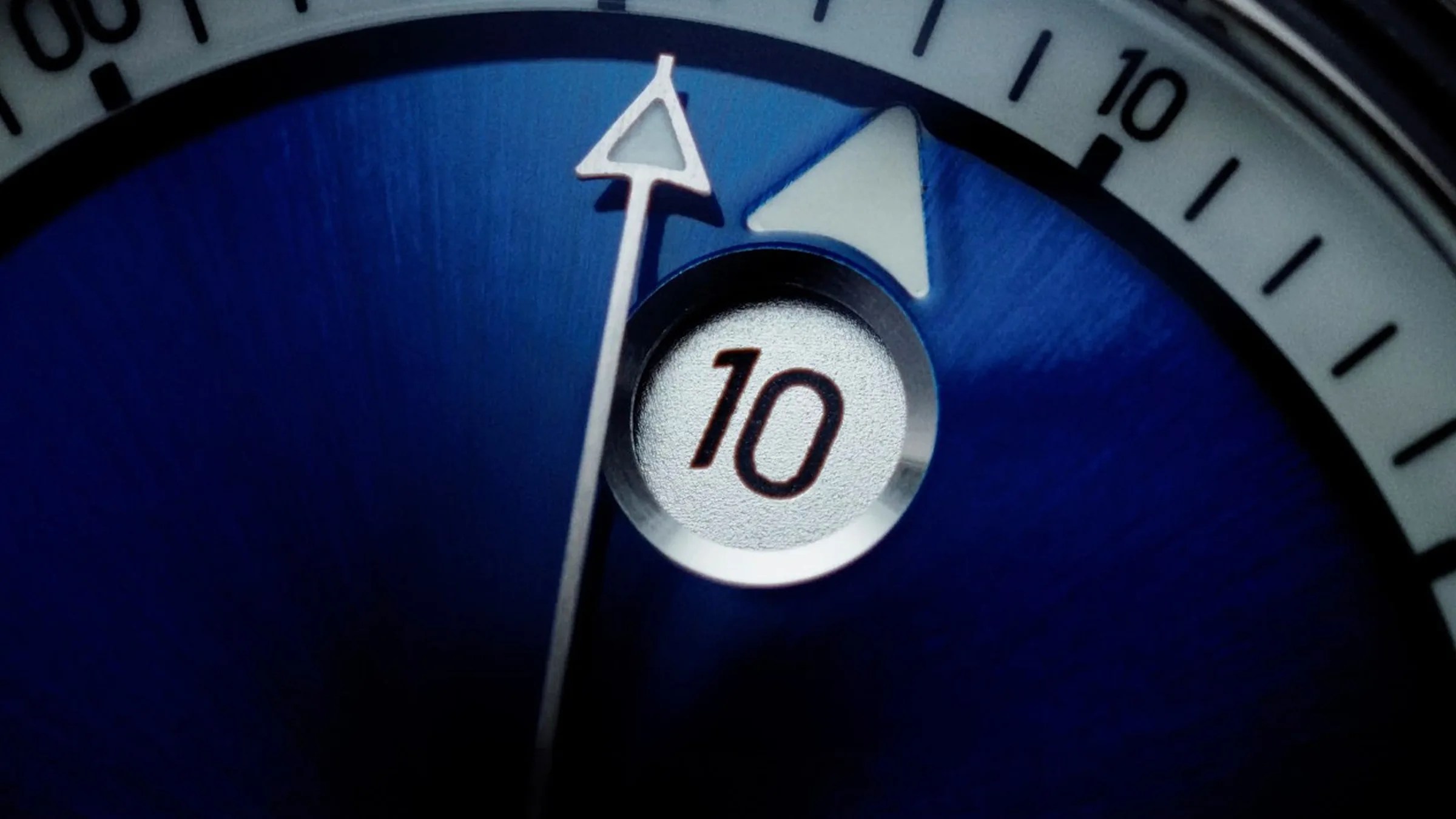
The King of Budget Hyperwatches Is Back with Its Impressive Third Creation

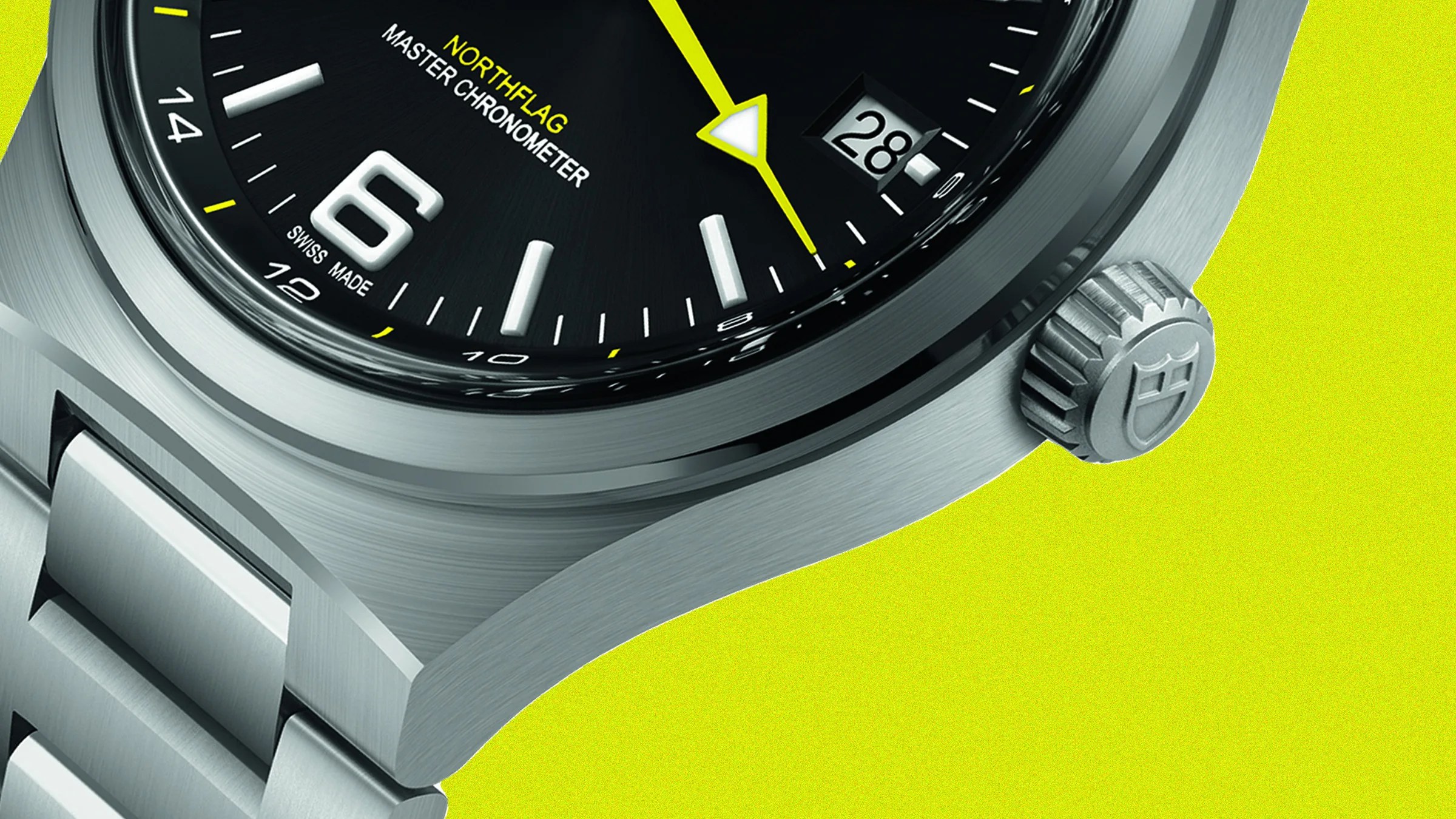
Tudor’s Cult-Favorite Adventure Watch Returns, More Capable than Ever

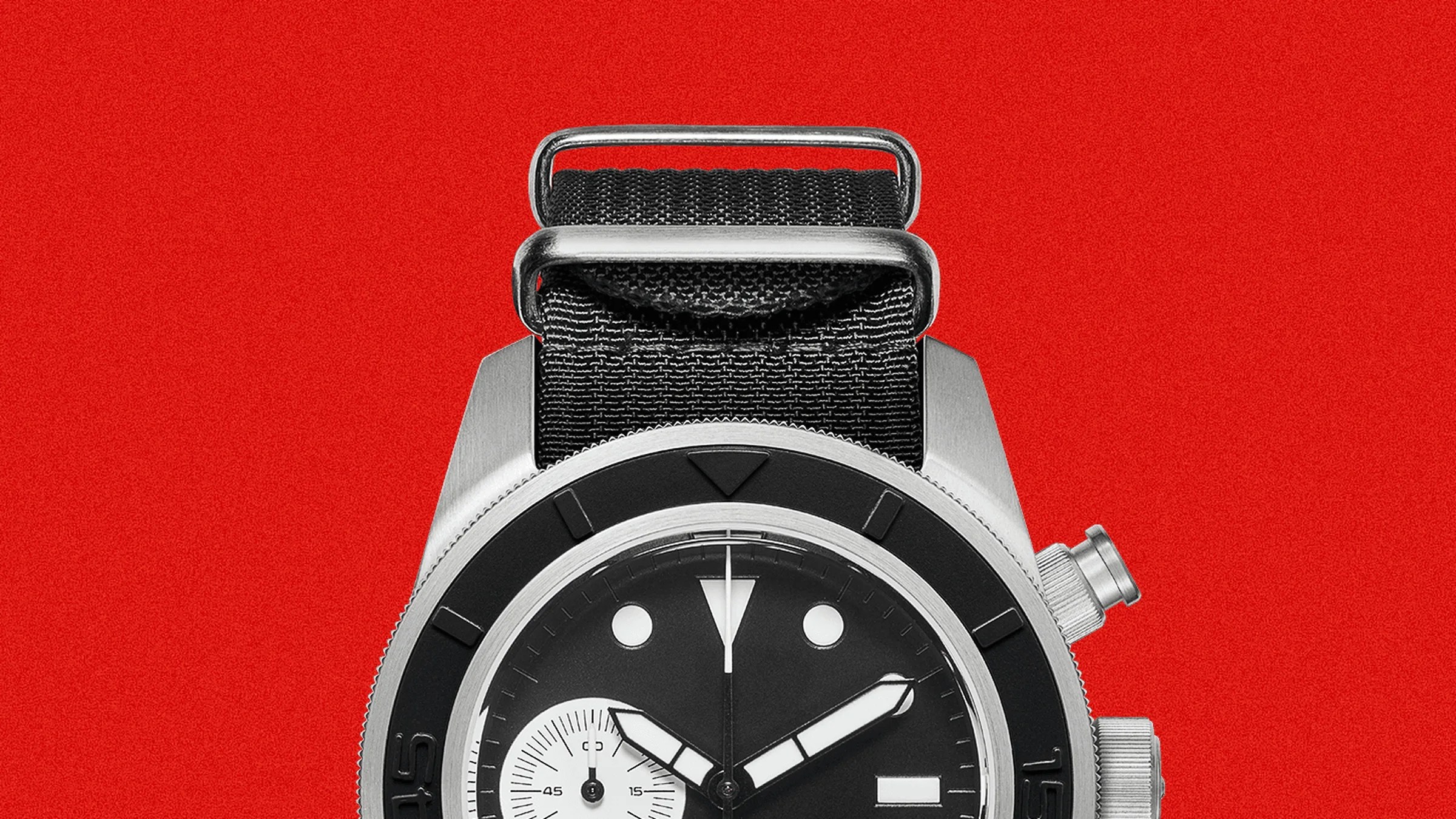
Unimatic’s New $840 Diver Chronograph Watch Is a Minimalist Stunner

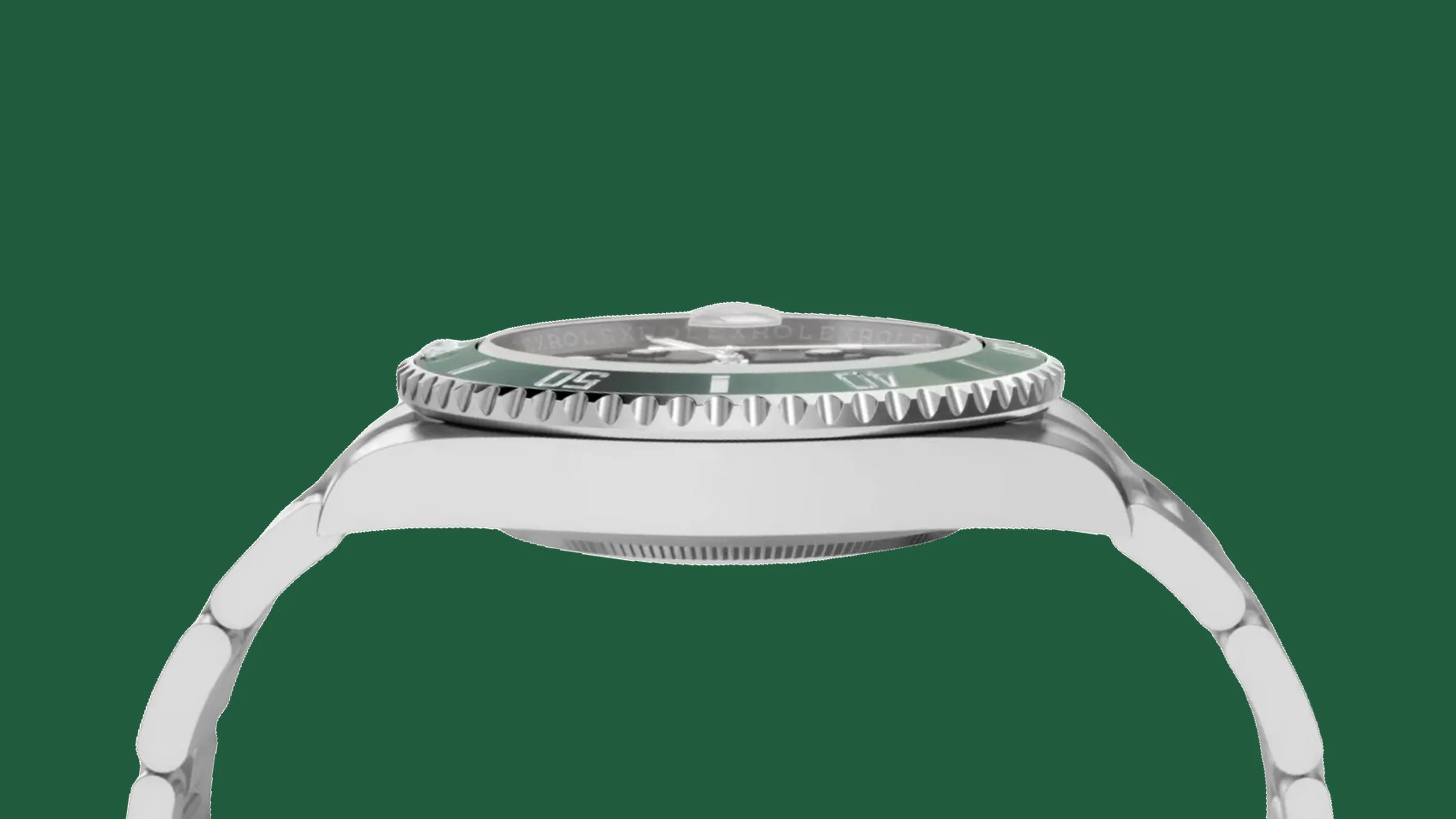
Scottie Scheffler’s Favorite Rolex Has Quietly Become Golf’s Definitive Watch

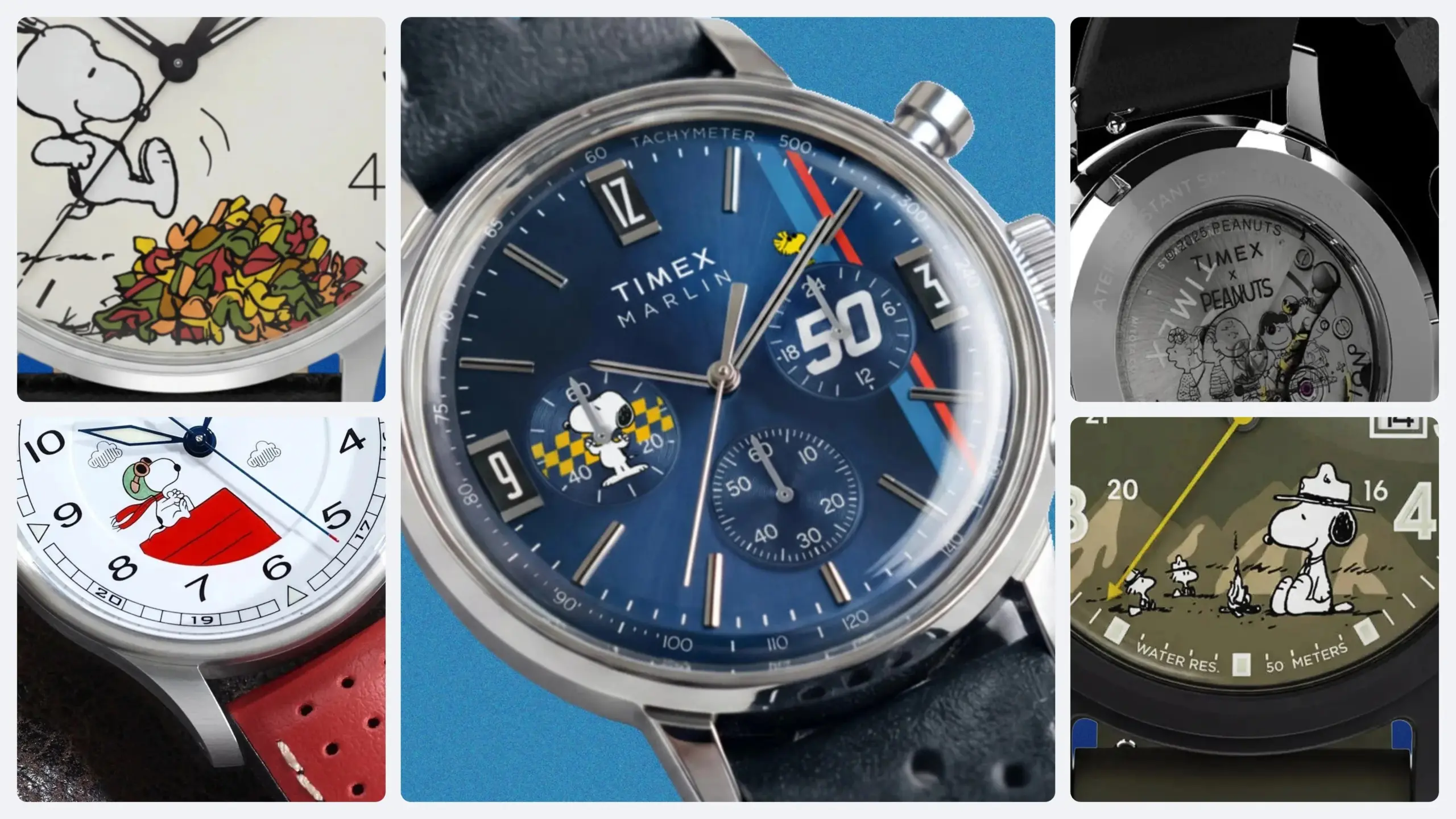

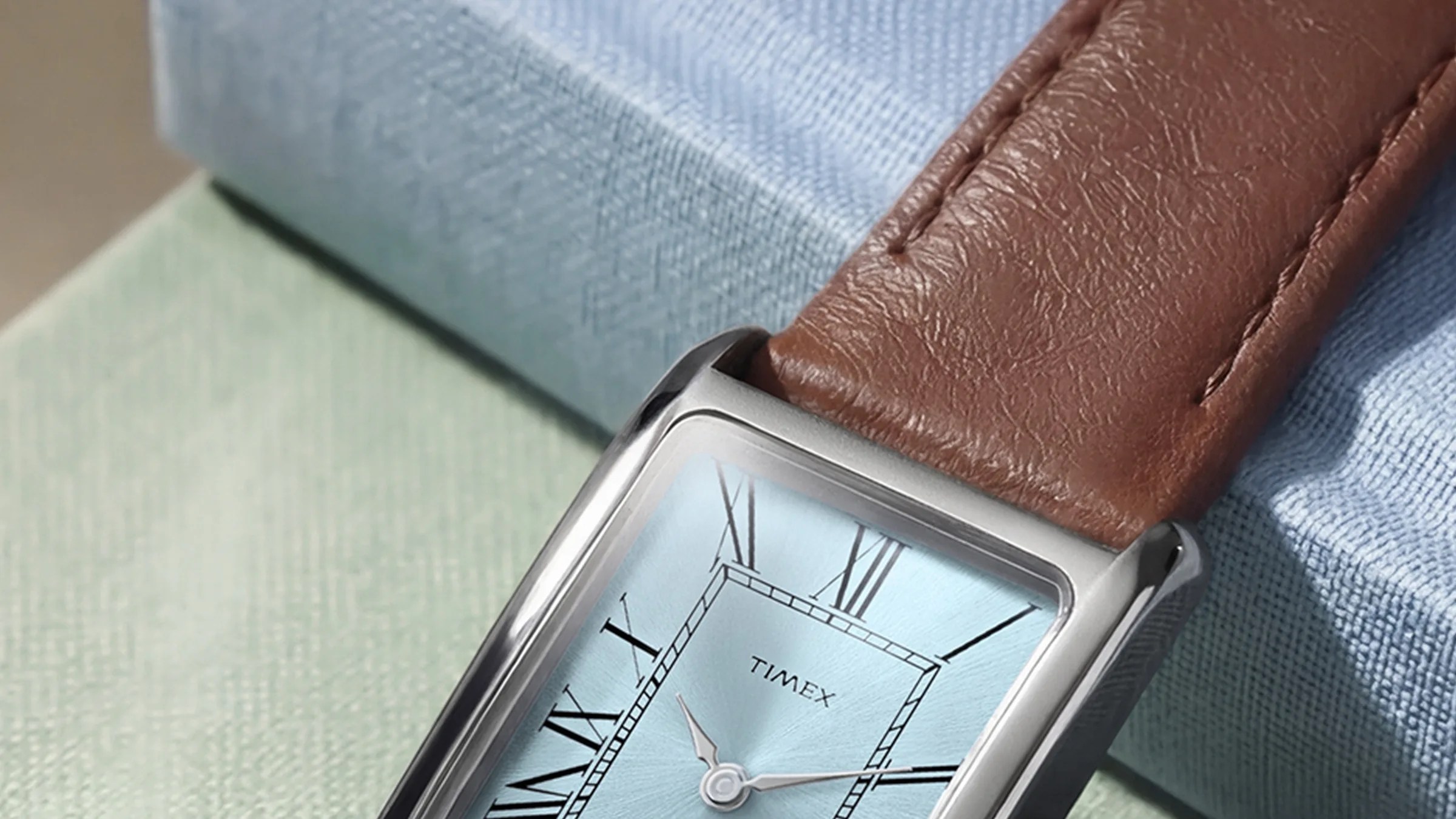
Timex’s $149 Cartier Killer Dress Watch Gets a Stunning New Dial


A Beloved Indie Watch Brand One-Ups Seiko with a Gorgeous New Dial Treatment


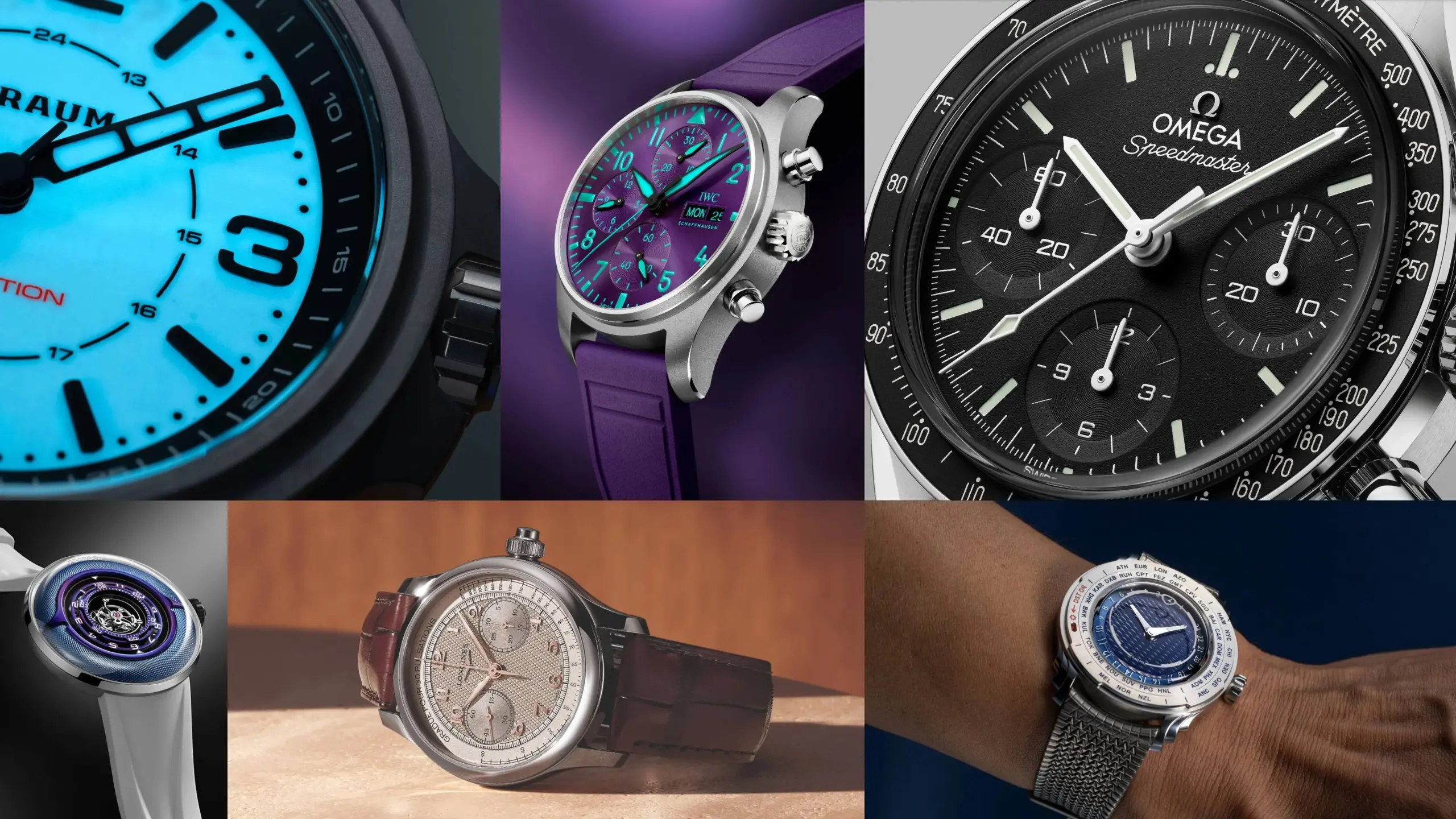
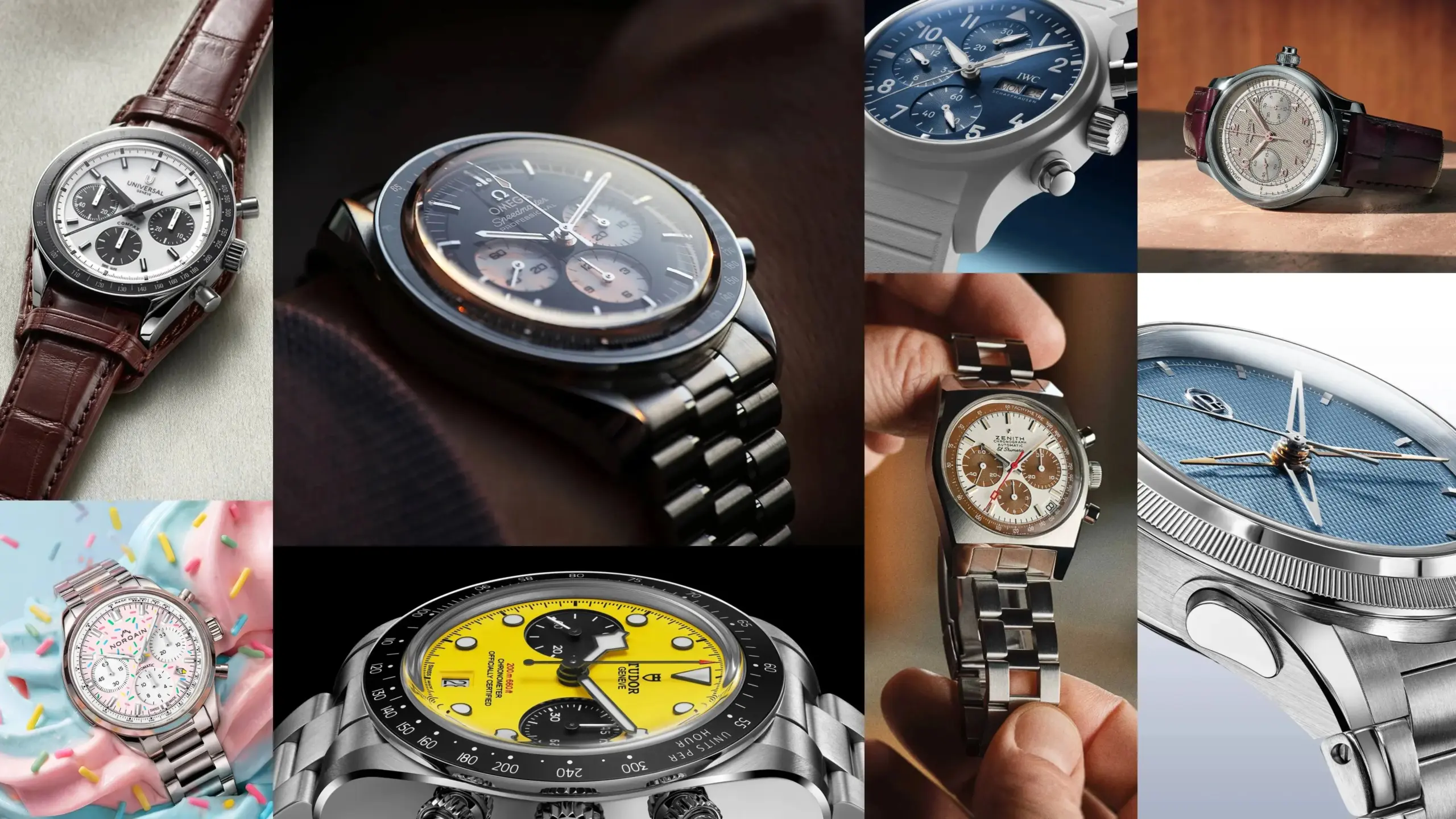
16 New Watches You Missed from Omega, Seiko, Longines and More

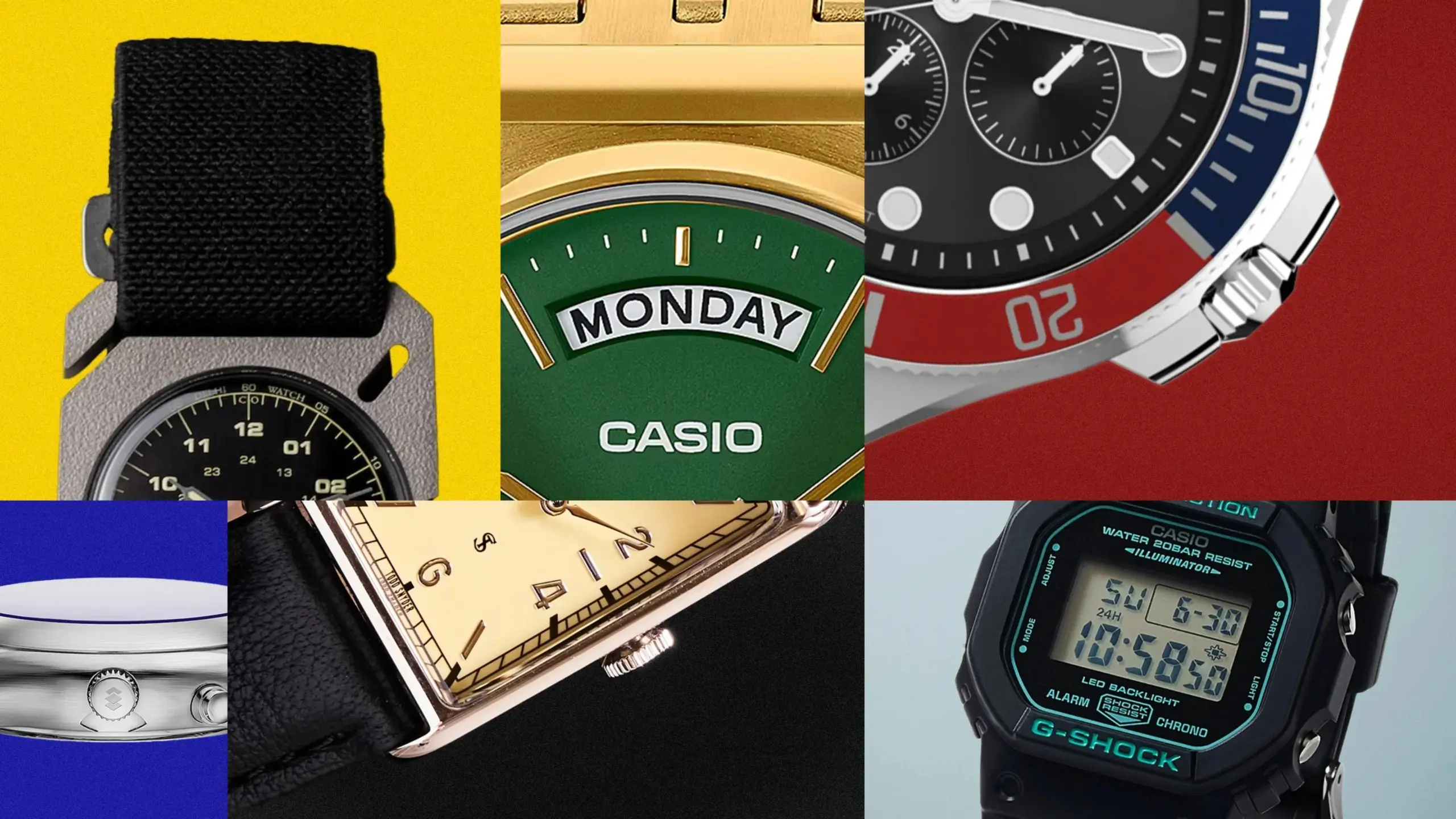
40 Affordable Watches Under $200 That Just Came Out This Year


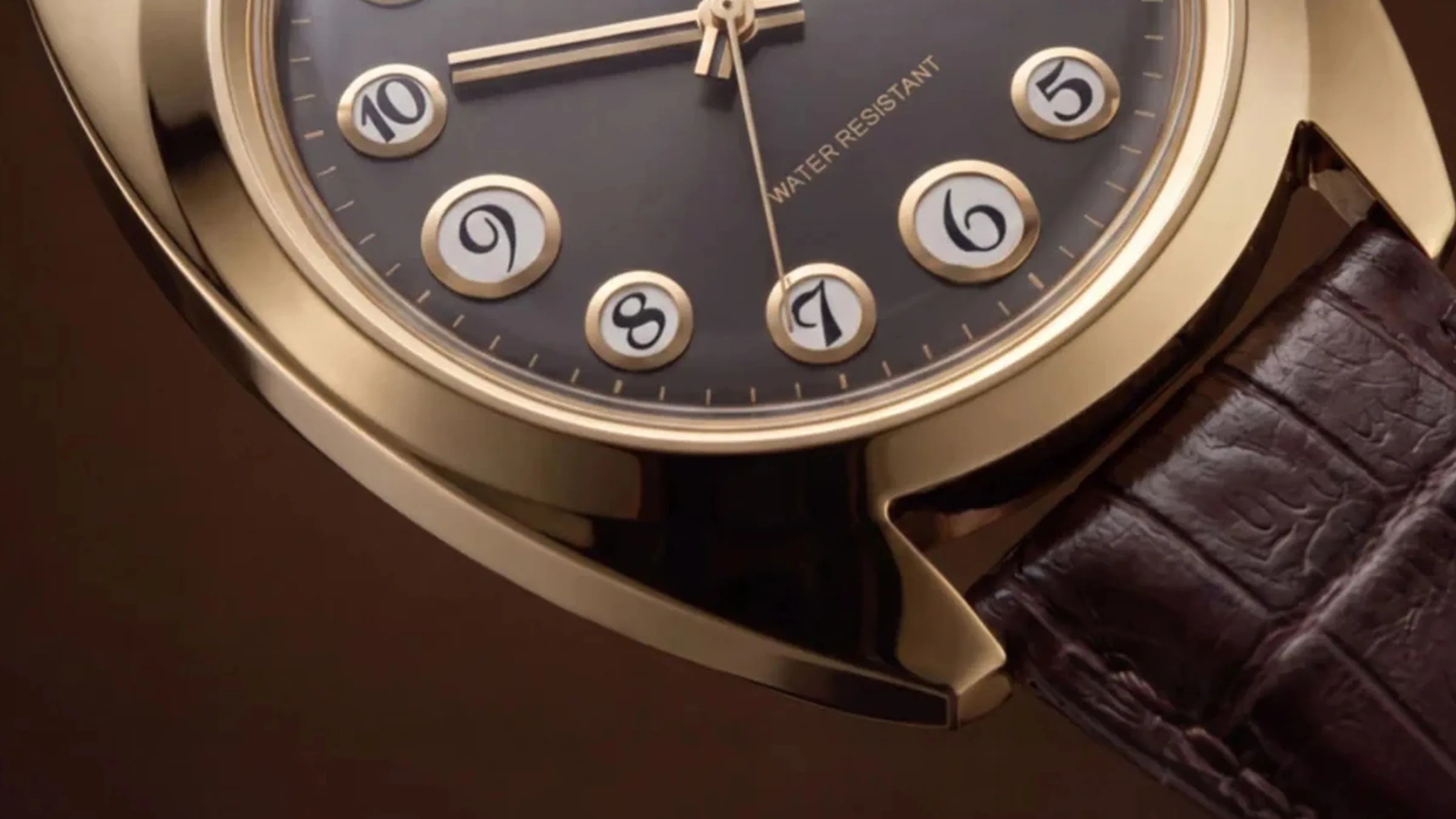
Timex’s Fan-Favorite 1970s Throwback Watch Honors a Crucial, Forgotten Technology



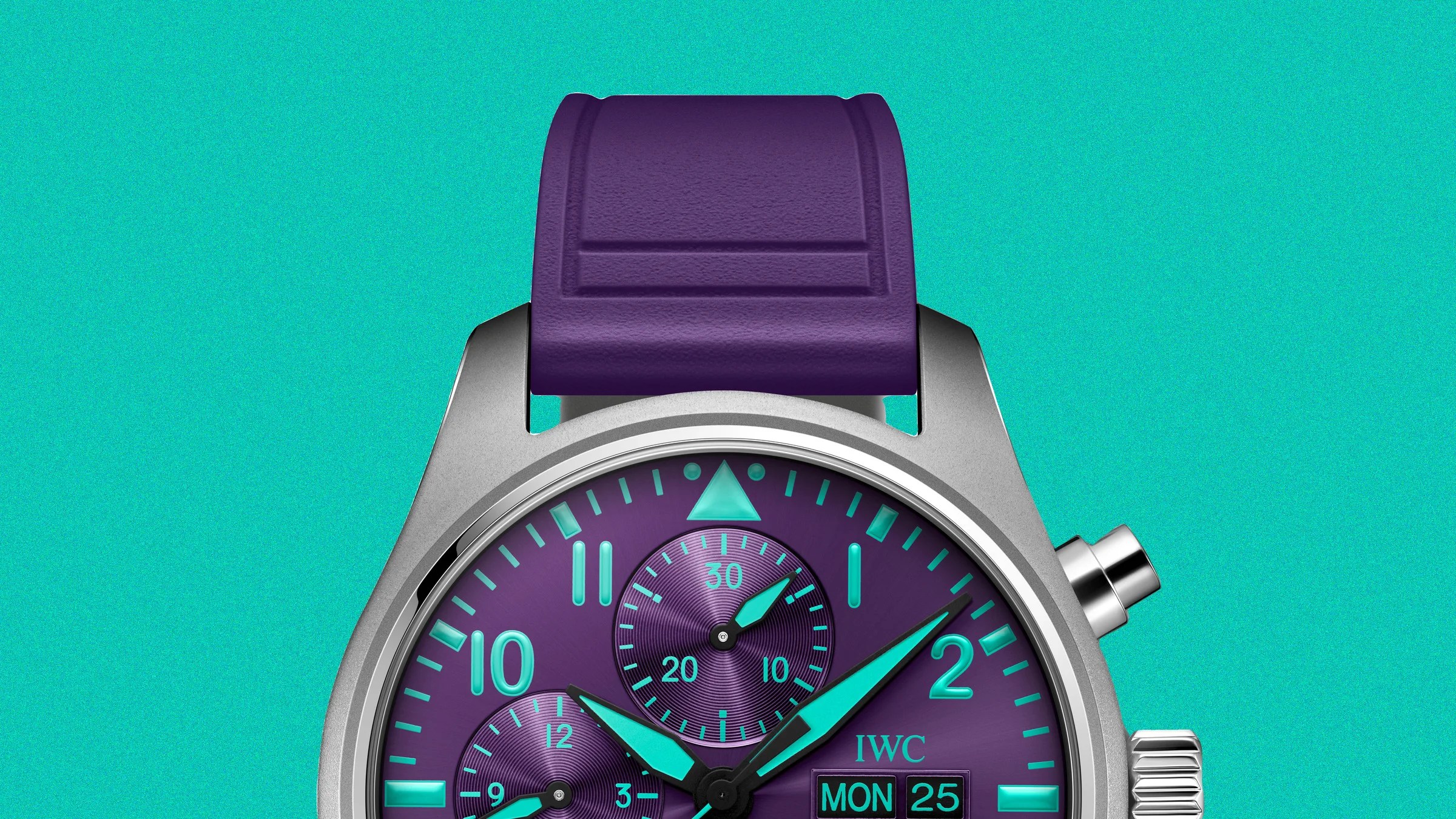
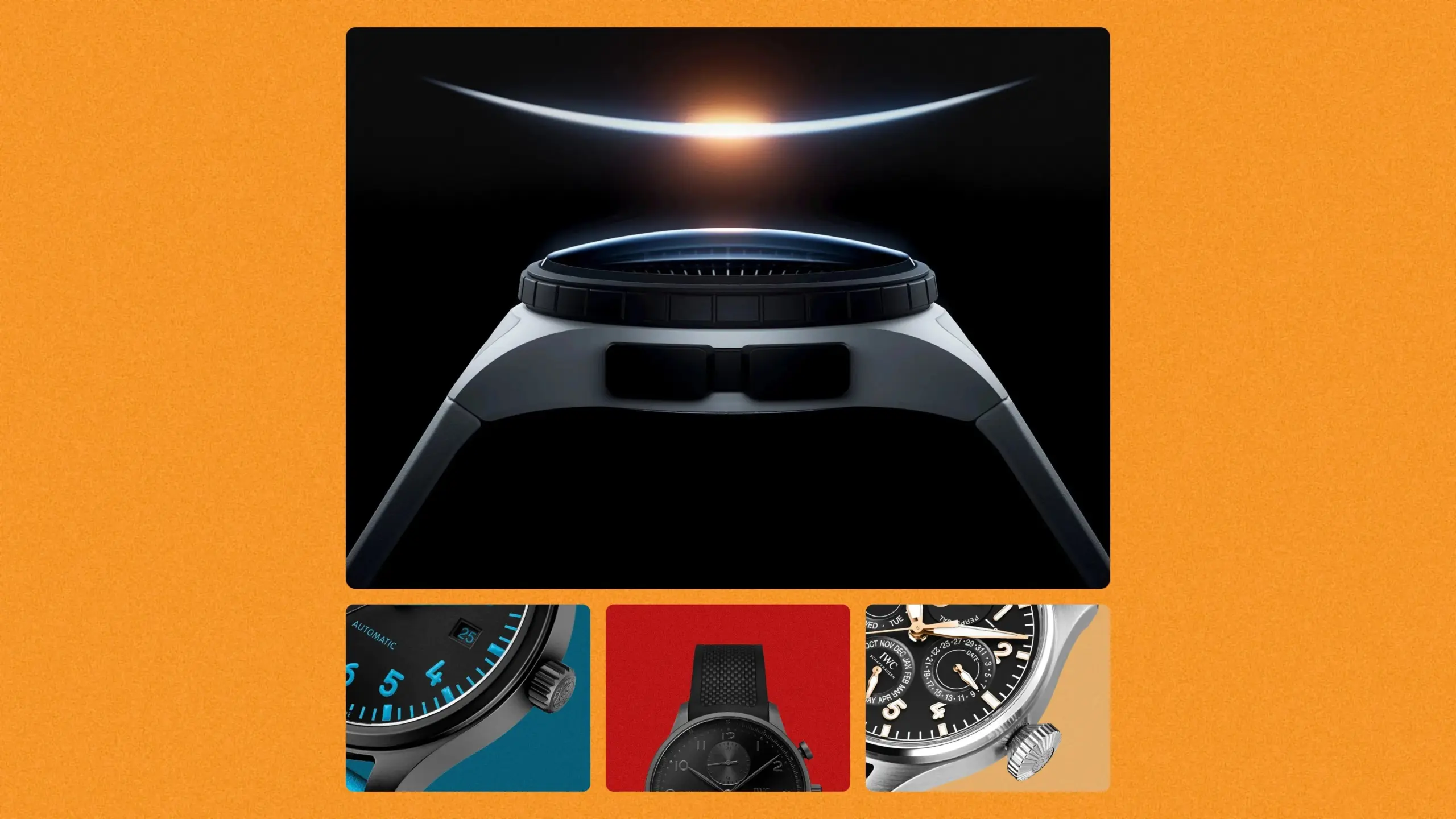
IWC’s Latest Pilot’s Chronograph Channels Your Favorite ’90s Starter Jacket


This Fan-Favorite Affordable Indie Watch Brand Remasters Its Core Collection
As part of the acquisition terms, co-founders Lorenzo and Lauren Ortega are still running Lorier. Worn and Wound is simply backing the watch brand with the resources it needs to maximize potential, keeping it siloed away from the editorial brand.
With the announcement of Lorier’s new ownership comes a hard reset of the brand. This next chapter begins with a re-launch of the four most popular references from the past decade, a greatest hits lineup, if you will.
New hands, same dials
The one knock on Lorier, as it existed previously, is that it couldn’t keep watches in stock. The brand was a victim of its own success, and the small operation couldn’t keep up with overwhelming demand.
Now that the Ortegas have more resources at their disposal, they are taking a slow and steady approach to the relaunch. Focus is placed on four well-loved, can’t-miss designs that fans like myself will be thrilled to have access to once again. Each one is polished up and presented in top form.

Why Are Rolex Watches So Hard to Buy Right Now?
It’s an odd sight. Around the globe, retail displays for one of the most influential and prestigious brands in the world sit mostly empty. There should be Rolex watches in them.
We live in weird times but the state of the luxury watch industry is especially surreal: there aren’t enough Rolex watches to go around. The result? Waitlists, unscrupulous dealers, empty display cases, ballooning prices and record-breaking auctions.
What on earth is going on?
The roots of this scenario are fervently debated and theorized in watch-collecting circles. Yes, it’s a matter of supply, demand and simply wanting what you can’t have. But there’s more to the story. Some call it a “perfect storm” of interrelated factors that’s driven the watch world into hyperdrive.
Here’s what we know about why Rolex watches are so hard to buy right now:
Rolex
Only some Rolex watches are scarce
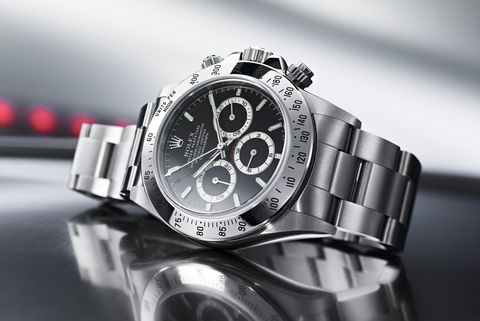
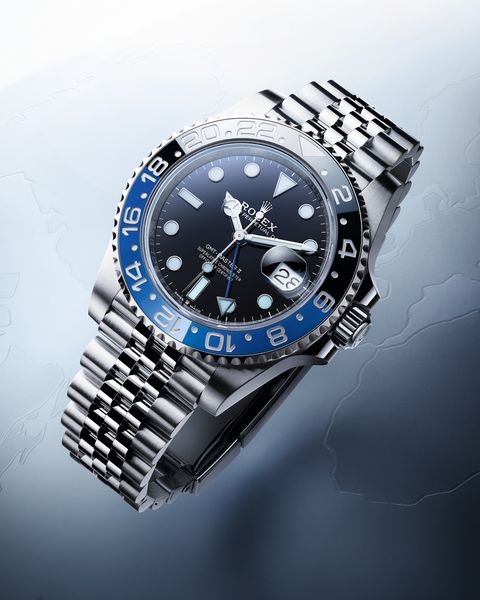
What watches are we talking about, exactly? It’s not as if there’s a general watch shortage: rather, this phenomenon applies to the most hyped and coveted models, mostly from a handful of brands. Rolex steel sport (or “Professional”) watches are the most visible examples — think Submariners, GMT Master IIs, Explorers and, of course, Daytonas.
But even some Rolex Oyster Perpetuals are hard to get and selling for way above retail. As one popular model became hard to get, people looked to alternatives which themselves got snapped up.
Outside of Rolex, exclusive steel watches like the Patek Philippe Nautilus are similarly unobtanium. (MoonSwatch madness is another, but not entirely unrelated, story.) You surely get how the psychology works, and it this isn’t exclusive to watches, but what’s different about the current situation?
Rolex scarcity isn’t new, but it’s increasingly extreme
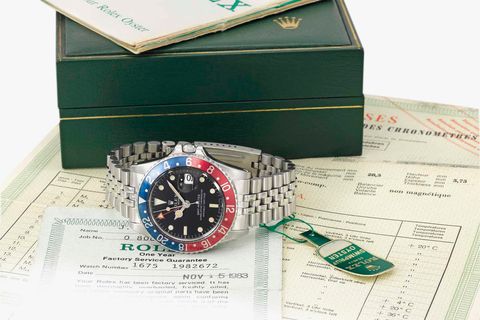
Rolex waiting lists aren’t an entirely new phenomenon, and general interest in watches has been building for years — many horological pundits see real scarcity beginning in 2016 with the release of the current generation of Rolex Daytona. But the origins of this mania go back even further.
“Watch collecting used to be something of a closed community made up of highly passionate people having small private meetups and events,” says Joshua Ganjei, CEO of the watch retailer European Watch Company in Boston. “But with the rise of internet blogs, forums dedicated solely to watches, and Instagram, the hobby has really been democratized.”
This democratization applies not just to sharing information and enthusiasm, but it also affords more ways to buy and sell watches. Learning about as well as acquiring watches has become easier than ever — and so has speculative buying of hot-ticket items for the express purpose of turning a profit.
Christies
Rolex isn’t artificially restricting supply
Many frustrated netizens espouse the theory that it’s all a diabolical corporate conspiracy. A common belief is that Rolex is purposely restricting supply. Perhaps, they posit, it began as intentional and worked so well that Rolex now actually can’t keep up with the demand they created. Such speculation is rampant but we can’t confirm one way or another.
In a rare statement from Rolex, the brand categorically rejects the idea: “The scarcity of our products is not a strategy on our part,” Rolex said to Yahoo Finance. “Our current production cannot meet the existing demand in an exhaustive way, at least not without reducing the quality of our watches — something we refuse to do.”
The pandemic affected supply, but that’s not the whole story
Rolex is unusual in that it makes nearly every part of its watches, but if even one sourced component or material is delayed or unavailable, everything can stop. And even simple, time-only mechanical watches contain over a hundred tiny parts.
Like everything else in 2020, the Rolex factory shut down for a number of months due to COVID-19, so there was at least some impact on supply. Rolex doesn’t disclose its production numbers publicly but in a normal year it’s estimated to produce around 1 million watches (though not all of them belong to its list of coveted models).
Rolex
The conditions of the pandemic also drove demand for luxury watches
While many businesses have struggled since the onset of COVID-19, the luxury industry has had some of its best years.
Mr. Ganjei emphasizes the pandemic’s effect on Rolex availability: “The supercharged Rolex market of the past few years was the result of something of a perfect storm of factors. Covid forced manufacturers to halt production for a time which led to supply issues and a general shortage of new watches.”
“At the same time,” he says, “people were stuck at home, not able to spend money on travel, restaurants, etc., which meant there were more people looking to buy luxury goods online, including watches. Rolex sport watches were already highly desirable, but the pandemic really pushed them into red-hot, almost unobtainable territory.” There’s presently no telling when the market might cool.
You can still buy a Rolex, you just have to pay more for it
It’s not as if Rolex watches are “rare.” They’re everywhere. Of course, there’s a catch: collector mentality, combined with the brand’s cult following and the above described circumstances all conspire and ping off one another to inflate prices.
Even pre-owned models are often selling for above retail prices of new ones. You can go to any number of pre-owned and vintage dealers and often find hundreds of models for sale — sometimes even hundreds of the same reference number.
If you do go the route of shopping pre-owned Rolex, make sure you trust the seller or go to reputable dealers like Watch Box, Bob’s Watches or even eBay with their Authenticity Guarantee. And although vintage Rolex is a whole other story, you can check outfits like the Hodinkee Shop, Wind Vintage, Analog/Shift and others.
This content is created and maintained by a third party, and imported onto this page to help users provide their email addresses. You may be able to find more information about this and similar content at piano.io
The G-Shock ‘CasiOak’ Finally Scores the Upgrades It Deserves
Do you, like us, love the Casio G-Shock GA-2100 — often known to fans as the “CasiOak?” Well, it’s now even better, thanks to a spate of 2022 upgrades very much worth bringing to your attention.
Coming to the U.S. in June, the new inclusion of the brand’s Tough Solar technology takes the fashionable GA-2100 watches to a new level — but the best part is, even with these premium features, the CasiOak is still highly affordable — and just as much fun as ever.
In any G-Shock watch, there are a couple of features worth looking for — and the GA-B2100 (a “B” has been added to the name, so you know) has them. As with any watch, you want strong legibility, but with G-Shocks we always recommend paying the slight premium for models with Tough Solar. This is Casio’s name for its light-charging tech (it works with any light, not just sunlight, for what it’s worth) that should keep your watch running without the need for a battery change — potentially for decades. The old GA-2100 series was really just an ephemeral fashion item with a three-year battery life; now, it’s a serious G-Shock.
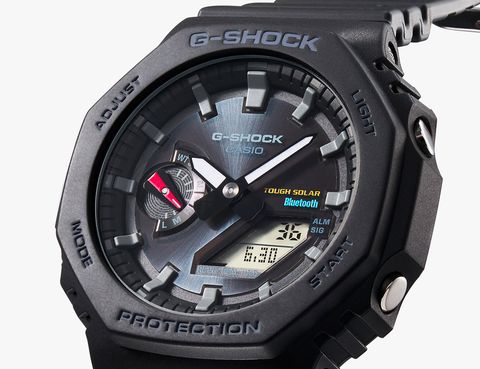
In addition to Tough Solar, the new watches also offer a Bluetooth connection for even more features via a smartphone link; this doesn’t make it a full-blown smartwatch with notifications and the like, but it does offer some handy features like “Find My Phone.” It also includes recent (but not new) upgrades like Casio’s Carbon Core Guard, a carbon structure within the plastic case that helps increase general durability.
First introduced in 2019, the GA-2100 was an unexpected smash hit. Though not quite at the same level of, say, MoonSwatch madness, these unassuming plastic watches sold out and became coveted items. That’s likely got something to do with their resemblance to other octagonal watch icons like the Audemars Piguet Royal Oak, from which it derives its playful nickname, the CasiOak.
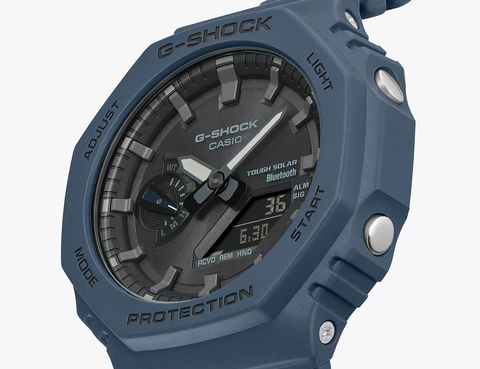
These are the slim, interesting-looking GA-2100 watches that took the world by storm — only better. The upgrades will be available in five different color versions of the GA-B2100 in June 2022 — but we can confidently expect even more variations in the future. You can get any version for $150, unless you want yellow; that’ll cost you $10 more.
This content is created and maintained by a third party, and imported onto this page to help users provide their email addresses. You may be able to find more information about this and similar content at piano.io