All posts in “tech”

This Free Chrome Extension Will Change the Way You Share Links to Articles

<!–This Free Chrome Extension Will Change the Way You Share Links to Articles • Gear Patrol<!– –>

It’s Amazing, Seriously


Have you ever sent somebody a link to an article because you wanted them to read a specific sentence or paragraph, only to find out that they couldn’t find what you wanted because the article was too long or too dense? Yea, we can relate.

Fortunately, Google just released a new Chrome extension that solves that problem completely. It’s called Link to Text Fragment and it lets you create a special link that opens directly to the specific word, sentence or paragraph that you want. It even highlights the section so it can’t be missed. Basically, it makes you way more efficient at linking to articles.

Once you add the free Chrome extension to your browser (hit the “Add to Chrome” button on this link ), it’s really easy to use. Simply highlight the section of any article you want to link directly to, right-click, select the “Copy Link to Selected Text” from the drop-down menu, then paste the link where you want to share it. It’s that simple.

Note: Purchasing products through our links may earn us a portion of the sale, which supports our editorial team’s mission. Learn more here.
Tucker Bowe

Tucker Bowe has been on Gear Patrol’s editorial team since 2014. As a Tech Staff Writer, he tracks everything in the consumer tech space, from headphones to smartphones, wearables to home theater systems. If it lights up or makes noise, he probably covers it.

More by Tucker Bowe | Follow on Instagram · Twitter · Contact via Email

<!–

–>

<!– –><!–

–>

Klipsch’s New Bookshelf Speakers Are a Soundbar Killer

<!–Klipsch’s New Bookshelf Speakers Are a Soundbar Killer • Gear Patrol<!– –>

Klipsch just released new powered bookshelf speakers, The Fives, that are unique for a specific reason: they can connect directly to your TV — plug and play — without the need of an AV receiver. They’re able to do this because The reason for this is that The Fives are the first powered speakers to have an HDMI-ARC connection, which allows them to be used much like a modern soundbar. The advantage of having dedicated right and left speakers is that they’re able to deliver a better stereo experience, as well as a wider soundstage (and a generally more immersive experience), than most soundbars.

The Fives are versatile in other ways in case you don’t want to use them as a soundbar alternative. They have an integrated phono pre-amp, so you can pair them with most turntables. They have built-in Bluetooth, so you can stream music directly from your smartphone or laptop. They also have digital optical, analog RCA and USB inputs, as well as a subwoofer output.

As far as sound quality, the Fives are pretty high-end. Each speaker has a 5-inch woofer and 1-inch tweeter, which is actually the same Twitter that Klipsch uses in its high-end Reference line of speakers, and they’re able to deliver the smooth, accurate sound that Klipsch is known for. Additionally, the speakers have real wood veneers and several tactile switches and knobs.

The Fives cost $799 per pair and are available in two colors: walnut or black.

Note: Purchasing products through our links may earn us a portion of the sale, which supports our editorial team’s mission. Learn more here.
Tucker Bowe

Tucker Bowe has been on Gear Patrol’s editorial team since 2014. As a Tech Staff Writer, he tracks everything in the consumer tech space, from headphones to smartphones, wearables to home theater systems. If it lights up or makes noise, he probably covers it.

More by Tucker Bowe | Follow on Instagram · Twitter · Contact via Email

<!–

–>

<!– –><!–

–>

Sonos’s Best-in-Class Portable Speaker Just Got Better

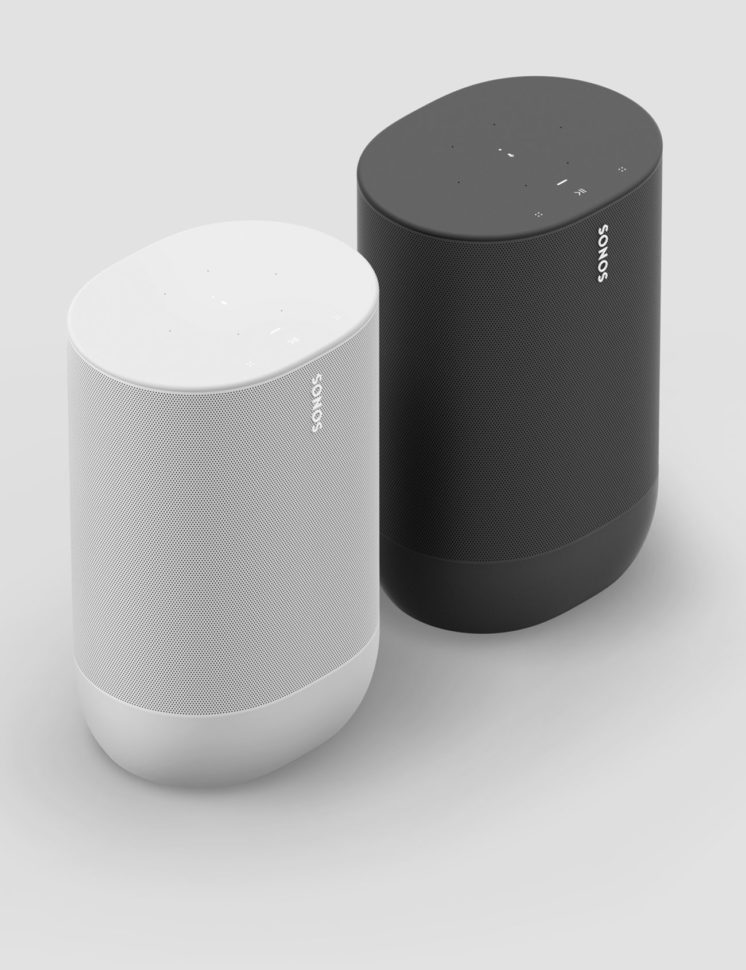
Sonos just announced that the Move, its first portable speaker, is getting an update that will improve its battery life by up to an hour. And as an added bonus, it also comes in a new colorway: lunar white. The new model is available for pre-order right now with shipping expected to start on June 30, and it costs $399 which is the exact same as the black model.

It’s not a huge surprise that Sonos has released the Move in a white colorway given that every other speaker and soundbar that the company makes is available in either black or white. What is surprising is how long Sonos took to do so, considering the Move was announced back in September 2019.

The likely reason for the delay is that, unlike all other Sonos speakers, the Move is coated with a special kind of paint to improve its sun and water resistance. Or perhaps, Sonos just wanted to make sure that the Move was actually successful in its more popular colorway, black.

In addition to the new color, Sonos also announced that it was able to squeeze out a little more battery life in all its Move speakers. Thanks to a recent software update, the Move is now able to get an extra hour of juice, pushing its previous 10-hour battery life to 11. So if you already have a Sonos Move, make sure you update it with the latest software patch.

If you’re looking for the best-sounding portable speaker you can buy, the Move is right up there. It’s the company’s first speaker with Automatic TruePlay, which allows the Move to automatically and on-the-fly adjust its EQ so that it sounds best for the space it is on, whether that’s inside or outside. It also has both built-in Wi-Fi and Bluetooth, so you can stream music directly to it via your smartphone or integrate the Move into your home’s larger multi-room system.

Note: Purchasing products through our links may earn us a portion of the sale, which supports our editorial team’s mission. Learn more here.
Tucker Bowe

Tucker Bowe has been on Gear Patrol’s editorial team since 2014. As a Tech Staff Writer, he tracks everything in the consumer tech space, from headphones to smartphones, wearables to home theater systems. If it lights up or makes noise, he probably covers it.

More by Tucker Bowe | Follow on Instagram · Twitter · Contact via Email

5 Affordable Desk Fans That Will Make Your Home Office Bearable This Summer

<!–5 Affordable Desk Fans That Will Make Your Home Office Bearable This Summer • Gear Patrol<!– –>

We’re heading towards the dog days of summer and most of us are still working from (and will likely be doing so for the foreseeable future). If you’re worried about overheating at your home office because your AC doesn’t work so well, or maybe you just want something to circulate the air in your room, a desk fan is a great solution. And frankly, you can get a great one for very cheap.

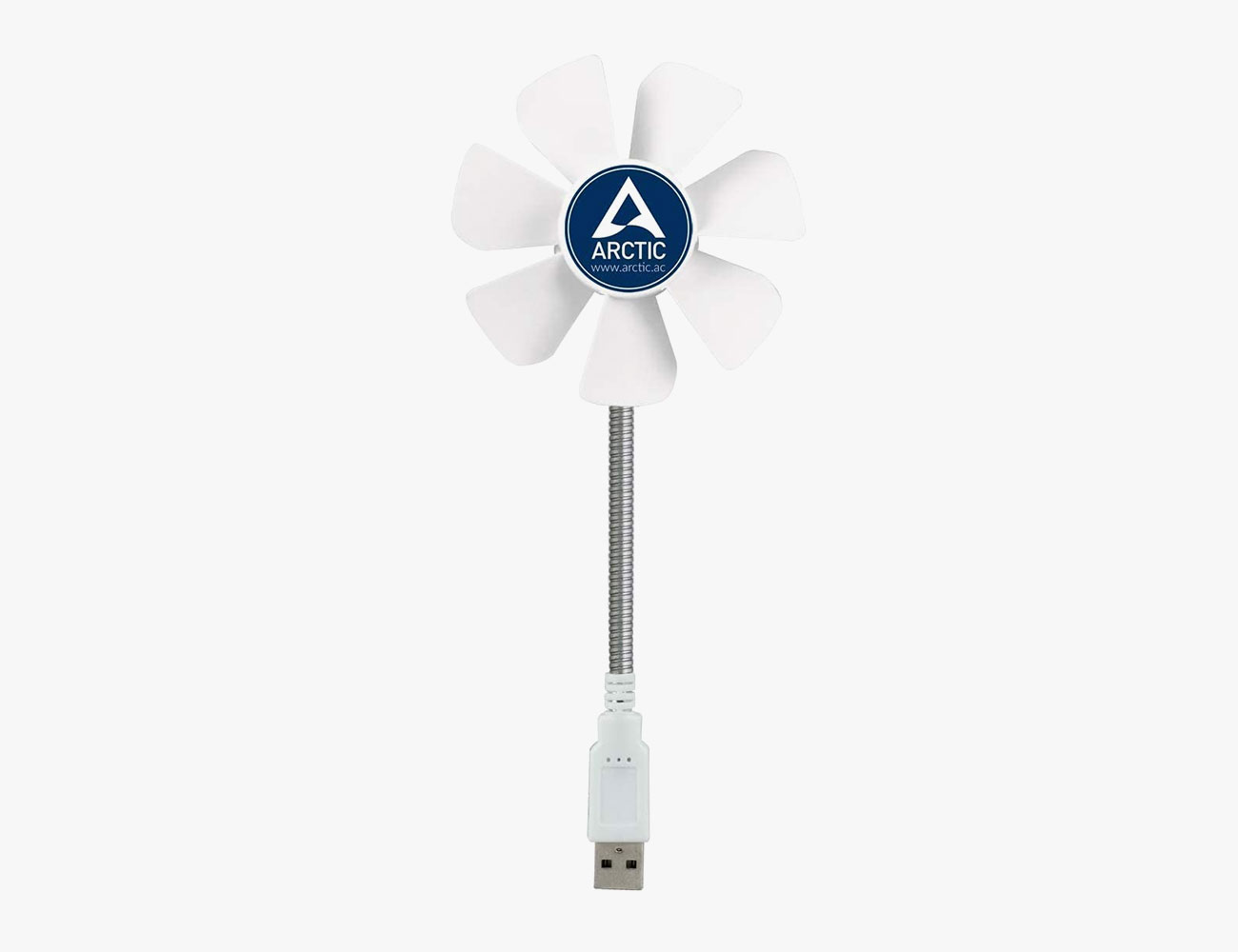
Arctic Breeze Mobile

A number of our colleagues have this portable USB-powered desk fan. It has a short flexible neck, and can plug directly into your desktop or laptop. The blades are exposed, but they’re not sharp or hard, and they don’t spin fast enough to hurt you.

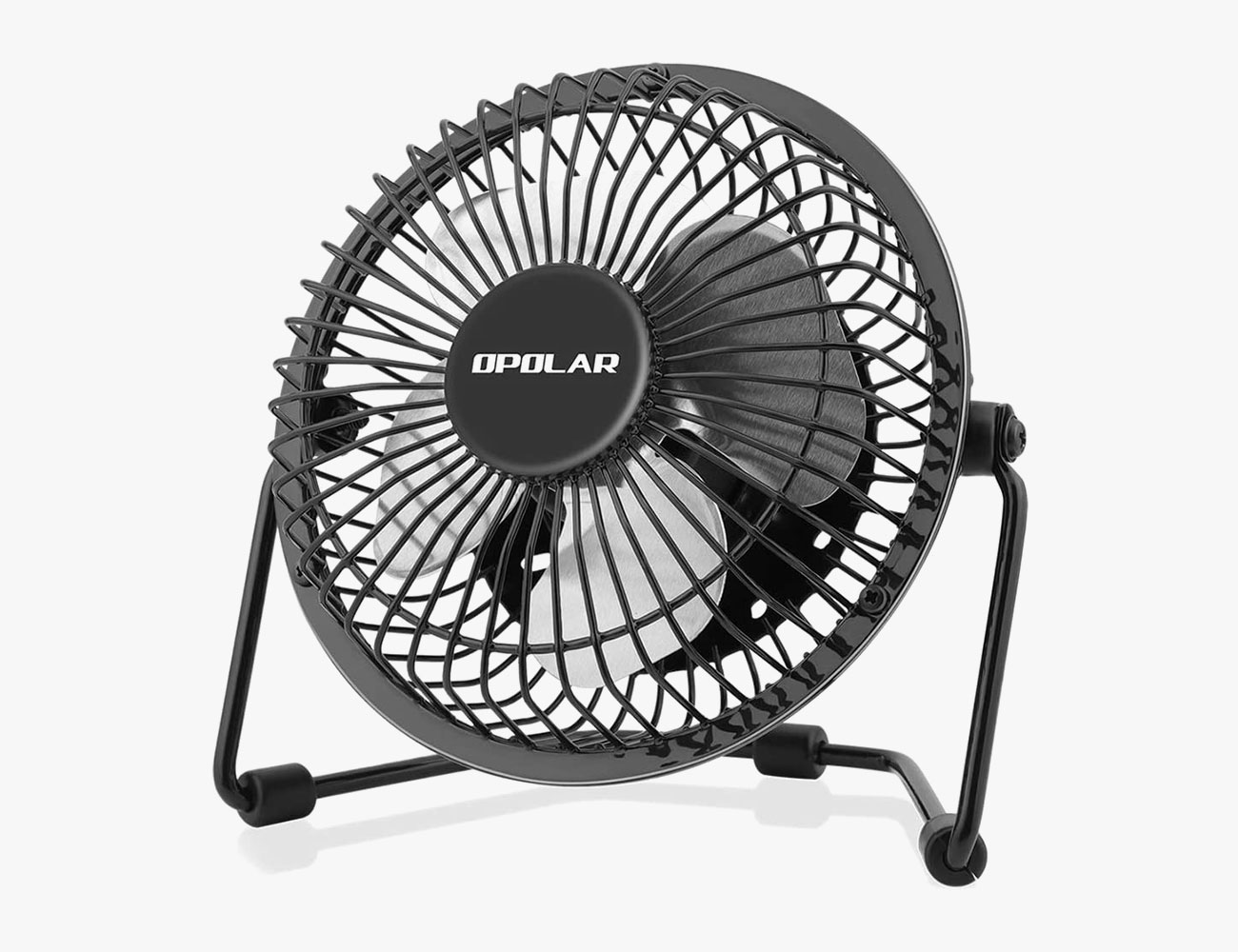
Opolar F401 Mini

This is a larger and sturdier USB-powered fan. It can plug it directly into your laptop or docking station and it’ll just work. No need for an outlet and a long power cord.

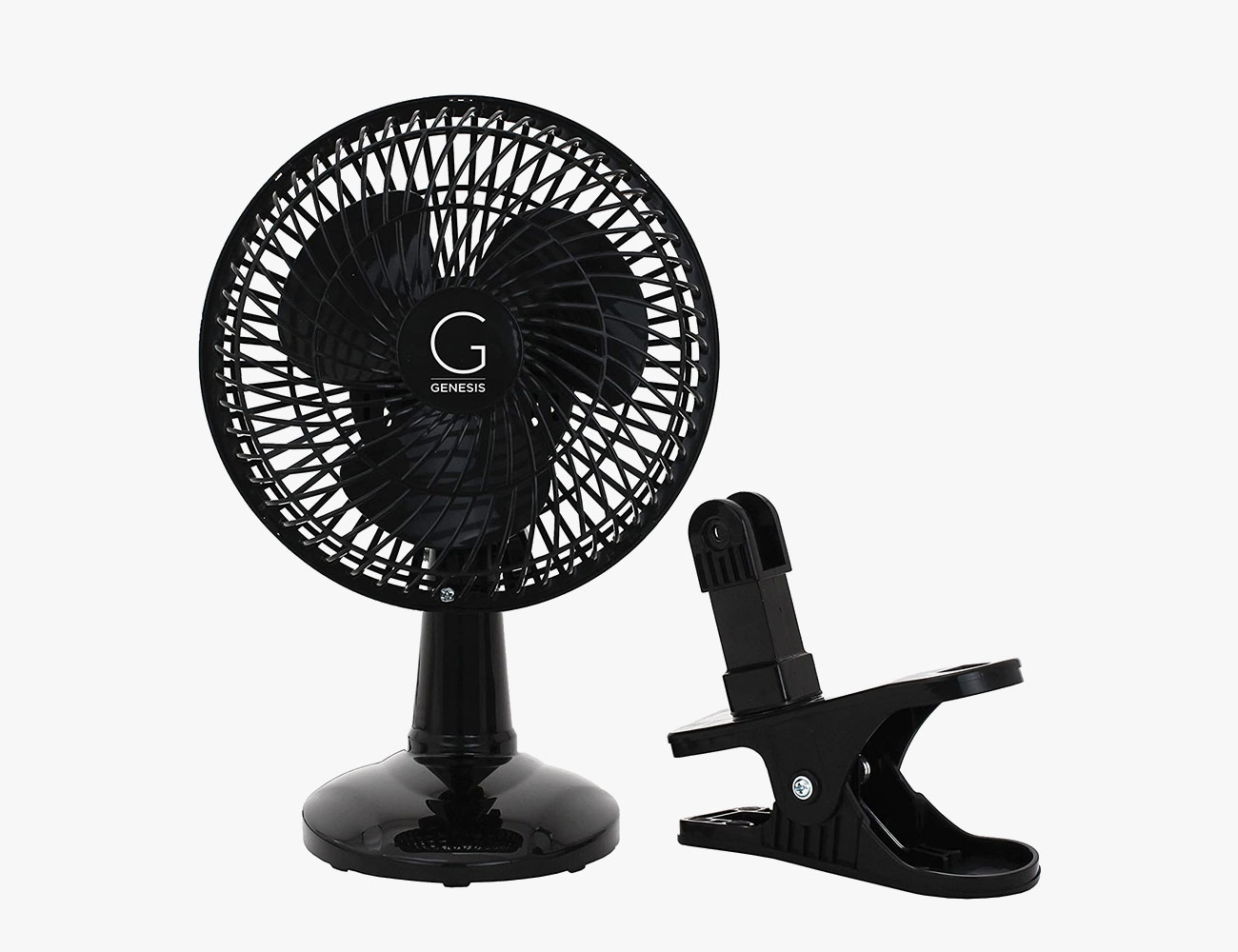
Genesis 6-Inch Clip Convertible

This is on the larger and more powerful side. It has two different speed modes, too. The real selling point is its convertible base; it can stand like a traditional desk fan or you can clip it to the side of the desk and therefor take up no vital deskspace.

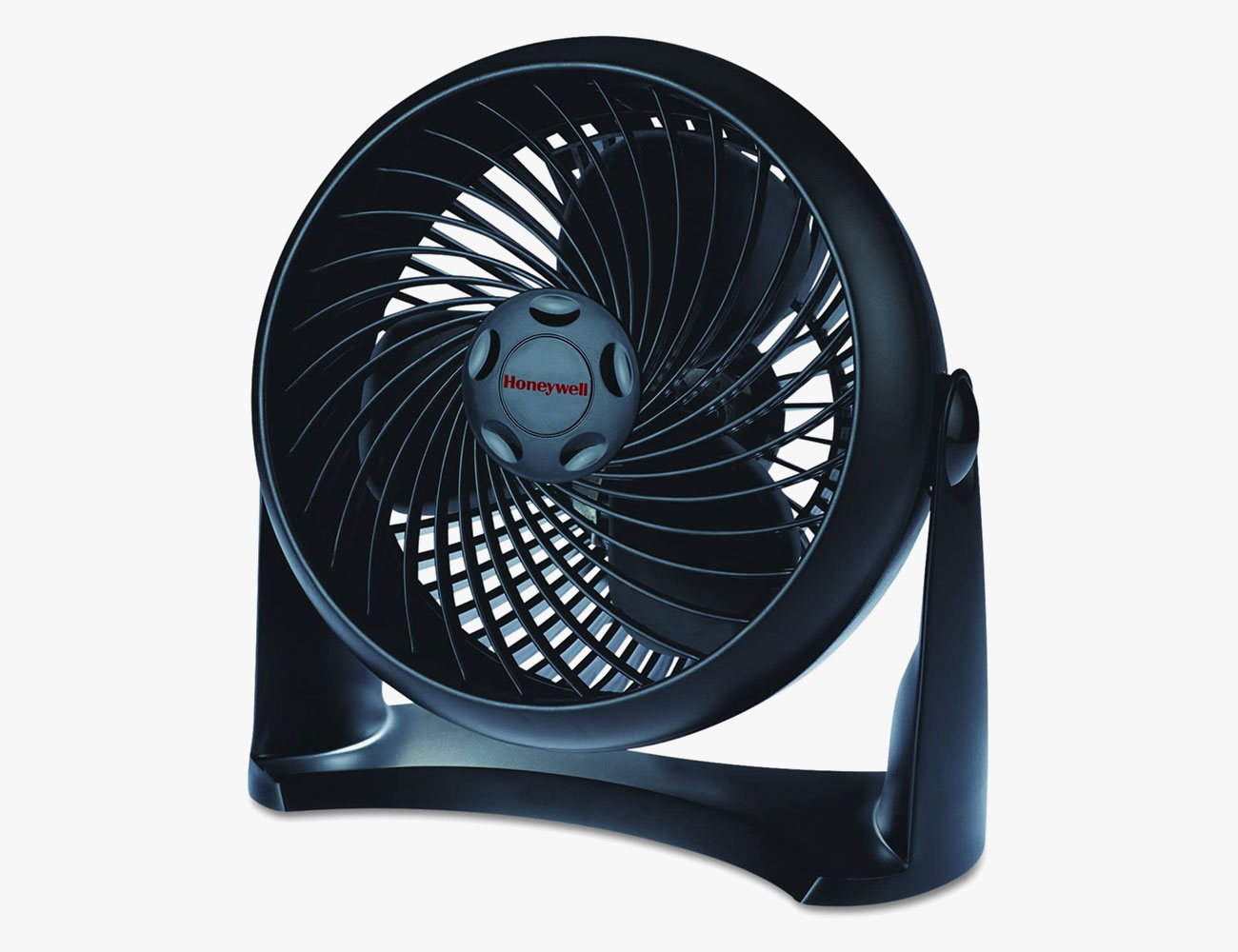
Honeywell HT-900 TurboForce

The HT-900 TurboForce has three different speeds (the most on this list) and has an adjustable 90-degree head. It’s great for cooling you off or just circulating air around the room.

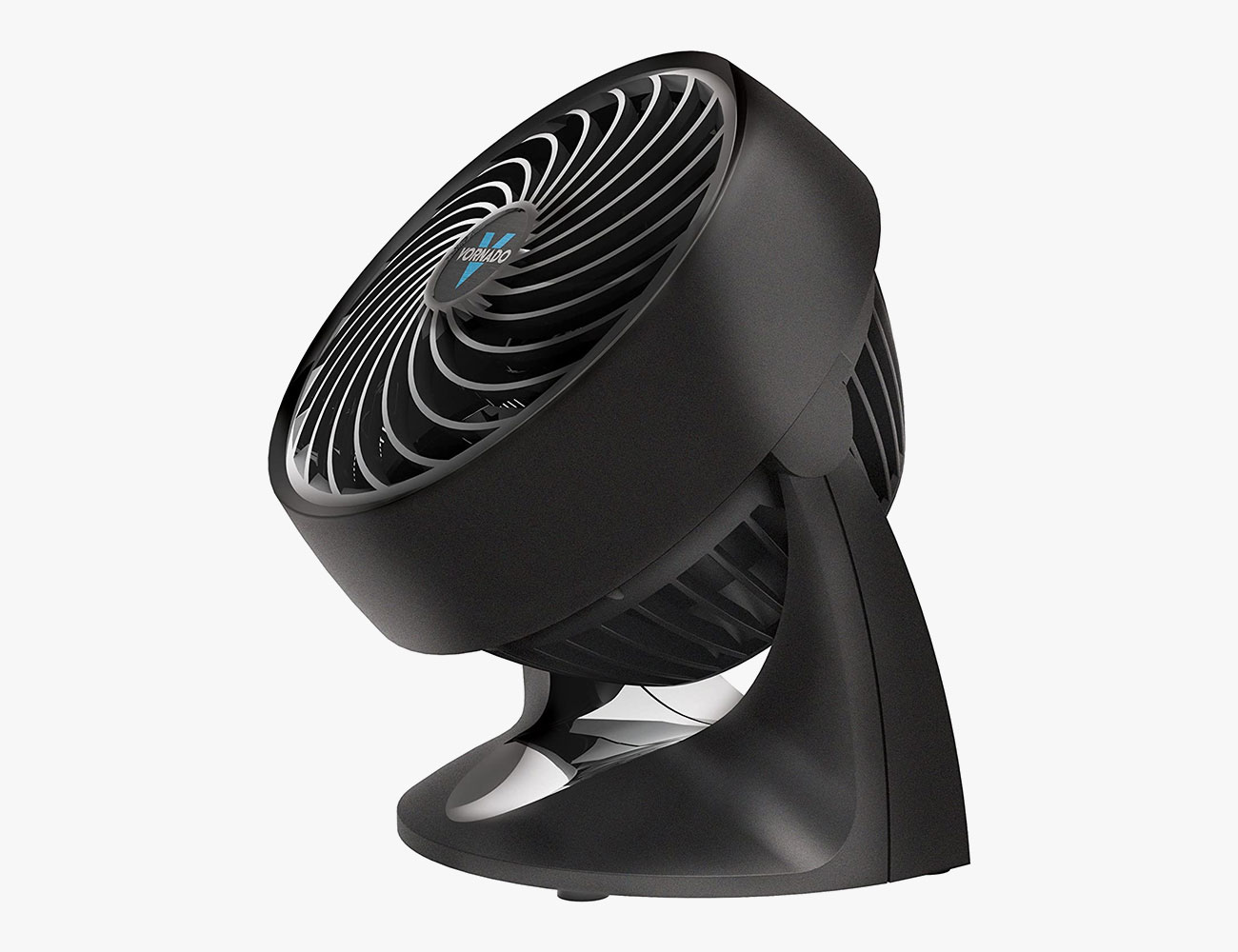
Vornado 133

Vornado is one of the premiere names in tabletop fans. If you’re looking for a fan that’s both adjustable and powerful, this is the one you want. (And it’s on sale.)

Note: Purchasing products through our links may earn us a portion of the sale, which supports our editorial team’s mission. Learn more here.
Tucker Bowe

Tucker Bowe has been on Gear Patrol’s editorial team since 2014. As a Tech Staff Writer, he tracks everything in the consumer tech space, from headphones to smartphones, wearables to home theater systems. If it lights up or makes noise, he probably covers it.

More by Tucker Bowe | Follow on Instagram · Twitter · Contact via Email

<!–

–>

<!– –><!–

–>

The Best Laptop and Desktop Stands to Buy For Your Home Office

Still think your desktop is better off without a laptop stand? Think again. A good stand elevates your screen, which helps with posture and overall productivity; it improves air circulation so your computer doesn’t overheat; and it can add storage to your desk, organizing your pens, notebooks, paperclips and EDC — or just hide them altogether.

Whatever your reason is for getting a stand, be it productivity, health, organizational, aesthetics or all of the above, these are the best Mac and MacBook stands you can buy right now.

Laptop Stands

AmazonBasics Ventilated Adjustable Laptop Stand

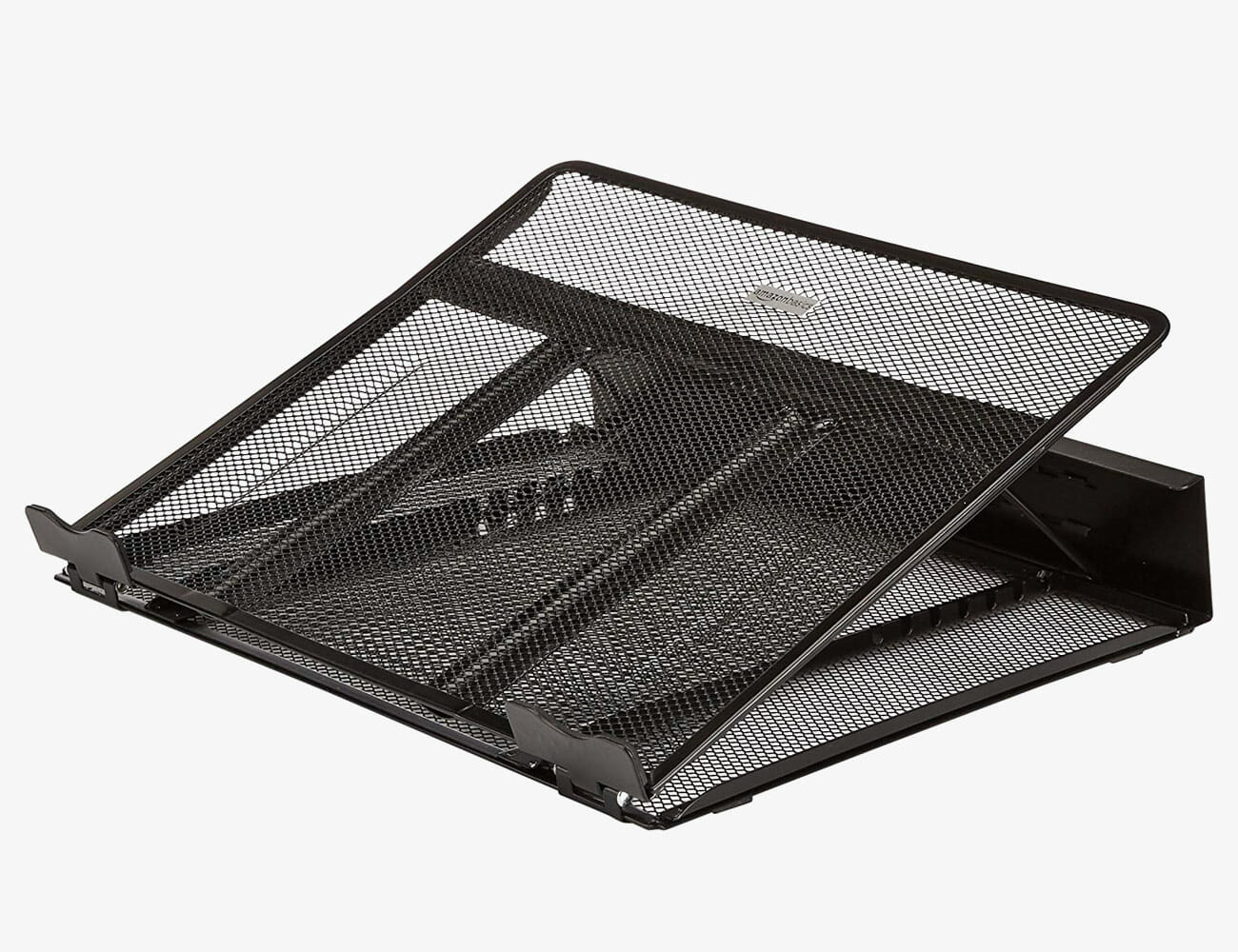
AmazonBasics is the obvious choice budget-minded shoppers. The height is adjustable and it’s collapsible so you can easily store it down when you want it out of sight. There’s also a cord organizer in the back. Not bad for 20 bucks.

Rain Design mStand

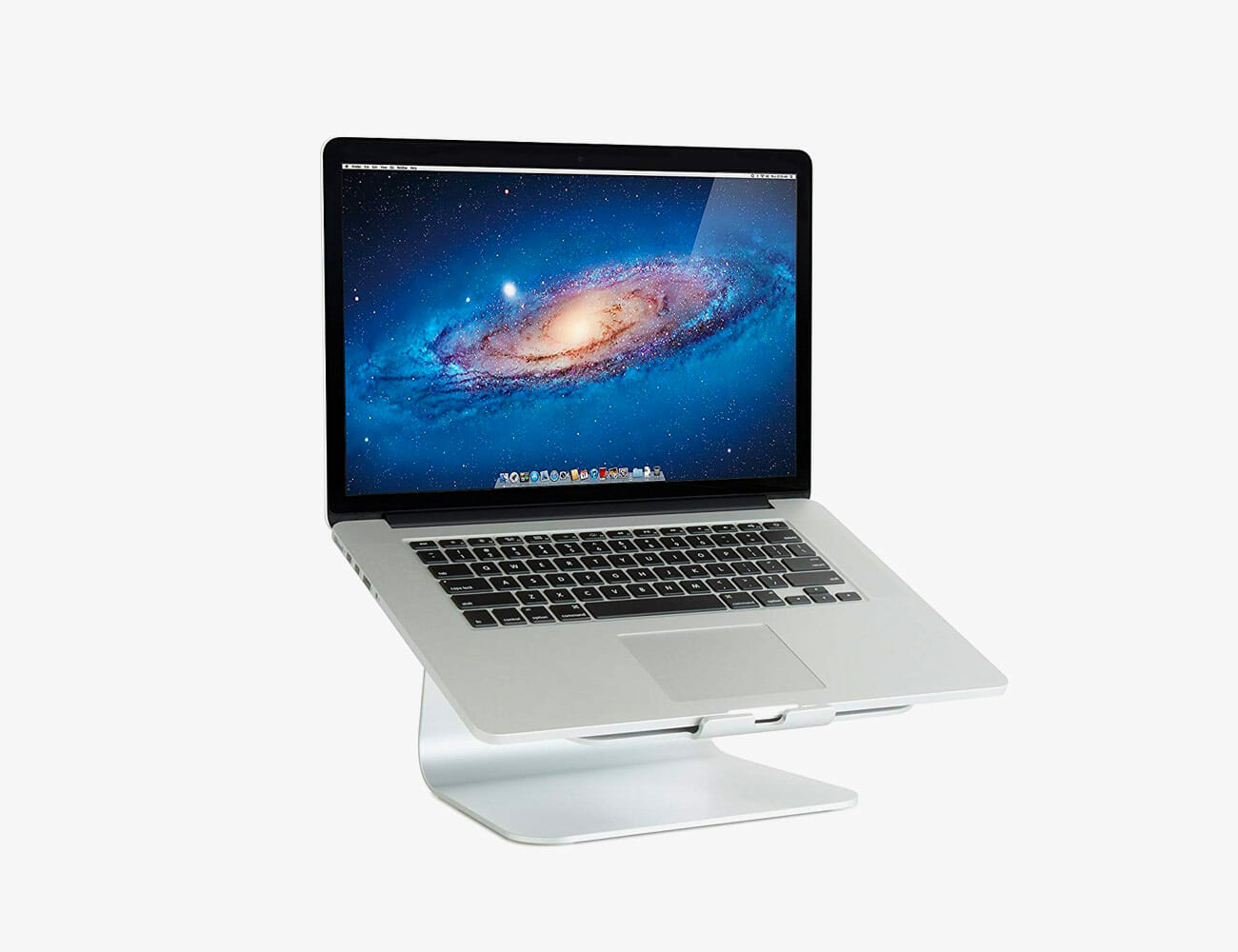
The mStand by Rain Design is one of the most popular stands for the MacBook. It’s a little cheaper than Twelve South’s model and comes in a trio of colors — silver, space gray and gold — to match whichever MacBook Pro, MacBook Air or MacBook you have.

Satechi F3 Smart Monitor Stand

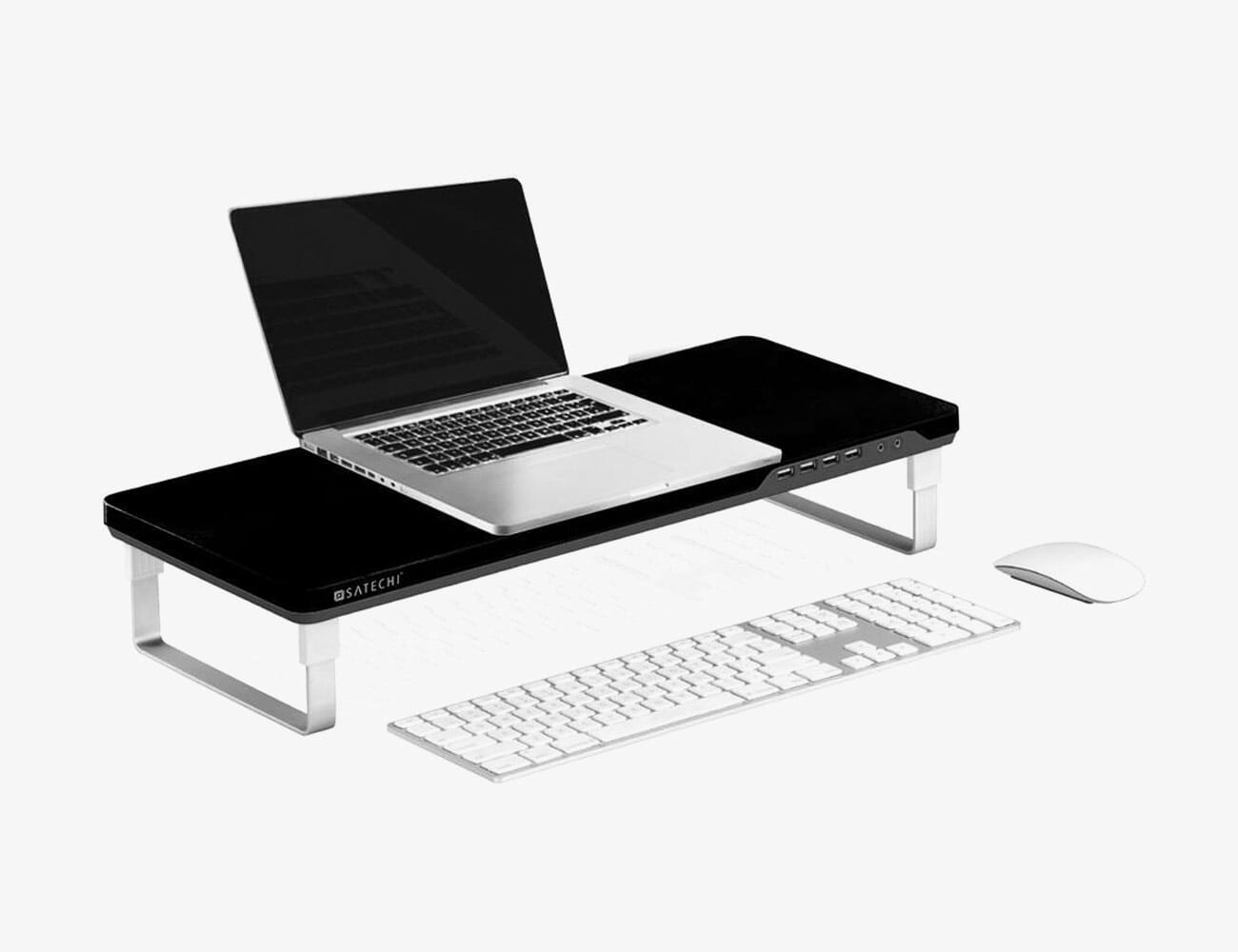
This stand can work with a desktop or laptop but it’s just a solid all-in-one solution for your workstation. It works as a central hub, with four USB 3.0 ports and separate jacks for a headphone and microphone. It’s all facing you, too, so you can easily transfer data (up to 5Gbps) from practically any device to your laptop. As far as design, it’s simple and clean, and it comes in either white or black.

Curve by Twelve South

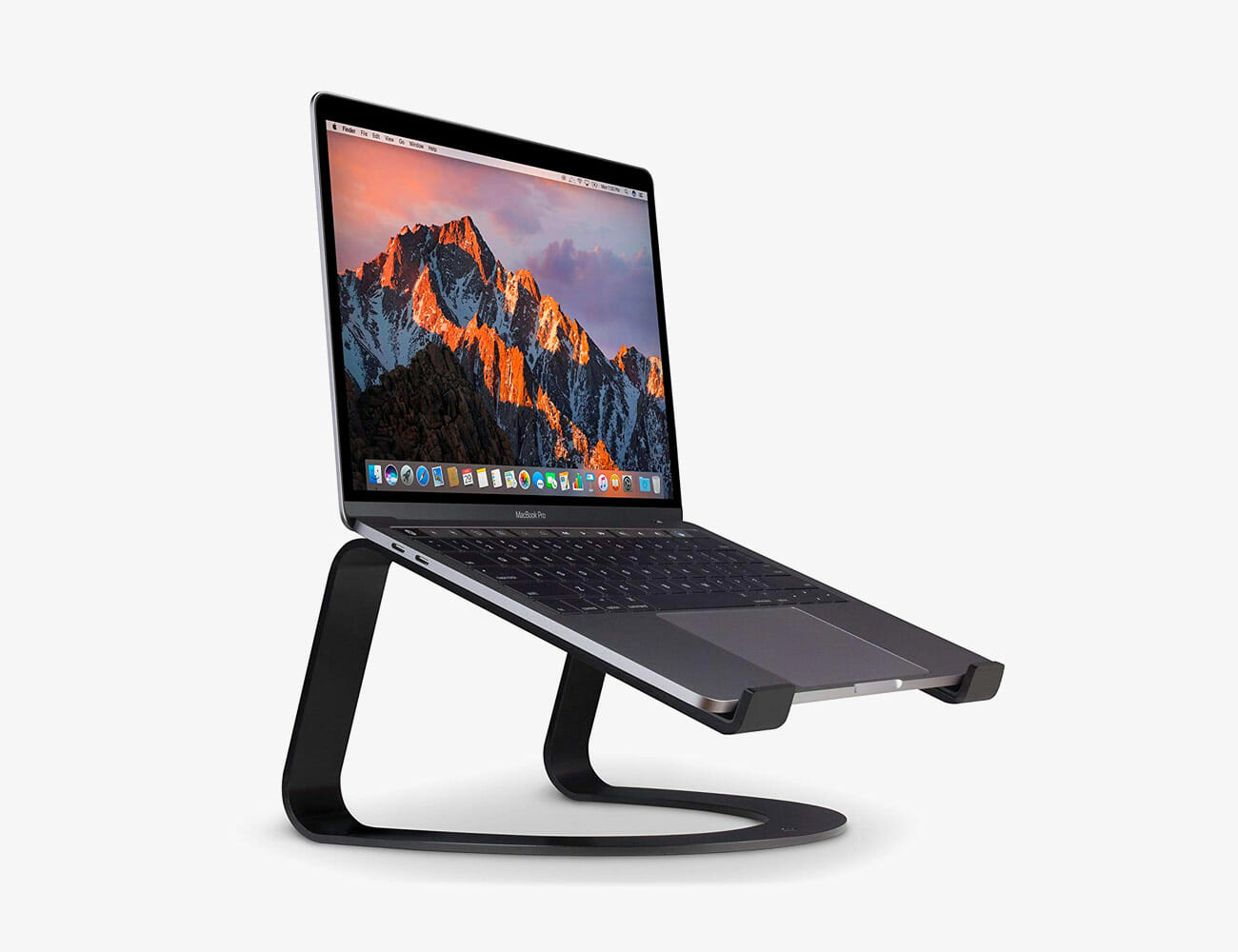
This minimalistic and ergonomic stand elevates your MacBook 5.8 inches off the ground. It’s made of aluminum and comes in Space Gray, meaning it’ll blend in naturally with the latest MacBooks and MacBook Pros. Also, because of its height, it will align your MacBook’s screen perfectly with your external monitor (if you have one).

|

Wall Desk by Nordic Appeal

The Wall Desk definitely stands out from the pack. It’s beautiful, fashioned completely out of oak or walnut. You can also use it as a wall-mounted stand (provided you purchase knobs) that functions as a floating desk.

|

Yohann Wooden MacBook Stand

Frankly, the Yohann Wooden MacBook Stand is unlike anything else. Yes, it’s minimialist and yes, it’s made of wood, which are two boxes that a number of other stands on this list also check. But this stand elevates a MacBook in a way that looks both precarious and magical. If you’re looking for a stand that’s a statement piece, this is it.

Desktop Stands

Monoprice Multimedia Desktop Stand

Monoprice’s desktop stand is more of a shelf. It’s pretty straightforward, available in black or translucent colorwars. If you’re not looking to spend as much as the other stands on the list, this is the model we recommend.

Rain Design i360

The i360 iMac stand is unique because, as its name gives away, it can swivel 360 degrees. This means you can adjust the viewing angle of the iMac whenever you want, which is great if you want to quickly share your screen with a coworker. The stand weighs three pounds and is very stable, and you can get a model to match your 21.5-inch or 27-inch iMac.

Satechi Type-C Aluminum Monitor Stand Hub

Satechi’s desktop stand addresses a problem most stand don’t: hard to reach ports. The “stand hub” has a number of outward-facing ports — USB-C port (up to 5 Gbps), three USB 3.0 ports (up to 5 Gbps), slots for both micro and SD cards (up to 104 Mbps) and a headphone jack — so you don’t have to worry about blindly feel behind your desktop for the correct port. It’s available in silver or space gray.

Grovemade Monitor Stand

Grovemade’s entire Desk Collection is pretty stunning. This Monitor Stand stands out for its simplicity and elegant design. It makes the wood the star of the show, and it comes in walnut or maple.

Twelve South HiRise Pro

Twelve South only makes accessories for Apple products. The South HiRise Pro, for example, is specifically designed to house iMacs and iMac Pros. It sheaths the base, while also providing additional storage. On top of the HiRise Pro is a leather pad, where you can safely and easily rest your EDC, like your AirPods or a keychain. And the front grille, which grips the base via magnets, is reversible, so you can switch between gunmetal and walnut.

|

Note: Purchasing products through our links may earn us a portion of the sale, which supports our editorial team’s mission. Learn more here.
Tucker Bowe

Tucker Bowe has been on Gear Patrol’s editorial team since 2014. As a Tech Staff Writer, he tracks everything in the consumer tech space, from headphones to smartphones, wearables to home theater systems. If it lights up or makes noise, he probably covers it.

More by Tucker Bowe | Follow on Instagram · Twitter · Contact via Email
Love Hultén Arcade Coffee Table proves that gaming can be art

Most of you who have been following us for a while now would know our love for video games. We regularly showcase products that have everything or maybe some elements related to gaming. While most of the gaming industry is now focusing on the upcoming next-generation console way, others are still more interested in classic forms of the popular pastime. Thankfully, Love Hultén feels the same way and dedicates his talents to craft awesome pieces. His latest work gives us the Arcade Coffee Table and its stunning.

The beauty of the stuff that makes it out of the shop from Love Hultén is the use of wood. While some of the items on offer feature other material as well, we prefer the wooden ones the most. As the name implies, the Arcade Coffee Table exactly does what owners expect. The Swedish visionary designer delivers a beautiful piece of furniture that covertly hides another functionality.

Catering to nostalgic gamers who have more than enough pocket money, this brings people back to the days when arcades were on the rise. The craftsmanship that goes into the table is outstanding which uses American walnut. Meanwhile, the handles of the drawer are in the shape of a regular joystick.

Once owners pull the drawer out, the handle can be removed and transferred to the slot on the surface. What we have now is a full-size panel akin to that of arcade cabinets. The mix of wood and brass turns the Arcade Coffee Table into a timeless centerpiece in any home or man cave. We want to see more like these from Love Hultén in the future.

Order it now: here

Images courtesy of Love Hultén

5 Hi-Fi and Record Shop Owners Share Their Highly-Tuned Home Hi-Fi Setups

Let’s face it, the people who make their living off of selling music and high-quality audio equipment — we’re talking about record shop and hi-fi shop owners — are bound to have a better (and cooler) home hi-fi set-up than you. To confirm our suspicions, we asked a few of them to share exactly what kind of hi-fi system they go home to when they clock out at the end of the day and what records they like to spin on them. Here’s what we found.

Peter Hahn, co-owner of the Turntable Lab

Peter Hahn is the co-owner of the Turntable Lab, a New York-based go-to music shop for professional DJs, musicians and audiophiles. At home, he has two different hi-fi systems at home, one analog and one modern for streaming. The analog setup is centered around a Technics SL-1200MK2 turntable. He also talks about his first turntable and what his favorite records are to listen to.

Javi Velazquez, owner of HiFi Records & Café

Javi Velazquez is the owner of HiFi Records & Café, a record shop located in Queens, New York. The majority of his home hi-fi system consists of components from the ’80s and ’90s, except the turntable. He recently bought a gorgeous new Rega RP8 turntable.

Dayle Davis, co-owner of Grimey’s

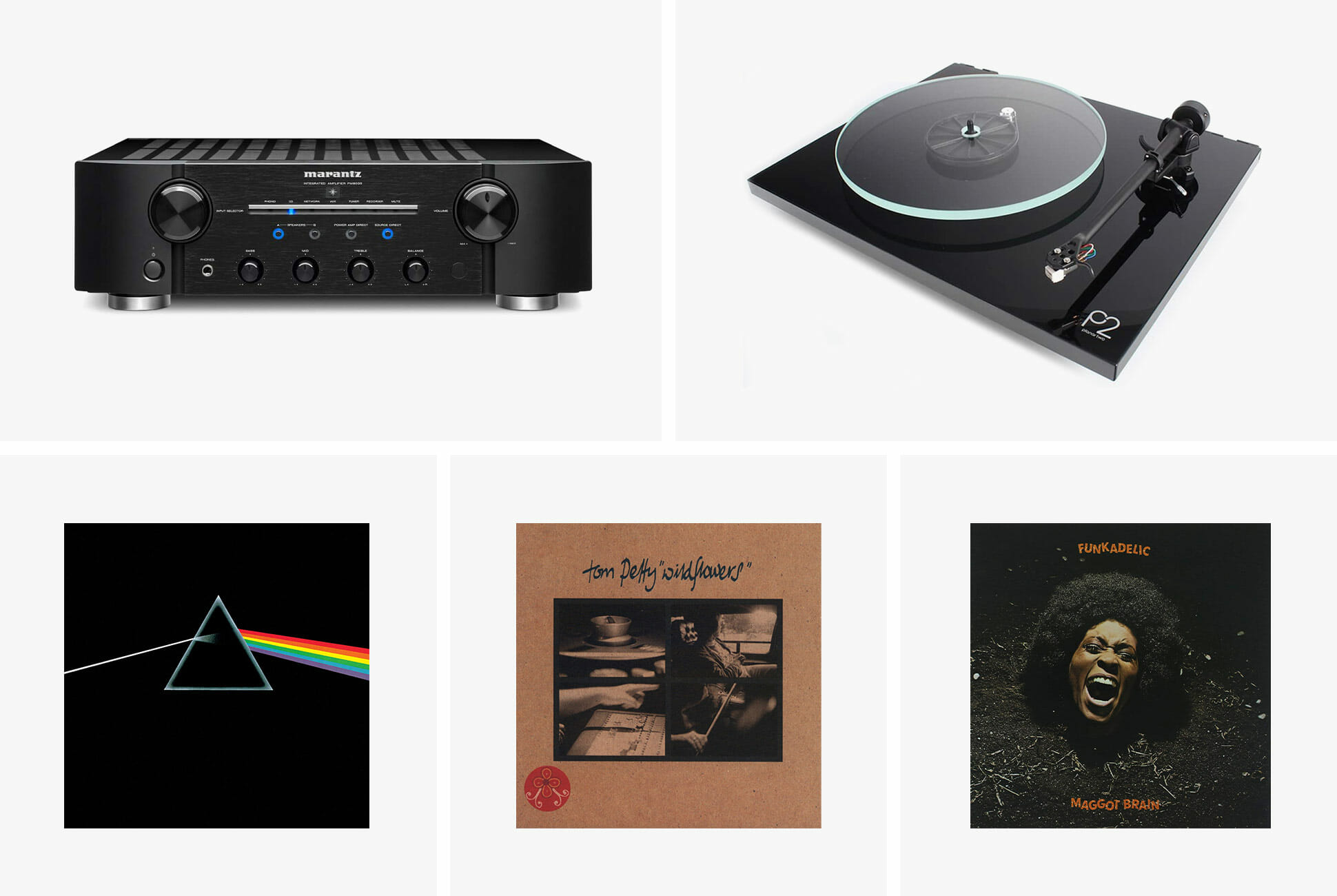
Dayle Davis is one of the co-owners of Grimey’s, a beloved Nashville record shop. He shares the two hi-fi systems he has at home, both of which are pretty epic. The first centers around a Rega P2 turntable and a pair of Klipsch RP-5000F floorstanding speakers. His secondary setup consists of a vintage Marantz receiver, vintage Kenwood speakers from the ’70s and a Music Hall MMF-2.3 turntable with Ferrari-red finish.

Bob Fuchs, manager of Electric Fetus

Bob Fuchs has managed Electric Fetus, a beloved Minneapolis record shop for over 32 years. He has built his home hi-fi system over the last 20 years. It centers around a Music Hall MMF-7.3 turntable, Rotel RB 991 power amplifier and a pair of beautiful Meadowlark floorstanding speakers.

Mike Garry, owner of Hudson Valley HiFi

Mike Garry is the owner of Hudson Valley HiFi, a New York hi-fi shop that specializes in buying, restoring and selling vintage audio equipment. His own setup frequently changes, admittedly, and consists of a number of different turntables, amplifiers and four different flooding speakers by Klipsch, Monitor Audio, Totem Acoustic and Fyne Audio.

Note: Purchasing products through our links may earn us a portion of the sale, which supports our editorial team’s mission. Learn more here.</h6
Tucker Bowe

Tucker Bowe has been on Gear Patrol’s editorial team since 2014. As a Tech Staff Writer, he tracks everything in the consumer tech space, from headphones to smartphones, wearables to home theater systems. If it lights up or makes noise, he probably covers it.

More by Tucker Bowe | Follow on Instagram · Twitter · Contact via Email
Let VPN services offer you a peace of mind and security online

Most of us regularly browse the internet on a daily basis. Even now, you might be reading this on your laptop, computer, tablet, or smartphone. Wireless connectivity has evolved to allow people to access information, entertainment, and more online almost anywhere. However, little do most of us know that there are risks as well as some content which are not accessible due to our location or other factors beyond the control of our internet service providers (ISP). Thus, this is where a virtual private network (VPN) comes in.

Be it for casual or commercial usage, there are benefits to be unlocked the moment you start using a VPN service. First of all, as the name already implies, privacy is exactly what it brings to the table. It’s for those who are a little paranoid about the possibility of unwanted eavesdropping, location tracking, and others more. Basically, it allows users to bypass certain restrictions. Additionally, it makes it look like you are in a specific location of your choosing.

Interesting facts about VPN

While others who are more tech-savvy should be aware of the nuances, a few are not. Thus, let’s answer some of the things that might be on their mind. The process starts when you connect your device to the internet, which is handled by your ISP. On the other hand, the modem/router provided by the company means there is nothing in between to filter whatever we access.

There are some instances wherein instead of a regular model, some services come bundled with VPN routers, which is great for homes or offices that have multiple people using the network at any given time. Aside from protecting online activities from prying eyes, it also keeps hackers from targeting users via their IP address.

With only a few exceptions, the use of a VPN client or service is generally legal in most countries. However, there are cases wherein it becomes subject to investigation when authorities suspect the user’s involvement in questionable practices such as hacking, spamming, accessing illegal content, and cybercrime. Hence, these are likely the reasons why VPNs are painted in a negative light.

VPN and its advantages

We’ve already given you a basic overview of how it works. Now, its time we understand some of the awesome perks that come with it. Those of you who subscribe to streaming services such as Netflix, Hulu, Amazon Prime Video, and others might have encountered connectivity problems abroad. While it works fine at home, some countries are geo-blocked by default which can be a letdown.

If you crave full-access from anywhere, download Surfshark VPN and give it another shot. A virtual private network client is perhaps a more convenient solution for folks who are always on the go. Instead of lugging around a router, it can be installed on your smartphones, tablets, and laptops. This makes it easy to access anytime you need it.

This also works in countries that practice strict internet censorship. Most of the time, these include websites and online services that are related to gambling, adult content, recreational drug use, and some social media platforms deemed inappropriate by its regulators.

The protection it delivers should give users peace of mind for a lot of things. Some we can think of include online gaming, telecommunications, downloading files from torrents, and online shopping. Furthermore, IP address spoofing alongside data encryption means websites can no longer track you. Moreover, it ensures security even when connected to public Wi-Fi networks.

What to look for in a VPN service

  • User-Friendly Presentation – We want to highlight this feature because not everyone who will be using the VPN client is a technophile. As such, developers make it compatible with major operating systems accompanied by a sleek interface and easy-to-follow installation process.
  • Network Size – Similar to cellular network services, users should be on the lookout for VPN providers with comprehensive server coverage in more countries. This allows for more flexibility as people choose from an expansive list of locations. It also addresses network congestion in some cases.
  • Speed – Another important aspect of the service is how fast it can process data. Given that the use of a VPN service can impact the speed in certain cases, this might not be a big problem for those who are not that into streaming or P2P anyway.
  • Unlimited Bandwidth – If you’re constantly online, it’s also important that there are no data caps, which could affect your usage. Thus, be aware of the limitations that are sometimes in the fine print.
  • Kill Switch – No matter how secured VPN services may be, there are times when hackers eventually break through. In these situations, a kill switch becomes an essential feature that automatically shuts down the connection to prevent anyone from snooping any further.
Paid Over Free VPN

Who does not love free stuff? It’s probably the reasons why the internet is so popular among people that love to download or stream content. While those that offer the service for free should have basic functionalities intact, it cannot compare to the full suite of features that are included with services such as the one offered by Surfshark. So, what are you waiting for? We’ve just given you the lowdown on why everyone who loves to be online should subscribe to a VPN service.

Get started now: here

If you would like your product reviewed and featured on Men’s Gear as well as its vast social media channels, e-mail Joe@mensgear.net

The California Company Bringing Planar Headphones to the Masses

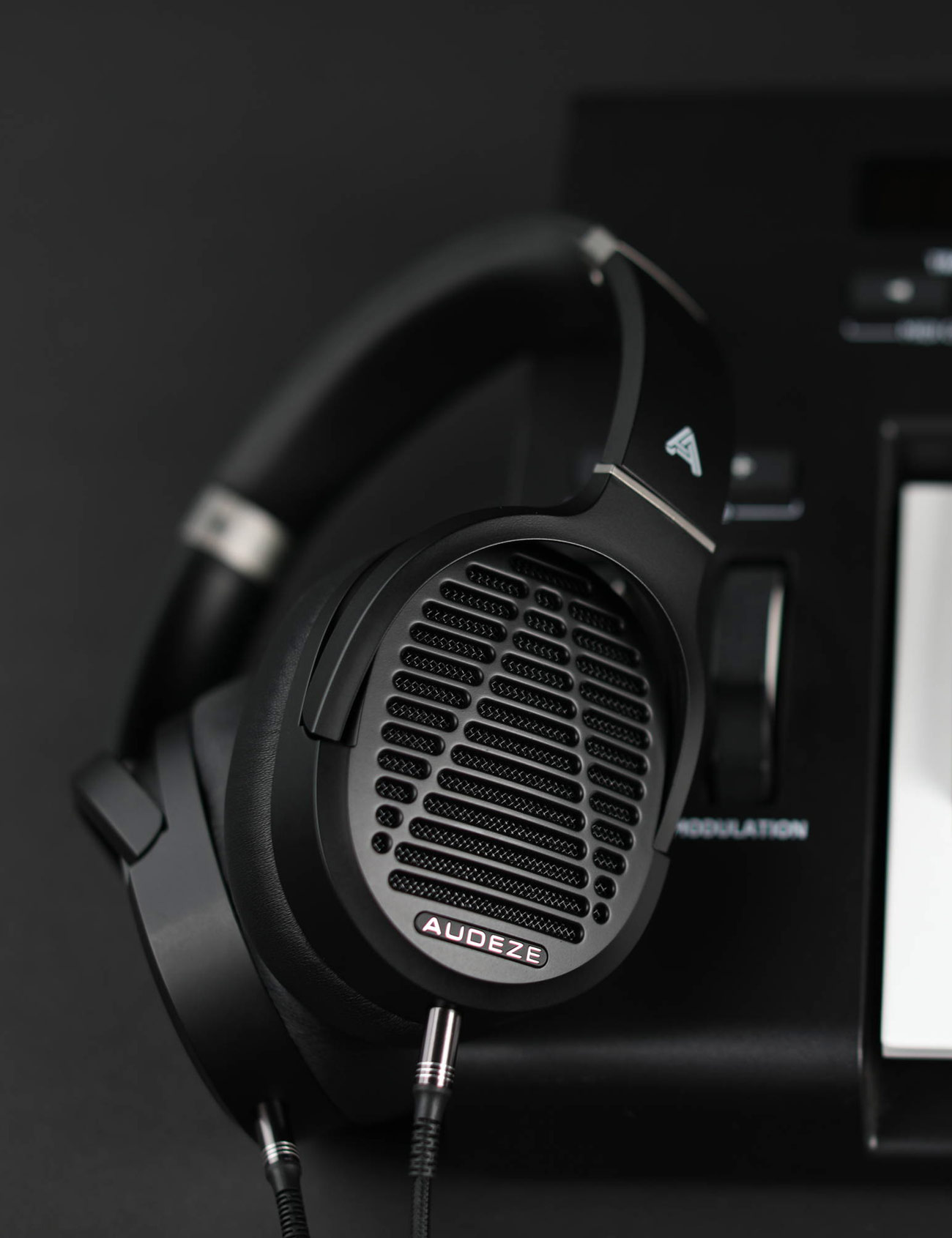
Audeze, based out of Orange County, is an audio company with a very particular focus. Not concerned with speakers or amps or earbuds, it instead focus on a headphones, and ones of a very specific kind. It’s cans use planar magnetic drivers (as opposed to conventional dynamic drivers), in order to achieve a greater range of sound than other approaches can match.  The result? “Extremely low levels of distortion and very high-fidelity over the entire frequency range,” according to Sankar Thiagasamudram, the co-founder & CEO. “It’s a very clean-sounding headphone.”

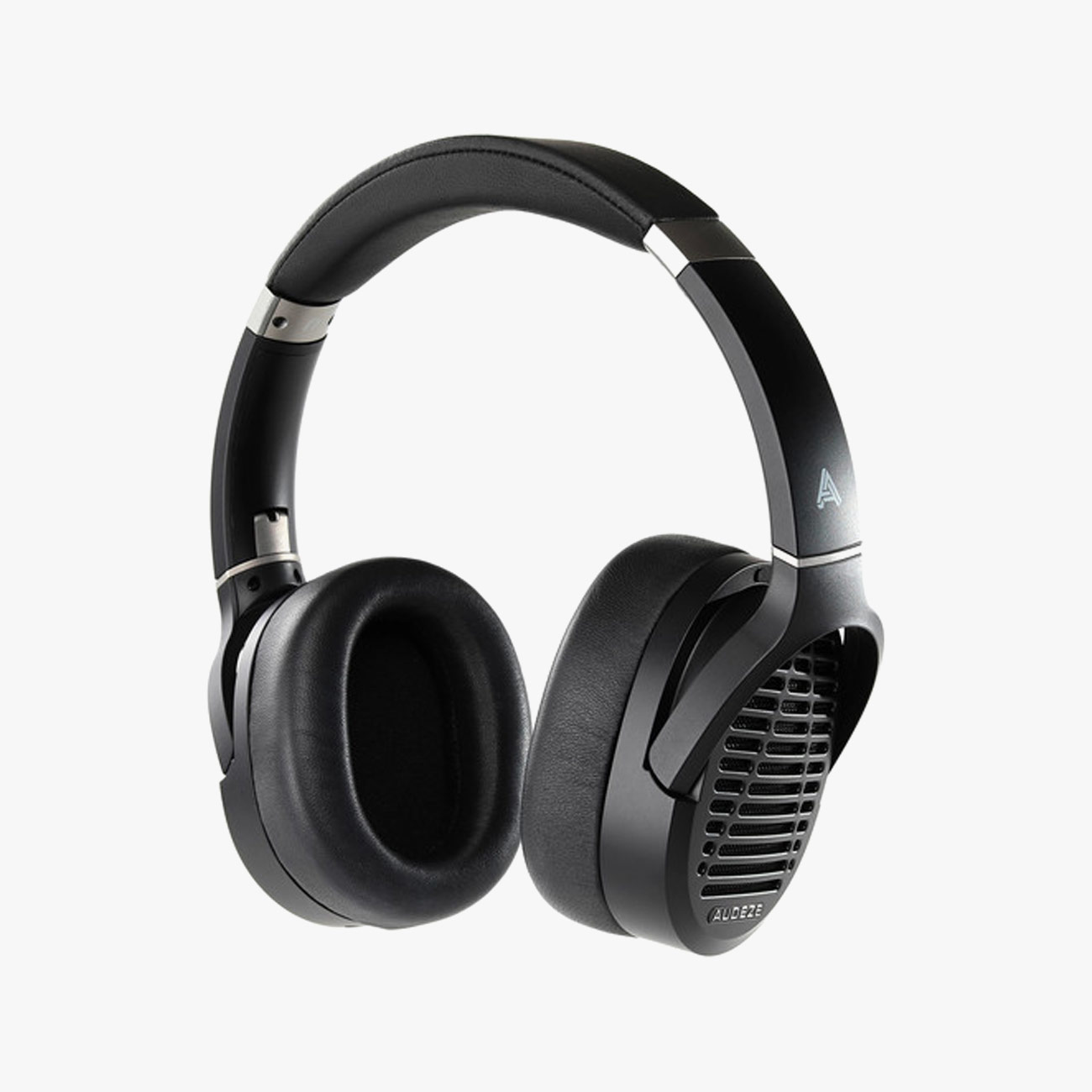
The problem with planar headphones, and why you may have never used a pair, is not about their sound quality but their price, historically reaching well up into the quadruple digits, and accordingly reserved for the sound engineers and well-off audiophiles. But in the past two years, Audeze has released two pairs of planar magnetic headphones that crawl in just under the $400 mark. Its Mobius ($399) and LCD-1 ($399), designed for gaming and hi-fi respectively, use the same planar magnetic technology that is in Audeze’s flagship headphones that cost almost ten times as much, the LCD-4 ($3,995).

The thing that makes planar cans so expensive is, you guessed it, their signature magnetic field.

Dynamic headphones, the kind you probably own, send an audio signal through a coiled wire. This, in the presence of a magnet, creates a magnetic field which moves the coil, and the speaker diaphragm it is attached to, back and forth. This is how your conventional Bose, Sony or Beats headphones play music.

Planar magnetic headphones work similarly to dynamic headphones but instead of a coiled wire, they use an incredibly thin film that spreads across the entire speaker diaphragm. When the audio signal goes through this film, it reacts similarly to magnets, causing the film and speaker diaphragm to move.

The difference, however, is in how much movement happens. “It’s not just driving the soil and large coil, it’s driving across the entire surface of the diaphragm,” said Thiagasamudram. Because the film has a larger surface area, planar magnetic drivers require two larger magnets (instead of just one small one) on either side of the diaphragm.

Planar headphones are not by any means the best headphones you can buy. That honor belongs to even more expensive and sophisticated electrostatic headphones. But the even higher price and the need for extra equipment has left electrostatics squarely in the far enthusiast real for now.

“The advantage of planar magnetic [headphones] is that you plug it into almost anything,” explains Thiagasamudram. “You can plug it into a traditional headphone jack and you don’t have to have a special amplifier.” With electrostatic headphones, you need a special high-voltage amplifier, which in addition to adding a (substantial) extra cost, it also means electrostatic headphones aren’t portable.

You’d be forgiven for thinking that planar tech is new, but the very opposite is true. Headphones that operate on the principle have been around in some form since the 1920s. But Audeze’s triumph isn’t inventing the form, but rather perfecting it. It has turned to modern manufacturing techniques so that it can cast and make its own films. “Instead of chemical etching we used lasers, for example,” explained Thiagasamudram. This has enabled Audeze to make its films extremely small, thin and durable. This is important because the thinner the film, the faster the diaphragm moves, creating a cleaner sound. Audeze also developed its own variety of magnets specifically for this usecase.

The Audeze Mobius gaming headset.To keep the prices low, the LCD-1 and Mobius have plastic earcups instead of wood like in the company’s more expensive flagship and reference lines. The plastic housing doesn’t affect sound quality, says Thiagasamudram, but affects the weight, comfort and look of the headphones. The rest comes down to automation and mass production. “Over the last two years we’ve automated the driver assembly here in Orange County, so now every 18 seconds we can make a driver,” Thiagasamudram said. The company makes and assembles every LCD-1 headphone in California. The Mobius headphone, which has a lot more built-in electronics to make it play nice with gaming hardware, is assembled in China.

As far as how Audeze’s new LCD-1 and Mobius headphones, Thiagasamudram says that there’s a lot of trickle-down from their higher-end headphones. It uses similar types of film and the same types of magnets. They’re not going to sound quite as good as its really high-end headphones, of course, as a lot comes down to the thickness of the film. Thinner films are better because they move the diaphragm faster, but they’re also more difficult and expensive to make. But if you appreciate good sound, the LCD-1 promise to be a noticeable upgrade from the standard pair of over-ears you’ve been listening to for the past few years.

|

Tucker Bowe

Tucker Bowe has been on Gear Patrol’s editorial team since 2014. As a Tech Staff Writer, he tracks everything in the consumer tech space, from headphones to smartphones, wearables to home theater systems. If it lights up or makes noise, he probably covers it.

More by Tucker Bowe | Follow on Instagram · Twitter · Contact via Email
Sony Finally Revealed PlayStation 5. Here’s What You Need to Know

<!–Sony Finally Revealed PlayStation 5. Here’s What You Need to Know • Gear Patrol<!– –>

So Do Some Of Its New Games, Too


We’ve known for a while that Sony would be releasing its next-generation console, the PlayStation 5, by the end of 2020, but we didn’t know what it would look it. Yesterday, Sony revealed the PlayStation 5, and it definitely wins the award for most visually striking, compared to the Xbox Series X’s more monolithic look.

[embedded content]

In addition to what the console will look like, Sony gave us little more information about the PlayStation 5. It will come in two variants, one with a 4K Blu-ray drive and the only as a purely digital console, and both will be able to stand vertically or horizontally. Sony didn’t share any kind of pricing information, but we can assume that the console without the 4K Blu-ray drive will be the more affordable option. Sony also officially released all specs that will enable the PlayStation to play games in up to 8K resolution (as well as 4K at 120Hz), which you can find on the company’s website.

Maybe most interestingly, Sony also revealed the trailers for several upcoming games that will feature on the PlayStation 5, such as Horizon Forbidden West, Marvel’s Spider-Man: Miles Morales, Resident Evil Village and Demon’s Souls. All the trailers can be found on the PlayStation YouTube channel, here.

Note: Purchasing products through our links may earn us a portion of the sale, which supports our editorial team’s mission. Learn more here.
Tucker Bowe

Tucker Bowe has been on Gear Patrol’s editorial team since 2014. As a Tech Staff Writer, he tracks everything in the consumer tech space, from headphones to smartphones, wearables to home theater systems. If it lights up or makes noise, he probably covers it.

More by Tucker Bowe | Follow on Instagram · Twitter · Contact via Email
<!–

–>

<!– –><!–

–>

How to Master the Notes App on Your iPhone

Welcome to Product Support, a column devoted to helping you get the most out of the gadgets and software you already use.

If you have an iPhone, iPad or Mac, you’re probably well-acquainted with the Notes app. Apple’s digital note-taking app is a great place for keeping lists, jotting down quick ideas, drawing sketches and writing long-form drafts, and it can be an incredibly powerful tool because, as long as it’s synced with iCloud, everything on your Notes app will quickly sync across all your devices. No need to share via AirDrop or email. If you write on Note on your iPhone, it’ll automatically appear on your iPad and Mac as well.

The neat thing about the Notes app is that Apple updates and adds new features to it all the time. For instance, you probably didn’t know that the Search feature in the Notes app can recognize typed or handwritten text, as well as images and scanned documents (like a recipe or receipt). And, more recently, the Notes app lets you organize folders within folders. (I know, mind blown.) You can find even more useful tricks and tips below. Go on, master the Notes app.

How to quickly undo a typo.

Did you accidentally highlight something and delete it (also by accident)? This can be incredibly frustrating especially if you’re using the Notes app on an iPhone or iPad and you don’t have access to an actual keyboard (you can’t press Command + Z to undo on an on-screen keyboard). Also, there’s no quick “Undo” menu to select on the iPhone. Fortunately, Apple baked in a “Shake to Undo” feature where you can actually shake your iPhone to prompt an “Undo Typing” menu. This feature is on by default, but you can change it by going to into Settings > General > Accessibility > Shake to Undo.

Quickly scan a document and sign it.

The Notes app actually has a built-in scanner function which makes it easy to scan a real-life document, sign it or mark it up (via the markup functionality in Notes), and then share it with whoever you need to it. All you have to do is start a new note, select the camera icon in the bottom-center of that note, and select “Scan Documents.” The app with then walks you through how to align the document so that it scans properly.

Share a folder with a friend.

The Notes app makes it incredibly easy to share your notes with others. You can set the permissions to “view only” if you don’t want other people to make edits, or you can open edits if it’s a more collaborative project. To share, just open the note in question and select the share button in the top-right; you can then select how you want to share: AirDrop, iMessage, Mail or another third-party app like Slack or Gmail.

Password protect specific notes.

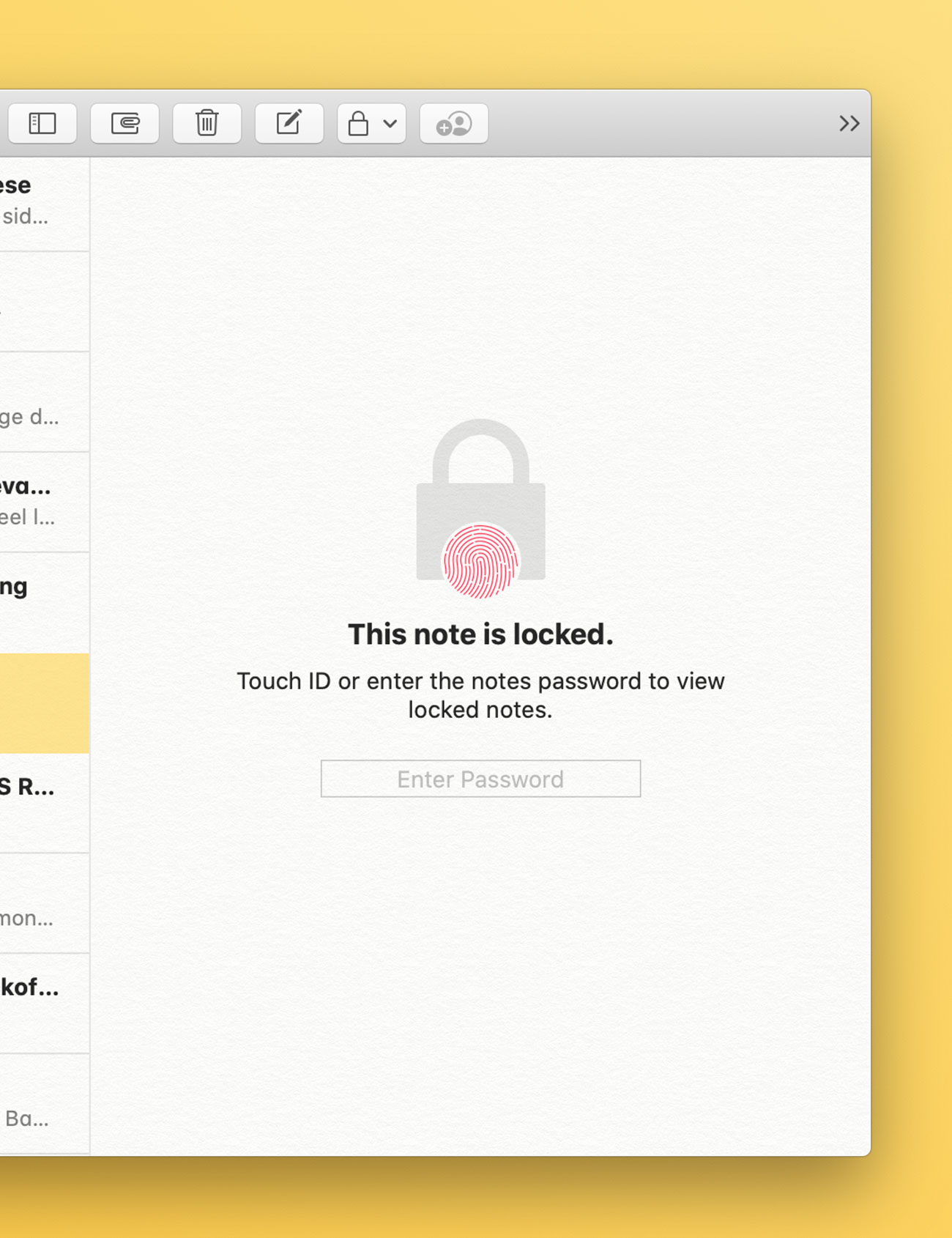
If you’re worried about unwanted eyes seeing one of your notes, you can password protect it. To do this, simply go to the note in question, select the “share” icon in the upper right-hand corner of the screen, and then select “Lock Note.” From there you can set a password (along with a hint in case you need help remembering) or enable Face ID (or Touch ID) to gain access to the note. All password-protected notes have a lock icon over them.

Have Siri take a note for you.

Siri, Apple’s voice assistant that comes built into your iPhone, iPad and Mac, can actually be pretty helpful in terms of taking notes. You can say “Hey Sir, start a new note” and then dictate what you want the note to say, and Siri will jot it all down for you and save it as a note. This is a great option if you don’t feel like typing or you want to create a note hands-free.

Create a checklist, not just a list.

A checklist is essentially just an interactive list where you can mark tasks as completed while leaving others open. To create a checklist, simply create a new note and then, at the bottom of the note, select the icon that has a checkmark inside a circle. Then type something and hit Enter (Return) when you’re done. Each time you hit Enter (Return) a new task will be created. To mark off a task as completed, simply select the circle (or bullet) next to it. You can deselect it the same way.

Note: Purchasing products through our links may earn us a portion of the sale, which supports our editorial team’s mission. Learn more here.
Tucker Bowe

Tucker Bowe has been on Gear Patrol’s editorial team since 2014. As a Tech Staff Writer, he tracks everything in the consumer tech space, from headphones to smartphones, wearables to home theater systems. If it lights up or makes noise, he probably covers it.

More by Tucker Bowe | Follow on Instagram · Twitter · Contact via Email
If You’re Looking for Cheaper AirPods, These Are the Ones I’d Buy

<!–If You’re Looking for Cheaper AirPods, These Are the Ones I’d Buy • Gear Patrol<!– –>

Half the Price


Urbanears is a Swedish audio company known for making stylish, contemporary headphones and speakers that are also affordably priced. It announced its first pair of true wireless earbuds, the Alby, back in early May and the $69 headphones are finally available for pre-order with an expected ship date of July 1st. You’ll notice that the Alby earbuds look very similar to some other popular truly wireless earbuds. The biggest distinction between Urbanears Alby and Apple AirPods ($159), however, is price: the Urbanears Alby cost $69, which is less than half as expensive.

Of course, the Urbanears Alby aren’t going to work exactly like Apple’s AirPods. They don’t have the special H1 chip (previously the W1 chip) that enables them to fast pair to your iPhone. They don’t have optical sensors, either, so they can’t detect when they’re in your ears and automatically play/pause. And they don’t come in a charging case that’s as snappy or well-engineered (although it does charge via USB-C). On the plus side, the Alby earbuds have an IPX4 water-resistance rating, which AirPods do not (but AirPods Pro do), so you can trust to wear them while working out. They also come in several more colors than white.

Knockoff AirPods are nothing new. We’ve written a whole story on why you probably shouldn’t buy the cheap knockoff AirPods that you see on Amazon. The difference here is that the Alby wireless earbuds are made by a reputable audio company and not some sketchy company you’ve heard of. If you’re looking for some affordable wireless earbuds that look like Apple AirPods, these are a good bet.

Note: Purchasing products through our links may earn us a portion of the sale, which supports our editorial team’s mission. Learn more here.
Tucker Bowe

Tucker Bowe has been on Gear Patrol’s editorial team since 2014. As a Tech Staff Writer, he tracks everything in the consumer tech space, from headphones to smartphones, wearables to home theater systems. If it lights up or makes noise, he probably covers it.

More by Tucker Bowe | Follow on Instagram · Twitter · Contact via Email
<!–

–>

<!– –><!–

–>

What’s Really the Difference Between a $500 and a $2,000 TV?

Let’s say you’re in the market for the new TV, and you’re finally looking to make the jump to 4K. When you’re shopping around, you come across a puzzling situation: two brand new TVs, identical in size, but with two very different prices. One costs $500 while the other $2,000. What’s the deal? What does that extra money actually buy you, and do you need it?

There’s more to picture quality than mere resolution.

If you have two 4Ks that are the same size and were made in the same year, but one costs significantly more than the other, it boils down to picture quality and specifically the technology being used to put the colors on the screen. All 4K TVs have the same number of pixels (3840 x 2160), but the difference in picture quality comes from how they are lit. The best 4K displays are the ones that have the most control over each individual pixel, to light them up in different colors or even turn them off completely without affecting adjacent pixels of a different color. That’s where display technologies come in, and when it comes to 4K TVs, you’re either talking about LCD or OLED.

Above you’ll see two 4K TVs that are the same size (55-inches) and from the same year (2019), but at very different prices. The Vizio M-Series Quantum, which is one of the best affordable 4K TVs, costs less than $500. The LG B Series, one of the nicer OLED TVs, is over $1,000 more expensive.

Pricier OLED displays mean better colors, sharper contrast, and blacker blacks.

The lesser of the two displays is the LCD (liquid crystal display). LCD TVs control the brightness of their picture with an LED backlight that covers a lot more space than a single pixel. Instead, they control groups or clusters of pixels that are known as dimming zones. The more dimming zones an LCD TV has, the more control it has over the pixels and the better picture it’s going to be able to produce.

The ultimate dimming zone, however, is a single pixel, and that is what an OLED TV delivers. Each pixel on an OLED screen is its own backlight. The result is that OLED TVs are able to get brighter and darker while in close proximity to each other, which generates much better contrast. Additionally, OLED TVs are generally able to be thinner and lighter than LCD TVs because they don’t require an extra panel of back-lighting. The problem is OLED is a newer technology and it will be responsible for the bulk of the price differential between two otherwise identical-looking TVs. One of LG’s 65-inch entry-level 4K OLED TVs costs $2,300, for example, while one of the company’s 65-inch 4K LCD TVs costs $650.

Brighter brightness, higher refresh rates, HDR and more dimming zones also add to image quality (and price).

It’s not just OLED or LCD though. More expensive LCD TVs will shore up their display technology weakness with other technologies, like a brighter backlight, or a larger number of smaller dimming zones. More expensive TVs will often also boast a higher refresh rate, the number of times per second that the screen updates what it is showing. Higher rates mean a higher price, but less motion blur. Higher-end TVs are also more likely to support high dynamic range (HDR) technologies, such as Dolby Vision and HDR10, which help create deeper blacks and more vivid colors on any display.

A TV is more than just its display. Materials and speakers are a cost factor too.

A lot of times the difference between a company’s entry-level 4K TVs and mid-range 4K TV, by the likes of TCL or Vizio, is the fact that the frame of the TVs is made of plastic instead of metal. Not only does a plastic frame not look as nice, but it’s also more susceptible to bumps and scratches whenever you happen to move it.

And while you’ll basically always be better off using a soundbar instead of your TV’s built-in speakers, some of the more expensive TVs might have slightly bigger speakers that get slightly louder, have better sound separation and might even support surround sound technologies, like Dolby Atmos or DTS:X. But many TV manufacturers (such as TCL, Sony, Vizio, Samsung and LG) actually want you to buy a separate soundbar or speaker system because they make those as well. And for our money, that’s a good choice.

Note: Purchasing products through our links may earn us a portion of the sale, which supports our editorial team’s mission. Learn more here.
Tucker Bowe

Tucker Bowe has been on Gear Patrol’s editorial team since 2014. As a Tech Staff Writer, he tracks everything in the consumer tech space, from headphones to smartphones, wearables to home theater systems. If it lights up or makes noise, he probably covers it.

More by Tucker Bowe | Follow on Instagram · Twitter · Contact via Email
Keep your devices sanitized with the DISTEK MAX Screen and Phone Cleaner

If you have been following news related to tech, then subjects related to the latest and popular gadgets have likely been featured. Now that modern consumers are highly dependent on their smartphones, tablets, and other similar devices, we tend to interact with these items on a regular basis. Developed by cellhelmet, DISTEK MAX screen and phone cleaner hopes to encourage users to make it habit to sanitize their stuff.

Most of us are unaware that on any given day, our hands are a hotbed of microbes. If left unattended, it would lead to many types of illnesses. Furthermore, it’s almost second nature for individuals to reach for their mobile phones every time. As such, the DISTEK MAX screen and phone cleaner is one of the best go-to solutions to quickly disinfect our handsets and more.

Likewise, due to the current health crisis, healthcare experts urge people to follow certain precautionary measures. These include social distancing, isolation, and basic hygiene practices to prevent COVID-19 transmission. Just like washing your hands, it’s a great idea to also clean objects that you touch or use close to your face.

Why Use DISTEK MAX?

Based on the guidelines issued by the Centers for Disease Control and Prevention (CDC), the simple act of washing our hands with the help of soap can already remove a significant number of viruses and bacteria that could make us sick. Another recommended alternative is the use of a formula with 70% isopropyl alcohol.

DISTEK MAX is a proprietary formula that introduces 70% isopropyl alcohol into the mix. This effectively delivers a comparable sanitizing treatment for your smartphones or tablets. Despite what some antibacterial wipes claim, a lot of these mostly use water with some additives.

This American-made screen and phone cleaner was introduced recently on April 27, 2020. This appears to be a brilliant timing with the ongoing pandemic. It’s a product specifically for devices anybody frequently touches and in turn touches our face.

Developing DISTEK MAX

Each package of DISTEK MAX comes with the formula in a 30-ml spray bottle along with a microfiber cloth. It is on offer from cellhelmet – a Pittsburgh, Pennsylvania-based manufacturer/distributor of mobile accessories. The company officially made its debut on March 8, 2013, on ABC’s popular show Shark Tank.

According to the firm’s Executive Vice President, Lee Terkel, they have recognized a market for a reliable and effective cleaning product precisely for handheld devices. “We have always had a company focus on products that solve real problems and improve the safety of our phones and tablets,” he stated.

“Clearly, nobody is happy about what has happened in our world, but we are proud to be able to contribute to the fight in a positive way,” Terkel added. DISTEK MAX seems to be a convenient option for tech-savvy people who rely on their gadgets for work, entertainment, and more.

How To Use It

Just as cellhelmet advertises, DISTEK MAX is “easy to apply” on all forms of touchscreens. However, it should be noted that the solution should not be used on plastic or polymer surfaces. These days, the craftsmanship of most modern handsets and slates use metal and other premium materials. Hence, it should be generally safe for almost all the latest models.

Many will notice that on certain angles, the glass covering the display and camera modules sport ugly smudges. Additionally, this is evidently visible on highly reflective and polished sections of the housing. A spray of DISTEK MAX quickly breaks down the oils and dirt that have settled. You can then wipe it off with the microfiber cloth that comes with the set or anything similar.

Once done, what you have is a sparkling clean and bacteria/virus-free gadget that is safe to use. We recommend that you regularly give it a wipe down each time you get home just to be extra careful. Keep more than one DISTEK MAX bottle on hand. Throw one in your backpack, handbag, vehicle, and areas close to the door the lead outside of your home.

Order Yours Now: Here

If you would like your product reviewed and featured on Men’s Gear as well as its vast social media channels, e-mail Joe@mensgear.net

Images courtesy of cellhelmet

The 15 Best Hi-Fi and Audio Gifts for the Rocking Dad

Your dad doesn’t have to be an audiophile to appreciate a gift that is a speaker. He doesn’t have to be home theater buff to appreciate a soundbar. And he doesn’t have to technology wizard to appreciate a good pair of headphones. As long as you’re there to set it up for him and show him how it works, then he’ll love it. Here are some great audio and hi-fi gifts to get your dad for Father’s Day.

AudioQuest DragonFly Cobalt

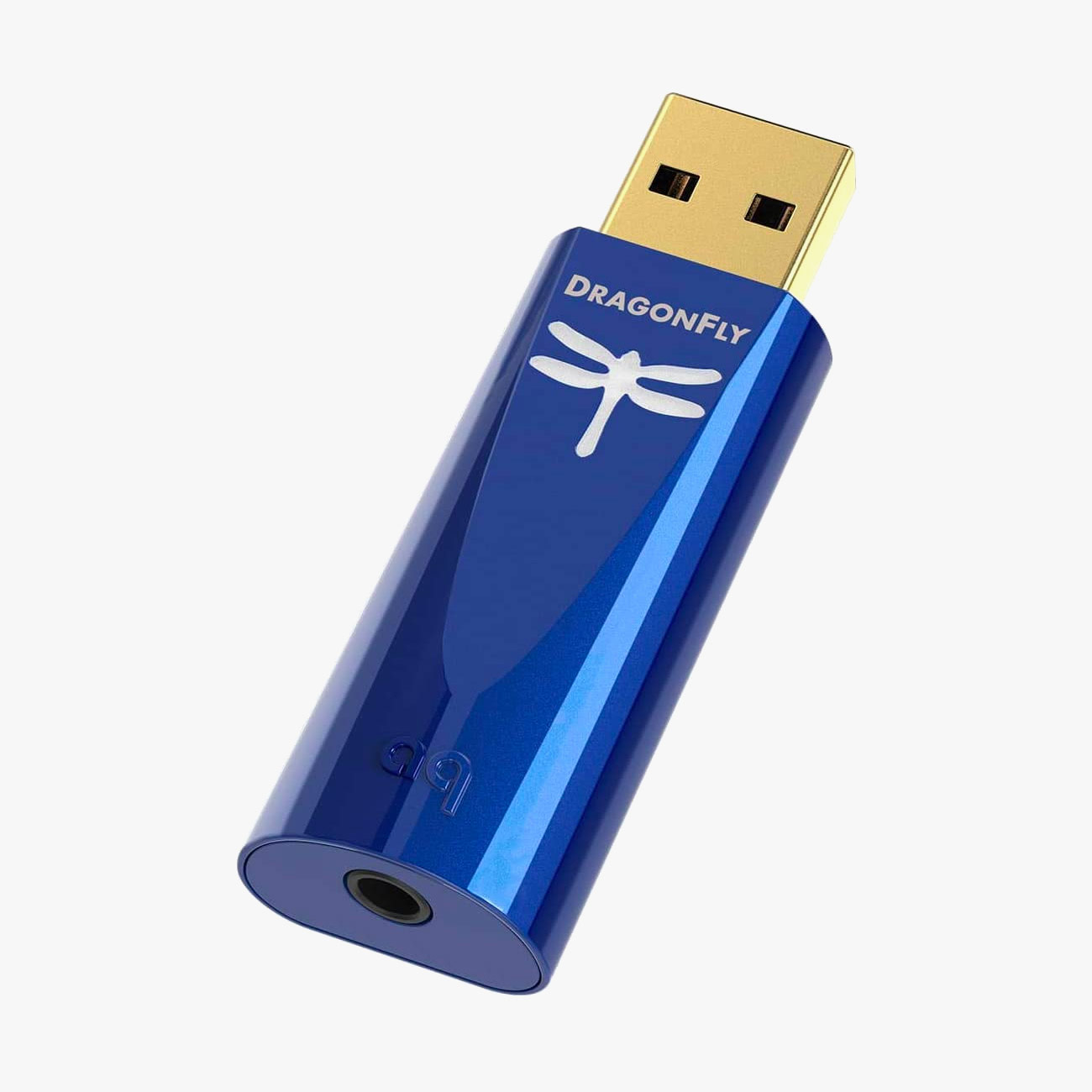
If you’re shopping for somebody who loves listening to high-fidelity music and they predominantly listen to music on their smartphone or laptop, the DragonFly Cobalt is one of the best portable DAC/headphone amplifiers you can buy.

Audeze LCD-1

Planar magnetic headphones are normally very expensive because they’re difficult to make and they sound really good. But thanks to some new-age technology and innovative manufacturing techniques, Audeze, one of the best-known makers of planar magnetic headphones, has made these normally expensive headphones way more affordable.

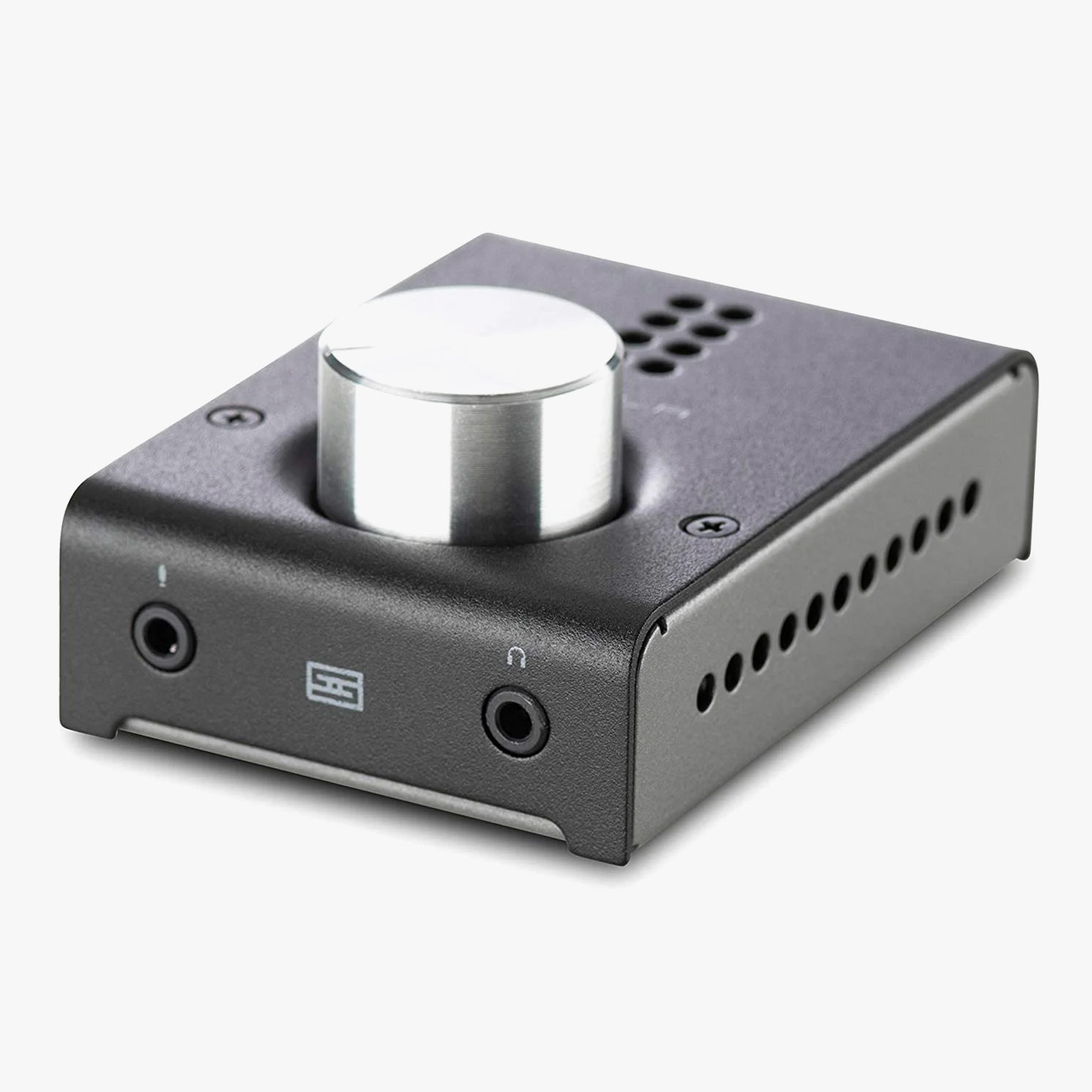
Schiit Audio Fulla 3

The Fulla 3 is an affordable, beautiful headphone amp and DAC. It’s a great little gadget to improve any desktop audio setup. It plugs directly into your laptop or desktop, and then you can use it as a DAC/amp with wired headphones or as a DAC/preamp for a nice pair of powered monitors.

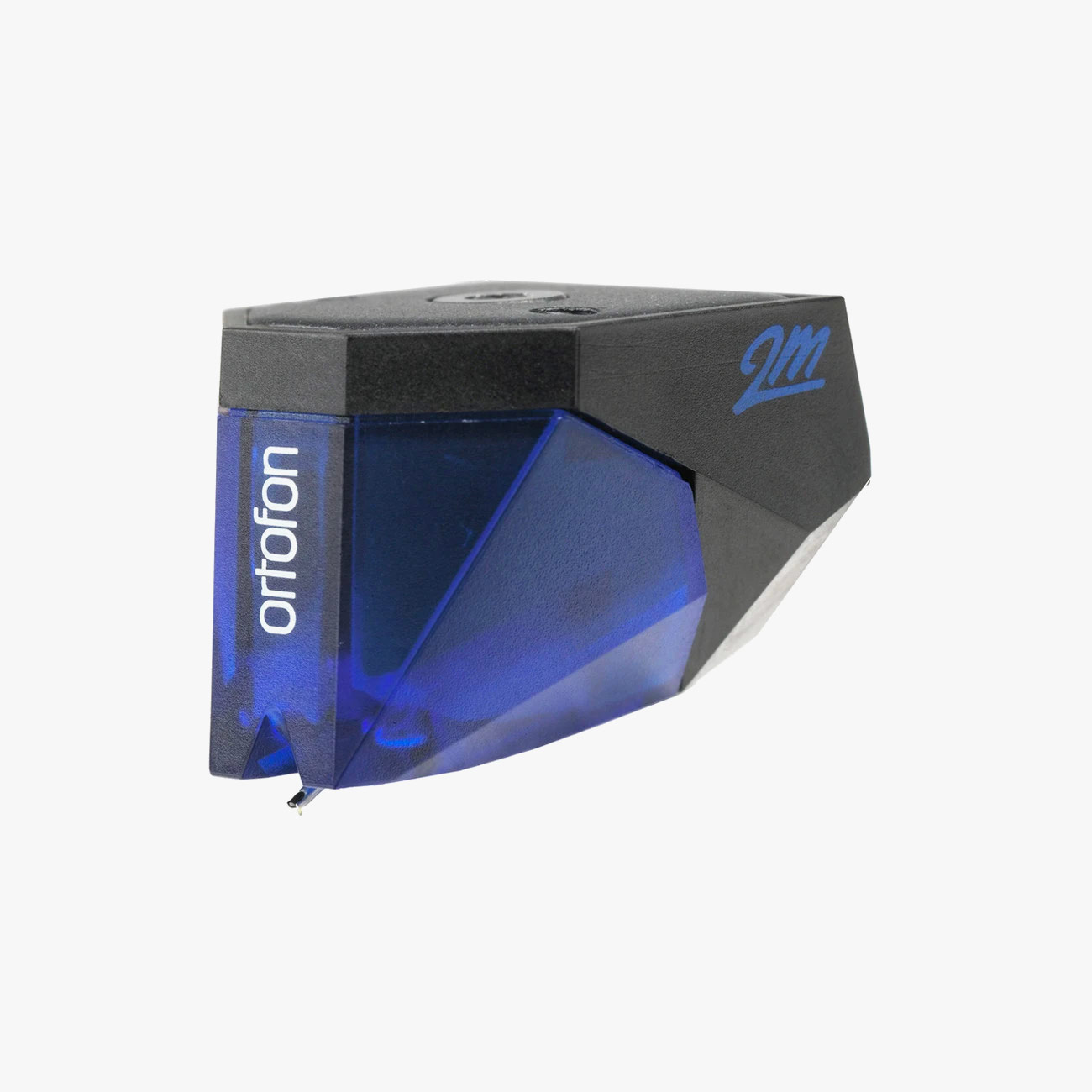
Ortofon 2M Blue

The Ortofon 2M Blue is a moving magnet cartridge that fits most turntables. If you’re shopping for somebody who has an entry-level vinyl setup, this is the perfect upgrade.

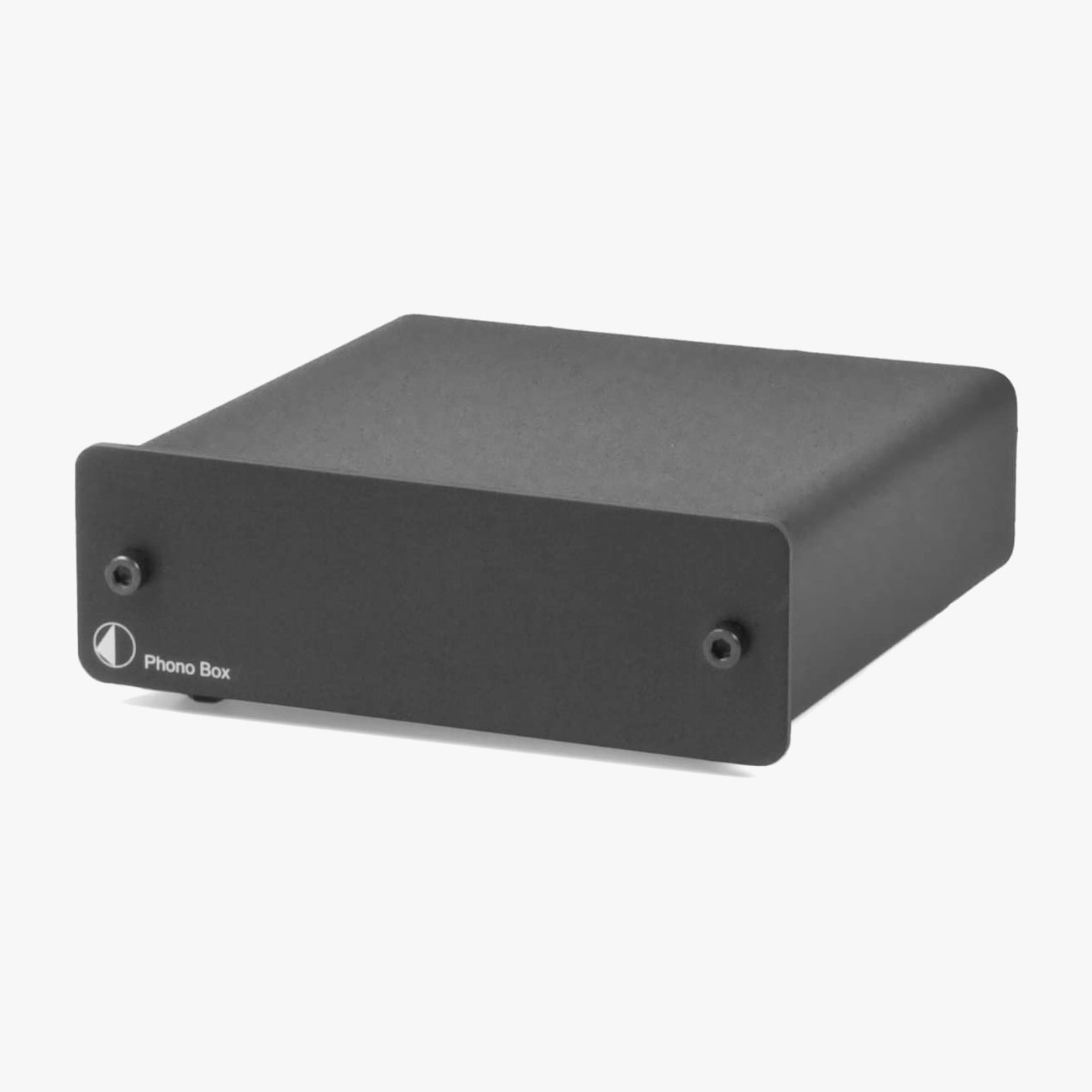
Pro-Ject Phono Box DC

This is one of our favorite entry-level phono preamps. It’s a great upgrade or addition to most entry-level turntable systems.

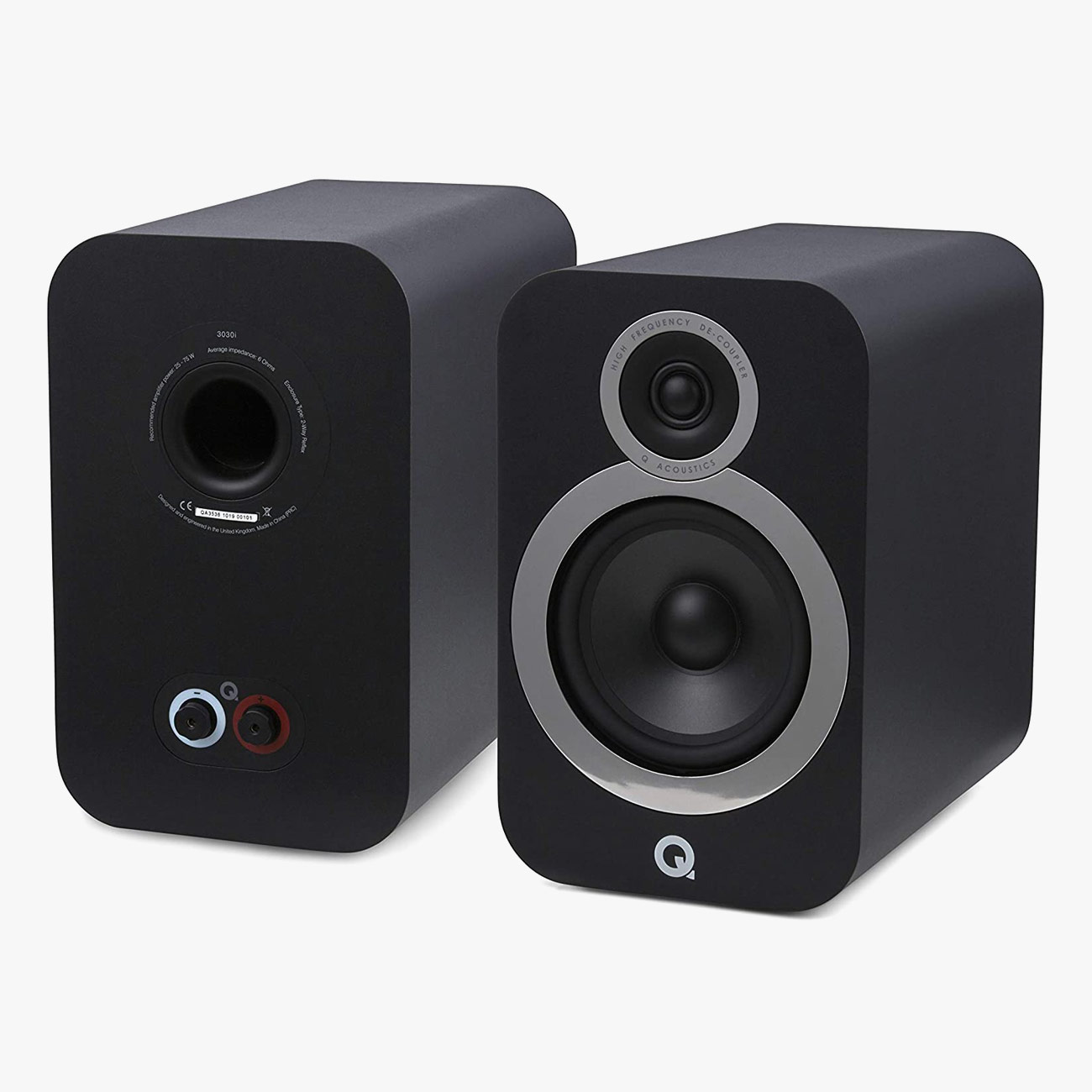
Q Acoustics 3030i

Q Acoustics is a British audio company that makes some of favorite passive bookshelf speakers. The 3030i are the company’s newest offerings. They deliver the soundstage and power of floorstanding speakers, while still being bookshelf-sized.

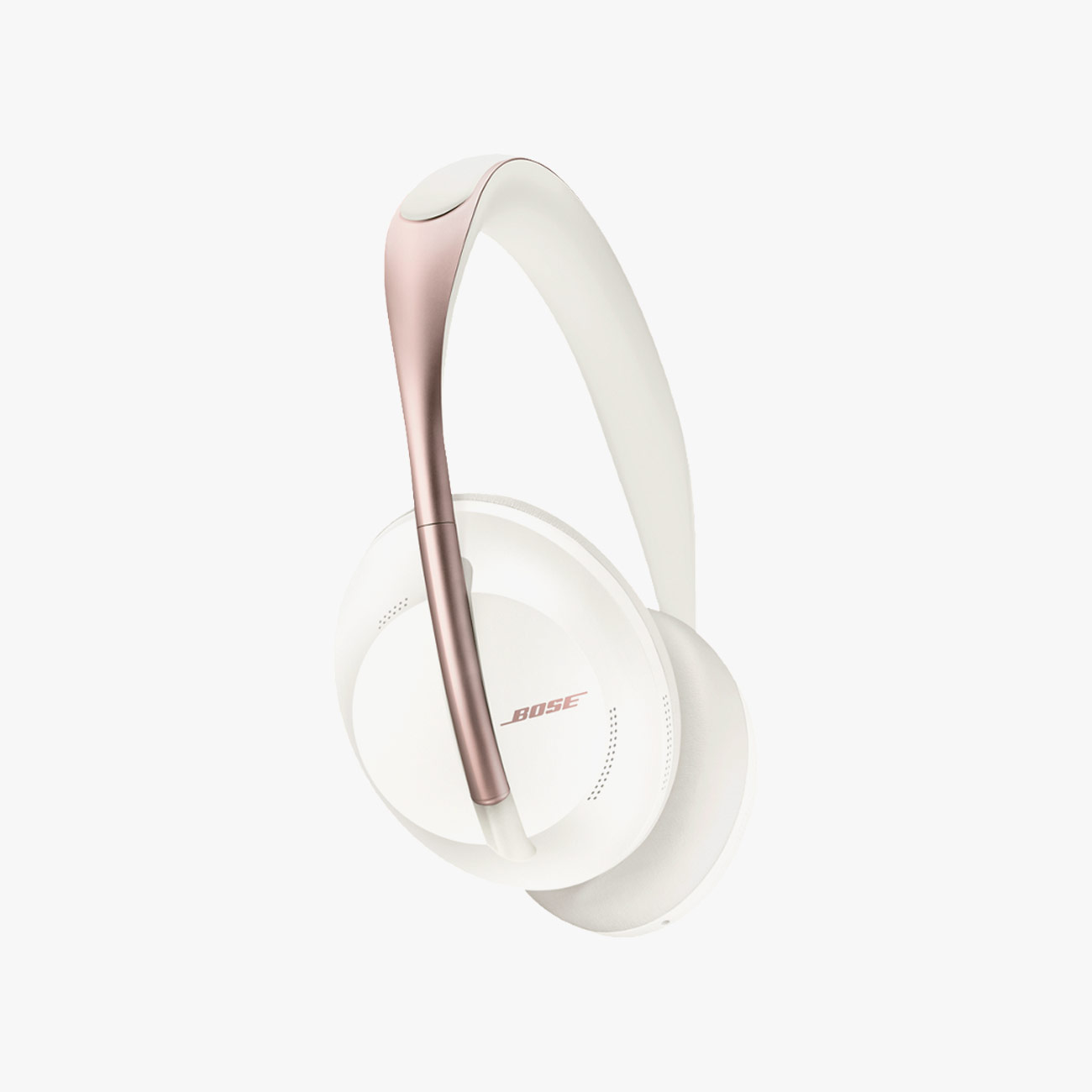
Bose Noise-Canceling Headphones 700

These are arguably the best noise-canceling headphones you can buy. Not only do they have impressive sound and powerful active noise-cancellation, but they deliver the most impressive call quality you can find in a pair of wireless headphones.

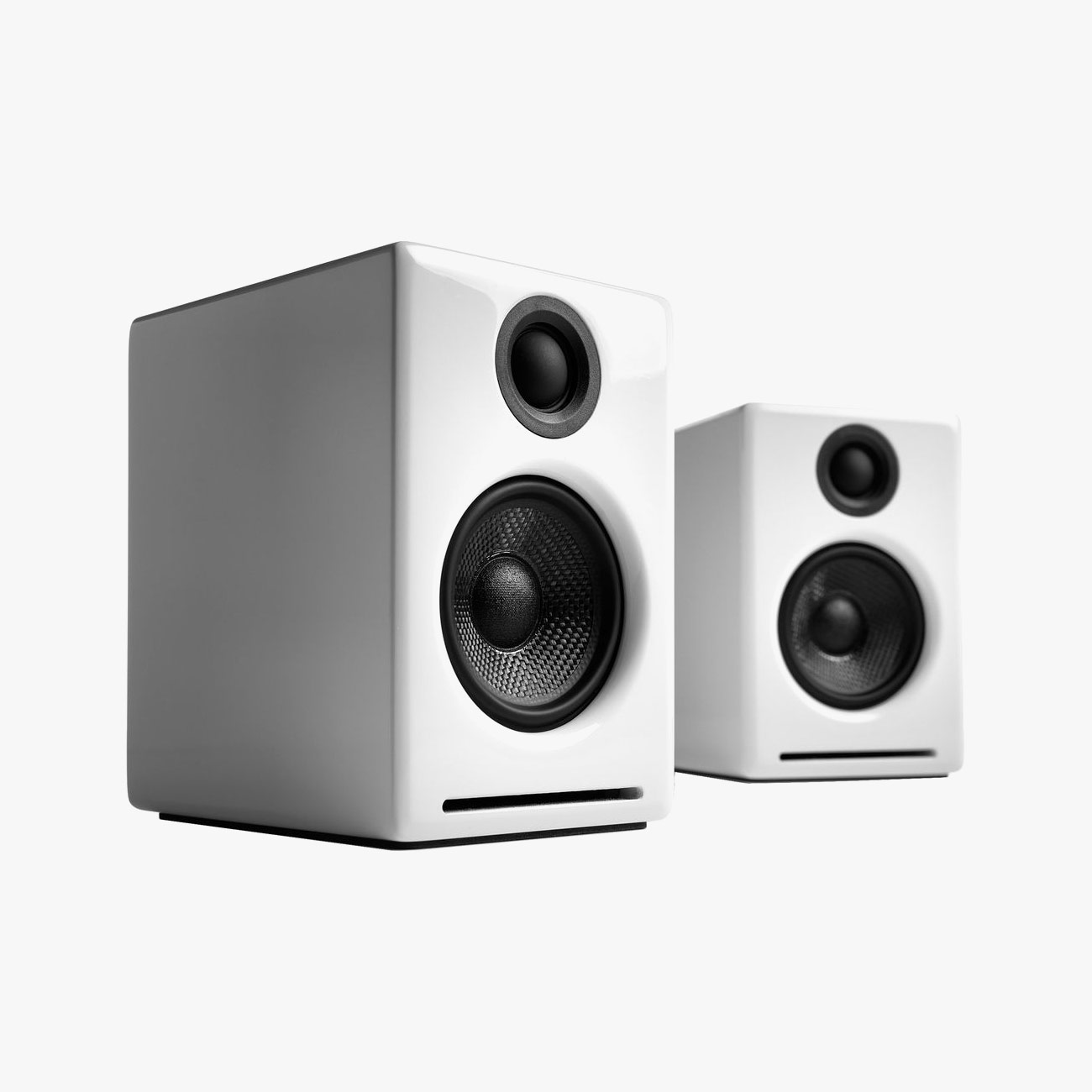
Audioengine A2+ Wireless

These tiny powered bookshelf speakers are great because of how versatile they are. You can connect them to your laptop or an entry-level turntable system, or, since they have built-in Bluetooth, you can stream music to them straight from your smartphone.

Pro-Ject Debut Carbon (DC)

The Debut Carbon is Pro-Ject’s most popular turntable. It’s the upgrade from the company’s Essential line of turntables, offering some key features — such as a heavier platter, higher-quality feet and a motor that’s decoupled from the plinth — to reduce noise and distortion.

KEF LSX

The LSX is a wireless all-in-one speaker system very similar to KEF’s high-end LS50 Wireless, just in a smaller and more affordable package. The speakers come with a multitude of connectivity options. You can connect the speakers to your TV (via optical), your turntable (via RCA), your smartphone (via aux) or your computer (via USB). Or you can stream directly to them over Wi-Fi, through Tidal and Spotify apps, or over Bluetooth.

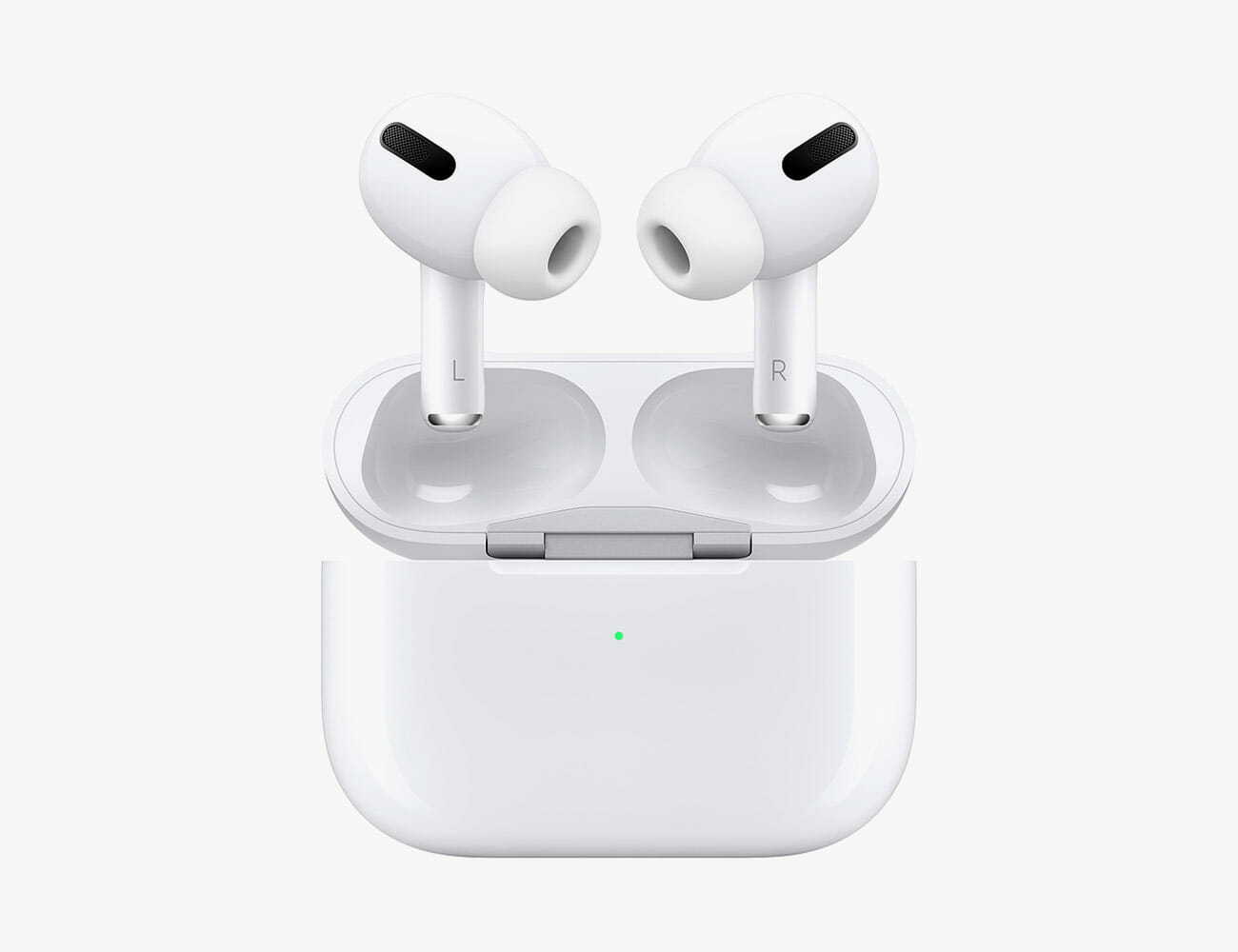
Apple AirPods Pro

If they have an iPhone, these are the best wireless earbuds you can buy them. They have powerful noise-canceling and transparency modes, and are Apple’s first wireless earbuds with an IPX4 rating, so you can workout with them and not worry about your sweat ruining them.

Sonos Amp

The Amp is a newer, more powerful and more versatile version of the now-antiquated Connect:Amp and great for anyone who has a mix of Sonos and non-Sonos speakers in their setup. It connects to your bookshelf or floorstanding speakers and essentially turns them into Sonos speakers. The Amp also has an HDMI ARC port, which allows you to connect those connected passive bookshelf speakers to your TV.

Cambridge Audio AXA35

This is one of the best budget integrated amplifiers you can buy (and one of the prettiest, too). It can connect a turntable and pair of passive bookshelf speaker thanks to its integrated moving magnet phono stage. It also has a headphone jack for private listening sessions.

Shure SE215

The Shure SE215 are simply one of the best pairs of wired in-ear headphones you can buy. They sound great, delivering excellent highs and midrange, and they’re comfortable enough to wear for hours at a time.

Sonos Arc

The Arc is Sonos’s newest flagship soundbar and its first to support Dolby Atmos. If they are both a Sonos enthusiast and a home theater buff, the Arc will make the ultimate Father’s Day present.

Note: Purchasing products through our links may earn us a portion of the sale, which supports our editorial team’s mission. Learn more here.
Tucker Bowe

Tucker Bowe has been on Gear Patrol’s editorial team since 2014. As a Tech Staff Writer, he tracks everything in the consumer tech space, from headphones to smartphones, wearables to home theater systems. If it lights up or makes noise, he probably covers it.

More by Tucker Bowe | Follow on Instagram · Twitter · Contact via Email
The Best Noise-Canceling Wireless Earbuds to Buy in 2020

True wireless earbuds with active noise cancellation (ANC) are a relatively new development in the audio scene, with the Sony WF-SP700N being the first pair to make a considerable splash when they landed in late 2018. They sounded alright and the fit was snug, but their noise-canceling abilities hardly up to snuff.

Fast forward a year and a half and the landscape for ANC true wireless buds has changed entirely. There still aren’t a ton of options out there and there are some notable holes. Heavyweight Bose won’t release its own pair, the Bose Noise Cancelling Earbuds 700, until 2020 for example. But what options there are follow through on the promise of their design. Here are the best of 2020, in order of their price.

The Short List

Best Overall: Apple AirPods Pro

Charging Port: USB-C or Qi Wireless
Battery Life: 4.5 hours, up to 24 hours with case
Release date: fall 2020

The AirPods Pro deliver almost as powerful noise-canceling skills as the Sony WF-1000XM3, and sound just as good. The cool thing is Apple packed the AirPods Pro with a ton of new tech. There’s Adaptive EQ, which is a sort-of hearing test to help you find the best fitting silicone ear tip. The transparency mode is pretty phenomenal. And they have Apple’s H1 chip for easy iPhone pairing. These are also Apple’s first wireless earbuds that are sweat-resistant (IPX4), so you should have no problem exercising with them.

|

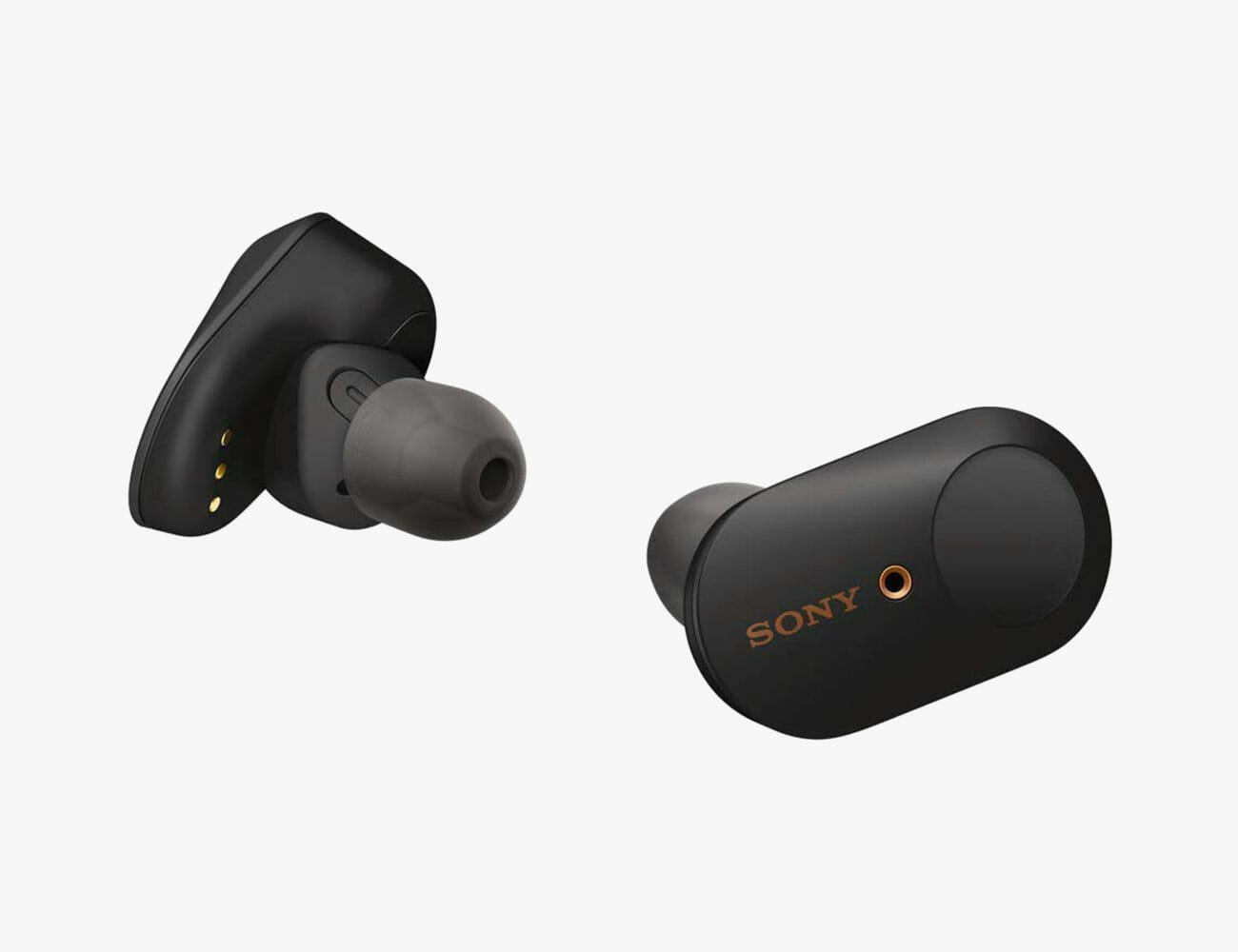
Best Noise-Cancelling: Sony WF-1000XM3

Charging Port: USB-C
Battery Life: 6 hours per earbud; up to 18 extra hours with case (with ANC on)
Release date: August 2019

The Sony WF-1000XM3 are really the “OG” wireless earbuds with active noise-cancellation and they still offer the most effective noise-canceling abilities of any wireless earbuds on the market. Their noise-canceling abilities aren’t quite up to the levels of the Sony WH-1000XM3, the company’s flagship noise-canceling over-ear headphones, but then again we wouldn’t expect it to. Additionally, they’re still one of the best-sounding wireless earbuds on this list. If you’re looking for a downside, the only thing is that the charging case is quite large.

|

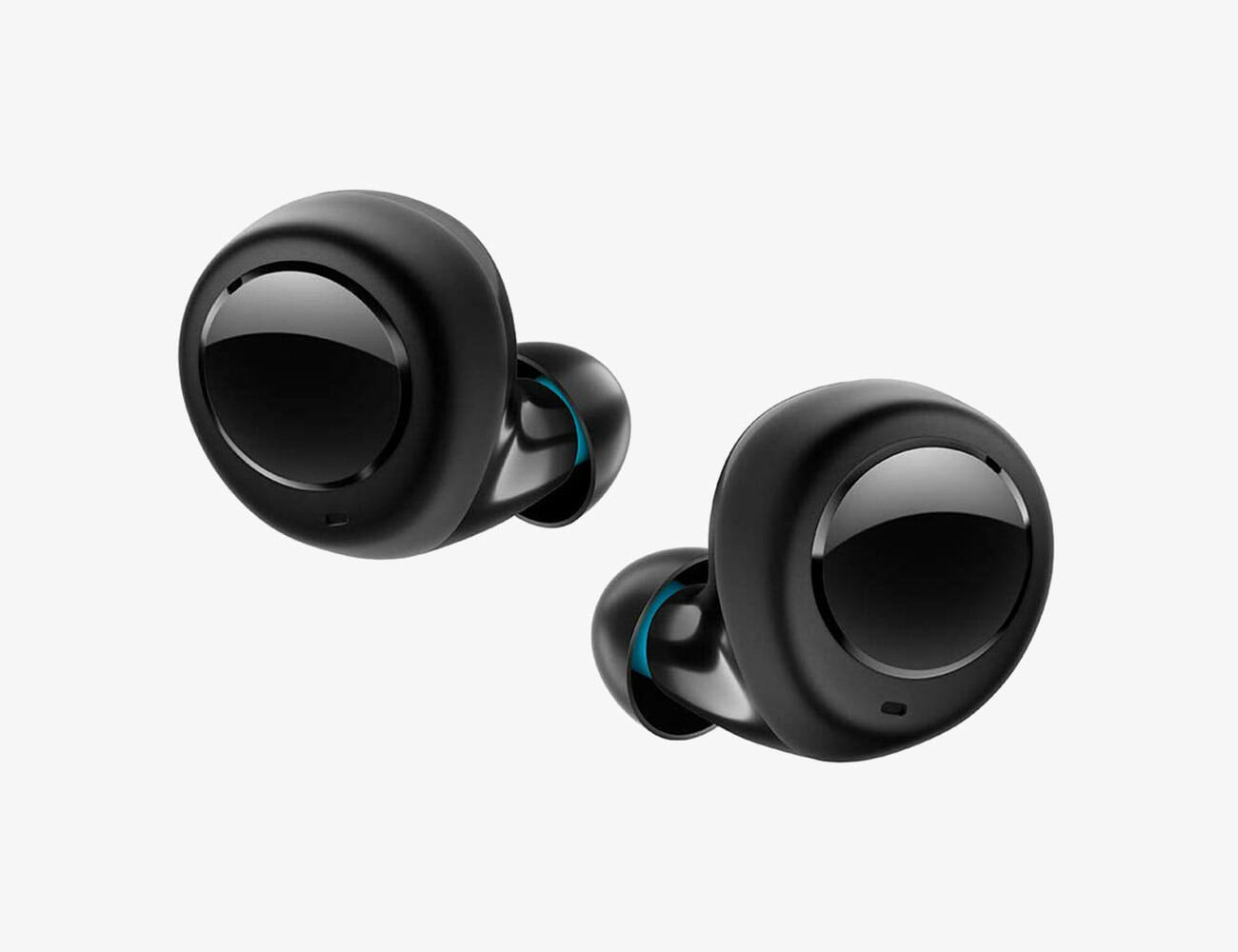
Best Budget: Amazon Echo Buds

Charging Port: micro-USB
Battery Life: 5 hours per earbud, up to 20 hours
Release date: fall 2019

The Echo Buds are the most affordable wireless earbuds with noise-cancellation. Or rather, they use Bose’s “active noise-reduction” technology, which Bose claims isn’t as good as the “active noise- cancellation ” technology that’s in its own headphones (and will be in Bose Noise Cancelling Earbuds 700, when they’re released in 2020). That said, the noise-canceling ability of the Echo Buds is surprisingly good; the secret, I think, is that in addition to the noise-reduction technology, the Echo Buds go for a fit that is snugger than most and it creates a natural, passive noise-canceling seal. The downside of these earbuds they feel kind very plastic-y. Also, to get the most out of these earbuds you’ll want to use the Alexa app, which can be confusing for the unfamiliar.

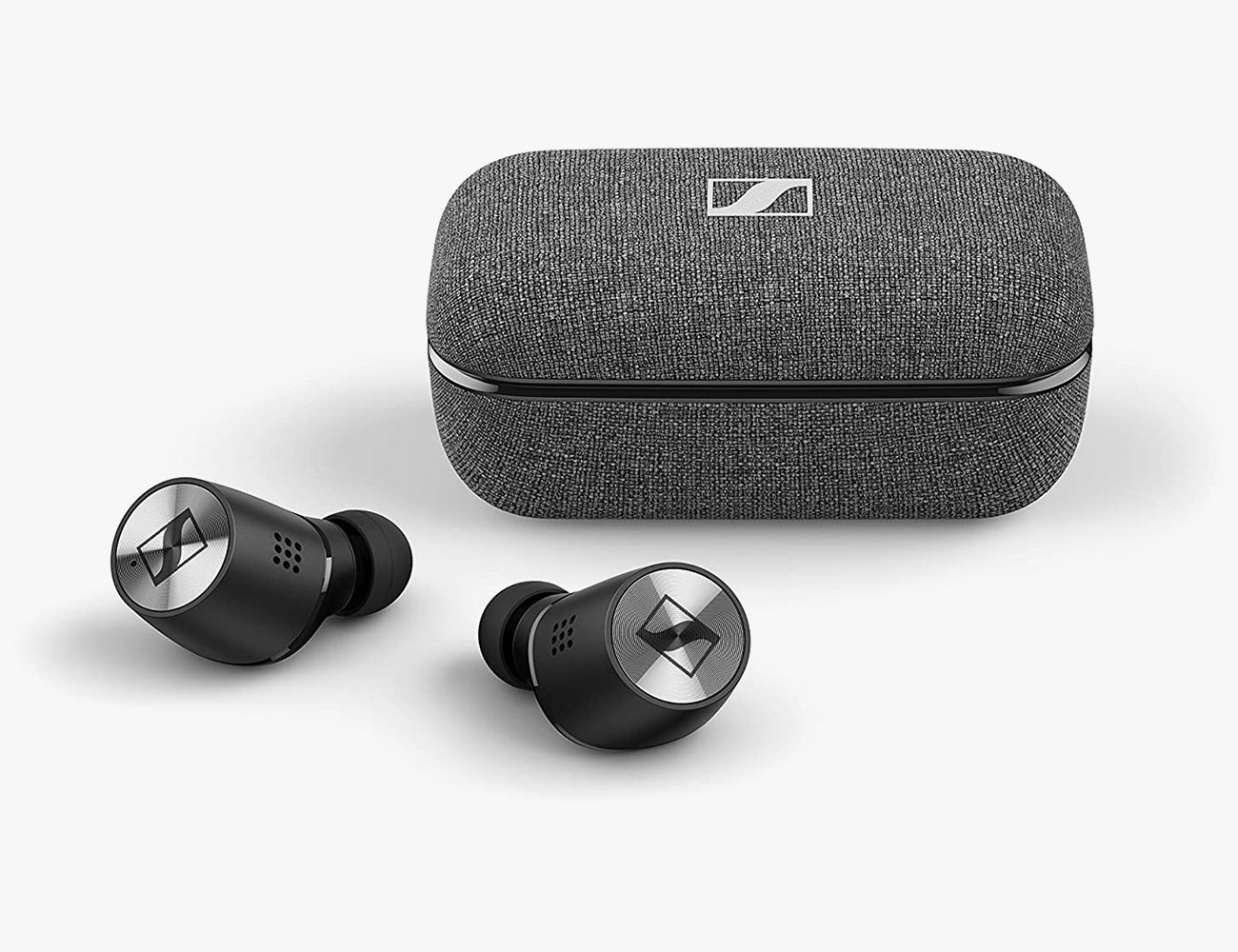
Best Sound: Sennheiser Momentum True Wireless 2

Charging Port: USB-C
Battery Life: 7 hours per earbud, up to 28 hours with case
Release date: early 2020

These are Sennheiser’s second-generation wireless earbuds and they look pretty much identical to original Momentum True Wireless that were released in 2018. Only, they have significantly most battery life, active noise-canceling and transparency modes, and they still pack Sennheiser’s best-in-class sound. If you’re comfortable paying $300 and they fit in your ears (of few of my colleagues can’t wear these), then these are one of the best-sounding noise-canceling wireless earbuds you can buy.

|

The Other Options

1More True Wireless ANC

Charging Port: USB-C
Battery Life: 5 hours per earbud; charging case holds an extra 18 hours
Release date: early 2020

1More is a company that specializes in hi-fi headphones and earbuds that are way more affordable than the competition. And the 1More True Wireless ANC, which is the company’s first pair of true wireless with active noise-cancellation, as fit the company’s ethos. They deliver solid sound and impressive noise canceling abilities, and they come at a price that’s slightly more affordable than the AirPods Pro, Sony WF-1000XM3 and Master & Dynamic MW07 Plus.

| |

Sony WF-SP800N

Charging Port: USB-C
Battery Life: 9 hours listening time; 9 extra hours with case
Release date: May 2020

The Sony WF-SP800N are the company’s mid-range pair of wireless earbuds. They’re a more affordable alternative to Sony’s flagship WF-1000XM3, and they lack same level of noise-cancellation and sound-quality (but the two earbuds utilize the same companion app). The real unique thing about the Sony WF-SP800N, however, is that they have a workout-focused design and an IP55 water-resistance rating. They’re one of the few noise-canceling wireless earbuds that are optimized for runners and people going to the gym.

|

Master & Dynamic MW07 Plus

Charging Port: USB-C
Battery Life: 10 hours per earbud, up to 40 with case
Release date: late 2019

The MW07 Plus is Master & Dynamic’s second-generation wireless earbuds (along with the MW07 Go) and its first with active noise-cancellation. They sound excellent and have pretty decent noise-cancellation abilities. They lack of a companion app, however, which makes it a little difficult to know which mode you’re in (there’s an ambient listening mode in addition to an ANC mode). They’re on the expensive side, for sure, but they’re made of acetate and stainless steel, and are definitely some of the most unique and flashiest wireless earbuds you can buy.

|

Note: Purchasing products through our links may earn us a portion of the sale, which supports our editorial team’s mission. Learn more here.
Tucker Bowe

Tucker Bowe has been on Gear Patrol’s editorial team since 2014. As a Tech Staff Writer, he tracks everything in the consumer tech space, from headphones to smartphones, wearables to home theater systems. If it lights up or makes noise, he probably covers it.

More by Tucker Bowe | Follow on Instagram · Twitter · Contact via Email

The Best Smart Home Gifts for the Tech Tinkering Dad

Whether your dad is a smart home neophyte, or a well-versed master, he could always use some new toys to add to his technological web. Here are some great smart home gadgets he’s sure to love.

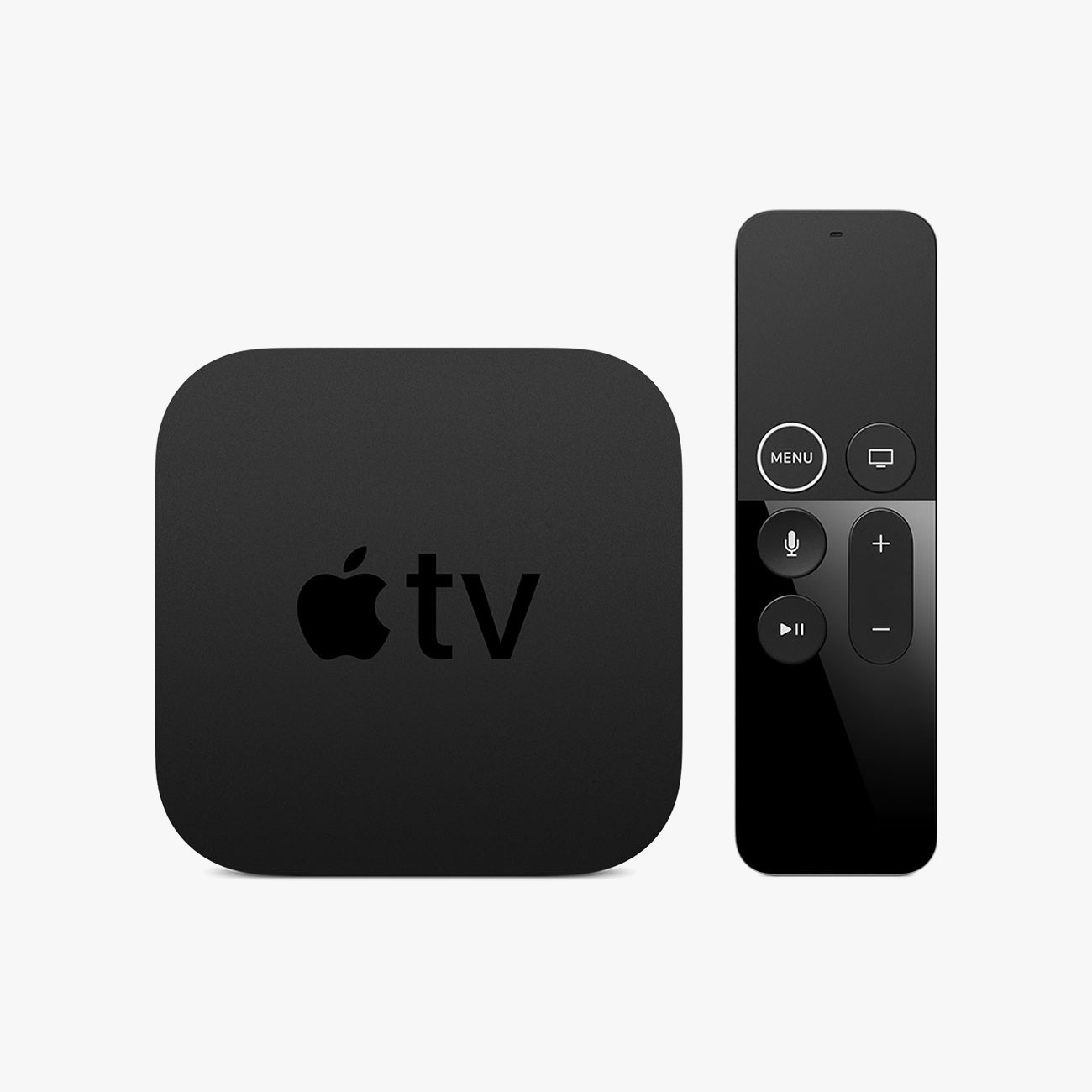
Apple TV 4K

The most recent Apple TV is not only good for streaming television, but also playing exclusive games on Apple Arcade. It also comes with a free year of Apple TV+

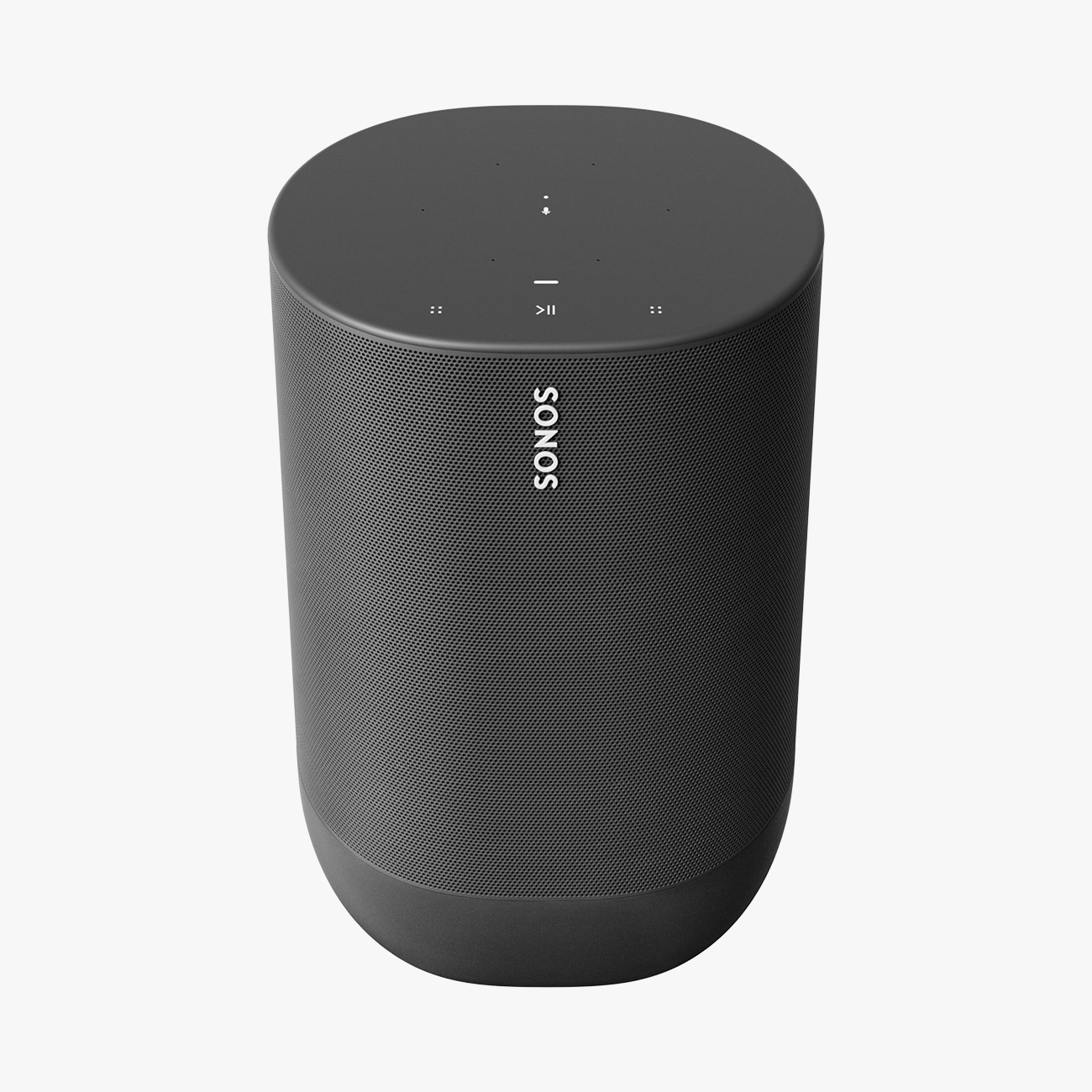
Sonos Move

Perfectly portable, the Sonos move is a great addition to dad’s existing Sonos collection or the foundation of the he doesn’t know he wants yet.

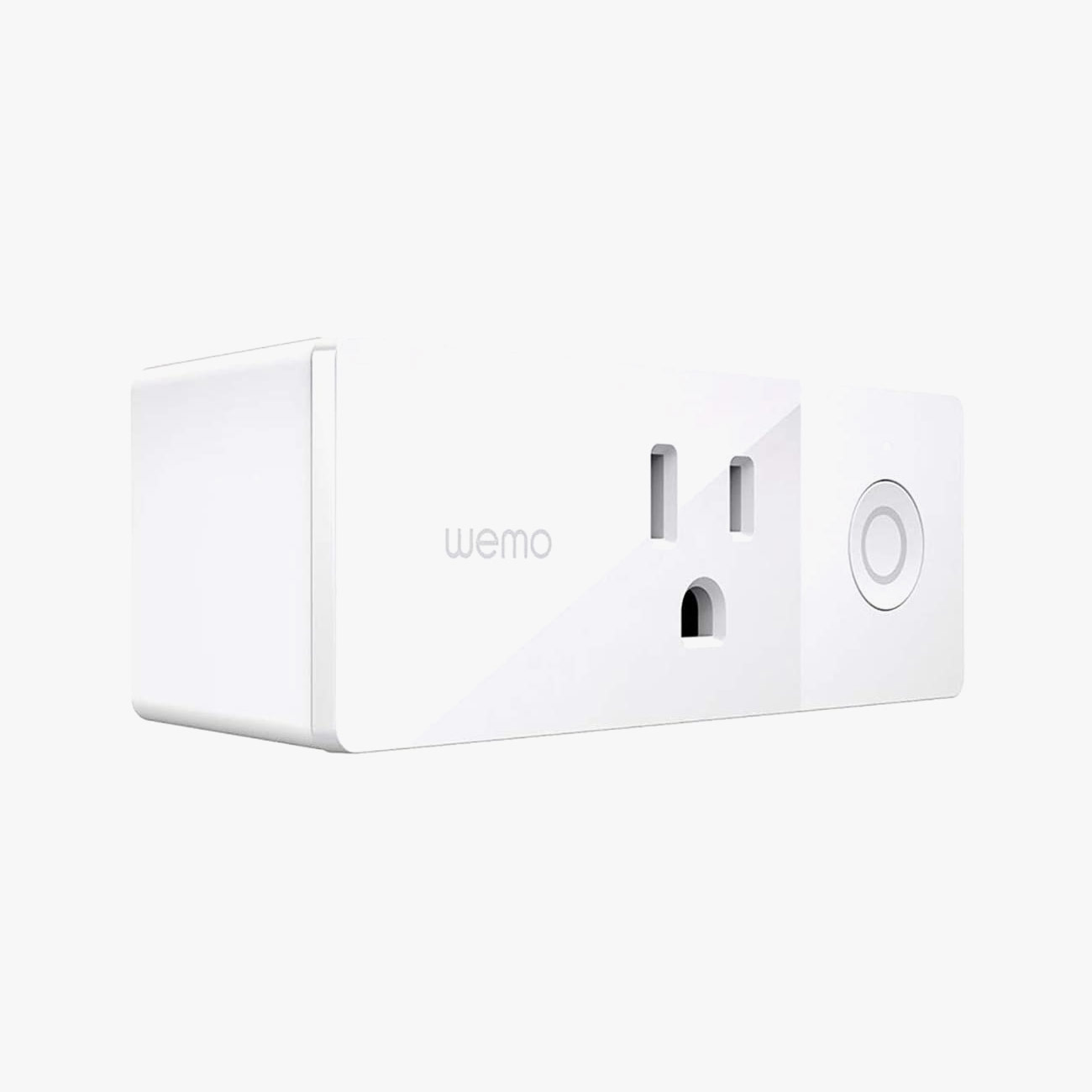
Wemo Mini

Don’t waste dad’s time by trying to replace the appliances he already loves. Grab a smart plug instead.

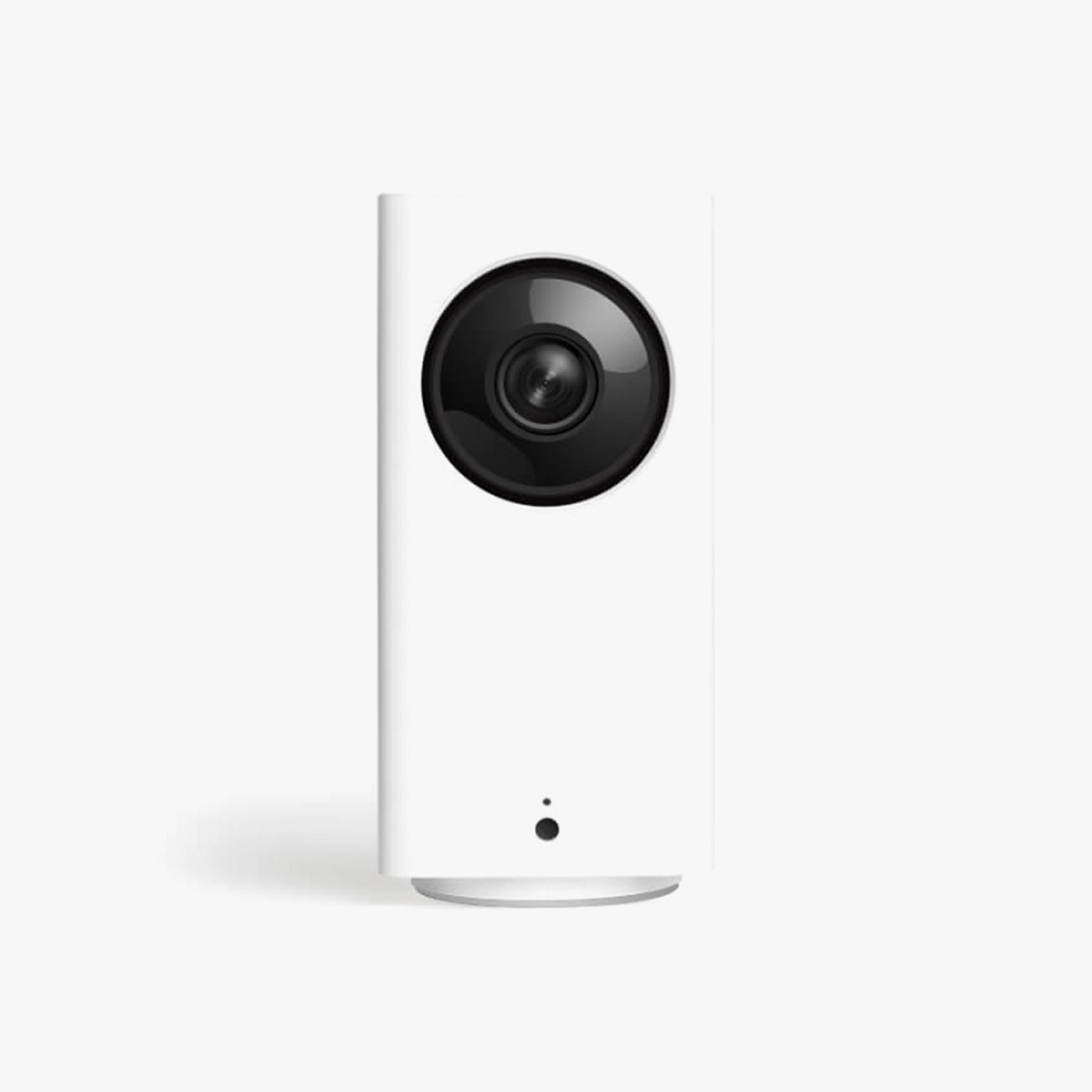
Wyze Cam Pan

With its simple installation and all-seeing swivel, the Wyze Cam Pan is a great way to keep tabs on any garage, workshop, or dad-space.

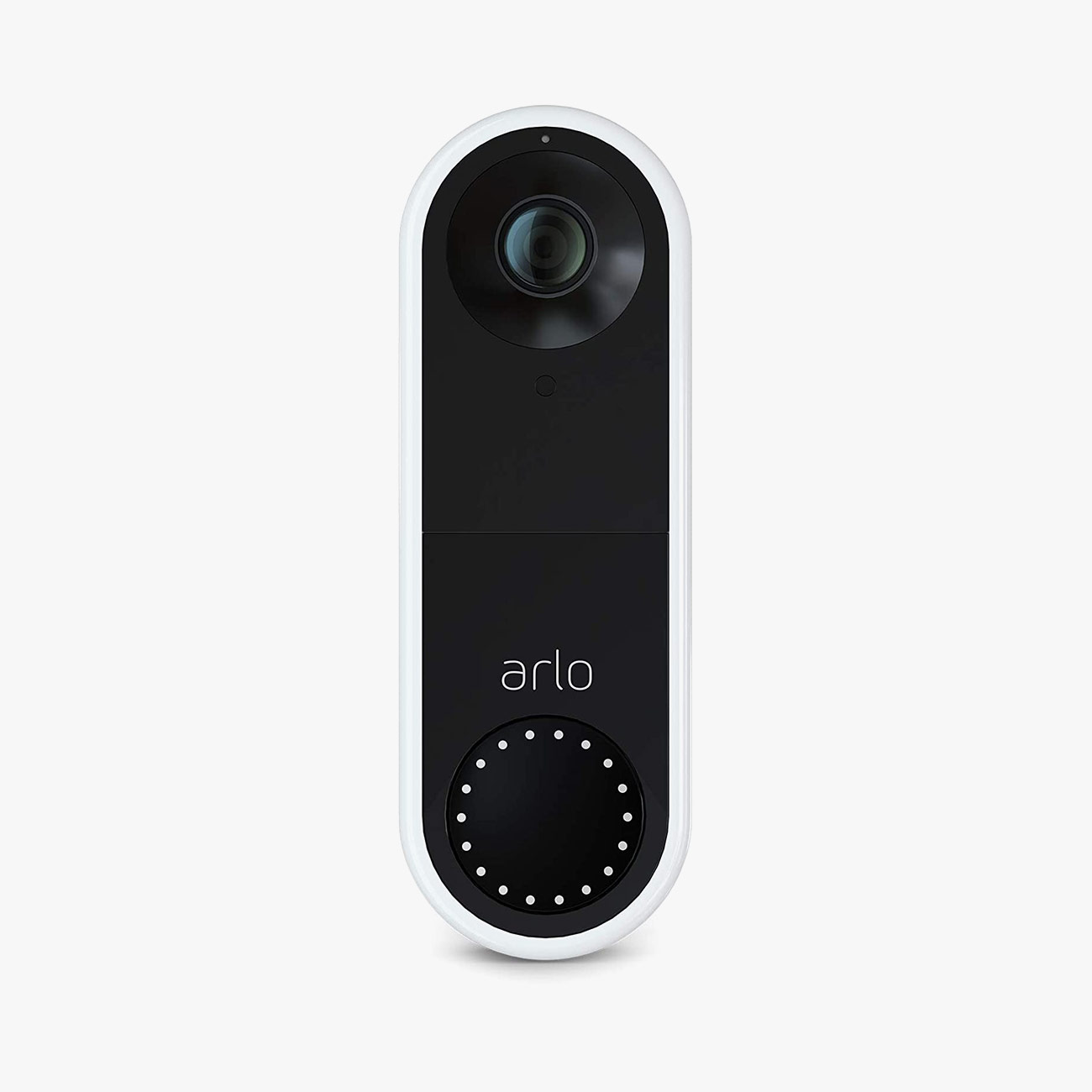
Arlo Video Doorbell

Dad’s home is his castle, and with a video doorbell you can gift him a moat.

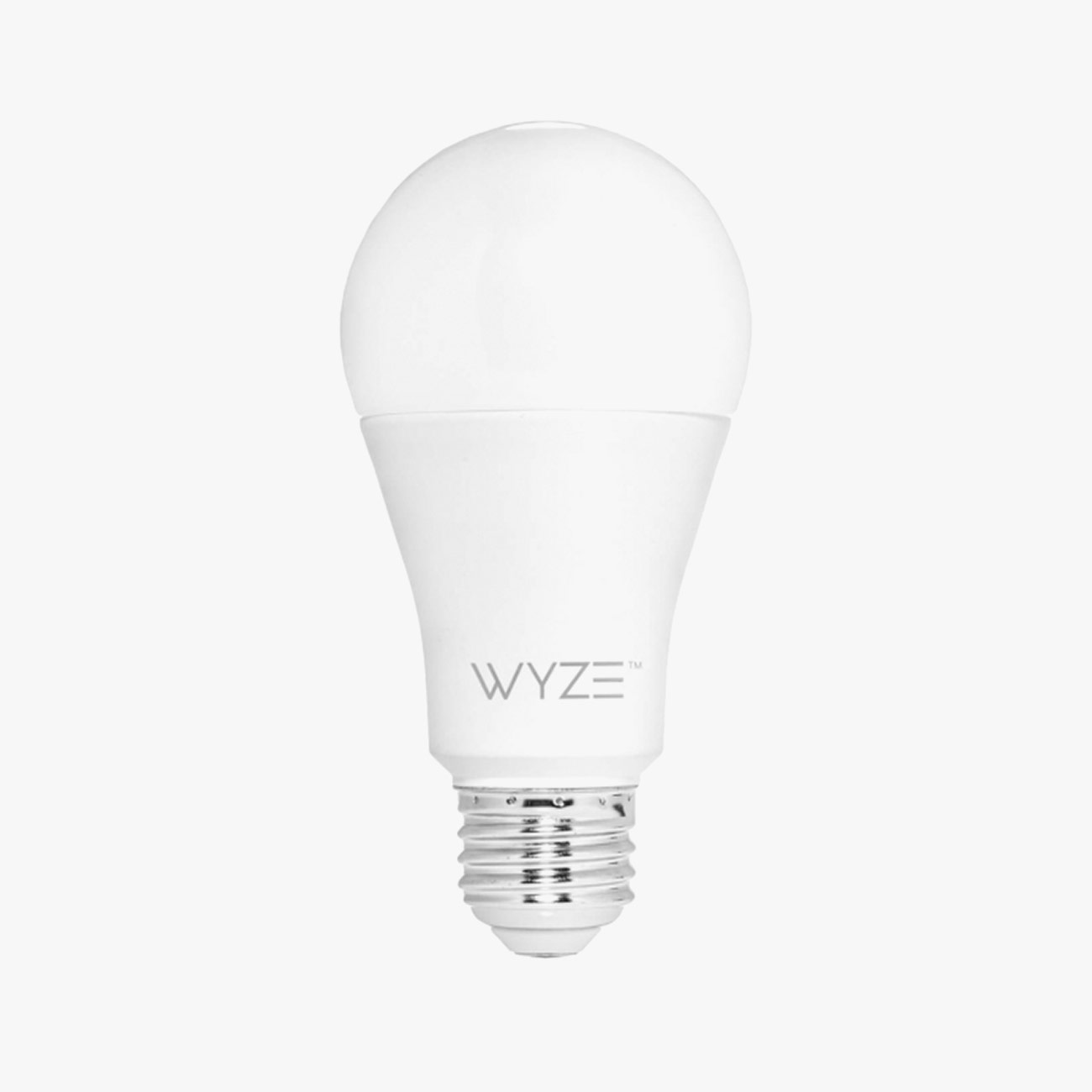
Wyze Bulb

Help dad make sure no lights ever get left on when they don’t need to be by giving him the power to control them all from his phone. If you dare.

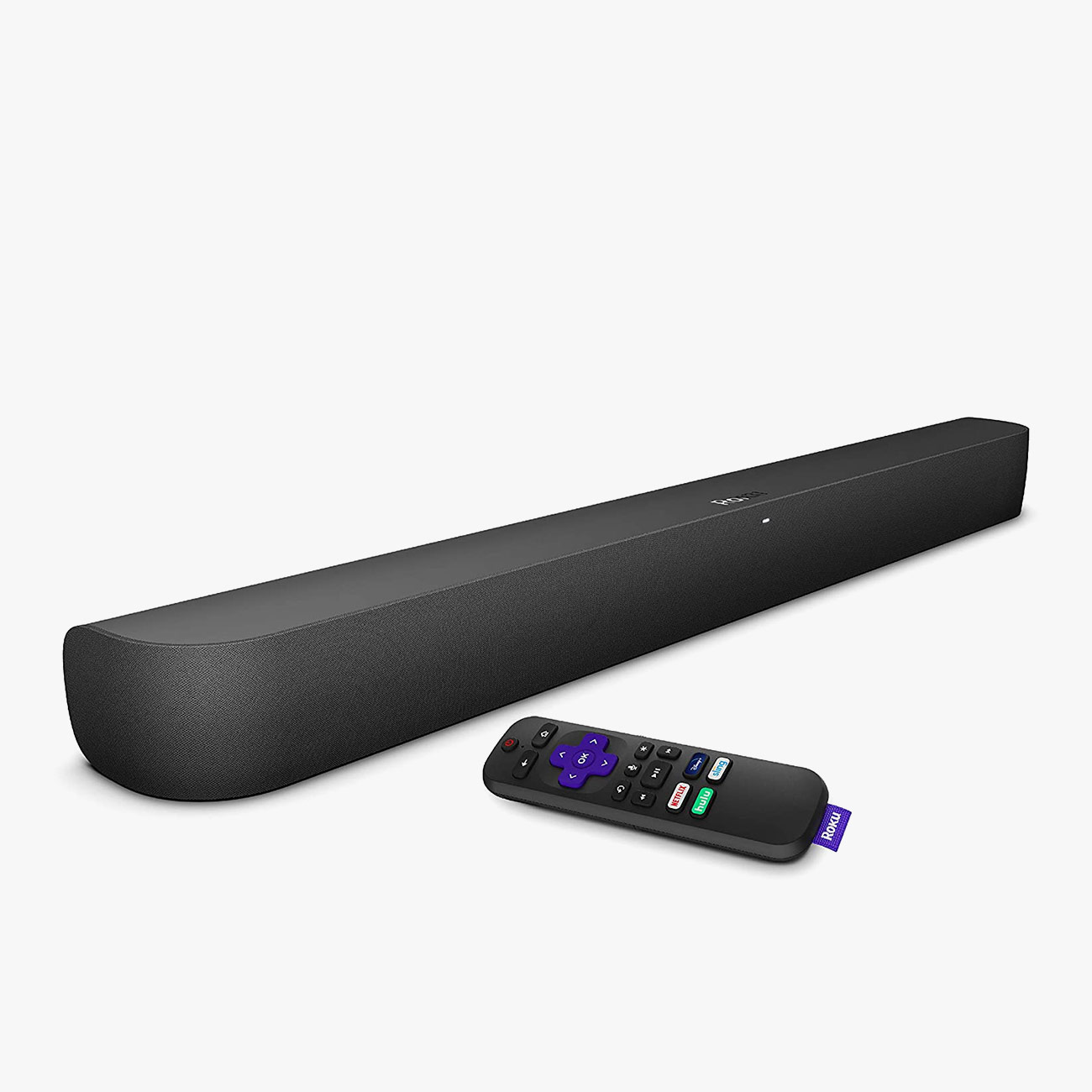
Roku Smart Soundbar

Whatever he likes to watch on the TV, a Roku Smart Soundbar is an easy way to improve on his TV’s built-in speakers.

Nest Thermostat

He’ll never be able to thank you enough for giving him complete remote control of the thermostat at all times. The only downside is that you may never forgive yourself.

SimpliSafe Home Security System

If one camera just won’t be enough, this security system will give dad plenty of setup to keep himself busy with.

Google Nest Hub

Give dad the perfect dashboard from which to pilot a Google-based smart home.

Vizio P-Series Quantum

If dad has yet to make the jump to 4K, now is an excellent time to do it for him.

GE Smart Microwave

For those days when he can’t go out and grill, this microwave will give him an indoor appliance that only he knows how to use to its fullest potential.

Weber Connect Smart Grilling Hub

Whether dad knows how to use his grill too well or not well enough, this smart grill hub will give him some more room to develop his craft.

Eve Room Indoor Air Quality Monitor

The thermostat not keeping dad busy enough? This wonderful air quaility monitor will give him some more numbers to obsess over.

Note: Purchasing products through our links may earn us a portion of the sale, which supports our editorial team’s mission. Learn more here.

Is Your iPhone Acting Strange? You Might Not Be Alone

<!–Is Your iPhone Acting Strange? You Might Not Be Alone • Gear Patrol<!– –>

Does the Screen Have Green Tint?


A number of iPhone owners are experiencing a bug that turns their iPhone screen to a green tint ever since downloading the latest iOS update (iOS 13.5.1). The cases vary. For some, the green tint appears just for a second when they unlock their iPhone. And for others, the tint seems to be more permanent. The issue was first reported by MacRumors after for a number of frustrating iPhones owners went to Reddit and various social media platforms.

If you’re experiencing something similar after updating to the latest iOS, know that you’re not alone. Apple is aware of the issue and is responding to some users on Twitter through its @AppleSupport account. The green tint seems to be a more common issue for iPhone users who have Dark Mode and Night Shift turned on, so maybe try to turn both those settings off if you’re having this green screen problem.

Apple doesn’t seem to have a definite solution to the problem just yet, although its Support account is suggesting for some users to try restarting their device to try and fix it. We’re guessing that Apple is going to issue another software patch to fix the issue in the near future.

Note: Purchasing products through our links may earn us a portion of the sale, which supports our editorial team’s mission. Learn more here.
Tucker Bowe

Tucker Bowe has been on Gear Patrol’s editorial team since 2014. As a Tech Staff Writer, he tracks everything in the consumer tech space, from headphones to smartphones, wearables to home theater systems. If it lights up or makes noise, he probably covers it.

More by Tucker Bowe | Follow on Instagram · Twitter · Contact via Email
<!–

–>

<!– –><!–

–>

You Can Finally Get Sonos’s Big Hi-Fi Upgrade. Here’s What You Need to Know

The Sonos S2 update, which was announced in March, is live right now. It’s an entirely new app and operating system (OS) that, according to Sonos, is designed to “power the next generation of products and experiences.” It enables Sonos’s products, both old and new, to play higher-quality audio and gives some of Sonos’s newest products, like the brand-new Arc soundbar, support more advanced technologies.

How to update: If you have a Sonos system at home, you can update to the new app today. All you need to do is download the new S2 app (available on iOS and Android) and delete the old one. Your Sonos system will then automatically update to S2.

Here’s what else you need to know about Sonos’s S2 update.

Folks with older Sonos speakers are the most affected

Not every Sonos product supports the new Sonos S2 app and operating system. If you’ve been a Sonos user for ten years or more and you still use some of those original speakers or components, there’s a good chance that they won’t support Sonos S2. These speakers will not support S2:

• Zone Players, Learn More
• CR200, Learn More
• Bridge, Learn More
• Connect (Gen 1), Learn More
• Connect:Amp (Gen 1), Learn More
• Play:5 (Gen 1), Learn More

To update your newer Sonos speakers and components, you’ll have to cut the old ones out of the group.

Most Sonos speakers and components will support the S2 update. The Sonos app will tell you via push notification or within the app. This will be a fairly simple thing for most Sonos users, but it gets a bit complicated if you have an older Sonos product that doesn’t support S2 integrated into your system.

If you have a Sonos speaker or component that doesn’t support the S2 update, then the rest of the Sonos products its grouped with won’t be able to get the update either. You’ll have to degroup the component or speaker that doesn’t support the S2 update in order to upgrade the rest of the system. For instance, if you have two Play:5 (Gen 2) speakers and one Play:5 (Gen 1) speaker, you’ll have to de-group the older speaker to update your two newer Play:5 speakers.

You don’t have to get the new app

Your current Sonos app will prompt you to download the new Sonos S2 app when it becomes available, but you won’t be required to download it. In case you don’t download it, you should know that your current Sonos app will be renamed “Sonos S1 Controller.” This name change could be a little confusing if you didn’t know the update if coming.

There are two main reasons why you should want to download the new app, however. First, the Sonos speakers and components will have to be updated with the new software and use the new app in order to support future, higher-resolution audio technologies. And two, all Sonos speakers that are released after May 2020 will come with the S2 update preinstalled and will not be able to be controlled with the Sonos S1 Controller app.

In a nutshell: if you want to add new speakers to your current Sonos system, you’ll have to have them updated.

Sonos will continue to support its older products, in a limited capacity

If you’re worried about your old Sonos speakers getting totally left in the dust — fear not. Sonos will continue to support its older speakers and components; you’ll be able to control them will the S1 Controller app; the S1 Controller app will still receive software updates of its own to fix bugs and security issues.

Sonos is, of course, heavily encouraging people with older products to upgrade them to new ones. It’s offering a trade-in program, called Trade Up, where you can save 30% on new products by trading your older non-compatible products in.

The update gets you HD streaming (and Dolby Atmos for Arc)

As Sonos explained in its press release, the main reason for the S2 update is so that its current and future speakers and components can play better audio. To date, Sonos has been able to support lossless audio that’s about CD quality. It’s good, but more and more streaming services are actually able to super even higher resolution audio — services like Tidal and Amazon Music HD — and Sonos wants their system to support those, too.

The other big thing is support for Dolby Atmos. Sonos just announced its first soundbar that works with Dolby Atmos, named Arc. (No other Sonos soundbar other than Arc will support Dolby Atmos, even after the S2 update.) Sonos has been making a big splash in the home theater realm for several years, with three soundbars and several bundle deals, and increasing the bandwidth so that it can support more immersive sound technologies makes sense. Plus, it gives movie buffs even more reason to buy Sonos.

And big improvements to speaker grouping

The S2 update is a big improvement for people who have several different groups of Sonos speakers placed around their homes. It comes with a new feature called ‘Room Groups,’ which will effectively allow users to create more longer-lasting groups of speakers, and then control them all more easily, within their home.

For instance, if you have two Sonos speakers in your kitchen and three Sonos speakers in your living room, and another two in your bedroom, the S2 app allows you to control them without you having to constantly “regroup” them individually.

Note: Purchasing products through our links may earn us a portion of the sale, which supports our editorial team’s mission. Learn more here.
Tucker Bowe

Tucker Bowe has been on Gear Patrol’s editorial team since 2014. As a Tech Staff Writer, he tracks everything in the consumer tech space, from headphones to smartphones, wearables to home theater systems. If it lights up or makes noise, he probably covers it.

More by Tucker Bowe | Follow on Instagram · Twitter · Contact via Email
Ever Wonder What Those Rings on a Headphone Plug Are For? We Found Out

Welcome to Further Details, a series dedicated to ubiquitous but overlooked elements hidden on your favorite products. This week: the strips on your headphone jack.

The advent of wireless headphones is slowly laying the headphone jack to rest, but it’s not going out without a fight. The design, which traces its roots back to the late 1800s is sure to find a home on wired headphones, laptops, and various bits of audio equipment for years to come.

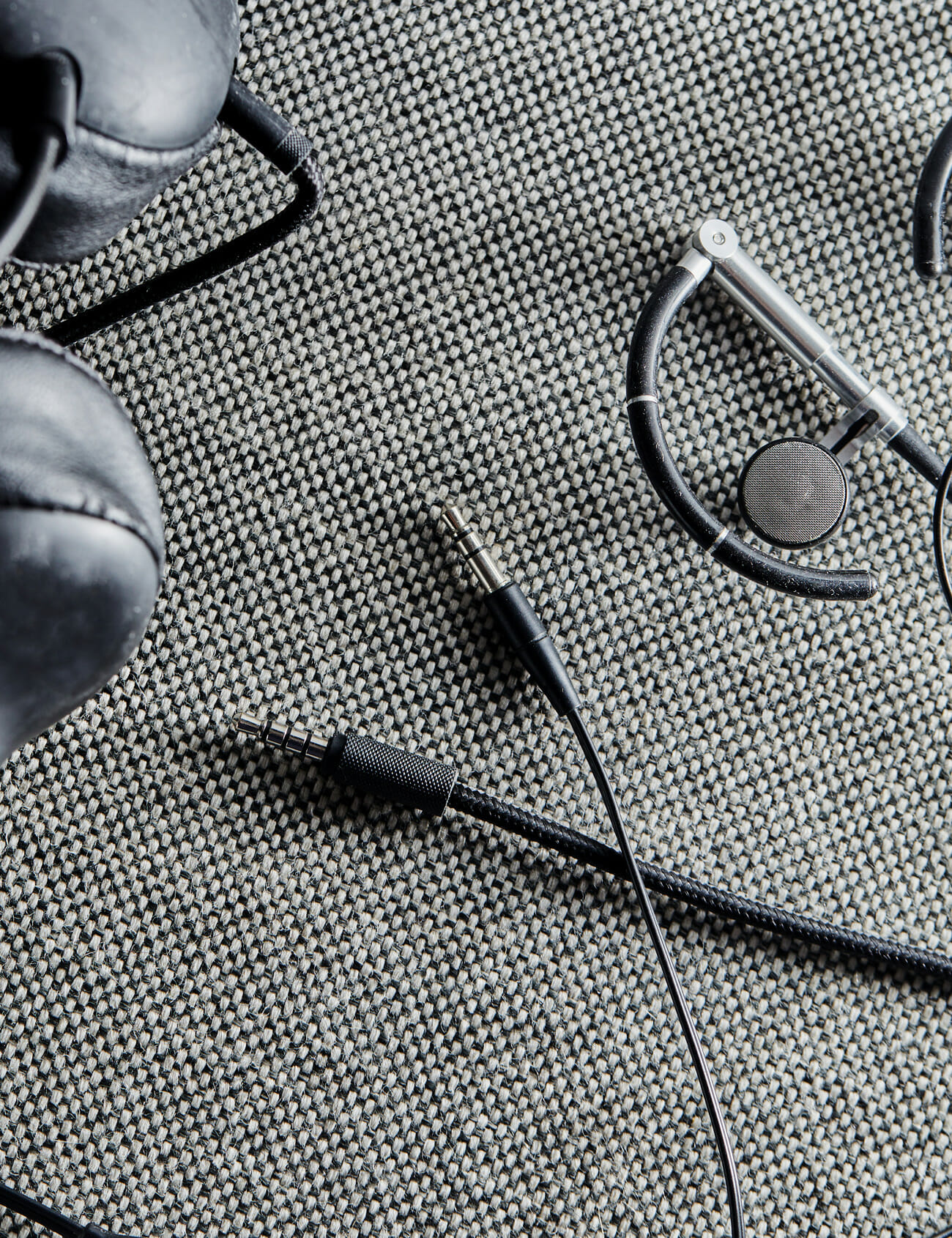
If you’ve ever contemplated the plug on your old set of wired EarPods or other headphones for even a second as you go to pop it into a jack, you’ve surely noticed the series of small, colored, plastic rings it has in varying numbers from plug to plug. What are those for?

The job of a headphone plug and jack actually is very simple: to communicate audio signals from the source and transmit them to your headphone’s where they’re played as audio. These rings play a crucial role, not because of what they do, but because of what they don’t.
Made of a non-conductive material (typically plastic) these rings serve to divide the plug into the various different conductive sections, known as pins, that actually do the work. Each plug has to have at least two pins (and therefore, at least one ring to separate them): one section to carry the signal, while the other to serve as a return path and ground, which helps to cancel out any distortion or interference the audio signal picks up along the way.

As a result, you can tell a lot about headphones by looking at their plug. One ring means mono playback. This basic plug only delivers one channel of sound to both the left and right earbud. Two rings mean stereo. These plugs have three pins, one for the left channel, one for the right, and one for ground. Three separating rings means you’ve got two stereo pins, and a microphone pin as well, and is the one you’re most likely to run into when you’re looking at smartphone earbuds.

Note: Purchasing products through our links may earn us a portion of the sale, which supports our editorial team’s mission. Learn more here.
Tucker Bowe

Tucker Bowe has been on Gear Patrol’s editorial team since 2014. As a Tech Staff Writer, he tracks everything in the consumer tech space, from headphones to smartphones, wearables to home theater systems. If it lights up or makes noise, he probably covers it.

More by Tucker Bowe | Follow on Instagram · Twitter · Contact via Email