All posts in “style”

The Biggest Spring Splurge Is the Drug Rug

One of the most recognizable counter-culture garments, the drug rug, got a major refresh this spring. The relaxed knit hoodie has been a staple of alternative groups since the ‘70s when American surfers brought the style back to California after wave hunting on the Baja Peninsula (hence the term Baja hoodie). And while you’d be equally likely today to find the Central American style at a Dead and Co. concert as you would on a Pacific beach, you’d also, more surprisingly, see it gracing the racks of the country’s top luxury stores.

Brands have recreated the laid-back garment in high-end materials (think: cashmere) and the prices reflect the substance — they differ by orders of magnitude. Though the mash-up of high and low is nothing new in the fashion world, it has, perhaps, never been quite this cozy. Check out a few of our favorite options below.

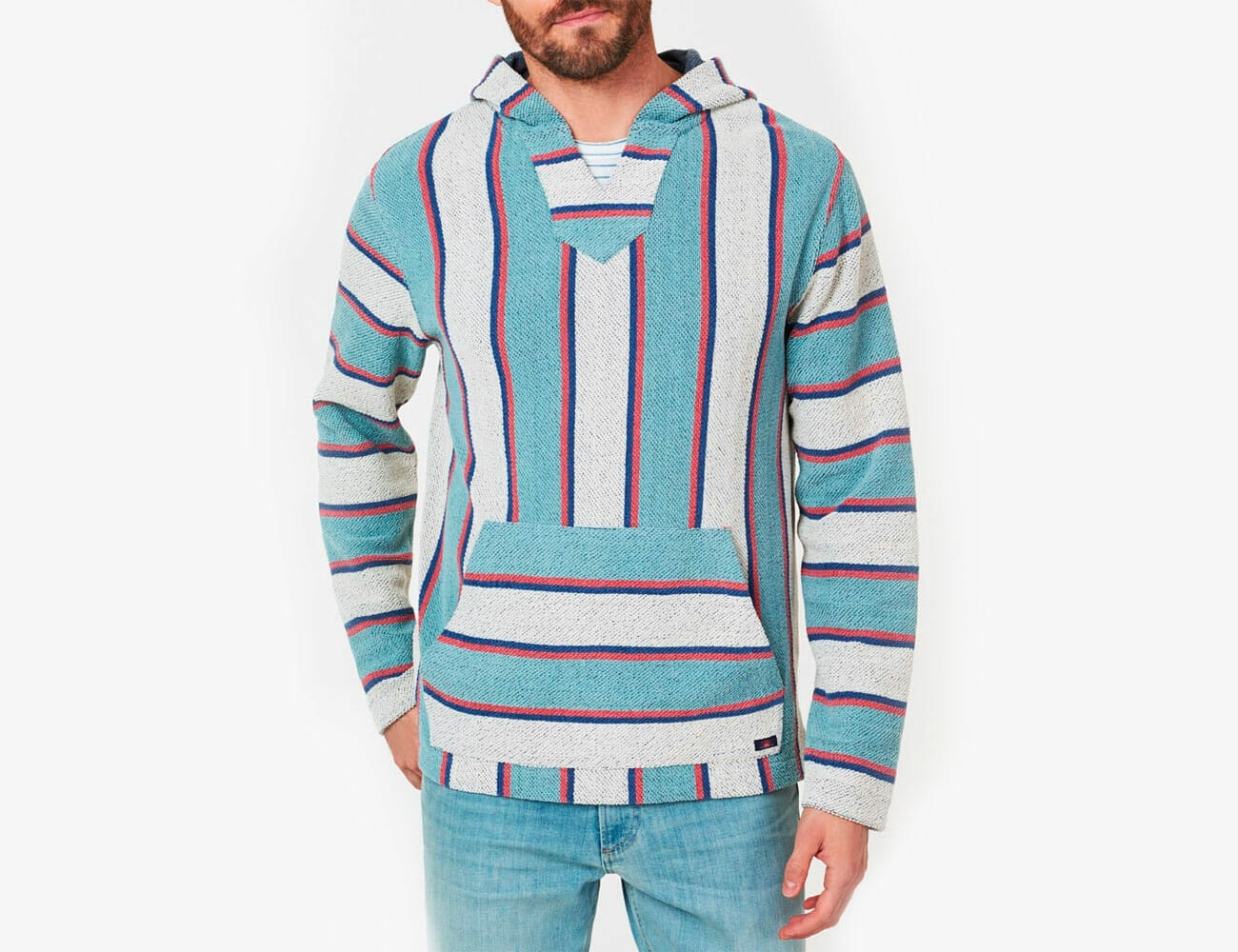
Faherty French Terry Hoodie Poncho

Made from incredibly soft cotton terry, this Baja hoodie is both incredibly comfortable and easy to take core of. It fits true to size and is machine washable and dryable — essential if you’re wearing it to the beach.

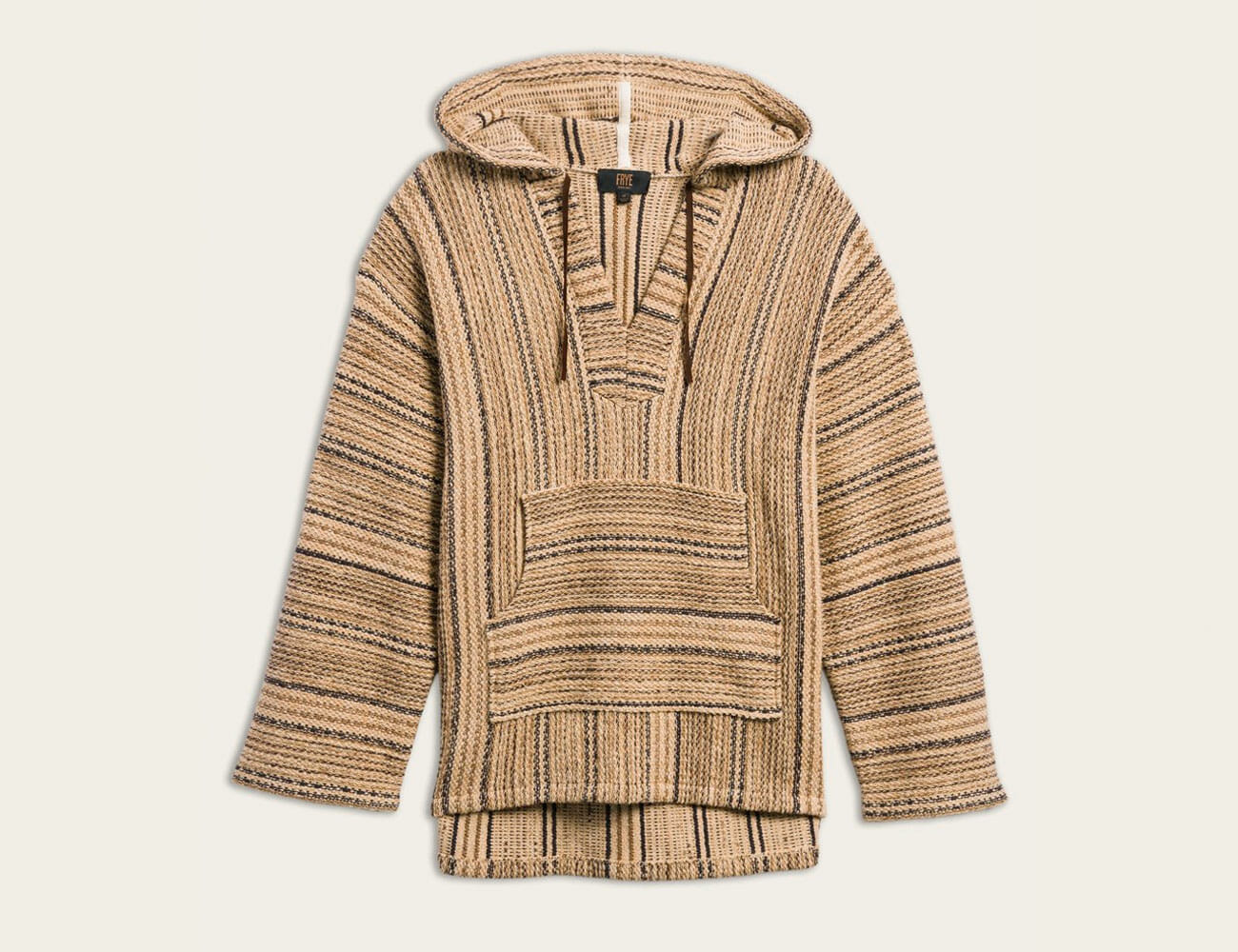
Frye Baja Hoodie

This earth-tone cotton hoodie has an oversize fit and comes in two sizes: S/M and L/XL. The brand recommends you dry clean it when it gets too dirty as to preserve the knitting.

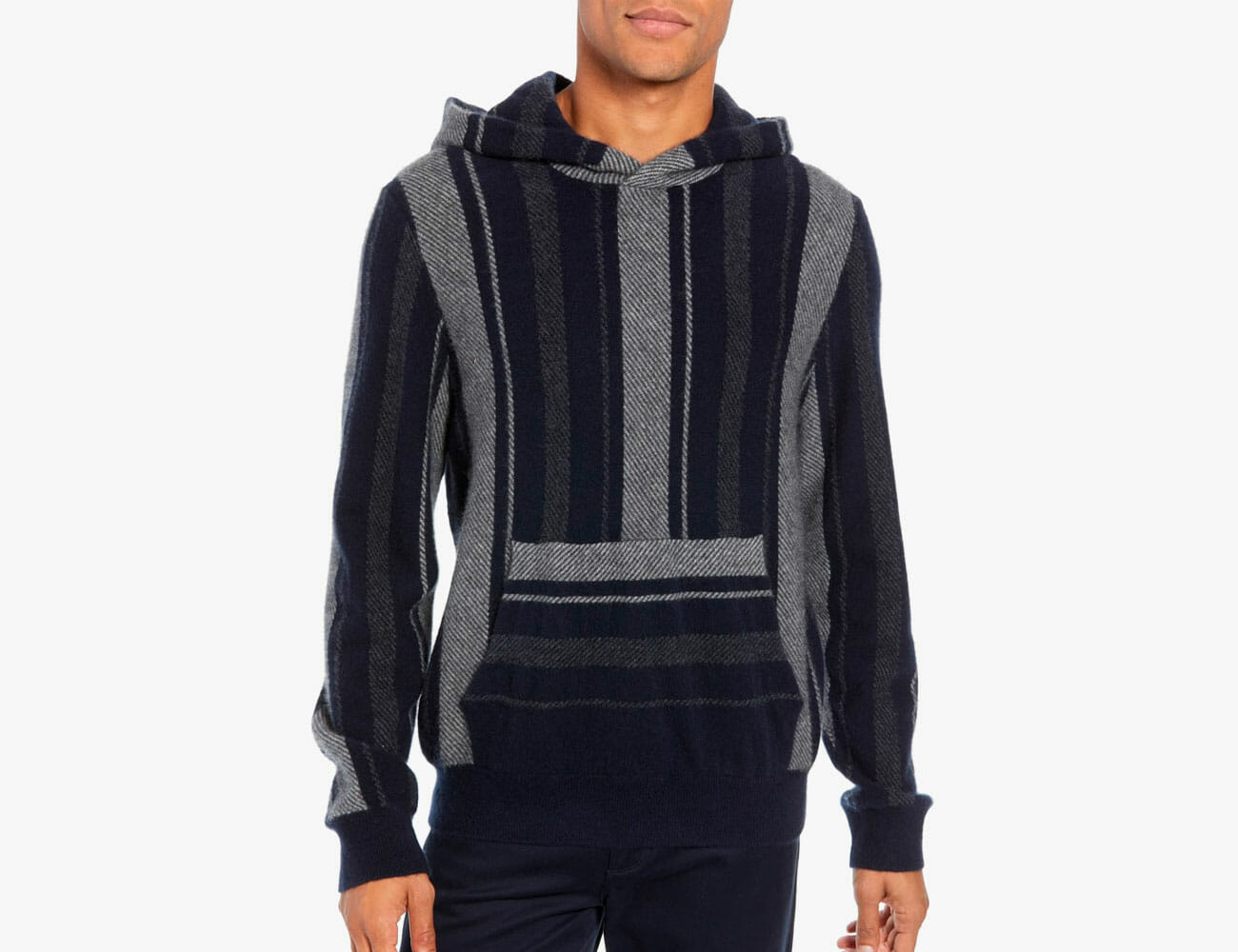
Vince Boiled Cashmere Baja Hoodie

Made from 100-percent boiled cashmere, this hoodie features a kangaroo front pocket and a ribbed hem and cuffs. The dense knit is both warm and breathable, perfect for cool weather.

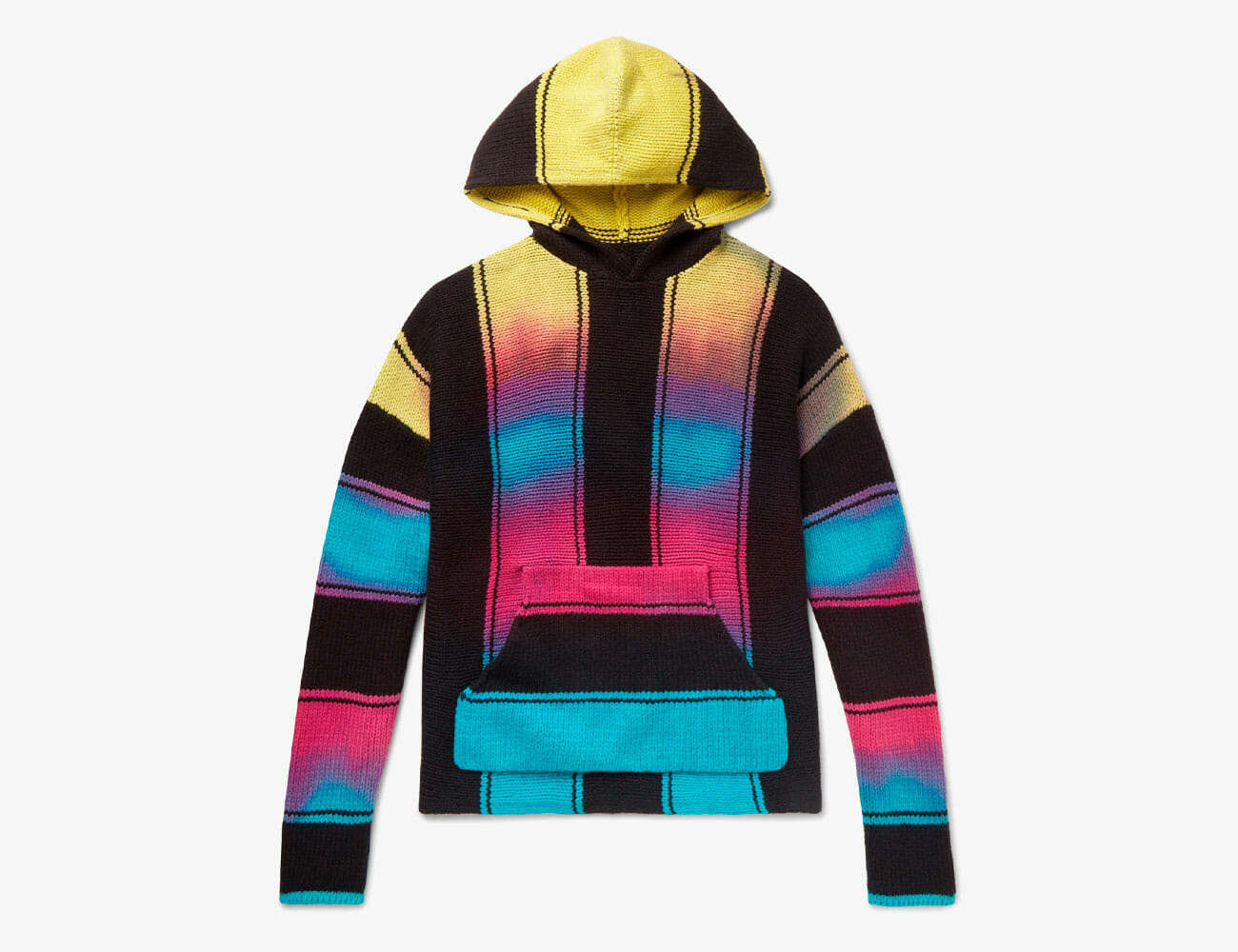
Amiri Striped Hoodie

While this Baja hoodie references the shape of the classic style, it’s color palette is decidedly more far out. Made from cotton, this mid-weight knit features vertical black stripes and a wild tie-dye pattern of blue, hot pink and yellow.

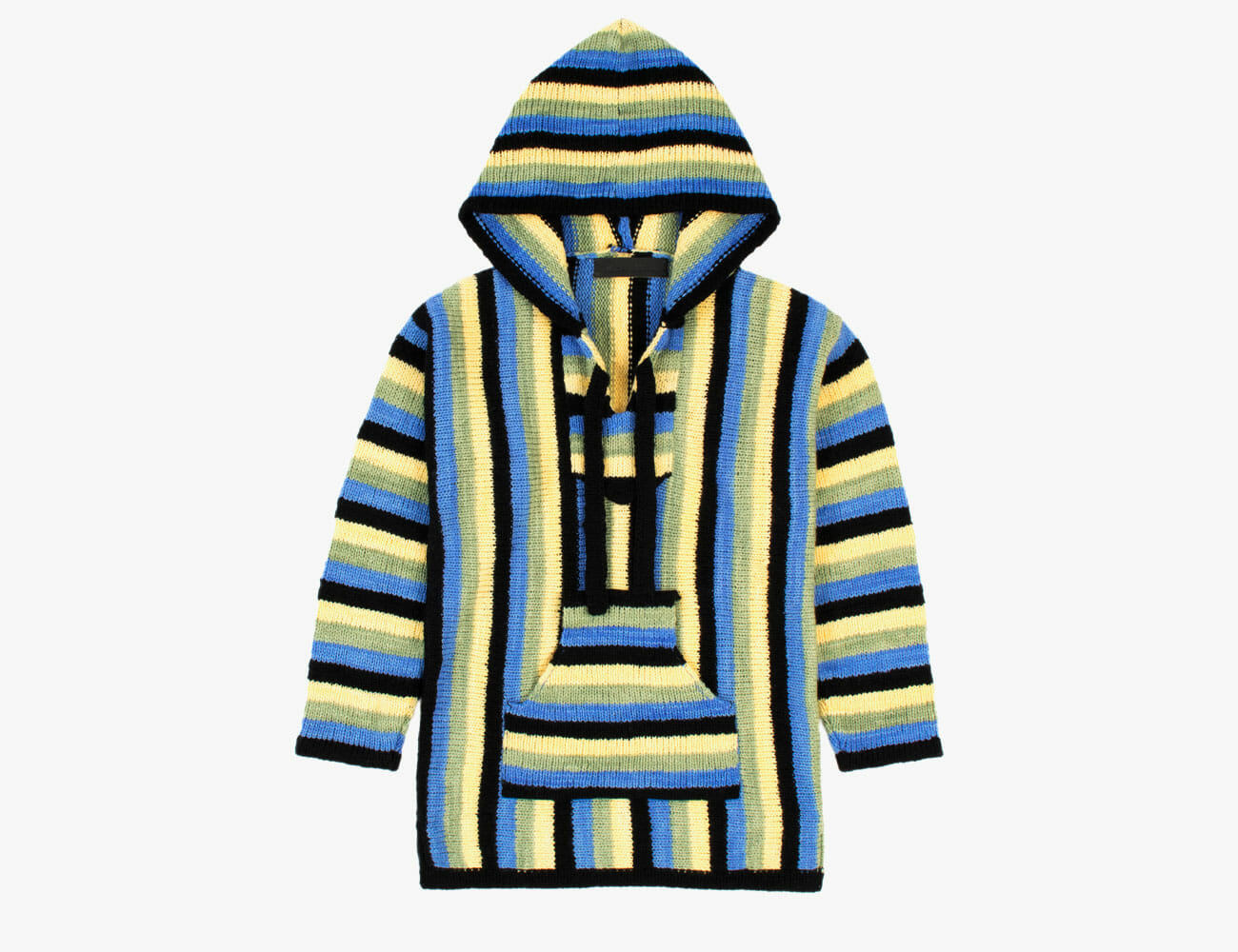
The Elder Statesman Baja Pullover

This 100-percent Mongolian cashmere hoodie is knit in Los Angeles and features black, yellow, green and blue stripes. Intentionally oversized, the features a front pouch pocket and faux-drawstrings.

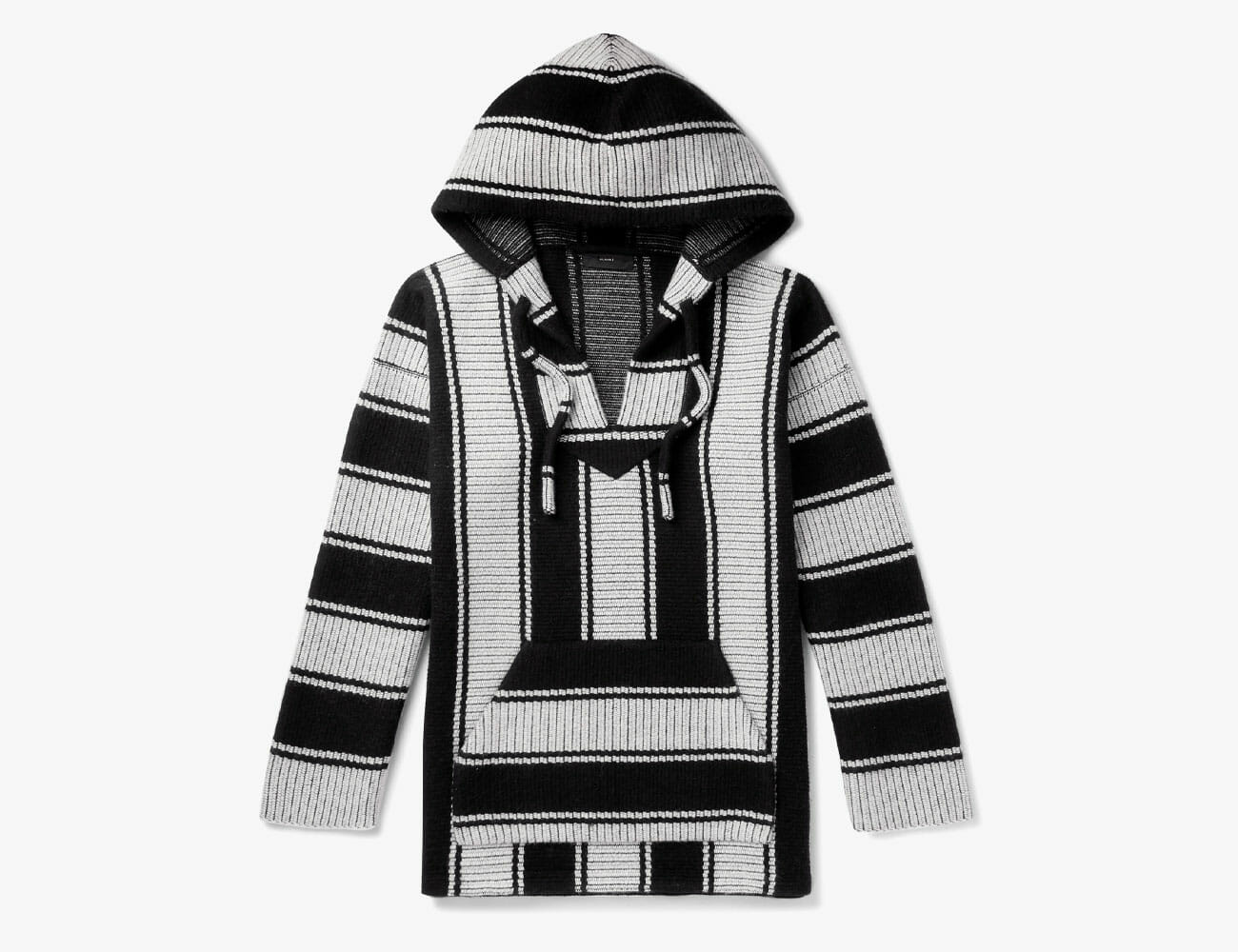
Alanui Striped Cashmere-Blend Hoodie

Made in Italy, this Baja hoodie is knit from a blend of cotton and cashmere. The mid-weight relaxed style fits true to size and features an open drawstring hood and front pouch pocket.

Note: Purchasing products through our links may earn us a portion of the sale, which supports our editorial team’s mission. Learn more here.

7 Vintage Dealers on Pieces They Wish They Never Sold

The best vintage dealers are an amalgamation of career profiles. The job requires the eye of a collector, the savvy mind of a retailer, the deep knowledge of a historian and the patience of a hunter. They know immediately when to pull the trigger on a new acquisition. They operate on scarcity and demand. And, they know the buyers willing to pay top dollar for one-of-a-kind pieces.

While the profession allows dealers to explore their interests and passions, it is, at the end of the day, a business. Pieces are bought, sold and traded — it’s the nature of the job. That said, most vintage dealers still think about certain pieces they once possessed. To learn about these grails and hear some great stories, we reached out to a few notable dealers with the question, “What’s the one vintage piece you wish you never sold?” 

USARP Parka
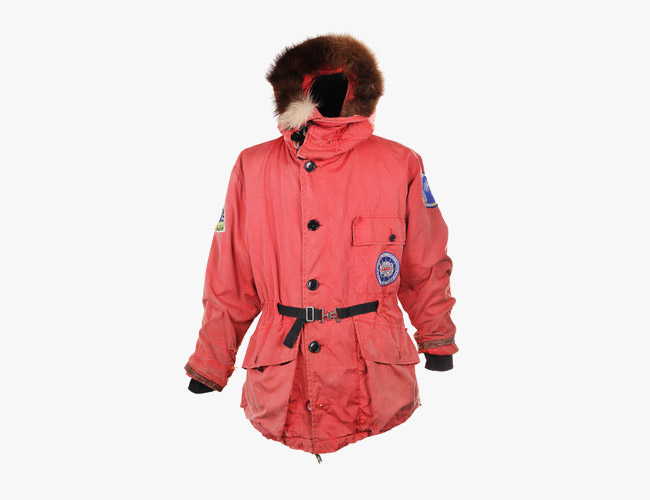
“Easy for me, we found an original USARP parka, United States Arctic Research Program, belonging to one of their scientists. It was a beautiful sun-burnt orange, really washed down from the elements and working in the field. Roy, my business partner and myself were in New York having lunch with two of the then Concept Designers at Ralph Lauren, back in 2011 this would have been. Over lunch we showed them proofs of our first book “Vintage Menswear,” and there it sat on page 250 in all its glory. By the end of lunch (they picked up the bill) they had convinced us to sell it. We agreed on a good price, and at the time we needed to take the deal though it hurt a lot, but we just couldn’t afford to hold on it to it back then. A year later the book came out and I literally did not stop getting asked about it. Without question it was the piece in the book that designers wanted to reference, still, now we will get at least one or two Brands a year asking about that piece.

I tried to buy it back a few times over the years and would always get the same response, laughter, it became a favorite in Ralph Lauren’s concept rigs which is totally understandable, but I don’t even get visiting rights anymore! I still wish I hadn’t sold it. It was one of the best outerwear pieces I have found over the years, and it has taken eight years to replace in our archive, we got approached back in January by a collector, different model but exceptional if anything superior. To be honest, if the new one hadn’t turned up I probably wouldn’t even be telling this story, but now I see the funny side, though I still shouldn’t have sold it ha!” — Douglass Gunn, The Vintage Showroom

Never Ripum Railroad Jacket
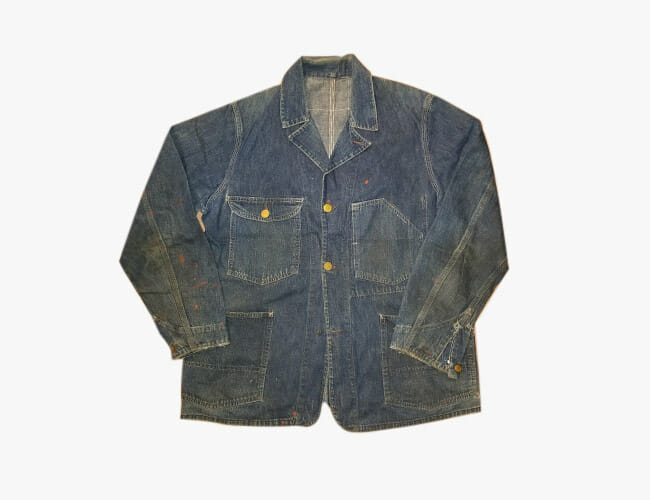
“I see vintage clothing and antiques dealers as coming in two basic types: the rarer type is in business primarily to make money and really doesn’t collect any particular item; the more common type is a collector disguised as a dealer. (I’m not casting any judgements on either type — just defining them for the purposes of my next few points.) I’ve been selling vintage clothes and antiques since about 1994 and I am absolutely and admittedly the latter type.

I recognized early on that I couldn’t keep everything I loved and I made a rule for myself that I wouldn’t regret selling things I had considered keeping (because I would never sleep at night, then). Once it was sold, it was gone and not to be obsessed over. However, there is one item I have regrets over because I didn’t actually choose to part with it. It simply disappeared from my possession — I lost it! I owned it for maybe nine months or a year and it was a fast favorite. It was a white railroad, or engineer’s, jacket. The brand was called Atlas and the zinc buttons had an image of the Titan god holding the globe on his shoulders. It had a huge oddly shaped pocket on the wearer’s left chest. It was in great condition and it fit me so well.

Atlas was a small brand which was actually a division of the A. Rifkin Co, a large Pennsylvania manufacturer. Rifkin also made a brand called Never Ripum. I happen to have the same model jacket in denim under the Never Ripum brand [see photo].

In the early part of 1999, I took a freelance job with a well-known design company. We were preparing a mockup of a store for a potential new brand they were planning. I rented and sold them quite a bit of vintage clothing and some antiques during the project. About halfway thru the job, I found a location for my own store I had been planning to open and I left the project to begin on my own. My best guess is that I left the jacket there and it was absorbed into the mass of merchandise that was floating around the project. By the time I realized it was missing, their mock shop had been dismantled and all the gear, dispersed throughout the company.

I’ve moved my home and business a few times since then and I always dream that I’ll open a box and there it will be, not lost, just misplaced. But 20 years later, I guess it is not to be. The vintage world is actually pretty small, so maybe I’ll re-find it in a shop in Japan someday. But I’m not obsessed with it or anything…” — John Gluckow

Balloon Brand Coverall Jacket

“I bought a Balloon brand light blue and white large check patterned short coverall jacket with three pockets and five detachable buttons down the front. I believe it was made between 1900 to 1920 and I found it in the late ’80s at a vintage clothing store in Albany, New York. The chest pocket had an unusually cropped shape which was generally used for a pocket watch. Japanese call this “Kamenoko” which means turtle shell. I loved this jacket because of its nice simple design, wide spread collar, unique fabric and because it fit me perfectly. Kept it for over 15 years but eventually sold it to a friend of mine who’s a vintage dealer. Never have I seen the same or a similar jacket on the market again.” — Koji Kusakabe

1950 Harley Davidson WR
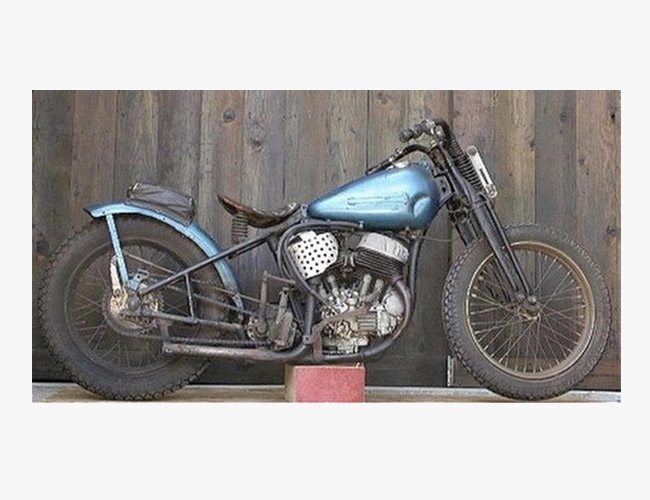
“I’m proud and grateful to have bought and sold vintage for a living most of my life, which has and continues to be a never-ending education about stuff, self and social behavior. It’s an unconventional competitive business that brings out the best and worst aspects of being nature in most folks including but not limited to love, hate, trust, jealousy, desire, curiosity, creativity, fear, aggression, doubt, respect, disrespect, greed, success, failure, realistic expectations, unrealistic expectations and of course regret.

I’m not much of a collector and countless objects have passed through our hands during the past 50-plus years of business, some of which I painfully regretted selling at the time not knowing their true value but [they were] ultimately beneficial parts of the learning process. When it comes to regret, this business has taught me, “Let it go, learn the lesson and move on.” With that said and as much as I try, I still regret selling my barn-fresh 1950 Harley Davidson WR and, in spite of all logic, may never fully get over it.” — Mark Fogwell, Worn Over Time

’70s Patched Lee Hippie Jeans
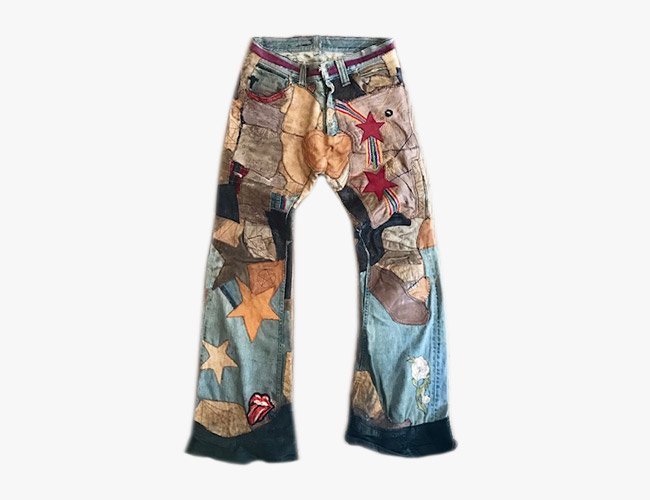
“Over the years, I have acquired so many pieces that I wish I wouldn’t have sold… One item that comes to mind is a pair of patched hippie jeans from the 1970s.

I was at a flea market a couple of years ago not expecting to find anything. I asked a dealer if he had any clothing and he said no but a dealer around the corner has a great pair of jeans stashed away in his truck. I asked the man if I could see the jeans.
When he brought them over I couldn’t believe eyes. This was one of the best pair of jeans I had ever seen! They were a pair of Lee jeans from the early 1970s. The original owner had artfully covered the majority of the jeans in leather and embroidery by hand. In my opinion, these jeans were museum-worthy. Possibly for a retrospect on hand-embellished pieces from the 1960s to ’70s.

As much as I wanted to add these jeans to my collection. I decided to pass them on to another collector that had the space to properly display them. They deserved to be showcased as they are a piece of art. I often think about these jeans but I feel good knowing that I found them a good home.” — Melissa Howard, Stock Vintage NYC

Carhartt Stifel-Fabric Overalls

“There was a guy in the Seattle area, I won’t name him, he was a dealer. This must have been 10 years ago or so. He called me and said that he had this crazy piece that was a pair of Carhartt overalls. And I don’t know if you’re familiar with a fabric called Stifel fabric which is usually a printed fabric — normally it’s just a dot pattern. It goes up and down the piece. That Stifel sort of fabric is the most desirable, probably, besides denim in the collectors’ world.

So I go to his warehouse. Not only is it what he says it is, but instead of a standard dot pattern, for Carhartt, they used a heart pattern. So small hearts ran up and down the piece. I had never heard of, seen, nor had reference to a piece like that at all. Just if I could imagine the perfect piece, I different would have imagined the way that piece was. It was very early, it was a buckle back-piece, so that put it somewhere in the 20s or 30s. It was a little bit big, but generally speaking an excellent size.

So I made an offer, I think at the time, my offer was $6000. So he says, “You know what, I’m sorry. I already sold this to somebody else to buy this, they wanted it. So I’m waiting to see what they’re going to do.” I was furious. In any kind of business you’re in, you can’t let your personal feelings get in the way of business, because there’s not very much business to do. So I didn’t act furious, but I was beside-myself furious because it was one of the coolest pieces I’d ever seen. He had called me to come out, I had the money, of course, for the deal. Then at the last second, he says these guys have first right of refusal.

So I called the guys that had the first right of refusal. I said look, “I’m looking at this piece, I don’t know if you gotta have it or don’t have it, but if you guys back down on this deal, and I get to buy it, I’ll owe you one and I’ll make sure it’s a very rare find.” I knew these guys pretty well, and they said, “No, no we’re not doing that.” So I’m more mad, I’m a little bit embarrassed, and I’m just standing there for hours, trying to figure out how I could get this. It was a Friday. So I went home and I was mad, literally, all weekend.

Then the guy calls me on Sunday and says they passed on the piece. This piece now in Japan is a $50,000 piece at this point in the game. It was unbelievable that they had passed up, I couldn’t imagine the piece coming into my hands after the scenario went down. That was a piece that I wish I could have kept. I think at the time, we sold it for between 15 or 20 thousand, we made our profit. By the way, I have never seen another version of that or anything remotely like that since then.” — Larry McKaughan, Heller’s Cafe

Nothing

“Not too many people know me. Mostly, I work with friends and family. Even when I do the store, I never promo it. Even if I know someone, I never tell them my store is there — it’s only for friends and people I feel comfortable with. And even then, I always think, “Objects are still objects.” I get more from a feeling. If someone likes something more than me, I’m happy if they have it.

One thing I learned: I see the soul from people who made the object. When I see the object, I know how much soul they put into that piece. So when I learn enough, I let it go to the right person who will love it more than me. Someone who will look at it as an object and relate to the feeling more than the cost of money.

The first pieces I got from the flea market in New York were the AJKO (Air Jordan Knock Out) deadstock sneakers. I got them from the Chelsea Flea Market for $5 and gave them to a sneaker store in Singapore. They display them.” — Prasong “Pat” Kanhasura, Bangklyn

Note: Purchasing products through our links may earn us a portion of the sale, which supports our editorial team’s mission. Learn more here.

Filson Made a Rugged Suede Backpack Worth the Cash

The Magazine

Each issue of Gear Patrol Magazine is a deep dive into product culture. Inside, you’ll find seasonal buying guides, rich maker profiles and long-form dispatches from the front lines of product design. The stunningly designed Gear Patrol Magazine is ready for your coffee table. Quarterly. $39

The Newsletter

Get the best new products, deals, and stories from across the world, in your inbox daily.

How to Find the Best Face Mask For Your Handsome Mug

Using treatment masks as part of your skincare routine is not something new, at least for women. Some historians believe Cleopatra used a clay mask she mixed herself in Ancient Egypt. But with more men becoming attuned to skincare (and self-care), interest in masking among men is reaching a fever pitch.

If washing your face is like daily cardio, a mask is like a HIIT workout.

So let us be the first to welcome you to the age of man masking. It’s not a surprising development. The nature of a mask is ideally suited to men, who tend to use fewer products and to be a little more impatient when it comes to results. Masks are not designed to be used every day or for very long; they offer a quick shot of treatment in one go, and when used regularly can attack skin issues like breakouts, dehydration and redness quickly and effectively. If washing your face is like daily cardio, a mask is like a HIIT workout.

This isn’t to say that all masks are the same. There are as many kinds of masks as there are shampoos, and different styles are suited for different needs. Most masks fall into five different categories with an infinite number of subcategories, ingredients and uses. Navigating the world of masking is confusing, so let’s break it down.

Clay Masks

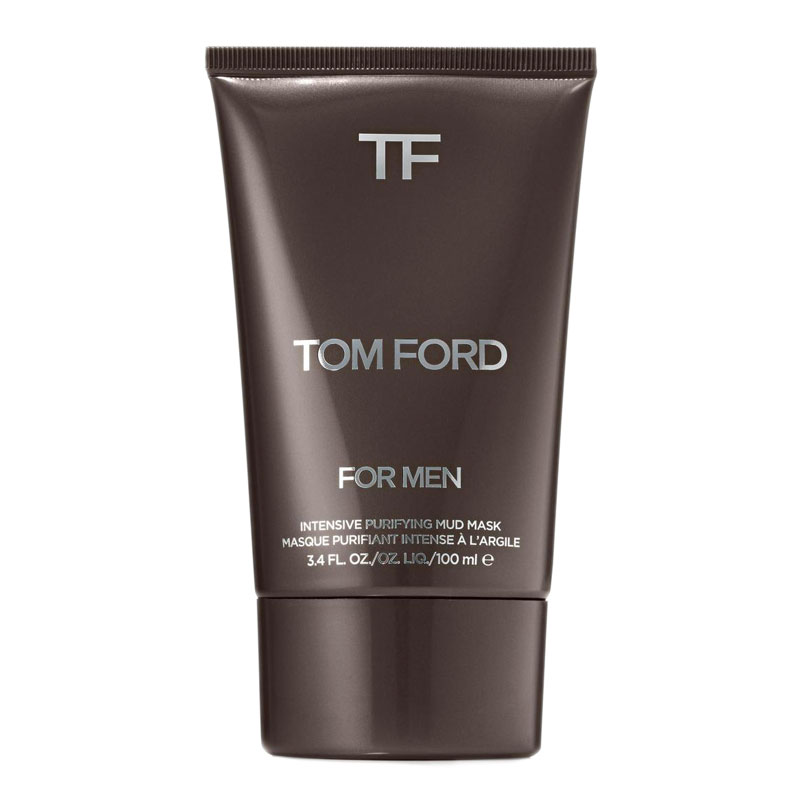
The most classic kind of face mask, clay masks are what you think of when you envision someone in a day spa with cucumbers over their eyes and mud smeared on their face. But they’re just as effective when used at home. As the slick clay dries, it sucks out dirt, oil and impurities from your pores much more effectively than your face wash could ever hope to do. Clay masks are ideal for oily skin (men tend to have larger and more active oil glands than women) as they soak up oil and help control breakouts. Some new versions even contain charcoal, which helps to absorb impurities and oil-based grime. If you’re prone to breakouts, you can even use clay masks as spot treatments to help dry out zits.

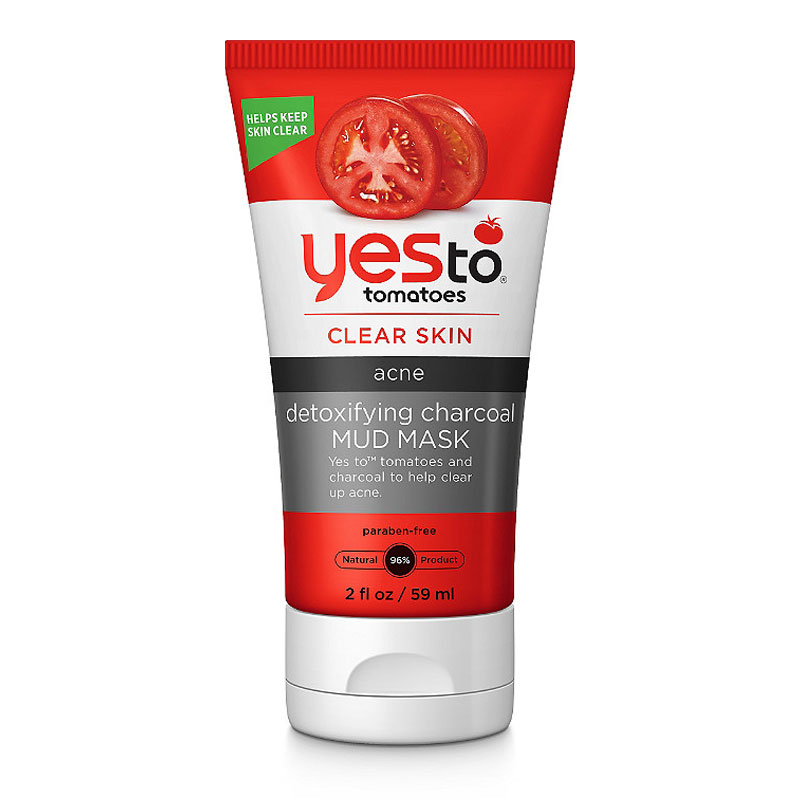
GOOD: Tomatoes Detoxifying Mud Mask by Yes To $16

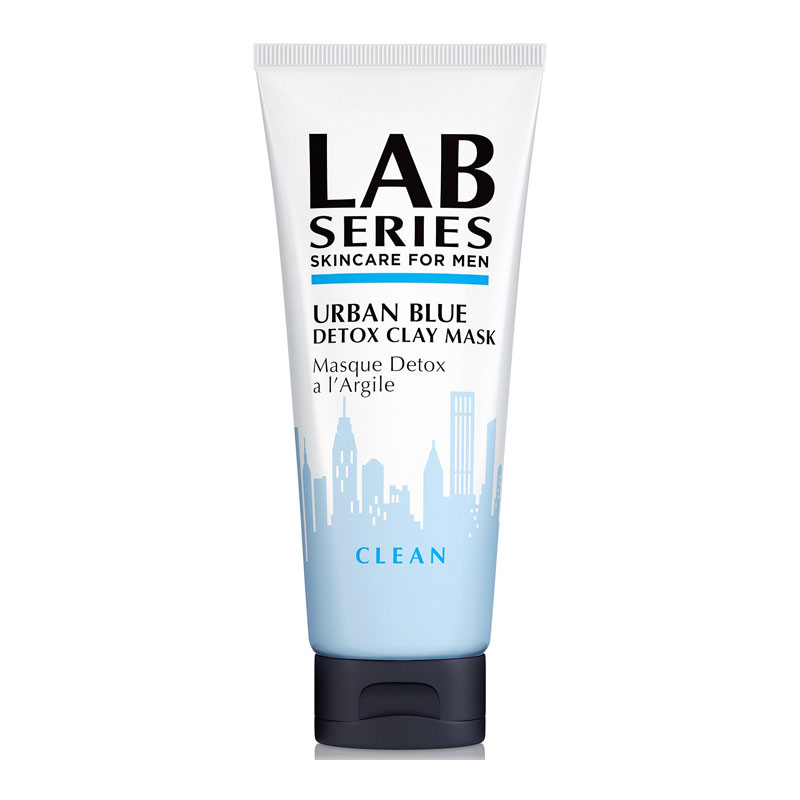
BETTER: Urban Blue Detox Clay Mask by Lab Series $28

BEST: Intensive Purfiying Mud Mask by Tom Ford $61

Sheet Masks

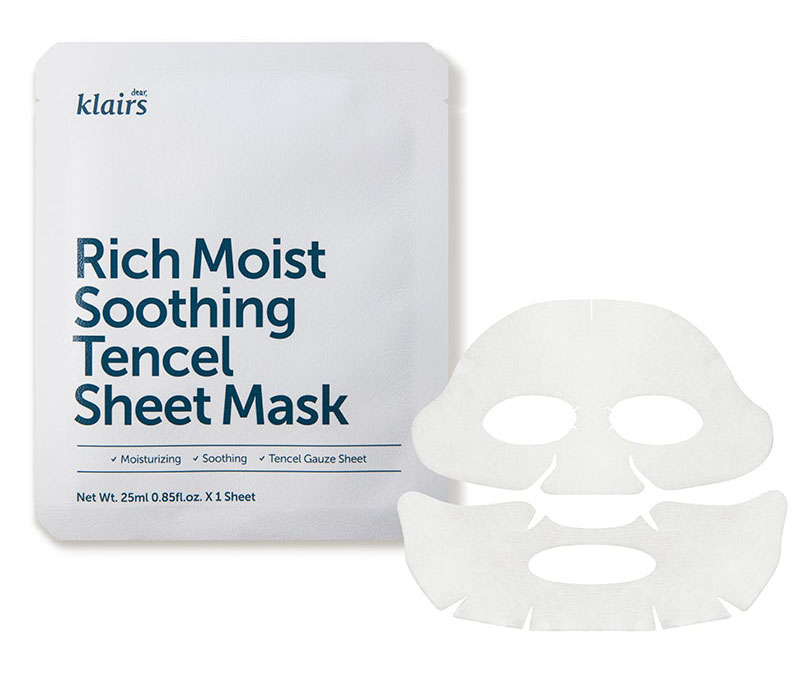
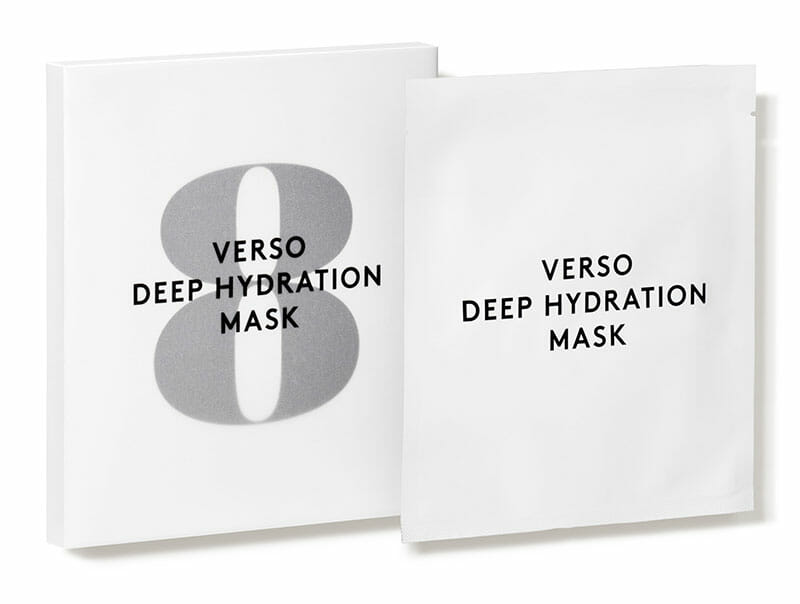
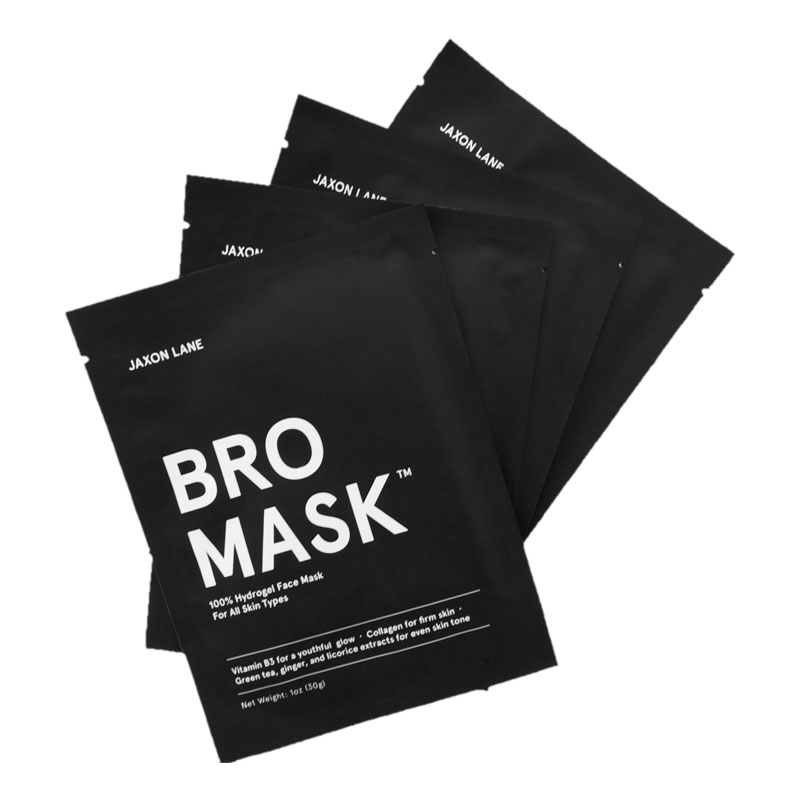
Thanks to social media, sheet masks have emerged as the most selfie-friendly type of mask. The philosophy behind them is simple: the (usually) paper sheets are soaked in a treatment serum and, when pressed onto your face and left for around 20 minutes, deliver a higher concentration of treatment than a typical product could give you. There is a staggering variety of sheet masks, so it’s easy to find one for nearly any skin issue. Where they really shine, however, is moisturization. Because of the amount of serum, dry or dehydrated skin perks up almost immediately and many offer a cooling sensation to help soothe red or irritated skin. If you’re worried about wrinkles, they are also great at delivering anti-aging ingredients to skin quickly. For men, sheet masks can have trouble sticking to facial hair, so look for masks that come in two parts if you have any scruff at all.

GOOD: Rich Moist Soothing Tencel Sheet Mask by Klairs $3

BETTER: Deep Hydration Mask by Verso $80

BEST: Bro Mask by Jaxon Lane $28

Peel-Off Masks

Peel-off masks are mud-sheet hybrids. You apply them like a mud mask directly onto your face, but as they dry, these gel masks form a sticky layer over your whole face. To get them off, you pull them off like a sheet. It’s like when you put rubber cement on your hand in elementary school — and scientifically, not that different. These masks typically use sticky ingredients like polymers which attract and stick to dirt in your pores. As the mask hardens, these polymers trap the dirt and take them with it when you peel it from your face. They’re perfect if you have blackheads, oily skin or large pores. Peel-off masks should be used less frequently than other masks; if you allow them to stay on too long, they can be uncomfortable to remove and you can risk damaging your skin’s protective barrier. You should also remember to always moisturize after you use one, especially if you have dry skin.

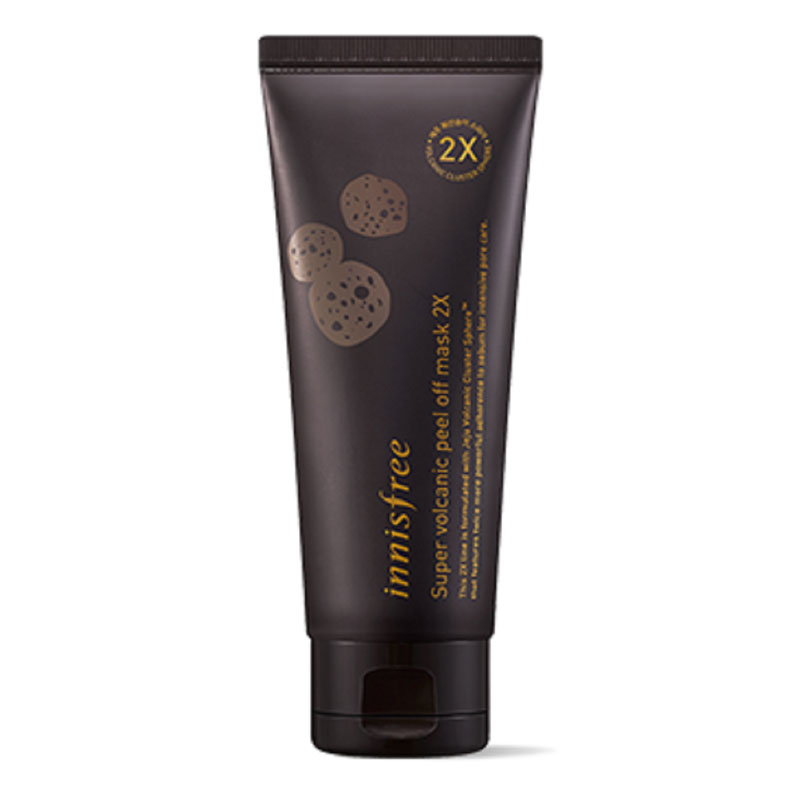
GOOD: Peel-Off Mask With Super Volcanic Clusters by Innisfree $13

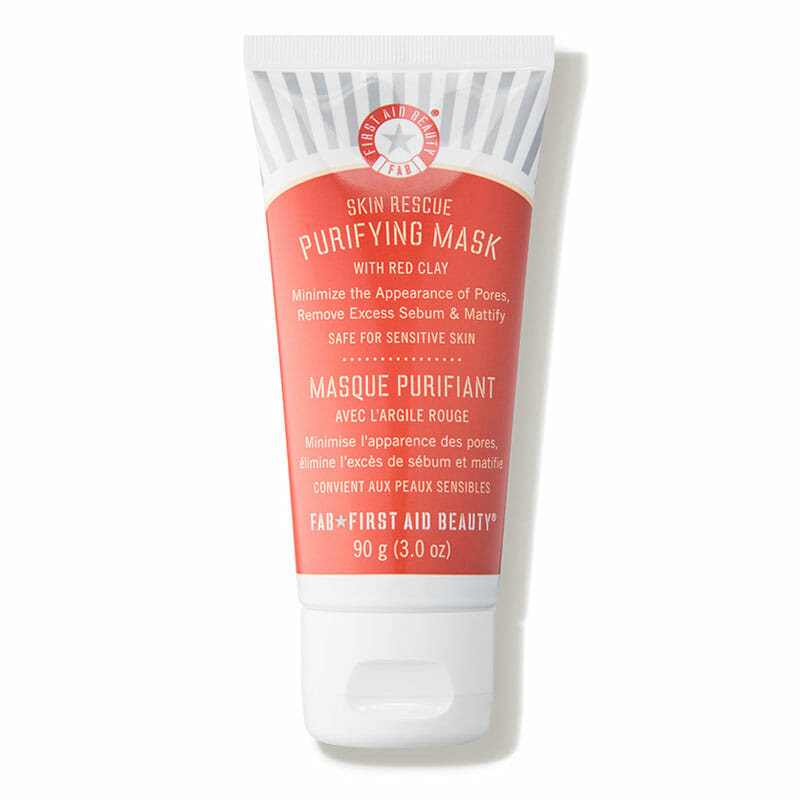
BETTER: Skin Purifying Mask With Red Clay by First Aid Beauty $30

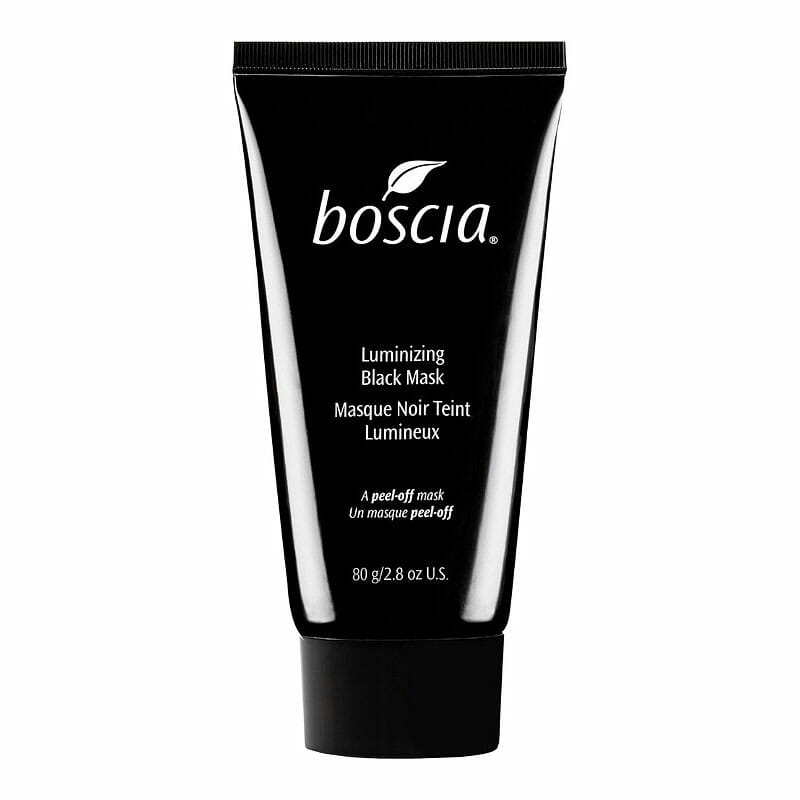
BEST: Luminizing Black Charcoal Mask by Boscia $34

Hydrating Masks

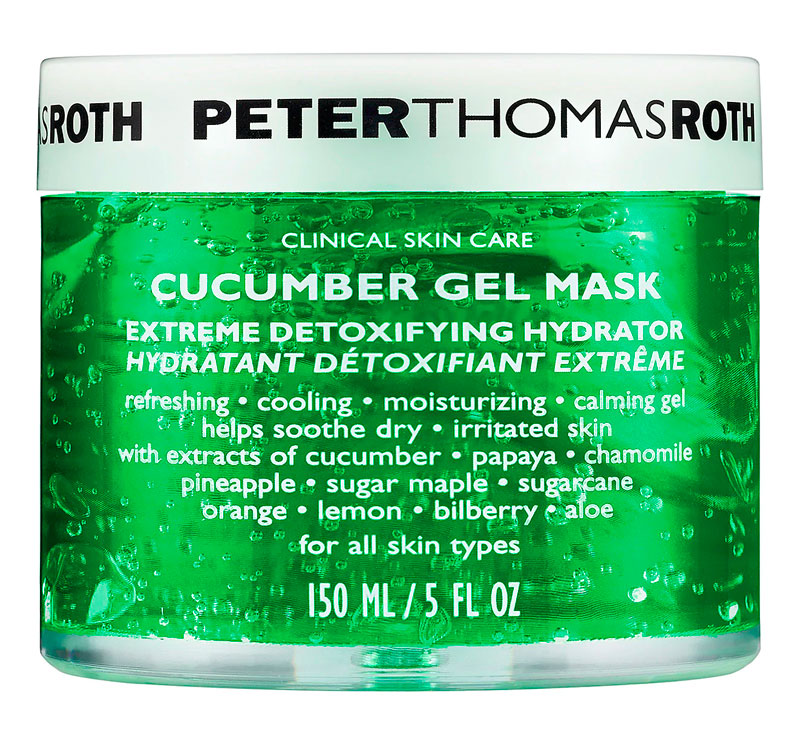
Speaking of moisturizing, not enough men do it on a regular basis. If you notice you have dry, flaky or irritated skin, a hydrating mask could help restore some moisture. These masks usually have a thin gel texture and are meant to be worn longer than clay masks (sometimes even overnight). Ingredients like aloe and cucumber are often found in these masks, because they help to soothe and calm irritated and redness prone skin. They’re perfect for the winter months, when frigid temperatures, biting wind and indoor heat dry our skin out quickly. They’re also great for post-beach sunburns in the summer, as they can help restore moisture lost from staying out in the sun too long. Alternate mud or peel-off masks with a hydrating mask to make sure you’re not overdoing it with drying agents like charcoal. It’s all about balance.

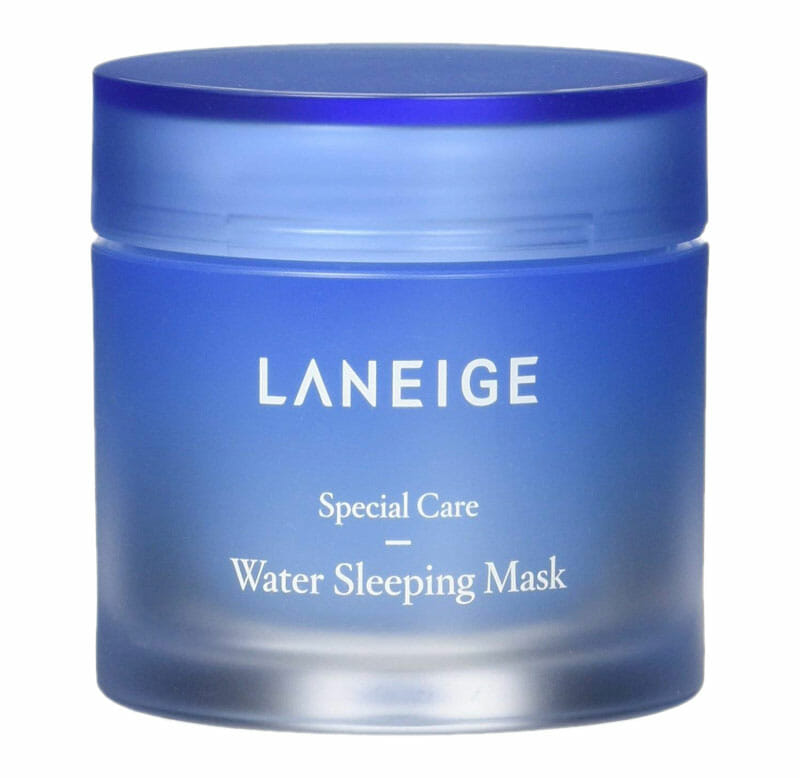
GOOD:Renewal Water Sleeping Mask by Laniege $19

BETTER: Cucumber Gel Mask Extreme Detoxifying Hydrator by Peter Thomas Roth $52
BEST: Calendula & Aloe Soothing Hydration Mask by Kiehl’s $45

Exfoliating Masks

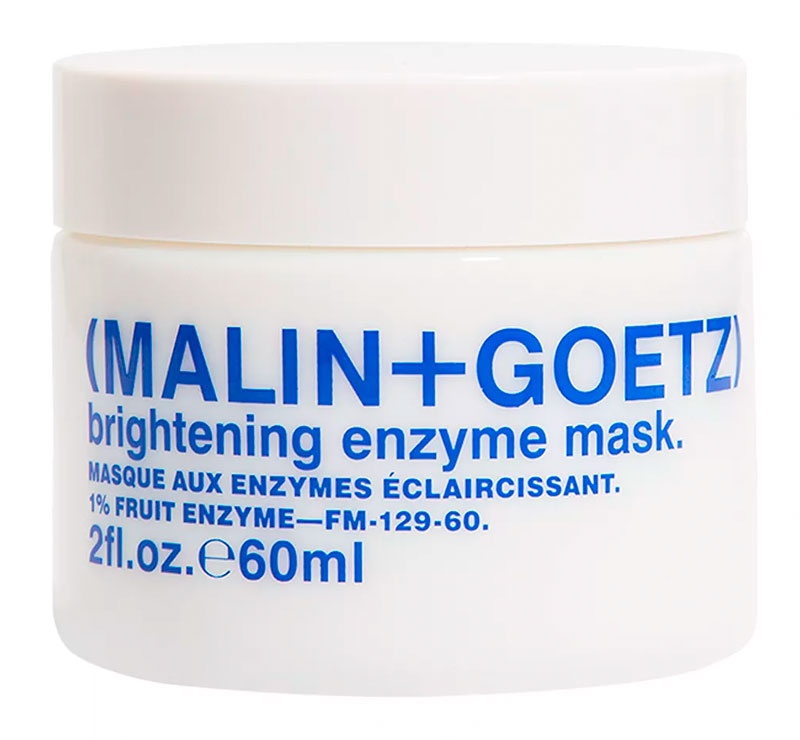
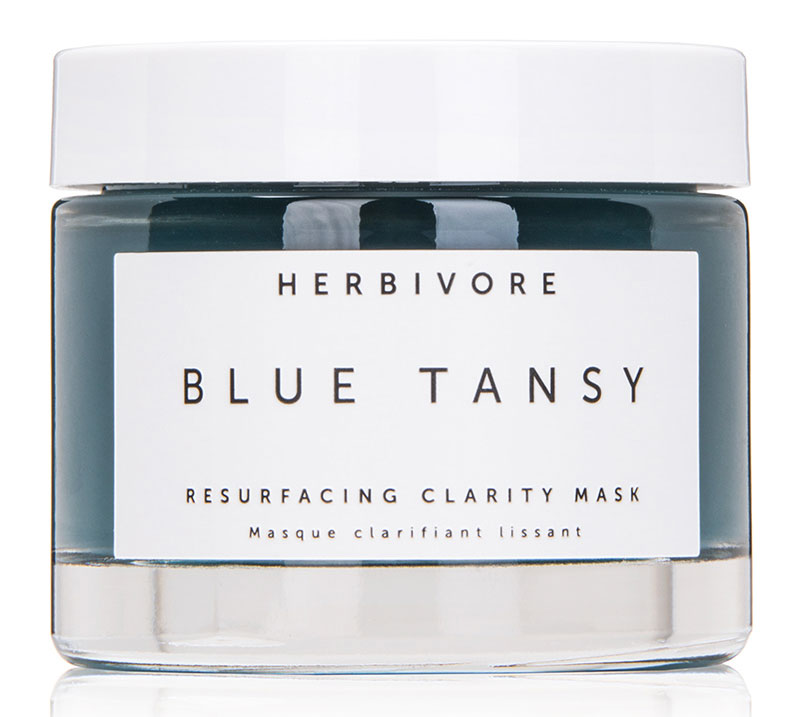
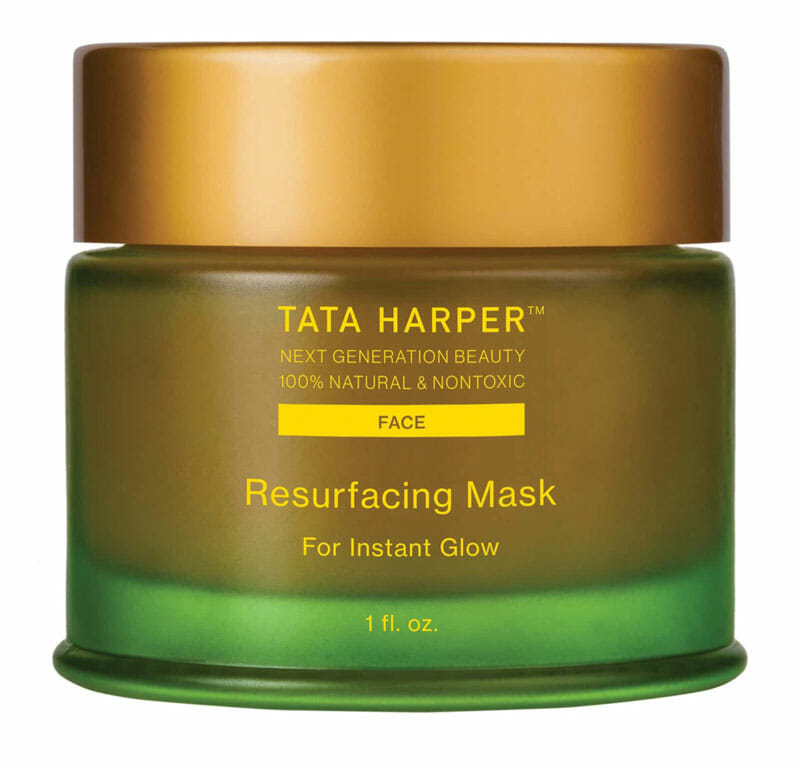
Removing dead skin cells from the surface of your skin, especially as you get older, is an important part of a complete skincare strategy. Sure, a facial scrub can help, but those only attack the surface of your skin. But thorough exfoliation will help with skin cell turnover and regeneration even from deep down. An exfoliating mask, usually referred to as a “peel,” typically uses chemical exfoliants like acids and enzymes to break down the connections between dead skin cells and slough them off the surface of your skin. This sort of exfoliation tends to be gentler than a scrub, so it’s ideal for anyone with sensitive skin. Be careful to follow the directions carefully, since leaving these on your skin too long can cause irritation, and start slow at first (try it once a week and work up from there as needed).

GOOD: Brightening Enzyme Mask by Malin + Goetz $55

BETTER: Blue Tansy Mask by Herbivore Botanicals $48

BEST: Resurfacing Mask by Tata Harper $62
Note: Purchasing products through our links may earn us a portion of the sale, which supports our editorial team’s mission. Learn more here.
Get an Extra 50% off over 400 Reebok Sale Items If You Act Fast

In all of the hullabaloo of Nike, Converse and adidas releases and sales, we all forget that certified Dad brand Reebok also has quite a few sneaker options worthy of consideration. And since they just…

ZDA Marathon Trainers

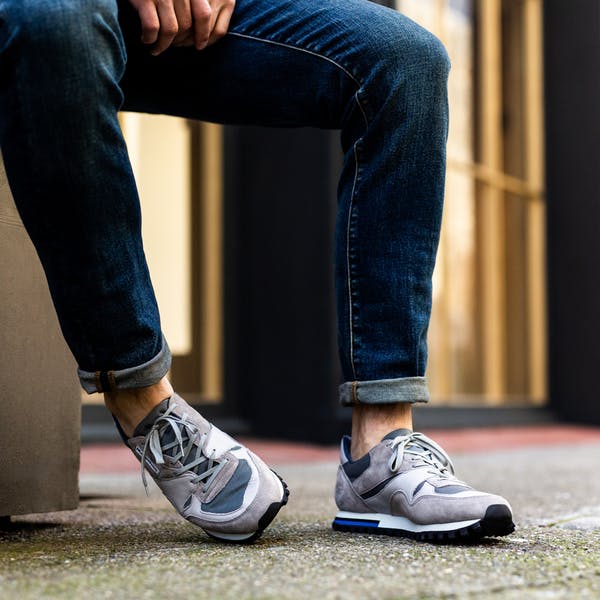
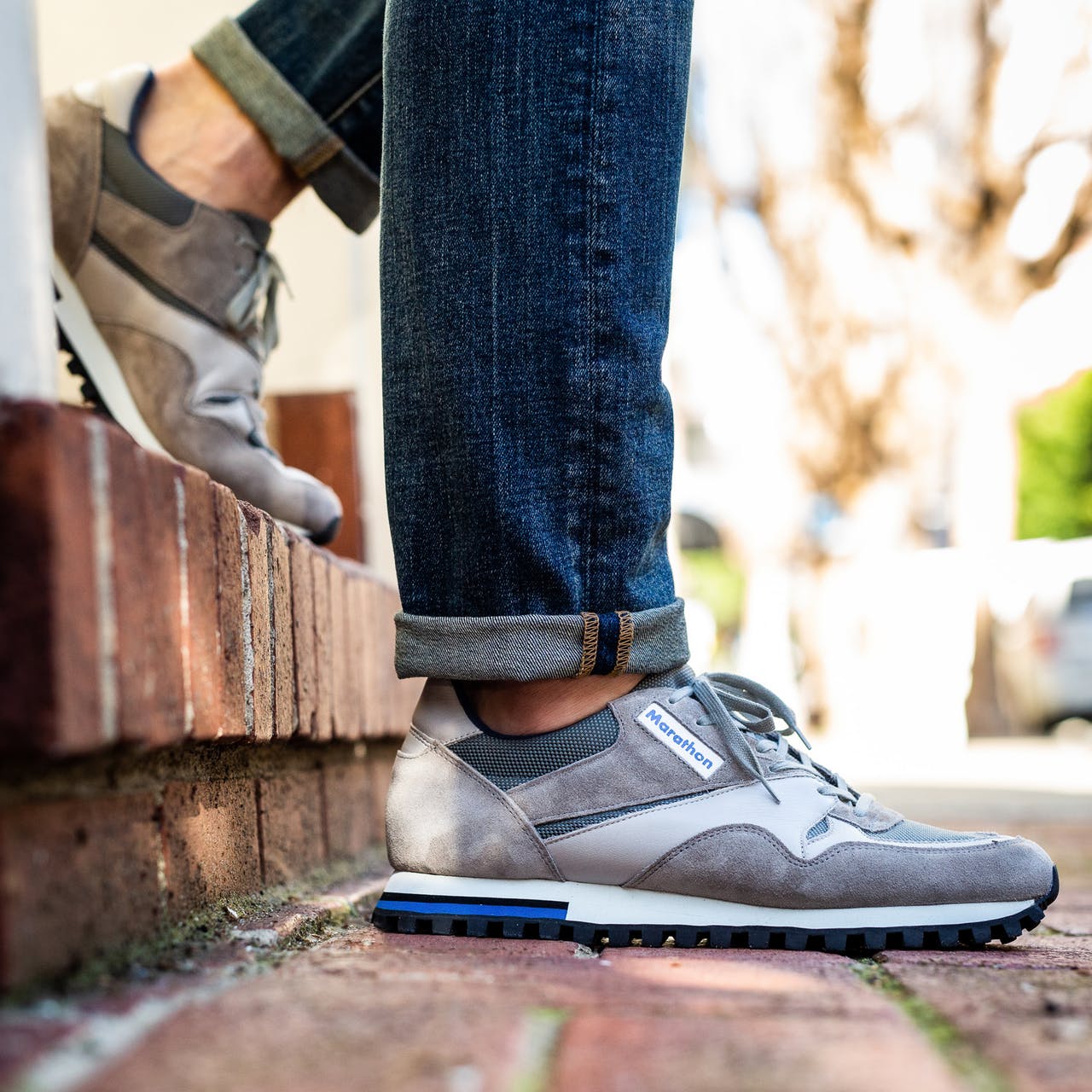
The ZDA Marathon Trainers may just be the perfect pair of kicks for spring. These vintage Czechoslovakian sneakers, recreated for modern wear according to ZDA, draws inspiration from kicks marathon runners wore from the 1950s all the way to the 1980s.

As for the construction, you’ll find a treaded rubber outsole paired with Italian suede and leather making for an organic, aesthetically swell combo. Stylish but understated, a highlight not wanting to show off too much. Pai them with light wash denim and a plain white T — it’ll work. Or of you’re going out for a quick jog, slap on some trainers and your good ol’ hooded pullovers. That works, too.

There are a number of color options on stock at Huckberry. Get a pair or two so you get some much-needed rotation for your streetwear game this season. They’re super comfortable thanks to additional foam midsoles, too. And they’re ultra stylish, and as straightforward as trainers can get. And like we mentioned, they blend well with casual get-ups. So you can slap them on for a quick coffee run if your old Nikes are looking a bit dirty.

You might even get away with wearing something more formal with this pair. We won’t judge, don’t worry. They might work, anyway.

Granted, they’re a bit pricey at $230. And you might find something else more worthy of those hard-earned bucks, like perhaps conventional Adidas trainers. Or some New Balance kicks. But if you want to brag that your shoes are Czechoslovakian, buy this pair.

GET IT NOW

Photos courtesy of Huckberry

This Low Profile Boot Is Perfect for Everyday Wear


San Francisco men’s brand Taylor Stitch just released a low profile boot that is perfect for everyday wear. A nod to the Red Wing Romeo boot, this pull-on style has the same silhouette as the Taylor Stitch Ranch Boot without the tall shaft. Made by hand in Leon, Mexico, the style features 4-ounce Whiskey Eagle leather, Goodyear welt construction, Vibram soles and pigskin linings.

If you’re looking for a boot that wears like a shoe, something appropriate for a range of settings, this is for you. And for a limited time, you can save $60 when you pre-order it — hard to argue with that.

Gear Patrol also recommends:
Red Wing Romeo Boot ($250 $90)
Chippewa 1967 Romeo Shoes ($200 $100)
Red Wing Romeo Boot (Navy Roughout) ($288)
Today in Gear

The best way to catch up on the day’s most important product releases and stories. Read the Story

Tag Heuer Connected Golf Edition

TAG Heuer’s Connected smartwatch receives the Golf Edition treatment. The TAG Heuer Connected Modular 45 Golf Edition will help all you golfers track your rounds as you play them.

This new model is exactly like 2017’s Connected Modular 45. That is to say it comes in a 45mm case, boasts a 1.45-inch display with a resolution of 400 x 400, and is powered by an Intel processor. You also get 512MB of ram, 4GB of storage, and a 410mAh battery. As for connectivity, the usual suspects are here, as GPS and NFC both come baked in. Build quality is topnotch, with sapphire glass and 5ATM water resistance, black PVD titanium, and black ceramic.

What makes this a punch above its identical twin sibling from 2017? It comes with a companion app especially made for golfing. Users can download the TAG Heuer Golf app on their phone, pair their watch, and use the app for a number of things. For example, golfers can use it to track distances on a golf course (the app has maps for more than 39,000 golf courses). Or get 2D and 3D course mapping, as well. You can also record scores for up to four players, and show stats after a round.

Each purchase comes with a set of commemorative balls. And the watch itself comes in a super fancy box deserving of its $1,850 price tag. That’s a lot to pay for a smartwatch, but if golfing is already your pastime, that probably won’t even leave a dent on your banking account.

BUY HERE

Everlane May Have Just Rolled Out the Perfect Spring Layer

The Magazine

Let us take you on a journey of the world. Each issue of the Gear Patrol Magazine comes packed with adventures, guides and stories exclusive to the magazine. Stunningly designed, printed on high quality stock and ready for your coffee table. Biannual. $39.

The Newsletter

Get the best new products, deals, and stories from across the world, in your inbox daily.

Refresh Your Sock Drawer with This Great Sale

The Magazine

Let us take you on a journey of the world. Each issue of the Gear Patrol Magazine comes packed with adventures, guides and stories exclusive to the magazine. Stunningly designed, printed on high quality stock and ready for your coffee table. Biannual. $39.

The Newsletter

Get the best new products, deals, and stories from across the world, in your inbox daily.

The Inevitable Rise of Custom Skincare

There are at least a dozen apps on my phone that are meant to help customize my life. I have a few personalized diet apps, a training program that tracks my progress at the gym, a medical app that lets me speak directly to my doctor, shopping apps that pre-filter clothes based on my sizes and color preferences. There’s even a TV app where I’ve set alerts for my favorite shows. This doesn’t count social media apps that use their algorithms to “guess” what news and updates I want to see — and cut out what I don’t care about.

We’re living in the age of personalization: a one-size-fits-all mentality no longer exists. Consumers expect products and experiences tailored specifically to them, no matter what it is or when they want it. So is it any surprise that the verve for customization has finally reached our faces? Skincare is a unique field that blends the aesthetic and the medical, allowing users to see real results in real time. And as consumers demand products that work better, faster and easier than ever before, they’re turning to customized products in the hope that they’ll make their skin better with minimal effort.

“People don’t want a hundred mediocre things,” said one founder of a custom skincare line. “They want a few of the best things.”

Haters will say it’s marketing, but when it comes to skincare, there can be some real muscle behind it. “As we better understand our genetics and the differences between each other, the idea of customized healthcare is becoming a reality,” says Dr. Joshua Zeichner, a research director in the dermatology department of New York’s Mount Sinai Hospital. “Customized skin care can be beneficial to patients. What you need is often different from what your best friend needs.” And with the recent explosion in personalized options, it can be easier to get than you think.

Ming Zhao’s own experience with personalized skincare inspired her to create Proven, a new direct-to-consumer customized skincare company. After trying hundreds of products that over-promised and under-delivered, the only thing she found that really improved her skin were expensive bespoke products specially mixed by a “skin guru.” They cost her thousands of dollars — but they worked. When she met Amy Yuan, a data scientist who had created an AI-based database to aggregate and analyze information about atopic dermatitis, a chronic skin condition Yuan happened to suffer from, Proven was born.

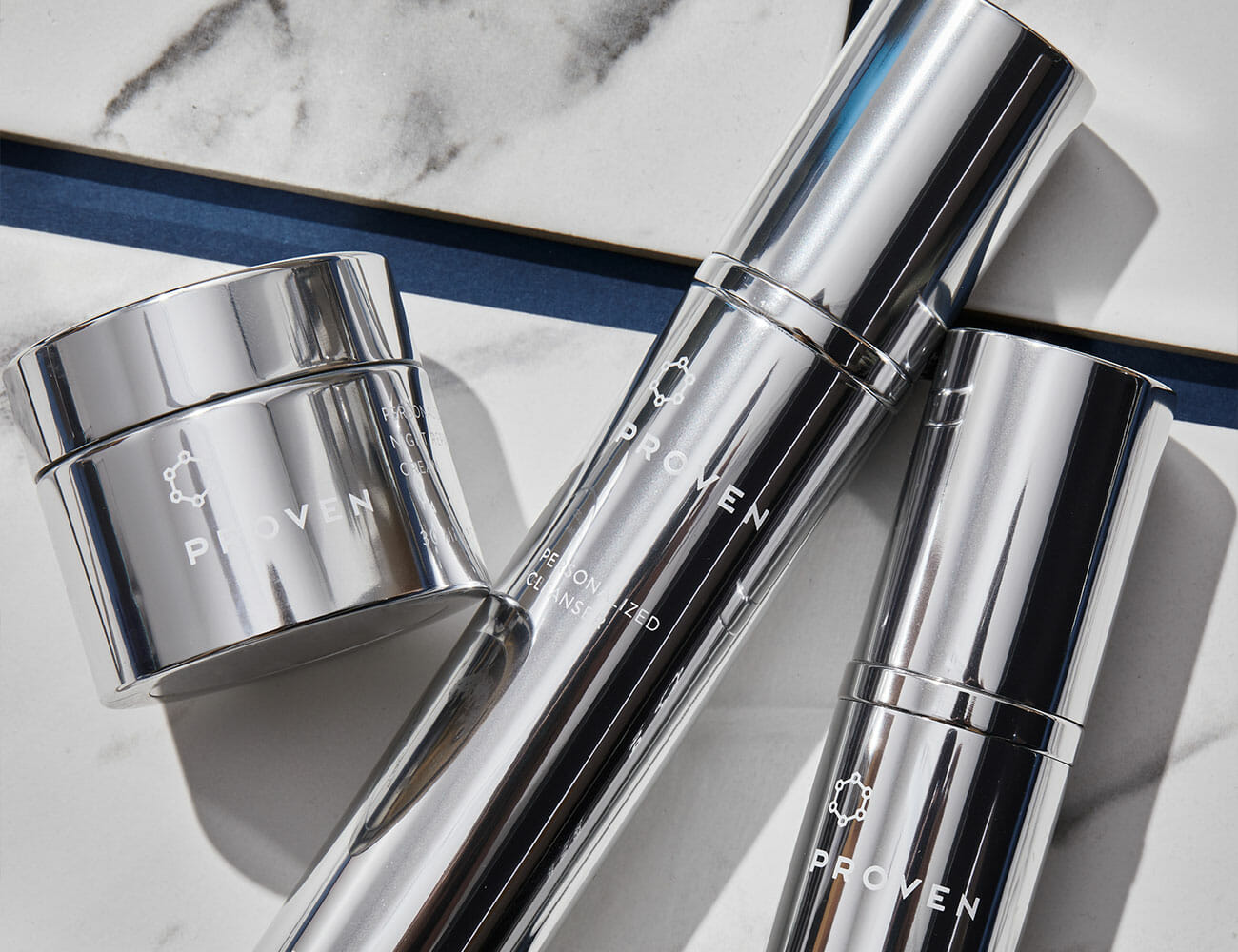
Proven Skincare distills analysis from over 4,000 clinical studies to create a custom skincare regimen for its users.

Zhao and Yuan partnered with Stanford dermatologist Dr. Tyler Hollmig to interpret their skin database (which they are now calling the Skin Genome Project) into custom formulations based on 27 factors, ranging from genetics and gender to environmental pollutants and UV damage. Customers complete a survey which allows Proven’s algorithm to match their specific needs to a pre-existing formula. “It’s not bespoke, as in we are not mixing each product one-to-one,” says Zhao. Part of this is to keep cost down (Proven is $145 for a regimen of three products that will last two months).

While there are some skin conditions that Proven’s wide range of formulas cannot treat, like certain forms of dermatitis that could be signs of larger autoimmune or dietary issues, “the more users and data we get, the more we will be able to customize products for more people,” says Zhao. The draw of Proven, she says, is just as much about the conversation with users as it is the product itself. “The most important thing is listening to our consumers and what they really need based on who they are,” she says. “That’s the future of consumer products. People don’t want a hundred mediocre things, they want a few of the best things.”

Delivering what the customer needs, though, can be tricky when the customer doesn’t even know what that is. It’s a particular problem when it comes to men, who have been “underserved by the skincare industry,” says Nick Allen, founder of male-focused custom skincare line Geologie. Like Zhao, he started Geologie out of personal experience. After traveling exposed him to Korean skincare products and he started using them, he noticed a marked improvement in his skin. But when he wanted to learn more, he was lost. “I had no idea what kind of skin I had,” he says. “I hopped online and stopped dead in my tracks. The people at the department stores tried to sell me a $400 cream that I wasn’t sure I needed. It was too much for me.”

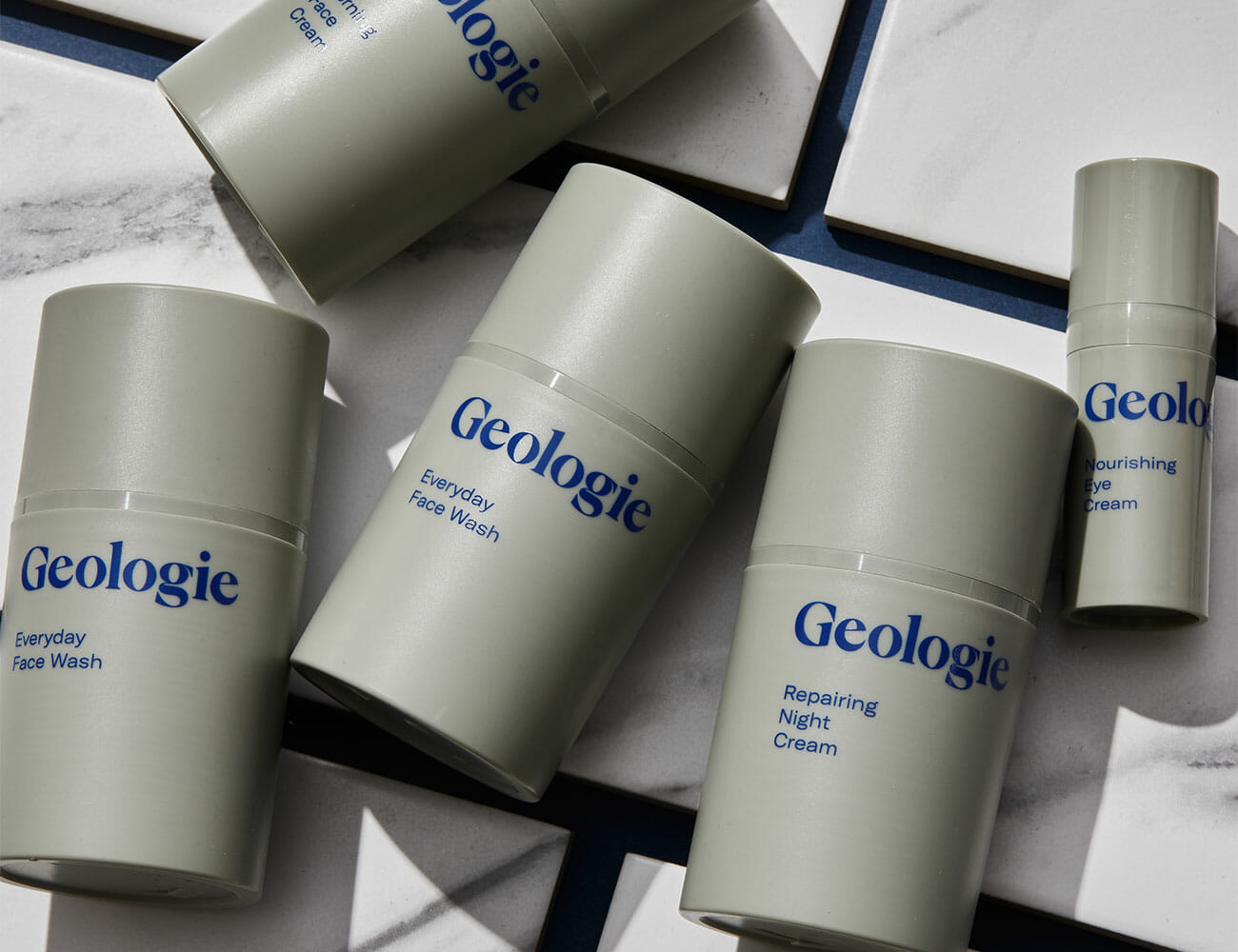
Every Geologie set comes with four products: two bottles of face wash, a day cream, a night cream and an eye cream, each tuned to different skin concerns.

He started Geologie to make that experience easier for men like him, which he says is why personalization is key. “The point of personalization is to make it easy. We’re going to give you a product that’s going to work for your skin right off the bat.” Geologie’s concept is similar to Proven: users complete a quiz that asks things like what products they’re currently using (if any), how often they shave, what their ethnic background is, and where they live (to assess environmental concerns). An algorithm then assigns the user to one of 36 skin profiles that Geologie has developed with the help of a dermatologist. Each Geologie regimen has four products (a cleanser, morning cream, night cream and eye cream) and costs $45 for a one-month trial supply.

While there are a few factors that make Geologie’s formulations male-specific (“men have 25 percent thicker skin and produce more oil, so we have the right ingredients in the right proportions for their skin,” says Allen), it’s more about the conversation with the customers. “The big differentiator for us is that we have amazing customer service,” says Allen. “Guys have a lot of questions and we have a direct line of communication with them. We can make an adjustment and ship out a new formulation in a day.”

That communication is at the core of personalization — and no amount of data or artificial intelligence can replace it. At least, that’s what dermatologist Dr. David Lortscher thinks. When he started Curology over four years ago, it was because he noticed how easily he could help acne patients clear up their skin, but how few people made the effort to come see him. “The products that are out there in the common market are really good for 40 percent to 50 percent of people, but for the other percentage, we need to get them ingredients that aren’t in [over the counter products],” he says. “To do that, we need people to be able to access a medical provider from their phone.”

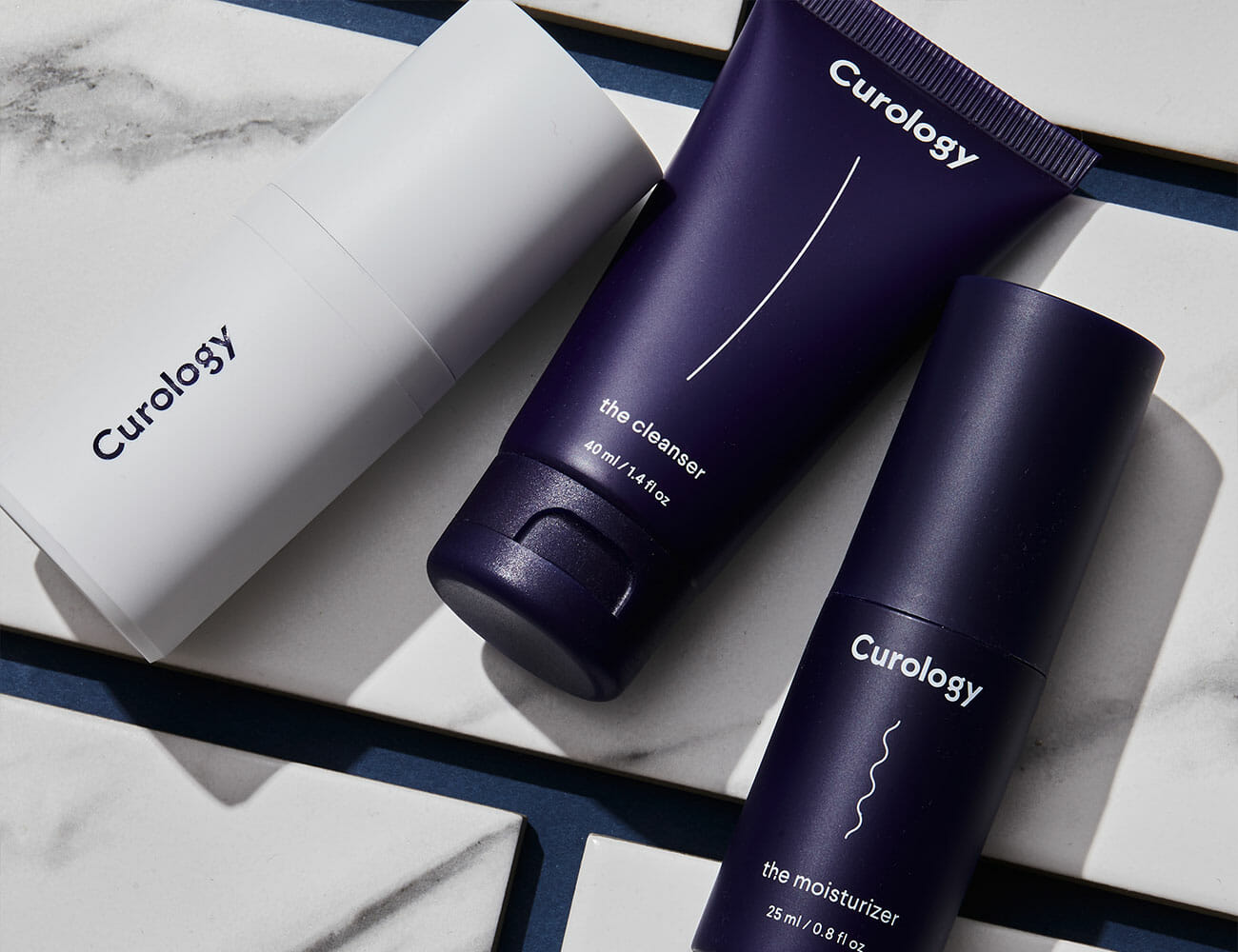
Curology, which targets acne specifically, requires patients to work with medical professionals before it creates customized formulations.

Curology’s primary focus is on acne solutions. It uses telemedicine combined with a user quiz to create custom formulations. After taking the initial quiz, each user is paired with a medical professional and is required to send photos of their skin before their personalized formula is prepared. This added element, Lortscher believes, is what makes all the difference. “Because [Curology is] a licensed medical provider, we are able to use actual prescription ingredients, like tretinoin, azelaic acid and clindamycin to achieve actual customization,” he says. When it comes to solving a problem like acne, he believes the medical element is essential. “We are not be able to create an AI solution that solves a problem [like acne] as well as a human can,” he says. “It takes more than an algorithm just spitting out an answer.”

That’s exactly why Nyle, a 22-year-old college student from Seattle, WA, originally tried Curology and has been using it for over four years. “I started using [Curology] in high school because I had acne problems and couldn’t find an over-the-counter product that helped,” he says. “But I didn’t feel like my skin was bad enough to go to a dermatologist.” His skin cleared within a few months, and he’s been using it ever since. The telemedicine element is essential to him. “I’ve adjusted my formula a few times over the years,” he says, “but I mostly talk to my provider about other ingredients that might interact with my product.” The relationship is what keeps him coming back.

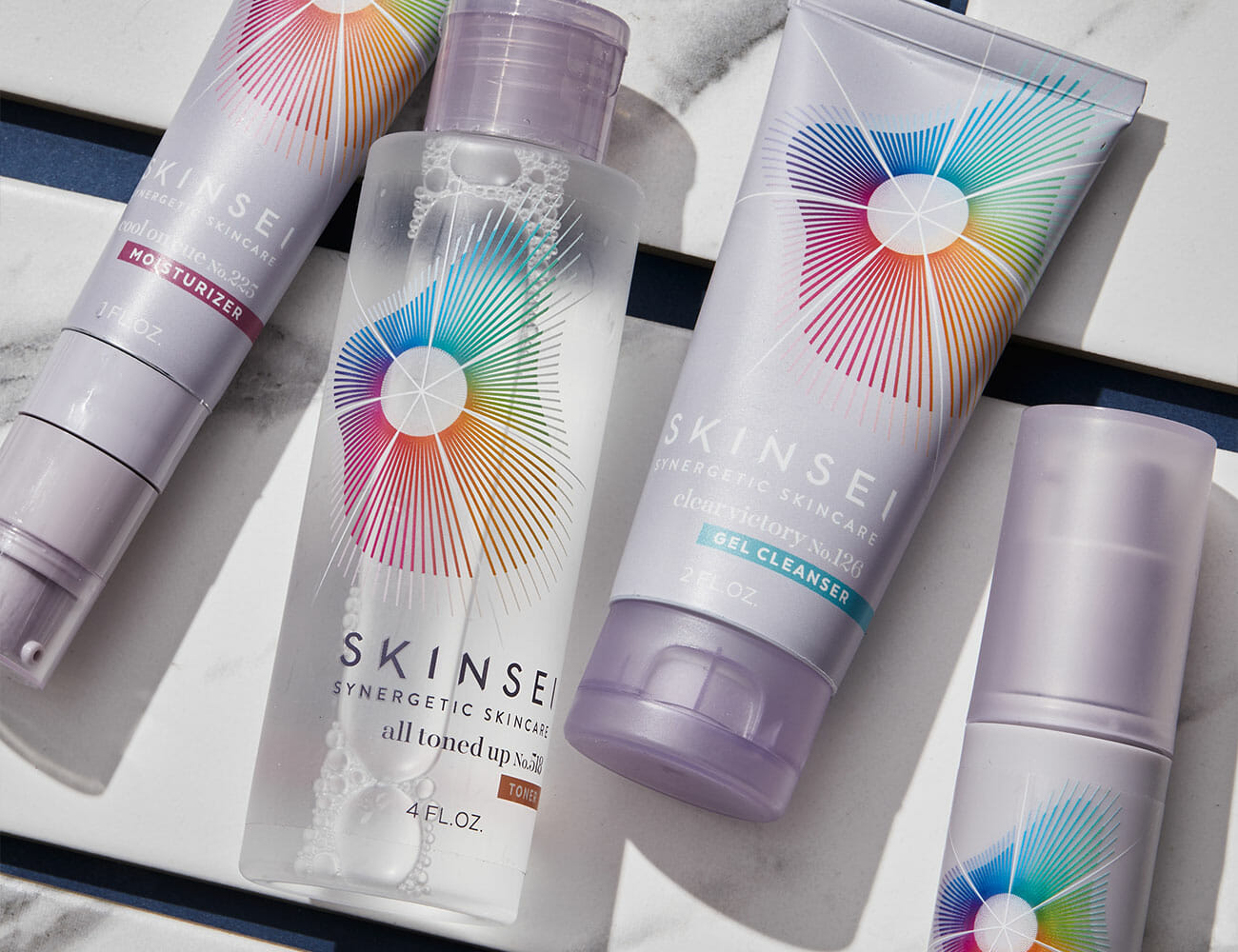
Skinsei, a new line from Unilever, proves big grooming companies are getting in on the game of custom skincare, too.

These upstart companies would argue their small size makes it easy for them to put the “personal” in personalization, but the big guys have started to get in the game too. Unilever recently launched Skinsei, another quiz-based model. And later this year Neutrogena will introduce MaskID, which uses the face-scanning Skin360 app to custom-print sheet masks based on users’ specific face shape and skin issues.

“Everyone feels that their skin is unique,” says Karen Brown, Neutrogena’s senior brand manager. “Even on one person’s face, there are multiple things going on, [and with MaskID,] we are able to print ingredients just in the area of the mask where the customer needs them. It gives a really targeted and precise treatment that wasn’t possible before.” Customers can order the mask directly from the app, and each one is printed fresh without templates. This development, at least for Neutrogena, marks the development of a consumer-led, artificial intelligence-assisted mentality. “Tech is evolving, and we’re looking at how it can help bring personalized skincare products to the consumer based on what they’re asking for,” says Brown. “This is certainly just the beginning.”

Some of Our Favorite Aluminum Suitcases Are on Sale

The Magazine

Let us take you on a journey of the world. Each issue of the Gear Patrol Magazine comes packed with adventures, guides and stories exclusive to the magazine. Stunningly designed, printed on high quality stock and ready for your coffee table. Biannual. $39.

The Newsletter

Get the best new products, deals, and stories from across the world, in your inbox daily.

What Globetrotting Suit-Seller Mark Cho Has in His Cart

Editor’s Note: Welcome to In My Cart, a regular series in which we ask some of the coolest guys we know what they’ve recently acquired, are thinking about buying, or need to buy more of — but for whatever reason don’t have in hand just yet. This week, Mark Cho, globetrotter and founder of the international tailoring emporium The Armoury.

Mark Cho is a champion of classic men’s style. Nearly two decades after falling in love with the suit, the UK-born entrepreneur now oversees international tailoring retailer The Armoury and is a co-owner British accessories brand Drake’s. Cho co-founded The Armoury in 2010 with Alan See and established the brand as the go-to shop for classic suiting and high quality, handmade accessories. The company was the first to distribute Japanese suit-maker Ring Jacket internationally and has a close relationship with bespoke suit-maker W.W.Chan. It also stocks similarly detail-oriented brands like Carmina, Frank Clegg, Tabio and Drake’s (naturally).

Working closely with artisans and managing numerous projects, Cho spends his time between Hong Kong, Tokyo, New York, London and Seoul. His need for functional, well-made products, along with his taste and eye for detail are seemingly unrivaled in the style word. So we caught up with him to find out the latest products he’s considering picking up. From a high-end watch to a German pen to a seersucker jacket, the list paints a picture of a man who values functional details and top-notch design, but his words describe it best.

Coherence Ruiz Raincoat

“Coherence, a Japanese outerwear brand, is one of my favorite brands in the world. Its creative director Kentaro Nakagomi is a fantastic designer, with deep, deep knowledge of modern textiles and vintage garments. He brings the two together to create high-performance outerwear in timeless designs. The Ruiz is a coat that I had been bugging him to make for a few years now and I consulted on the design during its early stages. It is a lightweight raincoat that has an integrated bag which the coat can be folded and packed into. It is a perfect coat for spring travel!”

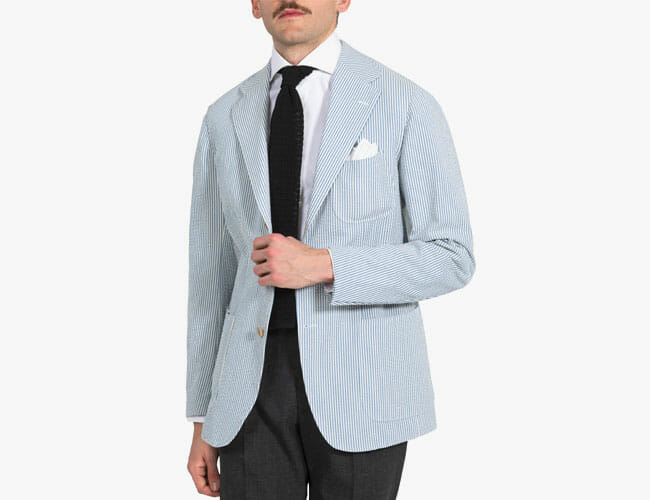
The Armoury Model 7 Seersucker Jacket

“The Model 7 is The Armoury’s lightest jacket, almost completely unstructured inside. When it comes to unstructured jackets, I prefer them in stiff, non-stretchy cloths as the garment keeps its shape better, looking more like a tailored jacket and less like a soft cardigan. I made a Model 7 in seersucker for myself a few years ago and everyone loved it so I put it into production for the shop this spring.”

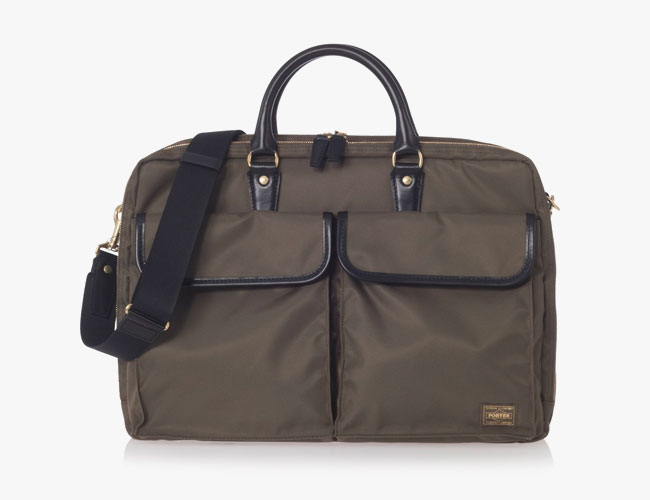
The Armoury by Porter Traveller’s Briefcase

“I came up with this design with Porter a few years ago as a more thoughtfully designed piece of gear for frequent travelers. It is made of lightweight, durable, waterproof nylon with leather trims so it goes easily from dressy to casual. It has over twenty distinctly shaped pockets so you can keep your things well organized, e.g. the front pockets are extra tall for boarding passes. It also has a zippered flap on the back for slipping the entire briefcase over a luggage trolley. It has been one of our best sellers for years and now comes in multiple colors.”

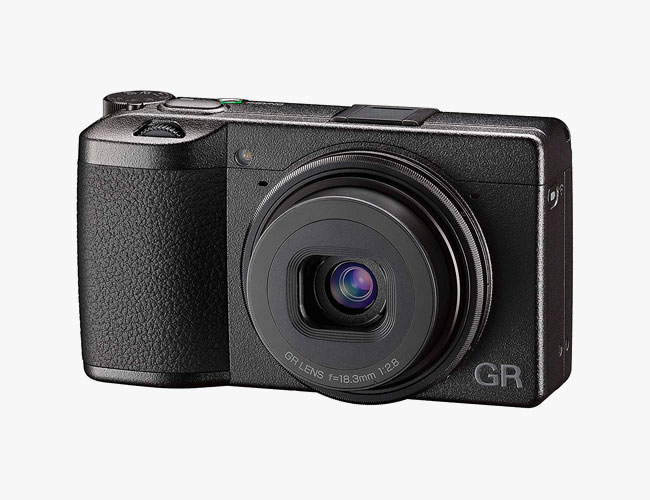
Ricoh GR III

“I am so excited for this camera to be launched later this month. The Ricoh GR series of cameras was first launched as a film camera back in 1996, digital versions of the camera came in 2005. The GR series is about high-quality images thanks to an excellent 28mm f/2.8 lens with an APS-C sensor, extremely fast operation with hard button controls for all major functions, all in a compact, discreet package. The last release was the GR II in 2015 so the GR III will be a significant upgrade!”

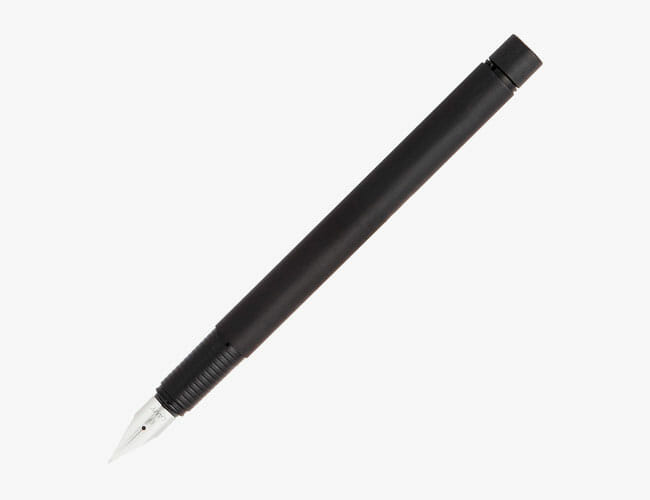
Lamy CP1 with Extra Fine Nib

“Lamy is an old German pen company with an illustrious history of minimalist, functional pen design. I own a number of them and this one, despite being one of the cheaper ones in the range, is a favorite. The CP1 is an unassuming black cylinder with an angular, silver clip. Despite its simplicity, it feels well made and refined in-hand. It is extremely lightweight and I like it best with the extra fine nib, which gives an almost pencil-like feel when in use.”

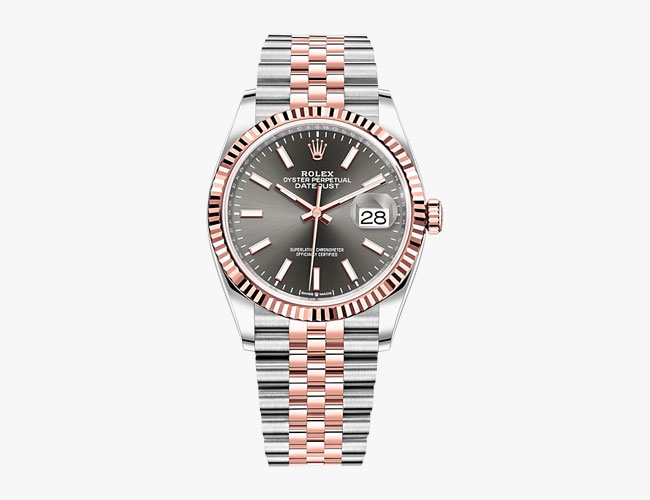
Rolex Oystersteel and Everose Gold

“I have recently been very interested in two-tone watches and stumbled on this particular reference. It looks strange on the website, but I was curious enough to check it out in real life. It is outstanding and absolutely on my shortlist. Compared with the photograph online, the Everose parts are subtler and less pink, and the grey dial is much richer in color. I highly suggest any watch nut check it out.”

Area X: The Southern Reach Trilogy by Jeff VanderMeer

“A recent favorite book of mine is Area X: The Southern Reach Trilogy, an engrossing series of sci-fi horror novels. It tells the story of Area X: an unidentified section of coastline under invisible alien influence that causes rapid and disastrous mutation for whatever lives within it. The coastline’s problems are handled by a government agency: The Southern Reach, who make up the book’s protagonists. The trilogy is a weird mix of government worker ennui, intriguing science fiction and sudden, violent horror. For anyone who likes smart, complex sci-fi, it will press your buttons. It was recently adapted into a film, worth your attention as well.”

Note: Purchasing products through our links may earn us a portion of the sale, which supports our editorial team’s mission. Learn more here.
This New Polo Fits Like Your Favorite T-Shirt

The Magazine

Let us take you on a journey of the world. Each issue of the Gear Patrol Magazine comes packed with adventures, guides and stories exclusive to the magazine. Stunningly designed, printed on high quality stock and ready for your coffee table. Biannual. $39.

The Newsletter

Get the best new products, deals, and stories from across the world, in your inbox daily.

The Stylish Boardshorts Built to Last Decades

At the start of the 1960s in Southern California, blue-collar life was beginning to give way to beach culture. Surfing was becoming popular as teenagers grabbed boards, grew their hair long and firmly established the birth of the counterculture. Carrie Birdwell Mann witnessed this transformation taking place and saw an opportunity, launching Birdwell Beach Britches in 1961.

Inspired by the nylon sails of sailboats, she worked with textile mills on the East Coast to develop a proprietary two-ply nylon fabric (SurfNyl™) that is the foundation of Birdwell Beach Britches. These durable Beach Britches (the original name for boardshorts) were built to withstand the rigors of surfing and to be wearable for a lifetime — just have a look at the two flanked on the sides in the image above; those dependable boardshorts are nearly 20 years old and withstood rigorous daily use by ocean rescue lifeguards.

While Birdwell’s first customers were the lifeguards of Newport Beach and SurfNyl™ is the pride of Birdwell, a new fabric has made its way into the iconic boardshorts this year. Chambray can wear-in and not out just as SurfNyl™ does — over the years it becomes more and more handsome. This long-lasting approach is more present than ever in the new 310 Limited-Edition Chambray Board Shorts.

Given its dedication to designing shorts that wear well, Birdwell has astutely used an indigo cotton chambray — a fabric that stylishly whiskers and patinas over time. For this new modern classic, created in a slightly evolved silhouette from the signature cut, these boardshorts also include a simple button fly, a tab closure for an adjustable fit, matching navy horn buttons, orange SurfNyl™ lining and a SurfNyl™ stripe running from back to front.

Every fabric, stitch and component Birdwell implements is scrutinized with purpose-built design philosophy. And thanks to the matriarch’s commitment to handmade quality since the 1960s, the original blueprint remains mostly unchanged. Birdwells are so reliable that many pairs of these quintessential shorts are still going strong today. Durable enough to last decades and backed by a lifetime guarantee, the 310 Limited-Edition Chambray Board Shorts will upgrade any guy’s beach threads for years to come.

16 Spring Wardrobe Essentials to Buy Now


As you pack away your cold-weather clothes and ready your wardrobe for warmer days, consider investing in some new wardrobe essentials fit for spring. While you don’t need to buy an entirely new outfit, it’s worth picking out a strategic piece or two to infuse new life into your closet. Embrace some fresh seasonal styles, but invest in garments you can see yourself wearing for years. To get you started, we compiled 16 spring wardrobe essentials to jumpstart your shopping.

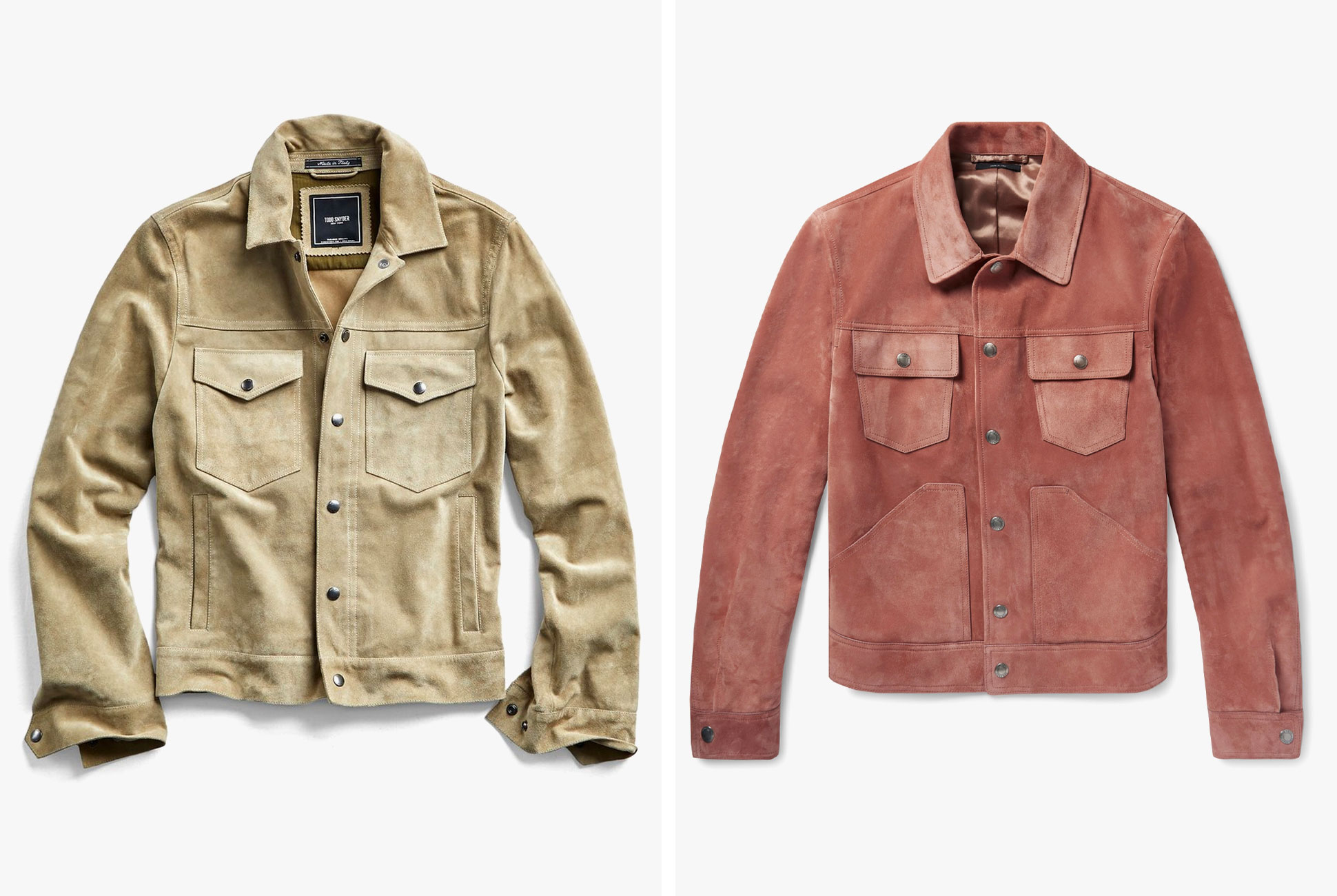
Suede Jackets

Dylan Jacket by Todd Snyder $995
Suede Jacket by Tom Ford $6,290

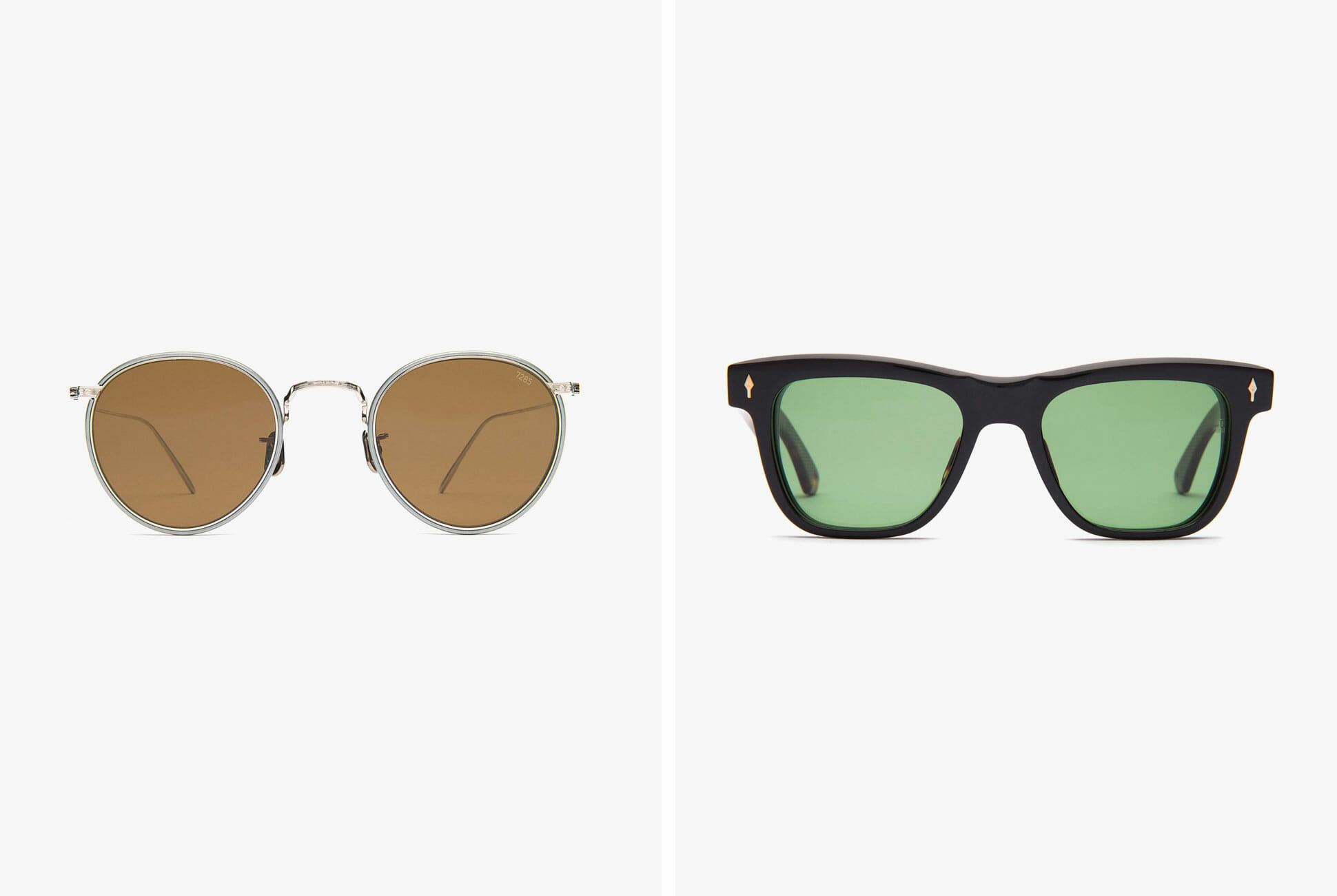
Sunglasses

717W Sunglasses by Eyevan $440
Fitzgerald Sunglasses by Jacques Marie Mage $525

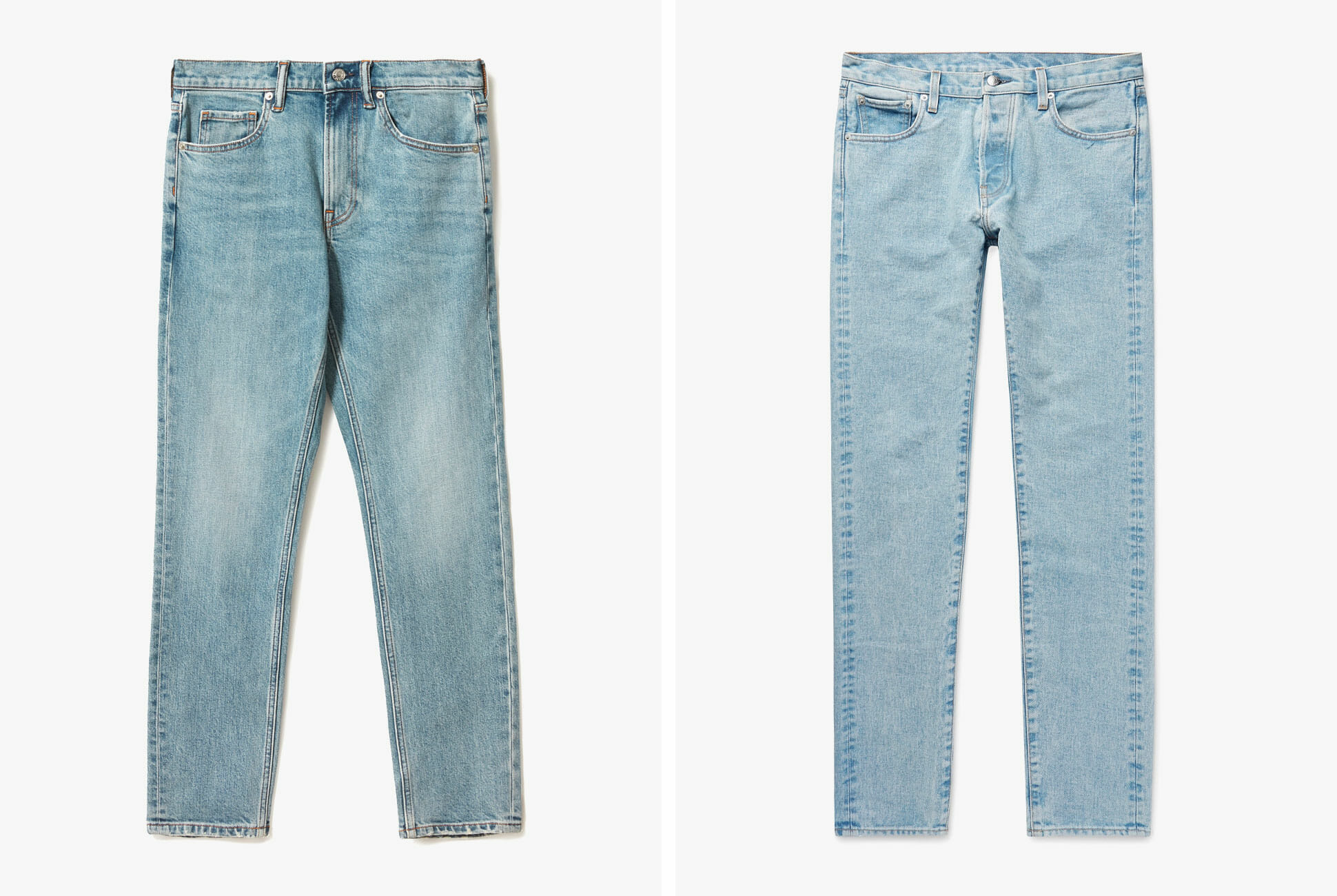
Washed Denim

Slim Fit Jean by Everlane $68
M001 Jeans by Simon Miller $290

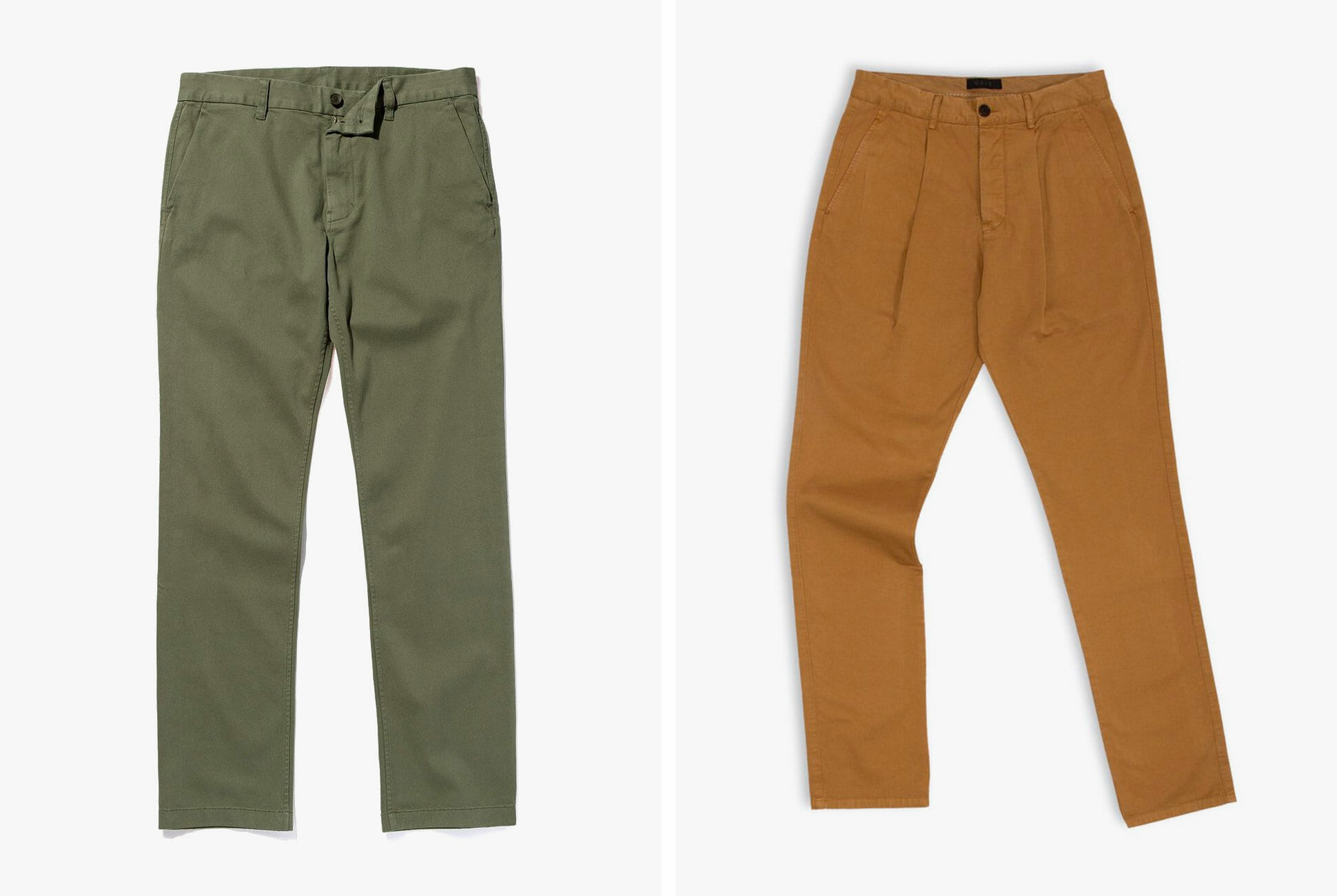
Chinos

S.E.A. Legs Chinos by Outerknown $98
Davis Chinos by Unis $198

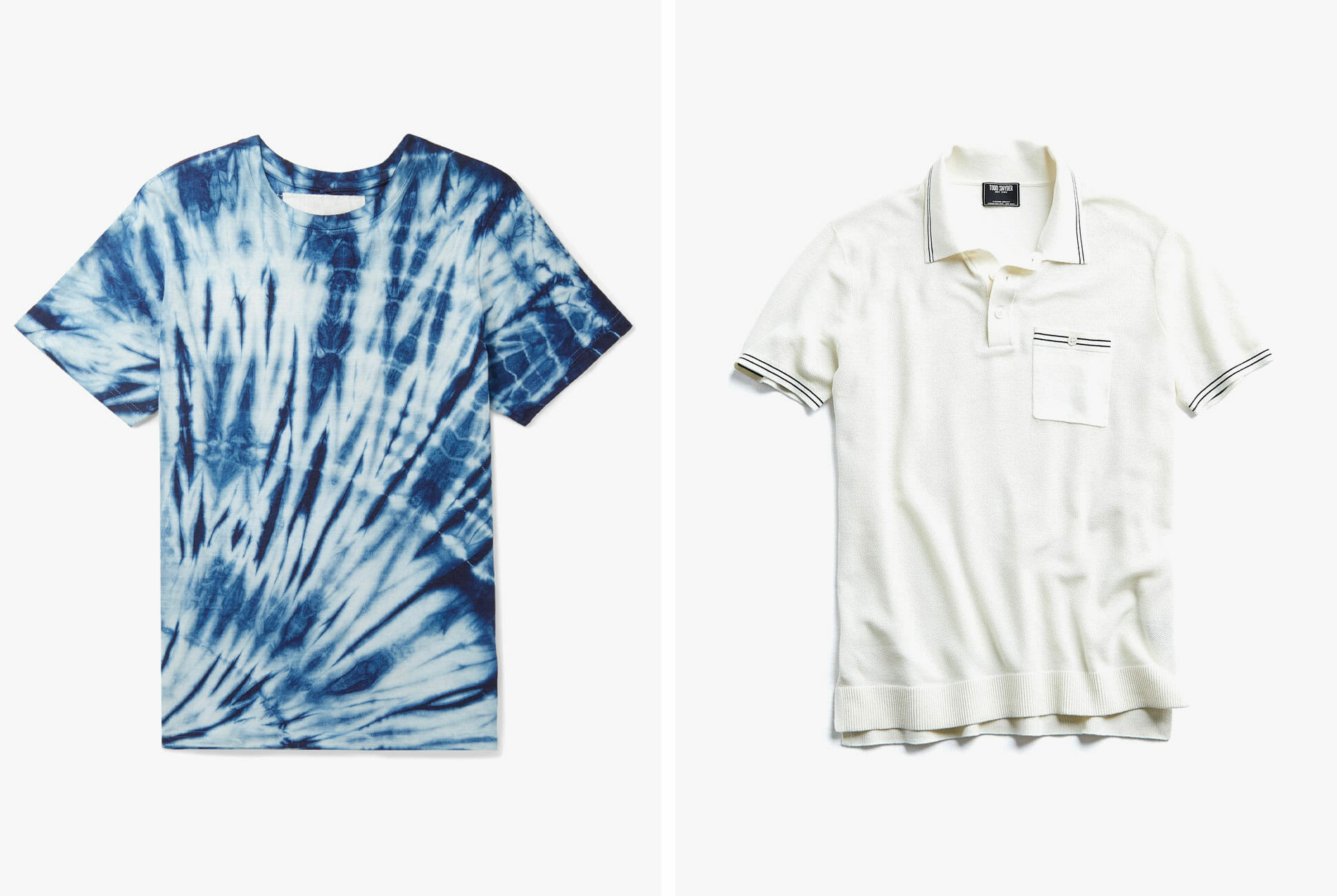
Basics

Tie-Dyed T-Shirt by Story Mfg. $85
Tipped Micro Mesh Polo by Todd Snyder $198

Sweatshirts

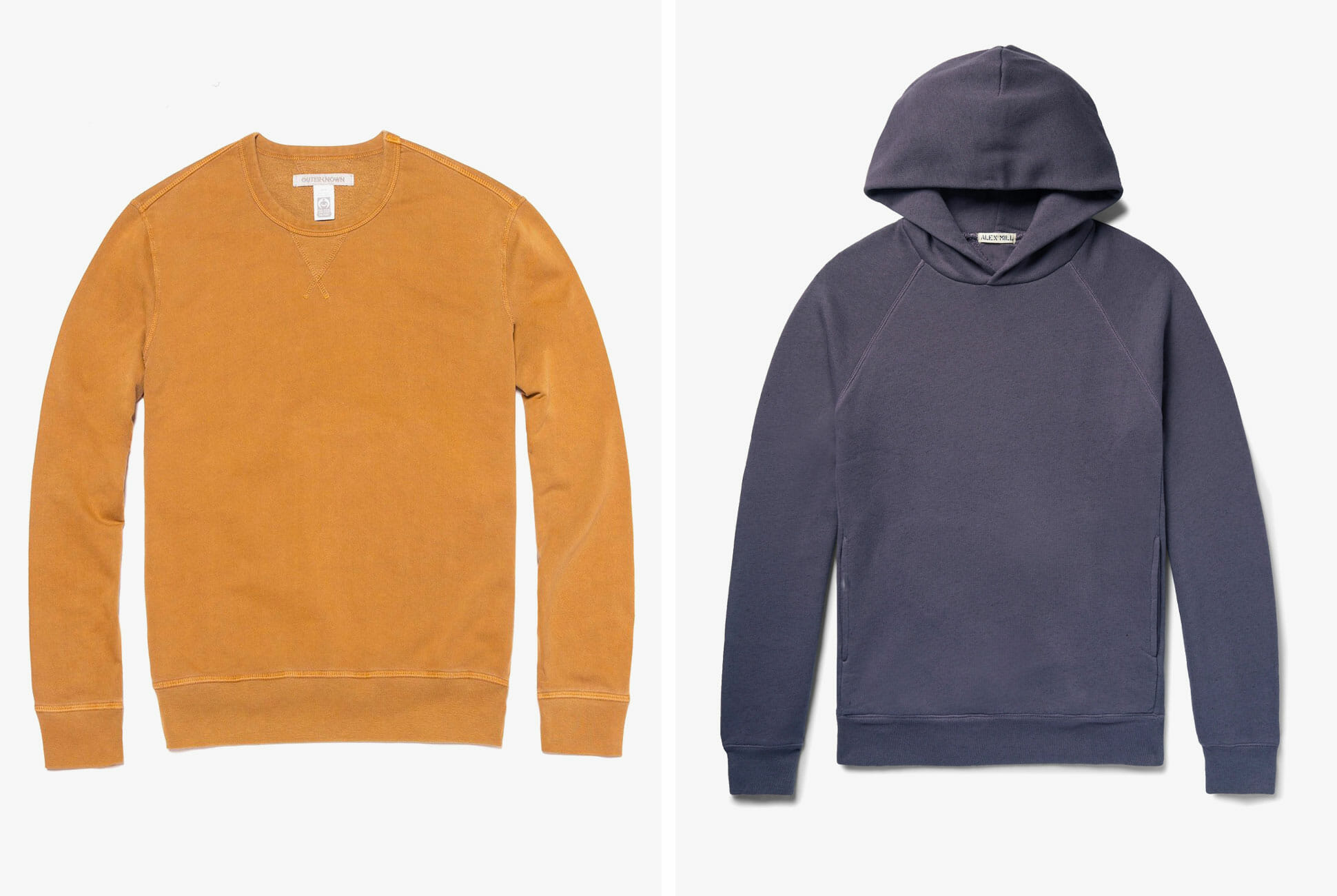
Stowaway Sweatshirt by Outerknown $98
Loopback Hoodie by Alex Mill $165

Sneakers

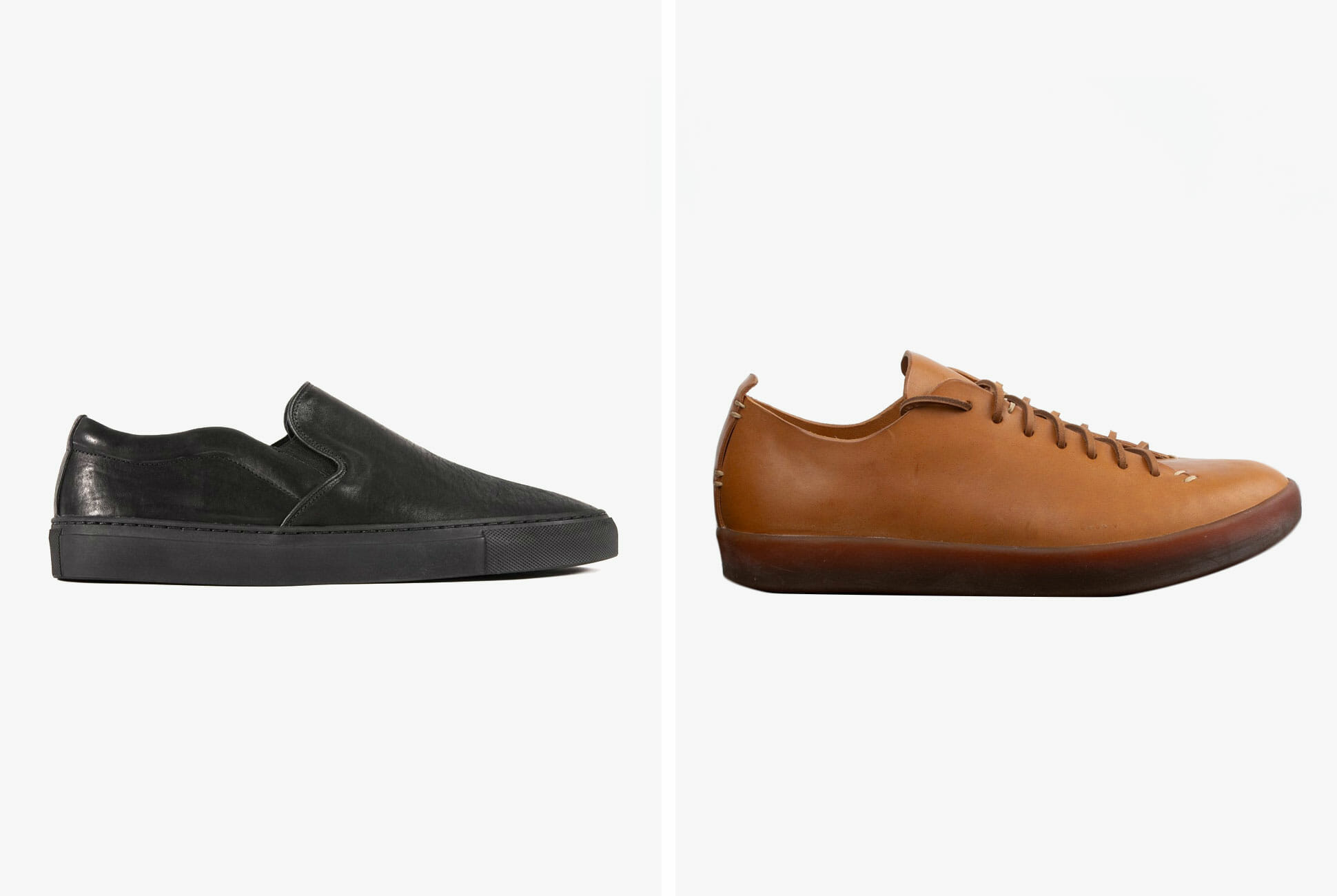
Slip On Black Washed Horsehide by Viberg $390
Hand Sewn Low Sneaker by Feit $600

Rain Coats

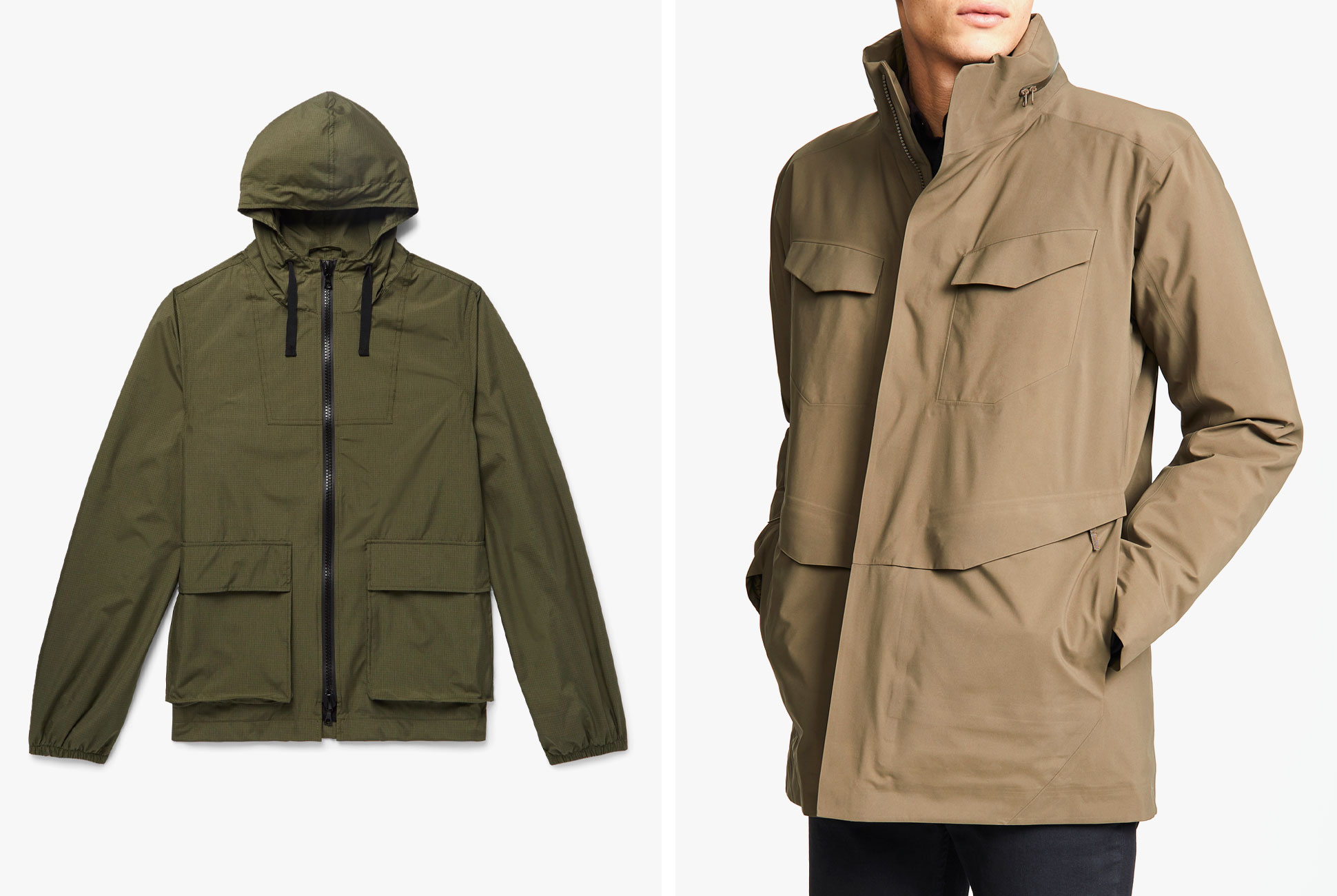
Ambroise Jacket by Officine Generale $710
Field IS Jacket by Arc’Teryx Veilance $1,300
50 Best Boots for Men

From rugged engineer boots to office-friendly brogues, these are the pairs you should invest in. Read the Story

Note: Purchasing products through our links may earn us a portion of the sale, which supports our editorial team’s mission. Learn more here.
Why These Denim Shirts Are Instant Collector’s Items

The Magazine

Let us take you on a journey of the world. Each issue of the Gear Patrol Magazine comes packed with adventures, guides and stories exclusive to the magazine. Stunningly designed, printed on high quality stock and ready for your coffee table. Biannual. $39.

The Newsletter

Get the best new products, deals, and stories from across the world, in your inbox daily.

Filson’s New Chore Coat Is Surprisingly Affordable

The Magazine

Let us take you on a journey of the world. Each issue of the Gear Patrol Magazine comes packed with adventures, guides and stories exclusive to the magazine. Stunningly designed, printed on high quality stock and ready for your coffee table. Biannual. $39.

The Newsletter

Get the best new products, deals, and stories from across the world, in your inbox daily.

The 7 Best Under-Eye Creams for Men

To the uninitiated, eye creams may seem like another grooming product you don’t need. But consider this: if the eyes are the window to the soul, would you want them sitting in a crappy frame?

The area around the eyes is often one of the first places on a man’s face to show signs of aging, like fine lines and wrinkles. That’s because the skin around your eyes is thinner than other parts of your face and has less subcutaneous fat to cushion it. It’s easier for this delicate skin to show signs of dehydration, age, bad diet, lack of sleep, alcohol consumption — the list goes on.

The best way to prevent all of this is with regular use of eye cream. These products aren’t just more-expensive moisturizers. They’re typically formulated with a higher concentration of active ingredients to combat eye-specific issues. And just like working out, they produce the best results when they’re used consistently, so use an eye cream every morning and night after cleansing your face. Apply a small amount to the area under your eye and pat it in with your ring finger (aggressive rubbing can cause sagging and further damage).

While any eye cream is better than none at all, you can take it one step further by choosing one tailored to your specific eye conditions. Here are the best eye creams for any issue you can think of.

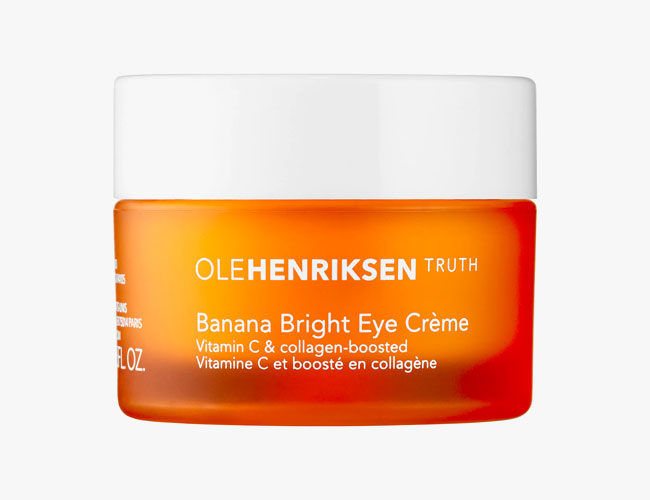
Ole Henriksen Banana Bright Eye Cream

Best for Dark Circles To combat dark circles under your eyes (like the kind you get after a night of insomnia), look for an eye cream that contains brightening ingredients like vitamin C. This powerful antioxidant helps to lighten darker pigment in the skin, which is what makes those raccoon eyes look darker than the rest of your face. This formula also has collagen-boosting ingredients which, over time, will help keep under-eye skin firmer and more alert-looking.

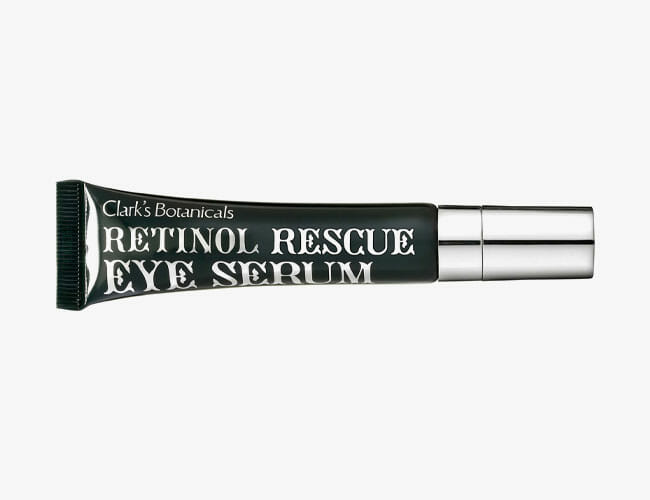
Clark’s Botanical Retinol Rescue Eye Serum

Best for Wrinkles Retinol is a powerful version of vitamin A which is has been shown to address fine lines and wrinkles by aiding in more consistent cell turnover (which slows down as we age). The problem is that most retinol products made for your face are too strong to use on the delicate skin around your eyes. This specially-formulated eye cream is safe to use around your eyes and is one of the gentlest, yet most effective retinols we’ve tested.

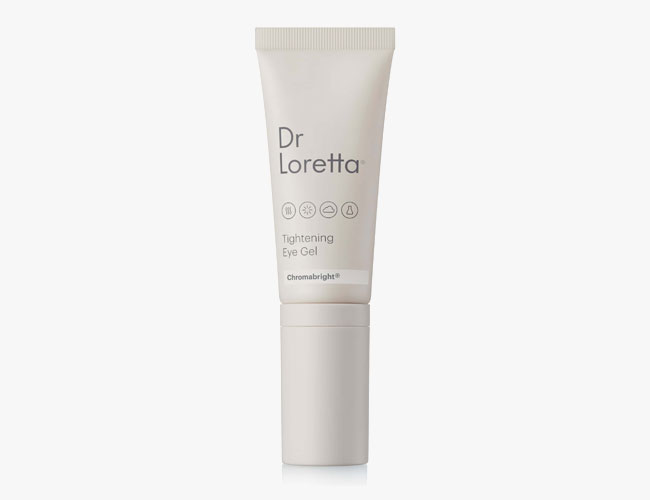
Dr. Loretta Tightening Eye Gel

Best for Bags If you notice heavy bags under your eyes (which can look like sagging or sliding skin), look for an eye gel containing peptides like this one. Peptides are made up of amino acids and are fundamental building blocks of our skin. Without them, our skin loses elasticity, so adding them back in can help the skin under eyes remain firm.

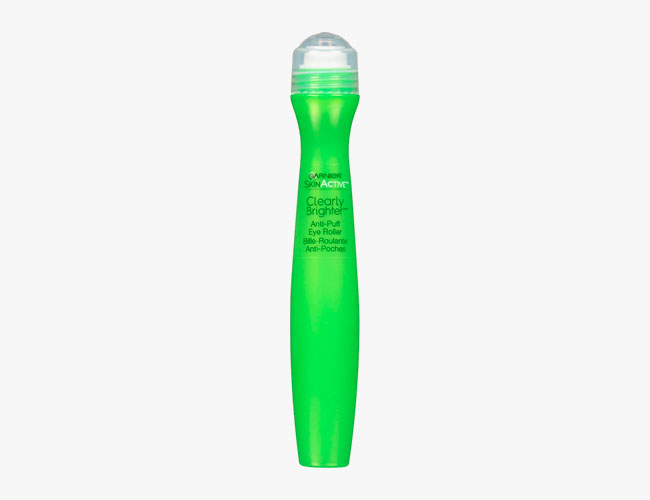
Garnier SkinActive Clearly Brighter Anti-Puff Eye Roller

Best for Puffiness Cucumber slices over the eyes is a cliche, but the idea is right. When your eyes are puffy, it’s all about cooling them down. Look for gels instead of creams which typically contain cooling ingredients like mint and aloe. This budget-friendly gel comes in a tube with a metal roller ball at the end, which helps to de-puff on application as well as give a little massage to help with lymphatic drainage (another possible cause of puffiness).

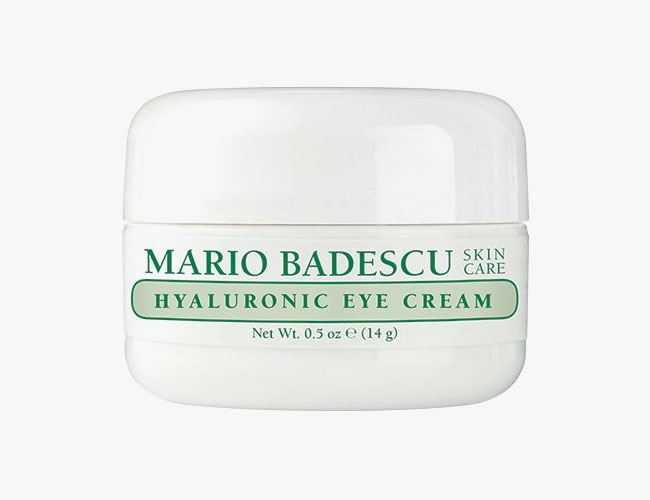
Mario Badescu Hyaluronic Eye Cream

Best for Dryness If you have dry under-eyes that look crinkly and flakey, you need to not only give the area more moisturization, but help it retain that moisture too. Look for an ingredient called hyaluronic acid, which occurs in our body and helps our cells retain moisture. This thicker cream is packed full of hydrating ingredients in addition to the all-important hyaluronic acid, so you get a major dose of moisture that you won’t lose as quickly.

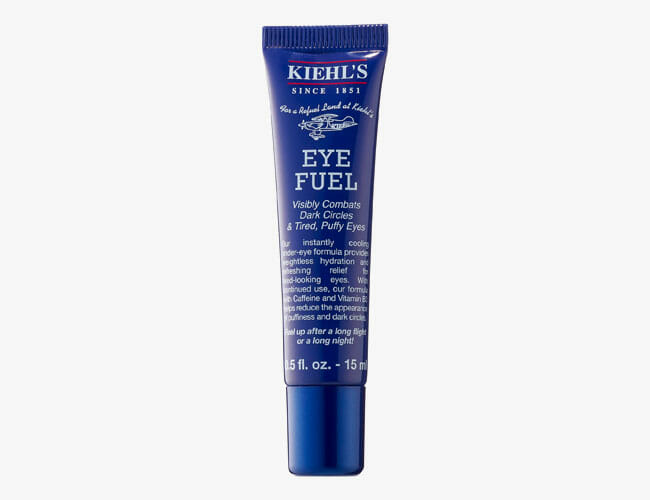
Kiehl’s Eye Fuel

Best All-Around Eye Cream The best thing about this near-perfect eye cream is the applicator. It comes in an easy-to-use tube so you can put it directly on your eye area instead of dipping your fingers into a tub. It contains caffeine which helps perk up and de-puff tired eyes and vitamin B3 to help strengthen and balance skin. It’s especially useful when you have to go straight to the office from a red-eye flight or have a big meeting the morning after a sleepless night. But if you use it every day, you won’t need an emergency fix.

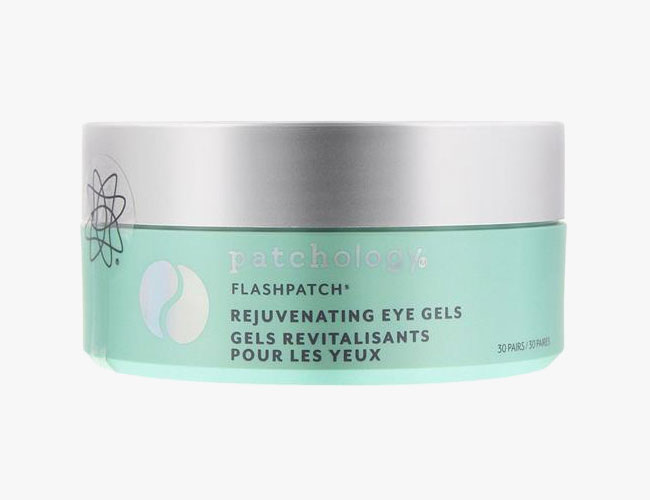
Patchology FlashPatch Rejuvenating Eye Gels

The Pro-Level Bonus The next generation of eye creams are stick-on patches that act like sheet masks for your eyes. If you have to look especially fresh for a big meeting, a big date or a big party, stick these under your eyes and leave them on for five minutes while you brush your teeth. They’ll instantly de-puff and brighten your eyes and make you look like you slept 12 hours — even if you didn’t. Then, put your normal eye cream over the area to keep it tight. Bonus points if you keep them in the refrigerator.

Note: Purchasing products through our links may earn us a portion of the sale, which supports our editorial team’s mission. Learn more here.
Breitling Premier Bentley Centenary Limited Edition

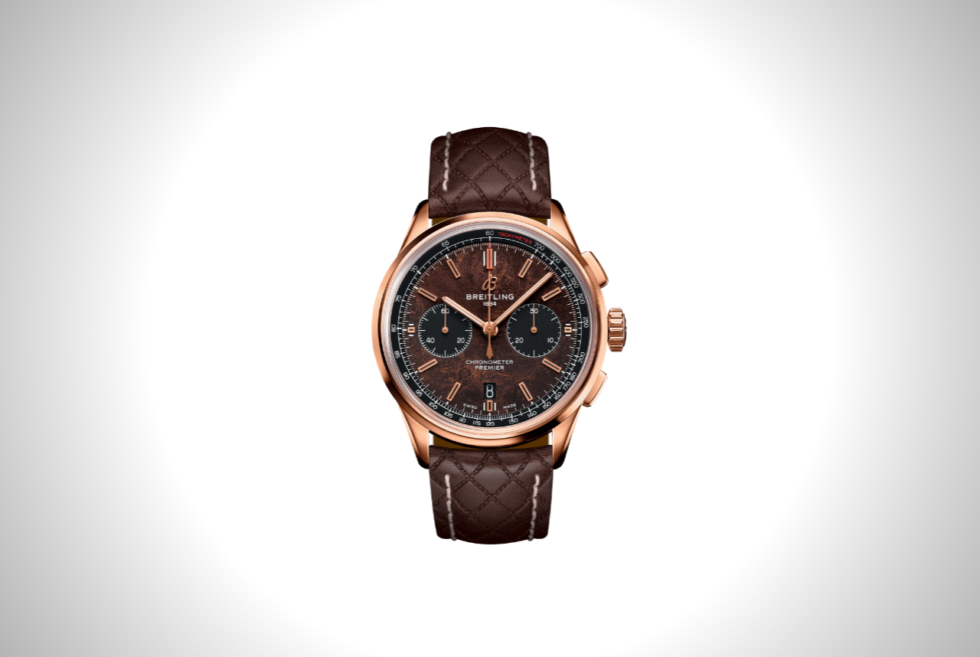
Here we have the Breitling Premier Bentley Centenary Limited Edition. A beautiful timepiece that celebrates a hundred years of automotive excellence. The story of its debut started a few days ago, at the 2019 Geneva Motor Show. Bugatti introduced the world’s most expensive supercar, the La Voiture Noire. It’s an ebony-clad one-off beauty that was surprisingly sold immediately. It was a special model to commemorate its 110th anniversary in the business.
Meanwhile, another carmaker also made a big impact at the expo. This European brand was also celebrating its 100th anniversary and it was doing it in elegant style. The 2019 Bentley Continental GT Number 9 Edition by Mulliner is one classy ride. It pays homage to the 1929 Blower Bentley with a wooden insert taken from the original car’s dashboard. On the other hand, the watchmaker is responding in kind, with a brown bur elm dial. Other details under its non-reflective sapphire lens include a chronograph counter and a tachymeter scale. Both of which are within black subdials.
The indices and hands sports coatings of Super-Luminova for low-light visibility. Its case measure 42 mm and features Bentley script on the side opposite the crown. Next, this limited edition timekeeper runs on a Breitling Manufacture Caliber 01 Automatic movement. Then, the bottom holds a transparent case back with the rotor and its complications on display. Furthermore, the Breitling Premier Bentley Centenary Limited Edition is available in 18K rose gold and stainless steel variations. Just as the name suggests, availability will be exclusive, with only 200 units for the rose gold and 1,000 units for the stainless steel.

Celebrate with Breitling And Bentley