All posts in “style”

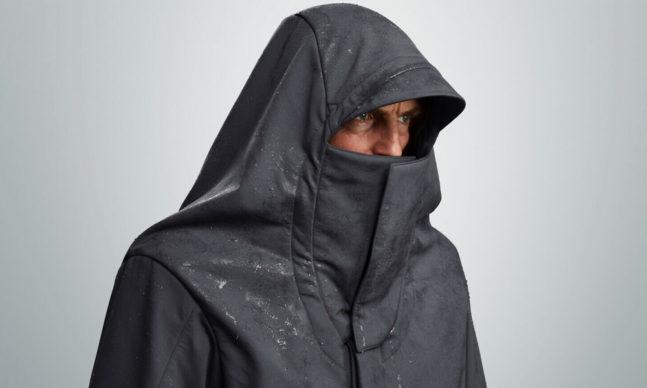
The Vollebak 50,000BC Jacket Was Designed with Prehistoric Man In Mind

If we were placed in a life or death situation and told we could pick one, and only one, brand to make us gear to survive, there’s no questioning that we’d call on Vollebak. From…

Get Up to 50% off Clearance Items at Huckberry

By now, you’re well aware that Huckberry is one of our favorite outfitters when it comes to clothing, everyday carry, accessories, housewares and, well, just about everything else. They just kicked off a clearance sale…

This Japanese Brand Perfected the Button-Down Shirt

In the early ‘90s, a small shirt shop opened above a convenience store in the Japanese coastal city of Kamakura. Though the brand’s product was familiar — it offered traditional button-down shirts — its approach was quietly revolutionary for the time. The husband-and-wife co-owners, Yoshio and Tamiko Sadasue, chose to work directly with factories to produce high-quality shirts and sell them directly to customers at an affordable price. Named after the city, Kamakura Shirts garnered a loyal following domestically, one that expanded stateside after the brand opened a store in New York City in 2012.

For the Yoshio Sadasue, owning a clothing brand was something of a birthright. His father owned a clothing shop in Hiroshima and the extended Sadasue family were textile merchants dating back hundreds of years. Before founding Kamakura Shirts, Sadasue worked at Van Jacket, the legendary company that first introduced American Ivy League style to the country in the ‘60s and ‘70s. It was there where he met his wife and had a first-hand education in style and business. So years later, when the Sadasues started a business of their own, Yoshio worked in a factory making shirts while Tamiko managed the shop.

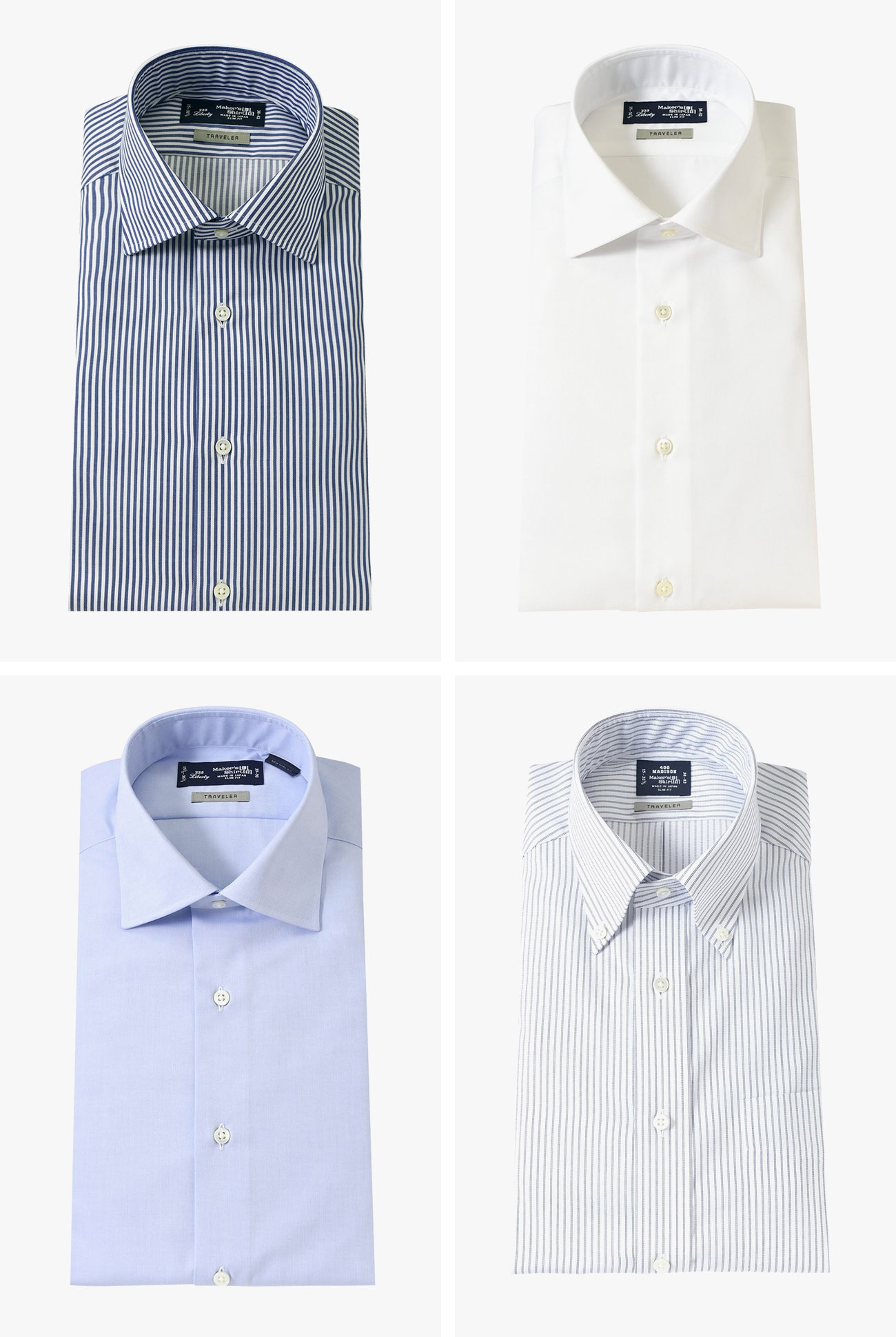
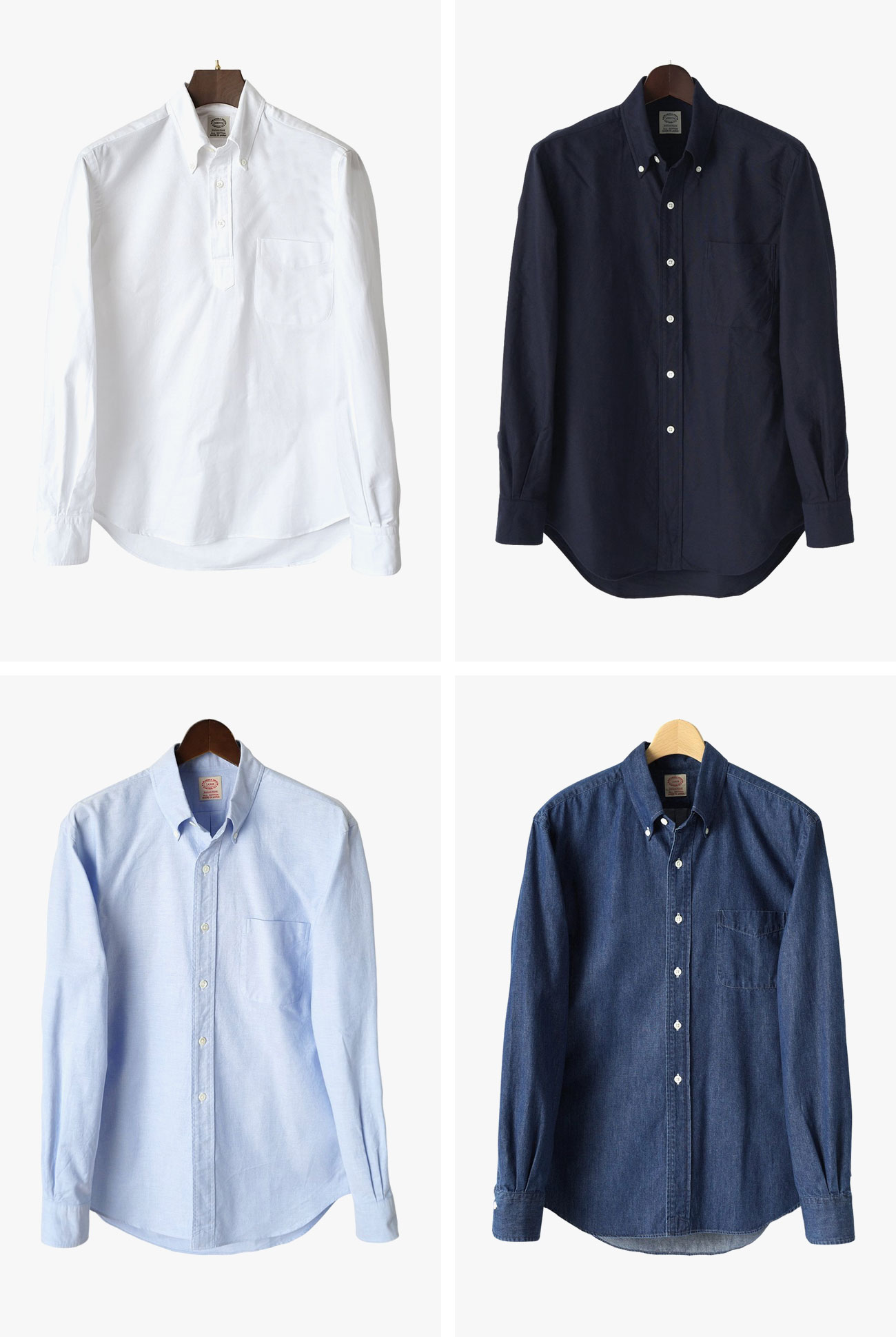
Over the past few decades, Kamakura Shirts has established itself as one of the best brands available, offering top-tier quality and affordable prices. Its shirts, like those sold a half-century ago, are made from 100 percent cotton fabrics with thread counts ranging from 100 to 300. They are finished with single-needle seams that are equally clean on the exterior and interior, and they feature buttons made from natural shell. And while the business has expanded in recent years, the Sadasues continue to nurture relationships with respected factories and utilize all-Japanese manufacturing.

Kamakura Shirts now offers a wide range of styles, but the quality and prices still reflect Yoshio Sadasue’s mission: Japanese-made casual shirts start at $79 and dress shirts start at $89. And while the value is certainly enticing, it’s Kamakura Shirt’s dedication to craft that makes these garments superlative. To learn about the history of the brand and how the brand perfected the button-down shirt, we recently talked with Sadasue.
Q: Your father owned a clothing shop in Hiroshima. How did this affect your view on style at a young age?
A: I learned that people wore clothes to impress others and that is why they buy clothes. When we were short of all things after the war, it was Van that taught me how a gentleman should dress to impress.

Q: When did you decide you wanted to pursue a job in the clothing industry and how did you get a job at Van Jacket?
A: For the first two years after graduating from university, I followed the path of becoming a scientist but my body felt my roots as a merchant. I decided to become an honest and sincere merchant at that point and started to work at Van Jacket, a company that my father was a distributor for when nobody was willing to hire me.

Q: How did your view on style change during your time working at Van? Did you change positions at the company?
A: My concept of clothing changed completely following the introduction of the Ivy Look by Van. The look was all about style with rules. It was a concept new to Japan.

Q: How did the rise of Ivy style affect the business? Why was the button-down shirt banned in schools?
A: Japan was suffering from a shortage of goods, while the US was prosperous and abundant with things. The grownups had lost all confidence in life, but young people were full of admiration towards America and the Ivy Style captured those young people’s hearts. Due to the popularity of the Ivy Style, Van became number one in Japan for menswear. The button-down shirts became the outfit of choice for bad kids, and that’s why schools chose to ban them.

Q: What did you do between the time that Van went under in 1978 until the time you started Kamakura Shirts in 1991?
A: When Van became bankrupt, I worked for a GMS and then worked for an American brand called Villager. I was in charge of establishing a preppy-style womenswear brand there. But when Jonathan Logan absorbed Villager, I moved to a company called Scene that was run by one of the ex-Van members.

Q: What was the impetus to start Kamakura Shirts? How did your time at Van affect your early business decisions?
A: Japan’s apparel business developed by learning from Western clothing from a wholesaler’s standpoint, but I knew that the age of factory direct-to-retail would come so I started a retail store. Fifteen years after Van’s bankruptcy, you couldn’t find real, authentic button-downs anywhere, and apart from Brooks Brothers, no company had the right understanding of them anyway.

Van was selling five hundred thousand button-down shirts just fifteen years before then. So I thought of a shirt store that sold those very button-down shirts for old fans of Van. There were five hundred thousand of those prospective customers.
Q: What is most important to you about the shirts your brand produces? What sets them apart brands Americans might be more familiar like Brooks Brothers or Gant?
A: Even Brooks Brothers, the originator of button-downs, came under European ownership and lost the charm of the authentic button-downs that the American people loved. It was engulfed by the wave of efficiency-oriented mass production like most other clothing. Shirts were once undergarments, which means that a carefully constructed silhouette that matches the body is necessary, yet such minute attention to detail is unachievable in a production line that requires efficiency.

That is why I was convinced that the production lines in Japan, able to care for the finest of details, were what many fans of button-downs were waiting for. I for one wanted such a shirt. 

Q: How has your business changed over the past 16 years? Have changing public perspectives about style influenced the business?
A: Fashion styles change but occasions, for example, formal, will never disappear and there will always be a need for that. We have consistently maintained a high standard and have done everything in our power for further improvements to quality. People’s desire for high quality will not diminish.

Q: Tell me about the decision to open a store in New York City. Does this bring the story of the button-down full circle?
A: I knew it would be difficult for a Japanese brand to promote Western clothes to an international market. But I thought that no one in the world, not even an American brand, would be able to produce authentic button-down shirts of the good old days. There I saw my window of opportunity. If our button-downs were accepted at the birthplace of them, I believed that they would be accepted anywhere.

Q: What does the future have in store for you?
A: My wish is to train craftsmen who will pass on the techniques and quality expected of made-in-Japan for generations to come. Also, I would like to establish a factory that can streamline production as much as possible while keeping much of the process still by hand. I hope that the creative environment of monodzukuri (making things) becomes something that people aspire to, that it becomes people’s dreams.

An Interview with Brunello Cucinelli

Brunello Cucinelli has proven that capitalism and human dignity aren’t mutually exclusive. A profitable company can and should look after its workers and give back to the community. It is possible to deliver consistent growth without sacrificing a product’s quality or a worker’s quality of life. As the brand’s 40th year draws to a close, we had the chance to catch up with Cucinelli in the midst of a busy travel month. Read the Story

Save Up to $175 on Allen Edmonds’s Most Iconic Styles

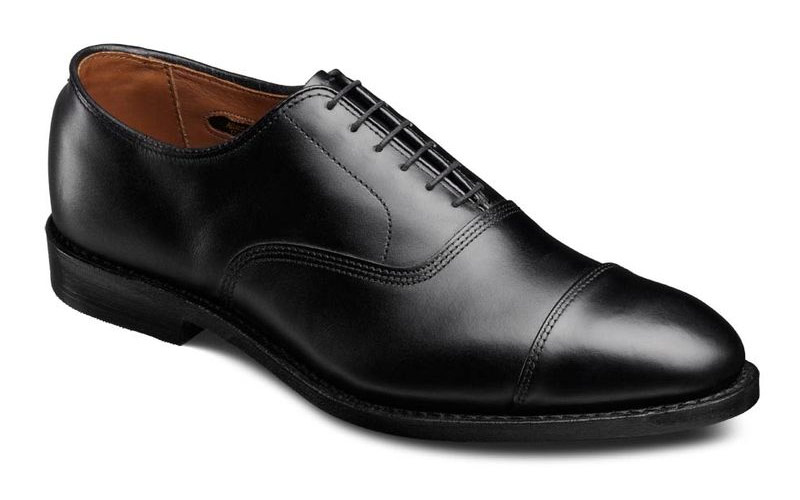
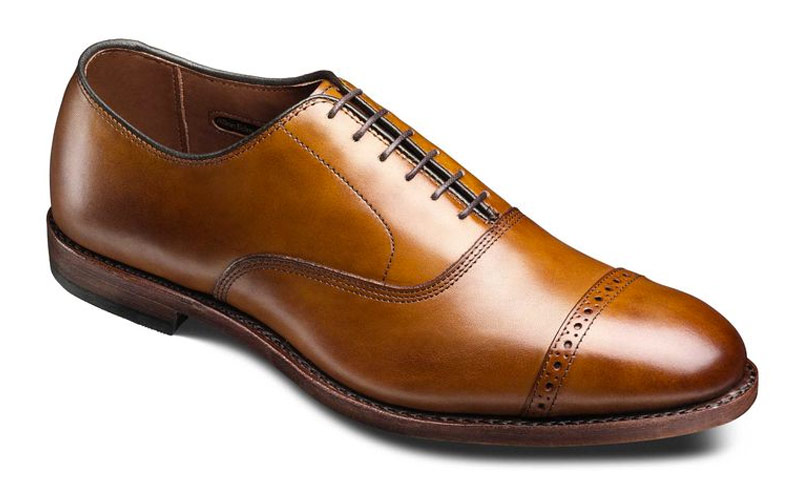
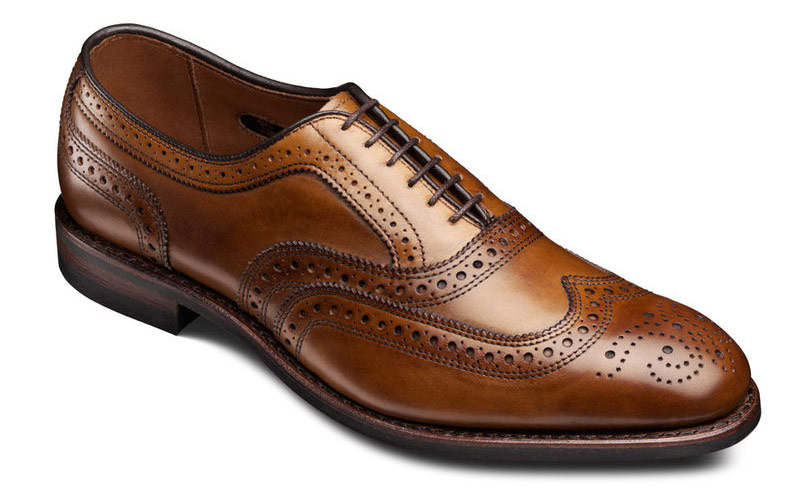
At the Allen Edmonds Anniversary Sale, you can save up to $175 on a wide range of shoes and boots. Take advantage of savings on styles that are rarely discounted, including the Fifth Avenue Cap Toe, the Park Avenue Cap Toe and the McAllister Wingtip. Made in Port Washington, Wisconsin, these shoes are the standard which all other American dress shoes are measured. If you see a style you like, act fast — this sale won’t last long.

Fifth Avenue Cap Toe by Allen Edmonds $395 $249

McAllister Wingtip by Allen Edmonds $395 $249

Park Avenue Cap Toe by Allen Edmonds $395 $335
More Deals, Served Up Fresh Every Day

Deals, discounts and drops on products you actually care about and want. Curated by the Gear Patrol Editors. Start Saving

Note: Purchasing products through our links may earn us a portion of the sale, which supports our editorial team’s mission. Learn more here.

The Classic Rugby Shirt Is Made to Take a Beating

This spring, countless brands are offering fresh iterations of the classic rugby shirt. Though the designs offer new colors and patterns, the garment is essentially unchanged. The tough, long-sleeve shirt is made with heavyweight cotton, reinforced seams and a tough collar. Originally designed to take a beating on the field, this shirt is ideal for everyday wear through the shoulder season. There are countless options available in stores now, but to get you started, here are a few of our favorites.

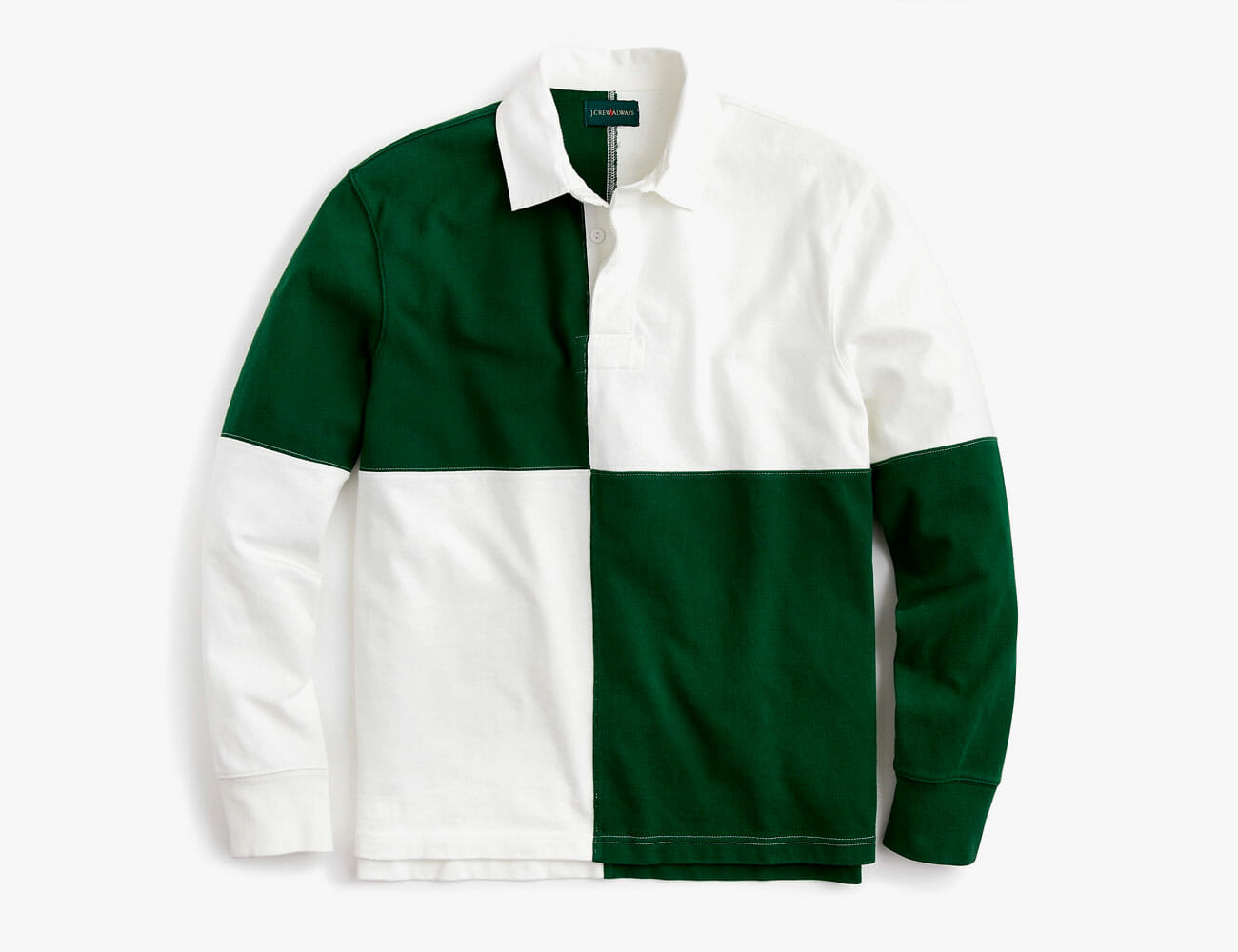
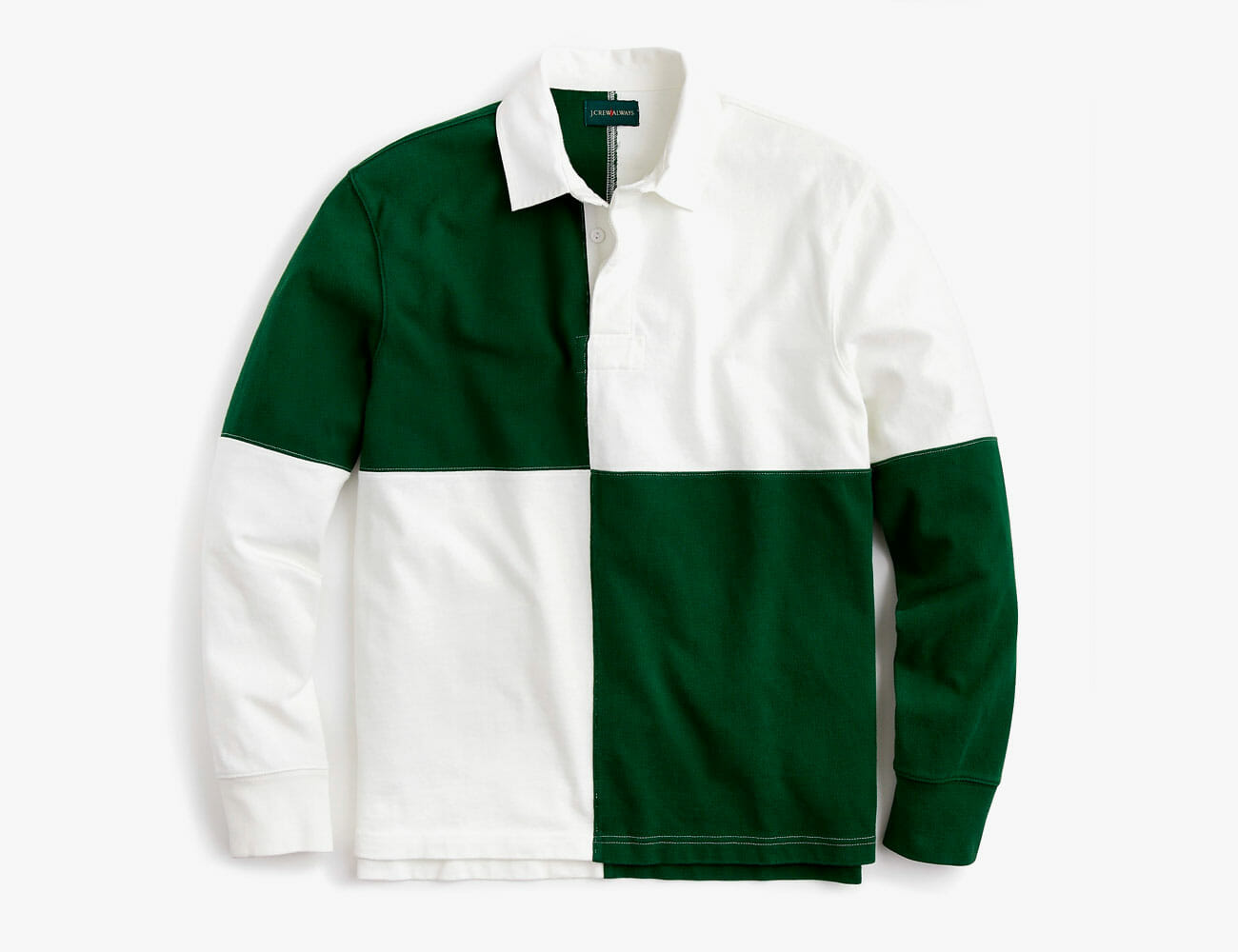
J.Crew 1984 Rugby Shirt

The rugby shirt became a fast staple for the brand after it was first released in 1984. This reproduction of the classic style utilizes a harlequin-print style introduced in 1990 along with traditional rubber buttons.

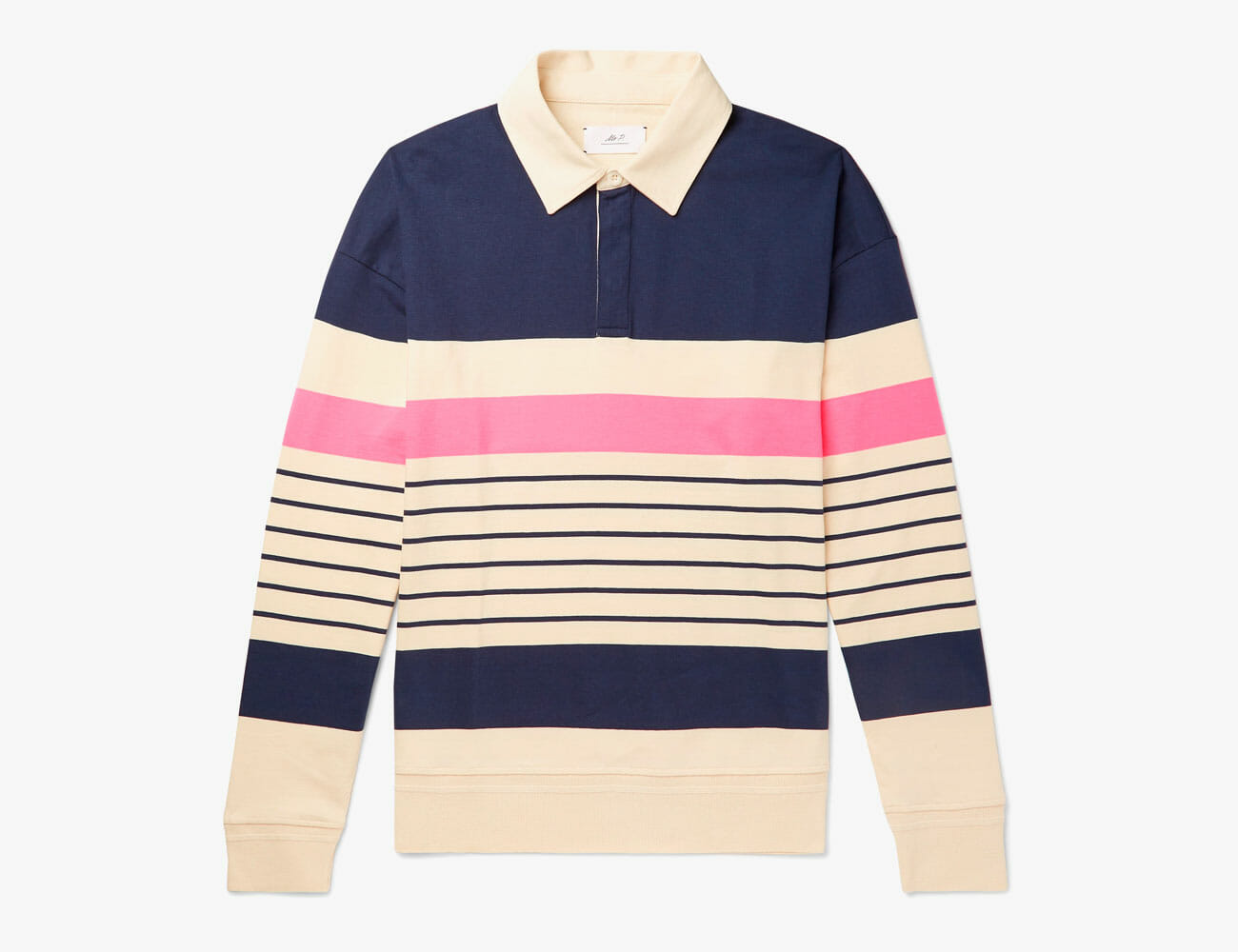
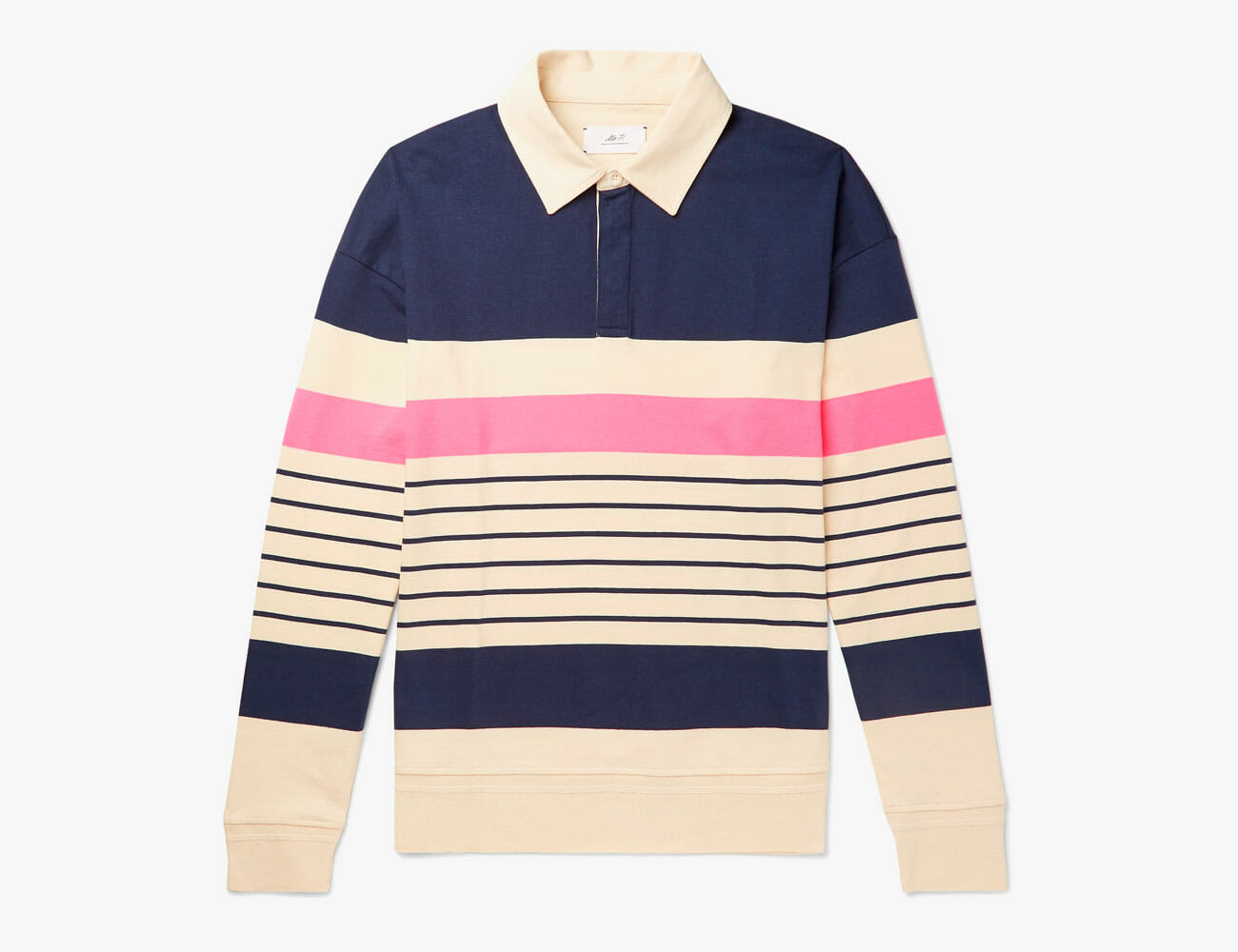
Mr P. Rugby Shirt

This take on the rugby shirt from Mr Porter’s house brand showcases a non-traditional colorway that is seasonally appropriate. The ribbed cuff and hem give the relaxed-fit shirt a shilhouette typically associated with sweatshirts.

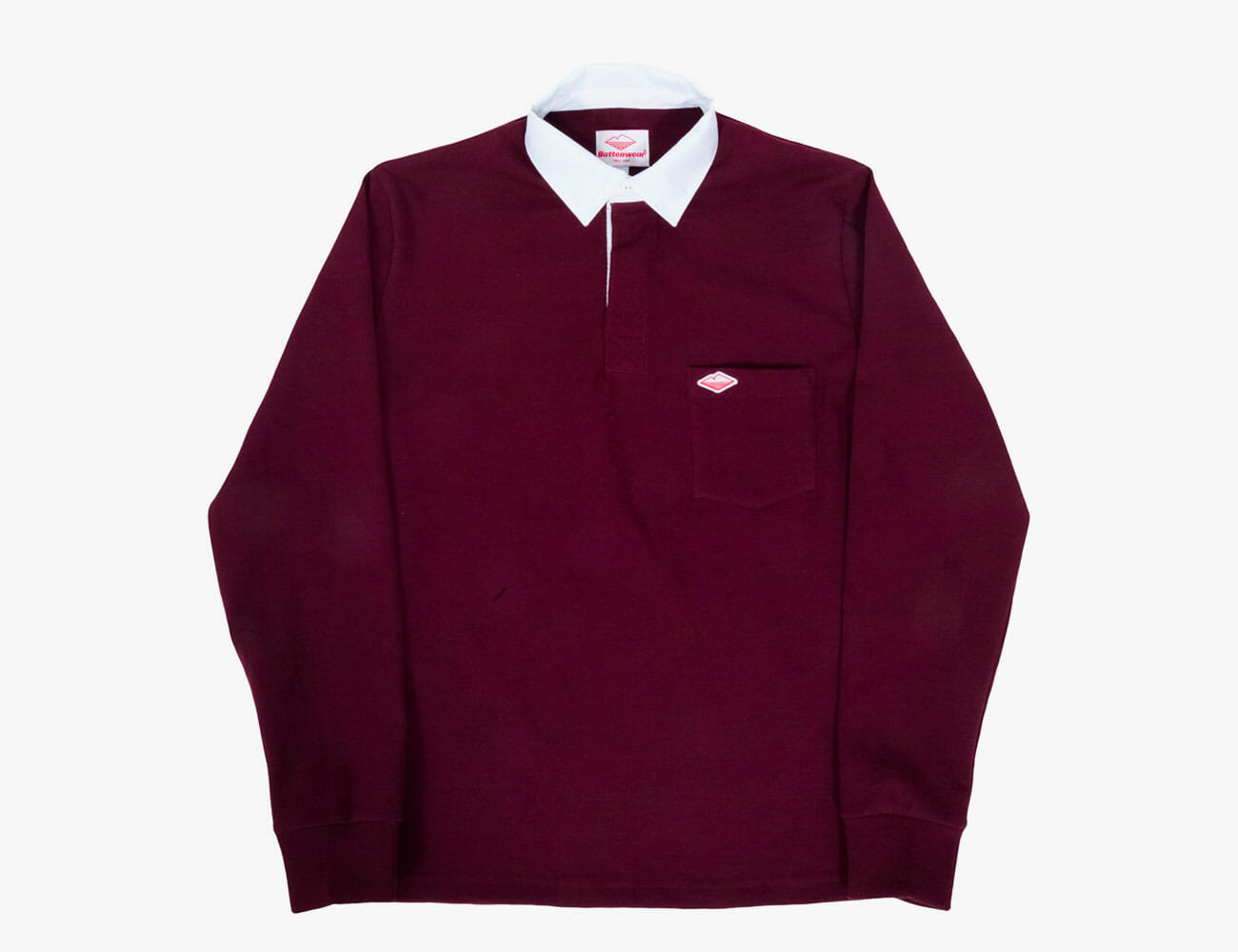
Battenwear Pocket Rugby Shirt

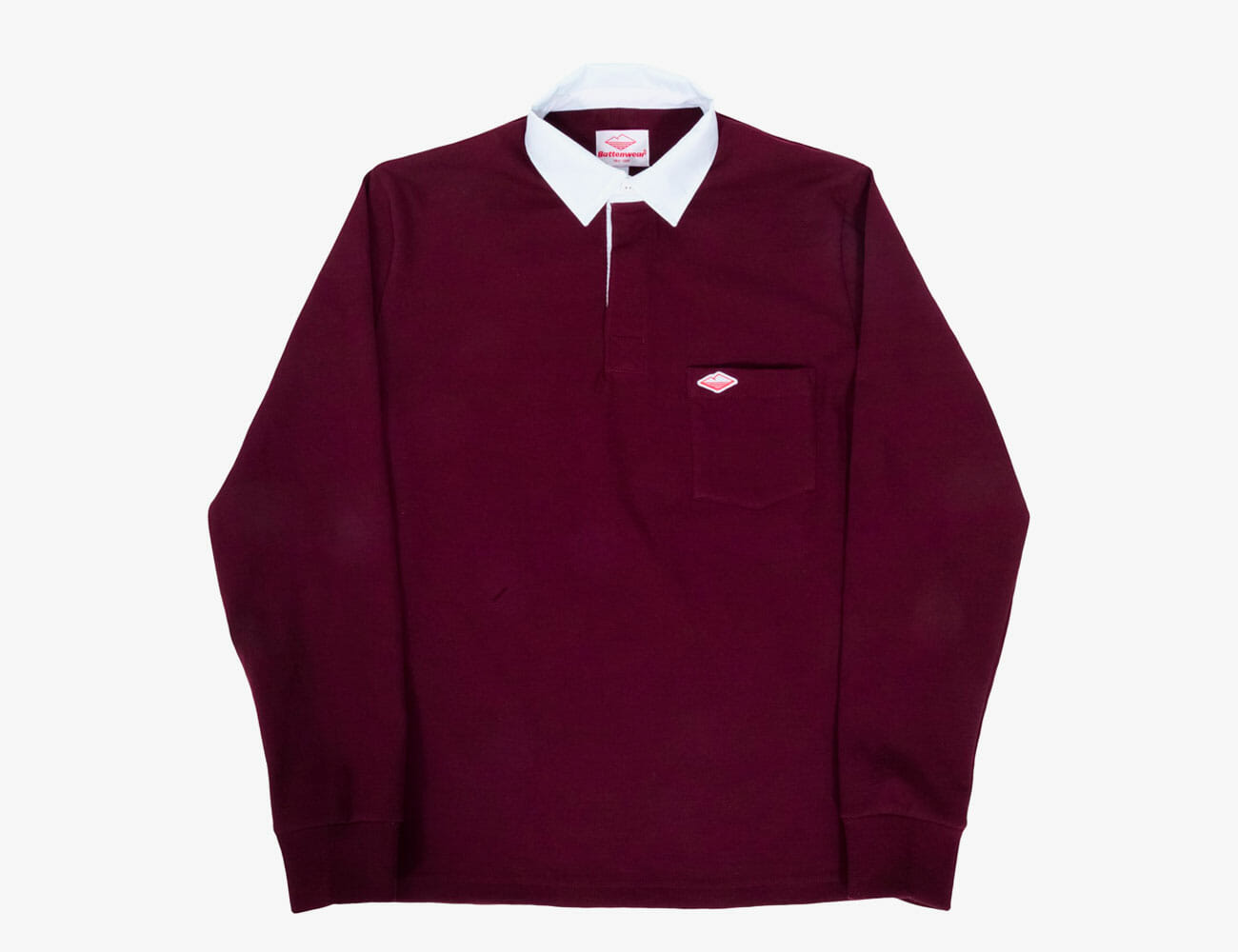
Battenwear based its rugby shirt of the style championed by Patagonia in the ’70s. It is cut from 12-ounce cotton jersey and features a chest pocket, twill collar and reinforced seams.

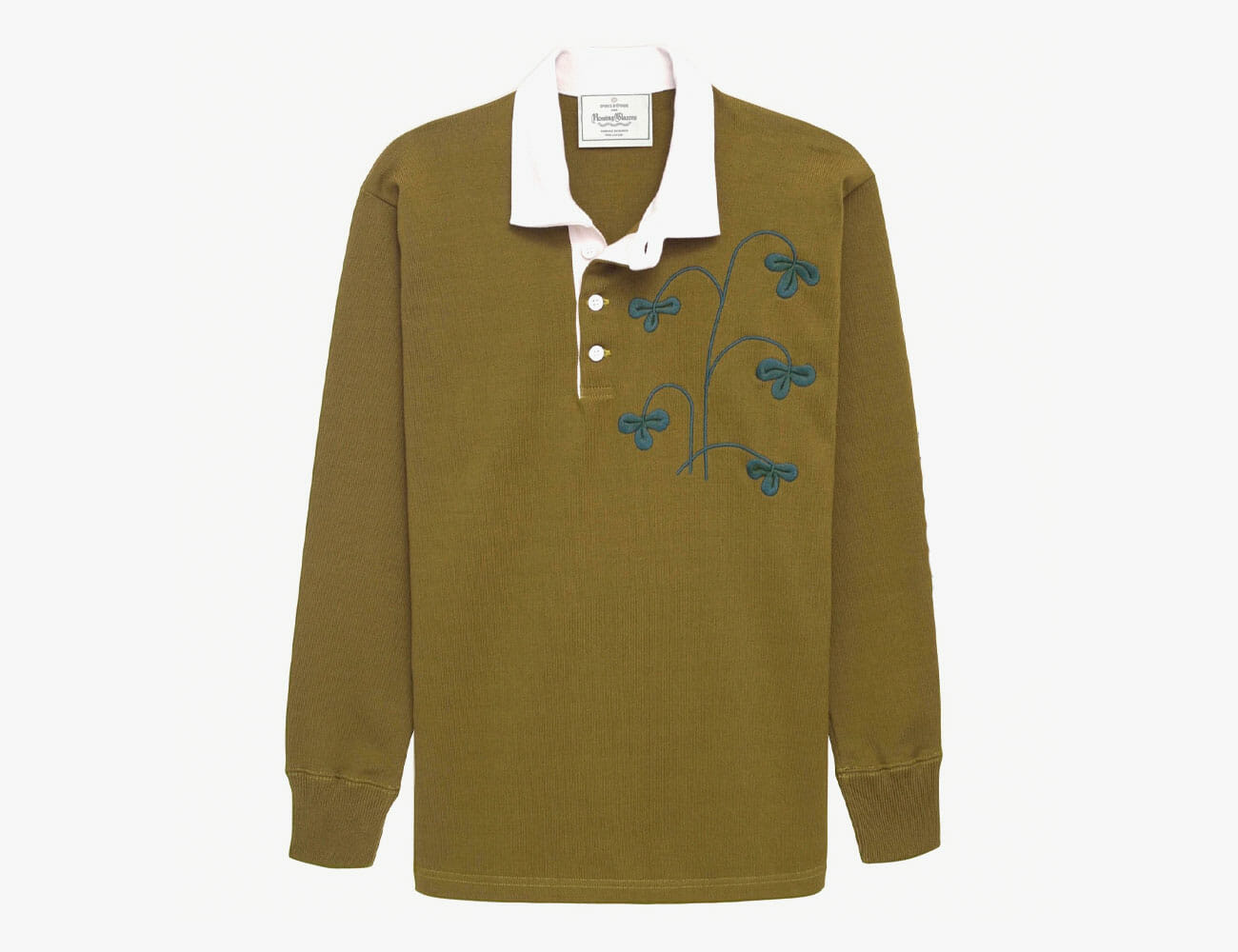
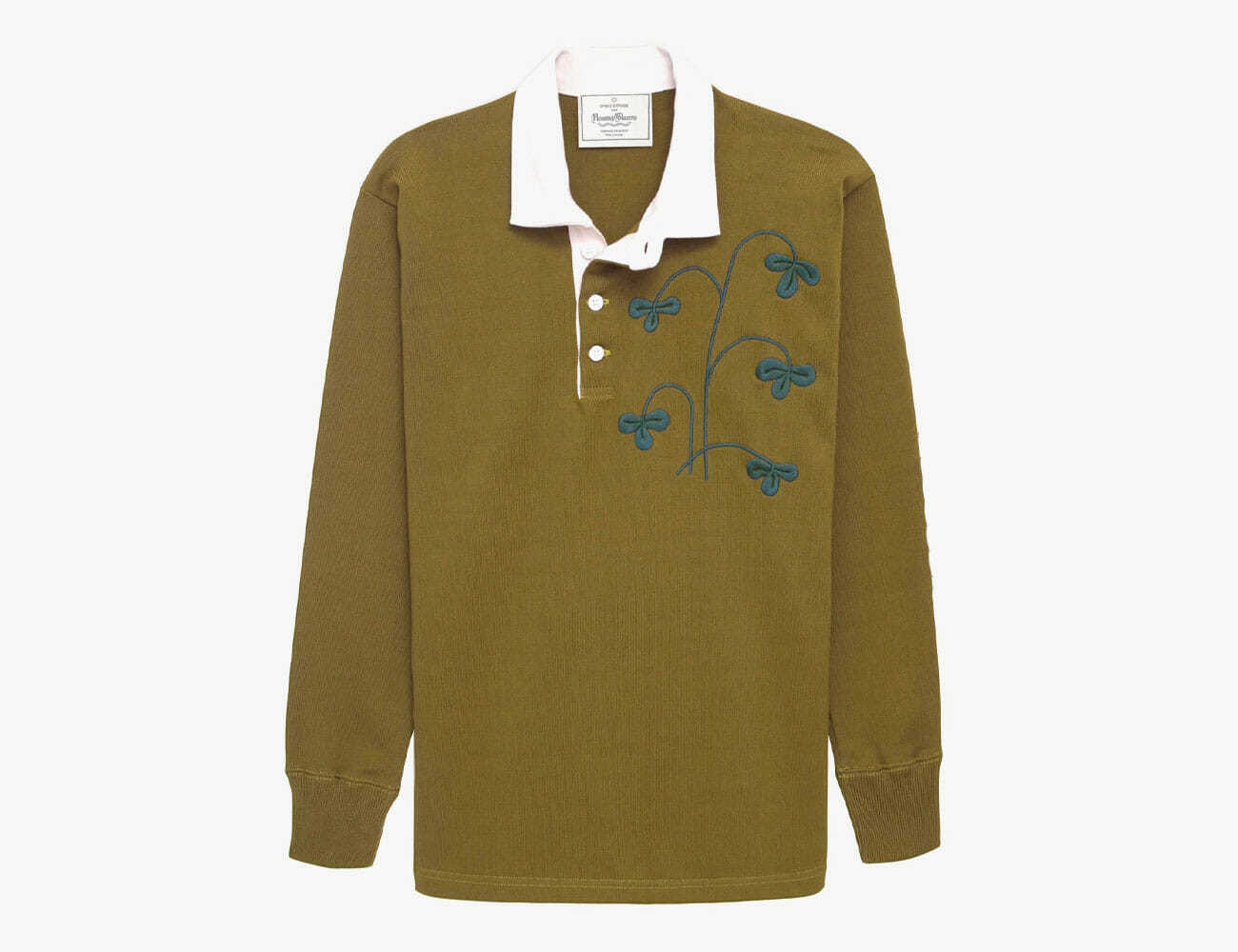
Rowing Blazers Ireland 1895 Authentic Rugby

Made with 14-ounce heavyweight cotton jersey, this rugby shirt features an oversized five-sprig shamrock emblem. Made in Europe, it has an off-center rugby collar (based on the original design), a three-button placket and rib-knit cuffs.

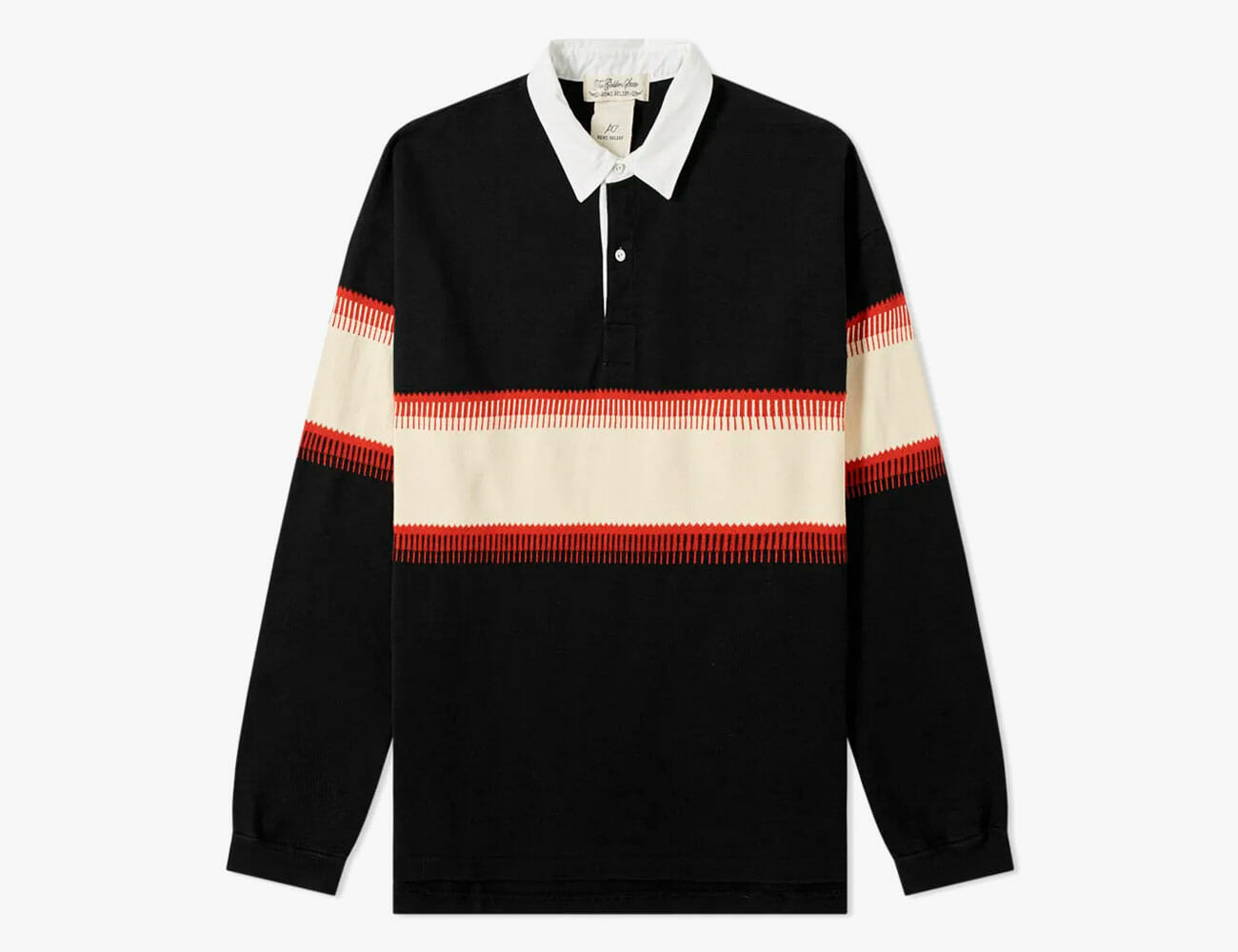
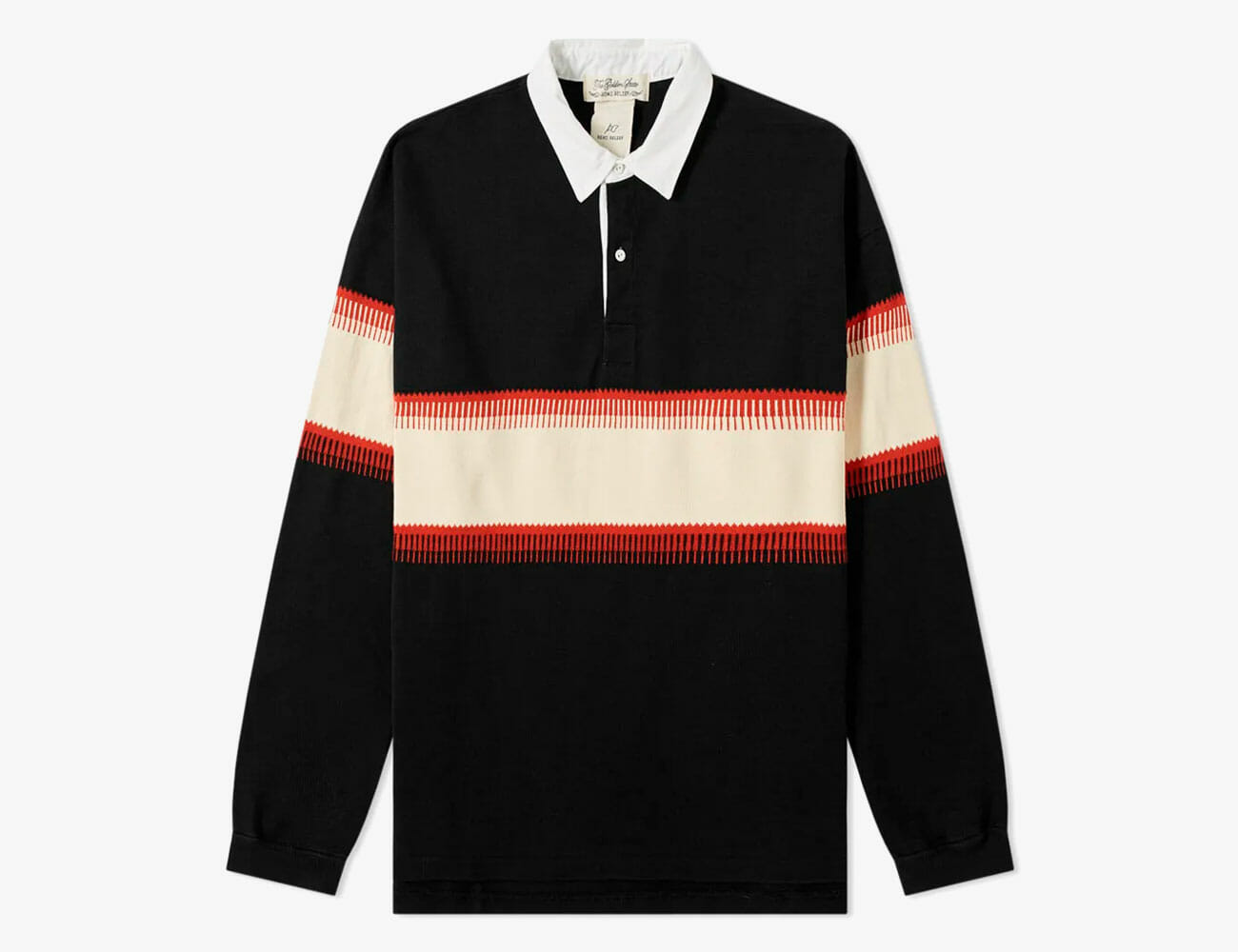
Remi Relief Rugby Shirt

Made in Japan, this rugby shirt has a serrated stripe running across the chest. The relaxed-fit style features a two-button placket, a split hem and ribbed cuffs.

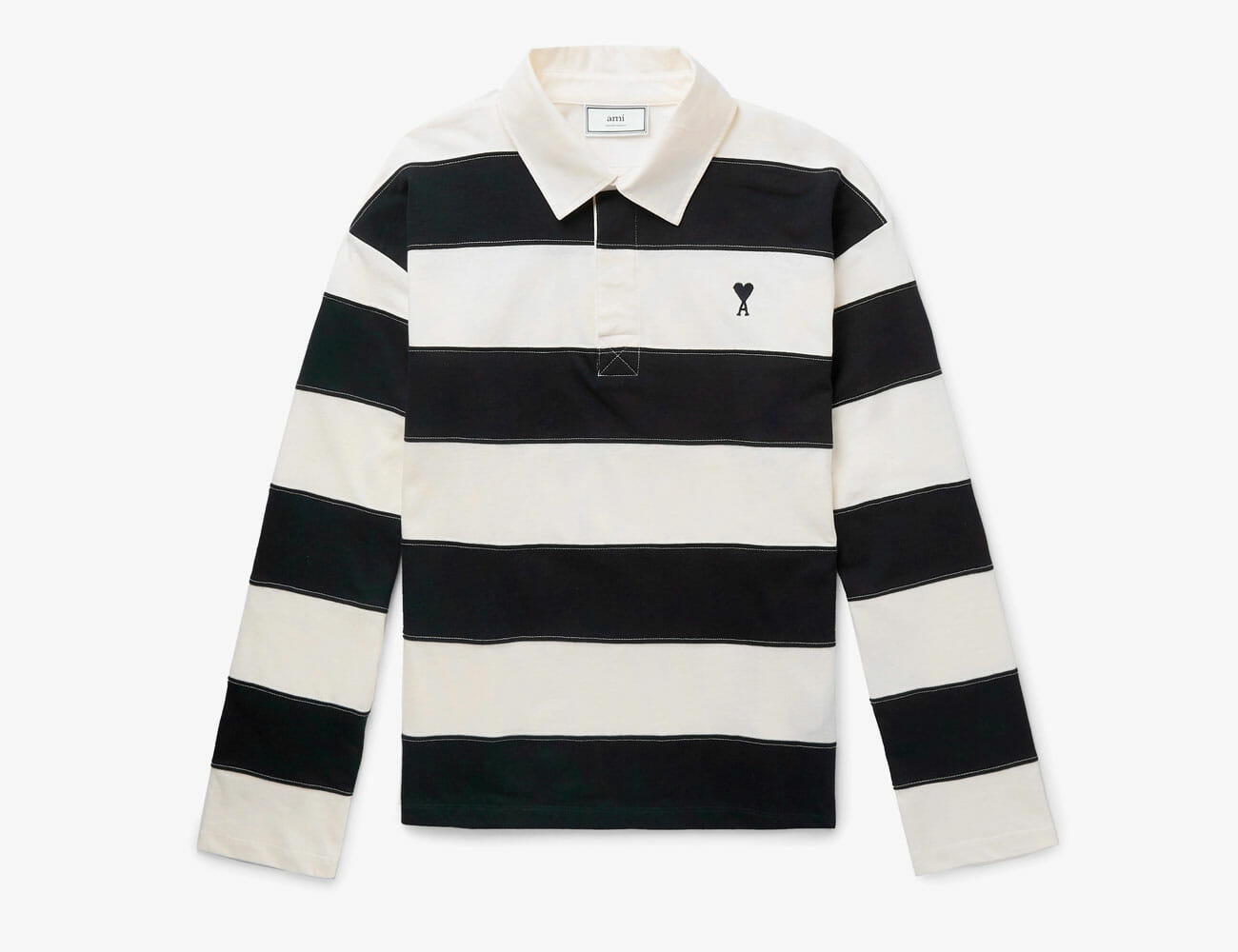
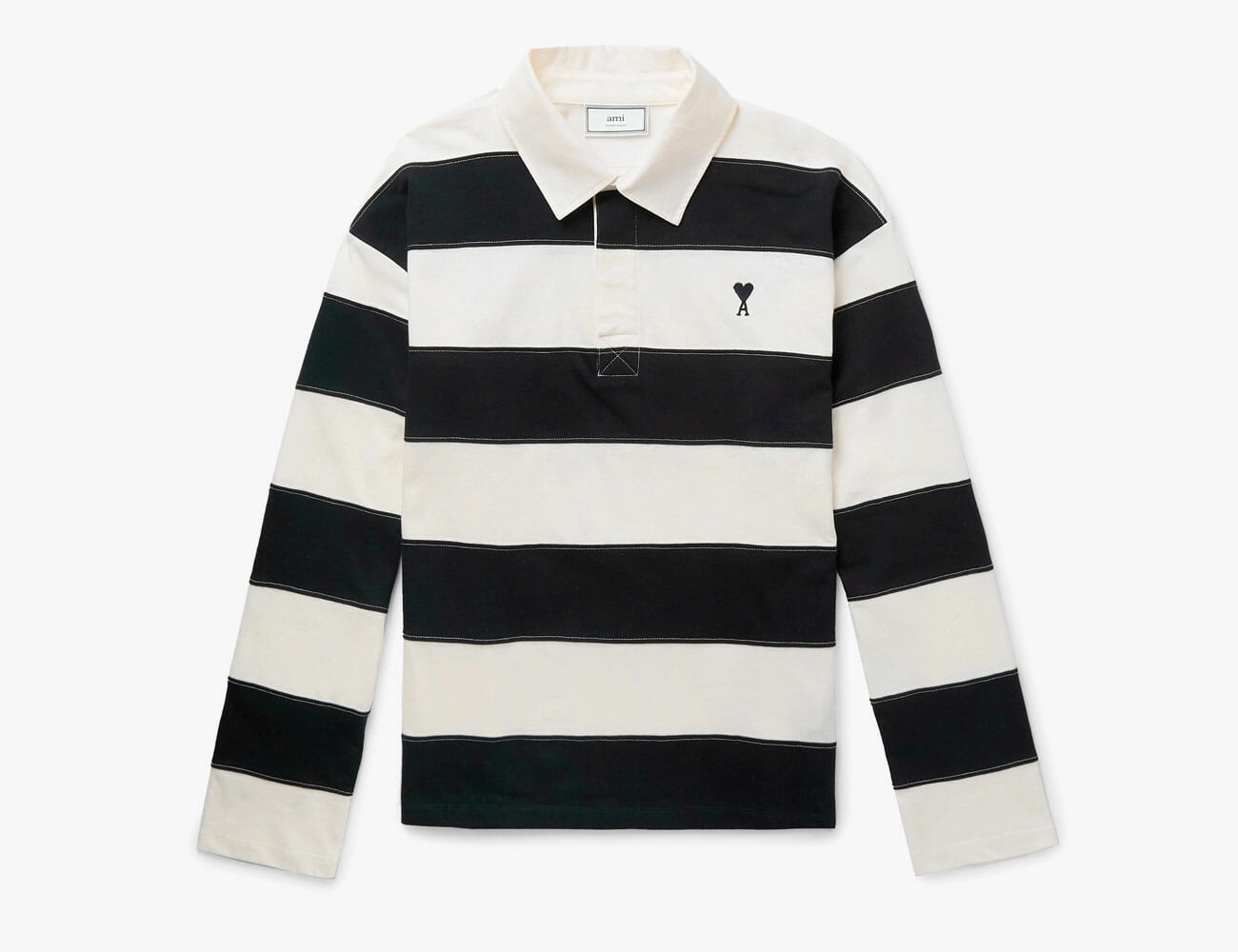
AMI Rugby Shirt

Made in Europe, this rugby shirt has a bold striped pattern and a traditional boxy fit. Made from heavyweight cotton fabric, it features a twill collar, understated logo and side slits for mobility.

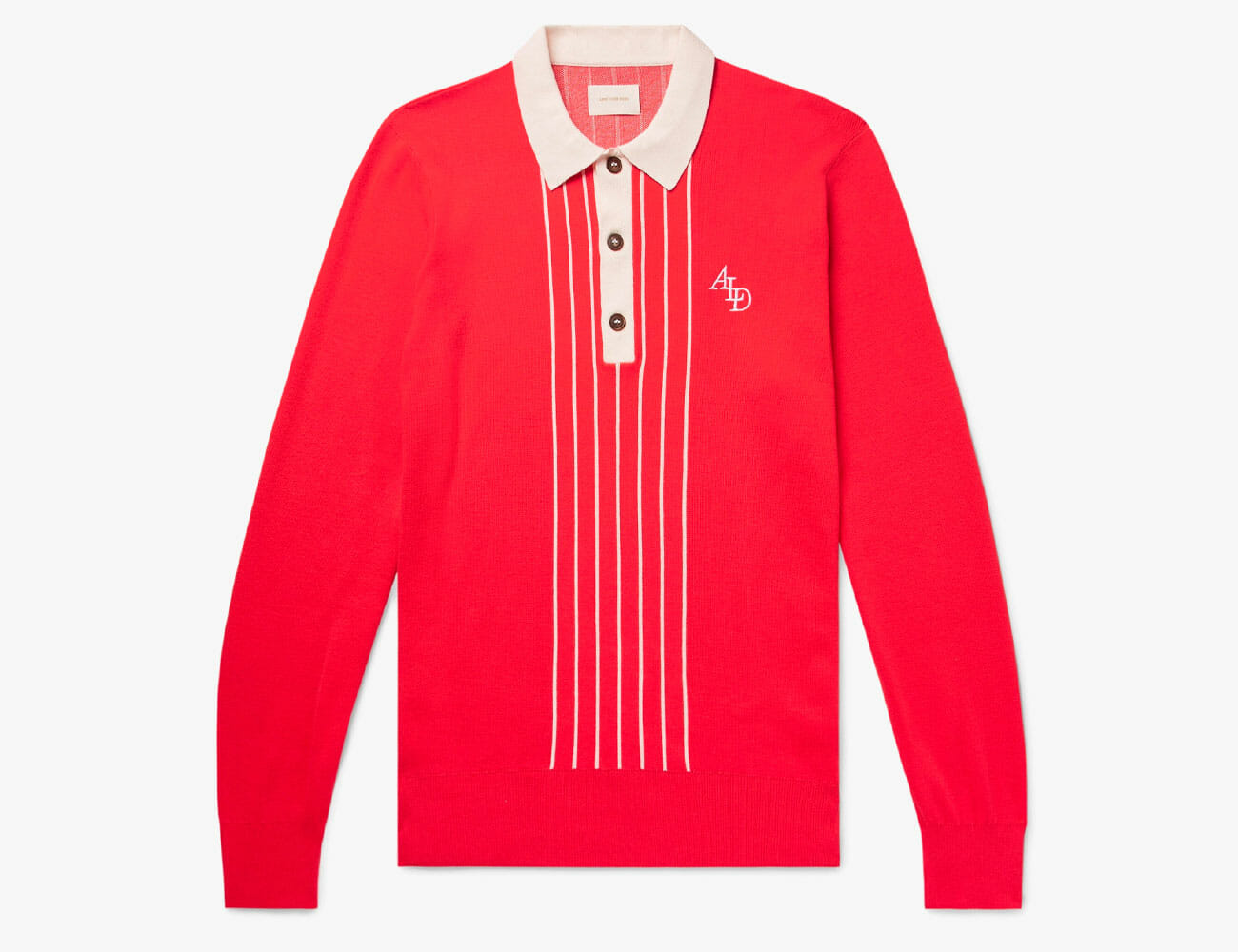
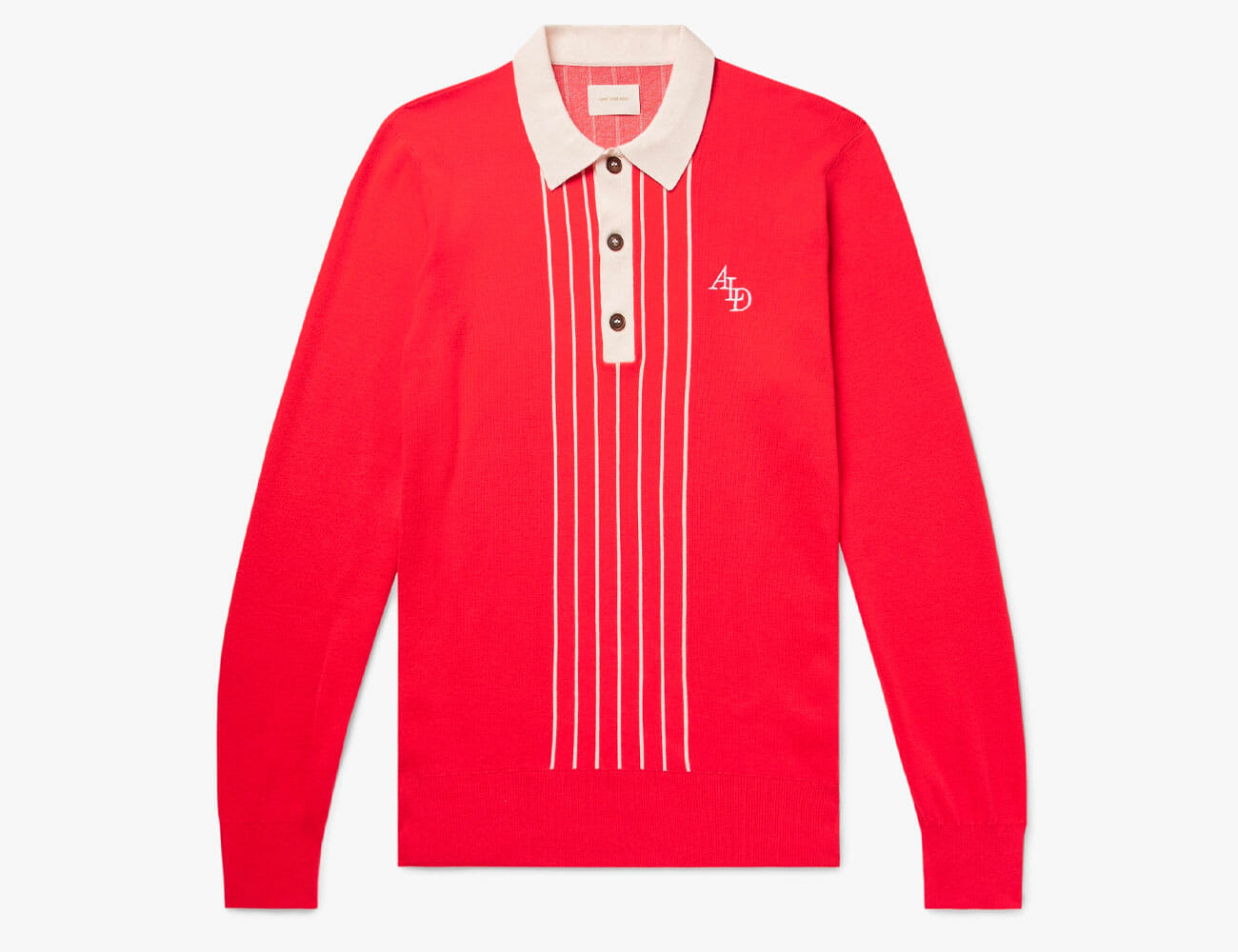
Aimé Leon Dore Rugby Shirt

Inspired by the classic style, this rugby shirt is knit from lightweight cotton. It features a three-button placket, slim fit and ribbed trims.

Note: Purchasing products through our links may earn us a portion of the sale, which supports our editorial team’s mission. Learn more here.

This Casual Shirt Is Designed to Take a Beating

This spring, countless brands are offering fresh iterations of the classic rugby shirt. Though the designs offer new colors and patterns, the garment is essentially unchanged. The tough, long-sleeve shirt is made with heavyweight cotton, reinforced seams and a tough collar. Originally designed to take a beating on the field, this shirt is ideal for everyday wear through the shoulder season. There are countless options available in stores now, but to get you started, here are a few of our favorites.

J.Crew 1984 Rugby Shirt

The rugby shirt became a fast staple for the brand after it was first released in 1984. This reproduction of the classic style utilizes a harlequin-print style introduced in 1990 along with traditional rubber buttons.

Mr P. Rugby Shirt

This take on the rugby shirt from Mr Porter’s house brand showcases a non-traditional colorway that is seasonally appropriate. The ribbed cuff and hem give the relaxed-fit shirt a shilhouette typically associated with sweatshirts.

Battenwear Pocket Rugby Shirt

Battenwear based its rugby shirt of the style championed by Patagonia in the ’70s. It is cut from 12-ounce cotton jersey and features a chest pocket, twill collar and reinforced seams.

Rowing Blazers Ireland 1895 Authentic Rugby

Made with 14-ounce heavyweight cotton jersey, this rugby shirt features an oversized five-sprig shamrock emblem. Made in Europe, it has an off-center rugby collar (based on the original design), a three-button placket and rib-knit cuffs.

Remi Relief Rugby Shirt

Made in Japan, this rugby shirt has a serrated stripe running across the chest. The relaxed-fit style features a two-button placket, a split hem and ribbed cuffs.

AMI Rugby Shirt

Made in Europe, this rugby shirt has a bold striped pattern and a traditional boxy fit. Made from heavyweight cotton fabric, it features a twill collar, understated logo and side slits for mobility.

Aimé Leon Dore Rugby Shirt

Inspired by the classic style, this rugby shirt is knit from lightweight cotton. It features a three-button placket, slim fit and ribbed trims.

Note: Purchasing products through our links may earn us a portion of the sale, which supports our editorial team’s mission. Learn more here.

Timekeeping Icon: The Seiko 6105

Seiko watches have a long and impressive history: the company produced their first watches in 1924 and have continuously produced wrist watches till this day. While often exempt from the conversation about fine timepieces that is typically reserved for German and Swiss pedigrees, Seiko takes quality very seriously. While they now produce some parts overseas for some of their watch lines, all production is done by owned subsidiaries. In Japan they’re still fully integrated, producing any and all parts that go into their watches. The vaunted “in-house movement” has always been a bedrock of Seiko’s timepieces. To us, Seiko represents a fantastic value both in the modern-day market and even more so in the vintage one (our friends over at Hodinkee even wrote a good piece recently about vintage Seiko Chronographs). One of the company’s most iconic vintage pieces, in our opinion, is the Seiko 6105.

Our post continues after the jump.

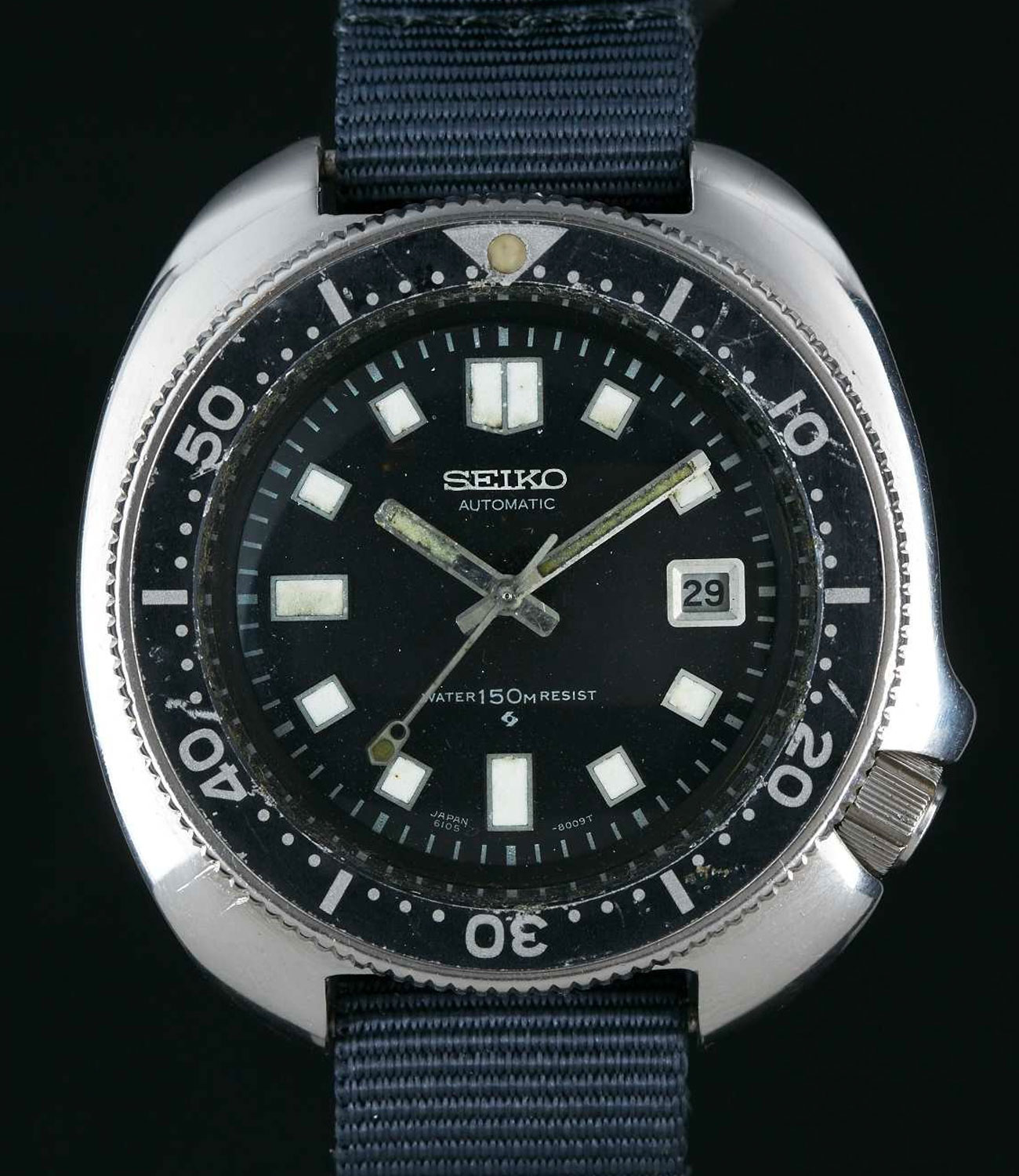
The 6105 was made in two distinctive body styles: the cushion-cased 8000/8009 (pictured here) and the larger, asymmetrically-cased 8110/8119.  Either model is an iconic piece for vintage Seiko enthusiasts. They were the second true dive watch made by Seiko, following the Seiko 6217 (62MAS). Produced from 1968 to 1977, the 6105 greatly influenced the design of the cushion-case Seiko 6309 that succeeded it 1976 — a watch that became a Seiko collector’s piece in its own right. Even the modern Seiko SKX is directly descended from the 6105’s design heritage. Suffice it to say, the 6105 is sort of a big deal in the Seiko dive watch world.

In Apocalypse Now, Captain Willard (played by Martin Sheen) wears a 6105-8110. This history is the sort of thing that gets us W.I.S. (watch idiot savants) worked up into a delighted frenzy — and that’s before taking into account the 6105’s technical specs.

During the Vietnam War, U.S. troops were known to buy 6105-8000/8009’s at the PXs (Post Exchanges) on bases in Southeast Asia. Many soldiers wore them through the rigors of combat, as Army-issued watches were known to fail in the jungle environment. Lots of pieces made their way back to the States on the wrists of service members after their tours were done. In Apocalypse Now, Captain Willard (played by Martin Sheen) wears a 6105-8110. This history is the sort of thing that gets us W.I.S. (watch idiot savants) worked up into a delighted frenzy — and that’s before taking into account the 6105’s technical specs.

The 6105-8000 features an easy-wearing 41mm cushion case with a signed crown (a rarity for Seikos of the time) at the 4 o’clock position. The in-house automatic 17 jewel 21,600 bph cal. 6105A powers the watch; some were hacking, others were not, and all had quick-set dates and could not be manually wound. The rumor is that the early models with “waterproof” on the dial were non-hacking, and that the later models with “water resistant” were hacking, but there are conflicting reports. All of the watches were waterproof down to 150 meters.

Combine the 6105’s history with its quality features and you have a winning combination. If you’re looking to pick one up they can be had on eBay, though be wary of watches that have been significantly overhauled with replacement dials, hands, or even new movements. A safer bet is to hunt the watch forums for a good specimen. Try www.elitedealseeker.com, which aggregates all sales listings from different watch forums (tell your significant other we’re sorry we introduced you to that site). For an example that’s all original, expect to spend between $500-$900, depending on its service history and condition.

Don’t be surprised if your first Seiko isn’t your last.

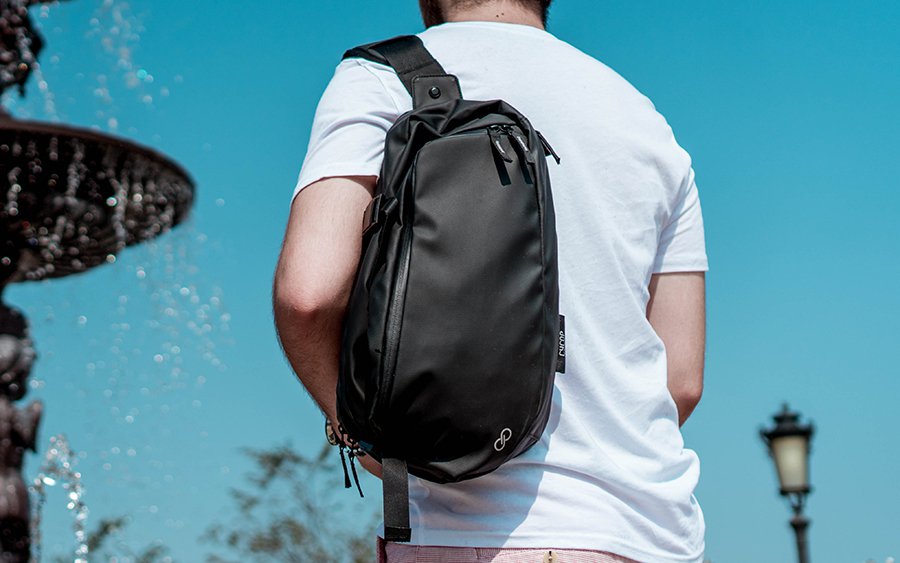
CYCOP Daysling 2.0

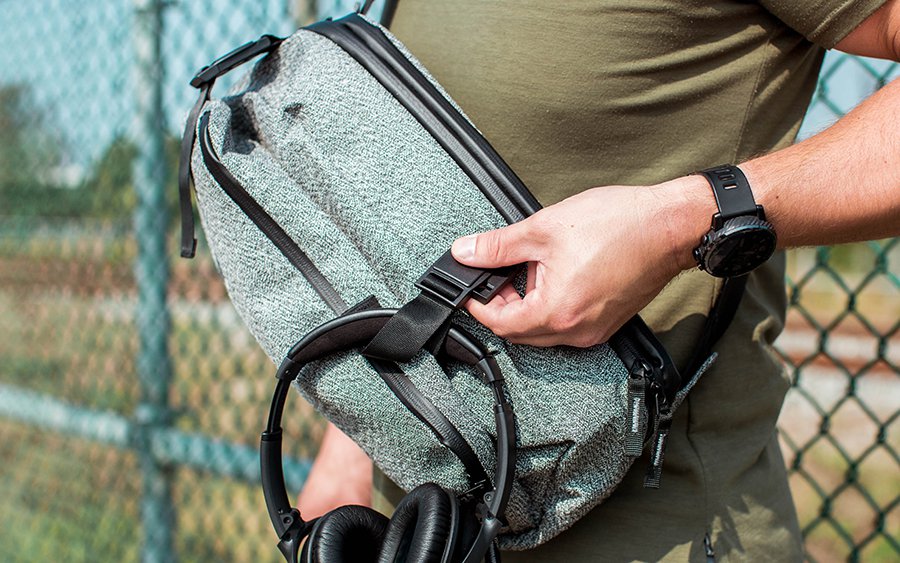
Up on Kickstarter now is CYCOP LIFE’s CYCOP Daysling 2.0, which the maker claims is the ultimate everyday sling bag, and for good reason. Not only does it hold all your items and allow you to organize them properly, it also protects them from harmful elements.

The very fabric of the Daysling 2.0 features wear and cut resistant material for optimum robustness. And it’s waterproof as well so you don’t have to panic if you’re out and about and it starts drizzling. CYCOP also designed the bag for one-handed operation, and it features a reversible shoulder strap so you can wear it any way you prefer.

The Daysling 2.0 comes in two variants called Explorer and Pro, but either will make your everyday carry experience wonderful. You can bring it to work, you can slap it on while cycling, and you can lug it for any short-haul travel.

With various compartments neatly tucked into their appropriate sections, you’ll never spend more than a second trying to find what you need at any given moment. Put your keys in the front panel. All your essentials in the main storage compartment. Your phone in the water-tight zipped section, and so on. Whatever you may have, there’s a place for it inside.

If you’re always on the go, the Explorer variant might be a better choice. It’s got waterproof tarpaulin PVC that keeps moisture out, for starters. But both models feature anti-shock EVA foam layer and 210D polyester. That means either of these two has a pretty sturdy outer shell. Hit the link below to find out more.

SEE IT HERE

Photos courtesy of CYCOP LIFE

These Nike Gyakusou Sneakers Are On Sale Right Now

The Magazine

Each issue of Gear Patrol Magazine is a deep dive into product culture. Inside, you’ll find seasonal buying guides, rich maker profiles and long-form dispatches from the front lines of product design. The stunningly designed Gear Patrol Magazine is ready for your coffee table. Quarterly. $39

The Newsletter

Get the best new products, deals, and stories from across the world, in your inbox daily.

Save an Additional 50% on These Affordable Wardrobe Basics

Stock up on spring essentials

Save an Additional 50% on These Affordable Wardrobe Basics


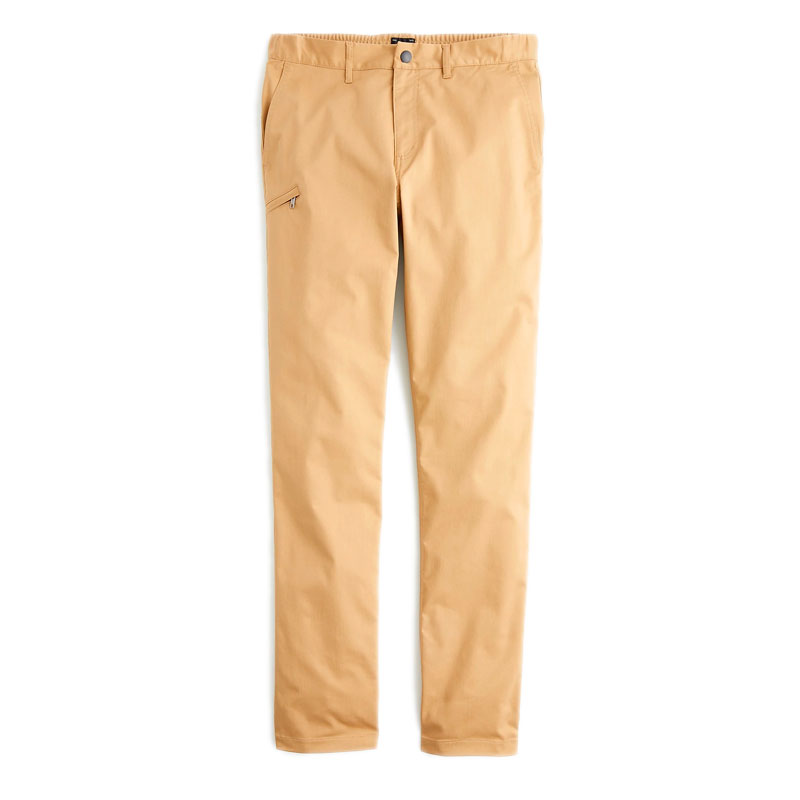
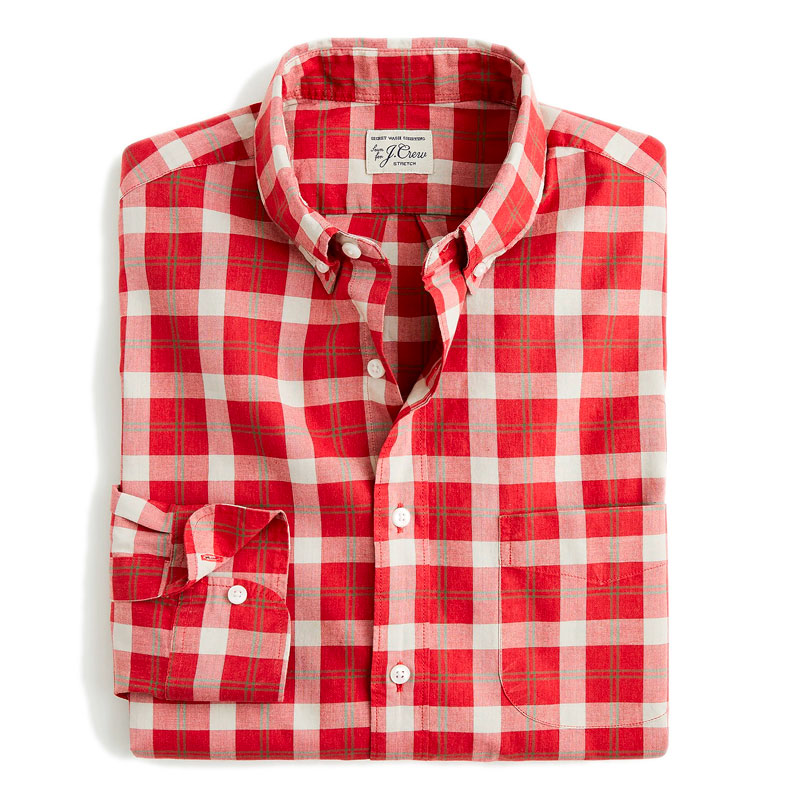
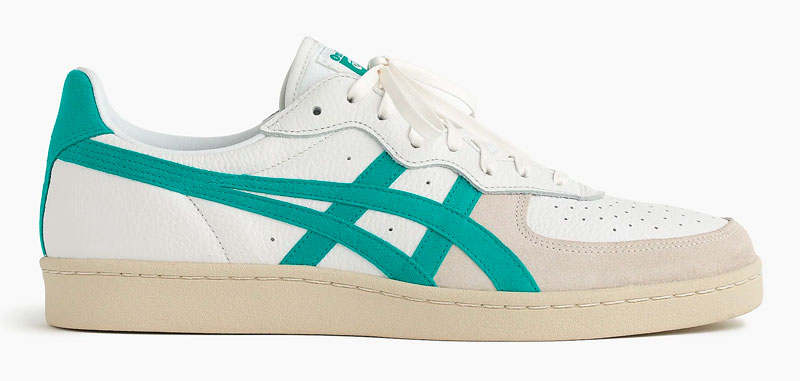
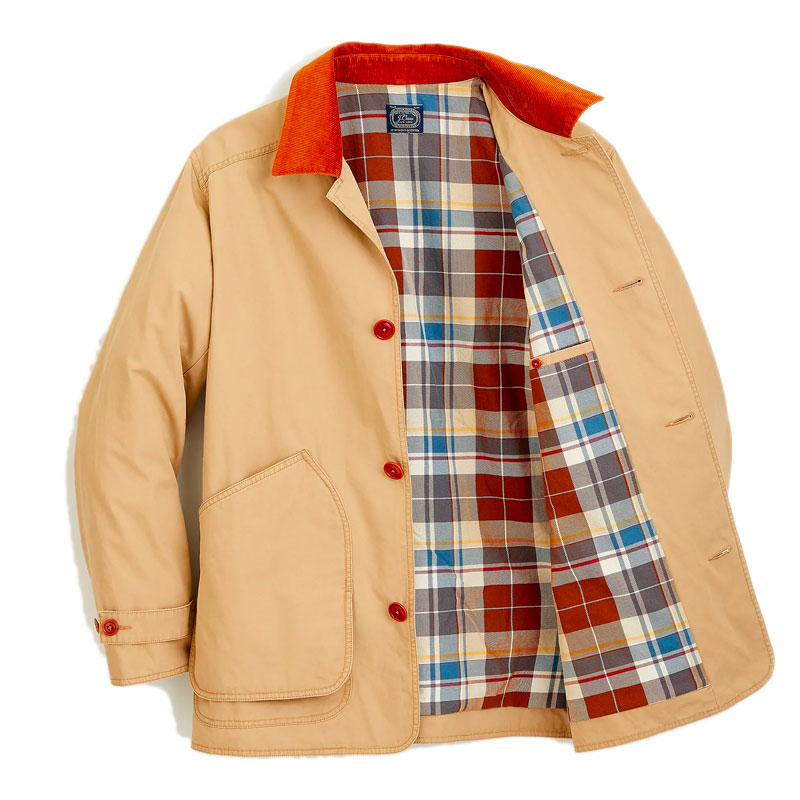
J. Crew might have a lot of sale events, but this is a big one — the website’s entire sale section is an extra 50 percent off with the promo code EXTRAEXTRA. Stock up on classic chinos, pastel sweaters, seersucker shirts and low-top sneakers while you can, and take on the remainder of spring in style.

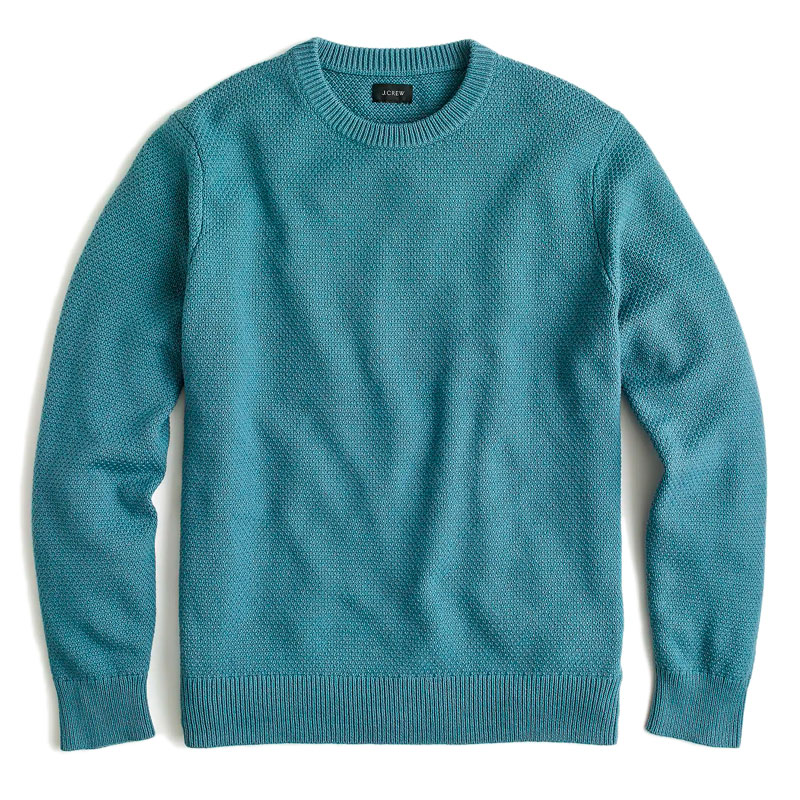
Cotton Crewneck Sweater in Moss Stitch $75 $21

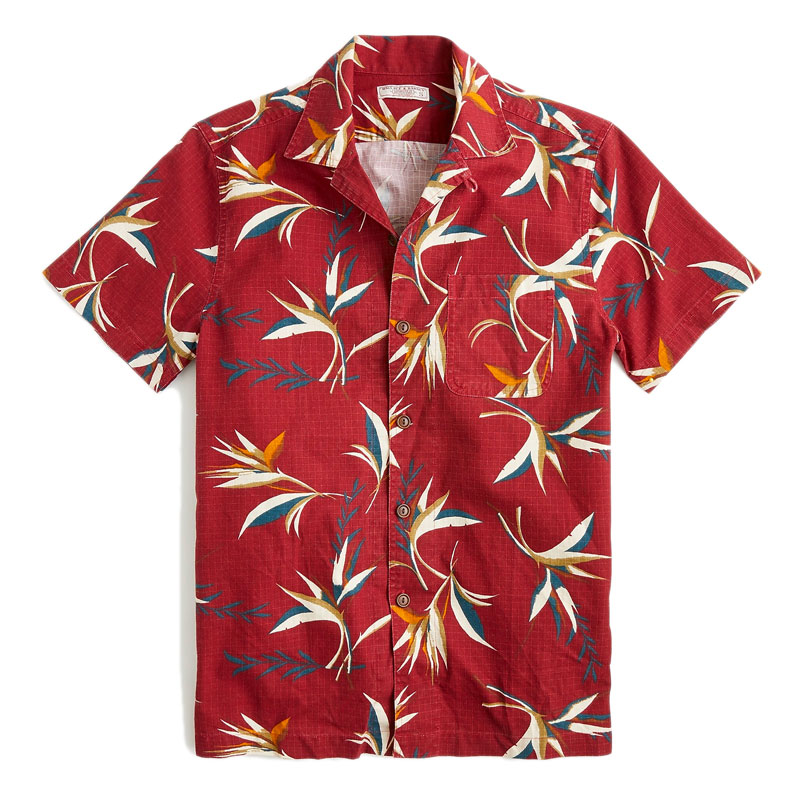
Wallace & Barnes Printed Camp-Collar Shirt $75 $31

770 Straight-Fit Performance Pant $98 $31

Stretch Secret Wash Plaid Shirt $75 $31

Onitsuka Tiger GSM Sneakers by Asics x J. Crew $85 $34

Unisex 1983 Barn Jacket $178 $57

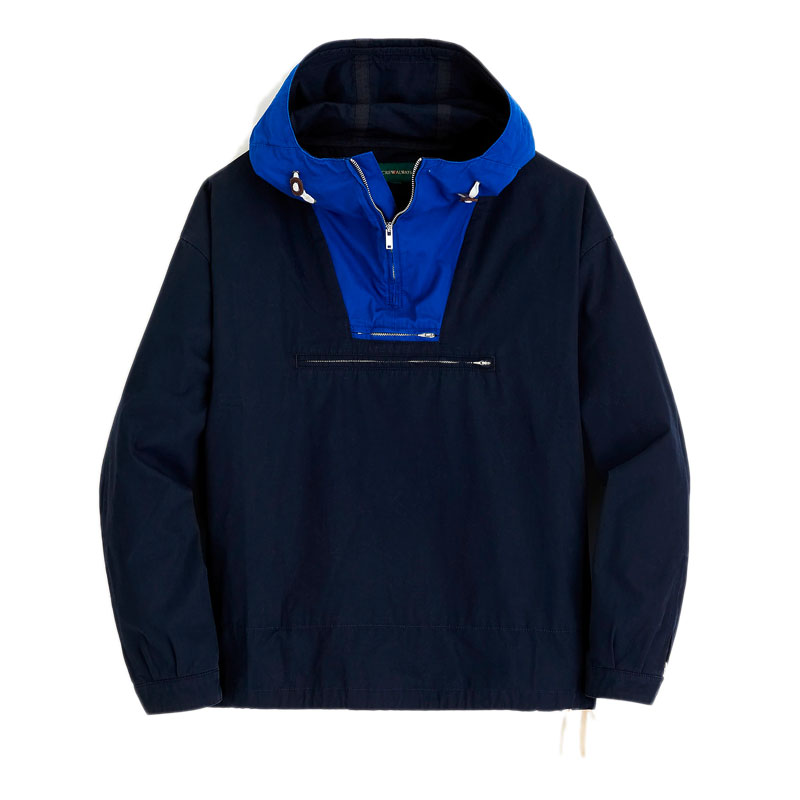
Unisex 1989 Side-Zip Cotton Anorak $148 $59
Note: Purchasing products through our links may earn us a portion of the sale, which supports our editorial team’s mission. Learn more here.

Save up to 53% on Red Wing Shoes and Boots

Minnesota’s Finest

Save up to 53% on Red Wing Shoes and Boots


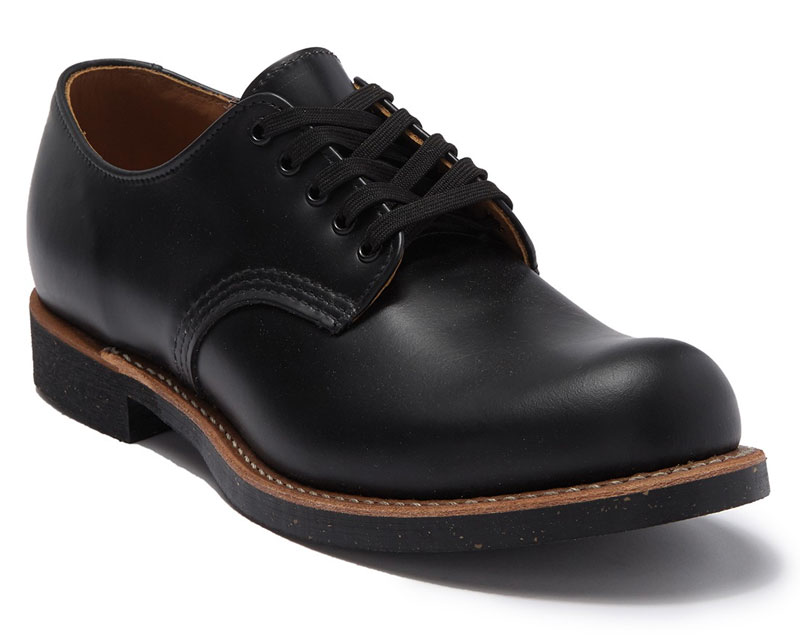
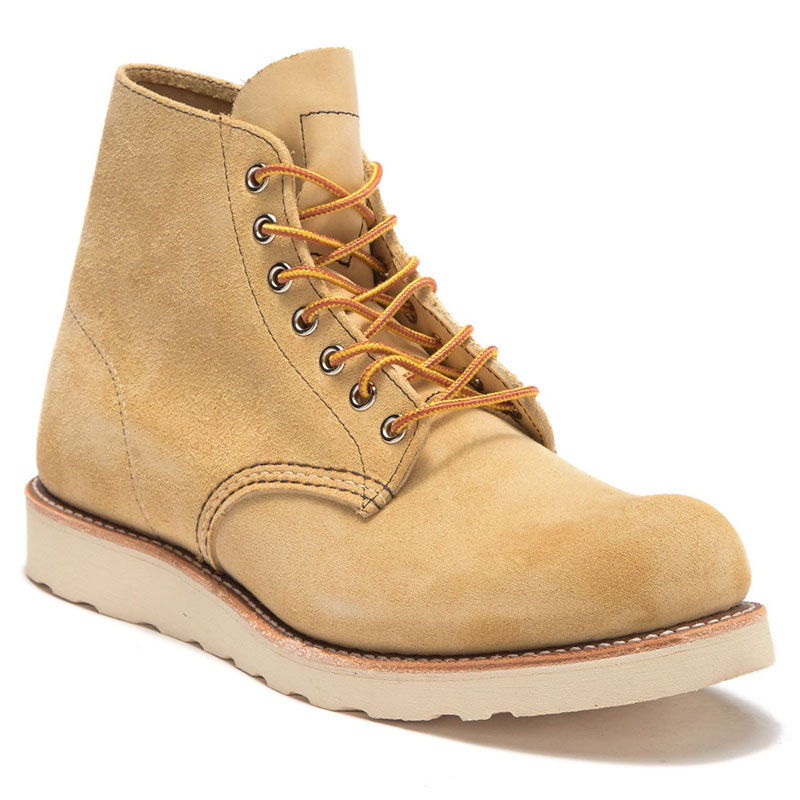
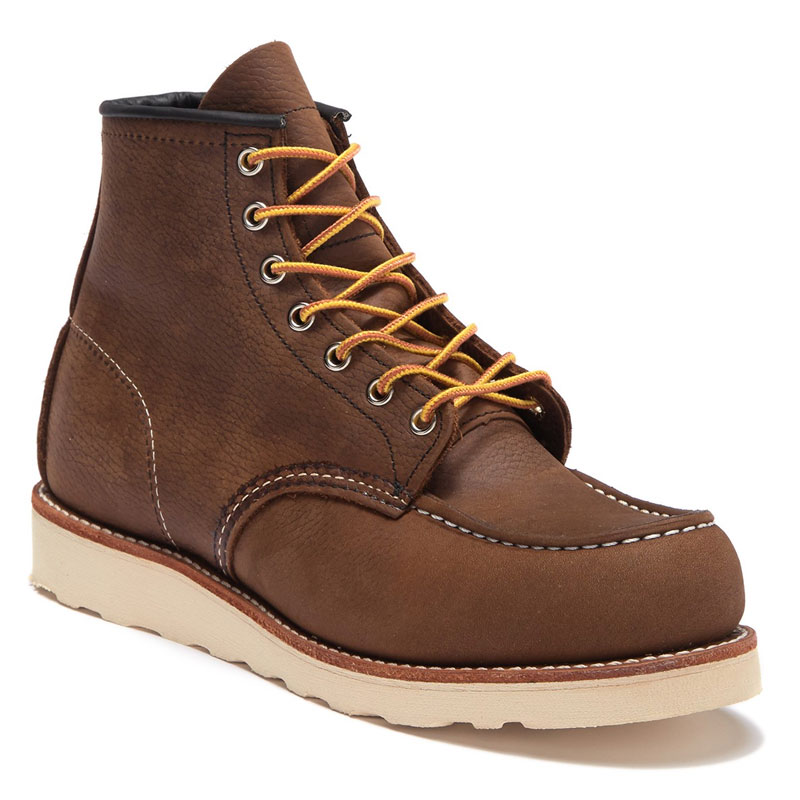
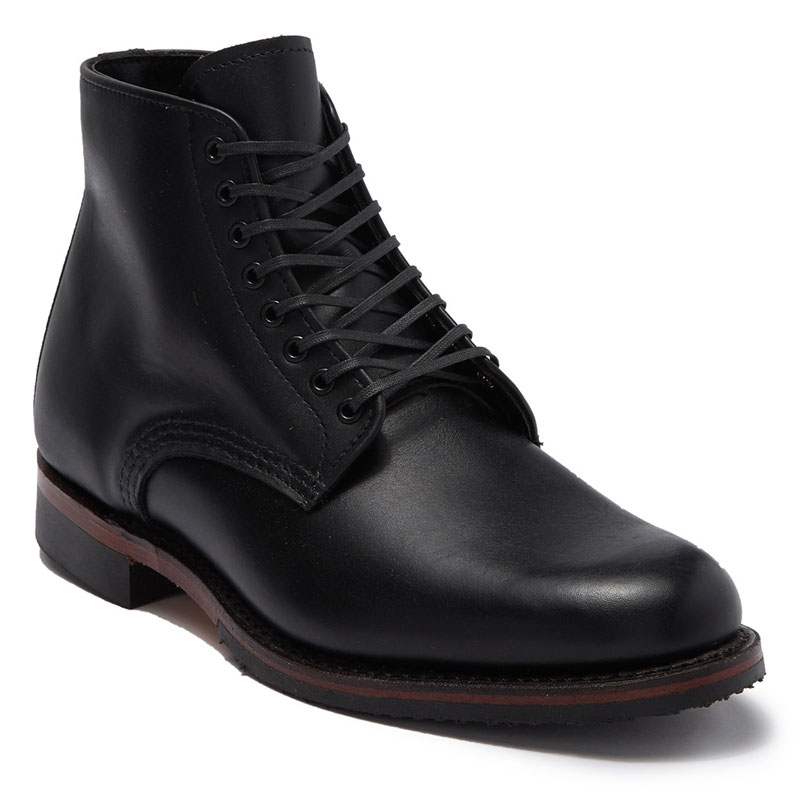
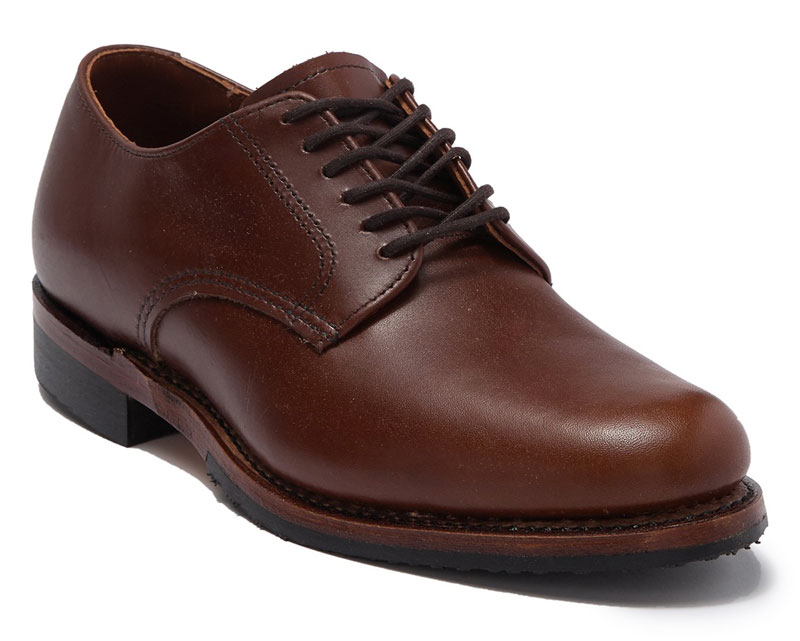
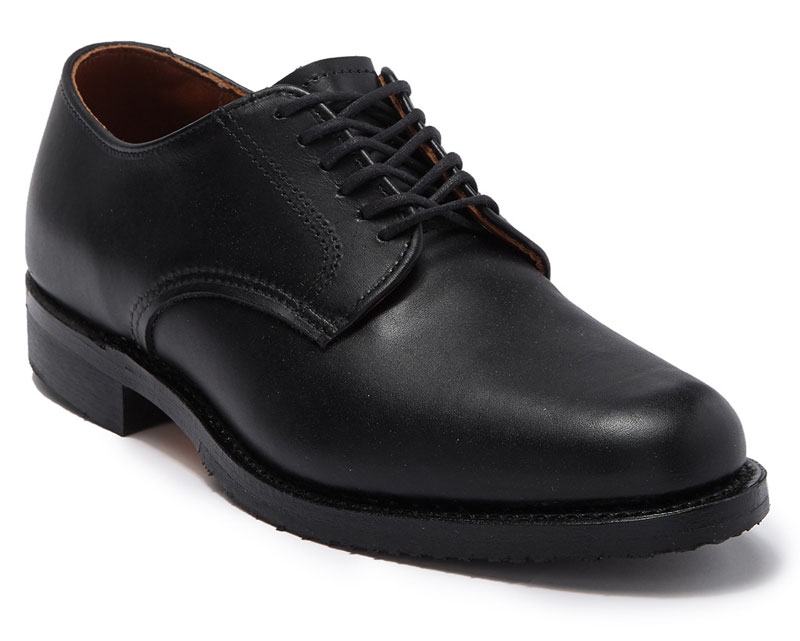
It’s a rare occurrence when you can find discounted footwear from Red Wing Heritage. But every so often, Nordstrom Rack offers a range of shoes and boots from the brand at highly-reduced prices. Often, the styles are European or Japanese market styles or factory seconds, and the savings are usually at least half off. Currently, you can save up to 53 percent on shoes and boots from Red Wing Heritage. For the widest range of sizes, check out the derby shoes and engineer boots — they’re all $200 or less.

Foreman Leather Oxford by Red Wing $270 $130

Suede Lace Boot by Red Wing $280 $150

Moc Toe Boot by Red Wing $280 $180

Williston Boot by Red Wing $430 $200

Williston Derby (Teak) by Red Wing $400 $200

Williston Derby (Black) by Red Wing $400 $200
How to Break in a Pair of Boots the Right Way

When you invest in a new pair of well-made boots, don’t expect to lace them up and take on the world in the same day. Thick leather uppers and solid leather midsoles take a while to break in and rub and squeeze your feet, leading to painful blisters if you’re unprepared. While the sturdiness and durability of boots vary widely from brand to brand, there are a few universal tips for breaking in a new pair, regardless of brand. Read the Story
Note: Purchasing products through our links may earn us a portion of the sale, which supports our editorial team’s mission. Learn more here.

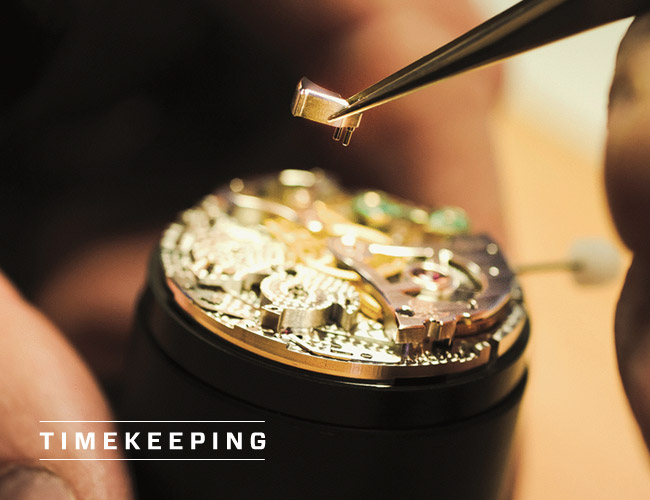
Timekeeping: The Importance of In-House

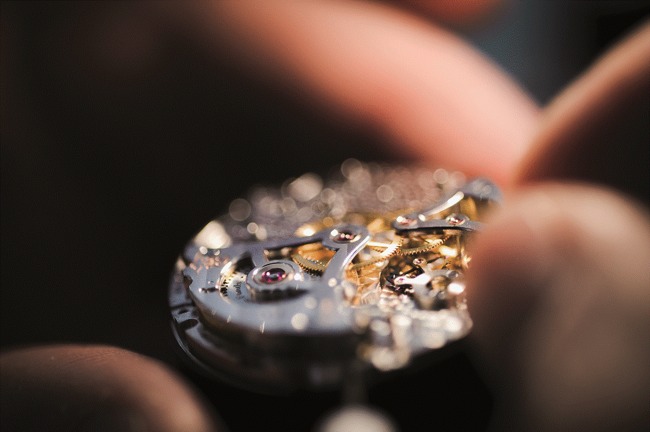
When most people start getting interested in timepieces, the first thing that usually attracts them is the appearance. A distinctive dial, a unique case shape, even a nice strap can draw in the uninitiated. Then they notice watches whose hands sweep smoothly, driven by springs and gears versus the tick-tick that gives away battery driven hands. Next, they learn about those companies that design and build their own movements and the watch world soon narrows to far fewer, and pricier, brands. Even above this realm of so-called “in-house” movement makers, there is a further echelon –
the small volume producers and hand-built independents. You might think that an appreciation for these timepieces is the zenith in the evolution of the watch connoisseur. Not necessarily.

Find out more after the break.

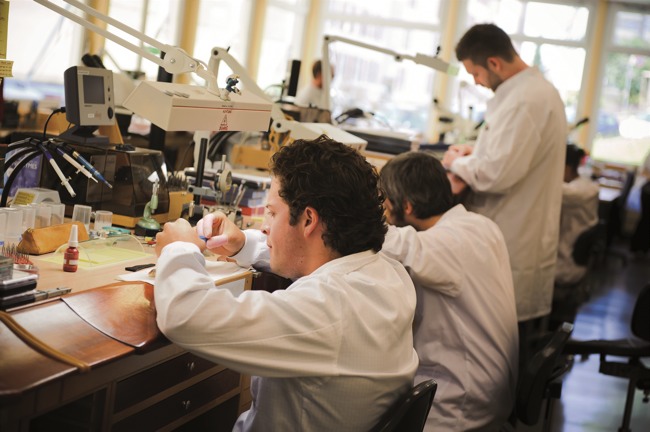
Watchmaking was traditionally (and in many cases, literally) a cottage industry. At first, individual watchmakers labored in their remote workshops in the Swiss Alps, taking weeks and months at a time to produce a single timepiece. These were true artisans, working by hand with crude tools. The results were one-of-a-kind masterpieces, signed by the artists and cherished by their owners. When the Industrial Revolution spread, the needs and means for larger scale production of watches led to specialization. While many companies still built entire pieces themselves, others turned to these specialists to provide specific components – hands, dials, cases and movements. Assembly, decoration and adjustment of watches became the province of many brands, and there was no shame in this. All of the components of the industry worked in harmony, much like the watches themselves.

Companies like Unitas, Venus, Lemania and Valjoux were movement specialists, providing calibres, in various states of completion, to the big watch brands from Breitling to Patek Philippe to Rolex. This only made sense at a time when computer-aided design was unheard of and designing and prototyping new movements could take years. The vaunted Valjoux calibre 72 was found in many of the great chronographs of the 1960s, from the Heuer Carrera to the Rolex Daytona. Did the fact that these watches used a movement that was not “in-house” make them any less great? On the contrary, they are still much sought after and revered by collectors today. The Omega Speedmaster Professional, perhaps the most famous chronograph of all, which was worn on the Moon, was powered by a Lemania movement. Patek Philippe chronographs were born from Lemania base calibres up until only a few years ago.

In the 1970s and 1980s the near-collapse of the Swiss watch industry caused much consolidation among the big brands, with some going out of business and many others coming dangerously close. When the industry regained its feet, brands turned again to movement specialists — the largest being ETA SA — out of necessity and a need for efficiency. ETA had a long history making movement bases, or ébauches, dating back to the 1920s as a division of the Eterna watch company. By the 1980s, it belonged to the Swatch Group and had swallowed up Lemania and Valjoux, the chronograph specialists.

ETA has become a four-letter word among many watch owners, a symbol of bourgeois, off-the-shelf laziness and a lack of originality. But the fact of the matter is, ETA movements are versatile, sturdy, time-tested engines, with some of the finer calibres rivaling the in-house movements from some brands. The Valjoux 7750 calibre has powered more chronographs since its introduction in 1972 than probably any other and is renowned for its robust build and versatility. IWC Schaffhausen has perhaps made the most prolific use of the 7750: as a base for its Doppelchronograph, its Split Minute Chronograph and even a perpetual calendar calibre.

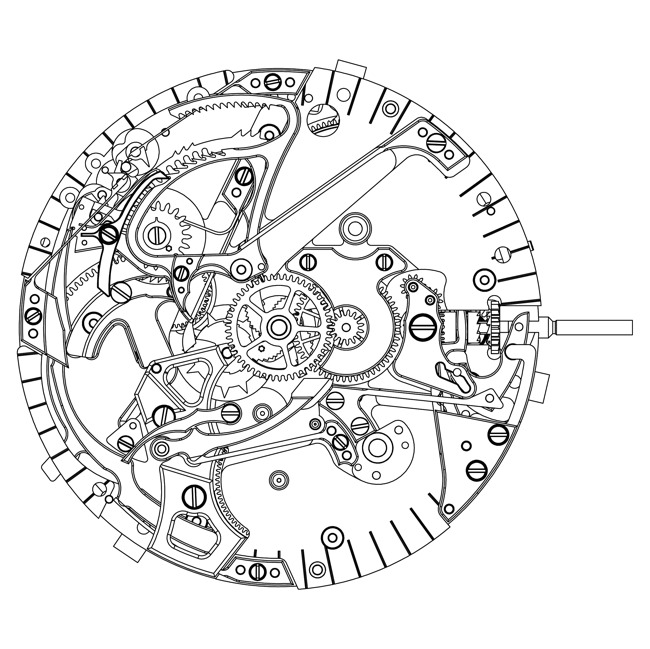
So it’s clear that the outsourcing of movement production is nothing new to the watch industry. Does this make third-party movements the equal to those built in-house? Of course not. In fact, it makes these “manufacture” watch brands all the more special and remarkable. A company that puts forth the resources, expertise and expense of designing an entirely new chronograph movement from the mainspring to the hairspring should be duly celebrated. These companies, like Girard-Perregaux, Patek Philippe and Jaeger-LeCoultre, have rightly earned the admiration of collectors. With ETA’s plans to scale back on providing movements to non-Swatch Group brands, more brands may soon join their ranks. Already, Breitling, IWC and Patek have come out with their own in-house chronographs to almost unanimously positive reviews.

Does the use of an outsourced movement automatically spell an inferior watch? Not necessarily. There is so much more to a watch than its movement. While the A. Lange & Söhne Datograph is perhaps the finest manufacture chronograph on the planet, the brand outsources its case production. Meanwhile, the IWC Pilot Chronograph is driven by a modified Valjoux 7750, but that engine is tucked inside an exquisite case that IWC proudly crafts within the confines of its Schaffhausen factory.

An in-house movement is something to be admired and prized, but so too is an artfully-beveled lug, a handmade strap, an engraved case back or a perfectly proportioned dial. So while many hope that all brands would go to in-house movement production, that’s not feasible, nor does it have historic precedent. The watch industry will continue on in the manner it has for centuries, a blend of specialists and all-rounders, exclusive manufactures and humble case builders. And the true watch connoisseur appreciates each piece for its unique characteristics, the purpose for which it was built, and recognizes craftsmanship where it exists.

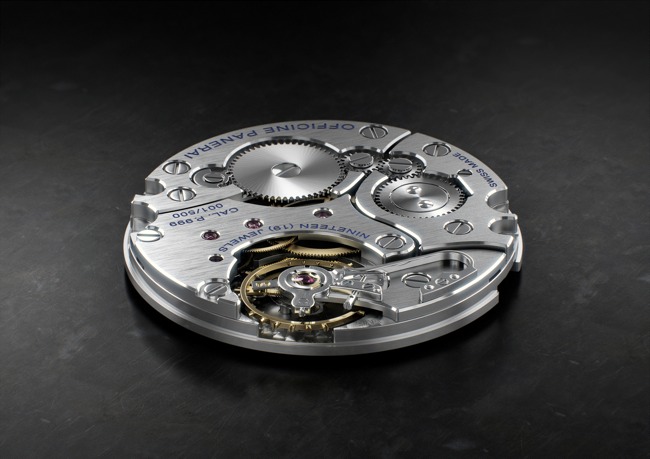
Photos by Girard-Perregaux and Panerai.

These Sneakers Are Made with a Wildly Innovative Leather

From Viberg

These Sneakers Are Made with a Wildly Innovative Leather


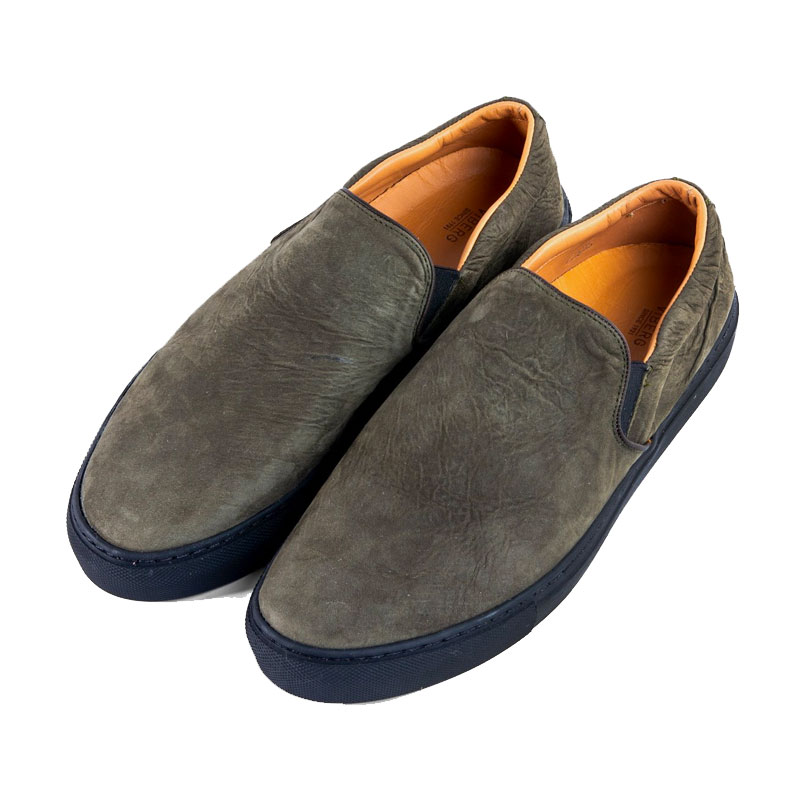
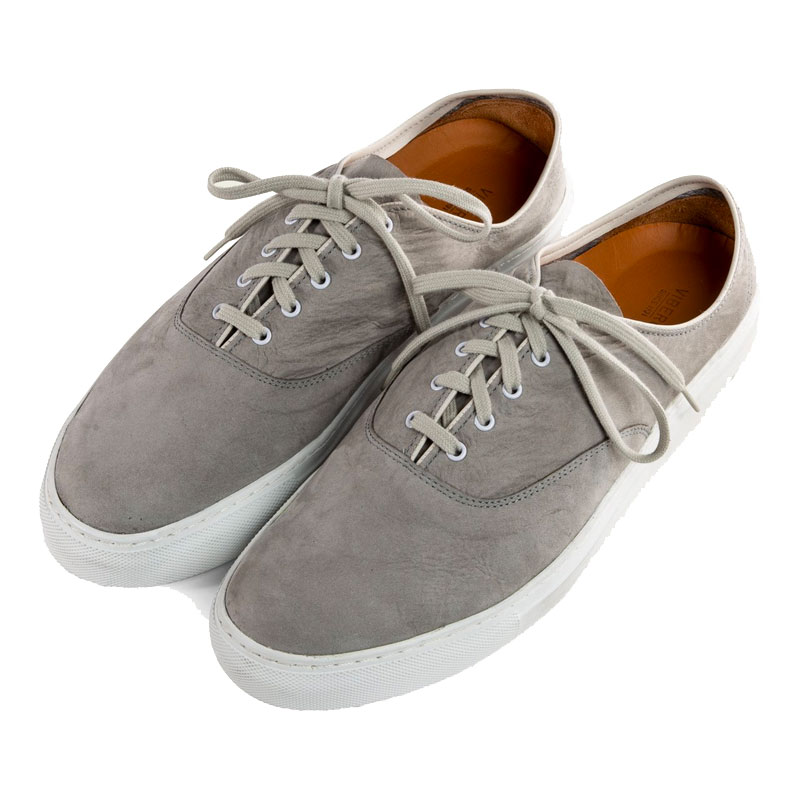
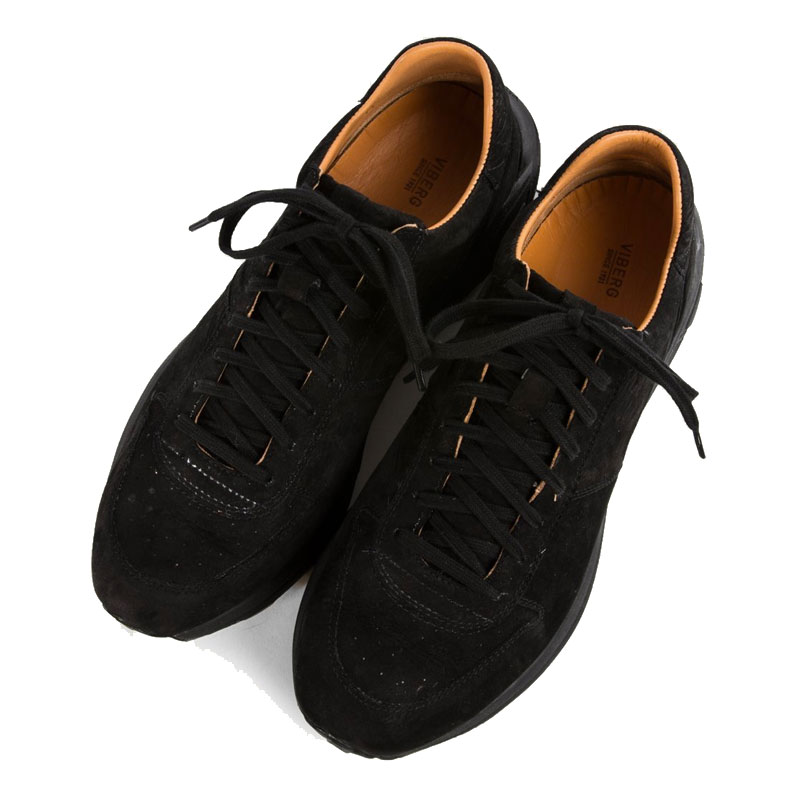
Heritage Canadian footwear brand Viberg is using an innovative new leather in its latest sneaker release. The Dyneema-bonded cowhide, called Hyperlapse, is both incredibly lightweight and very durable. It’s available in four custom colors across the Sneaker, Slip On and Deck Shoe silhouettes.

Hyperlapse is incredibly thin and ranges in width from .4mm to .6mm. Traditional hides this thin would tear and lose shape with minimal wear, but this material is completely different. In this case, the paper-thin premium leather is bonded to Dyneema Composite Fabric (a material that is 15 times stronger than steel by weight). Made by Ecco Leather, Hyperlapse is milled, tumbled and finished to bring out the leather’s natural qualities.

If you’re a fan of Viberg’s top-tier constructions and are swayed by non-traditional materials, these shoes are worth a look. While they’re not inexpensive, they manage to blend innovation and familiarity seamlessly.

Slip On Olive Hyperlapse by Viberg $450

Deck Shoe Gray Hyperlapse by Viberg $450

Sneaker Black Hyperlapse by Viberg $510
Gear Patrol also recommends:
Converse Suede Slip-On Sneakers ($65)
Vans Old Skool Suede Sneakers ($80)
Common Projects Achilles Suede Sneakers ($255)

These $68 Jeans Are Made with Quality American Denim

The Magazine

Each issue of Gear Patrol Magazine is a deep dive into product culture. Inside, you’ll find seasonal buying guides, rich maker profiles and long-form dispatches from the front lines of product design. The stunningly designed Gear Patrol Magazine is ready for your coffee table. Quarterly. $39

The Newsletter

Get the best new products, deals, and stories from across the world, in your inbox daily.

These Italian Persol Sunglasses Are Now up to 75% Off

All Frames Are $100

These Italian Persol Sunglasses Are Now up to 75% Off


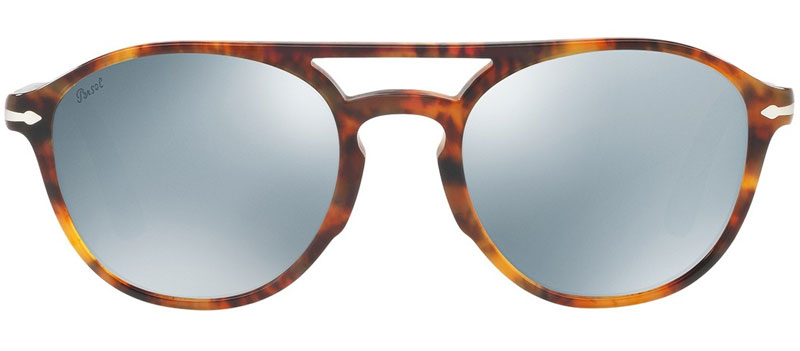
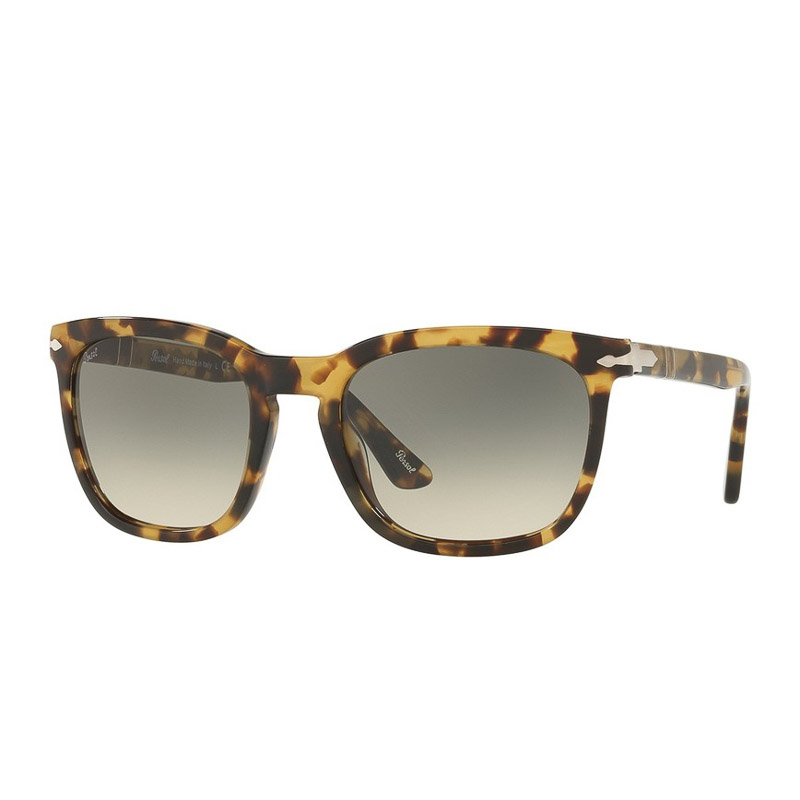
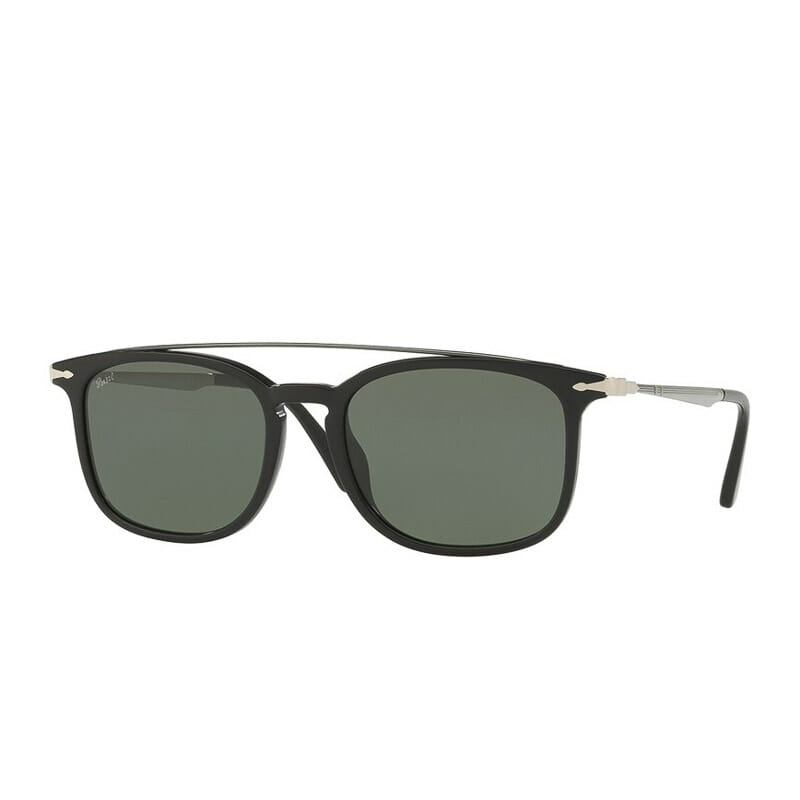
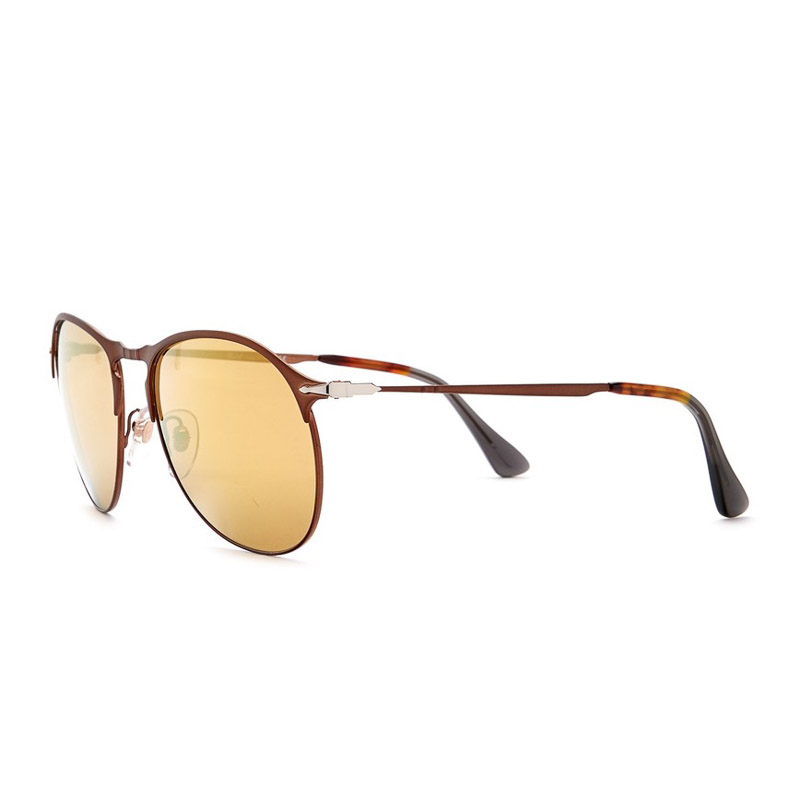
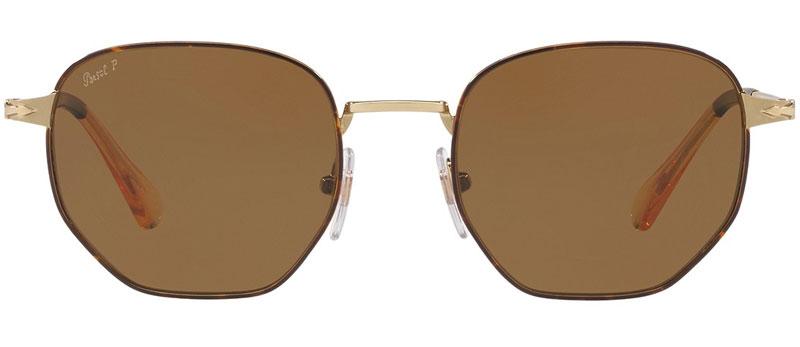
Nordstrom Rack is having a crazy sale on Persol sunglasses right now and all available styles cost $100. Normal retail prices hover up around $350 which means you’ll save up to 75 percent if you shop now. With a history dating back to 1917, Persol epitomizes Italian luxury sunglasses and its vintage frames are highly collectible. Now owned by Luxottica, the frames are more widely available than in past decades but the styles are no less iconic. If you’re in need of a new pair of everyday shades, don’t pass on this sale — it’ll be hard to find prices like this again.

52mm Saratoria Sunglasses by Persol $290 $100

55mm Galleria Pillow Square Sunglasses by Persol $290 $100

54mm Saratoria Rectangle Sunglasses by Persol $320 $100

56mm Sartoria Sunglasses by Persol $350 $100

52mm Round Sunglasses by Persol $400 $100
More Deals, Served Up Fresh Every Day

Deals, discounts and drops on products you actually care about and want. Curated by the Gear Patrol Editors. Start Saving

Note: Purchasing products through our links may earn us a portion of the sale, which supports our editorial team’s mission. Learn more here.

Black Squid Jacket

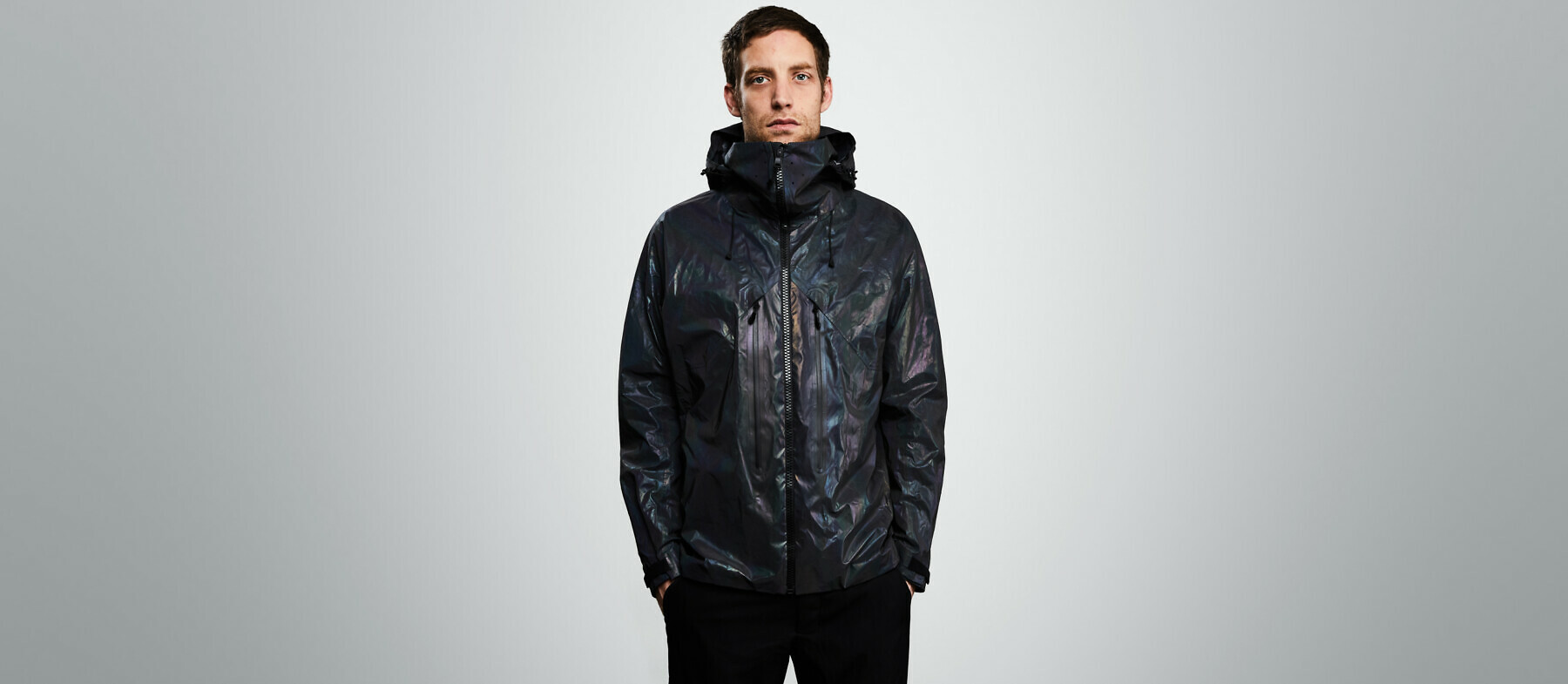
As its name implies, the Black Squid Jacket mimics one of the most fascinating natural innovations in nature — the adaptive camouflage of the squid. These little seafaring creatures have evolved in the last 500 million years to change their color and appearance. They do it fast, and they can blend in any surface.

Vollebak replicated elements of this survival mechanism and created a jacket that dynamically shifts in different environments. The design involved using lasers, resin, and more than 2 billion microscopic glass spheres. The result is a snowboarding or ski jacket that seems coated in metal or oil at dull light. Then is a magic soup of color and sheen when exposed to very bright light.

The fabric reflects every color in the visible spectrum, and it is highly avant-garde. If Stanley Kubrick made clothes, it would look like this. Elegant, stylish, and integrates one of nature’s most intriguing properties into normal wear.

The jacket is fully waterproof, windproof, and constructed for extreme mobility. You can get it now for $995, which might seem too pricey for a jacket, sure, but this is unlike any other. Like a squid in haste, this lets you change color in an instant. What’s fashion if it’s not adaptive, surrendering? This one pushes the envelope farther than anyone has. And if the color-changing gimmick isn’t really for you, there’s still the expert craftsmanship to love. Plus its overall quality, which you can always expect from Vollebak. Hit the link below to find out more.

PURCHASE HERE

Photos courtesy of Vollebak

This New Facial Cleanser Is Worth the Investment

My skin isn’t naturally sensitive, but a bad habit puts it at risk. I overwash, to the tune of four or more times a day. That’s because my skin is oily, no matter how hard I try to balance it with toners, or neutralize it with blotting papers and powders. I cleanse in the morning and before bed, but also after the gym and typically when I get home in the evening. None of that is accounting for what I do on hot or humid days, either — or the fact that I test products for my job and often have to have a clean surface to do so.

So it’s better for me to use a gentle cleanser instead of one targeted for oily skin — I tend to use something engineered for sensitive or dry skin instead, since that’s the territory into which I’m teetering with this frequent washing. It’s not a habit I intend to stop, either. It’s just how I choose to cope with my own genes, and my job.

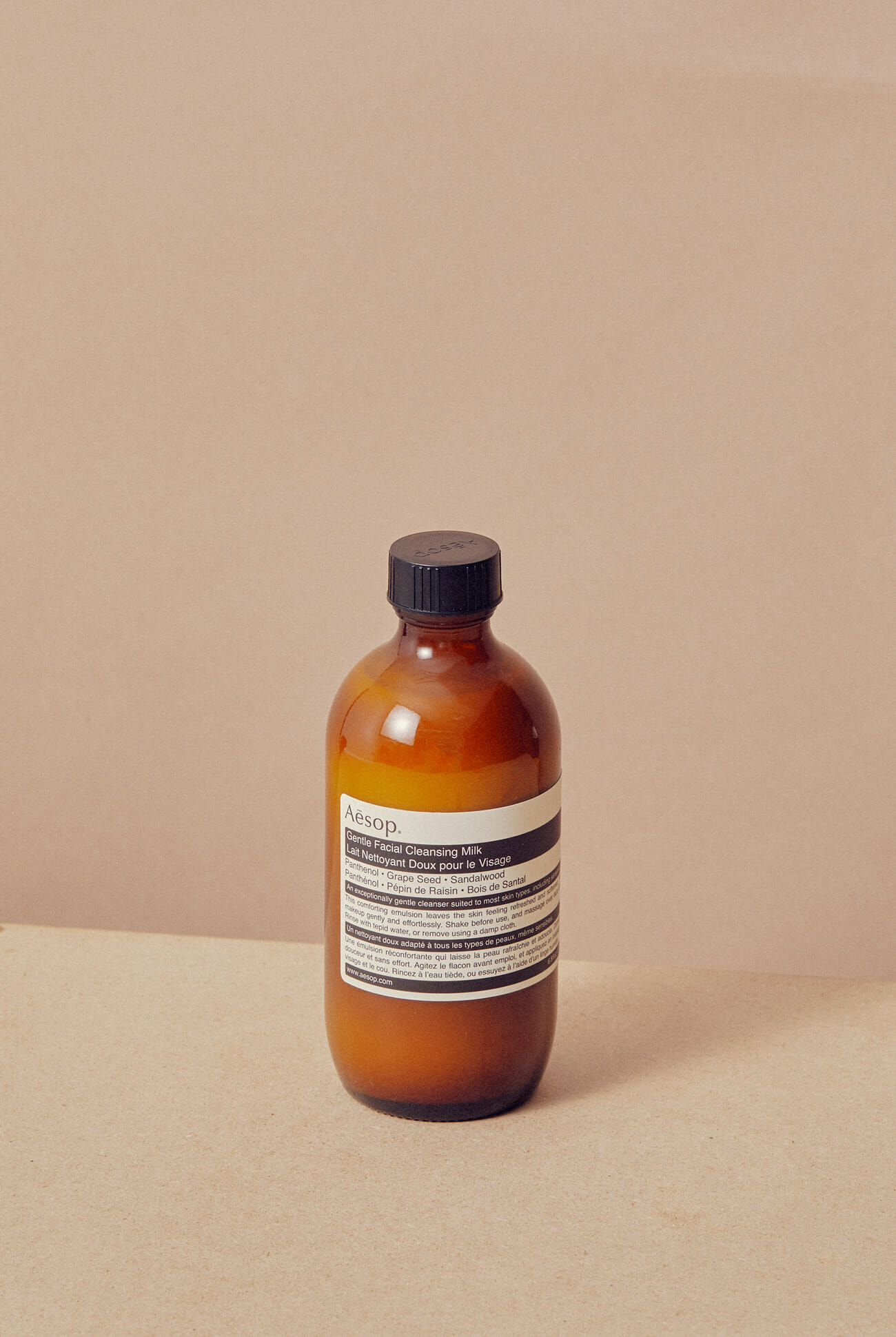
In my six years of doing this, I have never pledged loyalty to a cleanser. They’re more interchangeable to me than most other grooming categories. Aesop’s latest launch, however, is changing that. Today, the company is launching its Gentle Facial Cleansing Milk, which has been thoroughly scrutinized over in its labs under the supervision of Dr. Kate Forbes, who is the Aesop’s General Manager of Product. If you’ve got dry or sensitive skin, or if you’re a habitual over-washer like me, then Aesop’s cleansing milk is something you should try, too.

The Good: Before you even learn about the product’s ingredients, you can tell from its consistency that this product is more soothing and far less abrasive than a garden-variety cleanser. It’s milky, as the name states, and feels more like you’re applying a serum than a cleanser. For that reason, it’s a little harder to lather, and won’t require as much water when you apply it. This is largely because the formula is rich in olive oil, which helps gently pull oil and grime from your skin without dehydrating it, while giving the formula a silky texture. (Maybe don’t apply actual olive oil to your face, and leave it to the pros like Aesop who formulate their products using the best recipes and ingredients.)

Its other key ingredients include grapeseed oil, which preserves moisture levels in the skin during the wash; provitamin B5, which lingers after the cleanse to do the same; as well as sandalwood and lavender which soothe the skin while banishing dryness and irritation.

Who It’s For: There are four key categories of people whose skin would benefit from this cleanser:

People with dry skin who need a gentle cleanser — one that adds moisture instead of stripping it.

People with sensitive skin who often get irritated by harsher, moisture-depleting formulas.

People who wear makeup and need a safe and efficient cleanser, especially considering that they’ll likely wash their face twice in one day, both before and after the makeup is off.

People who overwash their faces, out of necessity or bad habit. They need a cleanser that preserves moisture levels, given that the frequent washing will put them at risk of blemishes, breakouts, and rough patches.

Watch Out For: The too-generous pour. It comes with a screw-off lid, so don’t overdo it. It’s good that it doesn’t have a pump, though, because that would be too generous, too. Try to land with a dime-size amount in your hand, unless you’re doing something more tedious like removing a bunch of grime.

Alternatives: OSEA’s Ocean Cleansing Milk — which, despite its name, doesn’t fix oil spills or save the coral reefs, is also a good option. It uses algae and amino acids to hydrate and prevent further signs of aging. It’s a little tougher and more familiar than Aesop’s cleansing milk. Both are great; I prefer Aesop’s.

Review: I’ve been using this for a week straight, and am only a fraction of the way through the 6.8 fl. oz (200 ml) bottle. I have washed an estimated four times per day, and have earned no new breakouts or blemishes. It’s one of those products I proudly display on my sink ledge, and that I genuinely look forward to using. (It’s not like it “makes grooming fun,” but it is a soothing process that allows me to appreciate and savor my skincare regimen.

I think the one person it is decidedly not for is the oily-skinned man or woman who only cleanses once or twice per day. You might require something more powerful—Surprise! Aesop has that too.

Verdict: I’m all in. If you’re near an Aesop store, test one out. You can also opt for the smaller bottle (3.4 fl. oz, $35) if you want to give it a test run for a couple months, instead of investing in the 6.8 fl. oz one at $53. But you do the math: The larger one is a great bargain, especially if your daily face-wash count is a higher count than most.

Key Specs
Key Ingredients: Panthenol, grape seed, sandalwood
Texture:Non-foaming, water-soluble emulsion
Aroma: Woody, herbaceous
Dosage: Half a teaspoon

Aesop provided this product for review.

Read More Gear Patrol Reviews

Hot takes and in-depth reviews on noteworthy, relevant and interesting products. Read the Story
Note: Purchasing products through our links may earn us a portion of the sale, which supports our editorial team’s mission. Learn more here.
These Limited-Edition Shoes Embody American-Made Quality

Alden for Unionmade

These Limited-Edition Shoes Embody American-Made Quality


Founded in 1884, Massachusetts-based Alden Shoe Company is one of the top American footwear brands. Its shoes and boots are still made using time-honored techniques and its production is still entirely domestic. Because the brand made a name of itself producing high-end dress shoes, it never needed to justify its prices. When other brands cut costs with lower-quality manufacturing techniques and overseas production, Alden stayed the course.

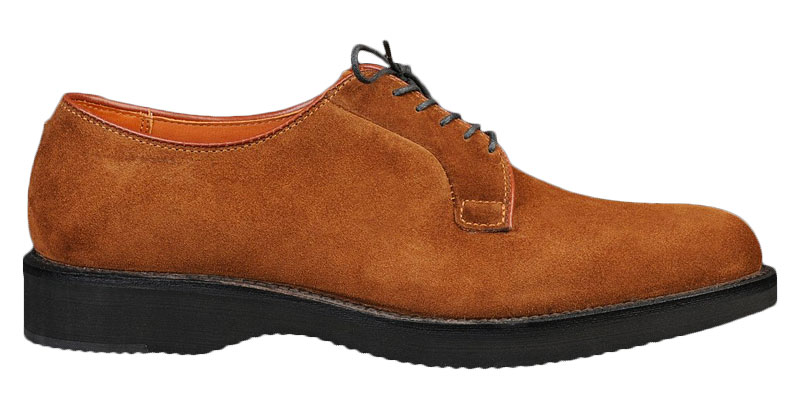
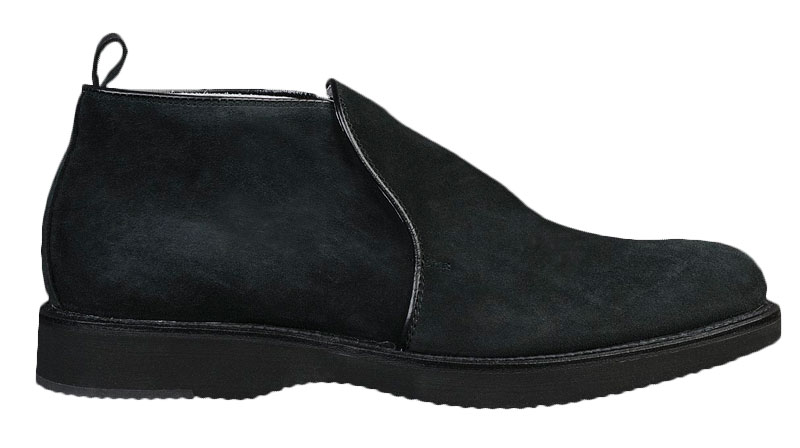
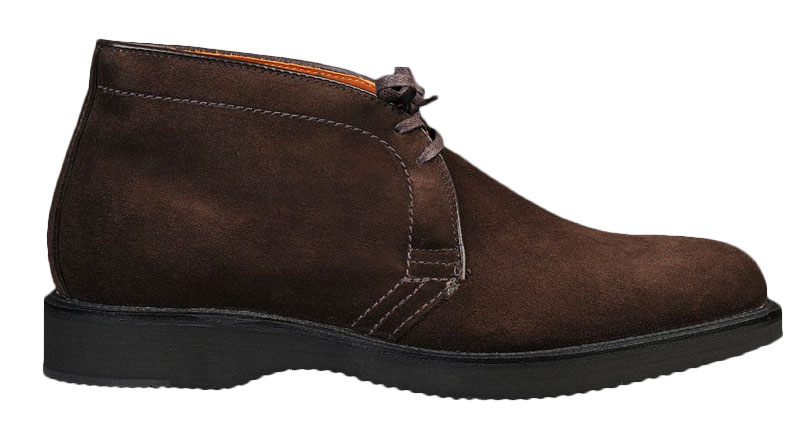
That dedication to quality manufacturing is on display in the brand’s latest exclusive collection for San Francisco retailer Unionmade. The release is comprised of a blucher, a slip-on chukka and a lace-up chukka, and is limited to 12 pairs of each style. Each silhouette features a suede upper, a reverse all-around Goodyear welt and a lightweight rubber sole made by Goodyear.

Available in sizes 8 to 12, prices start at $570. While that’s definitely an investment, you’d be hard-pressed to find a better American-made shoe. So if you see a style you like in your size, act fast — these will be gone before you know it.

Ames Blucher by Alden $570

Severn Slip-On Chukka by Alden $582

Quane Chukka Boot by Alden $582
Gear Patrol also recommends:
Nicks Handmade Boots Comstock ($349)
White’s Otto Derby ($470)
Mr P. Lucien Shoes ($540)

Some of the Best Ties Available Are on Sale Right Now

From Drake’s

Some of the Best Ties Available Are on Sale Right Now


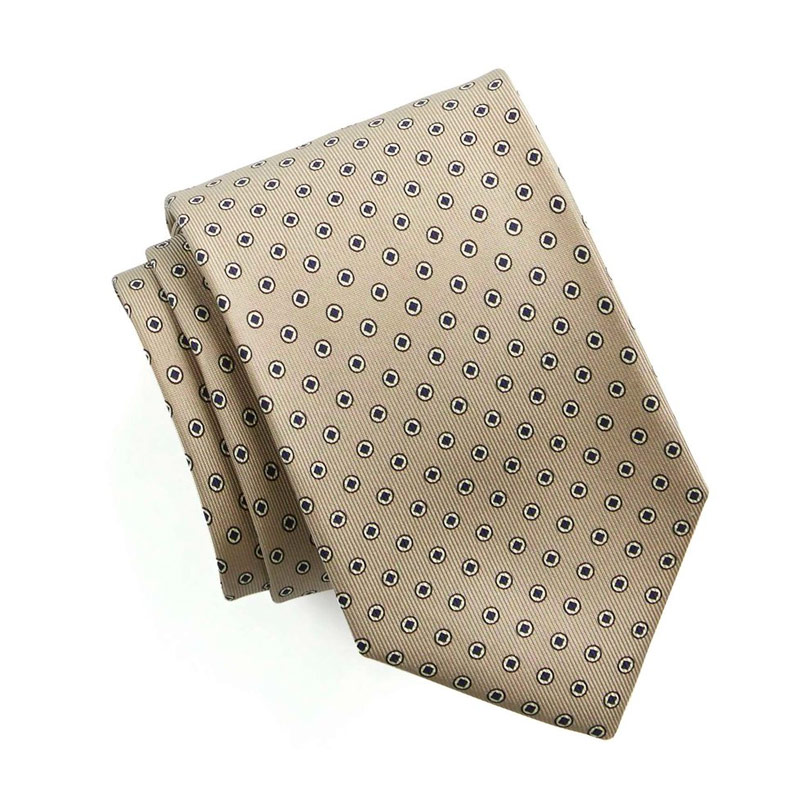
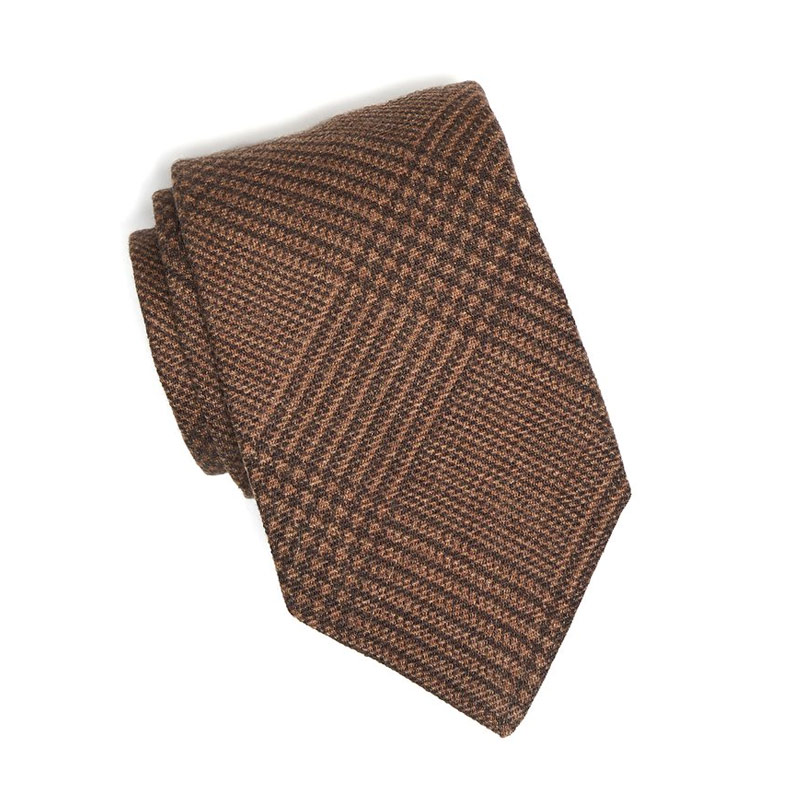
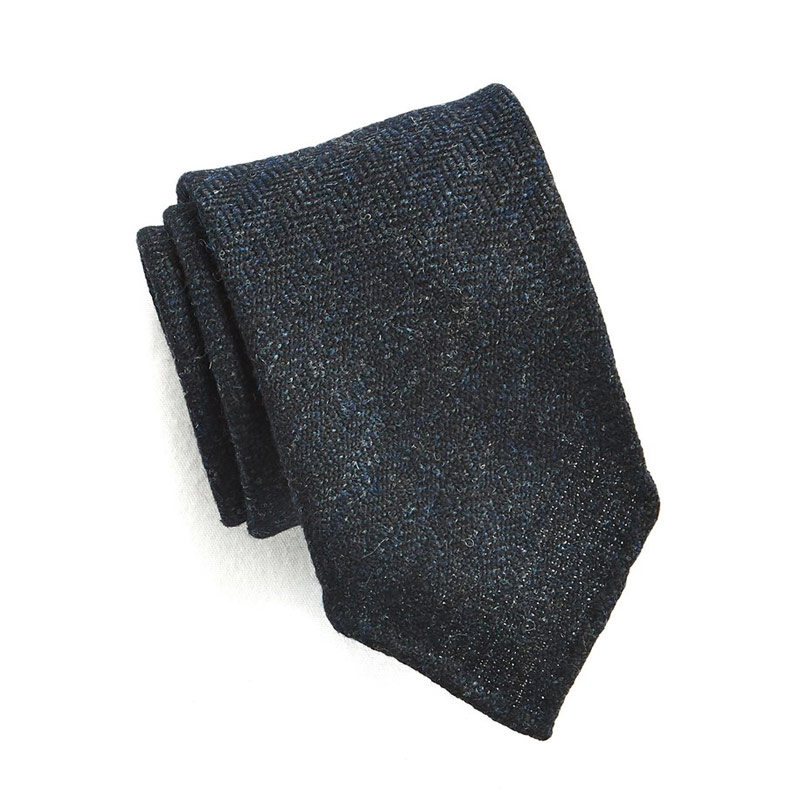
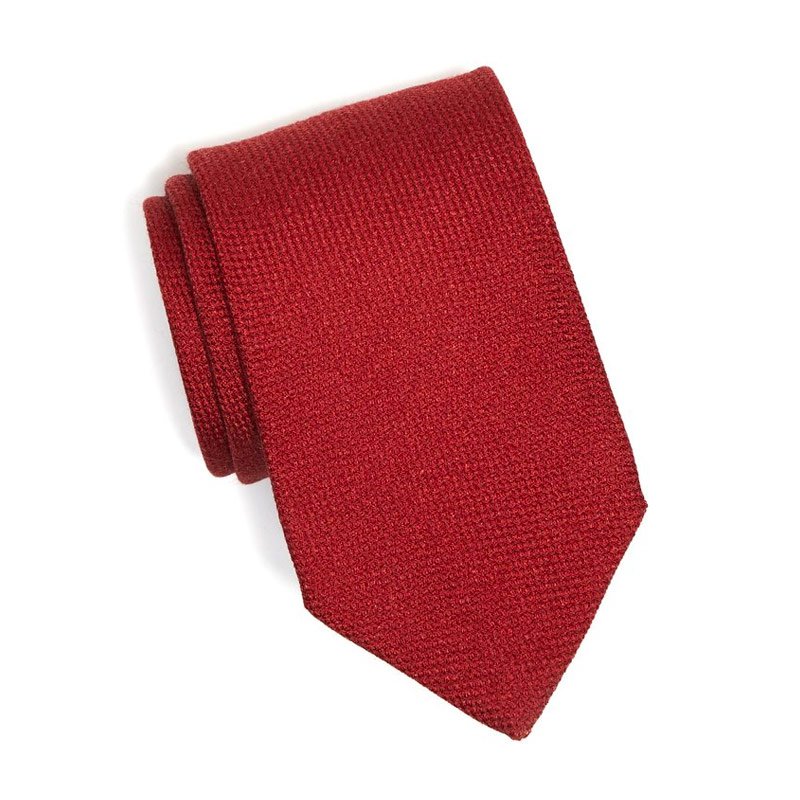
There’s no reason you shouldn’t have a range of well-made ties. A few great options will serve you well either at work (if your office has a professional dress code) or at upcoming summer weddings.

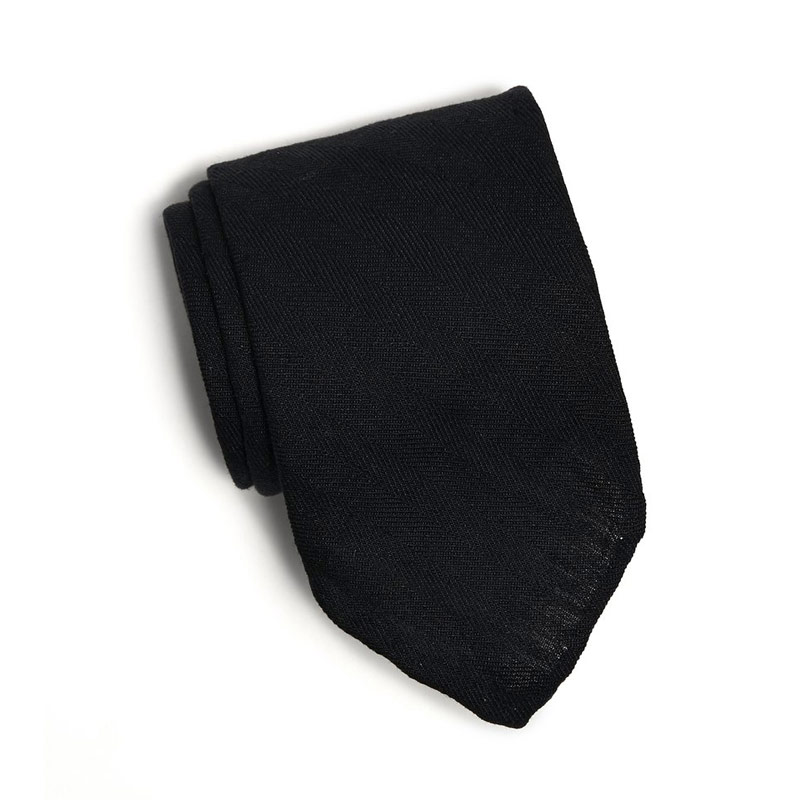
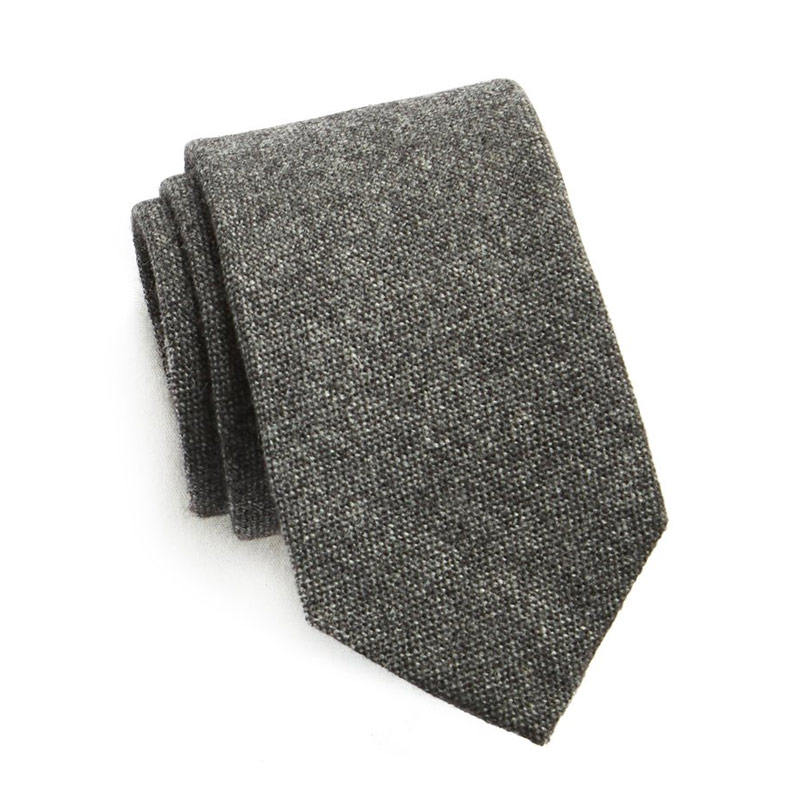
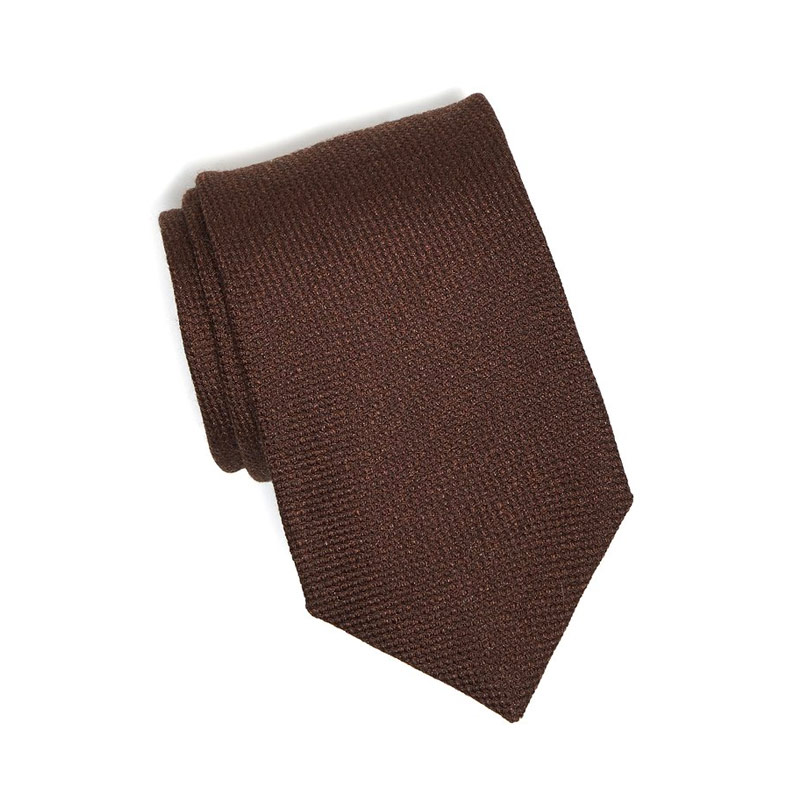
If you’re looking for a quality tie at a bargain price, head over to Todd Snyder: you can currently save up to 39 percent on some of the best ties available. Made in the U.K. by Drake’s, the ties are cut from wool, cashmere, linen and silk, and come in range of colors and textures. Act fast if you see something you like — a deal like this won’t last long.

Linen Herringbone Tie (Navy) by Drake’s $163 $99

Silk Foulard Tie (Beige) by Drake’s $165 $99

Prince of Wales Tie (Brown) by Drake’s $XX $139

Herringbone Tie (Navy) by Drake’s $175 $139

Wool/Cashmere Tie (Red) by Drake’s $175 $139

Cashmere Tweed Tie (Charcoal) by Drake’s $175 $139

Wool/Silk Tie (Brown) by Drake’s $175 $139
Gear Patrol also recommends:
De Bonne Facture Linen Tie ($145)
Thom Sweeney Wool Tie ($180)
Rubinacci Linen Tie ($200)
Note: Purchasing products through our links may earn us a portion of the sale, which supports our editorial team’s mission. Learn more here.