All posts in “style”

RTH Is One of the Coolest Brands You Need to Know

It’s no secret that working at Ralph Lauren is a fashion school in itself. And the prestigious university has churned out notable alumni in its 53 year run including Sid Mashburn, Todd Snyder and Antonio Ciongoli. Another name to know is René Holguin, founder of one of the coolest brands you’re likely to hear about, RTH.

Holguin grew up as many young designers did, idolizing Ralph Lauren and his perfected prep lifestyle, a look he’d not found so easy growing up in El Paso, Texas. His highly-developed taste was undoubtedly a result of both his father who was the owner of lauded cowboy bootmaker Laramie and his mother who was a self-made interior designer. Crisp white button-up shirts, cowboy boots and faded jeans would become a uniform for him.

Eventually, he found himself working for the designer he’d revered so much, gaining that singular hands-on education so many alumni talk about. After working as the creative director for Polo retail, Holguin worked as a fashion director for J. Crew and held executive positions at both Lucky Brand Jeans and Levi’s. When it came time to move on, Holguin set off to Los Angeles to start his own brand.

The store started out as an outpost for Southwestern-inspired style with a discerning mix of handcrafted leather goods (made in-house), Native American jewelry and customized vintage jeans and drew loyal fans like Erykah Badu and Diane Keaton. Now, the brand has a second location located conveniently next door and it houses an international brand list serving as a sort of mood board for RTH. When you find yourself in Los Angeles, the side-by-side shops are worth a visit.

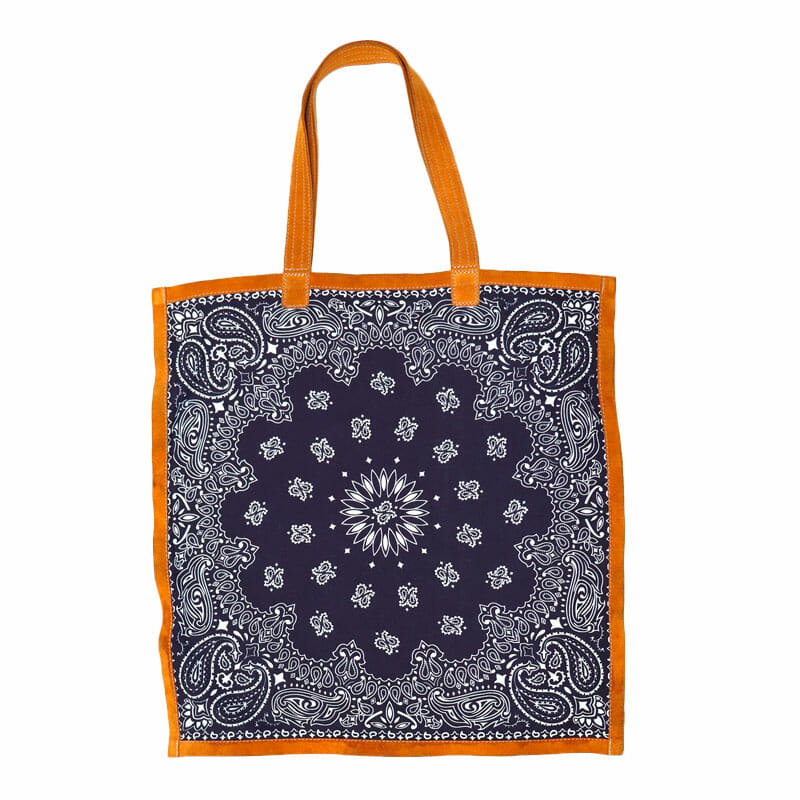
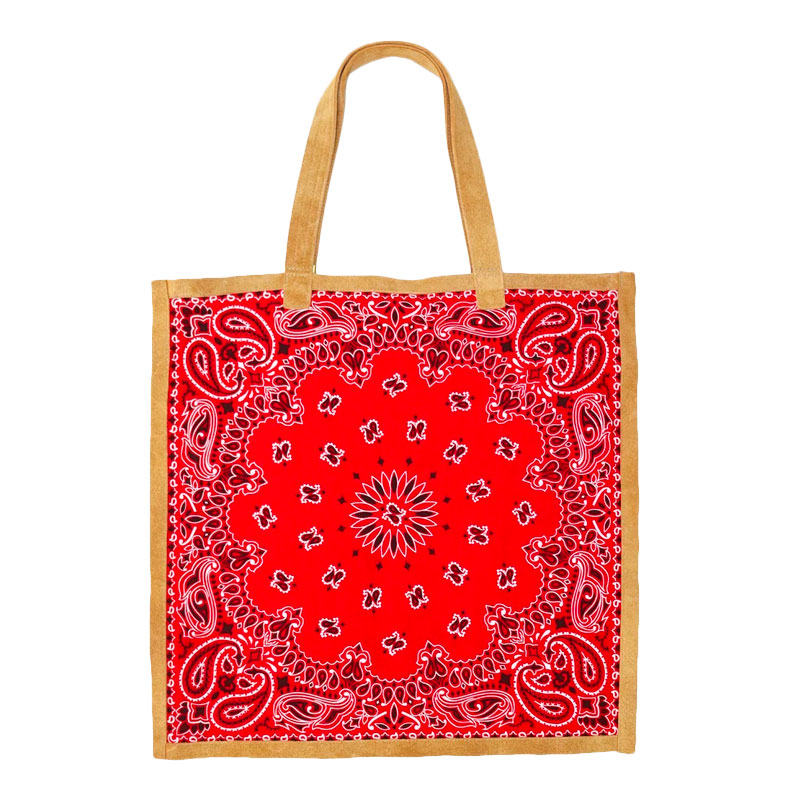
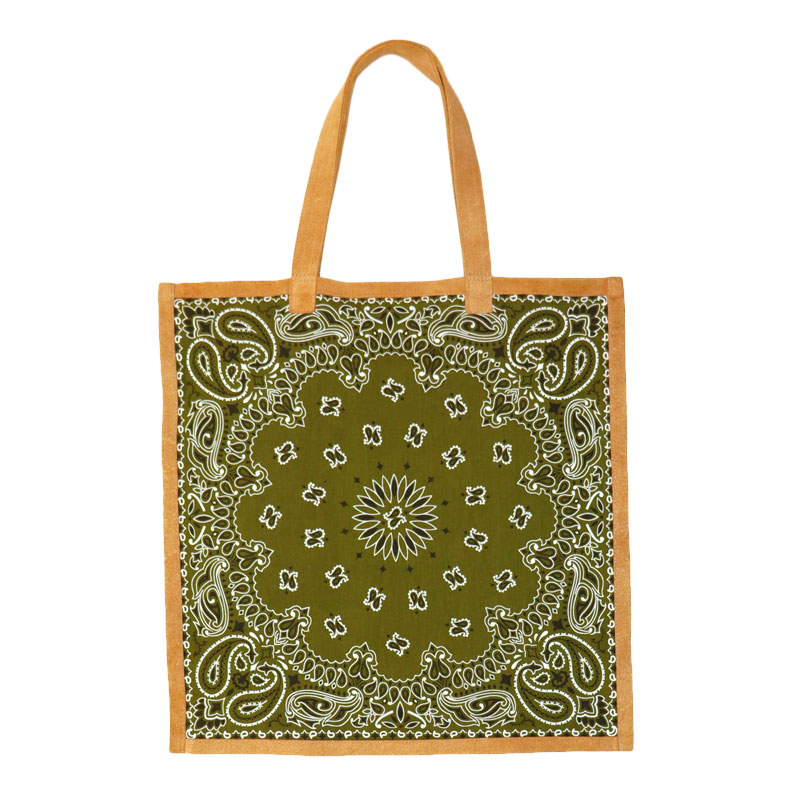
But if you’re not able to visit RTH in person, or can’t get there anytime soon, you can at least get a hold of one of the brand’s popular suede-trimmed bandana tote bags over at Alex Mill. “I’ve been a huge fan of Rene [Holguin] and RTH for a very long time — his store in LA is a must-visit for me,” Alex Mill creative director Somsack Sikhounmuong told us. “It’s always consistent, and never boring.”

Bandana Tote by RTH $120

Bandana Tote by RTH $120

Bandana Tote by RTH $120
Today in Gear

Over a half century since its inception, Ralph Lauren remains a powerful force in the style world. Former employees, now with successful businesses of their own, maintain the standards and lessons they learned during their time there. Here are five you may know. Read the Story
Note: Purchasing products through our links may earn us a portion of the sale, which supports our editorial team’s mission. Learn more here.

Gerald Ortiz is a staff writer at Gear Patrol covering style. From San Diego, now New York City.

More by Gerald Ortiz | Follow on Instagram · Twitter · Contact via Email

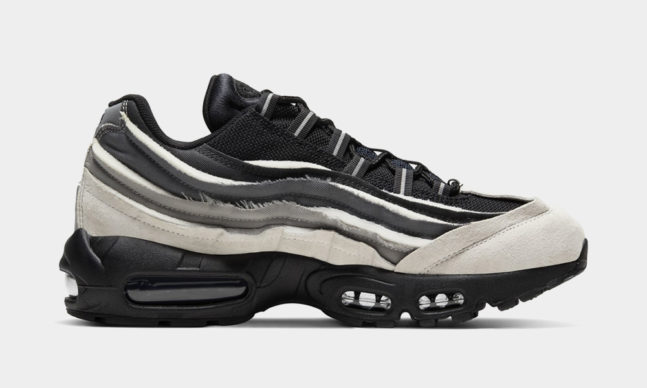
Nike x Comme des Garcons Air Max 95 Sneakers

The brand Comme des Garcons might be most well-known for their ability to put their heart with eyes logos on just about everything, but the brand has also done quite a few collabs of note…

Are $700 Custom Jeans Worth It? I Got My Own Pair and Found Out

For many people, the perfect pair of jeans are seemingly elusive. Countless brands offer a myriad of silhouettes in an endless variety of denim. The perfect pair might be the first ones you pick up at the store — but the odds are stacked against you. It’s for this reason that there are now more custom jeansmakers and bespoke denim programs than ever. From the big players like Levi’s and 3×1 to local denim obsessives, a pair of jeans cut and sewn just for you promises to take the guesswork out of denim shopping.

But with price tags that can go into four figures, does it make sense to spring for a pair of custom jeans? With the help of Glenn’s Denim, I went through the process and here’s what you need to know when considering a pair for yourself.

Why You Should

Off-the-rack jeans just don’t fit. We’ve rapped about tailoring your jeans and how you can get off-the-rack pairs to fit like they were bespoke. But there are just some things you cannot fix. By now, if you haven’t found a pair that hits all the right notes, you might want to consider bespoke blue jeans.

You’d rather not take your jeans to a tailor. Jeans from the store might require a second outing to get them tailored. Though the point of ready-to-wear garments is to fit the masses, the added burden of tailoring can be time-consuming. For bespoke jeans, the initial time investment allows the tailor to lock down the fit, so they’ll have your patterns on file for future pairs you want to have made.

You’re very particular. Most people looking for a pair of custom-made jeans tend to know what they want and they aren’t satisfied by what’s served to them on store shelves. The level of control in the custom jean process can vary, but a range of fabrics, hardware and even pocket styles are par for the course. Beyond that, a custom jean service may offer hand-stitched details, nerdy denim production methods and more. If you’re a lover of denim and you want your hands all over the process, especially the minute details, go for it.

Why You Shouldn’t

It’s expensive. Bespoke jeans ain’t cheap. Depending on where you go, tailor-made five-pockets can run you upwards of $800. With custom details, they can get you up into a rack. If you’re able to find jeans that fit you well enough, you can have them tailored for much less.

You already have jeans that fit well. The biggest reason to go bespoke is to get jeans that fit perfectly. Jeans aren’t traditionally a tailored garment like a suit or a pair of dress trousers which are highly scrutinized in formal meetings. The casual essence of the blue jean makes it easy to get away with a pair that fits closely enough. Taking the humble workwear garment to tailoring heights like this has potential to be incongruous.

You’re not super particular. The bespoke jean process involves a lot of details that you choose yourself. The level of customization varies between makers but if you’re not detail-oriented when it comes to clothing, then bespoke jeans are likely not for you.

It’s inconvenient. Annoying as it is to peruse shop after shop, donning and doffing one jean after another in cramped fitting rooms, bespoke jeansmakers are fewer and further between. Levi’s has its own bespoke program, called Lot 501, but you’ll only find those at certain locations.

What to Consider If You Do

Fabric. Fit is the number one objective with bespoke jeans. Achieving that becomes more complicated if you opt for raw denim which will shrink after its washed. Unless you plan on never washing your jeans — please don’t do that — or you’re a denim purist who knows their way around shrinkage, save yourself the headache and go for pre-washed fabric.

Lead time. Jeans aren’t built in a day, unless you want to pay extra. Bespoke jeans can take weeks to make, so if you’re in a time crunch, it’s best to avoid getting custom jeans for a deadline. If you’re a patient consumer, willing to wait six-to-eight weeks, then go for it. Really, you’ve been waiting your whole life for the perfect pair, so what’re another few weeks?

Is it your first time? If it’s your first time buying a pair of bespoke jeans, you might be tempted to go with a crazy fabric or, putting it nicely, “unique” details. But it’s a safer bet to get a pair that’s straightforward so you don’t end up regretting your decision a few months down the road. Sure, your bespoke jeans fit you great, but maybe turmeric denim with buttoned pockets was a bad move. At Glenn’s Denim, Daniel Lewis stresses, “The main point is to get a perfect fit. Keep it simple.” If you’ve successfully navigated your first pair of bespoke jeans and you’re on to a second pair, maybe get the same thing in a different fabric. Or, the same fabric in a slightly different fit.

Why I Love Mine

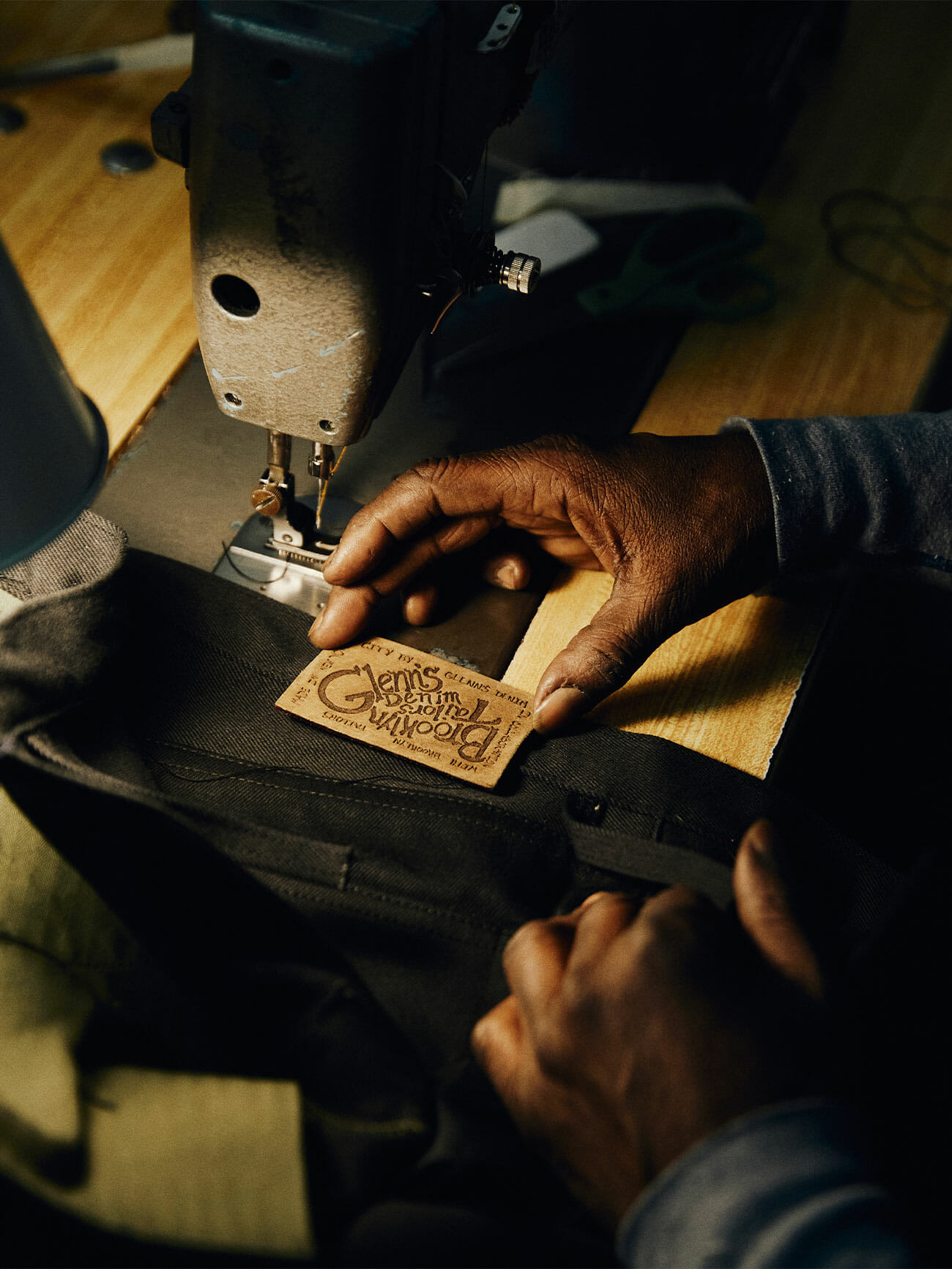
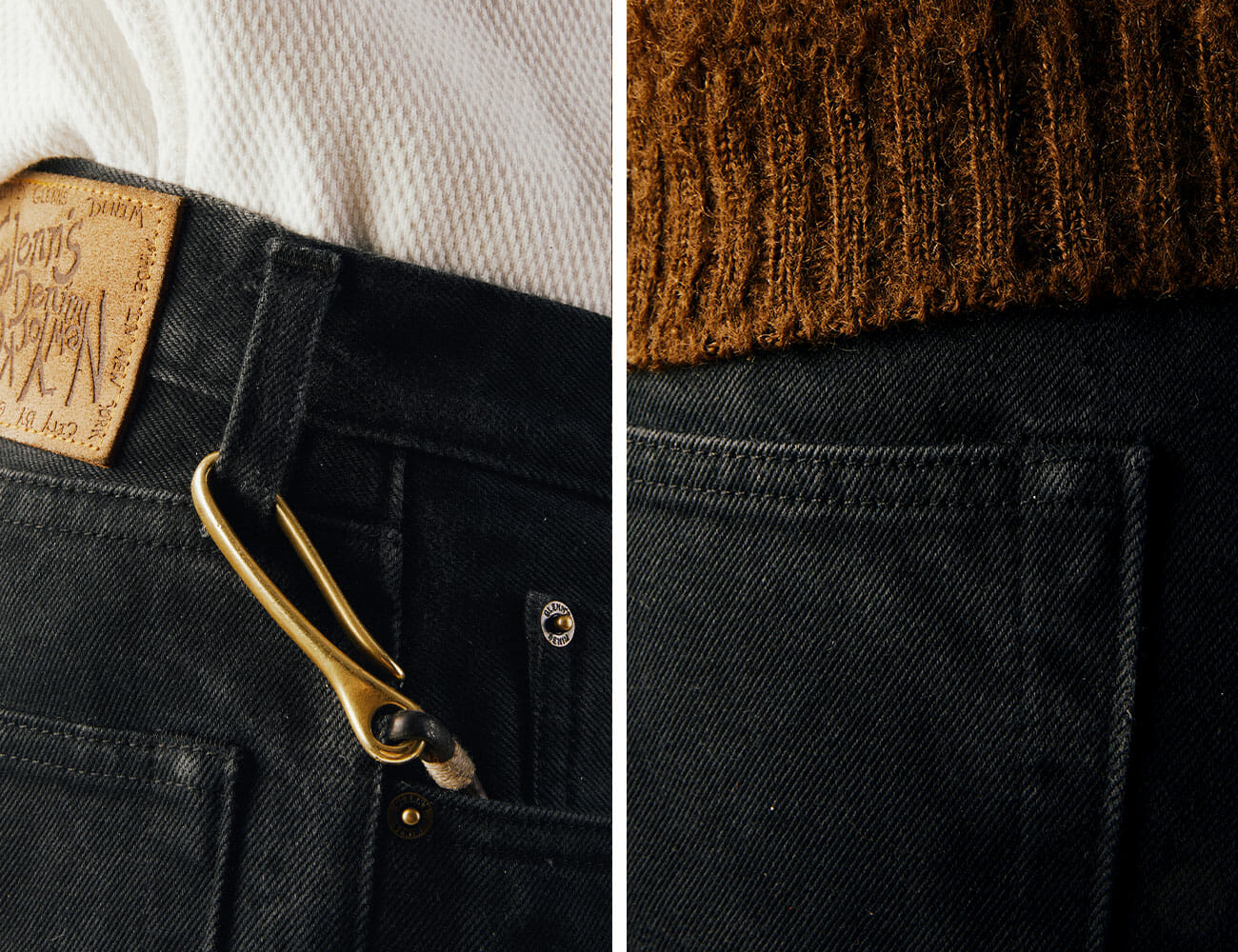
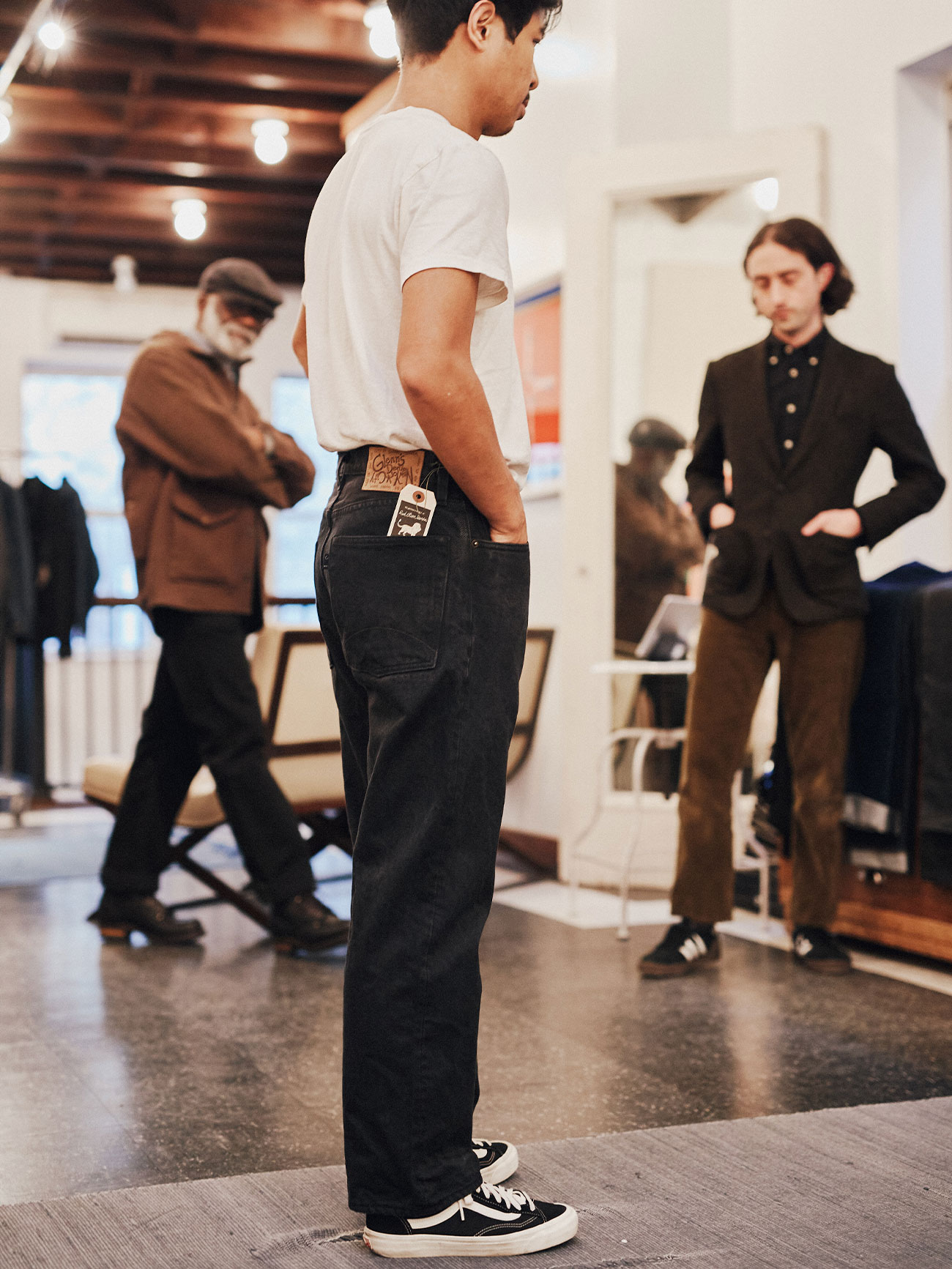
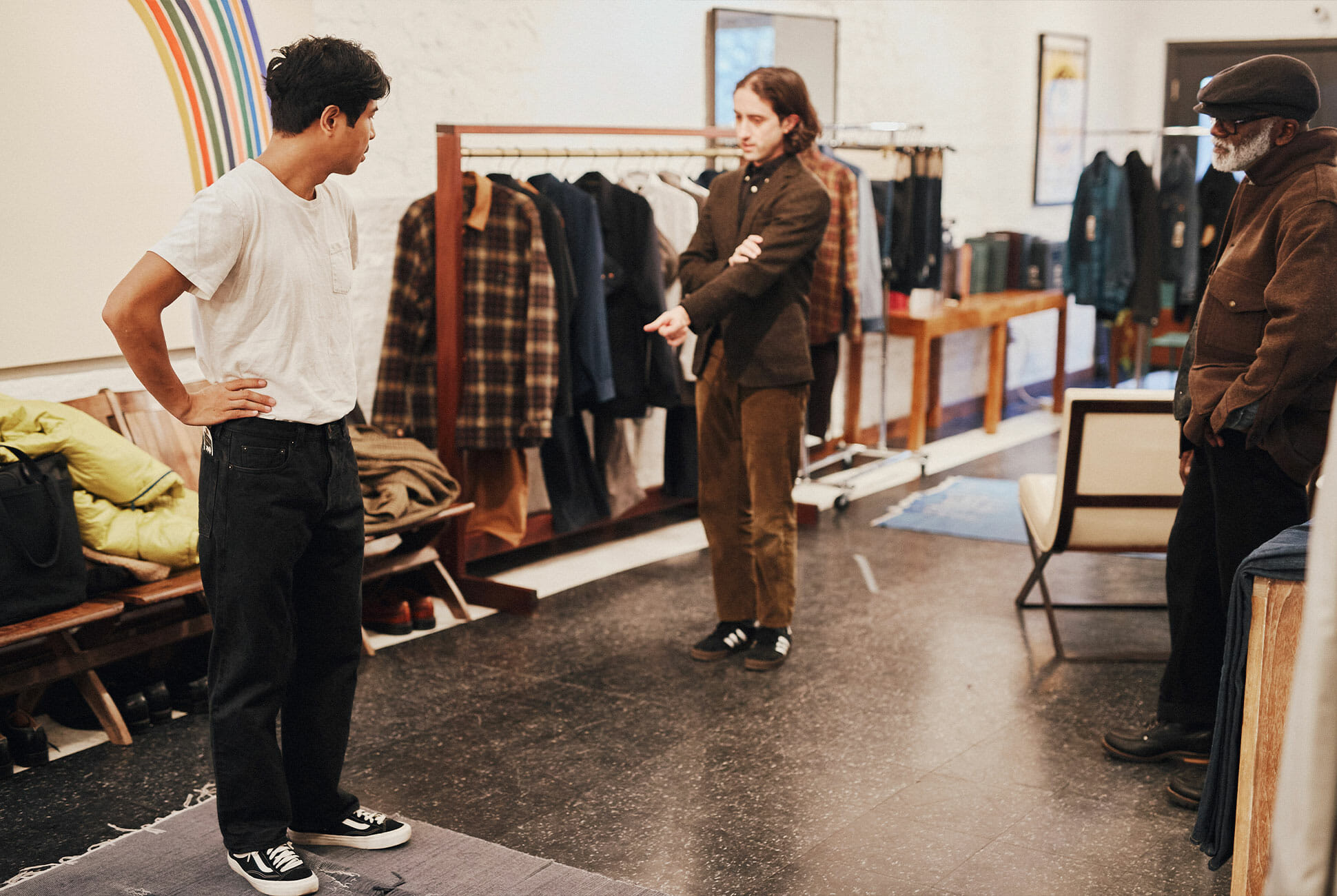
For my custom jeans, I went to Brooklyn Tailors. Among British dress shoes, Japanese socks and locally-made button-ups, they’re adept at custom suiting and recently launched an in-house denim brand called Glenn’s Denim. With over 30 years of experience behind the sewing machine, crafting jeans for the world’s biggest blue jeans brands, Glenn Liburd’s namesake label is worth investing in for the off-the-rack garments alone. But the artisanal brand can also make fully custom jeans.

I’d call myself a denim nerd, as lame as that sounds. But it makes me just the sort of guy who’d consider getting a pair of jeans made just for my body.

Collaborating with Liburd and business partner Lewis on the jeans was both enjoyable and educational. I’d come into the initial fitting with a clear idea in mind — a high-rise wide-fitting jean reminiscent of a 1930s silhouette, but with 1950s details. What I had in mind, thankfully, would ultimately be scrapped. I wasn’t so much talked out of my dream jean as I was thoroughly and gently convinced that there was a better option for my first pair.

Glenn and Daniel know exactly what they’re talking about and are as much consultants as they are artisans. In the end, we decided on a straight fit, mid-rise jean. Basically, a 501 that actually fits my tree trunk calves and knock knees. We waffled between a few readymade pairs on the first consultation and made notes and adjustments where necessary. The toile fitting (a first draft of the jeans) was 80 percent there.

By the end, we’d nailed the perfect pair and I’m ecstatic. It’s difficult for me to find jeans that have a straight fit without it buckling at my concave knees before tapering at my calves, but Liburd solved those issues. It’s hard for me to imagine finding a better-fitting jean straight from the store. Plus, the personal touches and attention to detail make this pair even more special.

If you’re considering a pair of custom jeans and you’re able to do go through the process, there’s almost no reason not to do.

What Makes a Quality Pair of Jeans?

To explain the nuances that led to jeans’ worldwide adoption, we asked Paul Dillinger (Levi’s Head of Global Product Innovation) and Kiya Babzani (co-founder of leading selvedge denim retailer Self Edge) to weigh in on what kinds of construction, fabric and longevity characterize a great pair of jeans. Read the Story

Glenn’s Denim provided this product for review.

Gerald Ortiz is a staff writer at Gear Patrol covering style. From San Diego, now New York City.

More by Gerald Ortiz | Follow on Instagram · Twitter · Contact via Email

A Day With a Top-Ranked Professional Bull Rider

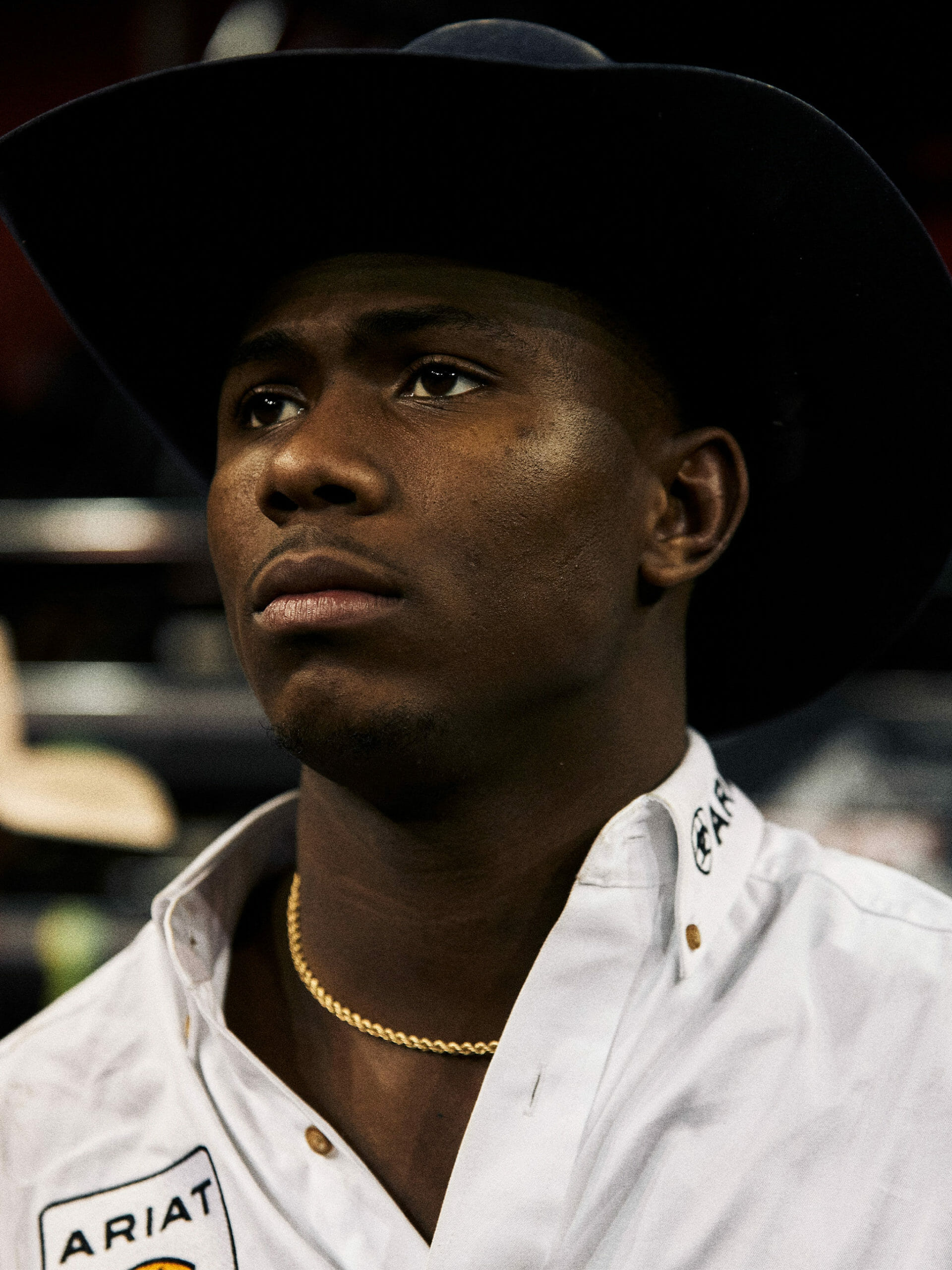
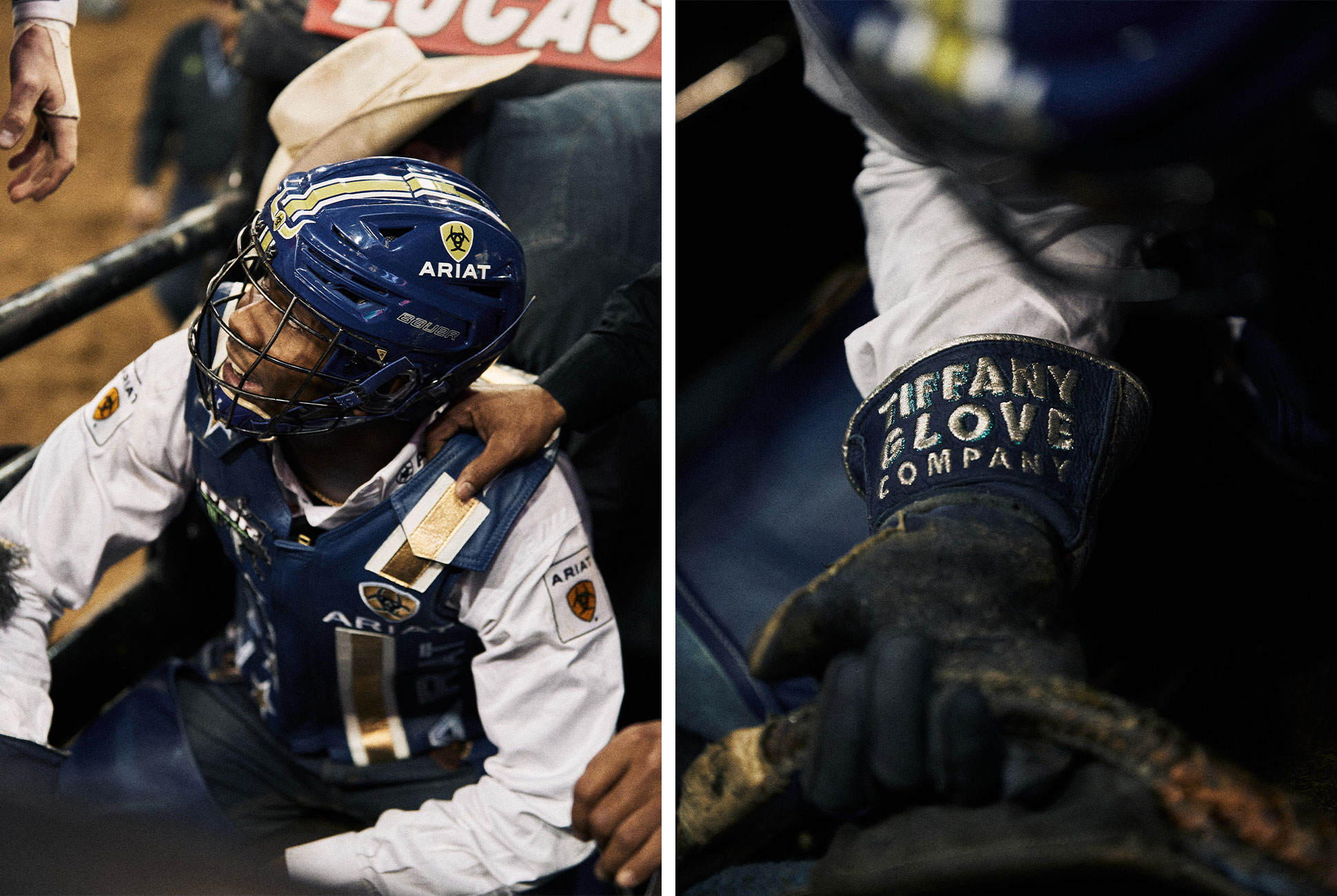
Ezekiel Mitchell is quickly making a name for himself as a professional bull rider. Born in Rockdale, Texas, the 22-year-old is one of the top-ranked riders in the country and competes regularly at events across America. Unlike many of his peers, Mitchell didn’t grow up in a family steeped in rodeo tradition. Instead, he learned to ride bulls by watching Youtube and eventually built his own bucking barrel to practice in his back yard.

Video: A Day With Ezekiel Mitchell

[embedded content]

Now, Mitchell spends much of his time on the road competing at PBR events. His days build toward a single moment in the evening, a chance to pit himself against a 1,500-pound bull. As such, his schedule on tour is relatively relaxed: a few interviews, time to rest and an unchanging pre-ride routine. To learn about this up-and-coming athlete’s regimen and the gear he uses to ride, we caught up with him on January 3 in New York City.

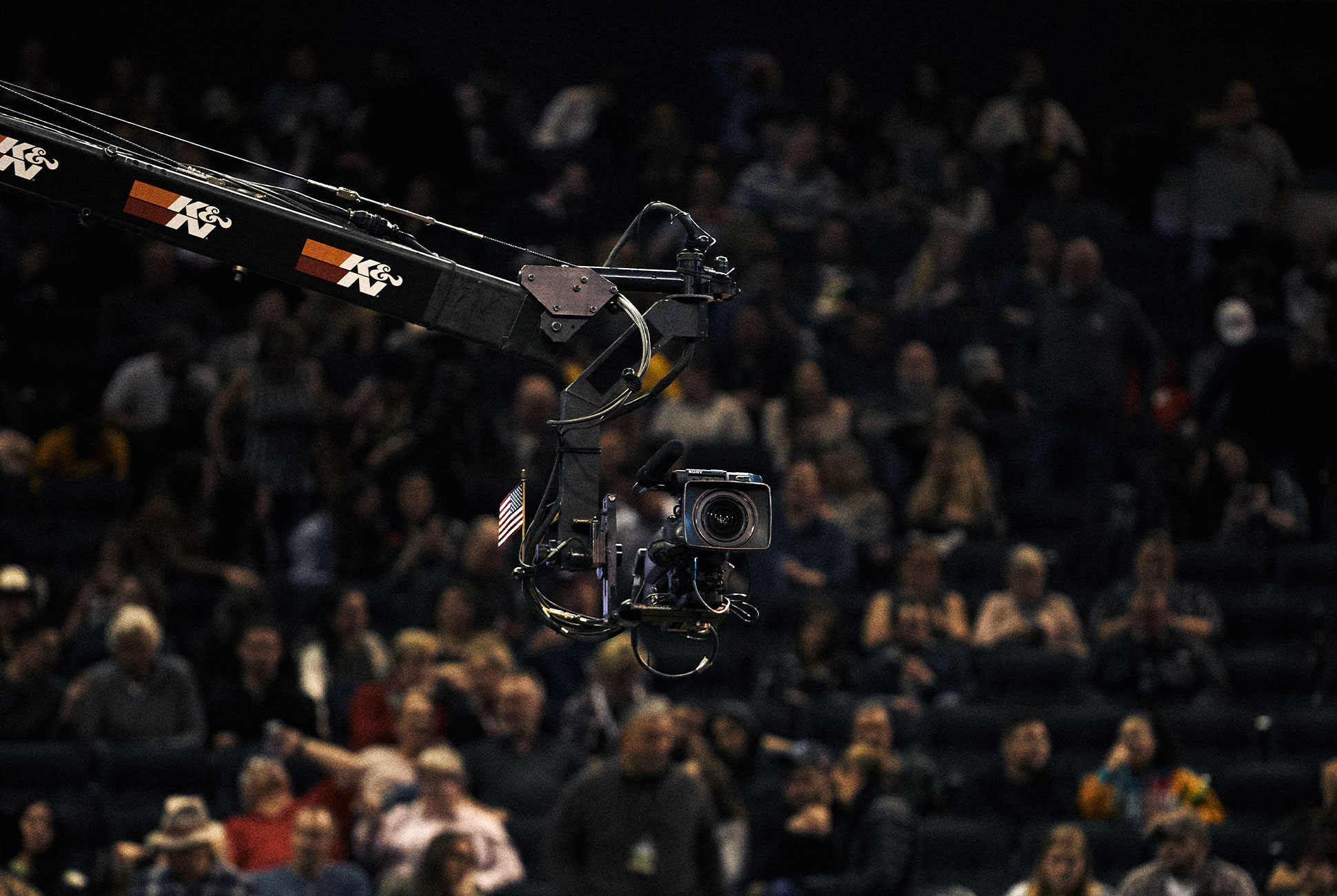
Starting the season at Madison Square Garden, Mitchell demonstrated the inimitable determination needed to compete at a national level and deal with the volatile nature of the sport.

John Zientek is Gear Patrol’s style editor and in-house guitar authority. He grew up on the West Coast.

More by John Zientek | Follow on Contact via Email

Save the Date: Uniqlo’s Newest Collection of Designer Goods Is Coming

Gear Patrol Studios

Gear Patrol Studios is the creative partnership arm of Gear Patrol. Select advertising has been crafted on behalf of brands to help tailor their message for readers. These sections are demarcated with sponsored flags. Learn More

Affiliate Disclosure

Gear Patrol participates in various affiliate marketing programs, which means we may get paid commissions on editorially chosen products purchased through our links to retailer sites including the Gear Patrol Store. Learn More

The Evergreen Allure of Gucci Loafers

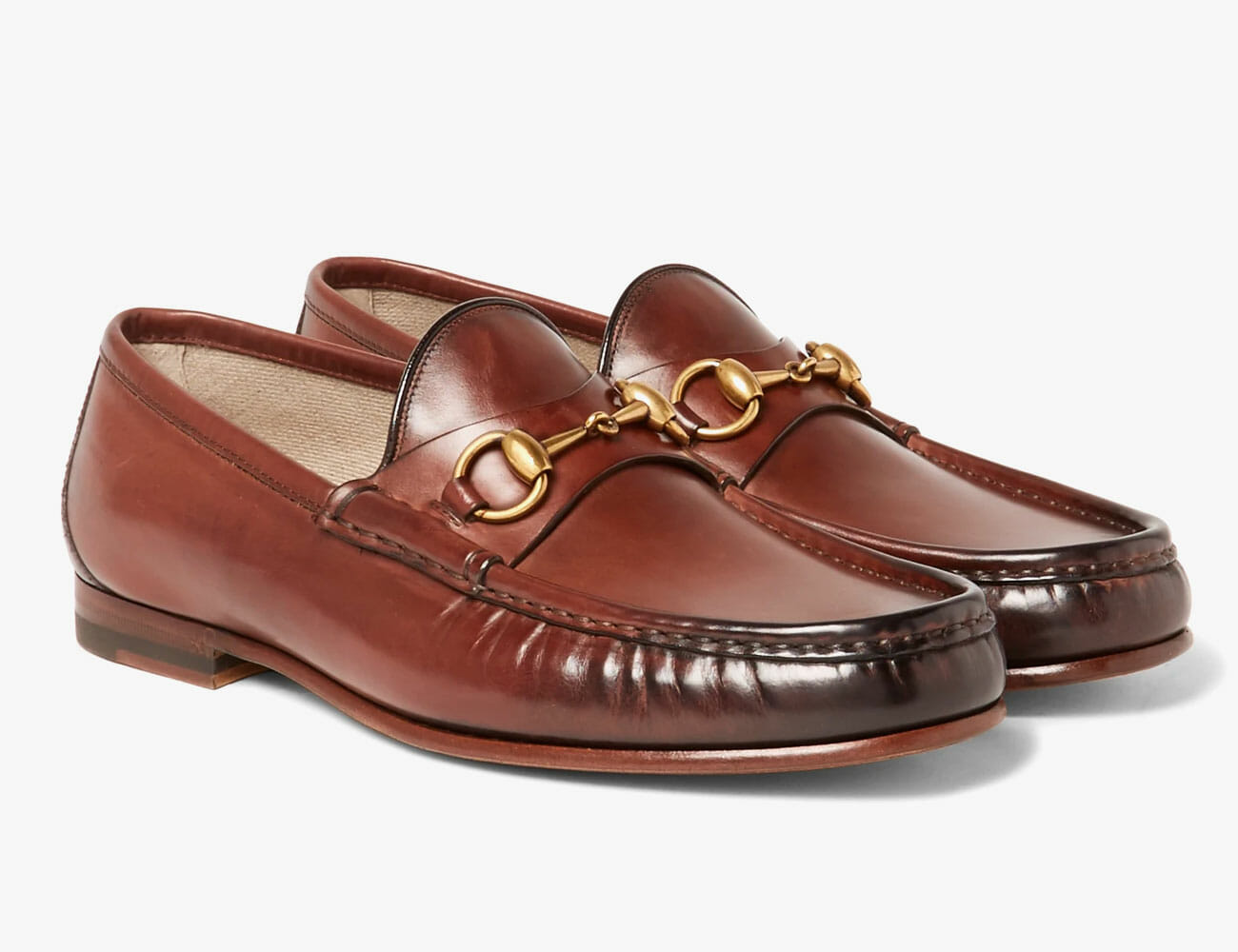
Florentine fashion house Gucci made a name for itself with luggage. In the early 1900s its founder, Guccio Gucci was working as a porter in various European hotels, notably London’s Savoy Hotel, when he was captivated by the opulent bags and trunks of well-to-do hotel guests. So, when he returned to Italy and in 1921, he started his own brand of luxury luggage aimed toward the Savoy-staying globe trotters. Employing local artisans to craft his wares, Gucci’s namesake brand was a hit with its intended audience. The brand’s appeal (aside from uncompromising quality) came with its equestrian-tinged designs, a hobby of the rich at the time. Bit hardware and green-red-green grosgrain both referenced horseback riding and eventually became associated with the brand’s luggage and clothes.

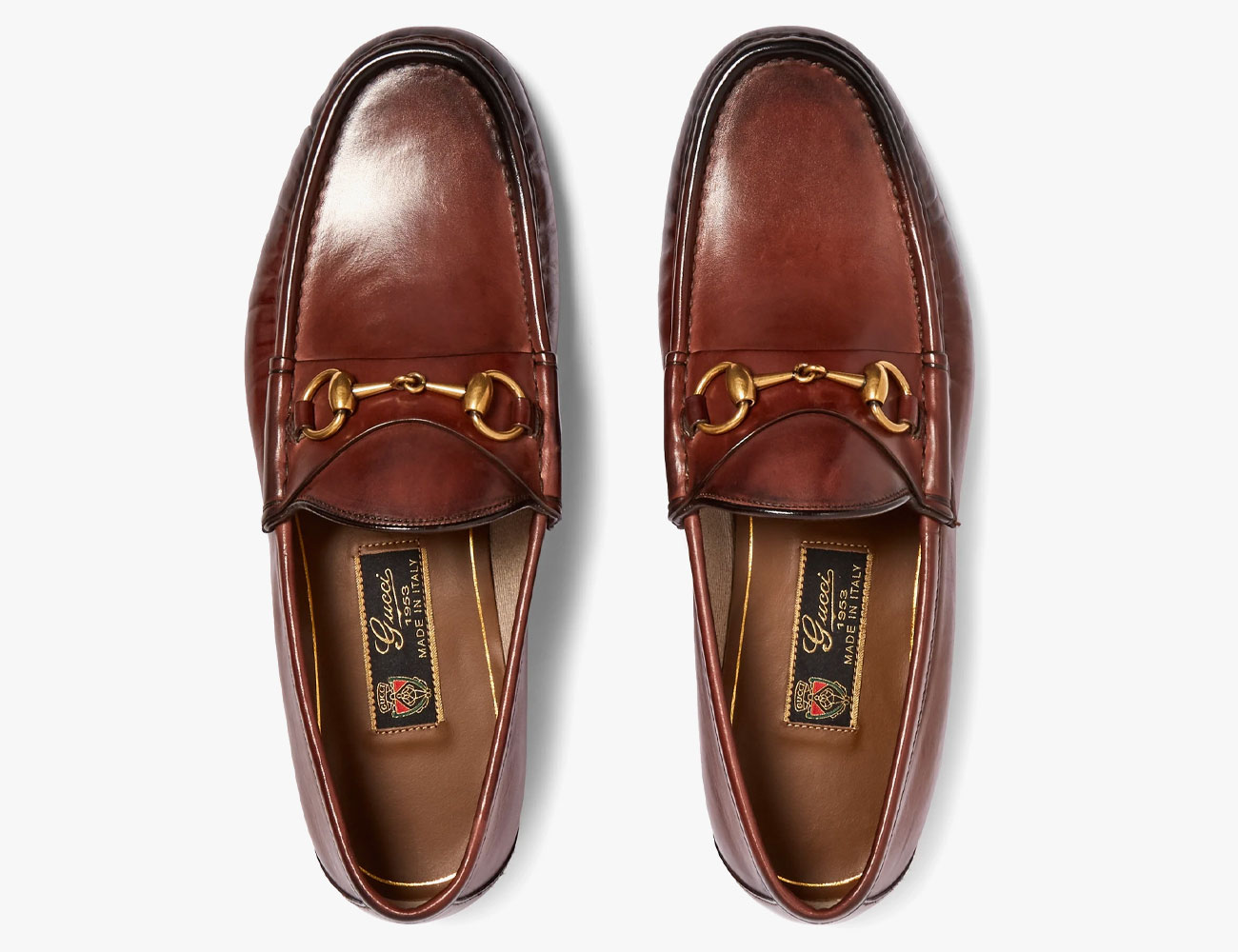
Decades later, Gucci had a watershed year. In 1953, its founder passed away on January 2 leaving his son, Aldo Gucci, to take over. The brand also stepped into the international market with the opening of its 5th Avenue Manhattan store, and the release of its iconic Gucci Horsebit Loafer. Men’s fashion writer Bruce Boyer notes that the earlier versions of the shoe were designed in the 1930s, the same decade as the iconic Bass Weejun penny loafers were cemented into the style annals. “Although the original version was constructed of heavier saddle leather, the design was what it remains faithful to today: a successful effort to retain the comfort of the moccasin while adding the fashion and elegance of a dressy shoe,” Boyer notes. “In short, it was the first shoe that bridged the gap between casual and business wear.” Regardless of dates — or tassel and Prince Albert variations — the new Gucci loafers became a fast favorite Ivy leaguers on campus and on holiday abroad.

But, it’s no surprise because loafers are a perfect hybrid. Not so on-the-nose as Cole Haan’s chimera sneaker-oxfords which enjoyed a shooting star moment before fading almost completely from existence. Loafers more elegantly combine the comfort of moccasin construction with the dress of a leather sole, often including a decorative element like a strap, tassels, or in Gucci’s case a bit of hardware. Loafers, those from Gucci especially, are planted firmly between dress and play, calmly standing its ground through fashion’s spectral oscillations like the perennial Levi’s 501. Gucci loafers have an American chassis, sleek Italian tread and a toe box that’s not too round nor too square (definitely not pointy). Some might read the callsign hardware as flashy, but the number of fashion cycles it’s been through has canonized it thoroughly.

And don’t let Gucci’s high-fashion associations illicit dubious thoughts regarding the Bit’s quality. The shoes are crafted in Gucci’s atelier in Italy, every step precisely approached by hand. The classic 1953 version features moccasin-style uppers built using premium leathers that are artisanally patinated with microscopic discernment. The uppers are then attached to the leather soles via resolable Blake stitch construction which is carefully hidden behind an invisible channel decorated with ornamental sole fudging. Finally, the shoes are crowned by the requisite horse-bit across the vamp.

The shoe takes up pages in style manuals such as The Official Sloane Ranger Handbook and archival Japanese magazines. It’s been reinterpreted into countless versions with pointier toes, backless uppers, fur lining, lugged soles and more. Even more imitators have followed in its wake, though none come with Gucci’s cachet. Aside from the chino-wearing sweaters of Princeton’s 1958 class, the Gucci loafers have been spotted on Francis Ford Coppolla paired with a military jacket; on Jodie Foster below corduroy trousers, a sweater vest and a flat cap; or on the red carpet in all manners of formal attire on the likes of Donald Glover and Harry Styles.

It’s not just the stylish and uber-famous set donning Gucci’s loafers, either. They’re still aspirational for many, and sought by even more (thankfully eBay exists). A pair back in 1974 would have cost you $59. Though inflation brings that to just over $300 today, you can expect to pay double that on 5th Avenue. In spite of that, the status shoe keeps growing. Gucci sales have ballooned from over $4.5 billion in 2016 to $9.2 billion in 2018.

The world is not short on shoes. Oxfords, Chelsea boots, Chuck Taylors — they’re all verified classics. And while the penny loafer may reign as the definitive loafer style, there is only one loafer — one shoe — that is part of the Metropolitan Museum of Art’s permanent collection. And, it bears the Gucci name.

We Cut 5 Great Boots in Half to See What Makes a Quality Pair

Frequently at Gear Patrol, we implore readers to invest in quality boots. We wax poetic about how a great pair will age: how it will develop a unique patina, how it will form to the wearer’s foot, how it can be resoled countless times. We talk about it like it’s a serious investment, not as a rhetorical exercise, because it actually is. Most quality boots cost hundreds of dollars and are designed to last for years. Read the Story

Note: Purchasing products through our links may earn us a portion of the sale, which supports our editorial team’s mission. Learn more here.

Gerald Ortiz is a staff writer at Gear Patrol covering style. From San Diego, now New York City.

More by Gerald Ortiz | Follow on Instagram · Twitter · Contact via Email

The 12 Best Leather Jackets for Men

Like a lot of the clothing guys wear today, the leather jacket got its start as a utilitarian object. There was no need for a bomber jacket, a motorcycle jacket or a racing jacket before the inventions of the airplane, the motorcycle or the automobile.

But leather jackets didn’t make their widespread style debut until after World War II, when the idea of leather for style, instead of purely for function, started seeping into popular culture.

After sky-rocketing to popularity by way of Marlon Brando in the film The Wild One, the motorcycle jacket became such a symbol of youth in revolt that it was banned in schools for an entire year in the mid-1950s. And this helped place them on the backs of guys who wanted to telegraph rebel cool, gaining popularity throughout the 60s, 70s, and 80s.

“[For] everybody from Elvis to The Beatles, to The Stones, every psychedelic band from the Jefferson Airplane to the Grateful Dead, it was like a rite of passage,” said Michael Paradise, a former employee of North Beach Leathers who now owns The Stronghold, a heritage clothing boutique in Los Angeles. “You signed a recording contract, you got your first paycheck, you went to North Beach Leather.”

They’re now an indispensable part of a man’s wardrobe — and guys who work in more casual settings can get away with swapping a minimal black, brown or navy leather jacket for a blazer. It’s more durable, water repellent, and looks just as good over jeans as it does with a pair of tailored trousers.

With so many options on the market, finding the perfect one for you can take a lot of time and research — and it’s worth taking your time. Because unlike other clothing, buying a leather jacket is like buying a piece of furniture. Pick the right version and you’ll have it for years to come. Go with the wrong thing, and you might end up making an expensive mistake.

To help shorten your list of candidates, we compiled our favorites across four major categories. We also spoke with experts about style, fit, quality and care to help inform your purchase. Here are our recommendations, from the save-a-little level to splurges that might break the bank, and a guide to making sure your newest style investment lasts a lifetime.

Recommended picks by Gerald Ortiz.

Motorcycle Jackets

The classic motorcycle jacket is an immediate marker of rebel cool. In fact, it’s been used in so many movies and TV shows as shorthand for “bad boy” that it should be a tiresome cliché at this point — and yet its magic still works. Throw one on and you’ll immediately embody the rugged charm and sex appeal of every style icon of the last several decades. The best thing about a biker jacket, providing you get one worth its skin, is that it keeps getting better with age.

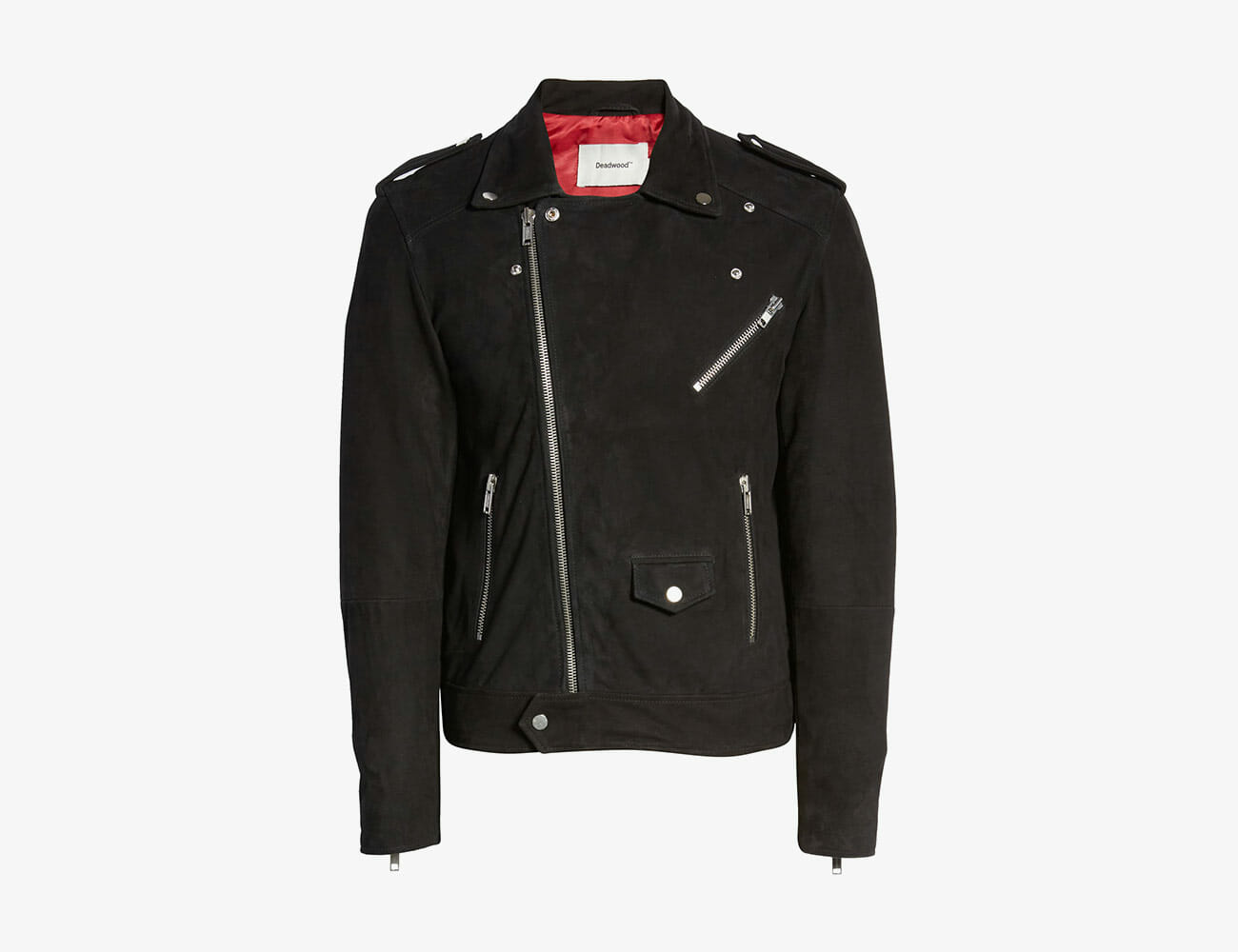
Deadwood Rover Suede Moto Jacket


Deadwood take on the moto jacket is a shift into sustainability using recycled leathers from deadstock skins and upcycled waste materials. This one, made of luscious recycled suede, comes with all the trapping of a true road-ready jacket with the added cachet of doing better by Mother Earth.

Schott Perfecto ’50s Oil-Tanned Cowhide Leather Moto Jacket
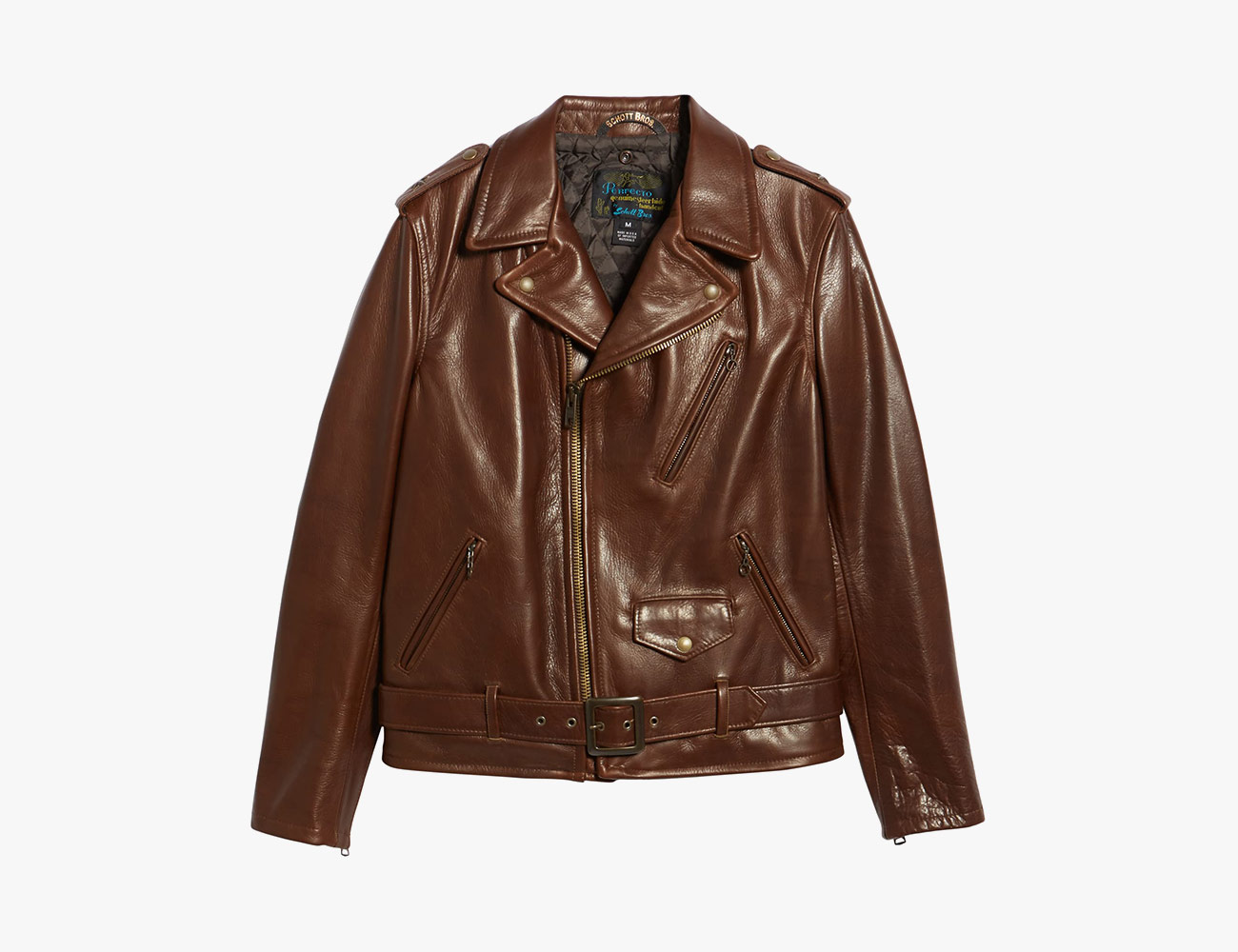

Nearly a century after its inception, the OG motorcycle jacket is still in production. With a belted waist, epaulets, snap collar, map pocket, flap pocket at the waist and, of course, tough oil-tanned cowhide, it’s the moto jacket defined. You can be sure that this will last you another century when it’s still an icon.

The Real McCoy’s Buco J-24 Horsehide Leather Jacket
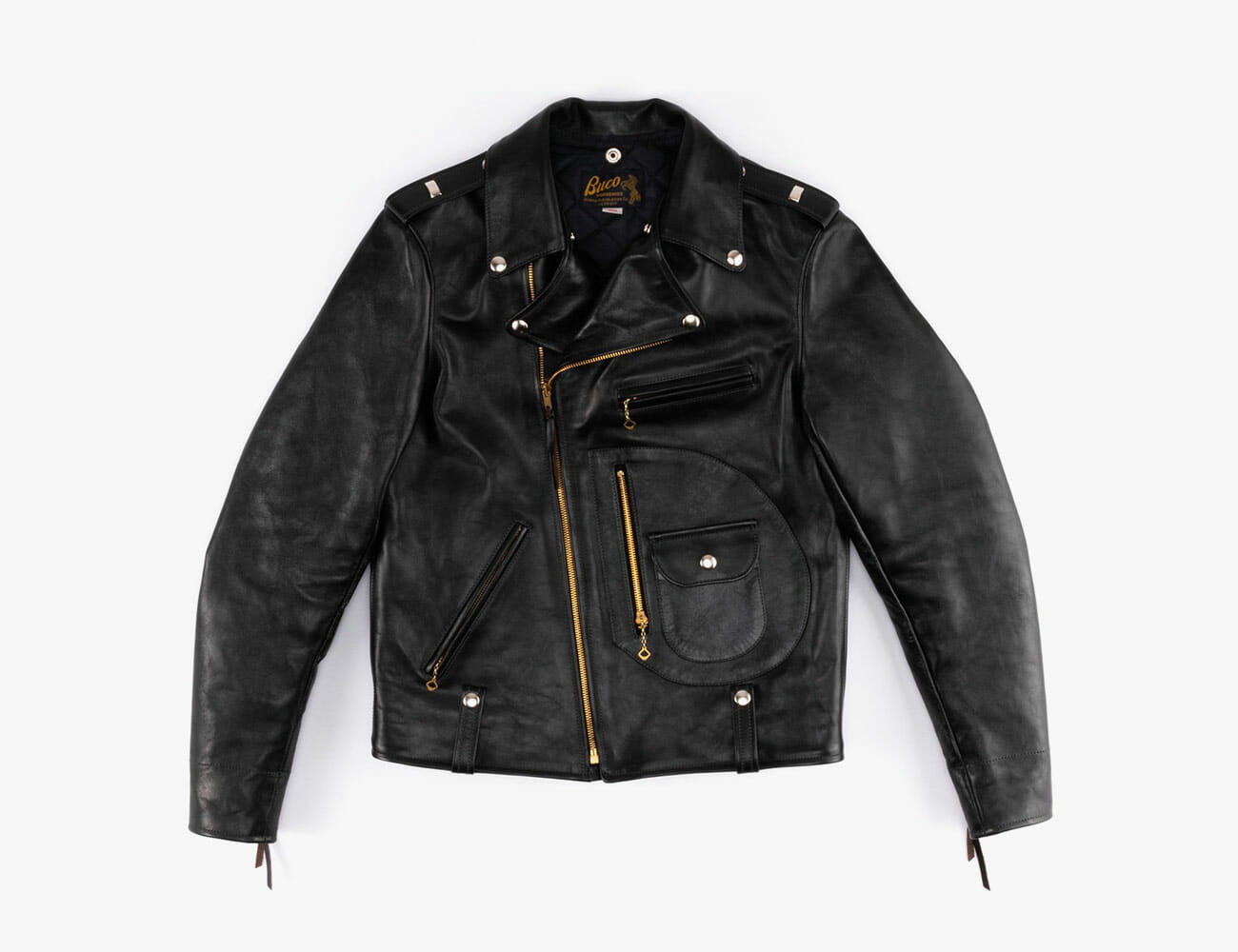

While authenticity can be had with Schott, you can’t much closer than this legendary Buco jacket from Japanese repro-obsessives The Real McCoy’s. That’s because the the storied motorcycle brand has been defunct for decades. But, The Real McCoy’s has gone to extreme lengths to reproduce Buco’s classic jacket from the ’50s with patina-ready horsehide, Talon hardware and quilted lining. Of course, this Japanese-made replica won’t come cheap.

Bomber Jackets

Originally worn by Air Force pilots to keep warm at high altitudes, the leather bomber jacket has come a long way from its pragmatic beginnings. But for the most part, its design has stayed true its roots.

Today, it’s among the most popular menswear items on the market thanks to male celebrities who rely on it to make them look well-dressed, but not dressed up and cool but not too edgy. “It’s a safe bet, like a pair of jeans,” says Jeanne Yang, stylist to a list of guys that includes John Cho, Alexander Skarsgaard and Robert Downey, Jr., among others. “If you’re gonna spend the money, it’s something you know you can keep on rotation in your closet.”

Everlane Bomber Jacket
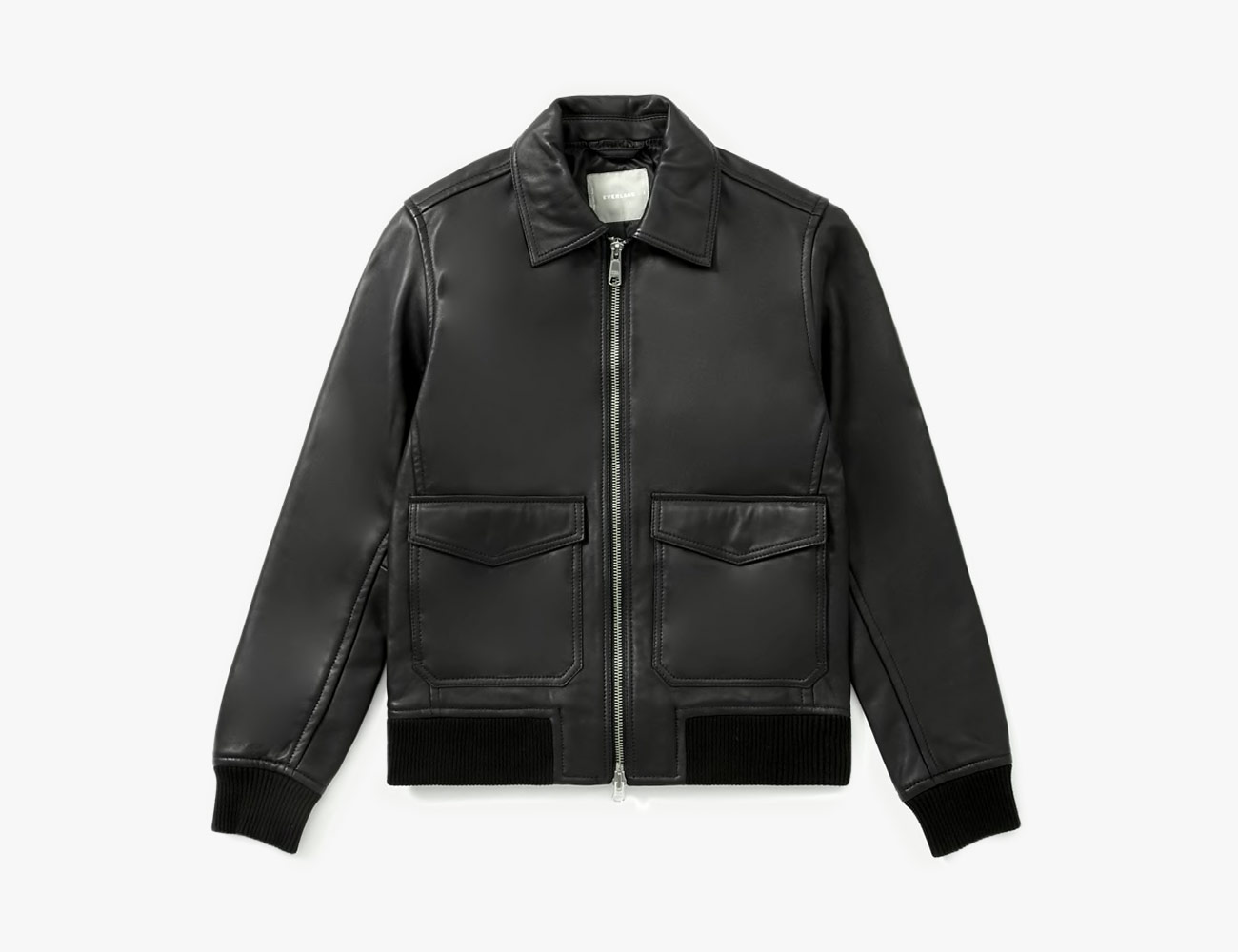

Extraneous details are nowhere to be found on Everlane’s supple lambskin Bomber Jacket. Clean and straightforward (as a bomber jacket should be), this one comes with flush flap pockets, a convenient two-way zipper and a surprising price tag.

Freenote FJ1 Flight Jacket
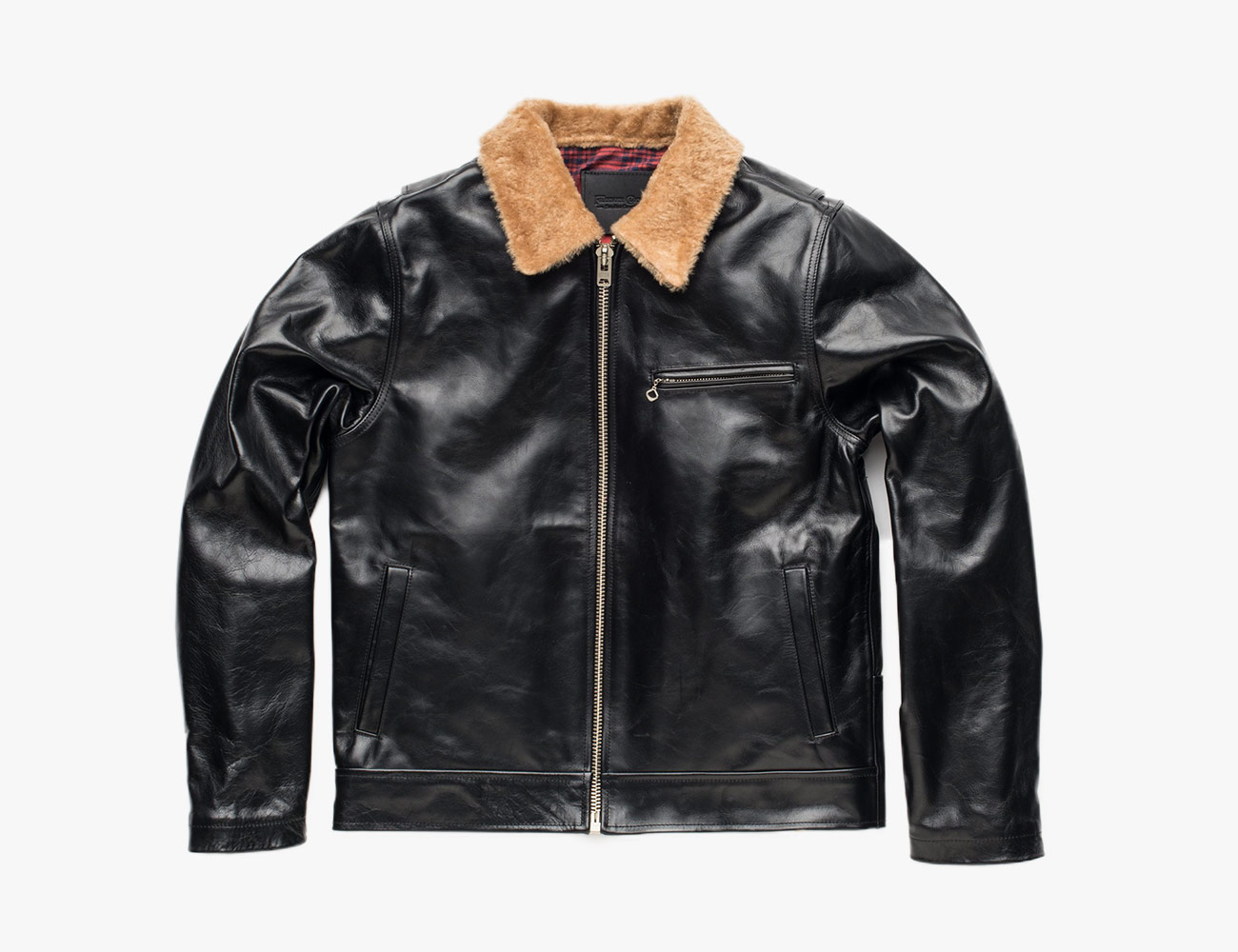

Freenote’s FJ1 Flight Jacket is what you would call “a real looker”. Vintage motorcycle jacket vibes emanate from the glossy Italian steerhide, but it’s cleaned up of the hardware clutter. You’ll feel great wearing it thanks to the brushed plaid and satin lining. You’ll also feel pretty badass with the shearling collar.

Todd Snyder Italian Leather Aviator
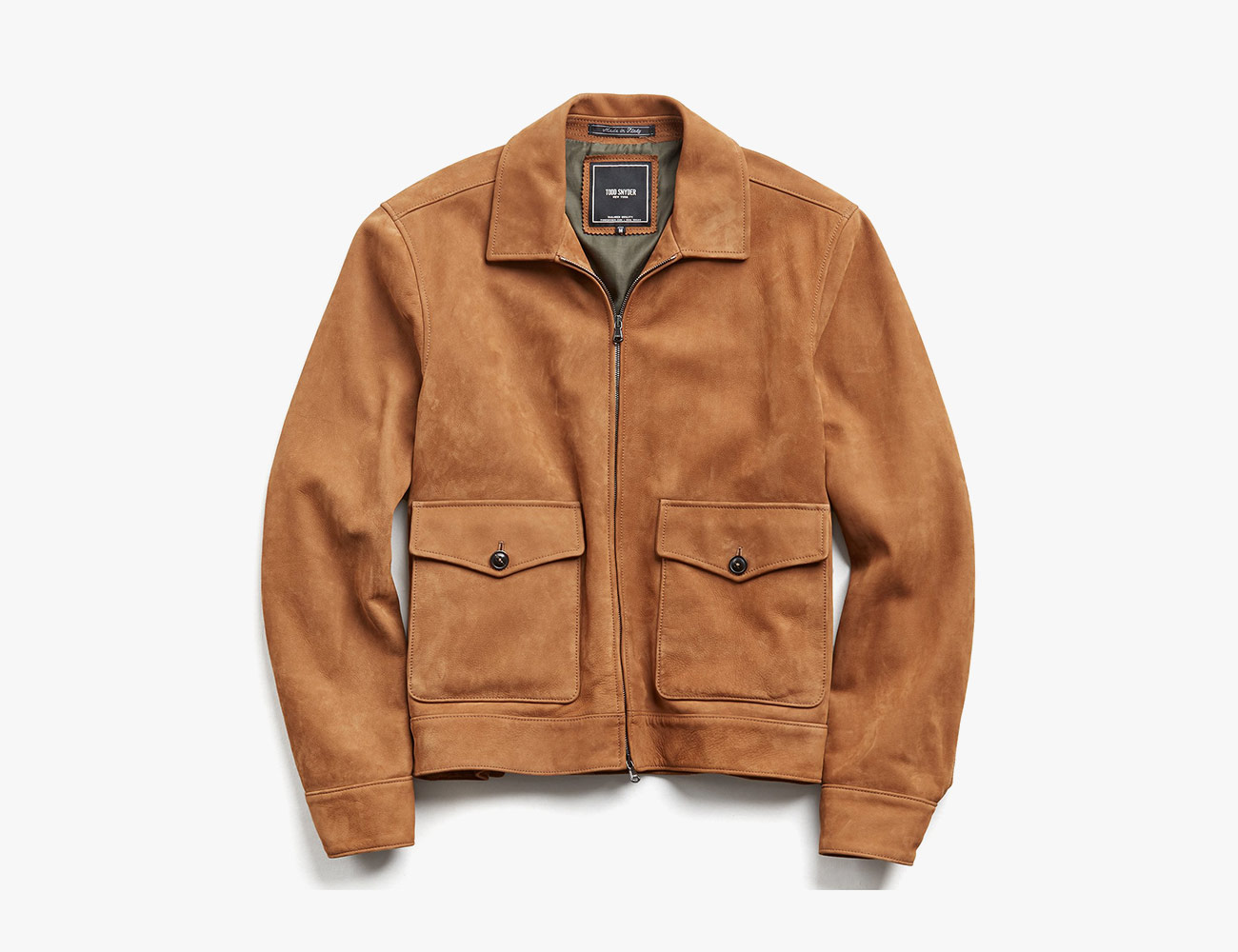

When it’s not cozying up with Champion for plush sweaters or masterfully tailoring suits, Todd Snyder is crafting some of the best outerwear anywhere and its Italian Leather Aviator is just one of the many great examples. With a more refined, velvety Italian nubuck leather, the jacket is a breeze (and a privilege!) to slip into with its silky Bemberg lining and cleverly comes with more pockets than you think. There’s a certain midcentury cool about it that only Miles Davis could exude. If you’ve got the cash, you can too.

Racing Jackets

If you’ve ever watched Easy Rider or seen a photo of Keanu Reeves, you know that leather racing jackets aren’t meant for kids. The collarless gems have all the testosterone of a motorcycle jacket — but none of the 1950s Danny Zucko theatrics. Plus, they come in a wide array of styles from pared-down suede numbers to more souped-up versions with quilted shoulders and elbows.

Frye Calfskin Leather Racer Jacket
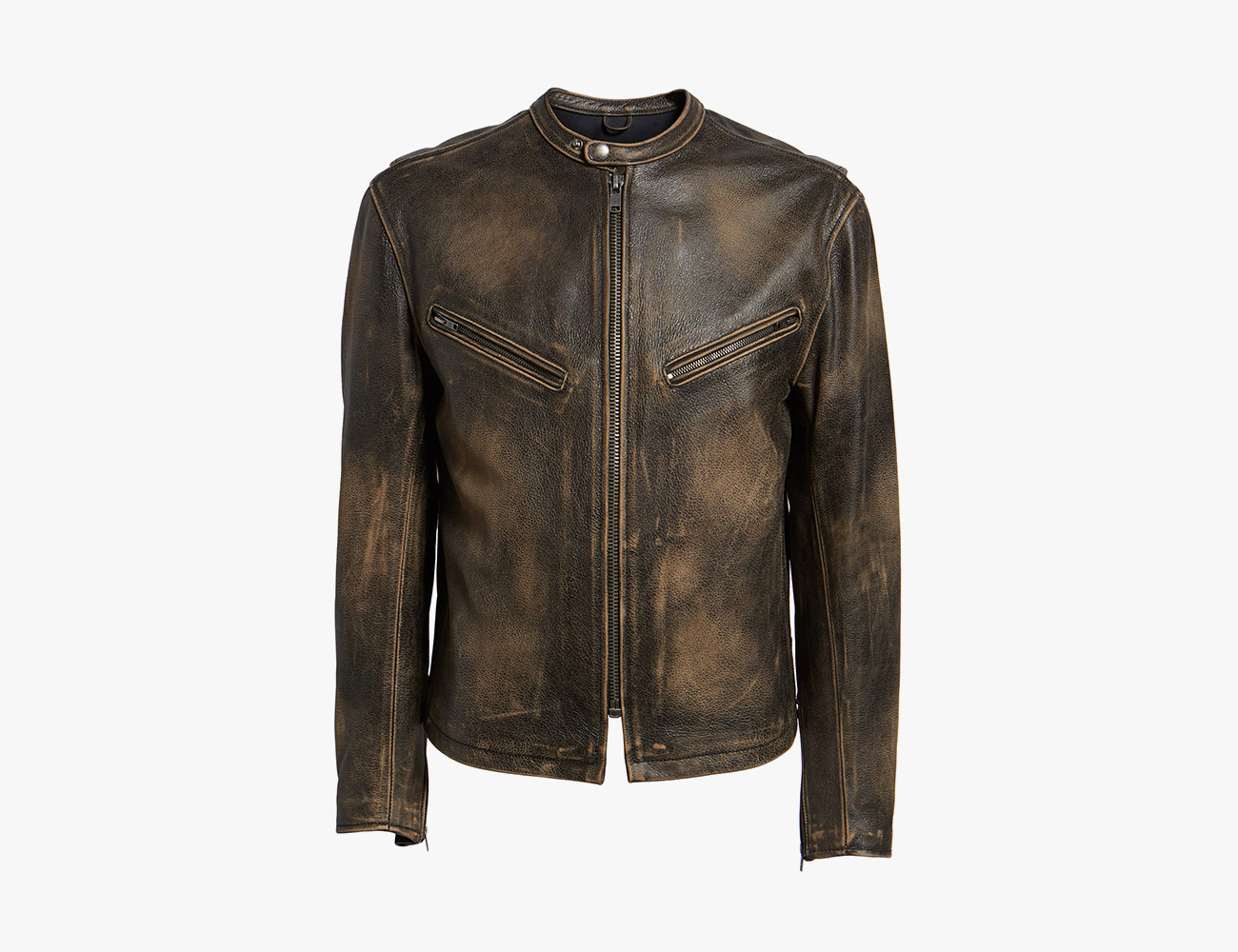

If you’re into the worn-in cafe racer look but don’t want to go through years of road time to get there, Frye’s got your jacket. Tastefully weathered, the jacket is as rugged as the competition but just a notch sleeker.

Flint & Tinder x Golden Bear Cafe Racer
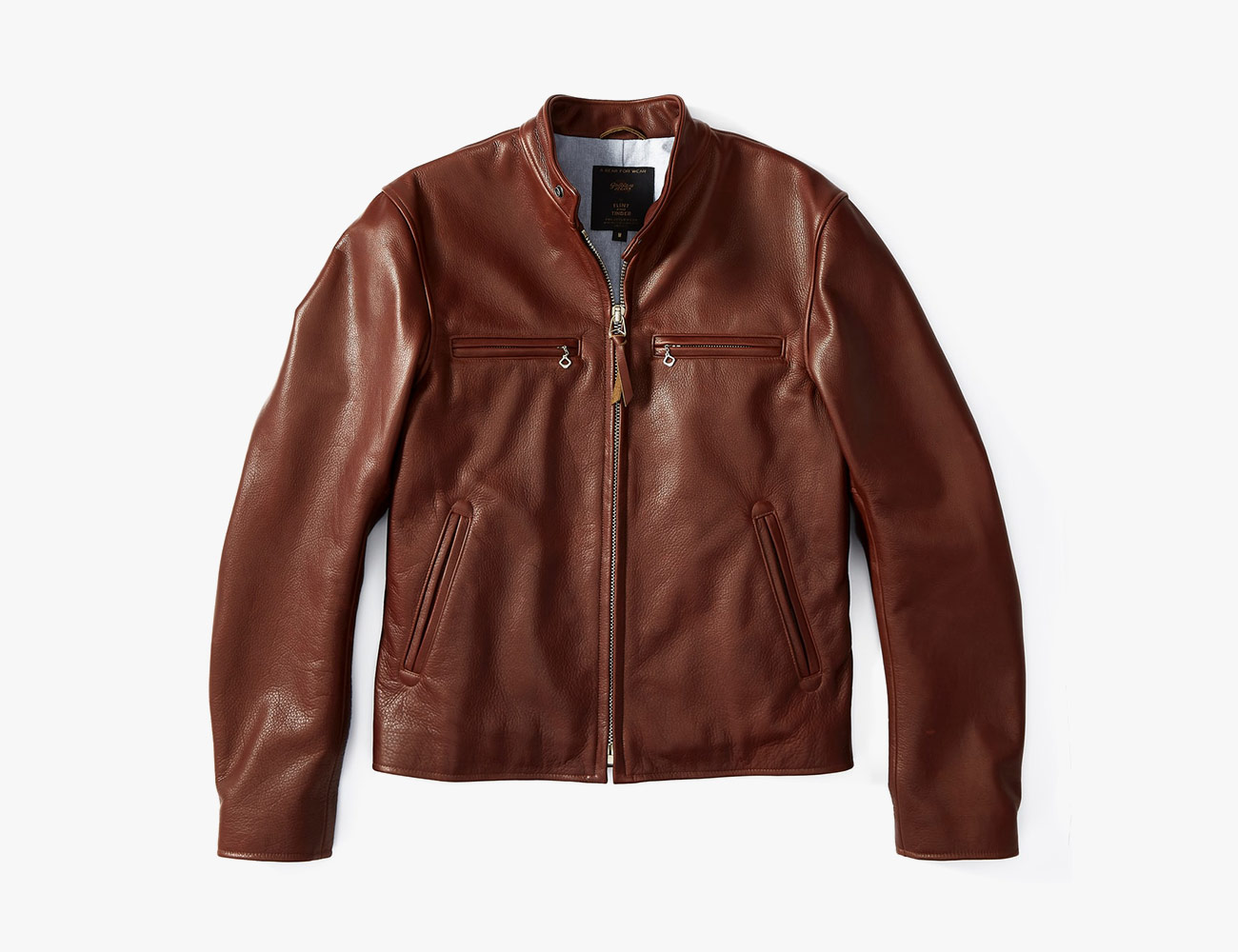

San Francisco’s Golden Bear has been in the business of fine outerwear since 1920 and this collaborative effort with Flint & Tinder is one of the finest. The break-in period is nonexistent thanks to the buttery soft grainy cowhide, but, unlike Frye’s version, the patina is left all up to you.

Iron Heart Horsehide Leather Jacket


Iron Heart’s notorious for some seriously heavy jeans, so it’s no surprise the gearhead-inspired brand makes some equally burly leather jackets. This cafe racer is done exclusively for denim deity Self Edge and comes with Japanese horsehide, a beefy flannel lining and major street cred.

Shearling Jackets

Shearling (the skin and fur of a sheep) is nature’s warmest material. Because of that, most jackets cut from it can lean toward the higher side of the price spectrum. They can also be tough for some guys to pull off.

“Shearling is a great look but you have to find the proper fit for you,” says Donnell Baldwin, a New York-based menswear stylist. “Many shearling jackets are long and could be ‘a lot of look’ for a shorter guy. If that’s you, you’ll need to find a short version that complements your height and style.”

Spending upwards of $2,000 on a shearling jacket that you can hand down to the next generation isn’t any more frivolous than investing in a luxurious watch. Here are three worth saving for.

Alpha Industries B3 Faux Leather Flight Jacket


Alpha Industries’ entry into the shearling section might be made of faux leather, but its cool factor definitely hasn’t taken a hit.

Valstar Shearling Trucker Jacket


Towed by the classic denim trucker jacket, Valstar’s furry take on the icon is perfectly proportioned. The front pleats, flap pockets, button front and cropped fit are all there, but rendering it in premium sheep shearling elevates the humble trucker several factors over.

Nine Lives El Rodeo Cashmere Shearling


Nine Lives takes the road even less travelled with their madman approach to clothing that blends couture-level processes with a futuristic outlook on time-tested garments. Their El Rodeo coat, instead of using the usual sheep shearling, opts for cashmere shearling. The swap in materials certainly ups the price tag, but we’d think it’s proportional to how cool this jacket is.

5 Tips for Taking Good Care of Your Leather Jacket

This is the part where we tell you not to throw an investment-level jacket on a pile of clothes — or worse, the floor — after each time you wear it. Your new jacket deserves proper care, and luckily that’s pretty easy to deliver. We asked David Mesquita, co-owner and vice president of Leather Spa, how to give your jacket its best life possible.

An Ounce of Prevention

“Leather is just like our skin, we put moisturizer on in the winter because our skin gets dry. It’s the same with the leather jackets. As you’re wearing it, rubbing up against stuff, the natural oils in the skin are gonna wear out,” Mesquita says.

Leather Conditioner by Leather Spa $13

Before you wear a new leather jacket the first time, spray your jacket with water and stain protector, especially if it’s made of suede. Then at least once a season, you’ll want to condition your jacket to keep the leather from drying out. “If it’s something you wear often, you might have to do a conditioning in the middle of the season versus waiting till the end,” he added. “A good rule of thumb is you can always look at the jacket and you start to see some fading. That could be a sign of it drying out and you should apply some moisturizer.”

But fair warning: it may darken the color of your jacket. If you’re not sure how much to use or nervous about application, ask a professional.

Give it Some Space

There’s nothing wrong with storing your jacket in the back of your closet during the offseason. But you want to make sure it has room to breathe and hang naturally. Don’t cram it into an overcrowded closet or store it folded under heavy coats and sweaters. Marks from creases and folds can’t be ironed out of leather the way they can with other fabrics. So you want to avoid any undue pressure for long periods of time. To keep your jacket next-level fresh, consider keeping a box of baking soda or a sachet of cedar chips in your closet.

Hang Tight

Never hang your leather jacket on wire or thin hangers. Instead, spend some money on wooden hangers with adequate shoulder support.

“I wouldn’t let it sit on one of those thin hangers for too long because it stretches the shoulders out and leaves that imprint,” Mesquita said. “The best way to store leather items is in the fabric garment bag you get when you purchase the jacket because they’re breathable. God forbid you have your jacket in a storage unit and there’s some type of humidity or moisture that gets trapped in there.”

Clean it Fast

Spilled beer, motorcycle grease and other kinds of dirt are going to happen. But don’t let stains sit for more than an hour or two, or they’ll require professional cleaning.

“If you get a stain on it or a mark, you want to treat it right away before it penetrates into the pores of the skin and becomes permanent like a tattoo,” Mesquita says. “The best time for any type of care is when you get home just before putting it away in your closet. Look it over, and if you see a little spot or a blemish just rub it right off before it becomes permanent. Or use a little bit of a spot cleaner and then just rub it right off.”

Know When to Go Pro

For anything more intense than a spilled beer or a spot of dirt go straight to a pro. Trying to fix something without the proper training could just lead you down a path to more trouble. Put simply, “If its a jacket that you spent a lot of money on, you’re better off taking it to a professional,” Mesquita says.

Essential Boots

This guide to the best boots for men covers nine different categories, including work boots, Chelseas, chukkas and more. Read the Story

Note: Purchasing products through our links may earn us a portion of the sale, which supports our editorial team’s mission. Learn more here.

5 Haircare Resolutions Your Barber Wishes You Would Make

We want you to have a good hair day. Nay, a good hair year. And to do that, you’ve got to think about making some changes. We’re not suggesting that your current hairstyle needs an edit, but in order to get the most out of it — or rather, in order for it to look its best every single day — you might benefit from a resolution or two.

And what better time to make some resolutions than in the new year? To help hone in on some universal hair-care tips, we sought expertise from barber Alex Brenard, of Blind Barber in Philadelphia. Here are five things — from hair-perfecting products to barbershop etiquette — that will have you on track for a capital-letter Good Hair Year.

1. Invest in dry shampoo

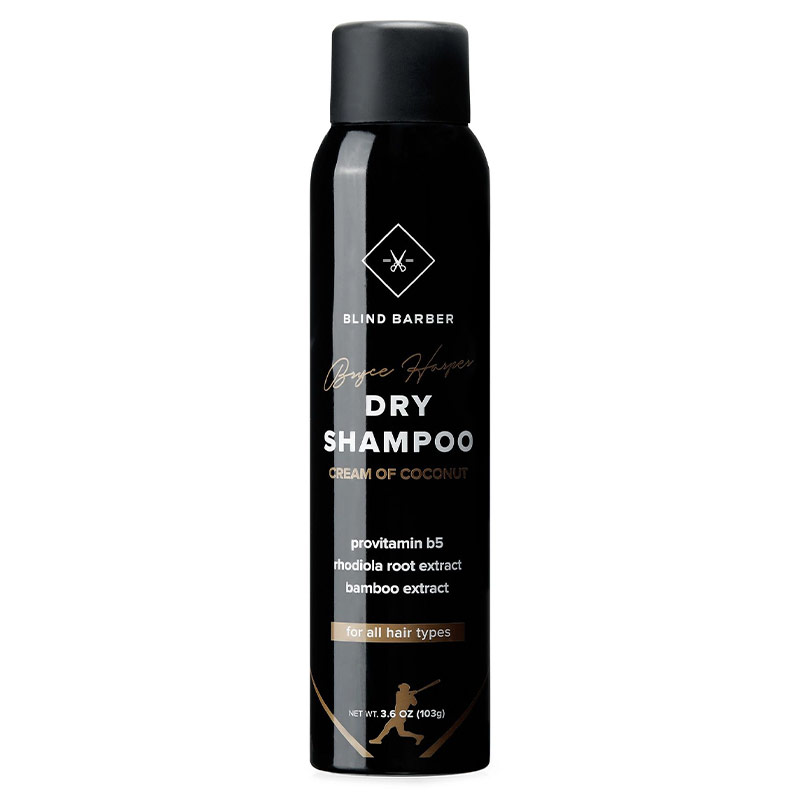
If your hair gets too glossy by day’s end — and if you’ve no time for a proper shower — then there’s an easy fix. Brenard suggests keeping a dry shampoo at the ready, both on your sink ledge or in a gym bag. “While not a substitute for a real shower with shampoo and conditioner, dry shampoo is a perfect way to refresh your locks if you can’t squeeze in a shower after a long day at work or post-gym,” he says. “It absorbs oils and odor to help you get over the hump before your next refresh.”

It’s also great for the days you don’t shampoo your hair (since it can turn hair dry and limp if you overwash). A good plan is to shampoo every few days and use dry shampoo ad hoc on the in-betweens.

Dry Shampoo by Blind Barber + Bryce Harper $22

2. Prioritize scalp health

“Remember that healthy skin yields healthy hair,” Brenard says. “Just like the rest of your skin, your scalp also gets dry and flakey, especially when the temp drops. To prevent or correct this, get a moisturizing conditioner with ingredients like avocado oil or shea butter, and use it every time you shower.” This helps nourish the scalp and the hairs, and it will remove excess grease without drying out the hair-nourishing oils produced by your scalp.

As an added tip, Brenard says to combine a few drops of tea tree essential oil with the conditioner, in the palm of your hand. “It will restore balance to your skin’s pH levels, eliminate the flakes and add a satisfying tingle to the entire experience,” he says.

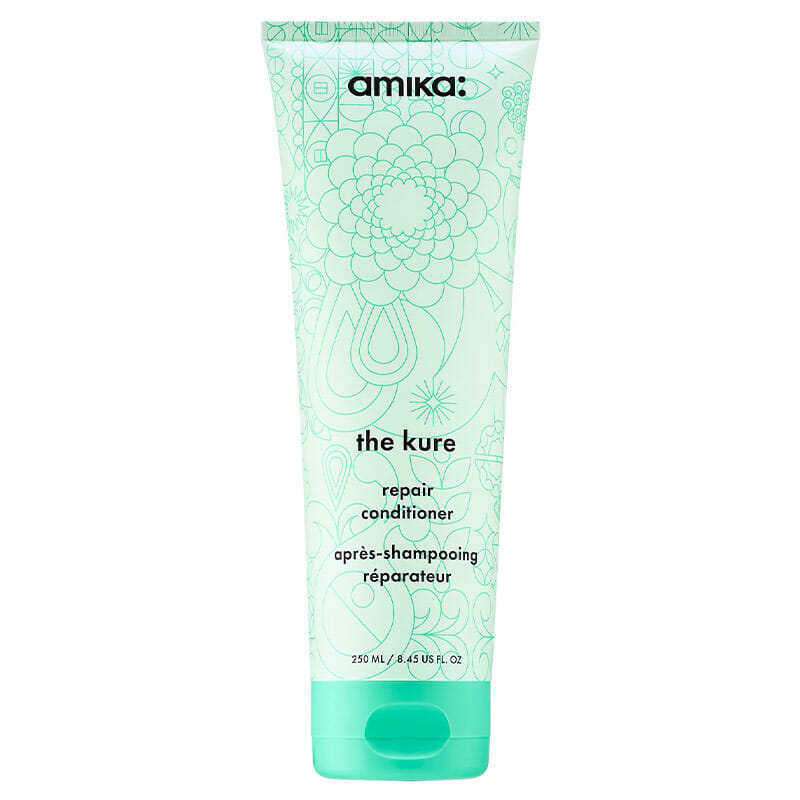
Repairing Conditioner by Amika $22

Tea Tree Oil by The Body Shop $18

3. Go lower than 0 on that fade

You might be known for having the tightest, cleanest fade in town, but it’s only true if you’ve got a subzero shave. That is, you’ve got to switch from a 0-grade on the clippers to a straight razor shearing: “It’s a close as a shave gets, and it will squeeze an extra couple days out of the skin-tight look,” says Brenard. “A good barber will use some hot foam and/or hot towels throughout the process, too. The razor shave will typically cost a little extra, but it’s a nice way to treat yourself in the new year, and onward.”

4. Make your own texturizing sea salt spray

“Many people use the new year as a chance to start on a budget,” Brenard says. And cutting out one $30+ purchase might make the difference for a week. So, in place of a top-shelf texturizing spray, you can get that “just came from the beach” tousle with a couple easy ingredients at home. “You can come close to the same professional effectiveness by putting together your own mix of Epsom or Himalayan salt (1 tablespoon), up to 1 teaspoon of coconut or jojoba oil, and a few drops of essential oil of your choice, for scent,” he says. “Mix it all together with 1 cup of hot water and pour into a spritzer bottle, for your own custom salt spray at a fraction of the cost.”

5. Don’t keep your barber waiting

When prompted for one tip about the barber-client relationship, Brenard said that all clients should prioritize being on time for their appointments and being prepared: “A typical barbershop appointment is 30 minutes and if it’s a good shop, there are likely going to be clients waiting for their spot right after yours,” he says.

“To make the most of your allotted appointment time—that is, actually having your hairs cut—come in with at least a rough idea of what you want done. Pictures always help. Perhaps a past haircut you liked, or even a celebrity whose style you dig. While a good barber will be ready to consult and guide you to your ideal look, all barbers cringe a little when a client sits down and states flatly, ‘I have no clue what I want to do’. Your hairstyle is a collaboration with your barber, and all great collaborations come from clear communication.”

Note: Purchasing products through our links may earn us a portion of the sale, which supports our editorial team’s mission. Learn more here.
This Unstoppable Menswear Designer Just Turned 21

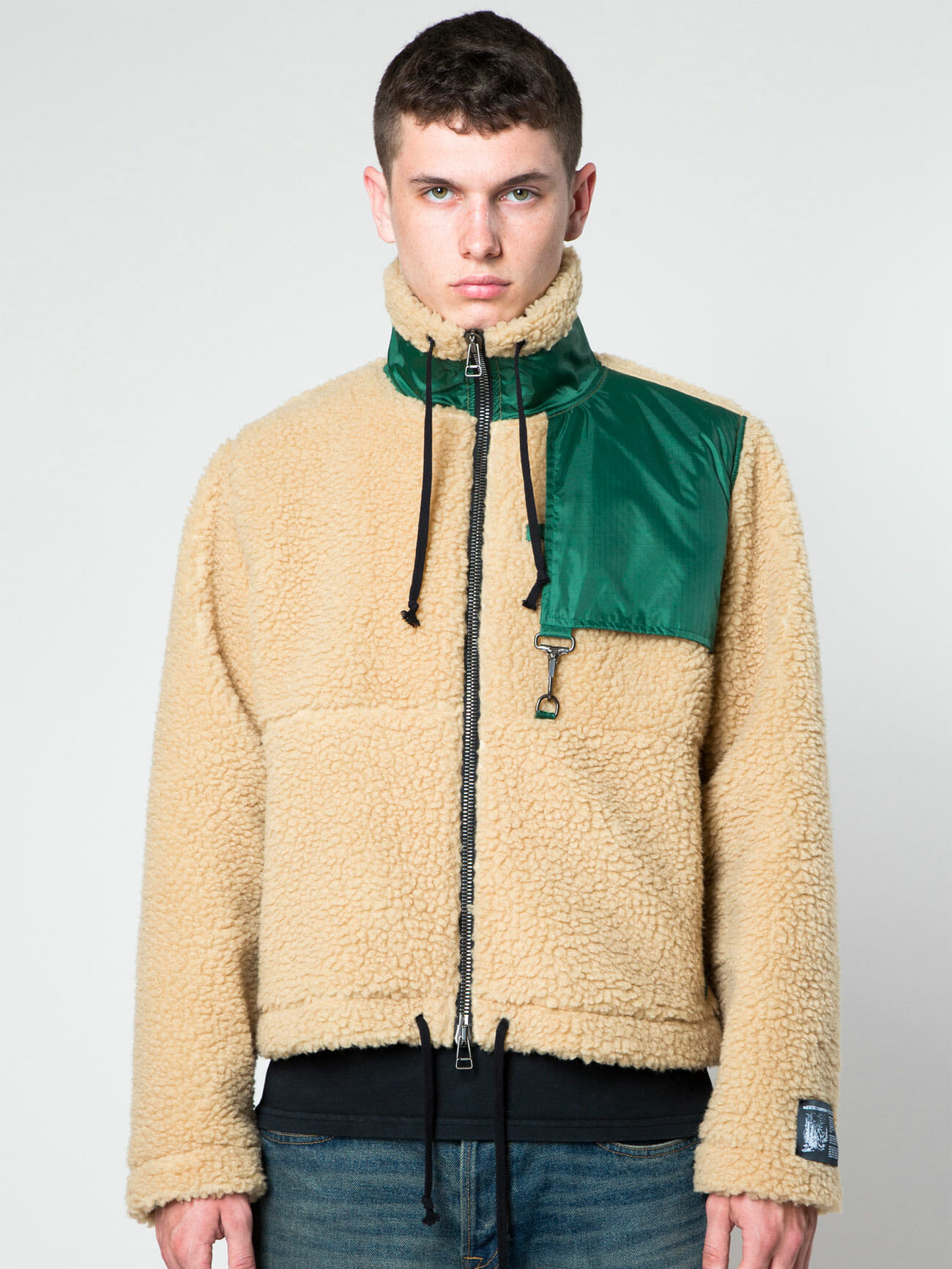
Reese Cooper is rocking the boat of the menswear world. His eponymous label has caught international attention at lightning speed with its unique spin on Americana inflected with streetwear sensibilities. In 2019, he was named as a finalist for the CFDA/Vogue Fashion Fund, a coveted title that puts him in the same circle as names like Emily Bode and Pyer Moss. His designs have earned him rack space at elite stores like Mr Porter, Selfridges and Barney’s as well as celebrity fans such as Idris Elba. With just over three years under the brand’s belt and at a fresh 21 years old, Cooper’s the youngest ever to be nominated for the award — and with no formal fashion education, no less.

Originally born in Florida, Cooper spent his early youth in Atlanta before relocating to London at the age of 11. Brightly-colored camo from streetwear giant BAPE would catch his eye and capture his curiosity enough for him to eventually land an internship with the company. It was there he cut his teeth, learning about design and production. His fashion education was furthered thanks to a local seamstress who taught him about pattern making and sewing.

After convincing his family, he eventually made his way back to the States and moved to Los Angeles to start his brand in 2016. From designing to sewing to studio photography and logistics, the brand does everything in Los Angeles between the Reese Cooper HQ and the Giannetti Factory, started by his friend Charles Giannetti who now produces for other trending brands. Having all of the pieces contained in a single location is invaluable when producing a collection. Design changes can happen at the turn of a dime, quality issues are resolved same-day rather than waiting on overseas factories for weeks. But moreover, it’s all part of the hands-on DIY ethos Cooper has developed for himself. Aside from the factory workers and his mom who handles the company’s finances, Cooper is the only employee.

Every season his collections build upon the story of the previous season. Infused with workwear and collegiate-inspired pieces, you’ll find unique takes on utilitarian vests and flannel shirts mixed with roughed up varsity jackets and screen-printed t-shirts with fictional schools. His first and second collections ‘Spoiled Children’ and ‘Seneca Arts Club’ were fueled by his grade school experiences and naysayers that surrounded him. From there, Cooper’s collections have explored summer camp, hitchhiking and vintage postcards.

Each collection he creates is certainly designed as well as autobiographical. His ‘Fever Dream’ collection saw him come out of a tough breakup and featured splashes of bright pastels as well as a self-reflective and metaphorical lookbook featuring a model being enclosed by walls. This past year saw his first women’s collection, challenging the multidisciplinary artist yet again. As for where the story goes from here, only time will tell, but we can’t wait to see.

NBA Stars and Fashion Insiders Love This Brand. Here’s Why

grey_placeholdergrey_placeholder

The number of brands that come across my desk cannot easily be indexed. One after the other, a seemingly infinite selection of brands that more or less offer the same thing. And for every 50th cookie-cutter brand I see (how many DTC basics brands can there be!?), there is one brand that holds my attention. This time, that 51st brand is Riverside Tool & Dye. Read the Story

Note: Purchasing products through our links may earn us a portion of the sale, which supports our editorial team’s mission. Learn more here.
Gerald Ortiz is a staff writer at Gear Patrol covering style. From San Diego, now New York City.

More by Gerald Ortiz | Follow on Instagram · Twitter · Contact via Email

After 150 Years, Blue Jeans Have Finally Evolved

Arc’teryx is counted among the upper echelon of technical garments. Held in the same breath as The North Face and Stone Island, the brand represents the cream of the performance-wear crop. Founded in 1989 in Vancouver by rock climbing enthusiasts David Lane and Jeremy Guard, it was first known as Rock Solid Manufacturing. The name was scrapped just two years later and changed to Arc’teryx after the first modern bird, Archaeopteryx. The outline of the fossil remains the brand’s logo to this day.

Arc’teryx built a name for itself for creating the first thermomolded foam climbing harness as well upending the jacket market with the technically superior Alpha SV jacket, an iconic piece that still remains in the collection.

The brand’s sublabel, formerly known as Arc’teryx Veilance before simplifying its name to Veilance, was launched in 2009 as a fashion-eyed branch using the same technical prowess. Since then, it’s grown organically and garnered for itself legions of fans, including fashion elite. Errolson Hugh, lauded designer for techwear brand Acronym, has gone so far as to equate Arc’teryx to Hermés.

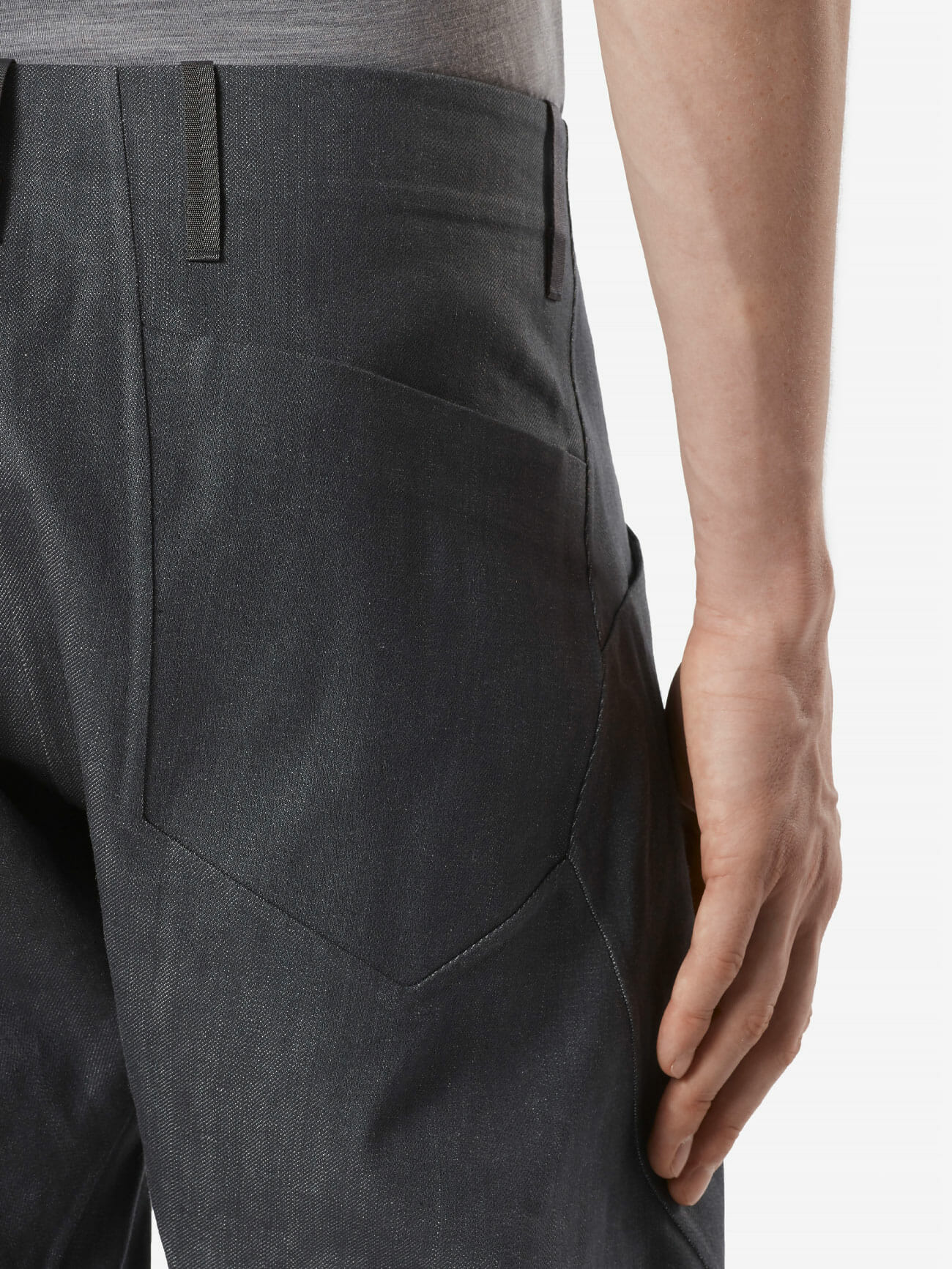
Now for the first time, Veilance is offering a jean (as well as a jacket) made from the fabric that built America. With technical innovations like the first waterproof zipper, bleeding-edge performance fabrics like Gore-Tex Infinium and more, denim wouldn’t be a fabric you’d expect from the brand. In its inception, though, denim was the performance fabric for its time. Built to withstand the elements and bear the brunt of hard labor, denim was the go-to fabric for the likes of miners and cowboys. We got our hands on the $350 Veliance Cambre pants and talked with Veilance designer and creative director, Taka Kasuga to explore.

“The initial idea was we just wanted to expand the range of our material palette,” Kasuga says. “I wanted to play with traditional materials but in a technical way. So it comes from the construction and patterning. It’s definitely an experimentation for us, tackling what denim is today and how we can make it different.”

The fabric — aside from the grey color — looks like your typical (very nice) denim. The denim’s face is sprinkled with the kind of artisanal irregularity you’d expect of a small Japanese denim mill. Unlike many technical fabrics, it’s not flat and lifeless. There’s texture. There’s tonal variation. It is, by all discernible accounts, a denim for denim lovers. But if you know anything about Veilance, you know there’s something special underneath the hood.

Kasuga says, “We looked at the modern-day menswear icons and the blue jean is definitely one of them. But we hadn’t broken that mold before. I knew that 3D patterning and laminated construction would put it in a different perspective. But we had to find the right material. So we partnered with a technical Japanese mill which has been a partner with Arc’teryx for a long time.”

While the fabric’s warp (its face or the outside of the garment) features typical cotton yarns, the magic is on the inside of the pants, the weft. The denim uses yarns made with hollow core polyester filaments and they’re the key that unlocks the jean’s performance potential. Thanks to the hollow core, the special polyester is lighter, thermoregulatory, moisture-wicking and more durable. All these properties are similar to what you’d see in many types of wool but this special fiber is softer against the skin. Plus, a wool denim just doesn’t sound very Veilance.

It also helps with the construction of the jean itself. Apart from carefully placed bar tacks for structural integrity, the jean lacks any outward-facing stitching. Instead, Kasuga opted for taped seams, which adhere to synthetic fibers but not natural fibers like cotton, to cut down the bulk of traditional felled seams. What results are seams that almost perfectly flush.

Those flush seams come in handy, too, considering the amount of carefully designed patternmaking involved. With ergonomics in mind, the futuristic jean employs a host of articulated seams and gussets meant to better mimic the contours of the human body, allowing for a more comfortable range of motion.

So, it’s a very Veilance jean. Even down to the sulphur-dyed grey colorway which also fades like normal denim. When I asked about the color choice, Kasuga’s answer was practical. “The main reason for that is because of Arc’teryx’s sustainability initiative. We didn’t use traditional indigo because it requires too much water.”

Building upon the classic blue jean is an easy task, but improving what many consider to be a perfect garment is not. The Cambre pants embody Arc’teryx’s original vision of evolution. Through trial and error, with practicality and performance in mind, every detail is considered. In Darwinian fashion, Veilance has trimmed the fat and rid the time-tested garment of the unnecessary while adapting to the needs of the modern wearer. The basic blueprint is still there, immediately recognizable. But what Veilance has birthed is undeniably the next generation of the blue jean.

Gerald Ortiz is a staff writer at Gear Patrol covering style. From San Diego, now New York City.

More by Gerald Ortiz | Follow on Instagram · Twitter · Contact via Email

This Texas-Born Workwear Brand Deserves Recognition

The drape of manual labor is fraught with labels like Carhartt, Dickies, Ben Davis, Red Kap and more. Easy enough to find in your local surplus store. But one brand gets less recognition than it deserves and that’s Stan Ray.

Texas-born, the brand has been doling out tough goods from double-knee work pants to chore coats since 1972. For years, Stan Ray’s bread and butter couldn’t be found outside mom & pop shops slinging affordable work clothes. In spite of that, the goods continued to draw fans for its price and quality. Its famed duck cotton work pants have been favored by construction workers, skaters, and both painters who take brush to canvas or to stucco. They’ve also been adopted by the fashion cognoscenti and customized to clothe celebrities.

The brand still makes plenty of goods Stateside, but it’s recently expanded operations overseas and marketed new wares to a younger audience. The result is a larger product range with more thoughtful silhouettes and greater fashion appeal that maintains the brand’s tenets of quality. Slim chinos, relaxed fatigue-style shirt jackets, hardy sweats, even rugbies and military liners are all a part of the collection.

And while the range has swelled, the prices still remain reasonable. You’ll still have to search a bit to find Stan Ray at your local menswear shop, unfortunately. Until then, UK-retailer END stocks the full range.

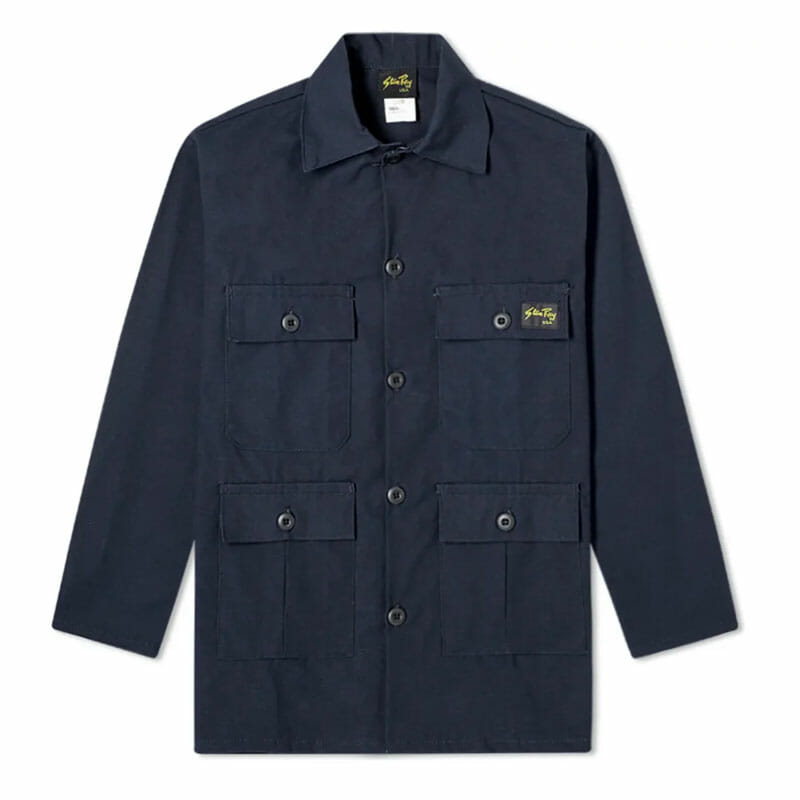
Four Pocket Jacket by Stan Ray $99

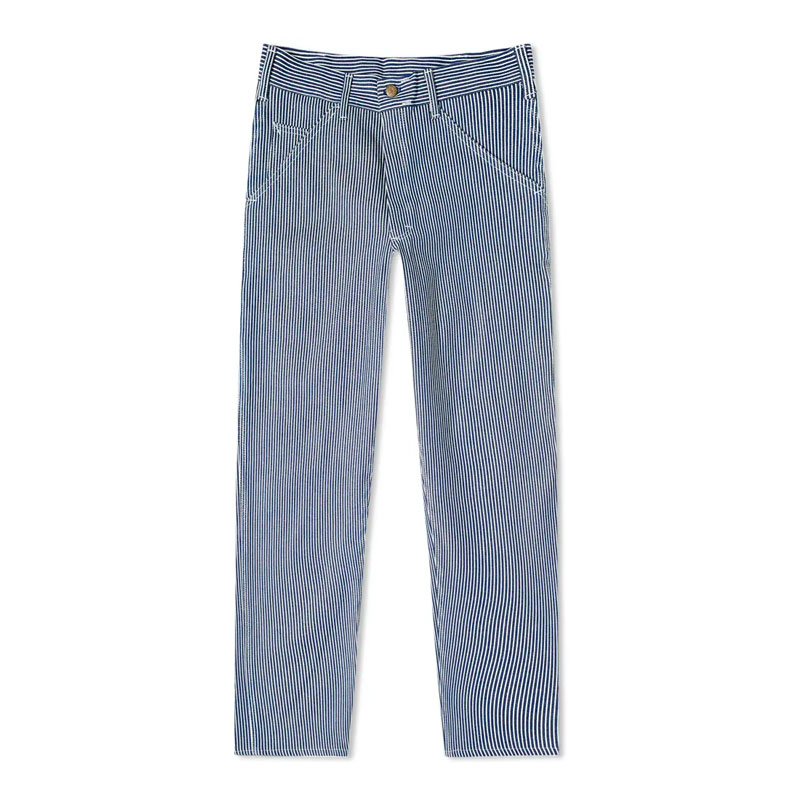
Slim 80s Painter Pant by Stan Ray $99

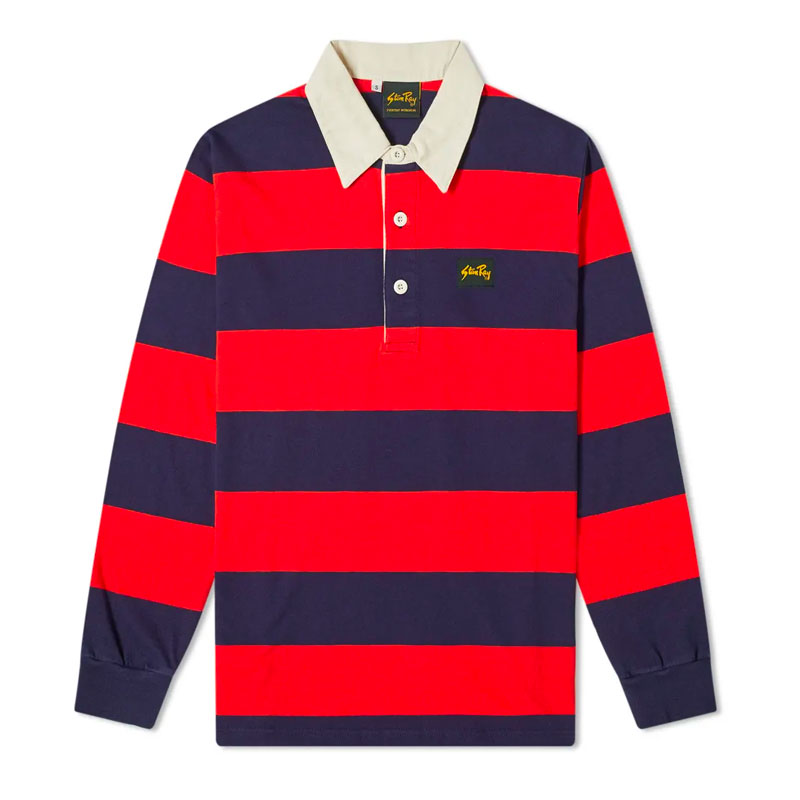
Rugby Shirt by Stan Ray $119

CPO Overshirt by Stan Ray $115

Slim Fit 4-Pocket Fatigue Pant by Stan Ray $89

Easy Chino by Stan Ray $89
Note: Purchasing products through our links may earn us a portion of the sale, which supports our editorial team’s mission. Learn more here.
Gerald Ortiz is a staff writer at Gear Patrol covering style. From San Diego, now New York City.

More by Gerald Ortiz | Follow on Instagram · Twitter · Contact via Email

5 Skincare Resolutions Your Dermatologist Wishes You Would Make

Now that you’ve reflected on your 2019 successes and shortcomings, it’s time to draft up those 2020 intentions. Maybe this is the year you want to switch careers, or pay off your credit card debts — kudos for making some lofty and achievable goals for yourself.

It’s also a natural time to think about your health. Perhaps you could make those doctor appointments you’ve been putting off. And why not book an appointment with your dermatologist, to outline some skincare resolutions? A board-certified dermatologist can work with you to develop a simplified, but thorough regimen as it pertains to your own skin goals — be it anti-aging, anti-acne, oil control, combating dryness or anything else.

While your doctor can tailor her or his tips to you, there is also great universal advice to consider as you make these skin-friendly resolutions. We spoke with the superstar board-certified trio at Modern Dermatology in Seattle for some good-for-everyone tips. (Their team includes Drs. Heather Rogers, Carly Roman and James Collyer.) Here are five things the three doctors urge their patients to do, which make for five excellent skincare resolutions — in 2020 and beyond.

1. Declutter your sink ledge

Your skincare regimen can be highly involved without needing dozens of products. In fact, you could probably pare it down to half a dozen or so. “You want fewer steps using well-formulated products with fewer total ingredients,” Rogers says. “Use only what your skin needs, not 10 steps, despite all the hype. If fact, too many products is often counterproductive, causing irritation and allergy leading to premature aging of the skin.”

2. Get an annual mole check and skin exam

“Skin cancer rates are on the rise and early detection of these cancers is key,” says Collyer. “Your dermatologist is the trained expert to evaluate your skin and can also give you tips on how to age gracefully and properly care for your skin.” You’ll notice a theme among these tips: schedule an appointment with your doctor and make a regular habit of it. They’re like a therapist for your dermis and the sooner you develop a relationship with that dermo, the better your mind, body and health will be.

3. Skip the chemical sunscreens

You already know that the doctors demand you wear SPF on the daily in order to block skin-aging and cancer-causing UV rays. But now they’re prescribing mineral sunscreens, exclusively: “Zinc sunscreens were once thick, white and unpleasant to apply,” says Rogers. “But now there are so many great mineral options that don’t make a mess — like Isdin, Colorescience and Supergoop).” Zinc provides better protection from the sun as opposed to chemical sunscreens, plus, even sensitive skin tolerates it better than the chemical options, she adds.

Photo: Modern Dermatology

4. Don’t neglect the skin on the rest of your body

“Most people tend to have a well-established skincare routine for their face but fall short when taking care of their skin elsewhere,” Roman says. As such, she recommends focusing your regimen on the rest of your body. “Start by using a gentle bar soap in the shower. Afterward, apply a heavy body cream to seal in the moisture.” (She likes Cerave for this.) “If your skin is feeling particularly dry during the winter months, sleeping with a humidifier is always helpful for preserving its moisture levels.”

5. When it comes to skincare treatments, less is more

As we age, more and more of our friends get skincare “treatments” — but not just a simple facial or microdermabrasion. We’re talking fillers, botox, neurotoxins, and the likes. “Too much of that leads to an expressionless and over-filled face,” says Rogers. “Lasering away every brown spot removes our individuality. At Modern Dermatology, we work with our patients to keep them looking like themselves, not some Instagram filter.” She hopes you and your board-certified dermatologist will take the same approach. After all, you can put greater focus on preventing signs of wear with the above tips, as opposed to paying top dollar to remove them later on.

Which Affordable Beanie Is Worth Your Money?

In the throes of winter, it is essential to keep your head warm for optimal comfort and performance. Assuming you have your other extremities covered with frostbite insurance, you’ll want to consider a well-made beanie to keep that crown covered. But not everyone enjoys spending a ton on a beanie, no matter how nice it is.

If you appreciate affordable umbrellas — they’re just going to get lost in a restaurant or left on the train, right? — or cheap sunglasses when the sun comes back to work, there are number of affordable, functional beanies worth checking out. To help your purchasing decision, we compared some of the most popular cheap beanies on the market so you know which one to grab.

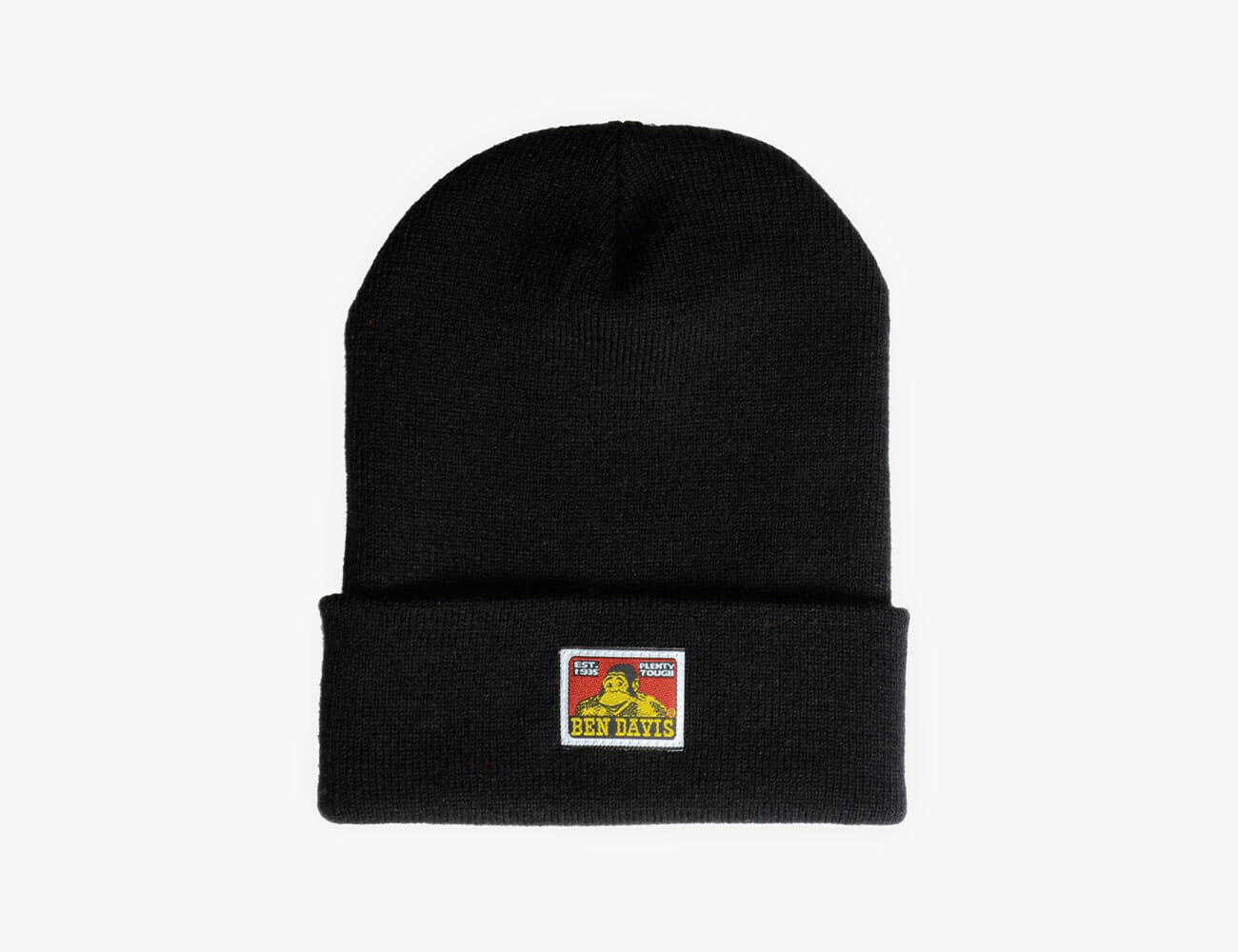
The Best All-Around: Ben Davis Logo Knit Beanie

Price: $10
Material: 100% acrylic
Softness: 6/10
Comfort: 6/10
Warmth: 7/10

The feel of Ben Davis’s Logo Knit Beanie was the smoothest out of the set we tried, but it was also the driest. Aside from having a hip appearance, the workwear brand’s cap was the tightest-fitting beanie. This thing is warm. If you don’t mind a second skin hugging your skull — or have a small-to-mid-sized head — these are actually the best bang for your buck.

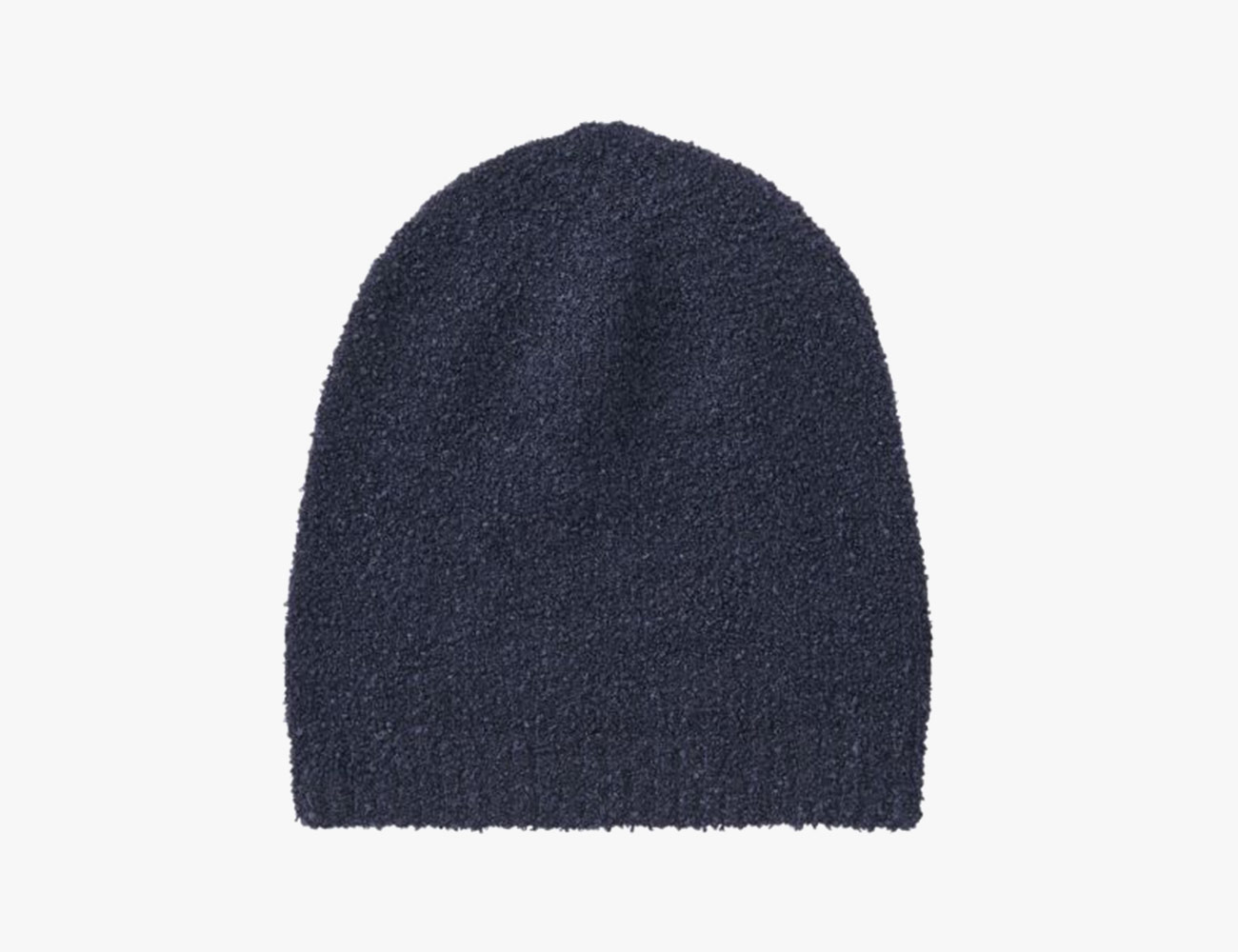
The Editor’s Pick: Muji Boucle Watch Cap

Price: $19
Material: 80% acrylic, 18% nylon, 2% elastane
Softness: 7/10
Comfort: 8/10
Warmth: 7/10

Muji’s Boucle Watch Cap is texturally the most different from any of the beanies on this list with its nubby, yet soft, boucle knit. Up close, it looks like french terry cloth with a greater variation in yarn size without the bulk of some of the other options here. It’s lightweight and stretchy and keeps pretty warm. Though the paper tag attached to it says ‘ACRYLYC COTTON’ don’t let that fool you. There’s no cotton at all in this watch cap. But Japanophiles will like that the tag also says ‘MADE IN JAPAN’. It’s the priciest one of the bunch (you can buy two of the military surplus for the same amount), but the jump in softness and quality is enough worth spending a little extra for.

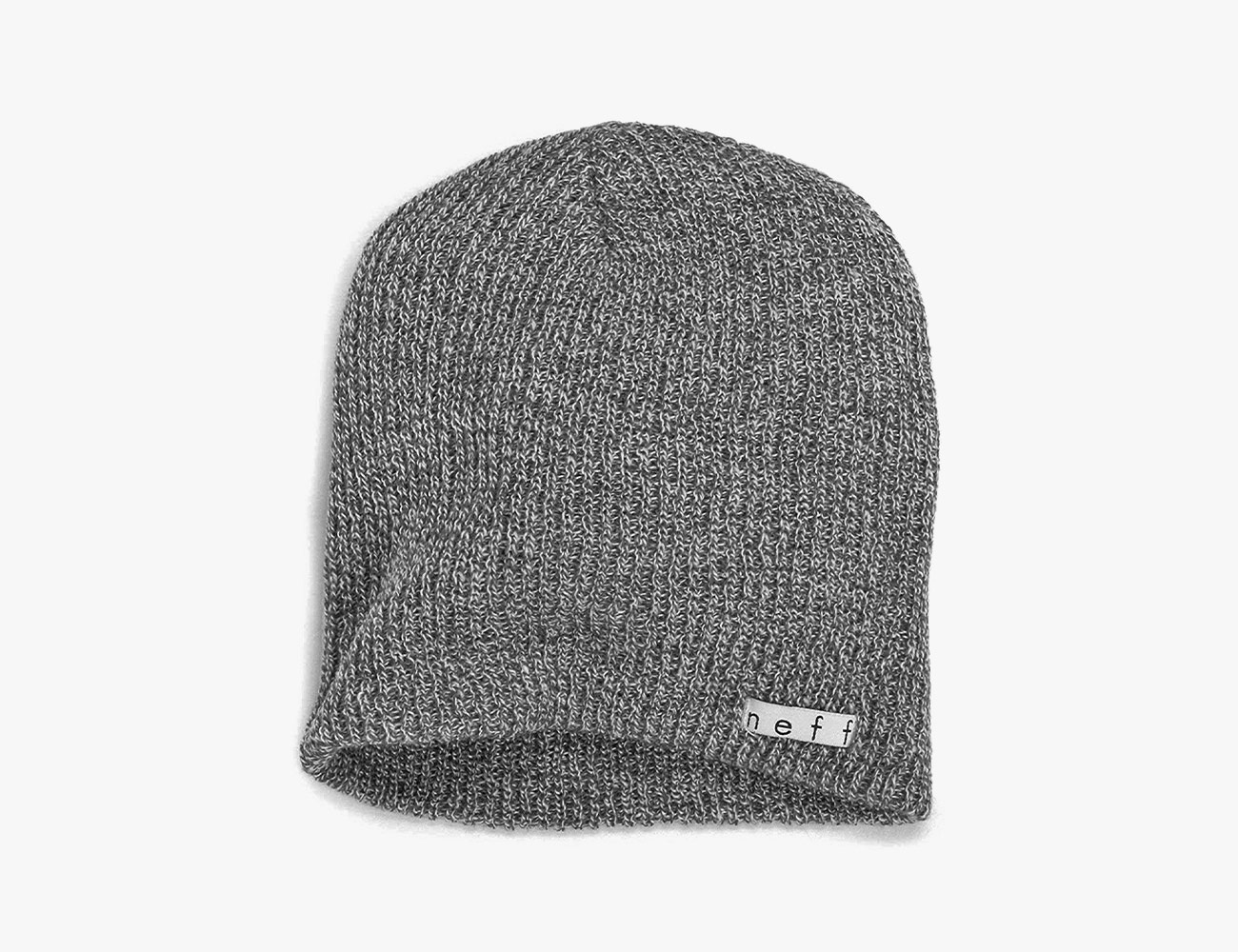
The Softest: Neff Daily Beanie

Price: $17
Material: 100% acrylic
Softness: 8/10
Comfort: 8/10
Warmth: 6/10

Listed as an Amazon Best-Seller, Neff’s Daily Beanie is noted by Amazon to be the softest of the best-selling beanies they offer. That’s true of the lot we tested. Though other beanies on this list are also 100% acrylic, this one has a loftier and softer feel than the rest. The knit itself is also a bit looser with a bit of stretch. It was the comfiest we tried, so if you happen to find yourself in Macy’s or Zumiez (or browsing Amazon), grab this.

The Warmest: Uniqlo Heattech Knitted Cap

Price: $15
Material: 83% acrylic, 15% wool, 1% nylon, 1% spandex
Softness: 6/10
Comfort: 7/10
Warmth: 8/10

Uniqlo’s famed Heattech base layers get a lot of praise, so it makes sense that they offer the same sort of ‘tech’ in beanie form. The knit is thick and dense, so it’s no surprise that this is warmer than Muji’s. It’s cheaper and, because Uniqlo’s quest for expansion is going rather successfully, it’s also more widely available than Muji’s.

The Best Value: Military Surplus

Price: $9
Material: 100% wool
Softness: 4/10
Comfort: 5/10
Warmth: 7/10

You’ll find these navy-approved watch caps at your local surplus store. They’re cheap and reliable — it’s hard to find any other all-wool beanie for this price. That said, if you have sensitive skin, this might not be for you, especially because of its tighter knit.

The Crowd Favorite: Carhartt Acrylic Watch Hat

Price: $15
Material: 100% acrylic
Softness: 6/10
Comfort: 7/10
Warmth: 6/10

As one of Amazon’s most popular beanies, Carhartt’s Acrylic Watch Hat is on the heads of everyone from construction workers to college students. It’s the most similar to the Ben Davis beanie — not only for the square logo but also for the 100% acrylic material and similar knit — but a bit thinner and softer. Compared to the Ben Davis beanie, it’s better for people with larger heads. And it felt about as warm as the Neff beanie, which is to say, good enough for 30-degree weather.

Note: Purchasing products through our links may earn us a portion of the sale, which supports our editorial team’s mission. Learn more here.

Gerald Ortiz is a staff writer at Gear Patrol covering style. From San Diego, now New York City.

More by Gerald Ortiz | Follow on Instagram · Twitter · Contact via Email

Why Mexico Makes Some of the World’s Best Shoes

The world of shoemaking has its major players, its usual suspects. Northamptonshire, England lays claim to venerated names like Edward Green and John Lobb while Italy’s foot in the race is run by the likes of Ferragamo and Stefano Bemer. Eastern European brands certainly enjoy their share of the limelight with Saint Crispins and Vass which literally wrote the book on handmade shoes. Alden, Red Wing and Viberg have their place at the table, too. Not to mention the swathe of Japanese craftspeople in the business of cordwaining.

But the shoe capital of the world can’t be found in any of these countries. You’ll find it in Mexico. Specifically León in the central Mexican state of Guanajuato. The city was founded in 1576 by Spanish conquistadors looking to guard the area against the local tribes, and the European vaqueros brought with them farming and cattle. The cattle, along with horses, prospered over hundreds of years birthing a vibrant leather industry essential to the local economy. Today, the region is home to generations-old tanneries that supply premium leathers to local shoemakers and leather-goods producers.

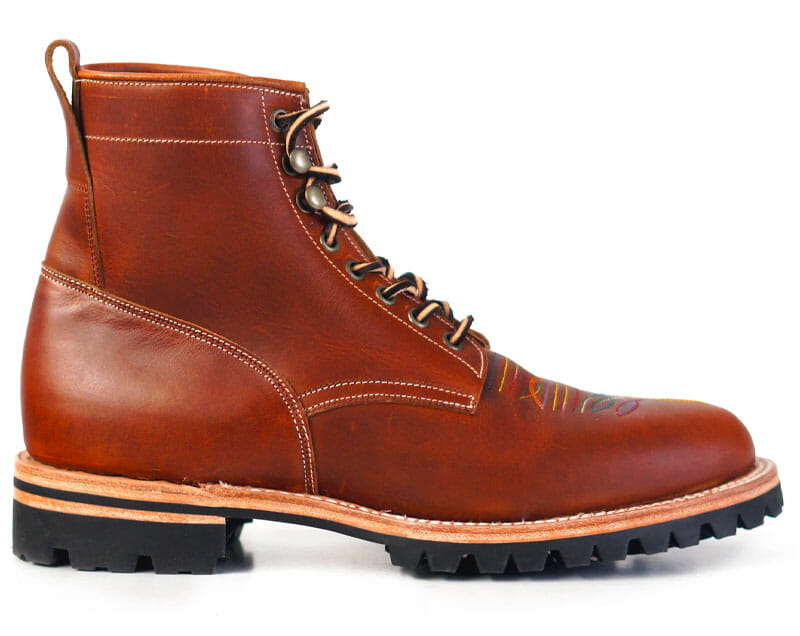
Rancher Workman by Unmarked $450

In Texas, Cowboy boots became prominent partially thanks to the Lucchese family in the late 1800s. As the family made a name for itself with its premium footwear, it acquired the latest technology, notably Goodyear welting machines, that would help build superior, resoleable boots. The technology eventually made its way south of the border to León and Goodyear welted shoes were then added to the city’s specialties.

Those reliable skills came in handy during World War II when the U.S. military looked to Mexico to contract factories for quality shoes. Production ramped up intensely for León and the region imported more machinery from overseas.

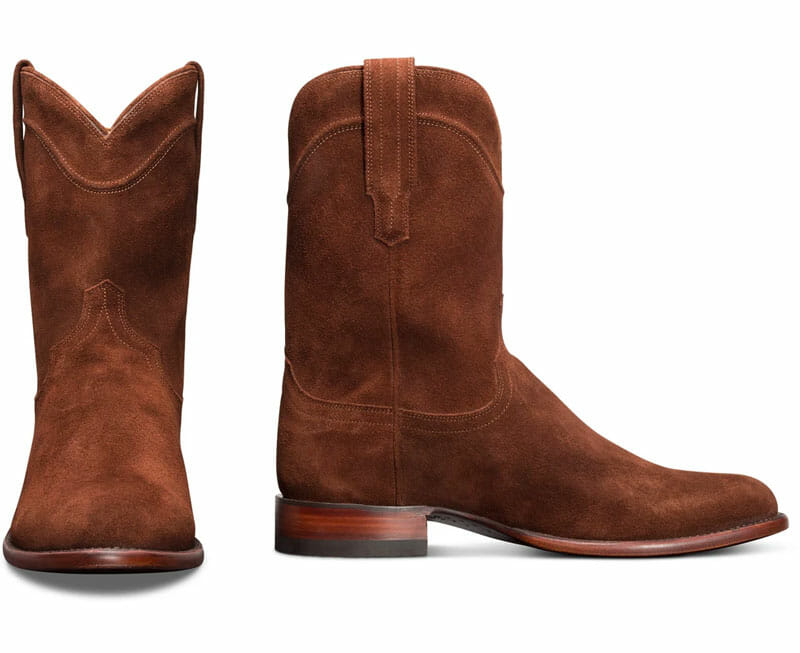
The Shane by Tecovas $245

Currently, Mexico produces upwards of 250 million pairs of shoes — 70 percent of which are made in León. With that amount of shoes, not every pair is a world-class build, but mass production, quick turnarounds and cheaper materials can be found in any manufacturing region. A number of shoemakers continue to produce incredible footwear, the kind of you’d expect in a region that’s specialized in the craft for centuries, and people have noticed.

Top-tier designers and brands look to León, not just for its margins, but for its skills. Goodyear-welt, Blake stitch and stitchdown construction, along with higher stitch counts and faster lead teams are all attractive production qualities. Frye, Wolverine and Lucchese all produce shoes of comparable quality to their stateside offerings in the region. For some brands, they’re even better. Yuketen’s most intricate and highest-pricepoint shoes are made in Mexico because of the level of quality and skill required for such ambitious designs. Along with them, brands like Taylor Stitch and Tecovas aren’t shy about their Mexican manufacturing. Rightly so.

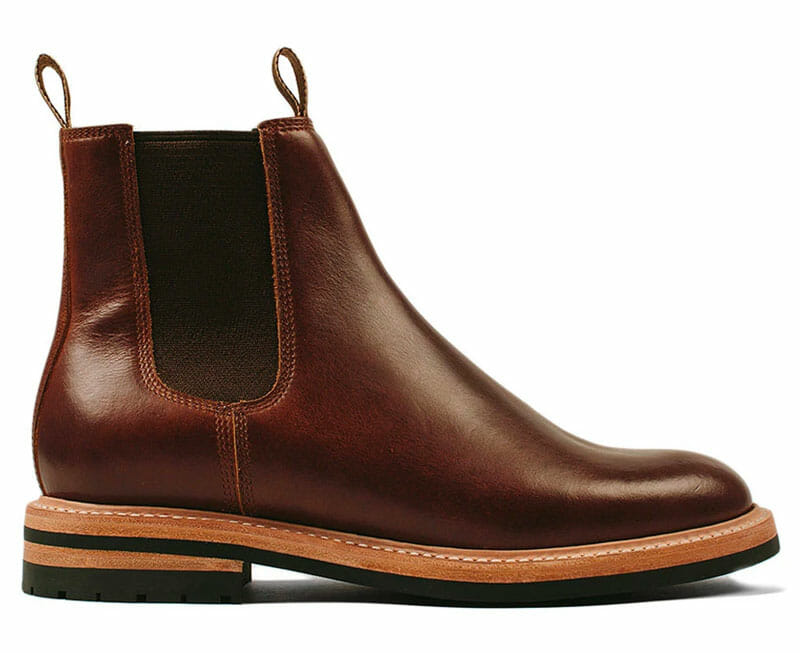
The Ranch Boot by Taylor Stitch $348

And while many international brands turn to León with their designs, there are fewer Mexican brands that actually finding much success on their own outside of the country. Hugo Fonce, designer for León-based brand Unmarked says that part of the reason is that many Mexican factories don’t believe that they can have success selling their own designs, though they possess the skills to produce top-quality products. Instead, they’re more likely to contract their work to companies. But, Unmarked is just one brand making the case for the region. Lemon-wood pegs, invisible channels, leather-lining and intricate embroidery are just some of the details you’d be hard-pressed to find elsewhere and are just a few of the details inherent to the brand.

Mexican-made footwear isn’t good because other countries made it good. It’s good simply because it is. León’s shoemakers have built their prowess upon generations of shoemakers before them and centuries of history. Guanajuato is paved with cobblers and stores dedicated to the product and the craft, and there’s nowhere else quite like it.

Yulka 02gxl by Unmarked $350

Loafer by 2120 $335

Eric by Yuketen $396
Note: Purchasing products through our links may earn us a portion of the sale, which supports our editorial team’s mission. Learn more here.
Gerald Ortiz is a staff writer at Gear Patrol covering style. From San Diego, now New York City.

More by Gerald Ortiz | Follow on Instagram · Twitter · Contact via Email

NBA Stars and Fashion Insiders Love This Brand. You Should, Too

The number of brands that come across my desk cannot easily be indexed. One after the other, a seemingly infinite selection of brands that more or less offer the same thing. And for every 50th cookie-cutter brand I see (how many DTC basics brands can there be!?), there is one brand that holds my attention. This time, that 51st brand is Riverside Tool & Dye.

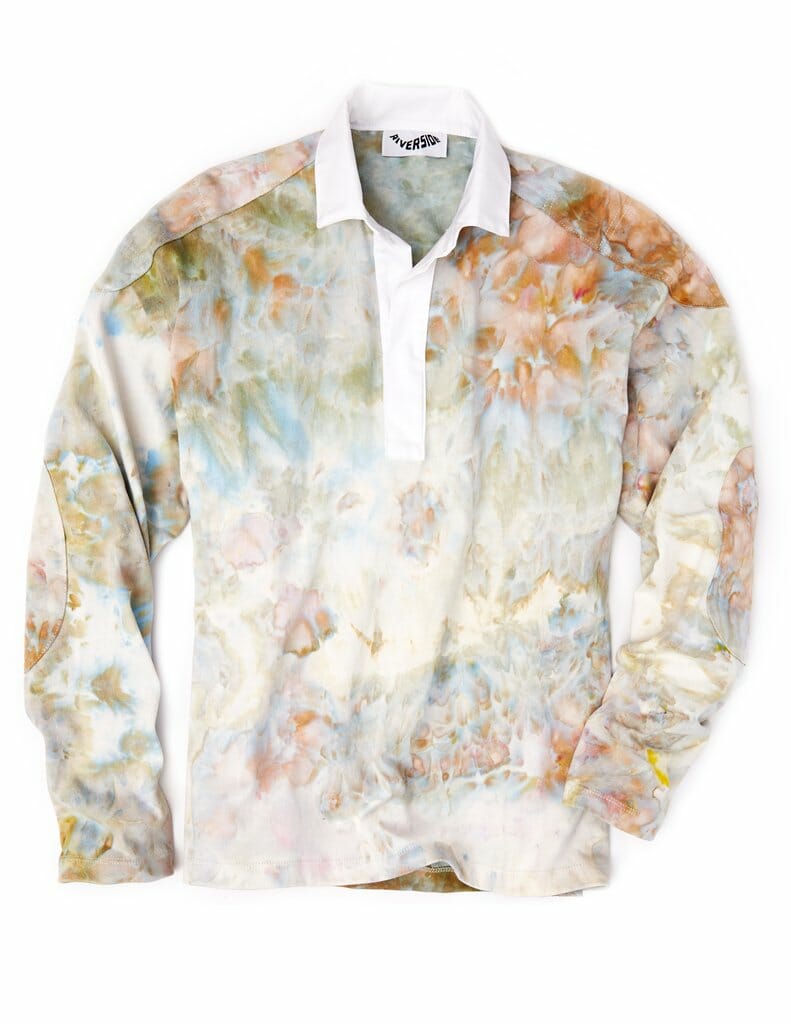
Founded by Kate Leeman in 2012, Riverside lifts tie-dye to heights leagues above tired summer camp activities or backyard DIY projects. Using natural fiber garments and low-impact dyes, Leeman and her team paints and hand-dyes works of art onto a range of garments, often deadstock and vintage styles.

Rugby Shirt by Riverside Tool & Dye $158

Riverside takes after Japanese dyeing techniques and shifts the colors into vibrant psychedelia. The result is the grandeur of the cosmos on a pair of vintage painter’s pants. Or a bedsheet. Or a scrunchie.

You might’ve caught one of Riverside’s splashed hoodies on its way to an NBA locker room — Kawhi Leonard, Lebron James and Ben Simmons are all fans. The fashion elite have taken notice as well with top heads at Versace and Coveteur sporting Riverside goods.

Painter’s Pants by Riverside Tool & Dye $148

I’m not exactly a tie-dye fan. Not a hater, either. And God knows Riverside isn’t the first brand to do tie-dye. But the depth of tones and colorways the brand manages to achieve are unlike any other and I am mesmerized. In the whirlpool of tie-dye streetwear brands, Riverside is more than just a drop in the bucket.

Gerald Ortiz is a staff writer at Gear Patrol covering style. From San Diego, now New York City.

More by Gerald Ortiz | Follow on Instagram · Twitter · Contact via Email

7 Style Resolutions to Make for 2020

With each new year comes upticks in gym memberships and salad consumption, resolutions for self-improvement. As resolute as your inward-facing commitments may be, the human facade often gets passed over. I’m not saying to ignore working on your inner self, but what I am saying is that style resolutions are resolutions too.

For 2020, we’ve made a few New Year’s style resolutions and want to pass them on to you — here are seven to consider.

Size up

The slim silhouette might never go away, but what’s certain is that the masses have taken it too far. If you think you can’t possibly be a part of said masses, Google ‘False-Uniqueness Effect’ and be honest with yourself. There is a difference between a slim fit and too tight. Learn it. Size up. Relax. Breathe.

Tailor your clothes

Off-the-rack clothing is a starting point. And unless you’re someone with the genetic makeup of a fit model, your clothes could probably use some fine-tuning. Tailor your store-bought clothes to fit you slightly better. No amount of posture finagling will fix the drape of your jacket or the length of your sleeves. Start off easy by tailoring your pants and sleeves to a proper length. It’ll make you realize how poorly the rest of your closet fits.

This also ties back with the first resolution. It’s easier to tailor your clothes if you size up than it is to fix something that’s too small.

Pants with a slight break

By all means, show off your ankles if that’s your prerogative. I’m just saying that cropped pants aren’t for everyone and nor should they be. For more information, refer to ‘Tailor Your Clothes’.

Buy more vintage

The top spot in my list of pleasures is occupied by vintage clothing. Specifically, the disappointment in someone’s face when they ask me where I got my coat and I have to tell them, “It’s vintage.” You can’t get this anywhere else. It is unique. A snowflake that I, with my exacting taste, surgically removed from the snowy mountain range of vintage clothes.

But more importantly, the world does not need more new clothes. There aren’t naked people running amok on the streets. Statistically speaking, the vast majority of amok-running is done by the clothed. Buying vintage bypasses waste and tells a more unique story. Get into it.

Make it personal

You have two eyeballs and exactly a gazillion brands scrambling for your attention. If you’re going to buy something new, look for brands with a personal connection. Small brands, local brands, friends who make things. Our clothes tell stories and finding something that’s unique to you is more interesting than anything you’ll find in a big box store peddling clone clothes.

Experiment more with your style

Admirable as it is to have a personal uniform, exploring style outside of your comfort zone can be more fun, if a bit daunting. Maybe the daunting part is what makes it fun. Start with some style element you admire on other people but don’t necessarily have in your closet. Find a color, a pattern, a silhouette or an accessory you’re unsure of and try it on at a store, or borrow a piece from a friend. You might surprise yourself.

Or not. The point is to open up your mind to more style options and tap into your creativity through clothes. Clothes are functional, firstly. Beyond that, they’re entertainment and a form of self-expression. Express!

Have three solid, never-fail outfits for each season

As best you can, try to always leave the house feeling good in your clothes. Most often, this has less to do with the clothes themselves and more to do with what’s going on inside. (Side resolution: find a good therapist). For the days you can’t muster the mental strength to craft a ‘fit, you should have three bench outfits at the ready. These are outfits you’ll always look good in, ones you can rely on when your star fit injured itself and is recovering at the dry cleaners or when creativity seems to be out of office. If you don’t have anything in mind yet, take some time on the weekend to sift through your closet and figure out your bench. Tip: start with your favorite jeans.

Gerald Ortiz is a staff writer at Gear Patrol covering style. From San Diego, now New York City.

More by Gerald Ortiz | Follow on Instagram · Twitter · Contact via Email

These California-Made Sweats Are Twice as Beefy as Any Other Sweats You Own

Gear Patrol Studios

Gear Patrol Studios is the creative partnership arm of Gear Patrol. Select advertising has been crafted on behalf of brands to help tailor their message for readers. These sections are demarcated with sponsored flags. Learn More

Affiliate Disclosure

Gear Patrol participates in various affiliate marketing programs, which means we may get paid commissions on editorially chosen products purchased through our links to retailer sites including the Gear Patrol Store. Learn More

The Best Fragrances for Winter

This winter, trade your crisp, aromatic scents for something deeper, something spicier, woodier, or muskier. These heavier notes complement the season by giving you the olfactive equivalent of a warm, weighted blanket. They shine brightest when the sun is sparse, and many of them moonlight year-round as nighttime scents.

Below are our ten favorite winter scents. Some have been heating things up for years, while others made their warm and welcome debuts in the last lap around the sun. Whether you’re looking for something sexy or subtle, there’s a surefire pick on this list.

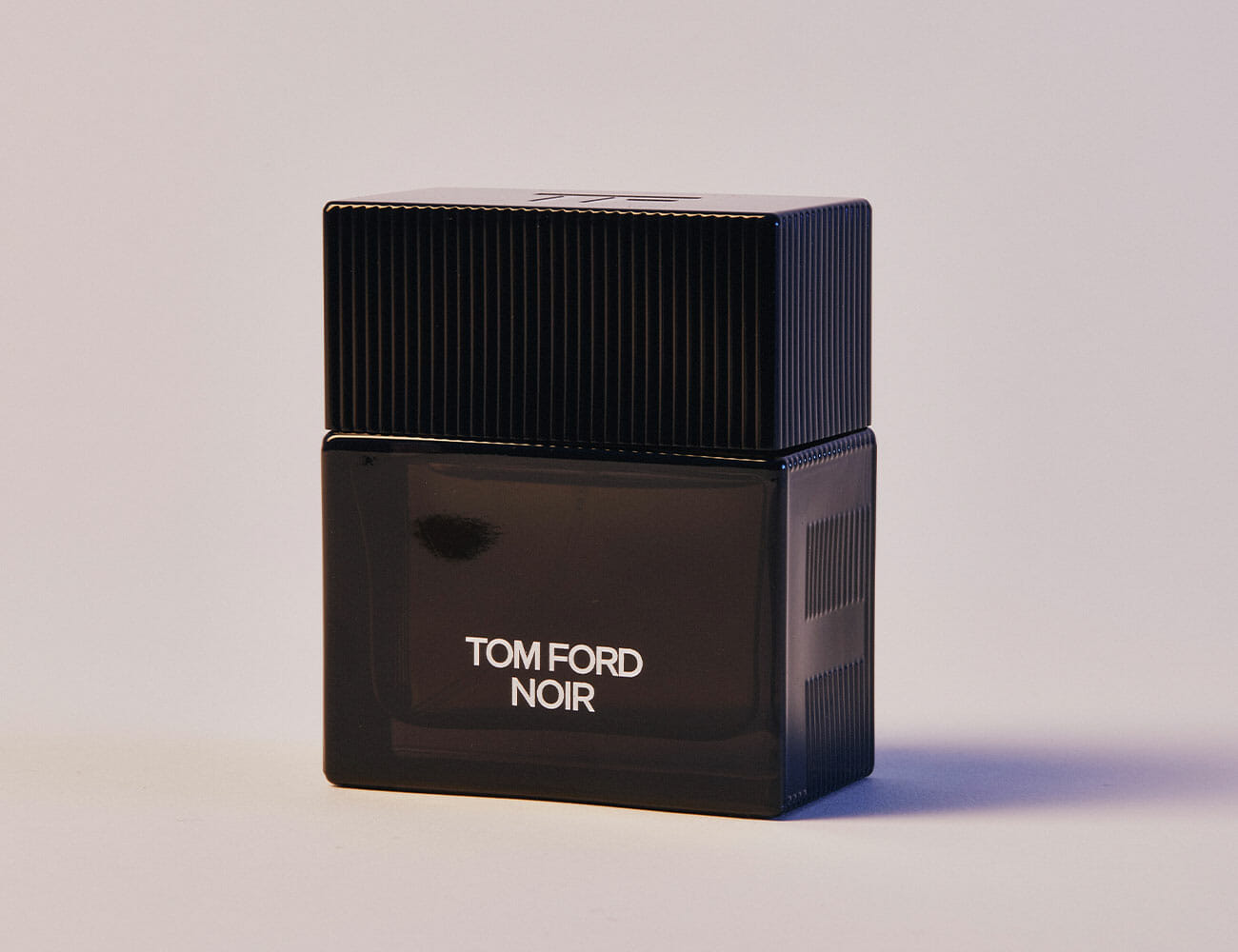
Tom Ford Noir

Tom Ford named this spicy, powdery scent after the dark of night, which makes it perfect for the winter solstice, too. He created the scent for man’s duality: There is sophistication on the outside, but a more personal, private dimension that few people get to see. Consider the contrasting notes of pepper, resin, violet, iris and bergamot as proof of Noir’s complexity.

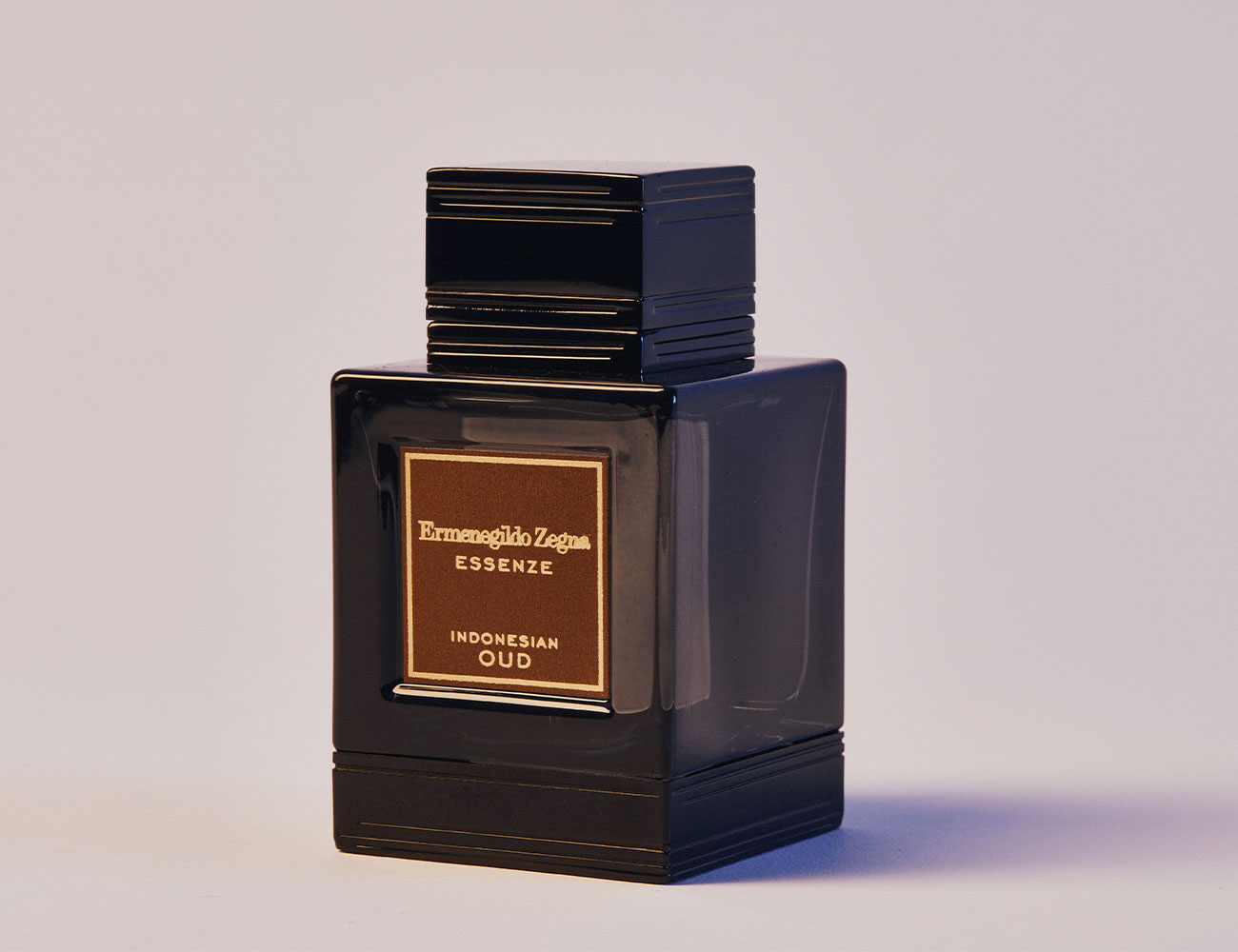
Zegna Indonesian Oud

While it possesses notes of bergamot, amber, patchouli, and rose, Zegna’s Indonesian Oud is very much all about the oud. Everything else places second fiddle to an enduring, endearing, and enveloping wooded warmth. This has a commanding presence, but it’s more platonic on the recipient — not so Alpha-male as some others on this list.

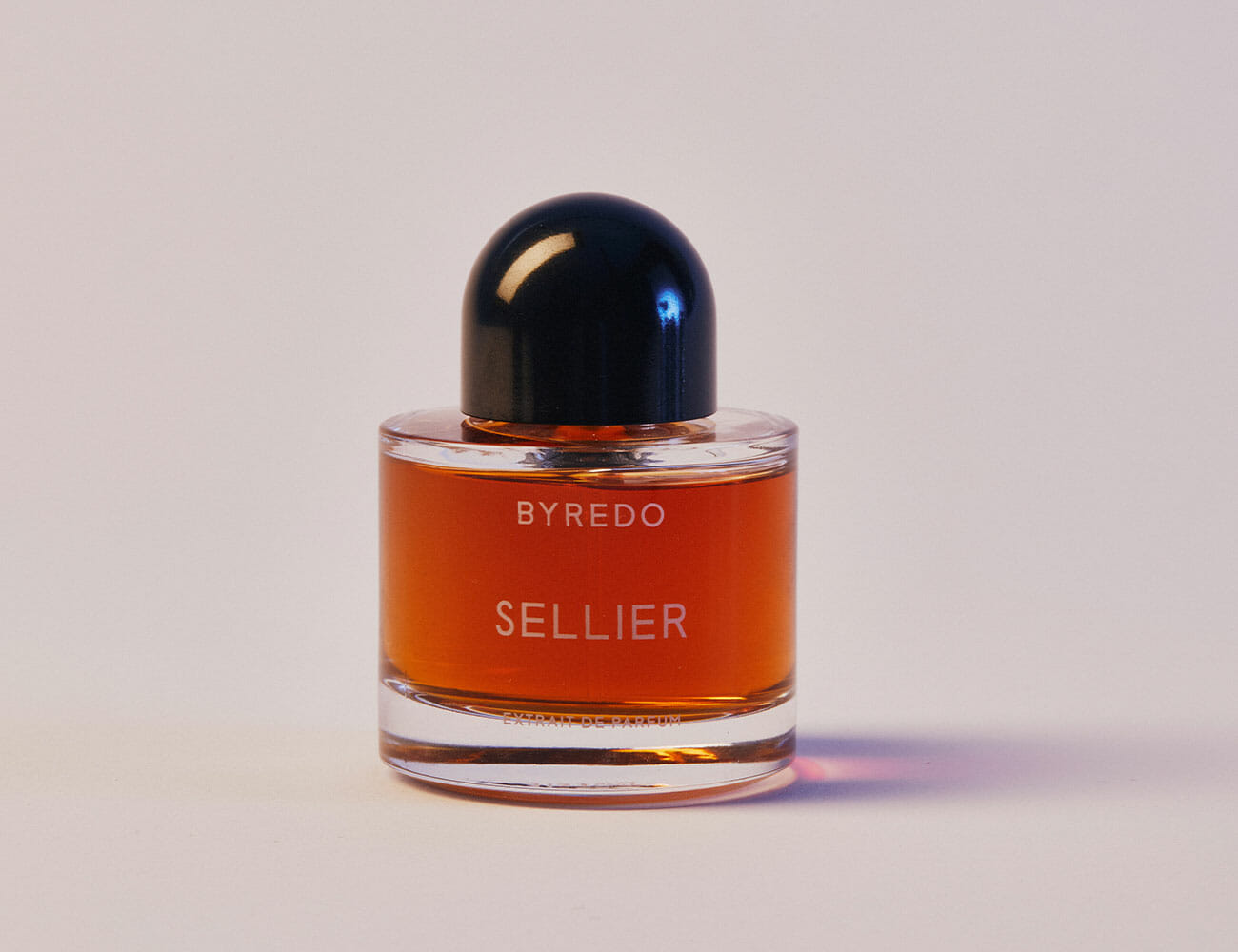
Byredo Sellier

Byerdo’s latest launch is an ode to equestrians, and a perfect fit for winter. With notes of birch tree, tobacco leaves, oakmoss, leather, and black tea, it’s as beautiful as a stallion, and it has the confidence and presence of one, too: these highly concentrated notes are powerful, sensual and provocative. And once winter is over, you can still cozy up with Sellier for date nights and nightcaps; who says winter scents can’t be broken?

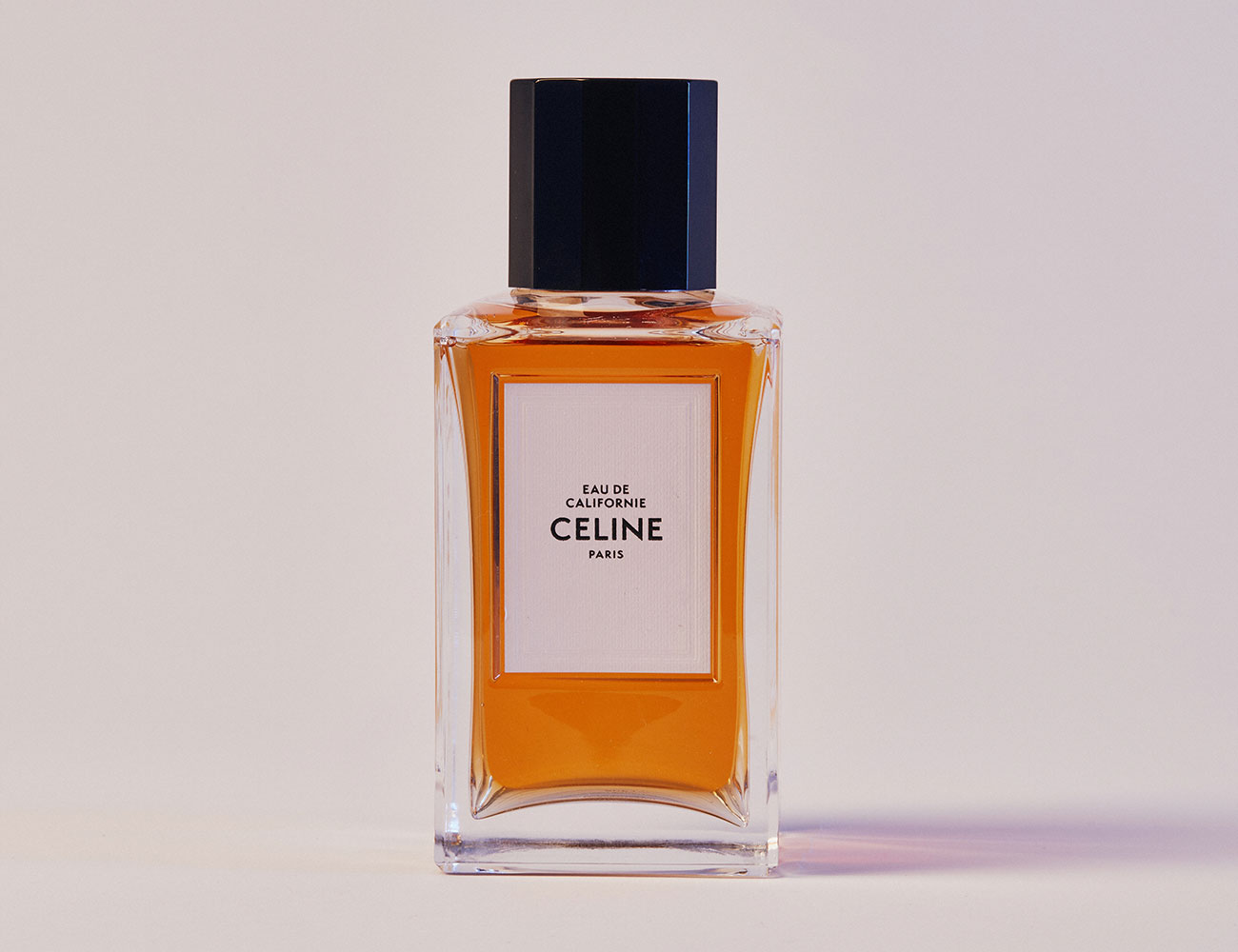
Celine Eau de Californie

Celine gave the fragrance world one of 2019’s biggest releases with a collection of scents from Hedi Slimane. And from that collection, it is this woody tribute to sunny California that we’ll be wearing in winter. Notes of tree moss, patchouli, white orris butter, palo santo and bergamot give this scent the gravity, earthiness, and crispness of California at any time of year, but moreover, they envelop you with the warmth and powdery freshness you would expect from the label.

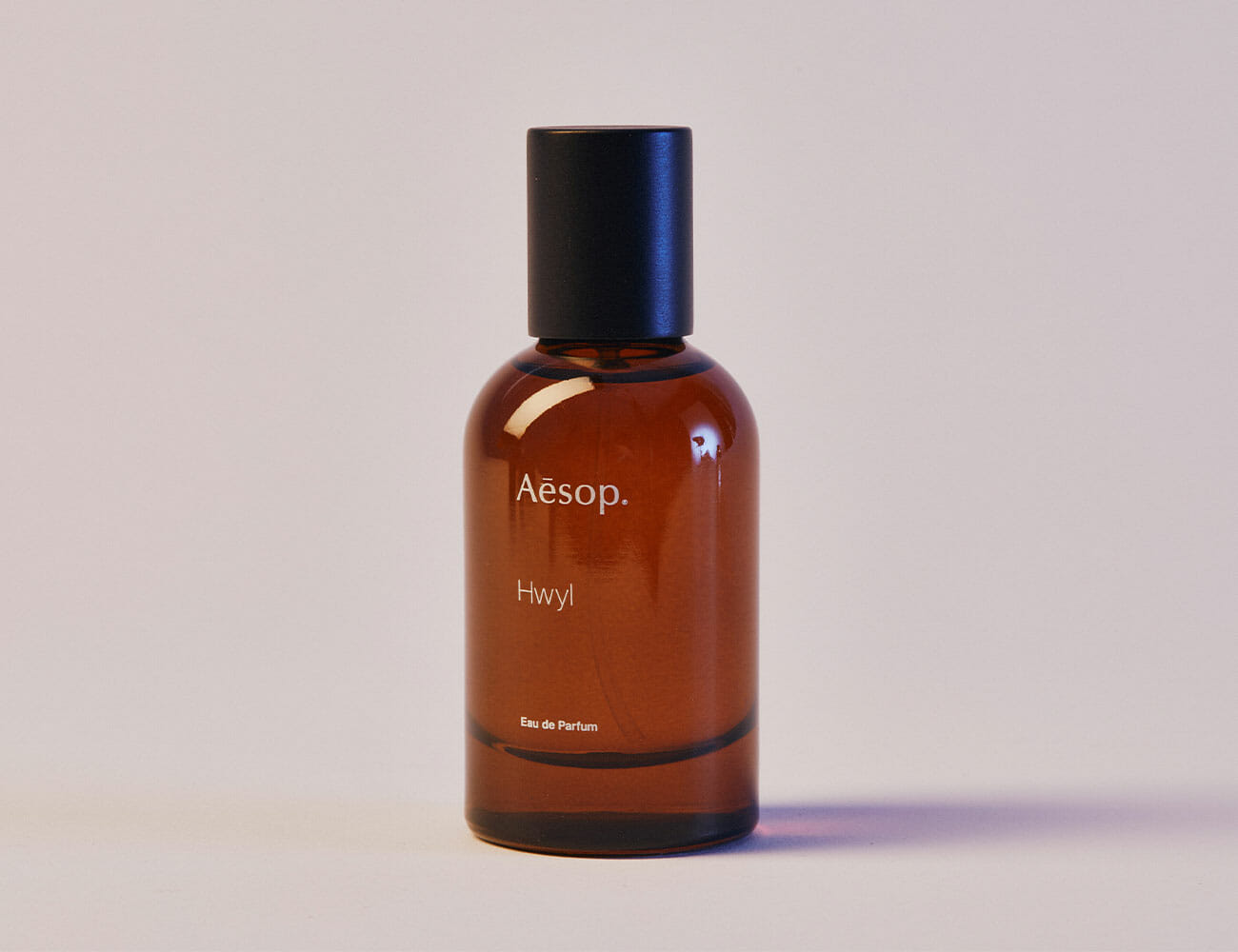
Aesop Hwyl

Smoky, earthy, woody and spicy, Aesop’s Hwyl has the perfect wintry recipe. Cypress notes sprout from oakmoss, frankincense, vetiver, and thyme, and the result is a subtle warmth that doesn’t aggressively project itself halfway across the office. From this list, it’s one of the likelier picks for a perennial scent.

Margiela By the Fireplace

Clove, chestnut, and vanilla give wearers and recipients of “By the Fireplace” the sense that they’re, well, roasting chestnuts and chugging spiked eggnog… by the fireplace. It’s a perfect his-and-hers winter unisex scent, for the couple that wishes to share fragrance. (All the better excuse to cuddle up and stoke the flame.)

Frederic Malle Musc Ravageur

There’s no hiding Frederic Malle’s intent with Musc Ravageur. “Savage sex appeal” is how the brand describes this scent. But don’t put daddy into a corner: Musc Ravageur has many dimensions, thanks to a complex blend of notes. These include lavender, mandarin, bergamot, amber, vanilla, sandalwood and, of course, musk. Yes, it’s a sexy scent, but an intellectual one. And intellect is as sexy.

The Best Fragrances of Fall

Thus, every year around this time, the scents change with the season. Ideally you prepared for it, by topping off your heartier notes and spritzing the last of your fresh, floral ones. These are the 7 best fragrances to wear this fall. Read the Story

Note: Purchasing products through our links may earn us a portion of the sale, which supports our editorial team’s mission. Learn more here.

John Zientek is Gear Patrol’s style editor and in-house guitar authority. He grew up on the West Coast.
More by John Zientek | Follow on Contact via Email