All posts in “Sports and Outdoors”

The 7 Best Workout Gloves, According to Personal Trainers

When you start a new workout routine, changes often need to be made: that could mean everything from adjusting to an earlier morning alarm to learning the proper weight for a deadlift versus a farmer’s carry. And if you find yourself in the weight room frequently, you’ll notice some changes in your hands — from barbell blisters to rough palm patches.

Solution? Weightlifting gloves. These guys can quickly become your trusty sidekicks, helping you work out harder and more efficiently while protecting your hands and wrists from the weighted pressure.

They can support your wrists when lifting heavy weights, to relieve the pressure and provide more structure and protection, says Abby Schmidt, CPT and Instructor at Studio Three in Chicago.

Even better, they can actually help you heave heavier weights. “Using gloves takes the pressure out of your fingers and hands and puts the weight into your forearms, which can increase how much you’re able to lift,” she explains.

When looking for gloves, make sure they are easy to clean. A buildup of sweat and moisture in them can lead to skin infections, says Caleb Backe, CPT and health expert for Maple Holistics. It’s also worth considering what workout you’re choosing.

“Gloves, wrist supports and lifting straps should vary depending on the workout,” he says. “When doing muscle-ups, gloves are important because you can easily tear up your hands. Wrist support should be the main priority when doing heavy dumbbell press and overhead press.”

With that in mind, these are the seven best options.

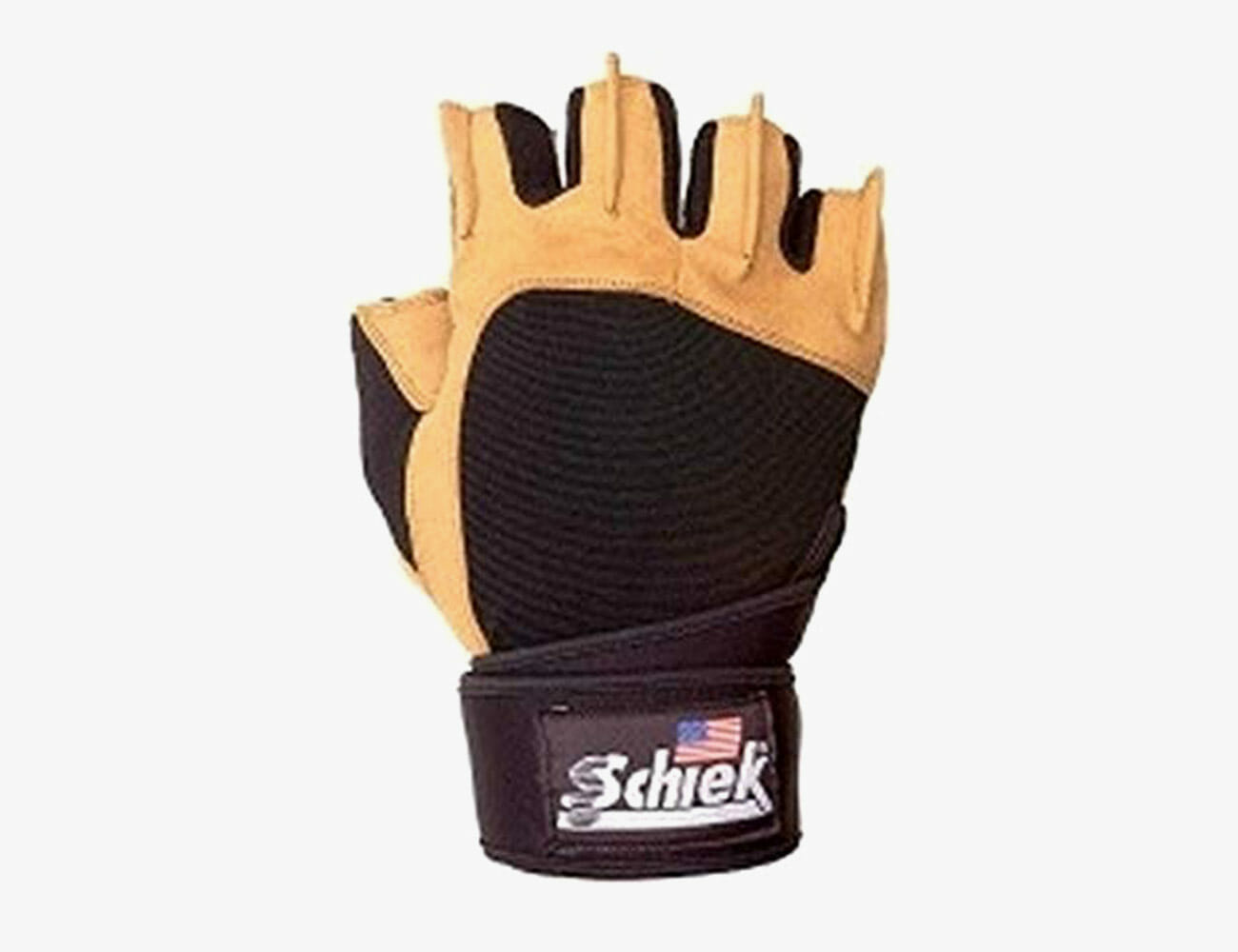
Schiek Sports 425 Power Lifting Gloves

Best Everyday Weightlifting Gloves

“These gloves serve a more diverse purpose, which means they are functional for a wide variety of your weight training needs,” Backe says. They are ideal for several different types of lifting, as they give added wrist and hand support to help with a variety of workouts and moves. “While they won’t make up for grip strength, they will protect your wrists from injury and stop your hand from getting calloused,” he adds.

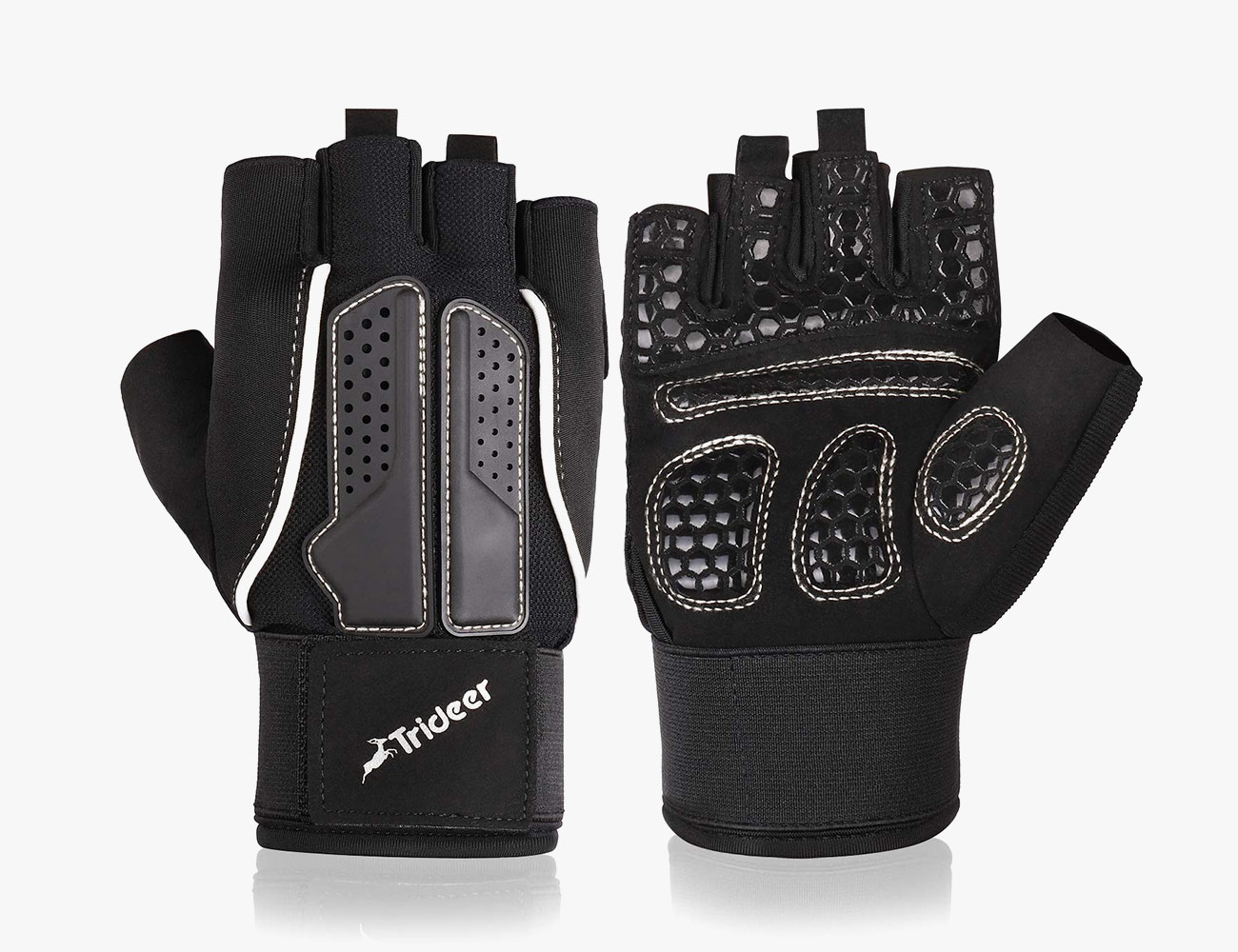
Trideer Padded Weight Lifting Gloves

Best Budget Weightlifting Gloves

“These gloves are super durable and come at a great price point,” says Schmidt. The Trideer gloves are great for powerlifting and using heavy weights. “The gloves are padded through the palm and the fingers and are fully supported with added StretchBack Lycra for increased flexibility through the wrists,” she says. Use them with deadlifts, heavy chest and back exercises.

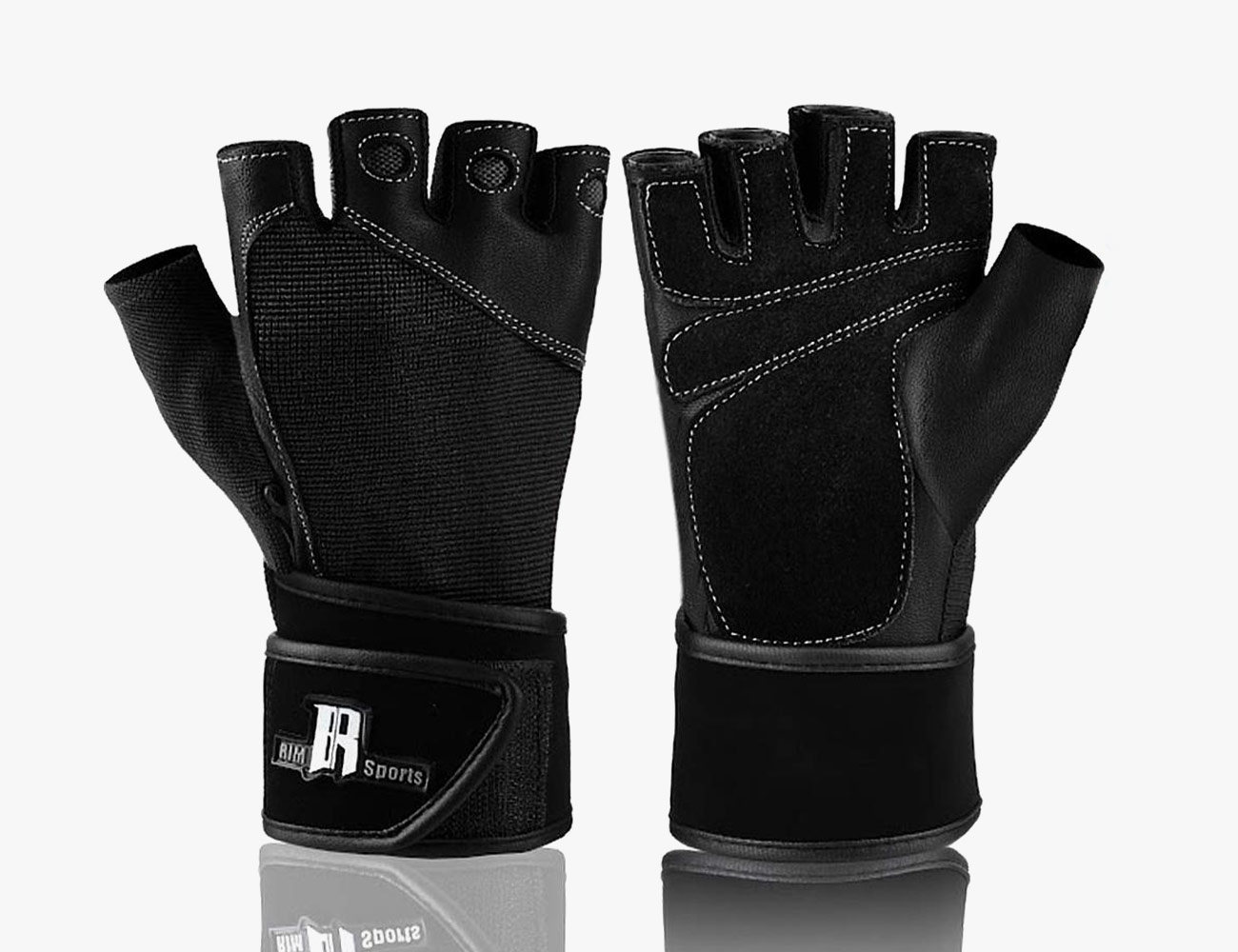
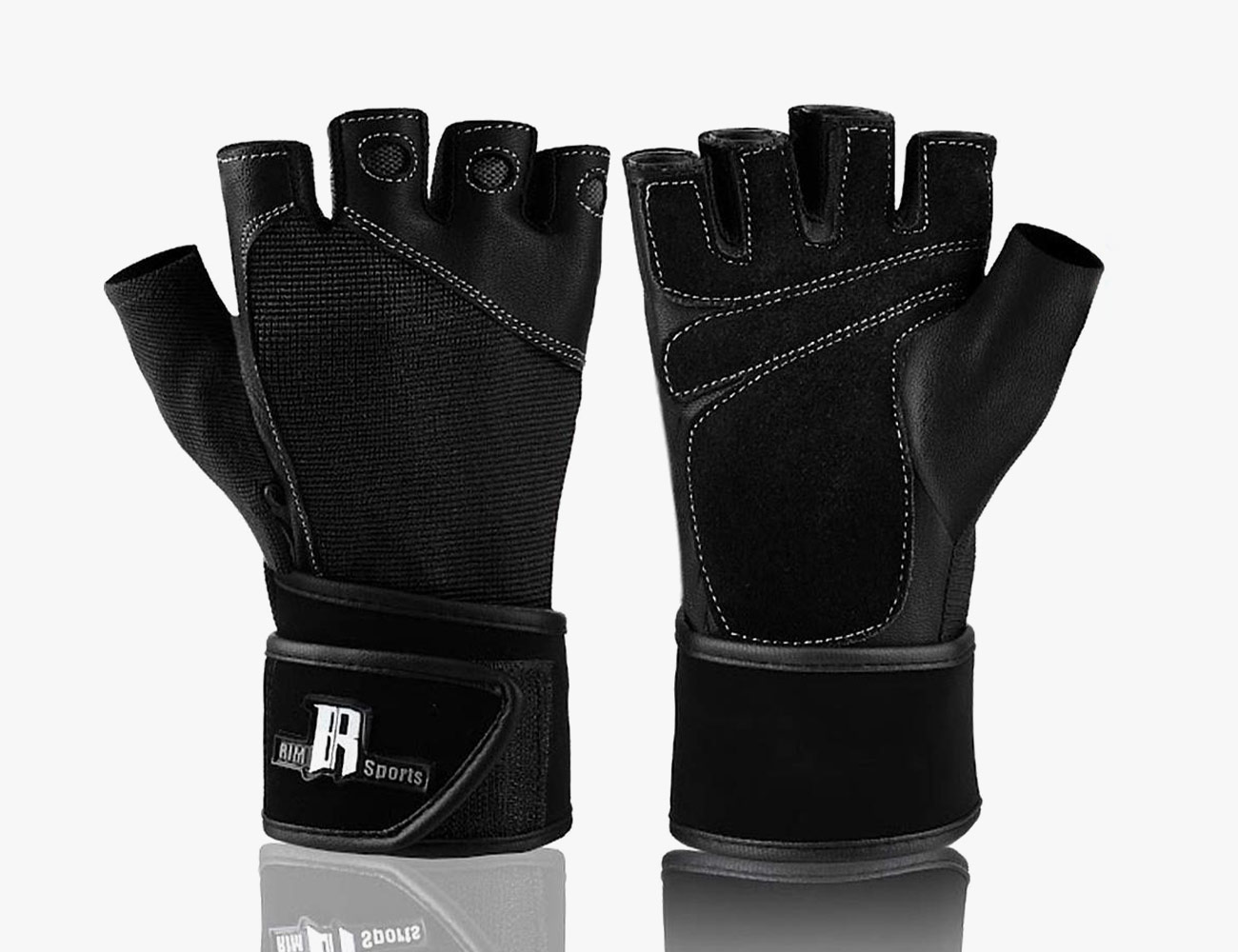
RimSports Premium Weight Lifting Gloves

Best Powerlifting Gloves

“These gloves are ideal for powerlifting because they help improve your ability to pick up the heaviest bar possible,” says Backe. “They give you the necessary wrist support to lift heavier weights and also double as lifting straps,” he explains. What’s more, they can help you build muscle past your grip strength limitations, so you can expect some serious gains when wearing these on your hands and wrists.

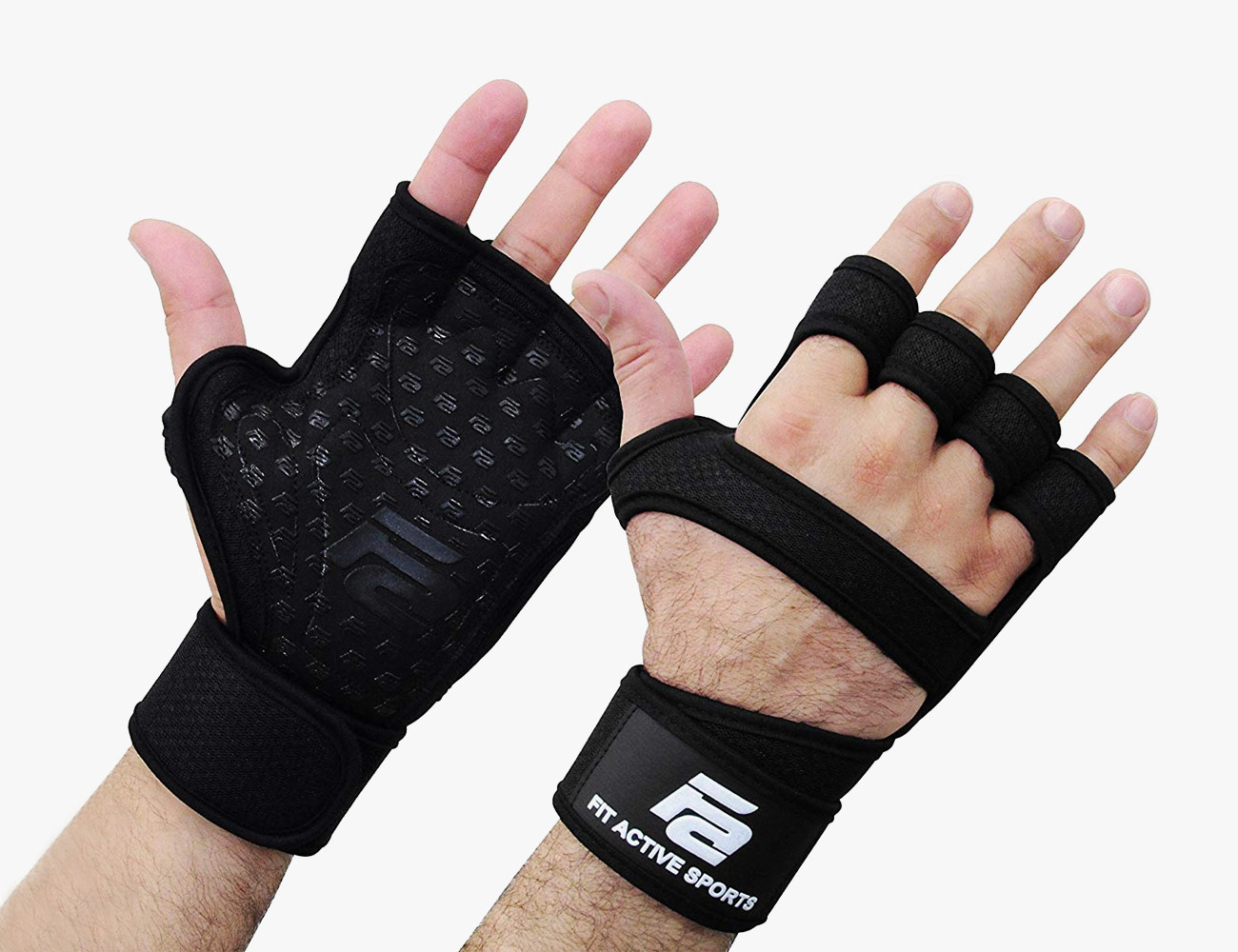
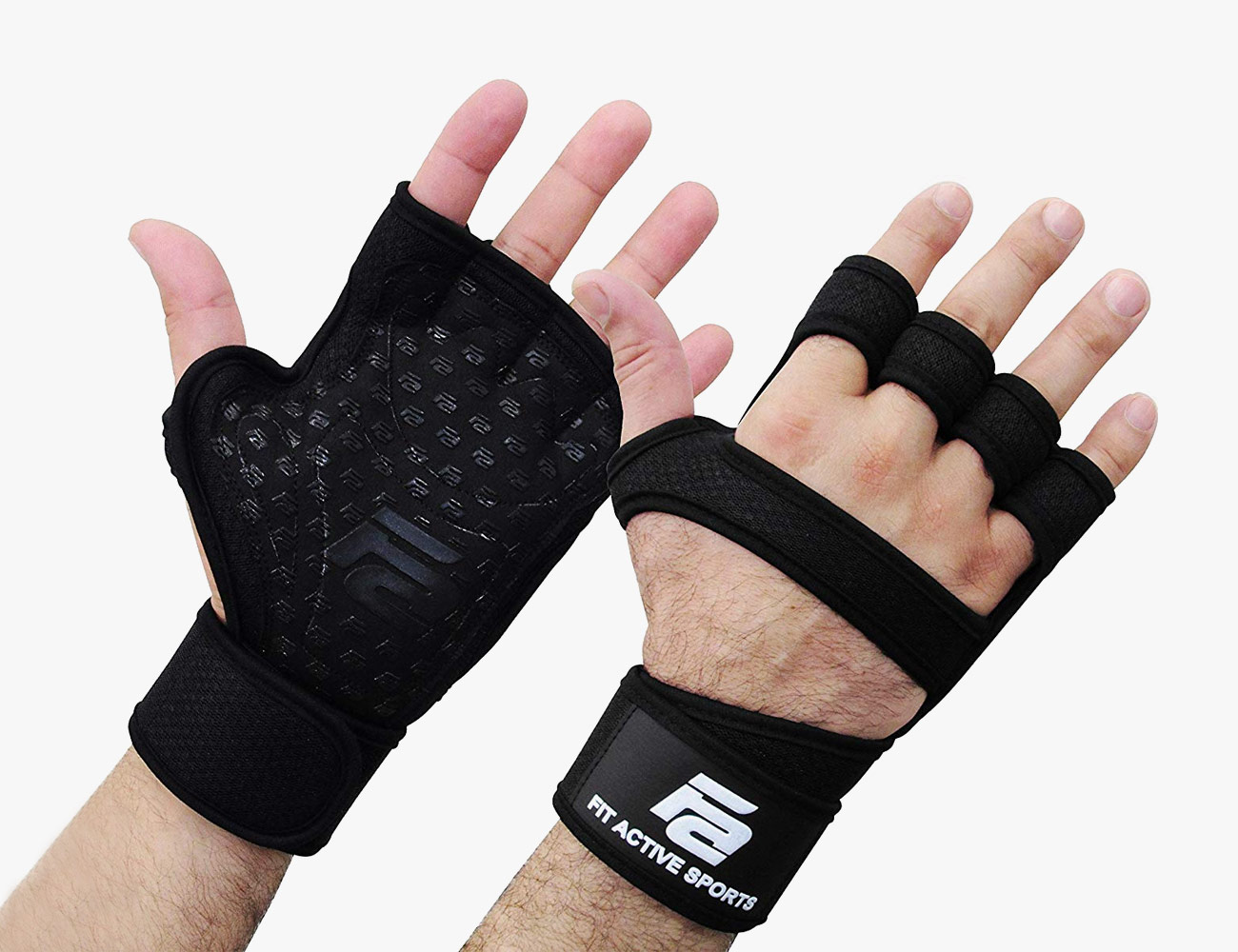
Fit Active Sports RX1 Weight Lifting Gloves

Best Travel Weightlifting Gloves

“The Fit Active RX1 Weight Lifting glove would be my choice for travel, [as it] combines user friendly features for comfort and support, including wrist straps and breathable material,” says Jamie Hickey, CPT, founder of Truism Fitness. Plus, they’re easy to pack in a small carry-on and keep odors at bay due to the openhanded design and ventilation.

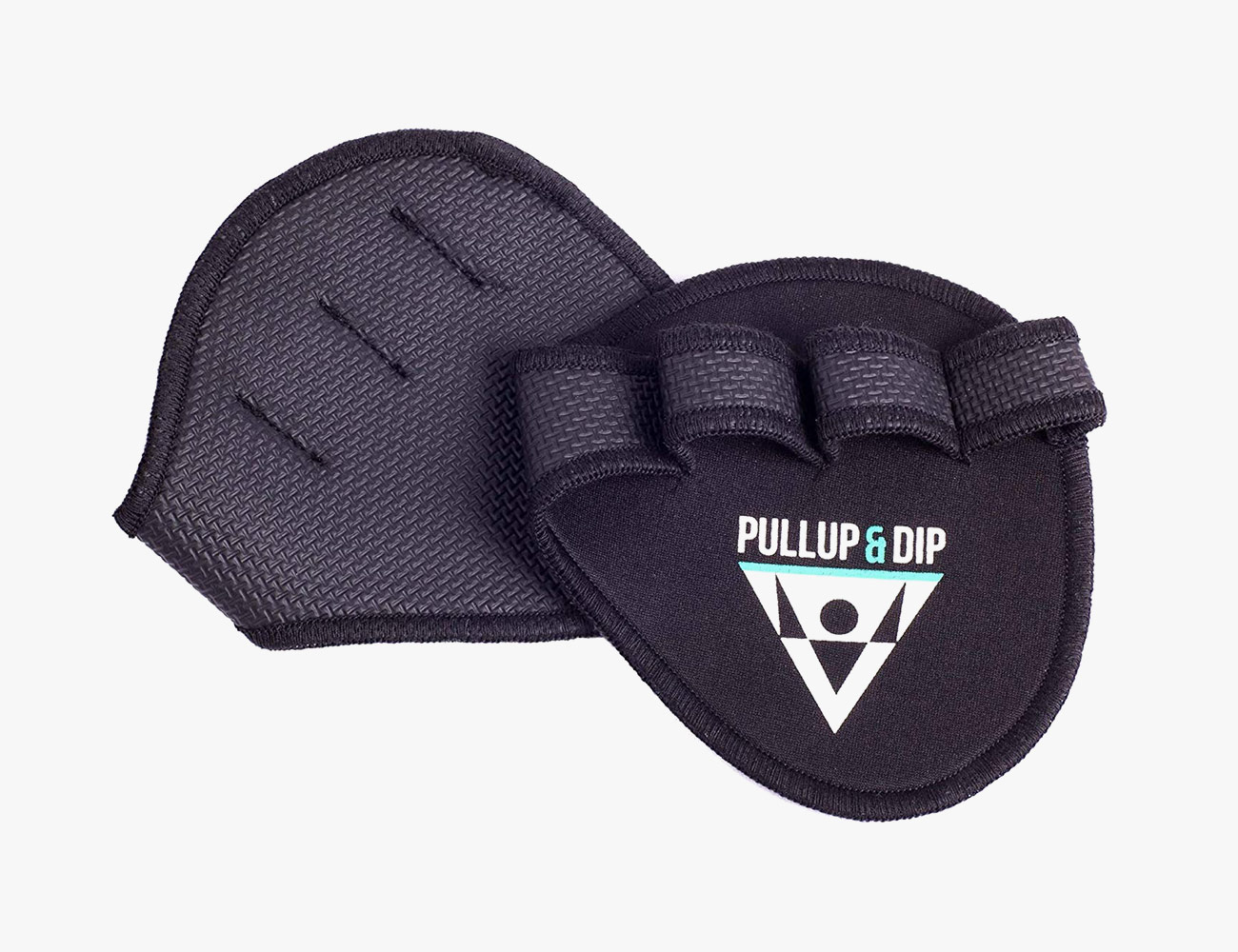
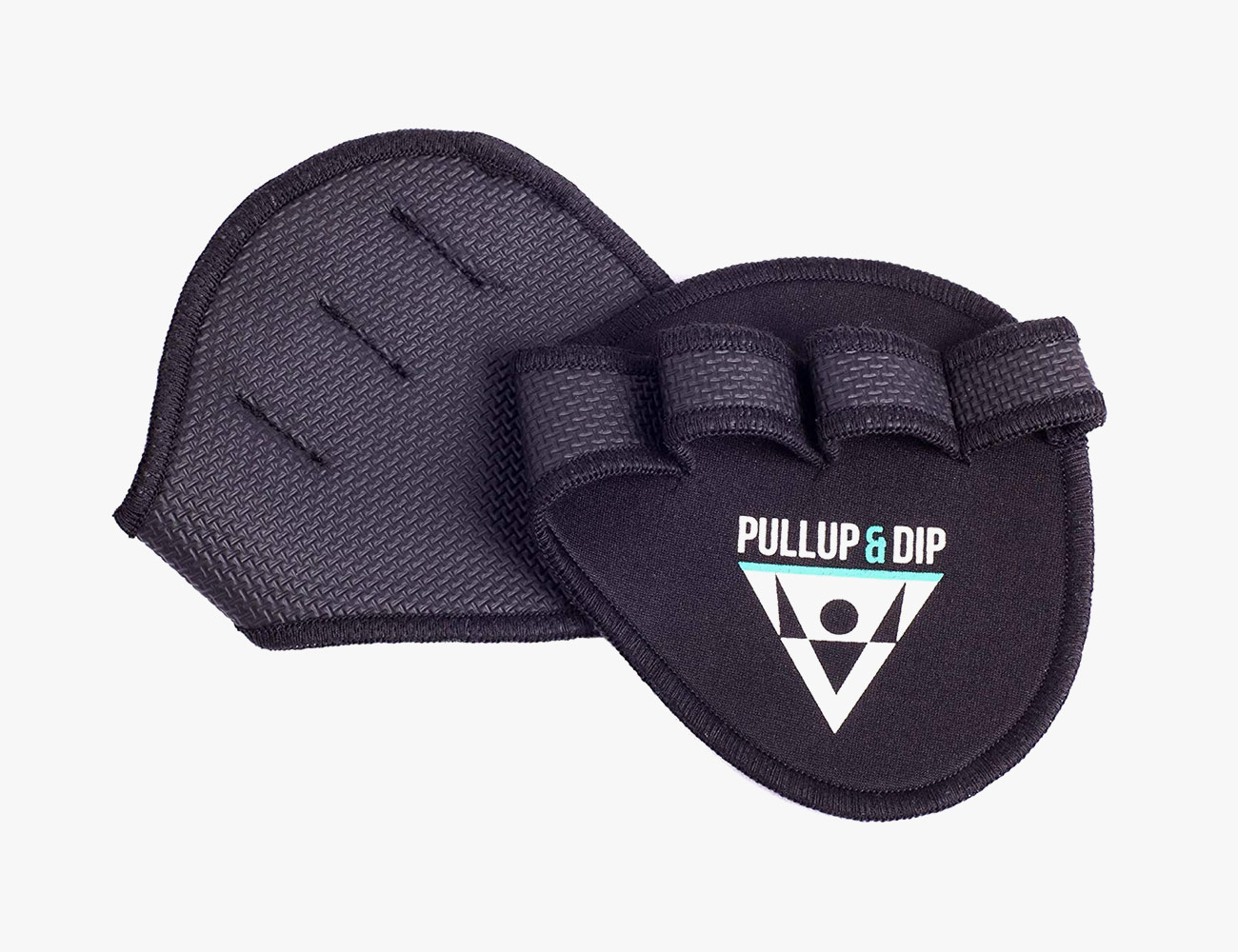
Pullup & Dip Grip Pads

Most Versatile Weightlifting Gloves

“These gloves are ideal for muscle-ups, pull-ups, dips and kettlebell workouts because they don’t restrict your wrist mobility,” Backe explains. “These gloves will protect your hands near your fingers while still allowing you to have the proper dexterity in your wrist,” he adds, so swap opt for these gloves if you do a lot of bodyweight or kettlebell work.

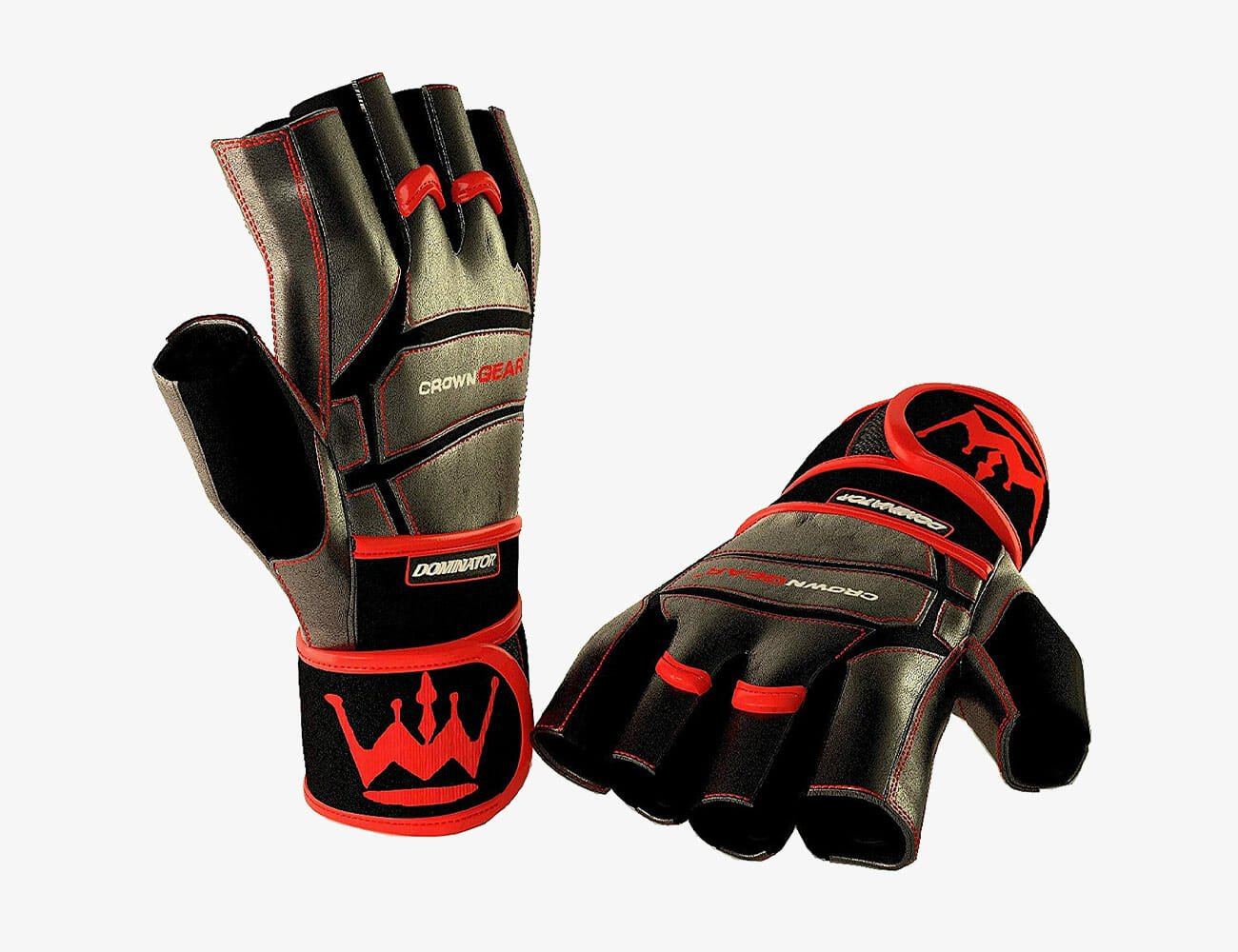
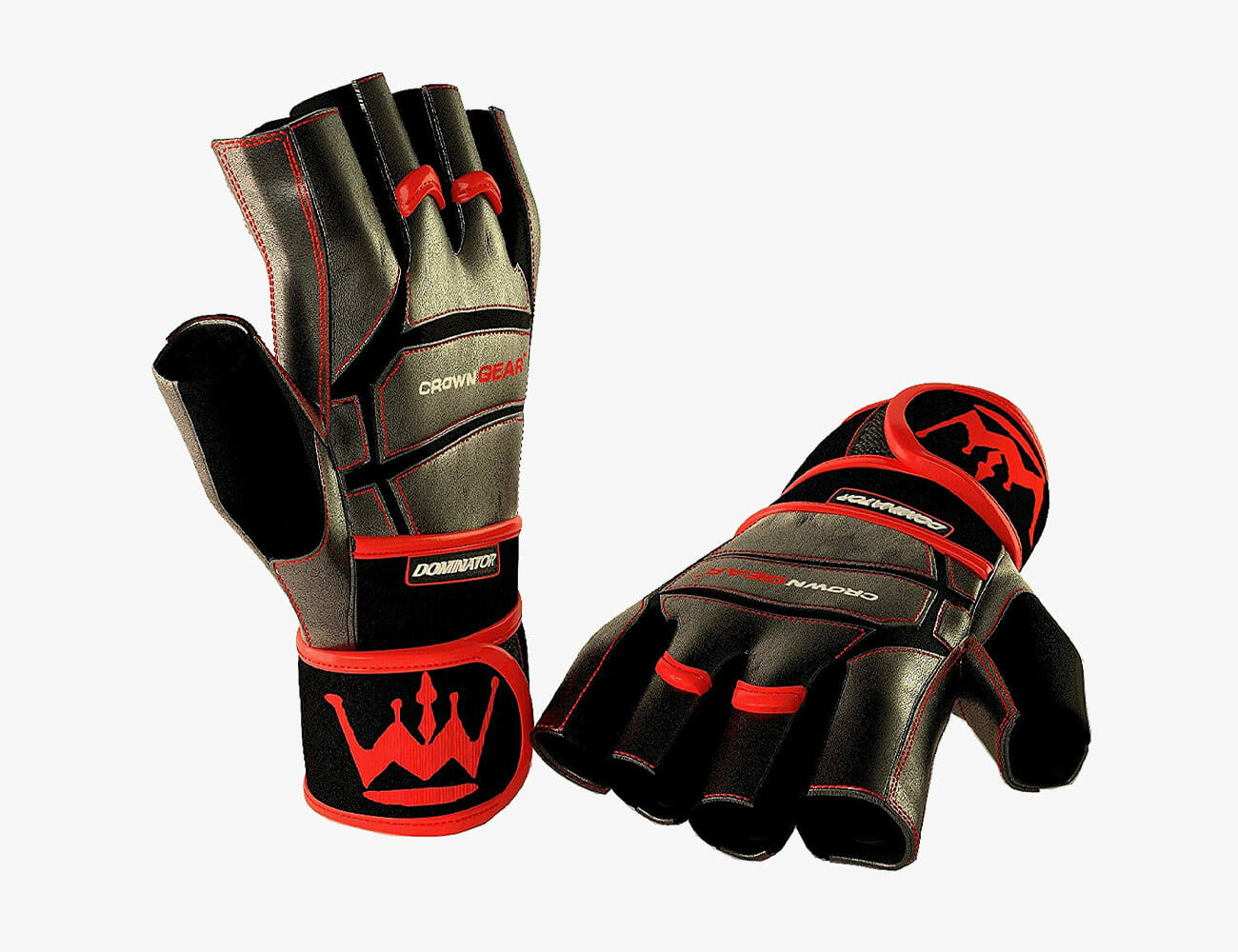
Crown Gear Weightlifting Gloves

Most Stylish Weightlifting Gloves

“For style I would choose Crown Gear weight lifting gloves,” says Hickey. “Featuring a striking black and red design with ergonomically curved fingers, these gloves are very easy on the eyes,” he says. Plus, the gloves are made from soft leather with stitching for contrast and durability, so they’re super sleek while still being incredibly functional.

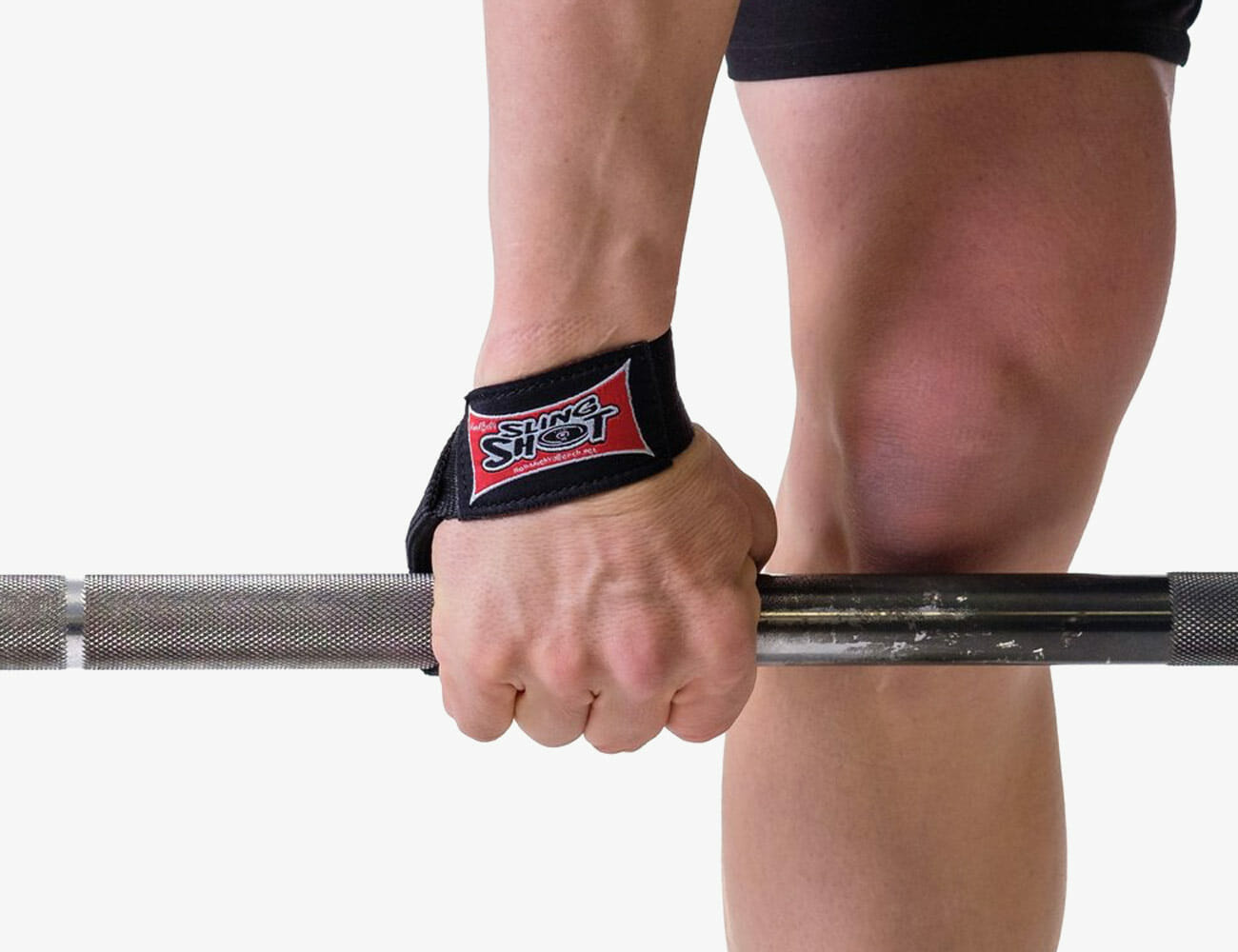
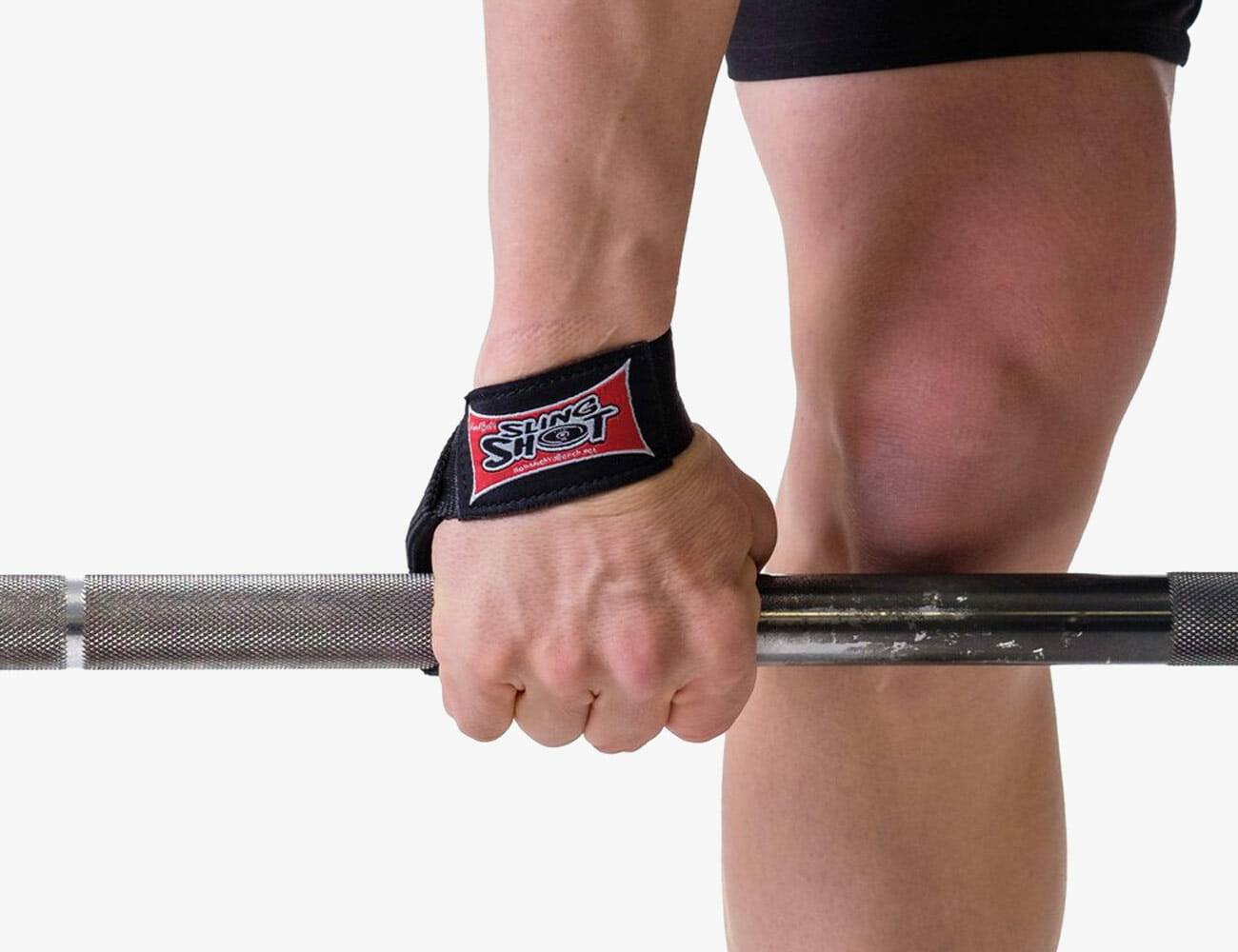
Mark Bell Sling Shot Lifting Straps

Best Lifting Straps

“These are very affordable and offer extra hand support if you’d like to train while giving your grip a rest,” says Aaron Alexander, CR, LMT, CPT, author of The Align Method. They’re strong, light and made of high-quality materials. “These can also come in handy for gymnastics or training on pull-up bars,” he says.

Note: Purchasing products through our links may earn us a portion of the sale, which supports our editorial team’s mission. Learn more here.

The 7 Best Weightlifting Gloves and Why You Need Them, According to Personal Trainers

When you start a new workout routine, changes often need to be made: that could mean everything from adjusting to an earlier morning alarm to learning the proper weight for a deadlift versus a farmer’s carry. And if you find yourself in the weight room frequently, you’ll notice some changes in your hands — from barbell blisters to rough palm patches.

Solution? Weightlifting gloves. These guys can quickly become your trusty sidekicks, helping you work out harder and more efficiently while protecting your hands and wrists from the weighted pressure.

They can support your wrists when lifting heavy weights, to relieve the pressure and provide more structure and protection, says Abby Schmidt, CPT and Instructor at Studio Three in Chicago.

Even better, they can actually help you heave heavier weights. “Using gloves takes the pressure out of your fingers and hands and puts the weight into your forearms, which can increase how much you’re able to lift,” she explains.

When looking for gloves, make sure they are easy to clean. A buildup of sweat and moisture in them can lead to skin infections, says Caleb Backe, CPT and health expert for Maple Holistics. It’s also worth considering what workout you’re choosing.

“Gloves, wrist supports and lifting straps should vary depending on the workout,” he says. “When doing muscle-ups, gloves are important because you can easily tear up your hands. Wrist support should be the main priority when doing heavy dumbbell press and overhead press.”

With that in mind, these are the seven best options.

Schiek Sports 425 Power Lifting Gloves

Best Everyday Weightlifting Gloves

“These gloves serve a more diverse purpose, which means they are functional for a wide variety of your weight training needs,” Backe says. They are ideal for several different types of lifting, as they give added wrist and hand support to help with a variety of workouts and moves. “While they won’t make up for grip strength, they will protect your wrists from injury and stop your hand from getting calloused,” he adds.

Trideer Padded Weight Lifting Gloves

Best Budget Weightlifting Gloves

“These gloves are super durable and come at a great price point,” says Schmidt. The Trideer gloves are great for powerlifting and using heavy weights. “The gloves are padded through the palm and the fingers and are fully supported with added StretchBack Lycra for increased flexibility through the wrists,” she says. Use them with deadlifts, heavy chest and back exercises.

RimSports Premium Weight Lifting Gloves

Best Powerlifting Gloves

“These gloves are ideal for powerlifting because they help improve your ability to pick up the heaviest bar possible,” says Backe. “They give you the necessary wrist support to lift heavier weights and also double as lifting straps,” he explains. What’s more, they can help you build muscle past your grip strength limitations, so you can expect some serious gains when wearing these on your hands and wrists.

Fit Active Sports RX1 Weight Lifting Gloves

Best Travel Weightlifting Gloves

“The Fit Active RX1 Weight Lifting glove would be my choice for travel, [as it] combines user friendly features for comfort and support, including wrist straps and breathable material,” says Jamie Hickey, CPT, founder of Truism Fitness. Plus, they’re easy to pack in a small carry-on and keep odors at bay due to the openhanded design and ventilation.

Pullup & Dip Grip Pads

Most Versatile Weightlifting Gloves

“These gloves are ideal for muscle-ups, pull-ups, dips and kettlebell workouts because they don’t restrict your wrist mobility,” Backe explains. “These gloves will protect your hands near your fingers while still allowing you to have the proper dexterity in your wrist,” he adds, so swap opt for these gloves if you do a lot of bodyweight or kettlebell work.

Crown Gear Weightlifting Gloves

Most Stylish Weightlifting Gloves

“For style I would choose Crown Gear weight lifting gloves,” says Hickey. “Featuring a striking black and red design with ergonomically curved fingers, these gloves are very easy on the eyes,” he says. Plus, the gloves are made from soft leather with stitching for contrast and durability, so they’re super sleek while still being incredibly functional.

Mark Bell Sling Shot Lifting Straps

Best Lifting Straps

“These are very affordable and offer extra hand support if you’d like to train while giving your grip a rest,” says Aaron Alexander, CR, LMT, CPT, author of The Align Method. They’re strong, light and made of high-quality materials. “These can also come in handy for gymnastics or training on pull-up bars,” he says.

Note: Purchasing products through our links may earn us a portion of the sale, which supports our editorial team’s mission. Learn more here.

Now You Can Get an Ultralight Raft Originally Designed for the Military

The Magazine

Each issue of Gear Patrol Magazine is a deep dive into product culture. Inside, you’ll find seasonal buying guides, rich maker profiles and long-form dispatches from the front lines of product design. The stunningly designed Gear Patrol Magazine is ready for your coffee table. Quarterly. $39

The Newsletter

Get the best new products, deals, and stories from across the world, in your inbox daily.

The Best New Knives and EDC of September 2019

Welcome to September. The kids are back in school and autumn, with its perfect weather, is officially in sight. Most brands have already revealed new gear for the colder weather ahead (think fleeces and down jackets), but not all items come out in launches tied to seasonal changes. Pocket knives and EDC tools are a prime example.

The companies and designers that make these tools work year-round, and manufacturers rolling out as many as 50 new knives and multi-tools per year spread them out over all 12 months — there’s something new to check out every week. While we make it our mission to keep you up to speed in regards to all the new knives and tools, we also know that you might’ve missed a few. That’s why we’re rounding up our findings here in one concise, easy-to-scroll article.

Recently, Benchmade revealed a limited-edition folder, GiantMouse released a simple new design, The James Brand made a new version of its minimal multi-tool and more.

Benchade 818GY-1901 Mini Loco

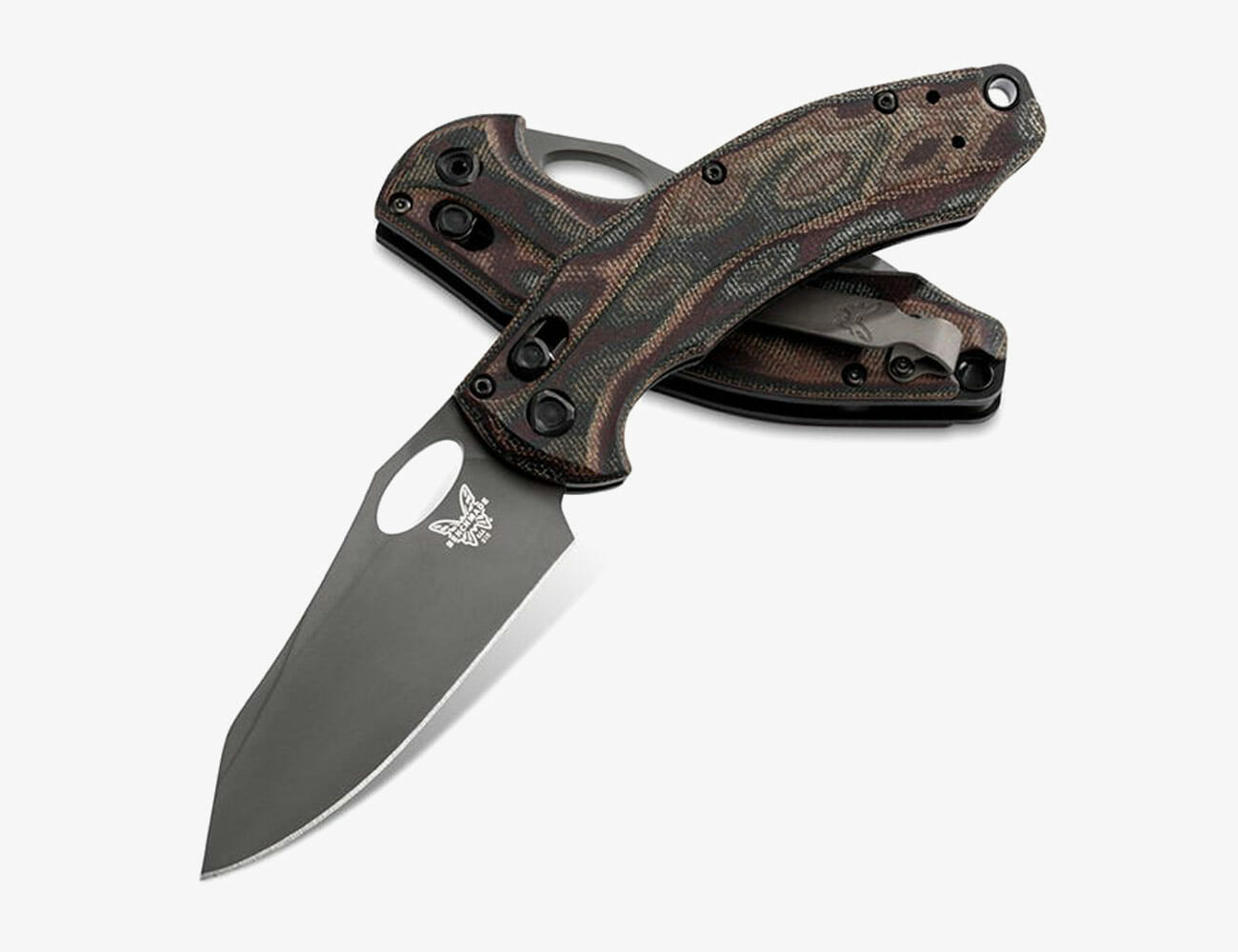
The Mini Loco isn’t new, but Benchmade’s limited-edition version of it feels entirely novel. The blade is still a 3.38-inch drop point, and it uses the sliding switch Axis Lock, but beyond that, everything changes. Benchmade upgraded the blade steel to CPM-20CV, the hardware is all-black and the handle is python micarta. Benchmade cooked up 500 of these, all of which are available through its official dealers.

Coalatree Haswell Survival Knive

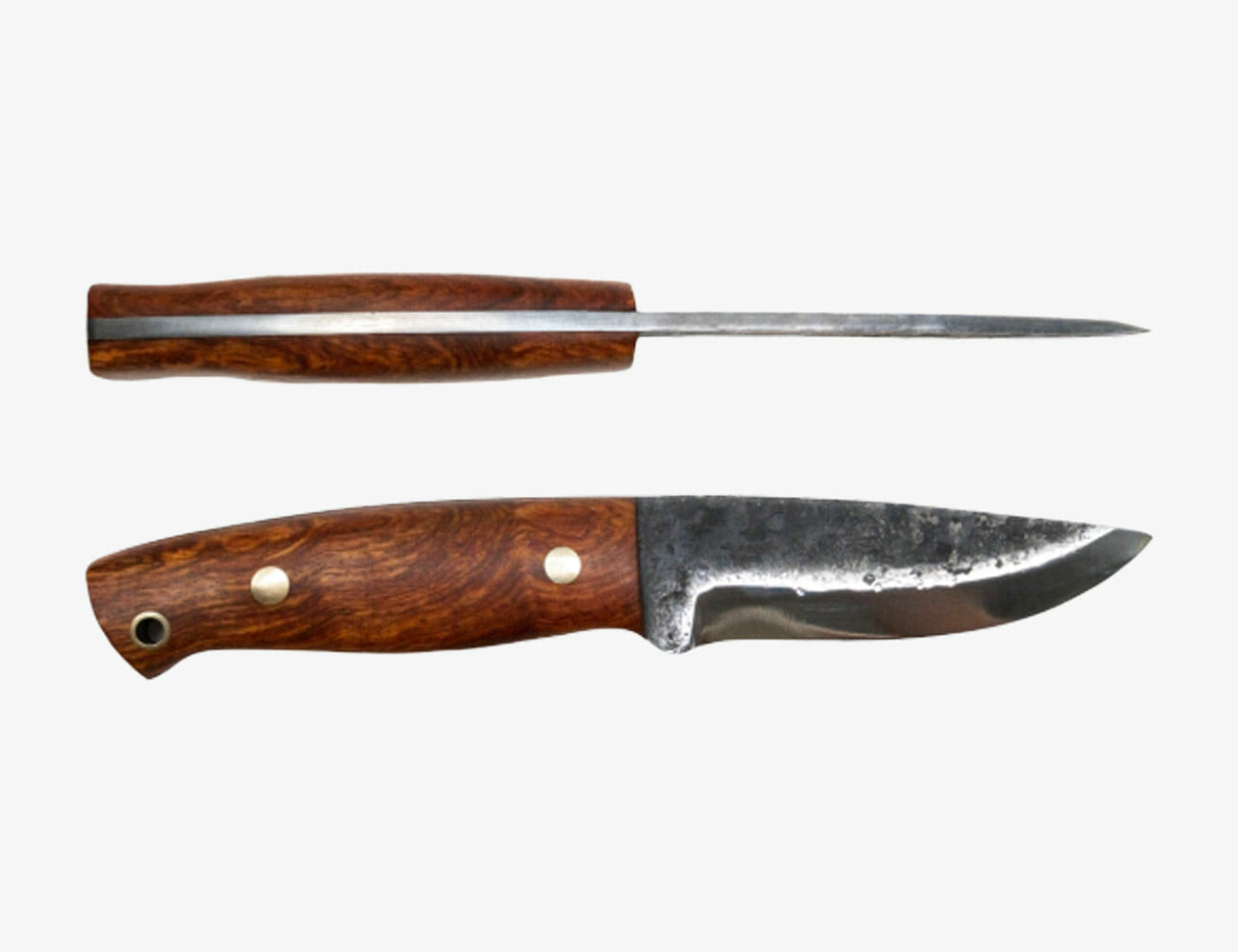
Coalatree is a brand better known for outdoor apparel and packable hammocks, and its new release, the Haswell Survival Knife, channels that outdoorsy background. It’s a bushcraft-style fixed blade made with 4.5 inches of hand-forged 1095 carbon steel and a walnut handle. Its design is straightforward, and Coalatree envisioned it to be a no-frills outdoor blade that both casual and veteran campers can appreciate. The Haswell Survival Knife is currently for sale through Coalatree’s Indiegogo campaign.

GiantMouse Clyde

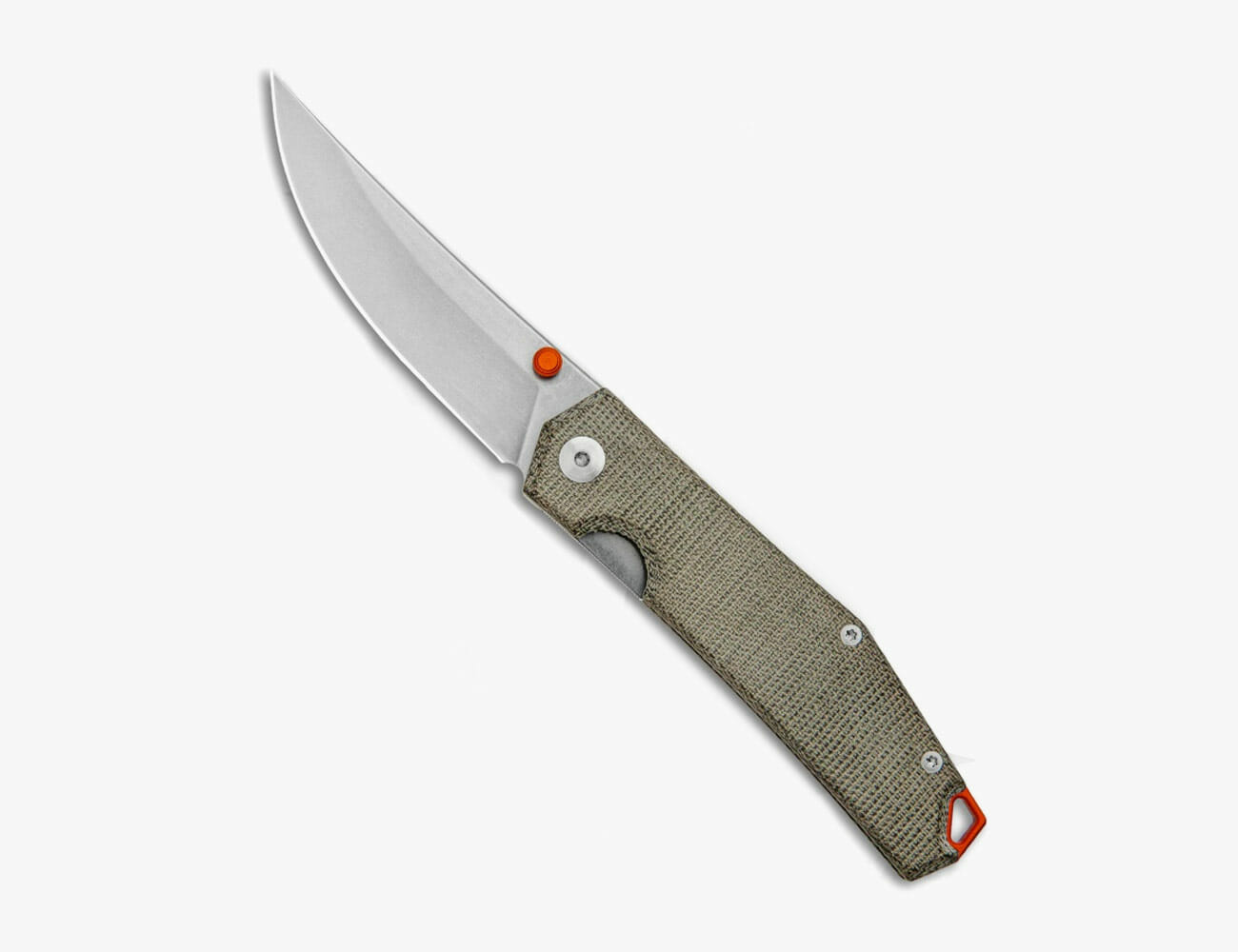
GiantMouse, a company that produces designs by Jesper Voxnaes and Jens Ansø at a more affordable price, created the Clyde to be practical enough for everyday use and sleek enough for your pocket. The new EDC folder has a three-inch trailing point blade that’s made of Elmax steel, a type known for its edge retention, but is still easy to sharpen. The Clyde comes in two versions that vary by handle type: there’s a black G10 model and one with green micarta. Both include a colorful backspacer (red for the black handle and orange for the green), which doubles as a lanyard loop thanks to a cut-out at the end of the handle.

New Knives from Filson

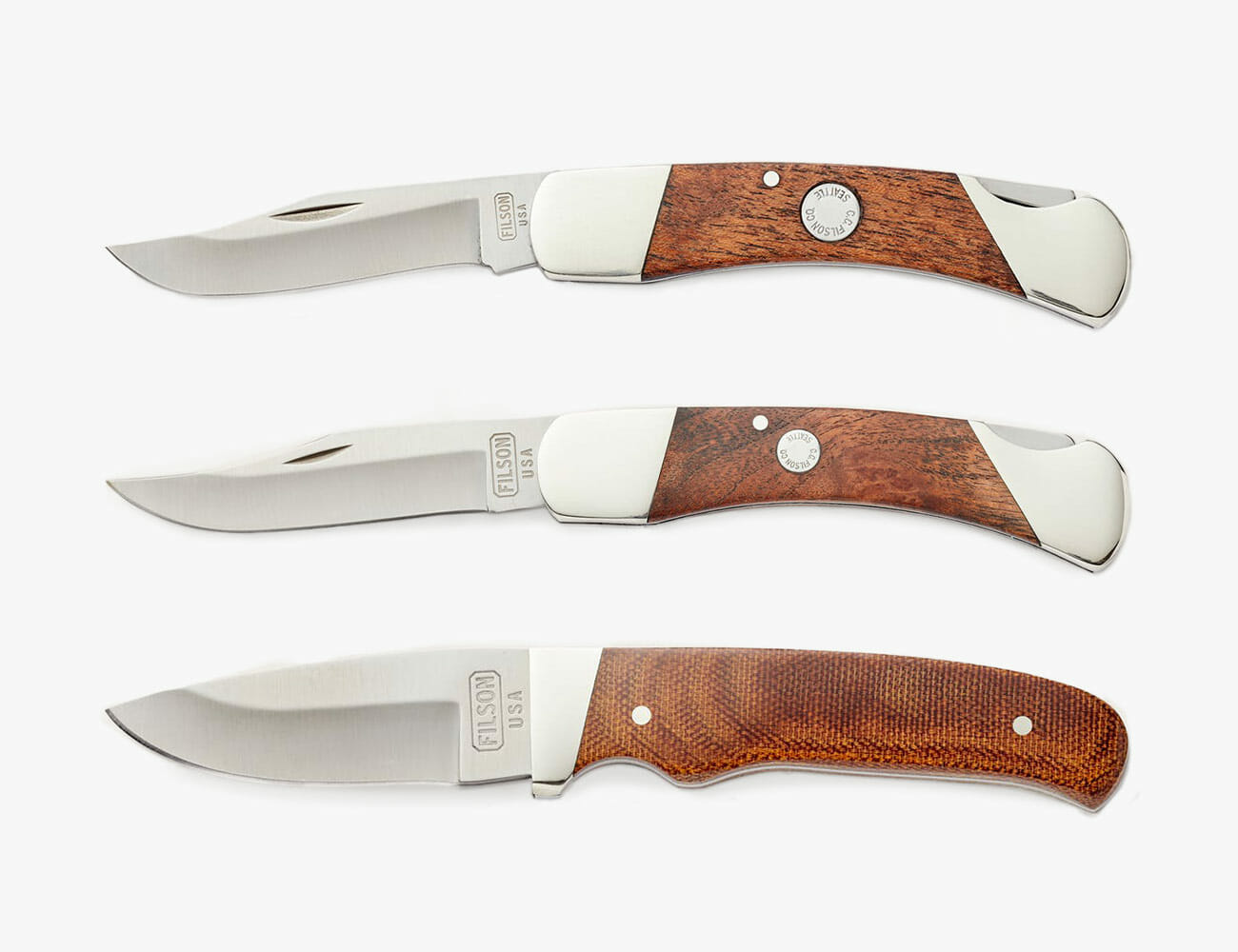
Filson is a heritage American company, so it makes sense that it would draw on classic American knife design in three new blades. The trio is made up of two folders and one fixed blade. Both of the folding knives use a Lockback design and have mesquite wood handles; one is available with an EDC-oriented 2.75-inch blade and the other measures out to 3.75 inches. Meanwhile, the fixed-blade Skinner has a micarta handle and a 2.38-inch blade. All three use 440M steel.

The James Brand Ellis Micarta

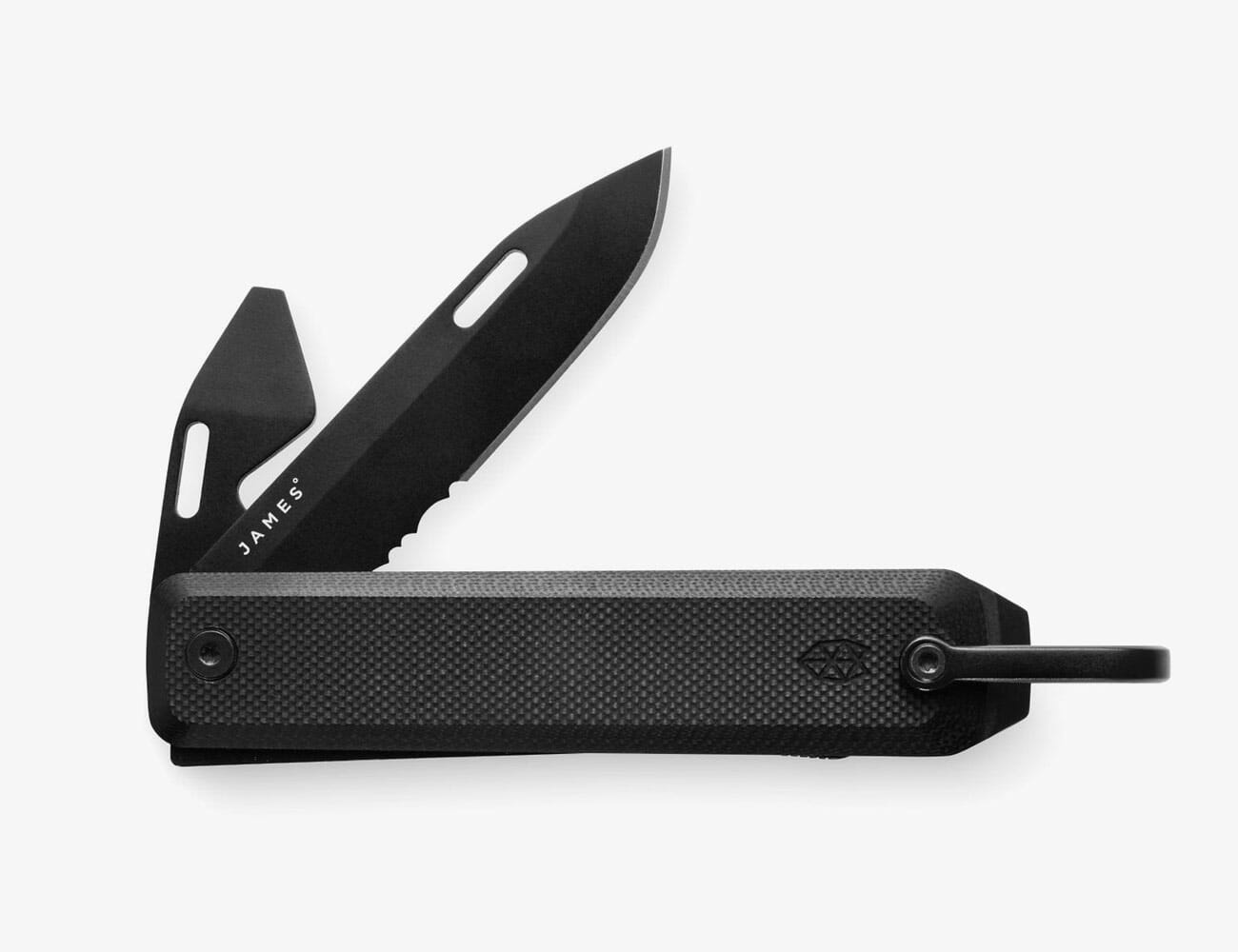
Earlier versions of the Ellis used anodized aluminum handle scales, but The James Brand recently revealed new designs that use G10. The composite material provides a grippy textured alternative to aluminum and is also available in an all-black edition that’s marvelously sleek. The guts of the tool remain unchanged: it has a partially serrated knife blade, a screwdriver, bottle opener and scraper, all made from Sandvik 12C27 stainless steel.

Fox Knives Suru Limited Edition

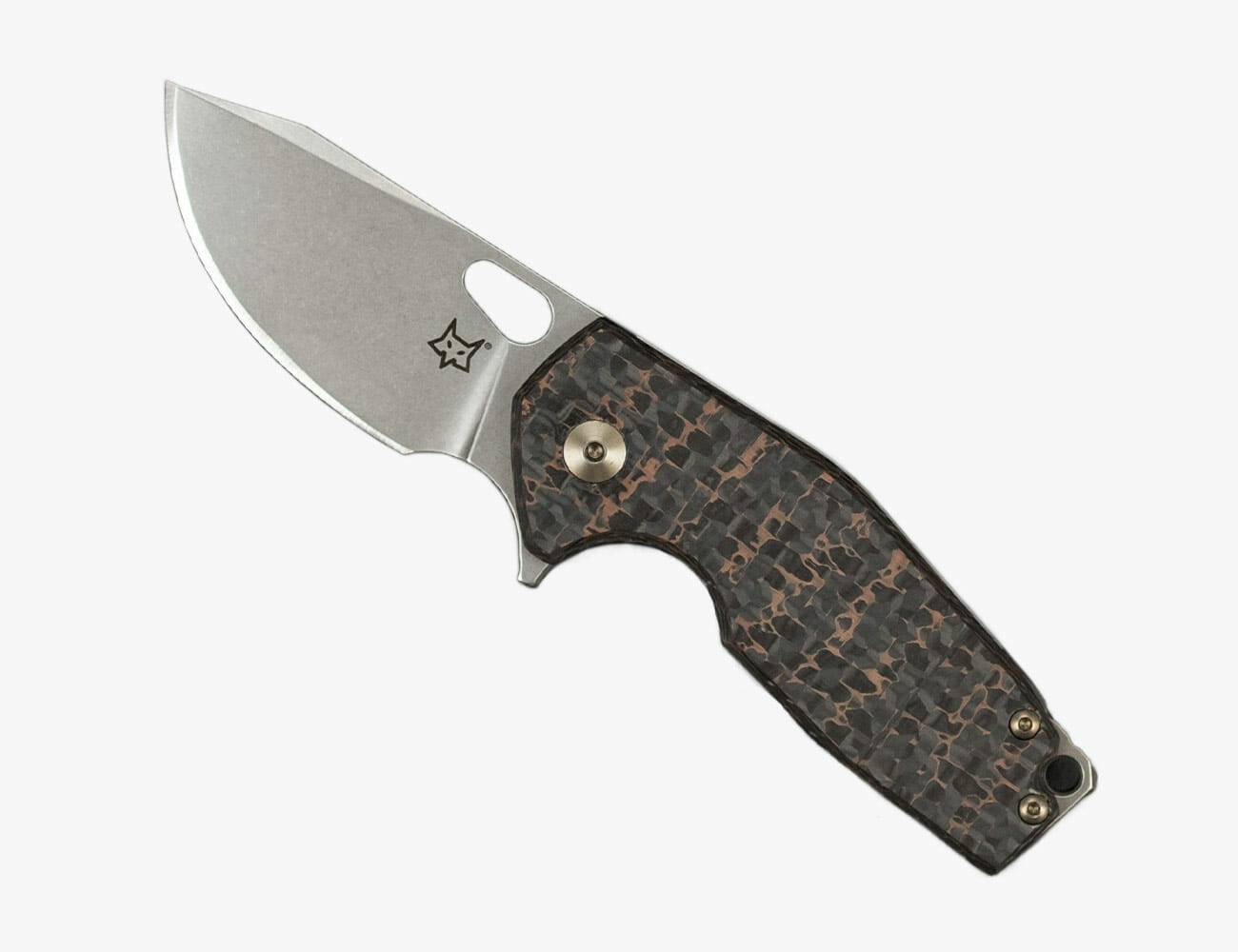
The original version of the Suru won Knife of the Year at the 2018 Blade Show. It took home that prize in part because of a first-of-its-kind carbon-fiber frame lock, which brought its weight down to an incredible 2.04 ounces. This limited-edition version uses a new copper-shred carbon-fiber handle that does bring its weight up, but only to 2.75 ounces. That keeps the Suru and its 2.32-inch M390 blade ultralight and gives it an entirely unique look.

Note: Purchasing products through our links may earn us a portion of the sale, which supports our editorial team’s mission. Learn more here.

What’s the Best Way to Carry Your Phone While You Run?

The beauty of running is that you don’t need fancy gear to do it: just a good pair of running sneakers, maybe some headphones and you’re off. But we live in an era where we can’t part from our phones, even on the run — how else can you track your mileage, navigate unfamiliar running paths or snap a good run selfie? Even purists often carry their phones in case of an emergency.

If you’re going to bring your phone though, the worst thing you can do is hold it in your hand. There are two reasons. For one, proper running form calls for loose, relaxed hands and clenching a phone in your fist wastes energy. Secondly, holding the extra weight on one side of your body (yes, even just a few ounces!) is a recipe for imbalances and asymmetries that could lead to injuries.

So where do you put it? Fortunately, the more reliant we become on our devices, the more products pop up to help us deal. Rather than sift through hundreds of those items, we tapped expert runners who shared what they do with their phones when they’re out putting in miles.

Lululemon Pace Breaker Short

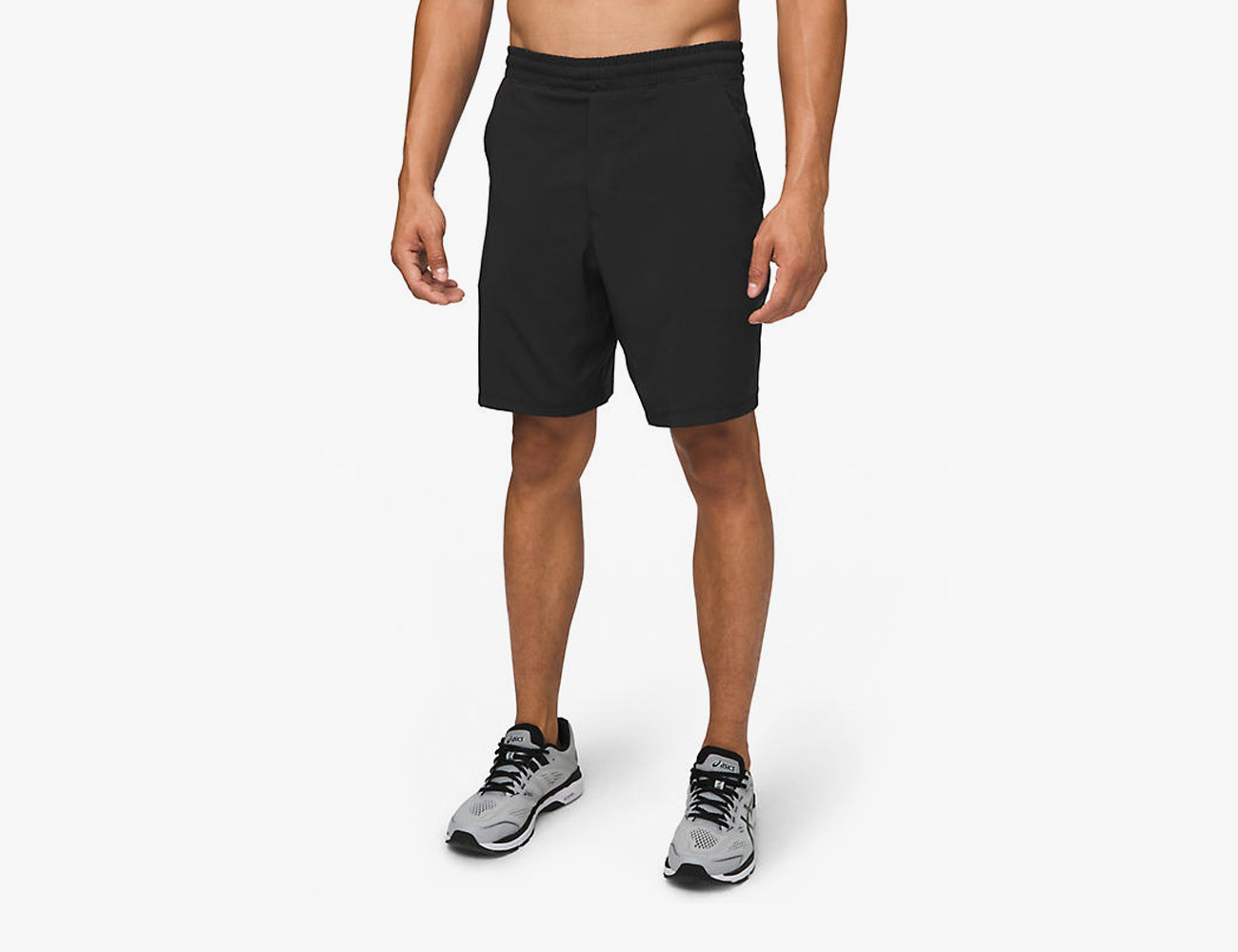
Stashing your phone in a pocket may seem like a safe bet when it comes to your jeans, but not all running shorts are built to withstand the bounce of a heavy phone in a loose pocket. “These Lululemon shorts fit my iPhone X perfectly — the shape of the pocket is the same exact shape of my device, and I can still fit credit cards, cash and my keys,” says John Honerkamp, founder of RunKamp and an RRCA- and USATF-certified running coach who’s worked with celebrities and professional athletes like Karlie Kloss and Apolo Ohno. The shorts are made from a lightweight, four-way stretch, sweat-wicking fabric and the phone pocket even has a cord exit.

The Original Spibelt

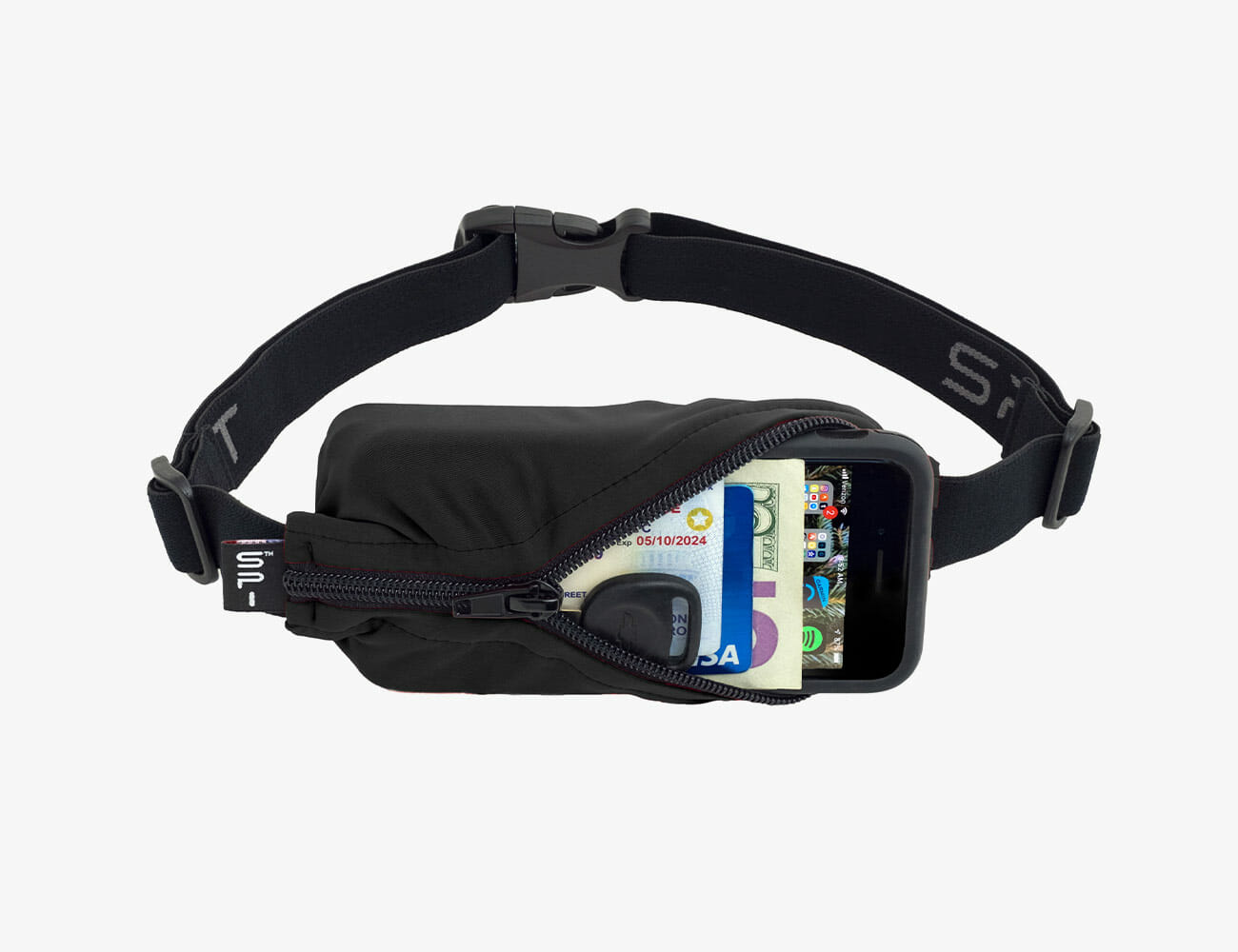
“For me, it comes down to not having anything bouncing around my waist that affects my gait,” says Matt Nolan, a master instructor at Barry’s Bootcamp in New York City and RRCA-certified run coach. As light as phones are now, having one slapping your lower back or the top of your legs can be distracting and prohibit you from running naturally, which opens you up to injury. “I swear by the Spibelt — it’s the best because it’s super stretchy and can fit any size phone, keys, cash and cards while having loops for gels and being tight enough that it won’t bounce around as you run.” Made from stretchable Spandex and comfortable elastic waistbands, Spibelts are a staple at any race expo, are totally affordable, and come in various sizes depending on what kind of phone you’re toting.

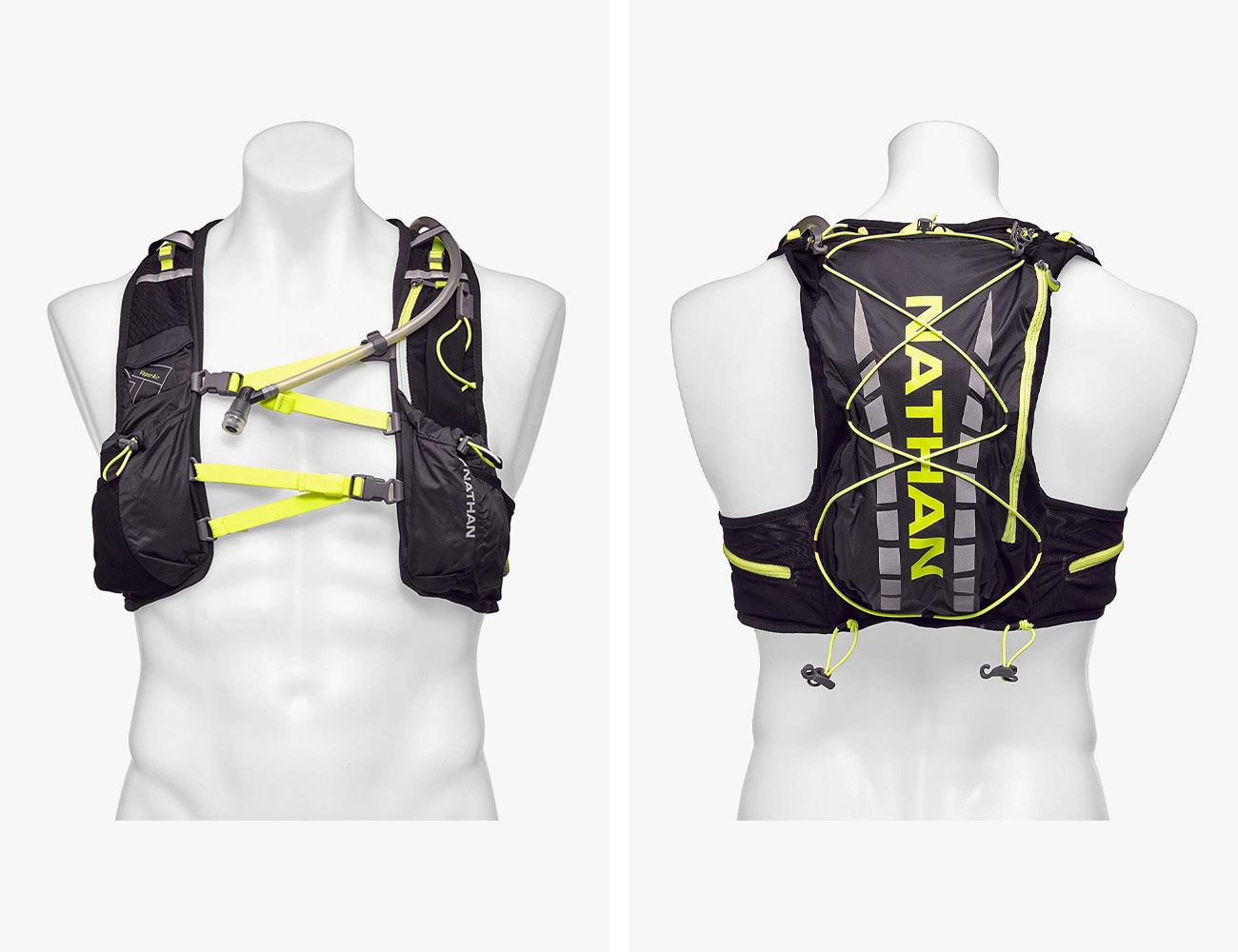
Nathan VaporAir Hydration Pack Running Vest

“The best solution I’ve found is to run with a lightweight running pack or vest; I’ve been using the Nathan VaporAir pack,” says Thomas Watson, head runner at Marathon Handbook and a UESCA-certified running coach. You can use it with or without the hydration bladder, and Watson notes, “If I don’t use the bladder, I just slip my phone in the back pouch instead so the weight is evenly distributed across my shoulders and doesn’t affect my running form. If anything, it gently encourages me to roll my shoulders back, which promotes good form.” But the front pockets are especially accessible, so you can grab your phone whenever you need it.

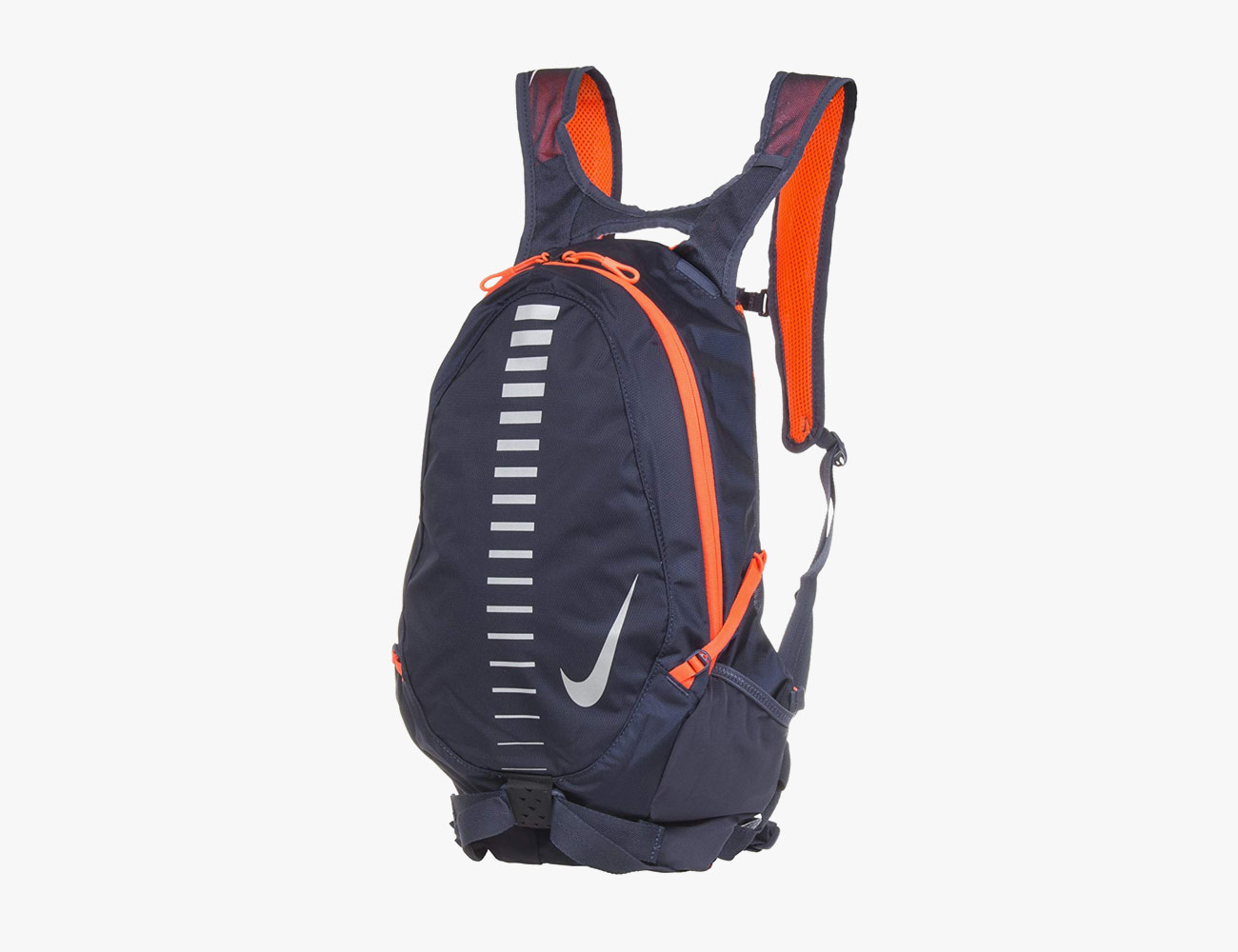
Nike Run Commuter Backpack

Sometimes, it’s not just about carrying your phone. “When I run in New York City, I frequently need to travel with my phone, keys and post-run clothes because I’m usually not returning home immediately,” says Steve Finley, a Nike Run Club coach in New York. “So I need something that’s capable of holding belongings and comfortable enough to wear running for a good chunk of miles. The Nike Commuter nails both of these needs, plus it provides ample storage space for a full day of activities, and, when tightened on my back, rides high and tight enough between the shoulder blades that I can sometimes forget I’m even carrying a pack.

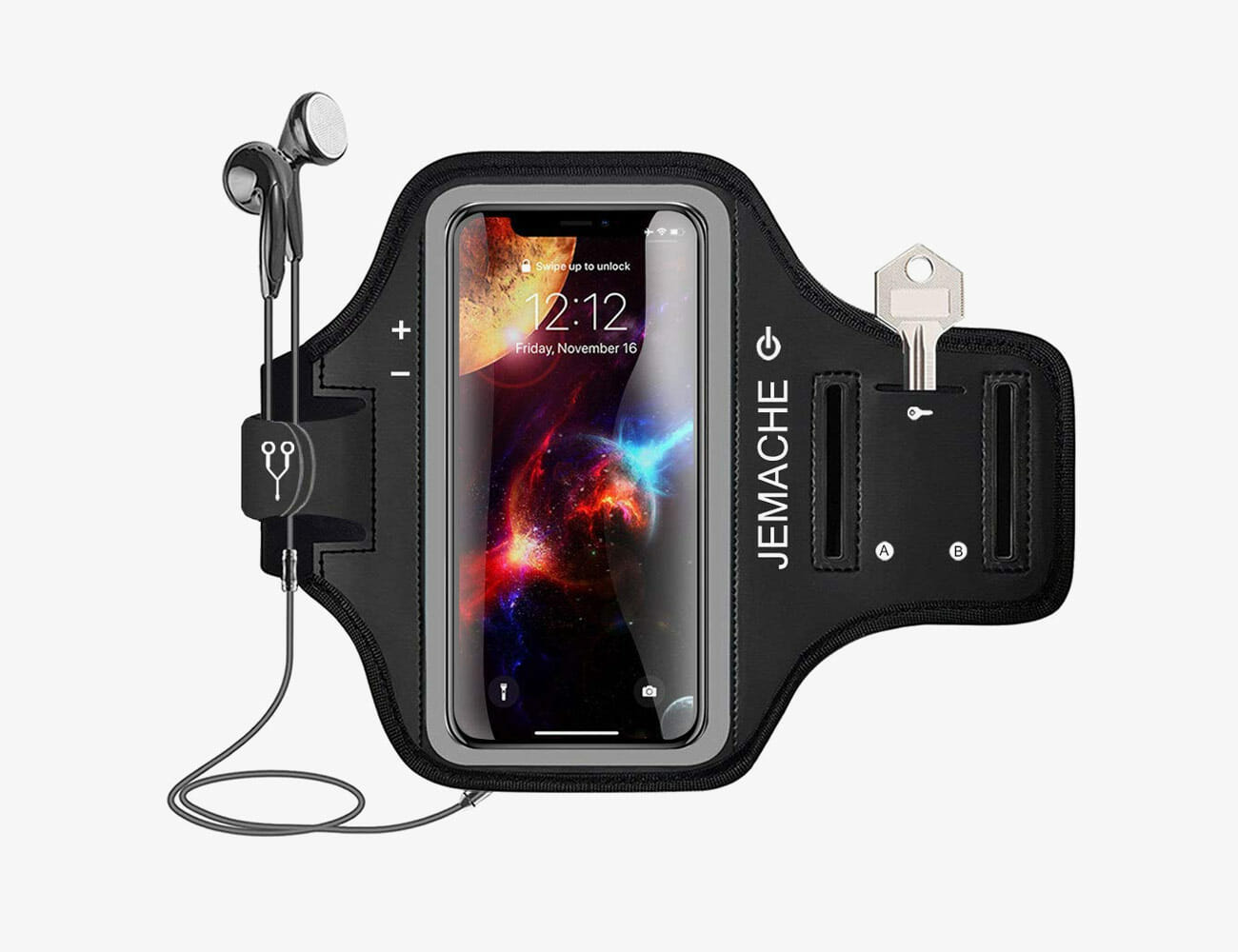
Jemache Arm Band Case

“The armband was one of the OG ways to stash your phone on your run. I currently use the Jemanche armband — it allows access to the front camera for logging in without taking the phone out of the armband,” says Billy Ferguson, a triathlete and founder of Trivelo, a sports product testing company. The size of your arm — and your phone — play a big part in what armband will work for you, though. “With an armband, it’s best to try before you buy to ensure the circumference of the band matches your bicep,” he says. “Also, consider the quality of the armband—lower quality armbands can have rough edges, which can result in chafing and discomfort.”

Note: Purchasing products through our links may earn us a portion of the sale, which supports our editorial team’s mission. Learn more here.

Garmin’s Newest Smartwatch Gets Its Power From a Surprising Place

The Garmin Fenix series is the one to buy for those who head out on long trail runs, hiking trips and backpacking adventures. Garmin announced its newest edition, the Fenix 6 series, right as the UTMB begins. The UTMB is revered in the trail running world for its gritty terrain throughout the Alps in Chamonix, France, and you’re likely to spot athletes using the new Fenix series there. The latest releases boast a plethora of added features, but one of the most surprising is the ability to solar charge.

The highest-end model, the 6X Pro Solar, features a solar panel on the watch face itself that adds to your battery. You need to keep the watch face in the sun to get the fastest charge. While it’s not the absolute best way to charge, if you’re in the backcountry, or racing the UTBM, you can add valuable hours to your tracking device. If you just use the base smartwatch applications, you can extend your battery life from 21 days to 24 days. Using GPS, you’ll extend the life from 60 hours to 66 hours — not too shabby.

In addition to the possibility of solar charging, the Fenix 6 series is bursting with new features. It also allows you to see the most popular routes other people take on your watch. PacePro is a new way to track your pace and stick with it for the duration of a race or training session. And you’ll also gain access to over 2,000 ski resort maps, plus pre-loaded golf maps. You can shop the 6X Pro Solar, 6X Pro and Sapphire and 6S on Garmin today and check out our roundup of all the Garmin models here.

Everything You Need for a Labor Day Weekend Spent Outdoors

The unofficial end to summer is here and you should most certainly spend Labor Day weekend outdoors. But before you do that, we’ve got a handful of reads, tips and guides to get the most out of this last weekend of summer.

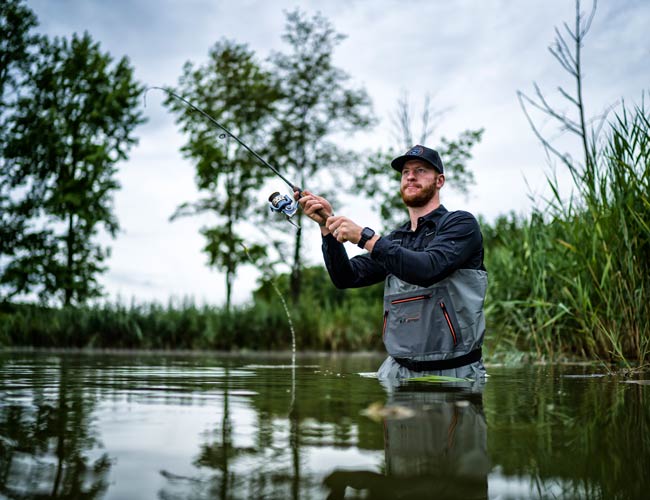
NFL Star Carson Wentz on the Outdoor Gear He Can’t Live Without

NFL Star Carson Wentz on the Outdoor Gear He Can’t Live Without

As great as he is in the backfield, he may be even better in the backcountry.

Everything You Need for a Proper Labor Day Camping Trip

Everything You Need for a Proper Labor Day Camping Trip

If you’re not sitting fireside with a drink, you’re doing it wrong.

Here’s Everything You Need to Run Commute Like a Champ, According to Experts

Here’s Everything You Need to Run Commute Like a Champ, According to Experts

Five run commuting veterans share all the advice and gear you need to take your weekly mileage to the office.

Why Does America Love Bass Fishing?

Why Does America Love Bass Fishing?

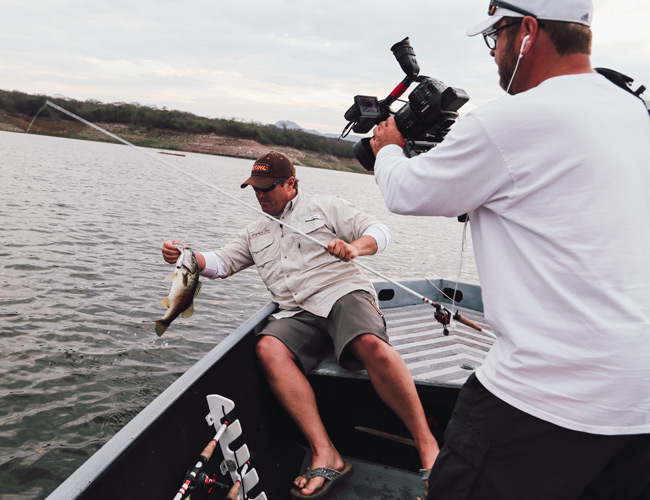
Why would a fisherman be content to flip on the tube, sit on the couch, and watch someone else fish? I followed a production crew at the world’s best bass lake to find out.

Your Flashy New Gear Might Be Made of Crusty Old Fishing Nets

Your Flashy New Gear Might Be Made of Crusty Old Fishing Nets

Bureo has been working since 2013 to turn discarded fishing nets into everything from skateboards to Jenga towers.

5 Trail Running Tips and Tricks a Top Ultra Runner Swears By

5 Trail Running Tips and Tricks a Top Ultra Runner Swears By

Katie Arnold, the 2018 Leadville 100 women’s champ, makes it easy for anyone to transition from road to trail running.

Meditation Can Make You Better at Everything: Here’s How

Meditation Can Make You Better at Everything: Here’s How

Whether you’re looking to get faster, stronger or calmer, pick the right style of mind work and you’ll be halfway om.

From Haversacks to Skate Bags: The Secret History Of Military Packs

From Haversacks to Skate Bags: The Secret History Of Military Packs

Intertwined with civilian innovations, they’ve come a long way since the Civil War. Here’s an enlightening rundown.

10 Things You Didn’t Know About the Founder of Patagonia

10 Things You Didn’t Know About the Founder of Patagonia

A new book published by Patagonia details the life and exploits of the company’s outdoorsman-founder, Yvon Chouinard.

NFL Star Carson Wentz on the Outdoor Gear He Can’t Live Without

Resilience is underrated. Just ask Philadelphia Eagles quarterback Carson Wentz, who doesn’t let an injury-plagued couple of years deter his enthusiasm for the upcoming season. “I’m really excited to get out there and play loose and free again,” says 2016’s no. 2 pick. “The talent on the roster is amazing, but nothing is given. We need to go out and earn it.”

Wentz has something else to be excited about, too: his new Amazon Sports & Outdoors custom shop, featuring 48 items covering his favorite camping, fishing and hunting gear. With everything from tents and pocket knives to trail mix, the curated store is a natural fit for the nature-loving Wentz, who was born in North Carolina but spent his childhood and college football years in North Dakota. 

“I grew up spending time in the outdoors at a young age but didn’t truly get passionate about it until I was in college,” he explains. “It really all began pheasant hunting with some friends my freshman year. I just watched their dogs work and I instantly became hooked. Soon after, I got my first dog, Henley, and we started hunting together just about every chance we could.”

From pre-season workouts to postseason recovery, an NFL campaign can be grueling. So when Wentz isn’t in pro football mode, he still chooses to spend his time outdoors. And he’s not too picky on the locale, requiring little more than elbow room and some waterfowl. “I’m truly at peace while sitting over a pond or hiding in a field with my dogs right beside me,” says Wentz. “It might not be a typical getaway place for most, but I love it.”

After years of hunting and fishing trips, Wentz has become quite the gear aficionado and knows the right equipment can make or break your outdoor adventures. “I’ve spent countless times in the outdoors as a kid with improper gear, and it almost completely turned me away from hunting,” he says. “From being too cold, too wet or not being able to see, the gear can make all the difference in the world. Invest in the right gear the first time — you won’t regret it.”

Here are his top seven recommendations. Check them out and so much more at his Amazon store. And for even more great deals, shop the Amazon Sports Fall Outdoor Event, featuring discounted hunting, fishing and camping gear and more through the end of September.

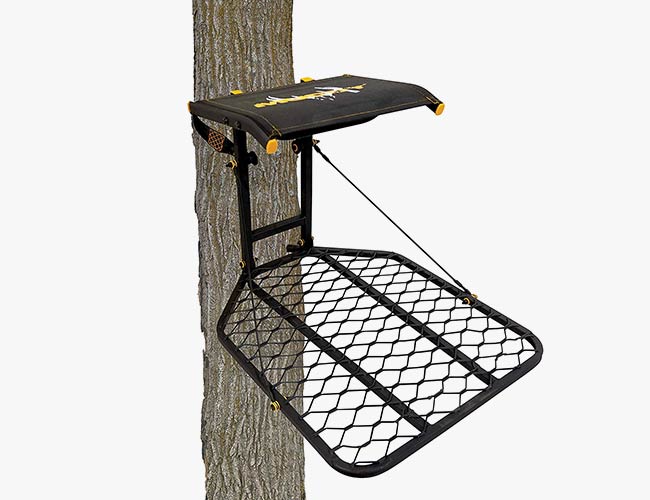
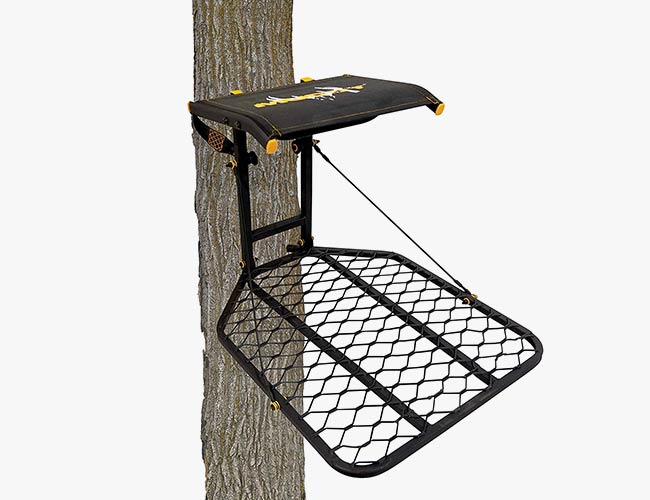
Muddy The Boss Hang-On Treestand

“I spend a good amount of my free time during the football season in this stand, and it just helps me to relax and put everything into perspective.” 

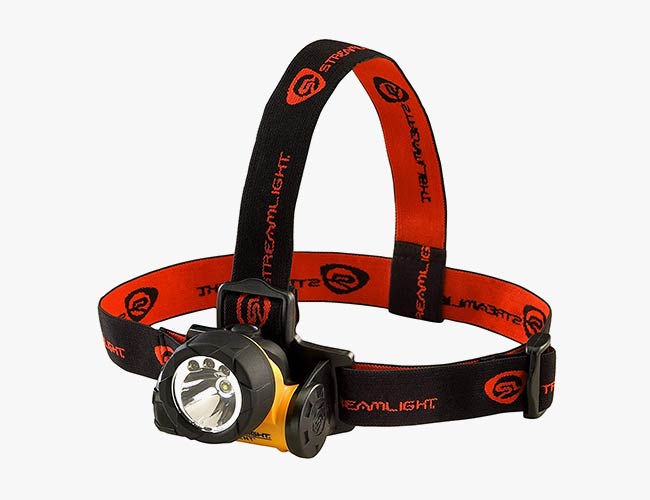
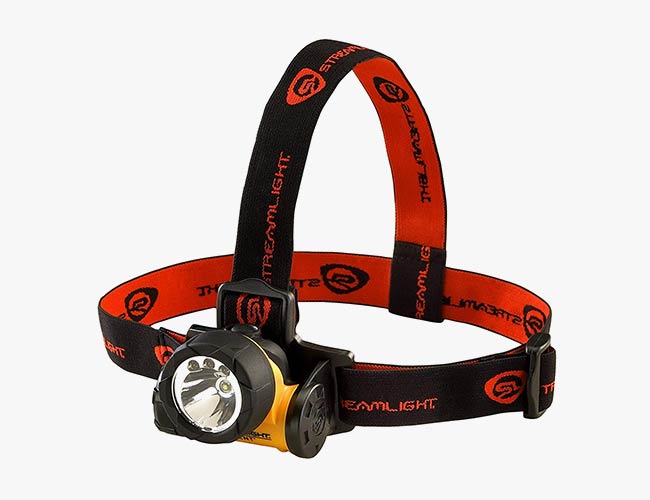
Streamlight LED Headlamp

“I love getting up early to get outdoors. All those early mornings need a reliable light, and this is the one I use.”

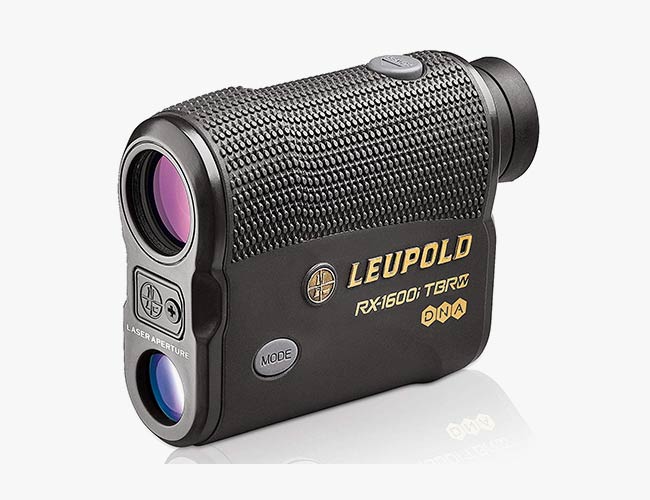
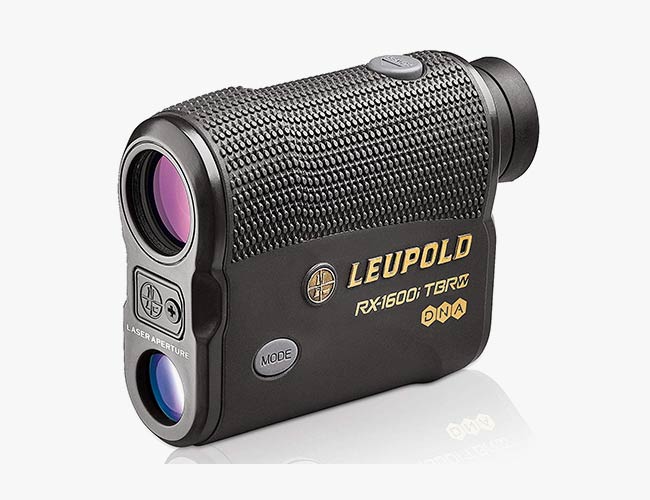
Leupold Laser Rangefinder

“Archery hunting is one of my favorite things to do, and you can’t do it without a reliable rangefinder. This goes with me every time I bow hunt.”

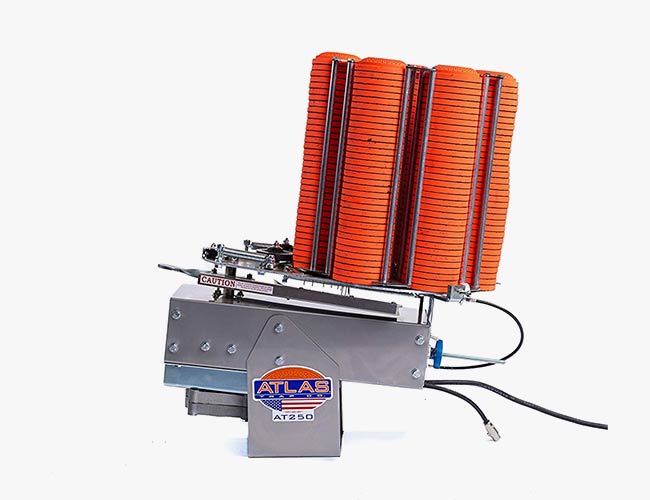
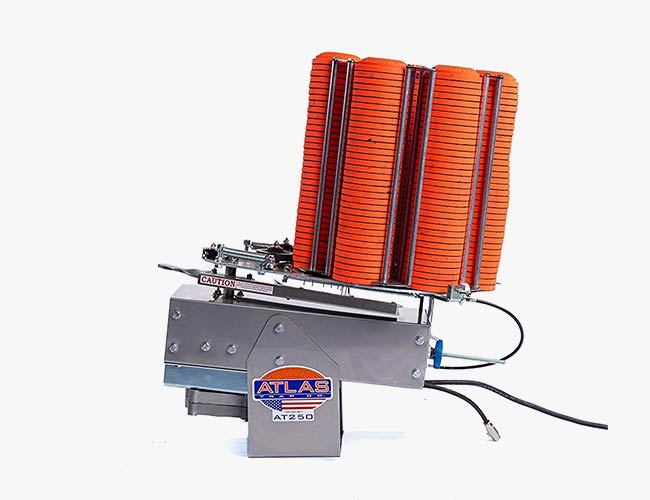
Atlas Trap Company Clay Target Thrower

“I got into hunting and the outdoors while out pheasant hunting with some college buddies. I was honestly a pretty bad shot at the time, so I spent a good amount of time in college shooting clay pigeons to get better. This is still a ton of fun to do with my friends, and we get a little competitive, too, which is fun.” 

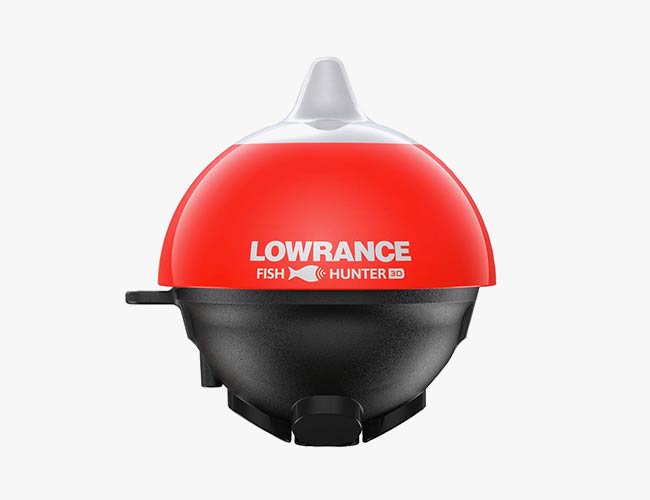
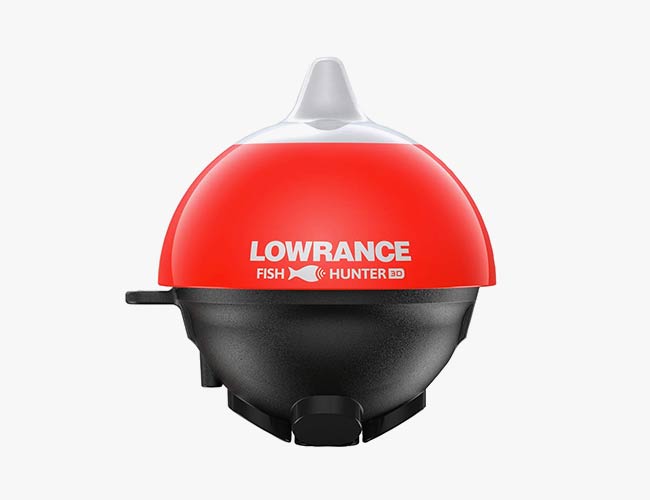
Lowrance FishHunter 3D

“It seems like every summer I end up back in North Dakota for a little bit, and we spend a lot of time on the water fishing for walleyes. There is no way we’d be able to find fish and catch them without a reliable fish finder.” 

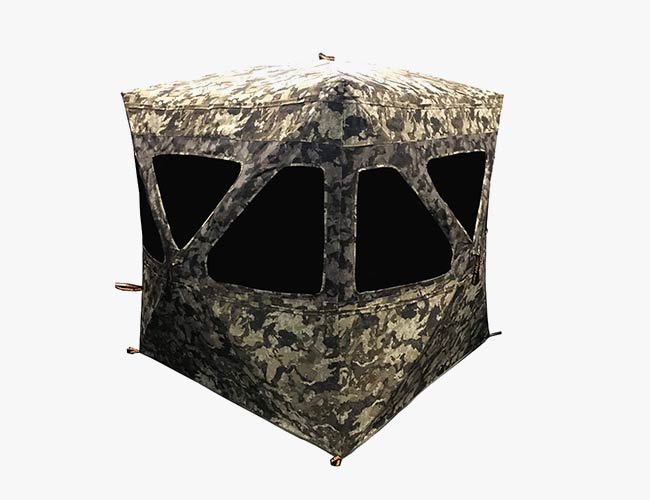
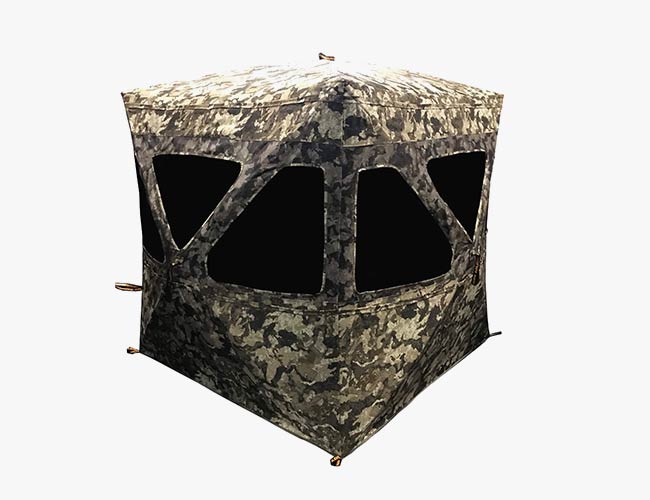
Muddy Infinity 2-Man Ground Blind

“Sometimes when we hunt it’s simply impossible to hunt from a tree stand. So, we do the next best thing—put up a ground blind right where we want to be. Because it’s a two-person blind, my brother and I are usually able to sit in there together, which is pretty fun.” 

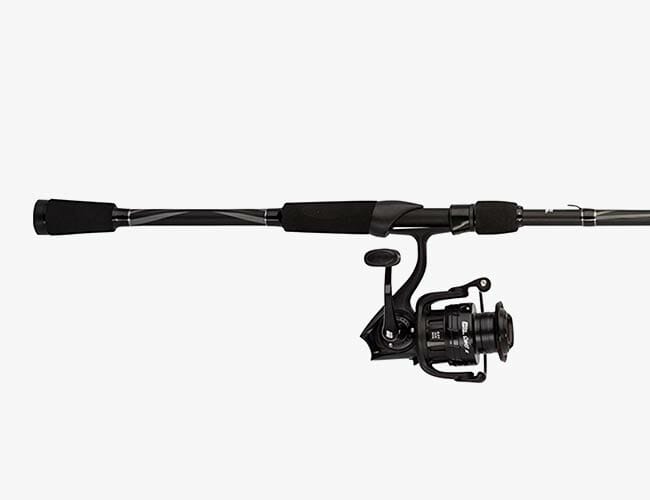
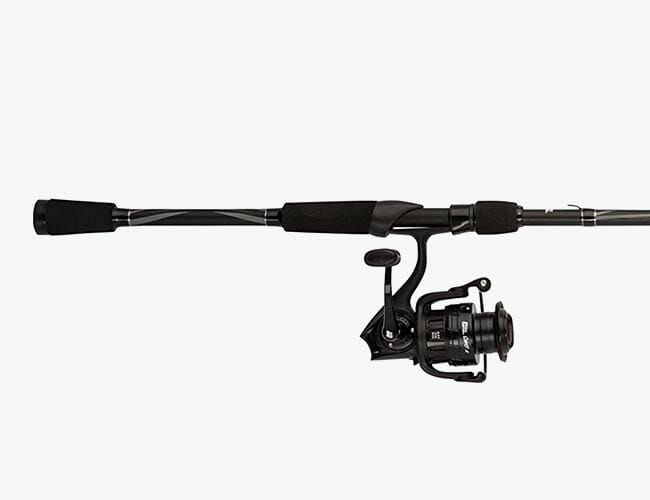
Abu Garcia Revo Spinning Combo Fishing Reel Rod

“All those hours we spend fishing for walleyes in North Dakota aren’t possible without a reliable fishing pole and reel.”

Note: Purchasing products through our links may earn us a portion of the sale, which supports our editorial team’s mission. Learn more here.

The Outdoor Gear Eagles QB Carson Wentz Can’t Live Without

Resilience is underrated. Just ask Philadelphia Eagles quarterback Carson Wentz, who doesn’t let an injury-plagued couple of years deter his enthusiasm for the upcoming season. “I’m really excited to get out there and play loose and free again,” says 2016’s no. 2 pick. “The talent on the roster is amazing, but nothing is given. We need to go out and earn it.”

Wentz has something else to be excited about, too: his new Amazon Sports & Outdoors custom shop, featuring 48 items covering his favorite camping, fishing and hunting gear. With everything from tents and pocket knives to trail mix, the curated store is a natural fit for the nature-loving Wentz, who was born in North Carolina but spent his childhood and college football years in North Dakota. 

“I grew up spending time in the outdoors at a young age but didn’t truly get passionate about it until I was in college,” he explains. “It really all began pheasant hunting with some friends my freshman year. I just watched their dogs work and I instantly became hooked. Soon after, I got my first dog, Henley, and we started hunting together just about every chance we could.”

From pre-season workouts to postseason recovery, an NFL campaign can be grueling. So when Wentz isn’t in pro football mode, he still chooses to spend his time outdoors. And he’s not too picky on the locale, requiring little more than elbow room and some waterfowl. “I’m truly at peace while sitting over a pond or hiding in a field with my dogs right beside me,” says Wentz. “It might not be a typical getaway place for most, but I love it.”

After years of hunting and fishing trips, Wentz has become quite the gear aficionado and knows the right equipment can make or break your outdoor adventures. “I’ve spent countless times in the outdoors as a kid with improper gear, and it almost completely turned me away from hunting,” he says. “From being too cold, too wet or not being able to see, the gear can make all the difference in the world. Invest in the right gear the first time — you won’t regret it.”

Here are his top seven recommendations. Check them out and so much more at his Amazon store

Muddy The Boss Hang-On Treestand

“I spend a good amount of my free time during the football season in this stand, and it just helps me to relax and put everything into perspective.” 

Streamlight LED Headlamp

“I love getting up early to get outdoors. All those early mornings need a reliable light, and this is the one I use.”

Leupold Laser Rangefinder

“Archery hunting is one of my favorite things to do, and you can’t do it without a reliable rangefinder. This goes with me every time I bow hunt.”

Atlas Trap Company Clay Target Thrower

“I got into hunting and the outdoors while out pheasant hunting with some college buddies. I was honestly a pretty bad shot at the time, so I spent a good amount of time in college shooting clay pigeons to get better. This is still a ton of fun to do with my friends, and we get a little competitive, too, which is fun.” 

Lowrance FishHunter 3D

“It seems like every summer I end up back in North Dakota for a little bit, and we spend a lot of time on the water fishing for walleyes. There is no way we’d be able to find fish and catch them without a reliable fish finder.” 

Muddy Infinity 2-Man Ground Blind

“Sometimes when we hunt it’s simply impossible to hunt from a tree stand. So, we do the next best thing—put up a ground blind right where we want to be. Because it’s a two-person blind, my brother and I are usually able to sit in there together, which is pretty fun.” 

Abu Garcia Revo Spinning Combo Fishing Reel Rod

“All those hours we spend fishing for walleyes in North Dakota aren’t possible without a reliable fishing pole and reel.”

Note: Purchasing products through our links may earn us a portion of the sale, which supports our editorial team’s mission. Learn more here.

Your Flashy New Gear Might Be Made of Crusty Old Fishing Nets

Nearly all fishing nets sink. Is that stating the obvious? Sure — how else would fishermen get them into ocean depths — but that simple fact has massive implications.

When nets become old and unusable, fishermen are left with limited options to dispose of them and often resort to throwing them overboard. And in the case of aquaculture — open ocean fish farming — they’re left to slowly degrade in the sea, where they might eventually be ripped free by a storm and sink to the bottom. And collecting them isn’t easy either. Most marine recycling organizations invest in expensive and labor-intensive cleanups, but Bureo, a small company based in both the US and Chile, tackles the problem differently.

At the company’s inception, founder David Stover and two friends, Kevin Ahearn and Ben Kneppers, were turned off by the amount of trash they encountered surfing. The trio started to research ocean waste and quickly learned about the issue with fishing nets. Funded initially by personal savings and a Kickstarter campaign that earned just shy of $65,000, their company, Bureo, launched with a wave of media attention and even received investment dollars from Patagonia. But even then, the trio’s original goal was to make skateboards from the recycled net nylon.

Stover, the CEO of Bureo, emphasizes that to have a significant impact, they were forced to think like a savvy business. “The challenge with all recycling is getting a consistent source material in an economically effective way. There are a lot of costs in the process – collection, transportation, cleaning – that force us to stay hyper-focused on a single product and attack the problem in ways we know we can scale.”

They ditched the idea of designing skateboards and admitted that they weren’t some hip new brand, they were in the recycling business.

Stover isn’t afraid to admit that the company has made some mistakes since its founding in 2013. The company does most of its net collection in Chile and for the team’s first few years had recycling points at a dozen or more small harbors along the Chilean coast. But local fishermen were still unfamiliar with recycling programs, and there wasn’t any incentive for them to opt-in; many found it easier to continue with their old ways of leaving nets behind at sea. The program struggled to take hold.

After two years with limited growth, Stover and company changed strategies. They halted marketing campaigns, ditched the idea of designing skateboards, and admitted that they weren’t some hip new brand, they were in the recycling business. They redirected their energy towards connecting with ports, fishermen and net manufacturers, and building relationships with each of them. Now, instead of managing collection points, Bureo pays fisheries to collect and transport nets for them, when they’re no longer fit for use.

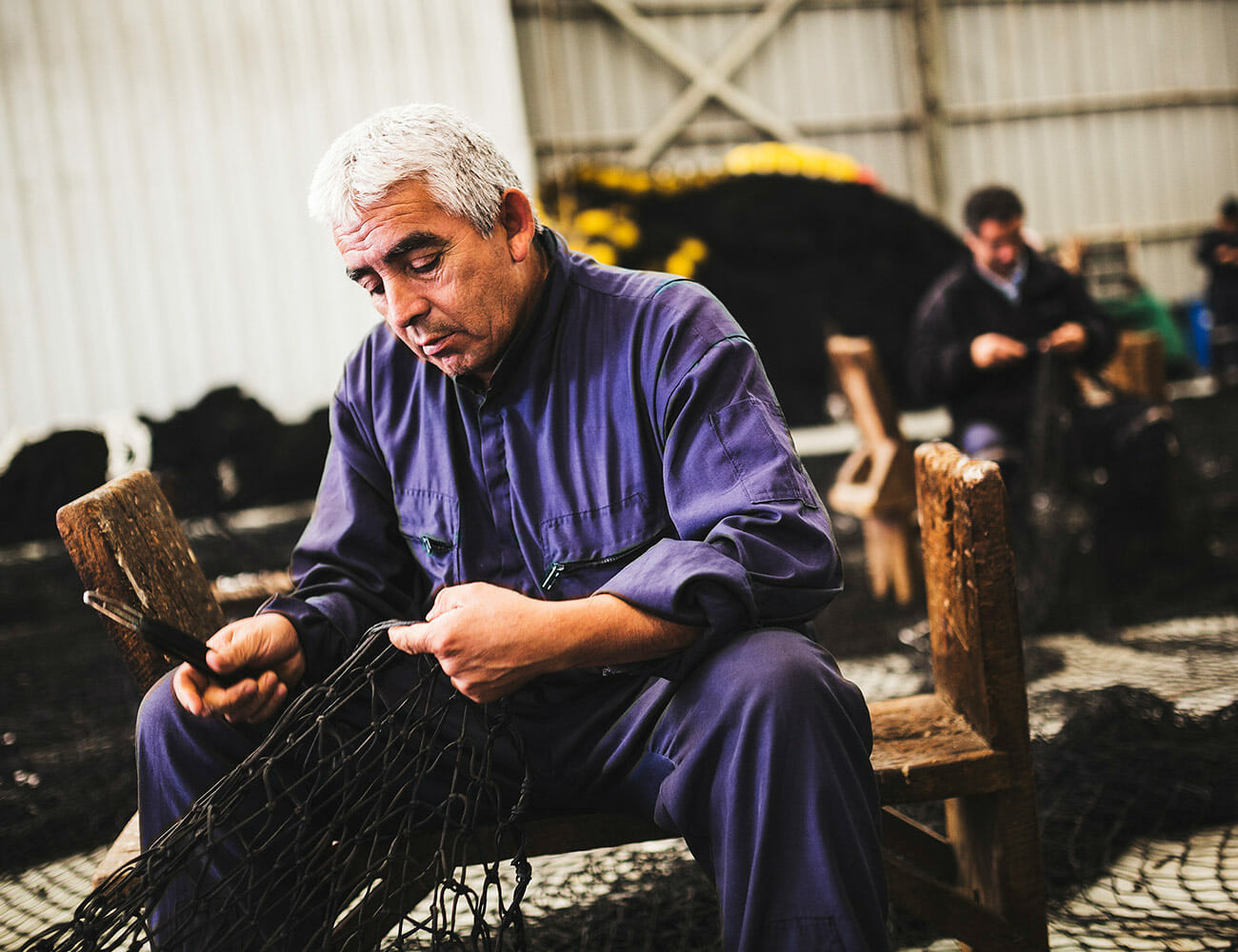
Ben Kneppers credits this new strategy to the fishermen with which they work so closely. For example, Antonio Bustos, a fourth-generation fisherman in Cocholgüe, a small fishing village north of Concepción, taught the team about the history of nets in his community. Over the past 40 years, plastic has completely replaced natural fiber nets because it’s significantly lighter and cheaper. Nets lost their value as a product of painstaking craftsmanship, and with no education around plastic’s environmental impact, locals began discarding them after a few uses. Bustos knew that if there were a better alternative and more knowledge, this could quickly change.

Stover and Kneppers now spend half of their year in Chile, primarily at small fishing ports like Cocholgüe, Coronel, and Las Rojas. There, they work closely with fishermen like Antonio, who typically fish for anchovies and work on purse seine boats. Three years in, Bureo had built relationships in 10 communities. After six, it was 21. And this year they are on track to work with more than 50. Today, Bureo still does most of its collection work in Chile, but it has also expanded to Argentina and more recently, Peru. Soon the company will begin working in Uruguay too. Stover attributes all this growth to these one-on-one conversations with fishermen, ports, and net manufacturers. Through education, communities are buying into the idea.

But where do the nets come from, and how does Bureo transform them from ocean waste into a skateboard or a hat brim? In Chile, all of the fisheries buy from just a few net manufacturers that source nylon yarn from the same few companies in Asia. The supply chain is tight, with only a few players who all know each other exceptionally well — Bureo had to work to get inside the bubble. Once Stover and the team were able to build their network of connections thought, they were able to focus more on actual recycling.

To create a high-quality product, Bureo has to ensure that the raw recycled material is exceptionally consistent. This is especially true for complex items like sporting goods and fabrics. Bureo has learned the only way to do this is to focus on nylon nets as its single material source. To get them, Bureo pays fishermen a small fee for their used nets and hires local companies to transport them to its recycling facilities. This allows the team to devote all of their energy towards managing their facilities, which clean and shred the nets into pellets, before shipping them to recycling factories.

If the system sounds like it runs smoothly, it doesn’t.

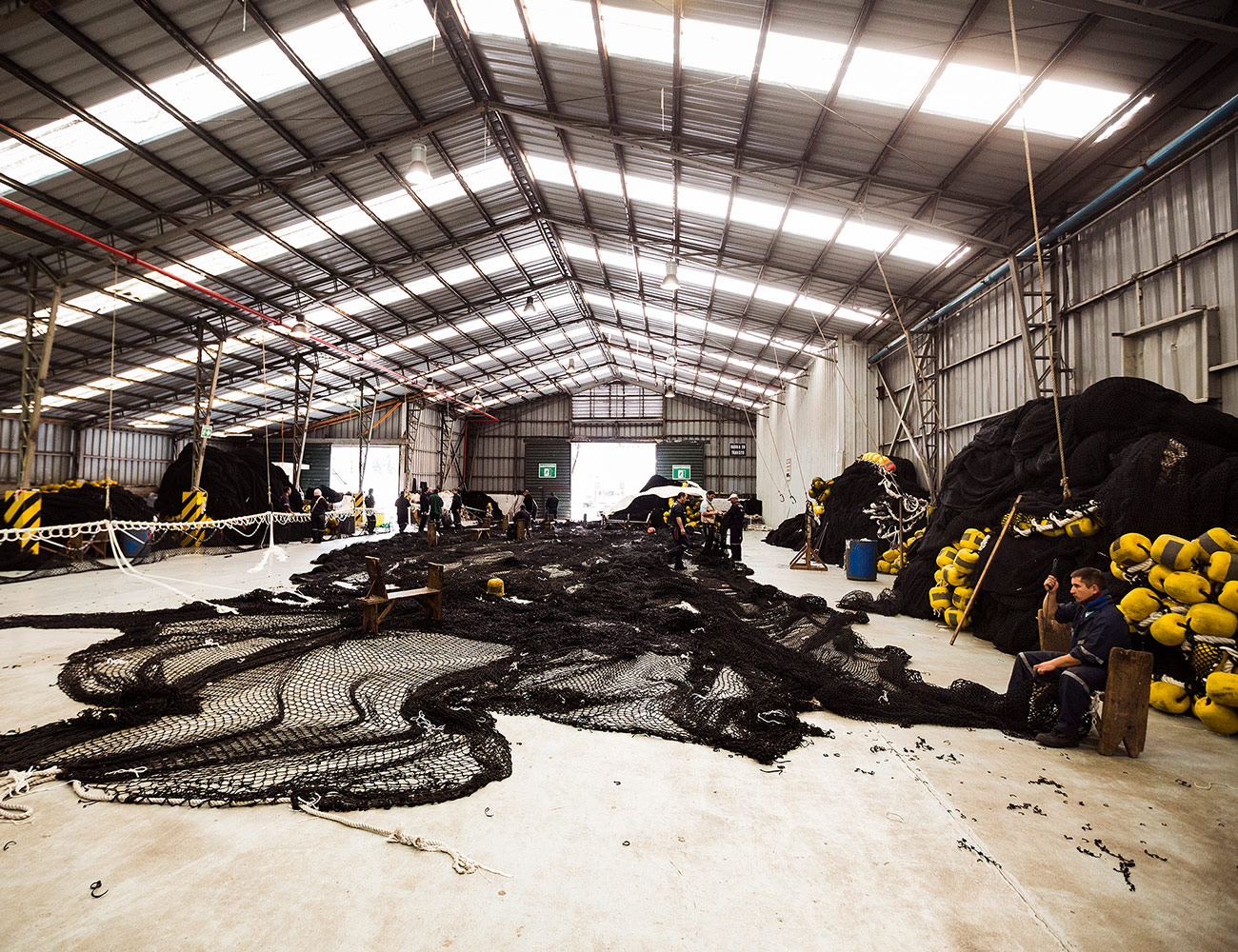
Something like five percent of the nets that arrive at a Bureo facility has to be cut out because it’s mixed plastic or steel, rocks, buoys, and other waste has found its way into the mix. To make it more challenging, some fisheries are worse than others at separating these things out before sending in their nets. The cleaning process is manual and labor-intensive — fishing nets range in sizes, from 100 by 40 feet to as much as five times larger — and Stover says it represents the most significant potential cost reduction in Bureo’s process.

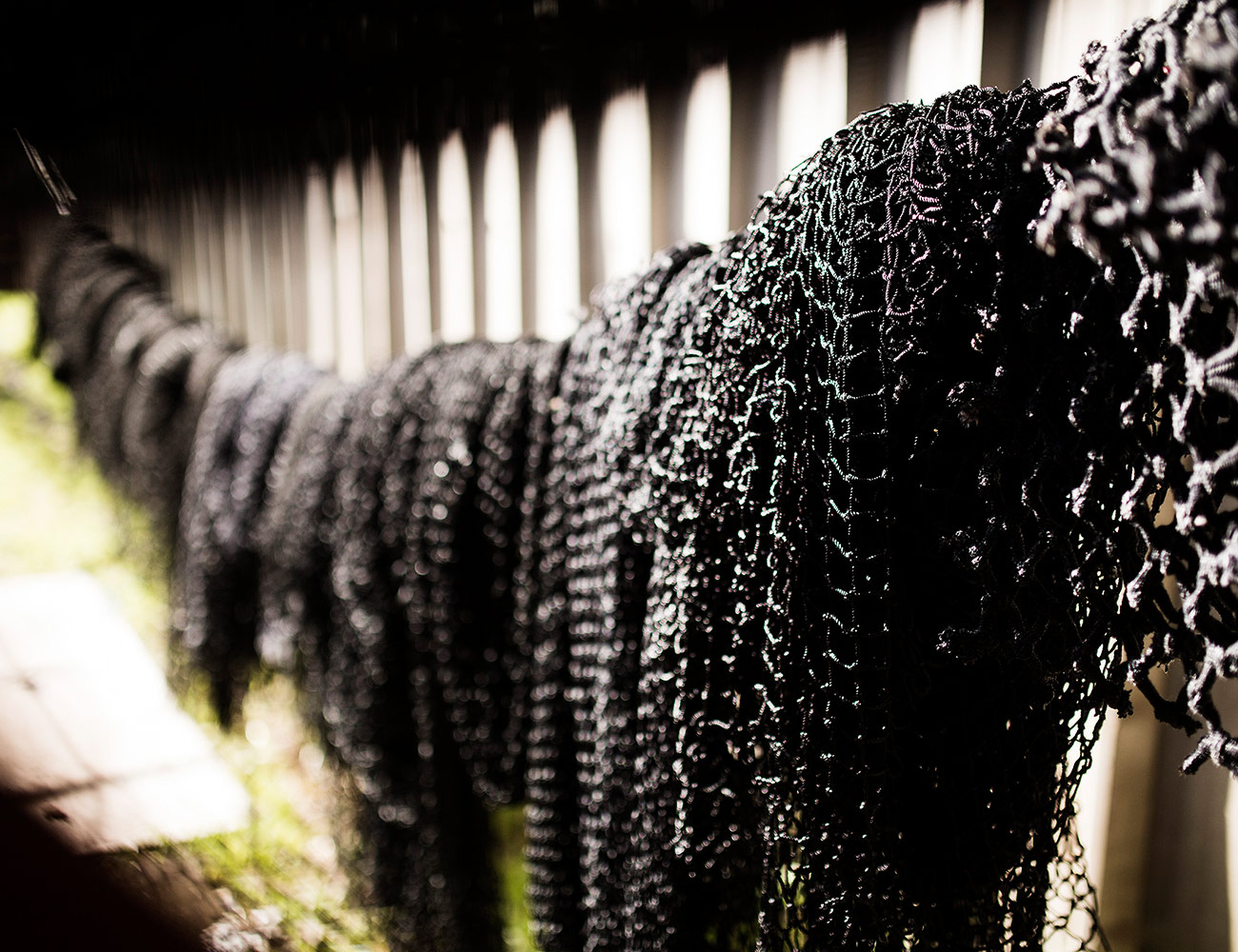
After cleaning, workers spray the nets with a power washer and hang them to dry. In the rainy season, which runs from June to September, this can take a while. Once dry, they go into a traceability system, which details where the materials came from, providing transparency to buyers further up the supply chain. The plastic is then shredded with an industrial machine and shipped to factories across the world to be reused in new products.

If the system sounds like it runs smoothly, it doesn’t. The biggest bottleneck is building relationships and setting up warehouses for storing the processed nets. It’s a system that takes time to develop, as does finding good managers and maintaining a steady flow of material coming in. There are other challenges, too, as in Peru, where Bureo has been waiting for eight months for environmental permits. Once the infrastructure is in place though, Stover and his team are ready to reach full operation in just a few months.

In early 2020, Bureo will launch a series of hats with Patagonia that use 100% recycled fishing net plastic to make the brims. This new line will include 36 caps that use Bureo material for brims, ranging from casual trucker hats to more performance hats for hiking, surfing, and other sports. A single hat brim may not seem significant, but Patagonia’s scale is so massive — the project will use upwards of a million pounds of recycled nets — that Bureo is working to create higher quality pellets to meet its needs.

Other collaborations include a partnership with Trek to launch a new water bottle holder, Bureo’s first foray into the bike industry, another with Jenga (yes, the tower stacking game) as well as sunglasses brand Costa Del Mar. And while Bureo maintains in-house capabilities to create its own products, like its original skateboard, it’s committed to being a supplier of recycled plastic material for other companies to do that, for now.

“Our only focus is to scale the business on a tangible level and show a real impact. Three years ago, we made a shift, giving up the digital ads and marketing game, and putting a priority on the recycling program in Chile. This has allowed us to pay a living wage to our workers and improve the quality of our product,” says Stover.

Quality is essential, and creating things that people actually want to buy is important, but Bureo’s real mission is to keep what Stover describes as the most harmful form of plastic pollution, fishing nets, from ever entering the oceans. (His end-of-days attitude isn’t unfounded; some estimates posit that of all plastic waste in the seas, nets make up 10%.) And instead of blaming fishermen for discarding used nets, Bureo is reshaping the problem as a lack of education and infrastructure. Until now, fishermen had no real option than to dump them in the water. Now they can earn an income by taking them out.

Admit It — You Want These New Socks-and-Sandals Shoes

Earlier this month, The New York Times published an article titled, “If You Can Get Killed Doing It, Fashion Wants It,” in which writer Guy Trebay explored how mainstream fashion has appropriated technical fabrics and features typically used in expedition gear. Trebay’s Exhibit A: a Louis Vuitton chalk bag — a waist pouch that rock climbers carry chalk in during big climbs — that costs $1,590.

It’s an extreme example, but it underscores a broader trend of clothing brands adopting elements of apparel and gear that were designed initially for function — for use in non-functional ways. Outdoor companies have noticed, and many are revealing new items that don’t buck this trend, they meet it in the middle. The latest example is Chaco’s Z/Ronin, a new piece of footwear that comes with the socks-and-sandals look built-in.

Chaco couldn’t ignore its technical/functional provenance though. It built the Z/Ronin with a rugged sole and the same continuously adjustable strap from its popular sandals, which have proven themselves on rafting expeditions through the Grand Canyon and surf pilgrimages to Baja. The Z/Ronin’s sock-like upper is knit polyester with overlays that provide additional structure and protection, so it’s not entirely about channeling the socks-and-sandals look.

But it is about that too, and that’s fine, that’s good. The Z/Ronin is novel, unique and, in our opinion, works. If in-the-woods style is destined to be a fad, it’s better that outdoor companies help define what exactly that even means. Because one thing is certain: it isn’t a $1,600 chalk bag.

What Just Happened at Trail Running’s Toughest Race — and How You Can Get Into the Sport

One of trail running’s most intense races, the Leadville 100, took place this weekend. Anyone who loves trail running was likely watching to see who would come out on top. Proving they are not getting too old for this sh*t, Magdalena Boulet, 46, and Ryan Smith, 40, were the winners, logging times of 20:18:06 and 16:33:24 respectively.

If you’ve never heard of the Leadville 100, here’s what you need to know. The 100-mile race takes place in Leadville, Colorado, where the altitude starts at 10,151 feet, and the climbs on the course reach 15,600 feet. It’s a pretty intense race, whether you’re accustomed to the altitude or not. Participants have to finish in 30 hours, or they’re considered another DNF (did not finish) — along with about half the racers. Runners across the country love this race, and for a good reason: it’s tough but beautiful.

Feeling inspired? Here’s all you need to know to get started, whether you’re hitting the trail in your backyard or booking flights to Leadville for next year’s race.

9 Kits to Take Your Run to the Trail

9 Kits to Take Your Run to the Trail

Trail running clothing has finally matched the style and performance of mainstream athletic apparel. These curated kits prove it.

The 12 Best Trail Running Shoes of 2018

The 12 Best Trail Running Shoes of 2018

Whether you’re just starting out, or you’re a seasoned pro, there’s a shoe on this list for everyone.

5 Trail Running Tips and Tricks a Top Ultra Runner Swears By

5 Trail Running Tips and Tricks a Top Ultra Runner Swears By

Katie Arnold, the 2018 Leadville 100 women’s champ, makes it easy for anyone to transition from road to trail running.

All the Tips and Gear You Need to Transition Into Trail Running

All the Tips and Gear You Need to Transition Into Trail Running

Everything you need to know before stepping foot in the woods, over rocks or into the mud.

The Best Hiking Shoe of the 1980s Is Back and Totally Boss

In these fraught times, it’s tempting to daydream of the ’80s. And while it’s easy to view them a little too favorably through nostalgia’s skewed lens, some things really were spectacular back then. Like hiking boots. Specifically, the Vasque Clarions that dropped in 1988 — and that the brand has gloriously revived in the original colorways. That’s right, the Clarion ’88 GTX shoes (in two styles for men and two for women) are available exclusively at Vasque’s website today.

We got a sneak peek at these limited-edition, suede-festooned beauties during the most recent Outdoor Retailer trade show a couple months ago — and I’ve been pretty much obsessed with them ever since. The truth is that while they may have the look of a lifestyle shoe, they were the height of hiking performance lo those many years ago. And thanks to waterproof Gore-Tex and a grippy Vibram outsole, they still have a lot to offer on that front. I’ve been hiking, biking, motorcycling and running around the city in them for the past several weeks and have nary a complaint.

Of course, the fact that their appearance is totally radical sure doesn’t hurt. Fashion is cyclical, and as far as I’m concerned, so 1988 is so hot right now.

Note: Purchasing products through our links may earn us a portion of the sale, which supports our editorial team’s mission. Learn more here.

The 12 Best Fitness Apps Right Now

Our smartphones, we’re told, are ruining our lives. You’ve no doubt heard the news stories by now (or, more likely, scrolled past the headlines on your phone) about how they’re destroying our cognitive resources, disrupting our sleep, giving us bent backs and kinked necks, and causing us to become anxious, depressed, antisocial weaklings while we obsessively scroll through our social media feeds 100 times a day.

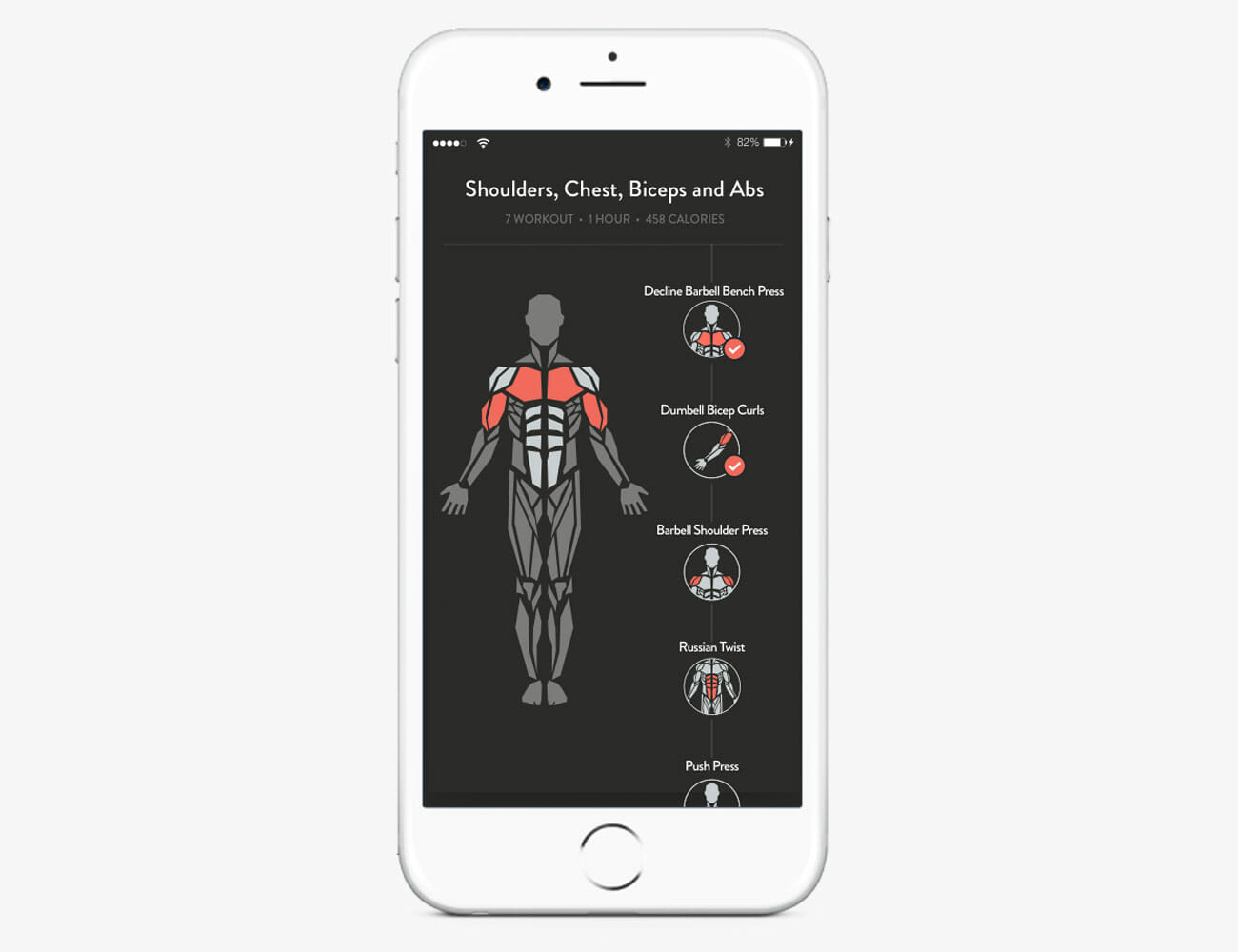
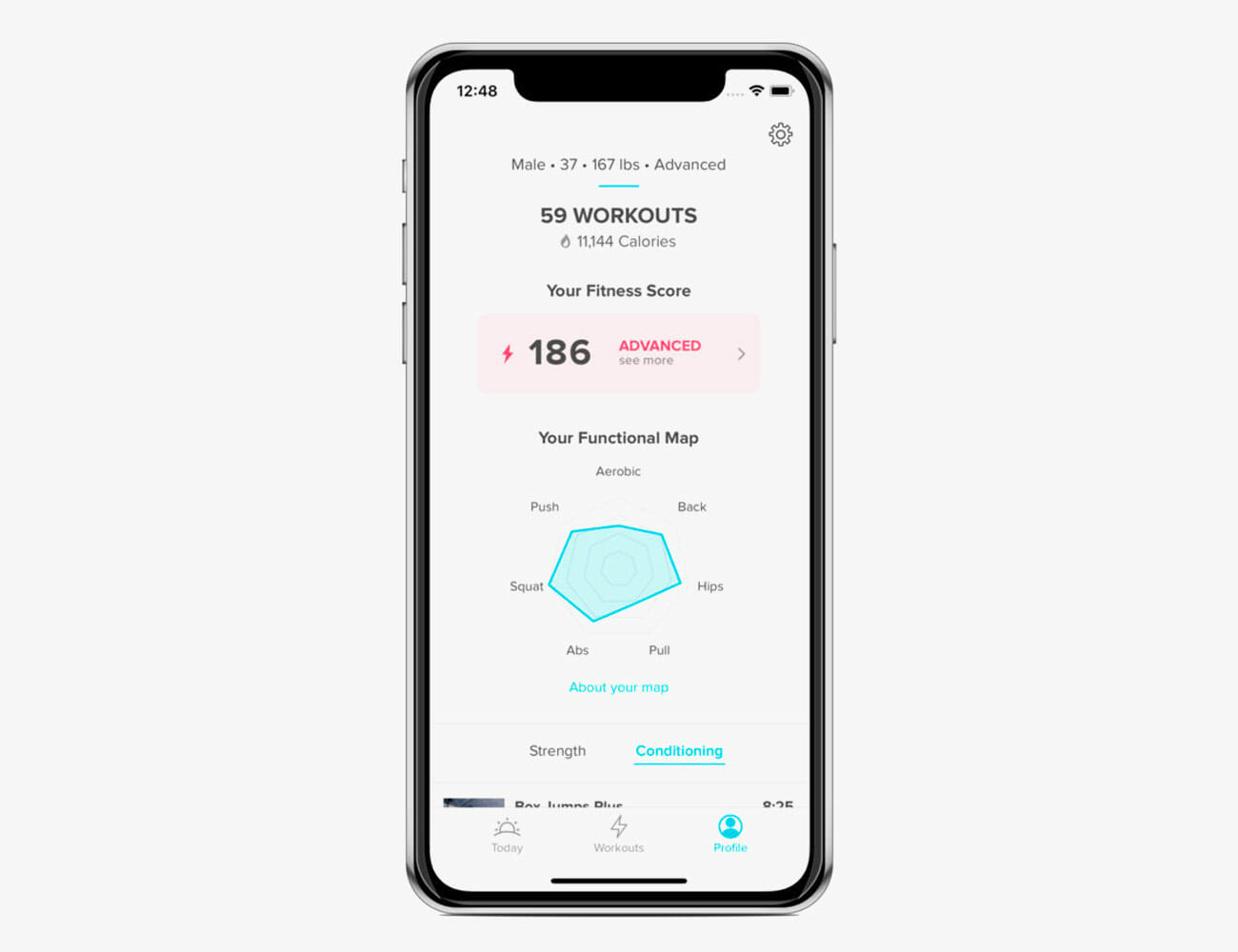
But it’s not the phones themselves that are the problem, so much as how we use them. In fact, a whole category of health and fitness apps are poised to help make you fitter, stronger, leaner, looser and more relaxed than ever before—to fight back, in other words, against the creeping physical and mental ills of the Information Age. Taking advantage of today’s information-rich environment, they focus on putting personalized, coach- or trainer-built workouts at your fingertips, so you can get better results faster, whether you pump iron at the gym, do bodyweight HIIT routines or push the pace on outdoor runs.

And more than crushing it every day, they stress consistency as the key to a healthy lifestyle, by holding you accountable for missed workouts and keeping you on track with a nutrition plan. At the very least, they offer variety, and a change of pace from the tired old fitness routine that saw you plateau back when the iPhone 4 was released…

Additional contribution by Meg Lappe.

For the Time-Pressed: Sworkit

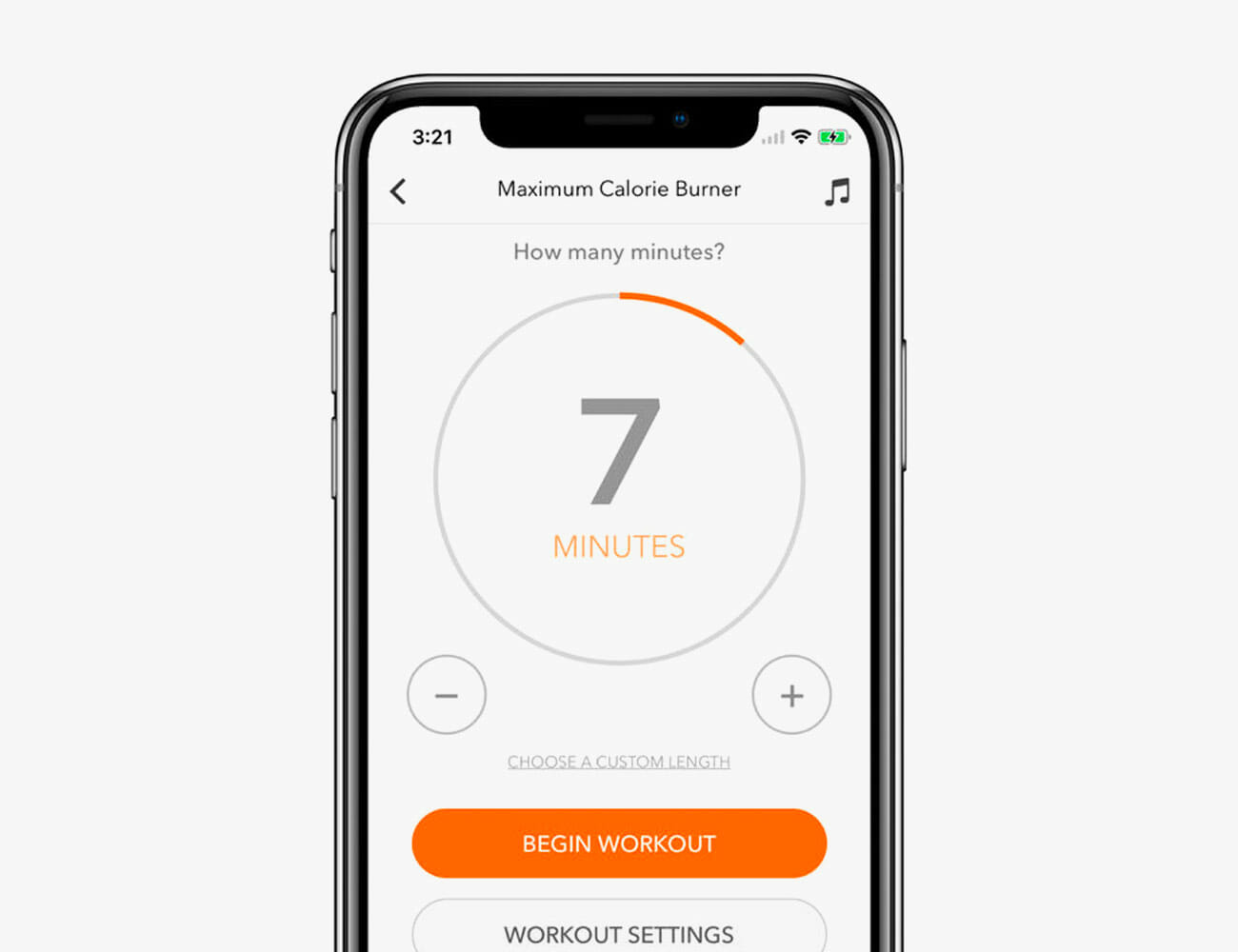
An overpacked schedule is the most common barrier to fitness (never mind the nightly Netflix binge), but Sworkit’s customized programs allow you to fit a solid, targeted workout into whatever time you can find, whether that’s a trainer-recommended 40 minutes or 4 minutes between episodes of Stranger Things. Simply choose the kind of routine you want—strength, cardio, yoga or stretching—and enter how many minutes you have, and it outputs a video-guided, precision-timed, sports scientist-approved workout that’ll help you trim fat, pack on muscle or just loosen up, excuses be damned.

|

For Those Who Like to Listen: Aaptiv

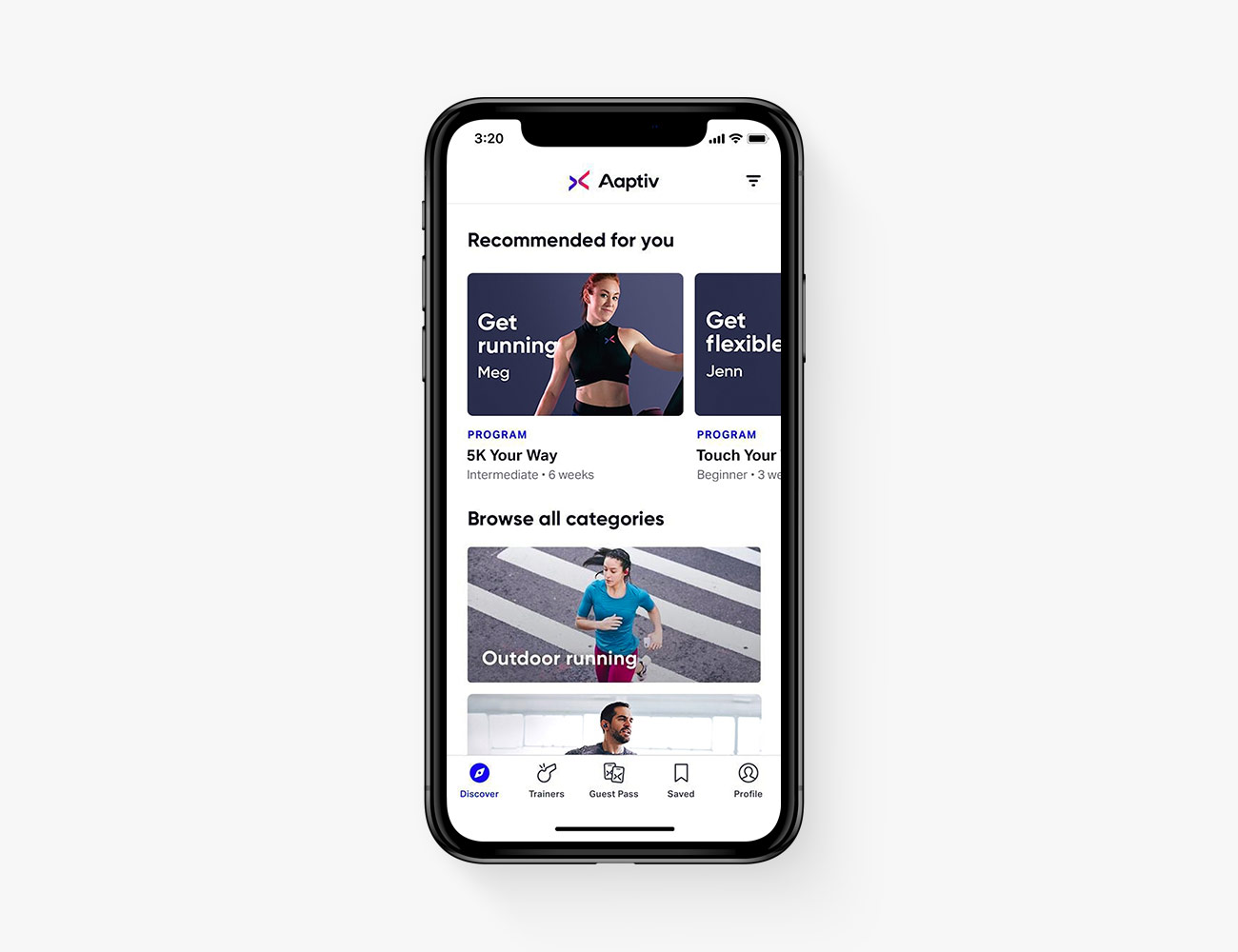
This audio-only workout app is best for those who learn from hearing, as well as visual learners who want to grasp workouts exclusively through their ears. Aaptiv lets you pick (and download) on-demand workouts so you can dabble in everything from stretching and yoga classes to boxing and weightlifting. New classes show up every week in the app. Pick the type of workout you want, the kind of music you like and then narrow your options down by how much time you have. Whether you’re traveling and need an exercise without any weights — or need some motivation on your next long run — Aaptiv has you covered.

|

For Outdoor Cardio: Nike+ Run Club

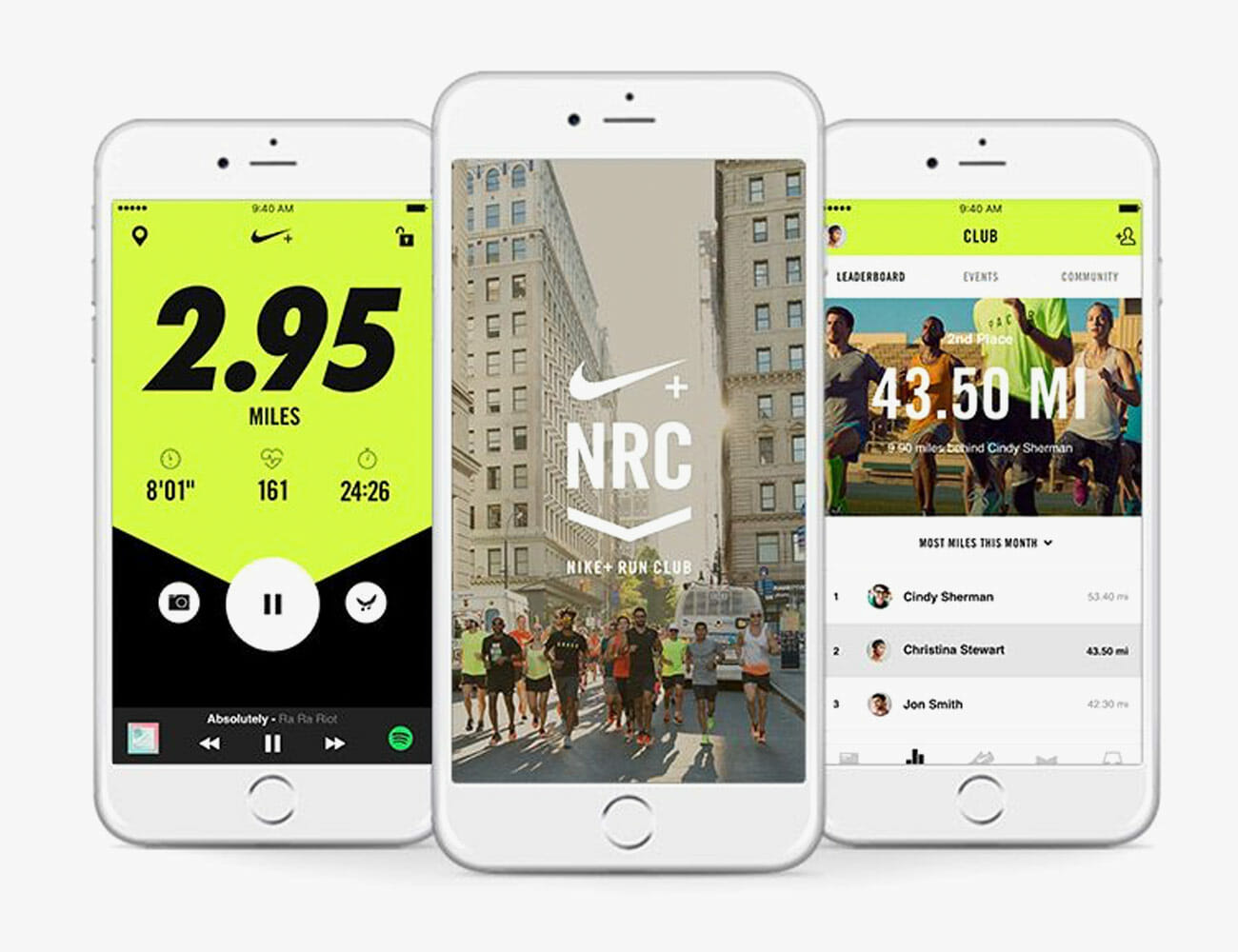
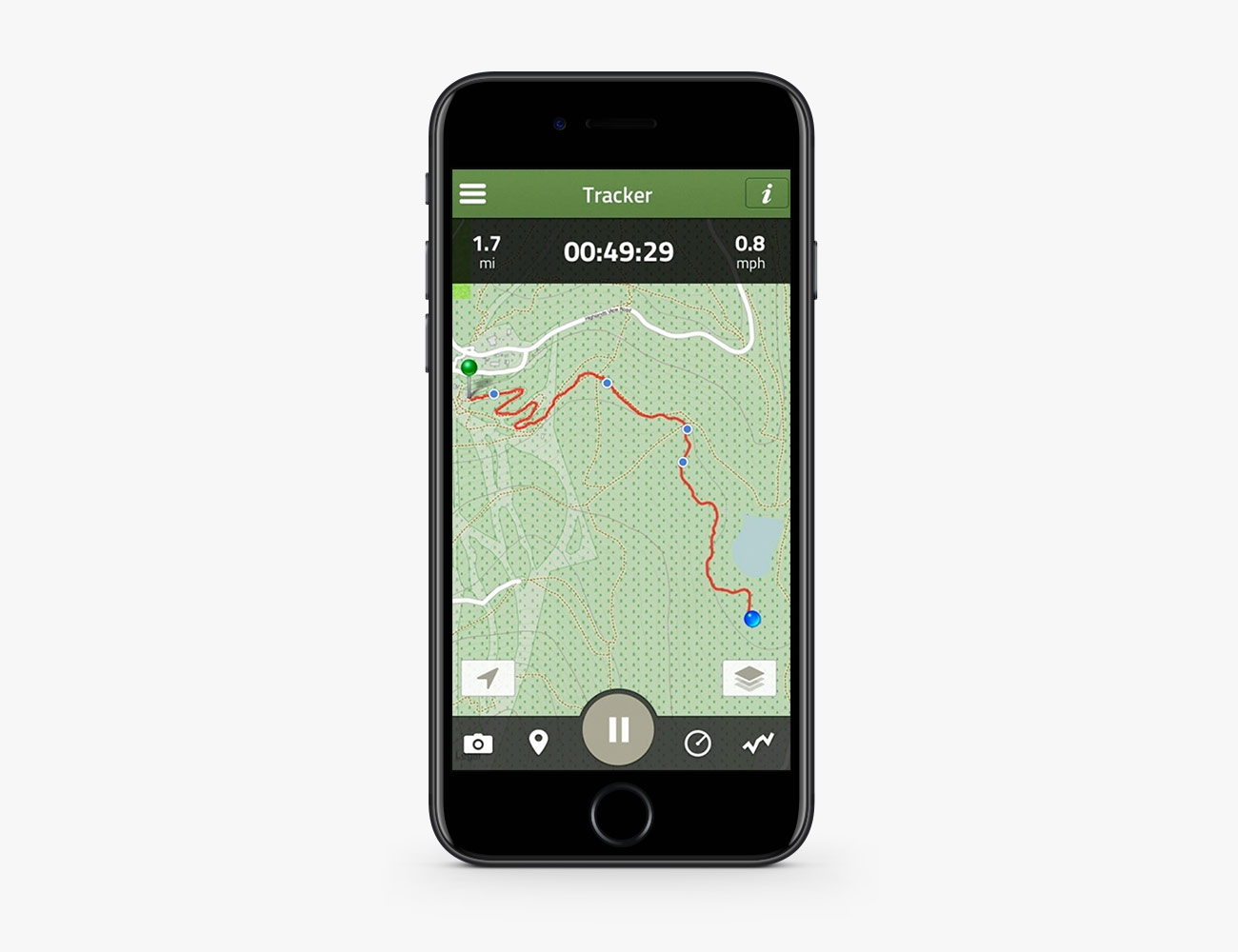
From the company hell-bent for the past two decades on reviving American distance running comes the Nike+ Run Club, an innovative app that, in addition to tracking your runs via GPS, provides audio-guided runs for newbies and personalized coaching plans fit for hardcore racers. Each workout helps you build strength, speed and endurance, and there are motivational tools—from friendly leaderboards to weekly challenges to Spotify playlists tailored to the pace of each run—to keep you cranking toward a PR. If that’s not enough, you have the option of in-ear audio from coaches and athletes for an added oomph.

|

For the Yoga-Curious: Asana Rebel

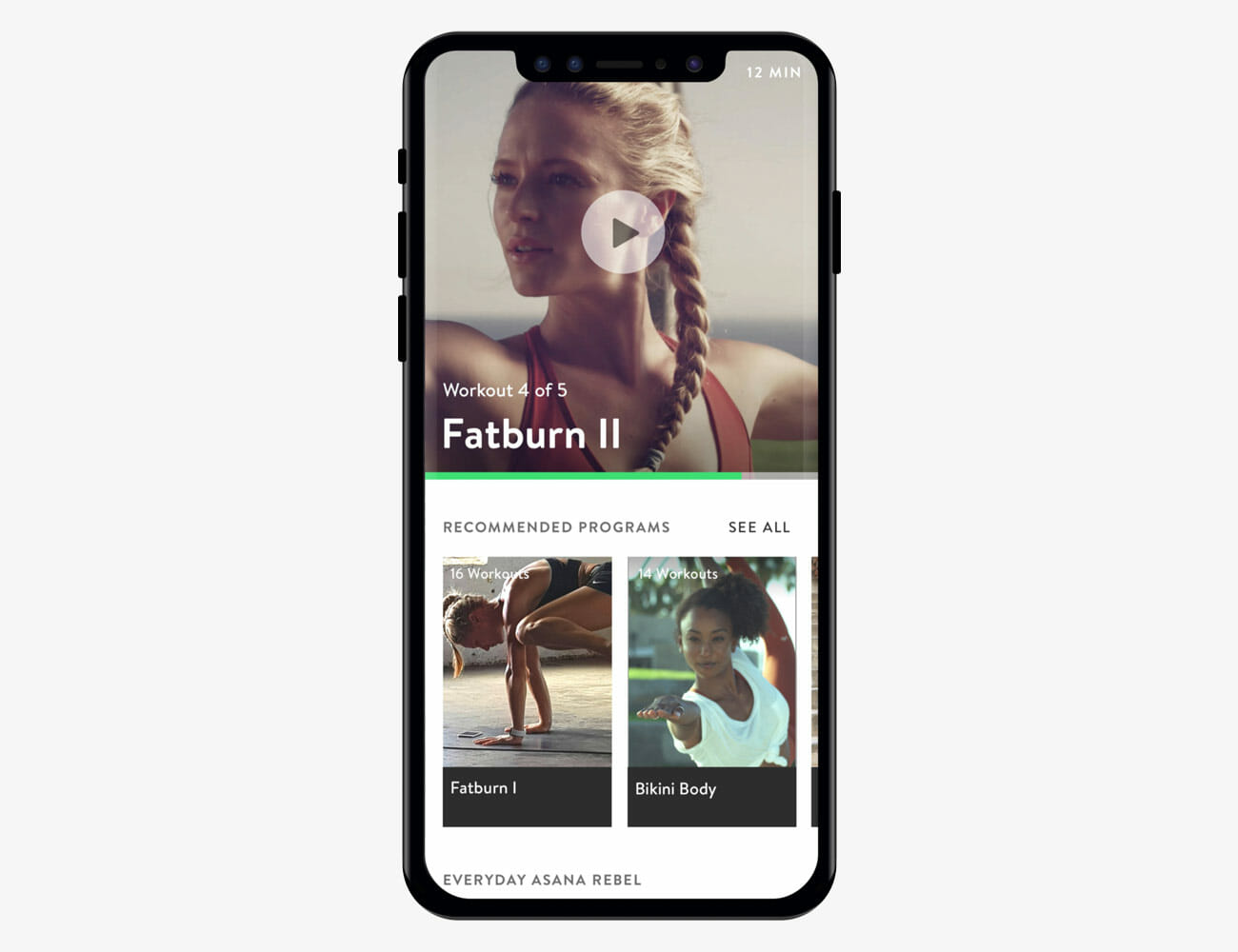
You know it’s good for you, but somehow you’ve still not gotten around to trying yoga. You’re either confused by all the different styles (what is the difference between Hatha, Ashtanga and Vinyasa, anyway?) or put off by the spirituality and om-ing gurus. Asana Rebel’s yoga-inspired fitness takes a different approach, combining traditional practices with exercises — like burpees, mountain climbers and LOTS of planks — straight out of HIIT class. Choose a category of yoga flow (like strength, fat burn or flexibility) to match your mood and energy level, then prepare to be worked.

($38 for 3-month training program)

|

For Discovery: ClassPass

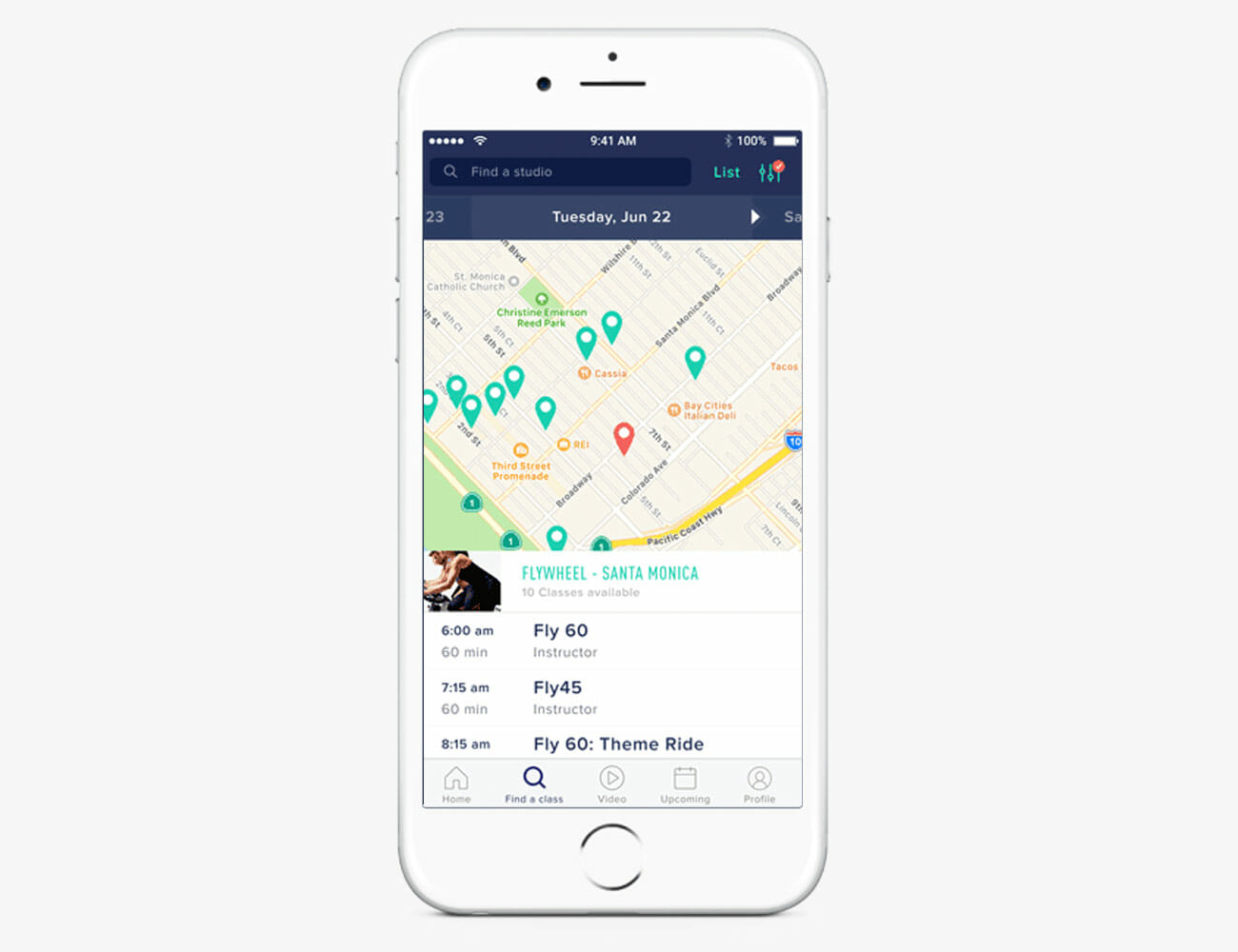
Group fitness popularity is skyrocketing, if for no other reason than we’ve collectively run out of ways to motivate ourselves to do the same tired old at-home routine (we’re looking at you, Shaun T). It also helps, of course, that you’re coached through a workout professionally designed for efficiency and maximum results, not to mention motivated by the group’s enthusiasm or, at the least, by a fear of looking weak and ridiculous in front of the fairer sex. But it’s still hard to commit full-time to a boutique studio, where you’ll plunk down $30 per class, sight unseen. ClassPass gives you ultimate flexibility, allowing you to sample book all sorts of classes — HIIT, barre, cycling, boxing, yoga, younameit — on the fly at studios all over your city, and at about half the normal price.

(membership starts from about $35/month, depending on where you live)

|

For Weightlifting: Fitbod

Using artificial intelligence, Fitbod handles the heavy lifting of workout planning, so you can focus on, well, the heavy lifting. It learns from your past workouts to develop a personalized plan that’ll push your limits based on your goals, preferences, struggles and available gym equipment. Then, when you hit the gym, it guides you step-by-step through each exercise (telling you weight, reps and sets), and even adjusts the workout according to muscles you want to target and your recovery state. Plus, much like a personal trainer, the more you pump iron with it, the better it gets at constructing workouts that get you the gains you want.

For Quick-Hit Workouts: Keelo

When you’re looking to knock out a quick, effective full-body workout, HIIT is hard to beat. Keelo recommends intense, fast-paced workouts — each tweaked, based on your recent history, to hit compound muscle groups that are being ignored — that last between seven and 20 minutes. There’s a mix of bodyweight and free weight workouts, so you can stick to a three-a-week routine at home or on the road and still get results.

(Premium subscriptions from $12/month)

|

For Personalized Fitness & Nutrition: Nike Training Club

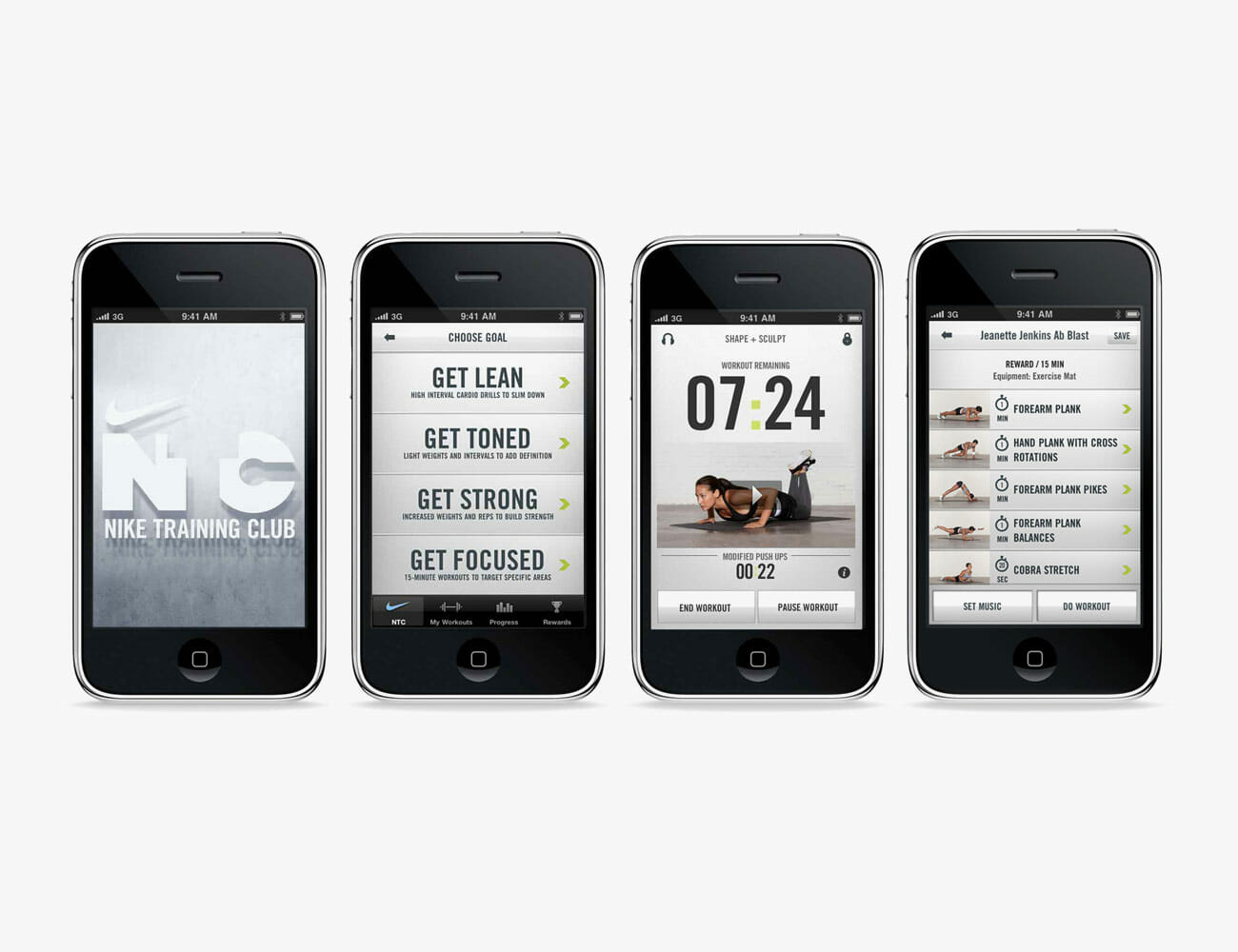
Nike recently updated its app to include a premium option on the training side. While we’re already big fans of the cardio workouts the free Nike Run Club provides, and theNike Training Club follows the same premise with 180-plus free workouts from yoga to stretching to strength to speed. While the free part of the app is still available, the premium version now features new trainers, four- to six-week courses, recipes and strategies from the Nike team.

($120/year for premium edition)

|

For Recovery: Sleep Cycle

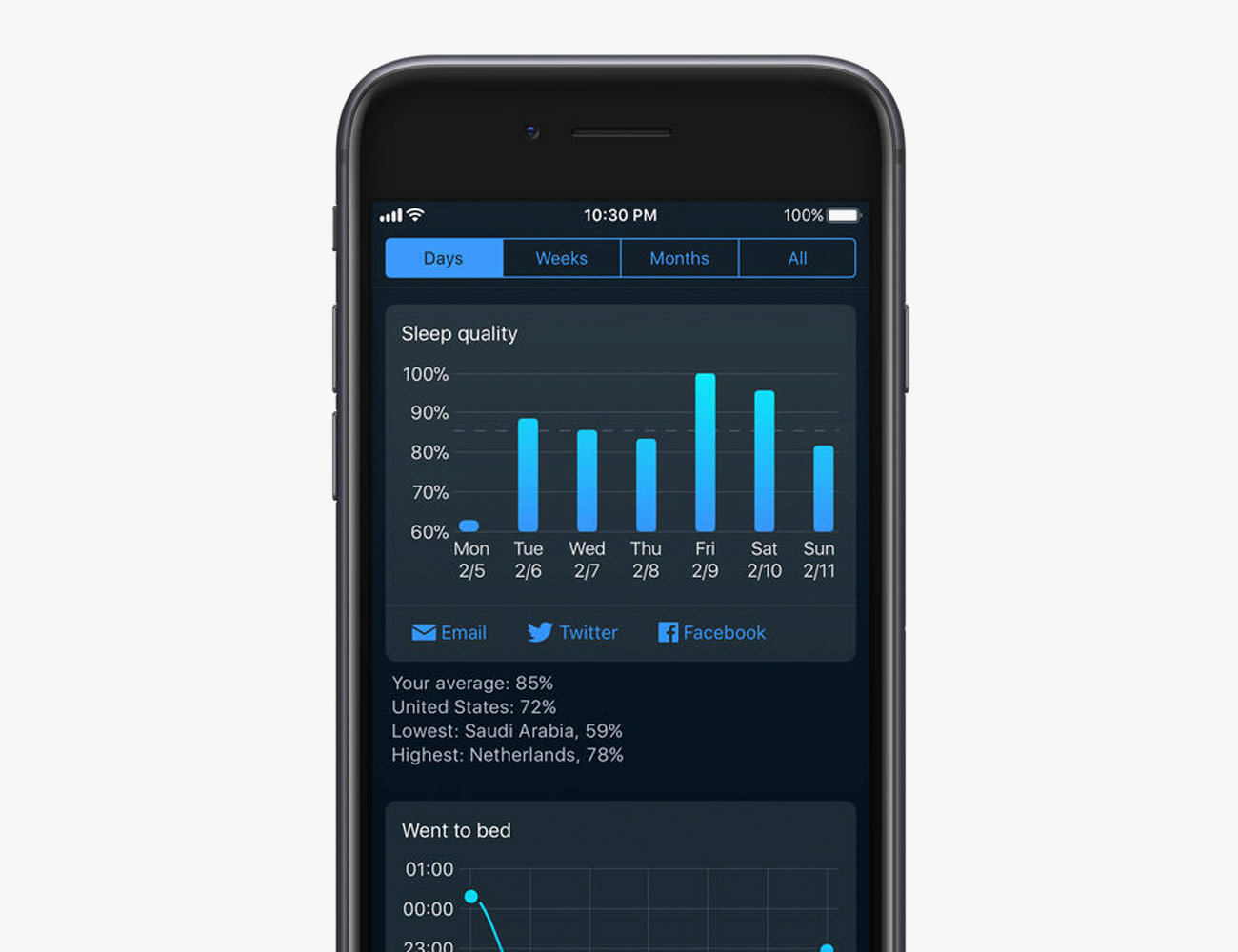
Getting solid sleep is one of the most important aspects of recovering from your workouts and making fitness gains, so it’s worth a closer look at what goes on after you go under. Sleep Cycle uses your phone’s accelerometer to monitor and record your movement and quality of sleep. When morning approaches, it uses sleep cycle theory to wake you up during light sleep (within a user-defined window of time) rather than deep sleep, so you feel refreshed and ready to tackle the day — and workout — ahead.

|

For On Demand Workouts: NEOU

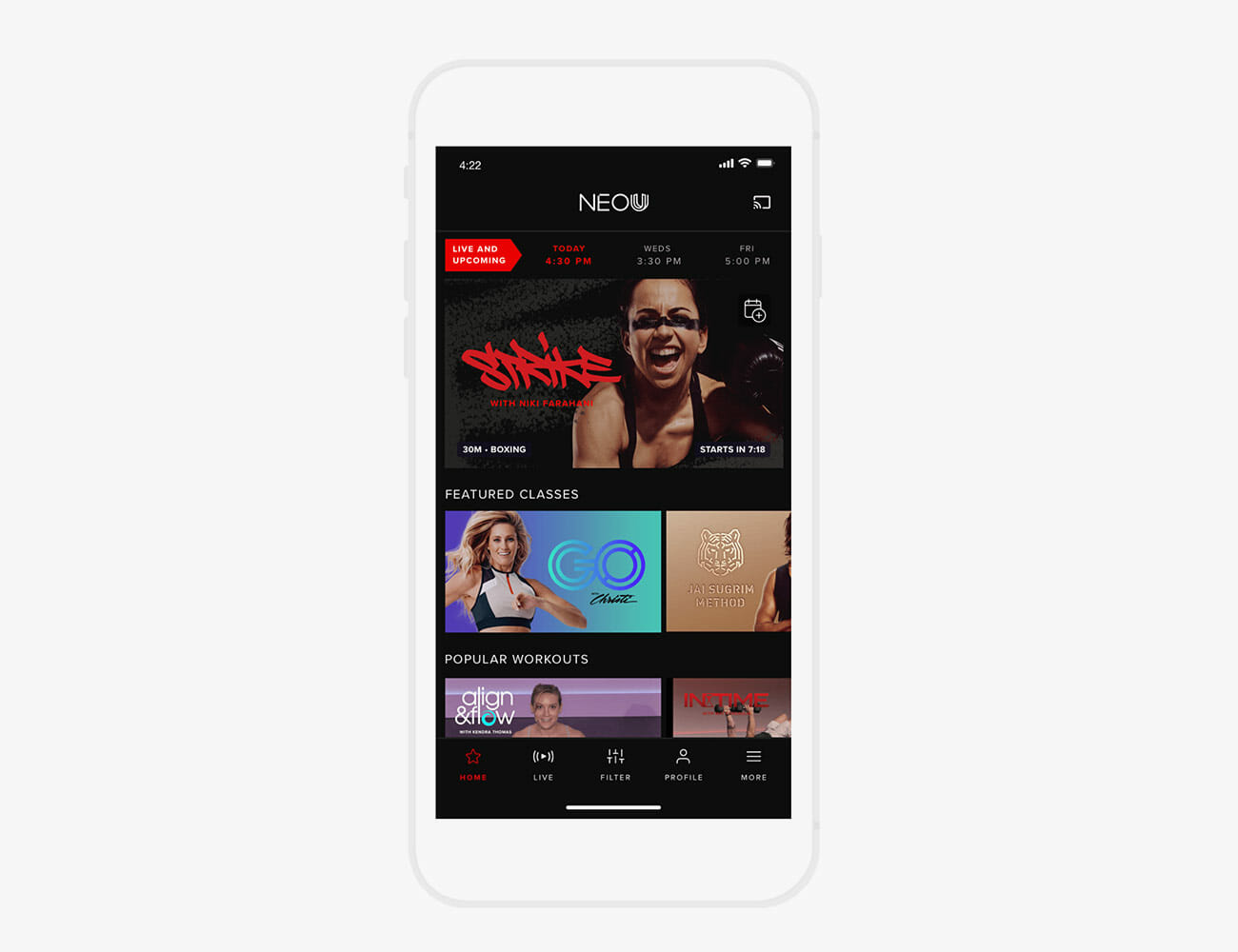
On-demand workouts are popping up all over the place. Peloton was one of the original live workouts on its bike, sold nationwide. They created a community of trainers and cyclists who live and breathe all things Peloton. Other studios and gyms have worked towards this model, but no one has figured out the best way to go about it. NEOU is a new-ish approach that’s looking to live stream workouts and store hundreds in the app so that you never get bored. Trainers head to a state-of-the-art facility on Fifth Avenue to film their routines. You can test out a variety of workouts from HIIT and Bootcamp to boxing and core — even mobility and dance. Follow your favorite trainer or mix it up. Right now you can download the app for a free week. After that it’ll be $8 a month.

|

For Stress Relief: Headspace

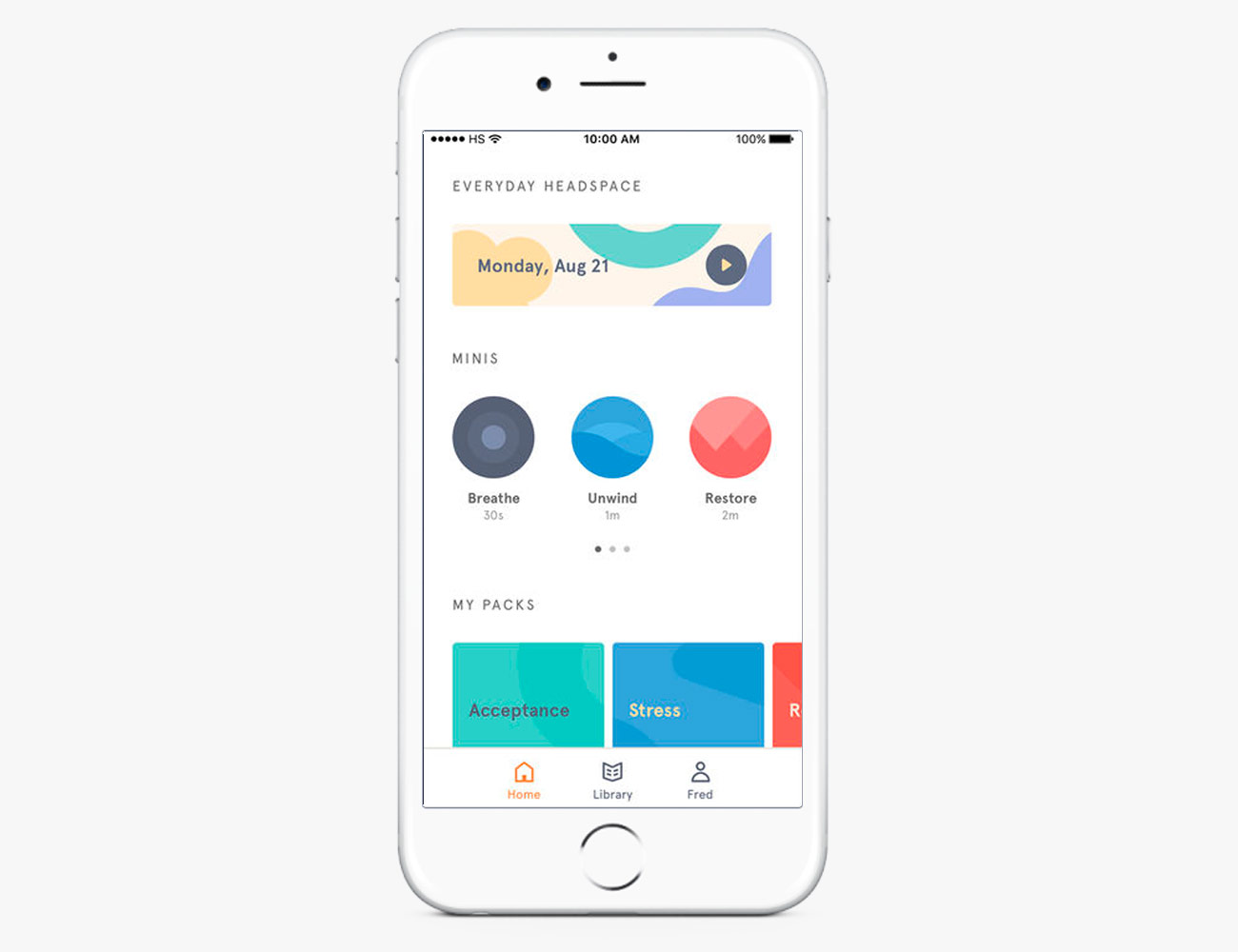
Between your hard-driving fitness goals and a busy home and work life, it’s easy to push too hard and suffer both mentally and physically. That’s why it’s so important to clear your mind regularly to keep going strong — and promote a balanced mind and body. Headspace offers structured, beginner-friendly meditation courses that range from three- to 30-minute sessions, with built-in reminders and tracking to help you stick with it. Because meditation can reduce stress, improve focus and promote better sleep, you’ll recover faster, work more efficiently and — bonus! — probably be a more patient, mindful person.

|

For All-Around Healthy Lifestyle: 8fit

For the person who wants to outsource all of their fitness and nutrition planning, 8fit is up to the job. Like a personal trainer and nutritionist in one, it creates custom exercise and meal plans based on your goals, your current stats, and — to a degree that other apps don’t — your fine-tuned preferences. It asks probing questions (like how many weekly workouts you can handle, how many meals you want per day, how much variety you require in a diet and how you prefer to meal prep), then spits out an achievable, step-by-step plan — with at-home HIIT workouts and delicious, nutritionist-created recipes — to become your fittest self.

($60/year for pro edition)

|

Note: Purchasing products through our links may earn us a portion of the sale, which supports our editorial team’s mission. Learn more here.

5 Trail Running Tips and Tricks a Top Ultra Runner Swears By

Given that it’s late summer, running on the road is bound to get hot. If you’re training for a race, logging those miles can feel sluggish and exhausting. An easy fix that’ll help you achieve the same level of effort is to rotate in a couple of days on the trail. While your speed will change, so too will your scenery, creating a mental escape for your brain. Beyond just a mind vacation, trail running can have calming effects on other parts of your life as well. That’s one of many enlightening topics elite ultra runner Katie Arnold touches on in her new book, Running Home.

We asked the 2018 Leadville 100 women’s champ for her best tips and tricks fora getting into the sport and making it your own.

1. Start Local


You’re more likely to go to the gym around the corner than the one across town, and that same idea holds true for trail running. Arnold recommends you find one nearby. “Don’t make it complicated or cumbersome,” she says. “When you have a relationship with your local trails, or your mountains, or your backyard, it’s really rewarding.” If you don’t know where to begin, check out the AllTrails app. Arnold uses it when she’s traveling. She also asks friends and acquaintances that live in the area to gather more data.

2. Give Yourself More Time

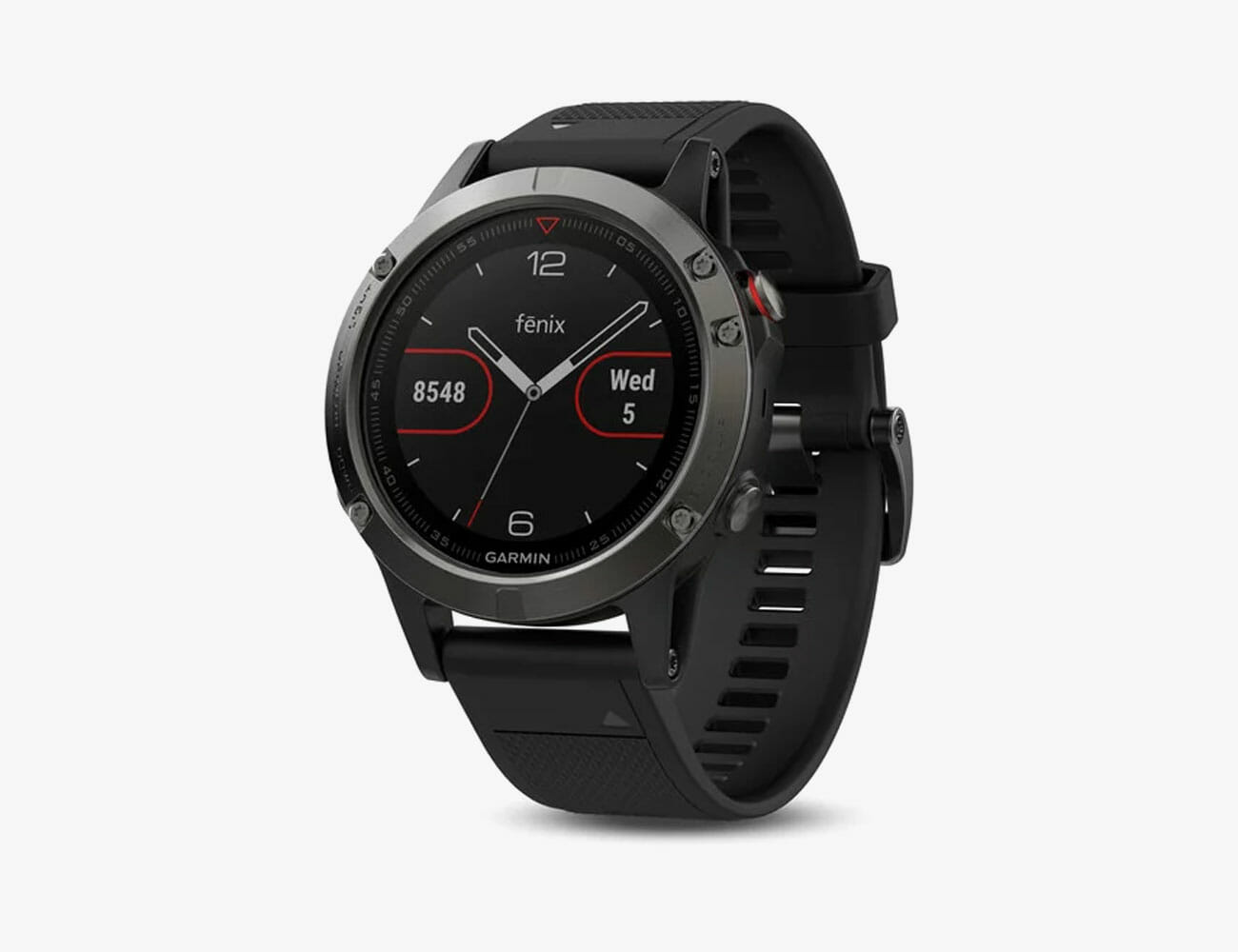
“Just release time,” Arnold says. When you’re heading out on trails, you don’t need to quantify as much. It’s more about being out in nature and moving on your own two feet. The effort you would give on the road will feel different on the trail. “If you’re looking strictly at time, you’ll [ask yourself], ‘Why am I doing a nine-minute mile on the trails [when I do] a seven-minute mile on the road?’ ” While Arnold doesn’t wear a watch until six weeks before a big race, she recommends the Garmin Fenix 5 for the GPS tracking and elevation data. Some runners might prefer not to wear a watch, but if you want to see what your road effort feels like on the trails, a watch can help.

3. Pack Water

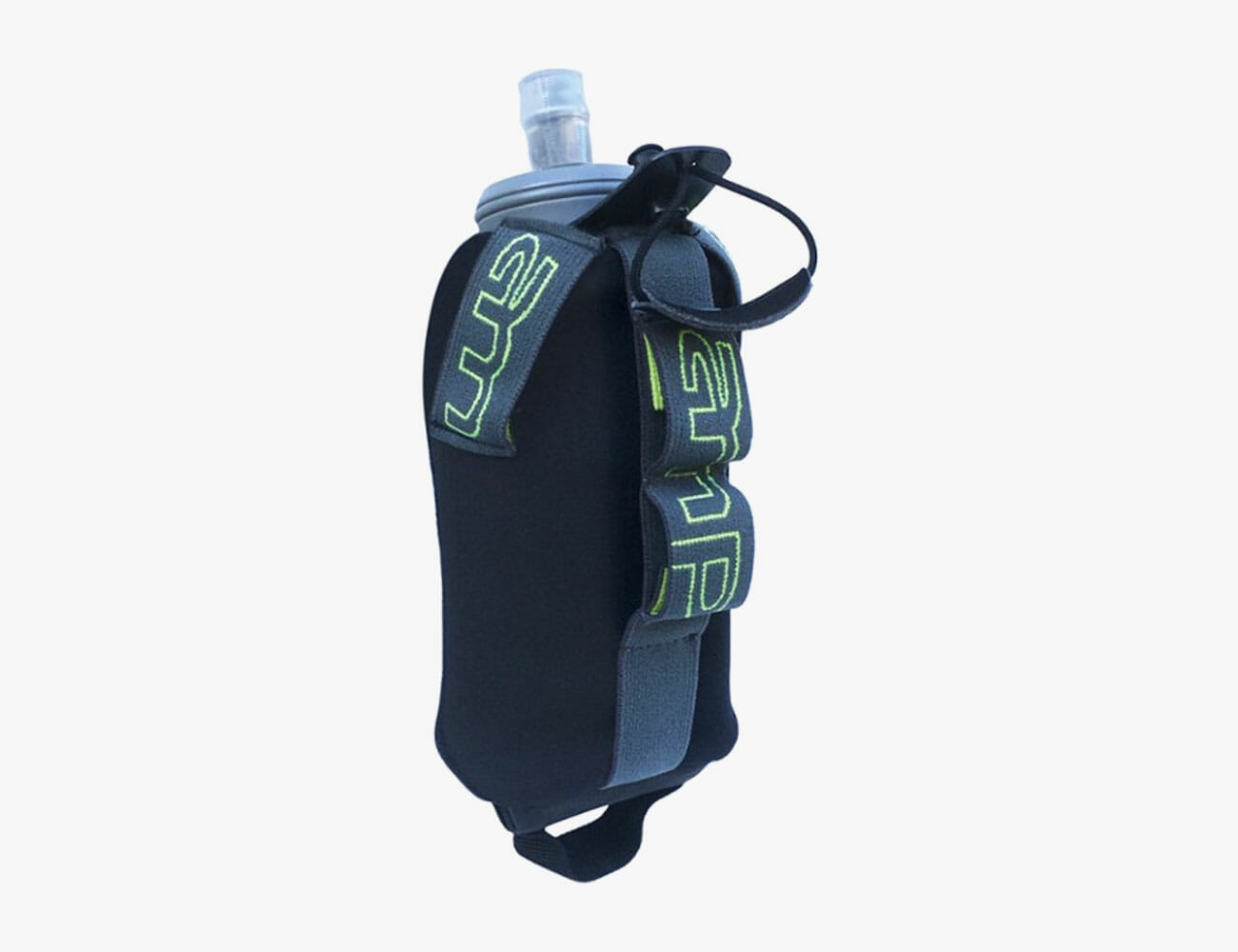
“If you’re starting small, say three to five miles on the trails, you probably don’t need to bring hydration or fuel,” Arnold acknowledges, but at the same time, “a nice little handheld bottle, especially if it’s summer and it’s hot, is always good insurance.” Arnold reaches for an Amphipod or any small handheld. You won’t need more than 16 ounces for beginning runs. Don’t worry if you decide you hate running with a water bottle. You can always upgrade to a vest or hydration pack.

4. Less is Always More

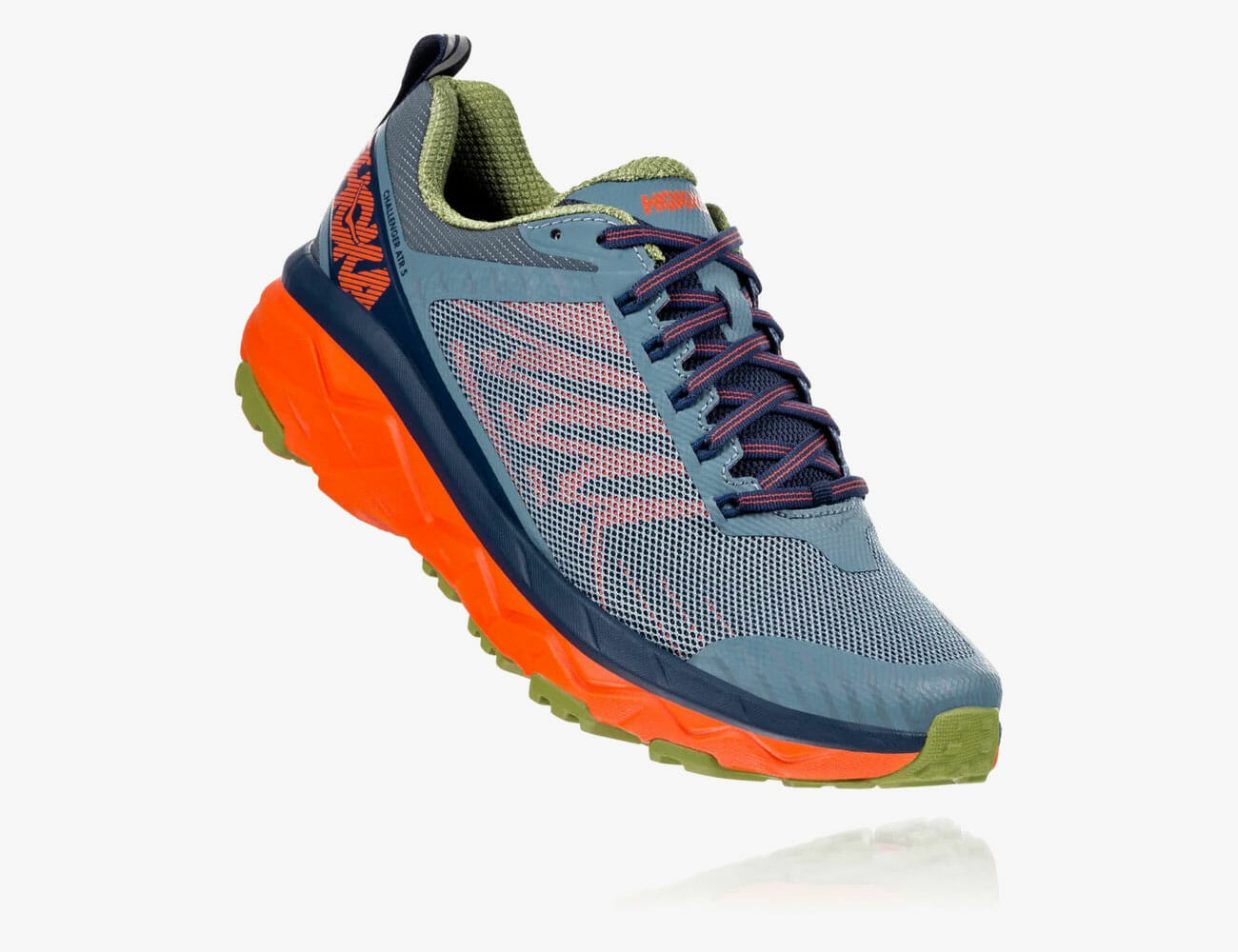
When selecting sneakers, you don’t need to go out and buy big, burly trail-specific shoes. If you’re just getting started, use whatever you typically run in. “People seem to think they need the most specialized gear and lots of traction, but you probably need a bit less than you think,” says Arnold, who favors the Hoka One One Challenger. It’s light weight is tough to beat, and it has enough traction for most trails.

5. The Magic Threshold is 90 Minutes

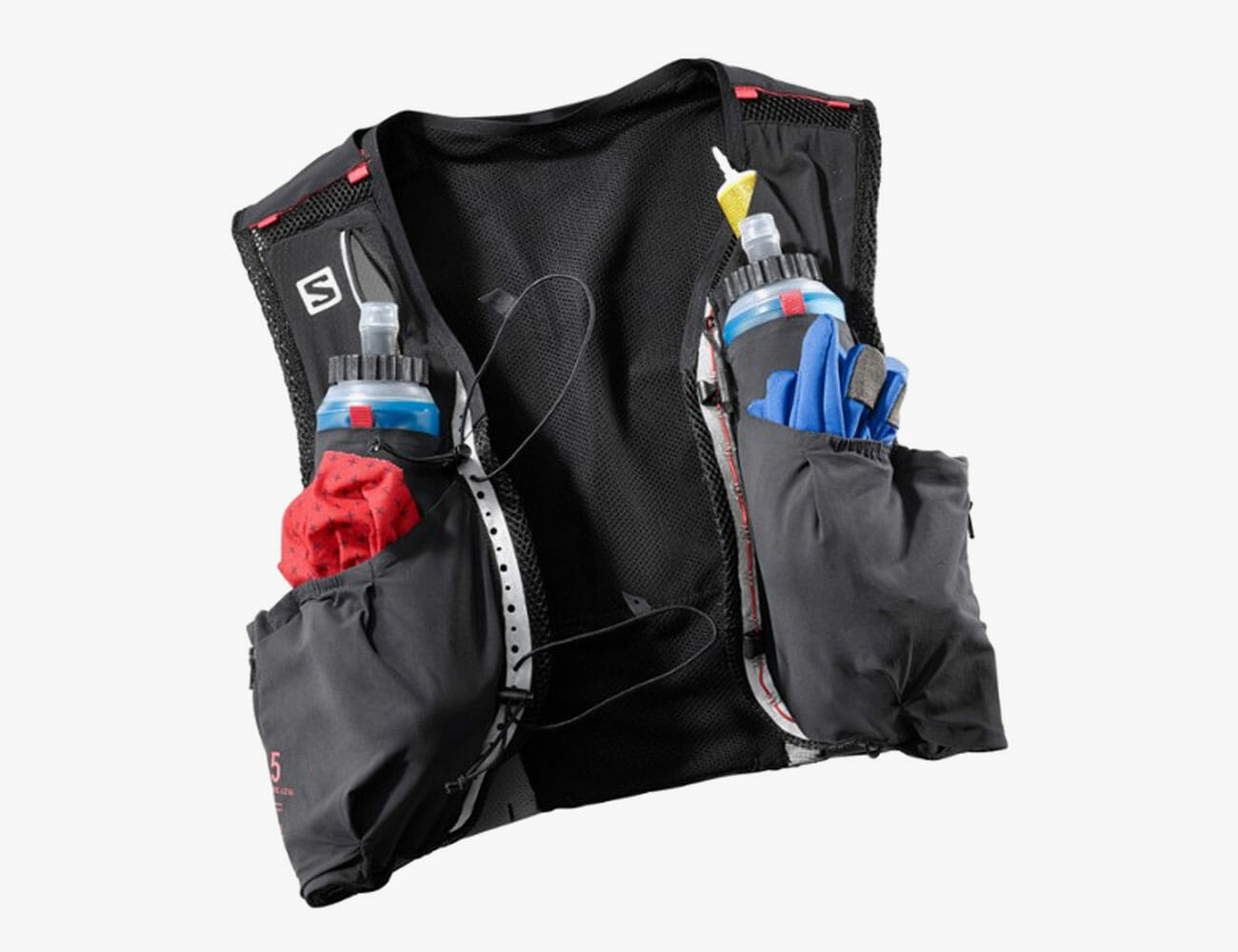
After 90 minutes, you’ll want to bring something a little more advanced than a handheld water bottle, especially “if you’re like me and don’t like to hold two water bottles,” Arnold notes. The Salomon Advanced Sense 5 has a roomy interior but isn’t overbuilt. You can empty it while you’re running and it won’t feel bulky. It’s super important that the pack fits you right so that no matter how full or how empty the pack is, you can run without extra bounce or chafing.

Note: Purchasing products through our links may earn us a portion of the sale, which supports our editorial team’s mission. Learn more here.

National Park Rangers Helped Make This Cool New Bag in an Unexpected Way

The Magazine

Each issue of Gear Patrol Magazine is a deep dive into product culture. Inside, you’ll find seasonal buying guides, rich maker profiles and long-form dispatches from the front lines of product design. The stunningly designed Gear Patrol Magazine is ready for your coffee table. Quarterly. $39

The Newsletter

Get the best new products, deals, and stories from across the world, in your inbox daily.

10 Things You Didn’t Know About the Founder of Patagonia

Maybe you already know this, and maybe not: Patagonia may be best known today for its fleeces, Baggies shorts and backpacks, but its roots lie in blacksmithing. In 1957, before Patagonia was Patagonia, its founder, Yvon Chouinard, picked up a coal-fired forge, an anvil and some tools from a California junkyard. He started hammering out pitons — metal spikes that rock climbers pound into cracks to use as anchors — for himself and his friends to use on the walls of Yosemite. He sold them for $1.50 each.

As demand grew, Chouinard expanded production, created new products and named the whole thing Chouinard Equipment. Clothing, and Patagonia, came later. How the company grew through the decades to become the icon it is today is a history that’s been documented often and thoroughly. Now Chouinard himself has compiled the stories between those timeline moments — accounts of mishaps in the mountains, of undocumented waves and catching mythical fish — into a book called Some Stories: Lessons From the Edge of Business and Sport.

The book, which includes articles, letters and musings that Chouinard wrote throughout his life as well as a collection of gorgeous photos, paints a picture of a founder whose interests and passions influenced and shaped an entire culture. It lights the path from self-proclaimed dirtbag climber to concerned environmentalist. But you already knew those things about Chouinard; courtesy of select excerpts from that book, here are some things you didn’t.

1. He did time. “In Albuquerque we delivered the car to an old bitch who accused us of driving all over hell and gone. She refused to reimburse me for repairs because her contract said it was supposed to be delivered by October 20. I didn’t even leave New York until the twenty-third! The cops came and agreed with her side of the story and gave us twenty-four hours to get out of town. We had ten dollars between us so we hitched to Grants, New Mexico, where we were thrown in jail for seventy-two hours.”

2. He nearly died (multiple times — here’s one). “After an extremely rotten and difficult pitch, [Fred] Beckey was belaying me up when Doody yelled, ‘Rock!’ I quickly ducked and a rock the size of a grapefruit hit where my head had been. This was one of the ‘high flyers’ that were dislodging from 500 to 1,000 feet up. Doody had the same experience when he came up. We all huddled under a steep wall. Beckey and I were jumpy, but Doody was very quiet and calm.”

3. He tested his mettle in Yosemite but doesn’t like what it’s become. “Perhaps I have given the reader the impression that I feel that Yosemite is the only place to climb and that its philosophies and ethics are the last word. Personally, I would rather climb in the high mountains. I have always abhorred the tremendous heat, the dirt-filled cracks, the ant-covered, foul-smelling trees and bushes that cover the cliffs, the filth and noise of Camp 4 (the climbers’ campground), and worst of all, the multitudes of tourists who abound during the weekends and summer months. Out of the nearly 300 routes in the Valley, there are less than 50 which I should care to do or repeat.”

4. He had a run-in with the Guatemalan army. “We were sleeping on the ground around the van when an army patrol woke us, a sixteen-year-old kid pointing his machine gun from my head to Dick’s. We managed to convince them we weren’t CIA agents, just tourists on a surf trip, then made a beeline for the border of Costa Rica, which had the only sane government in the region—and great surf breaks.”

5. He turned 30 in a snow cave in Patagonia. “I spent a total of thirty-one days confined to a snow cave. I had skewered my knee with my ice ax while cutting ice for the stove. So while the others left periodically to go down and rustle a sheep to augment our meager food reserves, I stayed on my back staring at a gloomy ceiling of ice melting inches above my face. Every time we started the stove to cook, the walls dripped onto our down sleeping bags, which became useless wet lumps as a result. We were perpetually cold and hungry. I turned thirty years old inside that cave; it was a low point in my life. But it honed me to handle adversity, it was a high point too.”

6. He carries backpacks with his head. “I noticed how the local people all had huge fillets of muscle running down both sides of their spinal columns. They spent their lives carrying awkward loads in excess of one hundred pounds over high passes. And they were doing all that carrying with just a crude, plaited bamboo tump line… The rig I now use is very simple. It’s a two-inch wide piece of soft webbing that goes over the head and narrows down to three-quarter-inch webbing with an adjustment strap. This goes along the sides of any soft or frame pack and then around the bottom. I like the strap to go across the top of my forehead so I can press forward and build up my neck muscles, although for minimum effort it should be slightly more on top of the head.”

7. He thinks athlete sponsorship might be detrimental. “Sponsorship of climbers by the outdoor industry is a no-win situation for the climber in the long run. Being paid to climb forces one to compromise one’s values; it encourages the alpine climber to seek routes that make good press, and it can force an otherwise wonderfully eccentric sport climber to act out a role in order to be more sellable to the media. It can often pit one friend against another. I don’t even think it’s good business for the sponsor. I mean, who really cares that Joe Blow used a particular pack on Everest?”

8. He doesn’t believe in perfectionism. “Over my lifetime, I have been seriously involved in many outdoor sports: mountain climbing, telemark skiing, spearfishing, kayaking, surfing, and fly fishing. I have thrown myself passionately into each of these activities until I achieved 75 percent or so proficiency. Then I would move on to something else. Even with climbing, I would specialize in one form of alpinism for a time, such as bigwalls or jam cracks or expeditions to the highest peaks, until I reached sufficiency, but not perfect mastery. Overspecialization, the last 25 percent, did not seem worth the effort.”

9. He’s been caught in three avalanches. “The first time was in Scotland: Doug Tompkins and I were well into the day on a climb when I asked him for the rope, and he said, ‘You’ve got it.’ Well, I didn’t, and we weren’t about to go all the way back to the lodge. So we decided to drop down into the cirque and solo some Grade II routes on Hell’s Lum. It was blowing a blizzard up on the plateau but not snowing lower down, and there were patches of blue sky. Frost feathers were growing on our wool clothes, and our eyelids and nose hairs were all frozen over; it was a typical day in the Cairngorms.

Doug was ahead, cramponing and traversing across what we thought was hard, wind-packed snow. All of a sudden my rectum clutched like a poodle’s after it sees a bulldog. And I said to Doug, ‘Hey man, this snow feels really funny. Let’s get…’

Pop! And off it went. A yard-thick slab broke off right at our feet, and we were both left hanging by our ice axes, which, luckily, we had planted high.”

10. He believes guides can only get you so far. “The purpose of doing passionate sports like fly fishing or mountain climbing should be to learn and grow, and ultimately, to effect some higher personal change. It won’t happen on Everest if, before you ever step onto the mountain, there are 28 ladders in place and 6,000 feet of rope, and you have a sherpa in the front pulling, and one in the back pushing.

Learn all you can from a guide or teacher, but at some point, you need to cut loose from the catered experience and, for better or for worse, muddle through on your own.”

Note: Purchasing products through our links may earn us a portion of the sale, which supports our editorial team’s mission. Learn more here.

From Haversacks to Skate Bags: The Secret History Of Military Packs

Military packs and load carriage have come a long way since the one-strap haversacks of the Civil War allowed a soldier to lug rations and personal possessions onto the battlefield. These early carry solutions involved linen and canvas bags designed for over-the-shoulder carry, gradually morphing into a more complex arrangement of flaps and straps in the World Wars — and leading to the polymer frame, Cordura fabric workhorses in action today.

Through well over a century of innovation, development and patents, two constants endure. First, military packs have borrowed heavily from civilian design elements through the rucksack and aluminum grade frames. Second, civilian pack options for hunting, everyday carry and urban lifestyle pursuits have expanded greatly through the influence of military load-bearing technology like waist belt and MOLLE webbing.

These touch points are often subtle or hidden, lost in the corner of a Wikipedia article or an obscure military journal. However, a closer look at the intersection of civilian and military design efforts reveals four significant moments, bringing us to both the most modern battlefield packs — and the bags kids are rocking as they roll up to the skatepark. As a veteran and current Foreign Service Officer who has researched this history extensively, here’s what I’ve seen.

1. It all started with a canvas knapsack.

Union soldiers began the Civil War with a knapsack of canvas — painted black in an attempt to add water resistance — which they wore on their back via two shoulder straps. The ungainly trunk held clothing and tentage, while a considerably smaller haversack constructed of painted canvas and a cloth lining carried the meager rations of the era, a few personal items and additional ammunition not otherwise worn on a cartridge belt.
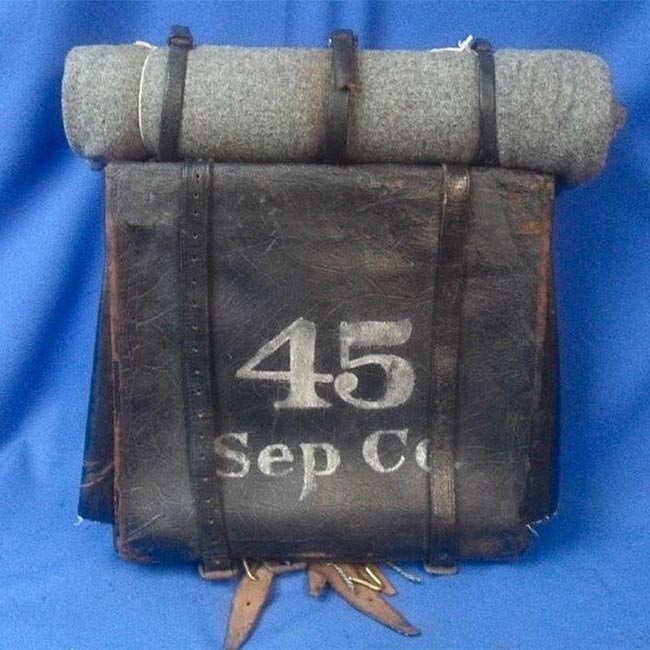
Civil War Trunk

This format continued into the twentieth century with only minor modifications, until the U.S. Army Infantry Equipment Board met at the military equipment manufacturing center of Rock Island Arsenal in 1909 and conducted a review of the equipment a soldier was required to carry into battle. By 1910, a new set of specifications was agreed upon that took the U.S. into the Great War and the slaughterhouse of trench warfare, barbed wire and gas attacks.

The olive drab canvas haversack that resulted from these standards allowed for an entrenching tool, mess kit with cutlery, blanket, clothing and tentage to be carried within the folds of the materials. An update to this arrangement was developed in 1928 but would not see production until America’s entry into World War II. Even with this update, these haversacks did not function like a modern backpack and were not favored by the troops. They were essentially heavy canvas burritos the soldiers wrapped around their gear and clipped into web belts.
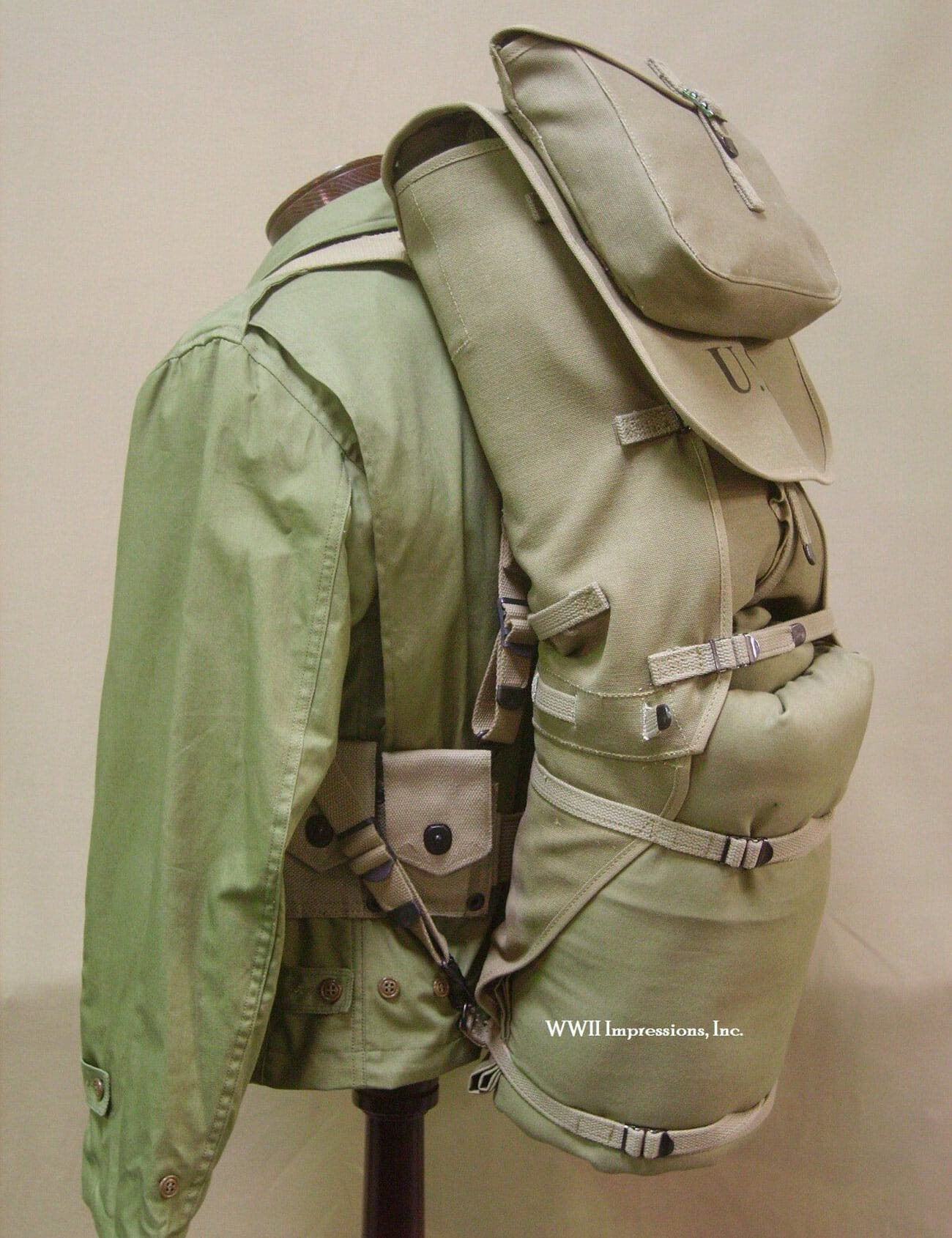
The World War II Haversack

The military continued on the path of development and created two functional load carrying items, which possessed the sort of dimensions and form we might see in a modern backpack. One was the Bag, Canvas, Field, M1936 (yes, the military has this way of being excessively descriptive), an update to a previous bag initially issued to mounted troops and officers. At approximately 10 liters, it eventually saw widespread distribution to mechanized and airborne troops, and became prized for its modest yet functional organization and ease of carry via a set of suspenders or single strap.

2. The good ol’ canvas pack gets an external frame upgrade.

The first noticeable moment of civilian influence on military design came in the form of the 1941 rucksack. Constructed of duck canvas over a rattan or thick gauge steel wire frame and designed for troops who specialized in mountain warfare, this rucksack consisted of a large main pouch with flap and three external pockets. It has obvious Nordic DNA from Ole F. Bergan’s 1910 invention throughout the bag, frame and shoulder straps, and was certainly not a spontaneous design emanating from the mind of an Army Quartermaster (the guy responsible for issuing equipment).
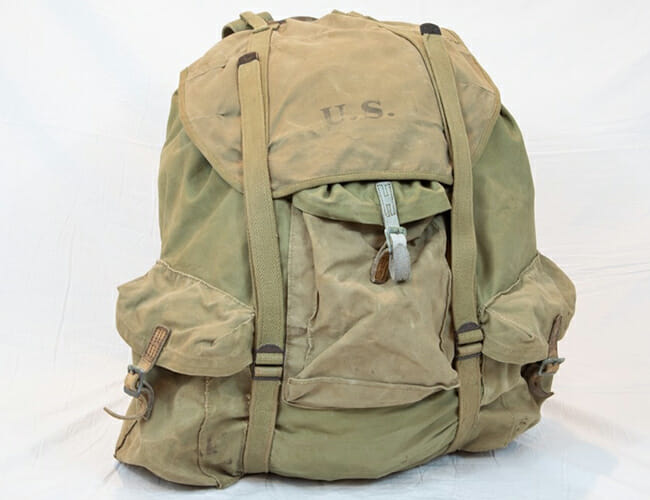
1941 Mountain Rucksack (courtesy of JW Hale)

The War Department asked the National Ski Association to evaluate the 1941 rucksack, and its Winter Equipment Committee offered 12 recommendations, resulting in a tubular steel frame, a new method of attaching shoulder straps to the rucksack directly and small yet functional improvements which were incorporated into newer versions. The frame and “belly band” waist strap aimed to minimize sway under load, and the entire system marked a dramatic improvement over the ungainly haversack systems provided to the average infantryman.

The U.S. military continued to use external frame packs through the Korean and Vietnam Wars, transitioning the pack material from canvas to nylon — an attempt to minimize the retention of water and resultant dry rot — and shifting the frame to tubular aluminum. It is during this period we see the second touch point between the two dimensions of packs.

Dick and Nena Kelty would revolutionize the civilian hiking world during this era with a home-built pack created in 1952. Their design utilized aircraft-grade aluminum for the frame, surplus parachute fabric for the bag and a hip belt and padded shoulder straps composed of other materials left over from WWII.

Packs would continue to evolve over the next 60 years at a blistering pace, finding use atop Mount Everest and other dizzying elevations as they took on taller, narrower alpine profiles. Military packs of that era culminated with the iconic All-Purpose, Lightweight, Individual, Combat Equipment (ALICE) Field Pack adopted in 1973.

The external frame design retained many elements of the previous generation of rucksacks and remains what many consider the gold standard of combat packs. It weathered on through Operations Urgent Fury (1983 Grenada), Just Cause (1989 Panama), Desert Storm (1991 liberation of Kuwait) and well into the late 1990s. I would deploy with an ALICE pack into Mogadishu, Somalia in 1994 and employed the design until I joined my first light armored reconnaissance (LAR) unit in 2002.
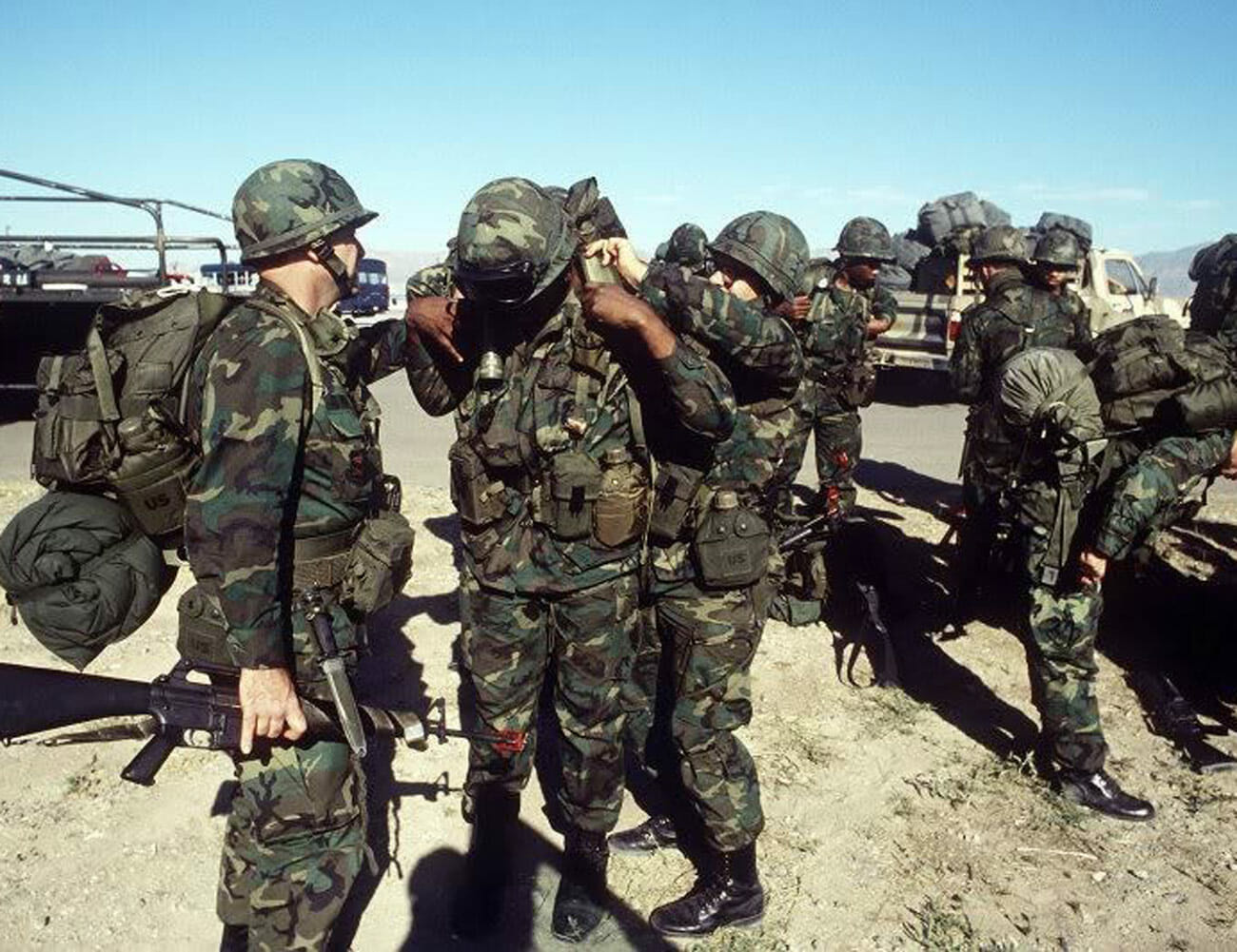
GIs with ALICE packs

While the hiking and mountaineering market continued to move into ultra-light fabrics and frame materials, the military mostly meandered along with its own specifications for equipment, focusing on durability and functionality at the expense of motility. Sporadic attempts to replace ALICE packs resulted in numerous experimentation periods and limited fielding of several internal frame packs like the 420 denier nylon cloth LOCO and the camouflaged CPF-90, created by backpacking industry leader Lowe Alpine Systems.

3. Civilian packs inspire massive military upgrades

By the ’90s, we were beginning to wave goodbye to the days of packs designed by Army civilians and engineers and mass-produced by contract vendors. Instead, the military began establishing performance requirements before seeking proposal specimens from the industry for test, evaluation and selection. This third intersection of civilian and military pack design was an exciting time for the troops who got the chance to use these packs.

However, they were never fully integrated into use with general purpose forces due to their height and the resulting difficulty of use with helmets and body armor. Although these packs excelled at holding a lot of gear, a universal combat pack replacement for ALICE would not arrive until the late ’90s.

When the United States Army’s Natick Soldier Research, Development and Engineering Center patented a grid of one-inch webbing, attached to a base fabric at one-inch intervals, it forever changed the way soldiers carry their equipment, ammunition and provisions to war. This grid, labeled the Pouch Attachment Ladder System (PALS), became the cornerstone of the Modular Lightweight Load-carrying Equipment (MOLLE) system introduced in 1997. PALS allows the user to attach a variety of pouches to base items such as a pack, body armor or an ammunition vest via a strap system laced into the PALS grid. Over time, the term PALS has fallen out of favor and most folks simply refer to the webbing as MOLLE.
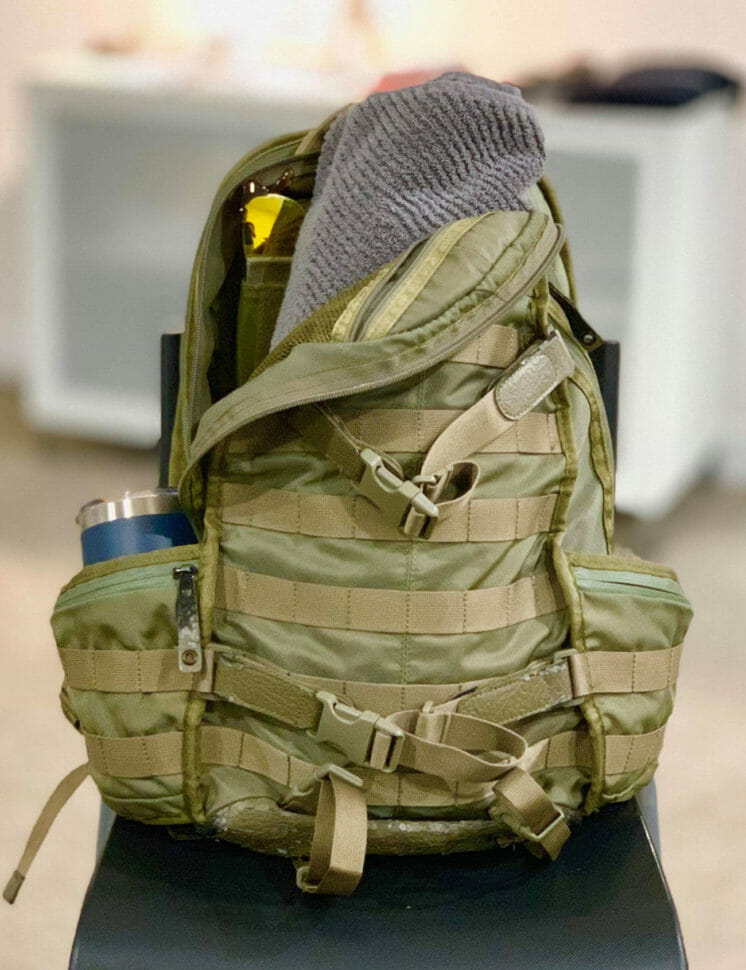
Pack with MOLLE webbing, courtesy of Pu Koh

Post 9/11, the Army and Marine Corps began to field suites of MOLLE equipment to service members headed to combat in Afghanistan and Iraq. The system’s top-loading rucksack was covered with webbing and could be quickly reconfigured to mission requirements, but the molded polymer frames frequently broke under normal combat conditions and the zippers were easily fouled by debris. The LAR company that I commanded during the 2003 invasion of Iraq experienced a 40 percent rate of frame failure. We essentially had to go to war with a pack that the Corps was already working to replace because of its flaws.

The Marine Corps ventured away from following the Army’s lead in field equipment procurement and asked the industry to design a new suite to replace MOLLE in 2002. Arc’teryx designed an alpine-style, top-loading pack that supported the load through an internal frame of aluminum stays and load stabilizers. It won the competition against a Gregory Mountain Industries submission and was mass-produced by Propper International as the main component of the Improved Load Bearing Equipment (ILBE) system.

I would return in Iraq in 2008 with an ILBE and then to Afghanistan in 2010 — and could appreciate the fulfillment of the various performance specifications outlined by the Marine Corps. It was heavier than an ALICE pack, but it could accommodate mortar ammunition inside pockets and had side access features. In a classic example of terrible systems integration, Arc’Teryx provided exactly what the design contract called for but the ILBE pack failed to fully integrate with the body armor systems issued to the troops at that time. A new search for a sustainment pack commenced in the late 2000s and resulted in a new collection of load-carrying items designed by Eagle Industries.

While the military struggled for over a decade with issued field gear, a burgeoning industry of MOLLE-compatible products exploded literally overnight as troops sought out tactical load–carrying equipment that performed better than the articles manufactured by lowest bidders. This period saw the rise of 25- to 40-liter “3-day” or “assault” packs from Camelbak, Mystery Ranch and dozens of other companies, along with an assortment of organizer pockets, general purpose pouches and other accessories which could be used during combat operations. I would deploy to Iraq and Afghanistan with a privately-purchased, Lightfighter Tactical, Inc. pack, because it simply performed better than my Marine Corps-issued patrol pack at that time.
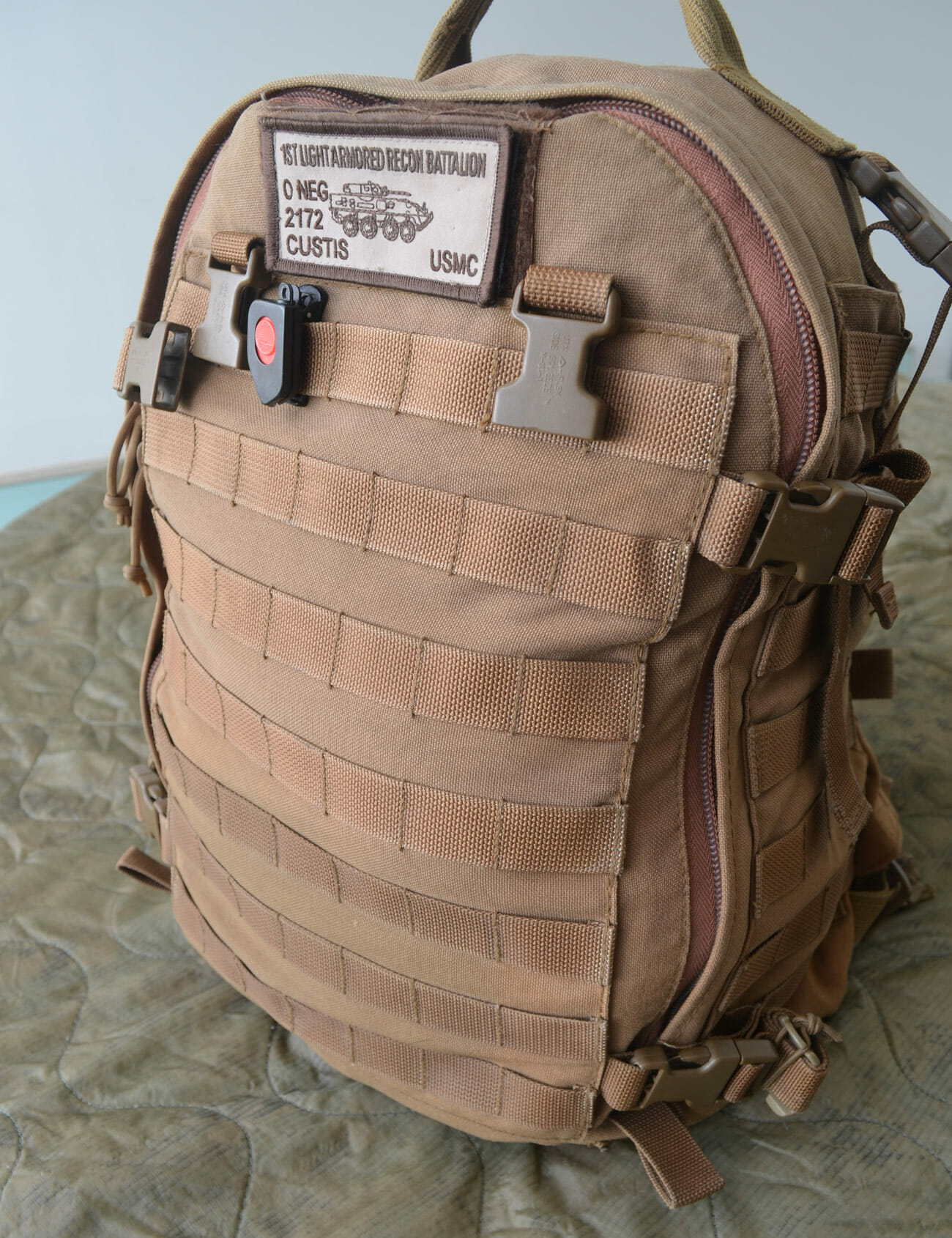
The author’s own Lightfighter pack

4. MOLLE becomes the standard in the military — and the design spreads into our everyday bags.

Current options are literally endless, and MOLLE compatibility has even seeped into a range of military-inspired backpacks, messenger satchels and sling packs which were never intended to be taken into battle. This phase of pack design represents the fourth and final touch point along a civilian and military through-line that grows more blurred over time.

I went looking for the moment of this design spark in late 2016. My search began at a tactical discussion forum, gathering bits and pieces from a thread about a remarkable backpack that had debuted several years earlier. A member of the forum spoke of a friend who had been on the pack’s design team, and the search eventually shifted to Facebook, where I met a Nike designer who worked on a different design team from 2003 to 2016 but knew the people involved in the pack’s release in 2007. He, in turn, referred me to soft goods designer Thomas Bell, as well as the director of the company’s archives at Nike DNA.

When I communicated with Bell, he spoke about his design philosophy and details of the Nike skateboard (SB) pack and its shoe, hat and camera accessory cases that were initially offered at product launch. He found inspiration in the “form-follows-function design principles of military products,” and the original SB pack certainly raised eyebrows in the tactical arena when it first arrived. It remains a hip, urban realm pack and it is amusing to watch video reviews. Across some 30 minutes of reviews from multiple vloggers, none of them even mention the PALS grid or the possibility of expanding the pack’s carry capacity with a MOLLE-compatible pouch or two.
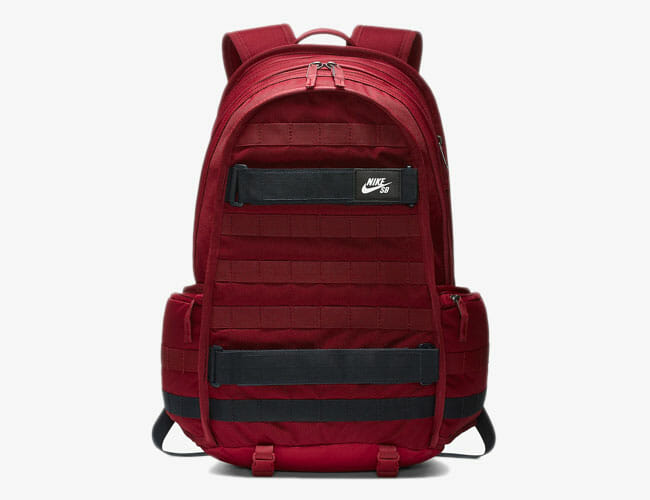
Nike SB’s military-inspired pack

For the unfamiliar observer, the true capability of the PALS webbing on Nike SB packs has faded from memory, becoming nothing more than a decorative element on this trailblazing backpack designed to hold a laptop, miscellaneous tech gear, clothing and a skateboard.

As a design element, a swath of PALS webbing on a lifestyle pack has actually become commonplace, with Greenroom136, Timbuk2, Equilibrium USG and several other manufacturers offering a range of packs that could mate with a MOLLE-compatible accessory if the owner so desired. You could argue that they are not crossover packs, as soldiers are not likely to dash into a firefight with Nike packs on their back. But I have no doubt that the civilian and military sectors will continue to borrow load-carry innovations from each other for the next 150 years.

The author wishes to acknowledge the U.S. Army Military Center of Military History for material referenced in the article, as well as the assistance of Pu Koh, JW Hale, Andrew Sporrer and Juan Gonzalez at WWII Impressions, Inc.
Note: Purchasing products through our links may earn us a portion of the sale, which supports our editorial team’s mission. Learn more here.

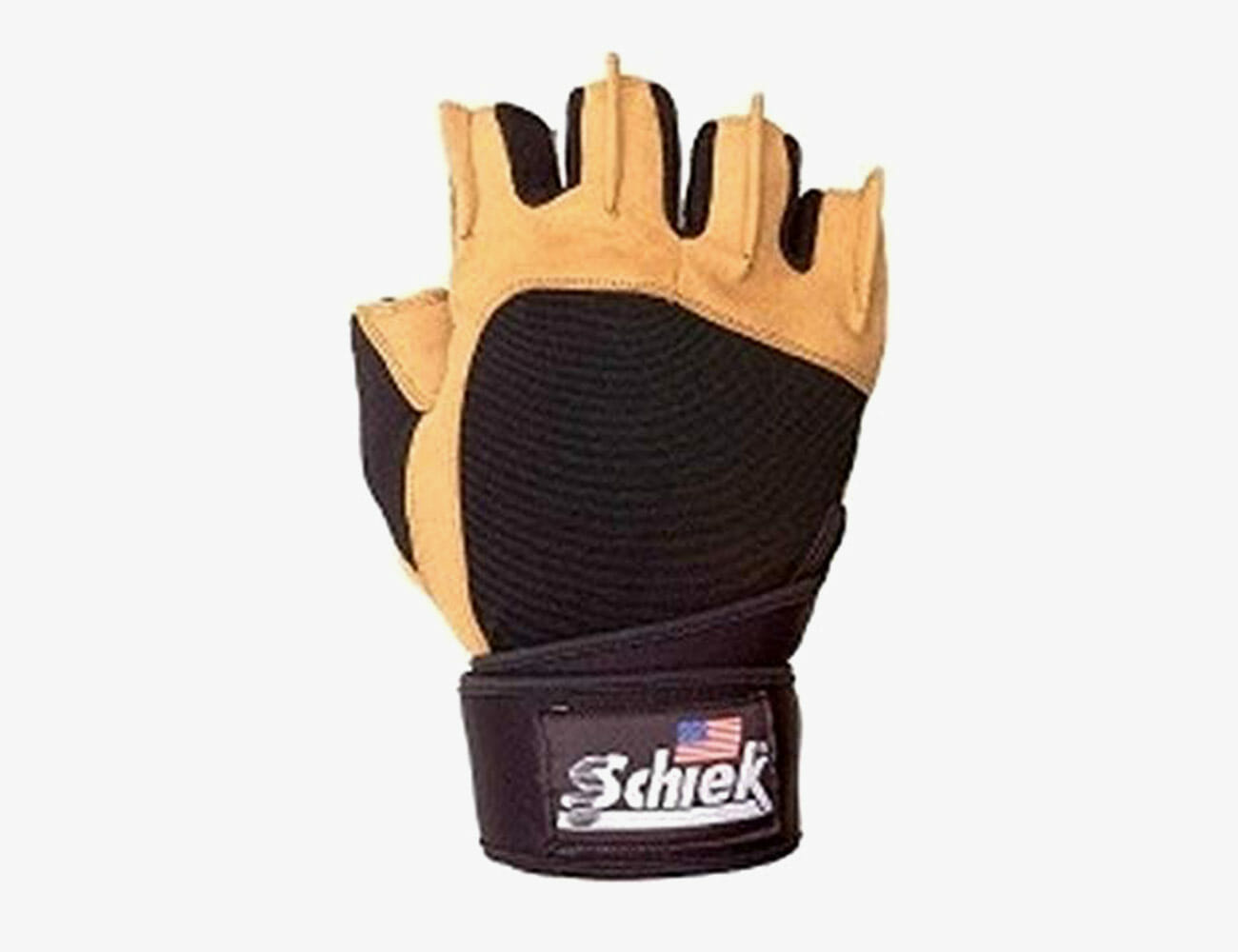
The Best Men’s Race Day Running Kits of 2019

Come race day, the right mindset will make or break your race. Like the famous proverb says, “Running is 90% mental and 10% physical.” One of the easiest ways to get into a positive mindset on race morning is having a dedicated race day kit. One that looks good and will elevate your confidence once you put it on – like your finest suit you only reserve for special occasions.

I still very clearly remember the day I first received my college race day kit – a simple white jersey tank top that read Villanova across the chest in the classic arched blue font with 2-inch dark blue split shorts. I must have put it on a dozen times in my dorm room before my first race. This rather simple looking outfit stood for excellence in the world of college running. Anyone who wore it was part of Villanova’s deep history of elite caliber runners and expected to carry on that tradition. There was a feeling of invincibility every time I raced as if the kit gave me superpowers – similar to when Clark Kent went into a telephone booth, changing into his Superman outfit. No matter how I felt on race day, every time I put on my Villanova kit, my mindset changed to game on, “I’m ready, and I’m going to rock this race.”

A race day kit should be something special. Something you look forward to wearing like I did with my Villanova kit. I recommend keeping brand continuity for the top and bottoms, making sure they match. The more the outfit stands out from everyday running attire, the better. This outfit should elevate your confidence, so don’t let the price hold you back. Like your finest suit – go ahead and splurge a little. Reserve it for race day only, never for training. It needs to represent something. As the saying goes, “Look good, feel good.” Here are some of the best looking kits to help elevate your mindset on race day.

The Speedster: Soar Elite Racing Bundle


UK’s boutique running brand, Soar makes some of the highest quality, aggressive-looking running clothing I’ve tested. Offered in three-color ways that you can mix and match, the kit features Soar’s Elite Race Short 3.0, a four-way stretch, notched split short along with the ultra-light, open weave Italian mesh ELITE race vest. So if you’re after an all eyes on me look for race day, this kit is for you. Not a fan of short shorts? Try the Singlet Bundle (link) featuring a slightly longer mid-thigh short. The singlet is designed to be fitted, so if you prefer a looser fit, I suggest sizing up.

The Casual: On Lightweight Shorts & Tank-T


Perfect for hot and humid race days when lightweight, moisture-wicking clothing is essential, this distraction-free top and bottom combo from Swedish running brand On are engineered for both function and form. The mid-length thin, stretchy shorts are clean looking and move with your every step effortlessly – resisting the urge to ride up with each stride. The lightweight Japanese knit fabric tank top is seamless with taped edges to prevent rubbing hotspots. Prefer sleeves? Swap out the tank top for On’s Performance T. |

The Trail Runner: Patagonia Long Haul Kit


Patagonia has always offered running apparel, but last fall they seriously stepped up their game, debuting a full trail running kit – shorts, shirt, lightweight jacket and hydration vest. Suited for any short or ultra length trail run, the Long Haul Kit includes an updated version of Patagonia’s best selling Strider Pro Shorts, in 5 and 7-inch inseam, a thin, moisture-wicking t-shirt and the Air Houdini, a more breathable version of Patagonia’s popular Houdini jacket. The highlight of the kit is the Slope Hydration Vest, a well-tailored, breathable four and eight-liter hydration pack. |||

The Standout: Janji Orbital Singlet & AVR Middle Short


Running should be fun, and no other brand does fun-themed running clothing better than Janji. As part of Janji’s Cambodia Collection where a portion of the proceeds are donated to Cambodia, these colorful patterned tops and bottoms, which makes it standout from the drones of bland solid colored running apparel. Offered in six fun patterns and colors, the Orbital singlet is paper thin, making it virtually unnoticeable. It sports a modern look with aggressive underarm cuts that help guard against chaffing. Pair the singlet with Janji’s matching 3” split short or 5” short. |
|

The Marathoner: New Balance Q Speed Collection


For New Balances’ fastest drying, highest performing running apparel, look no further than the Q Speed collection – a line of tops and shorts that has a more subdued athletic look than the others. All the tops feature New Balance’s ICEx technology that uses your sweat to help cool you and come in a variety of cuts, patterns and colors. For shorts, the 5” inseam Q Speed Shadow 2-in-1 is the ideal marathon short offering enough carrying capacity in its built-in utility belt for all your gear and fuel for race day. The integrated compression liner is comfortable and supportive, warding off any race day chaffing. |

Note: Purchasing products through our links may earn us a portion of the sale, which supports our editorial team’s mission. Learn more here.
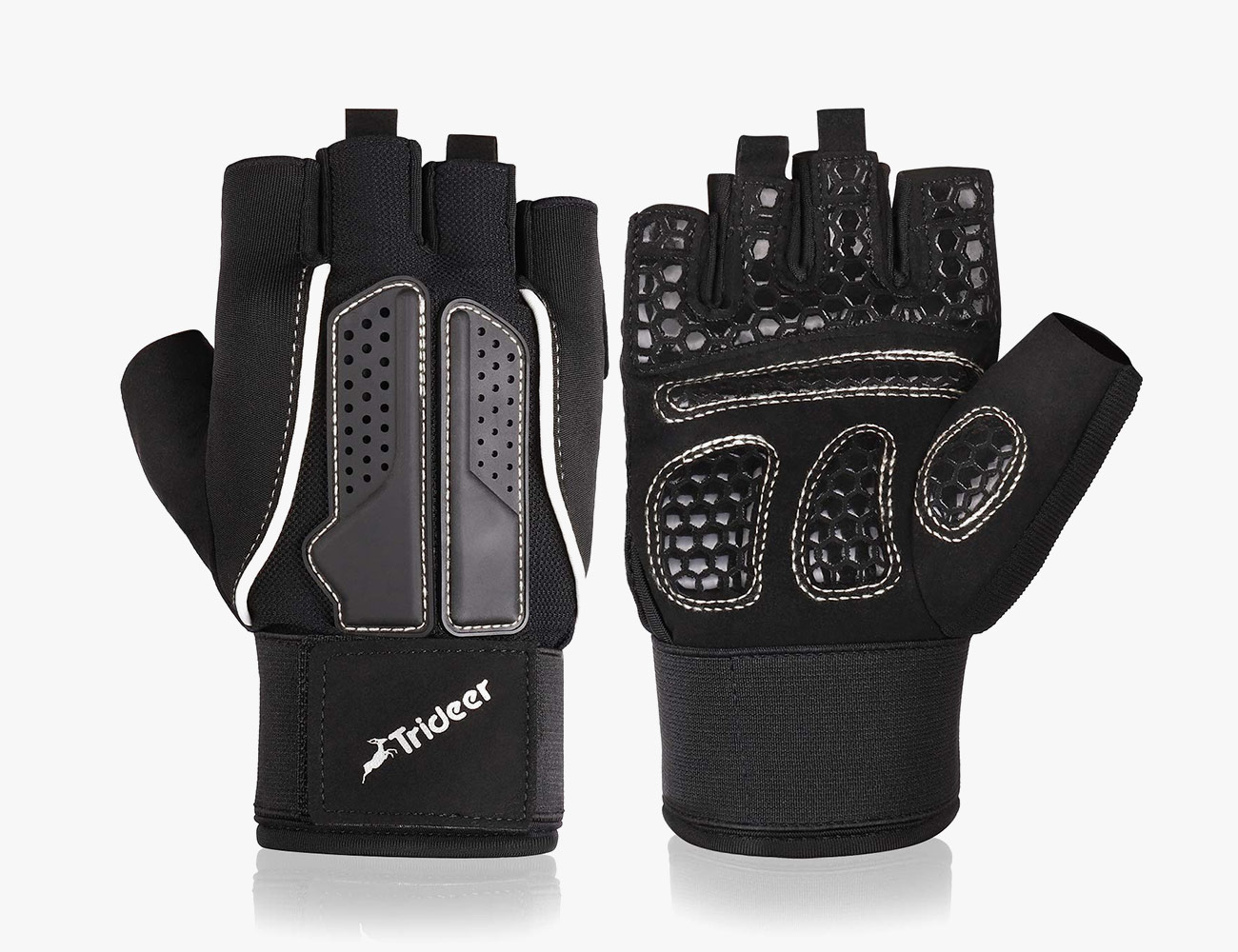
Complete Guide to Garmin Running Watches

Founded in the late 1980s by Gary Burrell and Min Kao, Kansas-based Garmin specializes in GPS-based devices that aid navigation in cars, planes, shipping and much more. Their products are ultra-tough, built for professionals working in the most rugged and demanding situations, and trusted in every corner of the world.

Garmin’s running offerings are characterized by the same durability, reliability and intuitive interfaces that have made their products such winners for decades. Today’s connectivity options are many, and while GPS remains at the core of Garmin’s running watches, they’ve also incorporated Glonass and Galileo geopositioning to assist GPS, as well as Bluetooth, cellular, WiFi and ANT+. Not every model connects the same way, so use the buying guide below to help find the model that does what you want and need it to.

As far as fitness tracking goes, Garmin hangs tough with Casio, Apple, Samsung, FitBit and all the other big players, and there’s really nothing missing on a Garmin running watch when compared to other brands. You’ll also robust features, such as Pulse Ox which measures your blood oxygen levels (a boon for those competing and training at varying altitudes), V02 Max readings and standard readings such as heart rate, distances, steps and so on. All Garmin’s running watches are waterproof, so the triathletes and swimmers among us can dive in without a worry, and the general durability of Garmin watches is truly unrivaled.

Below is our guide to the entire current lineup of Garmin running watches. While there are a few models that we haven’t covered that could substitute as running watches, it is these core lines — the Fenix, the Forerunner and the Vivosport — that Garmin has tailored to the endurance athlete. Whether you’re a casual jogger or an international marathon competitor, you’ll find a watch that’ll take your workouts into the 21st century with elaborate data streams, both in real-time and then charted after the fact for deep analysis.
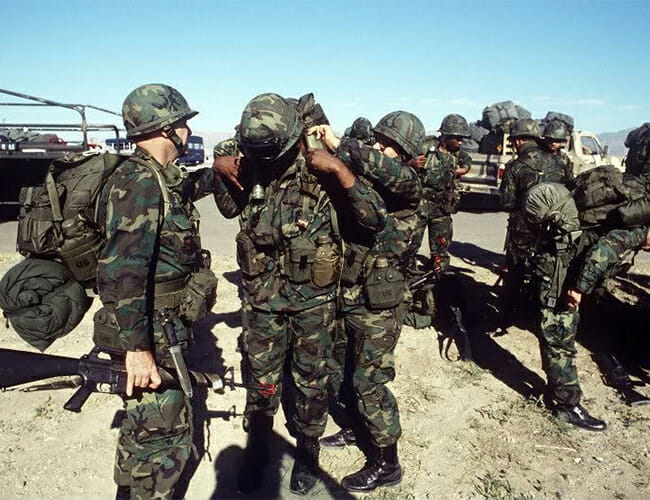

Fenix Models

Fenix Plus 5X

At the top of the Garmin lineup of running watches is the Fenix Plus 5 series. There are three models, the 5S, 5 and 5X. They measure 42mm, 47mm, and 51mm, respectively. Made from titanium and sapphire, housing three-axis location sensors, GPS-enabled topographic maps, streaming music and Garmin Pay, you can go out for a run with just this watch and lack nothing but a cellular connection (see the Vivo series below for that). Bluetooth connectivity assures that you can download and analyze the elaborate fitness tracking data in lush graphs that help you make your training as accurate and beneficial as possible. For those venturing outside GPS broadcast zones, Glonass and Galileo networks will pick up where GPS left off. Those working in variable altitudes will want to opt for the Pulse Ox upgrade (select at checkout), which reads your blood oxygen saturation level, an essential data point for anyone exerting themselves at high altitudes. Pulse Ox offers insight previously only available to elite athletes with large budgets, but now anyone serious about monitoring proper recovery after endurance events (even when altitude remains the same) can alter their efforts for the win.

Battery Life: 12 days smartwatch / 18 hours GPS / 8 hours GPS + Music
Connectivity: Bluetooth, ANT+, WiFi
Key Features: GPS, Glonass & Galileo navigation, compass, gyroscope, altimeter 3-axis location sensors, heart rate monitor, streaming music, Garmin Pay, Pulse Ox oxygen saturation monitoring (5X only).
Released: 2018

Forerunner Models

Forerunner 945

Made from resin polymers and Gorilla Glass (as used on smartphones), the Forerunner 945 takes a slightly more economical approach than the Fenix lineup while offering all of the Fenix’s features, including the three-axis sensors, GPS, Glonass and Galileo network connections and all the heart rate and blood oxygen level monitoring you’ll need to train to compete at your highest level. Music is available over streaming services or you can store up to 1,000 songs right on the watch for your off-the-grid workouts. UltraTrac mode uses GPS sparingly to save battery and allows this watch to run for up to 60 hours while still offering accurate location mapping.

Battery Life: 2 weeks in smartwatch mode, 10 hours in GPS mode with music or up to 60 hours in UltraTrac™ mode.
Connectivity: Bluetooth, ANT+, WiFi
Key Features: Menstrual cycle tracking, GPS, Glonass & Galileo navigation, compass, gyroscope, altimeter 3-axis location sensors, heart rate monitor, streaming music, Garmin Pay, Pulse Ox oxygen saturation monitoring.
Released: 2019

Forerunner 645

Add a stainless steel bezel and drop the Pulse Ox blood oxygen sensing, and you’ve got the Forerunner 645, which comes in at a very attractive price point for a watch that still retains all of the major features of Garmin’s running devices. The GPS tracking is backed up by Glonass and Galileo networks and the three-axis sensors will make sure all location data is spot-on accurate. Pay a little more at checkout to include music streaming and the 1,000-song storage capacity for those moments when you’re running outside data networks. At 42.5mm across, this watch is going to fit most wrists comfortably.

Battery Life: 14 days, 7 days GPS mode
Connectivity: Bluetooth, ANT+, WiFi
Key Features: Menstrual cycle tracking, GPS, Glonass & Galileo navigation, compass, gyroscope, altimeter 3-axis location sensors, heart rate monitor, streaming music (optional), Garmin Pay
Released: 2019

Forerunner 245

Don’t let the lower price tag lead you to believe there are too few features with the 245, as this model offers more than the bare essentials: three-axis location sensors, smartphone connectivity, Garmin Pay, step monitoring and more. V02 Max levels — along with many other exertion insights based on temperature and elevation — are easily tracked through the onboard apps and then analyzed on your smartphone after your workout. Music is an upgrade at checkout.
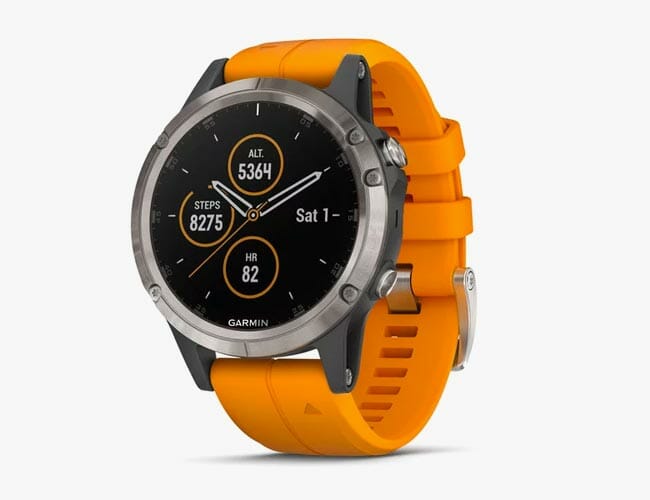
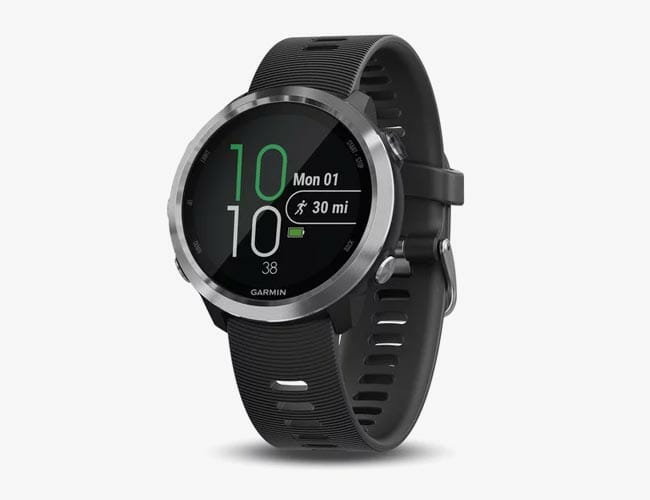
Battery Life: 7 days, up to 24 hours in GPS mode
Connectivity: Bluetooth, ANT+ (no Wifi)
Key Features: Menstrual cycle tracking, GPS, Glonass & Galileo navigation, compass, gyroscope, altimeter 3-axis location sensors, heart rate monitor, streaming music, Garmin Pay
Released: 2019

Vivoactive Models

Vivoactive 3

Of all Garmin’s running watches, this one behaves most like a “smartwatch.” Indeed, if you require cellular connectivity on your running watch, then the Vivoactive is the way to go. You’ll need to use Verizon, however, and you’ll need to go to the Verizon store to set up your plan. But once you do, this watch will give you text messaging and a whole host of other cellular-based features, including Spotify for your running jams, downloadable watch faces to satisfy your finicky inner aesthete and a bevy of training apps. All that functionality eats at the battery life, so this might not be the watch to take on that 24-hour endurance run across Nepalese mountains. But if staying close and connected matters to you, the Vivoactive 3 has you covered.

Battery Life: 5 days, up to 4 hours in GPS mode with music
Connectivity: Bluetooth, ANT+, Verizon 4G LTE
Key Features: Elaborate fitness tracking on the watch and via smartphone apps, two sizes available, Garmin Coach training plan compatible, heart rate monitor.
Released: 2018

Vivosport

To sum this one up, it’s small, affordable and loaded with features. Onboard GPS tracks your running distances, V02 Max monitoring looks inside your body and smartphone connectivity enables elaborate graphing of all that data. It’s also able to play your inspiring running playlists. The Vivosport clearly goes beyond the bare essentials. Its sleek form is available in two sizes.

Battery Life: 5 days, up to 4 hours in GPS mode with music
Connectivity: Bluetooth Smart, ANT+
Key Features: Elaborate fitness tracking on the watch and via smartphone apps, two sizes available, heart rate monitor, GPS for tracking your runs, music player, always on color display.
Released: 2017
Note: Purchasing products through our links may earn us a portion of the sale, which supports our editorial team’s mission. Learn more here.